Minnesota Prairie Roots

Writing and photography by Audrey Kletscher Helbling

The prairie part of Minnesota December 9, 2015

Filed under: Uncategorized — Audrey Kletscher Helbling @ 5:00 AM
Tags: , , , , , , ,
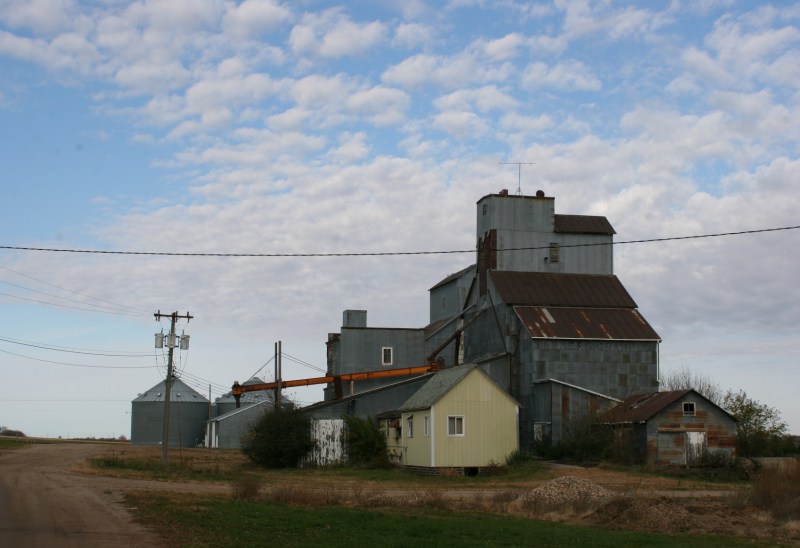
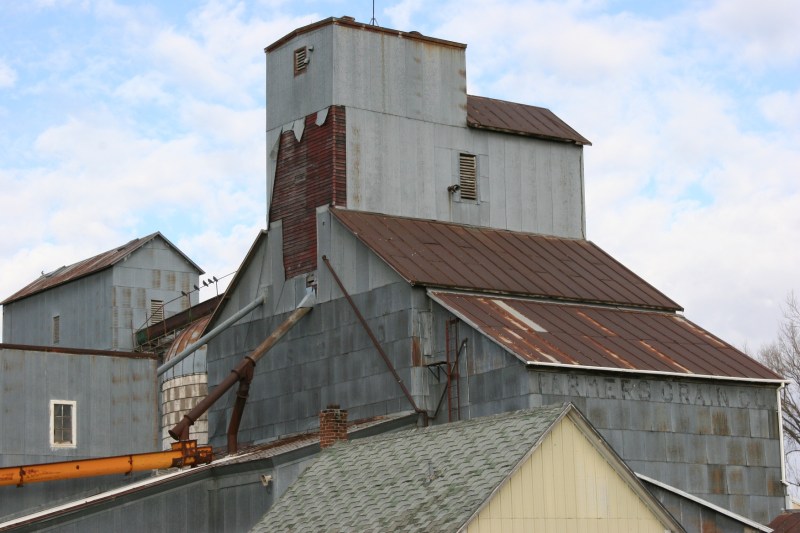
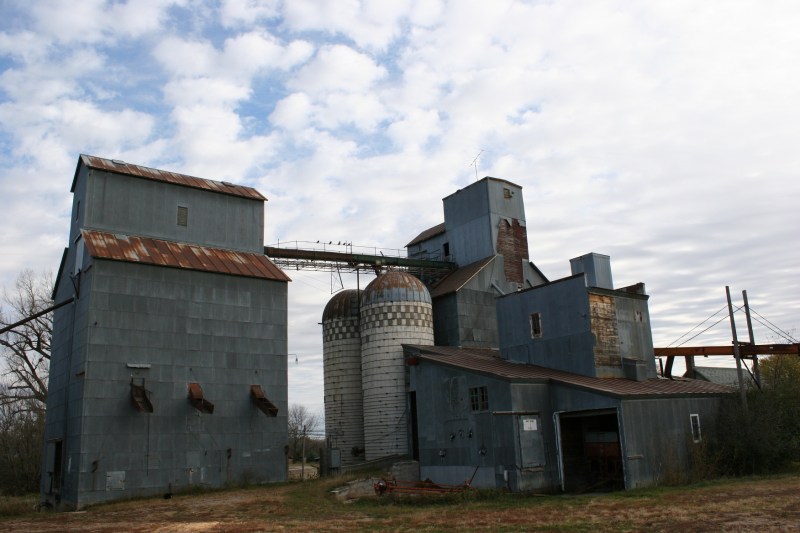
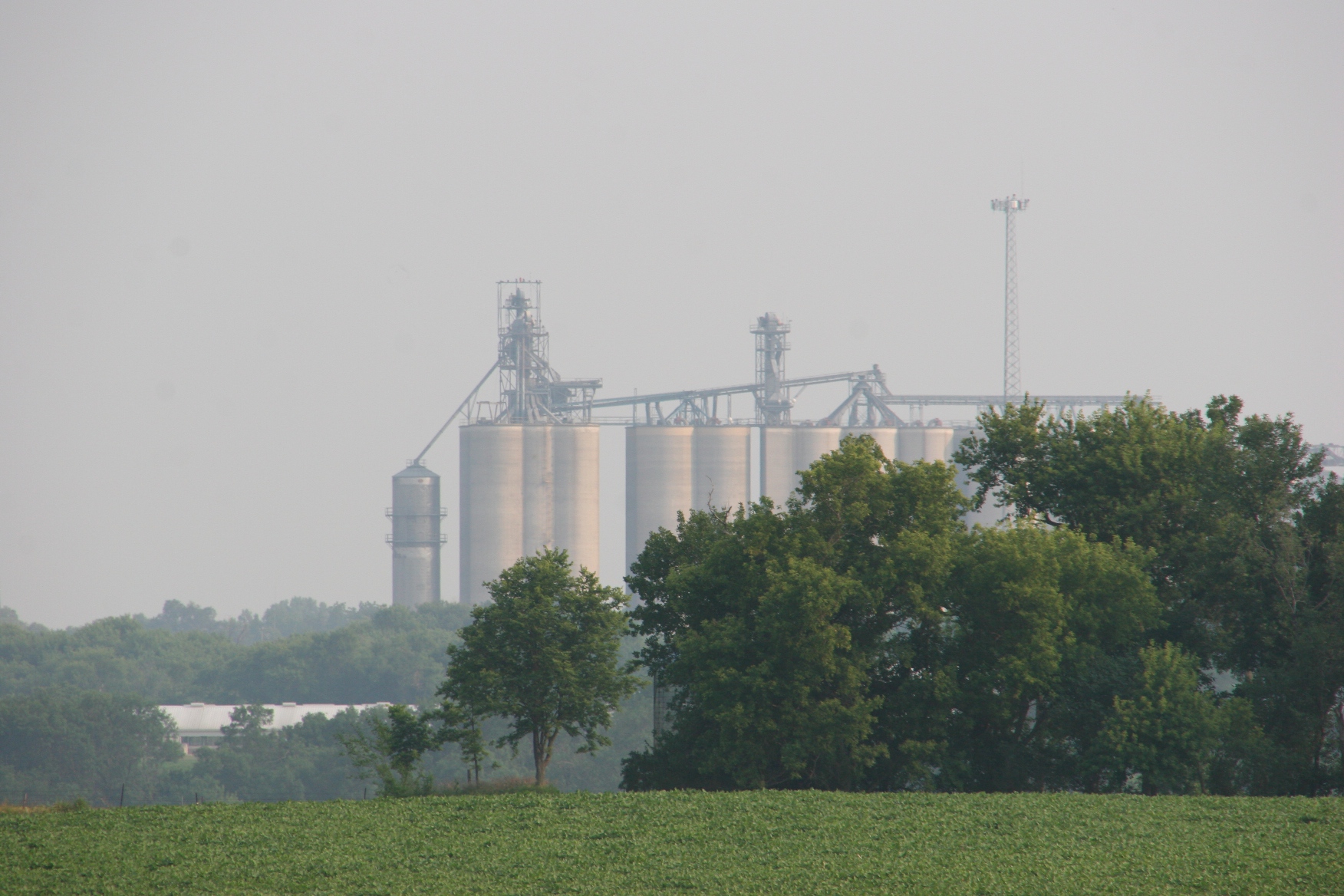
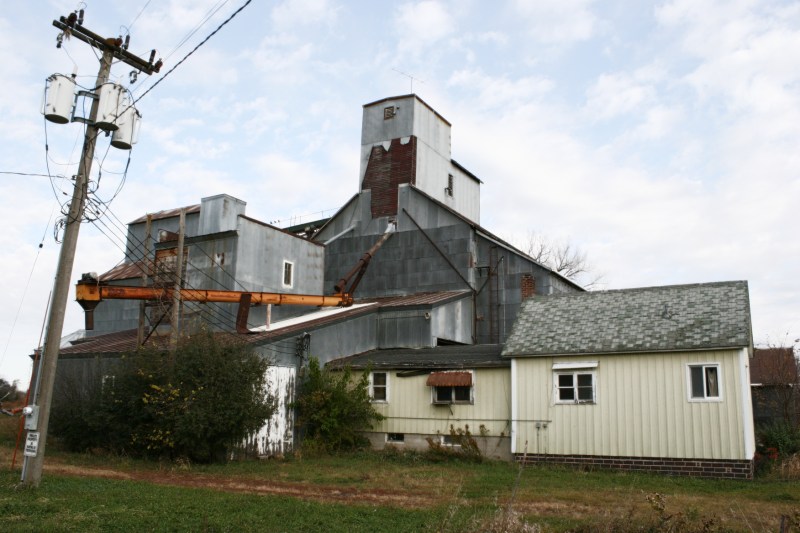
The grain elevator in Seaforth, in Redwood County, Minnesota, closed long ago.

The grain elevator in Seaforth, in Redwood County, Minnesota, closed long ago.

MINNESOTA IS MORE than the Twin Cities, St. Cloud, Rochester and Duluth. It’s also farms and small towns like Vesta, Sleepy Eye, Gaylord and St. James. I’ve lived in all of those rural areas and, for the past 33 years, in Faribault.

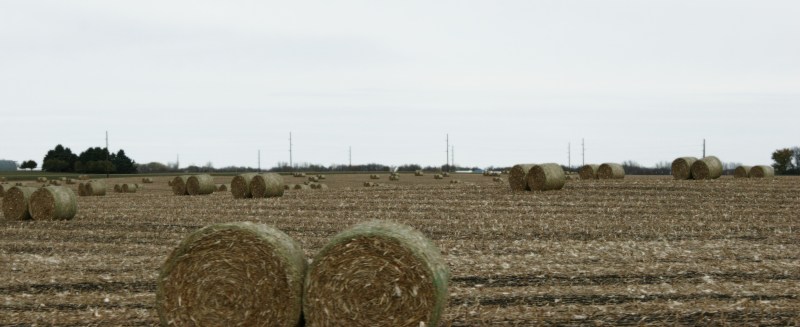
Cornstalk bales litter fields between Redwood Falls and Morgan.

Cornstalk bales litter fields between Redwood Falls and Morgan.

My husband was raised on a farm near Buckman in central Minnesota. Heard of it? Few people have. Likewise, not all that many Minnesotans know of Vesta, my hometown. Both communities are small—several hundred residents.

A vintage car travels eastbound along U.S. Highway 14 toward Nicollet.

A vintage car travels eastbound along U.S. Highway 14 toward Nicollet.

When folks ask where I grew up, I typically respond Vesta, bookmarked by “between Redwood Falls and Marshall.” If I get a blank look, I add “west of New Ulm.” If the geographic location still remains a mystery, I continue with “west of Mankato.” Then I usually see a flicker of recognition.

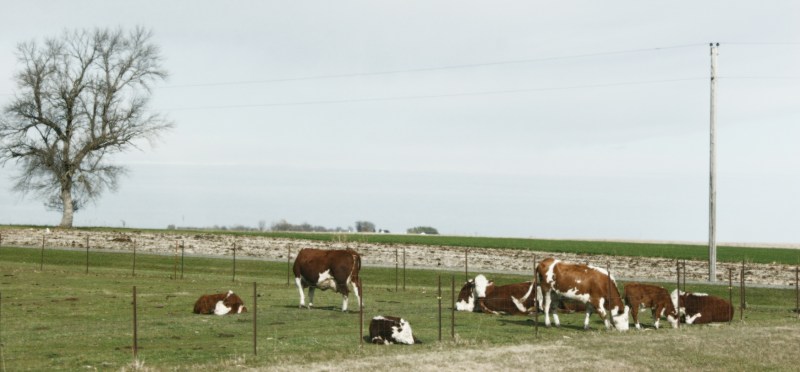
Occasionally you'll see cattle in a pasture. But mostly, farm land in southwestern Minnesota is used for crops like corn and soybeans.

Occasionally you’ll see cattle in a pasture. But mostly, farm land in southwestern Minnesota is used for crops like corn and soybeans.

My native southwestern Minnesota seems unappreciated by many who dismiss it as that boring prairie landscape en route to some place like Sioux Falls or the more distant destination of the Black Hills.

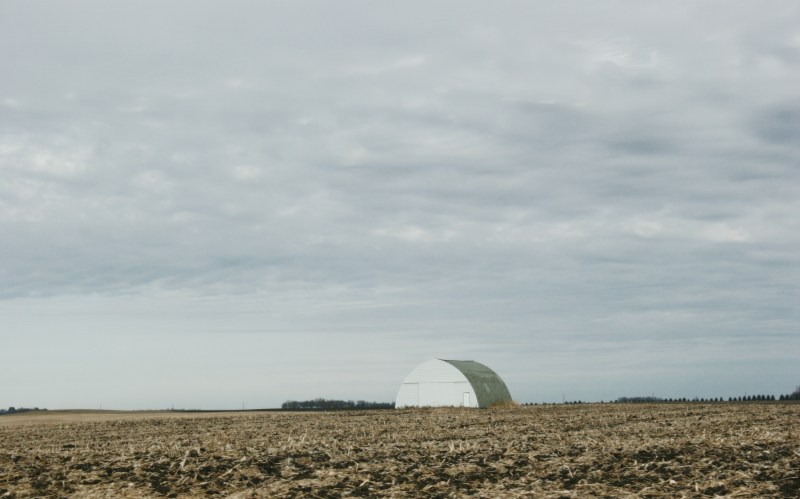
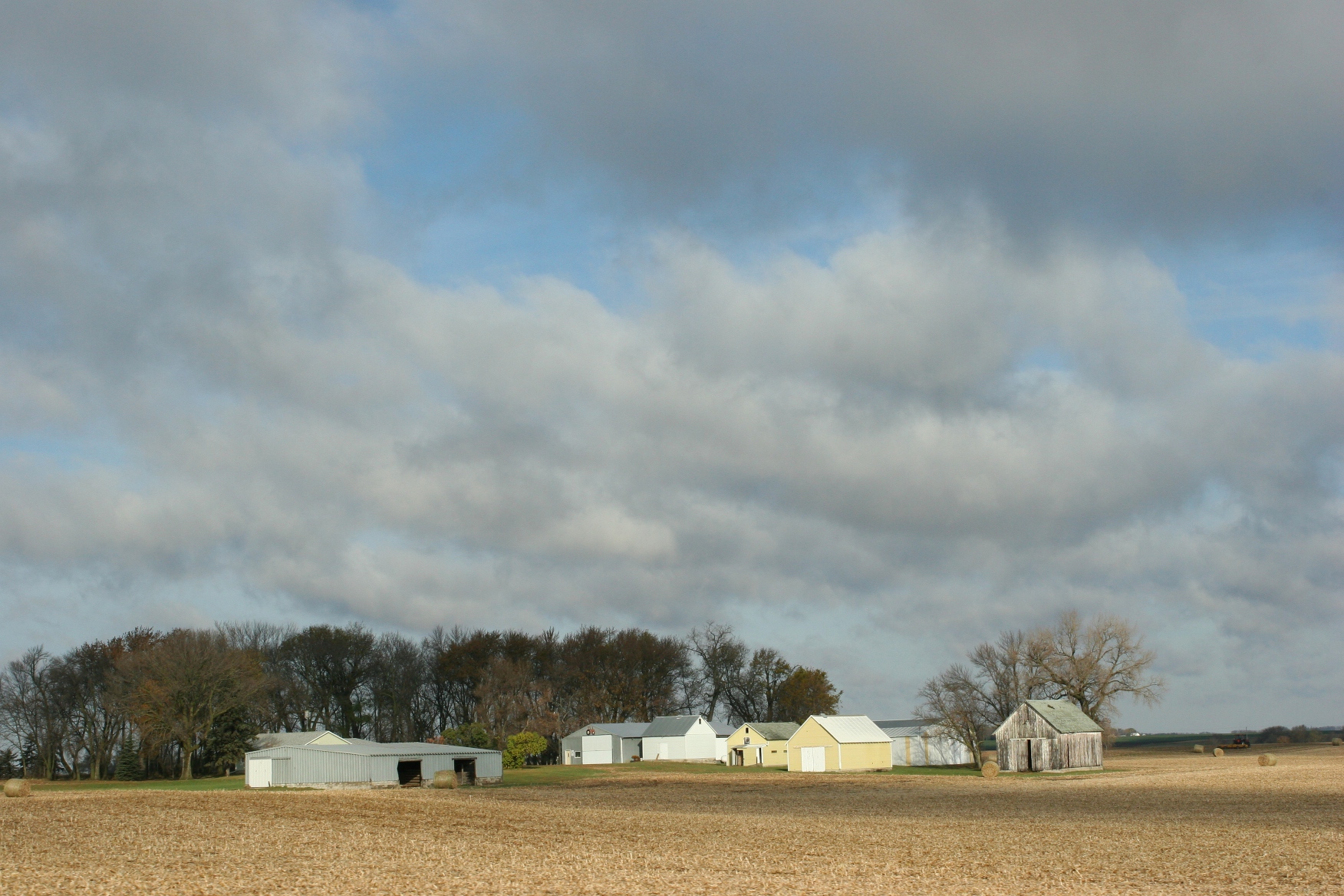
Fields and sky envelope a farm building just west of Wabasso.

Fields and sky envelope a farm building just west of Wabasso.

Appreciating the prairie, if you aren’t a native, takes a bit of effort. Wide skies and unhindered vistas can, I suppose, leave a landlocked city or hemmed-in by trees dweller feeling unsettled, untethered. There’s a sense of vulnerability and isolation on the prairie.

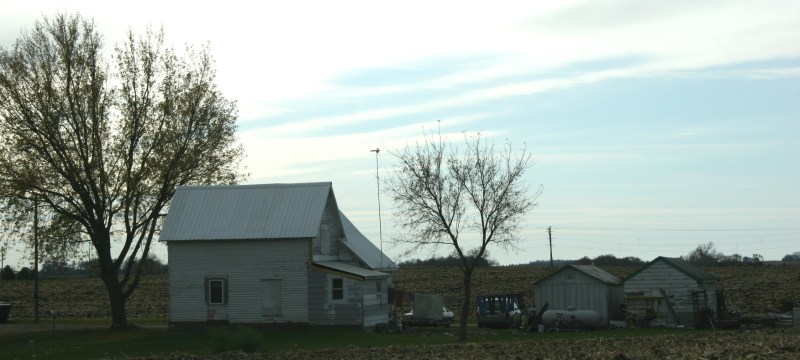
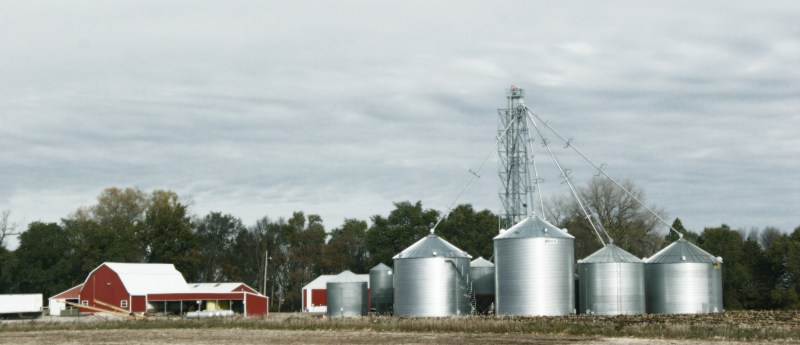
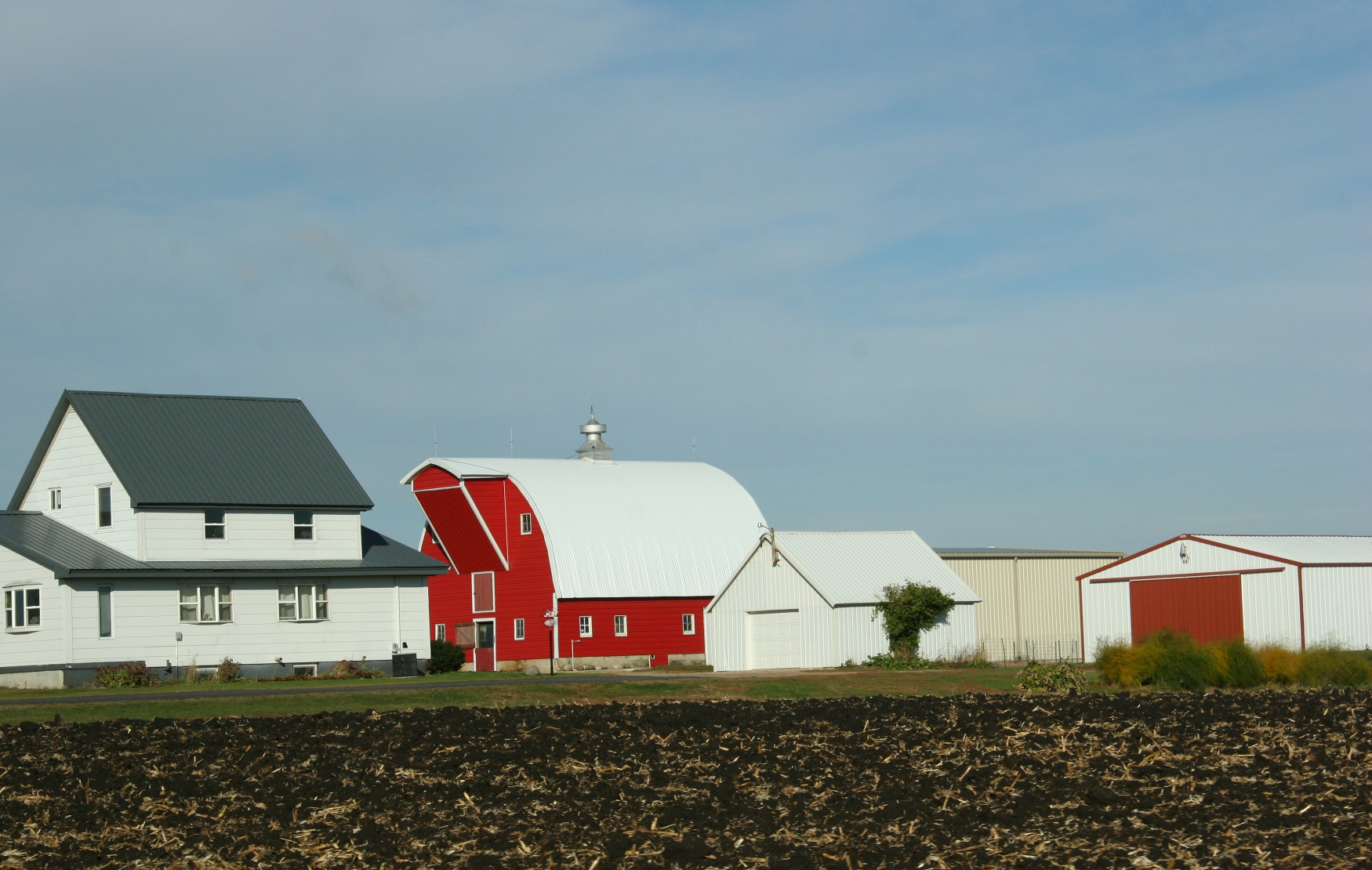
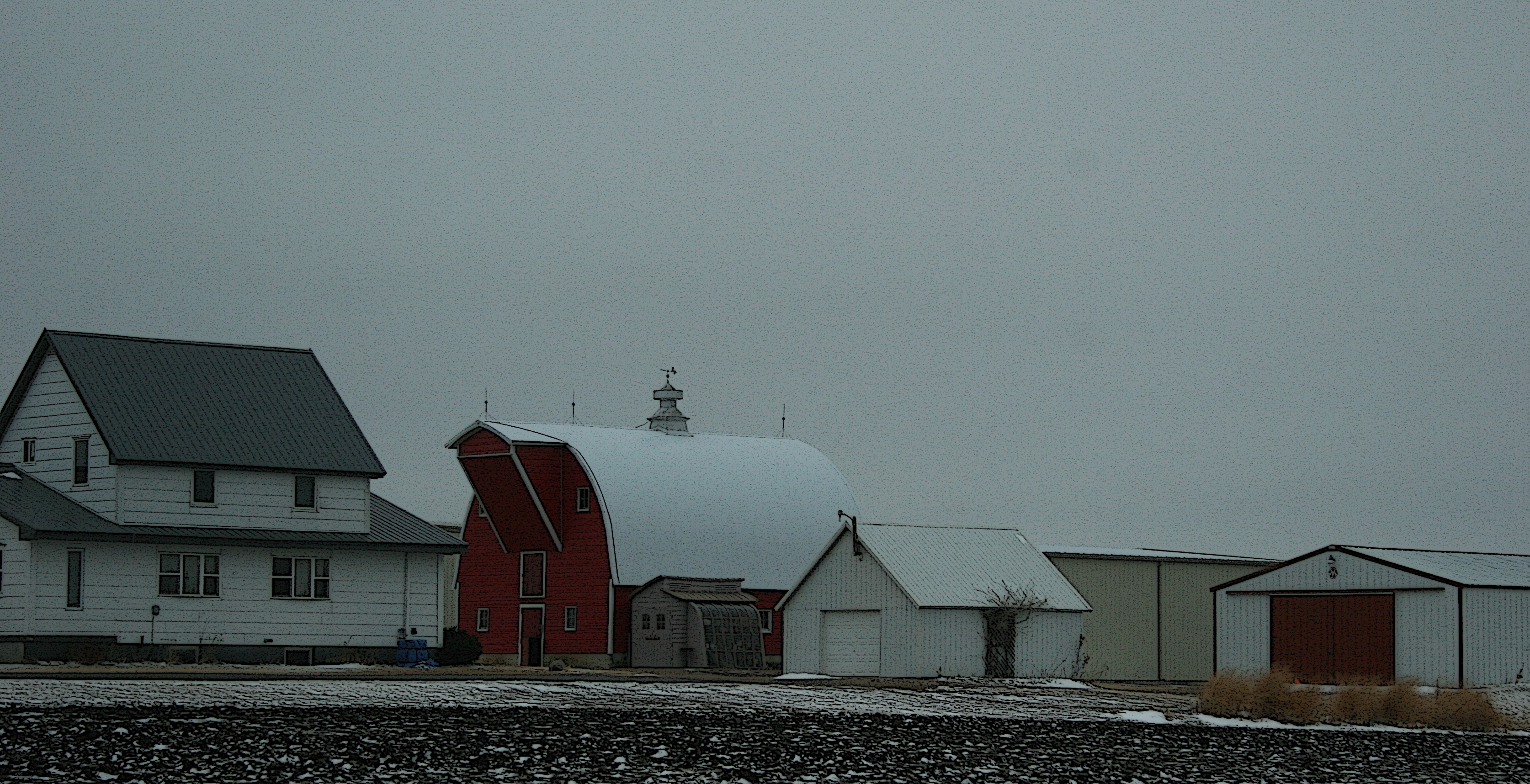
This farm site sits north of Lamberton in Redwood County.

This farm site sits north of Lamberton in Redwood County.

Land and sky overwhelm. Wind dominates. And for non-natives, that feeling of powerlessness within a landscape pushes away any thought of liking the prairie. Hurry. Power through the place. It’s just a bunch of farms and small towns and endless fields. But it isn’t. It is farm homes and red barns, grain elevators and water towers, corn and soybeans. Someone’s home. Someone’s land. Someone’s life. Someone’s livelihood. The prairie part of Minnesota. The place that shaped me as a person, a poet, a writer, a photographer. For that, I am grateful.

#

Note: All images were taken during my last visit “back home” in October and were edited to add a soft quality to the scenes.

© Copyright 2015 Audrey Kletscher Helbling


The shifting of seasons in Minnesota November 4, 2015

barn

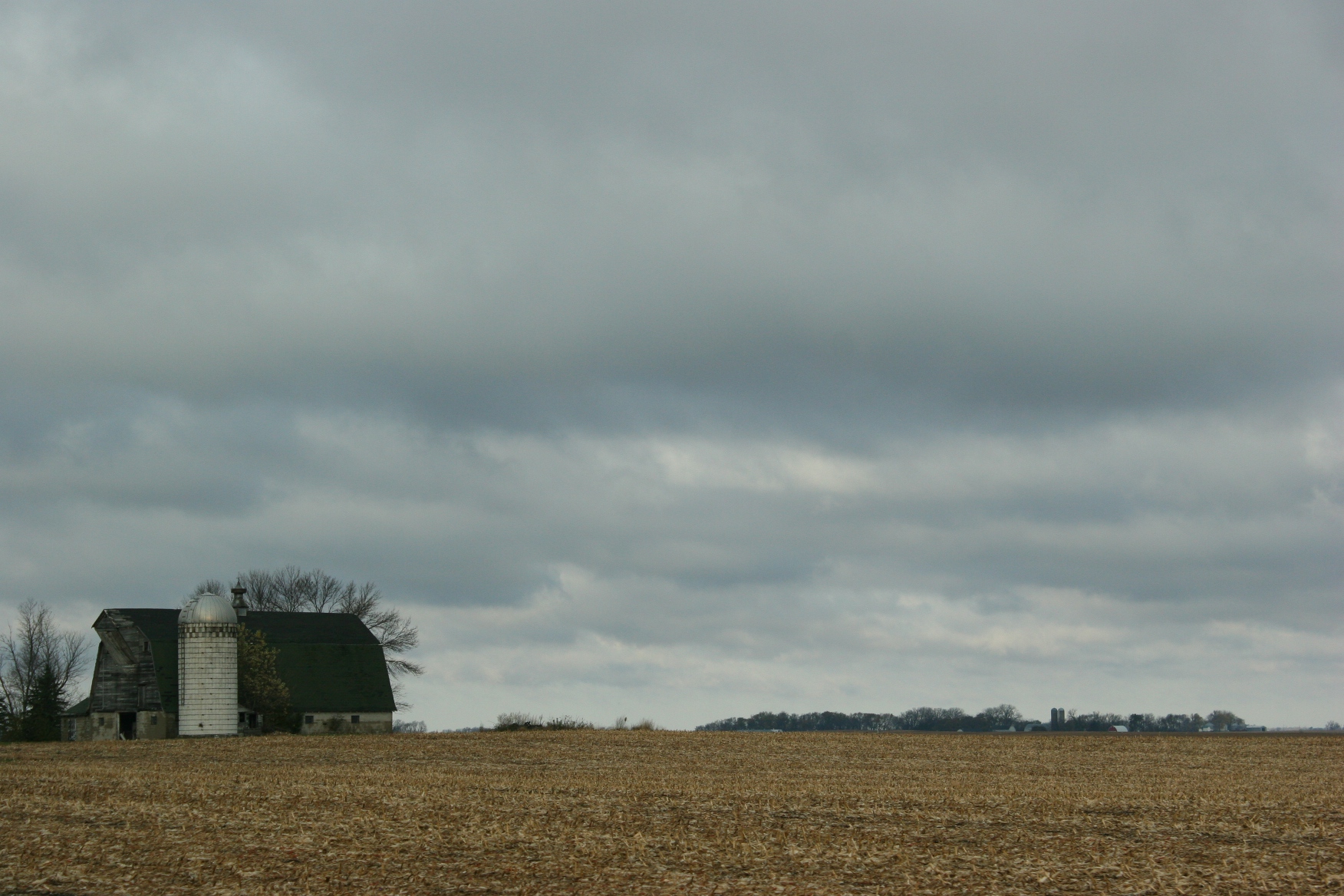
Grey skies hang over a barn and harvested cornfield west of Sleepy Eye along U.S. Highway 14 on a late October morning.

AS THE SEASON SHIFTS here in Minnesota, I struggle to hold onto the light. To the color. To memories of lush landscapes and warm days.

A bare field near Belview in southwestern Minnesota.

A bare field near Belview in southwestern Minnesota on a late October morning.

I am no fan of the transition months—November and March. I’ve always thought these the least visually inviting. Grey skies dominate. Cold winds rage. The land appears devoid of color. Black fields. Muted tones. Everywhere.

One of my favorite barns in the Springfield area along U.S. Highway 14 in southwestern Minnesota.

One of my favorite barns in the Springfield area along U.S. Highway 14 in southwestern Minnesota.

But then a barn flashes red in the monotone landscape.

Clouds break apart over a farm along U.S. Highway 14 in southwestern Minnesota.

Clouds break apart over a farm along U.S. Highway 14 in southwestern Minnesota.

Sun spotlights through the clouds beaming light upon the land. A patch of blue emerges overhead.

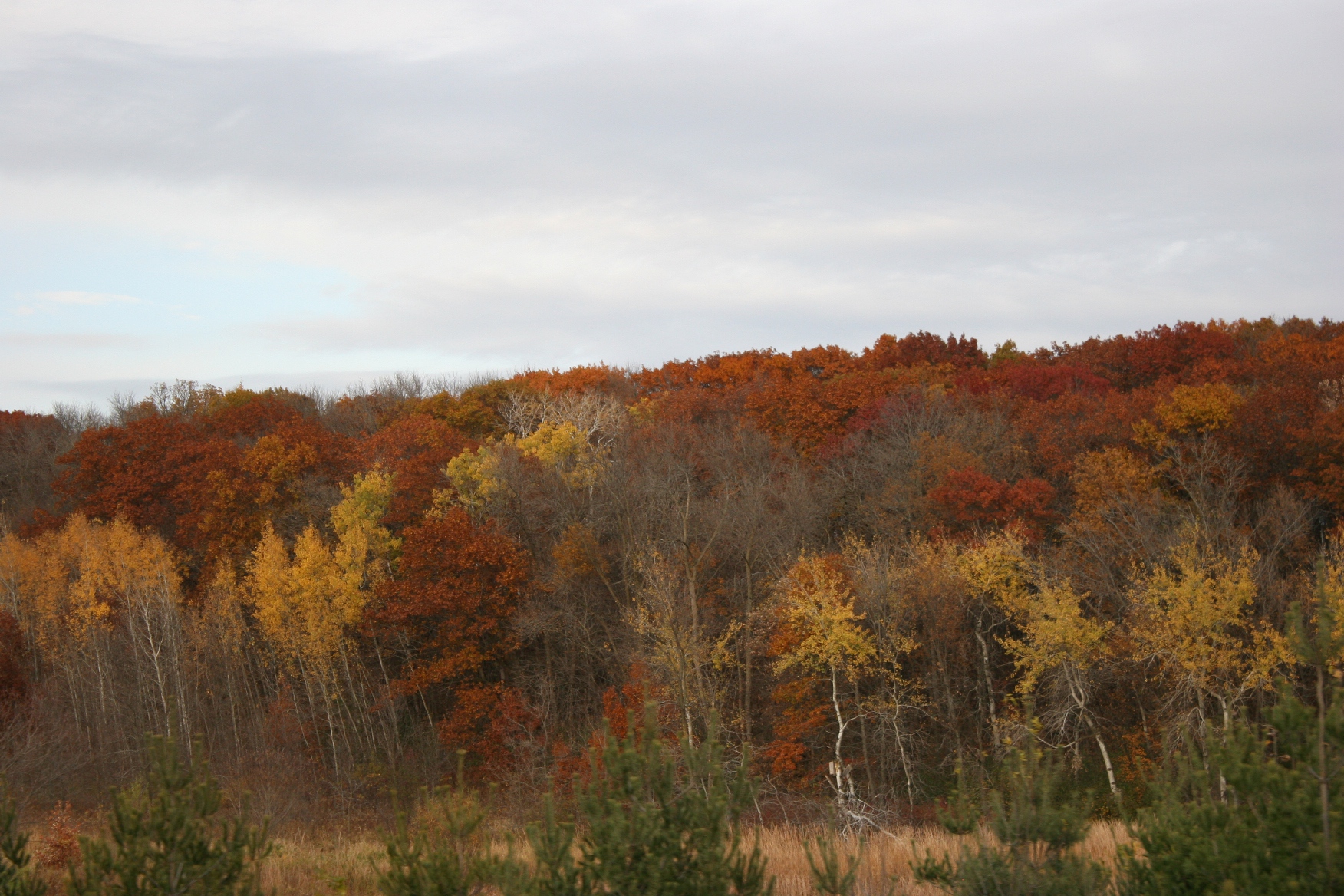
In the final days of October, my camera landed on this stunningly beautiful treeline near Shieldsville.

In the final days of October, my camera landed on this stunningly beautiful treeline near Shieldsville. I’ve seen some of the prettiest fall colors near my Faribault home. This is true every year.

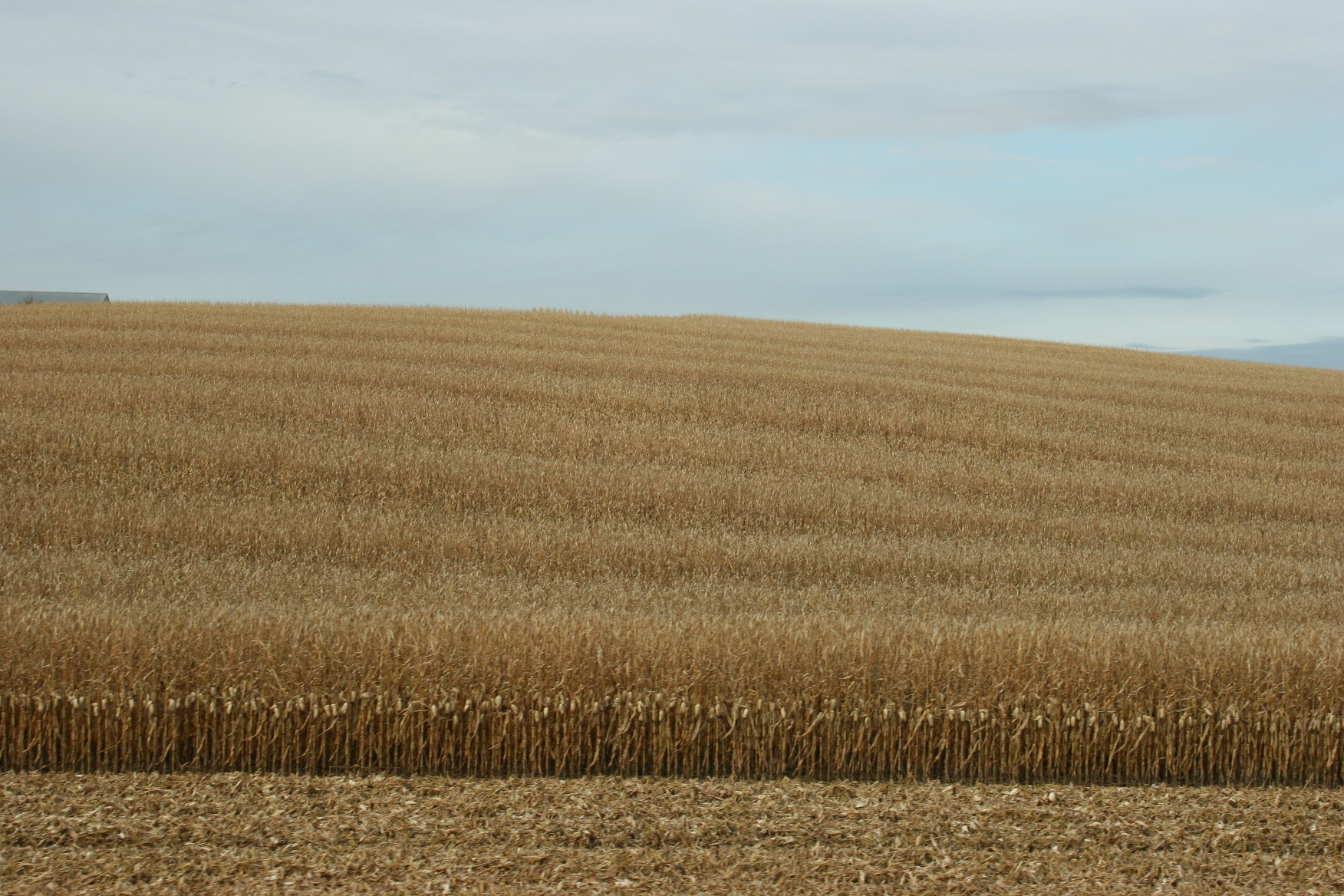
Nearing the end of October, some corn remained to be harvested.

Nearing the end of October, some corn remained to be harvested.

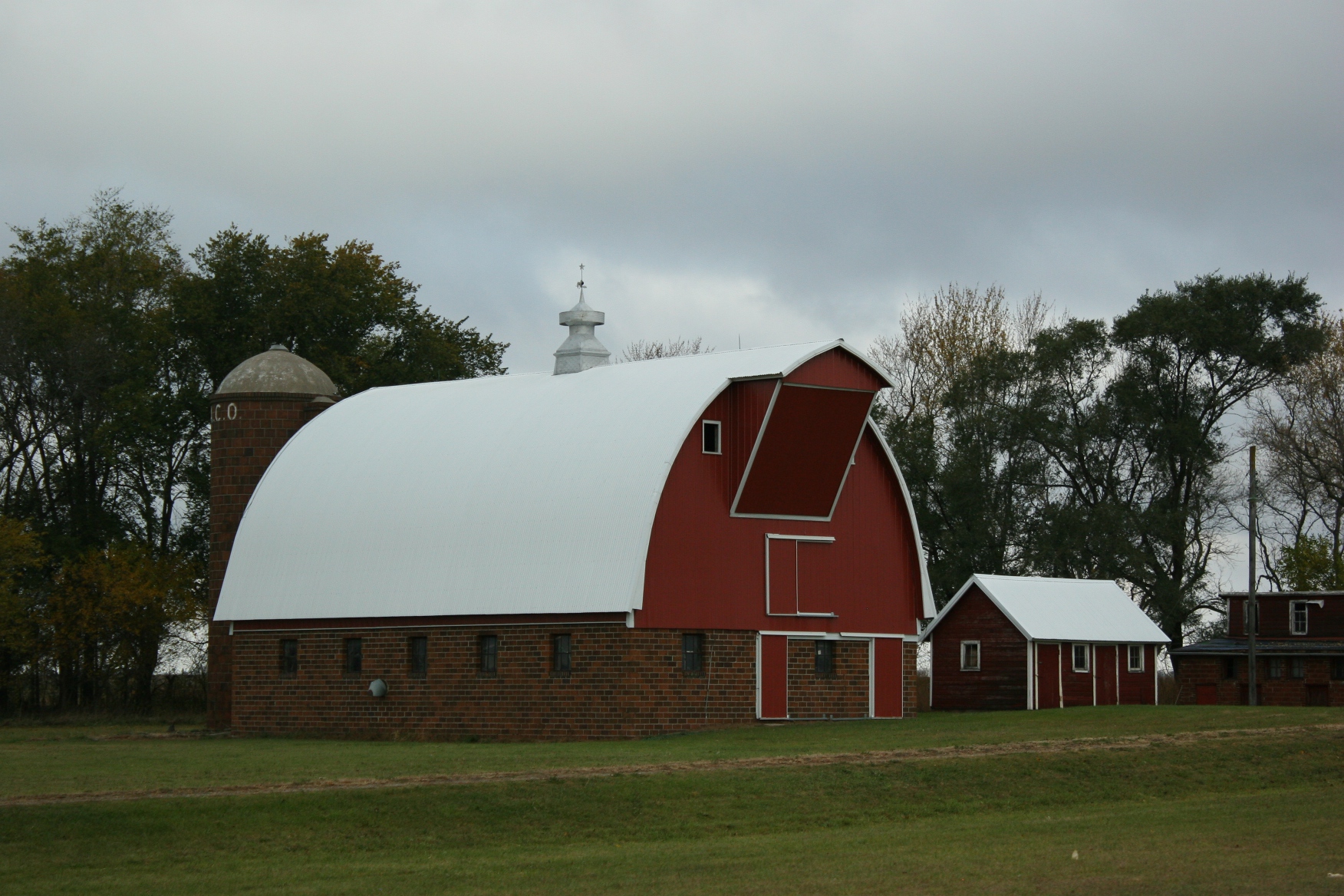
Along U.S. Highway 14 east of Springfield, this brick barn stands strong and tall.

Along U.S. Highway 14 east of Springfield, this brick barn stands strong and tall.

I begin to notice patches of color—autumn leaves still hanging on, corn carpeting fields, defiant red barns still standing.

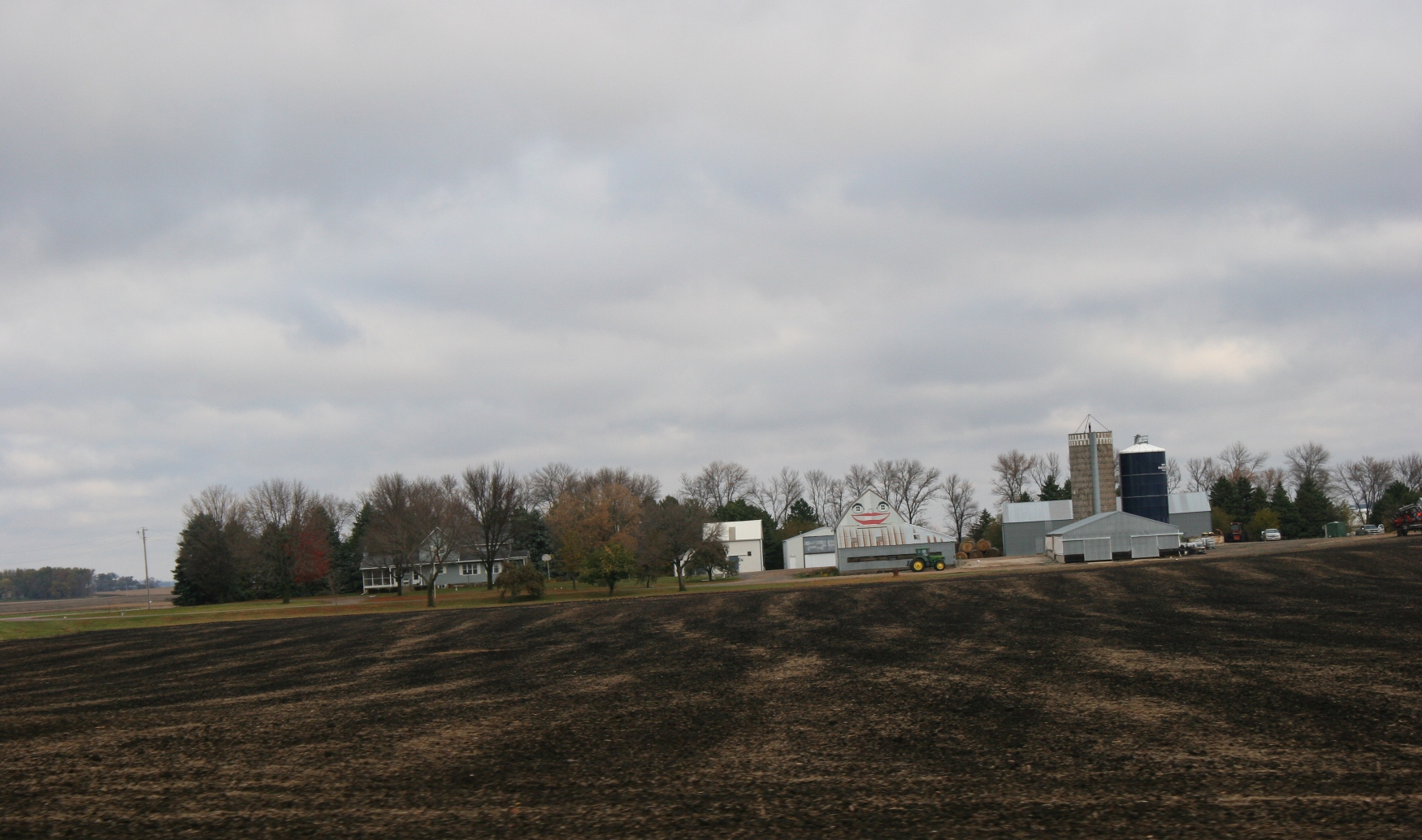
The barn with the smiling lips, between Sleepy Eye and Springfield, always makes me smile.

The barn with the smiling lips, between Sleepy Eye and Springfield, always makes me smile.

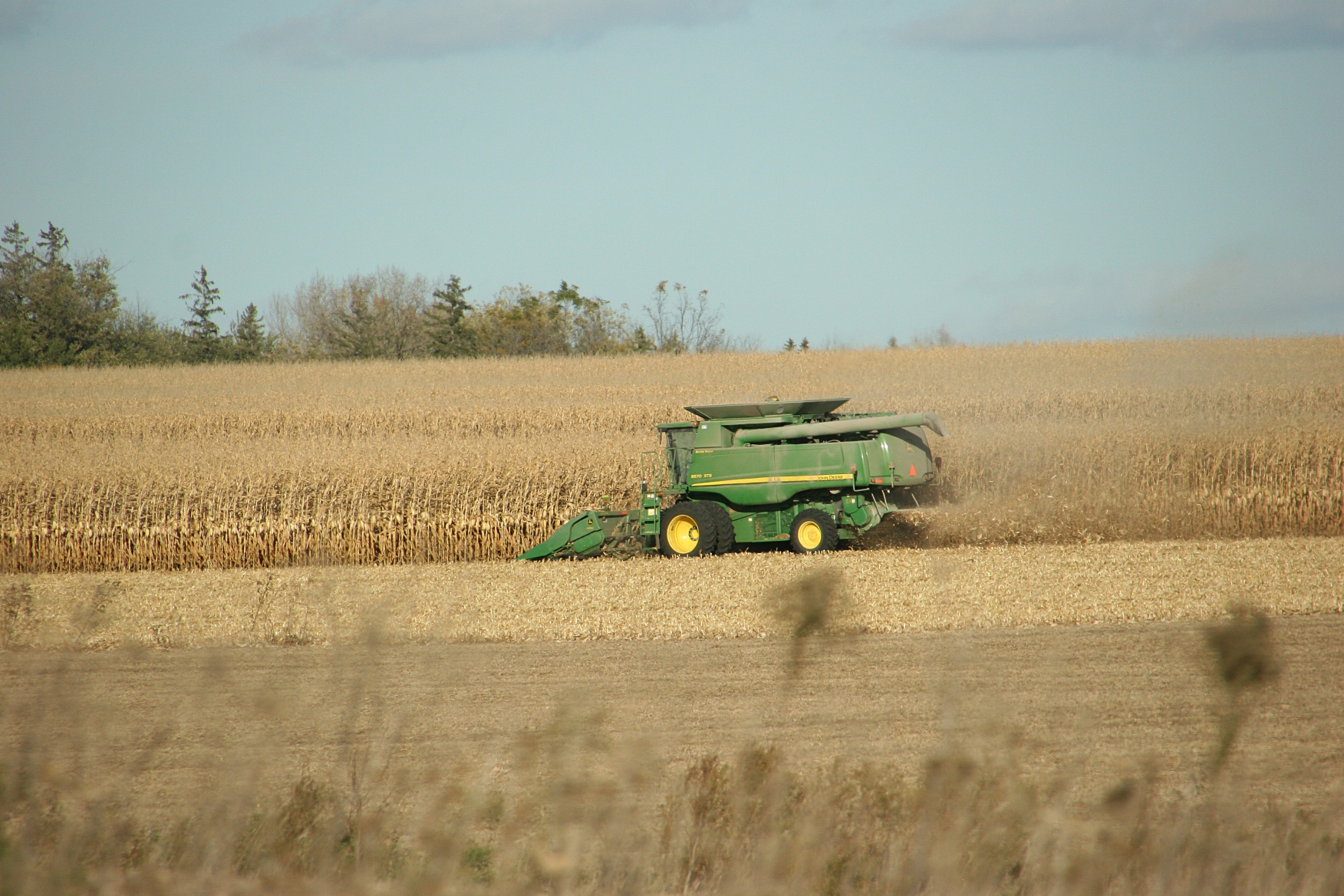
Harvesting corn along U.S. Highway 52 in the Rochester area in mid-October.

Harvesting corn along U.S. Highway 52 in the Rochester area in mid-October.

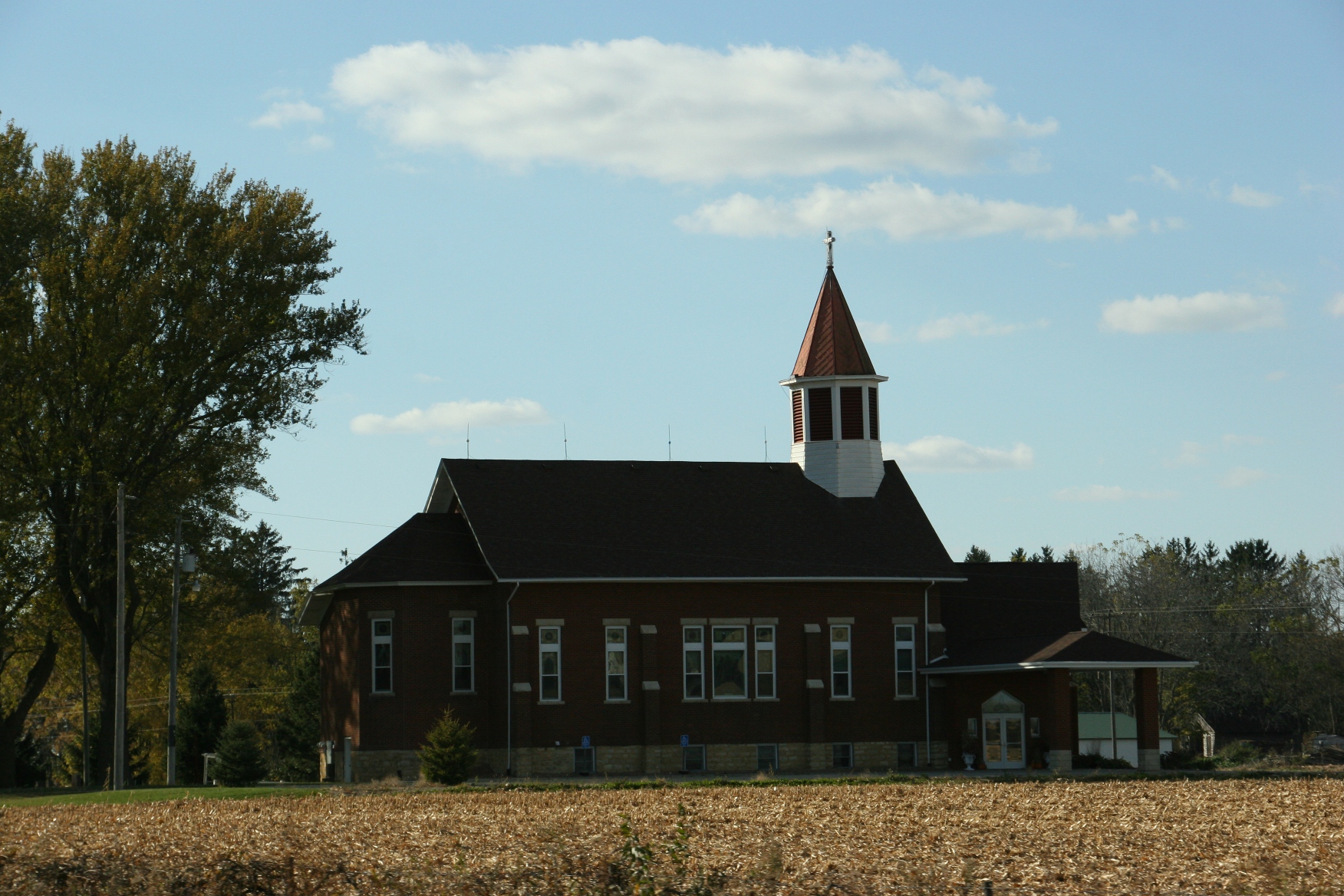
A country church along Interstate 90 near the Winona exit reminds me of blessings and thankfulness, especially at harvest time.

A country church along Interstate 90 near the Winona exit reminds me of blessings and thankfulness, especially at harvest time.

Reasons to smile. Reasons to appreciate November. This eleventh month raises my awareness of thankfulness. Thankfulness that I live in Minnesota, a state of four seasons, of changing landscapes, of bountiful harvests. And this week of unexpected November warmth.

© Copyright 2015 Audrey Kletscher Helbling

 

Rooted in the land, still August 4, 2015

Filed under: Uncategorized — Audrey Kletscher Helbling @ 5:00 AM
Tags: , , , , , , , ,
The elevator in Lamberton, Minnesota, just to the south of my brother's place.

Grain elevators, like this one in Lamberton to the south of my brother’s place, define rural small town Minnesota skylines.

THERE ARE DAYS, even now after forty years away from the farm, that I yearn to permanently return, to plant my feet upon the land, to follow a gravel road, to breathe in deeply the scent of freshly-mown alfalfa, to step into the blackness of a summer night under a sky pinpointed with an infinity of stars. On land that is mine. It will never happen.

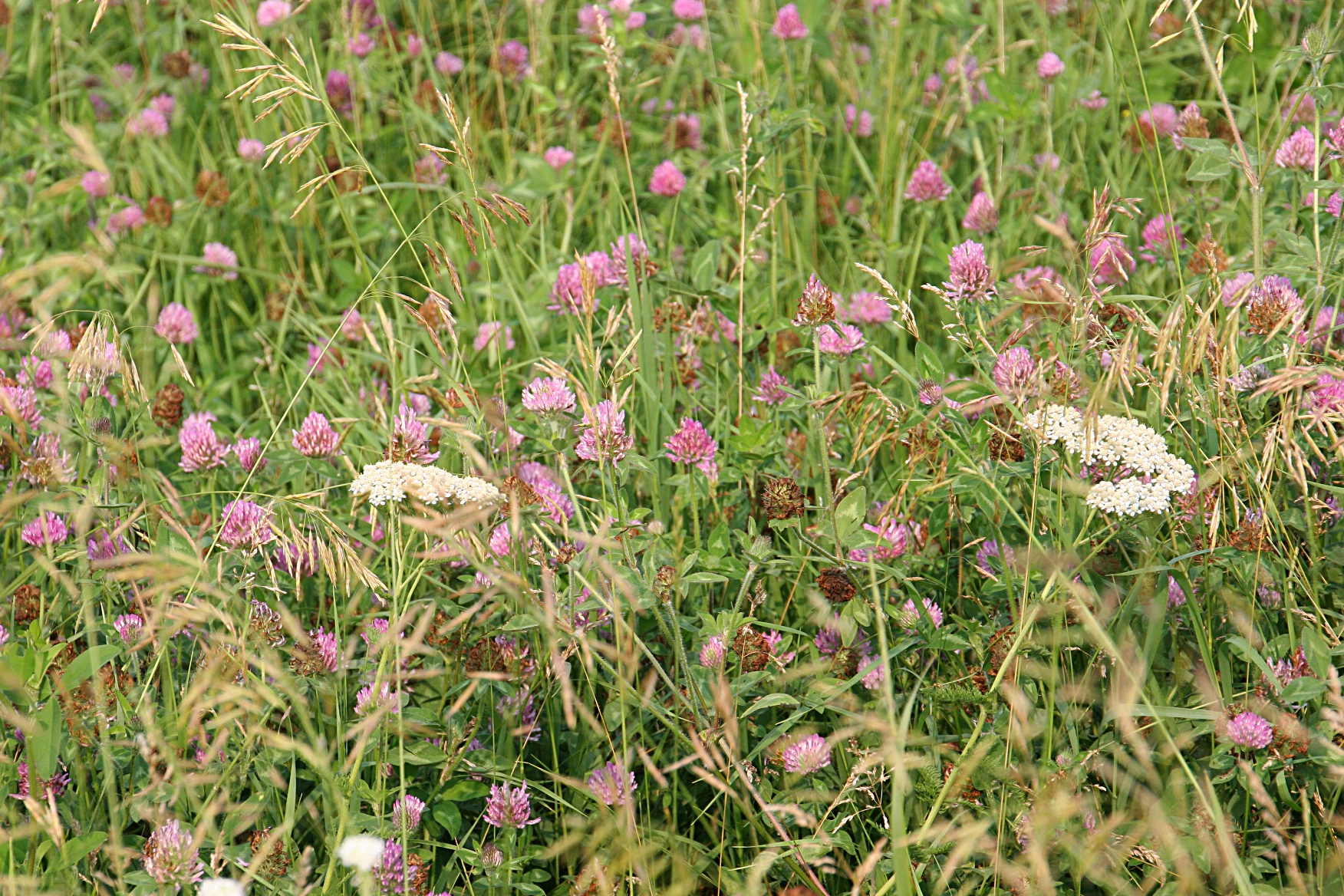
Clover on the edge of a field.

Clover on the edge of a field.

But I am fortunate that my middle brother and his wife live on my native prairie on a rural acreage that they share. It has become the extended family gathering spot, the site that reconnects me to southwestern Minnesota, my childhood home.

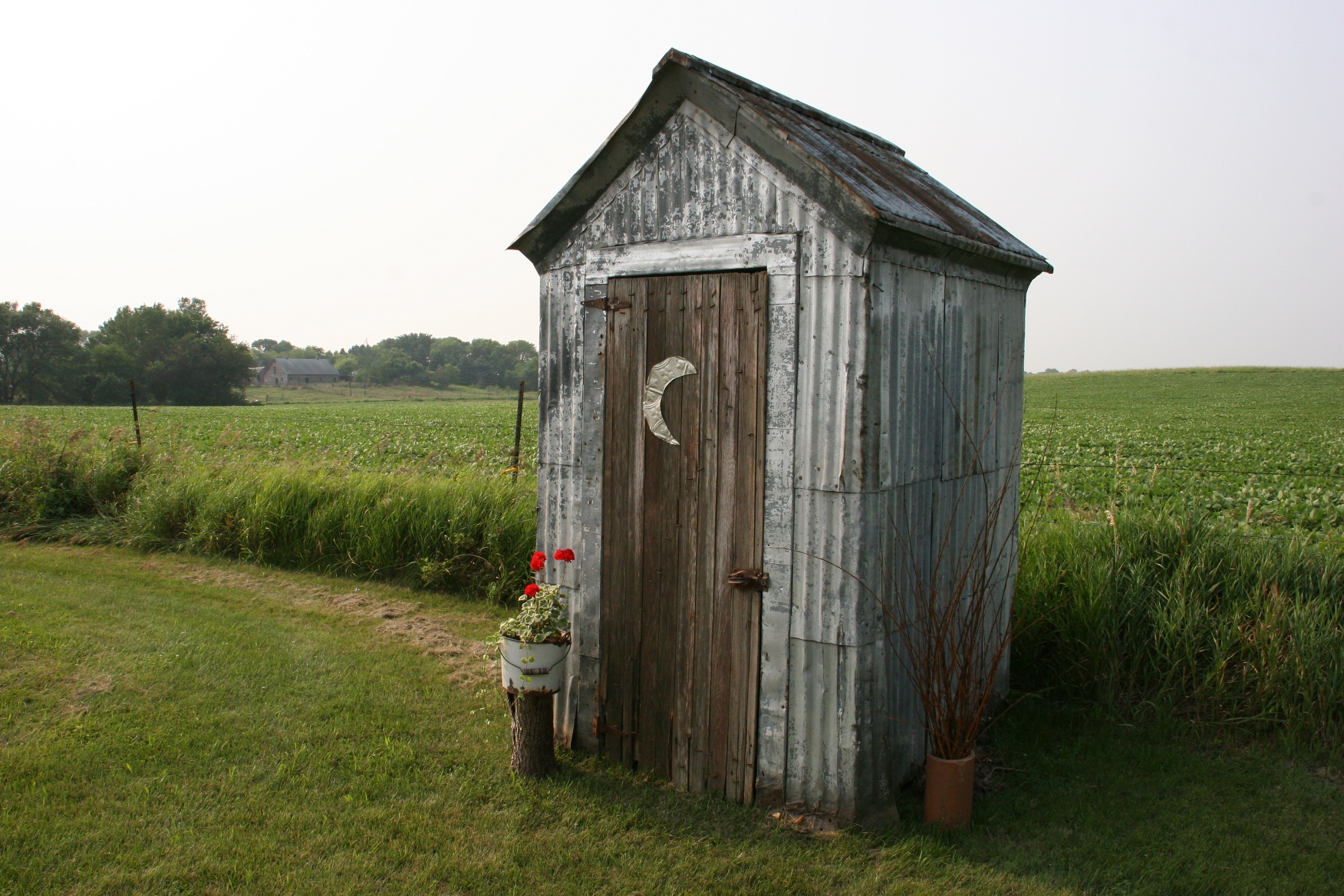
Brian and Vicki recently added an outhouse (used for storage) to their property. This reminds me of the first 11 years of my life, living in a house without a bathroom and using a two-holer outhouse.

Brian and Vicki recently added an outhouse (used for storage) to their property. This reminds me of the first 11 years of my life, living in a house without a bathroom and using a two-holer outhouse.

Each time I visit Brian and Vicki’s home 120 miles distant from Faribault, I wander their land with my camera, photographing rural scenes, capturing memories with my lens.

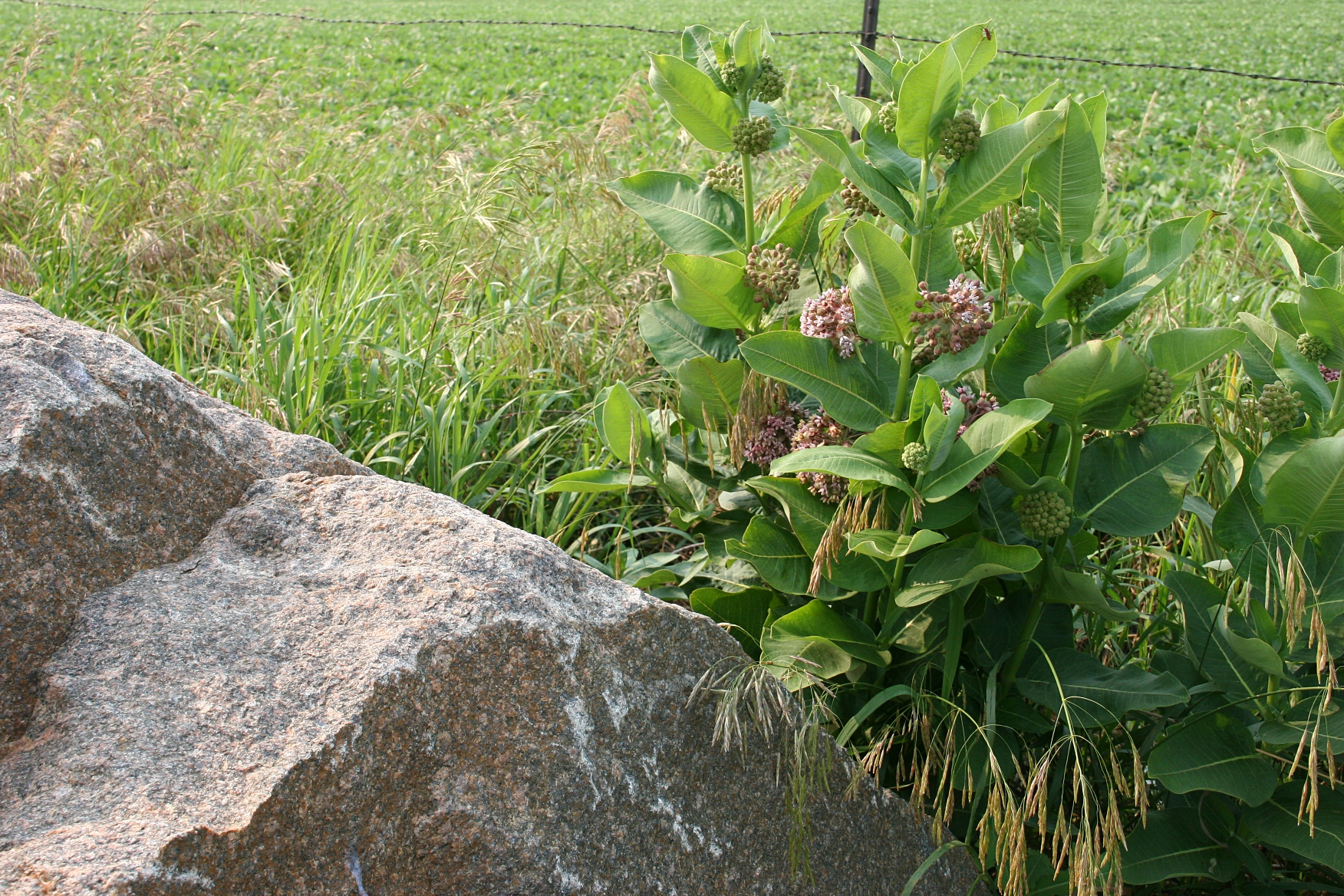
Monarch attracting milkweed grows next to a soybean field.

Monarch attracting milkweed grows along the fence line next to a soybean field.

Scents of clover and of milkweed.

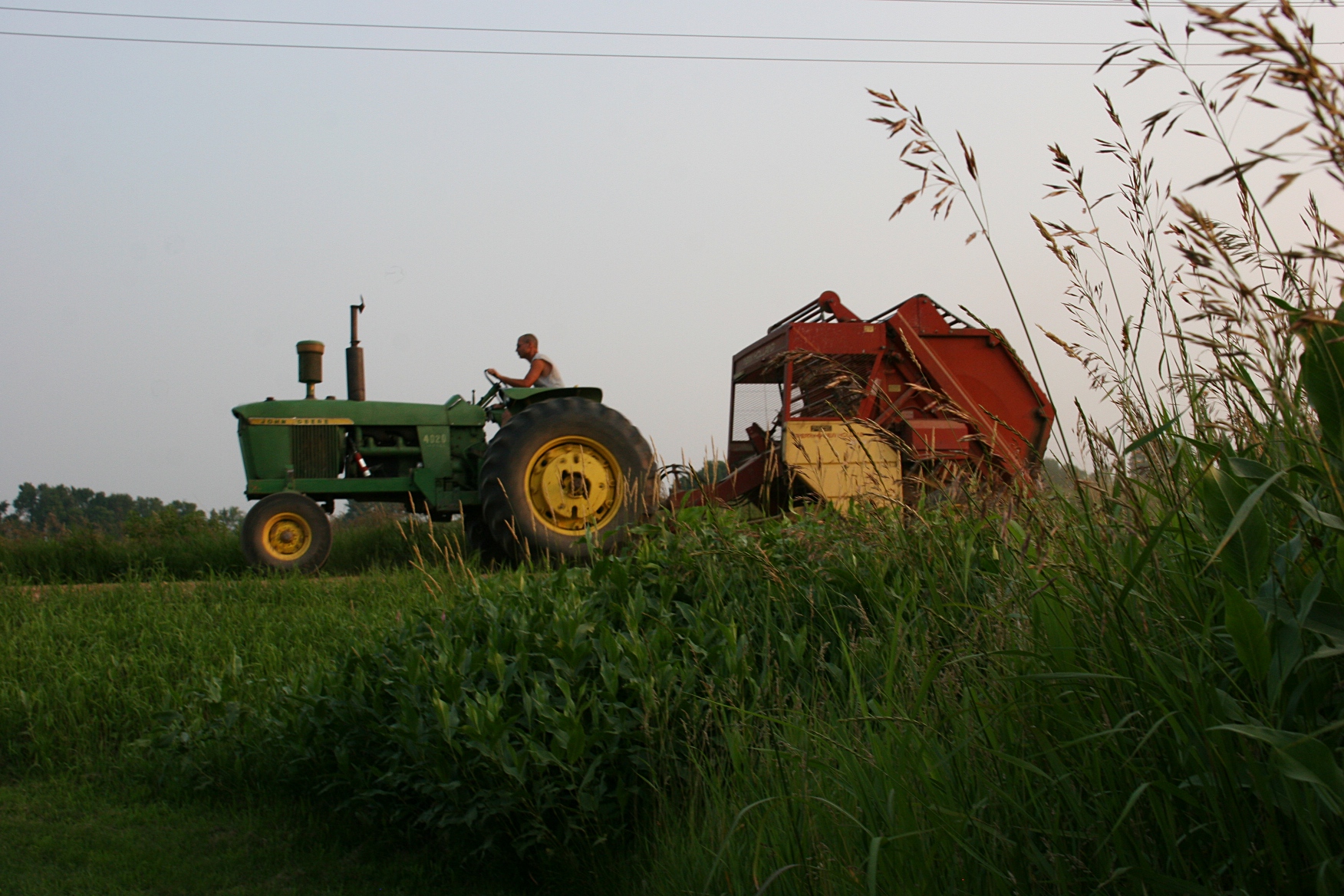
The John Deere tractor roared by my brother's place much of the afternoon

The John Deere tractor roared by my brother’s place much of the afternoon as the farmer baled hay.

Roar of a tractor.

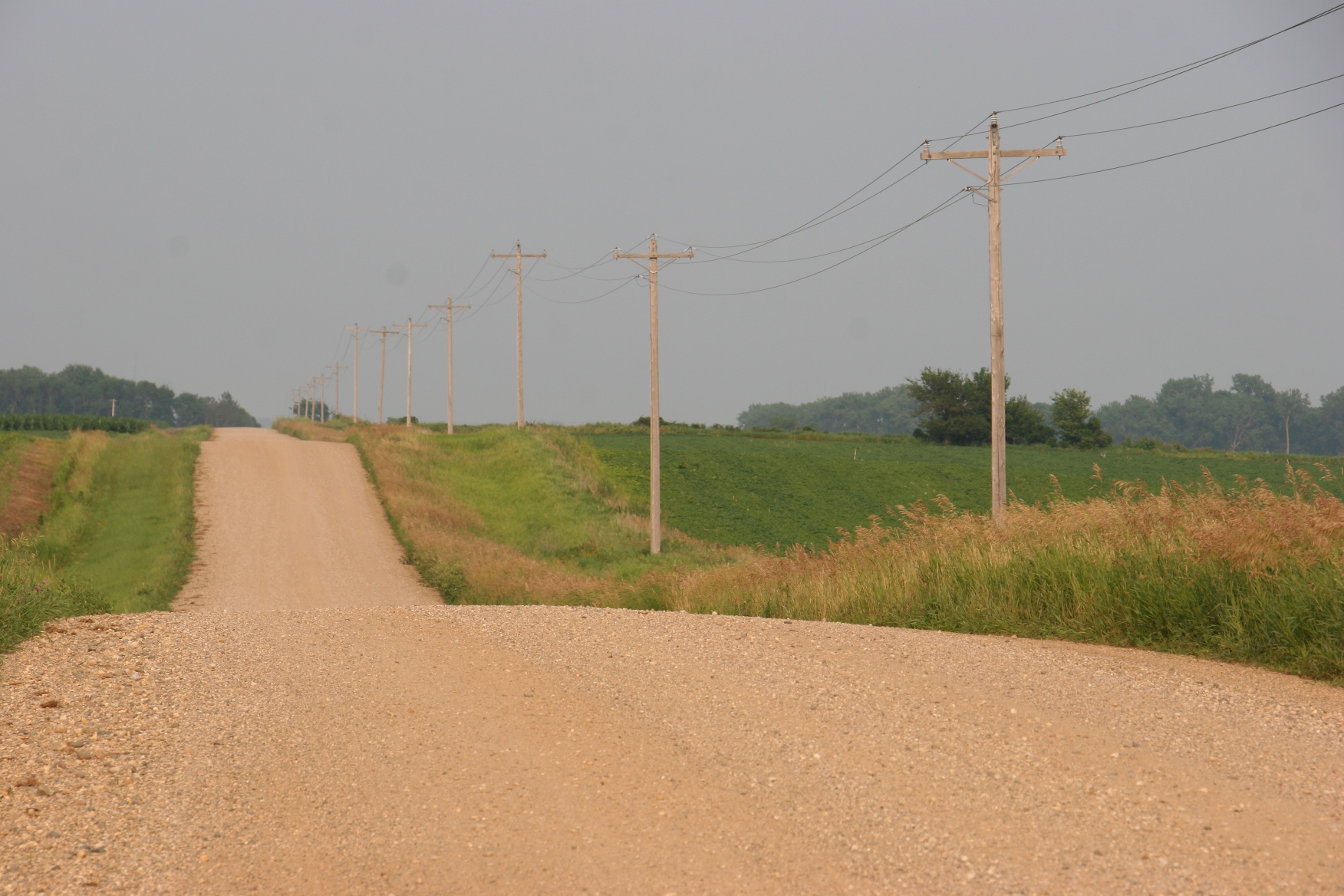
The gravel road that runs past my middle brother's rural acreage just north of Lamberton, Minnesota.

The gravel road that runs past my middle brother’s rural acreage just north of Lamberton.

Crunching of gravel beneath feet.

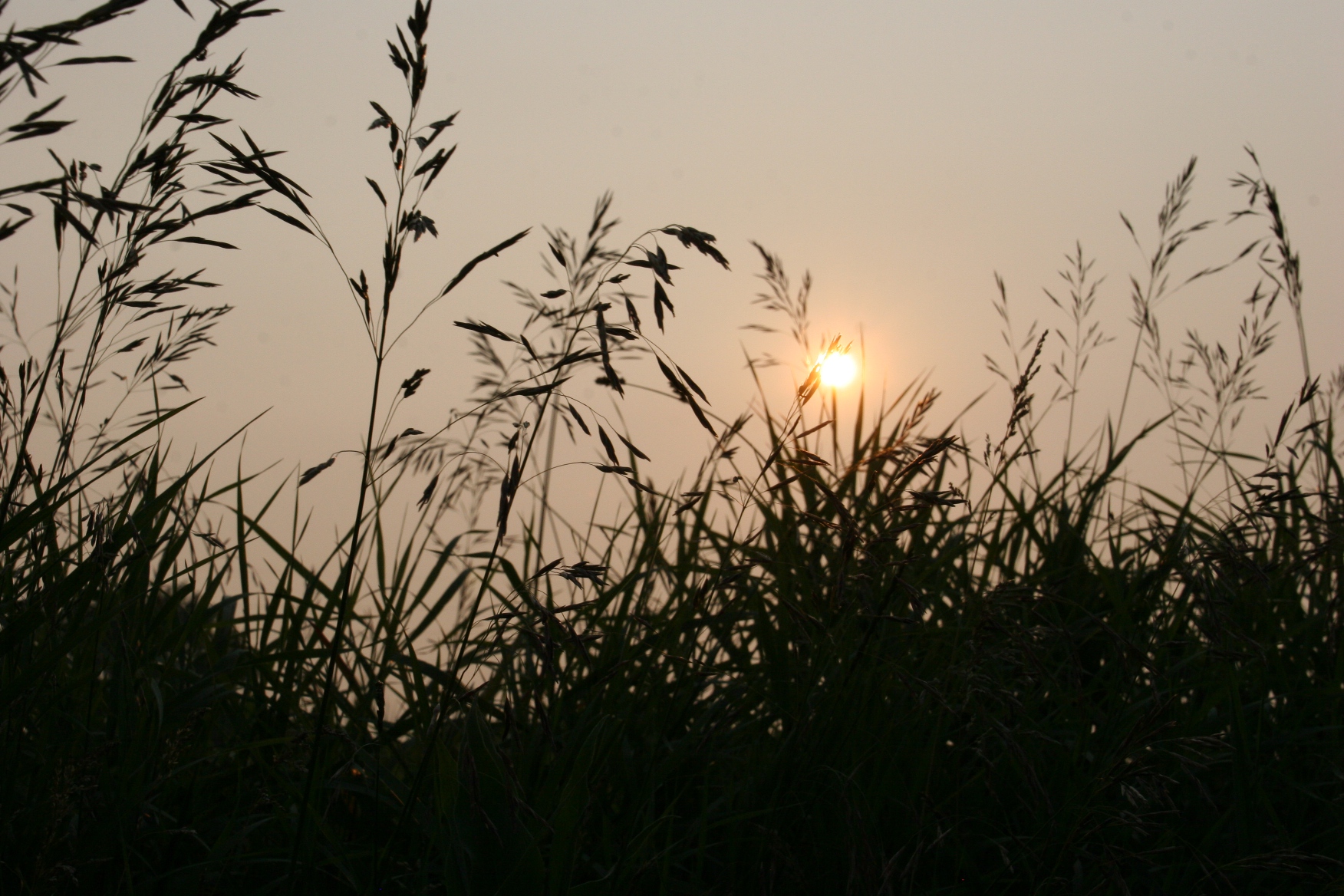
The sun begins to set.

The sun begins to set.

The undeniable serenity that descends with daylight’s impending departure.

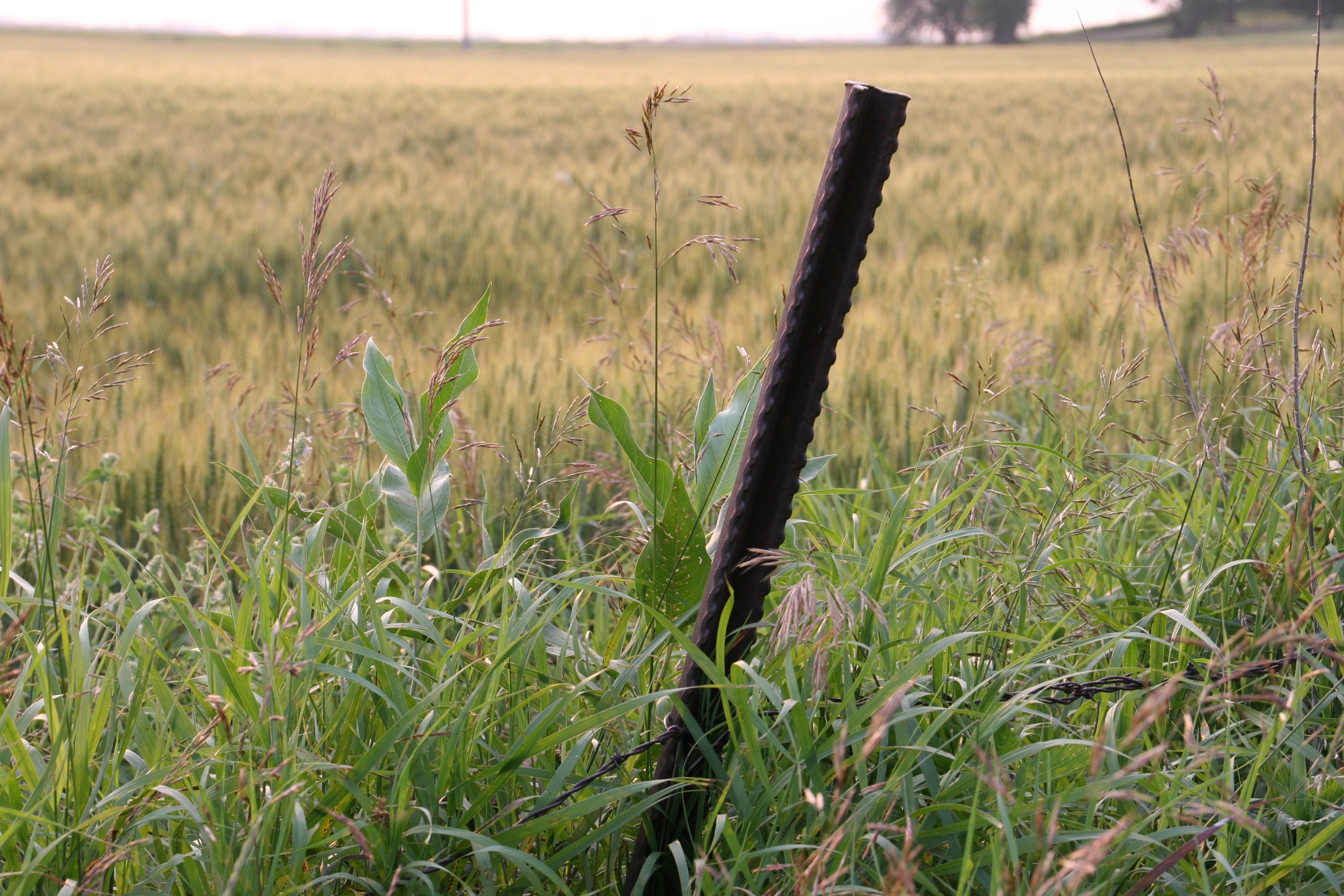
There's something about a leaning fence post that is authentically rural.

There’s something about a leaning fence post that is authentically rural.

Fence posts leaning, sun setting, crops growing. Absence of noise.

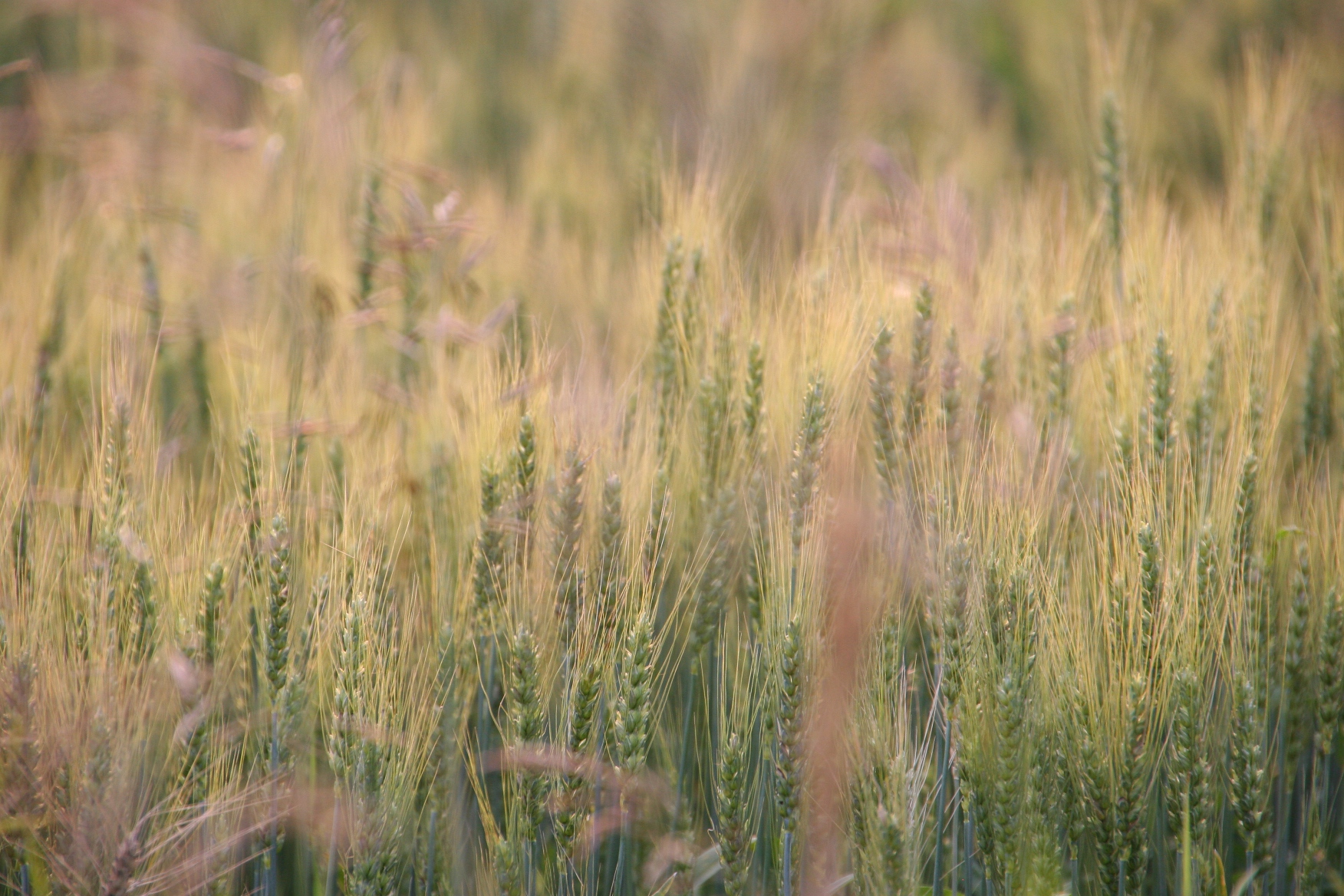
Wheat in the field just across the fence line.

Wheat in the field just across the fence line.

This is enough to hold me, to remind me of my roots, to imprint the poetry of the land upon my soul.

BONUS PHOTOS:

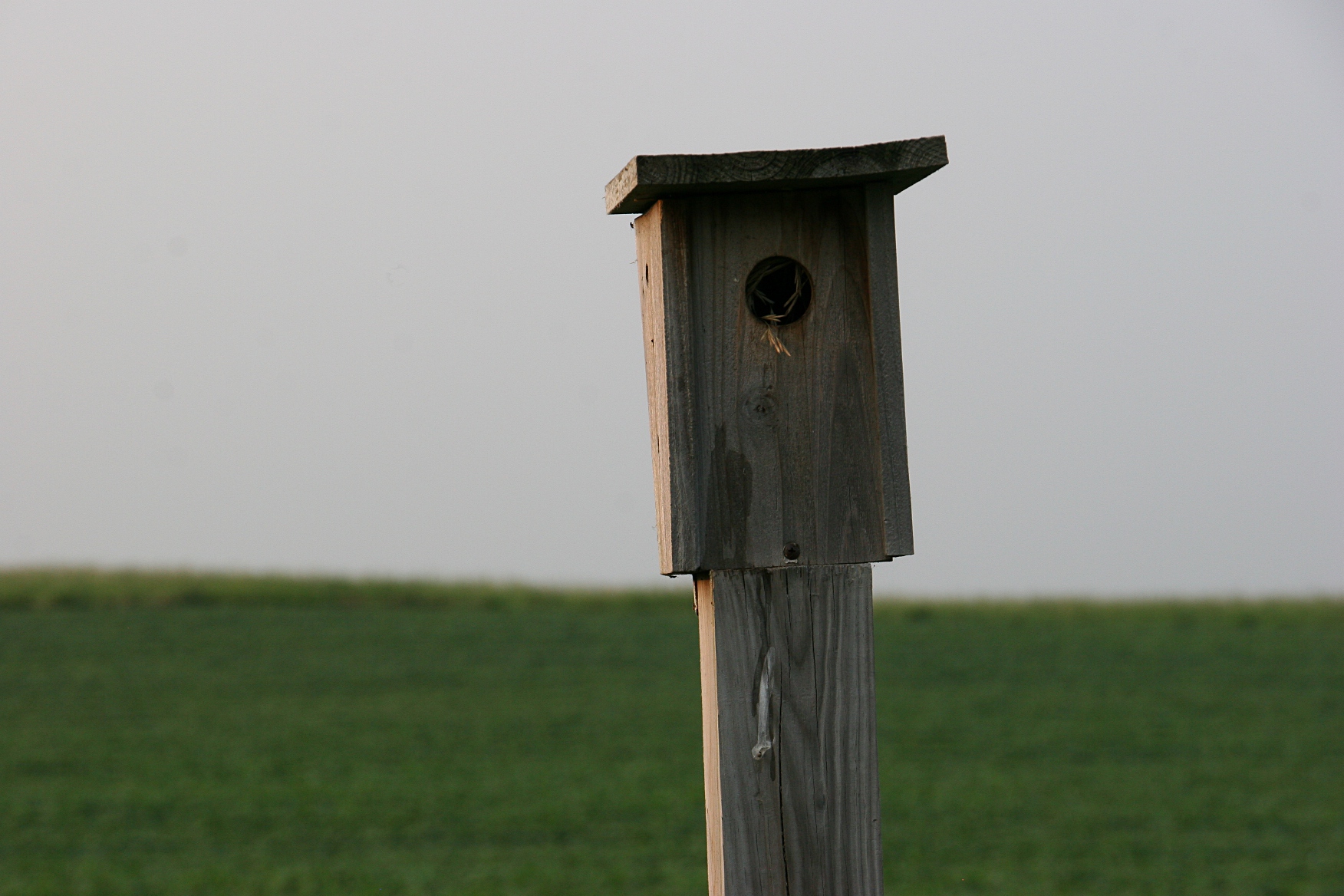
A rural home for the birds.

A rural home for the birds.

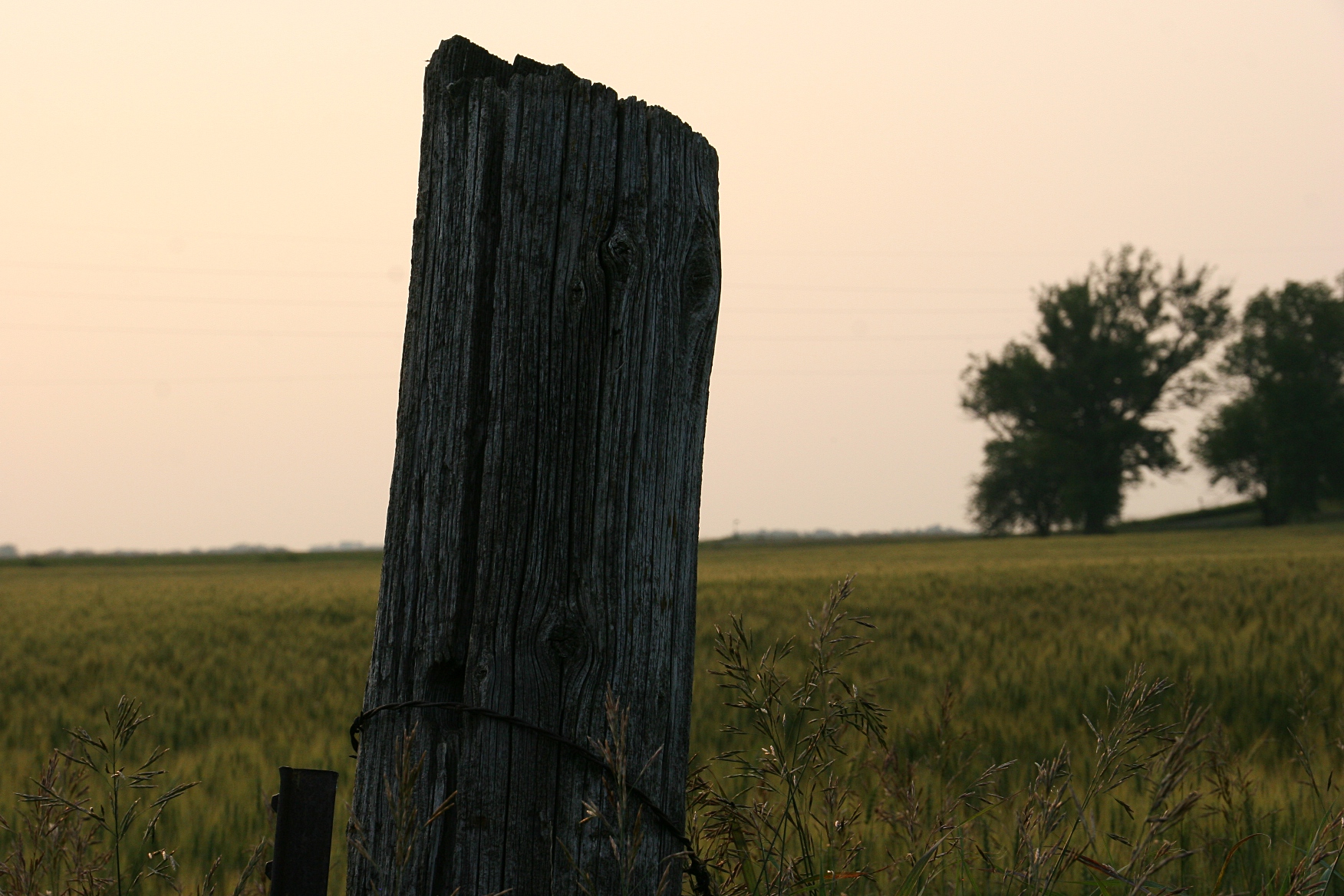
There's something poetic about an old wooden fence post.

There’s something poetic about an old wooden fence post at dusk.

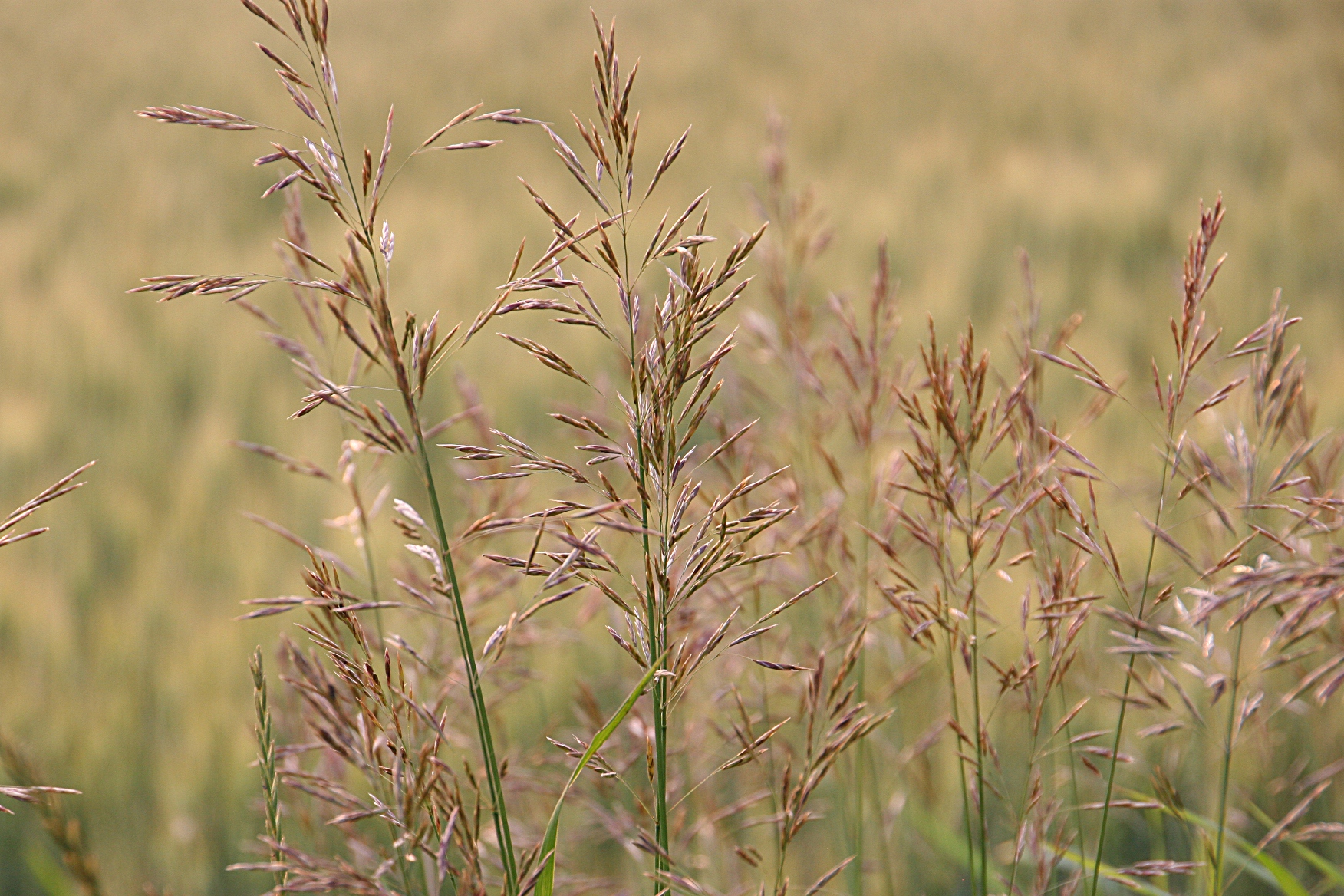
Beautiful brohm grass. As a child, my siblings and I would play make-believe in the tall grass on our farm.

Beautiful brohm grass. As children, my siblings and I would play make-believe in the tall grass on our farm near Vesta.

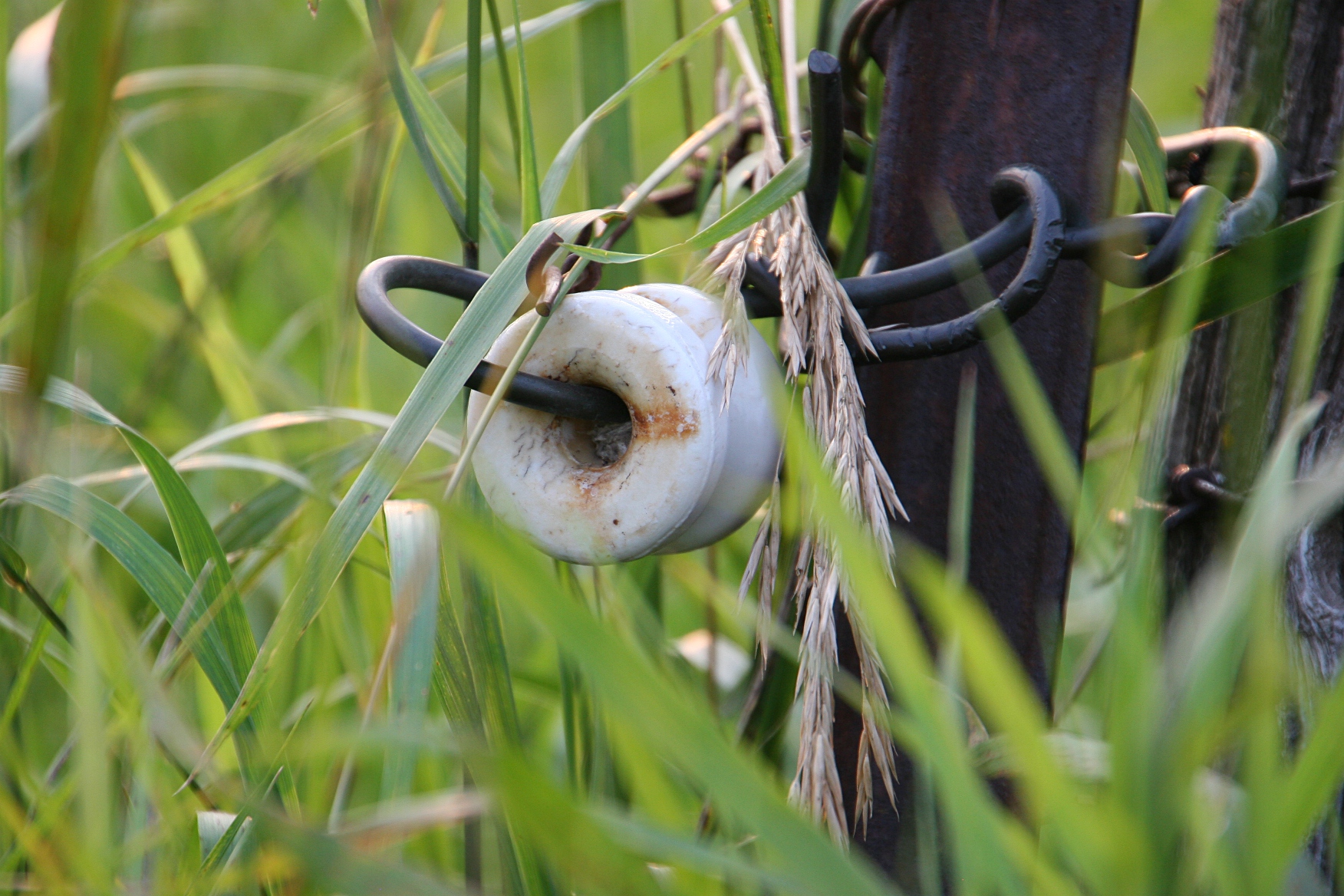
Even the sight of this aged insulator sparks memories.

Even the sight of this aged insulator sparks memories.

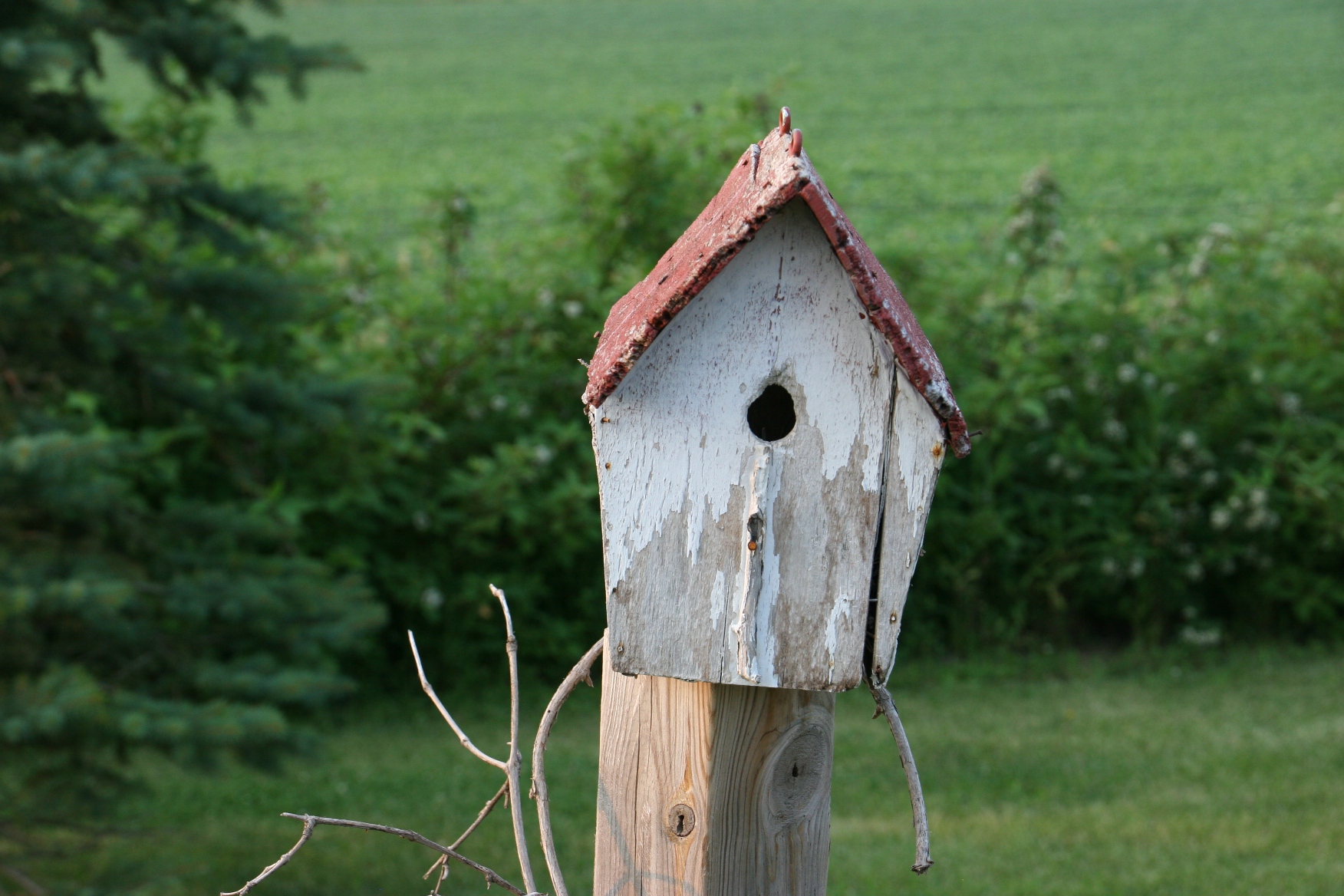
A birdhouse, perfect in its simplicity.

A birdhouse, perfect in its simplicity.

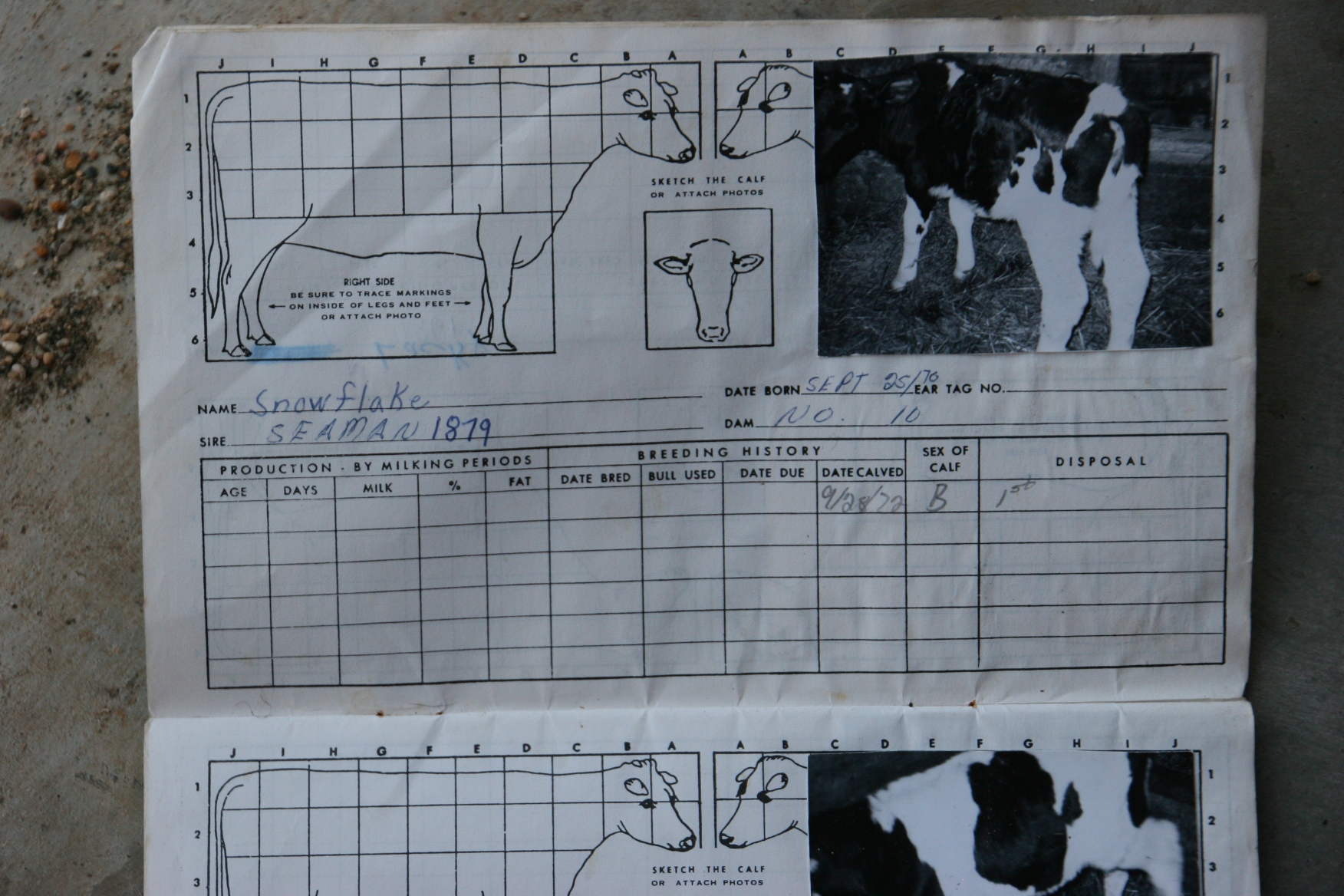
Growing up on our crop and dairy farm, my eldest brother, Doug, photographed the cows and recorded details about them. My middle brother treasures this compilation of information from our farm. And so do I. Memories...

Growing up on our crop and dairy farm, my eldest brother, Doug, photographed the cows and recorded details about them. My middle brother treasures this compilation of information from our farm. And so do I. Memories… Brian showed this to us on our last visit and I considered it important enough to photograph. It is a piece of rural, and family, history.

FYI: All of these photos were taken on the July Fourth weekend.

© Copyright 2015 Audrey Kletscher Helbling


Minnesota Faces: The Hitchhiker July 10, 2015

Filed under: Uncategorized — Audrey Kletscher Helbling @ 5:00 AM
Tags: , , , , , ,

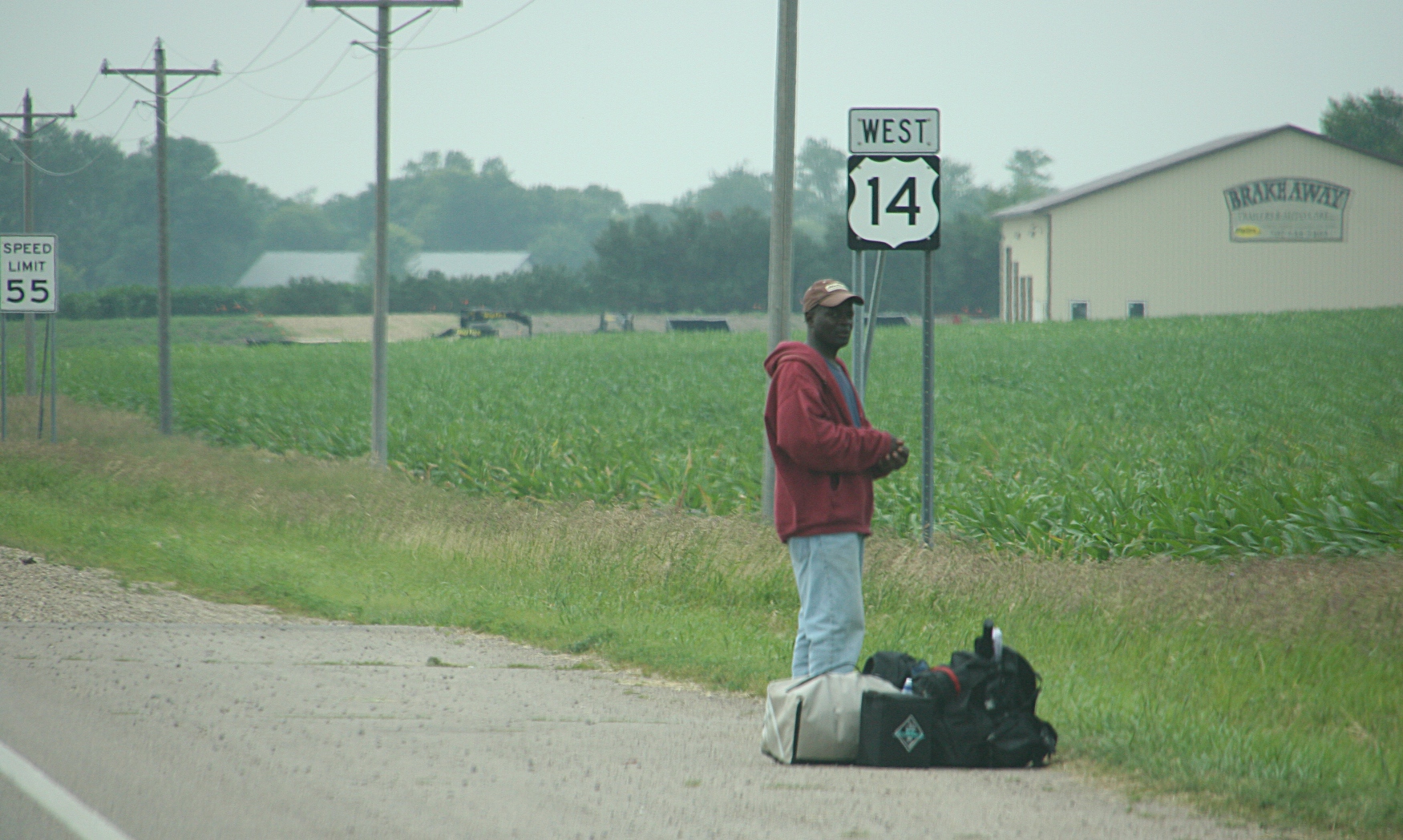
Portrait #31: Hitchhiker in southwestern Minnesota


Hitchhiker at Sanborn Corners on the Fourth of July


For a hitchhiker, he wasn’t traveling light. A pile of bags, rather than a single backpack, rested at his feet along a rural highway.

Years ago, I would have thought nothing of a person thumbing a ride. But today and in the middle of southwestern Minnesota farm country? Yeah, I wondered.

I wondered about his story, about what and whom he’d left behind to hit the road, westward ho along U.S. Highway 14, the Laura Ingalls Wilder Historic Highway.

Where was he headed on the afternoon of July Fourth as he waited near the intersection of U.S. Highways 14 and 71, known to locals as Sanborn Corners?

#

Minnesota Faces is featured every Friday on Minnesota Prairie Roots.

© Copyright 2015 Audrey Kletscher Helbling
 

Minnesota Faces: A pastor with prairie roots February 20, 2015

Portrait #8: Pastor Gordon


Portrait 8, Pastor Gordon Deuel at Little Prairie


This week, the beginning of Lent and Christ’s journey toward crucifixion, seems an appropriate time to feature a portrait of a pastor.

I met the Rev. Gordon Deuel several summers ago when he was still shepherding Little Prairie United Methodist Church, rural Dundas. He left in June 2013 to become the Elko New Market Campus Pastor for Lakeville-based Crossroads Church.

My introduction to this clergyman happened on a Sunday afternoon when my husband and I stopped at Little Prairie School, a former country school located kitty corner from the Little Prairie church. Pastor Gordon noticed us lingering, walked across the road and unlocked the door into the historic building.

Later, we strolled over to the church and poked around. That’s when I captured this portrait of the preacher in beautiful natural light.

While talking to Rev. Gordon, I learned that he, like me, is a native of southwestern Minnesota. He’s from Hendricks, which is about as close to South Dakota as you can get without being in it. I always feel a special kinship with prairie people. We are rooted deep in the land, appreciative of wide open spaces and big skies, fields and small towns. We don’t dismiss the prairie as the middle of nowhere, as some place to pass through en route to somewhere better. The prairie is home, whether we still live there or not.

With that commonality of place, I connected with Pastor Gordon that Sunday afternoon in August 2012.

Now, 2 ½ years later, after visiting the City of Hendricks website, I understand even more how people and place shaped the pastor. Here’s a snippet of well-crafted writing designed to draw visitors and new residents to this rural community of some 700 folks just a stone’s throw from South Dakota:

The residents of Hendricks have focused on creating a town which is a perfect place for children. Our school district is one of the best in the nation. Our weather is temperate and provides for four seasons of fun. We are well grounded in our past, as we continue to worship in a prairie church which is now on the National Register of Historic Places. We look to better our tomorrow through efforts such as our wind farm and organic farming. We believe you will find the Hendricks, Minnesota, quality of life second to none.

And I expect, as in Lake Wobegon, that “all the women are strong, all the men are good-looking and all the children are above average” in this “Little Town by the Lake.”

#

This is part of a series, Minnesota Faces, published every Friday on Minnesota Prairie Roots.

© Copyright 2015 Audrey Kletscher Helbling
Lake Wobegon quote is from Minnesota writer Garrison Keillor.


Let’s brainstorm business ideas for an historic building in Lamberton February 18, 2015

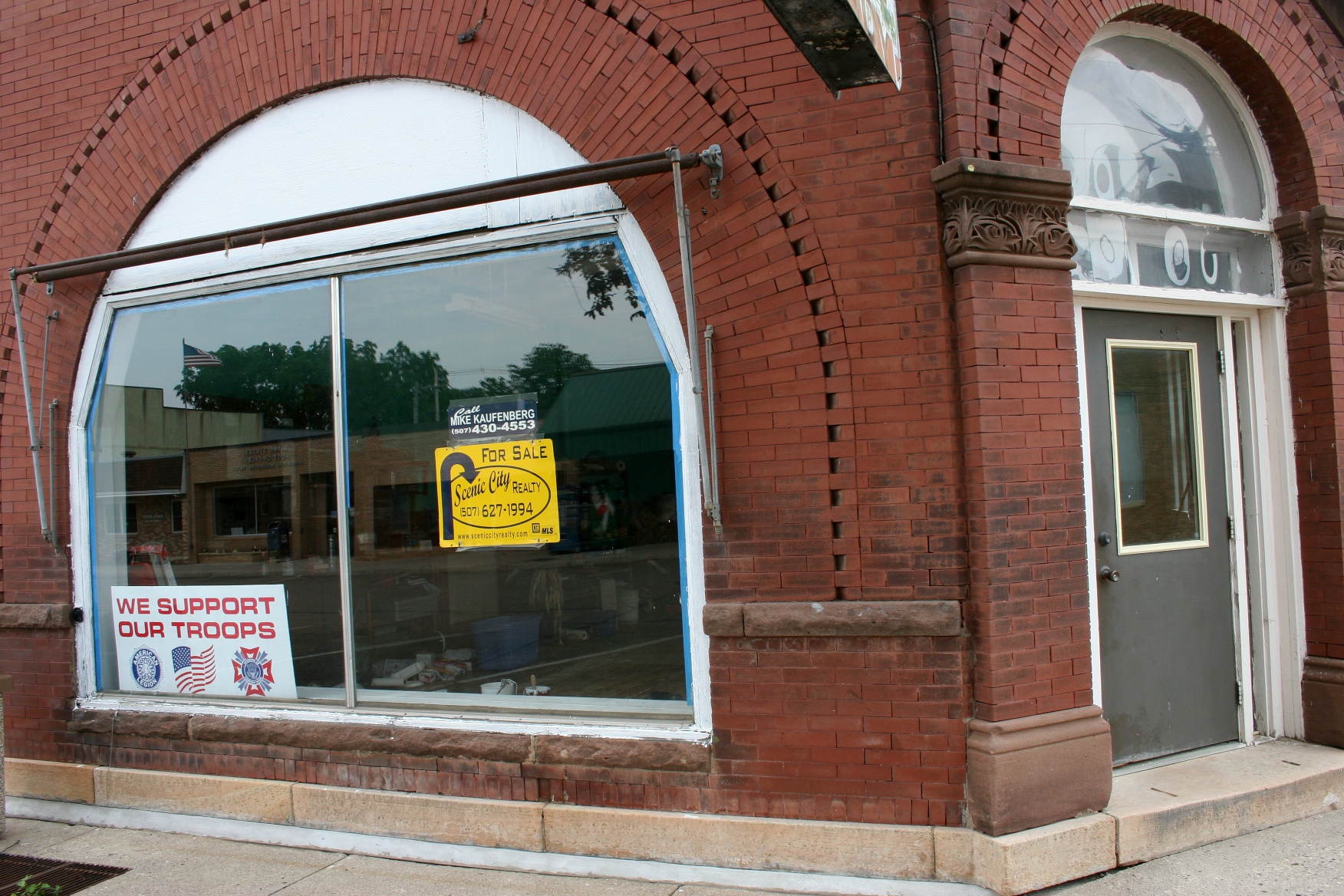
IT’S BEEN AWHILE since I’ve thought of the historic 1892 former bank building in downtown Lamberton in my native southwestern Minnesota.

A side shot of the former bakery. Just imagine the possibilities for this spacious building. Let's hear your ideas.

A side shot of the former bakery. Just imagine the possibilities for this spacious building. Let’s hear your ideas. Minnesota Prairie Roots file photo.

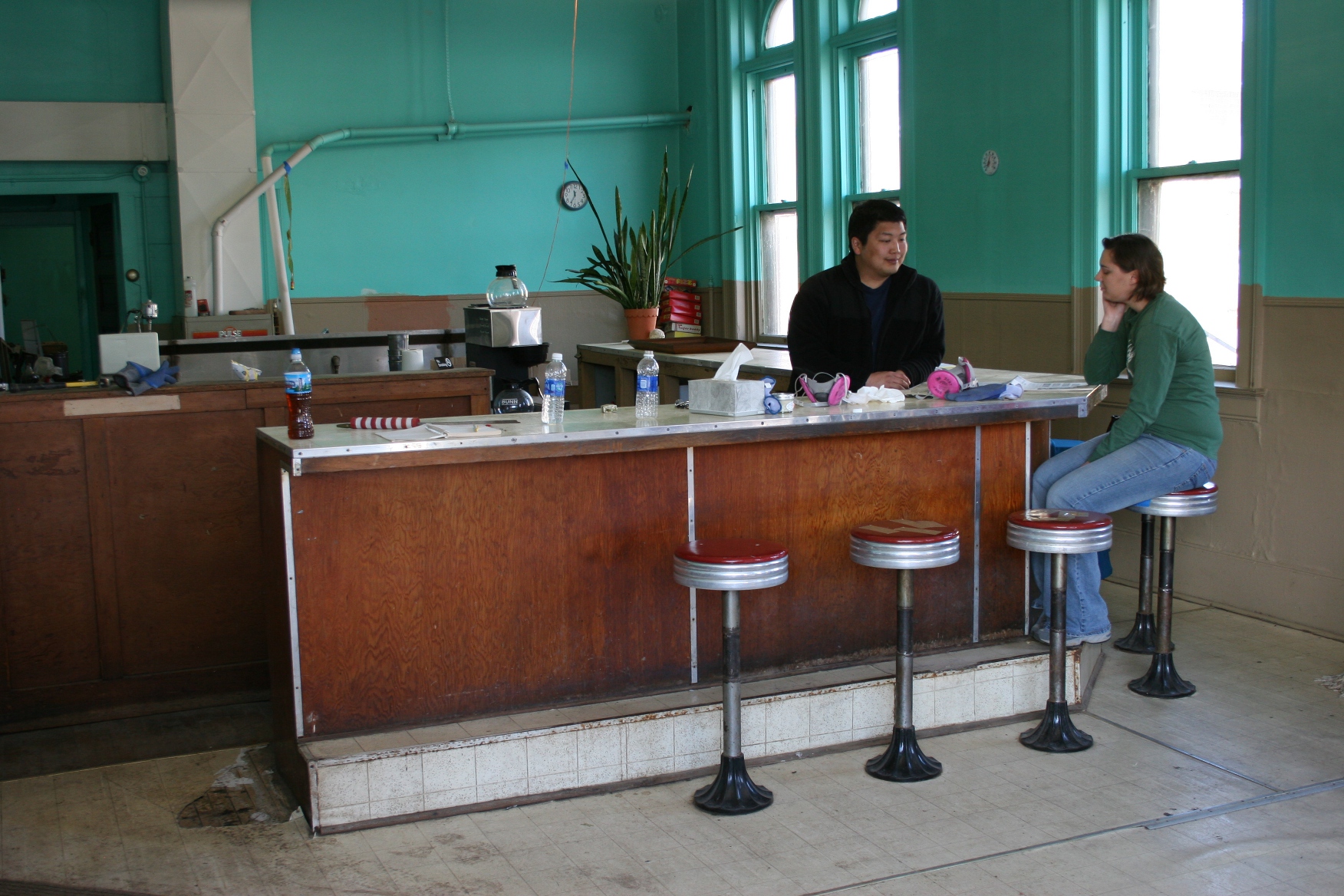
The 3,250 square foot massive corner brick structure stands empty after a young couple was unable to secure financing to open Seven Sisters Coffee in the summer of 2013. The pair planned to transform the main floor into a community gathering space.

The Van Engens had planned to use the original lunch counter in their coffee shop. Minnesota Prairie Roots file photo from October 2012.

Plans were to reuse the original lunch counter in the coffee shop. Minnesota Prairie Roots file photo from October 2012.

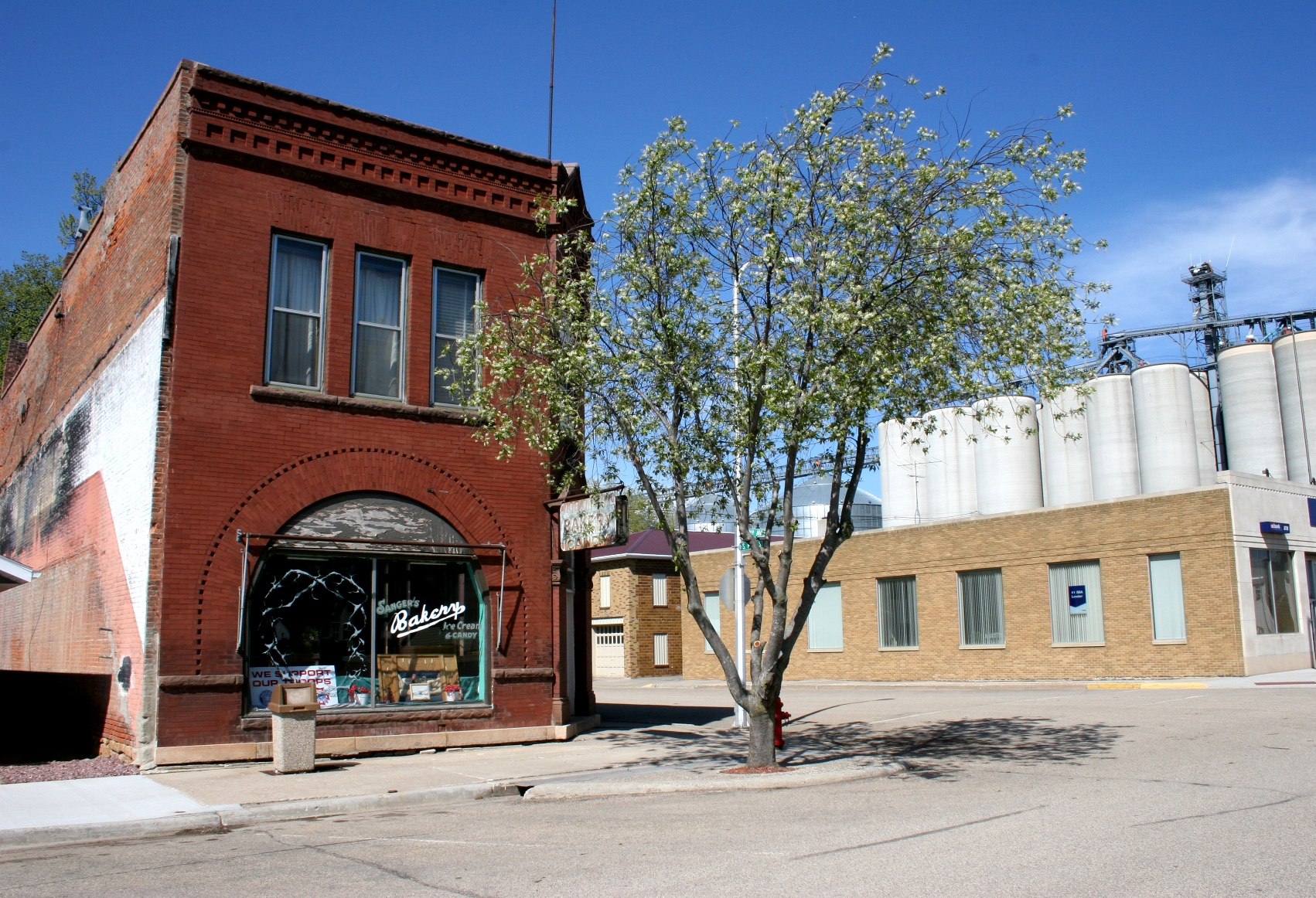
They intended to serve food in the front section, which last housed long-time Sanger’s Bakery. The back room would serve as a venue for musical performances and the arts and as an event rental space. It seemed like a good idea.

But none of that came to fruition with the failed financing.

The yellow sign in the front window advertises the property for sale through Scenic City Realty.

The yellow sign in the front window advertises the property for sale through Scenic City Realty. Minnesota Prairie Roots file photo.

So the building went on the market thereafter, priced at $37,000.

The property remains for sale today, but at a much lower price. It’s now listed at $17,000 by Mike Kaufenberg at Scenic City Realty in Redwood Falls. That drop in price might just be enough to lure a buyer.

The Van Engens began working on this back space last fall in an area intended for entertainment and an artists' haven.

The back room features exposed brick and a wood floor. Minnesota Prairie Roots file photo.

I don’t know the current condition of the building given its ongoing vacancy. But I still see the potential here. This place possesses character and history. It’s located in a small town along a major regional highway, U.S. Highway 14, also known as the Laura Ingalls Wilder Historic Highway. Wilder’s childhood home of Walnut Grove lies only 11 miles to the west. Walnut Grove draws a lot of tourists, especially during the summer.

Now, back to the reason this property popped into my mind. Have you heard about Hoodstarter.com? Me either, until recently.

Seven young visionaries created this online avenue to identify and gather ideas for vacant storefront properties in the Twin Cities metro area. Folks can then vote on the top suggestions and help fund pitched proposals. It seems like a great idea. I think we’ve all passed vacant storefronts and wished for whatever to fill the spaces in our hoods (neighborhoods/communities).

The former Sanger's Bakery in Lamberton, a Minnesota farming community.

The former Sanger’s Bakery in Lamberton, a Minnesota farming community. The Sanger’s Bakery lettering is no longer on the front window. Minnesota Prairie Roots file photo.

Today I’m giving you the opportunity to share your ideas for the old bank building in downtown Lamberton. What do you envision for this property?

And if you contact Mike Kaufenberg at Scenic City Realty, tell him I sent you. Especially if you buy the property.

© Copyright 2015 Audrey Kletscher Helbling


Back to the Minnesota prairie for the holidays December 24, 2014

Filed under: Uncategorized — Audrey Kletscher Helbling @ 5:00 AM
Tags: , , , , , , ,

LAST SATURDAY I WENT “home” for the holidays. Back to my native southwestern Minnesota prairie. Back to see my mom and siblings, in-laws and nieces and nephews. Twenty-nine of us gathered to celebrate. Three were missing.

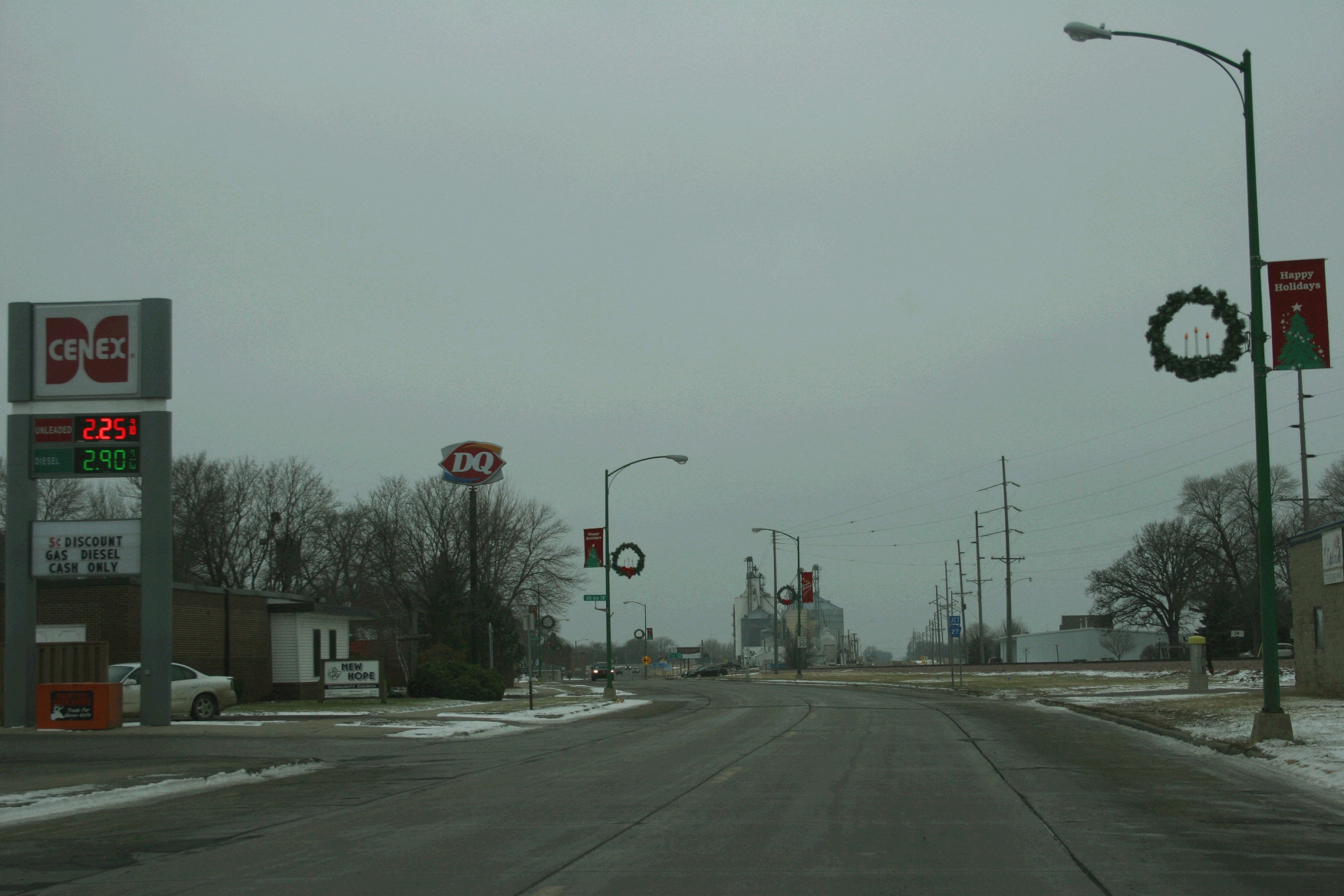
U.S. Highway 14 curves toward grain bins on the west edge of Sleepy Eye.

U.S. Highway 14 curves toward grain bins on the west edge of Sleepy Eye.

To get there, we journeyed through many a small town, first along Minnesota State Highway 60 and then onto the Laura Ingalls Wilder Historic Highway, U.S. Highway 14. Through towns like Elysian and Madison Lake. Past Mankato. Through Nicollet and Courtland and New Ulm. Then on to Sleepy Eye and Springfield.

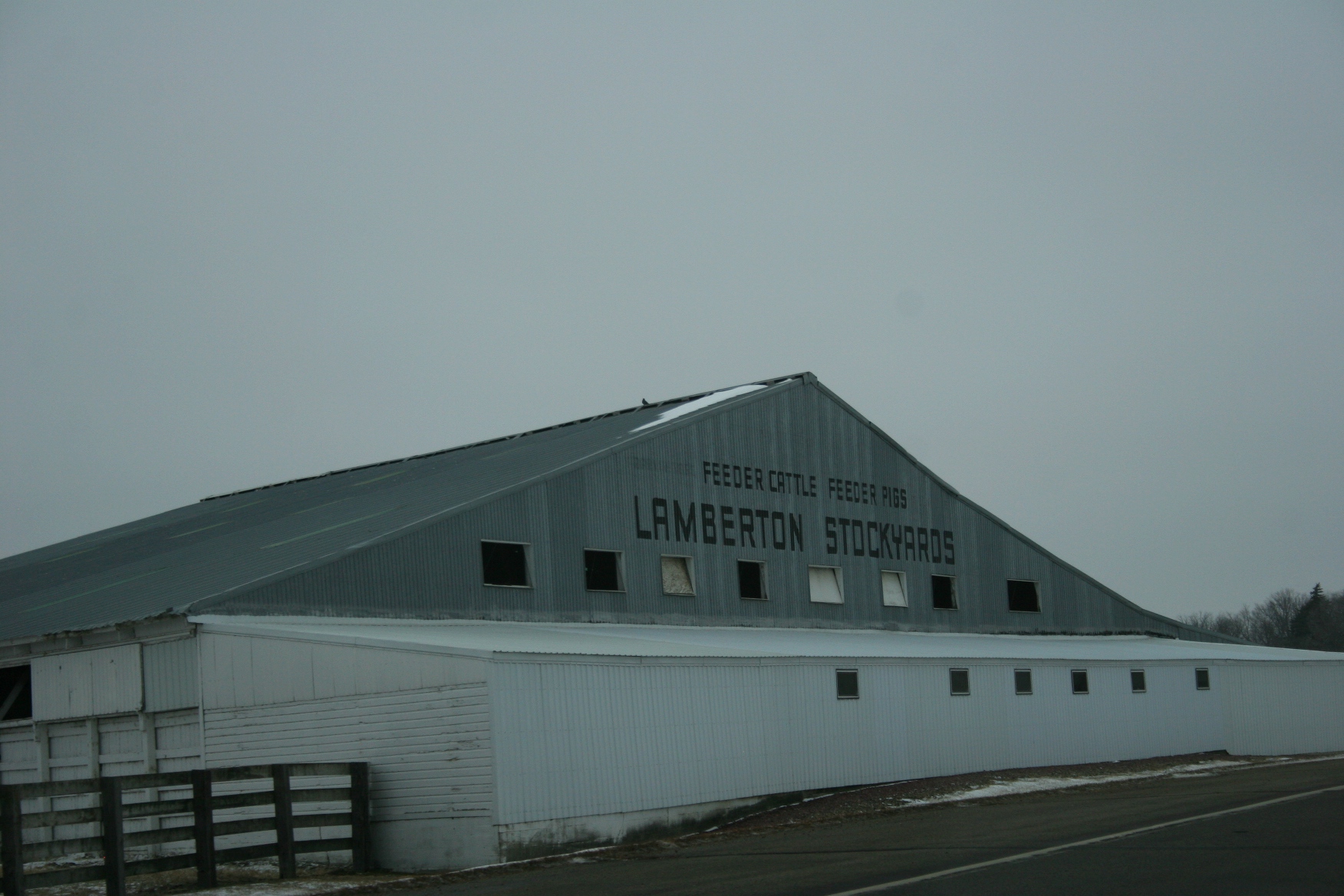
Entering Lamberton from the east, the Lamberton Stockyards.

Entering Lamberton from the east, the Lamberton Stockyards.

And finally, west of Sanborn Corners, to Lamberton. Past the Gypsy Park and then turn right at the Chicken Pox Factory. Unless you’re in my family, you won’t understand the park and pox bit and I’m not going to explain.

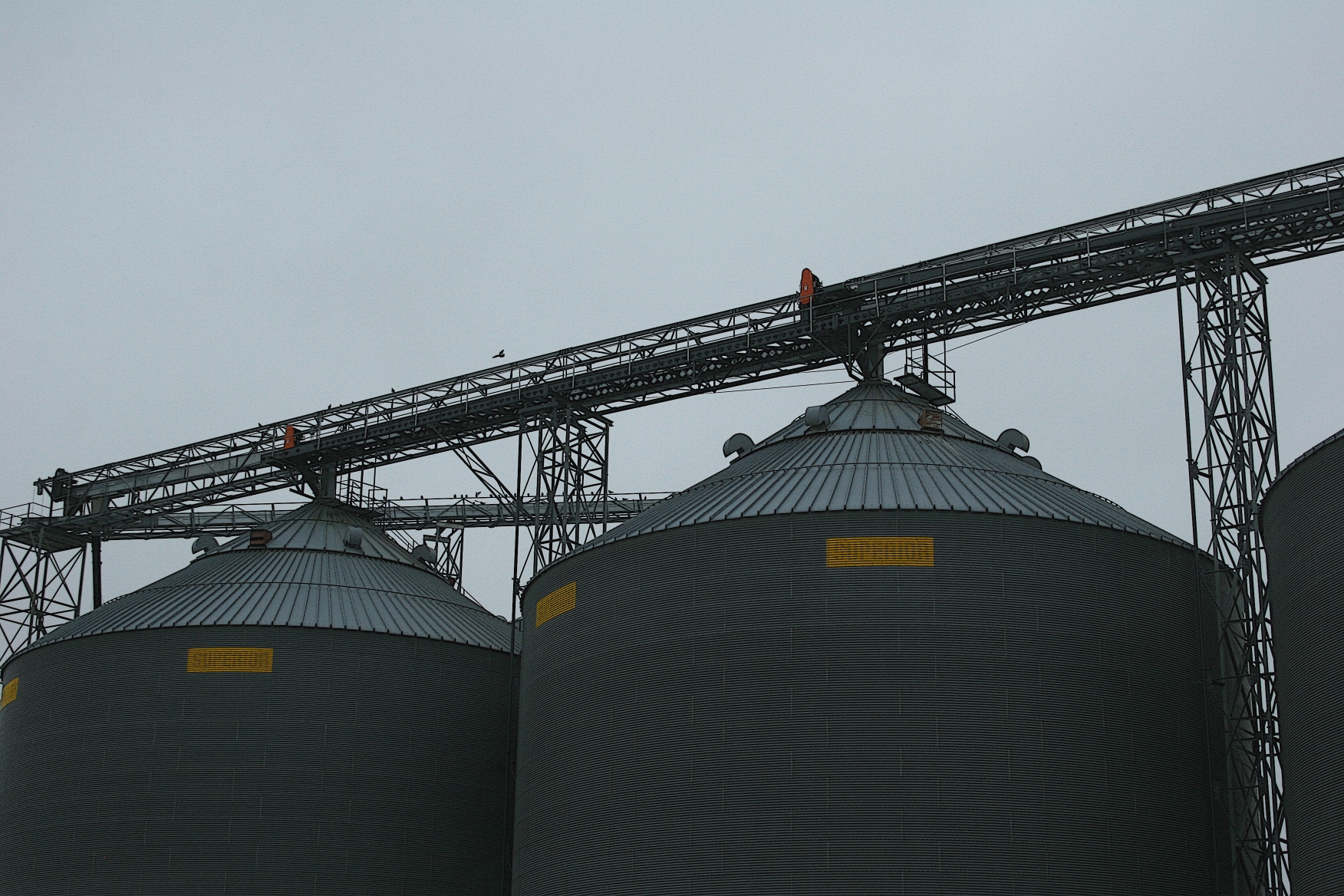
Grain bins, like these in Sleepy Eye, mark the prairie.

Grain bins, like these in Sleepy Eye, mark the prairie.

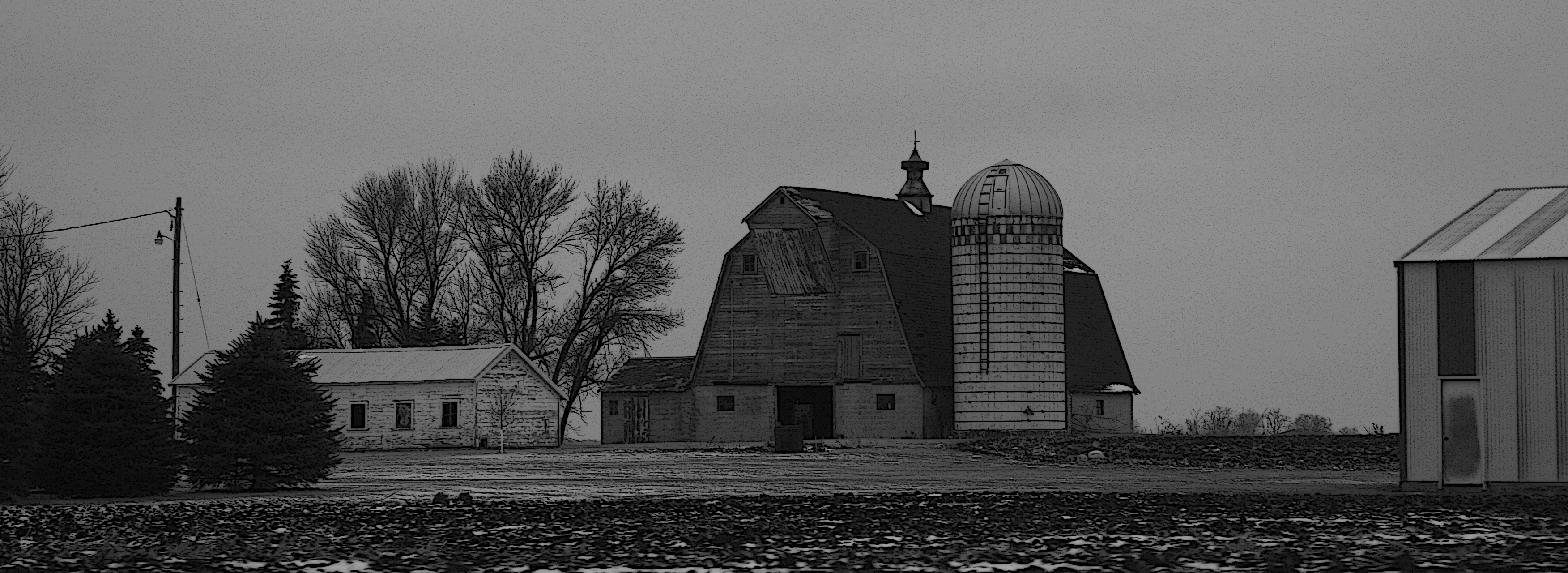
So many farm sites that have stood here for generations.

So many farm sites have stood here for generations.

There are so many well-kept barns along U.S. Highway 14 between Sleepy Eye and Lamberton.

There are many well-kept barns and farm sites along U.S. Highway 14 between Sleepy Eye and Lamberton.

As we traveled, I studied the land and farm sites, the communities, the details that define the prairie that shaped me.

Someone's rural home on the southwestern Minnesota prairie.

Someone’s rural home on the southwestern Minnesota prairie.

Oh, how I still love this land. It was good to be home, if only for a short while.

Wherever you travel this holiday season, may your journey be safe, your time one of joyful celebration.

Copyright 2014 Audrey Kletscher Helbling


Annie Mary still remembers me on Halloween October 31, 2014

Filed under: Uncategorized — Audrey Kletscher Helbling @ 6:00 AM
Tags: , , , , , , ,

THAT ANNIE MARY TWENTE is getting a tad forgetful is to be expected. She would, after all, be 134 years old if she had lived past age six.

The little girl from Hanska was buried alive in October 1886 after presumably falling into a coma and thought dead by her parents. But she wasn’t. Dead, that is.

Stories featured in Ghostly Tales of Southwest Minnesota.

Stories featured in Ghostly Tales of Southwest Minnesota include “Annie Mary’s Restless Spirit.” Minnesota Prairie Roots file photo.

As this southwestern Minnesota ghost story goes, Annie’s father went a bit mad after exhuming his daughter’s body and finding scratch marks inside her coffin and locks of hair pulled from Annie’s head.

I can only imagine. The very thought of burying one’s child alive would make anyone crazy.

I first learned of Annie Mary more than 30 years ago, when I lived in a community near Hanska. My Aunt Marilyn grew up hearing the story from her mother, Stella, who grew up just across the lake from the Richard Twente farm.

So when I moved to St. James, near Hanska, my aunt reminded me that I now lived in Annie Mary’s backyard. She told me about the fenced cemetery with the lone gravestone and somewhere in her storytelling Marilyn mentioned Annie swinging in a swing knotted to a tree branch. Legends seem to take on a life of their own, meaning it’s often difficult to separate fact from fiction.

A card I received from Annie Mary on a past Halloween.

A card I received from Annie Mary on a past Halloween. Minnesota Prairie Roots file photo.

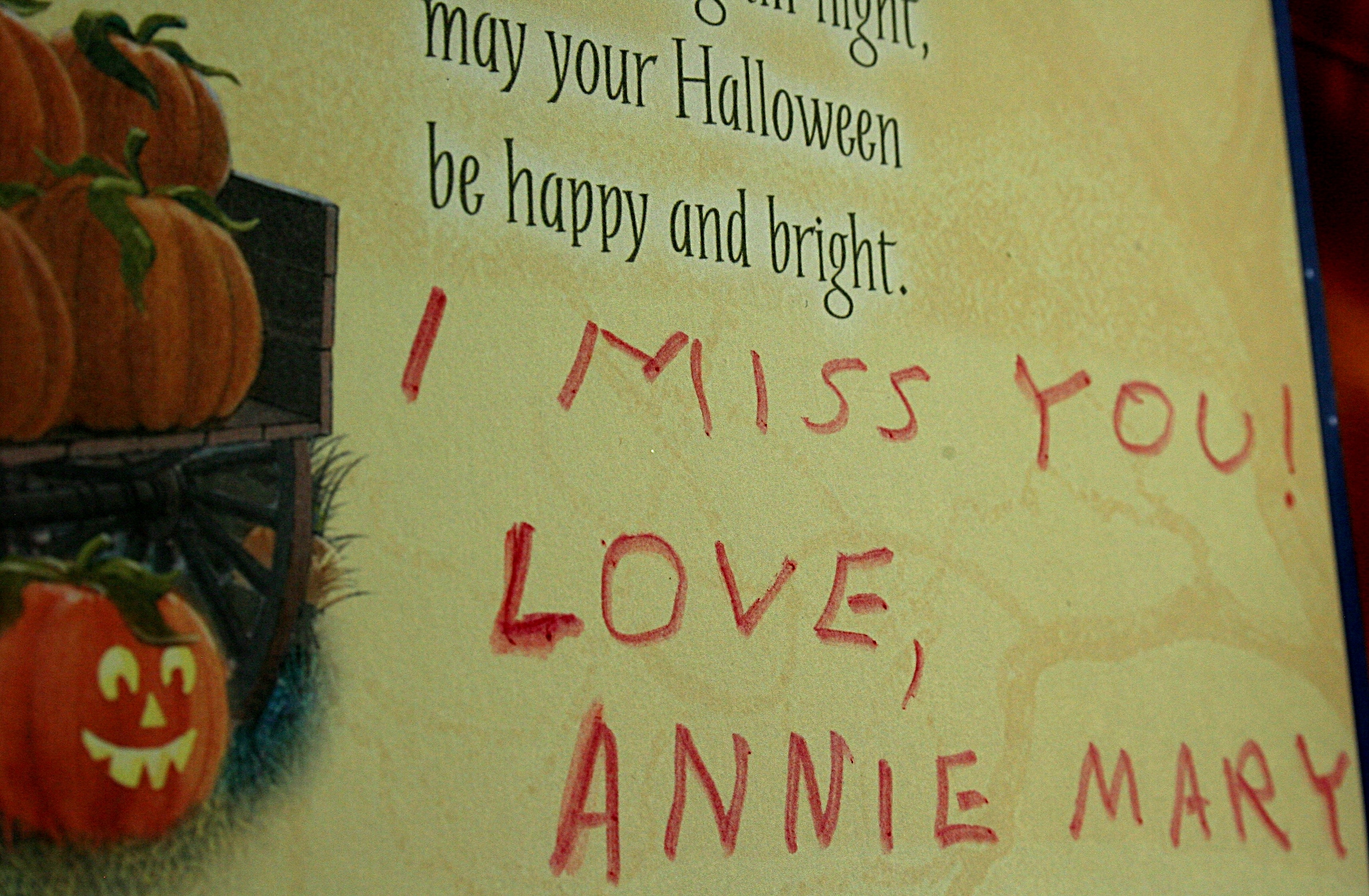
But one fact remains constant. Every year for about the past thirty, I’ve received a Halloween card from the little girl who was buried alive. It’s always signed ANNIE MARY in an awkward childish print of block letters.

Up until this year, Annie also wrote, “I MISS YOU!” That always sent shivers up my spine, even though I don’t believe in ghosts and knew my Aunt Marilyn had penned the message. This year she forgot the “I MISS YOU!” part.

But she made up for the omission by finding a card with a bare branched tree shadowed in the background inside a fence. And when I look closely, I swear I see the face of a little girl and a swing dangling from a branch.

© Copyright 2014 Audrey Kletscher Helbling
 

Going green in Luverne at ReBorn October 3, 2014

That's ReBorn, in the right corner of the city-owned theatre building at 102 E. Main Street.

That’s ReBorn, photographed in July 2013, in the right corner of the city-owned theatre building at 102 E. Main Street. ReBorn has since relocated to 113 E. Main Street.

TO THINK I ALMOST did not pop into ReBorn Home Furnishings in downtown Luverne because my husband mumbled something about “furniture store.”

But I should have known, given the name “ReBorn,” that this would be an extraordinary place.

Oh, my gosh, readers, to think that I could have missed this homegrown business which restores, recycles, reuses, refinishes, reincarnates, rebuilds and revives home furnishings.

On a July 2013 visit to Luverne in the southwestern corner of Minnesota, after gaping at the fantastic old Palace Theatre entry right next to ReBorn and after photographing other buildings along E. Main Street, I opted to check out the business that didn’t interest my spouse. Note that ReBorn, since my visit, has moved to a new location at 113 E. Main Street.

table

Sorry, readers, the table and chairs are sold as is the hand-painted blue grey Armoire.

Honestly, Randy’s male opinion aside, I loved this place. Loved it. It’s artsy and hip and purposeful and just one incredible source for one-of-a-kind recycled home furnishings.

The red dresser/buffet is priced at $295.

The red dresser/buffet was priced at $295.

I am all about reusing what we have. ReBorn transforms old furniture and furnishings in to incredible functional pieces that pop with color and personality. You won’t find anything cookie cutter here. The business even does custom work.

That magical Annie Sloan Chalk Paint.

ReBorn sells furniture transforming Annie Sloan Chalk Paint.

The secret to ReBorn’s look, so says Becky Feikema who was tending shop on the Saturday I stopped, is Annie Sloan Chalk Paint, a decorative paint that goes over most any surface without prep (such as sanding or priming) and leaves a velvety matte finish. ReBorn also protects the painted project with subtle sheen Annie Sloan Soft Wax.

I was a bit surprised that Becky, who has a degree in agriculture and not in interior design, shared so much, including two hand-outs on Annie Sloan Chalk Paint. But I suppose if you’re selling that paint, as ReBorn does, you push it.

This yellow table can be yours for $160. The chairs are $65/each.

This yellow table could be yours for $160. The chairs were $65/each.

I saw so many pieces of furniture and other merchandise in ReBorn that I loved. There’s that word again. Loved. I suspect, for that reason, Randy tried to steer me away from this incredible store. He knows me well. I resisted, I really did, and walked away (because I didn’t need anything) without a single purchase. Not that I wasn’t tempted…

The butterfly on the signage symbolizes the rebirth aspect of transforming old home furnishings in to something new and unique.

The butterfly symbolizes the rebirth aspect of transforming old home furnishings in to something new and unique.

FYI: Click here to reach the ReBorn Home Furnishings website to see before and after transformations, pieces available for purchase and more. This is one talented crew running this business.

BONUS PHOTOS:

Lots of merchandise to choose from in this corner display.

Lots of merchandise to choose from in this corner display. The hutch on the left was priced at $475.  The black chest of drawers and vintage fainting couch were sold.

The yellow shelving unit can be yours for $88.

The yellow shelving unit could be yours for $88.

This bench, repurposed from a bed, sells for $215.

This bench, repurposed from a bed, sells for $215.

The vanity/desk is marked at $135.

The vanity/desk, marked at $135.

FYI: ReBorn is open from noon to 7 p.m. on Thursdays and from 10 a.m. – 3 p.m. Saturdays. A Chalk Paint Class is set for this Saturday, October 4, and again on October 9. Click here for details.

Note that all of these photos were taken in July 2013 and therefore may not reflect current stock.

© Copyright 2013 Audrey Kletscher Helbling
 

The Dari (not dairy) King (not queen) August 29, 2014

Filed under: Uncategorized — Audrey Kletscher Helbling @ 6:00 AM
Tags: , , , , ,

GROWING UP IN A POOR farm family with five siblings, it wasn’t all that often we got ice cream treats in town. Maybe Schwans ice cream in a dish or cone from the basement/porch freezer. But not soft-serve at a walk-up/drive-up.

Dari King in Redwood Falls

Occasionally, though, Dad would treat us to a cone at the Dari King in Redwood Falls. This was back in the day when a small cone cost a dime. But even then a dime was a dime was a dime.
Forty years after I left the farm, the independent (non-chain) Dari King still stands, serving ice cream and more to the next generations. How sweet is that?
Copyright 2014 Audrey Kletscher Helbling