Minnesota Prairie Roots

Writing and photography by Audrey Kletscher Helbling

Invisible, but, oh, so real September 20, 2023

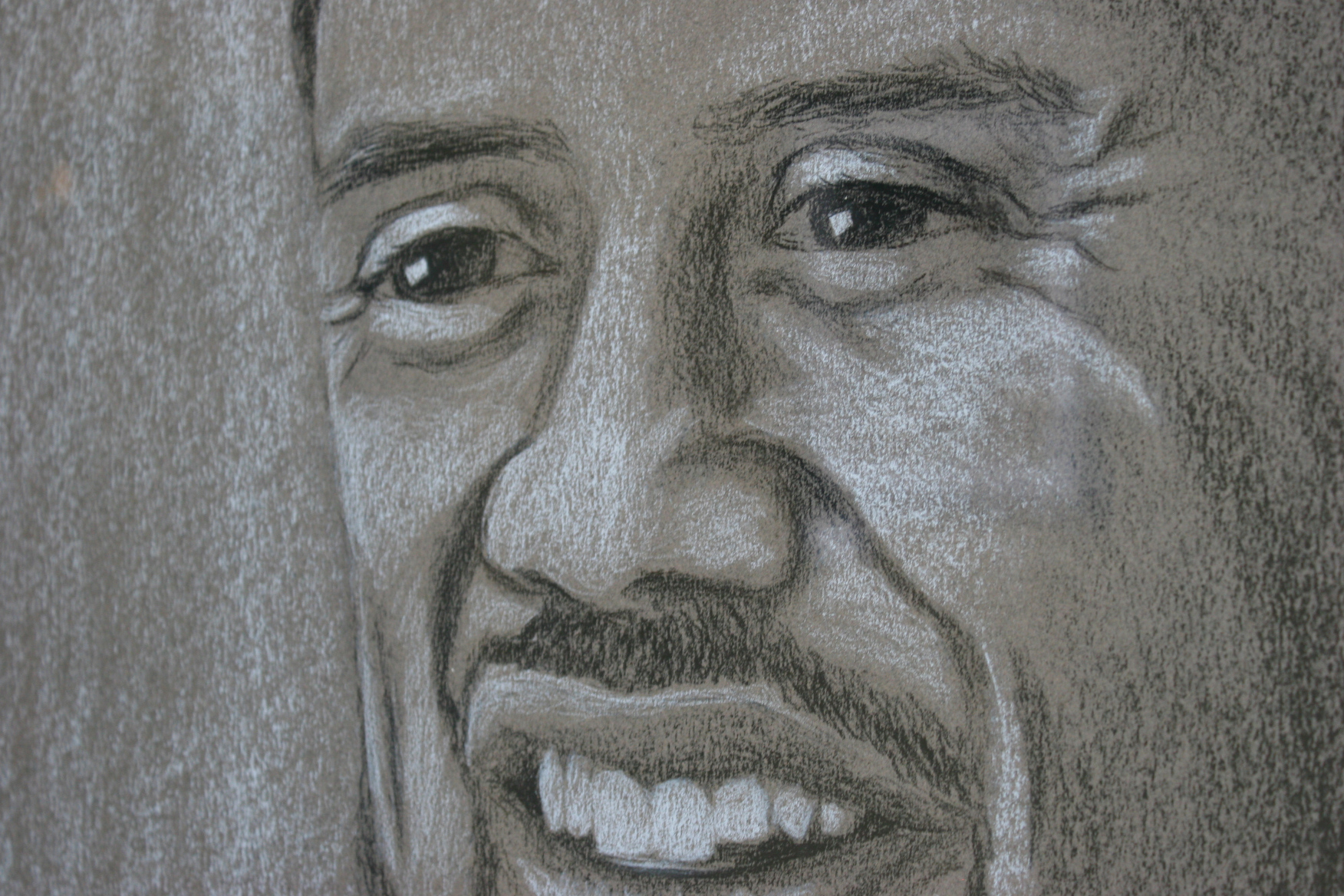
Early on in my diagnoses, my brain felt like this, scrambled. Art by Bill Nagel, previously exhibited at the Paradise Center for the Arts, Faribault. (Minnesota Prairie Roots copyrighted photo March 2023)

FOR ME, THE FEELING of imbalance started shortly after an early January virus, likely *COVID-19. At the time I didn’t make the connection between the two. But eventually medical professionals did. That led to multiple diagnoses of vestibular neuritis, Meniere’s Disease and peripheral sensory neuropathy. Yes, it’s been a lot to handle. But I’m in a much better place health-wise than nine months ago thanks to professional intervention and a whole lot of hard work.

The thing about having a vestibular disorder is that it’s unseen. You can’t see inside my brain to view the damage. And, for the most part, you can’t see the effects of a malfunctioning vestibular system, unless you’re my husband or eldest daughter who can. Randy and Amber can look at my face, see my eyes squinting, my look of fatigue, tell-tale signs I’m not doing well. And if I’m closing my eyes or holding my hands on the sides of my face, I’m blocking my peripheral vision, thus reducing visual input.

All of that aside, I’ve at least reclaimed my balance. Most days. Brief bouts of vertigo set me back mid-summer. Via vestibular rehab therapy to retrain my brain, I’ve learned to manage and live with my many ongoing symptoms and mostly get on with my life. Maybe not as I did previously, but with a renewed appreciation for something as simple as walking with confidence, as watching TV, as shopping for groceries.

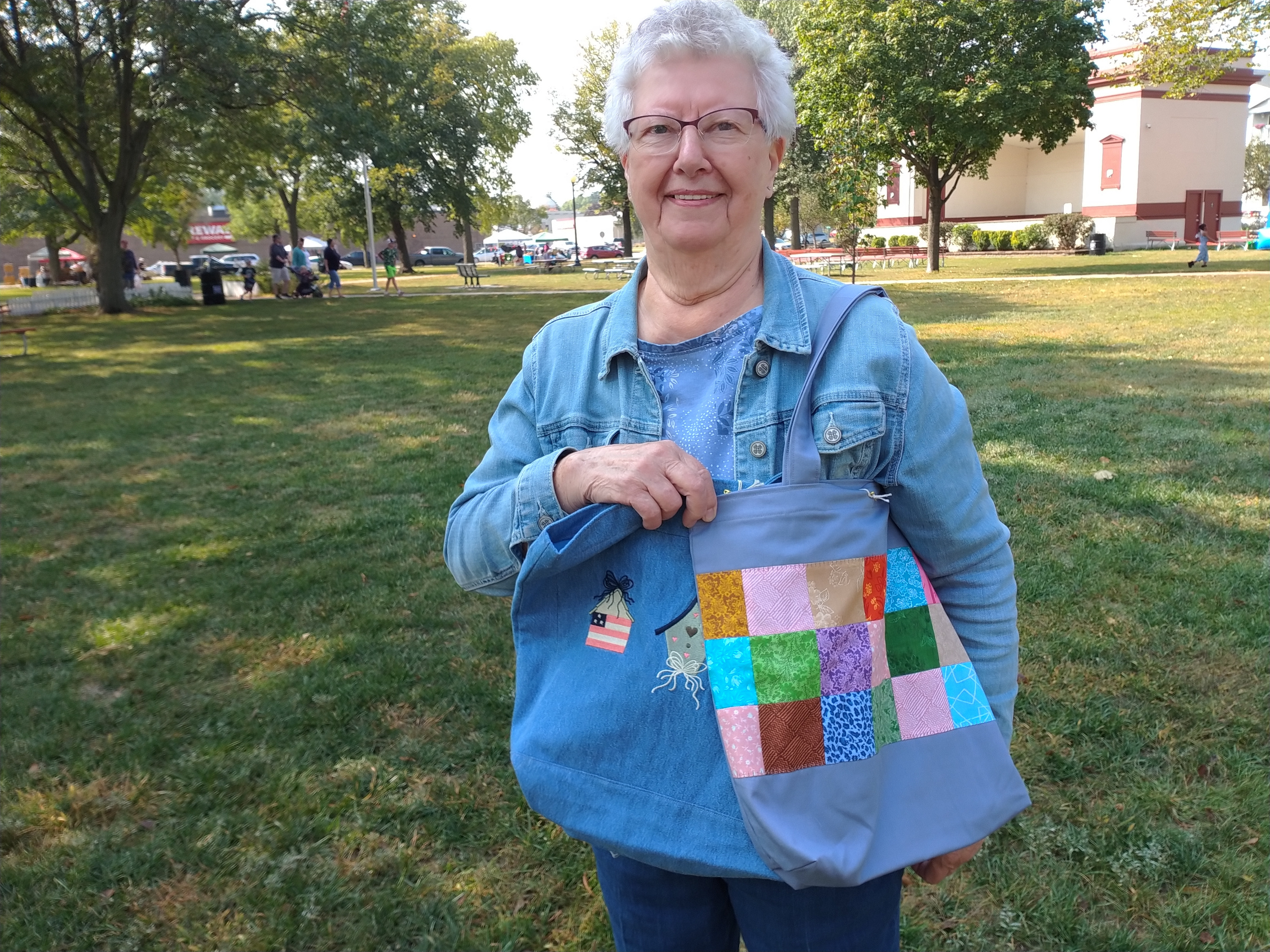
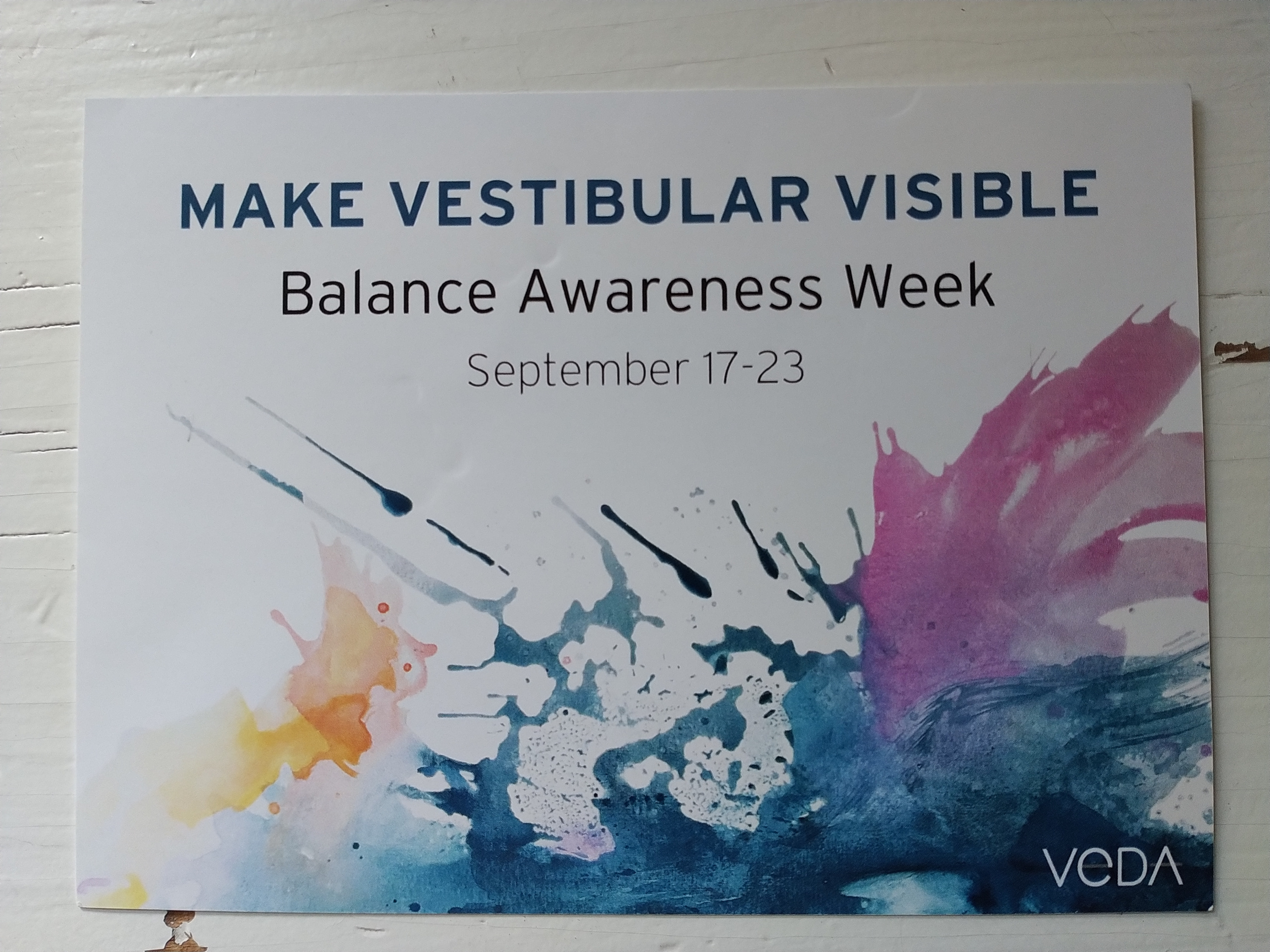
A promo postcard from VeDa. The painting, “Uncharted Waters,” is by vestibular patient Nicolle Cure.

FOCUS ON BALANCE

Today, though, I want to focus on balance, for two reasons. Imbalance was the first issue I overcame. And secondly, September 17-23 marks Balance Awareness Week, started in 1997 by the Vestibular Disorders Association. That national nonprofit is “a lifeline of support to anyone affected by vestibular (inner-ear and brain balance) disorders.” VeDA has proven an invaluable resource for me in learning about my vestibular-based diagnoses.

Knowledge is power. Just ask my physical therapist at Courage Kenny. Ryan answered many questions during my vestibular rehab therapy sessions, especially early on when I was just learning about my health issues. He always replied thoughtfully, helping me to understand what was happening in my brain and how we would work together through targeted exercises to manage my symptoms.

I’ve come a long way from the days of standing in place turning my head back and forth to the beat of a metronome. Today I’m power walking 15 minutes in the morning, 15 minutes in the evening with Randy. Even I’m amazed that I can do this. Not all that long ago, I couldn’t walk a block, often needing to hold onto Randy.

Fiona the Flamingo is VeDA’s Balance Awareness Week logo/mascot.

EVEN THOUGH MY DISORDER IS INVISIBLE, I STILL NEED TO BE SEEN, ENCOURAGED…

There is hope for anyone dealing with a vestibular disorder. Many seniors (and, yes, I’m a “senior”) struggle with balance. So do those who’ve suffered traumatic brain injuries like concussions. That includes my sister-in-law Rosie, my go-to support. Because she understands. And encourages. She realizes the importance of physical therapy in recovery.

In sharing a bit of my story with you, I am aiming to increase awareness. Make Vestibular Visible themes Balance Awareness Week. A promo from VeDA reads: Balance Awareness Week is our time to shout from the rooftops: “I have a vestibular disorder and this is my story.”

This is my story. One of challenges, of professional intervention, of hard work, of acceptance, of perseverance, of relying on others, of patience, of strength, of gratitude, of tears, of resilience, of focusing on what I can do (and not what I can’t). It is also a story of recognizing that no matter what we face in life—whether visible or invisible—we all need to be seen, to be uplifted, to feel cared for and loved.

#

© Copyright 2023 Audrey Kletscher Helbling

*I self-tested negative twice for COVID, but those tests (if done incorrectly and for other reasons) can be wrong, my primary doctor told me. He guesses I had COVID in January, and I agree based on my symptoms.


The power of hair among Native Peoples September 19, 2023

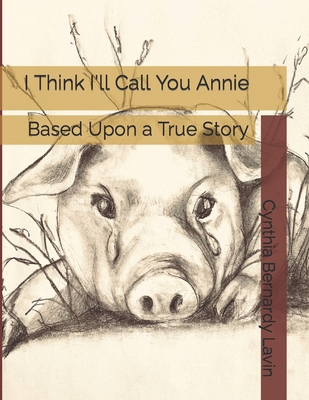
“My Powerful Hair,” published in 2023 by Abrams Books for Young Readers. (Book cover source: Abrams Books)

SOME OF THE MOST MEANINGFUL, enlightening and powerful books I’ve read, I’ve found in the children’s picture book section of my local public library. That includes My Powerful Hair written by Carole Lindstrom and illustrated by Steph Littlebird.

I happened upon this book while searching for recently-published astronaut and geography books for my 4-year-old grandson. I never did find those sought-after titles. Not that it mattered. What I discovered instead were three must-read books: My Powerful Hair, Boycott Blues—How Rosa Parks Inspired a Nation and We Are Better Together.

Parks is certainly familiar to me as the Black seamstress who in 1955 refused to give up her seat to a white man on a city bus in Montgomery, Alabama. That sparked a bus boycott and the Civil Rights Movement. Likewise, working together to effect change, to improve our world, to help one another is a familiar theme.

“The Native Man, His Eagle & His Chanupa,” an oil painting by Dana Hanson and part of her 2018 “Healing the Land” exhibit at the Owatonna Arts Center. (Minnesota Prairie Roots copyrighted file photo 2018, used for illustration only. Art copyrighted by Dana Hanson.)

THE IMPORTANCE OF HAIR REVEALED

It is the story on hair, though, which proved a particularly teachable read. My Powerful Hair focuses on Native Peoples’ hair and its importance in their culture, their history, their lives. Through the writing of New York Times bestselling and award-winning author Lindstrom, who is Anishinaabe/Metis (and an enrolled citizen of the Turtle Mountain Band of Ojibwe), and Indigenous artist Littlebird of Oregon’s Confederated Tribes of Grand Ronde, I learned the symbolism and power of hair in Native American culture. Admittedly, this is something I should have known, having grown up on the southwestern Minnesota prairie between the Upper Sioux and Lower Sioux Indian Reservations (today termed “communities”). I thought I was informed. But I wasn’t, not about hair.

Told from the perspective of a young Native girl, My Powerful Hair explains the reasons Native Peoples grow their hair long. And keep it long. Hair holds stories, memories, strength, sorrow, connections to each other and to Mother Earth. And more. Page after page, the narrator shares events in her life that weave into her hair. When Nimishoomis (her grandfather) taught her to fish, her hair reached her ears. When her cousins taught her to make moccasins, her hair flowed past her shoulders. In the sharing of these moments, I began to understand the power of hair in Native American culture.

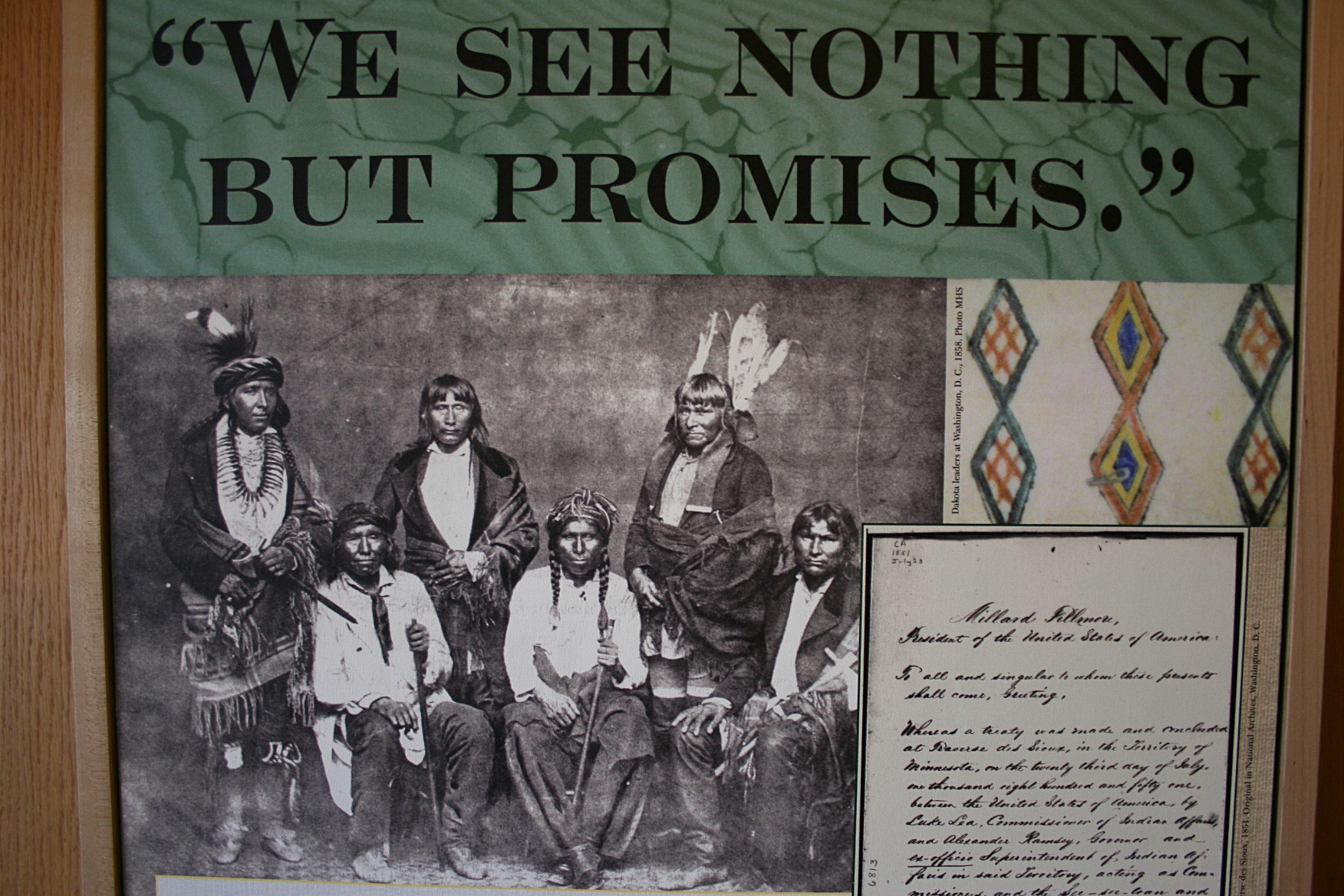
A photo panel at the Traverse des Sioux Treaty Center in St. Peter shows Dakota leaders photographed in Washington D.C. in 1858. The photo is from the Minnesota Historical Society and is used here for illustration only.

FORCED HAIRCUTS

I also understood fully, for the first time, the trauma inflicted upon Indigenous individuals forced long ago by white people to cut their hair. The writer and illustrator don’t hold back. In the first few pages, a young Nokomis (grandmother) is in tears as the hands of a Catholic nun grasp, then cut, her braids. It’s an emotionally impactful visual.

But this was reality at Indian boarding schools, within faith communities and elsewhere back in the day, in a time period when efforts focused on erasing Indigenous culture, on conforming Native Peoples to European ways. It was wrong.

Displayed at Bridge Square during Northfield’s Earth Day celebration in 2022. (Minnesota Prairie Roots copyrighted file photo April 2022, used for illustration only)

A TERRIBLE INJUSTICE”

A blogger friend from the central Minnesota lakes region recently shared a bit of her family’s experience per my request. Of unverified (records were often destroyed) Cherokee ancestry, Rose speaks of her mother’s trauma after being sent to a Catholic girls’ school in Crookston. “Mom didn’t tell us much about her experience there,” Rose says, “only that they made her cut her long black hair. My mom never cut her hair again for the rest of her life. She saw the forced haircut as a terrible injustice.” Injustice seems a fitting word.

In an author’s note, Carole Lindstrom shares the same trauma, documented, she writes, in a photo of her grandmother and two great aunts with their black hair shorn above their ears. They were forced into an Indian boarding school in the early 1900s.

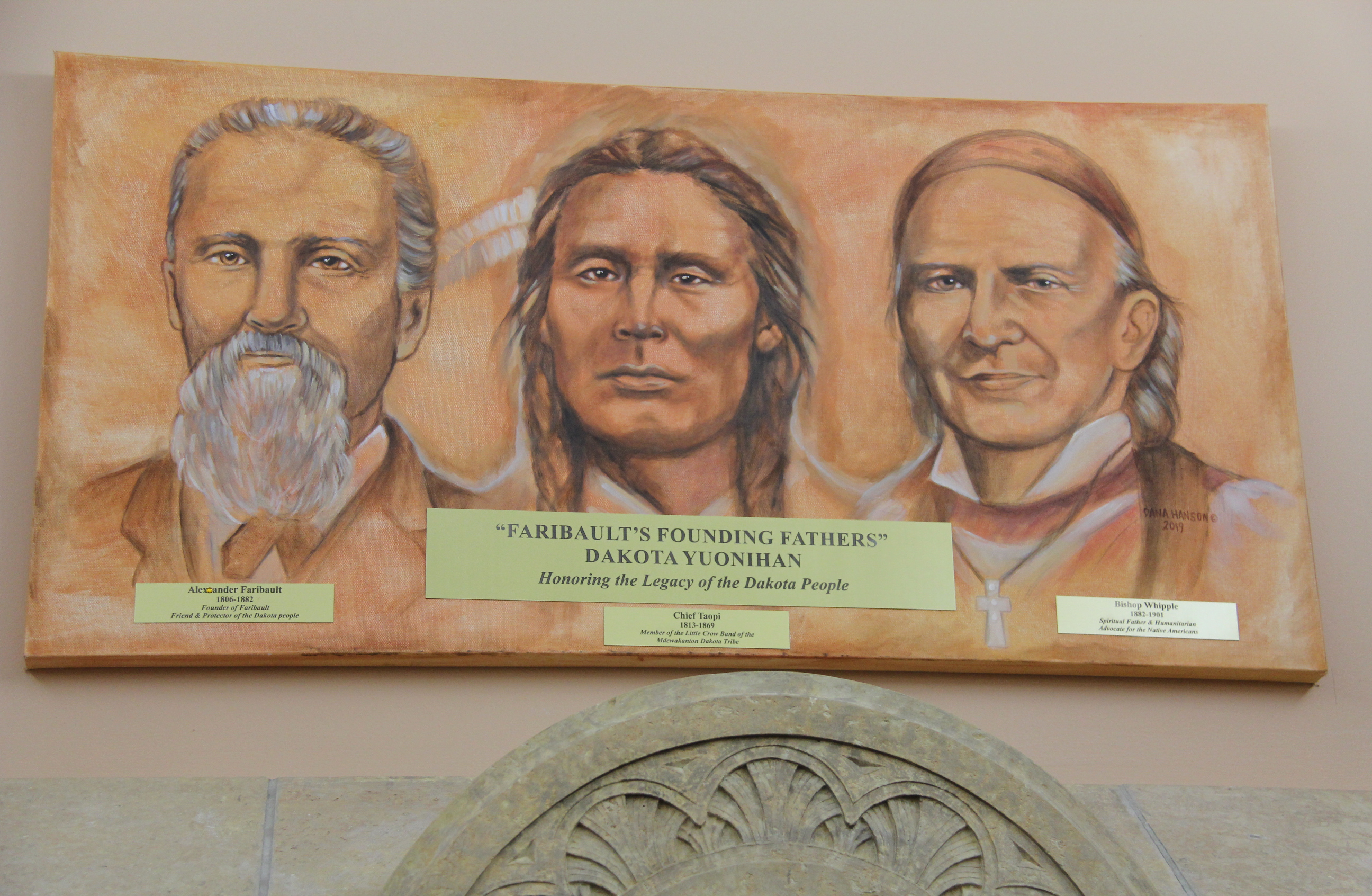
“Honoring the Legacy of the Dakota People” focuses this artwork by Dana Hanson. Chief Taopi centers the painting with Alexander Faribault to the left and Bishop Henry Whipple on the right. The word “Yuonihan” means honor or respect. This art hangs inside Buckham Memorial Library. (Minnesota Prairie Roots copyrighted file photo November 2022. Art copyrighted by Dana Hanson.)

POWER IN STORIES, IN HERITAGE, IN RESPECT

Rose is thankful for books like My Powerful Hair. “I am glad that stories like this are being told,” she says. “Much First Nations history nearly disappeared. And many First Nations keep their ceremonies and other information ‘secret’ so it won’t be distorted or misused by people who don’t understand, or who seek to harm them.” Based on history, that seems warranted.

This Minnesota woman has one more reason to feel grateful for children’s picture books by Indigenous Peoples. Her grandchildren are of Ojibwe heritage; their other grandmother lives on the White Earth Nation in northwestern Minnesota. “My hopes for my grandchildren are that they learn all they can about their Ojibwe ancestors and customs and values,” Rose says. “I hope they can choose what lessons they want to carry forward in their own life. I hope they are fantastic examples of how people from different backgrounds can get along and respect and love one another.”

And so I learned, not only from Rose, but from reading My Powerful Hair. Stories woven into our hair matter. For they are powerful.

© Copyright 2023 Audrey Kletscher Helbling
 

“I Am Minnesota” immigrant portraits & stories inspire September 11, 2023

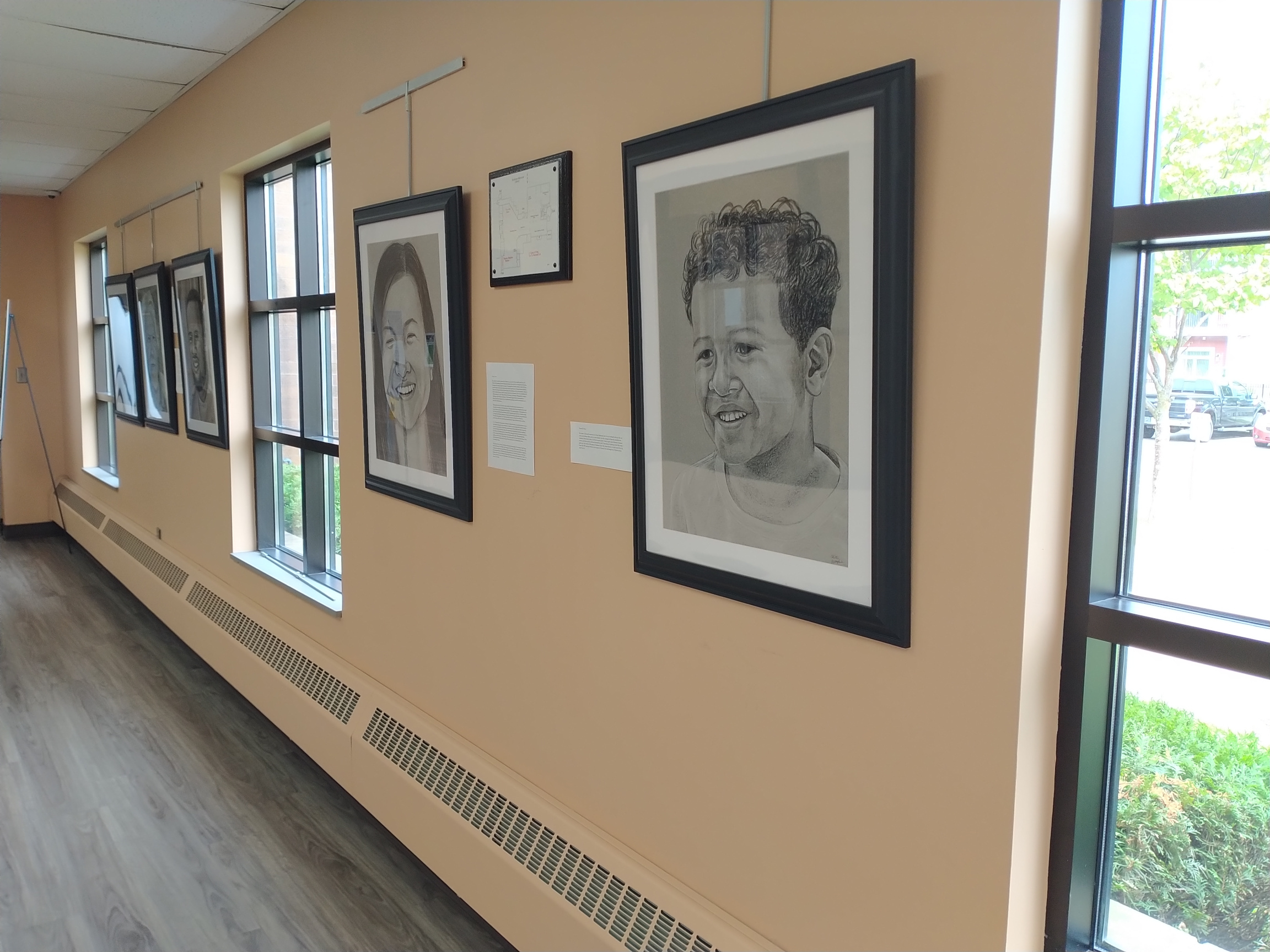
Portraits and stories, including that of Tin Tea owner, Chau, second from right, are featured in the newest “I Am Minnesota” exhibit. (Minnesota Prairie Roots copyrighted photo September 2023)

IN THE CORRIDOR LINKING Buckham Memorial Library and the Faribault Community Center, 13 portraits of immigrants and second-generation immigrants line the walls. They are the work of Faribault artist Kate Langlais in her updated “I Am Minnesota” project.

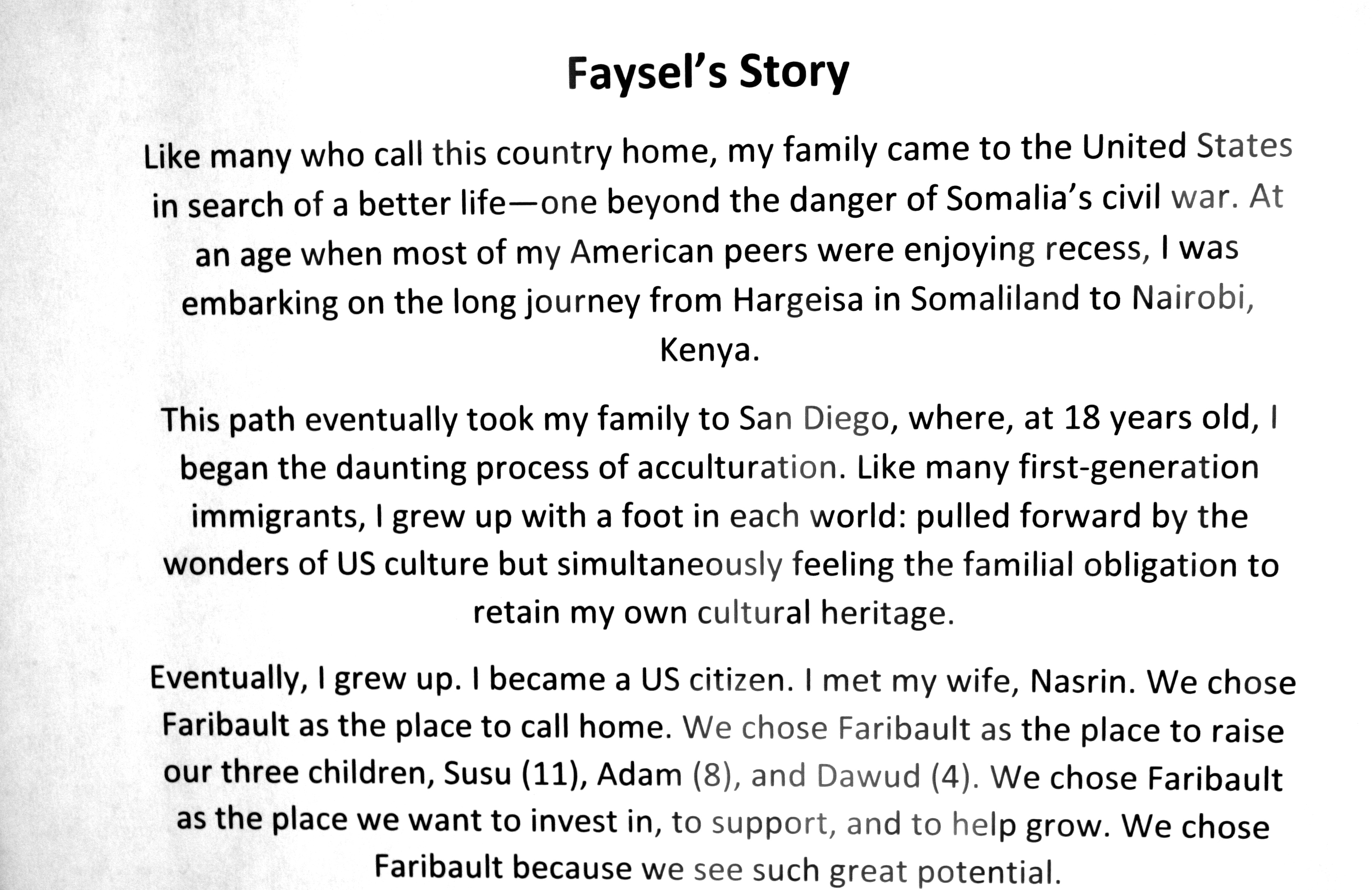
“Faysel,” who fled the war in Somalia. (Minnesota Prairie Roots copyrighted file photo September 2020)

This is a remarkable and revealing exhibit, which stretches well beyond faces portrayed primarily in black and white charcoal on gray paper. Langlais also includes the stories of those who now call this region home. Those stories hold the challenges and dreams, the successes, the gratitude and more of individuals who have become integral, and important, parts of our communities.

Faysel’s story from Langlais’ 2020 “I Am Minnesota” exhibit. (Minnesota Prairie Roots copyrighted file photo September 2020)

I saw Langlais’ first “I Am Minnesota” exhibit in 2020 at the Paradise Center for the Arts. She includes seven of those 2020 portrait-story pairings in her latest installation along with six new featured individuals. I appreciate her work today as much as I did three years ago.

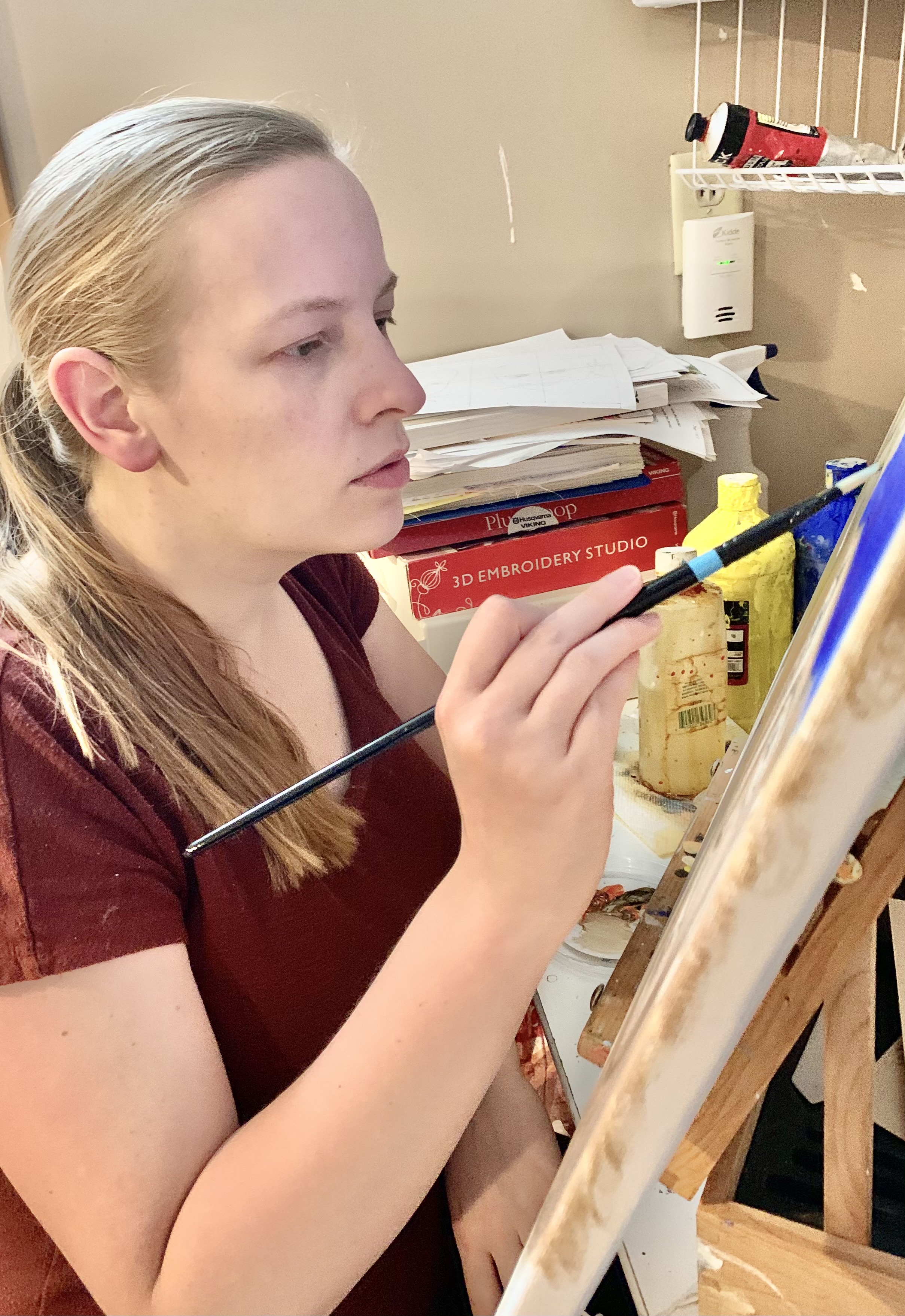
Kate Langlais at work in her home studio. (Photo courtesy of Kate Langlais, 2022)

In her artist’s statement, Langlais states in part that, “It is an honor to learn about each individual’s hardships and perseverance, as well as the beauty of their hopes and dreams.”

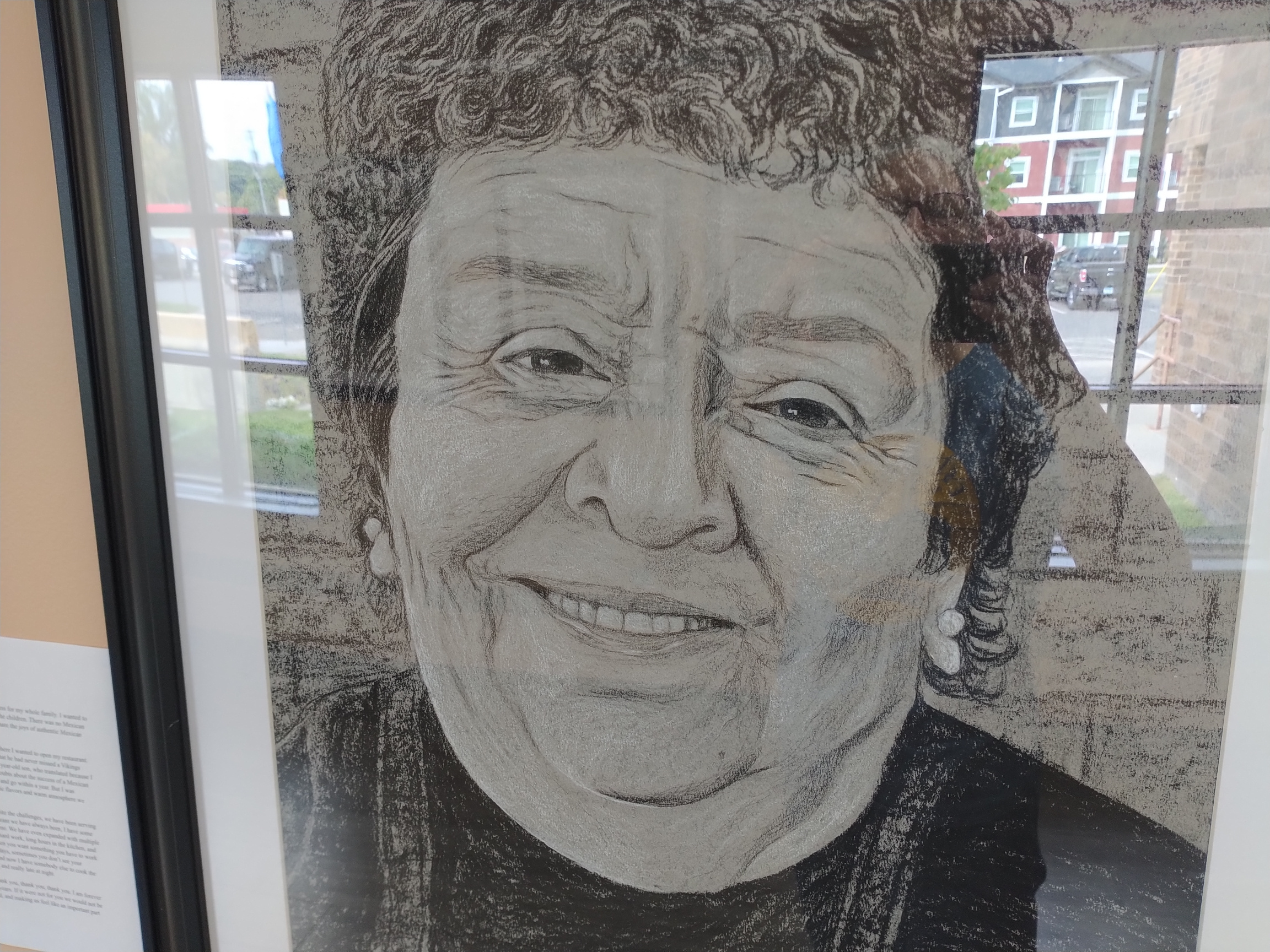
“Hilda,” successful Faribault business owner. (Minnesota Prairie Roots copyrighted photo September 2023)

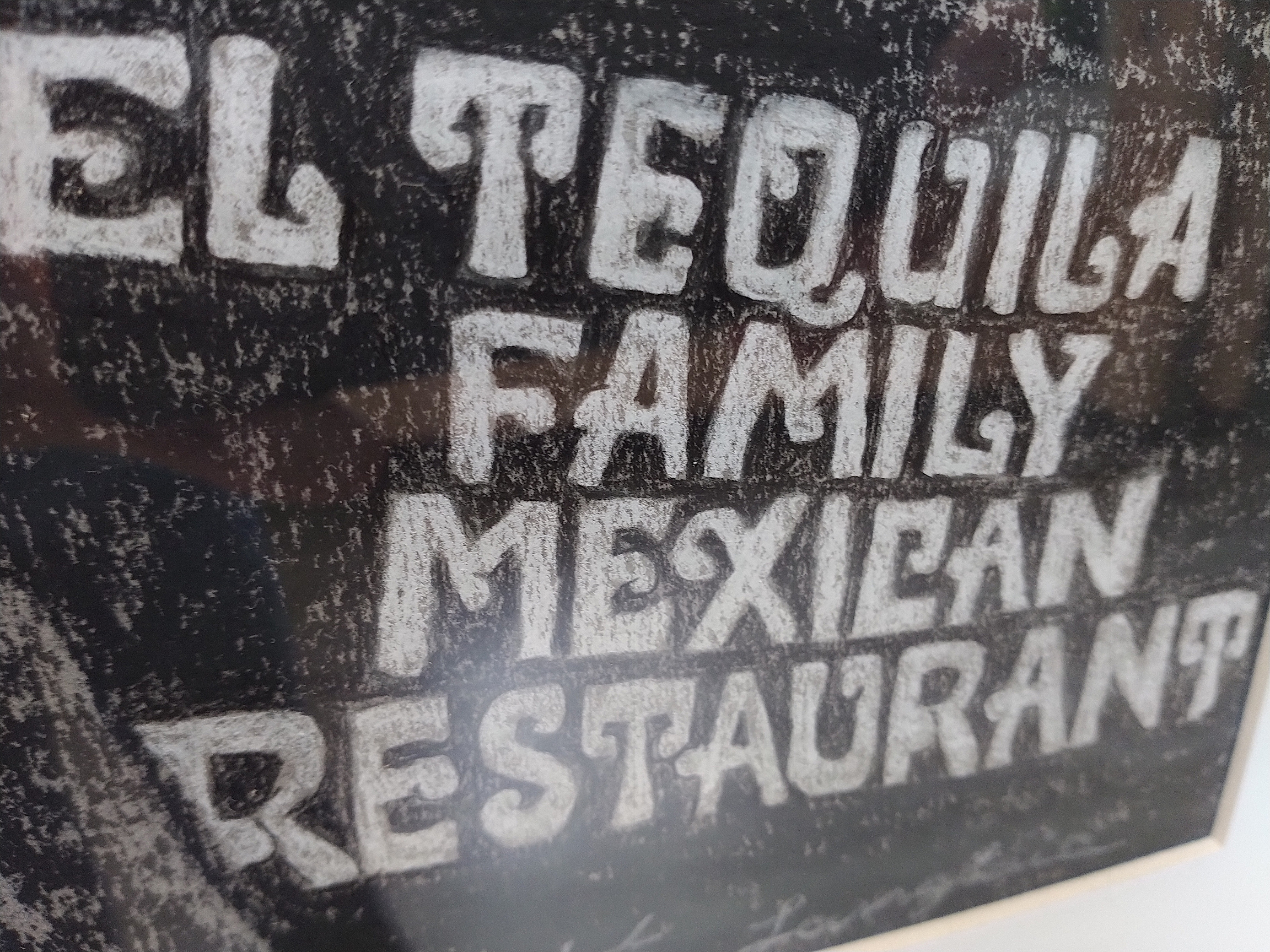
That includes the hopes and dreams of Hilda, who came to Faribault in 1996 with the goal of opening a family-run restaurant serving authentic Mexican food. Twenty-seven years later, El Tequila Family Mexican Restaurant is still going strong, even expanding to other communities. Hilda overcame a vocal naysayer who doubted such a restaurant could survive, let alone thrive, in Faribault. She proved him wrong and, in her story, expresses gratitude to a supportive community.

Likewise, another woman with a dream, second-generation Vietnamese-American Chau, opened Tin Tea in Northfield in June 2021 at the age of 19 while also a full-time student at St. Olaf College. Her story begins with gratitude to her parents: “My parents’ incredible journey from Vietnam to a new land left an indelible mark on my life. Filled with hardships and unwavering determination, their arrival in a foreign land with nothing but hope and courage inspired me deeply.”

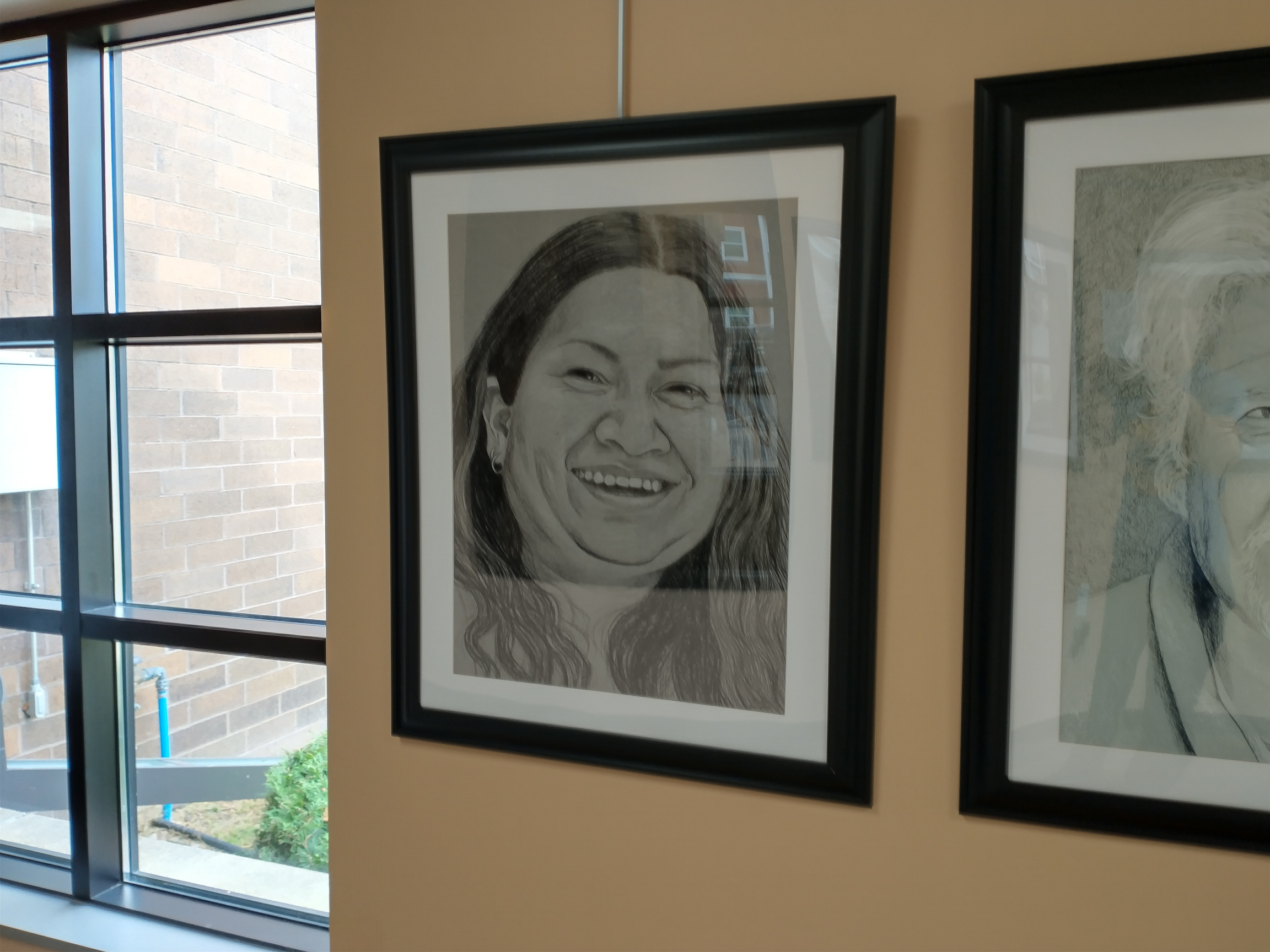
An unidentified “I Am Minnesota” portrait of a woman hangs next to a drawing of Peter. (Minnesota Prairie Roots copyrighted photo September 2023)

To read these stories, to view these portraits, is to witness the strength and determination of individuals like Hilda and Chau. And Peter, an immigrant from the Netherlands who moved with his wife Virginia to Faribault in 2002. Since then, Peter, now a U.S. citizen, has volunteered tirelessly in Faribault, heading up the International Festival, being selected as “Citizen of the Year” (along with Virginia), elected to the City Council, recently named the new Rice County fair manager and more.

Included in Hilda’s portrait is the name of her successful Mexican restaurant, the first in Faribault and now one of several. (Minnesota Prairie Roots copyrighted photo September 2023)

Thirteen faces. Thirteen stories. They are ours to view, to read, to appreciate. For in seeing, we put faces to the word “immigrants.” For in reading, we learn their backstories. And in both, we begin to understand that our newest neighbors and their families overcame much to call this place, this southern Minnesota, home.

FYI: Kate Langlais’ “I Am Minnesota” exhibit will be up until Friday, September 15. A closing reception is slated for 5-7 pm with a free portrait drawing class beginning at 6 pm. Register for the drawing class at Faribault Parks and Recreation.

© Copyright 2023 Audrey Kletscher Helbling
 

Connecting in life’s everyday moments August 30, 2023

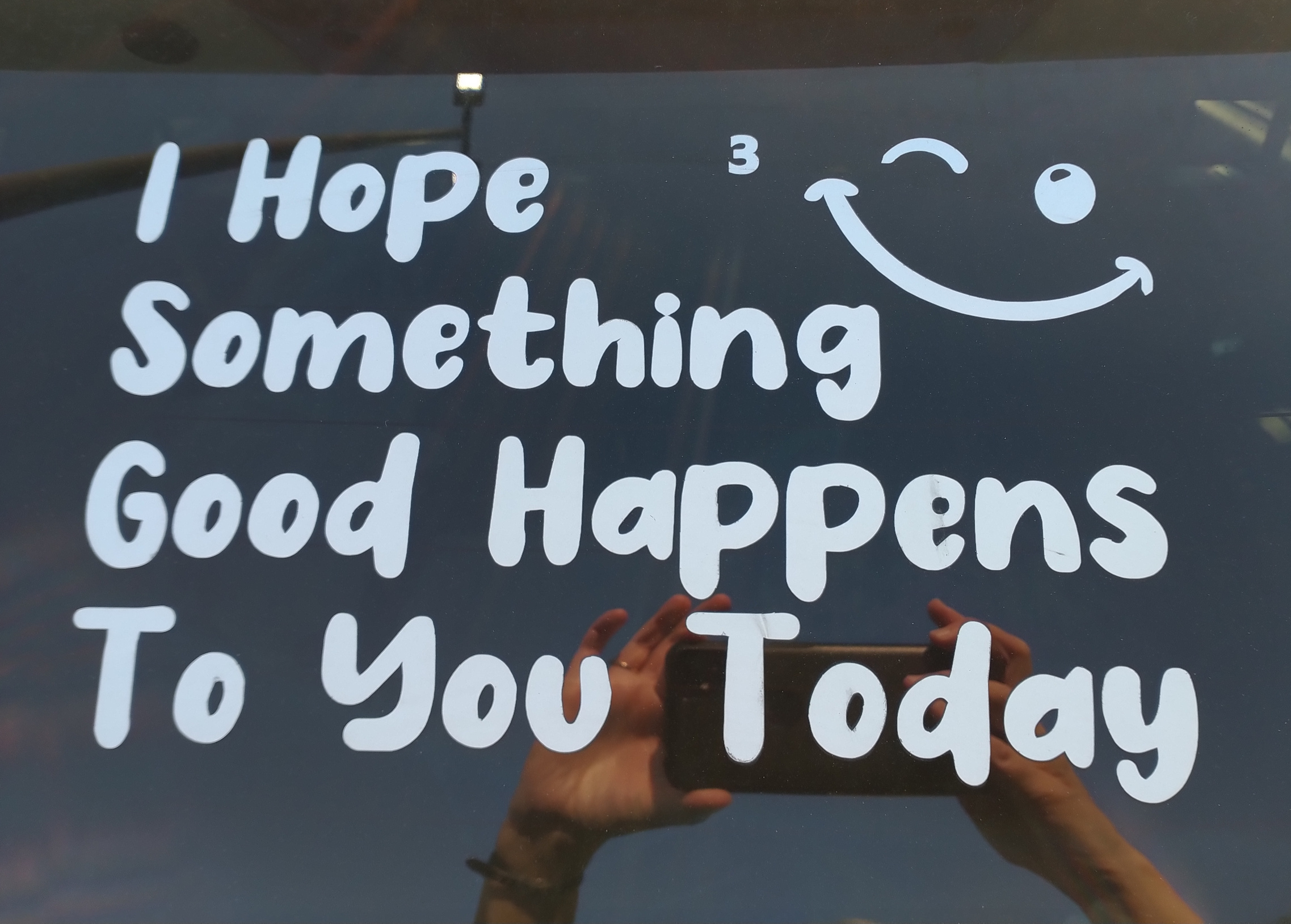
I love this positive message posted on a rear vehicle window. (Minnesota Prairie Roots copyrighted photo August 2023)

WE STOOD OUTSIDE the local library, minutes before the 9 am weekday opening, waiting for staff to unlock the front door and let us inside. Rather than wait silently, I struck up a conversation with the elderly man next to me. I’ll always choose talking to a stranger over saying nothing. That’s my nature.

Via conversations, I have met many interesting individuals, listened to their stories, sometimes shared mine. It’s all about pausing, about truly taking the time to engage others in meaningful ways, if even for a minute or ten.

On this morning, I learned that I was talking to a 94-year-old Korean War veteran. We had an instant connection as my dad also served in the “Forgotten War.” I sensed immediately that my new acquaintance did not want to talk about anything war-related and I respected that. My dad had been the same.

Instead I veered to a safe topic, this veteran’s early appearance at the library. “I have nothing else to do,” he said. My heart hurt at his words as I imagined how long his days stretch before him. He comes to the library to read newspapers. Not books. He struggled to read books in high school and never attempted since.

As we walked through the now open library doors, he ahead of me, I had one more thing to say. “I challenge you to read a book.” I doubt he will. But that’s OK. He reads newspapers, watches sports on TV. And on this day, he shared just a bit of his life story with me. And I felt honored to hear it.

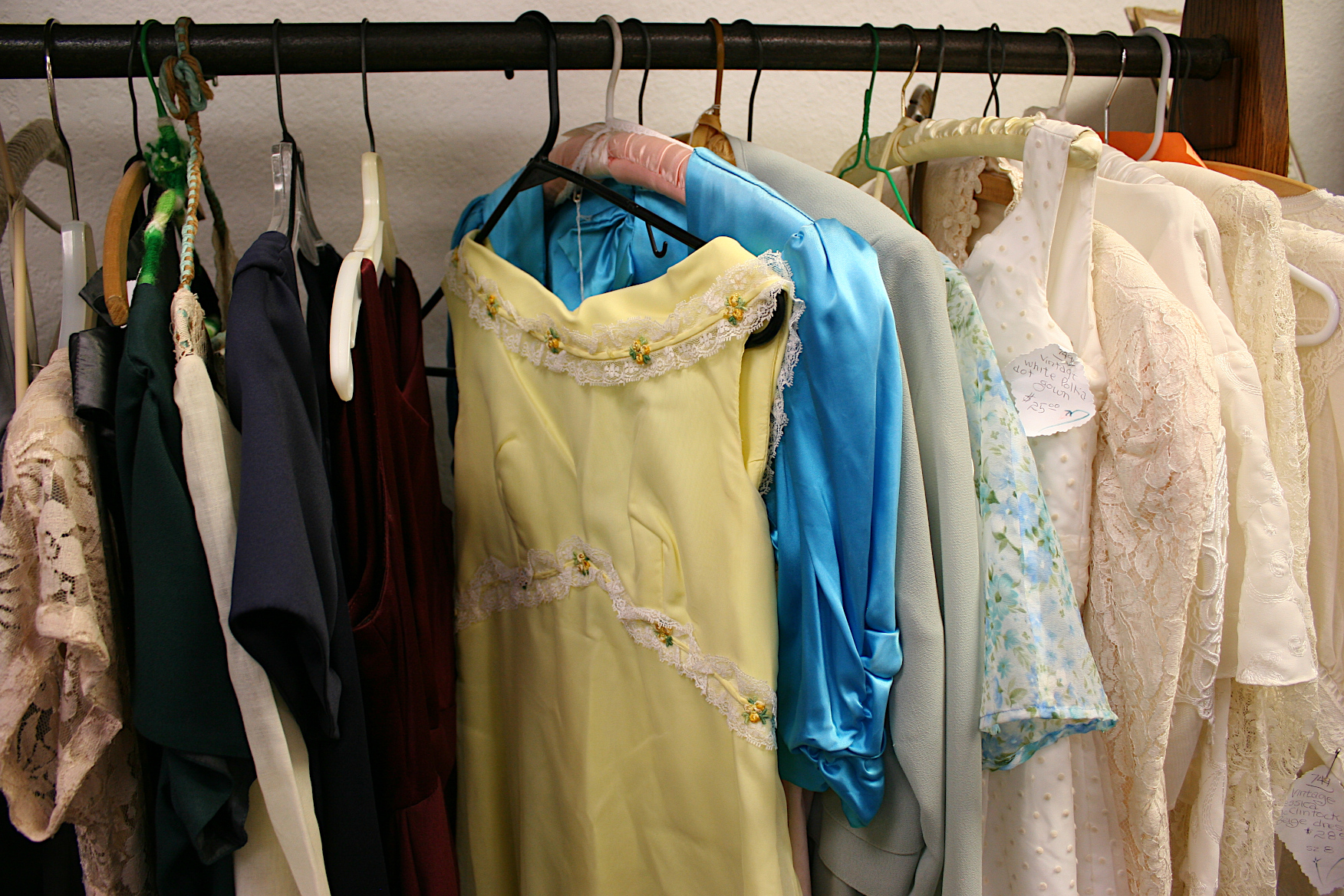
Vintage dresses for sale at Antiques Plus in New Ulm. (Minnesota Prairie Roots copyrighted file photo March 2021 used for illustration only)

AT THE ANTIQUE SHOP

Weeks prior, I found myself unexpectedly assisting a bride-to-be as she tried on vintage dresses at a local antique shop. Tall and slender with a thick braid falling to the side of her left shoulder, Angela radiated beauty inside and out. I offered to zip the zipper-back dresses she was considering for her October rehearsal dinner. She slipped into a flared pink dress that, even on her slight frame, fit too tightly. Next Angela donned a sleeveless chocolate brown wool dress that seemed custom-made for her. But I wanted to be honest. “Wool can be itchy,” I warned. She agreed that the heavy, textured fabric did feel a bit uncomfortable. Finally, I zipped the last dress—a long white sleeveless dress in a nubby fabric. When Angela expressed doubts about wearing white, I advised she’s the bride and can wear whatever she desires.

I left before Angela made a decision on the vintage dresses. But I didn’t leave before I learned that she works as an engineer at a medical device company in the metro and that she loves her job. What a joy to meet a young woman so devoted and passionate about her profession. That gives me such hope. We also shared a faith-filled moment, one which I will keep private between me and Angela. I consider her an angel in every sense of the word and felt blessed to have met her.

Roxy of Owatonna sent me a clutch of uplifting mini cards which I can give to others. She has been such an encourager to me during my recent health struggles. (Minnesota Prairie Roots copyrighted photo August 2023)

IN A GROCERY STORE PARKING LOT

Last Saturday, I experienced another uplifting moment, this time in a grocery store parking lot. The auburn-haired teen wheeling my cart full of groceries to the van asked about my plans for the rest of the day. I had none, I said, then asked about hers. She was meeting friends after work. As we parted, I told her to have fun with her friends. And she wished me a good day. Again, I felt such hope. This young woman could have simply pushed the cart, unloaded the groceries and said nothing. But she chose to engage. That says a lot about her character, her humanity.

It is everyday encounters like this which fill my spirit. Life offers so many opportunities to connect, to be there for one another. Whether to converse, to encourage or to zip the backs of vintage dresses for a bride-to-be, opportunities await us. We need only pause, listen, care.

© Copyright 2023 Audrey Kletscher Helbling


Becoming Wonder Women… May 30, 2023

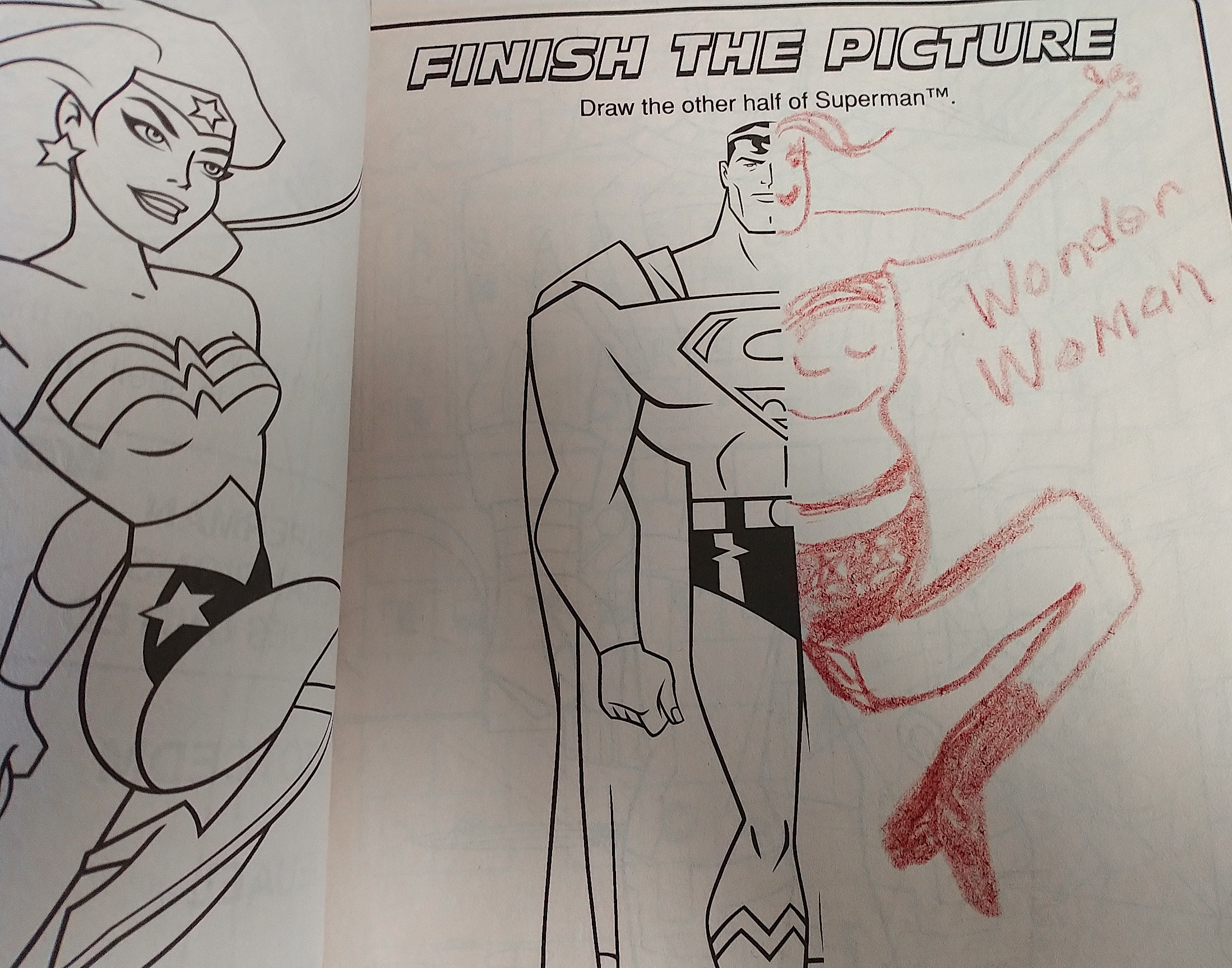
A coloring and activity book discovery. (Minnesota Prairie Roots copyrighted file photo May 2023)

WHEN I WAS COMING OF AGE, women’s voices were growing louder, stronger as part of the women’s liberation movement. Women of the 60s and 70s sought equal opportunities and rights in society, in the workplace, in life in general.

I myself became the first female to join the Future Farmers of America chapter at Wabasso High School in the early 1970s. You can bet the boys eyed me with suspicion, wondered what business a girl had in a club that, up until then, was exclusive to males. But I didn’t care what they thought.

Obviously, I never went on to become a farmer, to marry a farmer or work in an ag-related field. But I covered agriculture while freelancing and also working for several rural weekly and daily newspapers. My FFA involvement, but mostly my farm background, proved useful in writing news stories and features.

And then there was the fact that I was a female journalist. That did not sit well with everyone in the small Minnesota town where I worked right out of college. I was opening disdained by more than one school and city official who preferred I not report on controversial topics. While their demeaning behavior and negative attitudes frustrated me, that did not deter me from covering public meetings and reporting what was said. I had an editor and publisher who backed me up. He knew I was just doing my job and doing it well and that no angry man would stop me.

Thankfully, attitudes toward women have improved through the years, personally and professionally. Not to say change is not yet needed. But women are generally treated better than decades ago. I doubt a public employee or elected official today would treat a female journalist the way I was in the late 70s and early 80s without repercussions. And I doubt high school boys would get away with openly questioning why a girl could join FFA.

This all provides the backstory to a recent discovery. I was waiting at my local community bank to do business when I noticed a handful of coloring books racked in a holder. I pulled out a Justice League Jumbo Coloring & Activity Book and flipped through the pages. And when I happened upon the FINISH THE PICTURE Draw the other half of Superman, I nearly shouted, “YES!” Instead of drawing Superman as instructed, someone (a woman or girl, I expect) drew Wonder Woman.

As a woman, I felt such validation in that moment. Yes, women can be superheroes, too. Yes, women can break away and out and above and beyond and decide, no, I’m not drawing the other half of Superman. I’m drawing me—a strong woman.

THOUGHTS?

© Copyright 2023 Audrey Kletscher Helbling


A heartwarming story from Vesta, my prairie hometown March 28, 2023

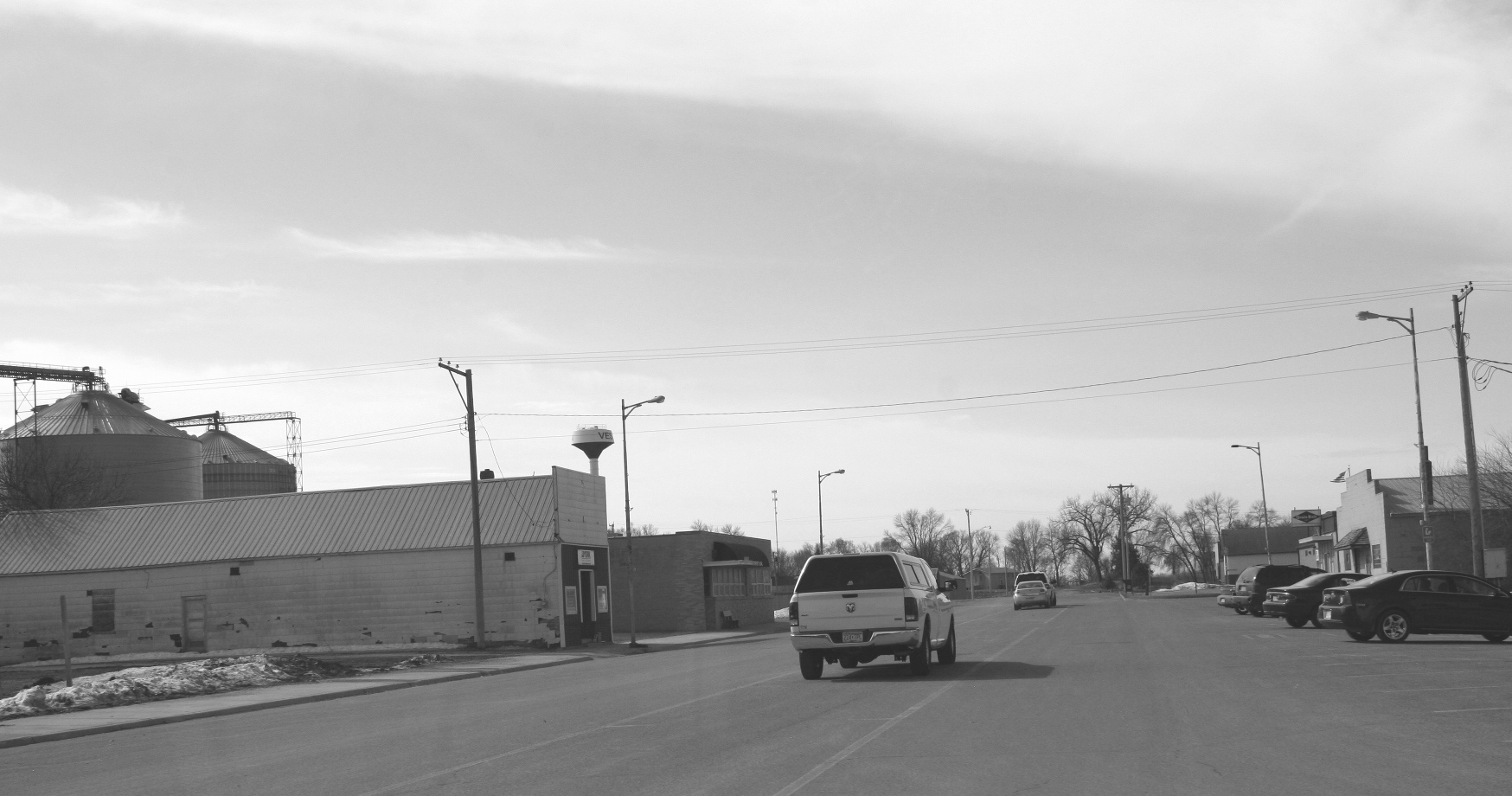
Downtown Vesta, Minnesota, photographed in 2018. (Minnesota Prairie Roots copyrighted file photo April 2018)

WHEN I READ A RECENT POST on the City of Vesta Facebook page, I knew I needed to share this story with you. It is a heartwarming story of kindness and gratitude that renews my faith in the goodness of humanity. And it is, too, a moment in which I feel overwhelming pride in my hometown.

Before I get to the referenced post, I expect many of you are wondering, “Where is Vesta?” I’ve found in my 41 years of living in southeastern Minnesota that most people have no clue. Vesta is west of Mankato, west of New Ulm, west of Redwood Falls. The small Redwood County farming community of around 320 sits along Minnesota State Highway 19 half way between Redwood and Marshall. It is the only town directly aside that highway for the 40 miles between the two larger cities.

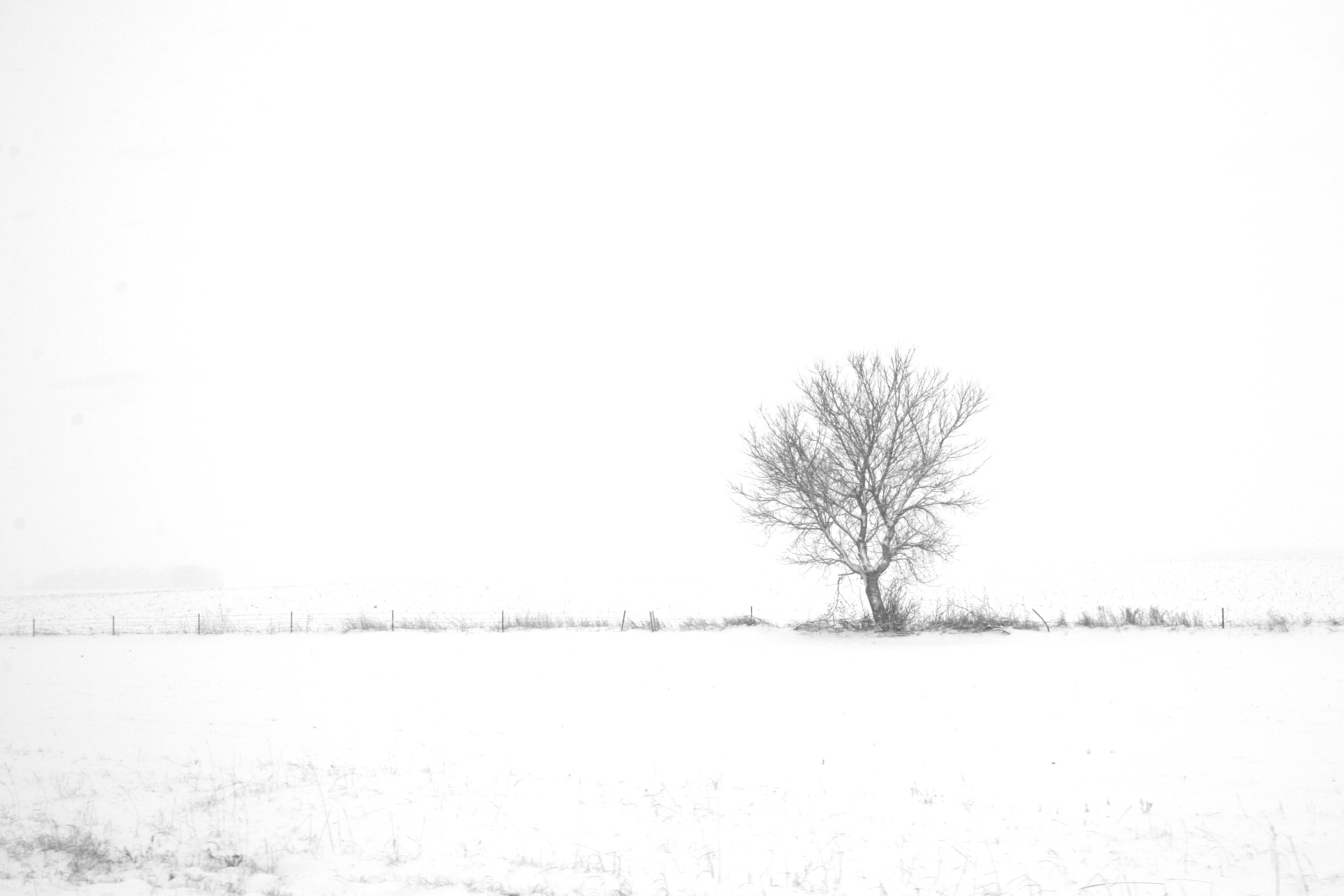
A lone tree along a fence line on the southwestern Minnesota Prairie. (Minnesota Prairie Roots copyrighted file photo March 2012)

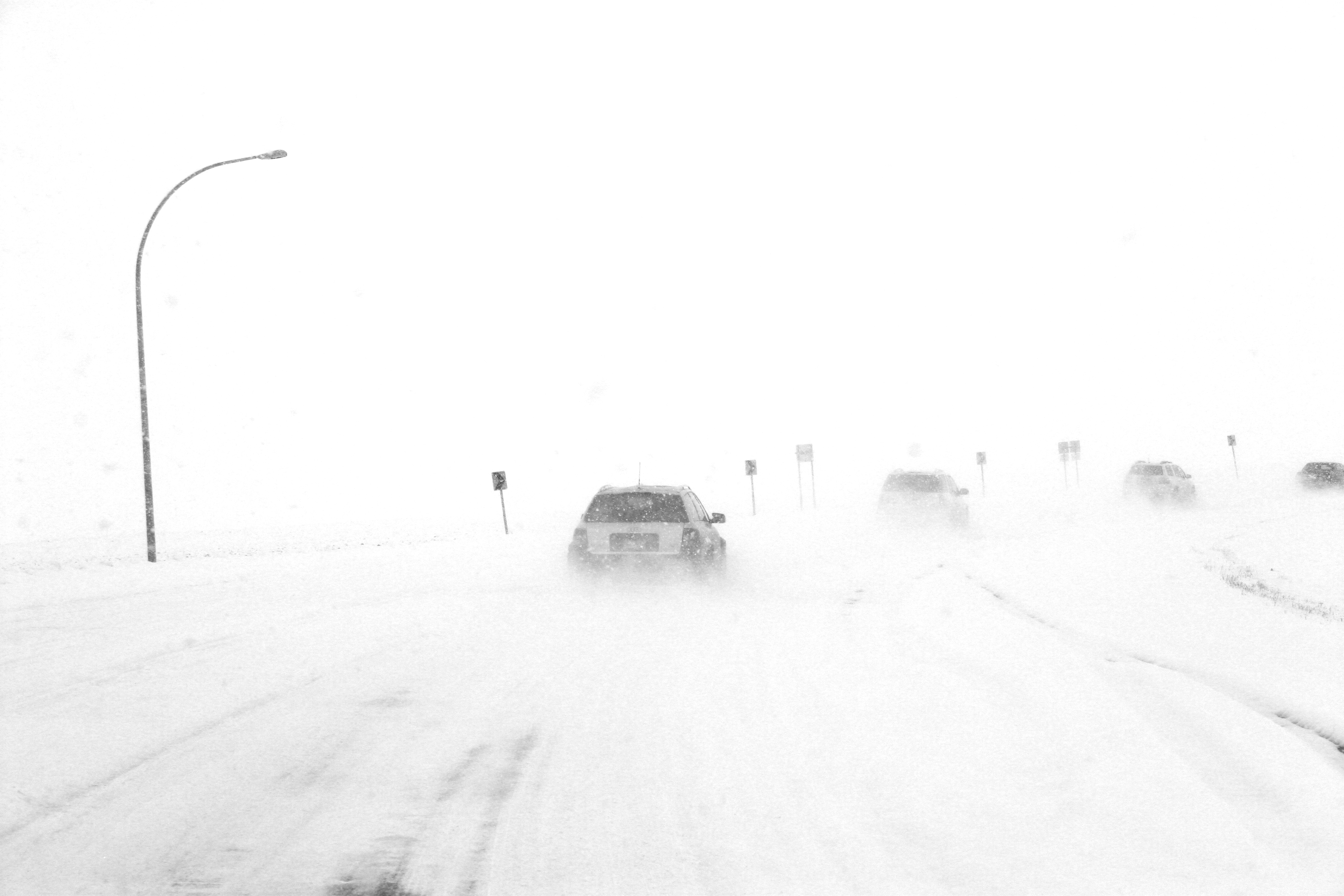
Vesta is in the middle of the prairie, the windswept prairie. If a winter storm sweeps in with strong winds, then conditions quickly deteriorate to blizzard status. You don’t want to be caught on the road if that happens. It’s dangerous.

I shot this on the Minnesota Highway 19 curve just north of Vesta in March 2012. The recently-stranded motorist was at about this point on the highway, but in far worse weather conditions. (Minnesota Prairie Roots copyrighted file photo March 2012)

Recently, a motorist found herself in such dire conditions while driving Highway 19 toward Watertown, South Dakota, to visit grandchildren. Forty mph winds, blowing snow and zero visibility—to the point where she had to stop to see if she was still on the road some two miles from Vesta—resulted in a life-saving decision. She got off the highway at Vesta.

And that’s where this story begins to unfold into a story of generosity and kindness in my hometown. The first person she encountered was Dave and his buddy, out on four-wheelers. I knew exactly who she meant. Dave owns an auto body and repair shop in Vesta. He also plows snow for locals. When my mom was alive and still living in Vesta, it was Dave who cleared her snow. It was Dave who answered Mom’s calls for help with car issues. I always felt reassured that he was, in some ways, looking after her and so many other seniors.

I digress. Dave directed the recently-diverted motorist two blocks east to the community center, a designated shelter for stranded travelers. Upon arrival at the former Vesta Elementary School, the grateful traveler found the doors locked. So off she went to find someone, anyone, to let her inside. She noticed two trucks parked outside the grain elevator, which led her inside and directly to Vesta’s emergency coordinator. Jeremy drove home and got the key to open the shelter.

A plate of spaghetti, photo used for illustration purposes only. (Minnesota Prairie Roots copyrighted file photo July 2013)

Now if that was the end of the story, that would be a nice ending. But there’s more. The out-of-town guest got a tour of the community center and was also advised she could help herself to the spaghetti and chicken noodle soup in the fridge, watch TV in the work-out room and then sleep on a cot, pillows provided. She was also given the Wi-Fi password. Later the city clerk’s husband brought an extra blanket after the clerk stopped to ask if the shelter guest needed anything.

Now if that was the end of the story, that would be a nice ending. But there’s more. Soon town kids showed up, per a text sent by Jeremy that they could hang out in the community center during the blizzard. The way-laid motorist soon found herself in rousing games of dodge ball and kickball inside the gym where I played as a grade-schooler.

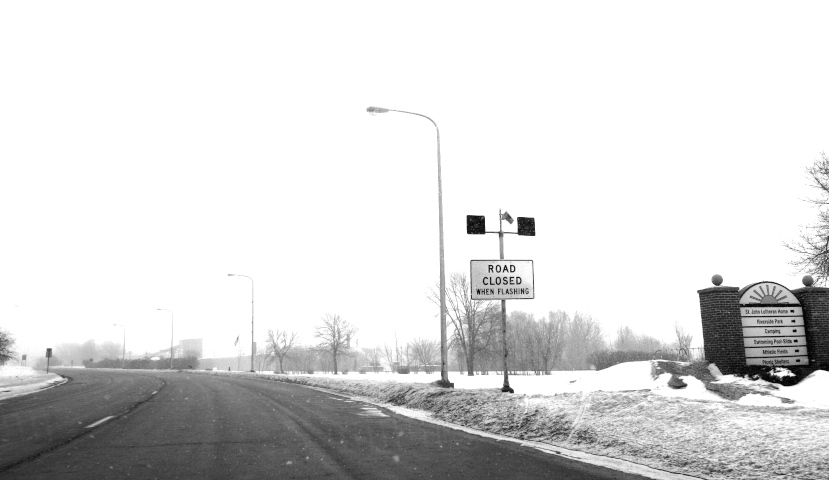
Road closed signs like this one near Springfield can be found along southwestern Minnesota highways, including highway 19. (Minnesota Prairie Roots copyrighted file photo March 2011)

Now if that was the end of the story, that would be a nice ending. But there’s more. Jeremy kept in touch, texting that the local bar was open if she wanted pizza. She was happy with the soup. The next morning the emergency coordinator texted again, notifying the overnight guest that roads had been plowed. He’d also reached out to the Marshall Police Department to assure that roads were open to motorists. Drive on a “closed” road and you risk a $750 fine. Jeremy went that extra mile to assure the woman could resume her journey to Watertown.

Her lengthy post to the City of Vesta Facebook page shows deep gratitude for all those who made her feel welcomed and safe in my hometown. She wrote: It was quite a night in the Vesta Community Center. Everyone’s kindness in this town was so timely and heartfelt that, rather than feeling like a stranded traveler, I felt like a VIP walking down a red carpet.

I am not surprised by the goodness of the folks in Vesta. This is small town southwestern Minnesota at its best. Caring, kind, compassionate, loving, welcoming. I’ve always felt embraced by the place of my roots, even decades after leaving. I understand this place. These will always be my people. My prairie people.

© Copyright 2023 Audrey Kletscher Helbling
Source: City of Vesta Facebook page

Thank you to Minnesota Prairie Roots reader Bill for alerting me to this City of Vesta Facebook post.


If you’re in the market for a moose head… January 12, 2023

Filed under: Uncategorized — Audrey Kletscher Helbling @ 5:00 AM
Tags: , , , , , , , ,
Not a moose head, but an antelope head photographed at a flea market. (Minnesota Prairie Roots copyrighted file photo September 2010)

THE THREE-FOURTHS INCH by three and three-quarters inch boxed display ad topping a For Sale column in the December 19, 2022, edition of The Galaxy grabbed my attention:

Awesome Alaskan Moose Head Mount

Asking $4,500

Call BJ or Troy at 507-248-xxxx* for details

My jaw dropped as my mind flashed back 40-plus years ago to a gathering I attended in The Galaxy readership area of south central Minnesota. I was young and single then and joined other young people at a house party hosted by roommates who were not named BJ or Troy. But the housemates did have a moose head mount, which I discovered upon a trip to the bathroom. It loomed large and menacing in a cramped room that barely fit a sink, toilet and old-fashioned bath tub. Towels hung from the moose’s antlers. I hurried to exit the bathroom and the watchful moose that was freaking me out.

Whether the house party moose hailed from the wilds of Alaska, I don’t know. Maybe. Probably. Where can you legally shoot a moose? And is a moose head mount really worth $4,500? Surely that must be a misprint. I wouldn’t pay $4.50 for it.

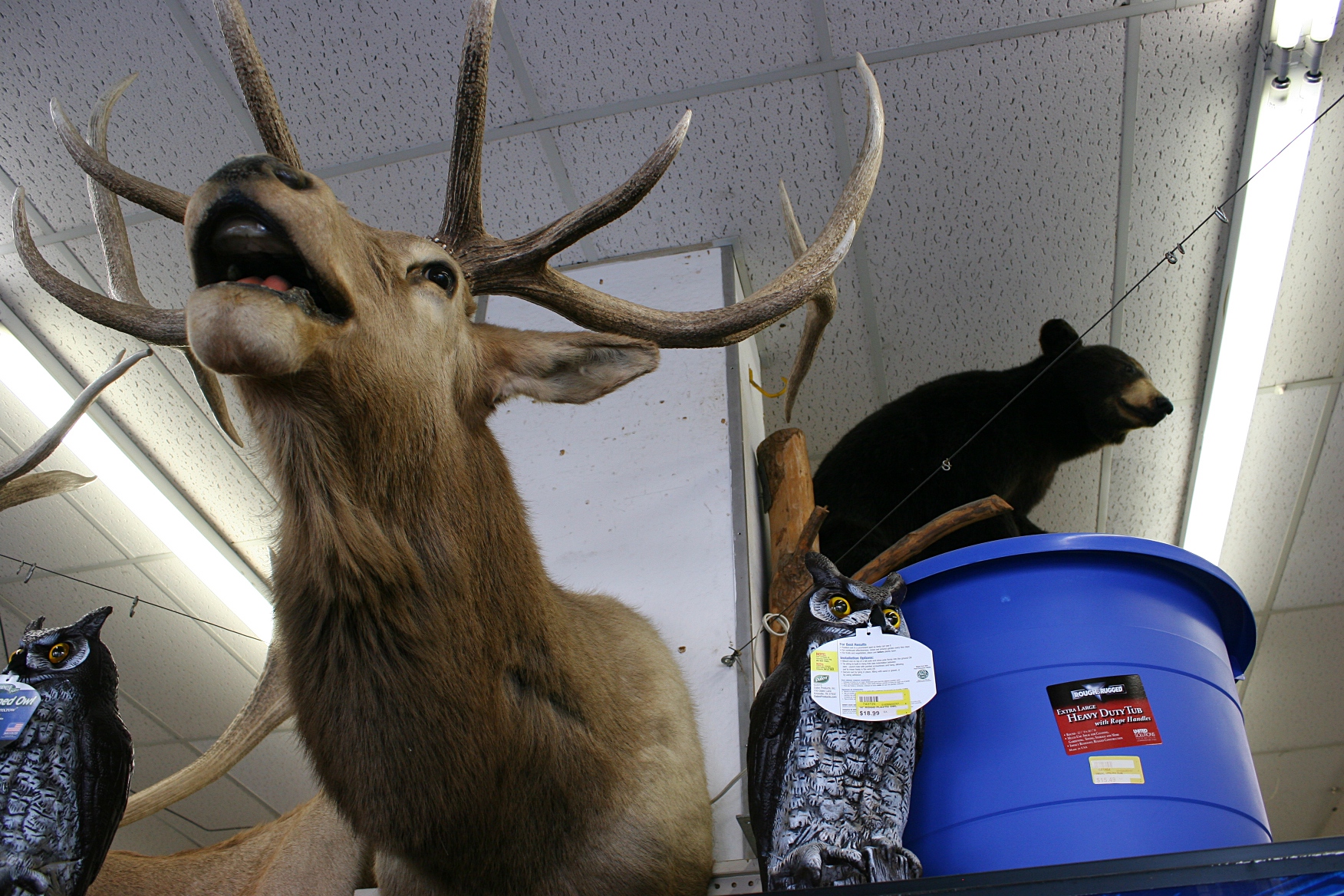
Animal mounts, including this deer head, are displayed in a Pequot Lakes hardware store. (Minnesota Prairie Roots copyrighted file photo August 2018)

I’ve never liked seeing the heads of dead animals displayed anywhere. Not in a bathroom or a rec room. Not in a cabin or a restaurant, especially not in a restaurant. Not in a hardware store or grocery store or at a flea market. Not in a bank either. In the lobby of my banking institution, mounts ring the room. Once while waiting in line, I counted them (20-plus) and then told the teller how much I dislike dead deer heads.

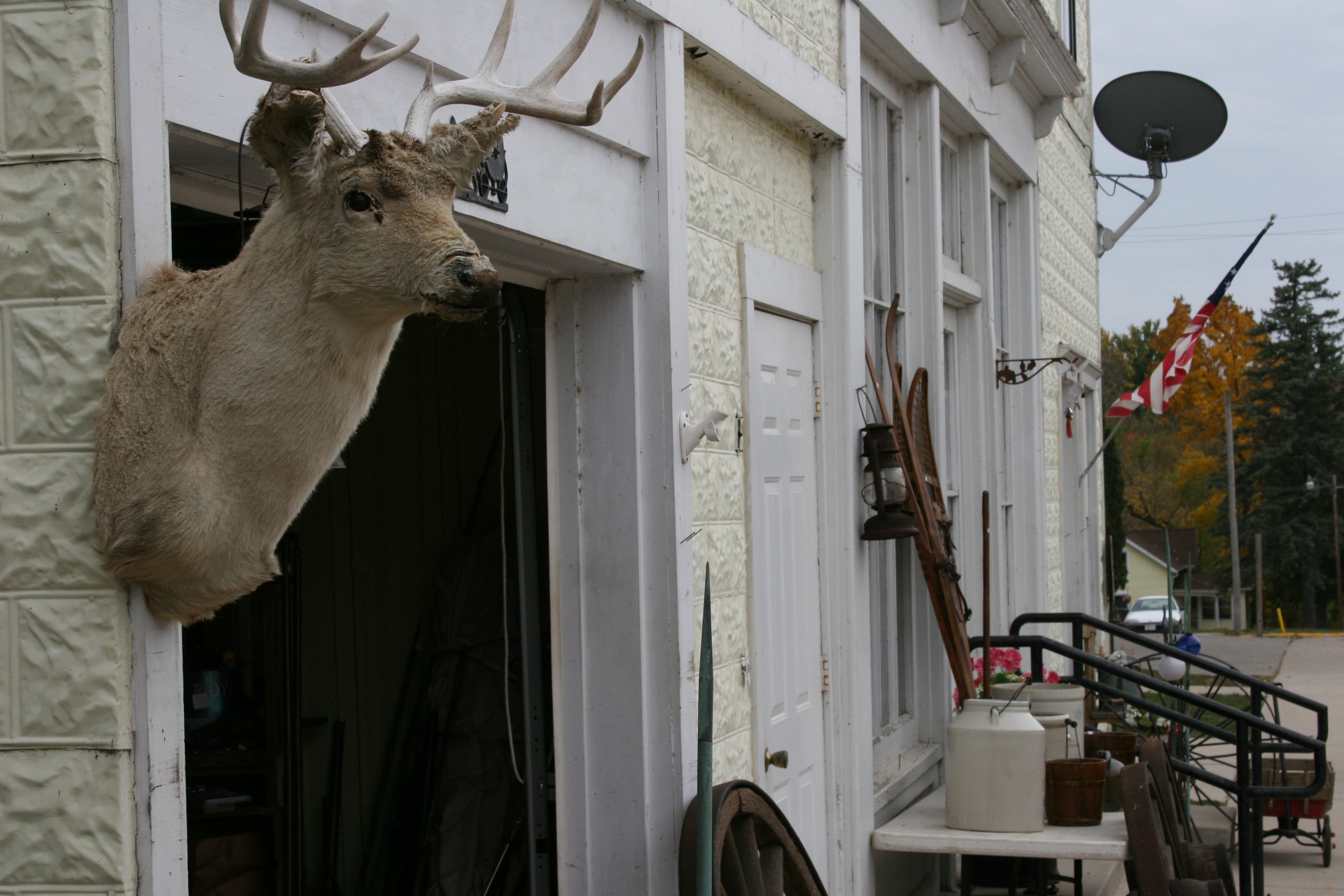
A deer head mount on a garage, next to an antique shop, in Poy Sippi, Wisconsin. (Minnesota Prairie Roots copyrighted photo October 2013)

I realize this is a personal grievance, that there are hunters among you and readers who view taxidermy as art perhaps or as trophy evidence of a successful hunt. I am simply not one of those people. And that’s OK. We all have different tastes, interests, preferences.

A deer head mount was among the merchandise vended at a rural Medford barn sale in 2015. (Minnesota Prairie Roots copyrighted file photo July 2015)

I won’t be calling BJ or Troy about that Alaskan moose head mount, which, in my opinion, will never fit the overused and meaningless word awesome. But perhaps someone will see the small display ad and think, “That’s exactly the statement towel rack I need for my bathroom. And it’s only $4,500.”

THOUGHTS?

© Copyright 2023 Audrey Kletscher Helbling
*Note that I intentionally omitted the last four digits of the contact phone number.


A tale from Buckman, not of Billygoats but of a ballpark August 24, 2022

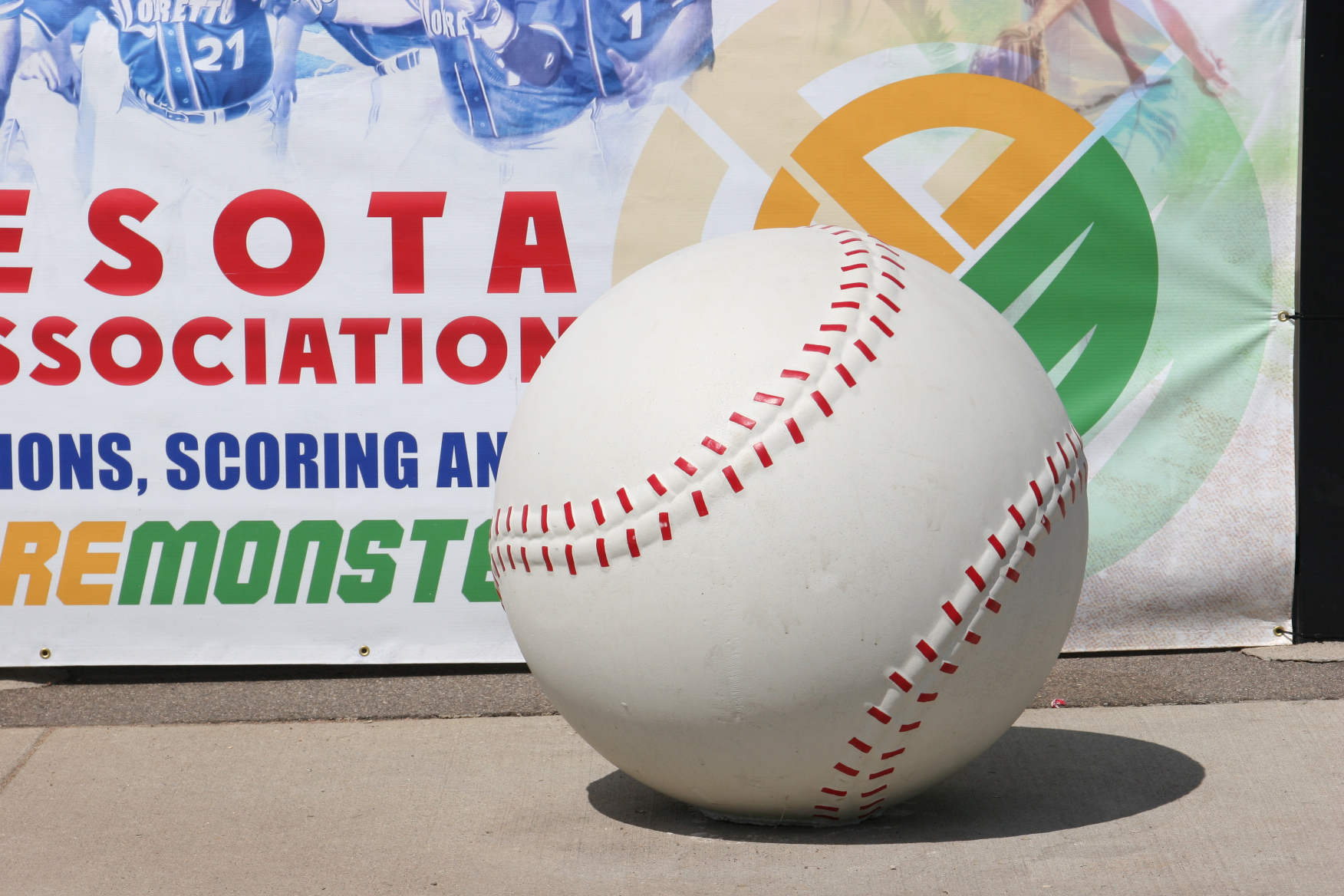
Outside Bell Field in Faribault, two oversized baseballs flank the ballpark entry. (Minnesota Prairie Roots copyrighted photo August 2022)

AH, SUMMER IN MINNESOTA. It is, unequivocally, a season packed with outdoor activities. Like baseball. I’m not a fan. But many are.

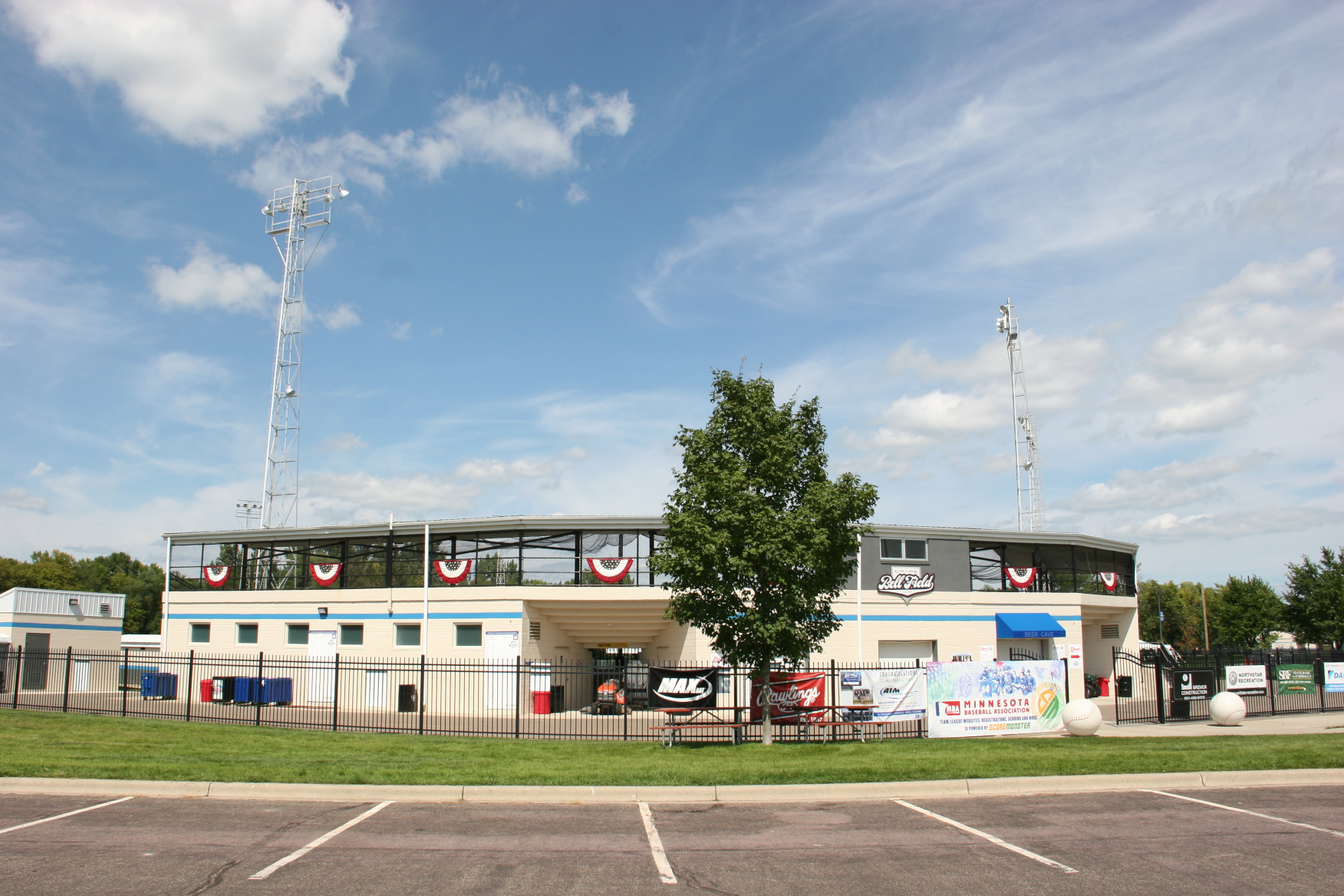
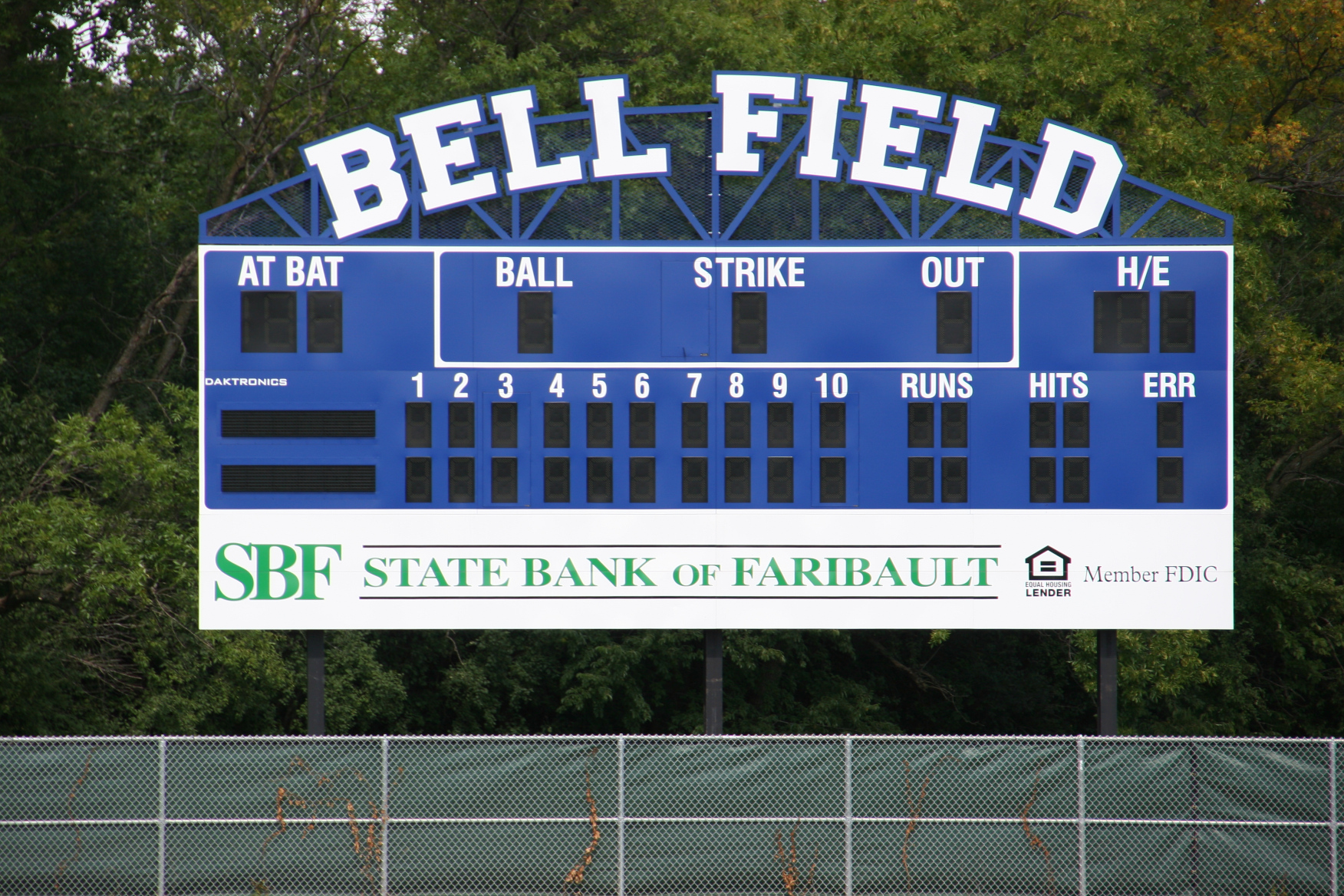
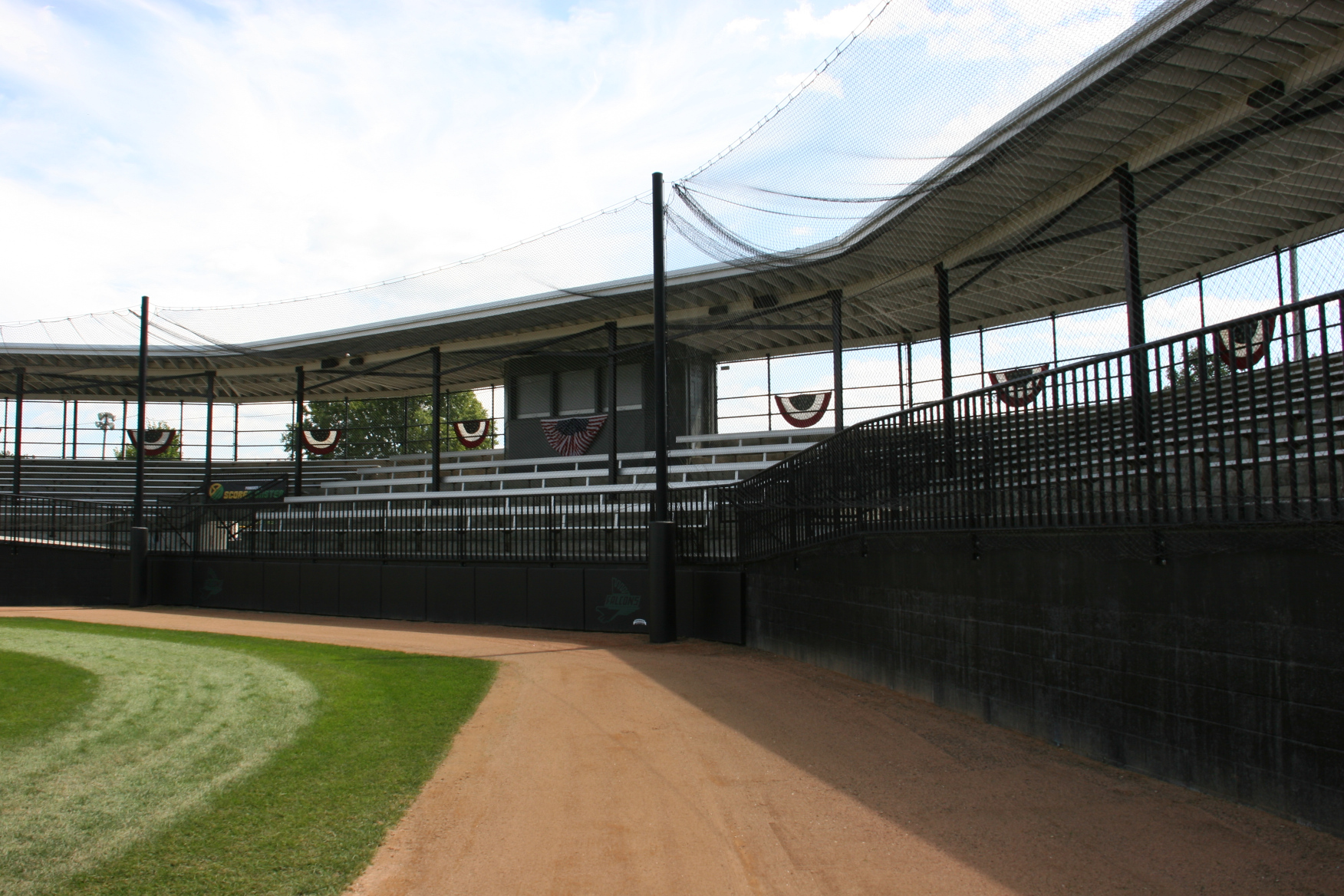
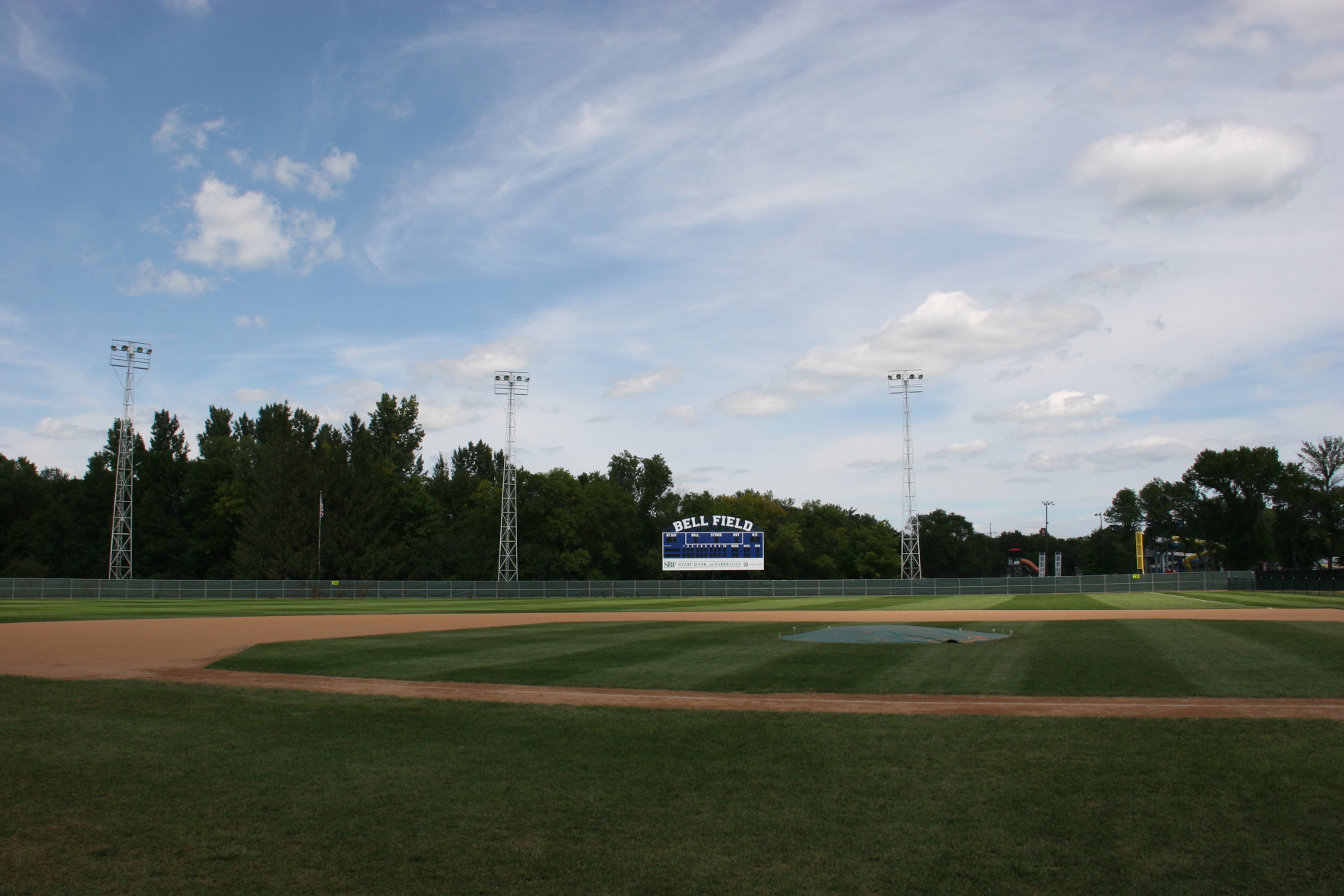
Beautiful and historic Bell Field in Faribault. (Minnesota Prairie Roots copyrighted photo August 2022)

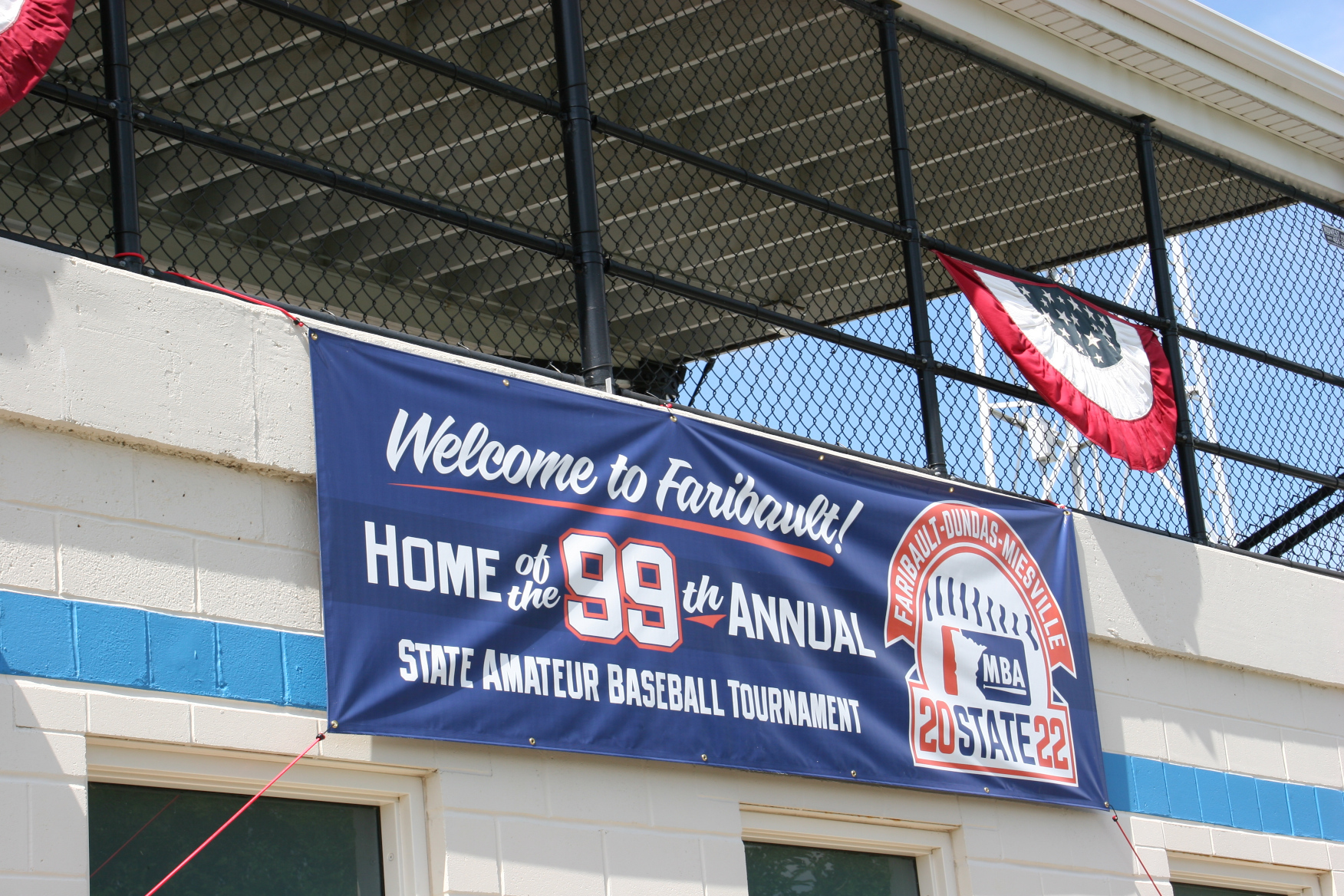
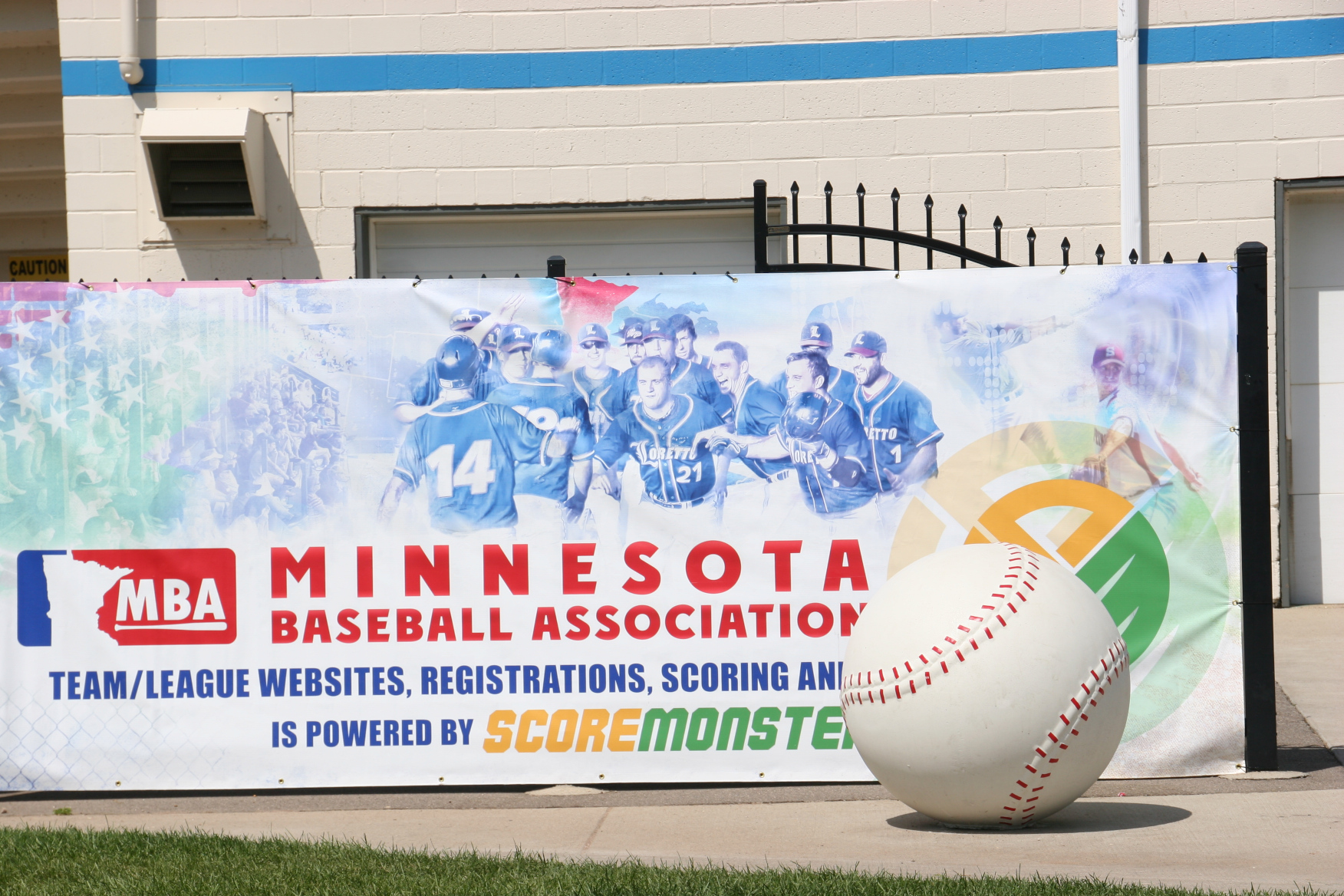
A banner welcomes baseball fans. (Minnesota Prairie Roots copyrighted photo August 2022)

A section of the stands at Bell Field. (Minnesota Prairie Roots copyrighted photo August 2022)

My community of Faribault, along with neighboring Dundas and Miesville, is currently hosting the Minnesota Baseball Association State Amateur Tournament in Classes B and C. That means lots of teams and fans are in town on the weekend to watch baseball at Faribault’s Bell Field.

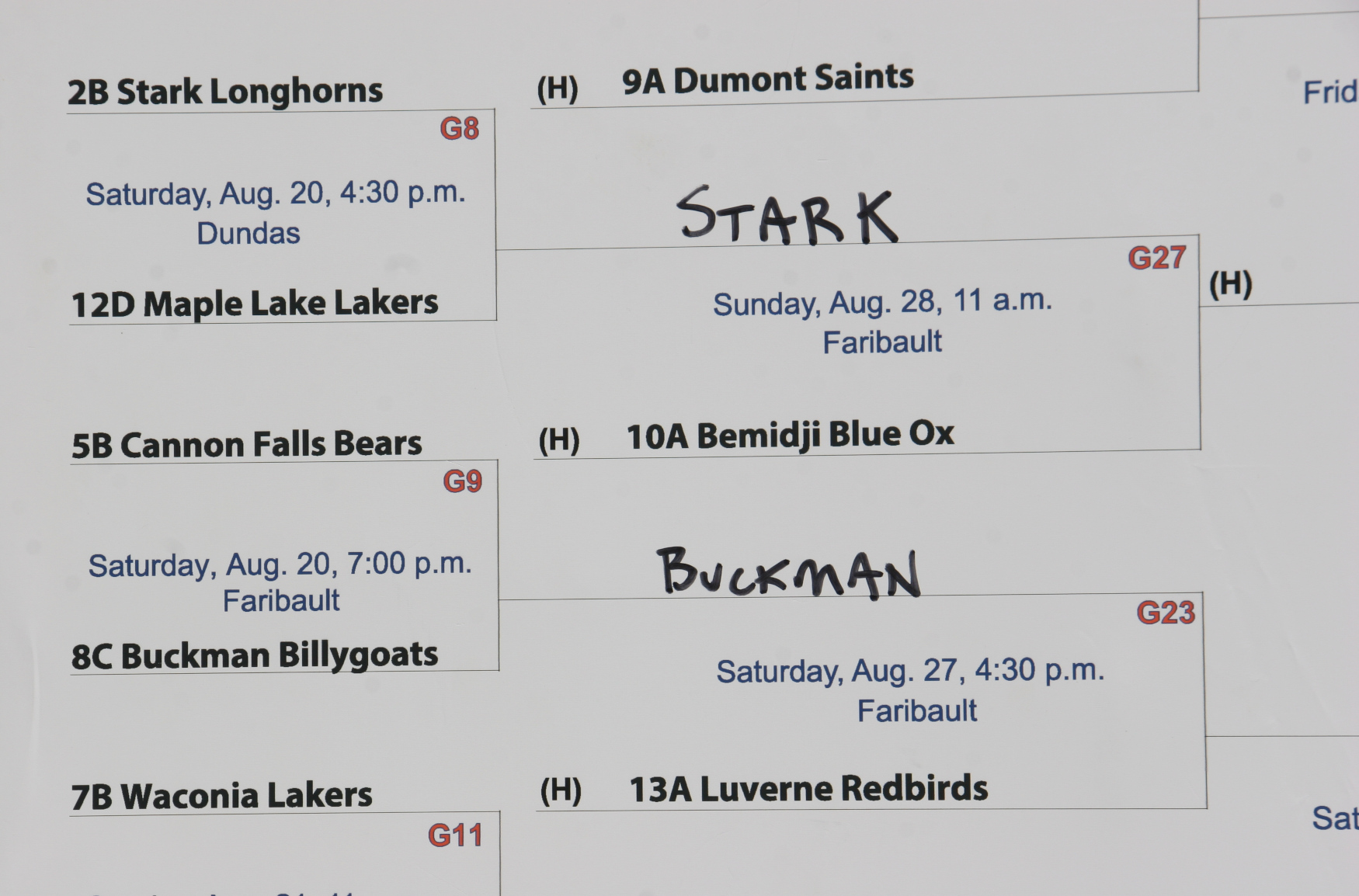
Brackets posted at Bell Field. (Minnesota Prairie Roots copyrighted photo August 2022)

My husband, Randy, was among the spectators Saturday evening when his hometown team, the Buckman Billygoats, faced the Cannon Falls Bears. In the end, the Billygoats defeated the Bears 7-1. They will be back at Bell Field at 4:30 p.m. Saturday to play the Luverne Redbirds.

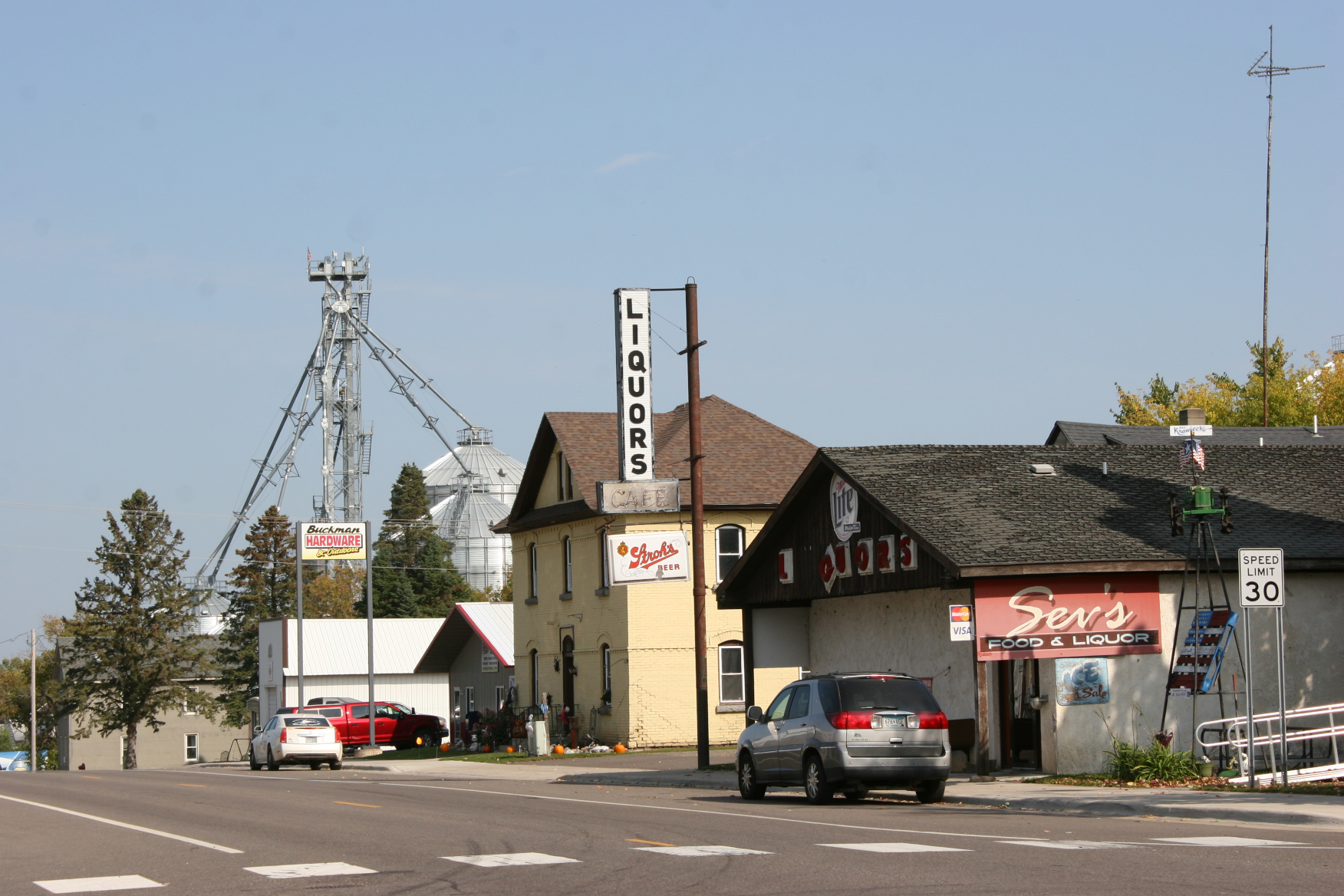
Downtown Buckman, Minnesota. (Minnesota Prairie Roots copyrighted file photo September 2020)

Even though 48 years have passed since Randy left the family farm southeast of Buckman, he remains forever rooted to this small town in Morrison County in central Minnesota. He is connected to the baseball field there, just south of St. Michael’s Catholic Church. Not because he played ball. No, not that. There’s a story, though…

The playing field at Bell Field. (Minnesota Prairie Roots copyrighted photo August 2022)

In the summer of 1972, Randy joined a team of teenagers in painting a new outfield fence. When I write fence, I mean 4 x 8-foot plywood panels pieced together. The six teens went through lots of barn red paint, purchased in 5-gallon buckets.

Businesses advertise at Bell Field. (Minnesota Prairie Roots copyrighted photo August 2022)

Local businesses could pay to advertise. Randy and his co-workers, employed through a summer community action program for low income families, stenciled, then painted the business names onto the fence panels. Cindy and Marge traced the stencils, then they all (including Randy’s older sister Vivian) brushed the letters in with white paint.

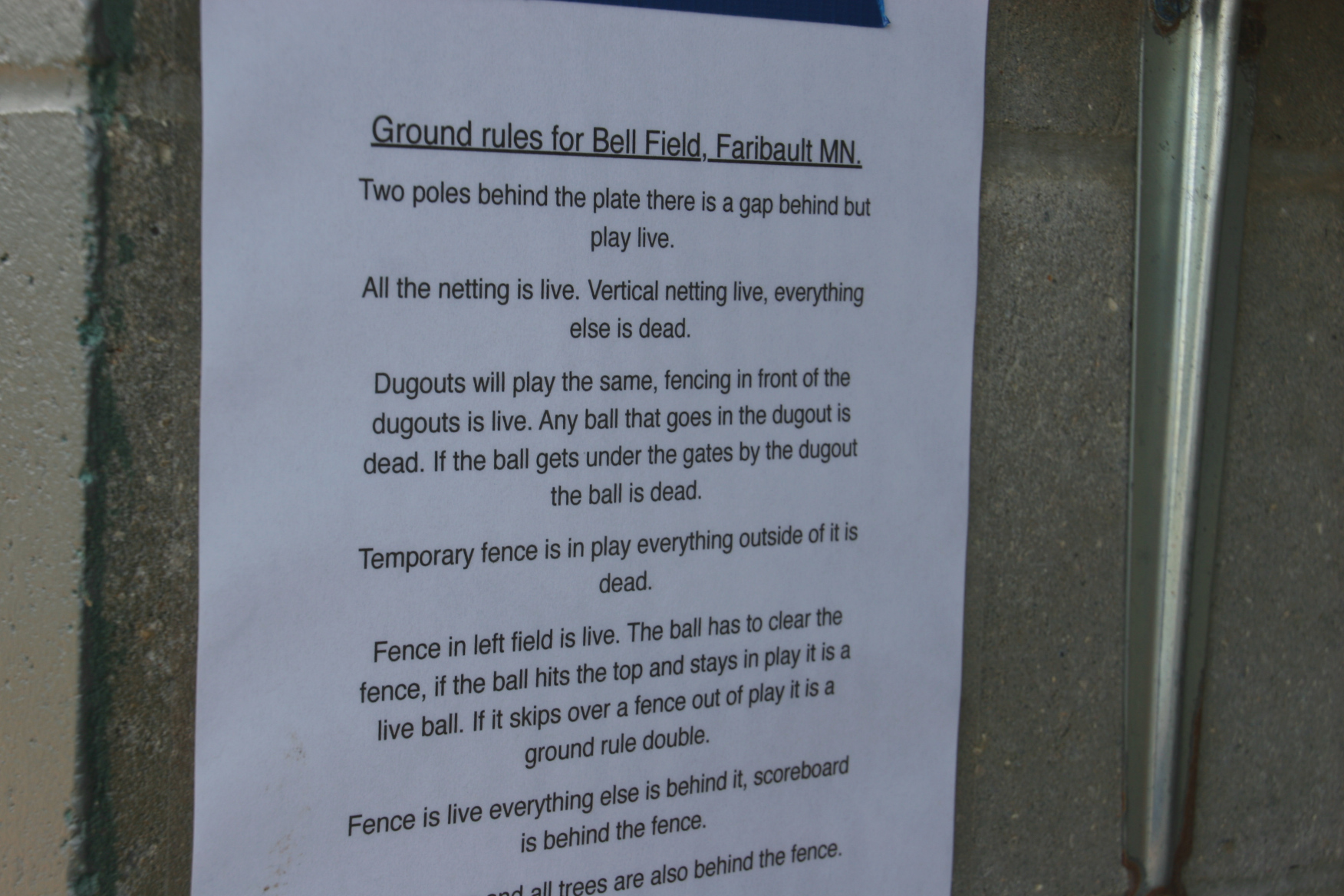
Rules posted in a Bell Field dug-out. (Minnesota Prairie Roots copyrighted photo August 2022)

But as Randy tells the story, the owner of the local grocery store deviated from the plan and decided to craft his own bold advertisement. He removed the two centerfield panels, painted them green and stenciled his business name thereon. And, remembers Randy, those fence sections stuck out like… Exactly as intended.

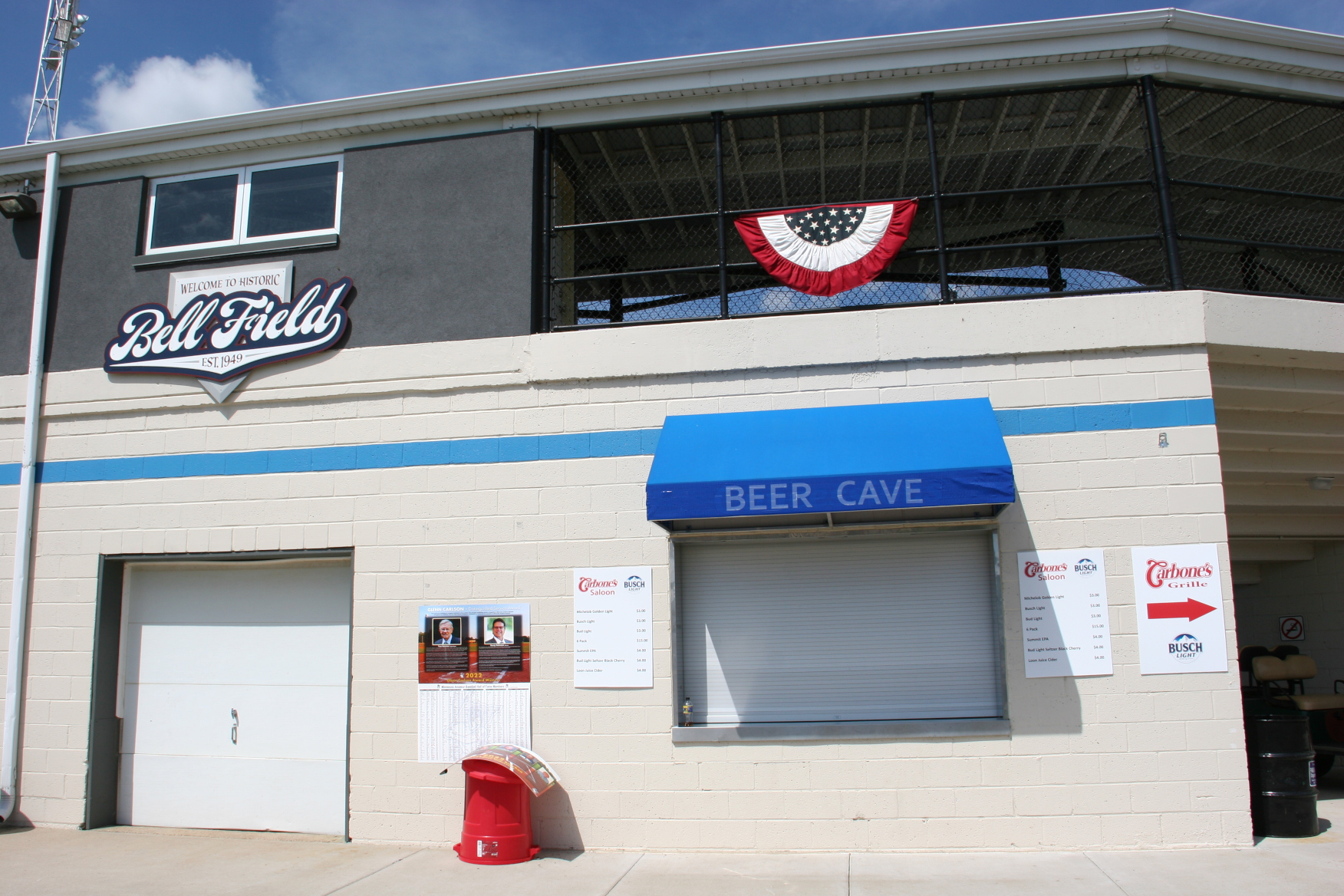
Bell Field has its own version of Bottle Cap Stadium in its BEER CAVE. (Minnesota Prairie Roots copyrighted photo August 2022)

Randy holds other memories from that summer of working at the ballpark in Buckman. He remembers a homemade sign labeling the field as Bottle Cap Stadium. Somebody (he has his suspicions) picked up beer and bottle caps from the grounds, formed the identifying words from the caps and then nailed them onto plywood.

Bell Field is home to The Lakers, who just missed making this year’s tournament. (Minnesota Prairie Roots copyrighted photo August 2022)

He also recalls a sign tagging the ball field as “The Home of the Buckman Saints.” Whether the ball team was ever called the Saints is uncertain. But it makes sense given St. Michael’s Catholic Church and School just to the north.

On rainy days when the team of teens couldn’t work at the ballpark, they painted classrooms. Randy recalls the day he and the rest prepared to paint Mrs. Weber’s classroom. Rose Weber, mother of Minnesota author and forensic psychologist Frank Weber, was Randy’s fifth grade teacher and is likely related to current Billygoats player Aaron Weber. She chose pink and blue for her classroom. “Who picked these colors?” Reuben at the hardware store asked. Mrs. Weber was later called in to assess a section of newly-painted wall in her chosen color combo.

“She looked at it, didn’t like it and picked green and yellow, John Deere green and yellow,” Randy said. I can only imagine how those farm kids viewed the tractor colors chosen for the fifth grade classroom.

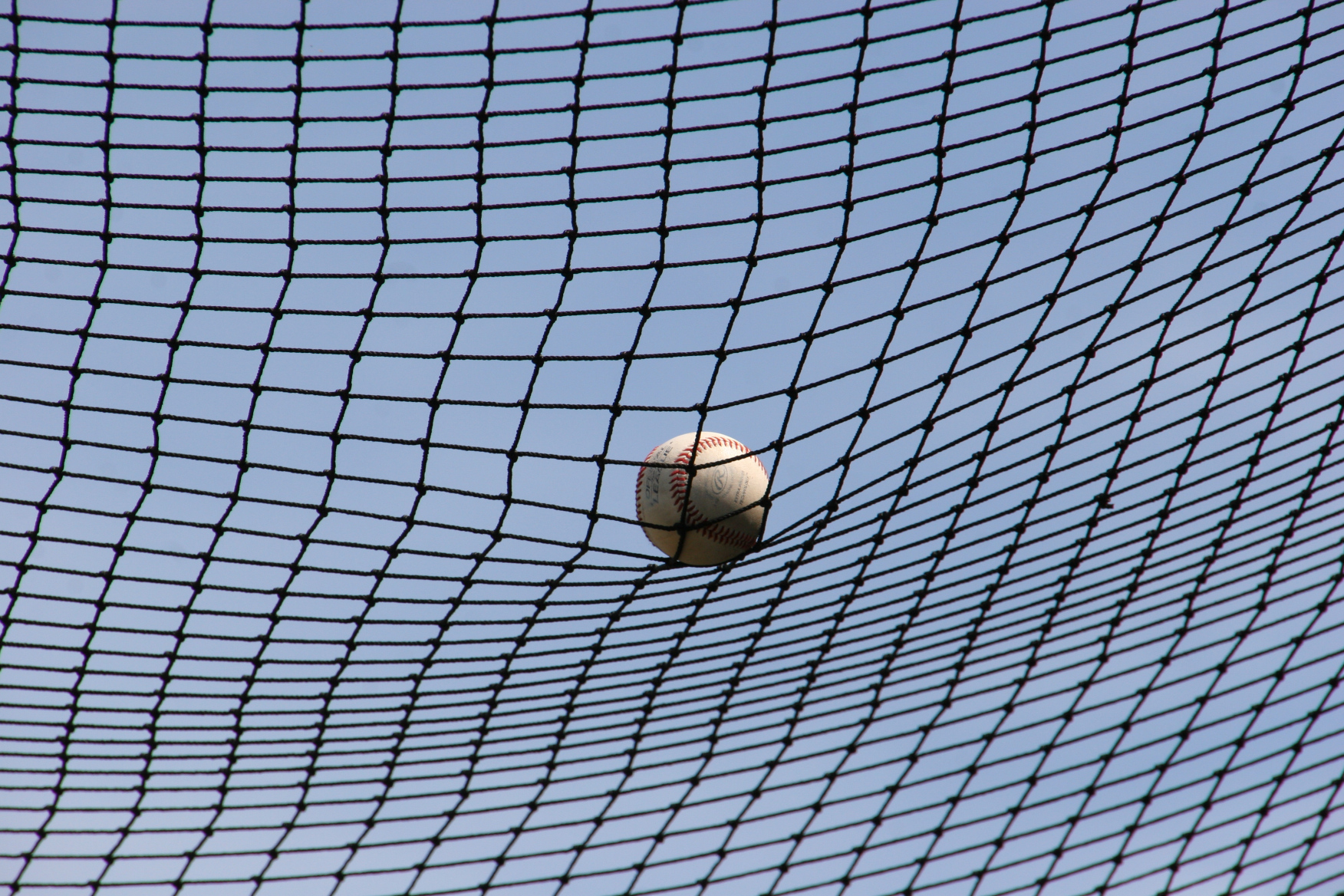
A baseball lodged in overhead netting at Bell Field. (Minnesota Prairie Roots copyrighted photo August 2022)

Circling back to the beginning…, if not for Randy’s attendance at the Buckman Billygoats’ baseball game last Saturday evening in Faribault, I never would have heard these stories from the Summer of 1972. Nor would I have learned this about my husband of 40 years: “You wonder why I don’t like to paint,” he said. “I was sick of painting that summer.”

Point taken.

More stories will be written at the state tournaments. Here’s hoping the Buckman Billygoats win on Saturday. If anyone knows where Randy can get a Billygoats t-shirt, please comment. (Minnesota Prairie Roots copyrighted photo August 2022)

But, my sister-in-law Vivian noted, “We sure had a lot of fun!” Some Buckman ballpark-related stories shall remain unwritten…

© Copyright 2022 Audrey Kletscher Helbling
 

Car stories July 22, 2022

I expect the driver of this 1956 Plymouth Plaza has stories to share about the vintage car he drove to the Faribault car show. (Minnesota Prairie Roots copyrighted photo July 2022)

ATTENDING THE July 15 Downtown Faribault Car Cruise Night prompted the stories I am about to share. Experiences create stories, which help us to understand and connect with one another. What are your car memories?

Mine are of my bachelor Uncle Mike’s blue-green Nash Rambler, a small (for 1960) boxy car. He didn’t need a roomy car. I remember the Rambler for its size, its color and its name. And its novelty among all the Chevys and Fords.

And then there was Grandpa Bode’s salmon-hued car, make and model unknown to me then and now. The color imprints upon my mind as does the rapid blink-blink-blink of the blinker. If I heard the sound now, I would still recognize it. But to describe the distinct blink proves impossible. I remember also the clear plastic that covered the seats and how, on hot summer days, the bumpy plastic stuck to my legs.

Heading north on Central Avenue in Faribault near the end of the July 15 Downtown Car Cruise Night. (Minnesota Prairie Roots copyrighted photo July 2022)

Grandma Kletscher drove a boat of a car. Large, white. Occasionally she threaded a garden hose into the exhaust pipe, started the car and gassed the moles tunneling through her yard. She was stubborn, determined, innovative. I recall, too, riding with her in that car to nearby Belview to shop for fabric at the general store. She would choose yardage for shapeless dresses I stitched for her. Simple. Zipper tracing down the back. Darts at the bustline. Short-sleeves. Basic dresses to cover her stout frame.

I recall, too, my dad’s 1959 black-and-white Chevy Impala, our family car until he sold it to a neighbor boy and later wished he hadn’t.

Dad liked spacious Impalas. I remember his second Impala, blue in color, and how our family of eight, plus Grandpa, piled inside for our once-a-year trip to visit relatives in The Cities. We packed like sardines, shoulder-to-shoulder, hip-to-hip with no wiggle room between kids. If not for the excitement of actually leaving the farm for some distant travel, I doubt we would have managed the miles. But the adventure kept us focused as we watched for the Flying Red Horse and Caterpillar landmarks, our GPS of sorts along with a paper road map pulled from the glove box.

All the vehicles along Central Avenue hold stories. (Minnesota Prairie Roots copyrighted photo July 2022)

And then there was my first car, a 1976 yellow Mercury Comet purchased right after my graduation from college. It soon garnered the nickname, Vomit. Two flat tires on the day I bought the former rental car from Florida should have sent me back to the Minnesota dealer. The car seemed to have endless mechanical and other problems. A door that wouldn’t close all the way in the depths of winter. A black interior that heated like a sauna in the summer. And too many other issues that fit the Vomit moniker.

Yet, my Vomit with the “press” sticker adhered to the windshield got me to where I needed to be during my early days as a newspaper reporter: chasing fire trucks, interviewing sources, attending endless local government and school board meetings, trying to source information about a murder in New Ulm, covering a homecoming celebration in Odin in 1981 for Bruce Laingen, an American diplomat held hostage in Iran for 444 days…

Those are my car stories. We all have them. What are yours?

© Copyright 2022 Audrey Kletscher Helbling
 

Thoughts prompted by BORN 2 RIDE July 12, 2022

Filed under: Uncategorized — Audrey Kletscher Helbling @ 5:00 AM
Tags: , , , , , , , ,
Biking along Minnesota State Highway 21 in Faribault on July 2. (Minnesota Prairie Roots copyrighted photo July 2022)

WE EACH HOLD STORIES, some shared, some not. Our experiences, our connections, our individuality all combine to create our life stories.

Recently I wondered at the story of a biker pedaling away from a mini strip mall in Faribault, then turning onto Minnesota State Highway 21/Lyndale Avenue around 7:30 pm on July 2. We had just exited Interstate 35 onto this busy 4-lane when I noticed the bicyclist.
I grabbed my camera to document the scene through the windshield on the passenger side of our van. It wasn’t like we could stop so I could ask questions.

Thus I am left only with clues, including the BORN 2 RIDE mini novelty Minnesota “license plate.” I surmise this biker hails from Minnesota and is a serious cyclist.
The mounded pack and tote on the bike trailer appear to corral a tent and belongings. This seems more a distance journey, perhaps with a cause, rather than a recreational ride.

The weathered signage, if only I could see all of the letters, would help me determine what message the biker wants passersby to see.

A tattered American flag points to patriotism and someone who could be a veteran. Maybe. Maybe not.
There are clues, but not a full story. In general, unless we directly hear individual stories, we are left to guess, to speculate and to possibly even get it wrong. How quick we can be in life to assess, to judge, to think we understand people without intently listening to their stories. Sharing of stories comes only with trust, at least for me. Not everyone can be trusted to keep our stories, to hold our truths, to respond with love, compassion and care.

I am a big advocate of listening, of not interjecting one’s own experiences into conversations in a way that focuses back on us. Just be there. Listen. And react with kindness.

Yes, my thoughts have wandered from that biker I photographed along a busy Faribault highway on July 2. But, like a writing prompt, that scene allowed me to craft a message. A message that we all need to pause, to consider the untold stories, to hear those stories if shared and to listen, really listen.

THOUGHTS?

© Copyright 2022 Audrey Kletscher Helbling