Minnesota Prairie Roots

Writing and photography by Audrey Kletscher Helbling

Resilience in a song December 5, 2025

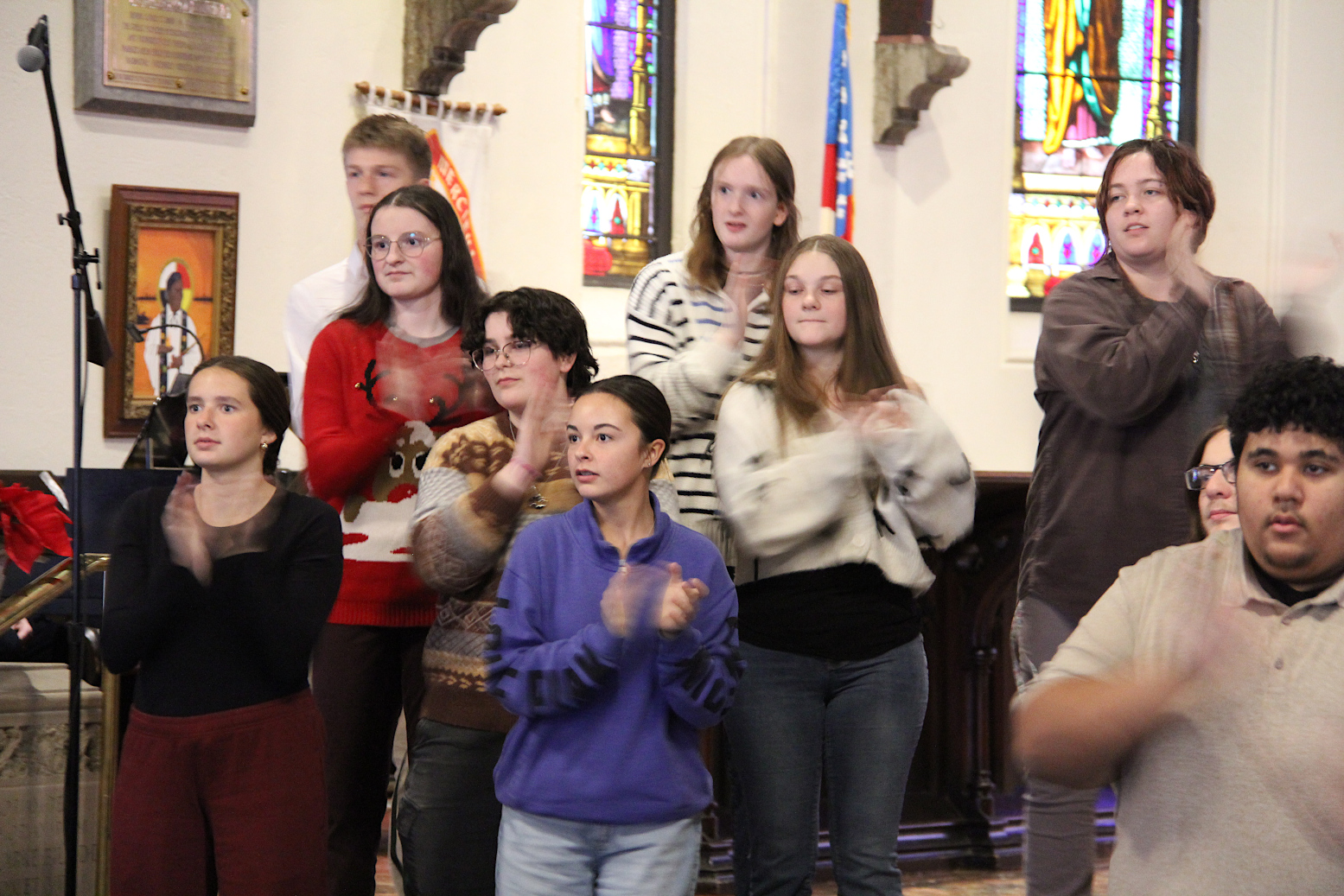
A section of the Faribault High School Choir performs Thursday at the Cathedral of Our Merciful Saviour. (Minnesota Prairie Roots copyrighted photo December 2025)

AS THEY SANG, I felt my spirits rise, moved by the rhythm of “Resilience” and its empowering lyrics.
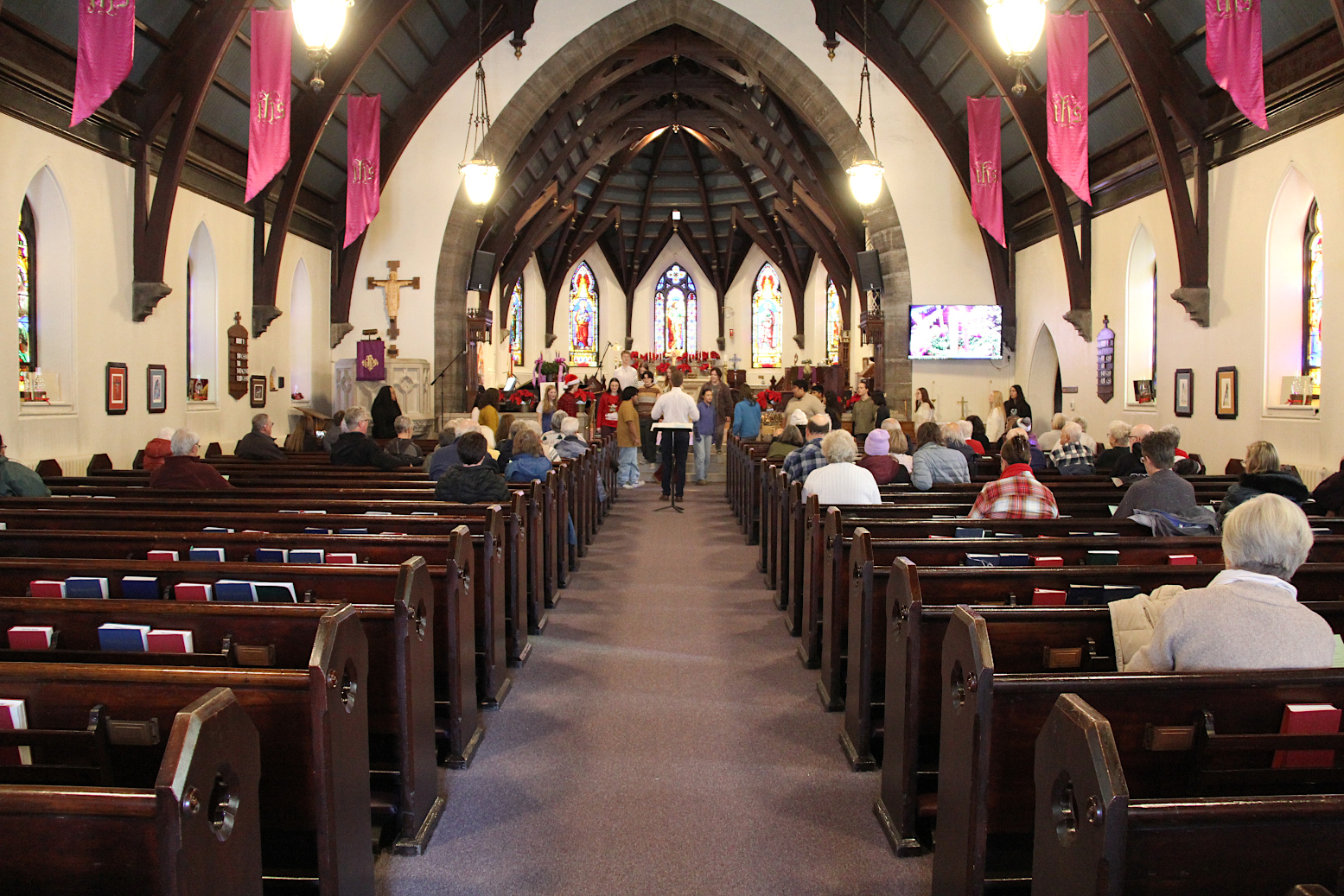
The acoustics inside this massive, historic cathedral make it a favorite spot for musicians, like the FHS Choir, to perform. Here Choir Master Ben Beaupre directs the students. (Minnesota Prairie Roots copyrighted photo December 2025)

This upbeat music, these words, were exactly what I needed to hear Thursday afternoon inside the Cathedral of Our Merciful Saviour as the Faribault High School Choir performed a holiday concert.

Resilience, we are strong; shoulder to shoulder keep movin’ on…stand up…yes, we can…

The beat of that song composed by Minnesotan Abbie Betinis and the message it carries…,well, it fit the day. It was a day when I awakened to a vivid nightmare running rampant through my mind. A dream of ICE agents in a black sedan converging on a community and chasing people out of a building. Gathering them, taking them away and me photographing and screaming at ICE to show some compassion and humanity.
An appreciative audience listens to the students sing. (Minnesota Prairie Roots copyrighted photo December 2025)

I needed to hear “Resilience,” written by a musician who has taught at nearby St. Olaf College and elsewhere and published the Justice Choir Songbook.

One of several stained glass windows, gifted by the Dakota to the Cathedral, backdrops Christmas decorations set on a sill. (Minnesota Prairie Roots copyrighted photo December 2025)

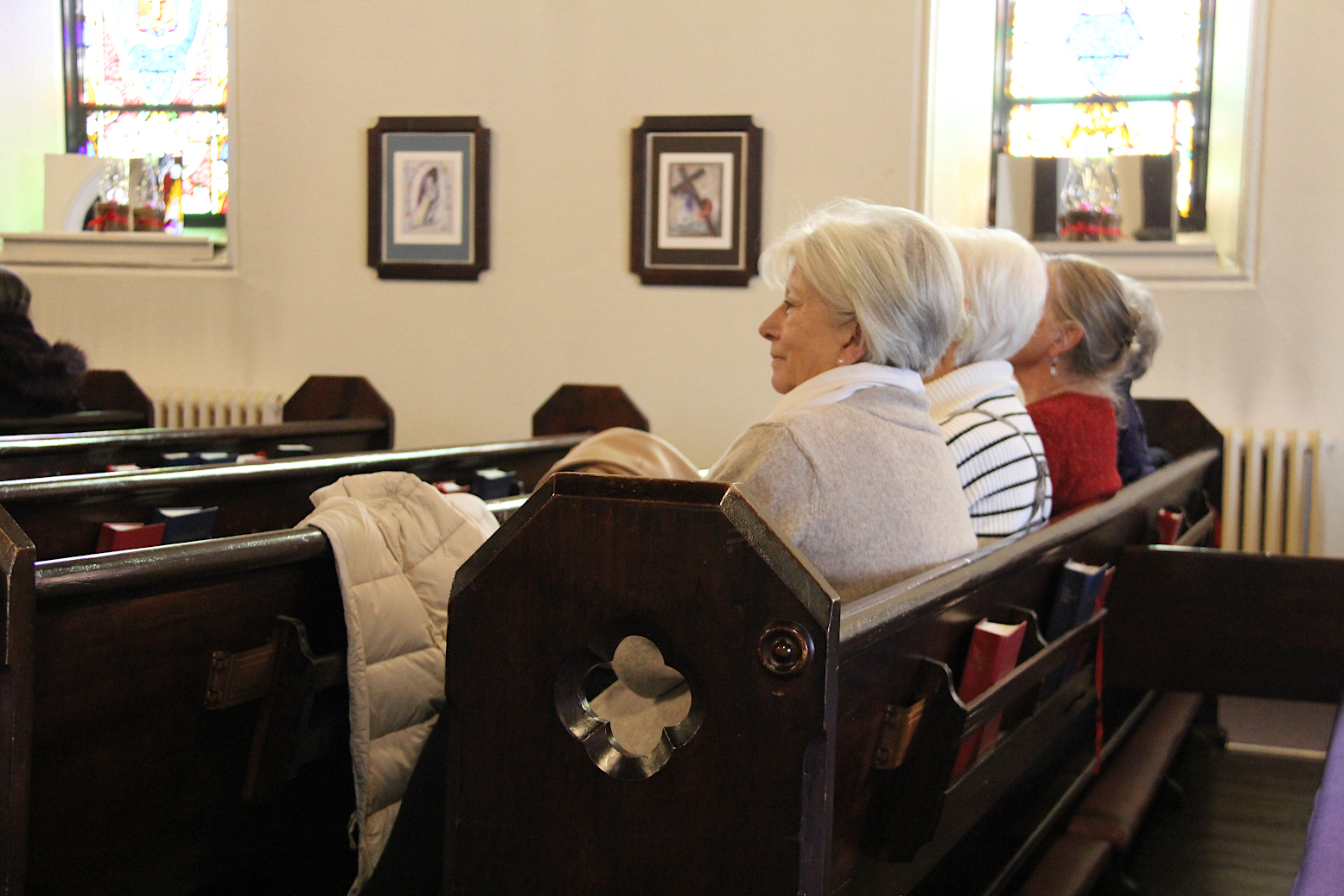
As I watched and listened to the teens perform inside the historic Cathedral, I thought of the Native Americans who long ago worshiped here, befriended by Bishop Henry Whipple. They were not always welcome in this community. But inside the walls of this massive cathedral, they found a place of acceptance.
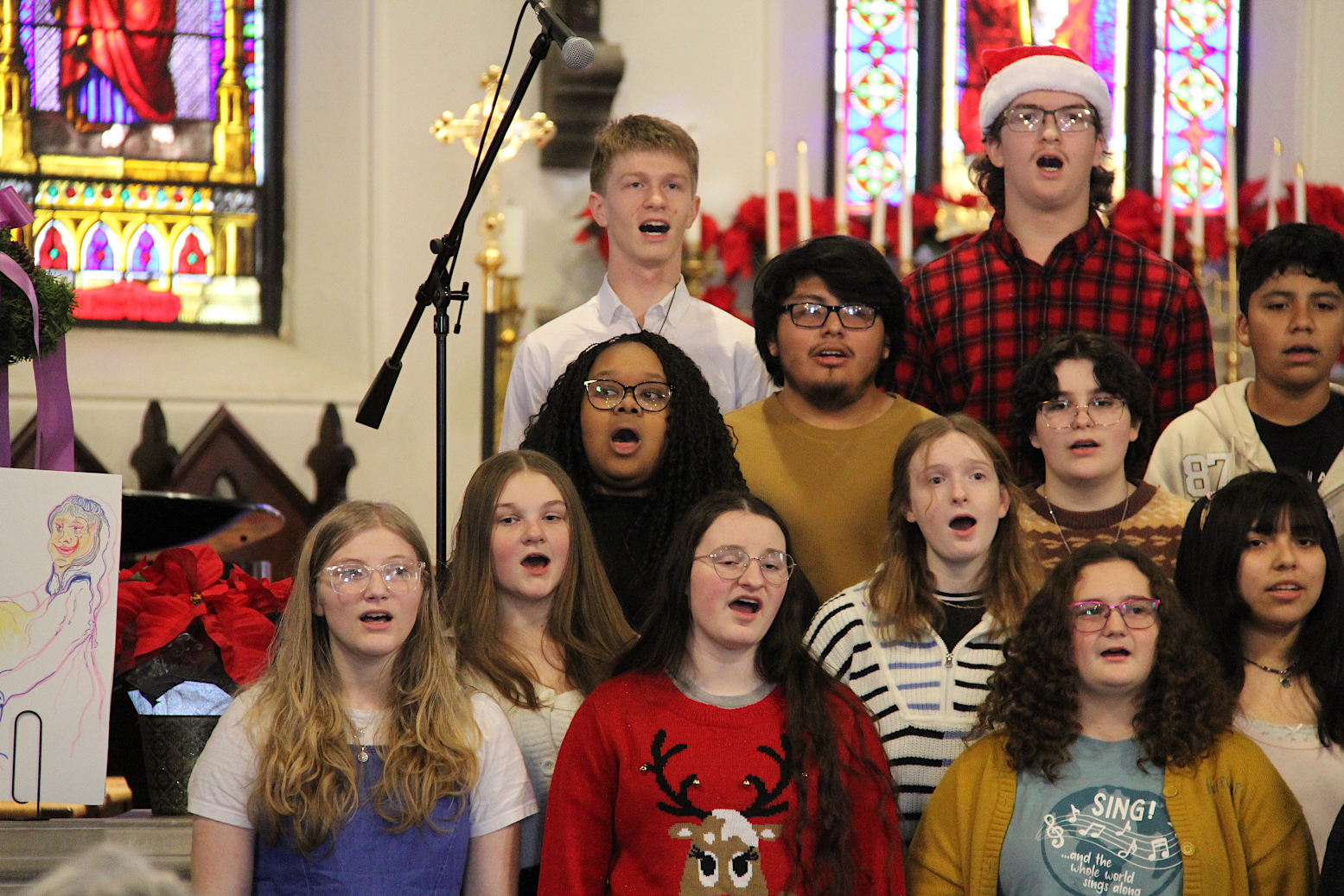
The students sang with power and joy. (Minnesota Prairie Roots copyrighted photo December 2025)

And then I thought of those young people standing before me, strong in voice, delivering a message that didn’t sound at all like a Christmas song on the surface. But really, it was. Shoulder to shoulder keep movin’ on… The song felt joyful. Uplifting. Moving. Inspirational.
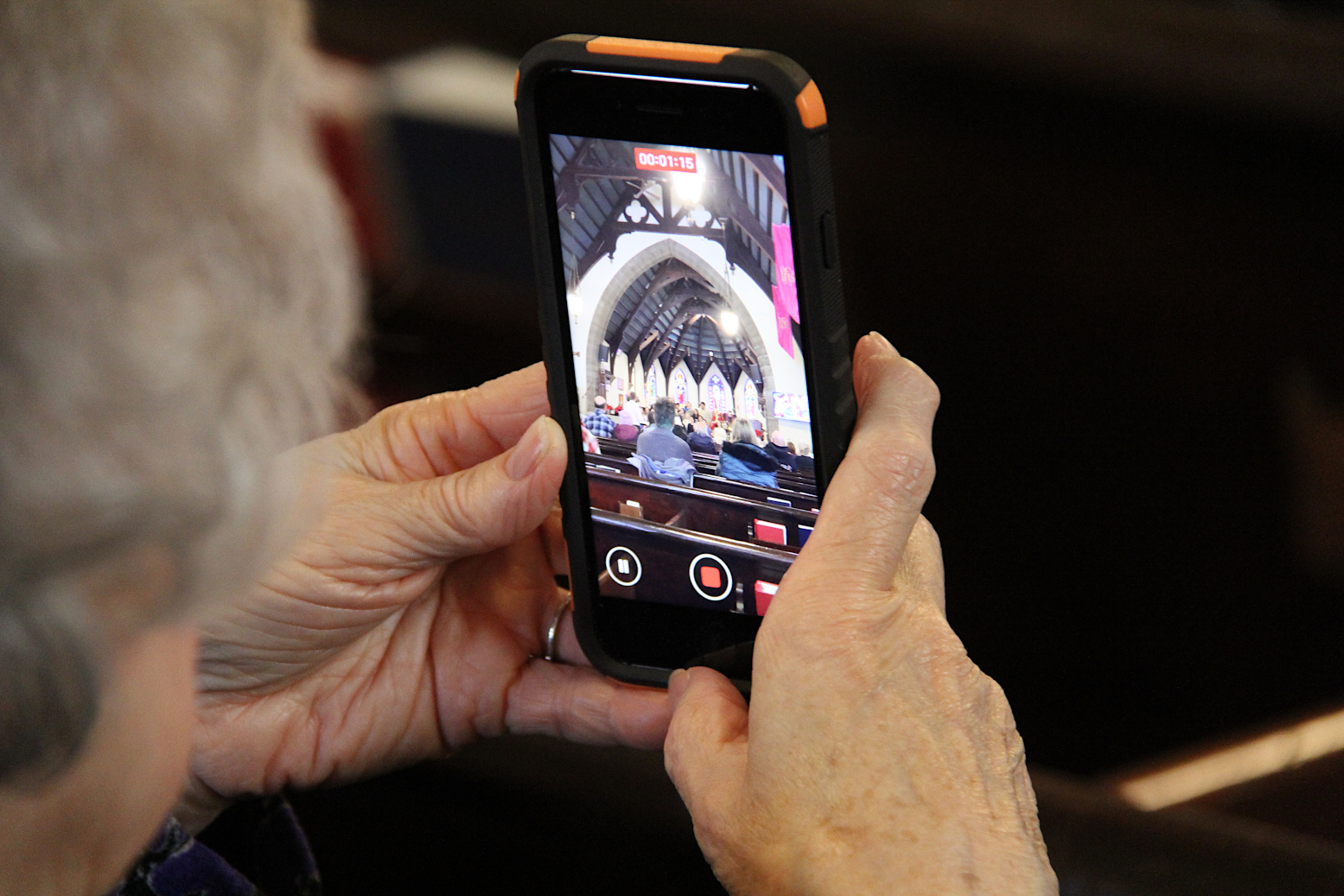
One of many audience members I spotted recording the concert. (Minnesota Prairie Roots copyrighted photo December 2025)

In a selection of songs about light, a Norwegian dala horse, decking the halls, a silent night and more, “Resilience” stood out. I suggested to the students afterwards that they should stand downtown along Central Avenue and sing of strength, resilience and standing shoulder to shoulder. I told them how much they had uplifted me, how much I appreciated and needed to hear that song. And one young man said he was glad he brought me joy via their music.
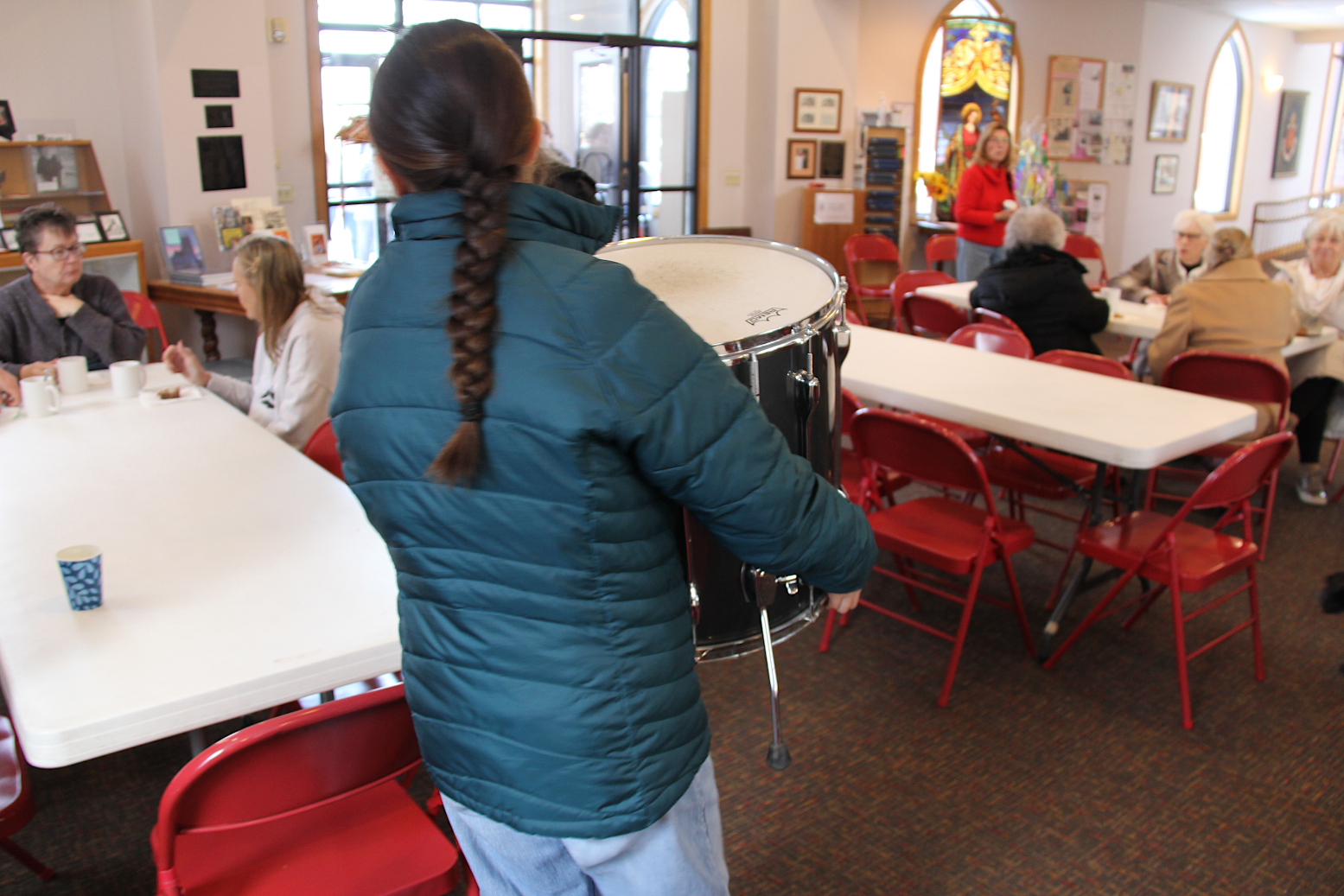
A student carries her drum through the reception space and then outside to a waiting school bus. (Minnesota Prairie Roots copyrighted photo December 2025)

After those conversations over lemonade and sweet treats, I headed home via Central Avenue. Between stops at a gaming store and a used bookshop, I popped into a corner business run by Somali Americans. Inspired by those high school musicians and deeply troubled by the hateful words directed by our president toward Somalis in Minnesota, I walked into the shop packed with colorful merchandise. “I just want to tell you how happy I am that you are here, that you are in our community,” I said. “I’m sorry for everything that’s happening.” My emotions rose. My voice cracked. Tears edged my eyes.

Then the Somali American man reached out and hugged me. He thanked me, told me it was OK, as did a woman sitting nearby. It was not my intention to cry. But everything just bubbled out. The worry. The concern. The injustice. The sorrow I feel over these Minnesotans being singled out and attacked, told they are “garbage” and are not wanted in this country. They who either fled a war-torn country or were born here and are working hard, like the two Somalis I met, to make a living and home in America.
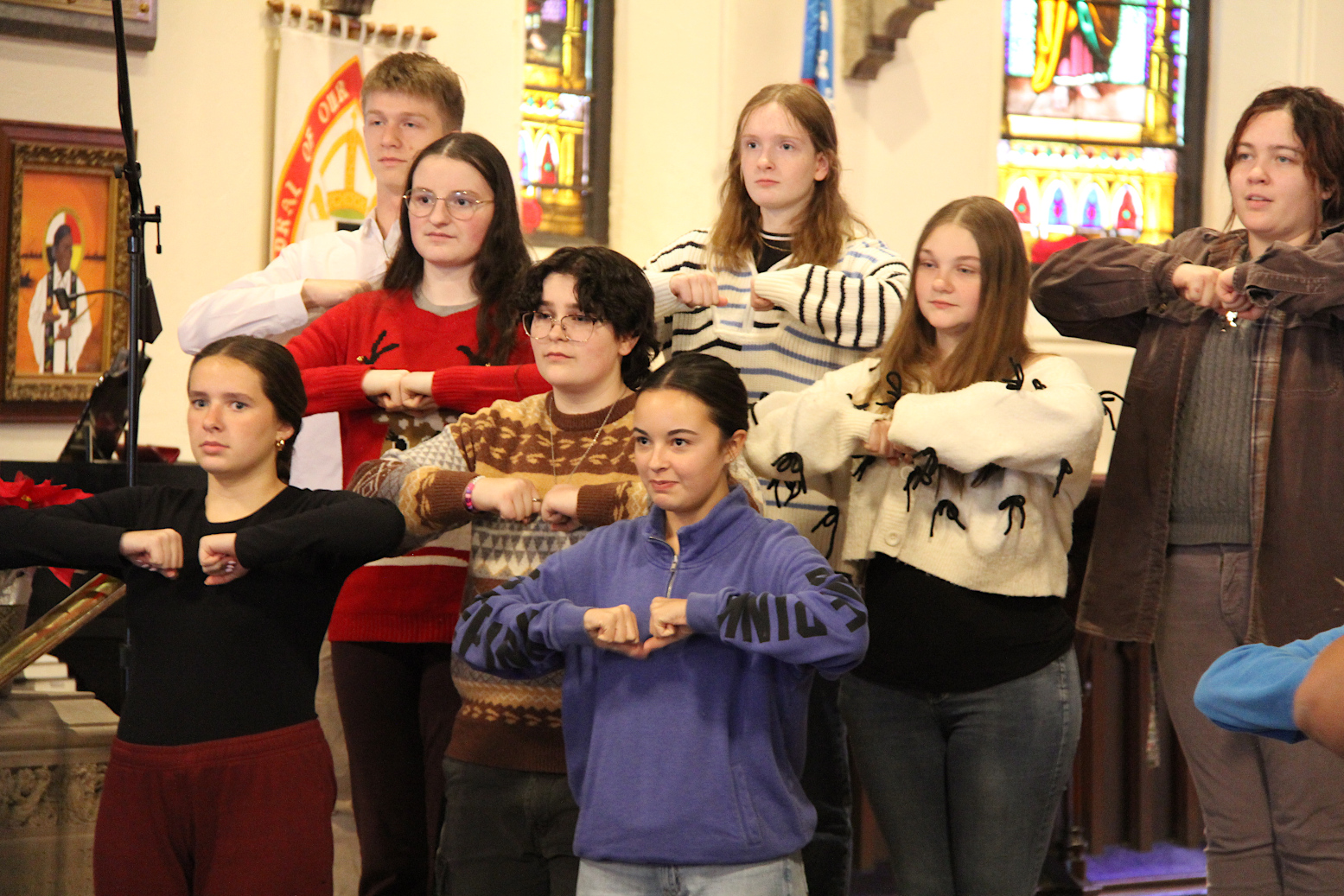
Strength in actions. (Minnesota Prairie Roots copyrighted photo December 2025)

I left that shop feeling the strength of my neighbors. Resilience, we are strong; shoulder to shoulder keep movin’ on…stand up…yes, we can…

© Copyright 2025 Audrey Kletscher Helbling


House of Kahmanns: A story of trauma, family love & resilience May 1, 2024

IT WAS A TUESDAY in January 1964. Wash day in the Kahmann household. Outside, a ground blizzard raged, reducing visibility on the southwestern Minnesota prairie. The events of that morning, of that day, would forever change the lives of siblings Karl, Patsy, Eric, Andy, John, Paul, Kevin, Katy, Karen, Phillip, Jim and Beth, and their parents, Jack and Della.

That sets the scene for House of Kahmanns, a memoir by P.G. (Patsy) Kahmann, oldest daughter, second oldest among 12 children. Sixteen months earlier, the family moved from Kansas City, Missouri, to Minnesota when Jack, a traveling salesman in a farm business, was relocated. They settled near their maternal grandparents, into a rental home by Granite Falls.

I expect Jack Kahmann was driving in weather and road conditions similar to this. (Minnesota Prairie Roots copyrighted file photo, January 2020, used for illustration only)

This is familiar land to me in a familiar time. I was not quite eight years old in January 1964, living on a farm some 30 minutes away in neighboring Redwood County. I understand full well the fierce prairie wind that whips snow into white-out conditions. On that blustery morning, as Jack and Della and Della’s parents set out for medical and business appointments in Minneapolis, leaving the oldest, Karl, to care for the youngest children, Patsy and her school-age siblings boarded the school bus.

Rosary beads. (Minnesota Prairie Roots copyrighted file photo used for illustration only)

Patsy was in English class when she got the devastating news. There had been a crash. A bread truck driven by an unlicensed 14-year-old ran a stop sign and then a yield sign before slamming into the 1957 Chevy driven by Jack. Della, mother of a dozen, was the most seriously injured. “How many Hail Marys will it take to save my mother’s life?” Patsy asks herself.

An altar in a southern Minnesota Catholic church. (Minnesota Prairie Roots copyrighted file photo used for illustration only)

Faith, a strong Catholic faith, threads through this story. The Kahmanns were devout, prayerful, always in church. The church, or rather the local parish priest, would play the primary role in turning the initial tragedy into even more intense pain, suffering, separation and trauma for the family. Father Buckley demanded that the 12 children be placed with Catholic families while their parents recovered at a hospital 70 miles away. That, even though a Lutheran couple offered to move into the Kahmanns’ farm home and care for the children. Together.

At this point in the book, I felt my anger flashing. Anger over the inhumanity of a man of the cloth who is supposed to exude compassion, care and love. More atrocities by the priest followed. By the time I read the epilogue, I was irate, forgiveness far from my mind.

Love and forgiveness were taught in the Kahmann home. (Minnesota Prairie Roots copyrighted file photo used for illustration only)

But the Kahmanns were a loving and forgiving family. (Not necessarily of that priest.) One evening after they are all reunited, Jack asks his family to pray blessings upon the driver of the bread truck. Three-year-old Phillip mishears. “God bless the red truck!” he shouts. Laughter erupts. I needed that humor in a story weighing heavy upon my soul.

I wanted to step into the pages of the book and hug those kids and make everything better. Just as Millie Bea did when the Kahmanns lived in Kansas City and Jack was traveling around the country and Della needed extra help with the kids. The book flips back and forth in time and place between Missouri and Minnesota, before and after the crash.

The Kahmanns were not unfamiliar with trauma. In June 1955, Andy’s hand was nearly severed in a hand cement mixer. A Kansas City surgeon successfully reattached his limb, even though a priest told Jack that his son’s hand had been amputated. That was untrue.

Family love is such a strong theme in this book. (Minnesota Prairie Roots copyrighted file photo used for illustration only)

Through all of this, themes of love, strength and resilience thread. The Kahmann siblings clearly looked out for and loved one another and got through some pretty awful stuff. Their motto, Patsy writes, was “No one died. We all survived.” They never talked about the accident. I’m not surprised. Who did back then? Eventually the family would relocate to Bird Island, 32 miles directly east of Granite Falls. It was a new start in a new place following their 75 days apart, “75 days of confusion, anxiety and foreboding.”

And now, with publication of House of Kahmanns—A Memoir, A story about family love and shattered bonds, about finding each other in the aftermath, perhaps these siblings are talking about all they endured. For Patsy, it is also about keeping a promise. In the book dedication she writes: To Mom and Dad/I promised you I would write this story. And she did, with honesty, pain and a great deal of strength.

© Copyright 2024 Audrey Kletscher Helbling


Strength & hope April 18, 2023

The Straight River churns at the Morehouse Park dam in Owatonna. This image shows strength and power. (Minnesota Prairie Roots copyrighted file photo)

WHAT’S YOUR DEFINITION of strength? Whom do you consider strong? Have you faced a challenge, or multiple challenges, in life that required strength? While our answers vary, especially on the third question, I expect threads of commonality in responses.

Strength, from my perspective, is about fortitude and endurance. It’s about somehow finding the ability to face a challenge, to persevere, to come out on the other side with a renewed sense of personal power. Not power in the sense of control, but power that reaffirms one’s ability to deal with whatever life throws at us.

Sometimes our lives can feel like random pieces of broken tile. (Minnesota Prairie Roots copyrighted file photo)

We all have something, right? Financial hardships. Health issues. Loss. Pain. Family members who are struggling. But, admittedly, when we are in the middle of a lot, it can sometimes feel like we are alone, that others live perfect lives unencumbered by issues that drain, stress and, yes, sometimes overwhelm. Nothing could be further from the truth. I repeat: We all have something, whether individually or within our families. We are not alone.

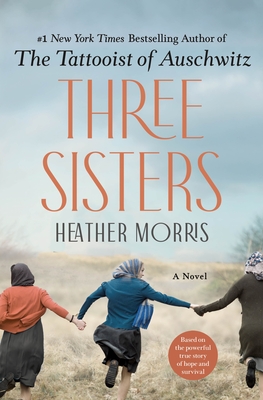
Book cover source: Goodreads

The novel, Three Sisters by Heather Morris, prompted me to write on the topic of strength. Although fictional, the book is based on a true story about three sisters held in a concentration camp. This is a story of indescribable atrocities witnessed and experienced. This is also a story of irrepressible strength and hope. I encourage you to read this novel and also watch Ken Burns’ documentary, “The U.S. and the Holocaust,” which happened to air at the same time I was reading the book. Together, the two were almost too much for me to emotionally take in. It’s a lot to comprehend the inhumanity and cruelty of mankind. Those sent to concentration camps certainly exhibited strength, whether they survived or not.

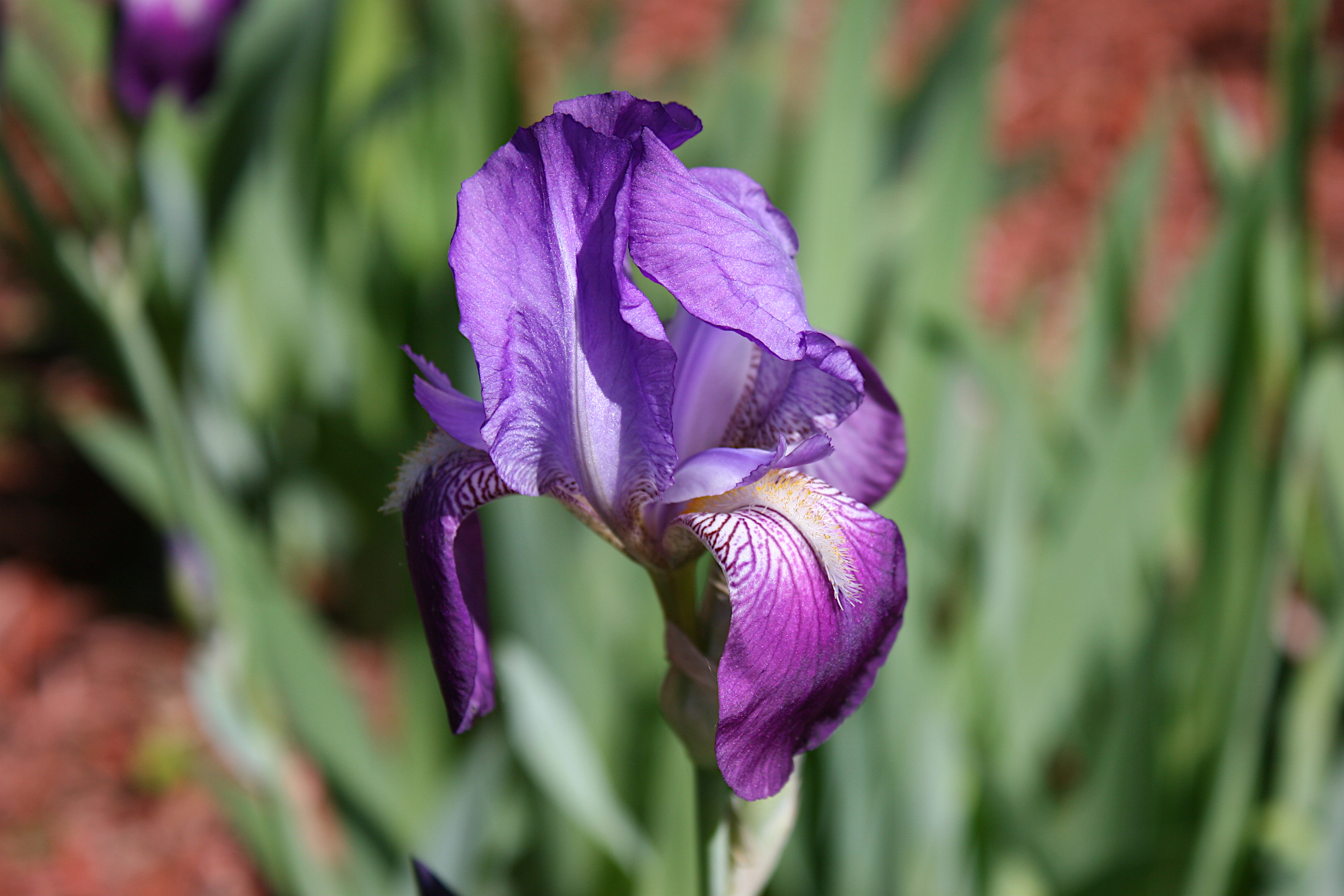
An iris. (Minnesota Prairie Roots copyrighted file photo)

In reading Three Sisters, I learned that gladiolus (the flower) signifies strength. And the iris, which is part of the glad family, denotes hope. The iris was my mom’s favorite flower. “Hope” is a word I’ve held, and continue to hold, close. “Hope” is not simply a wish. By my definition, it is an active verb that focuses on light shining through darkness. It is a word, too, that envelopes gratitude and believing that things will get better.

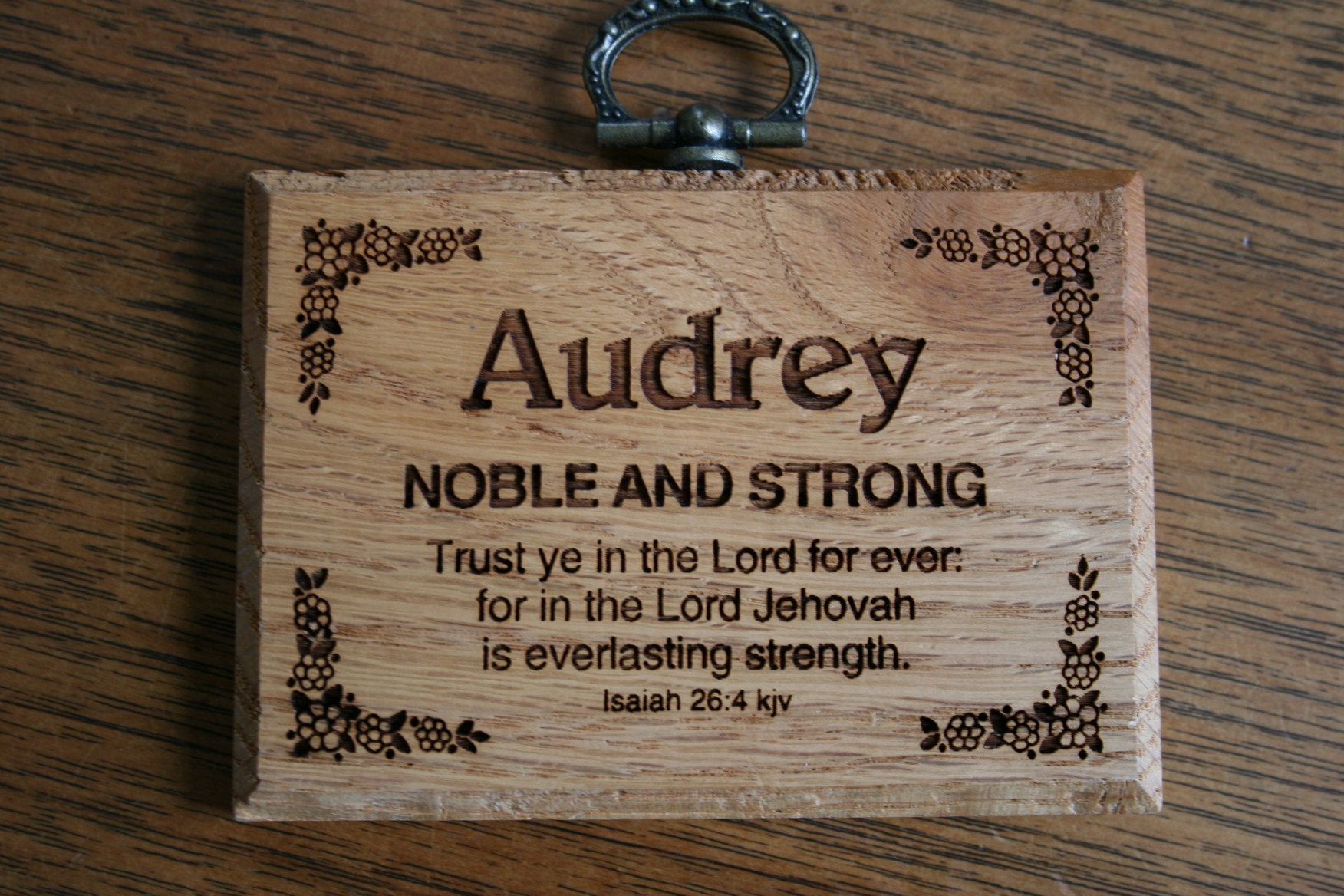
My mom gave me this name plaque many years ago. I keep it on my desk. (Minnesota Prairie Roots copyrighted file photo)

My name, Audrey, means noble and strong. I wish I’d asked my mom why she chose that name for me, her first-born daughter. I never did, and now she’s gone. But the name fits. I’ve had to be strong many times throughout my life. We all have something, right? Challenges can make us better, more empathetic and compassionate people. That is the good that arises from struggles.

Photographed at the Northfield Public Library. (Minnesota Prairie Roots copyrighted file photo)

I consider, especially, mental health challenges. From anxiety to depression to brain disorders like bi-polar and schizophrenia, these are undeniably hard diagnoses which require incredible strength to face. Simply getting up in the morning, functioning, can prove difficult. There are no cures. No quick fixes. Medication can manage, therapy can help. And even though we are getting better at recognizing and understanding, stigma remains. We can do better at supporting, encouraging, helping. We need more mental health professionals to meet the growing demand for mental health care.

Strength. Hope. Those two words inspire and uplift. Gladiolus and iris. Those two flowers represent the same. From the pages of a novel about three Holocaust survivors to my name to life experiences, I understand what it means to be strong, to feel hope.

TELL ME: I’d like to hear your thoughts on strength and hope.

© Copyright 2022 Audrey Kletscher Helbling


Strength & hope October 14, 2022

The Straight River roils by at the dam in Owatonna. I see struggles. I see strength. (Minnesota Prairie Roots copyrighted file photo)

WHAT’S YOUR DEFINITION of strength? Whom do you consider strong? Have you faced a challenge, or multiple challenges, in life that required strength? While our answers vary, especially on the third question, I expect threads of commonality in responses.

Strength, from my perspective, is about fortitude and endurance. It’s about somehow finding the ability to face a challenge, to persevere, to come out on the other side with a renewed sense of personal power. Not power in the sense of control, but power that reaffirms one’s ability to deal with whatever life throws at us.

We all have something, right? Financial hardships. Health issues. Loss. Pain. Family members who are struggling. But, admittedly, when we are in the middle of a lot, it can sometimes feel like we are alone, that others live perfect lives unencumbered by issues that drain, stress and, yes, sometimes overwhelm. Nothing could be further from the truth. I repeat: We all have something, whether individually or within our families. We are not alone.

(Cover image from Goodreads)

The novel, Three Sisters by Heather Morris, prompted me to write on the topic of strength. Although fictional, the book is based on a true story about three sisters held in a concentration camp. This is a story of indescribable atrocities witnessed and experienced. This is also a story of irrepressible strength and hope. I encourage you to read this novel and also watch Ken Burns’ newest documentary, “The U.S. and the Holocaust,” which happened to air at the same time I was reading the book. Together, the two were almost too much for me to emotionally take in. It’s a lot to comprehend the inhumanity and cruelty of mankind. Those sent to concentration camps certainly exhibited strength, whether they survived or not.

The iris symbolizes hope. (Minnesota Prairie Roots copyrighted file photo 2021)

In reading Three Sisters, I learned that gladiolus (the flower) signify strength. And the iris, which is part of the glad family, denotes hope. The iris was my mom’s favorite flower. “Hope” is a word I’ve held, and continue to hold, close. “Hope” is not simply a wish. By my definition, it is an active verb that focuses on light shining through darkness. It is a word, too, that envelopes gratitude and believing that things will get better.

I keep this stone on my office desk. (Minnesota Prairie Roots copyrighted file photo)

My name, Audrey, means noble and strong. I wish I’d asked my mom why she chose that name for me, her first-born daughter. I never did, and now she’s gone, but the name fits. I’ve had to be strong many times throughout my life. We all have something, right? Challenges can make us better, more empathetic and compassionate people. That is the good that arises from struggles.

This message refers to struggles with mental illness. (Minnesota Prairie Roots copyrighted file photo)

This week, especially, with World Mental Health Day on October 10, I consider mental health. From anxiety to depression to brain disorders like bi-polar and schizophrenia, these are undeniably hard diagnoses which require incredible strength to face. Simply getting up in the morning, functioning, can prove difficult. There are no cures. No quick fixes. Medication can manage, therapy can help. And even though we are getting better at recognizing and understanding, stigma remains. We can do better at supporting, encouraging, helping. We need more mental health professionals to meet the growing demand for mental health care.

Strength. Hope. Those two words inspire and uplift. Gladiolus and iris. Those two flowers represent the same. From the pages of a novel about three Holocaust survivors to my name to life experiences, I understand what it means to be strong, to feel hope.

TELL ME: I’d like to hear your thoughts on strength and hope.

© Copyright 2022 Audrey Kletscher Helbling


Beyond simply a sunflower September 27, 2022

Filed under: Uncategorized — Audrey Kletscher Helbling @ 5:00 AM

Tags: , , , , , , , , ,

A paper sunflower dangles from the ceiling in a space at the Owatonna Arts Center. (Minnesota Prairie Roots copyrighted photo September 2022)

YELLOW, TALL AND DRAMATIC, the sunflower exudes strength and happiness. I love this flower, so prevalent now in the Minnesota landscape.

Paper sunflowers add a sunny element to an already sun-drenched seating and exhibit area at the Owatonna Arts Center. (Minnesota Prairie Roots copyrighted photo September 2022)

But this year especially, this strong, simple, sunny flower symbolizes much more than the end of the growing season, the ripening of crops, the transition into autumn. The sunflower, as we’ve come to learn this year, is the national flower of Ukraine, the symbol of peace.

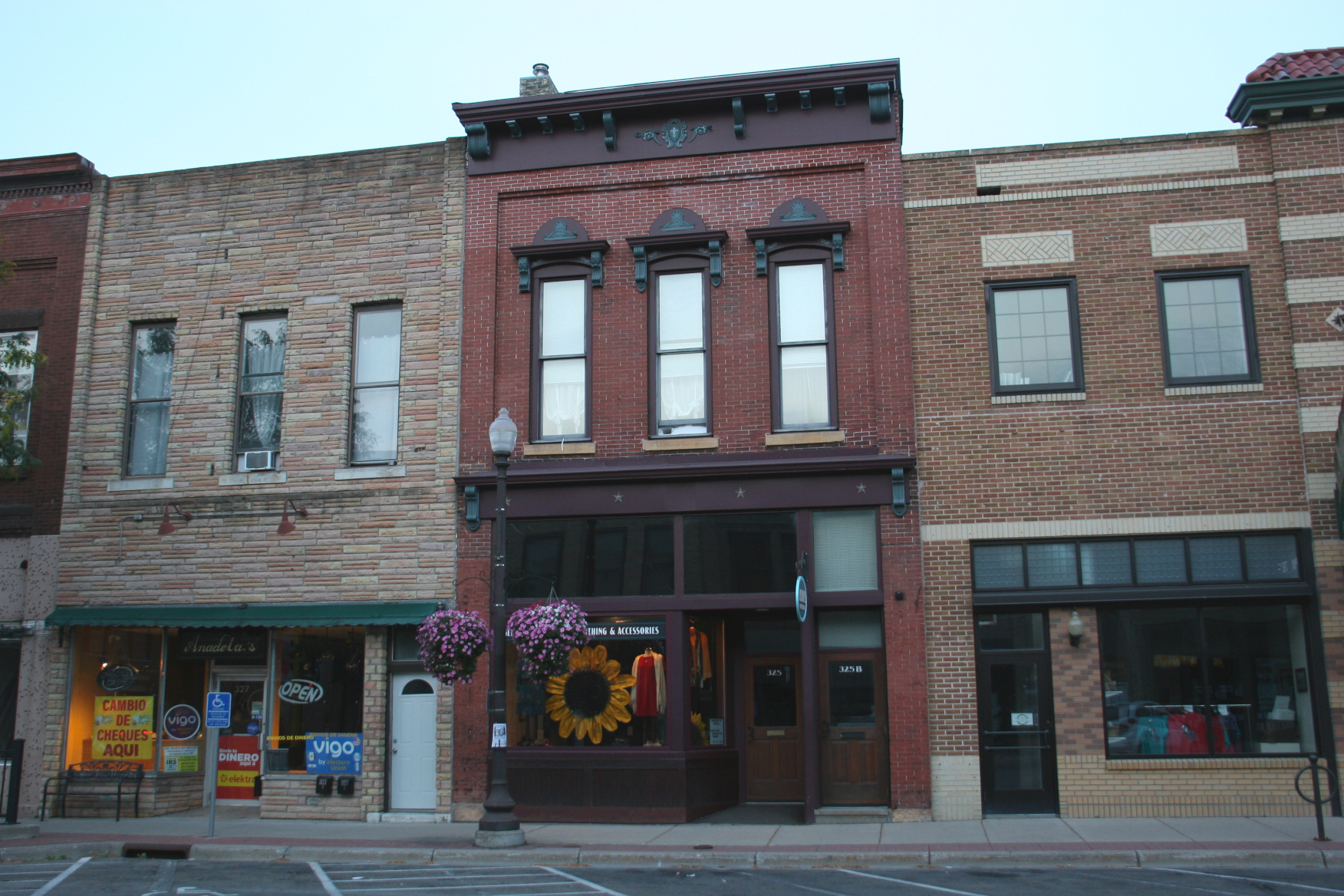
In historic downtown Faribault, sunflowers crafted from milk jugs brighten the window of Fashions on Central, a women’s clothing and accessories shop operated by the Faribault Senior Center. (Minnesota Prairie Roots copyrighted photo September 2022)

Every time I see a sunflower now, I think of the people of Ukraine and the war that still rages there. I remember watching, in the first days of the Russian invasion, media footage of people fleeing the country, people who looked very much like the average Minnesotan. And I thought, this could be us, this could be me.

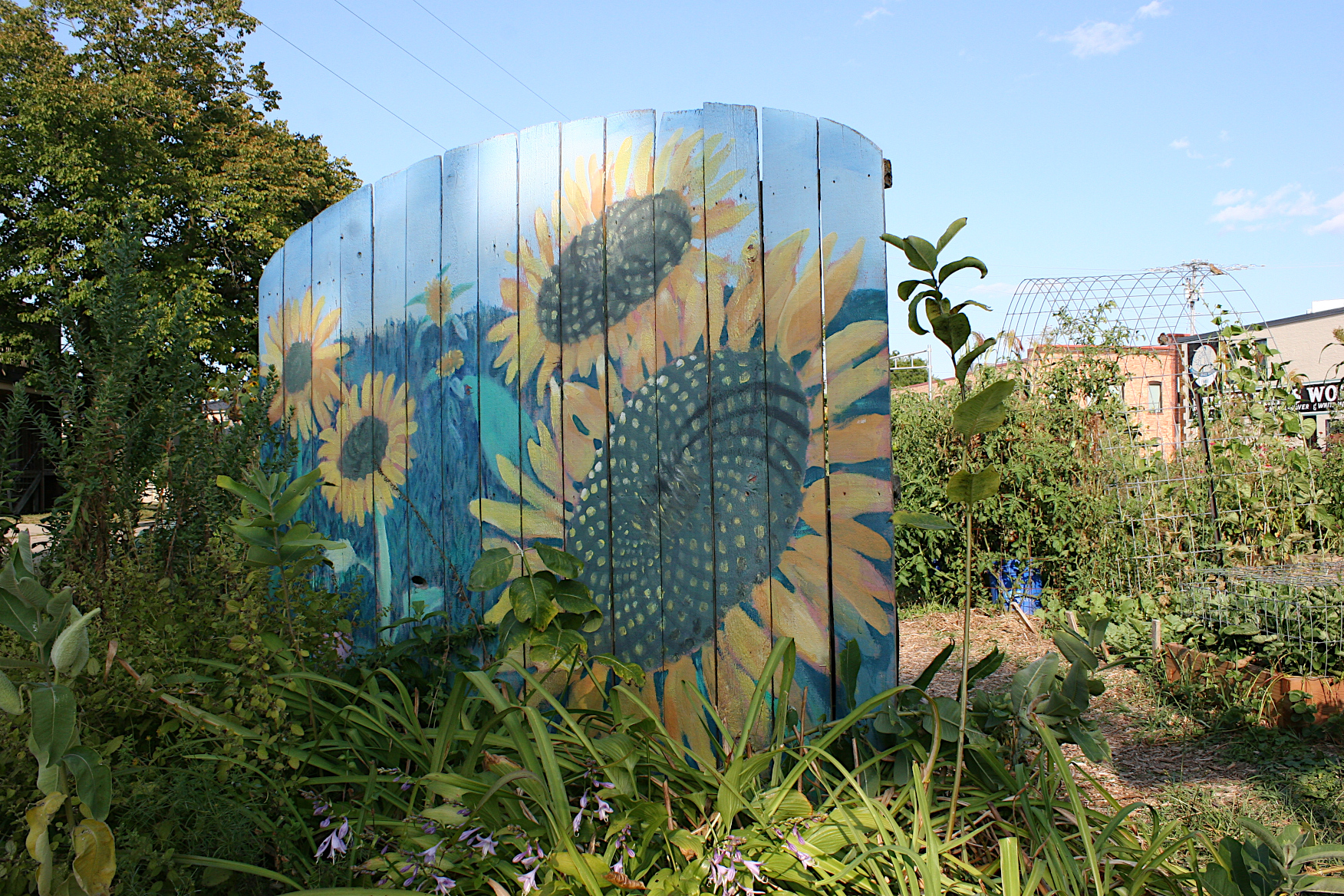
Sunflowers flourish on a fence panel by a community garden plot in Madison, Wisconsin. (Minnesota Prairie Roots copyrighted file photo September 2020)

As the war goes on and on, it is easy to move onto the next headline, to forget about the horrors, the atrocities, the death, the destruction and displacement happening in Ukraine. But then I see a sunflower and I am once again reminded of the suffering in Ukraine, of the elusiveness of peace.

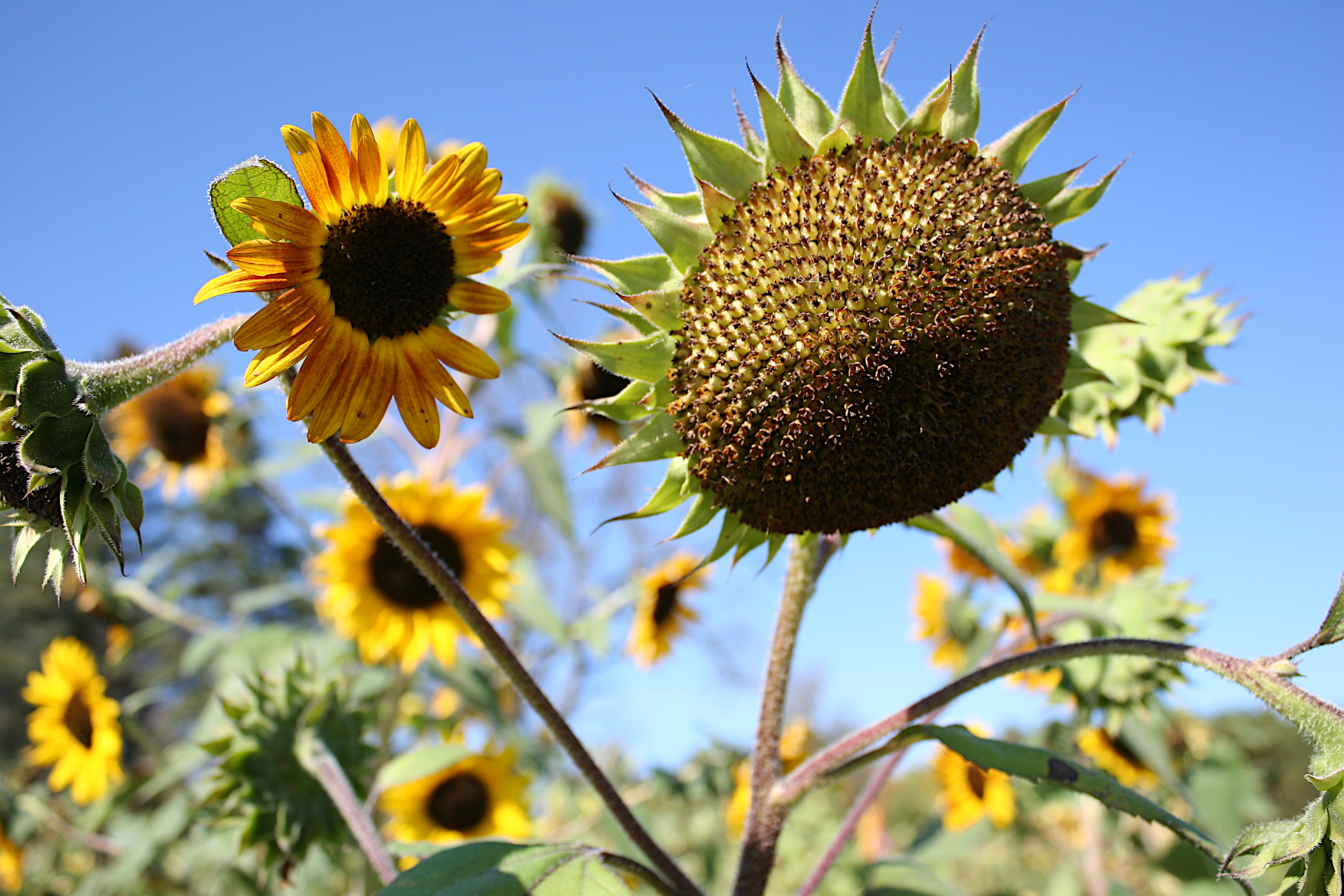
I photographed these sunflowers last autumn at Apple Creek Orchard, rural Faribault. (Minnesota Prairie Roots copyrighted file photo October 2021)

Here in Minnesota, sunflower fields draw families into mazes under bold blue autumn skies. It’s all about the experience and making memories and photo ops among sunny flowers. Thoughts are far from Ukraine in those moments. But even then, in imagining the scene, I see yellow and blue, the colors of the Ukrainian flag. And my thoughts shift back to the people of Ukraine and those who love them, including people right here in Minnesota. In Pittsburgh. Throughout the world.

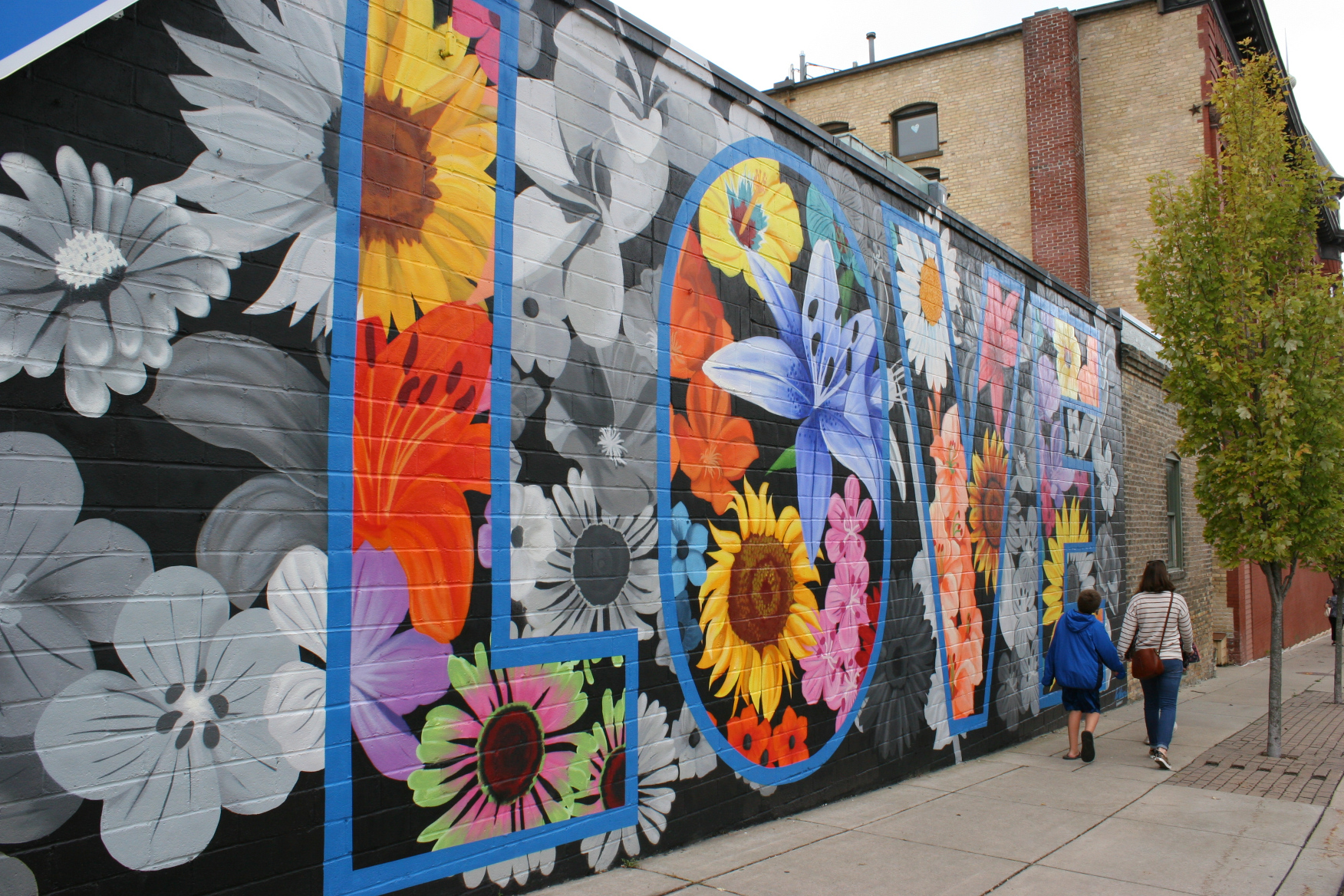
This LOVE mural in Northfield includes sunflowers among the featured flowers. (Minnesota Prairie Roots copyrighted file photo September 2021)

This year, the sunflower has also evolved to symbolize resistance, unity and hope. We’ve certainly seen that happening in Ukraine. Hope is a powerful word, one I’ve latched onto through challenging times. Hope infuses strength. And hope grows sunflowers that rise tall and dramatic in the landscape, their sunny heads turning toward the light of peace.

© Copyright 2022 Audrey Kletscher Helbling
 

An unexpected package from Santa December 6, 2017

Filed under: Uncategorized — Audrey Kletscher Helbling @ 5:00 AM
Tags: , , , , , , , , , , ,


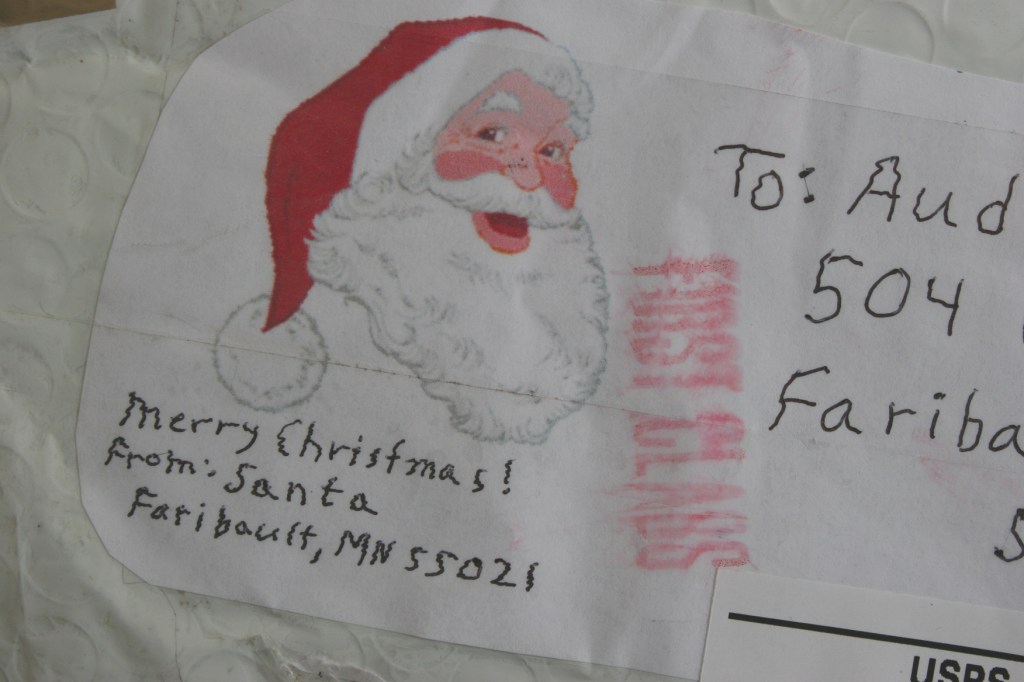
WHEN A SMALL PACKAGE arrived in my mailbox on Tuesday with a Merry Christmas! From: Santa Faribault, MN 55021 return address, I had no clue what I would find therein.

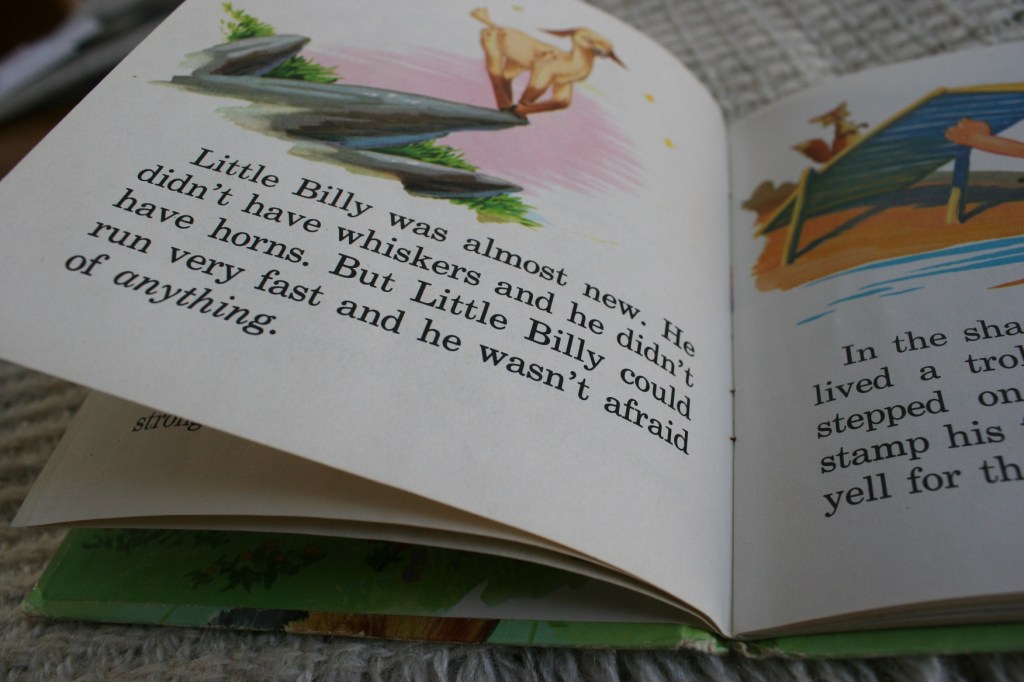
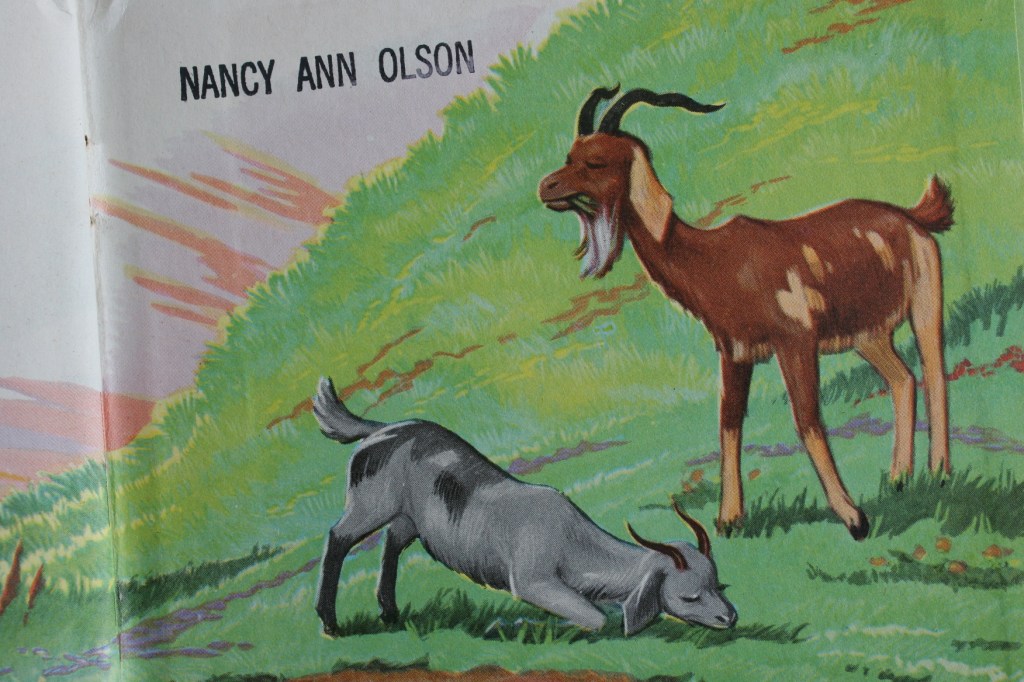
But, oh, the sweetness of this surprise moved me to tears at the thoughtfulness of the mysterious Santa who clearly read my recent post, “Passing a love of books onto the next generation.” In that post I reference a favorite childhood storybook, Three Billy Goats Gruff, and my regret at not purchasing a copy spotted at a Pequot Lakes antique shop.


That reader took my post to heart and sent me a vintage copy of Three Billy Goats Gruff. See why I’m thrilled with this unexpected gift. This individual gifted me with a book that I hold dear.


Now, rereading this story as an adult, I like it even more:

I’m not afraid,” said Little Billy. And up onto the bridge he ran—trip-trippety-trip!


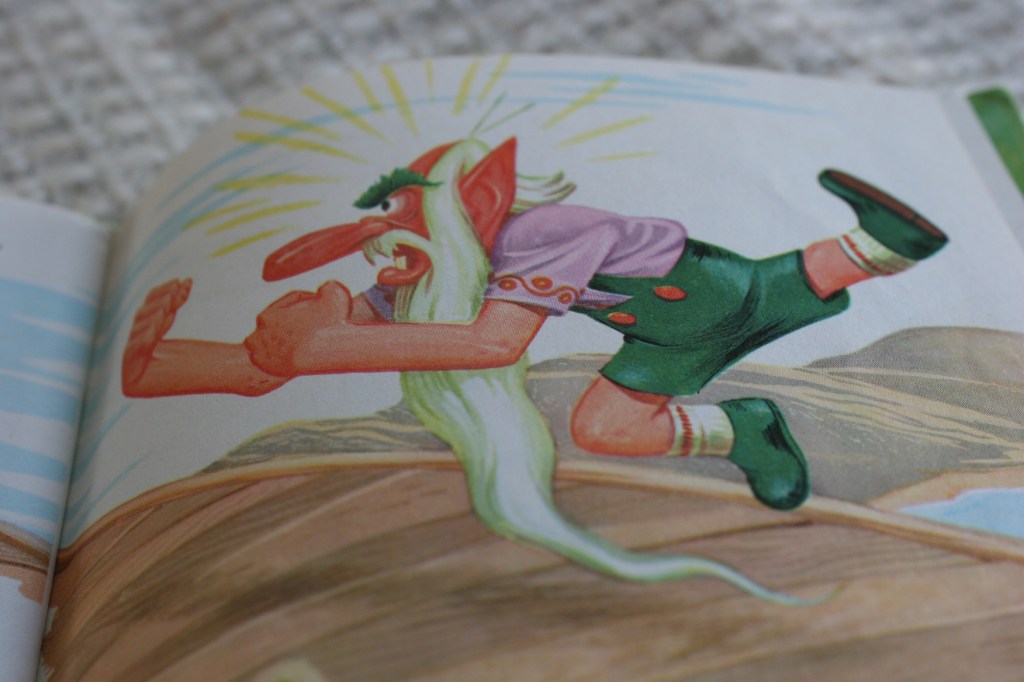
This fairy tale of three billy goats attempting to cross a bridge under which a mean troll lives inspires bravery. The trio outwits the troll and gets safely to the other side and a hillside of lush grass. The empowering message of strength and courage proves as applicable for children as for adults.


As to the identity of Santa, I have only a few clues—the name NANCY ANN OLSON stamped inside and that Faribault postmark and return address. I don’t know any Nancy Olsons. The giver could be someone other than an Olson. Or it could be Nancy. I have no idea.

But to you, dear anonymous Santa reader, please know that your gift of Three Billy Goats Gruff touched me deeply. I am grateful for your kindness, which truly exemplifies the spirit of giving. Thank you. And Merry Christmas!

© Copyright 2017 Audrey Kletscher Helbling