Minnesota Prairie Roots

Writing and photography by Audrey Kletscher Helbling

Commentary: 100 days in & he’s talking dolls May 2, 2025

Filed under: Uncategorized — Audrey Kletscher Helbling @ 6:00 AM
Tags: , , , , , ,
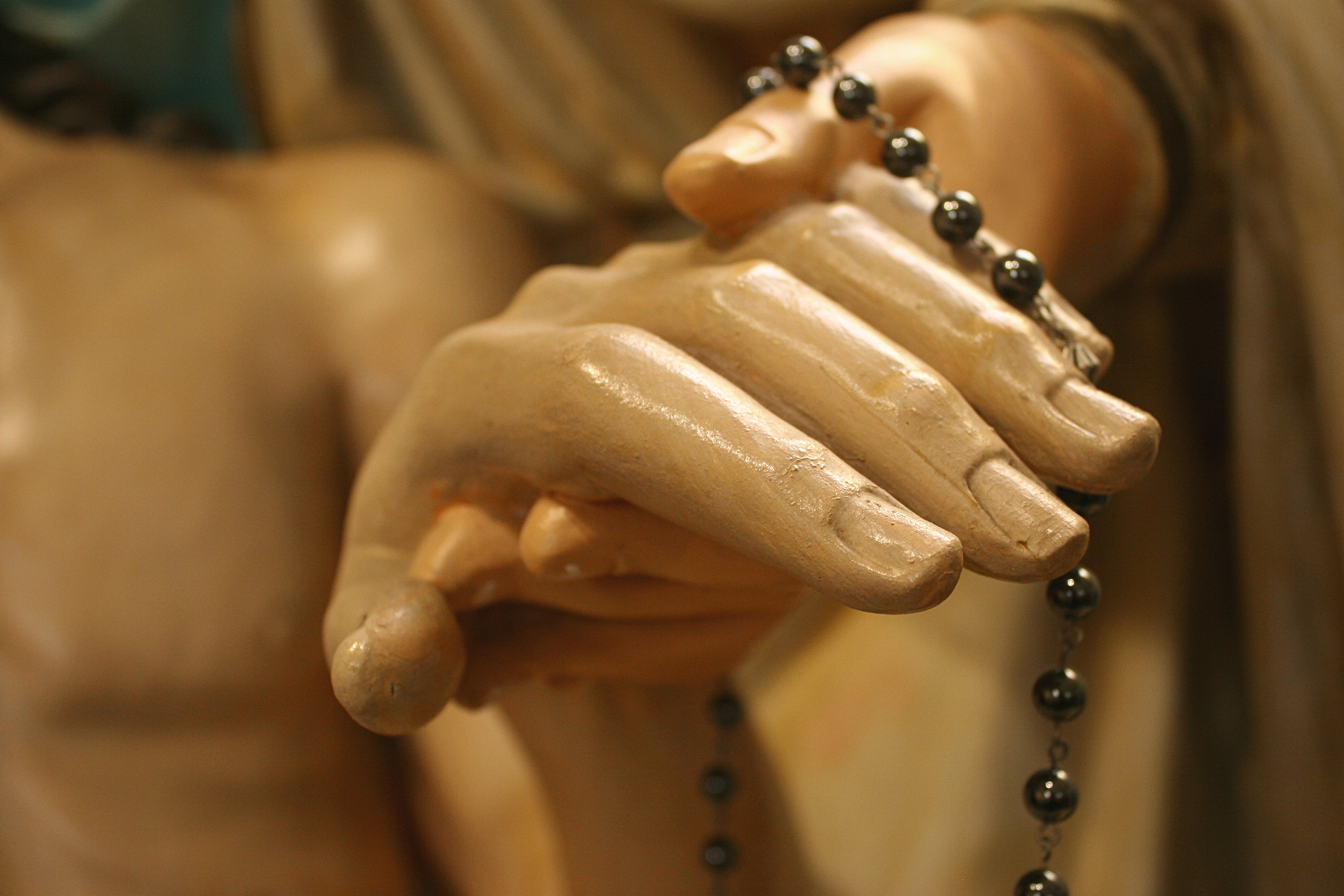
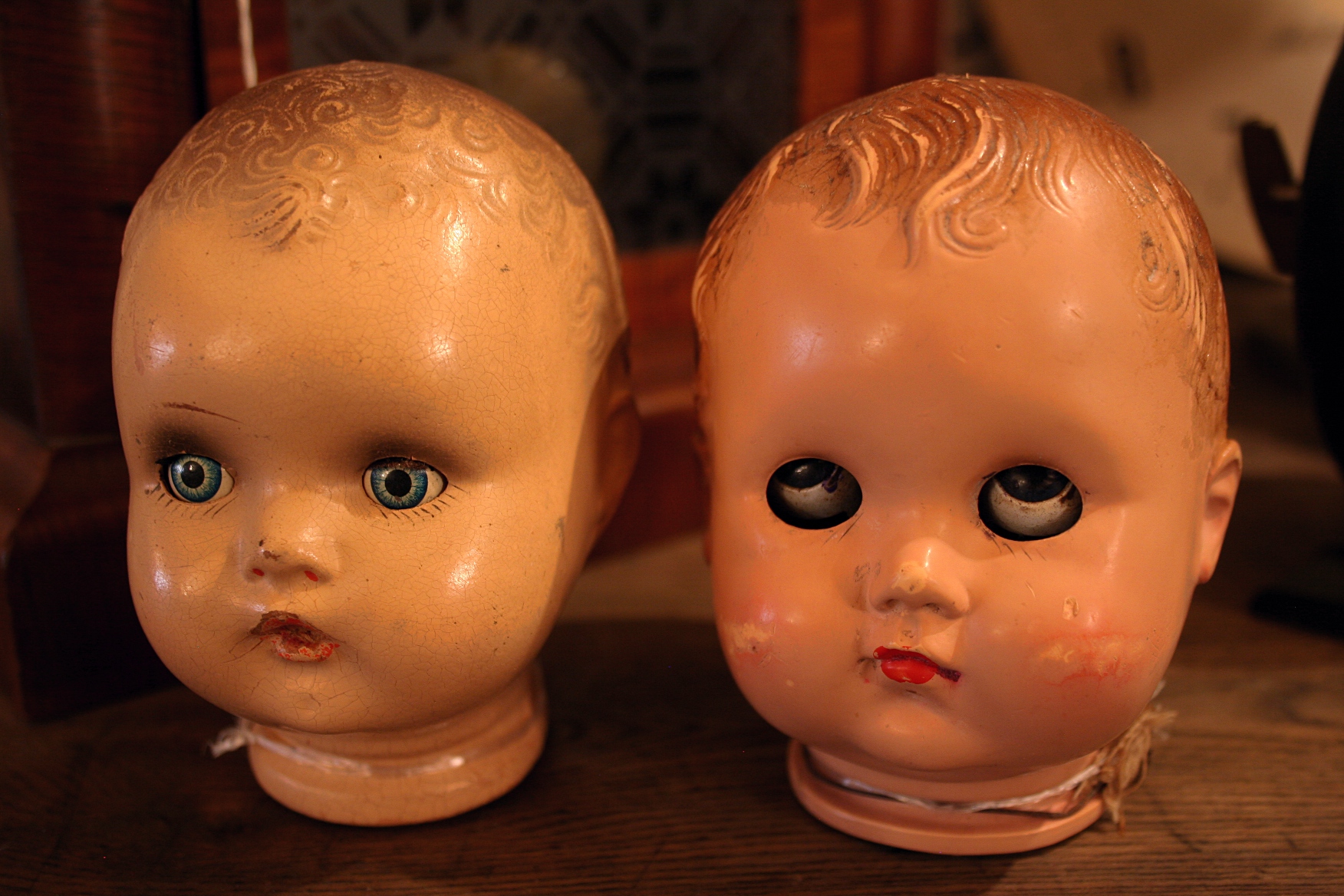
Dolls with appropriate eye-rolling and blank staring. (Minnesota Prairie Roots copyrighted file photo)

ONCE UPON A TIME in The Land of Plenty there lived a ruler who, once he took office, commenced to ruthlessly flaunt his authority (which fits, given his self-proclaimed ruler status). He really didn’t care what he said or did as long as it fit his agenda to make his kingdom—more precisely himself—great. The forceful leader promised that the “golden age” of Acirema would start on the day he assumed power. Perhaps he was referencing the opulent gold décor in his redecorated palace office.

The ruler gathered his team of loyalists and followers, assuring them that as long as they followed his plans, his instructions, his actions, his orders, he would reward them, or at least keep them out of the dungeon. Threats and intimidation have a way of instilling self-preservation and obedience.

But not everyone much cared for the self-centered leader or his policies. They never fell under his spell, his control. They were willing to stand up to him, question him, even at the risk of raising his ire. Or worse. They began to rise up and challenge him and his underlings. That didn’t sit well with the ruler. I mean, how would you like the courts calling you out, gray-haired ladies protesting, students criticizing you in schoolyards? Nope, can’t have that happening in Acirema. Never mind that The Land of Plenty was a land of freedom, of laws, of due process, of balanced powers. Or at least it was before the authoritarian ruler took over.

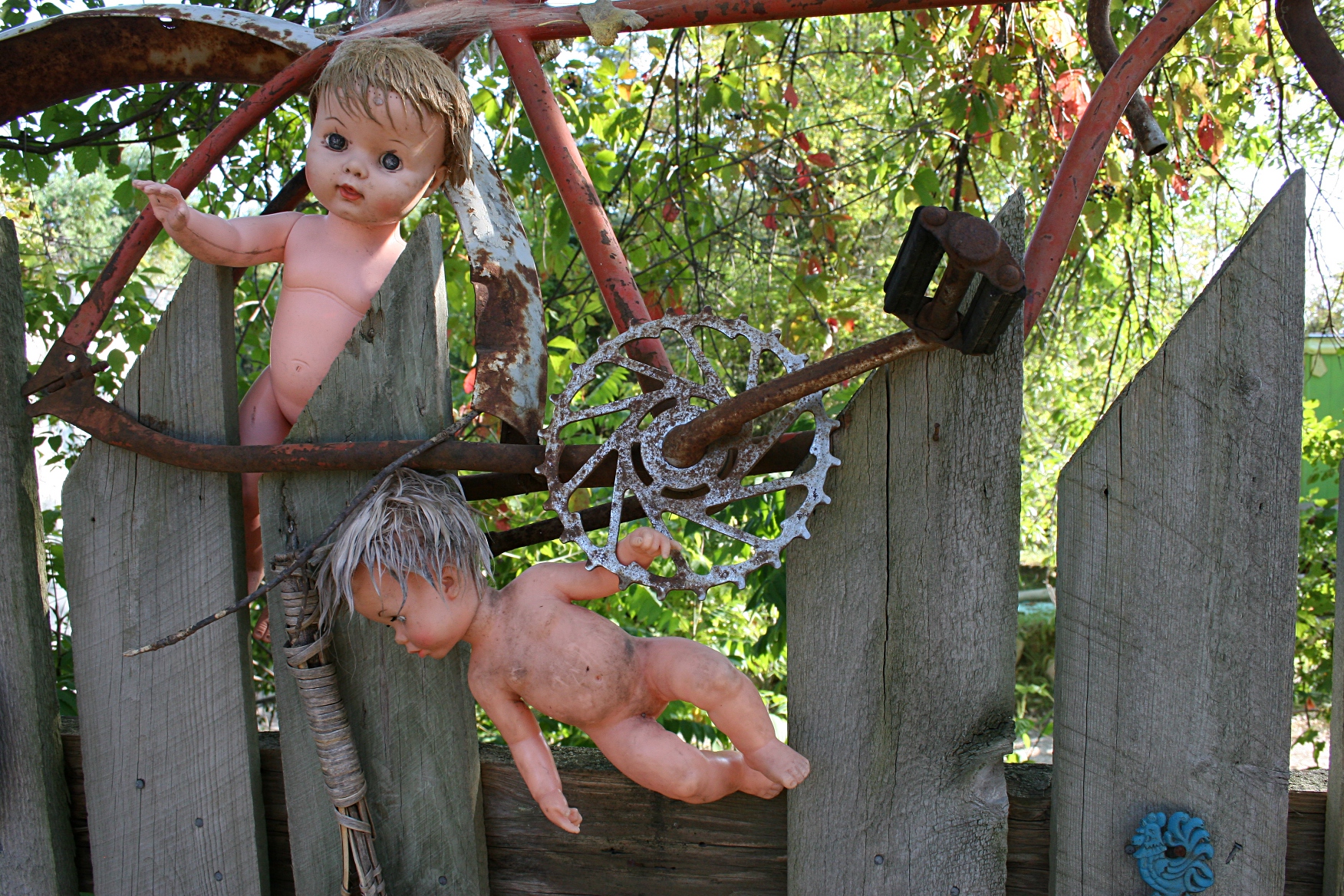
Disheveled dolls. (Minnesota Prairie Roots copyrighted file photo)

A JOB REVIEW 100 DAYS IN

And so, 100 days into his reign, the ruler underwent a job review of sorts. Job reviews held no sway with him, although he should have understood their importance based on his previous experiences as a land baron who banished many a worker. Whatever. He was above everyone. All of them. He didn’t believe multiple reports of his declining popularity. He was doing a great job, he proclaimed. Great! And that was that. Don’t tell him otherwise for fear of being branded a liar. Or worse, banished from the kingdom. Just nod and agree that everything is going great and the ruler would call you a friend rather than a foe.

But you can only push people so far before they break and stop believing you, if they ever did in the first place. And many in the kingdom never did take this man at his word. He had a habit of distorting the truth, in other words lying. Now name-calling is not nice. But truth is truth.

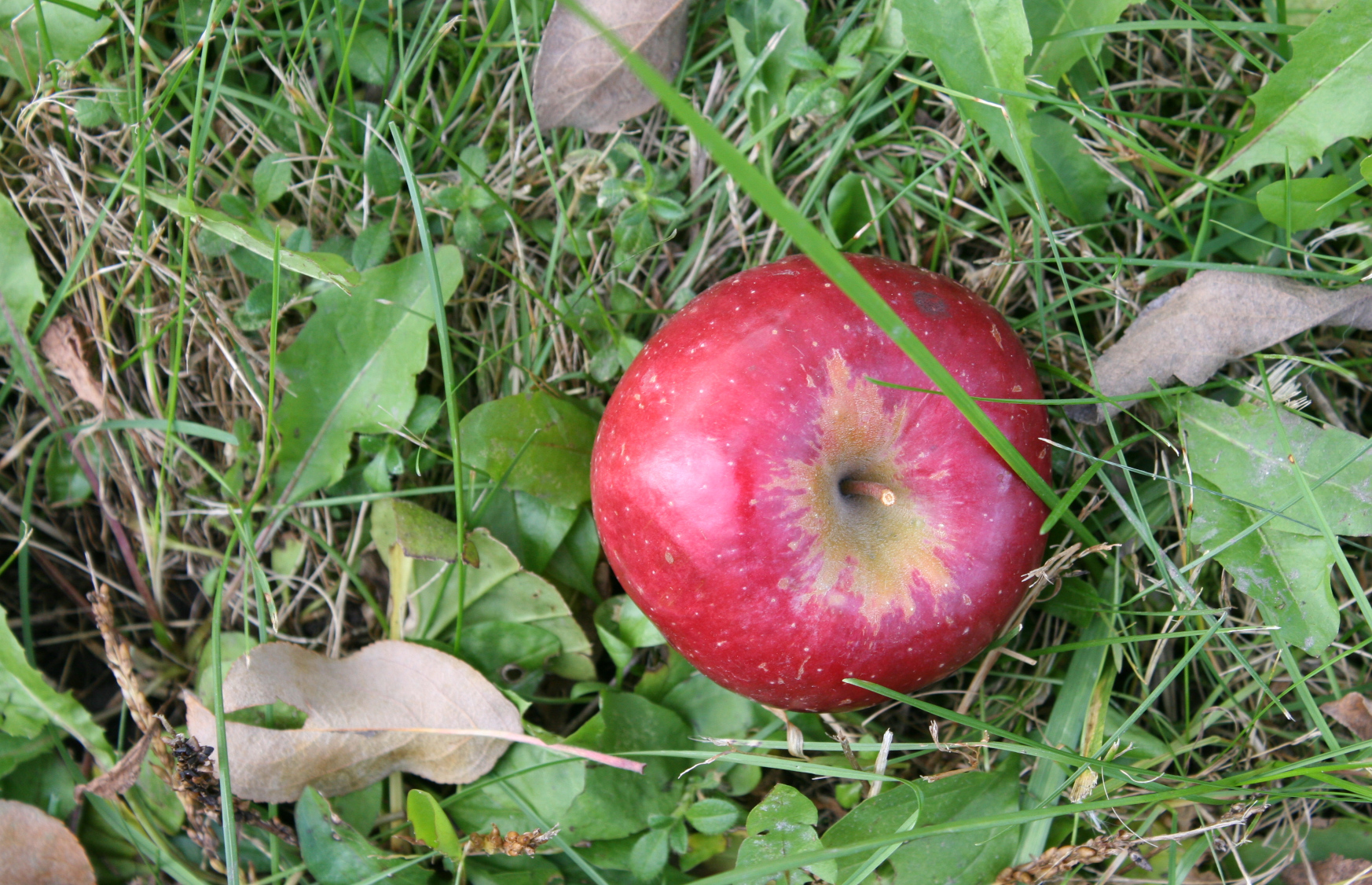
One windfall apple, that will eventually rot. (Minnesota Prairie Roots copyrighted file photo)

BULLYING AND BLAMING

Many in the kingdom were weary of the bullying coming from the palace. No one likes a bully. No one likes decrees that harm, rather than help, the kingdom. When the ruler levied new taxes on goods, promising to enrich his subjects, many did not believe him. (It should be noted that some—too many—still believed him.) He urged patience and calm as anger rose both inside and outside the kingdom. The ruler had upset the marketplace apple cart. Yet, he would hear none of the verbal resistance. As was his usual reaction, he blamed the previous overseer of The Land of Plenty for the rising costs of food and for marketplace shortages. “It was him, not me!” the ruler shouted. He used that blame tactic often.

Dolls, dolls and more dolls. (Minnesota Prairie Roots copyrighted file photo)

2 DOLLS, 30 DOLLS, 900 DOLLS

But then he said something that deeply upset his subjects. “Well, maybe the children will have two dolls instead of 30 dolls,” the ruler responded when asked about rising prices and marketplace shortages. Outrage ensued. Thirty dolls? It was then that the people of the kingdom realized how disconnected the leader was from reality. Many of them now lived in poverty due to his policies. Their children had no dolls, unless you counted those crafted from corn cobs. The ruler’s grandchildren, however, had an entire playroom filled with imported dolls. Lovely dolls. Thirty times thirty. That’s 900 if you’re counting.

By this time the citizens of The Land of Plenty were counting only one thing—the number of days until they could vote in a new leader of Acirema. If that would even be an option. If they weren’t all banished. If they still had a country.

#

NOTE: While this is a fictional story, it is rooted in truth. Feel free to leave a comment, understanding that I moderate all comments on this, my personal blog.

© Copyright 2025 Audrey Kletscher Helbling


Tick. Tick. Tick. April 30, 2025

Filed under: Uncategorized — Audrey Kletscher Helbling @ 6:00 AM
Tags: , , , , , , ,
One of the clocks in my small collection of vintage alarm clocks. (Minnesota Prairie Roots copyrighted file photo)

TIME TICKS. Things to do. Places to go. Appointments to keep. People to see. Conversations to have. Books to read. And for me, also, stories to write, deadlines to meet. Tick. Tick. Tick.

As I age, I feel more cognizant of time and the need to use it in the best possible way. The need to balance work and leisure. The need to spend more time with my core family. The need to use my talents in a positive way, in a way that makes a difference. The need to be there for, and serve, others. Tick. Tick. Tick.

We can’t stop time and aging. But we can manage how we use our time. I’m of the age where there’s significantly less time ahead of me than behind, although none of us knows the number of our days on this earth. Tick. Tick. Tick.

An important message displayed on a Scrabble board at LARK Toys, Kellogg, MN. (Minnesota Prairie Roots copyrighted file photo)

I hope we can all use our time to show compassion and empathy for others. Be kind. Be that person who listens rather than talks. Be that person who smiles, who hugs, who holds a door open. Be that person who sends an encouraging text or note. Be that person who reaches out to someone who is hurting, grieving, in need and do whatever you can to uplift and help. Tick. Tick. Tick.

I used magnetic words to create this short message on my fridge. (Minnesota Prairie Roots copyrighted file photo)

Think before you speak or write, because words matter. Words can build relationships or words can destroy them. In a time when vitriol runs rampant, pause before letting words fly across a keyboard or from your mouth. I expect we all hold regrets for words we’ve written or spoken. Use self-control. Ask like you care. Time ticks. Let’s use our time in a way that embraces goodness and kindness, love and compassion. Tick. Tick. Tick.

WHAT WOULD YOU like to add to this conversation about the use of time?

© Copyright 2025 Audrey Kletscher Helbling

 

Finding peace & more on a spring day at River Bend April 29, 2025

This small memorial plaque honors parents and River Bend with joyful words. (Minnesota Prairie Roots copyrighted photo April 2025)

FOR YOU SHALL GO out in joy, and be led back in peace. Those words from Isaiah 55:12, printed on a memorial plaque by a tree near the River Bend Nature Center interpretative center, summarize well my feelings about this spacious public area of ponds and river, woodland and prairie in Faribault. Whenever I arrive here, I come with joyful anticipation. I always leave feeling refreshed, at peace. Nature has a way of infusing happiness while simultaneously calming the spirit.

I love the contrast of textured white bark against the bold blue sky of a sunny spring afternoon. (Minnesota Prairie Roots copyrighted photo April 2025)

After a long winter, which wasn’t particularly harsh by Minnesota standards, River Bend draws friends, families, couples, individuals and students to experience the unfolding of spring, me among them. This time of year, perhaps more than any other, I am cognizant of the natural world evolving, changing, teeming with life.

Buds unfurl as temps warm. (Minnesota Prairie Roots copyrighted photo April 2025)

In the shelter of woods, buds tip trees, unfurling with each warm and sunny day until the barren gray branches of winter morph into a canopy of green. We’re not quite there yet. But I see the greenery. I doubt there’s a green more intense than that of early spring.

Pockets of green along the Straight River bottom. (Minnesota Prairie Roots copyrighted photo April 2025)
Sunlight slices shadows onto the path to the Turtle Pond and spotlights greenery. (Minnesota Prairie Roots copyrighted photo April 2025)
Sunlight illuminates patches of grass growing among limestone. (Minnesota Prairie Roots copyrighted photo April 2025)

On recent hikes at River Bend, I noticed vivid swaths of green by the Straight River, scattered patches of green on the forest floor, tufts of greenery clinging to a rocky hillside. Green. Green. Green.

Lazy turtles on a log cause me to stop and linger. (Minnesota Prairie Roots copyrighted photo April 2025)
And sometimes turtles choose to hang out alone. (Minnesota Prairie Roots copyrighted photo April 2025)

At the Turtle Pond, I delighted in the emergence of painted turtles, a cluster of them sunning themselves on a weather-worn tree lying near pond’s edge. Others chose to sunbathe alone. I am always fascinated by these creatures. They impart a sense of serenity, perhaps giving us permission to pause and enjoy the simple things in life. Like watching lounging turtles, reminding us that life’s pace needn’t always be hurried.

A family walks along a trail near the river. (Minnesota Prairie Roots copyrighted photo April 2025)
Natural entertainment…balancing on a tree branch. (Minnesota Prairie Roots copyrighted photo April 2025)
About to load up the bikes after biking at River Bend. (Minnesota Prairie Roots copyrighted photo April 2025)

I especially appreciate seeing families outdoors. Walking. Balancing on a fallen branch. Biking. Being away from the distractions of busy schedules and technology and everything that intrudes on time together outside in nature.

River Bend proves a popular place for humans and dogs. (Minnesota Prairie Roots copyrighted photo April 2025)

In the woods, we are sheltered and embraced while walking side-by-side, close to one another along narrow pathways. Conversations happen. We notice things, like squirrels scampering across dried leaves that hide as yet unseen spring wildflowers. Birds flit. The woods are beginning to awaken within our vision and hearing.

From a hilltop overlook, I view a diverse landscape of prairie and woods. (Minnesota Prairie Roots copyrighted photo April 2025)

Outside the woods on the prairie, I feel exposed but innately comfortable for I am of prairie stock. I know this wind. I know this wide sky. I know these tall grasses. This landscape would please Willa Cather, American author who wrote of the Great Plains and life thereon. In her novels, she shared a deep love of the land, of place.

That blue of pond and sky…beautiful to behold. (Minnesota Prairie Roots copyrighted photo April 2025)

At the prairie-side pond, I stop to take in water and sky and land—below, above and beyond. The deep blue of the pond, a reflection of the blue sky, contrasts sharply with the muted brown of dried pond grasses and reeds. The scene is painterly beautiful.

River Bend covers hundreds of acres and is one of Faribault’s greatest treasures. (Minnesota Prairie Roots copyrighted photo April 2025)

My time at River Bend always leaves me feeling better as I forget about worries and responsibilities, deadlines and everyday distractions.

A sizable deer population lives at River Bend. (Minnesota Prairie Roots copyrighted photo April 2025)

Upon exiting the nature center, I am offered one final gift—three deer leisurely grazing alongside the road. They hold minimal fear of humans, so comfortable are they with the many visitors here. Yet, I can’t help but wonder if the deer would rather we just move along rather than watch them with wonder, our eyes, our souls, seeking joy and peace.

© Copyright 2025 Audrey Kletscher Helbling

 

From southern Minnesota: Reflecting on “the people’s pope” April 23, 2025

Faribault artist Kate Langlais painted this acrylic portrait of Pope Francis, displayed at the Paradise Center for the Arts, Faribault, in 2022. (Minnesota Prairie Roots copyrighted file photo March 2022)

HER COMMENT SUMMARIZES what many Catholics and others are likely thinking this week as they mourn the passing of Pope Francis on Easter Monday. Dorothy Storch writes this on the Facebook page of the Church of St. Patrick, Shieldsville. a rural southern Minnesota church near me: “Our Pope of peace and mercy, kindness and love. A man of God.”

A side and rear view of St. Wenceslaus Catholic Church, New Prague. (Minnesota Prairie Roots copyrighted file photo)

Perhaps that could be written about previous popes and other faith leaders. But not always. And not with the depth of admiration for Pope Francis, often termed “The people’s pope.” He changed things up in the Catholic church, opening minds and hearts and relating to people in a way that made him seem more like one of us.

Mass, about to begin at the Basilica of Saint Stanislaus Kostka in Winona. (Minnesota Prairie Roots copyrighted file photo)

A posting on the Facebook page of the Church of St. Dominic, 16 miles to the northeast of Shieldsville in Northfield, explains: “His life was a shining example of humility, compassion, and servant leadership. Pope Francis reminded us through both word and action what it means to care for the poor, to welcome the outcast, and to live simply with a heart open to God. He walked closely with the people, always pointing toward mercy by living our faith with the same grace and humility.”

Loving words from the Bible in the heart of downtown Faribault. (Minnesota Prairie Roots copyrighted file photo)

Even though I am not of the Catholic faith, I’ve heard, read and seen enough media reports about Pope Francis to understand that he was, indeed, a compassionate man of both words and actions. Words, especially when you are a faith leader, require positive action. Pope Francis visited inmates, embraced those with disabilities, met with migrants, washed feet and much more. Washing someone’s feet is truly an act of humility and service.

“Faysel,” who fled the war in Somalia. Kate Langlais created this portrait for an “I Am Minnesota” project featuring our state’s newest immigrants. (Minnesota Prairie Roots copyrighted file photo)

Pope Francis advocated for migrants, immigrants, refugees and others, calling for compassion and care. Born Jorge Mario Bergoglio to Italian immigrants in Argentina, this first pope of the Americas understood the plight of immigrants and other marginalized populations. He wasn’t afraid to speak up, to take a stand for what he thought was right, what Jesus would have him, and all of us, say and do. He gave voice to the voiceless, to those silenced by power, policies, politics and life-altering destructive actions. He built bridges, not walls.

Children of many ethnicities are part of the Mary statue in Mary’s Garden at St. Wenceslaus Catholic Church, New Prague. (Minnesota Prairie Roots copyrighted file photo)

In acknowledging the passing of Pope Francis, a post on the New Prague, Minnesota, Catholic Community Facebook page calls him “a figure who has left an indelible mark on the Catholic Church and the world.” I agree with that assessment of a man who cared deeply about people, and about the environment. We could all learn from this thoughtful pope who intentionally took the papal name of Francis from Saint Francis of Assisi, a man of faith focused on poverty, peace and protecting the earth.

I expect Pope Francis would have laughed at these solar popes (not of him) which I photographed many years ago at LARK Toys in Kellogg, Minnesota. Minnesota Prairie Roots copyrighted file photo)

I love how Pope Francis loved. And I love how he loved to laugh. In 2024, he invited comedians from around the world to the Vatican, underscoring the importance of laughter, recognizing its healing power. I recently watched a video clip of him kissing an infant dressed in papal garb along a parade route. A member of his security team brought the baby girl to the pope riding in his Pope Mobile. His broad smile said it all. Pope Francis didn’t find the costumed infant to be disrespectful of him, but rather a reason to laugh. I need to laugh more. We all need to laugh more.

“Peace and Love,” an acrylic portrait by Angelina Dornquast. Photographed in an exhibit at the Paradise Center for the Arts, Faribault. (Minnesota Prairie Roots copyrighted file photo October 2024)

What a legacy Pope Francis leaves. It is my hope that the next pope selected by the conclave of cardinals will continue in the path of humility, compassion and kindness. I want Dorothy Storch from St. Patrick’s in rural southern Minnesota to describe the new pope as “our Pope of peace and mercy, kindness and love,” just as she did Jorge Mario Bergoglio, the son of immigrants. He who humbly served with compassionate words and actions, becoming a much-beloved and respected world faith leader.

Love at a past student art show at the Paradise Center for the Arts. (Minnesota Prairie Roots copyrighted file photo)

May Pope Francis, now lying inside a simple wooden coffin, rest in peace at the Basilica of Saint Mary Major, which sits in an area of Rome heavily-populated by immigrants. With his coffin and burial choices, “the people’s pope” makes a strong statement even in death about living with grace, humility and compassion, loving all, always.

© Copyright 2025 Audrey Kletscher Helbling


Celebrating diversity past & present in southern Minnesota April 14, 2025

This photo, taken during a car show in downtown Faribault, shows the diversity of my community. (Minnesota Prairie Roots copyrighted file photo)

WALK THROUGH THE HEART of downtown Faribault and you’ll see diversity. Diversity in businesses. Diversity in the people who live here. It’s a beautiful thing, at least to me.

A banner in Faribault’s historic district features a vintage photo outside a local business. (Minnesota Prairie Roots copyrighted file photo)

We need only look back to the founding of Faribault to understand the diversity which existed from the very beginning. Immigrants from around the world settled here, set up shop, engaged in business and grew this community. The shoemakers. The brewers. The furniture builders. The general store proprietors. The barbers. And on and on. They were as diverse as their skills. They shaped this place.

Faribault is the richer for those individuals and families who left their homelands, crossed the ocean, bringing their hopes and dreams to America. With the exception of Indigenous Peoples, we can mostly all trace our ancestry to a land a long ship ride away.

Somali men visit in downtown Faribault. My community is home to a sizeable Somali population, some of whom live downtown. (Minnesota Prairie Roots copyrighted file photo 2024)

Today our newest Faribault residents arrive mostly by plane. From Somalia. From Sudan. From Venezuela. From Mexico. And elsewhere. Many have fled worn-torn countries. Unimaginable atrocities. Their losses, their heartache, their pain is beyond what anyone should have to endure. But they have managed. They settle in, set up shop in our community, work in our local factories gutting turkeys and more, shingle our houses, cook and serve us their delicious cuisine… They work hard to rebuild their lives here in southern Minnesota. And I am glad to have them here as an integral part of my community.

Among the colorful merchandise at Mercado Local. (Minnesota Prairie Roots copyrighted file photo 2024)

In neighboring Northfield, a downtown shop, Mercado Local, vends the art, crafts and more of artisans from Latin America and Hispanic backgrounds. Under the umbrella of Rice County Neighbors United, a nonprofit supporting the immigrant and refugee communities of Northfield, Mercado Local has flourished, serving as a marketplace, arts center (I’ve read poetry here) and community gathering space.

(Promo courtesy of Mercado Local)

From 4-6 p.m. Tuesday, April 15, Mercado Local is hosting a fundraiser for this nonprofit which aims to “empower immigrant entrepreneurs to thrive.” There will be updates, raffles, promotions, Loteria (like BINGO) and, of course, Mexican food. Even if you can’t make the event, I encourage you to pop into the marketplace. Just being inside this small space with all its colorful art and wares makes me happy. That’s one of the things I appreciate about Hispanic and Latino culture—the vivid colors. And I rather like the food, too.

A flag ceremony at a past International Festival in Faribault featured national anthems and information about some of the countries from which Faribault residents have originated. (Minnesota Prairie Roots copyrighted file photo)

To have a diverse community is to experience the world up close, to widen our circle and understanding of others. Yet, no matter our skin color, our language, our customs, our dress, our roots, we are all just people. Individuals who laugh and cry and love and live. Now, together, we are growing our communities in new, exciting and diverse ways, just like those who crossed the ocean all those years ago to settle in America.

© Copyright 2025 Audrey Kletscher Helbling

 

An April 1 commentary about candy, but not really April 1, 2025

Filed under: Uncategorized — Audrey Kletscher Helbling @ 6:00 AM
Tags: , , , , , , , ,
Lots of jelly beans and other candy were sold in a Minnesota shop I visited years ago. (Minnesota Prairie Roots copyrighted file photo used for illustration only)

ONCE UPON A TIME in The Land of Plenty, there lived a ruler who, before he took office, declared that he would be king for a day, or some such wordage. He relished power and absolute control with the zeal of a kid unleashed in a candy store. Except even kids in a candy shop realize they can’t devour every piece of sticky taffy, every morsel of chocolate, every jelly bean in sight. Their stomachs would hurt. And they would soon be barfing all over the kingdom.

But the narcissistic leader, who promised to make the country the best it had ever been (because he craved praise and power), apparently did not understand this about consuming too much candy. Or he didn’t care. Once in office, the-man-who-would-be-king gathered his team, granting unfettered powers to one of them in particular. He pulled out his guidebook and magical pen and scrawled his signature across endless pieces of paper imprinted with orders to create an even more wonderful and efficient Land of Plenty, at least in his eyes. Such was his insatiable desire for adoration, domination and control. His plan to become king for a day extended well beyond a day into mindless infinity.

Candy galore in another Minnesota candy shop. (Minnesota Prairie Roots copyrighted file photo used for illustration only)

He proposed acquiring more land to add to his empire, focusing his efforts on the countries of Adanac and Dnalneerg, both of which wanted nothing to do with him, understandably so. But that didn’t stop the ruler from obsessing on the topic, for he was a determined man. Do this. Do that. Say this. Say that. Toss out an endless stream of threats and vitriol and perhaps some of it would stick like gum to the bottom of a shoe.

On and on it went. Each day something new. More taxes, which he called “tariffs” and a good thing for his subjects. He advised those who farmed the land to “have fun.” He fooled no one (OK, maybe some too many) with his spin on tariffs. Mass firings, deportations, funding cuts, closures and more (too many actions to count really) happened daily under the ruler’s authoritarian hand.

If anyone protested, spoke up or voiced opposition, the ruthless leader worked to quiet them. There were street snatchings and threats. Intimidation. Disrespect. Denial. Deflection. Distraction. Lies. Verbal attacks. He used all sorts of tactics to create fear, to suppress anyone who disagreed with him, his team and his/their words and actions. That included bullying the printers, lawyers and judges of the land, calling them all sorts of derogatory names. He threatened to come after them, to silence them, to show them who held the power. Sometimes he succeeded, sometimes not.

In this fictional story, chocolates are banned from candy shops. (Minnesota Prairie Roots copyrighted file photo used for illustration only)

Yet, one plan appealed to the unsuspecting masses. And that was the opening of more candy stores, with promises to give away millions, perhaps even billions, of pounds of candy. To qualify, subjects needed only to sign an irrevocable loyalty pledge, which seemed reasonable on the surface. But there’s always the fine print. They would need to agree with the mighty ruler’s ideology and actions or risk losing four years of a free candy supply or, worse yet, be locked up for rebellious attitudes or other so-called subversive acts. If the subjects looked even closer at the fine print, they would see that candy shops were forbidden from carrying chocolate. Surely that would be the deal breaker for most because, well, who doesn’t love chocolate? All candy, in fact, was to be colorless.

Nearly endless flavors of taffy and candy are sold in this mega Minnesota candy shop. (Minnesota Prairie Roots copyrighted file photo used for illustration only)

But most failed to read the fine print, so focused were they on a four-year supply of free candy. Such a sweet deal. They trusted that the ruler had their best interests in mind. He didn’t. Even kids understand that too much candy can cause a tummy ache that leaves them regretting their selfish gluttony.

This, my friends, is no April Fool’s Day joke.

#

FYI: While this short story is written as fiction, it is (as is most fiction) rooted in truth. It is also a commentary, a way for me to use my voice. Whether you agree or disagree with the content is your prerogative and right. Just note, though, that this is my personal blog and that I moderate all comments and have the final say in those I choose to publish or not.

© Copyright 2025 Audrey Kletscher Helbling


Oh, sweet baby boy, how I love you March 26, 2025

Filed under: Uncategorized — Audrey Kletscher Helbling @ 6:00 AM
Tags: , , , , , , , , ,
A banner in downtown Madison, Wisconsin, shows the state capitol. I love Madison with its lakes, green space, bike trails, etc. (Minnesota Prairie Roots copyrighted file photo)

FOR WEEKS, RANDY AND I wanted to drive the four hours to Madison, Wisconsin, to visit our second daughter and her family. But each time, one of us was sick with or recovering from a cold. We were not about to make the trip until we were both fully healthy. Last weekend we were.

Friday morning we packed, loaded the van, then hit the road, crossing the Mississippi River into Wisconsin at La Crosse. That marks about the half-way point from Faribault to Madison. By early afternoon we’d arrived at our daughter and son-in-law’s home in the capital city.

Holding Grandpa’s finger. This is not Everett’s hand, but that of our eldest grandson, now in kindergarten. Photo used for illustration only. (Minnesota Prairie Roots copyrighted file photo)

I couldn’t exit the van fast enough. I wanted to see my grandson. Everett was born in mid-January and I’ve only seen him once in person since then. Video chats and photos filled the gap. But they are not the same, as we all know.

That sweet baby boy, who was an even 10 pounds at birth, now weighs nearly 17 pounds. He’s filled out. He’s smiling, cooing, interacting. And this grandma couldn’t have been happier. I watched him, cuddled him, played with him, read to him, talked to him, kissed him, rocked him, fed him, burped him, rubbed his tummy… Randy and I sent the parents out on a dinner date so they could have time alone together and we could have time alone with our grandson.

There’s nothing quite like spending time with a baby, especially a dear one, to make you forget about all the craziness happening in the world. And we know there’s plenty of chaos and reasons to feel concerned on multiple levels right now. I needed to be with Everett…to calm my spirit, to distract me, to remind me of love, of peace, of hope for the future.

In the days I spent with Everett, we bonded, grew our love for one another, gazed into each other’s eyes. Precious precious moments that I hold now in my memory, in my heart. I miss him so much already.

I called him sweet baby, darling boy, my love, all terms of endearment that carried a heart full of love.

(Book cover sourced online)

When I read It’s Hard to Be a Baby, a picture book written by Cheryl B. Klein and illustrated by Juana Medina, to Everett, his mama and I laughed. Babies have no idea, none, how difficult it is to be an adult sometimes. I’m thankful they don’t. But I suppose babies do struggle occasionally when we adults can’t figure out why they’re crying. Are they hungry, cold, tired, in need of a diaper change, bored…? None of us have quite figured out why Everett is so enamored with the living room ceiling fan. It’s not even turning. Yet he smiles broadly and coos every time he sees that fixture. It makes him so happy.

I love watching my second daughter with her son. Miranda’s a natural. So loving and tender, deeply in love with this baby who nearly cost her her life. She experienced severe postpartum hemorrhaging after Everret’s difficult birth. He was big; she is not. Miranda needed blood transfusions. A team of doctors and other medical staff at UnityPoint Health-Meriter Hospital in Madison worked to stop the bleeding and save her. I shall be forever grateful to them. This was a reminder that, yes, there can be complications and women can still die during childbirth.

Located at the entry point to Minnesota near La Crosse, Wisconsin. (Minnesota Prairie Roots copyrighted file photo)

Since Miranda became a mom, I feel, too, a strengthening of our relationship in this shared experience of motherhood. I’m the mother of three, the grandmother of three. Two of my grandkids live only 35 minutes away. But not Everett, and that’s hard. So I whispered in his ear, “Move closer to Minnesota.” Then I turned to ask my daughter, “Did you hear that?” She did.

© Copyright 2025 Audrey Kletscher Helbling
 

Reflecting on seasons as Minnesota transitions to spring March 19, 2025

The prairie at River Bend Nature Center, Faribault. (Minnesota Prairie Roots copyrighted photo February 2025)

IN THE IN-BETWEEN SEASON of not exactly winter, but not quite spring here in Minnesota (although the calendar says otherwise), I feel like I’m waiting. Waiting for snowfalls to end. Waiting for the landscape to transition from drab browns and grays. Waiting for vibrant colors to appear.

My neighbor’s spring flowers. (Minnesota Prairie Roots copyrighted file photo 2023)

There’s a sense of anticipation and wonder when buds form, when the first tender shoots of spring bulbs emerge from the soil, then flower. Purple crocuses. Sunny yellow daffodils. Followed by tulips and other flowers in a rainbow of hues.

Spring wildflowers at Kaplan’s Woods Park, Owatonna. (Minnesota Prairie Roots copyrighted file photo)

I love the beginning of spring—real spring, not the teasing warm days of early and mid-March or simply a date (March 20) on a calendar.

Spring erupts in Minnesota at Falls Creek Park, rural Faribault. (Minnesota Prairie Roots copyrighted file photo May 2022)

I love when the landscape is flush in green, a green so vibrant that it’s almost indescribable.

Oak leaves at River Bend. (Minnesota Prairie Roots copyrighted photo February 2025)
The starkness of this time of year in Minnesota focuses the eye on details, like the rough bark of a tree in the woods at River Bend. (Minnesota Prairie Roots copyrighted photo February 2025)
Dried seedheads at River Bend. (Minnesota Prairie Roots copyrighted photo February 2025)

While I await the greening of the landscape, I remind myself to appreciate the natural world around me as it is now. The stubborn dried oak leaves that clung to branches through the fierce winds of winter. The rough textured bark of a tree. The dried seed heads and leaning swamp and prairie grasses. All hold the seasoned beauty of days, of weeks, of months, of time.

Animal prints in the snow in my backyard. (Minnesota Prairie Roots copyrighted photo February 2025)

Seasons are not timed by a calendar date, but by the natural world. Authentic spring arrives in Minnesota on her own timetable. Often unhurried. But sometimes abrupt.

The woods at River Bend await the budding of spring. (Minnesota Prairie Roots copyrighted photo February 2025)

As I await spring’s bloom and budding, I realize that the seasons of life also should not be hurried. The years pass too quickly, although we are mostly ignorant of that in our younger years. I understand that now in this advancing season of my life.

For several minutes, I watched and photographed this bald eagle soaring high above the Straight River at River Bend Nature Center. (Minnesota Prairie Roots copyrighted photo February 2025)

I value the moments more, recognizing that seasons end. And seasons begin.

© Copyright 2025 Audrey Kletscher Helbling


Remembering singer Roberta Flack February 24, 2025

My vintage single of Roberta Flack’s hit song, “The First Time Ever I Saw Your Face.” (Minnesota Prairie Roots copyrighted photo February 2025)

WHEN ROBERTA FLACK SANG, her words flowed effortlessly. Soothing. Her voice like poetry singing words of love.

Flack died today (Monday) at age 88, news which pulled me back to the early 1970s and her Grammy award-winning singles, “The First Time Ever I Saw Your Face” (1973) and “Killing Me Softly With His Song” (1974). I love those two hits of new love and of love exposed.

I filed through my vintage 45 rpm vinyls until I found Flack’s, then dropped the record onto the turntable to once again immerse myself in feelings of young love. I was in high school when Flack’s singles released and then became Billboard hits.

The songs are universal in theme, undeniably beautiful in delivery. At least that’s my perspective as a Baby Boomer who can’t read a single musical note, can’t carry a tune and knows she likes a song when she likes it.

The timing of Flack’s death during February, Black History Month, seems worth noting, too. She accomplished much as a Black woman. At the age of 15, Flack received a full scholarship to Howard University, a historically Black private college in Washington DC. She earned a bachelor’s in music in 1958, going on to teach music while also pursuing a singing career. Clearly, she accomplished her goals.

(Book cover sourced online)

In researching her background, I learned of a 2023 children’s picture book autobiography, The Green Piano: How Little Me Found Music, written by Flack and by Tonya Bolden with illustrations by Hayden Goodman. The title references a piano Flack’s father found in a junkyard, then refurbished and painted a grassy green. Flack was nine years old when she got that first piano. That it came from a junkyard reminds me of the bicycles my maternal grandfather pulled from the junkyard, repaired, painted and gifted to me and my siblings. I was just as thrilled to have my own bike as Flack was to have her own piano.

Flack’s backstory of growing up in a family that valued music and recognized her talent is a love story, too. If only every child would be loved so deeply and encouraged to follow his/her dreams, what a beautiful world this could be.

TELL ME: Whose music do you appreciate and why? And if you remember Roberta Flack, I’d like to hear your thoughts on her and her work.

© Copyright 2025 Audrey Kletscher Helbling

 

An African spiritual plus my thoughts during Black History Month February 3, 2025

This Nigerian-themed quilt art was created years ago by my friend Susan. The art reflects to me the joy of an African spiritual. The fabric came from Nigeria, where Susan’s father-in-law served as a Lutheran missionary. (Minnesota Prairie Roots copyrighted file photo)

THE SONG WAS UNEXPECTED during Sunday morning worship at the conservative Lutheran church I attend in Faribault. But it was fitting for the day and for my feelings, which have leaned deeply into discouragement recently.

The African American spiritual, “There Is a Balm in Gilead,” proved a temporary balm for my soul. The old school word “balm” holds a healing connotation. The song’s refrain encourages: There is a balm in Gilead to make the wounded whole. There is a balm in Gilead to heal the sin-sick soul.

As I sang the refrain, I wondered, what or where is Gilead? Later research revealed that, during Old Testament days, Gilead was a mountainous region east of the Jordan River and an important source of medicinal herbs. That makes sense as it relates to the lyrics.

Christ’s face in a stained glass window in the sanctuary of my church, Trinity Lutheran, Faribault. (Minnesota Prairie Roots copyrighted file photo)

In the New Testament, “balm of Gilead” refers not to an herb which heals physically, but to Jesus through whom spiritual healing comes. That also makes sense as it relates to lyrics of the song printed on page 749 of the Lutheran Service Book.

Events of recent weeks in this country have me feeling apprehensive, unsettled, worried, in need of a healing balm. I know I am not alone in these feelings as we face economic challenges, upheaval, chaos and uncertainties on endless levels. Each day seems to bring something of new concern. No matter where you stand politically or spiritually, you have to feel the tension and uncertainties in this country.

A snippet of a photo by Stephen Somerstein from the exhibit, “Selma to Montgomery: Marching Along the Voting Rights Trail,” which I saw at St. Olaf College in Northfield, Minnesota, in 2015. (Minnesota Prairie Roots copyrighted file photo)

On Sunday, as I sang the African American spiritual, I allowed myself to be swept into the healing words of hope and comfort. It was not lost on me that, sitting on the end of my pew, was a family of mixed race—an African American father, White mother and three biracial children, one a darling baby boy of ten months. I thought of my own newborn grandson, who is mixed race. What does the future hold for these two little boys? Will they face challenges simply because of their skin color? I’d like to think not. But…

And I thought, too, of the new calendar month of February, in which we celebrate Black History Month, focusing on Black history, culture and education. I reflect on slavery, on Civil Rights leaders, on racial disparities, diversity, equity and inclusion, wondering how I, personally, can educate myself and make a difference.

A message left by a visitor to the Selma exhibit at St. Olaf College. It’s so applicable to today. (Minnesota Prairie Roots copyrighted file photo)

It truly does start with each of us standing up for what is good and right and decent and not going along with what we know in our hearts, minds and souls to be wrong. And then, maybe then, we’ll find our balm in Gilead.

© Copyright 2025 Audrey Kletscher Helbling