Minnesota Prairie Roots

Writing and photography by Audrey Kletscher Helbling

Community Pride: Showcasing the Tilt-A-Whirl, a Faribault icon August 27, 2015

RED WING IS NOTED for its pottery and shoes. Darwin has the world’s largest ball of twine. And in northern Minnesota, Paul Bunyan and Babe the Blue Ox draw tourists for lakeside photo ops in Bemidji.

Now my community, too, has an iconic attraction—the Tilt-A-Whirl. It’s been a long-time coming, this recognition that the iconic American carnival ride deserves a place of honor in Faribault. Herbert W. Sellner built his first Tilt-A-Whirl here in 1926 and production continued locally into early 2011 when Sellner Manufacturing was sold to a Texas company.
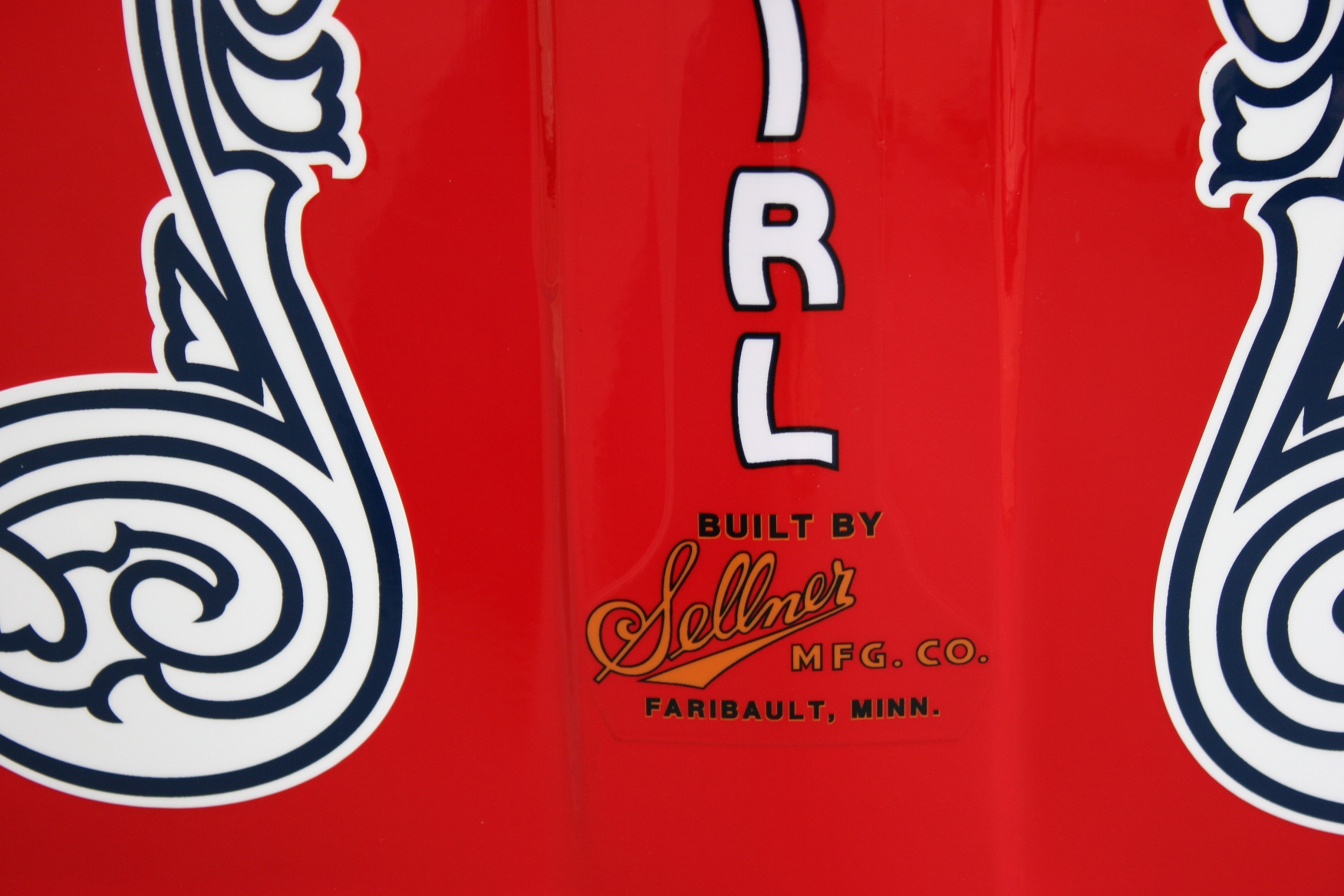
Herb Sellner invented the Tilt-A-Whirl, made in Faribault beginning in 1926.

Herb Sellner invented the Tilt-A-Whirl, made in Faribault beginning in 1926.

Until I moved into Faribault 31 years ago, just blocks from where the Tilt-A-Whirl was manufactured, I had no idea it was made here. I expect many remain unaware of its roots in this southeastern Minnesota community.
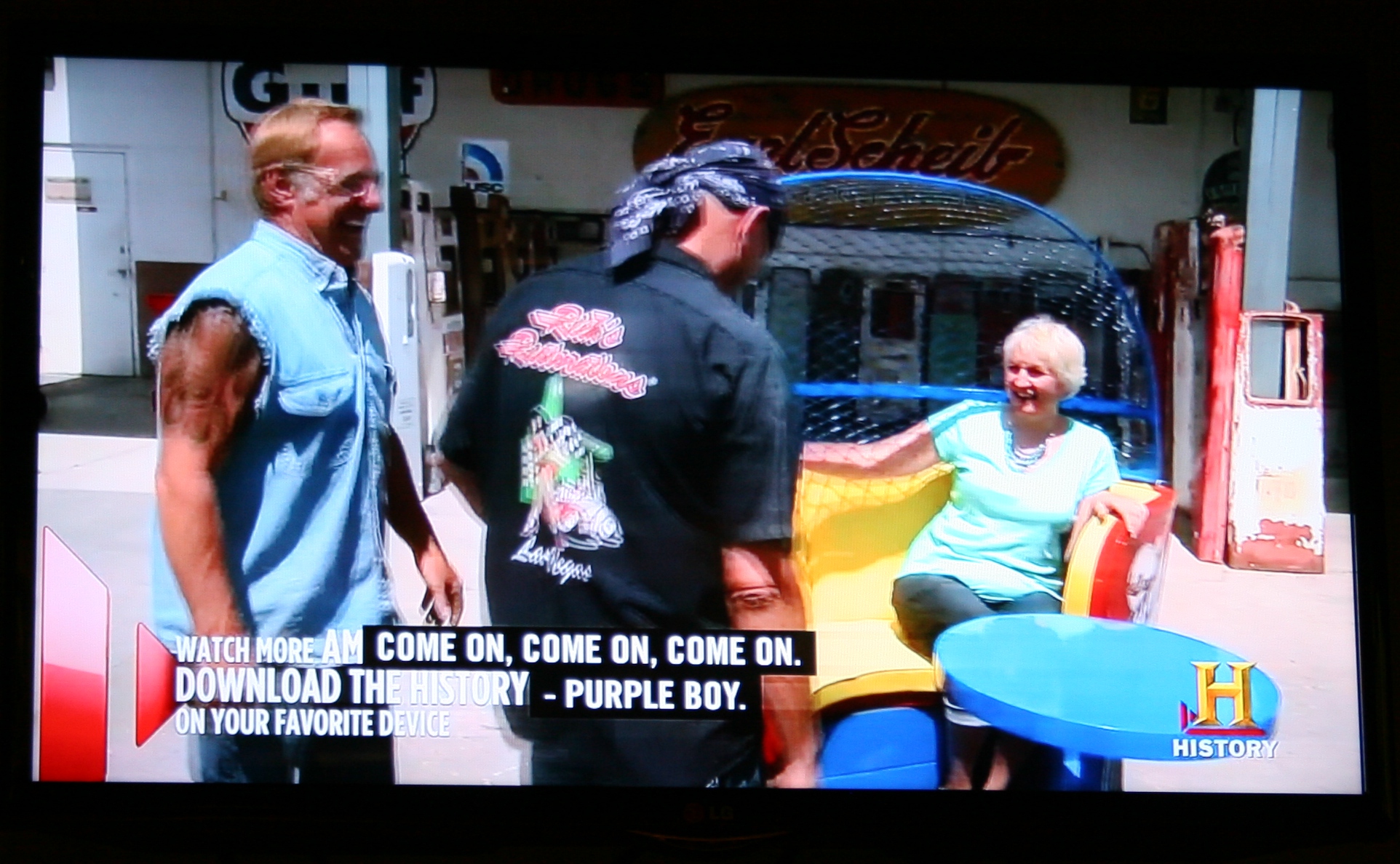
Tami Schluter on "Boy Meets Whirl."

Tami Schluter on “Boy Meets Whirl,” an episode on American Restorations featuring work done on the 1950s vintage Tilt-A-Whirl. A year ago a party was held in Faribault to view the show and unveil the amusement car. Earlier this summer, the car was installed in downtown Faribault.

But thanks to two local businesswomen who took the advice of a consultant following a 2011 Faribault Main Street market study, a restored 1950s Tilt-A-Whirl prototype now sits on a downtown Faribault street corner. And it’s getting the attention Tami Schluter and Peggy Keilen expected, first via the restoration itself, done by Rick’s Restoration of Las Vegas and featured on The History Channel’s American Restoration reality TV show.
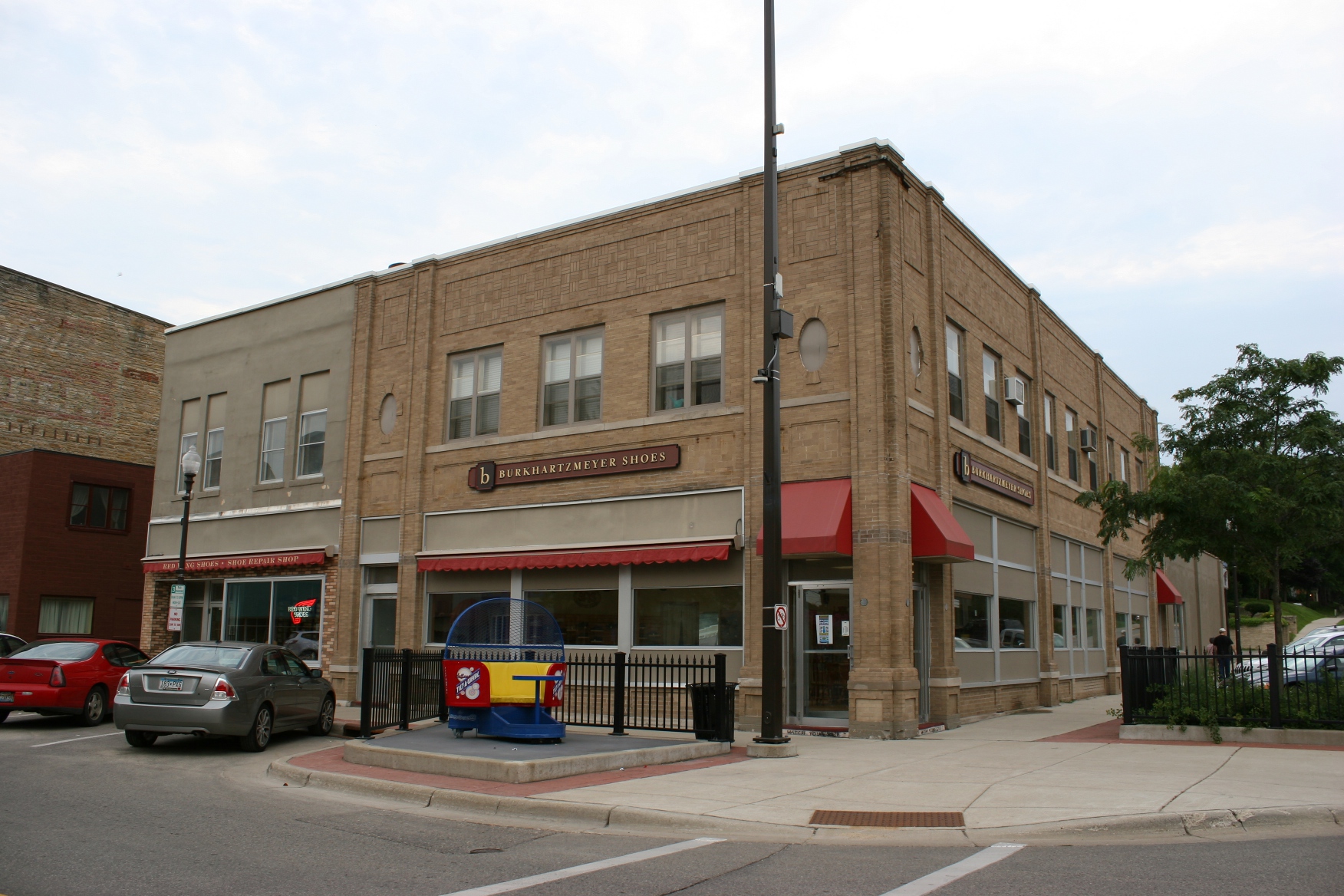
The restored 1950s vintage Tilt-A-Whirl has been permanently installed by Burkhartzmeyer Shoes in historic downtown Faribault.

The restored 1950s vintage Tilt-A-Whirl has been permanently installed next to Burkhartzmeyer Shoes in historic downtown Faribault.

And now, with the vintage Tilt-A-Whirl permanently in place at 128 Central Avenue in front of the third-generation family-owned shoe store, Burkhartzmeyer Shoes, locals and visitors alike are sliding into the Tilt-A-Whirl car and posing for photos or taking selfies.

The restored Tilt-A-Whirl sits in downtown Faribault, just two blocks from Buckham Memorial Library.

The restored Tilt-A-Whirl sits in downtown Faribault, just two blocks from Buckham Memorial Library and the Faribault Community Center.

Faribault is claiming an identity as the home of the Tilt-A-Whirl.

Words imprinted upon the table in the Tilt-A-Whirl car honor those involved with the project:

Words imprinted upon the table in the Tilt-A-Whirl car recognize those involved with the project: the Faribault community, the Hutchinson House Bed & Breakfast, Harley’s Auto Salvage, Faribo Air Conditioning & Heating and the Sellner family.

Says Schluter:

“I believe the Tilt brings a feeling of community pride to Faribault. It is certainly a legacy to the 80 years of the ingenuity and creativity of Herb Sellner, members of the Sellner family, its employees and talented local artisans. Besides that, it’s a really fun and whimsical story that brings a smile to just about everyone when reminiscing about past rides.”
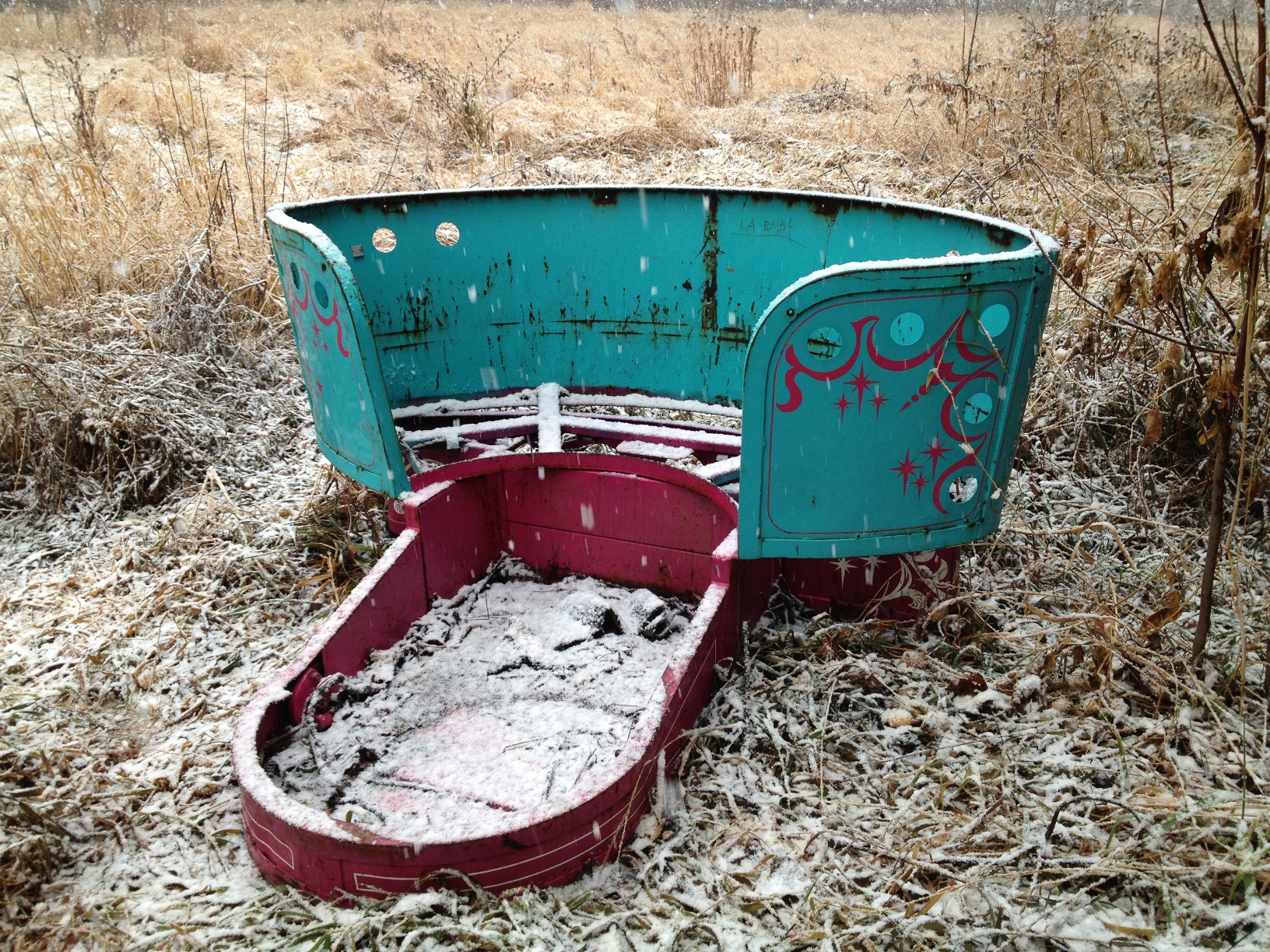
The Tilt-A-Whirl car before restoration was rescued from a junkyard.

The 1950s Tilt-A-Whirl car before restoration. Photo courtesy of Tami Schluter.

Not ones to finish a project and then just sit, Schluter and Keilen are now on a mission to restore a second car gifted to Faribault Main Street by Harley’s Auto Salvage. Schluter originally convinced the owners at Harley’s to pull three Tilt-A-Whirl cars from storage for possible refurbishing.

Monies are now being raised to restore this 1940s vintage Tilt-A-Whirl car. Photo courtesy of Tami Schluter.

Monies are now being raised to restore this 1940s vintage Tilt-A-Whirl car. Photo courtesy of Tami Schluter.

Recently, the second Tilt-A-Whirl project was awarded a $500 Community Pride Grant from the Faribault Foundation for restoration of a 1940s vintage car that will rest by the State Bank of Faribault, several blocks to the north of the 1950s car. This time, though, the car will be restored locally by former Sellner employees.

Karen Bussert creates Tilt-A-Whirl themed t-shirts like this one modeled by Faribault native Janet Timmers.

Karen Bussert creates Tilt-A-Whirl themed t-shirts (and sweatshirts) like this one modeled by Faribault native Janet Timmers at a recent Faribault Car Cruise Night. When I spotted the t-shirt, I inquired and Janet directed me to Karen. Janet grew up near Sellner Manufacturing and today lives even closer to the former business. She’s an enthusiastic Tilt-A-Whirl backer, having donated monies toward the first car restoration. I’d love to see this Tilt-A-Whirl apparel sold perhaps at Burkhartzmeyer Shoes and/or other downtown businesses and at the Faribault Chamber office. For now, those interested should contact Karen Bussert at Design Specialties, 19557 Roberds Lake Boulevard, Faribault.

Among those planning to be involved in that restoration is Karen Bussert, a seven-year Sellner employee and now owner of Faribault-based Design Specialties. Bussert created the vinyl lettering and graphics for the first restored car (sending them to Rick’s Restorations) and will do so with the second, too. After Sellner Manufacturing closed, she purchased the screen printing, embroidery and vinyl graphics part of the business, claiming rights to the amusement ride decals. She has templates of the original graphics and still produces them for Larson International, Inc., which manufactures the Tilt-A-Whirl today in Texas along with other formerly made in Faribault spin rides like Dizzy Dragons and Berry Go Round. Bussert also sells Tilt-A-Whirl t-shirts and sweatshirts currently available only at her business.
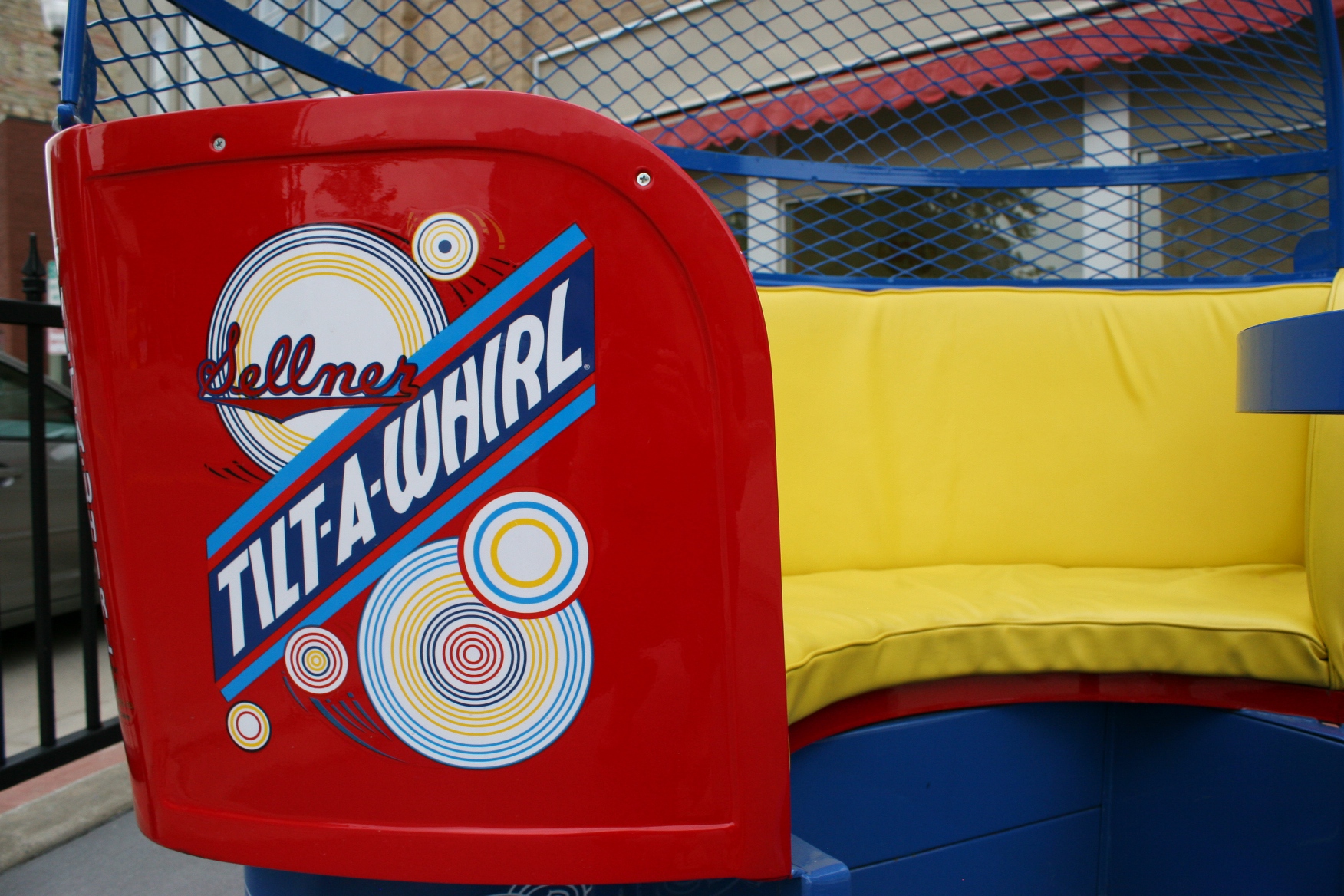
Signage and seating inside the restored amusement car.

Signage and seating inside the restored amusement car.

With the $500 Community Pride Grant, $2,800 of the $6,500 goal have now been raised toward restoring the second Tilt-A-Whirl. Schluter and Keilen aim to have all of the funds needed for restoration by the end of the year. Tax-deductible donations are accepted at Reliance Bank, 2300 30th St. N.W., Faribault, MN. 55021. Checks should be made payable to the Faribault Foundation and noted for the Tilt-A-Whirl restoration.

The Tilt-A-Whirl faces north toward Central Avenue.

The Tilt-A-Whirl faces north toward Central Avenue and Faribault’s historic downtown.

Like, Schluter, Keilen and the owners and employees of Burkhartzmeyer Shoes, I’ve seen folks gathered at the Tilt-A-Whirl car. It has, indeed, become a Faribault icon and a source of community pride. I expect that interest to grow as word spreads and Faribault markets itself as home of the Tilt-A-Whirl. The possibilities (perhaps a museum and/or an operating Tilt-A-Whirl) exist to make this an even bigger draw.
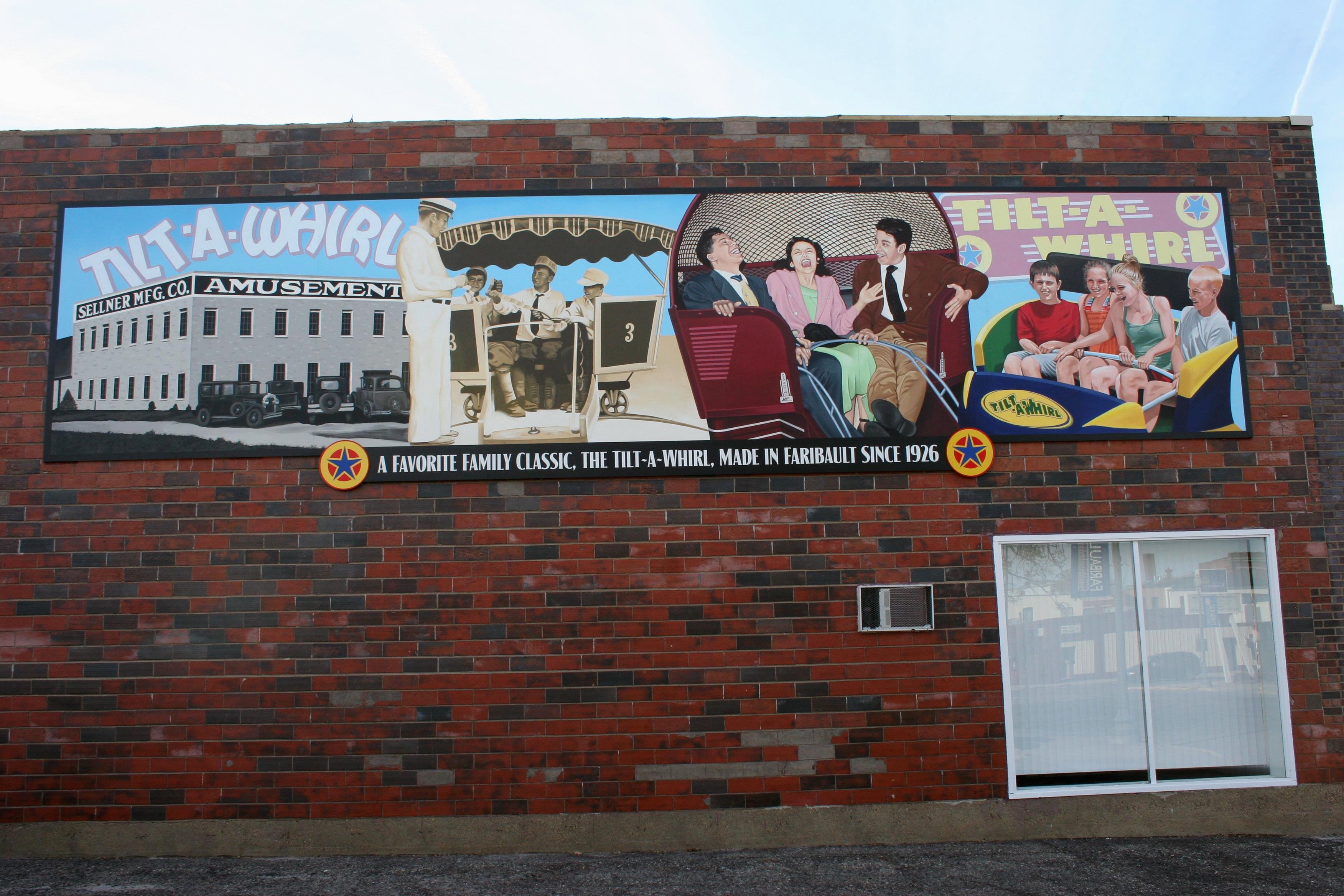
The Mural Society of Faribault created and placed the Tilt-A-Whirl mural on the side of Jim's Auto & Tire this past fall.

The Mural Society of Faribault created and placed the Tilt-A-Whirl mural on the side of a downtown building in 2010.

FYI: The Tilt-A-Whirl is featured on one of several murals that grace Faribault’s downtown. The mural is displayed on a building along Fourth Street/Minnesota Highway 60, just a block west of Central Avenue.

Tilt-A-Whirl art

Art and lettering on the Tilt-A-Whirl car were created by Karen Bussert of Design Specialties from templates of original Sellner Manufacturing graphics.

If you wish to share your memories and photos of the Tilt-A-Whirl go to facebook.com/tiltawhirlfaribault.

Click here to read a previous post I wrote about another Faribault Foundation Community Pride Grant recipient.

© Copyright 2015 Audrey Kletscher Helbling


An Old MacDonald style park in Mankato August 18, 2015

One of two barn style buildings at Sibley Park in Mankato, Minnesota.

The barn style stable at Sibley Farm in Mankato, Minnesota.

GROWING UP, MY DAUGHTERS had a Fisher Price barn that, when the doors opened, “mooed.” For hours they would play with this toy farm. Being a rather unwise mom who determined that everything from their childhood could not be kept, I gave the barn, silo, Little People, tractor and animals to friends with little ones. My eldest once reminded me that was a mistake. I agree.

A fenced pond is in the foreground and a second barn type pole shed in the background.

A fenced pond is in the foreground and the farm’s barn in the background.

But now she, and other twenty-somethings who hold fond memories of the Fischer Price barn, can see a similar real-life barn at Sibley Farm in Mankato’s sprawling Sibley Park.

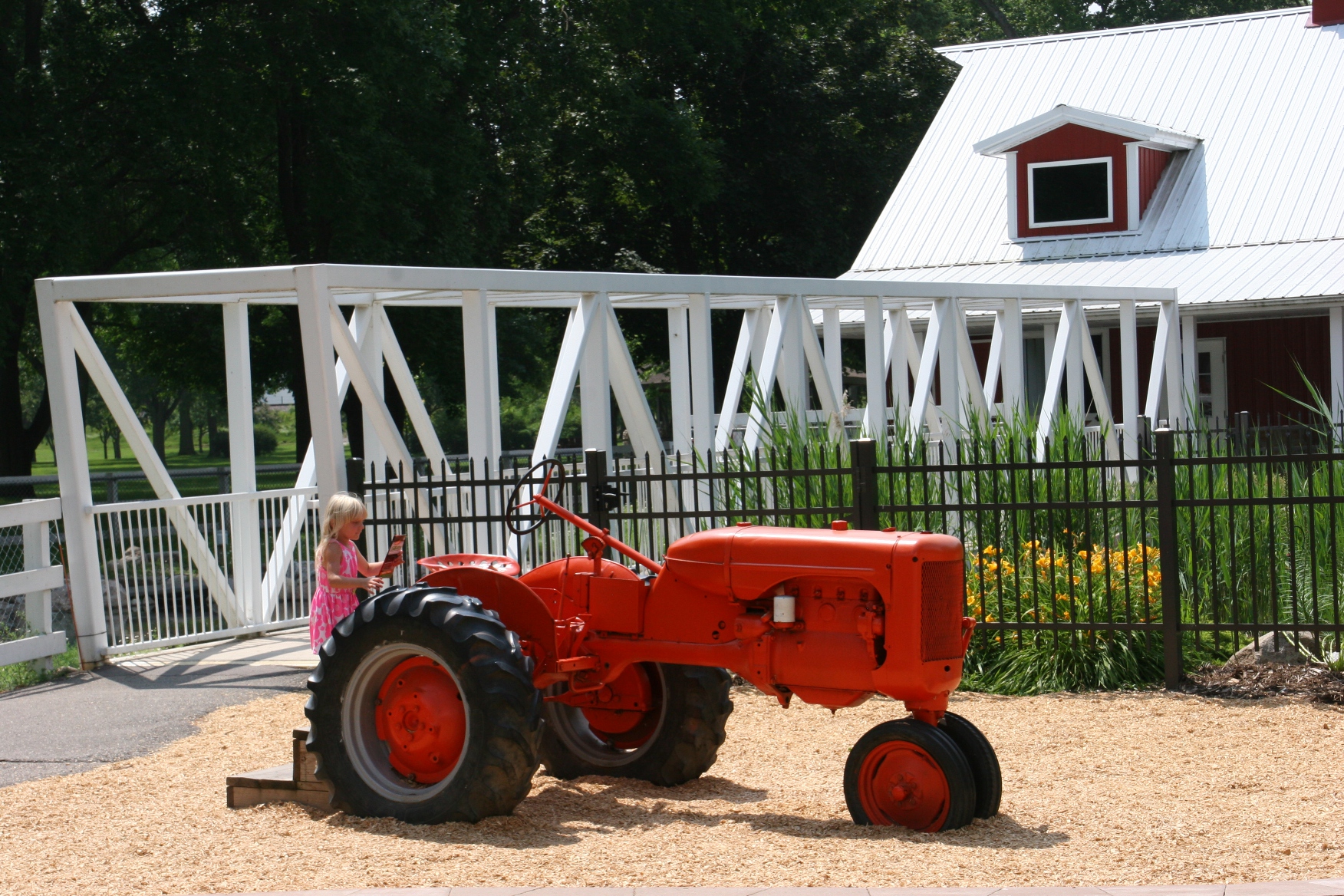
Kids love the tractors, this one located next to the bridge spanning the pond stocked with fish and dotted with water lilies.

Kids love the tractors, this one located next to the bridge spanning the pond stocked with koi and dotted with water lilies.

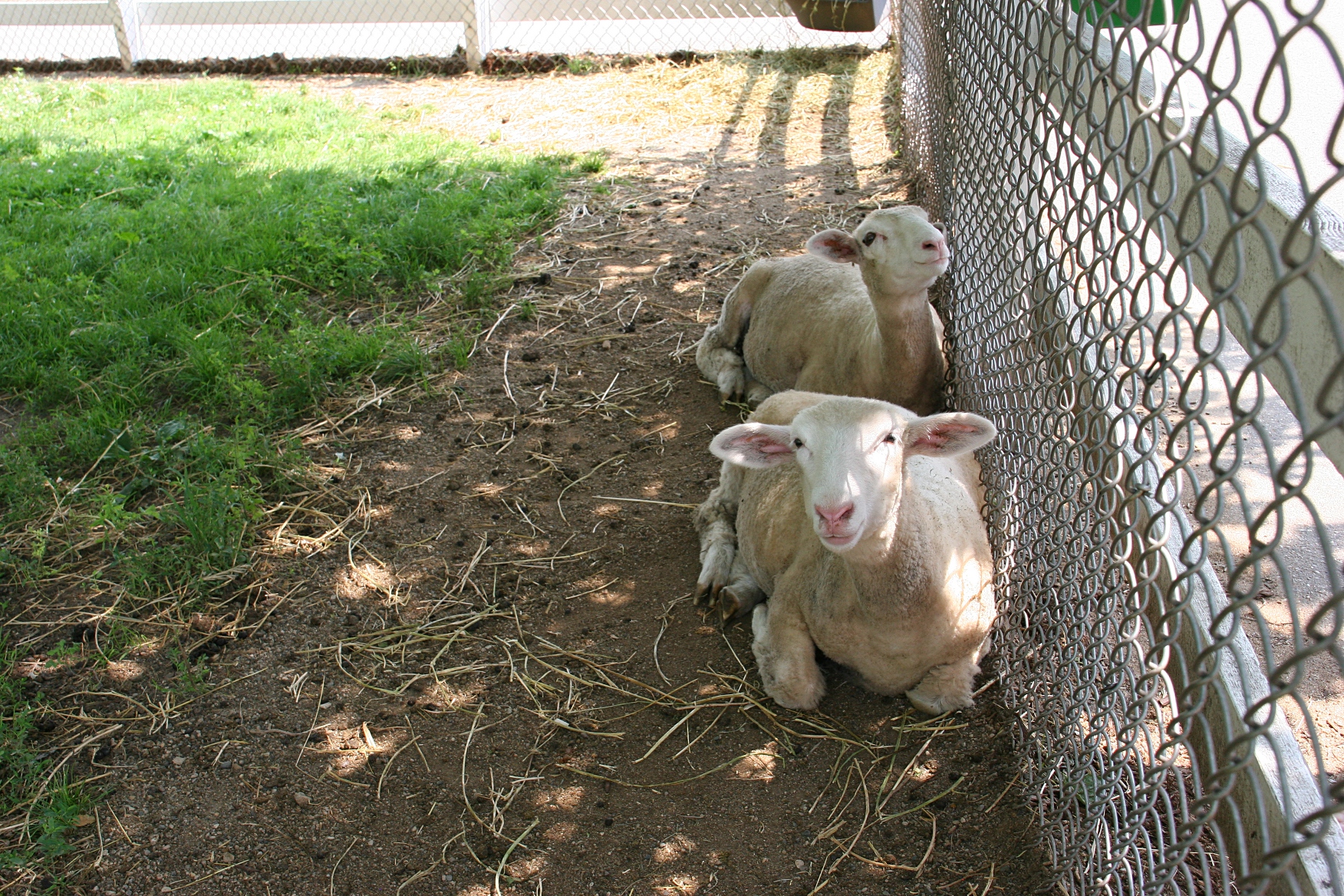
Friendly sheep are a favorite.

Friendly sheep are a favorite.

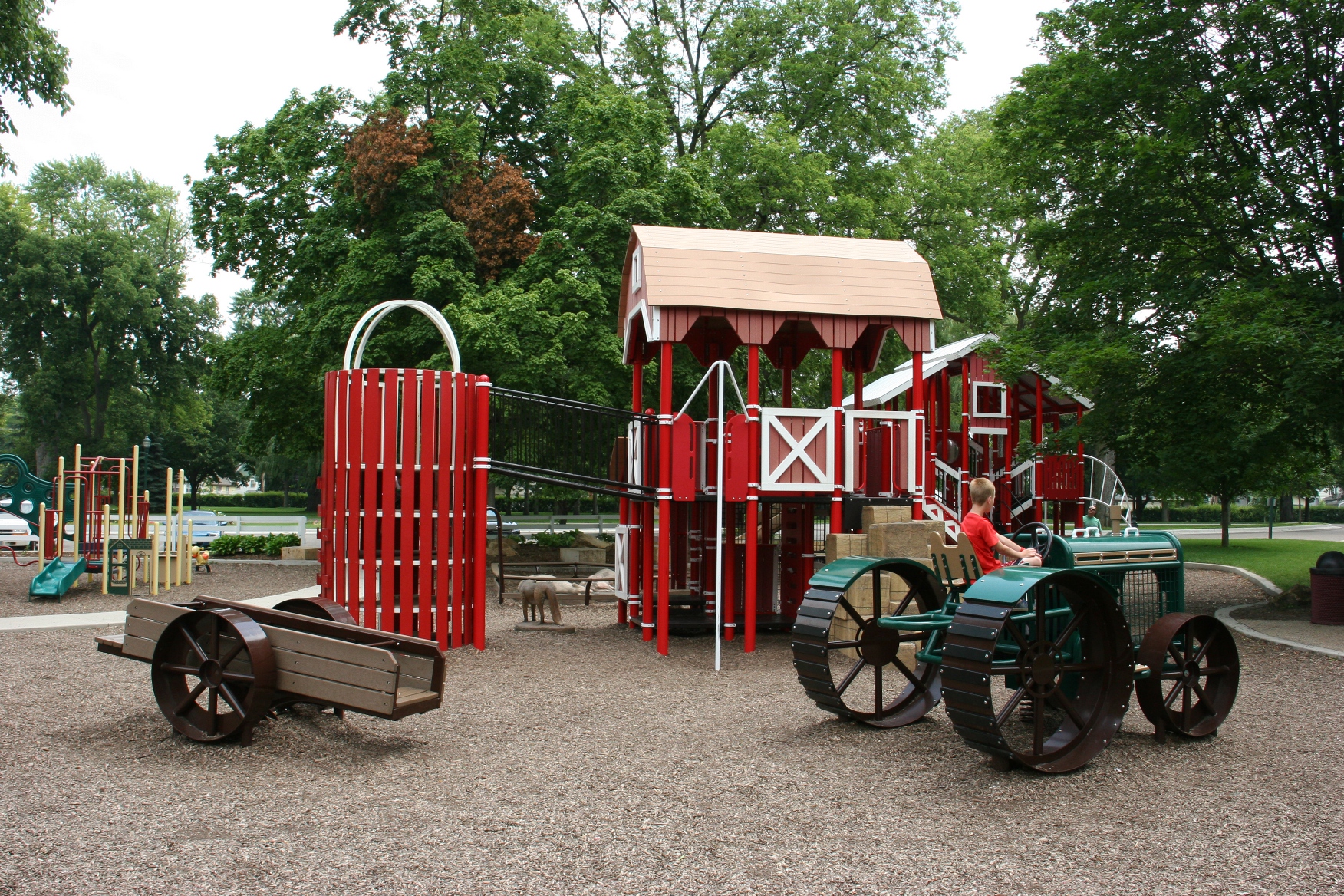
The fabulous farm-themed playground.

The fabulous farm-themed playground. There’s also a traditional playground, shown in the background.

I explored the farm on a recent Sunday afternoon, delighting in the animals, the pond, and the agricultural-themed playground. What a brilliant idea, to create this educational and engaging tribute to the region’s rural roots in the heart of southern Minnesota farm country. The farm park opened in 2008 and was partially funded by a $200,000 gift from the Al and Erla Fallenstein fund through the Mankato Area Foundation.

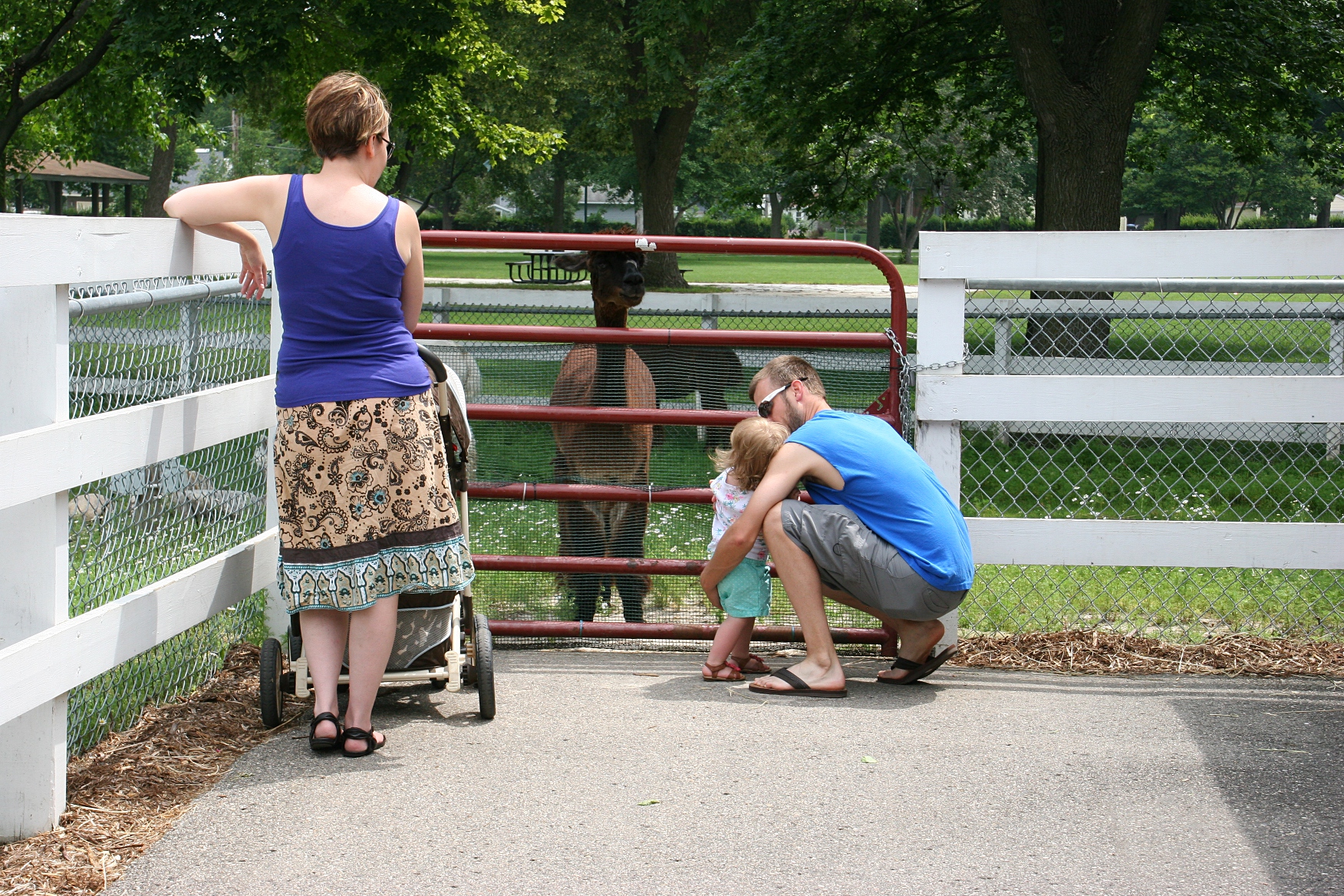
A young family checks out the alpacas.

A young family checks out the alpacas.

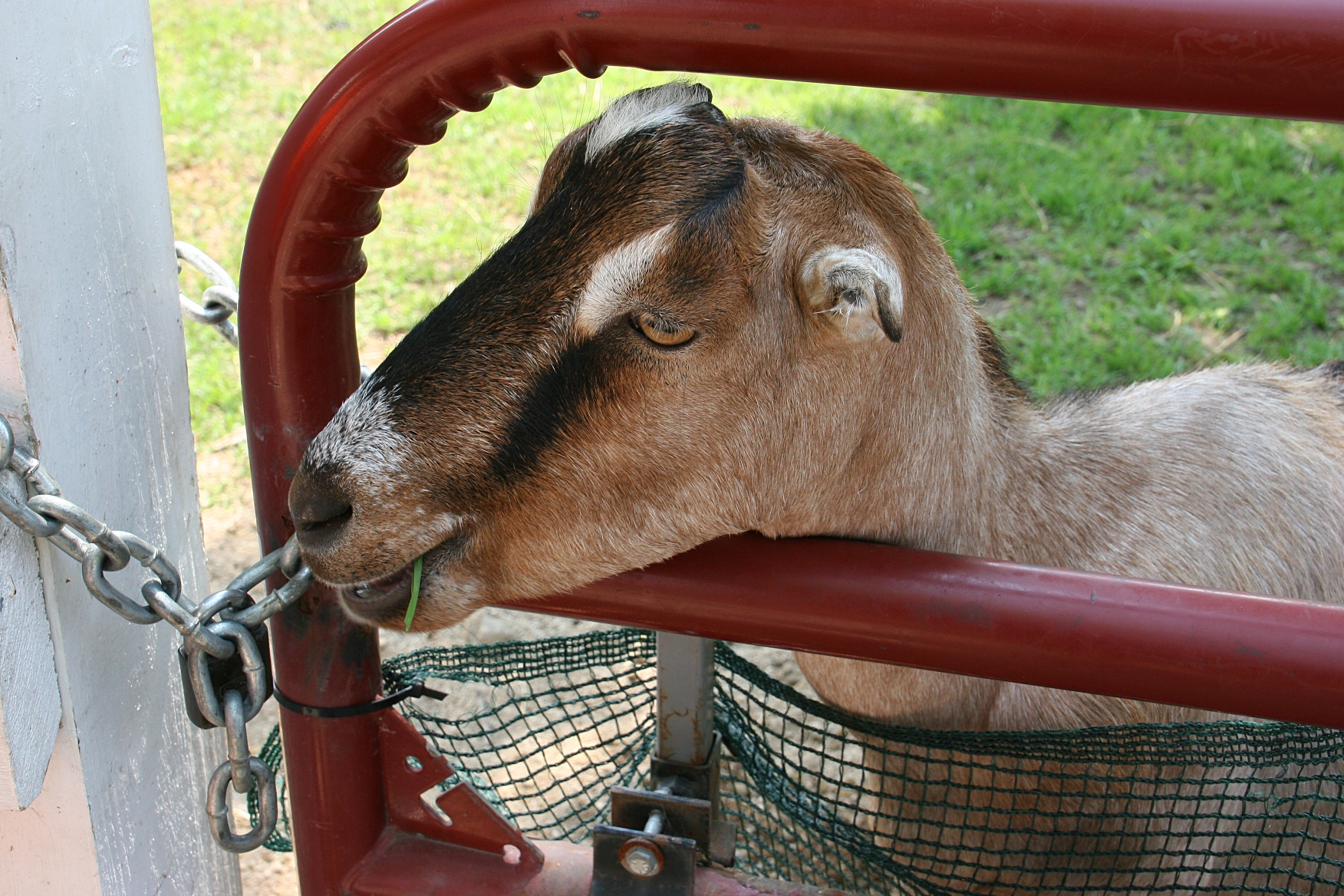
When I got to the pygmy goats, a young boy was feeding them grass.

When I got to the pygmy goats, a young boy was feeding them grass.

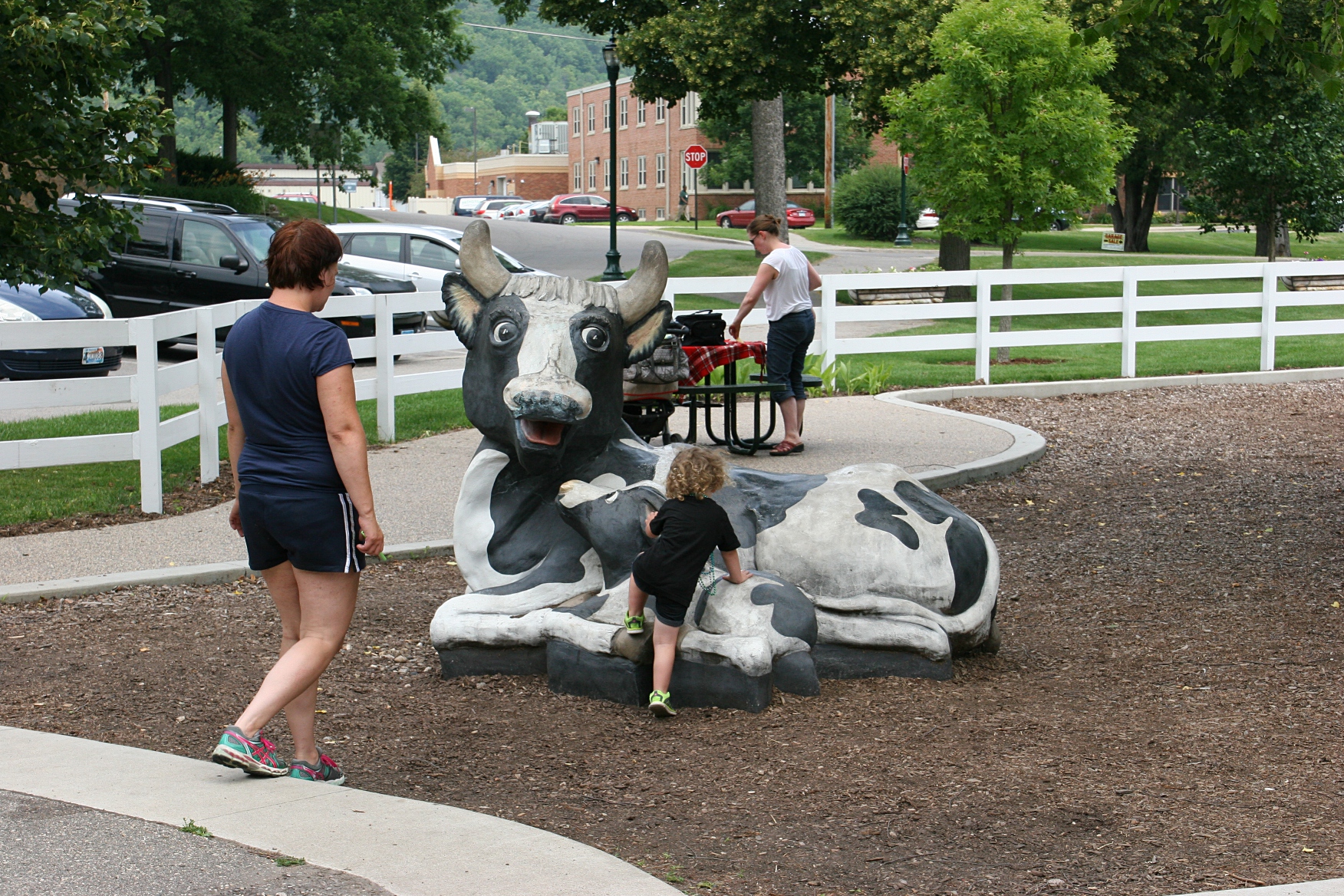
The farm animal sculptures provide perfect photo opportunities.

The farm animal sculptures provide perfect photo opportunities.

This agricultural-themed park makes my farm girl heart happy—to see kids petting farm critters, posing with farm animal statues, racing to tractors, and clamoring onto barn, silo, straw bale and even cornstalk playground equipment. This is a place for families, for anyone who grew up on a farm, and for those who didn’t.

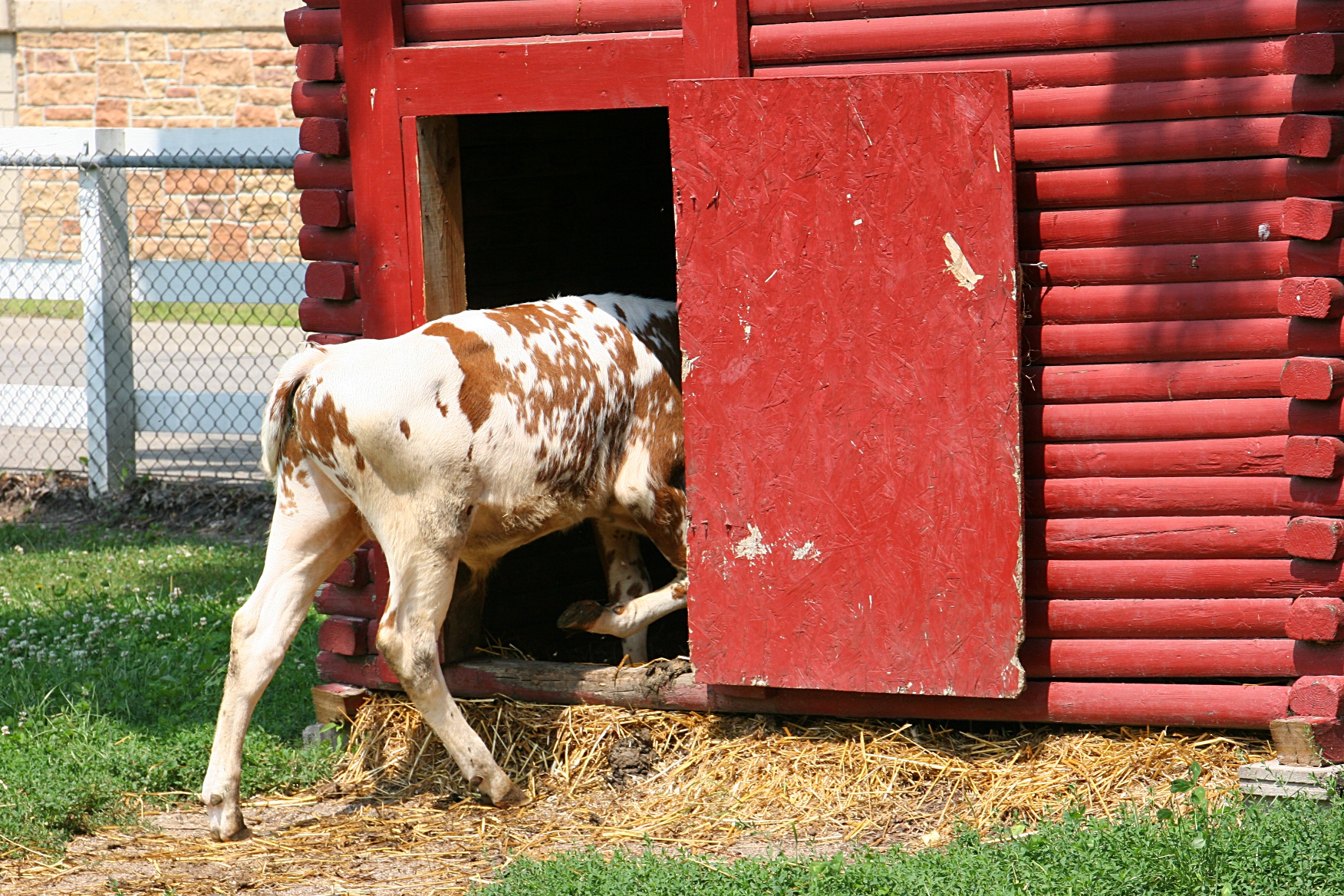
The farm features Ayrshire cattle like this one seeking shelter in the heat of a summer afternoon.

The farm features Ayrshire cattle like this one seeking shelter in the heat of a summer afternoon.

We need to hold onto our rural heritage. And one way to do that is through parks like Sibley Farm.

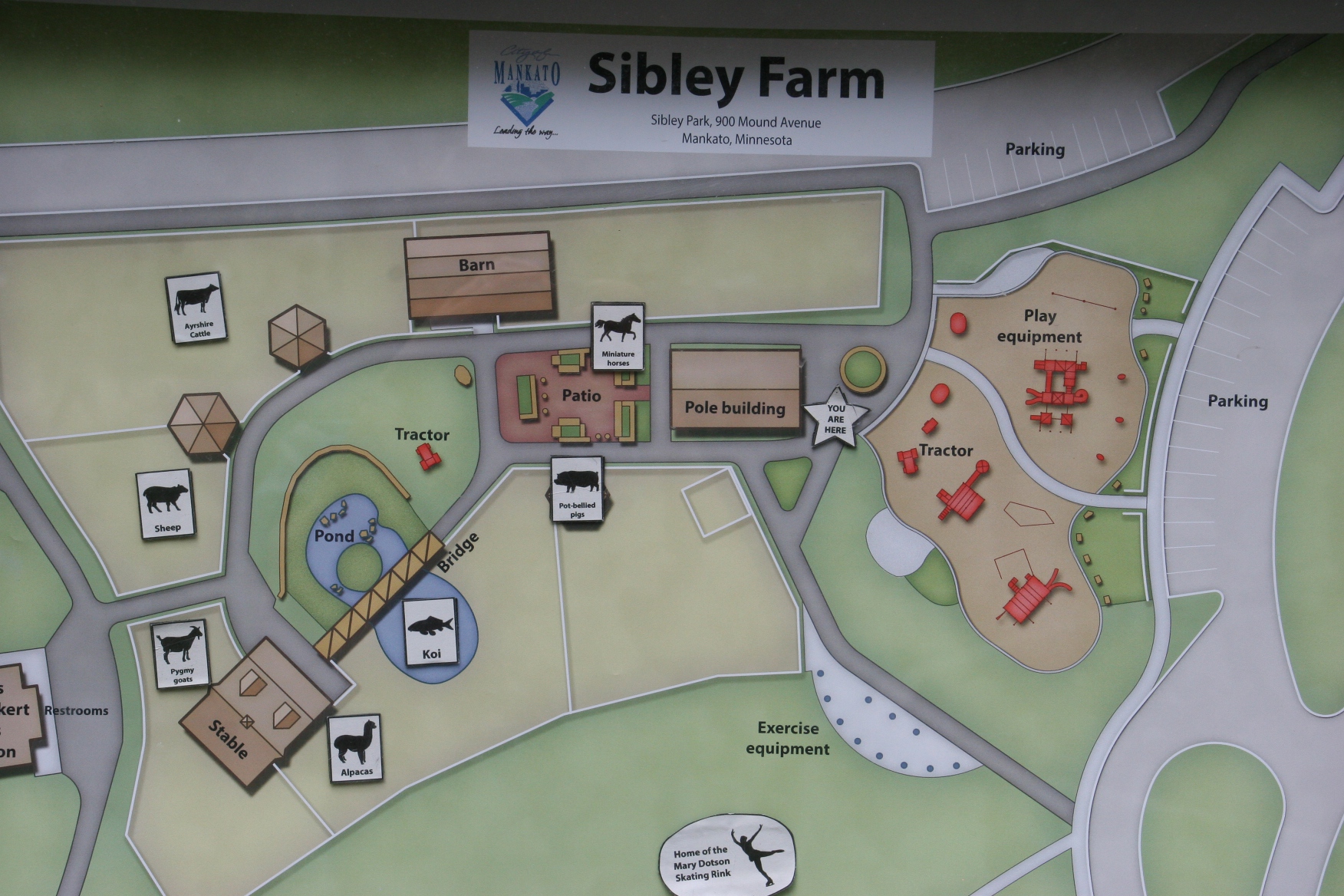
Your guide to Sibley Farm in Mankato.

Sibley Farm’s lay-out.

FYI: Sibley Farm is located at 900 Mound Avenue and is open daily from 6:30 a.m. – 10:30 p.m. mid-spring, summer and early fall. Admission is free. Click here to read a 2011 post I wrote about a goat-napping caper at this very park.

BONUS PHOTOS:

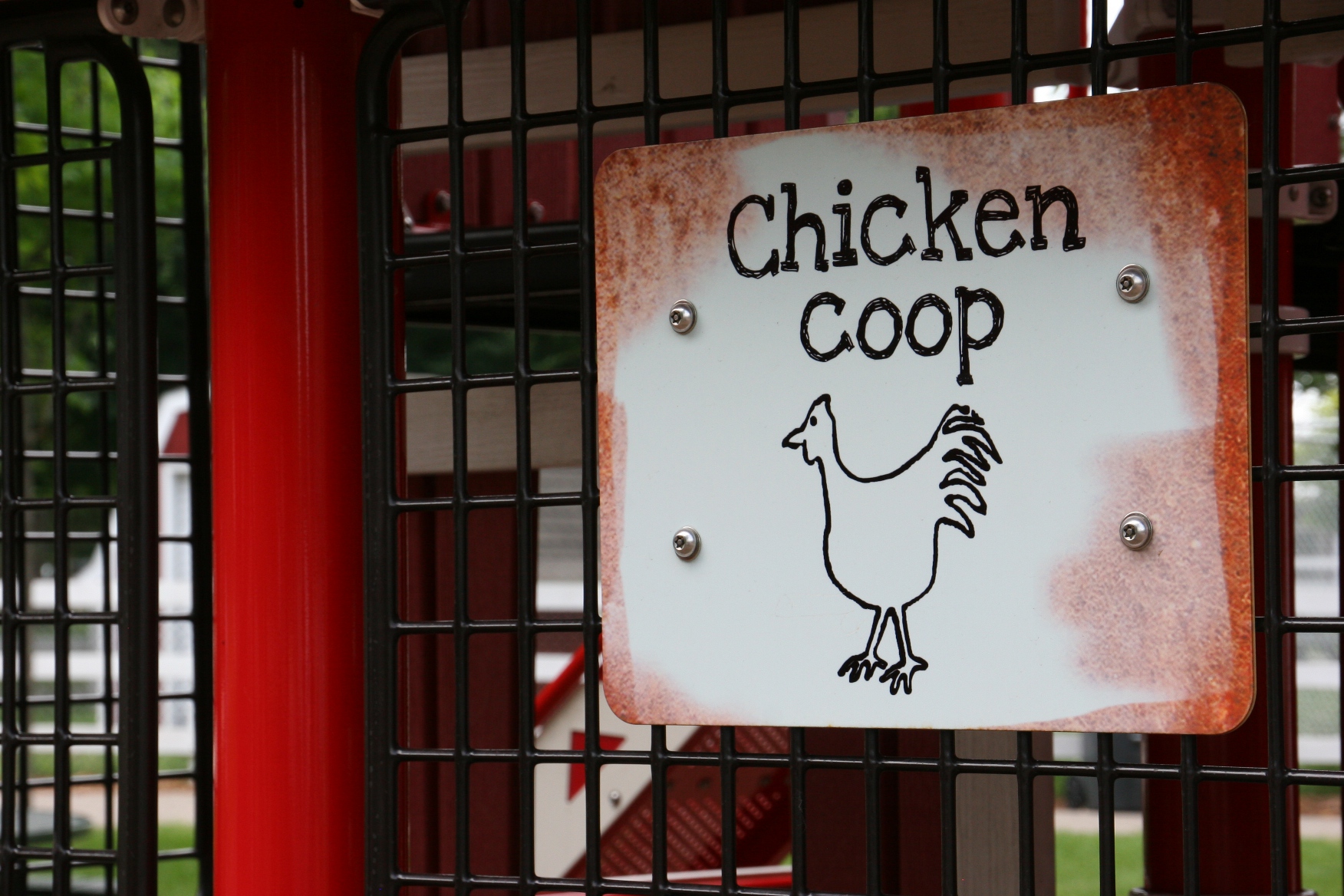
A sign at the playground.

A sign at the playground.

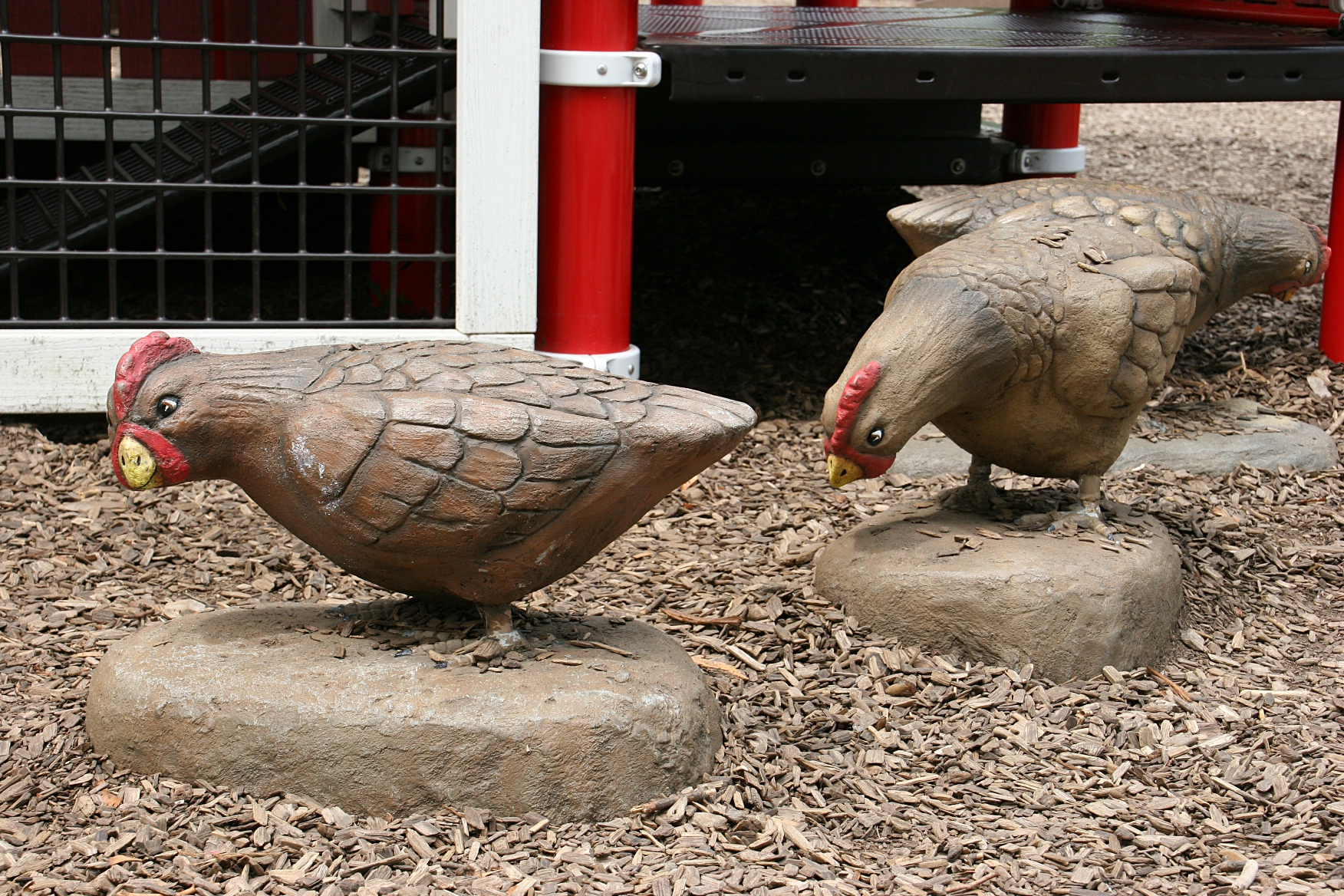
And the chickens.

The playground chickens.

I absolutely love the creativity of the playground cornstalks.

I absolutely love the creativity of the climbing apparatus designed to look like cornstalks.

Love the signage at the farm-themed playground. There's also traditional playground equipment, background.

Love the signage at the farm-themed playground. There’s also traditional playground equipment, background.

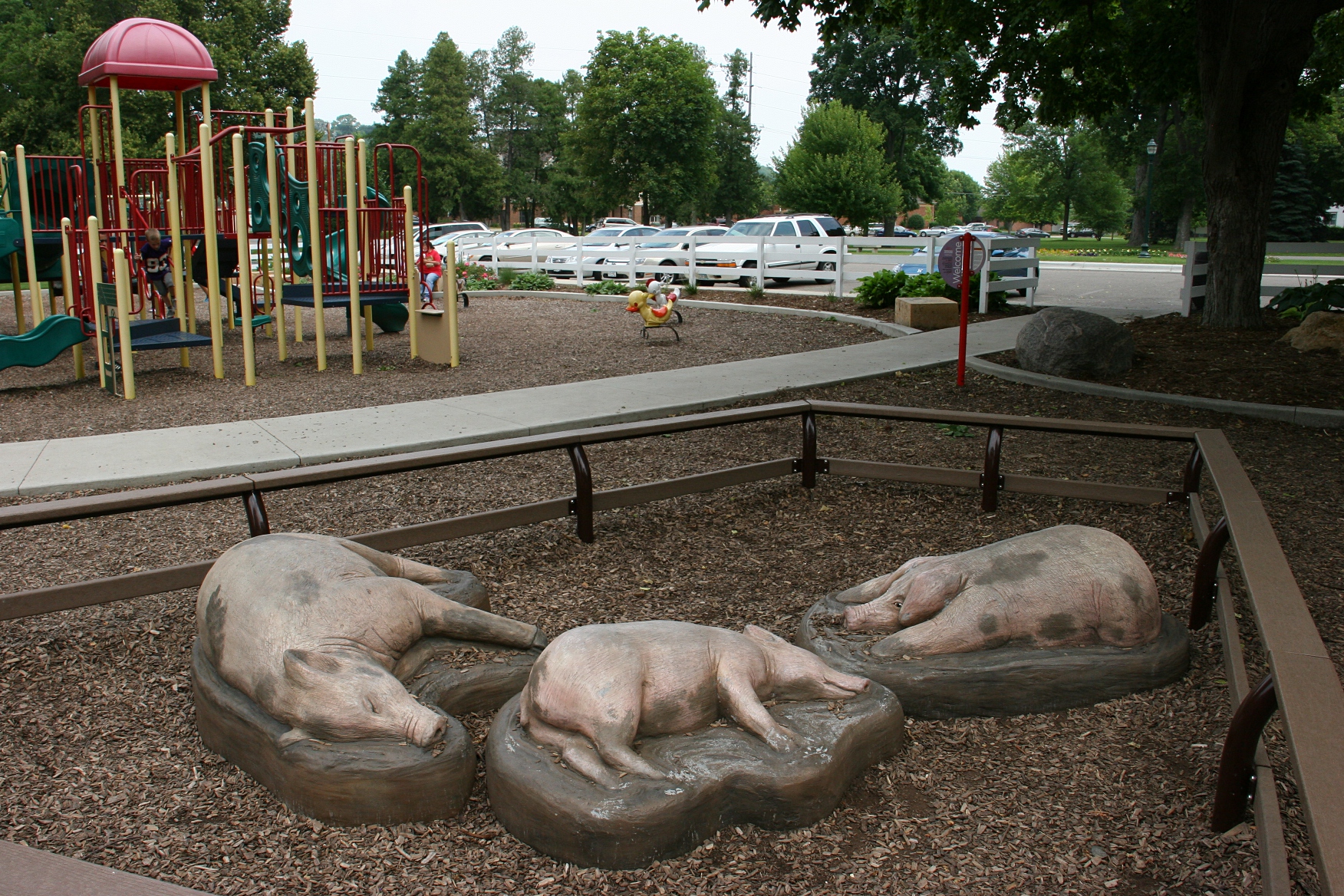
Playground pig sculptures.

Playground pig sculptures.

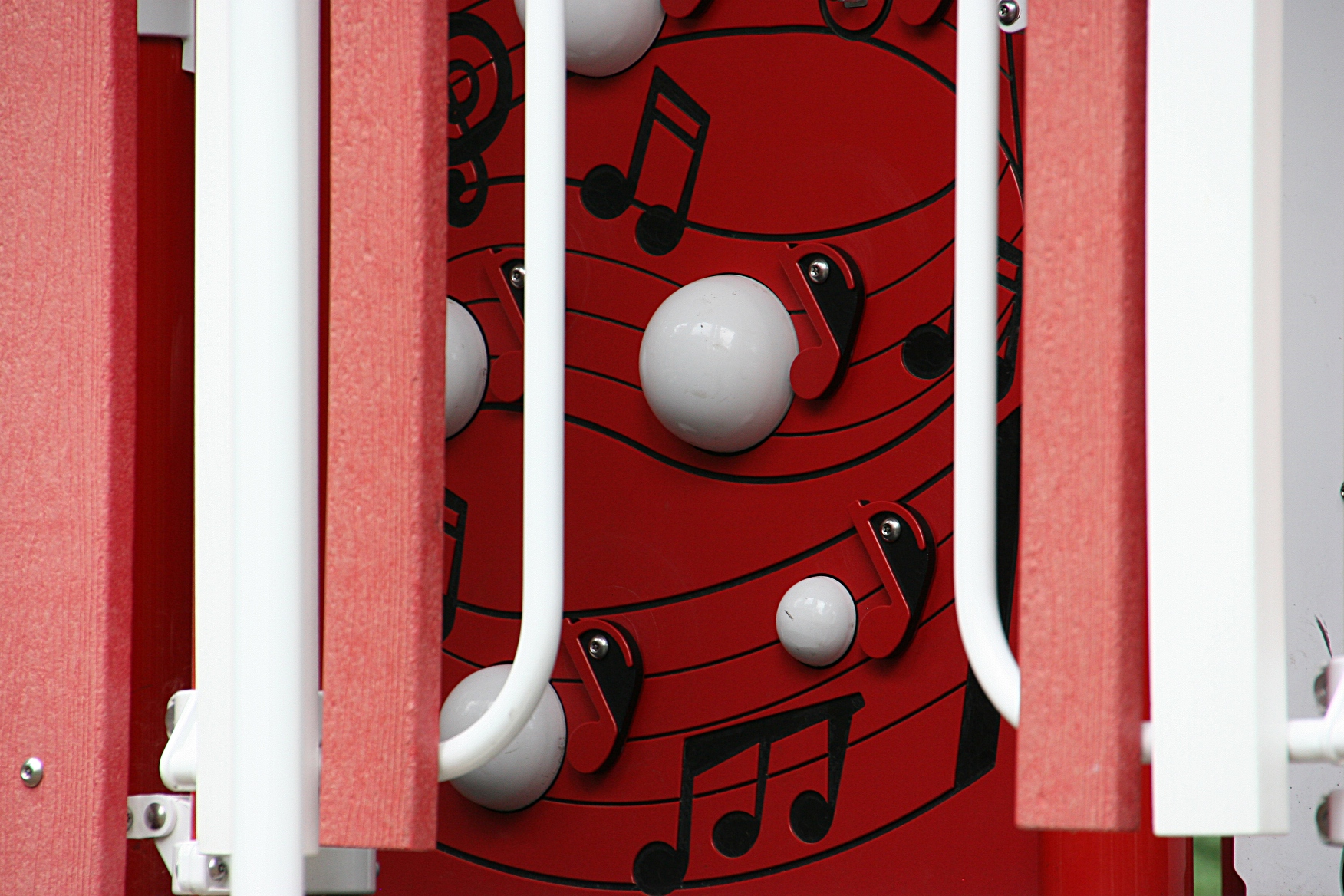
A musical detail on the playground.

A musical detail on the playground.

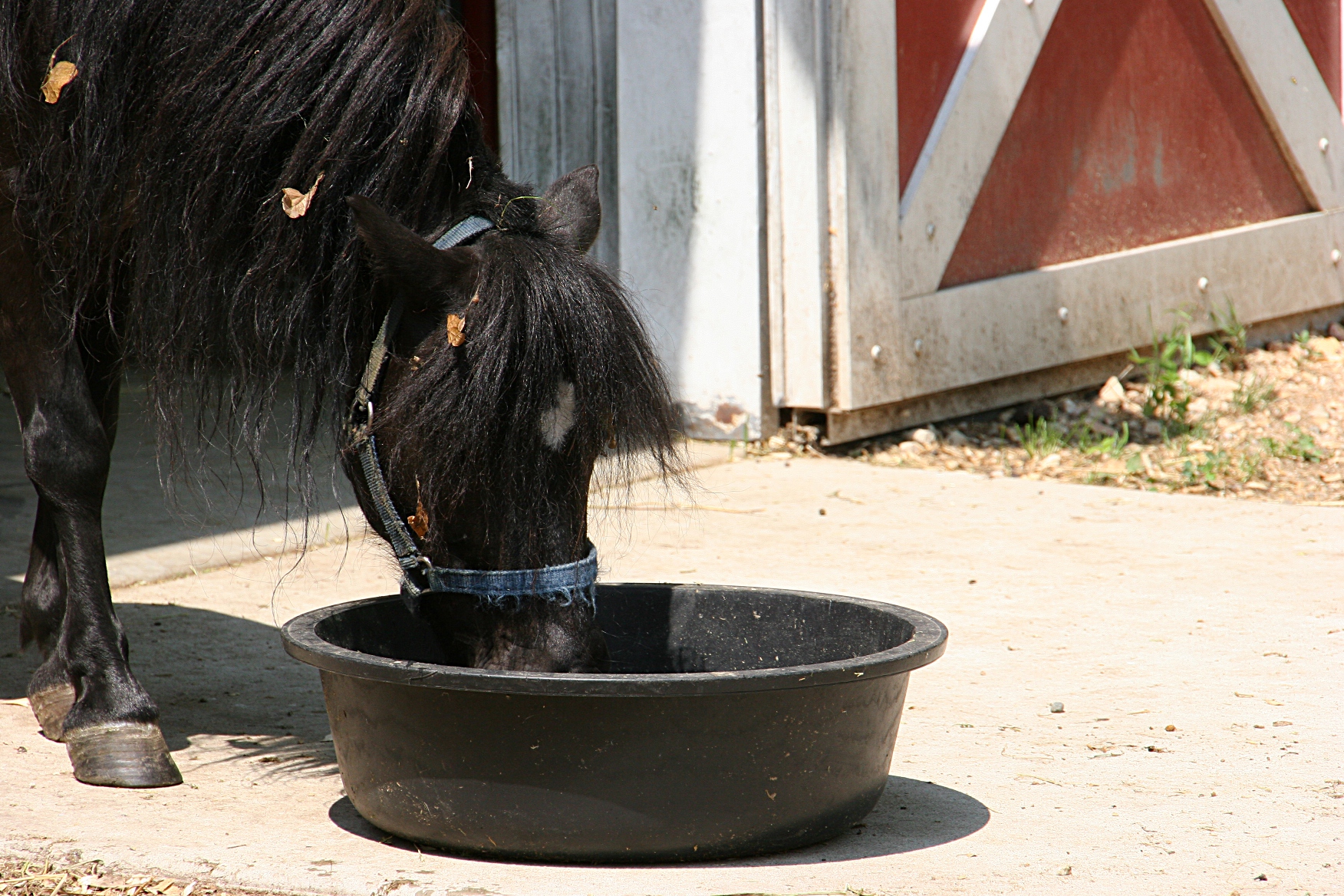
The miniature ponies are kid-sized friendly.

The miniature horses are kid-sized friendly.

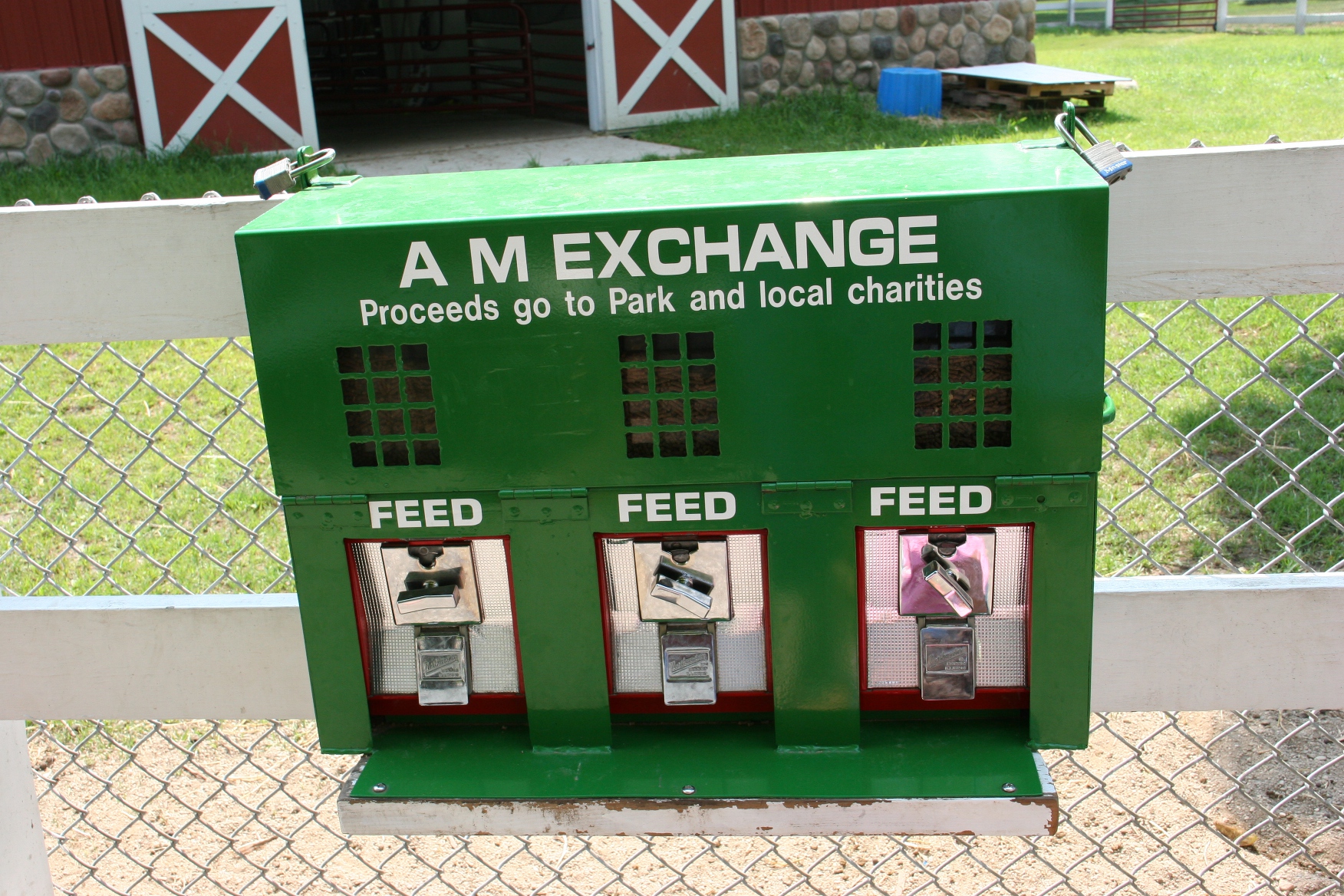
Bring coins so kids can feed the animals.

Bring coins so kids can feed the animals.

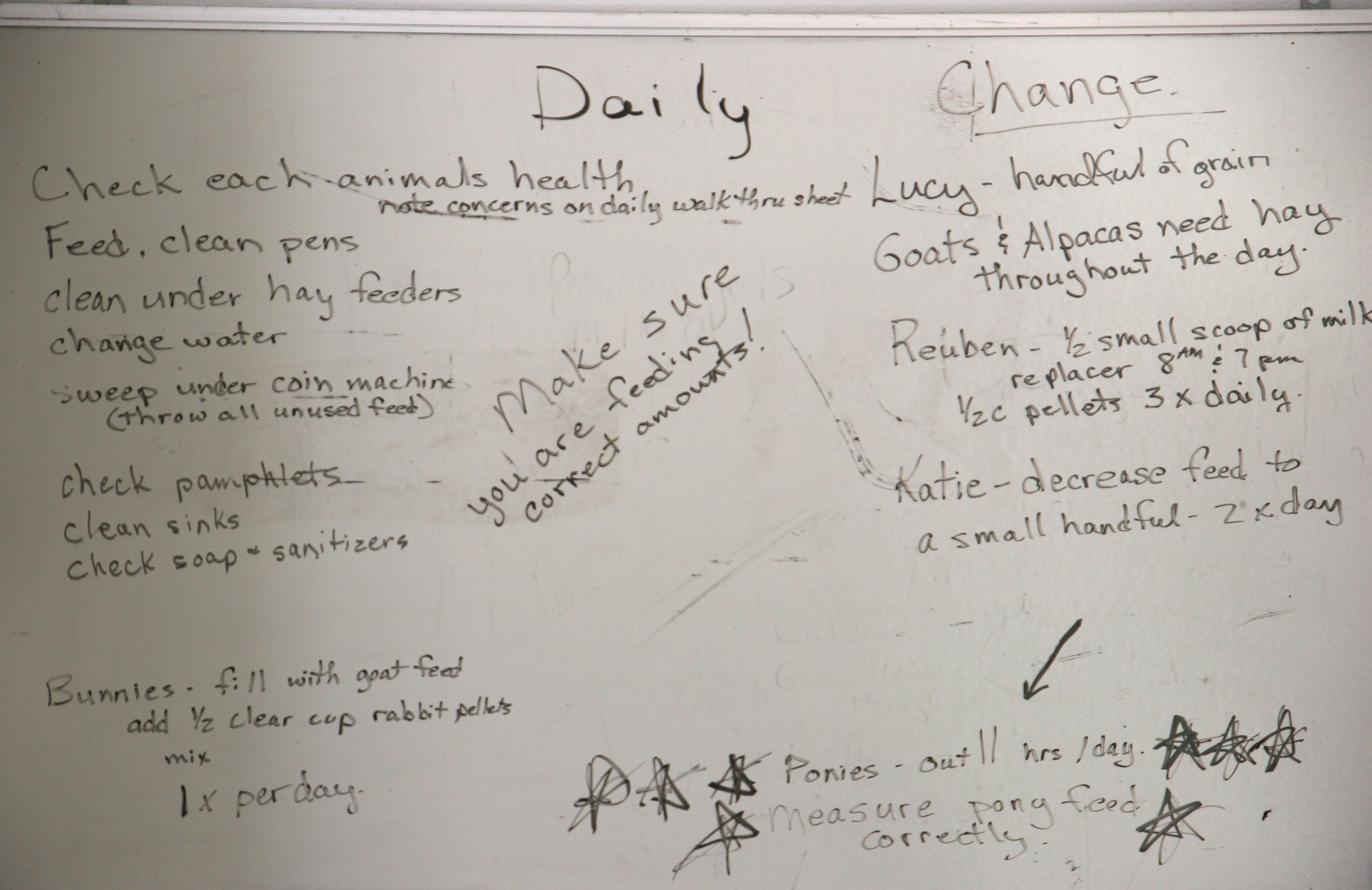
Daily instructions posted inside the barn for employees.

Daily instructions posted inside the barn.

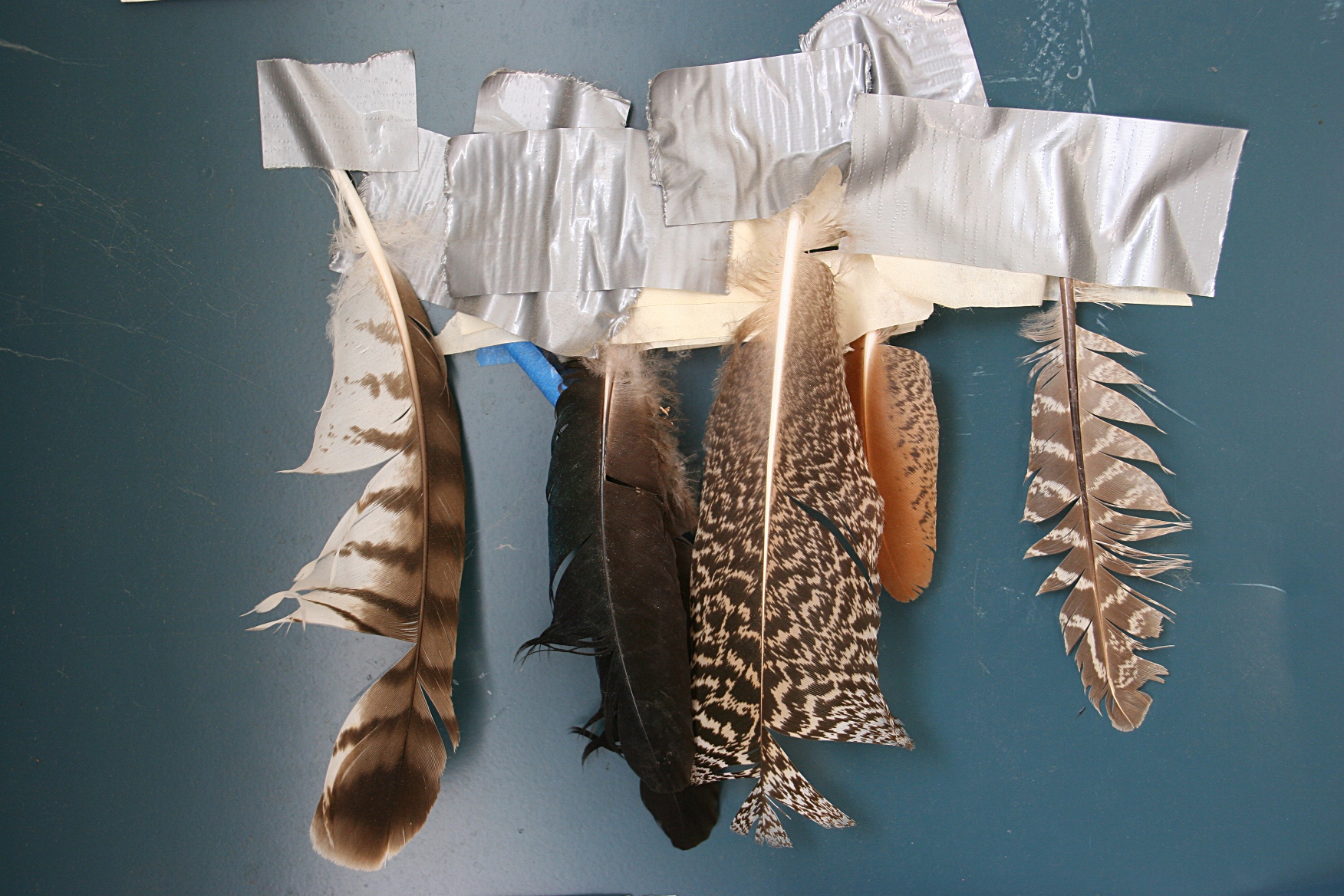
Found feathers displayed in the barn.

Found feathers displayed in the barn.

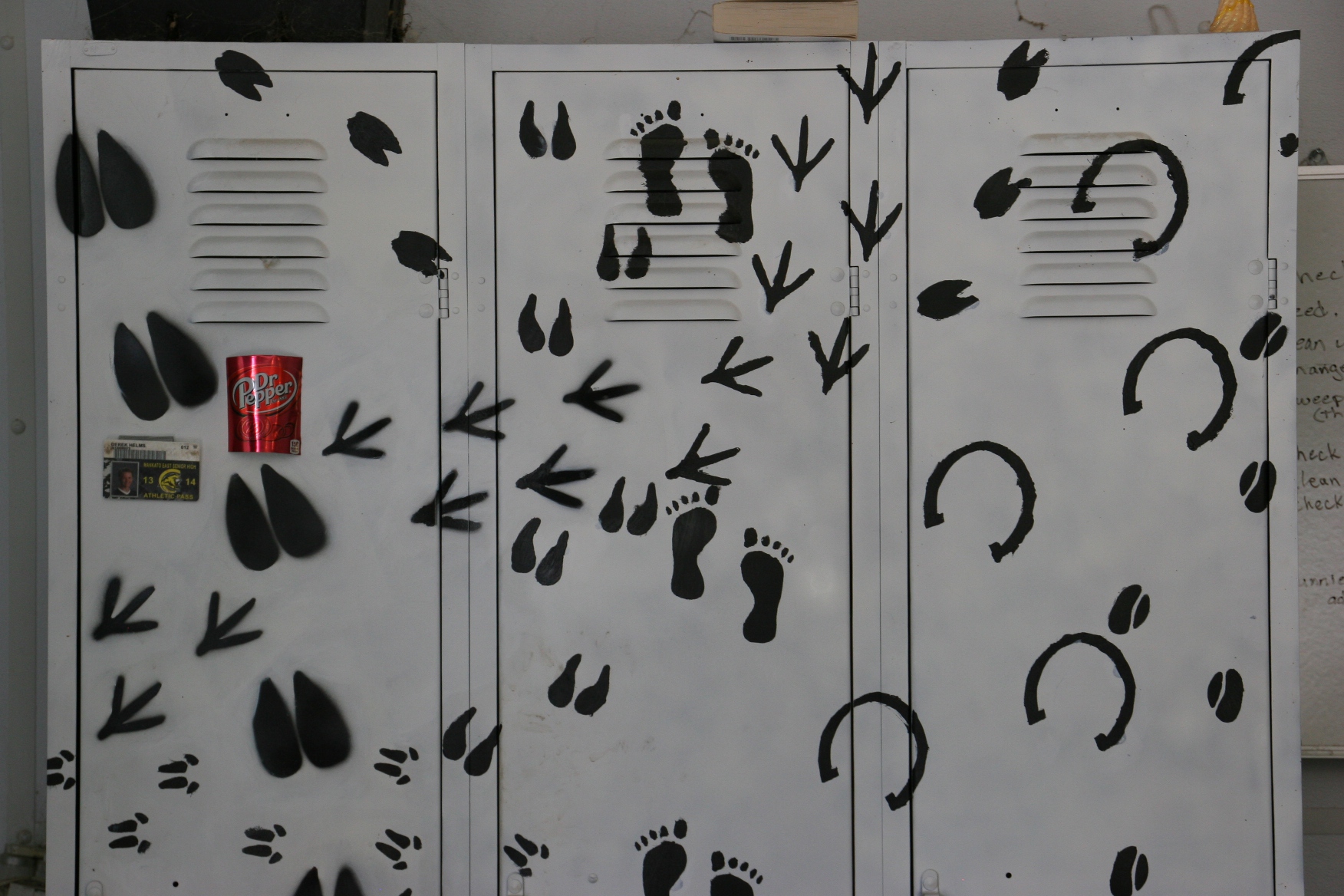
Appropriately printed lockers.

Appropriately printed lockers.

CHECK BACK TOMORROW for a similar, but much smaller, project proposed for the Redwood Falls Public Library.

© Copyright 2015 Audrey Kletscher Helbling
 

A must-see in New Ulm: German Park August 3, 2015

MINNEAPOLIS HAS THE LAKE HARRIET Rose Garden. St. Cloud has the Munsinger/Clemens Gardens. Chaska has the Minnesota Landscape Aboretum.

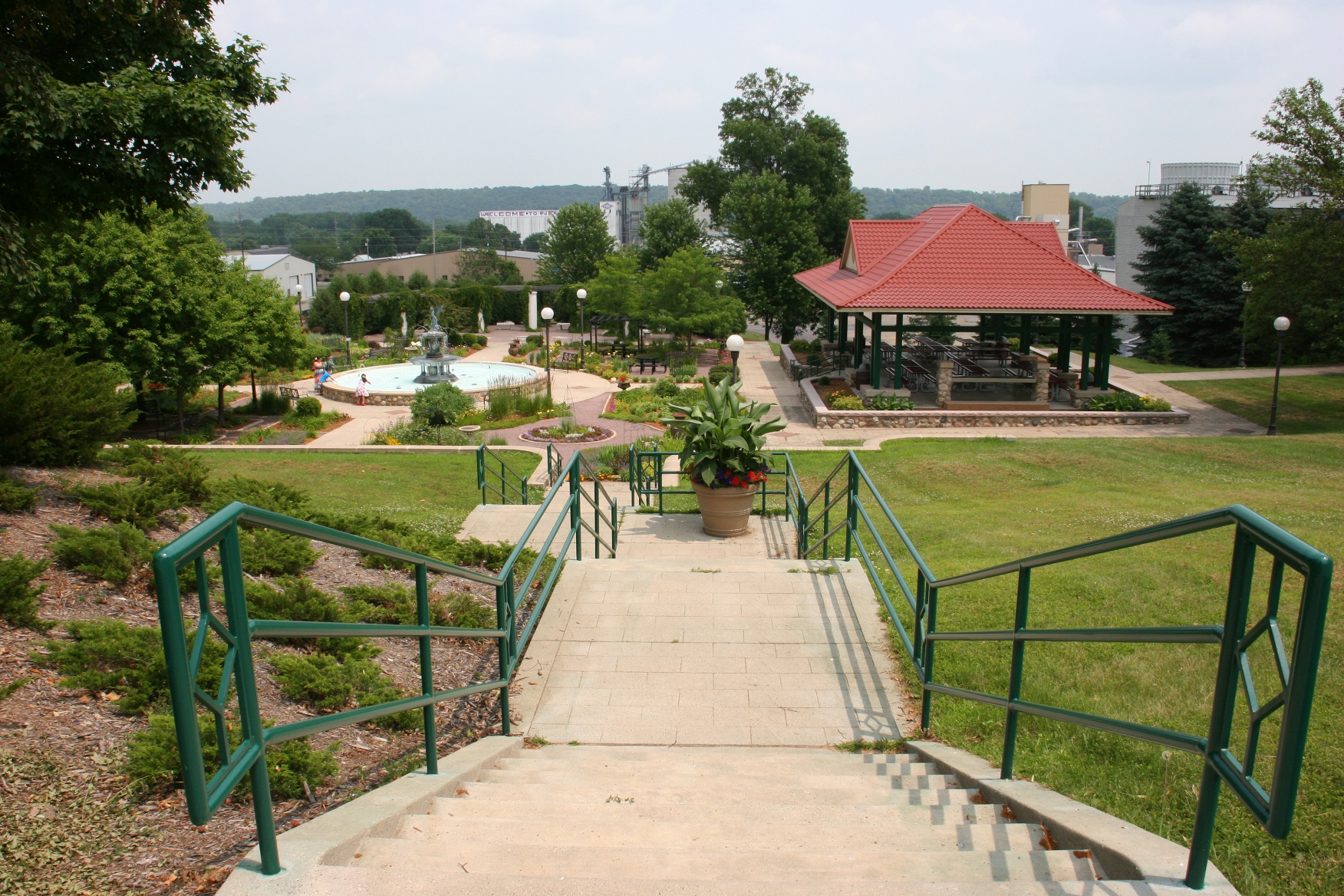
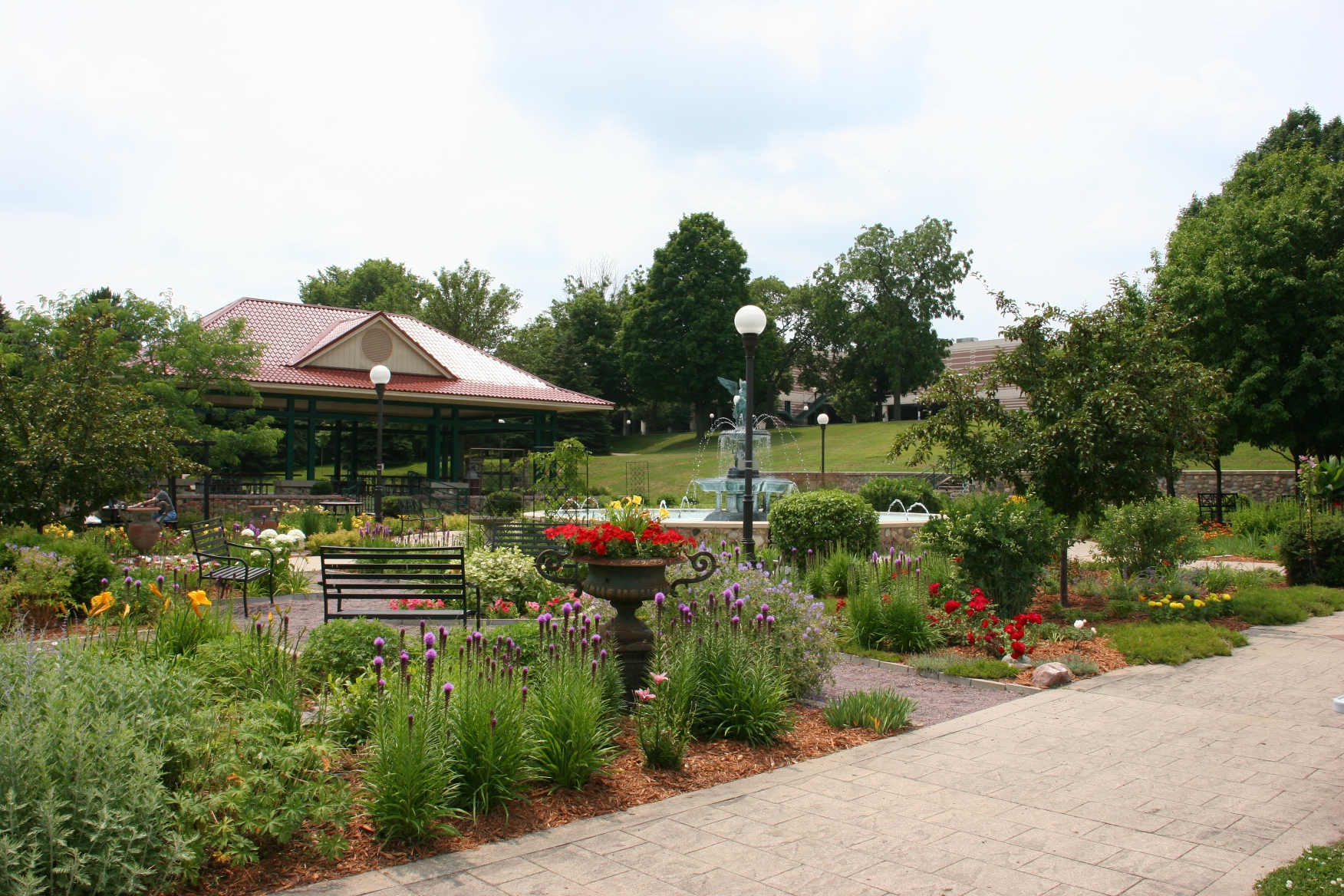
A view of German Park from the street-side steps that lead to the park at the bottom of the hill.

A view of German Park from the street-side steps that lead to the park. There’s also access at the bottom of the hill so you don’t need to take the steps.

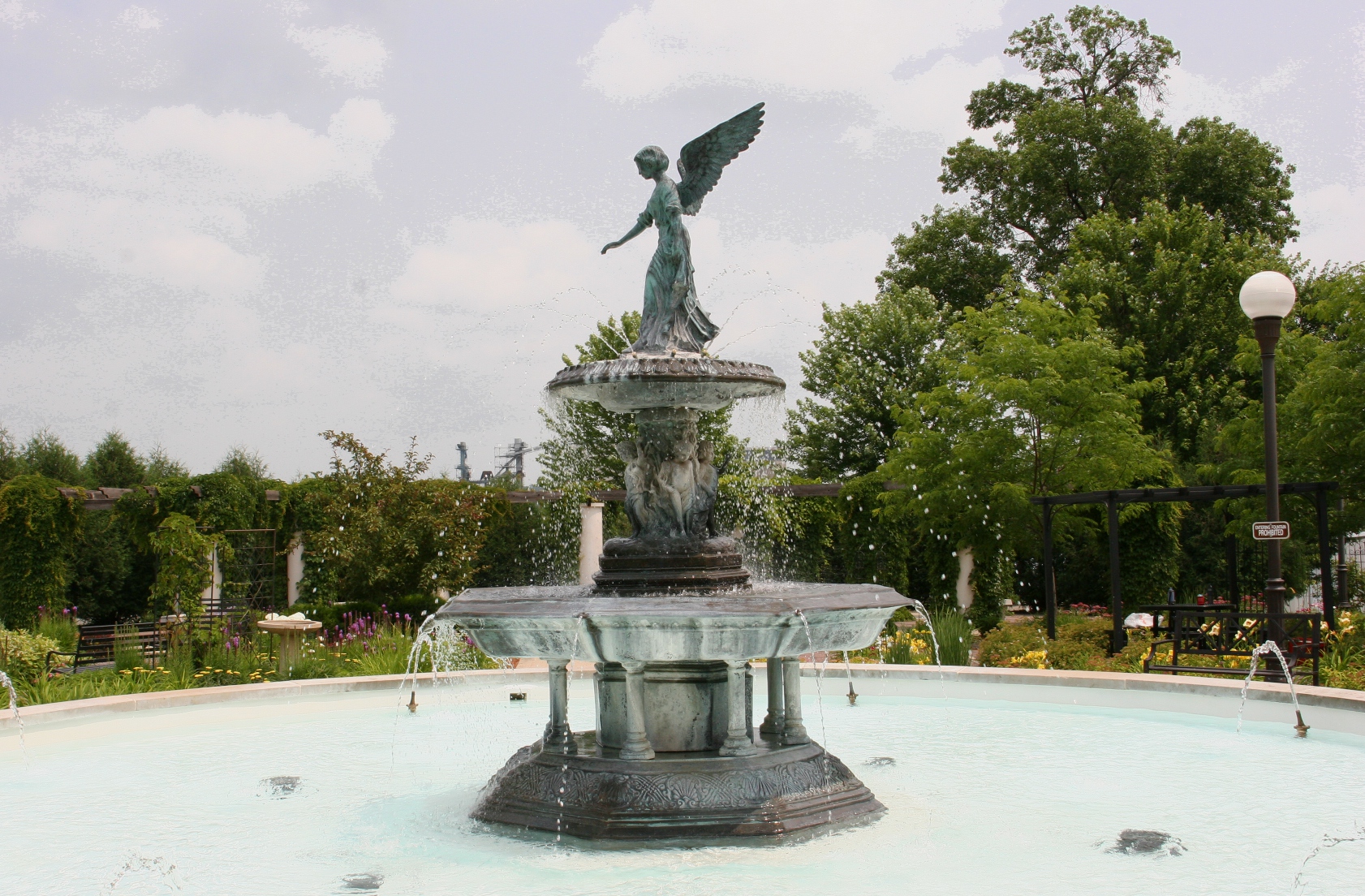
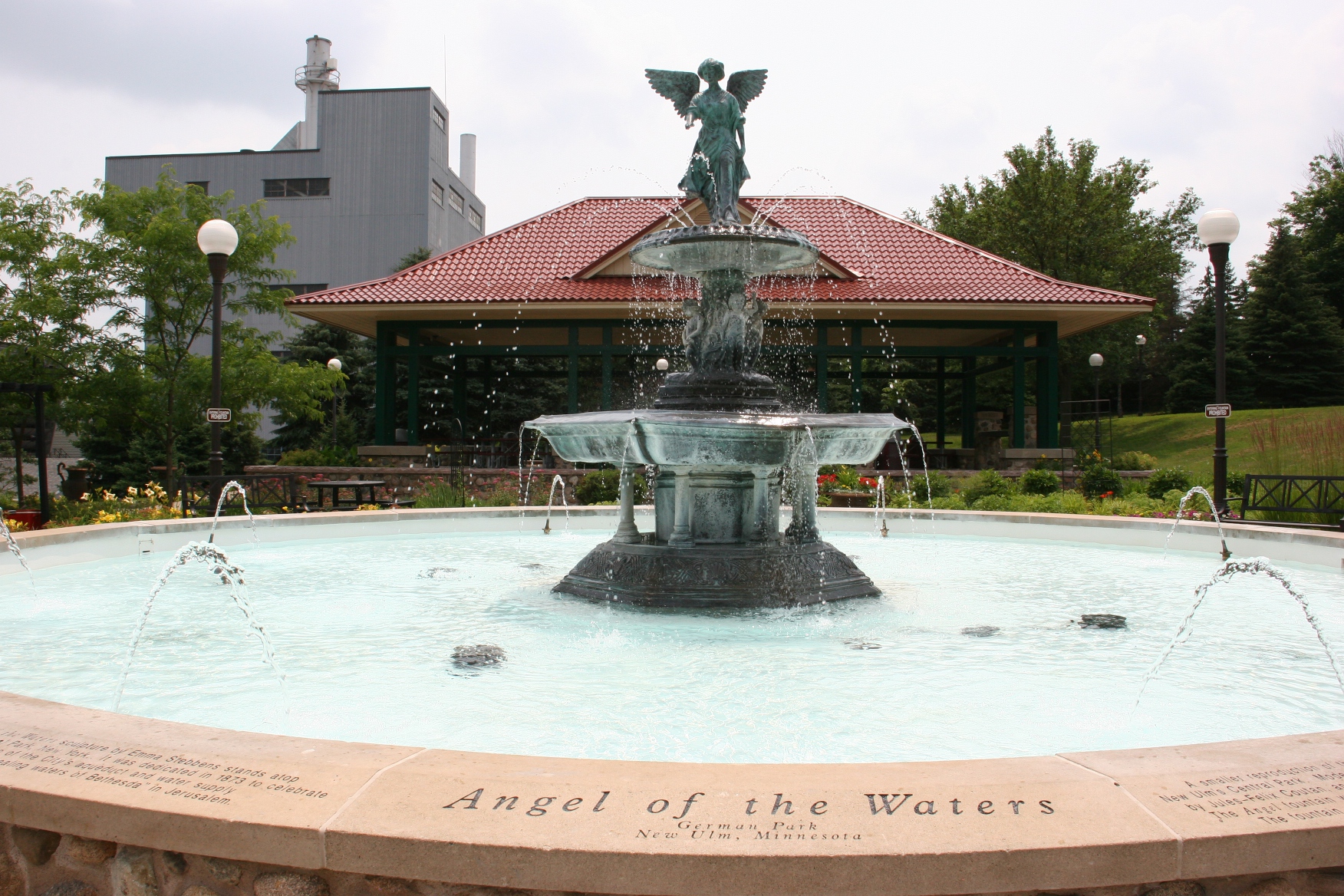
And New Ulm has German Park, centered by a replica of the Bethesda Fountain in New York City’s Central Park.

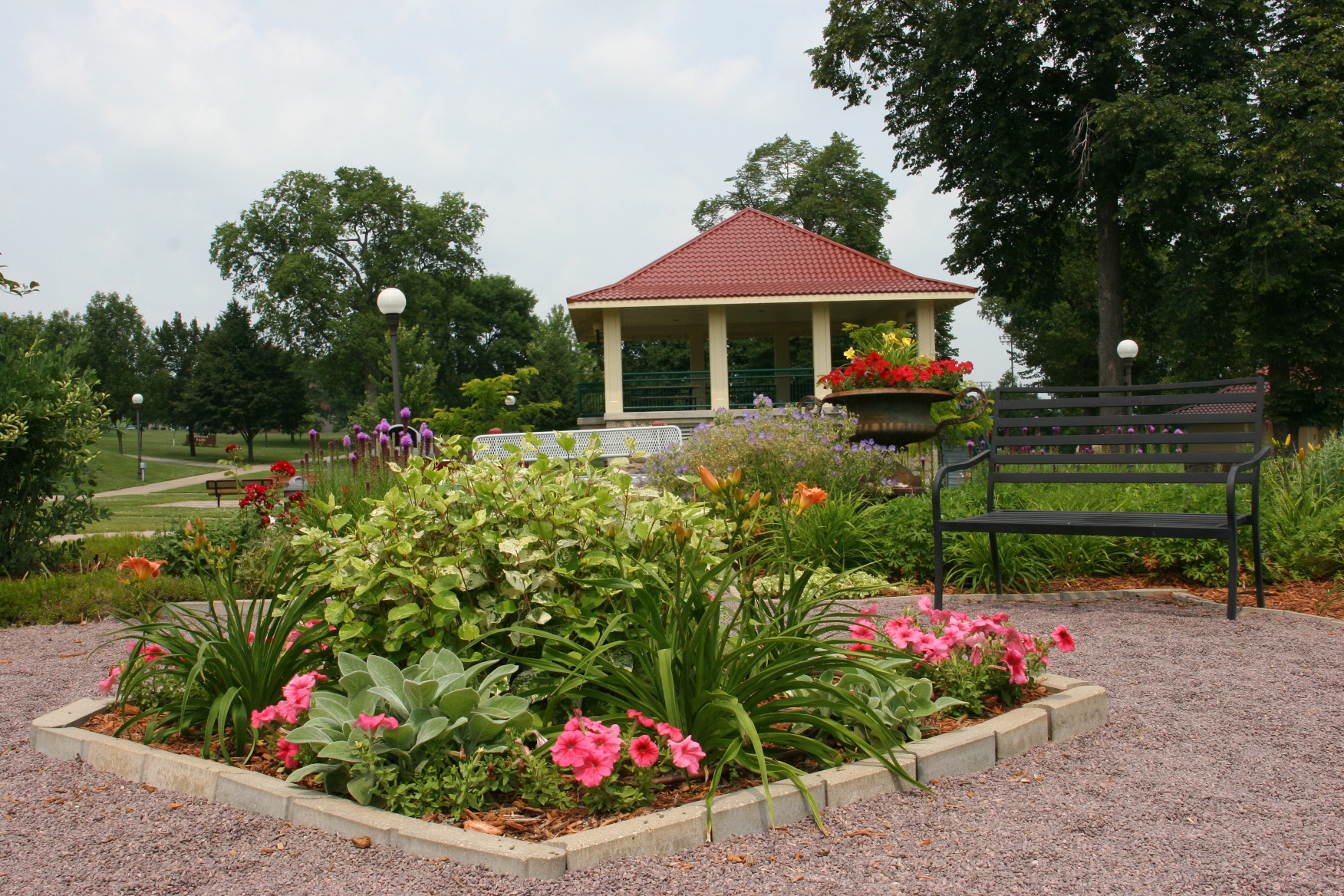
Stroll the paths and enjoy the flower gardens.

Stroll the paths and enjoy the flower gardens. Or sit and contemplate.

If you haven’t discovered this park in the heart of Minnesota’s most German community, then you need to visit this oasis just a block from New Ulm’s downtown business district. I came across German Park a few years ago and revisited it on the Fourth of July while en route to a family gathering an hour farther west along U.S. Highway 14.

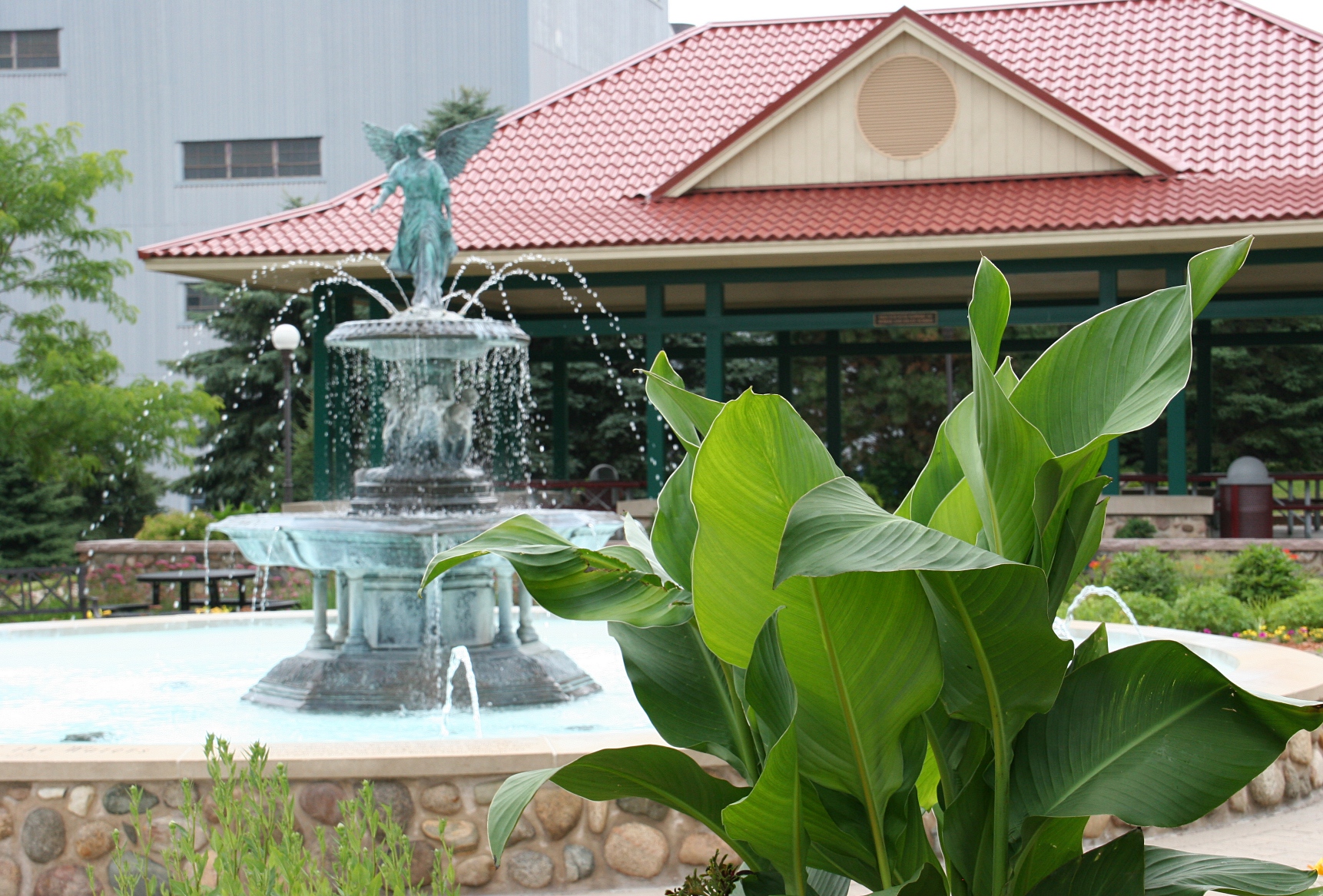
The Angel Fountain centers the park which features an abundance of plants and flowers.

The Angel of the Waters Fountain centers the park which features an abundance of plants and flowers, a picnic shelter and other amenities.

Here, in a tranquil setting of fountain and flowers, my husband, son and I lunched on sandwiches and fruit while delighting in the beauty of this place. There’s a reason the New Ulm tourism website lists German Park as one of the “Top Ten Things to See.” This place, this park, is poetic and pleasing, and just plain lovely.

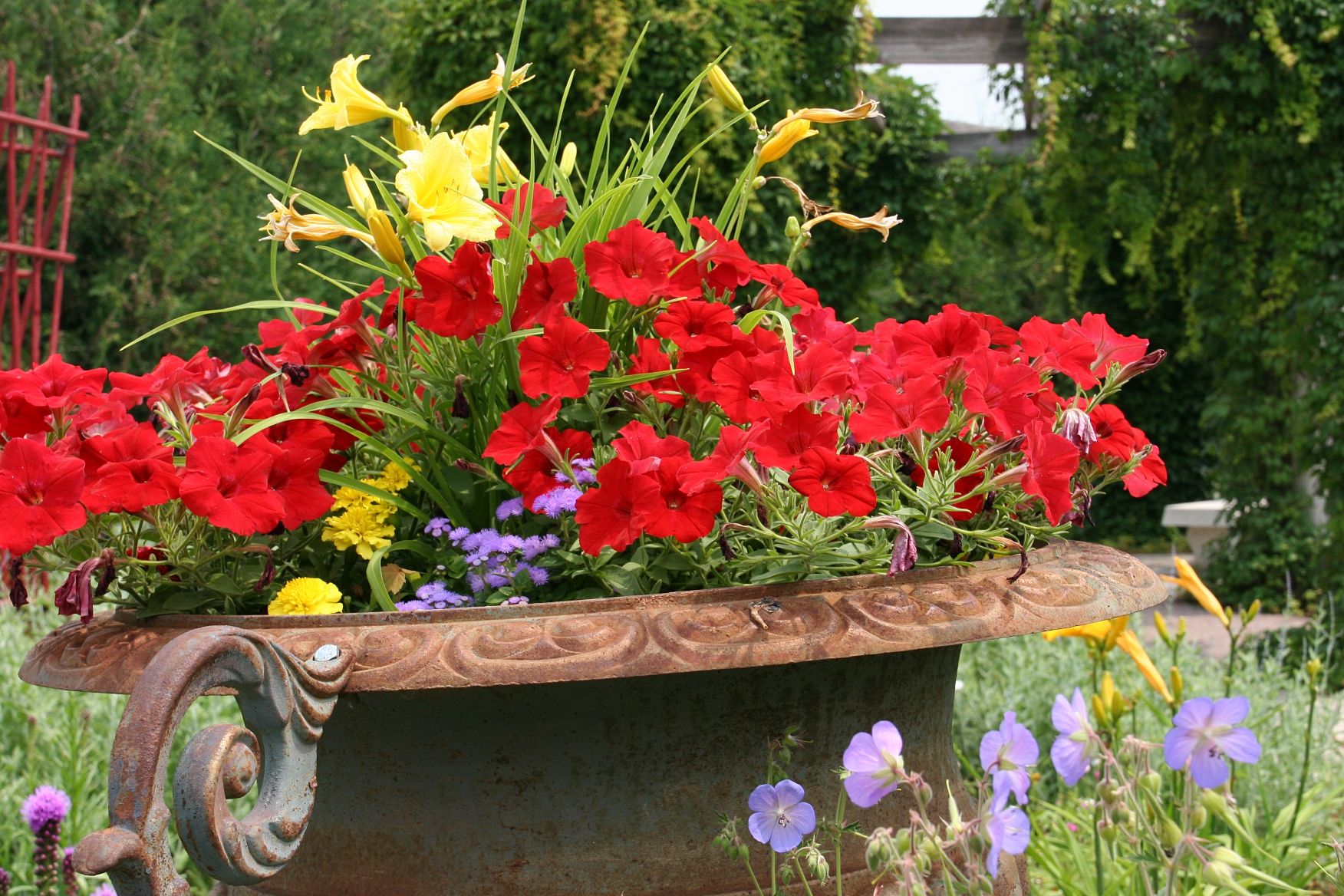
Gigantic urns overflow with flowers.

Gigantic urns overflow with flowers like these petunias, lilies, marigolds and more.

This is a flower lover's delight.

This is a flower lover’s delight.

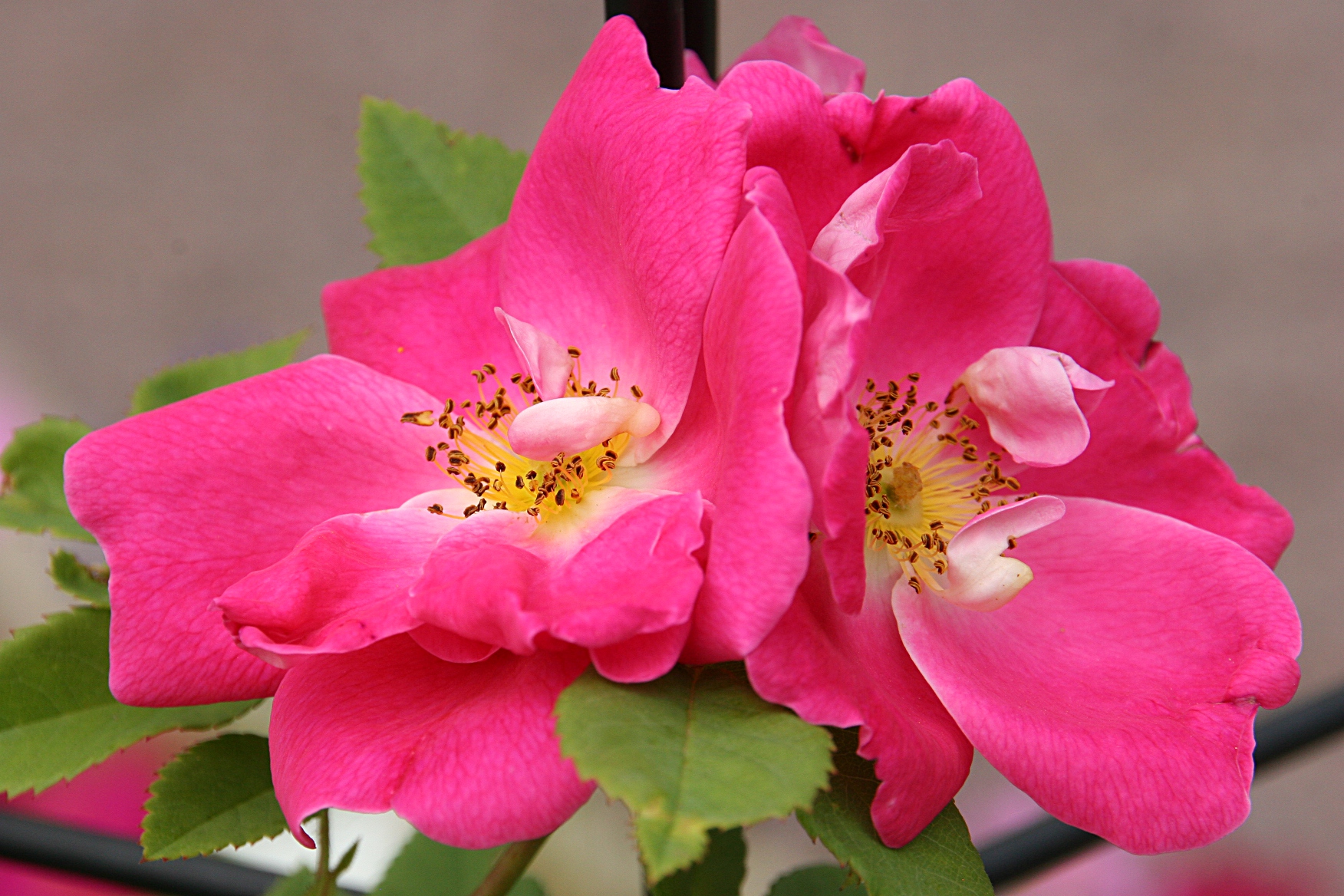
These roses, which remind me of the wild roses that grew in road ditches when I was growing up, were nearly done blossoming.

These roses, which remind me of the wild roses that bloomed in road ditches when I was growing up in southwestern Minnesota, were nearly done blossoming.

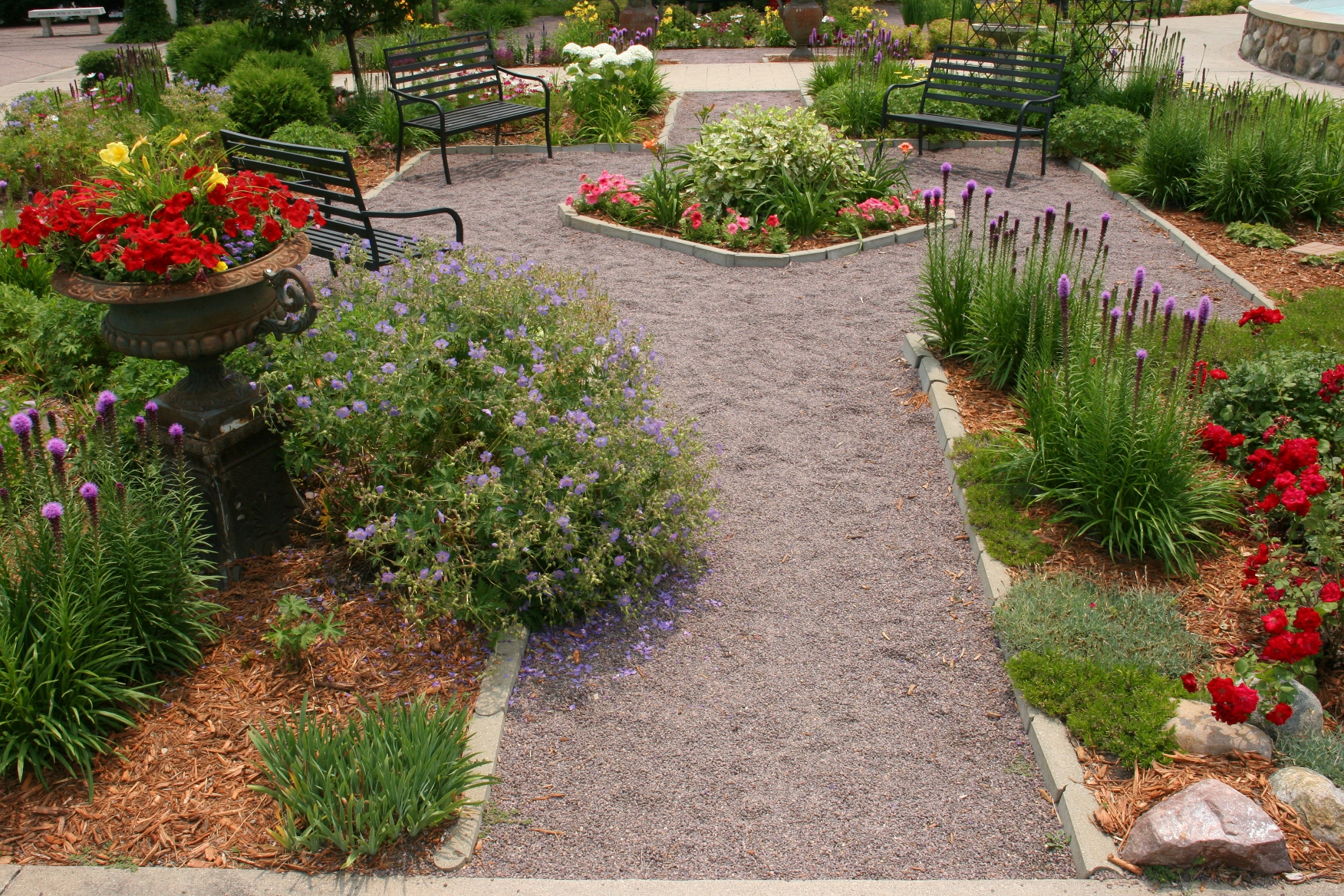
The pathways are designed to allow visitors a close-up look at the flowers.

The pathways are designed to allow visitors a close-up look at the flowers.

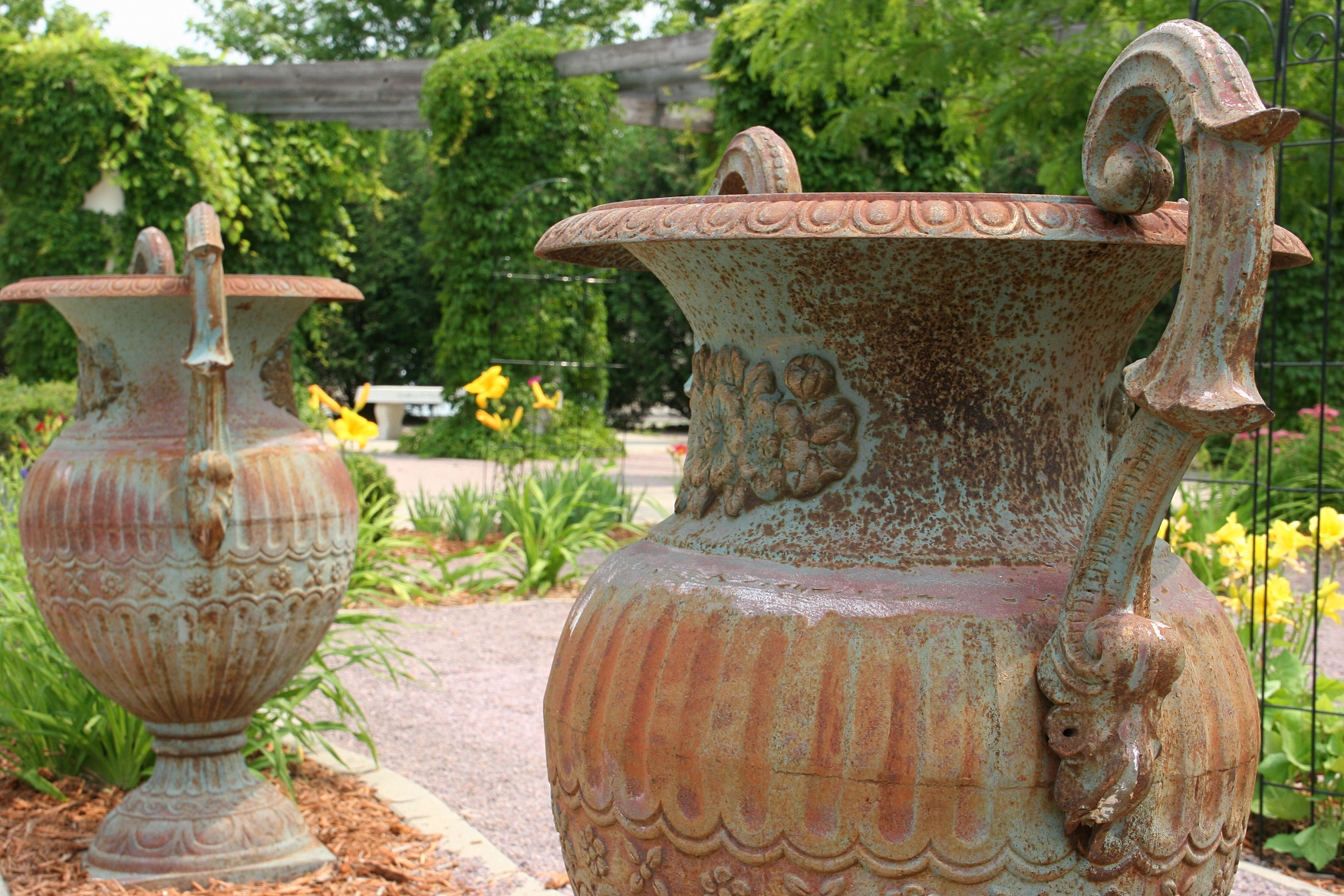
I love these rustic urns, which are so large and heavy it would take several people to move them.

I love these rustic urns, which are so large and heavy it would take several people to move them.

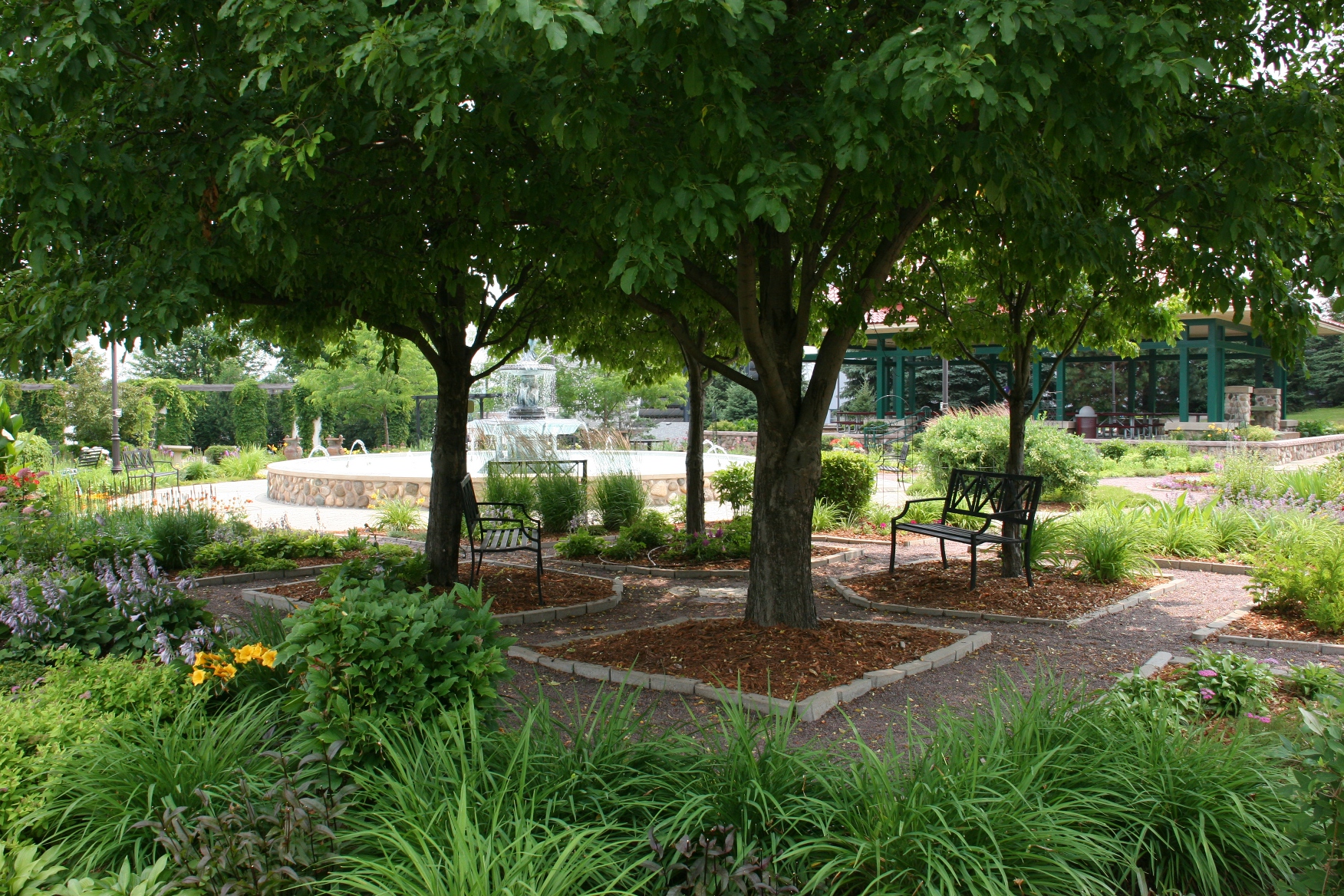
A shady spot to rest.

A shady spot to rest.

The fountain

The fountain is a small reproduction of the fountain in New York’s Central Park. French sculptor Jules-Felix Coutan created this fountain purchased in 1998 from an auction house in Atlanta. It is a gift to the city from Barbara Sweasy Haroldson.

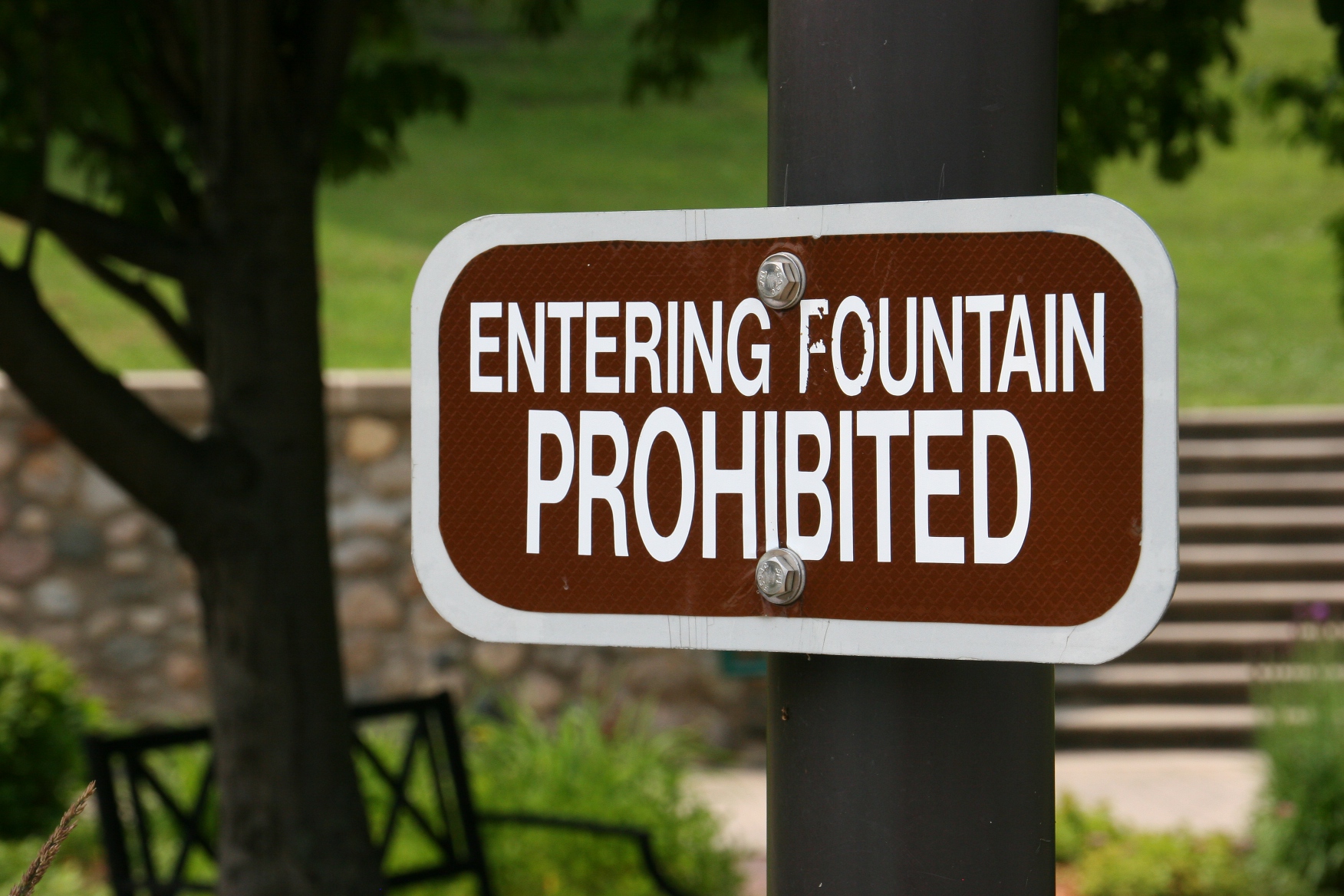
Be forewarned.

Be forewarned.

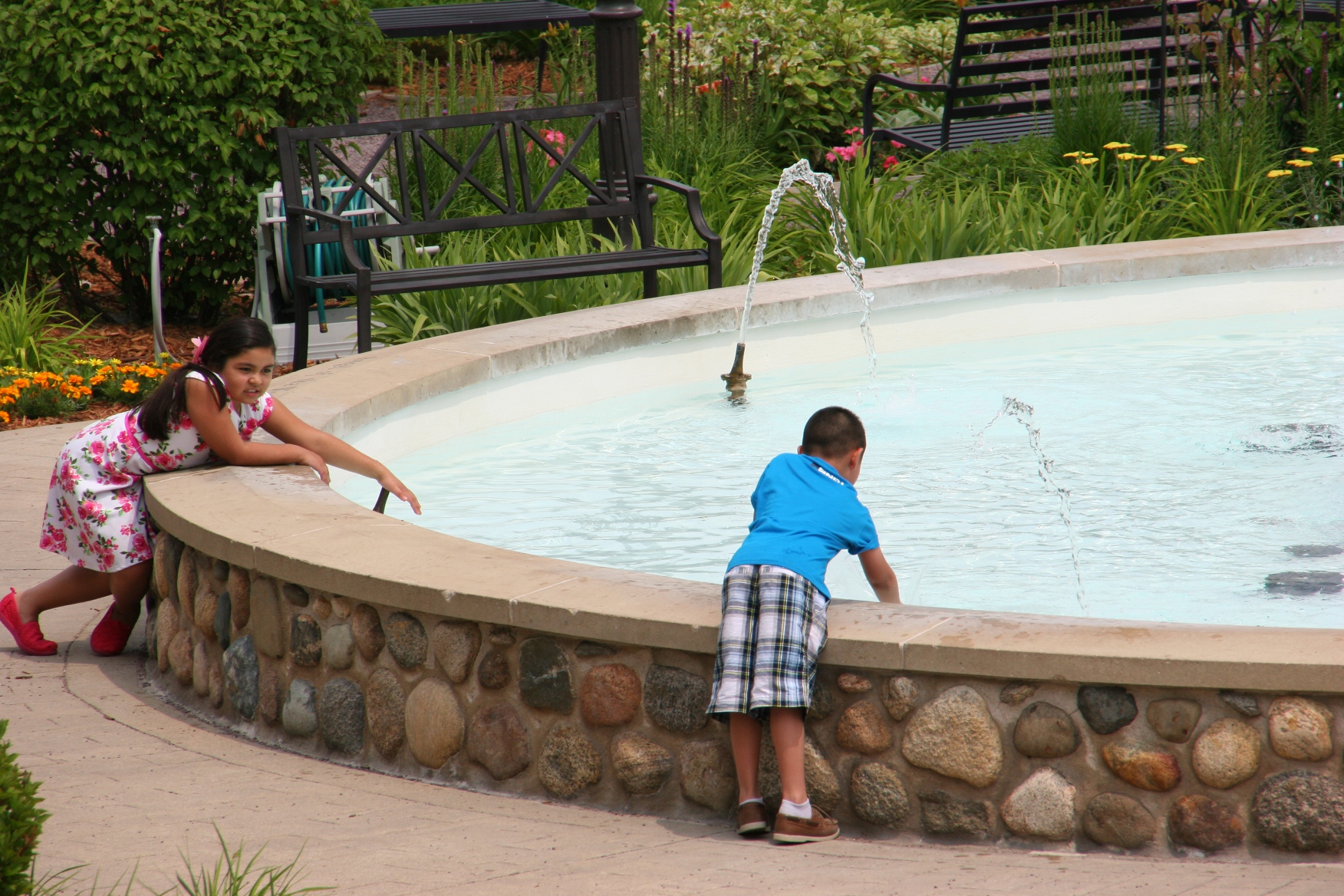
Splashing your hands in the fountain is not forbidden.

Splashing your hands in the fountain is not forbidden.

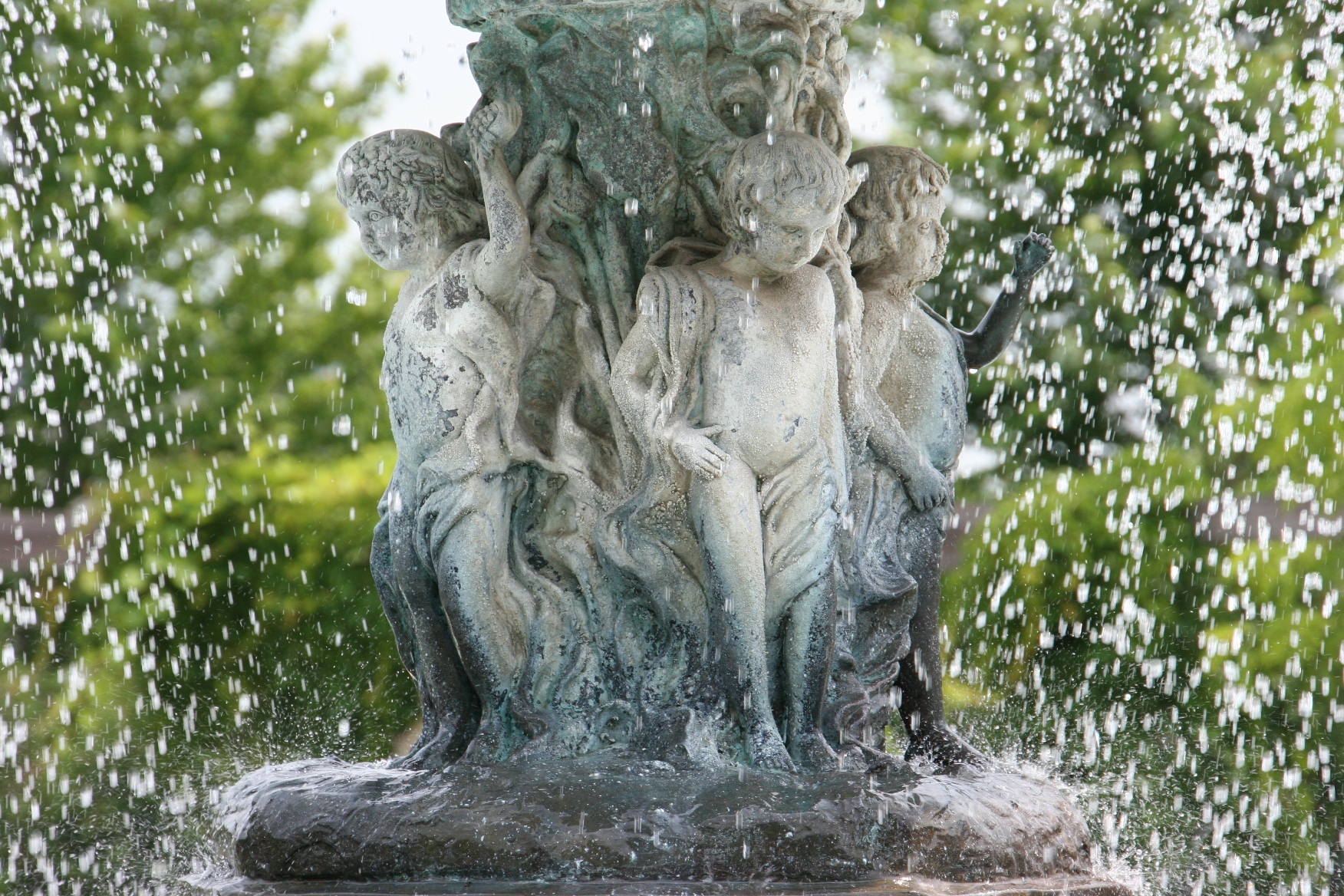
Water spills over the fountain cherubs.

Water spills over the fountain cherubs.

Angel of the Waters

Angel of the Waters, the focal point of German Park.

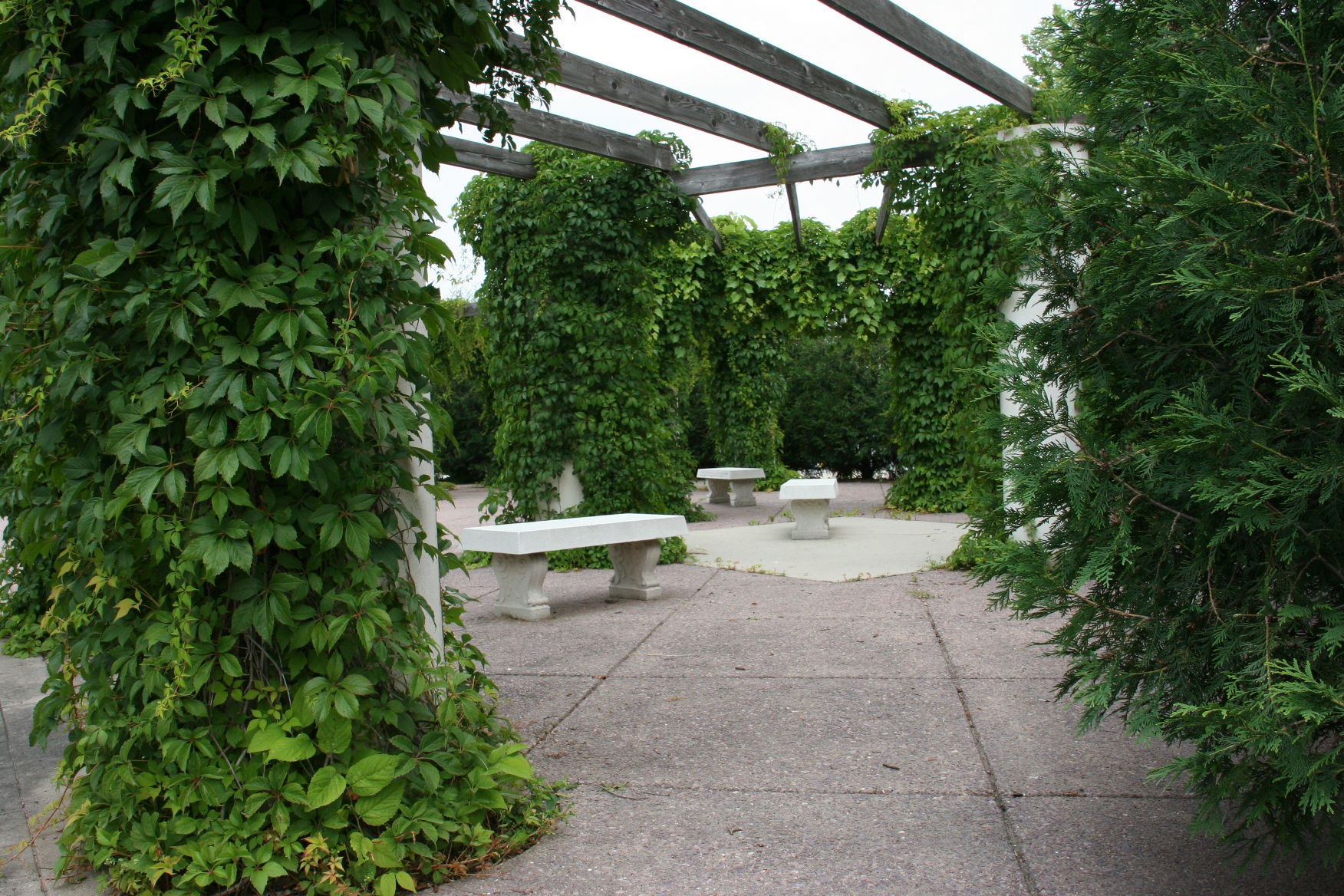
In another section of the park, greenery and benches, marked by lovely columns, offer a place of respite.

In another section of the park, greenery and benches, marked by lovely columns, offer a place of respite.

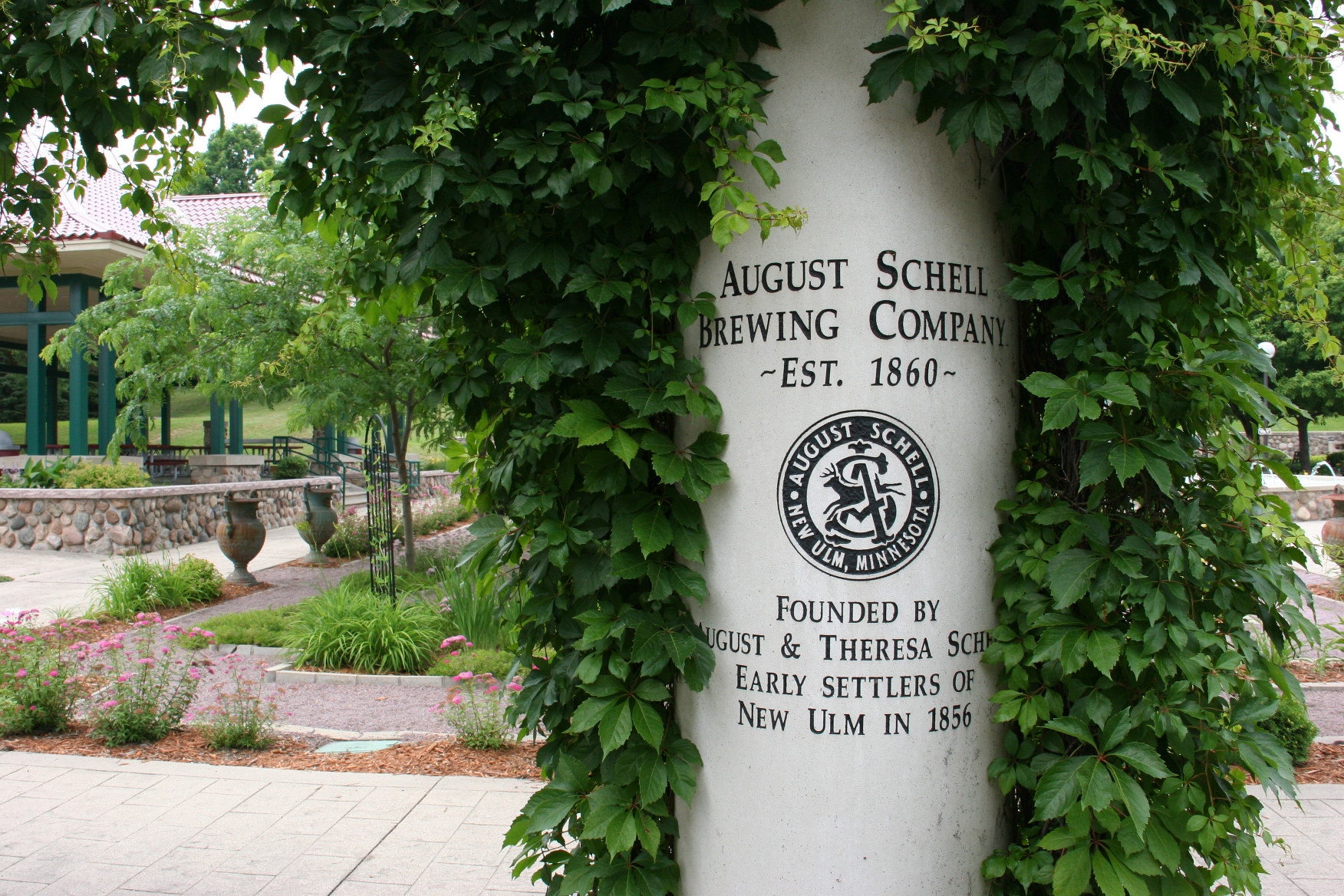
Imprinted on columns is information about what I assume to be park supporters. The August Schell Brewing Company is a major New Ulm attraction.

Imprinted on columns is information about what I assume to be park supporters. The August Schell Brewing Company is a major New Ulm attraction and on the list of “Top Ten Things to See” in this city.

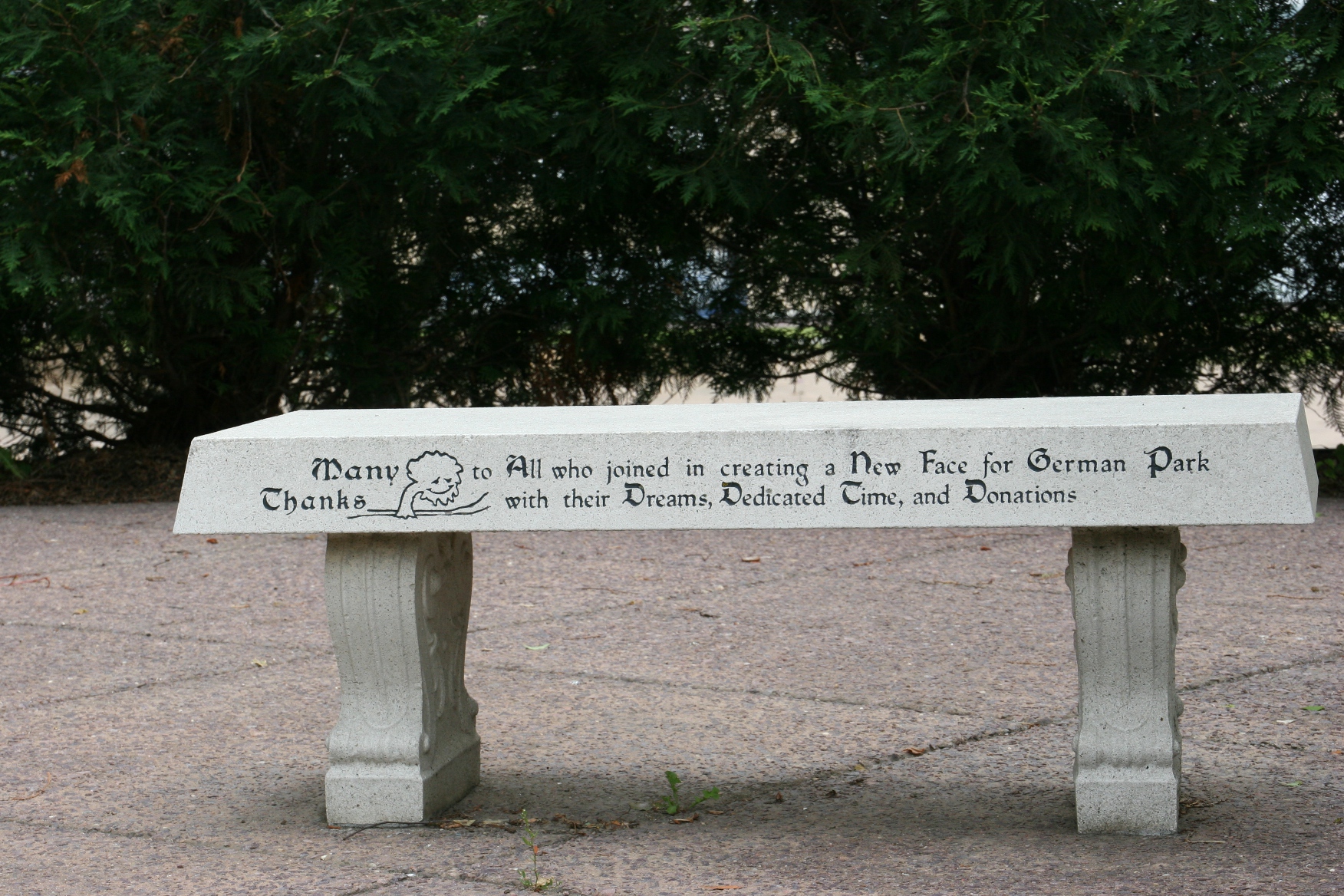
German Park was obviously a community effort. I love when a community works together to create something stunningly beautiful like his park.

German Park was obviously a community effort. I love when a community works together to create something stunningly beautiful like this park.

Local history is imprinted on pavers.

Local history is imprinted on pavers.

Along the street above the park

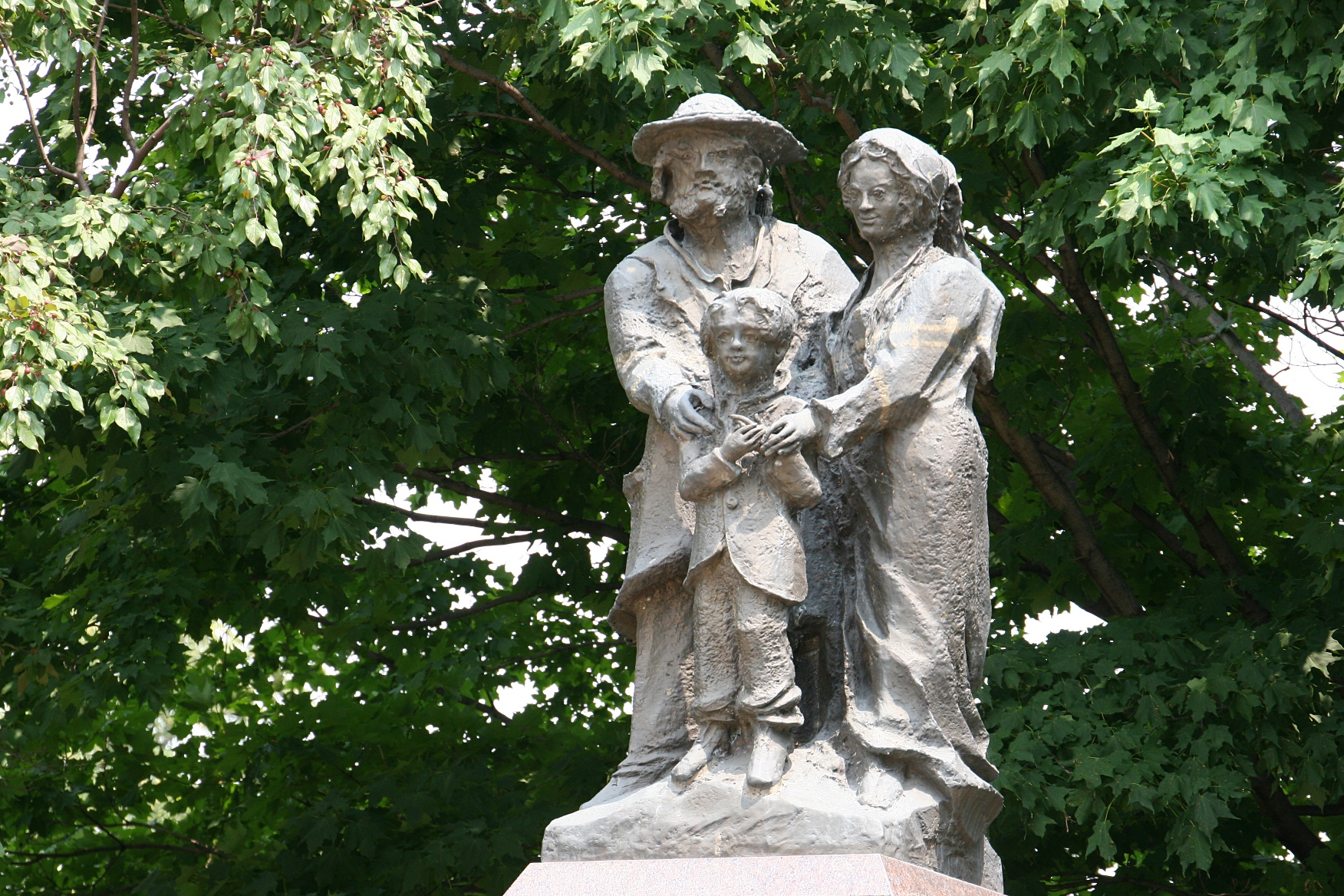
This granite statue along German Street just above the park honors the German-Bohemian immigrants who lived in the section of New Ulm known as Goosetown.

A portion of New Ulm's downtown business district with the Glockenspiel, another of the city's "Top Ten Things to See," in the background.

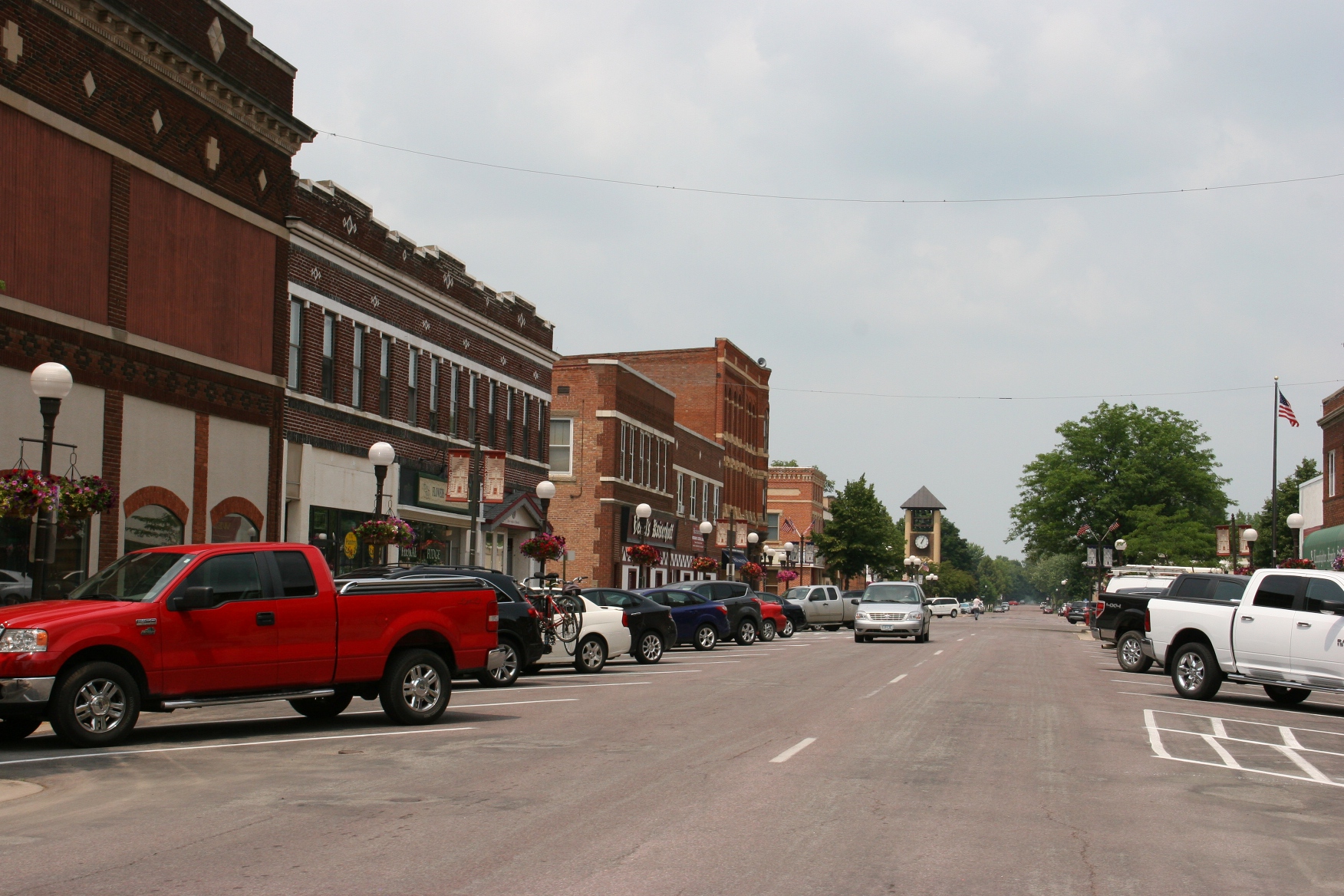
A portion of New Ulm’s downtown business district along N. Minnesota Street with the Glockenspiel in the background.

FYI: German Park is located at 200 N. German Street, several blocks south of U.S. Highway 14 and a block from N. Minnesota Street. The Summer Concerts in the Park series at German Park continues every Monday through the end of August. Music starts at 7 p.m.

© Copyright 2015 Audrey Kletscher Helbling
 

No cameras allowed on these historic premises January 4, 2012

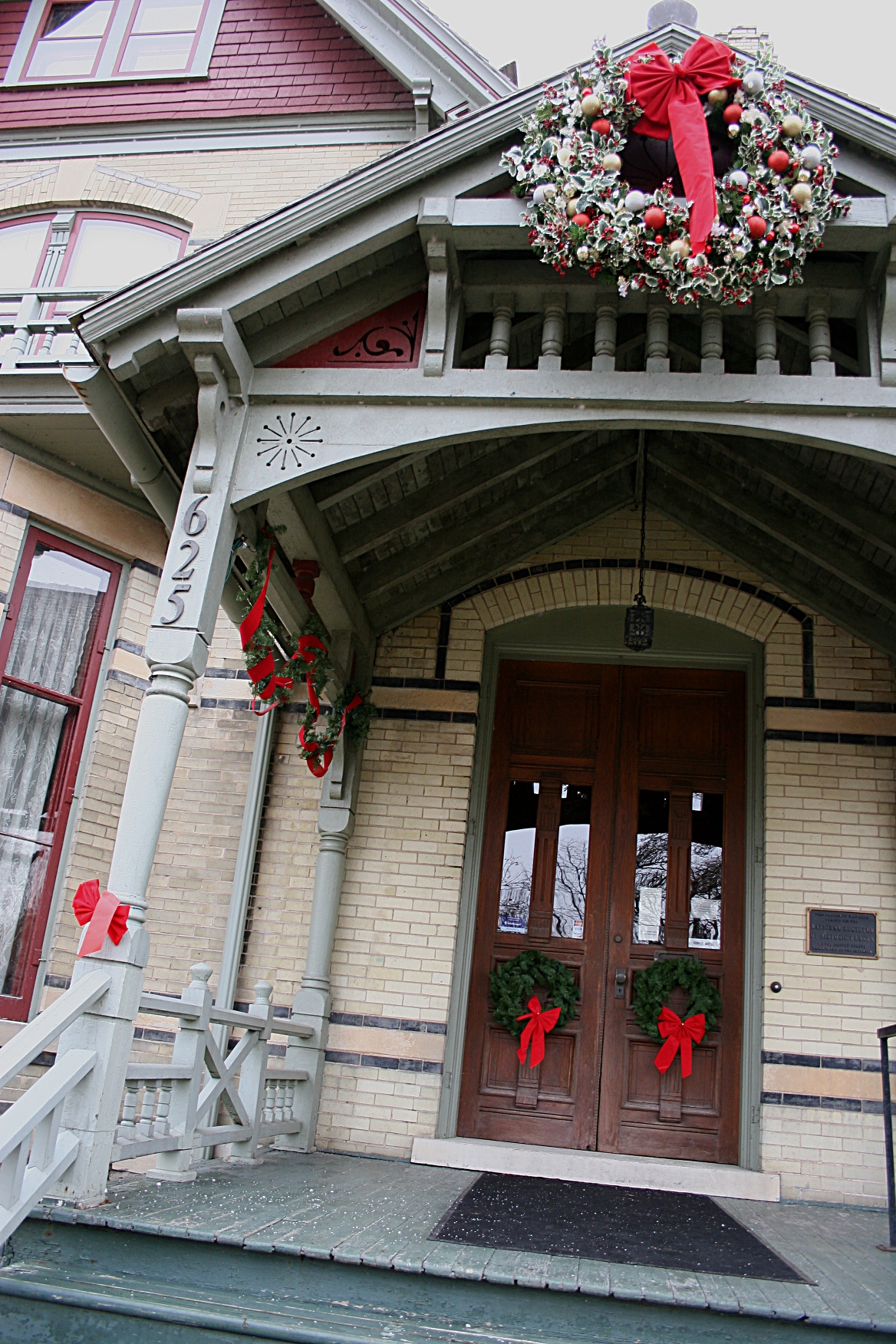
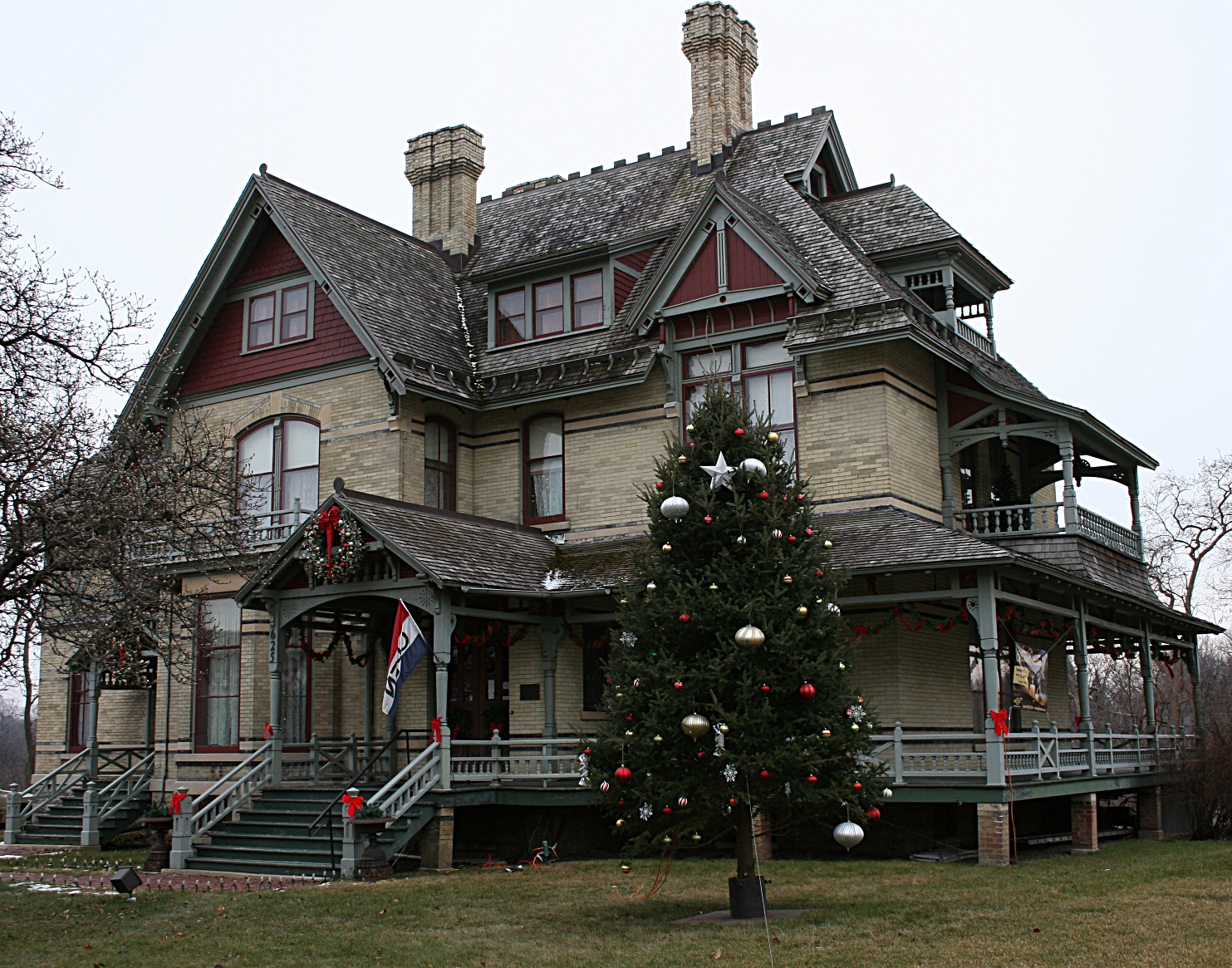
The main entry to the Hearthstone Historic House Museum in Appleton, Wisconsin, located at 625 W. Prospect.

NO PHOTOGRAPHY ALLOWED.

Post a sign with that message or speak those words to me and you’ll find yourself with one unhappy woman. I can’t help it. My camera is a natural extension of me, so when I can’t photograph I’m unsettled and discontented.

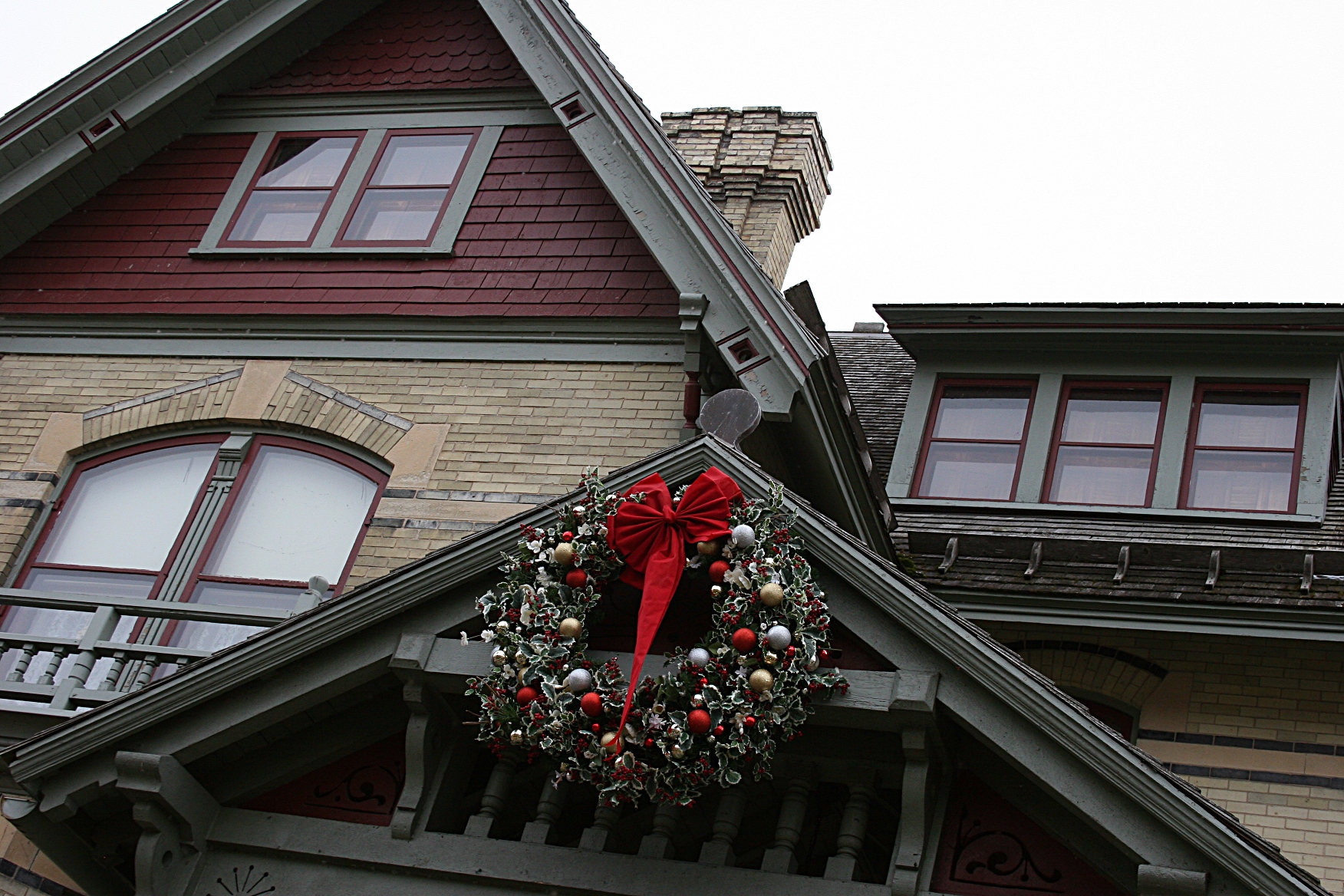
I never expected to encounter a photo ban at an 1882 historic home I toured in Appleton, Wisconsin on Saturday afternoon. But I hadn’t even reached the wreath-adorned double front doors of the Hearthstone Historic House Museum when my daughter pointed to the sign banning photography.

I automatically hugged my Canon EOS 20-D DSLR closer to my right side as we waited for a tour guide to unlock the front door and allow us access into this Victorian home, the first residence—in the world—electrified from a centrally located hydroelectric plant.

If you think I would simply accept the “no photos” rule without question, then you don’t know me. I asked and was told photography would be disruptive to the tour. “Even without flash?” I pursued.

Yes.

I contemplated for some time how I could sneak in a photo or two. But with tight quarters and visitors packed into the home’s rooms, taking covert photos wasn’t even a remote possibility. Besides, the click of the shutter button would surely give me away and I was not about to become the first tourist kicked out of this lovely mansion.

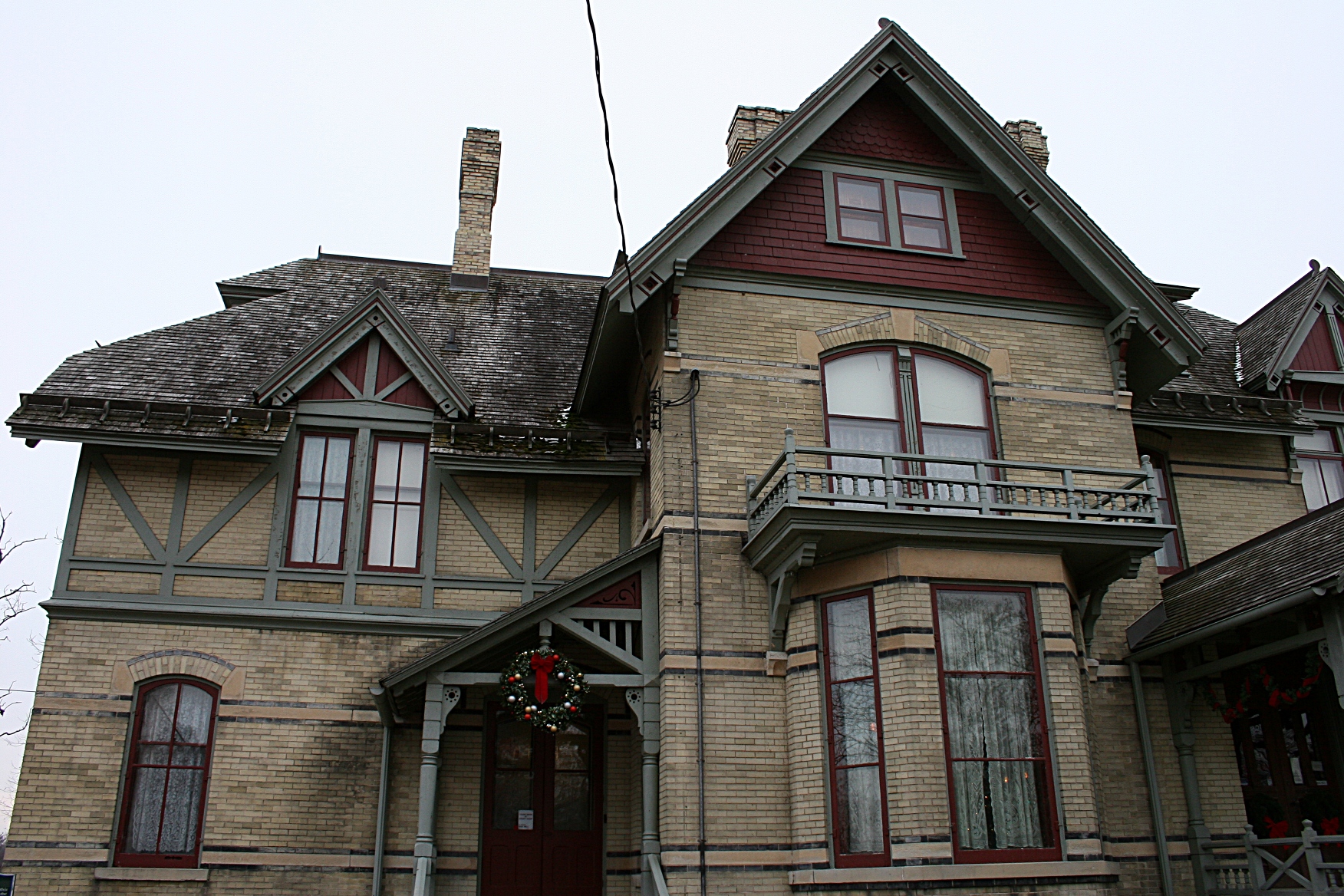
So you will need to settle for exterior images of this house built for Henry J. Rogers, today’s equivalent of the CEO of the Appleton Paper and Pulp Company. He lived here with his wife, Cremora, and their daughter, Kitty, for some 10 years until the nearby paper mill was destroyed by fire.

The original home of Henry J. Rogers and family sits along the Fox River.

From the exterior, this hilltop riverside home, built for $17,000, isn’t nearly as impressive as I’d expected. But inside, ah, inside, the décor is about as opulent and detailed as any historic residence I’ve ever toured.

Nine fireplaces grace rooms defined by wood—inlaid floors, detailed carvings, wood trim and ceilings and, well, wood everywhere. But I suppose when you live in Wisconsin and head up a paper company, finding wood to construct your mansion isn’t a problem.

An Edison phonograph, a stained glass window in the grand hall entry, floor-to-ceiling windows and a hand-painted ceiling in the parlor, the focal point fireplaces, and a dining room table set for Christmas dinner all impressed me.

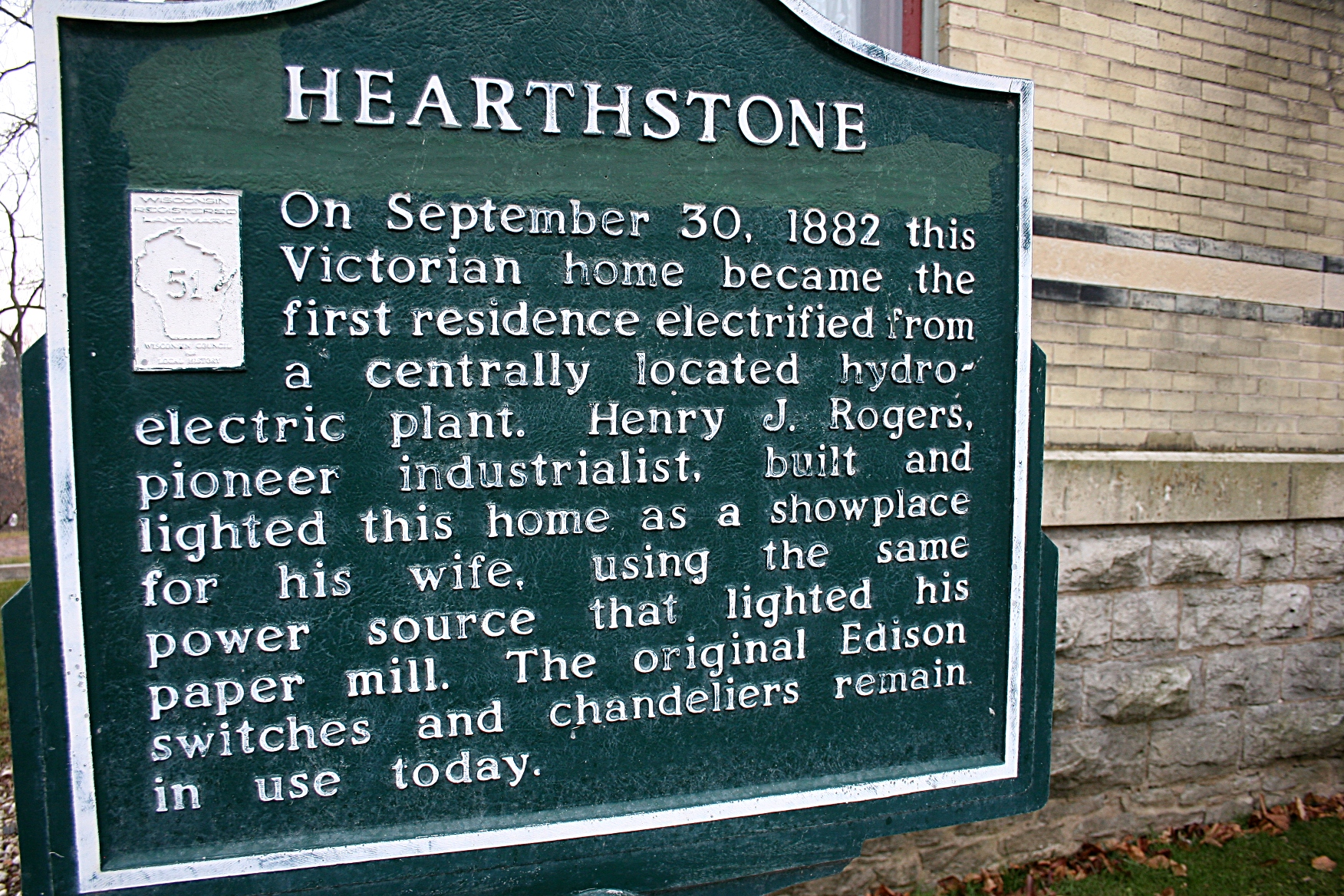
A sign explains the house's historical significance. The house is on the National Register of Historic Places.

In retrospect, I suppose I should have been most impressed by the rare 1882 light switches and electroliers still in operation. After all, the lighting ranks as the reason this home holds such historic value. But, honestly, I’m not all that scientific minded. The décor and personal stories shared by our tour guide interested me far more than the hydro-electric powered lighting system.

Our guide informed us that the Rogers family was charged $1 a month per light bulb for the 50 light bulbs in the house. In the 1880s, $50 was a sizeable chunk of money to pay for monthly electrical usage. That reveals the substantial wealth of this family.

Rogers, however, eventually died with only $12 to his name after moving to Chicago and losing money in a silver market that crashed, a second tour guide later told me.

The story, though, that truly snatched my interest involves Kitty. When she became engaged, the Rogers’ daughter verified the authenticity of her diamond by etching her and her fiancé’s initials into a library window (still there). Not to be judgmental here, but I was not at all surprised when the tour guide revealed that the marriage did not last.

Later, while touring the second floor, we were informed that Henry and Cremora slept in separate bedrooms because the couple thought they would catch tuberculosis from one another by breathing in the same night air. OK, then. But, I suppose I must consider the time period and the lack of knowledge regarding diseases.

Finally, the tidbit I found most personally appropriate involved visitors to the Rogers’ mansion. They would leave their calling cards, the equivalent of today’s business cards, on a table in the great hall. Visitors would bend the corners of their cards in a certain way, depending on the reason for their visits. The family would then decide whether they wanted to see the guest.

At that point in the tour, I considered scribbling “Here to take photos” on my business card and dropping it onto the foyer table.

The Rogers' home, which was home to nine other families and which once housed a restaurant called The Hearthstone in the 1930s, is not yet fully-restored to the 1880-1895 time period.

Inside and outside, Hearthstone is decorated with Christmas trees and other holiday decor for a "Victorian Christmas" special event which continues through January 14.

NOTE: Lest you consider me disrespectful of rules, I am not. I understand, somewhat, the “no photography” rule at the Hearthstone house. And I most certainly understand why flash photography would not be permitted in an historic place.

One other point I want to mention: During my tour of the Hearthstone mansion, a visitor’s cell phone rang and she proceeded to answer it, right in the middle of the tour. Now that I found disruptive.

© Copyright 2012 Audrey Kletscher Helbling


Mankato brings art to the sidewalks with walking sculpture tour June 21, 2011

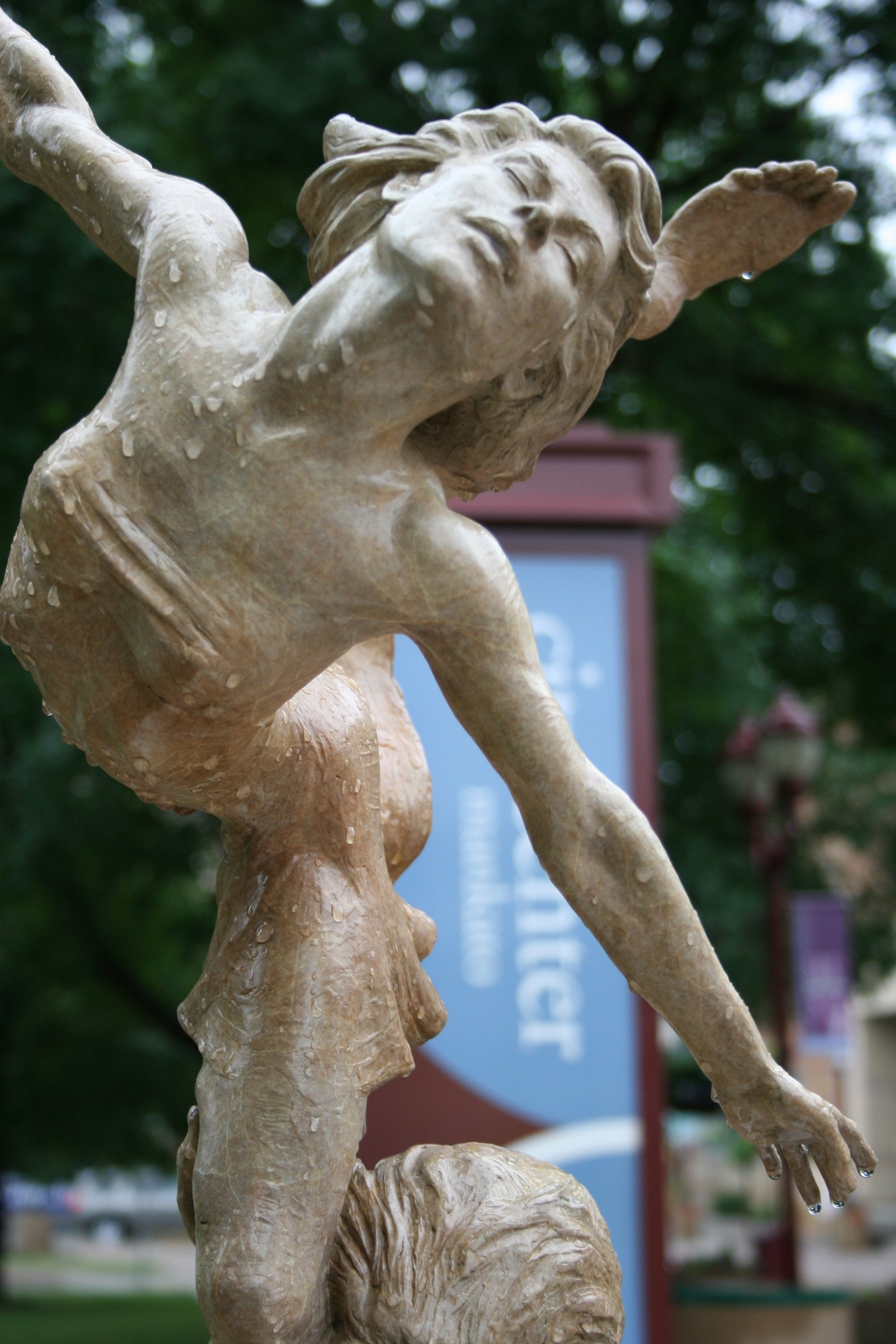
Martin Eichinger of Portland, Oregon, created this graceful "Bird in the Hand" bronze sculpture valued at $14,500 and posed near the City Center.

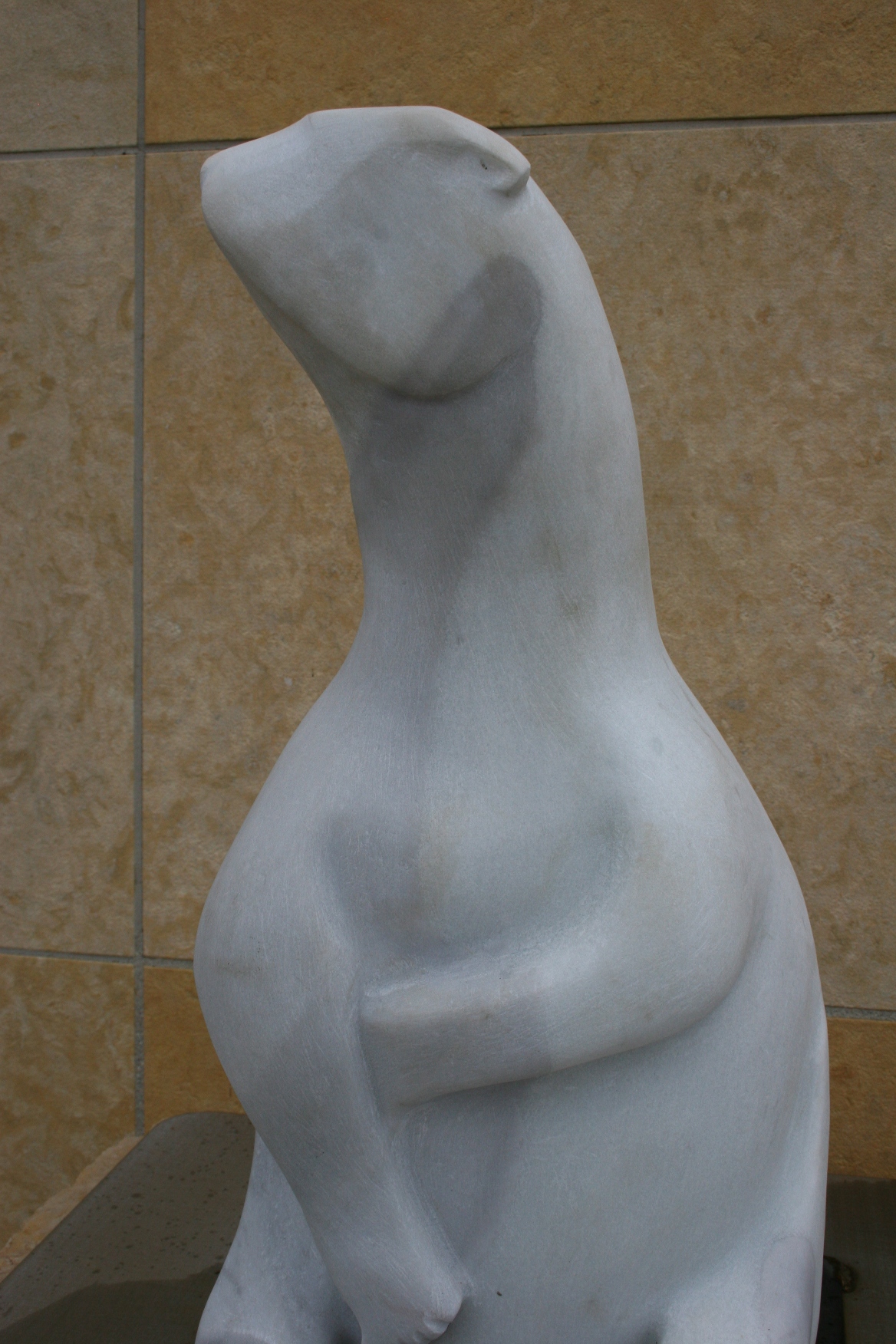
You'll find "Play Thing" by Ryszard, Denver, Colorado, and sculpted from Colorado marble, in North Mankato.

MAYBE IT’S BECAUSE I grew up without much art—no paintings, no piano, no library—that I so appreciate the visual, performing and literary arts.

I still can’t paint a painting or read a musical note. But I value those two art forms and words, which have always been a part of me, who I am.

Several years ago I walked the Bemidji Sculpture Walk and I quickly became enamored with the idea of placing sculptures in a community and then swapping them out a year later for new sculptures. The touring sculptures scattered primarily through-out Bemidji’s downtown impressed me as an ingenious way to get art before the general public.

Now I needn’t drive hours and hours and hours to view such public art. In 45 minutes I can reach downtown Mankato and view the 25 sculptures positioned there and in North Mankato as part of the City Art Walking Sculpture Tour. For free.

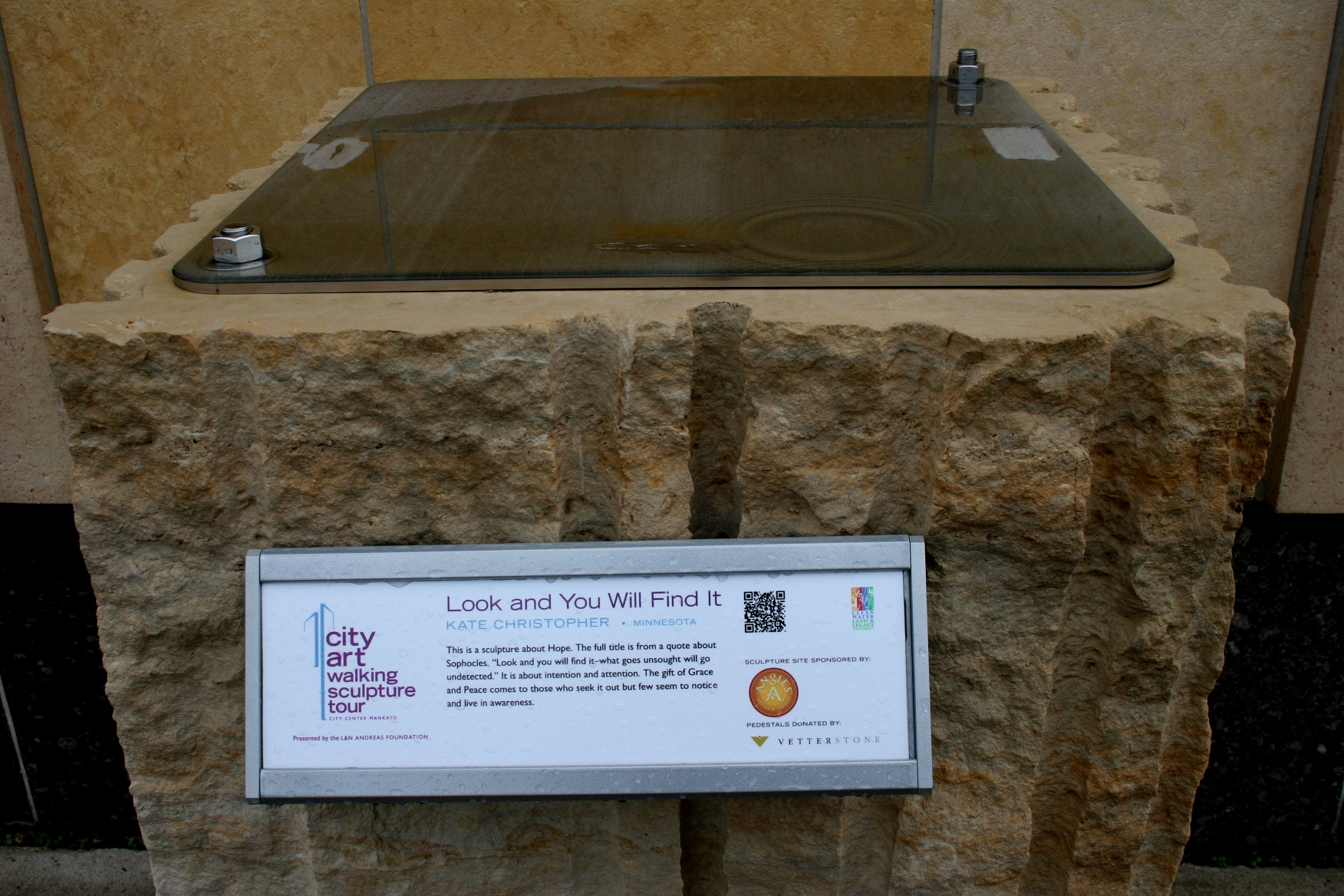
On Saturday, while in Mankato for a graduation reception, my husband and I made it a point of afterward checking out those sculptures. We missed seeing only a few of the art pieces, including one along Belgrade Avenue that was vandalized and, ironically, titled “Look and You Will Find.” We found only an empty block of Minnesota limestone, donated by Vetter Stone, where the sculpture once stood.

Mahtomedi artist Kate Christopher's $6,900 bronze sculpture, "Look and You Will Find It," was vandalized. The art piece symbolized HOPE.

I expected to find a bustling downtown Mankato. Obviously I have not been downtown for many years. Nearly all of the shopping has moved to the fringes of the city, into the malls and big box stores, and the downtown houses primarily office buildings, restaurants, bars, a hotel and the Verizon Wireless Center. Honestly, except for the sporadic motor traffic on Second Street and a few pedestrians, the place was basically deserted around mid-afternoon. Granted, the weather was less than ideal with on-again-off-again rain. We could park almost anywhere we wanted and walk to the sculptures within a several-block area.

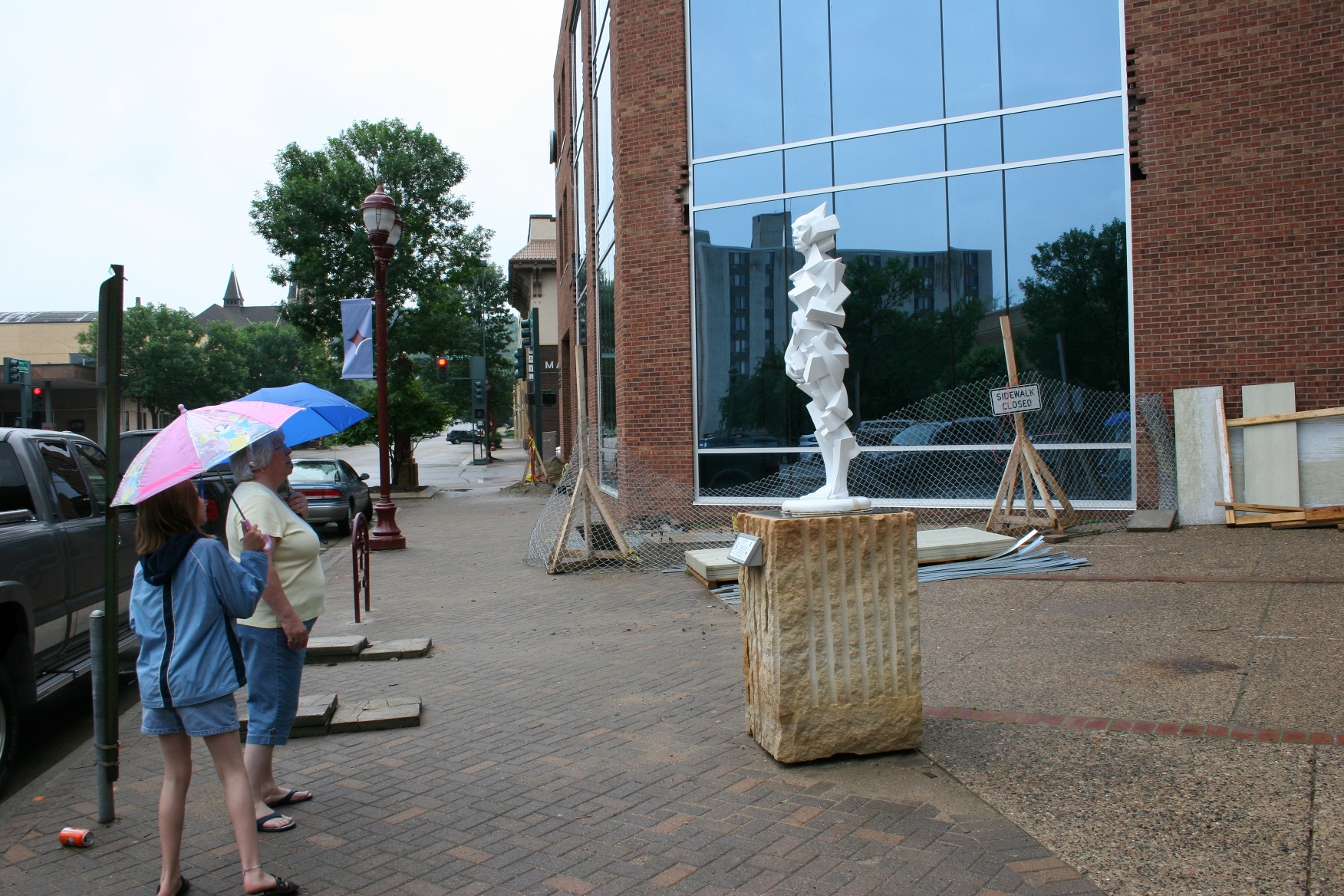
We spotted only two other individuals walking around viewing the sculptures. Dana Parlier of Brooklyn, New York, created this resin sculpture, "Cubist Woman." The man-made concrete canyons of New York City inspired this contemporary art, which seems to match the modern look of the building.

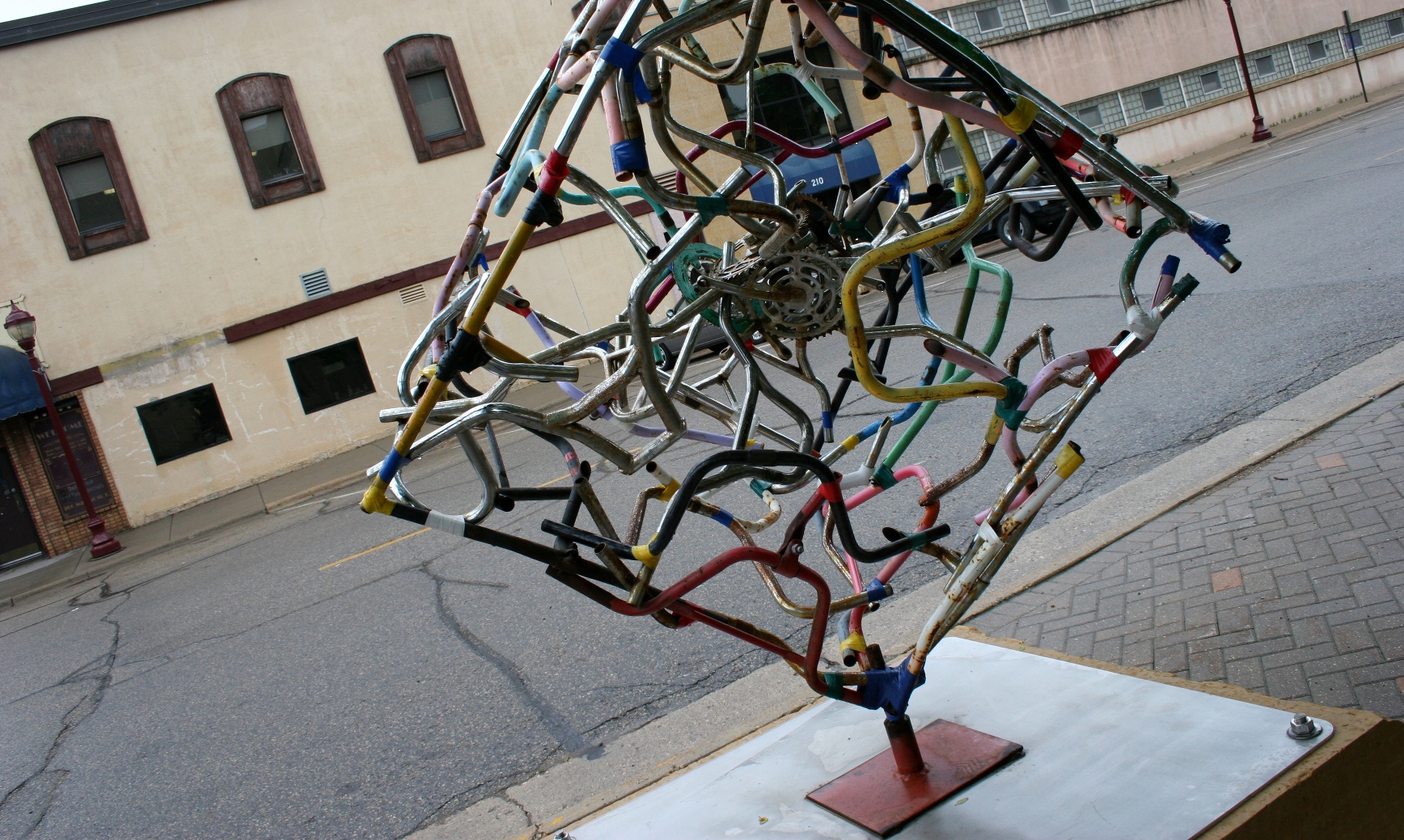
The art pieces certainly present a reason to visit downtown Mankato and then cross the Minnesota River to North Mankato to view several more sculptures. I’m not going to tell you I liked every sculpture, because I didn’t. But that’s OK; no one expects that. Sometimes first impressions change though. When I spotted “Twenty Seven (China)” from across the street, I honestly thought it looked like a mess of twisted junk. But up close, the steel sculpture of recycled bicycle parts—mostly handle bars—grew on me. Joe Forrest Sacke’s $3,500 conglomeration seemed modernish and hippyish and vintageish jumbled into one. Art will surprise you that way.

Joe Forrest Sacke's "Twenty Seven (China)."

You can vote for your favorite, for The People’s Choice Award. We didn’t, although I narrowed my favorites down to three. Voting booths are strategically located through-out the Walk area.

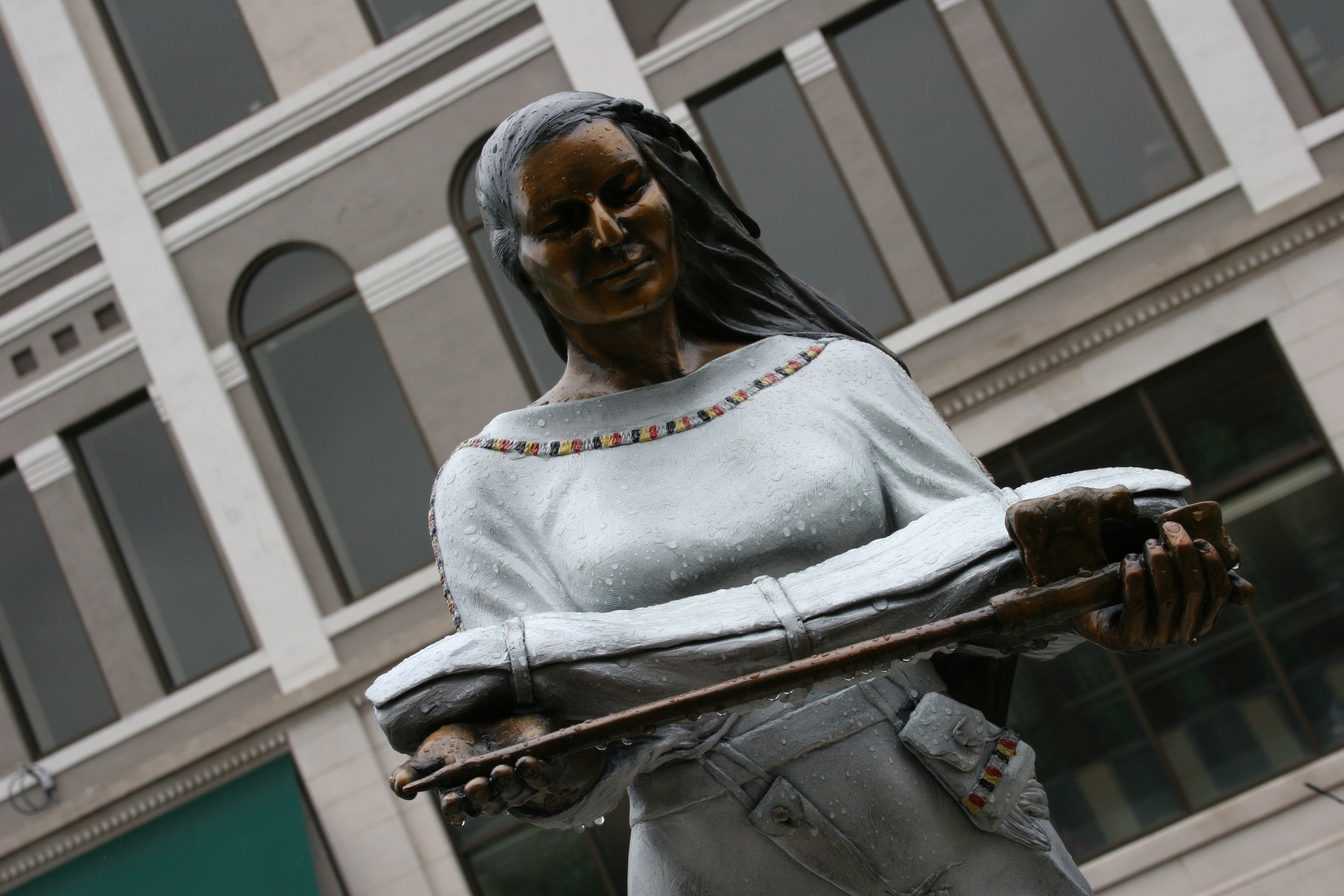
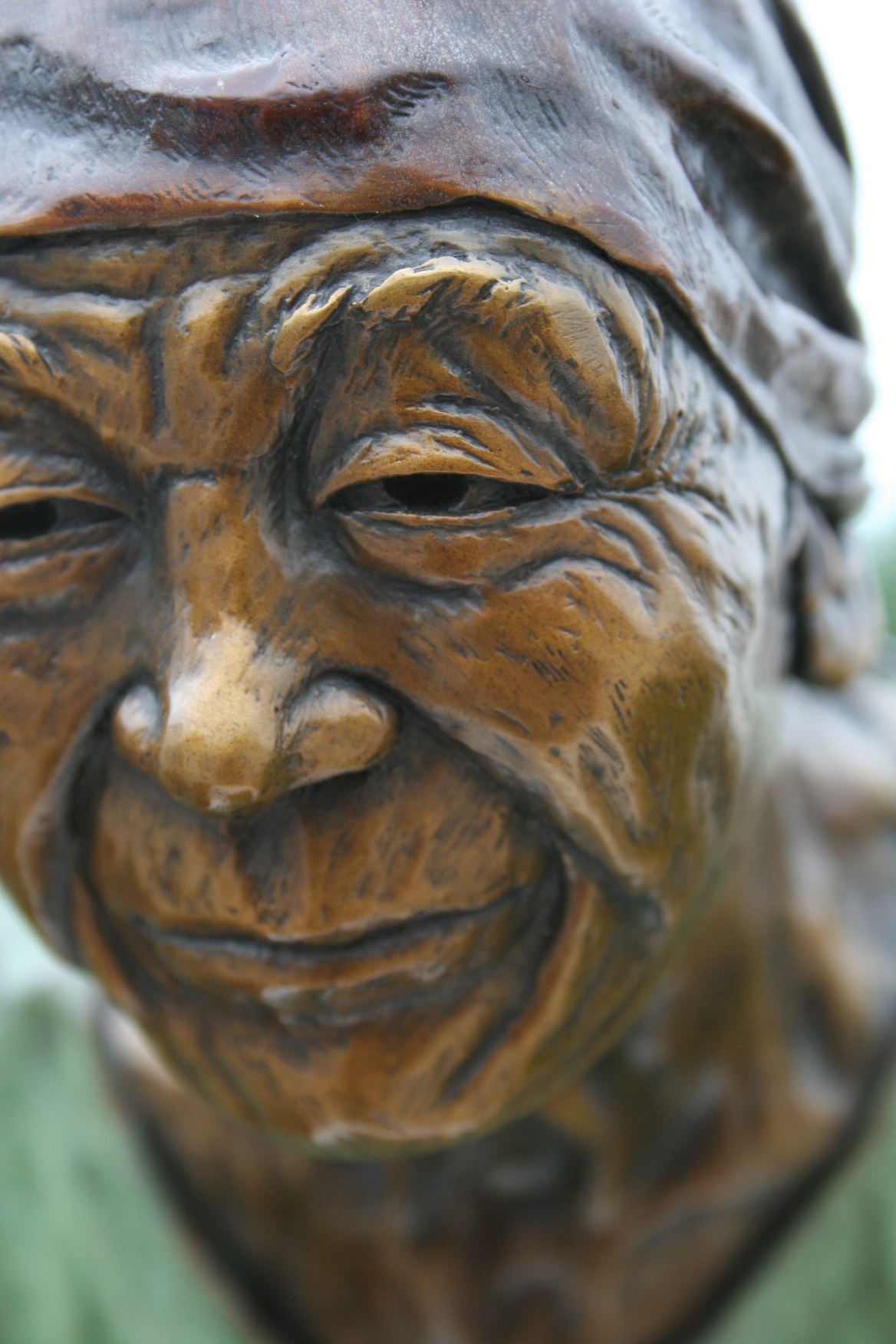
One of my three favorite sculptures, "White Buffalo Calf Woman," a bronze piece created by Aberdeen, South Dakota, artists Lee Leuning and Sherri Treeby. Notice how the dominant color in the sculpture blends with the building's color. Wait until you see the building on the other side of this Native American woman. You will be wowed. I'll share those images with you in another post.

This bronze piece, "The Farmer's Wife," by Dee Clements of Loveland, Colorado, is also among my three favorite sculptures. A photo Clements took in a Korean village inspired this art creation.

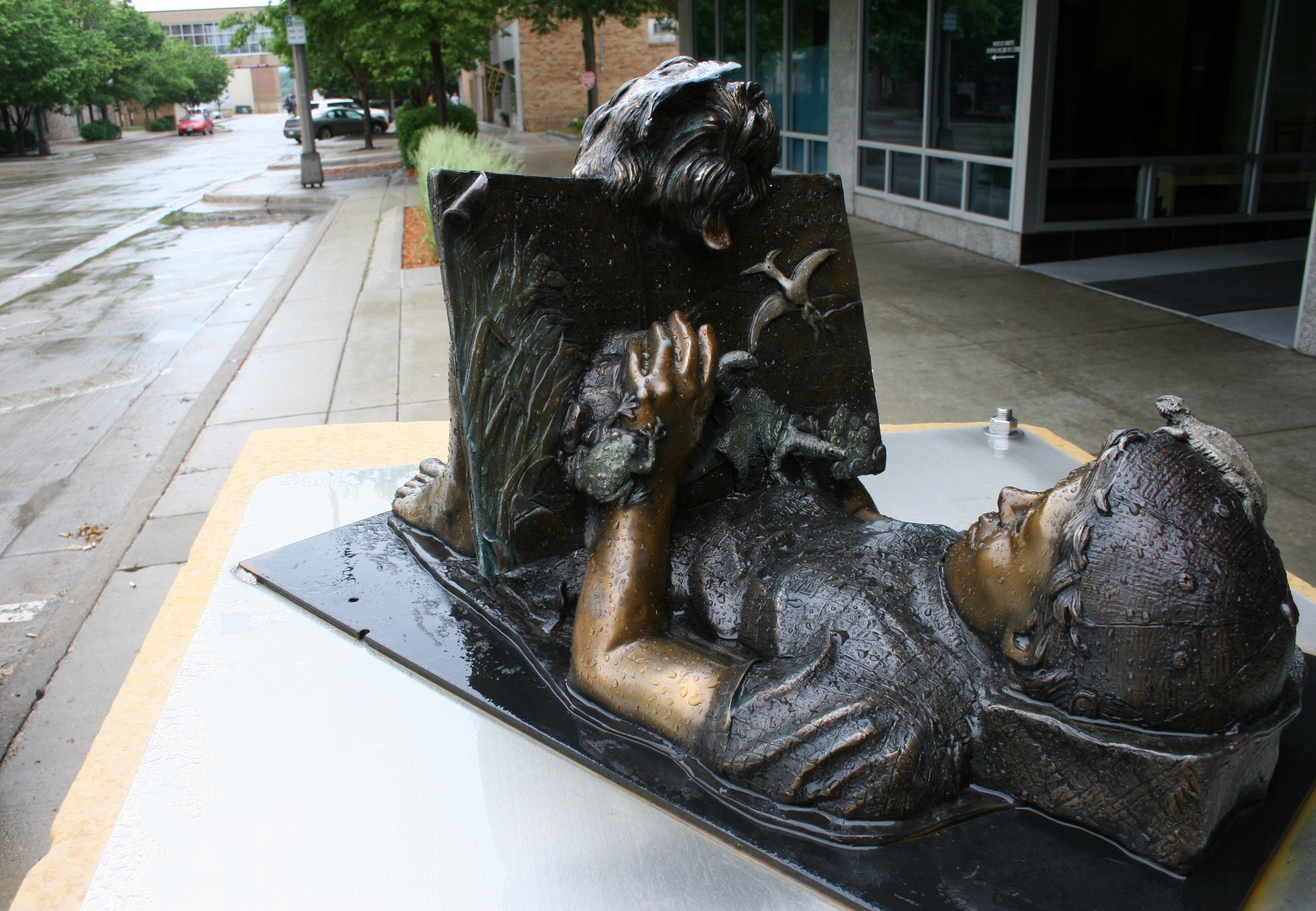
The detail in this bronze, "Reading Magic," by Julie Jones of Fort Collins, Colorado, appeals to me and makes it one of my top favorites among the 25 sculptures in the exhibit.

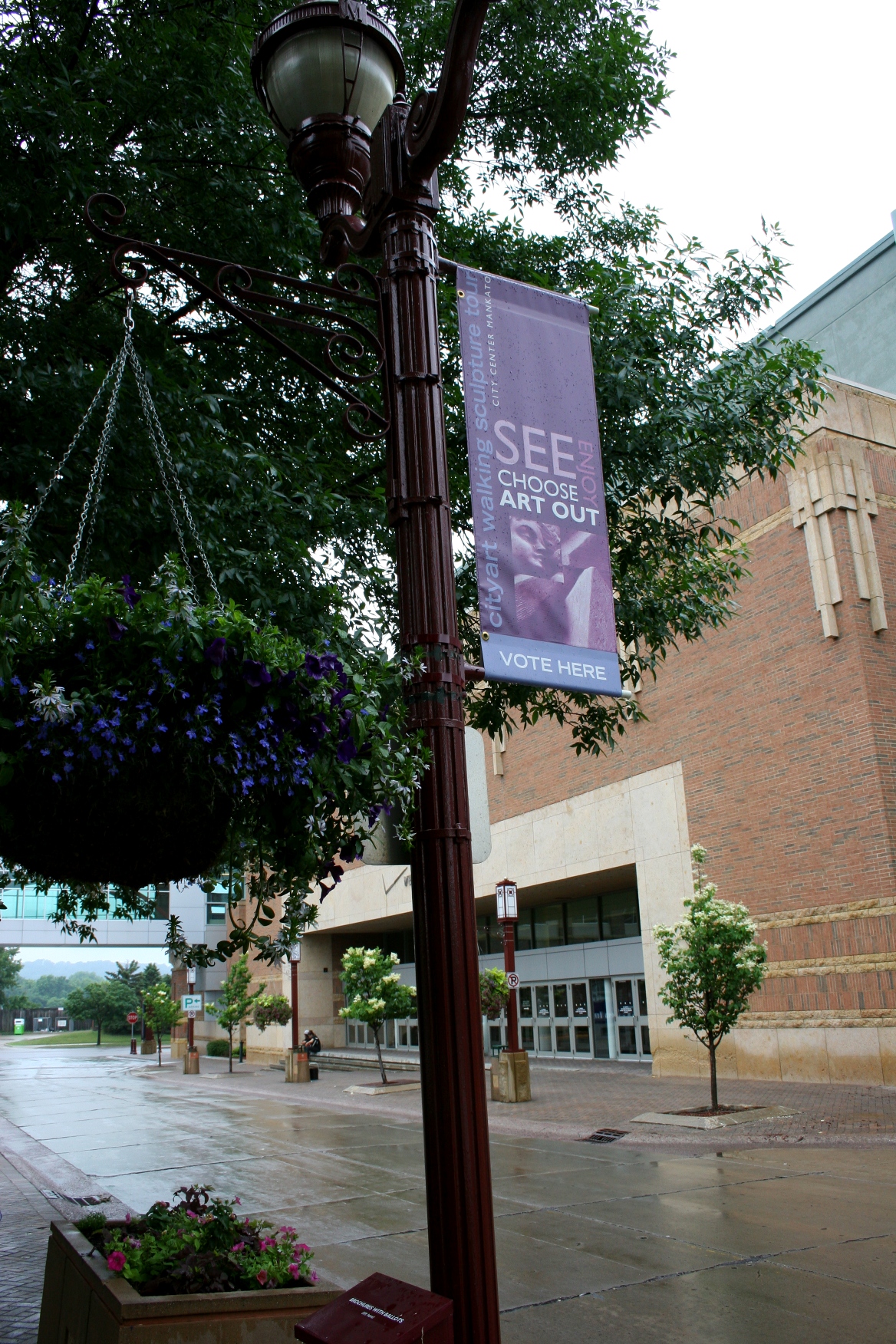
Banners draw visitors to the sculptures and to voting spots in downtown Mankato.

I also noticed, and I don’t know whether this was on purpose, but the sculptures often seemed to jive, architecturally and environmentally, with the buildings they were situated near.

Mankato is committed for the next five years to bringing these rotating sculptures into the community via a partnership with the Sioux Falls-based SculptureWalk program. Of course, this all costs money and with the help of a grant, business sponsorships, donations and more, Mankato has managed to bring this art directly to the people.

It’s a grand idea. I expect to return to Mankato to see next year’s art and perhaps other area attractions. Even though I attended college here for four years, I really didn’t appreciate the city. And so much has changed since 1978.

For someone like me, who doesn’t venture into Minneapolis to engage in the art scene there, mostly because I don’t like the congestion and busyness of the metro, outstate art opportunities like City Art in Mankato offer me culture at a quieter, more enjoyable (at least for me) pace.

#

SINCE I CAN’T POSSIBLY show you all of my photos in one post, I’ll bring you more images in future stories.

© Copyright 2011 Audrey Kletscher Helbling
 

My visit with Otto the otter June 18, 2011

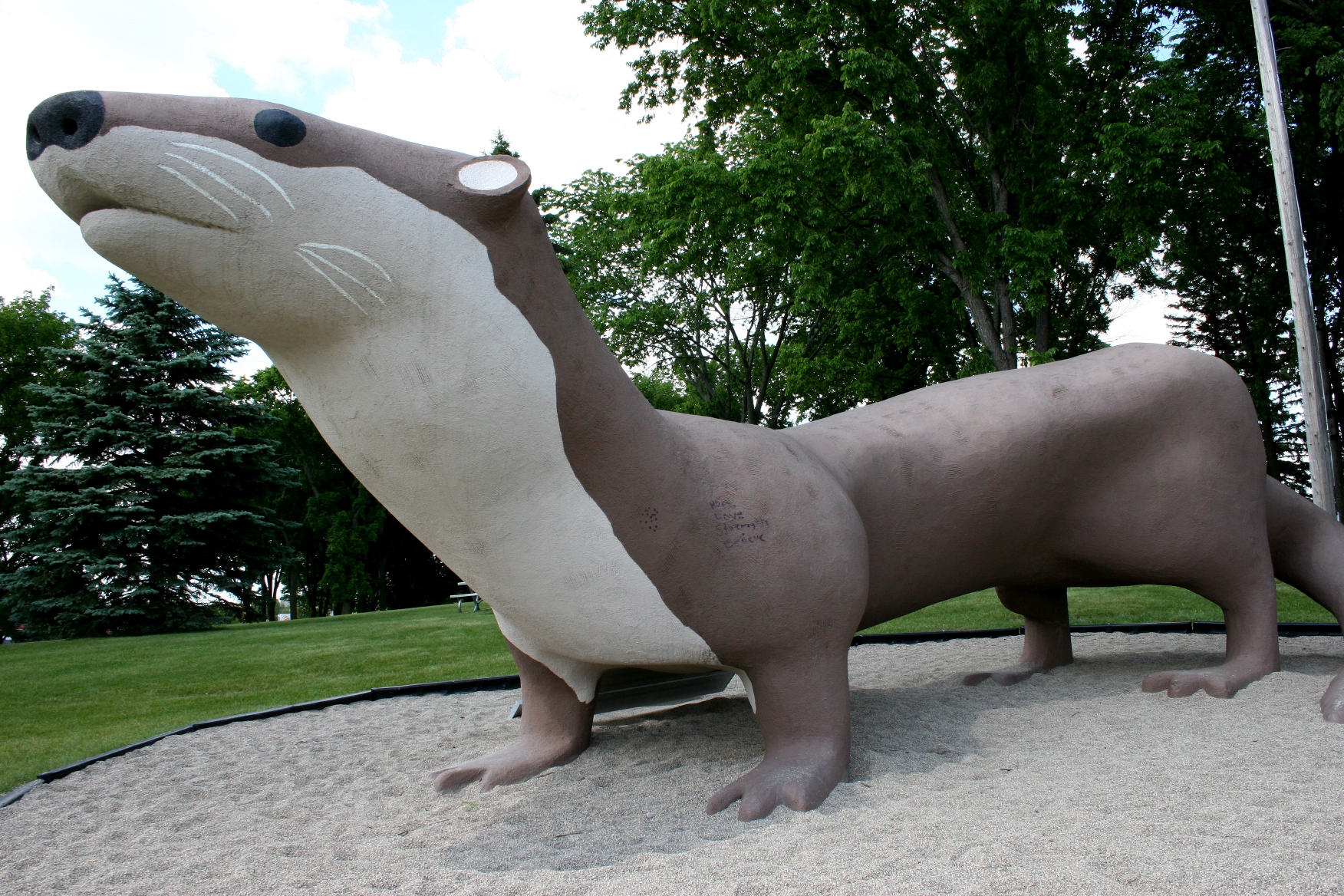
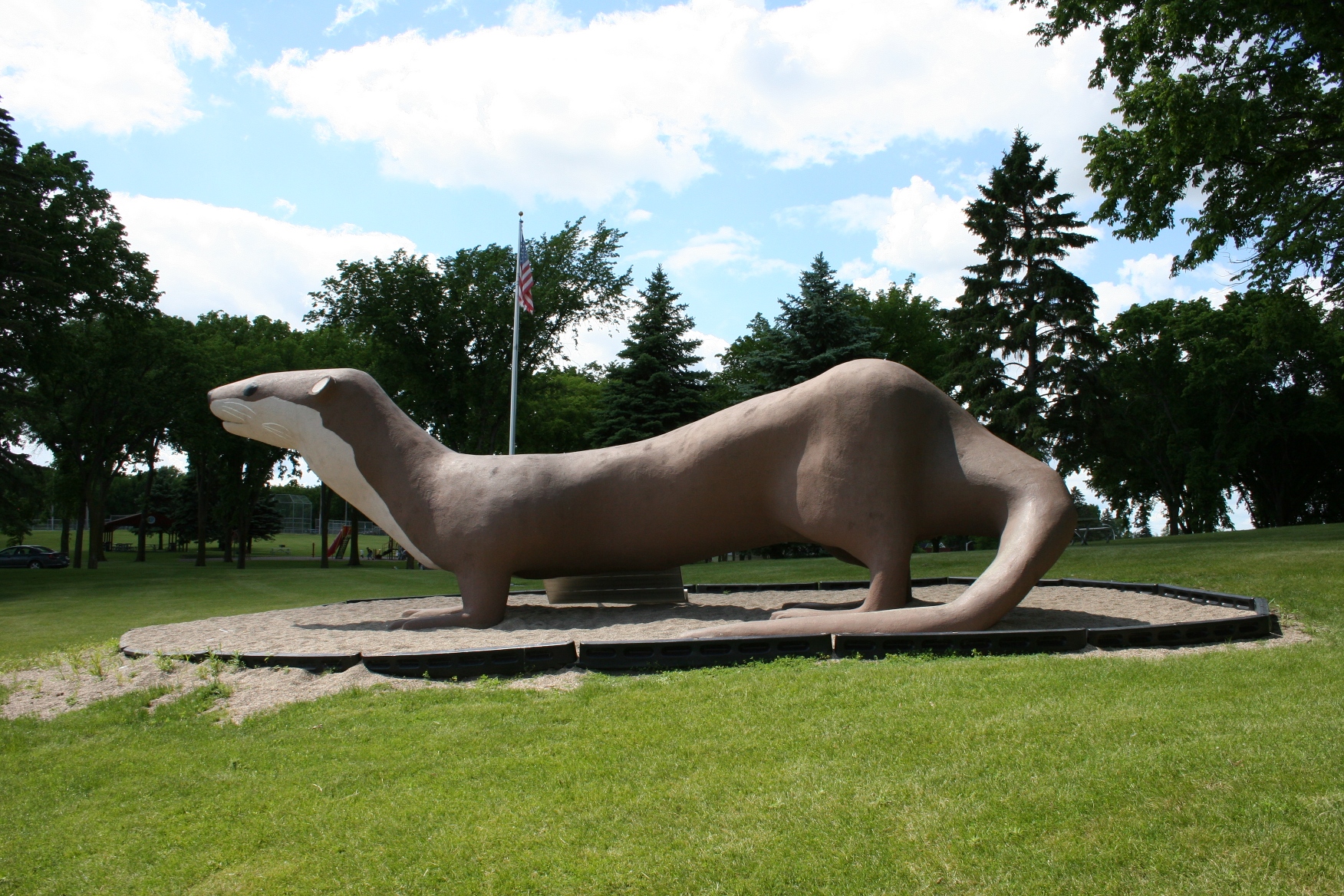
BECAUSE WE MISSED the turn, we missed the kids—the kids perched like birds on a telephone wire atop Otto the Otter.

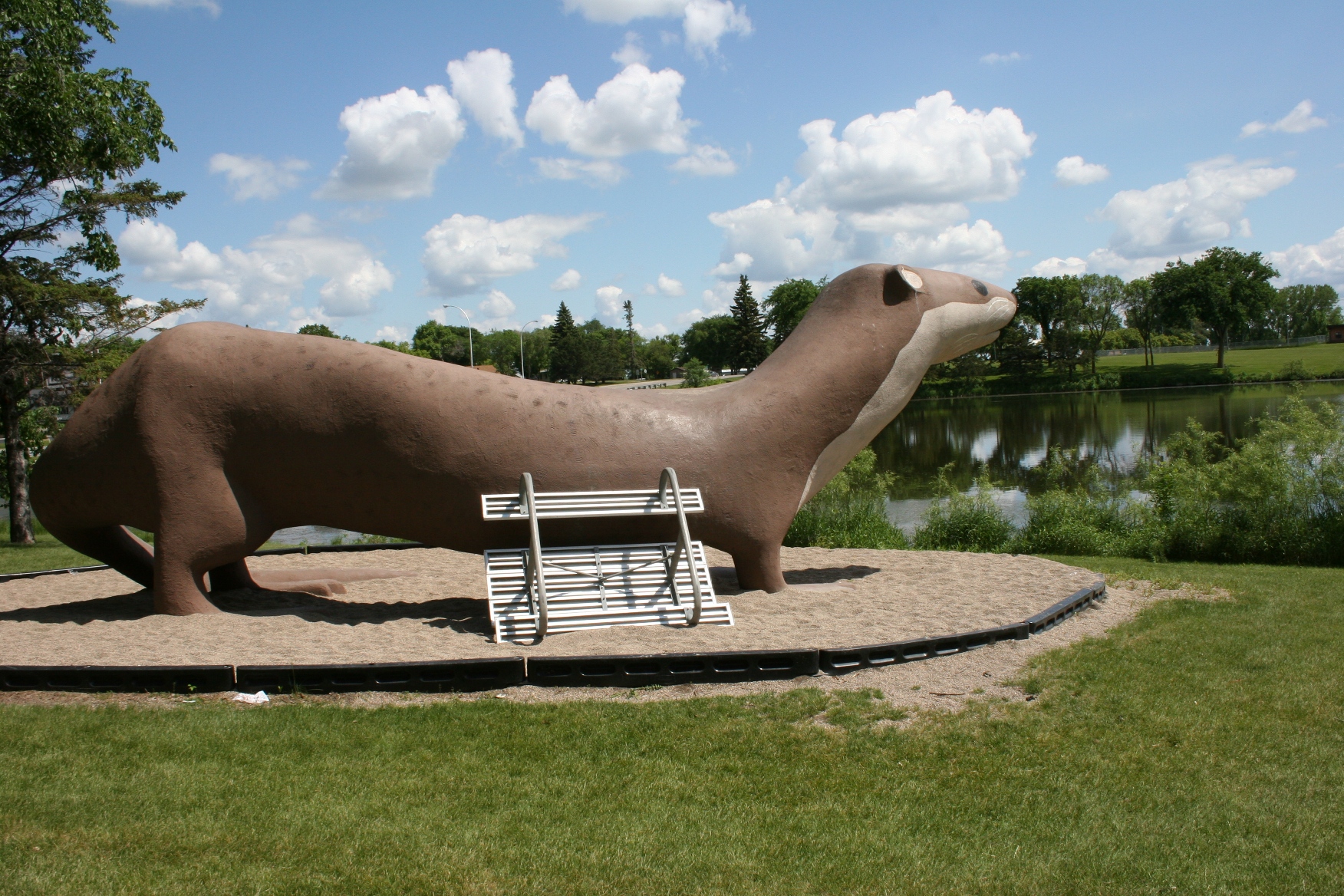
They would have added so much to these photos of the otter statue along Grotto Lake in Adams Park in Fergus Falls. Oh, well. They were flying past their dad back to the playground when we pulled into the parking lot.

So this would be just me and the husband, whom I couldn’t convince to pose with Otto. I did. But since I don’t look nearly as cute as those kids, you won’t see me leaning lamely against the otter in an image published here. That’s reserved for the family photo album.

I chose to ignore the spouse’s suggestion that I clamber atop an overturned picnic table and scramble onto Otto’s back. Like, do you think I’m 10 or something? I have an artificial hip, remember. Do you want me tumbling off this weaselly animal onto a pile of goose poop, tending me while waiting for the ambulance to haul me to Lake Region Healthcare?

Surely not.

Except for the goose-pooped lawn, our visit with Otto rated as fairly enjoyable. I mean, I really do appreciate viewing kitschy outdoor art like this gigantic otter statue under a beautiful summer sky in ideal temperatures (meaning 70ish and no humidity) that rank as nothing short of Minnesota weather perfect.

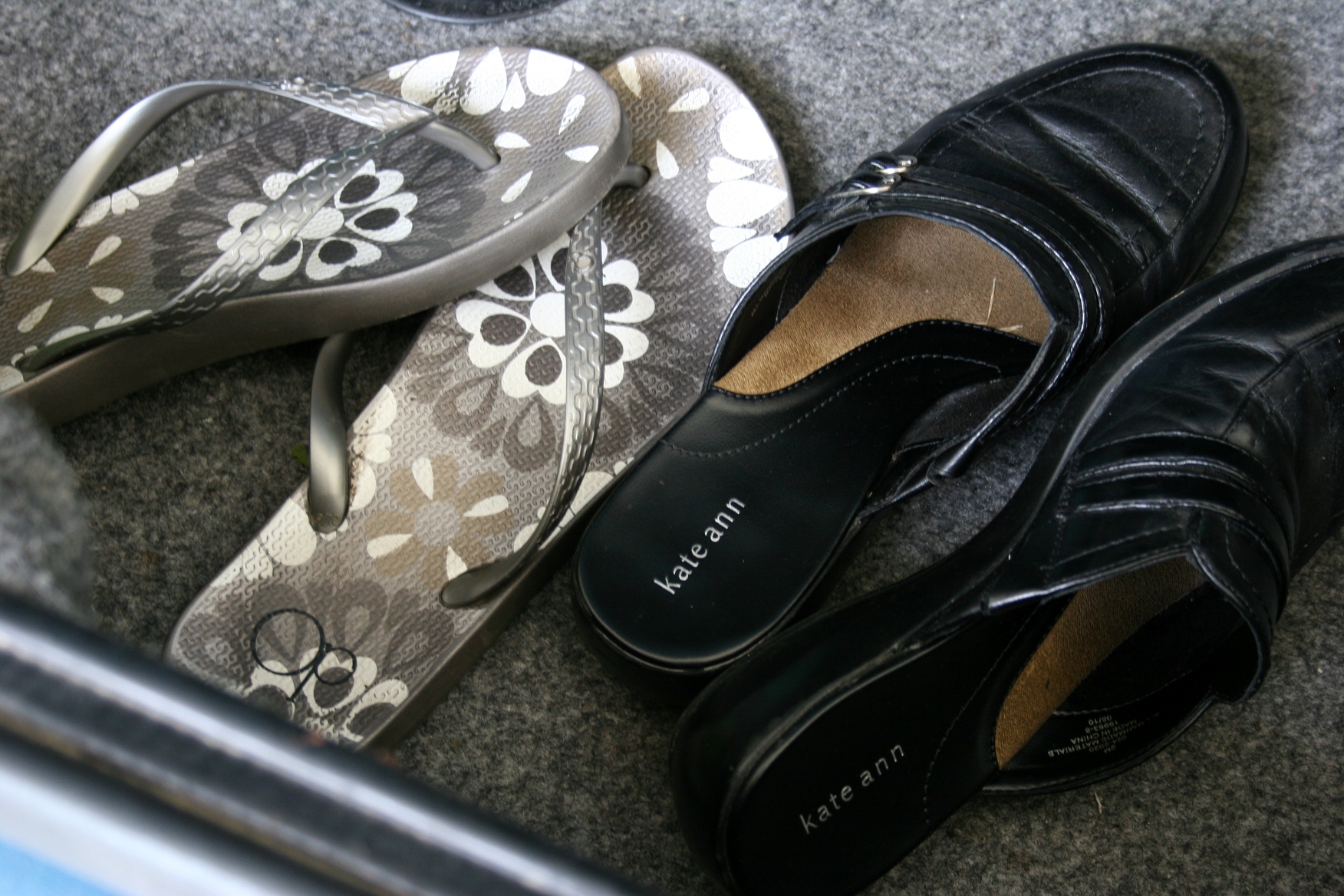
It’s just that I should have scraped the goose crap from my shoes before removing them, slipping my feet into flip flops and placing the poop-slimed shoes into the trunk of our car.

For purposes of this story, I have staged this shoe photo, without the goose poop, as a visual reminder to always, always wipe the goose poo from your shoes before placing them inside a vehicle.

© Copyright 2011 Audrey Kletscher Helbling
 

Faribault’s famous (formerly forgotten) flier May 4, 2011

LAST WEEK DALE “RED” JACKSON joined aviators Elizabeth Wall Strohfus, Charles Lindbergh and some 150 others in the Minnesota Aviation Hall of Fame.

If you’re like me, you are surprised to hear that our state has a hall of fame for aviators. I only recently learned that when Jackson was about to be inducted.

So who are Jackson and Strohfus and what qualifies them for an aviation honor?

They are two famous aviators with roots in my community of Faribault. Strohfus, who was inducted into the hall of fame in 2000, was a member of the Women’s Air Force Service Pilots during World War II. She taught instrument flying to male cadets and later ferried B-17 and AT-6 warbirds around the country, according to the Minnesota Aviation Hall of Fame website. Today she is a noted speaker.

As  for Jackson, he was a stunt pilot and barnstormer during the late 1920s and early 1930s. In July 1929, Jackson and St. Louis flyer Forrest O’Brine circled the city of St. Louis for some 420 hours, refueling 48 times in flight. That broke an aerial endurance record. Later they remained in flight for 647 hours (27 days), setting their second record.

On January 6, 1932, at the age of 25, Jackson was killed while stunt flying over Miami. Nicknamed the “Flying Fool,” Jackson had apparently been warned not to try stunts in the tiny Curtiss Teal amphibian he was piloting on that fateful day. As he tried to straighten the plane after a loop and dive, a wing tore off. Jackson died in the wreckage, reportedly with one hand hooked into the ripcord of his parachute.

When Jackson’s body arrived in Faribault by train from St. Louis, where an earlier memorial service had been held, an estimated 3,000 people gathered at the Rock Island Depot, according to a January 11, 1932, article in The Faribault Daily News.

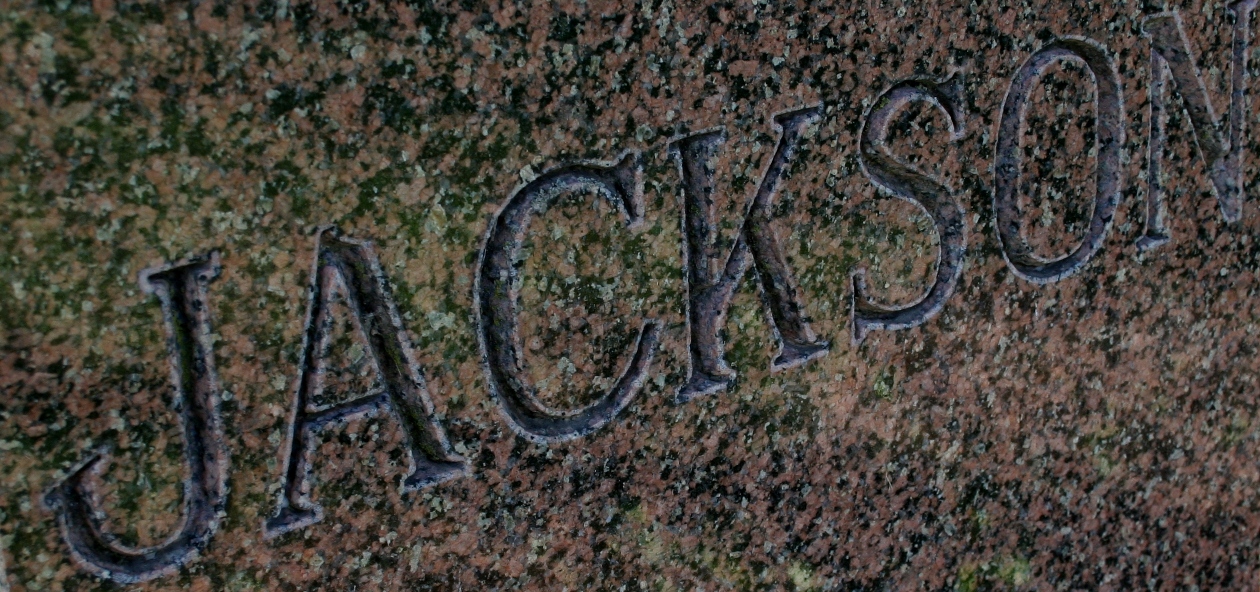
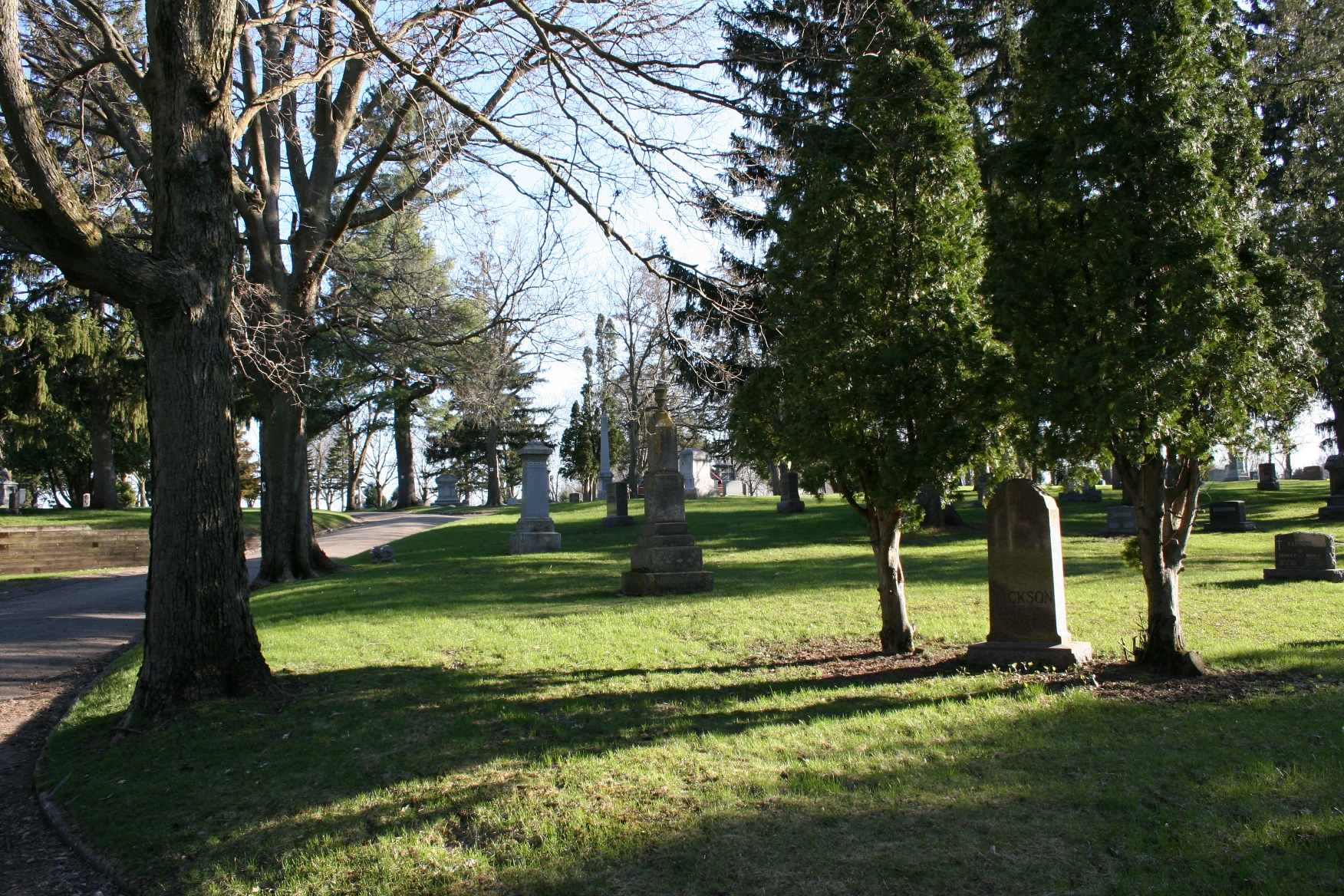
Jackson is the single word on a tombstone marking the Jackson family graves in Section K, Lot 61, at Maple Lawn Cemetery in Faribault.

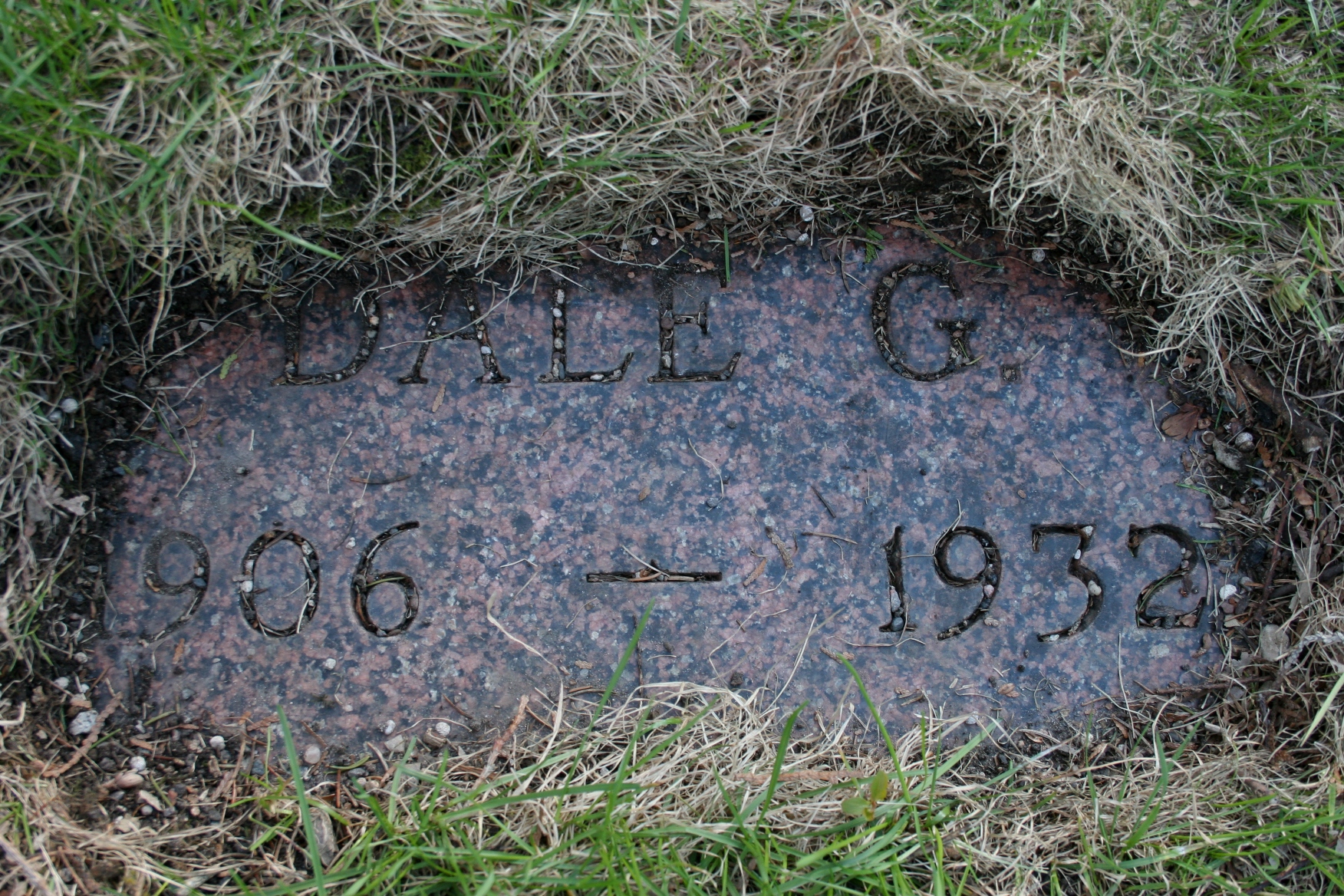
I nearly missed this in-ground marker for Dale Jackson, which lies about 12 feet from the family gravestone. I had to pull back the grass to reveal his first name and middle initial.

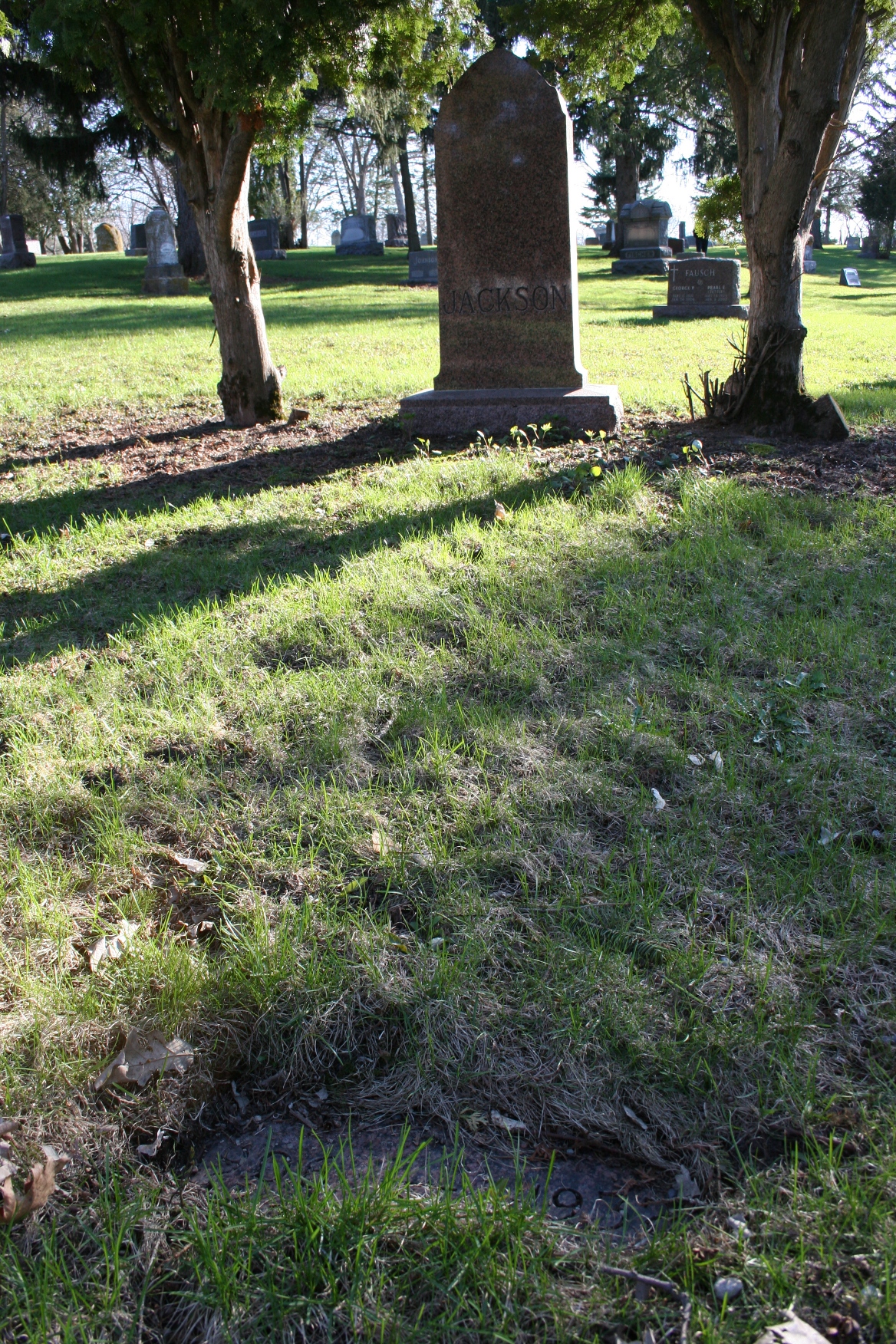
Dale Jackson's marker lies flush to the ground about a dozen feet from the Jackson family marker, between two cedar trees. I had expected a more opulent and noticeable gravesite.

Dale Jackson is buried here along with his parents, Henry and Josephine, and his wife, Selma. The Jackson family headstone stands between the two cedar trees to the right in this photo.

Given Jackson’s national and international notoriety in the aviation world, I wondered why I had never heard of him before last week. He was born in Iowa, moved here with his family and graduated from Faribault High School.  Faribault has not, as far as I am aware, shone the spotlight on this daring stunt pilot since his barnstorming days and untimely, sudden death.

Why?

I think he would be worthy of more than a marker, half covered with grass, in Maple Lawn Cemetery. I’m thinking tourism possibilities here.

For now, his Minnesota remembrance comes via that Minnesota Aviation Hall of Fame induction last weekend. That’s a good start.

I wondered where this museum of sorts is located. After substantial googling, I discovered that an actual museum doesn’t exist. Rather the hall of fame consists of plaques honoring the inductees. Those hang in a secure section of the Duluth International Airport in an area inaccessible to the general public. Huh?

But that’s not all. Once a terminal renovation is completed at the Duluth airport in 2012, the plaques will need to be moved.

The Albert Lea City Council, in a motion passed in late January, has expressed an interest in bringing the Minnesota Aviation Hall of Fame to its community. No commitment. Just an interest right now.

In the meantime, if you want to check out aviators like Faribault’s Flying Fool, Dale “Red” Jackson, who have made it into the Minnesota Aviation Hall of Fame, you best do that online or visit Maple Lawn Cemetery.

© Copyright 2011 Audrey Kletscher Helbling
 

Say cheese, a Wisconsin experience April 30, 2011

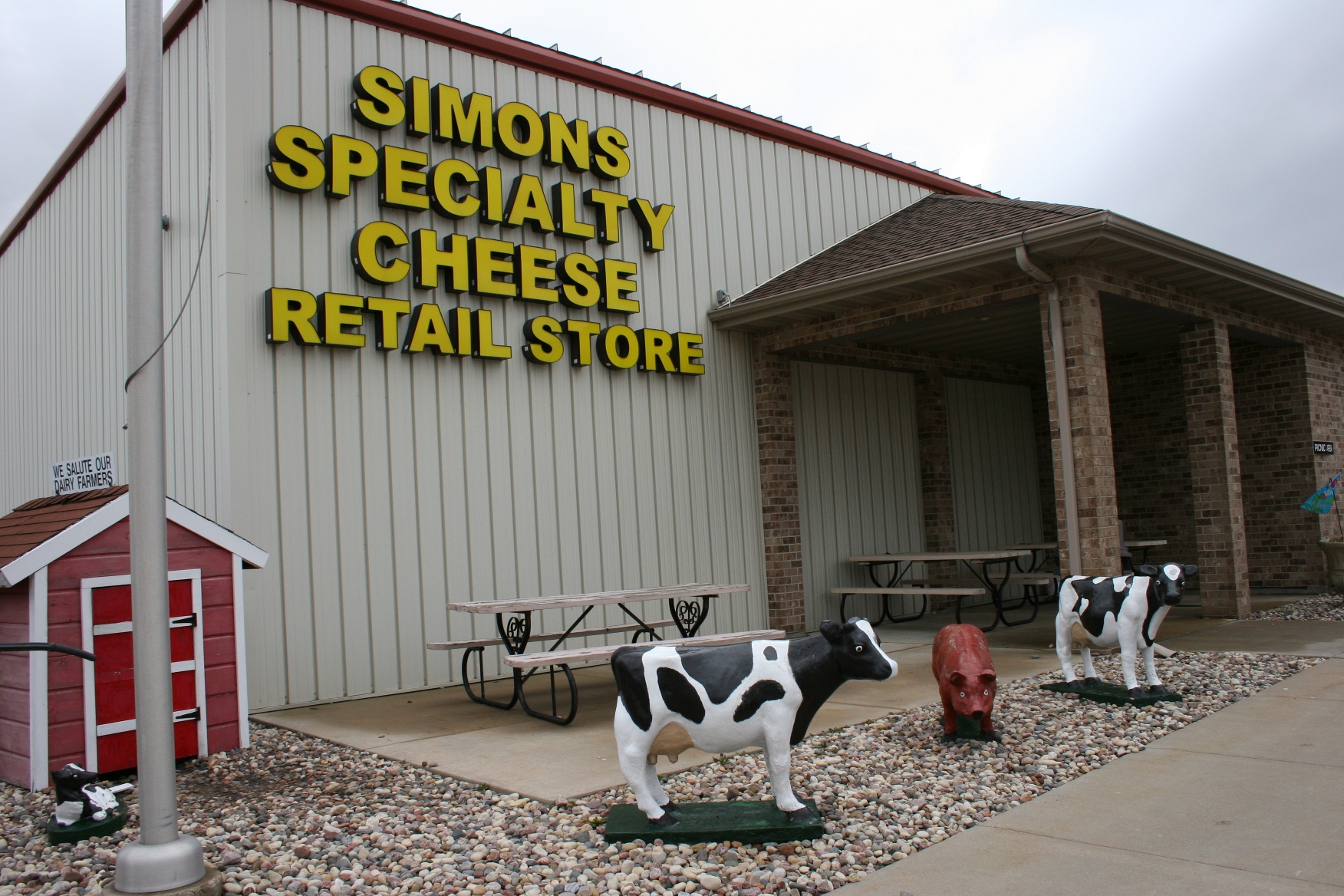
TO TRULY EXPERIENCE Wisconsin, you must, must, visit a cheese store, like Simon’s Specialty Cheese Retail Store in Little Chute, northeast of Appleton. Simon’s offers a Wisconsin experience you’ll long remember.

Simon's Specialty Cheese is one of the retail outlets for Trega Foods, Ltd., which produces natural curds and mozzarella sticks right next door at its Little Chute plant.

And, yes, bring your camera to Simon’s for some touristy photos. Photo ops abound in every aisle.

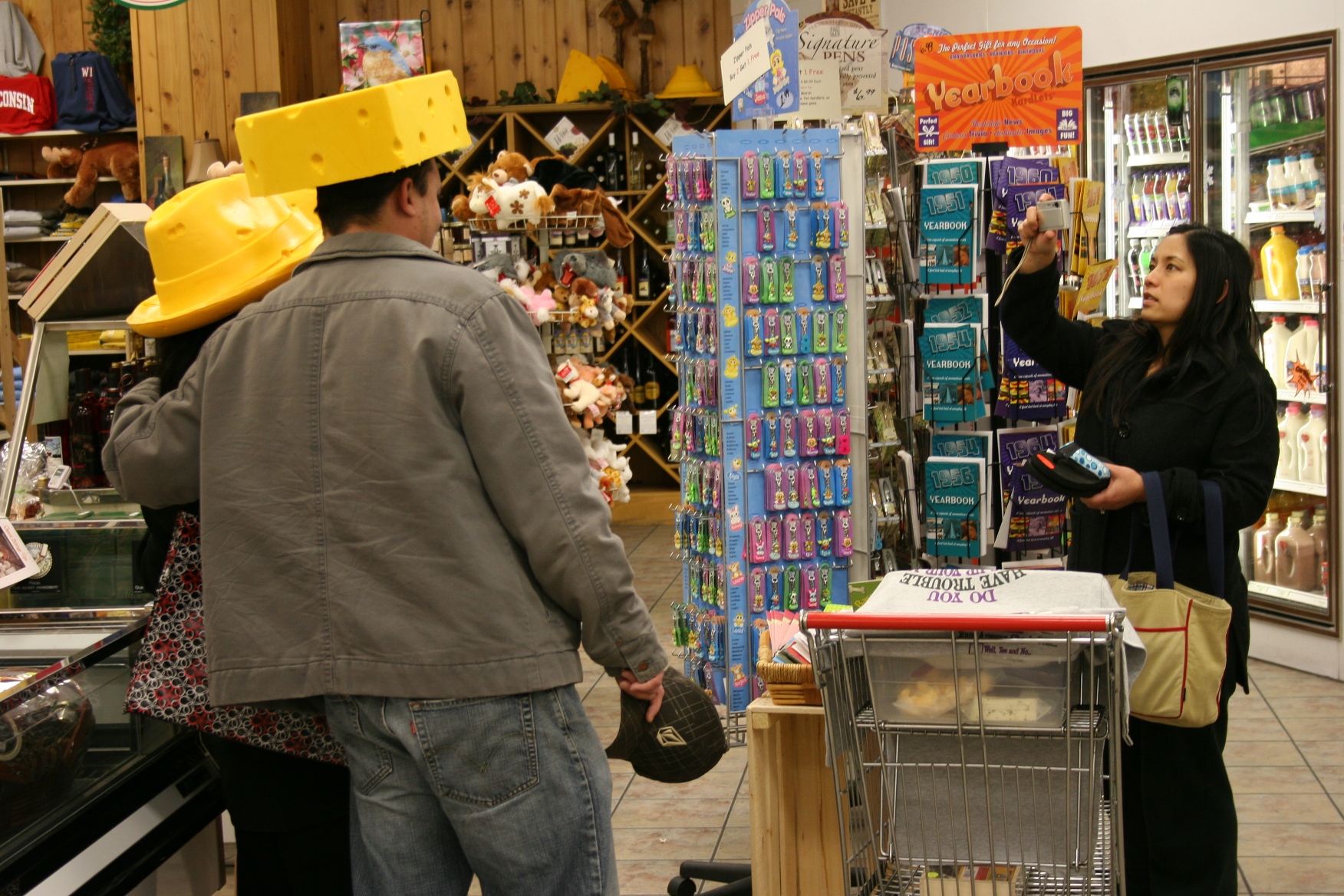
Start by trying on the cheesehead hats. They’re perfect if you’re a Packers’ fan or are looking for a Halloween costume or, ummmmm, just want to make a fashion statement say in some place like London. I would not, however, recommend wearing a cheesehead hat in Minnesota.

Shoppers, aka tourists, don cheesehead hats and pose for photos at Simon's.

If this boxy style or color doesn’t suit you, then scoot down the aisle and try on a wolf or moose head piece. I would not, however, recommend wearing a furry animal hat in the Wisconsin woods, especially during hunting season.

A wolf disguise... Just a thought here, Simon's, but since your geographical region is called "the Fox Cities/Fox Valley" after the Fox River, how about stocking some fox hats?

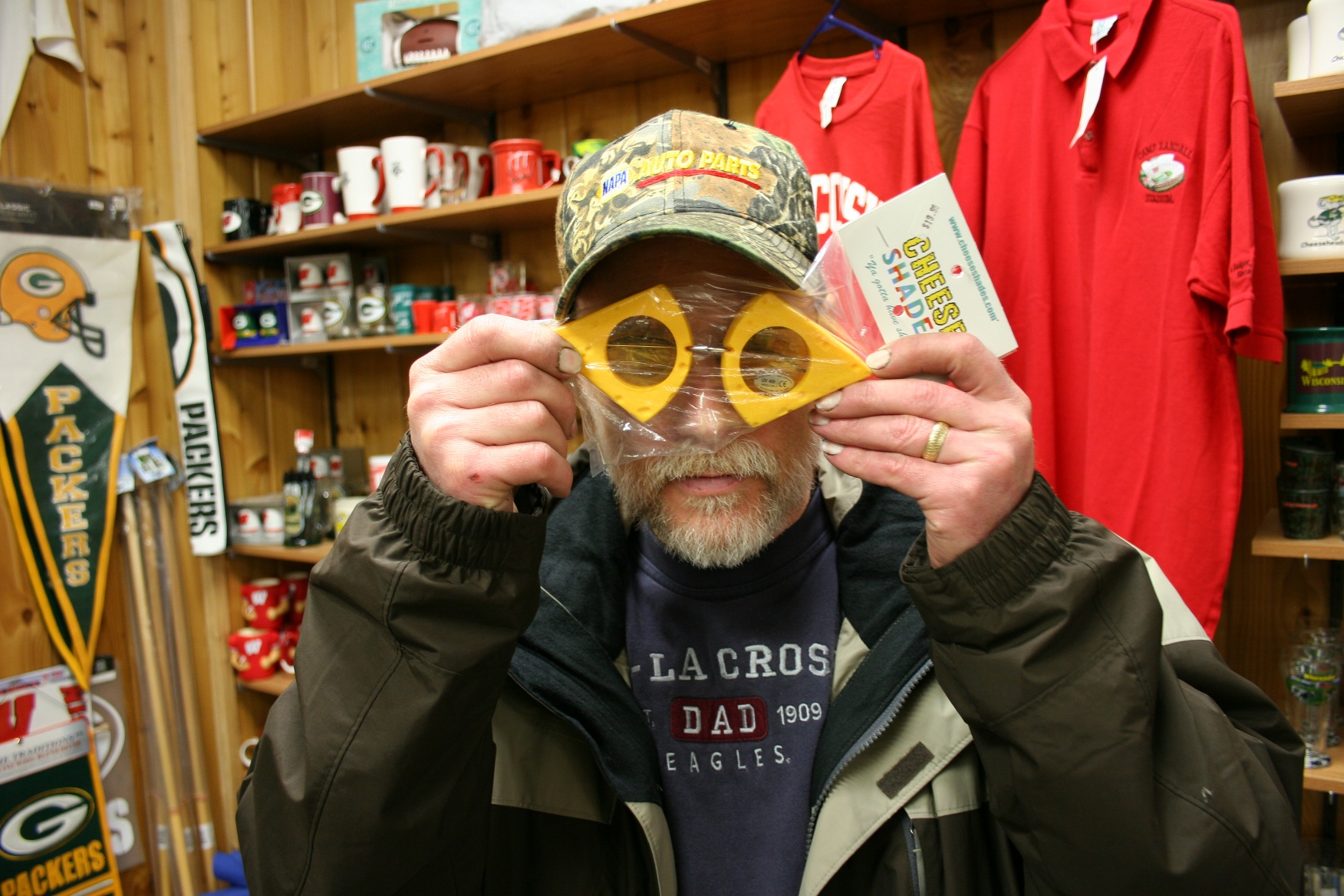
If you’re looking for truly unique sunglasses that will turn heads at the beach this summer, then select cheese shades. I promise no one will even consider stealing your chic eyewear. I would not, however, recommend wearing these to, say, Minnesota’s Lake Calhoun, Lake Mille Lacs or Gull Lake.
Chic Wisconsin eyewear modeled by a Minnesotan who likely prefers anonymity.

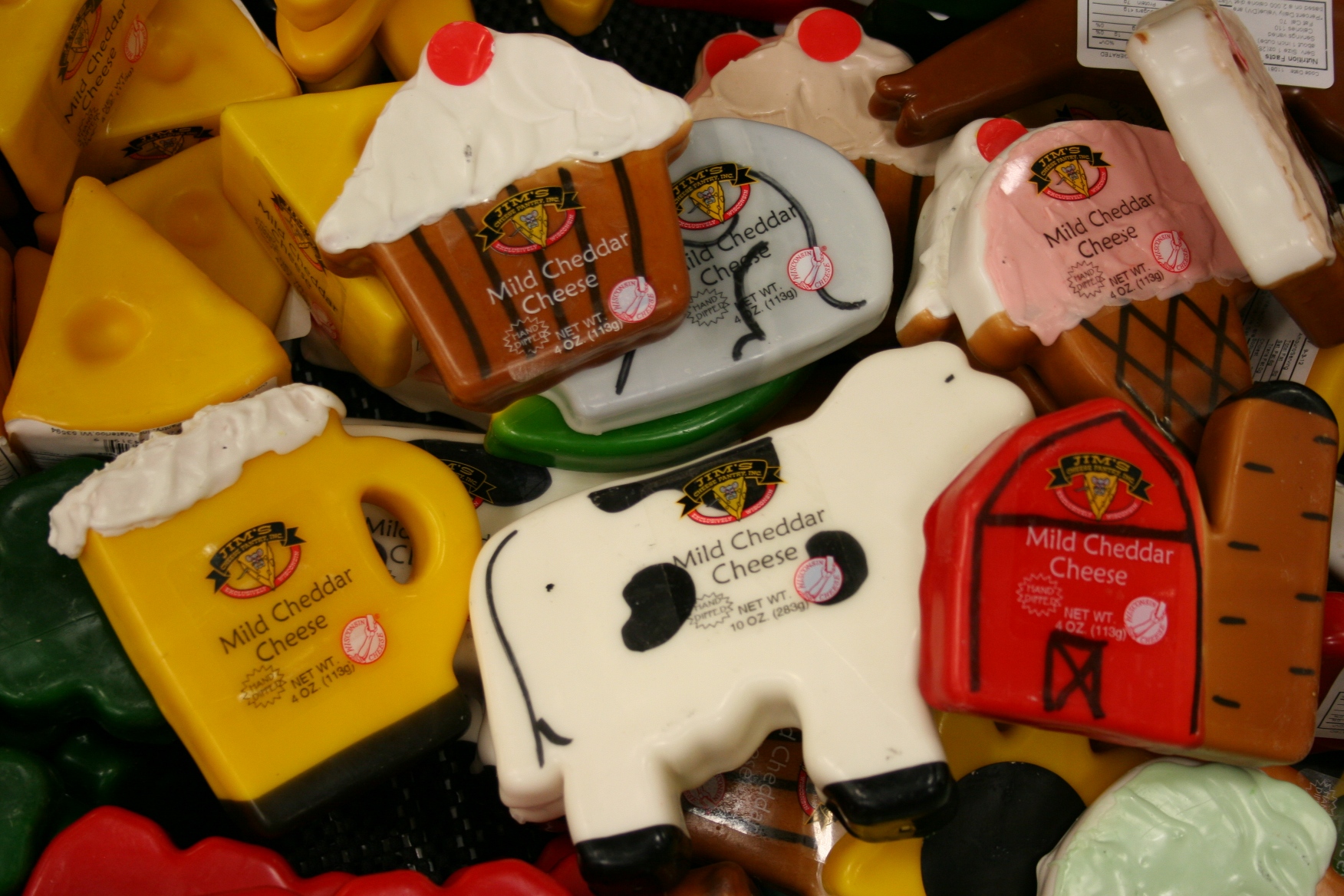
Now, if you’re hosting a party, you’ve come to the right place. Simon’s offers plenty of conversation starter food choices. Grab a handful or two of cheddar cheese shapes. Cows. Barns. Cupcakes. Beer mugs. I would not, however, recommend purchasing the green and gold Packers and football cheese shapes if you are hosting a football (or any other) party in Minnesota.
Cheddar cheese shapes that are kitschy cute.

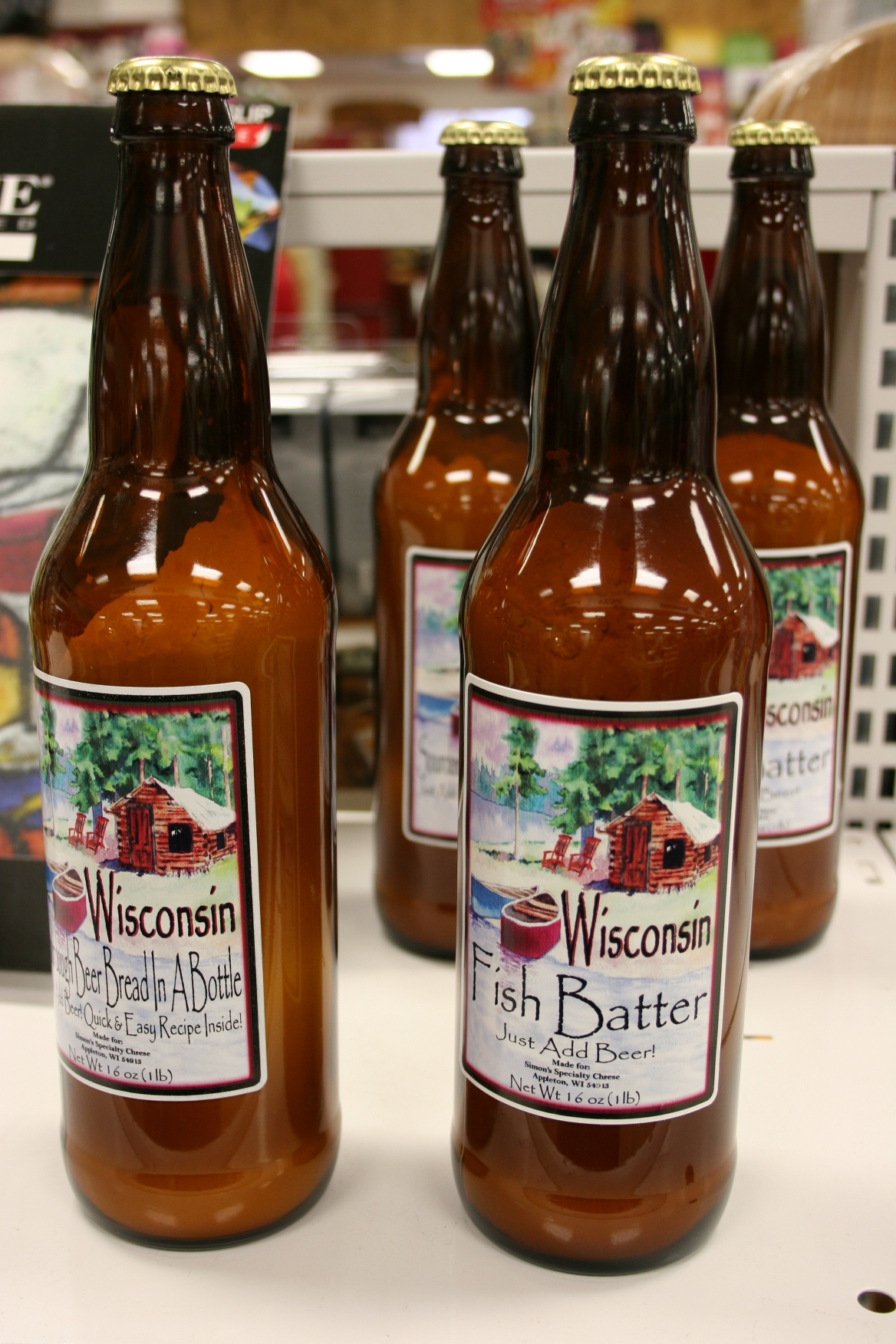
Along that same party line, pick up a few bottles of beer fish batter or bread mix. I would not, however, recommend stashing these near Spotted Cow (or any other beer) lest you mistakenly toss the bottled mix into the cooler before leaving on that annual fishing trip up north.

Wisconsin fish batter and beer bread mix, not to be confused with a Wisconsin beer like Spotted Cow.

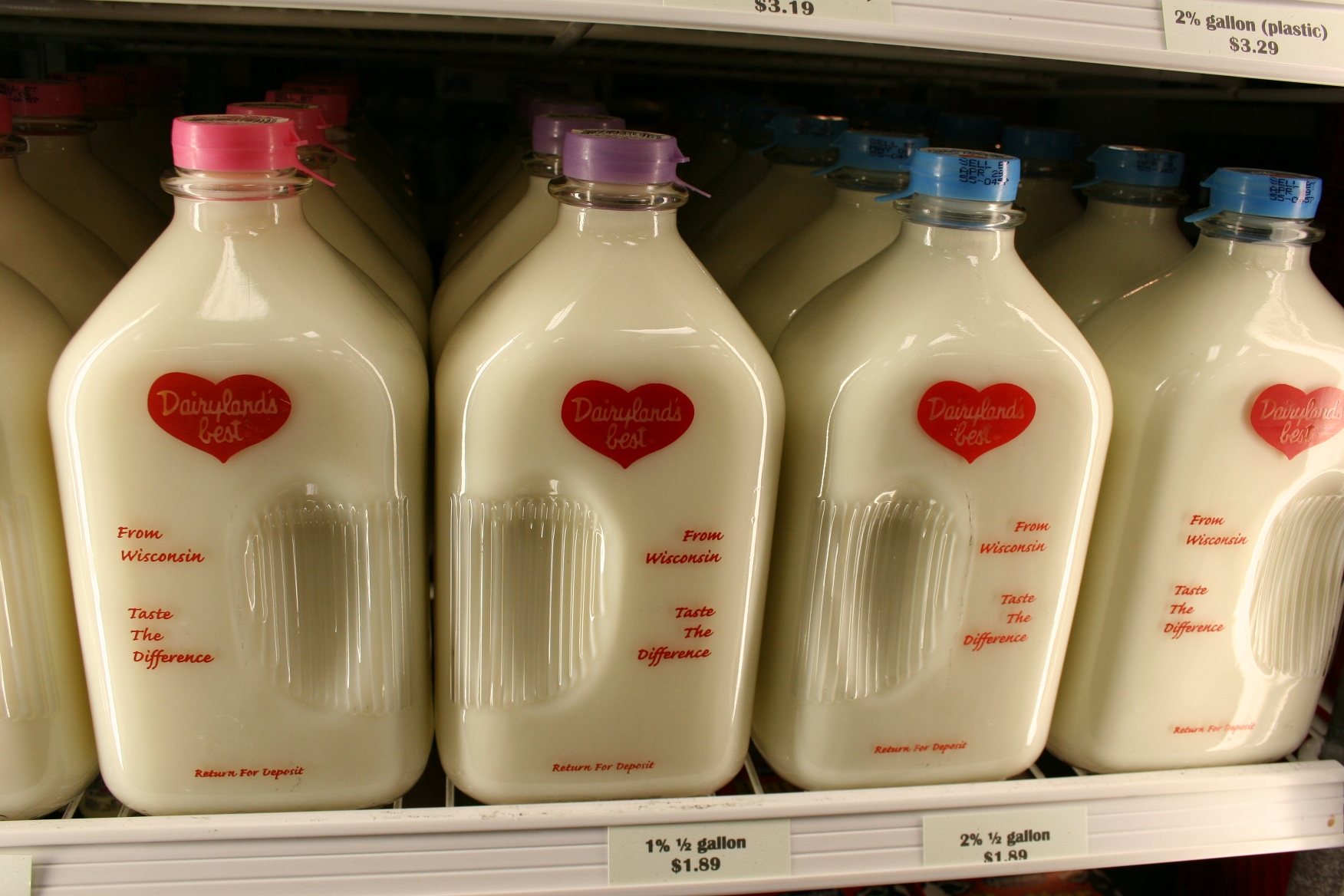
Finally, even the romantic can find a gift at Simon’s. What better way to say “I love you” for a non-occasion than with a jug of bottled milk? A heart logo on the glass bottle adds just the right romantic touch. I would not, however, recommend this as a replacement for flowers no matter your state of residence.

Romantic or nostalgic, bottled milk is available at Simon's.

There, you have it, directly from someone who’s experienced Simon’s Specialty Cheese and enjoyed every aisle of photo op kitschy-ness. This store is a must-see for anyone visiting Wisconsin.

© Copyright 2011 Audrey Kletscher Helbling