Minnesota Prairie Roots

Writing and photography by Audrey Kletscher Helbling

Appreciating historic downtown Faribault, especially in her holiday finery December 21, 2011

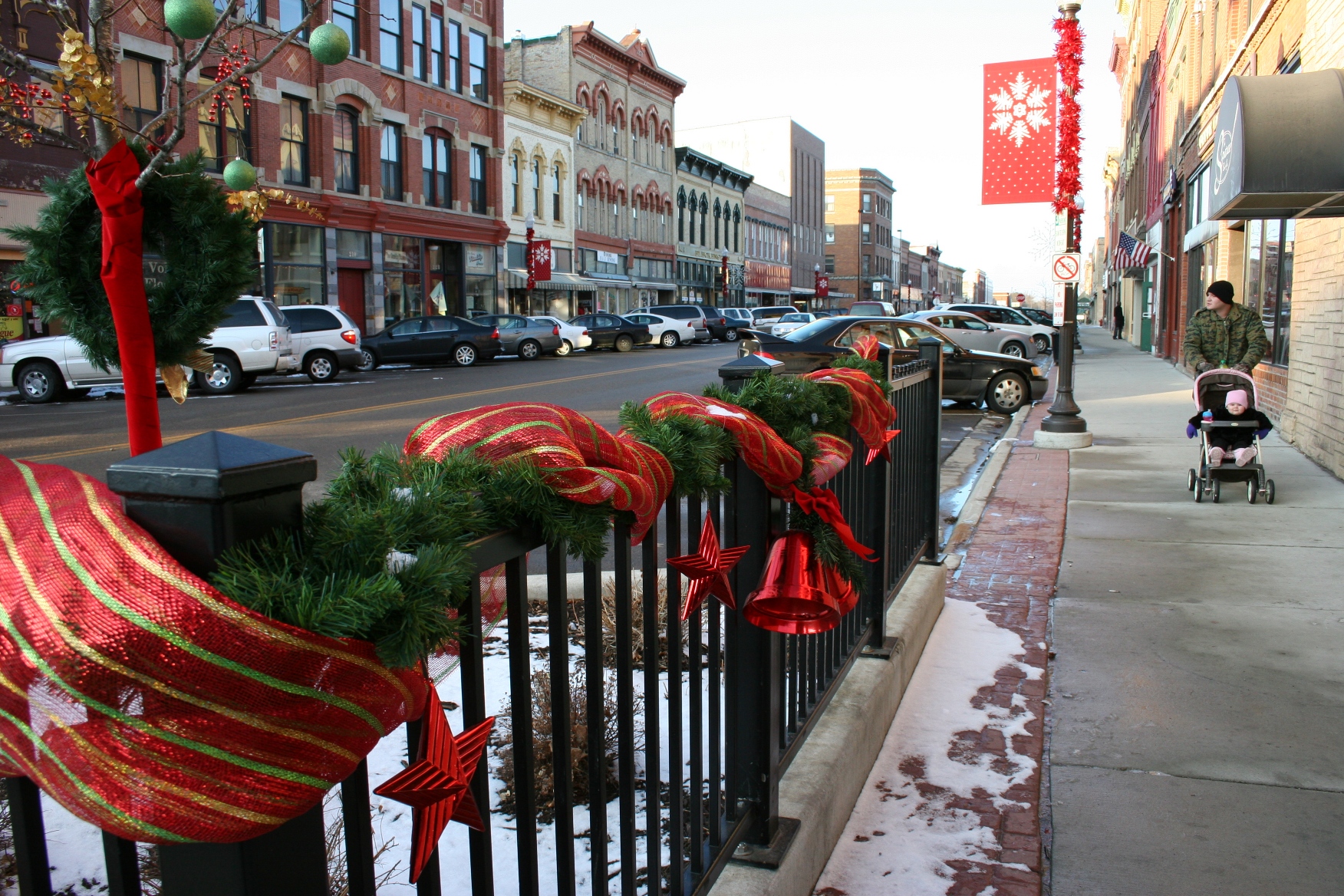
Strolling along Central Avenue in historic downtown Faribault late on a Saturday afternoon in December.

SATURDAY AFTERNOON, while my husband shopped for dress shoes at Burkhartzmeyer Shoes in historic downtown Faribault, I meandered a block north to view Central Avenue dressed in holiday finery.

She’s stunning with sparkles and ribbons and Christmas reds and greens befitting any holiday party.

Keepers Antique Store decorated the wrought iron fencing on a downtown street corner as part of a "Winter Wonderland" themed decorating contest.

Honestly, I love the look and feel of my downtown. Even without the glitz and glamour of the holiday season, Faribault shines. The old brick buildings, the comforting small-town vibe, the ease of parking, the slow pace and the friendliness of shopkeepers appeal to me.
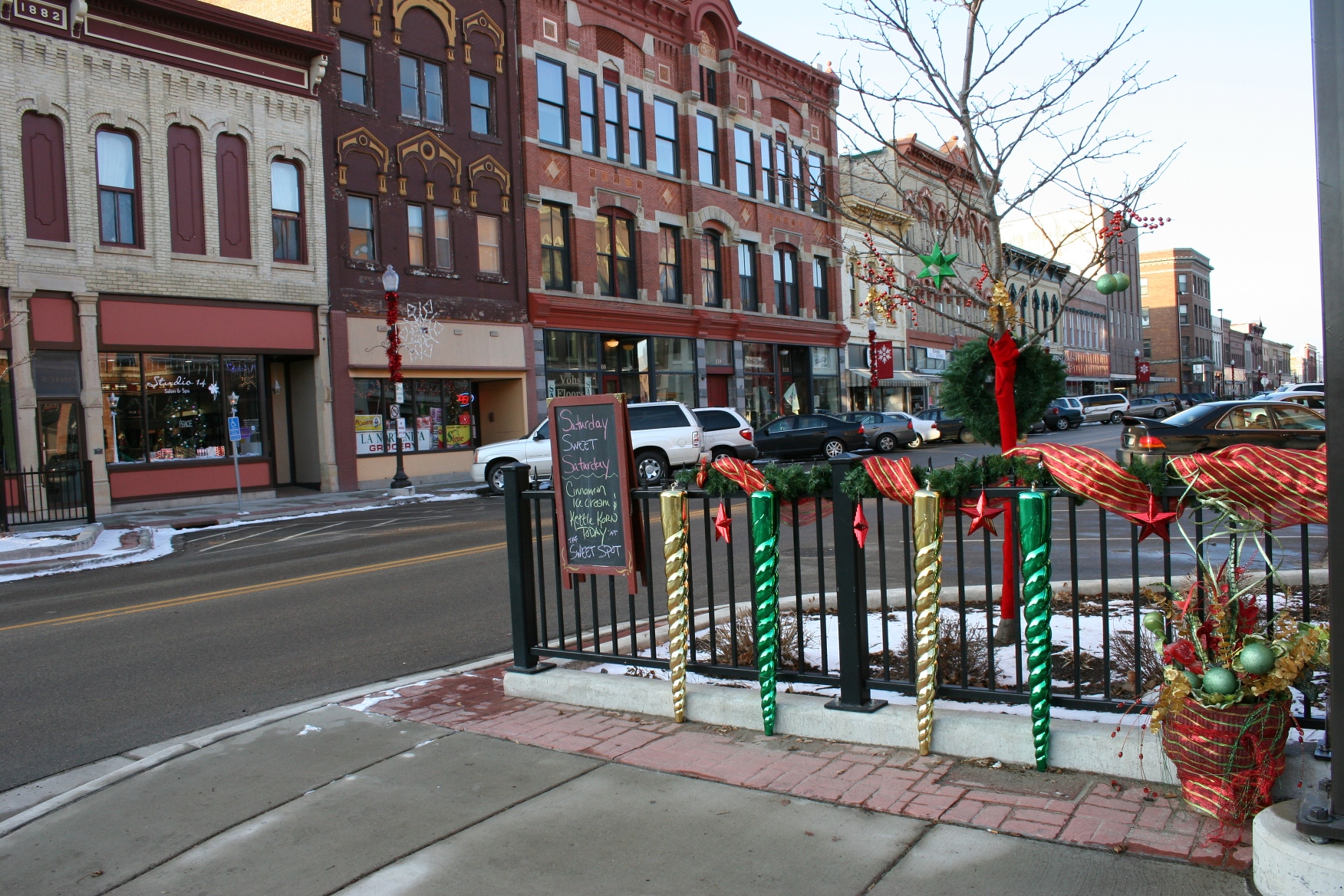
Next to the Signature Bar & Grill, a lovely holiday-bedecked street corner.

An elf outside The Crafty Maven, "featuring a unique mix of new and vintage items."

Quotes from Charles Dickens' "A Christmas Carol" portrayed in store-front windows.

I am always surprised when locals fail to appreciate downtown. How can you not value this treasure of a business district with arched windows, decorative trim and more on vintage buildings that impart an historic and homey feel to our town? Perhaps because I didn’t grow up here, I can truly see the beauty that native residents often overlook.
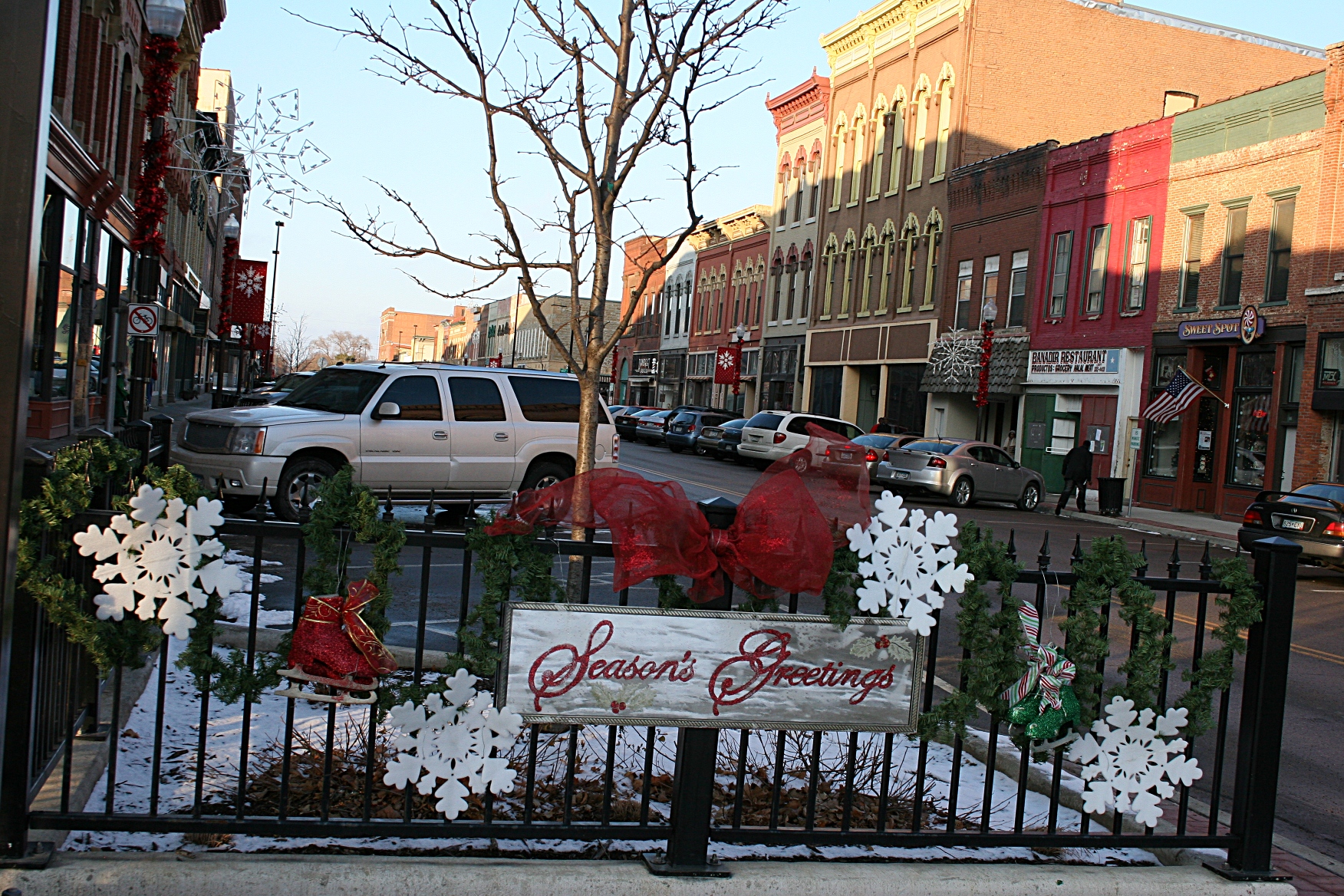
Another seasonally-decorated street corner charms visitors to Central Avenue.

I am always surprised, too, that Faribault hasn’t been discovered—like Red Wing or Stillwater or Wabasha or neighboring Northfield—as a destination city. The potential exists to draw tourists here into our specialty shops and arts scene. It’s not for a lack of effort, but…we’re not there yet.
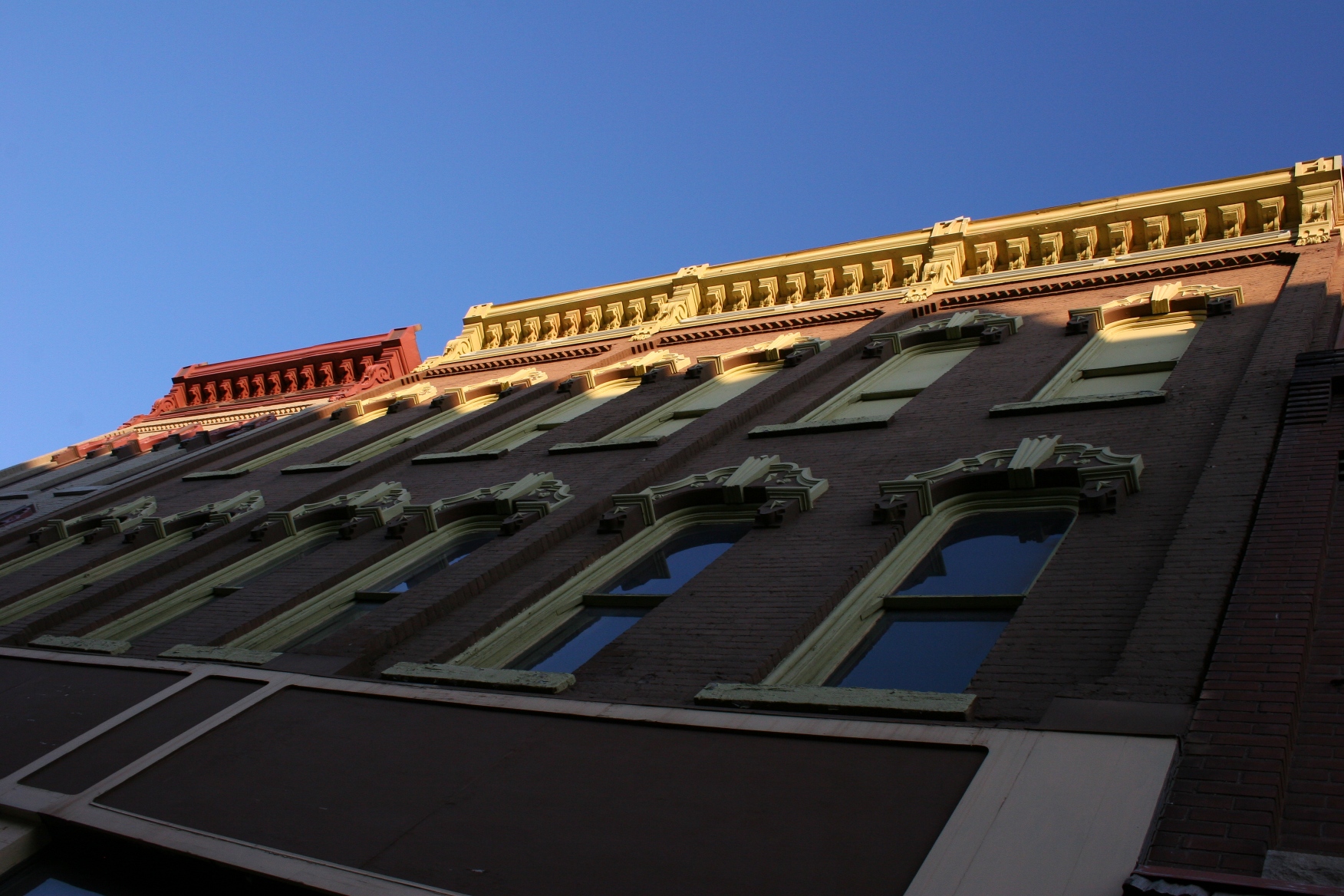
I aimed my camera skyward as the setting sun caught the tops of historic buildings along Central Avenue.

First, we need to sell our own residents on the value of Central Avenue, our Main Street. Do we truly realize how fortunate we are to have a solid, core downtown like ours with a deep history and an inviting character?

Mega malls and strip malls and Big Box retailers—and I shop at those places, too—have nothing on Main Street.

Yes, I grew up in the 1960s and 1970s, meaning my perspective evolves from memories of shopping in a downtown, not a mall.

When I stroll along Central Avenue in Faribault, nostalgia accompanies me. And she’s a mighty fine friend to walk with, especially during the holiday season.

Outside Keepers Antique Store, a rustic vignette charms.

Across the street at That Scrapbooking Place, a punch of color on the front window backed by a holiday display and reflections of historic buildings.
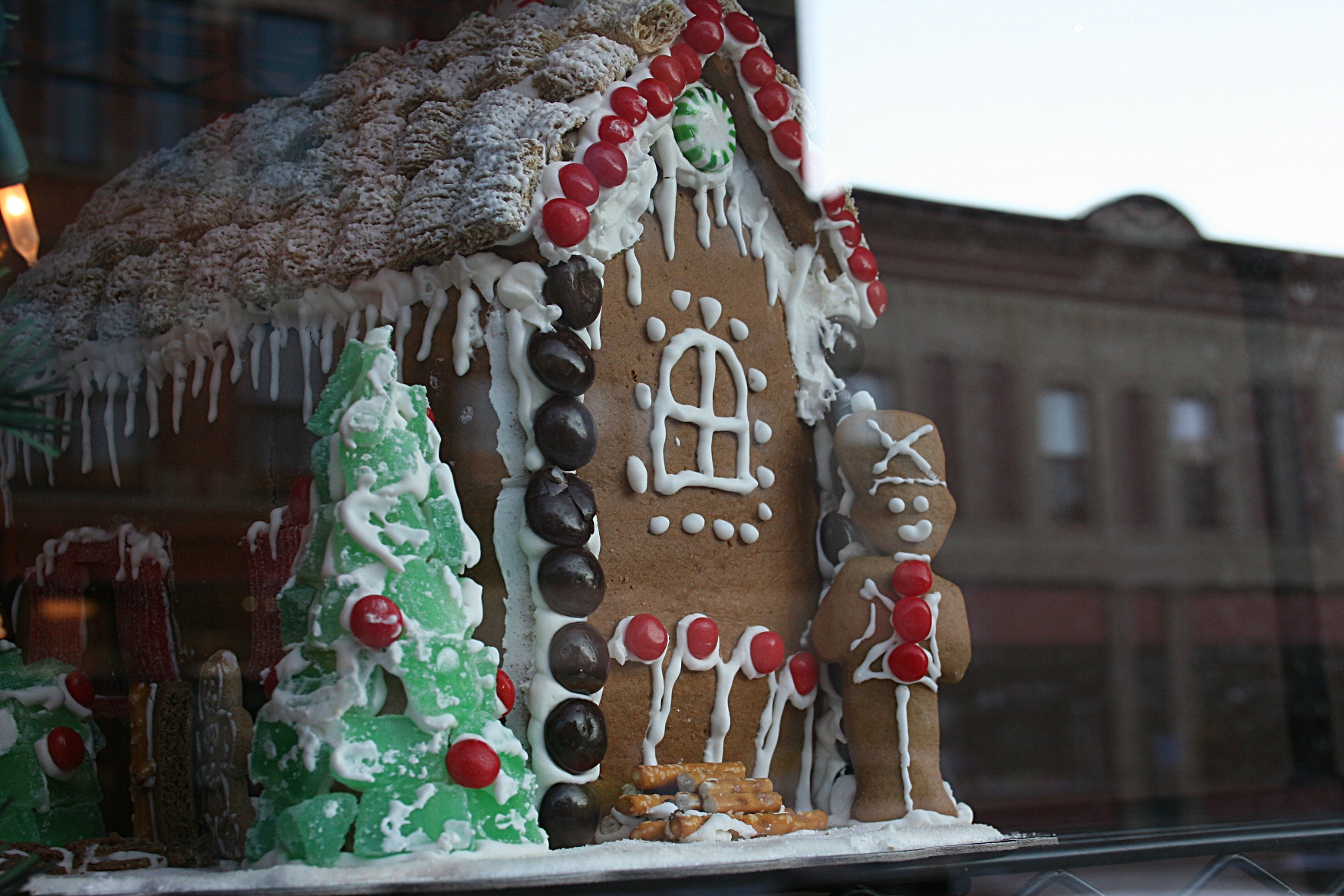
Sweet, dreamy gingerbread houses fill the display window at Sweet Spot, a Central Avenue candy and ice cream shop. I love how the reflection of an old building across the street melds with the gingerbread house.

IF YOU’VE NEVER been to Faribault, consider a trip here. We’re located along Interstate 35, just an hour south of Minneapolis. You’ll find antique, craft, candy, cheese and many other specialty shops and businesses, hometown eateries, as well as an arts center, along Central Avenue. If you have a specific question about Faribault, ask and I’ll answer.

LOCALS,  if you haven’t been downtown in awhile, I’d encourage you to park your vehicle, walk and appreciate your town. She’s all glammed up right now and a wonder to behold.

READERS, PLEASE CHECK back on Thursday for more Central Avenue holiday-themed images.

© Copyright 2011 Audrey Kletscher Helbling


Part II: Life as an orphan in Owatonna December 20, 2011

The main building at the orphanage, built in 1886, housed offices, a reception room, chapel/auditorium, boys' cottage, living quarters for employees, a sewing room, attic and linen storage. This main portion today serves as the Owatonna city administration building.

THE TOWERING BRICK building with the enchanting turret represents no fairy tale. Not at all.

Within the confines of this place and the outlying cottages, some 12,000 – 15,000 children spent their formative childhood and teenage years institutionalized in the Minnesota State Public School for Dependent and Neglected Children. They were the orphaned, the abused, the abandoned, the unwanted.

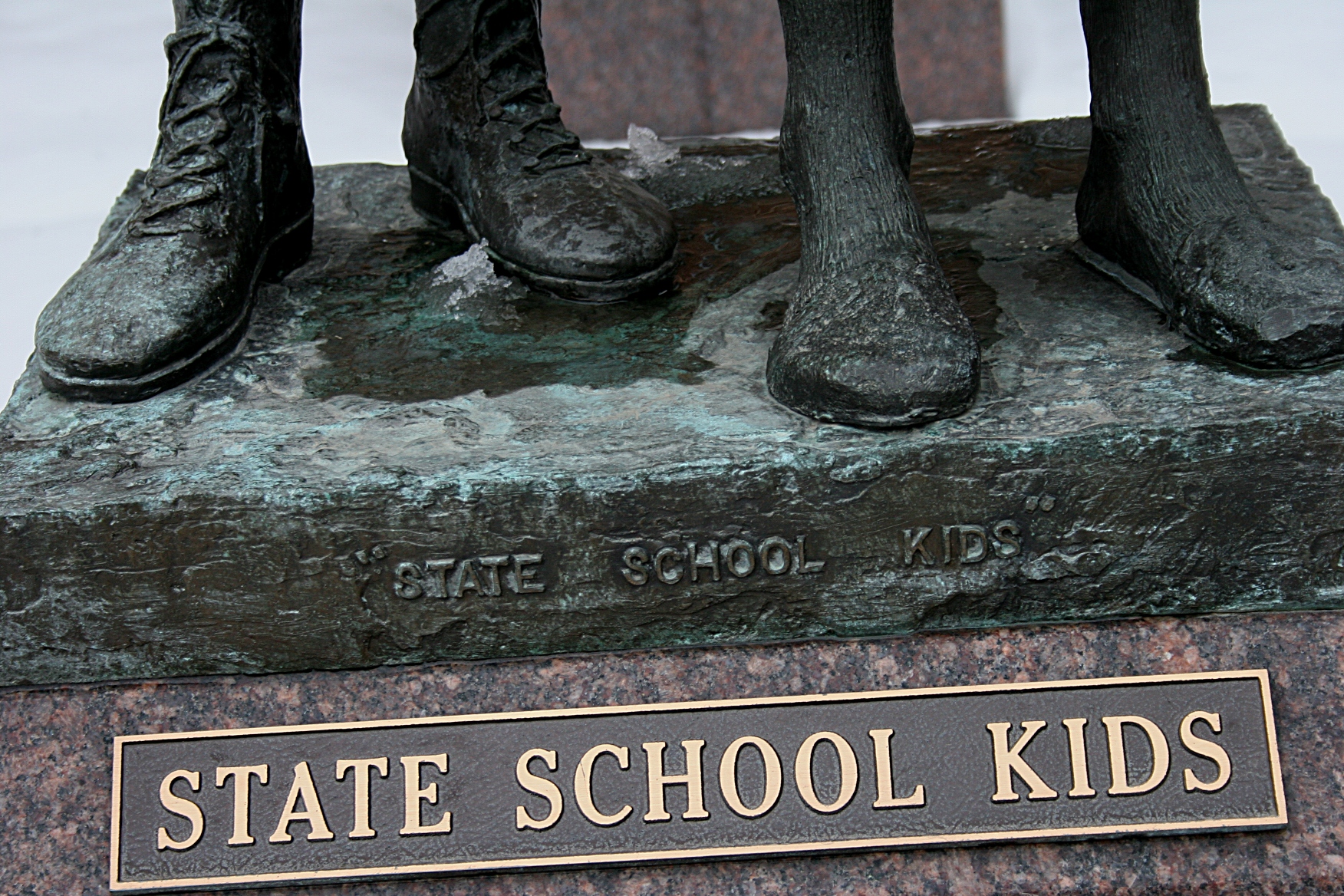
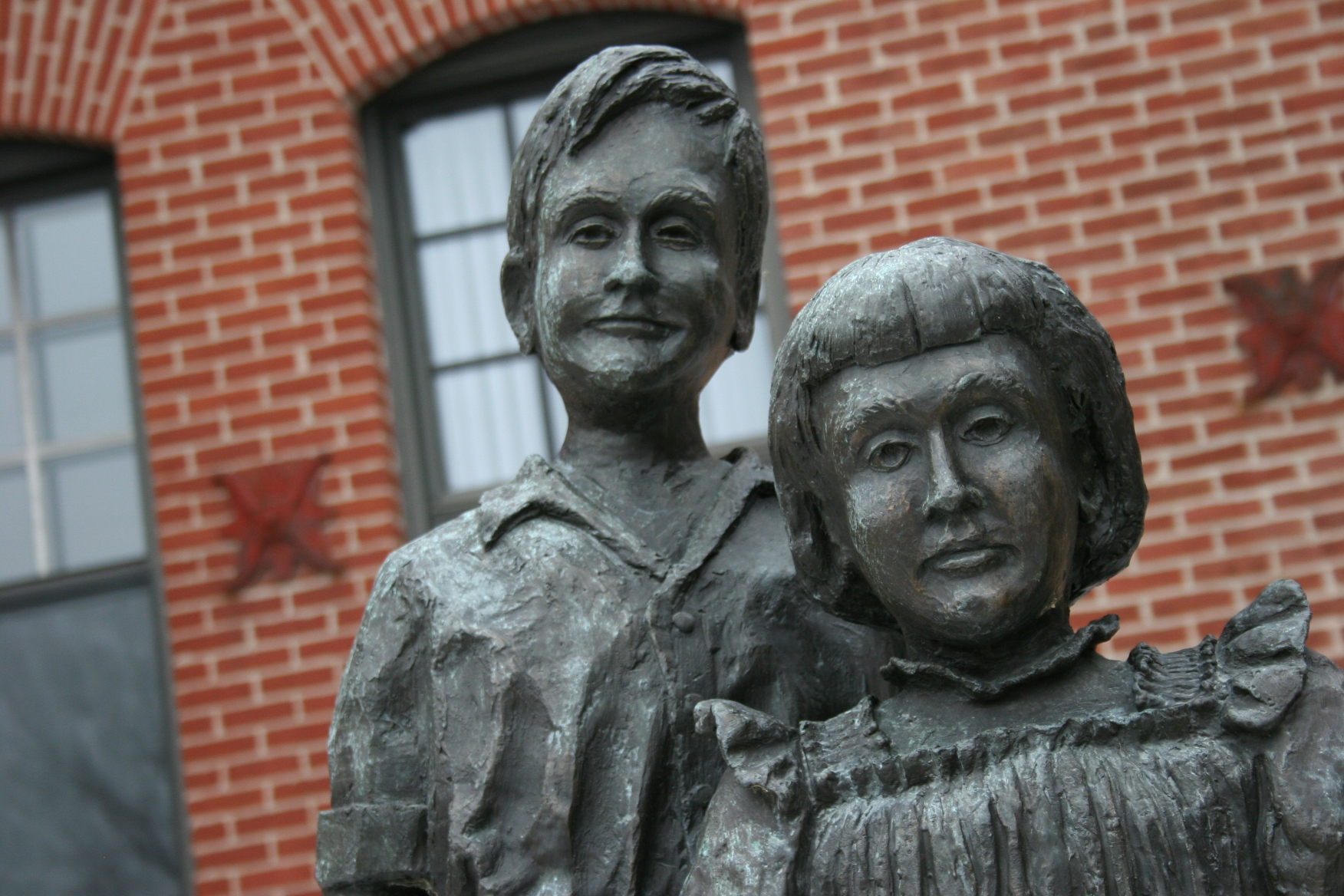
The "State School Kids" memorial stands in front of the main building and was dedicated in 1993.

Information in a brochure I picked up on a recent visit to this 1886- 1945 orphanage in Owatonna reads:

Such children became wards of the state and, in most instances, all parental rights were cancelled. Parents did not always realize they were relinquishing all rights to their children when they signed the State School commitment papers. Some parents returned to try to regain custody of their children and were refused.

Can you imagine?

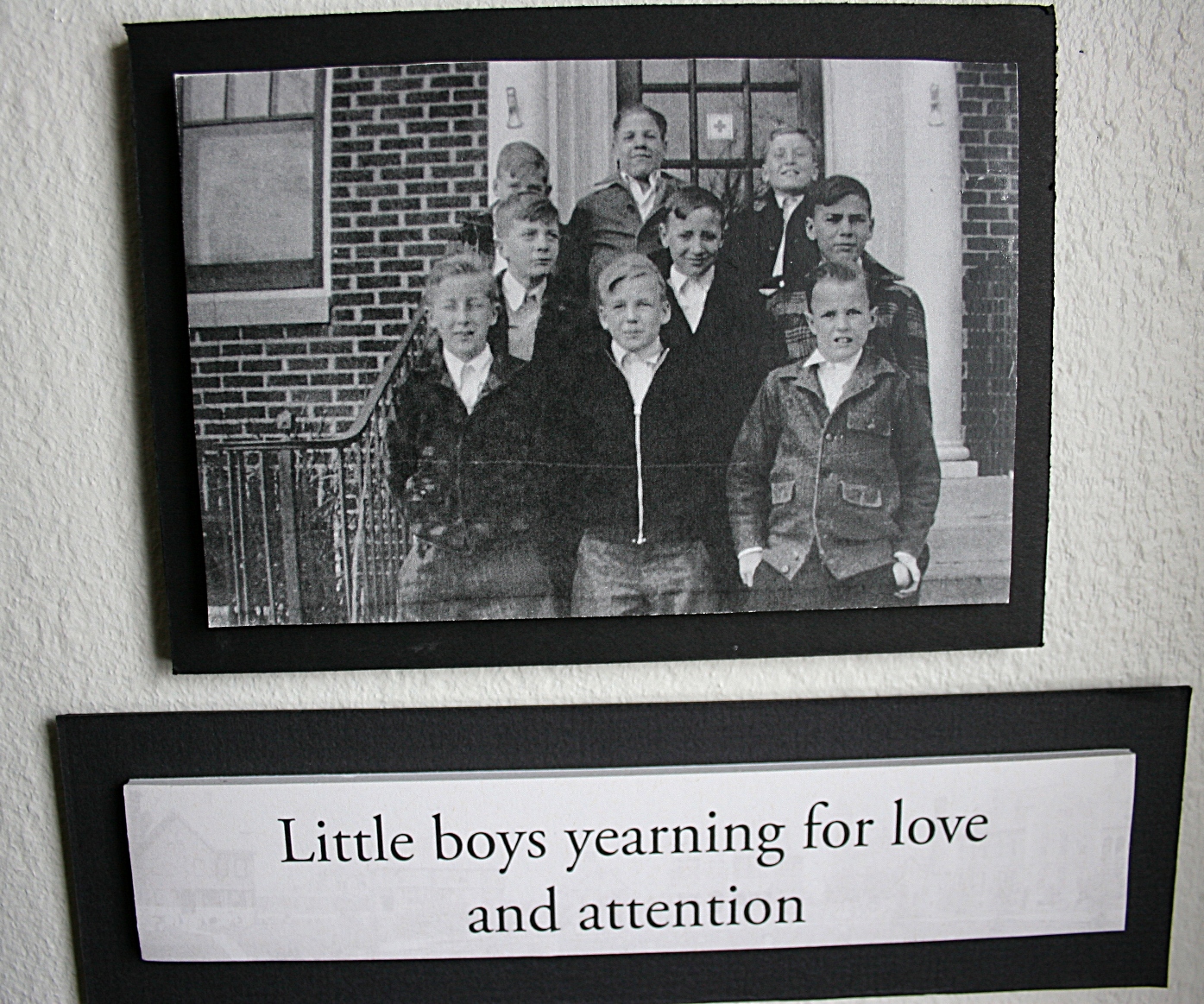
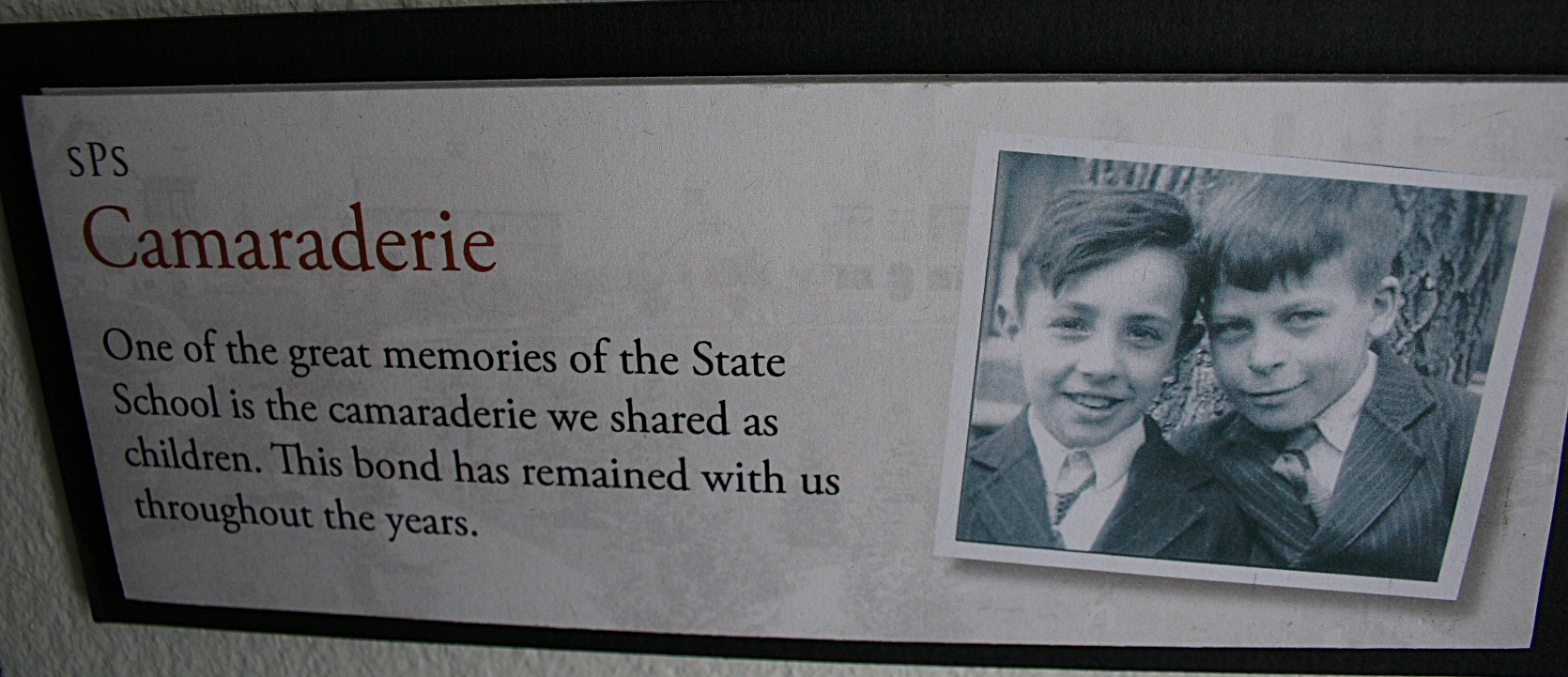
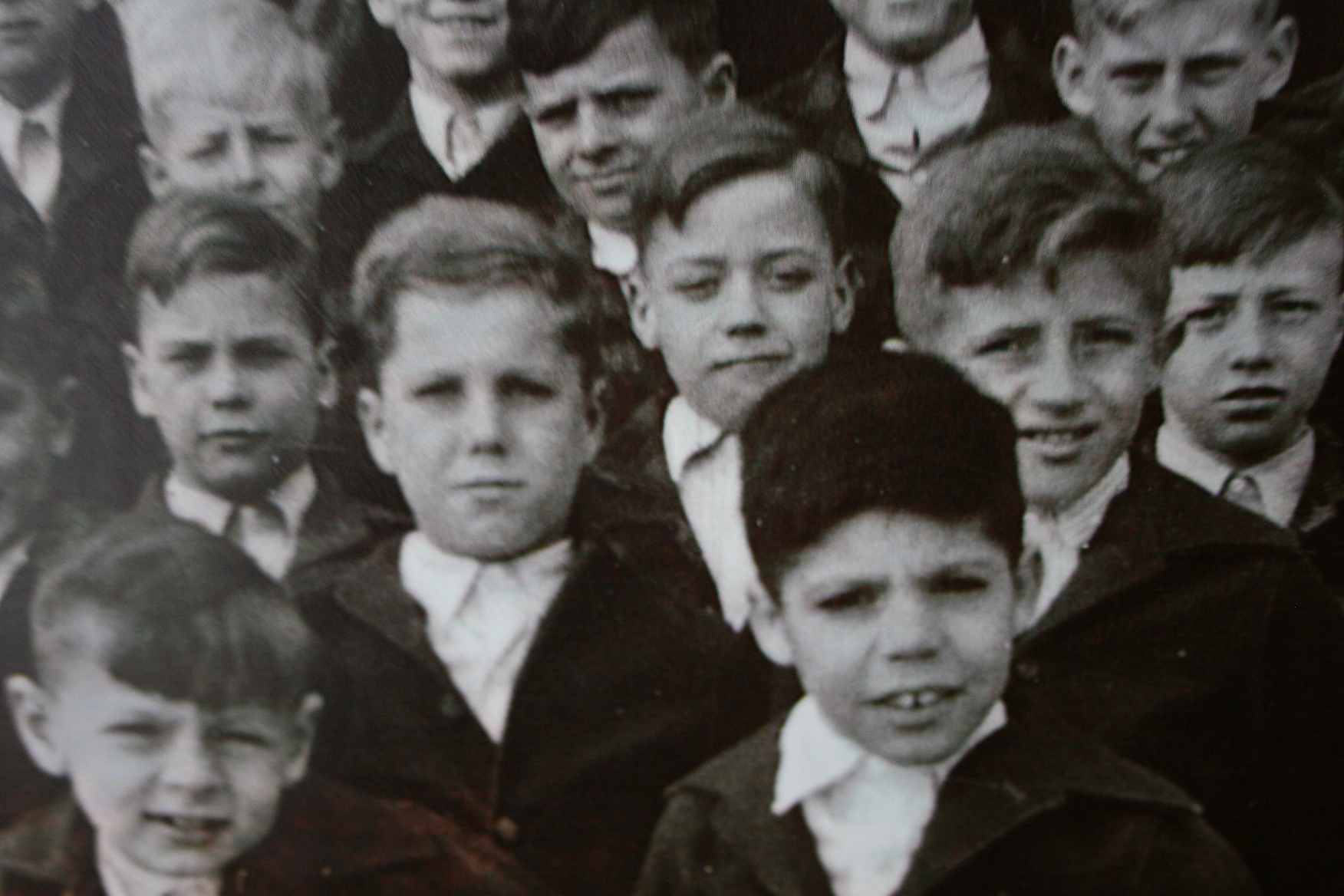
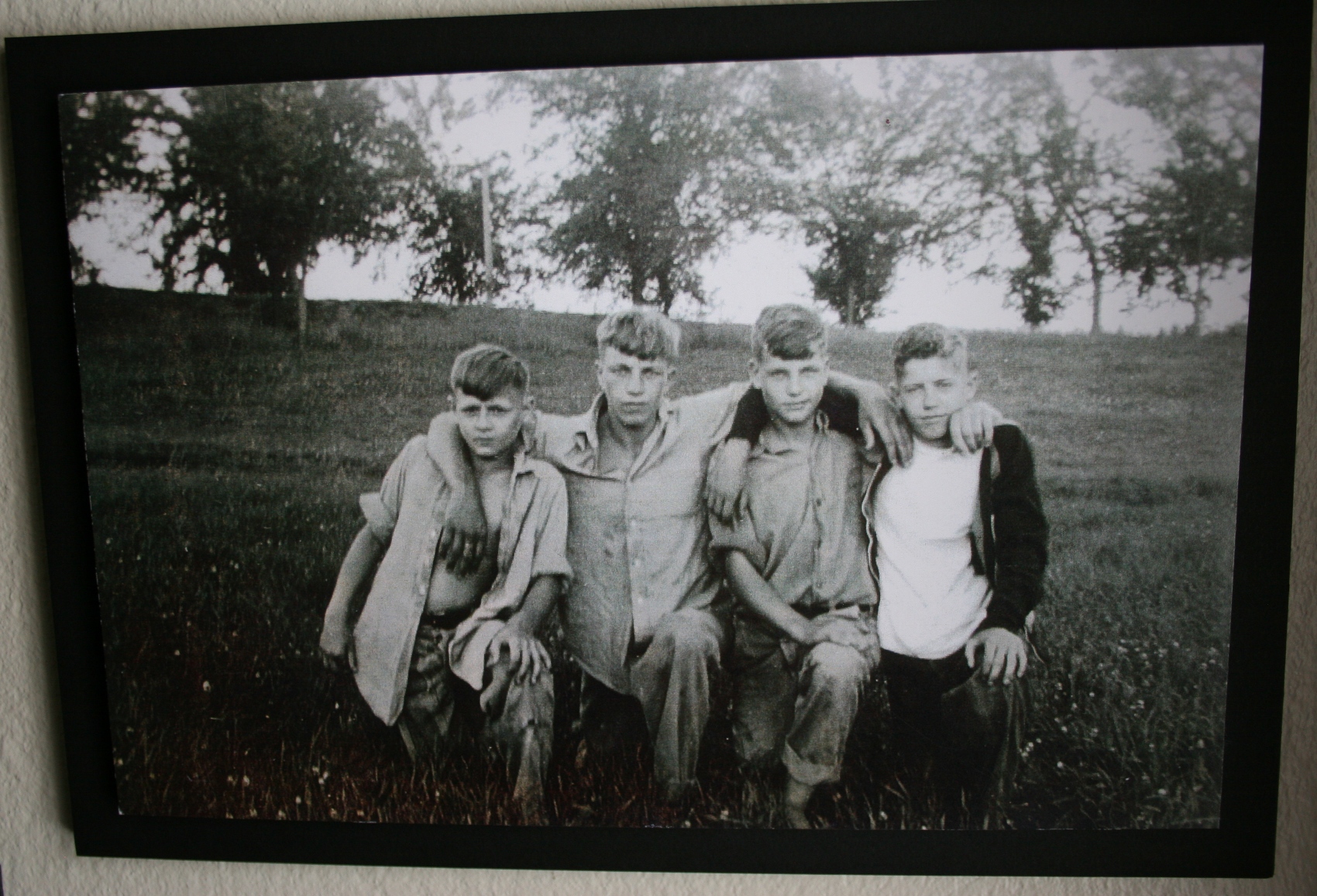
Residents of Cottage 11, which housed boys ages 6 - 13, pose for a photo now on exhibit at the museum.

While some children adjusted to living within the strict regiment and rules of the school, many did not. You will hear and read their tragic memories when you visit the orphanage museum. Be forewarned: These stories are difficult to hear.

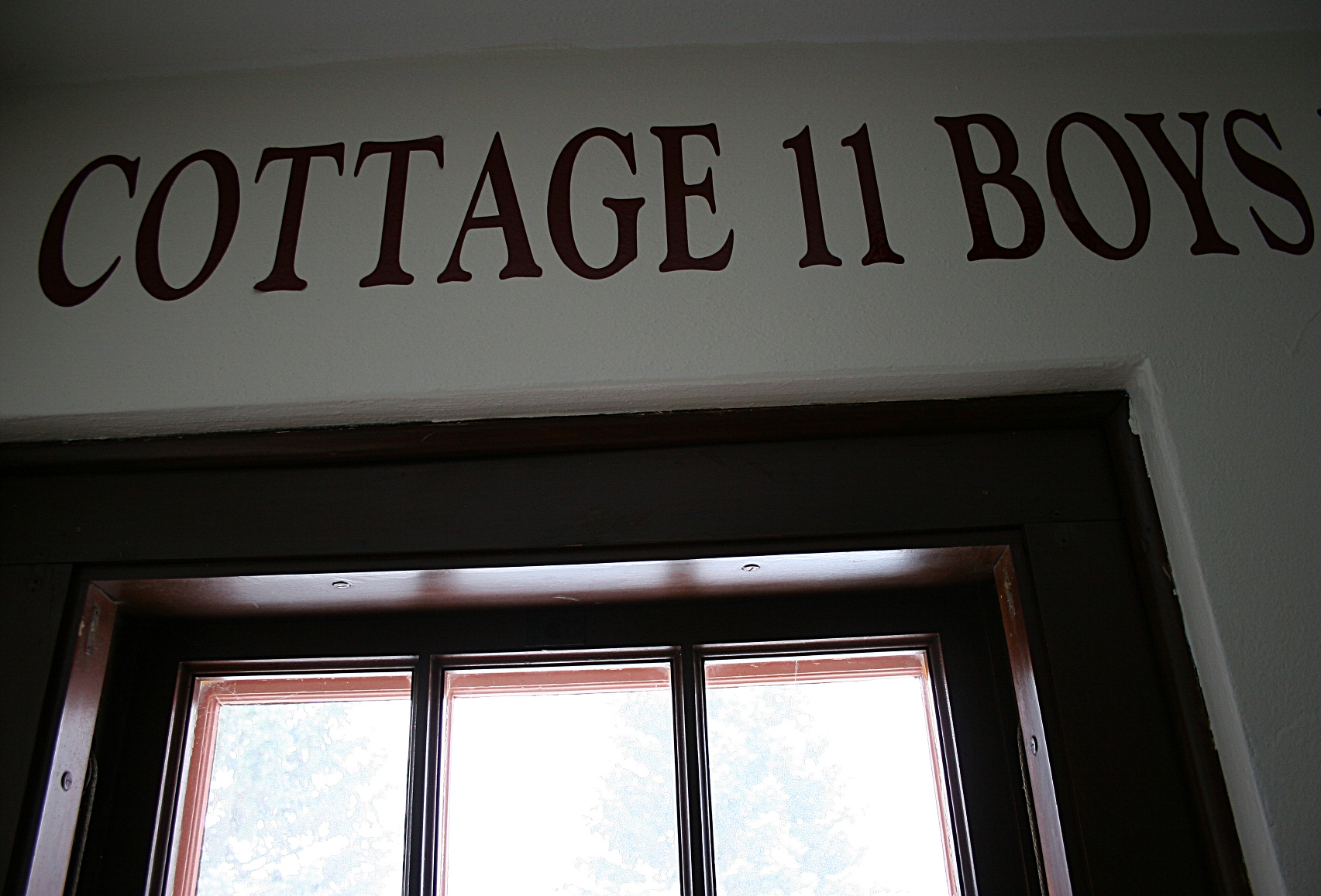
A room in cottage 11 features the photos and memories of the boys who lived there.

Cottage 11 residents

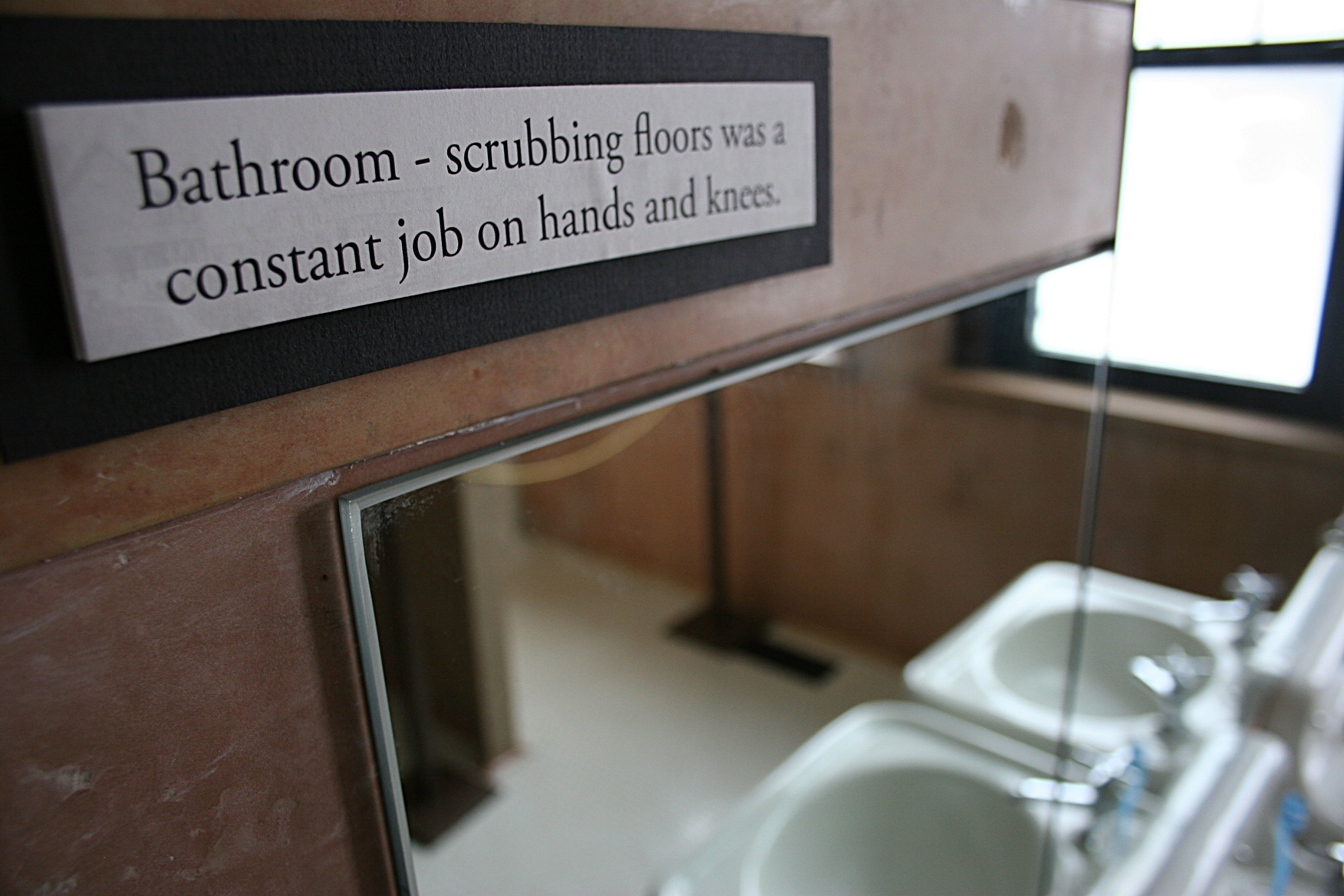
The boys remember scrubbing floors throughout the cottage, including in the bathroom..

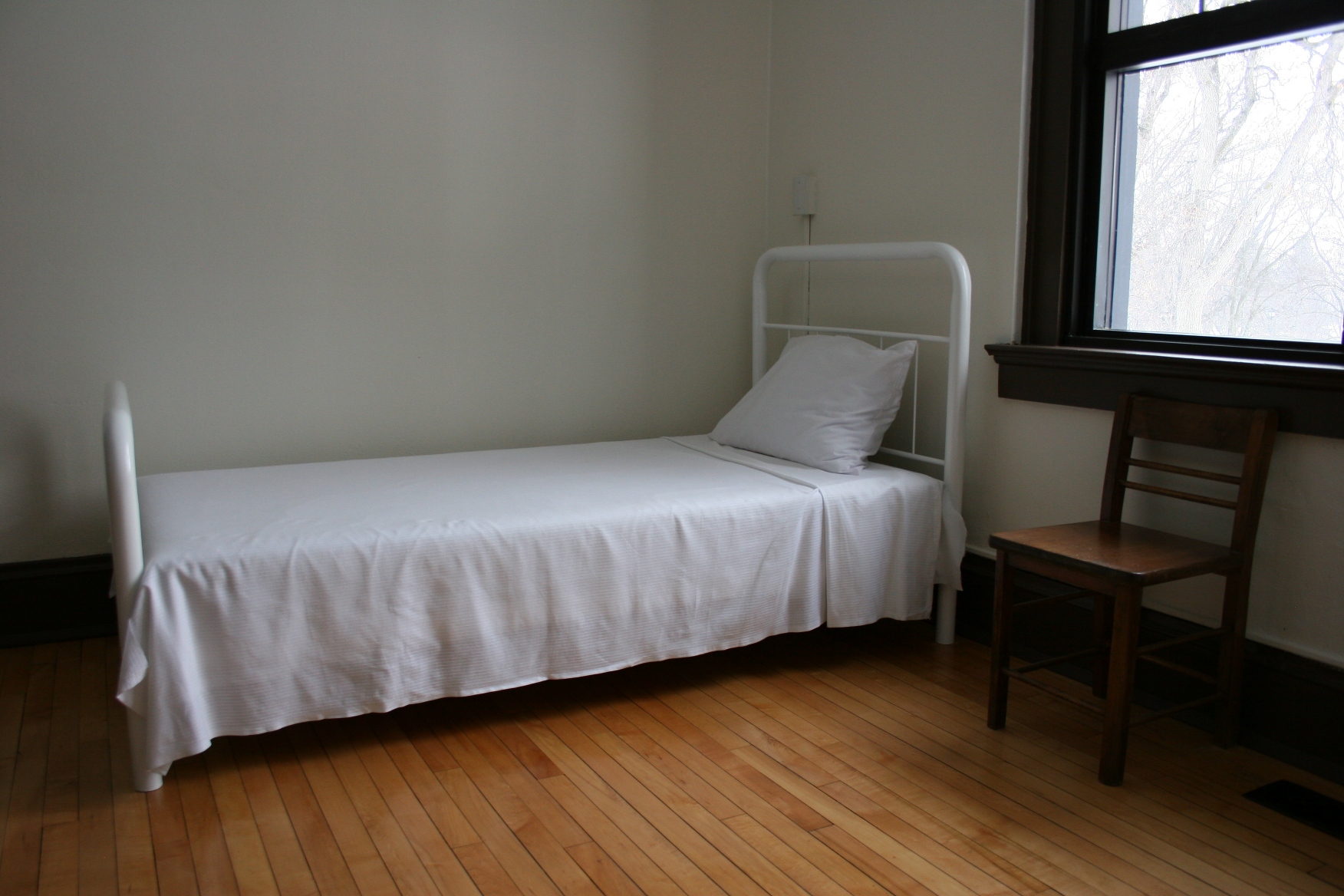
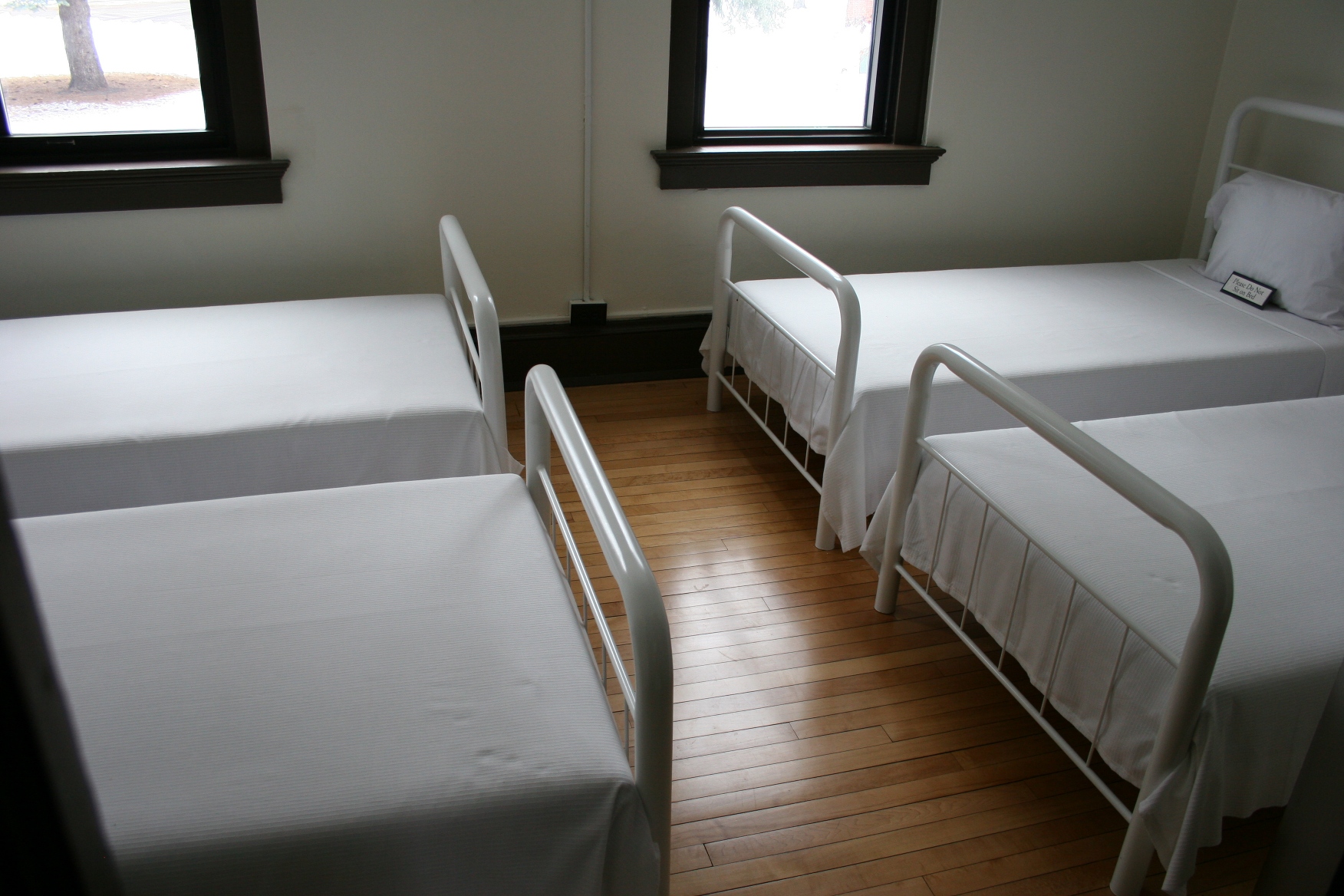
Beds were packed tight into sparse bedrooms in the cottage.

I’ve read several books written by former “state schoolers,” as they were called. Harvey Ronglien, who was the motivator behind the museum and the orphan’s memorial, wrote A Boy from C11, Case #9164, A Memoir. Peter Razor wrote While the Locust Slept, winner of a Minnesota Book Award. I read both books, as well as Crackers & Milk by Arlene Nelson, many years ago and still can’t shake the haunting memories of neglect and abuse and struggle.

Particularly troubling are the reports of abusive, neglectful and unloving matrons. Equally disturbing are the stories of children who were indentured to farm families and then treated like slaves.

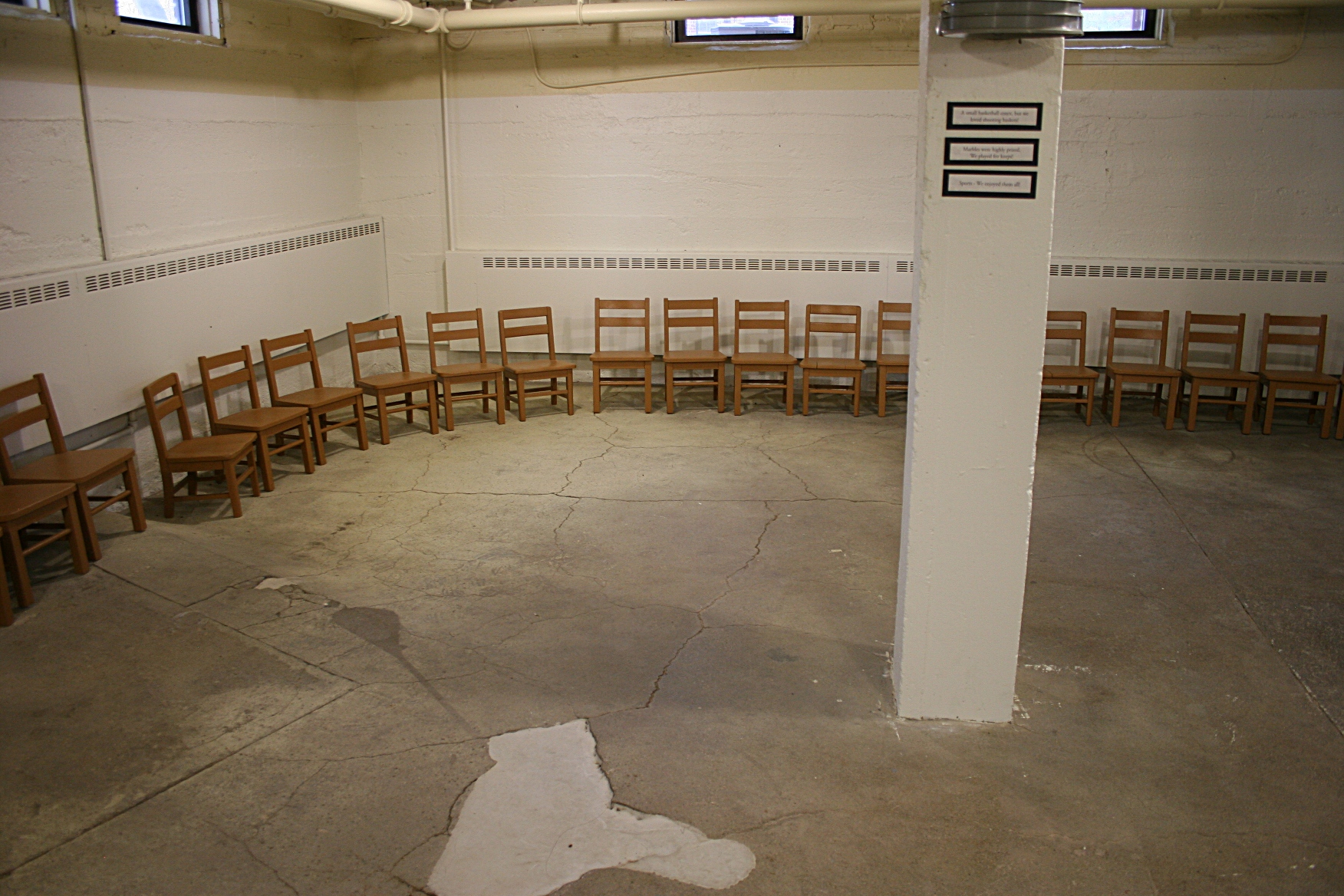
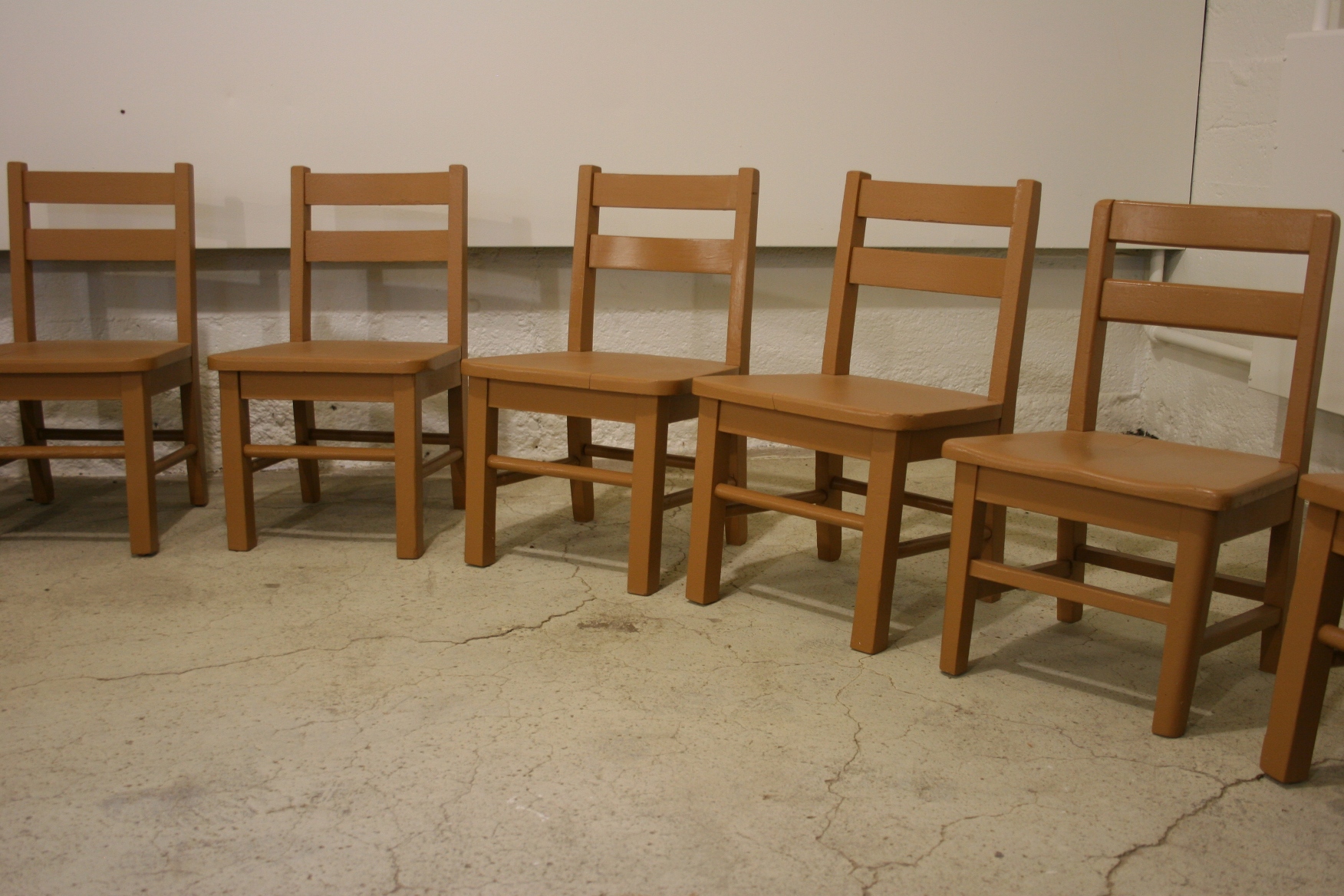
Each boy was assigned to a chair in the basement and could not leave the Cottage 11 basement without permission. This was a method used to keep order and control over the children.

Within the confines of the basement, the boys played with marbles, puzzles, checkers and other toys.

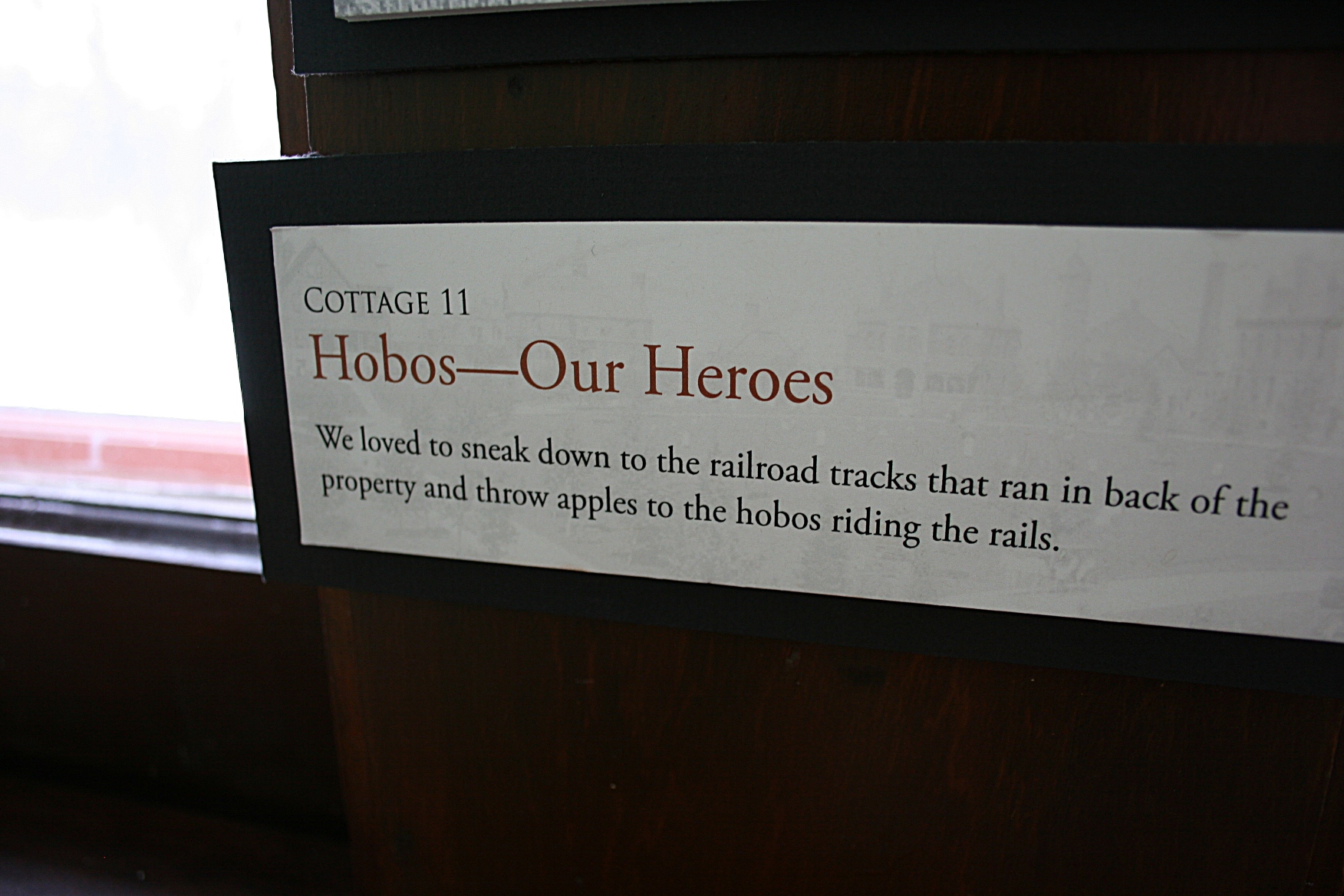
A sign on a stairway landing tells visitors about the boys' dreams of escaping via rail and of their admiration for hobos. Some boys did hop trains and ran away.

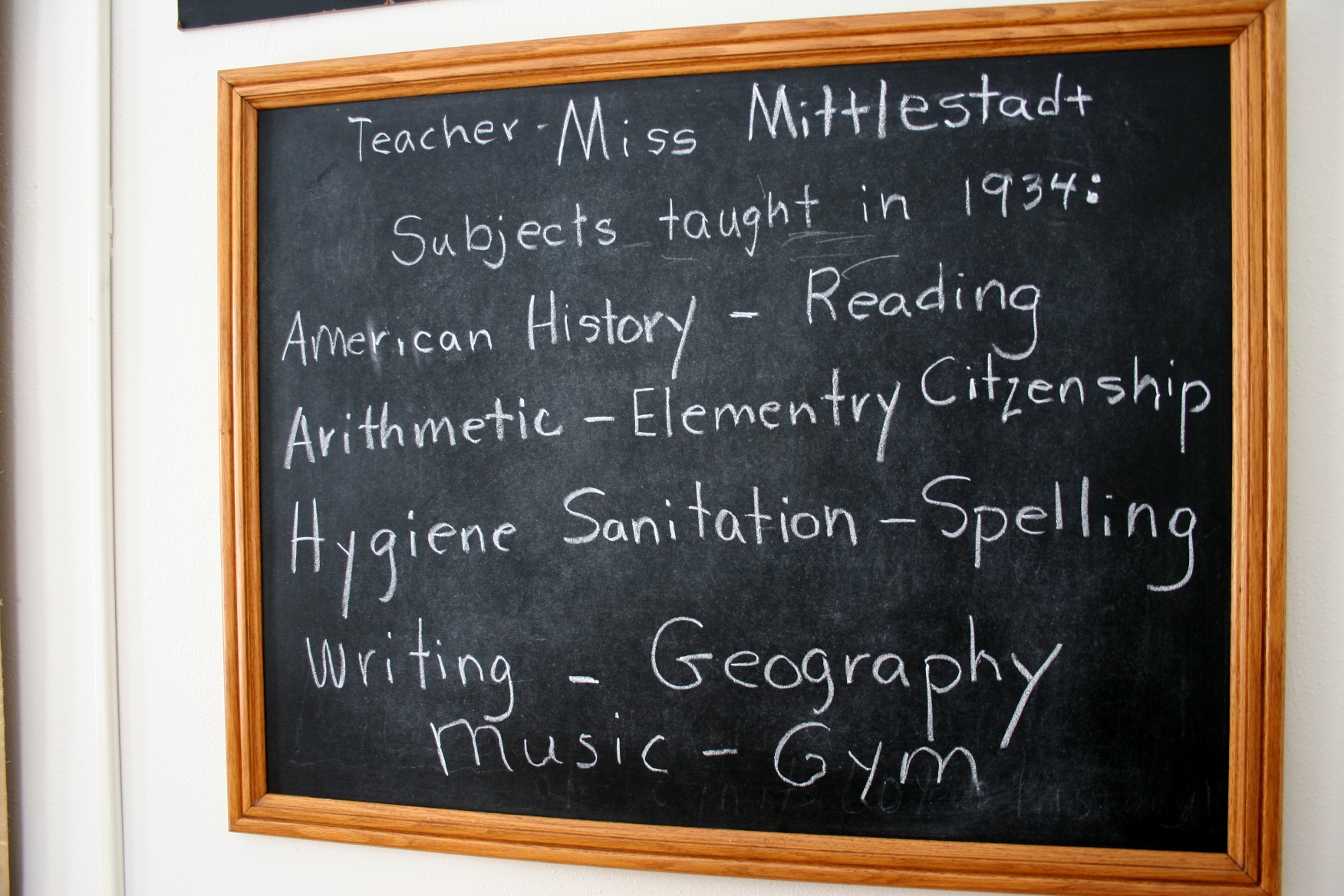
Children were educated through the eighth grade, with some selected during the early years to attend Owatonna High School. In later years, all students were allowed to attend high school.

If you’ve never visited the Minnesota State Public School Orphanage Museum, I’d encourage you to do so.

This exists as part of our state’s history. We need to know and understand life here.

Considering the thousands of children who lived in the orphanage during its 60-year span, I expect many Minnesotans are still carrying the emotional scars whether directly or indirectly passed through the generations.

IF YOU LIVED in the orphanage or have a family member who did, I’d like to hear from you. What’s your story? Good or bad.

The feet of the children in the memorial statue on the orphanage grounds.

CLICK HERE to read a previous blog post I published about Christmas in the orphanage.

© Copyright 2011 Audrey Kletscher Helbling


In Owatonna: Stories of an orphan’s Christmas December 19, 2011

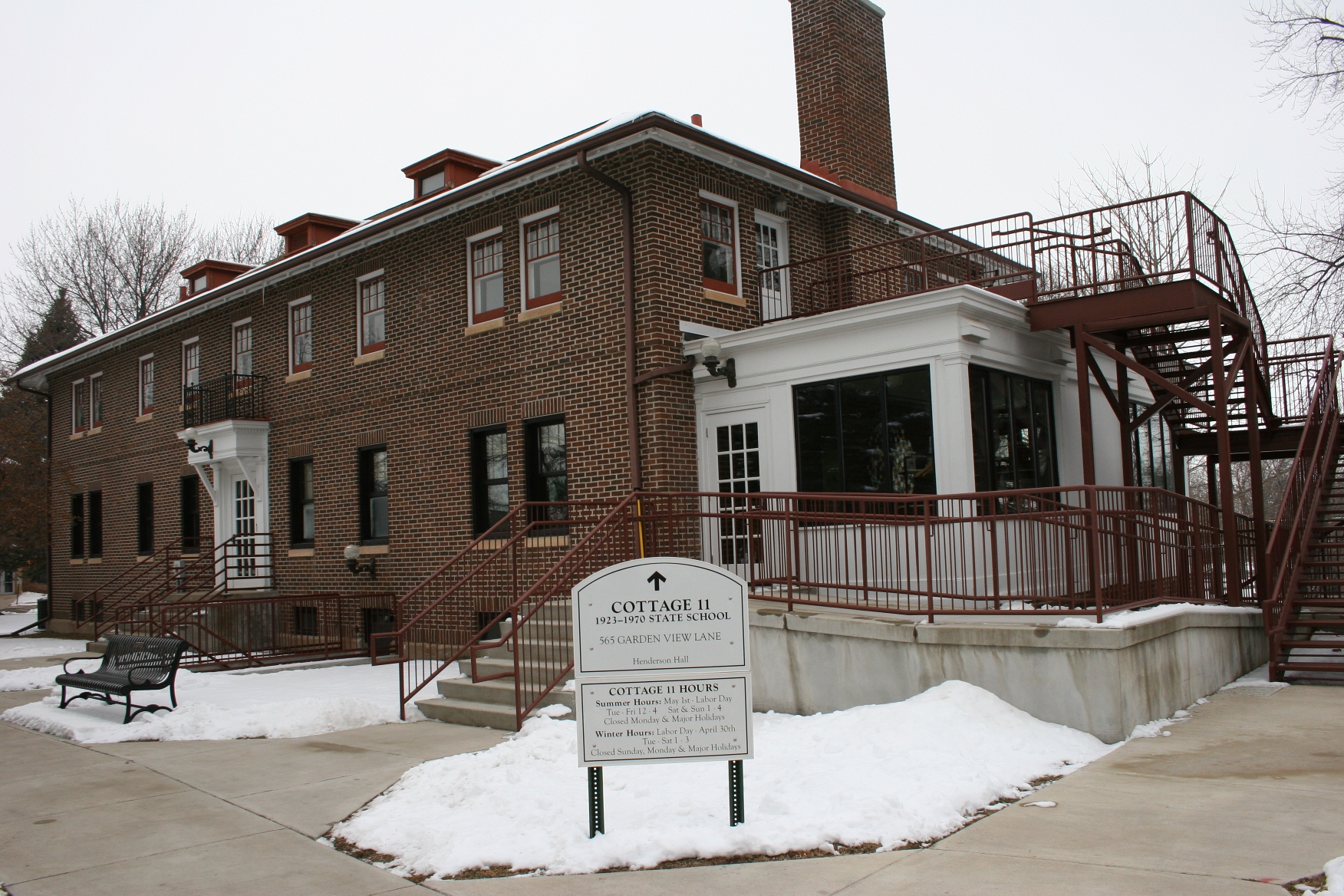
Cottage 11, built in 1923, as one of 16 cottages at the former Minnesota State Public School for Dependent and Neglected Children. Designed to house 25 boys ages 6 - 13, this cottage typically was home to 30 - 35 youth.

AS WE HURRY ACROSS the hilltop campus toward Cottage 11 at the former Minnesota State Public School for Dependent and Neglected Children, the raw wind slapping our cheeks, Silvan Durben advises us to refrain from jumping on the beds.

He’s a character, that Silvan, energetic and flamboyant and passionate. And truthful. This director of art at the Owatonna Arts Center, which is housed in the main building of the former orphanage, shares a tidbit of truth. The children who once lived here weren’t allowed to sleep on their pillows. So if my husband and I slid the for-show-only pillows off the beds and onto the floor, we’d have it right.

The boys' bedrooms are stark, devoid of anything homey. This small room slept three.

With that piece of information imparted, Silvan unlocks the door into Cottage 11, today preserved as part of the Minnesota State Public School Orphanage Museum complex in Owatonna.

Within these walls, which housed boys ages 6 – 13 from 1923 – 1945 in the state school orphanage, we will learn more of the unsettling truths during a self-guided tour. Typically, the cottage is staffed, but on this Sunday afternoon it is not and Silvan has allowed us inside, on our own, to explore. He trusts us, he says, and I am grateful for this opportunity to wander.

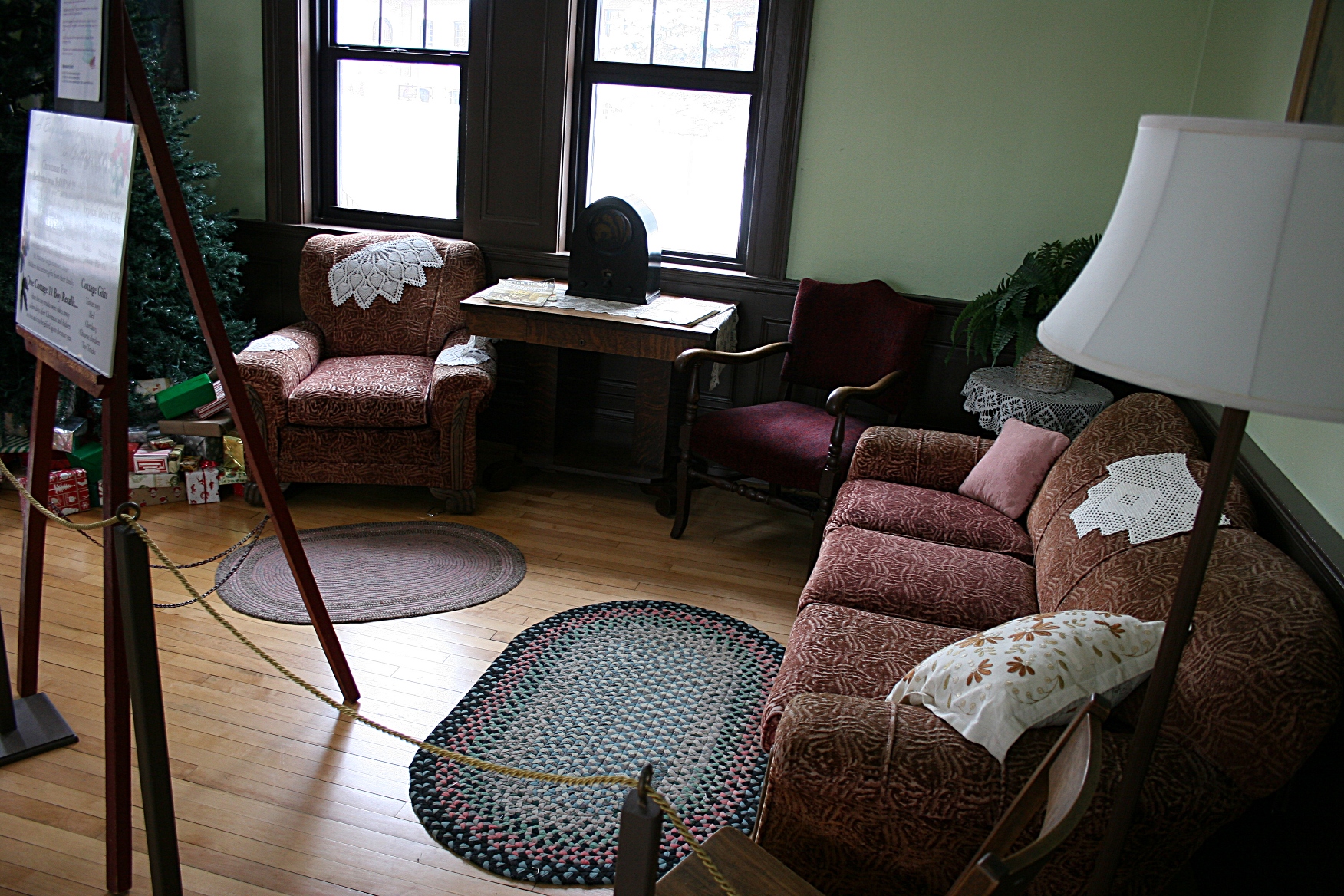
Entering a now-enclosed porch that serves as a gift shop and then stepping into the adjoining living room, I am surprised that I feel, initially, impressed by my surroundings. Visually, I am pleased by the natural light flooding this room through the abundant windows, by the dark woodwork, by the fireplace, by the narrow wood-slat floor, by the cozy cluster of vintage furniture grouped near the Christmas tree surrounded by piles of presents.

But looks, as I immediately learn, can be deceiving.

The living room was off limits to the boys except on special occasions.

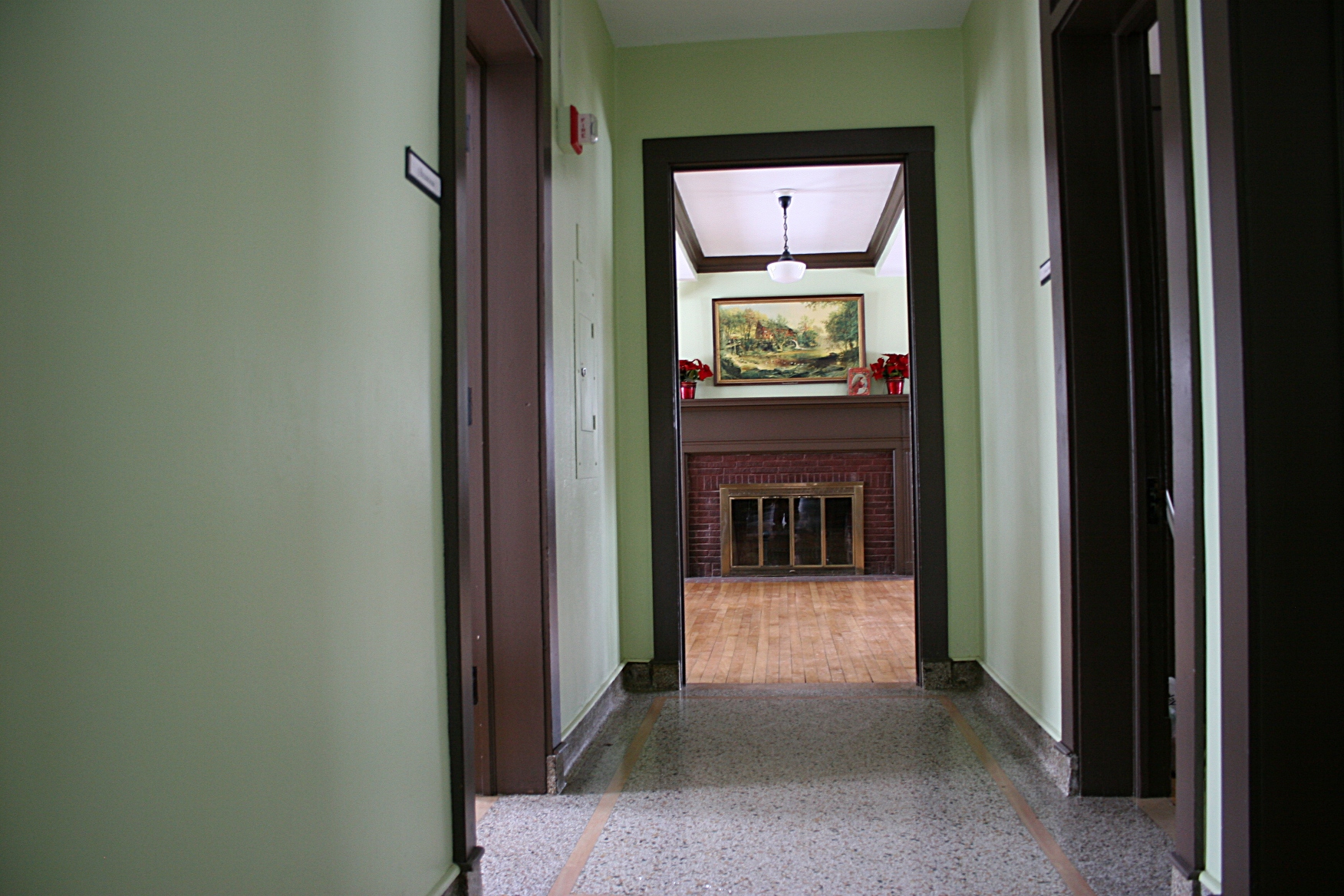
A view from the hallway looking toward the living room fireplace. Each week the boys polished the floor and furniture in this forbidden space. They also scrubbed floors throughout the cottage.

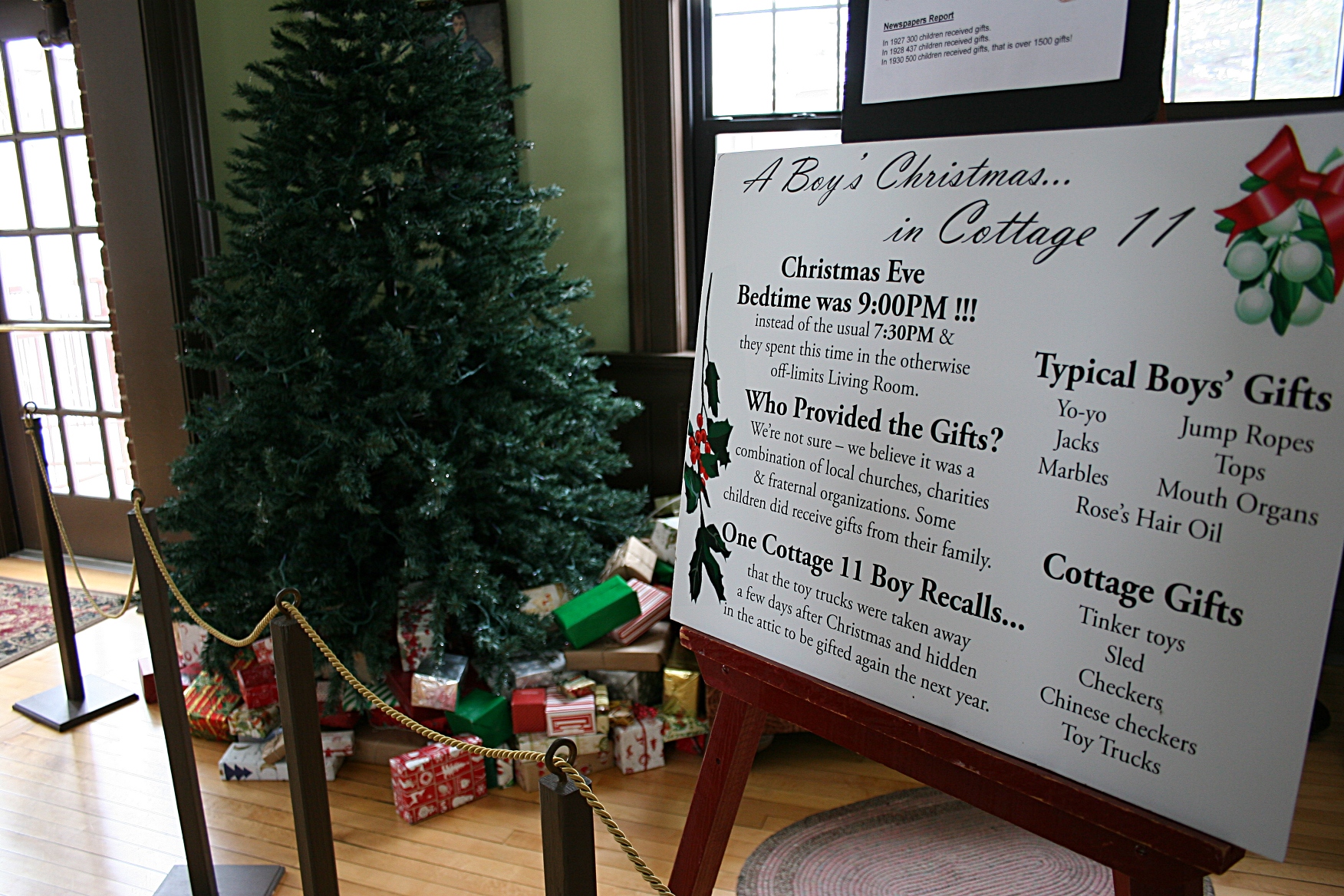
The posted words of the orphan boys reveal the truth:

…the toy trucks were taken away a few days after Christmas and hidden in the attic to be gifted again the next year.—Cottage 11 Boy

The truth revealed about Christmas from the memories of the Cottage 11 boys.

And the lovely living room? Apparently just for show, too, except on special occasions like Christmas Eve when the boys gathered here around the tree and were allowed to stay up past their usual 7:30 p.m. bedtime until 9 p.m.

Christmas brought but a moment of happiness to these children who otherwise lived under rigid rules and the domination of mostly uncaring matrons. (Arguably, some of these children may have lived equally difficult, or worse, lives had they remained in their previous circumstances/environments.)

Some happy Christmas memories from the boys.

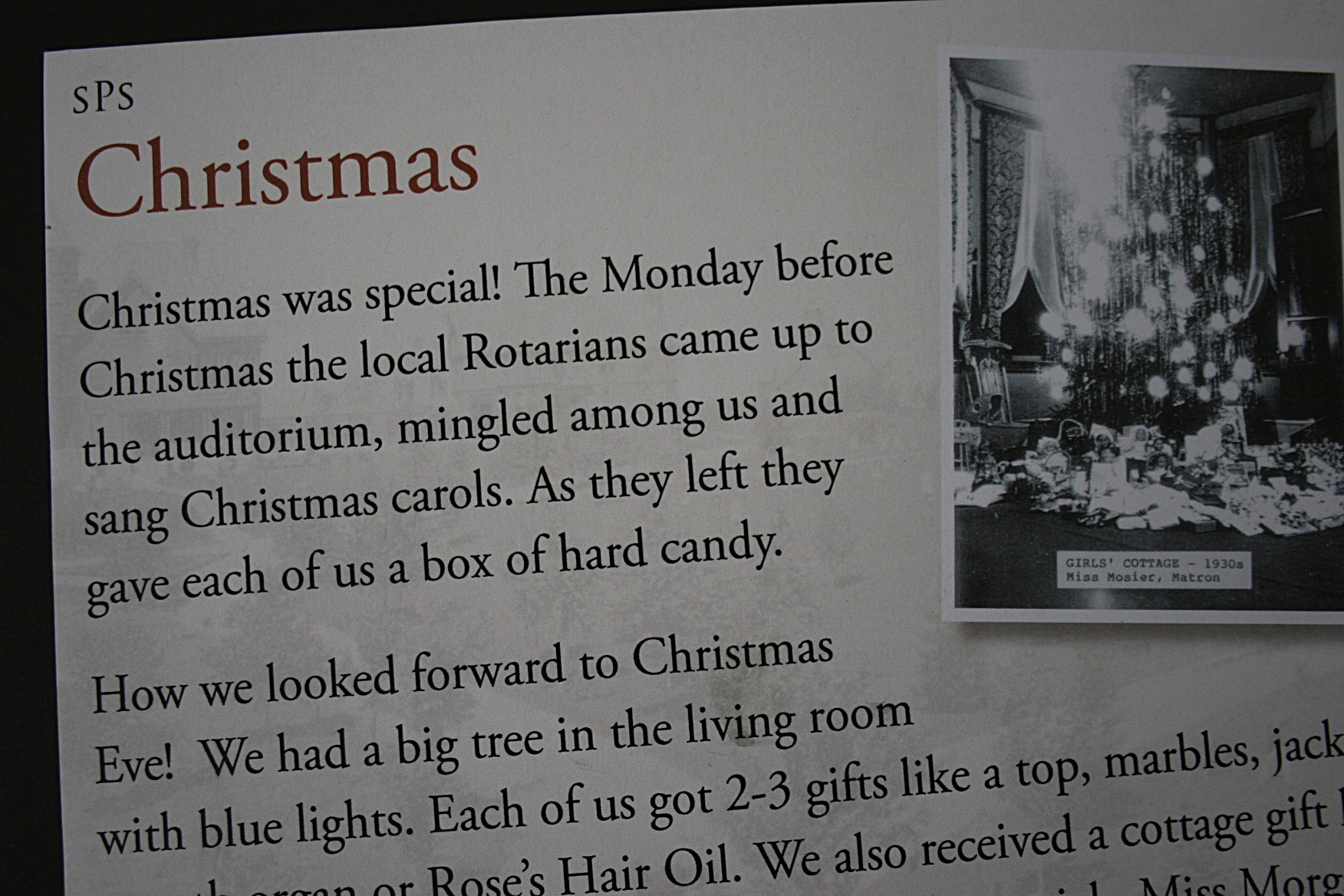
Christmas brought the local Rotarians into the school auditorium to sing carols and pass out boxes of hard candy. Christmas brought several gifts—perhaps Tinker Toys, or marbles or puzzles—for each child.

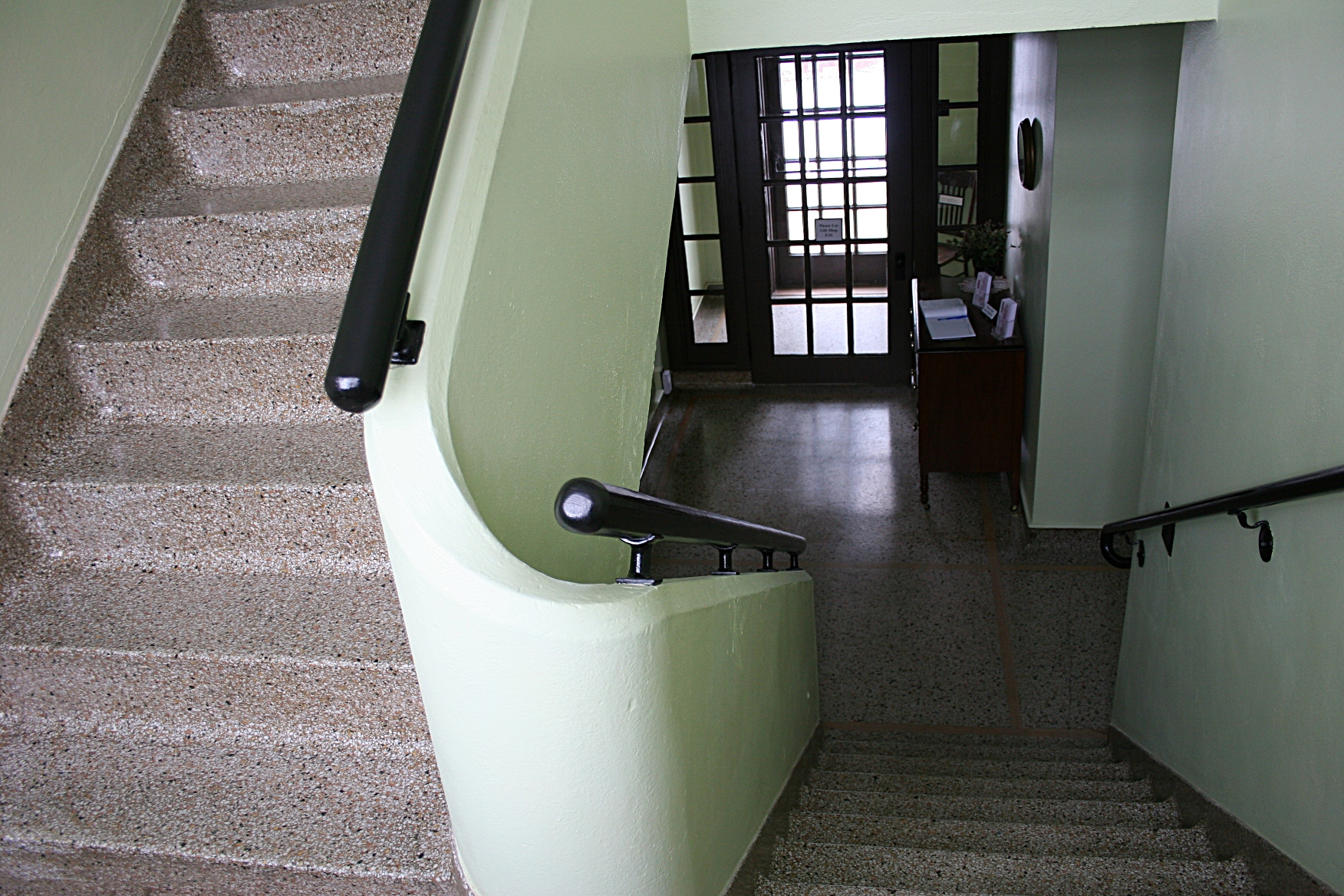
The stairway between the first and second floors and a shot of the cottage's front door at the bottom of the frame. The boys were never allowed to use the front door. They entered and exited through the basement.

I cannot even begin to fathom living here under unforgiving discipline, sleeping in stark bedrooms crammed with kids, missing out on the love of family.

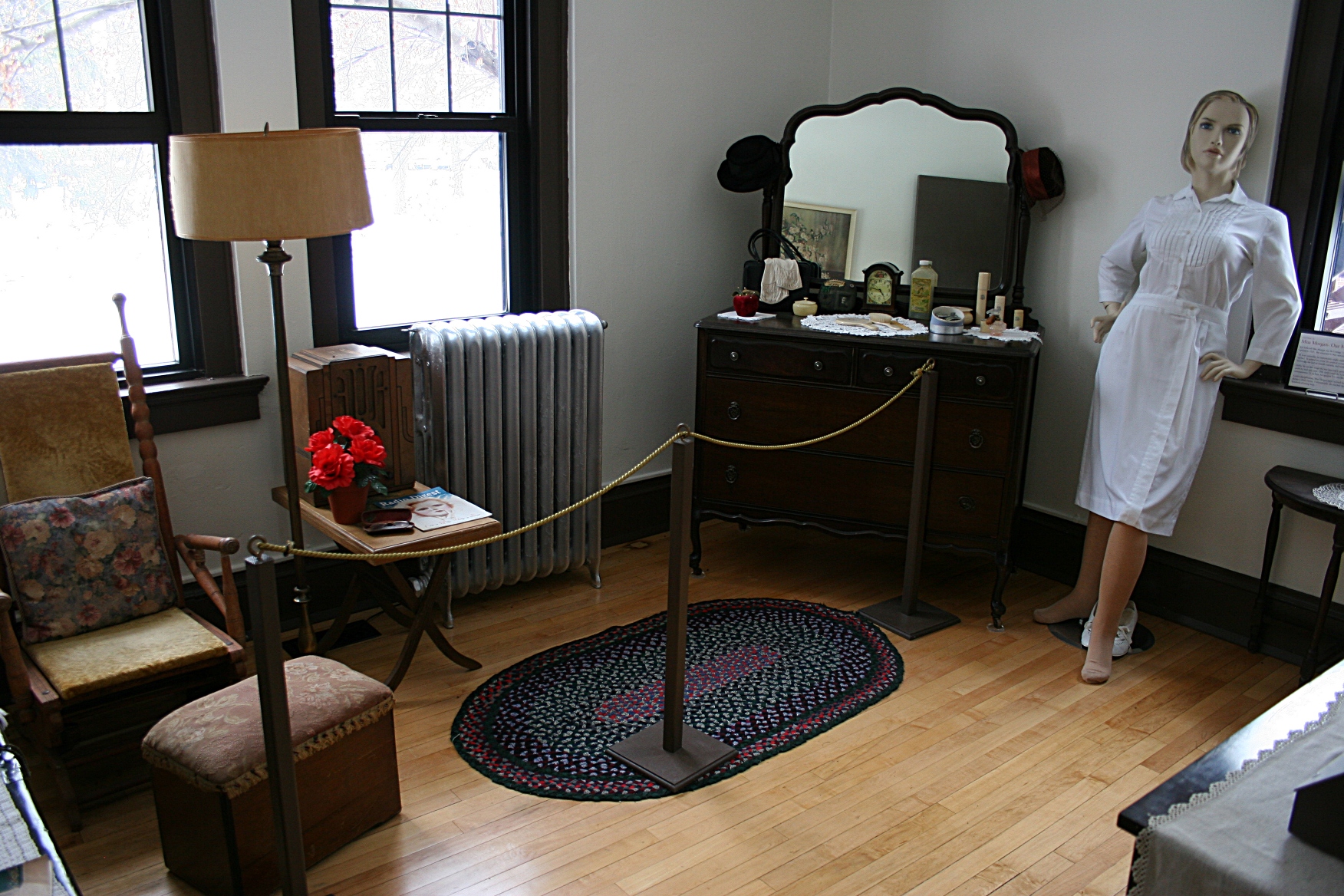
Unlike the mother image she was expected to portray, Miss Morgan (the matron) could be hard and cruel. Only rarely could she be kind and compassionate.

As I meander through the rooms peering at the black-and-white photos of mostly unsmiling boys and reading about their fears of scoldings and spankings and of scrubbing floors on their hands and knees and being confined primarily to the basement, my heart hurts. Truly.

You can see it in the boys' faces, the desperate need to be loved.

On signage titled “The Basement,” I read of  the prevailing authoritarian attitude:

Permission was always required to leave the basement.

Each boy was assigned a chair in the basement. "The chair kept order and accountability" to the matron.

Listening to a recording of a man who as a boy had his head slammed into a wall for prematurely removing a tie and cuffing a matron, I can still hear the hurt in his voice.

I can almost feel the pain experienced by cottage resident Arlend “Buzz” Wilson who slipped and scalded himself with hot water while scrubbing the basement steps. He ended up hospitalized for his burns.

In the first floor matron's quarters, a young boy was placed in the rocking chair to the left and his head slammed into the wall for disobedience. He removed his tie too soon and cuffed the matron.

But for all the awful stories shared here, occasionally glimmers of hope slip through—of boys who admired hobos and hopped the nearby train to escape and of “Wednesday Night at the Movies,” when movies were shown in the school auditorium. Those “brought great joy to us children.”

And then, the single gem I found among all the stones:

FYI: Cottage 11 is open from1 p.m. – 3 p.m. Tuesday – Sunday. However, I advise calling in advance (507-774-7369) as it was not open when we arrived on a Sunday afternoon. Hours at the main museum, 540 West Hills Circle, Owatonna, are from 8 a.m. – 5 p.m. Monday – Friday and from 1 p.m. – 5 p.m. on weekends. I have previously toured the museum, but did not do so again on this most recent visit.

PLEASE CHECK BACK for additional photos of Cottage 11.

© Copyright 2011 Audrey Kletscher Helbling
 

Beyond just a holiday art exhibit at the former Owatonna orphanage December 15, 2011

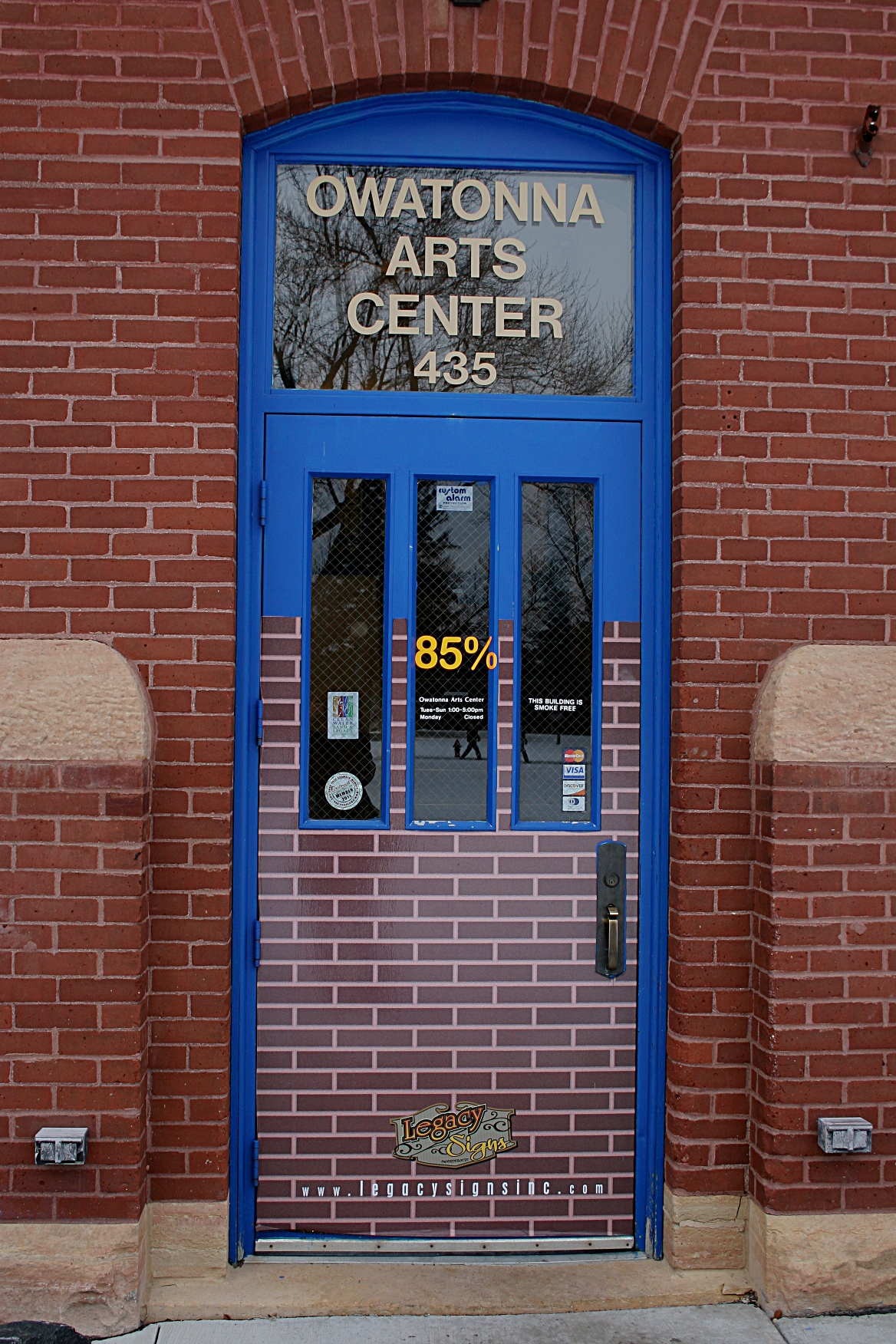
A door into the Owatonna Arts Center in southern Minnesota.

BEHIND THE BACK BLUE DOOR of the Owatonna Arts Center, housed in a former orphanage, past the guardian nutcracker, up the stairs and just to your left, you’ll discover a sprinkling of holiday magic and realism in “The Story Books of Christmas” exhibit.

As OAC Art Director Silvan Durben tells me, the exhibit doesn’t specifically emphasize Christmas books—although two are holiday-themed—but rather impresses the sharing of a storybook with a child and the warm memories that evokes.

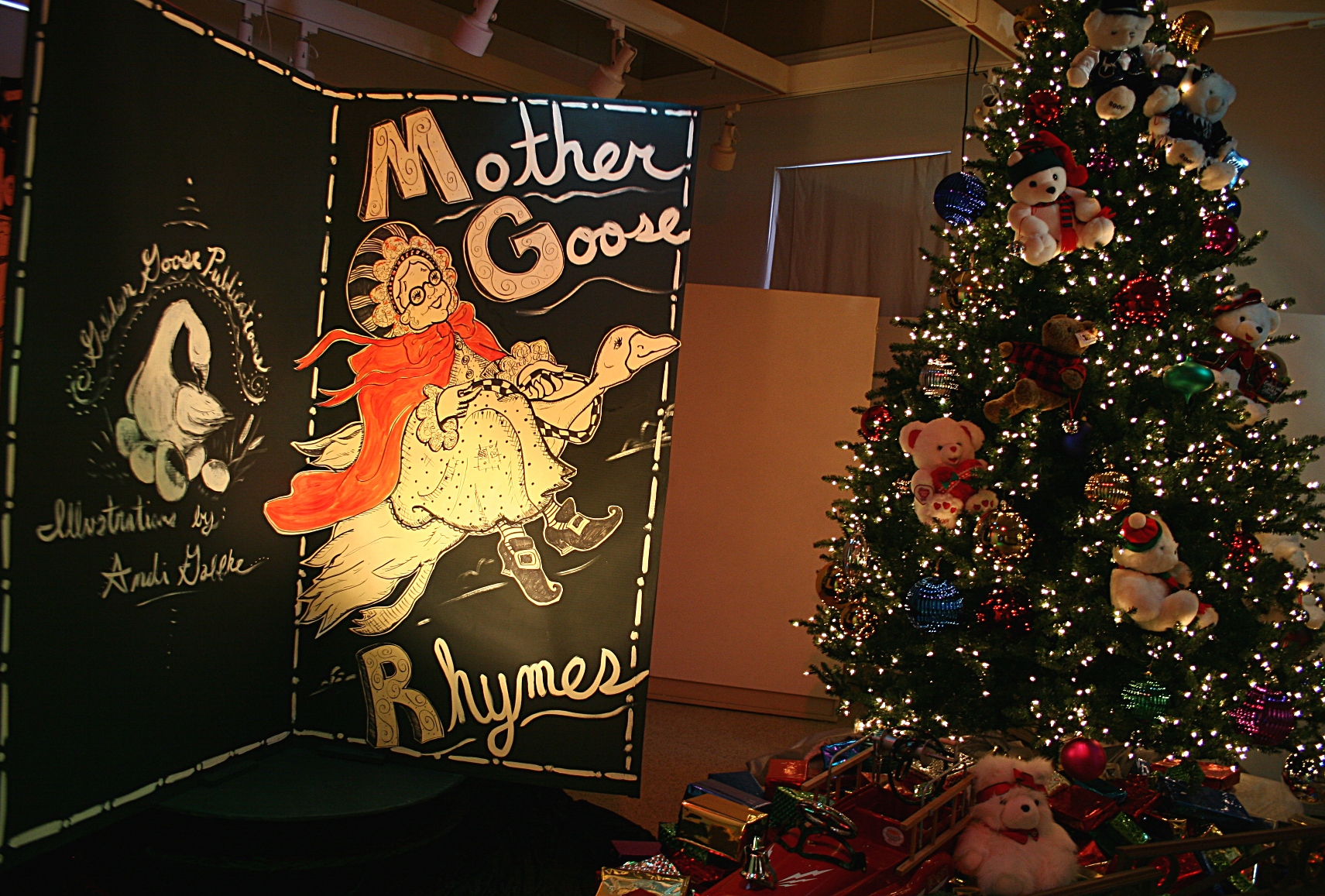
You’ll experience that bonding over books in a rotating display of Mother Goose tales crafted onto cardboard and placed next to a Christmas tree embraced by teddy bears tucked among branches.

Who among us doesn’t remember with fondness the recitation of nursery rhymes?

Jack be nimble, Jack be quick, Jack jump over the candlestick.

Hickory, dickory, dock, the mouse ran up the clock. The clock struck one. The mouse ran down. Hickory, dickory, dock.

Or the story of the “Old Man in the Moon?”

It was not lost on me, though, that the orphaned children who once tread these floors did not experience the closeness of clutching a teddy bear or cuddling on a lap while listening to nursery rhymes as they drifted into sleep.

A rotating exhibit of several Mother Goose nursery rhymes.

A close-up of art in the Hickory, dickory, dock rhyme.

Many dreamed of escaping—and some did via rail—the drudgery and abuse at the former Minnesota State Public School for Dependent and Neglected Children.

That reality struck me as I viewed an over-sized silver jingle bell and the word “BELIEVE” punched into an equally-large golden ticket at The Polar Express display. In that children’s picture book by Chris Van Allsburg, a young boy boards a train to the North Pole as the story unfolds to reveal the magic of Christmas.

The large, magical silver bell in The Polar Express display.

Although I did not ask, I wonder if the creators of “The Story Books of Christmas” considered the double-meaning of selecting The Polar Express to highlight in this place where so many children wished for a ticket out.

I found the selection fitting, touching and sad. And a wee bit hopeful.

FYI: “The Story Books of Christmas” exhibit runs through December 29 at the OAC, 435 Garden View Lane. OAC hours are from1 p.m. – 5 p.m. Tuesday – Sunday, closed Mondays. The OAC will also be closed December 23 – 26.

The display highlighting the book, Nestor, the Long-Eared Christmas Donkey.

CHECK BACK for another blog post from the art center and for a photographic tour of Cottage 11, once home to orphaned boys.

© Copyright 2011 Audrey Kletscher Helbling
 

Appreciating Main Street December 6, 2011

Filed under: Uncategorized — Audrey Kletscher Helbling @ 8:01 AM
Tags: , , , , , , , ,

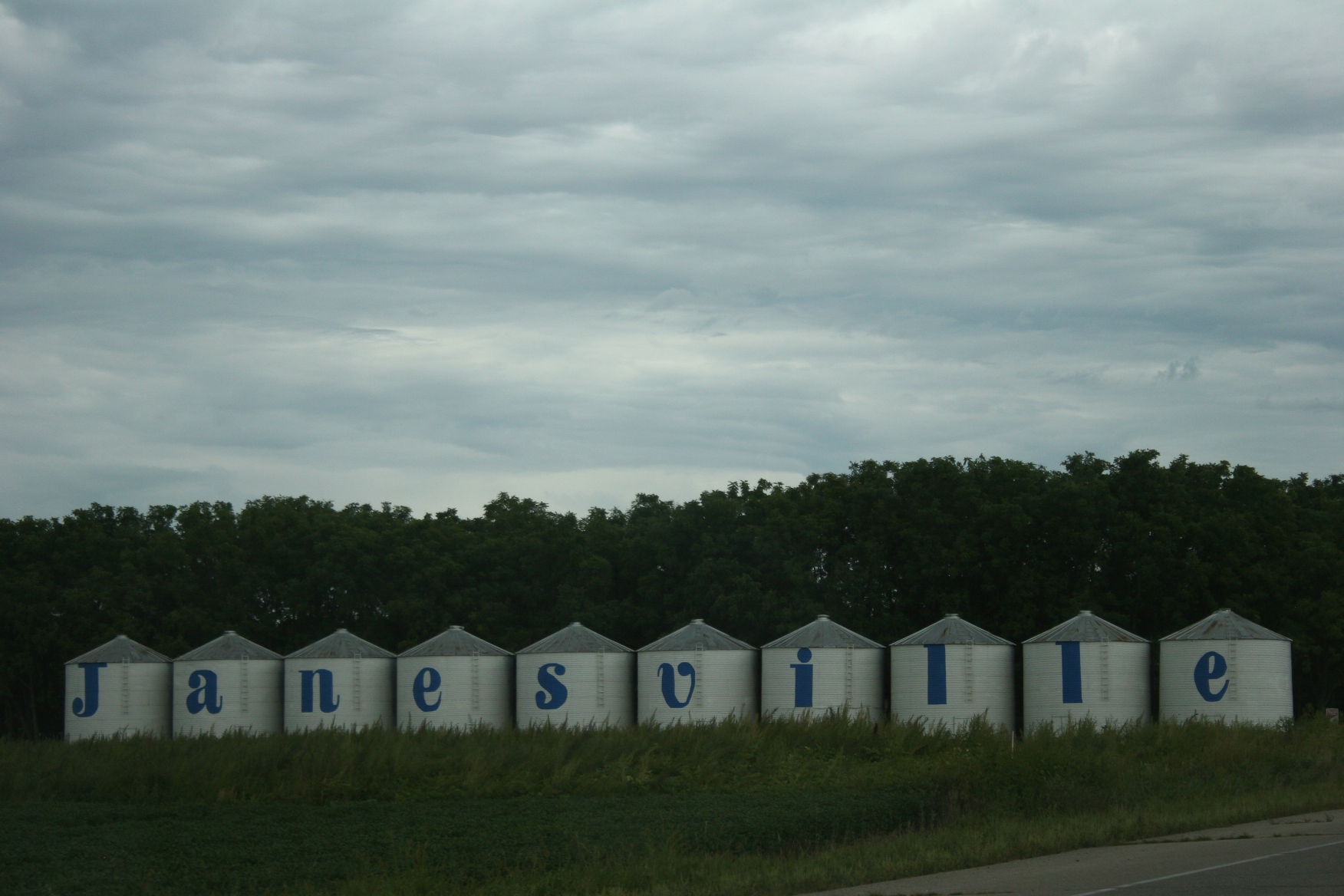
Entering Janesville from the west along old Highway 14, you'll see this grain bin signage welcoming you to town.

I REMEMBER YEARS ago driving through the heart of Janesville along well-traveled U.S. Highway 14 in southern Minnesota. The town of 2,100 teemed with traffic following this main east-west route.

Today, as motorists bypass Janesville along the four-lane highway completed in 2006, the town barely stirs on a Sunday afternoon. Certainly, I should have expected this change when I drove into Janesville several months ago. Yet, the stillness, the boarded up buildings, the quiet Main Street surprised me. It shouldn’t have. What other result should I expect when a major highway reroutes around a town?

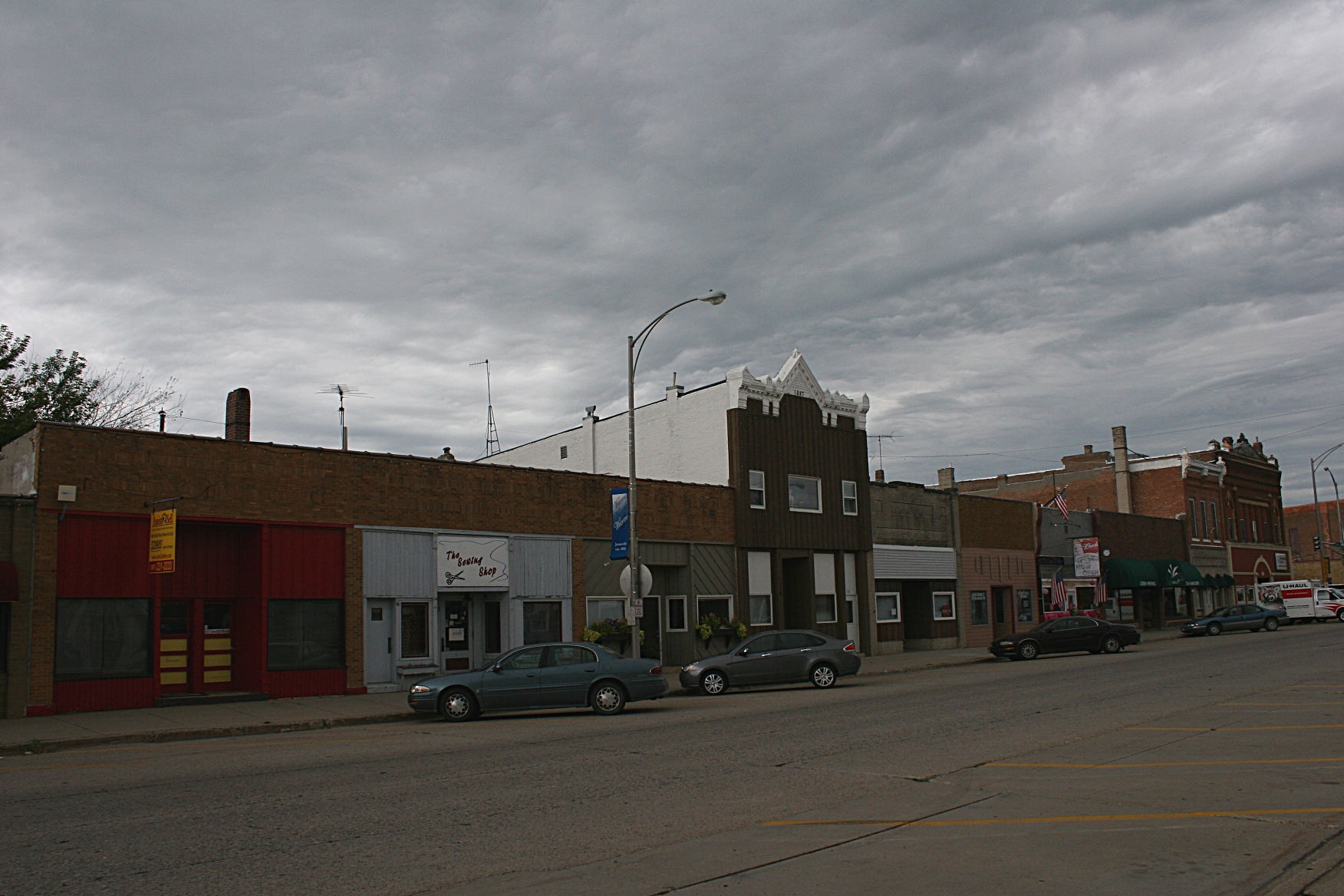
Janesville's downtown business district on a Sunday afternoon in August.

I possess no stake in this community nor am I critical of the Highway 14 improvement. The fixes to this treacherous roadway were necessary for motorists’ safety. I wish all of Highway 14 across Minnesota was a four-lane route, especially the deadly stretch between Mankato and New Ulm.

But back to Janesville…I’d never turned off the highway into the downtown business district, never in all the years I’d passed through this community along the old Highway 14. I’m almost ashamed to write that. But Janesville was just one more town to slow me down in getting from one destination to another.

Therein lies part of the problem. We are all in too much of a hurry, way too much of a hurry.

We need to pause, to turn off the interstates and highways and drive onto Main Street in Small-Town, U.S.A., park our vehicles and walk. Look at the buildings. Peer in the windows. Admire the character of old buildings. Stroll into a business and make a purchase. Strike up a conversation with a local.

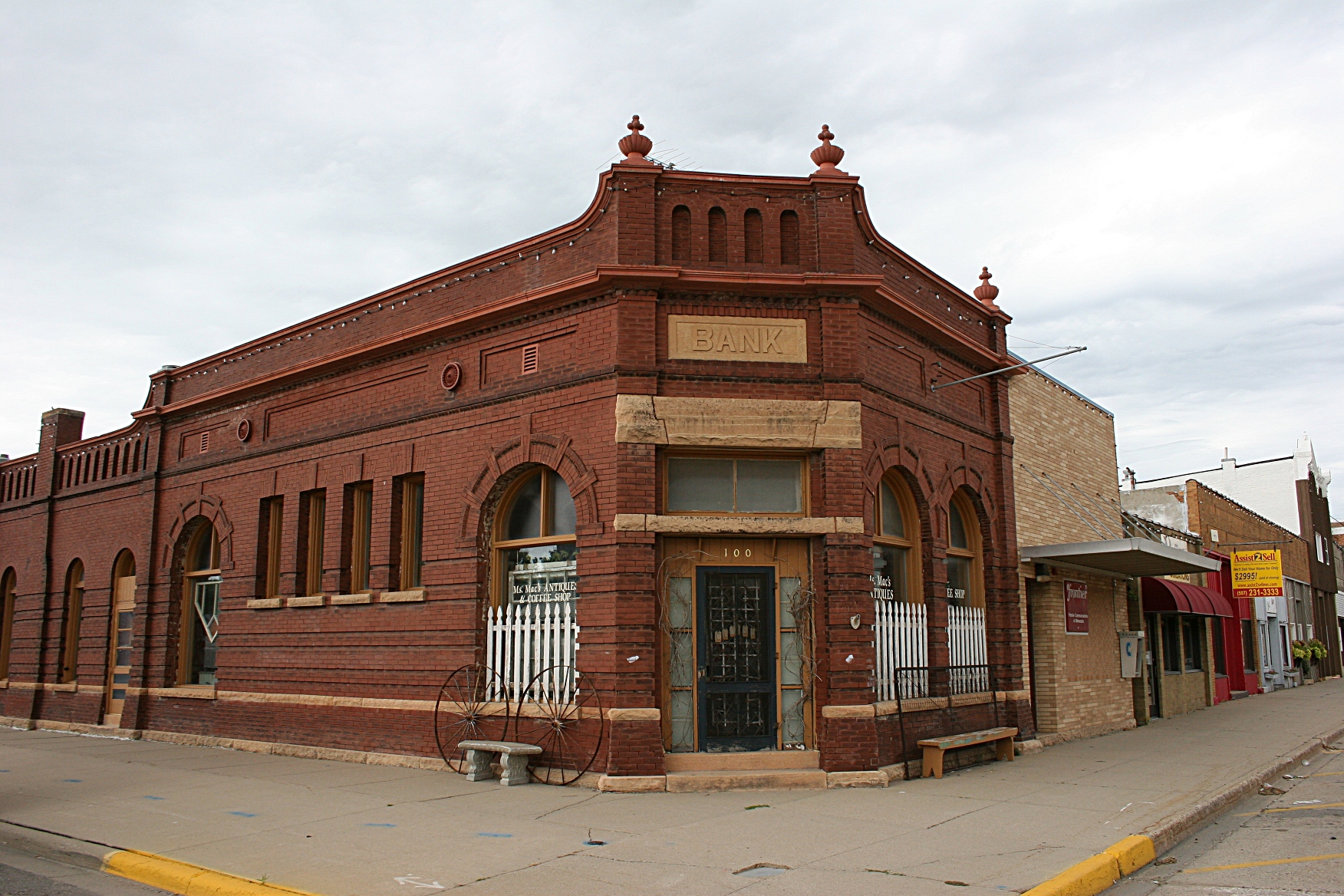
An antique store anchors a a downtown corner across from the elevator.

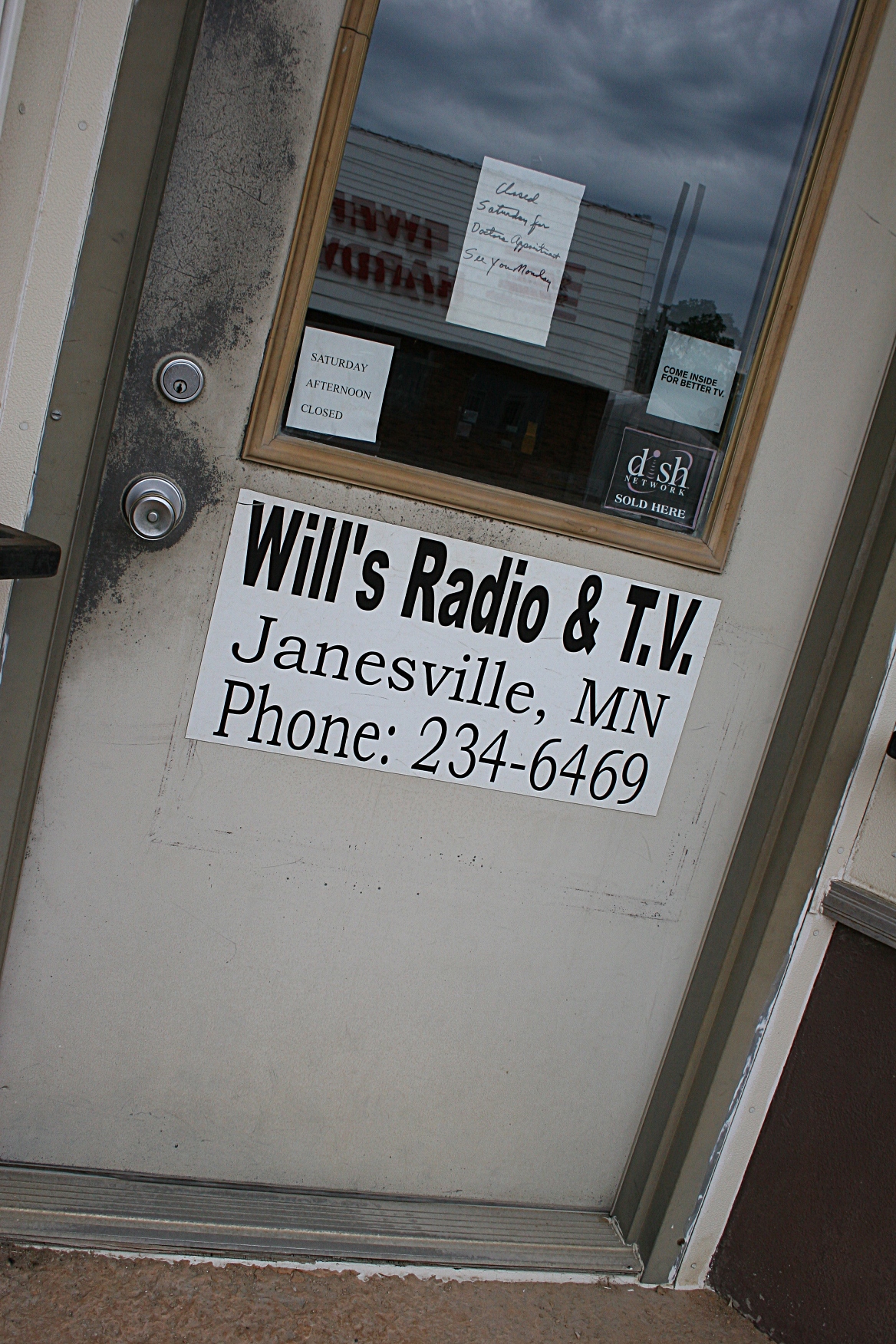
The entry to a radio and TV shop.

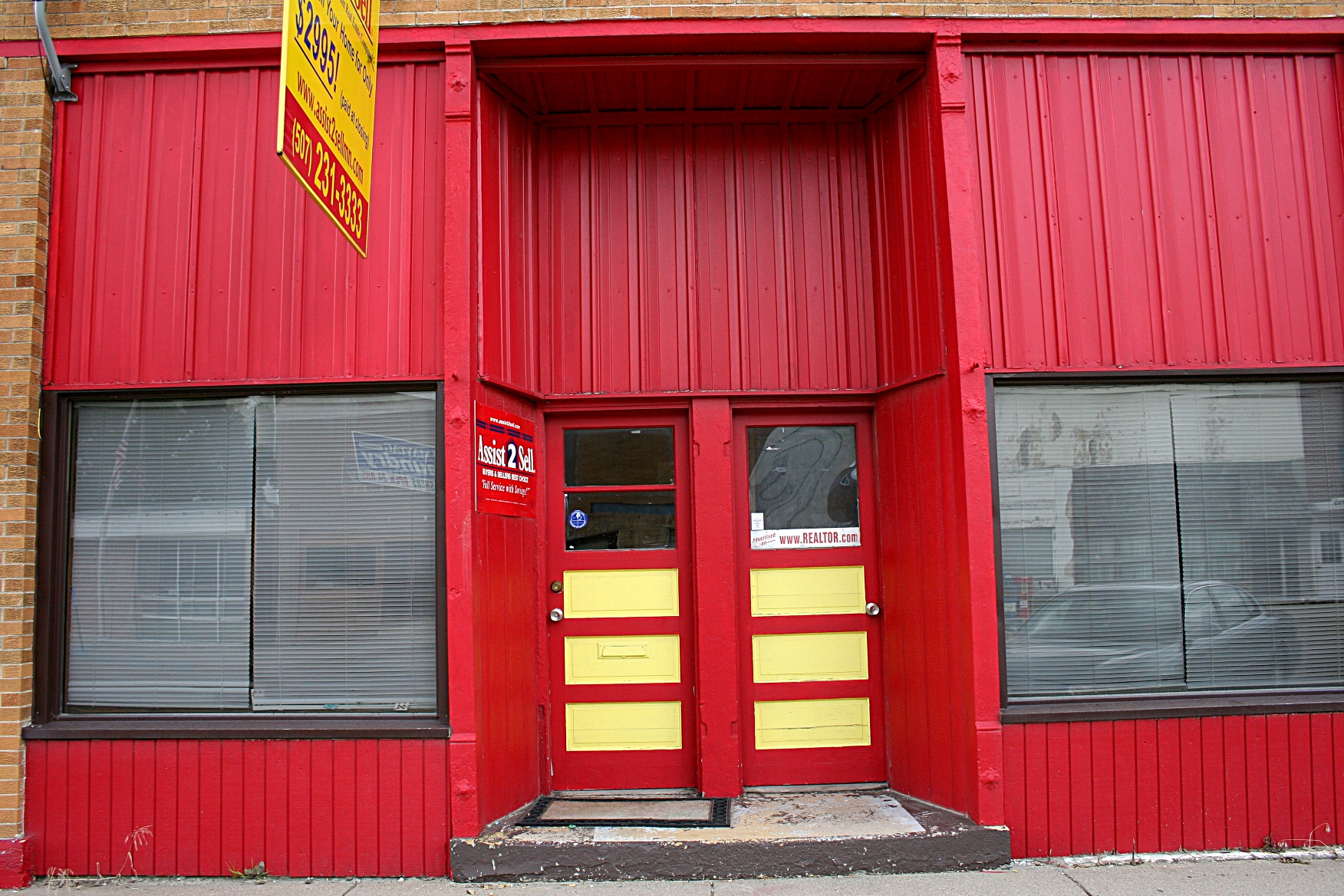
A jolt of color in downtown Janesville.

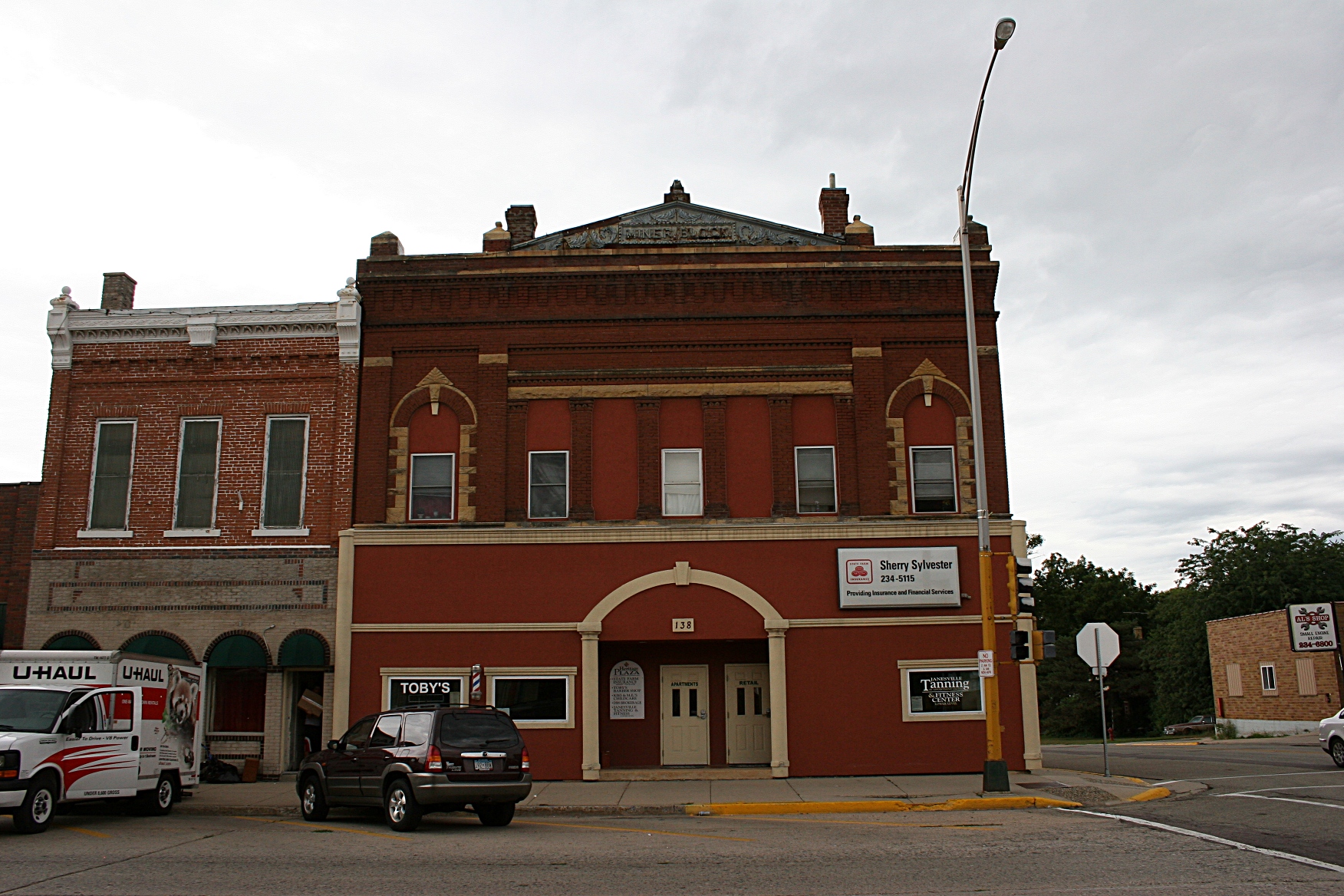
Lovely historic brick buildings grace the downtown. So much potential exists here.

I noticed this beautiful tile outside a former bank.

More potential in this building...

The past preserved in lettering on the side of this brick building.

The intersection at old Highway 14.

I encourage each of you, wherever you live, to take the time to appreciate the small towns in your region or the Main Street in your community.

If you live in a metropolitan area, consciously choose to drive out of the city and into a rural area and onto Main Street.

If you already live in a rural area, choose to appreciate what you have, to remain positive and upbeat about your local businesses.

I expect that if I was to drive into Janesville on a week day, I’d find a busier downtown than the one I discovered on a Sunday afternoon in August. I can’t judge a community by one visit, of that I’m sure. But I do know that I can choose to slow down, look and appreciate Main Street in Small-Town, U.S.A.

So can you.

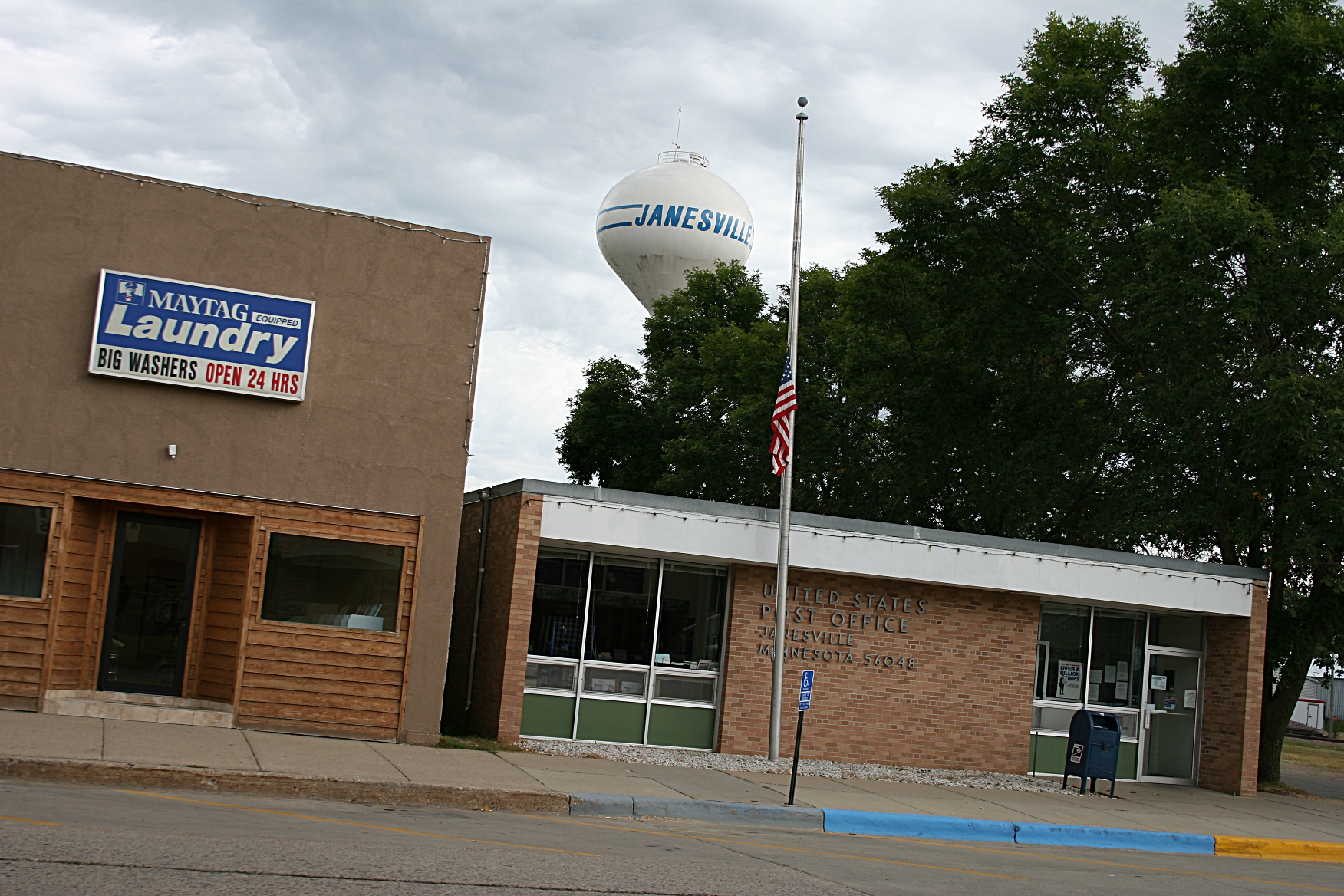
The post office, a community meeting place in small towns like Janesville.

NOTE: All of these images were taken in downtown Janesville on a Sunday afternoon in August.

© Copyright 2011 Audrey Kletscher Helbling
 

The tragic story of “The Christmas Tree Ship” November 30, 2011

THE PROMO READS:

A delightful holiday musical for the entire family. It’s the true story of a Great Lakes schooner, whose captain risks life and limb to transport Christmas trees to the German immigrants in Chicago during the late 1800’s. The result was the Christmas tree tradition spread throughout the Midwest and America.

Attend The Merlin Players’ production of The Christmas Schooner, opening Friday, December 2, at the Paradise Center for the Arts in historic downtown Faribault, and you’ll never view a Christmas tree in quite the same way. Guaranteed, you’ll appreciate your tree a whole lot more and the ease with which you can pull yours from storage, browse in a Christmas tree lot or tromp through the woods to chop down your own.

Allow me to take you 6 ½ hours away from Faribault to eastern Wisconsin, to Rawley Point, a piece of land that juts into Lake Michigan in Point Beach State Forest five miles north of Two Rivers.

Rawley Point at Point Beach State Forest along Lake Michigan in early August.

Off this point 26 ships sank or became stranded, including the steamship Vernon, which broke up in stormy waters in 1877 with 52 lives lost. Only one seaman survived.

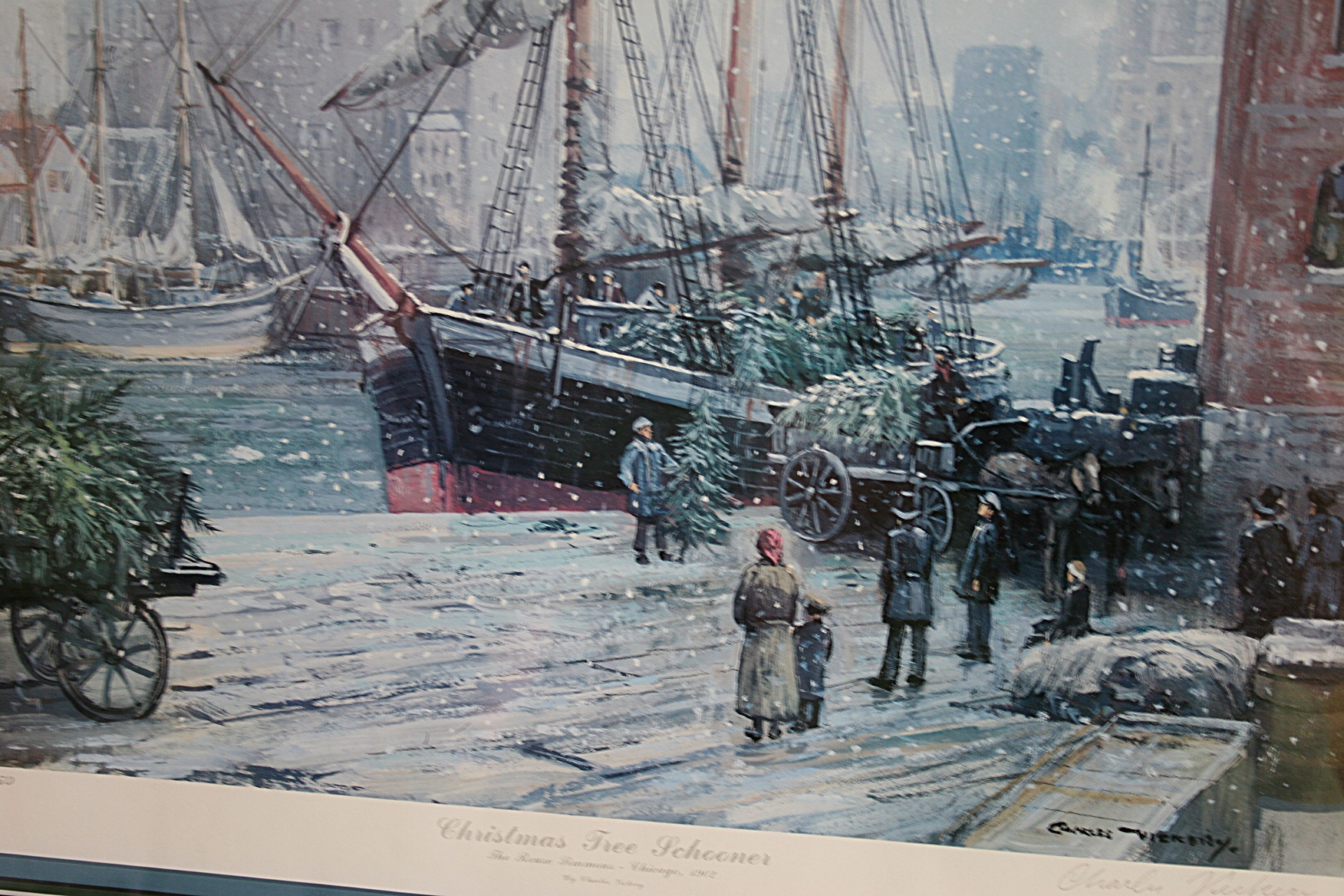
Then there’s the Rouse Simmons schooner, widely known as “The Christmas Tree Ship.” With Captain Herman Schuenemann at the helm, the ship left Thompson, Michigan, on November 22, 1912, bound for Chicago with a holiday cargo of Upper Peninsula Christmas trees. (Sorry, but I can’t explain the discrepancy in dates between the play promo and the true date of the schooner’s demise.)

A painting of the Christmas Tree Schooner at the Great Lakes Coast Guard Museum in Two Rivers.

The schooner, with 16 crew members, never reached Chicago. Not until 59 years later was she found in 170 feet of water off Rawley Point, her Christmas trees still stashed in her hold. The schooner remains preserved in the icy waters of Lake Michigan.

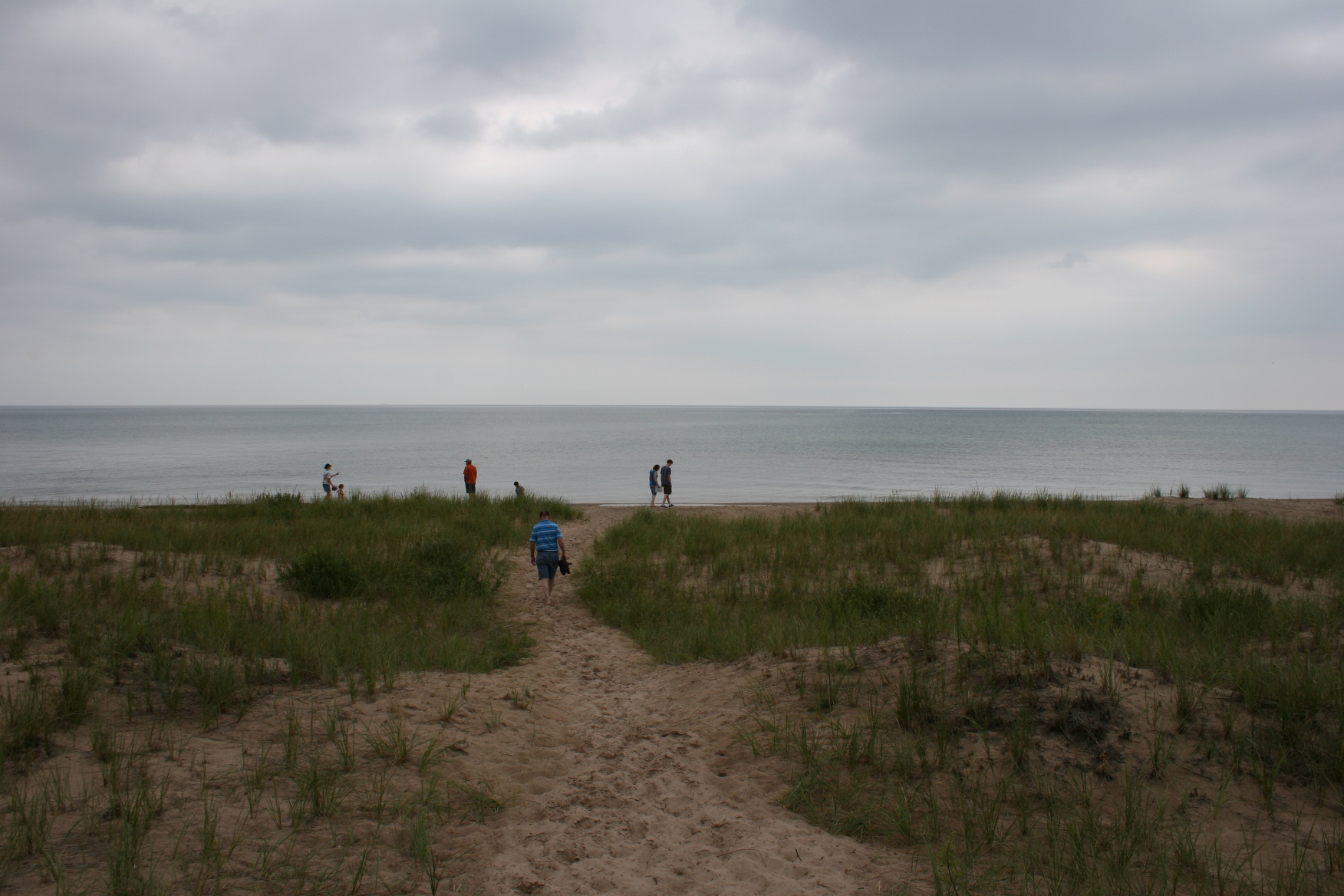
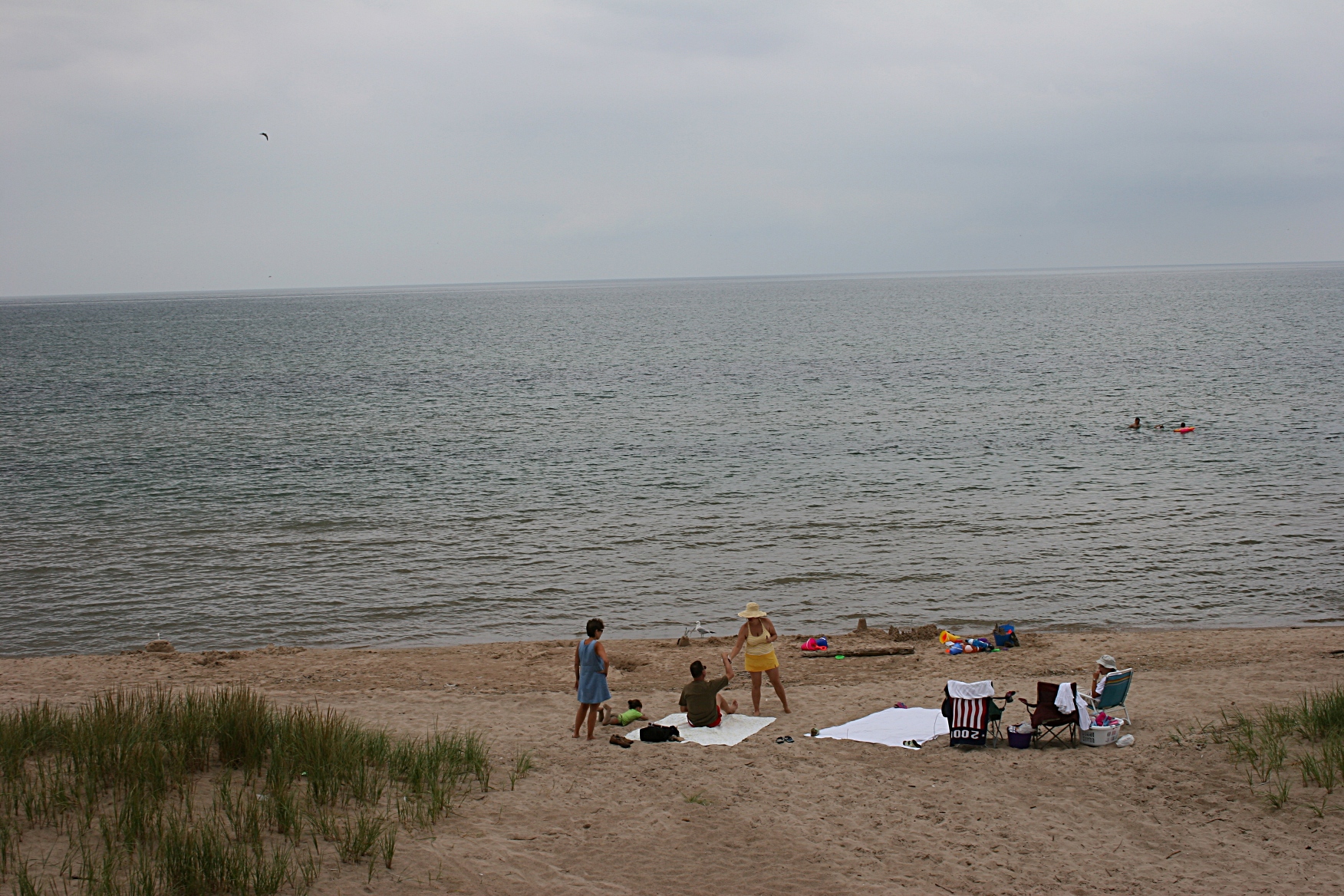
The beach at Rawley Point on a Sunday afternoon in August.

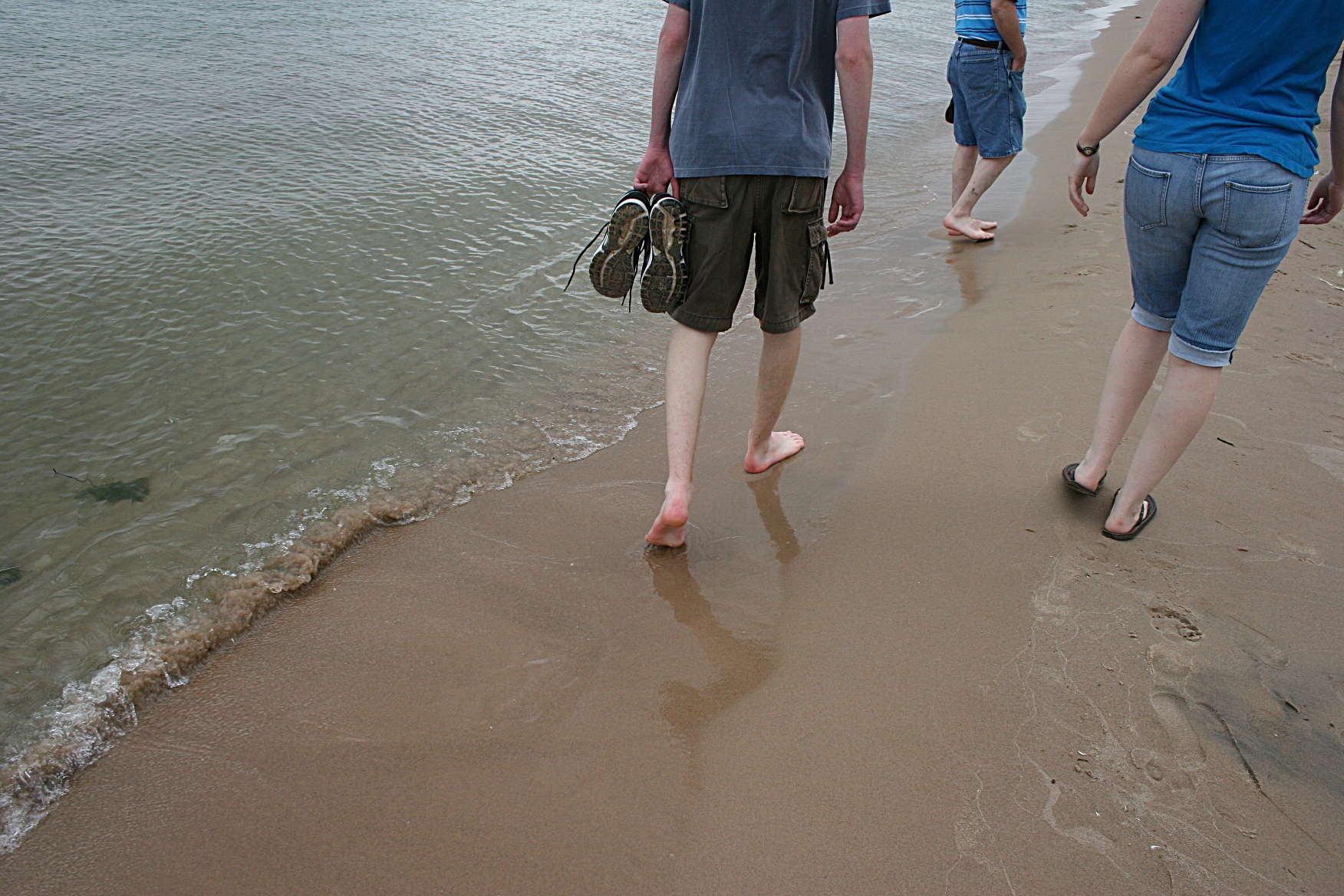
Walking Rawley Point beach on an August afternoon, the only hazards are stinky dead fish and driftwood.

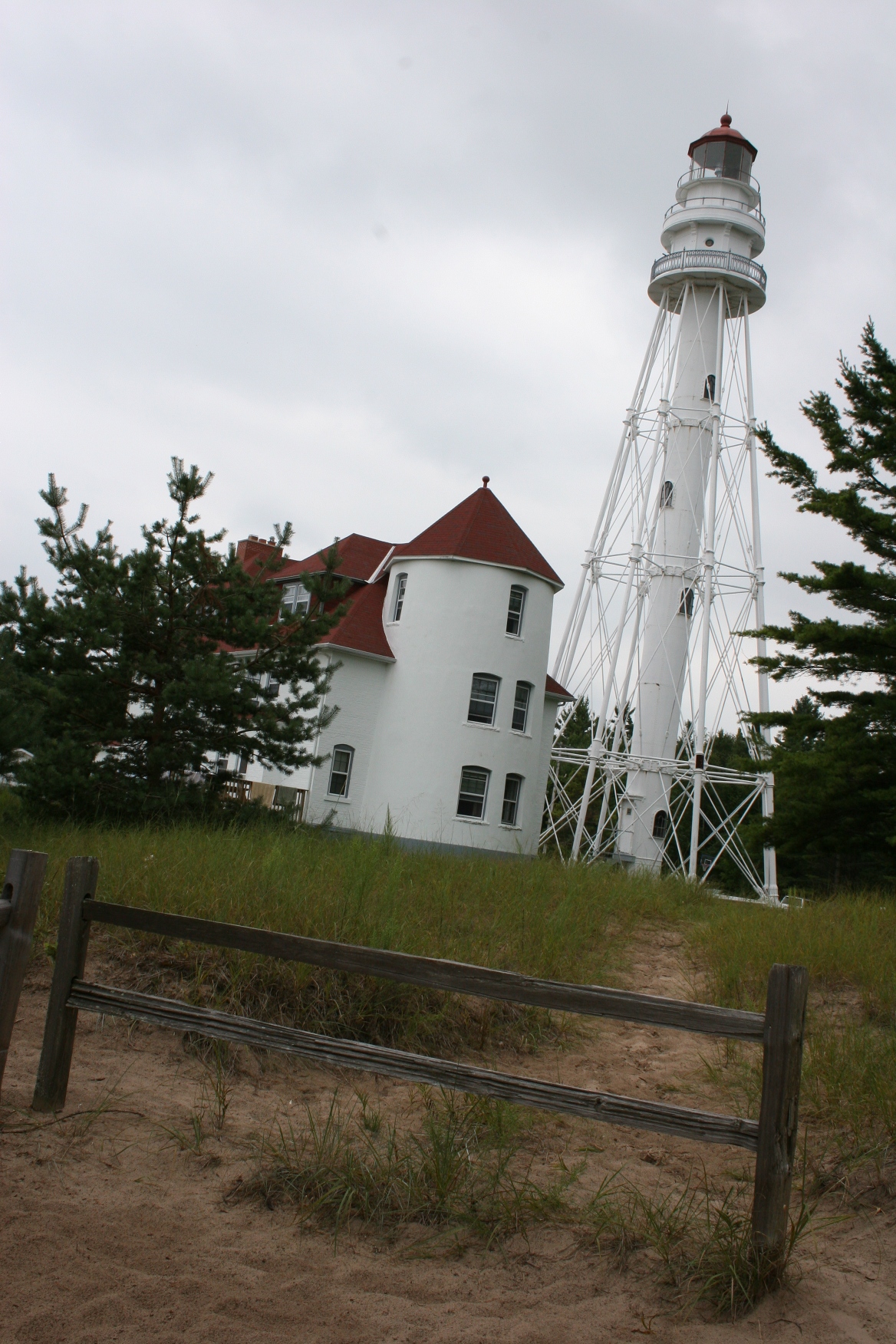
The U.S. Coast Guard's erector style lighthouse at Rawley Point rises 113 feet above Lake Michigan. The light is one of the largest and brightest on the Great Lakes and can be seen from 19 miles away.

This past summer my family visited Point Beach State Forest and attractions in nearby Two Rivers, all within an hour’s drive of my second daughter’s home in Appleton, Wisconsin. On that Sunday afternoon, strolling along the sandy beach near Rawley Point Lighthouse, it seemed impossible that Lake Michigan could transform into stormy waters that would become a grave for so many.

But it did.

Now you can experience the touching and tragic story of “The Christmas Tree Ship” via The Merlin Players’ The Christmas Schooner production. I saw this performance several years ago at the Paradise.

I cried.

I’ve never cried before at a play.

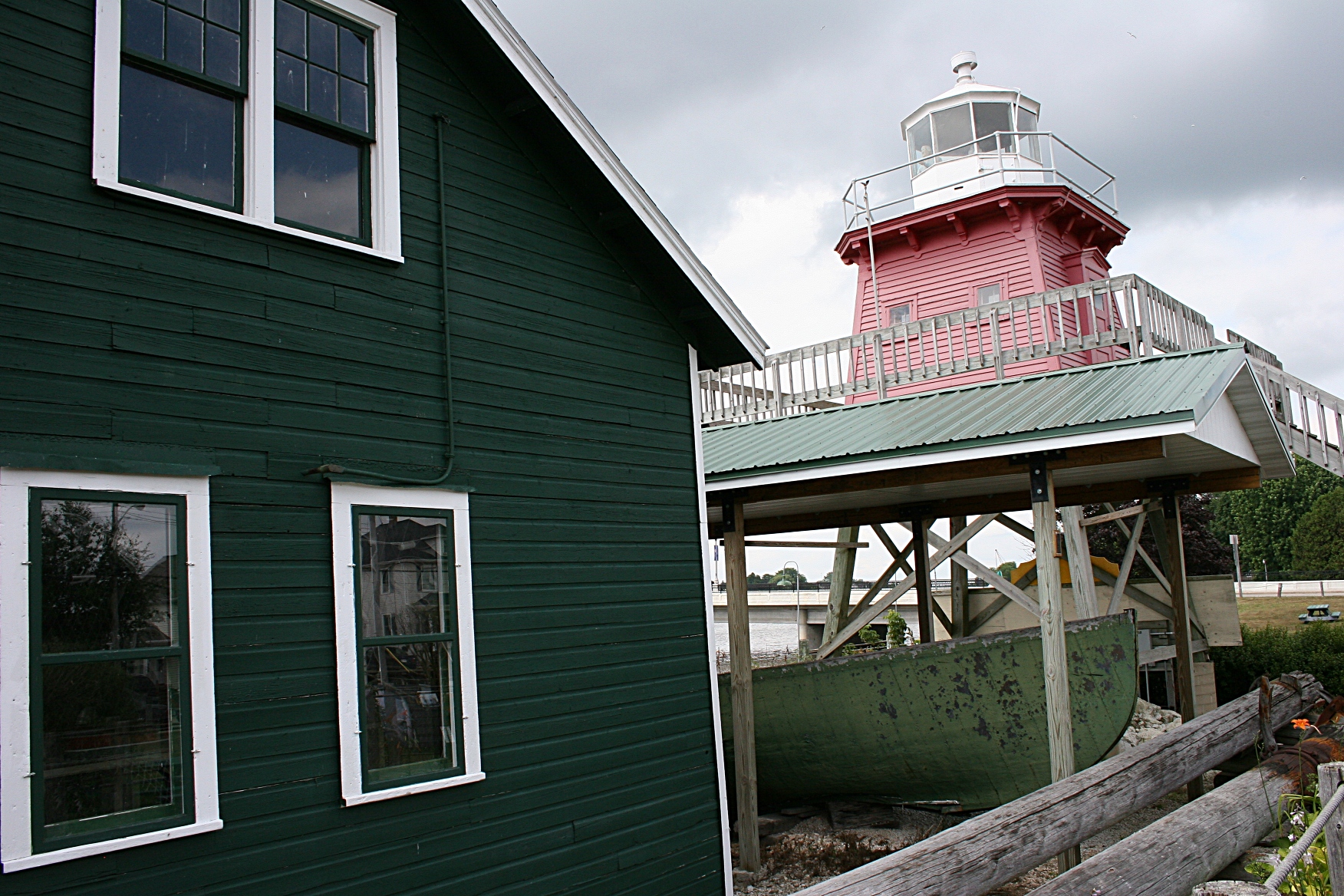
The historic Rogers Street Fishing Village includes the 1886 Two Rivers' North Pier Lighthouse, to the right.

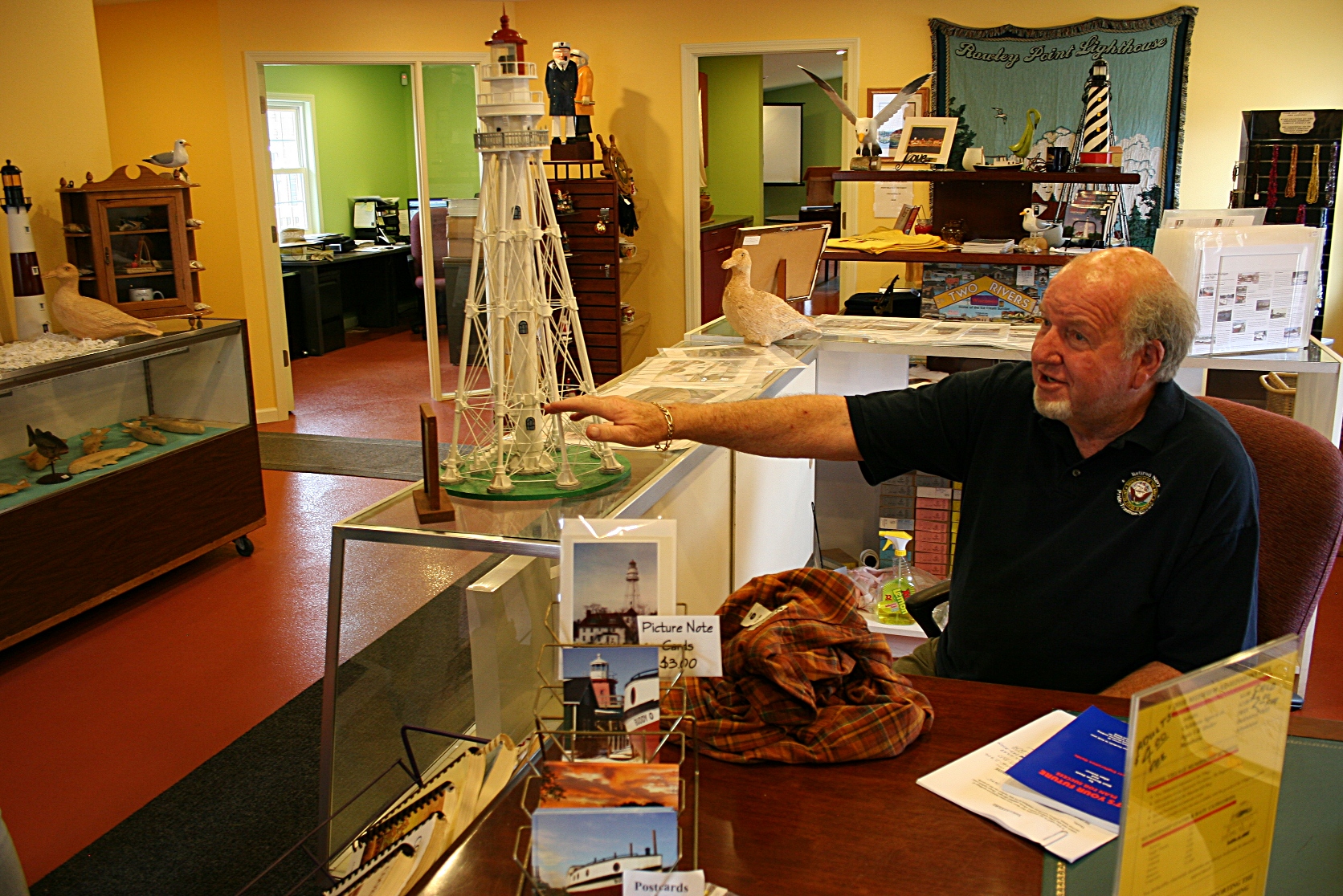
Inside the Coast Guard museum, a worker points to a model of the Rawley Point Lighthouse, which was moved from a French exhibit at the Chicago World's Fair in 1893 to Rawley Point.

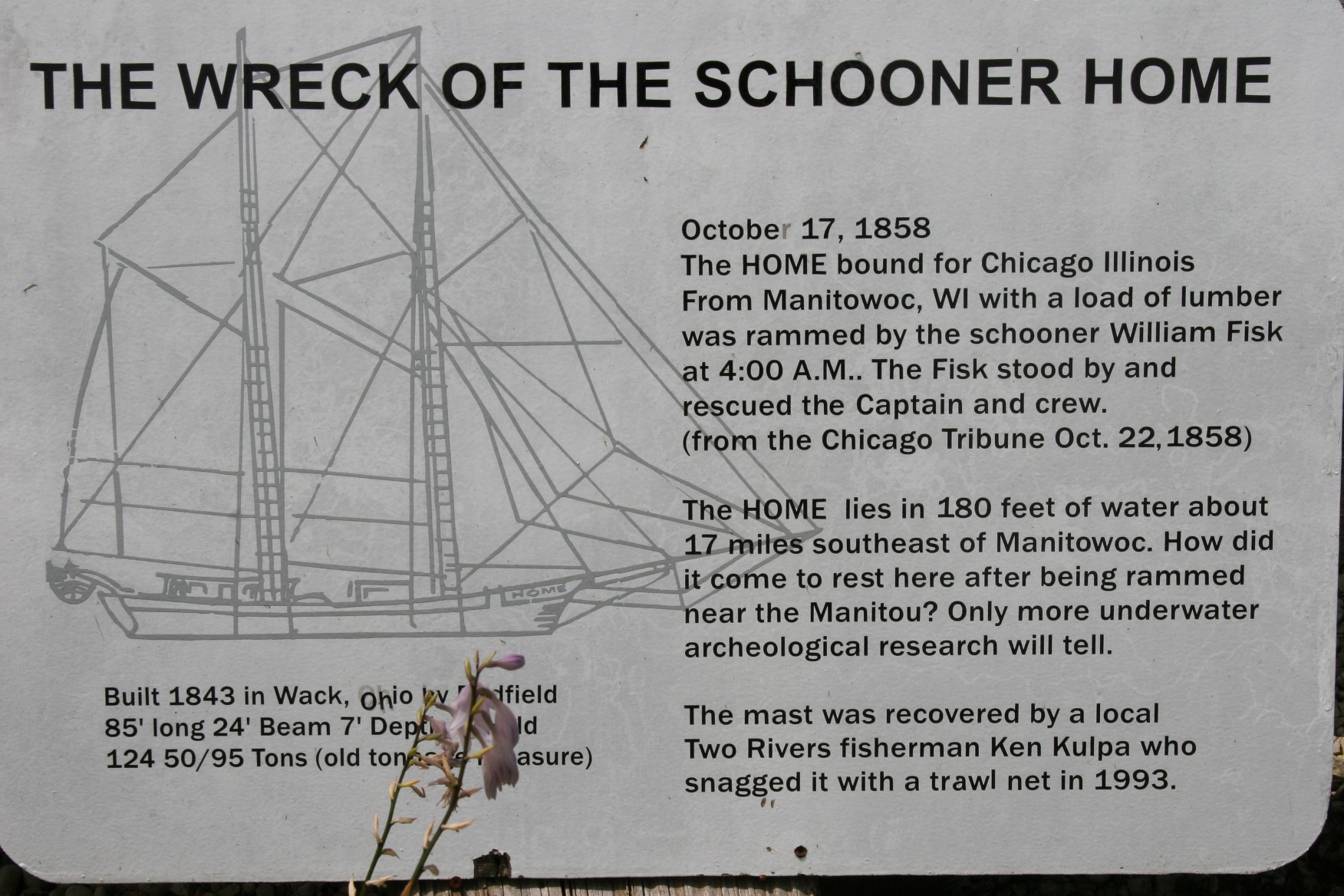
You'll find information and artifacts from area shipwrecks at the fishing village and museum.

FYI: Performances of The Christmas Schooner are set for 7:30 p.m. December 2, 3, 8, 9 and 10 and at 2 p.m. December 4 and 11 at the Paradise Center for the Arts, 321 Central Avenue, Faribault. Admission is $14 for adults and $9 for those 12 and under. For tickets, call (507) 332-7372 or stop in during box office hours, from noon to 5 p.m. Tuesday, Wednesday, Friday and Saturday or from noon to 8 p.m. Thursday.

I’d highly-recommend buying tickets in advance.

CLICK HERE for information about the Rouse Simmons schooner from the Wisconsin Historical Society.

CLICK HERE for info about Two Rivers, Wisconsin.

CLICK HERE for info on Point Beach State Forest.

CLICK HERE to read a previous post I wrote about the Hamilton Wood Type Museum in Two Rivers.

© Copyright 2011 Audrey Kletscher Helbling
 

One final visit to Stockholm. Wisconsin. Not Sweden. November 8, 2011

Filed under: Uncategorized — Audrey Kletscher Helbling @ 8:18 AM
Tags: , , , , , , , , , ,

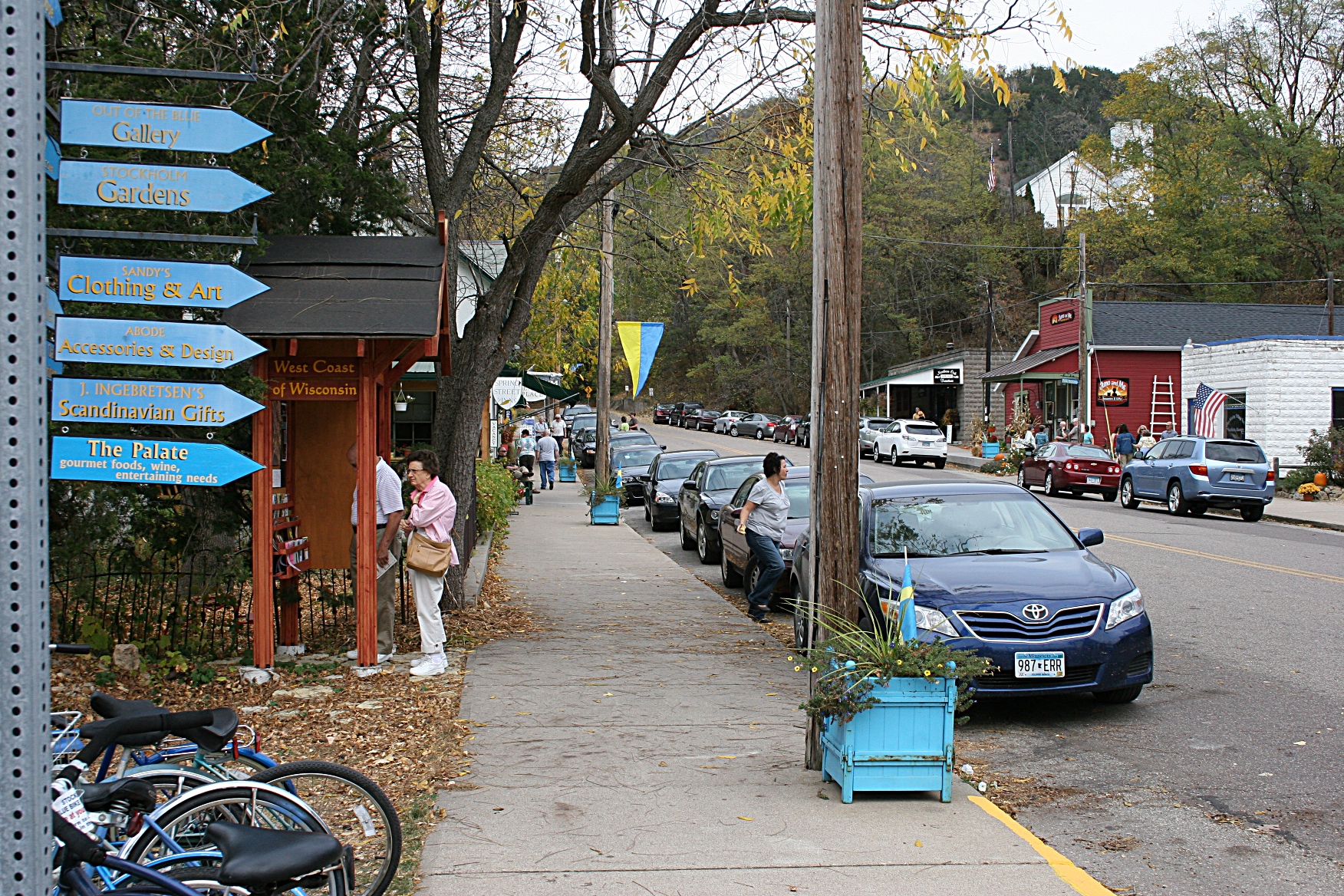
Shops, eateries and more line the streets of Stockholm, a quaint village along Lake Pepin. This photo was taken in early October. To the left you'll see blue bikes, available for visitors to use at no cost.

TO WHOM THIS MAY CONCERN in Stockholm (Wisconsin. Not Sweden):

If only I had known about the bribe.

I would have accepted your offer, the one I found listed under “Stockholm News & Media” on your website:

Are you a writer, blogger, reviewer, photographer with a web site? Let us bribe you (how about a fresh cup of expresso from Stockholm General, a piece of pie from the Stockholm Pie Company, lunch at Bogus Creek Café, a beer at Gelly’s, a ticket to an event at the Widespot?) in exchange for your coverage!

Yes. Yes. Yes. Yes. And, yes.

While I’ve never drank an expresso, I’m certainly open to trying one. I like pie. A lot. I do lunch. Yes, I’ll toast your town with an icy mug of beer. And, yes, I always enjoy being entertained.

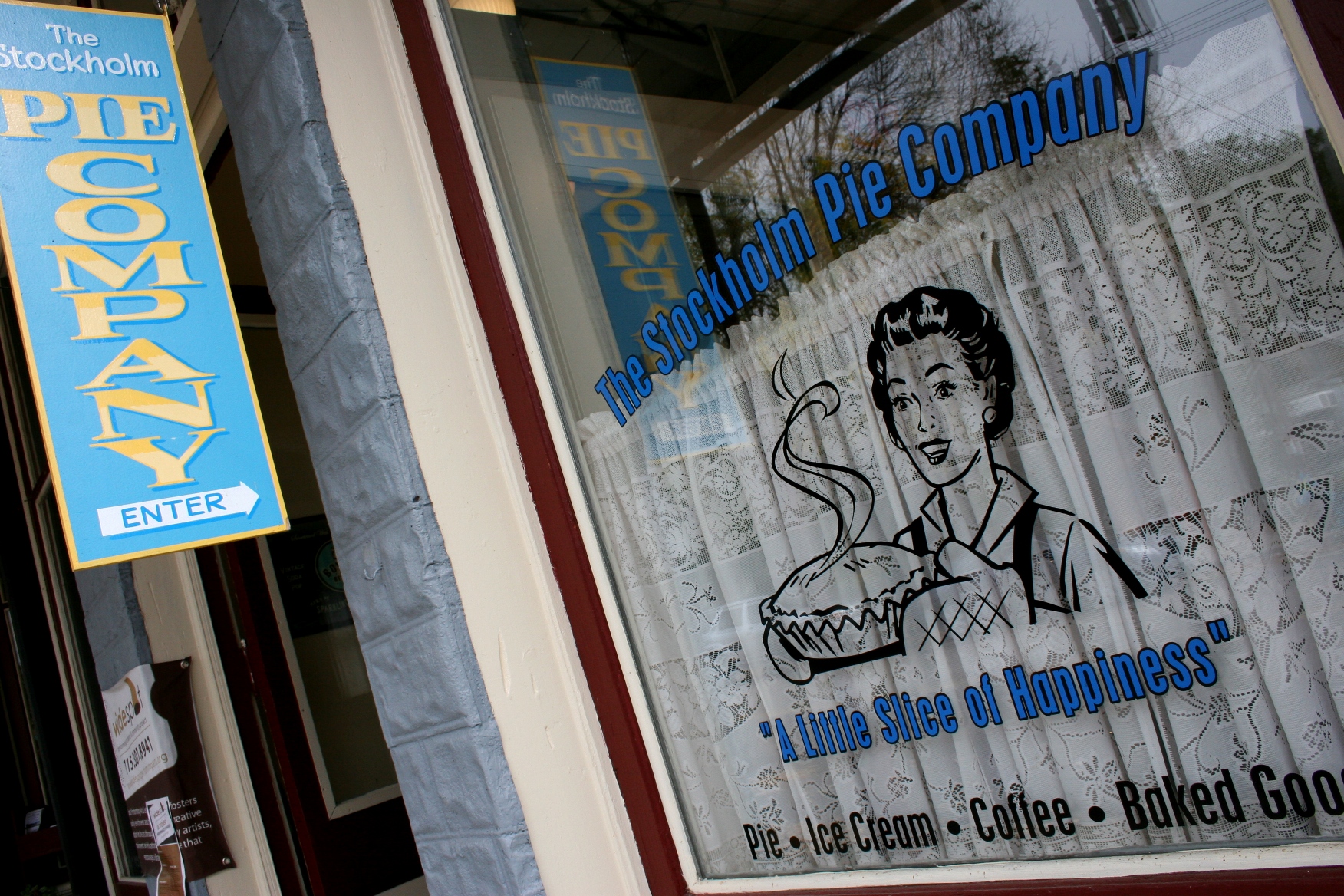
I was too full from lunch across the river in Wabasha to try the Stockholm Pie Company's pie, made completely from scratch. Not that I wasn't tempted to try a slice of caramel apple crunch or key lime or peanut butter fudge. I even stepped inside this tiny shop to smell the baking pies. Next time I'll save room for dessert.

However, dear people of Stockholm (Wisconsin. Not Sweden.) and dear readers of Minnesota Prairie Roots, my writing has not been influenced, not one teeny bit, by offers of free anything. My three previous, glowing posts from Stockholm were written from the heart. Simply put, I fell head-over-heels for this quaint Lake Pepin-side village of 89 without any undue influence.

Today I’ll take you on one last visit to this destination town just across the Mississippi River from Minnesota. Enjoy. And if you’ve been to Stockholm, Wisconsin, not Sweden, I’d like to hear what you most appreciate/relish/savor about this riverside get-away.

And if you own a business or live in Stockholm, submit a comment and tell readers why you love your village and why they should visit.

P.S. I’ll be back for the pie and the lunch and the…

One of the many shops lining the streets of Stockholm.

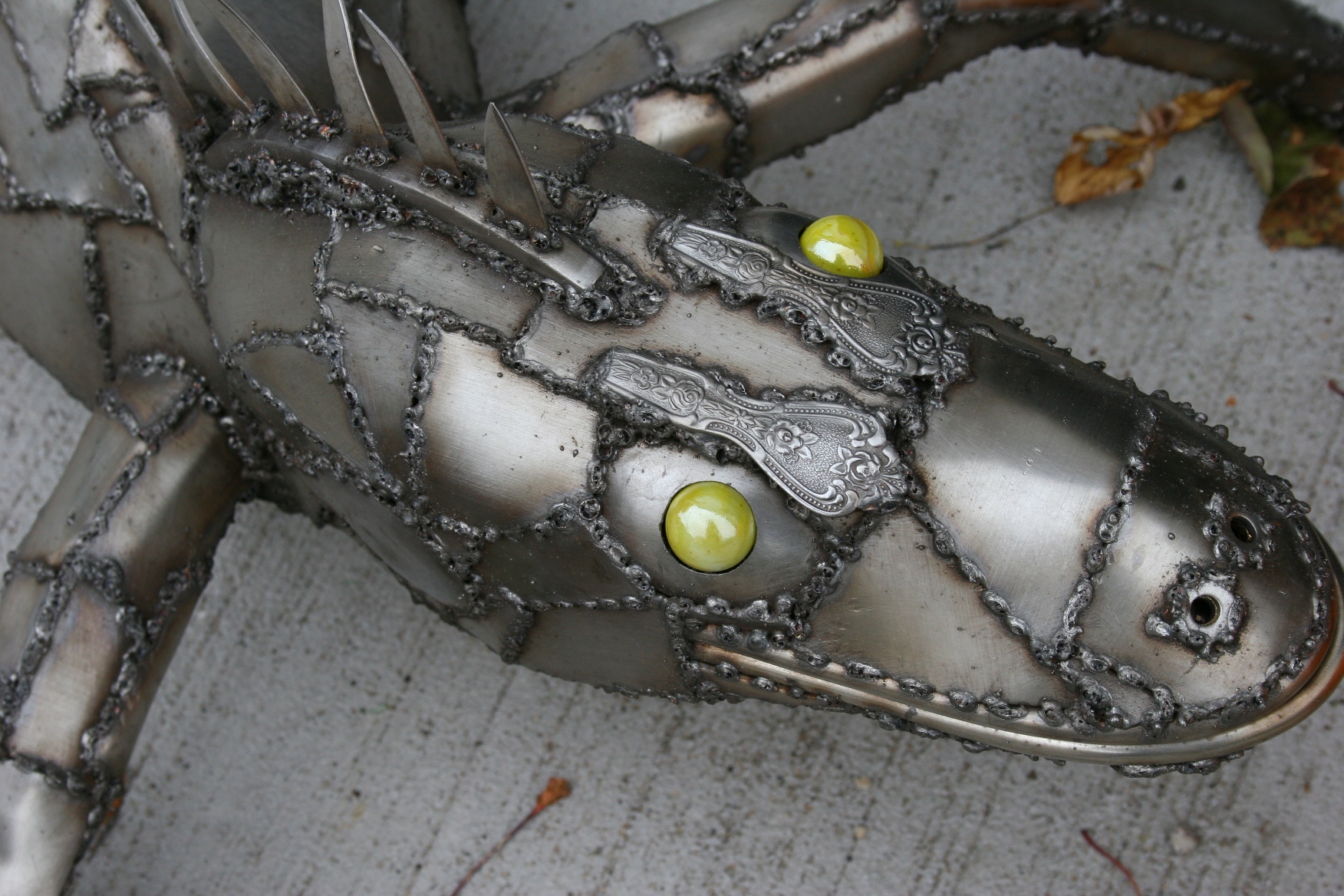
One of my favorite finds, a lizzard crafted from old silverware and more and lounging outside a shop. No, I didn't purchase this critter, but I certainly admired the creativity.

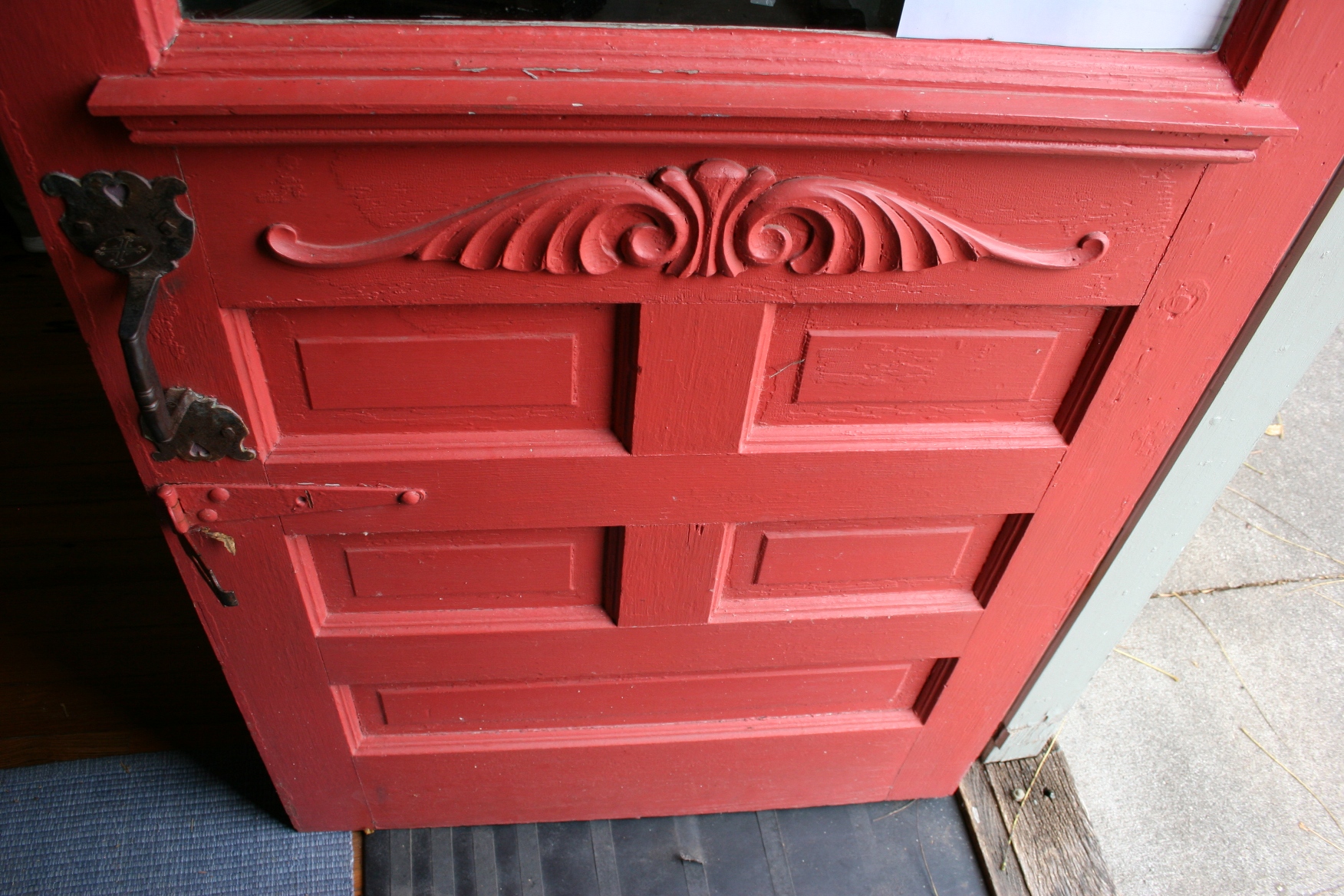
I notice details, especially signs, windows and doors, including this door on the Stockholm Museum.

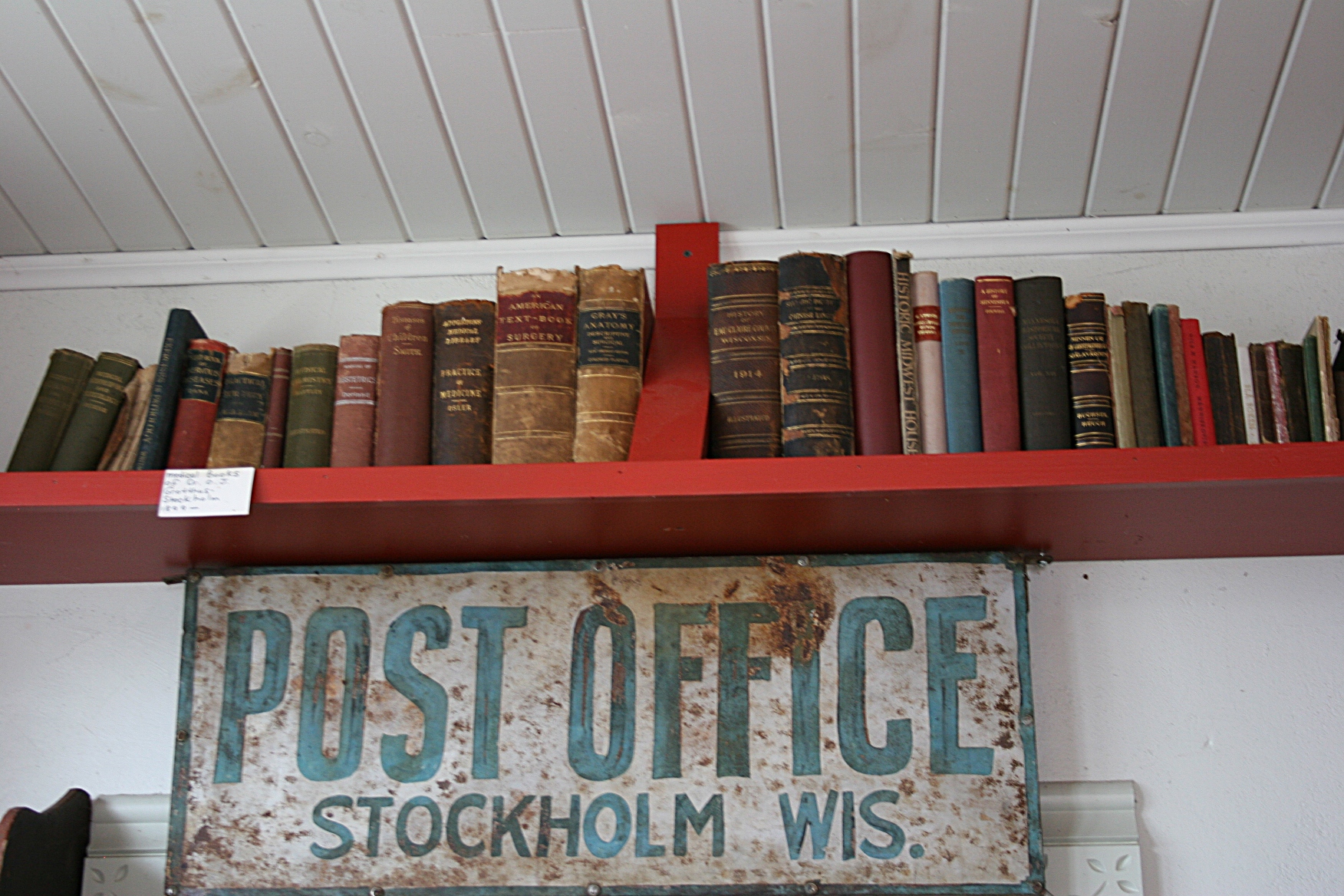
The Stockholm Museum, home to the Stockholm Institute which preserves and celebrates the history of the Stockholm area, is housed in a former post office.

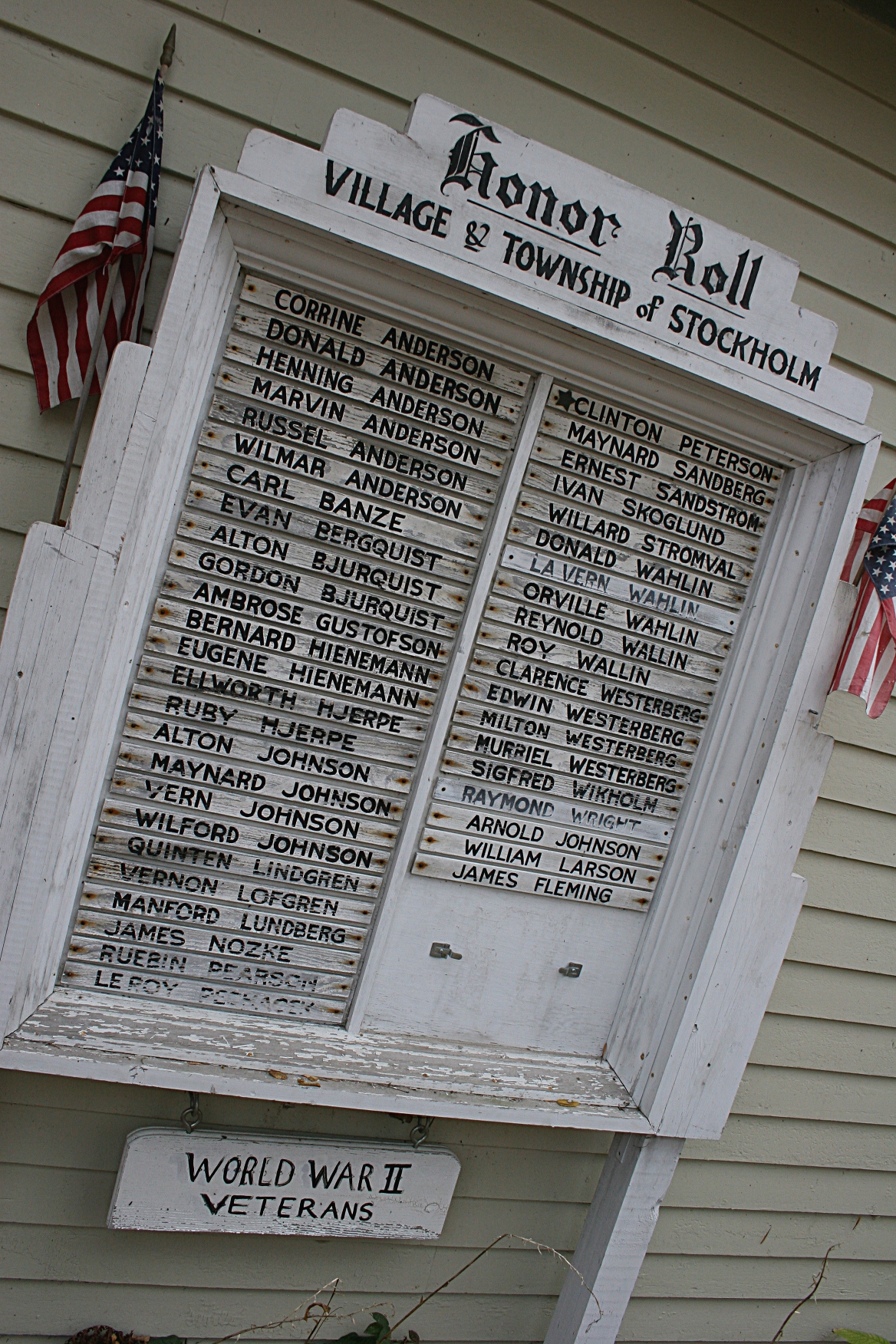
On the museum exterior, I discovered this handcrafted tribute to WW II vets.

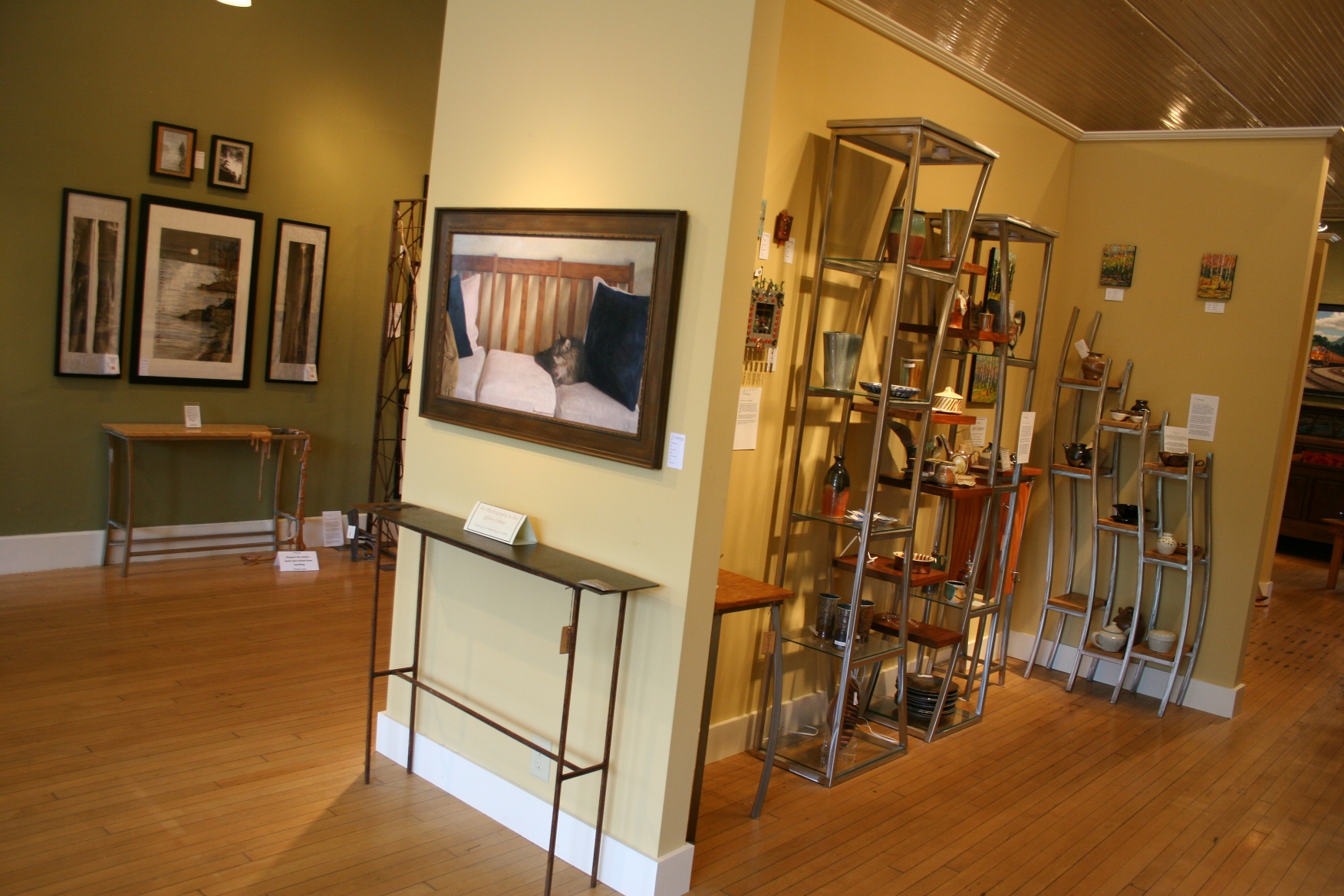
The lovely Abode gallery, where my artist friend Arlene Rolf of Faribault has artwork displayed.

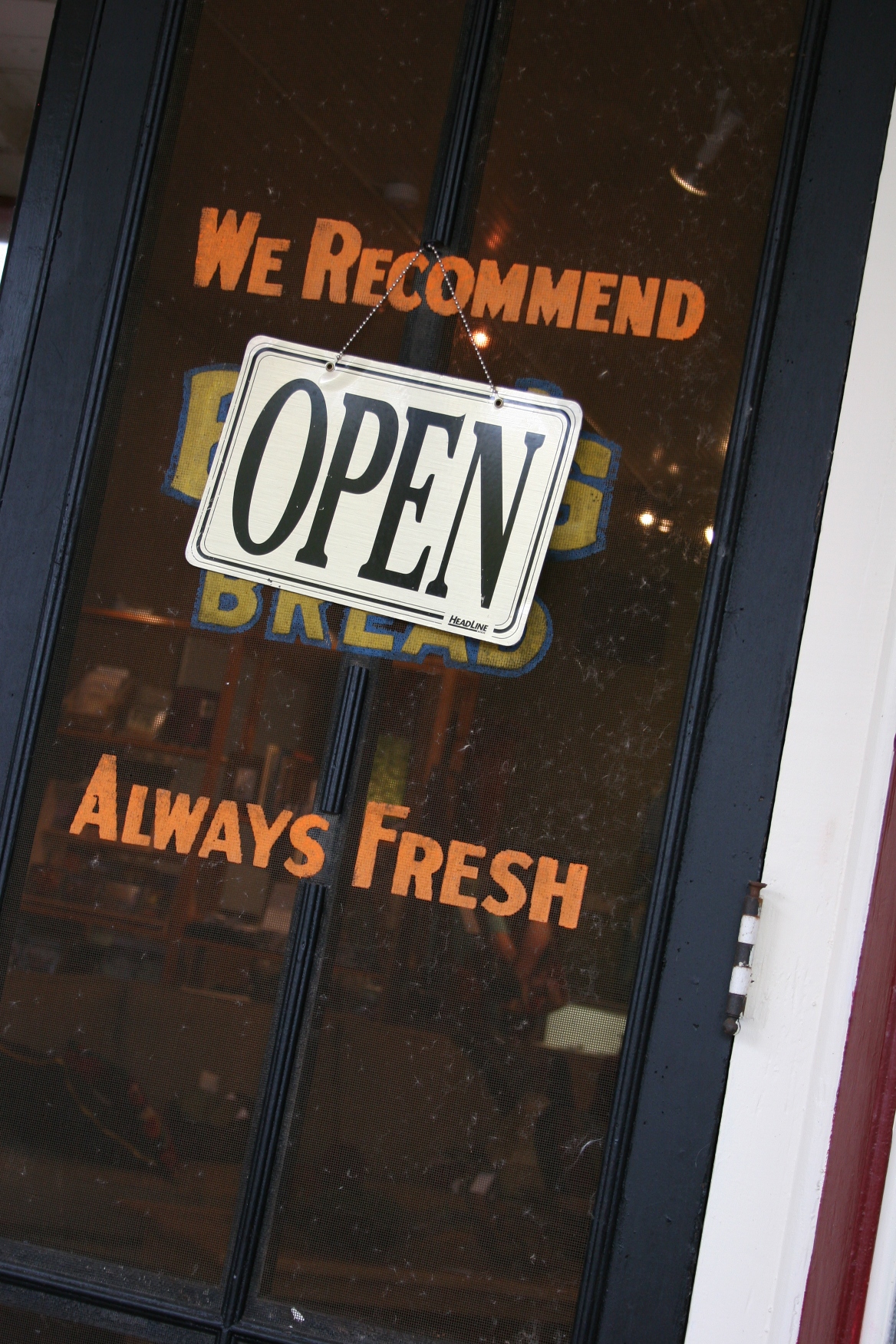
Another business door and signage that caught my eye. It's all about the details, my friends, all about the details.

A residence, I assume, since the steps were marked with a "private" sign. So inviting and lovely, just like all of Stockholm.

To read my previous posts from Stockholm, click on each story link below:

Russell, the Bookseller of Stockholm

A bit of Sweden in Wisconsin

A garage sale in Stockholm, Wisconsin

© Copyright 2011 Audrey Kletscher Helbling
 

A garage sale in Stockholm, Wisconsin November 4, 2011

Filed under: Uncategorized — Audrey Kletscher Helbling @ 6:54 AM
Tags: , , , , , , , , , , ,

YOU KNOW HOW every once in awhile you discover this treasure of a place and you can’t wait to tell family and friends, “You have to go there!”

Honestly, that’s my feeling toward Stockholm. Wisconsin. Not Sweden.

I’ve already published two posts on Stockholm—about J. Ingebretsen’s av Stockholm and Chandler’s Books, Curios.

Today you’re going to get another look at one of the shops tucked into this quaint Lake Pepin-side village of 89, just across the Mississippi River from Minnesota.

We’re stopping at A+ Antiques & Oddities, billed as “2 floors of quality antiques & art, vintage, handmade & new items as well.”

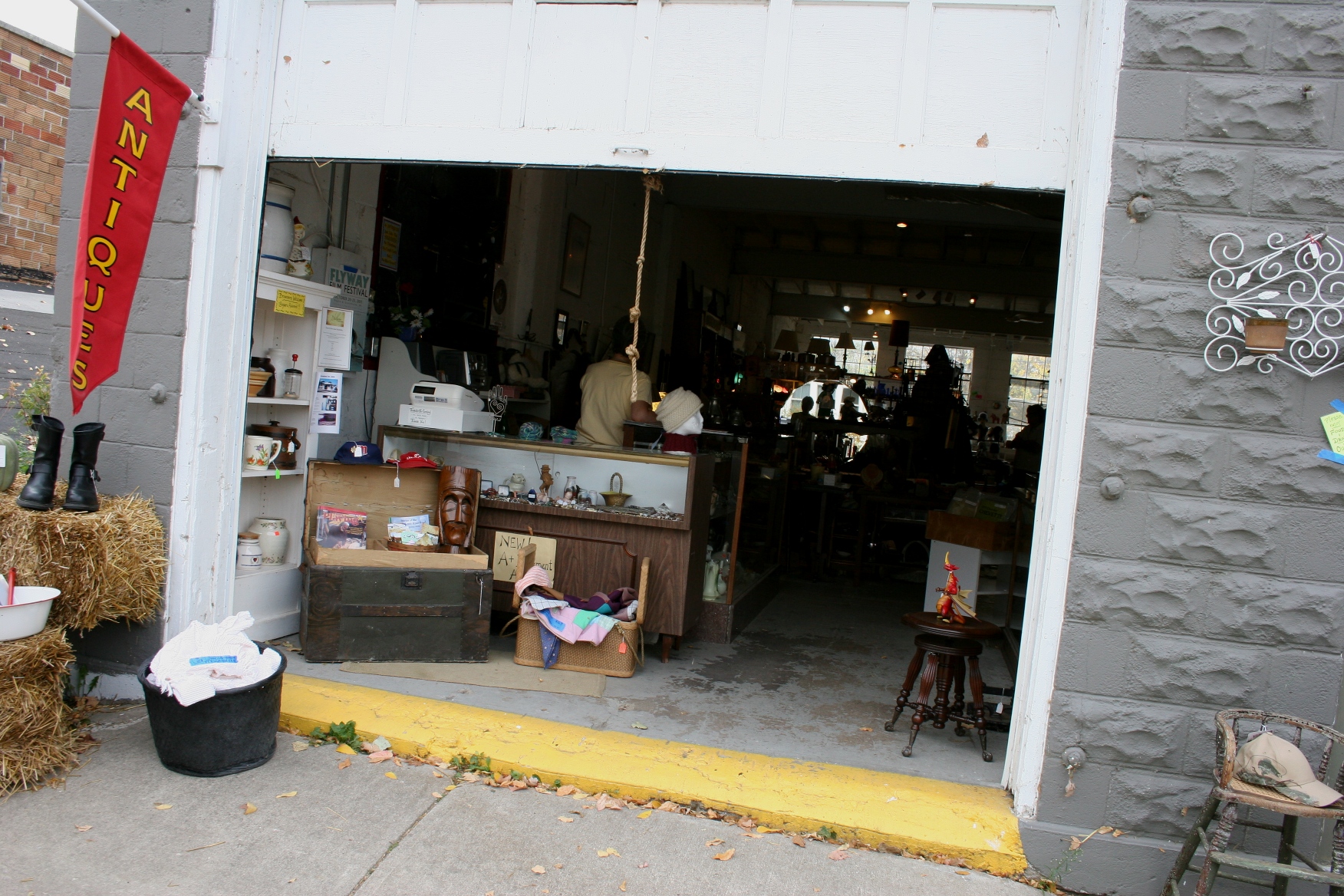
Sometimes the building that houses a shop draws me in as much as the merchandise. Such is A+ Antiques, based in an old garage. With the overhead door flung open on an autumn afternoon, I walked right into this former auto repair shop (I assume) and marveled that the smell of grease didn’t linger in this space of white-washed cement block walls and a bank of windows in the rear overlooking the train tracks out back.

The overhead garage door entry into A+ Antiques & Oddities along Wisconsin 35 in Stockholm.

But if there were traces of grease or oil spots on the cement floor, I didn’t notice. Maybe because I was too busy gawking at the goodies, wishing my sister Lanae was here to try on hats, straightening a mannequin’s wig and wiggling my way around all the tight spaces with a camera bag on my hip.

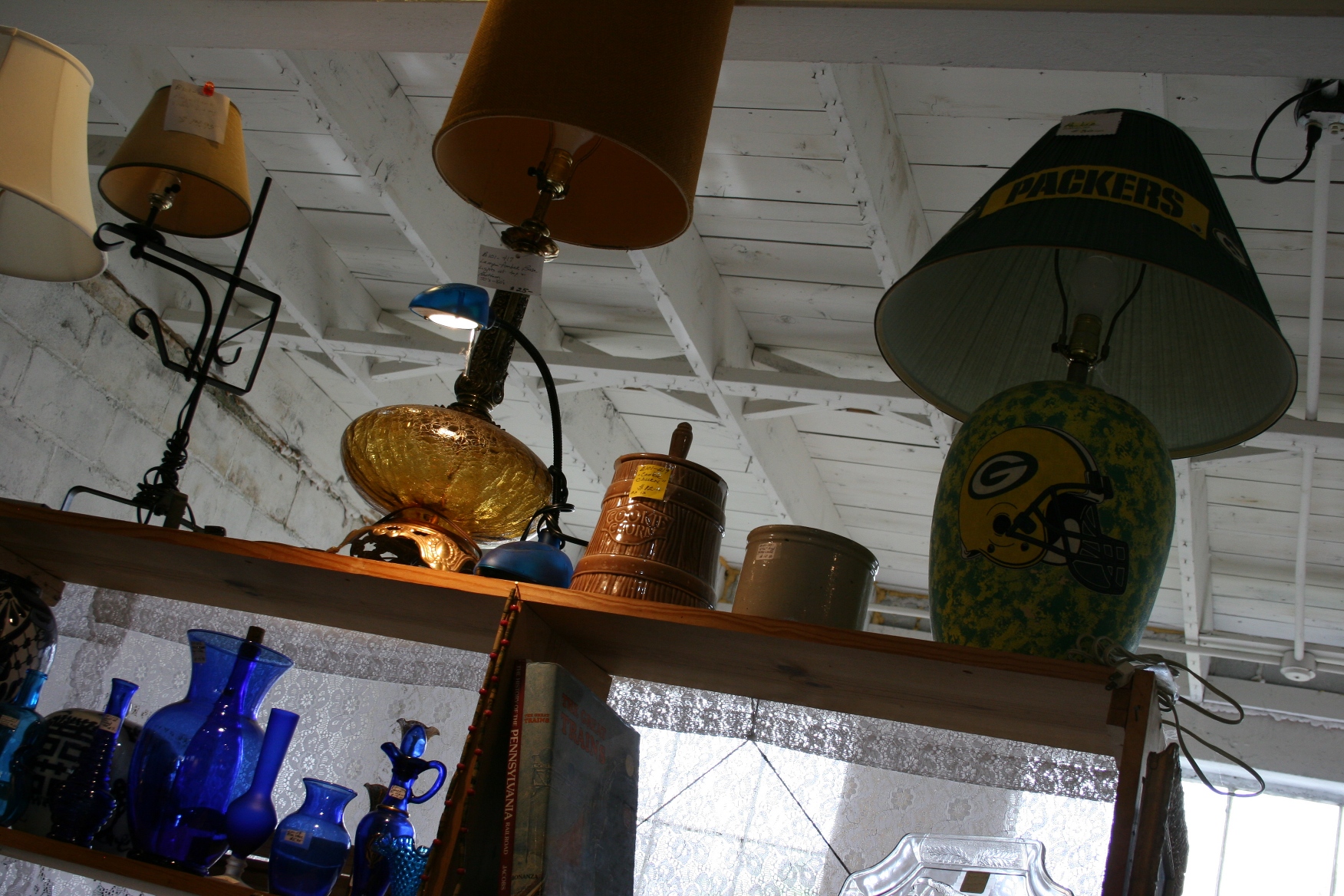
Lots of merchandise, including these lamps, fill the old garage.

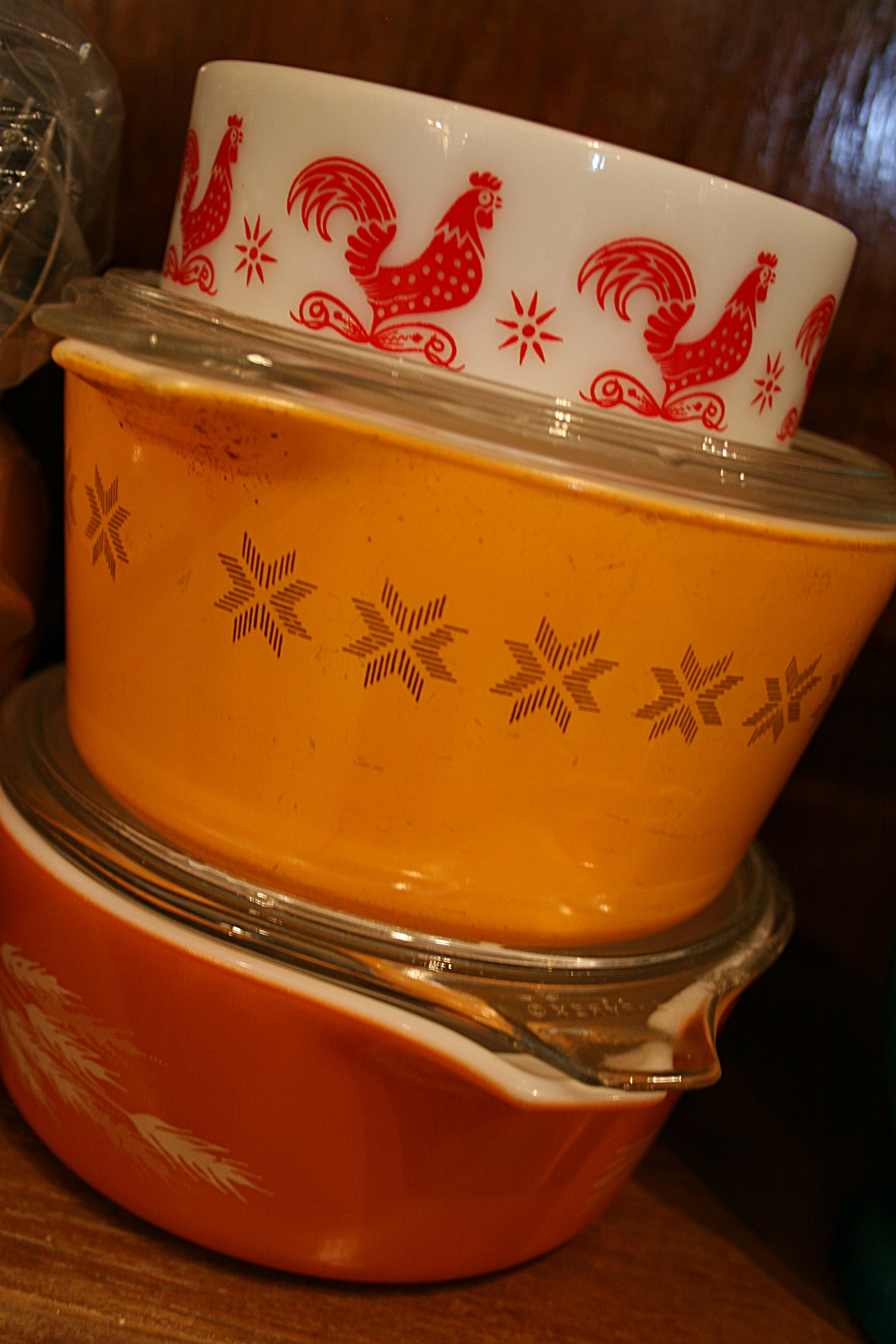
These casseroles caught my eye and I considered, just for a moment, purchasing them.

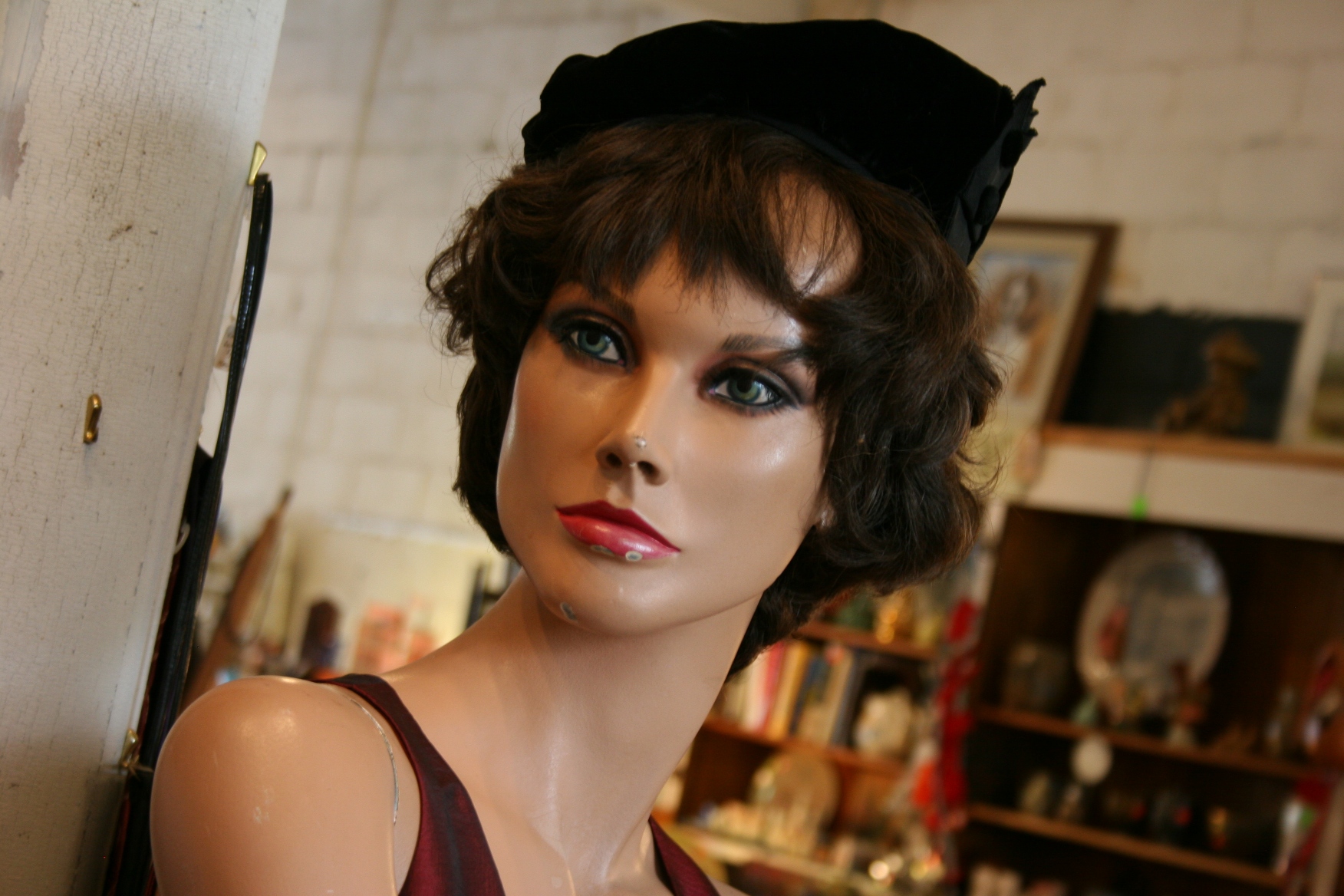
I found the mannequin as intriguing as her hat.

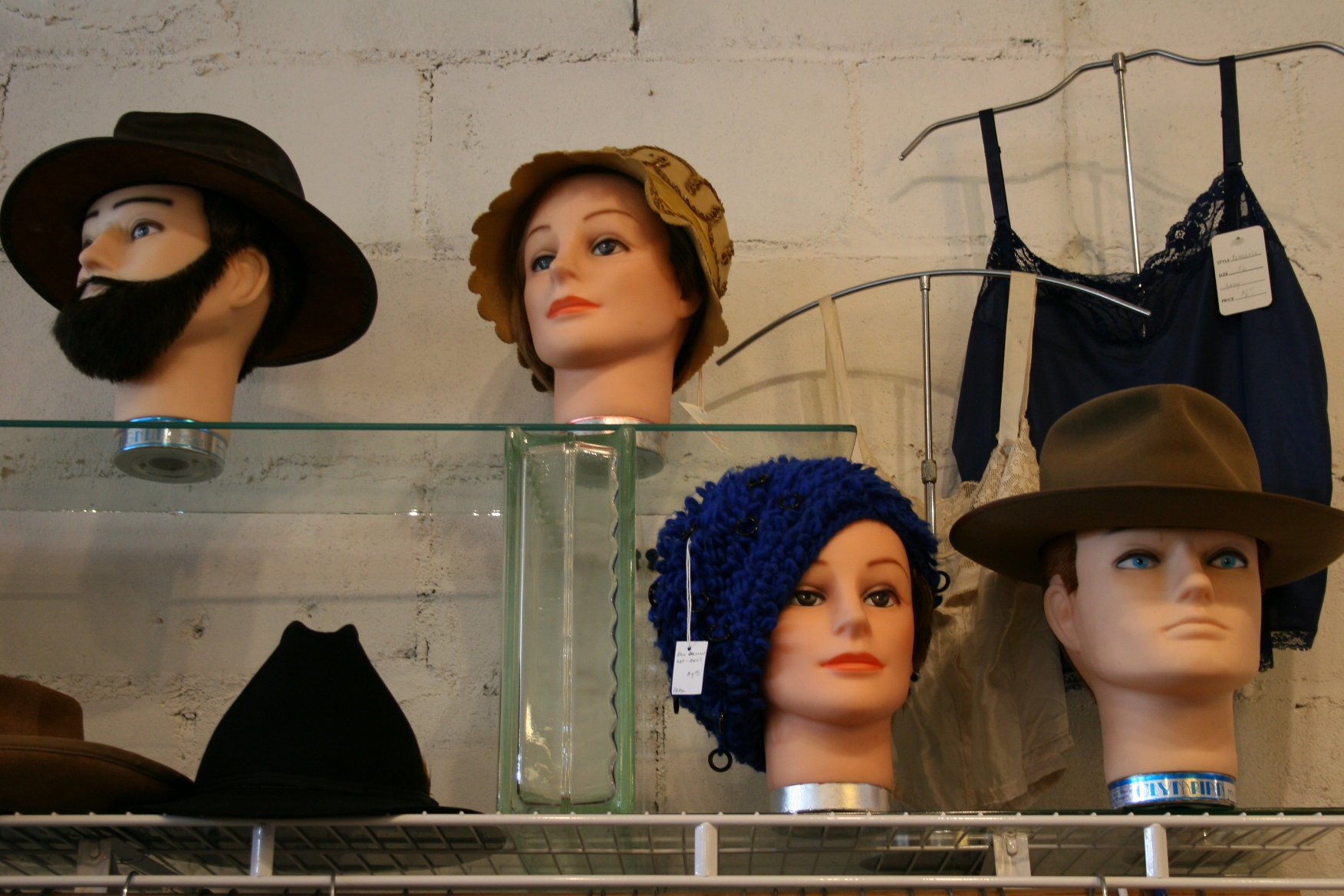
My sister Lanae is insisting the women in the family all wear hats for Christmas Eve church services. Perhaps the men should, too. I see some fine choices here for my brothers. Remember when men wore hats to church?

I should tell you right now that even though I really, really enjoy browsing in antique shops, I seldom buy anything. I’m a bargain shopper and prefer to purchase my vintage and/or antique treasures at garage sales. Yes, if you’re attentive to word usage, you would stop me right here and say, “But, Audrey, this is a garage sale.”

You would be right. And you would be wrong. Because you know what I mean.

I found plenty I wanted to buy. Bowls. A lamp. Perhaps a hat for my sister—if I could have decided which one. (She knows how I struggle with fashion choices.)

But the print of singing turkeys was not on my “I want” list.

I especially like vintage prints and paintings, but not this one. Would you buy it?

When I saw this piece of art, I felt my face involuntarily screw up into an expression of disgust. It would make the perfect Thanksgiving hostess gift, as long as you aren’t coming to my house for Thanksgiving.

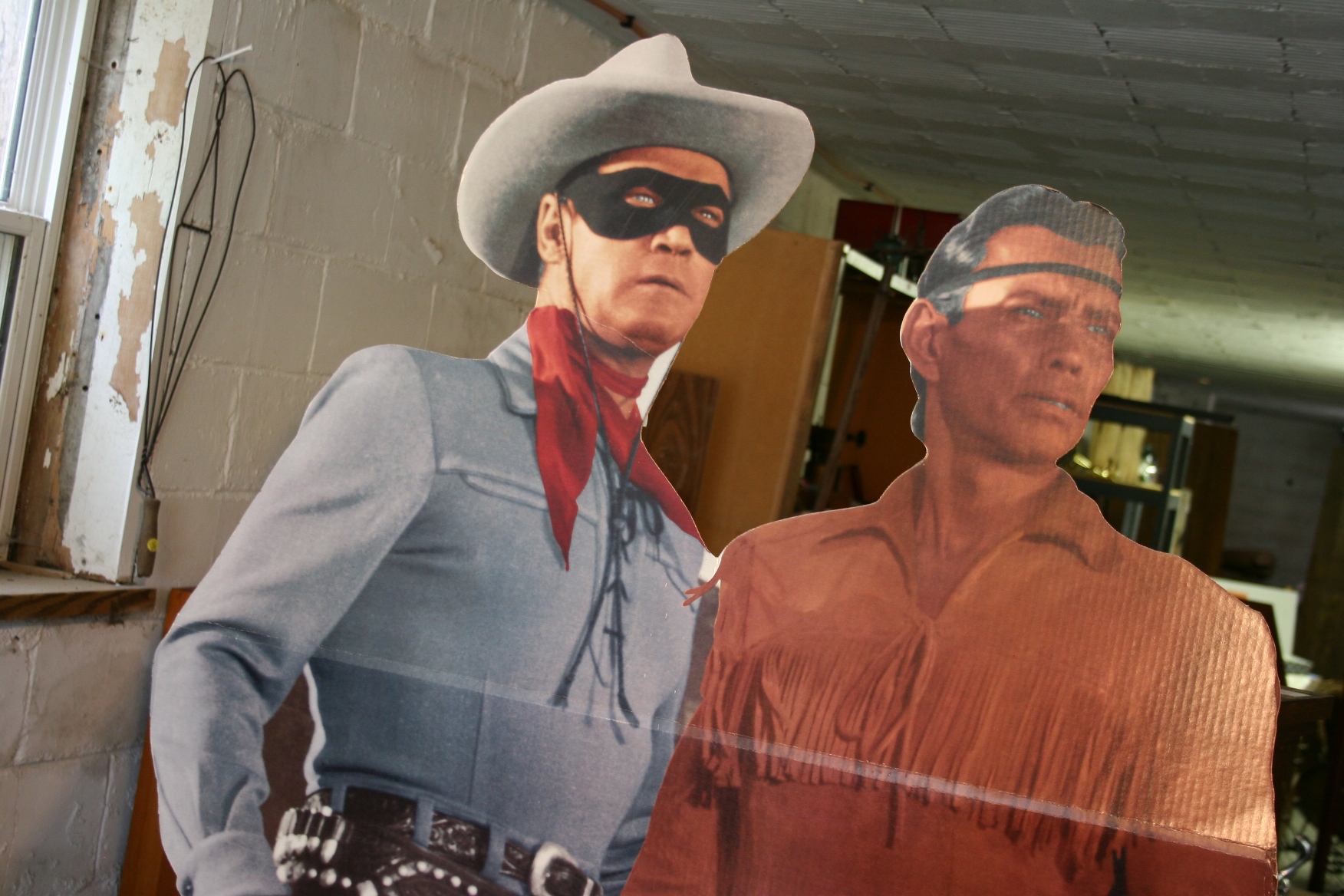
After perusing the first floor of merchandise, I walked outside, around the building and down the hill, following the path of bales, to the basement. I stepped inside. The Lone Ranger and Tonto greeted me. Childhood memories flashed before my eyes.

Awaiting me on the lower level...the Lone Ranger and Tonto. "Hi-ho, Silver!"

That happens to me often whenever I browse in an antique store. And I suppose that’s as it should be, because, truly, aren’t sales connected to memories?

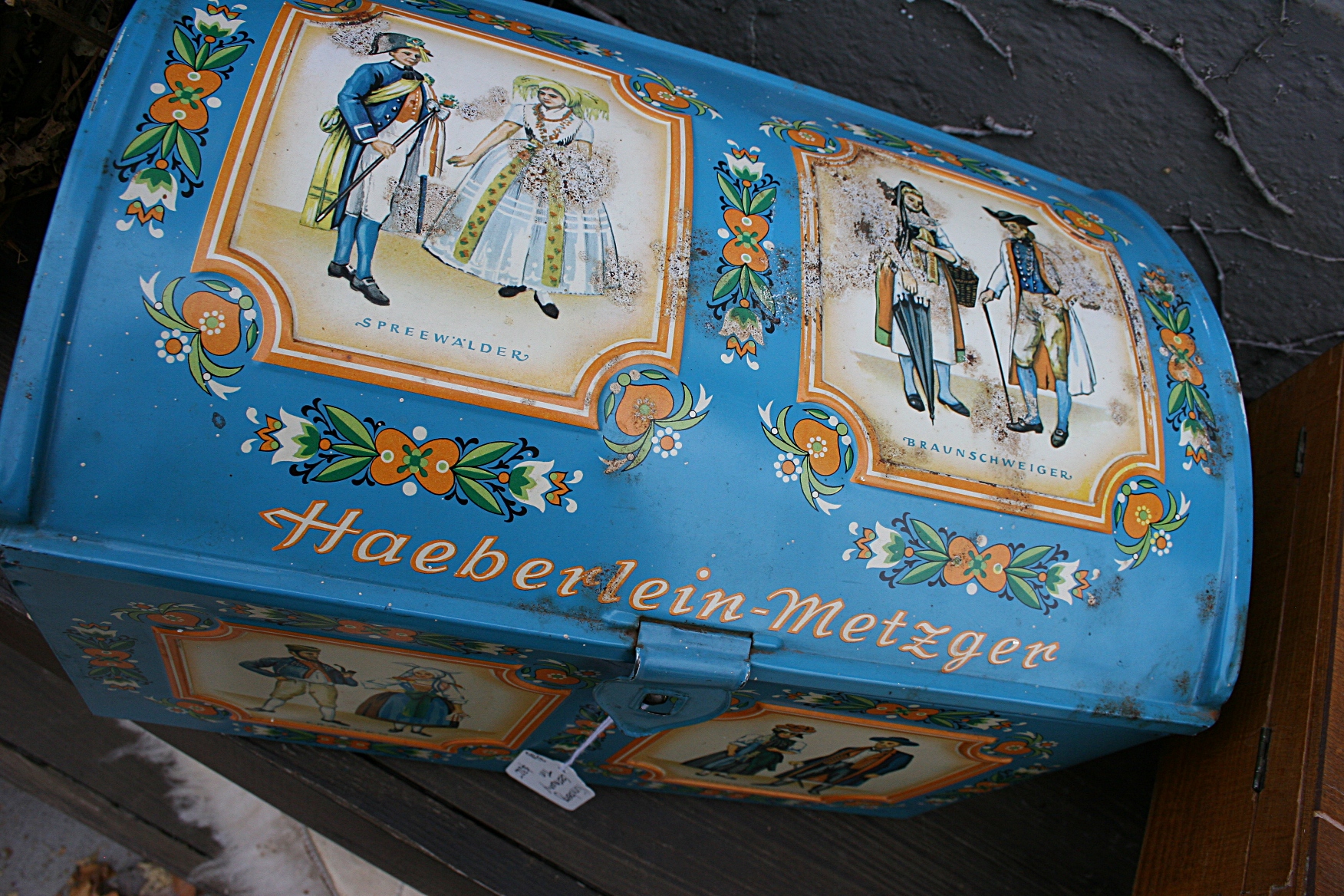
No memories in this metal box for me. But perhaps for someone.

FYI: If you want to shop at A+ Antiques & Oddities, make haste to Stockholm. Wisconsin. Not Sweden. The store is open Thursdays – Sundays until November 15 only, after which it closes for the season.

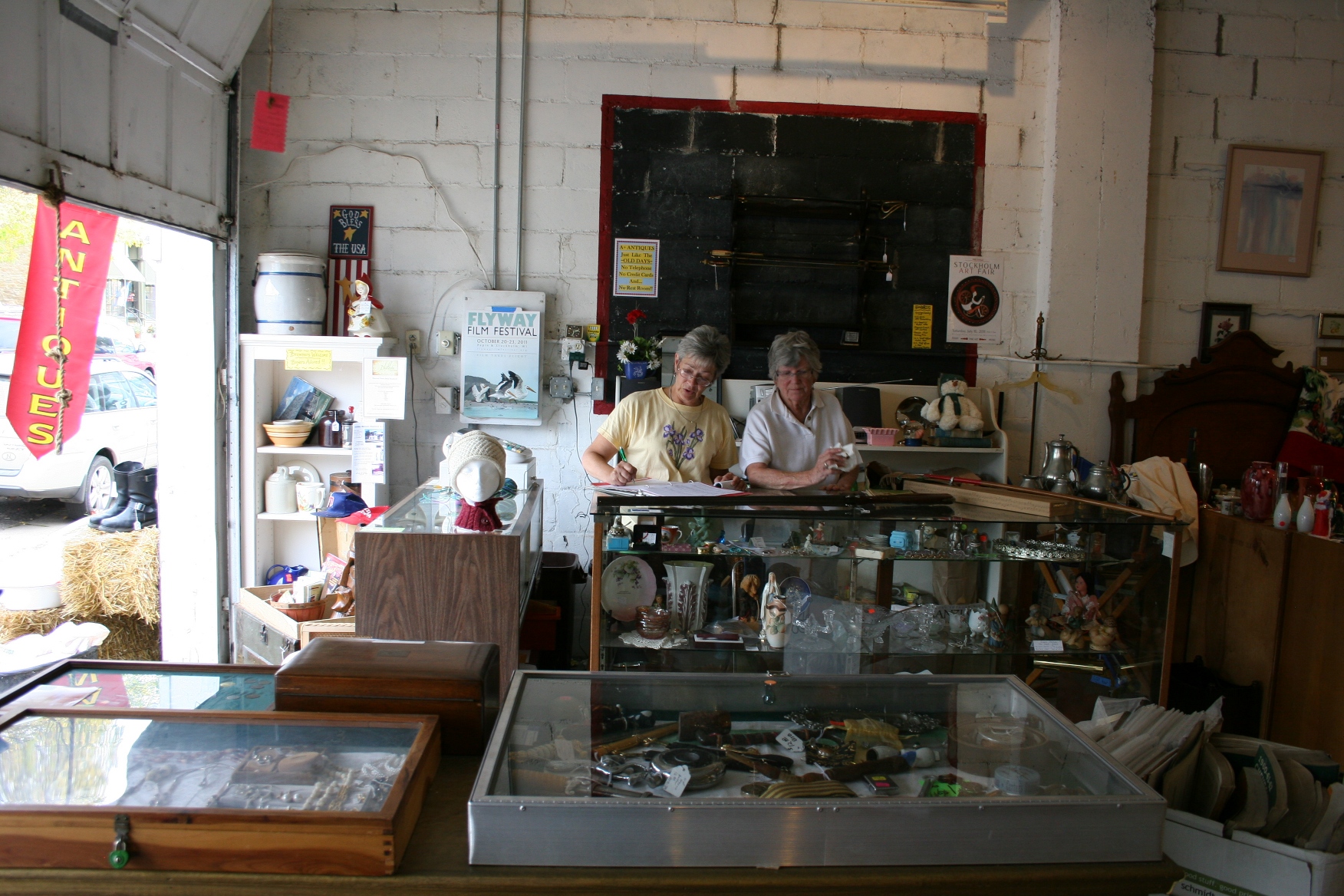
The shopkeepers at A+ Antiques & Oddities.

All of Stockholm doesn’t close down, however. Many upcoming special events are planned, including Stockholm Women’s Weekend this Saturday, November 5, and Sunday, November 6. Click here for more information.

© Copyright 2011 Audrey Kletscher Helbling
 

Bottled apple pie and Amish butter in Tomah November 2, 2011

UP UNTIL SUNDAY, Tomah, Wisconsin, meant little to me except as the half-way point between my home 2 ½ hours away in southeastern Minnesota and my daughter Miranda’s home 2 ½ hours away in eastern Wisconsin.

Located near the intersection of Interstates 90 and 94, this town of around 10,000 has been the ideal place to stop and stretch before jumping onto two-lane, wood-edged Wisconsin State Highway 21 which runs through umpteen mostly tiny towns all the way to Oshkosh. Not that I have an issue with small towns and woods and such. But if you want to make time and avoid deer, this highway is not the one to take.

Sorry, I got sidetracked there for a minute thinking of the long stretches of woods without a home in sight, miles and miles without cell phone service, cranberry bogs hugging the roadway, dead muskrats and dead deer.

Oh, and one other tidbit you should know about Highway 21. Amish travel this narrow and busy state highway. In their buggies. Day or night. And especially on Sundays.

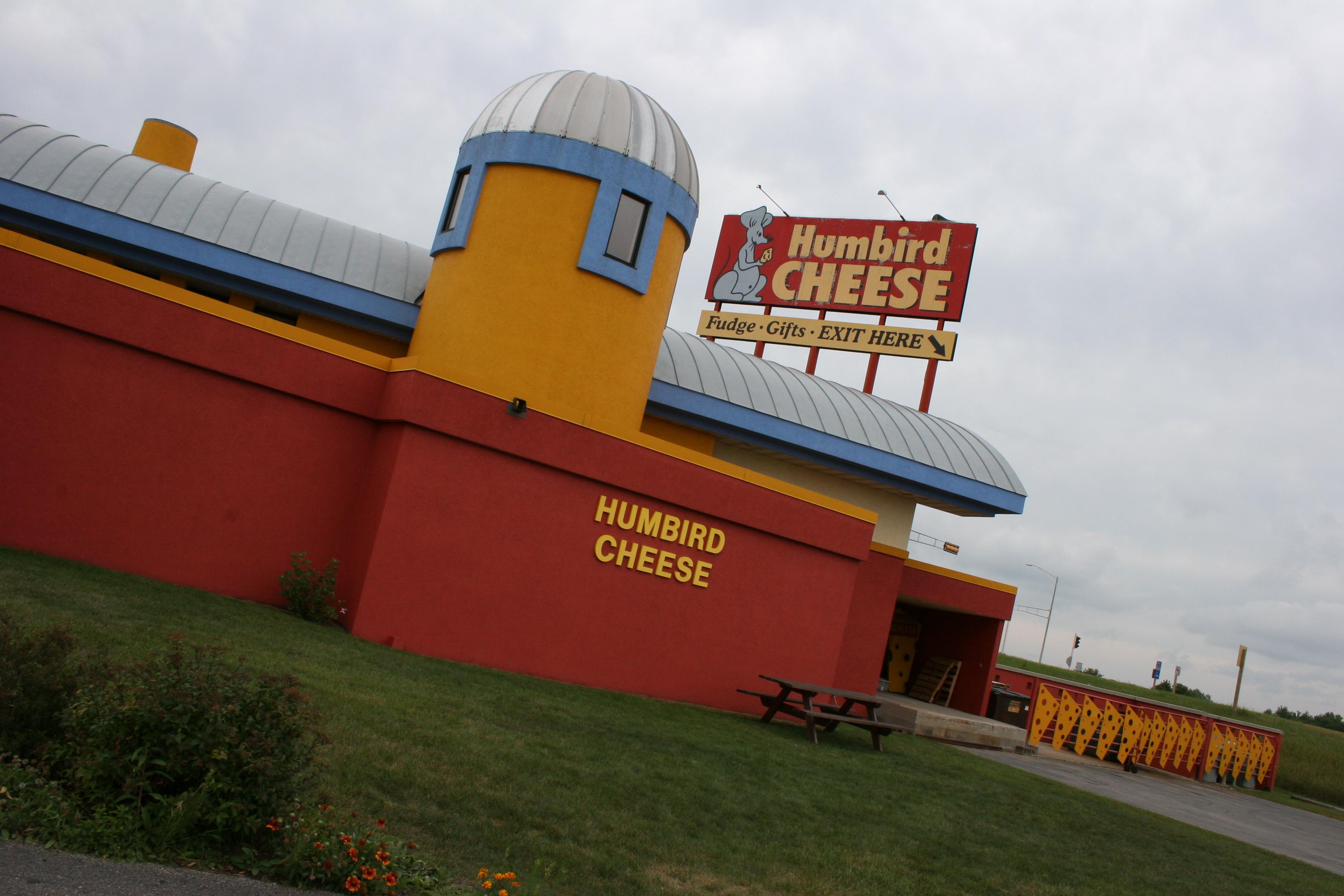
But back to Tomah, which, by the way, also happens to have a fabulous cheese shop, Humbird Cheese, conveniently positioned right off I-94 at its intersection with Highway 21.

Humbird Cheese, a popular tourist stop at Tomah, Wisconsin.

On Sunday, I wasn’t looking for a cheese shop, but rather a place where my husband and I could meet our daughter and her friend Gerardo for lunch and a car swap. That’s how we ended up at Burnstad’s European Restaurant, Village and Pub. I found information about this shopping and eating complex online and determined it would be the ideal place to connect. If one or the other of us had to wait, we’d have something to do.

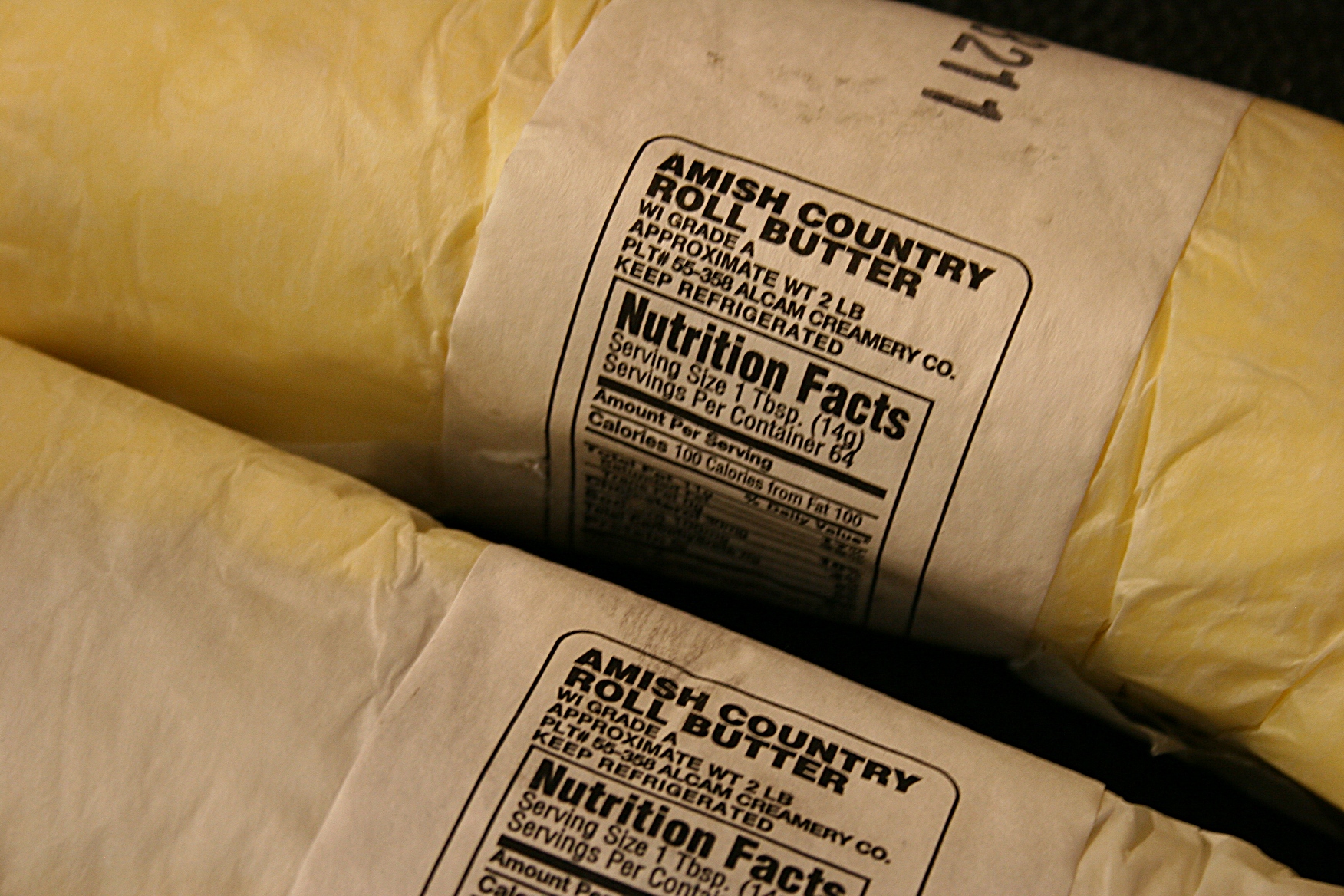
Burnstad’s, as it turns out, offers plenty of time-killing shopping options. I was most happy to see Amish products sold here as I am fascinated by the Amish. Not that I bought anything Amish, like a log of Amish butter or cheese or chocolate candy or egg noodles or preserves.

Amish Country Roll Butter from ALCAM Creamery Co. and sold at Burnstad's.

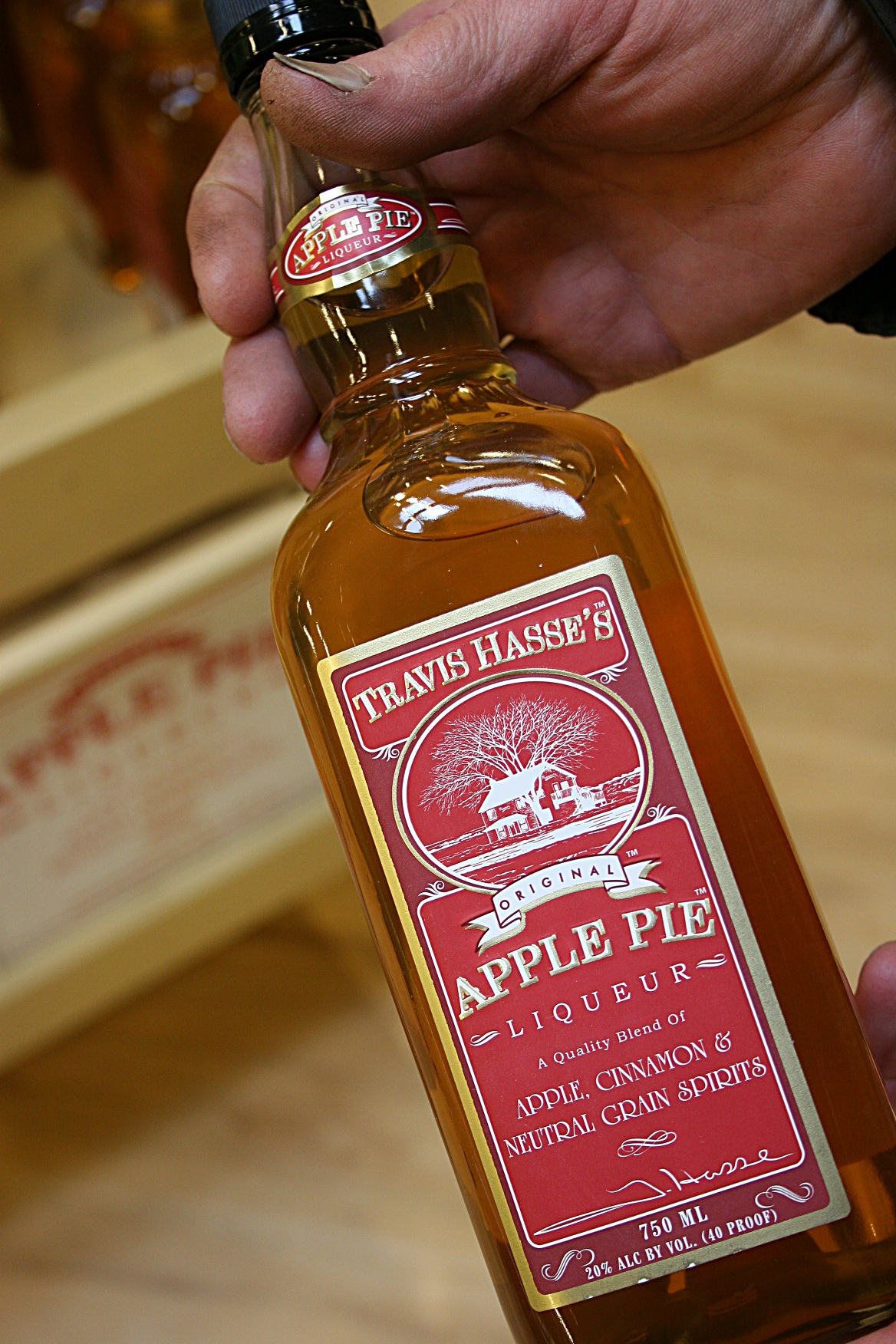
But…I could have…if my husband hadn’t dropped money on a bottle of semi-sweet cranberry wine from Three Lakes Winery; Travis Hasse’s Original Apple Pie Liqueur produced by Drink Pie Company in Temperance, Michigan, but originating from the Missouri Tavern near Madison (and which we may serve to our Thanksgiving dinner guests if there’s any left by then); and blueberry craisins, which I thought were dried blueberries (they’re not; they’re dried cranberries with grape and blueberry juice concentrate). Lesson learned here—read ingredient lists and know the definition of “craisin.”

Wisconsin cranberry wine displayed in, of all things, a high-heeled shoe. Huh?

"People are looking at you," my husband said when I asked him to hold this bottle of Apple Pie Liqueur so I could photograph it. I replied: "I don't care. I'll never see them again."

All that aside, Burnstad’s rates as one impressive place. Impresssive to me primarily because of the atmosphere—including a cobblestone pathway meandering past the restaurant and pub and gift shops—and cleanliness. Honestly, in the European market/grocery store, the spotless, shiny floor reflected like a lake surface on a calm and sunny summer afternoon. I’ve never seen such a clean floor in a grocery store, or maybe anywhere.

I didn't photograph the floor of the grocery store, because shoppers really would have stared at me. But I did photograph this sign, which so impressed me with its support of Wisconsin farmers.

Then there’s the pie. Oh, the pie. Typically my family doesn’t order dessert in a restaurant. But the pie in the rotating display case proved too tempting, especially when I inquired and learned that the pies are made fresh daily. So Miranda and Gerardo each selected a piece—Door County cherry and rhubarb/raspberry—which the four of us promptly devoured. We were celebrating Gerardo’s October 29 birthday and Miranda’s soon-to-be birthday. If you like pie, Burnstad’s pie is the pie to try. I wonder if it’s made by the Amish?

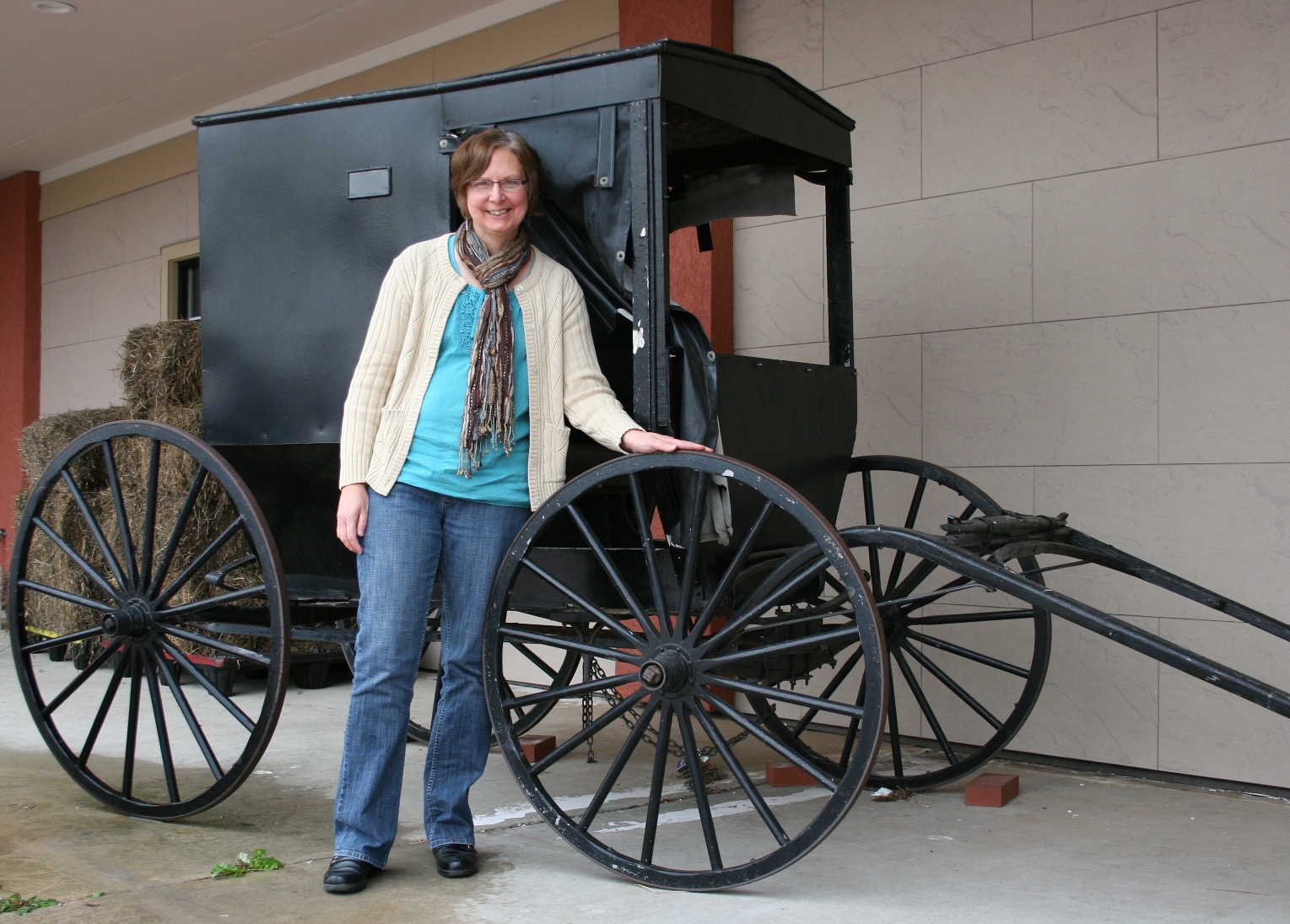
Speaking of which, right outside the gift shop entrance you’ll see an Amish buggy. I wanted Miranda and Gerardo to pose for a photo. My daughter was having none of that. Since I’m the one semi-possessed by all things Amish, she insisted I climb into the buggy for a photo op. I refused to wedge myself inside the close confines of that buggy. So instead, I stood next to it and smiled a tourist smile like any good Minnesotan would.

I put on my tourist face for this Amish buggy photo. Just down Highway 21 you'll see authentic Amish buggies.

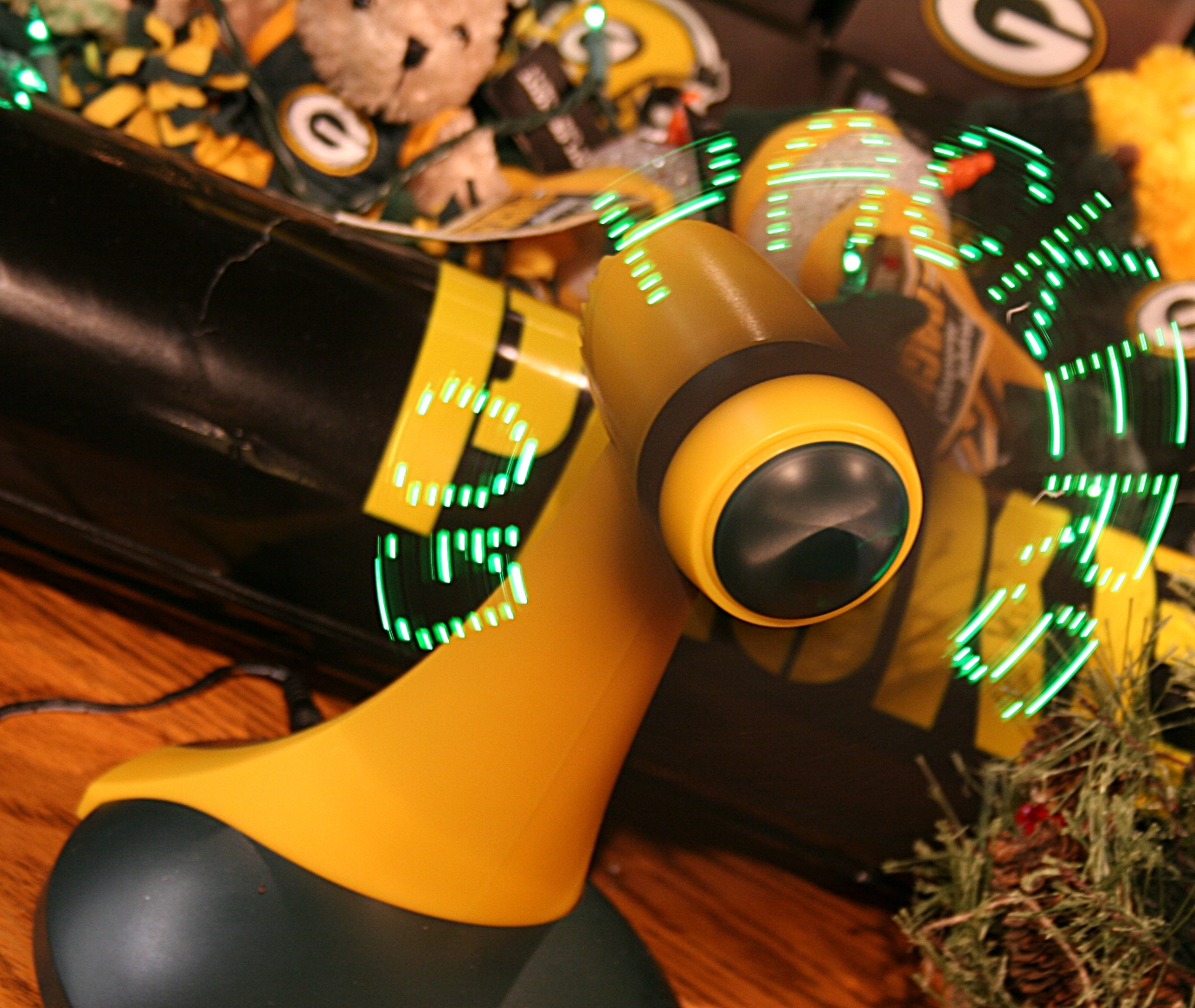
Packers fans will find Packers fans for sale in Burnstad's gift shop, in the Packers section.

A particularly amusing sign I spotted in the gift shop and suitable for either a Minnesotan or a Wisconsinite.

SORRY FOR FAILING to photograph exterior and interior shots of Burnstad’s. I was just too excited about seeing my daughter for the first time in three months that I didn’t get carried away with photo-taking like I typically do.

© Copyright 2011 Audrey Kletscher Helbling
 

Snippets of rural Minnesota in photos November 1, 2011

A harvest scene along U.S. Highway 52 in southeastern Minnesota Sunday afternoon.

YOU CAN TAKE the girl off the farm, but you can’t take the farm out of the girl.

Even decades after leaving my childhood farm at age 17 to start my freshman year of college in the fall of 1974, I hold tight to my agricultural roots.

My rural upbringing shaped me as a person, defined me as a writer and photographer.

More often than not, I find myself creatively focused on the rural, on those places and memories that remind me of the farm and which hold the strongest grasp on my heart.

So I am naturally drawn to photographing rural landscapes and barns and country churches and tractors and small towns whenever I travel. These are the places and objects to which I feel the deepest connection.

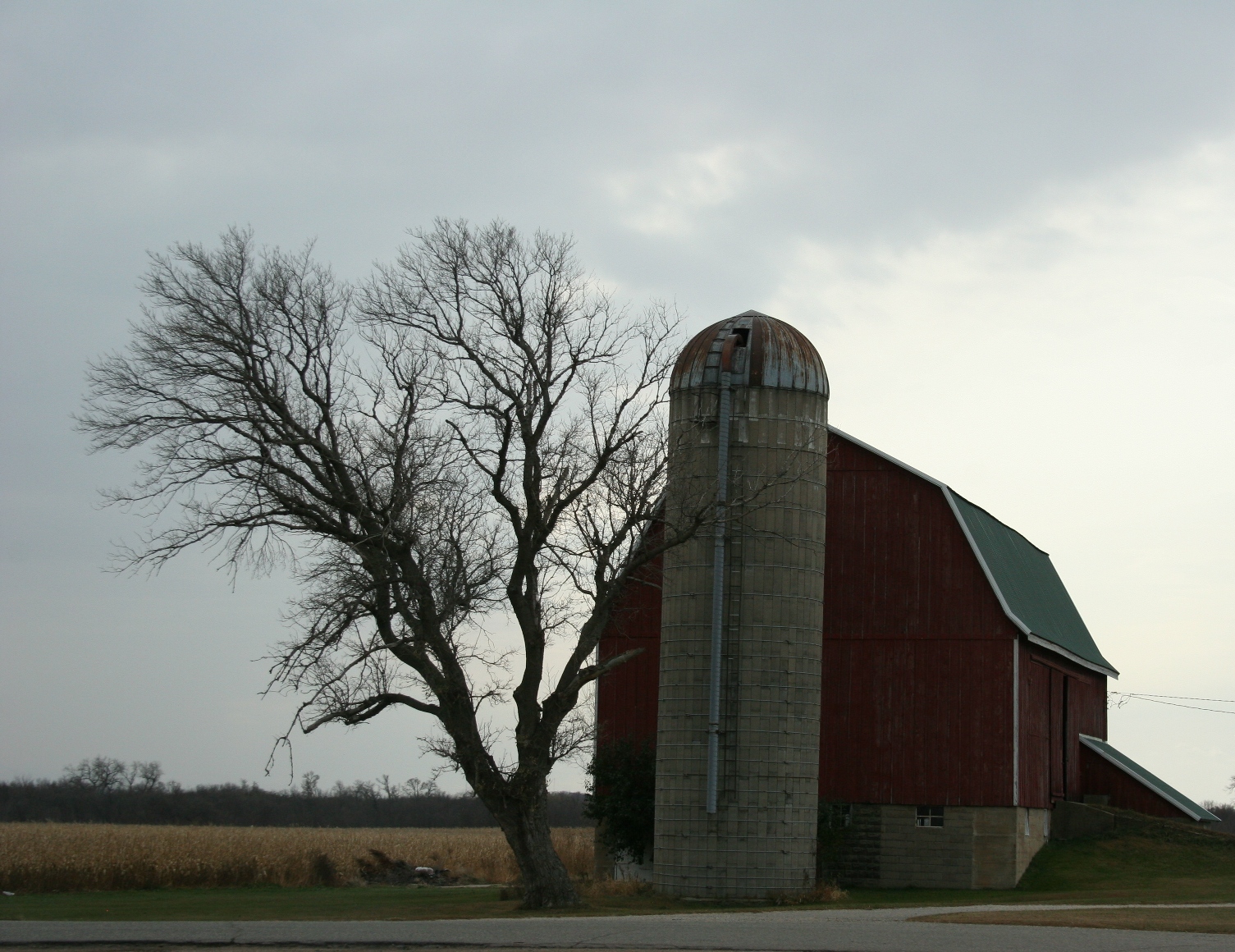
I'm always and forever photographing barns like this one along Hwy 52 between Pine Island and Rochester.

Today I’ll take you along U.S. Highway 52 and Interstate 90 in the southeastern section of Minnesota. I’ll show you rural snippets photographed at highway speeds through the passenger side and front windows of our family’s cars. Yes, cars, plural. My husband and I made a quick jaunt to Tomah, Wisconsin, on Sunday to exchange vehicles with our second daughter. Hers needs repair and we met her half-way between her home and ours.

After 2 ½ hours of travel to reach Tomah, we lunched with Miranda and a friend before turning around and heading back home to Faribault.

The day rated as gloomy and dreary weather-wise. Yet, as you will see, such moody skies bring out an emotion in images that you might not feel had the day been sunny bright.

I’m always surprised, when I view the photos, to see the details I missed in the process of shooting the images. But then, along-the-highway scenes flash by in an instant and they are gone, not wholly appreciated until that second, later look in a photo.

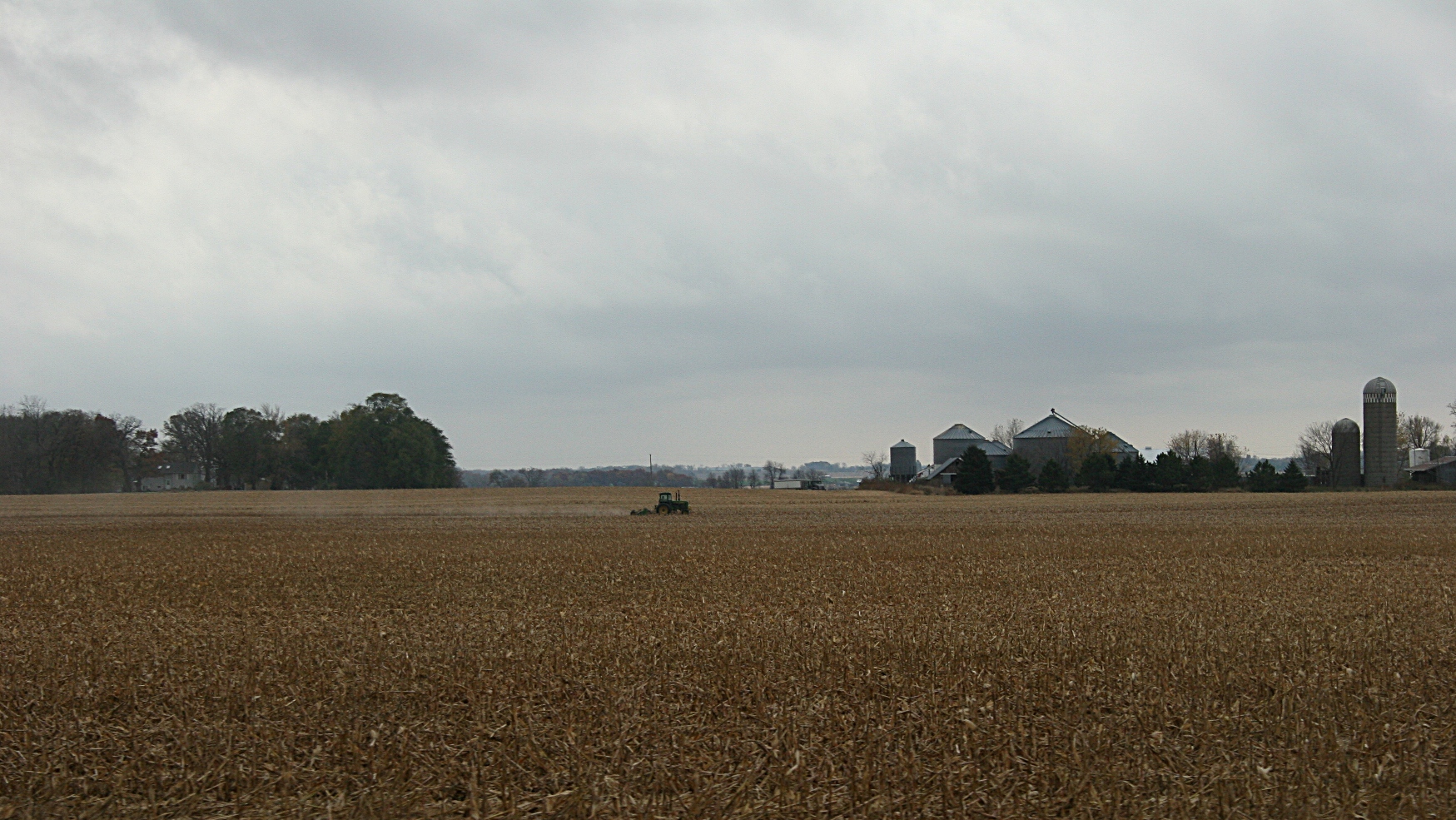
You can barely see the distant tractor in this shot. But that's what I like about this scene, how the sheer size of the cornfield and the skies dwarf the tractor, reinforcing the thought that everything is truly small in comparison to the landscape, to the big, big world.

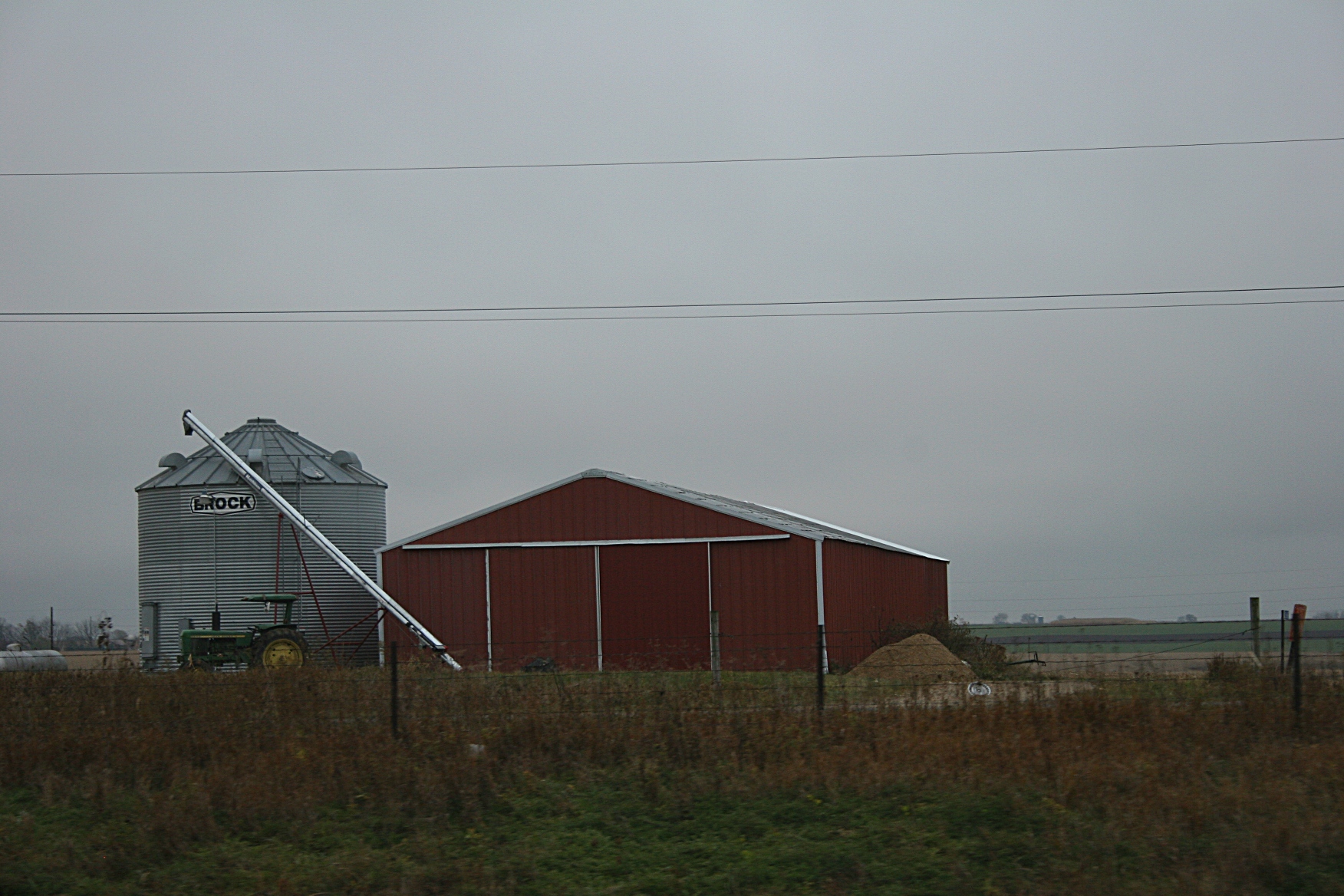
Every red building stood out against the grey, grey skies. Sky is always an integral part of my photos.

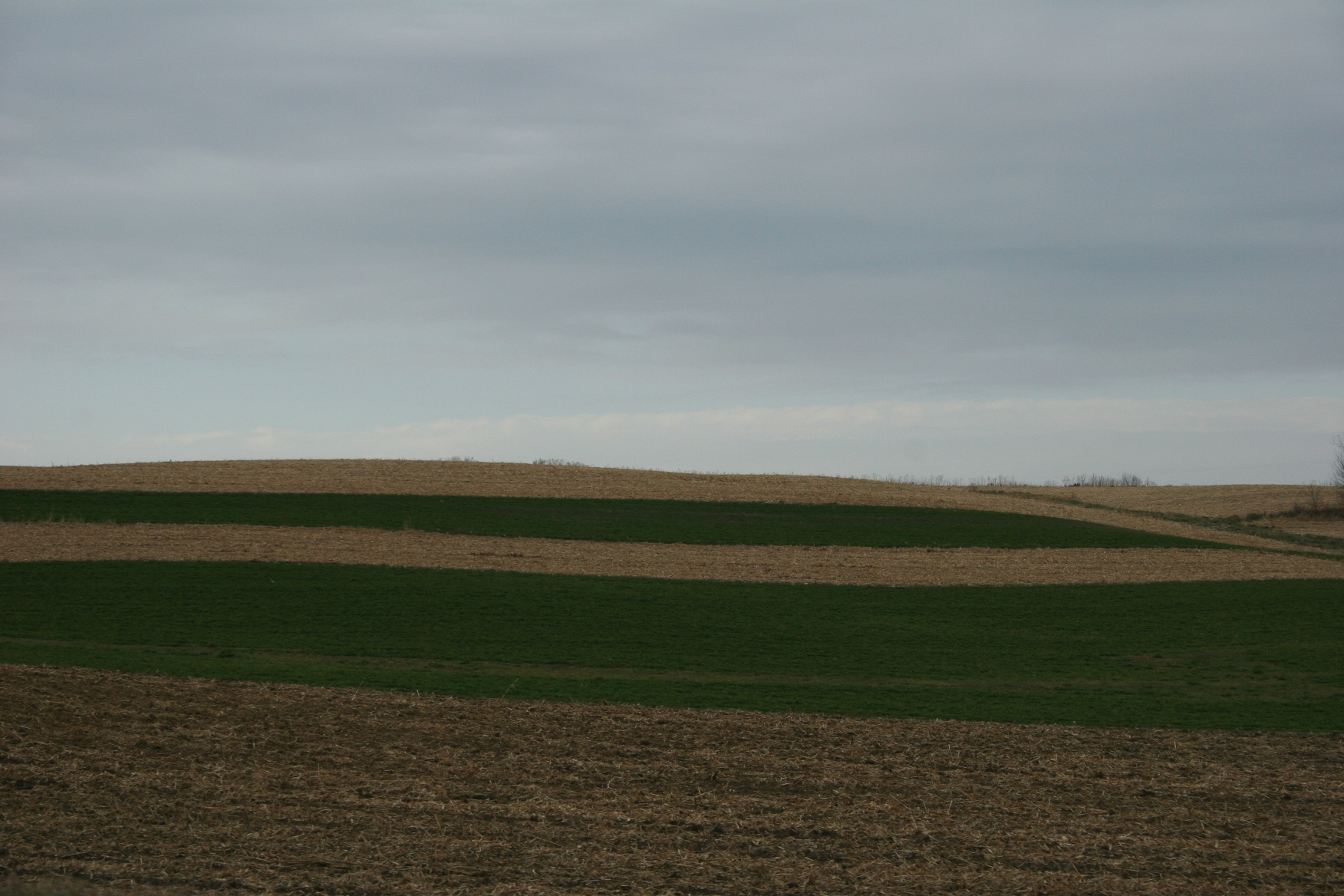
Even the stripes of crops are aesthetically pleasing to my photographer's eye.

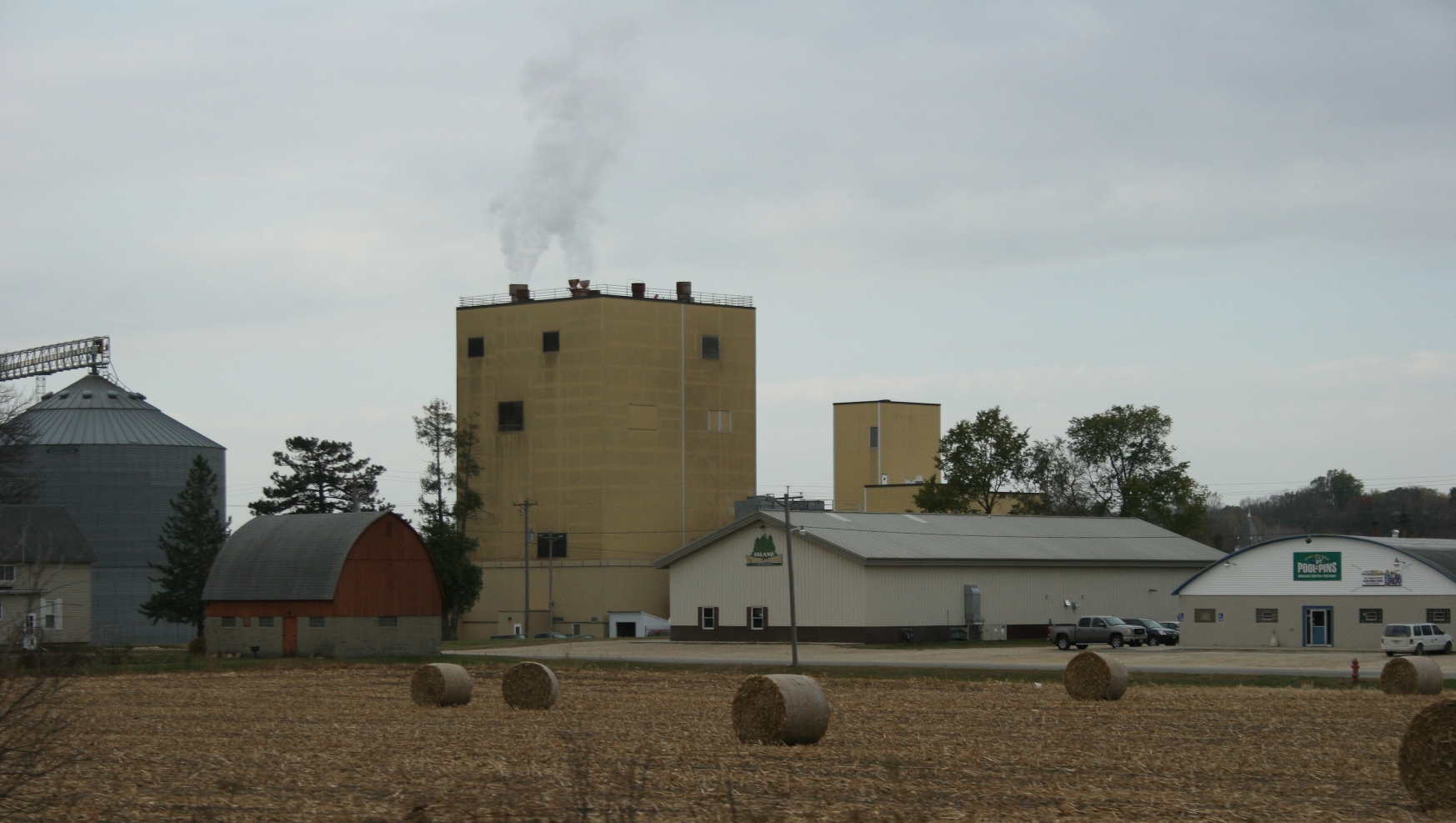
This photo of Pine Island connects town and country in a seamless blend.

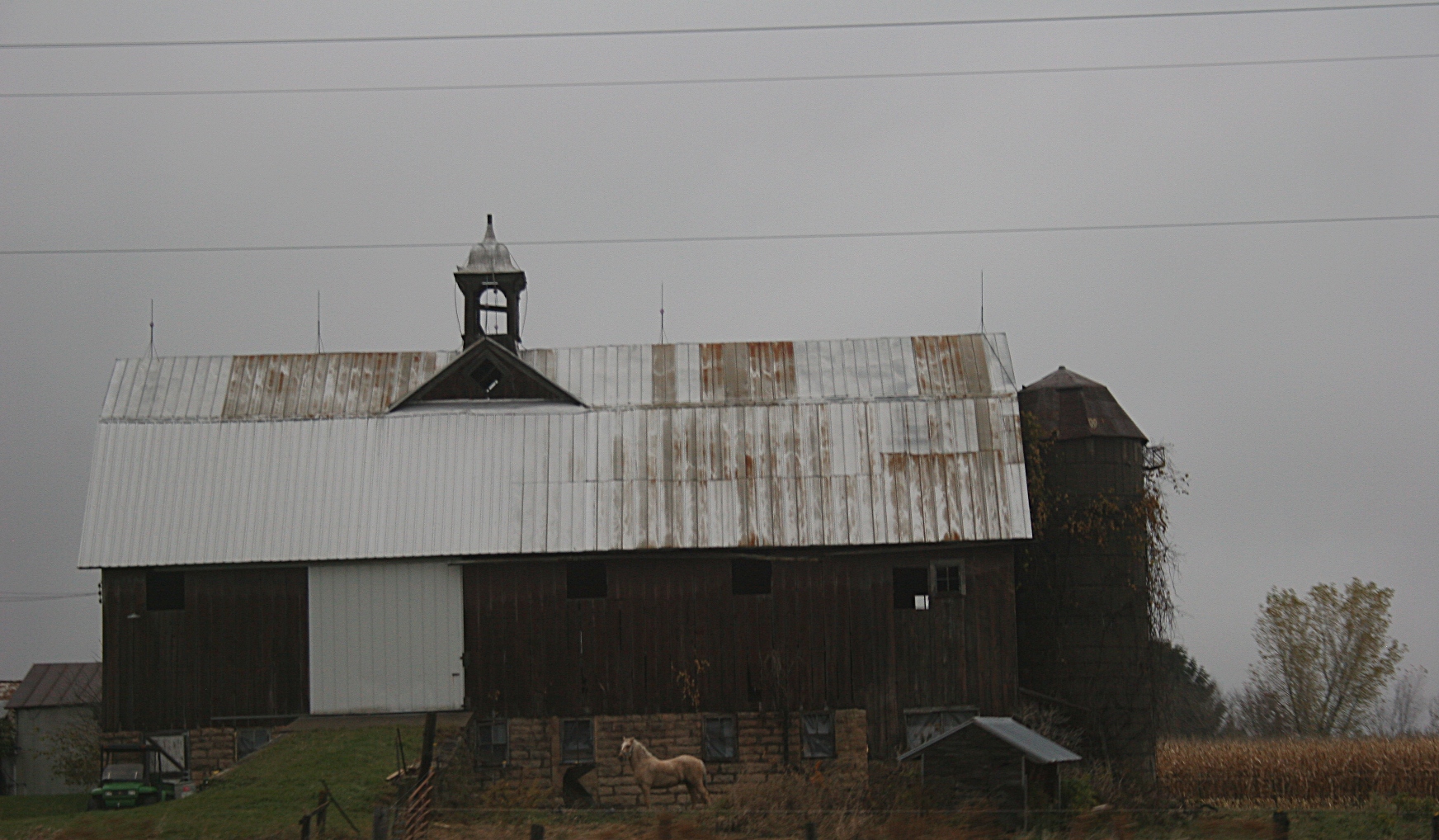
An historic barn and a horse...a common sight along Hwy 52 and I-90.

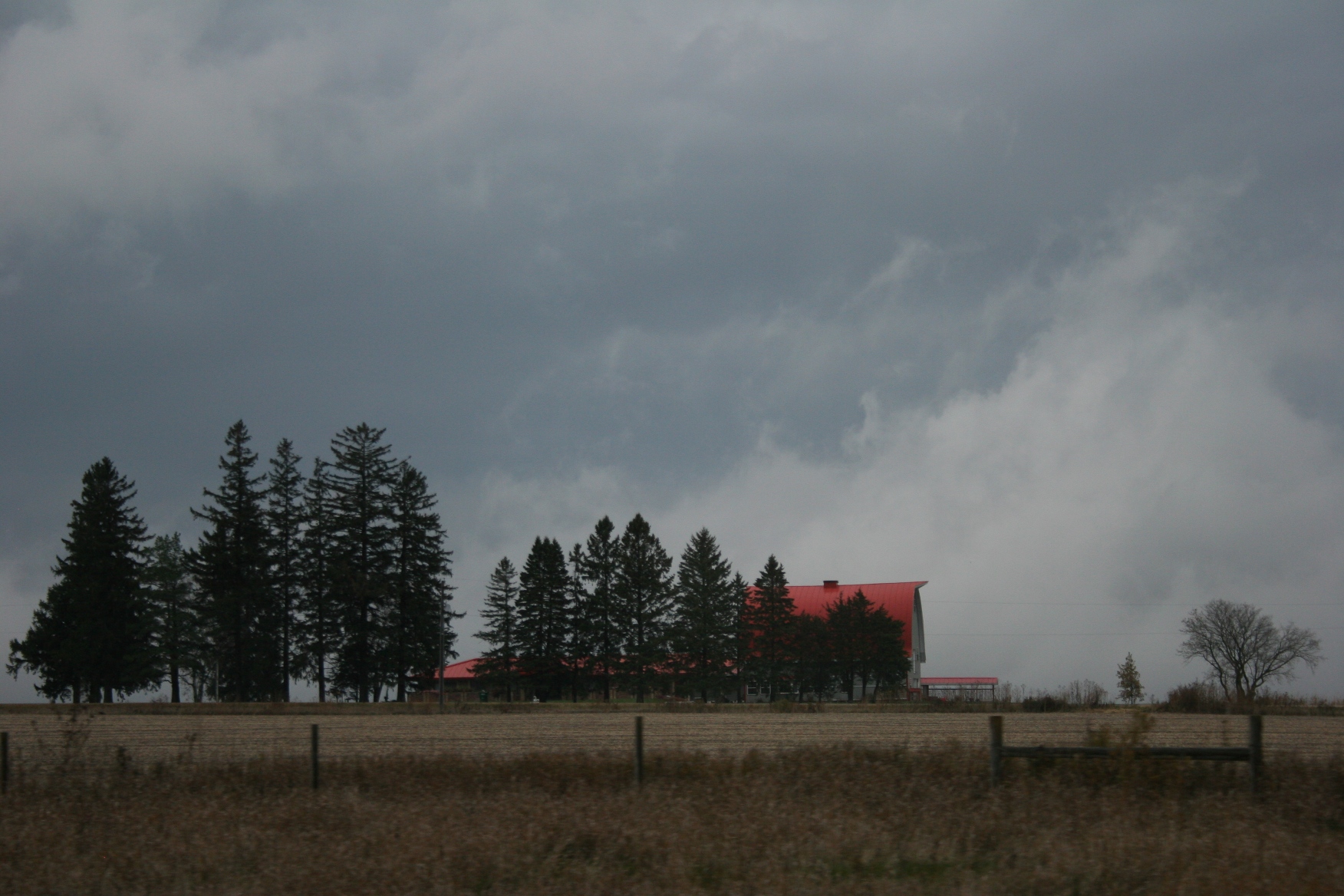
The red-roofed barn provides a jolt of color under heavy grey skies.

A country church, strong and sturdy, along I-90 near the Winona exit. Look closely and you'll see a sheriff's department squad car parked by the church.

Westbound on I-90, the sun begins to set. I like the contrast between the vivid yellow sign and the grey of the day.

© Copyright 2011 Audrey Kletscher Helbling