Minnesota Prairie Roots

Writing and photography by Audrey Kletscher Helbling

Worshipping at a country church October 16, 2011

Before worship services on a Sunday morning at Trinity Lutheran Church, North Morristown.

“THERE’S ONE MORE THING to do,” said the Rev. Merle Lebahn, vacancy pastor at Trinity Lutheran Church, North Morristown, before dismissing his congregation. “Give ‘em heaven!”

And so concluded one of the most dynamic worship services I’ve attended in a long time. Pastor Lebahn didn’t deliver a fire-and-brimstone sermon in this country church. But he shared a message memorable both in content and method of presentation.

Pastor Lebahn gets front and center when he gives the children's lesson, just as he does during the sermon.

He’s not a preach-from-the-pulpit style of preacher, but rather an up-close, center-of-the aisle, close-to-his-flock kind of clergyman. His voice rises to a near shout when he wants to emphasize a point and then drops to a quiet, gentle cadence to drive home the message.

And that message last Sunday reflected on the gospel lesson from Luke 10 and the story of the Good Samaritan. Remember that bible story about the beaten man lying at the side of the road, passed by many until, finally, a Samaritan stopped to help?

Rev. Lebahn told us we were the beaten ones lying in the ditch until we received Christ.

He talked, too, about crossroads in our lives and about the people God brings into those crossroads.

I could go on and on about that sermon. But I think you get the main point delivered by this 78-year-old clergyman who looks, and acts, considerably younger than a near octogenarian. Consider his foot stomping and arm flailing and constant motion. I got tired just watching from my end-pew position in this sanctuary that holds 26 six-person pews on the lower level and a few more in the balcony.

A view of the balcony in this 1938 rural church.

It’s the type of snug church where you won’t get away with napping during the sermon, like you could anyway under Pastor Lebahn’s watch.

There’s something about worshipping in a small country church like this that you can’t replicate in a modern, large-scale church, even if you incorporate stained glass windows or other elements from an historic building.

I felt a sense of connection, of closeness, on Sunday as the congregation joined in prayer—for those celebrating anniversaries and birthdays and for those in need—and sang old favorite hymns like “Oh, That the Lord Would Guide My Ways.”

Looking from the entry into the sanctuary during worship services.

In the back of the church are pews for families with little ones.

Farm boy, 6-year-old Jonathan, after services in the basement.

You can’t help but feel close when you’re tucked into tightly-jammed pews in a place where a comfortable pair of jeans is as common as a suit and tie and where farm kids like 6-year-old Jonathan bring a mini toy John Deere haybinder to church to keep his little hands busy.

Because just outside the church doors lie fields of corn and alfalfa and soybeans…

To the right of the cornerstone, in the distance, you can see corn fields.

Looking heavenward...

The Last Supper art on the lower part of the altar.

In my next post about this church, I'll take you into the basement where this sign is located.

CHECK BACK FOR A POST about the harvest dinner at this country church following the worship service.

© Copyright 2011 Audrey Kletscher Helbling


A peek at the South Central Minnesota Studio ArTour October 15, 2011

This building at 101 E Fifth Street in downtown Northfield includes a studio that showcased the art of Nancy Carlson, Lucky Rimpila and Meg Jensen Witt.

OK, PEOPLE, YOU have one more day to tour 23 art studios featuring 46 artists during the South Central Minnesota Studio ArTour.

The free tour, which opened today, continues Sunday from 10 a.m. – 6 p.m. in the Northfield, Cannon Falls and Faribault area.

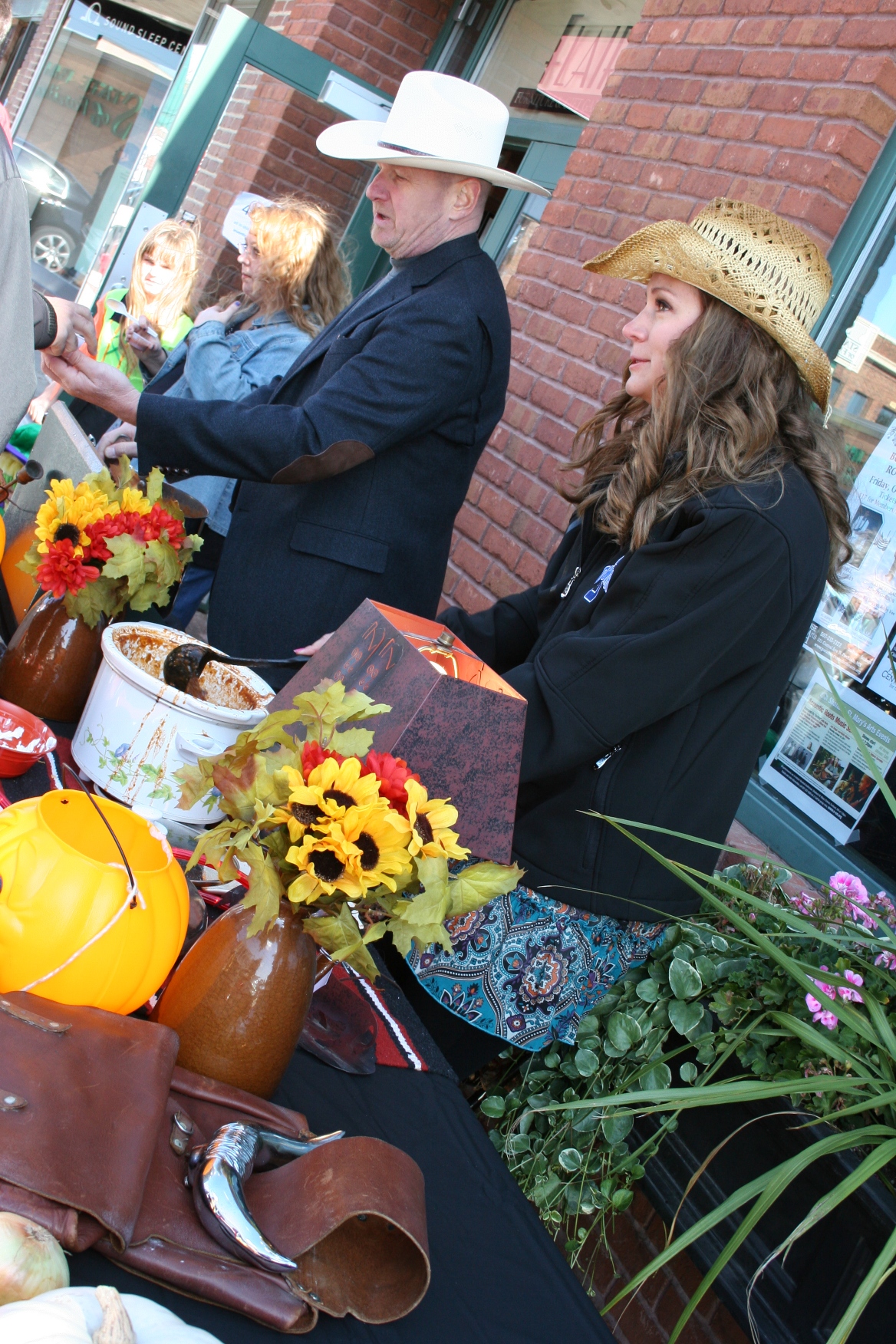
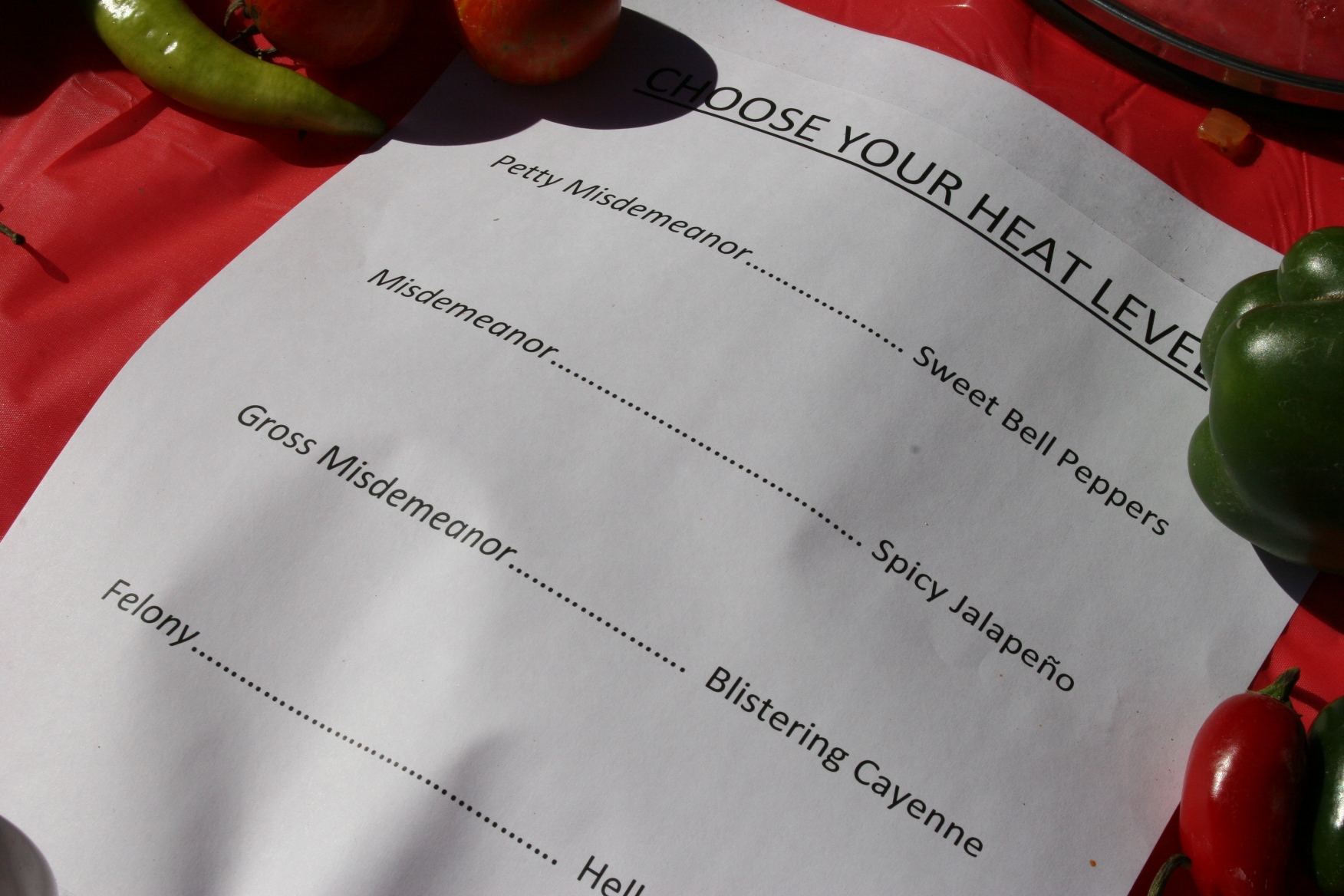
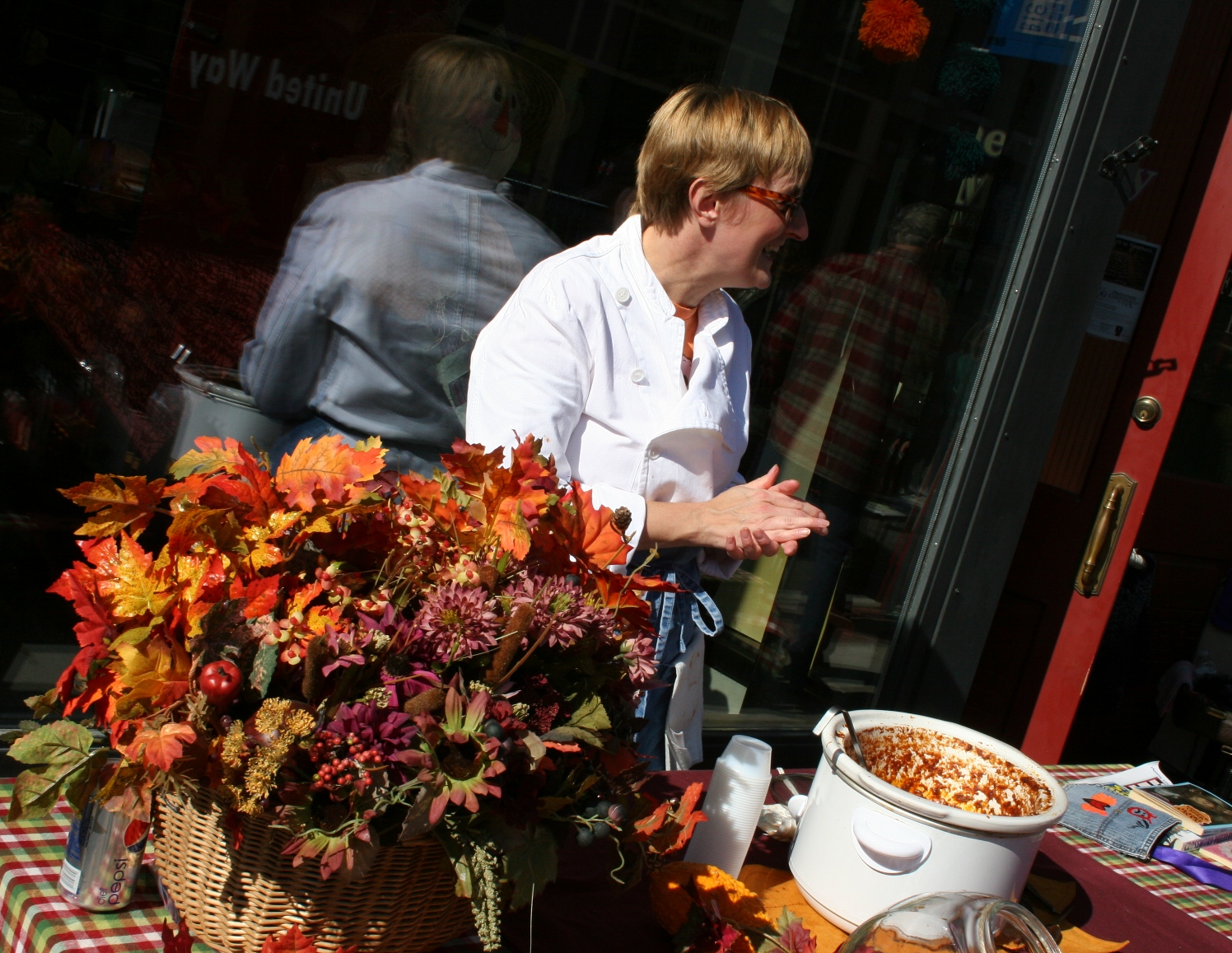
Now I’m going to be honest with you here. My husband and I went on the tour last year. We loved it. But we really didn’t weave the event into this weekend’s plans what with painting a bedroom this morning and then sampling chilis at the Faribault Fall Festival today and other stuff that involved work.

But then we drove up to Northfield to look at a van for sale and, as long as we were in the vicinity of most of those open studios, we toured about a half-dozen. And let me tell you, we were in for some sweet surprises.

Here’s a sampling from those studios, which should inspire you to abandon any other plans you have for Sunday and make a day of it visiting with artists and perusing (maybe even purchasing) their work.

Meet metalsmith Tim Lloyd, surrounded by the tools of his trade. He’s a congenial guy, retired from 40 years of teaching metalsmithing at Carleton College in Northfield. He’ll explain things to you, answer your questions about what he keeps in narrow drawers in his workshop. You’ll see leaves in one drawer. He’ll tell you about the prairie dock (a native prairie plant that looks like rhubarb) and the ginkgo leaves he imprints into silver.

And then he might mention that he has a work of art at the Smithsonian American Art Museum. A teapot. At the Smithsonian.

And so here are some of Tim’s teapots, not exactly like the one at the Smithsonian, but beautiful, just beautiful. He’ll even listen to you tell a story about a railroad teapot reclaimed from a junk pile on a North Dakota farm, if you have a story like that to share.

So when I saw this vessel, I thought of a Communion chalice, which it is not. But Tim has made those, too.

Because Tim didn’t seem to mind, I moved in close to his work desk and photographed these tools.

Moving along, artist Kirsten Johnson wouldn’t allow me to photograph any of her art (not all that uncommon) except this visual journal of watercolor paintings. In January, she began painting an hour a day and continued for five months. About mid-March she took lessons in watercolor. She learned this: “Water is boss.”

Down-home, earthy simplicity is how I would describe this bowl by Meg Jensen Witt, who once worked at a food co-op with someone I met several days ago. Small world. And, yes, I’ll tell you about this interesting mutual acquaintance in a few days in another post.

I still don’t know if he was telling me the truth or spinning a tall tale. But the creator of this stained glass window introduced himself as Lucky Rimpila. I mean, who has a name like Lucky? Lucky, apparently.

And then there’s Nancy Carlson (for sure her real name) who was in the same studio as Lucky and Meg. Nancy used a dropper to create mini works of art with India ink. She grouped and framed them together and here you’re seeing one snippet.

 Meet Louise. She is not an artist. But she is an original poodle (or something like that) before poodles shrunk. Louise was hanging out in potter Tom Willis’ Sunset Studio near Dundas. Tom says Louise is shy and that she needs a haircut. He is right.

Since Louise was sort of blocking the view of Tom’s pottery, above, I moved in close to photograph it for you. Then I went outside his studio and found more…

I could show you many, many more close-up photos of Tom’s pottery. Lovely, lovely art. But here’s an overview. You can go to his studio and examine it more closely on your own. Tomorrow. Remember, 10 a.m. – 6 p.m.

Oh, and if you time it just right, you may get to see Tom and ceramic sculptor DeAnn Engvall take a dragon out of the 1800-plus degree raku kiln. Yes, that is hot. And, yes, DeAnn has gotten burned, singed her eyebrows once.  And, yes, I took this photo at a weird angle so just tip your head.

Next, the red hot dragon (see it?) is placed inside a garbage can, where it ignites newspaper. About then you can make a smart comment about a fire-breathing dragon before the lid is slapped onto the garbage can. A half hour later, a colorful dragon emerges. DeAnn will explain to you that the fire “pulls the oxygen molecules in the glaze to the surface.” And if you’re like me, you’ll think, “OK, if you say so.”

That concludes my mini-tour of several art studios. Now, have I convinced you to take in the South Central Minnesota Studio ArTour tomorrow?

For more information, click here at www.studioartour.com.

© Copyright 2011 Audrey Kletscher Helbling
 

Sign junkie October 14, 2011

A note on the door at Medallion Case.

YOU MIGHT NOT APPRECIATE business signage like me. Heck, you may not even pay much attention to signs unless, of course, you are looking for a specific place. Then you would notice.

But I notice signs because I consider them to be works of art, reflections of personalities and history, trademarks of small-town life, and sources of entertainment.

I’m not talking about the mass-produced, generic signage that marks a chain store. Rather, I mean those handcrafted and/or custom signs (and notes) you’ll find on small-town Main Street or along rural roadways.

Recently, signage in Nerstrand, a village of 233 residents in eastern Rice County near Nerstrand Big Woods State Park, attracted my interest.

And because most of you aren’t going to drive to Nerstrand to see these signs, you can just view them here.

Then, once you’ve perused my discoveries, I challenge you to go out into your own communities and search for sign art.

WARNING: If you accept this assignment, you may become a sign junkie just like me.

No confusion about the meat market business located here along Main Street Nerstrand.

Additional signage on the Nerstrand Meats building highlights the products available.

Another business sign along Nerstrand's Main Street.

This sign on the corner of a Main Street business in Nerstrand directs motorists to Grace Lutheran Church.

Just so you believe me, here's Grace, under the water tower.

BONUS: I’ve tossed in two signs from rural Dennison also.

This sign at the end of the driveway at 2290 Goodhue County 49 Blvd will direct you to Potpourri Mill Log Cabin near Dennison. That's Vang Lutheran Church in the background.

Once you drive up to the log cabin, you'll see this season appropriate sign outside the front door. Inside you'll find the Harvest Thyme Craft Show, which runs weekends through October 16.

© Copyright 2011 Audrey Kletscher Helbling
 

Charming Wabasha on a day in October October 13, 2011

Nothing says "small town" like a hardware store, including Hill's Hardware Hank in downtown Wabasha.

WHAT IS IT ABOUT Wabasha that keeps drawing me back to this 1830 Mississippi River town?

Small town charm? Yes.

Historic buildings? Yes.

The river and the eagles? Yes.

Now add to that the yummy, chewy, chocolate-covered caramel turtles from The Chocolate Escape, the homemade tomato basil soup at The Olde Triangle (Irish) Pub, the street side festive corn shocks/fall decorations, and the gigantic pumpkins at the Pumpkin Patch under the Minnesota Highway 60 Mississippi River bridge.

Wabasha knows how to woo visitors with its irresistibly charming personality. While I delight in that put-on-its-best-face appearance, I search for the nuances that define this town’s character.

Dogs plopped on the sidewalk. A cat tucked under a stairway. Handwritten signs. Bricks, bikes and books. Tile floors. Friendly barbers. An old clock. Unattended stores. Polite motorists who stop for pedestrians. Benches that invite sitting a spell.

It’s there, all there, in Wabasha. Join me for a photographic stroll through this river town on an October afternoon.

Then, the next time you’re in Wabasha, or any town, take note of the store windows and walkways, the rooflines and the signage, the vibe of the place you are visiting. Seek out the details and enjoy.

Corn shocks, scarecrows and pumpkins add a festive flair to the downtown.

I saw two dogs and a cat hanging out, this one near Heritage Park by the bridge.

The historic skyline of Wabasha.

A storefront display of vintage fans in the window of Passe Electric.

A snapshot aimed toward the upper wall and ceiling of The Bookcliffs at Pembroke Avenue, just off the main drag.

The death of a businessman, announced in the window of his business, Gambles Hardware.

A nutcracker collection displayed in The Chocolate Escape.

More of those lovely old buildings.

An inspiring message posted inside The Bookcliffs.

A bench featuring Walter Mathau and Jack Lemmon from the movie "Grumpy Old Men," which was based on the setting of Wabasha, rests under the bridge.

The Pumpkin Patch, an autumn attraction under the bridge in Heritage Park.

My favorite pumpkin carving in the Pumpkin Patch.

Jewels on the River, a jewelry shop in the old city hall next to the bridge.

A scene under the Mississippi River bridge.

Crossing the Mississippi River bridge eastbound from Wabasha into Wisconsin.

IF YOU’RE LOOKING for something to do this weekend, consider coming to Faribault for the Fall Festival & Chili Cook-Off on Saturday, October 15, in our historic downtown. Sample and vote for chilis, served street side at businesses from11 a.m. – 1 p.m. A Kids’ Costume Parade along Central Avenue kicks off the event at 10:30 a.m. followed by pumpkin painting and treasures in the haystack for the kids. Adults will find plenty of shopping options in the downtown. Click here for more information.

You’ll also want to check out the South Central Minnesota Studio ArTour which begins Friday with previews in several studios from 4 p.m. – 8 p.m. The tour of 23 art studios in the Faribault, Northfield and Cannon Falls area, featuring 46 artists, officially begins Saturday and continues on Sunday. Hours are 10 a.m. – 6 p.m. Click here for more information.

© Audrey Kletscher Helbling


On our way to church in North Morristown October 12, 2011

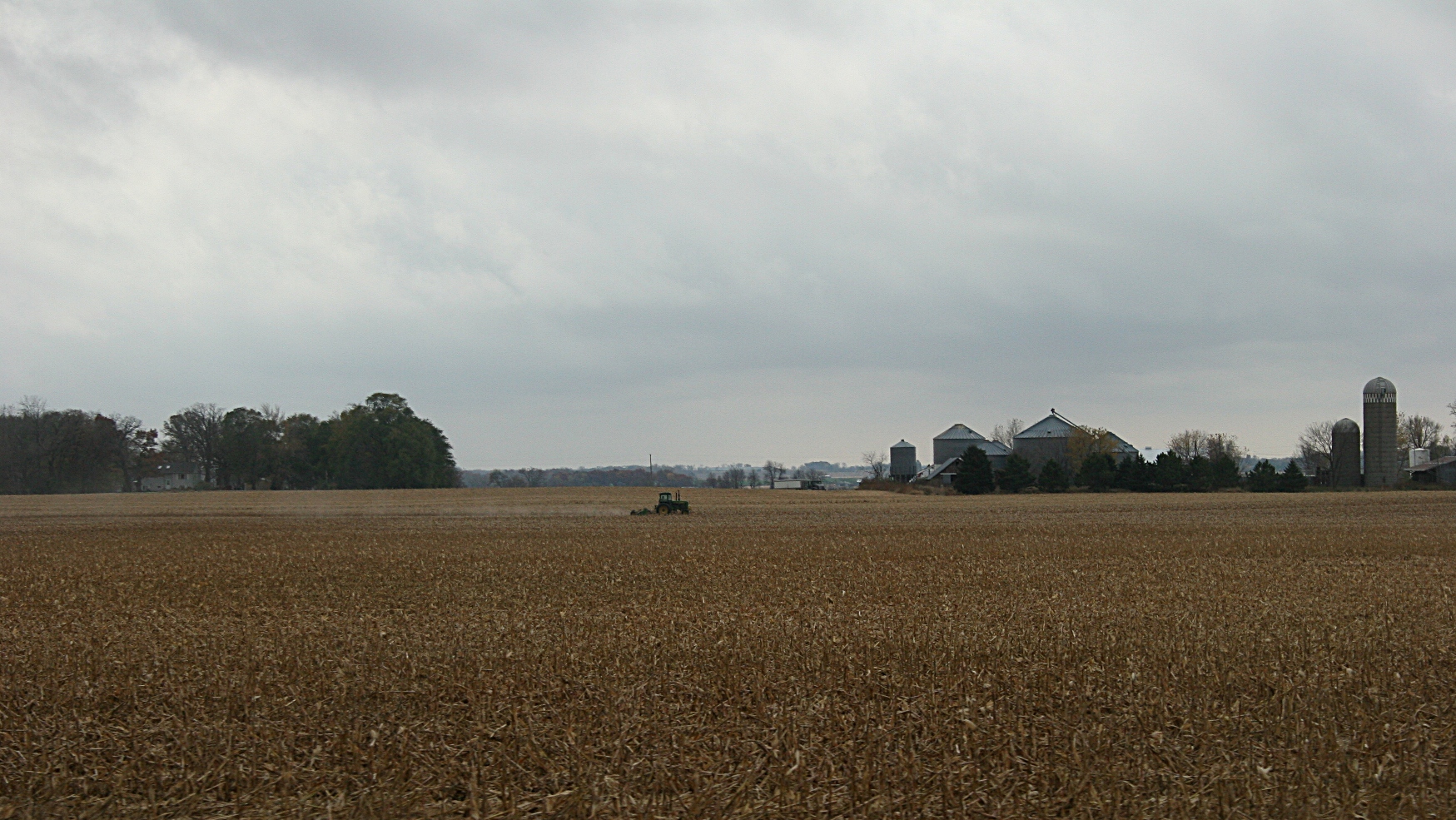
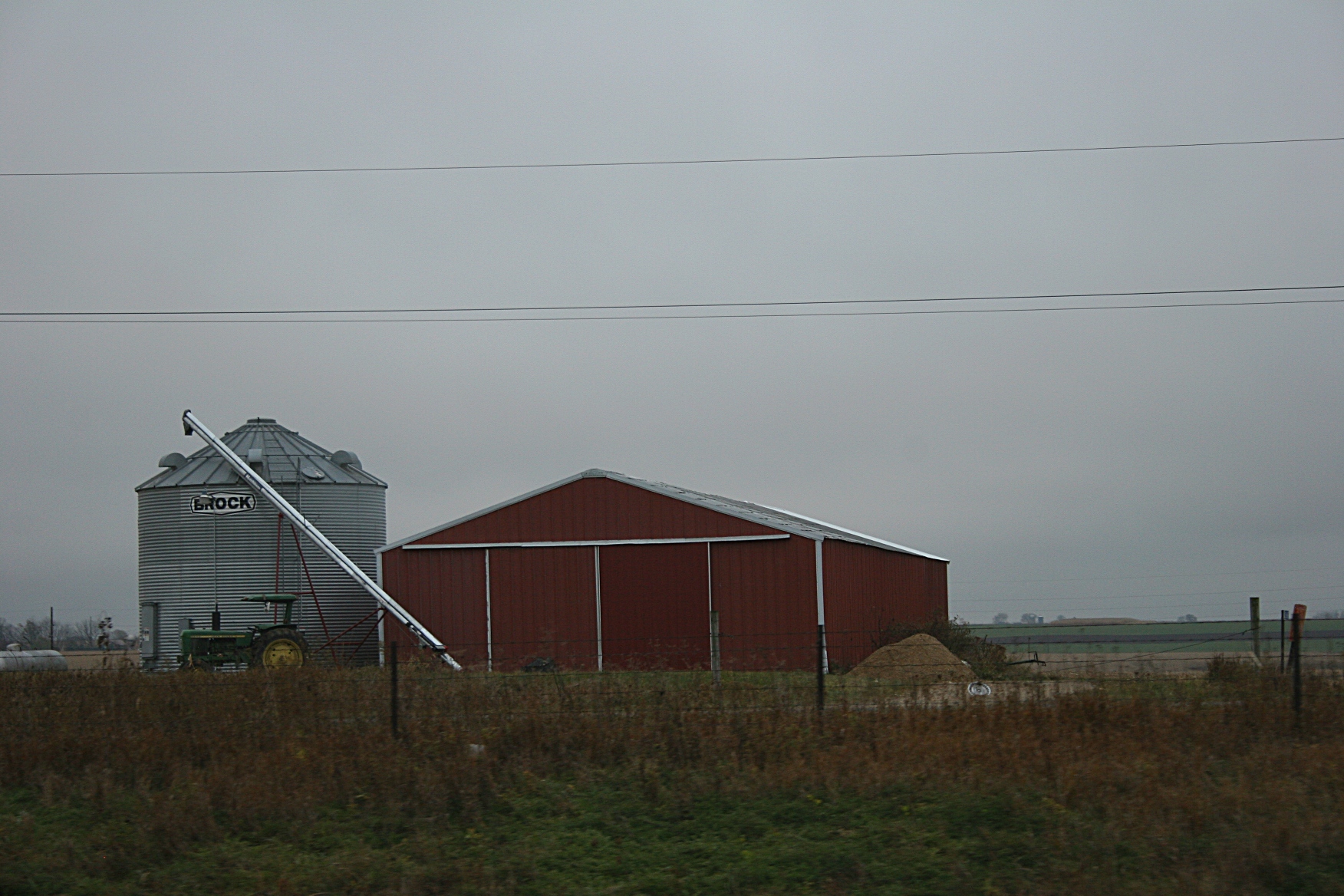
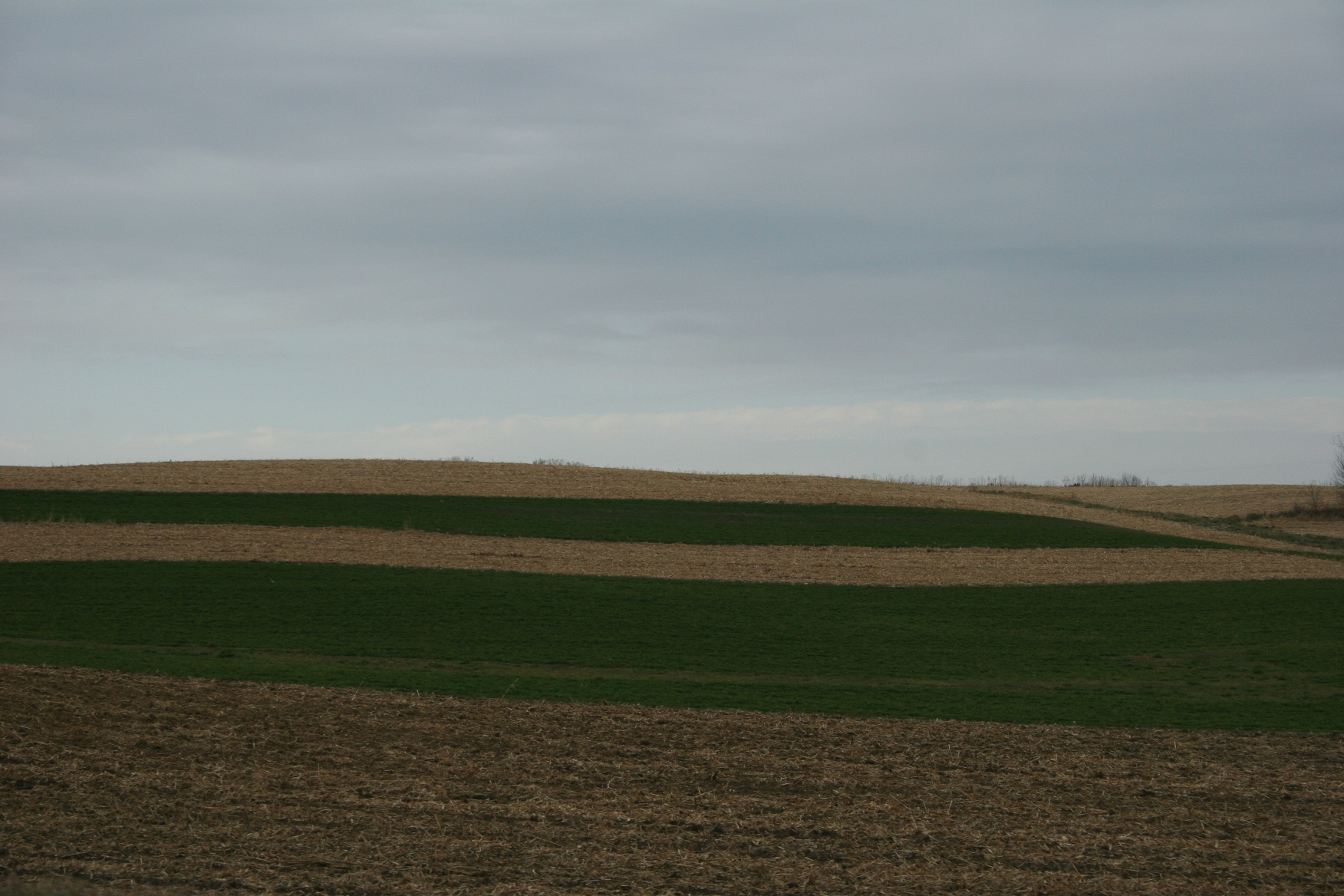
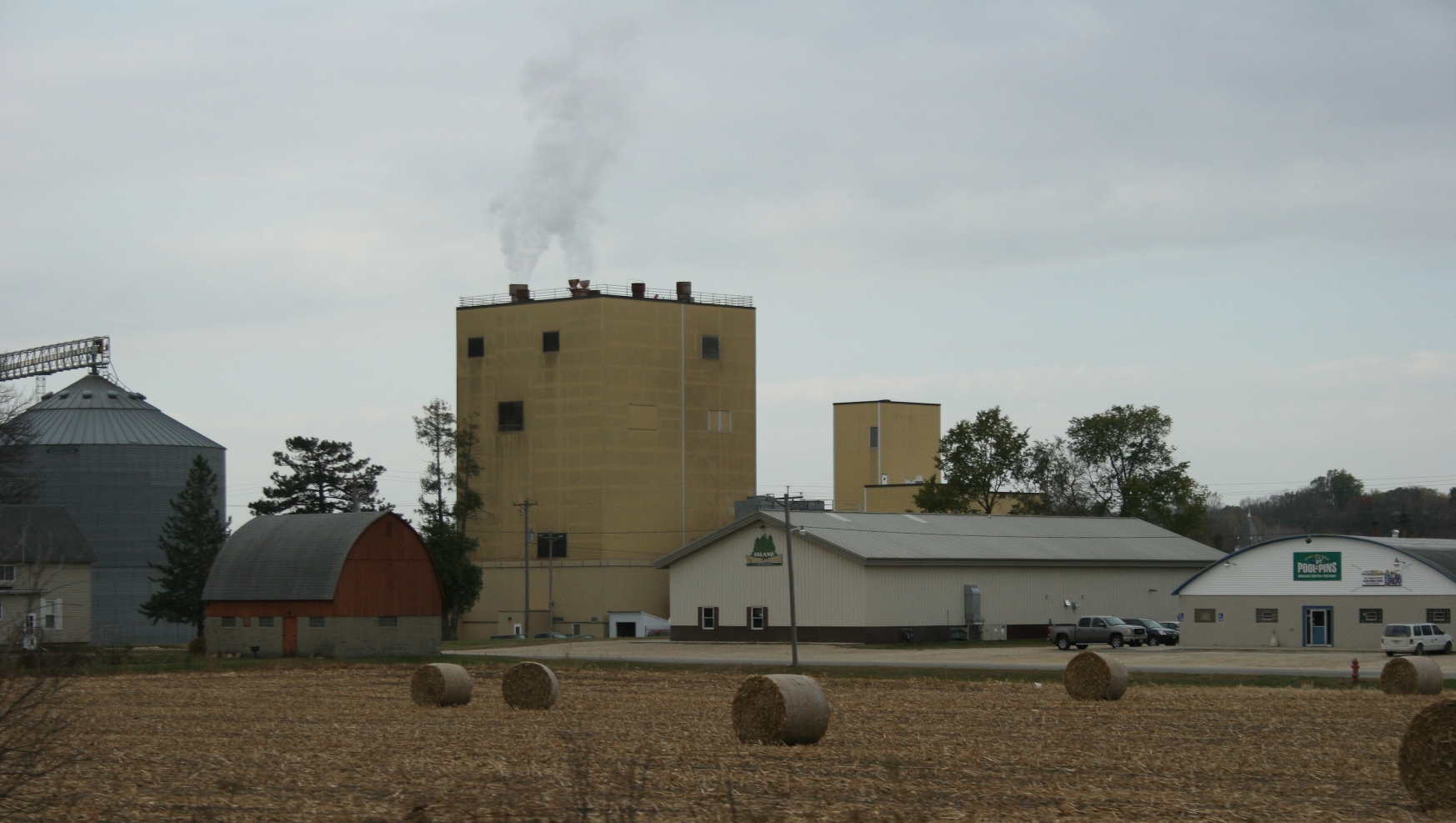
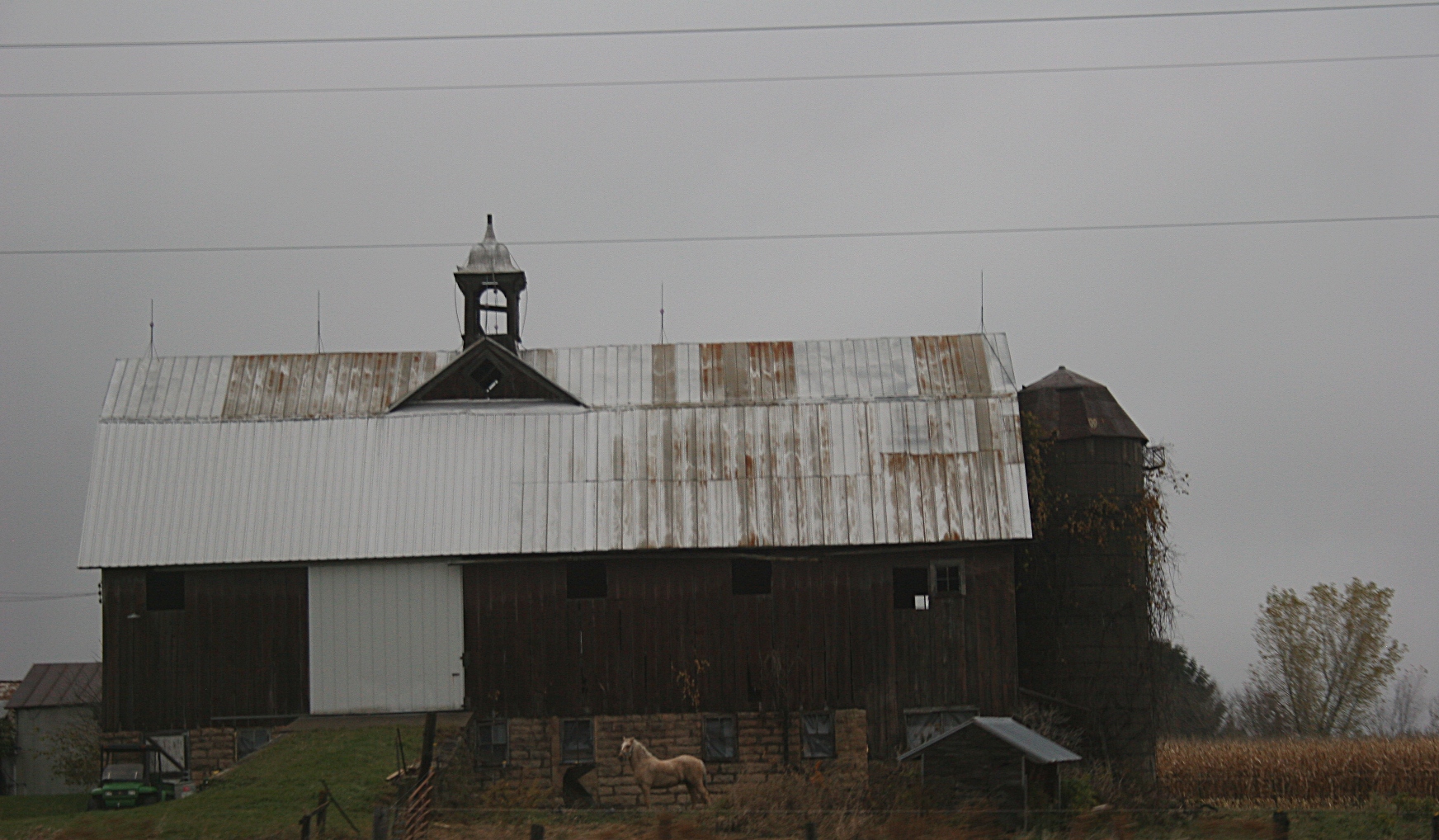
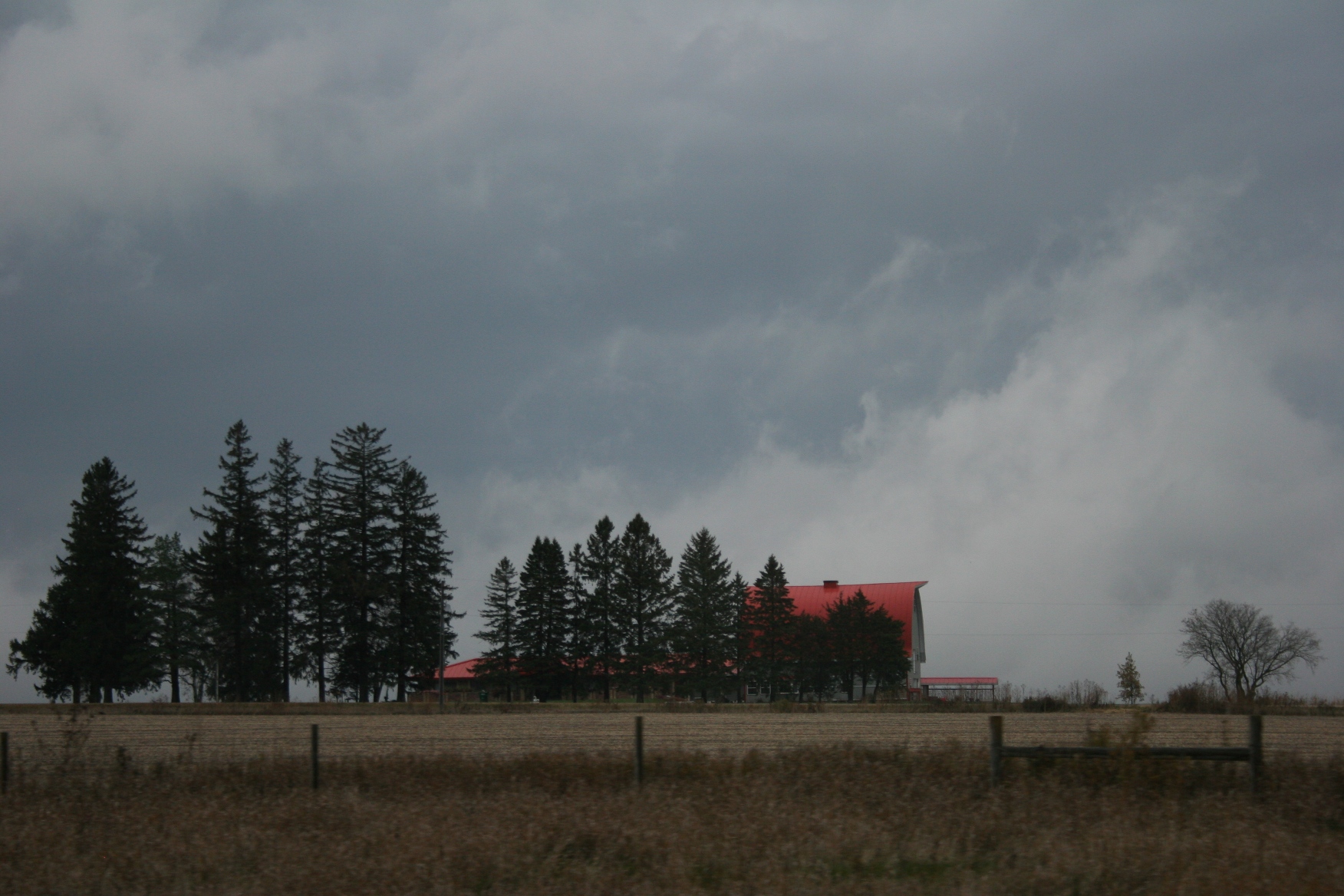
ON OUR WAY TO CHURCH on Sunday morning in North Morristown, my husband and I drove through some mighty fine country.

Past…

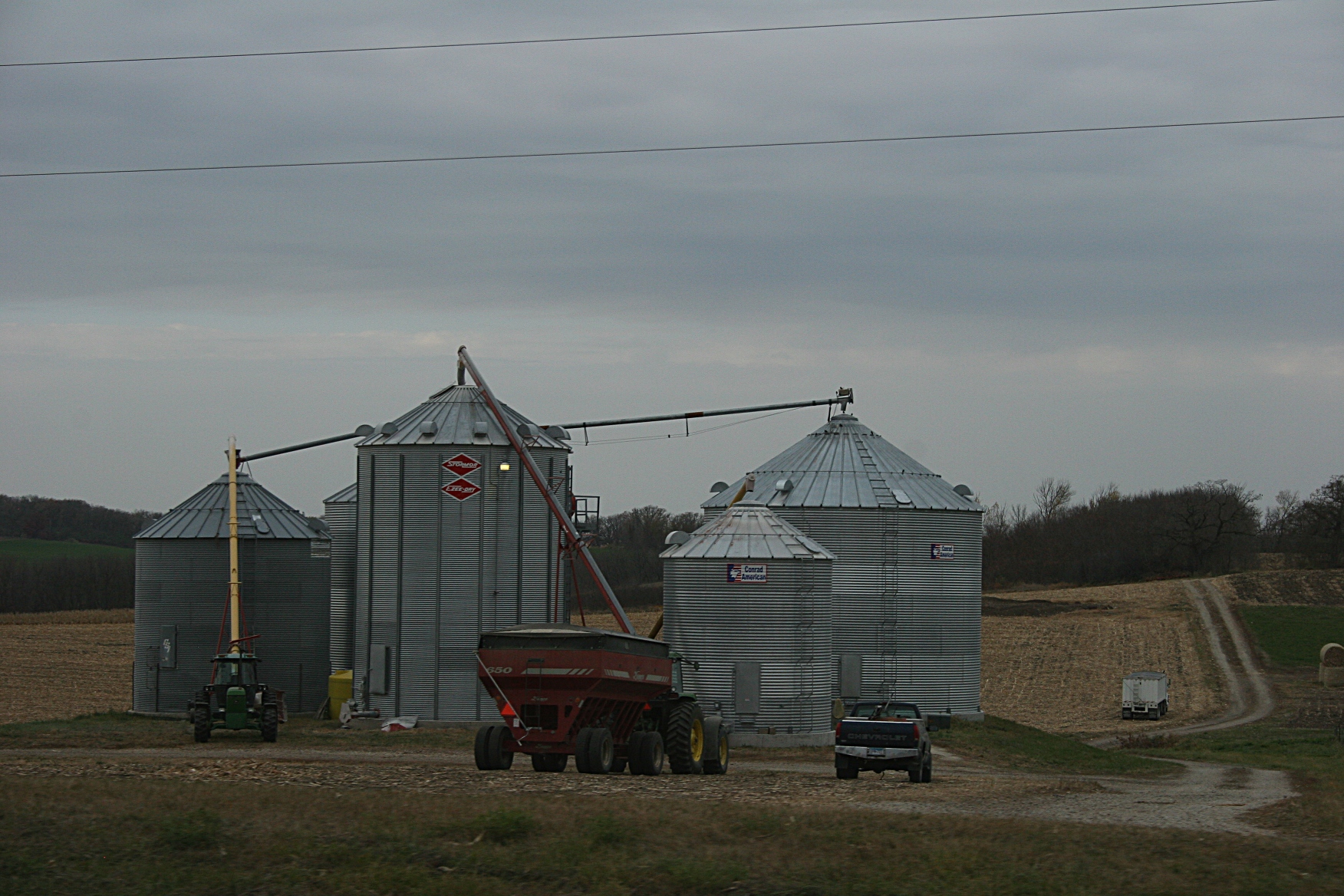
grain bins awaiting the season’s yield

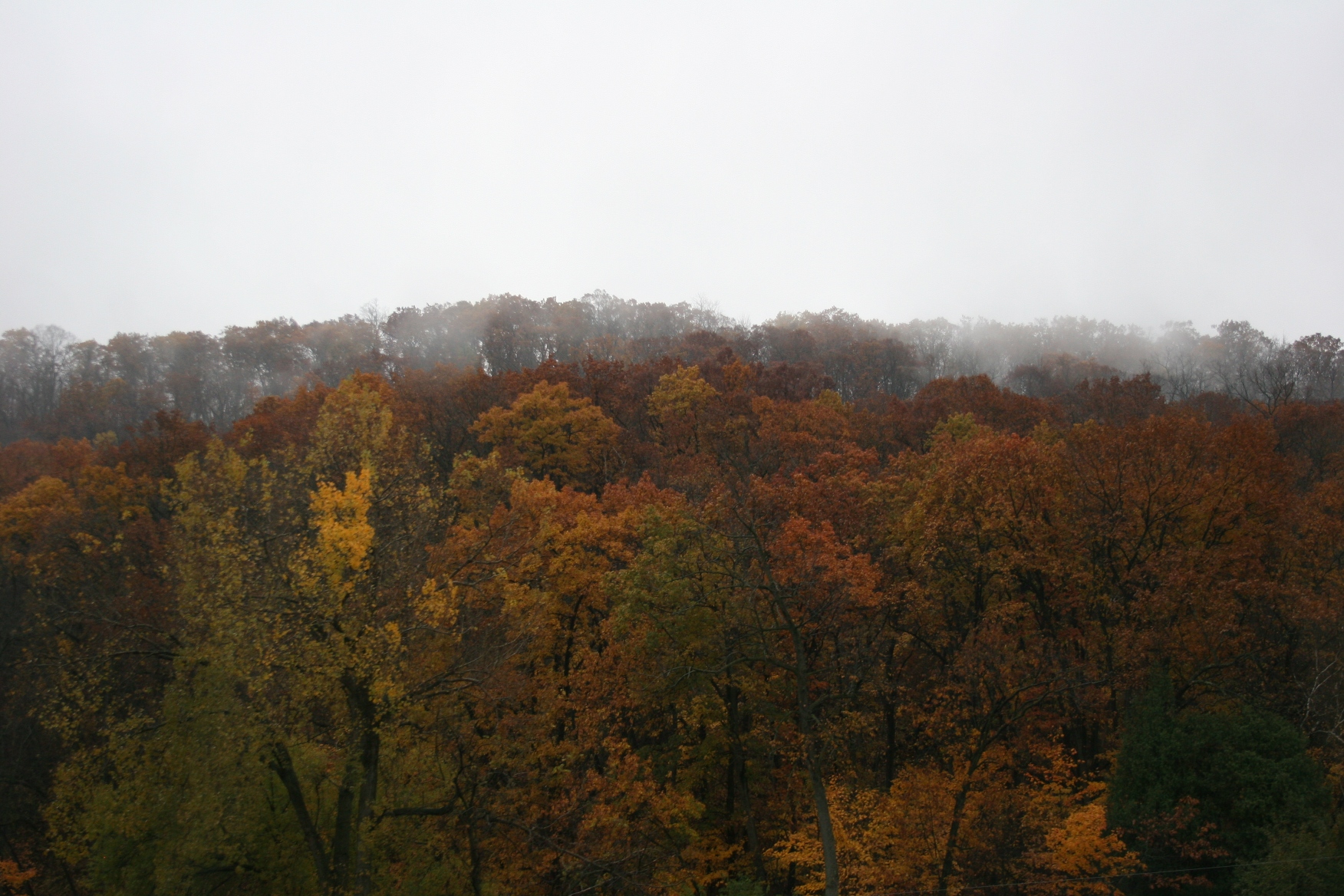
autumn’s glory edging Cannon Lake

harvested corn fields

tree line and crop line

a farmer laboring

beauty and bounty

a clutch of bins

horses dallying in a barnyard

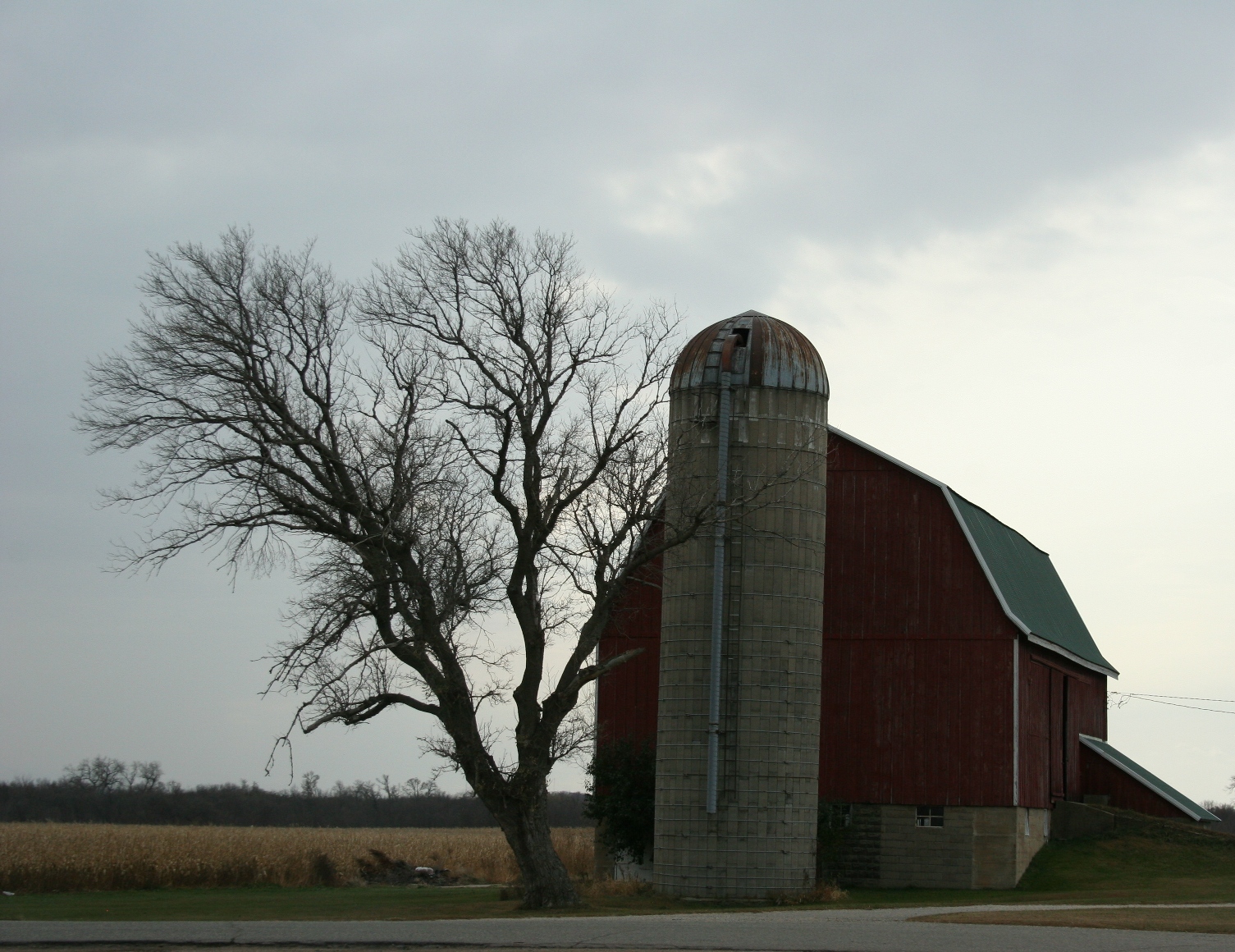
a shed weathered by time

an old brick house on a hill

to Trinity Lutheran Church, North Morristown.

We savored the best of a lovely, gorgeous, stunning, beautiful, wonderful, photographic October morning that transitioned into an unbelievably warm afternoon.

Typically we don’t get this many balmy October days here in Minnesota, meaning we need to appreciate each one while secretly hoarding memories of these days for the long winter months ahead.

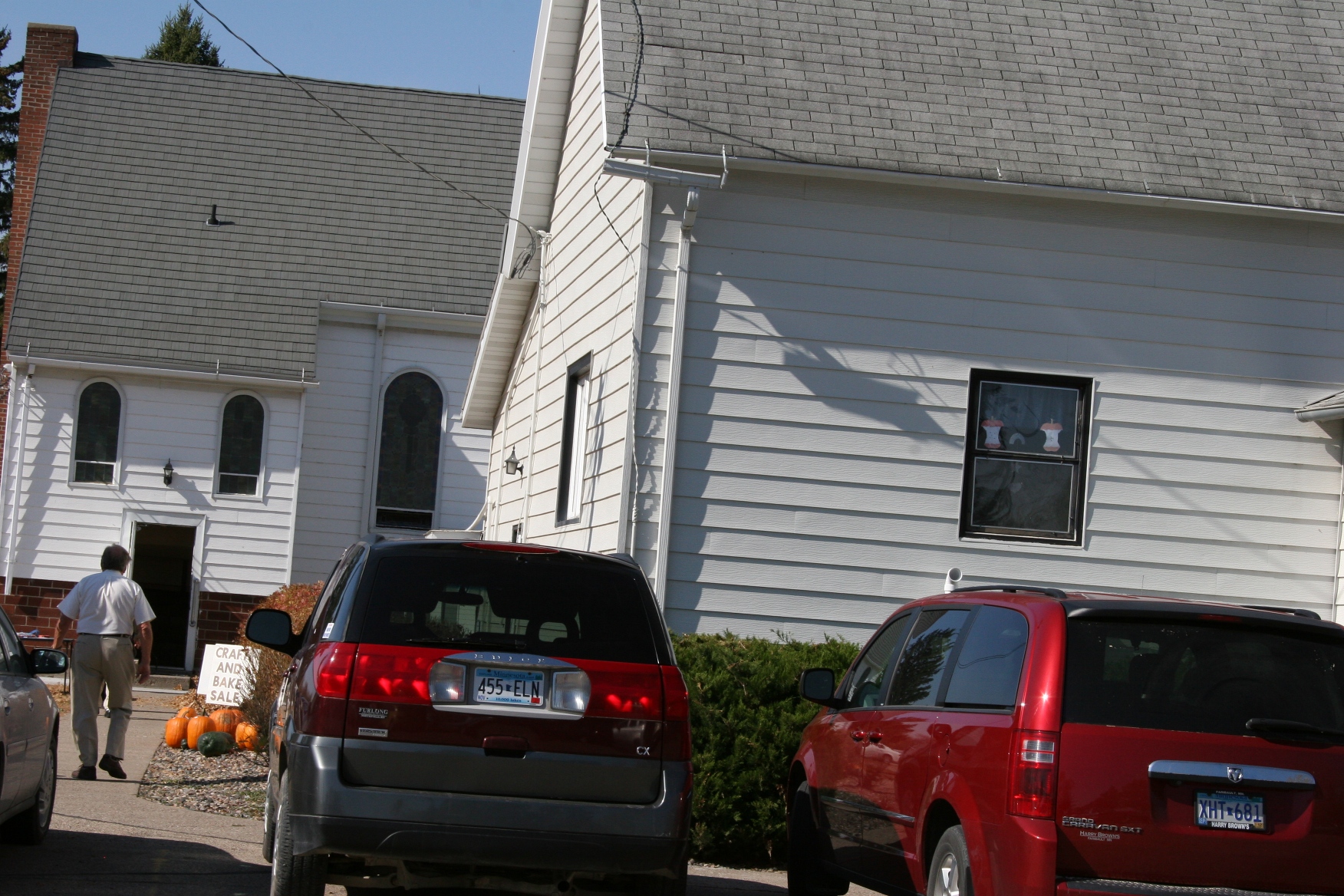
For now I want to remember this Sunday, this drive west of Faribault to the little country church, Trinity Lutheran, edged by an alfalfa field and across the road, acres of corn.

I want to remember the warmth of the day and of the people with whom we worshiped.

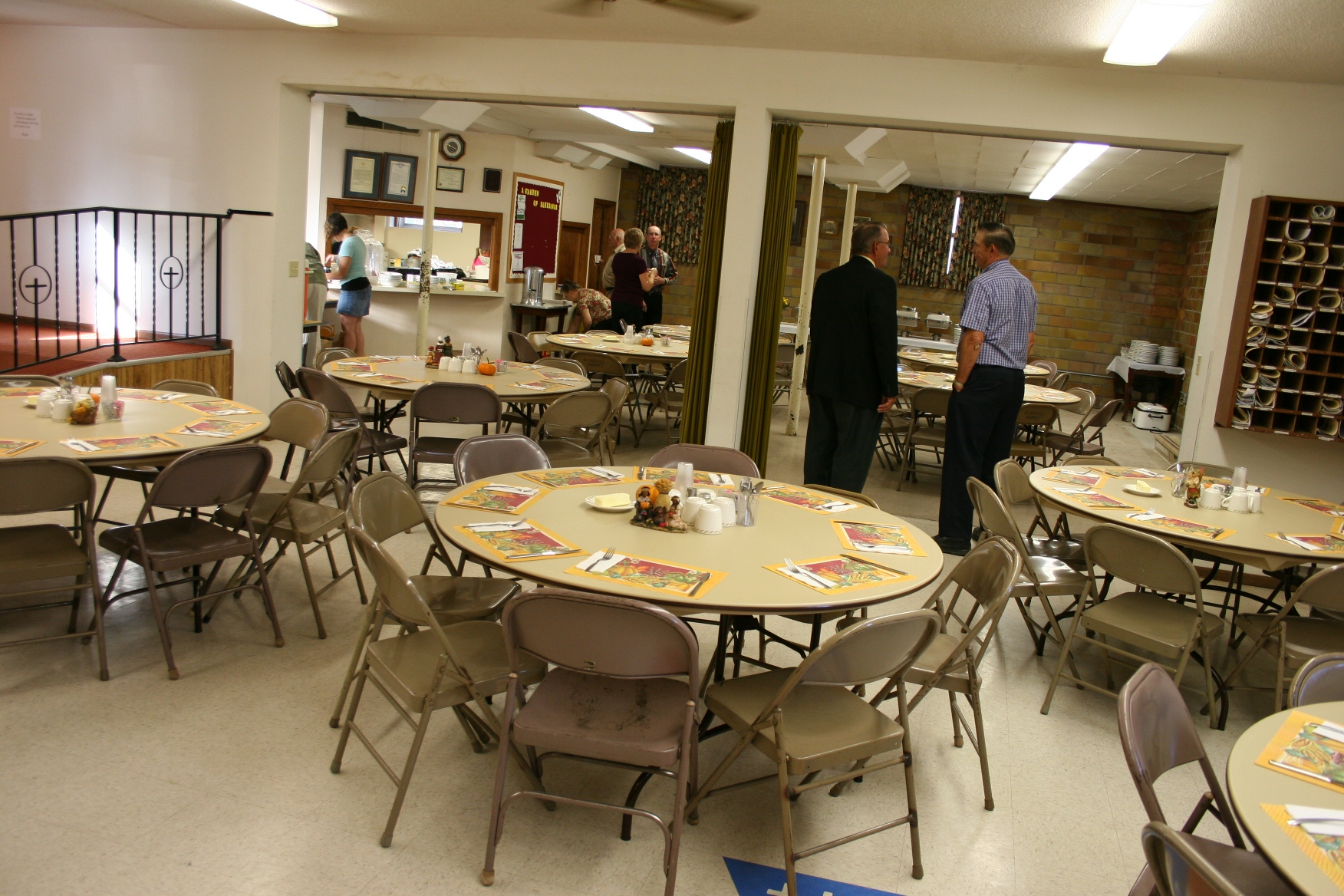
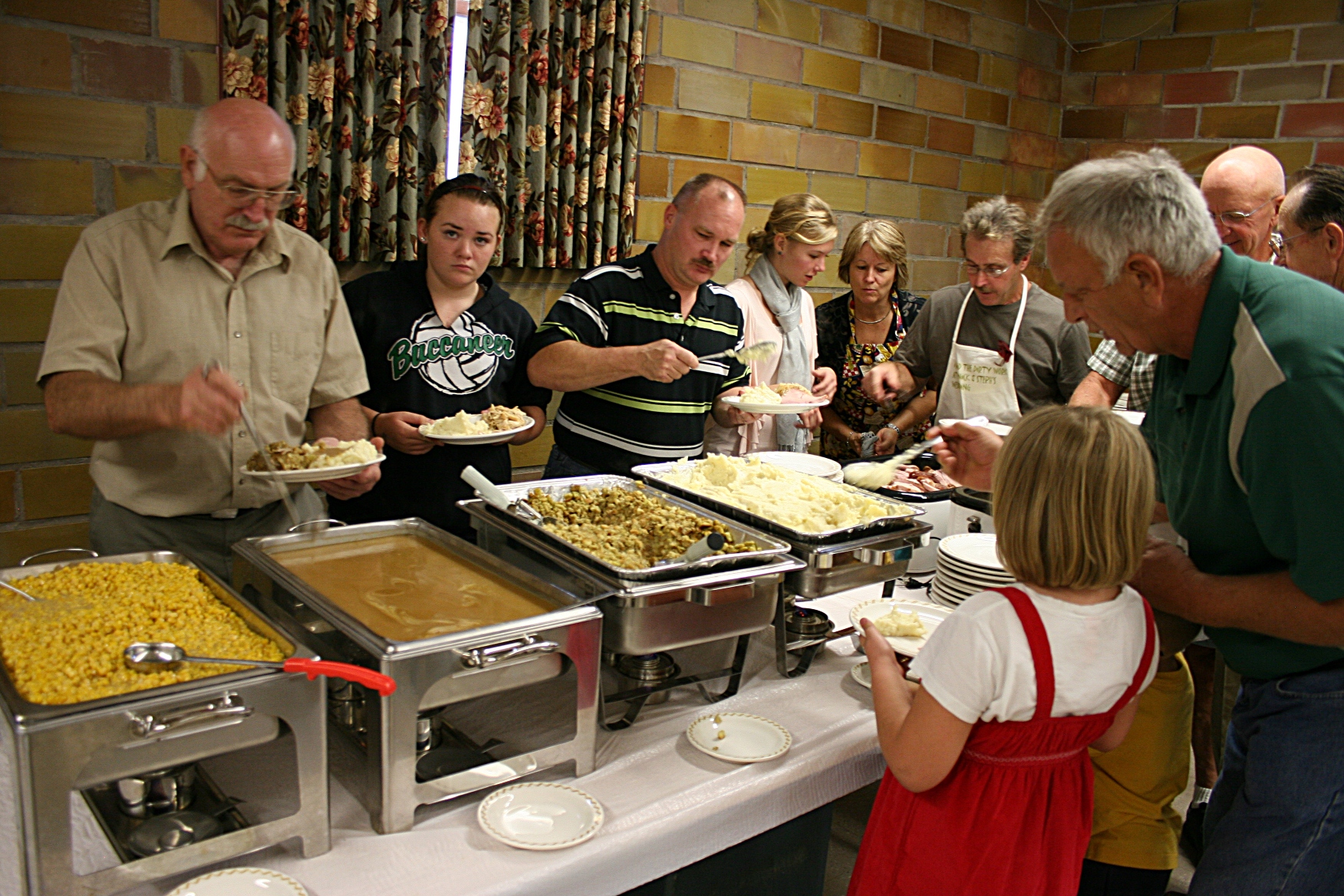
I want to remember, too, the good food and fellowship afterward in the church basement as we celebrated this congregation’s annual fall dinner and craft sale.

CHECK BACK for posts about dinner and about Trinity church.

© Copyright 2011 Audrey Kletscher Helbling

 

The truth about goldfish revealed at a convenience store October 11, 2011

YOU’RE ON THE ROAD. You need to pee. You also need a beverage to quell your thirst. It’s a hot afternoon. So you pop into a convenience store.

You use the facilities, select a bottle of tart lemonade and then head for the check-out counter.

That’s when you spot this message scrawled on the whiteboard, propped between the Minnesota State Lottery and Jean Ross sunglasses displays:

The message posted recently at a southeastern Minnesota convenience store.

And then you think to yourself, “What is the meaning of this message?”

When you inquire, you learn that this is the “thought of the day,” with a new parcel of wisdom or tidbit of information posted whenever the manager is on duty.

It’s as simple as that.

As you walk out of Parkside Gas and Grocery on Main Street in Nerstrand, you think, “Well, I just learned something new.”

And then you have this fleeting thought that you should rush out and buy a goldfish, stash the fish tank in a closet and test the validity of this statement.

But then you remember just how much you dislike cleaning a fish tank.

HAS ANYONE ever tried this? Do goldfish really turn white when kept in the dark?

© Copyright 2011 Audrey Kletscher Helbling

 

Alpacas in Sogn Valley October 9, 2011

An alpaca outside the craft barn at Sogn Valley Alpacas & Crafts.

I DREW MY HAND across the scarves, stroking the silky, kitten-soft spun fiber of the alpacas.

Hats. Scarves. Prayer shawls. Afghans. Rugs. Clothing. Some tucked inside the small-scale barn shed that mimics the real barn a stone’s throw away. Other merchandise is draped across tables and clothes-drying racks outside, near the penned camel-hued alpaca that chose to ignore me for the most part.

Welcome to Sogn Valley Alpacas & Crafts along Goodhue County 14 Boulevard, rural Cannon Falls, a spur-of-the-moment stop on a recent drive to view the fall colors.

Jayne and R.J. Boersma's Sogn Valley Alpacas & Crafts near Cannon Falls.

Scarves and hats, close-up, and prayer shawls in the background displayed outside.

Silky soft clothing hanging inside the craft barn.

My husband and I missed the fleece demo at 1 p.m., the spinning wheel demo inside and the alpaca farm tour, unless, of course, it was self-guided.

We, in fact, missed any human contact. Not a soul was to be seen except for alpacas and chickens scratching and flapping too close for my fear-of-chickens comfort.

I checked out the merchandise, unsuccessfully tried to coax the elusive alpaca into posing prettily for a photo, side-stepped chicken poop, considered photographing pumpkins and squash splayed out on a picnic table, and then snapped one final photo of an “AGRICULTURE KEEPS AMERICA GROWING” sign before hopping into the car.

The sign supporting agriculture on the side of a shed at the alpaca farm.

© Copyright 2011 Audrey Kletscher Helbling
 

A scenic secret in Faribault October 7, 2011

Filed under: Uncategorized — Audrey Kletscher Helbling @ 6:56 AM
Tags: , , , , , , ,

FARIBAULT IN THE FALL, but any time really, rates as a beautiful city.

Historic buildings. Diverse landscape of wooded hills and open spaces. Rivers running through.

But not until this week did I discover perhaps one of its best kept scenic secrets, or at least best kept to me.

That would be City View Park.

City View Park on Faribault's east side at sunset.

Located next to the city water towers along Parshall Street above Roosevelt School and across from Trump’s Orchards, this hilltop park offers a panoramic, scenic view of Faribault and beyond.

How have I missed this?

Sunday afternoon as my husband and I were returning home from a fall drive, we turned onto Parshall Street, a favorite road into town in the autumn.

That’s when I noticed the teenage boys hanging out atop the hill. That’s when I also noticed the sign, City View Park. We did a quick turn-around and drove back up the hill.

And here’s what we saw—a spectacular view of Faribault in all its hazy, late Sunday afternoon autumn glory.

Near the center of this photo you can see the clock tower at Shattuck-St. Mary's, a private college prep school.

A slightly different view of the same scene as above.

Early Monday evening, after we’d picked raspberries at a friend’s house along Rice County Road 25/197th Street East, another great road for beautiful fall colors, we rushed back to City View Park to view the sunset.

Gorgeous. Absolutely gorgeous.

Watching the sun set at City View Park on Monday evening.

Trees block the view in some spots of the park. But even they are stunning against the setting sun.

While I was shooting pictures, a woman walked by. “I didn’t know this park was here,” I commented.

She lives nearby, told me the park has been here for about two years.

I checked the city website and couldn’t find any mention of City View Park.

But it’s there, folks, in all its spectacular fall-color-viewing splendor. Follow the streets to the water towers on the east side and you’re there.

After you've checked out City View Park, follow County Road 25 east of Faribault for more beautiful fall colors.

More colorful trees on the other side of Rice County Road 25.

© Copyright 2011 Audrey Kletscher Helbling
 

Fill the grain bin in Dennison October 6, 2011

Filed under: Uncategorized — Audrey Kletscher Helbling @ 7:05 AM
Tags: , , , , , , , , , , , ,

SO, TODAY WE’RE GOING to talk signs. Not just any signs, but those homemade signs you find in rural Minnesota.

Chances are, no matter where you live, you drive or walk by creative signage every day and don’t give it a second thought. The signs have simply become part of your landscape. You fail to notice either the messages or the art.

And, yes, signs fall into my definition of art.

But then one day an outsider like me comes to town. And I view your town with fresh eyes. I notice the details—the windows and doors, the wood and brick, and the signs that define your community.

Main Street in Dennison, from city hall north.

That is how I happened upon a unique fundraising sign in Dennison, a community of 168 which straddles the Rice/Goodhue county lines in southeastern Minnesota. My husband and I stopped in Dennison while on a Sunday afternoon drive to view the fall colors in the Sogn Valley area.

There, along Goodhue County Road 9, the main east-west road through town, I found this sign appropriately placed by the Farmers State Bank.

Fronting the road and the bank, this sign tracks contributions to the park fund.

Now, whoever dreamed up this sign deserves some type of recognition for effort and creativity.

Dennison is a farming community. The sign reflects that ag heritage with the half-full grain bin. You did notice the corn and the grain bin, right?

The goal is to fill this grain bin and build that park. Want to help? Contact the city or Farmers State Bank.

The promoters of this park project could have designed the typical graph or thermometer sign to track contributions. But, instead, the sign honors the rural heart of Dennison. You simply have to appreciate that type of creative thinking.

You also have to value the sense of community that defines towns like Dennison. Here folks work together to raise funds for a park and don’t/probably can’t rely on government.

Well done, Dennison, and may you get a good corn yield this fall. Enough to fill the bin.

CHECK BACK for another post featuring interesting signage I found in rural Minnesota.

CLICK HERE to see signs I photographed recently in downtown Janesville.

ALSO, CLICK HERE to see sign images taken a year ago in Pemberton.

© Copyright 2011 Audrey Kletscher Helbling

 

Inside the colorful Big Woods of Minnesota October 5, 2011

EVERY TIME I HEAR the words “Big Woods,” author Laura Ingalls Wilder and her book, Little House in the Big Woods, pop into my mind. It’s a natural reflex given my deep love for the Little House books. Think grade school teacher reading the series to her students after lunch and me growing up about 20 miles from Walnut Grove, Wilder’s brief childhood home on the southwestern Minnesota prairie.

That all said, Laura was born in 1867 in a log cabin in the Big Woods of Wisconsin some seven miles from Pepin.

I visited the Ingalls’ home site many years ago with my family, when my girls were elementary age and we were deep into reading the Little House series. The Big Woods and cabin are long gone, replaced now by open prairie and a replica cabin.

Yet, only a short drive east of my Faribault home, I can experience the Big Woods at Nerstrand Big Woods State Park. I have no idea if these woods are anything like those in Wisconsin in the late 1800s. But I like to think they are.

An informational sign along a trail in Nerstrand Big Woods State Park.

Check out the history section of the Minnesota Department of Natural Resources website and you’ll find this information about the Nerstrand woods:

“When the first settlers arrived in 1854, they discovered an island of woods in the vast oak savanna prairie which now makes up Nerstrand Big Woods State Park. Sugar maple, basswood, oak, hickory, aspen, elm, ash, and ironwood trees shade the land.”

I spent half my time in the Big Woods looking, and aiming, my camera skyward.

The park boasts a lovely picnic grounds sheltered by trees like this one.

A close-up look at oak leaves changing color.

This time of year those trees flame in fiery hues, making Nerstrand a popular destination for viewing fall colors in Minnesota.

Sunday afternoon, following a fall color drive to the Sogn Valley area in northwestern Goodhue County, my husband and I stopped briefly at this state park just west of Nerstrand. We managed to find a space in a parking lot packed to overflowing in this park teeming with visitors.

If you’re seeking a quiet, people-free escape, you won’t find it here on a weekend.

But you will find a perfect fall experience complete with the earthy scent of decaying leaves; brilliant reds and yellows painted on the cobalt palette of sky; drifts of leaves to plow through; the crisp crunch of leaves beneath feet; a spirit of friendliness among visitors hiking into the Big Woods; a respite from the busyness of life; and an opportunity to savor the fleeting days of autumn in Minnesota.

Everywhere trees provided a colorful canopy of color.

Well-kept and well-traveled paths take hikers deep into the Big Woods.

Along the path, a bursting milkweed pod.

Follow this gravel road west of the park entrance for three miles to Caron Park.

BEYOND THE STATE PARK, there’s more to see at places probably known mostly to the locals:

Follow the gravel road (Rice County Road 88) west of the state park three miles to Caron Park, a 60-acre county park that is a remnant of the Big Woods. You’ll find 1.5 miles of hiking trails here, a lovely waterfall and few people. Late Sunday afternoon we saw a single truck parked in the parking lot.

Nerstrand Meats & Catering, a family-owned business since 1890.

To the east of the park lies the small town of Nerstrand, worth a stop to check out Nerstrand Meats (open 8 a.m. – 5:30 p.m. Monday – Friday and from 8 a.m. – 4 p.m. Saturdays), the International Peace Garden at the local charter school, Nerstrand Elementary, and Main Street small-town Minnesota. (Watch for a future post on interesting signage in Nerstrand. Click here to read a previous post about the Peace Garden.)

A snippet of Nerstrand Elementary School and its International Peace Garden.

North of Nerstrand Big Woods State Park, along Rice County Road 30, sit the historic and picturesque 1862 and 1894 Valley Grove churches surrounded by 50 acres of rolling prairie grasses and trees. From high atop this hillside location, you’ll get a spectacular view of the fall colors. You can also hike a prairie path here. (Click here to read a previous post I wrote about Valley Grove’s annual fall country social.)

A view of the Valley Grove churches from the prairie that edges the churchyard.

To assure that you don’t miss out on these color viewing opportunities, I’d highly recommend hopping in your vehicle sooner than later. Leaves are changing and falling as I write and we all know these splendid days won’t last forever in Minnesota.
© Copyright 2011 Audrey Kletscher Helbling