Minnesota Prairie Roots

Writing and photography by Audrey Kletscher Helbling

Caution: Machinery, deer (maybe even a John Deere) & a cold front October 4, 2012

Filed under: Uncategorized — Audrey Kletscher Helbling @ 8:33 AM
Tags: , , , , , , , , , ,

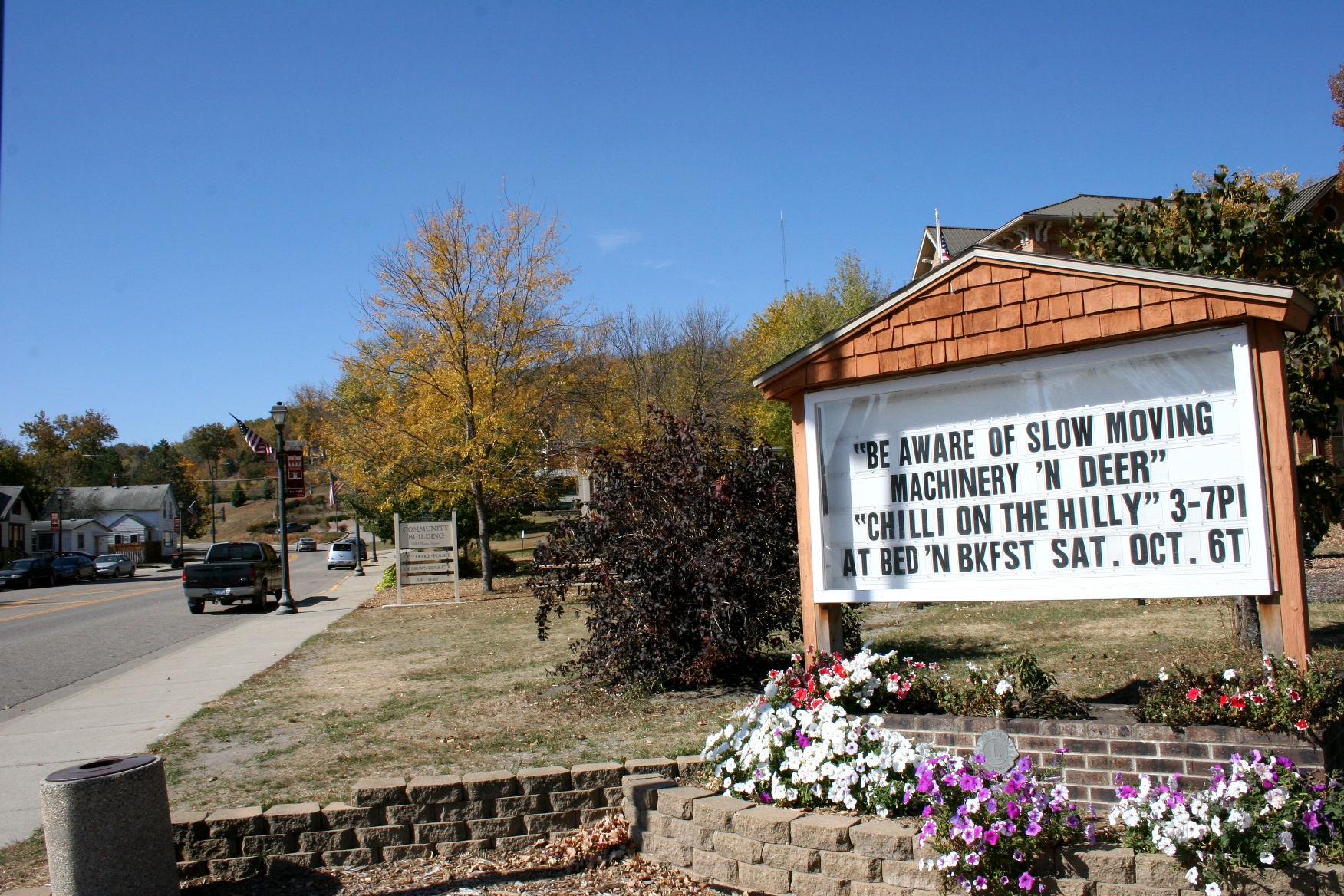
IF YOU LIVE IN MINNESOTA, in the heart of farm land, you’ll totally understand the first part of the message below posted on a sign in front of the Henderson City Hall.

Slow moving farm machinery and deer chased from their habitat most assuredly are reasons to be extra cautious while traveling rural roads during the fall harvest.

As for that “Chilli on the Hilly,” strike the second “l” in “chilli” and you have chili served this coming Saturday at the Henderson House Bed and Breakfast up that road to the left (Minnesota Highway 19) and around the curve and then to the  right up the steep hill.

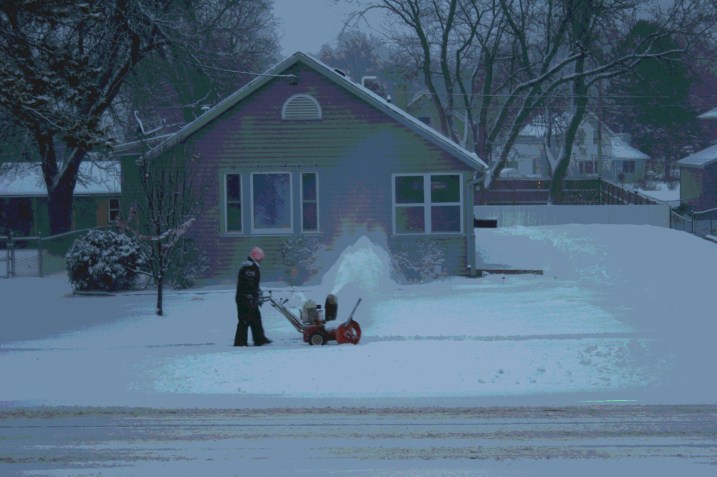
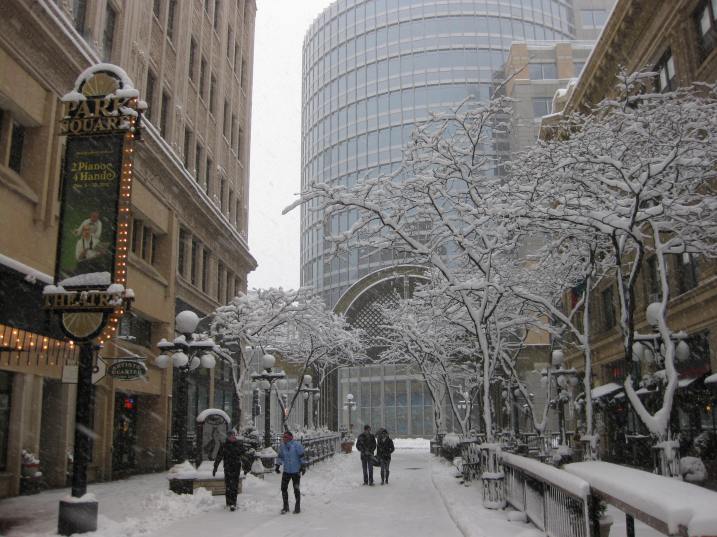
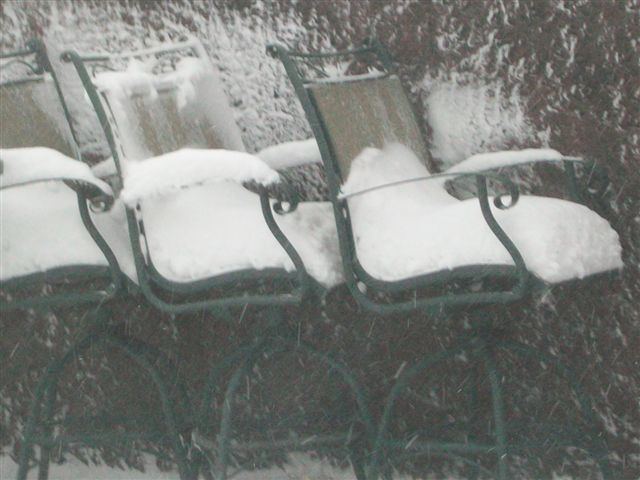
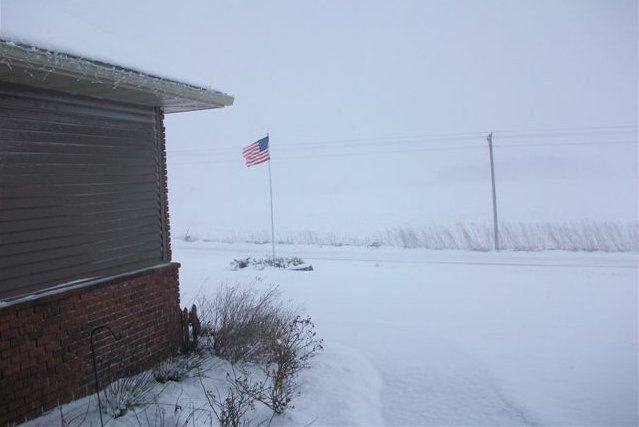
Or, strike that second “l”  in “chilli” and change the second “i” to a “y” and you have the current weather in Minnesota. Chilly. Ten inches of snow forecast for northwestern Minnesota today, folks.

Copyright 2012 Audrey Kletscher Helbling


It’s hot as you know where in Minnesota July 6, 2012

Filed under: Uncategorized — Audrey Kletscher Helbling @ 7:18 AM
Tags: , , , ,

I CANNOT RECALL ever watching fireworks from the car. But on the Fourth of July, my husband Randy and I sat in our air-conditioned car parked at a hilltop Faribault church and took in the patriotic display. It wasn’t only the oppressive heat and humidity which drove us into our vehicle, but also the mosquitoes.

It’s been a miserable week of weather here in Minnesota. But I don’t need to tell you that if you live here. You know.

The National Weather Service office in Chanhassen has issued an excessive heat warning for much of central and southern Minnesota numerous times during the past several days. One remains in effect until 7 p.m. tonight in southern Minnesota and west central Wisconsin with temps soaring into the 90s and a heat index of 102 – 112 degrees.

Here’s that warning defined, directly from the NWS website:

AN EXCESSIVE HEAT WARNING MEANS THAT A PROLONGED PERIOD OF
DANGEROUSLY HOT TEMPERATURES WILL OCCUR. THE COMBINATION OF HOT
TEMPERATURES AND HIGH HUMIDITY WILL COMBINE TO CREATE A DANGEROUS
SITUATION IN WHICH HEAT ILLNESSES ARE LIKELY. DRINK PLENTY OF
FLUIDS…STAY IN AN AIR-CONDITIONED ROOM…STAY OUT OF THE SUN…
AND CHECK UP ON RELATIVES AND NEIGHBORS.

That word, “dangerous,” should be heeded.

I suspect Randy and I were feeling the effects of that heat on Tuesday when we took a day trip to Lake City. We were in and out of our air-conditioned van and Lake City businesses during the peak heat of the afternoon. I suffered an on-again-off-again headache.

Not until we were back home did Randy tell me he also had a headache and simply did not feel well. He didn’t drink nearly as much water as me and I suspect he was dehydrated and perhaps a bit overheated.

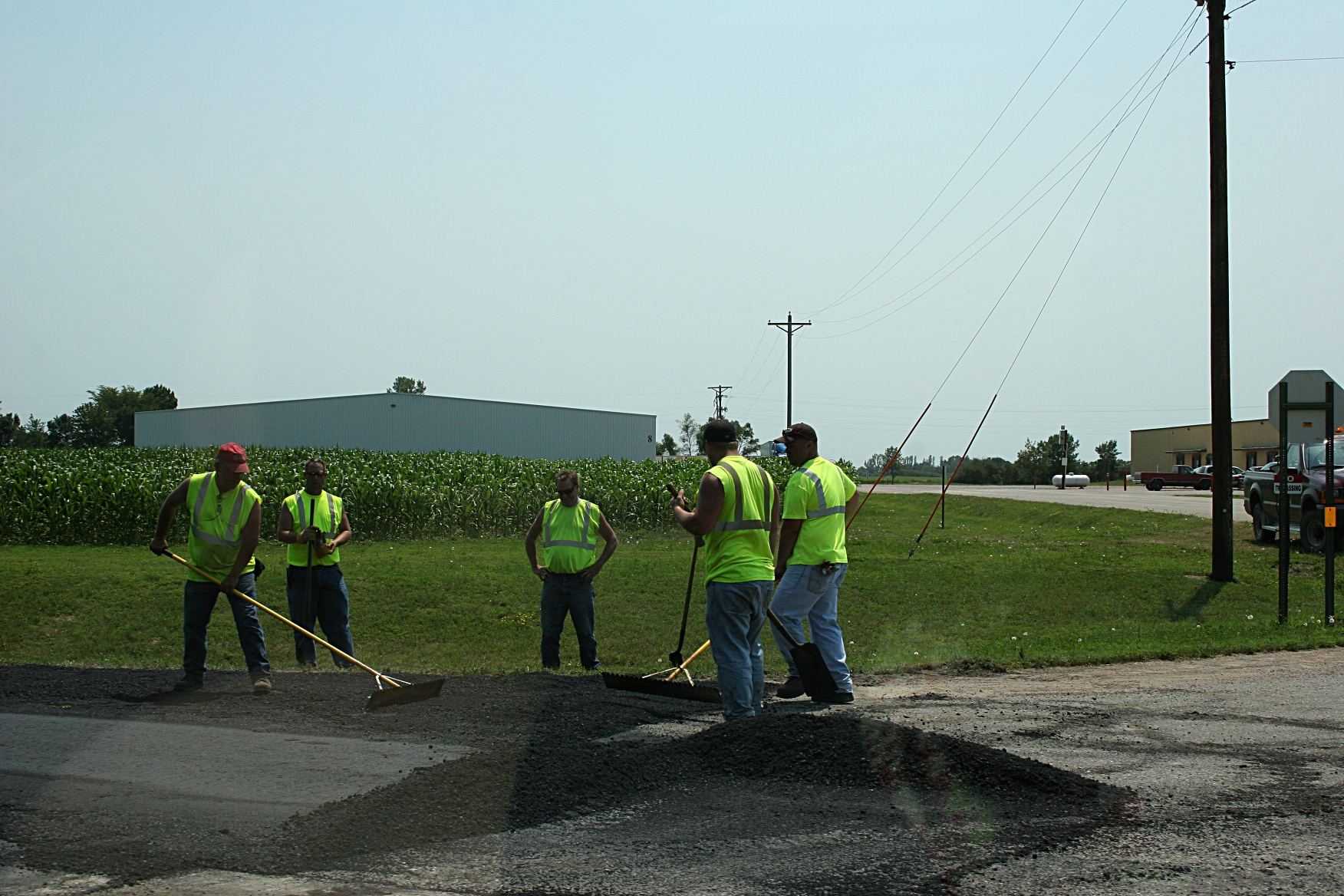
A crew patches a section of Brown County Road 29 just outside of New Ulm on Monday afternoon.

Now imagine if you were a road construction worker or a roofer or anyone else who toils in the outdoors. If we felt uncomfortable  just walking in and out of shops on a hot and humid afternoon, they must have felt 1,000 times more miserable.

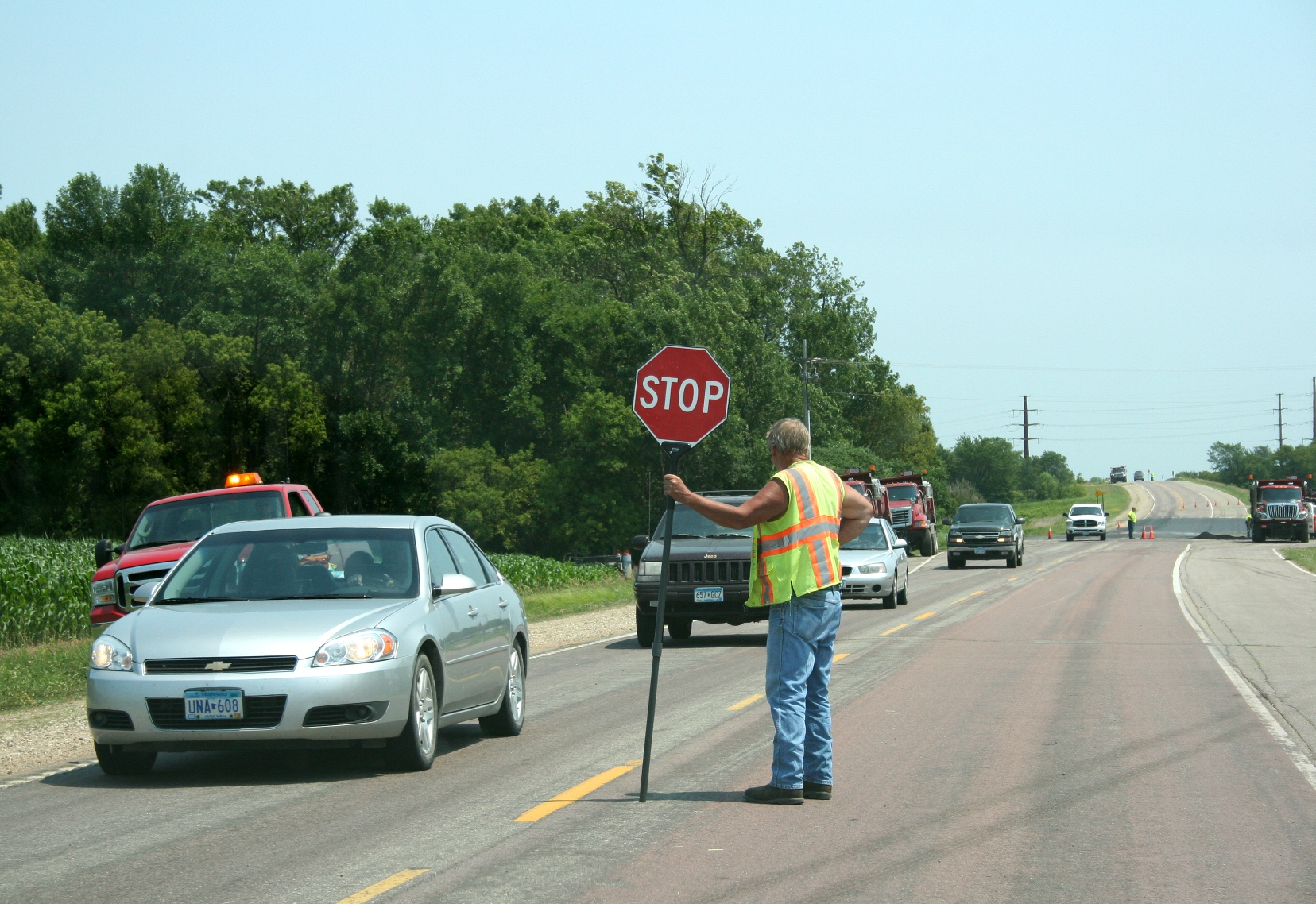
Working as a flag man with the same crew under the hot afternoon sun had to be pretty darn hot.

That said, be safe and stay cool. We have one more day of this sultry, oppressive, can’t-breathe kind of day to get through until the heat and humidity levels drop.

How do you beat the heat and humidity?

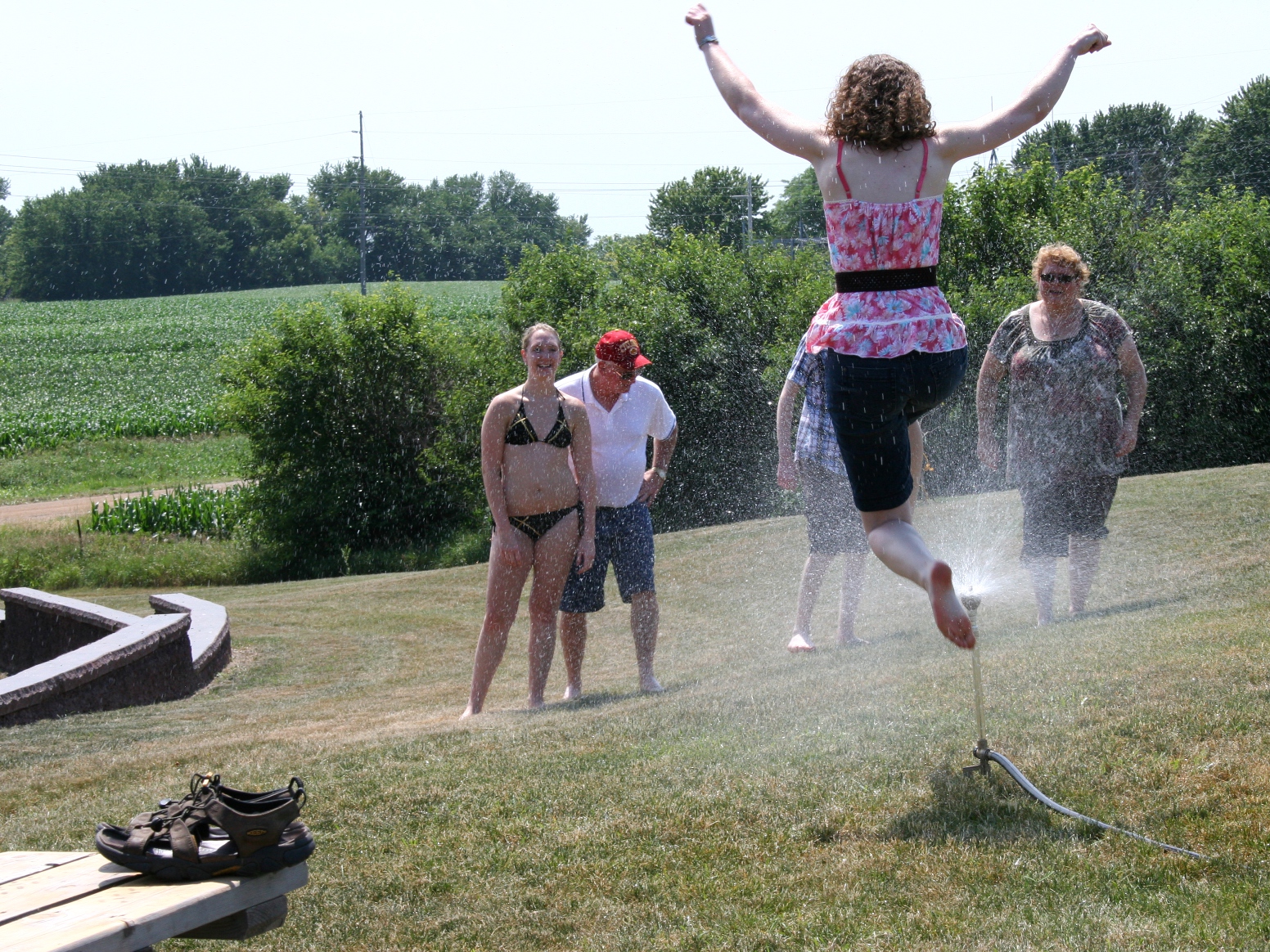
Some members of my extended family beat the heat on Saturday by jumping/running/walking through a sprinkler.

Cooling off in a make-shift fire department swimming pool during a celebration in Belview.

The Belview Fire Department filled a temporary water reservoir for the kids to splash in during a tornado recovery celebration on a sultry July 1 at the city park in Belview in southwestern Minnesota.

© Copyright 2012 Audrey Kletscher Helbling


Belview residents celebrate tornado recovery & the story of a little sequoia tree July 2, 2012

Belview area residents and others gathered at a city park on Sunday to mark the one-year anniversary of an EF-1 tornado.

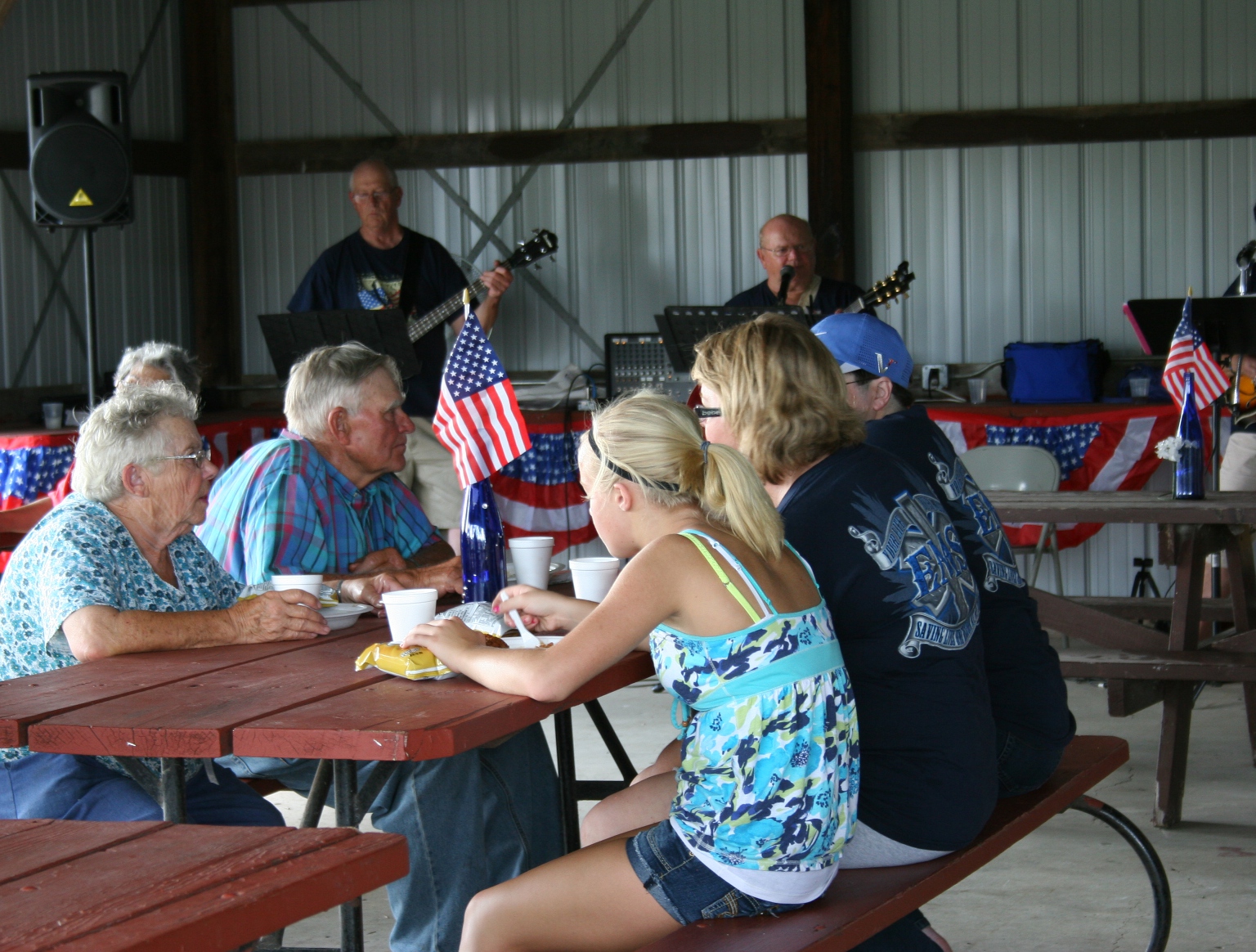
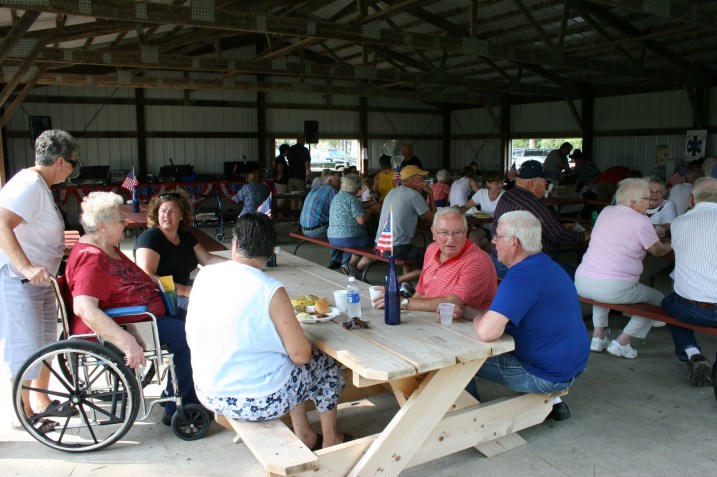
A YEAR TO THE DATE after an EF-1 tornado swept into the southwestern Minnesota prairie town of Belview, population 375, folks gathered in the late afternoon and early evening hours of an oppressively hot and humid Sunday to remember and to celebrate.
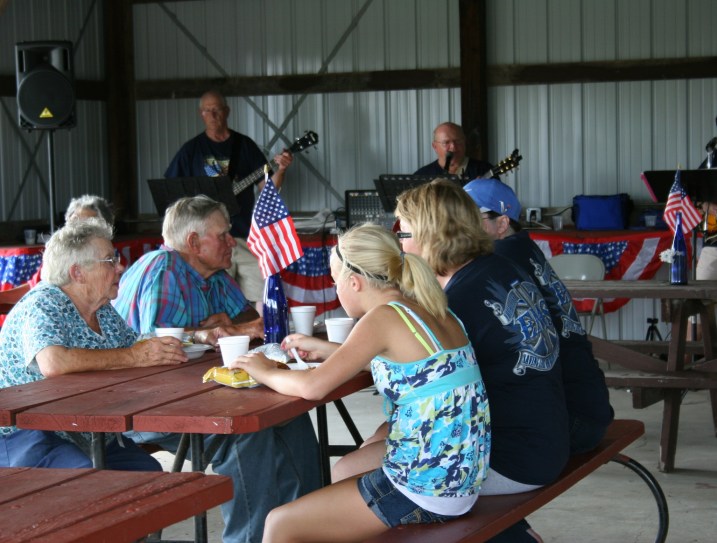
Food and music were part of the celebration.

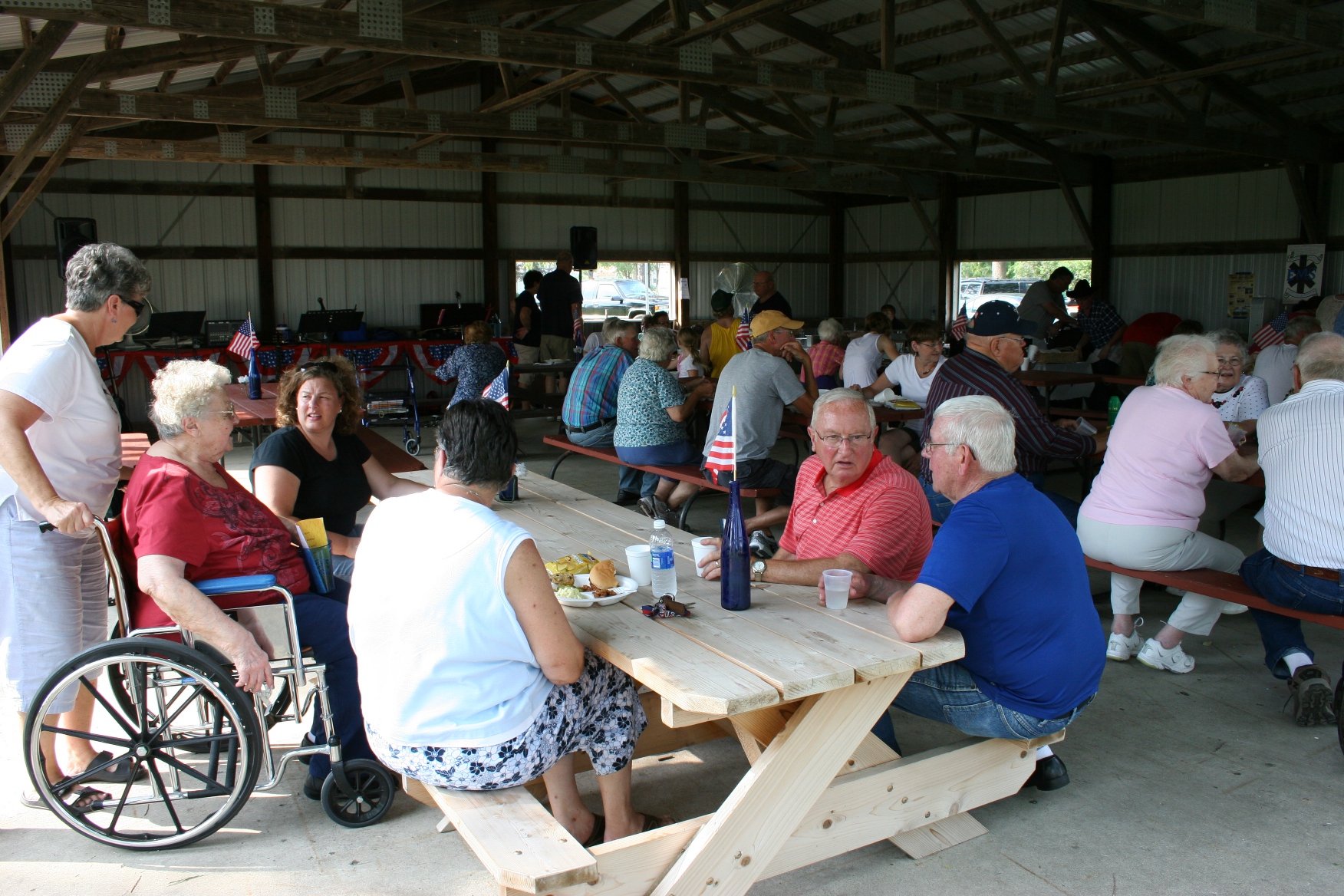
They celebrated with a catered picnic meal and music right after a brief rain shower passed through town.

They remembered with photos and stories shared.
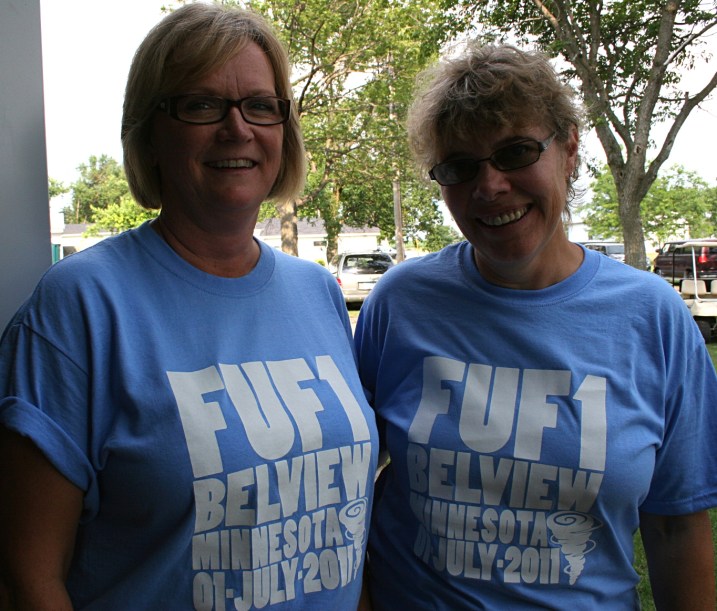
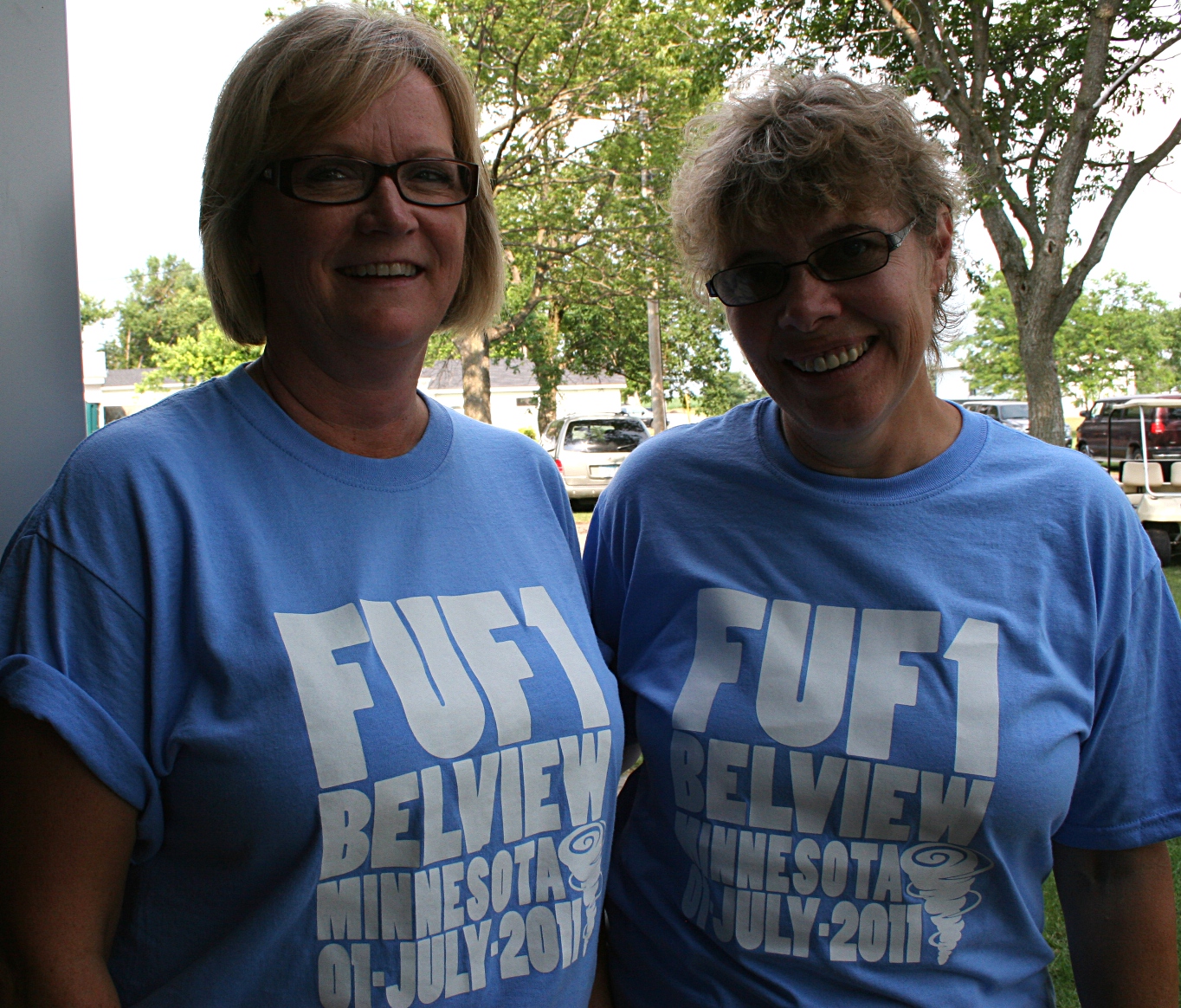
Ingrid Huseby, left, and Linda Sullivan. Yes, the t-shirts mean exactly what you think they mean.

“We were lucky. It could have been so much worse,” Belview resident Linda Sullivan said as we stood in the shade of the Belview City Park shelterhouse after I’d snapped a photo of her and Ingrid Huseby in commemorative, make-a-statement Belview tornado t-shirts printed shortly after the July 1, 2011 storm. “I can’t believe that nobody was hurt; that was the miracle.”

Linda’s right. It is a miracle. And you believe it when you hear stories like that of two women who rode out the 95-115 mph tornadic winds in a car just outside of town; of the couple who did not make it to their storm shelter, upon which a tree then fell; of the Iowa man and his son who sought shelter at the bank when they drove into town in the middle of the tornado; of the natural gas leak at a home…

“Like I said, it could have been so much worse,” Linda repeated several times as we moved into the shelterhouse to view an album of photos showing the damage at her home. She lost 11 trees.

It is Belview’s trees which are undeniably this prairie town’s most devastating loss.

Says City Clerk Lori Ryer. “We lost 70 percent or more of our trees.” In the park alone, where residents were celebrating on Sunday, 70 trees were lost.
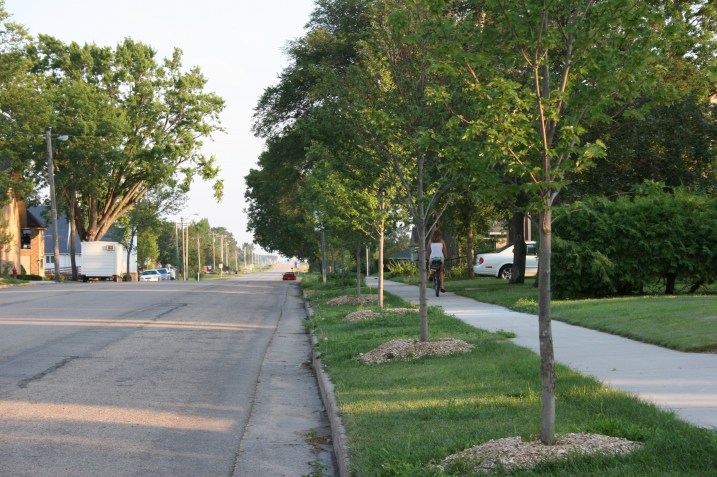
New trees line the boulevard along Belview’s Main Street. A Belview native who owns a tree business offered the city a discounted price on trees. Tree replacement is not covered by FEMA or city insurance.

But already, this community is replacing its trees—57 in the Belview City Cemetery on the edge of town; many along the Main Street boulevard; and others planted at private residences throughout Belview, including peach, pear, apricot and apple trees in Linda Sullivan’s yard.

Linda, who was out of town when the storm rolled in, remembers the phone call from her brother, “You can’t find the house for the trees.”

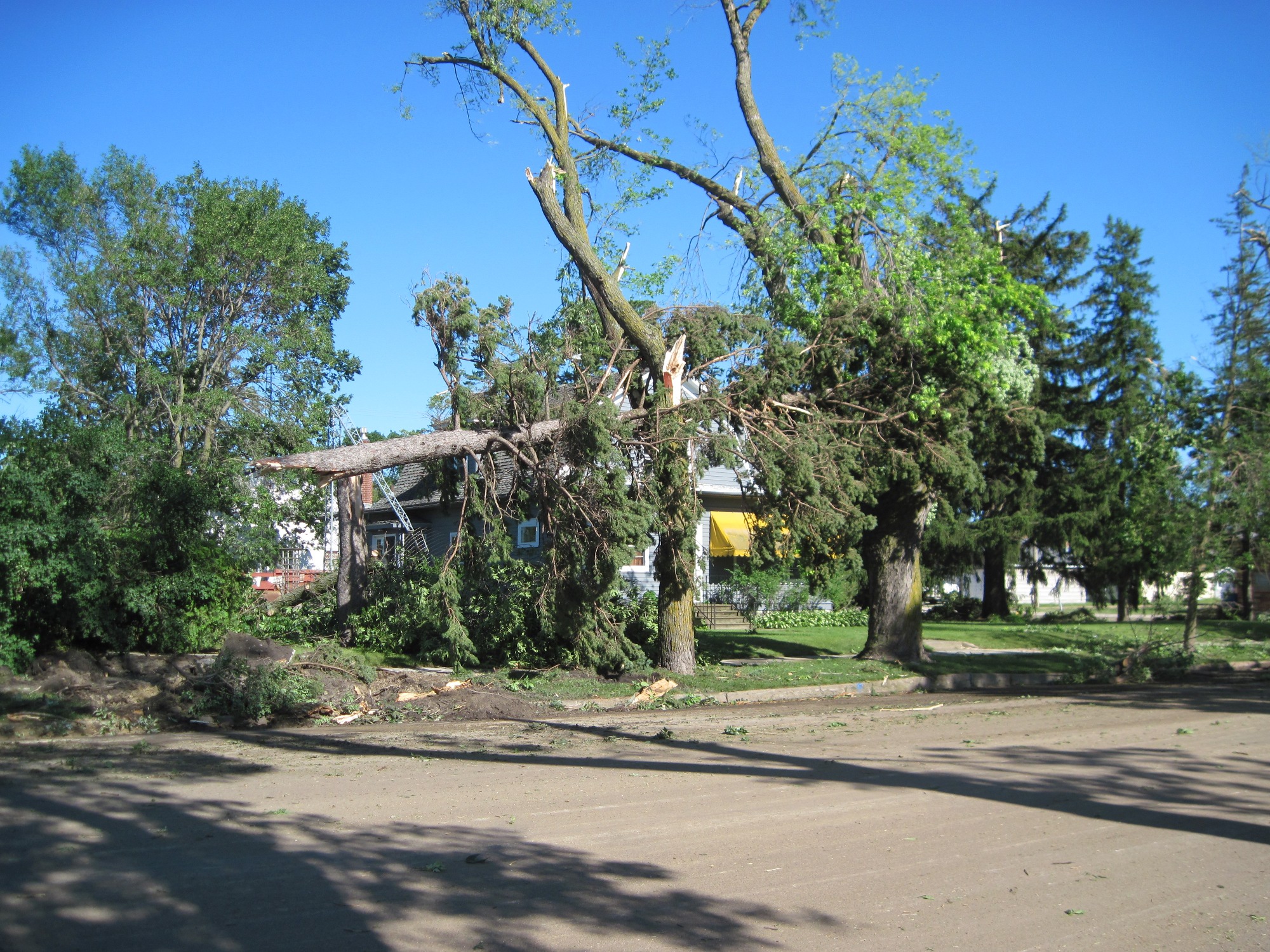
And it was like that all over town with trees or tree branches lying atop houses, garages and vehicles and blocking streets.

In that environment, Belview’s volunteer fire department and emergency personnel responded as they drove a fire rig around town checking on the safety of their friends, neighbors and families.

Lori, the city clerk, praises those volunteers and the many others who came into town to help with recovery. Within two days of the tornado, Linda Sullivan’s property was cleaned up. It was like that all over town as a continual procession of vehicles hauled away downed limbs and trees.
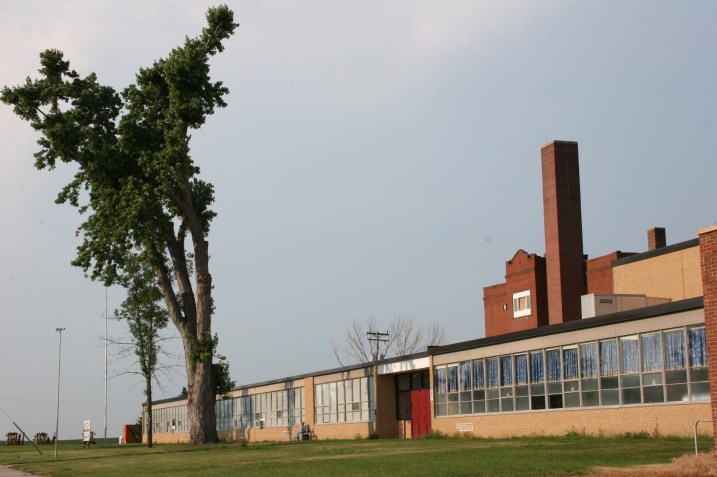
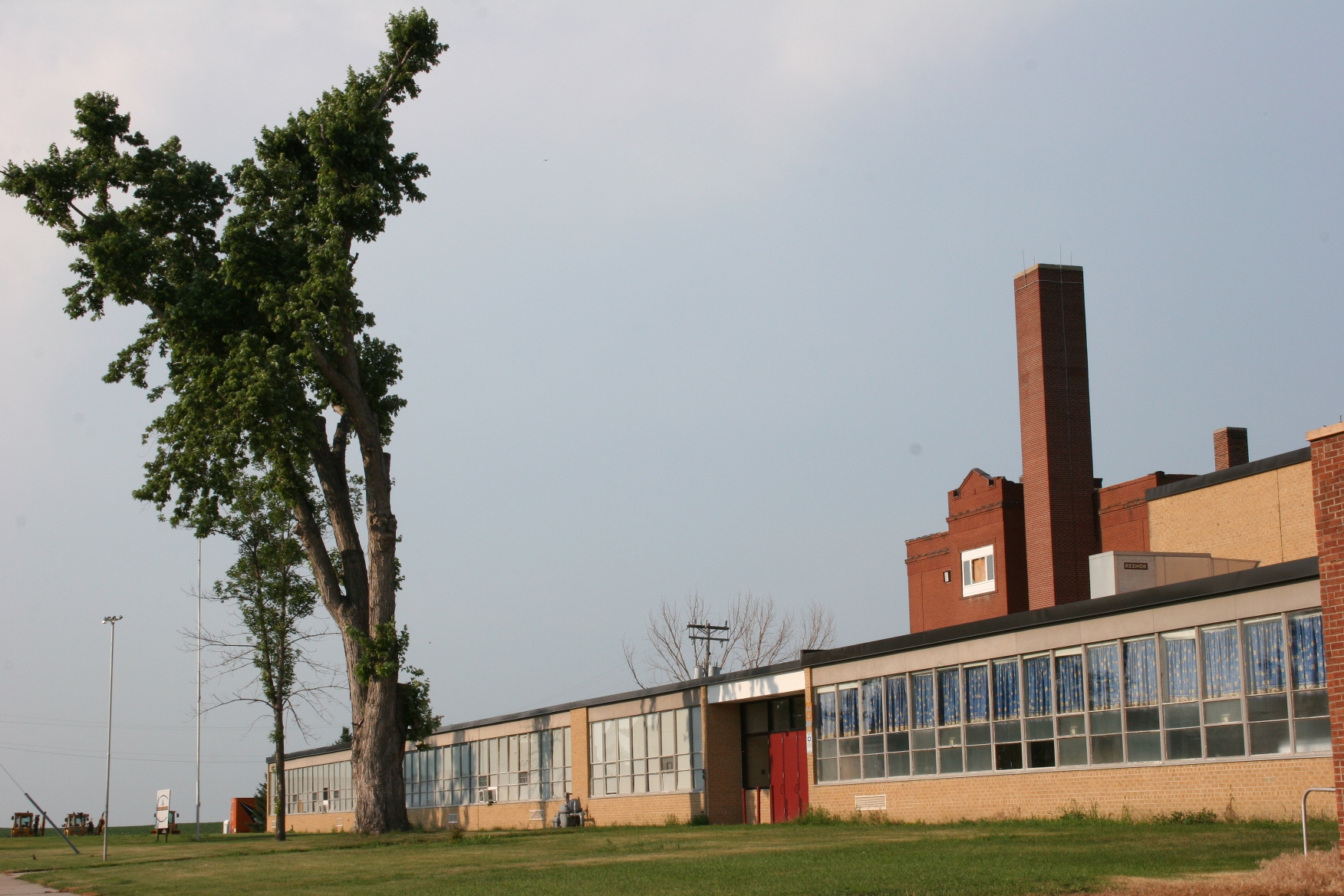
A tornado-ravaged tree stands at the Belview Area Learning Center one year after the tornado.

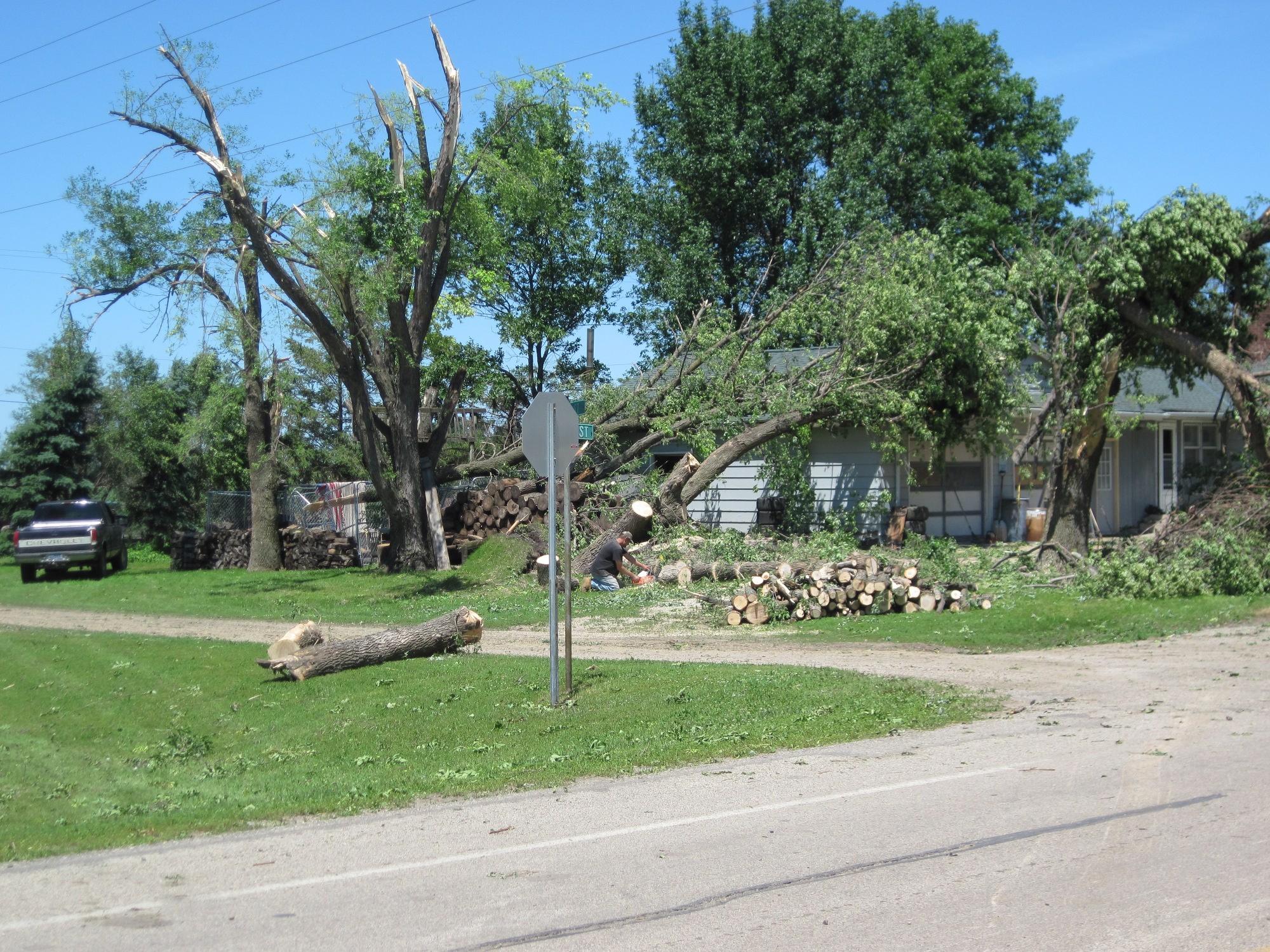
Today visual reminders of the tornado remain in ravaged trees, in houses still under repair, in the rows of new trees spaded in and now growing along the Main Street boulevard.

But it is a community which has weathered the storm and which seems even stronger today for having experienced an EF-1 tornado.
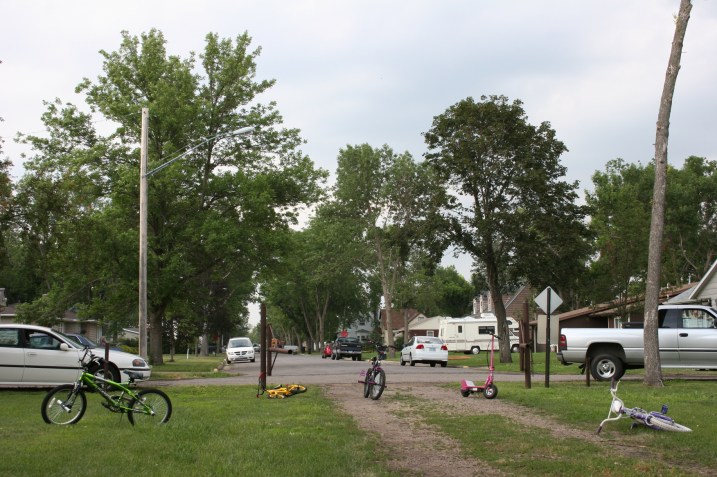
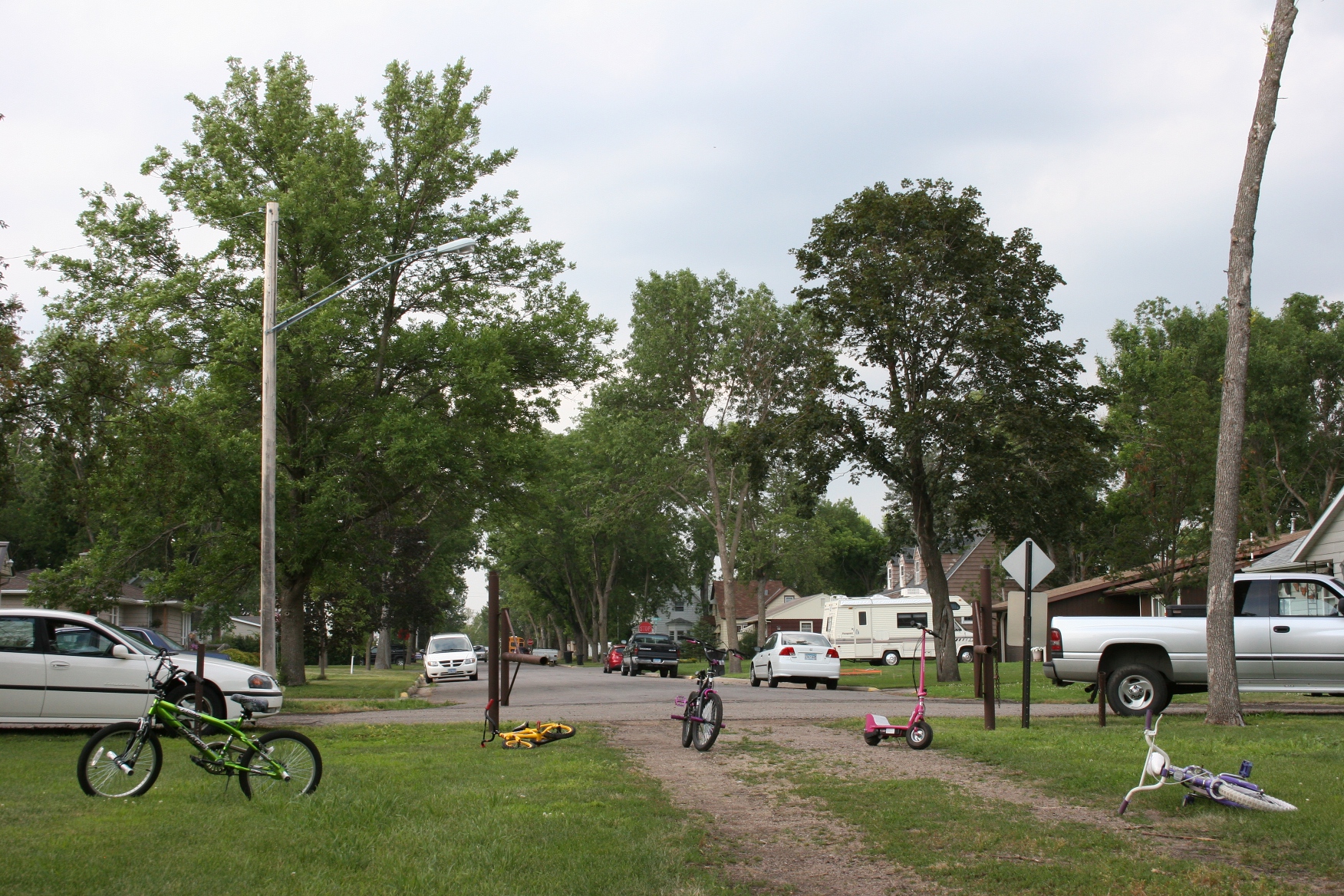
Belview is the type of small Minnesota town where kids can just drop their bikes and scooters, unlocked, in the park.

The Belview Fire Department filled a temporary water reservoir for the kids to splash in during the tornado recovery celebration on a sultry July 1.

#

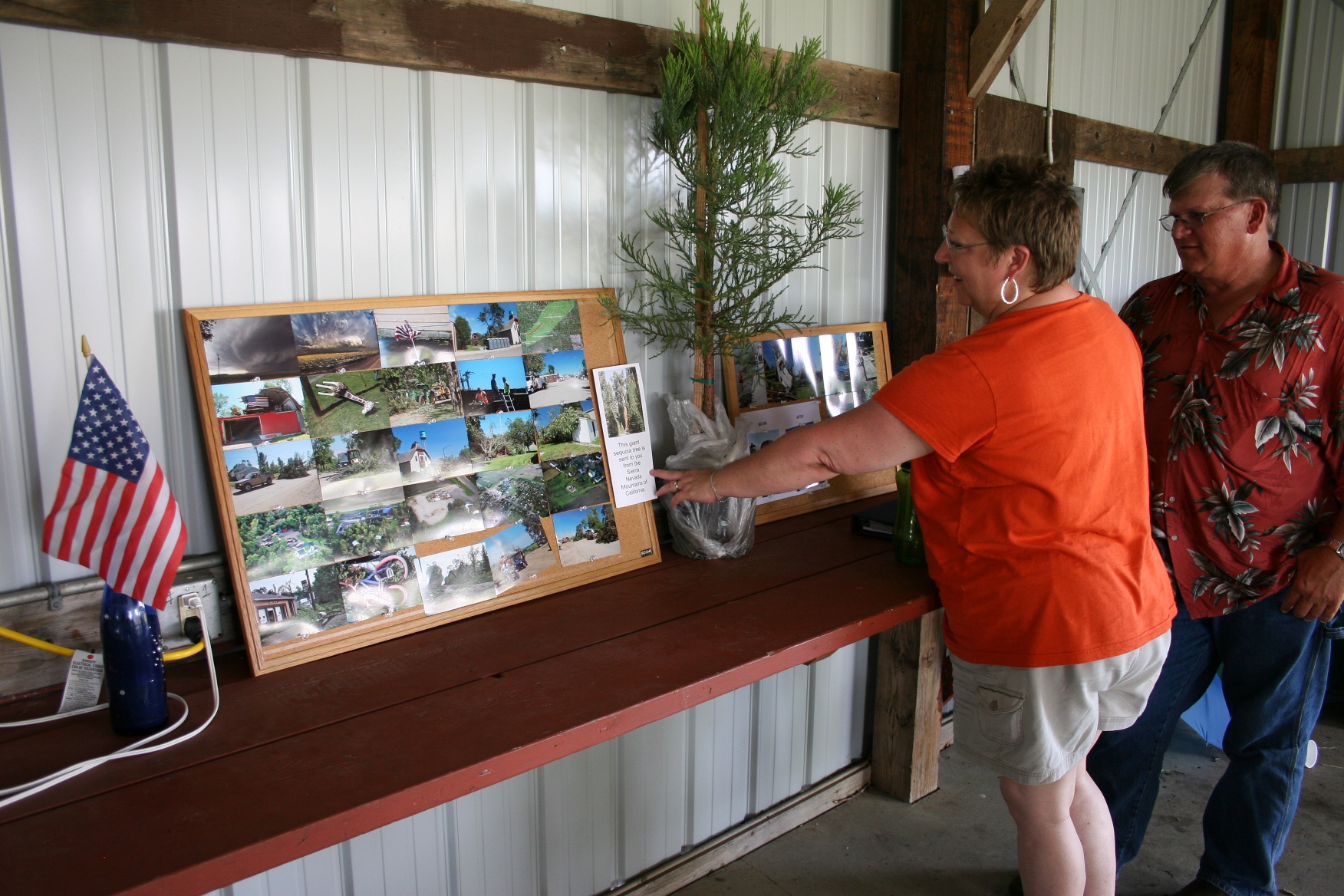
A SPECIAL FED-EX SHIPMENT arrived from California on Friday for the residents of Belview. It came from Steve, the Federal Emergency Management Agency representative assigned to Redwood County. “He loved Belview,” City Clerk Lori Ryer said. “He’d never been to an area with such a hometown feel like here.” Steve was even invited to Thanksgiving dinner at the home of Delhi Township Board member Tom Werner.
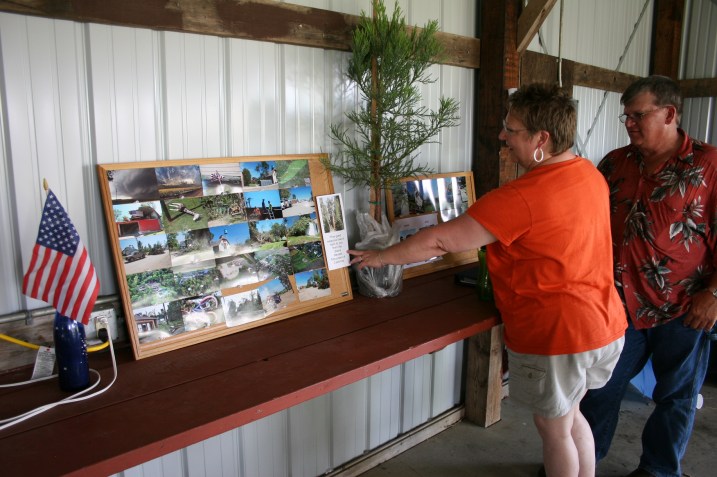
The tiny sequoia photographed here was given to the residents of Belview by their FEMA rep, Steve. Photos of tornado damage and recovery were posted on bulletin boards during the celebration. The image in the upper left corner shows the tornado, as it approached Belview.

The FEMA’s rep’s fondness for Belview showed in the sequoia he sent with the following note:

Some of you I was able to meet personally, with others it was a smile or head nod. In either respect, the experience of working with you during the tornado recovery effort has been engraved in my memory banks. What a fantastic town and great people.

Thank You for the invitation to the one year recovery celebration and tree planting. Believe me I’d very much like to be there, however FEMA wants me here, in New York City, until our mission is completed. Yeah, I know what you’re thinking. New York City??????

I hope you can find a nice place to plant this “little guy”–you might consider giving him a little room to grow. They live in the mountains near my home in California and I can tell you that every time you see one it will certainly take your breath away, they are truly magnificent trees and very hard to forget. Somewhat like the Harvest and Thanksgiving Time in Minnesota.

Wishing you all continued success in the recovery process.

Decades from now, when travelers spy a giant redwood in the Redwood County community of Belview, they will likely ask about the tree. And they will hear the story of the tornado which touched down in this little prairie town on July 1, 2011, and how, one year later, Steve the FEMA rep gifted a sequoia to the city. Surely, the stuff of legends…

© Copyright 2012 Audrey Kletscher Helbling


Vesta & Belview celebrating one year after storms June 29, 2012

TWO REDWOOD COUNTY COMMUNITIES will come together to celebrate this Sunday, one year to the date after severe storms ripped through this region of southwestern Minnesota.

St. John’s Lutheran Church in Vesta, hours after a July 1, 2011, storm ripped half the roof from the sanctuary. Photo courtesy of Brian Kletscher.

In my hometown of Vesta, area residents will remember the storm anniversary and rededicate St. John’s Evangelical Lutheran Church at a 10:30 a.m. worship service followed by a catered chicken dinner.

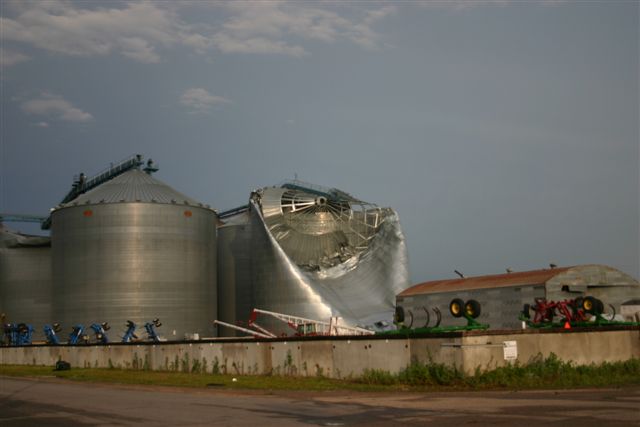
Damage to one of the grain bins at the local elevator. Photo by Brian Kletscher.

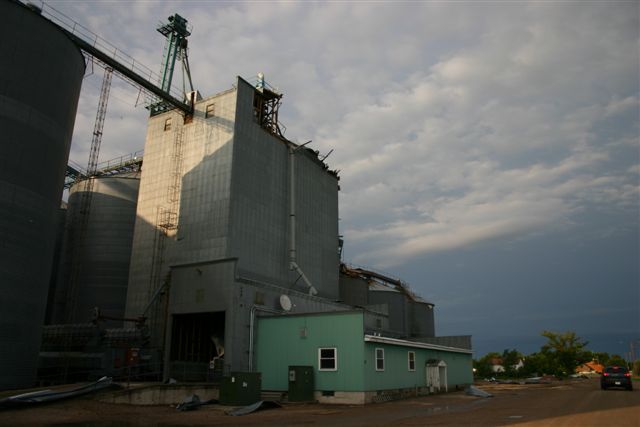
The grain elevator complex, the visual defining landmark in the farming community of Vesta, was ravaged by winds. You’ll see the damage near the top of the old grain elevator. Photo by Brian Kletscher

During the late afternoon of July 1, 2011, a series of downbursts with wind speeds of 90 – 100 mph swept through Vesta, ripping half the roof from St. John’s sanctuary, felling trees, denting grain bins, damaging the landmark grain elevator and more.

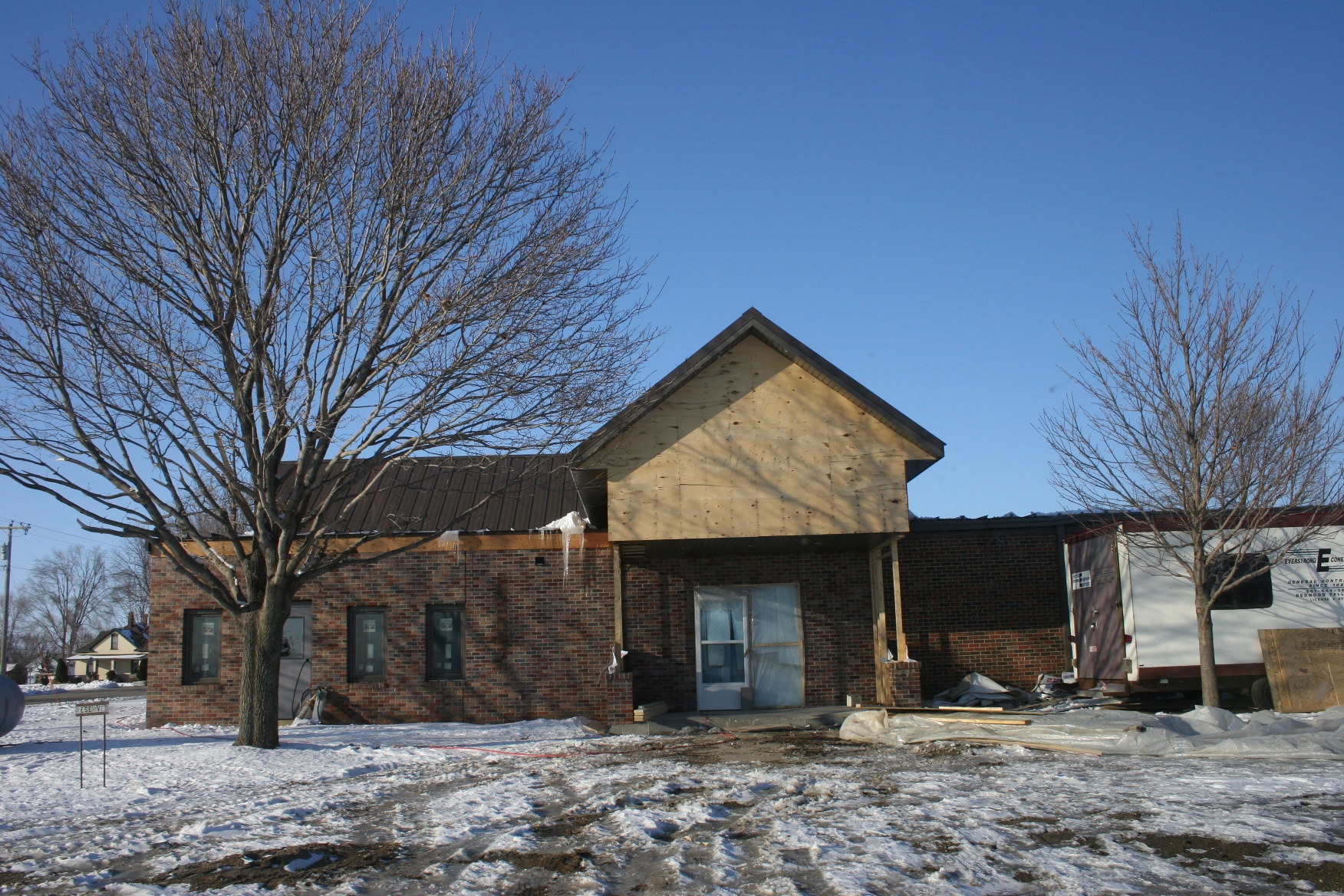
Under construction in March, a pastor’s office, bathroom and storage room were added to the south side of the early 1970s era church. Photo by Audrey Kletscher Helbling.

It took nearly a year for St. John’s to reopen after the congregation decided to expand the church as part of the roof reconstruction process.

Entering Belview from Sacred Heart at 9 a.m. on July 2, the morning after the tornado. Photo courtesy of Merlin and Iylene Kletscher, who were not yet living in Belview when the storm hit.

In Belview, about 10 miles to the north and east, residents will also mark the one-year anniversary of an EF-1 tornado which rode in on the same storm system. The tornado, with winds of 95 – 105 mph, wiped out many of this prairie town’s trees (which fell onto buildings and vehicles), damaged the nursing home to the point that it closed for awhile, wrecked roofs and more.

A month after the tornado, Belview’s Parkview Home (nursing home) remained closed as repairs were needed to the damaged roof, covered here with blue tarps. Photo by Audrey Kletscher Helbling.

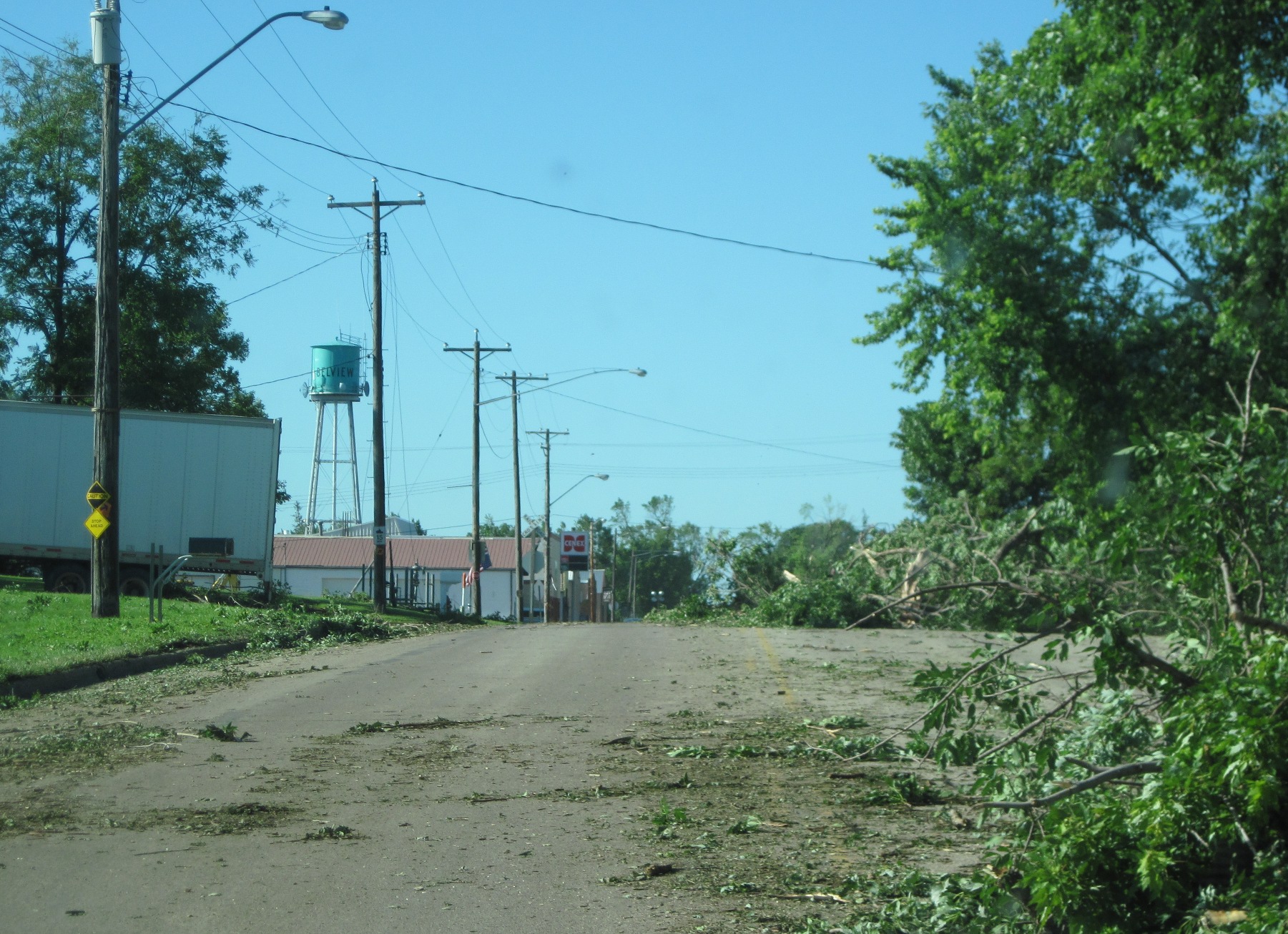
The communities of Belview and Vesta lost many trees in the July 1 storms. This photo is along a Belview street north of the park. Photo courtesy of Merlin and Iylene Kletscher.

Jerry Hagen’s house, across the street from Merlin and Iylene’s home in a July 2 photo. Photo courtesy of Merlin & Iylene Kletscher.

Damage along South Main Street in Belview. Photo courtesy of Merlin and Iylene Kletscher.

A year later, Belview residents are celebrating with a catered community picnic supper and entertainment at the local park (or in the air conditioned historic Odeon Hall if the weather is too hot) from 4 p.m. – 6 p.m. Sunday.

“We know we can pull together when the going gets tough as was proven after the storm,” says City Clerk Lori Ryer. “Now we would like to pull together in a spirit of community and fellowship and say thank you to everyone in town and to those that helped.”

My Uncle Merlin and Aunt Iylene Kletscher will be among Belview residents attending that picnic, celebrating and listening to the music of Ron and Kathy and Friends. The Kletschers had just closed on the purchase of a foreclosed fixer-upper home along Belview’s Main Street when the tornado ravaged Iylene’s hometown. They lost most of their trees—one of the reasons the couple bought the property—and sustained damage to their house, which they had just begun renovating.

Says Merlin:

So far we have planted four flowering crabs, a new disease resistant elm tree, 13 lilac bushes and the city has the Main Street boulevard planted with really nice-sized maples. We have two churches with new roofs, the bank is putting a new roof on right now and there are also more homes in the process of new shingles, etc., now.

One year later, Belview is looking pretty darn good!

A portion of Main Street in Belview a month after the tornado. Photo by Audrey Kletscher Helbling

FYI: To read more about the July 1, 2011, storms and to view more storm damage photos, check the Minnesota Prairie Roots archives from July 2011. In addition to the damage in Vesta and Belview, many rural residences also were hit. The farm of my cousins, Danny and Marilyn Schmidt, was struck by a second EF-1 tornado which nipped the northwestern corner of Redwood County. Near the South Dakota/Minnesota border, the community of Tyler experienced an EF-2 tornado which followed a 3-mile path through Lincoln County. The tornadoes and wind storms were part of a massive storm system  on July 1, 2011, which began along the western edge of Minnesota and extended as far east as northwestern Wisconsin.

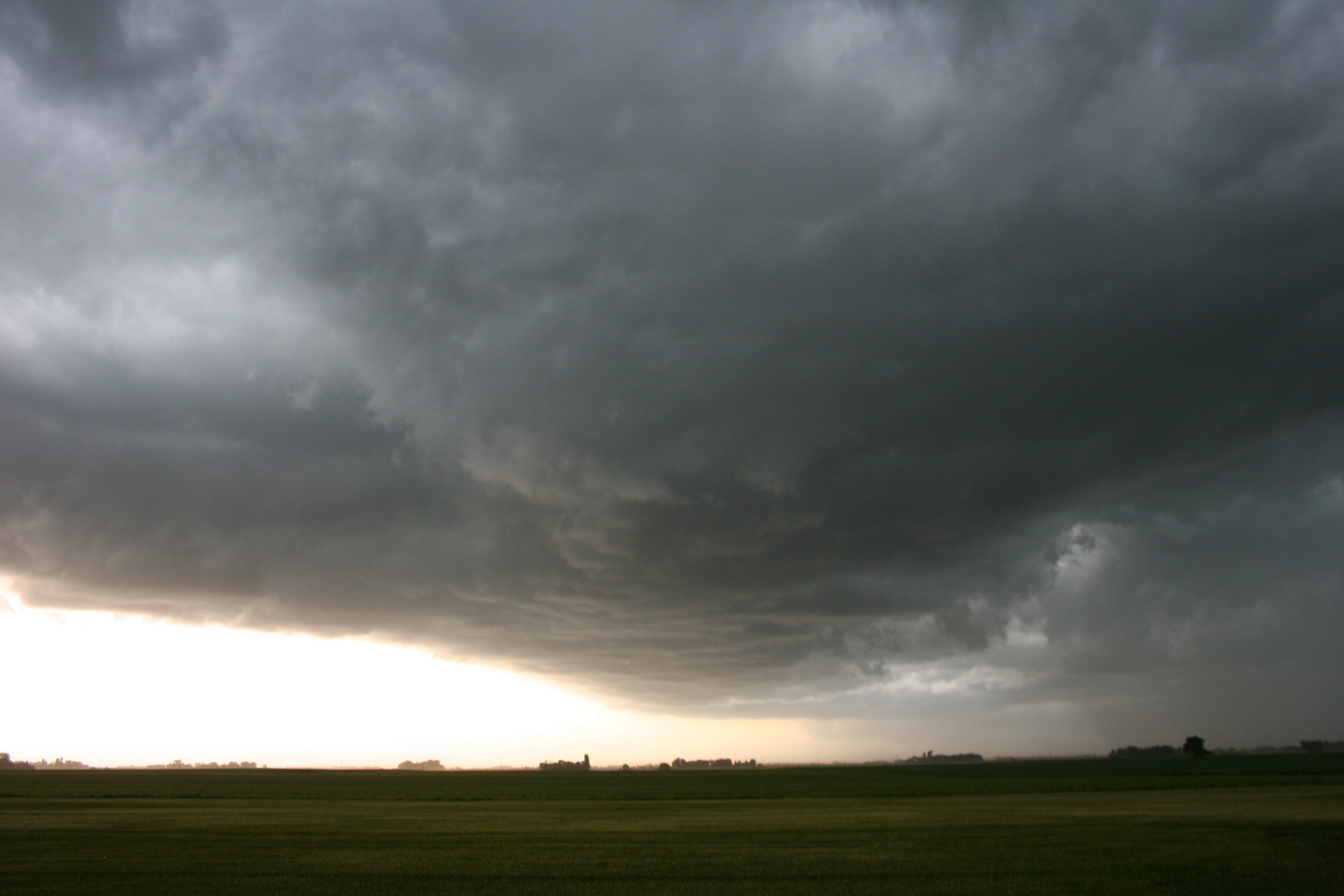
I was on my way with my husband to a party near Nerstrand not far from our Faribault home in southeastern Minnesota when these threatening clouds moved in during the early evening hours of July 1, 2011. It was while driving to our friends’ rural home that my sister Lanae phoned to tell me about the storm in our hometown and to warn me of the approaching bad weather. Fortunately the ominous clouds delivered only rain and nothing severe. But I was worried, very worried.

Copyright 2012 Audrey Kletscher Helbling
 

Not exactly kick the can

Filed under: Uncategorized — Audrey Kletscher Helbling @ 7:15 AM
Tags: , , , , ,

HOT, HUMID WEATHER can cause all sorts of issues. Frizzy hair. Over-taxed air conditioners. Crabby kids, and adults. Buckling pavement.

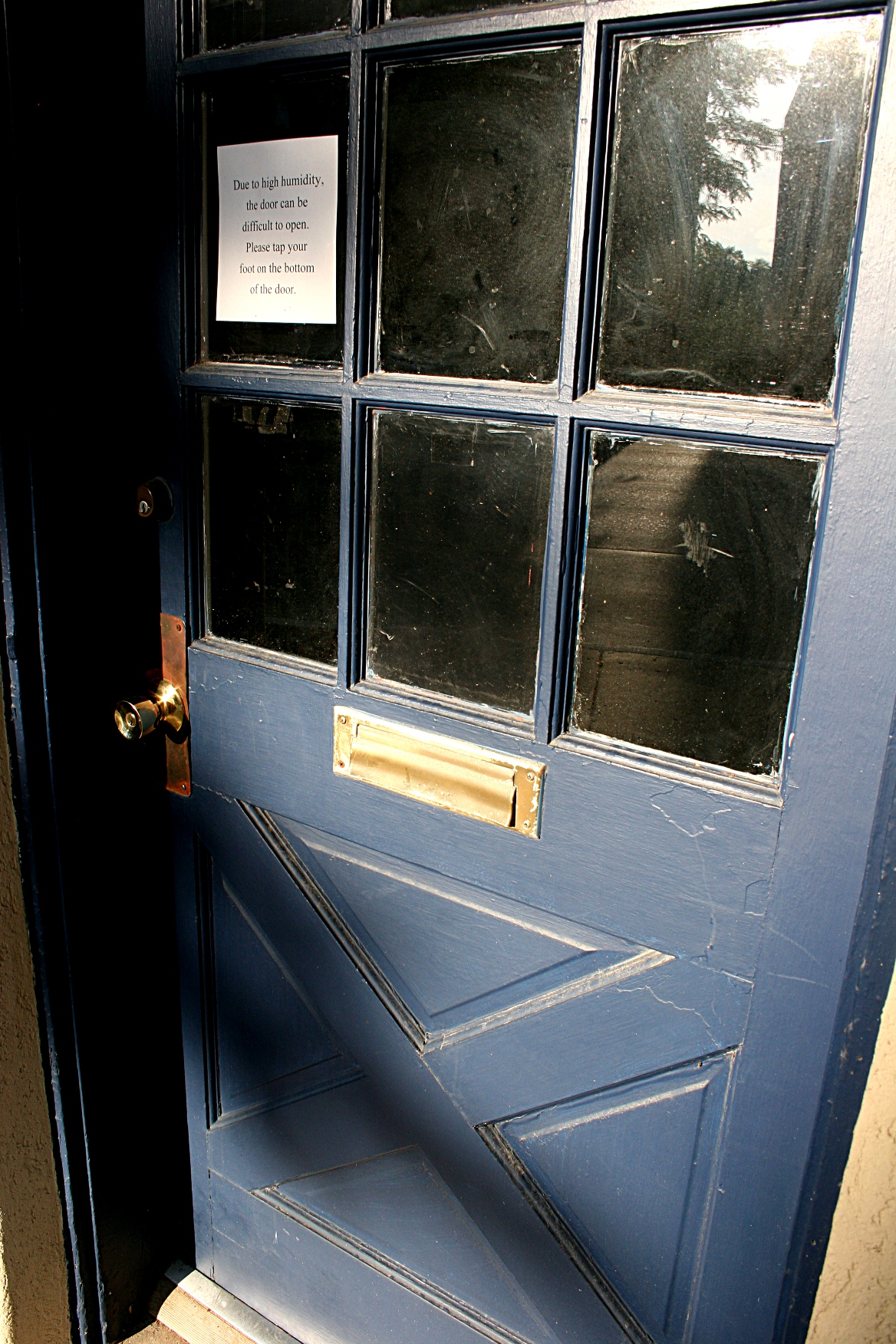
And sometimes…sticky doors.

The door to Personal Touch Office Services.

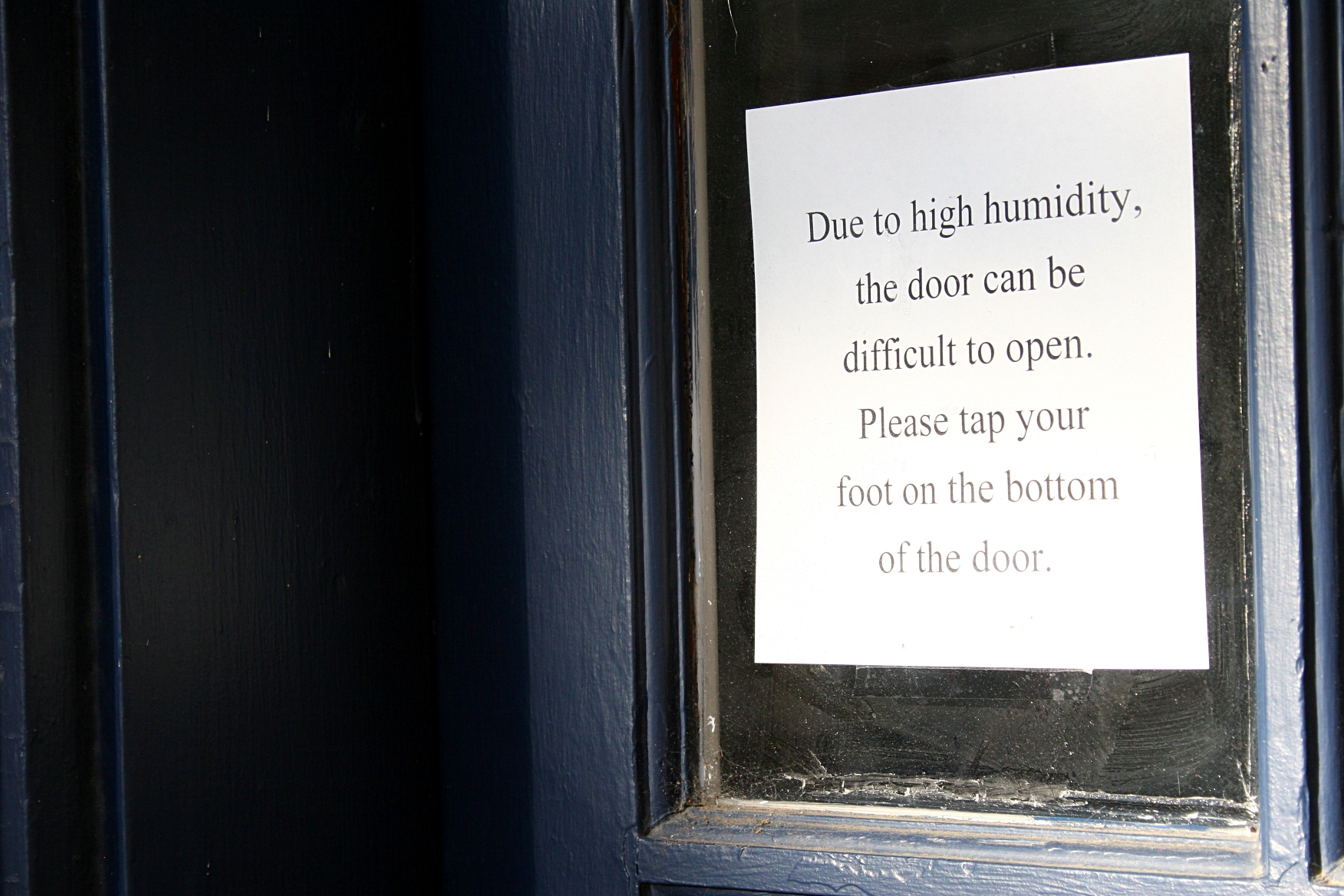
But Patti, at Personal Touch Office Services, 307 Division Street in historic downtown Northfield, offers a solution to the sticky door problem at her place of business. Simply follow her instructions:

Follow the instructions to get the door open during humid weather.

Please note that Patti instructs you to “tap,” not kick, the door. Got that?

I expect door tapping kicking has been a popular sport in Minnesota this week.

FYI: I do not know Patti nor have I ever done business with her. I simply found her note amusing and wanted to share it with you.

© Copyright 2012 Audrey Kletscher Helbling


Stories from the Tracy, Minnesota, tornado remembered and published 44 years later June 13, 2012

Eric J. Lantz, 16, of Walnut Grove, shot this award-winning photo of the Tracy tornado as it was leaving town. He often took photos for the Walnut Grove Tribune, owned by his uncle, Everett Lantz. This image by Eric was awarded third place in the 1968 National Newspaper Association contest for best news photo.

FORTY-FOUR YEARS AGO TODAY Minnesota’s first F5 tornado, the most powerful with wind speeds in excess of 300 mph, plowed through the southwestern Minnesota farming community of Tracy killing nine.

Twenty-five miles to the northeast, my farmer father paused from milking cows on that sultry June 13 evening in 1968 to watch the tornado churn across the flat prairie landscape. Not wanting to unduly alarm his family, he did not warn us of the approaching storm. Only afterward, when the menacing clouds dissipated before reaching our farm, did he tell us what he’d observed through the open barn door.

Days later our family of eight piled into the family car and drove to Tracy to see the devastation.

This photo, taken by Eric J. Lantz, a printer’s devil/photographer for the Walnut Grove Tribune, was republished in  the Tracy Headlight Herald courtesy of the Tribune. It shows a damaged boat and overturned car sitting atop the rubble after the Tracy tornado of June 13, 1968.

I was an impressionable 11 ½ years old at the time. Specific memories of that destruction—except for twisted, shredded trees and tossed boxcars—have long vanished. But the overall, chaotic scene and the deaths of those nine Tracy residents are forever seared into my memory. The deadly Tracy tornado is the sole reason I dream about and fear tornadoes.

The photo by Eric J. Lantz illustrates the cover of Scott Thoma’s just-published book.

So I knew when I picked up Tracy native Scott Thoma’s recently-published book, Out of the Blue—The true story of two sisters and their miraculous survival of one of the most powerful tornadoes in Minnesota history—that the nightmare would come.

And it did, on the night I finished the chapter about sisters Linda (Haugen) Vaske, 20, and Pam Haugen, 8, who never made it to the basement of Linda’s home, I dreamed that I could not reach the basement during a tornado.

I’ve blocked out the rest of that nightmare. And for more than four decades, Linda, who was flung about by the fierce winds of that 1968 tornado as was Pam, also blocked out much of that terrifying event. That is until she and Pam sat down with Thoma, a long-time writer and newspaper reporter, to talk about that fateful evening when they nearly lost their lives.

For 44 years, Linda blamed herself for the death of the tornado’s youngest victim, 2 ½-year-old Nancy Vlahos, whom Linda’s then-husband and she were in the process of adopting. The preschooler was ripped from Linda’s arms and later found dead in the street.

While the story of the Haugen sisters and little Nancy centers the book, Thoma’s account of the Tracy tornado encompasses the stories of others, including his own. He lived less than a block from the twister’s destructive path and recalls his father searching for an elderly neighbor and unintentionally stepping upon the man’s lifeless body wrapped in a tattered drape. It was the first time he saw his father cry.

That intimate familiarity with the scenes that unfolded in the aftermath of the tornado and the understanding of how small towns pull together assure readers that Thoma is writing this for reasons which are deeply personal. He is honoring those who died, those who survived and those who helped his community of then 2,500 residents in its hours of greatest need.

You will read about Delpha Koch, who from her farm home five miles southwest of Tracy, phoned a dispatcher at 6:55 p.m. to warn of the approaching tornado, saving countless lives. Ditto for the police officer and train crew and others who alerted residents to the storm.

Delpha, a critical care nurse at the Tracy Hospital, her husband and two sons immediately headed into Tracy, arriving as screaming and stunned residents covered in dirt and silt emerged from the rubble. Almost immediately rescuers began taking the dead and injured to the hospital in a furniture delivery truck and other vehicles.

Thoma, via conversations with survivors and through extensive research, writes with absolute attention to detail, taking the reader inside that 42-bed hospital where 171 patients were seen for tornado-related injuries in the outpatient department. Twenty-three were hospitalized, including the Haugen sisters—Linda was seriously injured, Pam was not.

In what I consider one of the most memorable lines from the book, Thoma quotes Kathy Haugen, upon seeing Linda: “That’s not my sister.” Due to the extent of her injuries, Linda was unrecognizable to even her closest loved ones.

Thoma’s book is as much a tragic story of lives lost and homes and businesses damaged or destroyed as it is about a community pulling together. From Tracy Fire Chief/Fire Marshall/Civil Defense Director Bernie Holm who worked tirelessly for his community to the 80-year-old retired doctor who volunteered at the hospital to the veterinarians who sutured wounds to the farmers who brought tanks of water to the hospital and more, this is a story of how we as humans assist one another in need.

But it is also a story which emphasizes the ferocity of an F5 tornado, one of only two which have ever occurred in Minnesota, the other in nearby Chandler on June 16, 1992. One person was killed in Chandler and 35 injured.

I remember, from 1968 accounts of the Tracy tornado, the reports of tossed boxcars; a 25-ton boxcar was blown two blocks. Thoma spews out the numbers—26 toppled train cars, 111 destroyed homes, 76 houses with major damages, five businesses destroyed and 15 businesses damaged.

Yet, what impacts me most upon reading his book are the nuances of this tornado, like the account of Tracy resident Jerry Engesser discovering a book upon the rubble in his yard. He turns it over to read the title, Gone with the Wind.

And then, the bit that makes goosebumps rise on my arms comes in a partial letter found by a farmer 45 miles away near Redwood Falls. It reads:

Cliffy,
It’s raining and hailing here tonight and the wind is blowing hard…

Linda (Haugen) Vaske had just begun writing that letter to her military husband, Clifford, when the tornado swept into Tracy around 7 p.m. on Thursday, June 13, 1968, claiming nine lives and forever changing this southwestern Minnesota prairie community.

Eric J. Lantz, photographer for the Walnut Grove Tribune, also took this photo which was shared and published in the Tracy Headlight Herald. He captured this scene at the demolished Tracy Elementary School.

FYI: Click here to link to Willmar, Minnesota, author Scott Thoma’s Out of the Blue website. His book was published in May by Polaris Publications, an imprint of North Star Press of St. Cloud, Inc.

To read an earlier post I wrote about the Tracy tornado, click here. It features information from Al Koch, who is married to one of my best friends from Wabasso High School, Janette Koch. Al witnessed the Tracy tornado and destruction and his mother, Delpha, phoned the Tracy dispatcher about the approaching tornado.

My experience with tornadoes is personal. About 30 years ago, when I was already an adult and living away from home, a twister struck the farm where I grew up. Click here to read that post.

Click here to read a post about a tornado which struck my father’s childhood farm about a mile away in 1953 or 1954.

Last July 1 a series of downbursts with windspeeds of 90 – 100 mph swept through my hometown of Vesta. Read about the damage there by clicking here.

And finally, click here to read a post about a terrifying storm my husband, son, mother and I rode out in a car along a rural road north of Walnut Grove (near Tracy) two summers ago. I’ve probably never been more terrified than during those 45 minutes on that stormy, black night.

Yes, I fear and respect tornadoes. You should, too.

© Copyright 2012 Audrey Kletscher Helbling

Copyrighted photos are courtesy of Scott Thoma and are published here with his permission. Photographer Eric J. Lantz retains the copyright to the above photos.

 DISCLAIMER: I received a free copy of Out of the Blue. However, that did not influence my decision to write this post nor its content.


Where there’s smoke, there’s fire April 6, 2012

Filed under: Uncategorized — Audrey Kletscher Helbling @ 1:50 PM
Tags: , , , , , ,

MY SWEATSHIRT REEKS of smoke, as if I’ve been sitting around a campfire for hours.

But in reality, I’ve only stepped into my backyard for several minutes, into the strong scent of smoke drifting from across the street a few houses away.

Honestly, I could not believe my eyes. Who, in their right mind, would burn leaves in tinder dry conditions like this? Apparently my neighbor.

Only an hour ago, I heard a local radio broadcaster announce a burning ban issued by the sheriff in Rice County. Given the dry conditions, only recreational campfires and grilling are allowed.

Recreational campfires like this one are still allowed. I gathered with extended family around this campfire in Waseca on March 24. This photo is for illustration purposes only.

The National Weather Service has issued a “red flag warning” for the western half of Minnesota from the northern to southern borders. Gusty winds and low relative humidity in an already dry landscape are creating “critical fire weather conditions,” according to the NWS.

Heed the warning, Minnesotans. Use common sense. It doesn’t take a rocket scientist or a warning from the NWS or a directive from the sheriff to tell you that burning leaves, or anything else for that matter, today or anytime soon would be a very bad idea.

I kept expecting to hear the wail of fire trucks racing to my neighbor’s house. I live along a heavily-traveled street. It’s happened before that a passerby has called the fire department when a neighbor has been burning leaves.

HAVE YOU HAD any fires in your neighborhood today or recently? If so, send me a report via a comment.

© Copyright 2012 Audrey Kletscher Helbling

 

Lessons in gathering sap & making maple syrup on a summery day March 19, 2012

Filed under: Uncategorized — Audrey Kletscher Helbling @ 2:53 PM
Tags: , , , , , , ,

THE GATHERING OF MAPLE SAP at River Bend Nature Center in Faribault looked nothing like this on Sunday. Obviously, harvesting methods have changed since this vintage photo was taken. But so has the weather.

A copy of an historic photo displayed inside a teepee at River Bend Nature Center showed how sap was once harvested. Typically, there's still snow on the ground during the sap run.

Nature Center visitors (many clad in capris/shorts, t-shirts, flip flops and sandals) gathered to learn about making maple syrup on an unseasonably warm and snow-free afternoon more like June than March. This isn’t exactly sap-flowing weather with record day-time high temperatures near 80 and overnight temps well above freezing. Night-time temps need to dip below freezing for best sap yields.

Yet, the glum prospects for a bountiful sap harvest didn’t stop Nature Center volunteers and staff from leading visitors into the woods for a hands-on lesson in tapping trees.

I busied myself taking photos while volunteer Diane walked us through the steps of selecting and tapping a tree. My husband and I passed on the opportunity to participate, instead allowing brothers Alex and Aaron and their mom, Betsy, from south Minneapolis to step up and get the sap flowing.

Alex took his turn drilling a hole into the maple tree.

Almost immediately after the drill bit was pulled from the hole, the clear sap started running from the spile.

Volunteer Diane checks placement of the bag, usually three per tree, hung to collect sap. About 40 gallons of raw sap produce one gallon of syrup.

Besides the actual tapping process, we learned that sap runs up the tree, not down. I suppose that makes sense now that I think about it.

Later, after we’d tapped our tree and set the collection bag in place, we wandered over to the evaporator where staffer Elaine told us about boiling the water off the sap.

Nature Center staffer Elaine shows visitors four syrup samples and asks which would be sweeter. Typically the lighter-colored one. She also explained the process of boiling away the water in the wood-fired evaporator. Summer attire was the dress code of the day for most, with only a few exceptions.

For any would-be maple syrup makers, here’s the tip of the day from Elaine: “Do not do this in your kitchen. All the steam is sticky.” A good tip for those of us, too, who are photographers and like to get close to the action.

Before we headed over to the final station and a lesson in how Native Americans harvested and processed sap, we sampled homemade maple syrup. It was much thicker, darker and sweeter than the near colorless, runnier maple syrup I tasted last year at the farm of a Faribault area syrup maker. The sap’s sugar content and the cooking process can all affect the end product. I’d choose real maple syrup any day over imitation.

Samples of homemade maple syrup. Pure, delightful sweetness.

Inside the teepee, copies of vintage photos and books on maple syrup were available for visitors to peruse.

Over at the final station, near a teepee set up in the woods, we learned that Native Americans used hollowed-out elderberry sticks as spiles (spigots) and collected sap in waterproof birch baskets.

Much more information was shared. But since I was photographing scenes, I wasn’t taking notes. I figure if you really want to know the ins and outs of making maple syrup, you can research that yourself or attend a hands-on event.

If you want to sample River Bend’s homemade maple syrup, plan to attend the annual Pancake Brunch from 10:30 a.m. – 1 p.m. on Sunday, April 29. The event also includes an early morning Maple Syrup Fun Run (5K run and 1M walk). The top male and female adult and youth runners will each receive a bottle of River Bend maple syrup. Now how’s that for a sweet prize?

CLICK HERE for more information about the Maple Syrup Fun Run and Pancake Brunch.

© Copyright 2012 Audrey Kletscher Helbling

 

They should be building snowmen, but instead they’re selling Kool-Aid March 18, 2012

Filed under: Uncategorized — Audrey Kletscher Helbling @ 12:49 PM
Tags: , , , , , ,

Quinlan, left, Jazmyn and William opened a Kool-Aid stand Saturday afternoon in Faribault.

FRIENDS AND ENTEPRENEURS Quinlan and William got an early start on their summertime business, opening their Kool-Aid stand Saturday afternoon on the corner of Division Street and Prairie Avenue in Faribault.

In the first hour, the two sold eight cups of the beverage, including one to a customer who asked, “Why are you selling Kool-Aid in the middle of March?”

Quin was quick to respond. “It’s really hot outside.”

And he was right. Afternoon temperatures hovered around 80 degrees in most parts of Minnesota on St. Patrick’s Day, shattering records. The 80-degree high on March 17 marked the earliest 80-degree temperature ever recorded in the Twin Cities, according to the National Weather Service. Prior to Saturday, the earliest 80-plus degree day occurred on March 23, 1910.

Quin waits for customers at his Kool-Aid stand at a busy Faribault intersection.

A next-door garage sale helped spur sales.

No doubt, it was an ideal summer-like day to set up a Kool-Aid stand at the intersection of two busy city streets and next door to one of the season’s first garage sales.

Quin, 12, and Will, 10, along with the sometime assistance of Quin’s 12-year-old sister, Jazmyn, (she popped in for a photo and then disappeared inside the house), shouted to passersby to stop for Kool-Aid. The boys are experienced salesman having operated their beverage business last summer, once hauling in as much as $40 on a single day.

With four pitchers of Kool-Aid lined up on a table, they offered customers lime, grape, watermelon-cherry or tropical punch for a quarter a glass. Lime is the bestseller, they noted.

Last season the pair reinvested their money in the business and then spent the rest for admittance to the local Aquatic Center, at the county fair and on video games.

Quin and Will didn’t have exact plans on how to spend this season’s profits. But some of the money had already gone toward the purchase of a Hot Wheels Dodge Neon from the next-door garage sale.

With such an early opening, the boys have a long Kool-Aid season stretching before them and plenty of time to ponder how they’ll spend all their money.

Money in. Money out. The boys purchased a Hot Wheels car from the next-door garage sale.

© Copyright 2012 Audrey Kletscher Helbling
 

A mini St. Patrick’s Day parade in Faribault March 17, 2012

Filed under: Uncategorized — Audrey Kletscher Helbling @ 4:52 PM
Tags: , , , , , ,

Grandma Jean gave grandson Landon a wagon ride on a perfect summer-like March day in downtown Faribault. Walkers and bikers and joggers are out all over enjoying record warm temperatures on this St. Patrick's Day.
THEY WERE A TWO-PERSON PARADE, Jean and Landon, on this St. Patrick’s Day in downtown Faribault.

The pair didn’t plan it that way. But when Landon tuckered out before a 4 p.m. Irish parade at a local restaurant, his grandma decided to head for home.

About that time I caught up with the duo, after pursuing them for two blocks—first along Fourth Street where I’d initially spotted them on a bench—into the heart of Faribault’s historic Central Avenue.
They obliged when I asked to photograph them, even though Landon wasn’t so sure about me and my camera.

Little Landon shows me the shamrock stamped on his grandma's hand.

We're all dressed in green. That's grandma Jean reflected in the left lens and me in the right with my camera. As a bonus, you can also see some of our historic buildings reflected.

Landon was just too darned cute dressed in green and blue (the color originally tagged to Ireland) clothes accessorized with blue shades and green crocs.

After a short (probably too long for Landon) photo shoot, I thanked the pair and sent them on their way.

The two continued on down Central Avenue, heading home.

It was a perfect day for a walk in Faribault with Luck of the Irish weather. Can it get any better than 81 degrees on St. Patrick’s Day in Minnesota? I think not.

© Copyright 2012 Audrey Kletscher Helbling