Minnesota Prairie Roots

Writing and photography by Audrey Kletscher Helbling

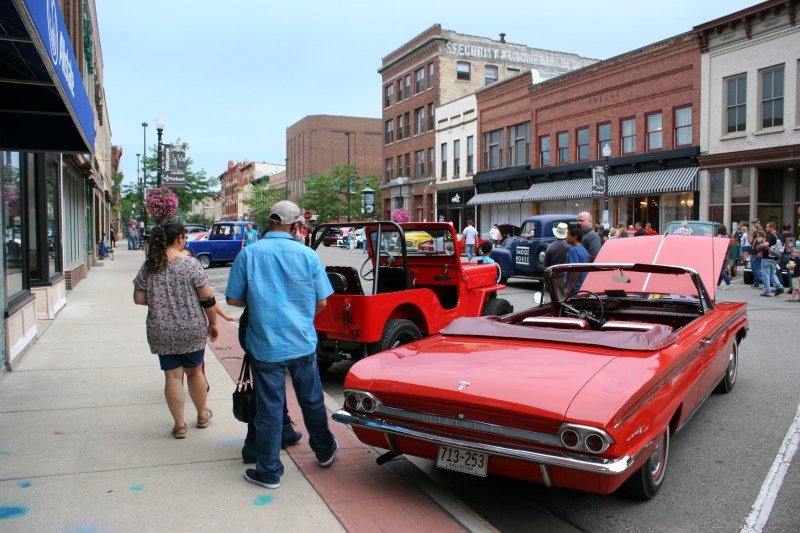
More than a car show September 20, 2019


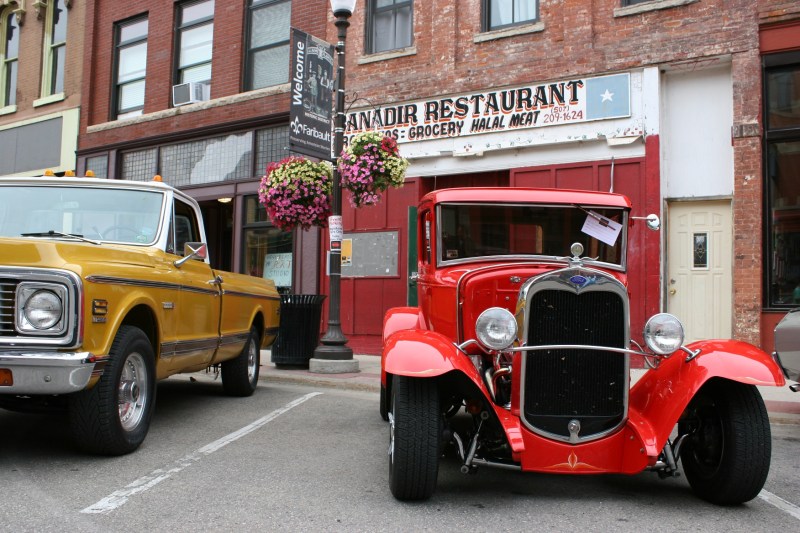
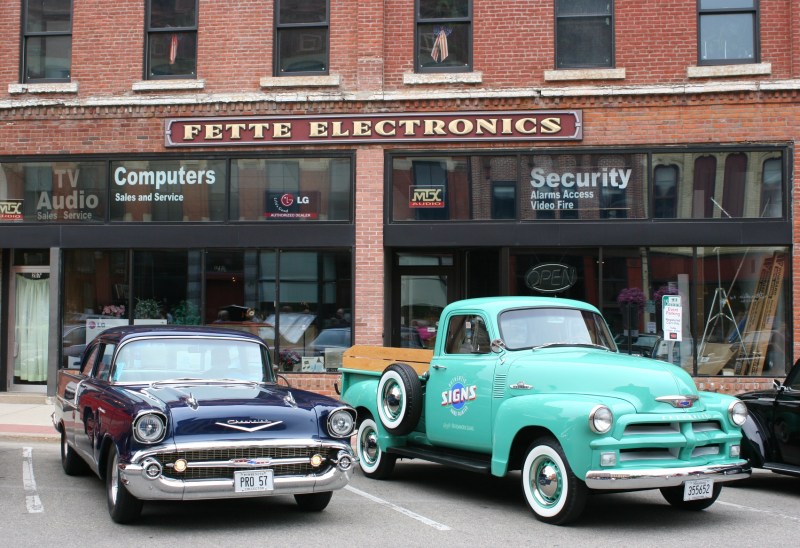
CAR CRUISES REPRESENT much more than a bunch of vintage vehicles washed and waxed for prime public viewing.


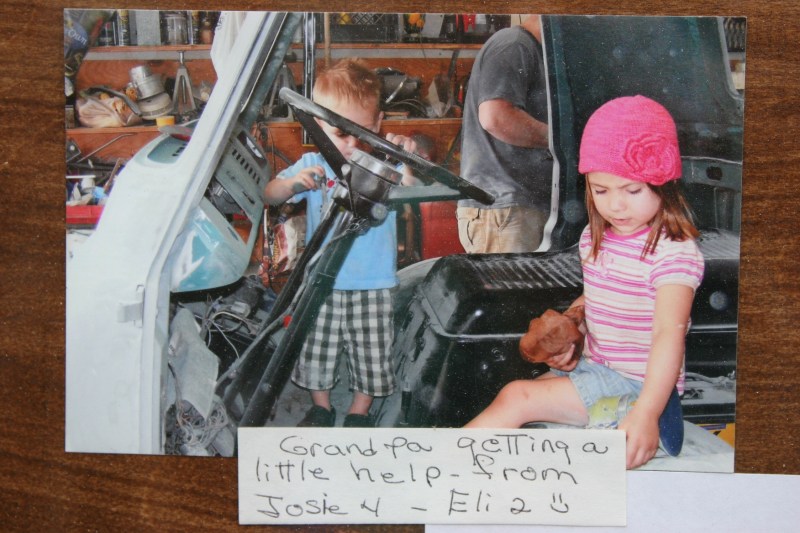
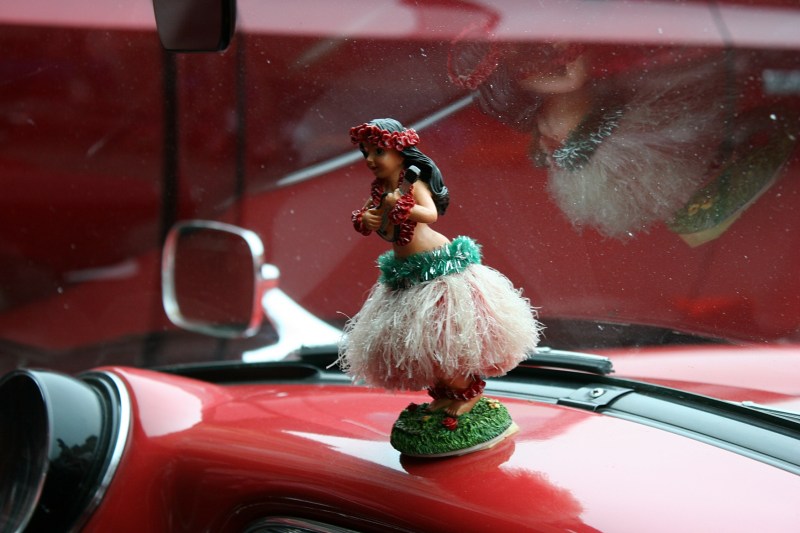
Car Cruises represent passion, family projects, heritage, stories, history, art…whatever perspective you bring to a car show.


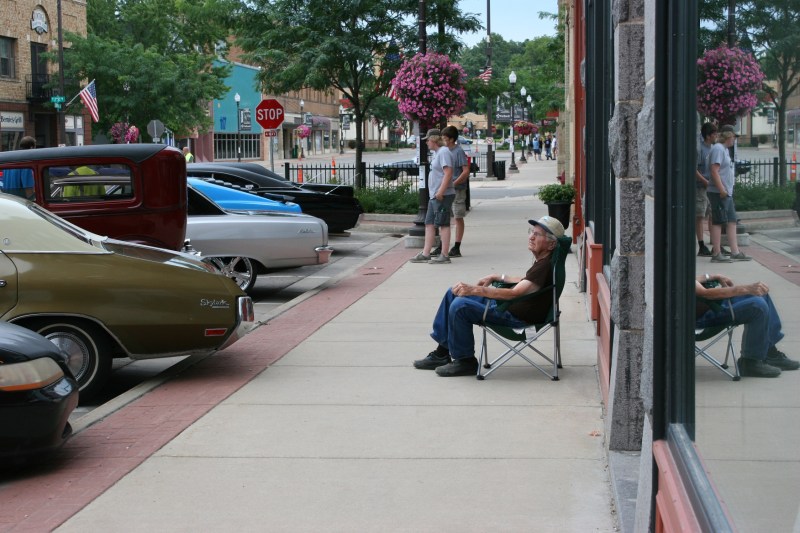
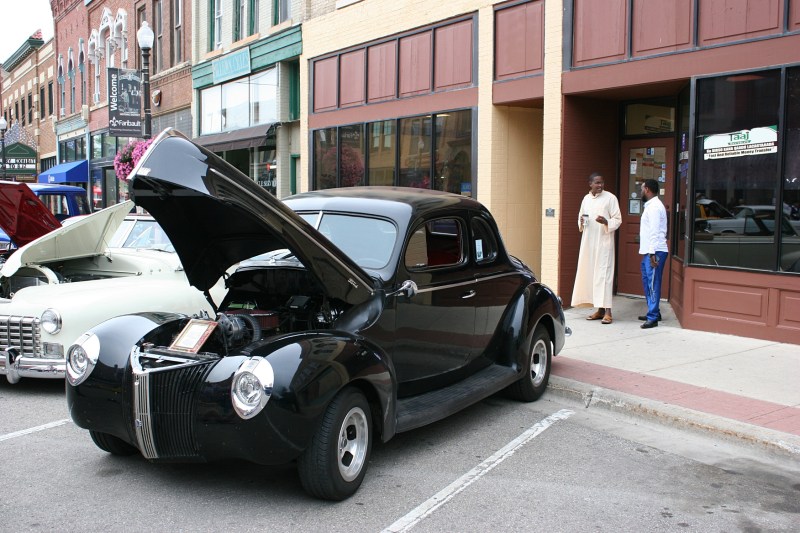
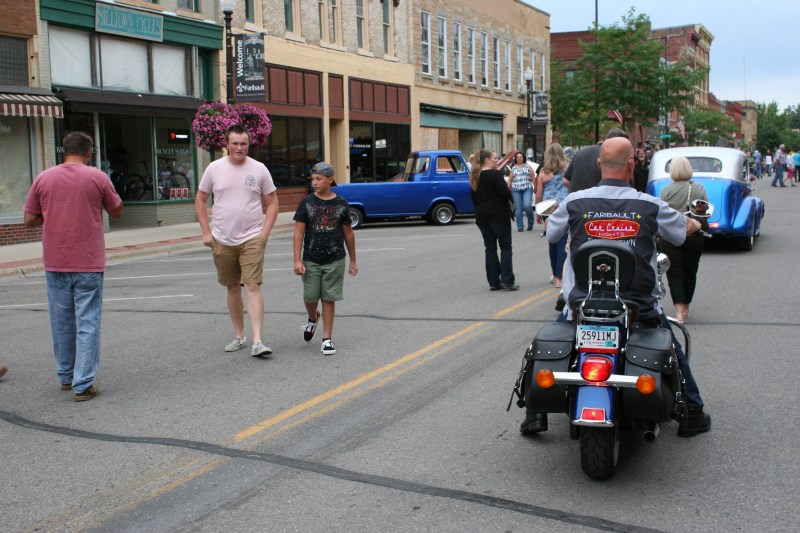
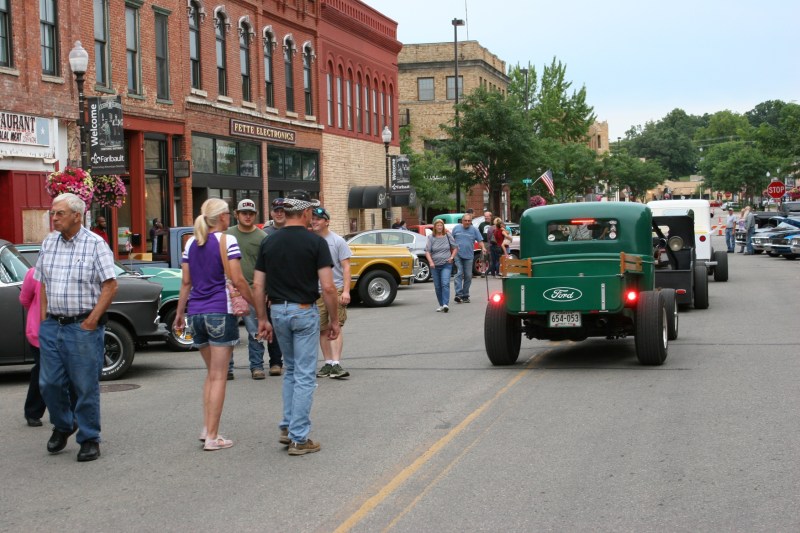
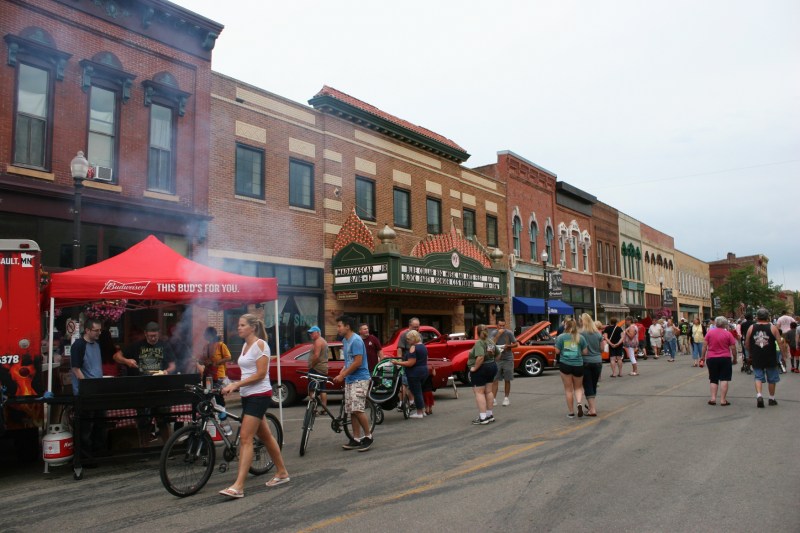
But most of all, they represent community. I’ve attended enough car shows, most in my city of Faribault, to recognize that these events bring folks together. To mingle in the street or on the sidewalk to talk cars. Or family. Or weather. Maybe even politics, but probably not.


While the vehicles take participants and attendees back in time, so does the overall feel of a car show. In this high tech busy world, we need to remember the importance of gathering and of visiting. Face-to-face, cellphones tucked away.


Faribault offers one final opportunity this season to embrace togetherness at the Faribault Car Cruise Night set for 6 p.m. – 9 p.m. Friday, September 20, at Faribault Harley-Davidson, a move from the usual Central Avenue location. I prefer the intimate and historic downtown setting. But I also understand the need to change things up a bit.


The Harley dealer is also offering a free showing of the classic movie, American Graffiti, at 6 p.m. (according to promotional info). The event is advertised as family-friendly with offerings of popcorn, s’mores, pop and a bonfire. Bring your lawn chairs and blankets.


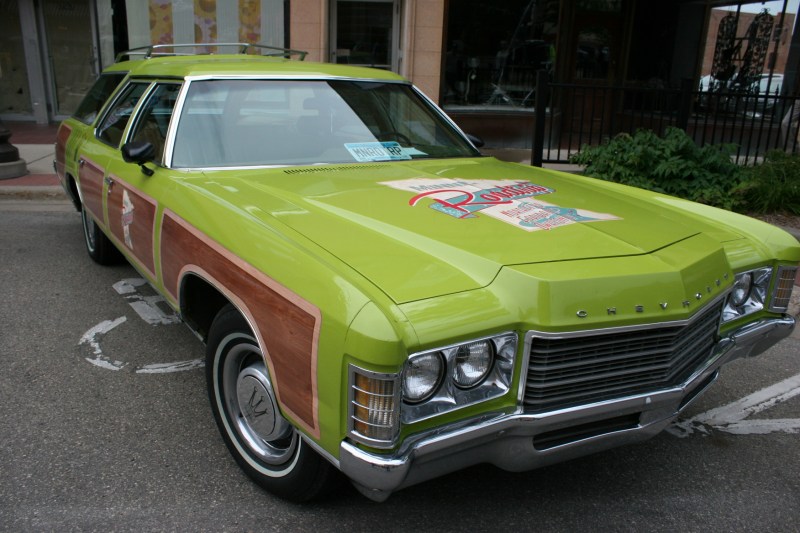
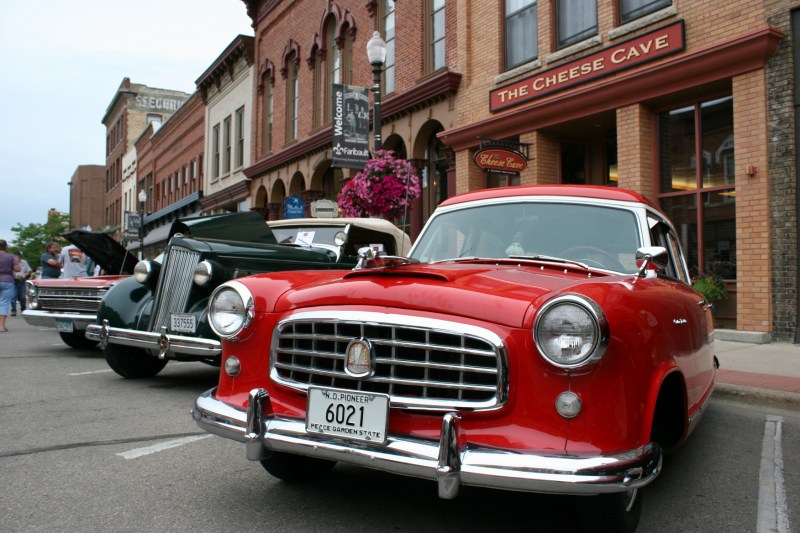
This vintage wagon promotes tourism and the Minne-Roadtrip that includes the communities of Faribault, Northfield and Owatonna.


I appreciate the efforts of Faribault Main Street and others who organize Car Cruise Night. They are building community, connecting us with one another. Exactly what we need in an ever-increasingly disconnected world.


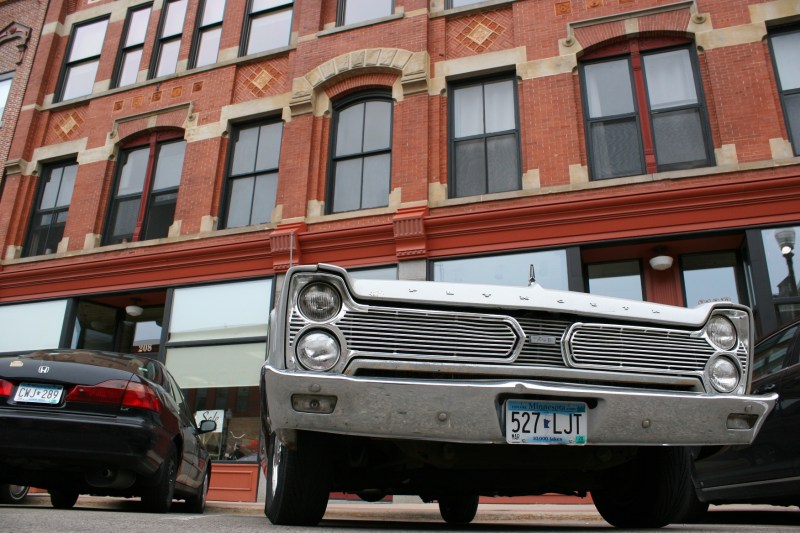
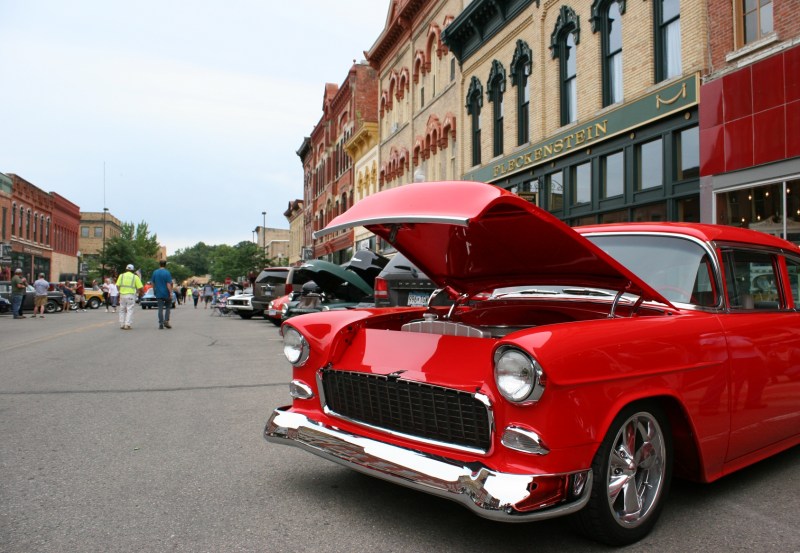
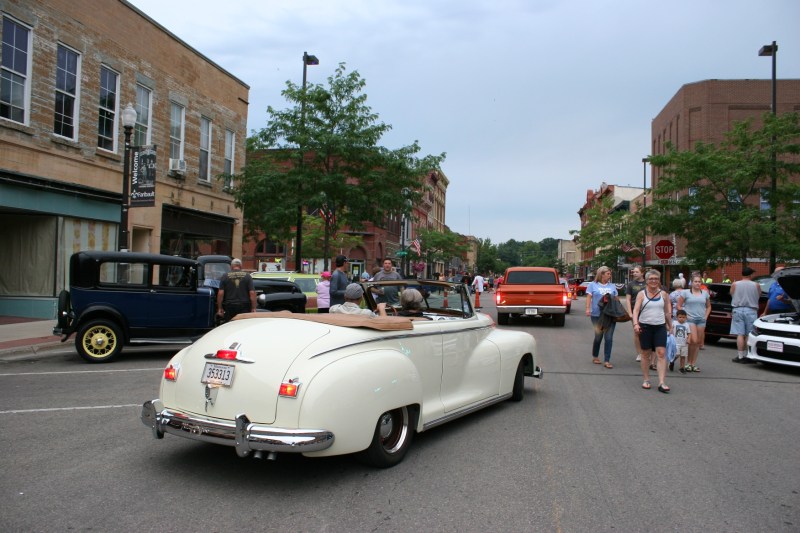
All of these photos were taken at the August Faribault Car Cruise Night in historic downtown Faribault.

© Copyright 2019 Audrey Kletscher Helbling


Book review: A closer look at mental health care reform in Minnesota from 1946-1954 September 19, 2019

AS A WRITER, hearing other writers share insights into their work always interests me. That includes listening to Susan Bartlett Foote talk about her book, The Crusade for Forgotten Souls—Reforming Minnesota’s Mental Institutions, 1946-1954, at the Owatonna Public Library on Tuesday evening. Foote’s book won the 2019 Minnesota Book Award in nonfiction. It’s a well-deserved honor for a book which shares the powerful, and previously untold, story of reform in Minnesota’s mental health care system some 70 years ago.

Despite the four years Foote invested in researching and writing, she is quick to credit another woman for this story. Engla Schey. Foote dedicated her Minnesota Book Award to this activist and aspiring writer whom she calls the first mental health advocate in Minnesota. Schey worked initially as an attendant in several state mental health hospitals, or “insane asylums” as they were called back in the day. She witnessed first-hand the neglect, abuse, inhumane treatment, poor living and working conditions…all documented in her diaries. Foote read those diaries, in the possession of Schey’s great great niece.

The result is a deeply personal story about one ordinary woman’s efforts to change “a cynical and secretive system.” Schey’s insider perspective, Foote notes, allowed her to upend the whole structure. At the time, some 15,000 people lived in the state’s seven mental health hospitals with 80 percent of them committed and 35 percent senile/elderly. Half suffered from mental illnesses with stays of sometimes 20 years. The statistics are startling. But it is the stories Foote shares that make the most impact. Read this book and you will find yourself in tears.

As Foote related in her Tuesday evening talk, Schey quickly recognized that she needed help—of liberal churches, unions and writers—if she was to effect change within the system. She cared deeply. And personally. Her father voluntarily committed himself to the state hospital in Fergus Falls.

Eventually, the Minnesota Unitarian Church got involved, taking the approach of responsible study and analysis rather than jumping in and demanding immediate reform. The Rev. Arthur Foote (Susan Foote’s former father-in-law) led those efforts along with activist Genevieve Steefel and others.

Soon those initial reformers recognized the need to engage the press and political leadership and to build popular support, Foote said. Investigative news stories published. And some politicians, like then Minnesota Governor Luther Youngdahl, set aside partisan politics to make mental health care reform a top issue. Foote praised Youngdahl, referencing his stand that all mentally ill Minnesotans were entitled to fundamental human guarantees (dignity) and his goal to build a patient-centered mental health care system. A photo of Youngdahl burning a pile of straightjackets (and published in the book) signaled that change was going to happen, Foote said. And it did. Conditions improved both for patients and staff.

Like anything, though, change did not come easily nor is it always permanent. I experienced a deep sense of disappointment and frustration as I read in detail about all the politicking, untruths and denials. I can only imagine how those deeply involved in reform efforts felt. Youngdahls’s biggest disappointment, Foote shared with us in Owatonna on Tuesday, was that Minnesota churches (other than the Unitarians) wanted nothing to do with the issue of mental health. Has that changed much?

Youngdahl, in the ever-evolving political environment, suffered another disappointment in his failure to open a state hospital in Brainerd. One eventually opened there and my brother-in-law Brian became a resident after suffering incapacitating permanent brain damage. I knew him only briefly before his passing in 1984 at the age of 23.

At Tuesday’s talk in Owatonna, an audience member shared afterwards that a family member died of tuberculosis while hospitalized in a state hospital. Another attendee told me privately of staff intentionally breaking the legs of a man who lived at a state hospital in Faribault. For every story spoken, I expect many more remain unspoken. The hurt runs deep even all these decades later.

Although politicians and the public moved on and times changed and cuts began in the state hospital system by the early 1950s with Minnesota falling back to “average” in mental health care, Foote said, “I maintain this story is an inspiration, not a failure.”

She closed with a quote from Governor Luther Youngdahl: “Protection of the patient depends on our eternal vigilance.”

I agree. And I contend that we can all be Engla Scheys. We have within us—within our families, our circles of friends, our churches, our schools, our communities—the ability to make a difference in the lives of those dealing with mental illnesses and those who love them. Through our compassion, care, understanding, love and support. On multiple levels.

© Copyright 2019 Audrey Kletscher Helbling


Appreciating the history & beauty of Valley Grove on a September afternoon September 18, 2019

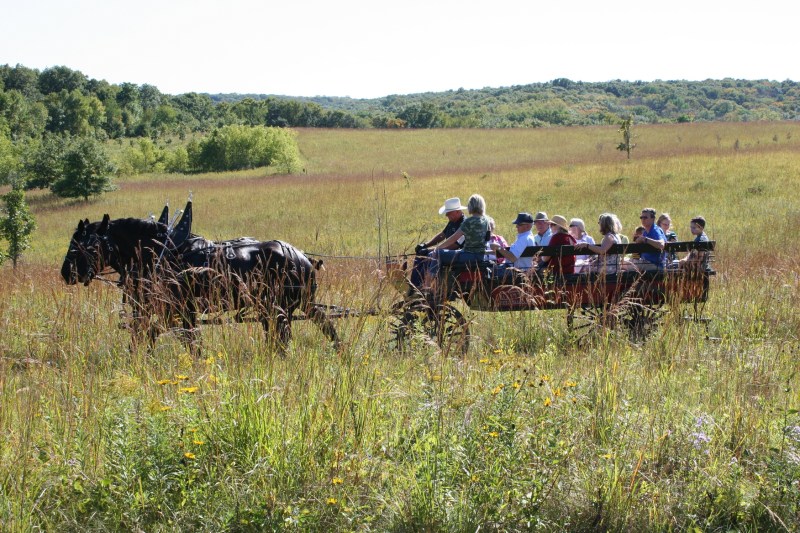
A horse-drawn wagon takes visitors through the prairie at Valley Grove with the Big Woods in the distance. When fall colors change, the treeline is spectacular.


I CONSIDER IT ONE of the most scenic spots in Rice County. A location that presents a sweeping vista of the countryside from atop a hill adjacent to Nerstrand Big Woods State Park. Autumn, especially, at Valley Grove offers a visual delight.


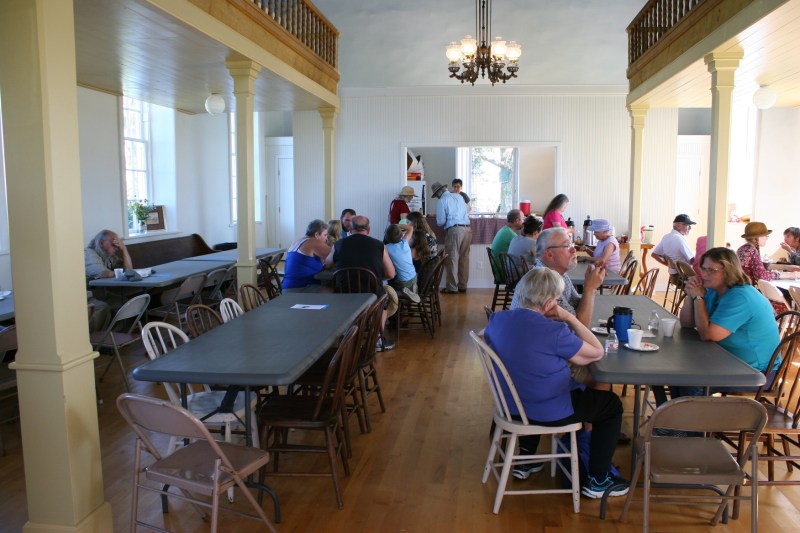
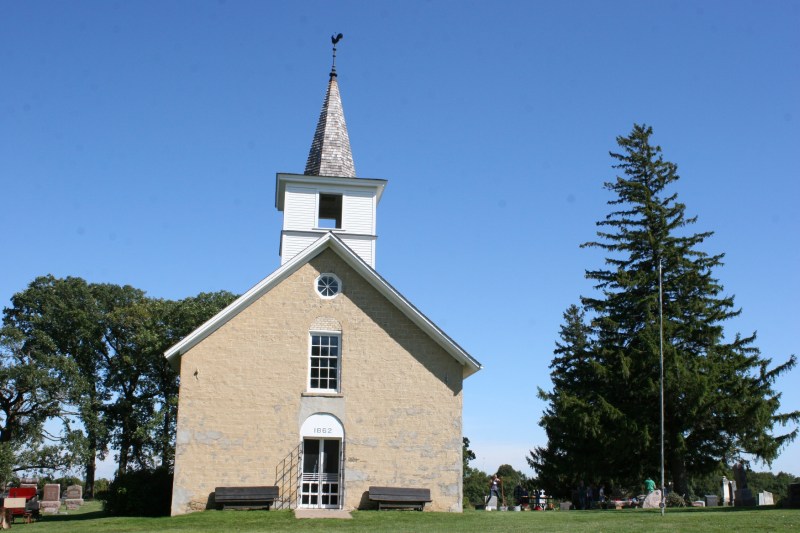
Folks gather in the restored 1862 stone church for cake, hot dogs, beverages and conversation.


On Sunday afternoon, in hot and humid temps that felt anything but autumn-like, I attended the annual Valley Grove Country Social hosted by the Valley Grove Preservation Society.


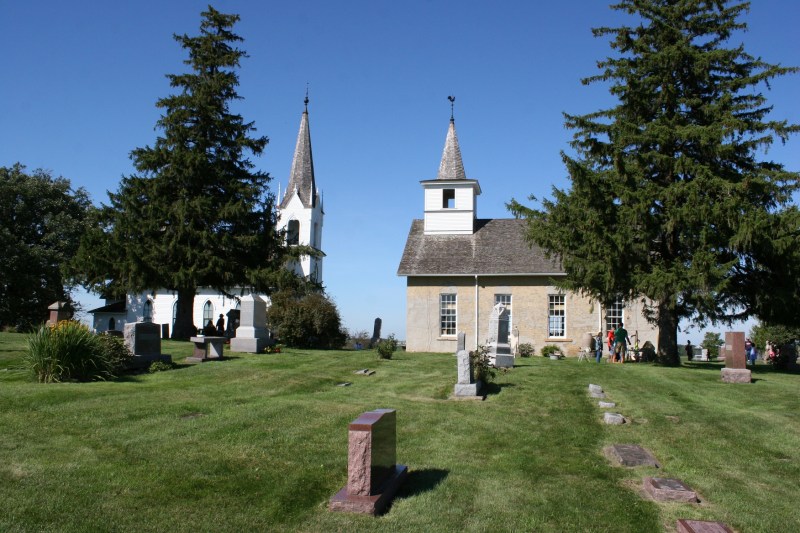
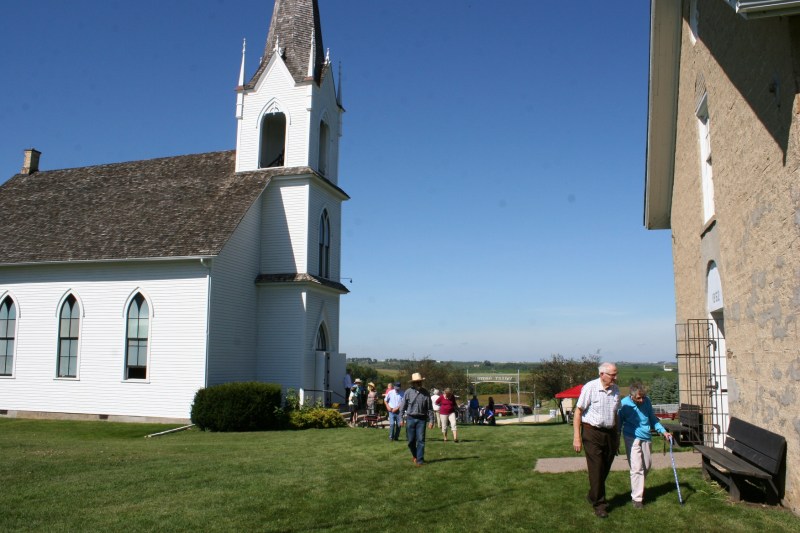
The beautiful and well-preserved historic churches of Valley Grove as photographed from the cemetery.


The group aims to preserve and maintain this place on the National Register of Historic Sites. Here, on this land claimed by early Norwegian immigrants, two churches (built in 1862 and 1894) stand next to a cemetery and next to the prairie.


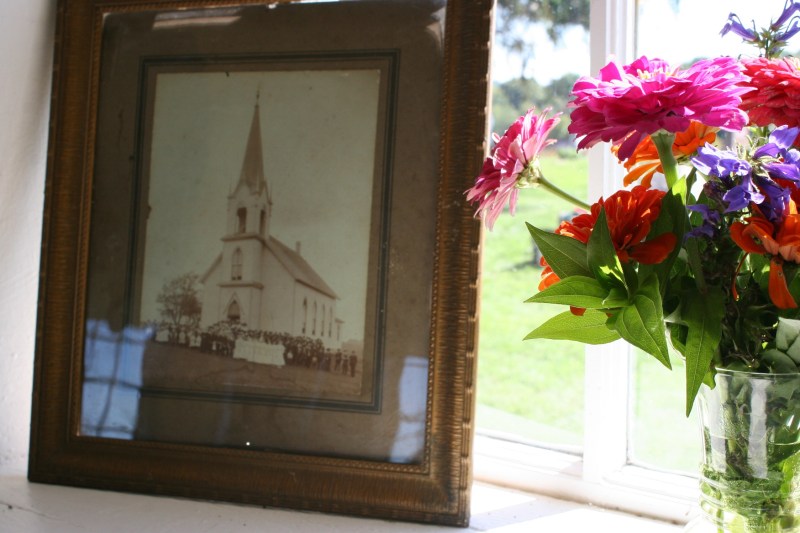
An historic photo and flowers grace a window ledge inside the stone church.


These crosses, crafted from Valley Grove burr oaks, were on sale.


One of six sets of historic sconces to be installed in the stone church as preservation efforts continue.


To visit here is to feel a deep appreciation for the history of this place and those who chose this site to build houses of worship.


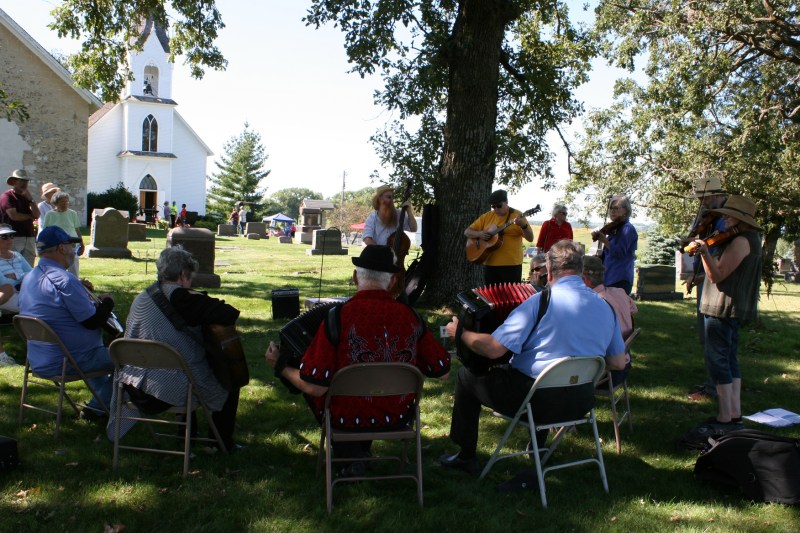
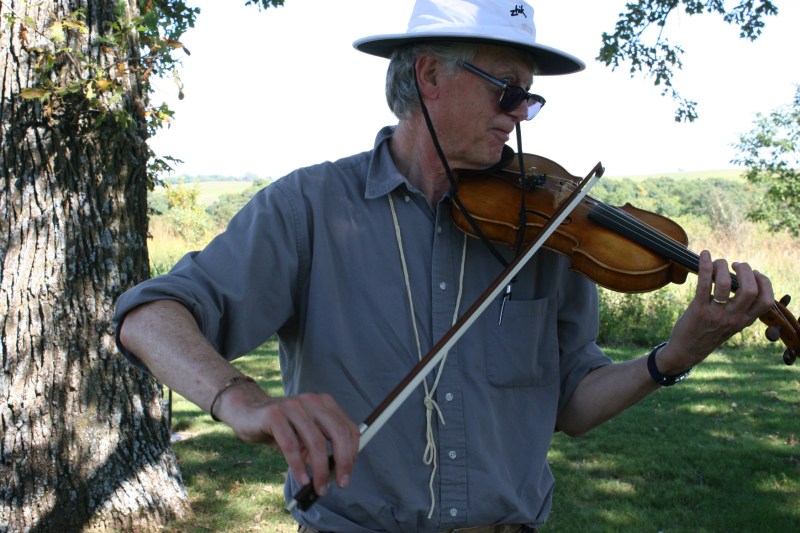
Hutenanny, a Northfield-based traditional Nordic music group, entertains those attending the Valley Grove Country Social.


Making music with Hutenanny.


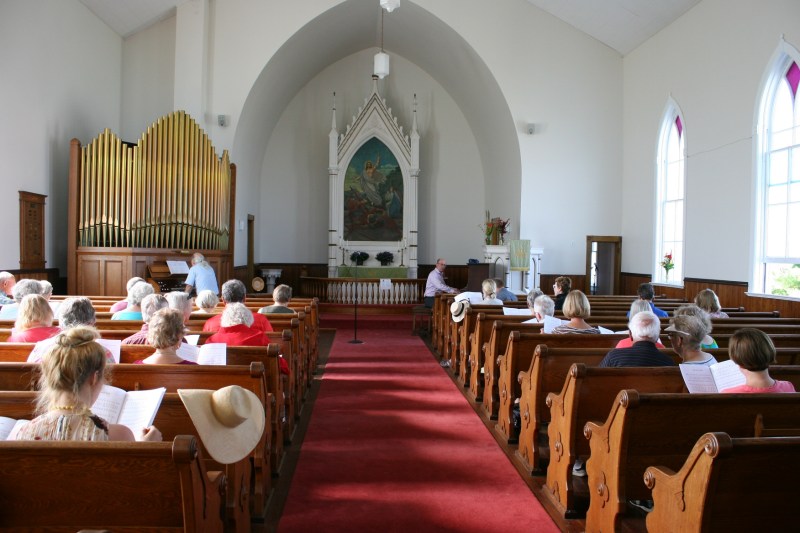
A sing-along inside the wood-frame church.


To attend the country social is to experience history—through music,


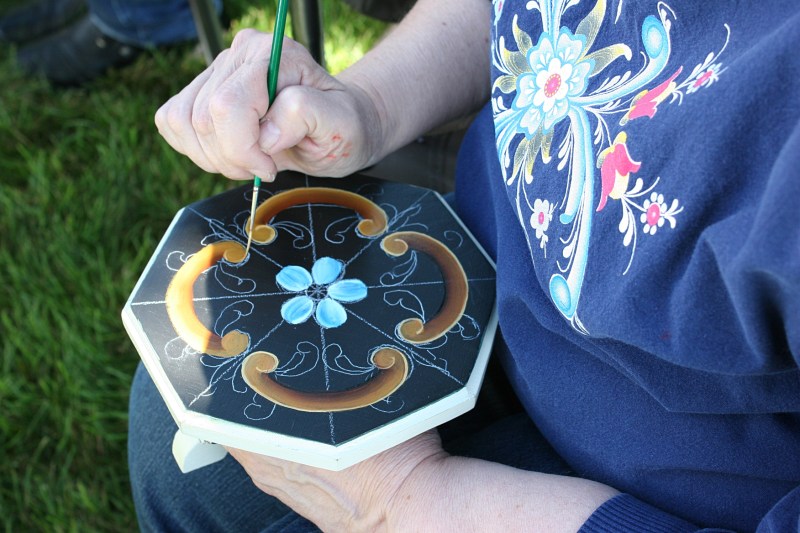
Donna Johnson of the mother-daughter duo Nordic Arts demonstrates the Norwegian art of rosemaling.


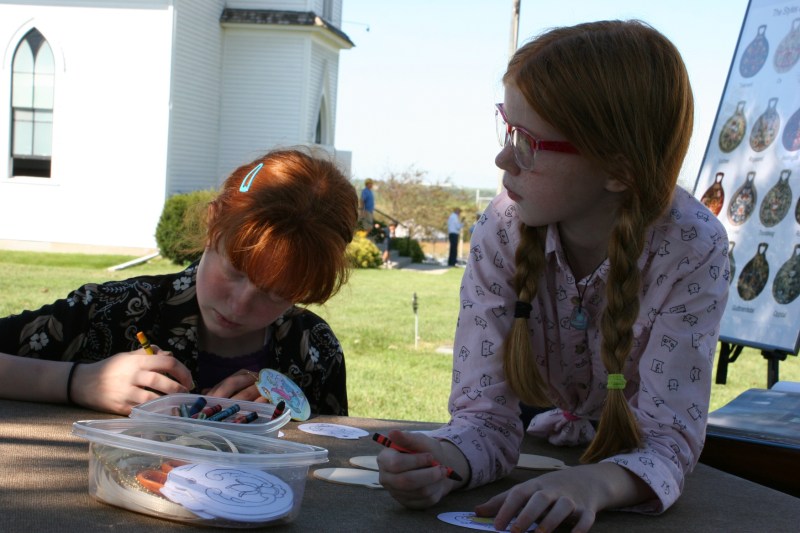
These sisters try rosemaling using crayons rather than paint.


An example of Nordic Arts’ art.


art,

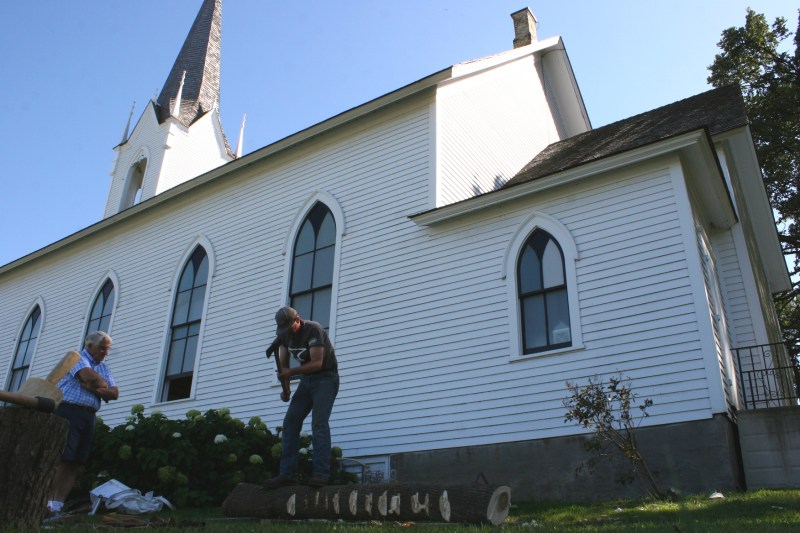
Hewing a log next to the wood-frame church.


demonstrations, historical talks,


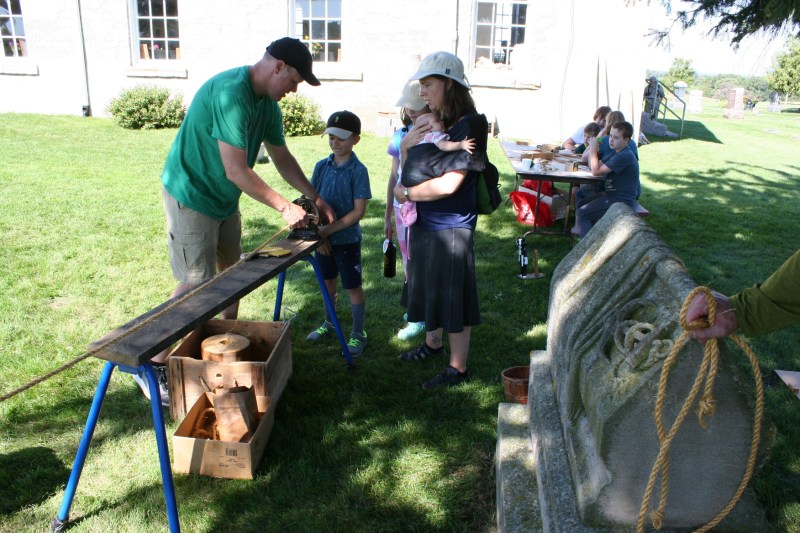
Learning how to make a rope.


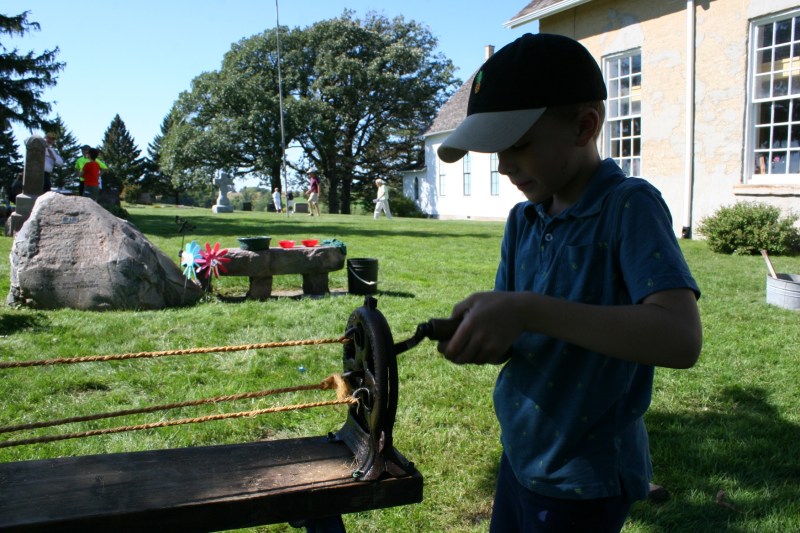
Rope-making up close.


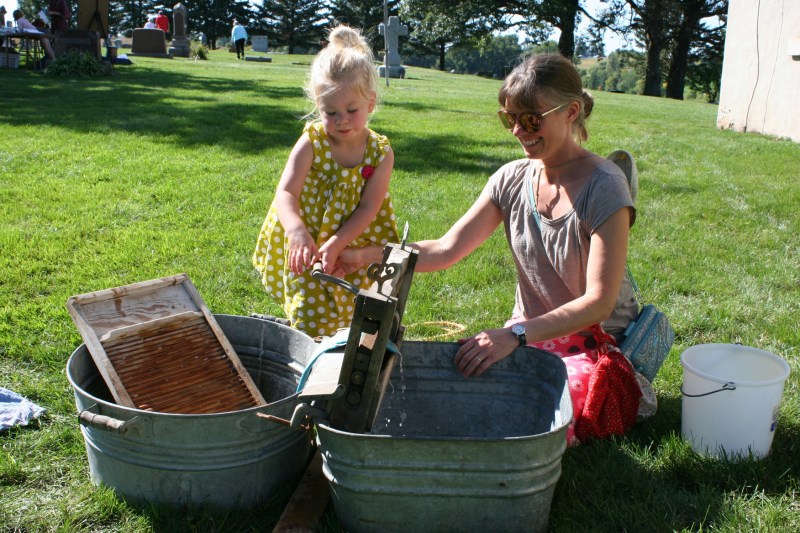
Kids especially loved doing laundry the old-fashioned way.


hands-on activities and more.


The Valley Grove churches.


I always feel such a peace at Valley Grove. As if the world of today exists somewhere distant.


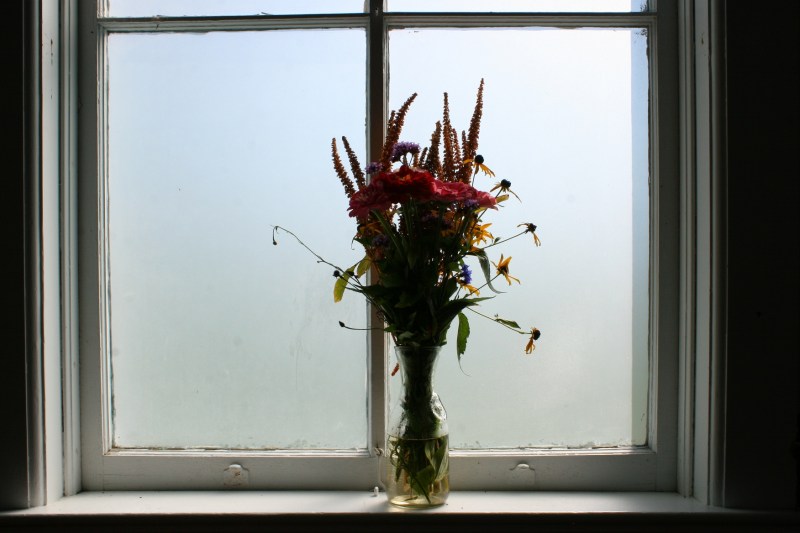
A simple floral still-life on a windowsill in the wood-frame church.


It’s good for the soul to take time on a sunny Sunday afternoon in September to step back in time. Not necessarily to idealize life then—because it was hard. But to gather with others in the countryside far from traffic and distractions and the noise of modern-day life.


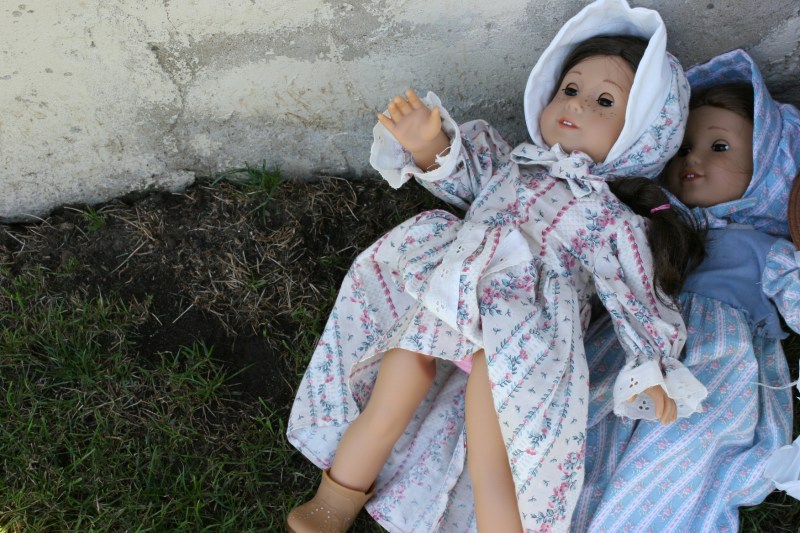
I noticed these dolls lying on the ground behind the old stone church. So fitting for the day.


To appreciate simpler times


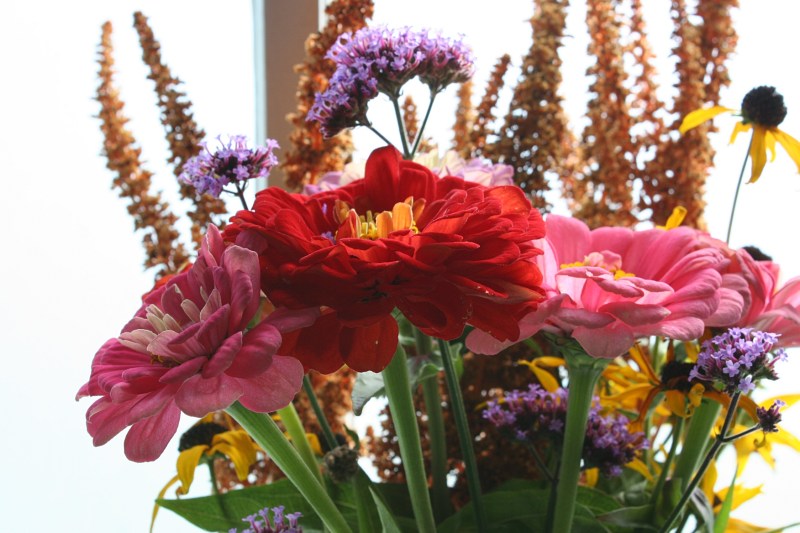
Such beauty in this floral bouquet adorning a window ledge in the wooden church.


and simple beauty.


Valley Grove wildflowers at prairie’s edge.


To gather under the burr oaks, to walk the prairie, to study tombstones, to sing in the same church where early settlers sang, to watch youngsters craft ropes and walk on stilts. And so much more.


Built in 1862.


I appreciate the preservationists who understand the personal and historic importance of Valley Grove, of not allowing these churches to fall into disrepair like too many other shuttered country churches. They clearly value the land, the efforts of their forefathers, the importance of this place. Still today.

© Copyright 2019 Audrey Kletscher Helbling
 

The struggle September 16, 2019


THE STRUGGLE IS REAL

Those words emblazoned across the back of her red-white-and-blue plaid shirt grabbed my attention. But what did they mean? I assumed the phrase likely referenced immigration issues given the cultural event where I spotted the statement.

But not 100 percent certain, I approached the young woman and asked. The struggle is real refers to struggles with mental health, she said. She battles depression, but is doing well right now, crediting her family for their support. We didn’t talk much. I hugged her, offered words of encouragement and thought how bold of her to publicly voice those words: THE STRUGGLE IS REAL. I wonder if anyone else asked her about the message she wore.

Those words seem so fitting for those who live with mental illness. Think about it for a minute or ten. Say you or a family member are struggling with depression, anxiety, bipolar, post traumatic stress disorder, schizophrenia or any other mental illness. Do you struggle? Do you struggle to get up in the morning, to find a job or go to work, to engage with others? Do you struggle with stigma, with the all too common belief that you can simply snap yourself out of whatever? Do you struggle to find a mental healthcare provider? (There’s a severe shortage here in Minnesota.) Do you struggle to get the meds you need when insurance companies deny coverage? Do you struggle?

THE STRUGGLE IS REAL. Those words fit.

Thankfully, that struggle is becoming more visible as attitudes change and voices rise. Support groups, such as those offered through the National Alliance on Mental Illness, bring hope and help. But we can do better. We can, as friends and family and communities and churches, show more care for those affected by mental health issues. I mean, how often have you seen a fundraiser to help individuals and families dealing with financial hardships resulting from mental illnesses? Do we send get well cards to individuals who are suffering from a mental illness? Do we bring them or their supporting families hotdishes (otherwise known as casseroles in other parts of the country)? Do we surround and love and support just as we would someone with cancer, for example?

THE STRUGGLE IS REAL. Those words fit.


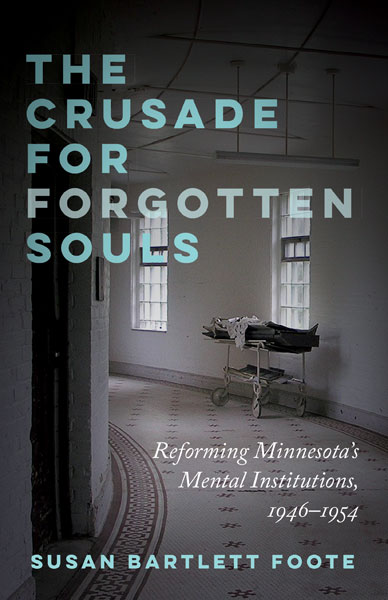
That leads me to the book, The Crusade for Forgotten Souls—Reforming Minnesota’s Mental Institutions, 1946-1954 by Susan Bartlett Foote. A professor emerita in the School of Public Health at the University of Minnesota, she will speak at 6:30 p.m. Tuesday, September 17, at the Owatonna Public Library. I only learned of her book a week ago and sped-read through this detailed historic look at efforts to reform mental health hospitals in Minnesota decades ago.


A building on the campus of the former Minnesota Asylum for the Insane, Fergus Falls, Minnesota. Minnesota Prairie Roots file photo May 2013.

This is not an easy read. It’s emotionally difficult to read of patients who were abused—confined to straightjackets, subjected to lobotomies, tied to toilets, fed gruel, denied very basic human rights… But to read of the Unitarian Church activists, the politicians (notably then-Governor Luther Youngdahl), journalists, healthcare professionals and others who cared and fought for “the forgotten people” also brings hope. They effected change. Yet, some of their work was undone when new politicians took office and societal attitudes shifted. The politics referenced in Foote’s book made me realize how little things change.

THE STRUGGLE IS REAL.

Foote’s book will be of special interest to people in my community of Faribault, once home to a state-run facility known as The Minnesota School for the Feeble-Minded. In late 1946, a grand jury convened in my county of Rice to investigate alleged abuses at the Faribault school. Jurors found the misuse allegations to be unwarranted, contradicting findings of other outside investigations. Foote’s research is extensive, her book packed with details about the multi-layered challenges of reforming mental health care in Minnesota.

THE STRUGGLE IS REAL. As much today as yesterday.


FYI:

Check out the National Alliance on Mental Illness website, an invaluable resource.

Visit the blog, Penny Wilson Writes, for an honest look at “the struggle,” including a resource list.

Read this book: Troubled Minds—Mental Illness and the Church’s Mission by Amy Simpson

© Copyright 2019 Audrey Kletscher Helbling
 

Embracing & celebrating the Hispanic Heritage in Northfield September 14, 2019


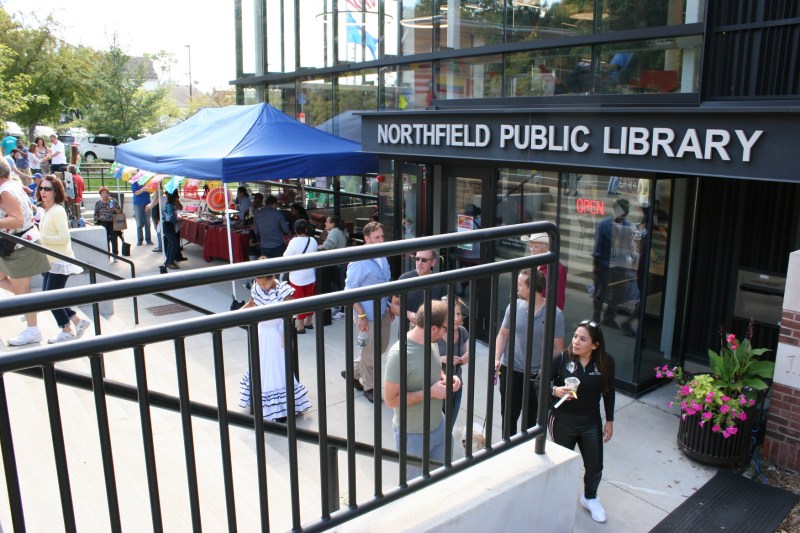
AFTER A WEEK OF TORRENTIAL RAINS, the sun broke through to a perfect Saturday afternoon in Northfield.


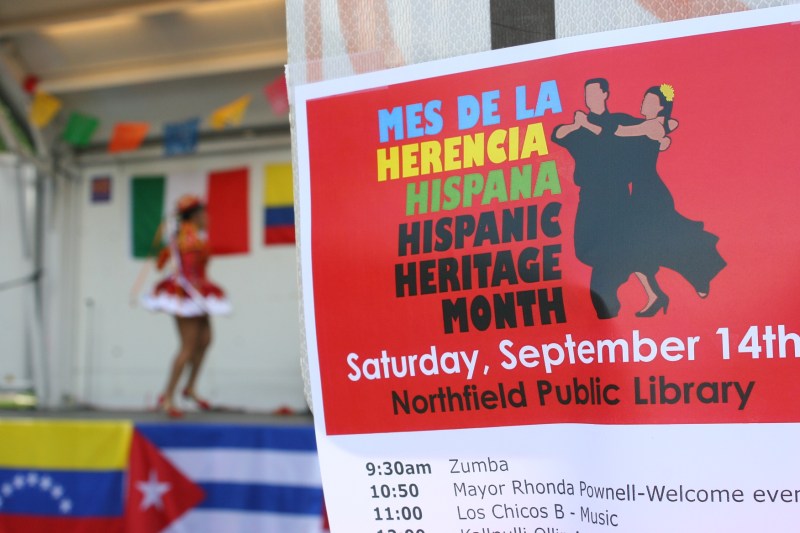
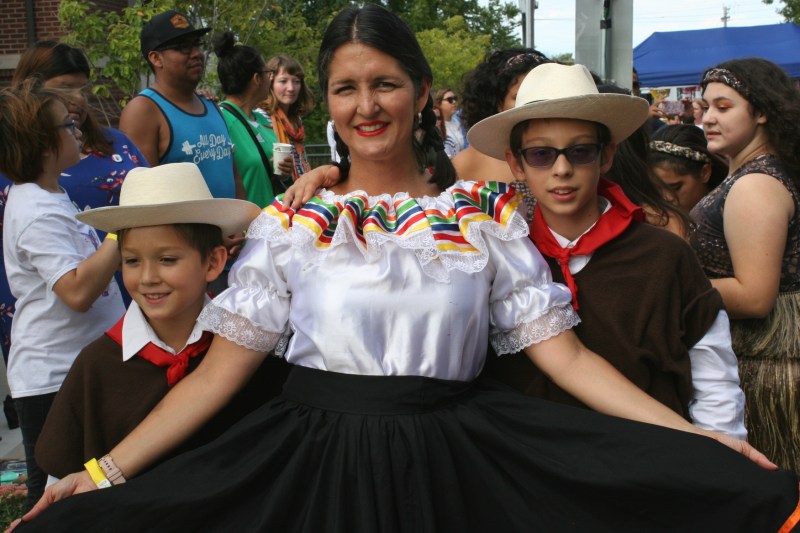
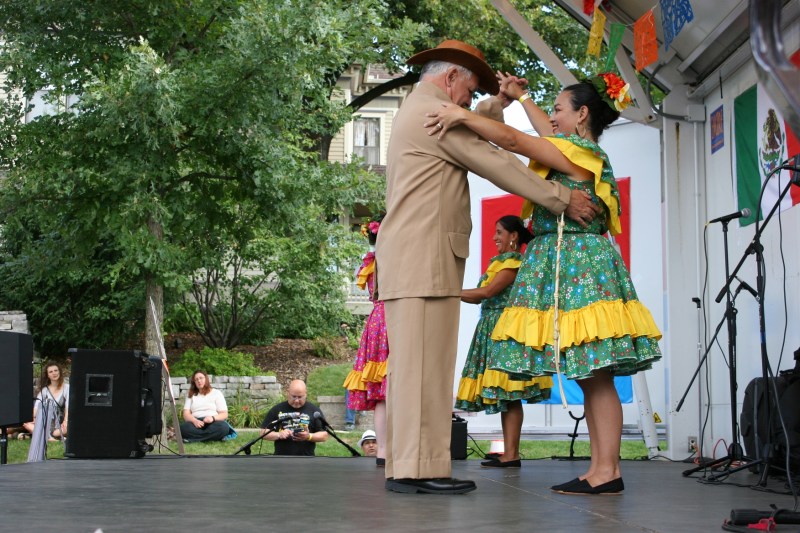
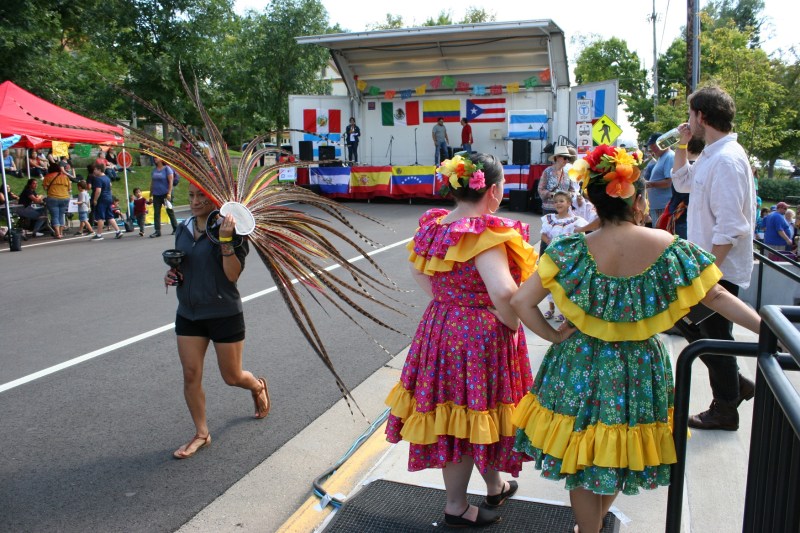
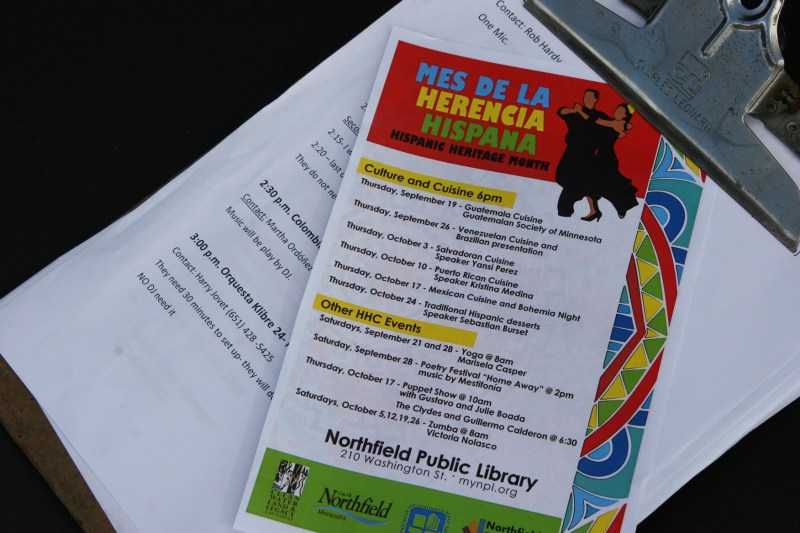
In this picturesque, historic Minnesota river town, people gathered to celebrate Hispanic Heritage Month at the public library. And what a celebration.


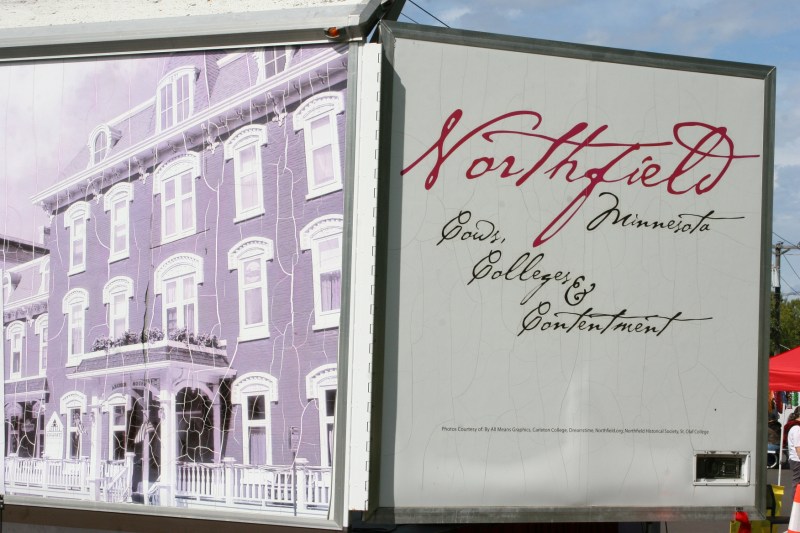
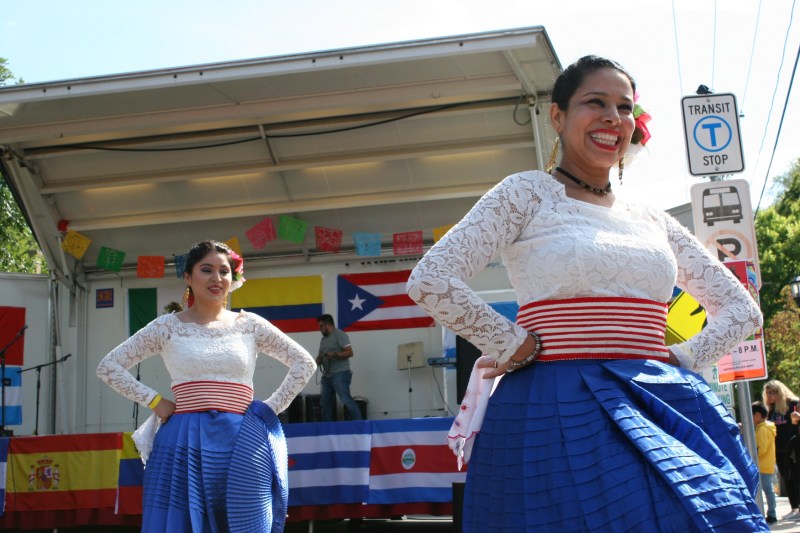
Art on the back of the portable stage.


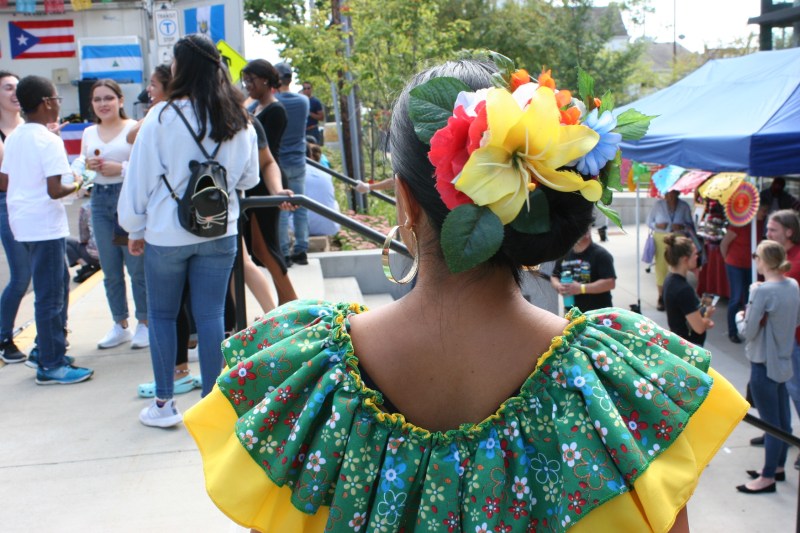
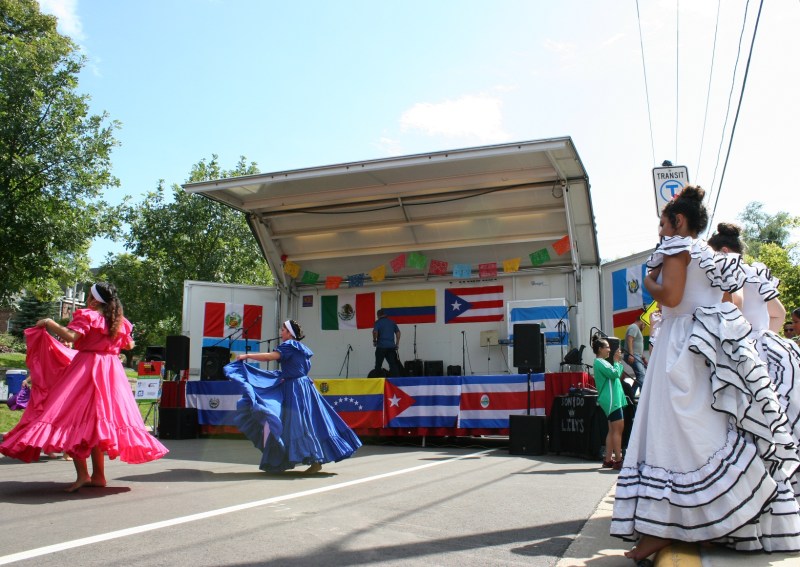
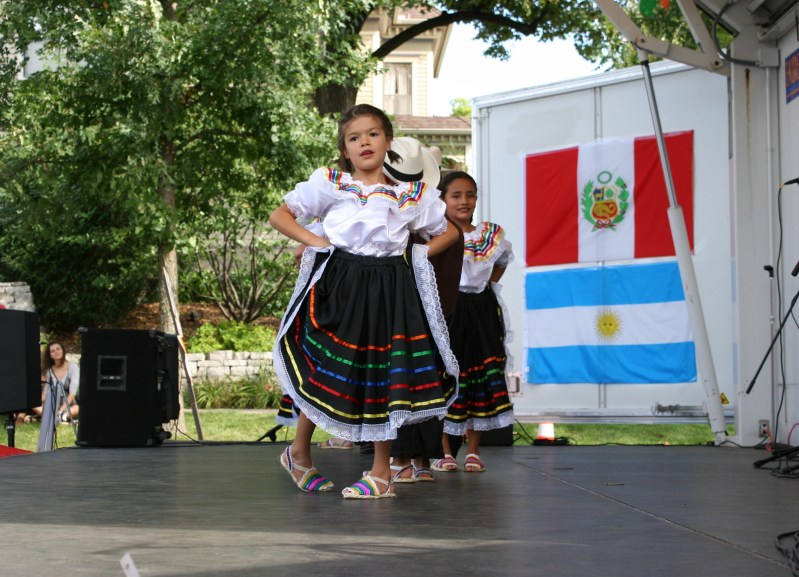
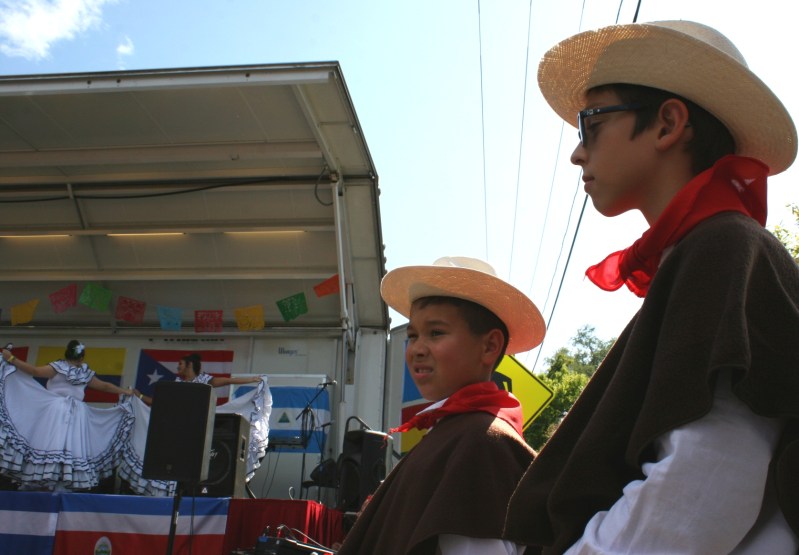
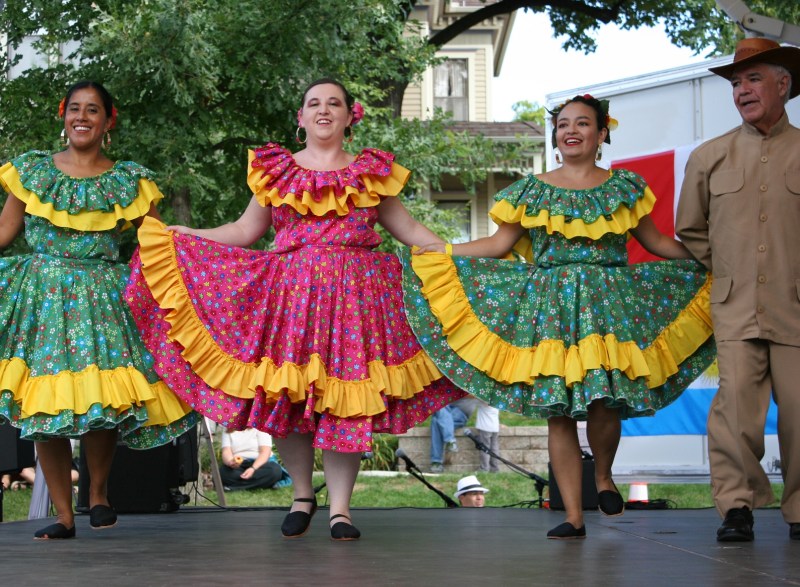
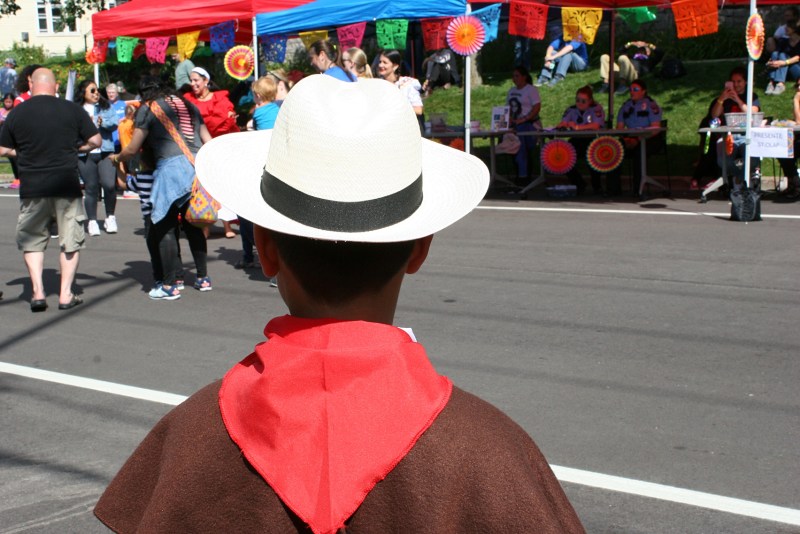
Dancing centered the event as colorfully-costumed dancers entertained the crowd in this community tagged as the place of cows, colleges & contentment.


On this Saturday, it was also a city celebrating the culture of its Hispanic residents.


Giving us all a snapshot of this beautiful culture woven into our Minnesota communities.


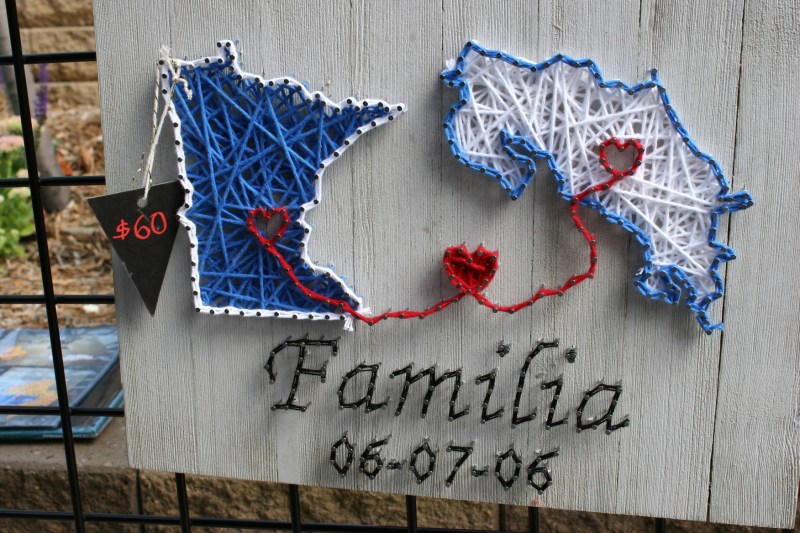
I appreciate any opportunity to learn more about another culture. If I’ve observed one thing about those of Hispanic heritage, it’s the importance of family and of being together.


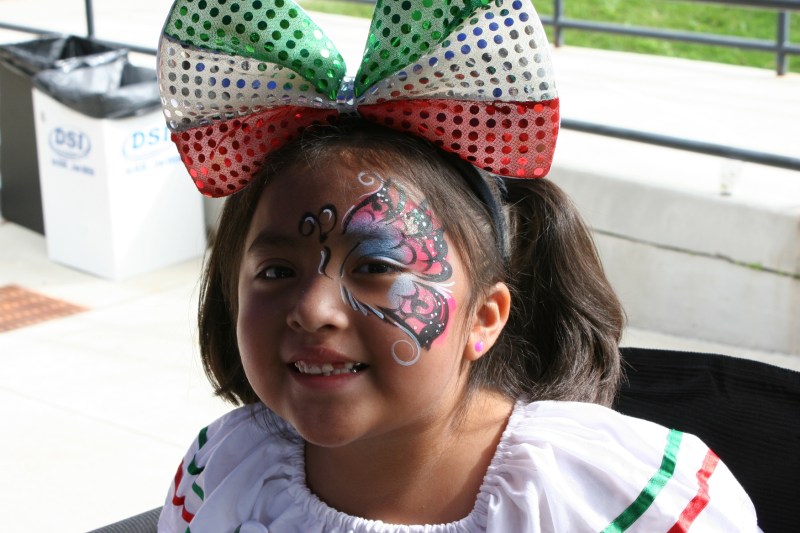
I also love the bright colors of this culture as noted in flags and costumes.


Attending this event simply made me happy with the vivid costumes.


Upbeat, thrumming music.


Wide smiles. All bring joy.


From the dancing


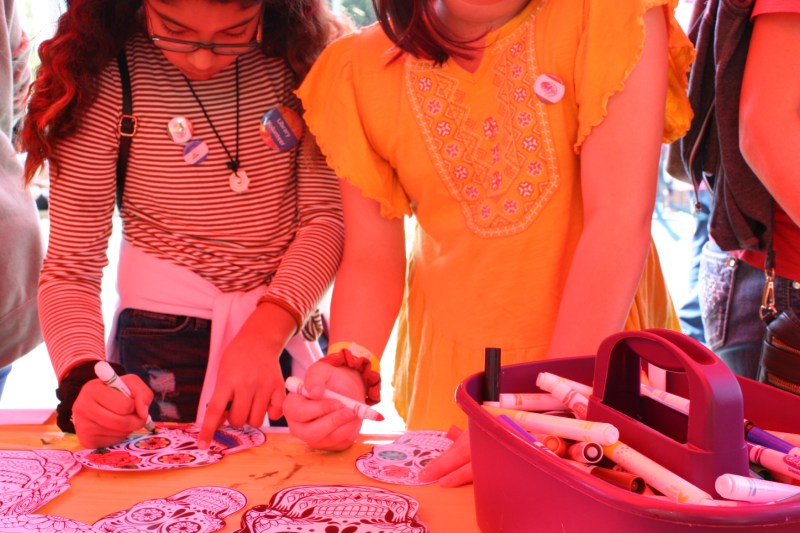
Sunlight filters through the colored tents, casting an orange hue onto young artists.


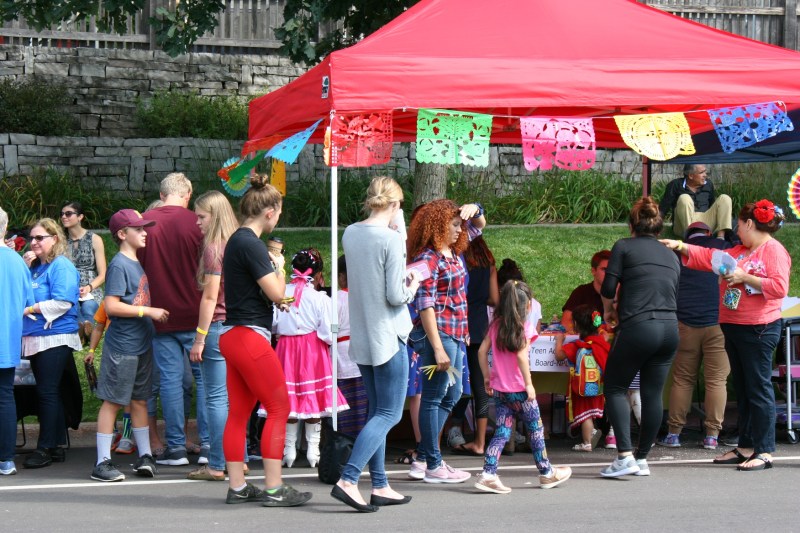
The art tents.


to the hands-on art


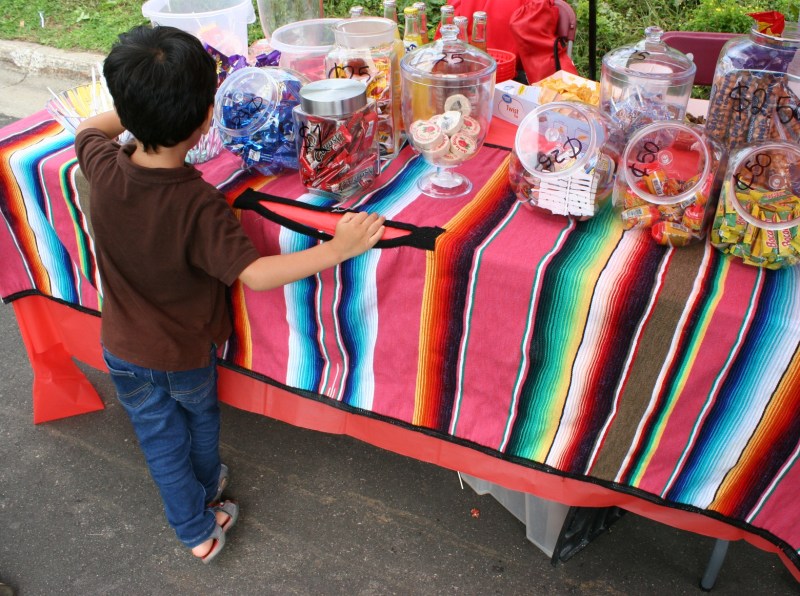
The candy table


to the vendors


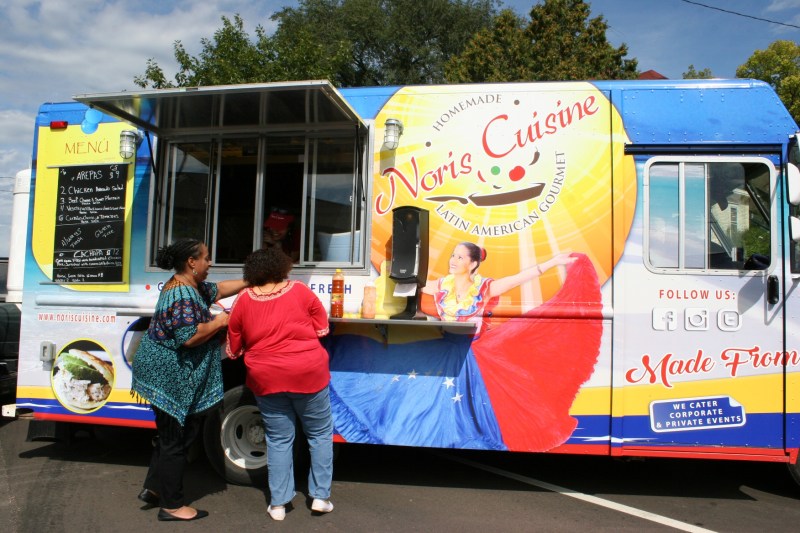
to the food trucks and more, I felt immersed in the Hispanic culture for an afternoon.


Right there in the heart of Northfield. The celebration continues into October.

© Copyright 2019 Audrey Kletscher Helbling
 

Reflecting on 9/11, then & now September 12, 2019

Filed under: Uncategorized — Audrey Kletscher Helbling @ 5:00 AM
Tags: , , , , , ,

In remembrance of 9/11, photographed last September 11 in Hastings, Minnesota. Minnesota Prairie Roots file photo 2018.


YESTERDAY BROUGHT TIME for reflection. Reflection upon the events of September 11, 2001, a day which forever changed us as Americans.


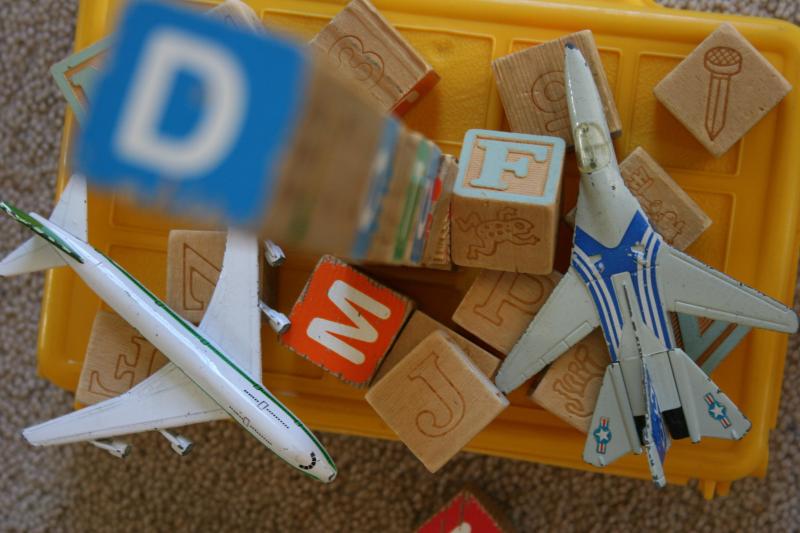
I reconstructed a tower using the same blocks my then young son and his friend used on September 11, 2001, to duplicate what they saw on television. These are also the same toy airplanes they flew into the tower. Minnesota Prairie Roots file photo 2011.


The terrorist attacks on our country made us feel vulnerable, unsafe and realizing, perhaps for the first time that, just because we live in America, we don’t live in a bubble of protection from those who would harm us.


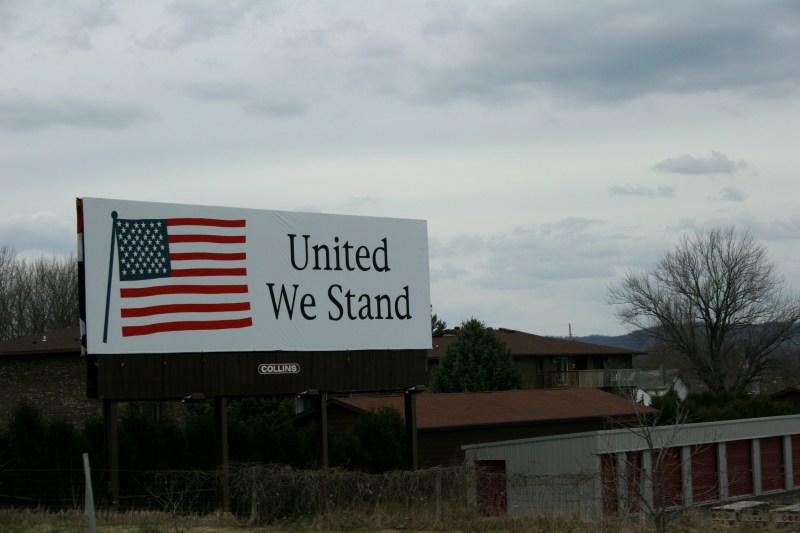
Photographed along Interstate 90 east of La Crosse, Wisconsin. Minnesota Prairie Roots file photo May 2011.


Yet, in the midst of that tragedy, that sorrow, that new reality, there emerged a solidarity. We felt united as a country, a people.


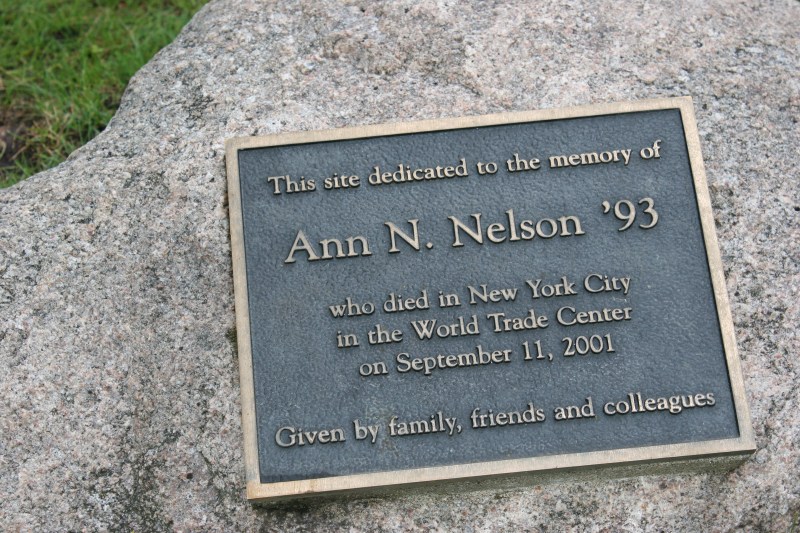
On the campus of Carleton College in Northfield, Minnesota, a plaque honors an alumnus who died in the World Trade Center attack. Minnesota Prairie Roots file photo July 2019.


Eighteen years later I no longer see that unity. I see rather a fractured country. That saddens me. The discord. The political upheaval. Even the overt hatred toward certain peoples.


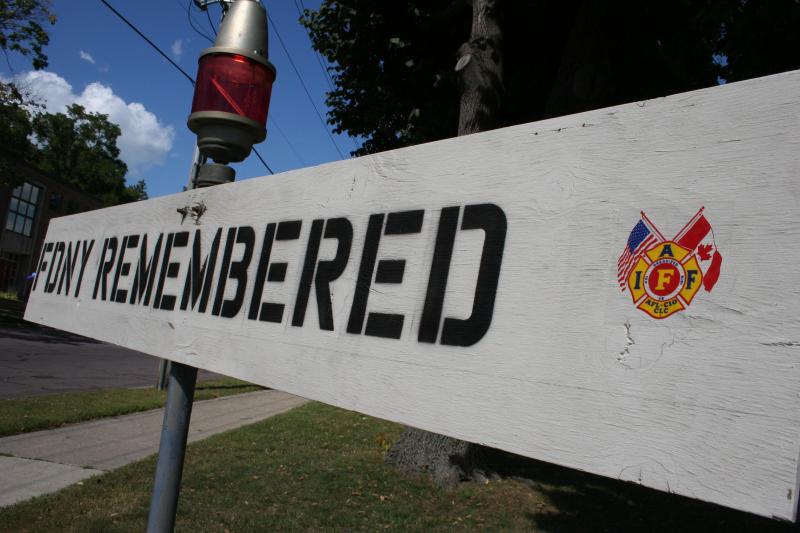
Faribault, Minnesota, firefighters pay special tribute to the fallen New York firefighters on this memorial sign. Minnesota Prairie Roots file photo 2011.


Yet, when I look closely, I see the care and compassion extended by many Americans toward those who need our care and compassion. We have always been a giving nation. I hear the voices of those who speak for those whose voices have been mostly silenced by rhetoric and oppression and policies. We are still individuals with voices that matter.


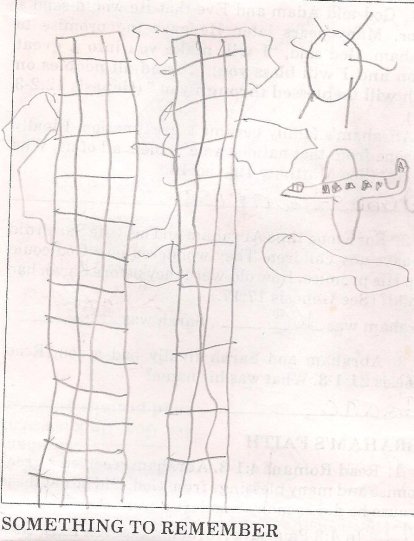
My then 8-year-old son drew this picture of a plane aimed for the twin towers a year after 9/11 for a school religion assignment. He was a third grader in a Christian school at the time and needed to think of a time when it was hard to trust God. To this day, this drawing by my boy illustrates to me how deeply 9/11 impacted even the youngest among us. Minnesota Prairie Roots file photo.


That ability to express ourselves—whether through the written or spoken word, in music, in art, in acts of kindness—remains. Strong. We have the power individually to make a difference in our communities, to start small, to rise above that which threatens to erode.

THOUGHTS?

© Copyright 2019 Audrey Kletscher Helbling
 

September at River Bend September 11, 2019


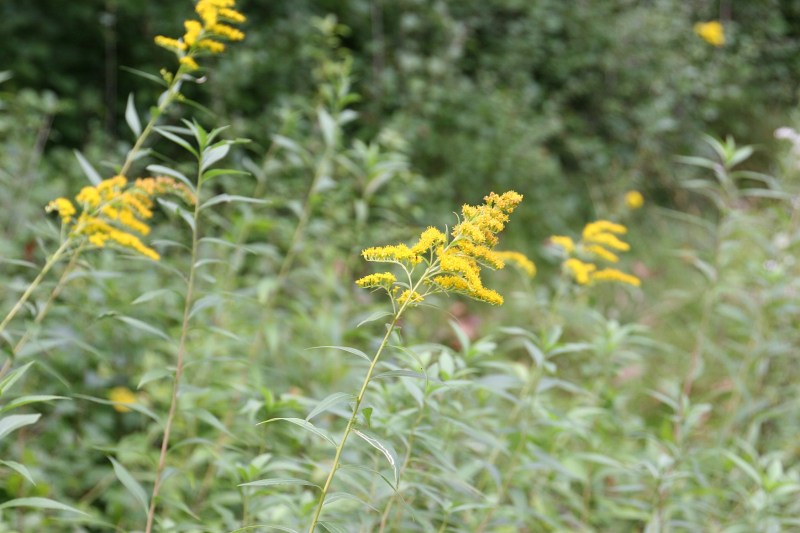
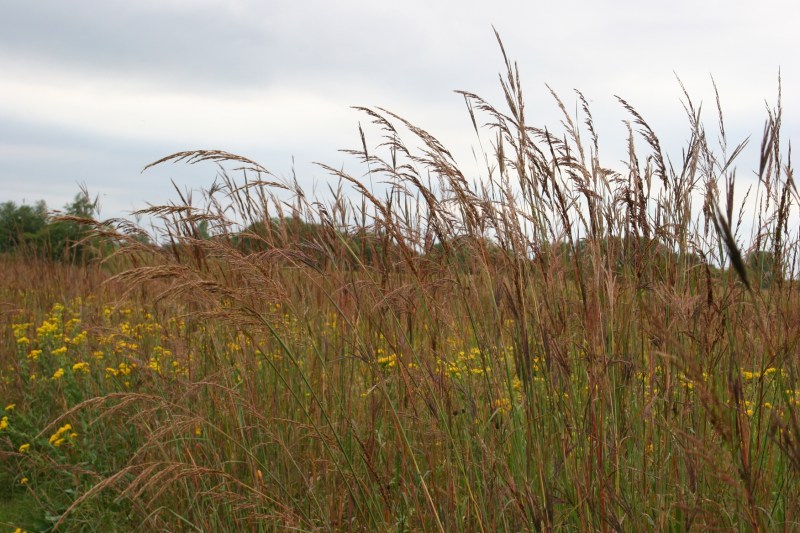
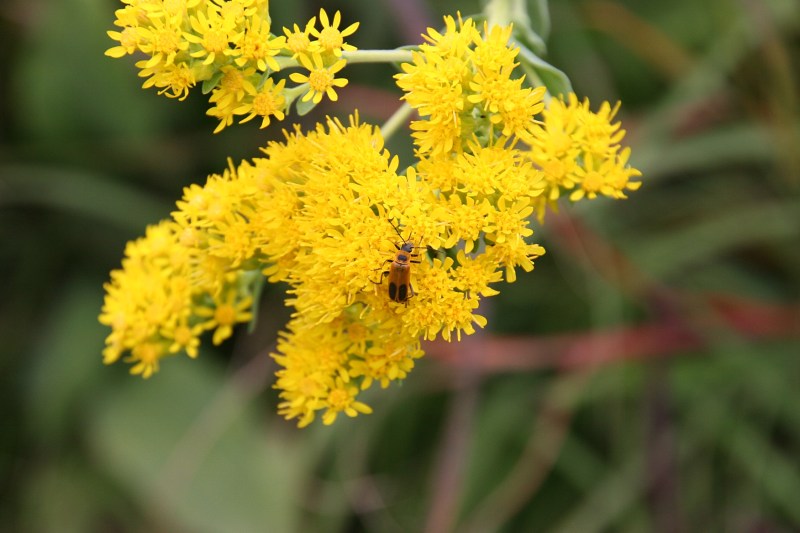
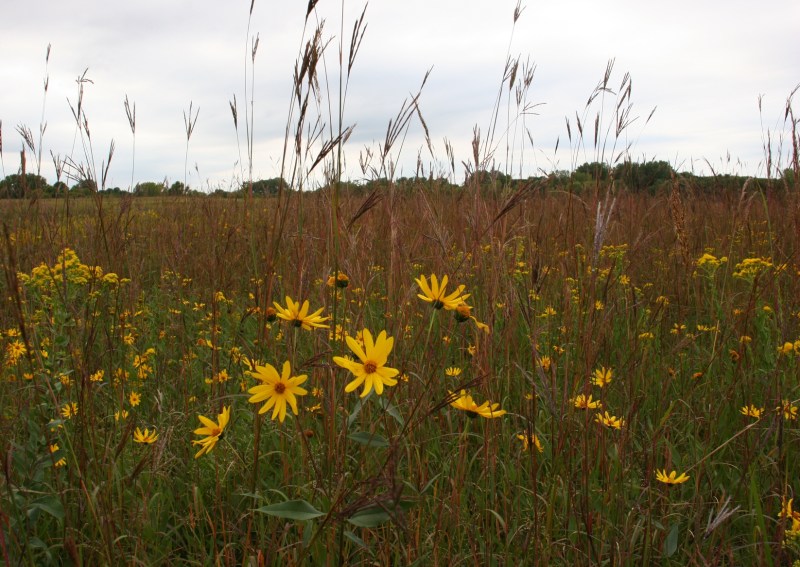
FIELDS OF GOLDENROD brighten the landscape—edging roadways, filling fields, erupting seemingly everywhere as summer slips ever closer to autumn in Minnesota.


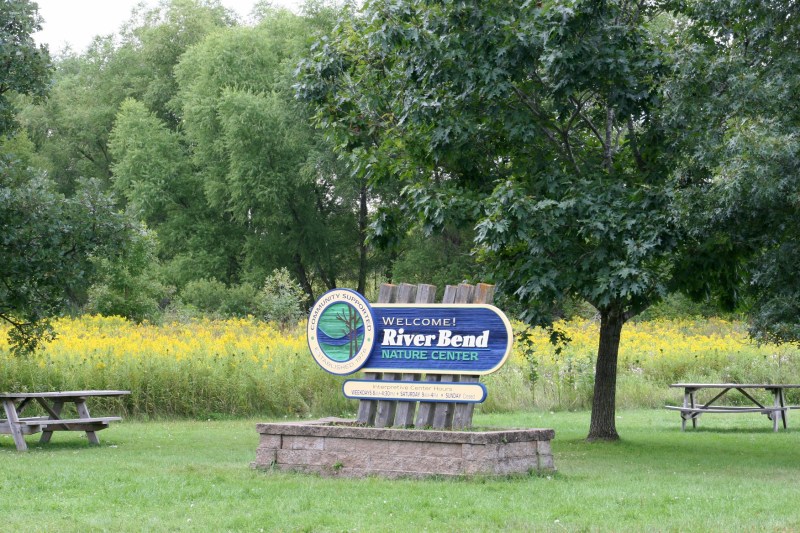
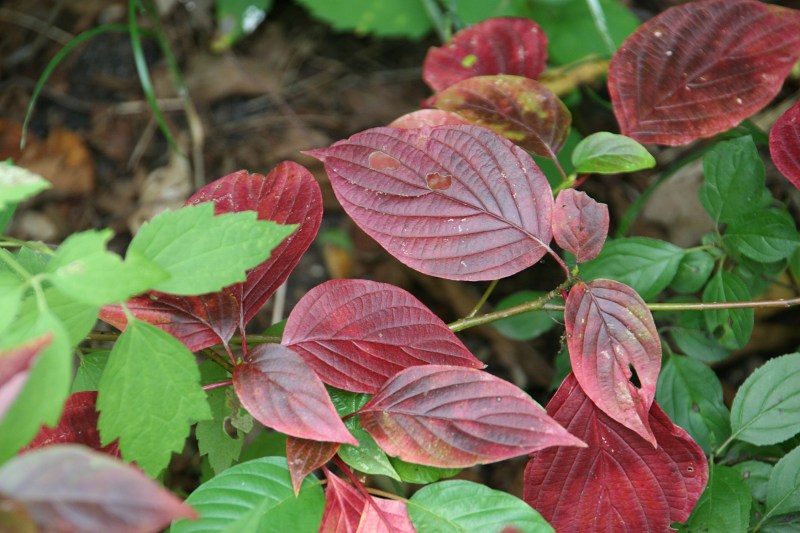
A walk through River Bend Nature Center reveals hues of brown, orange, red and yellow. In leaves changing color. In fading flowers.


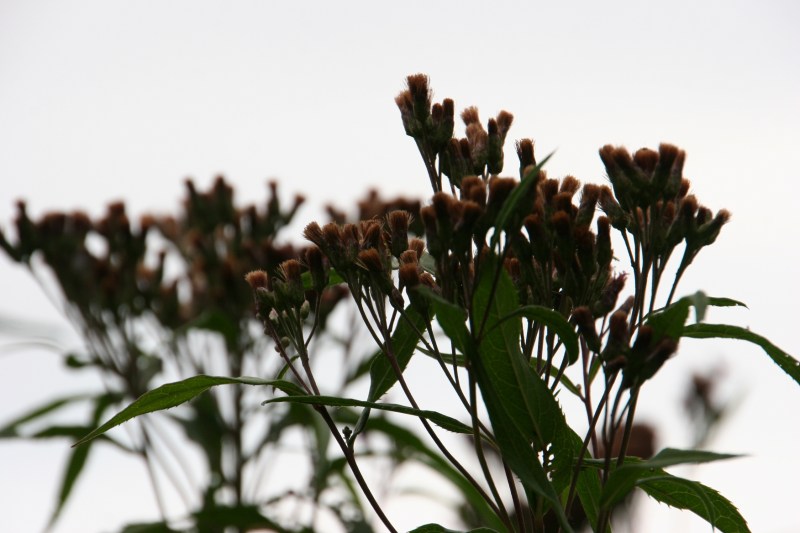
In mature milkweeds and drying prairie grasses.


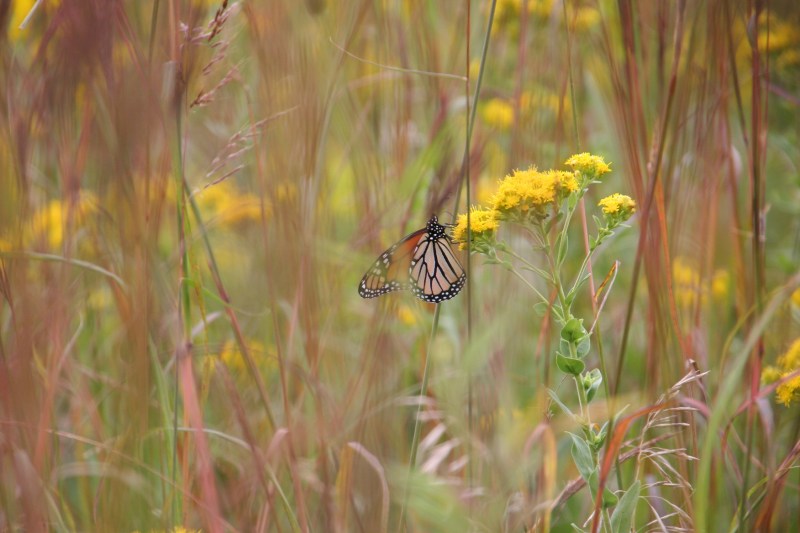
In butterflies galore.


Days carry a visual impression of autumn. But also a feel of autumn. There’s a sense of urgency, of the need to be outdoors as much as possible.


Autumn marks my favorite of Minnesota’s seasons. So I carry my camera through Faribault’s sprawling nature center to take it all in.


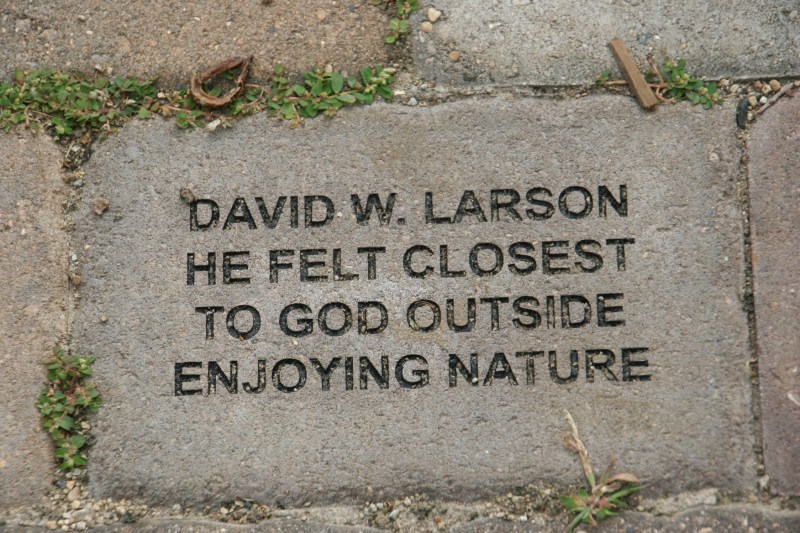
The places marked by man with words of adoration.


The trails that trail through the woods.


And always the path cut through the prairie, where I imagine settlers of long ago crossing Minnesota Territory in covered wagons or slicing plow blades through sod or simply journeying westward into dreams.


These are my thoughts within this land set aside to preserve today for the dreamers of tomorrow.

© Copyright 2019 Audrey Kletscher Helbling
 

The joys of being a grandma September 5, 2019

Filed under: Uncategorized — Audrey Kletscher Helbling @ 5:00 AM
Tags: , , , , , ,

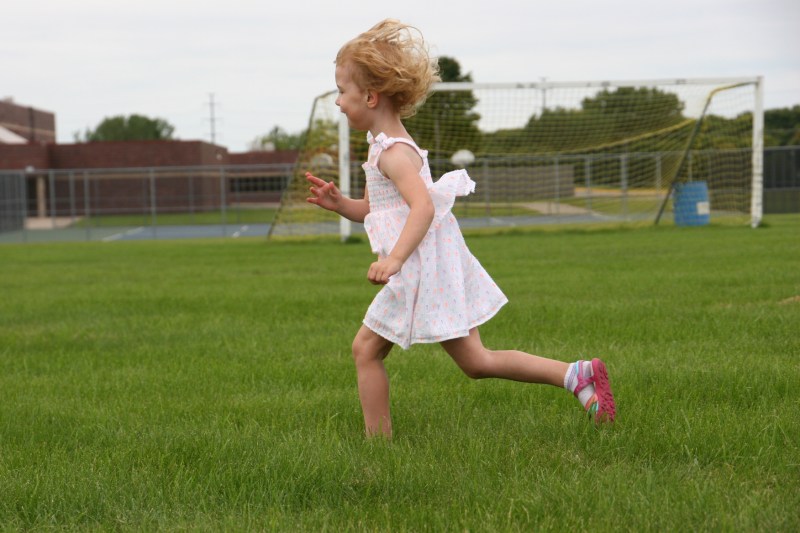
Grandkids, when they are preschoolers, are in constant motion. Here my granddaughter, Isabelle, runs toward her mama.


PREPARING APPLE CRISP would have been quicker, easier, had I completed the task solo. But I didn’t. I pulled a chair up to the kitchen counter so my 3 ½-year-old granddaughter could help. A sink away, Izzy’s mama, my eldest, peeled and sliced the apples.


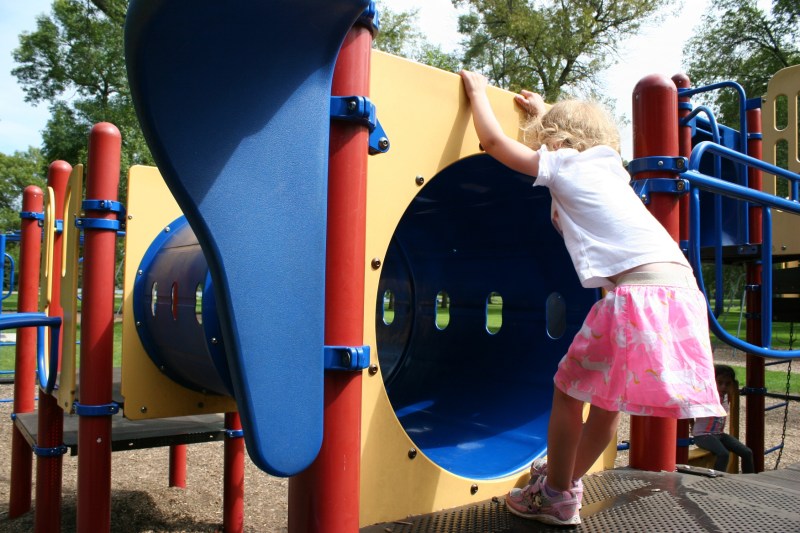
Izzy playing on the North Alexander Park playground in Faribault.


As Izzy and I scooped, measured, dumped and stirred together ingredients, I considered the joy of being a grandma. There’s nothing like it—a love so overpowering and intense and strong that I still marvel at the delight of it all.


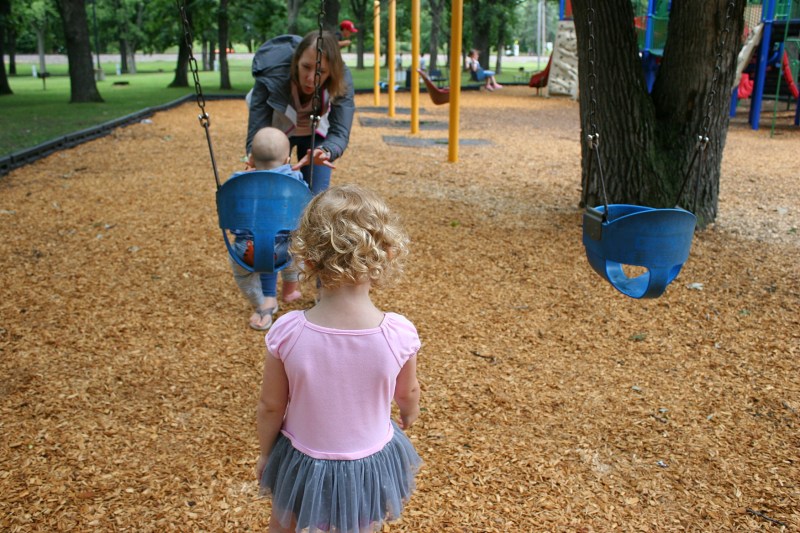
Isaac’s mama pushes him in a swing and big sister helps while attending a family reunion in Sauk Rapids.


In Isabelle I often see Amber at the same age. Perhaps in a certain look or expression. Memories resurface. Yet, these are new memories I am building through the time spent with Izzy and her 8-month-old brother, Isaac. I treasure every single moment with them. They live an hour away, close, yet not always close enough.


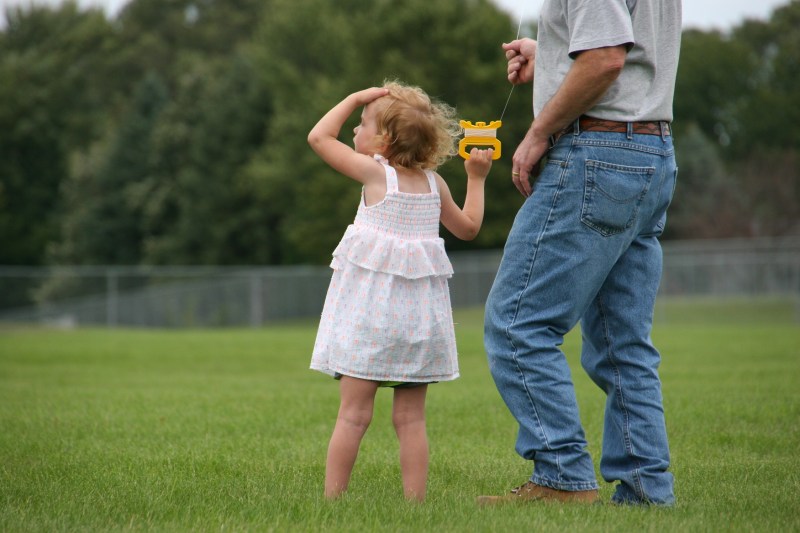
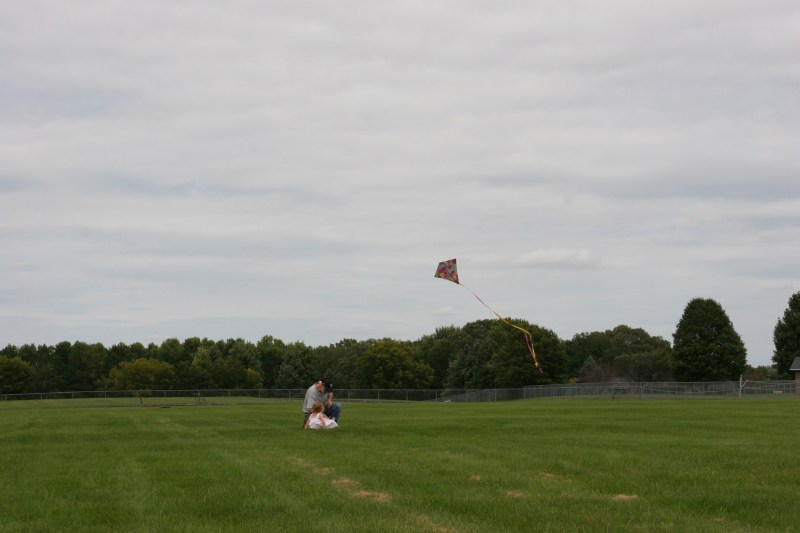
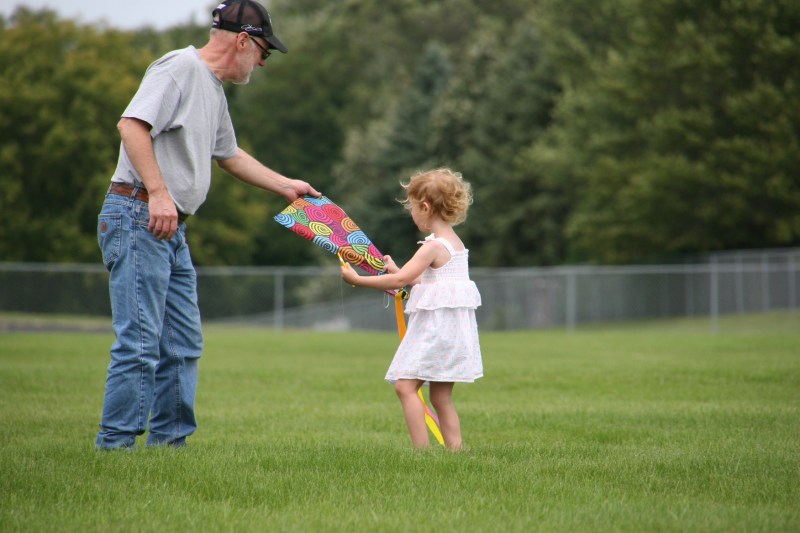
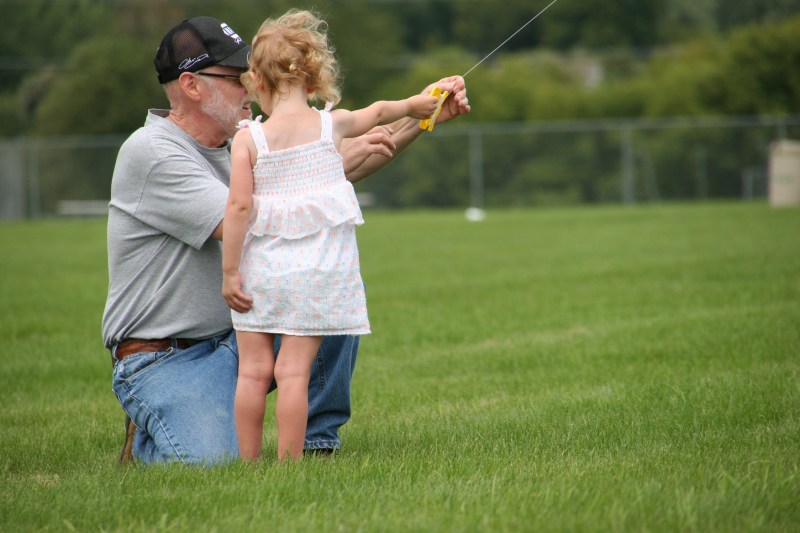
Izzy and Grandpa fly a kite together.


This past weekend they stayed overnight with us. Their mama, too, while our son-in-law was out of town. We played at the park, went to the library (where Izzy and I picked green beans from the community garden and both kids played in the kids’ indoor play area), read books, rocked, attended church services together, flew kites.


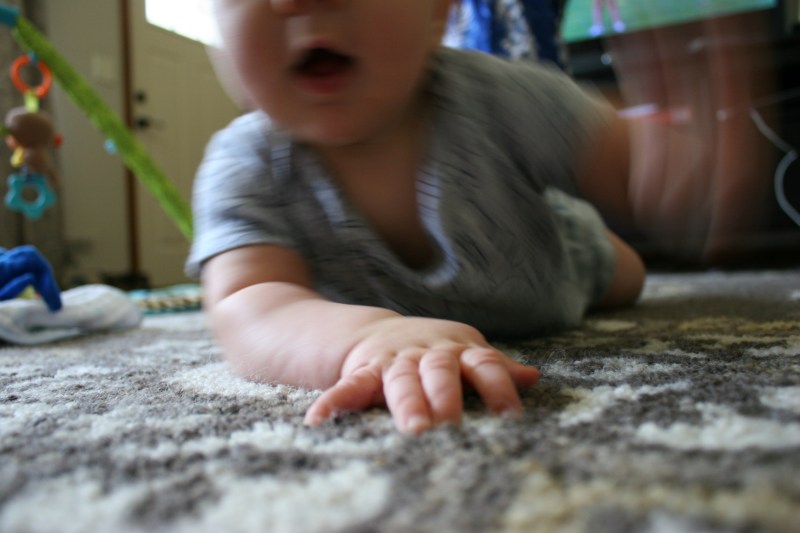
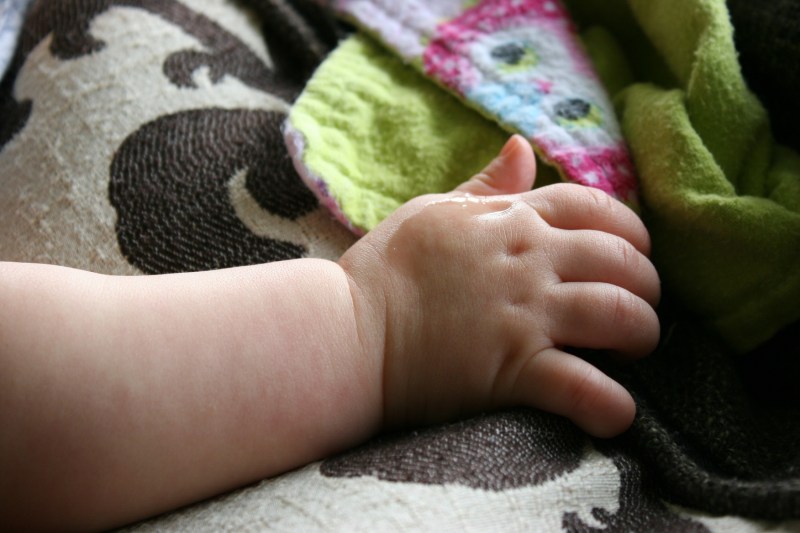
There’s something about a baby’s hand (Isaac’s here) that I love to hold and to photograph.


I wiped sticky hands and faces, made faces at Isaac until he giggled, poured milk, made peanut butter and jelly sandwiches, and did all those things grandmas do without thinking, slipping back into mom mode. Minus the 24/7 responsibility.


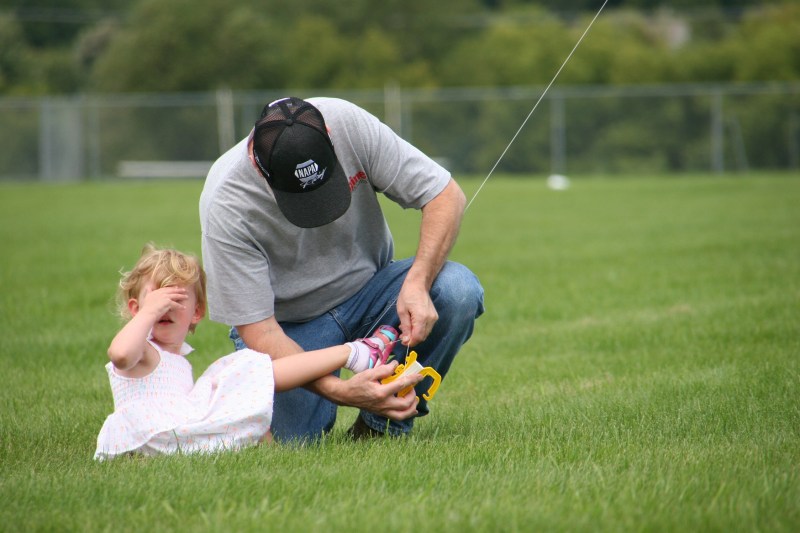
Grandpa untangles Izzy’s foot from the kite string.


I observed, too, my husband interacting with Izzy and Isaac. I love watching them. Grandpa chalking Charlie Brown onto the driveway along with an over-sized hopscotch game. Grandpa and Izzy holding onto the handle of a kite. Izzy leaning into her grandpa as she gazes skyward. Grandpa untangling Izzy’s foot from the kite string for the second, maybe third, time.


Isaac is always on the move.


And Isaac, not to be left out, lounging in his stroller, gripping the kite handle. Grandma hanging on, too. He’s a happy boy, always on the go, crawling already for a month. Keeping up with Isaac and Izzy requires lots of energy.

By day’s end, I felt my age. Weary. But in a good way. There’s a reason we raise children at a much younger age. Come bedtime, Isaac quickly fell asleep upstairs in his mama’s old bedroom. Izzy, though, required lots of cajoling to stay in my office, her temporary bedroom. Tiredness finally kept her there until a 3:20 a.m. bathroom break. I didn’t hear her call for her mama at 5-something. Grandpa did. It was his turn anyway to get up with her.

We would do anything for our grandchildren. They are precious beyond words. So sweet. So loved.


To all you grandparents out there, Happy National Grandparents Day on Sunday, September 8.

© Copyright 2019 Audrey Kletscher Helbling
 

Reflections at summer’s unofficial end September 4, 2019

Filed under: Uncategorized — Audrey Kletscher Helbling @ 5:00 AM
Tags: , , , , , ,


THE SIGNS EXIST EVERYWHERE. In the sunny warm days that give way to nights so cold I’m now closing windows overnight. In the melodic chirp of crickets. Of leaves tinged red.


These days feel of summer’s end, of autumn slipping in, of days that are shorter, nights that are longer.


And, unofficially, Labor Day marks the end of summer.


I expected a different summer from my previous two of broken bones and subsequent therapy. I expected a fun summer of relaxation and exploration. Joy of carefree days. Sunday afternoon drives.


But sometimes life delivers the unexpected (worse than broken bones) and we learn that we are made of much more than we ever thought possible. Strength stretched. Faith strengthened. Patience tested. Endurance not a choice.


I learned that I can be assertive and strong and persistent and a fighter. I learned the definition of selflessness, not that I’m a selfish person. I learned the incredible depth of love. Beyond what I even thought possible.


I learned to prioritize, to drop the unnecessary, to focus on what was most important.


I learned the enduring value of friendship from those friends who cared from day one and continue to care. It is true what they say about finding out who your friends really are during difficult days.


When I look back on the past four months, I see a spring and summer that seem unrecognizable. It’s been a journey, one that continues. But as the season of autumn arrives, life is better, calmer. And for that I am thankful.


All of these photos were taken last week during an evening walk through Faribault Energy Park.

© Copyright 2019 Audrey Kletscher Helbling
 

Elsie September 3, 2019

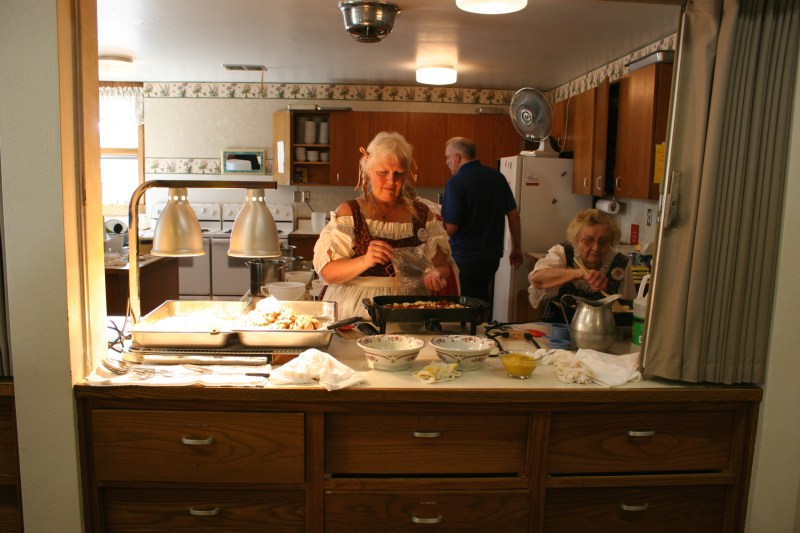
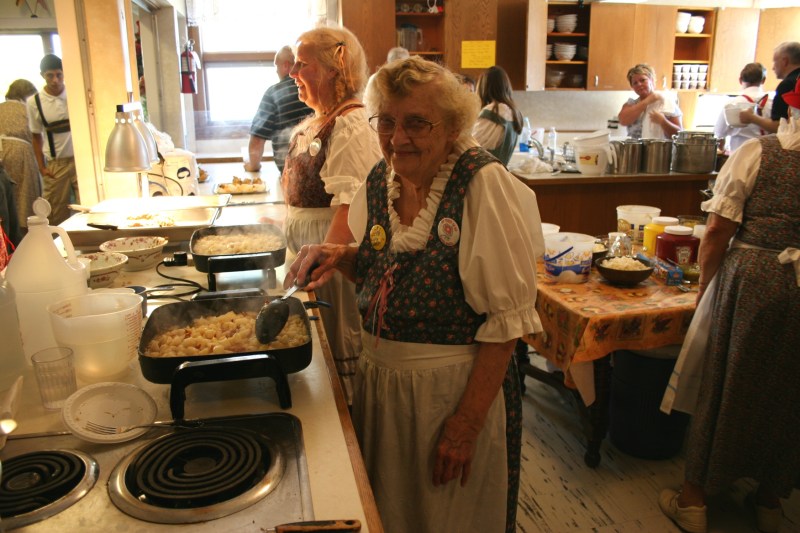
Elsie Keller, right, works in the kitchen at St. John’s Germanfest. Minnesota Prairie Roots file photo 2017.


THERE ARE PEOPLE you meet in life who make a profound impact. Not on a grand, public scale. But upon the people they meet, the communities in which they live and serve simply by the way they live and serve. Humbly. Exuding kindness and friendliness. Living a life of service, of giving to others. Elsie Keller fits that description.

I don’t recall exactly when I met Elsie. But I know where. At St. John’s United Church of Christ, Wheeling Township, just down the road from the rural Nerstrand home where she lived her entire life. Ninety-three years.
 

Elsie making German potato salad, Minnesota Prairie Roots file photo 2013.
 

Inside the church kitchen, that’s Elsie standing next to her stool at a Lenten Soup Luncheon. Minnesota Prairie Roots file photo 2014.
 

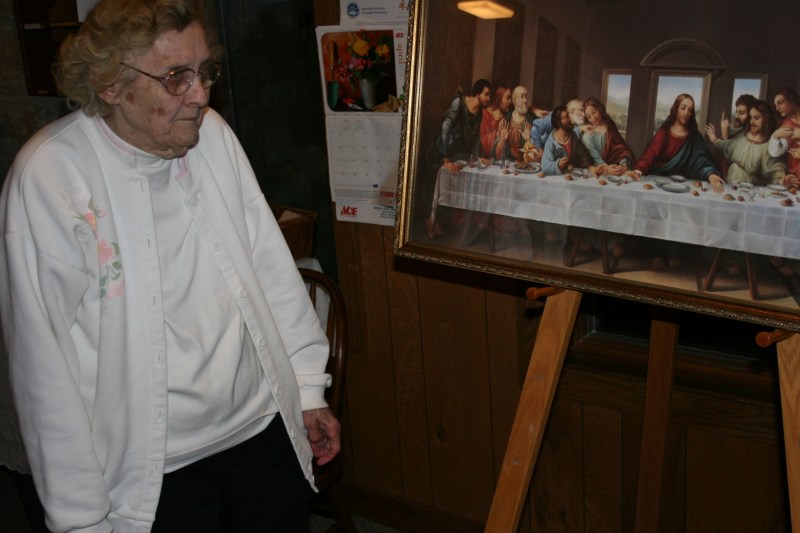
Elsie next to The Last Supper painting given to St. John’s in honor of her husband, Arnold. Minnesota Prairie Roots file photo.
 

I’ve attended many functions at St. John’s from the annual Germanfest to Lenten soup luncheons to ice cream and pie socials to the yearly The Last Supper Drama. And every time I set foot inside that aged limestone church, Elsie was there. Most often behind the scenes—plating pie, stirring German potato salad, operating spotlights and much more.
 

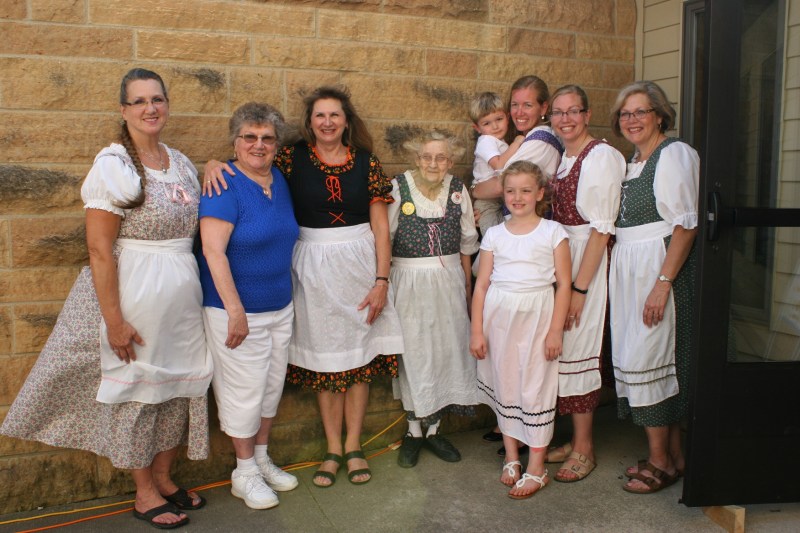
Elsie poses with family at the 2017 Germanfest. Minnesota Prairie Roots file photo 2017.


If I didn’t spot her, I sought her out to hug her diminutive frame, to see her sweet smile, to catch up a bit. She was that kind of woman. The grandmother you miss. The mother who lives too distant. The friend who cares. The churchgoer who lives her faith in service to her church and to God. Singing. Coordinating Vacation Bible School for 51 years. Teaching Sunday School for more than five decades.


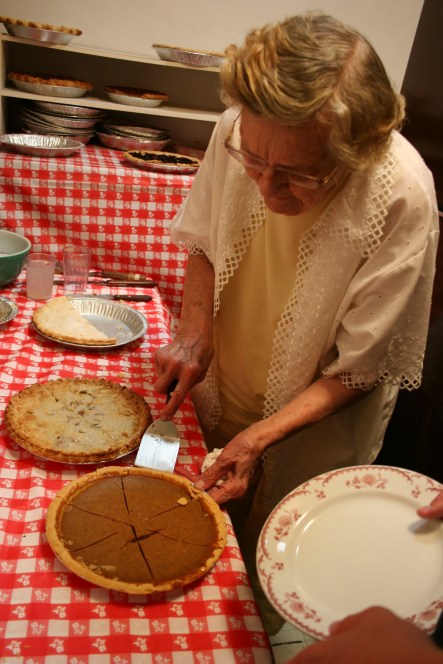
Elsie, hard at work in the Pie Room. Minnesota Prairie Roots file photo 2015.


A member of St. John’s Youth Fellowship waits, plate in hand, for a slice of pumpkin pie scooped up by Elsie. Minnesota Prairie Roots file photo 2011.


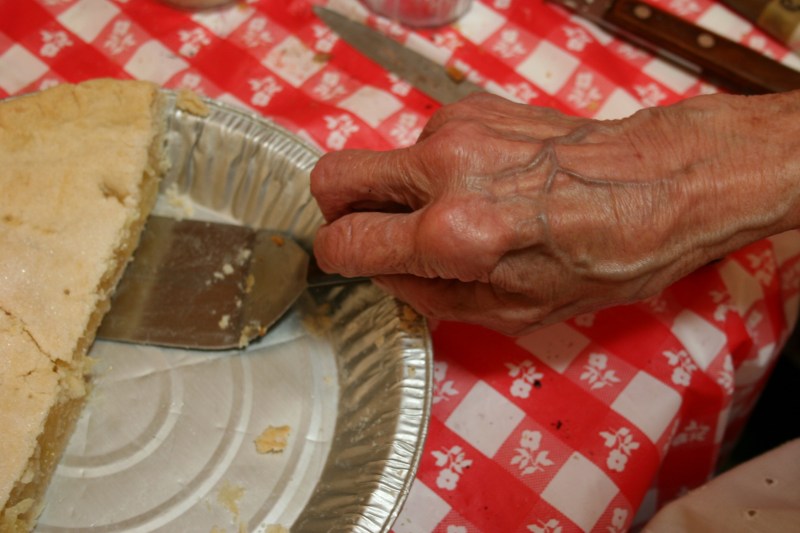
By the end of the day, Elsie had blisters on her hand from cutting pies. Here she scoops a slice of apple pie. Minnesota Prairie Roots file photo 2011.


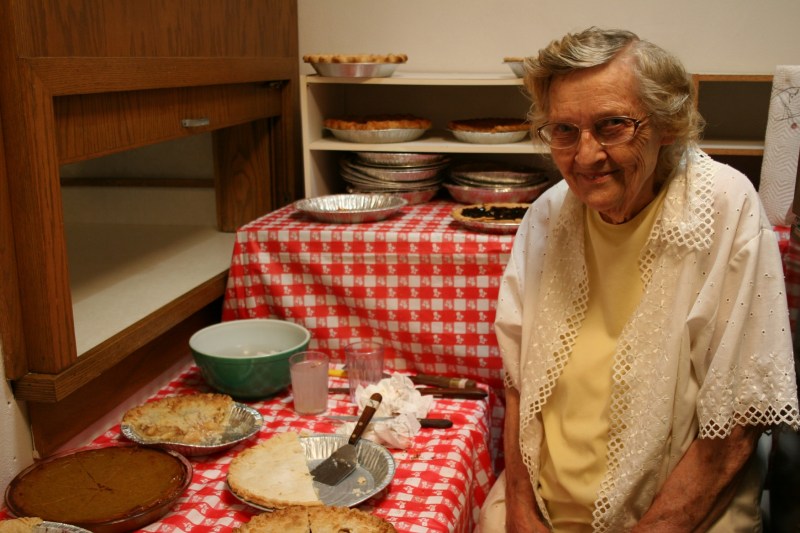
To know Elsie was to love her. I loved her smile, her demeanor, her humility, her kindness, her devotion to church and family, her work ethic. I remember, especially, the time I found her working in the St. John’s pie room sliding pieces of homemade pie onto plates with her gnarled arthritic hands.


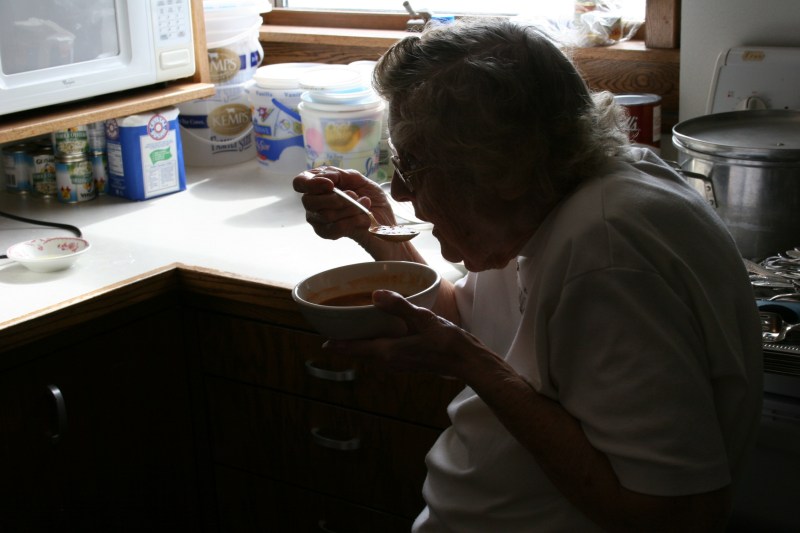
Elsie takes a break from kitchen work to enjoy a bowl of ham and bean soup. Minnesota Prairie Roots file photo 2014.


Back at the farm, Elsie still gardened. She canned green beans on Thursday evening. The night before her death.


Elsie in The Pie Room, a space so small that this petite woman can barely fit her stool between a counter and refrigerator. Minnesota Prairie Roots file photo 2011.


I still cannot believe my friend is gone, even though she was nearly 94 years old. There are people in life who seem ageless, whom you always expect will be there. For me, that was Elsie. If only you could have known her. For those of you who did, you understand why I will miss her. Her smile, her kindness, her positive and giving spirit…

© Copyright 2019 Audrey Kletscher Helbling