Minnesota Prairie Roots

Writing and photography by Audrey Kletscher Helbling

Vacation Bible School, past & present August 11, 2017

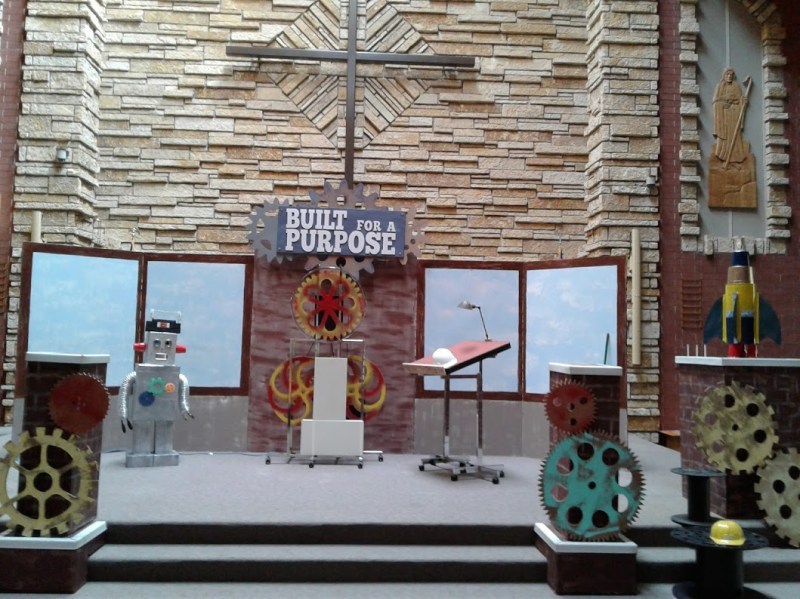
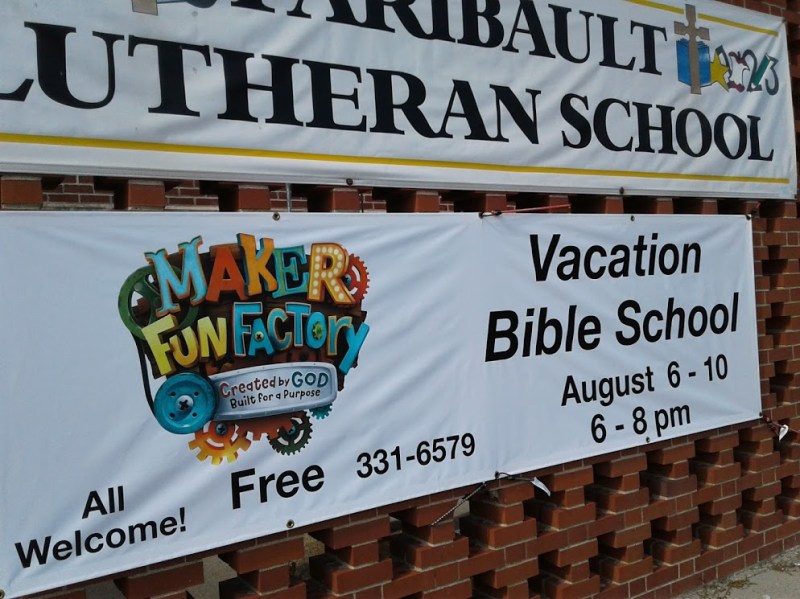
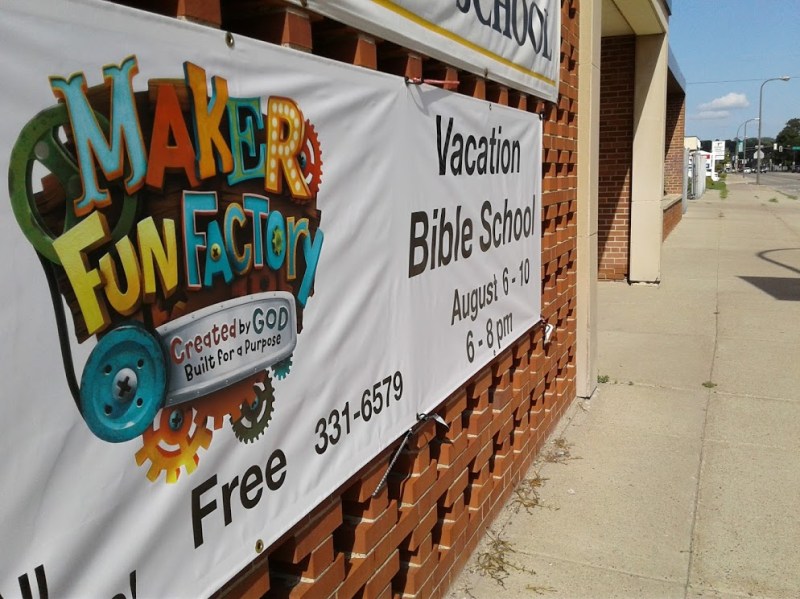
Maker Fun Factory: “Created by God, Built for a Purpose” was the theme of this week’s Vacation Bible School at Trinity Lutheran Church in Faribault.


MY, HOW VACATION Bible School has changed.


Volunteers, led by my friend Steve, created this amazing factory-themed set for VBS.


Back in the day, I joined other children in a one-room school singing familiar hymns to the accompaniment of a foot-pumped organ.

Today’s kids gather in an expansive sanctuary, belting out catchy tunes written specifically for VBS. They mimic the hand, arm and other motions in a video airing on multiple screens.


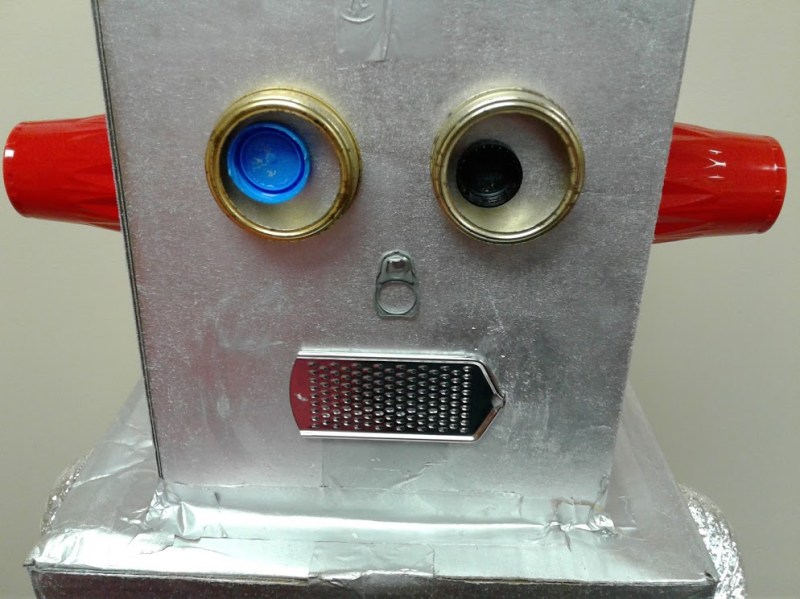
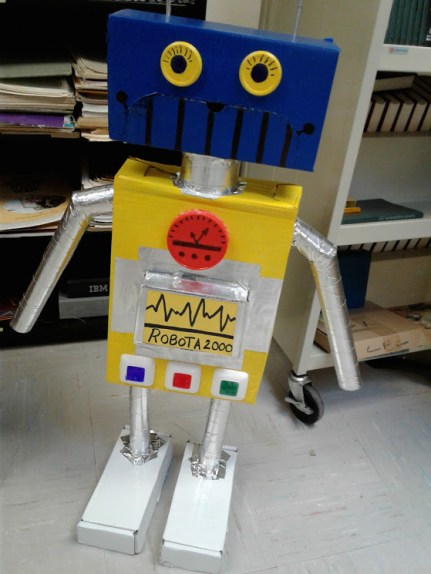
Volunteers created several robots for the set.


Back in the day, I sat on the steep steps of a Lutheran church devouring my peanut butter and jelly sandwich wrapped in waxed paper.

Today’s kids delight in heart-shaped Jello served with fruit and whipped cream in individual servings delivered by volunteers in an air conditioned fellowship hall.


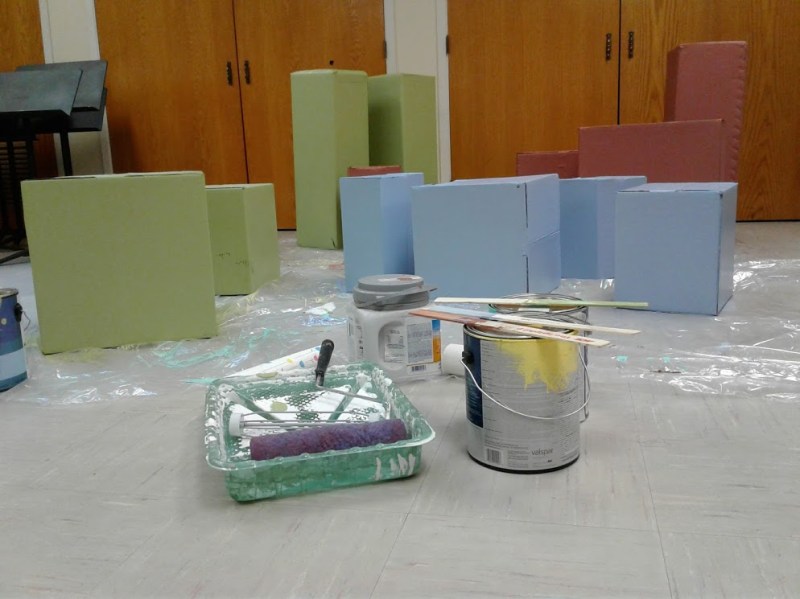
Who knew painted cardboard boxes could be so much fun? Kids stacked and restacked these boxes, following the theme of “built for a purpose.”


Back in the day I laid and glued toothpicks side by side on a cardboard cross cut-out.

Today’s kids adhere self-adhesive foam stickers to foam crosses.


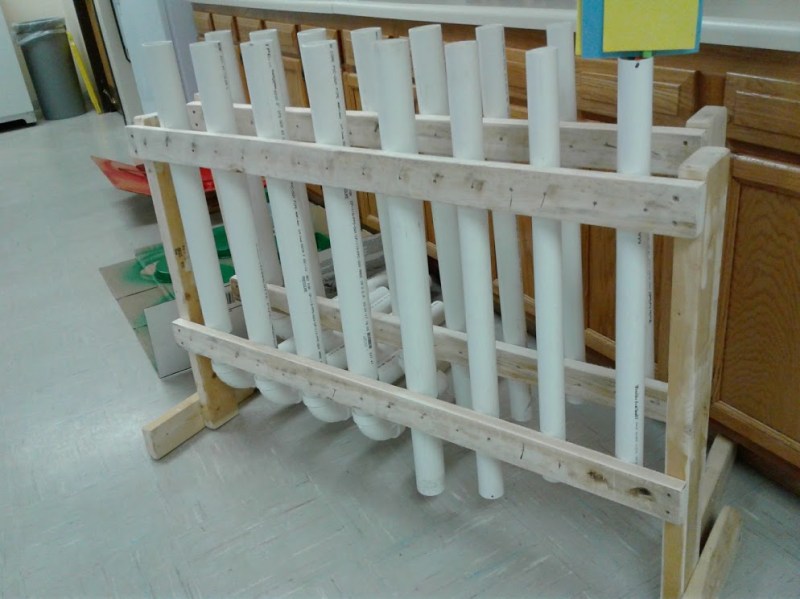
Steve crafted this musical instrument from PVC pipes with paper covered fly swatters used to hit the tops of the pipes, thus creating sound. Numerous interactive “toys” lined a hallway.


Back in the day I dreaded the call of “Red Rover, Red Rover, please send Audrey right over!” as I ran and tried to bust through the brawny arms of strong farm boys, failing every time.

Today’s kids stand in a line passing a ball backward into paper cups in a game of teamwork.


Back in the day I listened as the pastor read a bible story.

Today’s kids listen to a retired Christian day school educator share a bible story in an interactive and memorable way.


Back in the day, I learned that Jesus loves me, that he is always with me.

Today’s kids learn that Jesus loves them, that he is always with them.

While times change, certain truths remain. Unchanged.


TELL ME: If you have stories about Vacation Bible School, past or present, I’d like to hear.


FYI: I volunteered this week as a crew leader at my church’s VBS. In past years, I’ve done the photography. But because of my shoulder injury, I didn’t have the stamina yet to shoot photos for two hours. And that’s OK. I loved working directly with the kids. Sometimes change is good.

© Copyright 2017 Audrey Kletscher Helbling


About this blog & commenting here August 10, 2017

Filed under: Uncategorized — Audrey Kletscher Helbling @ 5:00 AM
Tags: , , , , , ,

That’s my post, labeled “Barn Memories,” published on November 30, 2013, on Freshly Pressed, a feature of WordPress, my blogging platform.  My work has been highlighted on FreshlyPressed thrice. Minnesota Prairie Roots file photo.


I’M NOT A PARTICULARLY opinionated person, at least not publicly. I mostly steer from conflict, discord and disagreement. I’m more the mediator type, the “let’s work things out” and treat others with kindness and respect. That includes the topics I generally cover here on this blog. My blog.

In recent weeks, several particularly mean-spirited comments filtered into this site. They were inflammatory and accusatory and just plain awful, with some directed at me personally. I chose not to publish them. I refuse to allow this blog, my blog, to become a platform for hatred, false accusations and unproven allegations.

Yes, I’m aware some may term this as censorship or a denial of free speech. I have worked as a newspaper reporter and value freedom of the press. Suppression of the media rankles me. In recent months the media have been under intense attack unlike anything I recall. This scares me. Freedom of the press is essential in a democracy. I hope the general public understands that.

We may not like what the media report. But we also need to stop blaming the messengers for the news they deliver. They are just doing their jobs.

That brings me back to Minnesota Prairie Roots. This blog is not mainstream media. No one pays me to write here. I earn some income from photos that people/businesses/organizations find here and buy from me and also from writing jobs tracing to this blog. But I am not on anyone’s payroll nor do I have an agenda other than to share my images and words with you. Writing and photography are my passions.

If you choose to submit hateful, accusatory and inflammatory comments, I won’t publish them. This is my blog. It’s as simple as that. I won’t bend my values, morals and beliefs.

To the many faithful readers and commenters who write with respect, thank you. I appreciate you and value your thoughts.

© Copyright 2017 Audrey Kletscher Helbling


Skirting downtown Minneapolis, an essay in words & images August 9, 2017

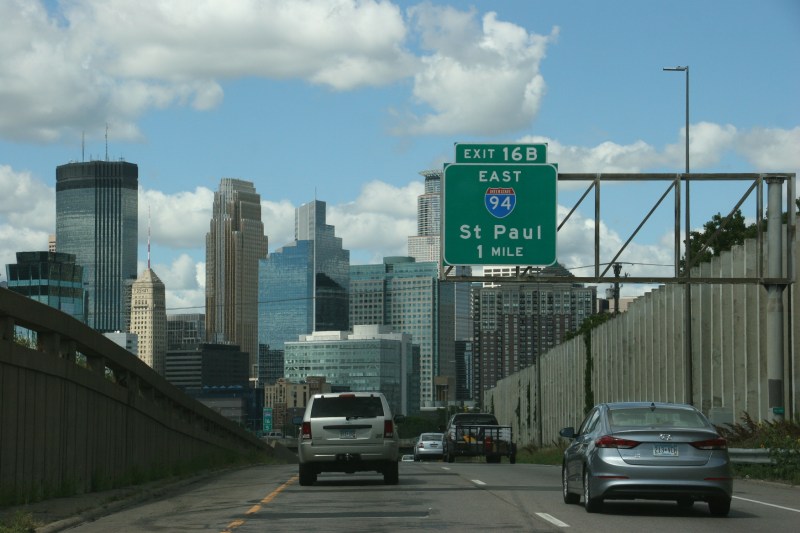
Minneapolis skyline, #9


I NEVER TIRE OF PHOTOGRAPHING the Minneapolis skyline from Interstate 35W. There’s something about the placement, height and shapes of the clustered buildings that appeals to me aesthetically. Add in the reflection of blue sky upon windows and the artistic allure increases substantially.


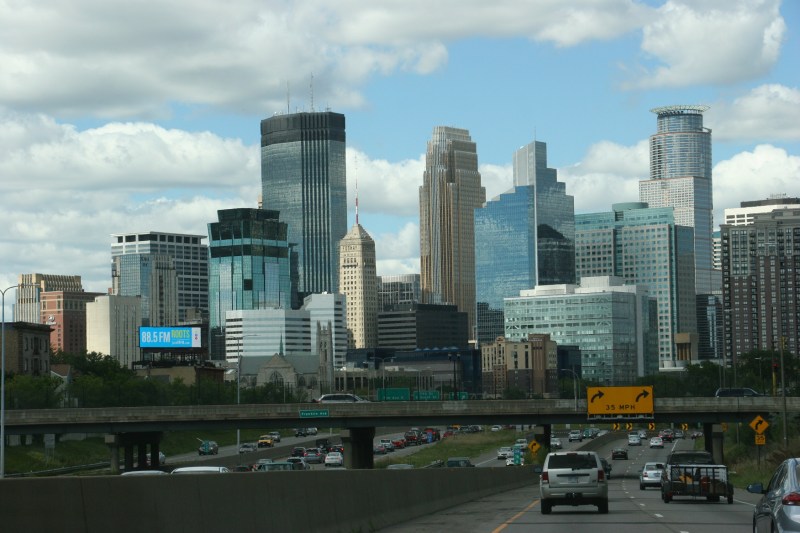
Minneapolis skyline, #10


My skyline images, for reasons I can’t explain, always appear to me more paintings than photos. Building edges are soft rather than harsh. That pleases me.


Minneapolis skyline, #11


If you were to place me in the middle of downtown Minneapolis, though, I wouldn’t be pleased. I’ve always felt boxed in by skyscrapers, by the vertical lines that block views. I am rooted in my native prairie, the broad vistas and wide open spaces an integral part of my being.


Minneapolis skyline, #12


Still, from a distance, I can appreciate downtown Minneapolis and the high-rises that ring it.


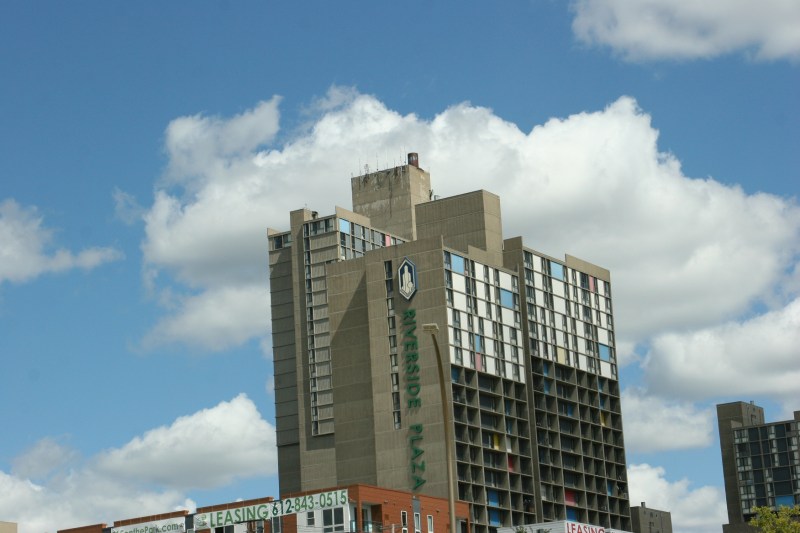
Riverside Plaza, designed by architect Ralph Rapson and built between 1971 - 1973, is probably the most recognized apartment complex in downtown Minneapolis. Located in the Cedar-Riverside Neighborhood, the multiple buildings include 1,303 units and are home to more than 4,000 residents. The plaza is on the National Register of Historic Places.

Riverside Plaza, designed by architect Ralph Rapson and built between 1971 – 1973, is probably the most recognized apartment complex in downtown Minneapolis. Located in the Cedar-Riverside Neighborhood, the multiple buildings include 1,303 units and are home to more than 4,000 residents. The plaza is on the National Register of Historic Places.


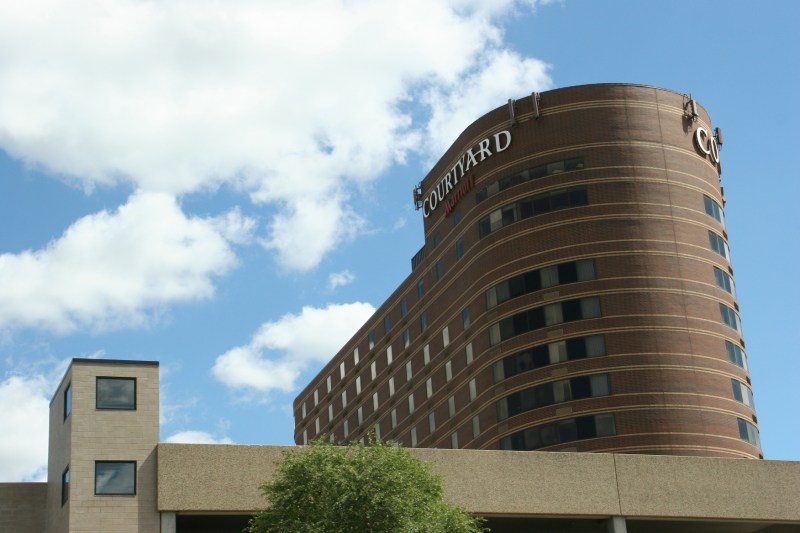
Mixed with the apartments, housing for visitors to downtown Minneapolis.

Mixed with the apartments, housing for visitors to downtown Minneapolis.


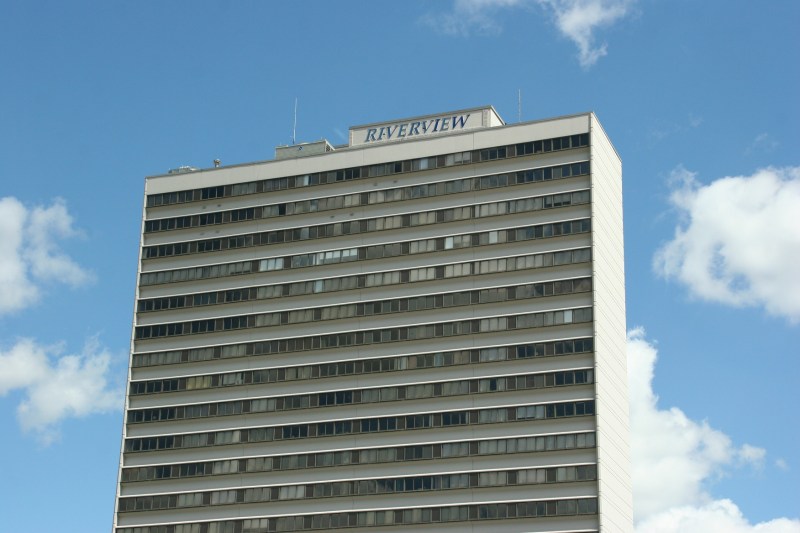
More apartments...

More apartments…I think.


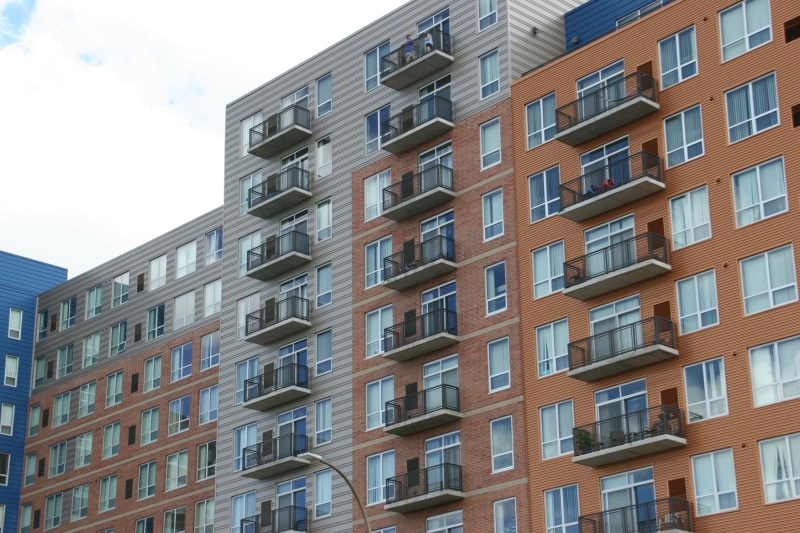
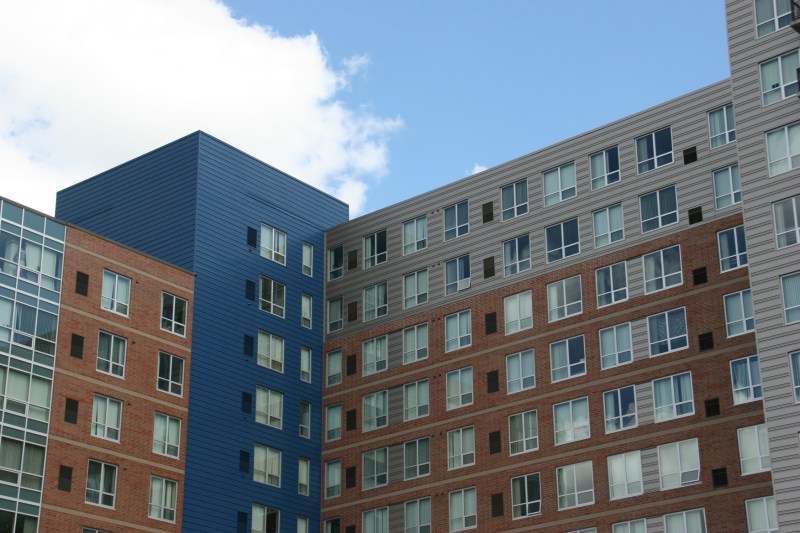
Border apartments pack a lot of people into vertical space. I couldn’t live here, though, even if offered a spectacular river view. But I expect neither could these city dwellers move to a rural area with horizontal lines.


Minneapolis skyline, #18 apartments

I find the exterior view of these apartments aesthetically pleasing.


Just another view of the same apartment complex.

Just another view of the same apartment complex.


Where we choose to live is shaped by many factors—jobs, family, economics, amenities and more. And for me, my rural upbringing keeps me rooted outside the city in a place of horizontal vistas.

TELL ME: Why do you live where you live?

© Copyright 2017 Audrey Kletscher Helbling


Park art August 8, 2017

Filed under: Uncategorized — Audrey Kletscher Helbling @ 5:00 AM
Tags: , , , , , , , , ,

mural-in-waterville-36-shelterhouse-mural


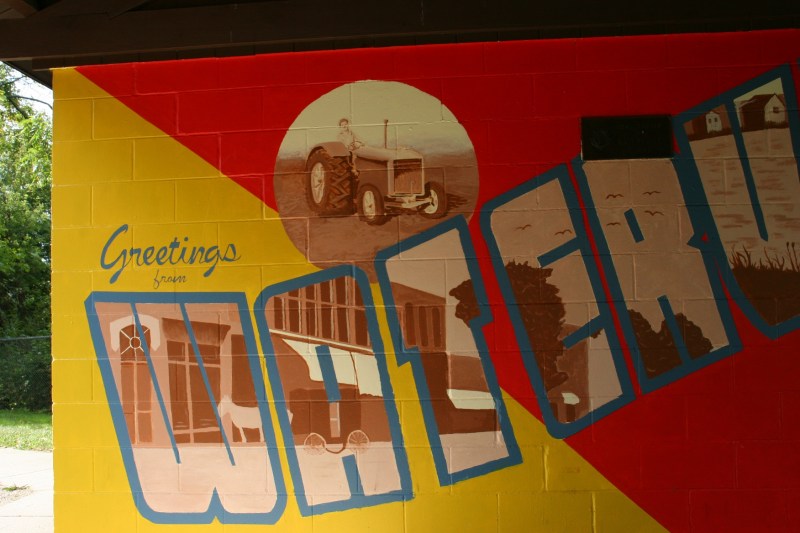
THE POSTCARD STYLE MURAL pops color in to the mini shelterhouse at Lions Park in Waterville.

But it’s more than that. The painting by Kimberly Baerg also provides a snapshot glimpse of this southeastern Minnesota resort and farming community.


mural-in-waterville-37-close-up


Examine the details and you will see a tractor, a canoe, a buggy, a train. All important in the history of this town.


mural-in-waterville-39-close-up


This mini mural is an example of how a little artistic ingenuity, effort and paint can transform an otherwise plain cement block wall in to a canvas that promotes a place, shares history and pops with community pride.

Well done, Waterville.

© Copyright 2016 Audrey Kletscher Helbling


The power of a train August 6, 2017

Filed under: Uncategorized — Audrey Kletscher Helbling @ 5:00 AM
Tags: , , , , , , , , ,


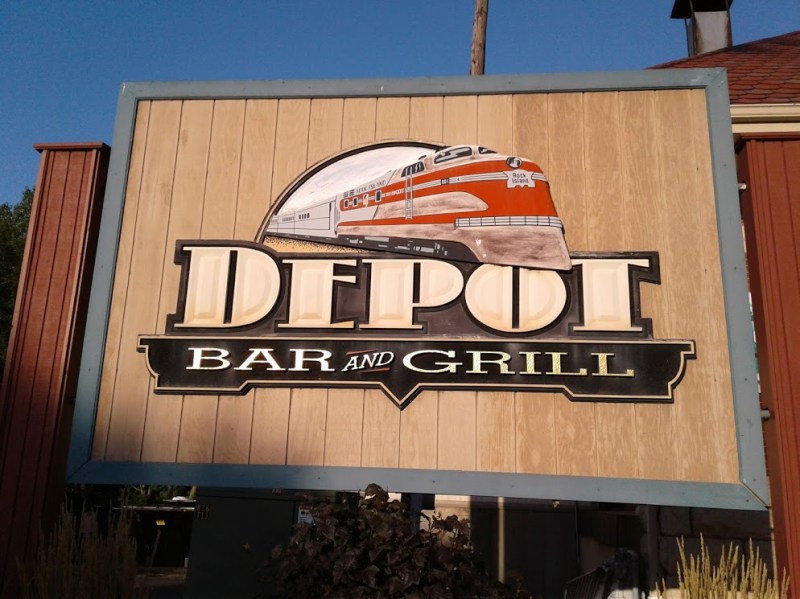
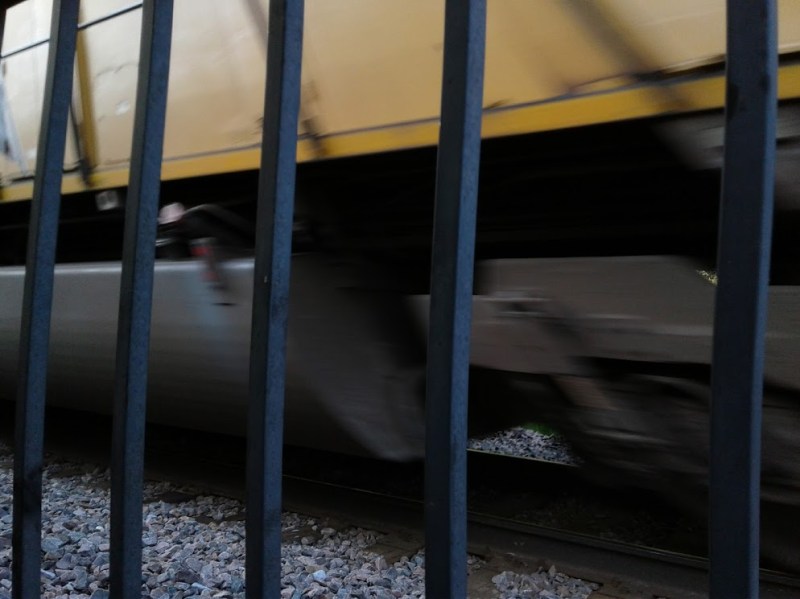
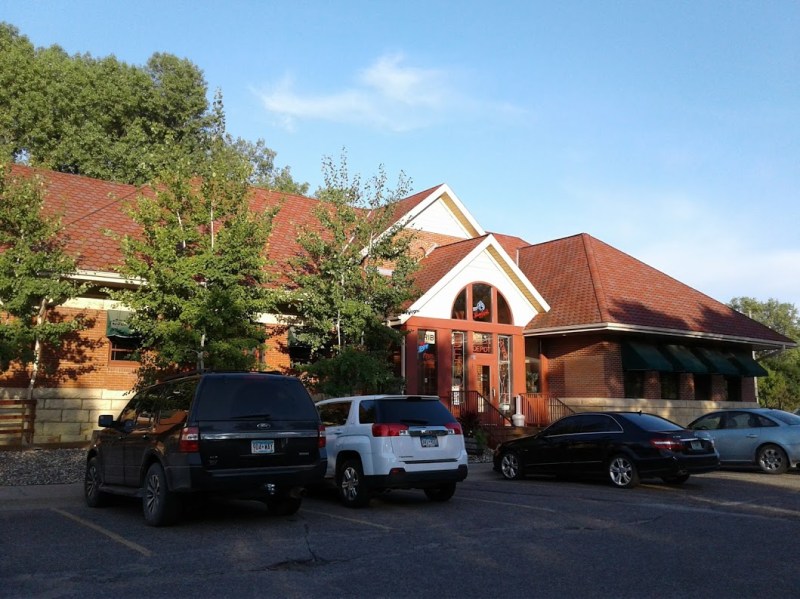
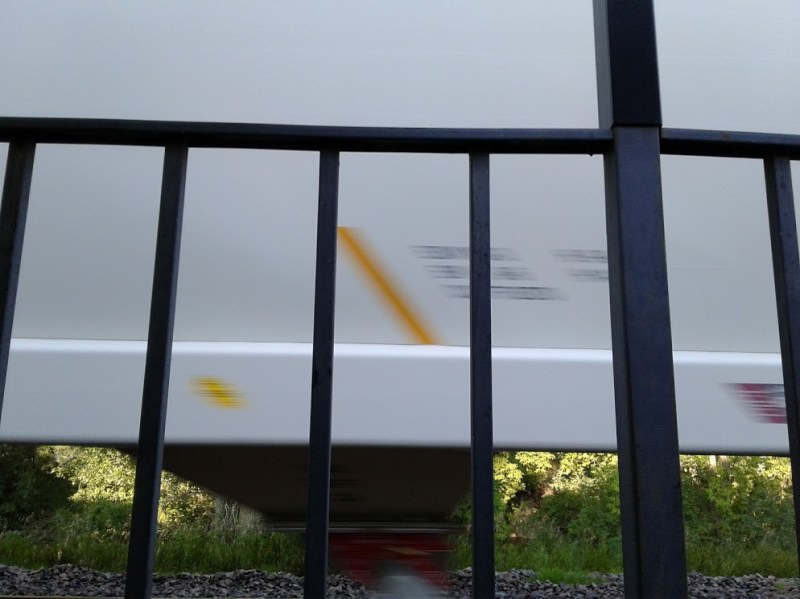
TEN FEET AWAY, the train roared down the tracks next to The Depot Bar & Grill in Faribault. I could feel its immense power as the cars zipped by in a blur, rails rising and falling.


For a moment I considered my vulnerability with only a wrought iron fence and a slip of stones separating me from this mammoth machine.


Despite my flash of fear, I thrilled in the rush of sitting so near a train as I waited for my brisket sandwich and fries on the outdoor patio. I grabbed my beer, took another swig and felt the rhythm of the fast-moving cars.


What is it about trains that holds such fascination? The power certainly impresses. But I think it’s the history, too, associated with trains that appeals to us. Travel by rail opened this country to further settlement.


My paternal great grandfather, Rudolph, rode the train to Henderson, Minnesota, in 1890, four years after he arrived by steamship in Baltimore. And four years after that, he moved farther west and bought a farm from the Great Western Railroad just outside my hometown of Vesta.


I expect most of you could tell similar stories of your ancestors and their travel by rail. Trains link us to our past, to those who came before us to this land, this America.

© Copyright 2017 Audrey Kletscher Helbling


“Peoples of Faribault,” an enlightening must-see video August 4, 2017

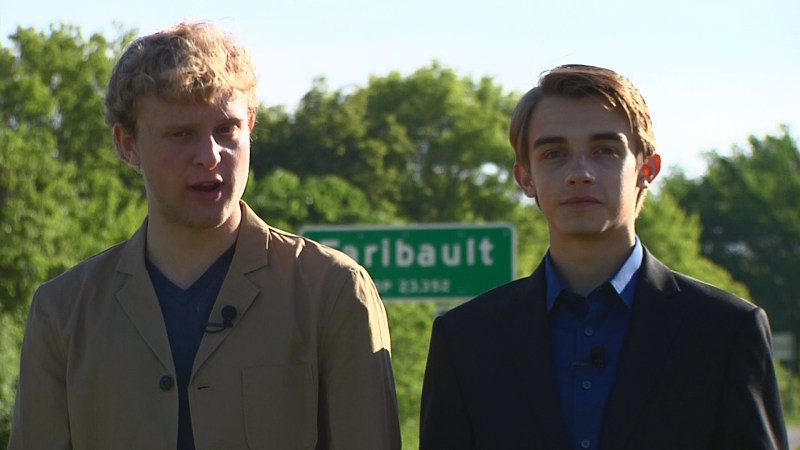
High school students Logan Ledman, left, and Samuel Temple produce “1855: A Faribault History Series on FCTV” in Faribault. Photo courtesy of Samuel Temple.


THEIR APPRECIATION FOR LOCAL HISTORY shines in the videos they produce. But it’s more than a passion for Faribault history that drives Samuel Temple of Faribault and Logan Ledman of Northfield. The 16-year-olds strive to make viewers think via the videos they create for Faribault Community Television.


Photo courtesy of Samuel Temple.


Nearly two years after their first of 11 history episodes aired, the teens tackled their most extensive project yet—a 40-some minute video titled “Peoples of Faribault.” I watched the show this week and am impressed by the research, the content and the clincher ending that challenges viewers to consider how their choices affect Faribault’s identity as a community.

Negative local perceptions of his hometown prompted Samuel to co-produce a video that counters that negativity. He and Logan do that through the art of entertaining, informative and thought-provoking storytelling. Their work is top-notch professional as they address issues of ethnicity in their latest and most lengthy film.


This prize-winning photo which I shot at the International Festival Faribault in 2012 reflects the cultural diversity of our community.


It’s no secret that Faribault has struggled with accepting newcomers. And newcomers have struggled to adapt. But Samuel and Logan put it all in perspective by tracing back to the town’s 1850s beginning and progressing from there. They cover the ethnic groups of the Dakota, French-Canadians, Swedes, Norwegians, Czech, Germans, Irish, Latinos, Cambodians, Chinese and Faribault’s newest immigrants, Somalis. Each group faced issues of assimilation and rejection, the two discovered through extensive research and interviews.
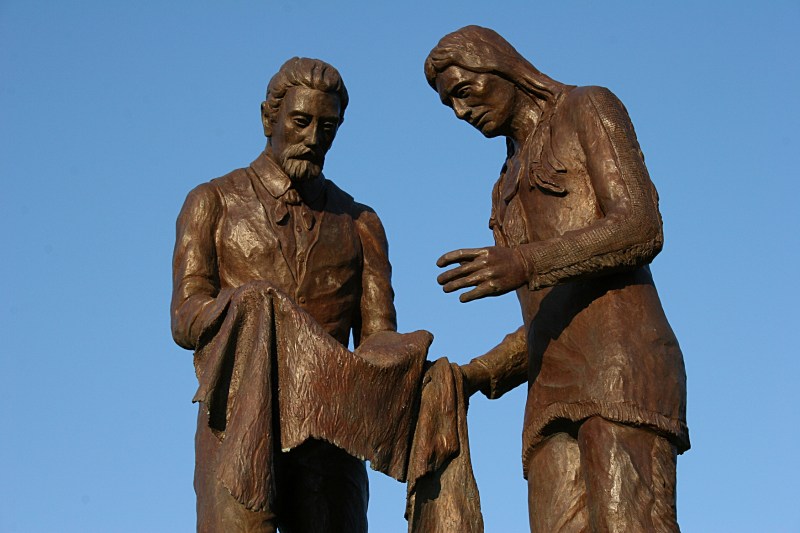
 

This sculptor of Alexander Faribault trading with a Dakota trading partner stands in Faribault’s Heritage Park near the Straight River and site of Faribault’s trading post. Faribault artist Ivan Whillock created this sculpture which sits atop the Bea Duncan Memorial Fountain. Minnesota Prairie Roots file photo.


Samuel summarizes the reason each group came to Faribault in one simple statement: “Everyone was looking for a home, for a wide array of reasons, and each found it in Faribault.”

Looking for a home. It doesn’t get more basic than that. But behind those four words are specifics such as war, famine, pursuing the American dream and more. It’s all covered in the film, for each of the featured ethnic groups.
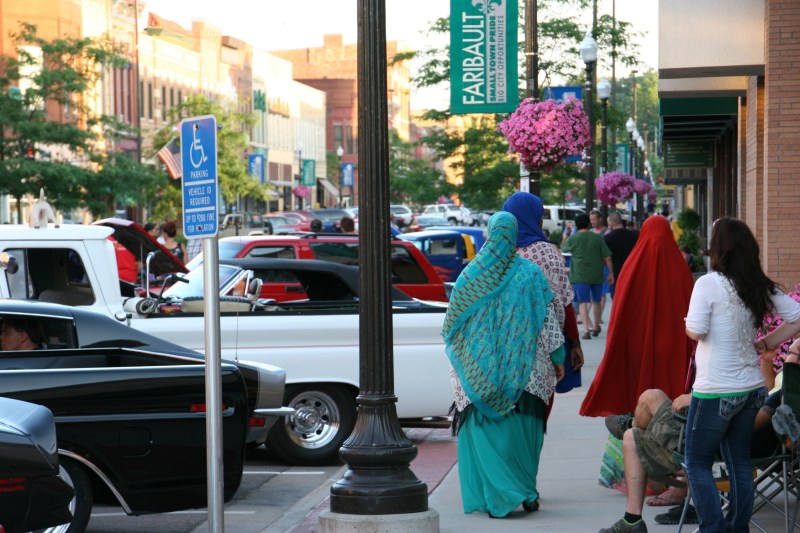
 

Many Somalis now call Faribault home. I took this photo at a 2015 car show in historic downtown Faribault.


While researching for the video, the producers began to see a pattern. Says Logan in an email response to my questions:

“Issues of racism, cultural conflict, and discrimination came up in our work for this video. It ended up being a consistent pattern; the town’s response to newcomers was, initially, consistently negative. Over time, though, as new Faribault townsfolk left a multi-generational mark on the community, there was a parallel, consistently positive final acceptance of those newcomers by the town. This was a pattern that repeated itself across every group we looked at, and it’s a pattern we see repeating itself today.”
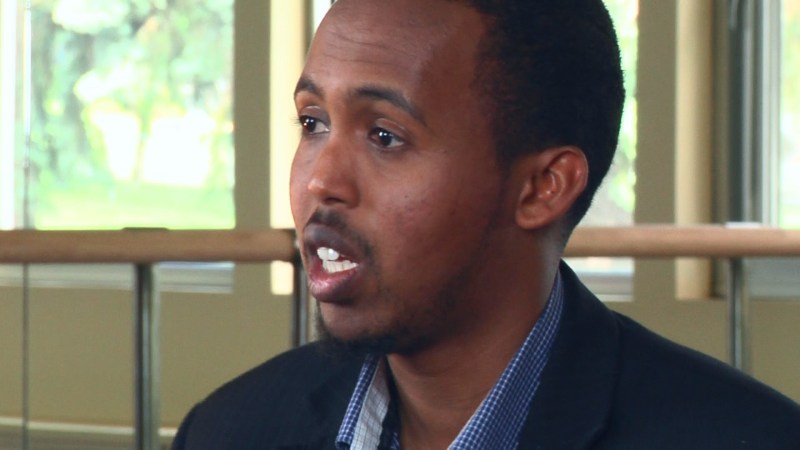
 

Bashir Omar. Photo courtesy of Samuel Temple.


Bashir Omar, a 10-year Faribault resident who serves on the Faribault Diversity Coalition and who works as a cultural liaison in the public school system, offers primarily praise for Faribault in comments aired in the “Peoples of Faribault” video. Although he says people fear the Somali culture, he’s always felt welcomed here and has not been targeted because of his Muslim faith. “Faribault has been a great town,” Bashir says.
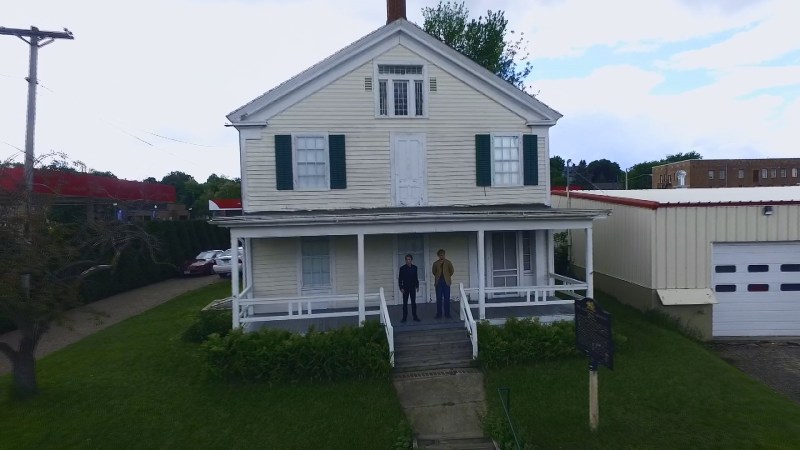
 

Samuel and Logan narrate from the front porch of the Alexander Faribault house, home to town founder Alexander Faribault. Photo courtesy of Samuel Temple.


Not all newcomers have received the same warm welcome, an issue Samuel and Logan sensitively address through narrative and interviews. They also spoke with a local historian/author, city official and author/English as a second language educator and collaborated with sixth graders from the Cannon River STEM School to create family trees. Town founder Alexander Faribault, son of a part Dakota woman and a French trader, for example, faced discrimination when he befriended the Dakota, according to historian Larry Richie. He reveals in the video that Alexander died a despised and broken man. “We gotta learn to accept others,” Larry says.
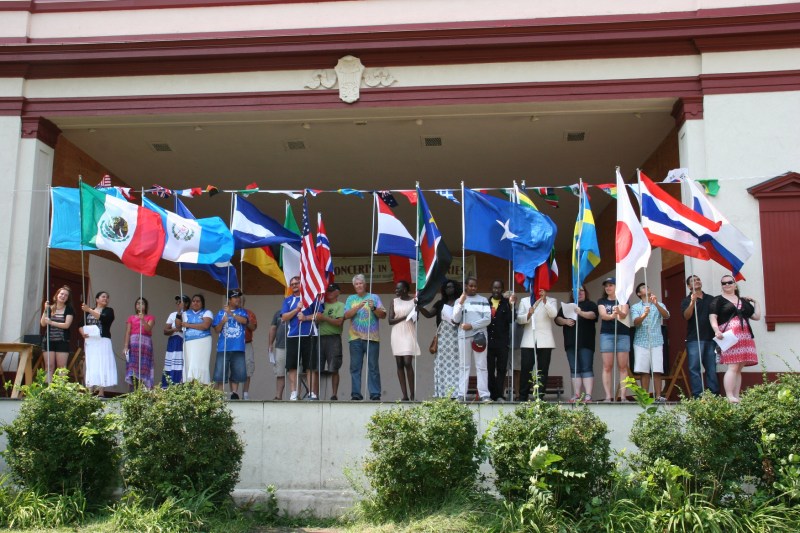
 

A flag ceremony during a past International Festival featured national anthems and information about the countries from which Faribault residents have originated. Minnesota Prairie Roots file photo.


In their research, the filmmakers learned a few things about Faribault that surprised and unsettled them. I asked. For Samuel, the strong presence of the Ku Klux Klan in Faribault, including a mass gathering at the Rice County Fairgrounds for a state convention in 1924, left him feeling queasy. He noted, too, the Klan’s strong anti-Catholic (in addition to anti-black and anti-Jew) sentiment. For Logan, discrimination against Germans especially during the world wars came as a surprise. In the video, the term “enemy aliens” is linked to Germans.
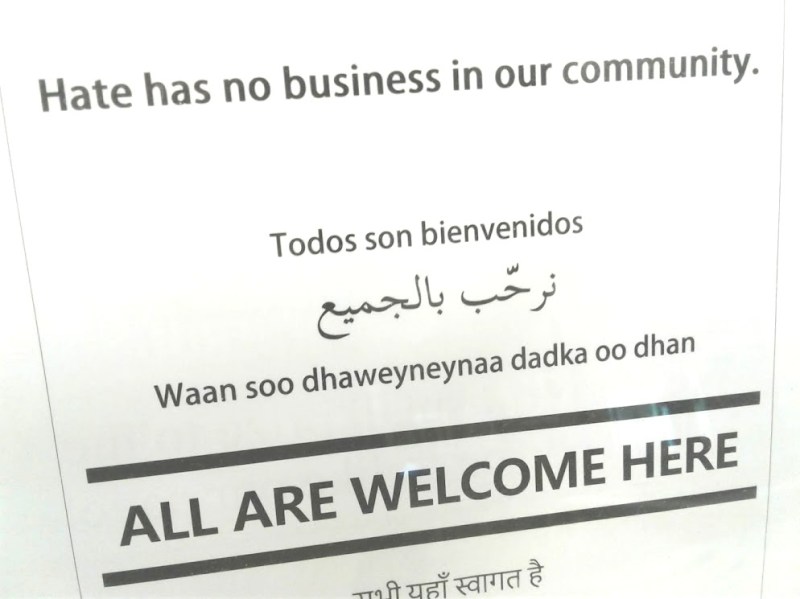
 

I photographed this sign on the front desk of Buckham Memorial Library in Faribault. Minnesota Prairie Roots file photo 2017.


“Faribault is not immune to hate,” Samuel says in the film and then adds this in an email to me:

“Gathering information about the adversity that quite literally every group has faced put in perspective a single truth: accusing any one nationality or ethnicity or religion or group of people of having evil values, or being the root cause of problems in a community is wrong across the board; if we want history to look back on us favorably, we must live by that without exception.”
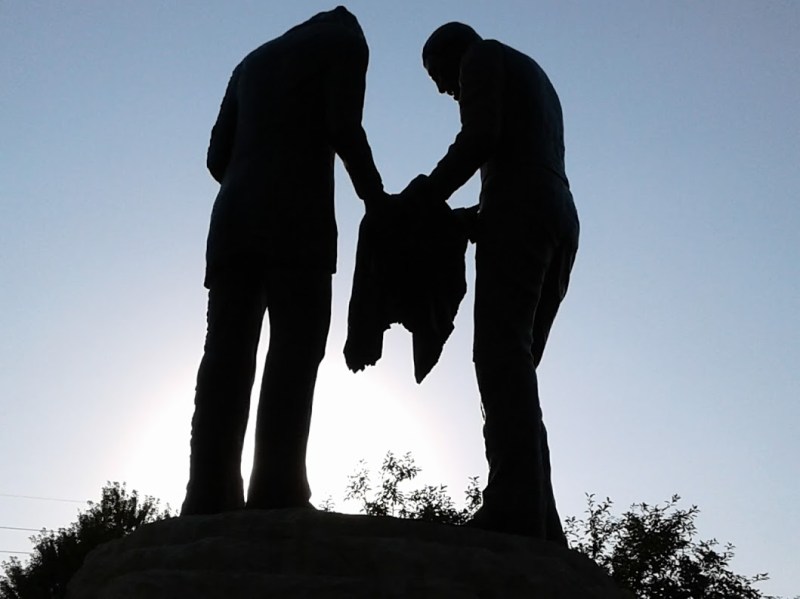
 

We learn from our past, looking back. This photo shows the back of the Alexander Faribault-Dakota sculpture at Faribault’s Heritage Park.


To read those words written by a 16-year-old inspires me and gives me hope. He and Logan are right. We can preserve our heritage while moving forward. We can learn from history. We can choose to focus on the positive, knowing that our choices affect our identity as a community. The choice is ours.


FYI: Joining Samuel and Logan in creating “Peoples of Faribault” are friends/musicians Sam Dwyer and Chase Ingraham of Northfield. Sam has also created original music for past episodes of “1855: A Faribault History Series.”

To view the “Peoples of Faribault” video, click here.

You can also see past episodes of “1855” that cover everything from the Fleckenstein Brewery to the Tilt-A-Whirl to local WASP Elizabeth Wall Strohfus at this same link.

© Copyright 2017 Audrey Kletscher Helbling
“Peoples of Faribault” images are courtesy of Samuel Temple

 

A quick stop in the Minnesota German city of New Ulm August 3, 2017

Domeier’s German Store, snugged into a residential neighborhood for decades, is a must-see German import shop in New Ulm.


NESTLED IN THE MINNESOTA RIVER Valley, New Ulm has long been one of my favorite Minnesota communities. I love not only the sweep and rise of the valley and hills, but also the vibe of this definitively German city.


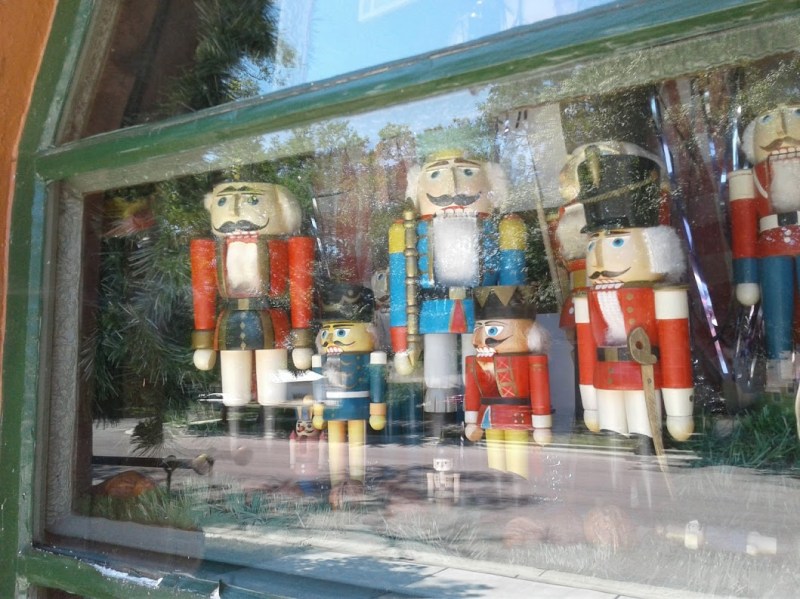
Nutcrackers peer out a window at Domeier’s.


My maternal family roots run deep in this region. Drop the surname Bode at the Guten Tag Haus in downtown New Ulm and a look of familiarity flashes across a clerk’s face. She knows the name. My ancestors settled just to the east in the farmland surrounding nearby Courtland.

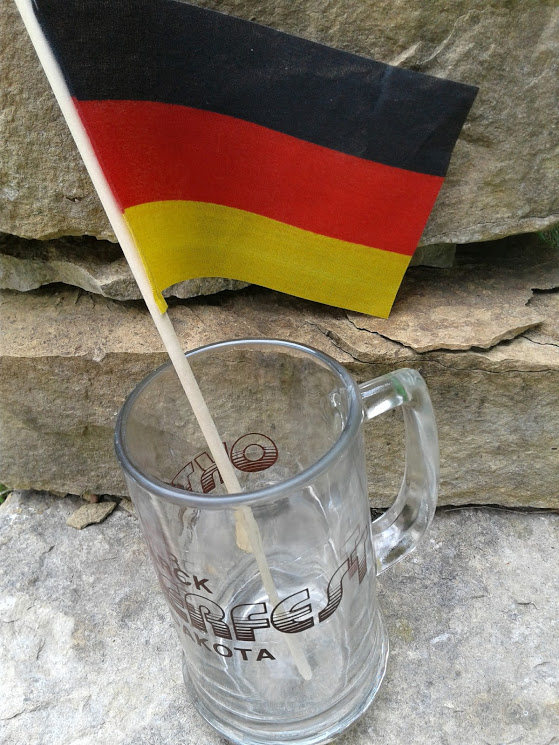
Last weekend en route to a wedding in southwestern Minnesota, Randy and I scheduled time in New Ulm to peruse a thrift store and two German gift shops. I was looking for ethnic items for an upcoming Helbling family reunion. We’re having an Oktoberfest theme to celebrate my in-laws’ heritage. The mini German flags I needed as accents for bouquets of flowers in steins were elusive given the community’s recent Bavarian Blast. I found one at a price I was willing to pay. I need six.


The thrift shop Oktoberfest bier mug from Bismarck is perfect given the Helblings settled (and still mostly live) in that region of North Dakota. I found the last remaining 99-cent cotton German flag at the Guten Tag Haus.


Still, we scored, among other items, two bier mugs at the MVAC Thrift Store, German chocolate mice at Domeier’s German Store and that coveted German flag at the Guten Tag Haus, some at Crazy Days bargain prices. Success.


A snippet view of German Park.


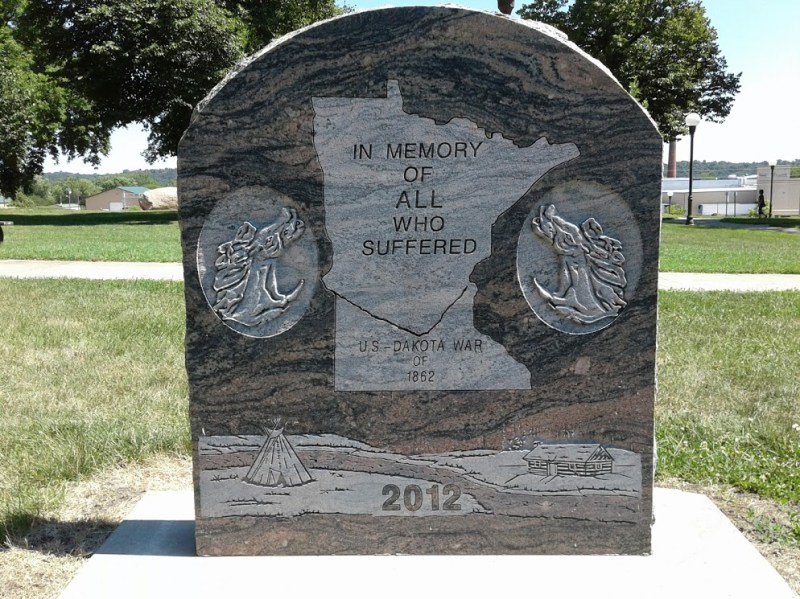
This monument in German Park honors those who suffered in the US-Dakota War of 1862 which was centered in southwestern Minnesota.


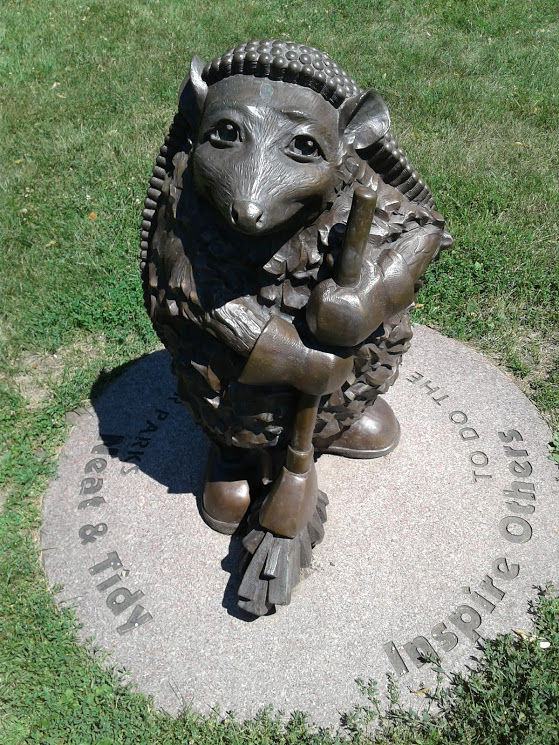
Nearby a whimsical sculpture reminds visitors to keep the park clean.


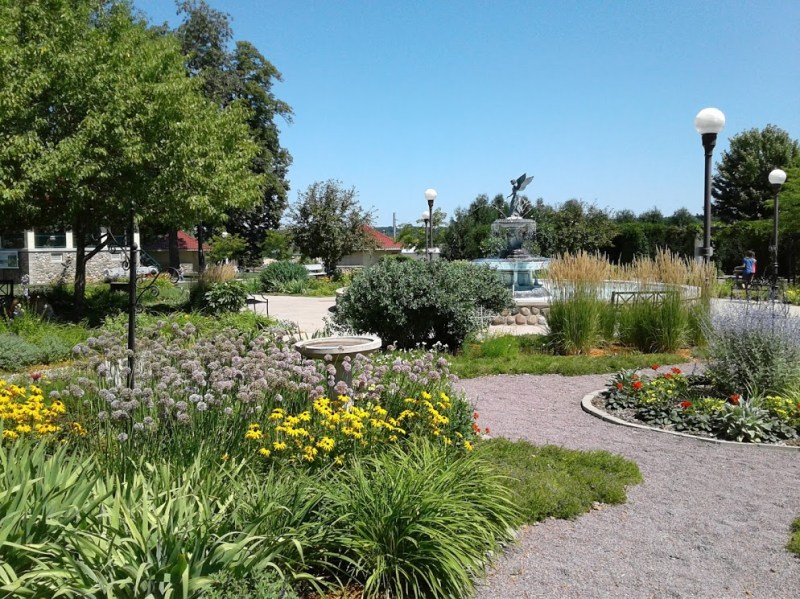
In between shopping, Randy and I stopped for a picnic lunch and a respite at the beautiful German Park a block from New Ulm’s main drag. Here a fountain centers lovely gardens and pieces of art.

Whenever I’m in New Ulm, I feel comfortably at home. Sure, my ancestral roots are in this region. But it’s more than that. This southwestern Minnesota community works hard to preserve and present its German heritage in a welcoming way. I love that about New Ulm.


FYI: Click here to read a 2015 photo rich post I published on beautiful German Park.

© Copyright 2017 Audrey Kletscher Helbling


Put your money in the can August 2, 2017

Filed under: Uncategorized — Audrey Kletscher Helbling @ 5:00 AM
Tags: , , , , , , , , ,


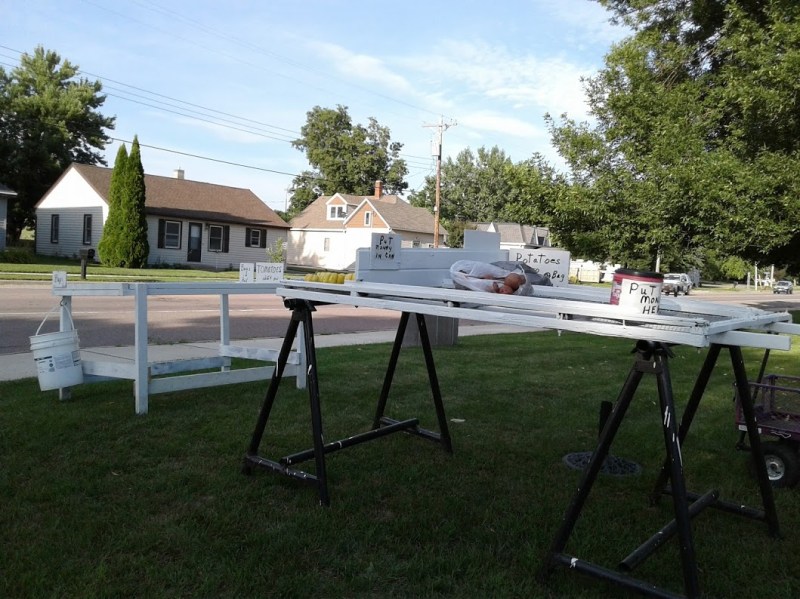
THIS TIME OF YEAR in Minnesota, roadside stands pop up with a bounty of fresh garden produce. Some are staffed. Some are not.


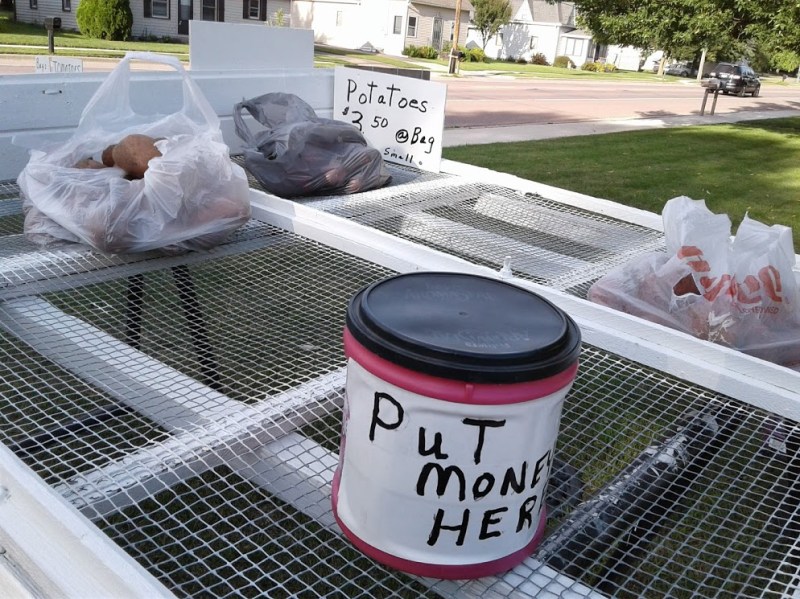
On Sunday evening, Randy and I stopped at an unmanned stand along U.S. Highway 14 as we passed through Courtland (between New Ulm and Mankato) after a weekend in southwestern Minnesota. We needed potatoes and always appreciate newly-dug spuds.


Pickings were slim at that time of day. But we found a bag of potatoes for $2 that fit our needs. Randy pulled two bills from his wallet and deposited the money in a mammoth coffee can labeled PUT MONEY HERE.

I love this trustworthiness that exists in rural Minnesota.


But apparently the gardener doesn’t trust Mother Nature. Inside the coffee can, an over-sized stone weighted the container against the wind.

© Copyright 2017 Audrey Kletscher Helbling


A look back at the day the 35W bridge fell down in Minneapolis August 1, 2017

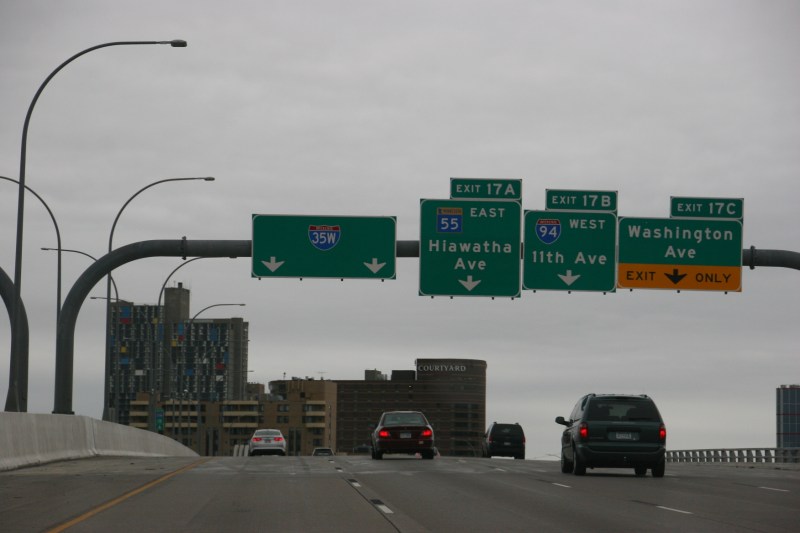
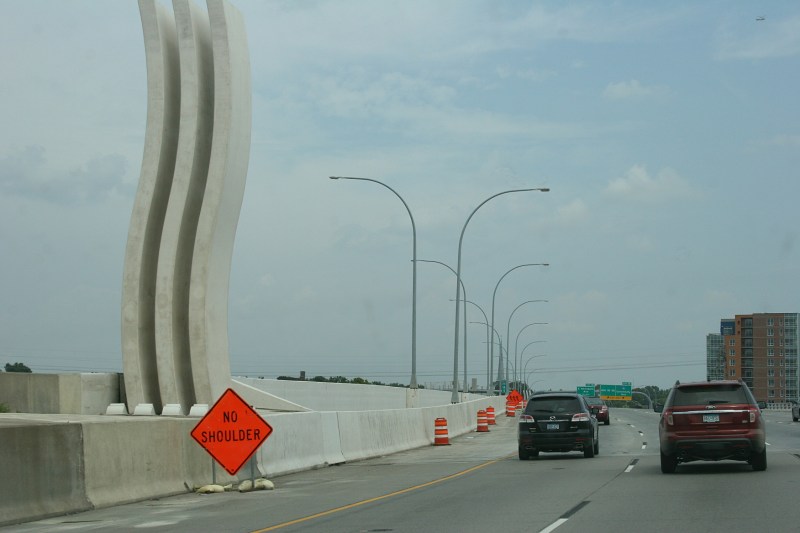
Crossing the new Interstate 35W bridge near downtown Minneapolis. Minnesota Prairie Roots file photo 2014.


TEN YEARS AGO TODAY at 6:05 p.m. our perception of safety on bridges changed. The Interstate 35W bridge over the Mississippi River near downtown Minneapolis collapsed during rush hour on August 1, 2007. Thirteen people died. One hundred and forty-five were injured.
 

Garrett with his mom, Joyce Resoft, about a month after the bridge collapse. Minnesota Prairie Roots file photo 2007 courtesy of Garrett’s family.
 

As news broke of the bridge collapse, I expect many a Minnesotan (myself included) worried whether a loved one may have been on that bridge when it fell. None of my family were. But Garrett Ebling, who had recently worked as editor of the daily paper in my community, was driving on the bridge. Among the most seriously hurt, he suffered a traumatic brain injury and more.
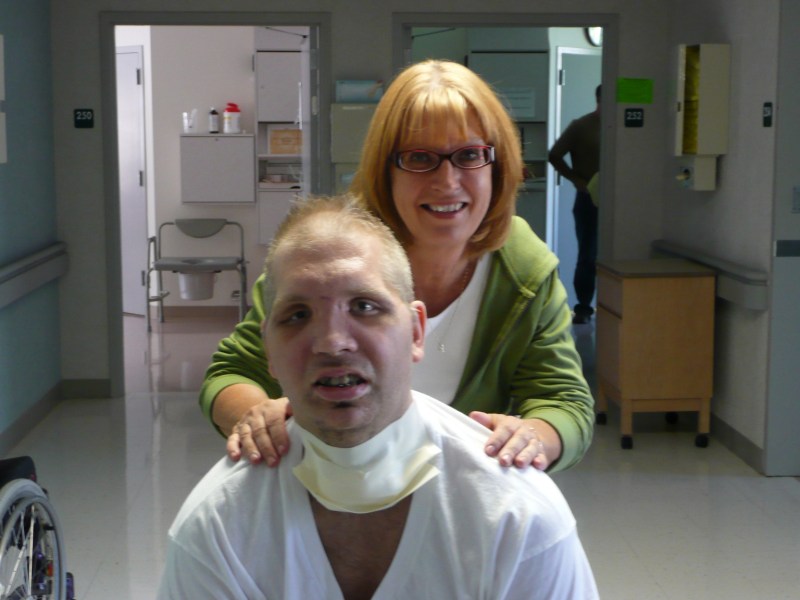
 

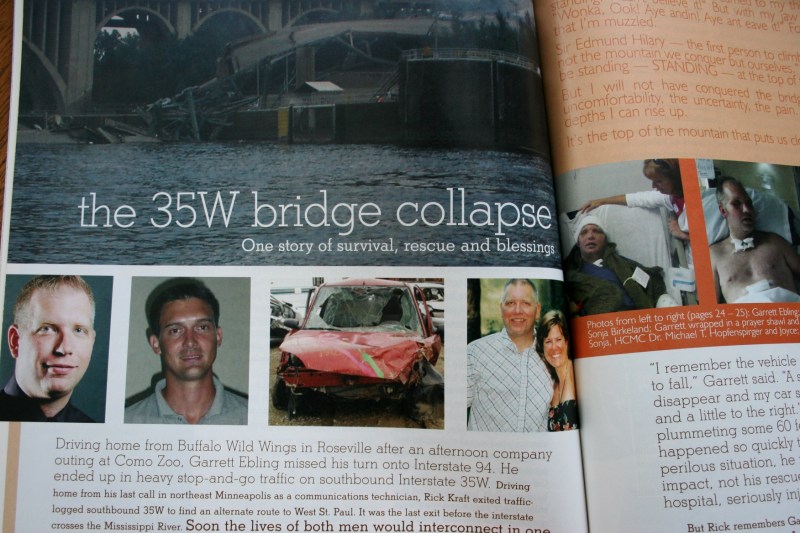
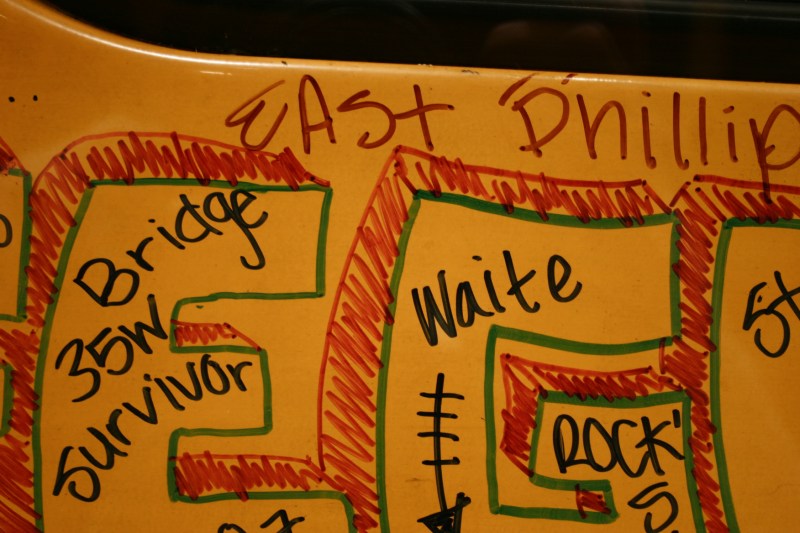
This photo shows the opening spread of the feature article published in the November/December 2007 issue of Minnesota Moments. Casey McGovern of Minneapolis shot the bridge collapse scene. To the far left is Garrett before the collapse, to the right, his rescuer. The next photo shows his Ford Focus which plummeted into the Mississippi River. And to the right are Garrett and Sonja (his then fiancee), before the collapse.


At the time, I was writing for a Minnesota lifestyles magazine and, because of my Faribault connection to Garrett, interviewed him (via emailed questions) while he recovered. Garrett’s determination, tenacity, patience and faith impressed me. He showed incredible strength.


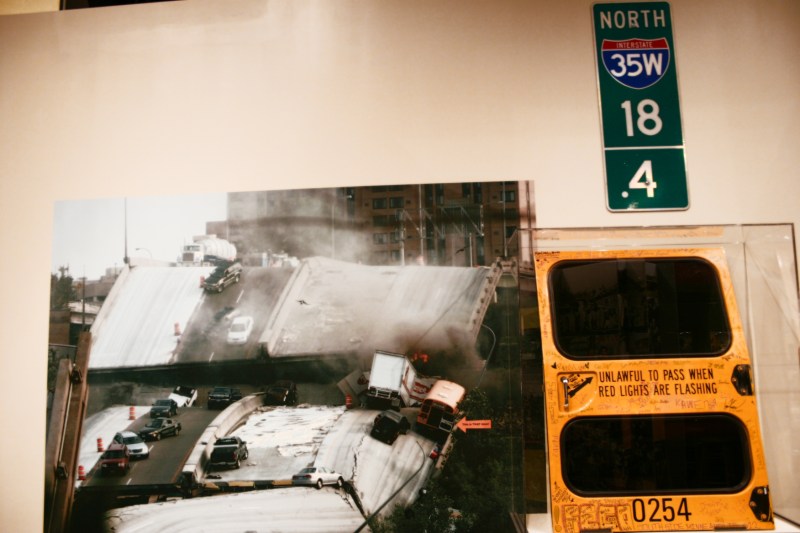
A section of the then now wow exhibit at the Minnesota History Center in St. Paul features the 35W bridge collapse. This image shows the collapsed bridge and the emergency exit door from a school bus that was on the bridge when it collapsed. Minnesota Prairie Roots file photo 2015.


Since then Garrett has written a book, become a father and eventually also gone through a divorce. I can only imagine the toll a traumatic event like this takes on a relationship.


All the children and adults on the bus signed the door on display. Minnesota Prairie Roots file photo.


Today, on the ten-year anniversary of the 35W bridge collapse, I am thinking of Garrett and all the others who survived. I am thinking also of the 13 who died on a metropolitan roadway on a bridge that failed. I am thinking of the families. I am thinking of the bystanders and of the first responders who helped save lives.


Crossing the new 35W bridge. Minnesota Prairie Roots file photo.


And I am thinking how this tragedy forever changed us as Minnesotans. With the failure of that bridge, we lost a certain sense of security. But we also gained an appreciation for each other and for the strength of the human spirit. We were a united Minnesota, standing strong in the face of an unfathomable tragedy. There is something to be said for unifying moments like that in which we forget our differences and focus instead on caring for each other. On August 1, 2007, we experienced such a moment. We were one Minnesota.


FYI: Click here to read several poems published in the Minneapolis Star Tribune on the five-year anniversary of the bridge collapse in 2012. My poem, Quotes from a survivor, is among them.

© Copyright 2017 Audrey Kletscher Helbling


How a woman of leisure moves toward healing July 28, 2017

Filed under: Uncategorized — Audrey Kletscher Helbling @ 5:00 AM
Tags: , , , , , ,

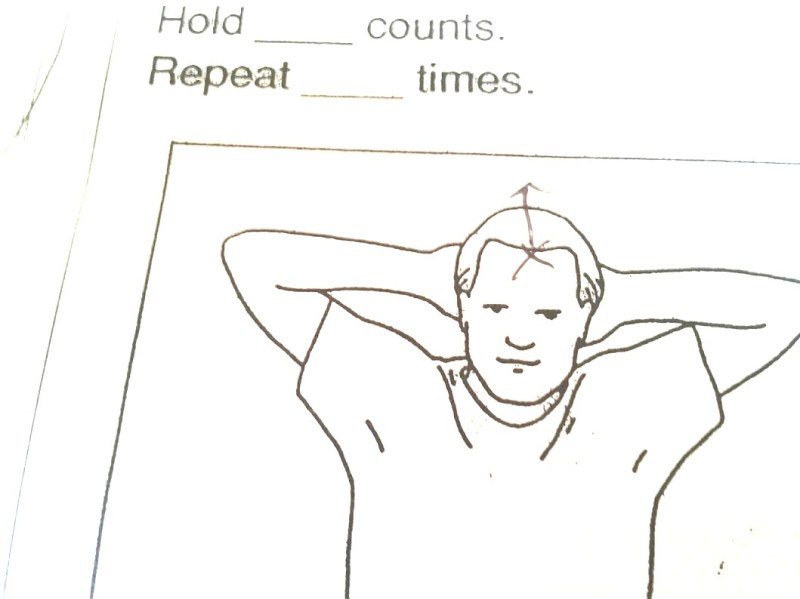
The exercise my therapist terms “Woman of Leisure.” Pretend that’s a woman in the drawing.


HOW CAN I BE a woman of leisure when he expects me to wash windows and throw dirt over my head? It’s tough. But I’m up to the challenges issued by my physical therapist.

John has tagged several of my exercises to help me remember them and probably also to make me laugh. Humor helps when you’re stretching and strengthening muscles after a right shoulder break. It takes the edge off the pain.

This recovery takes time, effort and grit. I certainly don’t feel like a woman of leisure as I recline, hands behind head with elbows bent stretching muscles. That right elbow won’t flex down like my left. And I feel pain.

But I’m getting there. After days of washing windows—placing my hands on a hand towel and sliding them up a wall—and other exercises, John noted that I was “significantly better” than at our previous visit. Three sessions into physical therapy, that encouraged me.


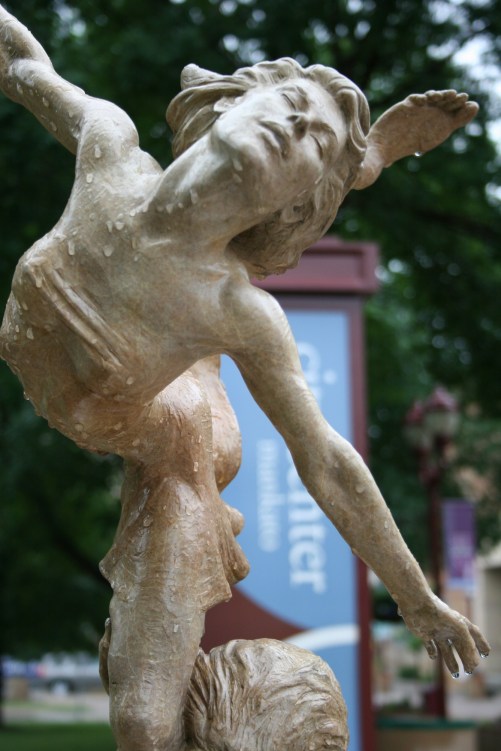
Daily I am stretching and strengthening my right arm and shoulder muscles. Martin Eichinger of Portland, Oregon, created this graceful “Bird in the Hand” bronze sculpture valued at $14,500 and posed near the Mankato Civic Center. Minnesota Prairie Roots file photo 2014.


So I’ll stick to my regiment of arm lifting and stretching. Not too little. Not too much. Just as John ordered.

I’m consciously also choosing to use my right appendage, even though my mind and body rebel. After nine weeks of guarding my injured right arm and shoulder, I am retraining my once dominant side. I instinctively do everything with my left hand/arm to avoid pain. I know now that if I am to fully recover, I have to push through the muscle soreness and use my right hand/arm/shoulder. So I am brushing my teeth, combing my hair, opening cupboard doors, washing countertops, closing curtains and more all with my right hand.

This week I caught myself pulling on a t-shirt just as I did pre-May 22 injury with head in neck hole first followed by arms in sleeves. To realize I had just done that boosted my confidence. I am healing.


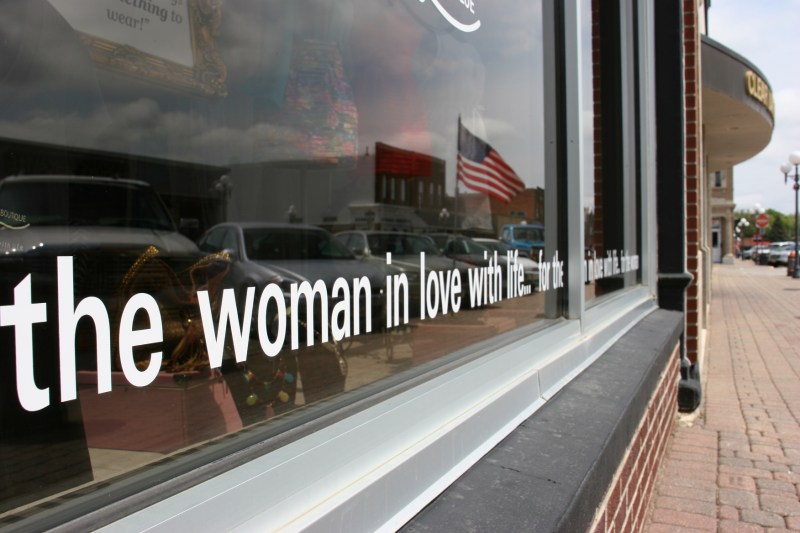
This message on the window of a business in downtown Clear Lake, Iowa, resounds with me as I work toward healing. Minnesota Prairie Roots file photo May 2015.


I am a woman determined. I have a granddaughter to lift, a camera to use, a life to live.

TELL ME: If you’ve ever had to recover from an illness or an injury, who and/or what motivated you?

© Copyright 2017 Audrey Kletscher Helbling