Minnesota Prairie Roots

Writing and photography by Audrey Kletscher Helbling

Defining time in the everyday moments of life March 7, 2024

Filed under: Uncategorized — Audrey Kletscher Helbling @ 5:00 AM
Tags: , , , , , , , , ,
The restored Security State Bank Building clock in historic downtown Faribault. (Minnesota Prairie Roots copyrighted file photo)

TIME, WHEN YOU’RE YOUNG, seems to pass slowly. You’re waiting, always waiting. To turn another year older. To master a skill. To gain independence. To do whatever seems so important you wonder how you can possibly wait for another day or week or month to pass.

Now I wish time would slow down. But it can’t and it won’t and so I accept the reality of time passing, of aging, of days disappearing too quickly. Of celebrating my 50-year high school class reunion this year. Of my youngest turning thirty. Of me nudging seventy.

A street clock in historic downtown Wabasha. (Minnesota Prairie Roots copyrighted file photo)

In a recent conversation with a beloved aunt, she shared that she can’t believe how old her nieces and nephews are, considering she’s only twenty-nine. I love that about Aunt Dorothy, who has always and forever declared herself on the cusp of thirty while in reality she’s closing in on ninety. I like her thinking.
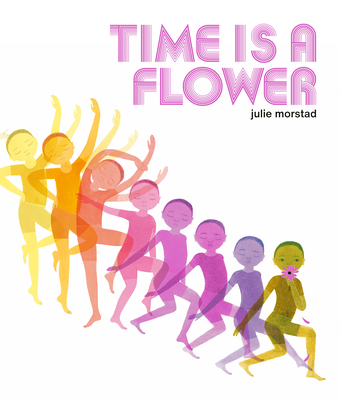
(Book cover sourced online)

By happenstance, I picked up a children’s picture book at my local library a few weeks ago that focuses on time. I’m not trying to go back in time to my childhood. Rather, I enjoy books written for kids. Many hold important messages and beautiful art that resonate with me. I highly-recommend you check out recently-published children’s picture books to see how they’ve evolved over the decades into some timely masterpieces of words and art.

Among the books I selected was Time Is a Flower, written and illustrated by Julie Morstad of Vancouver, British Columbia. In her opening page, Morstad writes of time as a clock, as a calendar, in the traditional ways we consider time.
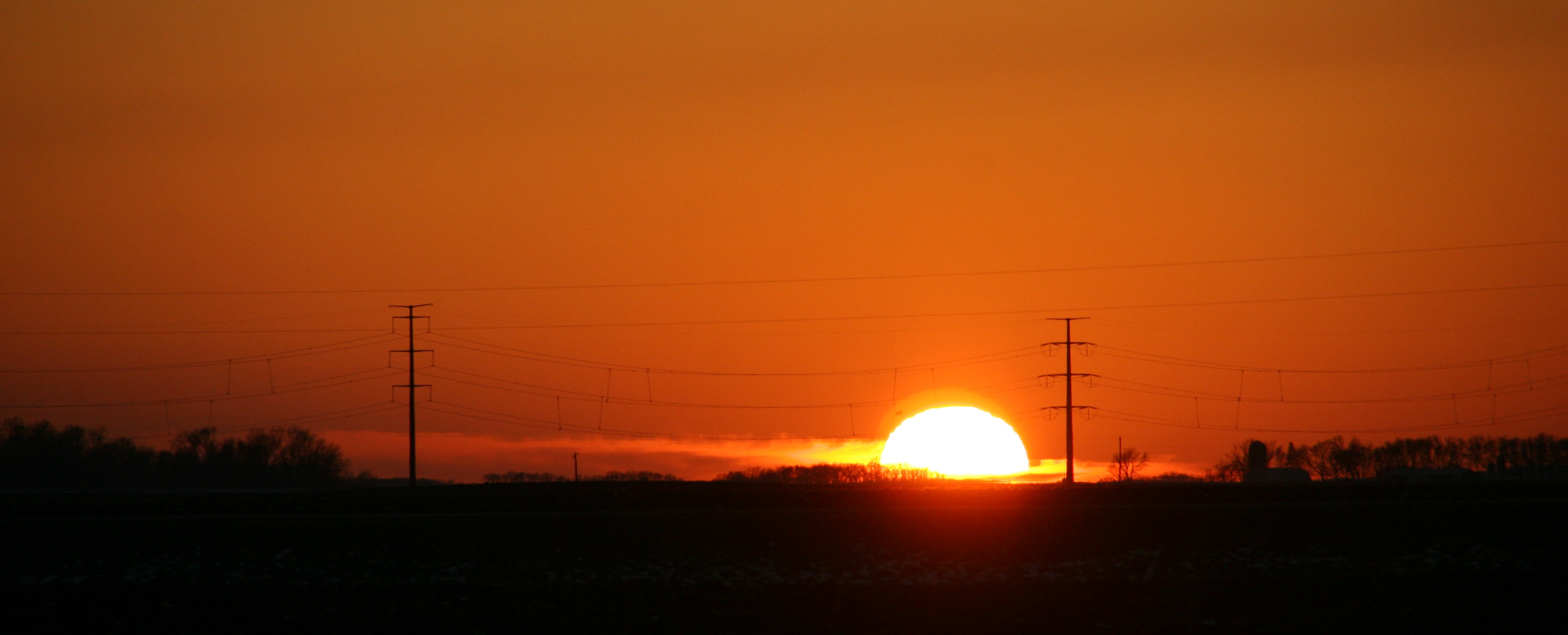
A prairie sunset in southwestern Minnesota. (Minnesota Prairie Roots copyrighted file photo)

But then the book unfolds, page by page, into time comparisons that are simplistic, everyday, ordinary, unremarkable. Yet remarkable in the way Morstad presents them with sparse words and bold art. If I could rip the pages from her book, I would frame her illustrations of a sunset reflected in sunglasses; a child’s long wavy locks woven with bird, butterfly and flower; and a wiggly tooth in a gaping mouth.

A swallowtail butterfly feeds on a zinnia. (Minnesota Prairie Roots copyrighted file photo)

Time is the moments, the memories. The details. Not necessarily the extraordinary. That is the message I take from Morstad’s book. Appreciate the caterpillar, not just the butterfly. Appreciate the seed, not just the flower. Value the slant of sunlight across the floor, and the shadows, too.
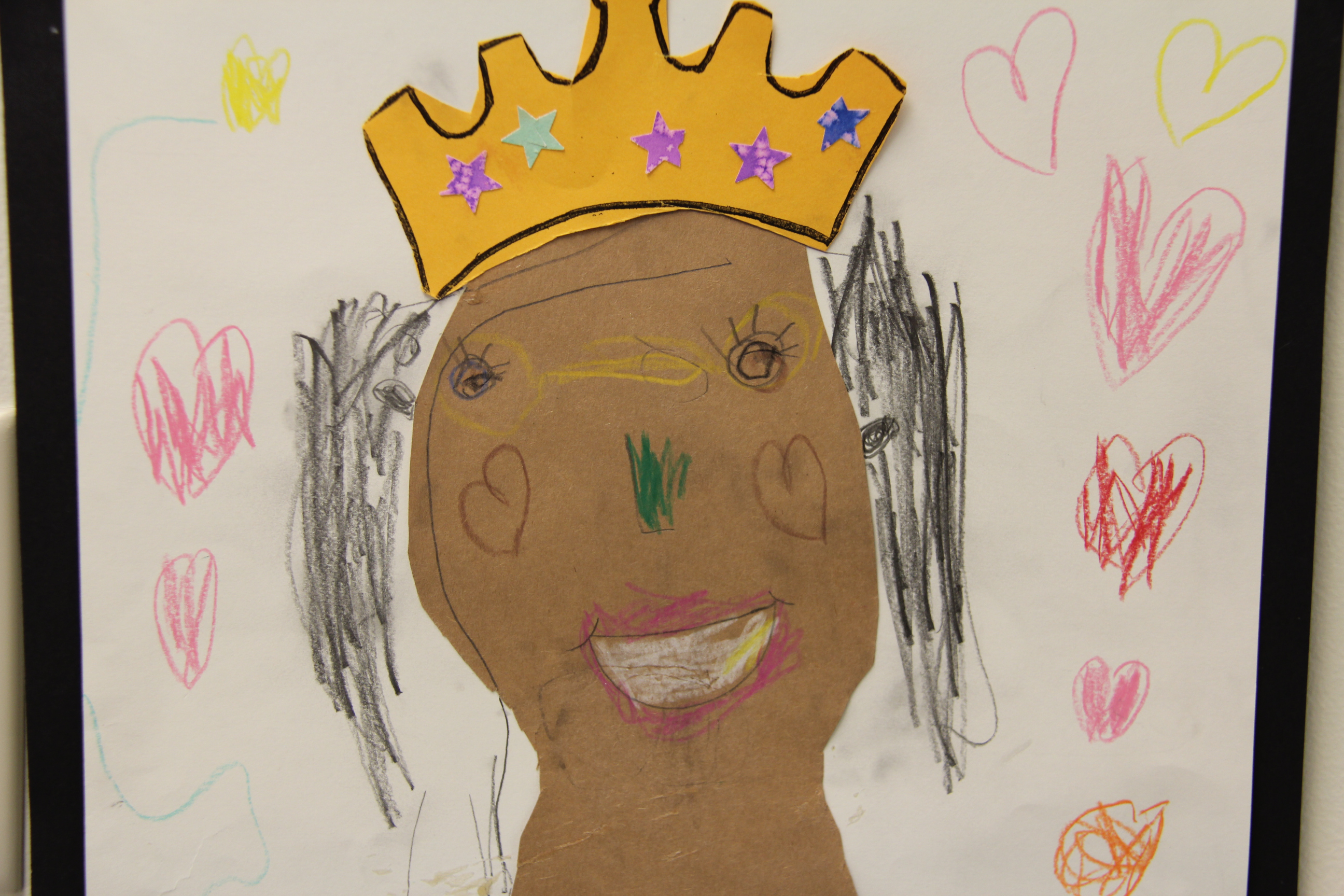
A princess by Roosevelt Elementary School kindergartner Ruweyda, exhibited in March 2023 at the Student Art Show, Paradise Center for the Arts, Faribault. (Minnesota Prairie Roots copyrighted file photo)

As I consider Time Is a Flower, I think of my dear aunt half a country away in New Jersey. Too many years have passed since I’ve seen Aunt Dorothy, so long that I can’t recall the last time we embraced. But I hold memories of her, of our time together. She was the young aunt who arrived from the Twin Cities with discarded jewelry and nail polish for me and my sisters. She was the aunt who called her husband, “My Love,” an endearing name that imprinted upon me her deep love for Uncle Robin (who died in January). She is the aunt who took me into New York City when I was a junior in college visiting her on spring break. She is the aunt who, for my entire life, has called me “My Little Princess.”

A 1950s scene in downtown Faribault honors history and the passage of time in this mural. (Minnesota Prairie Roots copyrighted file photo)

Yes, time passes too quickly. The clock ticks. Days on the calendar advance. Years pass.

Each spring the daffodils bloom. (Minnesota Prairie Roots copyrighted file photo)

But within each day, seconds and minutes and hours remain. Time to live. Time to love. And time to remember that time is like a flower. Sprouting. Growing. Blooming. Dying. Time is a moment, until it’s a memory.

Most people no longer wear wrist watches. I still do. (Minnesota Prairie Roots copyrighted file photo)

NOTE: Remember, this Sunday, March 10, time changes as we shift to daylight savings time in the U.S. We lose an hour of time as we spring forward.

© Copyright 2024 Audrey Kletscher Helbling


The unwanted birthday gift has its day March 6, 2024

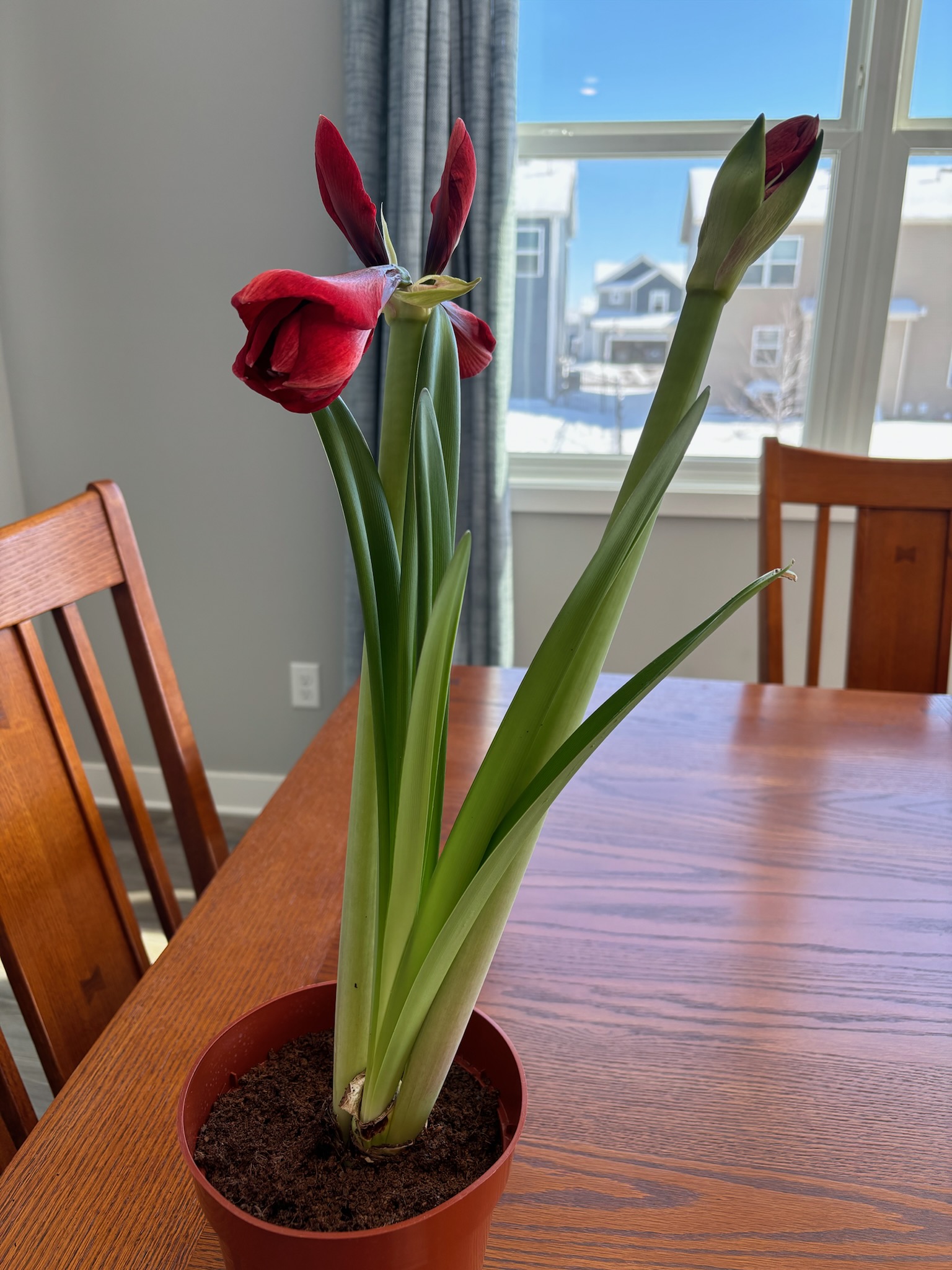
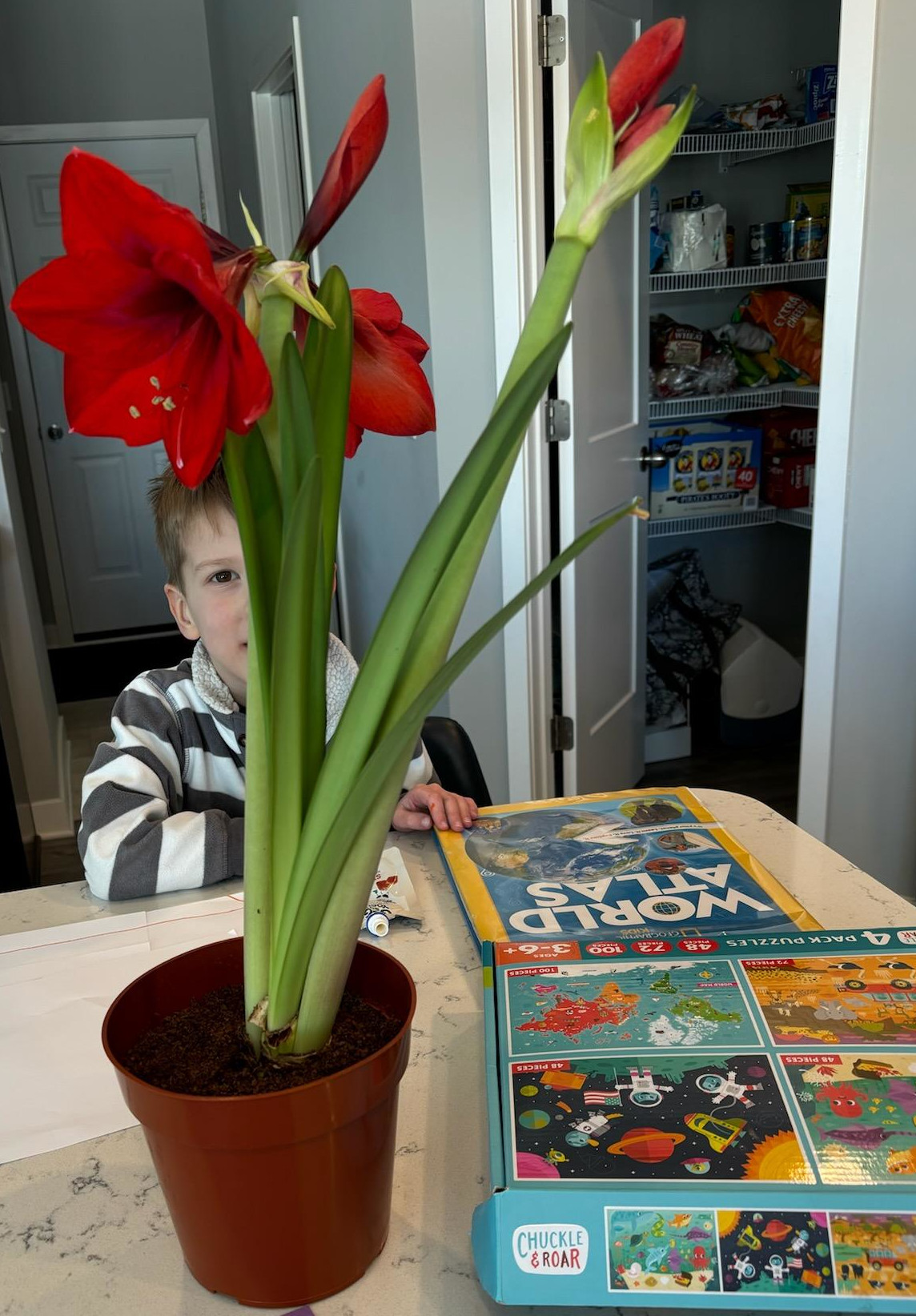
An amaryllis begins to bloom. (Photo credit: Amber Schmidt)

THE BOXED BULBS on an end cap at a big box store caught my eye, as intended. I worked briefly as a grocery store clerk back in the day when cashiers read and punched prices onto cash register keys. I learned then all about moving products by strategically placing them on the end of a shelf row.

So here I was, falling for the age-old marketing gimmick of pushing impulse purchases. But on this day, I was thankful for that end cap display of boxed amaryllis bulbs. This would make the perfect birthday gift for my soon-to-be 5-year-old grandson. Or so I thought.

On Isaac’s birthday in early January, we gathered to celebrate. As Isaac opened his gift stash, it was obvious he liked some presents more than others. That’s the thing about kids his age. They can’t hide their honest reaction, their true feelings. He loved the LEGO sets, the sticker book, the… But when he pulled the boxed bulb from the gift bag, Isaac promptly tossed it aside. Not set the box on the carpet, but threw it. Not even an explanation from Grandma about planting the bulb which would flower in big, beautiful red blooms changed his mind. He didn’t care.

I should back up a minute and explain why I thought this would be a good gift for my grandson. Last spring I gave several packets of seeds to the grandkids. Spinach, carrot and flower seeds, which my eldest daughter planted with her son. He took an interest once the seeds sprouted and the plants grew. Amber called him “Farmer Isaac.”

The farm girl in me felt encouraged. My grandchildren, who live in a sprawling new housing development in the south metro, are far-removed from their rural heritage. It’s important to me that they understand their agrarian roots. Randy and I grew up on crop and dairy farms—farms with large gardens from whence came most of our food. Youth like Isaac and his sister, Isabelle, need to know that food originates on farms, not grocery store shelves. As preschoolers, they loved to dig in the dirt at our house. I would hand them shovels and the dirt would fly. Kids need to touch the earth, splash in mud puddles, gather sticks and pine cones and leaves and do all those activities that connect them to the land. And make their hands dirty.

Emerging amaryllis. (Edited photo; Photo credit: Amber Schmidt)

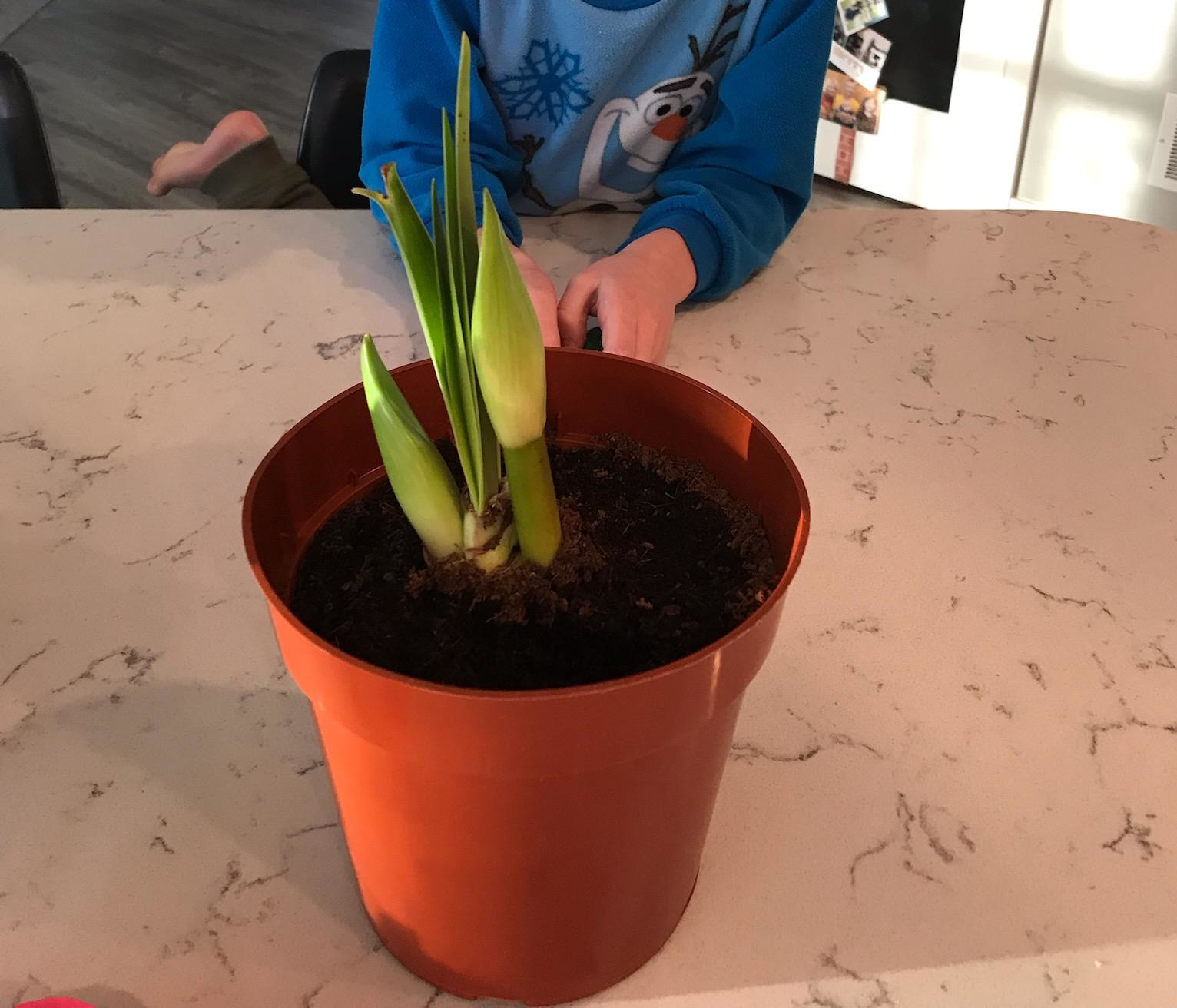
But now here was this dormant amaryllis bulb all ugly and brown and not looking at all like anything that would ever grow. But, once potted, grow it did. When the first green leaves emerged from the massive bulb at the end of January, Isaac suddenly took an interest. “You better take a picture to show Grandma,” he instructed his mom.

Isaac loves space, puzzles, art and now amaryllis. (Photo credit: Amber Schmidt)

A few weeks later, the first of several flowers bloomed. And there was Isaac again in a photo, right elbow learning on the kitchen island by sheets of paper for his next art project, left hand on his world atlas, jigsaw puzzles and that once dormant amaryllis bulb now blooming in the foreground. His smile was wide, his happiness evident. The amaryllis had its moment. Big. Bold. Beautiful red. No longer tossed aside. Finally and fully appreciated by the birthday boy.

© Copyright 2024 Audrey Kletscher Helbling
 

Crafting an obituary: Emmett “breathed John Deere” March 5, 2024

A row of John Deere tractors at the 2022 Rice County Steam & Gas Engines Show, rural Dundas. (Minnesota Prairie Roots copyrighted file photo September 2022)

AS A WRITER, a storyteller, I read obituaries. Doesn’t matter if the deceased is known to me or not. I find obits interesting for the stories therein.

Stories weren’t always part of obituary writing. Obit style has evolved since I graduated in 1978 with a journalism degree from Minnesota State University, Mankato. And that is a good thing. Today’s death notices are not just summaries of facts, but rather personalized in a way that helps the reader understand the person as a person. That holds value to those who are grieving and to those of us who hold no connection to the individual.

I need to backtrack for a moment and share that writing an obituary was my first writing assignment in Reporting 101. Although I’ve forgotten details about that long ago college course, I remember the professor stressing the importance of spelling names correctly. That carried through to all types of newspaper reporting. First reporting job out of college, I learned a source was Dayle, not Dale.

Emmett Haala (Photo source: Sturm Funeral Home)

That MSU instructor also imprinted upon me the importance of obituaries. As I age, I find myself drawn more and more to reading obits. Too often now, I know the deceased. Recently, I found a gem in the obituary of Emmett Haala, 87, of Springfield (that would be Springfield, Minnesota), who died on February 28. His funeral is today.

Hanging out by a John Deere tractor at the Rice County Steam & Gas Engines Show. (Minnesota Prairie Roots copyrighted file photo September 2022)

It wasn’t the basic facts about Emmett that captivated me, but rather his interest in John Deere tractors. He, according to his obit, “lived and breathed John Deere.” Now to anyone with a rural connection, the idea of fierce tractor brand loyalty is familiar. This retired mechanic began his career at age 14 at Runck Hardware and Implement in Springfield, eventually opening Emmett’s Shop in 1970. He was a trusted mechanic who serviced all machinery brands, but favored John Deere.

“Nothing runs like a Deere” is the John Deere slogan. (Minnesota Prairie Roots copyrighted file photo September 2017)

That tidbit got me reminiscing and also contemplating the importance of open houses in rural Minnesota. Events that continue today. Emmett, his death notice read, shared many memories of John Deere Days at Runck Hardware and Implement. He “…enjoyed making hot dogs and coffee for the throngs of people attending and showing the newest John Deere movie.”

To this day, I remain a fan of John Deere. Here Randy and I pose aside a vintage John Deere at Bridgewater Farm, rural Northfield in October 2023. (Photo credit: Amber Schmidt)

That was it. I was hooked. I attended John Deere Day at a farm implement dealership while growing up in southwestern Minnesota. While the event was a way for machinery dealers to get farmers inside their shops, the open houses were also a social gathering for rural folks. My siblings and I piled into the Chevy aside Dad and Mom for the 20-mile drive to Redwood Falls and John Deere Day.

Free food—usually BBQs, baked beans, chips and vanilla ice cream packaged in little plastic cups and eaten with a wooden spoon—comprised dinner (not lunch to us farm types). Maybe there were hot dogs, too, like at Emmett’s place of employment. Memories fade over the decades.

A worn vintage John Deere emblem. (Minnesota Prairie Roots copyrighted file photo September 2017)

But I do recall the John Deere movies shown post meal at the theater in Redwood Falls. Sure, they were nothing but advertisements for “the long green line” of farm machinery. But to a kid who seldom set foot in a theater, the promotional films held all the appeal of a box office hit. Plus, there were door prizes like bags of seed corn and silver dollars. I never won anything. A cousin did.

At the Rice County Steam & Gas Engines Show. (Minnesota Prairie Roots copyrighted file photo September 2017)

And so all those John Deere memories and more—including the distinct pop of my dad’s 1950s John Deere tractor—rushed back. Putt, putt, putt. Emmett belonged to the Prairieland Two Cylinder Club. Nostalgia is powerful. So is the art of crafting an obituary. Many of today’s obituaries feature detailed personal stories, not simply superlatives. Stories that reveal something about the individual who lived and breathed and loved. Stories well beyond life-line basics. Stories of life. Stories that resonate, that connect us to each other. Stories like those of Emmett, who “lived and breathed John Deere.”

(Book cover image sourced online)

FYI: I recommend reading this guidebook to obituary writing by retired The Wall Street Journal obit writer James R. Hagerty: Yours Truly: An Obituary Writer’s Guide to Telling Your Story. Hagerty is the son of Marilyn Hagerty, columnist for The Grand Forks Herald. In a March 2012 “Eatbeat” column, Marilyn reviewed her local Olive Garden and gained instant internet fame.


Craving favorite comfort foods during a Minnesota winter February 28, 2024

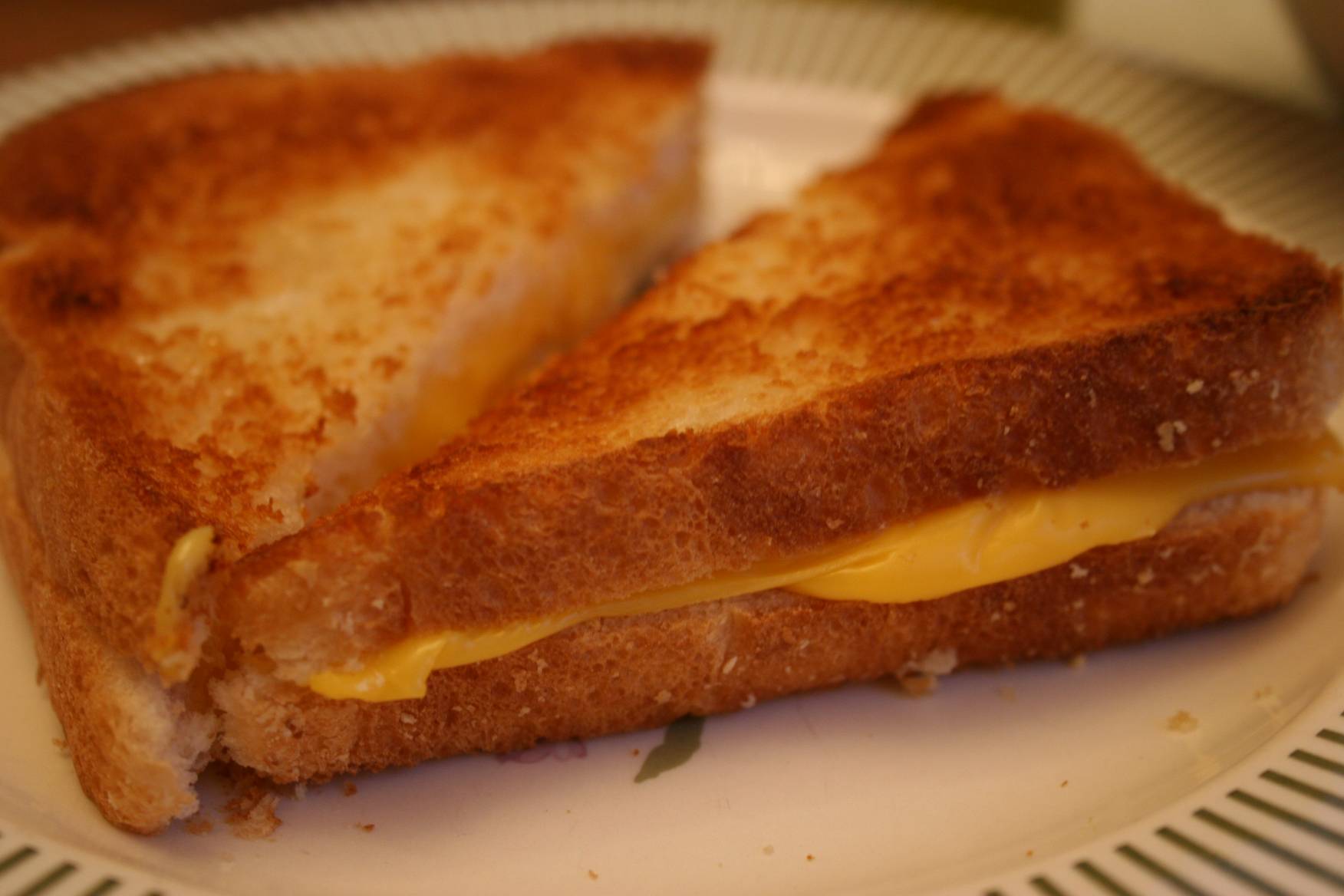
A grilled cheese sandwich oozes processed cheese. (Minnesota Prairie Roots copyrighted file photo)

THIS TIME OF YEAR, throughout the long stretch of winter months in Minnesota, I crave comfort foods. Food that warms me from the inside out. Food that fuels me with energy. Food that makes me feel better simply because it tastes so darn good. Basic, often carb-packed, foods that are staples of generations of Minnesotans.

Topping the list of comfort foods for me is tomato soup served with a grilled cheese sandwich. Both are easy to prepare. Nearly every Saturday from November to March, Randy opens and mixes a can of condensed tomato soup with milk before preparing accompanying sandwiches. He smears butter onto slices of bread, layers processed cheese between and toasts the bread to golden perfection in a frying pan. There’s nothing better for lunch on a cold Minnesota winter day than a bowl of steaming tomato soup with a sandwich oozing melting cheese.

A perfect comfort food lunch: homemade chicken wild rice soup with homemade bread. (Minnesota Prairie Roots copyrighted file photo)

Soup and chili are the ultimate comfort foods. There’s comfort in the scent of soup simmering on the stove, in the taste, in the act of wrapping hands around a bowl warmed by hot soup or chili. And then that first spoonful of chicken noodle soup or chicken white chili or tomato-based beef chili loaded with beans or chicken wild rice soup, all homemade. Ah. Every bite tastes of comfort. With the exception of tomato soup, all soups served in my house are homemade by me.

The same goes for macaroni and cheese, another ultimate comfort food. Years ago as a busy mom of three, I occasionally resorted to boxed mac and cheese in my hurry to get a meal on the table. But the unnatural yellow powdered cheese stirred into the cooked pasta was visually unappealing and didn’t taste any better than it looked. Today I make mac and cheese from scratch using evaporated milk, butter and shredded cheddar cheese. I love mac and cheese as much as any kid, unless, of course, theirs comes from a box.

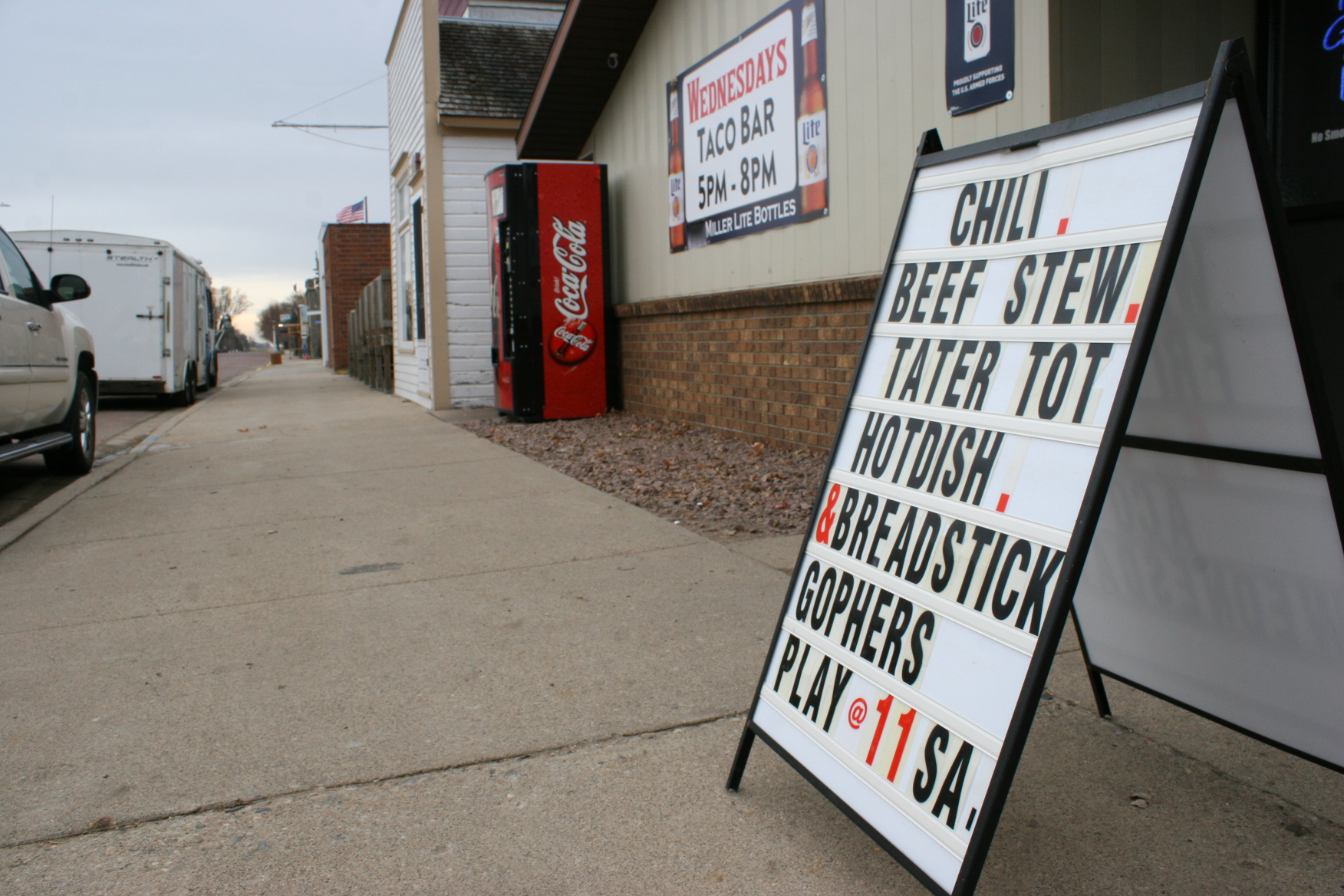
A sandwich board outside the Belview Bar & Grill in southwestern Minnesota advertises some comfort food lunch offerings. (Minnesota Prairie Roots copyrighted file photo)

I also love tator tots. We joke about Tator Tot Hotdish here in Minnesota. I haven’t made it in years. But I still like tots. Plain or, even better, topped with shredded cheddar cheese, a dollop of sour cream and bacon bits. Yes, it’s calorie-laden and likely not at all good for me. But, gosh, that combo pleases my palate like no casserole ever could except homemade Chicken Wild Rice Hotdish (not casserole), which I absolutely love.

A plate filled with comfort foods, including mashed potatoes and gravy, served at the annual harvest dinner at Trinity Lutheran Church, North Morristown. (Minnesota Prairie Roots copyrighted file photo)

Potatoes are a comfort food. Whether shaped into a tot, mashed, baked or scalloped, potatoes are, for me, a comforting link to my childhood. I grew up eating meat, boiled potatoes with gravy and a side vegetable every night for supper, with rare exceptions. Our food came from our land, from our animals. It was good and wholesome, filling our stomachs, fueling our bodies to labor on the farm.

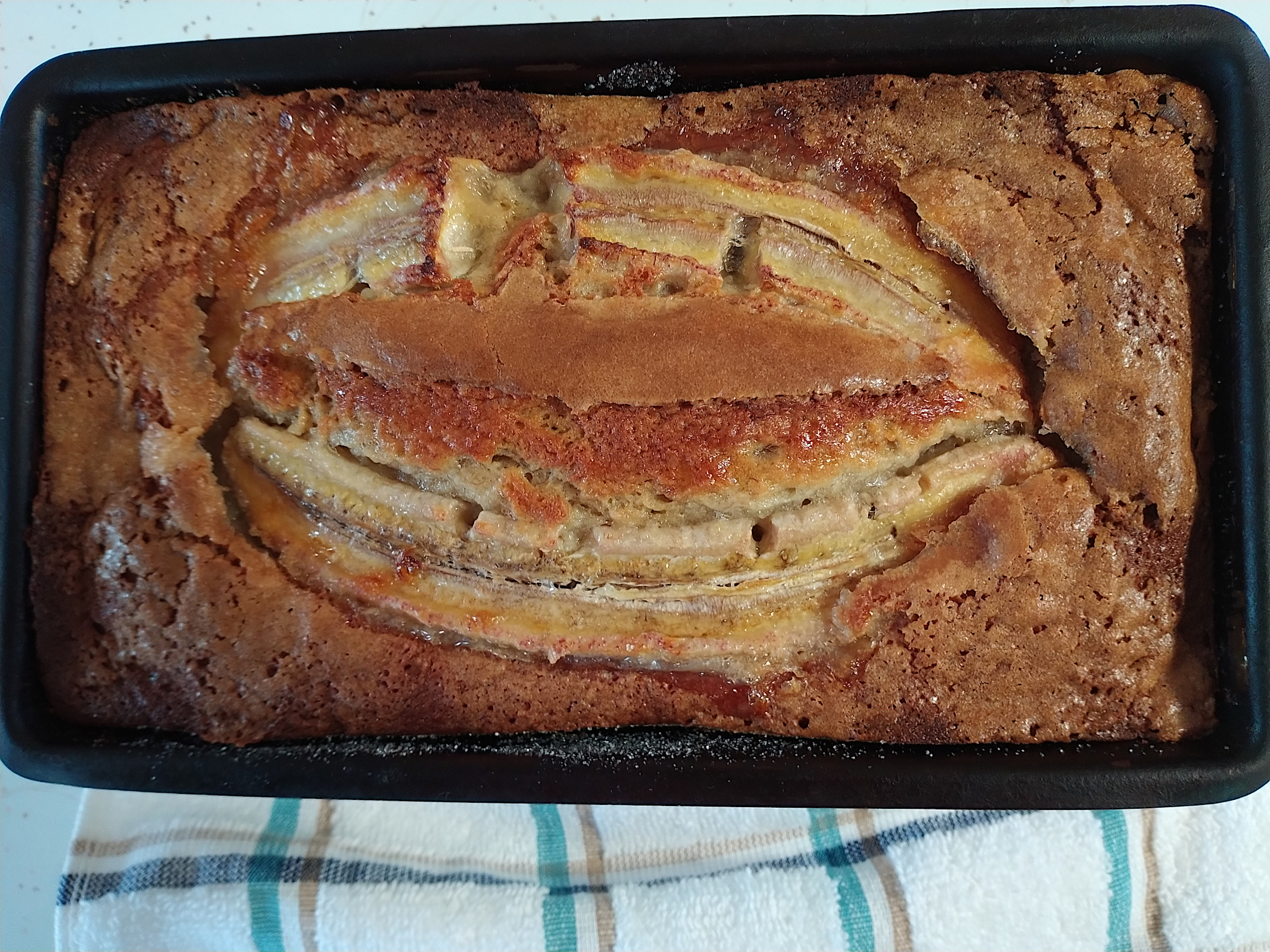
I recently tried a new banana bread recipe with a whole banana split length-wise and laid across the top of the batter. Delicious. (Minnesota Prairie Roots copyrighted photo February 2024)

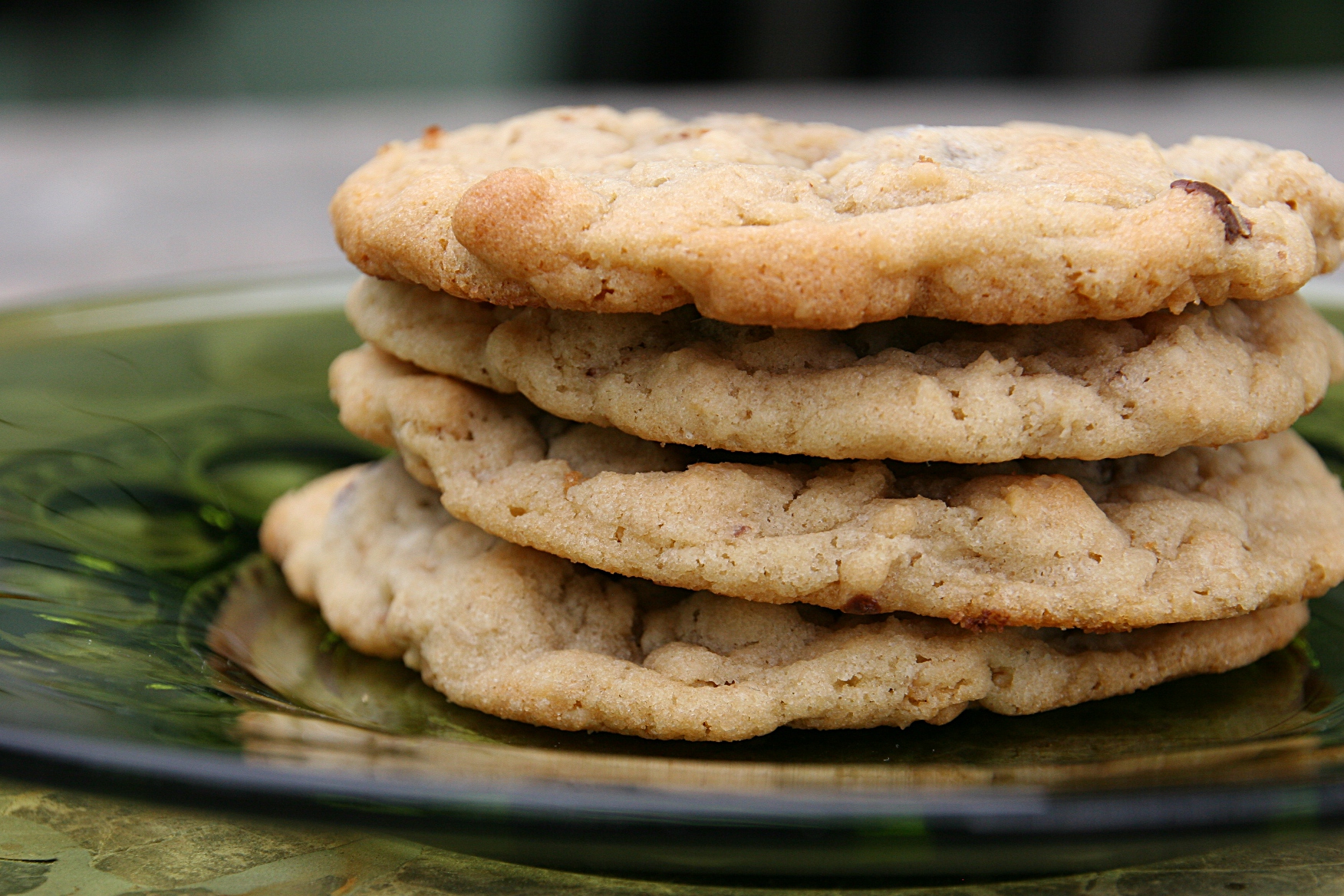
I also find myself craving sweets during the winter. Banana bread and chocolate chip cookies fall into the comfort food category by my definition. A just-out-of-the-oven chocolate chip cookie with melty chocolate or a slice of day-old banana bread satisfy my craving for something sugary. I try not to bake often, though, unless I’m shipping a care package to my son in Boston, the grandkids are coming or there’s a birthday to celebrate. Or the bananas on the counter are getting overripe.

Soon I will crave salads like this raspberry chicken salad from the Amboy Cottage Cafe in Amboy. (Minnesota Prairie Roots copyrighted file photo)

In a few months, comfort food will hold less appeal as winter transitions into spring. Then my food focus will turn to fresh asparagus, rhubarb and spinach salad topped with sliced cucumbers, portabella mushrooms, tomatoes and blue cheese made and aged in sandstone caves blocks from my house. I’ll eat healthier, feel less laden by heavy food. But when the seasons shift again to shorter and colder days, I’ll once again crave grilled cheese and tomato soup, mac and cheese, tator tots…all the foods that comfort during a long Minnesota winter.

Chocolate chip cookies baked by a friend. (Minnesota Prairie Roots copyrighted file photo)

TELL ME: What are your favorite comfort foods?

© Copyright 2024 Audrey Kletscher Helbling
 

Stories of kindness, compassion & humor following eye surgery February 27, 2024

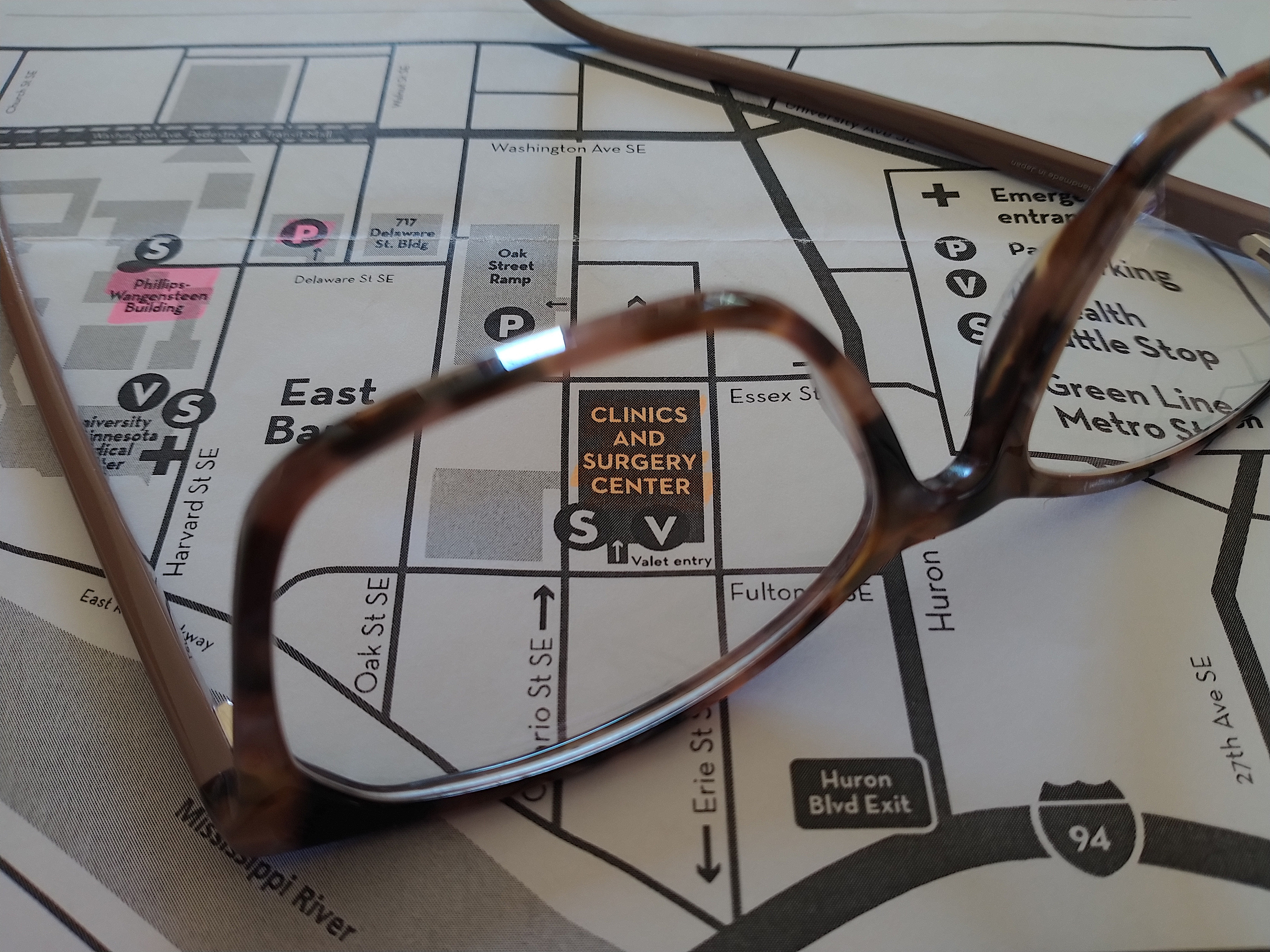
A lens on my new prism-free prescription eyeglasses circles the surgery location in Minneapolis. (Minnesota Prairie Roots copyrighted photo February 2024)

I’M SO HAPPY IT’S OVER.” That, Kat told me, was my first statement post January 22 bilateral strabismus eye surgery at M Health Fairview Clinics and Surgery Center in Minneapolis. I don’t remember saying those words. But I don’t doubt my recovery room nurse.

After a 1 ½-hour surgery to realign my misaligned eyes, I was still groggy. Yet, Kat noted, I was coming out of general anesthesia quickly and well. For that I felt thankful. Not everyone handles anesthesia without side effects.

Given my emerging level of alertness, I don’t recall timelines or all conversations. But I do remember the kindness of Kat. And kindness is key when you’re coming out of surgery.

There was no vodka in the recovery room (nor did I want any; I seldom drink hard liquor). (Minnesota Prairie Roots copyrighted photo February 2024)

HERE, HAVE A DRINK

In addition to compassion and care, Kat gave me food and drink. It was well after lunch and I hadn’t consumed anything (except a few sips of water with Tylenol right before surgery) for many hours. Typically I get hangry when I don’t eat on time. Ask my family. Kat brought cranberry juice along with soda crackers and graham crackers and then ginger ale which she suggested I mix with a second cup of cranberry juice, a cocktail without the vodka. (I think Kat mentioned vodka, but maybe I did.) I shared that my Bible study group has a signature cranberry drink, sans the alcohol. Kat kept a watchful eye on me. I hope she didn’t notice that I didn’t particularly like cranberry juice and ginger ale mixed. Too sweet for me.

But I appreciated the sweetness of my caring nurse, who moved to Minnesota from Missouri, who was named Katherine, called Kathy by her mom and then called Kat in college. Kat suits her, even if she owns three dogs, not cats. More on that later.

At some point, before my surgeon came to see me in recovery, Kat suggested I change from my lavender paper gown into my street clothes. I was all for that. She removed my hospital slipper socks and then helped slip my socks and shoes onto my feet. Can’t have a just-out-of-surgery patient getting all lighted-headed by bending down. I managed the rest of dressing myself, proving I was becoming more alert, alert for the next step in surgery completion.

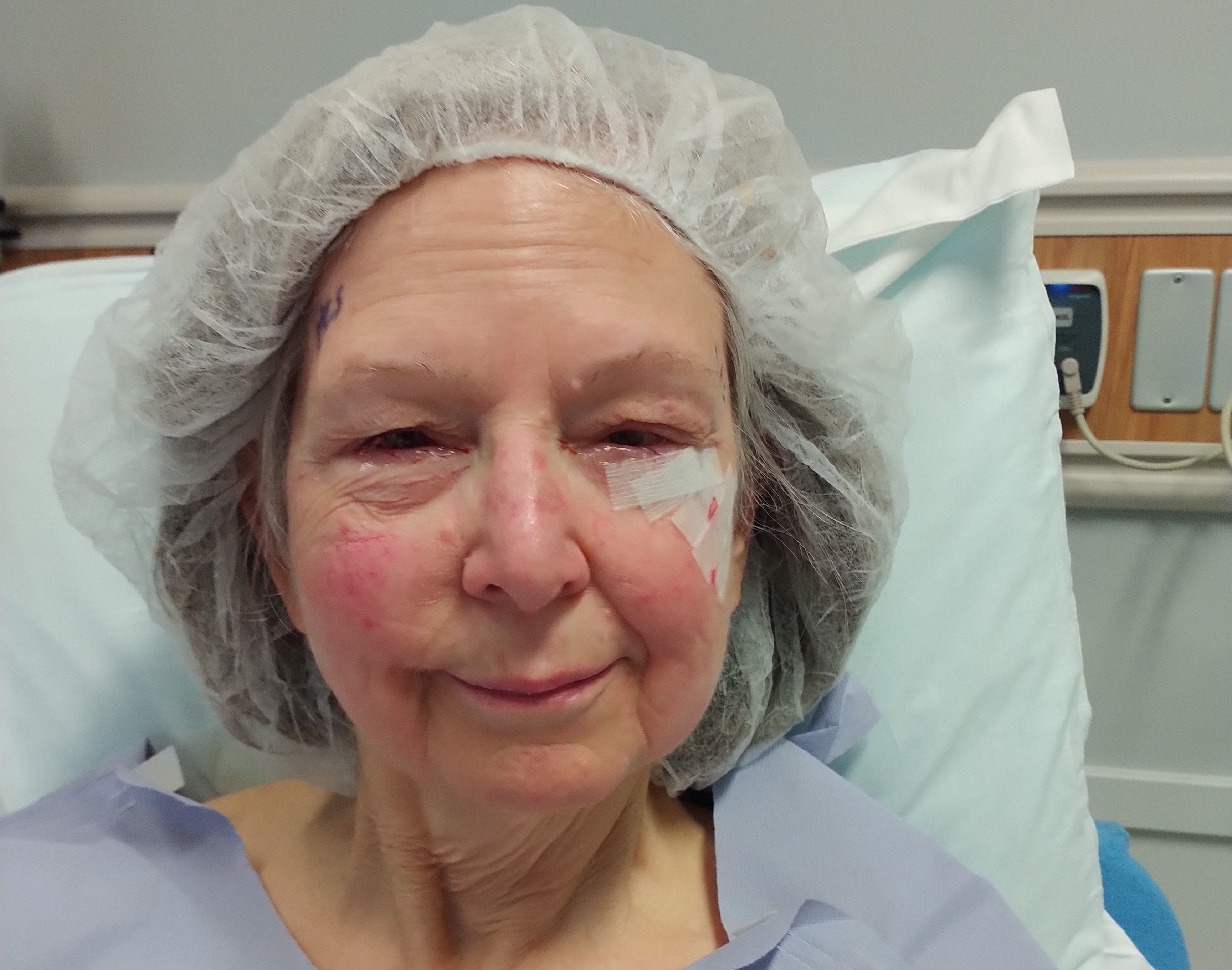
In the recovery room after eye muscle alignment surgery. (Copyrighted photo by Randy Helbling, January 22, 2024)

LOOK AT THAT “E”

Enter my neuro ophthalmologist surgeon, Dr. Collin McClelland, and a second doctor who had been in the operating room. I dreaded this moment when Dr. McClelland planned to tweak his work by pulling an adjustable suture stitched into my left eye.

Alright then. Look at that E across the room. Do you see one or two? Two. (He did some other vision checks, not just with the E, during the alignment process.) After my surgeon dropped a topical anesthetic into my left eye, he removed the steri strips adhering the suture onto my cheek. He hovered over me, his tools and face a blur. Don’t move. Look up to the left. You’re going to feel a tug. Yup. I did. OK, let’s check that E again. One or two? Two. OK, we need to do this again. Tug. Pain. You’re doing great. Check the E for the third time. Mostly one. OK, I’m going to leave it. And then my doctor worked to tie and cut that suture, simultaneously encouraging me with his gentle voice. You’re doing great. The adjustment process took 20 minutes and was made easier by my kind surgeon.

A section of a 1974 album cover from my collection. (Minnesota Prairie Roots copyrighted photo February 2024)

WE’RE OFF TO PROM

Kindness. I felt that in the care I received at M Health Fairview Surgery Center. Skilled care that came with humor and compassion and distractions that enabled me to manage eye muscle surgery. Kind Kat remained after Randy left to get the van from a nearby parking ramp. She escorted me to the restroom, our arms linking as if we were going to prom, Kat said. We needed a song, perhaps John Denver’s “Sunshine on My Shoulders,” theme for my 1970s era prom, I suggested. We laughed, Kat and I.

But I wasn’t laughing when we returned to my recovery room and I noticed Randy’s cellphone and charger lying on a chair, hidden beneath a tote bag. He was supposed to call when he reached the patient pick-up spot. But Randy was long gone, so I grabbed his phone and charger. Then Kat wheeled me onto the elevator that carried us downstairs to await Randy’s arrival, “old people” wrap-around sunglasses protecting my eyes. Thanks, Kat, for the (un)fashionable eyewear.

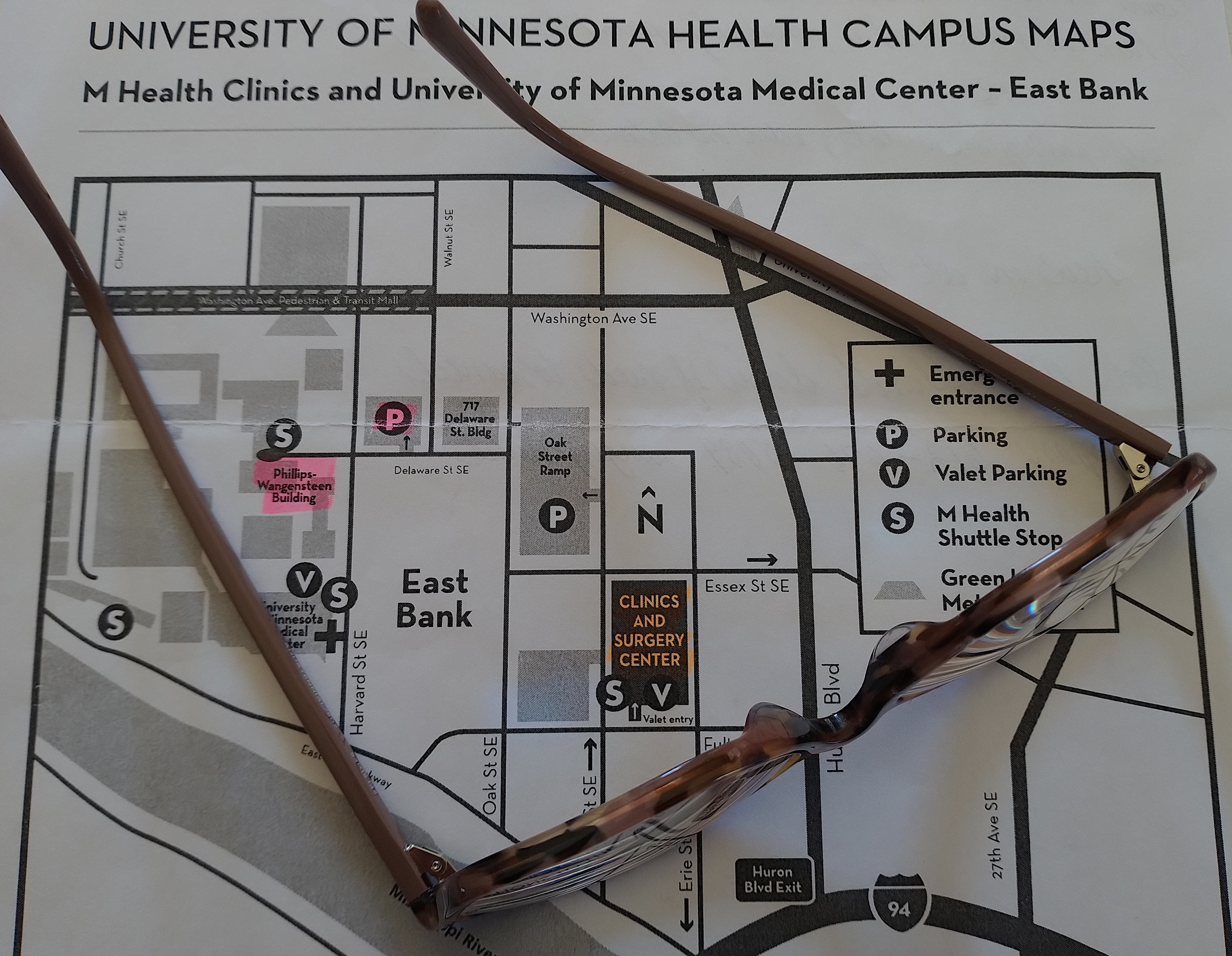
I’m becoming familiar with these two locations on the campus of the University of Minnesota in Minneapolis. (Minnesota Prairie Roots copyrighted photo February 2024)

THE LONG MINNESOTA GOODBYE, SORT OF

I expected Randy to simply drive up. He didn’t. Rather, he retraced his steps in an attempt to find his phone. Kat called someone to clarify I had his phone. As we waited, I grew restless. I just wanted to go home. Kat sensed that, pulling out her phone to show me a picture of her three dogs. Not cats. I appreciated the momentary distraction.

Eventually, Randy arrived and Kat steered me to our van, guiding me into the passenger seat. Then she hugged me. That loving gesture filled me with happiness, as if I was Kat’s sister rather than simply another patient. Happy despite the eye pain. Happy despite the long, exhausting day.

That happiness soon vanished as Randy took a wrong entrance ramp and we found ourselves aiming east toward St. Paul rather than west toward Minneapolis. I was in no mood for a longer trip, even if lengthened by only 15 minutes. But onward, back home to Faribault to rest and begin healing. Five weeks out, I am doing just that, continuing to heal. And I am remembering, too, the many kindnesses and the skilled care given to me by my compassionate medical team.

© Copyright 2024 Audrey Kletscher Helbling
 

Oh, the sweetness & beauty of almost-spring in Faribault February 26, 2024

A DQ Peanut Buster Parfait. (Minnesota Prairie Roots copyrighted file photo)

WEEKS OUT FROM THE SPRING EQUINOX, The Little DQ of Faribault opened for the season with its usual opening weekend special of Peanut Buster Parfaits.

Randy and I, if we remember, stop by for ours each February. We not only like the ice cream treat layered with peanuts and hot fudge, but we also celebrate unshuttering of the small walk-up/drive-up Dairy Queen as the unofficial start of spring in our southern Minnesota community of some 24,400.

We also appreciate a bargain, the parfaits discounted to $2.49 this past weekend as they are for the DQ’s October closing. Last autumn we missed out on final weekend parfaits by two vehicles. At the drive-up window, after we’d patiently waited in line, the DQ employee told us they’d just run out of ice cream. Argh. The early bird gets the worm. Or, in this case, the ice cream.

But on Sunday afternoon, there was ice cream aplenty at the DQ along Faribault’s Lyndale Avenue. And only two vehicles crept ahead of our van to the drive-up window. We would get our pre-spring equinox parfaits.

Just as we placed our treats in cup holders, the sun broke through a previously mostly cloudy day. We considered momentarily sitting outside at a DQ patio table to eat our treats. But the noisy location at the intersection of two busy state highways is not particularly enjoyable. So we headed to a park near our house, settling onto a picnic table next to the playground and soccer field.

Picnic tabletop message. (Minnesota Prairie Roots copyrighted photo February 2024)

Before I even sat, I noticed words printed upon the tabletop: You all are Beautiful. Now I don’t condone graffiti, but I do value positive and uplifting messages in public places. Those words tasted as sweet as my ice cream treat.

As I settled in, the sun warming my back, a slight breeze cooled the afternoon temp of 49 degrees. I reminded myself this was only February 25 and atypical weather in Minnesota. We have had an unusually warm and nearly snow-less winter here. Despite a bit of a chill, it was a beautiful day to be outdoors, under the blue sky.

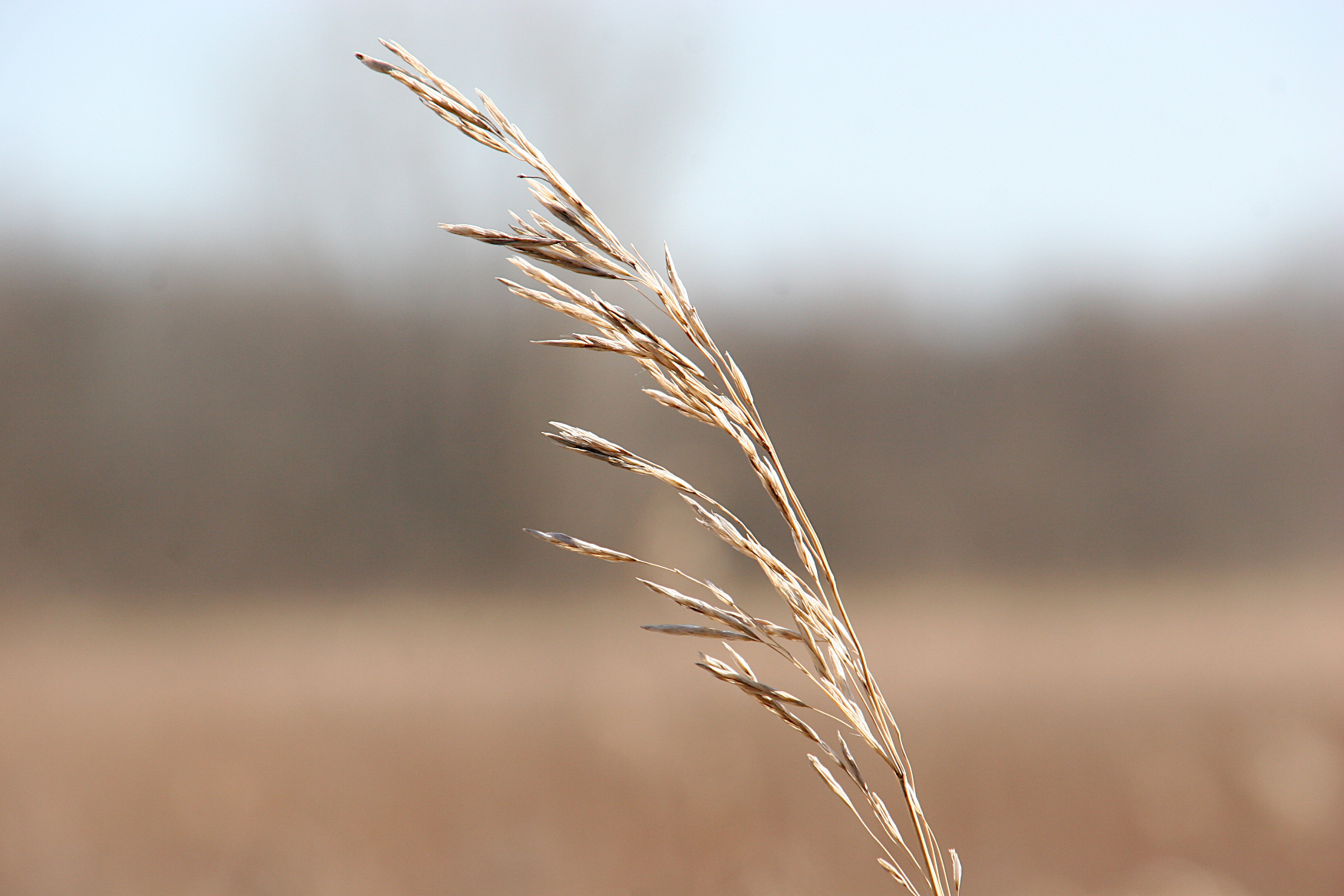
River Bend offers a diverse landscape of woods and prairie. As a prairie native, I especially love the dried prairie grasses, like this singular stem photographed two years ago. (Minnesota Prairie Roots copyrighted file photo March 2022)

Prior to picking up our parfaits, Randy and I hiked at River Bend Nature Center to offset the calories we were about to consume. Or so we told ourselves. Now here we were, spooning way too many calories and too much sodium into our bodies. But sometimes you gotta forget the 710-calorie count, the too much sugar and salt, and indulge. We did.

As Randy held his parfait cup with his winter-gloved hand, I braved the cold against my skin and then worked through an ice cream headache. The faint beat of drums and of music carried across the park, presumably from a gathering down and across the street. We’d watched party-goers arrive and I momentarily considered crashing the house party of these acquaintances.

But I had my Peanut Buster Parfait. I had blue sky. I had sunshine. I had Randy beside me. I had people to watch. Young families arrived to play on the playground and soccer field. Ball and bike. And smiles to match that message: You all are Beautiful.

Beautiful. That word fit the moment on a beautiful February Sunday afternoon in southern Minnesota when I tasted, savored, almost-spring.

© Copyright 2024 Audrey Kletscher Helbling


Award-winning book addresses slavery in compelling stories, haunting art February 21, 2024

I CAN’T IMAGINE a world without books. From the time I was first read to and then learned to read as a young child, I have loved books. From books, I’ve learned, I’ve escaped, I’ve broadened my world well beyond southern Minnesota.

From reading the writing of others, I’ve grown, too, as a writer. Laura Ingalls Wilder, in her Little House books, taught me the importance of detail, of setting, in writing. I grew up on the prairie, some 20 miles from Walnut Grove, once home to the Ingalls family. A grade school teacher read the entire Little House series to me and my classmates. Books have, in many ways, shaped me.

Book cover image sourced online.

But imagine a world without books. That was a reality for slaves in America, denied access to books and to education. I just finished reading Kin: Rooted in Hope, written by Carole Boston Weatherford and illustrated by her son, Jeffery Boston Weatherford. The young adult book, published by Atheneum Books for Young Readers, was named a Coretta Scott King Author Honor Book 2024. It is a book that ought to be read by everyone not only for its insightful poetry-style storytelling, but also for its haunting scratchboard art.

Looking down on the pages of the book with a mix of black and white paper. (Minnesota Prairie Roots copyrighted photo February 2024)

Adding to the overall subliminal effect is the way in which the book is printed. Black words ink white paper. White words imprint black pages. And the artwork is made by etching away black ink to reveal white. This mixed usage of black and white, reinforces the storyline of slavery and slave owners. Black. White.

As I read Kin, which I pulled from a book display for kids and teens at my local library, I was increasingly horrified by what I read. Sure, I’ve read about slavery in history books. But this approach of historical fiction really brought home the ugliness, the abuse, the violence, the awfulness of slavery in a personal way. Fiction rooted in truth.

Children born into slavery. Whippings. An auctioneer’s gavel. Names written on an inventory list along with commodities. Jemmy. Big Jacob. Lyddia. Tom. Walter. Isaac. Mush ladled into a trough. Swimming banned lest an escape to freedom be attempted. And on and on. Atrocities that seem unfathomable to inflict upon individuals chained in Africa, sailed to Maryland, sold, abused, treated like property by wealthy white families.

Photo used for illustration only. (Minnesota Prairie Roots copyrighted file photo)

But in the all of this, threads of kinship, endurance, strength and hope, even defiance, run. Perhaps my favorite line in the book is that of Prissy, a house servant waiting on a dinner guest. He leers at her, making an inappropriate comment. She wants to tell him that she spit in his soup. At this point half way into the book, I applaud her unstated rebellion. As the chapters unfold, so does the move toward freedom for slaves. The author writes of freedom at last and of current day issues (controversial statues in public places, the murder of George Floyd…), all interspersed with a whole lot of history (including historic figures like Frederick Douglass and Harriet Tubman…).

Even though this book is written for young adults, it should be read by older adults, too, who need to hear Prissy’s defiant voice. Author Carole Boston Weatherford gives voice to those who endured slavery, and to those whose family histories trace to enslavement, including her ancestors. Her son’s detailed scratchboard art reinforces the story, the words which wrench the spirit.

I photographed this scene in 2020 in Kenyon, MN. It remains one of my favorite images of this message given its location in a small town. (Minnesota Prairie Roots copyrighted file photo October 2020)

Kin: Rooted in Hope proves an especially fitting read during February, Black History Month. Through this book of historical fiction, I’ve learned more about a part of U.S. history which is horrendous in every possible way. That humanity can treat humanity so atrociously seems unfathomable…until I consider underlying and outright racist attitudes which continue yet today.

© Copyright 2024 Audrey Kletscher Helbling


Reflecting on pre-surgery anxiety & ways I coped February 20, 2024

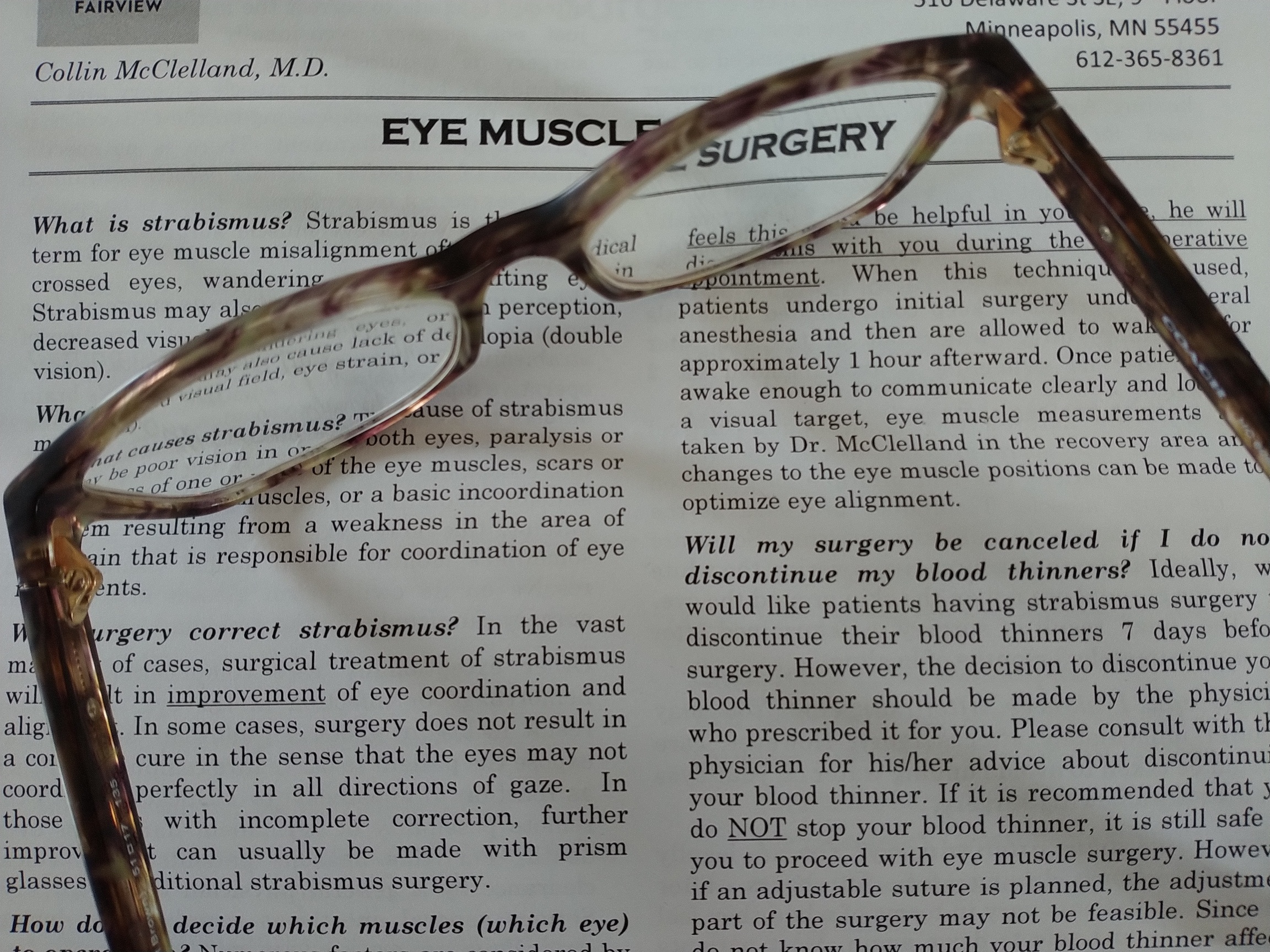
Information about my eye muscle surgery. (Minnesota Prairie Roots copyrighted file photo 2023)

SURGERY. Most of us would rather not hear that word when it comes to our health. But sometimes surgery is necessary. I’ve had surgery nine times in my lifetime. I’m currently four weeks out from my second bilateral strabismus eye surgery (the first was at age four) to realign my misaligned eyes. Healing and recovery are progressing.

Nearing downtown Minneapolis, the route to M Health Fairview Surgery Center and Clinics. (Minnesota Prairie Roots copyrighted file photo)

Today’s post, though, is not about recovery, but rather about my January 22 surgery day. As a creative, I have stories to tell about my experiences at M Health Fairview Clinics and Surgery Center. Admittedly, I felt anxious as Randy and I aimed north along Interstate 35 to the surgery center about an hour away on the campus of the University of Minnesota in Minneapolis. I detest metro traffic, which added to my pre-surgery anxiety. But on this morning, traffic was not horrible.

Waiting is always the hard part. I waited at check-in behind an angry patient. We’d ridden the same elevator to the fifth level, but she got ahead of me because she knew where she was going. I did not. And so I had to stand there listening to her spew about how she’s never been called about whatever. Her voice volume increased. I felt increasingly frustrated by this hostile woman who should have taken her complaints elsewhere, not to the surgery check-in desk. She was not there for surgery. Finally, I bypassed her to another check-in station, wondering if the first employee would need to call security. This was not off to a good start.

I settled onto a green upholstered chair in a spacious room filled with people, most on their phones, waiting. A bank of tall windows revealed a sunny day. I heard persistent coughing on the other side of a waiting room half-wall, somewhat worrisome to me. I’d been screened for COVID symptoms, but Randy and other caregivers weren’t. That is typical of clinic screenings, it seems. But I digress.

Eventually, after I’d people-watched, tried to work a crossword puzzle, studied abstract fabric artwork, Tatenda called me to begin the process of preparing for surgery. That started with basic questions followed by depression screening. I am thankful this screening is now routine in healthcare and I told Tatenda that. And then I added, “But you didn’t ask about anxiety.” Anyone who says they aren’t anxious about surgery is, in my opinion, not being truthful. Thankfully, Tatenda and others who cared for me understand pre-surgery anxiety and helped ease mine.

One of my go-to Bible verses when I’m worried or anxious. This is displayed at my church, Trinity Lutheran in Faribault. (Minnesota Prairie Roots copyrighted photo February 2024)

There was one point, though, when I had to dig deep mentally to stop myself from fleeing a small room where I waited alone for the next step in surgery prep. Tatenda handed me a lavender paper gown, instructing me to change into that and pull on a pair of purple socks. Then she left. Do. Not. Leave. Me. Alone. I expected her back quickly. As the minutes ticked by, I felt my anxiety rising. I was cold, shivering almost, hugging my folded legs to my body for warmth. The over-sized, one-size-fits-all paper gown that smelled to me of antiseptic provided zero warmth. Maybe I should have wrapped it around my slim body twice. I attempted to calm myself by repeating the words of Psalm 46:10: Be still…be still…be still…

Eventually nurse Amanda arrived and connected a hose to my lovely lavender gown, a hose that blew air inside to either warm or cool me. She explained how I could turn a switch to adjust the temperature. It was a game-changer not only for my comfort level, but also in giving me control. Of. Something.

Signage on The Pearl, a popular ice cream spot in downtown La Crosse. (Minnesota Prairie Roots copyrighted file photo 2015)

As Amanda searched and poked twice for an adequate vein to start an IV, we talked. Conversation distracts me. This nurse, the same age as my eldest daughter, and I chatted about her hometown of Potosi, Wisconsin, where I’ve been to the brewery; our love of La Crosse (and The Pearl ice cream shop); motorcycles; and then how I met Randy and where we went on our first date. “Stir Crazy,” I replied. The movie starring Richard Pryor and Gene Wilder. Amanda said she would ask Randy the same when she brought him to see me shortly before surgery. When he answered “Blazing Saddles” to the first date question, I told Amanda that he was an imposter, that she needed to find my real husband. We laughed. Humor helps.

Once Amanda left, the anesthesiologist and neuro ophthalmologist surgeon arrived for last-minute briefings and questions. I was ready. Soon I was being wheeled down a hallway toward the operating room. I remember nothing until I awoke 1 ½ hours later in recovery. That is another story…please check back for more storytelling.

TELL ME: If you’ve had surgery, how did you cope with pre-surgery anxiety? How did others help ease your anxiety right before surgery?

© Copyright 2024 Audrey Kletscher Helbling


In which I learn about African culture & make new friends in my community February 19, 2024

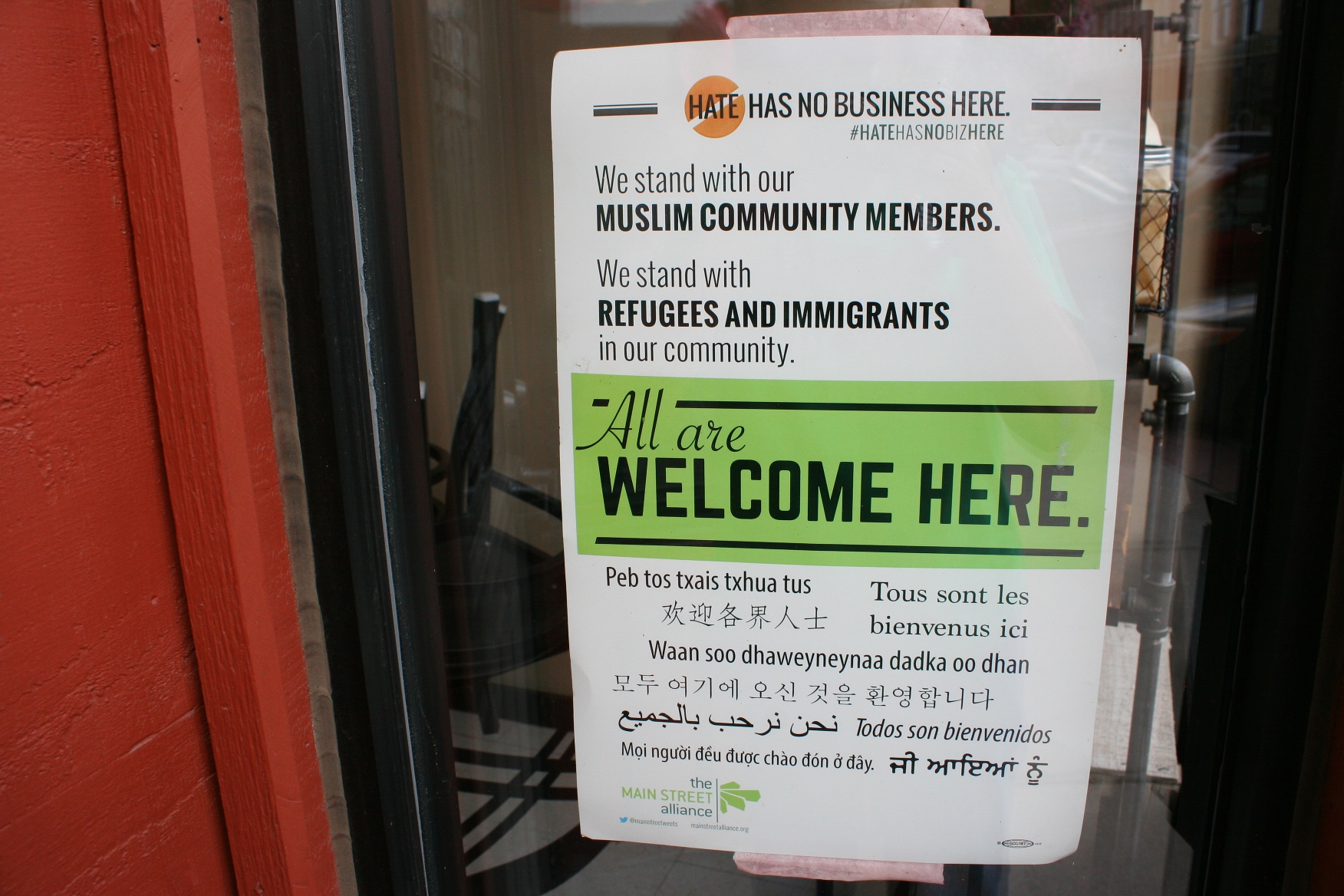
This welcoming sign was posted on the door of a downtown Faribault business in 2018. (Minnesota Prairie Roots copyrighted file photo 2018)

IN A VALENTINE’S DAY post last week, I focused on connecting in everyday life, on hugging all of humanity. Those words proved prophetic for me personally. And I am the better, the richer, for the insights I learned, the connections I made, during a February 15 talk by a Minnesota college professor, cultural consultant and author at Books on Central in Faribault.

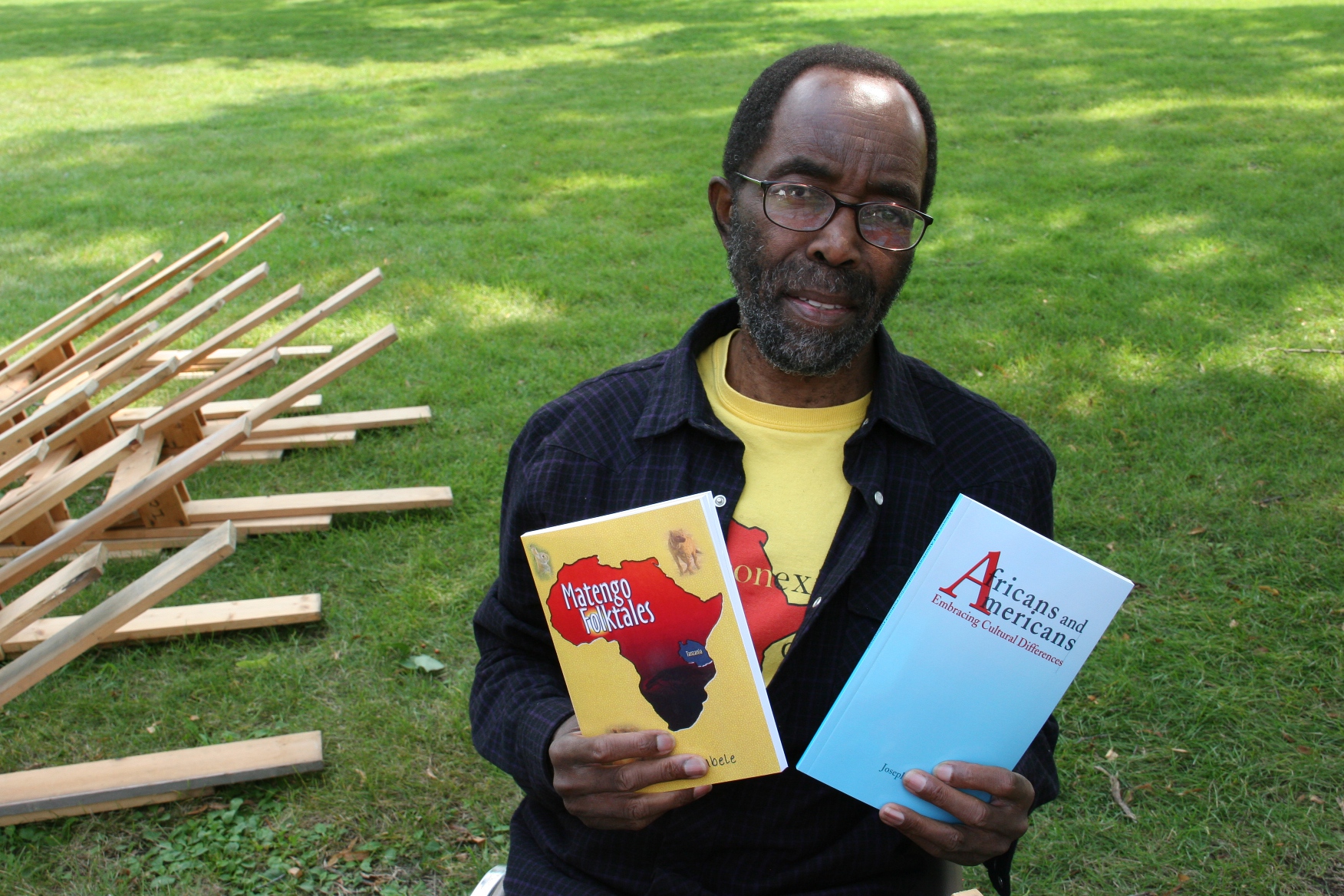
Author Joseph L. Mbele, photographed at the International Festival Faribault in 2015. (Minnesota Prairie Roots copyrighted file photo 2015)

Joseph L. Mbele was the featured speaker at this public event highlighting cultural differences. Faribault is a culturally-diverse community, home to many immigrants, including significant Somali and Hispanic populations. And that has all too often created tension between locals and those who now call my southern Minnesota city home. Mbele recognizes that and has worked with community leaders, business owners and others in Faribault and neighboring cities to raise awareness of cultural differences and bridge the gaps which divide us.

Via storytelling, humor and insightful perspectives as someone who grew up in Tanzania and has lived in the U.S. for 32 years, Mbele riveted the attention of the group gathered in the used bookshop run by Rice County Area United Way. Rather than fully recap Mbele’s presentation, I want to focus on the personal interactions I experienced with two young Somali men in attendance.

This teen represented Somalia (blue flag with a white star) at the International Festival Faribault in 2015. (Minnesota Prairie Roots copyrighted file photo 2015)

When I arrived at the bookstore, I settled onto a folding chair next to Solomon, as I heard it, (or perhaps correctly Sulaiman/Suleiman; I didn’t ask for the spelling of his name). I can’t sit next to someone and not engage in conversation. I soon learned that Sulaiman, 34, came to the U.S. from Somali at age 14, graduated from Faribault High School, played soccer on the fields by the junior high, has a wife in Somalia (the process is lengthy to bring her to the U.S., he said), works as an over-the-road trucker and has a job interview with a local company this week. Any business would be fortunate to have him on their team. He impressed me with his friendly personality, wide smile and openness. Sulaiman reflected what Joseph Mbele stated earlier about Africans being highly-social, desiring to be around and engage with other people.

I felt thankful to learn from my new friend that he hasn’t faced many challenges as a native Somalian living in Faribault. I didn’t have the heart to share the negative comments I’ve heard about Somalians. I focused instead on getting to know this delightful young man pressed next to me in a row of folding chairs in the cozy bookshop.

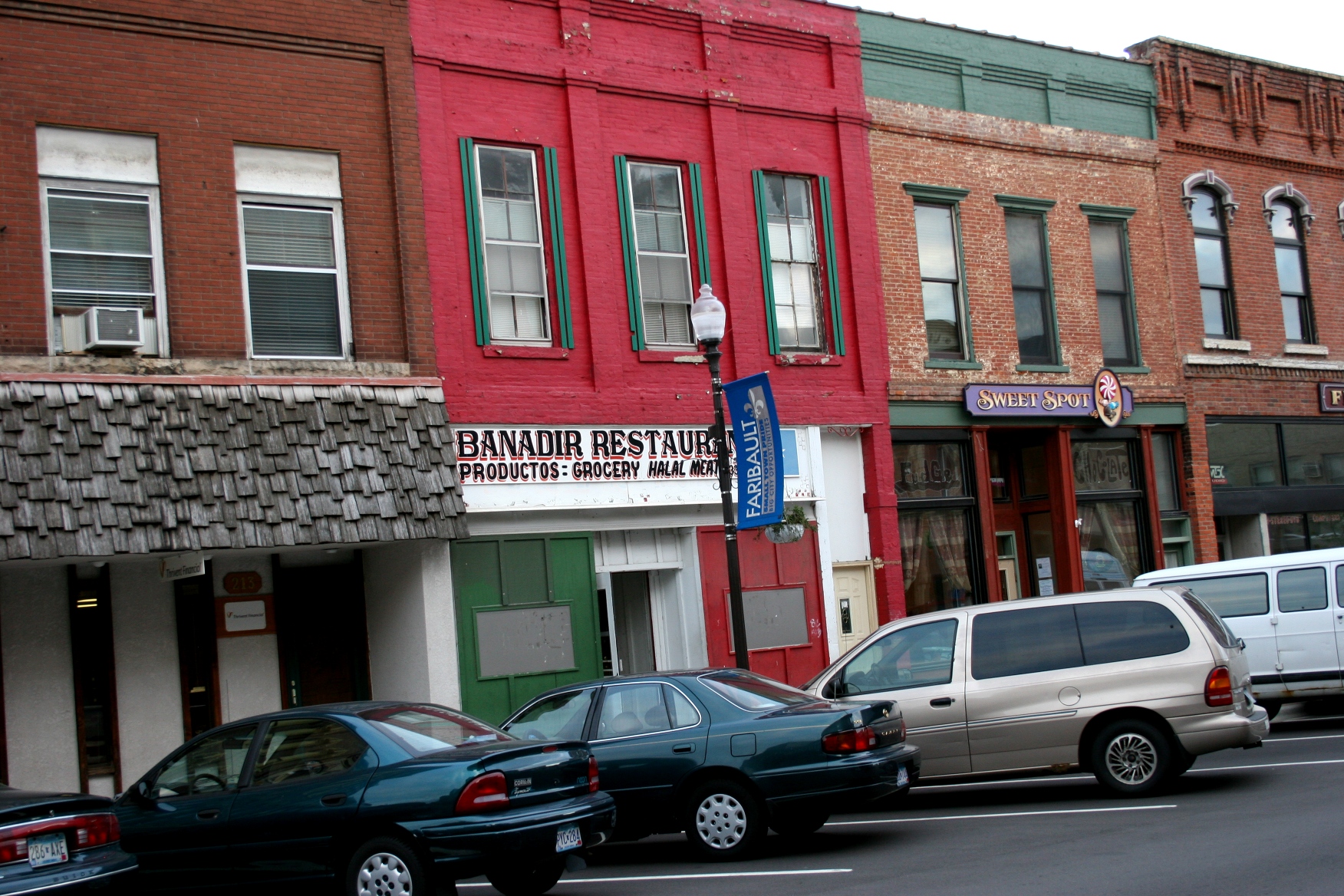
Banadir, a Somali restaurant and grocery, is located in historic downtown Faribault. (Minnesota Prairie Roots copyrighted file photo 2011)

Throughout Mbele’s talk highlighting African culture like African time (versus American time when everyone is on time), sidewalk gatherings to share news and to socialize, the social importance of food and music among Africans, the value of coming together and much more, I felt the sense of understanding unfolding. Laughter erupted often. Heads nodded. Questions surfaced during discussion. It felt good to be part of this gathering, to learn, to connect. I love that Mbele addressed bookstore volunteer Dave Campbell as “brother.” That endearing name shows that Mbele values Campbell and their personal connection. They are friends.

A diverse group attended a past International Festival Faribault, here observing the flag ceremony. (Minnesota Prairie Roots copyrighted file photo 2015)

And I felt, too, that I’d made a new friend in Sulaiman and, afterwards his brother, Ibrahim (again, I’m uncertain on the name spelling), also in attendance. As I retreated to the rear of the bookstore to grab a sweet treat and refill my water glass, Ibrahim approached and we chatted. He extended his hand in a handshake, significant because Muslims typically would not shake a woman’s hand. Mbele explained earlier the separation of men and women is not one of disrespect but faith-based and cultural.

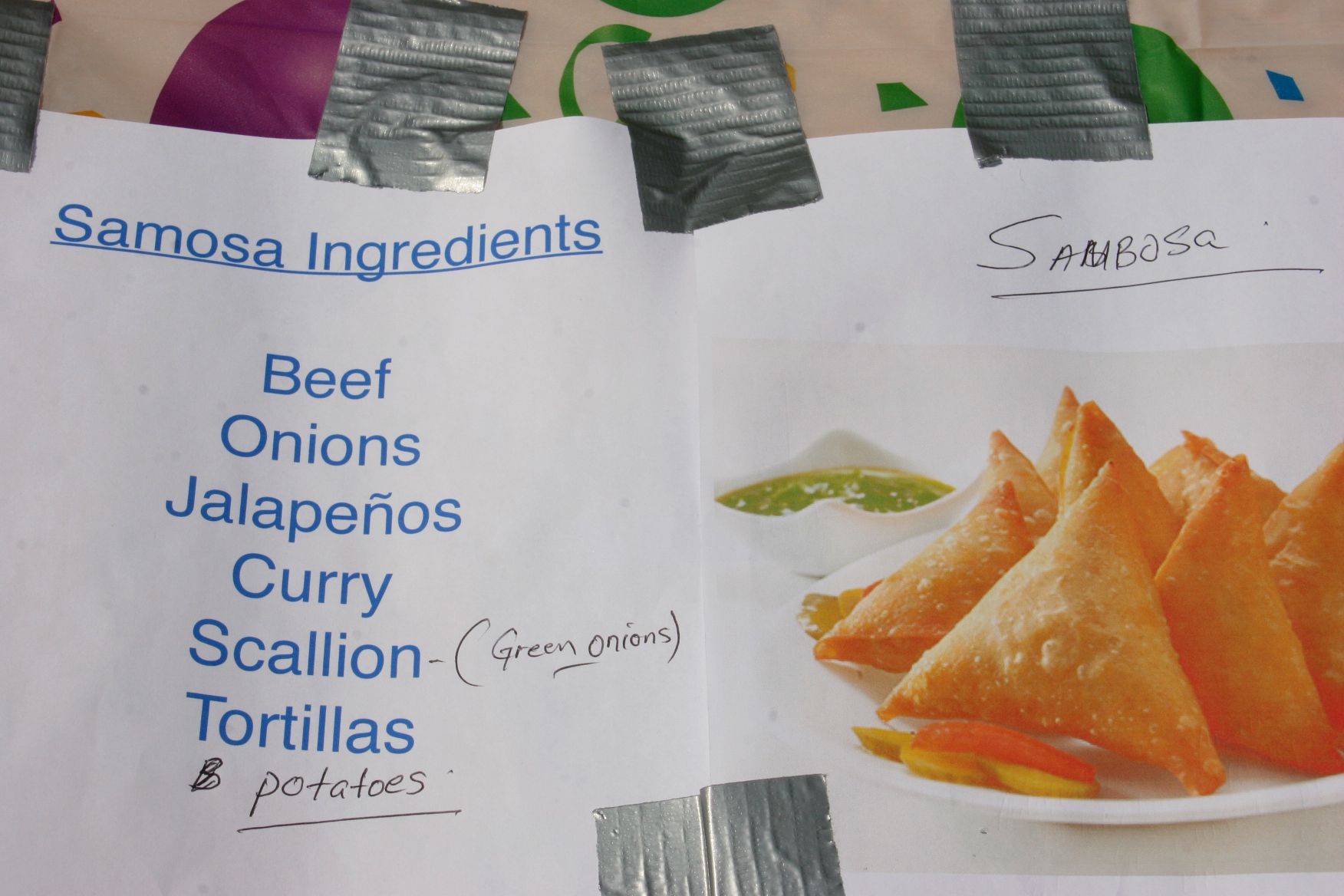
A sign photographed at a past International Festival Faribault, where I first tasted sambusa. (Minnesota Prairie Roots copyrighted file photo)

Ibrahim and I talked only briefly. He was, like his brother, warm, engaging, friendly. I remember him telling me that food brings people together, that he likes pizza. And I replied that I like sambusa, a Somali triangle-shaped pastry stuffed with spicy meat. We laughed. Earlier he invited those attending the bookshop gathering to visit Somali restaurants and shops in downtown Faribault.

And then Ibrahim asked, “Can I hug you?” Of course. We embraced right there in the back of the United Way bookshop. I felt such warmth, such affection, for this young man I’d just met. There were no cultural differences between us. We were simply two individuals who respected and appreciated one another. United by our humanity.

#

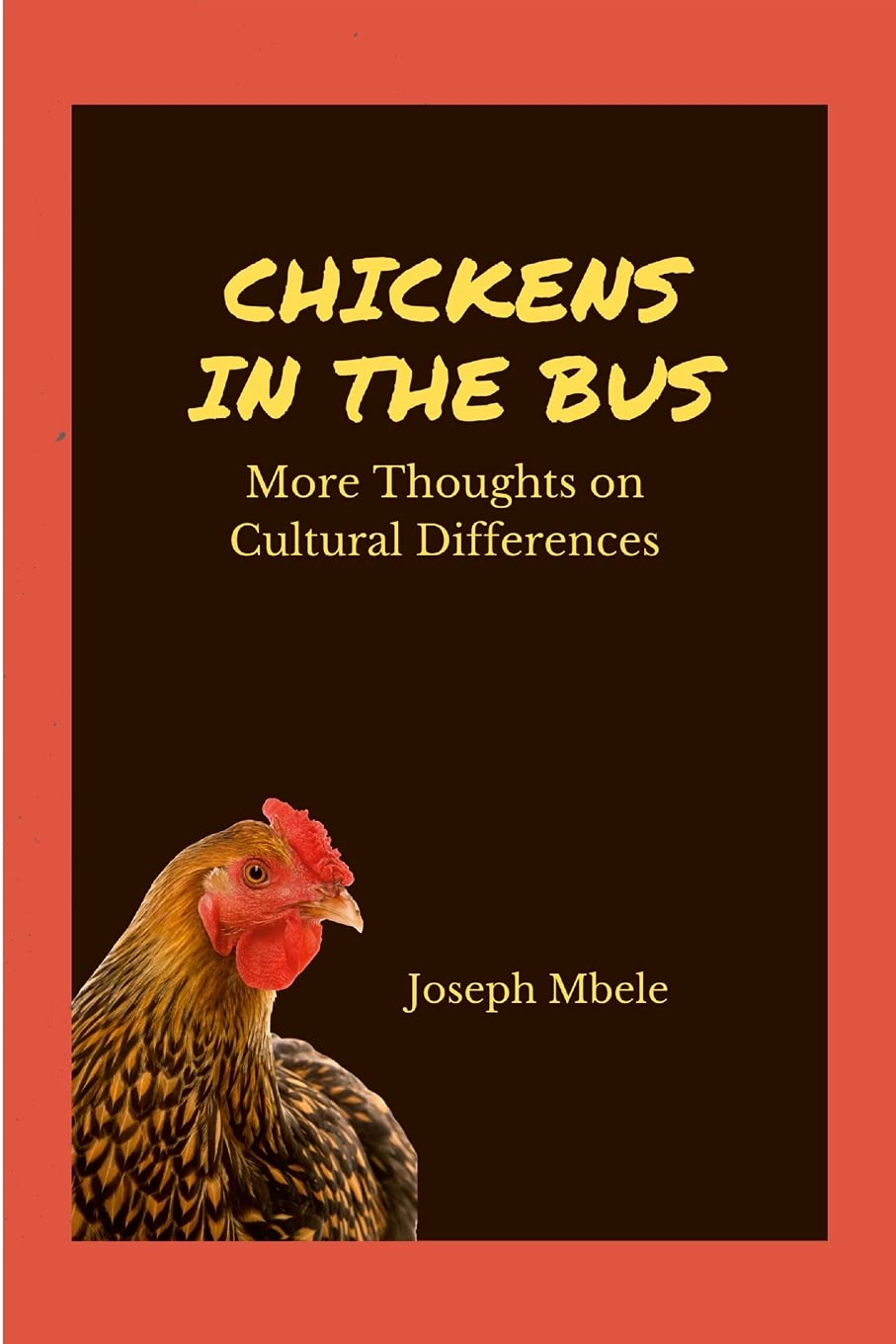
Jospeh Mbele’s latest book, an easy and informative read. (Book cover sourced online)

FYI: I’d encourage you to read any or all of the books written by Joseph L. Mbele: Africans and Americans: Embracing Cultural Differences; Chickens in the Bus: More Thoughts on Cultural Differences; and Matengo Folktales. This professor at St. Olaf College in Northfield is a gifted storyteller and writer. I’d also encourage you, if you live in my area, to shop at Books on Central. All proceeds from book sales go to the Rice County Area United Way and help people and organizations in my area.

© Copyright 2024 Audrey Kletscher Helbling

 

February snow in a mostly snowless Minnesota winter February 16, 2024

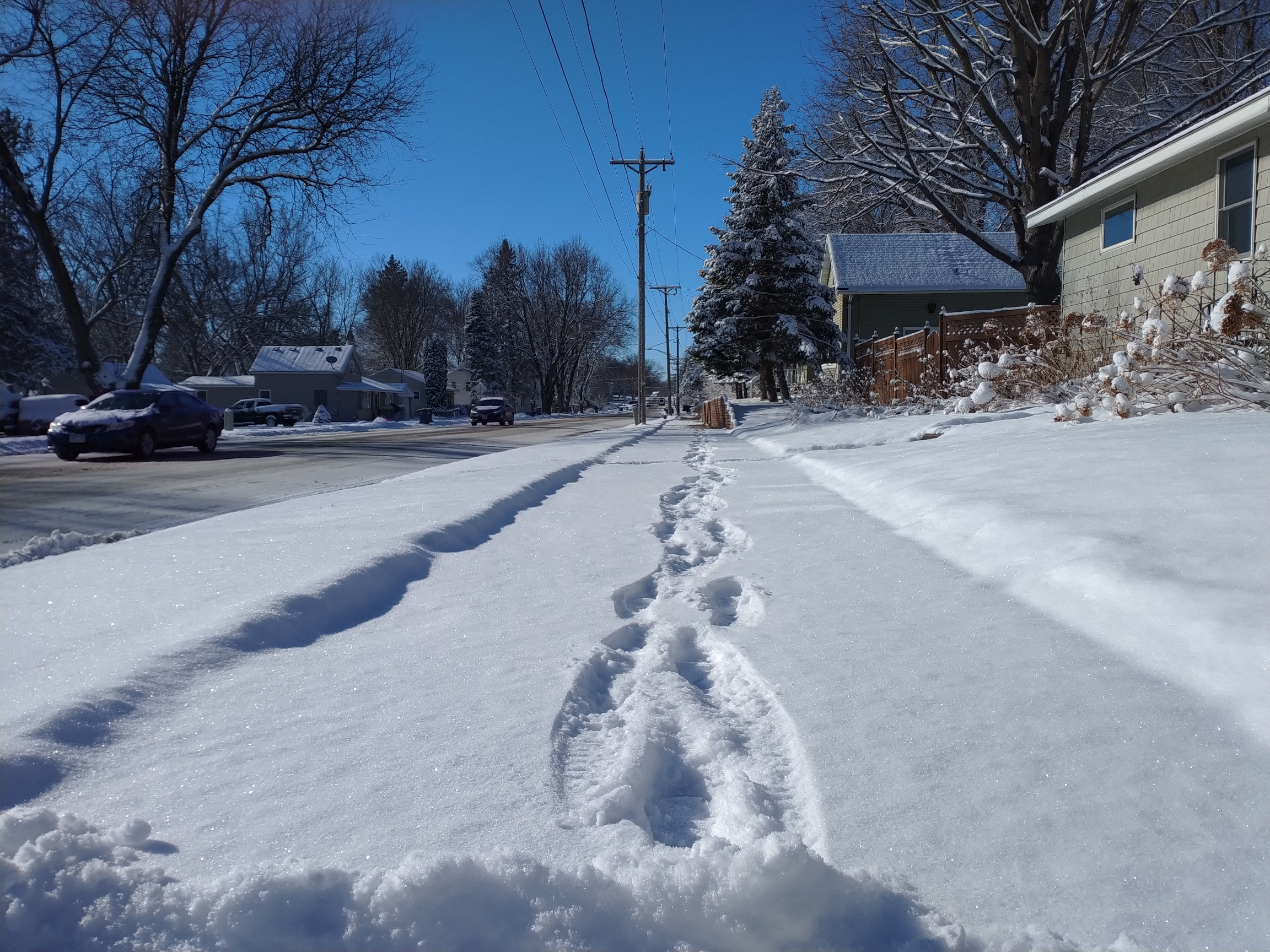
The unshoveled sidewalk in front of my house stretches before me mid-morning Thursday. (Minnesota Prairie Roots copyrighted photo February 2024)

VALENTINE’S DAY BROUGHT our first measurable snowfall since Halloween in this unusual snow-drought winter here in Minnesota. I haven’t missed snow, especially after last winter’s exceptional record snowfall that caused even the hardiest of Minnesotans to wonder if the snow would ever end.

A winter with minimal snow makes life all-around easier. I doubt anyone living in our state would deny that. It’s easier to navigate without snow-packed roads and sidewalks. Randy’s commute to work on icy roads Thursday morning took 50 minutes rather than the typical 32. And no snow also means less work as in no snow to blow, blade or shovel.

I used my new Snow Trax for the first time Thursday morning. (Minnesota Prairie Roots copyrighted file photo January 2024)

Thursday morning I had about three inches of snow to clear, not much really by Minnesota standards. I bundled up, starting by pulling long johns on under jeans. Then I layered a fleece-lined sweatshirt over a tee and flannel shirt topped by a lightweight jacket. I clamped Snow Trax onto snow boots. A stocking cap and mittens completed the ensemble.

I headed out the back door into the garage to grab the scoop shovel and the wide-bladed plastic snow shovel. I knew it would take both to effectively clear snow.

Snow layers my neighbor’s evergreens. (Minnesota Prairie Roots copyrighted photo February 2024)

It was a beautiful morning with a white landscape set against a backdrop bold blue sky. Snow outlined branches, layered evergreen boughs and seedheads. And the sun glittered diamonds across the snow. Anytime the sun shines in winter, I feel better. There’s something about sunshine that offsets even the coldest temperatures, the deepest snow, causing spirits to soar.
My distorted shadow on the snow-covered lawn. (Minnesota Prairie Roots copyrighted photo February 2024)

As I pushed and scooped the snow from the sidewalk and driveway, I felt my stomach, leg and back muscles tightening. I worked at a steady pace, not pushing myself. Soon I found myself overheated. I unzipped my jacket, then the sweatshirt. I felt like I was sweating, even with a temp below 20 degrees. Shoveling snow, even if only a few inches, is a work out.

Scrape. Click. Scrape. Click. Scrape. Click. Melding with the scrape of the shovel and the click of studs on my Snow Trax was the splash of tires on the wet roadway. In February, the sun is strong enough to melt remaining ice and snow from hard surfaces cleared of initial snow. I wanted to get the snow off the sidewalk and driveway so the sun could melt the thin layer of ice and snow I couldn’t completely shovel away.

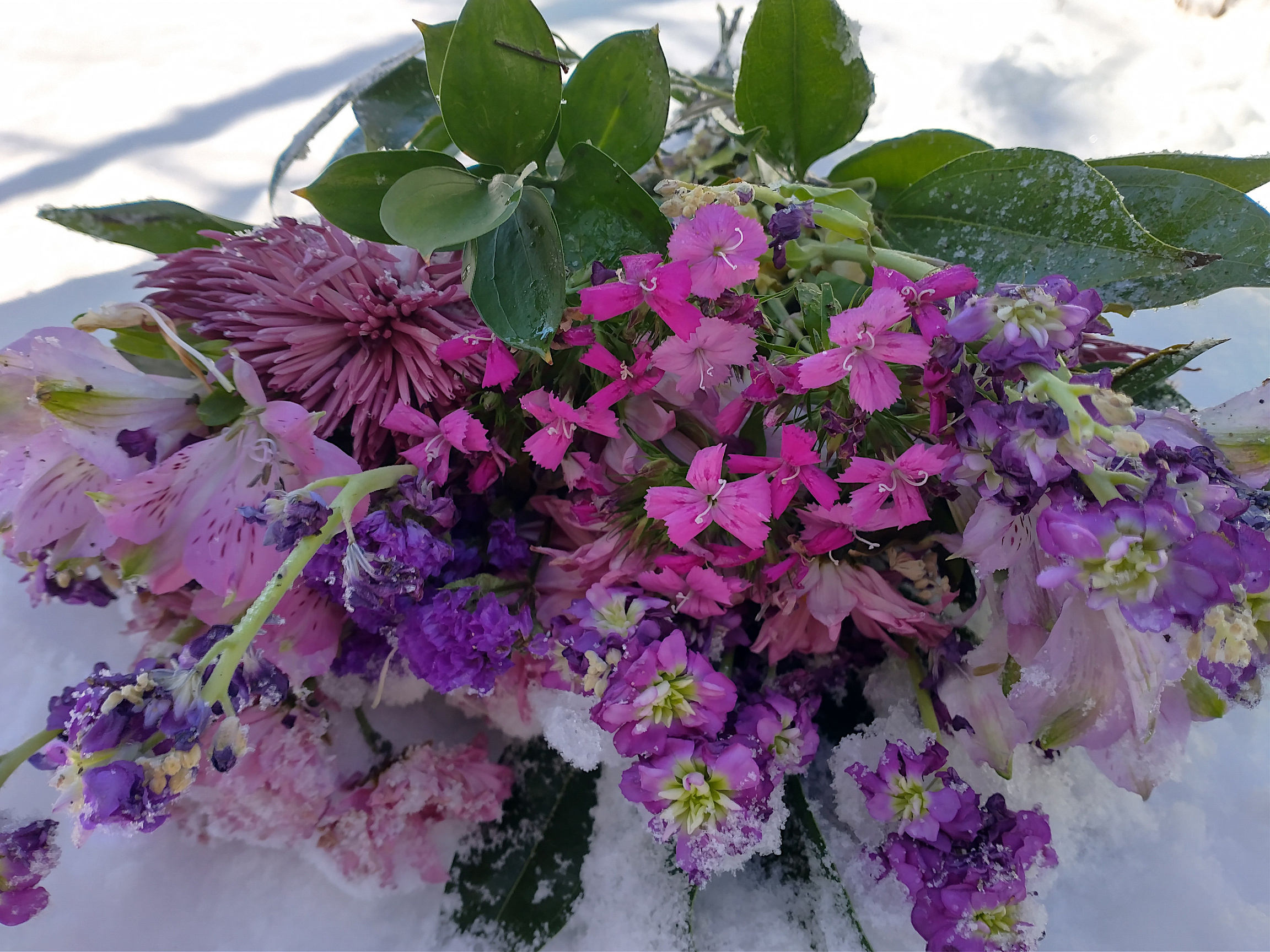
Remnants of a floral bouquet I received three weeks ago lie atop the snow. (Minnesota Prairie Roots copyrighted photo February 2024)

I labored an hour shoveling snow, finishing on the south-facing patio. Randy grills year-round, so our patio always needs to be free of snow. As I pushed snow, I remembered the bouquet of mostly dead flowers I’d tossed out two days earlier. I pulled them from under the snow, laid them atop a patio table. The purples, pinks and greens contrasted against the virgin white snow, visually pleasing me.

On this Thursday, this day after Valentine’s Day, I didn’t mind the snow all that much. It felt, in a way, like the first snowfall of the season. Magical. Beautiful. And definitively more like Minnesota ought to appear in mid-February.

© Copyright 2024 Audrey Kletscher Helbling