Minnesota Prairie Roots

Writing and photography by Audrey Kletscher Helbling

Embracing the arts at a former Carnegie library April 27, 2012

Filed under: Uncategorized — Audrey Kletscher Helbling @ 7:37 AM
Tags: , , , , , ,

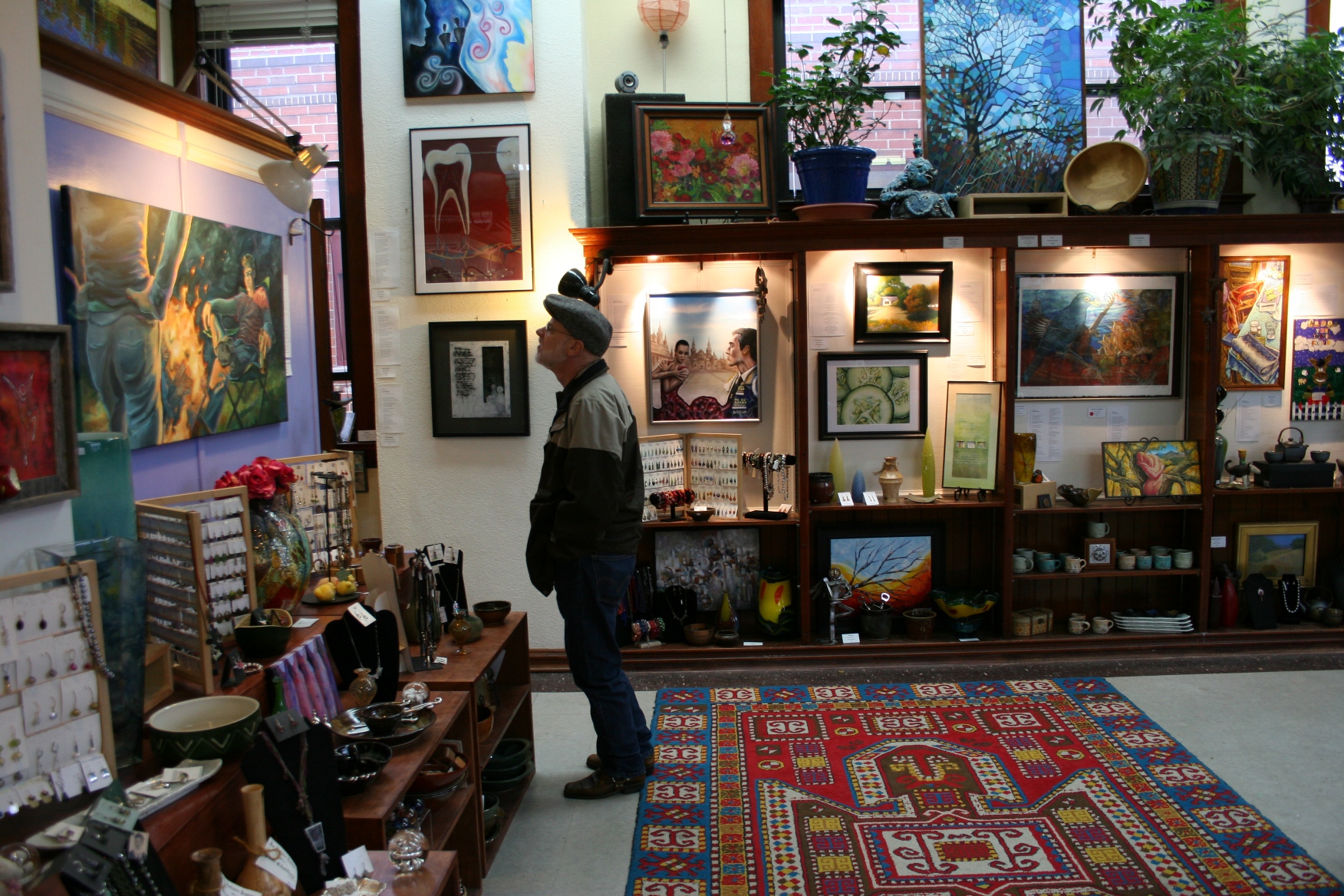
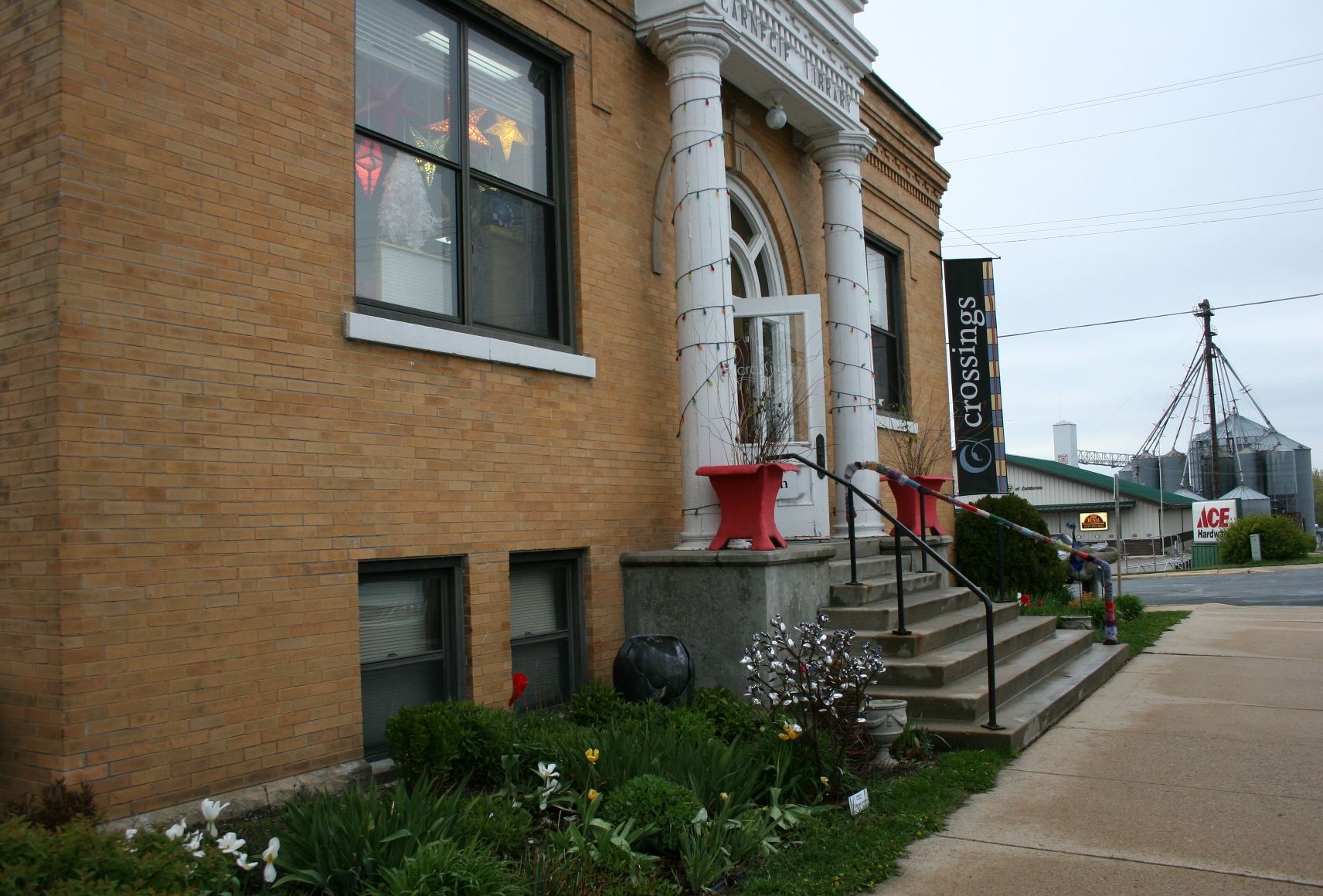
Crossings at Carnegie, an art center located in Zumbrota sits across the street from Quality Siding and Window Inc. and ACE Hardware and just down the block from the State Theatre and a picturesque white-steepled church.

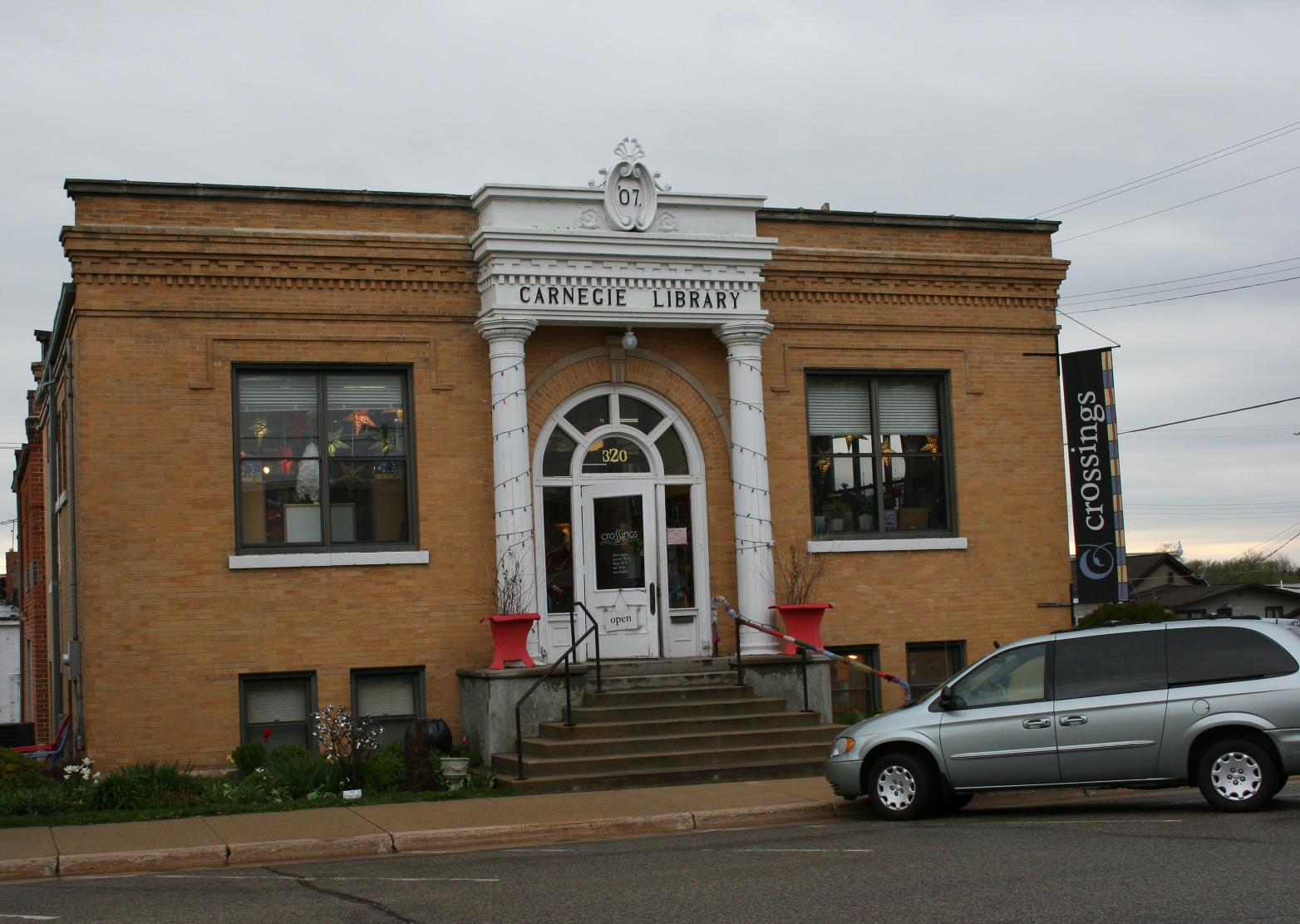
IT’S TYPICAL Carnegie library with steep front steps and double columns and a gracious, arched doorway fronting a brick building.

But today in Zumbrota (and since 2001), the 1908 Classical Revival style building houses an art center. Crossings at Carnegie, with a gallery and gift shop, with a clay studio and with classes in theater, writing, art and more, and with an array of concerts, centers culture in this southeastern Minnesota community of 3,200.

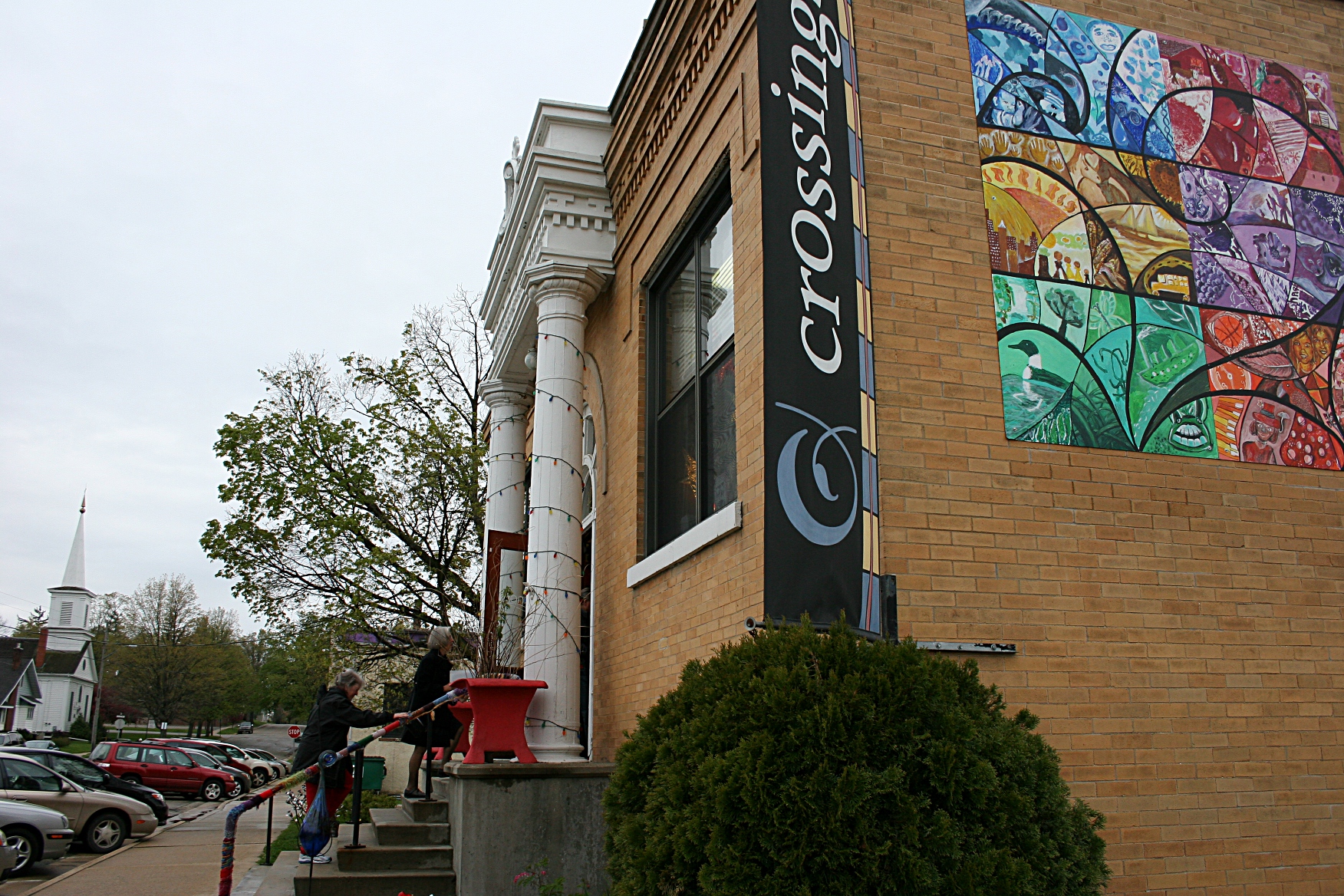
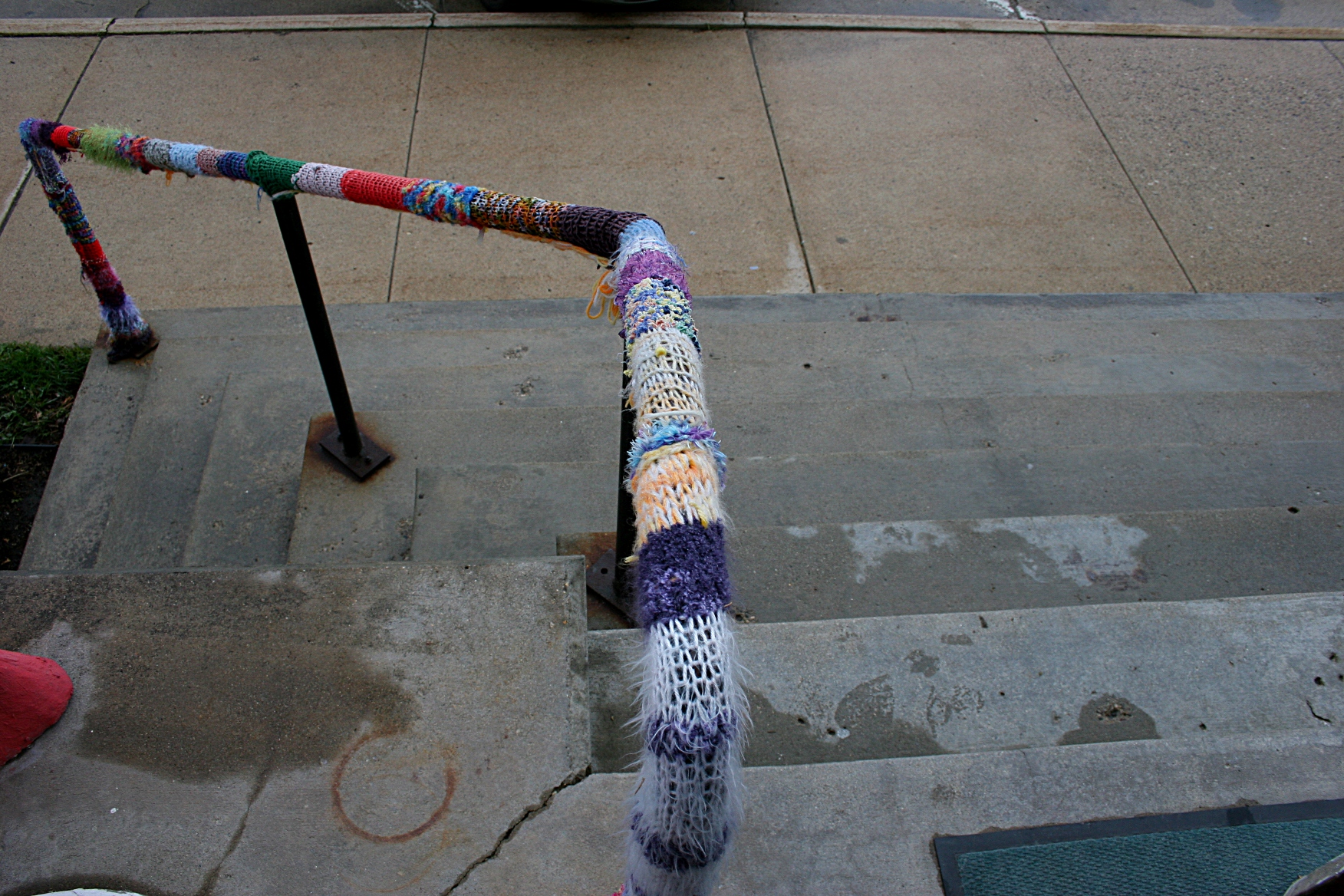
Colorful yarn wraps a front exterior stairway railing.

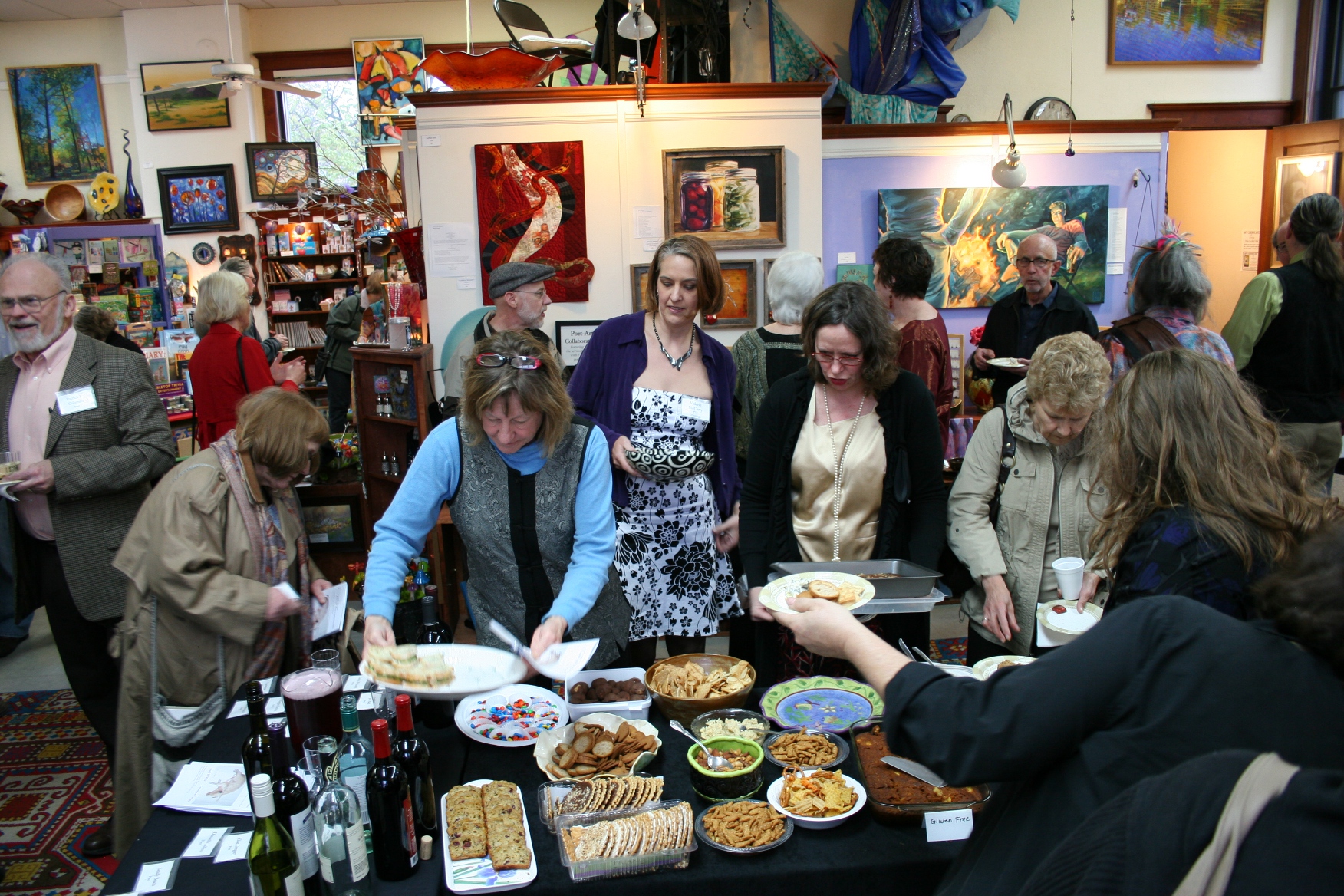
Saturday evening I climbed the steps into this privately-owned art center for the first time, into a space that visually overwhelmed me. With elbow-to-elbow people squeezed into the former library and with art crammed everywhere, I admittedly escaped twice—down stairs to the basement and down stairs to the outdoors.

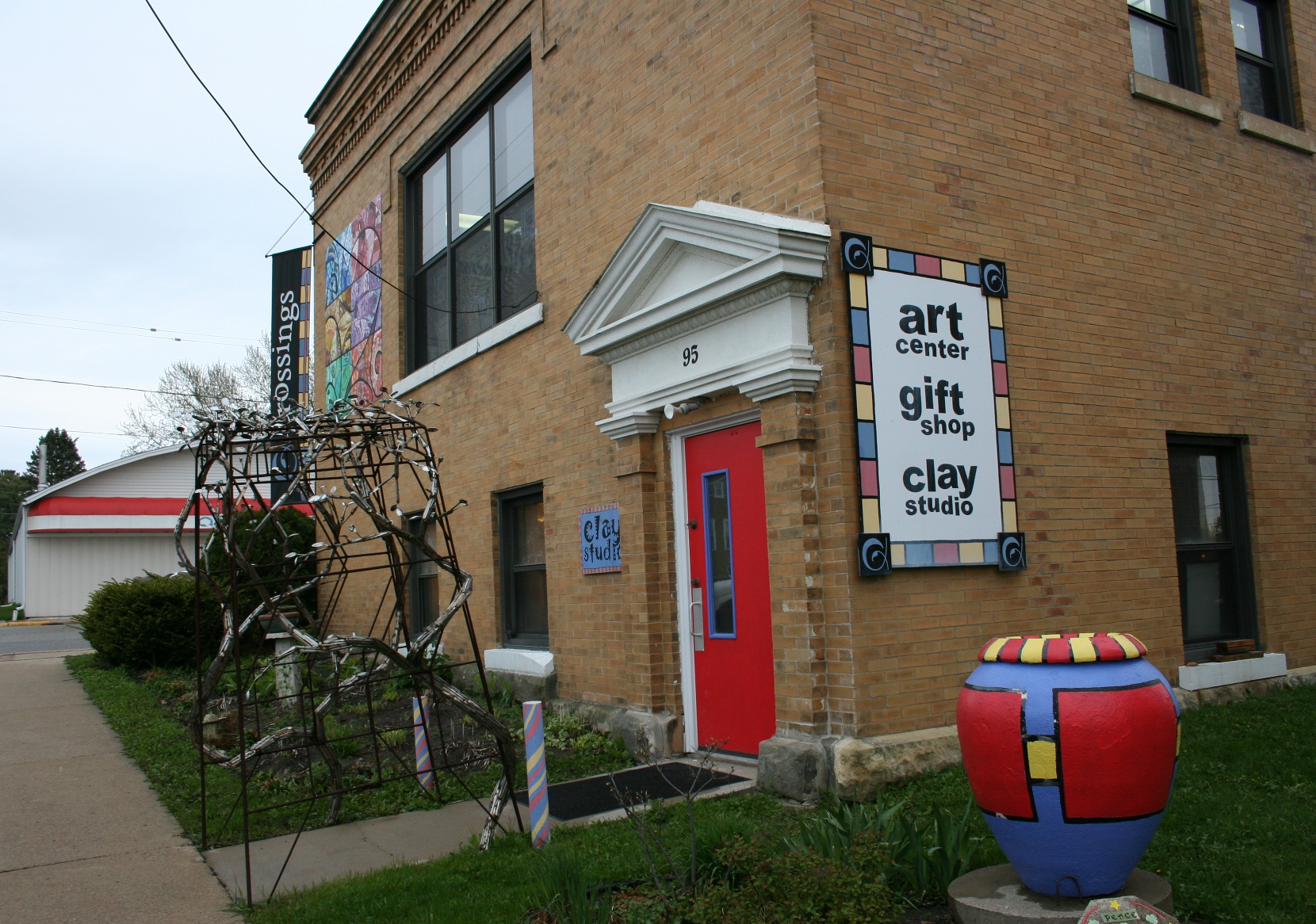
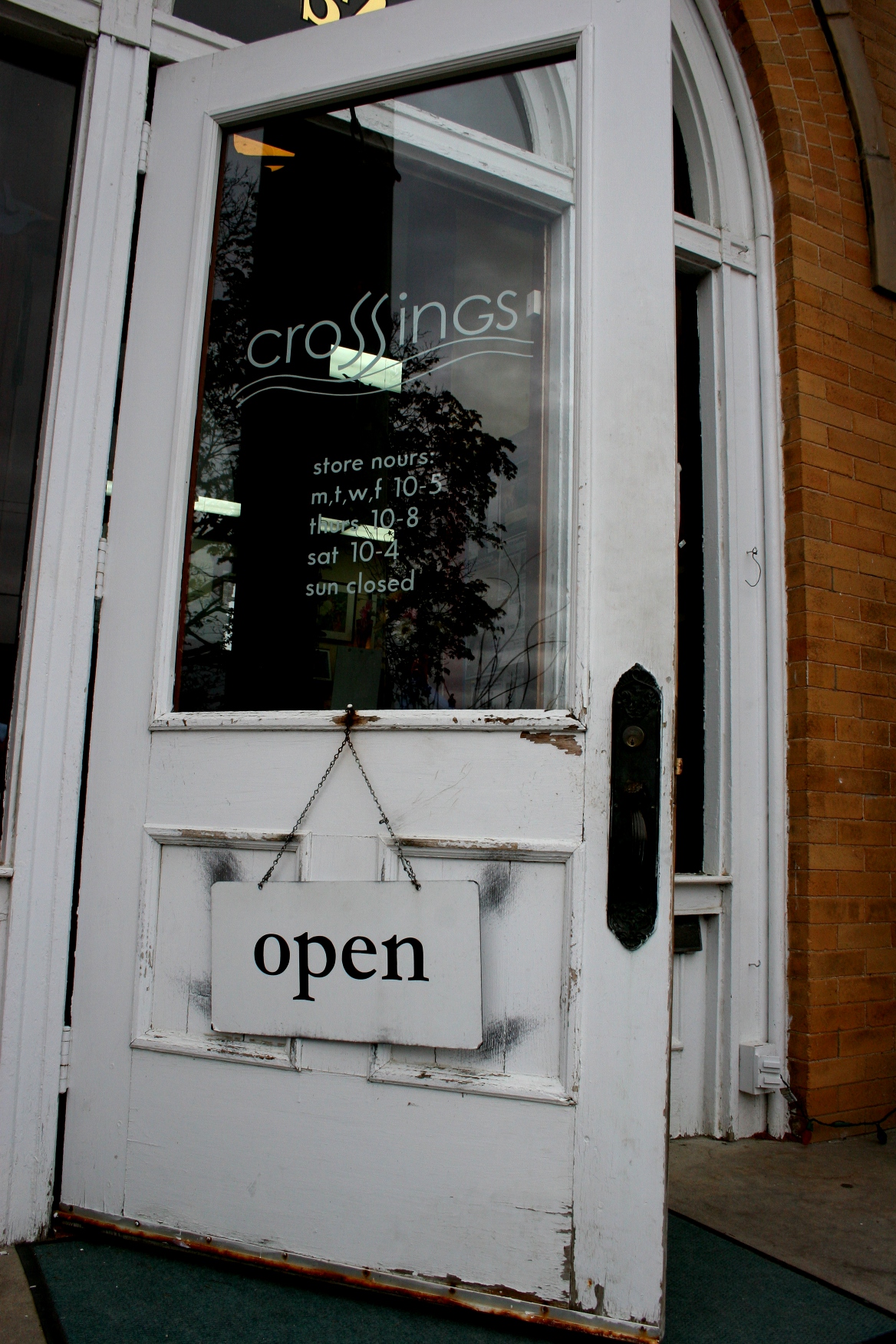
The charming exterior front door leading into Crossings.

An estimated 1,500 visitors walk through the art center doors each month, according to the Crossings website, rating this as one popular spot for shoppers, art lovers, students of the arts and more. Saturday night drew a crowd as Crossings celebrated its 11th annual Poet Artist Collaboration. I was among the 26 participating poets. Click here and here to read two previous blog posts about this event.

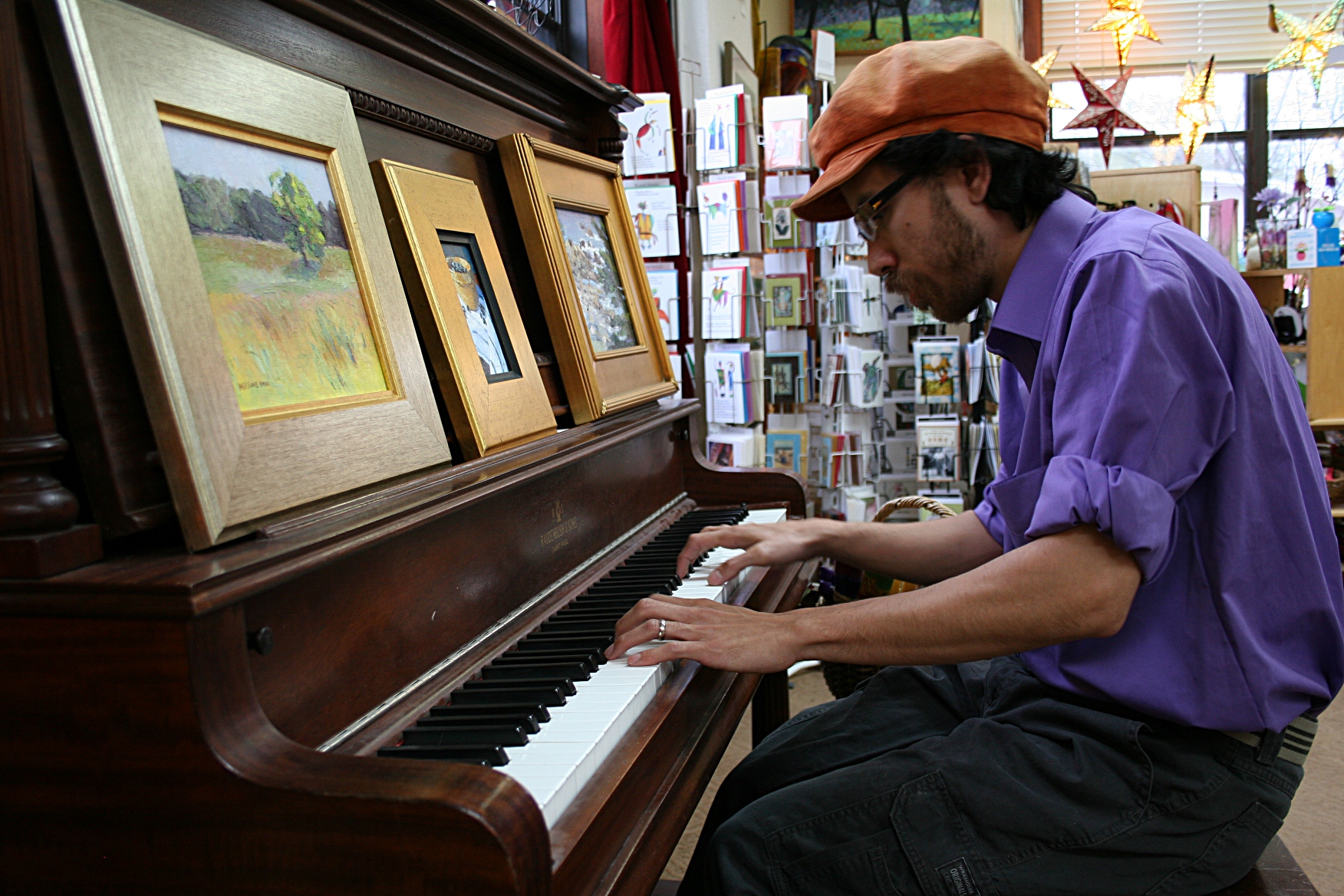
I noticed art leaning on the piano as musician Matthew Rivera played the piano at Saturday evening's Poet Artist Collaboration XI gala reception. He also strummed the ukulele later.

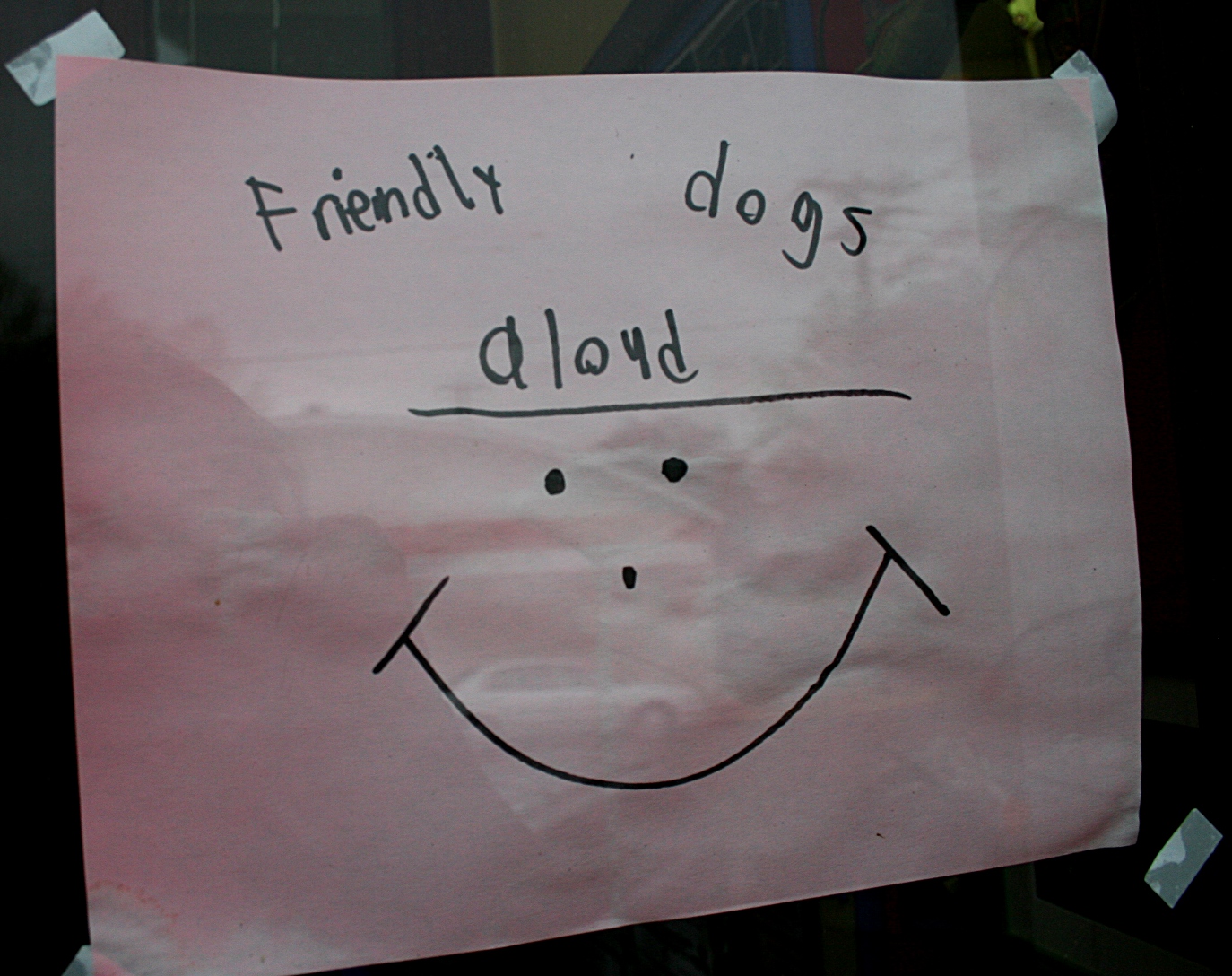
In the midst of mingling and weaving and escaping, I tried to notice details like the yarn wrapped around a railing post, the colorful exterior signage, art propped upon the piano, the misspelled sign welcoming dogs…

In the end, I decided to return in the solace of a non-event day to this place which celebrates the arts with such exuberance.

A welcoming misspelled sign on a front window at Crossings.

Vivid colors and outdoor art define Crossings as an art center.

FYI: Click here to learn more about Crossings at Carnegie, 320 East Avenue, Zumbrota.

© Copyright 2012 Audrey Kletscher Helbling


Prairie lines April 26, 2012

Filed under: Uncategorized — Audrey Kletscher Helbling @ 6:31 AM
Tags: , , , , , ,

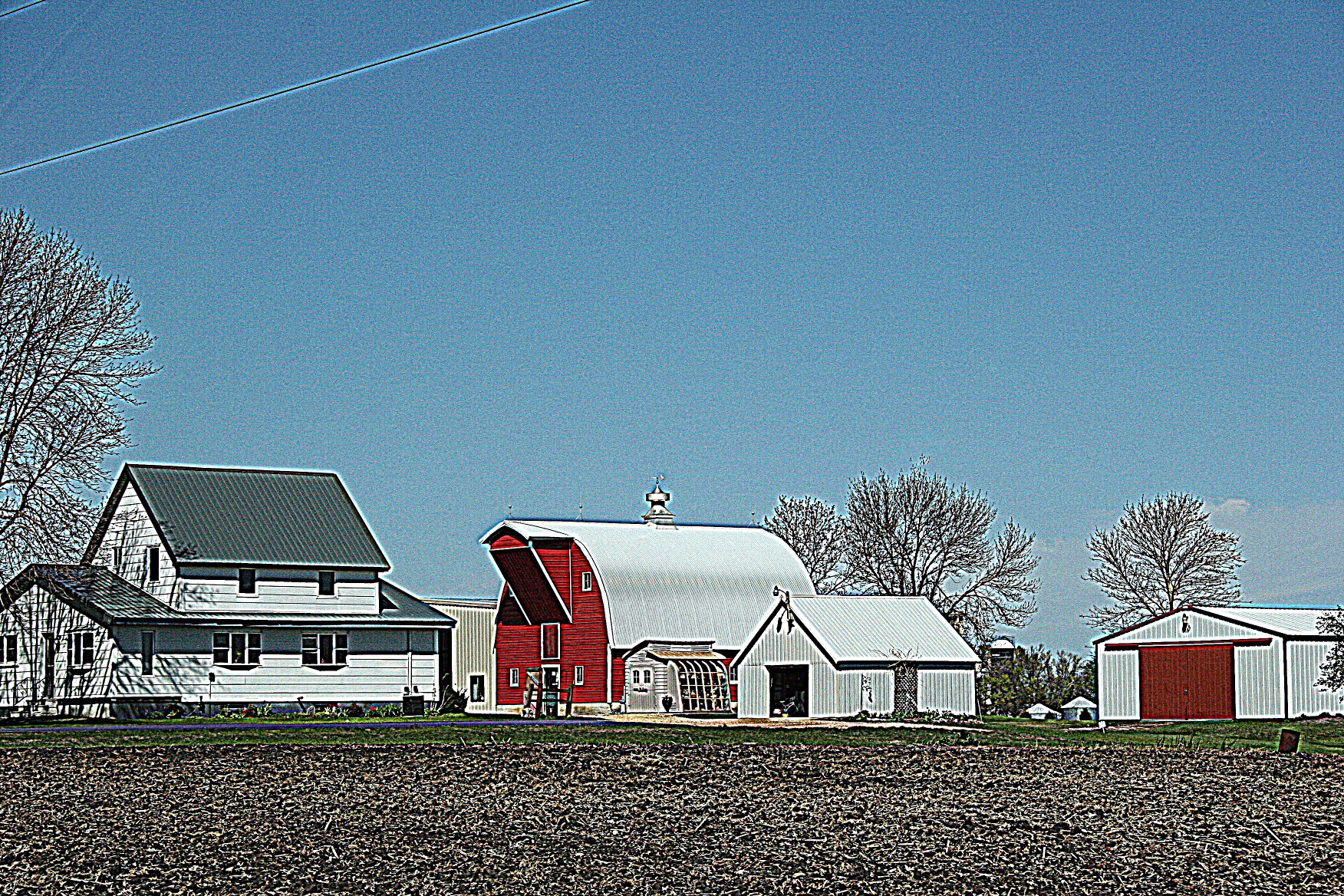
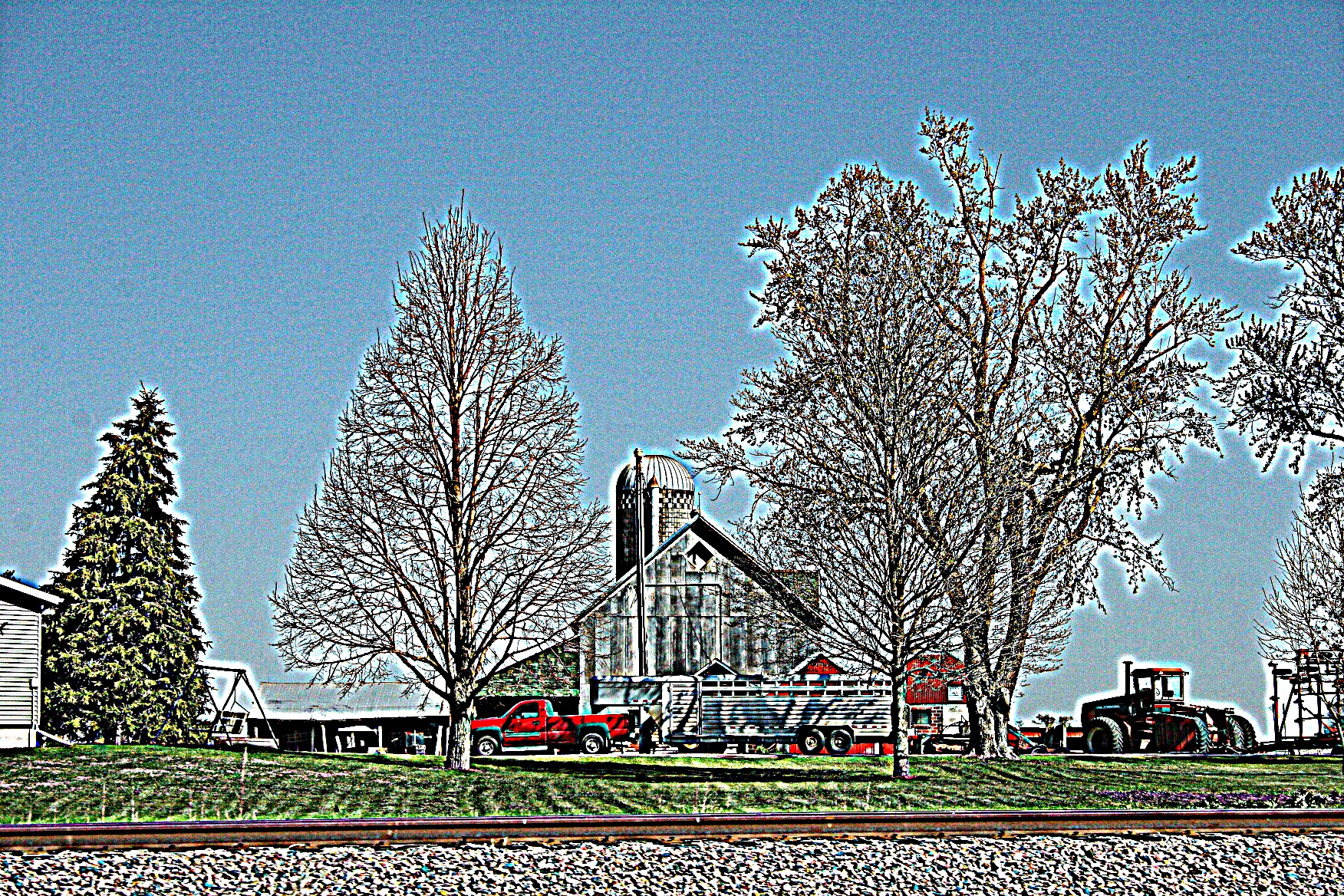
Crisp, straight roof lines define buildings on this farm site along U.S. Highway 14 just minutes west of Springfield in southwestern Minnesota.

I NEVER TIRE of the crisp lines that cut across the southwestern Minnesota countryside. The razor sharp edge of a barn roof. The thick, defined rails of train tracks. The precise spacing of orderly crop rows.

This rich farmland, more familiar to me than any place on this earth, has always been defined by lines. It is the visual perspective I hold of this land that holds my heart.

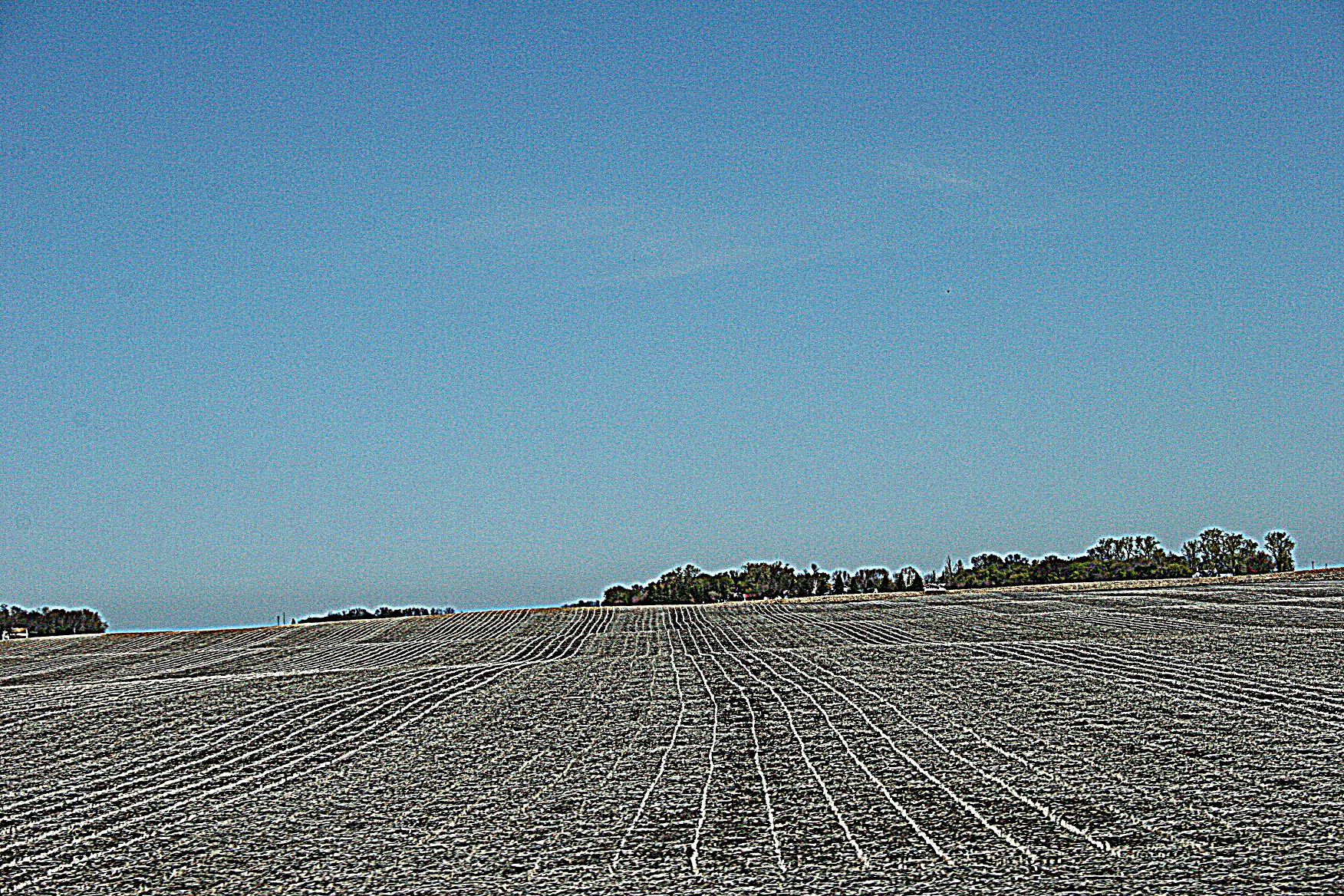
Crop lines along U.S. Highway 14 west of Springfield in a field that awaits planting.

I cannot view this prairie place without seeing those strong, bold and definitive horizontal lines.

It is the expanse of the sky and of the land in this visually uncluttered place that naturally draws my eyes to rest upon the lines, to lock onto a spot that connects me to a concrete object or to the earth.

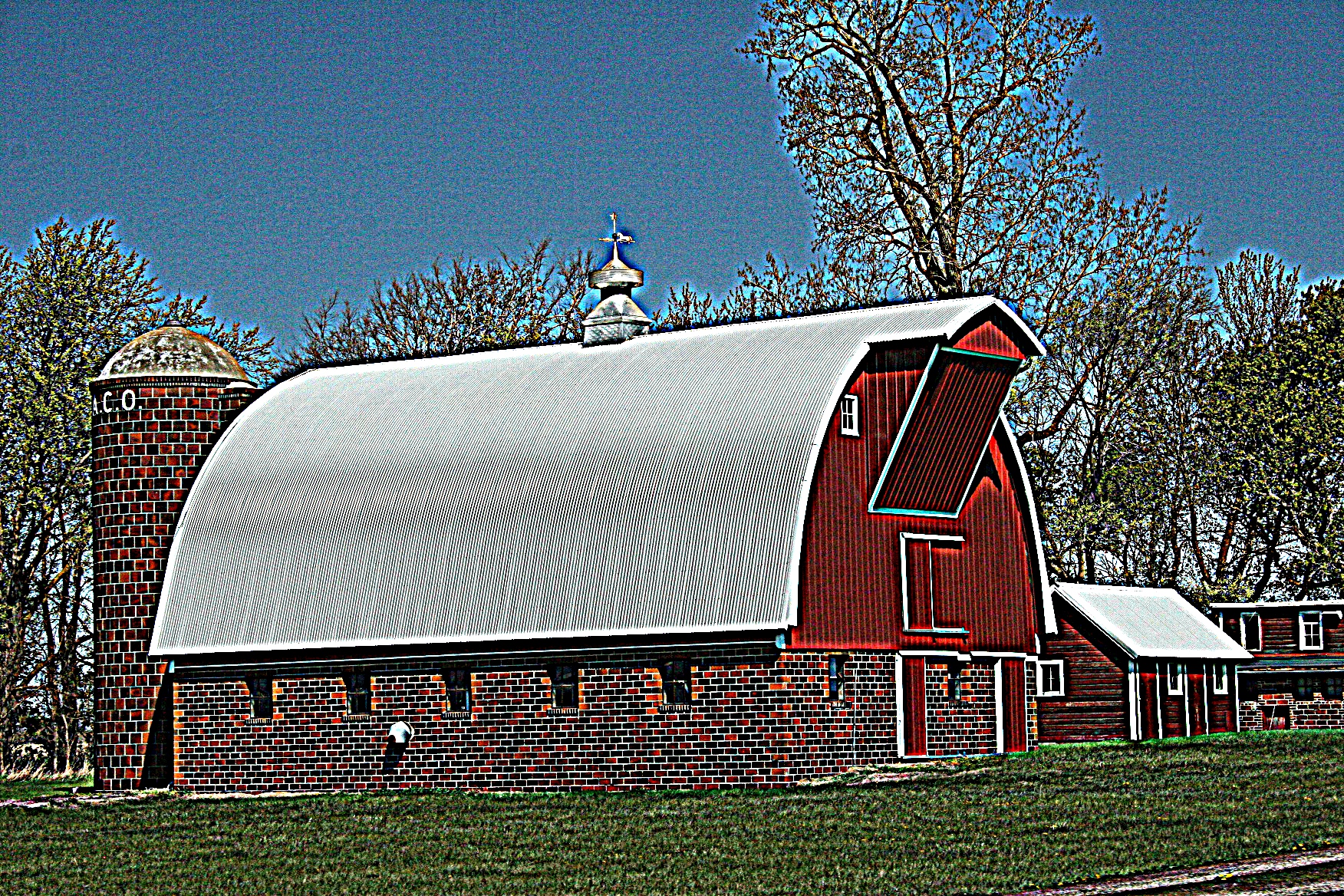
This barn stands strong and sturdy between Sleepy Eye and Springfield along U.S. Highway 14.

Consider this perspective the next time you travel through western Minnesota. Forget your preconceived notion of this as a place you simply must pass through to get from point A to point B. View the land and the sky, the small towns and the farm sites, the endless vistas with your eyes wide open, appreciating all that unfolds before you.

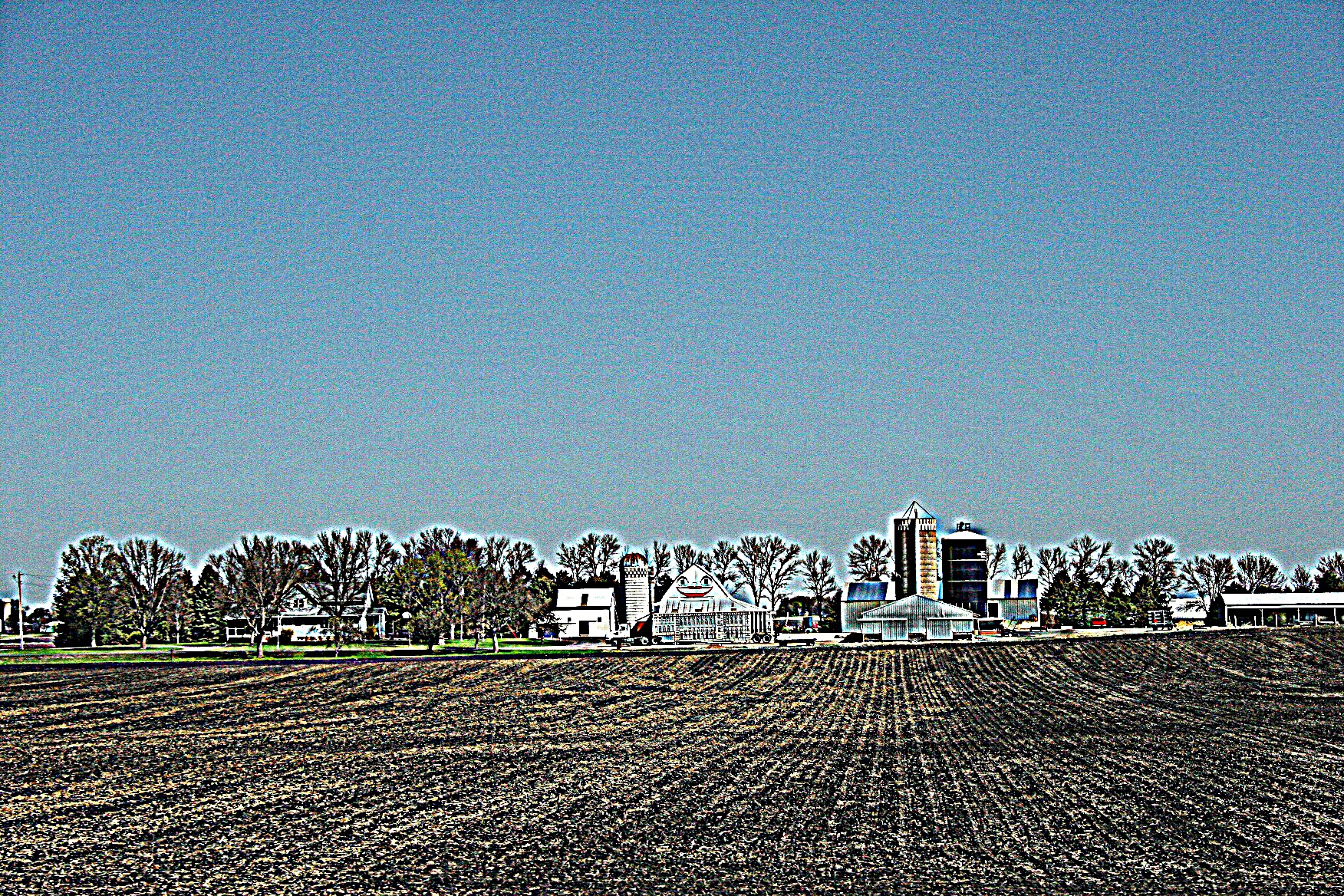
A farm site with a smiley face on the barn, between Sleepy Eye and Springfield.

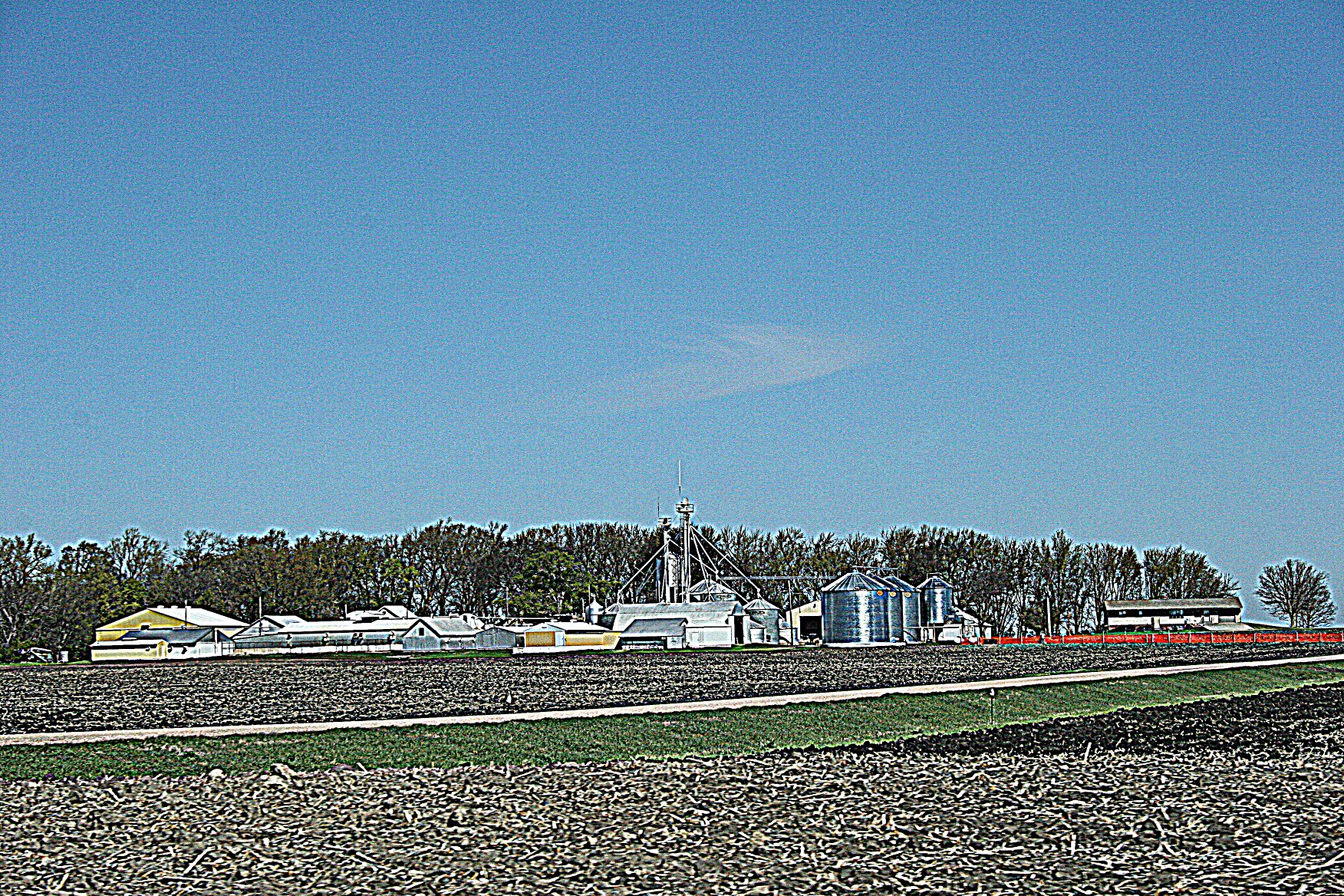
Just west of Springfield off U.S. Highway 14, a gravel road and an orange snow fence cut horizontal lines across the prairie as do the low-slung farm buildings.

A pastoral hillside scene on the edge of Courtland along U.S. Highway 14.

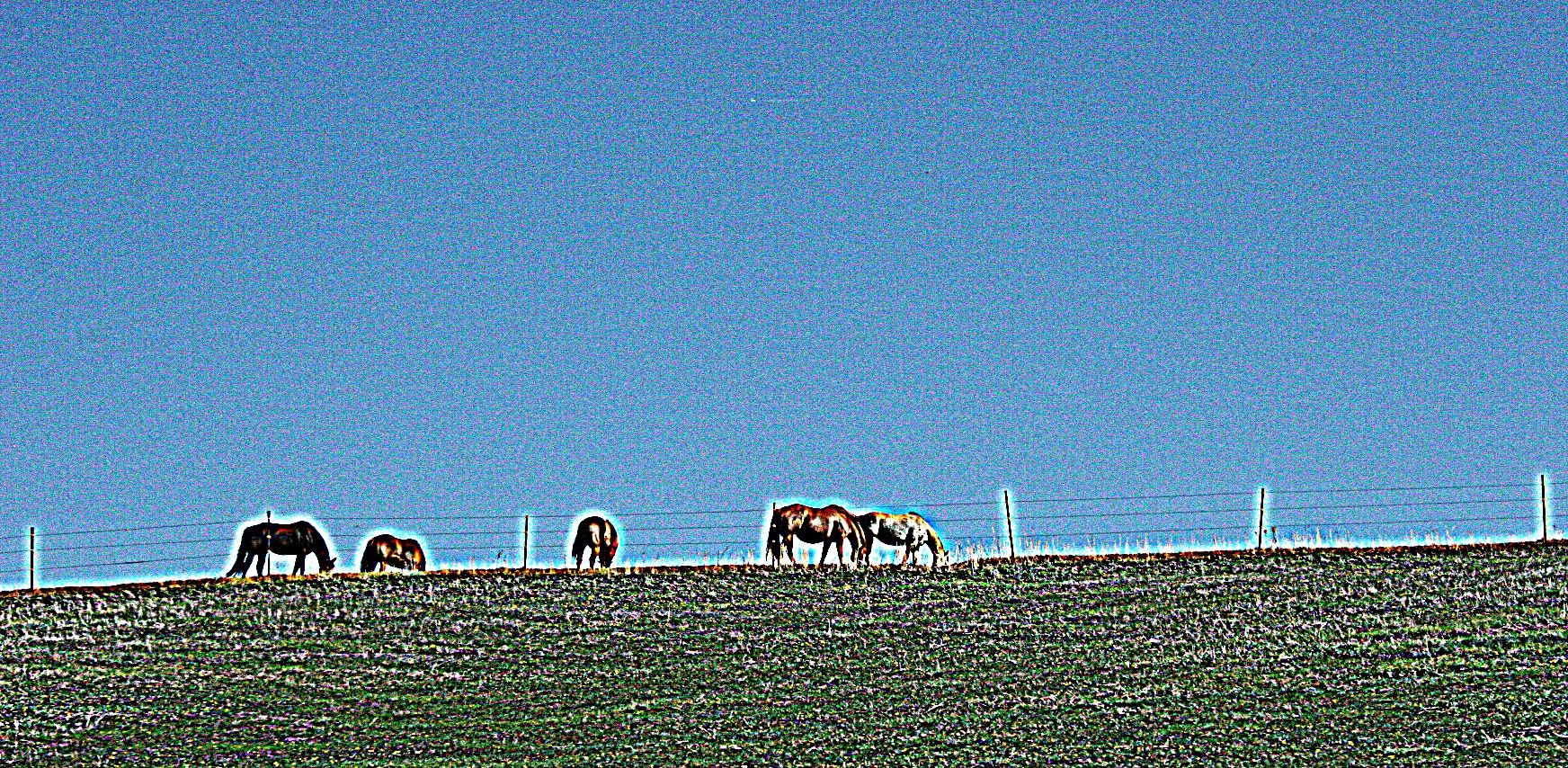
Railroad tracks edge past this farm site along U.S. Highway 14 between Essig and Sleepy Eye. To the right in the photo, a tractor awaits the planting season.

© Copyright 2012 Audrey Kletscher Helbling


Second Faribault jeweler hit in apparent state-wide crime wave April 25, 2012

Filed under: Uncategorized — Audrey Kletscher Helbling @ 2:50 PM
Tags: , , , ,

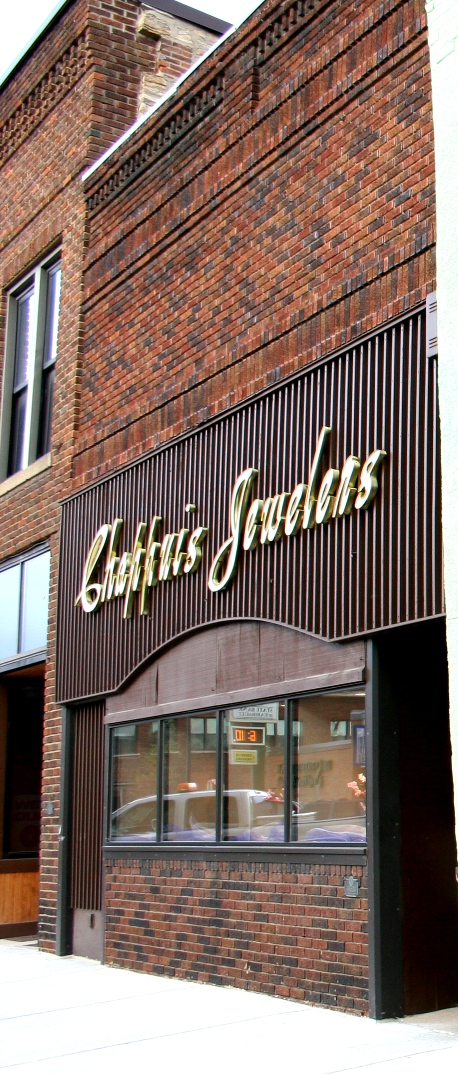
Chappius Jewelers, photographed several years ago, and the latest target of thieves.

YOU HAVE TO HAND IT to the owners of Douglas Diamonds & Fine Jewelry. They possess a sense of humor.

Less than two weeks after a Saturday morning break-in netted smash-and-grab thieves $10,000 in merchandise, the Faribault jeweler is running an ad in the Faribault Daily News with this tag:

Even thieves know great jewelry when they see it.

Examined alone, this ad would, indeed, strike you as funny, and creative. The catchy phrase grabs the reader’s attention.

But a few pages back in the same issue (today’s), this headline also draws attention:

Break-in at Chappuis Jewelry

The Faribault newspaper is reporting that a second jewelry store was targeted around 9:45 p.m. Tuesday by smash-and-grab thieves. You can read the complete story about the theft at Chappuis Jewelry, right around the block from the police station in the heart of historic downtown Faribault, by clicking here.

When you read that story, you won’t laugh. Not at all. The newspaper reports a string of jewelry store break-ins state-wide and a growing concern among law enforcement about the brashness of the criminals and the safety of their own, business owners and the public.

After leaving Faribault last night, the same group reportedly continued on to Hastings and hit a jewelry store there around 11 p.m.

The jewelry store crime wave apparently began on April 7 with a theft at Chilson Jewelers in Cambridge. Since then, jewelers in Apple Valley, Farmington and Buffalo have also been hit and investigators are looking into a connection with similar cases in Wayzata and Alexandria.

Let’s hope investigators get a break in these cases soon, before a break-in (and I expect there will be more) escalates into a violent confrontation.


Main Street Wabasso, home of the White Rabbit

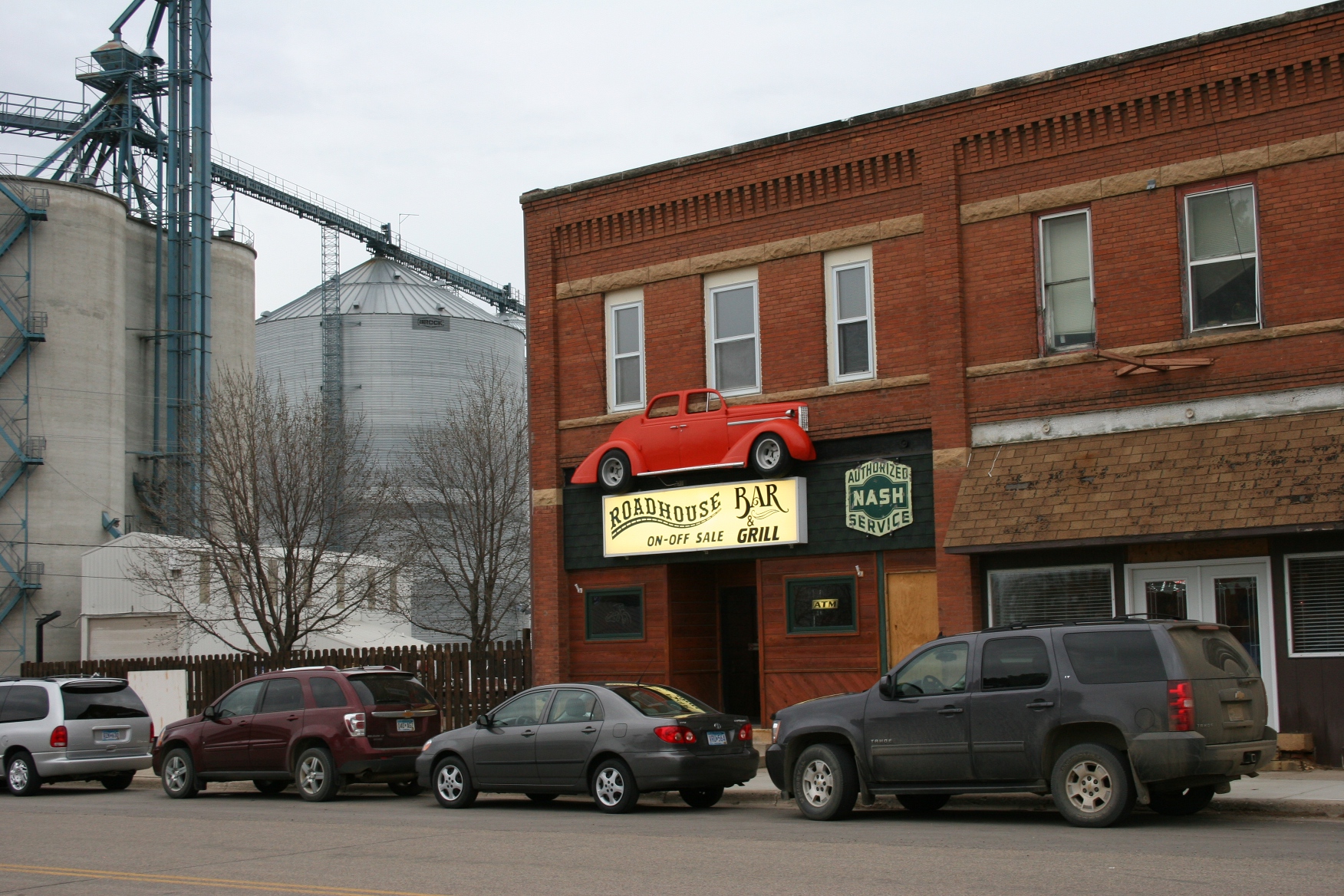
The Roadhouse Bar & Grill is a popular gathering and dining spot in Wabasso. During the summer, old car enthusiasts and motorcyclists gather here for Tuesday evening "Roll-ins" that draw up to 1,000 people. There's plenty of outdoor seating on a sprawling patio where a hamburger bar is set up for the popular event. The Grill also offers an extensive burger and sandwich menu with reasonable prices.

WITH A HALF HOUR wait before we could be seated at the Roadhouse Bar and Grill in Wabasso on a recent Saturday evening, I hit the sidewalk determined to photograph the Main Street of this small southwestern Minnesota town where I attended high school.

This road-side sculpture welcomes travelers to Wabasso, which means white rabbit.

I have, through the decades, discovered minimal familiarity among most Minnesotans with Wabasso, a Redwood County farming community of around 650 that links to Henry Wadsworth Longfellow’s poem, “The Song of Hiawatha.”

Longfellow writes in his section on the Four Winds:

“Honor be to Mudjekeewis!”
Cried the warriors, cried the old men,
When he came in triumph homeward
With the sacred Belt of Wampum,
From the regions of the North-Wind,
From the kingdom of Wabasso,
From the land of the White Rabbit.

I’ve always been told that Wabasso is an Indian word meaning “white rabbit.” I never learned of the poetic connection until researching on my own; English teachers at Wabasso High never taught this, that I recall. I doubt many of the locals are aware of Longfellow’s reference.

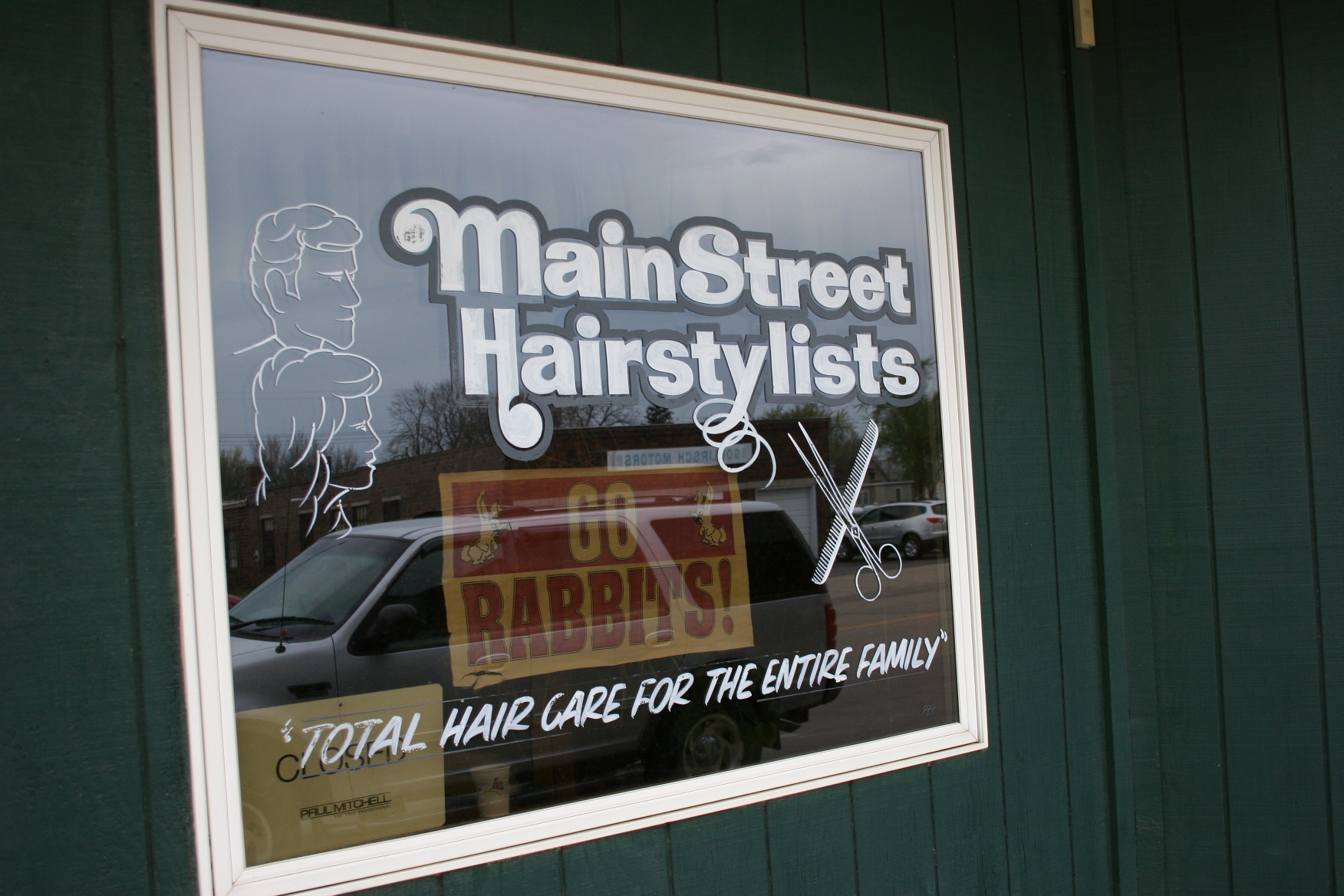
Wabasso is decidedly proud of its white rabbit namesake, though. You’ll find an oversized rabbit statue along State Highway 68 on the south side of town. The public school mascot is, of course, a white rabbit. And, as I found, even local businesses support the Rabbits via storefront signage.

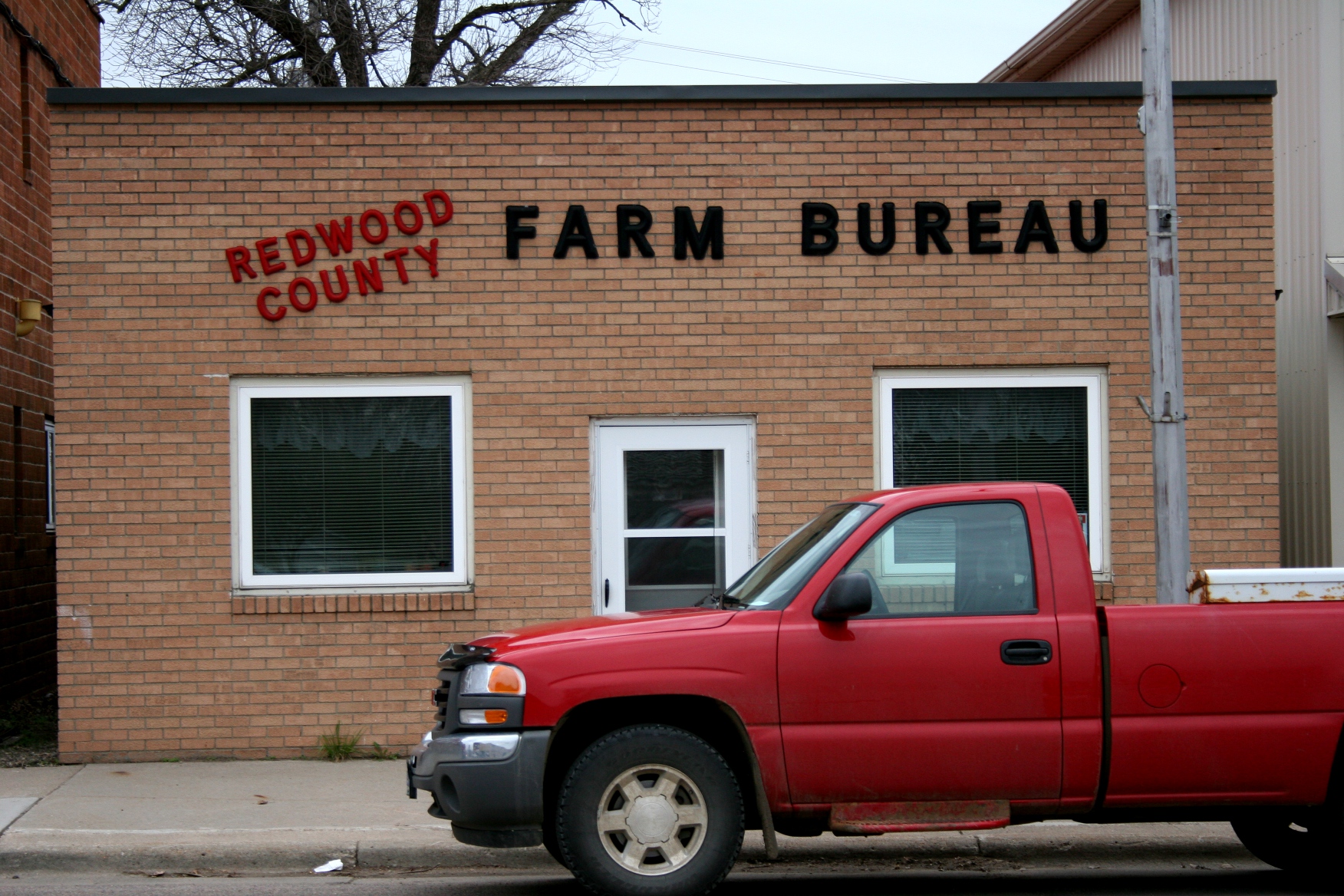
Wabasso’s downtown business district is typical rural Minnesota with a mix of well-kept and deteriorating buildings that border a broad street. Attempts to modernize once stately brick buildings with wood and metal fail and make you wish for a money bag of gold to restore such structures to their original grandeur.

But for now, in this economy, one must choose to appreciate the imperfections of Main Street as adding character to a community like Wabasso, home of the white rabbit.

A broad view of a block along Wabasso's Main Street on a recent Saturday evening.

Wabasso is a strong agricultural-based community. The outgoing Future Farmers of America Minnesota State President Hillary Kletscher (my niece) graduated from Wabasso High School in 2011.

A sign supporting the high school sports team hangs in a salon window.

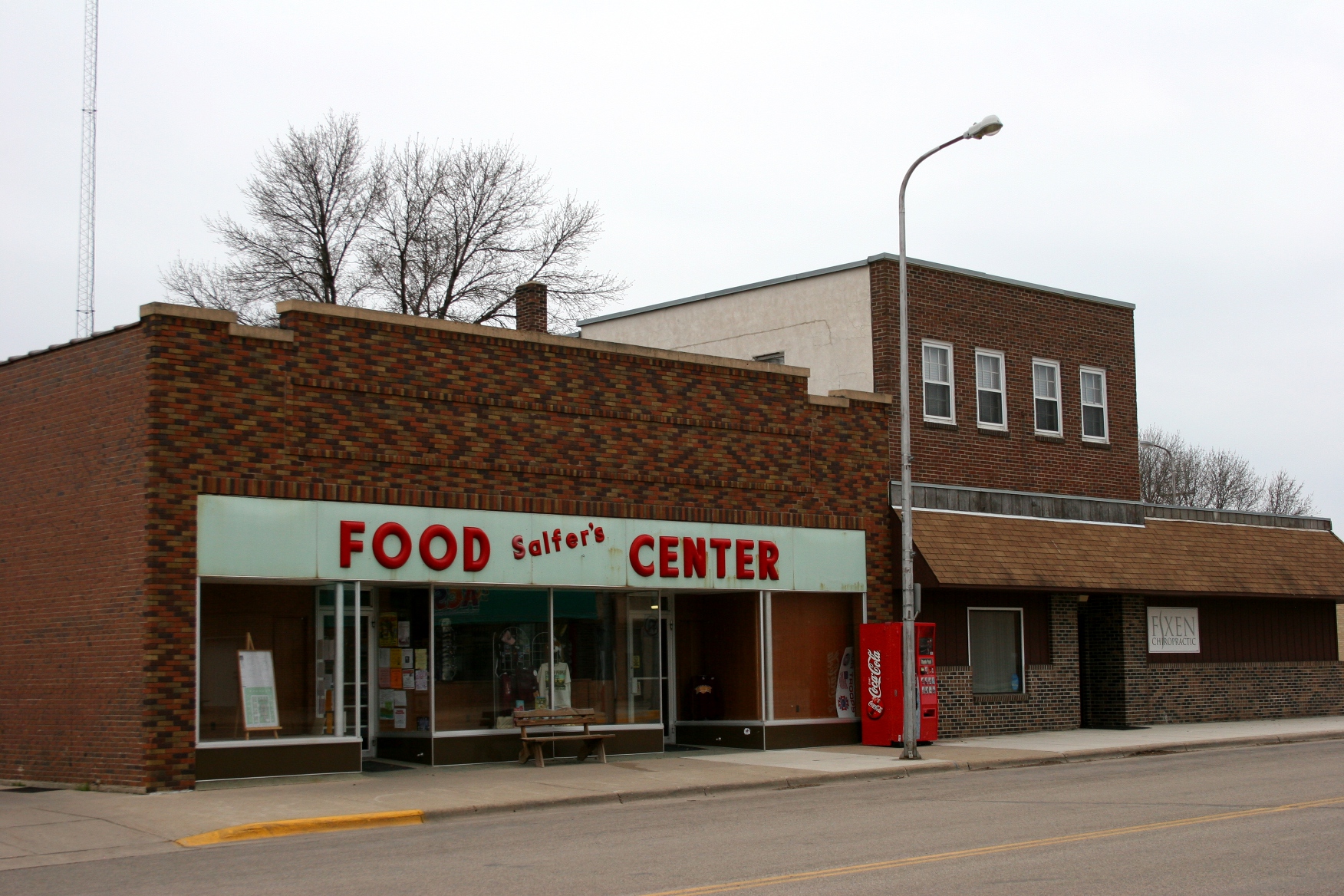
Wabasso is fortunate enough to still have a grocery store.

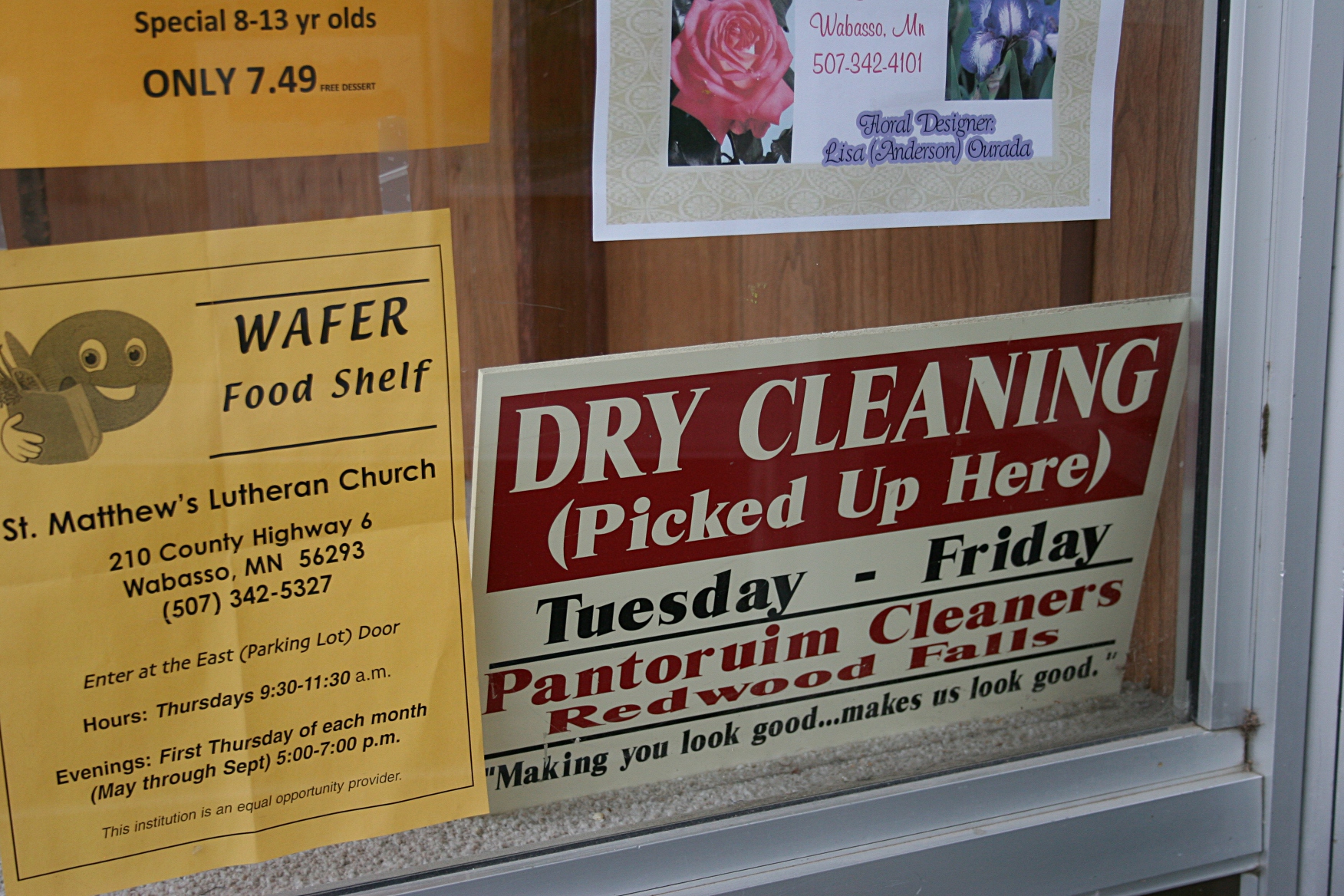
Signage in the window of Salfer's Food Center.

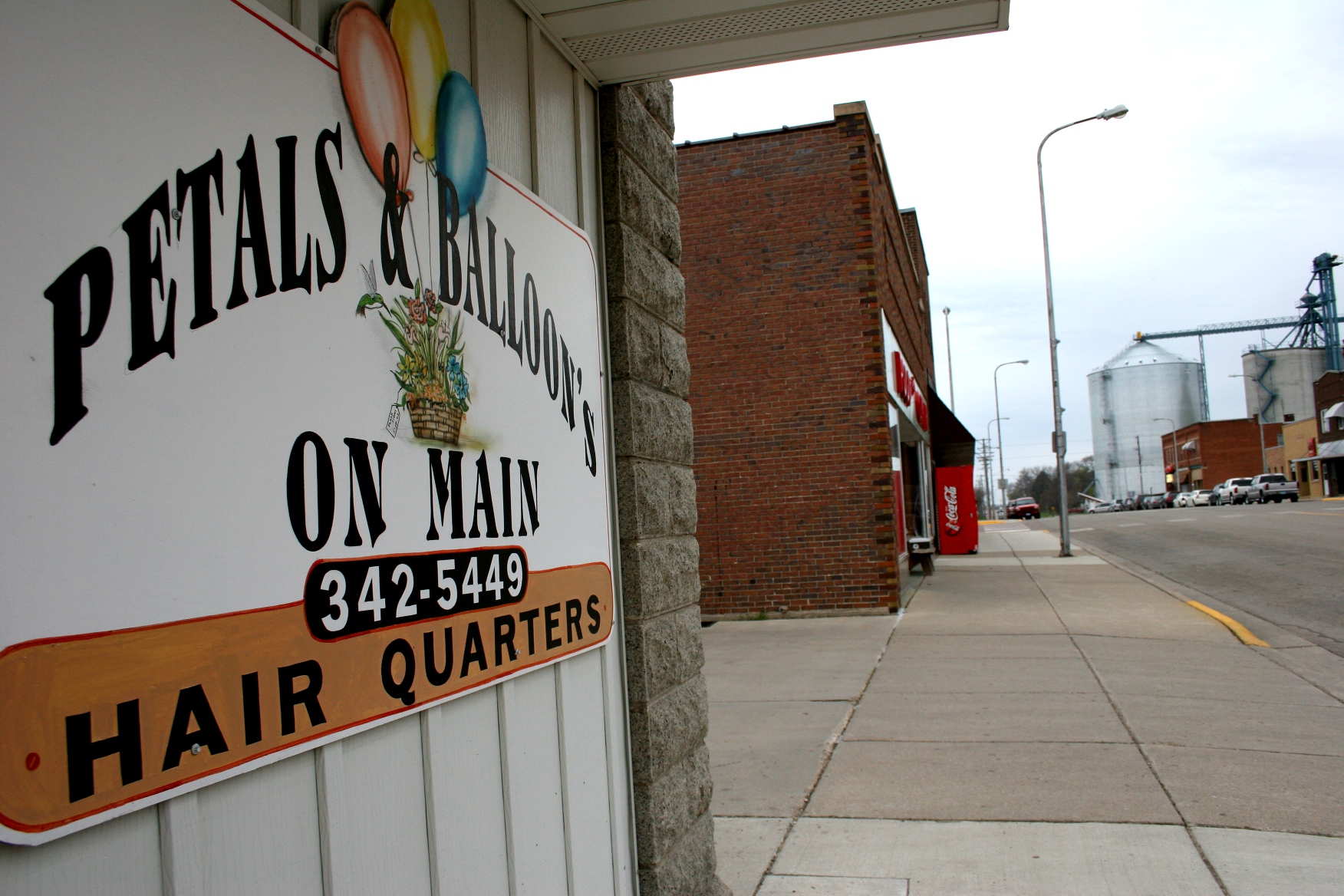
My WHS class of 1974 classmate Marcis owns this combination floral shop and hair salon along Main Street. Marcy was also waiting tables at the Roadhouse the Saturday evening I was in town.

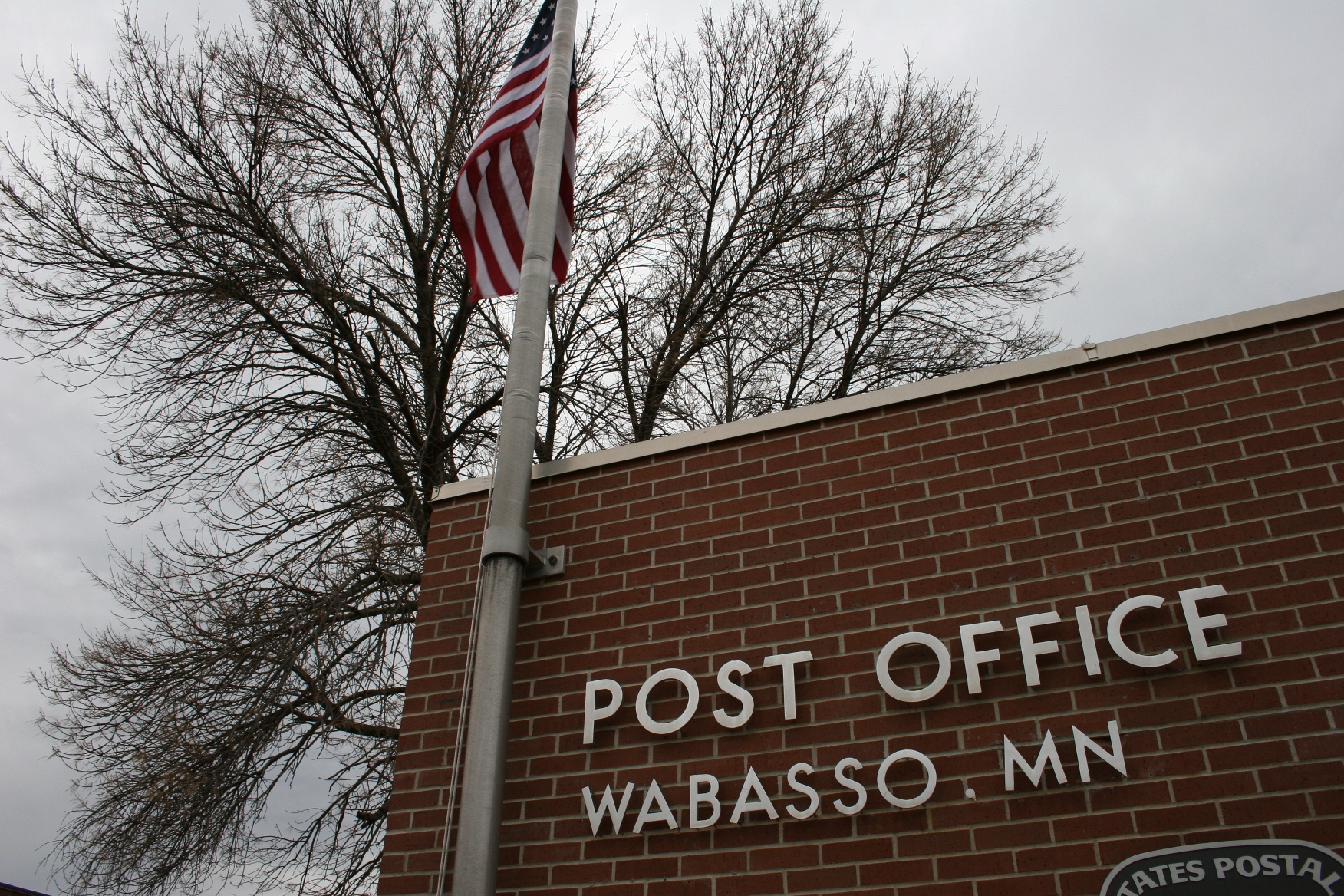
Wabasso is fortunate to also still have a post office, unlike more and more rural communities in Minnesota.

THE PHOTOS IN THIS POST are similar in content to those printed in the just-published spring issue of Minnesota Moments magazine. Photographer Ryan Ware of Chaska and I contributed 16 images from 14 small towns to a photo essay titled “Touring Main Street in Small Town, Minnesota.” The essay is only a small sampling of the hundreds, perhaps even thousands, of images we have taken of small towns and rural areas. Both natives of southwestern Minnesota, Ryan and I share a passion for photography that connects us to our rural roots. I would encourage you to check out Ryan’s photos at his Fleeting Farms blog by clicking here.

CLICK HERE to reach the Minnesota Moments website.

CLICK HERE for more information about the Roadhouse Bar & Grill.

CLICK HERE to learn more about Wabasso.

© Copyright 2012 Audrey Kletscher Helbling


Am I the only mom who thinks prom is ridiculously expensive? April 24, 2012

Filed under: Uncategorized — Audrey Kletscher Helbling @ 8:12 AM
Tags: , , , ,

HOW WOULD YOU react if you reached into your mailbox and pulled out a letter from the county attorney’s office addressed to the “parents of?”

My heart skipped a beat last Thursday morning when I saw my son’s name on that official envelope. Turns out it was simply a mass mailing endorsed by the Rice County Chemical Health Coalition’s Enforcement Team, Rice County Attorney Paul Beaumaster, Faribault Community Action Team, Rice County Safe Communities Coalition and Rice County MADD.

But talk about momentarily scaring the heck out of me. Seriously.

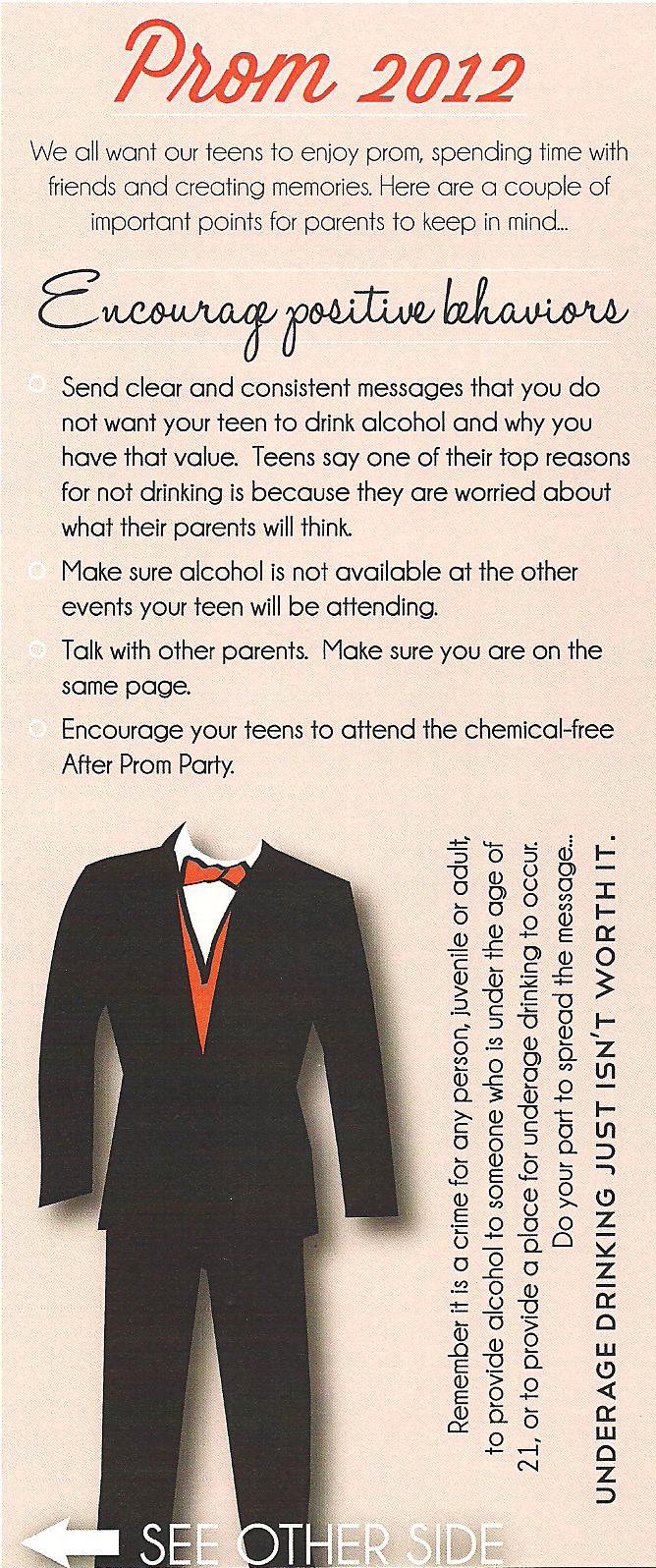
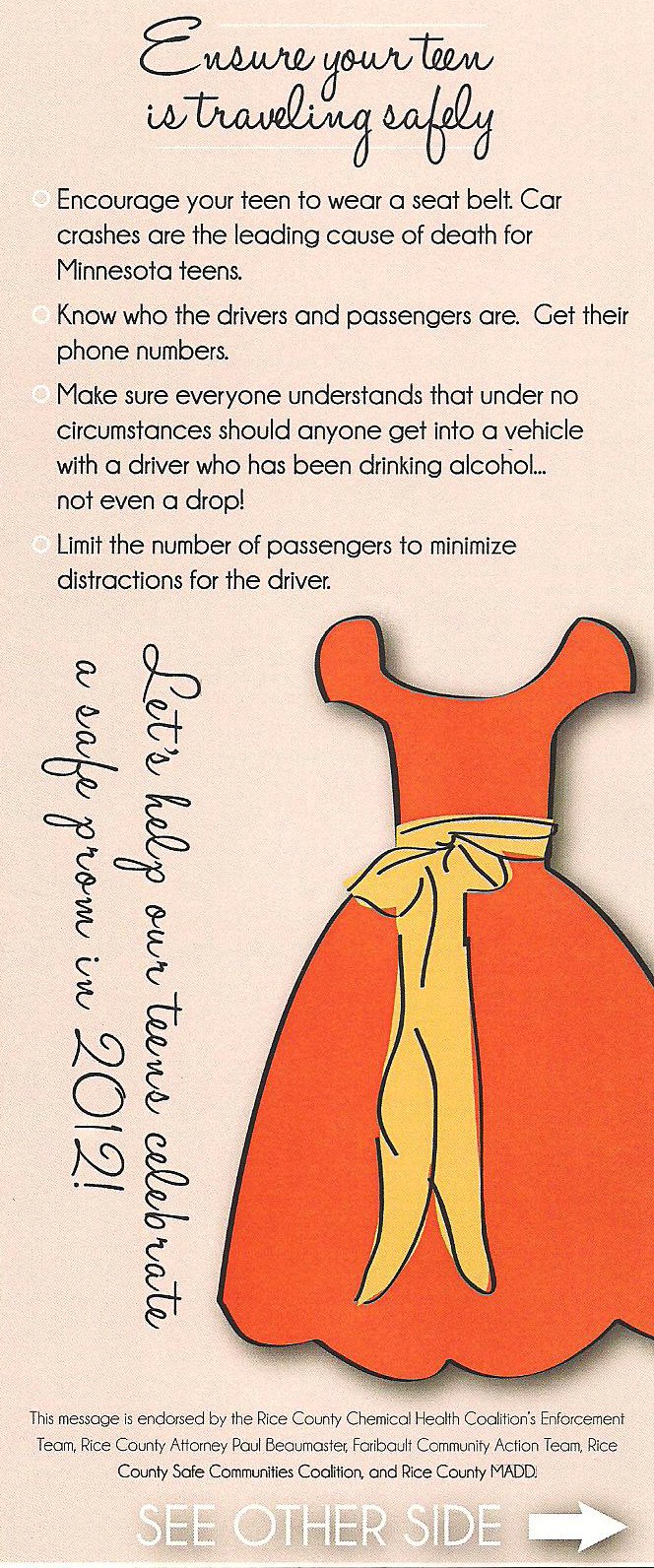
With prom approaching this Saturday at the local high school, these organizations and the county attorney wanted to remind parents and students about safety and legal issues related to driving and to alcohol use. Message received.

If scaring parents by mailing the flier in an official Rice County Attorney’s envelope was the intended result, then they achieved that with me. But I would have preferred delivery of this important information in a less intimidating manner.

Now about prom…, my son isn’t attending. I’m glad. Why? Prom has become so overblown in importance and expense to the point of ridiculousness.

I can’t understand spending hundreds of dollars on clothes, hair styling, photos, flowers, food and transportation for a formal high school dance.

At Faribault High School, the upfront cost to attend prom is $175/couple. That covers transportation to a European style nightclub in St. Paul, a dinner (I think, although it is not listed on the official itinerary) and a dance.

Add to that the dress/tux, shoes and all the other expenses and you’re looking at hundreds of dollars. For prom. For one night.

Is this affordable for parents and students, in this economy, in any economy? Are too many students being priced out of prom? Won’t many of these same students soon hope for college scholarships at senior awards ceremonies and later borrow thousands of dollars for college?

How can parents and students justify hefty prom expenditures? This mother can’t. And, yes, I am financially conservative. None of my three children ever attended their high school proms. Unlike some moms who would be absolutely devastated by this (and, believe me, I know one mom who was frantic when her daughter didn’t have a date months before prom), I was/am not.

How do you feel about the cost of prom and the importance placed upon it? What changes could be implemented to make prom more affordable for anyone who wants to attend? Is too much importance placed on prom? I’d like to hear your opinions and ideas.

And just to assure you that I’m not totally anti-prom, I like to see teens have fun and build memories from their high school days. But within reason.

And, I do see the economic benefits with all that money parents and students are pumping into prom.

© Text copyright 2012 Audrey Kletscher Helbling

Graphics were in the mailing my family received from the Rice County Attorney’s office.


Understanding poetry & connecting it to art in one Minnesota community April 23, 2012

Filed under: Uncategorized — Audrey Kletscher Helbling @ 7:01 AM
Tags: , , , , , , , ,

Viewing art paired with poetry at Poet Artist Collaboration XI at Crossings at Carnegie in Zumbrota.

“POETRY KIND OF SCARES ME….I’m kind of rough around the edges…I don’t always get poetry.”

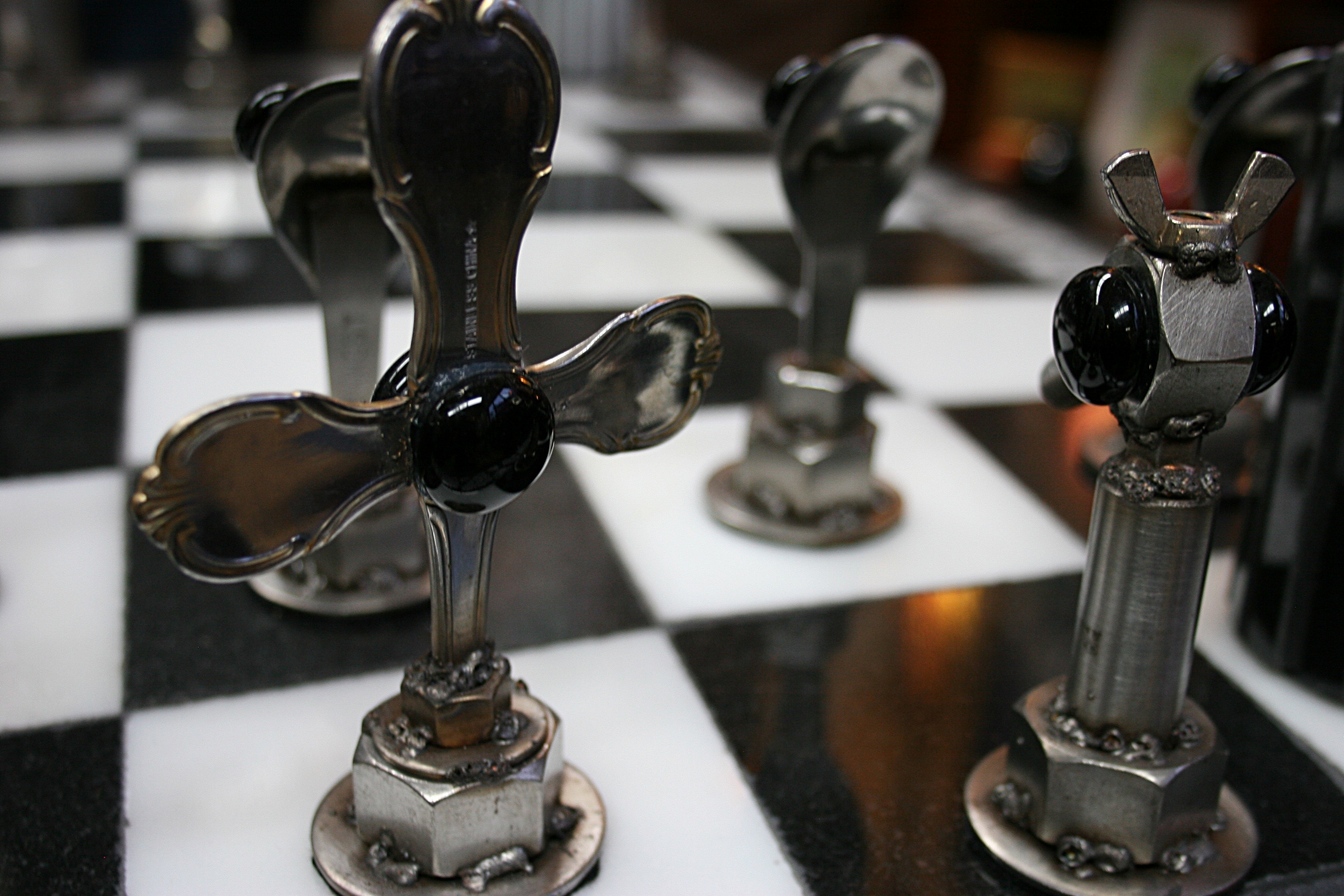
If anything, I appreciate the honesty of Dale Lewis, a Hastings artist who Saturday evening spoke about the table-size chess board he created in response to 12-year-old Fiona Kiger’s poem, “Chess.”

Dale was among 52 artists and poets participating in Poet Artist Collaboration XI, a poetry-inspired art celebration organized by Crossings at Carnegie in Zumbrota.
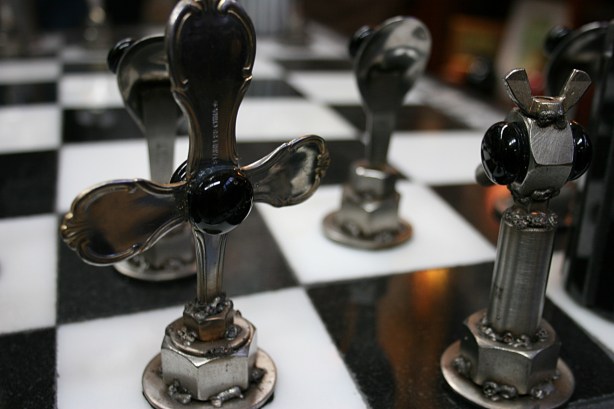
Pieces in the chess set, comprised of wood, marble, granite, stainless steel and glass, created by sculptor Dale Lewis. He titled his art "This is your chess set on poetry" in response to the poetry of Fiona Kiger, a homeschooled student from Rochester who already has completed several chapters in a fantasy book.
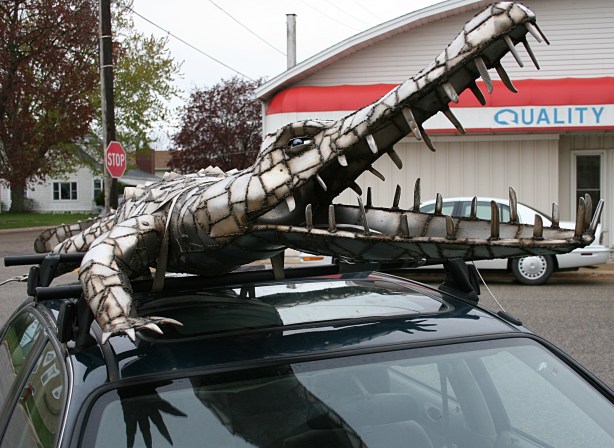
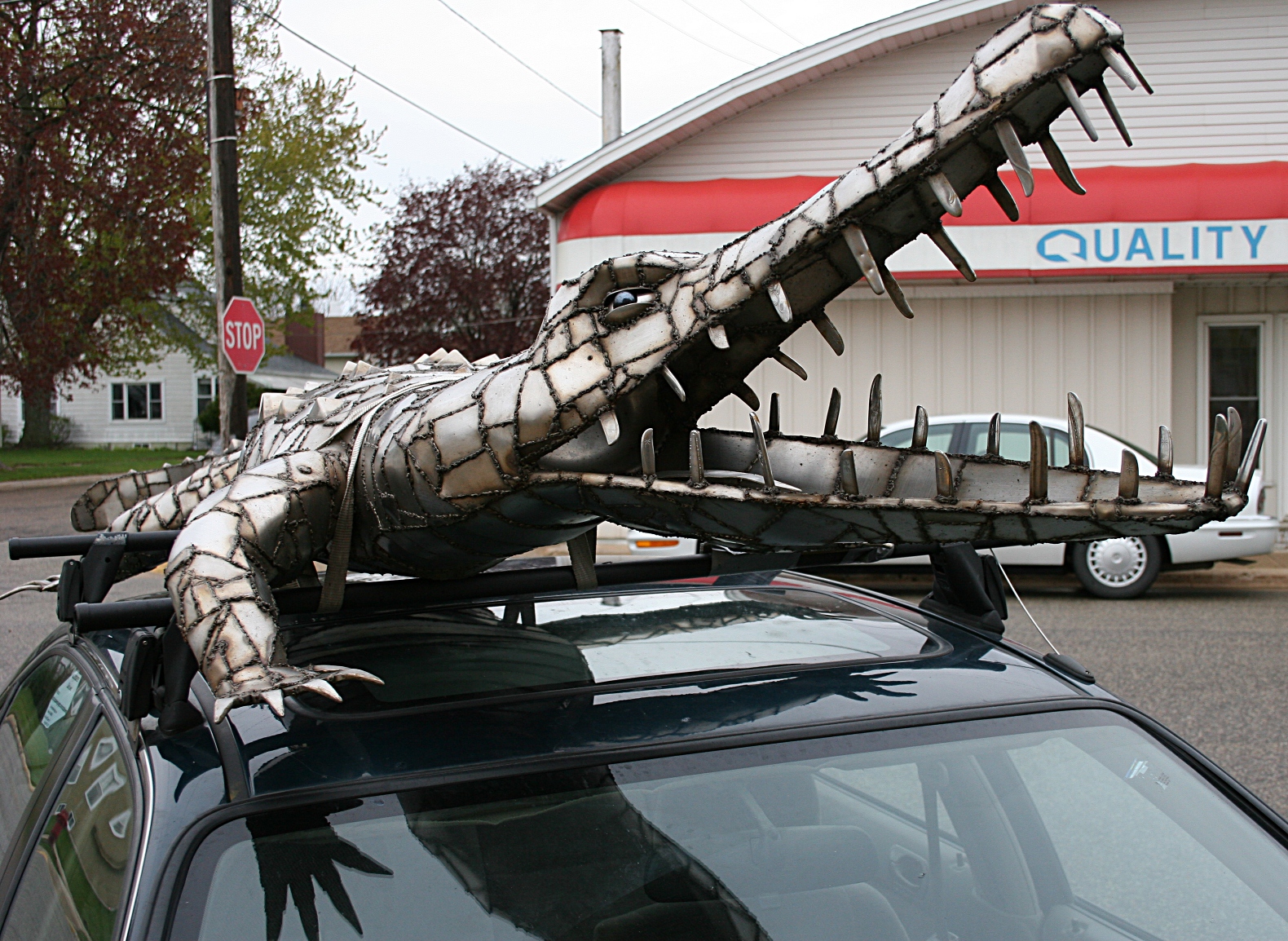
Dale Lewis arrived at Crossings at Carnegie with a crocodile sculpture strapped to the top of his car.

The juried competition and Saturday gala reception and poetry reading/art talk drew a broad spectrum of artists and writers and guests that, I’m certain, included more than a few individuals who feel exactly as Dale does, sometimes somewhat intimidated by poetry. Count me, a poet, among them. I don’t always “get” poetry either.

But events such as the Zumbrota collaboration are helpful in understanding writing that can sometimes, perhaps even oftentimes, cause many to bypass poetry books and avoid poetry readings like the plague.

Listen to Dale: “I’m not as afraid of poets as I was a few weeks ago.”

Neither am I.

It did my writer’s persona good to mingle with other poets and with artists Saturday evening, to hear that no matter where we are in the stages of writing or in creating art, we are in this for the love of our respected crafts. That, I sensed, more than anything.
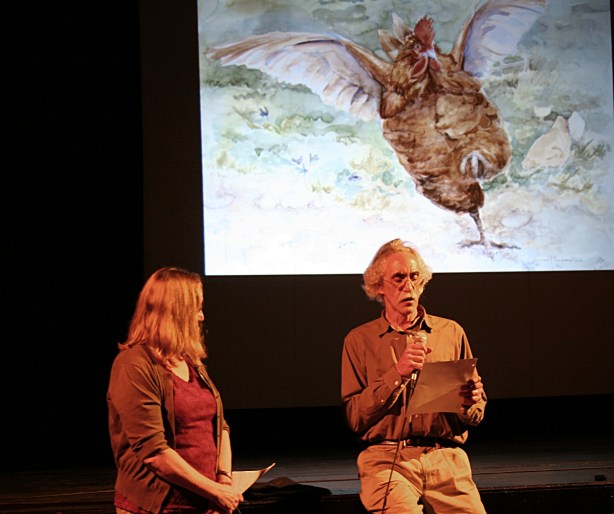
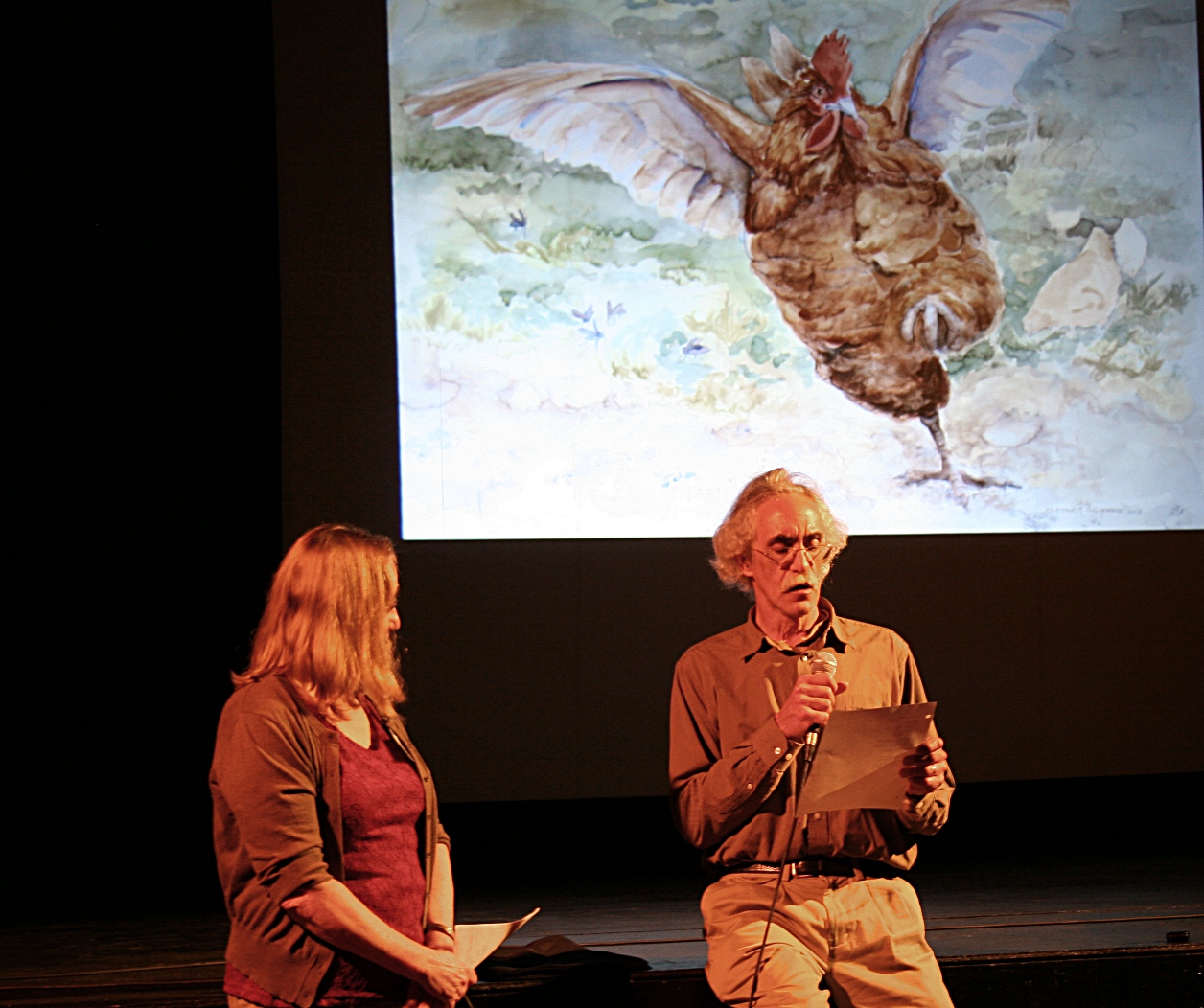
Peter C. Allen reads his poem while Sarah K. Nygaard of Zumbrota, who created the corresponding art, "Long Live the King," looks on. Artwork was projected onto a screen in the reading/ artist talks at the 90-year-old historic State Theatre just down the block from Crossings at Carnegie.

I met poet Peter C. Allen from Kenyon, who lives on a hobby farm and read his “Chicken Crossing,” slinging out a line (which I can’t repeat here) that caused the audience to erupt into raucous laughter.
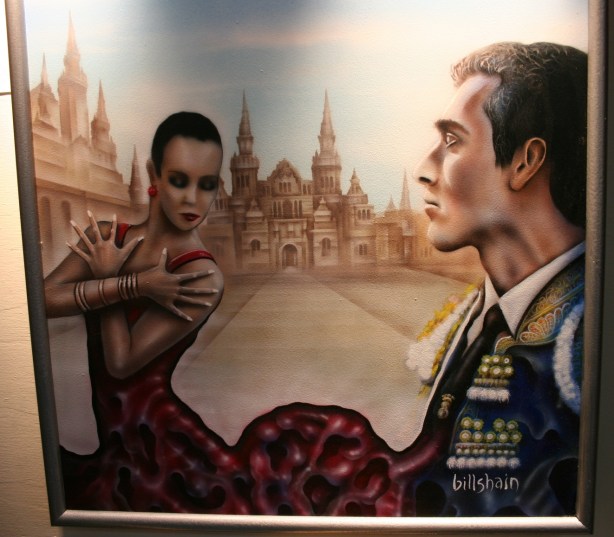
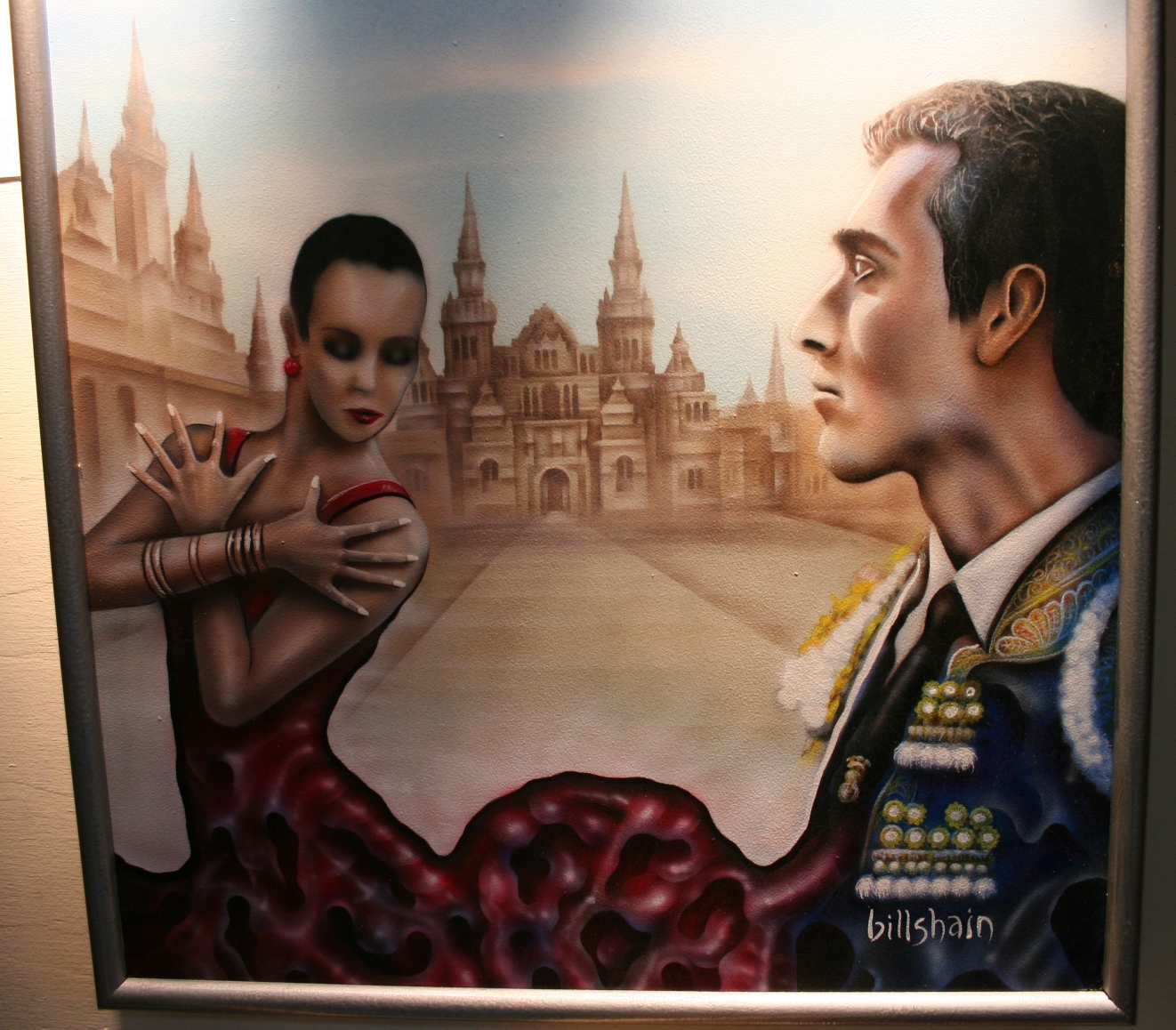
Pine Island artist Bill Shain's airbrushed composition was inspired by Patrick L. Coleman's poem. Patrick's poem, Bill says, seems like a page out of a romance novel. He went out of his comfort zone, Bill says, to create "Power and Surrender." In his painting the woman has power over the man, her red dress like the cape of a matador and also resembling bowels.

I met Patrick L. Coleman of Minneapolis, who, during his introduction to “Frederica Reminisces” caused me to feel a bit inadequate when he mentioned that his poem initiated as an assignment in a Loft poetry class. But later, when I met Patrick and his wife, Donna, we instantly connected. He’s a retiree who decades ago turned down a journalism scholarship to the University of Minnesota to pursue a career as a bio chemist. Today he is working on a mystery novel and sometimes writing poetry.
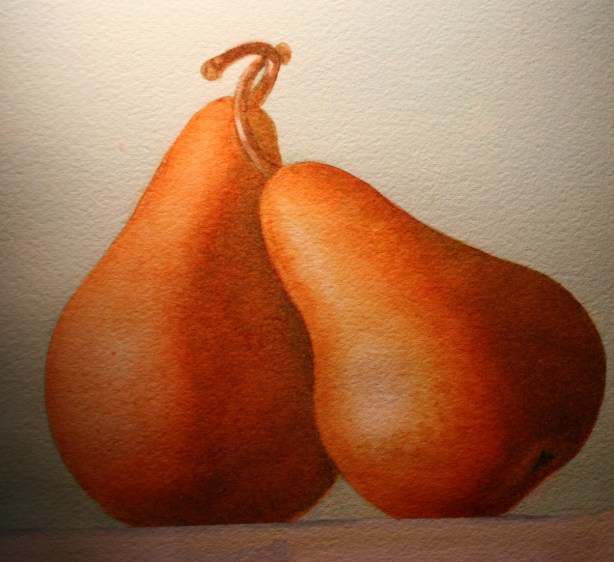
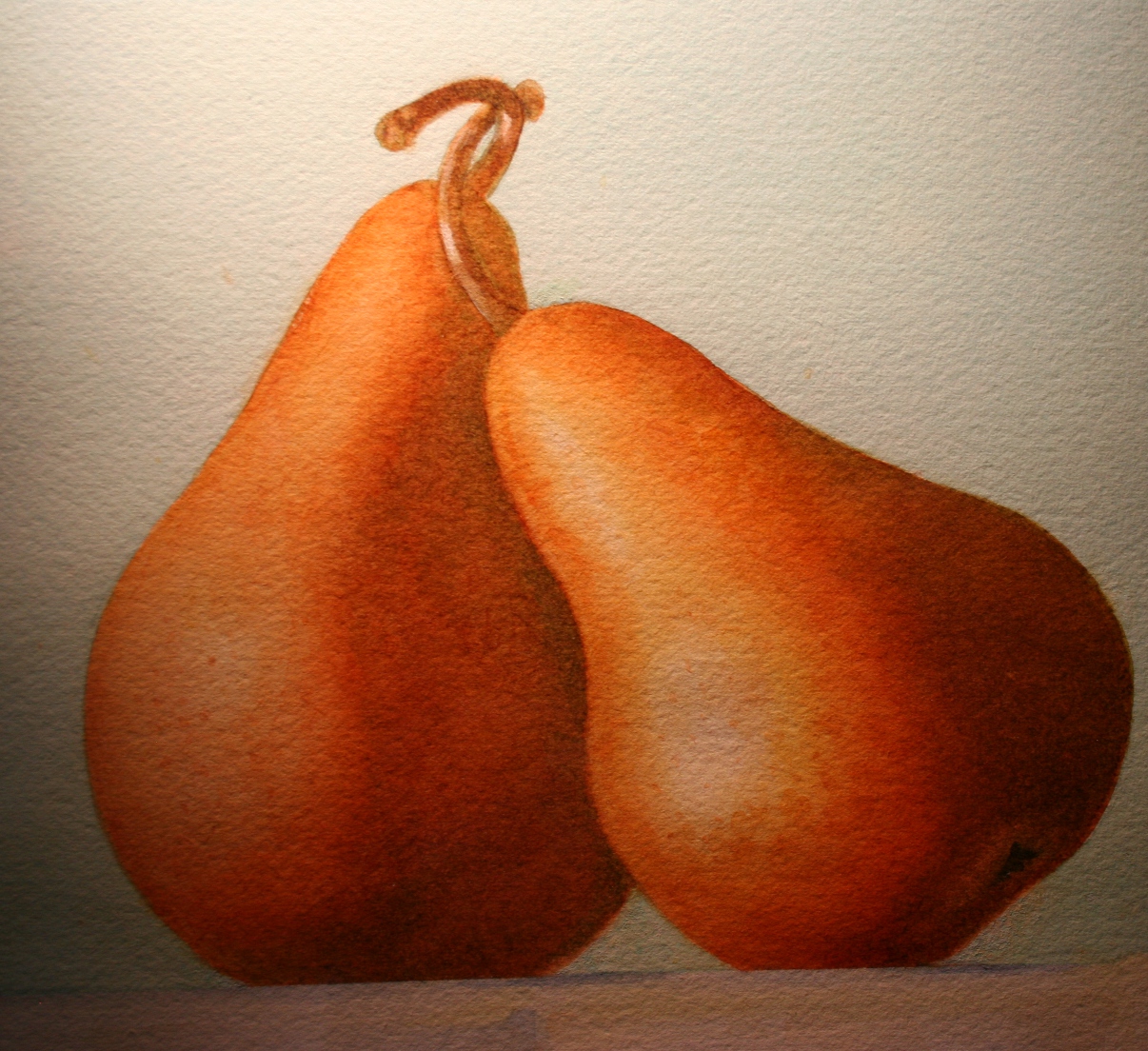
Toni Stevens of Rochester painted "A Loving Pear," a watercolor inspired by the poem, "Traveler," by Elise Gregory of Ellsworth, Wisconsin. This is a close-up of that painting.

I listened to Betty J. Benner of Austin spin her story-poem of rhubarb and cucumbers left on her front steps during a reading of “This is just to say.” Betty acknowledged to me earlier that she had deviated from her usual serious poetry to pen a humorous piece. The audience responded with laughter.

Likewise, a St. Louis Park poet drew chuckles when she introduced herself as Sandy Beach followed by “Yes, that’s my real name.”

While many of the poems were infused with humor, several were immersed deep in emotions, reflecting on life and death. Others recalled memories. And others held a strong sense of place.

Janelle Hawkridge of Winnebago and her paired artist, Katherine E. Smither of Rochester, honored women in their collaboration on, the most unlikeliest of subjects, a 70-year-old’s spider/varicose-veined legs. Janelle’s poem, “A Work of Art,” particularly, resonates with me. She views those imperfect, aging legs as history, a life story, a work of art.

The poets read with passion. The artists spoke with passion. They connected. You could hear it in their words, see it in the locking of their eyes, a touch on the shoulder, a nod of the head.

In the end, poet Ronald J. Palmer of Bloomington, who wrote about the stages of life in “The Significance of Traffic Lights,” perhaps best summarizes the feelings of many attending the poetry reading/art talk in Zumbrota: “I think poetry and art should be together more often.”

That recommendation, Ronald, gets a green light from me.
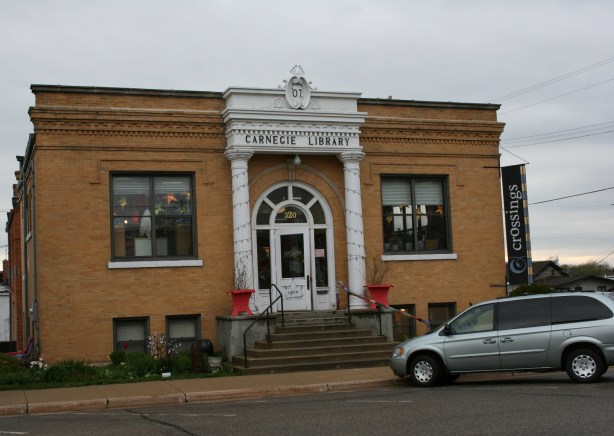
Crossings at Carnegie, a privately-owned art center, is housed in a former Andrew Carnegie library built for $6,500 in 1908 in the Classical Revival style.

CLICK HERE to learn more about Poet Artist Collaboration XI, which closes April 26 at Crossings at Carnegie in Zumbrota.
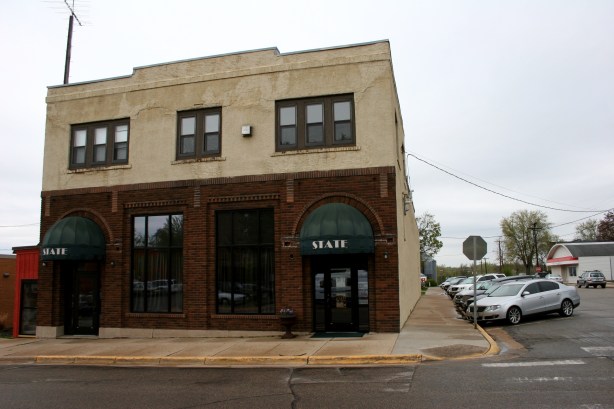
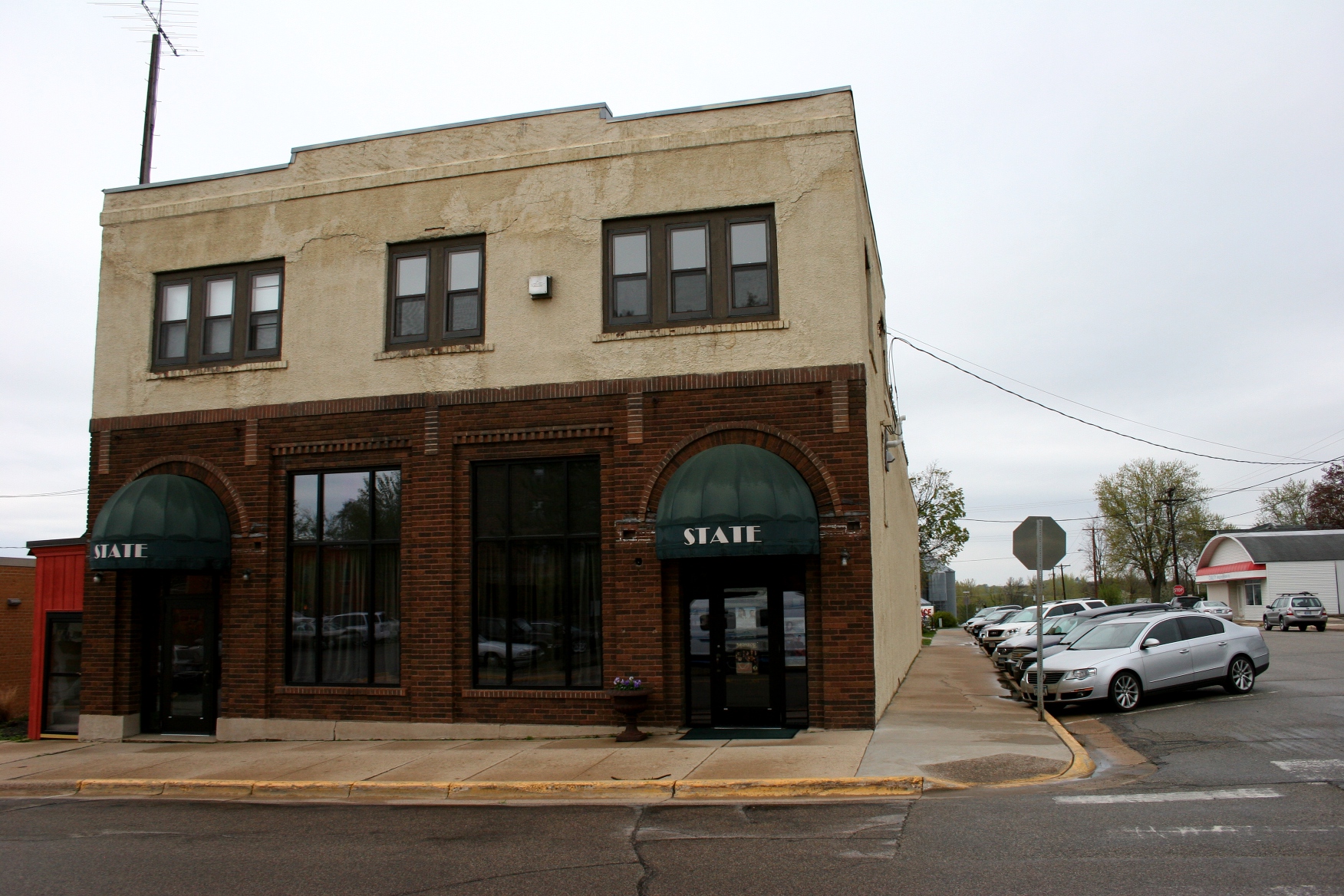
The poetry reading/artist talks were held in the State Theatre, built in 1921 for $38,000. Up until recently, movies were still shown in the theatre. In December 2011, the Zumbrota Area Arts Council purchased the theatre and is currently raising monies to renovate the building.

CLICK HERE to learn more about the historic State Theatre.

CLICK HERE to read an earlier blog post about my poem, “Her Treasure,” and artist Connie Ludwig who created “Pantry Jewels,” inspired by my writing.

FYI: Close-up photos of the two art pieces were taken with permission of the artists. Permission was not sought to reproduce the copyrighted poetry. Therefore it is not featured here.

© Copyright 2012 Audrey Kletscher Helbling


Celebrating poetry and art in Zumbrota on a Saturday evening April 22, 2012

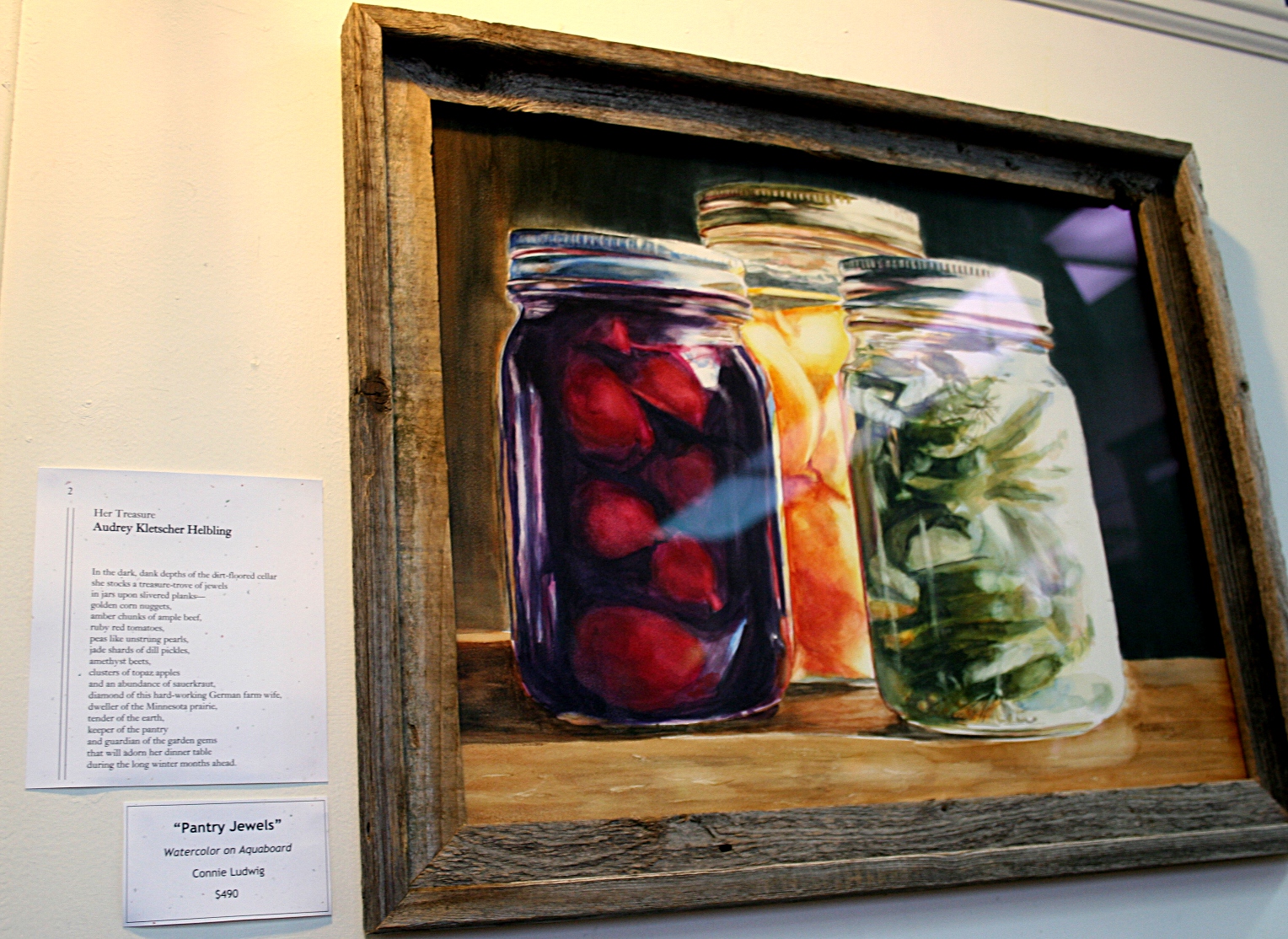
Artist Connie Ludwig's "Pantry Jewels," inspired by my poem, "Her Treasure." (Please excuse the glare on the glass; there was no way to avoid it while photographing the painting.)

Her Treasure

In the dark, dank depths of the dirt-floored cellar
she stocks a treasure-trove of jewels
in jars upon slivered planks—
golden corn nuggets,
amber chunks of ample beef,
ruby red tomatoes,
peas like unstrung pearls,
jade shards of dill pickles,
amethyst beets,
clusters of topaz apples
and an abundance of sauerkraut,
diamond of this hard-working German farm wife,
dweller of the Minnesota prairie,
tender of the earth,
keeper of the pantry
and guardian of the garden gems
that will adorn her dinner table
during the long winter months ahead.

#

I MET “MY ARTIST” Saturday evening and saw the art she created, inspired by my poem (above).

And I use those words, “my artist,” because I feel connected to Connie Ludwig of Goodhue. She, like 25 other artists participating in Poet Artist Collaboration XI at Crossings at Carnegie in Zumbrota, took words of poetry and shaped them into art.

“Her Treasure,” under Connie’s paintbrush, became “Pantry Jewels.” The earthy watercolor painting of canned beets, pickles and peaches glows with the perfect balance of light and darkness, with sunlight filtering through glass and glinting off the golden rings that lock in garden goodness.

Connie understands my poem—the memories of my mother canning fruits and vegetables in her southwestern Minnesota farmhouse kitchen. She understands the dark dirt-floored cellar in which these preserves were stored upon rough boards. She understands the importance of honoring the women who honored the land by feeding their families with the fruits of their labors.

In the chapbook published for Crossings’ Poet Artist Collaboration XI, Connie writes:

My mother and aunts loved gardening and canning. They considered those “squirreling skills an essential part of themselves. I have wonderful memories of the ladies showing off, trading and sharing their canned jewels. And, of course, feeding them to us. The models for this painting came from the pantry of my husband’s cousin.

Connie, right, and I pose for a photo after a 90-minute presentation in which 26 poets read their poems and 26 artists talked about how the poems inspired their art. Note Connie's "Pantry Jewels" painting just above my head to the left. If I could buy this $490 watercolor on aqua board, I would in a snap. I love it that much and how it honors my rural roots. But I can't... If you're interested, contact Crossings.

Connie, thank you for transforming my poem into such down-to-earth, beautiful art that touches my soul. Your painting was all I hoped for in this process of poetry inspiring art.

A snippet shot of the crowd at Crossings at Carnegie, including Marie Marvin, center in blue. This place was elbow-to-elbow people during the hour-long gala reception before and after the poetry readings and artist talks held at the next door historic State Theatre. There were 26 poems selected from around 180 submissions for this juried Poet Artist Collaboration, now in its 11th year.

Thank you also to the artists and poets and guests who took the time to thank me for writing “Her Treasure.”

Thank you to my husband, Randy, for always supporting me in my writing.

To Crossings at Carnegie, and specifically Marie Marvin who opened the art center in 2001, thank you for acting as the driving force behind this collaboration. The phenomenal (or as I would say, overwhelming) turn-out is a tribute to the hard work of your team. I’d like to see more events like this through-out Minnesota that pair words and art.

To be one of the 26 poets selected for inclusion truly brought me joy. To mingle with so many poets and artists for an evening inspired and validated for me the importance of the arts in our lives.

Crossings at Carnegie, housed in a former Carnegie library, is a privately-owned cultural, visual and performing arts center in Zumbrota. I love the rural atmosphere with the hardware store and grain elevator just down the street. I need to return to Crossings as I was overwhelmed (crowd-wise and visually) on this busy evening.

I’d encourage you, if you have not seen this exhibit at Crossings, 320 East Avenue, to take it in before the April 26 closing date. Click here for more information.

Also check back here for an additional post from Poet Artist Collaboration XI.

© Copyright 2012 Audrey Kletscher Helbling
 

Fancy, fancy food at a baby shower April 20, 2012

Filed under: Uncategorized — Audrey Kletscher Helbling @ 7:26 AM
Tags: , , , ,

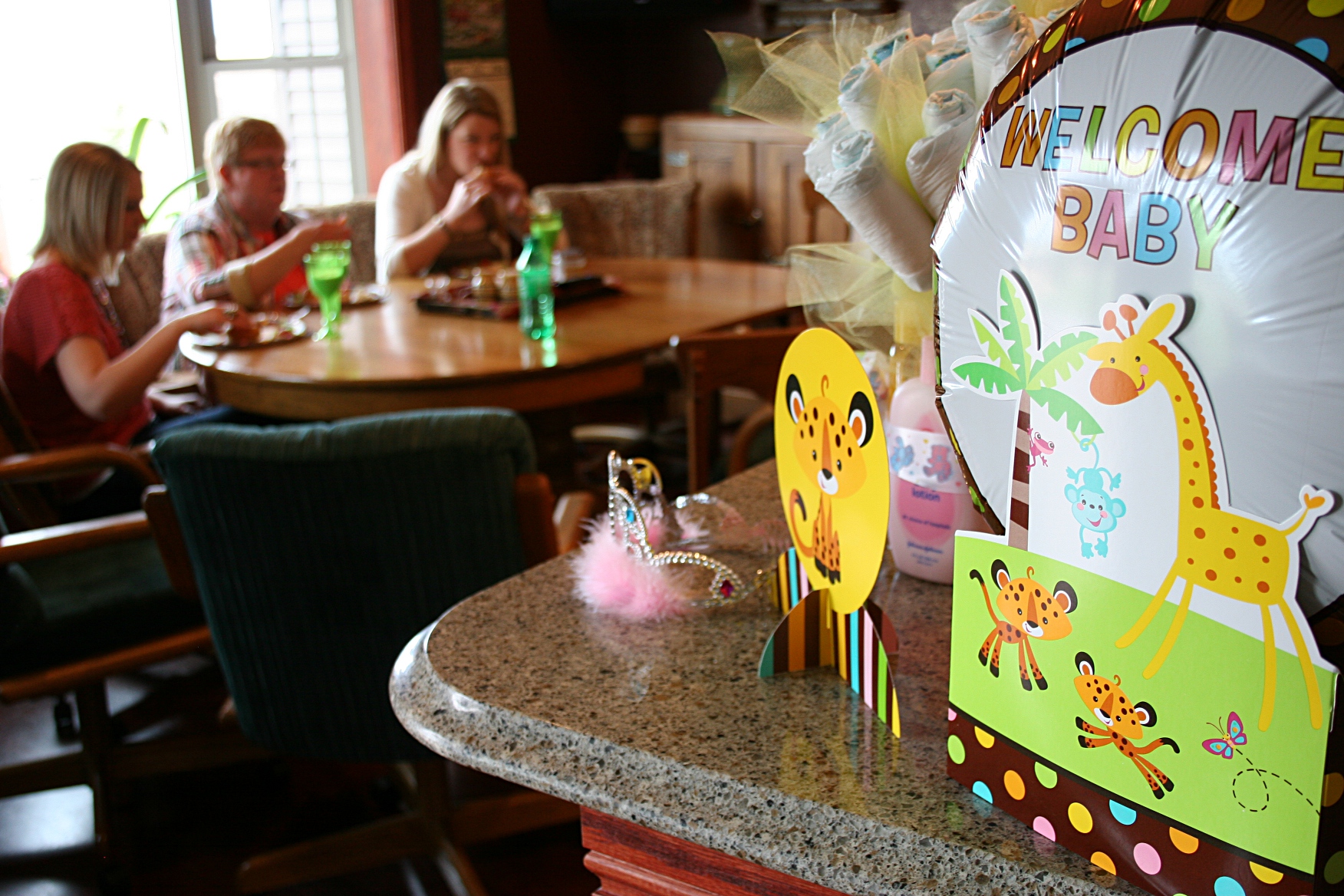
In the background, an aunt-to-be, the grandmother-to-be and the mother-to-be enjoy a little lunch before gift-opening at a family baby shower.

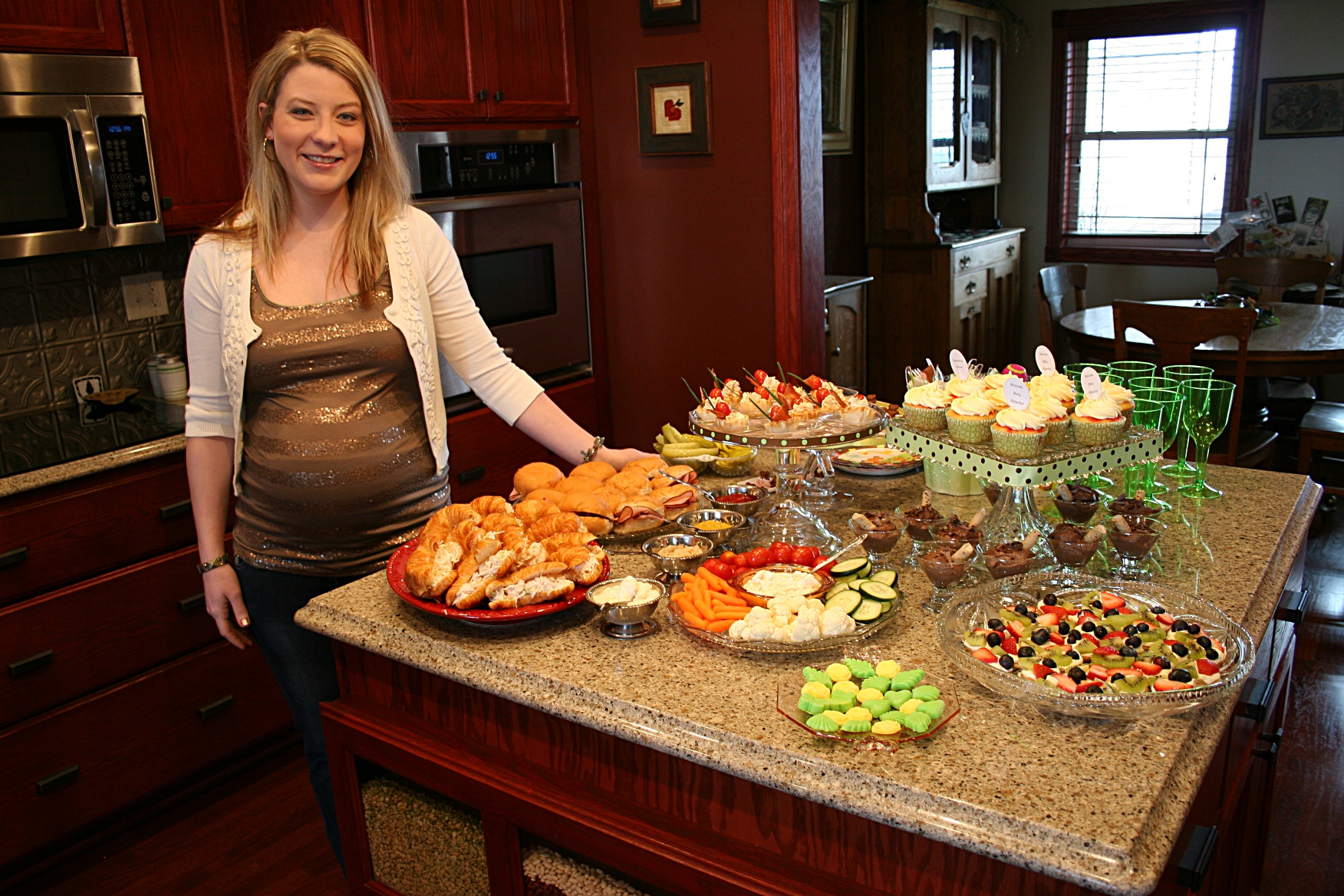
LEAVE IT TO MY CREATIVE SISTER, Lanae, and her equally creative daughter, Tara, to create fancy food which, when photographed, could grace the pages of a food magazine.

No wonder they asked me to simply bring veggies and dip to a baby shower Saturday afternoon for my nephew’s wife, Adrienne. I possess neither the knowledge, skills or talent to pull together a Martha Stewart-like spread, although I suppose I could be taught.

Just look at these dainty and lovely foods. Pretty fancy fare for someone like me who admits that cooking is not her forte.

The mother-to-be, Adrienne, poses for photos before we eat from this sumptuous spread of chicken salad and deli ham sandwiches; bacon-cheese filled phyllo shells; fruit pizza; teddy grahams with fruit dip; cupcakes; chocolate mousse; vegetables and dip; pickles; and homemade mints.

I pulled out my notebook at one point during food preparations and joked that I would be taking notes for future reference. I didn’t. Rather, I will rely on photos to guide me when I am in the position someday as the baby shower food planner.

For this Saturday afternoon, I was quite content to allow the creative mother/daughter team to pull out their pastry bags and their dip mixes, their chocolate shavings and chives spears and more to craft morsels that were almost too pretty to eat.

The mother-to-be was impressed. Who wouldn’t be?

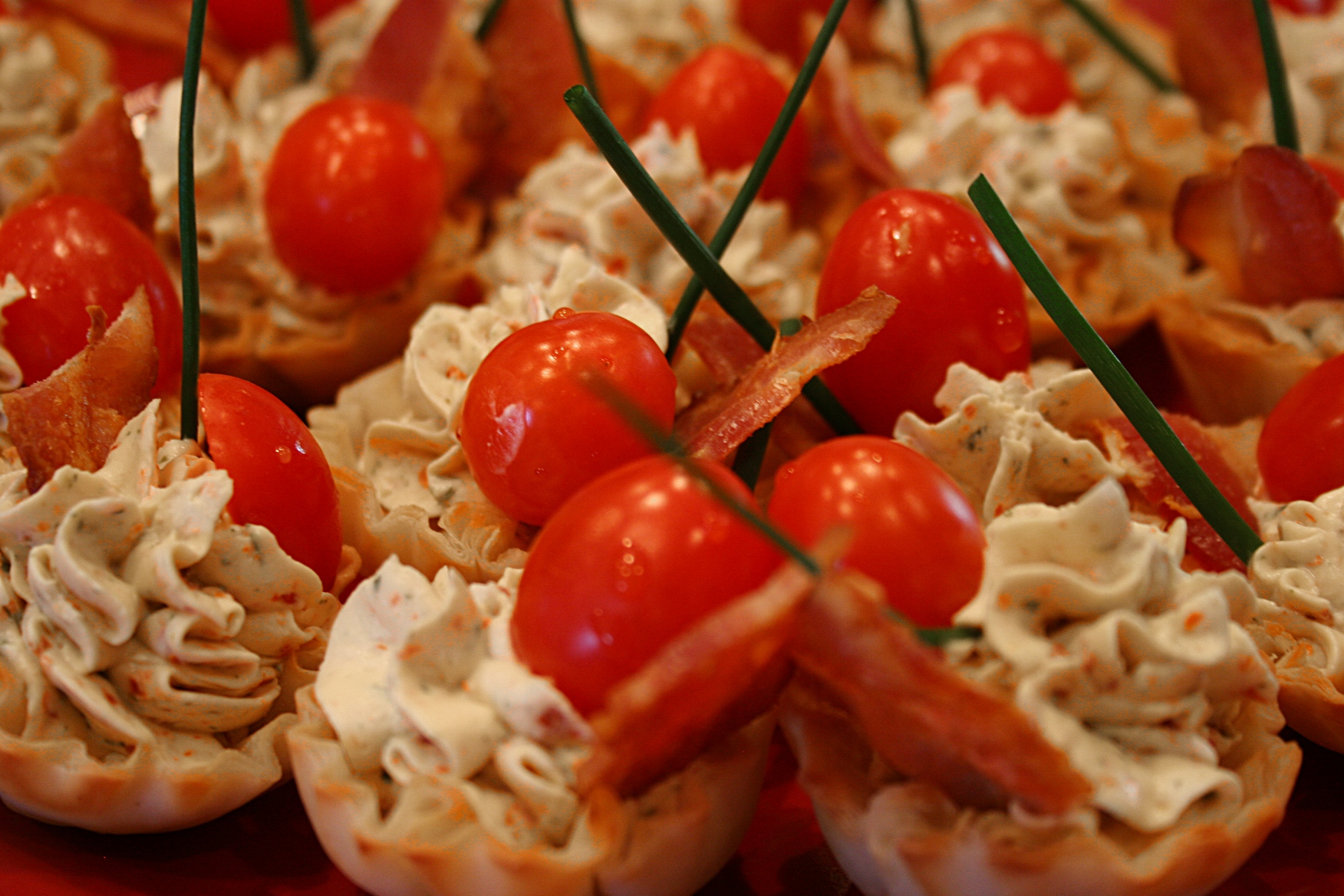
A cheesy bacon mix was piped into each phyllo shell and then topped with a grape tomato, a snip of bacon and a spear of chives. So colorful and absolutely delicious. You cannot eat only one of these.

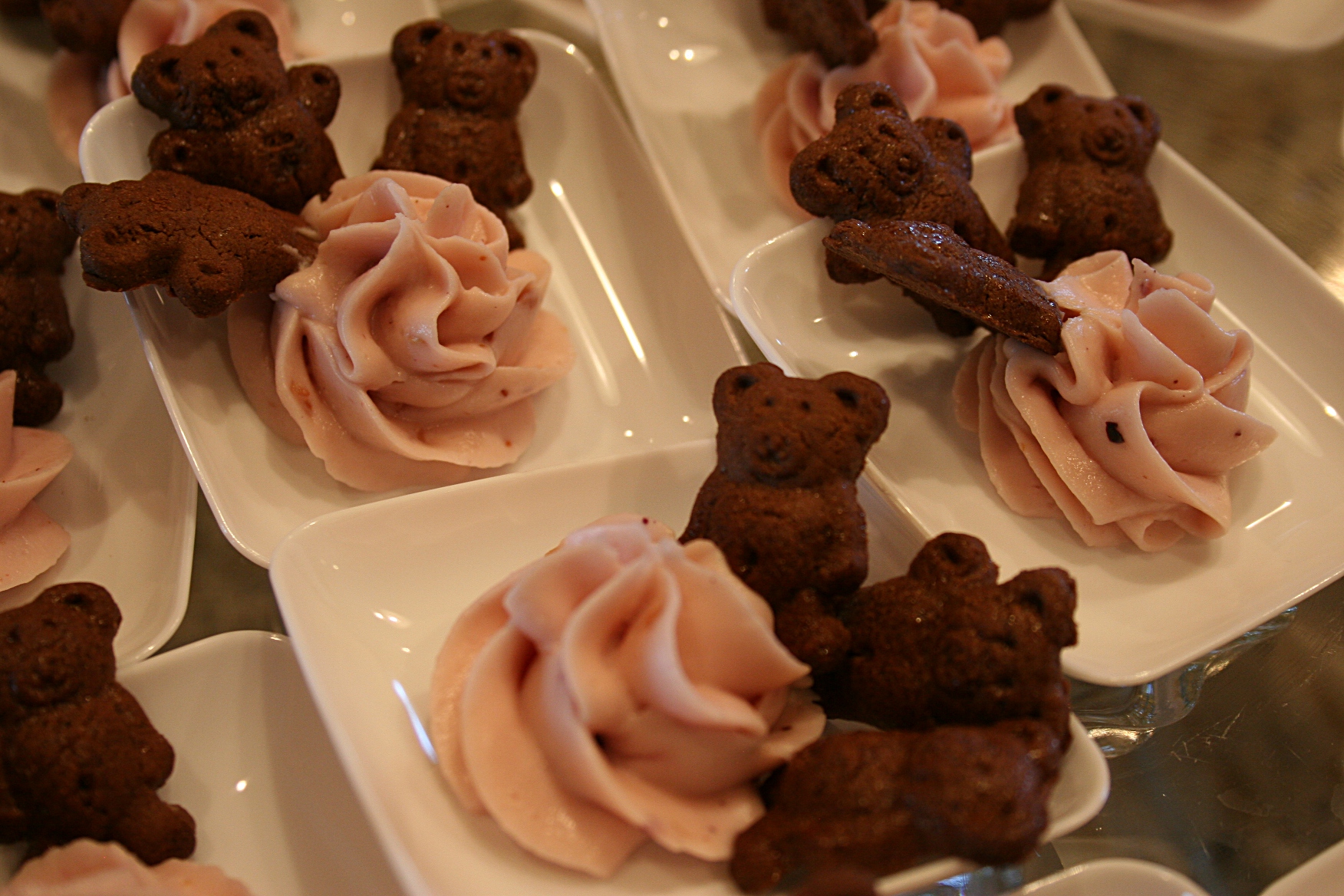
A triple berry fruit dip mix was piped onto these mini plates for dipping teddy grahams. So cute.

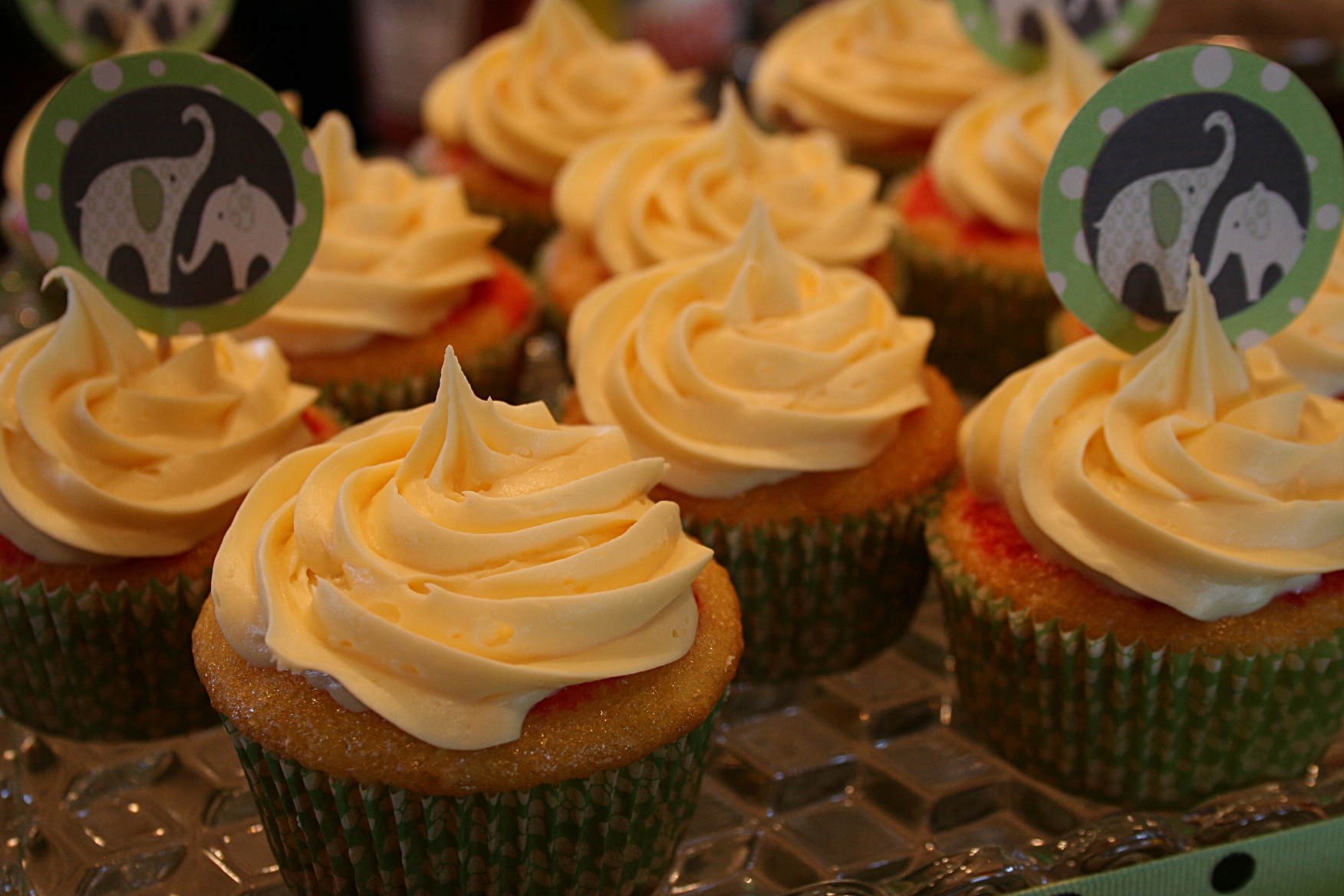
Perfect yellow cupcakes with a layer of raspberry under the frosting, topped with adorable elephant graphics.

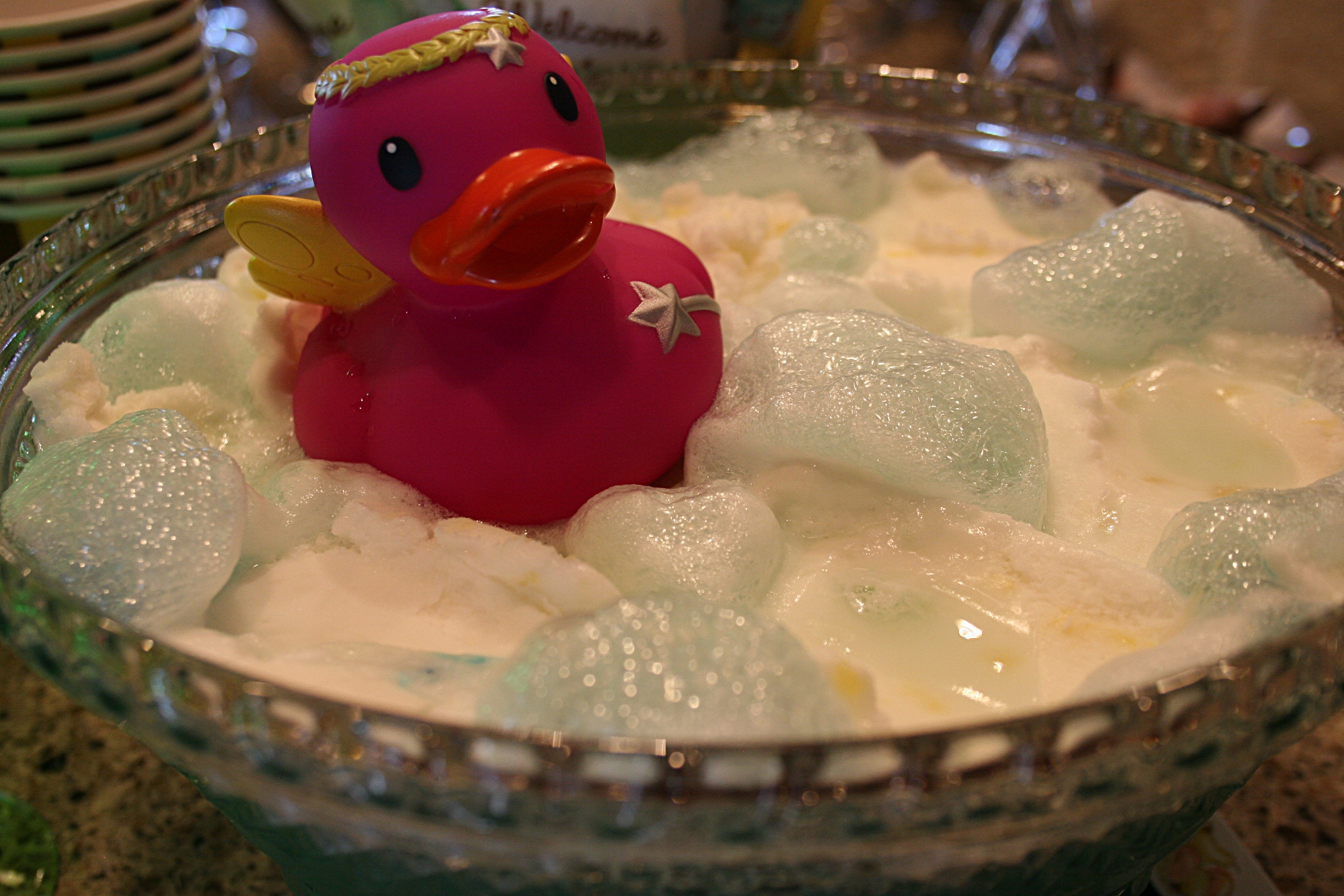
After all in attendance ooohed and ahhhhhed over the food and over foamy punch in which a rubber ducky floated, we also discussed pregnancy weight gain and birth weights and the sex of the unborn baby in the 3-D ultrasound images that were passed around. There was also talk about cute babies and ugly babies and whether the unborn child would have “Kletscher ears,” meaning ears that aren’t exactly tiny and head-hugging.

The punch, made to resemble soapy bathwater, includes ginger ale, blue Kool-Aid and pineapple sherbet to form the "bubbles." I may have missed an ingredient in this punch prepared by Vicki.

We laughed and savored each others’ company and the joy that always comes in anticipating the arrival of a new family member. I fully expect that when we gather again, after the birth in mid June, we’ll sit with open arms, each of us awaiting our turn to hold the baby, the precious, precious baby.

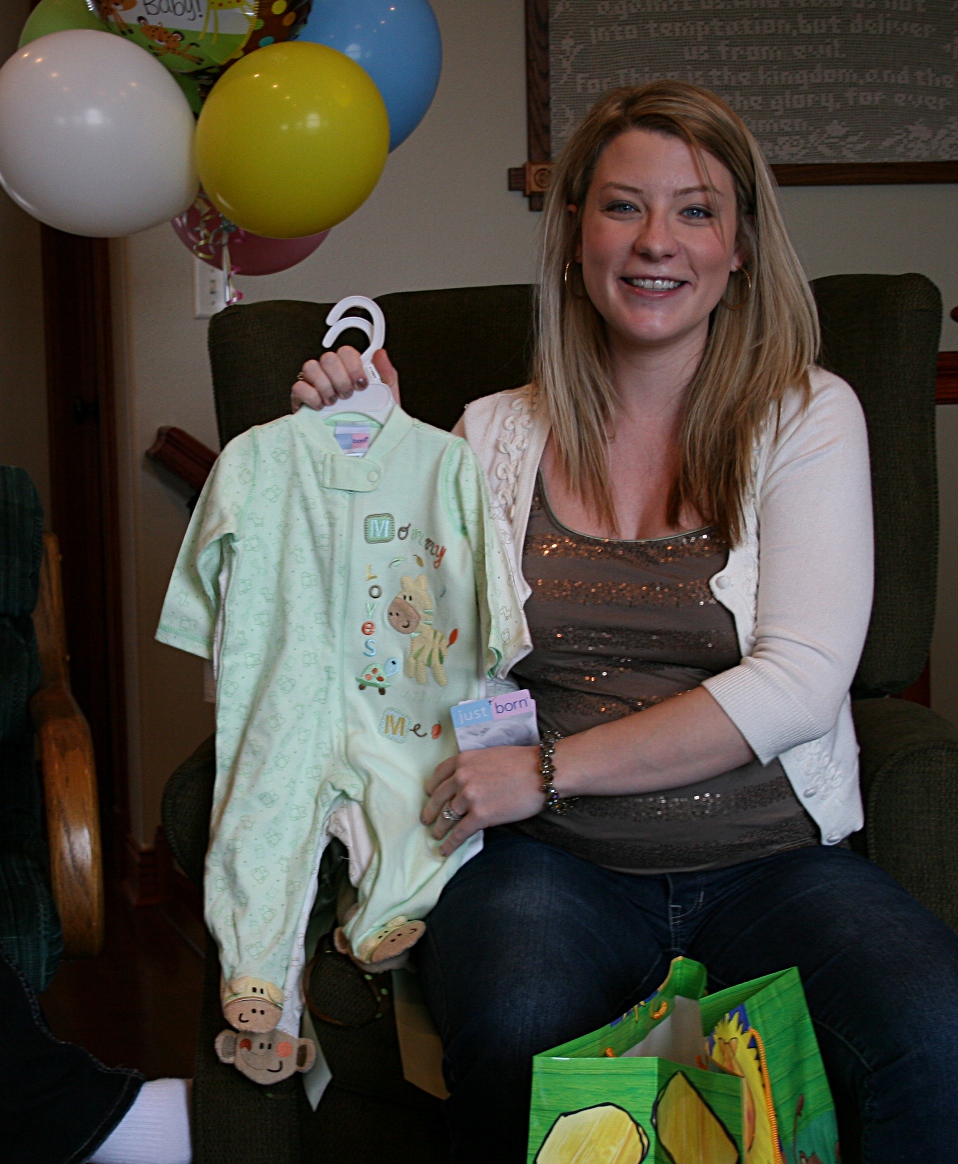
With only two months to go until her son/daughter arrives, Adrienne opens gifts.

© Copyright 2012 Audrey Kletscher Helbling
 

Pairing poetry and art in Zumbrota April 19, 2012

Filed under: Uncategorized — Audrey Kletscher Helbling @ 7:08 AM
Tags: , , , , , , , ,

Lois' jellies and pickled beans photographed in July 2009 at the Faribault Farmers' Market.

In the dark, dank depths of the dirt-floored cellar

she stocks a treasure-trove of jewels

in jars upon slivered planks—

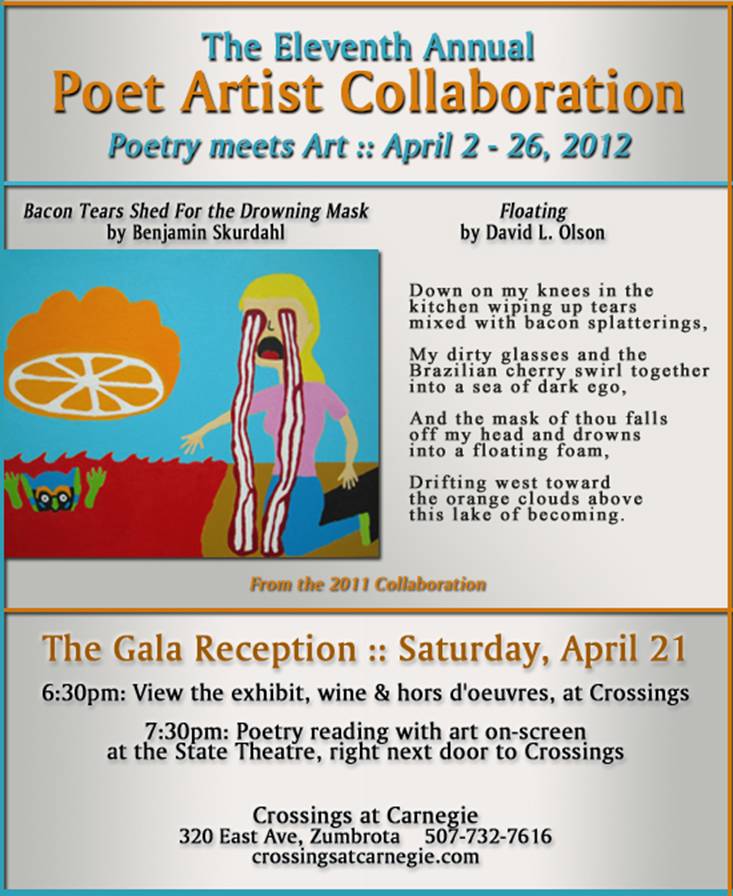
Thus begins my poem, “Her Treasure,” which I will read this Saturday, April 21, at the Poet-Artist Collaboration XI Gala Reception at Crossings at Carnegie in Zumbrota. The reception begins at 6:30 p.m. at Crossings with guests treated to refreshments and to music by pianist Matthew Rivera. The event then moves next door to the State Theatre for poetry readings with on-screen art at 7:30 p.m.

Yes, art. And poetry. Together. One inspired by the other.

I’ll meet “my artist,” Connie Ludwig of Goodhue who created a watercolor, “Pantry Jewels,” inspired by my poem about canned fruits and vegetables stocked in a farmhouse cellar.

The works of 25 other poets and of 25 other artists are also included in this juried exhibit.

Once I learned Connie’s identity, I contacted her, asking her to share some information about herself and about the process of creating her poetry prompted piece. Unlike me, Connie is not a novice at this poet-artist collaboration. This marks her tenth time participating in the Crossings event.

Recently retired from the Zumbrota library, Connie is an established artist who typically works in pastels from her home studio. In the summer she does pastels outdoors and on her front porch.

But this time, for this show, Connie opted to work in watercolor, which, she says, “more often than not has control over me.”

Drawing on childhood memories of the huge garden her family planted every year at their home in St. Croix State Park along the Minnesota-Wisconsin border east of Hinckley, this artist understands the content of my poem.

My aunts and my mother were survivors of the Great Depression and gardens and canning were very, very important to them. So you can probably deduce that your poem about the dark basement, dirt floor and canned jewels reminded me of them.

When I read it (your poem), I could picture the light on the jars when I used to go down and get them. And I knew both the physical resemblance to jewels and the equivalent worth of jewels was how they felt about their canning endeavors. You wrote a poem that reflected an important part of their lives.

Fortunately my husband has cousins that enjoy canning. The models for the three jars that I used to illustrate your poem are Mary’s peaches and Greg’s pickles. I took a picture of them and painted both from that and the actual jars. Jim (my husband) could hardly wait for me to finish so he could “open and eat.”

Well, Connie, I can hardly wait to see your art, “Pantry Jewels,” paired with my poem.

FYI: Click here to read more about Poet-Artist Collaboration XI, including a list of the participating poets and artists. The exhibit will be on display through April 26. Please join Connie and me at the Gala Reception and at the poetry reading.  I’m second on the list to read my poem and Connie to talk about her art. We’d love to meet you.

Copyright 2012 Audrey Kletscher Helbling
 

Elephant poop paper and other discoveries at a Wisconsin museum April 18, 2012

ELEPHANT DUNG PAPER: The elephant’s high-fibrous diet makes for excellent paper!

If I had not read the above words at The Paper Discovery Center in Appleton, Wisconsin, I would have thought this to be a bunch of crap.

But would the creators of a paper discovery center spread untruths? I think not. After my recent visit to this museum, I followed up with online research. That led me to elephantdungpaper.com and more information about the elephant poop paper making process. Click here for details.

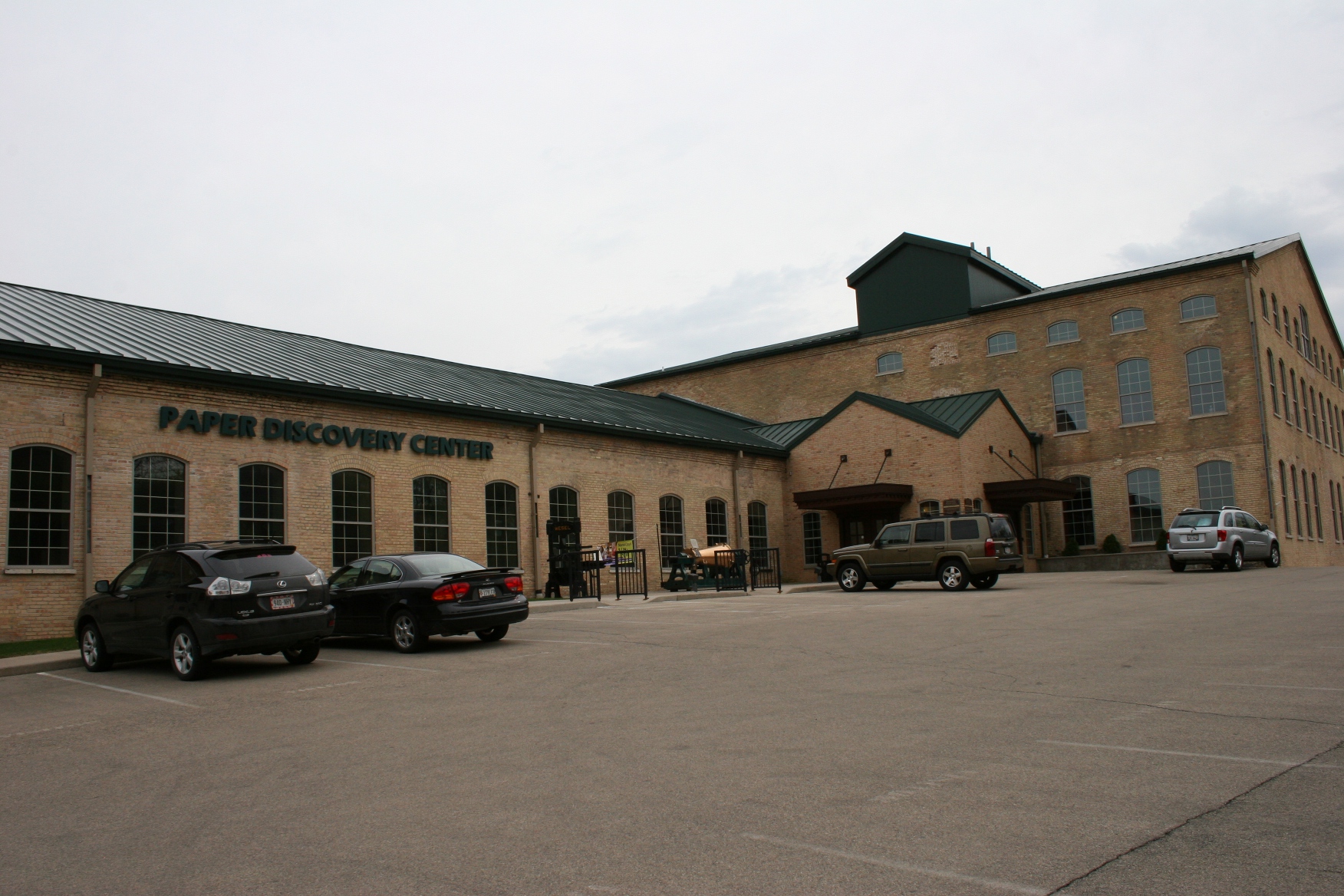
The Paper Discovery Center in Appleton, Wisconsin, with an attached coffee shop on the right, located along the banks of the Fox River. These brick buildings are stunning.

There’s no elephant dung paper making happening in the 1878 former Atlas Mill along the banks of the raging Fox River in Appleton. But visit this hands-on discovery center and you can make paper by recycling newspapers and other paper into “new” paper.
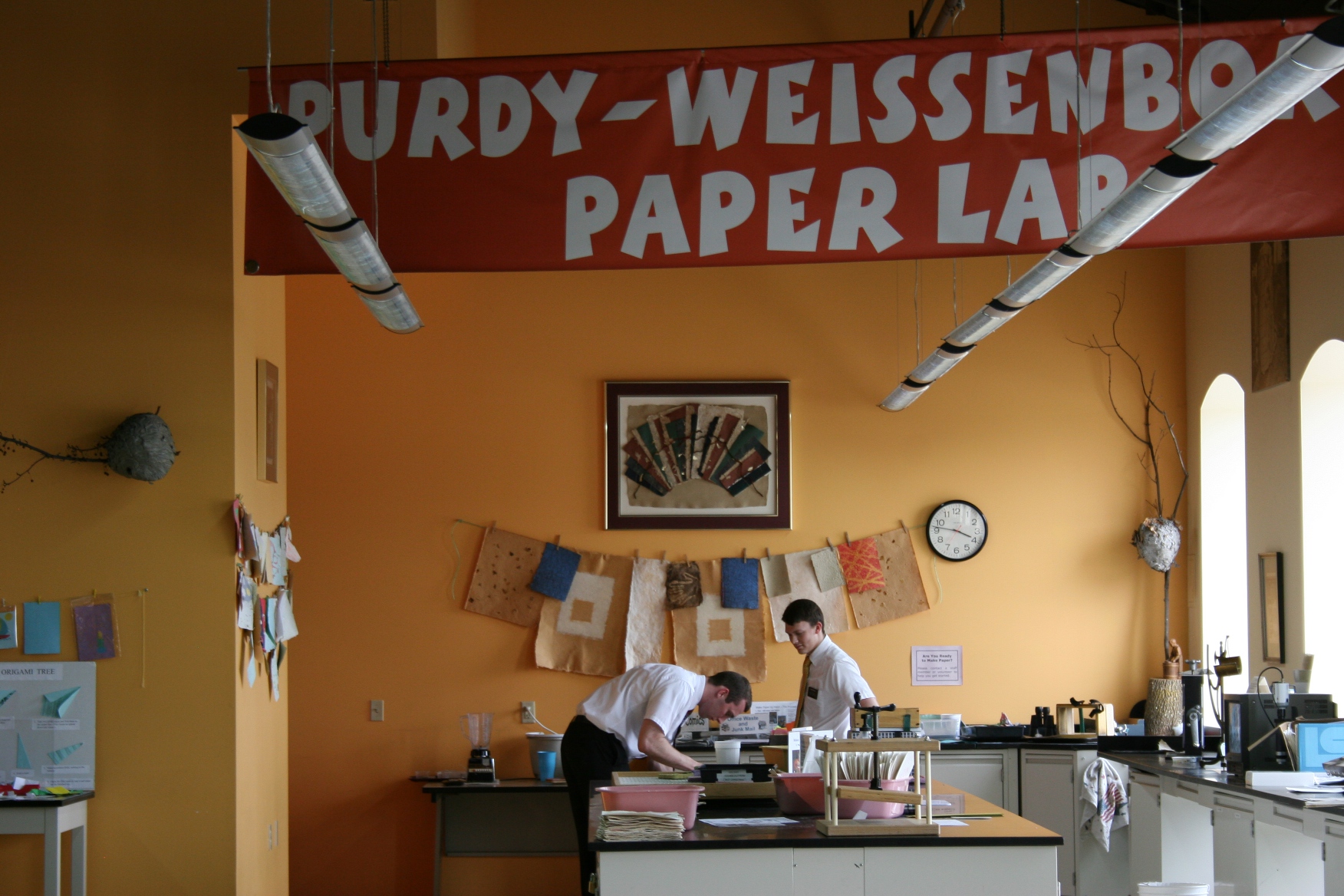
Two volunteers from the Church of Jesus Christ Latter-day Saints staffed the paper making station on a recent Saturday afternoon. Visitors can make new paper here from recycled paper.

And if you have more than an hour of time—which is all my family had—you can learn lots about paper via child-friendly interactive displays. Kids would totally love this place.

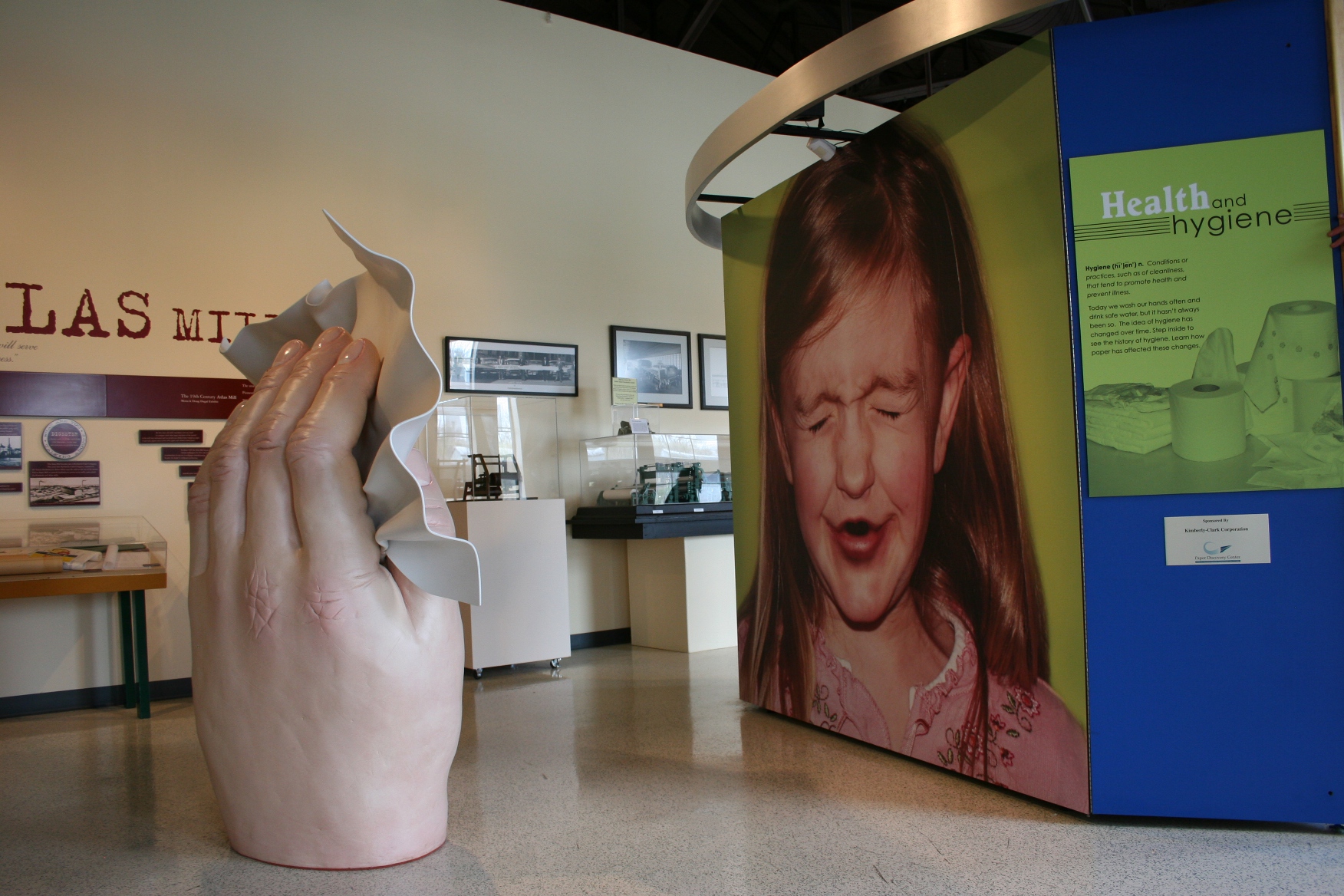
A motion-activated sensor above the model's head triggers a sneeze.

I was amused by the motion-activated sneeze that sounded in the health and hygiene kiosk next to an oversized hand clutching a tissue.
Reading an informational display about diapers, I was not amused to learn that pioneers sometimes changed their babies’ diapers only once a day and did not always wash diapers between uses.
My 26-year-old daughter was a bit startled to learn that, before toilet paper, corn cobs were used in outhouses. She even suggested that I seat myself in the mini outhouse for a photo opp. I declined, assuring her I’d spent enough time in an outhouse having lived the first dozen years of my life in a farmhouse without a bathroom.

In the “From Tree to Tissue” exhibit, visitors can follow the process of producing tissue paper, no corn cobs involved. You’ll find plenty to entertain and enlighten you at this former mill operated by Kimberly-Clark Corporation until 2000, according to the museum attendee.

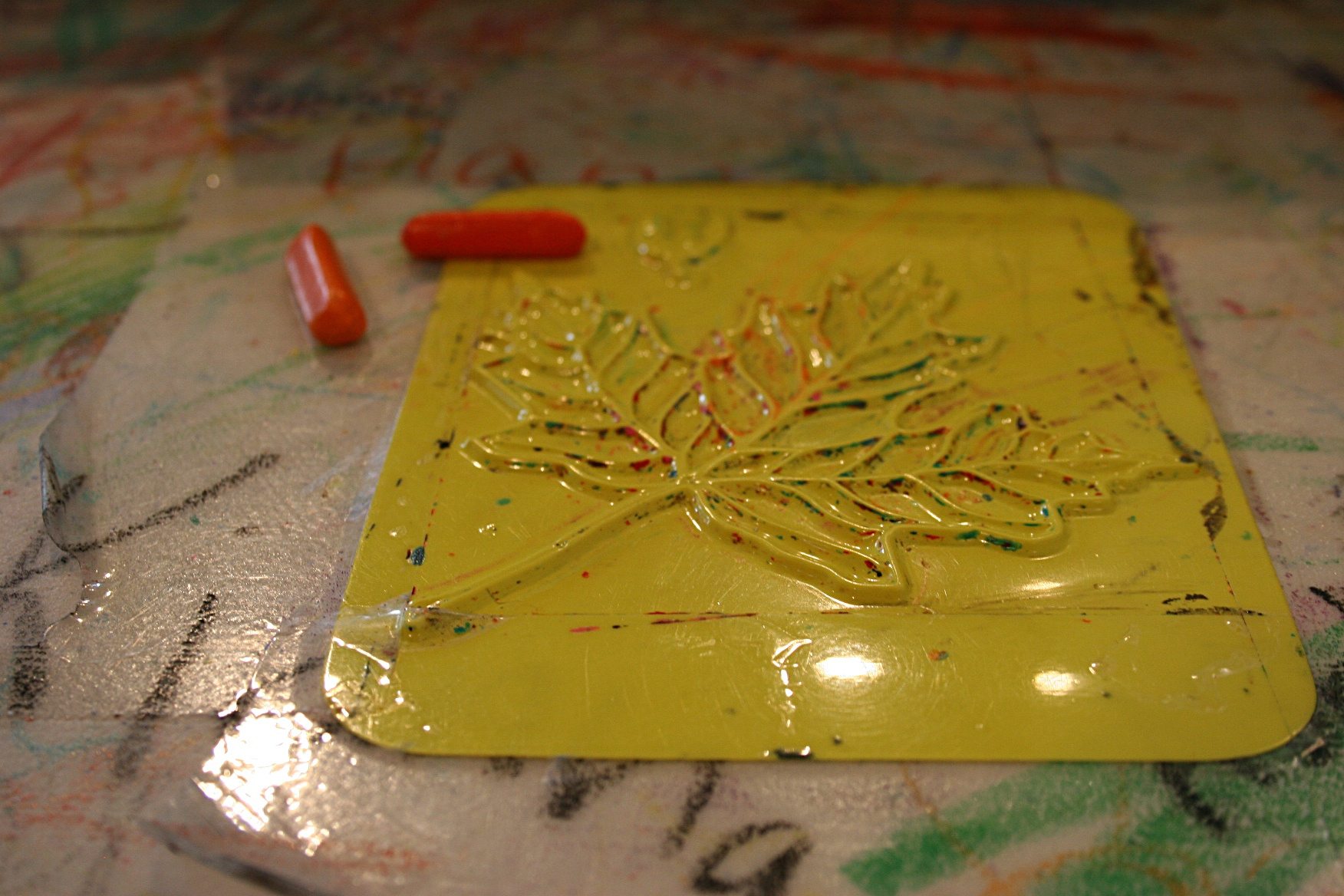
Sit down at a table, choose a color crayon, a mold and a piece of paper and create a leaf rubbing.

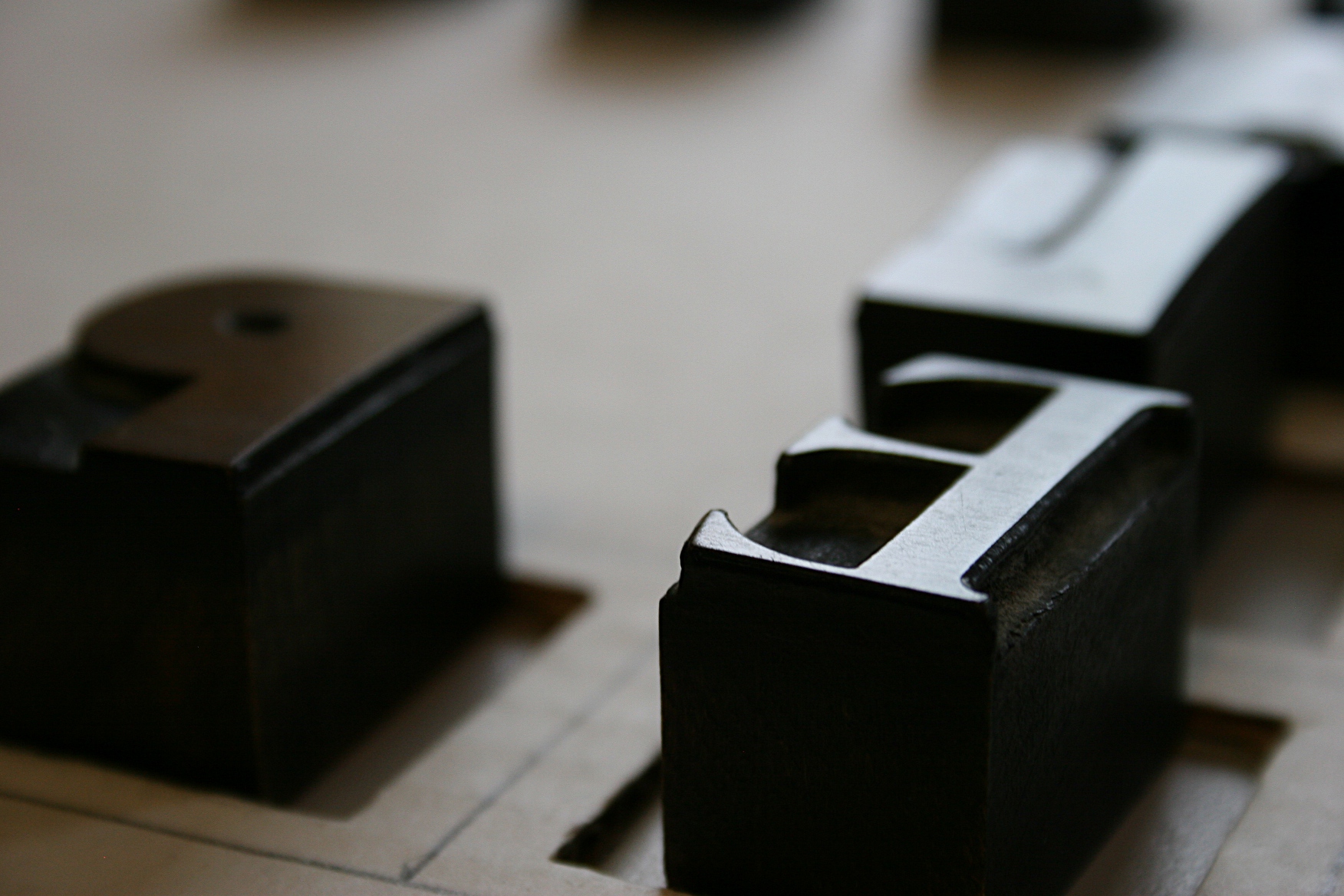
Authentic wood type is on display at a station where visitors can solve a crossword puzzle.

Assume the role of someone in the papermaking industry at this interactive exhibit.

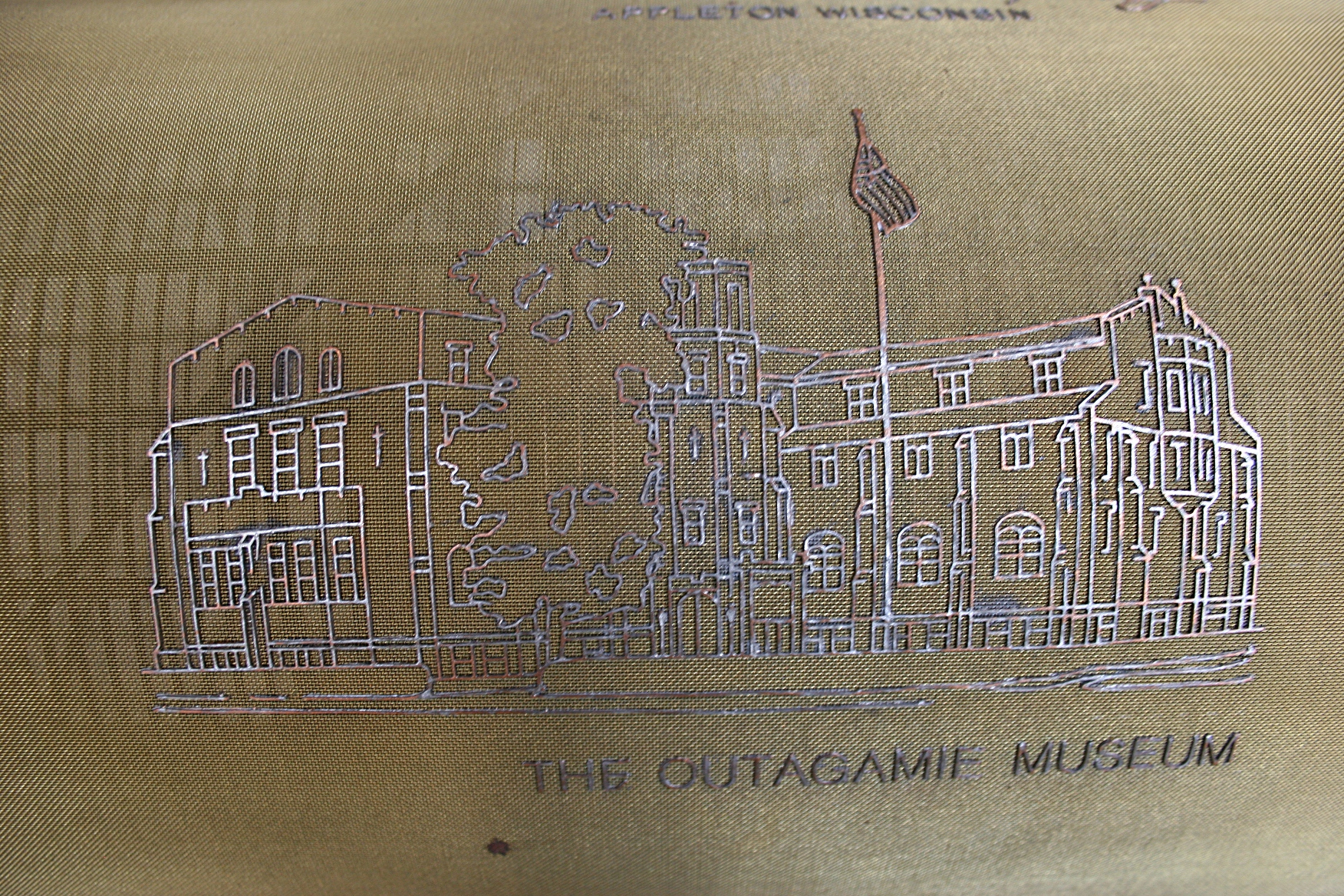
Learn how watermarks, like this one, are printed onto paper.

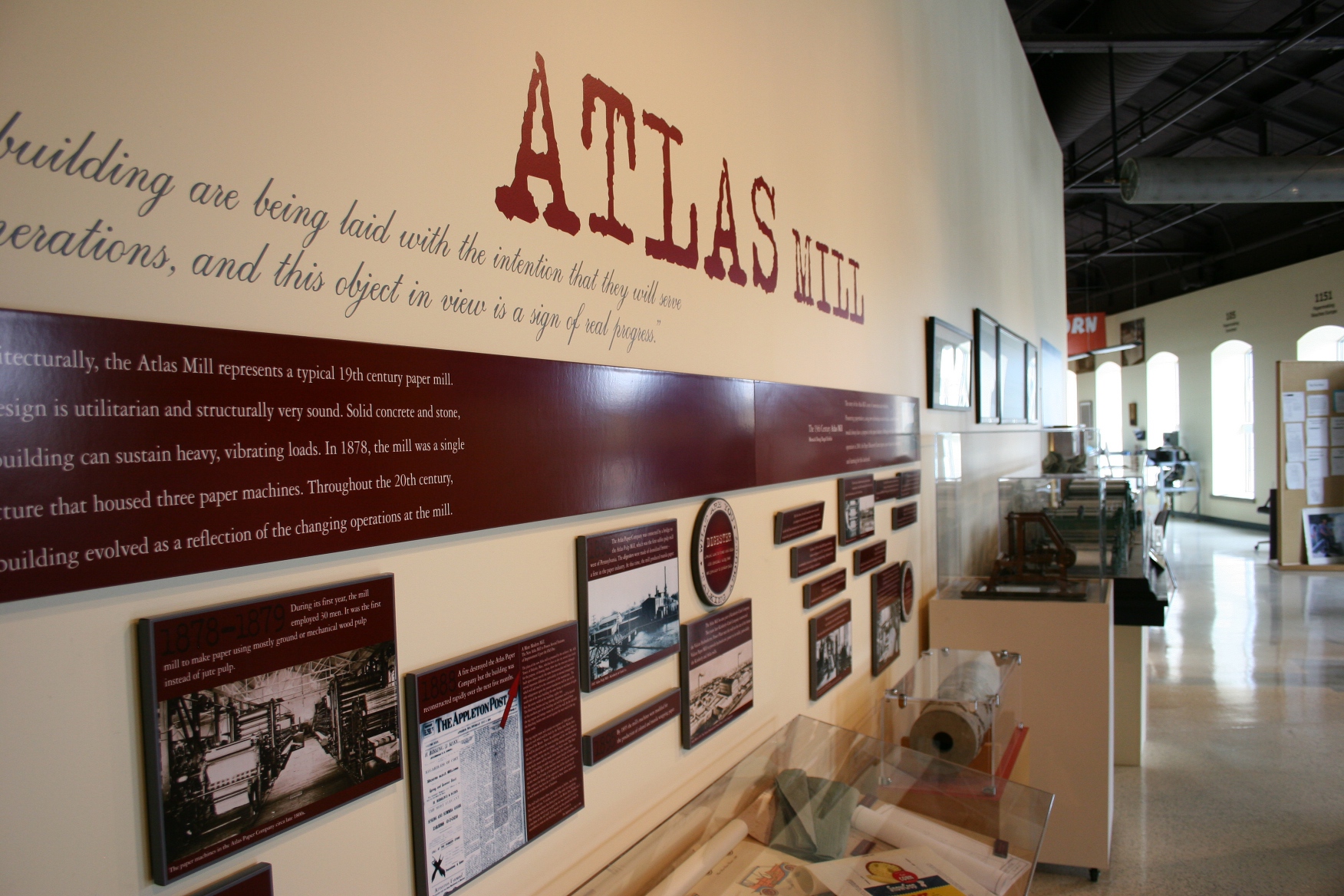
Study the history of the Atlas Mill originally housed in this building which served as a Kimberly-Clark Corporation paper research center prior to its closing about a decade ago.

FYI: For more information about The Paper Discovery Center, 425 W. Water Street, Appleton, Wisconsin, click here. If you visit the museum, allow yourself plenty of time. We arrived only an hour before closing, leaving us only enough time to make paper and rush through the exhibits.

Copyright 2012 Audrey Kletscher Helbling