Minnesota Prairie Roots

Writing and photography by Audrey Kletscher Helbling

A wannabe dairy princess June 20, 2013

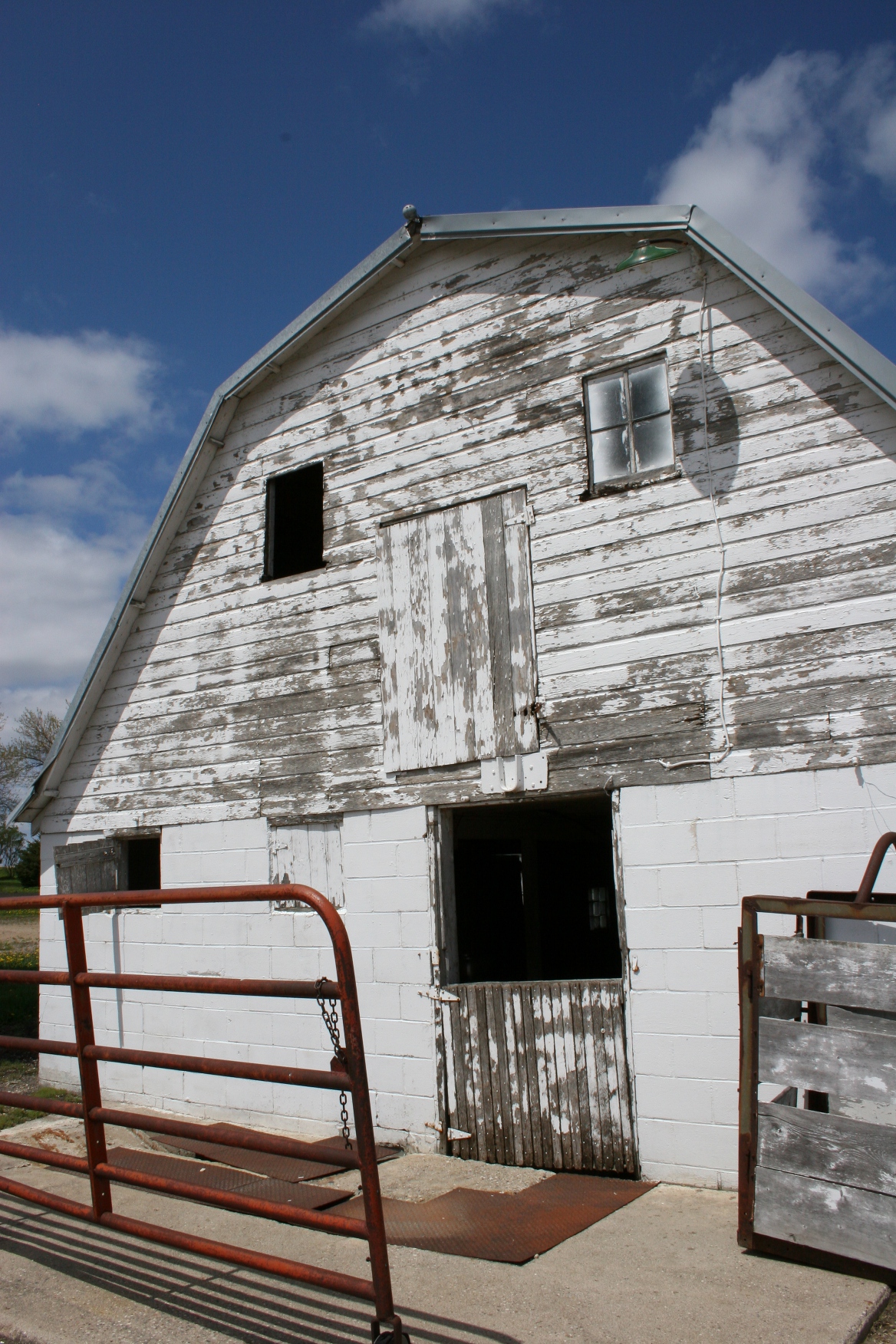
The barn where I labored alongside my father while growing up on the southwestern Minnesota prairie. File photo.

The barn where I labored alongside my father and siblings while growing up on the southwestern Minnesota prairie. File photo.

GROWING UP ON A MINNESOTA DAIRY FARM, I’ve always loved dairy products.

Fresh milk from our herd of Holsteins.

Butter and cheese from the bulk truck driver who picked up milk from our farm.

Singing Hills Coffee Shop's delicious maple bacon sundae.

One of my new favorite ice cream treats, a maple bacon sundae from Singing Hills Coffee Shop in Waterville. File photo.

Ice cream from the Schwans man. (My older brother often sneaked the tin can of vanilla ice cream from the freezer and climbed atop the haystack to eat his fill. He failed to remove his spoon, leaving damning evidence connecting him to the ice cream caper. I was too obedient to attempt such thievery.)
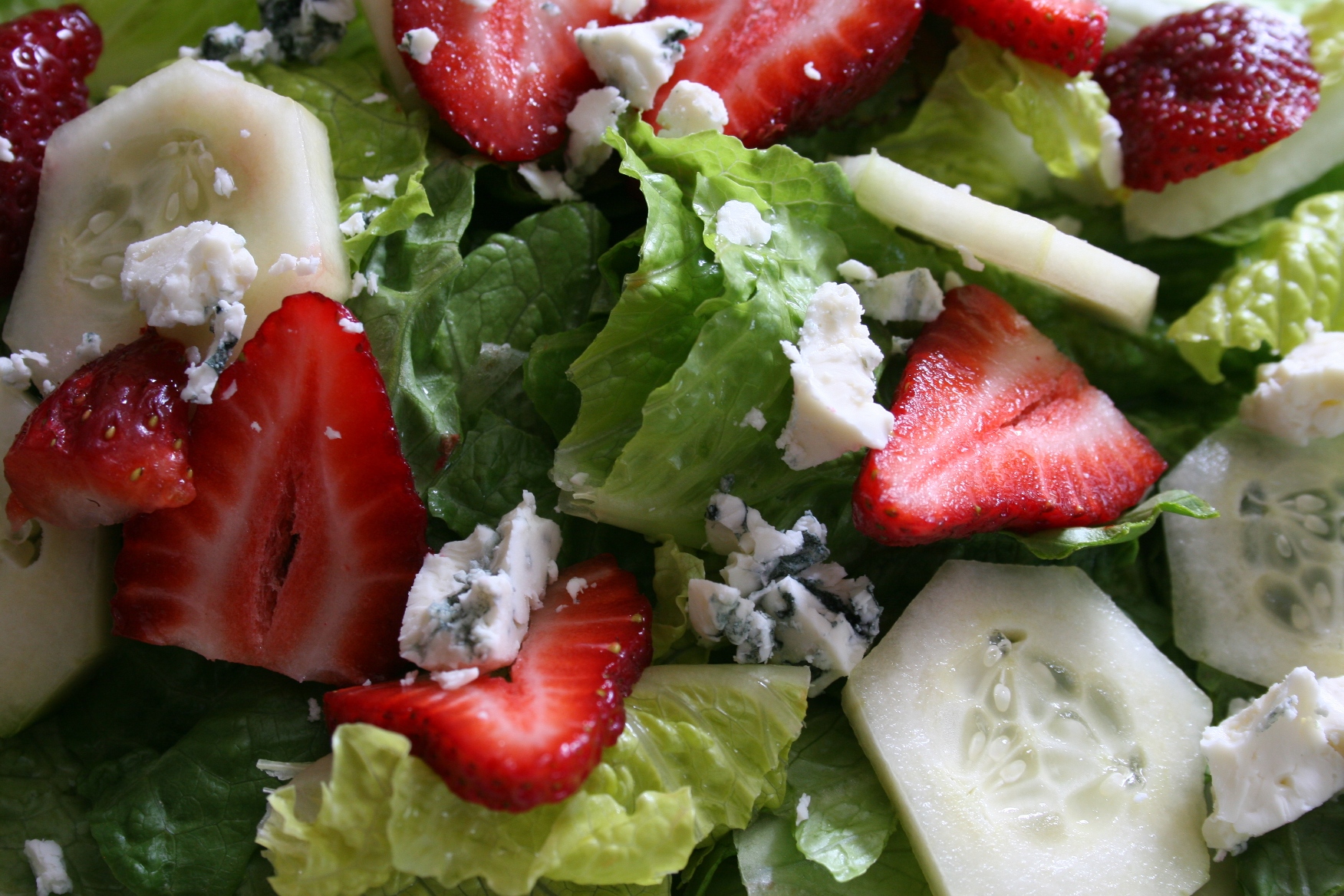
Sliced strawberries, cucumbers and Amablu Gorgonzola cheese added to Romaine lettuce made a perfect salad. I topped the salad with lemon poppyseed dressing.

Sliced strawberries, cucumbers and Amablu Gorgonzola cheese added to Romaine lettuce make a perfect salad. I topped the salad with lemon poppyseed dressing. File photo.

My cheese tastes have, thankfully, expanded beyond American and Velveeta, staples of my childhood. I especially favor the blue cheeses made and aged in sandstone caves right here in Faribault and sold under the names Amablu and St. Pete’s Select. If you like blue cheese, this is your cheese.
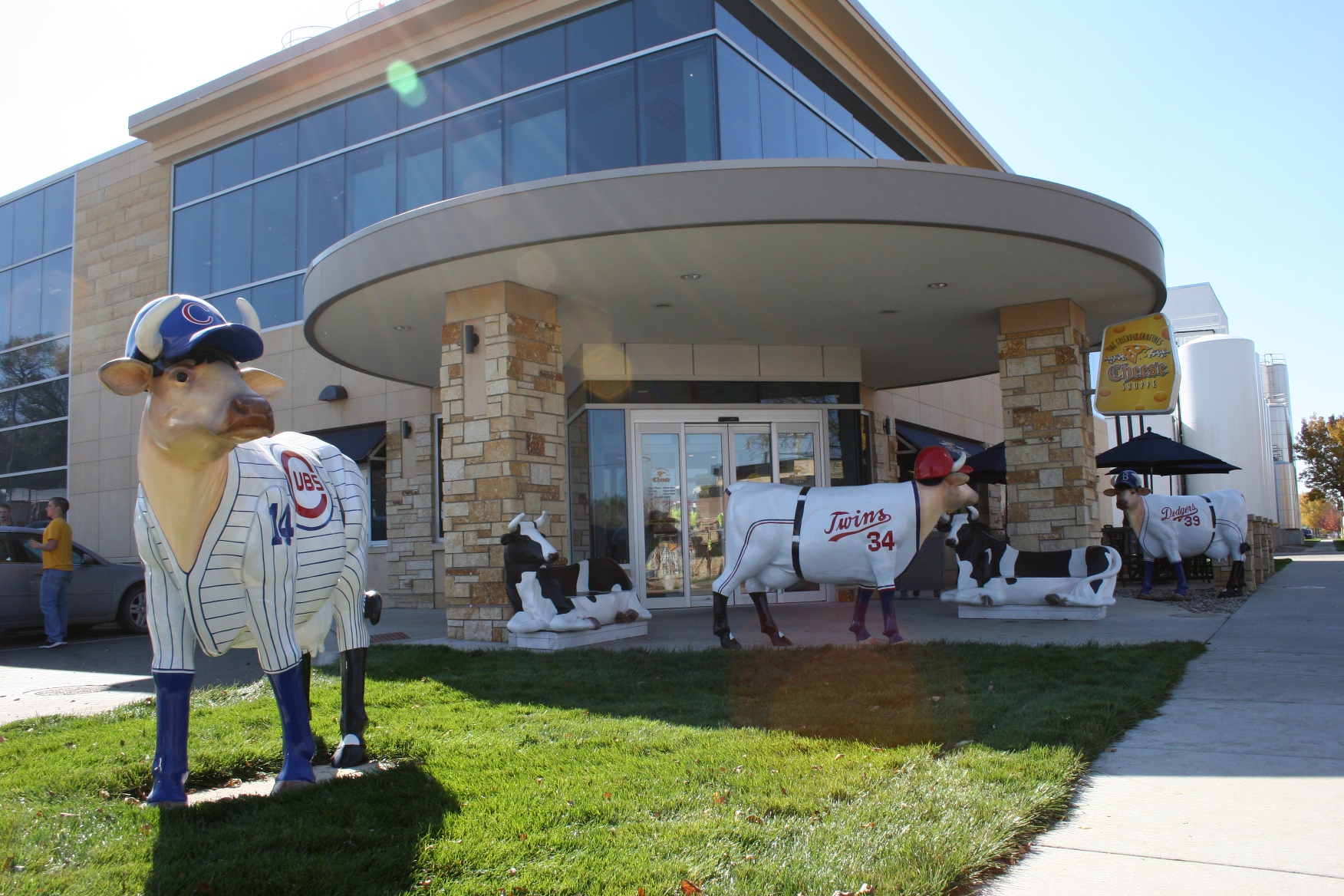
Cow sculptures outside The Friendly Confines Cheese Shoppe in LeSueur. File photo.

Cow sculptures outside The Friendly Confines Cheese Shoppe in LeSueur. File photo.

I bring up this topic of dairy products because June marks an annual celebration of all things dairy during “June Dairy Month.” This moniker is imprinted upon my brain. I once ran, albeit unsuccessfully, for Redwood County dairy princess.
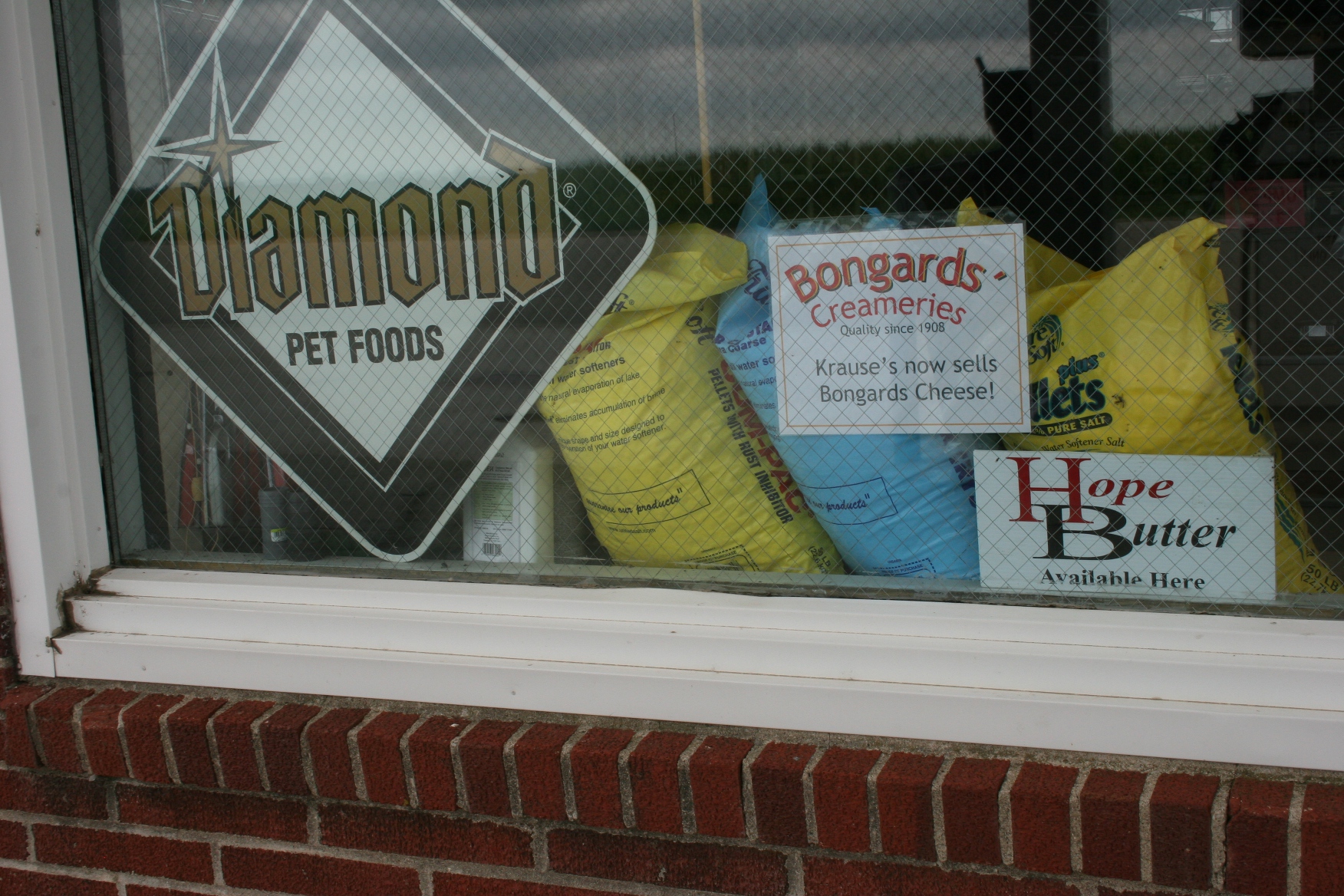
Krause Feeds & Supplies in Hope advertised the availability of Hope butter and Bongards cheese. File photo.

Krause Feeds & Supplies in Hope advertises the availability of Hope butter and Bongards cheese. File photo.

Steele County, to the south of my Rice County home, is apparently a big dairy county having at one time served as home to more than 20 creameries. One remains, in the unincorporated village of Hope, producing Hope Creamery butter in small batches. The creamy’s organic butter is especially popular in certain Twin Cities metro eateries.

Owatonna, the county seat, once claimed itself to be “The Butter Capital of the World.” That butter capital title will be the subject of an exhibit opening August 1 and running through November 10 at the Steele County History Center in Owatonna. The exhibit will feature the area’s rich dairy history to current day dairy farming in the county. Events will include a roundtable discussion on the dairy industry and, for the kids, butter making and a visit from a real calf.
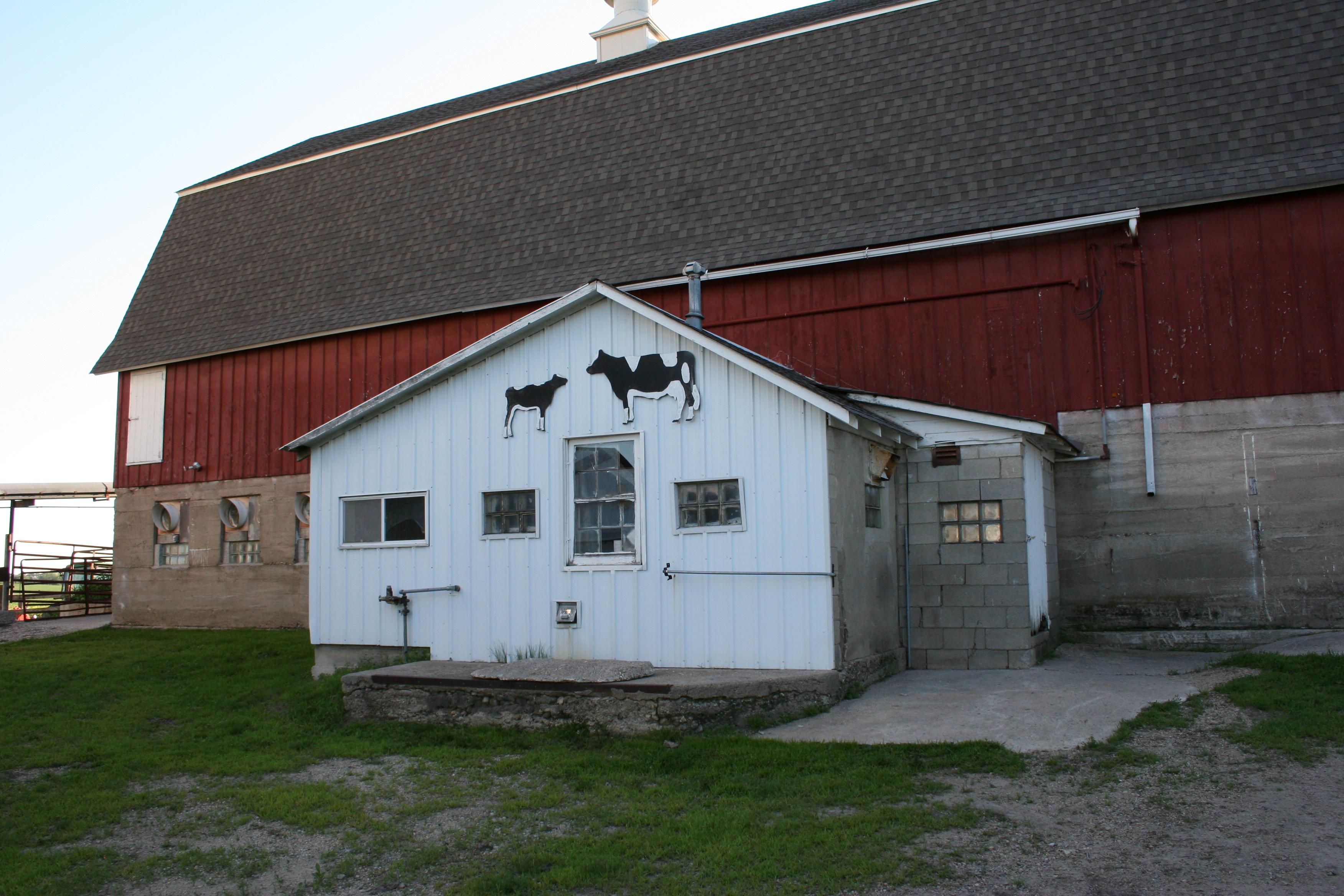
Notice the cow art on the milkhouse in this image taken this past summer.

Cow art on the milkhouse of my friends Deb and John, who once milked cows in rural Dundas. File photo.

Calves. I love calves. More than any aspect of farming, I loved feeding calves buckets of warm milk replacer or handfuls of pellets. I once named a calf Princess and she became my “pet,” as much as a farm animal can be a pet. Then my older brother—the one who ate ice cream when he wasn’t supposed to—told me one day that my calf had died. I raced upstairs to my bedroom and sobbed and sobbed. Turns out he made up the whole story of Princess’ early demise. She was very much alive.
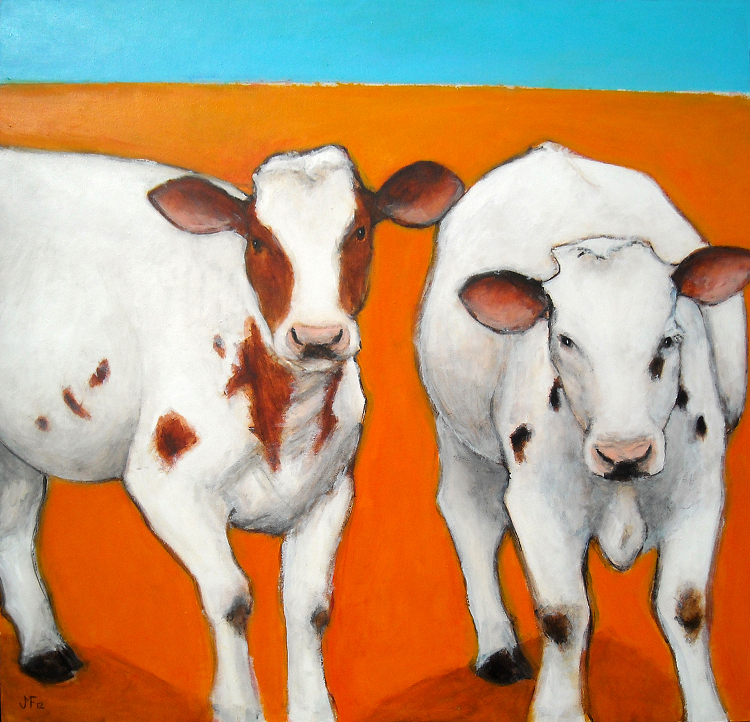
The vibrant art of Faribault artist Julie Falker of JMF Studio.

The vibrant art of Faribault artist Julie Faklker of JMF Studio. File image.

And so, on this day when I consider June Dairy Month, my mind churns with thoughts of butter and ice cream, of calves and of the dairy princess crown I never wore.

FYI: Faribault area dairy farmers Ron and Diane Wegner are hosting “A Day on the Farm” from 11 a.m. – 2 p.m. this Saturday, June 22. Their farm is located just south of Faribault at 25156 Appleton Avenue. The event includes children’s activities, photos with a baby calf and free cheeseburgers, malts and milk. Event sponsors are the Rice County American Dairy Association and the Minnesota Beef Council. The Wegners’ daughter, Kaylee, is the current Rice County dairy princess.

The Redwood County American Dairy Association in my home county of Redwood in southwestern Minnesota is sponsoring a coloring contest for kids and a trivia contest for adults. Click here for details. 

© Copyright 2013 Audrey Kletscher Helbling


Touring an historic mill in Morristown June 4, 2013

I WISH MY MEMORIES of the old feed mill were imprinted upon the pages of a book. Indelible ink. Words recorded so that I would always remember. The smell. The sound. The sights. The everything encompassing this agricultural business in my southwestern Minnesota prairie town.

I recall so little—the wooden steps leading to the feed mill; the ground feed residue lingering in the air and on surfaces; the ever-deafening grinding noise of machinery chomping grain; handsome operator Wally Anderson with his shock of white hair who lived in a well-kept corner house several blocks north; and the summer a ventriloquist sat in front of Vesta’s feed mill with a dummy perched on his knee.

The Morristown Feed Mill in Morristown, Minnesota.

The Morristown Feed Mill in Morristown, Minnesota.

Those faint wisps of recollection filtered through my thoughts on Saturday as I meandered through an historic 1860 grist mill along the banks of the Cannon River in Morristown. Once a year this rural southeastern Minnesota community opens the mill for tours and grinds wheat and corn.

A replica waterwheel built in 1997 by Theodore E. Sawle.

A replica waterwheel built in 1997 by Theodore E. Sawle.

I won’t even pretend to understand all I viewed and photographed at this mill once powered by a waterwheel, later by electricity.

A volunteer grinds wheat into flour in the old grist mill. Each time the waterwheel turns, it spins the millstone 17 times in the process of crushing grain between stones. The volunteer's wife bakes Communion bread for the local Methodist church.

A volunteer grinds wheat into flour in the old grist mill. Each time the waterwheel turns, it spins the millstone 17.5 times in the process of crushing grain between stones. The volunteer’s wife bakes Communion bread for the local Methodist church.

Initially, the mill opened in 1855 as a sawmill. But, within years, the business was replaced by Hershey Grist Mill, a mill for grinding grain into flour and livestock feed. On the afternoon I toured, a volunteer was grinding wheat into flour with the waterwheel powering the grinder. I had intended to buy a bag of the $2 wheat flour, but forgot in the midst of my photographic focus.

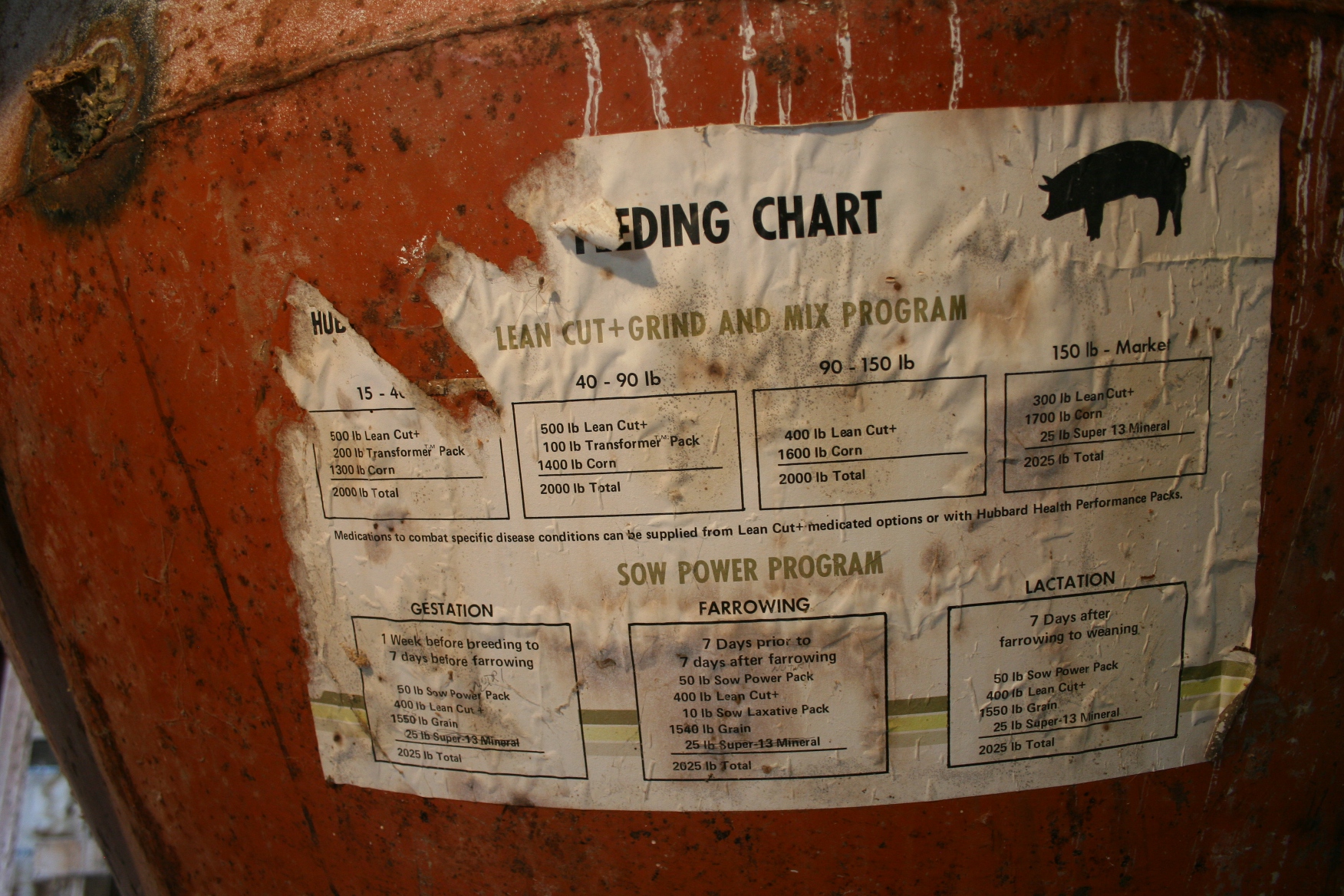
Guidelines for pig feed.

Guidelines for pig feed posted on a mixer.

The Morristown Historical Society today cares for the facility which closed in the 1970s as the Morristown Feed Mill, purveyor of livestock feed. For those like me, who grew up on a farm but have long ago left the land, such endeavors to preserve the rural past are deeply appreciated.

The conveyor belt powered by the waterwheel. This operates the grinder.

The waterwheel turns these pulleys and belts which operate the grinder.

While I walked the old wooden floor of the feed mill, descended stairs into the cluttered utility room where a dangerous conveyor belt cycled and afterward climbed stairs to the second floor, I reconnected with my rural roots.

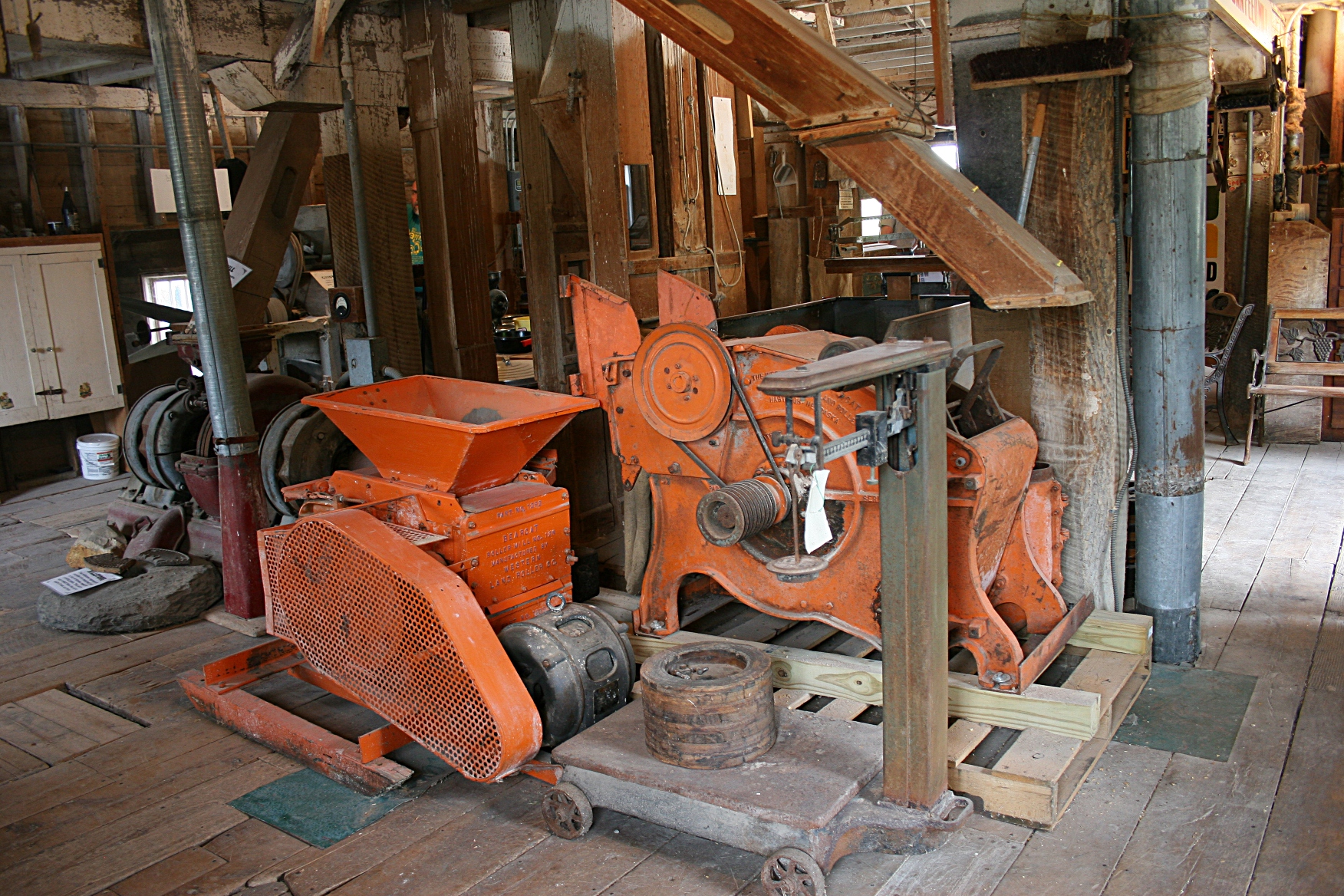
The old feed mill is stocked with lots of vintage grinding equipment.

The old feed mill is stocked with lots of vintage mill equipment.

And it may not have been in the way you most likely would expect. For me, the experience was mostly about the dust—knowing I needed to protect my camera from the fine grain dust which permeates a place like this, layers on the skin, hovers in the air, filters into memories.

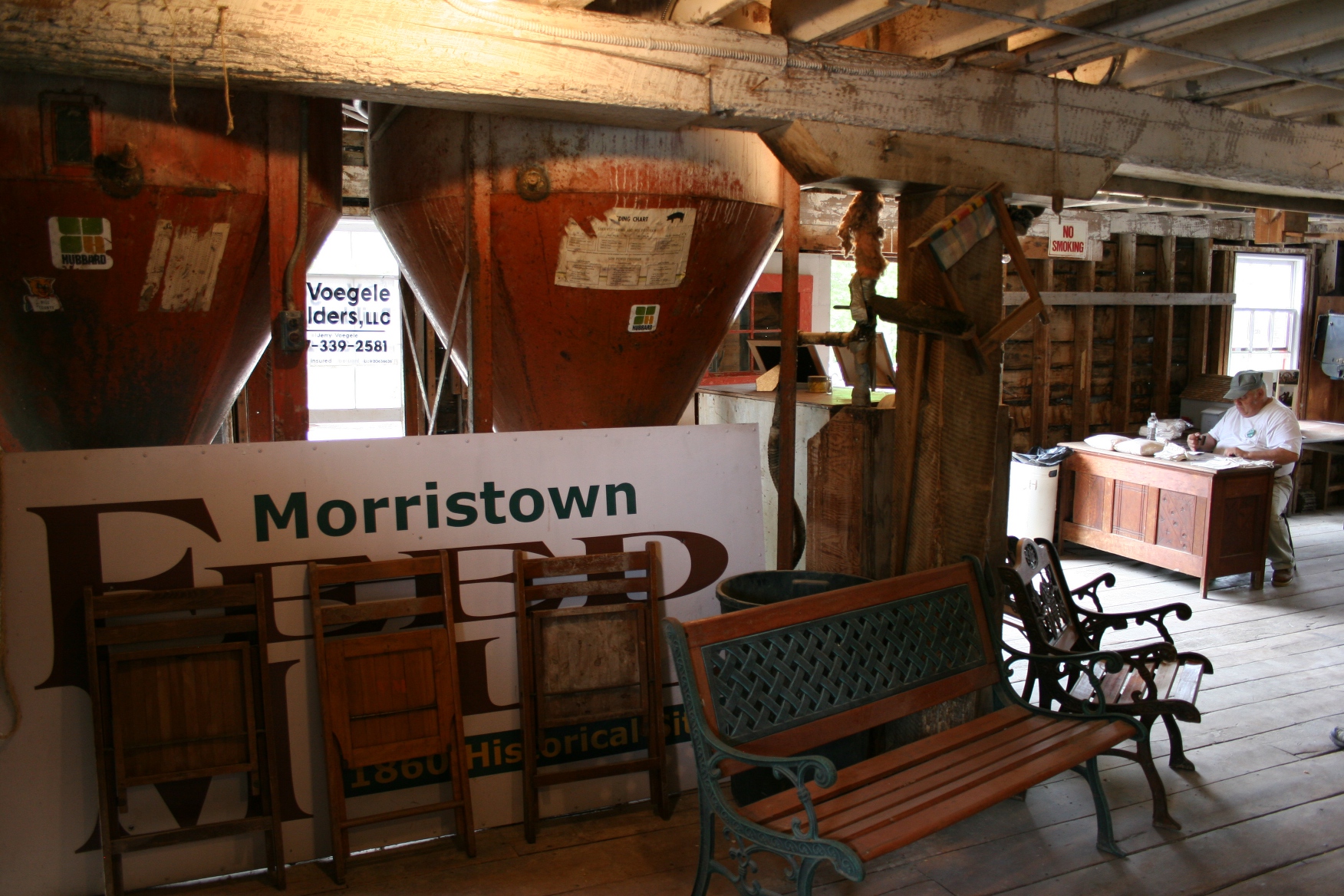
Inside the feed mill, where a volunteer stamps cloth bags with Morristown Feed Mill.

Inside the feed mill, a volunteer stamps cloth bags with Morristown Feed Mill. Behind the sign are two mixers.

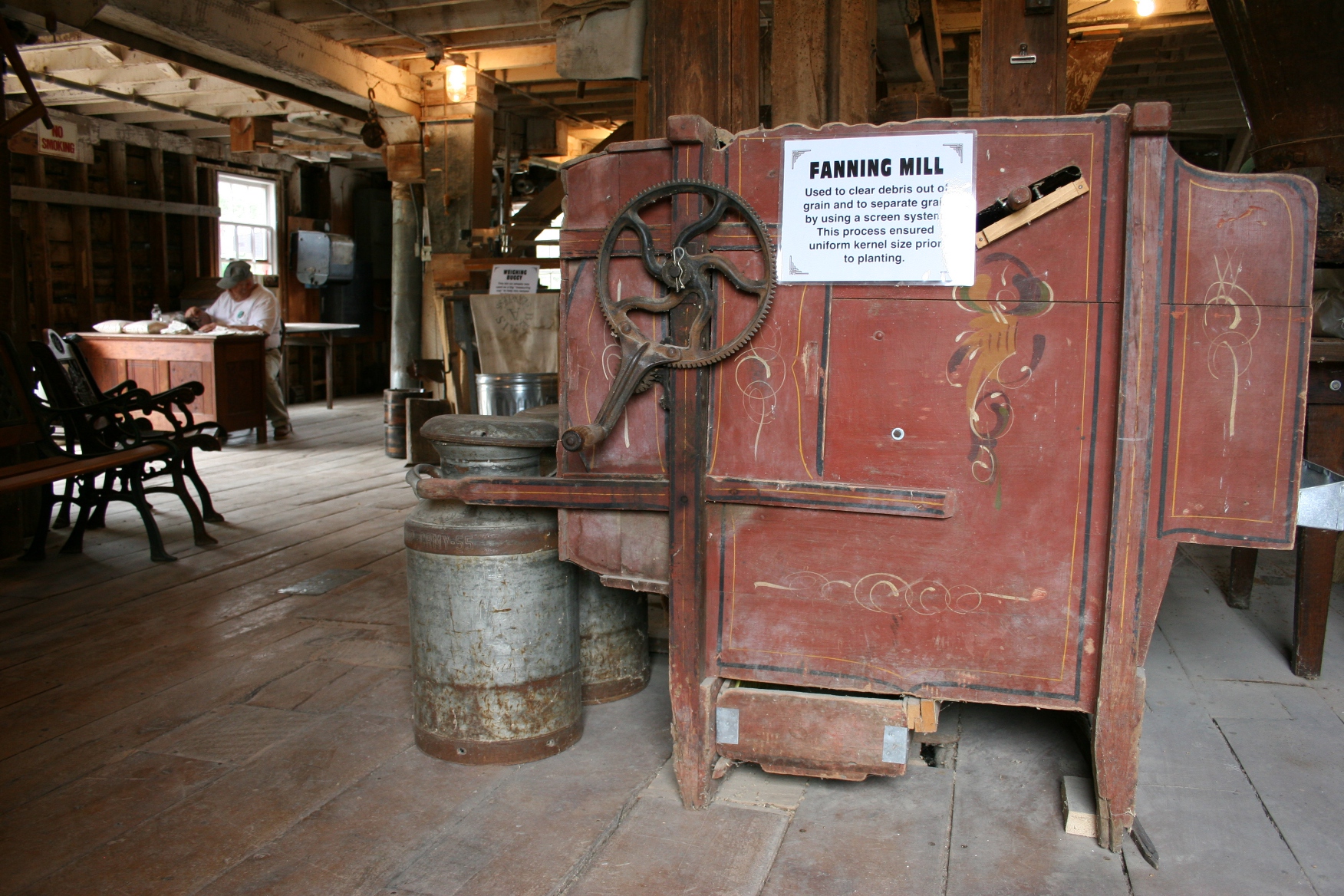
An old fanning mill cleans the grain for planting.

An old fanning mill cleans the grain for planting.

When I heard mention of mice, I was a little nervous about going into the utility room.

When I heard mention of mice, I was a little nervous about going into the utility room.

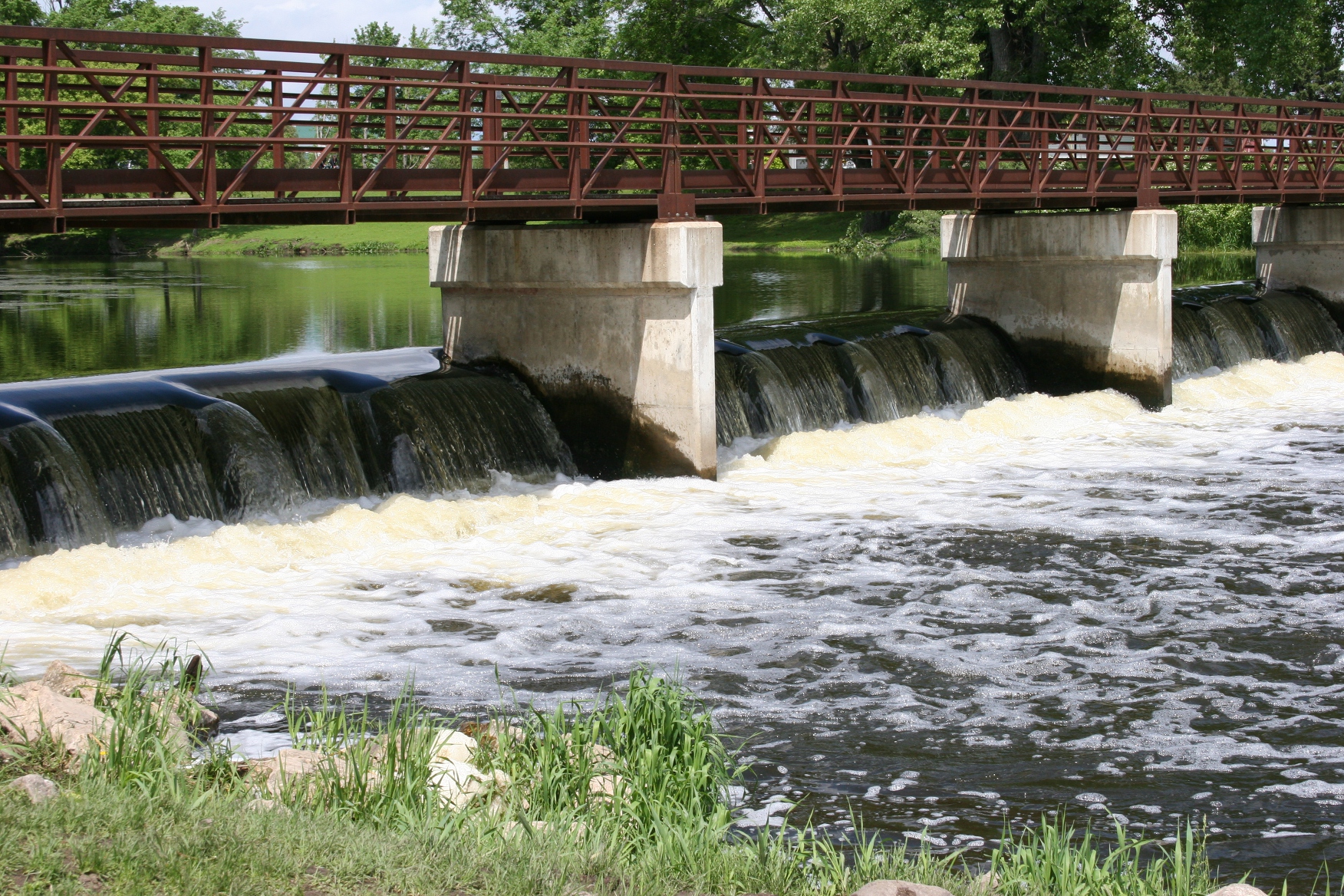
The Cannon River dam right next to the mill.

The Cannon River dam right next to the mill.

FYI: As a side note, the mill sheltered several refugees from the U.S. – Dakota Conflict of 1862.  Check back for more mill photos.

© Copyright 2013 Audrey Kletscher Helbling


Celebrating rural America at a kids’ pedal tractor pull in Morristown June 3, 2013

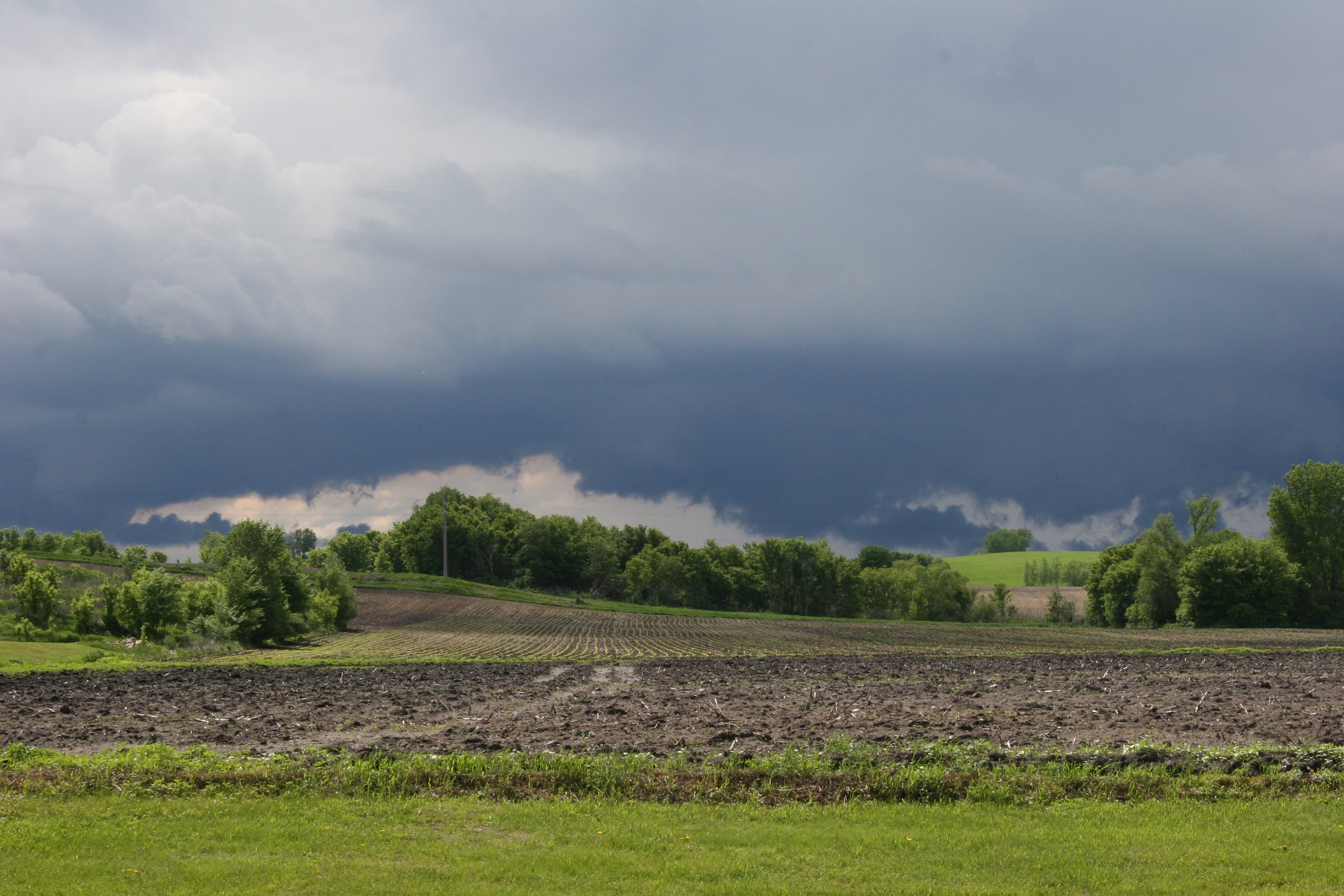
Heavy clouds rolled in from the west as I stood on the west edge of the ball field in Morristown late Saturday afternoon.

Heavy clouds rolled in from the west as I stood on the west edge of the ball field in Morristown late Saturday afternoon.

ONLY BLOCKS FROM THE HEART of Morristown, next to Babe Nordmeier Field on the west edge of town, corn sprouts in tidy rows upon the fertile earth.

This southeastern Minneosta community runs rural through and through with businesses centered on agriculture. Farmers live and work on land passed down through generations.

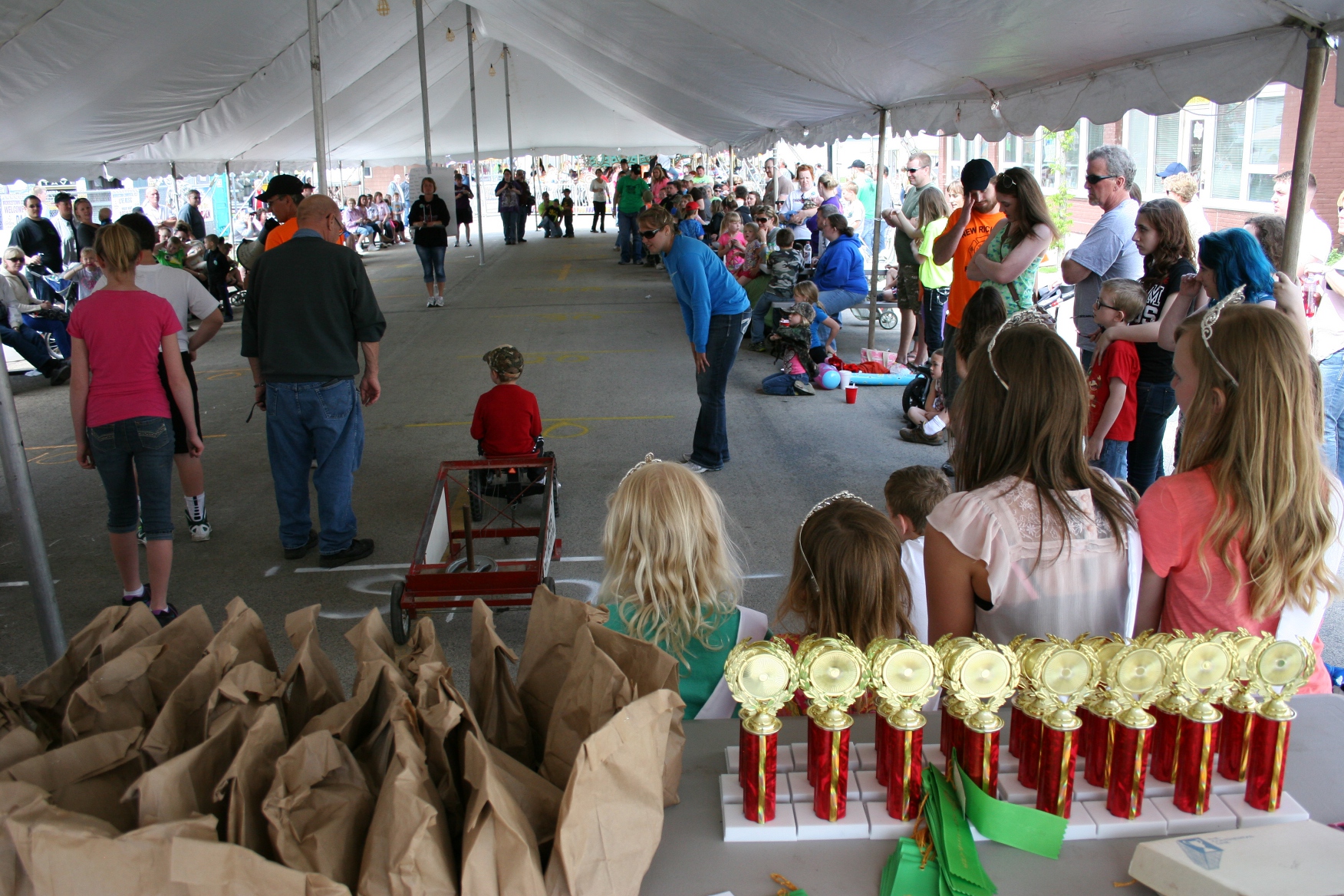
I climbed onto the back of the riser/stage to shoot this photo. In the foreground, behind the Dam Days royalty, are the trophies and ribbons and perhaps other prizes in the bags.

I climbed onto the back of the riser/stage to shoot this photo. In the foreground, behind the Dam Days royalty, are the trophies and ribbons and perhaps other prizes in the bags.

On Saturday afternoon, locals and those who grew up here, and others, like me, gathered under a tent on Main Street to watch the Kids’ Pedal Tractor Pull during the annual Dam Days celebration. It’s a grassroots event that melds a deep appreciation of the town’s rural roots with the connections of family and friendly competition.

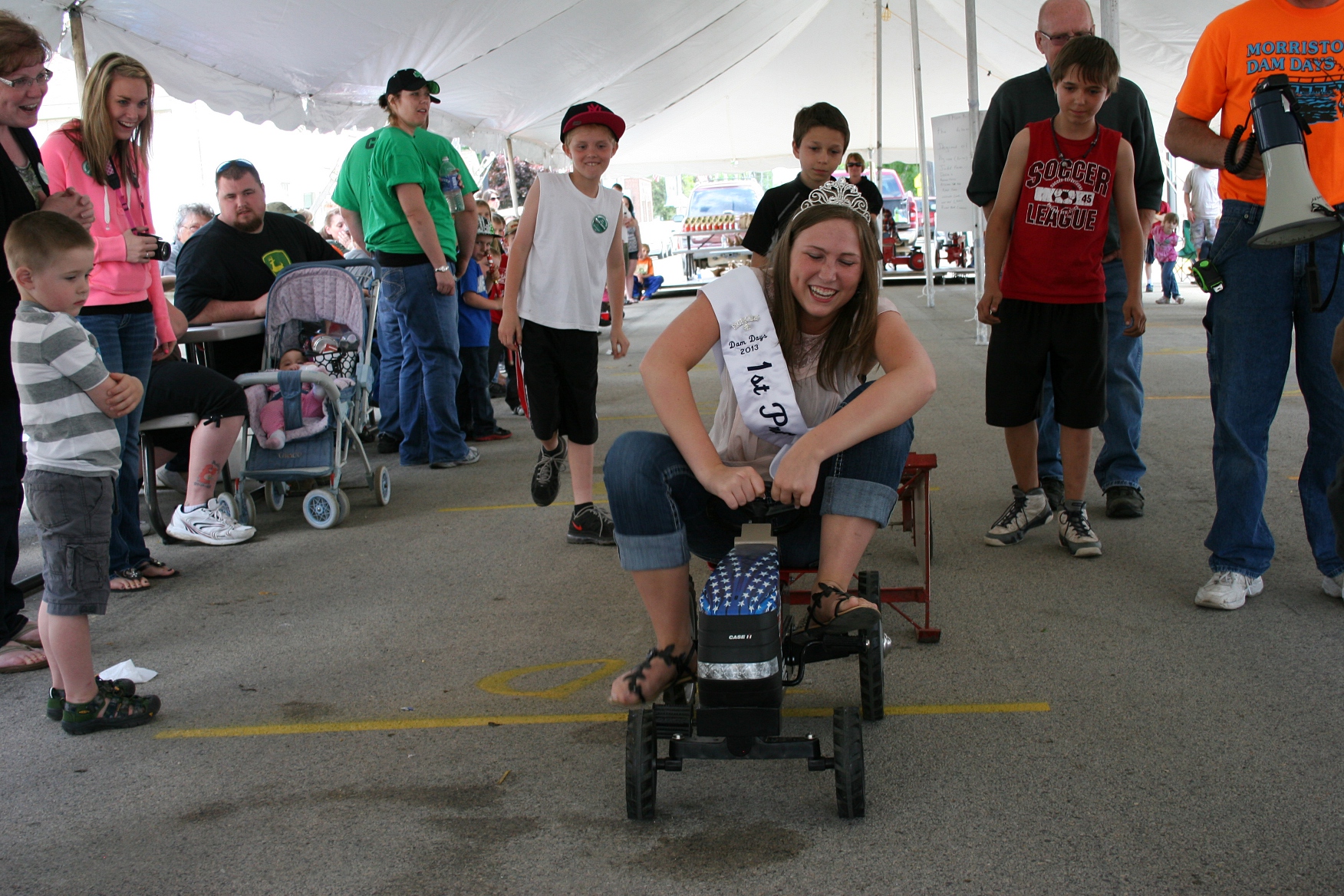
Even the Dam Days princesses participated in the pedal pull. Look at the faces in the crowd.

Even the Dam Days princesses participated in the pedal pull. Look at the faces in the crowd.

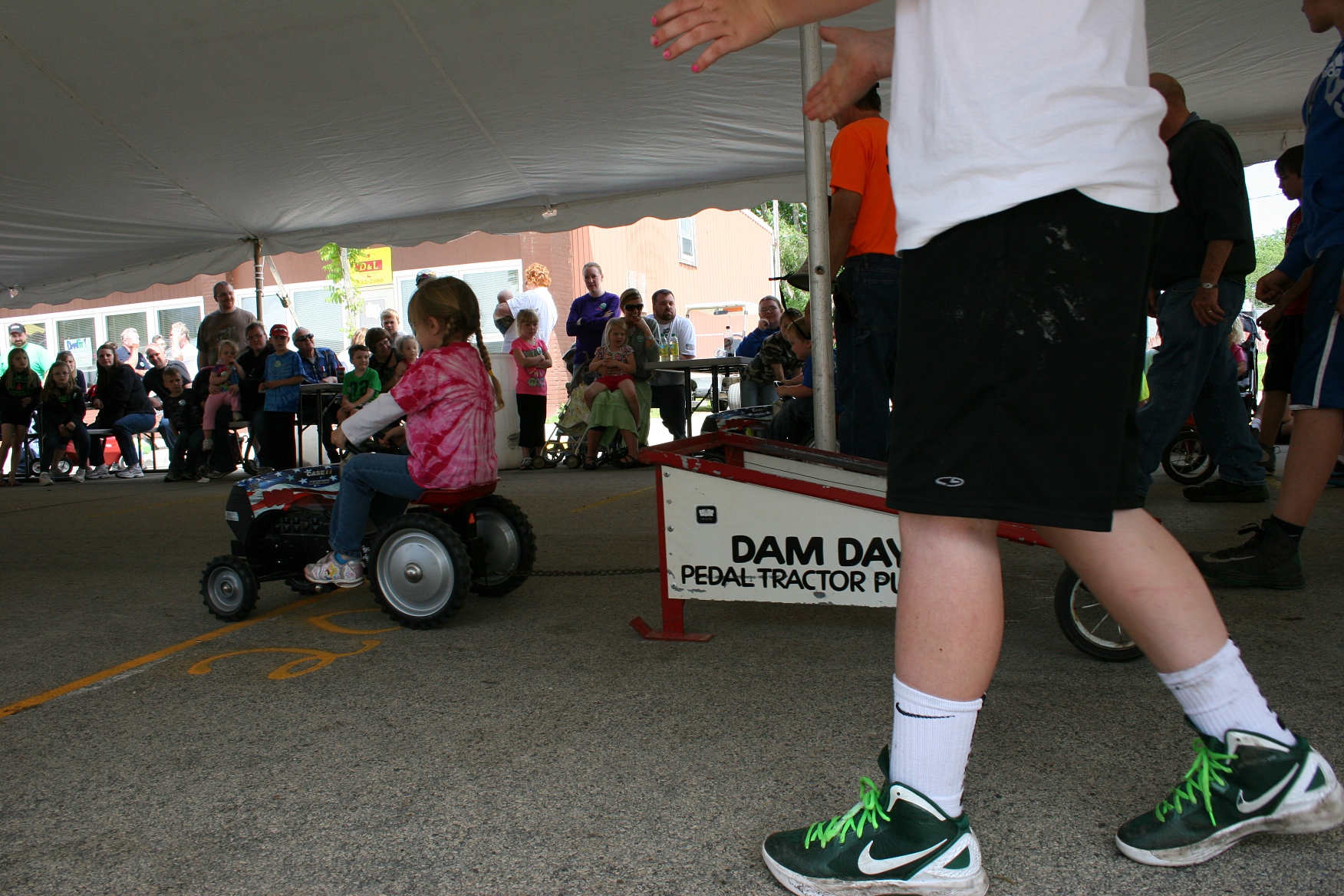
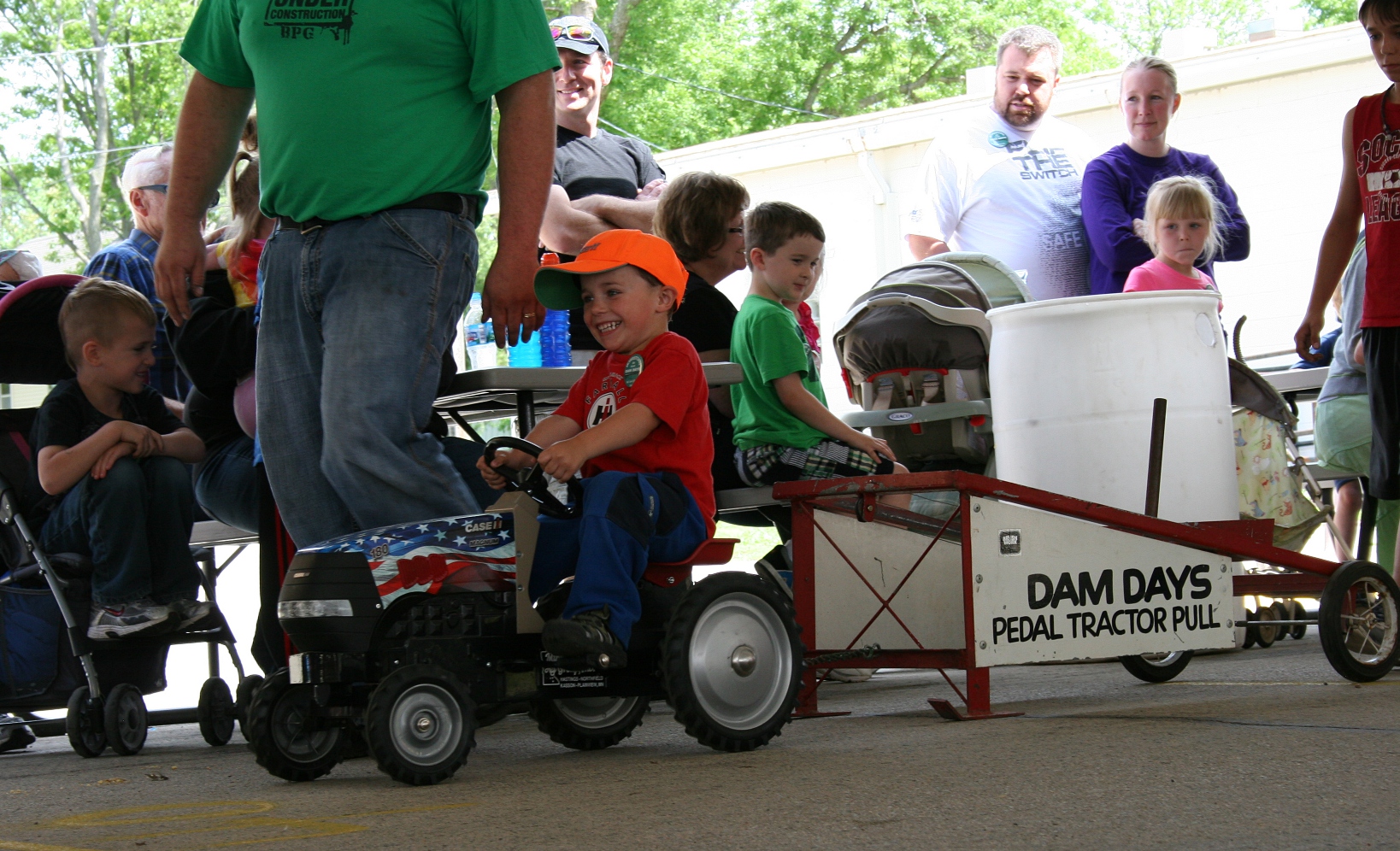
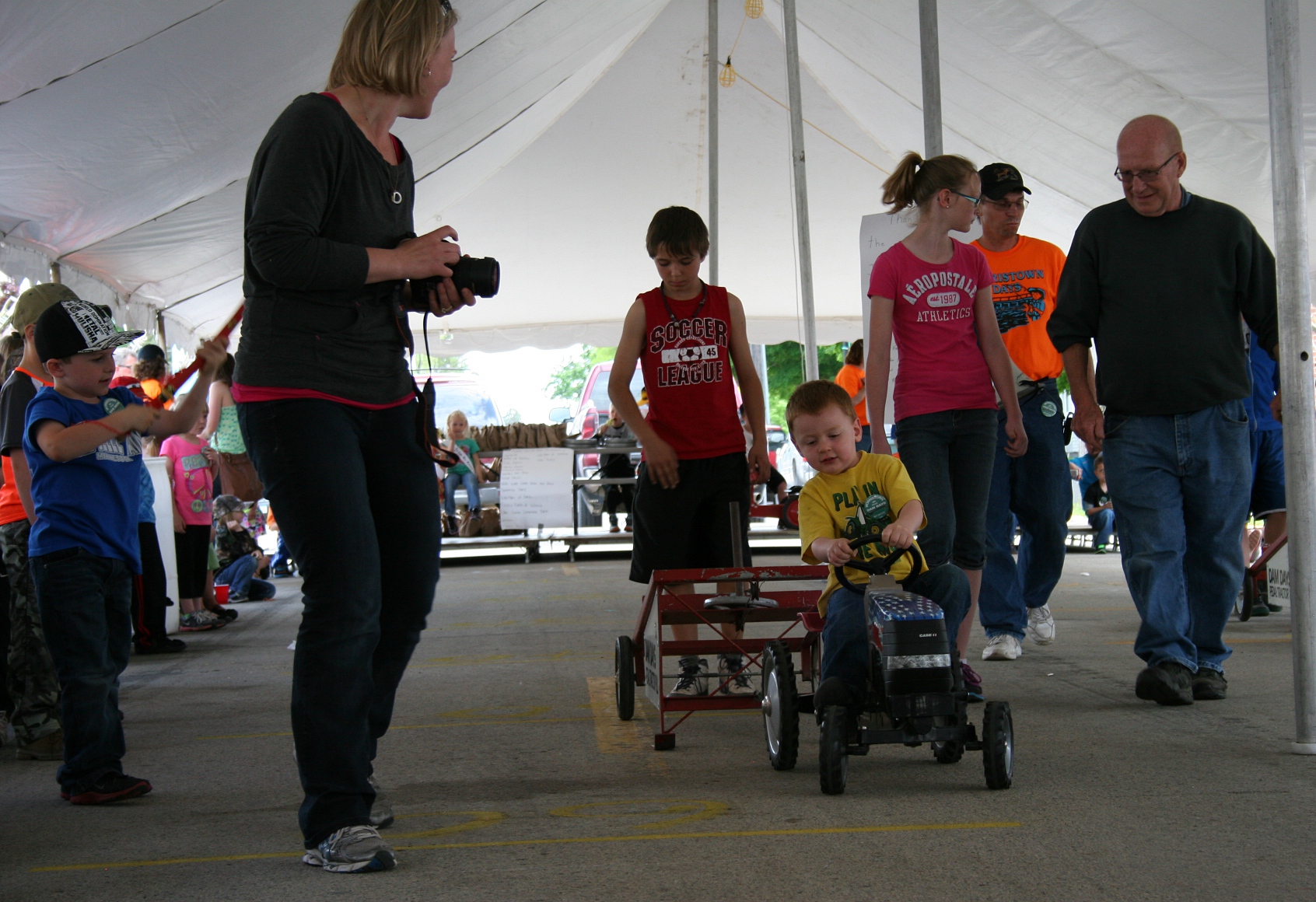
As I observed the pedal pull, I focused not only on the determined little ones peddling with all their might, but on the proud parents, the equally encouraging grandparents, the enthusiastic siblings, the sweet princesses and more.

Cameras and encouragement abounded.

Cameras and encouragement abounded.

Before me I viewed a competition, yes. But I also noted smiles and felt that sense of community which prevails in the heart of rural America. At this moment in time, in this small town, all is well in the world.

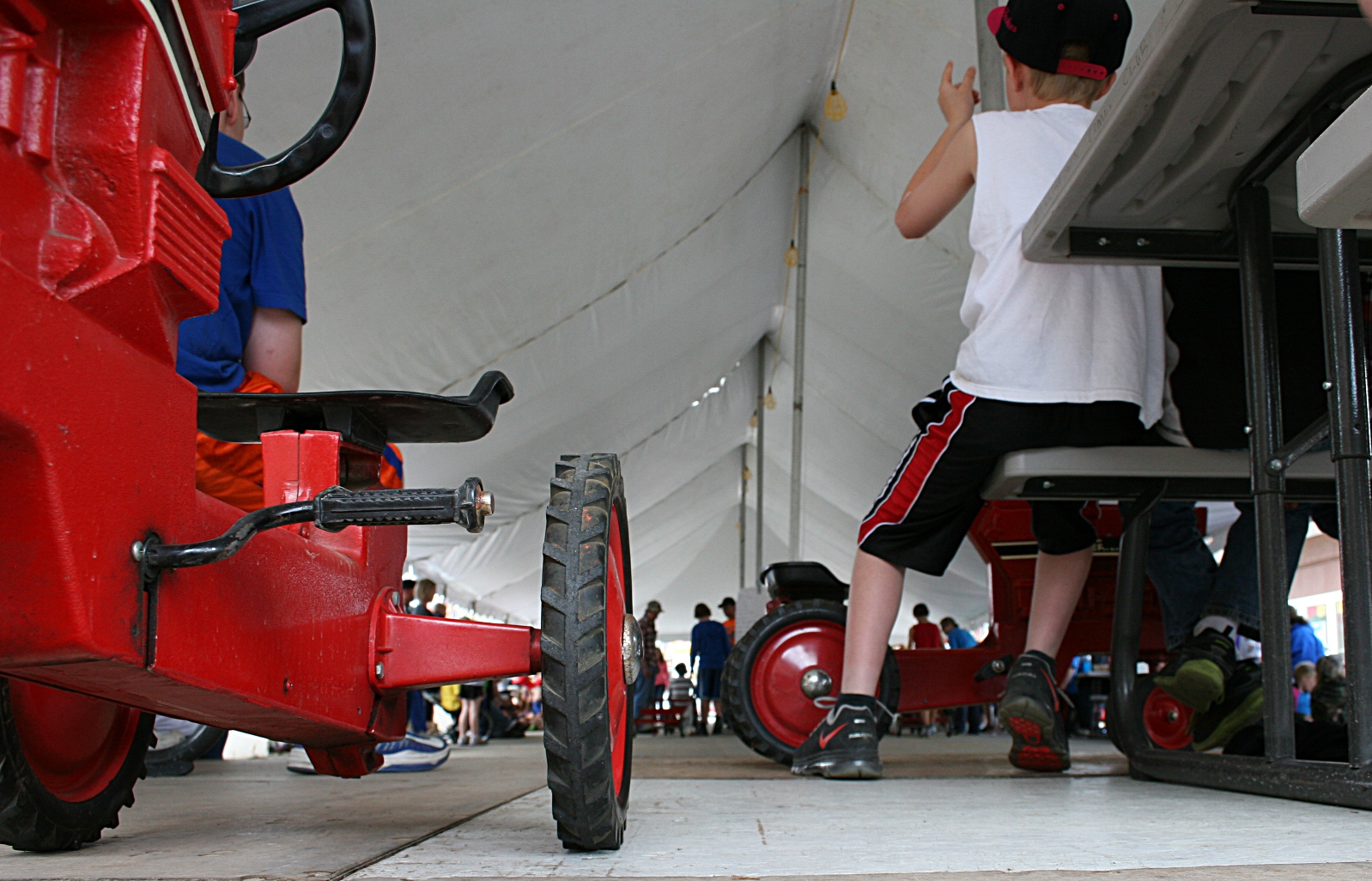
The vehicle of competition, momentarily parked.

The vehicles of competition, momentarily parked.

This little guy cheers on a competitor.

This little guy cheers on a competitor.

...while this preschooler was getting tired. She wasn't sleeping, but...

…while this preschooler was getting tired. She wasn’t sleeping, but…

Cheering on a contestant.

Cheering on a contestant.

Dam Days royalty turned around and flashed their royal smiles when they realized I was behind them.

Sweet Dam Days royalty turned around and flashed their royal smiles when they realized I was behind them.

One word: Determined.

Happy and determined.

© Copyright 2013 Audrey Kletscher Helbling


An on-the-road field report May 13, 2013

Filed under: Uncategorized — Audrey Kletscher Helbling @ 6:24 AM
Tags: , , , , , , ,
Near St. Cloud Thursday afternoon.

Near St. Cloud Thursday afternoon on a day that seemed more November-like than May.

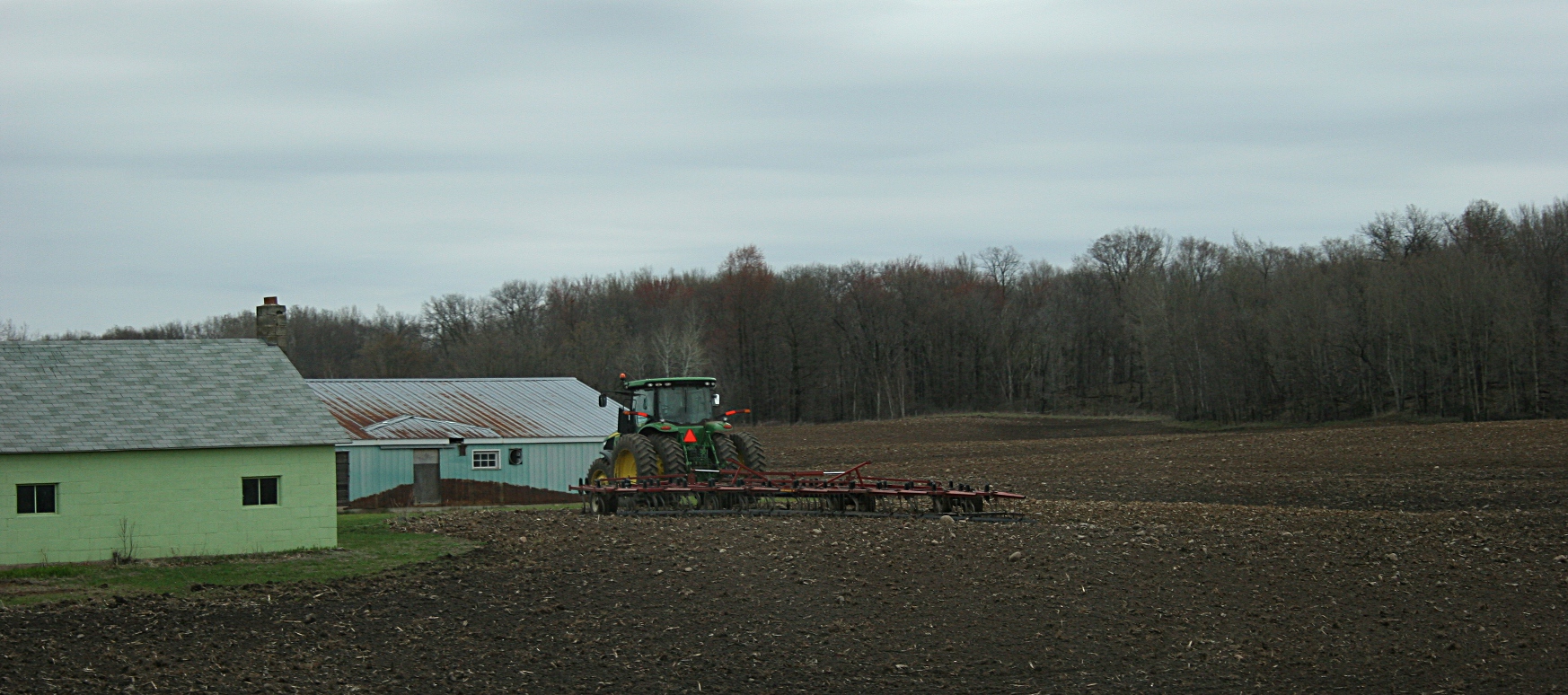
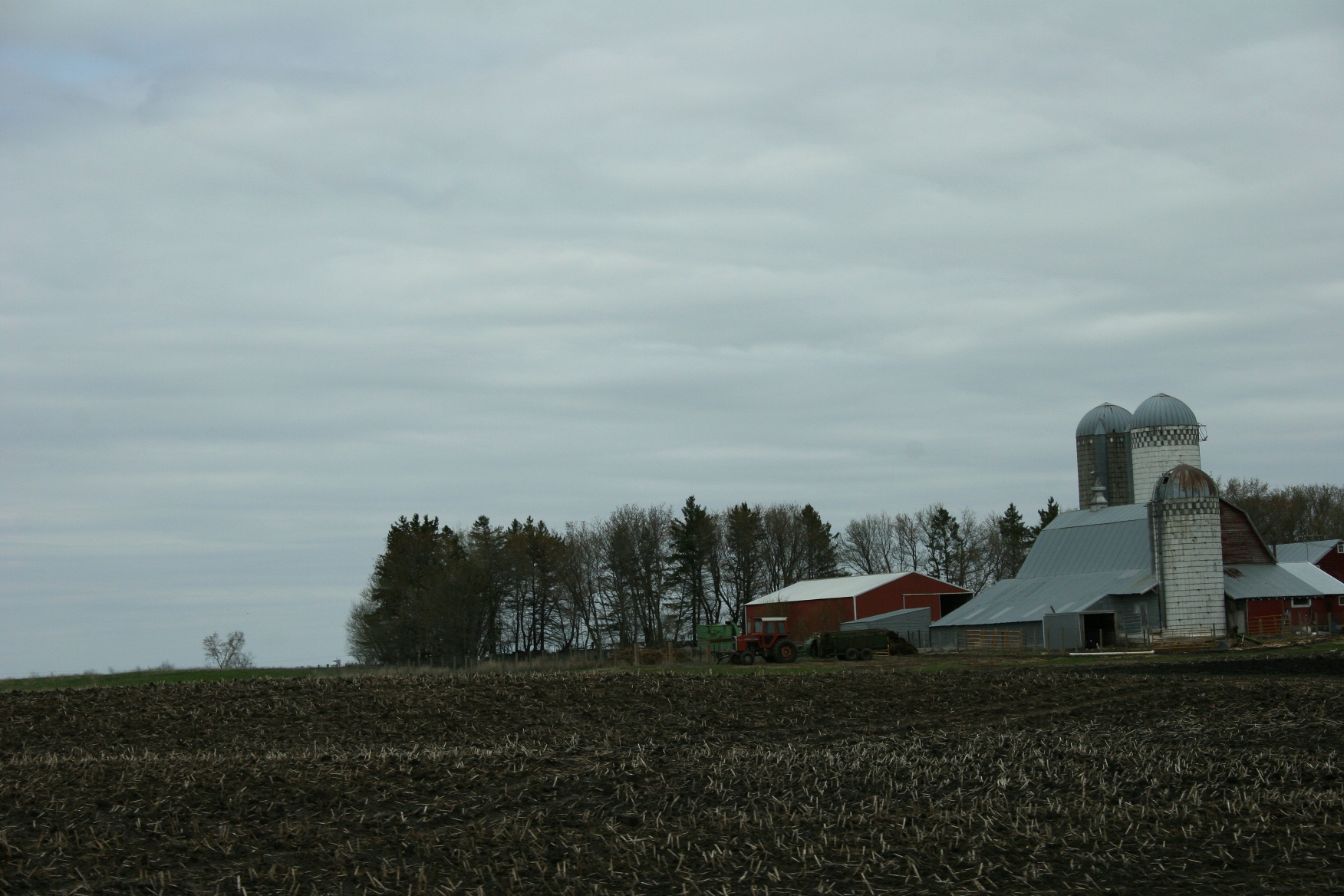
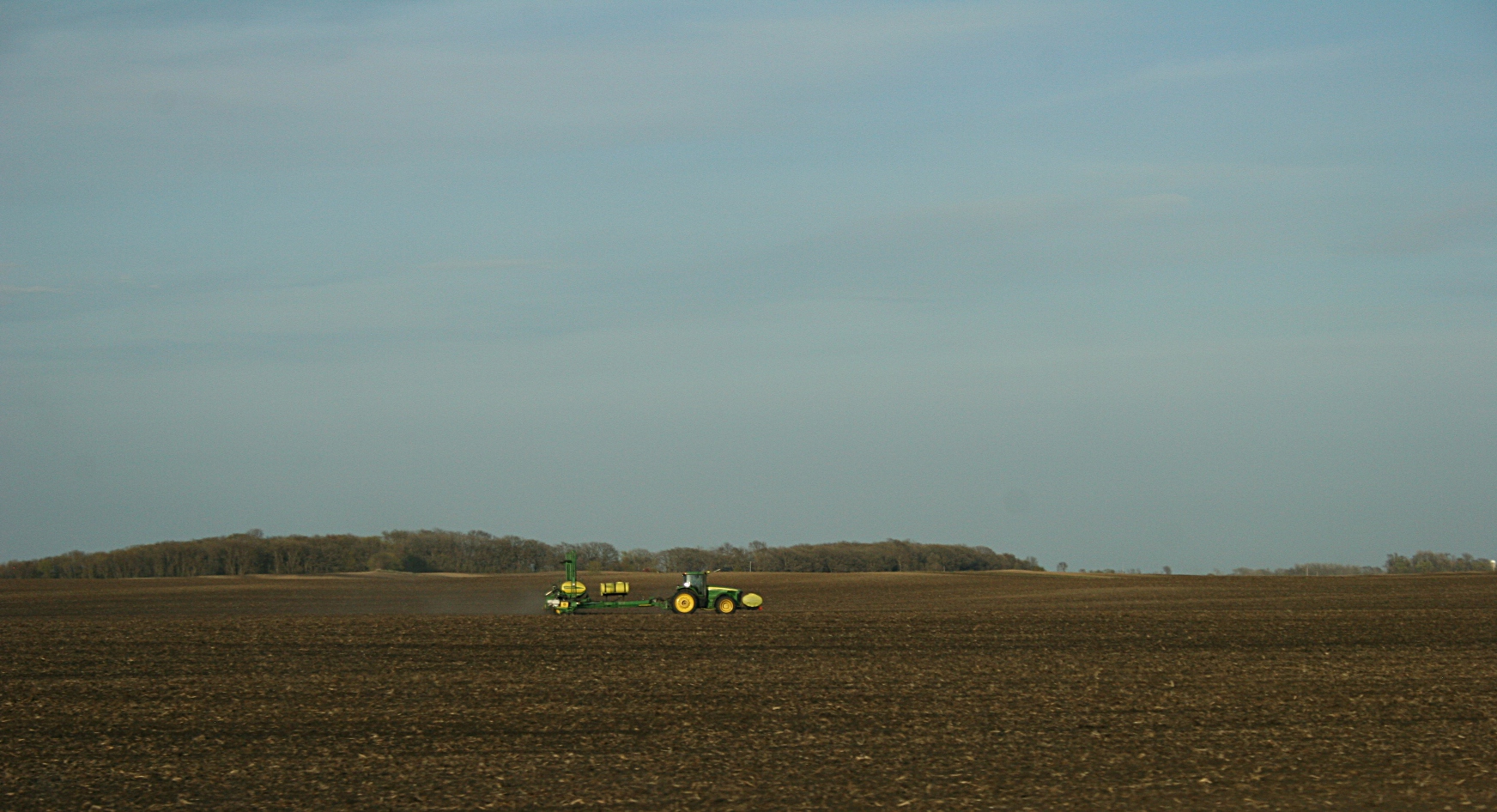
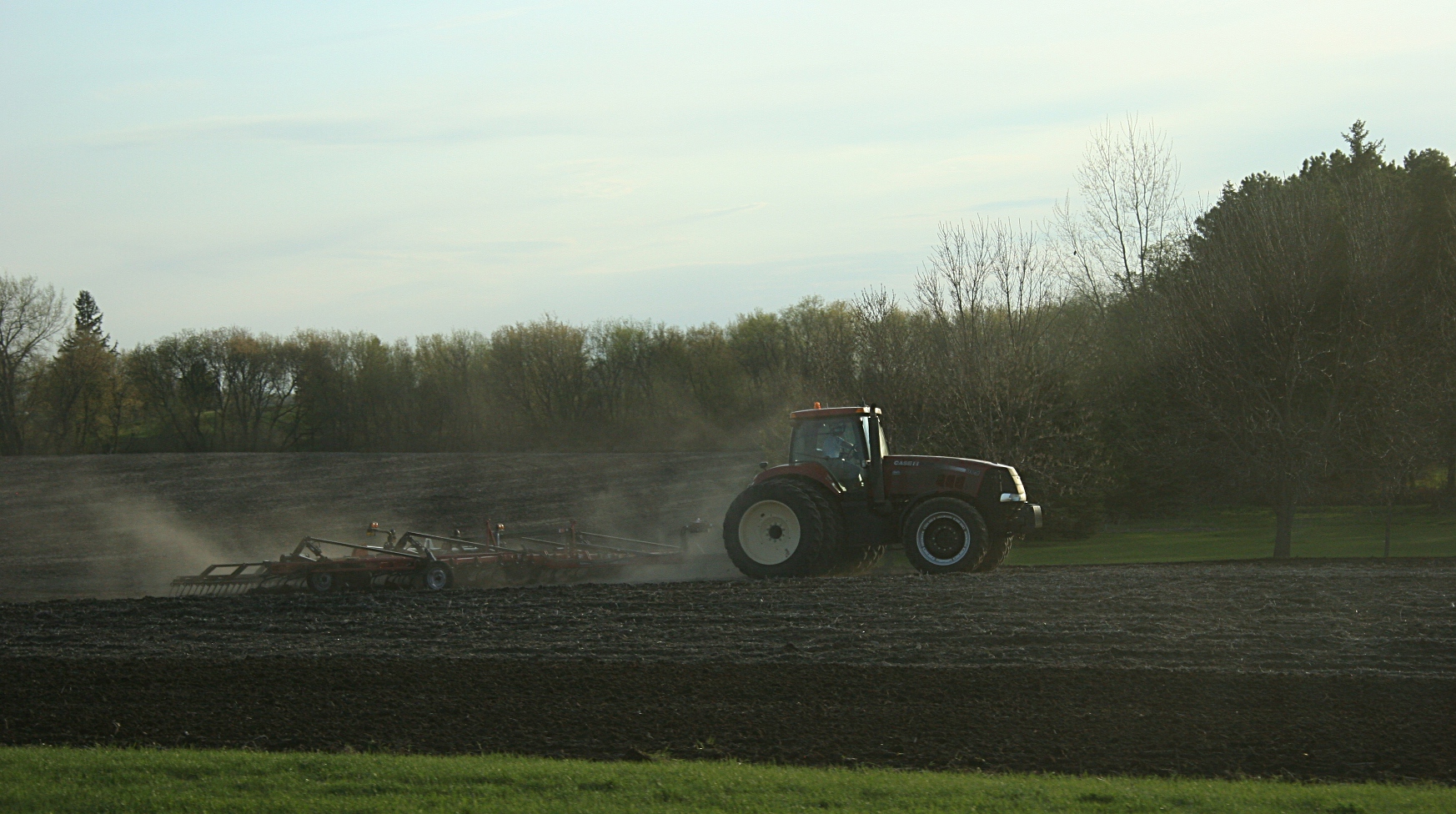
IN TYPICAL FORMER farm girl and farm boy fashion, my husband and I watched for farmers in the fields during our 600-mile round trip between Faribault and Fargo on Thursday and Friday to retrieve our youngest from North Dakota State University.

We traveled the interstate to Fargo, but took the back roads south and east (mostly Minnesota Highways 15 and 19) on the way home to avoid the road construction and traffic snarls near Clearwater and in the metro Friday evening.

Working the field near the Sabin exit.

Working the field near the Sabin exit Friday.

Digging, also near Exit 15 to Sabin.

Digging, also near Exit 15 to Sabin.

East of Moorhead, draft horses seed small grain.

East of Moorhead, draft horses seed small grain.

Based on our observations from Interstate 94, farmers between Fergus Falls and Moorhead, a distance of about 50 miles, are the most advanced in spring field work within the region we traveled.

Photographed near Collegeville.

Photographed near Collegeville on Thursday afternoon.

A Freeport area farm.

A Freeport area farm with an, as of Thursday afternoon, unworked field.

Field work before then rates as spotty and really only begins in the St. Cloud area.

As the sun begins to set along Minnesota Highway 15, a John Deere works the land.

As the sun begins to set along Minnesota Highway 15, a John Deere works the land.

North of Winthrop Friday evening.

North of Winthrop Friday evening, dust flies in the field.

Driving south on Minnesota 15 between I-94 and Winthrop Friday evening, we noticed lots of farmers out and about.

But then, heading east on State Highway 19, we saw fields basically untouched since last fall.

I expect, at least in southern Minnesota where we had those monumental late spring snowfalls, farmers are getting a wee worried about getting corn in the ground.

The sun sets across the prairie north of Winthrop on Friday.

The sun sets across the prairie north of Winthrop on Friday.

© Copyright 2013 Audrey Kletscher Helbling
 

Old Glory at the elevator in Castle Rock May 6, 2013

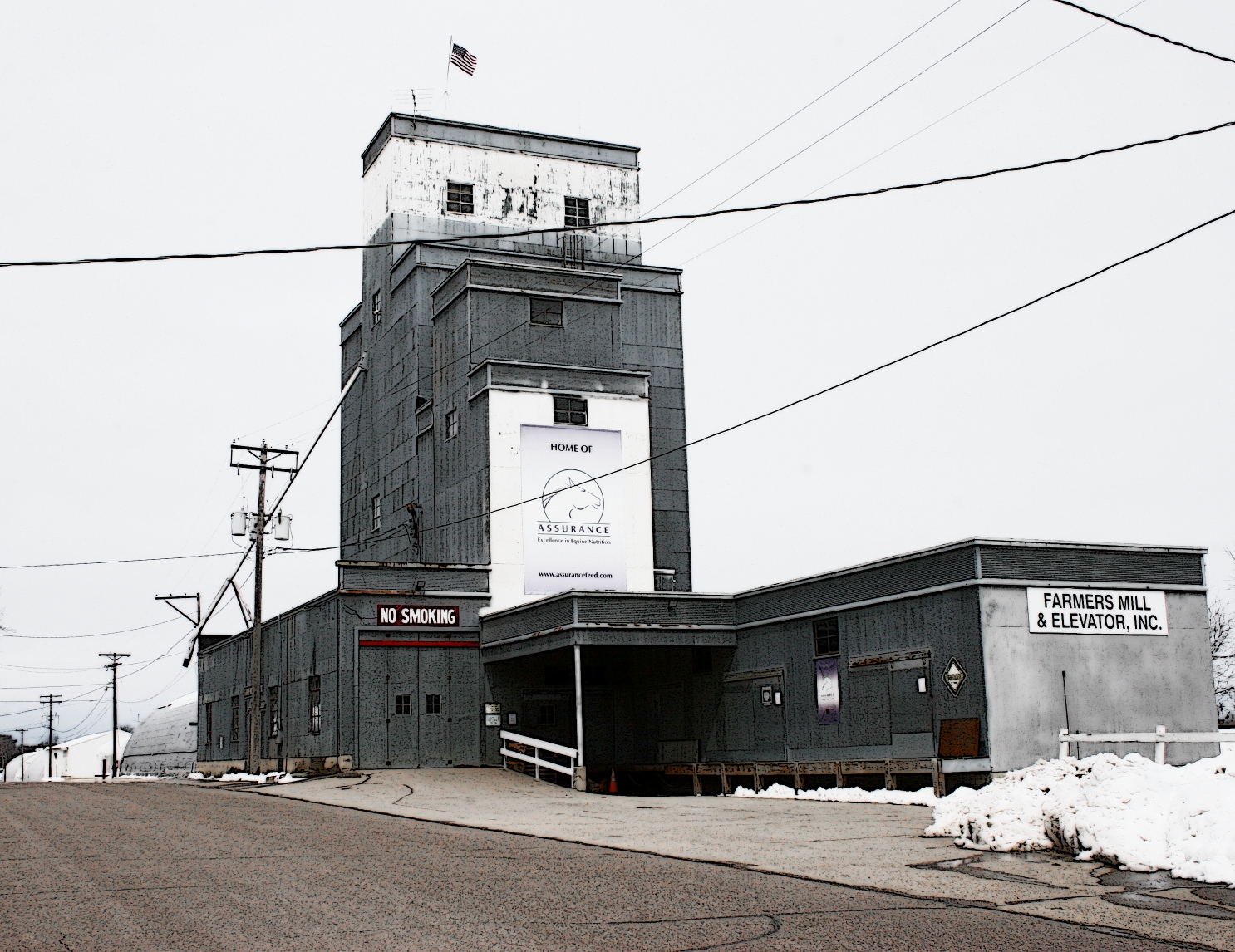
Farmers Mill and Elevator, Inc., Castle Rock, family-owned for 70 years by third generation.

Farmers Mill and Elevator, Inc., Castle Rock, family-owned for 70 years by third generation.

SMALL TOWN GRAIN elevators, like barns, beckon me to photograph them, for I fear that these skyscrapers of the prairie, as some have called them, will someday vanish.

Recently, on a pass through Castle Rock, an unincorporated village located about six miles north of Northfield in Dakota County, I spotted Farmers Mill and Elevator, Inc.

The grey of the elevator complex matched the grey skies in a landscape late in welcoming spring.

Despite that seasonal indifference over which we possess no control, I noticed the prevailing spirit of rural patriotism in an American flag stretching her stars and stripes in the brisk April afternoon wind.

Grey be gone. Red, white and blue flourishes, at least atop the grain elevator in Castle Rock.

© Copyright 2013 Audrey Kletscher Helbling
 

Where the men & boys shop: At a rural Minnesota farm toy show January 31, 2013

OH, TO BE A FARM KID again, steering toy tractors through imaginary fields, corralling cattle into a replica barn, pretending to be a farmer just like Dad.

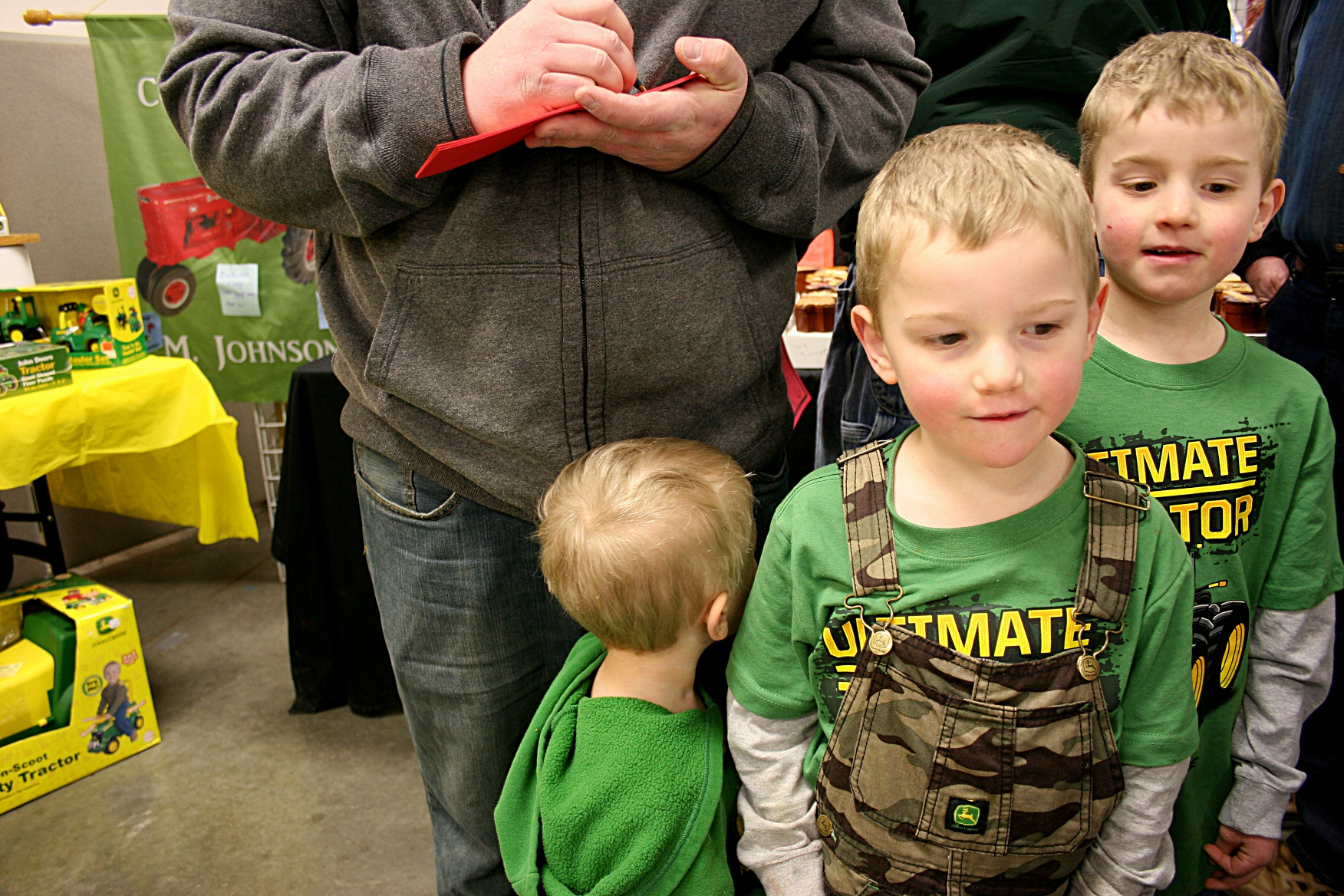
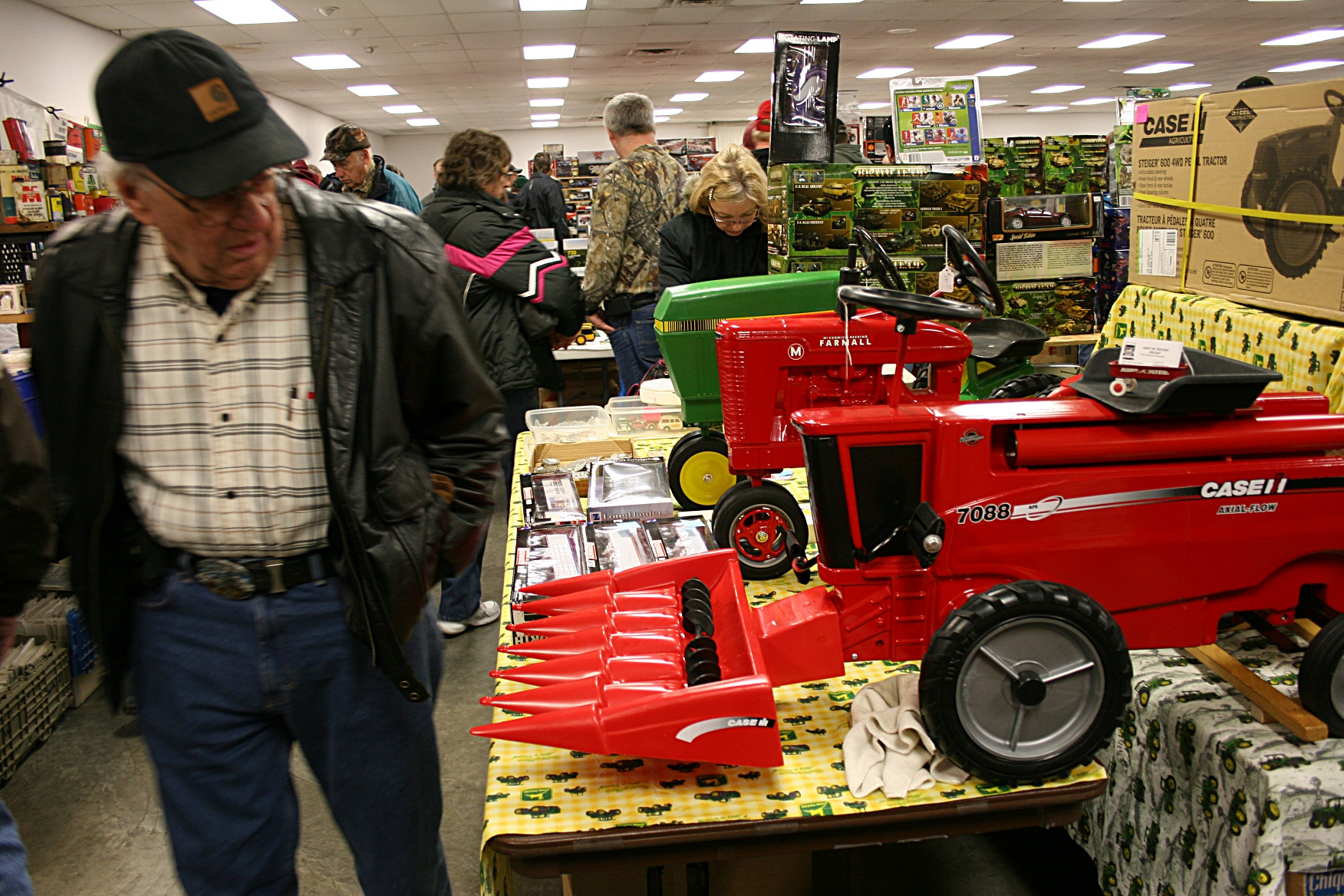
A trio of brothers dressed in John Deere attired waited while their dad signed up for a Massey Harris tractor raffle from Rice County Steam & Gas Engines, Inc.

A trio of brothers dressed in John Deere attire wait while their dad signs up for a Massey Harris tractor raffle from Rice County Steam & Gas Engines, Inc. The youngest was camera shy.

I imagine many of the kids tagging along with Grandpa or Dad to Louie’s Toy Box Farm Toy Show at the Nicollet County Fairgrounds in St. Peter last weekend were farm kids wishing for a new toy tractor or other piece of farm equipment to role-play their futures, or their ancestral pasts.

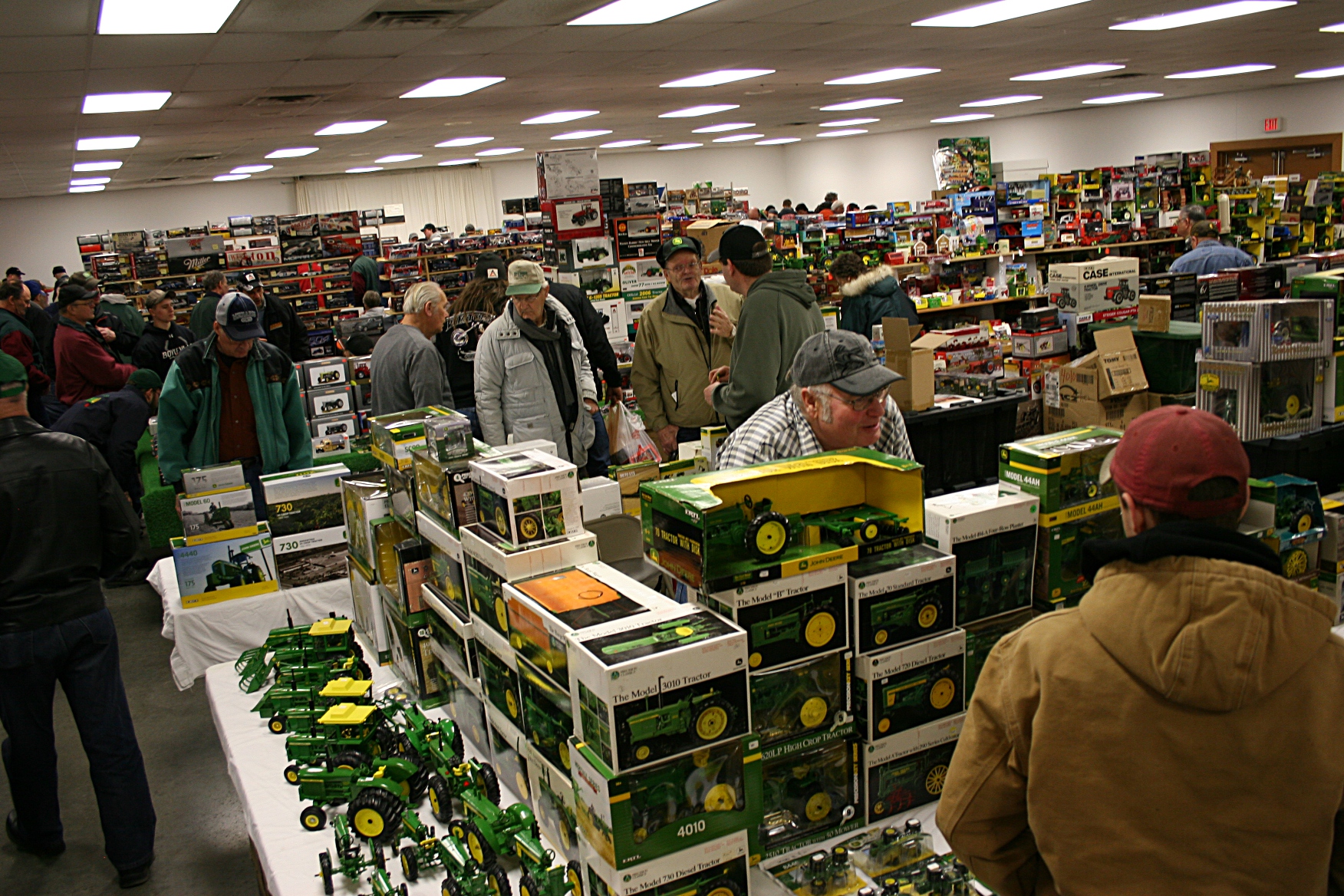
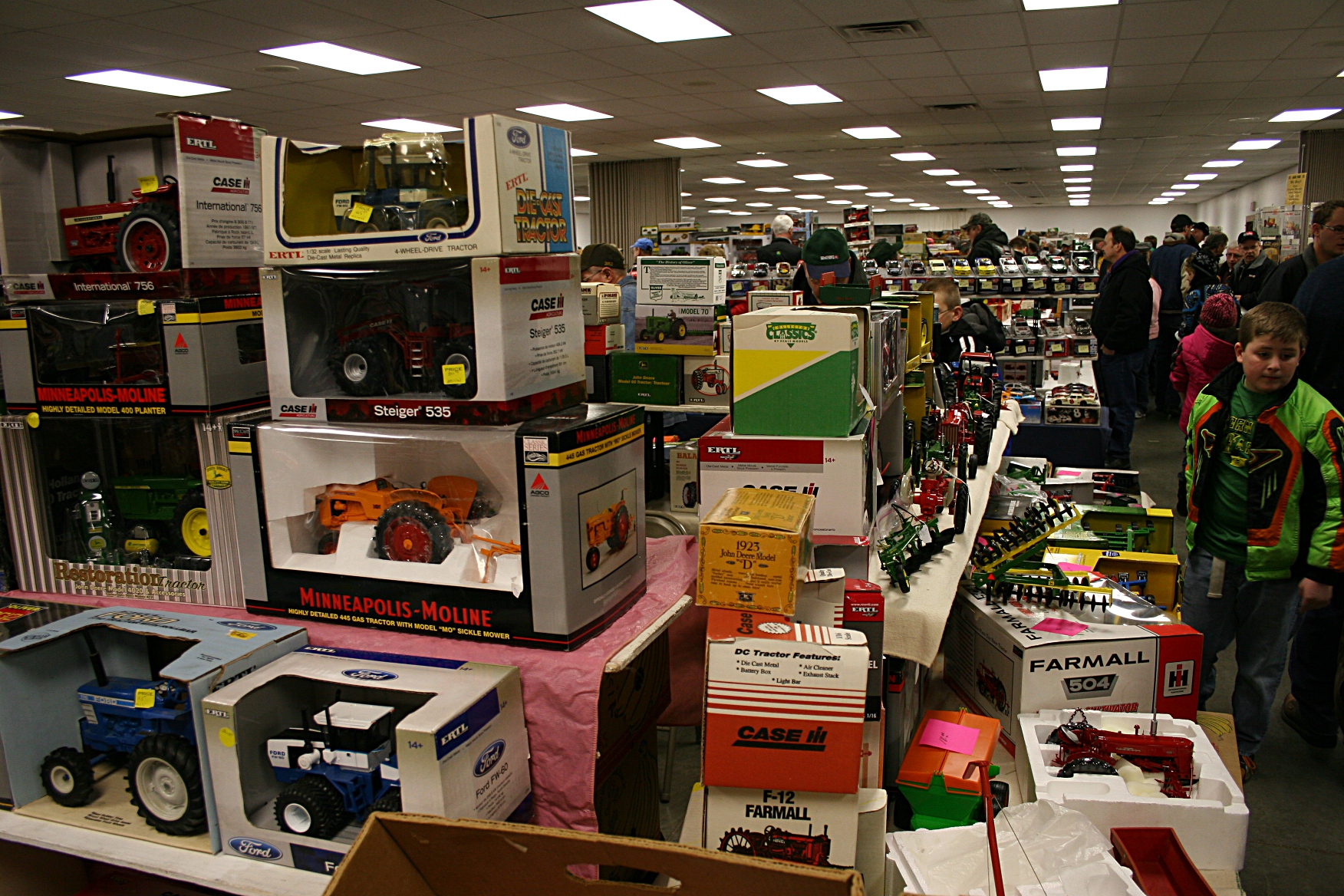
Masses of shoppers among a mass of merchandise.

Masses of shoppers among a mass of merchandise.

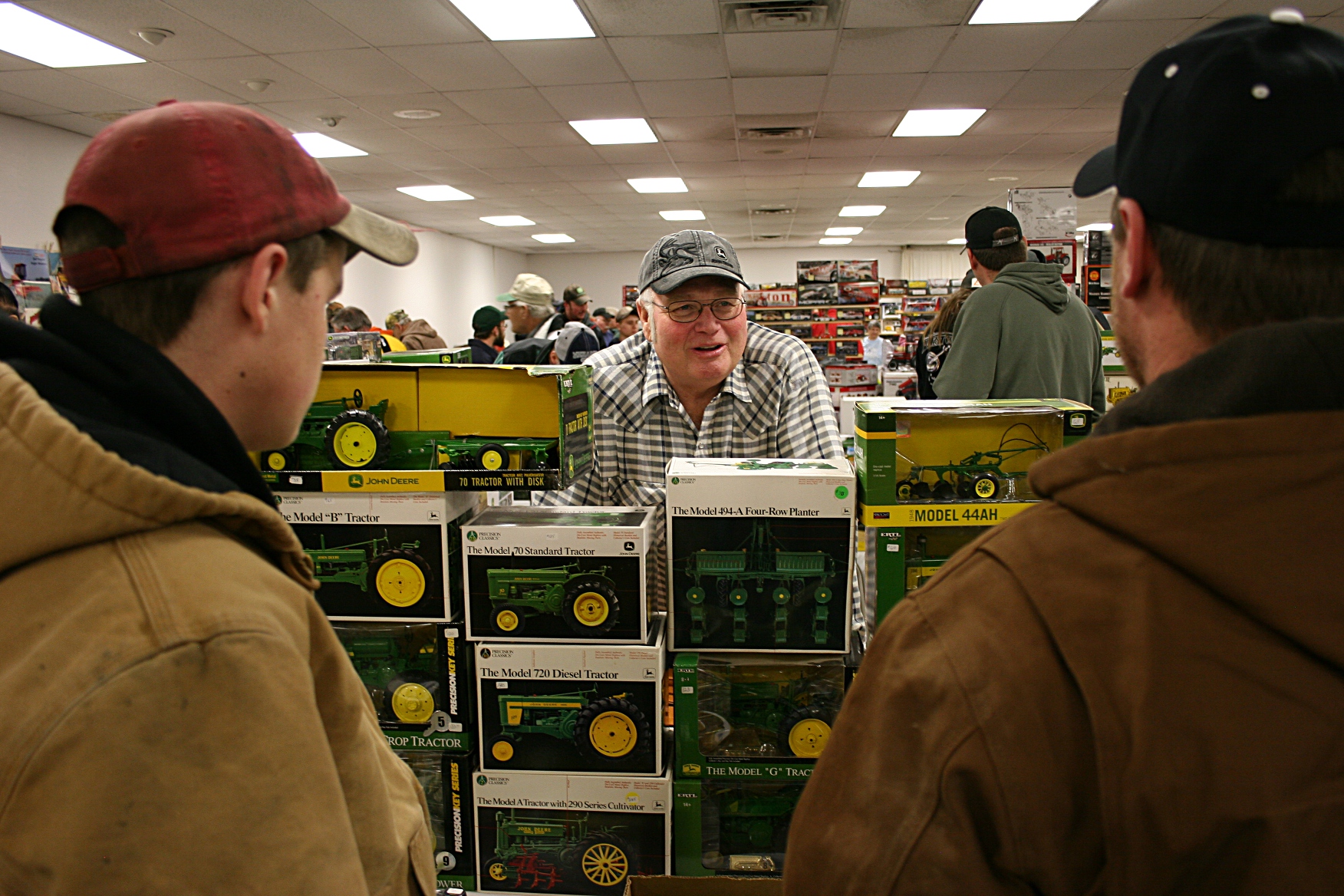
Shouldering my way through packed aisles Saturday morning, I couldn’t determine who seemed more excited—the men or the boys. And they had every reason to thrill in the mass of ag-related merchandise displayed by 43 vendors from Minnesota, South Dakota, Wisconsin, Iowa and Illinois.

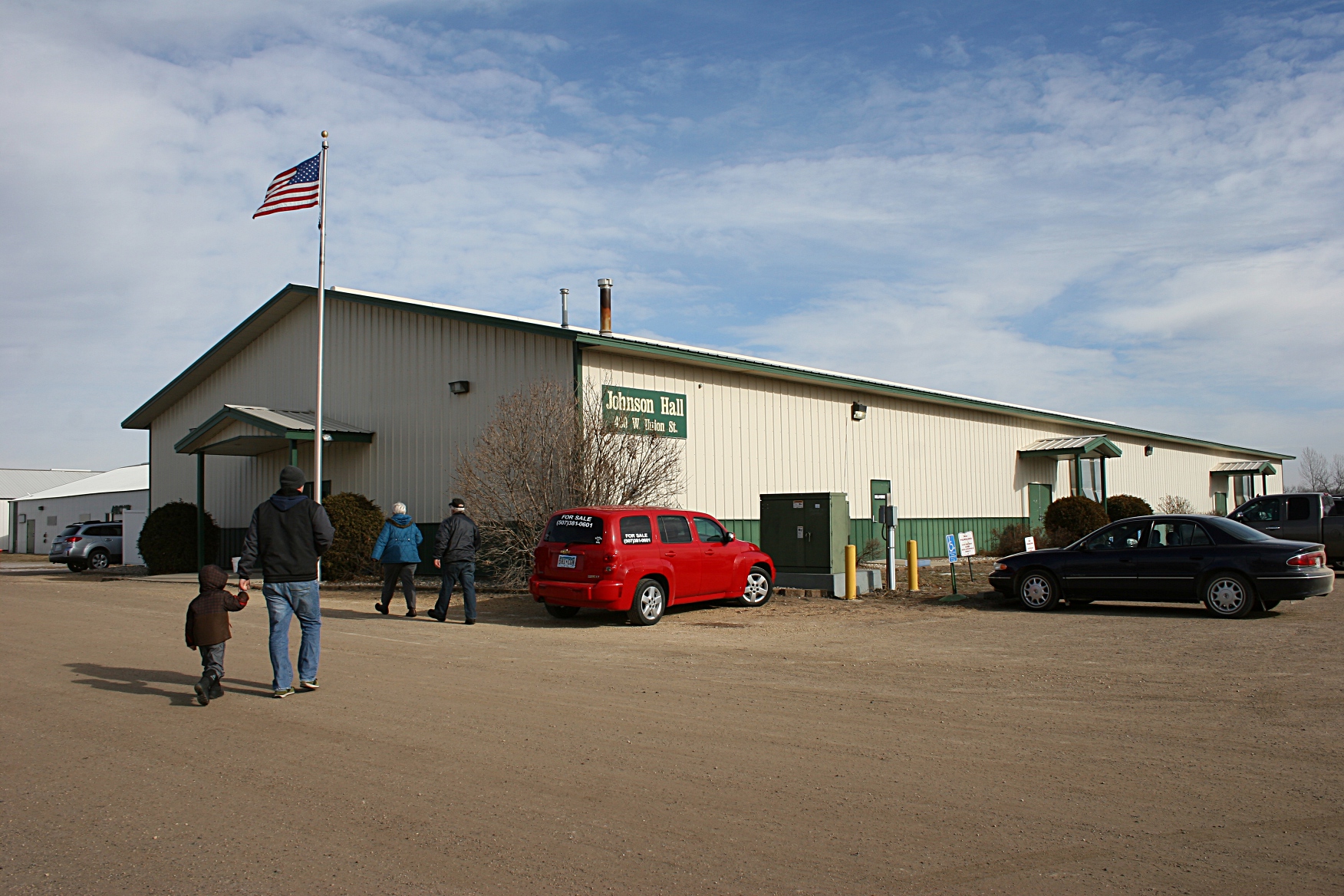
Johnson Hall, site of Louies' Toy Box Farm Toy Show.

Johnson Hall, site of Louie’s Toy Box Farm Toy Show.

I didn’t know quite what to expect when I entered the unassuming pole-shed style Johnson Hall at the fairgrounds. But I didn’t expect to find so many people (an estimated 2,000 weekend attendees), so many vendors and so much merchandise crammed into such a tight space. This venue is definitely too uncomfortably small for a toy show of this size.

Vending John Deere toy tractors.

Vending toy John Deere tractors.

That aside, I managed to wiggle my way through mostly throngs of men sporting caps and sweatshirts advertising ag companies. John Deere, which marked its 175th anniversary in 2012, showed a dominating presence in apparel.

But when it came to merchandise, I expect every line was represented.

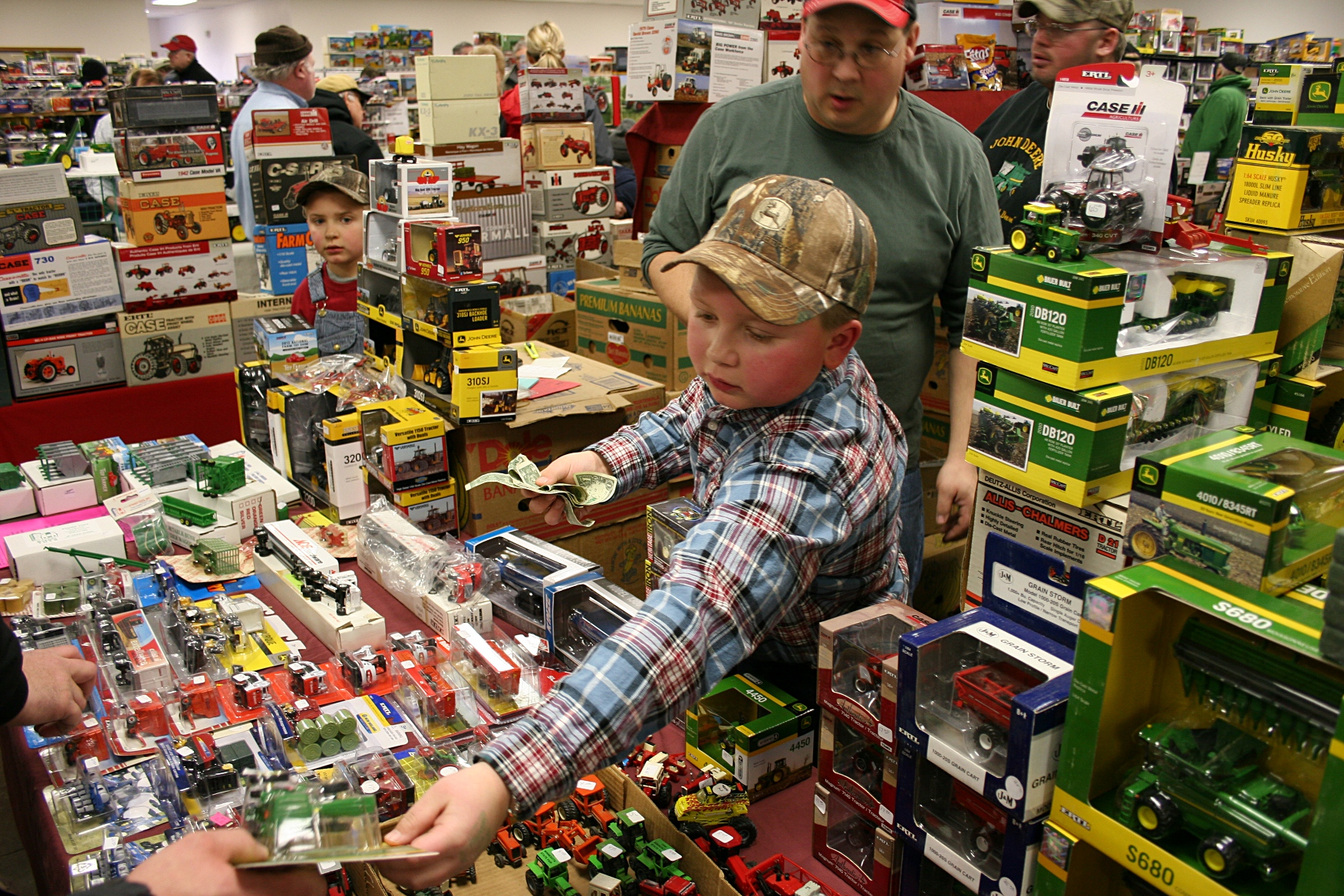
My first look at the farm toy show left me feeling overwhelmed.

My first look at the farm toy show left me feeling overwhelmed.

Upon first entering the toy show, I just stood there, overwhelmed by the stacks and stacks and stacks of boxed tractors and other toys stretching out before me. Honestly, I thought I’d made a mistake suggesting to my husband that we come here. I may have played with toy farm equipment as a kid, but it doesn’t especially interest me as an adult.

Maneuvering the aisles proved challenging.

Maneuvering the aisles proved challenging, especially with a camera bag on my hip and a camera in hand.

I wandered for awhile like a lost sheep, wondering where to focus, how to best work my way through the crowd. Arrows taped to the floor to direct traffic flow would have helped. But eventually I figured it out and backtracked the other direction, easing into the line of shoppers (which did include some women and girls).

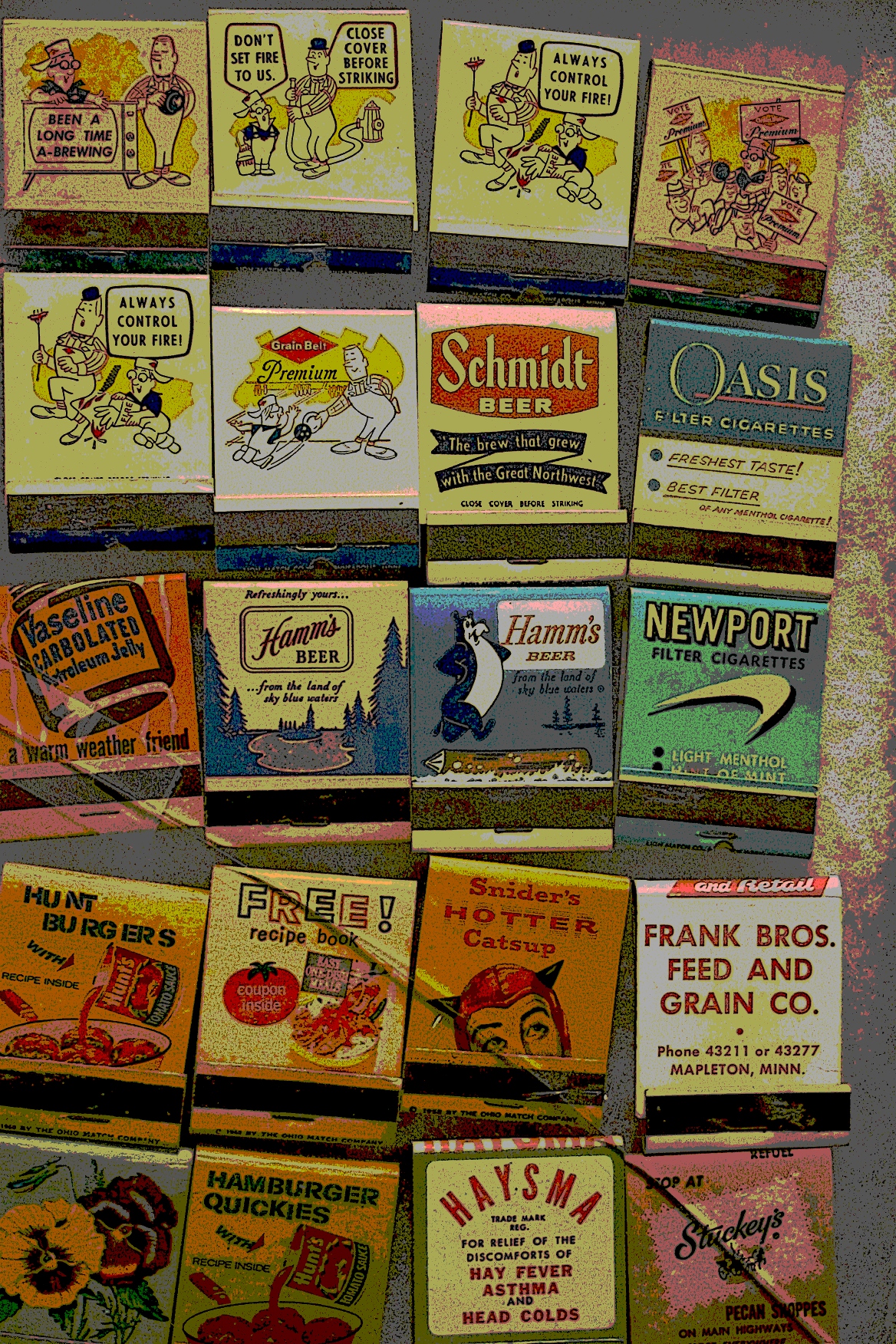
An edited photo of vintage matchbooks. Love those graphics.

An edited photo of vintage matchbooks. Love those graphics.

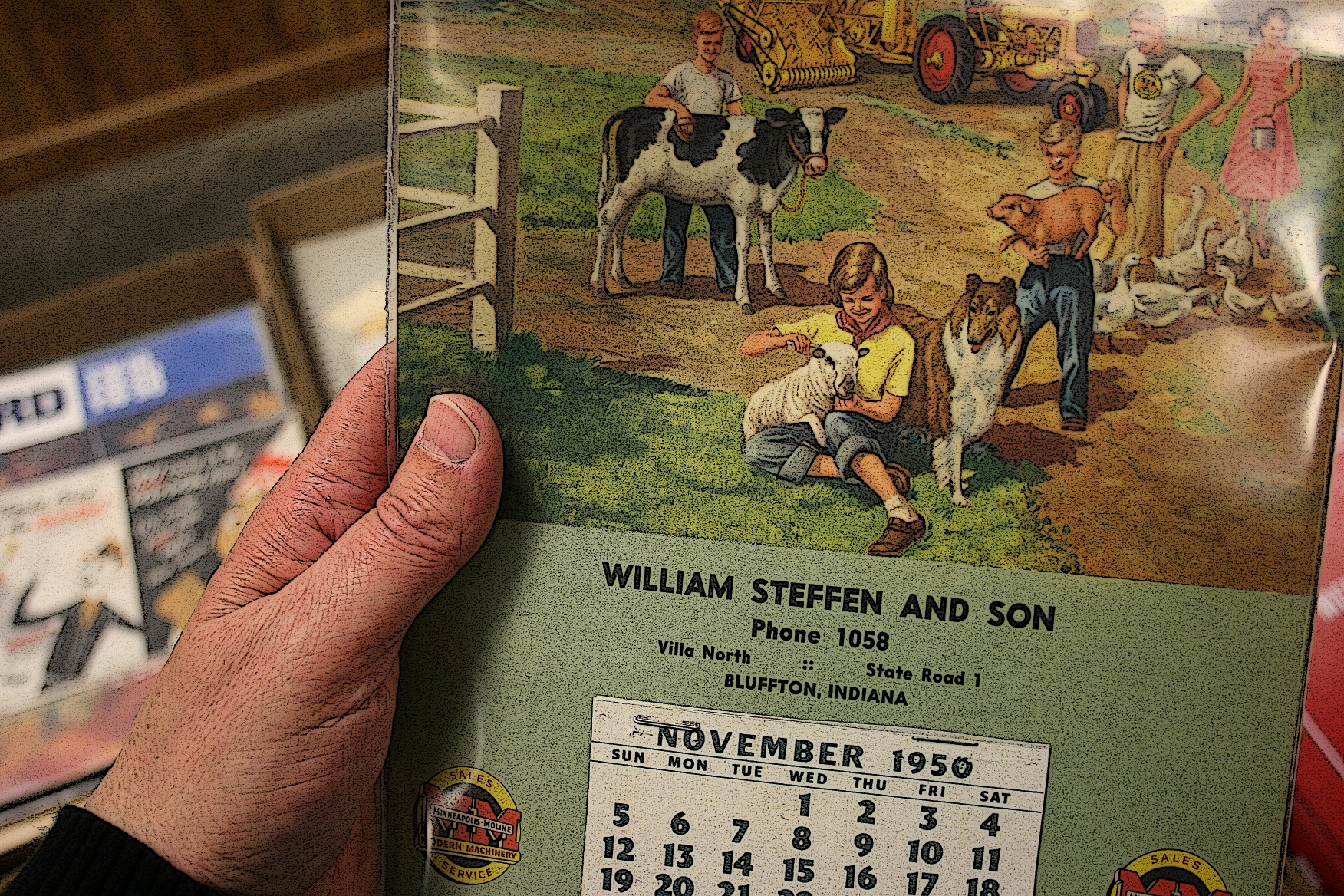
Another edited photo, of a 1950 calendar.

Another edited photo, of a 1950 calendar.

Eventually I found my niche, not in the toys, but in graphics gracing vintage matchbooks, calendars, literature and other advertising items. When I examined a 1950s vintage calendar and balked aloud at the $98 price tag, the vendor informed me that 10 years ago he would have asked even more. I couldn’t bring myself to shell out that kind of money or even $10 for a teeny tiny matchbook. I’d need to be a serious collector to justify such expenditures.

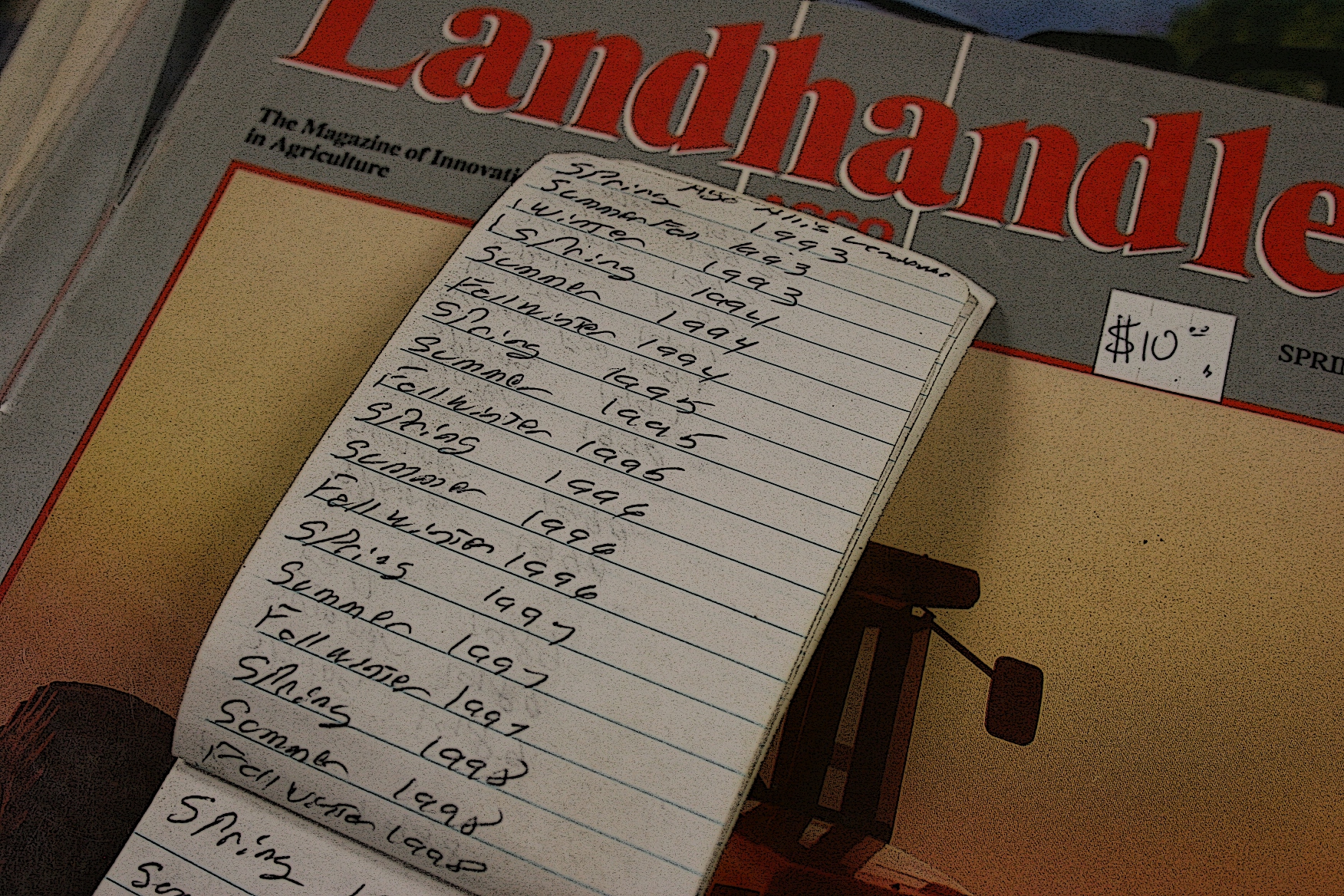
Shortly thereafter I met a serious collector, Wendell Bakker of Renville, whom I observed filing through stacks of magazines, about a half-dozen notebooks stuffed in a back pants pocket and another open notebook in his hand. Because I’m nosy, and I admitted that to Wendell, I initiated a conversation. This former crop, dairy and hog farmer and recently-retired field rep for the Minnesota Farmers Union has been collecting issues of the Allis Chalmers Landhandler and other farm magazines for 50 years.

One of Wendell's notebooks, noting which magazines he already has in his collection.

One of Wendell’s notebooks, noting which magazines he already has in his collection.

“Everybody has a bad habit,” Wendell surmised, not that I would term collecting magazines a bad habit.

I didn’t question any of the other shoppers about their reasons for attending the farm toy show. But, based on the bulging bags most carried out of Johnson Hall, I’d guess many are collectors. As for me, I didn’t purchase anything, just added 94 images to my photo collection in 1 ½ hours. Total cost: the $3 admittance fee.

BONUS PHOTOS:

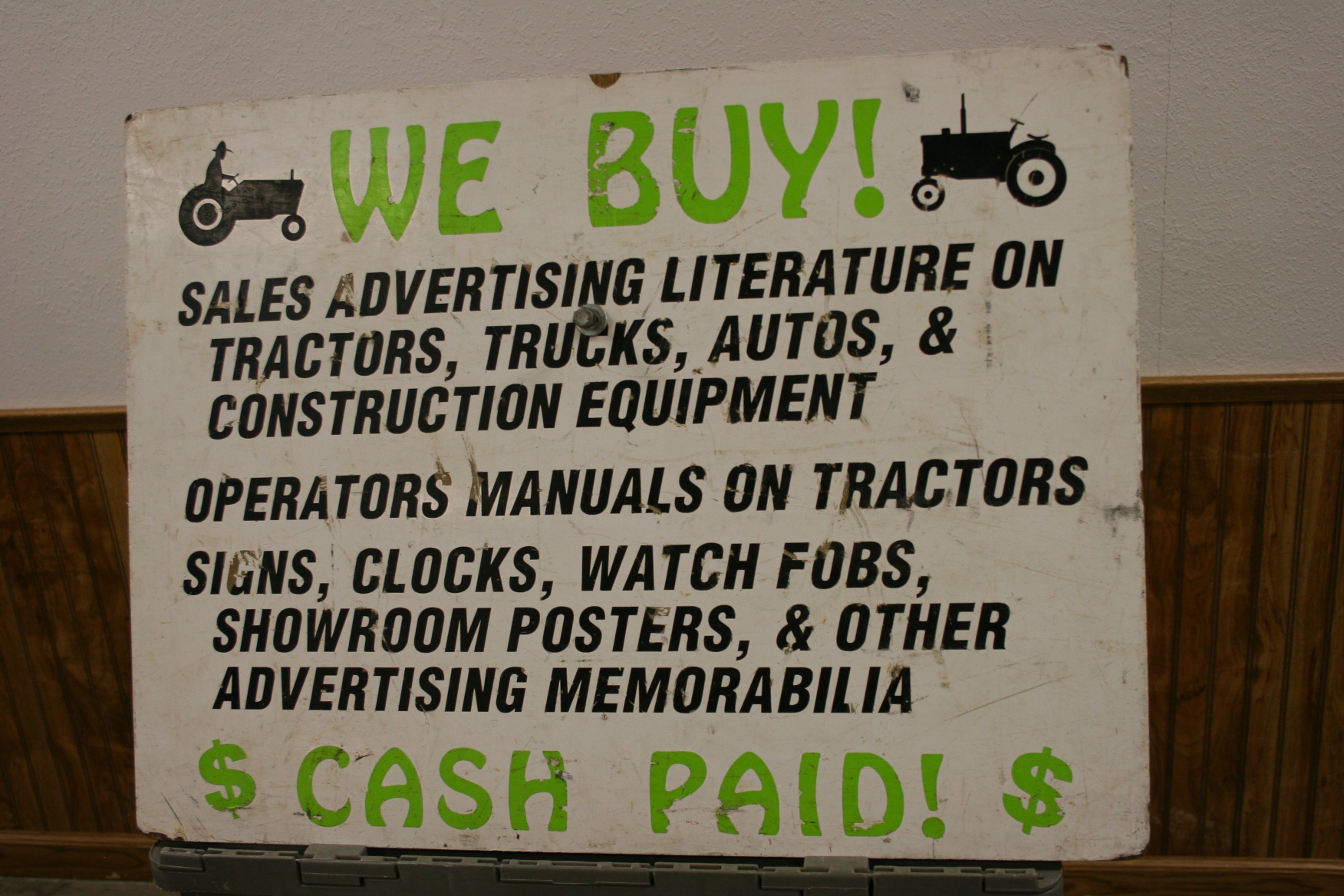
Toys, sign

A vendor’s sign.

A vendor in training.

A vendor in training.

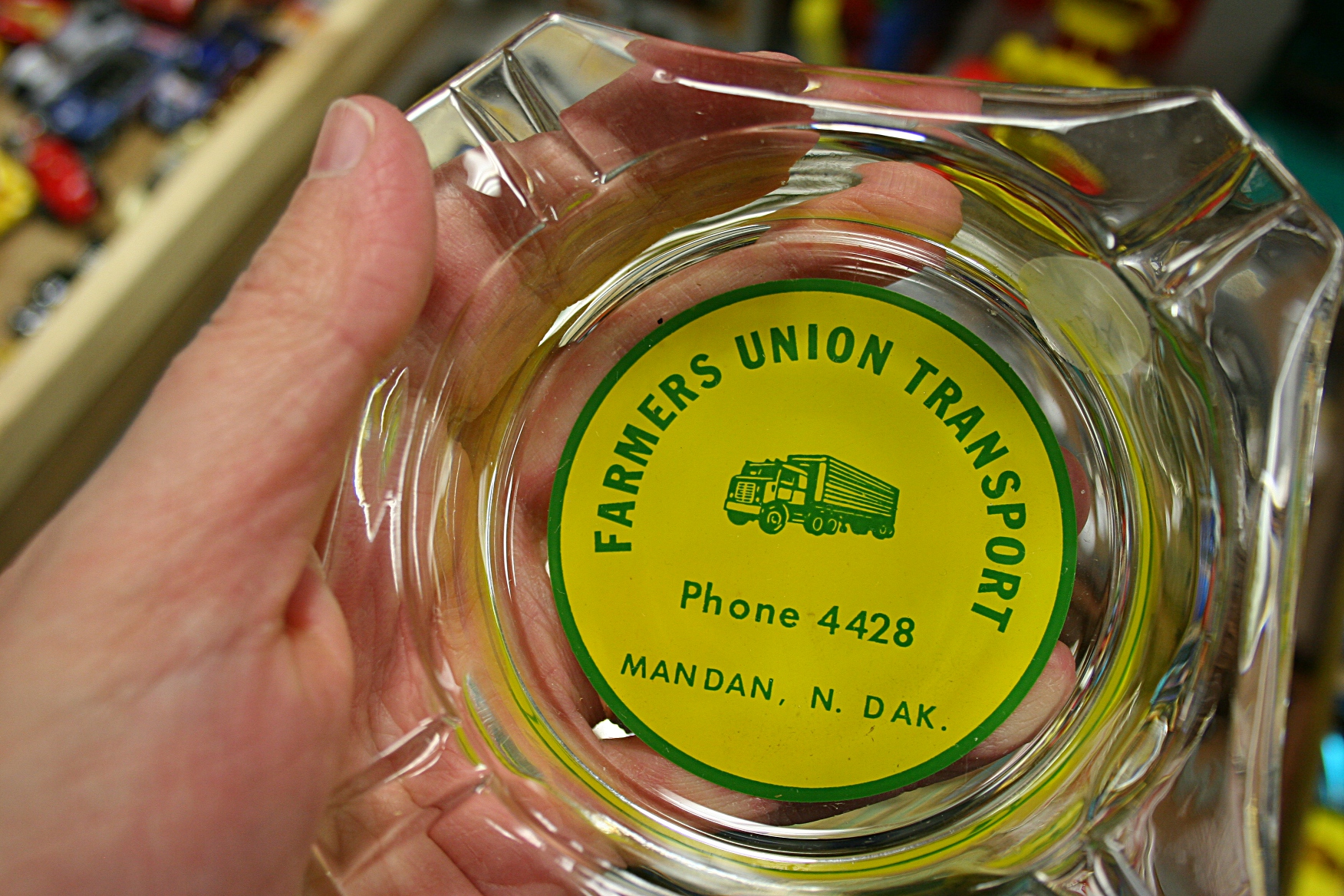
I don't smoke and don't like smoking. But I sure do I like vintage ash trays like this one from my husband's birthplace.

I don’t smoke and don’t like smoking. But I sure do I like vintage ash trays like this one from my husband’s town of birth.

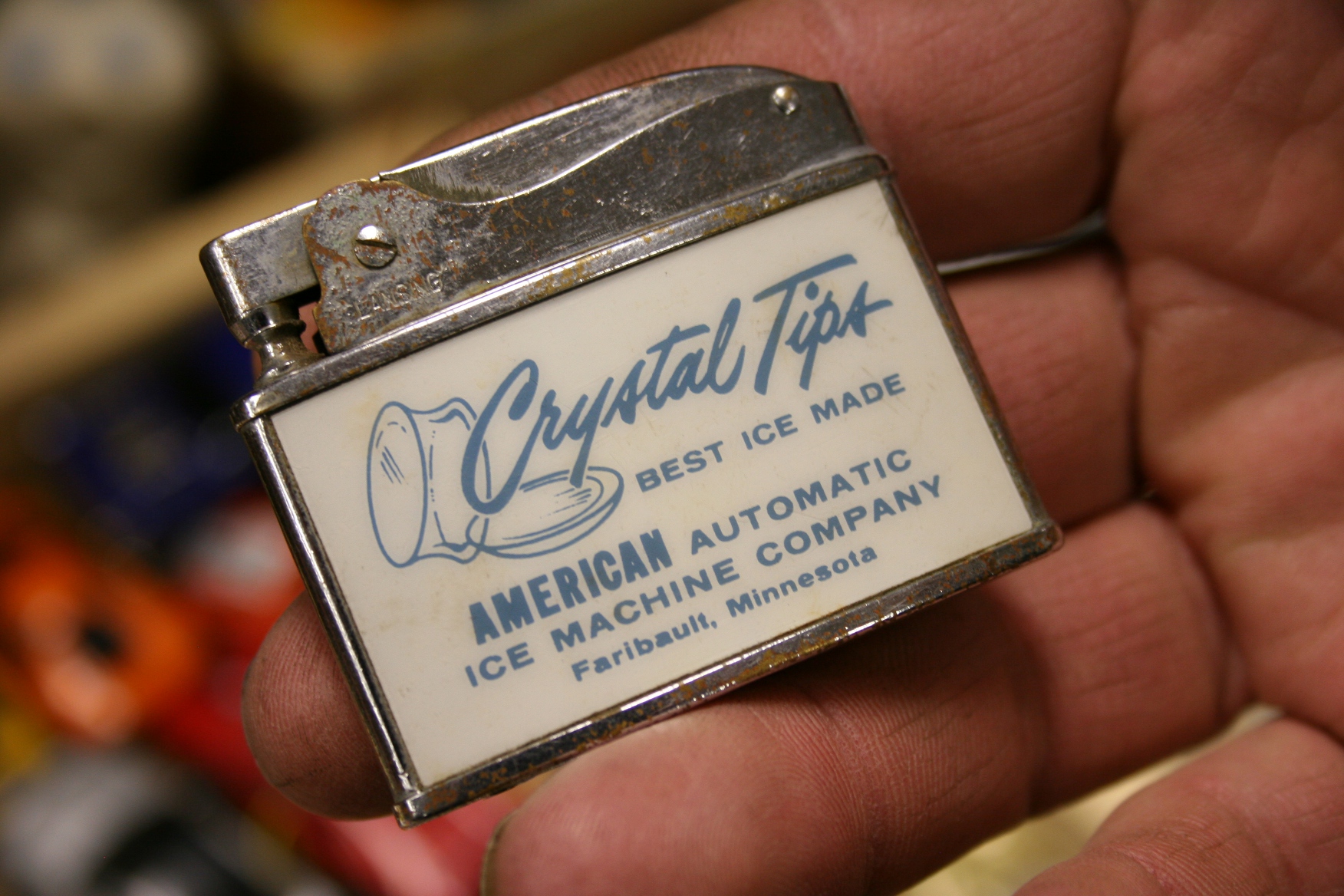
We were tempted to buy this lighter from Faribault, for a business we'd not heard of, but the $18 price was more than we wanted to pay.

We were tempted to buy this lighter from Faribault, for a business we’d not heard of, but the $18 price was more than we wanted to pay.

FOR MORE INFORMATION about show organizer, Louie’s Toy Box, click here.

Check back for more photos from the toy show.

© Copyright 2013 Audrey Kletscher Helbling


Shopping Wisconsin style at the Appleton Farm Market October 26, 2012

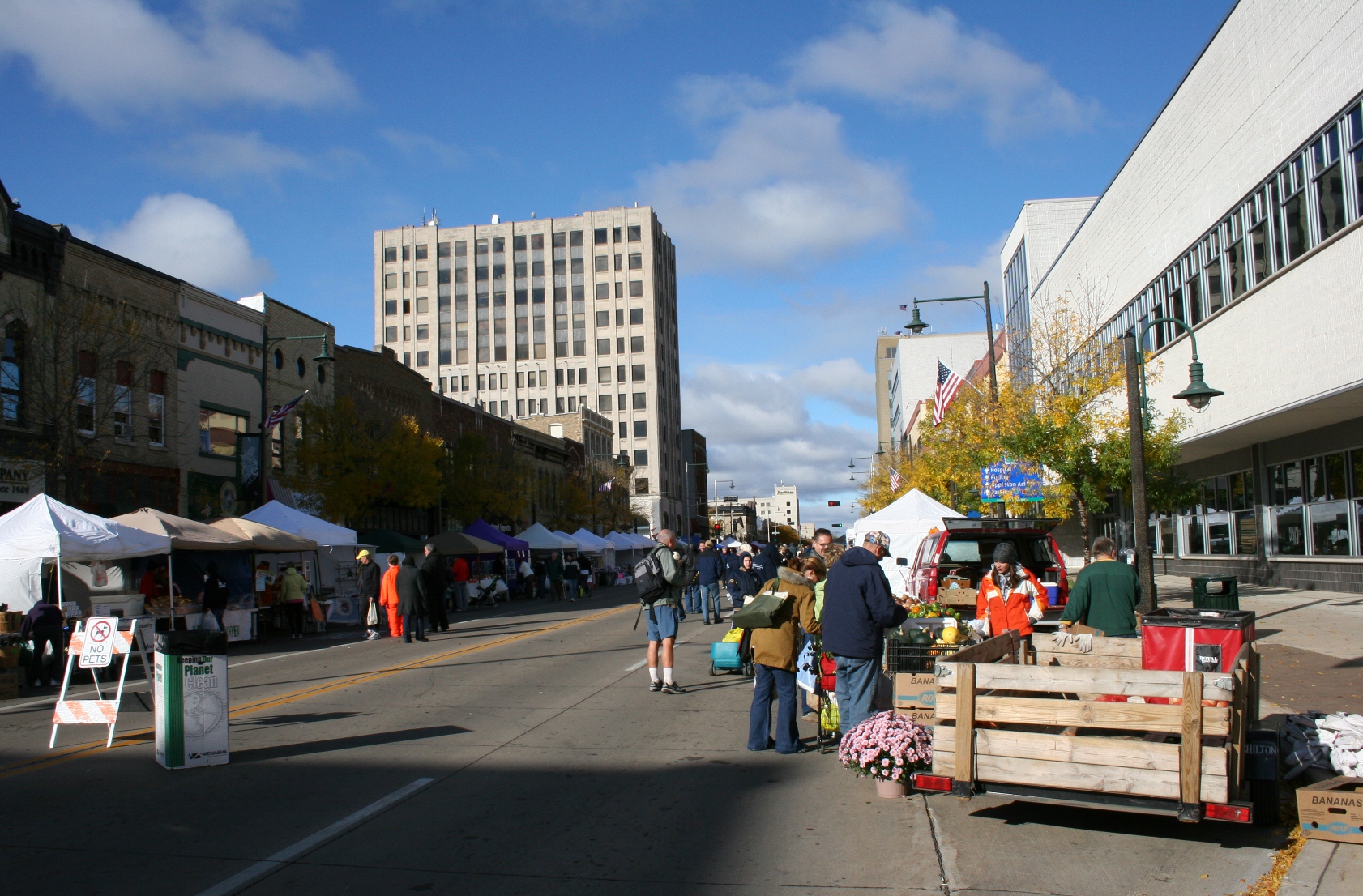
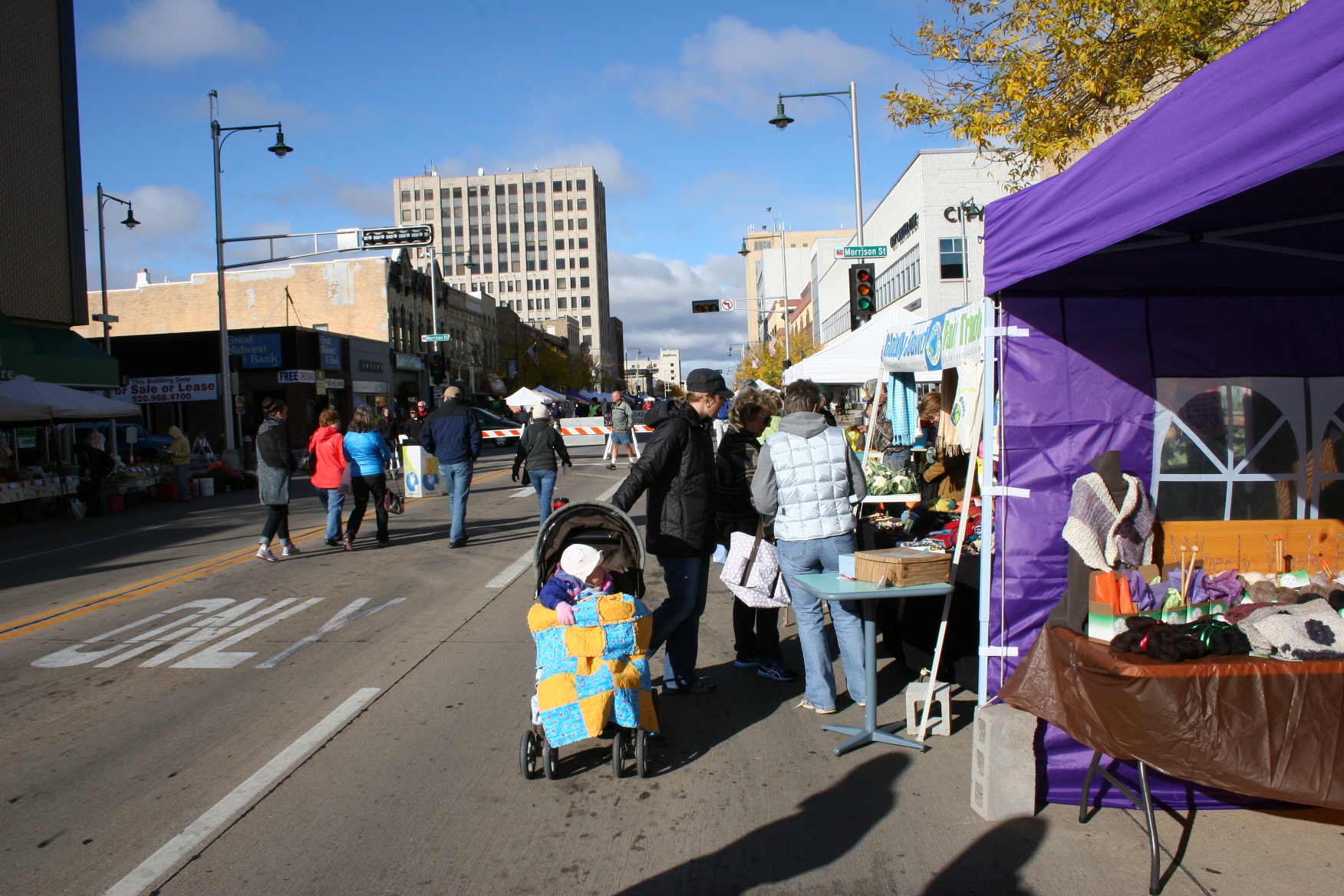
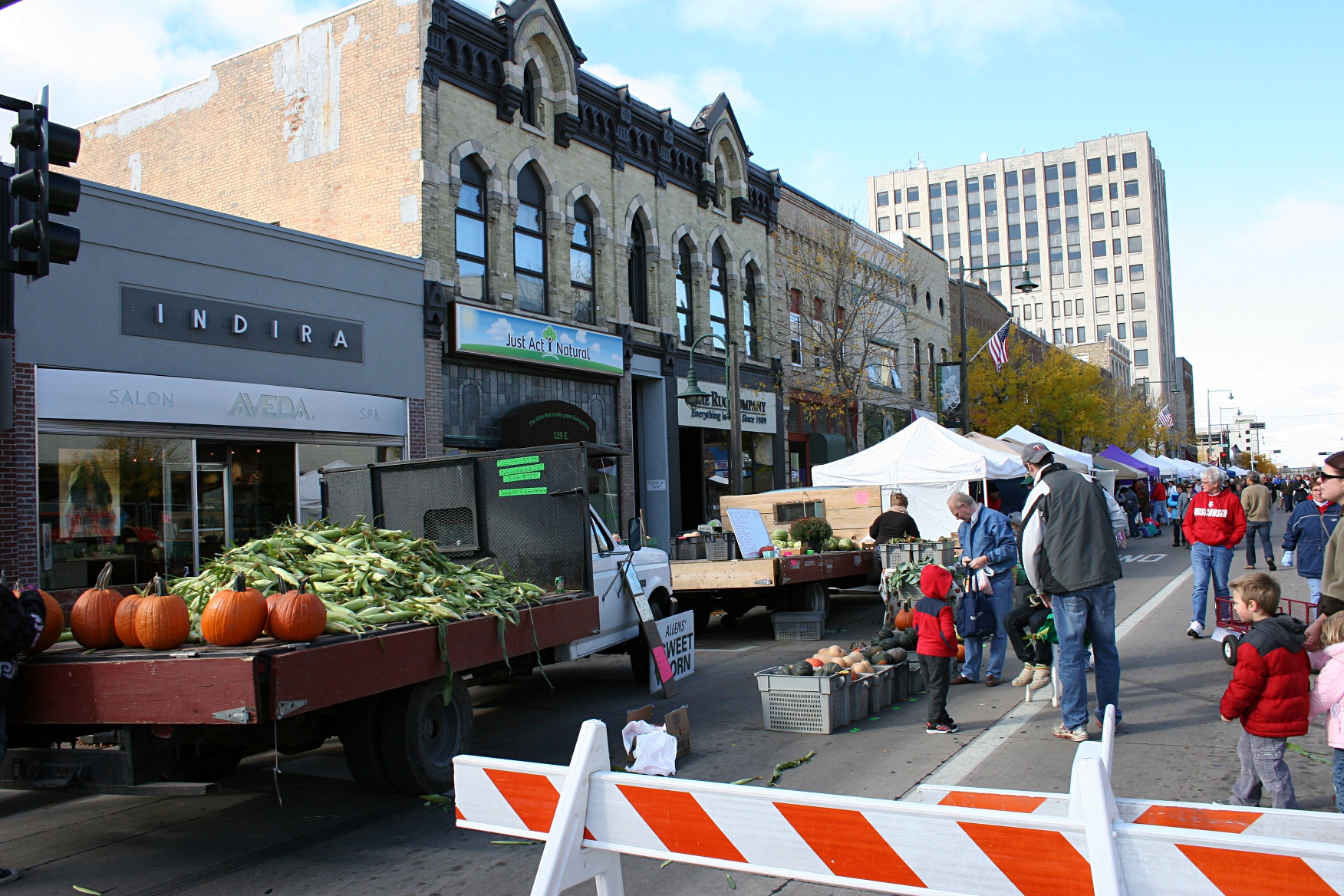
The Appleton Farm Market on a brisk, early October morning.

FOR THE PAST TWO YEARS, since moving to northeastern Wisconsin, our daughter Miranda has raved about the outdoor Appleton Farm Market. She enthuses about the trolley and the entertainment, the fresh produce and flowers and crafts in this open air market in the heart of a downtown that mixes old and modern, buildings, that is.

All ages, including babies in strollers, were bundled up in the blustery weather.

So on a recent visit to Appleton, which is south of Green Bay for those of you unfamiliar with the Badger state’s cities, we took in the outdoor farm market on a cold and windy Saturday morning. It was mitten and fleece-wearing weather, although we’d left both behind in Minnesota, not expecting such cool temps.

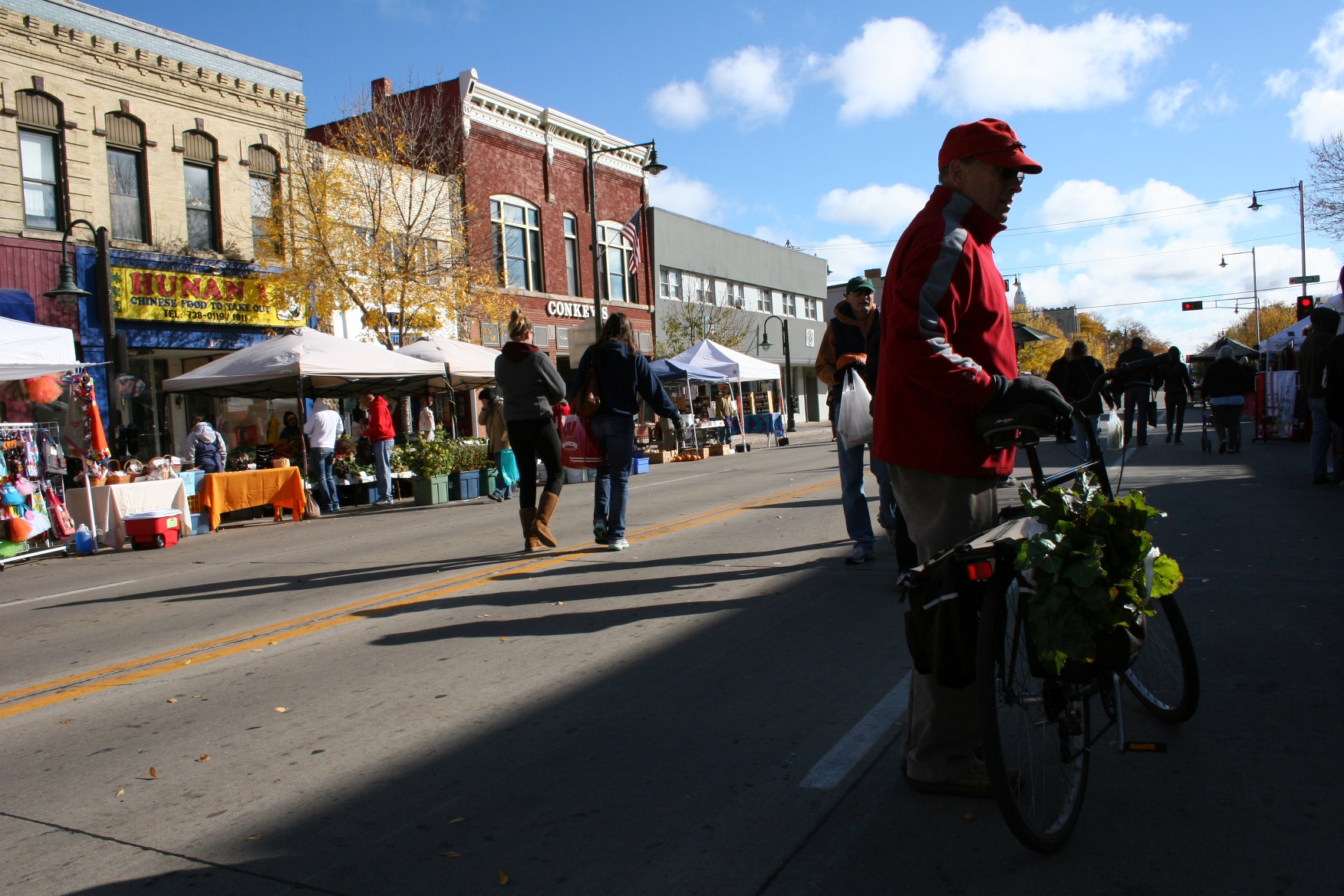
College Avenue is blocked off to vehicle traffic for several blocks.

Our daughter knows a secret, free parking spot (if you arrive early enough) just off the east end of College Avenue, the downtown street closed to motor traffic for several blocks during the market.

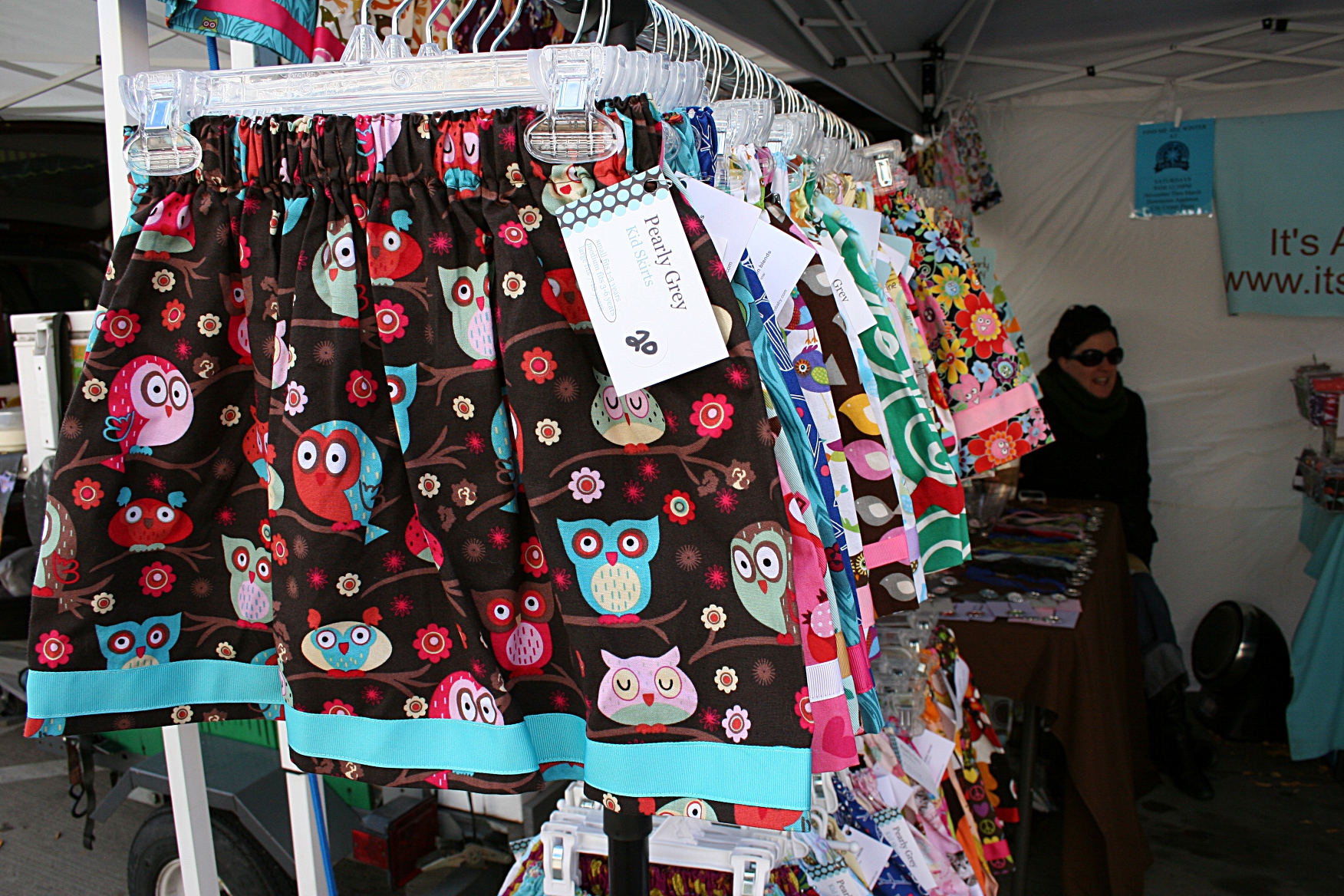
Pearly Grey designer Jen Nowak-Miller tries to stay warm in her booth where she marketed these eye-catching skirts and much more. I fell in love with the prints.  Jen loves them, too, and calls her  attraction to these an “addiction.” This talented designer, who holds a bachelor’s degree in Apparel Design and Manufacturing, also offers her retro/funky clothing designs online at  “It’s All Retro Baby.” She recently relocated from Oregon back to her native Wisconsin.

And so we set off from there to explore. I found myself lagging behind the daughter and husband as I chatted with vendors and took photos of this impressive market.

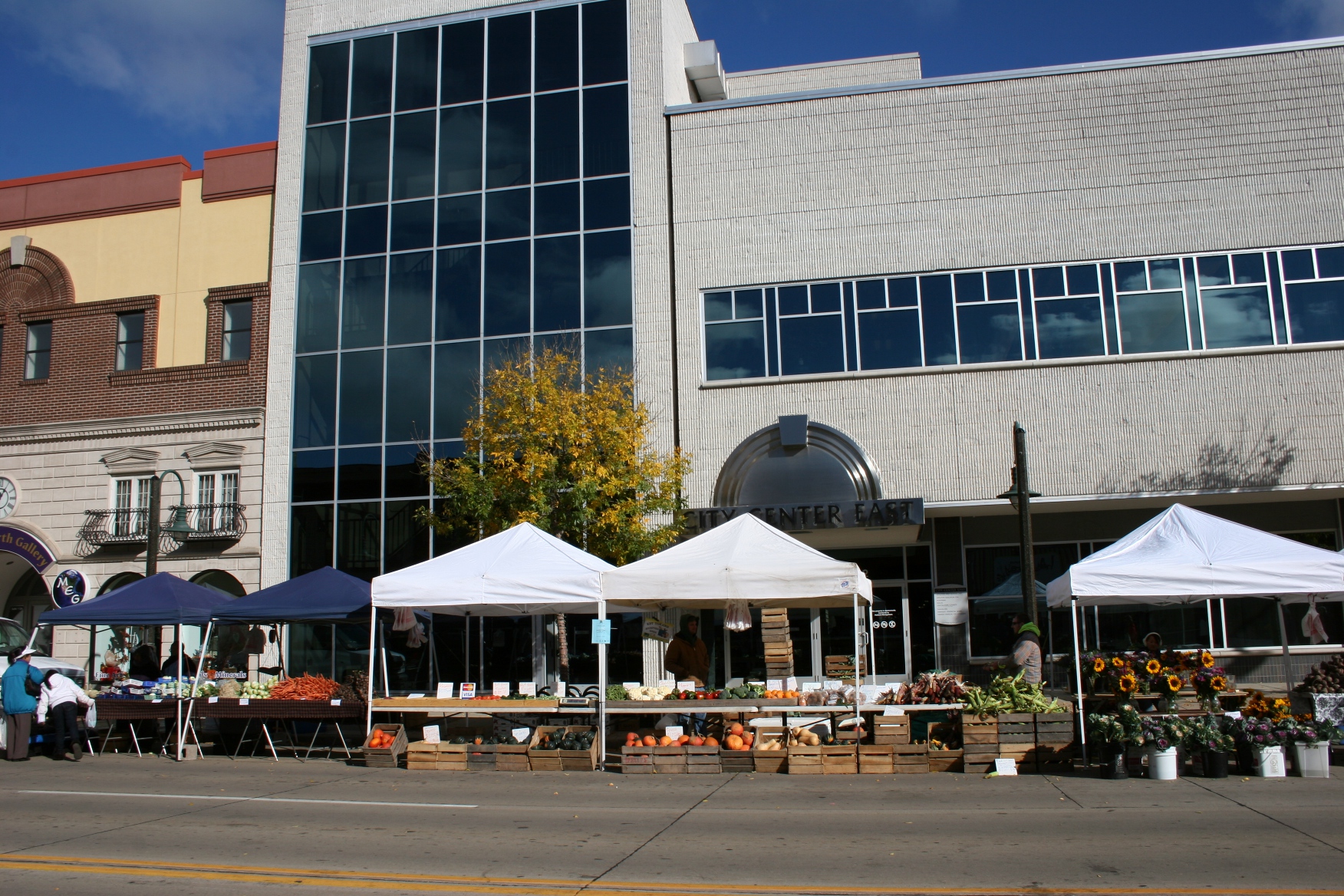
The Appleton Farm Market moves into City Center, the building pictured here on the right, beginning on the first Saturday in November.

I must qualify here that I’ve previously been to the indoor Appleton Farm Market at City Center. Although nice, you just don’t get the same vibe, the same variety, as an outdoor affair. And I think that could be said for any upper Midwest market that moves indoors in the colder, non-growing season.

This Saturday marks the year’s final outdoor venue (from 8 a.m. – 12:30 p.m.) in Appleton with the market moving into City Center from November through March (9 a.m. – 12:30 p.m.). The trolley stopped running at the end of September.

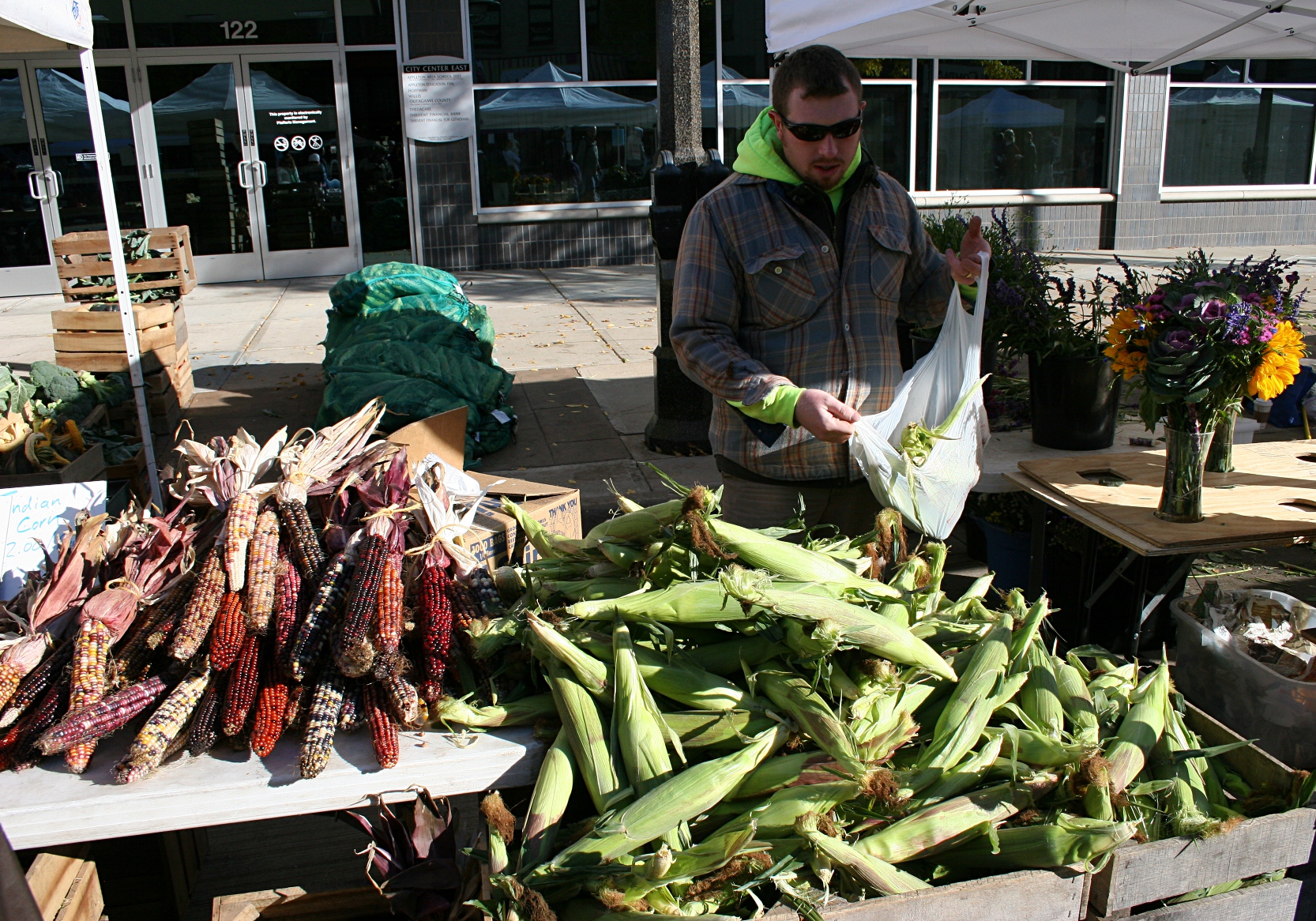
This vendor pitched something about the last sweetcorn dance, so my daughter purchased six ears.

And so we walked block after block through downtown Appleton as shoppers scooped up the last of the year’s sweet corn crop, sampled BBQ on pork, clustered at knitters’ booths to slip warm mittens onto cold hands, purchased $10 bouquets of fresh flowers, speared toothpicks into cubes of Wisconsin cheese…

Piles of fresh carrots highlighted in the morning sunshine.

A shopper arrives on his bicycle and piles on the lettuce.

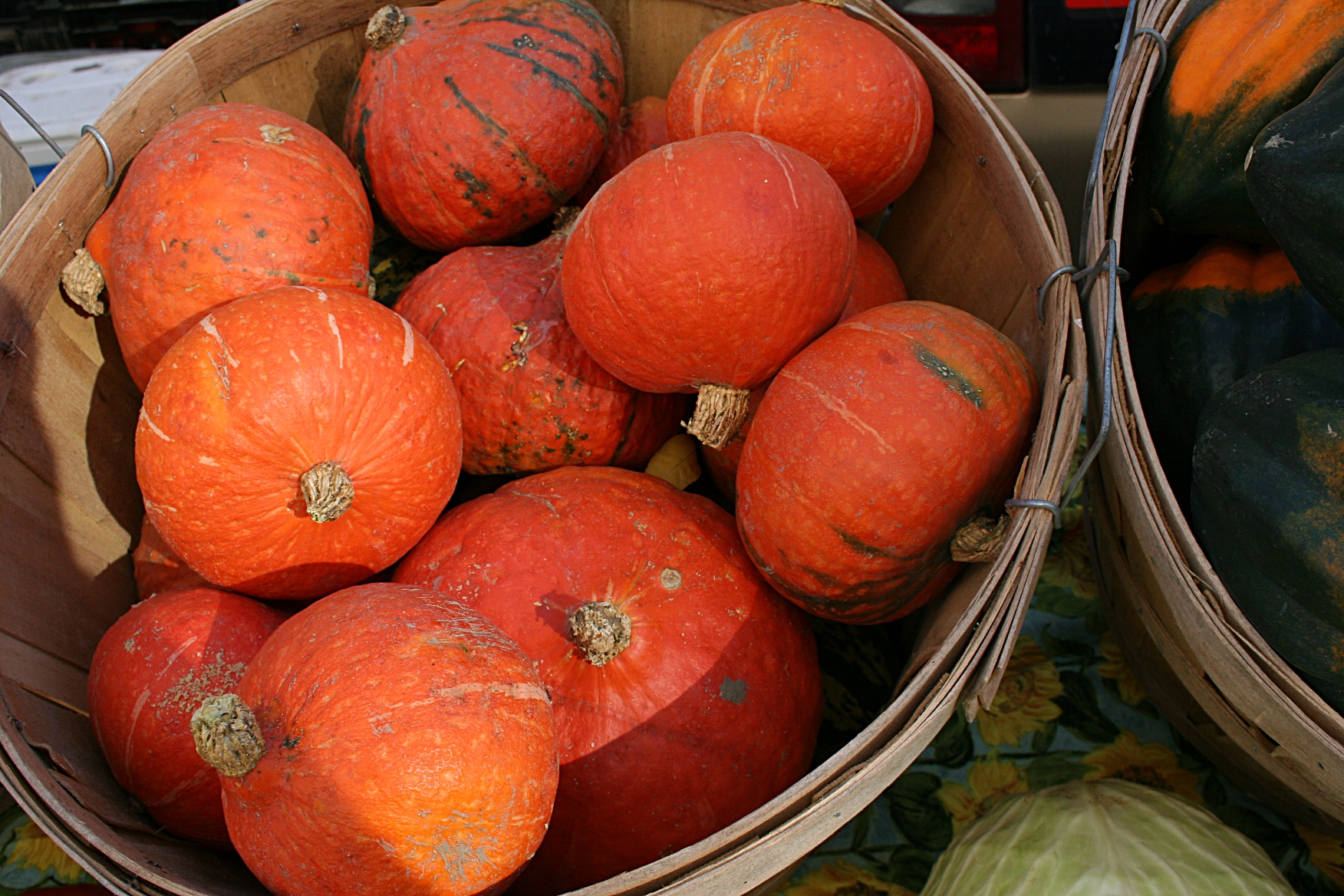
Ah, the bright colors of seasonal produce.

While the entertainment was limited to two young musicians under a canopy, our daughter says warmer weather brings more entertainers.

But on this Saturday in early October, the vendors and shoppers provided entertainment enough for this Minnesotan.

FYI: To learn more about the Appleton Farm Market and about downtown Appleton, click here and click here.

To learn more about the clothing designed by Jen Nowak-Miller, click here to link to her Pearly Grey, “It’s All Retro Baby,” website.

TO SEE MORE APPLETON FARM MARKET photos, keep scrolling:

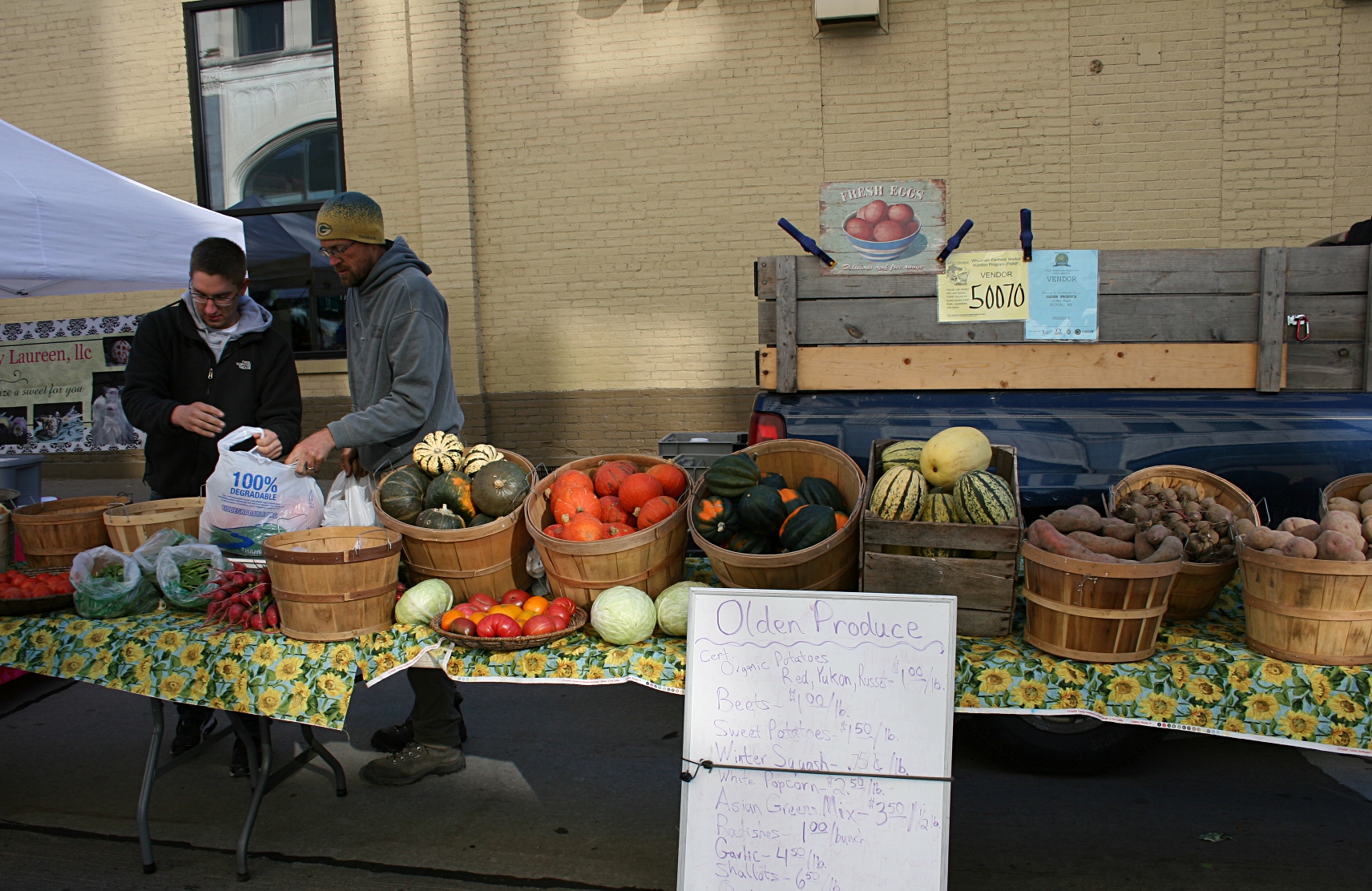
Just one of the many, many vendors offering garden fresh produce.

Several crafty types sold mittens which proved popular with shoppers on the cold, cold morning. At this booth I spotted green and gold Packers mittens and told the vendor I couldn’t buy them because I was from Minnesota. Not missing a beat, and with a huge smile spreading across her face, she reached under her table, whipped out a pair of purple mittens and told me she’d just made them the previous evening.  You should have seen the surprised look on my face.

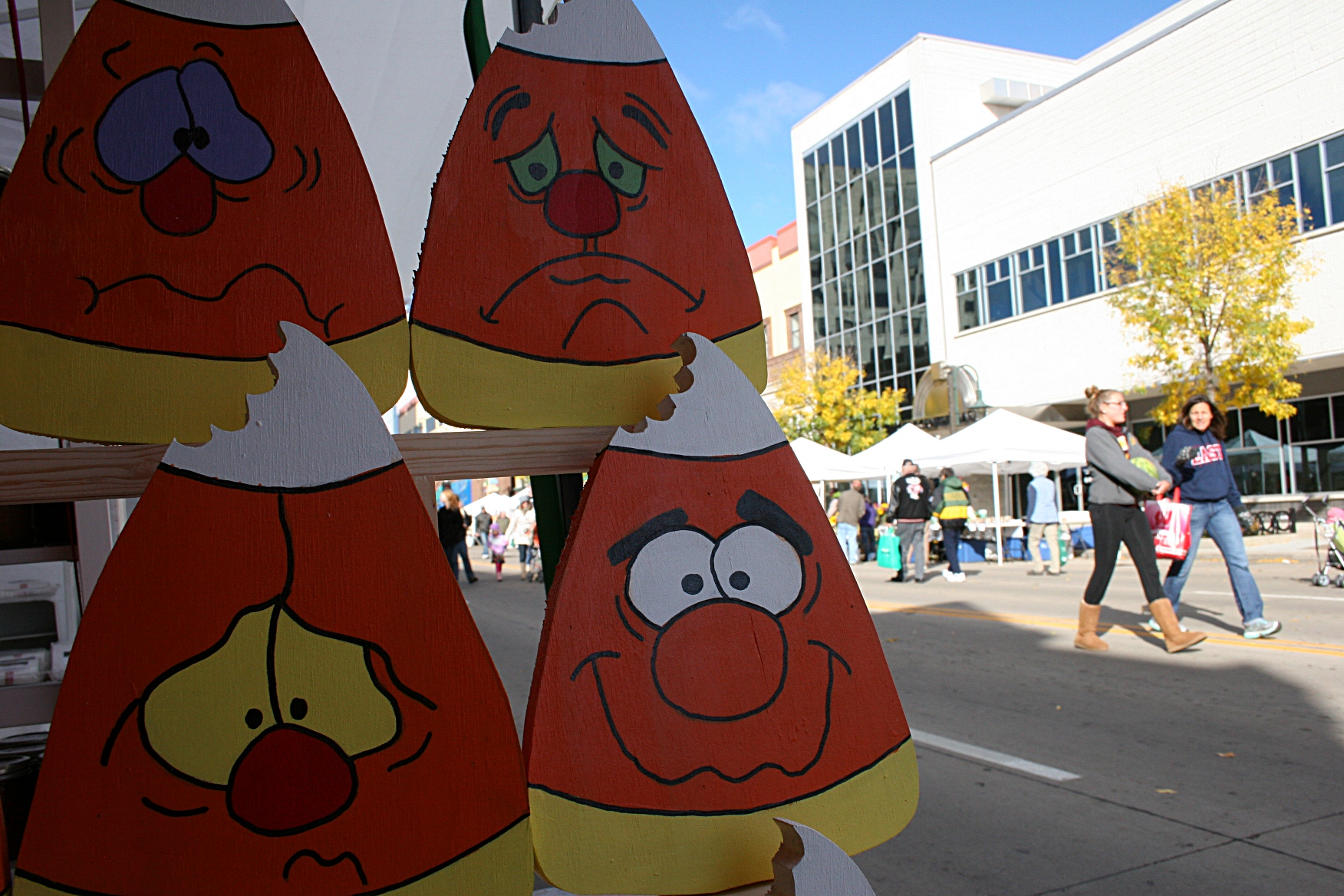
A father and son were selling these humorous candy corn faces they sawed from wood and painted.

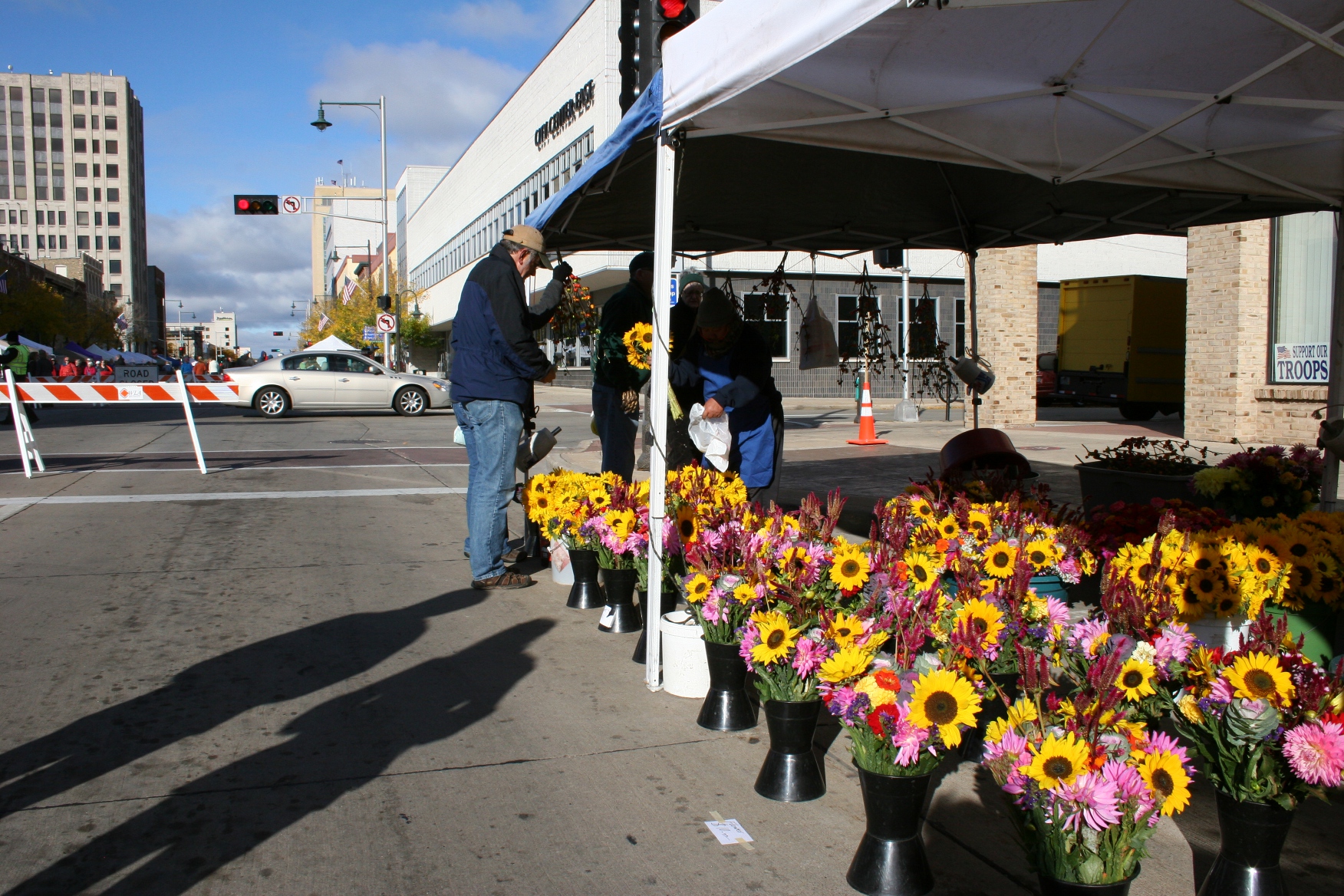
Beautiful floral bouquets and only $10. Should have bought some for my daughter.

And just because I love flowers so much, here’s a close-up shot.

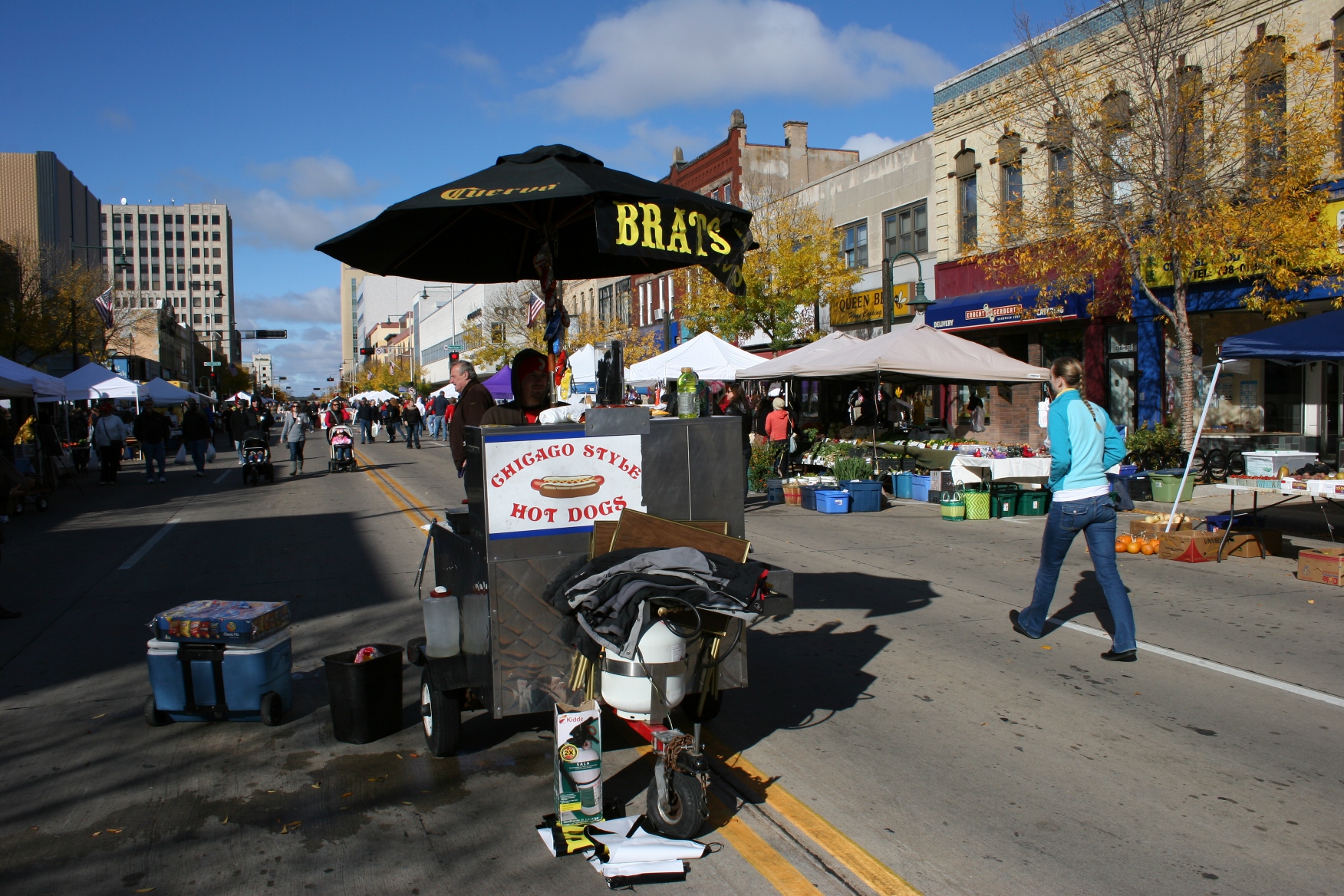
Every Wisconsin event needs brats, right?

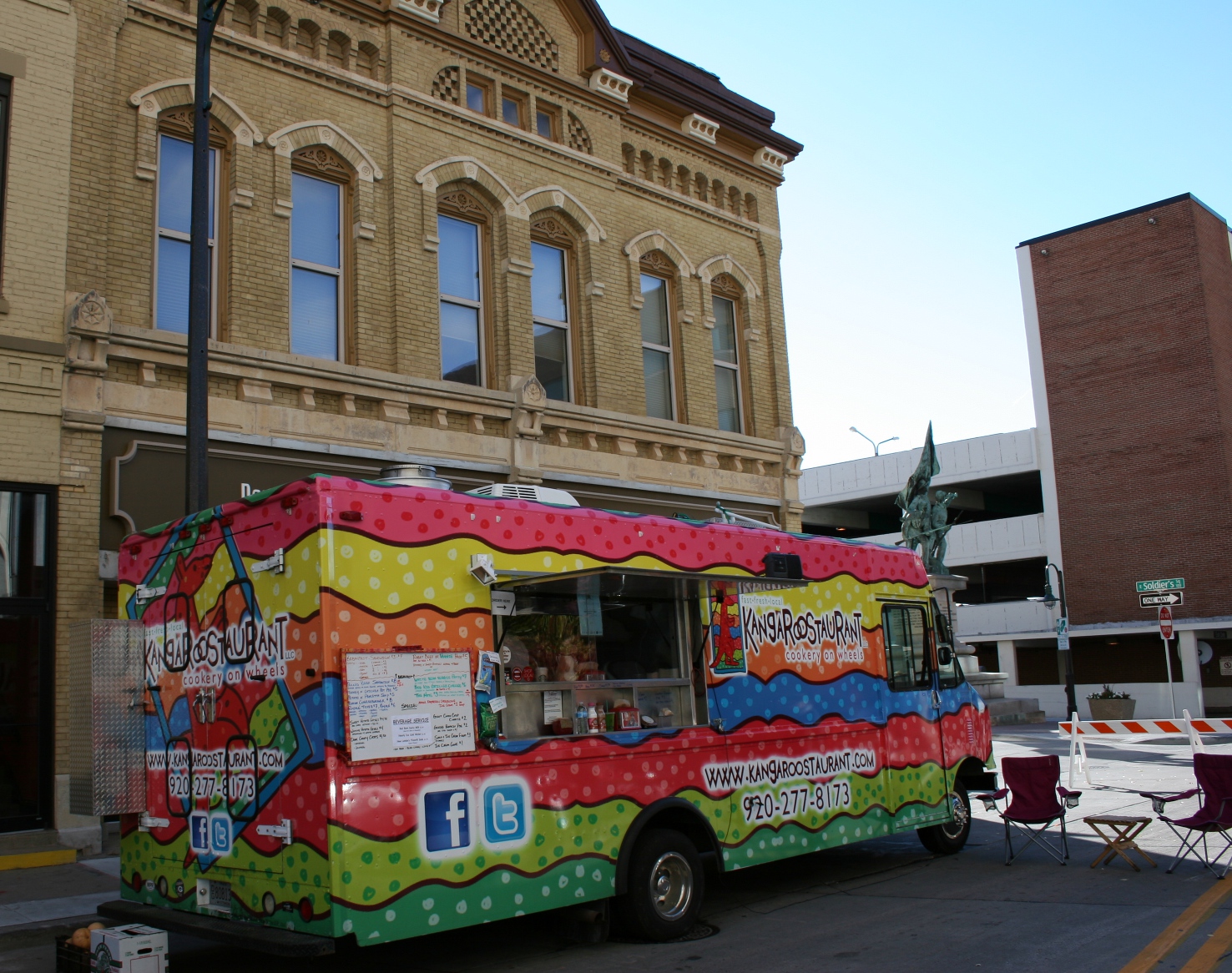
I spotted this food truck on a side street just off College Avenue. I know in other cities, food trucks have become a point of contention for local restaurants during events. I don’t know how the restaurant owners in downtown Appleton feel about the food truck’s presence.

Happy Halloween from the same father-son duo who created the candy corn faces.

DISCLAIMER: I received a gift certificate from Downtown Appleton Inc. last year after posting about a previous visit to this city. That did not affect my decision to write again about Appleton nor the content of this post. And you can expect another story coming soon from Appleton on the Leonardo da Vinci exhibit there.

© Copyright 2012 Audrey Kletscher Helbling
 

No cherry jackpot this season in Door County, Wisconsin October 13, 2012

Filed under: Uncategorized — Audrey Kletscher Helbling @ 9:12 AM
Tags: , , , , , ,

REMEMBER THAT WONDERFUL and unseasonably warm weather we embraced last March? Then remember the cold and freezing weather which followed in April, as if the two months traded spots temperature-wise. Not a good thing when you own an orchard.

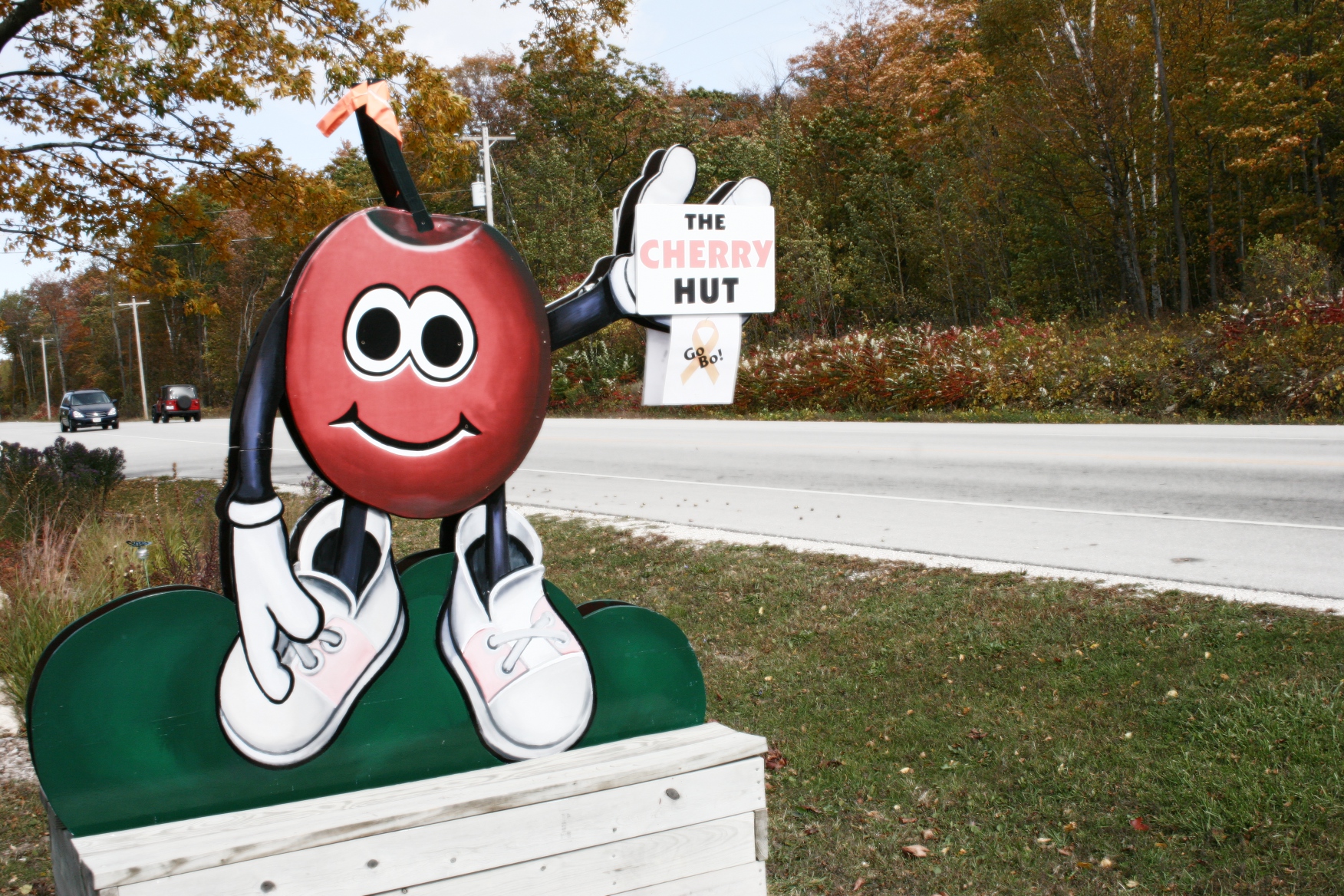
This sign along Wisconsin Highway 42 south of Fish Creek marks The Cherry Hut roadside cherry business, established in 1949.

I hadn’t thought much about that warm spring until a recent visit to Door County, Wisconsin, famous for its cherry orchards.

The northeastern Wisconsin peninsula experienced the same type of weird warm winter weather we did here in Minnesota, causing the cherry tree buds to form early and then freeze.

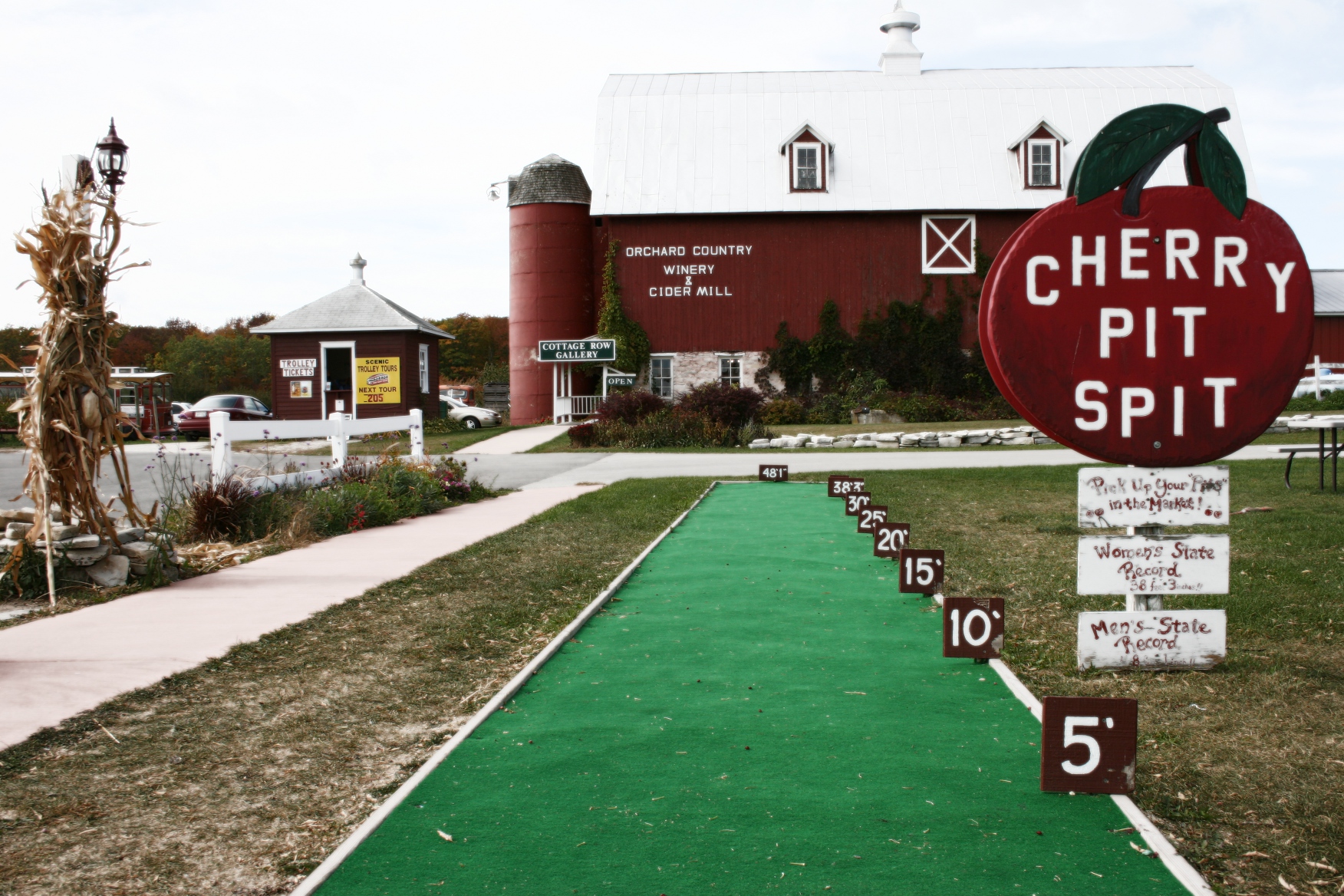
The cherry pit spit at Lautenbach’s Country Winery & Market, Fish Creek.

According to the Wisconsin Cherry Growers, Door County’s typical cherry crop of 12 million pounds was expected this year to hover around 700,000.

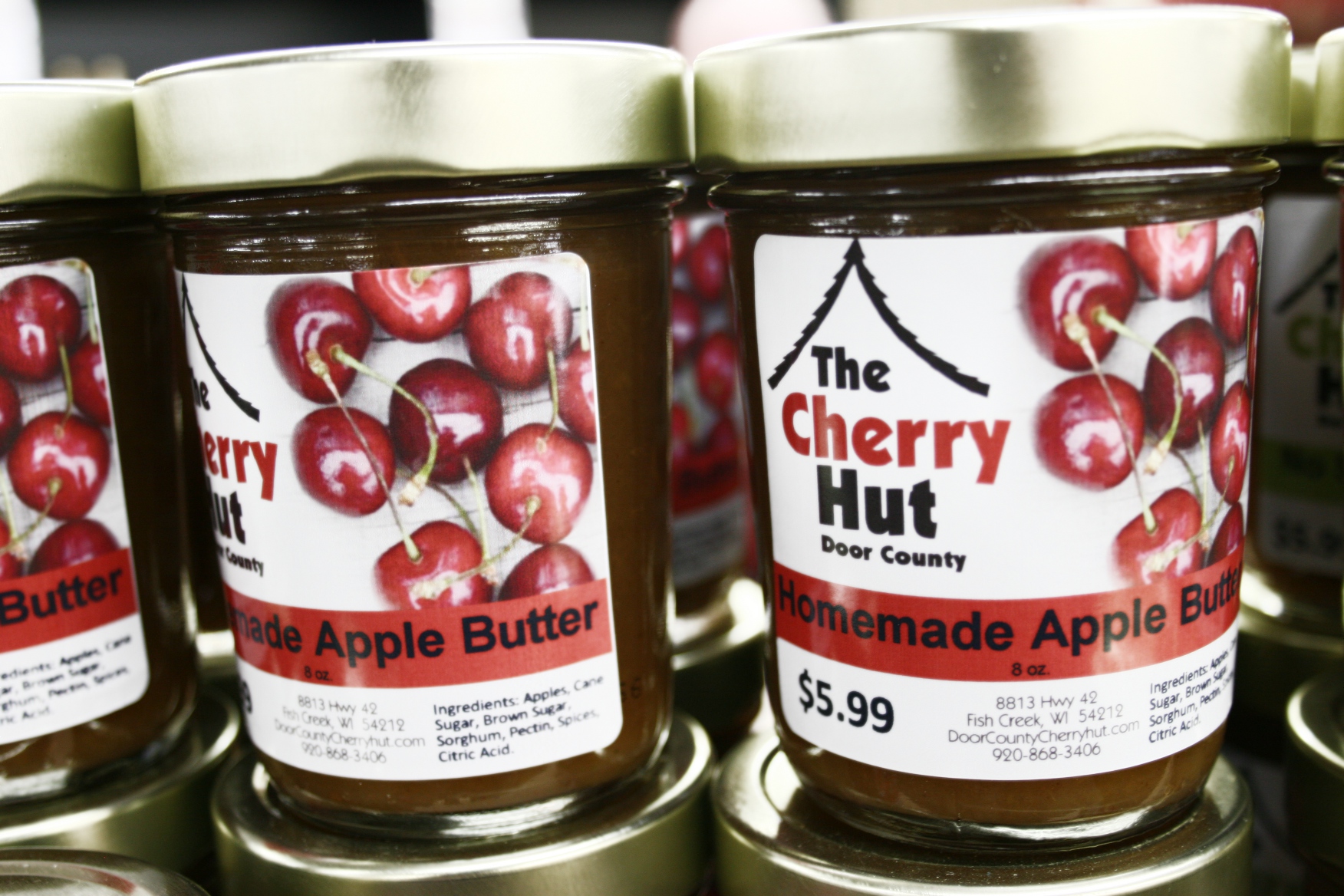
At first glance you would think this is a cherry product. Not so. This is apple butter sold by The Cherry Hut. I assume the apple crop was also down this year in Door County as it is in Minnesota.

The cherry harvest is long done in Door County. But even a poor crop doesn’t stop this tourist destination from promoting cherries and offering samples of cherry wines and juices and cherry salsa from, I presume, primarily last season’s crop.

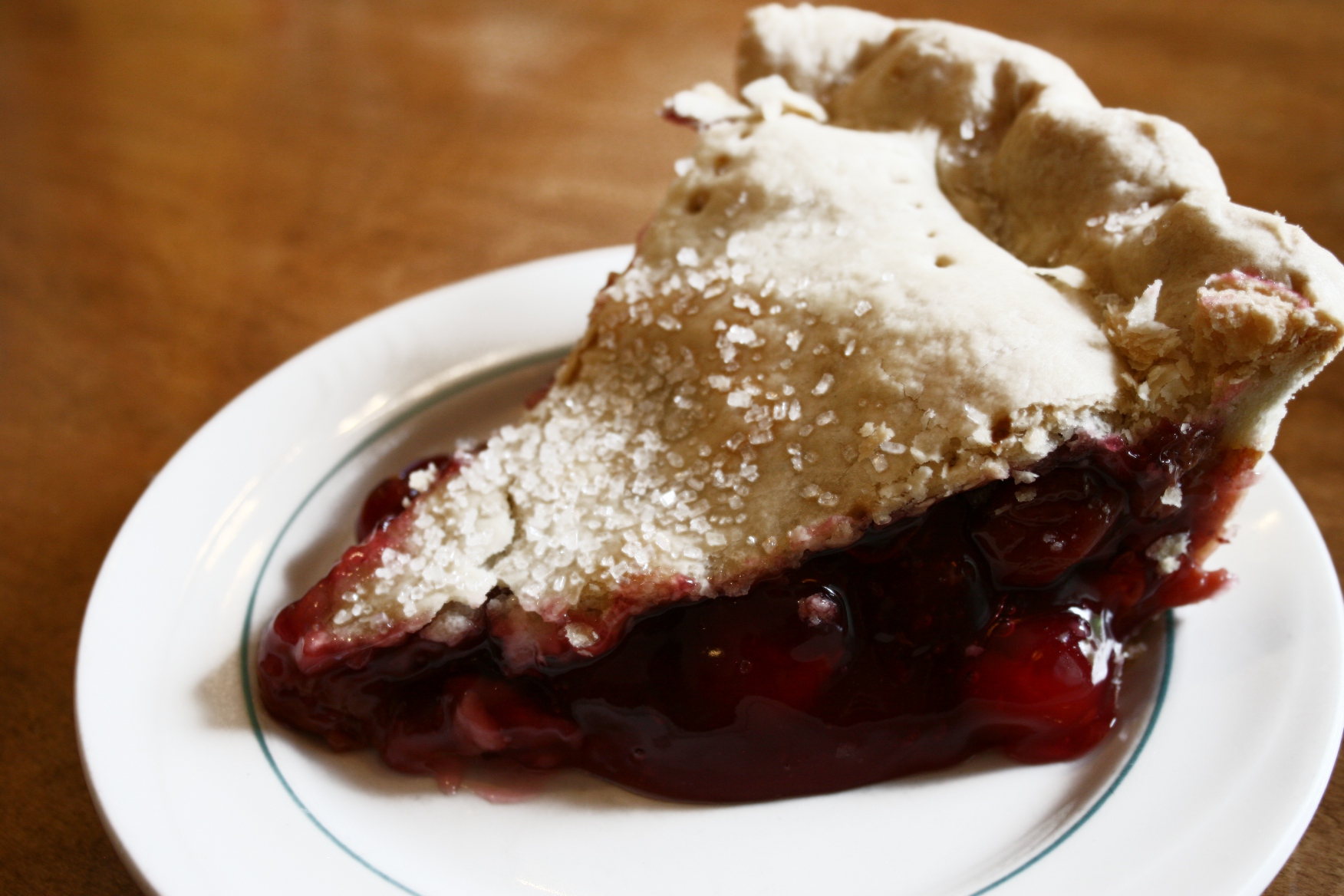
And restaurants, like Julie’s Park Cafe in Fish Creek, were still offering up slices of delicious Door County cherry pie.

A $5 slice of tart Door County cherry pie…

…shared by three–my husband, second daughter and me.

© Copyright 2012 Audrey Kletscher Helbling
 

Missing the farm during a Minnesota harvest September 30, 2012

Filed under: Uncategorized — Audrey Kletscher Helbling @ 11:09 AM
Tags: , , , , , , , ,

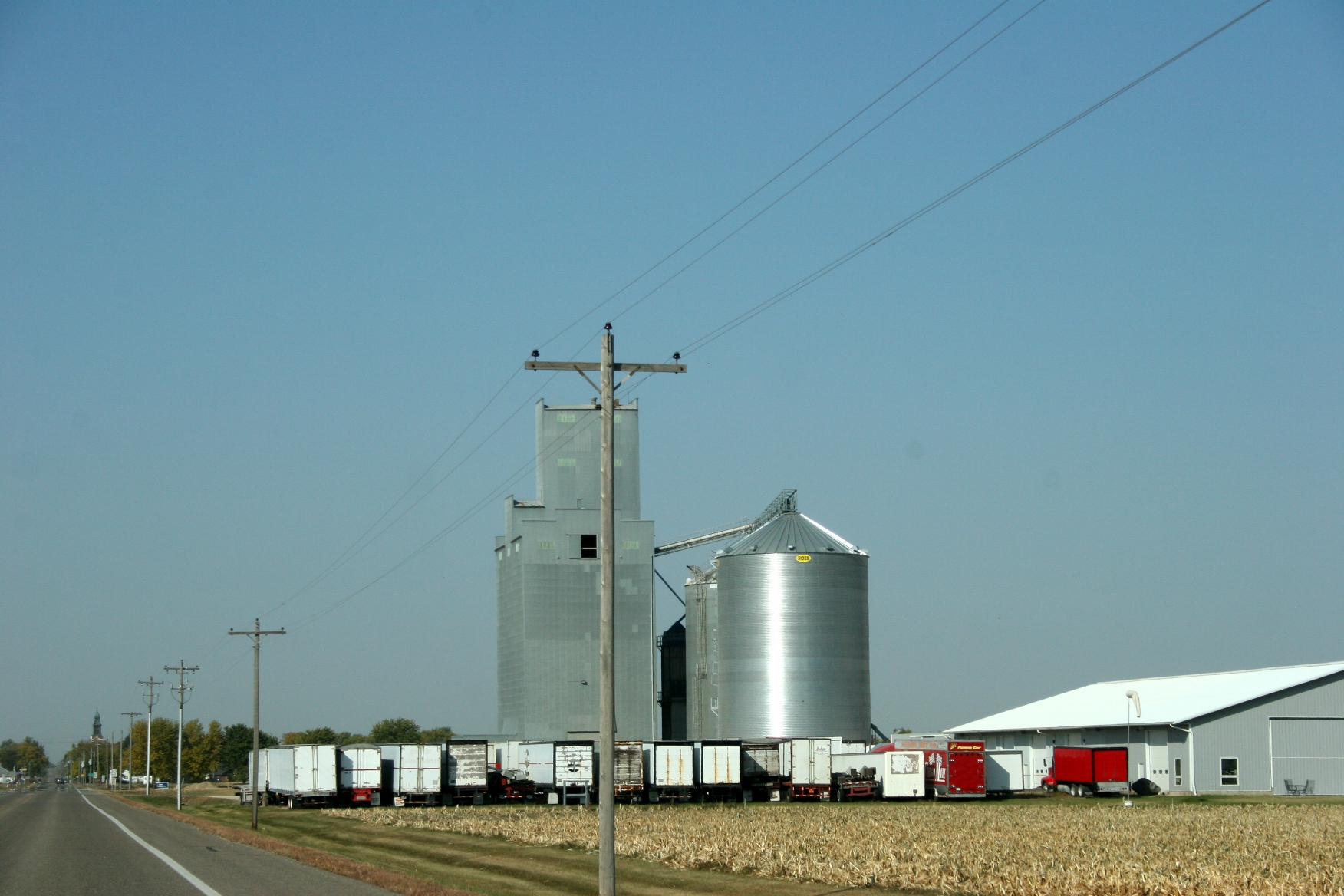
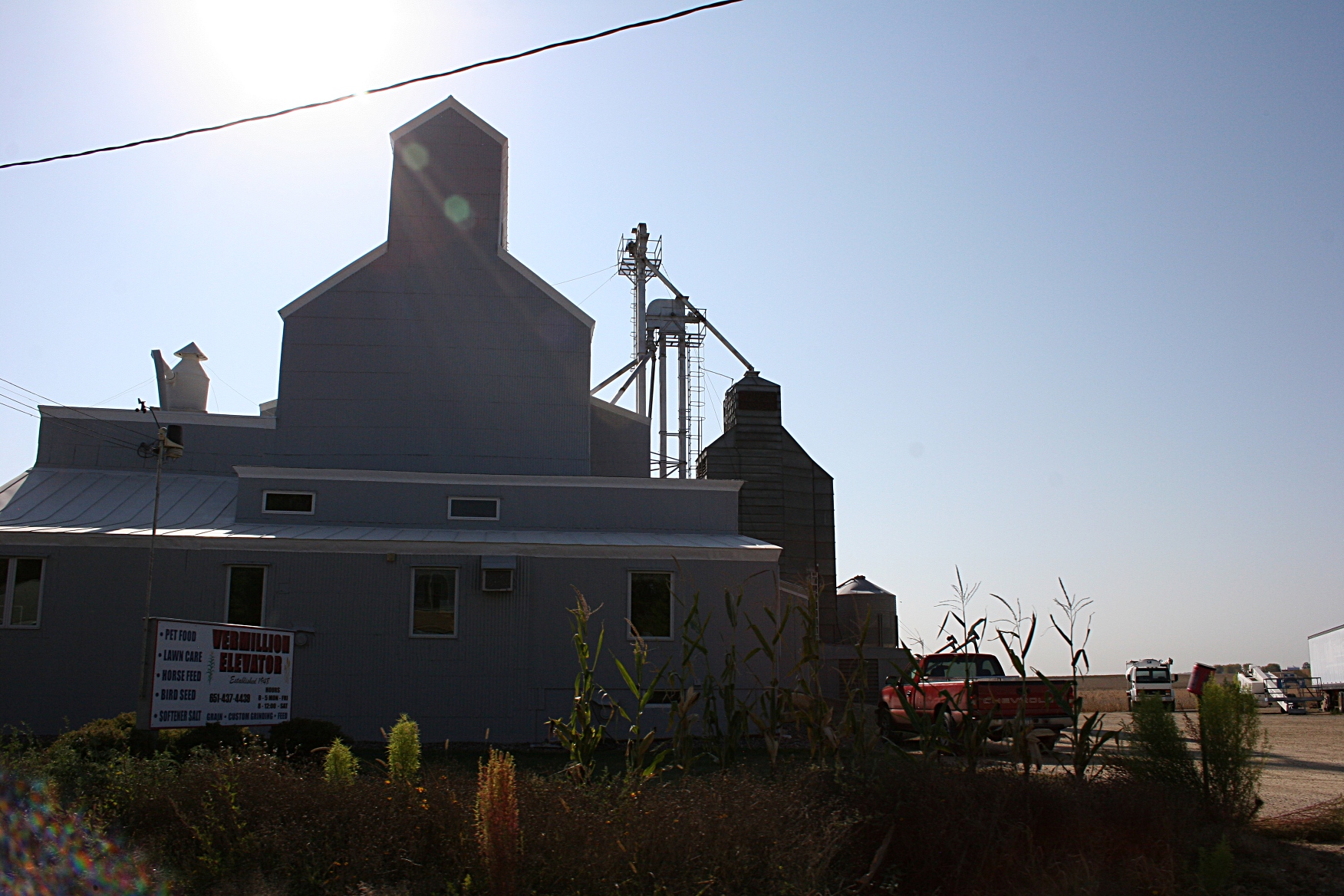
An elevator just outside of Vermillion, MN., near Hastings on Saturday morning.

DECADES HAVE PASSED since I’ve been home on the farm for harvest. My middle brother quit farming years ago and the home place is now rented out.

A harvested cornfield between Hastings and Cannon Falls.

I miss being on the farm, anticipating the bringing in of the crop, then watching the combines chomp through rows of brittle cornstalks and brown fields of ripened soybeans.

Between Hastings and Cannon Falls.

I miss the undeniable scent of earth and plant residue.

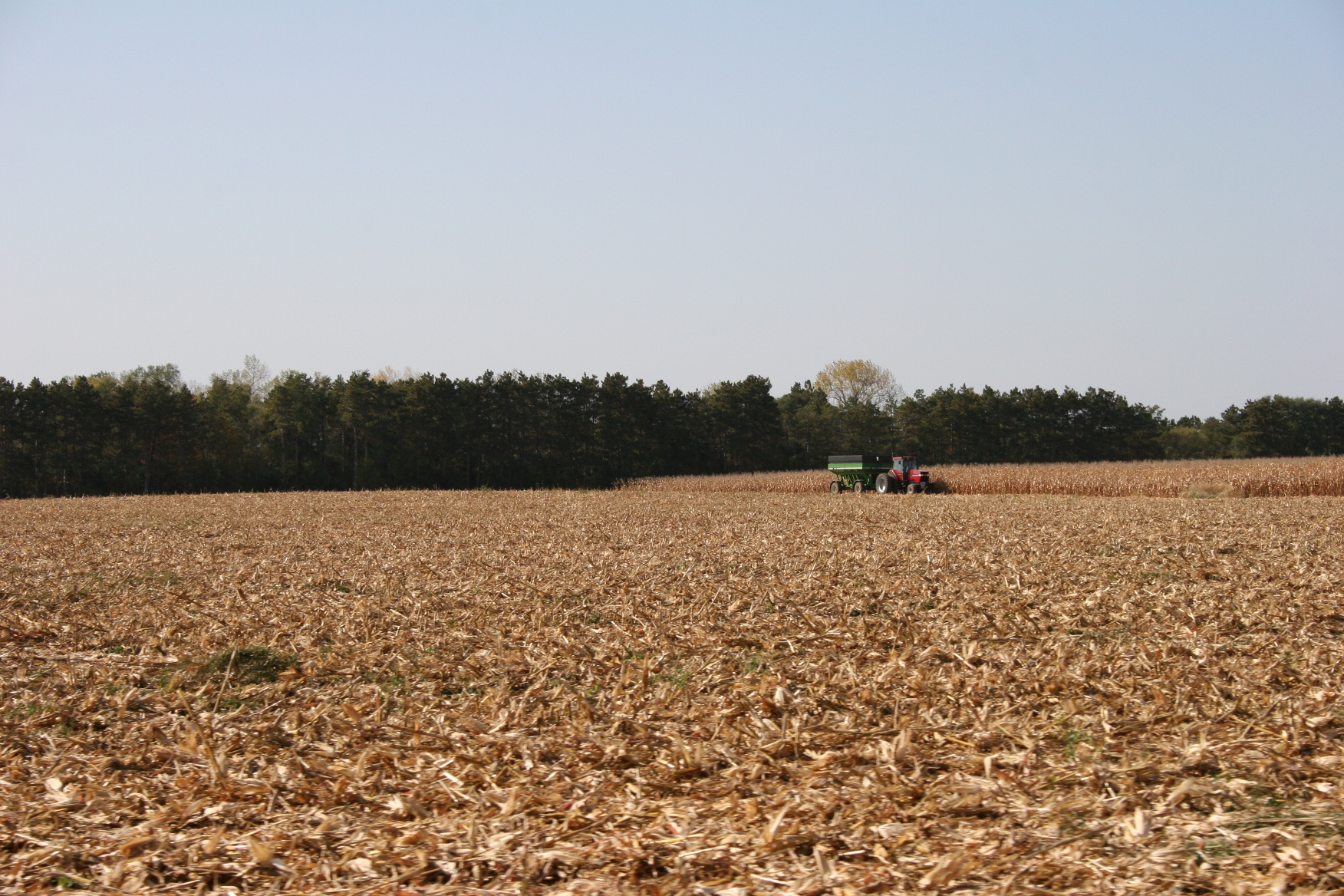
Harvesting corn just south of Hastings on Saturday afternoon.

I miss the grain wagons brimming with golden kernels.

The Vermillion Elevator, in the small town of Vermillion.

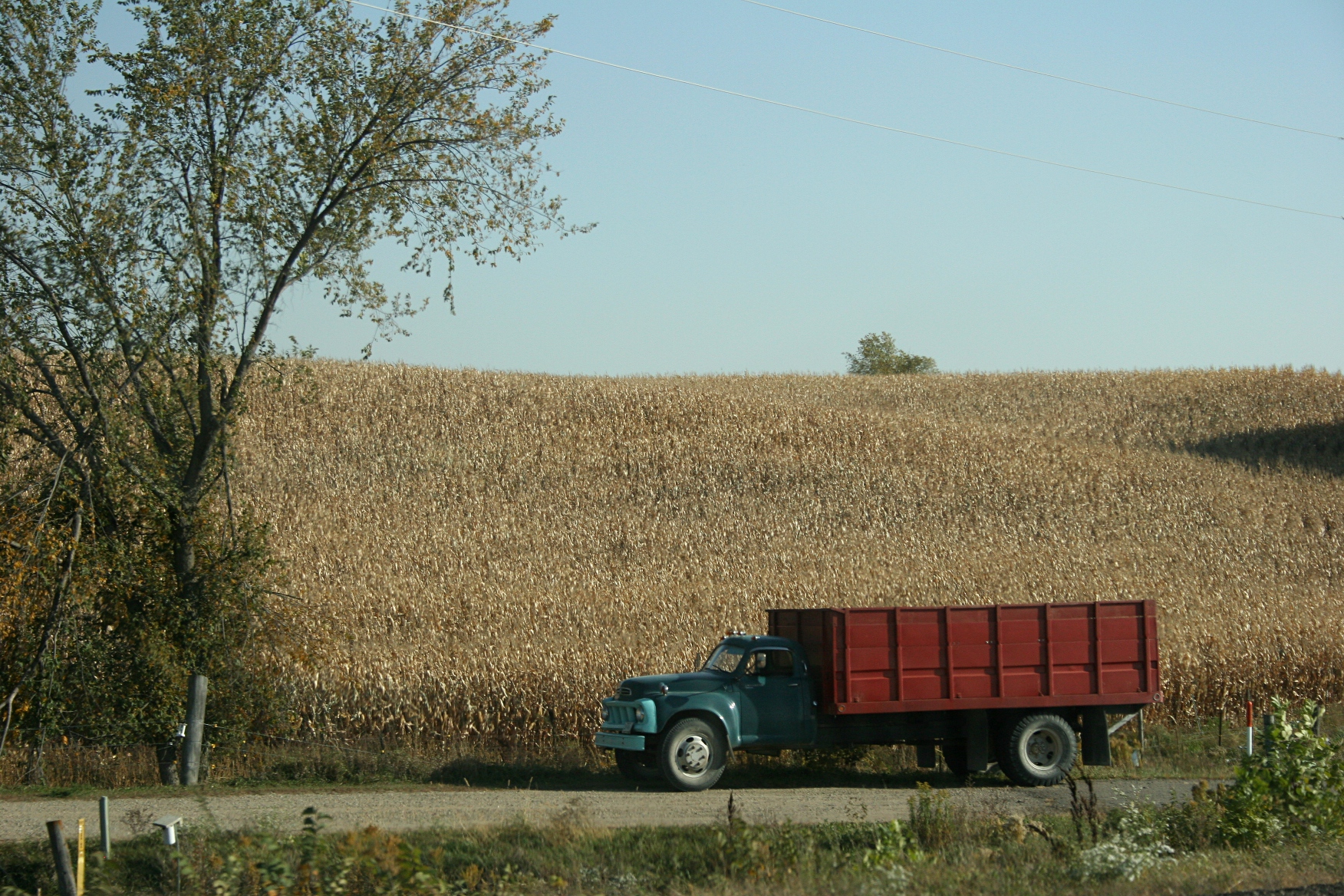
I miss living in a rural community where tractors and aged grain trucks line up at the local co-op elevator.

I miss the hum of grain dryers drying corn.

A grain truck waits on a gravel road near Cannon City, east of Faribault.

Now I view the harvest from a distance, as an observer passing by.

© Copyright 2012 Audrey Kletscher Helbling

 

The Smithsonian in Hanley Falls & Hanley Falls in the Smithsonian (exhibit) September 20, 2012

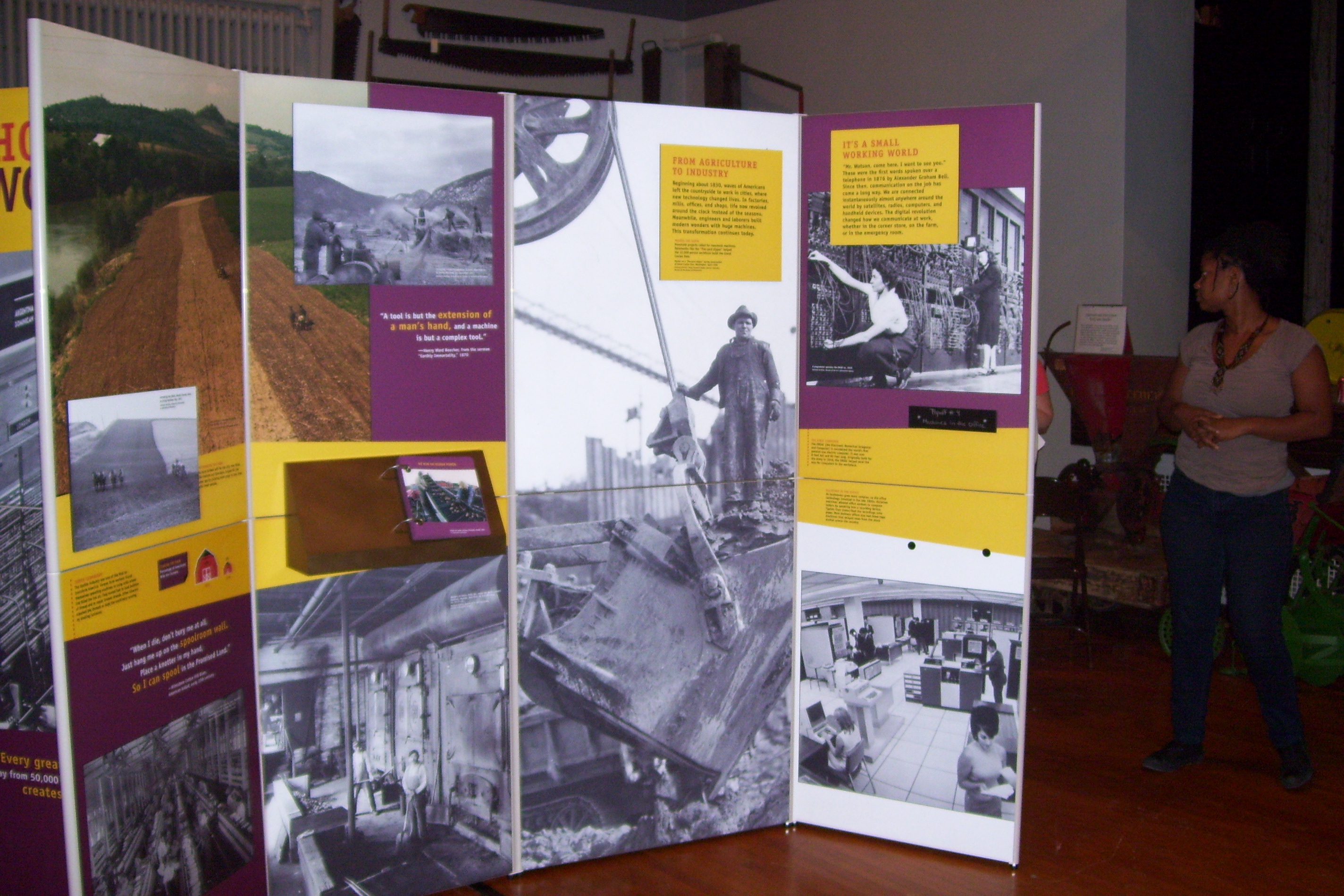
The Smithsonian’s Museum on Main Street exhibit, “The Way We Worked,” features snippets from Minnesota. Photo courtesy of Minnesota’s Machinery Museum, Hanley Falls, in rural southwestern Minnesota.

I DOUBT MANY of the 304 residents of Hanley Falls, rural Yellow Medicine County, Minnesota, have ever visited the Smithsonian or even traveled to Washington D.C.

But now this internationally-acclaimed museum has come to Hanley Falls via “The Way We Worked,” a Museum on Main Street project developed by the Smithsonian Institution Traveling Exhibition Service and adapted from an original exhibition from the National Archives.
Bottom line, if you can’t bring the people to the museum, bring the museum to the people.
Specifically, from now through October 20,  Minnesota’s Machinery Museum in Hanley Falls is hosting the exhibit on where, how, who and why Americans work.
But that’s not all. Hanley Falls is part of “The Way We Worked,” as are several other Minnesota places and people.

Says Museum Director Laurie Johnson: “It is an honor in itself to be hosting a Smithsonian Traveling Exhibit. To be an actual part of the exhibit traveling all over the U.S. is a very big honor.”

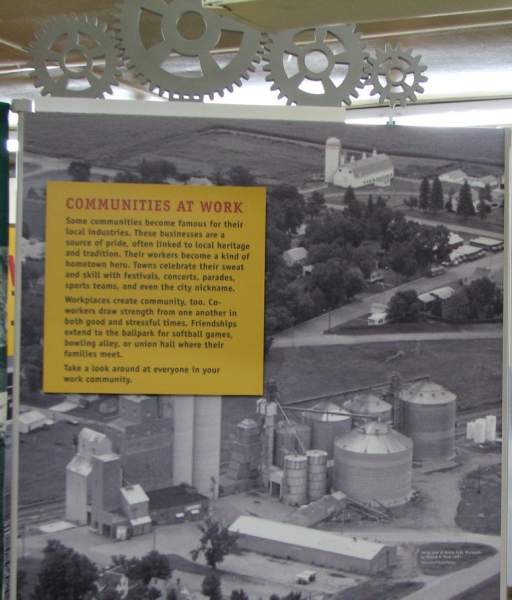
Hanley Falls’ place in the exhibit falls in the “Communities at Work” section and features a 1987 aerial view photo of Hanley Falls by Vincent H. Mart sourced from the Minnesota Historical Society. The MHS photographic collection includes 5,697 aerial views from around Minnesota photographed by Mart between 1962-1988.

The 1987 Vincent H. Mart photo showing a portion of Hanley Falls and now part of the Smithsonian traveling exhibit. Photo courtesy of Minnesota’s Machinery Museum.

Mart’s black-and-white shot #5,655 in the MHS archives, and now in the Smithsonian exhibit as image 196, shows the then Hanley Falls Farmers Elevator (now the Farmer’s Co-op Elevator) on the west side of town, plus Bennett Transportation (bus company) and the fourth-generation Oftedahl family farm. As a side note, the elevator celebrated its 100th anniversary this past July on Minnesota’s Machinery Museum grounds with more than 2,000 in attendance.

According to Johnson, the scene in the photograph no longer looks the same. Several of the grain bins were damaged in a wind storm and the main office was  moved and an elevator built to the southwest of the Oftedahl farm. The old elevator remains and is still used by the Farmer’s Co-op.

The exhibit copy which accompanies the Hanley Falls photo reads, in part:

The reminders of a town’s main industry imprint its landscape and identity. Silos dominate the skyline in Hanley Falls, Minnesota as they do in most small, agricultural communities.

And here’s how Johnson summarizes what the Hanley Falls photo tells us about “The Way We Worked:”

Farming is a way of life here and has been for many generations. The exhibit talks about “community” and we are definitely a community that works, worships, (has) neighborhood get-togethers and plays together.

Johnson, who lives on a farm about 10 miles north of Hanley Falls, further explains that the local elevator, banks and gas station provide jobs in town. Some residents work in neighboring towns. Many are retired.

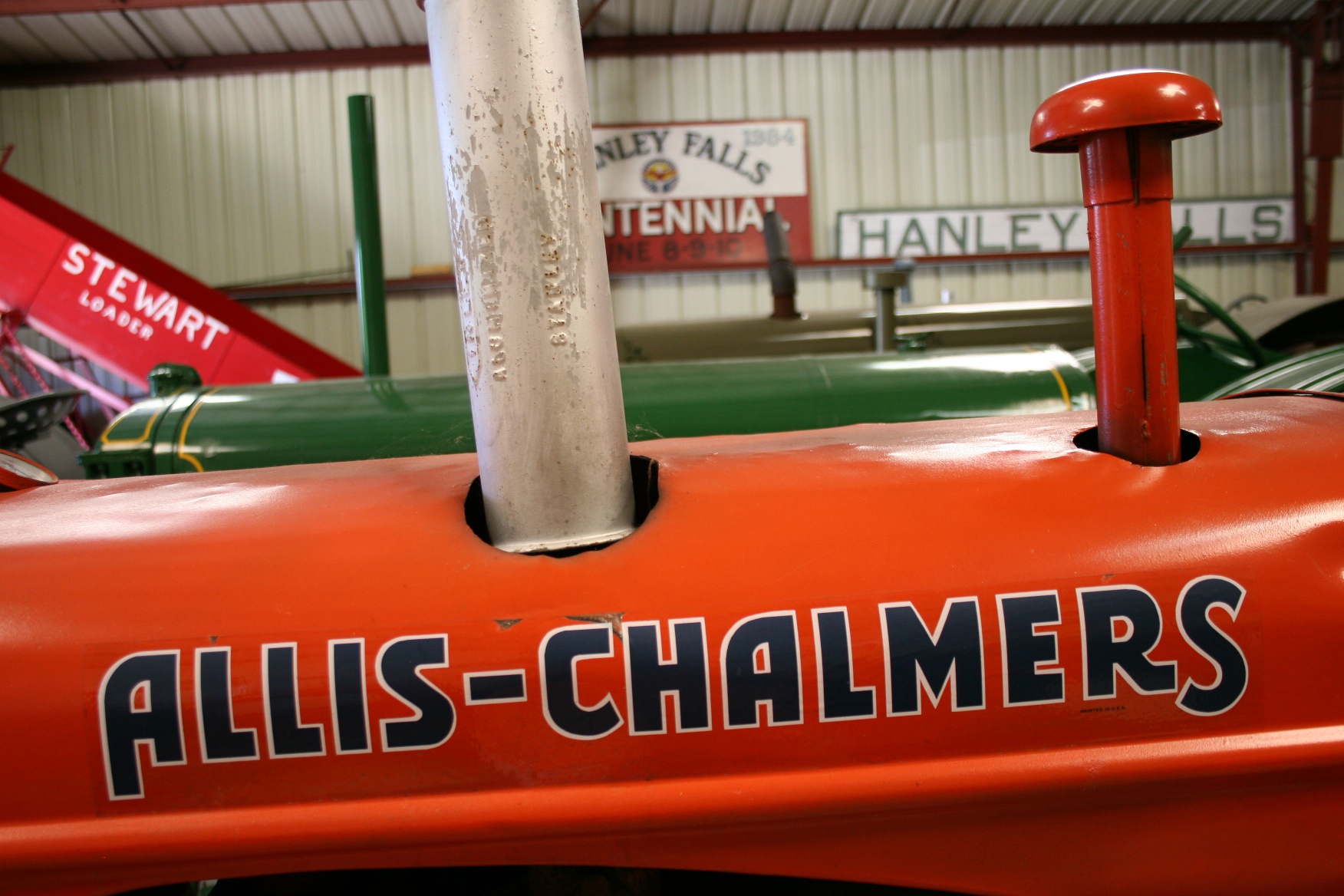
You’ll find plenty of old tractors and farm machinery, along with vintage cars and trucks, in the museum’s outbuildings. Minnesota Prairie Roots file photo.

Already the Smithsonian show is attracting more visitors to Minnesota’s Machinery Museum, defined by Johnson as “an agricultural museum recalling farm life in stories and artifacts from how we farmed with horses to a farm kitchen, bedroom, parlor and general store…preserving our agricultural heritage for generations.”

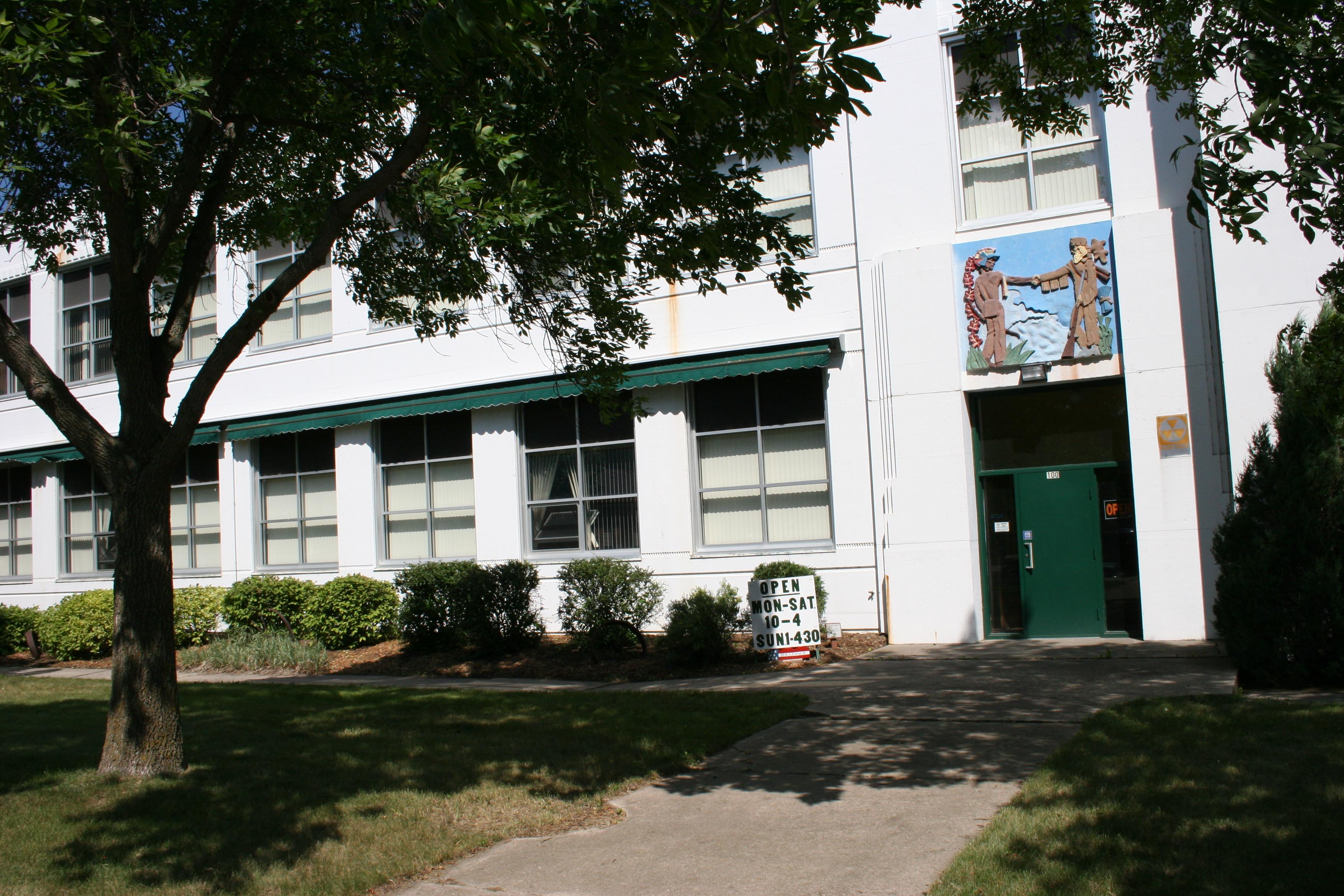
The entrance to the portion of the museum housed in the former school, a WPA building. Minnesota Prairie Roots file photo.

The five-building Yellow Medicine County museum complex, which includes the former Hanley Falls School built in 1939 by the Works Progress Administration, rests on six acres. You’ll find antique tractors, automobiles, gas engines, threshing equipment and other machinery and artifacts in the outbuildings.

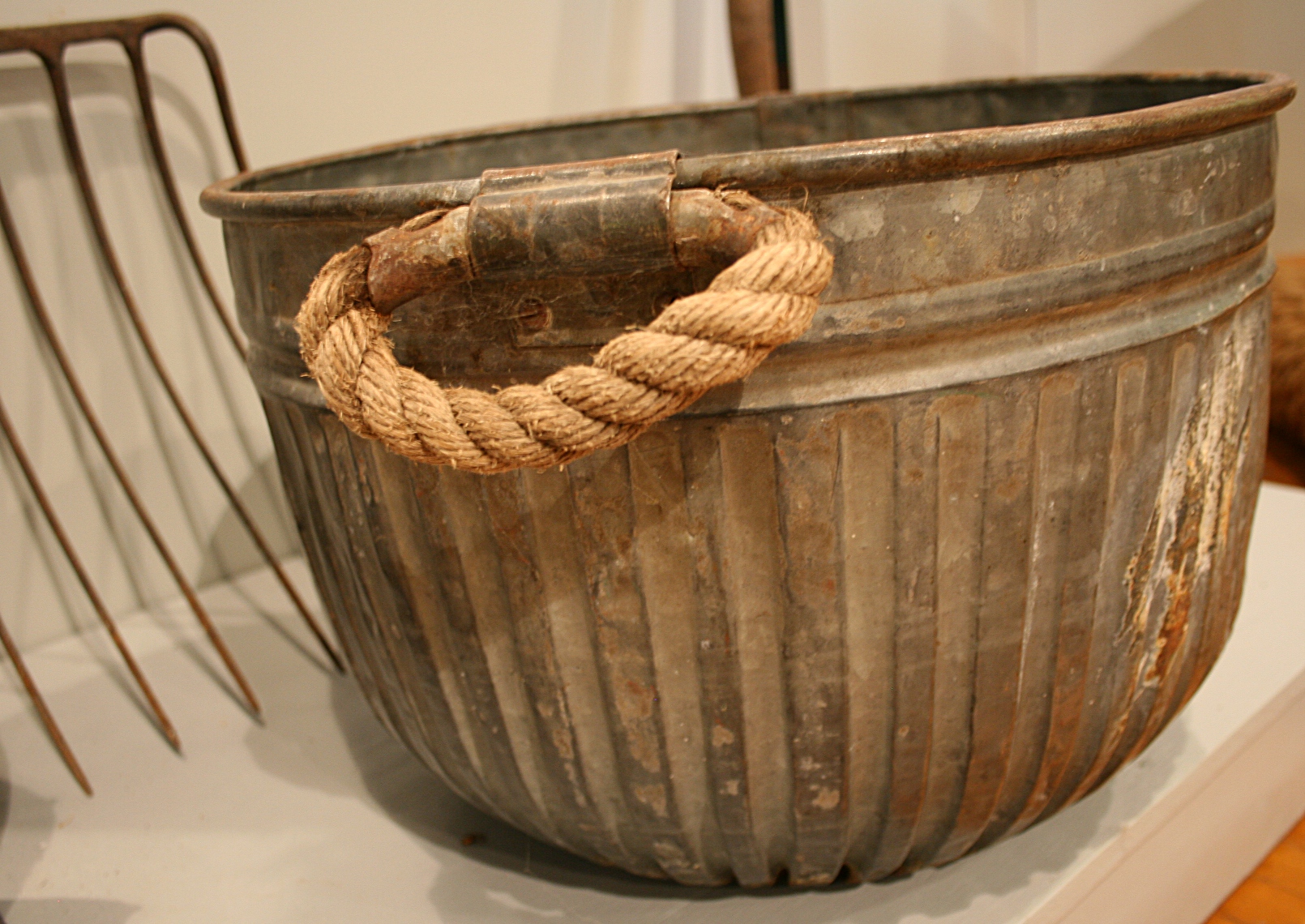
A bushel basket, one of the many ag items displayed at the museum. Minnesota Prairie Roots file photo.

Until October 20, you also can find five multi-sided kiosks featuring photos, videos, flip booklets and other interactive activities as part of the Smithsonian’s “The Way We Worked” exhibit.

Besides Hanley Falls, other Minnesota places/information in the show are a photo of women sorting sweet potatoes; quotes from Earl Bakken, founder of Minneapolis-based Medtronics, maker of the first self-contained pacemaker; a 1974 photo from Danheim Dairy in New Ulm; a SPAM Town banner; mention of the Moorhead Spuds (hometown pride for the town team); and a 1928 photo of St. Paul Gas and Light Company workers at a dance.

Johnson has no idea how the Hanley Falls photo became a part of this national touring exhibit. She discovered the town’s inclusion while vacationing in Tennessee, where she stopped to view the exhibit.

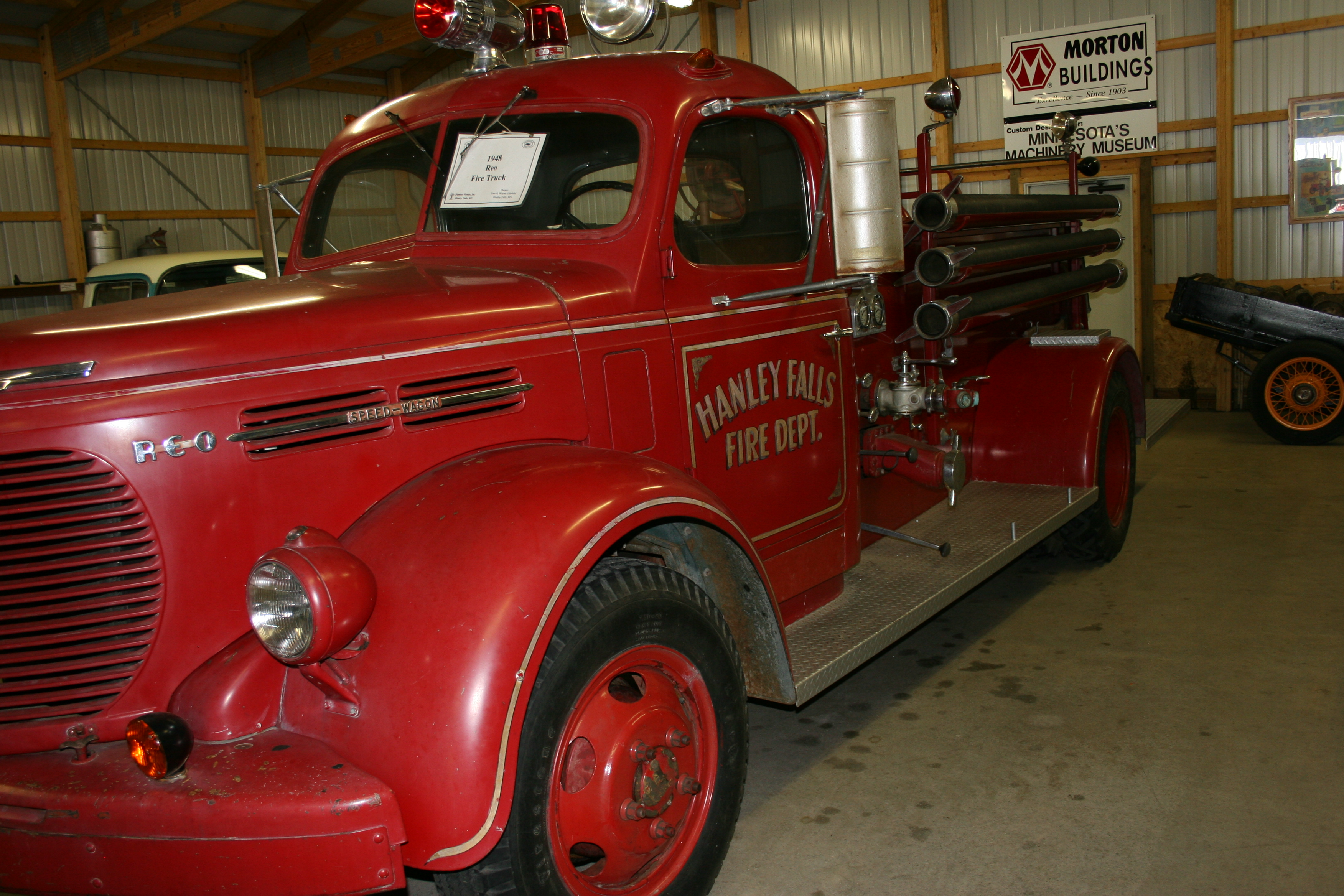
An old Hanley Falls fire truck is among vehicles housed in the outbuildings. Minnesota Prairie Roots file photo.

After leaving Hanley Falls, the exhibit will travel to five other Minnesota locations, including the Wright County Historical Society in Buffalo (Oct. 27 – Dec. 8); the Winona County Historical Society in Winona (Dec. 15 – Jan. 26); the Steele County Historical Society in Owatonna (Feb. 2 – March 16); the Virginia Area Historical Society in Virginia (March 23 – May 4); and the Depot Preservation Alliance in Baudette (May 11 – June 22).

In Hanley Falls, “The Way We Were” can be viewed between 10 a.m. – 4 p.m. Monday – Saturday or from 1 p.m. – 4:30 p.m. on Sunday. The museum season was extended to accommodate the show.

Admission to Minnesota’s Machinery Museum is free, but monetary contributions are accepted via a free will donation box.

Located in southwestern Minnesota, Hanley Falls sits nine miles south of Granite Falls or 20 miles north of Marshall along Highway 23. Go one block west of Highway 23 and then a block north to find the museum.

An old-style farm kitchen on the second floor of the museum. Minnesota Prairie Roots file photo.

“The Way We Worked” is presented in Hanley Falls in collaboration with the Minnesota Humanities Center. Funding, says Johnson, is via the Center; The Clean Water, Land & Legacy Amendment (Arts & Cultural Heritage Fund); the Smithsonian Institute; the National Endowment for the Humanities; and the United States Congress.

Minnesota’s Machinery Museum previously hosted the Smithsonian’s Museum on Main Street projects “Barn Again” and “Between Fences.”

FYI: To learn more about Minnesota’s Machinery Museum, click here to link to the museum website.

For more info about “The Way We Worked,” click here.

To view additional photos by Vincent H. Mart in the Minnesota Historical Society archives, click here.

© Copyright 2012 Audrey Kletscher Helbling