Minnesota Prairie Roots

Writing and photography by Audrey Kletscher Helbling

“The Viaduct,” an enduring Faribault landmark August 23, 2023

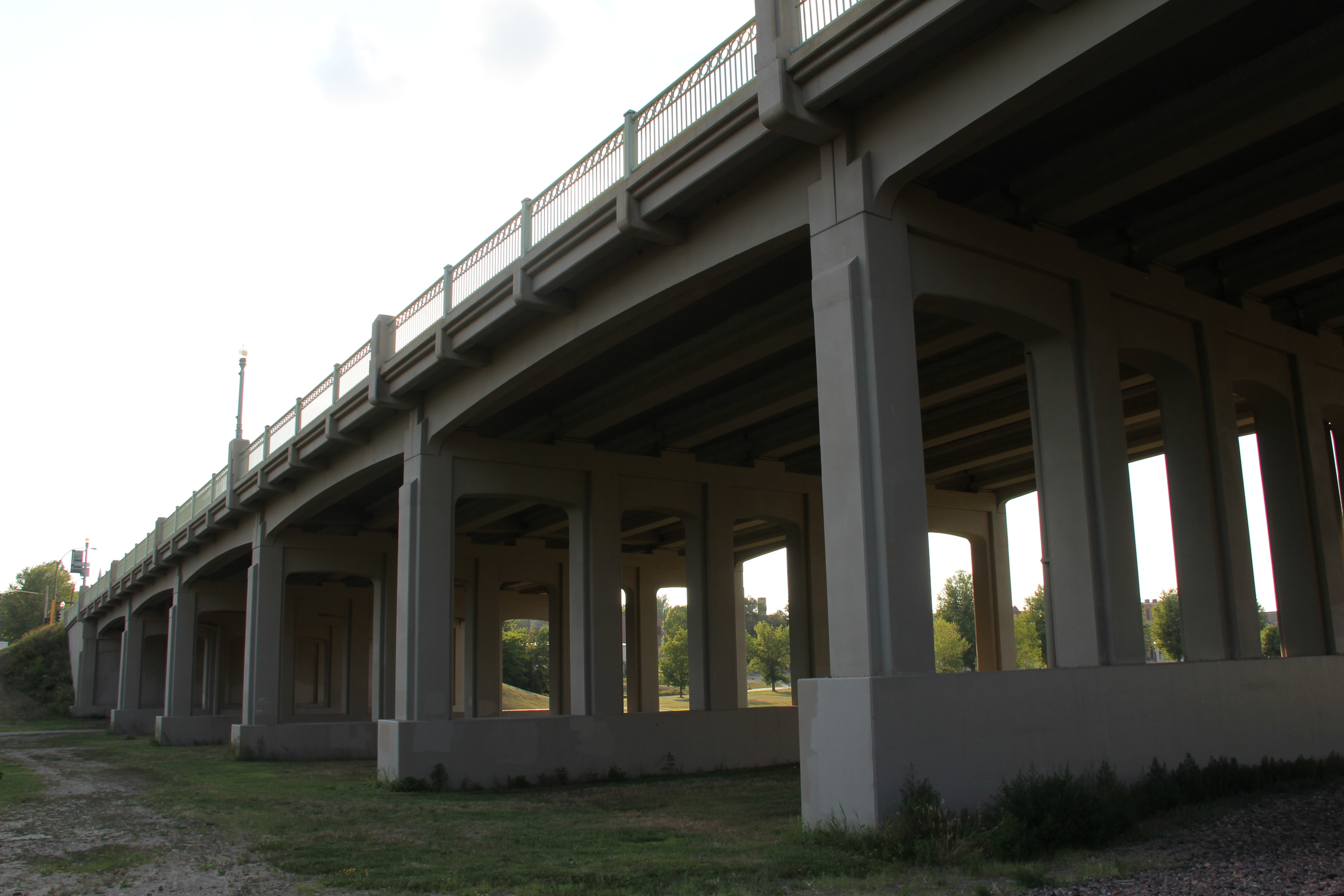
A side view of a section of Faribault’s historic viaduct. (Minnesota Prairie Roots copyrighted photo August 2023)

ARCHITECTURE, ART AND HISTORY meld on an expansive structure connecting Faribault’s east and west sides.
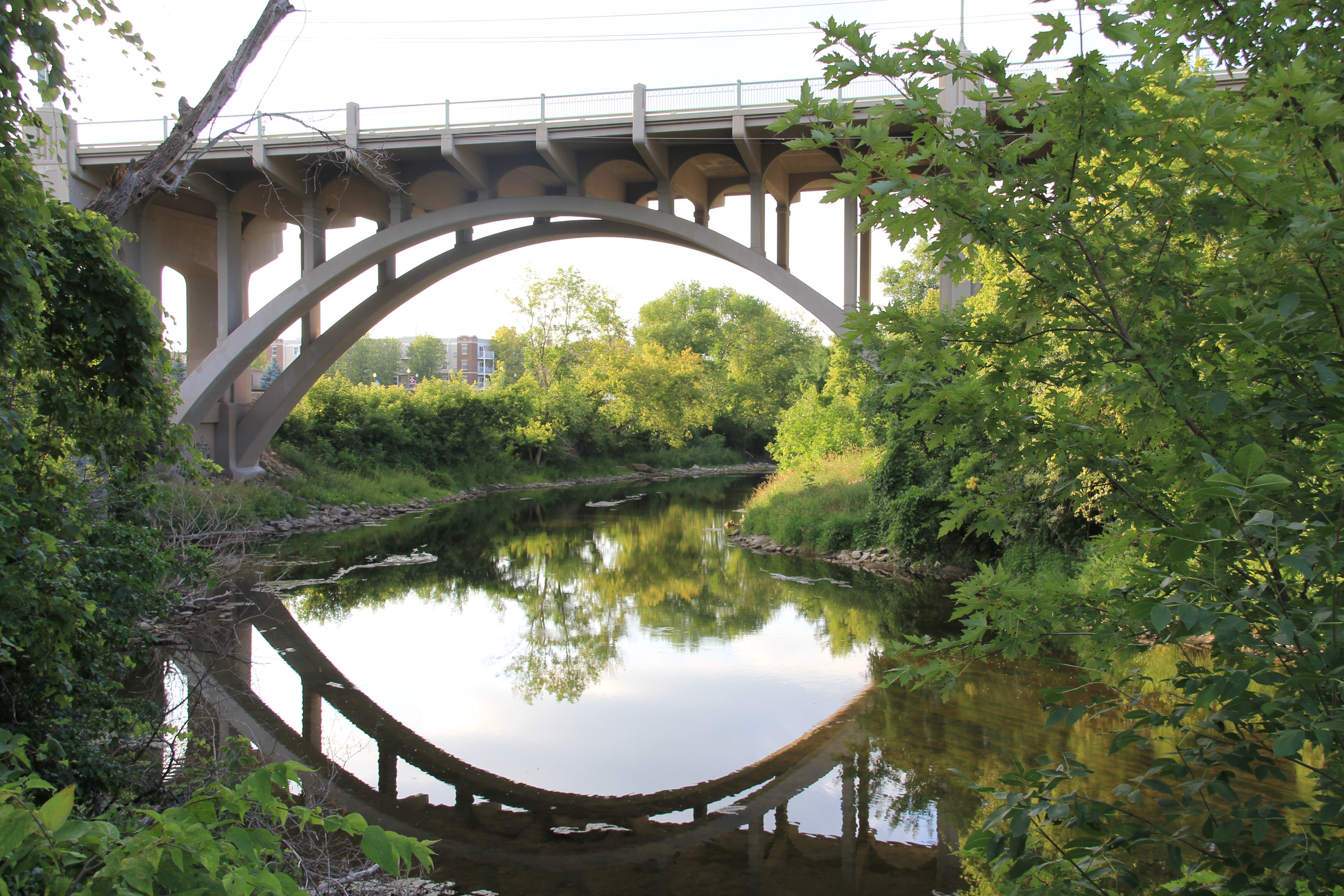
The viaduct reflects in the Straight River in the early evening light. (Minnesota Prairie Roots copyrighted photo August 2023)

Locally referred to as “The Viaduct,” the continuous concrete rib arch bridge routes pedestrians and traffic along Minnesota State Highway 60 over railroad tracks and the Straight River far below. Three massive reinforced arches distinguish this as a viaduct rather than a bridge.
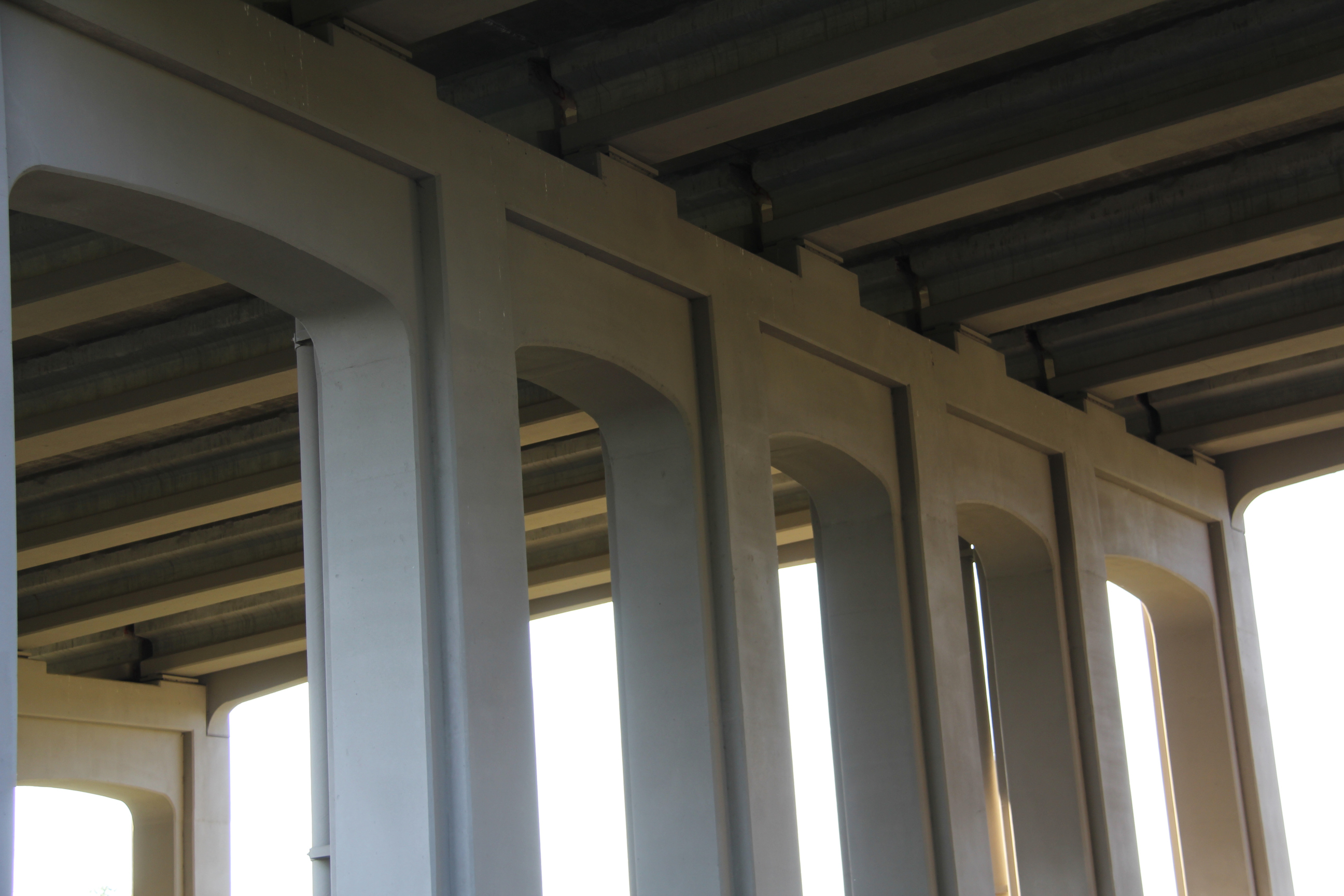
Piers and under the roadway up close. (Minnesota Prairie Roots copyrighted photo August 2023)

Thousands of times I’ve crossed the viaduct via vehicle in my 41 years living here. But not until recently did I pause to really study the underbelly of this 1937 Works Progress Administration project which is on the National Register of Historic Places. Only via a close-up look from ground level did I fully appreciate this engineering feat.
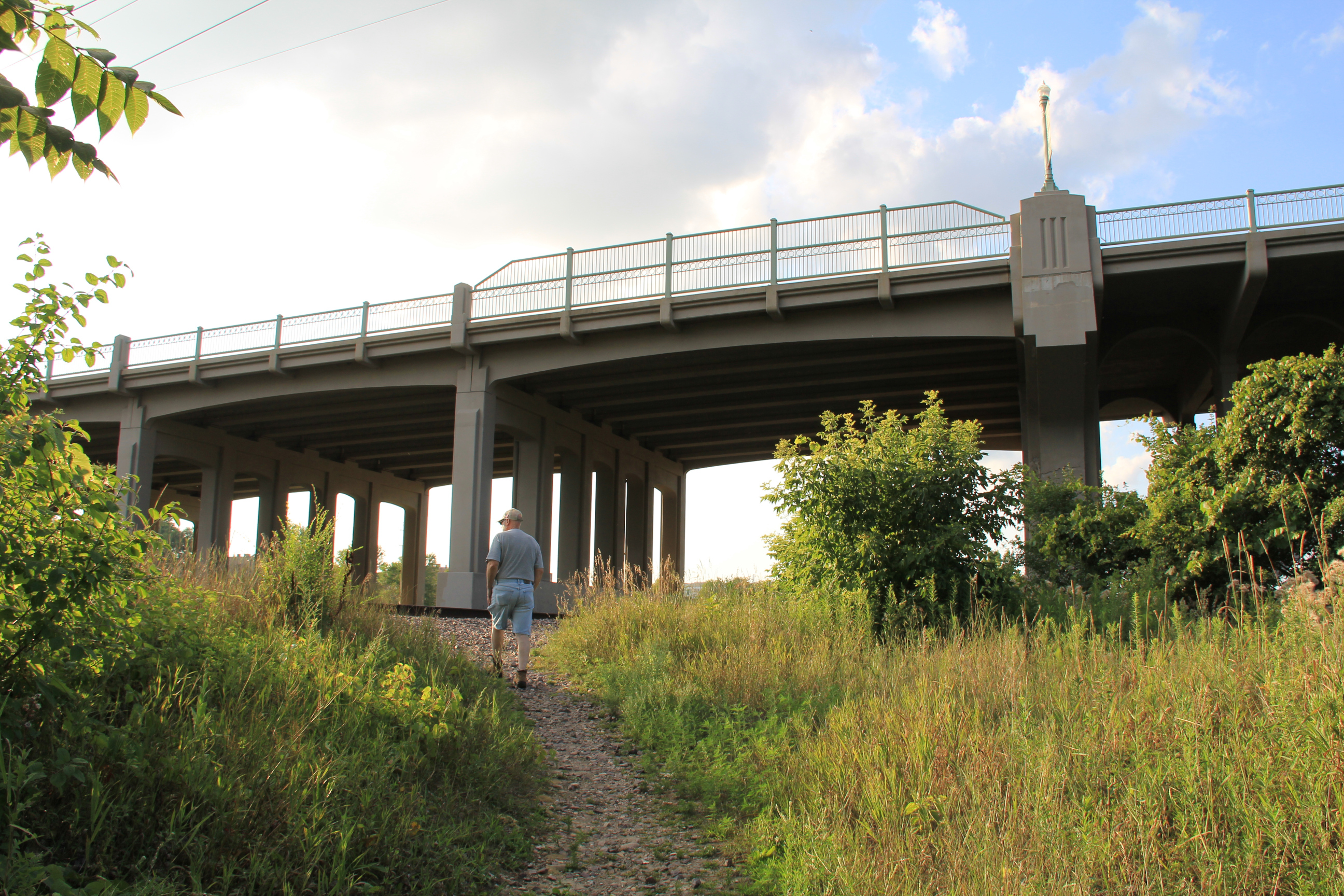
I followed Randy along this path leading to the tracks. (Minnesota Prairie Roots copyrighted photo August 2023)

I followed a narrow dirt trail through trees and underbrush in Teepee Tonka Park to reach a good viewing spot of the viaduct underside. From that perspective next to the train tracks, I observed the way patterns and lines repeat to build a strong structure that has withstood the test of traffic and of time. The bridge was rehabilitated, the roadway widened in 2008-2009.
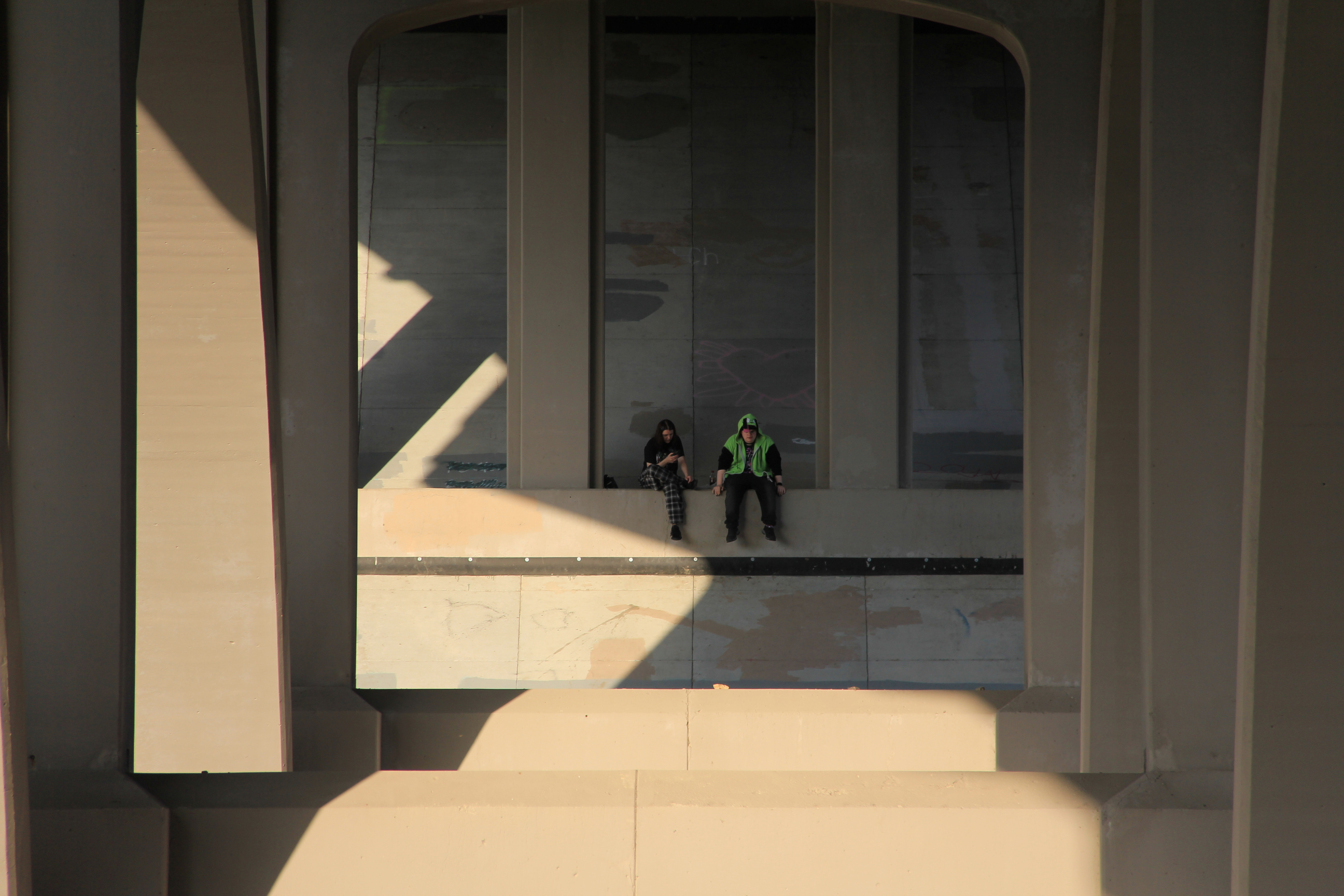
Hanging out under the viaduct. (Minnesota Prairie Roots copyrighted photo August 2023)

The viaduct impresses in design and size. I felt dwarfed by its massiveness, even more noticeable when I spotted a couple sitting on the far end. They appeared small in comparison to the concrete piers rising above and around them. I felt overpowered, too. I wondered how WPA workers managed to build this wonder in the late 1930s without the modern equipment of today.
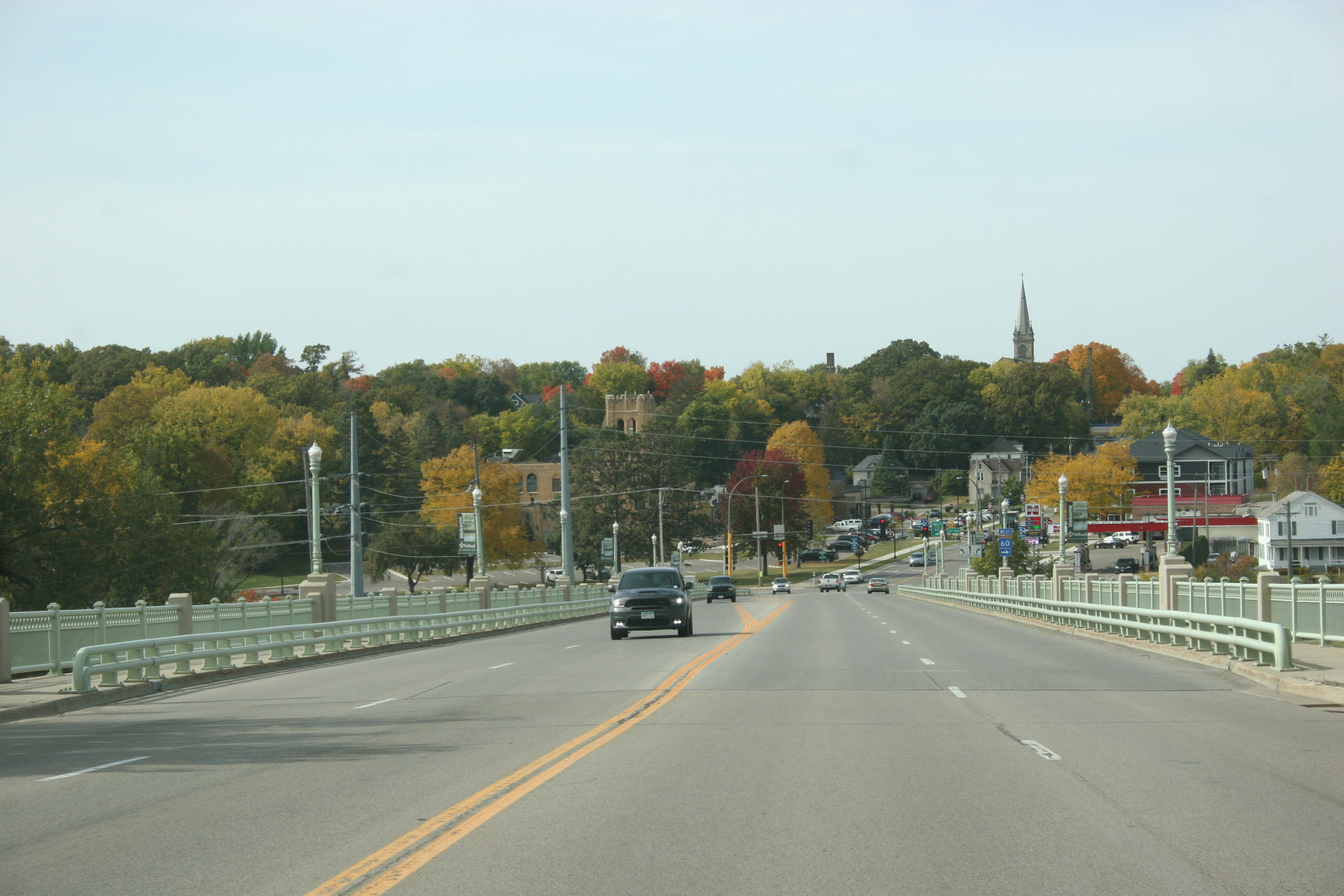
Westbound on the viaduct, Buckham Memorial Library is to the left and the Immaculate Conception Church steeple in the distance. (Minnesota Prairie Roots copyrighted file photo October 2022)

But it is more than utilitarian construction that marks this viaduct as noteworthy. The viaduct is a work of public art—an interactive sculpture which provides a sweeping view of historic downtown Faribault and the surrounding area when heading westbound. To view the bridge from below is to truly see its artsy side, its Art Deco/Classical Revival style. That style carries through in the concrete piers and, on road level, in the decorative railings and lights, replicas of the originals.
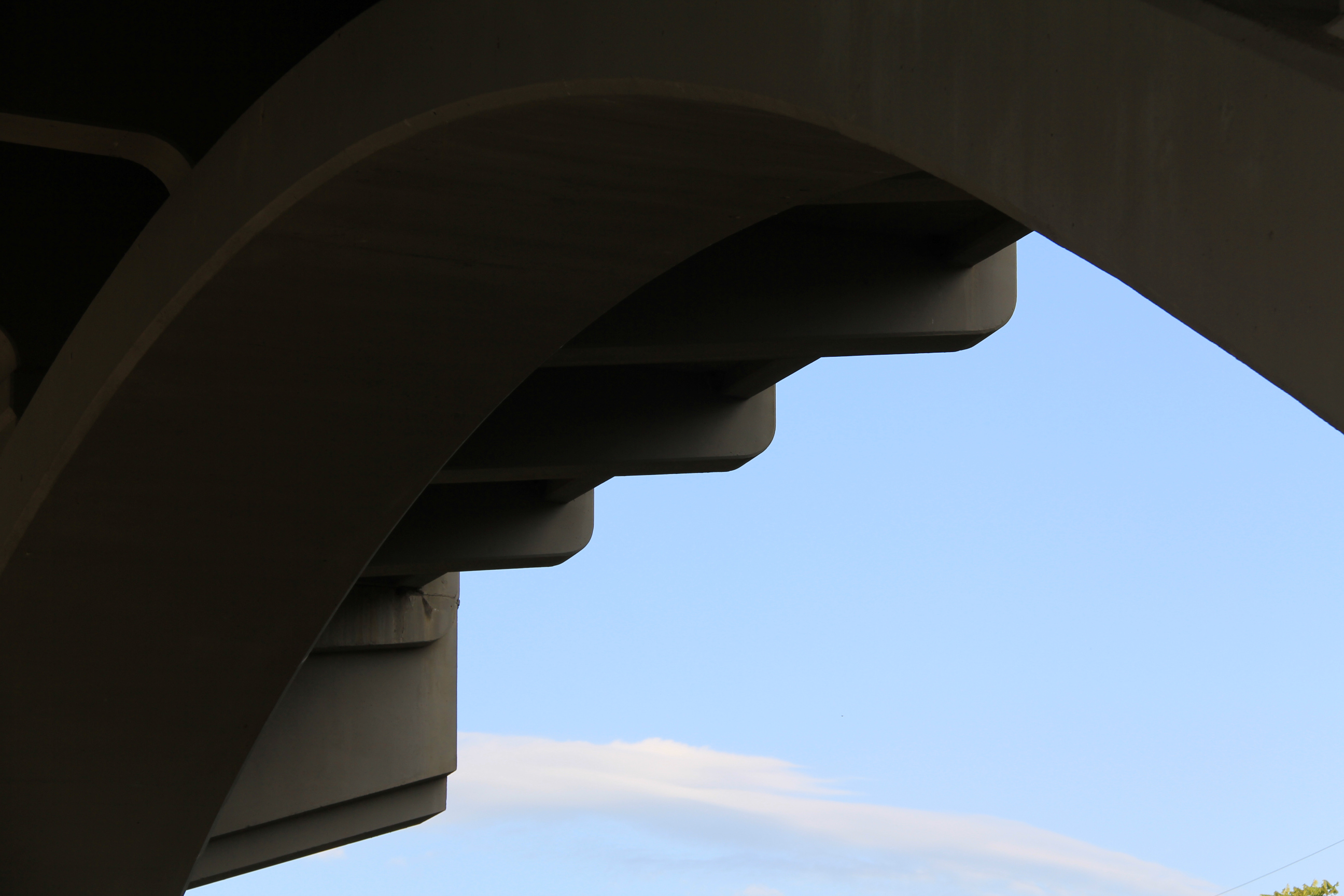
The viaduct is a marvelous work of architecture, art and engineering. (Minnesota Prairie Roots copyrighted photo August 2023)

As I stood under the viaduct studying its design, artsy arches, curves and lines, I considered the many people who have traversed this bridge. If only this concrete could speak, oh, the stories it would tell. Stories of construction workers who labored for 1½ years to complete this project. Stories of Ford Model As, among the first to drive across this linkage between east and west. Stories of students arriving at the Minnesota State Academies for the Deaf and Blind. Stories of athletes heading to hockey camp at Shattuck-St. Mary’s School. Stories of prisoners transported to the Minnesota State Correctional Facility, Faribault. Stories of ambulances racing across the viaduct toward the hospital. Stories of expectant parents headed there, too. Stories of families and students on their way to River Bend Nature Center. Stories of travelers simply passing through Faribault.
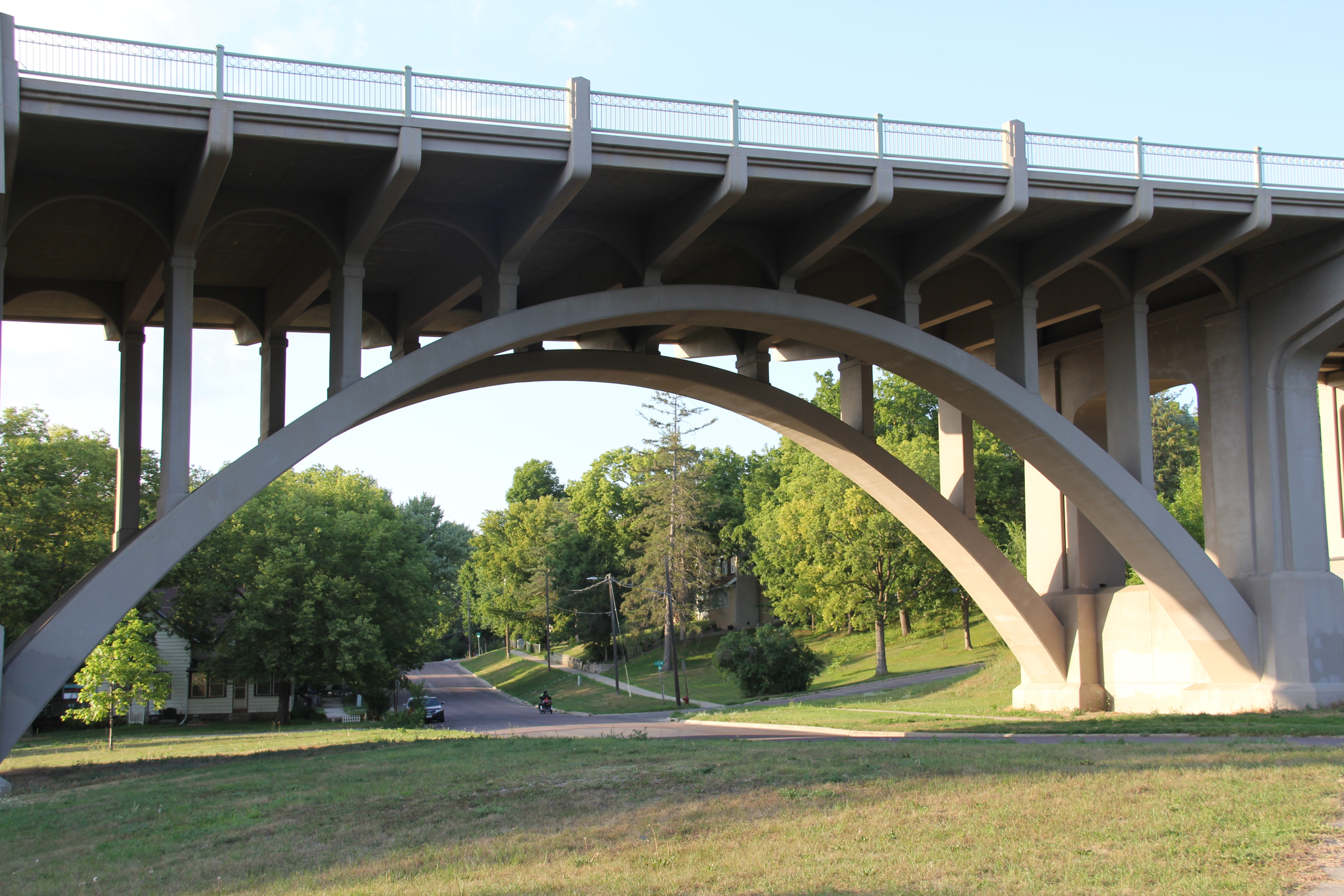
On the east side of the river, a road passes the viaduct and leads to Teepee Tonka Park. (Minnesota Prairie Roots copyrighted photo August 2023)

For 86 years, The Viaduct has gathered stories atop graceful arches, upon a roadway that is more than a route. This is a local landmark, an architectural and artistic marvel which visually and historically defines Faribault.

© Copyright 2023 Audrey Kletscher Helbling


Building the Eiffel Tower in France, then Minnesota June 22, 2023

Completed 3-D wooden puzzle of the Eiffel Tower. (Minnesota Prairie Roots copyrighted photo June 2023)

CONSTRUCTION OF THE EIFFEL TOWER in Paris took two years, two months and five days and a whole lot of engineers and factory and construction workers.

Construction of the Eiffel Tower in Faribault, built by one man, took 30 minutes.

Clearly there’s a difference in what, exactly, was constructed. My supposed-to-be-retired automotive machinist husband assembled a 3D wooden puzzle of the Eiffel Tower by B.C. Bones in a half hour. Information on the puzzle box estimates construction time at 1 to 2 hours. I am not one bit surprised that Randy fit the 32 pieces into a tower in much less time. His mind works that way. He sees a bunch of parts and he immediately envisions how they all work together.

Me? I would still be struggling to build the Eiffel Tower, especially given the missing architectural blueprint in the puzzle box. That and a missing fact file were likely the reasons this 2003 puzzle was in the freebie pile at a Northfield garage sale.

That Randy managed to construct the tower in such a short time and without a cheat sheet blueprint impresses me. But then I am not one who likes puzzles or has the ability to figure out how stuff connects. We each have our talents. Puzzling puzzles is not one of mine.

Now this two foot high tower sits on a vintage chest of drawers in our living room, displayed not as a completed puzzle project, but rather as a work of art. Just like the real tower in Paris, a tourist draw for 7 million annual visitors who appreciate its architectural and artistic beauty.

Engineer Gustave Eiffel designed the tower, built in 1889 to celebrate the Exposition Universelle. The structure reaches 1,083 feet heavenward and weighs 10,100 tons. But the fact I found most interesting on the official Eiffel Tower website was the 2.5 million rivets used in construction. That’s a whole lot of rivets holding the metal pieces in place.

Only slots hold the tight-fitting wooden puzzle together. But it’s amazingly strong and can be carried without falling apart. That gives me some insight into just how strong the real Eiffel Tower was engineered to be.

This garage sale freebie proved an interesting and engaging find. I learned something about architecture and engineering and facts about the Eiffel Tower unknown to me, mostly because I’ve never researched this architectural icon. And for Randy, this puzzle proved easy. For a garage sale freebie, I’d say we got our money’s worth.

#

TELL ME: How would you do assembling this 3D puzzle without a blueprint? Do you do puzzles? Have you visited the Eiffel Tower in Paris?

© Copyright 2023 Audrey Kletscher Helbling


In Owatonna: The abstracts of art in architecture September 23, 2022

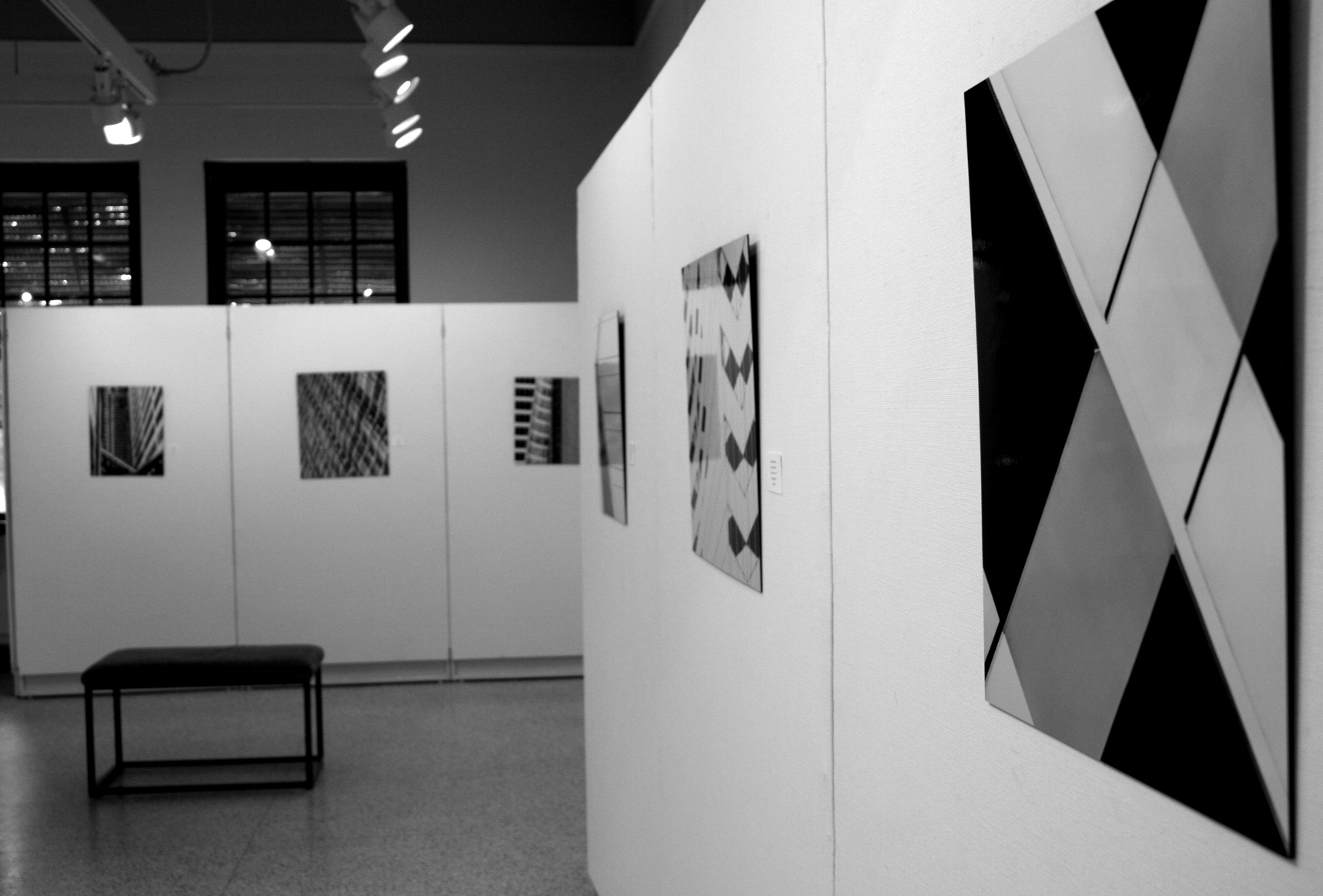
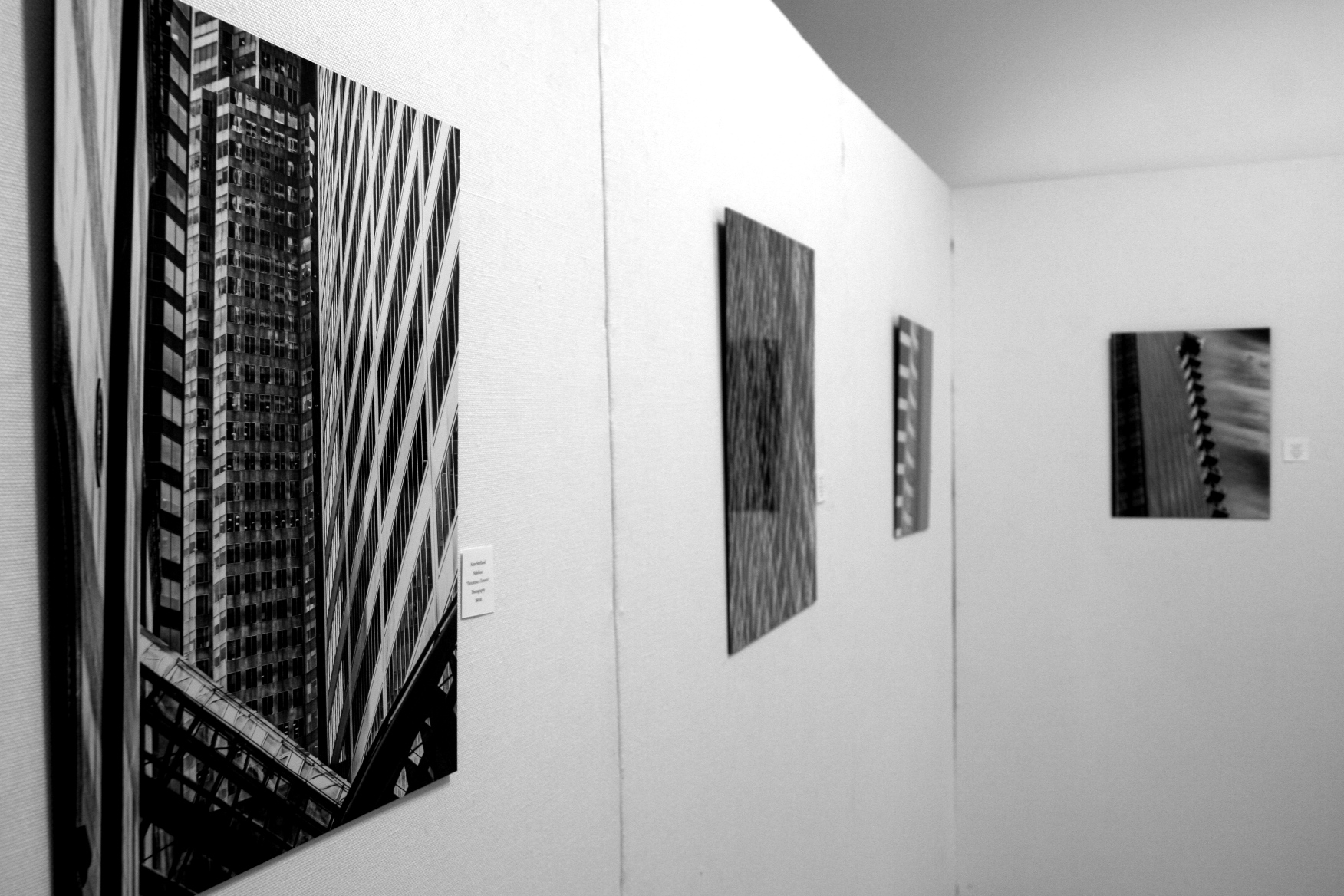
A sampling of Shefland’s photography at the OAC exhibit.

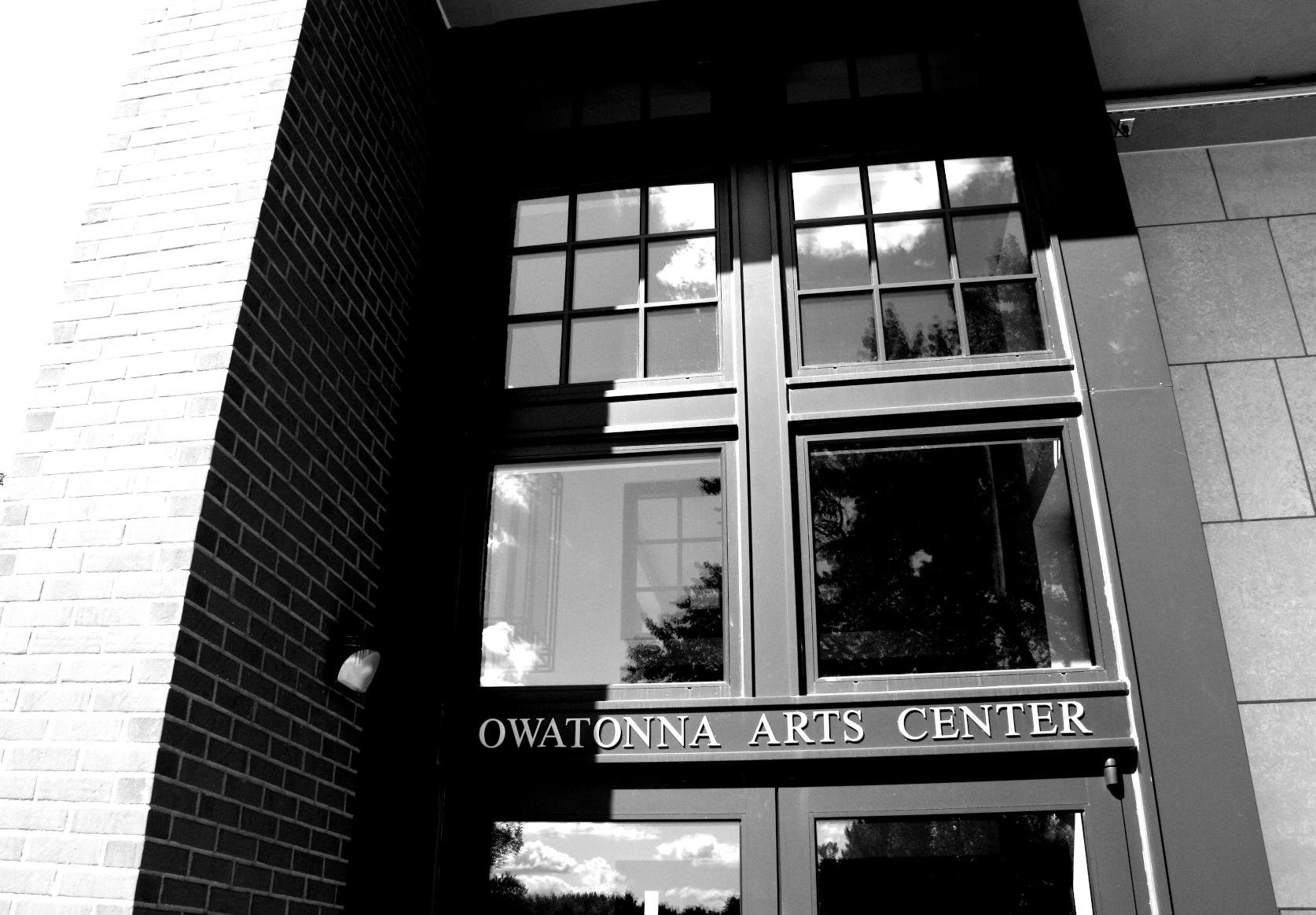
AFTER VIEWING ALAN SHEFLAND’S Architecture AbstrAcTED” photography exhibit at the Owatonna Arts Center, I felt inspired. Inspired to shoot a few architectural images of my own while roaming the West Hills Campus, home to not only the arts center, but also an orphanage museum, city offices and more.

I took this photo of the OAC entry. I converted the image to black-and-white and upped the contrast. (Minnesota Prairie Roots copyrighted photo September 2022)

Shefland’s appreciation of the lines, angles, curves, light of buildings resonates with me. I, too, am fascinated by the seemingly abstract art to be found in architecture. These are not just structures constructed for a purpose, but rather art forms.

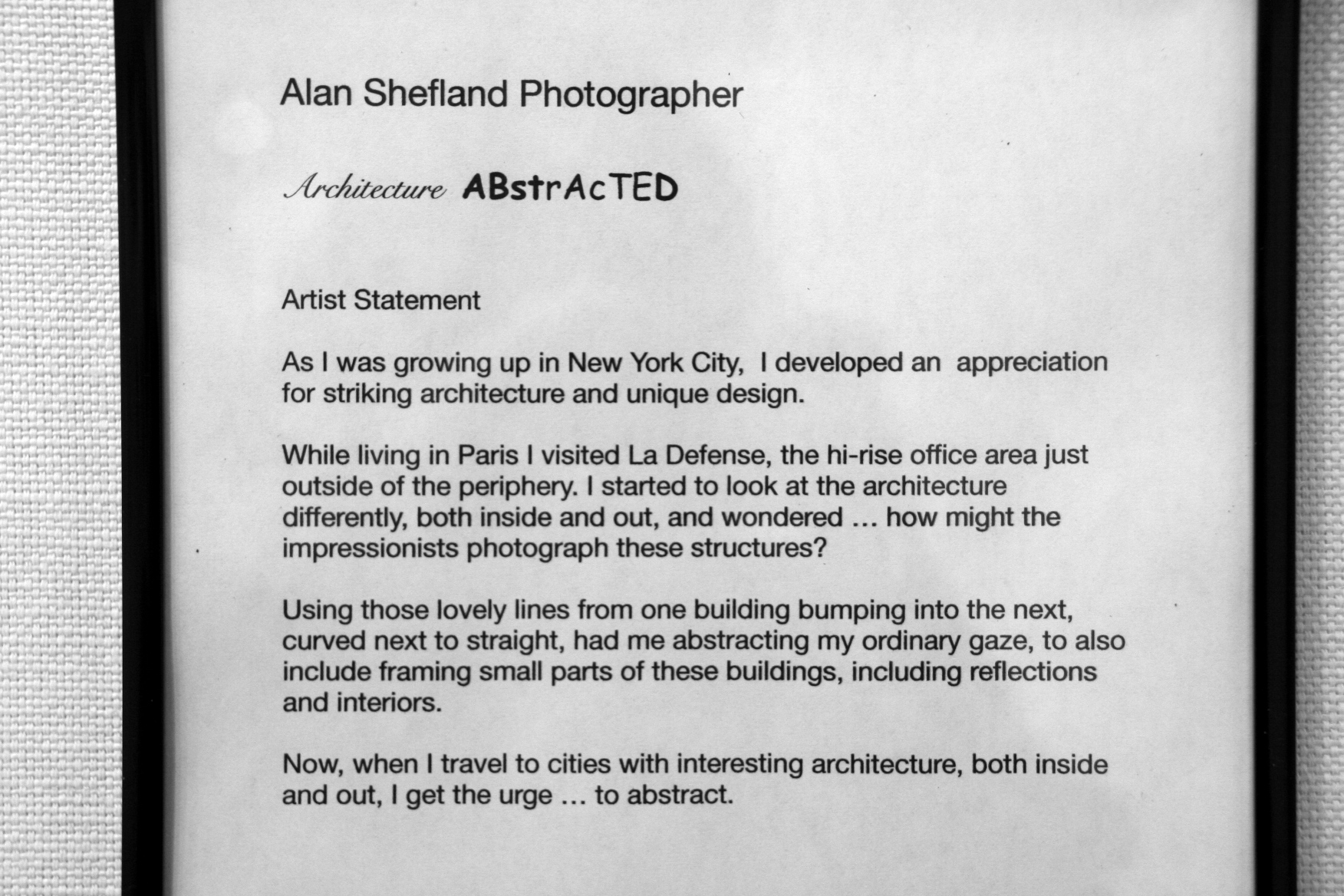
Shefland’s artist statement posted with his OAC exhibit. (Minnesota Prairie Roots photo)

This New York City born photographer, who is widely-traveled, focuses on the skyscrapers, the city buildings that rise high in the landscape. His current black-and-white photo exhibit features images from New York, Toronto, Minneapolis and more. Today he calls Minnesota home.

This shows a snippet of a much larger photo by Shefland.

Patterns and lines and curves meld to create remarkable abstract images. Modern art. Devoid of color, their impact is stronger, bolder.

My edited photo of an OAC sign. (Minnesota Prairie Roots copyrighted photo September 2022)

As I paged through the gallery guestbook, I agreed with the comment “Awesome exhibit…worth the drive from Mpls!” I only had to travel 12 miles. I feel fortunate to have access to art exhibits like this locally, without going into the Twin Cities metro.

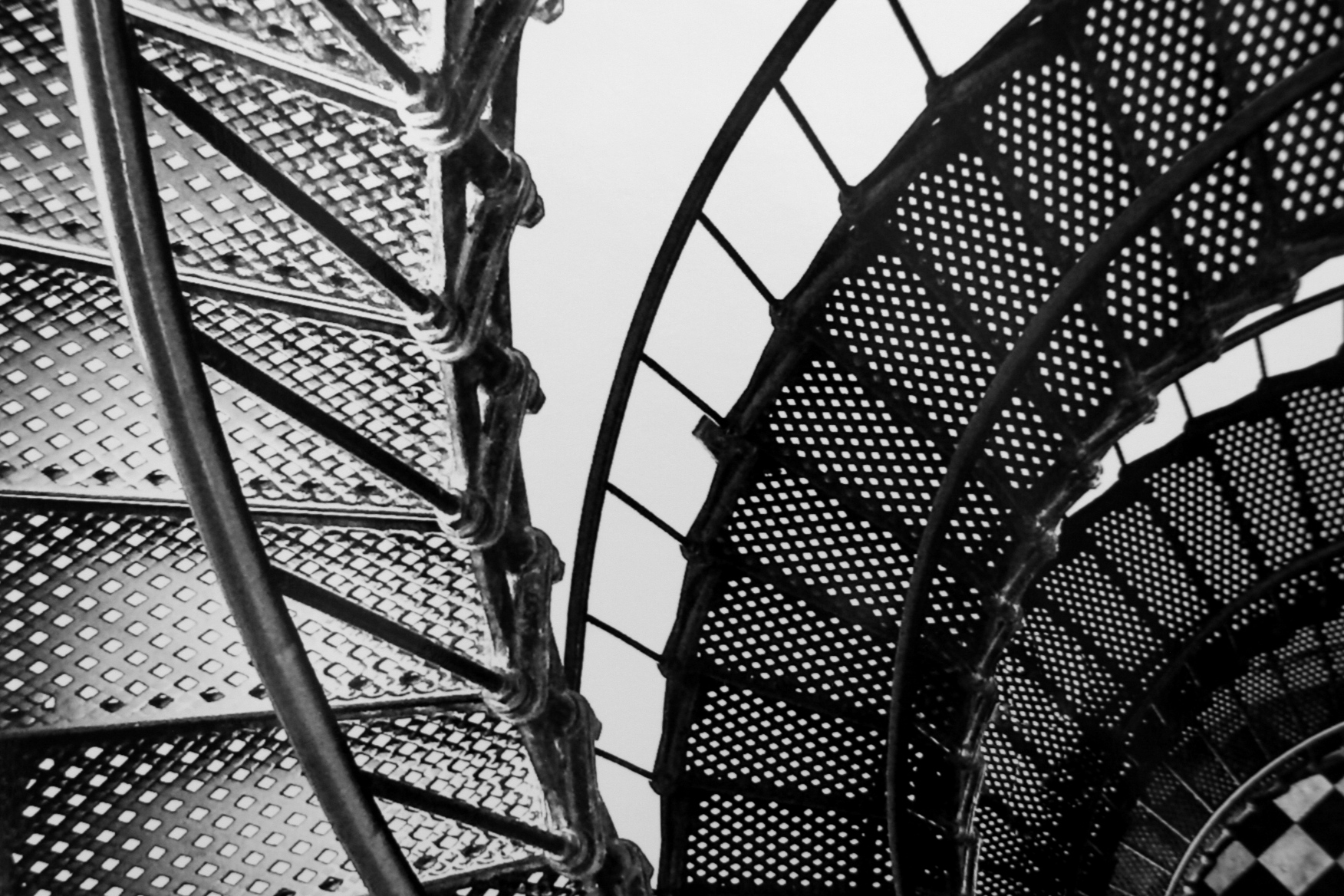
One more glimpse of images you will see in Shefland’s OAC exhibit.

I am not an urban person. I am not well-traveled. Major cities hold no appeal. Yet, I can appreciate that others value densely-populated areas and all they offer. We are each different and that’s a good thing.

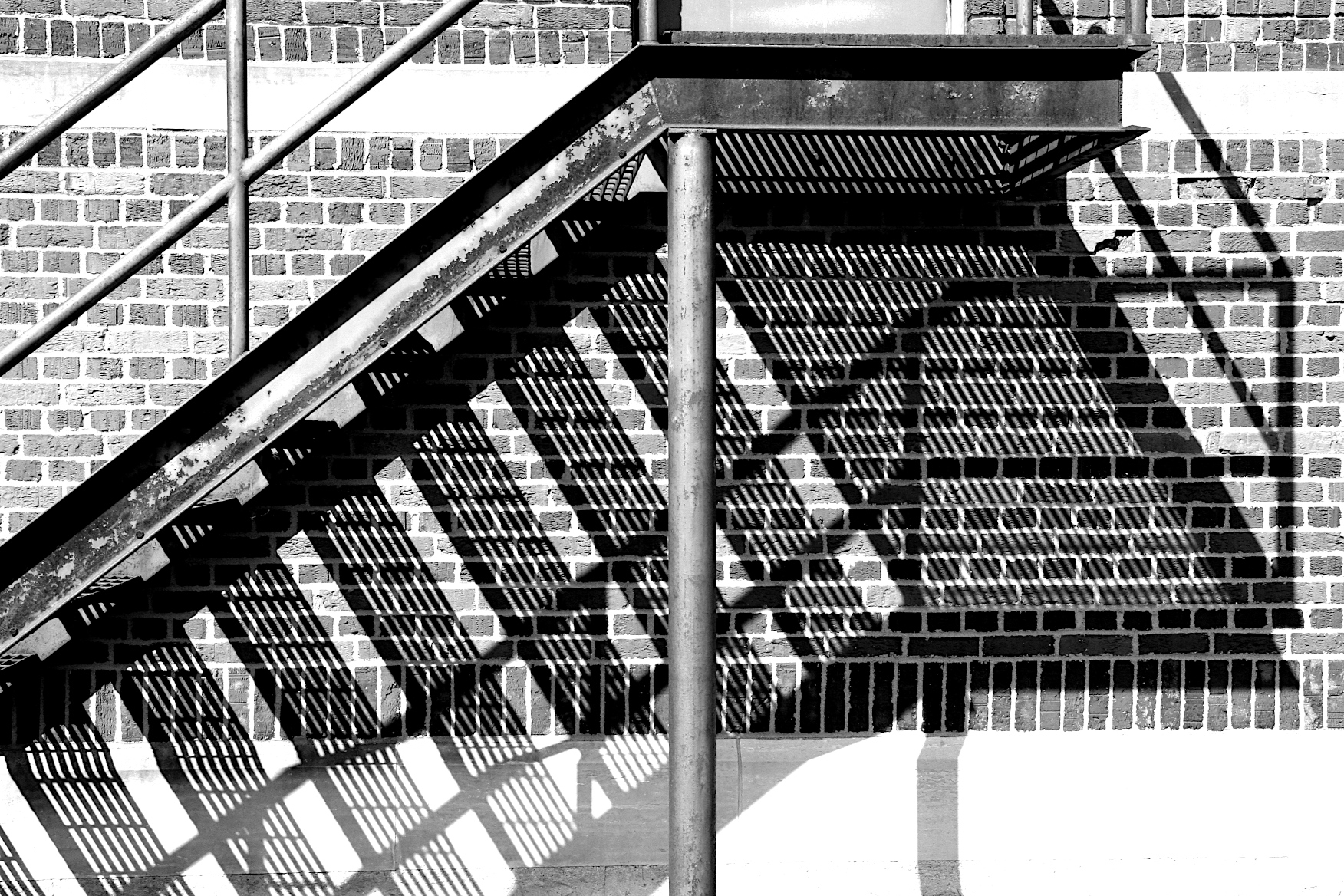
I photographed this exterior stairway on the West Hills campus after viewing Shefland’s exhibit. I love the patterns, the angles, the shadows, the light. (Minnesota Prairie Roots copyrighted photo September 2022)

Yet, as different as we are, we share interests, like photographing architecture. For Shefland, it’s the architecture in cities. For me, it’s the architecture of small towns. Historic buildings or other structures that catch my interest.

To view Shefland’s photos is to grow my knowledge, my appreciation, my respect for creatives like him. He expands my world, personally and professionally. I can say the same for Keith Goldstein, a talented photographer from New York City. I’ve followed Keith’s blog, “For Earth Below,” for many years. His work is currently exhibiting in Milan. The scope of his photography ranges from architectural to streetscapes to street portraits and more. In a recent photo, he featured colorful Fruit Loops cereal scattered across pavers. Simple. Artsy. Creative.

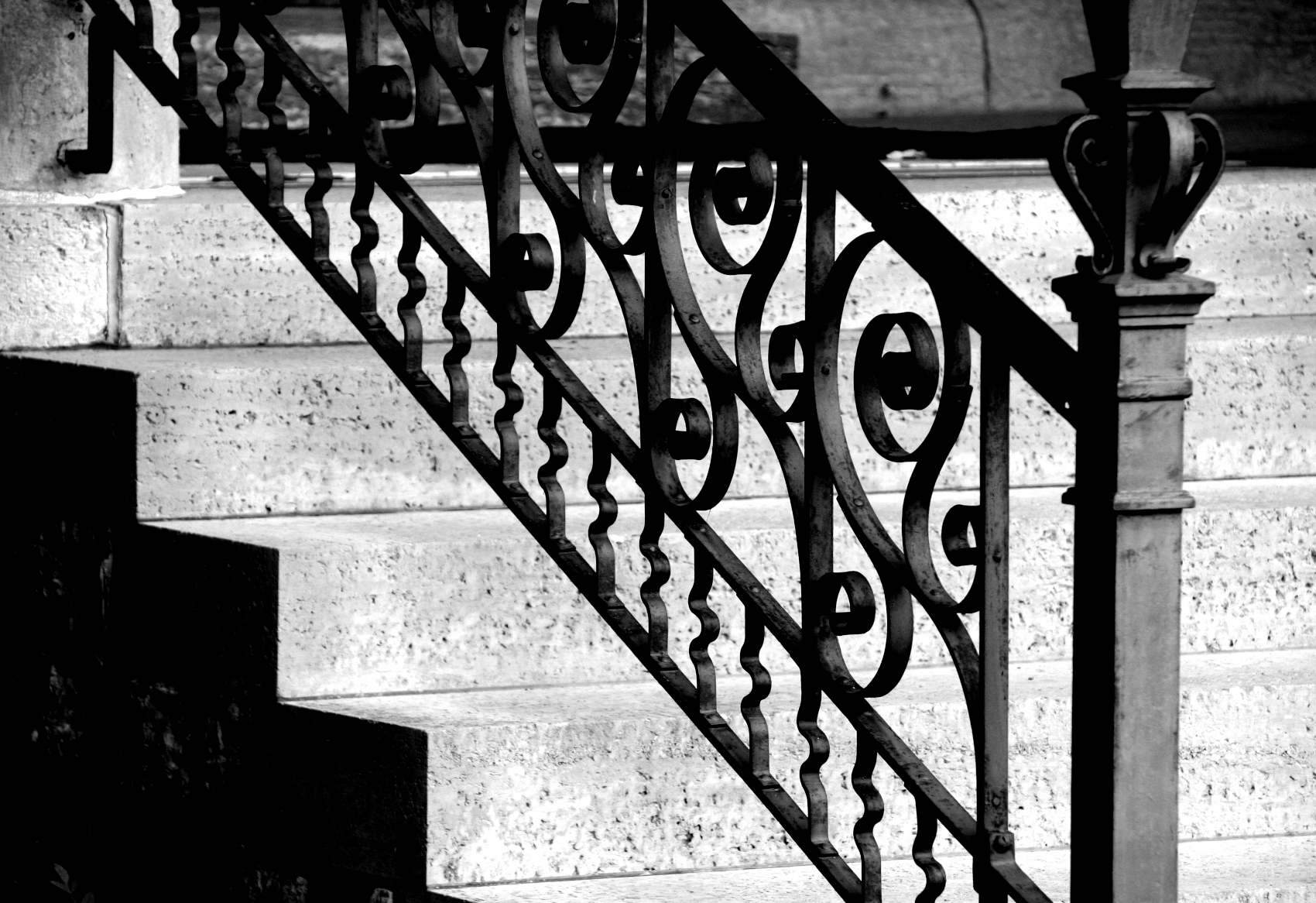
Shefland-inspired, my photo of a stairway and railing on the West Hills campus. (Minnesota Prairie Roots copyrighted photo September 2022)

I find joy in connecting with other photographers, whether online, via gallery exhibits or in-person. To see the world through their lenses enlightens, teaches, encourages me.

FYI: Alan Shefland’s exhibit at the Owatonna Arts Center continues until October 2. Gallery hours are 1 – 5 pm Tuesday through Sunday, closed Mondays and holidays.

Note: I de-saturated all of the images in this post and did minimal photo editing to up the contrast.

© Copyright 2022 Audrey Kletscher Helbling
 

Appreciating historic downtown Owatonna March 2, 2022

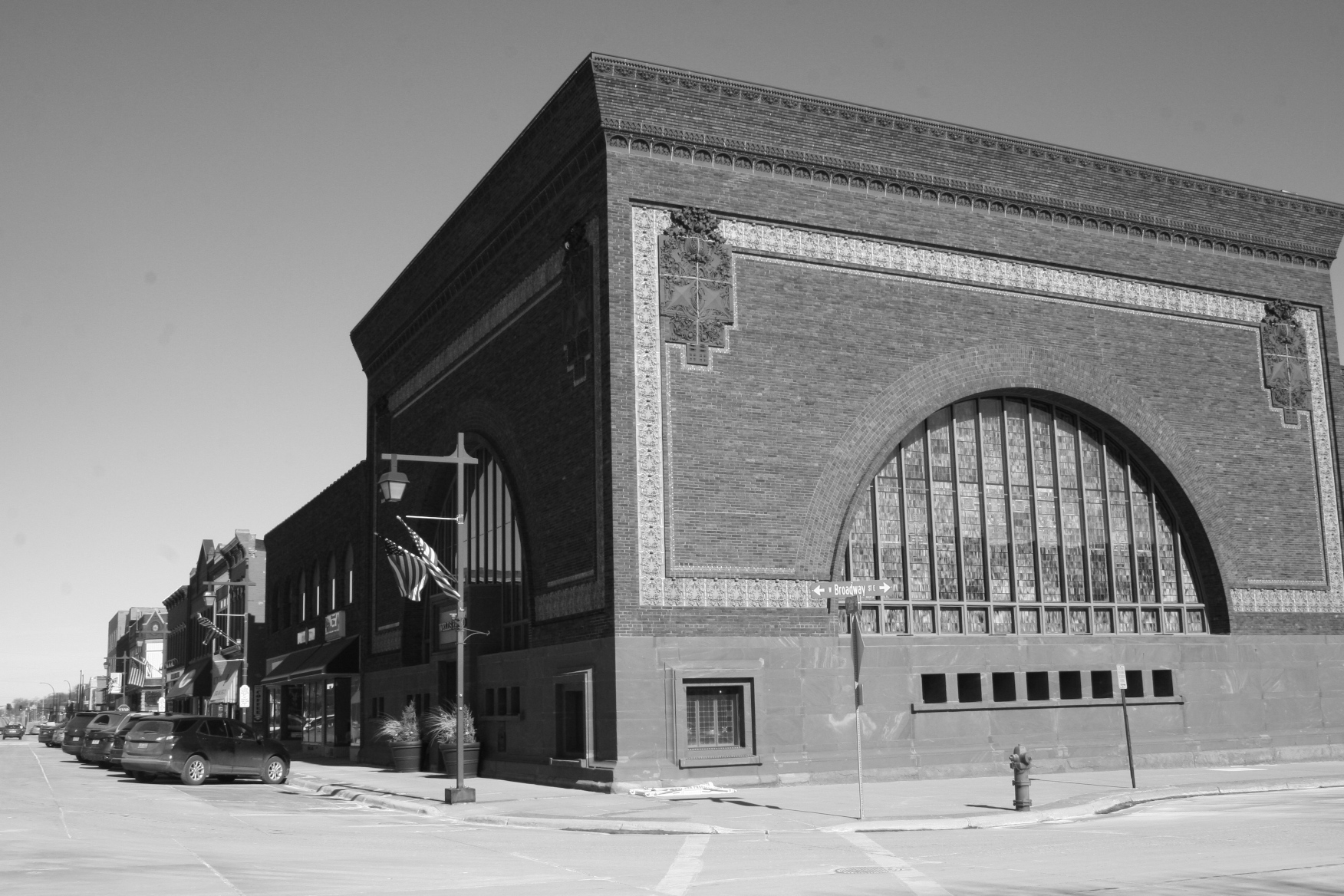
National Farmer’s Bank of Owatonna rates as particularly important architecturally. Designed by Louis Sullivan in the Prairie Architecture School style, it features stained glass windows, gold leaf arches, nouveau baroque art designs and more. This “jewel box of the prairie” was built between 1906-1908. (Minnesota Prairie Roots copyrighted photo February 2022)

STRIPPING IMAGES OF COLOR lends an historic context to several aged buildings I recently photographed near Central Park in downtown Owatonna. It’s easier for me to see the past, to appreciate these long-standing structures through the lens of time when I view them in black-and-white.

Love this corner historic building which houses A Taste of the Big Apple, serving pizza, soup, sandwiches and more, including a Tater Tot Hot Dish special on March 3. (Minnesota Prairie Roots copyrighted photo February 2022)

First, I feel such gratitude that these buildings still stand. A time existed when the thought was that new is better. Out with the old, in with the new. I’m not of that camp and I’m thankful for the shift in attitudes.

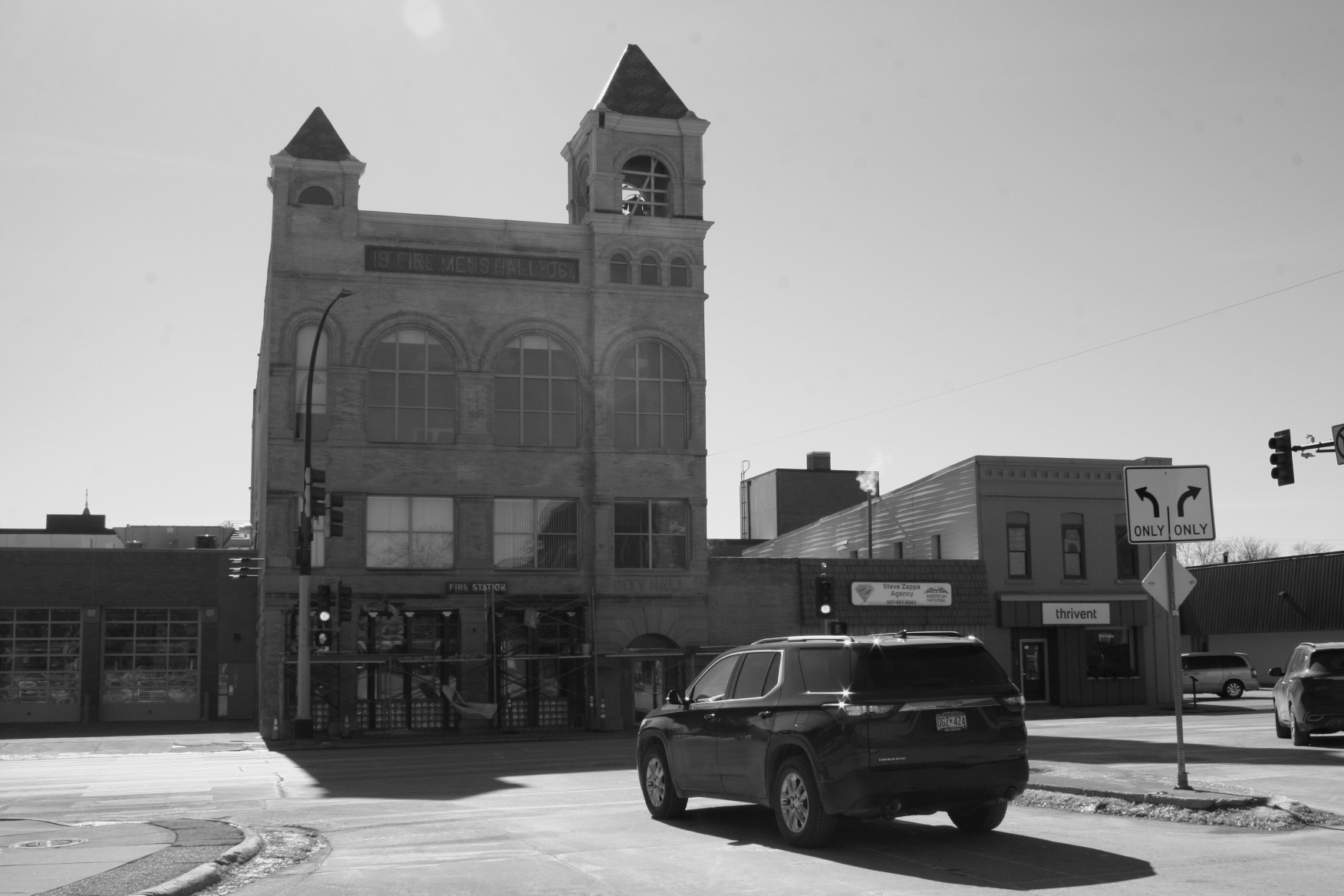
Firemen’s Hall, constructed 1906-1907 for $19,643, sits just across the street from Central Park. (Minnesota Prairie Roots copyrighted photo February 2022)

Twelve city blocks in Owatonna’s downtown define the community’s designation as a National Register Historic District. Three of the 75 “contributing buildings” within that district are on the National Register of Historic Places: the National Farmer’s Bank, the Steele County Courthouse and the Firemen’s Hall.

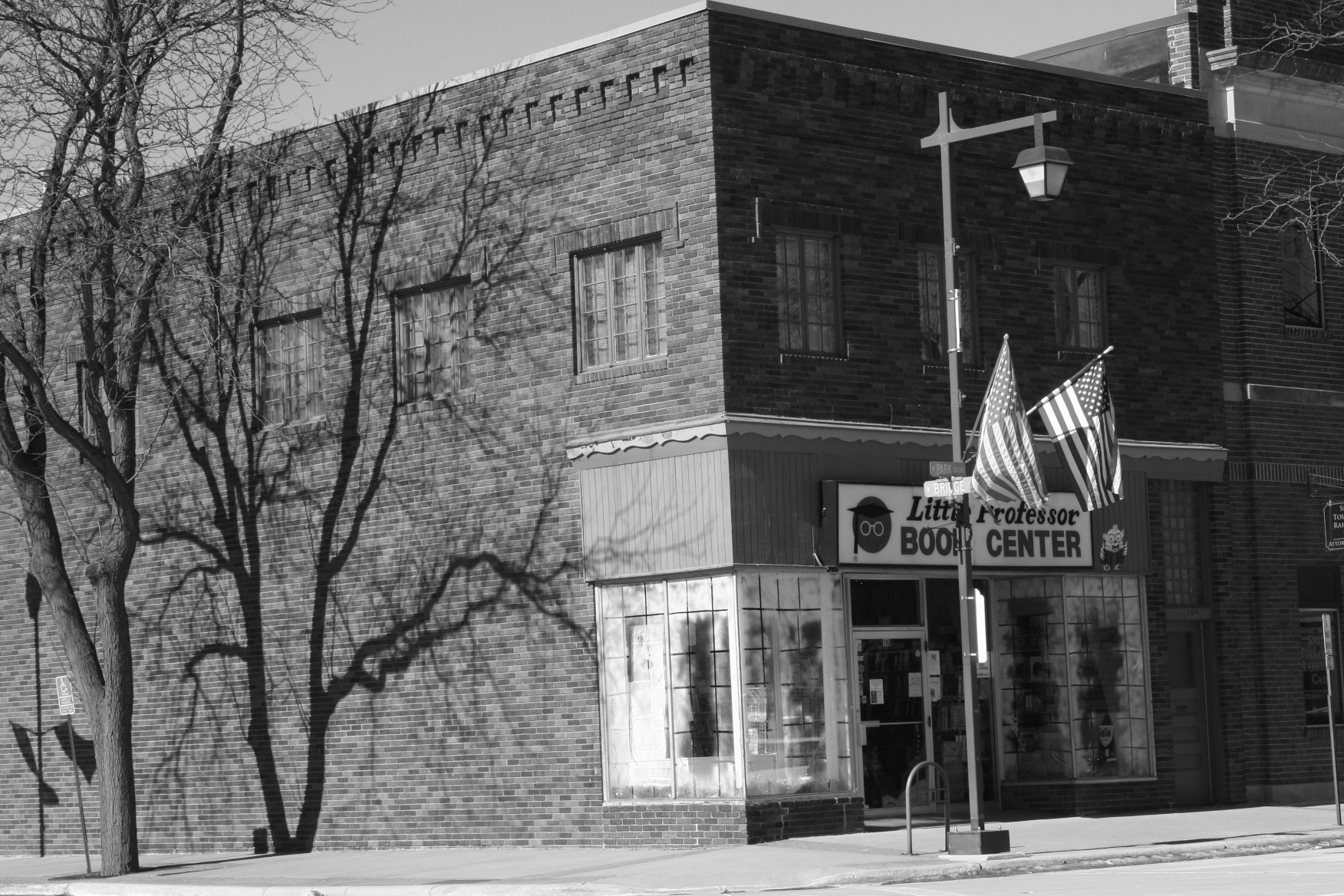
This home-grown bookstore anchors a downtown corner, directly across from Central Park. (Minnesota Prairie Roots copyrighted photo February 2022)

On a recent visit to Owatonna’s Central Park, I pivoted to observe those key historic buildings and others in a downtown of multiple core business streets.

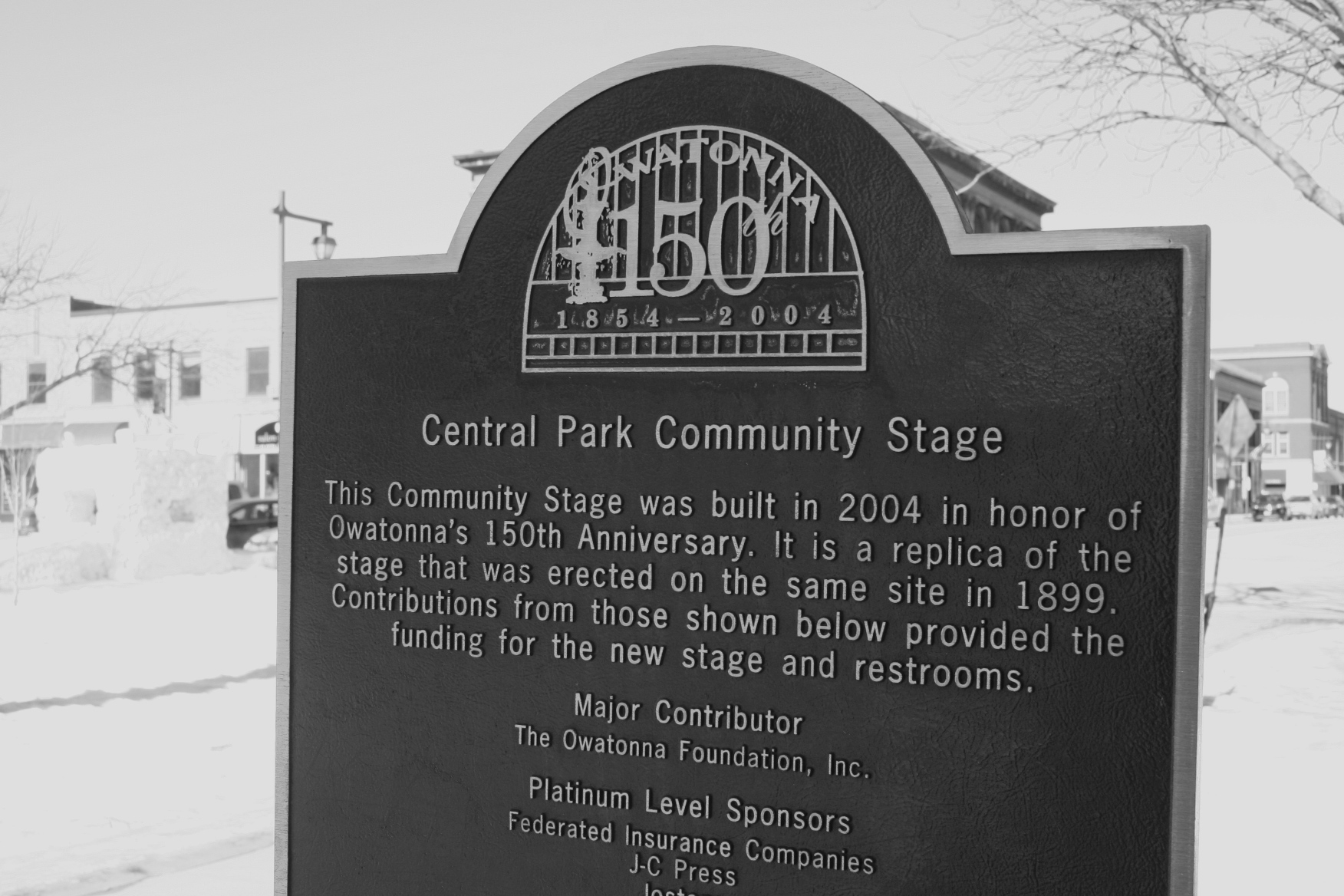
A sign in Central Park provides information about the community stage. (Minnesota Prairie Roots copyrighted photo February 2022)

The park, with a replica of the 1899 community stage, serves as the “town square,” the physically identifiable point of focus and gatherings. Here folks gather for concerts, the farmers’ market and other events. Music and the undeniable human need to socialize connect the past to the present.

The replica community stage/bandshell. (Minnesota Prairie Roots copyrighted photo February 2022)

I feel inspired now, via my recent stop in Central Park, to return to downtown Owatonna and further explore its history and architecture. Sure I’ve been here before, but not in awhile and not with a focused purpose of intentional appreciation for and photographic documentation of this historic district.

Strip away the color and appreciate the stark beauty. (Minnesota Prairie Roots copyrighted photo February 2022)

I encourage each of you, wherever you live, to pause. Strip away the color to black-and-white. See the basics, uncolored by time or attitudes or that which detracts. Observe how the past and present connect. Value the “good” in your community. Appreciate the place you call home.

TELL ME: What do you appreciate about your community?

© Copyright 2022 Audrey Kletscher Helbling
 

In the heart of historic Cannon Falls November 1, 2021

Signage on the building housing Antiques on 4th, a bright, uncluttered shop with artfully-displayed merchandise and friendly shopkeepers. (Minnesota Prairie Roots copyrighted photo October 2021)

YOU CAN LEARN much about a small town by simply walking. And looking, really looking.

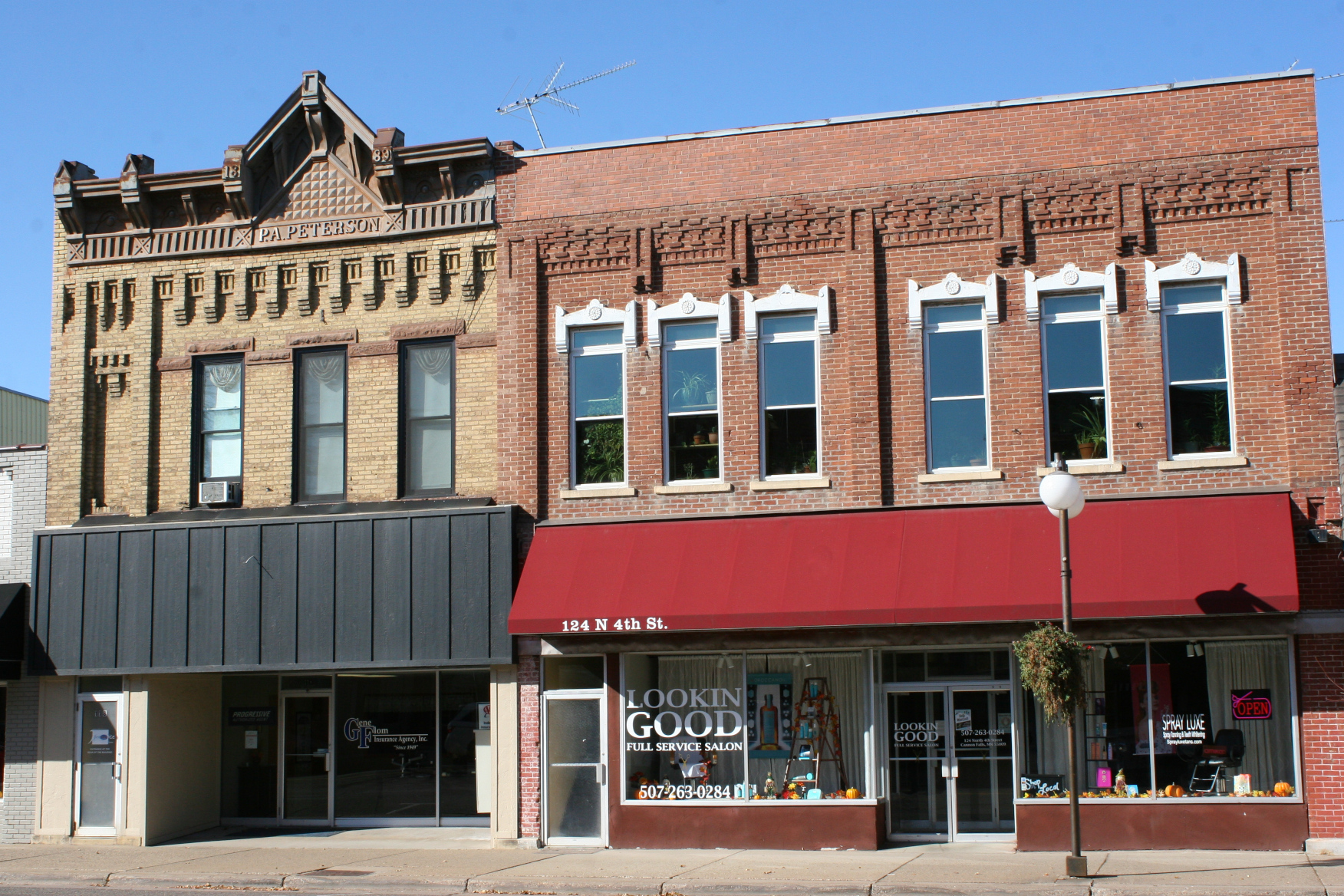
Two historic buildings in downtown Cannon Falls. (Minnesota Prairie Roots copyrighted photo October 2021)

On a recent day trip to Cannon Falls, I explored part of the downtown business district. Now on the National Register of Historic Places, the Cannon Falls Historic District includes 22 historically-significant structures.

Bold art on the side of the building identifies the local hardware store. (Minnesota Prairie Roots copyrighted photo October 2021)

Given my love of historic architecture, and art, this Goodhue County community of 4,220 within a 40-minute drive of Minneapolis and St. Paul rates as a favorite regional destination.

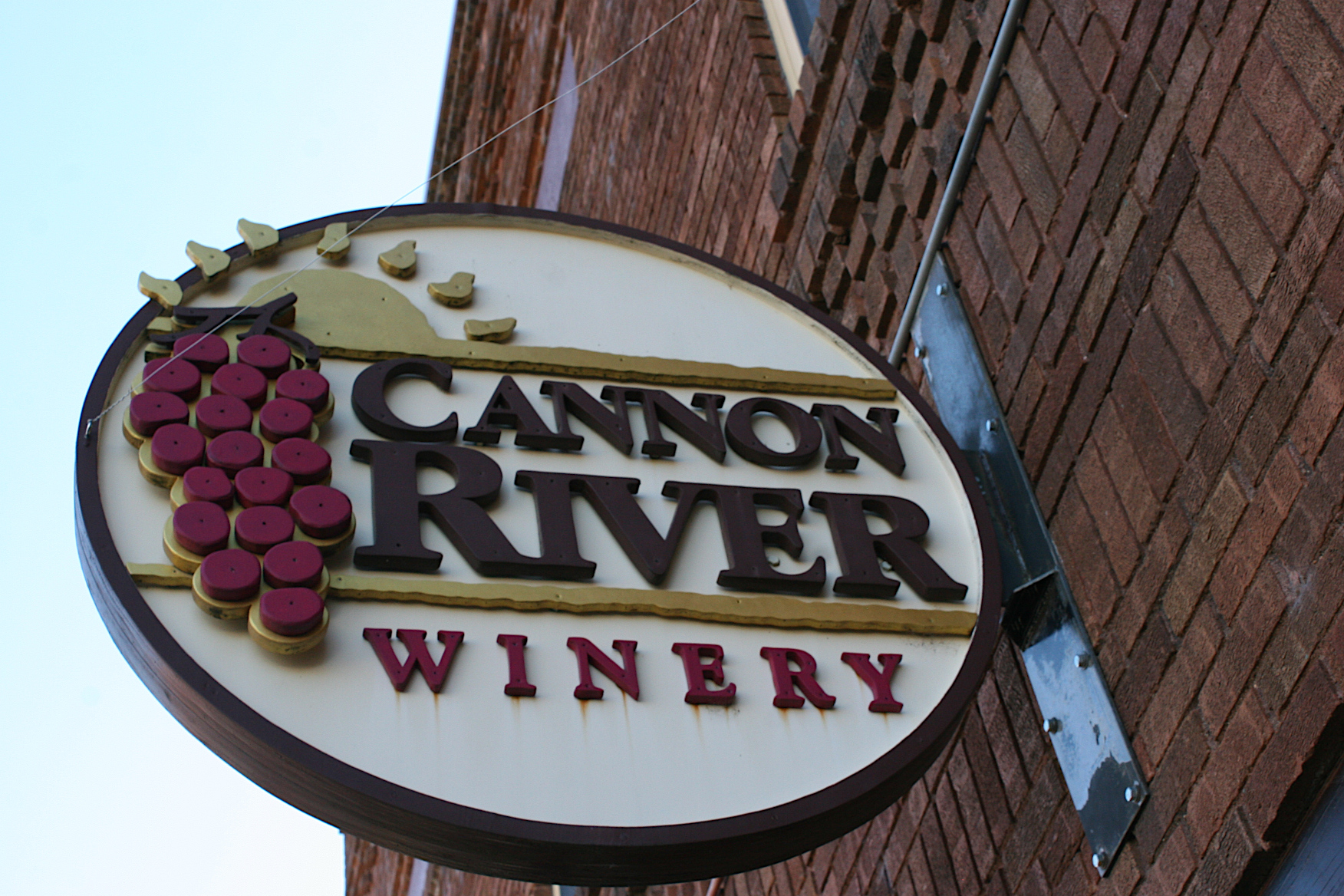
Signage marks the popular winery in Cannon Falls. (Minnesota Prairie Roots copyrighted photo October 2021)

Cannon Falls thrives with a well-known winery and bakery and an assortment of shops from antique to gift to hardware store. Toss in a mix of eateries, bars and a brewery and, well, there’s lots to see and do here. Plus, the town attracts outdoor enthusiasts who canoe the Cannon River and/or bike/hike the Cannon Valley Trail and Mill Towns Trail.

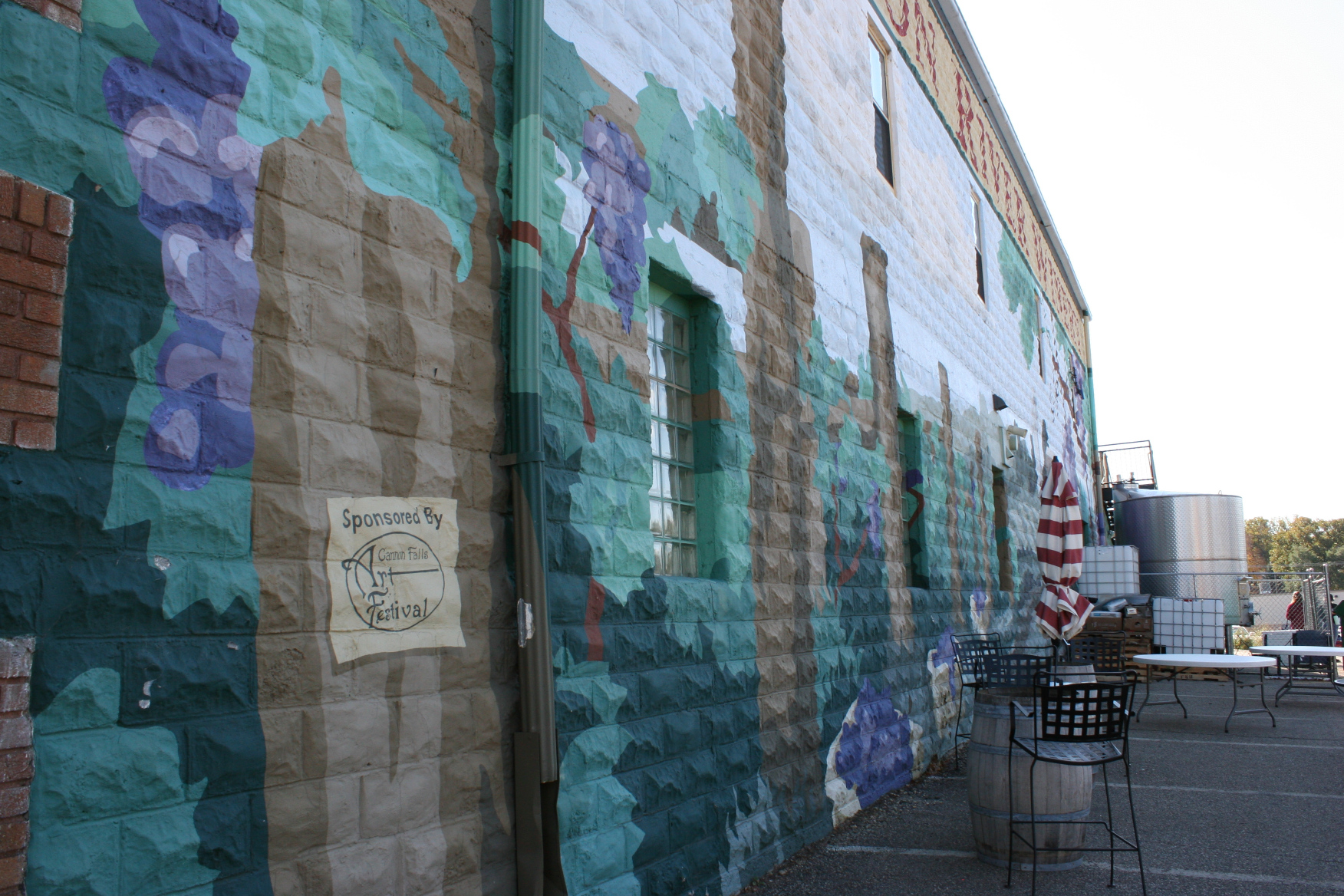
A mural at Cannon River Winery provides a backdrop for an outdoor space. (Minnesota Prairie Roots copyrighted photo October 2021)

During my mid-October visit, I popped into a few shops (including the bakery), discovered the lovely library and admired a new downtown mural. Because of COVID concerns, I skipped dining and imbibing. It was too early in the day and too cool to enjoy either outdoors.

Cannon Falls’ newest mural, a 2021 Youth Mural Arts Community Project, highlights geography, history and local interests. (Minnesota Prairie Roots copyrighted photo October 2021)

Still, I found plenty to take in from the colorful new mural to the art inside the library to ghost signage.

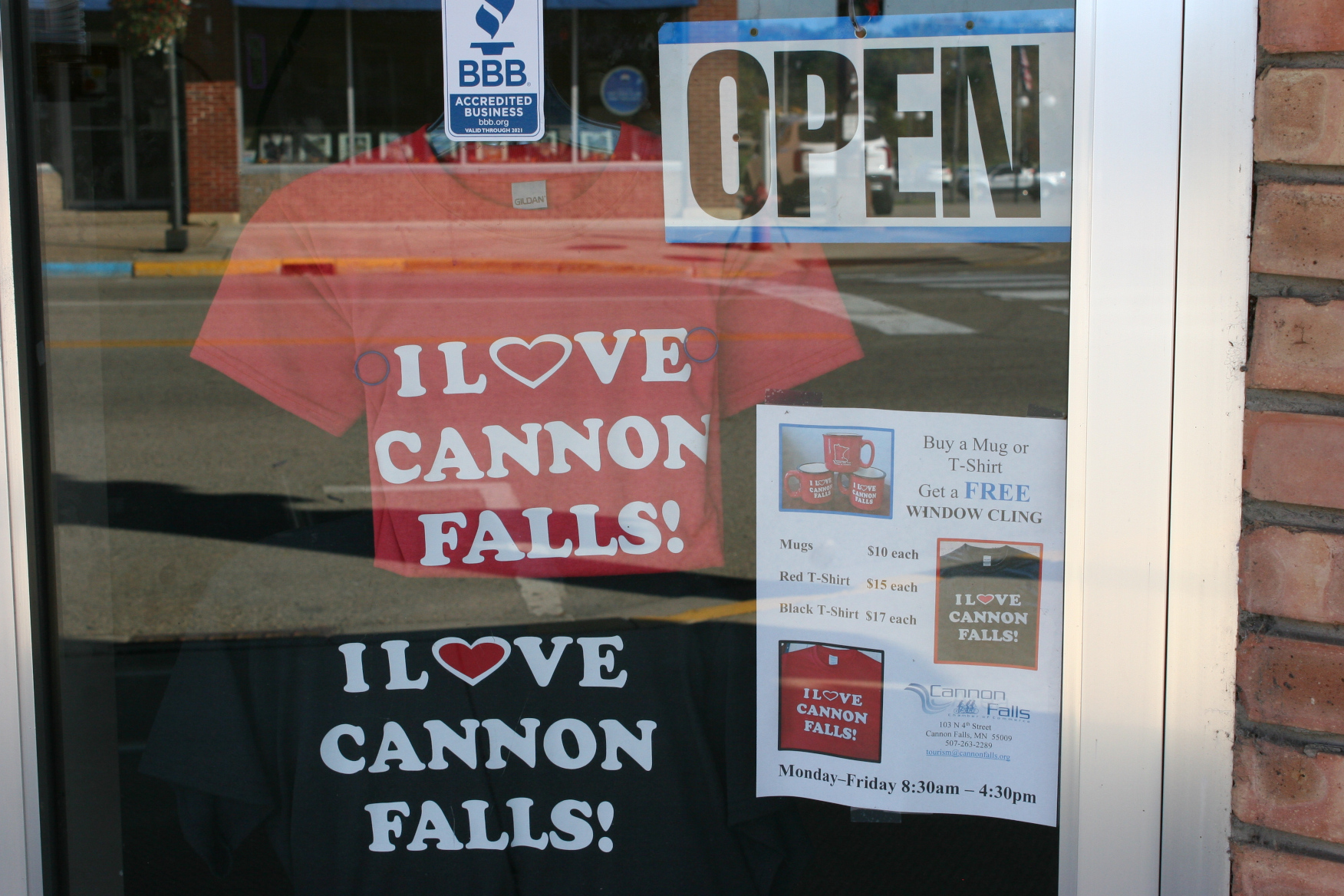
Showing some love for Cannon Falls. (Minnesota Prairie Roots copyrighted photo October 2021)

I noticed, too, hometown pride in the I LOVE CANNON FALLS! tees in a storefront window.

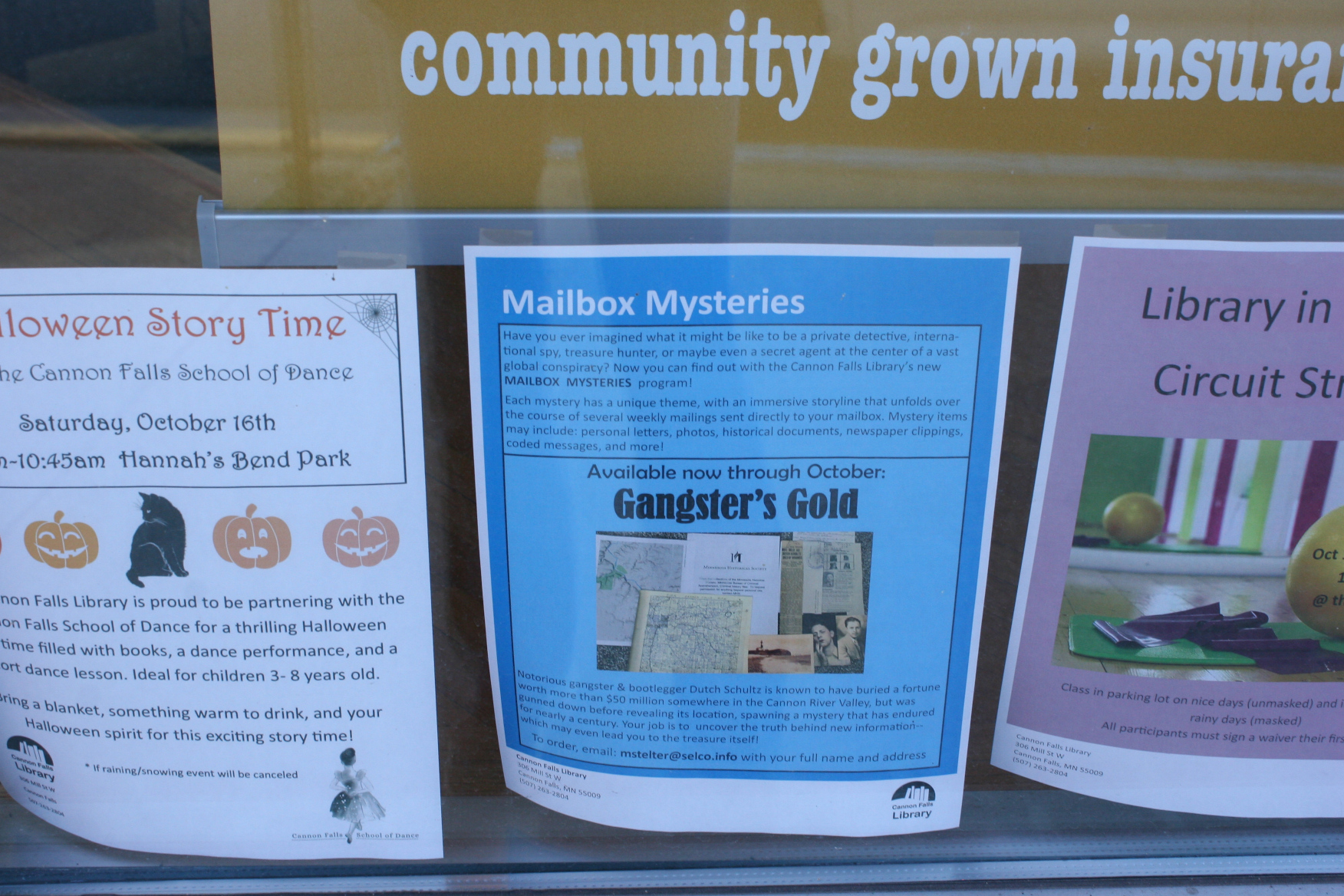
I learn so much about communities by reading signs in windows. (Minnesota Prairie Roots copyrighted photo October 2021)

I noticed also notices taped in a display window, one of which alerted me to Mailbox Mysteries, which led me to the library around the corner which led me to sign up for this challenging endeavor. Now I’m trying to solve the “Gangster’s Gold” mystery with weekly clues snail mailed to me by the library.

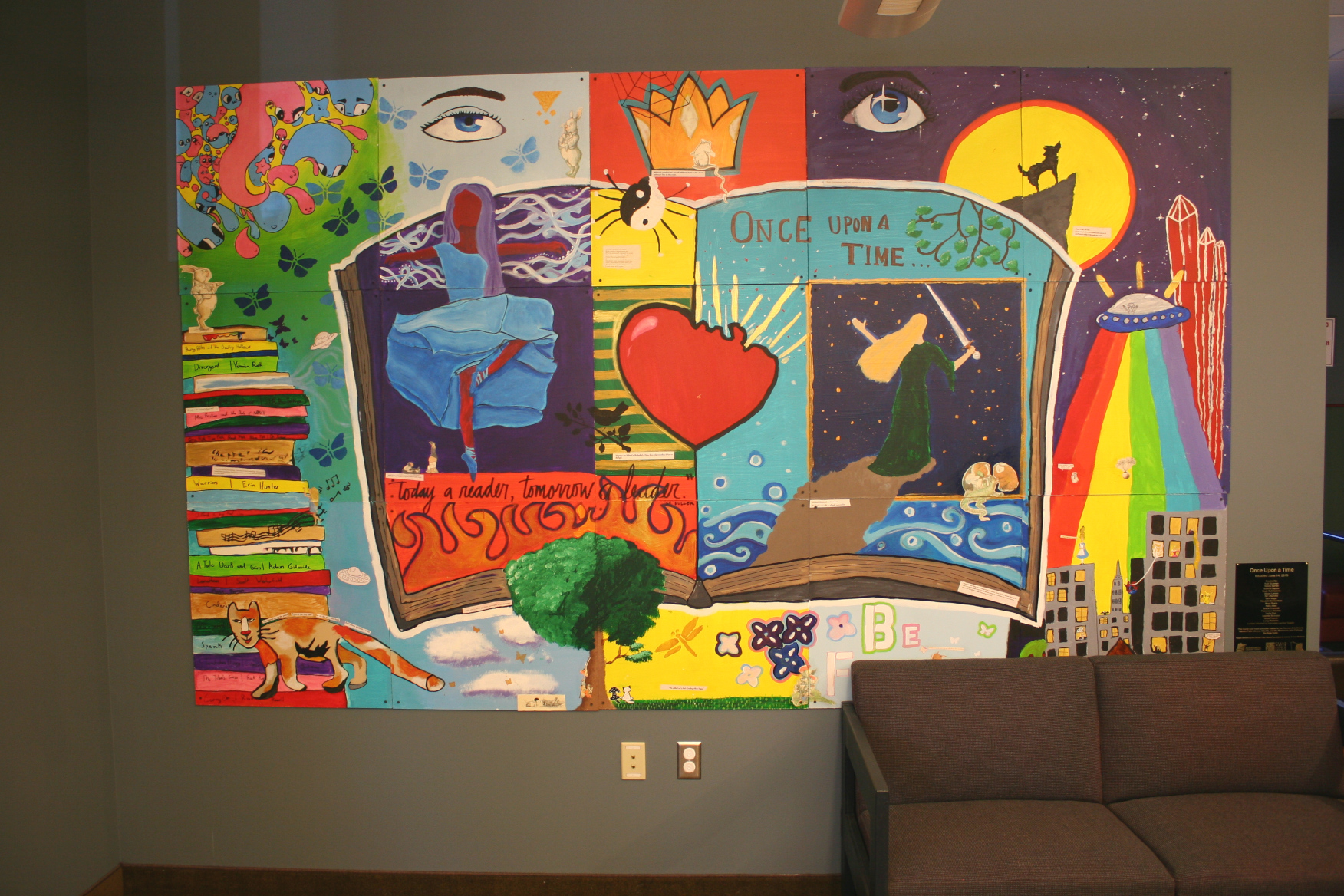
Inside the library, I found this vivid “Once Upon a Time” mural. (Minnesota Prairie Roots copyrighted photo October 2021)

Had I not done this walk-about through downtown Cannon Falls, I likely would have missed these nuances. The details which help define this community.

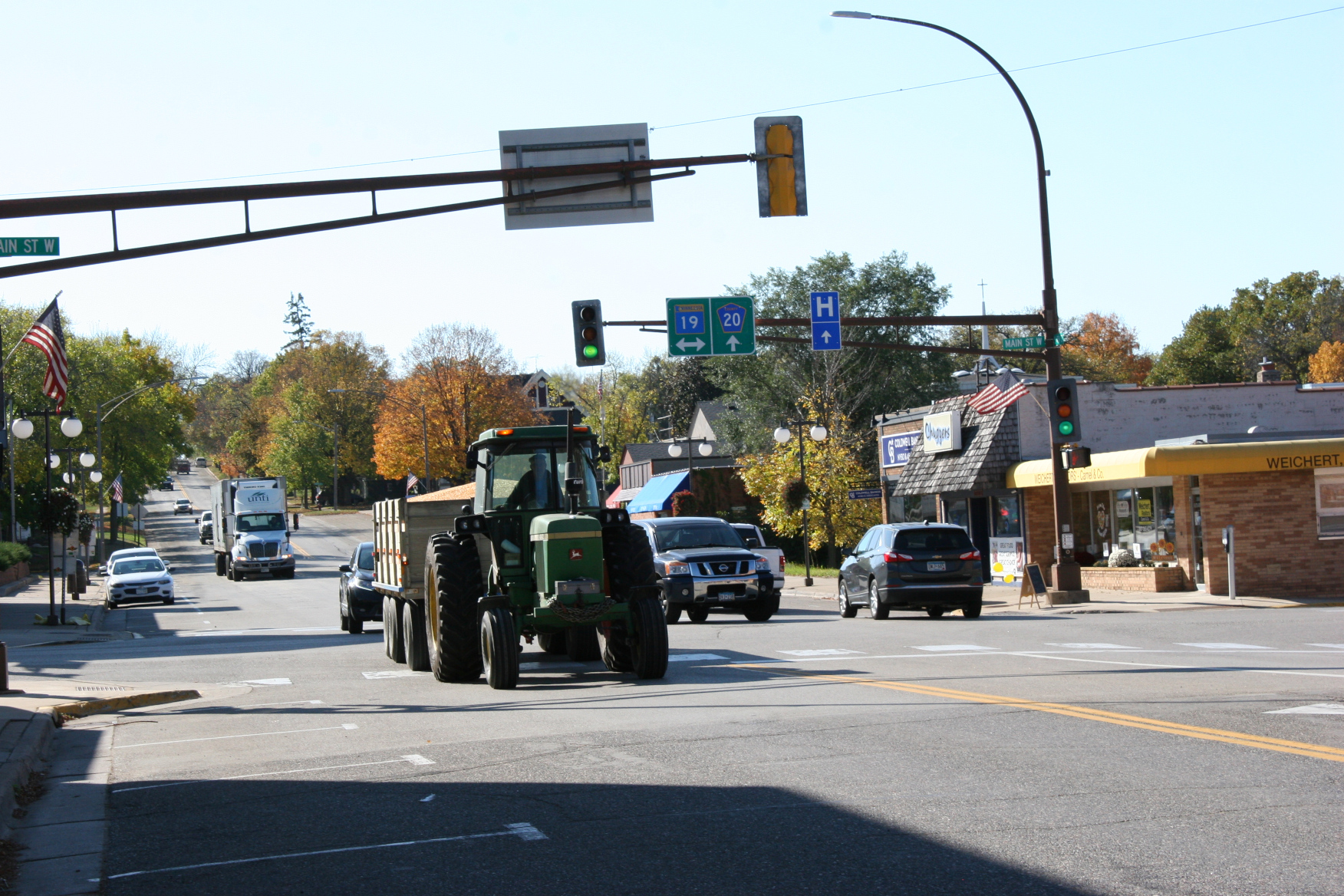
A scene in the center of downtown Cannon Falls reminds me of the town’s rural roots. (Minnesota Prairie Roots copyrighted photo October 2021)

As I meandered, I paused to watch a John Deere tractor roll through downtown pulling a wagon heaped with golden kernels of corn. This is, after all, an agricultural region.

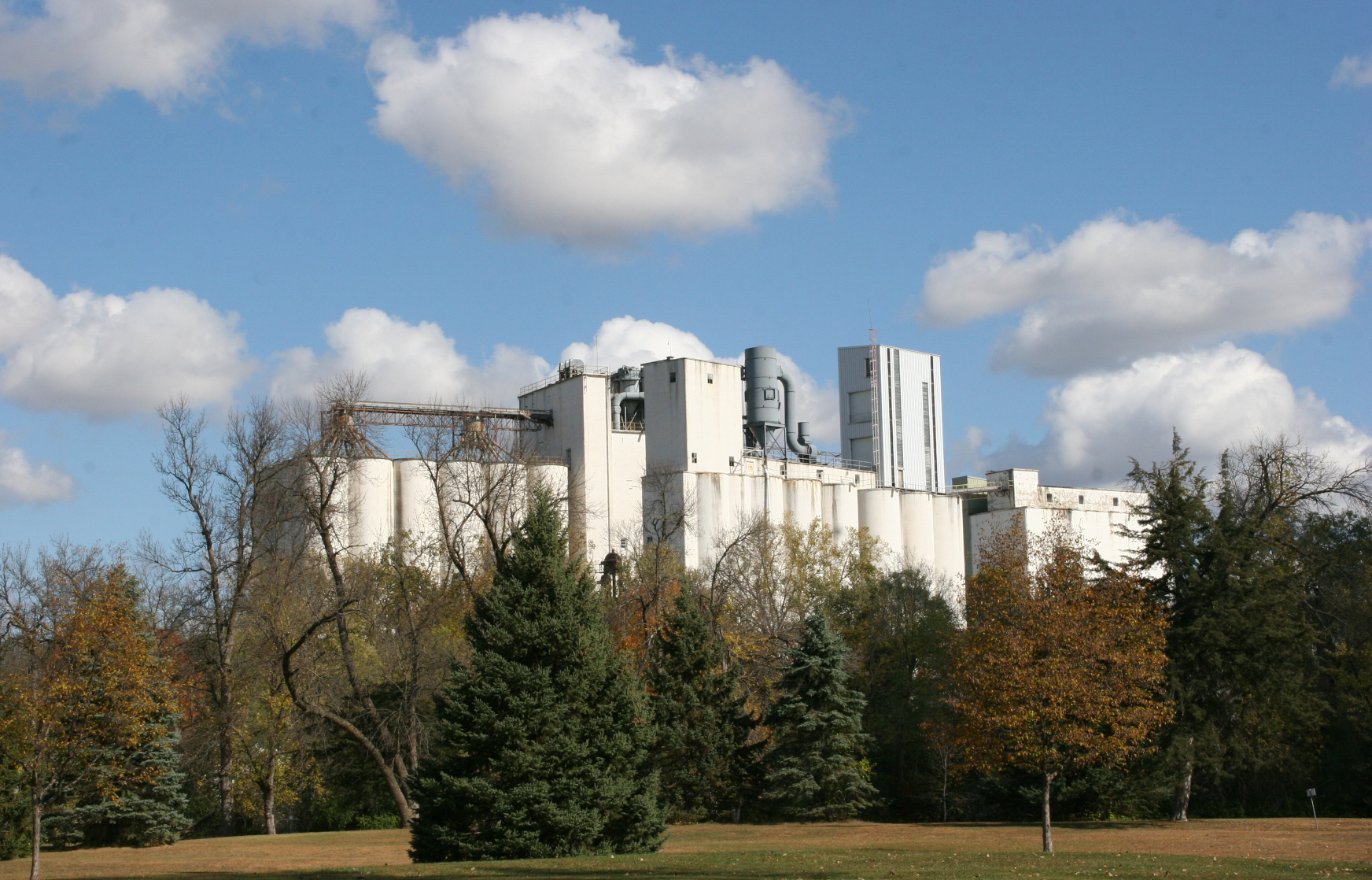
A grain complex in Cannon Falls. (Minnesota Prairie Roots copyrighted photo October 2021)

Later, Randy and I picnicked at Hannah’s Bend Park, the local grain elevator complex defining the nearby skyline. As we finished our lunch, a bald eagle soared overhead, wings spread wide. I expect the Cannon River drew the majestic bird here, to this small southeastern Minnesota town, this Cannon Falls.

#

FYI: Please check back for more posts from Cannon Falls and the surrounding area, including the Sogn Valley. Also enjoy my earlier post on Hi Quality Bakery by clicking here.

© Copyright 2021 Audrey Kletscher Helbling


In Deerwood: Water tower on the range August 30, 2021

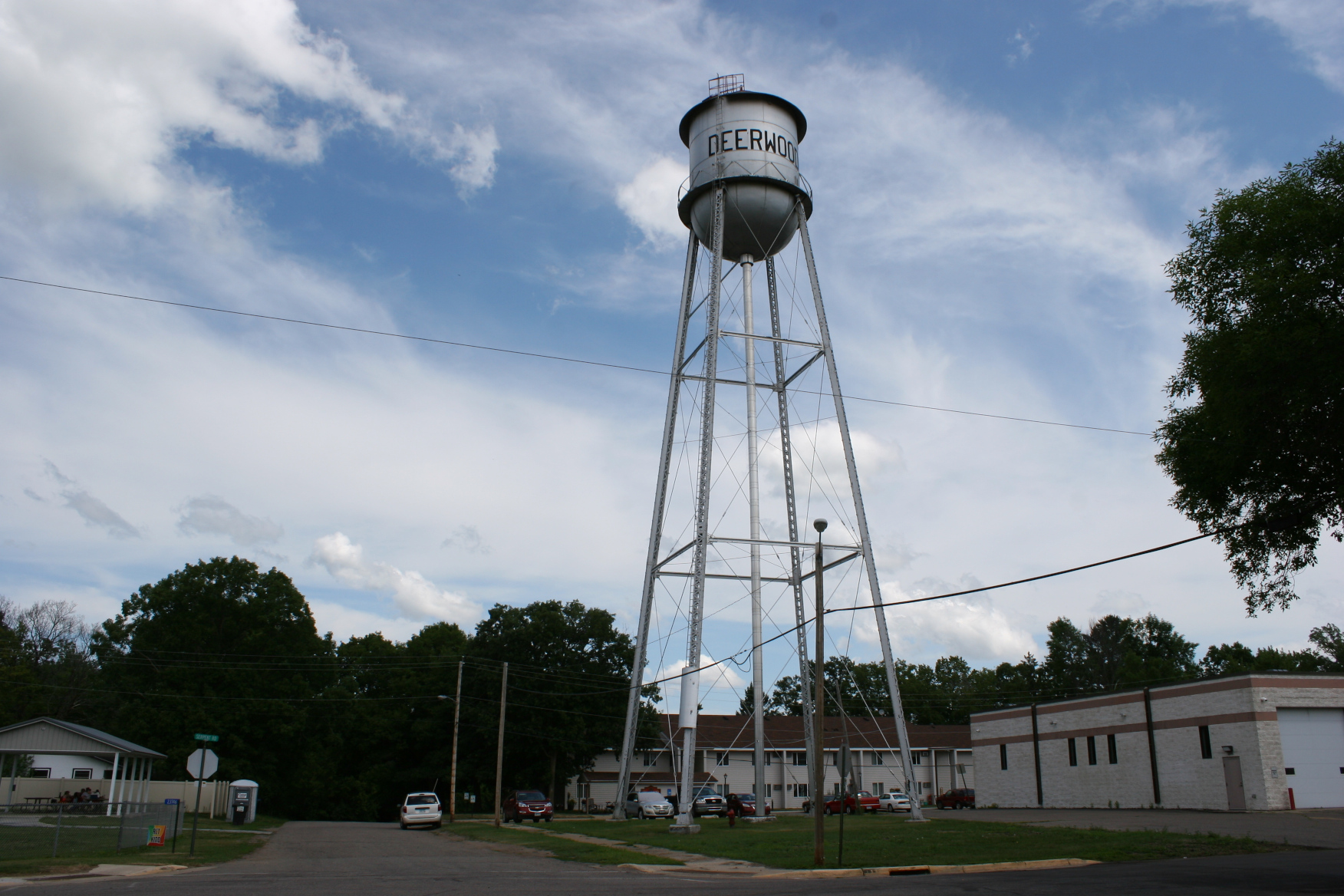
An historic 1914 water tower in Deerwood, Minnesota. Minnesota Prairie Roots copyrighted file photo July 2021.

A TIME EXISTED WHEN I PAID minimal attention to water towers. They all looked the same. Simple silver metal structures rising on leggy supports above prairie towns, dwarfed only by grain elevators.

Through the decades, those standard water towers have mostly vanished, replaced by more modern holding tanks. I understand the need to upgrade, to improve, to advance. Communities grow. Needs change. My city of Faribault is currently planning a new water tower, which will be visible from Interstate 35. If Faribault ever housed a simple metal tower, it was long before I moved here.

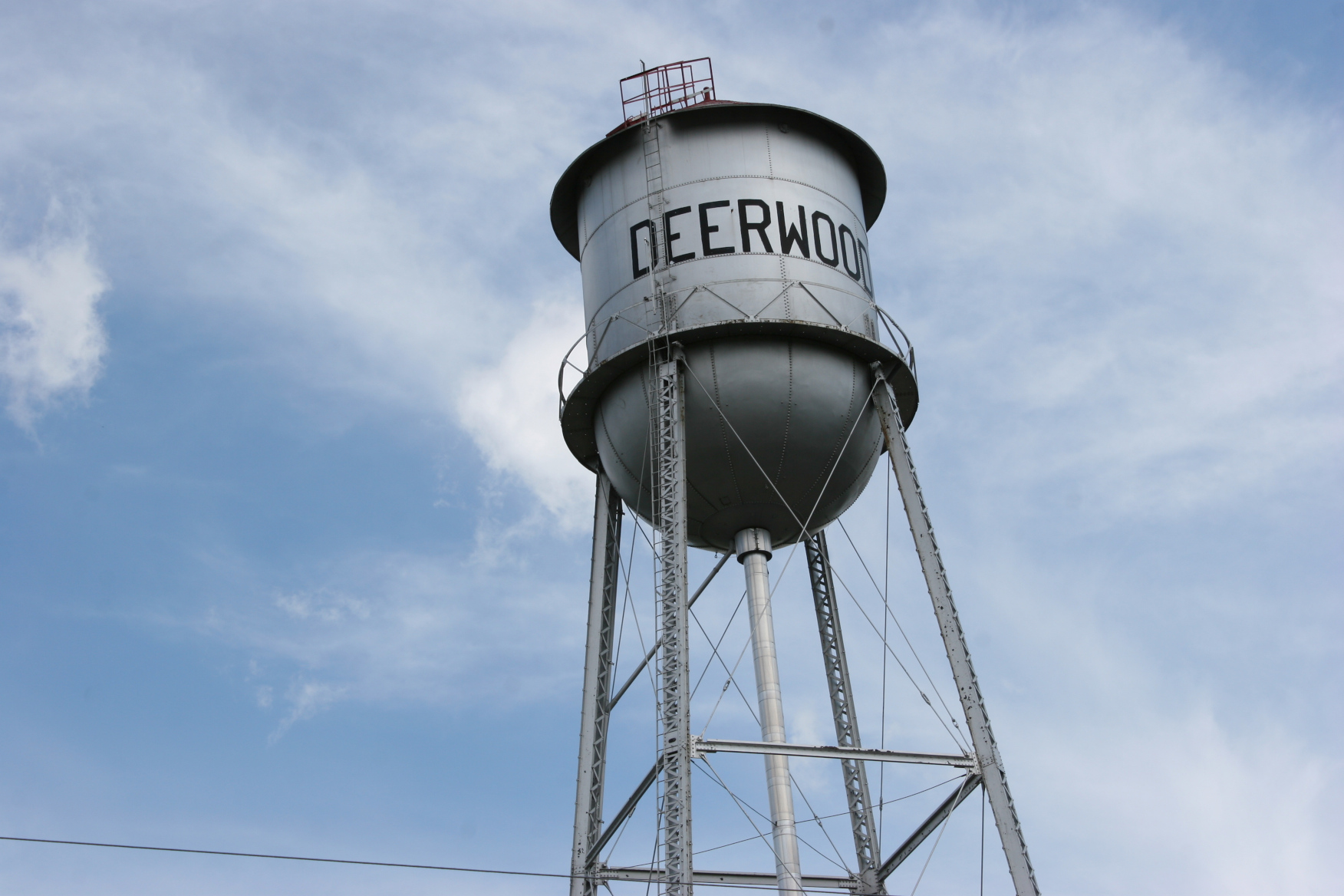
Community identifier. Minnesota Prairie Roots copyrighted file photo July 2021.

But in the small town of Deerwood in Crow Wing County, a vintage water tower still stands, by a city park with picnic shelter and splash pad, near an apartment complex, next to the fire station and across the street from the historic Deerwood Auditorium (city hall and police department).

Randy and I discovered the 1914 water tower when we stopped for a picnic lunch en route to a family lake cabin on a Saturday afternoon in July. Previous drives north, we drove right through Deerwood without pause. In a hurry to get to our destination.

That’s problematic. That word, hurry. By hurrying, we too often miss simple delights. Like the historic Deerwood water tower.

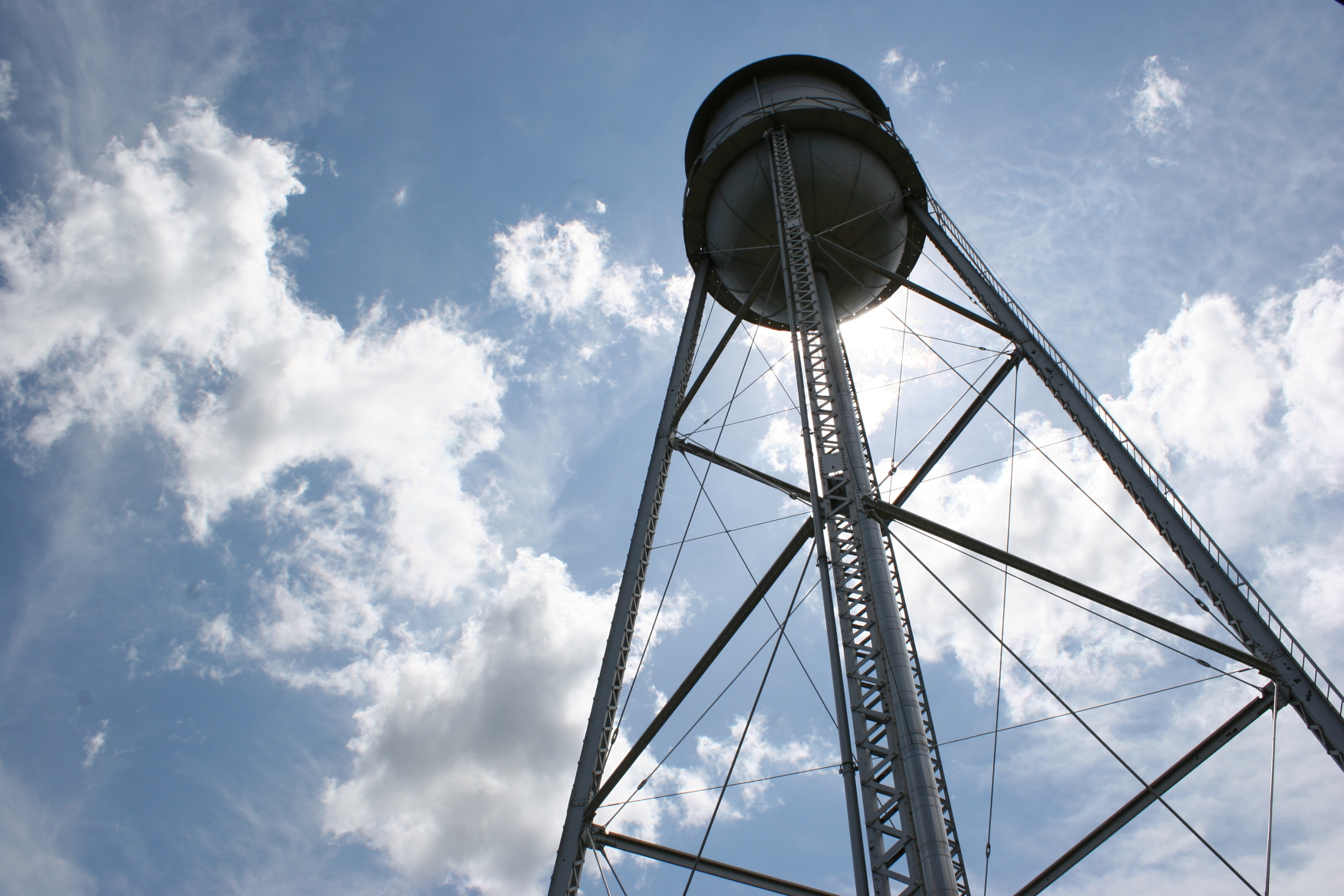
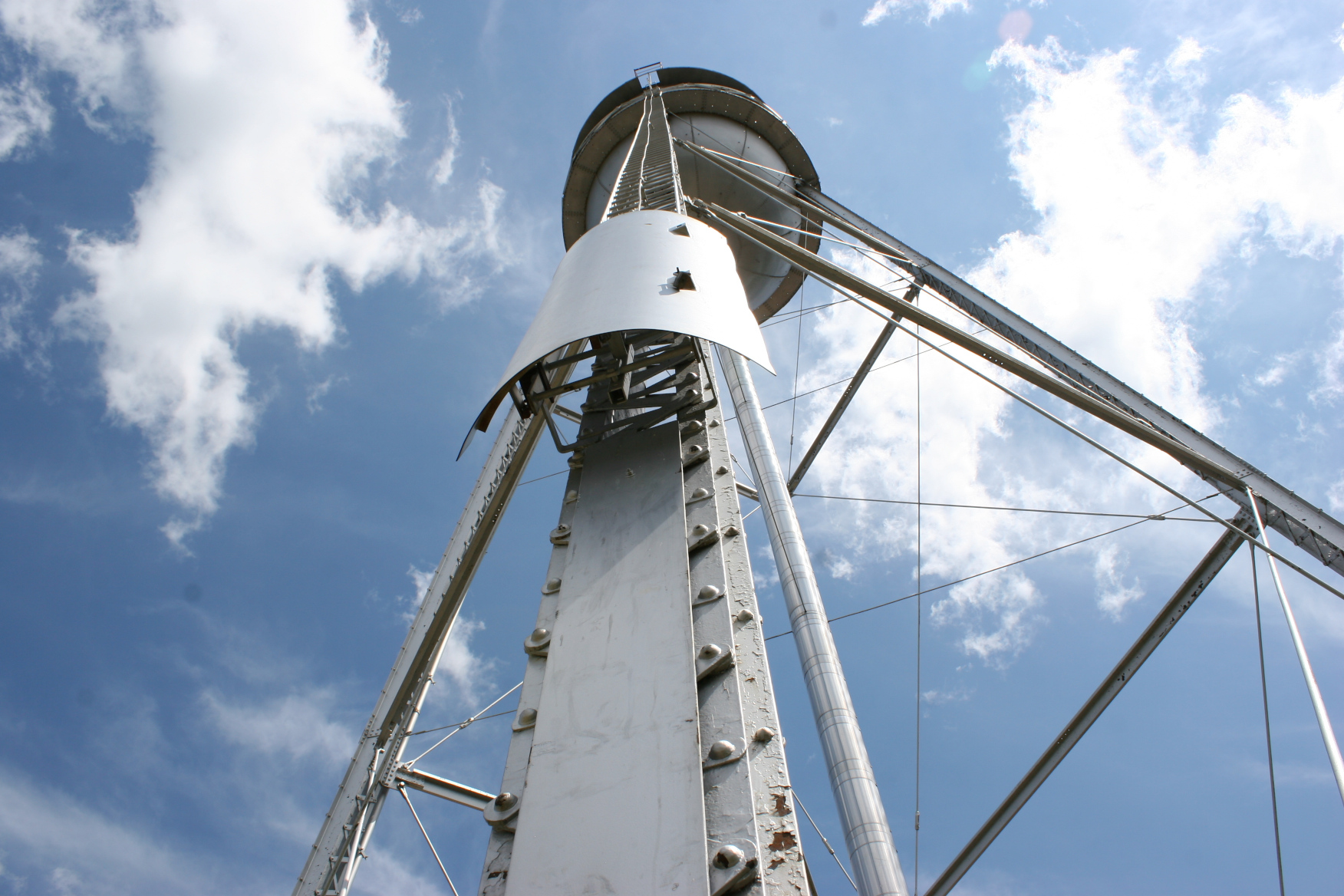
Looking up at the tower offers artistic and architectural angles. Minnesota Prairie Roots copyrighted file photo July 2021.

I grabbed my camera to photograph the tower, attempting to document it from multiple perspectives. Architecturally. Artistically. Historically.

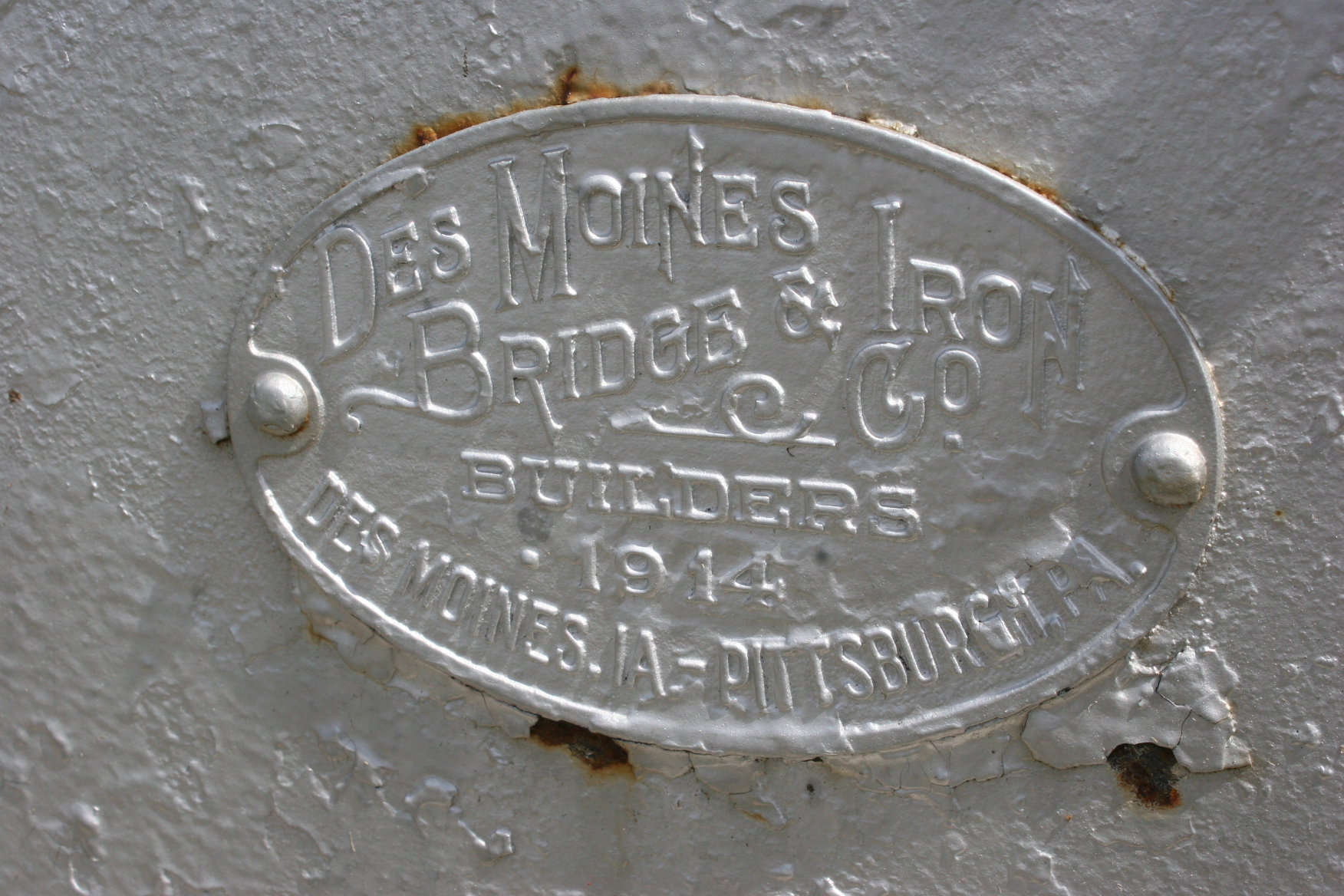
Identifying construction information at the base of the Deerwood water tower. Minnesota Prairie Roots copyrighted file photo July 2021.

Upon later researching the Deerwood water tower, built by the Des Moines Bridge & Iron Co., I learned it is one of five such Cuyuna Iron Range water towers on the National Register of Historic Places. Added in 1980, the other towers are located in Crosby, Cuyuna, Ironton and Trommaid. They are known collectively as the “Cuyuna Range Municipally-Owned Elevated Metal Water Tanks.”

Just another underneath view. Minnesota Prairie Roots copyrighted file photo July 2021.

The towers, erected between 1912-1918, were of historical importance in development of the Cuyuna Iron Range. Tax revenue generated from the iron ore mines funded their construction.

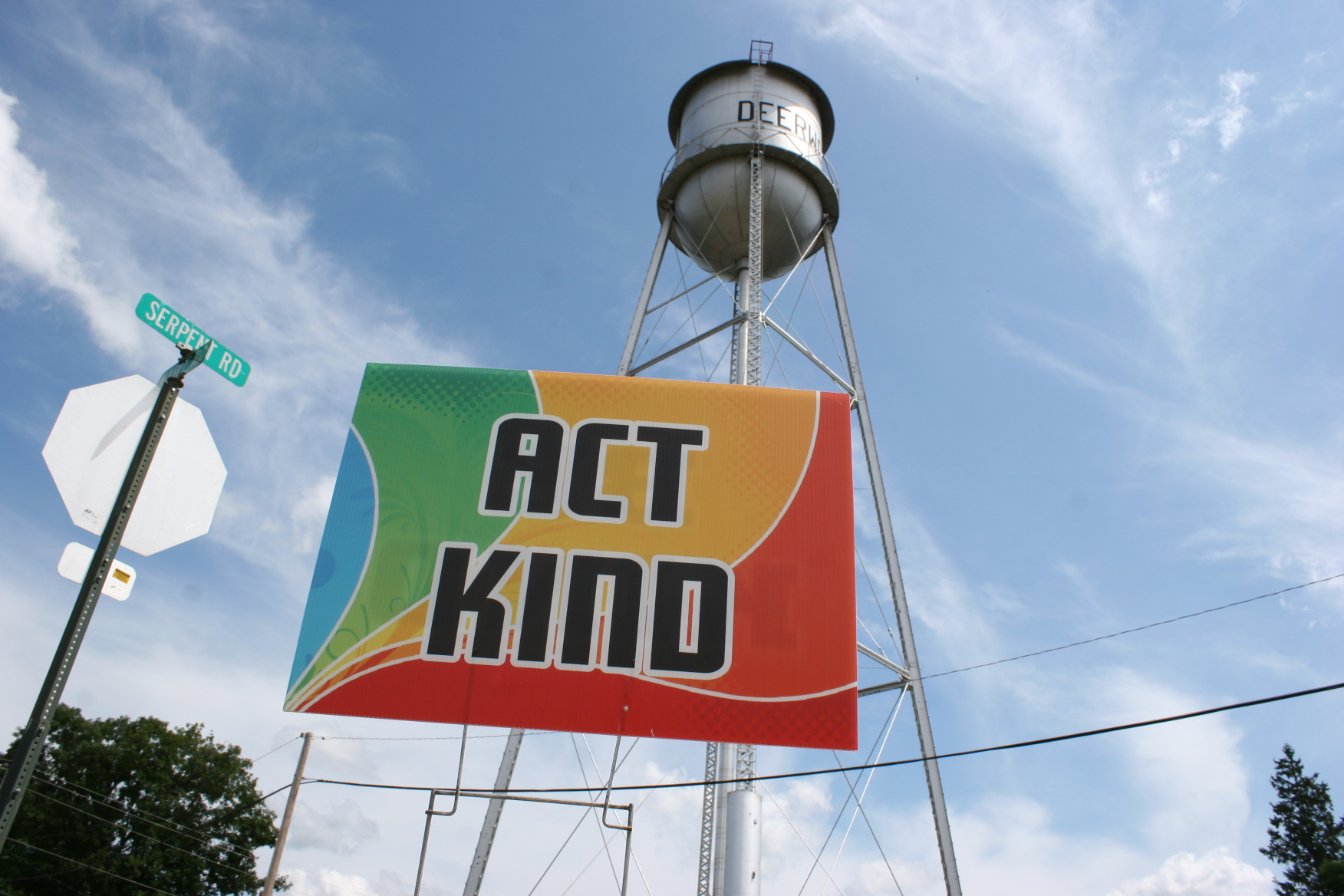
Posted on a street corner by the water tower, a positive message. Minnesota Prairie Roots copyrighted file photo July 2021.

I appreciate that these five towns on the iron range valued their aged water towers enough to pursue and acquire historical designation. The water towers represent a time in Minnesota history. They represent, too, the architecture and art of yesteryear.

TELL ME: I’d like to hear of vintage water towers you’ve noticed and appreciate. Tell me, too, why you value them.

Please click here to read my previous post about the historic Deerwood Auditorium. And click here to read my post about the town’s deer sculpture in Elmer Park.

© Copyright 2021 Audrey Kletscher Helbling
 

Why I love Decorah, Part I November 26, 2018

Vesterheim Norwegian American Museum in downtown Decorah draws many visitors interested in learning about their heritage.


TWICE I’VE VISITED DECORAH in northeastern Iowa. It’s one of those towns that feels comfortable, inviting, an ideal destination for someone who prefers rural to urban.


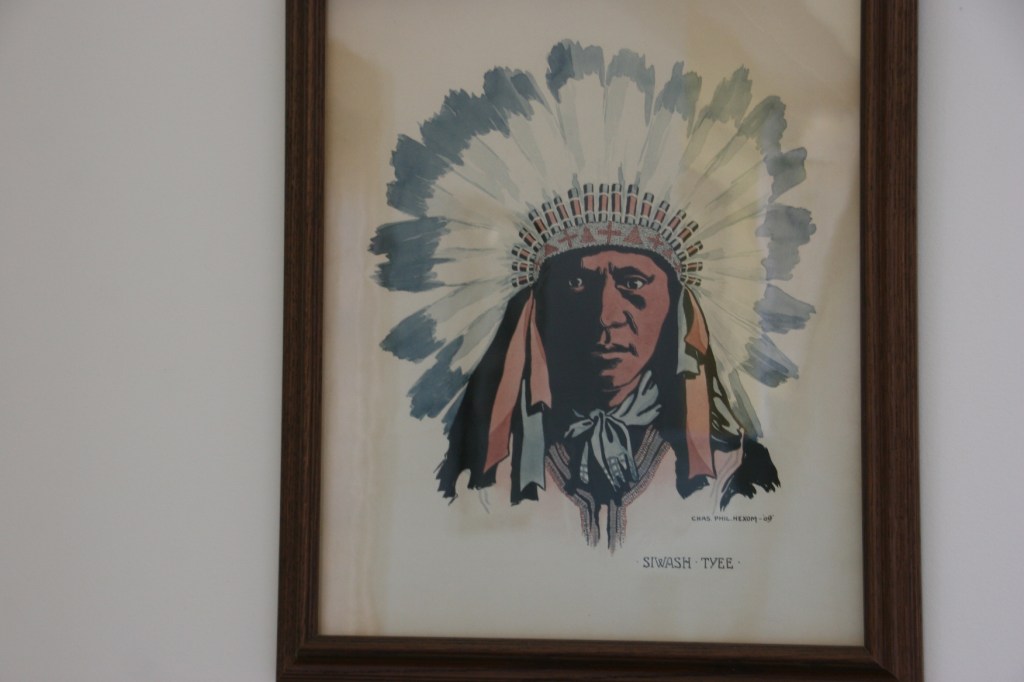
Decorah is named after Ho-Chunk Chief Waukon Decorah. I spotted this portrait by noted artist Charles Philip Hexom on a stairway wall at the public library.


What makes Decorah so appealing to me?


The architecture.


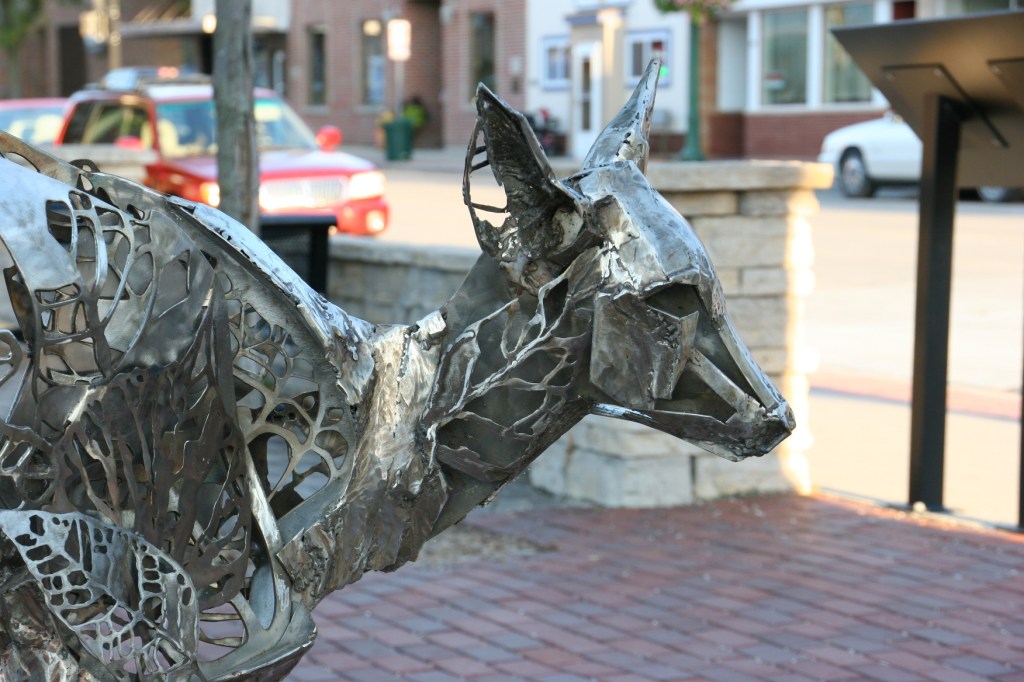
“Doe and Fawn” sculptures by Victoria Reed stand in a public plaza near a downtown co-op.


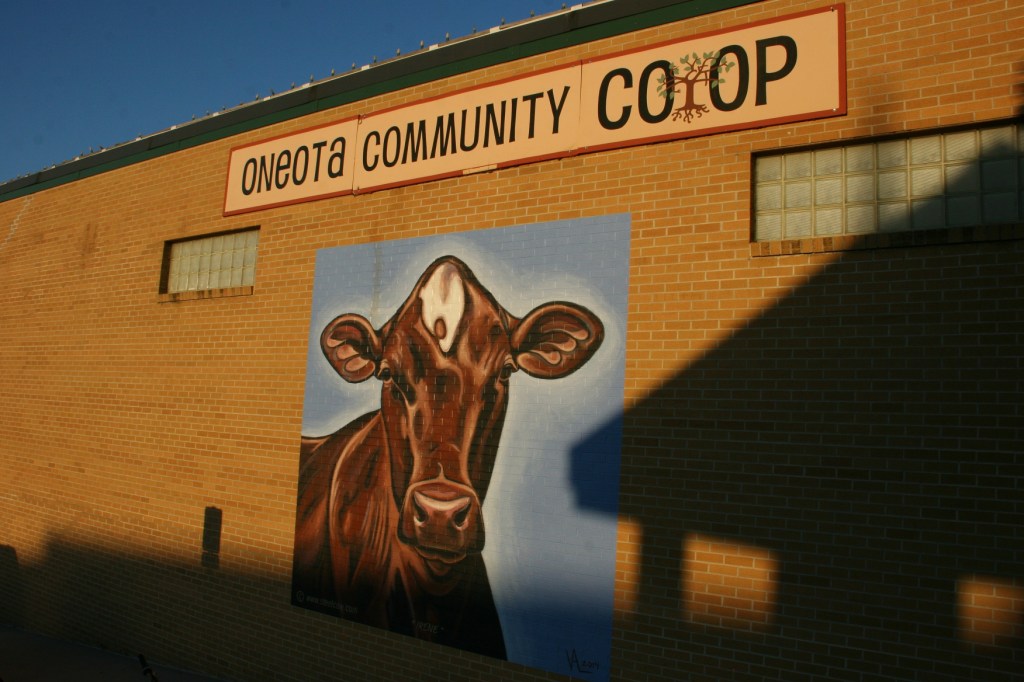
Love this mural of “Irene” painted by Valerie Miller of Steel Cow.


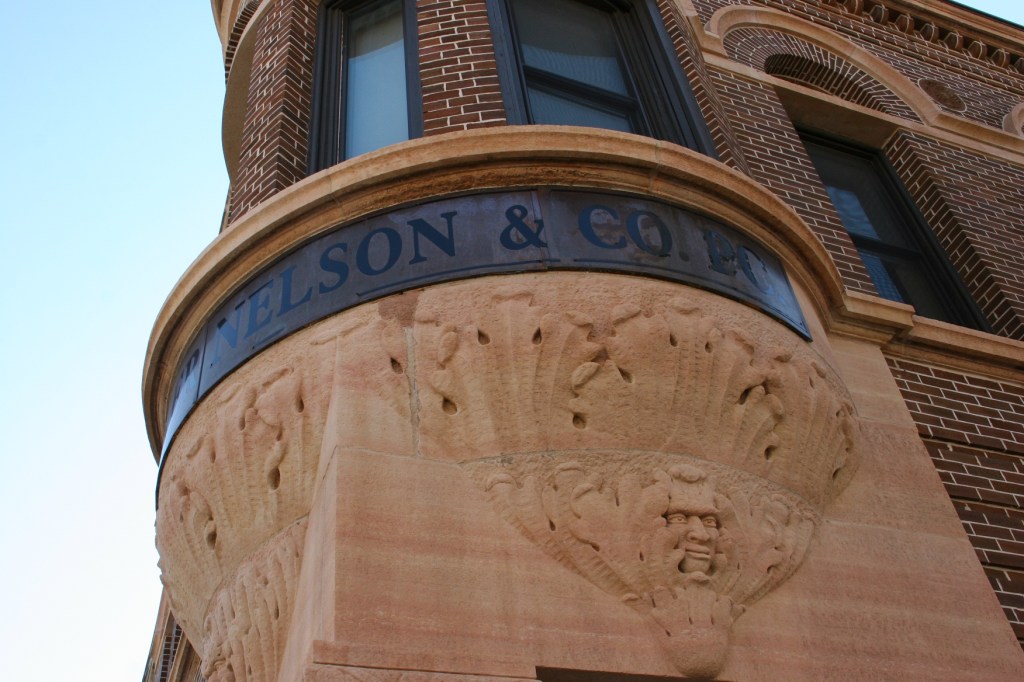
A stone sculpture on the Nelson & Co. building.


The art.

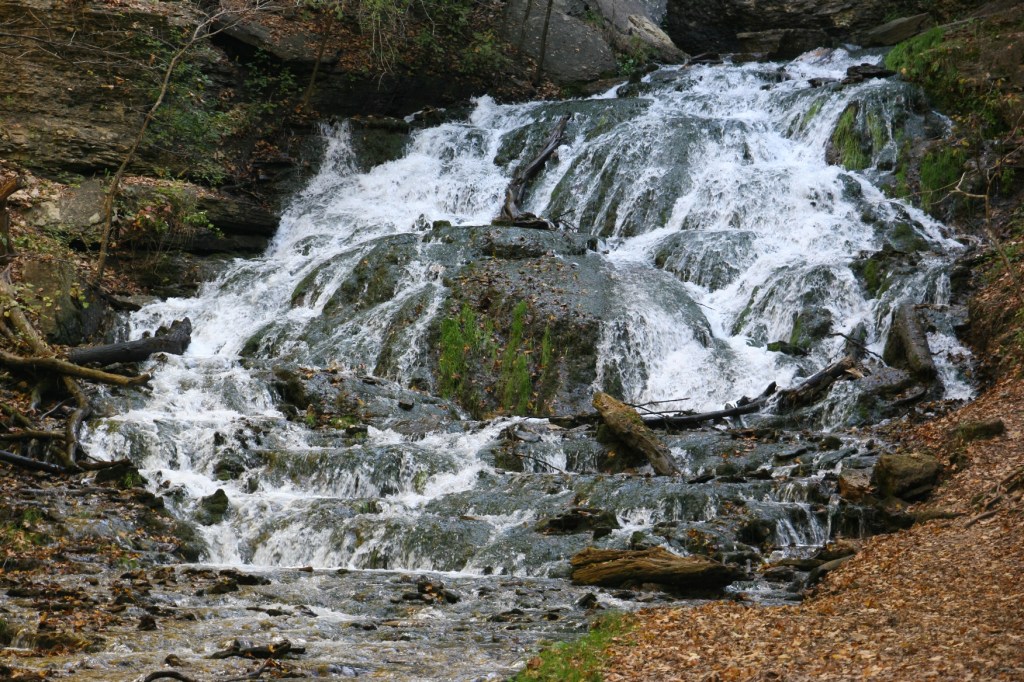
One of my favorite spots in Decorah, the waterfall at Dunning’s Spring Park, site of a former grist mill and gifted to the city in 1946.


The natural beauty.


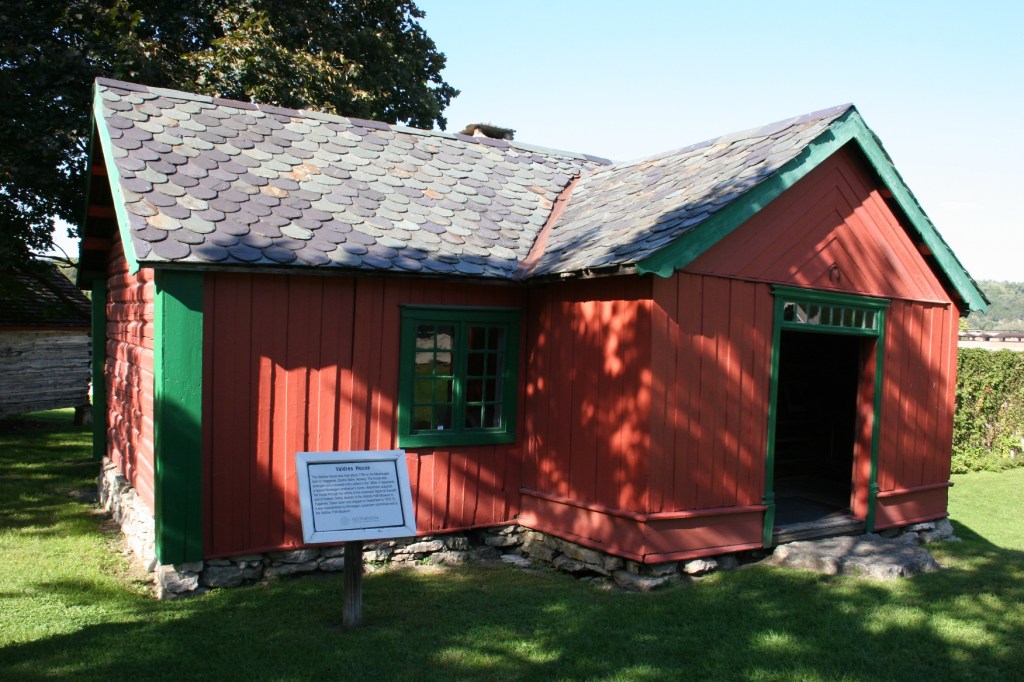
Valdres House, one of many authentic Norwegian rooted buildings at Vesterheim. This is a typical Norwegian landowner’s house, dismantled and shipped from Norway to Decorad in the mid 1970s.


The downtown shops and eateries. The city’s appreciation of its strong Norwegian heritage, even if I’m of German heritage.

And the people. While at Pulpit Rock Brewing, Randy and I shared a picnic table with a young couple and their daughter (and her grandpa). They were quick to answer our questions about places to eat, sleep and explore.

Upon their recommendation, we stayed at a new hotel on the edge of town and met a trio of college friends together for their annual girlfriends’ reunion. They welcomed us into their circle at a gas-fired campfire on a perfect early autumn evening. When did hotels start adding this amenity? I loved it. There’s something about fire…


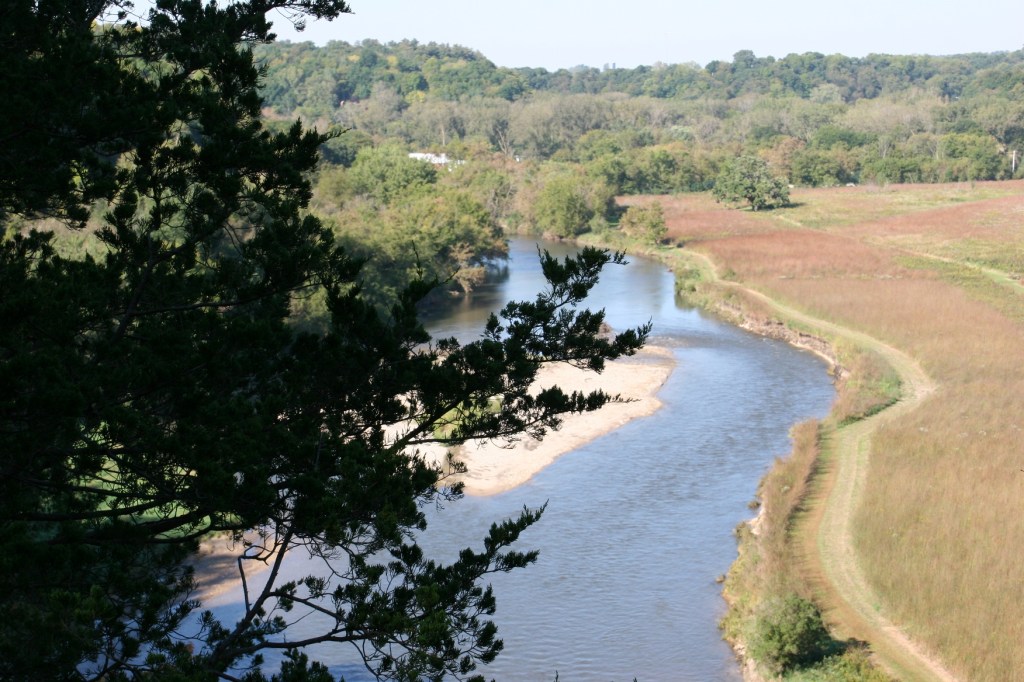
The Upper Iowa River runs through the 34-acre Decorah Community Prairie and Butterfly Garden. This view is from a scenic overlook in Phelps Park.


And water. Water is part of the draw for me to this river town.


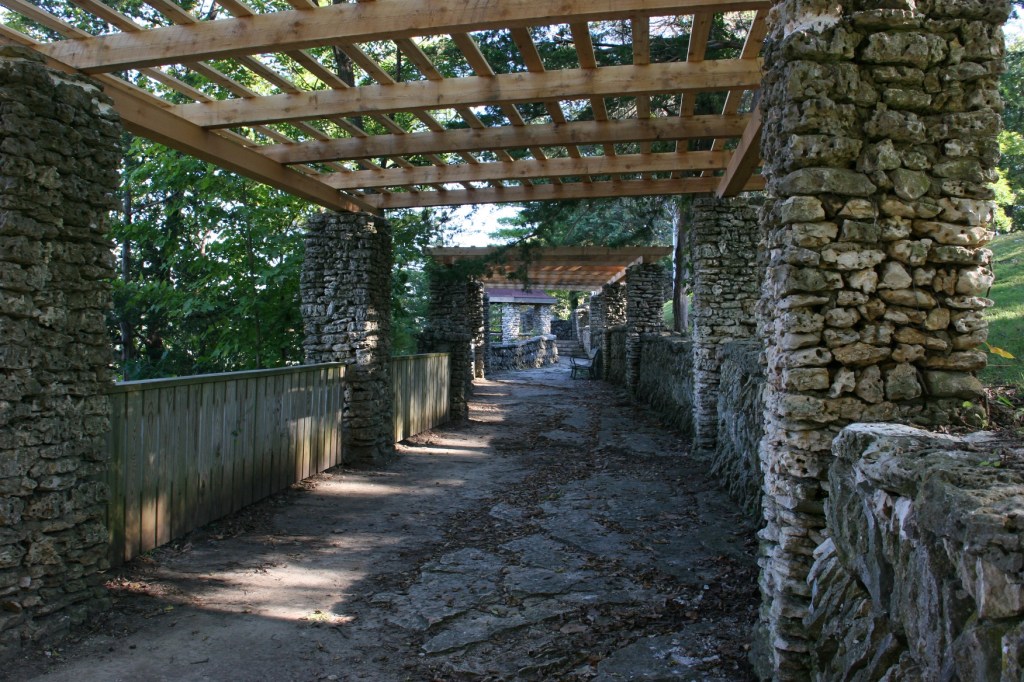
Magnificent stone work at Phelps Park, which also includes a fountain (not on at the time of my visit) crafted from stone.


Upon the recommendation of the family at the brewery, we sought out Phelps Park. There we found extensive stonework done by the Civilian Conservation Corps. I often wonder when I see such work, “How did they build this without modern equipment?”

Outside an historic downtown building with a corner tower, I chatted it up with an elderly man on a bench. He drives in from the farm every morning to meet friends for coffee and to sit and people-watch. He lives out by the supper club, he said, which meant nothing to me. But I pretended like it did. He’ll never see me again.

That’s the thing about travel. If you engage with the locals, you’ll learn a thing or ten about the place you’re visiting. Stuff you won’t find on a website, stuff best learned in conversation.

TELL ME: Do you chat it up with locals when you’re traveling? I’d like to hear your stories.

PLEASE CHECK BACK for more photos from Decorah. Have you ever visited Decorah and, if so, what appeals to you there?

NOTE: I took these photos during a mid-September visit to Decorah. The landscape obviously looks much different today. So if you’re not inclined to visit this Iowa city now, think ahead to next spring or summer.

© Copyright 2018 Audrey Kletscher Helbling


First impressions of downtown Madison, Wisconsin June 11, 2018


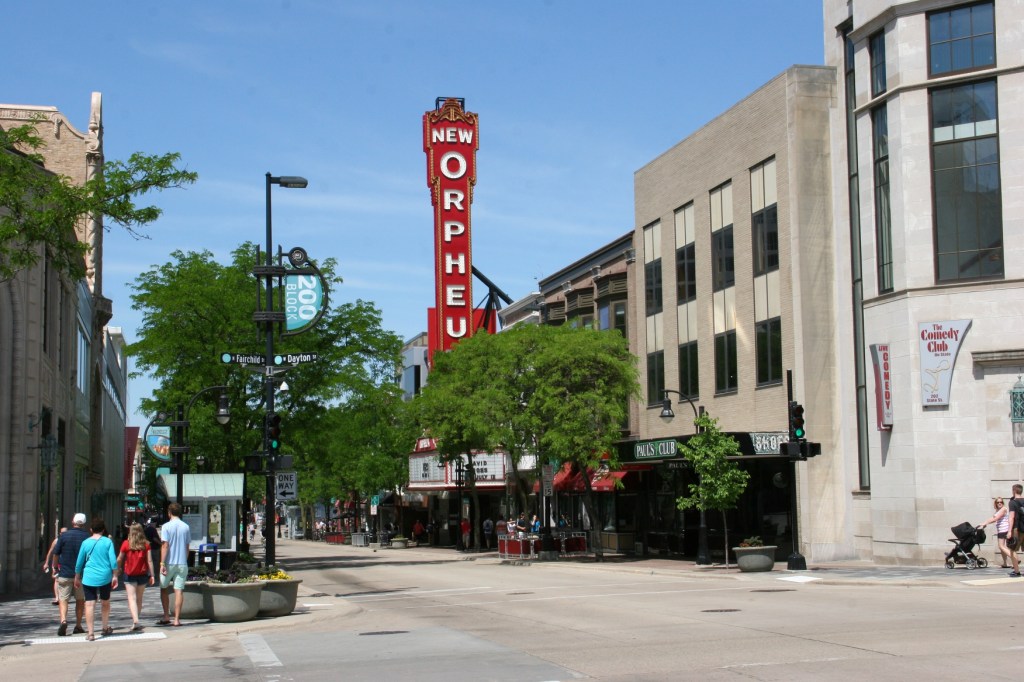
AS SOMEONE WHO DOESN’T particularly like big cities, and I realize that term is relative, I like Madison. That surprised me.


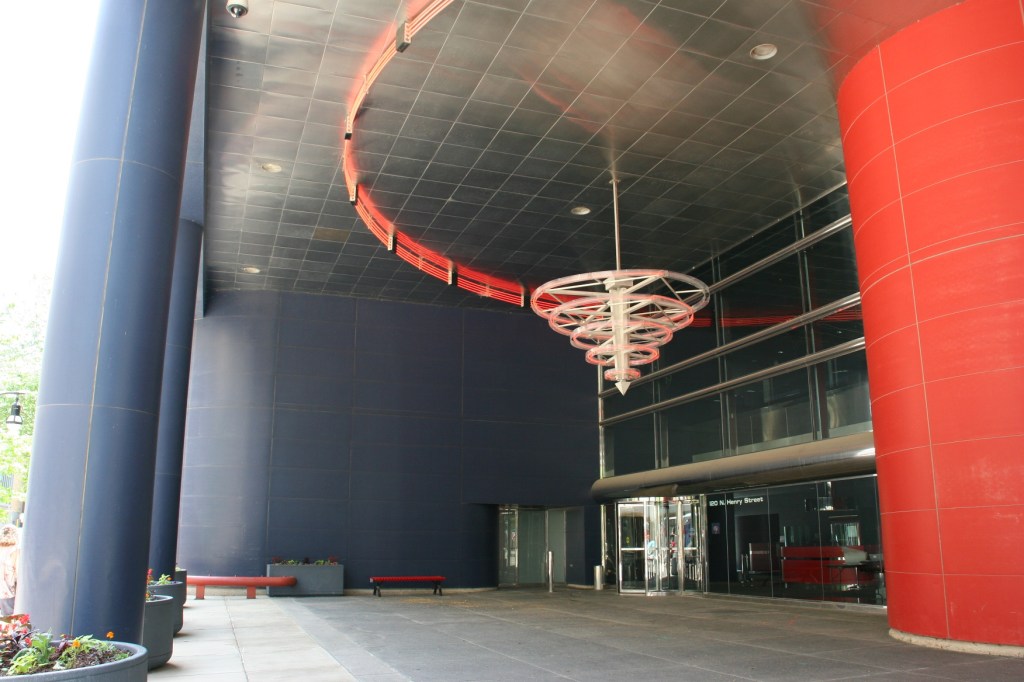
The modernistic entrance to the U.S. Federal Courthouse.


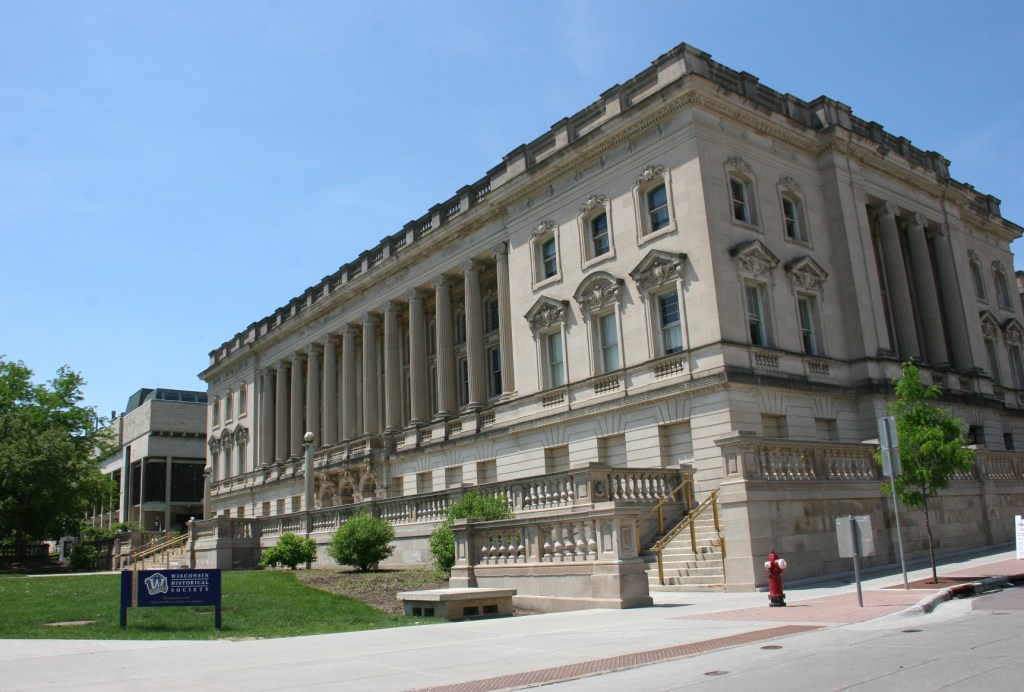
The Wisconsin Historical Society.


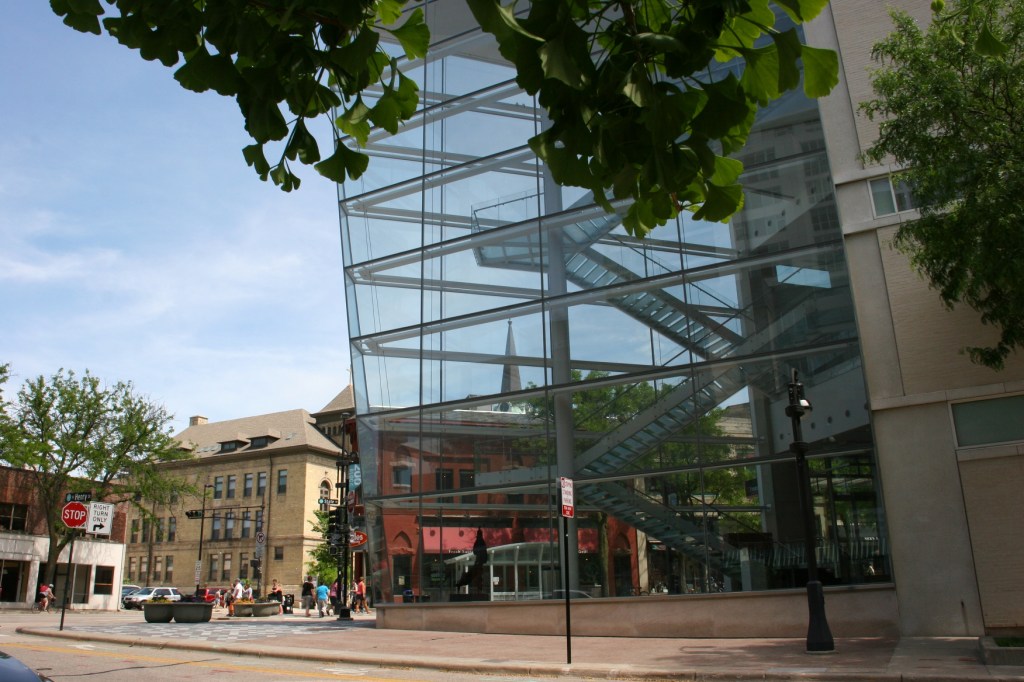
The Madison Museum of Contemporary Art.


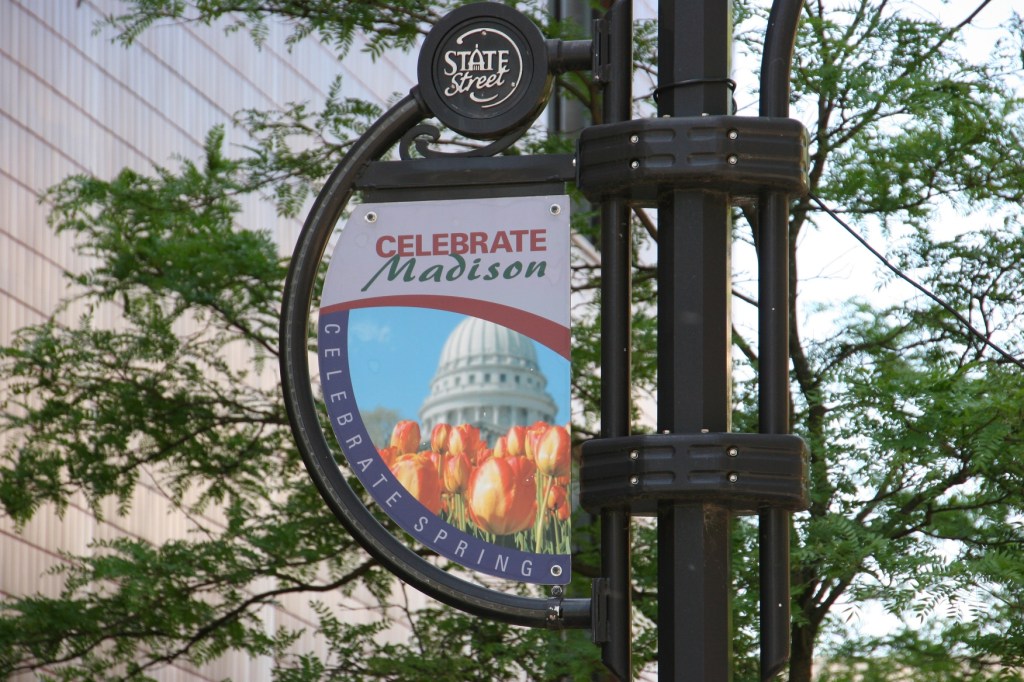
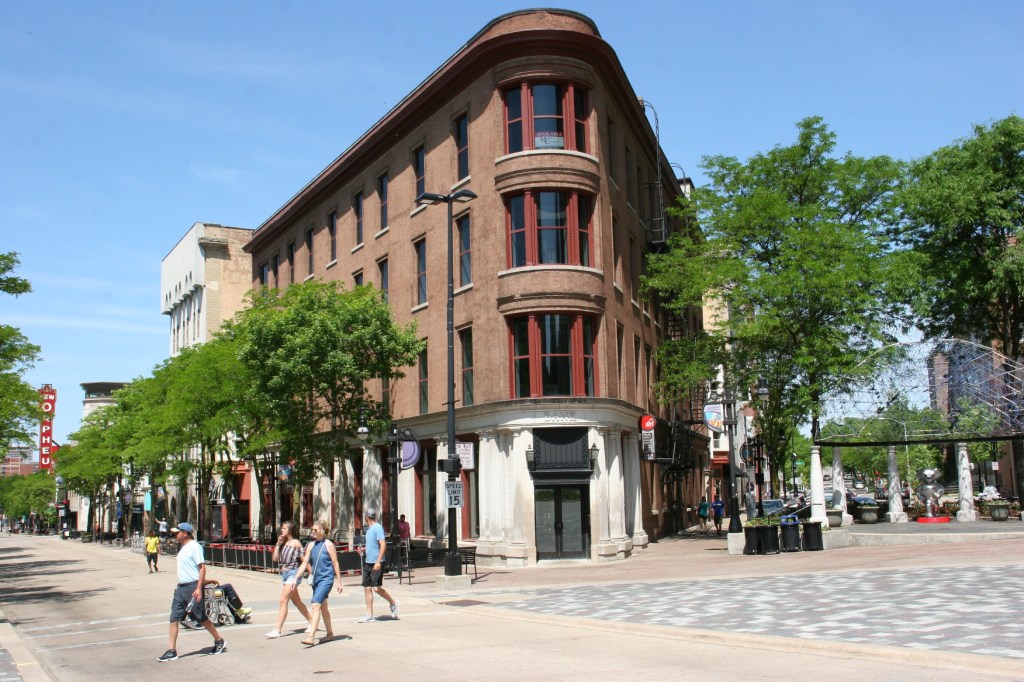
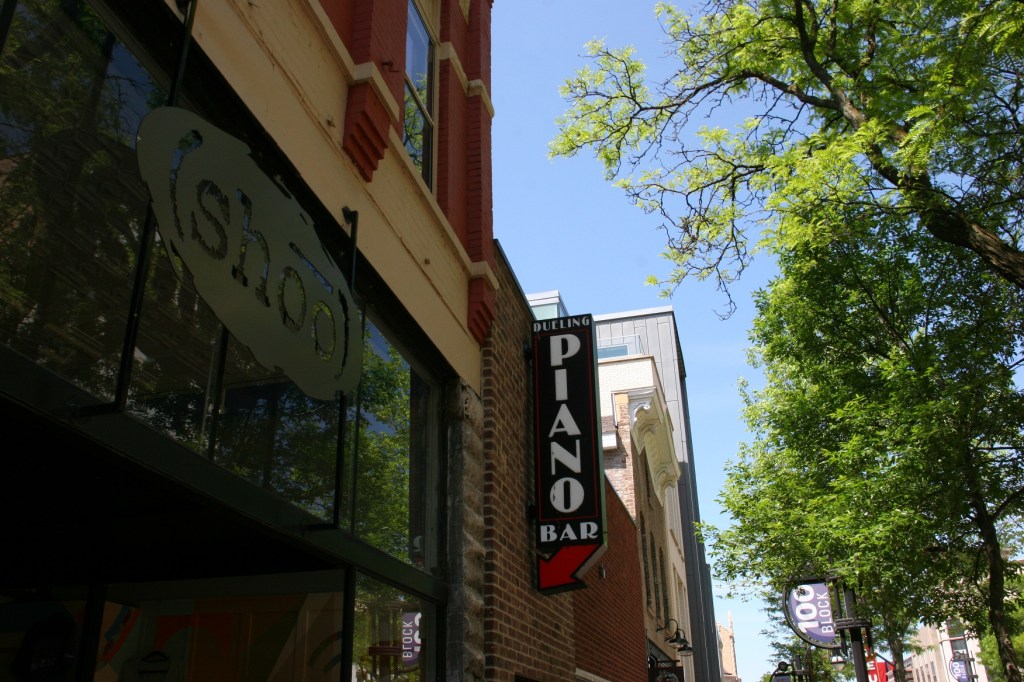
But on my recent first visit to Wisconsin’s capital city of 252,000-plus, I discovered a downtown that mixes historic and contemporary to create an energetic, yet small town inviting, vibe. Granted, I only spent an hour downtown and popped into only one shop on a Sunday morning. But that was enough for me to grasp a sense of place, a place I want to explore further.


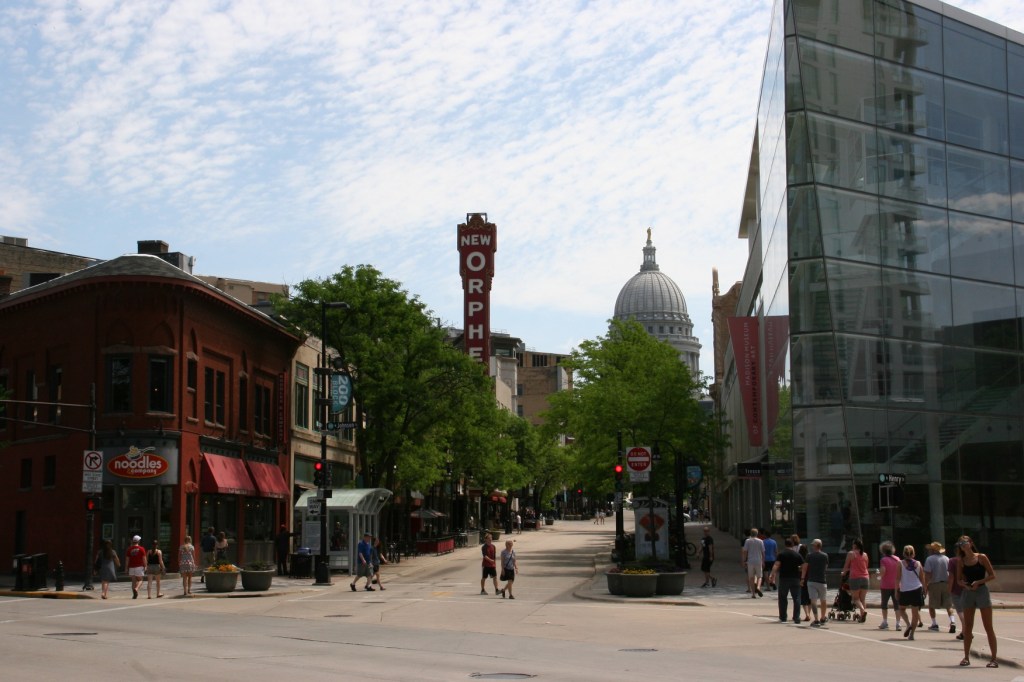
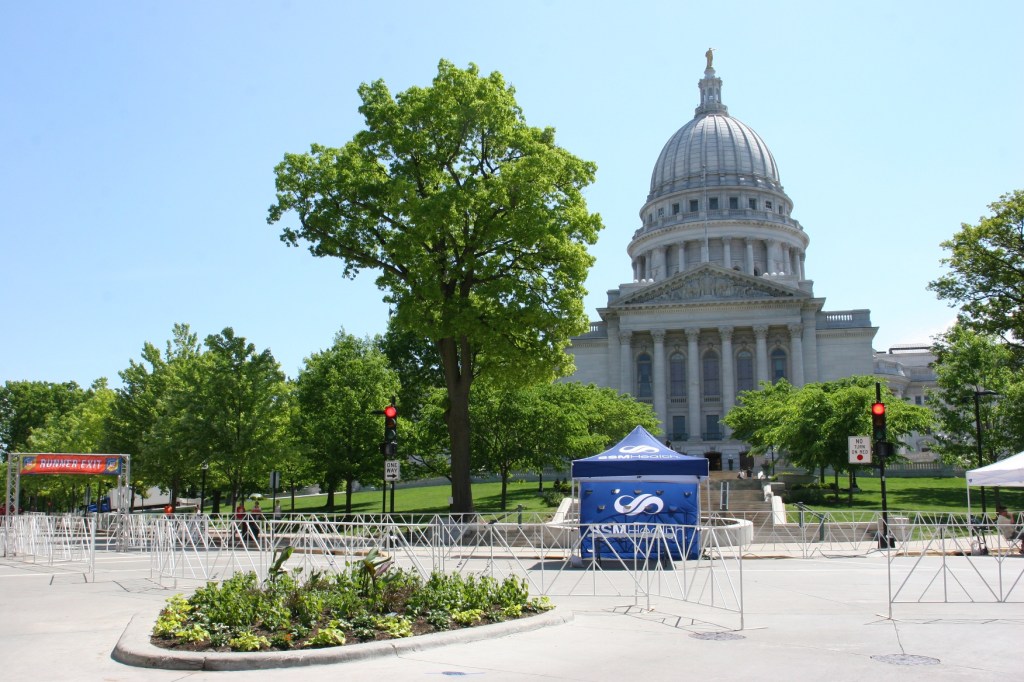
Looking toward the capitol.


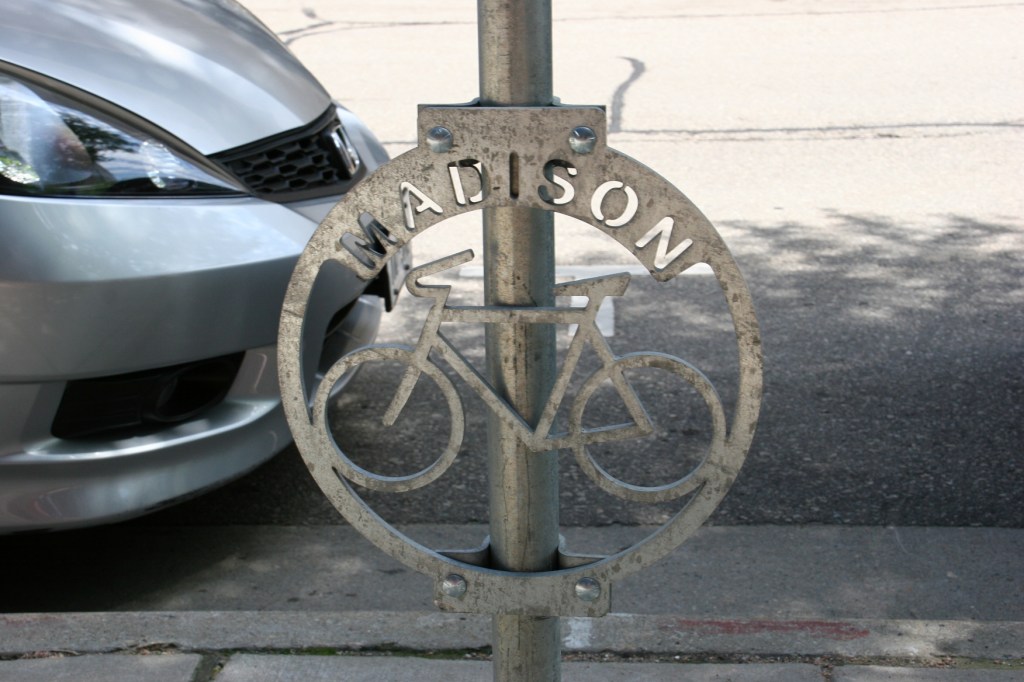
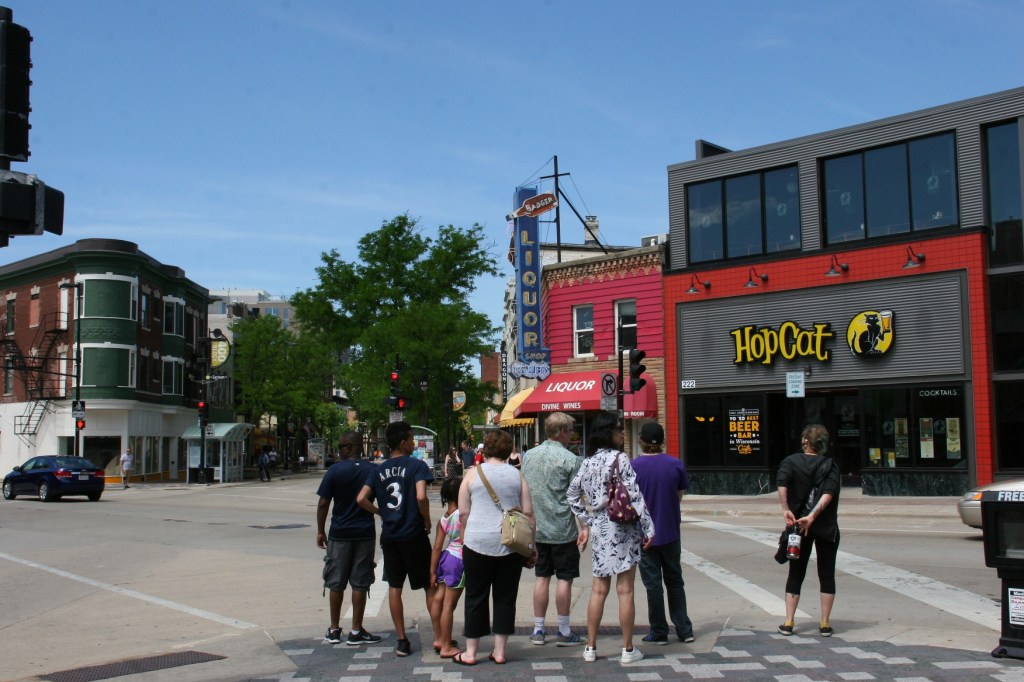
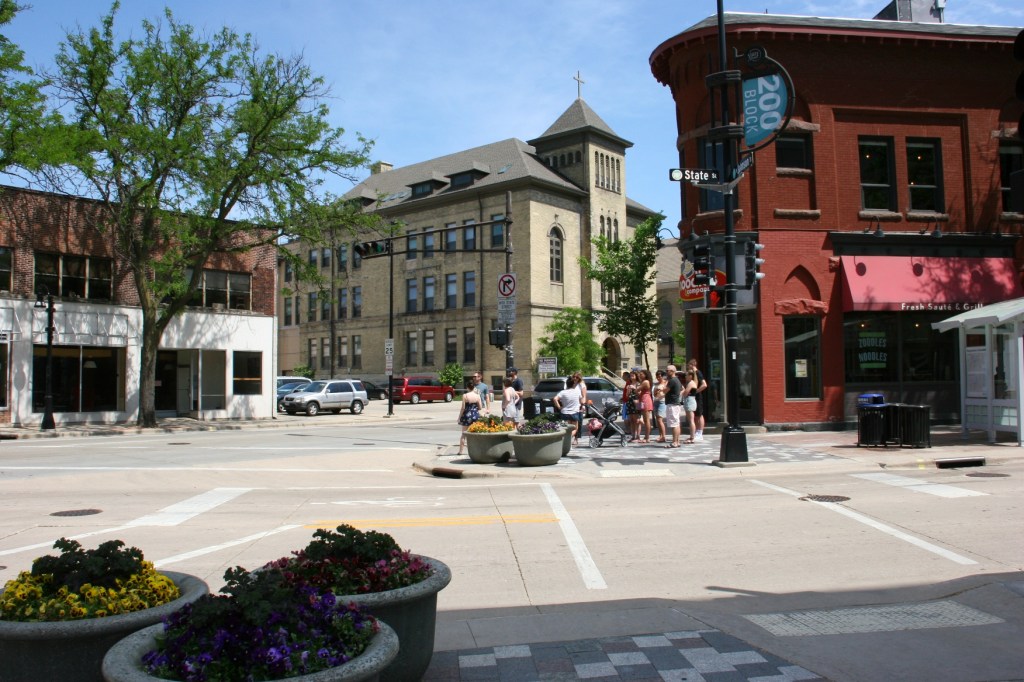
This is a foot-friendly city with State Street, a pedestrian mall, stretching for blocks from the University of Wisconsin—Madison to the state capitol building. This is also a bike-friendly city. I noted, too, many restaurants with outdoor dining along tree-hugged streets. Madison visually impresses with its greenery seemingly everywhere.


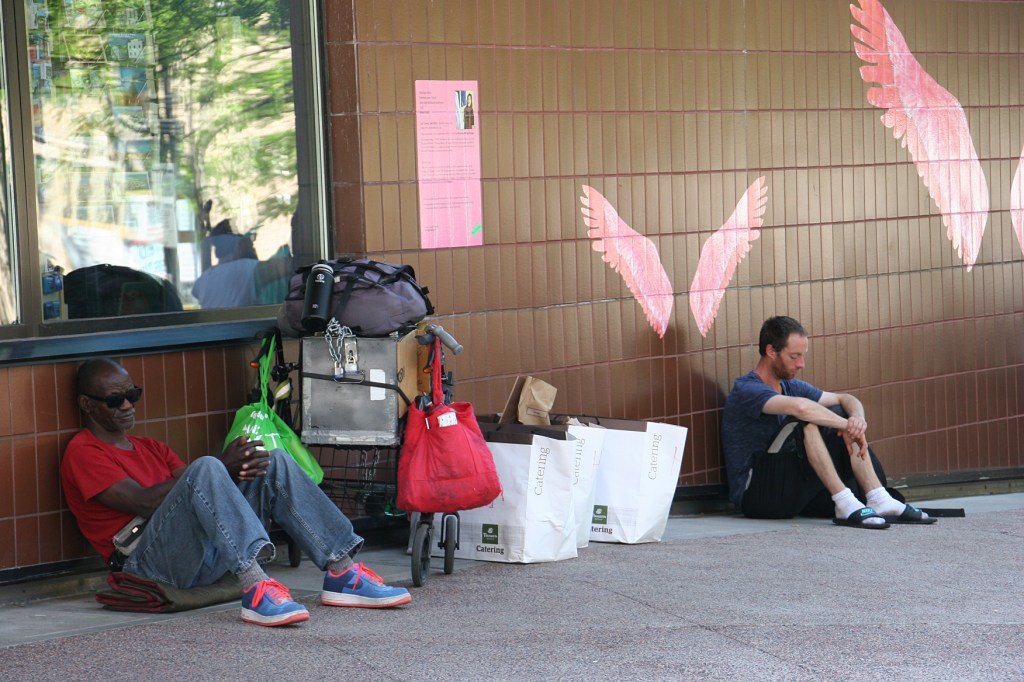
With the exception of homeless people I observed alongside a building near the capitol, I never felt like I was in an overpowering-to-my-senses urban area.


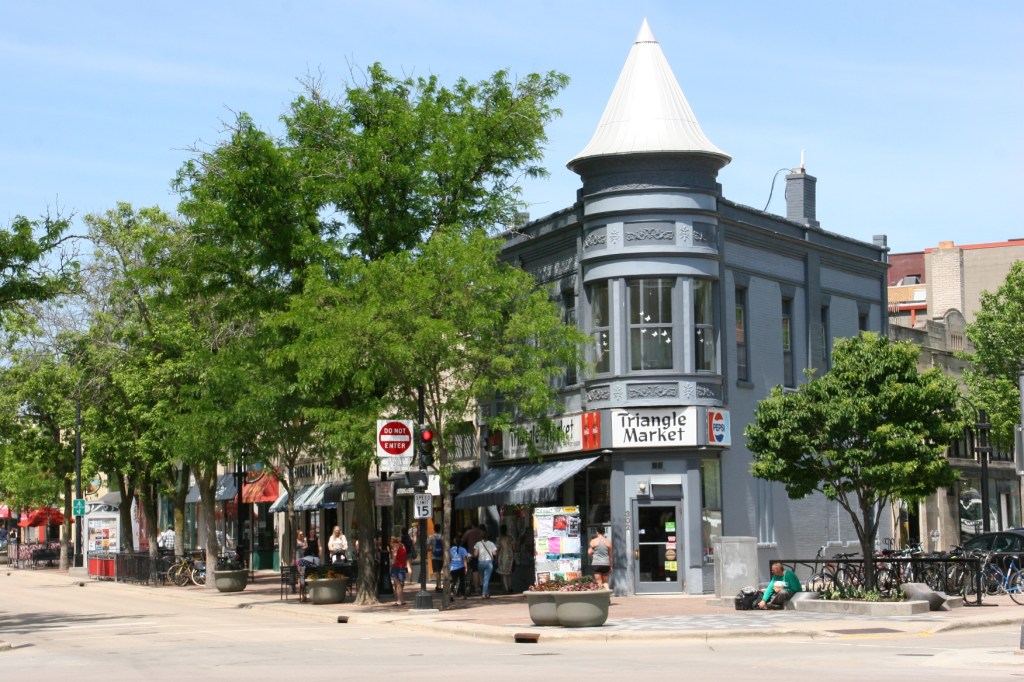
I felt, instead, like I was in greater Boston, which has the same smallish within a large metro area feel. Pie-slice street corners and angled buildings remind me of Porter and Davis Squares on the East Coast. Just less busy with pedestrians actually respectful of motor vehicle traffic.


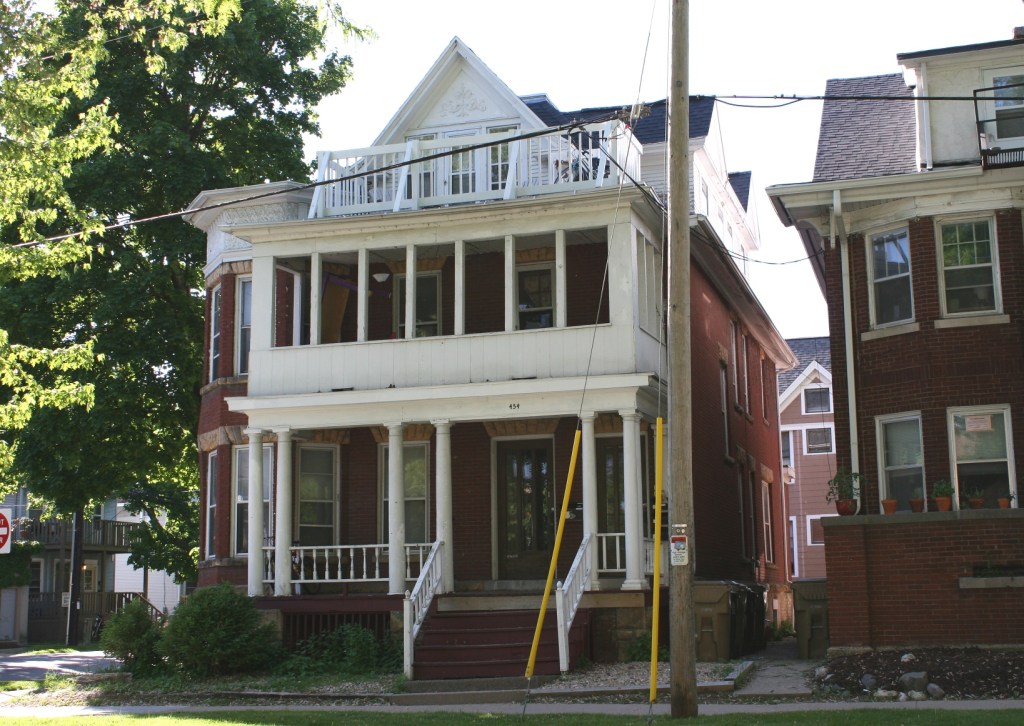
Likewise, the packed, porch-fronted old houses of the downtown Madison area neighborhoods remind me of the old neighborhoods around Tufts University (where my son attended college) in Somerville and Cambridge, Massachusetts. I expect had UW-Madison been in session, I would have seen lots of college students in the heart of this city given the university’s downtown location.


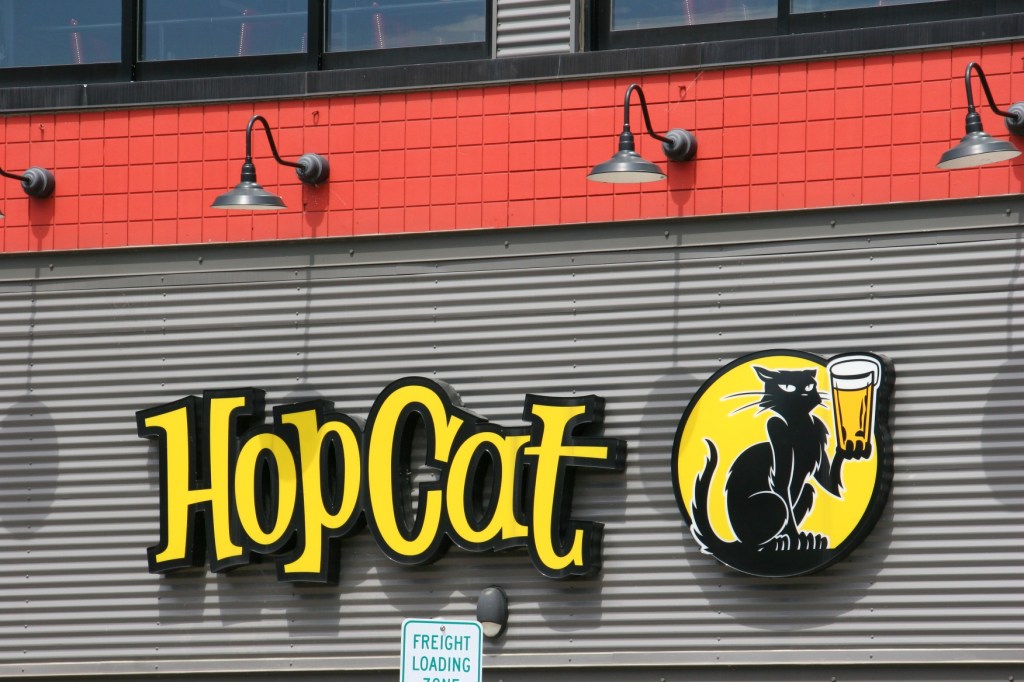
I found plenty to focus my attention. Architecture and signage always draw my interest and Madison offers visual variety in both.


After an hour-long tour through downtown with family, I determined that I need to return, to step inside the buildings, the places, that define the center of this capital city.


TELL ME: If you’ve been to Madison, what would you suggest I see on my next visit? Please check back for two more posts from Madison, including one on Bucky Badger craziness.

© Copyright 2018 Audrey Kletscher Helbling
 

Part III, outside the Paine: More from the gardens June 21, 2017

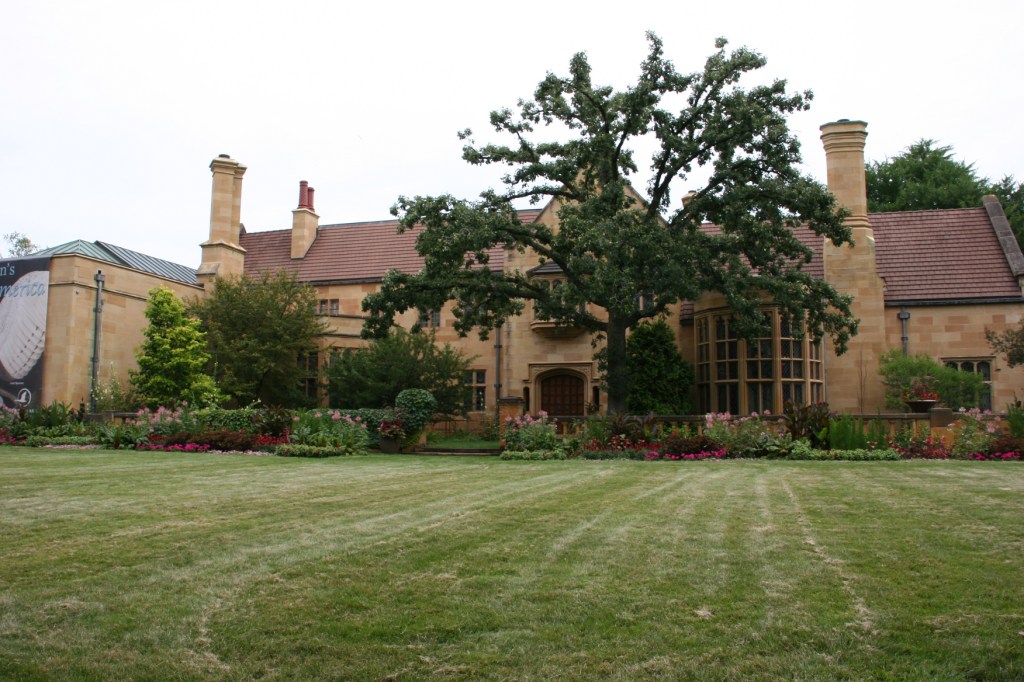
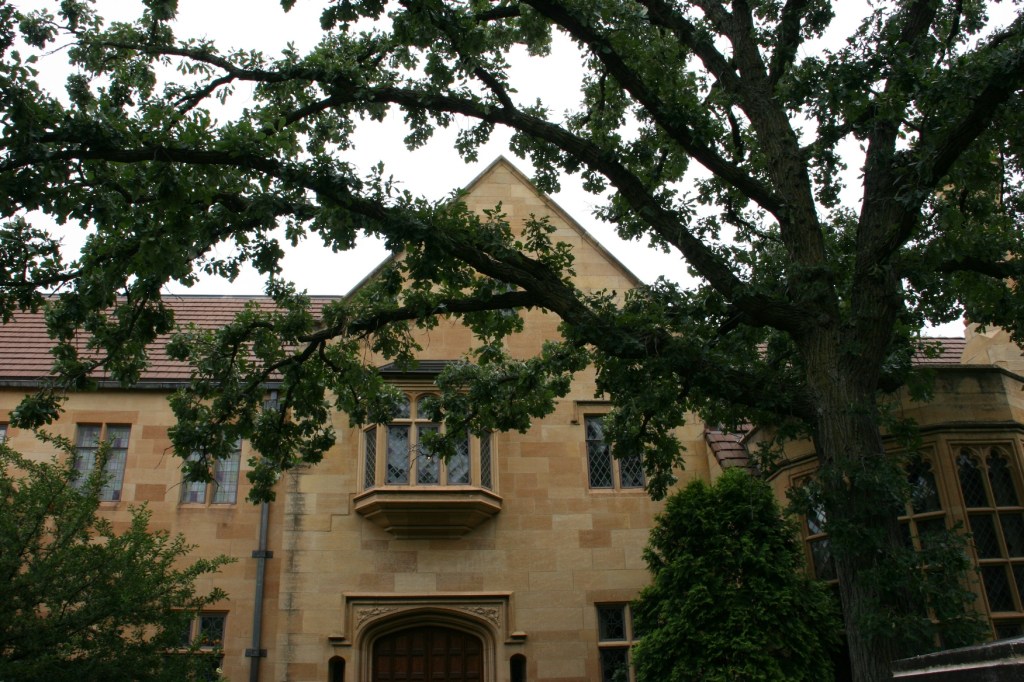
A lawn sweeps to the majestic front entry of The Paine.

A lawn sweeps to the majestic front entry of The Paine buffeted by the Evening Terrace. The public entry to the art center is to the left.

WHEN I TOUR an estate like The Paine Art Center and Gardens in Oshkosh, Wisconsin, my eyes lock on details. The heft of a door. The hue of a flower. The curve of a sculpture.

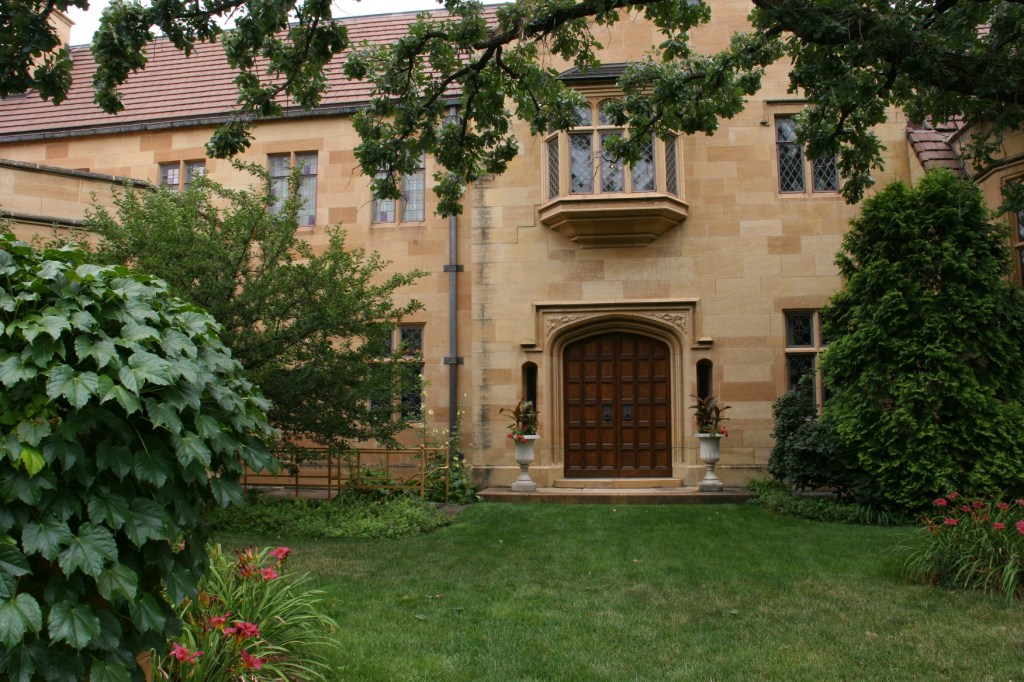
Massive doors define the entry.

Massive doors and architectural details define the entry.

The Paine presents many opportunities to embrace art. Natural and man-made. All connect to showcase an historic late 1920s mansion designed by Ithaca, New York architect Bryant Fleming. The English country house reflects three centuries of Tudor and Gothic styles all complemented by  beautiful gardens.


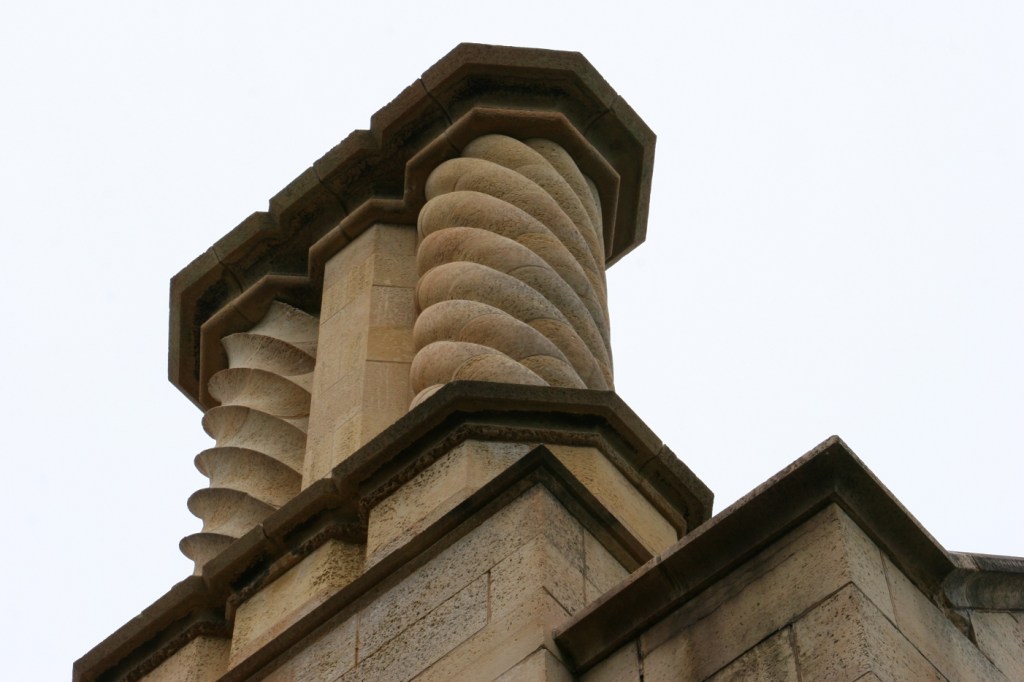
Details in architecture atop tne Kasota limestone walls.

Details in architecture and construction include the use of Kasota limestone.

Also noteworthy is the Minnesota connection to this Wisconsin site on the National Register of Historic Places. The home’s stonework is mostly Kasota limestone from southern Minnesota.

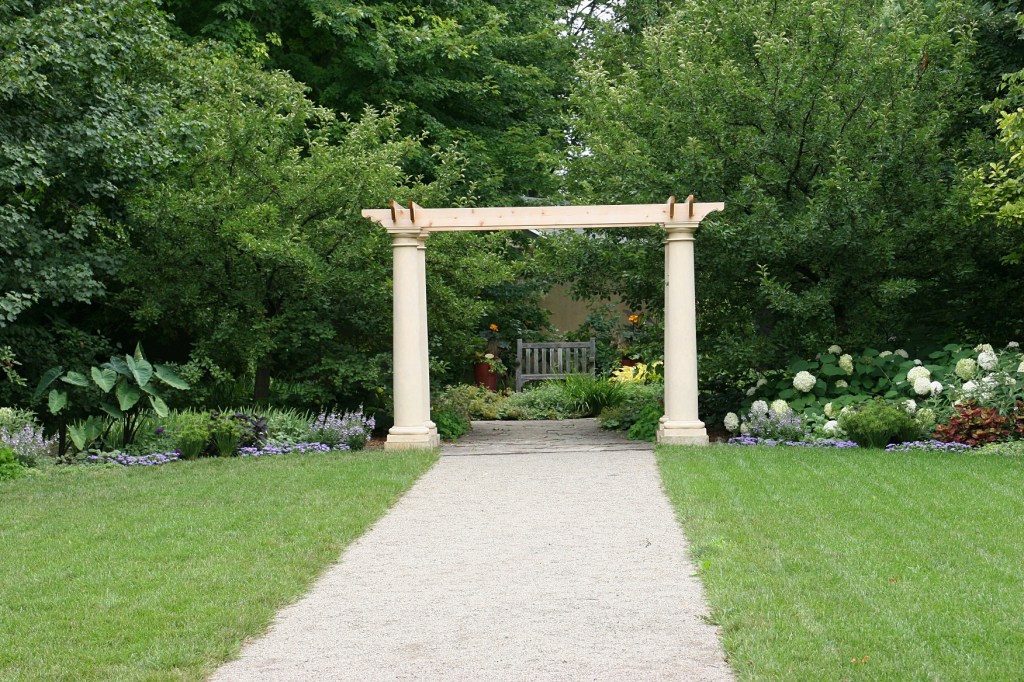
One of many garden "rooms."

One of many garden “rooms.”


A majestic native oak graces the front yard.

A majestic native oak graces the front yard.


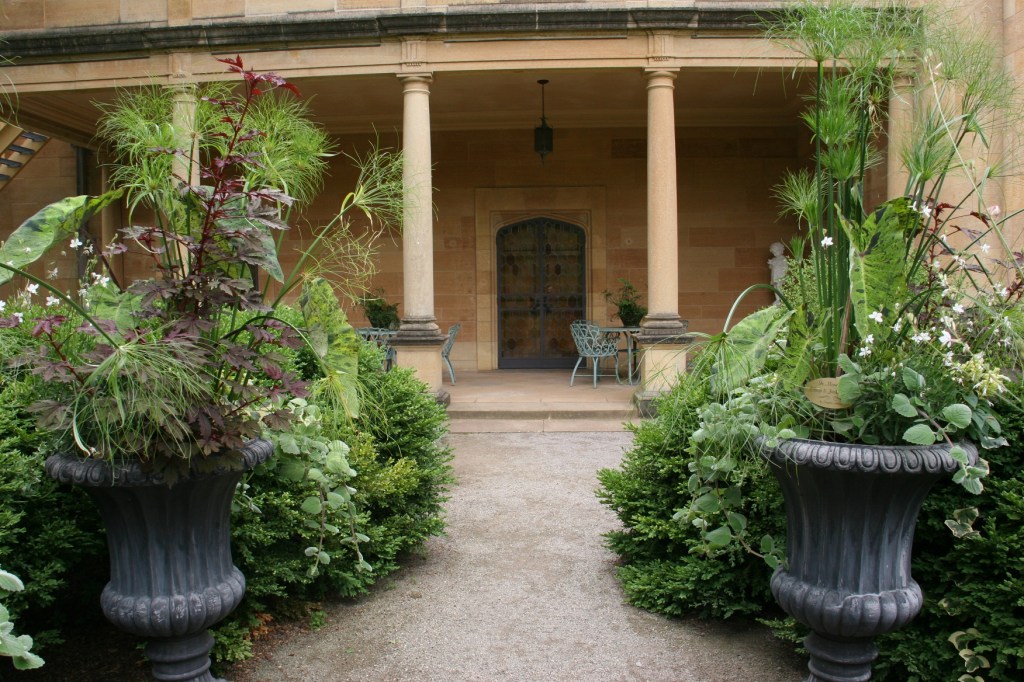
Lucious planters frame a path to the patio.

Stately planters and lush plantings frame a path to the Morning Terrace.

The gardens, likewise, mimic perennials, trees and shrubs hardy to Minnesota. Given the climate similarities between the two states, this is logical. Annuals and bulbs are also incorporated into The Paine gardens.

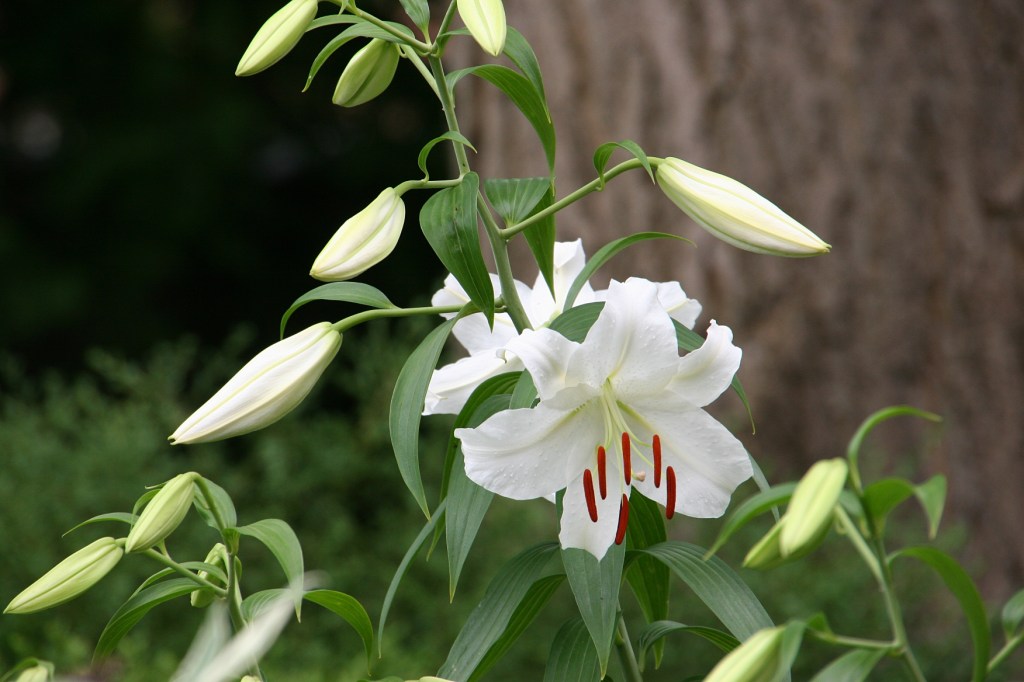
Lilies bloomed during my July 2016 visit.

Lilies bloomed during my July 2016 visit.

Flowers in bloom during my mid-summer 2016 visit differ from those blooming earlier or later. The estate landscape is like an evolving art gallery. There’s a certain visual appeal in that, in observing nature’s art always changing.

BONUS PHOTOS:

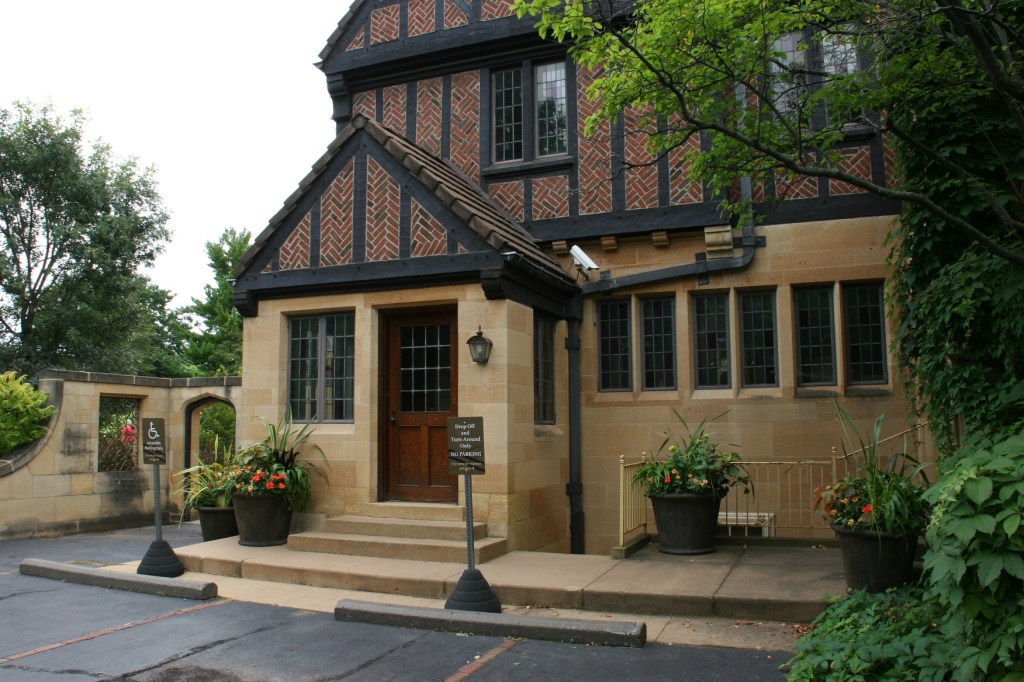
The public entry to The Paine Art Center.

The public entry to The Paine Art Center.


The first sculpture I spotted, near the entry.

The first sculpture I spotted, near the entry.


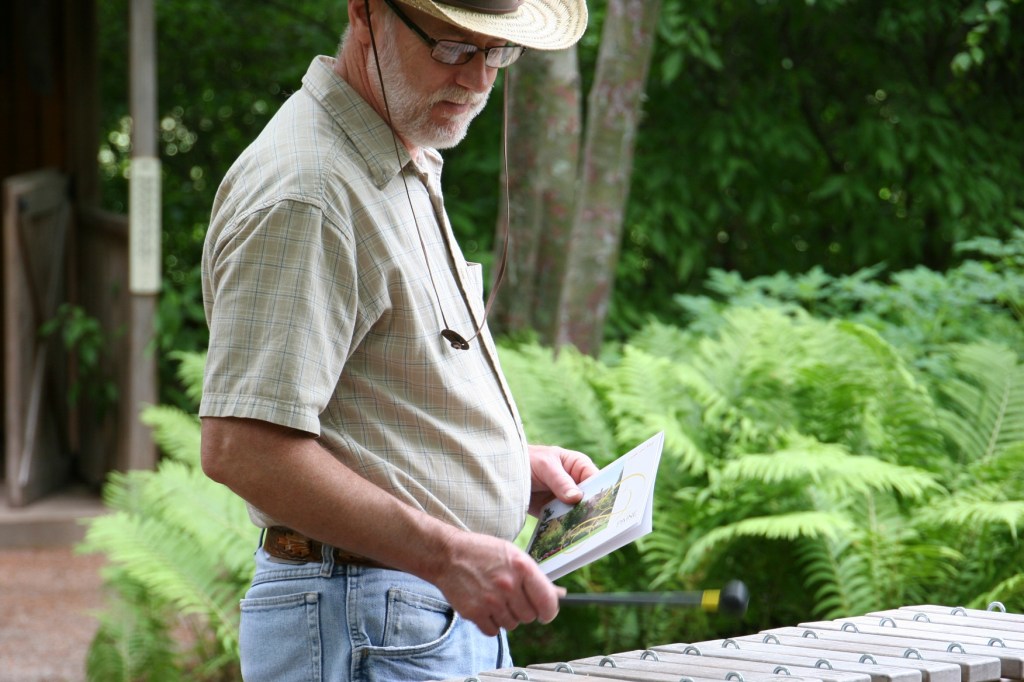
My husband, Randy, plays a xylophone in a garden.

My husband, Randy, plays a xylophone in The Children’s Field Station.


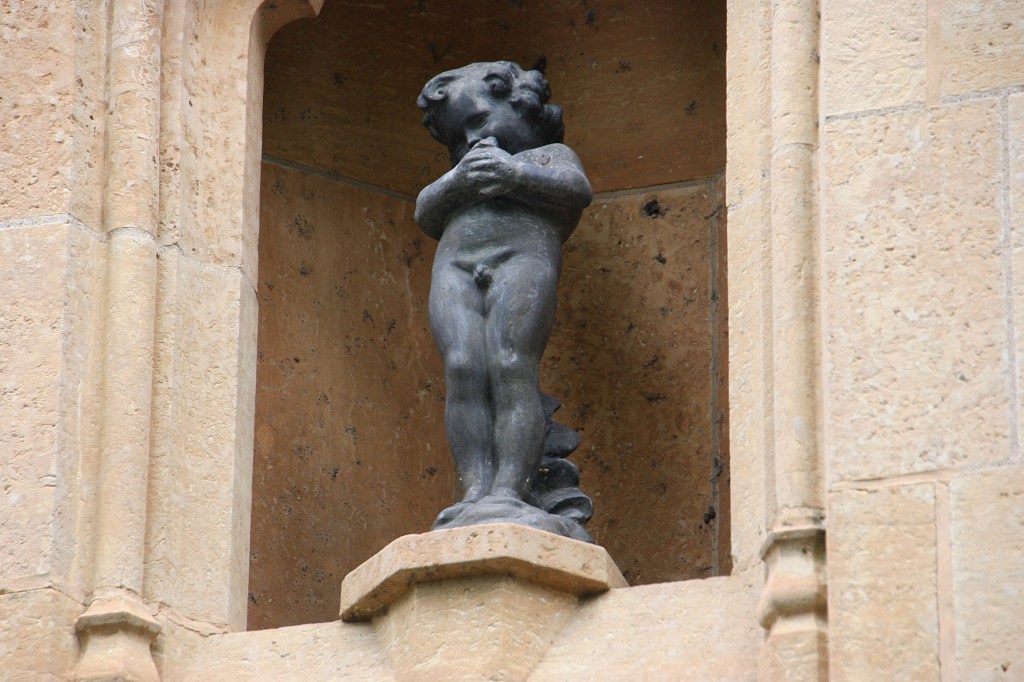
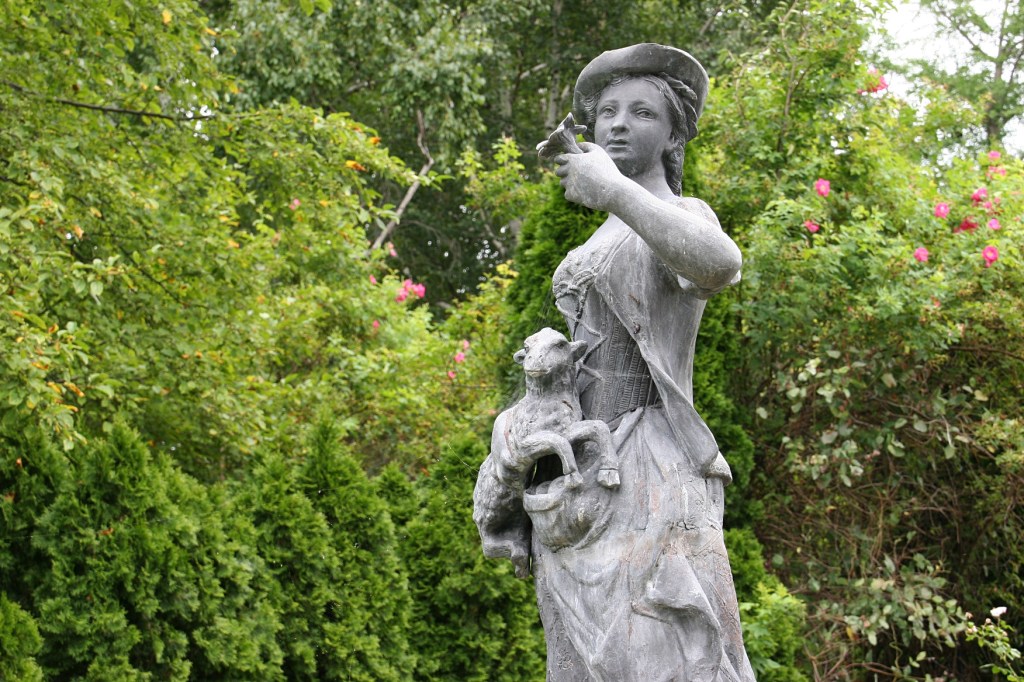
One of many graceful sculptures.

One of many graceful sculptures.

FYI: For more information about The Paine Art Center and Gardens, click here. Then click here to read my first post from inside The Paine. Next, click here to read Part I and then Part II of my gardens series.

© Copyright 2017 Audrey Kletscher Helbling
 

Part V from La Crosse: A final look at downtown March 29, 2017


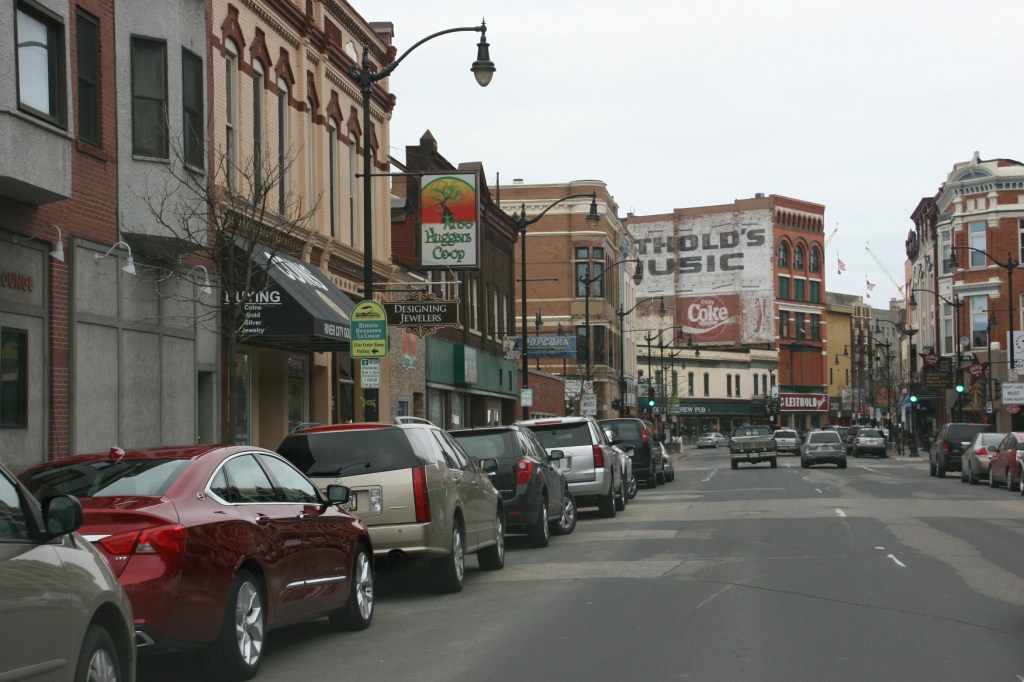
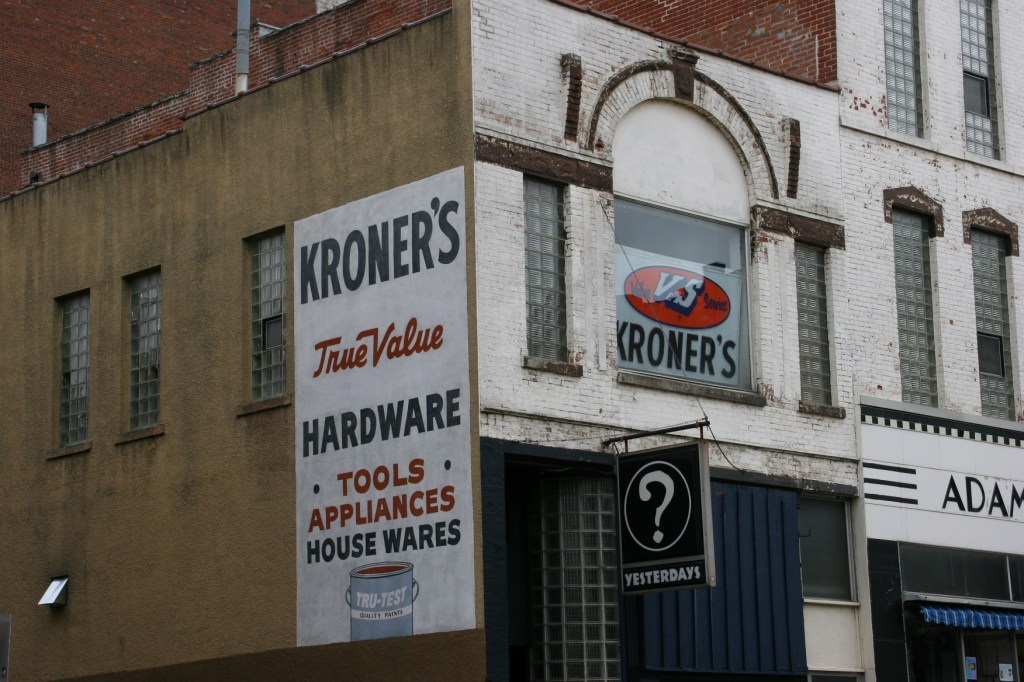
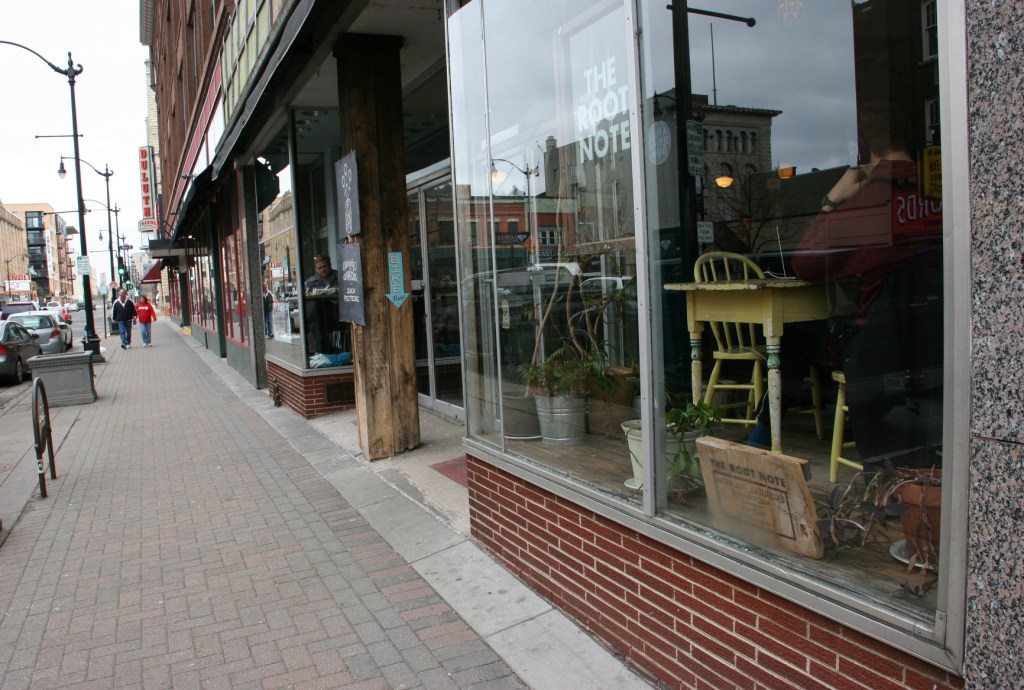
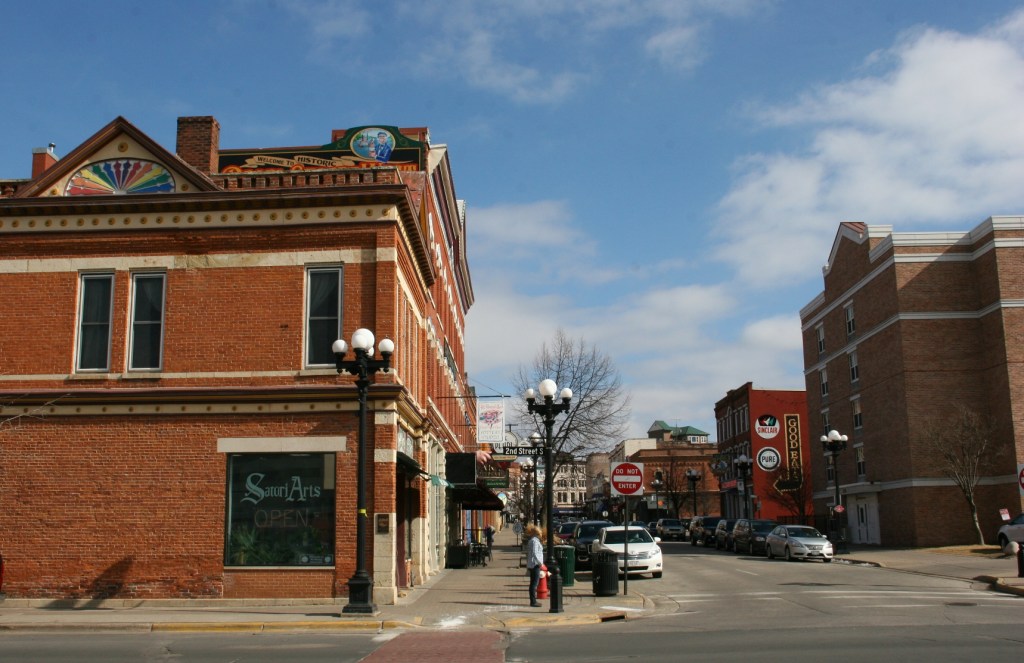
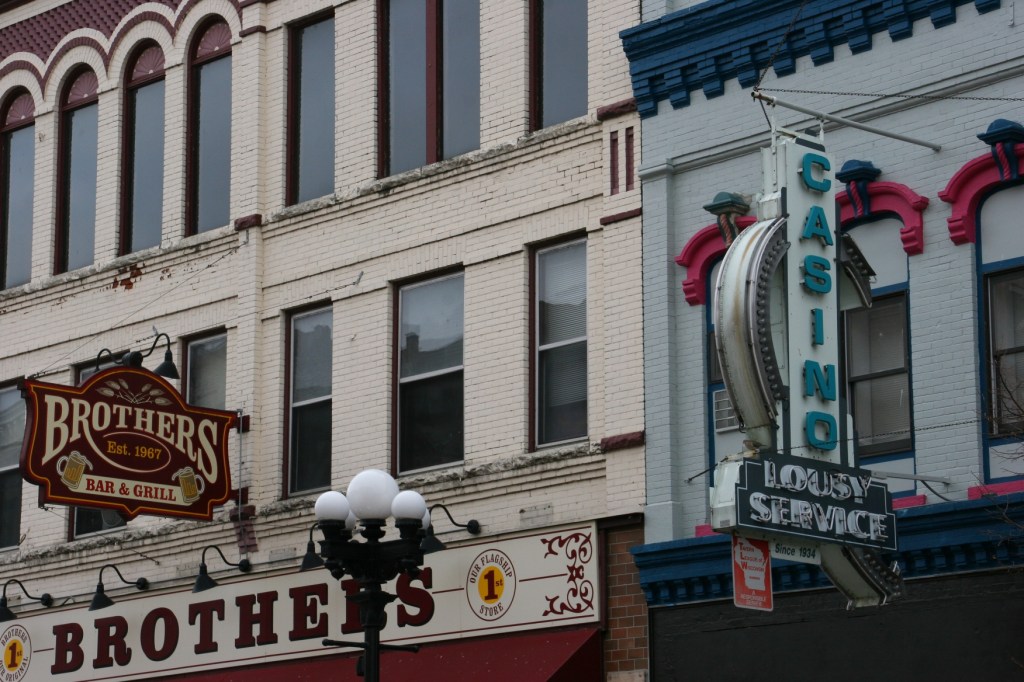
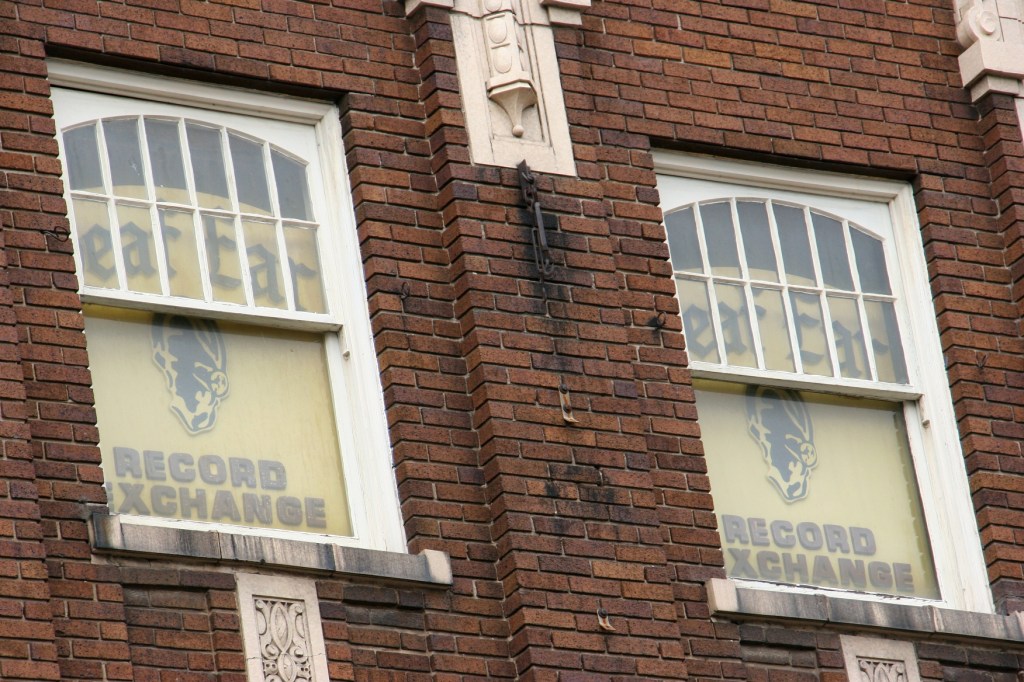
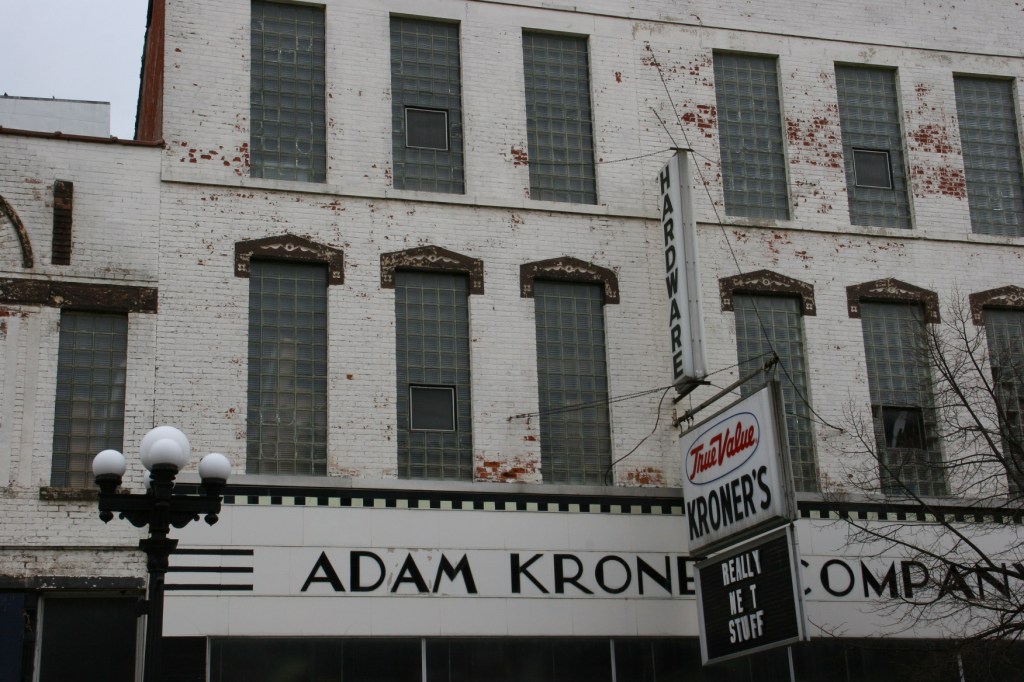
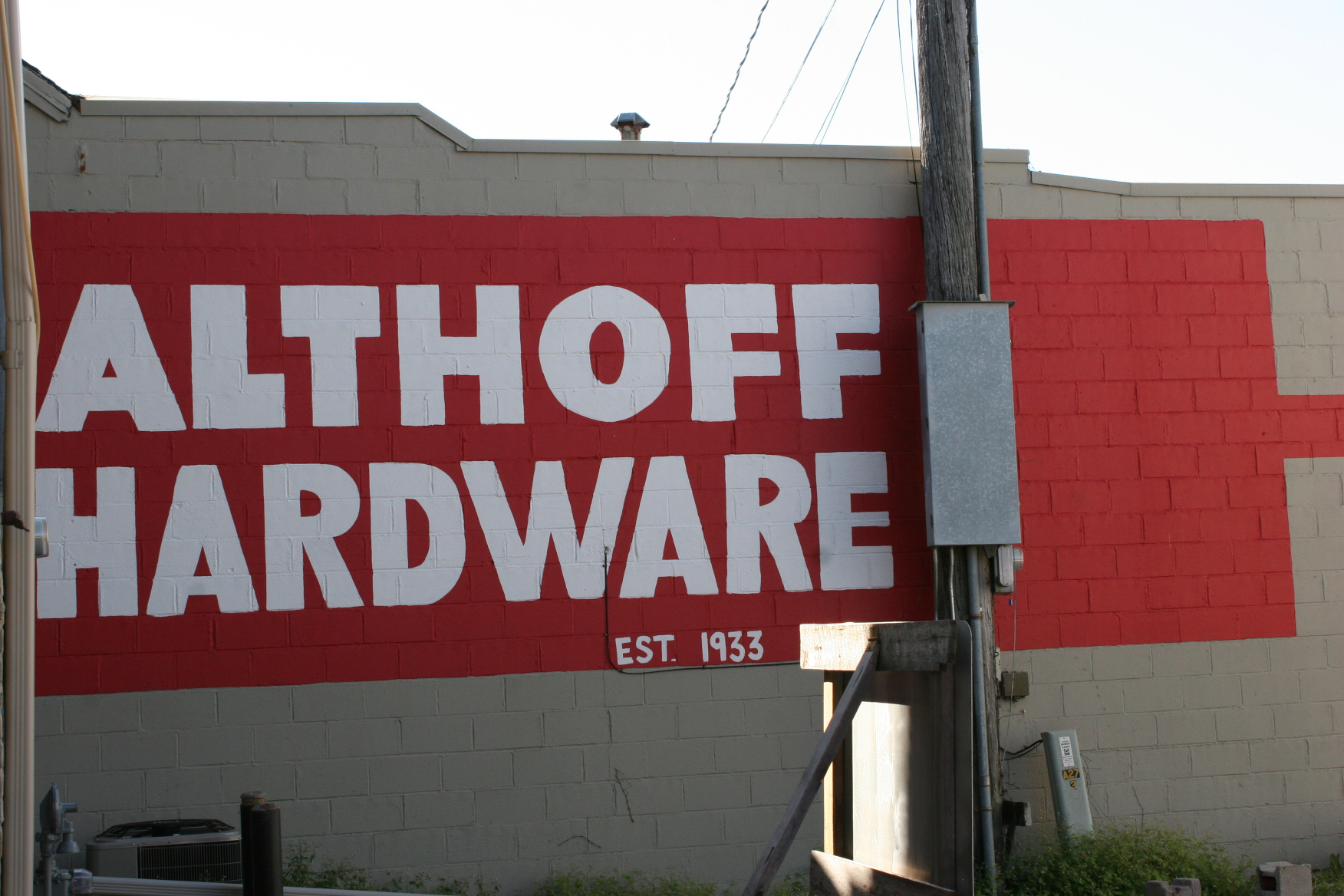
IN ONE FINAL PHOTO sweep through downtown La Crosse, I present a collage of images.


I am drawn to signs and architecture, to distinct characteristics which define a town’s personality.


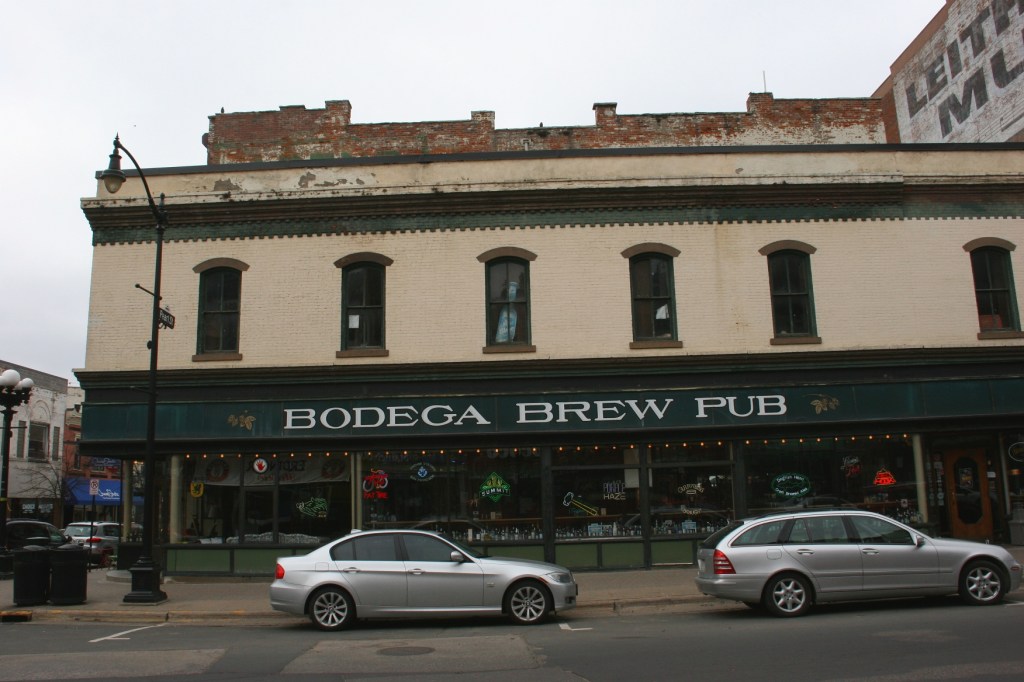
La Crosse is a river town, storied in history. You can see that in the aged buildings which flank streets that bend, like the Mississippi River. History holds a place of honor within this downtown.


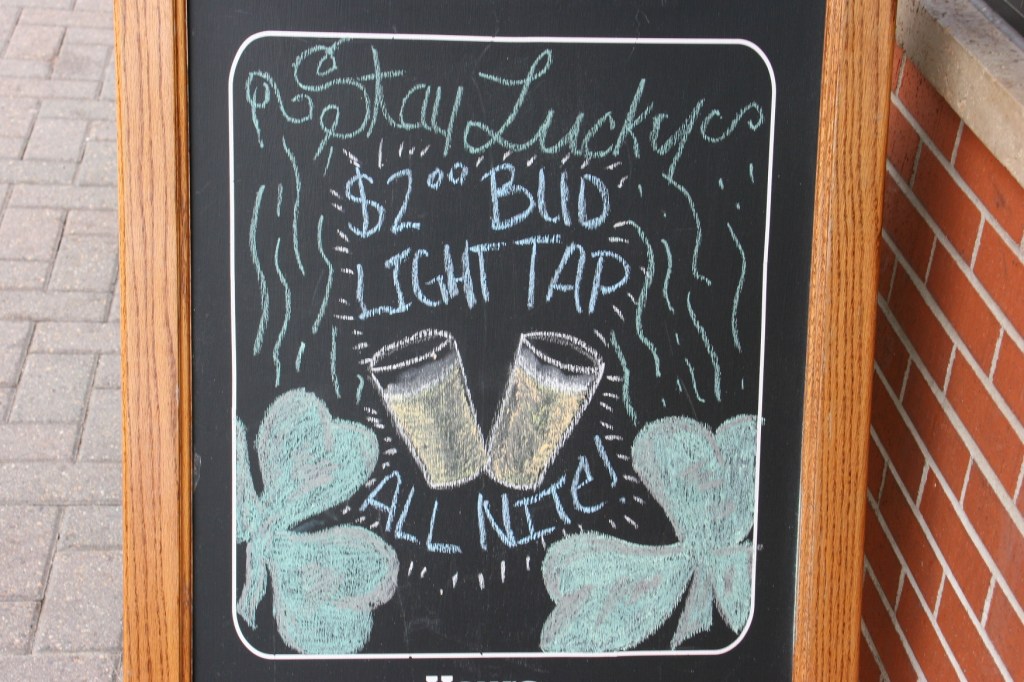
Yet, this Wisconsin city is not stodgy, existing only in the past. Rather, La Crosse is like a sometimes flamboyant relative claiming attention with loud colors and signs and messages. I doubt I’ve ever seen more vivid and unique signage in a small Midwestern city.
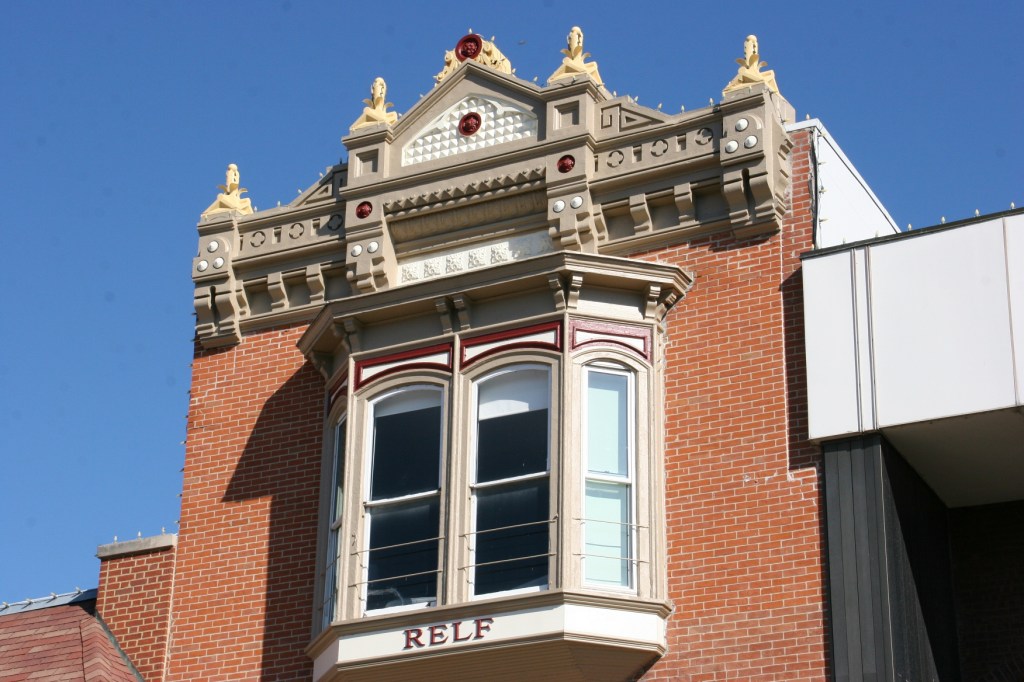
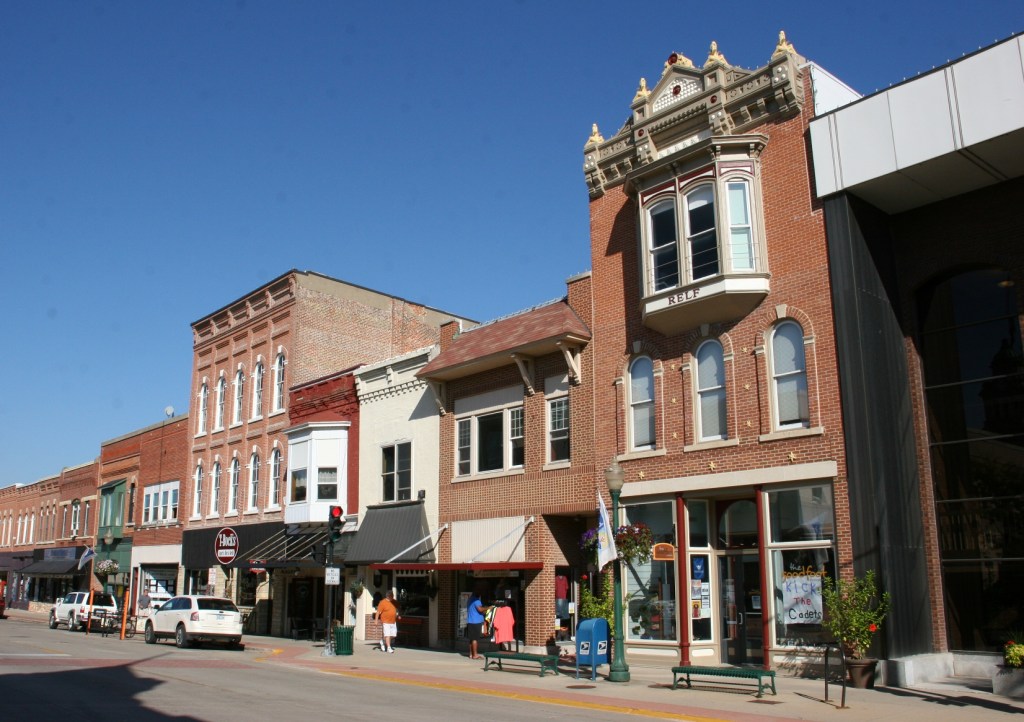


But that does not surprise given La Crosse’s considerable number of downtown drinking establishments. Wisconsinites love their booze. And this is a college town. Visit in the daytime or early evening and you can avoid that whole bar scene, although remnants of night life may linger the morning after with beer in a glass outside a bar door. (True sighting.)
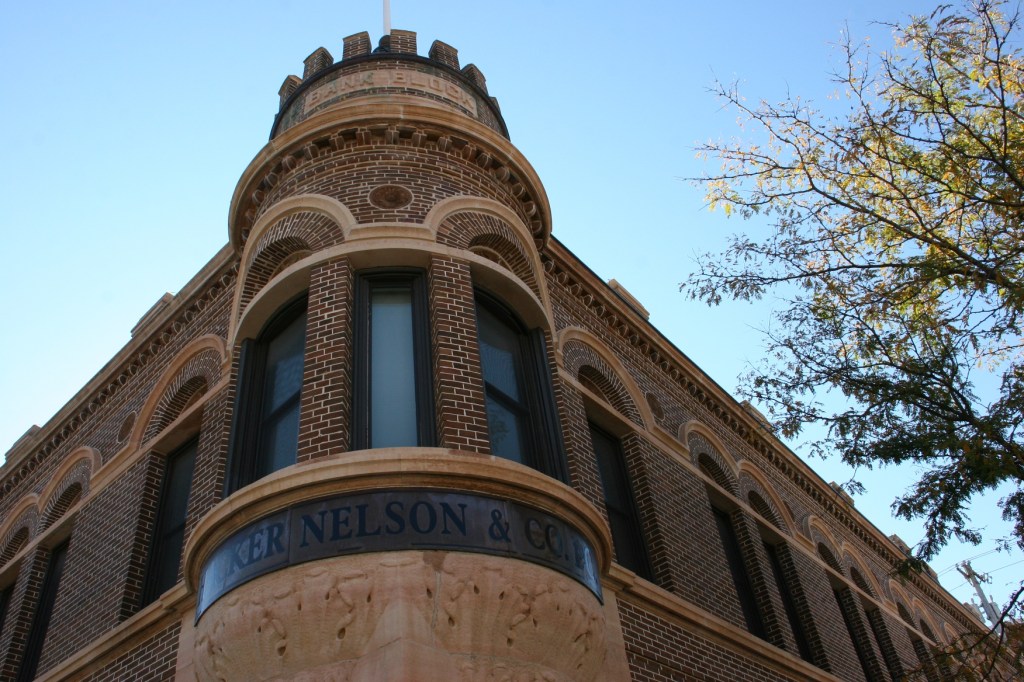


La Crosse seems, too, part big city urban yet rooted in rural. Somehow the blend works in a downtown that draws all ages.


FYI: Please check back for one more post in this “From La Crosse” series as I take you to one of the city’s most notable natural landmarks.

© Copyright 2017 Audrey Kletscher Helbling