Minnesota Prairie Roots

Writing and photography by Audrey Kletscher Helbling

Montgomery celebrates agriculture with art August 13, 2020

“Stop to Remember,” a pen and watercolor by Cami Vargo, was awarded third place in the show by judges Dale and Gale Looft. The art depicts her Great Grandpa Orville Richter’s 1965 Ford tractor.


THEIR ARTIST STATEMENTS are as compelling as their art.


Cami Vargo’s artist statement about her tractor art.


In a new exhibit, “Celebrating Farmers and Agriculture,” coordinated by the Montgomery Arts & Heritage Center, 15 artists share their deep love and appreciation for all things rural. Recently I viewed the 22 pieces of art displayed in the front windows of the arts center and businesses in the heart of this small Minnesota town.


One of two photos by Liz Krocak, this one titled “Apple Harvest Visitors.”


Through the screen window, you can read this artist statement by Liz Krocak.


Bold and beautiful stained glass art by Annette Stavos hangs in a window of Hermann Thrifty White Pharmacy. If the drugstore is open, go inside and view the art to see the sun shining through it. Another stained glass creation by Mona Grimm hangs in a window of Montgomery Chiropractic and was awarded second place in the show.


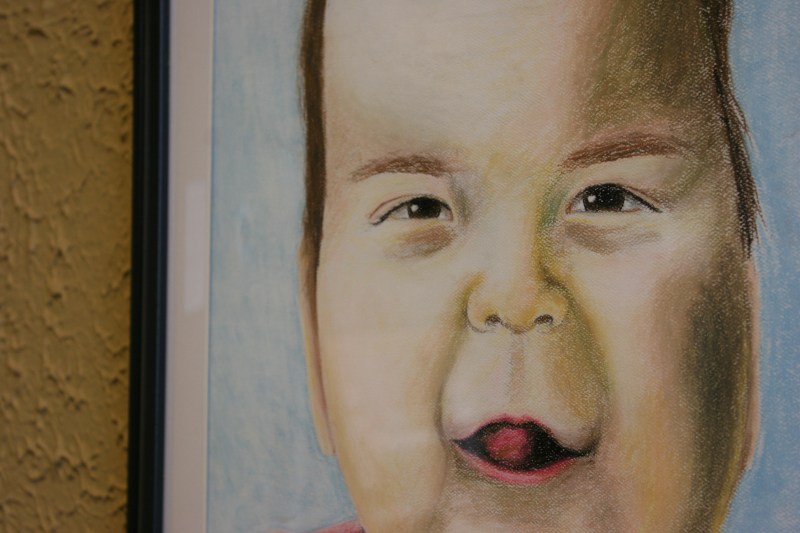
From cows to a rooster to a farm dog, from tractors to windmills, from barns to country scenes, the art showcases important aspects of rural life.


Constructed from cardboard by Brian Prchal, this is a replica of a modified 4020 John Deere.


Brian Prchal shares the stories behind his two art pieces.


And the stories that accompany that art are often deeply personal. Rooted in the land.


The Montgomery Arts & Heritage Center (right side of building), 206 First Street North on the north end of downtown.


In the ag display, 4-H buttons.


County fairs are an important part of rural life.


Before beginning my tour, I stopped first at the arts and heritage center to pick up a map and to view an exhibit of local ag-related memorabilia showing the importance of agriculture in this community.


The grain elevator complex in Montgomery.


Just down the hill from the arts center, grain elevators loom, a strong visual of ag’s local economic value. On the opposite end of town, the canning company processes sweetcorn. And on every border of town, homes or businesses adjoin farm fields.


Future Farmers of America, based at the local high school.


Recognizing 4-H in Le Sueur County.


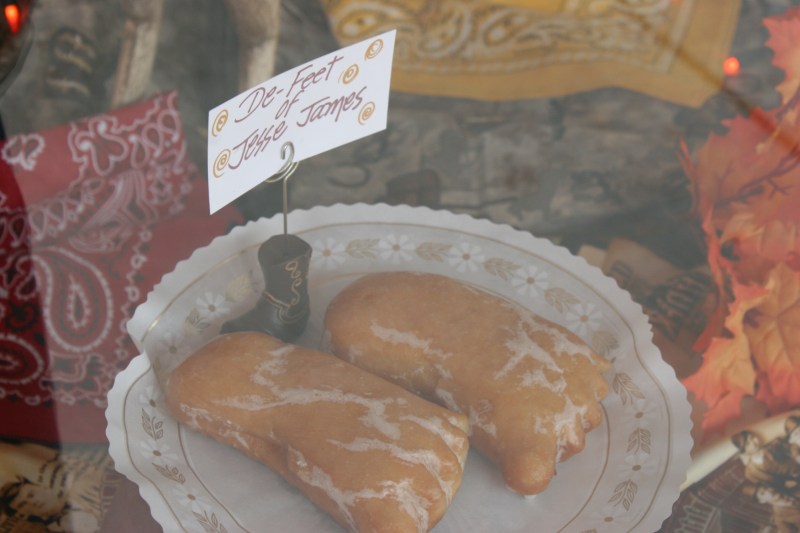
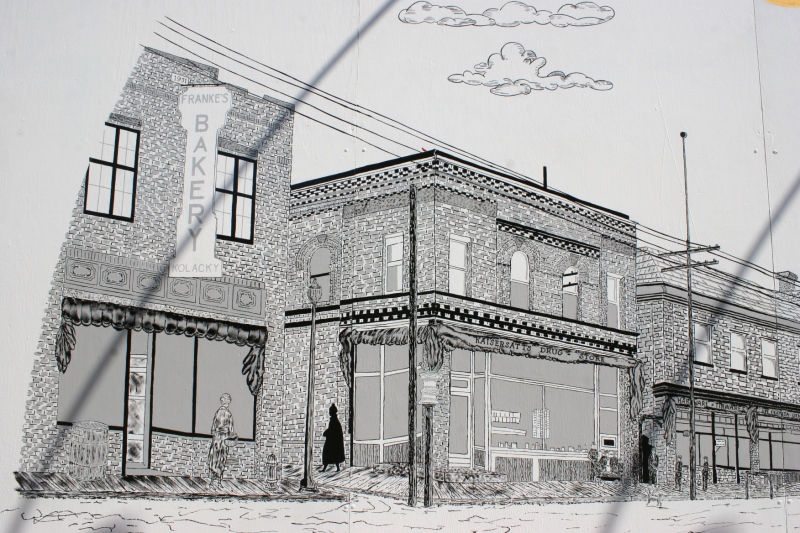
Lots of signs downtown celebrate kolacky, a Czech pastry sold at Franke’s Bakery and Mackenthune’s Fine Foods.


Montgomery centers on agriculture and its Czech heritage as the self-proclaimed Kolacky Capital of the World. So it seems particularly fitting that the arts center would focus its new exhibit on farmers and agriculture. The project was funded with a Prairie Lakes Regional Arts Council grant and donations from the Bob and Mary Jo Loftus Foundation and Compeer Financial.


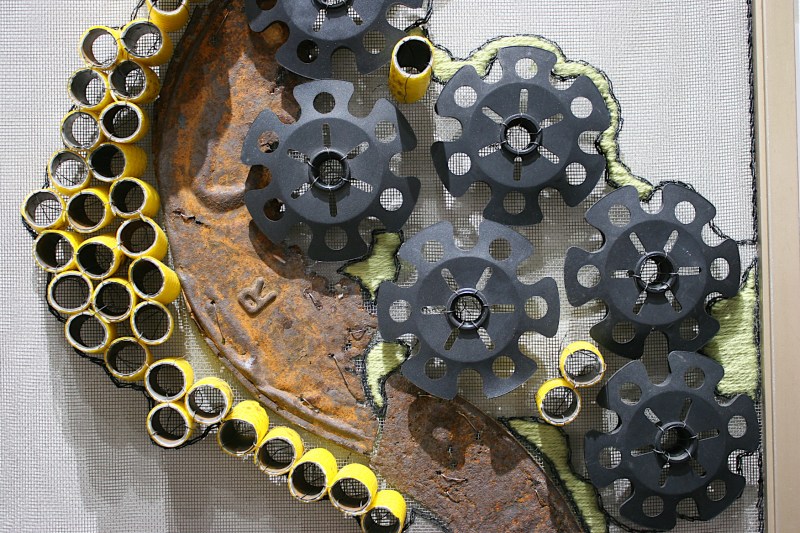
“The Nuts & Bolts of Farming” fits this tractor art crafted by Tyler Fromm.


Area artists clearly enjoyed the challenge of creating ag-themed art. I saw that in tractor art drawn, formed from string and nails, cut and crafted from cardboard, welded from nuts and bolts.


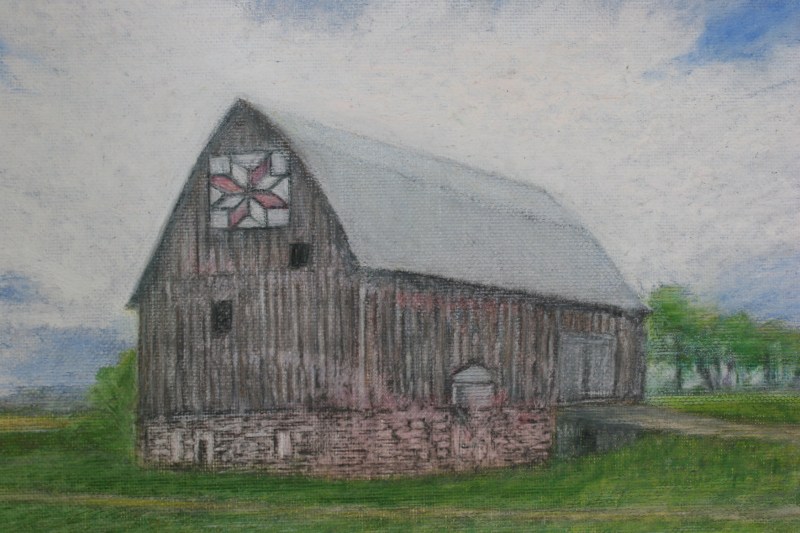
Pat Preble won first place for “Old Barn” and “Cows in the Field.” She incorporated a “Star of Heaven” quilt block into her barn art in honor of her mom, a quilter.


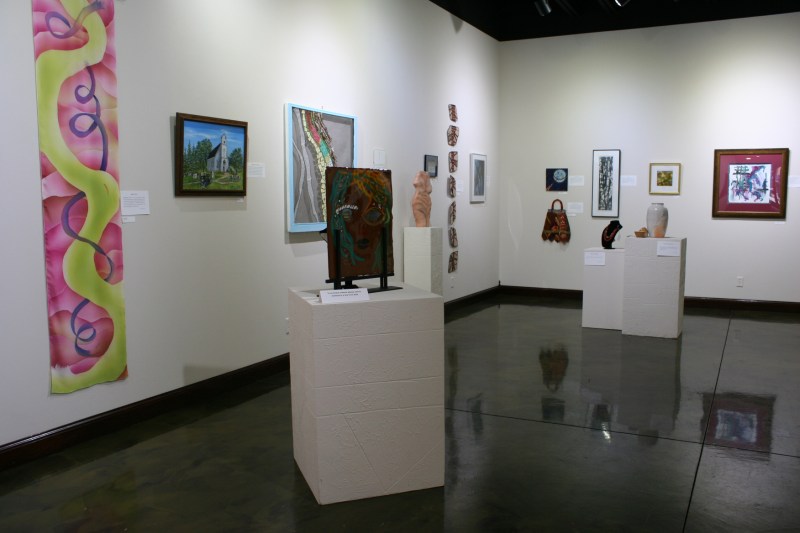
Stained glass. Batik. Wood. Photos. Quilts. So many different tools and styles and ways of creating art add to the interest.


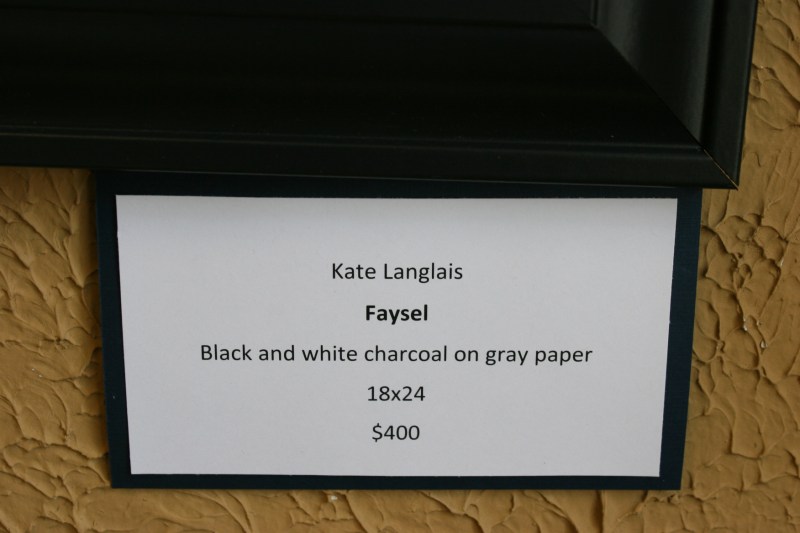
This artist statement made me laugh out loud. Because of glare, I was unable to photograph Anna’s cow art.


The art honors pioneer women who pieced quilts, an uncle, farm wives… Liz Krocak writes in her artist’s statement, “Behind every good farmer is his wife, rolling her eyes.” Yes, humor even infuses some of the artist statements.


Glare made it really challenging to photograph Carol Ehrhardt’s entire cattle and windmill art. But I decided I like this image showing only the top of the windmill and the reflection of an aged building. Ehrhardt was awarded third place in the show.


Annette Stavos, who grew up on a hobby farm, honors her uncle. “My uncle was the real farmer and we helped him pick rocks and bale hay.”


A close-up of Susan Hayes batik art titled “Summer Fields.”


Susan Hayes, a city girl who married a farmer, writes. “…I’ve had first hand experience with agriculture and life on a small farm. It’s not easy getting up before 5 am to milk the cows or baling hay in 100 degree weather. She created a beautiful batik piece, “Summer Fields.”


A farm in the Montgomery area.


Anna Prchal expresses her love of rural life in these words: “The fresh air, hard work ethic and never having a dull moment there are the things I love most about the farm.”


The countryside near Montgomery.


For Kimmie Loranger, who once traveled with the carnival, worked as a nanny and waitress, and who was at one time homeless, living in rural Montgomery and now creating art “is the happiest I’ve ever been in my whole life.”


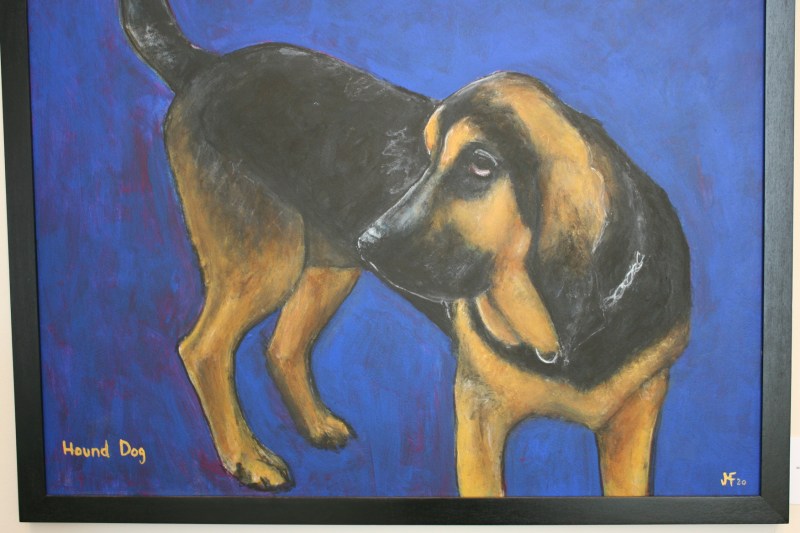
Tyler Fromm drew this picture of his “beloved farm dog, Buddy.” Oak siding from the corn crib on his family’s century old farm frames the art.


These are the stories that make this exhibit especially meaningful, especially touching, especially impressionable. This isn’t just another art show, but rather an expression of emotions with a rural perspective. Written. And showcased in art.


FYI: You can view this exhibit any time during the day as the art is visible from outdoors in front windows. Note that glare and reflections sometimes make seeing the art a challenge. The Arts & Heritage Center, however, is open limited hours from 2-5 pm Thursday and Friday and from 9 am to noon Saturdays. The exhibit runs until the end of November. Maps to the art locations are available from several downtown Montgomery businesses in addition to the arts center. Be sure to vote for your favorite for the People’s Choice Award. This blog post represents only a sampling of art in the exhibit.

Please check back next week for additional posts from my visit to Montgomery.

© Copyright 2020 Audrey Kletscher Helbling


The nuances of Northfield keep me returning August 5, 2020

Beautiful historic buildings grace downtown Northfield, Minnesota.


NORTHFIELD. There’s so much to appreciate about this southern Minnesota community with the slogan of Cows, Colleges and Contentment. Cows honor the area’s rich agricultural heritage. Colleges reference the two resident colleges, Carleton and St. Olaf. And contentment frames the feeling in this riverside town rich in natural beauty, history, and a thriving business community and arts scene.


A view of the Cannon River in downtown Northfield from the flower-edged pedestrian bridge connecting riverside walkways.


Every time I walk along the River Walk aside the Cannon River or meander through the downtown on Division Street, I am struck by the sense of artistic vibrancy. The sense of care in this community. Pride. Hometown loyalty.


The display windows of Content Bookstore grab attention in vivid hues. I once participated in a poetry reading here.


I see this in shop windows with displays that are creative and eye-catching.


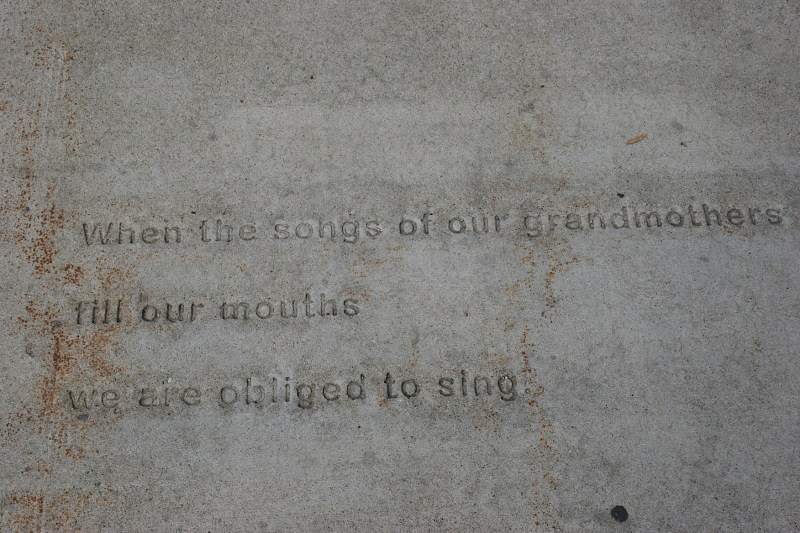
Poetry is stamped into sidewalks throughout the downtown district.


I read this in words imprinted in cement as part of Northfield’s Sidewalk Poetry Project.


One of several musicians performing last Friday evening at The Contented Cow Pub & Wine Bar.


I hear this in music performed outdoors at eateries.


Art showcased in the exterior lower streetside window of the Northfield Arts Guild.


I view this in colorful art.


At the Northfield Public Library, this sculpture is changed up to promote the U.S. Census.


Bold art.


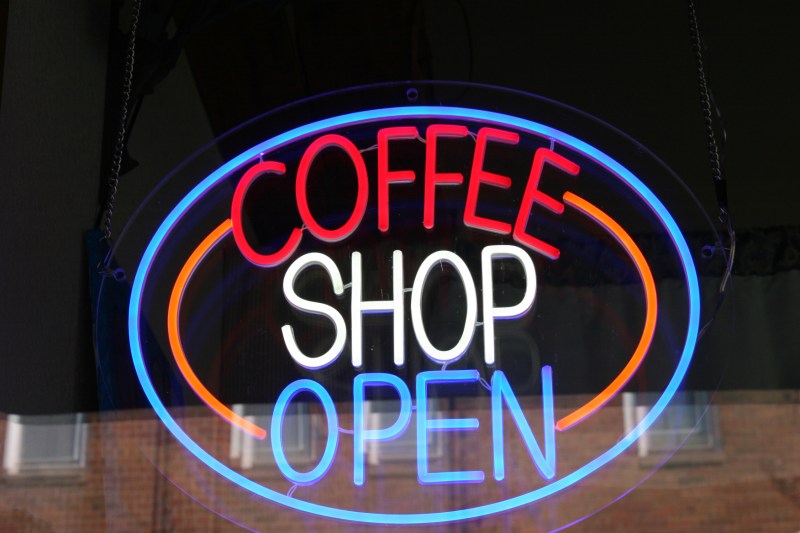
You’ll find plenty of coffee shops in Northfield.


And a hometown bakery, Quality Bakery and Coffee Shop.


In neon lights marking businesses.


A personal note posted in a business that has closed.


In publicly posted gratitude.


Banners honor the Northfield High School graduates of 2020.


And banners that show each individual matters.


Novelty tees displayed in the front window of the Northfield Historical Society reference the 1876 bank robbery by the James-Younger Gang.


Photographed through the front window of MakeShift Accessories, a handcrafted bracelet.


Temporarily closed because of COVID-19, Antiques of Northfield is one of my favorite stops.


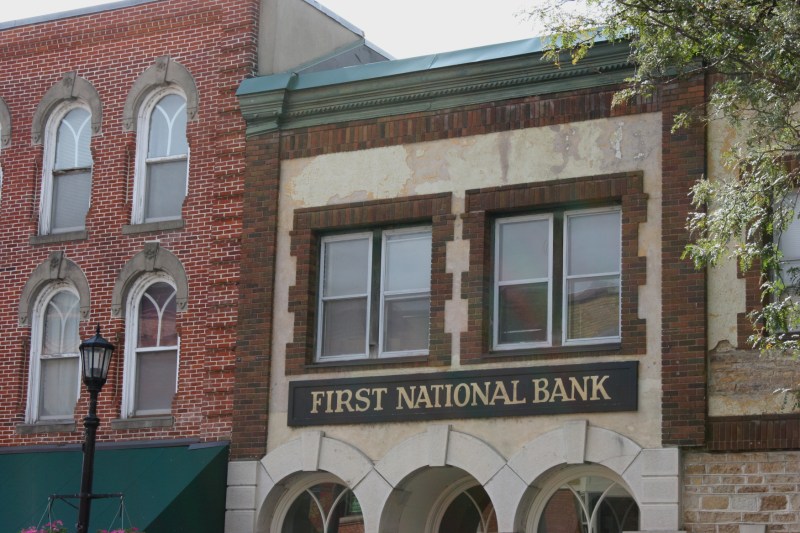
Northfield draws me back, as a writer and a photographer, to notice nuances of place. The rushing water. The home-grown art. The aged buildings in this community where locals, in 1876, defeated the James-Younger Gang during a raid at the First National Bank.


No longer the First National Bank, this historic building houses Merchants Bank. The original First National (site of the bank raid) sits across the street and houses the Northfield Historical Society and Museum.


Northfield is simply one of those towns when, each time I visit, I leave feeling better for having spent time there.

© Copyright 2020 Audrey Kletscher Helbling
 

Honoring Bishop Whipple’s “unfailing love & hope for humanity” on a mural in Faribault June 29, 2020

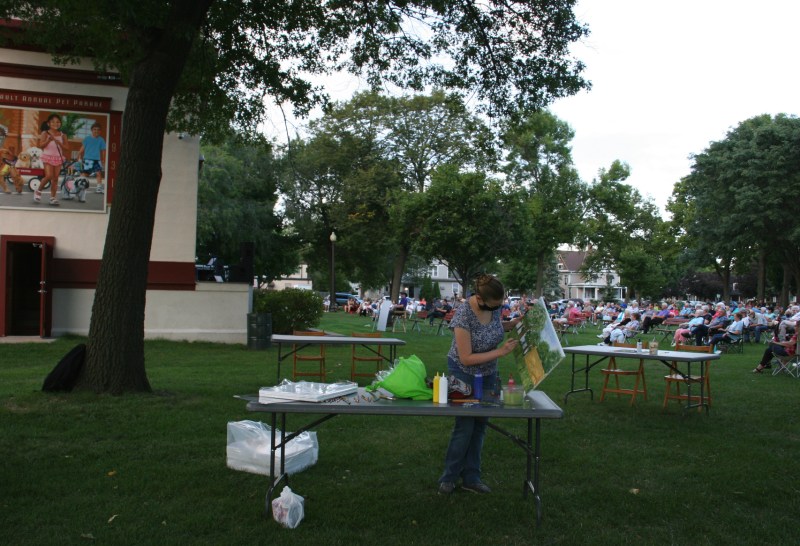
The Central Park Bandshell mural on the left honors Bishop Henry Benjamin Whipple. The one to the right features the Faribault Pet Parade and was placed there several years ago.


THE RECENT INSTALLATION of an historic-themed mural on the west side of the Central Park Bandshell in Faribault prompted me to look more closely at the man featured thereon—Bishop Henry Whipple.


The middle mural panel features a portrait of Bishop Whipple and a summary of information about him.


Just across the street from Central Park, the stunning Cathedral of Our Merciful Saviour.


The historic marker posted on the Cathedral bell tower.


He is a prominent figure in the history of my community and the history of Minnesota. Explore Faribault, and you will find Whipple’s name on numerous plaques, including across the street from the park at the Cathedral of Our Merciful Saviour, the cathedral he helped build as Minnesota’s first Episcopal bishop. He’s buried in a crypt beneath the chancel there. The bell tower was dedicated in his honor by his second wife, Evangeline, as “a monument of love and Christian unity.”


Posted outside the front door of the Chapel of the Good Shepherd. The church is on the National Register of Historic Places. Minnesota Prairie Roots file photo.


On the east side of town, Whipple’s name graces an historical marker at The Chapel of the Good Shepherd on the campus of Shattuck-St. Mary’s School. He helped found the school, separately first as Shattuck School for boys and St. Mary’s Hall for girls, along with St. James and Seabury Divinity schools, all in Faribault.


The soaring tower landmarks the Cathedral. Ralph Adams Cram, architect of St. John the Divine in New York City, designed the Cathedral tower. The tower was added as a memorial to Whipple after his death in 1901.


The inscription, in stone, on the bell tower.


An historic marker on the Cathedral grounds.


As admirable as Whipple’s role in founding educational institutions, it is another facet of this man—his humanitarian efforts—which are often cited in history. The inscription on the Cathedral bell tower states that Whipple’s “unfailing love and hope for humanity have made his life an inspiration far and near.”


This panel depicts the relationship between Native peoples and Bishop Whipple.


Bishop Whipple’s portrait, up close.


Details on a sign outside the Cathedral reference Whipple as “Straight Tongue.”


What, exactly, does that mean? To understand, one must consider the time period in which Whipple arrived in Minnesota, just years before the U.S.-Dakota War of 1862. He was a missionary and, as such, worked to educate and convert the Native peoples to Christianity and agrarian ways. (Not necessarily the adaptive approach one would take today toward other cultures, but the mindset then.) In his work, Whipple observed poverty among the Dakota and Ojibwe and mistreatment by the government and began to advocate for their rights. The Native peoples called the bishop “Straight Tongue.” That title speaks to their trust and respect for him.


The mural, in full, including the right panel recognizing Whipple and his first wife, Cornelia, and his second wife, Evangeline.


Whipple was among the few leaders who publicly pressed for sparing the lives of 303 Dakota warriors sentenced to death following the war. President Abraham Lincoln spared or pardoned most, but 38 were still hung during a mass execution in Mankato.

Whipple’s strong public stances on behalf of Native peoples were not necessarily widely-embraced. Rice County Historical Society Executive Director Susan Garwood shared at a presentation I attended several years ago that several assassination attempts were made on the bishop’s life. Following the U.S.-Dakota War, about 80 Native people, under Whipple’s protection, moved to Faribault. Some helped build the Cathedral, a construction process which took from 1862-1869. Additionally, several Dakota and African Americans attended Seabury Divinity School, Garwood noted. That, too, caused concern.


The Whipples.


But through it all, from the information I’ve read, Whipple remained steadfast, unwavering in his compassion toward Native peoples, advocating for them, loving humanity.


FYI: The Mural Society of Faribault actively promotes Faribault history through public murals posted throughout the downtown area, this one the latest. Dave Correll of Brushwork Signs crafted, painted and installed the Whipple mural with help from his team.

For more information about Bishop Whipple, click here to reach MNOpedia.

Or read this post I wrote about a Rice County Historical Society event in 2018. The RCHS features a museum exhibit on Bishop Whipple.


© Copyright 2020 Audrey Kletscher Helbling
 

Memorial Day 2020, adapted, from southern Minnesota May 26, 2020

A star marks a veteran’s grave in the Cannon City Cemetery, rural Faribault.


THE RADIO PLAYED in the background as I washed dishes Memorial Day morning. I listened to honored veterans speak of the war dead and freedom and why the American flag is folded 13 times. I listened to the local Legion leader read the names of all county veterans who died in the past year. Well over one hundred. And I heard, too, the honking of horns as attendees at my community’s annual Memorial Day program in Central Park “applauded.”


This flag pole sits just inside the entrance to the Cannon City Cemetery.


COVID-19 changed so many traditions this year—including here in Faribault. There was no parade, no ceremony at the Rice County Veterans’ Memorial, no lunch at the Legion. Only the traditional program continued in the park, but with attendees sheltered inside their vehicles. Others, like me, listened at home to the live broadcast on KDHL radio.


U.S. Army Cpl. Elvern Kletscher, my father, in the trenches in Korea, Minnesota Prairie Roots photo 1952.


And, as I listened, I thought of my dad, an infantryman in the Korean War. I thought, too, of his buddy Ray, killed by a mortar. Dad saw his friend die. Dad, who died 17 years ago, carried that grief and the horrors of war with him. He suffered from Post Traumatic Stress Disorder, undiagnosed until decades after he left Korea.


Flags decorate veterans’ graves in Cannon City.


I continued washing dishes while the radio played. But when taps sounded, I stopped. To cry. Thinking of my dad. Missing him. The playing of taps often moves me into a place of grief for all the lives lost in war.


A past Memorial Day gathering at the Cannon City Cemetery. Minnesota Prairie Roots file photo.


Later, Randy and I drove to the Cannon City Cemetery where, on a typical Memorial Day, we would attend a program under the cedar trees. We’ve grown to love this grassroots gathering of rural folks who honor the war dead with music and poetry and inspirational readings. But, because of COVID-19, that event was canceled, too.


Rhody Yule’s grave marker.


The tombstone of a Civil War soldier buried in the Cannon City Cemetery.


And so we roamed among the tombstones, pausing at the flag-marked graves of soldiers, including that of our friend Rhody.


I love this serene scene of a bird on a simple woven fence edging the cemetery.


Birds chirped.


One tombstone features a barn on one side, a tractor on the other.


Such beauty in this rural cemetery, from setting to nature’s details.


Inside and outside cemetery boundaries, the rural-ness of this place prevails in art. Natural and man-made. I delighted in that.


A dove on an aged tombstone brings thoughts of peace.


A single white rose, signifying everlasting love, lies on the bench marker for Kevin Kanne. Beautiful.


Tombstone art that drew my eye and reminded me of Psalm 23.


And the wind, which typically whips on this hillside cemetery, remained still, as if it also understood the need for calm, for reflection, for peace in the storm of COVID-19.

© Copyright 2020 Audrey Kletscher Helbling
 

Valuing art now, more than ever April 22, 2020


“Peace” art created by Aseneth, 12th grade, Faribault Alternative Learning Center.


ART HOLDS SUCH POWER. Through art we express our emotions, unleash our imaginations, re-create the world, make statements, create beauty…the list seems endless.


Art from the Faribault Area Student Art Exhibit at the Paradise Center for the Arts.


Whether a professional artist or a student creating art for a classroom assignment, artists make a difference.


Adna, Faribault Middle School seventh grader, created this piece of art.


Their work causes us to think, to reflect, to look inside, and outside, ourselves.


Student art covered hallway and gallery walls on the second floor of the Paradise Center for the Arts.


Each year students from Faribault area schools exhibit their work at the Paradise Center for the Arts. I photographed selected pieces from that show in mid-March, showcasing some in a blog post on Monday. Today I bring you more of that student art.


Lincoln Elementary School fourth grader Yasmin created this bright combo of daisies and oak leaves.


The level of talent impresses me. I didn’t possess these skills at this age. Nor do I now. But then my elementary school didn’t offer art classes and choices were limited during junior and senior high school. It was the reality of rural Minnesota in the 1960s and 1970s. Partially because of that art deficit, I deeply value the arts today.


Sand art created by Brianna from the Minnesota State Academy for the Blind in Faribault.


Yet, I recognize that my exposure to the arts remains limited. For many reasons, including financial. So I am thankful for local access to the arts.


A sampling of the student art displayed.


I fear for the future of the arts with the current economic crisis in this global pandemic. But I try not to dwell on that because we’re all dealing with a lot right now within our families, businesses and communities. Our top concern needs to be our health—protecting one another from COVID-19 and keeping ourselves safe and healthy.


This art by Belle, Faribault Middle School sixth grader, simply makes me happy.


Art rates as a welcome diversion from reality, from unproductive mind-wandering to dark places. Art brings sunshine and beauty and bursts of joy.


Posted in the front window of the Paradise Center for the Arts, a message of togetherness and strength.


Now, more than ever, we are feeling the power of connection via art. Sidewalk chalk art. Paper hearts in windows. Music sung from balconies. Concerts that bring musicians from all over the world together. Dancing in hospital corridors and in living rooms.


These snow people make me think of the world coming together. Art by Leighton, Jefferson Elementary School second grader.


Art brings us together as people. From Italy to Spain to New York to Minnesota. Now, more than ever, we need art.

© Copyright 2020 Audrey Kletscher Helbling


A Minnesota student art show viewed through a COVID-19 lens April 20, 2020

An overview of one small section of the student art shown at the Paradise Center for the arts, second floor gallery.


BEFORE COVID-19 BROKE here in Minnesota, before we began to social distance and isolate at home, I toured the annual Faribault Area Student Art Exhibit at the Paradise Center for the Arts in historic downtown Faribault.


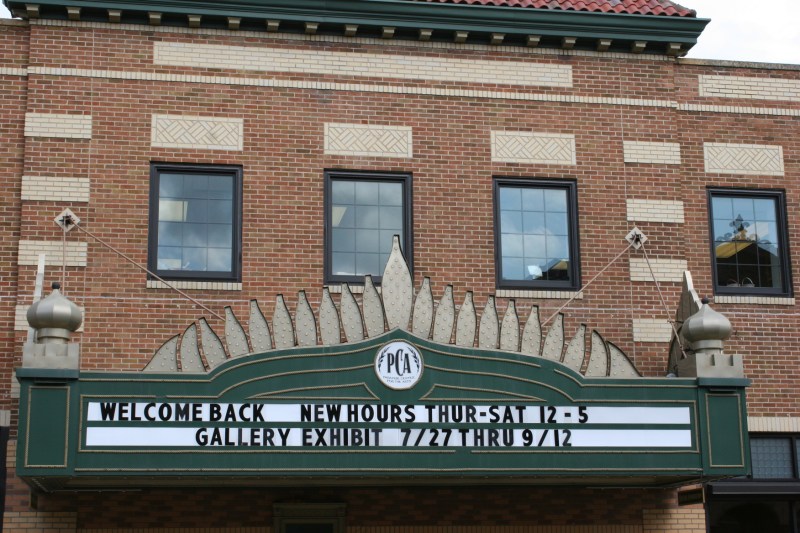
The Paradise marquee shows the arts center is closed until May 1, maybe longer.


As I do each year, I photograph some of that art to showcase here, as a way to celebrate these talented young creatives and to encourage people to view the exhibit. But the Paradise is closed now and that show by elementary through high school students inaccessible.


COVID-19 seems so relentless, breathing a firestorm of infection around the world. Art by sixth grader Eric from Cannon River Stem School.


Much has changed in the world since I toured this exhibit a month ago. Viewing it now, through the lens of COVID-19, I see the art from a different perspective. Not as the artists created pre-global pandemic, but interpreted in light of today’s crisis.


The virus rolls, overwhelms, overtakes. Yet, in the distance are the bright colors of hope. Art by Avery, fifth grader, Cannon River Stem School.


I think we’re all feeling this way. We just want this pandemic to stop, for everyone to be safe and well, and for life to return to normal. Art by Nico, second grader, Cannon River Stem School.


This art by Henrik, Nerstrand Elementary School second grader, reflects the #aworldofhearts movement to spread the love via placing hearts in windows to show care and love.


That’s the thing about art. It’s open to interpretation. We all bring our stories, our histories, our experiences, our insights, our observations, to art. No matter when it’s made or by whom, art is subjective.


A month ago, students would have been thrilled to miss a day of school. But now I expect they all wish they were back in class rather than distance learning. This art was created by Jazz, Faribault Middle School seventh grader.


While I will always view Lady Liberty as a symbol of freedom, I now also think specifically of New York and how hard this city has been hit by COVID-19. My heart breaks for New York. Art by Wendy, Faribault Middle School eighth grader.


I love Minnesota. And I’m thankful for the strong leadership shown by our governor, commissioner of health and others in leading us during this crisis. Art by Max, Jefferson Elementary School fifth grader.


Today, while scrolling through my photos from the student art show, I selected art that holds an entirely different meaning than it would have a month ago.


We are all hoping for this at some point–a return to normalcy, to doing the things we love. Like camping. Art by Alex, Jefferson Elementary School fifth grader.


Take your time to study this student art. Consider your reaction. And read my thoughts (in the captions under each photo) about the art in the light of today’s COVID-19 reality.


This superhero art by Audrey, third grader at Lincoln Elementary School, represents all the heroes out there on the frontlines. The doctors, nurses, first responders, grocery store workers…scientists who are working hard to develop a COVID-19 vaccine.


THOUGHTS? I’d like to read your reactions to any of the art featured here.

Please check back for more photos from this student art exhibit.

© Copyright 2020 Audrey Kletscher Helbling
 

Connecting April 18, 2020

This quarter-sized token, gifted to me some time ago by my friend Beth Ann, lies on my computer desk.


IF YOU’RE LIKE ME, you find yourself reaching out daily to check on family and friends. Now, more than ever, it seems important to connect via mail, email, text, phone calls or video chatting. I need reassurance that people in my life are OK and know they are loved and supported. Likewise, people have done the same for me. And more.


Face masks crafted by my blogger friend Penny.


Earlier this week I received a package from a Texas blogger. I’ve never met Penny, but we’ve followed each other’s blogs for years and also exchanged emails. Inside the padded envelope I found four cloth face masks. Penny, who is an incredibly kind and loving soul, has been sewing masks for people in her community. And beyond. She also included a lovely card and note. Her gift felt like a hug from across the country.


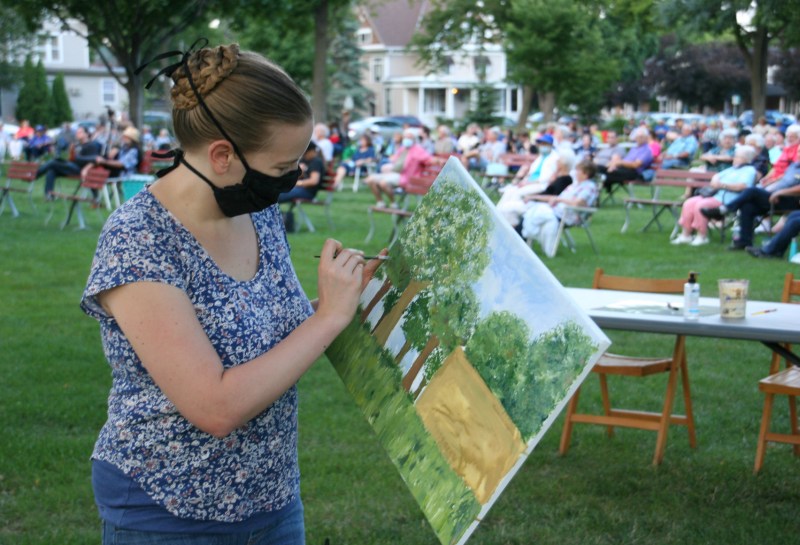
Paul Schell, whom I photographed several years ago painting at the park. Minnesota Prairie Roots file photo.


And yesterday I received an equally lovely note from a Faribault artist who grew up in my native Redwood County. I first met Paul several years ago while photographing artists at a summer evening concert. Paul sat far removed from everyone, quietly painting in a corner of Central Park. Since then, his skills as a watercolor artist progressed. Several years back he gifted me with a print of a destination waterfalls in Redwood Falls. And on the card I received Friday was his watercolor of Moland Lutheran Church, which I’ve written about several times on this blog. The card and accompanying note were unexpected. I must add that Paul mentioned a favorite community cafe, Stacy’s Kitchen in Wabasha, per my post the other day about small town eateries. I so appreciate the time Paul took to gift me with his art and his note.


The Warner Press blog page shows some of the most recent posts.


Cards are a great way to connect. I’ve always been big on sending cards. Last week “Connecting with Cards” was the topic of my blog post for Warner Press, a Christian publishing company based in Anderson, Indiana. I work remotely as Warner’s blog coordinator. I invite you to click here, read that post and then start your own card outreach/ministry.


Encouragement from Beth Ann in a mini card.


I have one friend in particular, Beth Ann from North Carolina (I met her when she lived in Iowa), who is especially gifted at uplifting and encouraging others. When our family was going through some really difficult times, she sent me cards and extra encouraging items. What a blessing. I felt so loved.


Coloring can be calming and therapeutic.


We can all spread the love. I think especially of those in nursing homes. Like my mom on hospice and my father-in-law. We’ve received letters from both care centers about ways these facilities are trying to keep loved ones connected via technology. That won’t work for my mom. But I can still mail cards to her. And I’ve thought of coloring a picture, like I did for my two grandchildren for Easter. Sometimes we need to color outside the lines.

And sometimes we need to go old school by picking up the phone and calling those without technology. Voice to voice so we can hear the laughter, the inflections, the worries, the joys. On Thursday I phoned two aunts—one in Missouri and the other in New Jersey. As our conversation grew to a close, my Aunt Dorothy said, “I love you, My Little Princess.” I felt overcome by emotion at those sweet words. “My Little Princess.” It’s the endearing name Dorothy has called me my entire life. She was the big city aunt who occasionally returned to southwestern Minnesota to visit family. Dorothy arrived with tubes of discarded lipstick and jewelry and arms full of love. She would wrap me in a hug and whisper those endearing words, “I love you, My Little Princess.”

Today please take the time to connect with someone who needs to hear that same message—that they are loved.


From the front page of the Faribault Daily News.


IN LOVING MEMORY

I dedicate today’s post to the Rev. Craig Breimhorst, who died on Thursday due to complications from COVID-19. A resident of my community of some 24,000, Pastor Breimhorst was the first person in Rice County, Minnesota, diagnosed with the virus. He became ill in mid-March, a day after returning from a trip to the Holy Land. He was the pastor of Christ Lutheran Church in Faribault for 30 years and currently served part-time as pastor at Trinity Lutheran Church, West Concord.

Although I didn’t know Pastor Breimhorst, I have read enough social media comments to see how deeply he was loved and valued as a person and as a pastor. Blessed be his memory.

#

Disclaimer: I am paid for my work with Warner Press.

© Copyright 2020 Audrey Kletscher Helbling
 

Good Friday: Faith & Art April 10, 2020

Photographed at St. Jarlath Cemetery, Waseca County, MN. Minnesota Prairie Roots file photo.


FAITH INSPIRES ART.


Centering the altar is this depiction of Jesus’ crucifixion at St. Mary’s Catholic Church, New Trier, MN. Minnesota Prairie Roots file photo.


In my many years exploring Minnesota’s backroads and small towns, I’ve discovered impressive art in churches and cemeteries.


A stained glass window inside Holden Lutheran Church, rural Kenyon, MN. Minnesota Prairie Roots file photo.


From sculpted tombstones to glorious and vibrant stained glass windows, this art inspires, uplifts and illustrates history recorded in biblical accounts. Like Good Friday and the crucifixion of Jesus.


In the face of Mary, I see profound grief in losing her son, Jesus. Sculpture photographed at St. Mary’s Catholic Church, New Trier, MN. Minnesota Prairie Roots file photo.


Today I’ve selected a few photos from my files that honor Christ, this important day and my Christian faith.


A cross in Trebon Cemetery, 10 miles northwest of Faribault in Shieldsville Township. Minnesota Prairie Roots file photo.


I appreciate the skills of these artists. Their work stirs emotions. And thoughts, especially of gratitude.


A monument in St. Michael’s Cemetery, Buckman, MN., where my mother-in-law in buried. Minnesota Prairie Roots file photo, August 2012.


In the darkness and sadness of Good Friday, I anticipate the light and joy of Easter. Even more so in these current difficult days.

© Copyright 2020 Audrey Kletscher Helbling
 

Simple, yet powerful: The paper heart March 30, 2020

Minnesota Prairie Roots photo.


IN A WORLD THAT TODAY needs all the love we can give one another, the simple act of cutting out and posting paper hearts in windows is spreading the love. Right here in my Minnesota community.


In the window of a house along Second Avenue NW in Faribault.


While en route to the grocery store and to a local park to walk a recreational trail on Saturday, I spotted paper hearts. In the front window of a house. On the windows of a bank. And covering doors and windows at Rice County Government Services. Those bright displays made me smile.


Hearts cover the doors leading into the Rice County Social Services building in Faribault.


I had no idea then that this heart art is part of a movement, spread on social media via “A World of Hearts” and “Hearts in the Window” Facebook pages. A woman from Bismarck, North Dakota, started #aworldofhearts. And another from British Columbia started the second group.


Minnesota Prairie Roots photo.


What a great idea. To uplift spirits. To give joy. To connect people in a time when we are all social distancing and staying home due to COVID-19. To spread the love via a world-wide movement. We need this sense of togetherness.

TELL ME: Have you seen heart art in windows in your community? What’s your reaction to this movement? Are you, or will you, join this effort?

© Copyright 2020 Audrey Kletscher Helbling
 

From Faribault: The art of youth March 6, 2020

A streetscape by Brooklyn, Faribault Lutheran School. Minnesota Prairie Roots file photo March 2017.


SEVERAL DAYS AGO, I tore a sheet from a coloring book, sat down and colored a picture of a butterfly and flowers for my nearly four-year-old granddaughter. Isabelle asked for art, something she can look at when she misses me. She remembered my comment about thinking of her whenever I see her art displayed on my fridge.

As I colored, including Izzy’s favorite purple and pink, I thought of this sweet little girl and how much I love her. And now this art would visually connect us in our absence from one another.

Art is powerful. In this instance, it shows Izzy that I love her, that I am always here for her, even when I’m not.


Viewing student art inside the second floor gallery at the Paradise Center for the Arts. Minnesota Prairie Roots file photo.


This evening marks the opening reception for a favorite annual local art show, Area Student Exhibition, at the Paradise Center for the Arts in historic downtown Faribault from 5-7 pm. Art created by students from elementary to high school age and from 10 area schools will line hallways and gallery space on the second floor.

The show runs through April 10.

Every single year the work of these young artists impresses me. Part of the credit goes to teachers and parents who guide them. But most of the kudos go to the youth. They are the ones who do the work, although I hope they don’t consider creating art to be work or just some assignment they need to finish. I hope they find joy in the thinking, in the doing, in the creative process.


Henry Johnson of Nerstrand Charter School created this vivid work of art. Minnesota Prairie Roots file photo.


For those of us who are artists—and I consider myself one as a writer and a photographer—making art is a passion. I love words and writing, whether a blog post, an essay, a feature story, a poem, a short story or a piece of creative nonfiction. I love using my camera to photograph the world around me. I love telling stories via my images and my words. Creating brings me joy.
Will Izzy create like me some day? Who knows? For now she primarily embraces the performing arts, dancing her way into my heart with her sweetness, her hugs, her “I love you, Grandma,” and the occasional ballet performance.
© Copyright 2020 Audrey Kletscher Helbling