Minnesota Prairie Roots

Writing and photography by Audrey Kletscher Helbling

The death of a barn June 3, 2014

Filed under: Uncategorized — Audrey Kletscher Helbling @ 6:00 AM
Tags: , , , ,

I’VE VIEWED PLENTY of time-worn, dilapidated barns in my travels through rural regions.

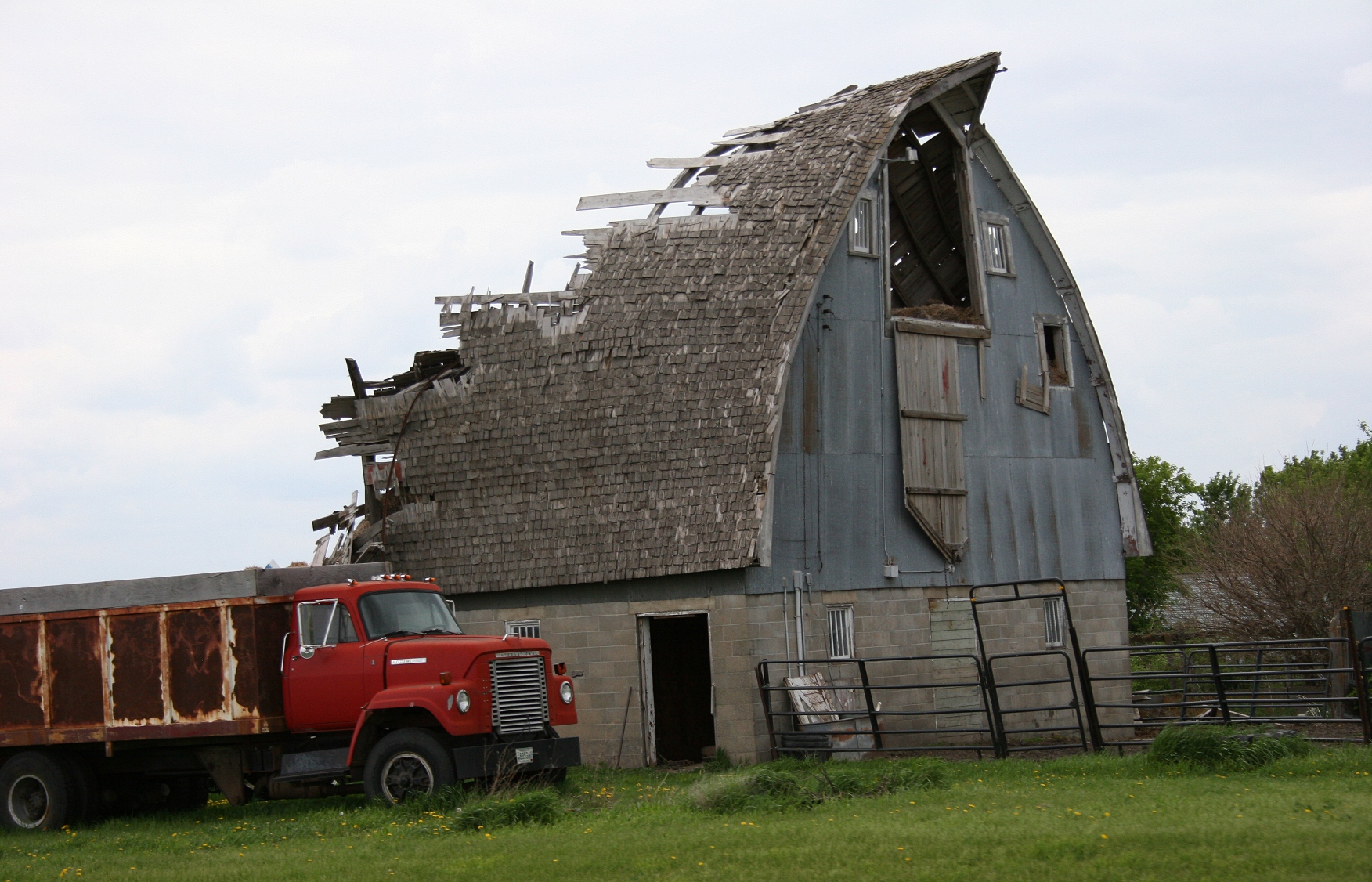
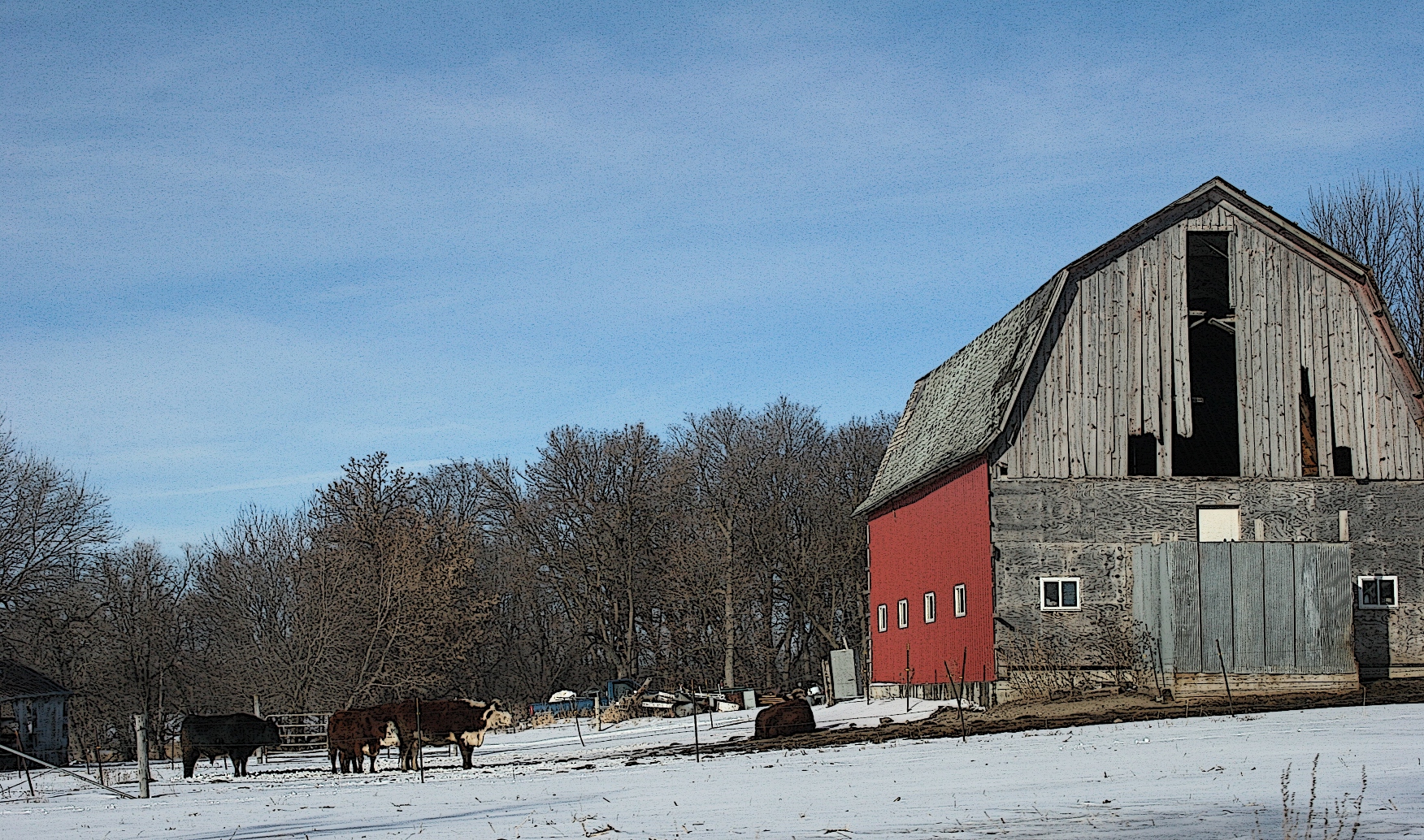
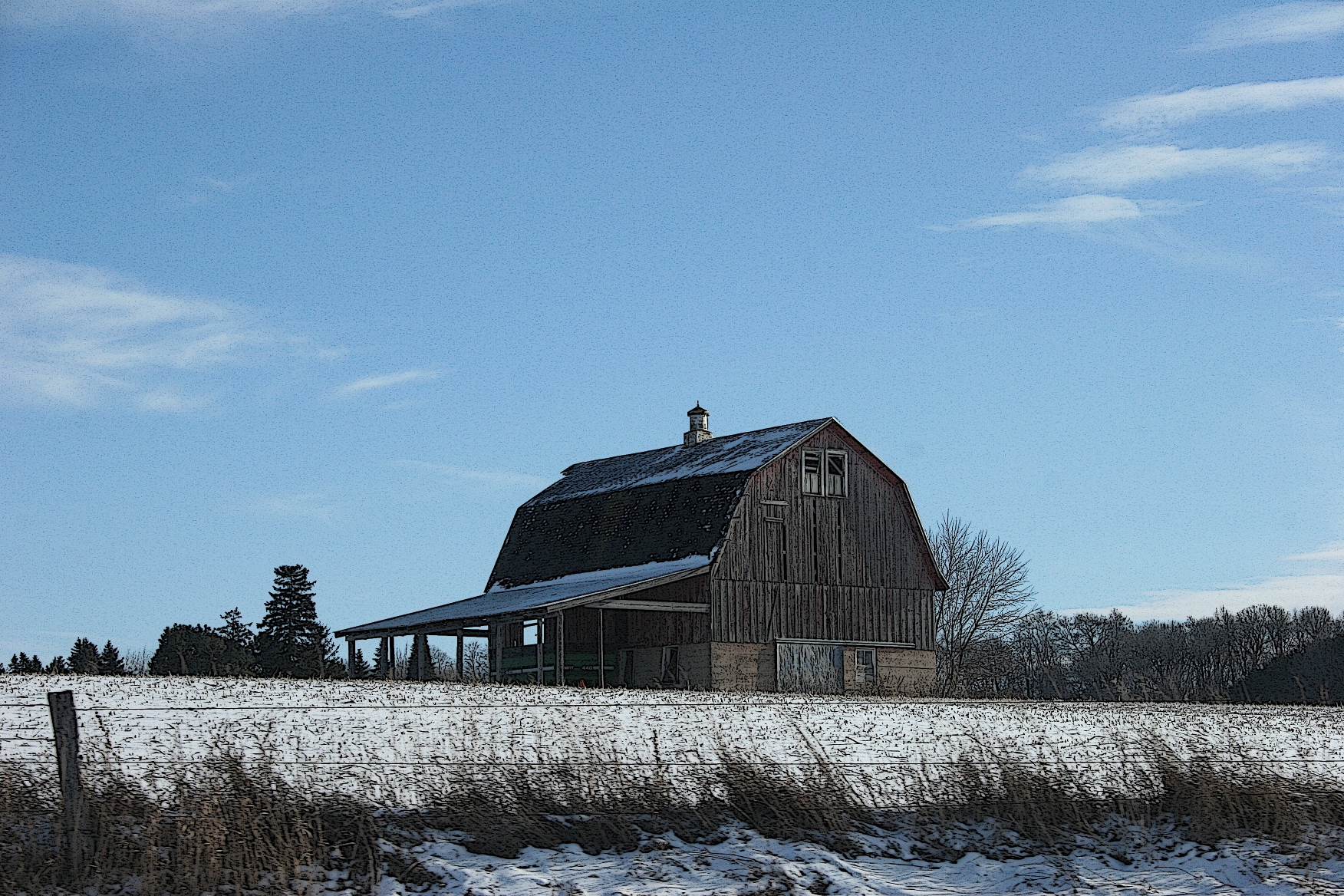
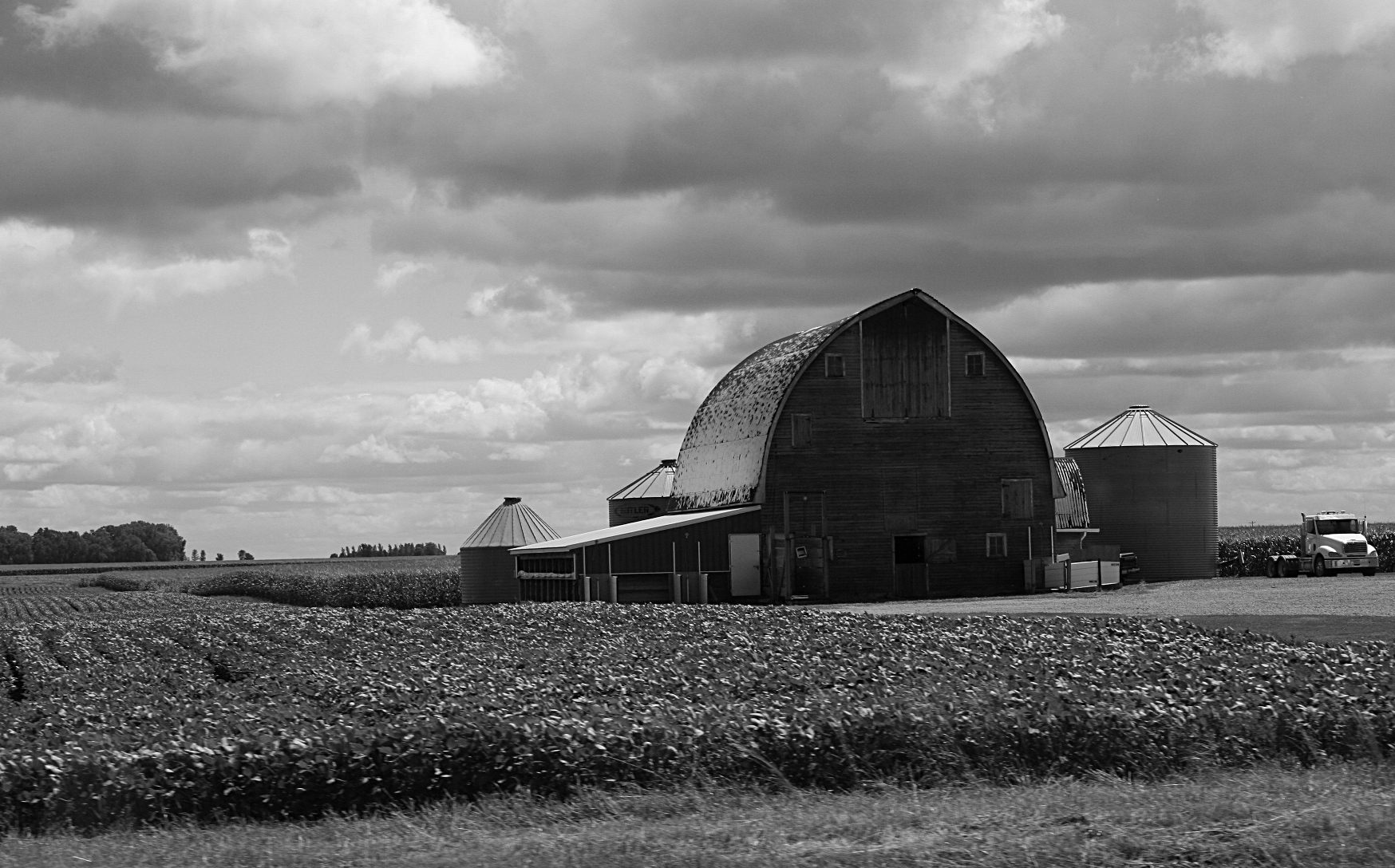
Barn near Delhi along CR 6

But never have I spotted one quite like this mammoth barn along Redwood County Road 6 south of Delhi. For those of you unfamiliar with Delhi, a community of some 70 residents in southwestern Minnesota, the name is pronounced Dell-hi. Not (New) Delly, as in the capital city of India.

The state of this barn struck me for its final fortitude, its seeming determination to hang on even with bones exposed, its very soul ripped away.

One can only imagine the previous condition of this barn, the proud farmer who walked through her doors, the cows, and perhaps swine, once housed inside.

Now, instead, a black hole marks a side doorway, a front doorway is barricaded by wood, the hay mow door hangs like a loose tooth.

Heaps of hay still remain, heaved there years ago by some hardworking farmer.

I am always saddened by this decay of an agrarian structure.

What stories does this building hold? Who labored here? What brought about this barn’s demise, marked now by a grain truck gravestone?

© Copyright 2014 Audrey Kletscher Helbling


A photographic connection to my rural roots April 12, 2014

Filed under: Uncategorized — Audrey Kletscher Helbling @ 9:30 AM
Tags: , , , , , , ,

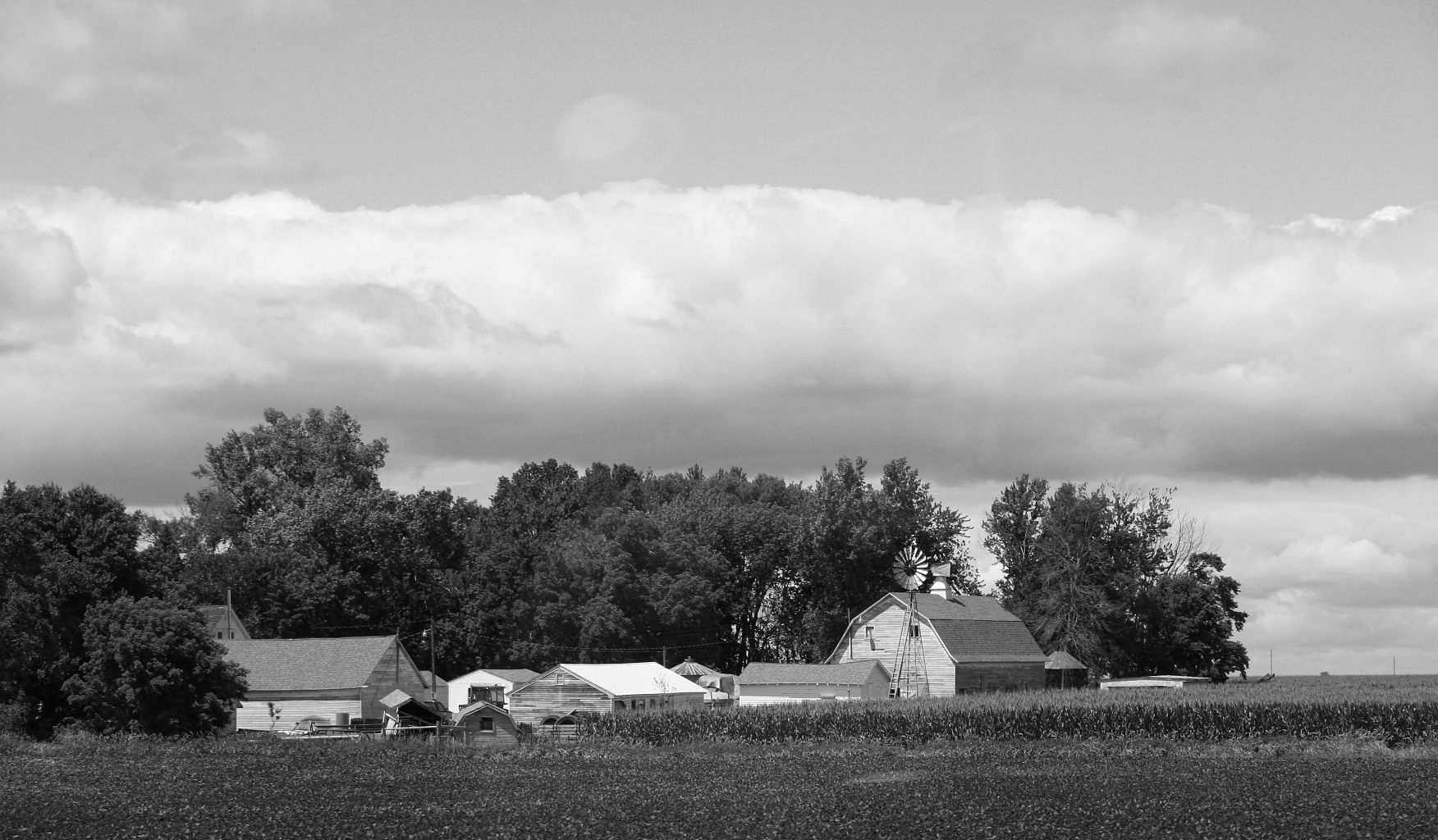
Rural Minnesota, farm site


I INFORMED MY HUSBAND that I would focus on photographing houses, rather than barns, on a recent 600-mile round trip from Faribault, Minnesota, to Appleton, Wisconsin.

He didn’t believe me. And he was right not to believe.


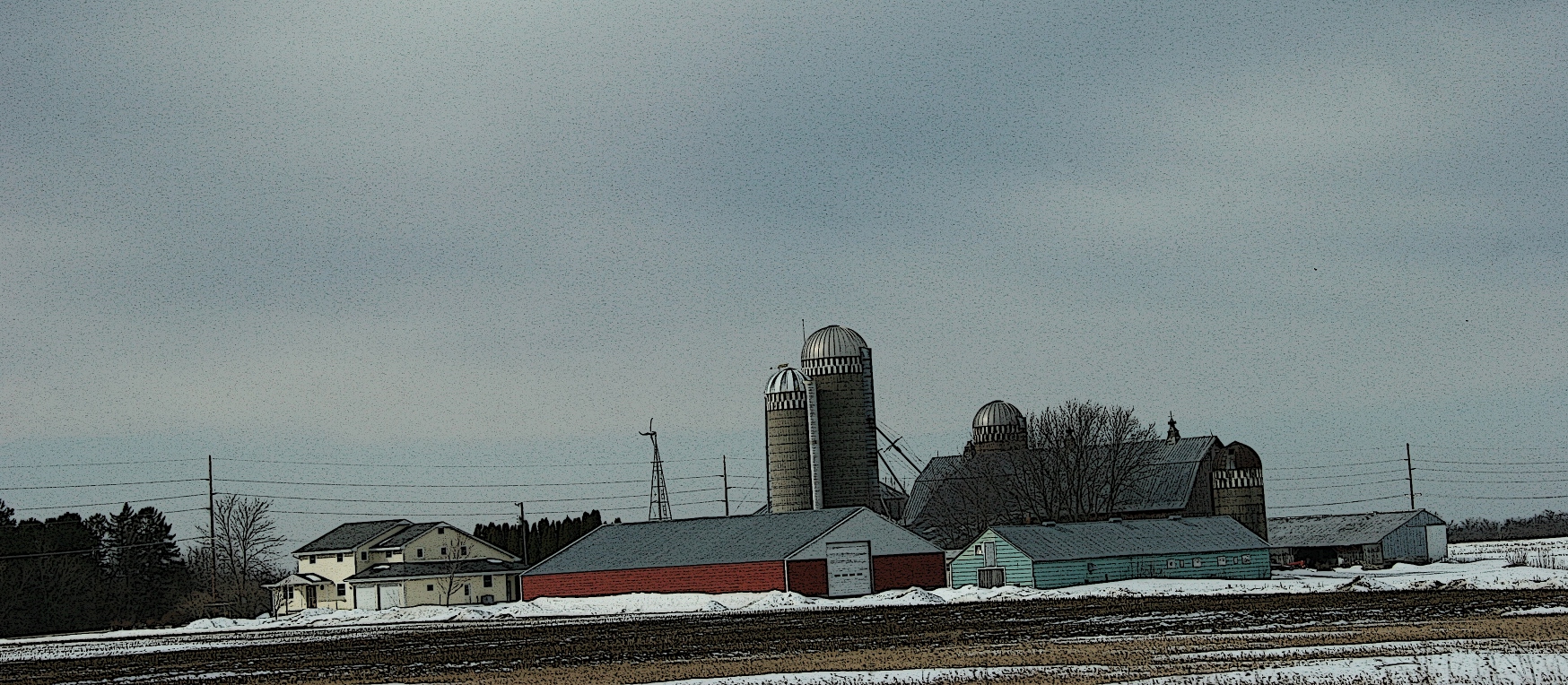
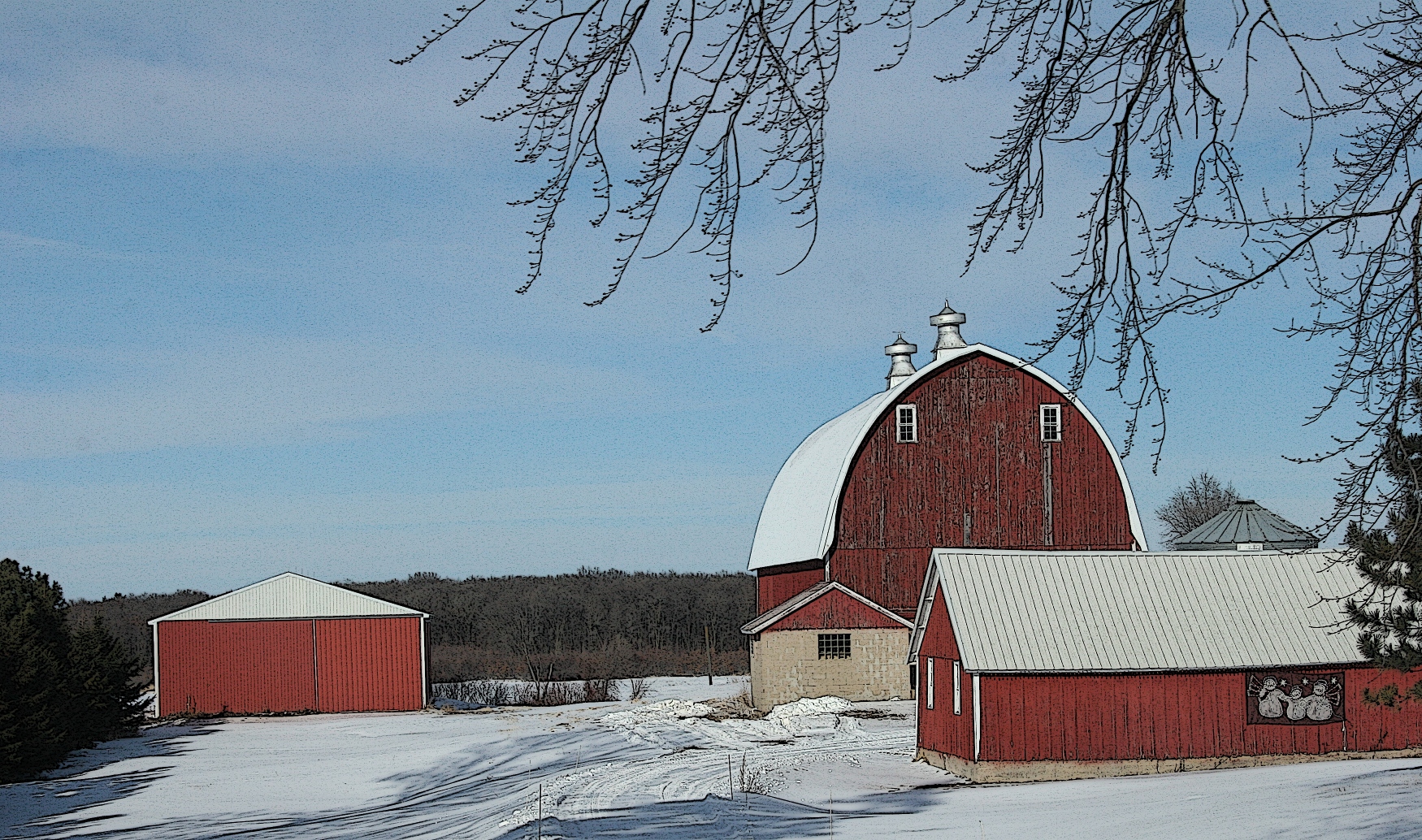
Rural Minnesota, red barn and red building


Yes, I snapped images of houses. But I could not, no matter how I tried, keep from lifting my Canon DSLR to capture photos of farm sites as we traveled.


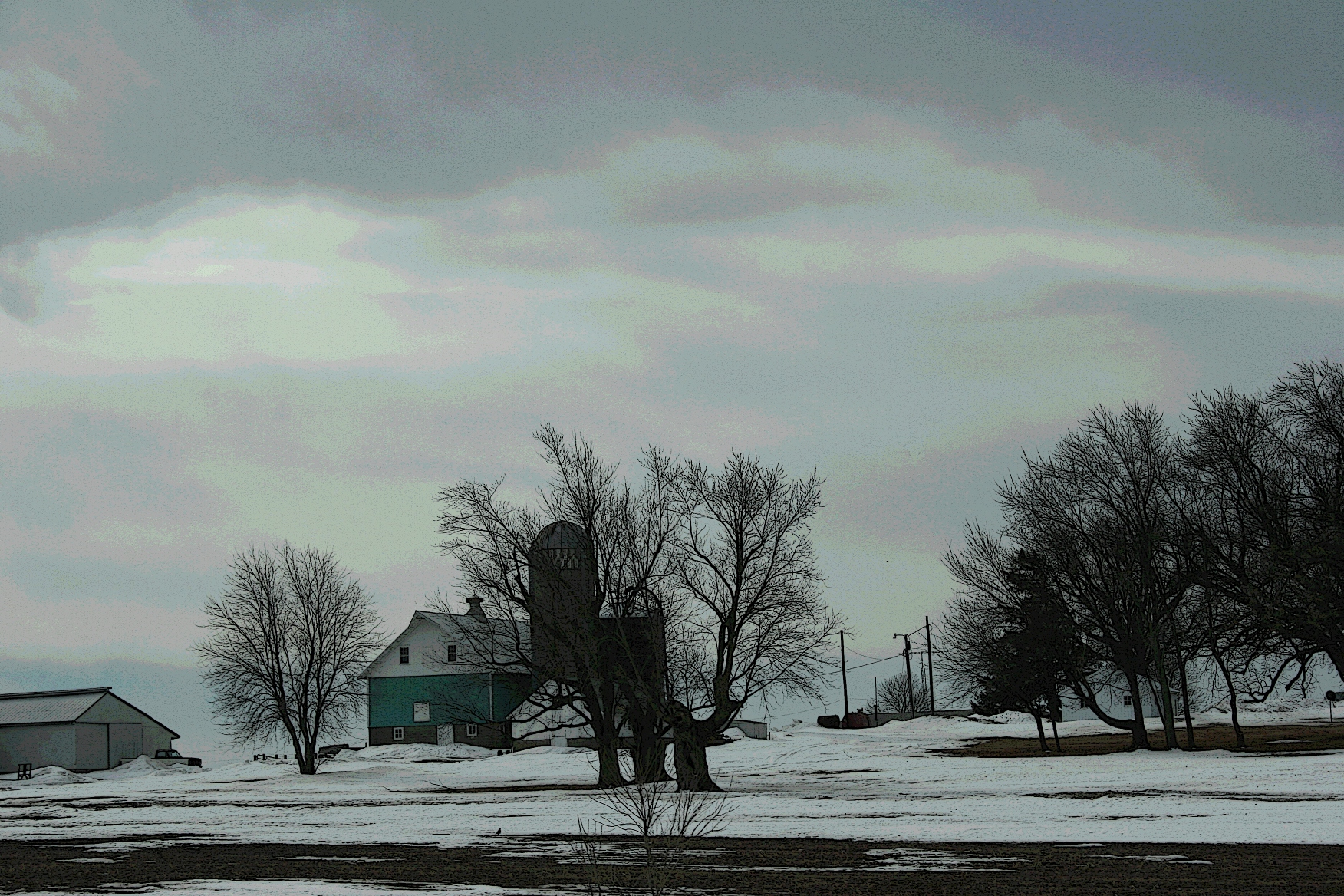
Rural Minnesota, turquoise barn


They are like a magnet for someone such as myself with rural roots. Having left the farm 40 years ago upon my graduation from high school, I rely today on memories and visual connectedness to fulfill my longing for the land. That and my writing, especially my poetry.


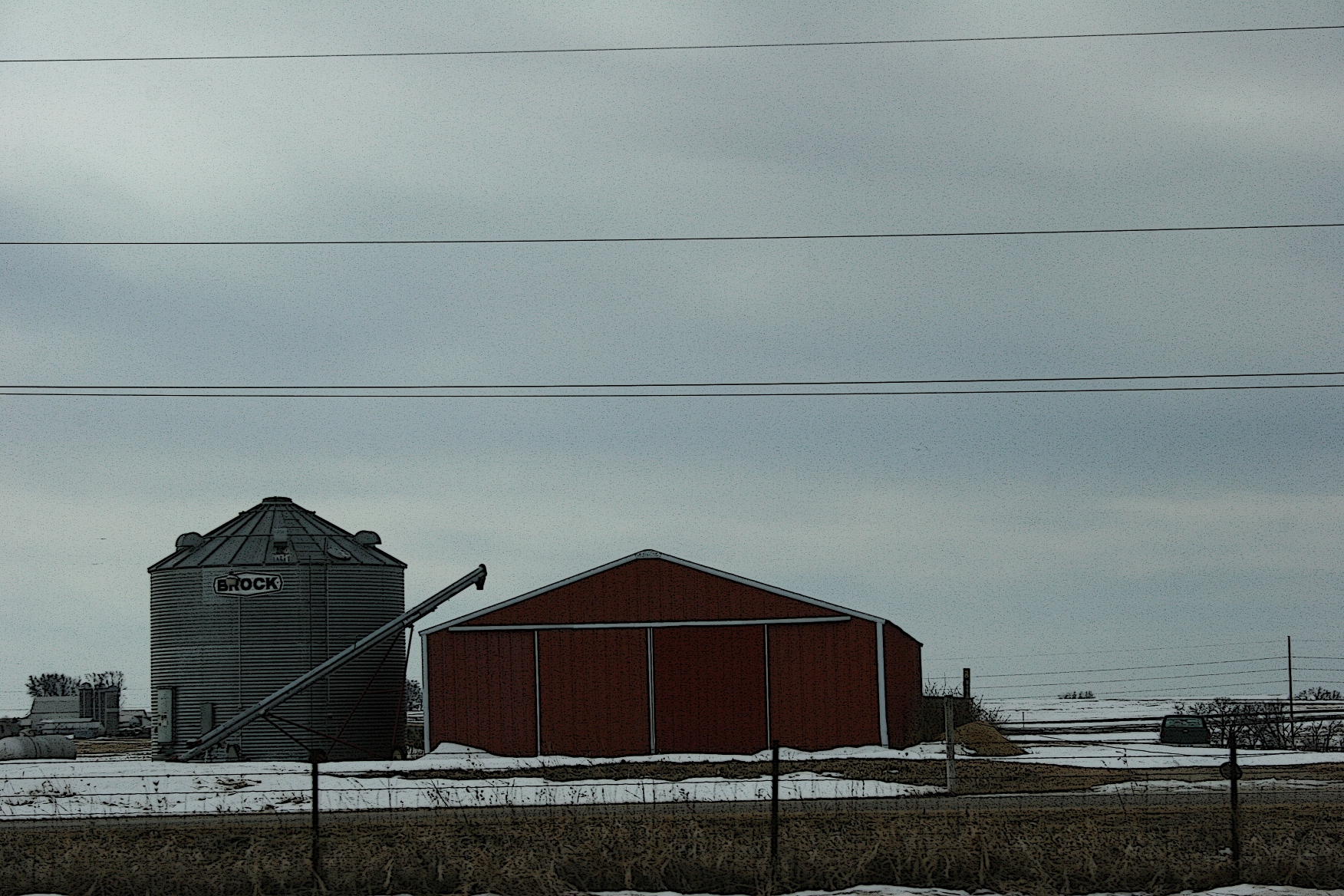
Rural Minnesota, machine shed and bin


Few people I know farm anymore. No one in my immediate extended family farms, although two brothers remain rooted to agriculture, one via co-ownership in a farm implement dealership and the other as CEO of an ethanol plant, both in my native southwestern Minnesota.


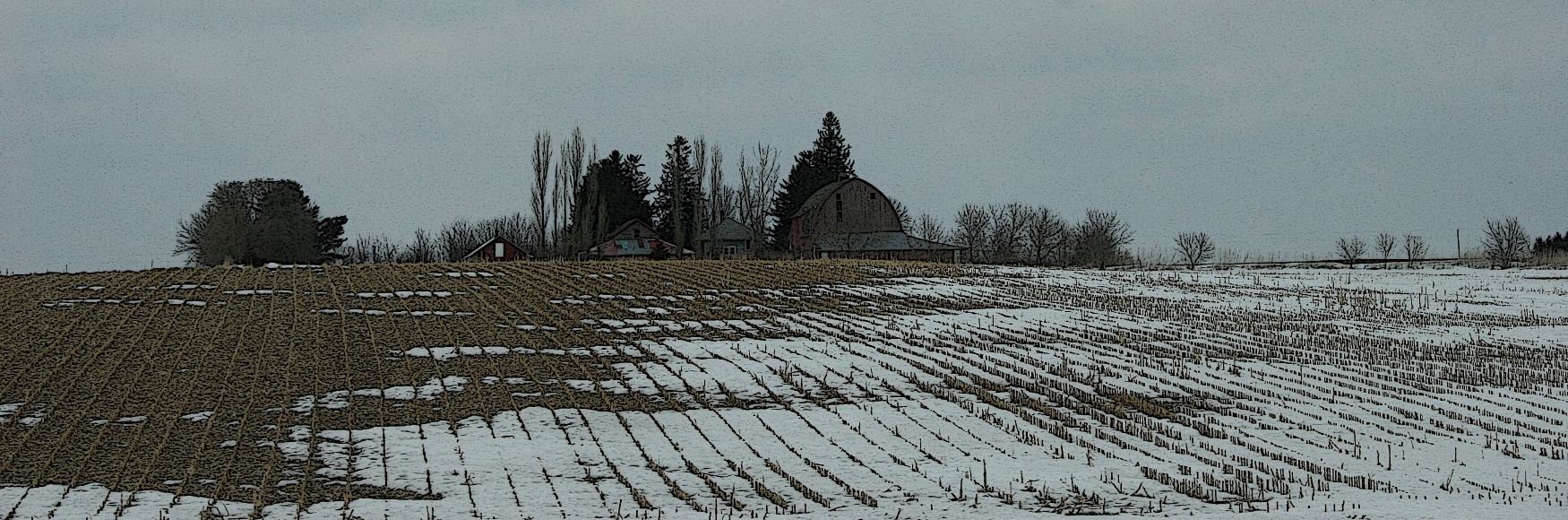
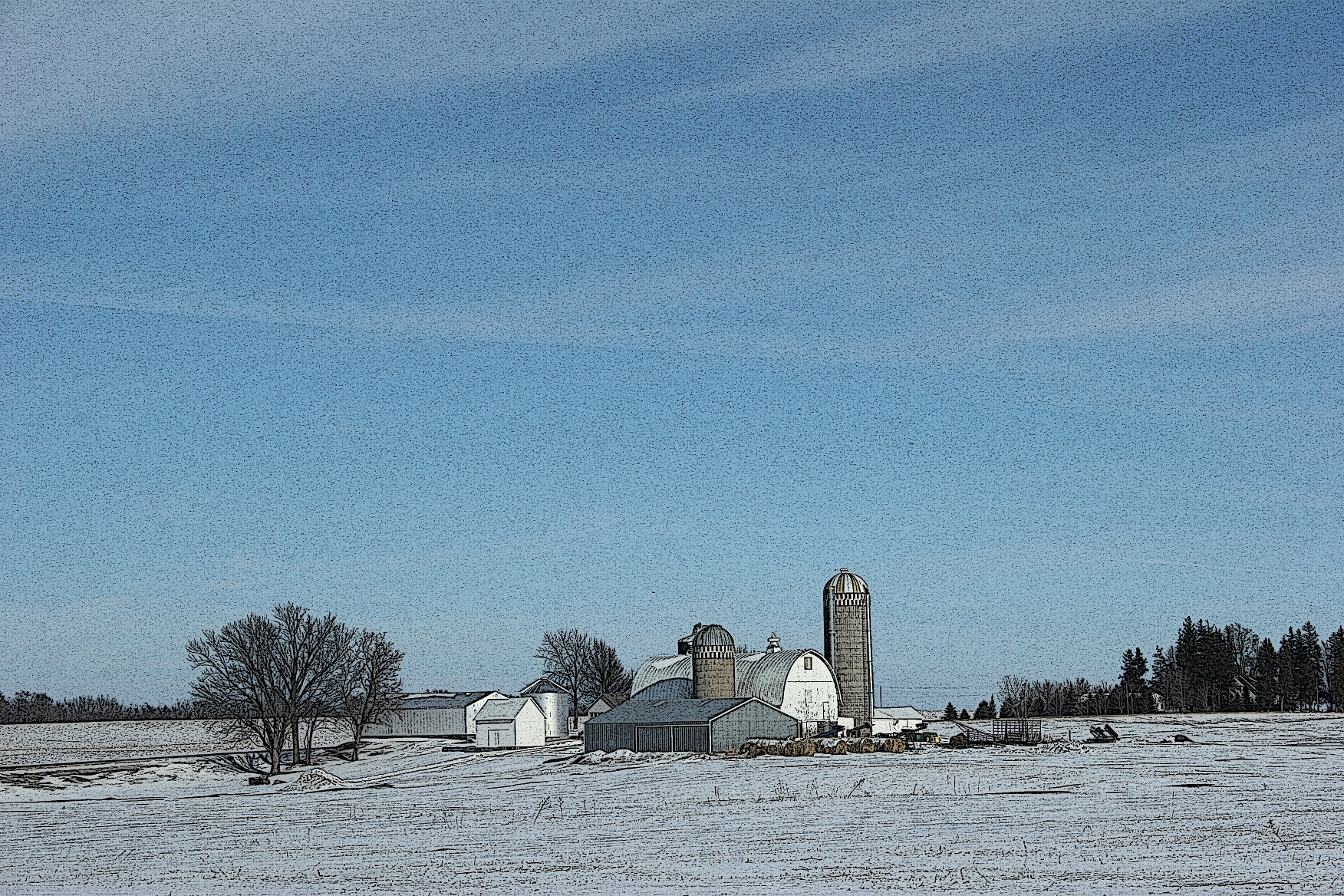
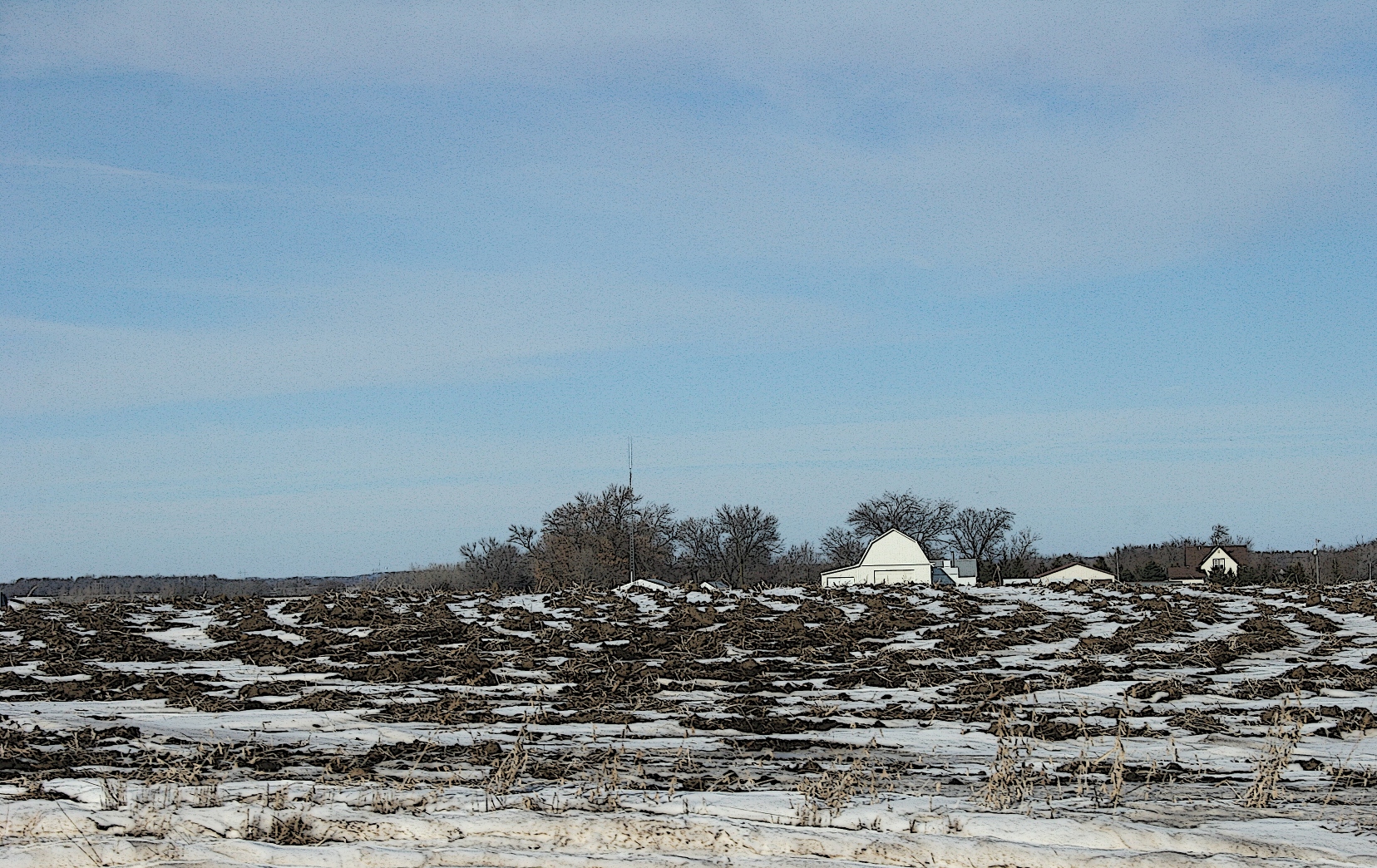
Rural Minnesota, farm behind hill


The farm where I grew up near Vesta is rented out. Thus I have lost that touch of feet on the farm, familiar creak of the barn door—that direct connection to the place of my youth.

My natural instinct now is to seek out, with my eyes and camera, that which is no longer mine.

(All photos were taken while traveling three weeks ago along Interstate 90 between Rochester and the Wisconsin border. Yes, the snow has since melted. Yeah!)

© Copyright 2014 Audrey Kletscher Helbling


Seeking solace on a drive through rural Rice County January 21, 2014

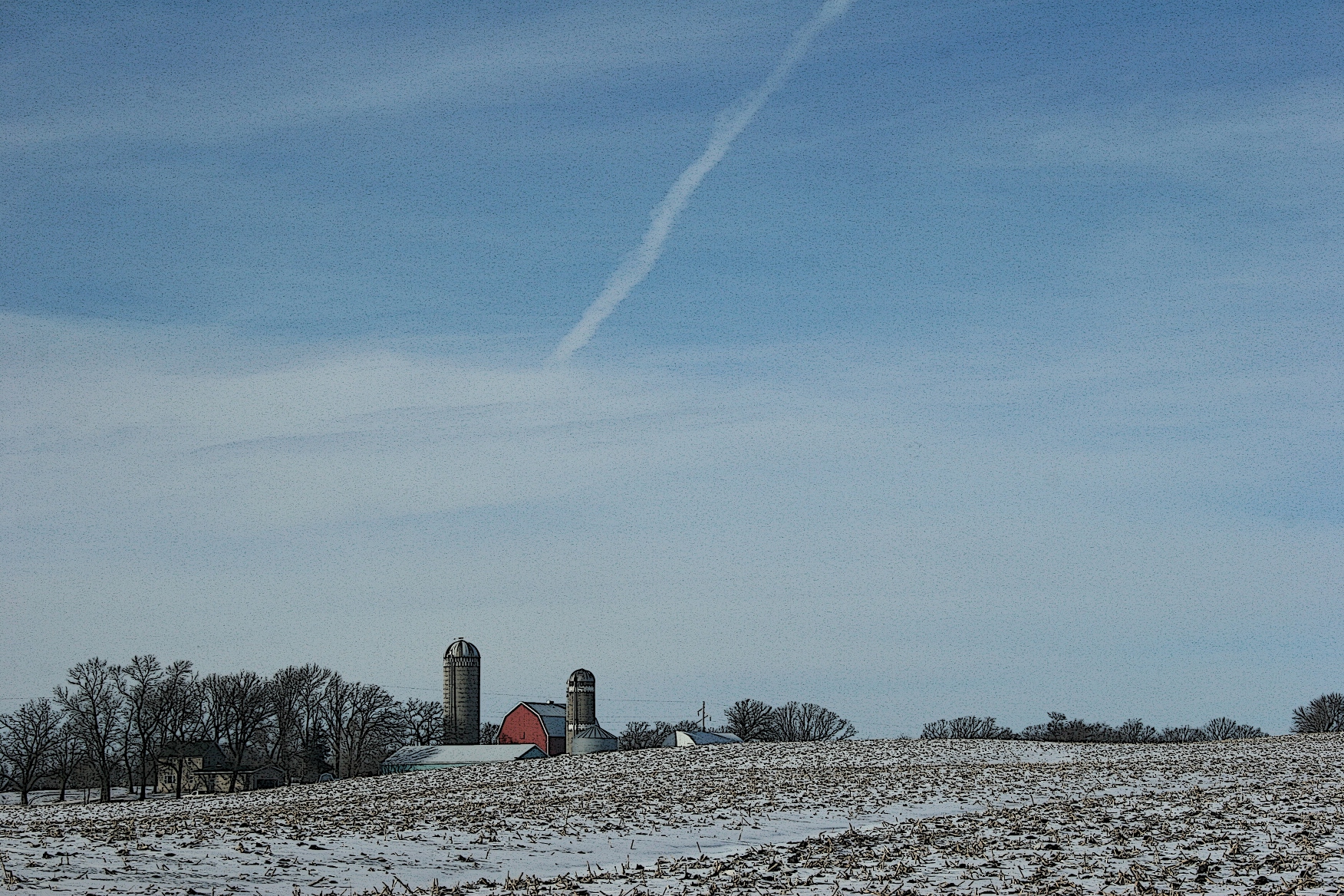
The rural scene unfolds before us.

The rural scene, dominated by a blue sky, unfolds before us.

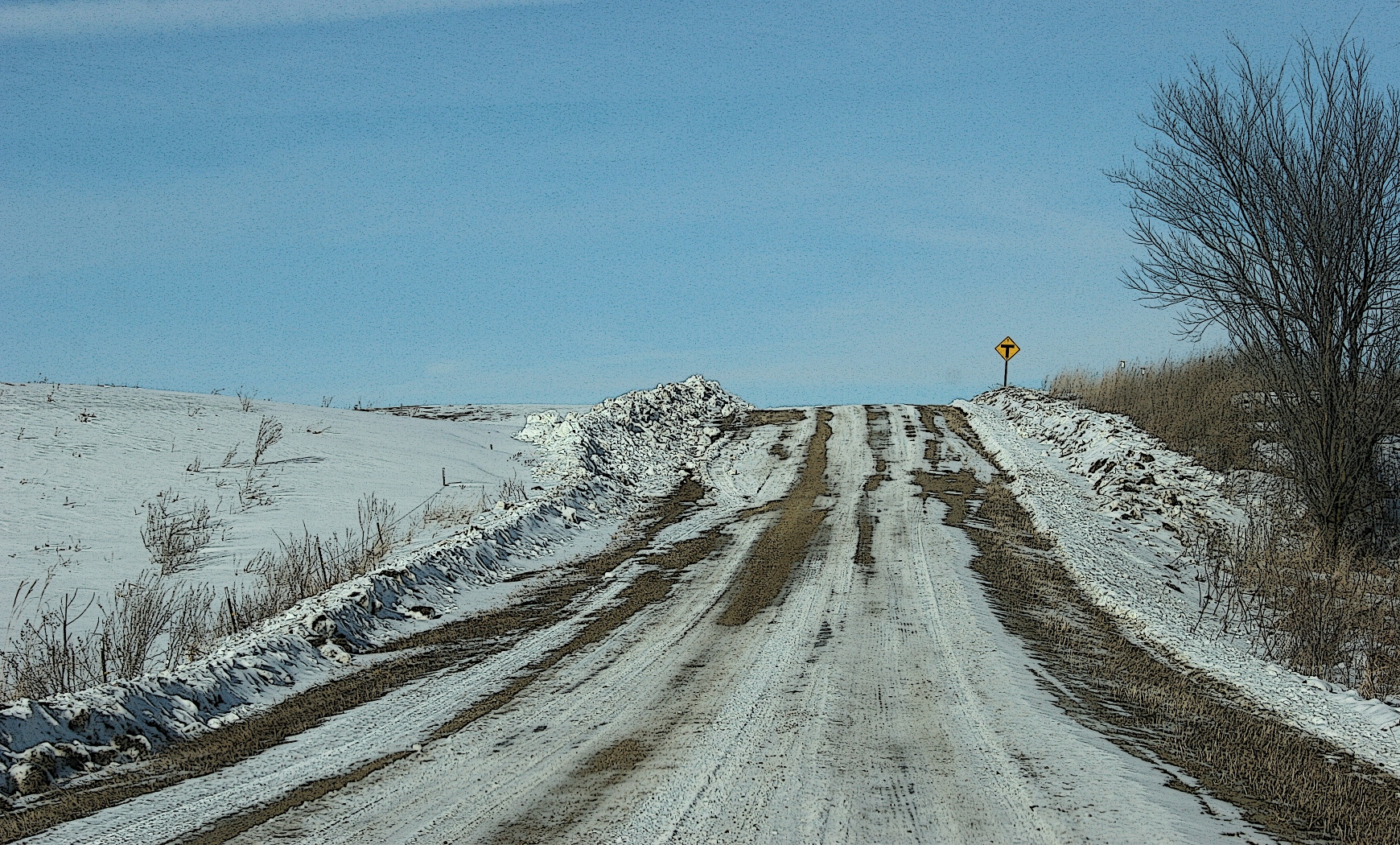
BLUE SKY STRETCHES before my husband and me as we traverse back gravel roads northwest of Faribault Sunday afternoon.

A drive along country gravel roads always uplifts me, no matter the season.

A drive along country gravel roads always uplifts me, no matter the season.

I yearn for this escape, for this reconnection to the land, this attempt to rejuvenate my spirit.

This scene

This scene inspires the poet in me.

Just being in the country calms my soul, brightens my outlook, causes me to pause and appreciate this land, this place God has created and given into our care.

Memories in this scene...

Memories in this scene…

In this moment, at this time, I slip into the past, envision myself laboring in the barns we pass. Soothing thrum of the milking machine. Cocooning warmth among cows snugged in mounds of golden straw. The comfort of ‘CCO radio.

I envision these fields seeded in corn or soybeans.

I envision these fields seeded in corn or soybeans.

In farm fields, I see a much younger and skinnier version of myself plodding between rows of soybeans to yank cockleburs on a scorching summer day.

The comfort of memories in a farm yard.

The comfort of memories in a farm yard.

At the sight of a farmyard, I hear my buckle overshoes crunch upon hard-packed snow as I follow the path from house to barn.

I imagine this field seeded in corn or soybeans.

An ocean of snow-washed land.

Memories unleash in this landscape, in the view of farmyards anchored into hillsides within an ocean of snow-washed fields.

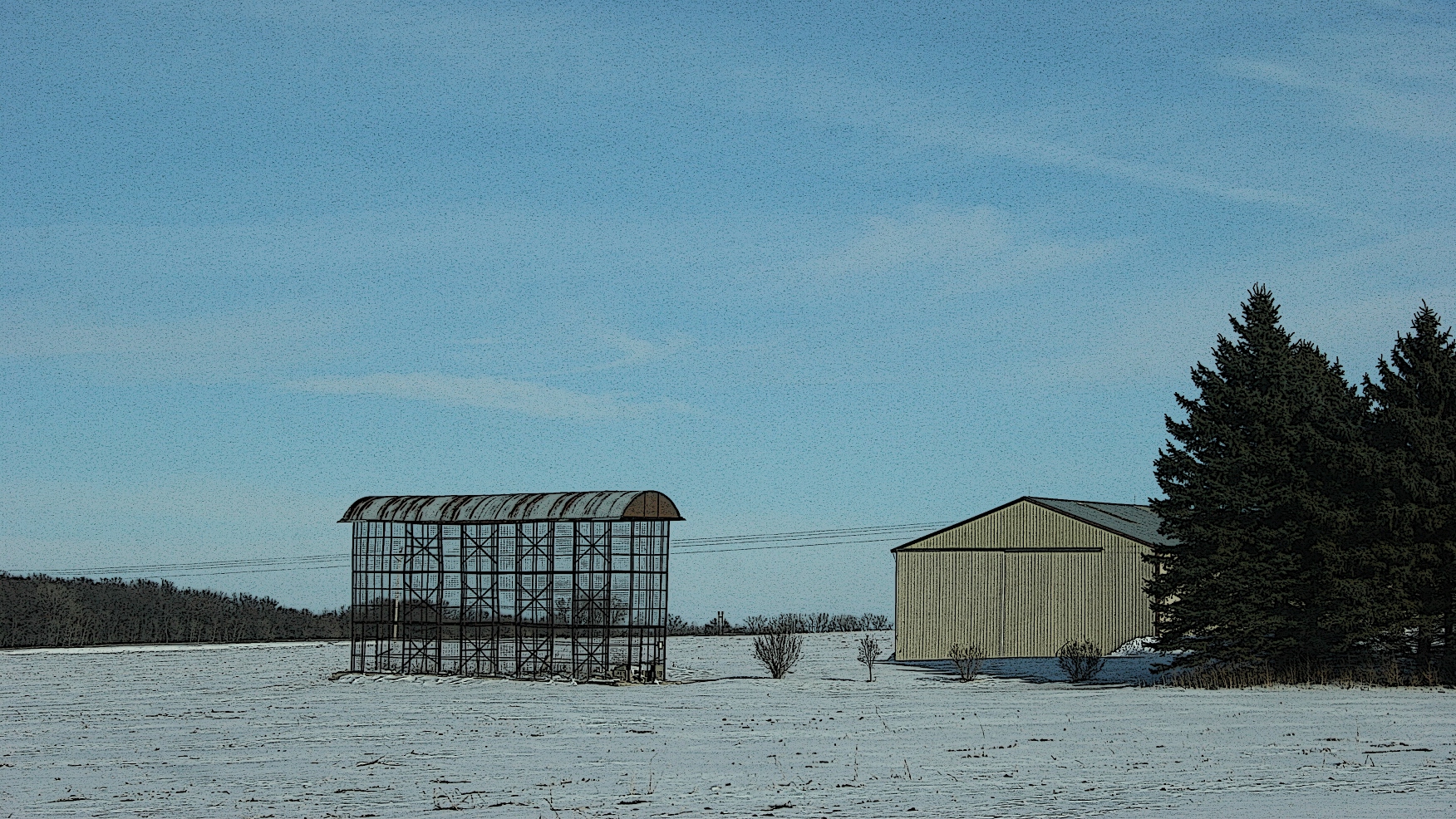
A remnant of yesteryear in an old corn crib.

A remnant of yesteryear in an old corn crib.

I am happy here. Content. At peace.

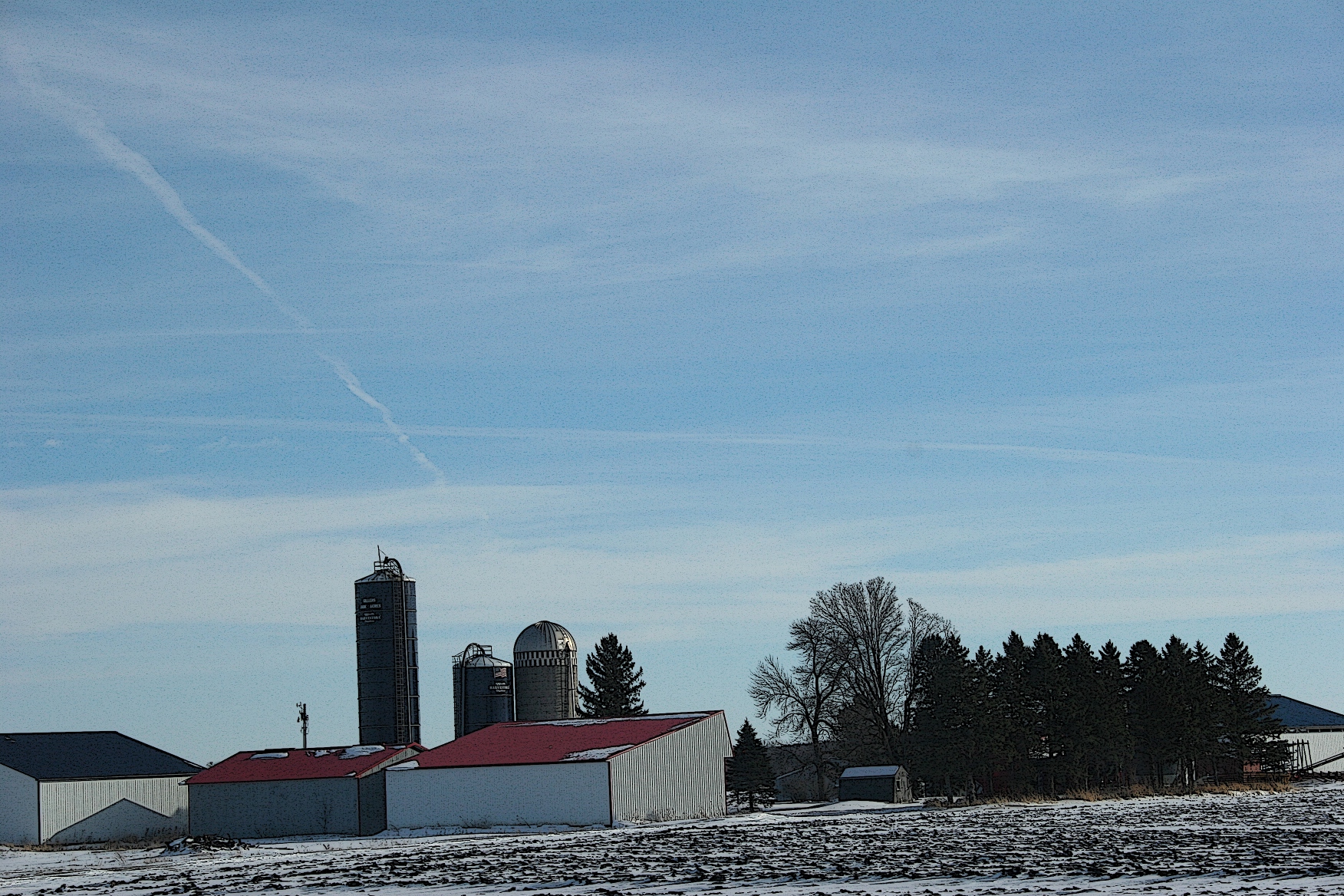
Splashes of red jolt the blue and white landscape.

Splashes of red jolt the blue and white landscape.

Yes, even in this winter of too much cold and too many snowy days, I find solace in blue skies and sunshine, barns and white-washed fields.

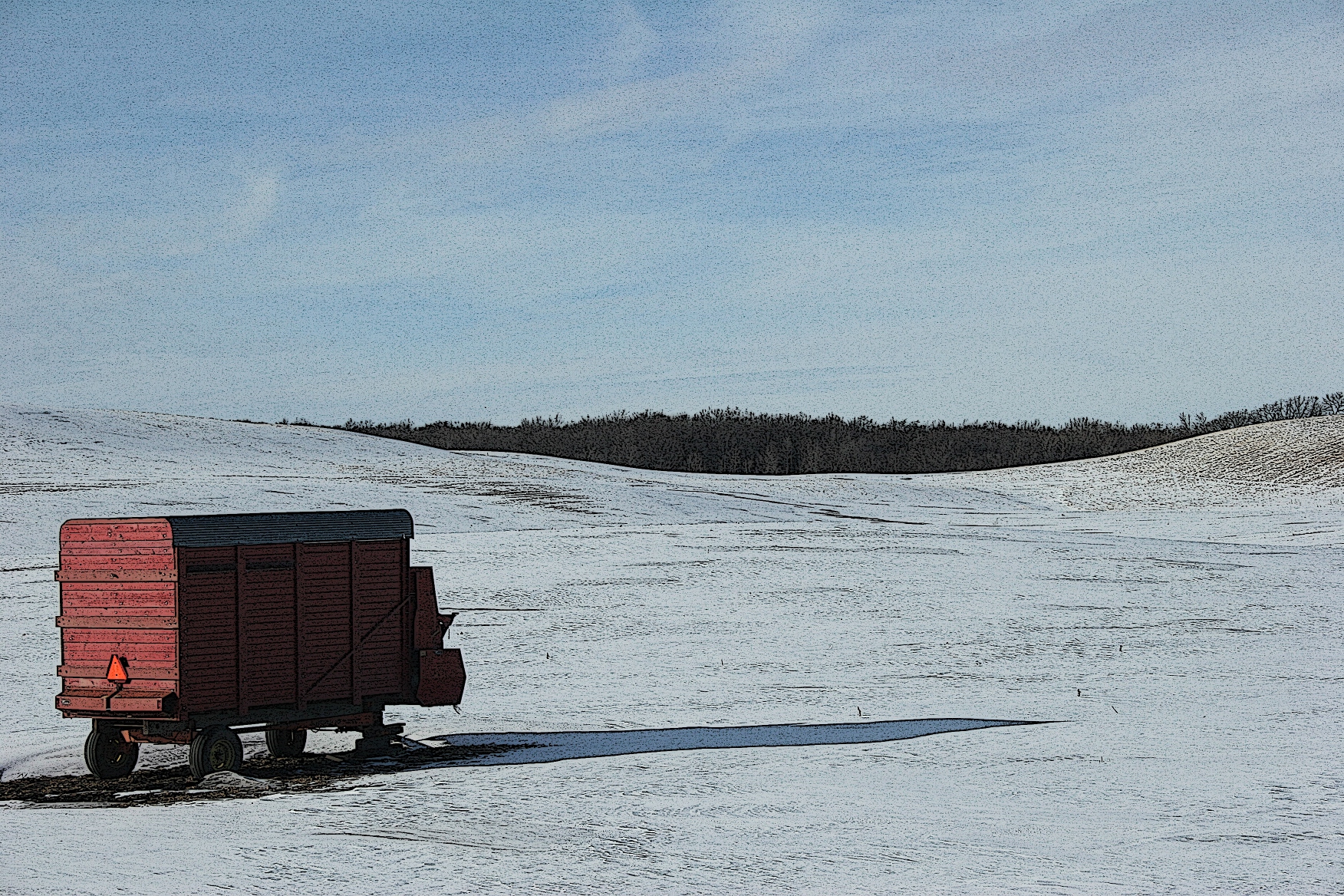
The punctuation of a red wagon and its shadow stretching across the snow draw my attention.

The punctuation of a red wagon and its shadow stretching across the snow draw my attention.

FYI: To read my previous post featuring photos from this Sunday afternoon drive, click here.

© Copyright 2014 Audrey Kletscher Helbling


My enduring appreciation of barns January 6, 2014

Filed under: Uncategorized — Audrey Kletscher Helbling @ 6:00 AM
Tags: , , , , , ,

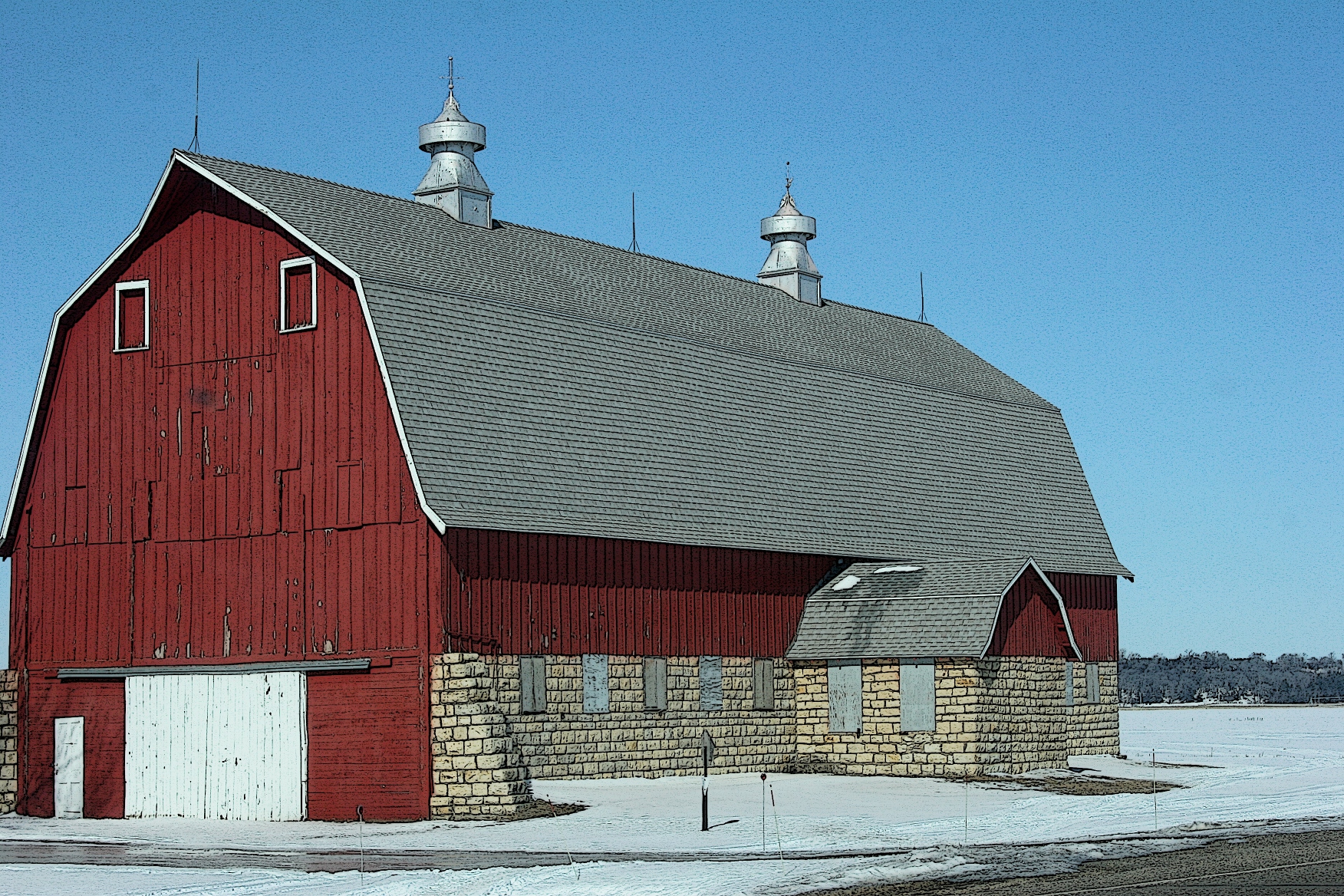
Barn on the way to Northfield

OLD BARNS ALWAYS TURN my head, including this one along Minnesota Highway 3 between Faribault and Northfield.

Weathered wood, a strong roof line, the physical bulk of the barn, the work once done therein, the stories this agrarian building could tell all cause me to notice and ponder.

It is my own rural roots, my years of laboring in a barn—scooping manure, pushing wheelbarrows heaped with ground corn, shoveling scoops of smelly silage, lugging tall cans of frothy milk—which connect me to this anchor farm building.

Though decades have passed, those memories remain strong, unweathered by time or age.

© Copyright 2014 Audrey Kletscher Helbling


I’ve been Freshly Pressed again November 30, 2013

“I HOPE YOUR BLOG is ready to welcome some new readers…”

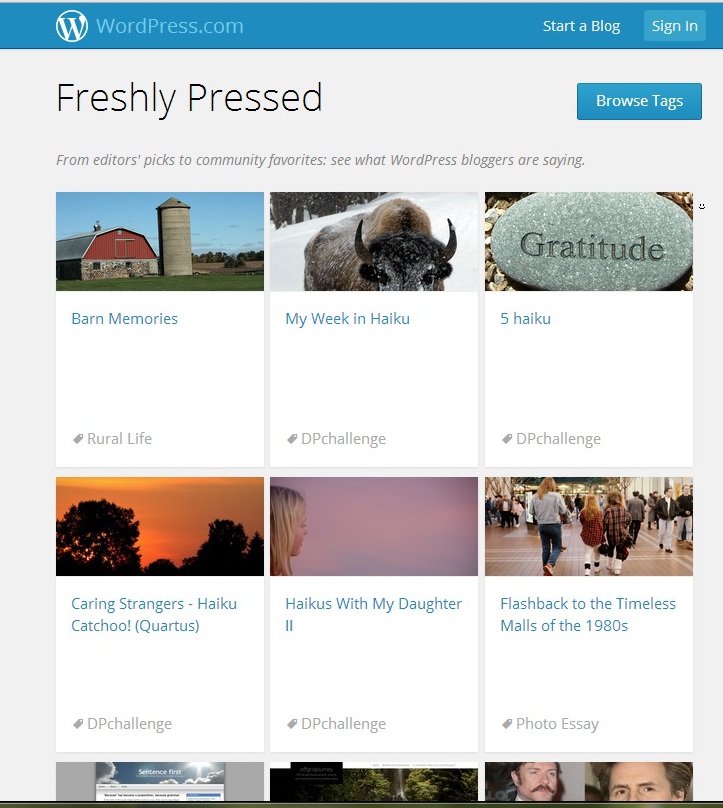
That's my post, labeled "Barn Memories," featured today on Freshly Pressed.

That’s my post, labeled “Barn Memories,” featured today on Freshly Pressed.

With those words, I recently learned that my November 25 blog post, “An essay of barn photos & memories,” earned Freshly Pressed status on WordPress.com. (Click here to read that post.)

In the WordPress blogging world, that’s akin to winning an Emmy or an Oscar or something similar, although you could perhaps argue that I am exaggerating. I think not, though, given the half a million plus WordPress bloggers world-wide. (Click here to reach the Freshly Pressed page on WordPress.)

That said, I’d like to thank you, my readers, for your faithful following of Minnesota Prairie Roots. Just over 600 of you now follow my blog via subscription and I am grateful for each of you.

I’d also like to thank my husband, who is very much a part of this blogging journey via his support and company.

The Freshly Pressed tweet about my barn post.

The Freshly Pressed tweet about my barn post.

And, finally, I’d like to thank the editors at WordPress who daily hand-pick eight posts to feature on Freshly Pressed. My barn post is featured today on Freshly Pressed.

Here’s what WordPress editor Ben Huberman wrote in an email:

You struck such a delicate and moving balance in this piece between letting the photos you took speak for themselves, and sharing with your readers the memories and emotions they invoke in you. It’s a lovely, well-executed post that deserves a wider audience.

How sweet is that to get an editor’s comment on your work? It’s invaluable and uplifting and reaffirming.

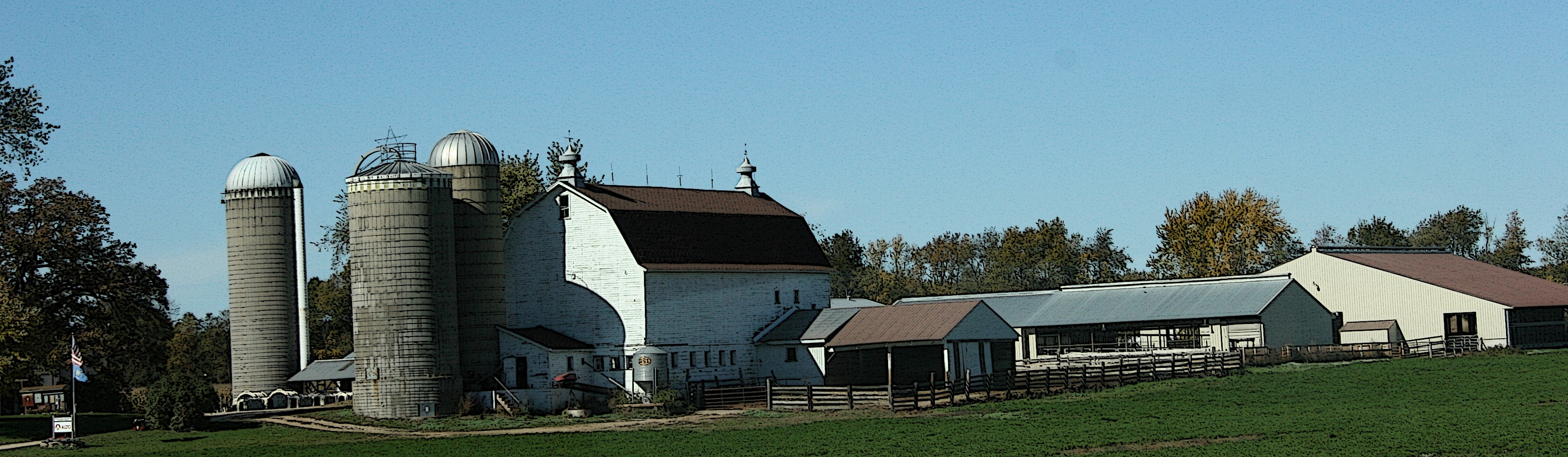
An old-fashioned farm along Wisconsin Highway 21.

An old-fashioned farm along Wisconsin Highway 21. This is one of the photos published in my winning post.

About the barn photos featured in my winning post… I shot all of them in mid-October while traveling through northeastern Wisconsin. And by traveling, I mean traveling. All six images were photographed from the passenger side of our family van while traveling down the highway at 55 mph. I had one, maybe two, opportunities to capture each photo I showcased. There was no stopping to compose a frame. Rather, I set my camera at a fast shutter speed, anticipated and clicked. That’s it. Either I got the photo or I didn’t. Clean windows help, too. Ask my husband about bottles of window cleaner and paper towels.

The words I paired with the six barn photos came from my heart, from my memories of laboring in my childhood dairy barn on the southwestern Minnesota prairie. Images and smells and textures and sound flowed from my memory onto the keyboard in a piece rich in imagery, heartfelt in emotions.

That combination of from-the-heart writing paired with just the right photos made this post stand out among the hundreds of thousands of others published on WordPress, apparently. For more information on how Freshly Pressed posts are selected, click here.

The homepage of WordPress.com, as photographed Thursday morning. My "In praise of preserving country churches" blog post is on the lower right.

The homepage of WordPress.com, as photographed in July 2010. My “In praise of preserving country churches” blog post is on the lower right. The story focuses on Moland Lutheran Church, rural Kenyon, Minnesota.

This isn’t the first time I’ve been featured on Freshly Pressed. My July 7, 2010, post, “In praise of preserving country churches,” (click here to read) was Freshly Pressed as was my June 11, 2012, post, “Testing the track during a Soap Box Derby trial run in Faribault” (click here to read).

A screen shot of the Tuesday, June 12, 2012, Freshly Pressed on the WordPress homepage. My post is featured in the bottom center. I've been Freshly Pressed twice since I began blogging, meaning my posts were chosen, for a single day, as among the top 10 WordPress posts in the world.

A screen shot of the Tuesday, June 12, 2012, Freshly Pressed on the WordPress homepage. My post is featured in the bottom center.

To earn Freshly Pressed status three times rates as rewarding for a blogger like me, who is undeniably passionate about writing and photography. Thank you for joining me on this blogging journey.

© Copyright 2013 Audrey Kletscher Helbling


An essay of barn photos & memories November 25, 2013

Filed under: Uncategorized — Audrey Kletscher Helbling @ 6:00 AM
Tags: , , , , , , , ,
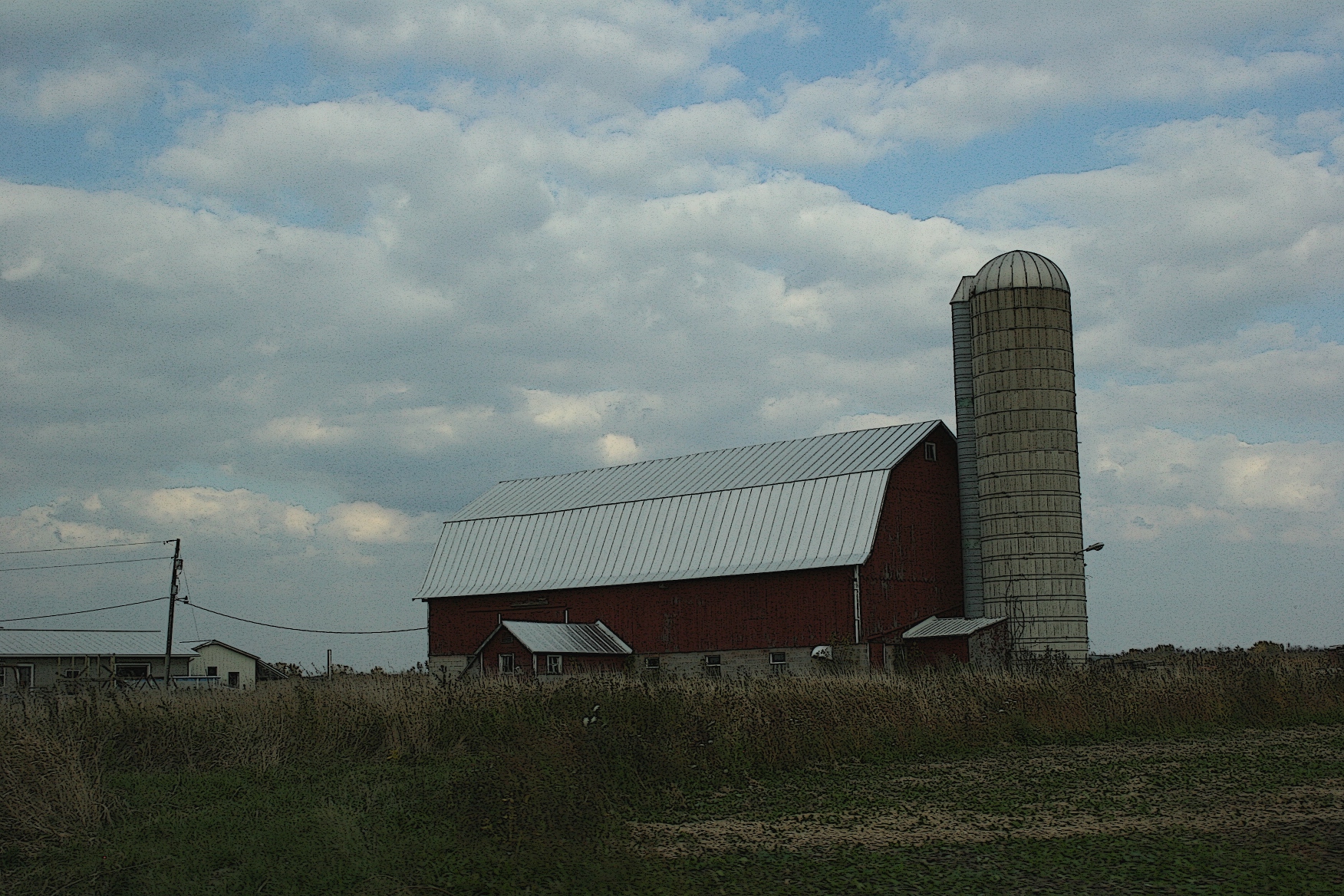
Near Poy Sippi, Wisconsin.

Near Poy Sippi, Wisconsin.

MY FONDNESS FOR BARNS, for photographing them, never wanes.

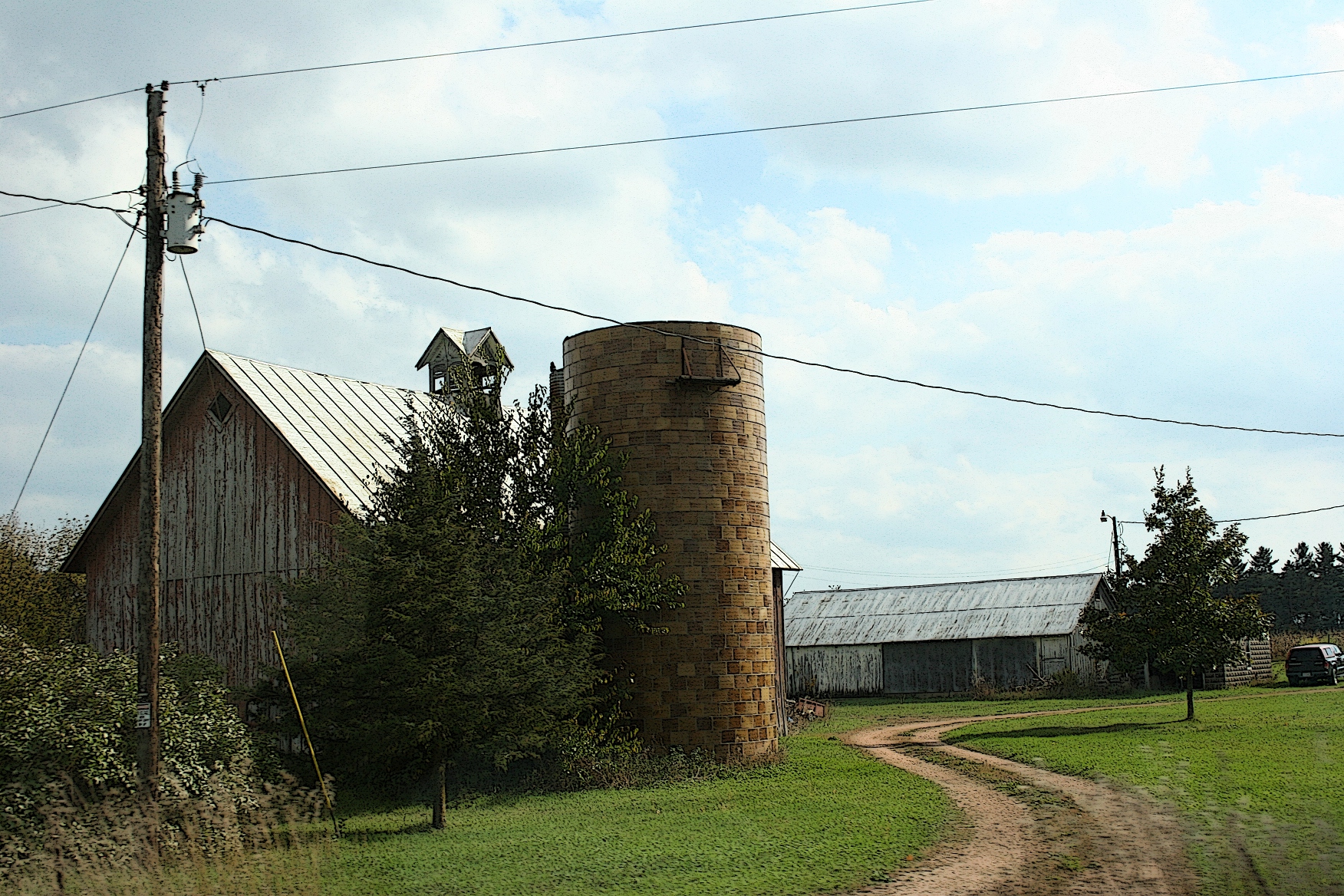
Along Wisconsin State Highway 21.

Along Wisconsin State Highway 21.

When I fit my eye to the viewfinder, swing my camera lens toward a barn and click, it’s as if I’m clicking my heels together and flying into my past.

Also along Wisconsin Highway 21.

Also along Wisconsin Highway 21.

I am trudging down the barn aisle, leaning into the wheelbarrow heaped with ground corn. I am scooping that feed by the shovelful to top silage pitched from the silo and parceled before the Holsteins’ empty stanchions.

Near Poy Sippi, Wisconsin.

Near Poy Sippi, Wisconsin.

Later, as milk pulsates into milking machines and Dad has poured the milk into a tall thin pail, I am lugging the precious liquid to the milkhouse, handle biting into my chore-gloved hand.

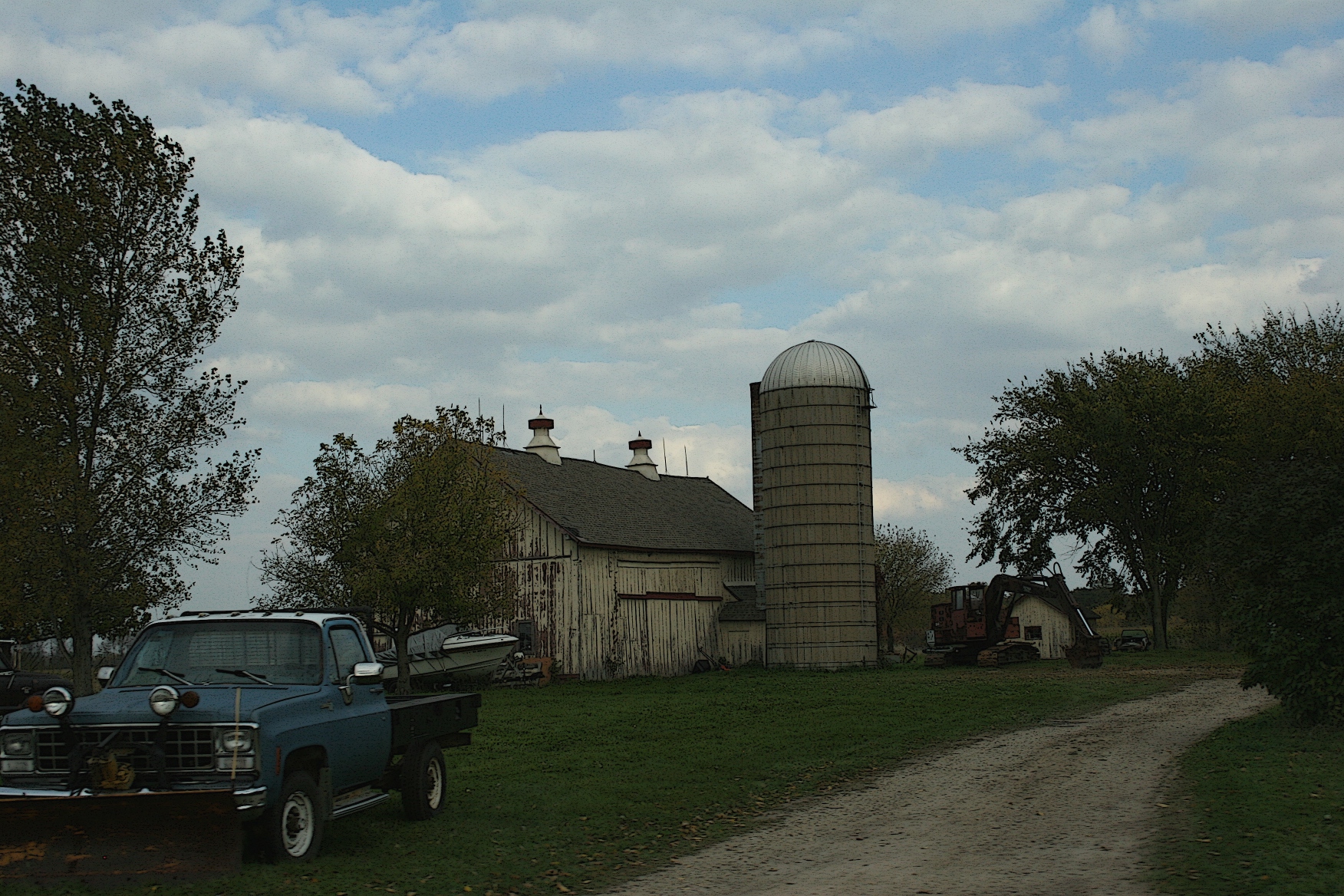
Another farm near Poy Sippi.

Another farm near Poy Sippi.

Memories come into focus—the golden booming radio voices from ‘CCO, the slap of a cow’s tail, hot urine splattering into gutters, cats swarming around a battered hubcap, the stench of manure, taut twine snapped with my yellow jackknife and prickly alfalfa itching my exposed wrists.

An old-fashioned farm along Wisconsin Highway 21.

An old-fashioned farm along Wisconsin Highway 21.

But, mostly, I see my farmer dad in those barns I photograph.

© Copyright 2013 Audrey Kletscher Helbling


On the cusp of harvest in southwestern Minnesota October 4, 2013

Grey skies and rain create a moody scene along U.S. Highway 14 between Sleepy Eye and Lamberton.

Grey skies and rain create a moody scene along U.S. Highway 14 between Sleepy Eye and Lamberton.

RAIN DRIZZLES, SOMETIMES SPLATTERS, across the windshield of our van as my husband and I aim toward the southwestern Minnesota prairie, driving toward Lamberton for a day of making horseradish with my extended family. It is a time-honored tradition, started by my father, dead 10 years now.

For me, this 120-mile trip from our Faribault home is not as much about the horseradish as it is about family and memories and spending a weekend in my beloved native prairie, the place that shaped me in to the person/writer/photographer I’ve become.

This section of U.S. Highway 14 between Sleepy Eye and Lamberton features many stately and well-kept barns like this brick one.

This section of U.S. Highway 14 between Sleepy Eye and Lamberton features many stately and well-kept barns like this brick one.

Even after 40 years away from this place of big skies and flat open spaces, of small towns and family farms, of corn and soybean fields stretching into forever, I still miss this land.

Especially at harvest time.

A cheery smile on a barn off U.S. Highway 14 serves as a backdrop to a ripened soybean field on a grey Saturday morning.

A cheery smile on a barn off U.S. Highway 14 serves as a backdrop to a ripened soybean field on a grey Saturday morning.

As we journey, my head pivots toward the corn and the beans, ripened mostly to muted gold.

I can almost hear the corn leaves rustling in the bendy wind under moody grey skies.

I can almost smell the intoxicating scent of earth that prevails only at harvest time.

I can almost hear the chomping combines and rumbling grain trucks, the roaring tractors and the lumbering grain wagons, parked and silent now as rain sweeps across the acres.

A serene country scene just north of Lamberton in southern Redwood County.

A serene country scene just north of Lamberton in southern Redwood County.

Later that day, after we’ve reached our rural destination and dug, washed, peeled, chopped, blended and bottled the horseradish, the heaviest of the clouds lift and shift east.

The skies have cleared along Redwood County Road 6 north of Lamberton where corn fields await harvest.

The skies have cleared along Redwood County Road 6 north of Lamberton where corn fields await harvest.

By Sunday morning we awaken to the clear and crisp skies of autumn in rural Minnesota.

Driving U.S. Highway 14 back to Faribault Sunday morning.

Driving U.S. Highway 14 back to Faribault Sunday morning.

It’s a perfect morning.

Barns and ripening crops define the landscape of southwestern Minnesota this time of year.

Barns and ripening crops define the landscape of southwestern Minnesota this time of year.

Sunshine upon fields.

Grain bins await the harvest on a southwestern Minnesota farm.

Grain bins await the harvest on a southwestern Minnesota farm.

Sunshine pooling upon my lap as we aim east, past bins and barns and bountiful fields, back home.

Rounding the curve eastbound into Sleepy Eye.

Rounding the curve eastbound into Sleepy Eye.

Past the ripening crops. Through the small towns, like Lamberton and Springfield and Sleepy Eye.

And when we reach the western outskirts of New Ulm, I feel as if we’ve crossed a line. Menards and Walmart loom to the left. U.S. Highway 14, the Laura Ingalls Wilder Historic Highway, is now a four-lane through this German community, busy with traffic and drivers racing to get ahead before the roadway once again narrows to two lanes en route to Mankato.

Barns, like this one, rise above the soon-to-be-harvested corn fields.

Barns, like this one, rise above the soon-to-be-harvested corn fields.

My mood shifts. I’ve left the peace of the prairie, the one place on this earth that holds my soul in solace.

FYI: This post was previously published on streets.mn. The above photos were taken on Saturday, September 28, and Sunday, September 29. Conditions change rapidly during harvest time, so I expect harvest is well underway, although delayed now due to the rain.

A post will be forthcoming on making horseradish.

Copyright 2013 Audrey Kletscher Helbling


Forever rooted to rural Minnesota September 13, 2013

Rural, barn and bins

RURAL MINNESOTA LONG AGO claimed my heart. It is the place where I grew up, the land I love, the connection to earth and sky and elements that, despite more than three decades of living in town, has never vanished.

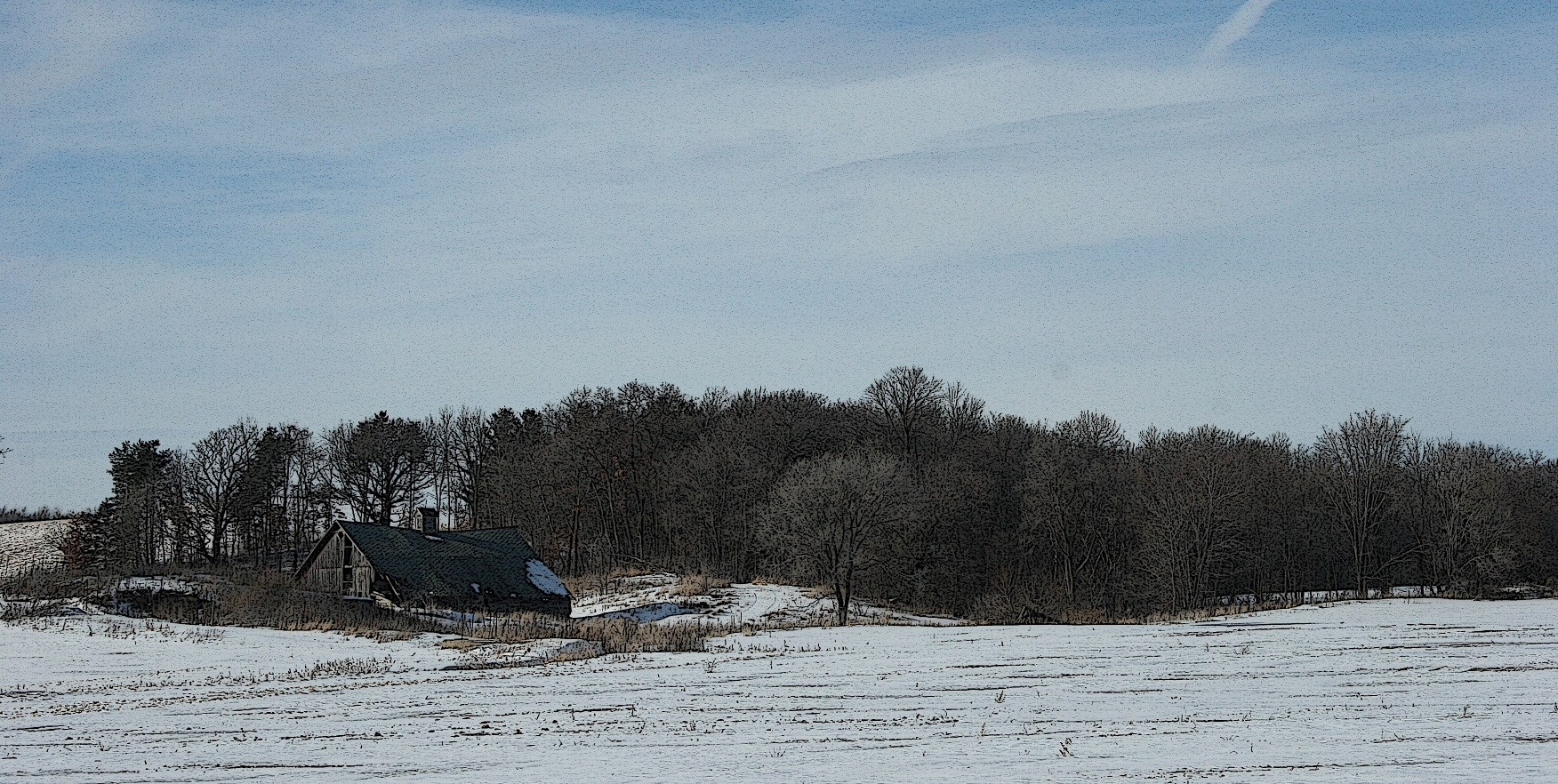
Rural, roof collapsing

I’m rooted to the land and I find myself often longing to turn onto the gravel driveway, to swing open the creaky barn door, to follow the corn rows.

Rural, barn with windmill

I ache for the days when I lived on the farm. Sunset and sunrise unbroken by buildings. Wind rustling. The heady scent of freshly-mown alfalfa. The rich earthy smell of the land at planting time and harvest. Wagons brimming with corn. Quiet. Stars studding the blackness.

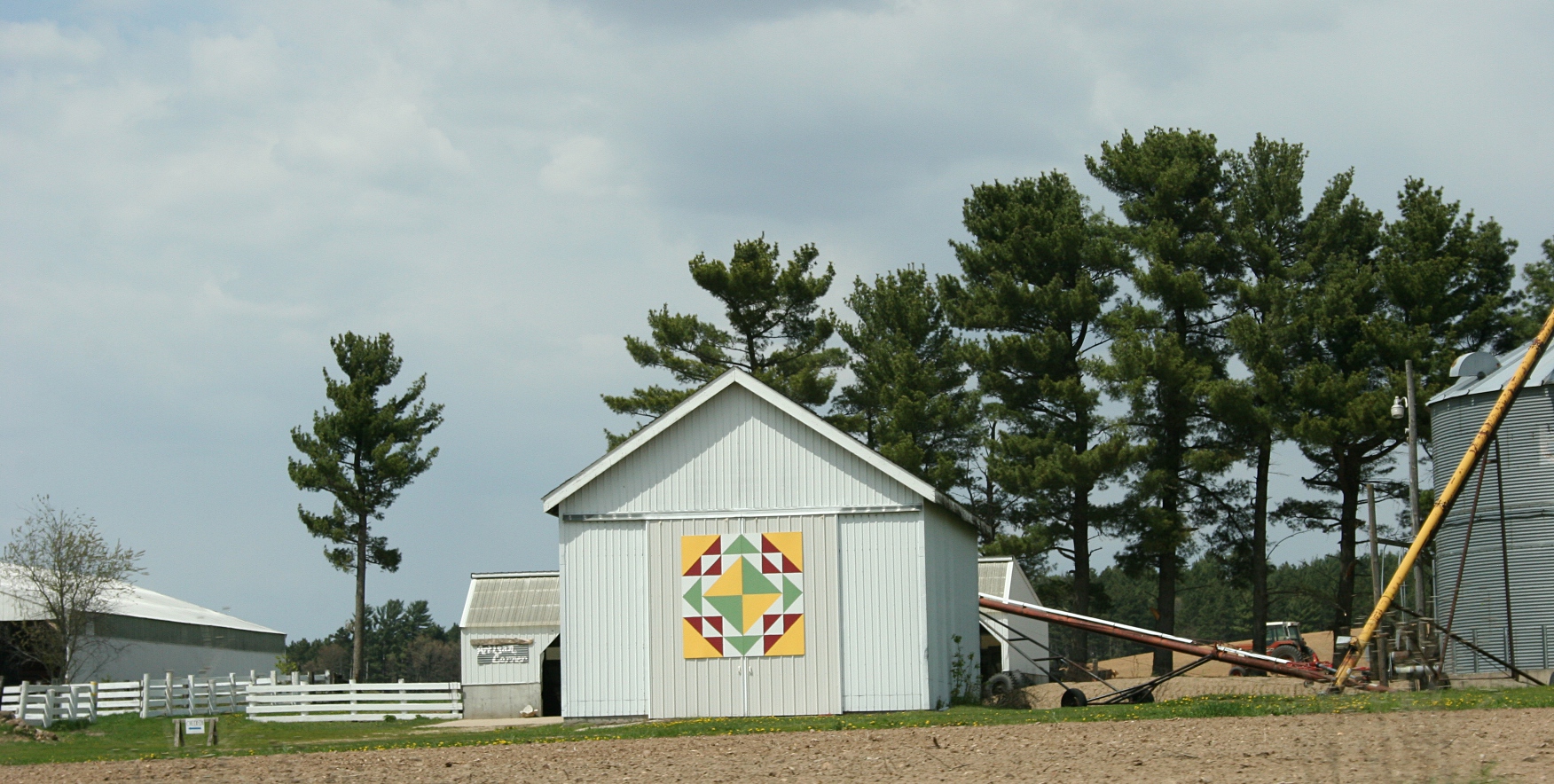
Rural, barn quilt

Today I still claim rural Minnesota—in my memory, through the lens of my camera, in the words I write. And that is my solace, the road I follow back home.

FYI: These edited photos were taken earlier this summer in the Vernon Center/Amboy/Truman area of southern Minnesota.

© Copyright 2013 Audrey Kletscher Helbling


The barn April 18, 2013

Filed under: Uncategorized — Audrey Kletscher Helbling @ 6:57 AM
Tags: , , , , ,
This study and well-maintained barn sits at the intersection of Minnesota Highways 19 and 56 near Stanton, east of Northfield.

This study and well-maintained barn sits at the intersection of Minnesota Highways 19 and 56 near Stanton, east of Northfield.

NOTHING DEFINES RURAL Minnesota more than a red barn.

Whether nestled among the rolling hills of southeastern Minnesota or anchored to the earth in the wide open spaces of the west, red barns symbolize the hope, the fortitude and the dreams of generations of Minnesotans.

For inside the walls of our barns, farm families have worked together—pitching manure, stacking bales, milking cows, building a livelihood as much as a lifestyle.

Strong work ethics have been birthed here, life lessons taught.

While many red barns now stand empty, their roofs sagging, their paint peeling, they remain a symbol of all that is good about life in rural Minnesota.

© Copyright 2013 Audrey Kletscher Helbling
Text first published in the September/October 2005 issue of Minnesota Moments


How I’ve composed poetry that dances (in the barn) April 4, 2013

Entering my home county of Redwood along Minnesota State Highway 68 southeast of Morgan.

Entering my home county of Redwood along Minnesota State Highway 68 southeast of Morgan. Rural Redwood County is the setting for most of my poetry.

POETRY. That single word encompasses language, music, art, emotion and more. It’s a word to be celebrated in April, designated as National Poetry Month by the Academy of American Poets.

I’ve written poetry for about four decades, but not with particular passion or regularity until recent years. Something has evolved within me as a writer, directing me from the narrow path of journalistic style writing to the creativity of penning poetry.

Perhaps a parcel of my new-found enthusiasm can be traced to my publishing success. Seventeen, soon to be 18, of my poems have been published in places ranging from literary journals to anthologies to billboards to a devotional and more. I figure if editors have accepted my poetry for publication, I must be doing something right. And when they reject my poetry, as has happened often enough, they were correct in those decisions.

An abandoned farmhouse along Minnesota State Highway 19 east of Vesta on the southwestern Minnesota prairie.

An abandoned farmhouse, like this one along Minnesota State Highway 19 east of Vesta on the southwestern Minnesota prairie, inspired my poem, “Abandoned Farmhouse,” published in Poetic Strokes, A Regional Anthology of Poetry from Southeastern Minnesota, Volume 3.

Most of my poems are rooted in childhood memories from the southwestern Minnesota prairie. I write about topics like barns, walking beans, an abandoned farmhouse, canned garden produce, taking lunch to the men in the field and such.

My poetry rates as visually strong and down-to-earth. There’s no guessing what I am writing about in any of my poems.

Barns, like this one along Minnesota Highway 60 west of Waterville, have woven into my poetry.

Barns, like this one along Minnesota Highway 60 west of Waterville, have woven into my poetry.

Here, for example, is my poem which published in Volume One of Lake Region Review, a high-quality west central Minnesota-based literary magazine of regional writing. To get accepted into this journal in 2011 and then again in 2012 significantly boosted my confidence as a poet given the level of competition and the credentials of other writers selected for publication.

This Barn Remembers

The old barn leans, weather-weary,
shoved by sweeping prairie winds,
her doors sagging with the weight of age,
windows clouded by the dust of time.

Once she throbbed with life
in the heartbeats of 30 Holsteins,
in the footsteps of my farmer father,
in the clench of his strong hands
upon scoop shovel and pitchfork.

This barn spoke to us,
the farmer and the farmer’s children,
in the soothing whir of milking machines
pulsating life-blood, rhythmic, constant, sure.

Inside her bowels we pitched putrid piles of manure
while listening to the silken voices of Charlie Boone
booming his Point of Law on ‘CCO
and Paul Harvey wishing us a “good day,”
distant radio signals transmitting from the Cities and faraway Chicago.

This barn remembers
the grating trudge of our buckle overshoes upon manure-slicked cement,
yellow chore-gloved hands gripping pails of frothy milk,
taut back muscles straining to hoist a wheelbarrow
brimming with ground corn and pungent silage.

This barn remembers, too,
streams of hot cow pee splattering into her gutters,
rough-and-tumble farm cats clumped in a corner
their tongues flicking at warm milk poured into an old hubcap,
and hefty Holsteins settling onto beds of prickly straw.

A rural scene along U.S. Highway 14 near Nicollet.

A rural scene along U.S. Highway 14 near Nicollet.

Let’s examine “This Barn Remembers” to see how I created this poem. Always, always, when penning a poem like this, I shut out the present world and close myself into the past.

I rely on all five senses, not just the obvious sight and sound, to engage the reader:

  • sight—sagging doors, clouded windows, manure-slicked cement
  • sound—soothing whir of milking machines, grating trudge of buckle overshoes, silken voices of Charlie Boone
  • taste—tongues flicking warm milk
  • touch—in the clench of his strong hands, gripping pails of frothy milk, settling onto beds of prickly straw
  • smell—putrid piles of manure, pungent silage

Strong and precise verbs define action: shoved, throbbed, booming, gripping, brimming, splattering, flicking

Literary tools like alliteration—pitched putrid piles of manure—and personification—the barn taking on the qualities of a woman—strengthen my poem.

The words and verses possess a certain musical rhythm. This concept isn’t easy to explain. But, as a poet, I know when my composition dances.

I also realize when I’ve failed, when a poem needs work and/or deserves rejection.

That all said, the best advice I can offer any poet is this:

  • Write what you know.
  • Write from the heart.
  • Write in your voice.
  • Write with fearlessness and honesty. (Note especially this line: “…streams of hot cow pee splattering into her gutters…”)
I grew up on a dairy and crop farm, so I know cows well enough to write about them in my poetry.

I grew up on a dairy and crop farm, so I know cows well enough to write about them in my poetry.

You can bet I smelled that hot cow pee, watched the urine gushing from Holsteins into the gutter, pictured a younger version of myself dodging the deluges, when I penned “This Barn Remembers.” Writing doesn’t get much more honest than cow pee.

IF YOU’RE A POET, a lover of poetry and/or an editor, tell me what works for you in composing/reading/considering poetry.

© Copyright 2013 Audrey Kletscher Helbling