Minnesota Prairie Roots

Writing and photography by Audrey Kletscher Helbling

On the cusp of harvest in southwestern Minnesota October 4, 2013

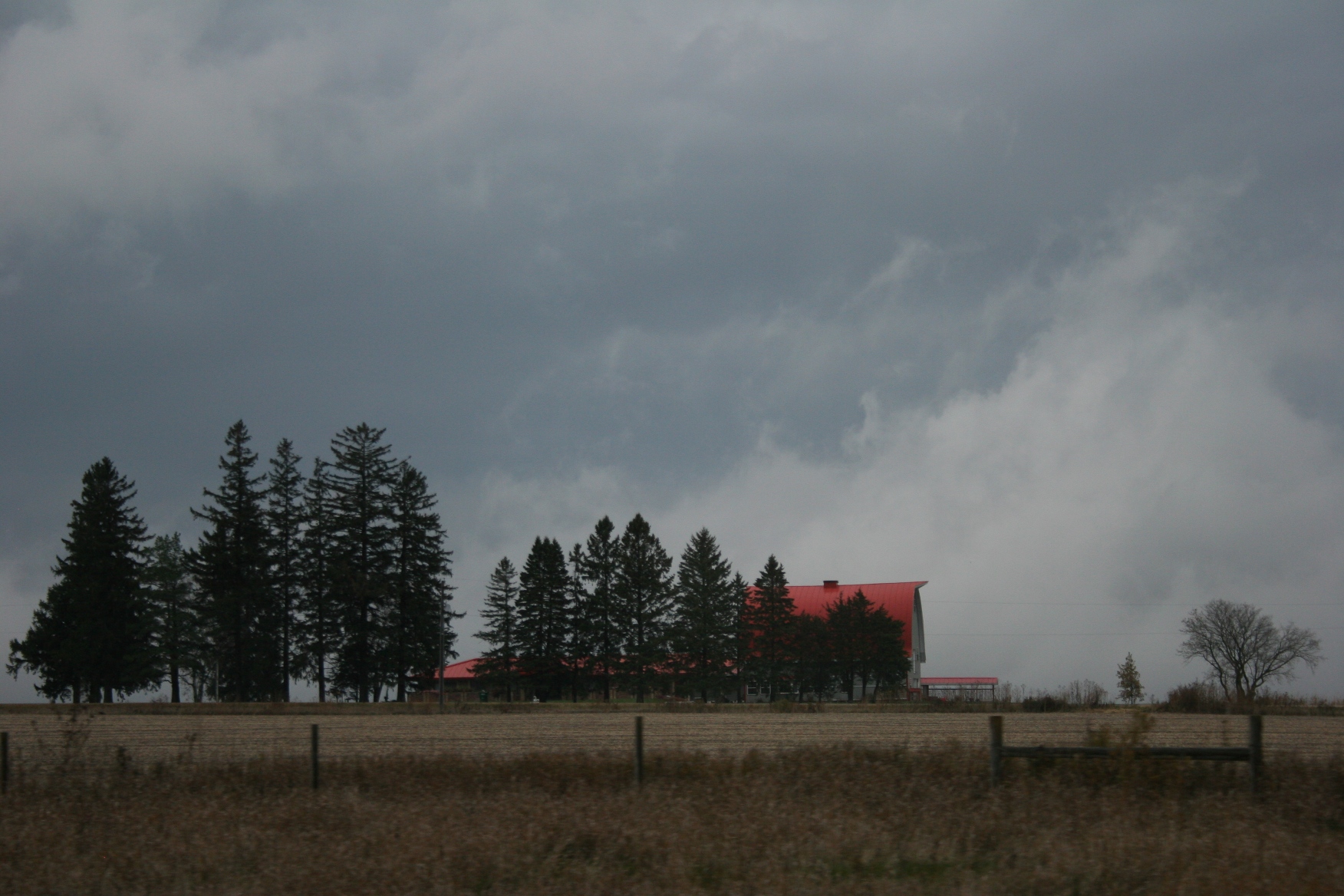
Grey skies and rain create a moody scene along U.S. Highway 14 between Sleepy Eye and Lamberton.

Grey skies and rain create a moody scene along U.S. Highway 14 between Sleepy Eye and Lamberton.

RAIN DRIZZLES, SOMETIMES SPLATTERS, across the windshield of our van as my husband and I aim toward the southwestern Minnesota prairie, driving toward Lamberton for a day of making horseradish with my extended family. It is a time-honored tradition, started by my father, dead 10 years now.

For me, this 120-mile trip from our Faribault home is not as much about the horseradish as it is about family and memories and spending a weekend in my beloved native prairie, the place that shaped me in to the person/writer/photographer I’ve become.

This section of U.S. Highway 14 between Sleepy Eye and Lamberton features many stately and well-kept barns like this brick one.

This section of U.S. Highway 14 between Sleepy Eye and Lamberton features many stately and well-kept barns like this brick one.

Even after 40 years away from this place of big skies and flat open spaces, of small towns and family farms, of corn and soybean fields stretching into forever, I still miss this land.

Especially at harvest time.

A cheery smile on a barn off U.S. Highway 14 serves as a backdrop to a ripened soybean field on a grey Saturday morning.

A cheery smile on a barn off U.S. Highway 14 serves as a backdrop to a ripened soybean field on a grey Saturday morning.

As we journey, my head pivots toward the corn and the beans, ripened mostly to muted gold.

I can almost hear the corn leaves rustling in the bendy wind under moody grey skies.

I can almost smell the intoxicating scent of earth that prevails only at harvest time.

I can almost hear the chomping combines and rumbling grain trucks, the roaring tractors and the lumbering grain wagons, parked and silent now as rain sweeps across the acres.

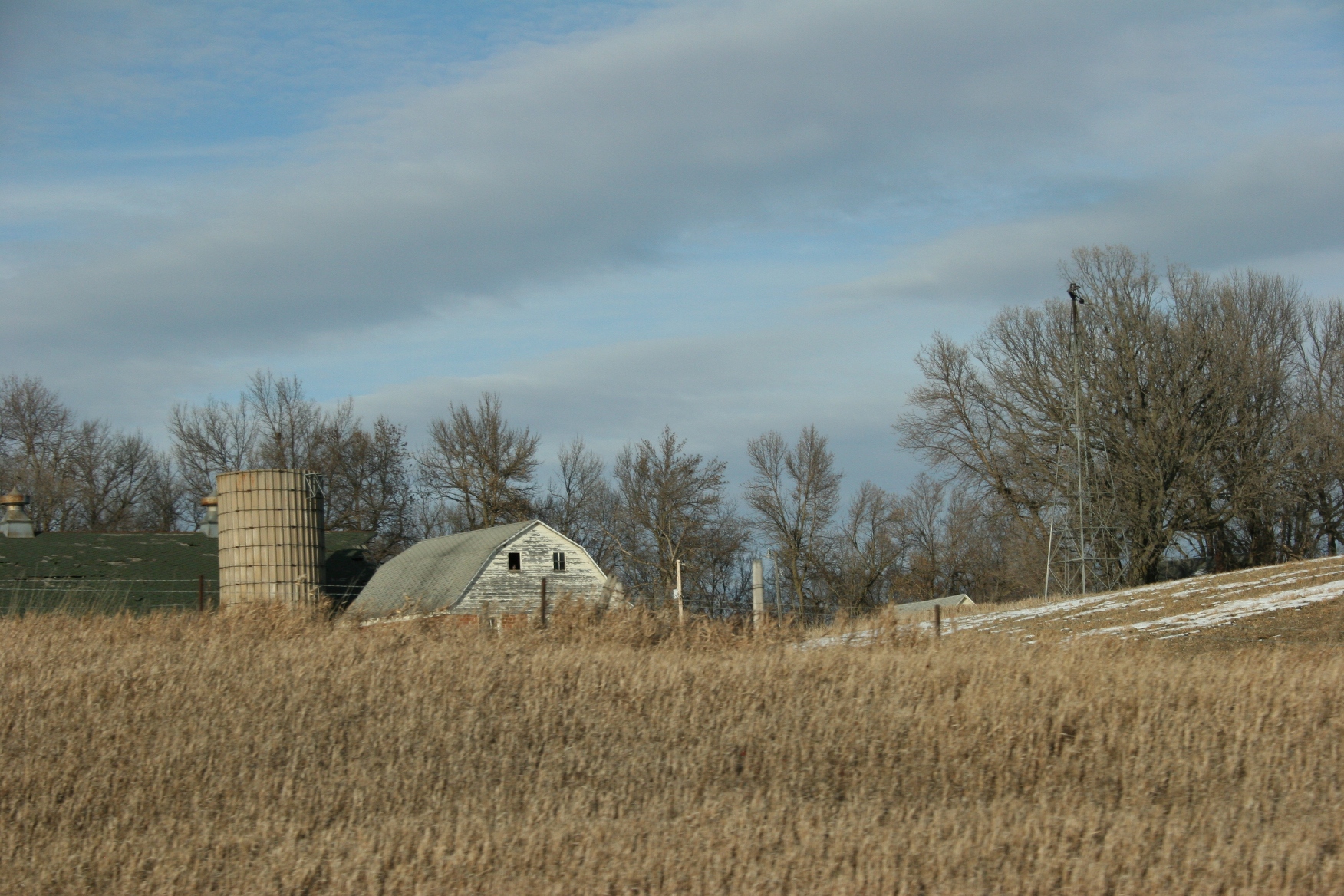
A serene country scene just north of Lamberton in southern Redwood County.

A serene country scene just north of Lamberton in southern Redwood County.

Later that day, after we’ve reached our rural destination and dug, washed, peeled, chopped, blended and bottled the horseradish, the heaviest of the clouds lift and shift east.

The skies have cleared along Redwood County Road 6 north of Lamberton where corn fields await harvest.

The skies have cleared along Redwood County Road 6 north of Lamberton where corn fields await harvest.

By Sunday morning we awaken to the clear and crisp skies of autumn in rural Minnesota.

Driving U.S. Highway 14 back to Faribault Sunday morning.

Driving U.S. Highway 14 back to Faribault Sunday morning.

It’s a perfect morning.

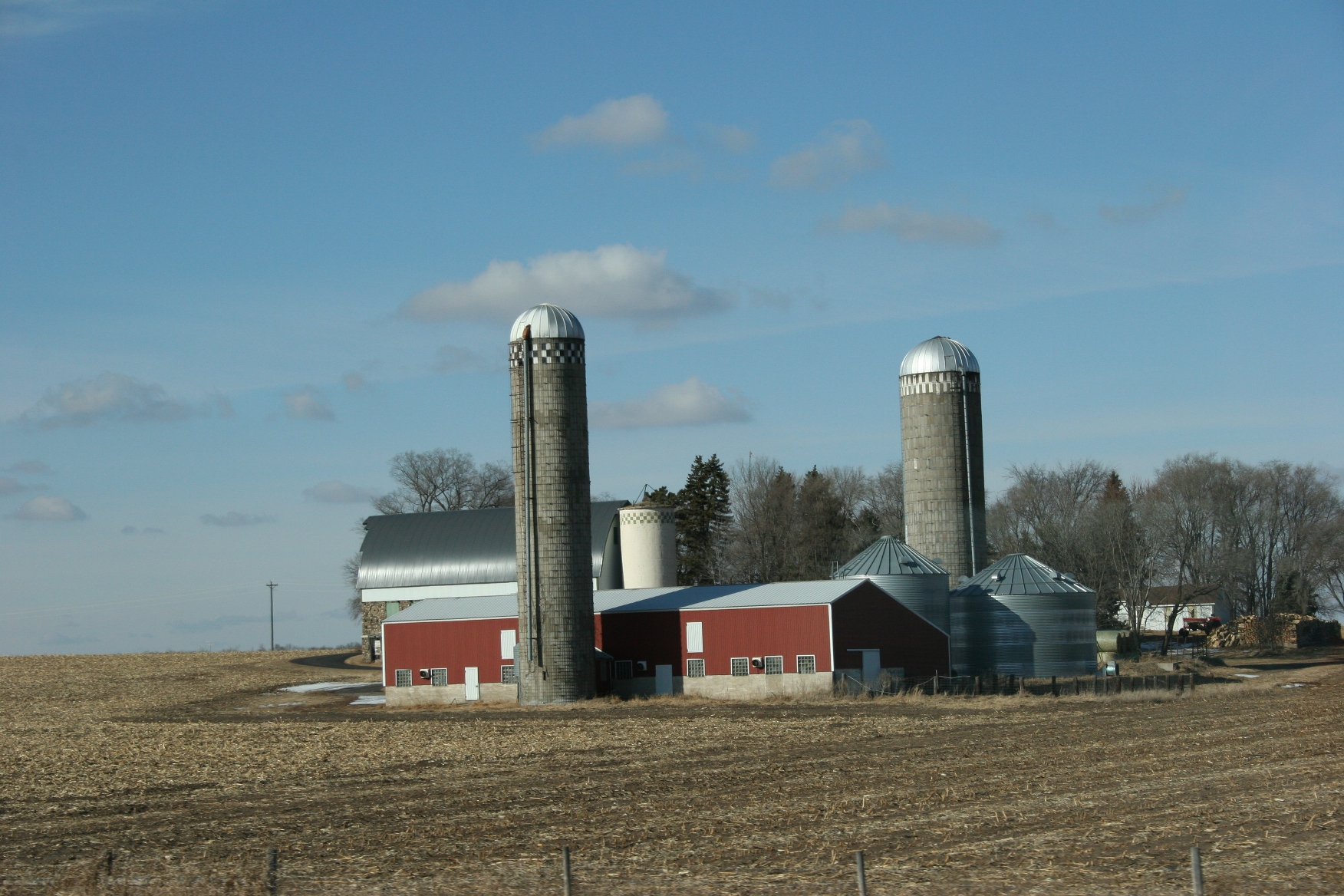
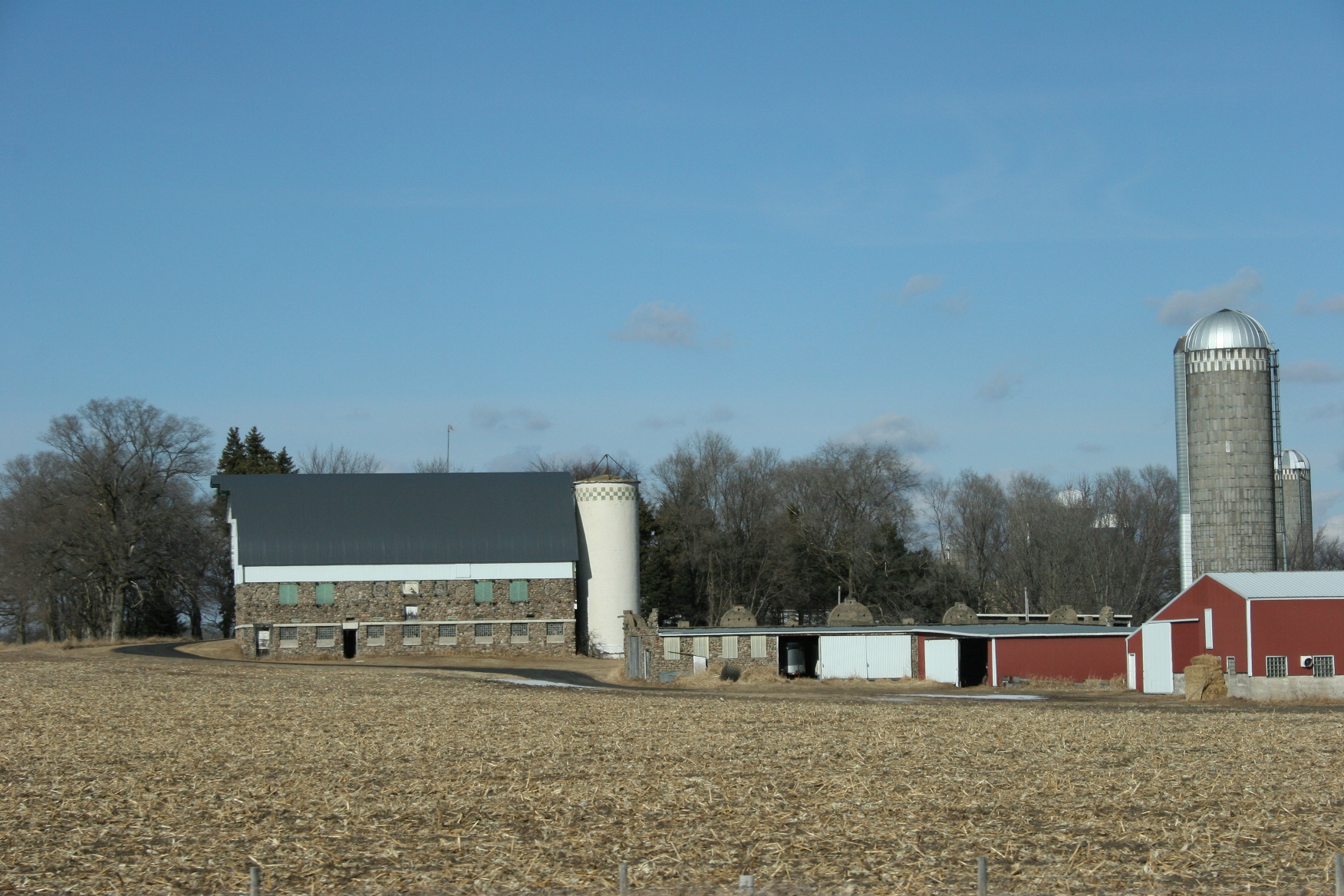
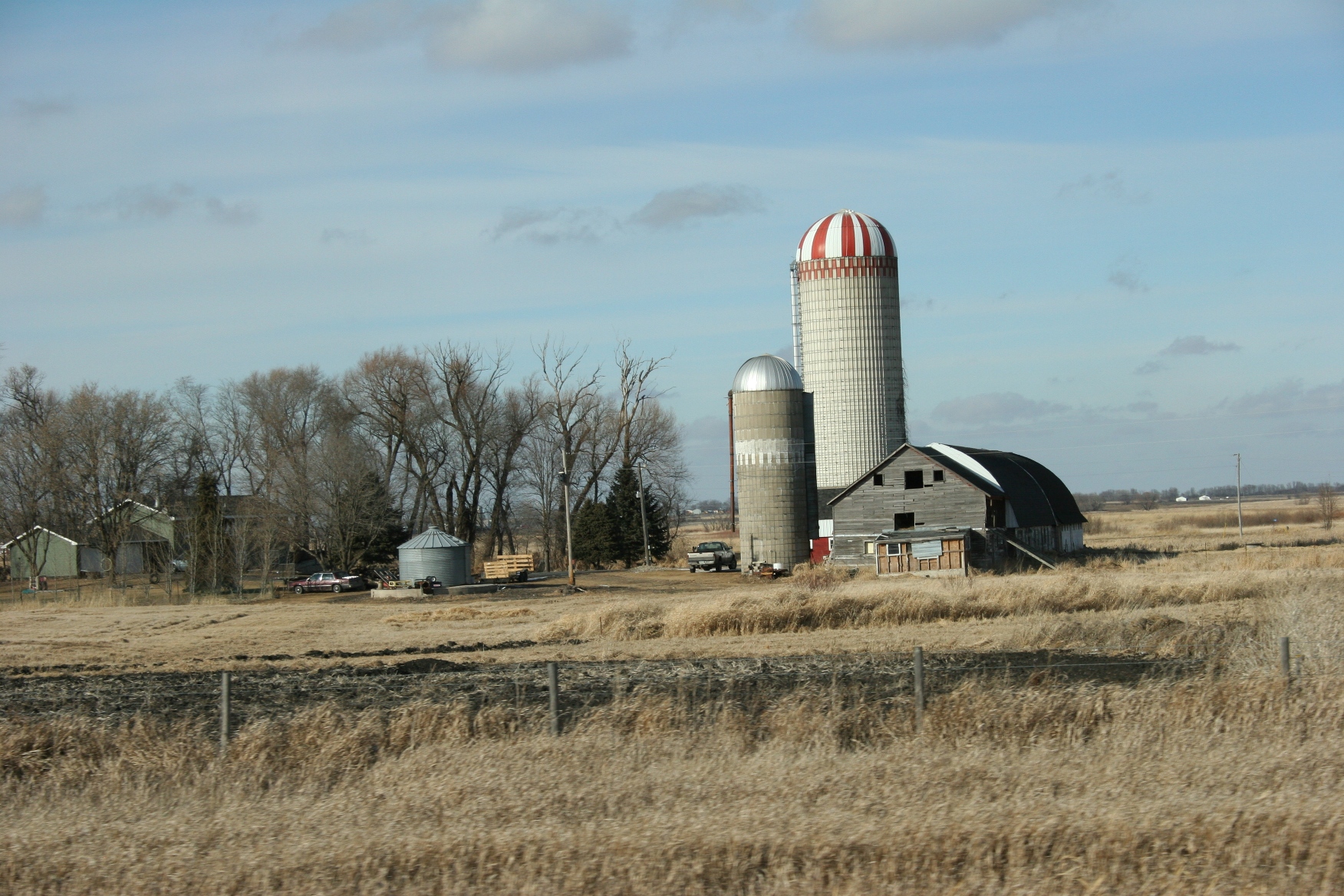
Barns and ripening crops define the landscape of southwestern Minnesota this time of year.

Barns and ripening crops define the landscape of southwestern Minnesota this time of year.

Sunshine upon fields.

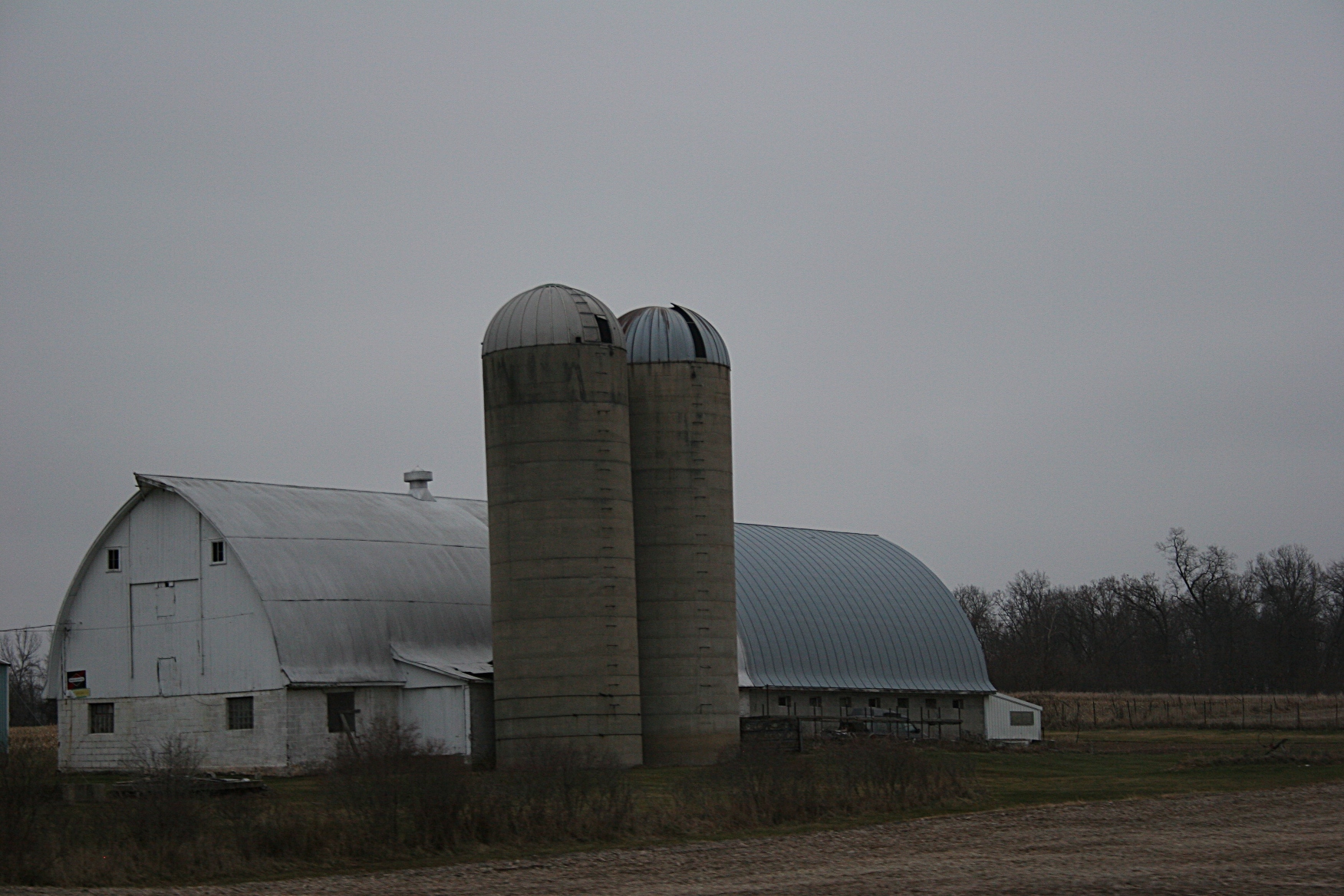
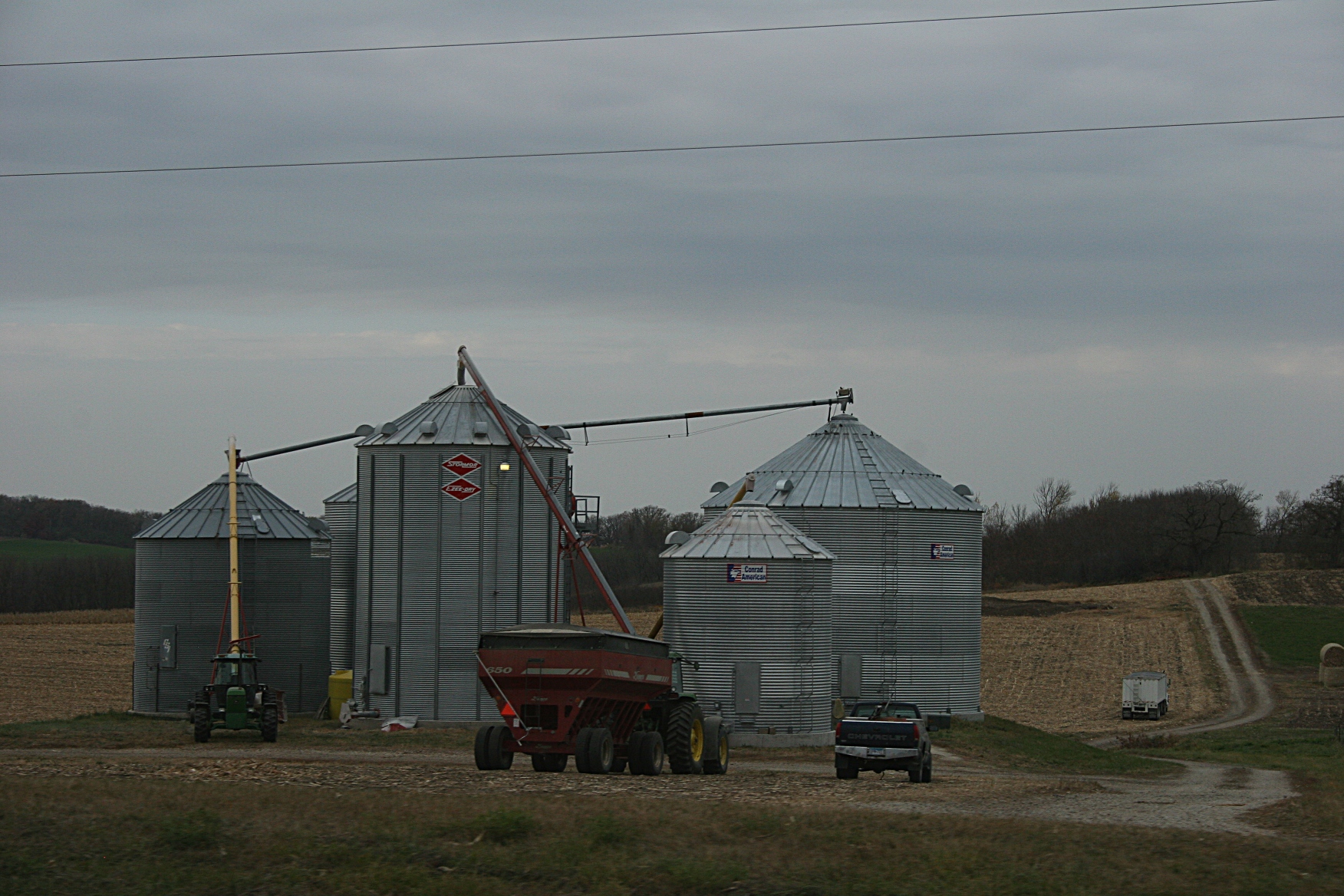
Grain bins await the harvest on a southwestern Minnesota farm.

Grain bins await the harvest on a southwestern Minnesota farm.

Sunshine pooling upon my lap as we aim east, past bins and barns and bountiful fields, back home.

Rounding the curve eastbound into Sleepy Eye.

Rounding the curve eastbound into Sleepy Eye.

Past the ripening crops. Through the small towns, like Lamberton and Springfield and Sleepy Eye.

And when we reach the western outskirts of New Ulm, I feel as if we’ve crossed a line. Menards and Walmart loom to the left. U.S. Highway 14, the Laura Ingalls Wilder Historic Highway, is now a four-lane through this German community, busy with traffic and drivers racing to get ahead before the roadway once again narrows to two lanes en route to Mankato.

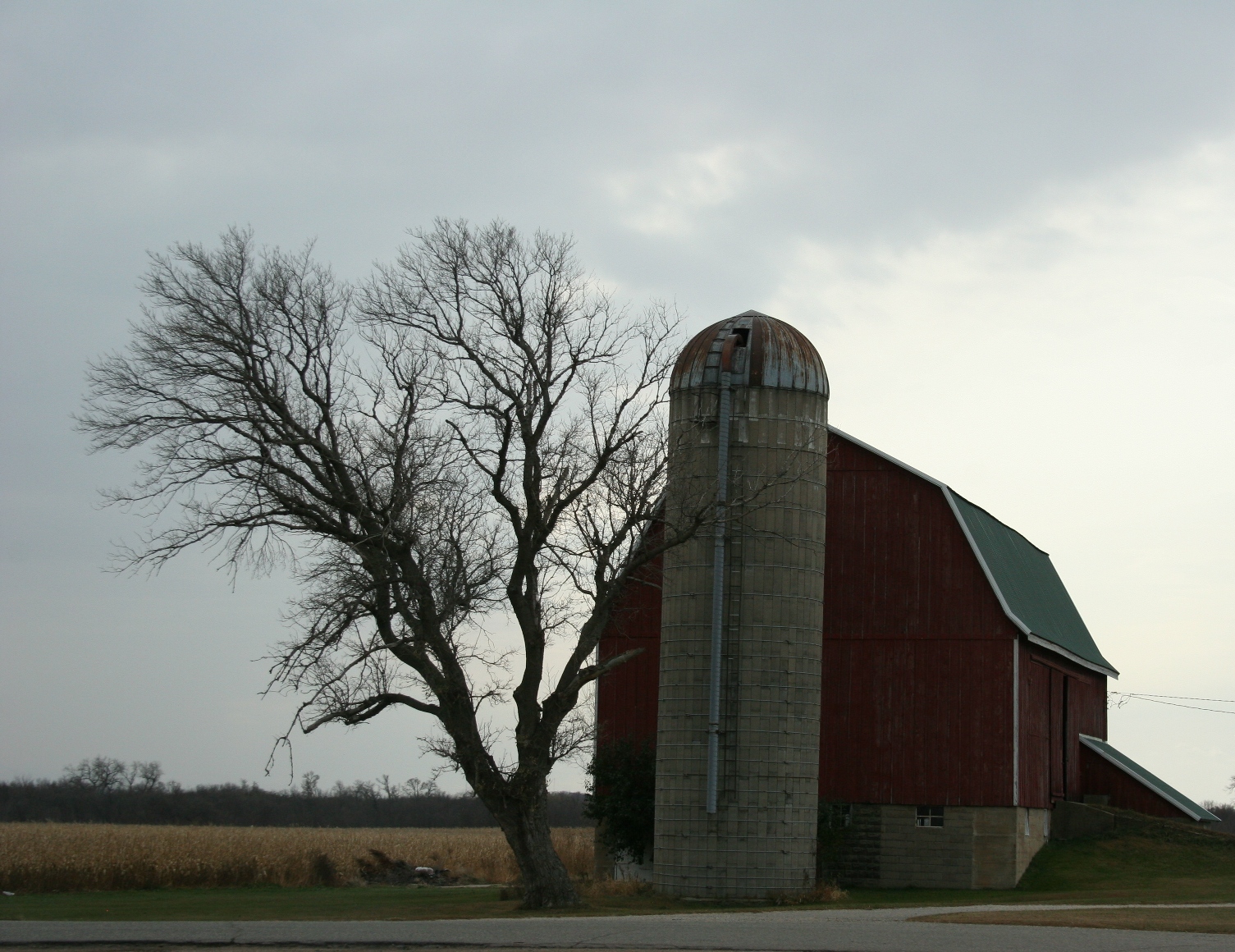
Barns, like this one, rise above the soon-to-be-harvested corn fields.

Barns, like this one, rise above the soon-to-be-harvested corn fields.

My mood shifts. I’ve left the peace of the prairie, the one place on this earth that holds my soul in solace.

FYI: This post was previously published on streets.mn. The above photos were taken on Saturday, September 28, and Sunday, September 29. Conditions change rapidly during harvest time, so I expect harvest is well underway, although delayed now due to the rain.

A post will be forthcoming on making horseradish.

Copyright 2013 Audrey Kletscher Helbling


Forever rooted to rural Minnesota September 13, 2013

Rural, barn and bins

RURAL MINNESOTA LONG AGO claimed my heart. It is the place where I grew up, the land I love, the connection to earth and sky and elements that, despite more than three decades of living in town, has never vanished.

Rural, roof collapsing

I’m rooted to the land and I find myself often longing to turn onto the gravel driveway, to swing open the creaky barn door, to follow the corn rows.

Rural, barn with windmill

I ache for the days when I lived on the farm. Sunset and sunrise unbroken by buildings. Wind rustling. The heady scent of freshly-mown alfalfa. The rich earthy smell of the land at planting time and harvest. Wagons brimming with corn. Quiet. Stars studding the blackness.

Rural, barn quilt

Today I still claim rural Minnesota—in my memory, through the lens of my camera, in the words I write. And that is my solace, the road I follow back home.

FYI: These edited photos were taken earlier this summer in the Vernon Center/Amboy/Truman area of southern Minnesota.

© Copyright 2013 Audrey Kletscher Helbling
 

The barn April 18, 2013

Filed under: Uncategorized — Audrey Kletscher Helbling @ 6:57 AM
Tags: , , , , ,
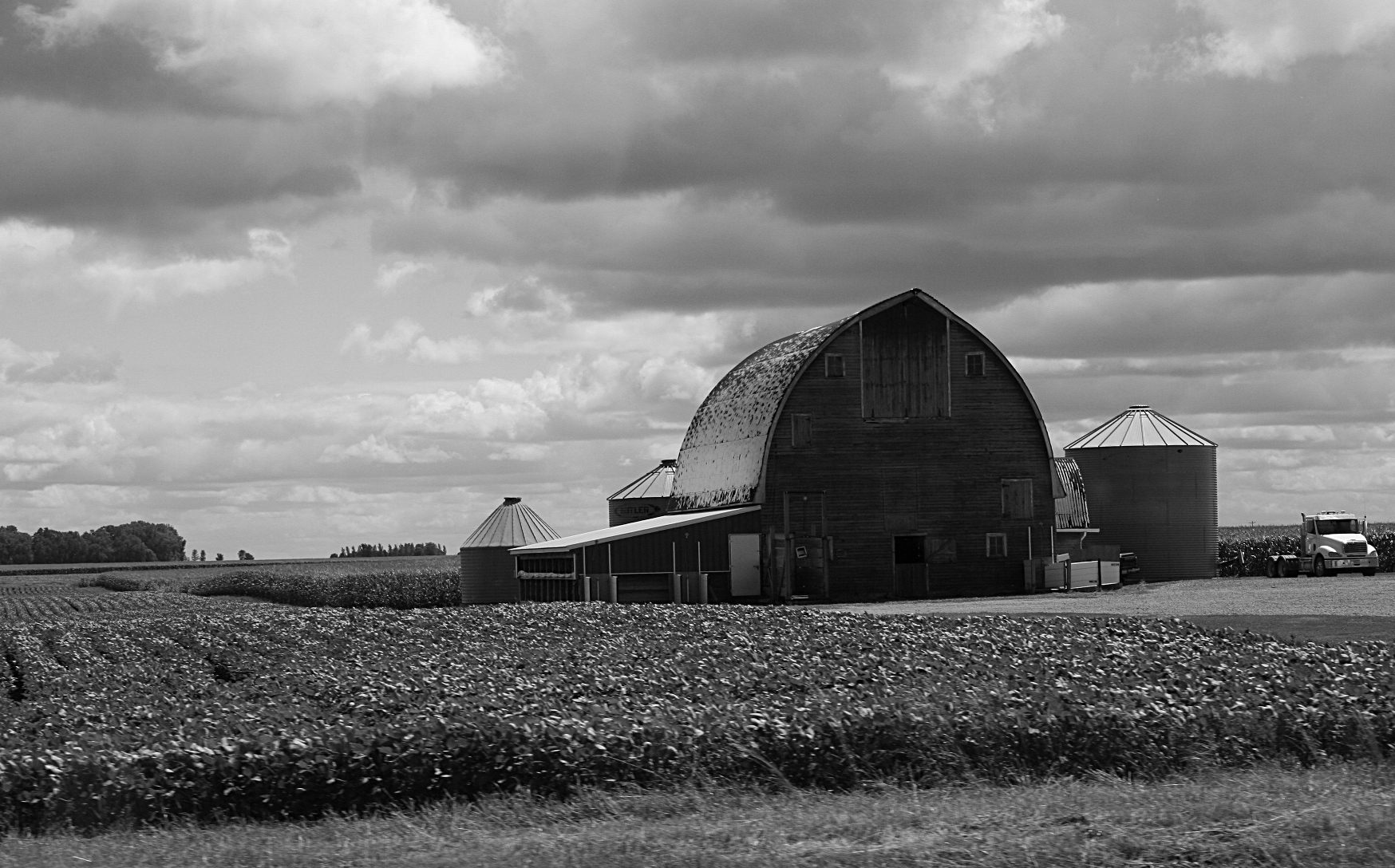
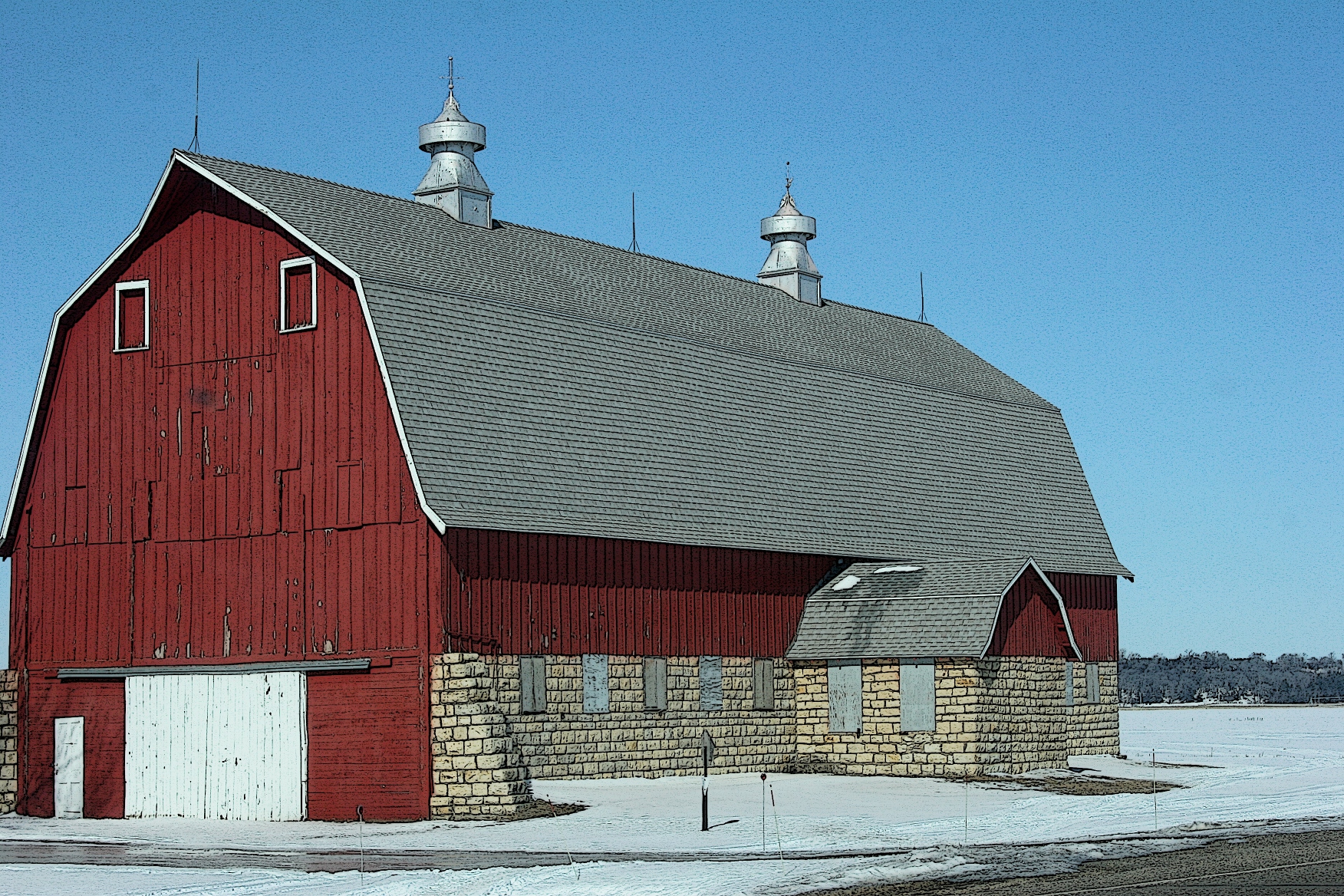
This study and well-maintained barn sits at the intersection of Minnesota Highways 19 and 56 near Stanton, east of Northfield.

This study and well-maintained barn sits at the intersection of Minnesota Highways 19 and 56 near Stanton, east of Northfield.

NOTHING DEFINES RURAL Minnesota more than a red barn.

Whether nestled among the rolling hills of southeastern Minnesota or anchored to the earth in the wide open spaces of the west, red barns symbolize the hope, the fortitude and the dreams of generations of Minnesotans.

For inside the walls of our barns, farm families have worked together—pitching manure, stacking bales, milking cows, building a livelihood as much as a lifestyle.

Strong work ethics have been birthed here, life lessons taught.

While many red barns now stand empty, their roofs sagging, their paint peeling, they remain a symbol of all that is good about life in rural Minnesota.

© Copyright 2013 Audrey Kletscher Helbling
Text first published in the September/October 2005 issue of Minnesota Moments


How I’ve composed poetry that dances (in the barn) April 4, 2013

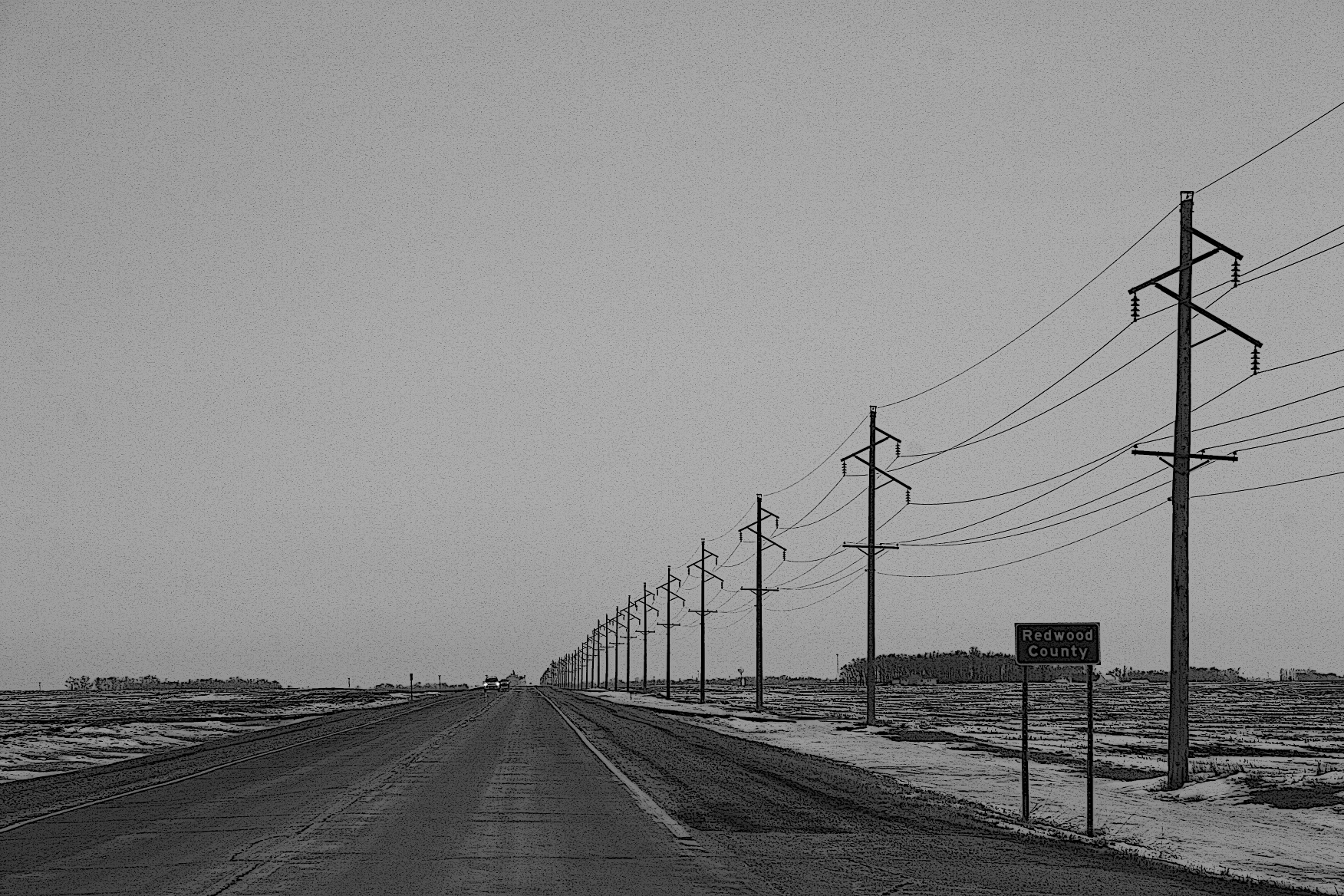
Entering my home county of Redwood along Minnesota State Highway 68 southeast of Morgan.

Entering my home county of Redwood along Minnesota State Highway 68 southeast of Morgan. Rural Redwood County is the setting for most of my poetry.

POETRY. That single word encompasses language, music, art, emotion and more. It’s a word to be celebrated in April, designated as National Poetry Month by the Academy of American Poets.

I’ve written poetry for about four decades, but not with particular passion or regularity until recent years. Something has evolved within me as a writer, directing me from the narrow path of journalistic style writing to the creativity of penning poetry.

Perhaps a parcel of my new-found enthusiasm can be traced to my publishing success. Seventeen, soon to be 18, of my poems have been published in places ranging from literary journals to anthologies to billboards to a devotional and more. I figure if editors have accepted my poetry for publication, I must be doing something right. And when they reject my poetry, as has happened often enough, they were correct in those decisions.

An abandoned farmhouse along Minnesota State Highway 19 east of Vesta on the southwestern Minnesota prairie.

An abandoned farmhouse, like this one along Minnesota State Highway 19 east of Vesta on the southwestern Minnesota prairie, inspired my poem, “Abandoned Farmhouse,” published in Poetic Strokes, A Regional Anthology of Poetry from Southeastern Minnesota, Volume 3.

Most of my poems are rooted in childhood memories from the southwestern Minnesota prairie. I write about topics like barns, walking beans, an abandoned farmhouse, canned garden produce, taking lunch to the men in the field and such.

My poetry rates as visually strong and down-to-earth. There’s no guessing what I am writing about in any of my poems.

Barns, like this one along Minnesota Highway 60 west of Waterville, have woven into my poetry.

Barns, like this one along Minnesota Highway 60 west of Waterville, have woven into my poetry.

Here, for example, is my poem which published in Volume One of Lake Region Review, a high-quality west central Minnesota-based literary magazine of regional writing. To get accepted into this journal in 2011 and then again in 2012 significantly boosted my confidence as a poet given the level of competition and the credentials of other writers selected for publication.

This Barn Remembers

The old barn leans, weather-weary,
shoved by sweeping prairie winds,
her doors sagging with the weight of age,
windows clouded by the dust of time.

Once she throbbed with life
in the heartbeats of 30 Holsteins,
in the footsteps of my farmer father,
in the clench of his strong hands
upon scoop shovel and pitchfork.

This barn spoke to us,
the farmer and the farmer’s children,
in the soothing whir of milking machines
pulsating life-blood, rhythmic, constant, sure.

Inside her bowels we pitched putrid piles of manure
while listening to the silken voices of Charlie Boone
booming his Point of Law on ‘CCO
and Paul Harvey wishing us a “good day,”
distant radio signals transmitting from the Cities and faraway Chicago.

This barn remembers
the grating trudge of our buckle overshoes upon manure-slicked cement,
yellow chore-gloved hands gripping pails of frothy milk,
taut back muscles straining to hoist a wheelbarrow
brimming with ground corn and pungent silage.

This barn remembers, too,
streams of hot cow pee splattering into her gutters,
rough-and-tumble farm cats clumped in a corner
their tongues flicking at warm milk poured into an old hubcap,
and hefty Holsteins settling onto beds of prickly straw.

A rural scene along U.S. Highway 14 near Nicollet.

A rural scene along U.S. Highway 14 near Nicollet.

Let’s examine “This Barn Remembers” to see how I created this poem. Always, always, when penning a poem like this, I shut out the present world and close myself into the past.

I rely on all five senses, not just the obvious sight and sound, to engage the reader:

  • sight—sagging doors, clouded windows, manure-slicked cement
  • sound—soothing whir of milking machines, grating trudge of buckle overshoes, silken voices of Charlie Boone
  • taste—tongues flicking warm milk
  • touch—in the clench of his strong hands, gripping pails of frothy milk, settling onto beds of prickly straw
  • smell—putrid piles of manure, pungent silage

Strong and precise verbs define action: shoved, throbbed, booming, gripping, brimming, splattering, flicking

Literary tools like alliteration—pitched putrid piles of manure—and personification—the barn taking on the qualities of a woman—strengthen my poem.

The words and verses possess a certain musical rhythm. This concept isn’t easy to explain. But, as a poet, I know when my composition dances.

I also realize when I’ve failed, when a poem needs work and/or deserves rejection.

That all said, the best advice I can offer any poet is this:

  • Write what you know.
  • Write from the heart.
  • Write in your voice.
  • Write with fearlessness and honesty. (Note especially this line: “…streams of hot cow pee splattering into her gutters…”)
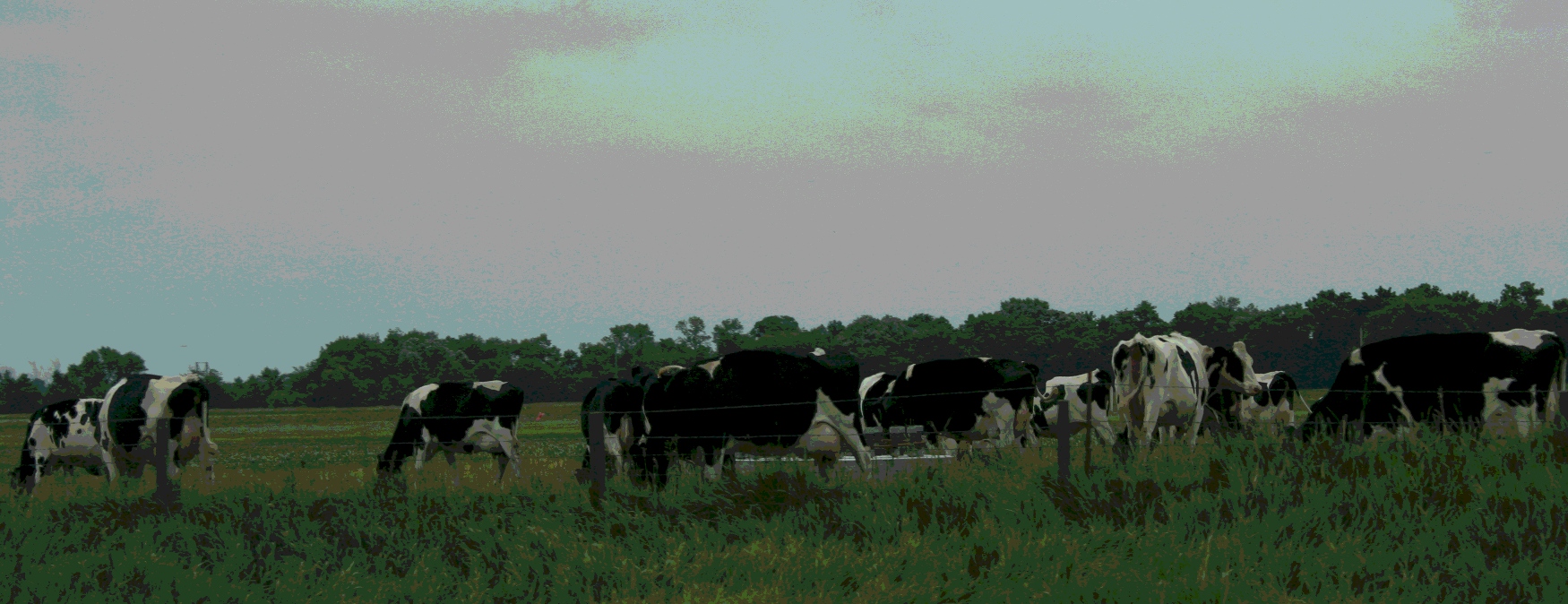
I grew up on a dairy and crop farm, so I know cows well enough to write about them in my poetry.

I grew up on a dairy and crop farm, so I know cows well enough to write about them in my poetry.

You can bet I smelled that hot cow pee, watched the urine gushing from Holsteins into the gutter, pictured a younger version of myself dodging the deluges, when I penned “This Barn Remembers.” Writing doesn’t get much more honest than cow pee.

IF YOU’RE A POET, a lover of poetry and/or an editor, tell me what works for you in composing/reading/considering poetry.

© Copyright 2013 Audrey Kletscher Helbling
 

In loving memory of my farmer dad April 3, 2013

Filed under: Uncategorized — Audrey Kletscher Helbling @ 7:56 AM
Tags: , , , , , , , ,
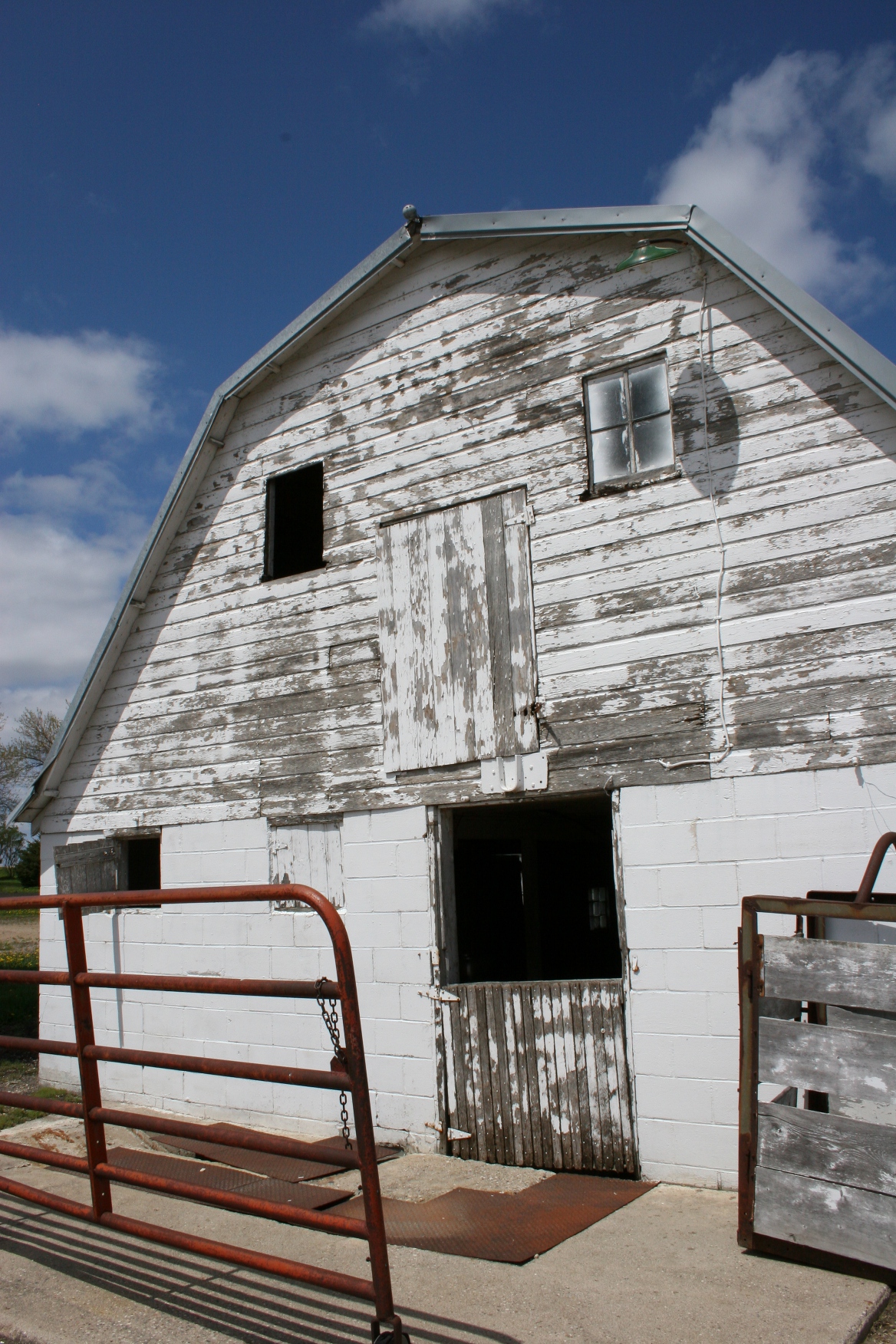
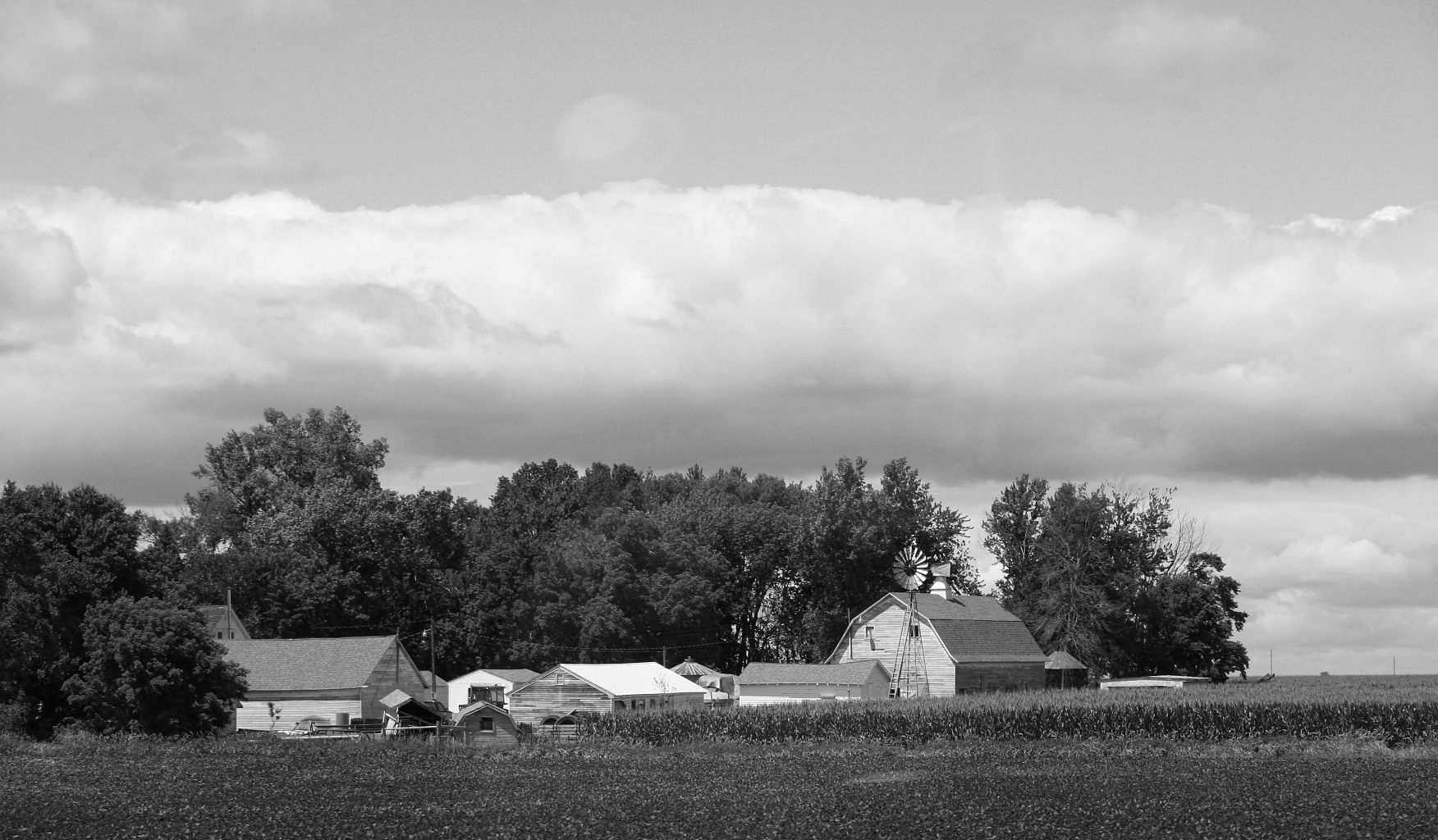
The barn where I labored alongside my father while growing up on the southwestern Minnesota prairie. File photo.

The barn where I labored alongside my father while growing up on the southwestern Minnesota prairie. File photo.

CALL ME THE BARD of barns, if you will, for barns have inspired me to pen poetic words and to compose poetic photos.

There is something about a barn rising strong and majestic or sagging with the burden of age that moves me. I am reminded of my childhood years toiling in the barn—scraping manure, wheeling ground corn in the wheelbarrow, forking silage.

Cats clumped in corners. Buckle overshoes slapping against cement. WCCO booming “Point of Law.”

Fly specks. Pink baby mice. Long sandpaper cow tongues.

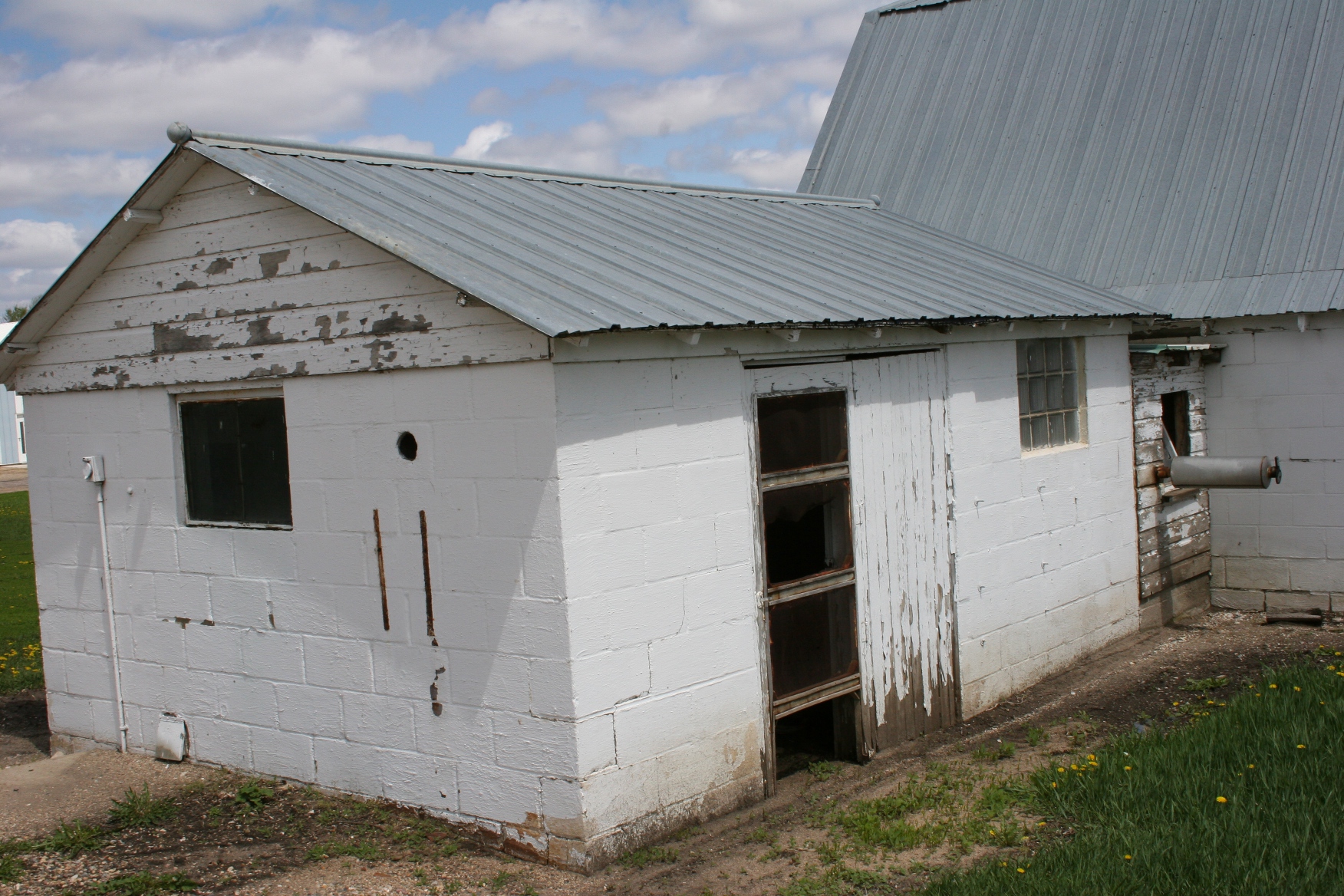
The milkhouse, attached to family barn. File photo.

The abandoned milkhouse, attached to family barn. File photo.

Stuck drinking cups overflowing. Twine on bales. Pails of frothy milk.

Cracked, chapped bleeding hands slimed with Cornhuskers lotion.

Footsteps of my father. Time with Dad. Gone 10 years ago today.

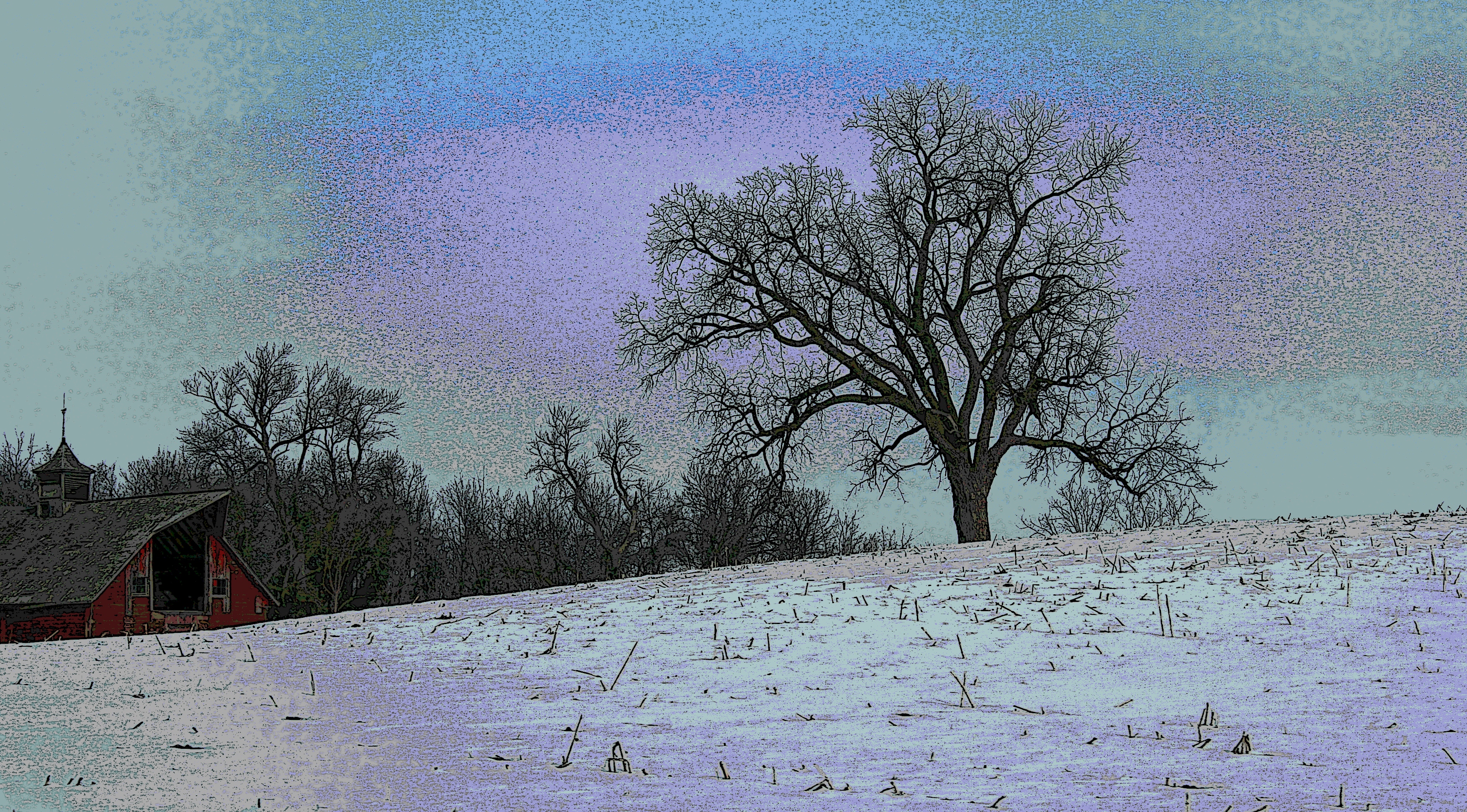
A snippet of the land my father farmed, my middle brother after him. The land and farm site are now rented out.

A snippet of the land my father farmed, my middle brother after him. The land and farm site are now rented out.

© Copyright 2013 Audrey Kletscher Helbling


The Poetry Barn March 3, 2013

Filed under: Uncategorized — Audrey Kletscher Helbling @ 12:18 PM
Tags: , , , , , , , ,

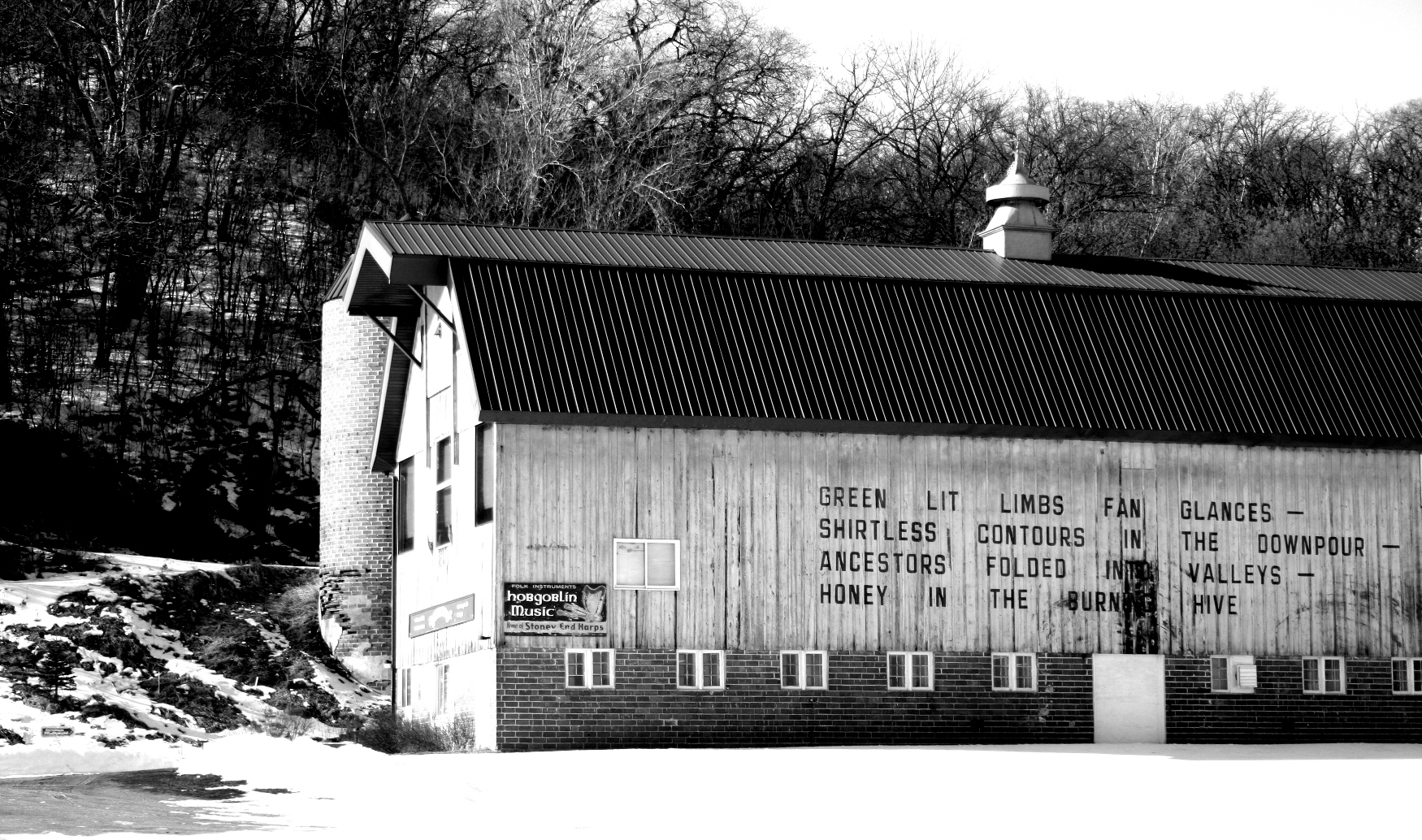
OFFICIALLY, IT’S CALLED Stoney End Music Barn.

But I call it The Poetry Barn.

Stoney End Music Barn, 920 State Highway 19, Red Wing, Minnesota

Stoney End Music Barn, 920 State Highway 19, Red Wing, Minnesota

Tucked into a wooded hillside just west of Red Wing, an aged sprawling barn draws the attention of travelers on Minnesota Highway 19. If not for the words, this barn might go unnoticed, blending into the rural landscape.

But there the barn stands, block print letters painted upon peeling paint.

Perhaps passersby ponder the poetry posted. Perhaps not.

I have photographed the barn on a sunny Saturday in March, just another person passing by en route to and from the Mississippi River town of Red Wing. Like so many others, I am in a hurry with no time to pause and explore this roadside attraction.

I have missed so much. Stoney End Music Barn, I later learn, houses a team of musicians who craft primarily harps—having made more than 7,000 since 1984.

The renovated barn is also home to the Hobgoblin Music Store and a third floor music loft/concert hall.

So you see, Stoney End Music Barn truly is a poetry barn, for music is poetry.

© Copyright 2013 Audrey Kletscher Helbling
 

Two delicious Minnesota food events & that Wisconsin barn October 12, 2012

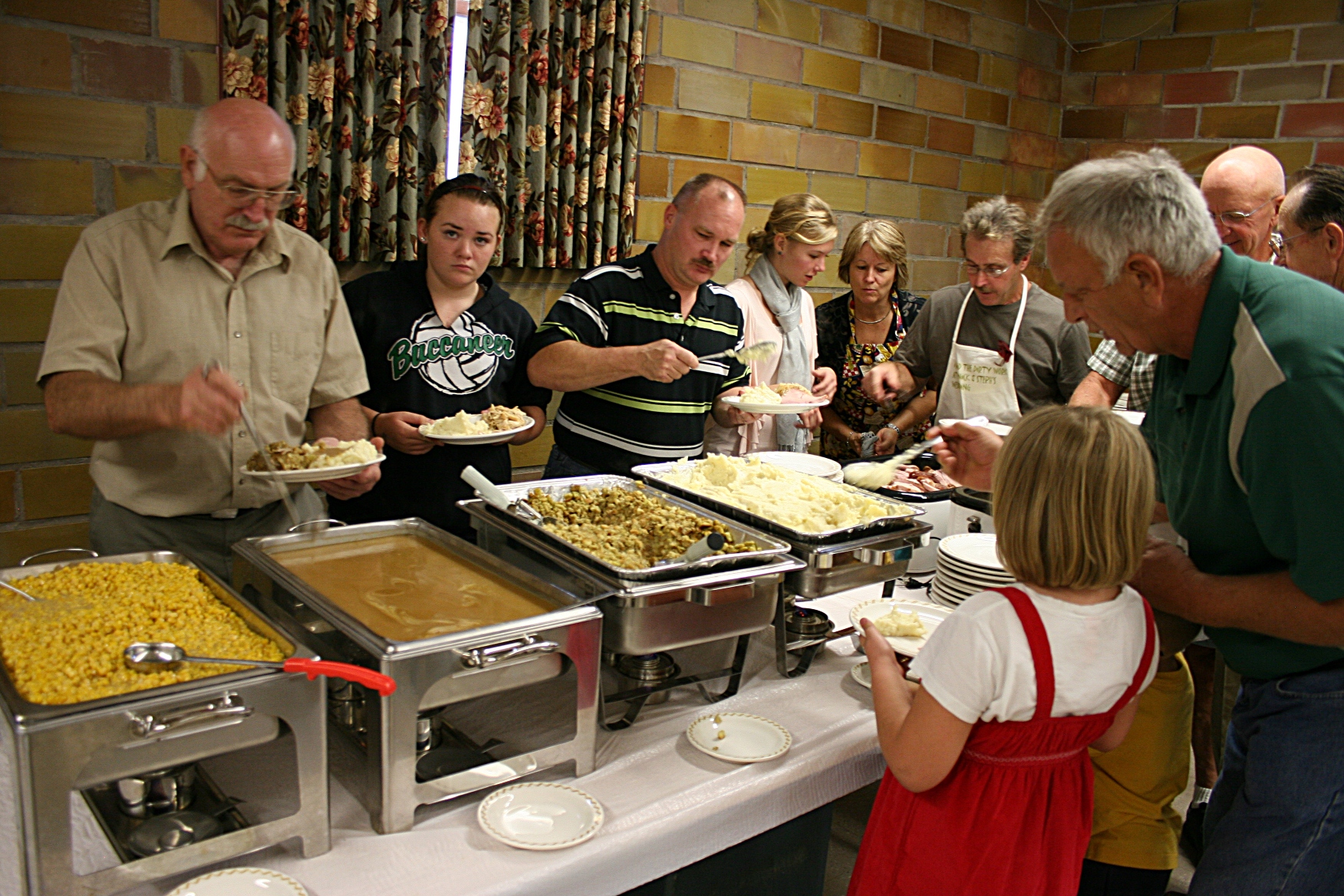
Diners dish up at last year’s fall dinner at Trinity Lutheran Church, North Morristown.

IN RECENT YEARS I’VE become an enthusiastic church dinner foodie.

And this Sunday, October 14, my favorite of all church dinners will be served at Trinity Lutheran Church, North Morristown, in western Rice County.

Let me tell you, these parishioners can cook. You’ll get real homecooked food from potatoes that have been peeled and mashed to garden grown squash to fresh-baked bread to ham that’s not pressed.

This is the meal you’ll get at Trinity Lutheran Church, North Morristown’s, fall dinner and more. Delicious.

The full menu includes turkey, ham, potatoes and gravy, dressing, squash, corn, cranberries, bread and cake. If you pile all of that onto your plate, you won’t need another meal on Sunday.

And, get this: This generous fall dinner will cost you only $10 (ages 13 and older), $5 for 6-12-year-olds and free for those five and under.

Serving is from 11 a.m. – 1 p.m. Be prepared to wait upstairs in the sanctuary for tables to empty in the church basement.

You might want to attend the 9:30 a.m. church service so you can be among the first in line.

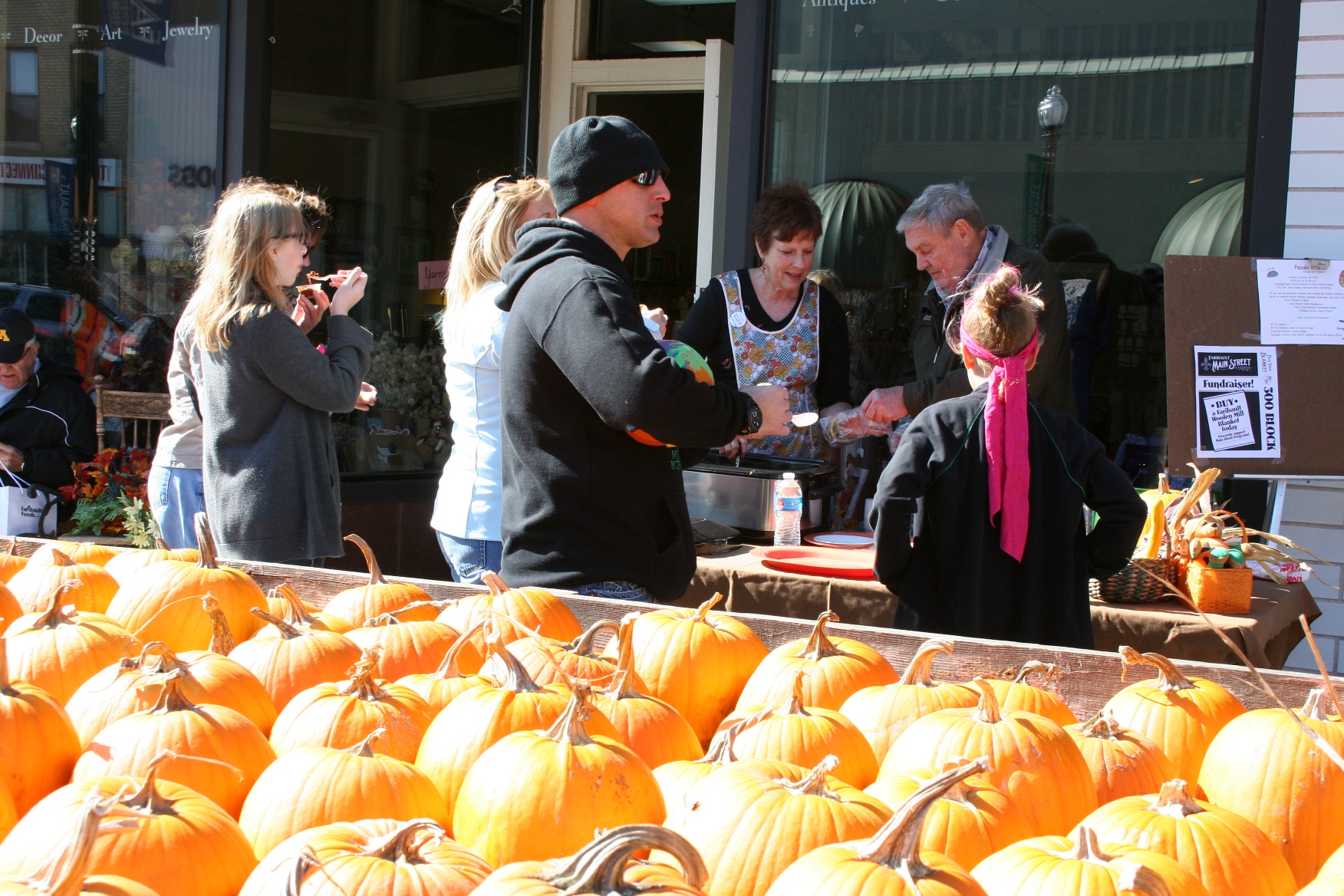
Participants in last year’s Chili Contest dish up chili at a business along Central Avenue during the Fall Festival.

ANOTHER AREA FOOD EVENT actually happens a day earlier during the Fall Festival in downtown Faribault from 10:30 a.m. – 3 p.m. Saturday. In addition to an 11 a.m. costume parade, pumpkin painting and other activities for the kids, a Chili Contest is part of the celebration.

You can eat your way down historic Central Avenue sampling about 30 chilis between 11 a.m. – 1 p.m. I’d advise arriving earlier rather than later as in the past some competitors have run out of chili. I believe the cost is $3, a real deal considering you will have your fill of chili.

Be sure to vote for your favorite because the winning chili will be featured every Friday from October through February at Boston’s The Gourmet Pizza.

Seriously, people, two days of no cooking and eating great homecooked food on the cheap works for me.

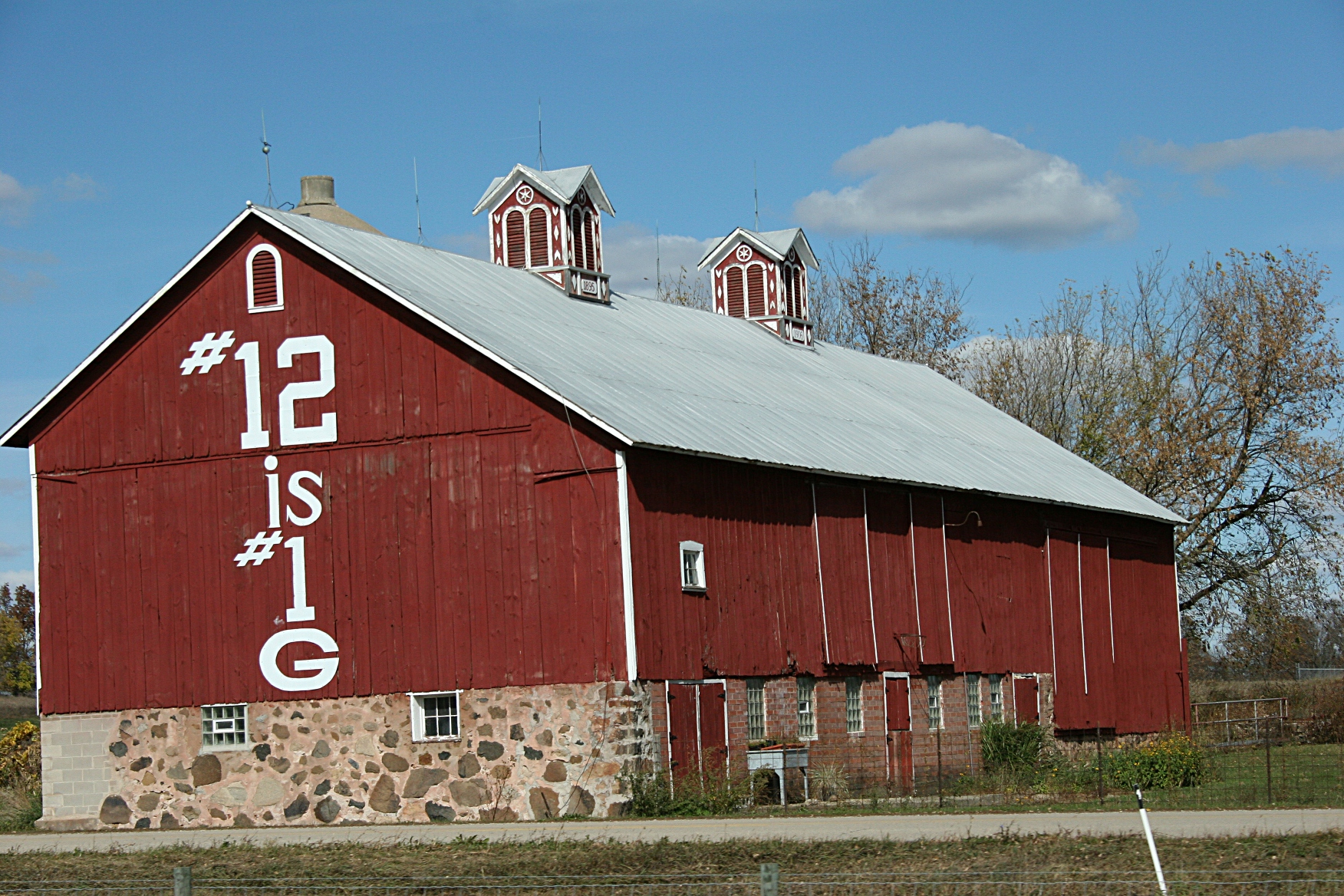
FINALLY…REMEMBER that Wisconsin barn I featured here earlier this week? You know the one with the message “#12 is #1G.” I wanted you to guess if the barn was painted green, gold or red.

Well, dear readers, here is the true barn color:

Yes, the barn is red.

I know some of you are perhaps disappointed that the barn is not Green Bay Packers green or gold.

But, I must tell you that, while shopping at Festival Foods in Appleton, Wisconsin, last Saturday, my husband and I found green and gold brat and hamburger buns on a special Green Bay Packers food display.

I could have kicked myself for not bringing my camera into the grocery store. Randy photographed the buns with his cell phone. So if we ever figure out how to get that photo onto my computer, I will show you those green and gold buns.

I am not making this up.

#

MY APOLOGIES, READERS, for the over-sized images here. But I’ve tried to reduce them without success; apparently some technical issues going on here with WordPress.

© Copyright 2012 Audrey Kletscher Helbling
 

Traveling photography February 23, 2012

Filed under: Uncategorized — Audrey Kletscher Helbling @ 9:14 AM
Tags: , , , , , , ,

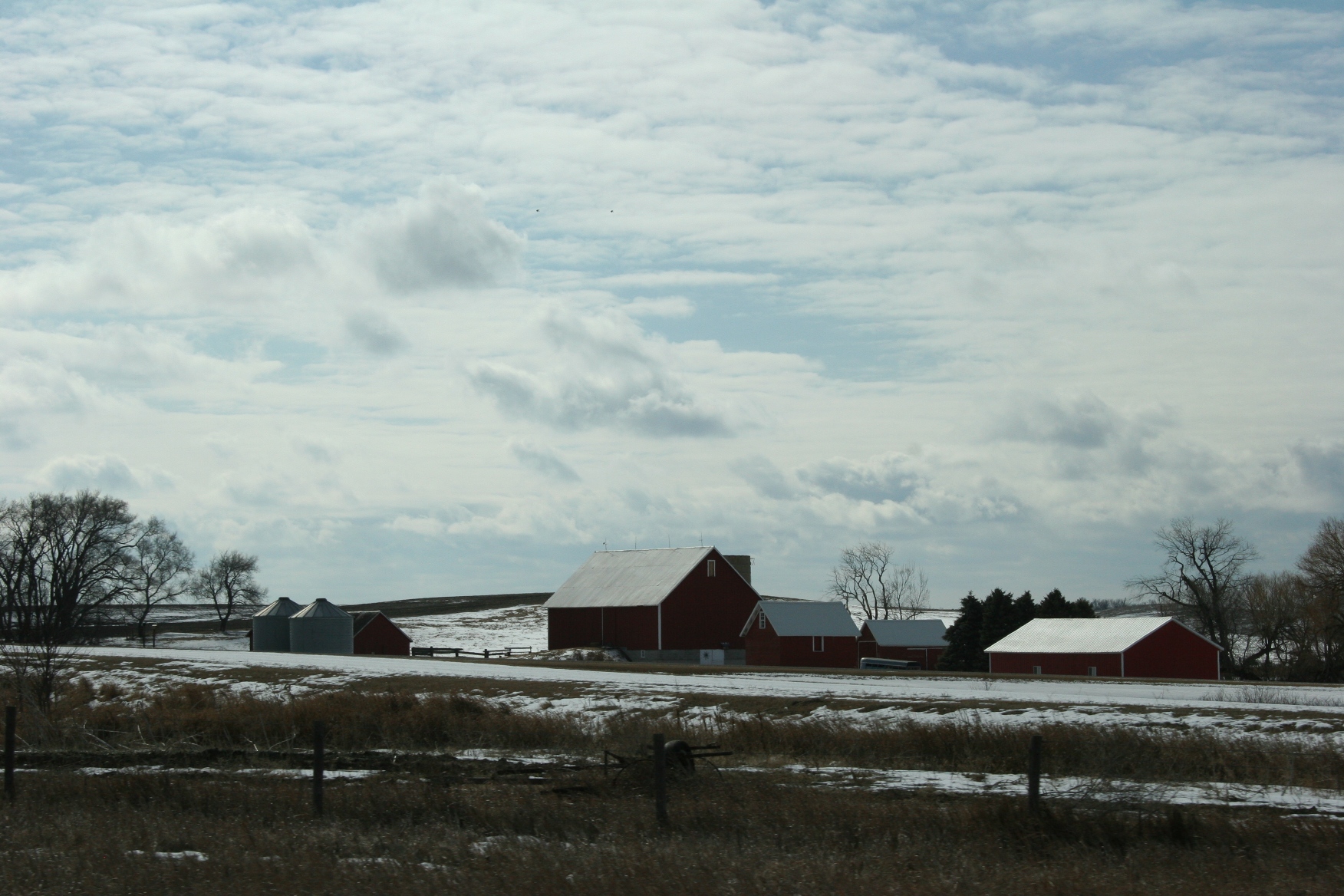
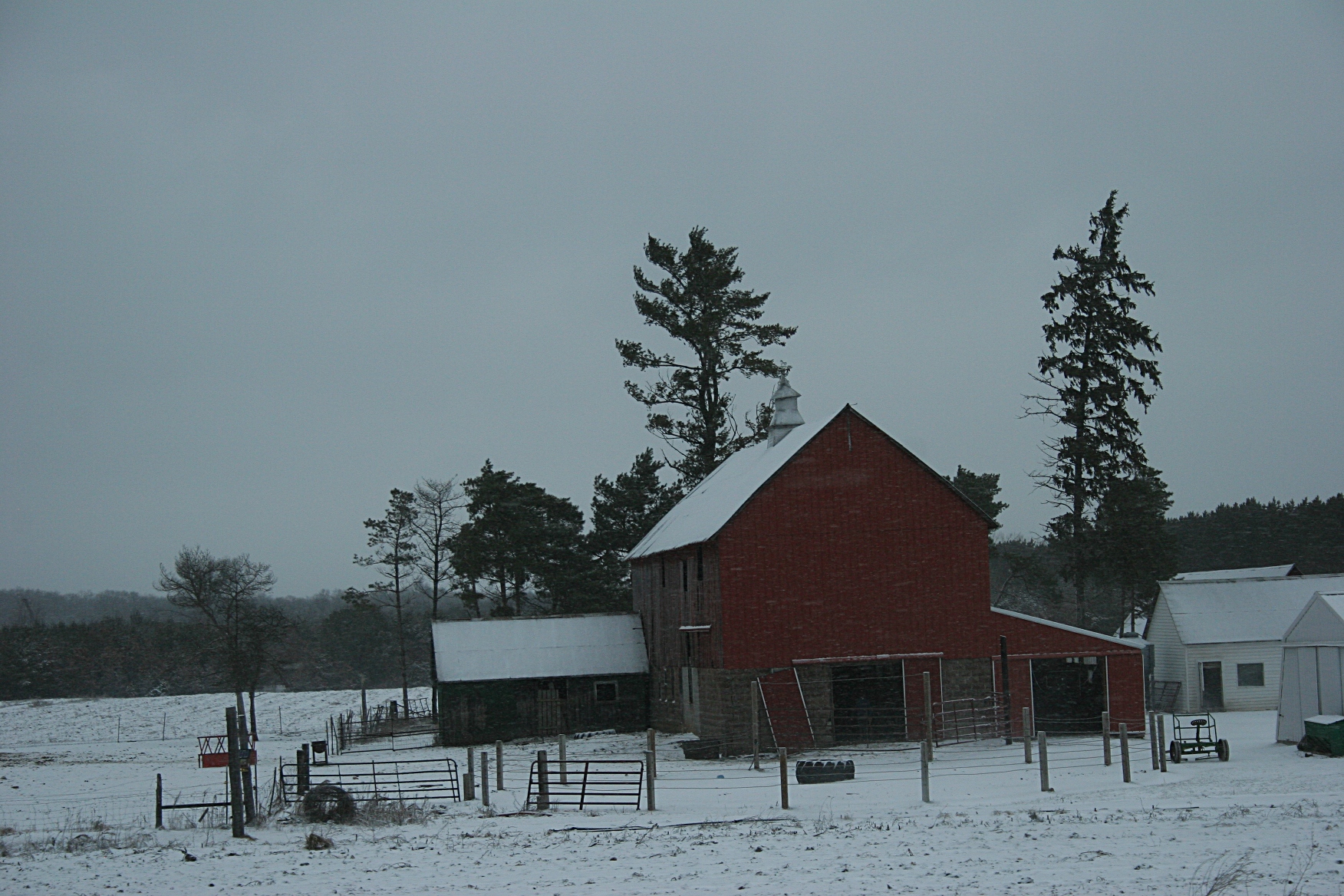
The clouds, the lighting, the red buildings slung against the sky drew my eyes and camera toward this farm along I-94 in western Minnesota.

I WASN’T ALWAYS a fan of winter photography. Honestly, who likes to navigate snow and ice and freeze your fingers off to shoot images? Not me.

But, since discovering on-the-road travel photography—meaning I actually fire off frames while riding in a vehicle traveling at highway/interstate speeds of 55 – 70 mph—I’ve come to embrace winter photography.

I started clicking my shutter when I saw this picturesque farm in the Avon/Albany area. This is frame two.

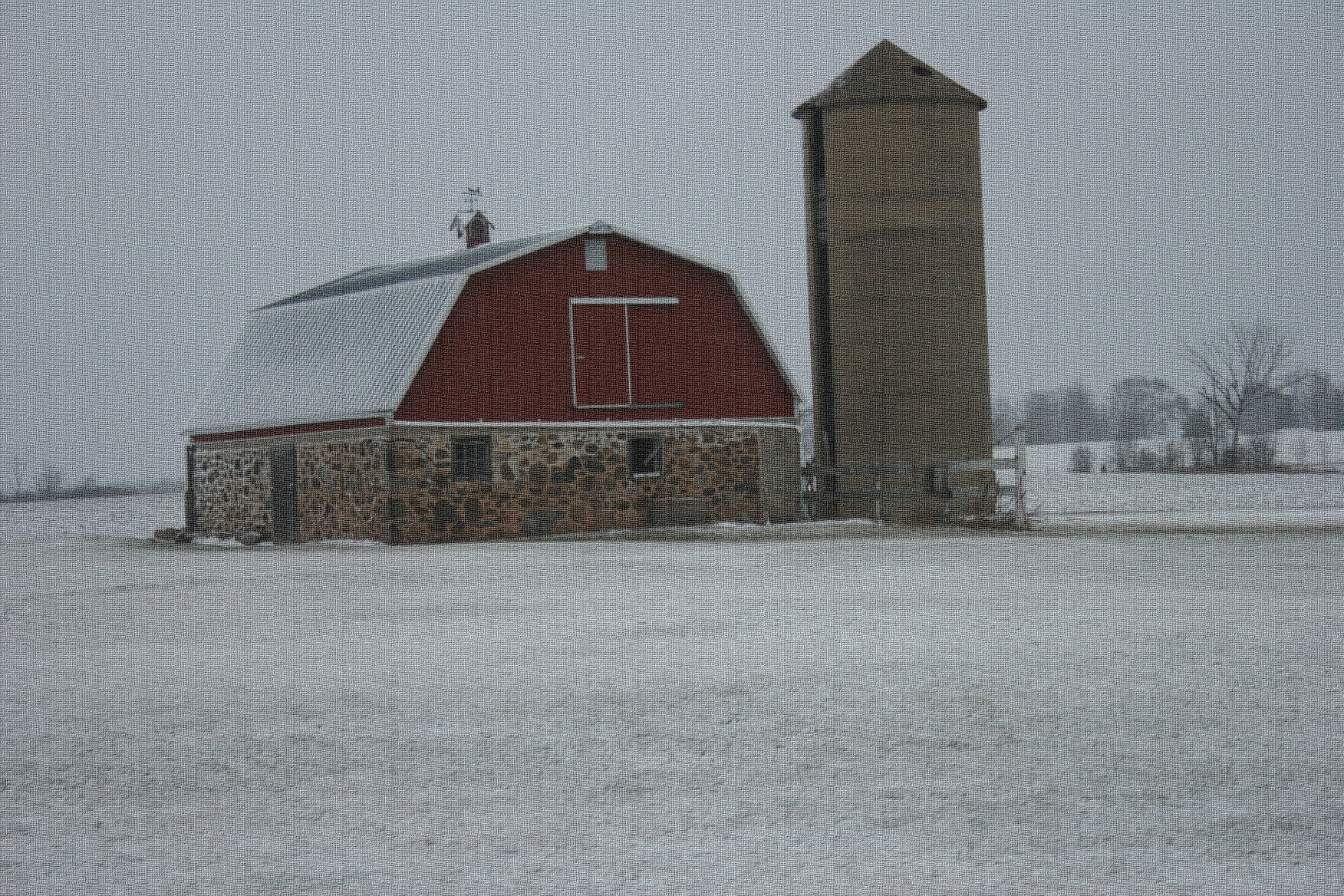
By the third frame, this beautiful fieldstone barn came into my sight line.

In winter the landscape lies exposed, giving a photographer ample opportunity to see and photograph subjects which, in other seasons, remain hidden. And I, for one, appreciate that openness and vulnerability.

My eyes fly across the landscape as I ride shotgun, camera in hand set to a fast shutter speed (the sports mode in automatic settings), poised to click the shutter button.

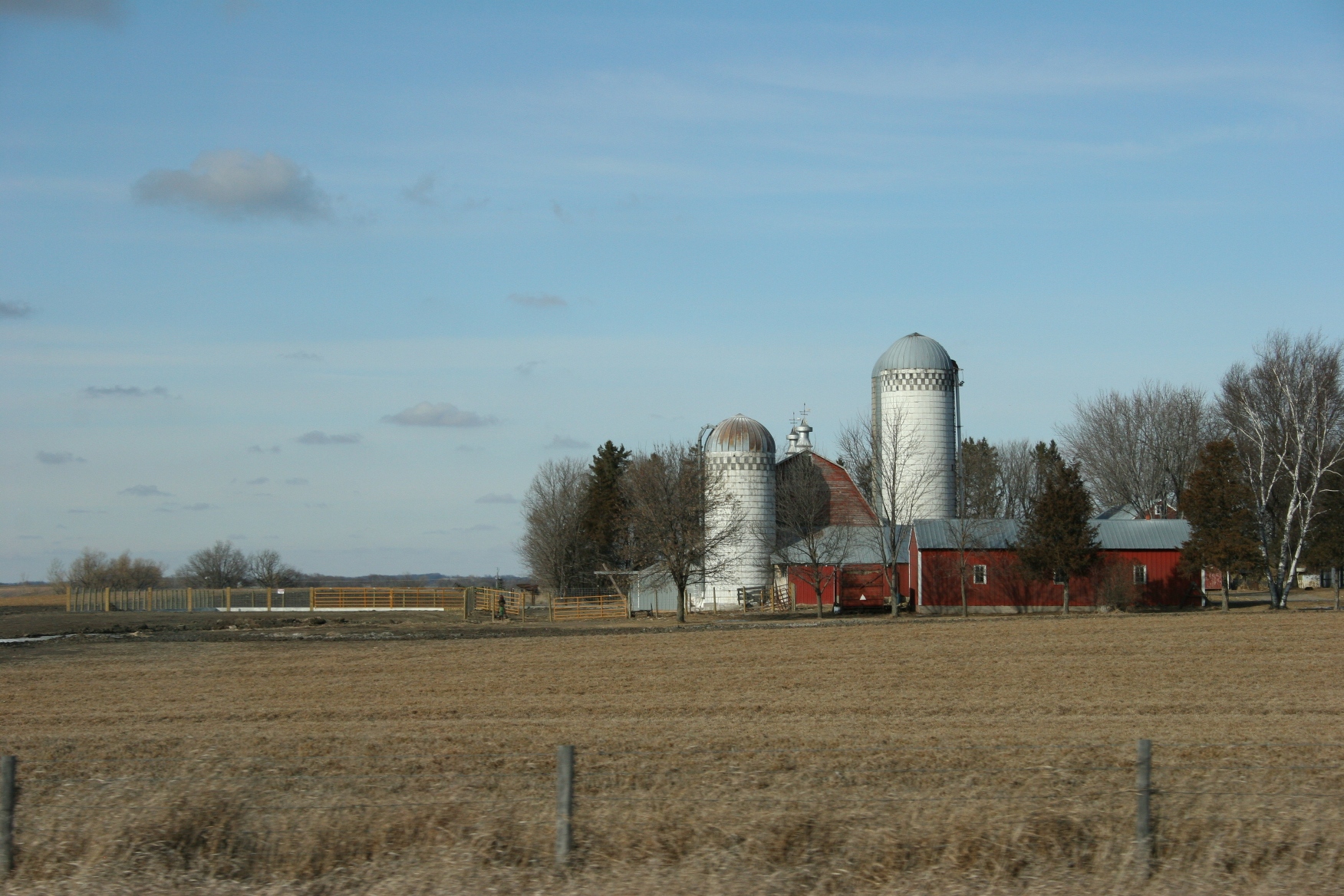
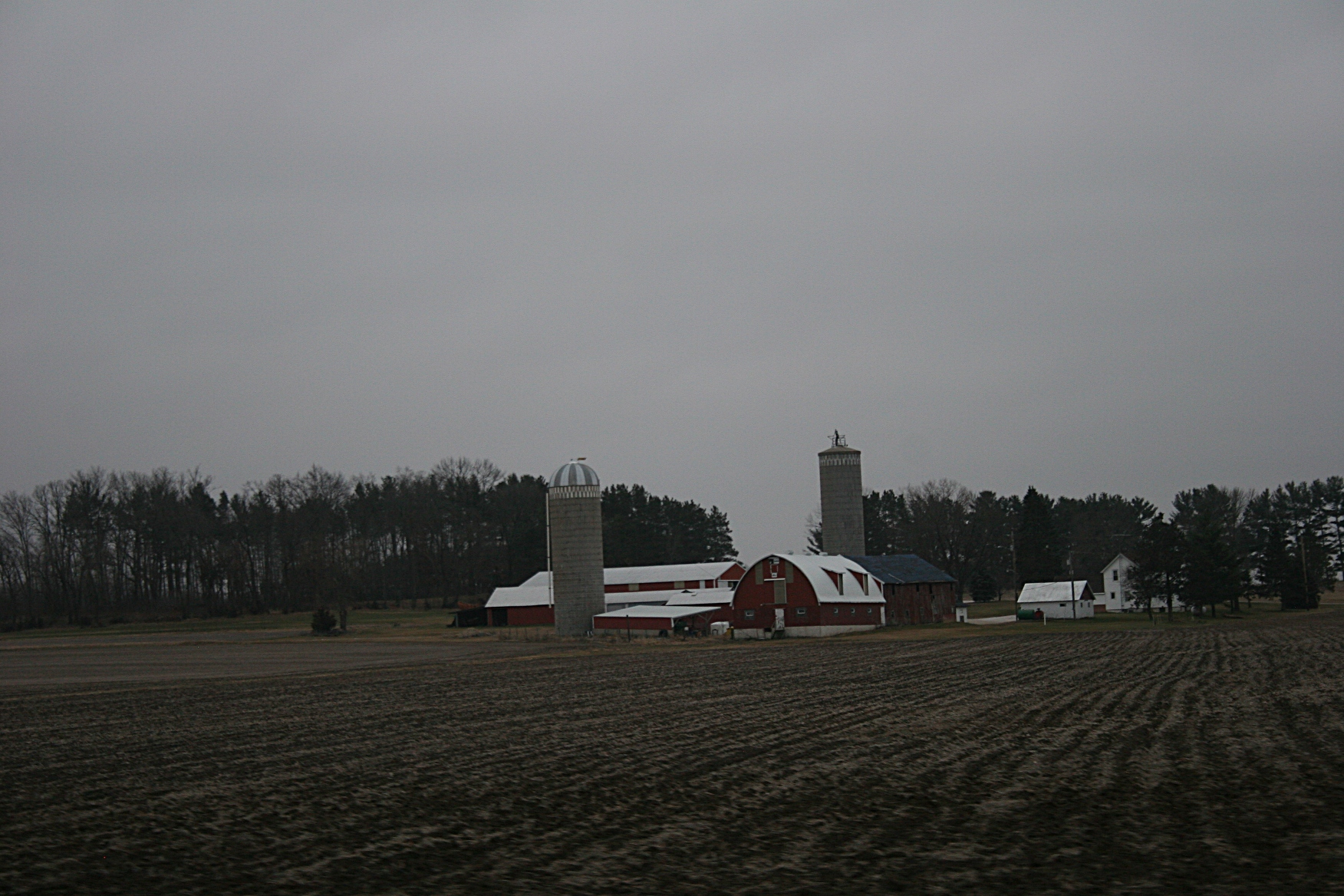
The weathered barn and the lighting around the silos drew me to photograph this scene.

Farm sites, specifically barns, cause me to lift my ever-ready camera from my lap, focus and shoot. Sometimes I get the shot, sometimes I don’t. It’s all in the timing and the ability to compose on the fly.

Consistently, the quality of these on-the-road photos surprises me, in a good way. Often I couldn’t have gotten better results had I stood still in front of the subject, focused and composed with care and shot many frames.

Of course, I’ve missed plenty of photo ops, too, because I’ve been daydreaming or talking or been too slow to react.

I honestly thought I'd missed this shot. But when I saw the results, well, I was pretty pleased.

A recent trip along Interstate 94 to and from Fargo gave me plenty of time to practice on-the-road photography as I focused on farm sites, the landscape and whatever else I found of interest.

An added bonus comes once I download the images into my computer and notice details I failed to see while photographing scenes.

The next time you hit the highway as a passenger on a long road trip, consider trying this type of photography.

Clean your windows, adjust your camera, buckle up and you’re set to roll.

Just one more farm along I-94 that I couldn't resist photographing.

TELL ME, HAVE you ever photographed using this method? What works/doesn’t work for you? And what do you like to photograph?

NOTE: Except to downsize the above images, I have not edited them.

© Copyright 2012 Audrey Kletscher Helbling
 

Preserving central Wisconsin’s rural heritage via on-the-road photography January 5, 2012

Each time I see this Wisconsin barn, I think of the biblical story of Joseph's coat of many colors.

ON OUR FOURTH TRIP through central Wisconsin in a year along the same route—Interstate 90 to Interstate 94 in Tomah then on Wisconsin Highway 21 to Oshkosh, up U.S. Highway 41 to Appleton—I’m getting to know the Dairyland state from her western to near eastern borders.

She’s a beautiful state of rolling hills, flat marsh land, stands of packed pencil-thin pines, too many towns whose names end in “ville,” infinite piles of stacked firewood, cranberry bogs and potato patches, muskrat mounds, cheese stores, Packers fans, small-town bars and barns—oh, the barns that I love to photograph.

One of my favorite barns along Wisconsin Highway 21 because of the stone walls.

As I’ve done on every 600-mile round trip to and from our second daughter’s Appleton home, I capture the scenery via on-the-road photography, meaning I photograph through the passenger side window or windshield of our vehicle at highway speeds. Sometimes I manage to snap a well-composed image. Other times I fail to lift my camera, compose and click in time and miss the photo op.

Journey after journey, I find my eyes drawn to the many old barns that are so much a part of Wisconsin’s landscape and heritage. And mine. Only in Minnesota.

I’ve seen every type of barn, from the well-preserved to the crumbling, pieced-together-with-tin structure. I know that any barn, once left to fall into a rotting pile of boards, will never be replaced by an equally grand structure.

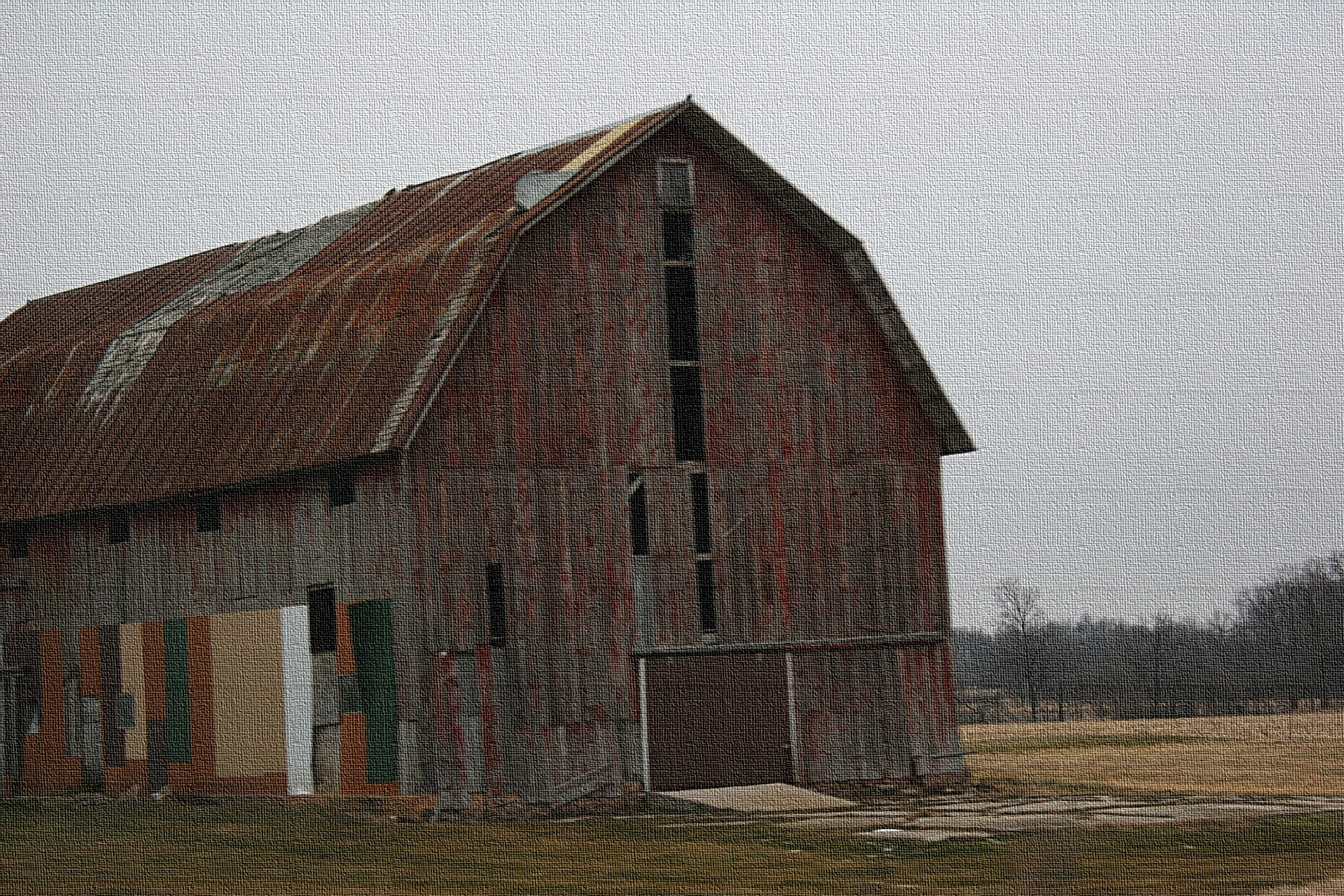
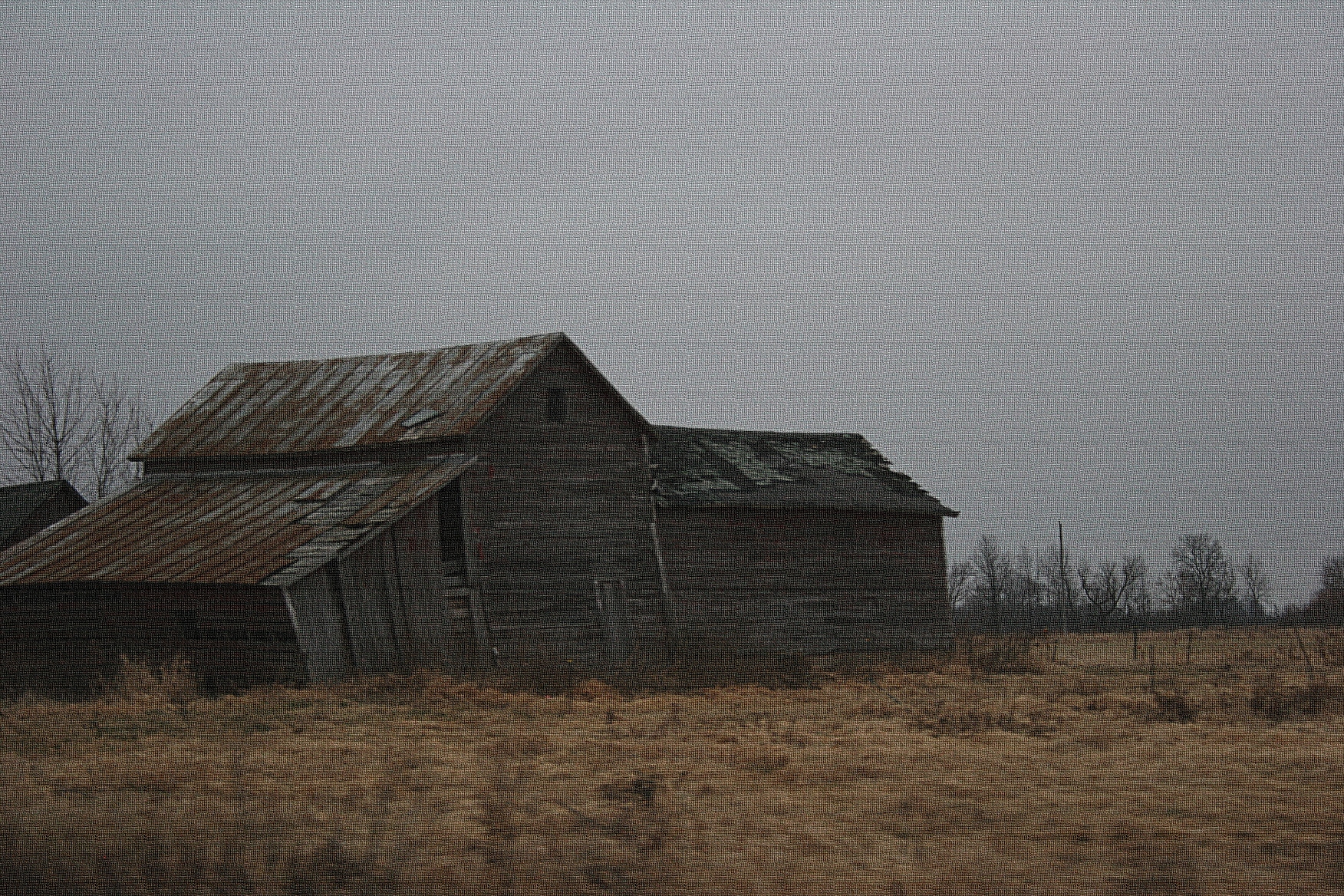
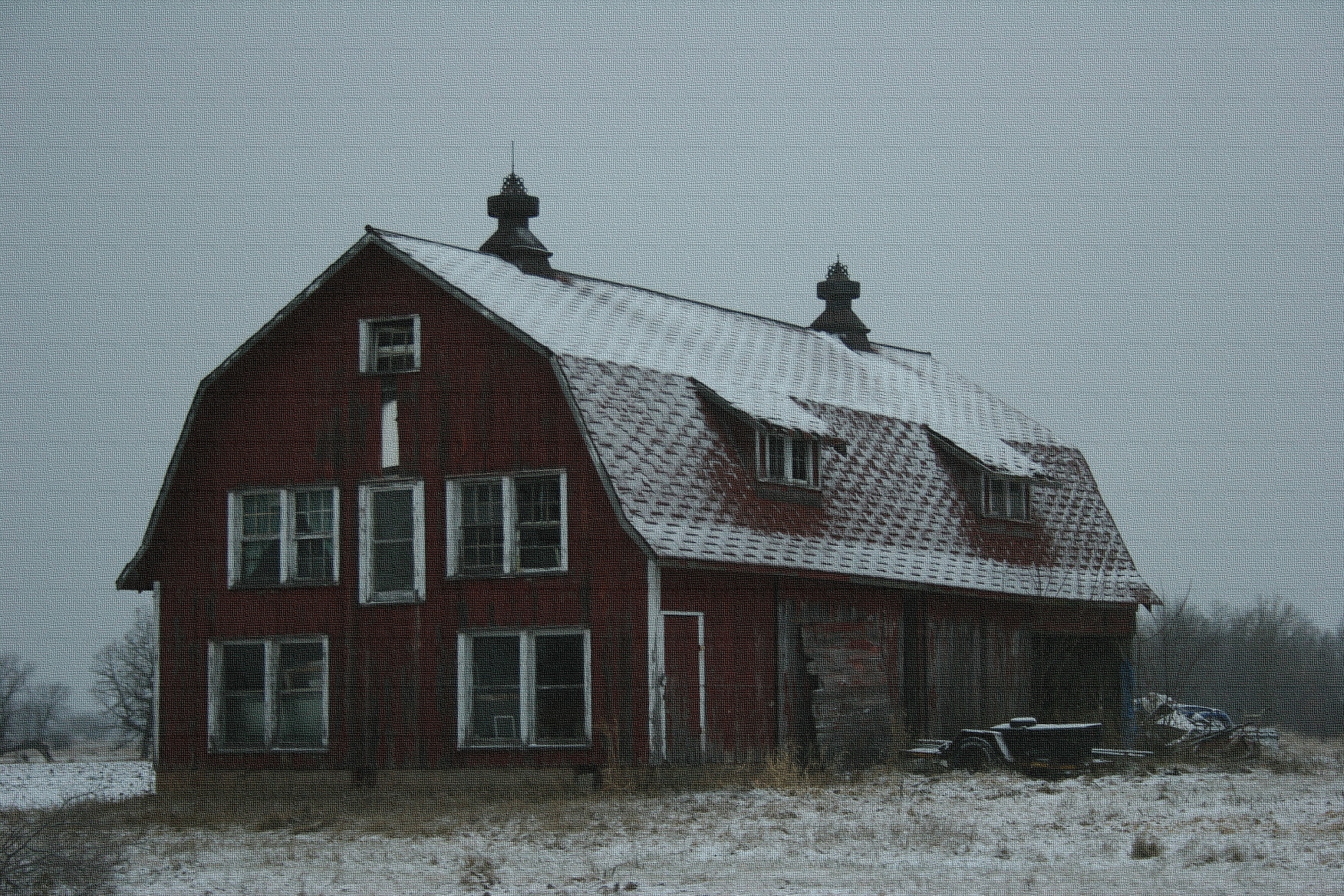
A pieced together weathered barn blends into the gray landscape on a dreary winter afternoon.

A once grand barn shows the first signs of falling into disrepair.

The occasional white barn pops up among the characteristically red barns.

Majestic barns, rising sturdy and proud above the land, are seldom crafted anymore. Instead, mundane metal rectangles sprawl, without any character or beauty, across the landscape. Such structures hold no artistic, but only practical, value on the farm.

Via my barn photography, I am documenting for future generations a way of life—the family farm—which, in many places, has already vanished.

If my photos inspire you to appreciate barns and rural life and the land and our agricultural heritage and the men and women who work the soil and their importance in this great country of ours, then I will have passed along to you something of great worth.

An especially picturesque farm site along Wisconsin Highway 21.

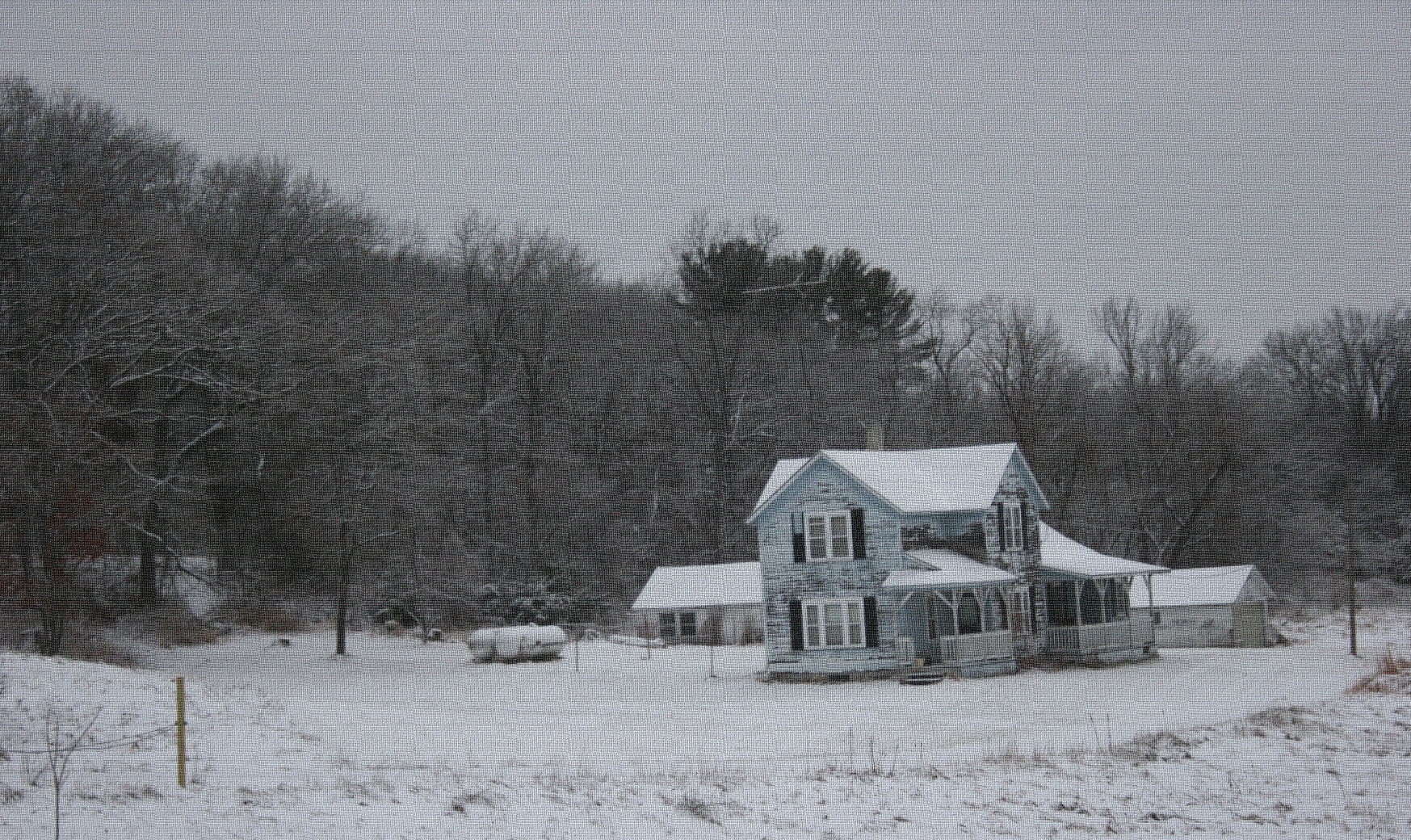
The muted blue-grey of this old farmhouse blends seamlessly with the dreamy landscape on a snowy New Year's Day afternoon in central Wisconsin.

Contrasted against snow, red barns are particularly visually appealing.

NOTE: The above photos were taken on December 30, 2011, and January 1, 2012, along Wisconsin Highway 21 in the central part of the state primarily between Wautoma and Oshkosh.

I have applied a canvas style editing technique to most of the images, creating a quality that is more painting than photo.

© Copyright 2012 Audrey Kletscher Helbling


Snippets of rural Minnesota in photos November 1, 2011

A harvest scene along U.S. Highway 52 in southeastern Minnesota Sunday afternoon.

YOU CAN TAKE the girl off the farm, but you can’t take the farm out of the girl.

Even decades after leaving my childhood farm at age 17 to start my freshman year of college in the fall of 1974, I hold tight to my agricultural roots.
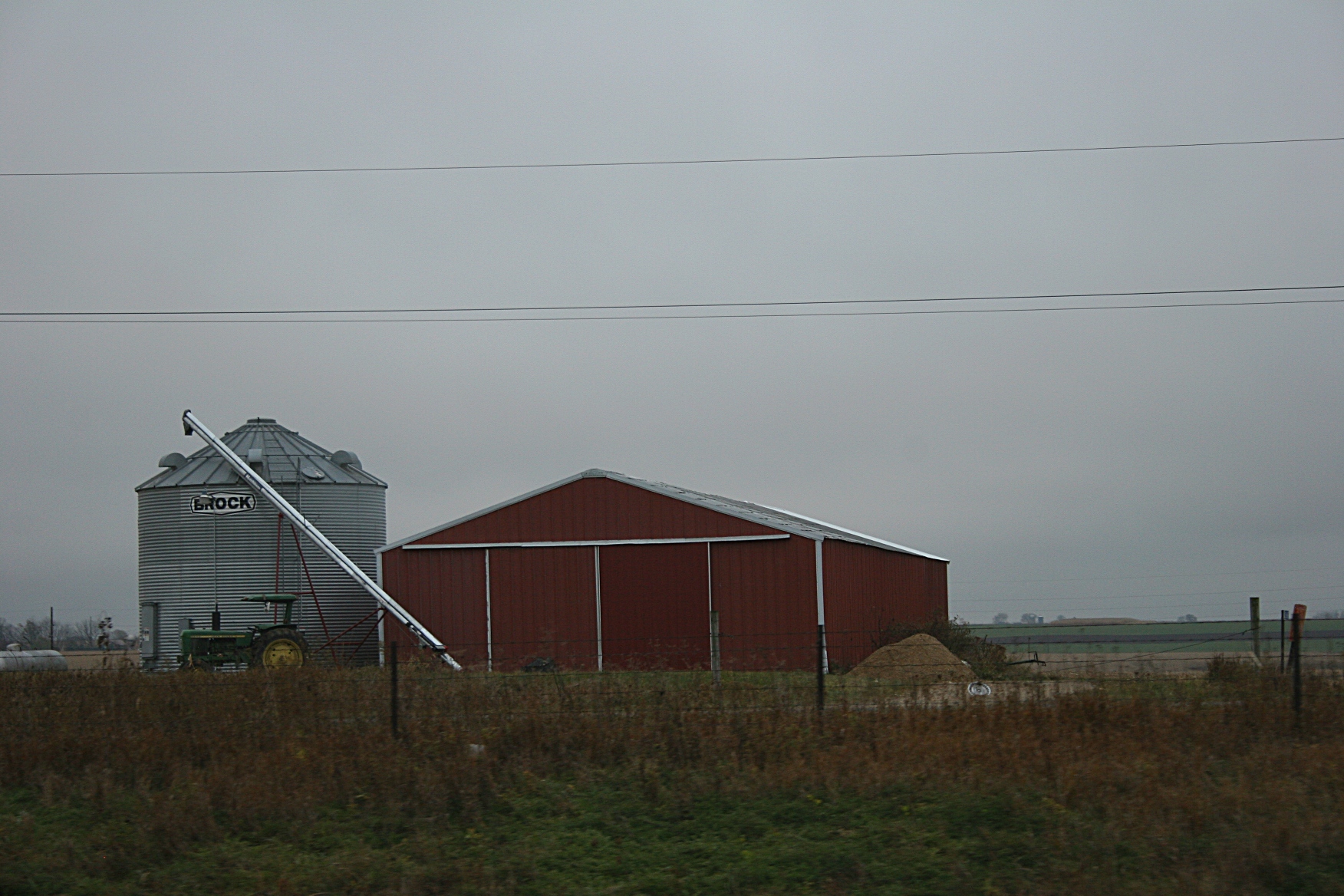
My rural upbringing shaped me as a person, defined me as a writer and photographer.
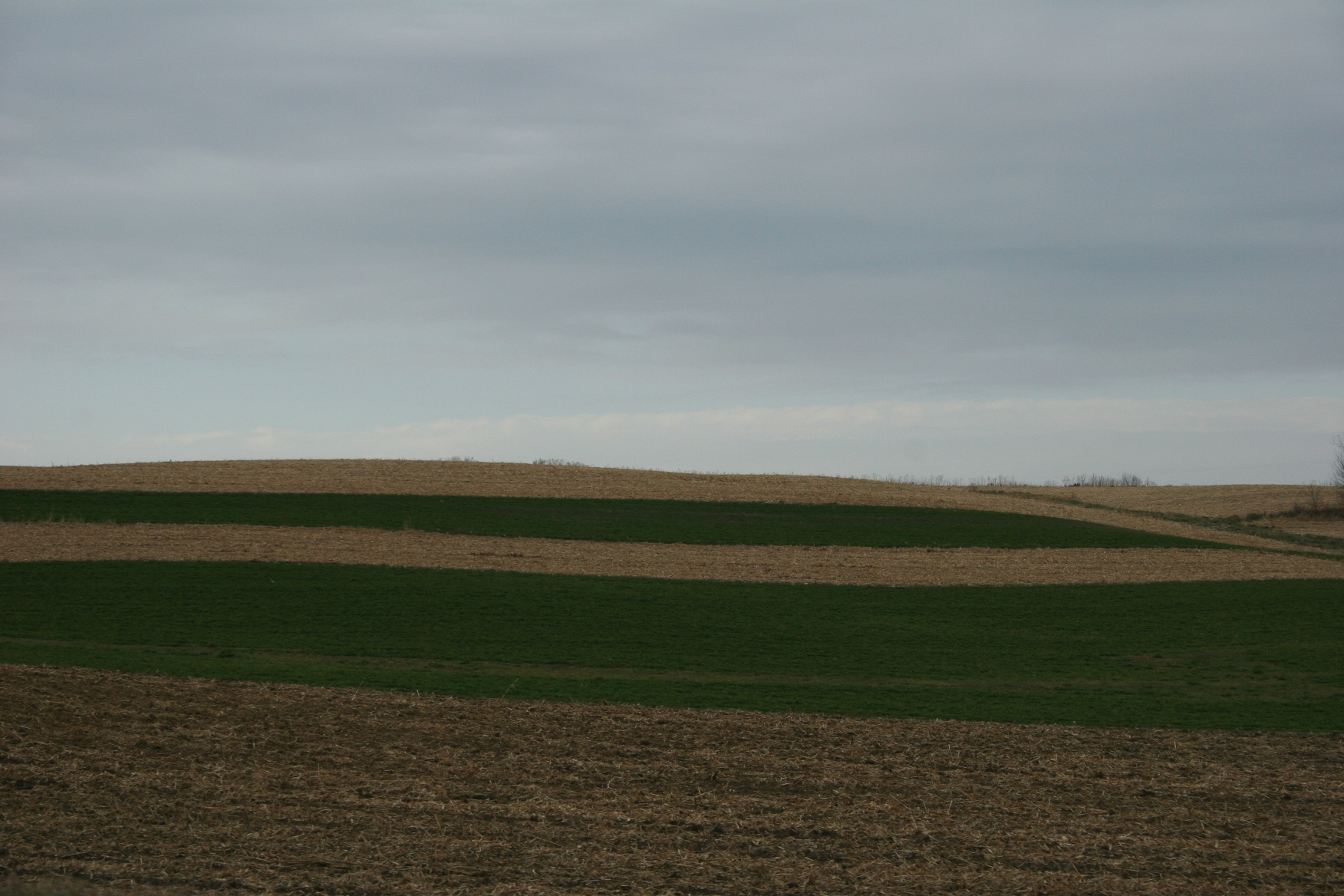
More often than not, I find myself creatively focused on the rural, on those places and memories that remind me of the farm and which hold the strongest grasp on my heart.

So I am naturally drawn to photographing rural landscapes and barns and country churches and tractors and small towns whenever I travel. These are the places and objects to which I feel the deepest connection.
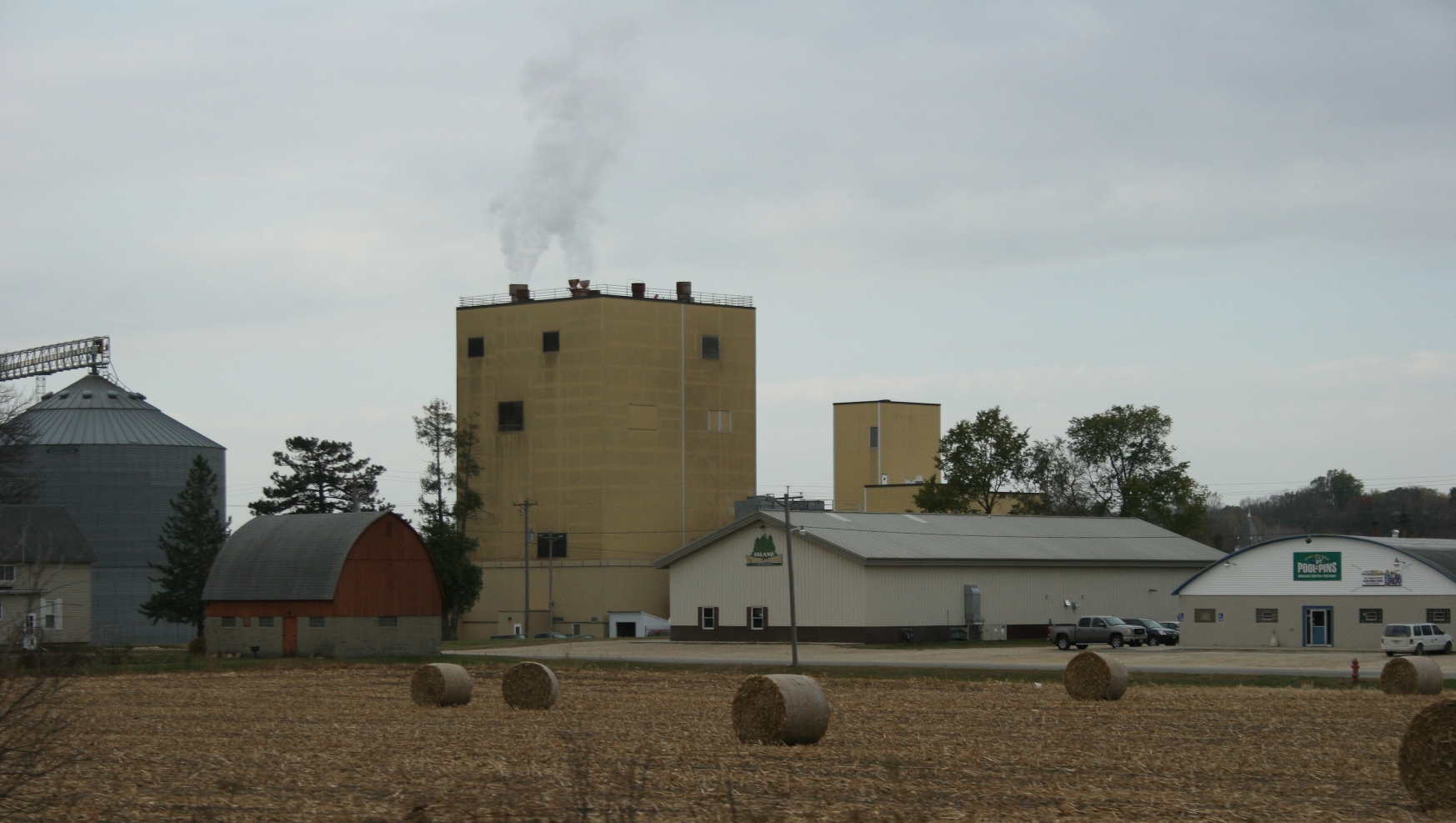
I'm always and forever photographing barns like this one along Hwy 52 between Pine Island and Rochester.

Today I’ll take you along U.S. Highway 52 and Interstate 90 in the southeastern section of Minnesota. I’ll show you rural snippets photographed at highway speeds through the passenger side and front windows of our family’s cars. Yes, cars, plural. My husband and I made a quick jaunt to Tomah, Wisconsin, on Sunday to exchange vehicles with our second daughter. Hers needs repair and we met her half-way between her home and ours.

After 2 ½ hours of travel to reach Tomah, we lunched with Miranda and a friend before turning around and heading back home to Faribault.

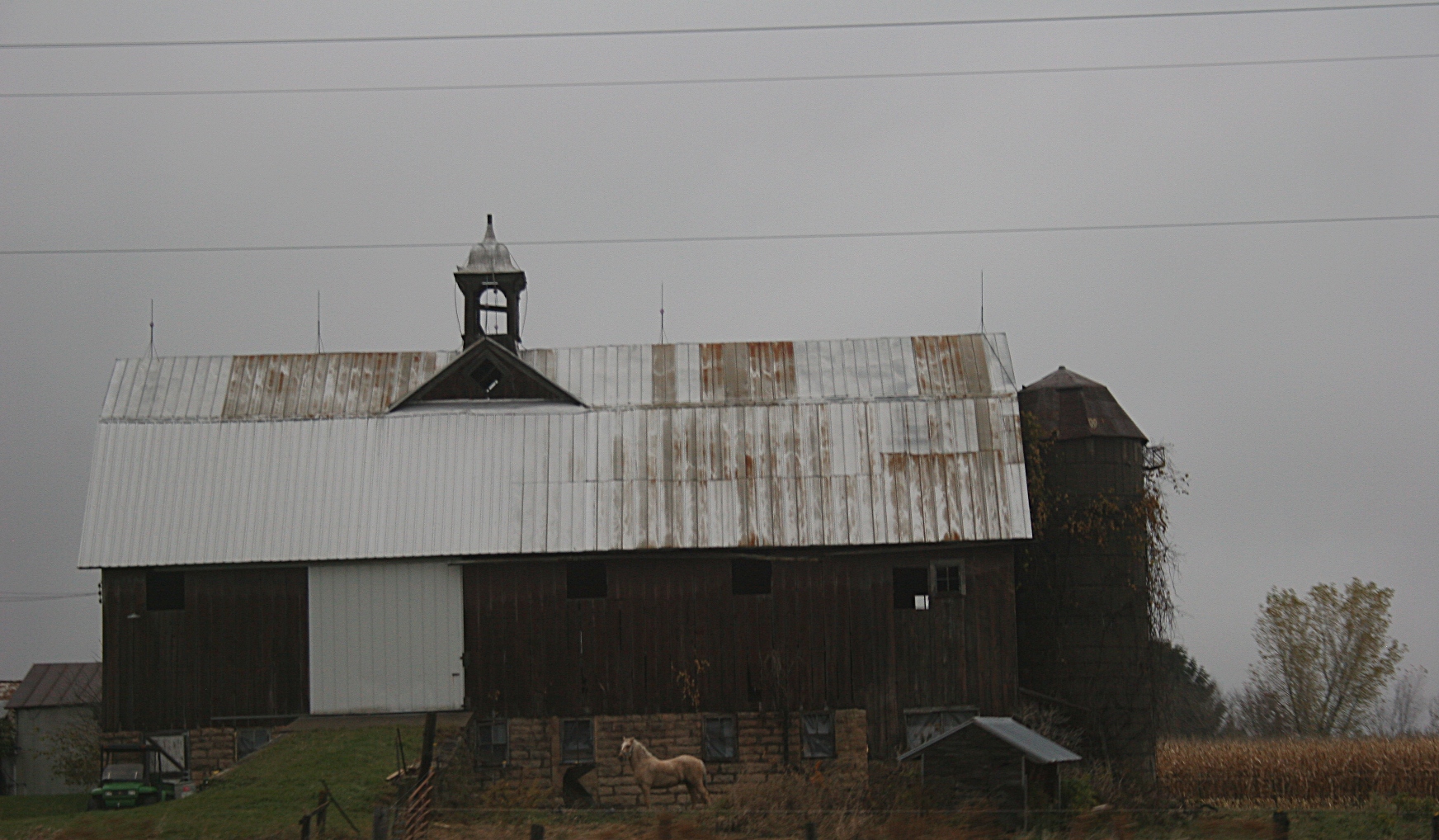
The day rated as gloomy and dreary weather-wise. Yet, as you will see, such moody skies bring out an emotion in images that you might not feel had the day been sunny bright.

I’m always surprised, when I view the photos, to see the details I missed in the process of shooting the images. But then, along-the-highway scenes flash by in an instant and they are gone, not wholly appreciated until that second, later look in a photo.

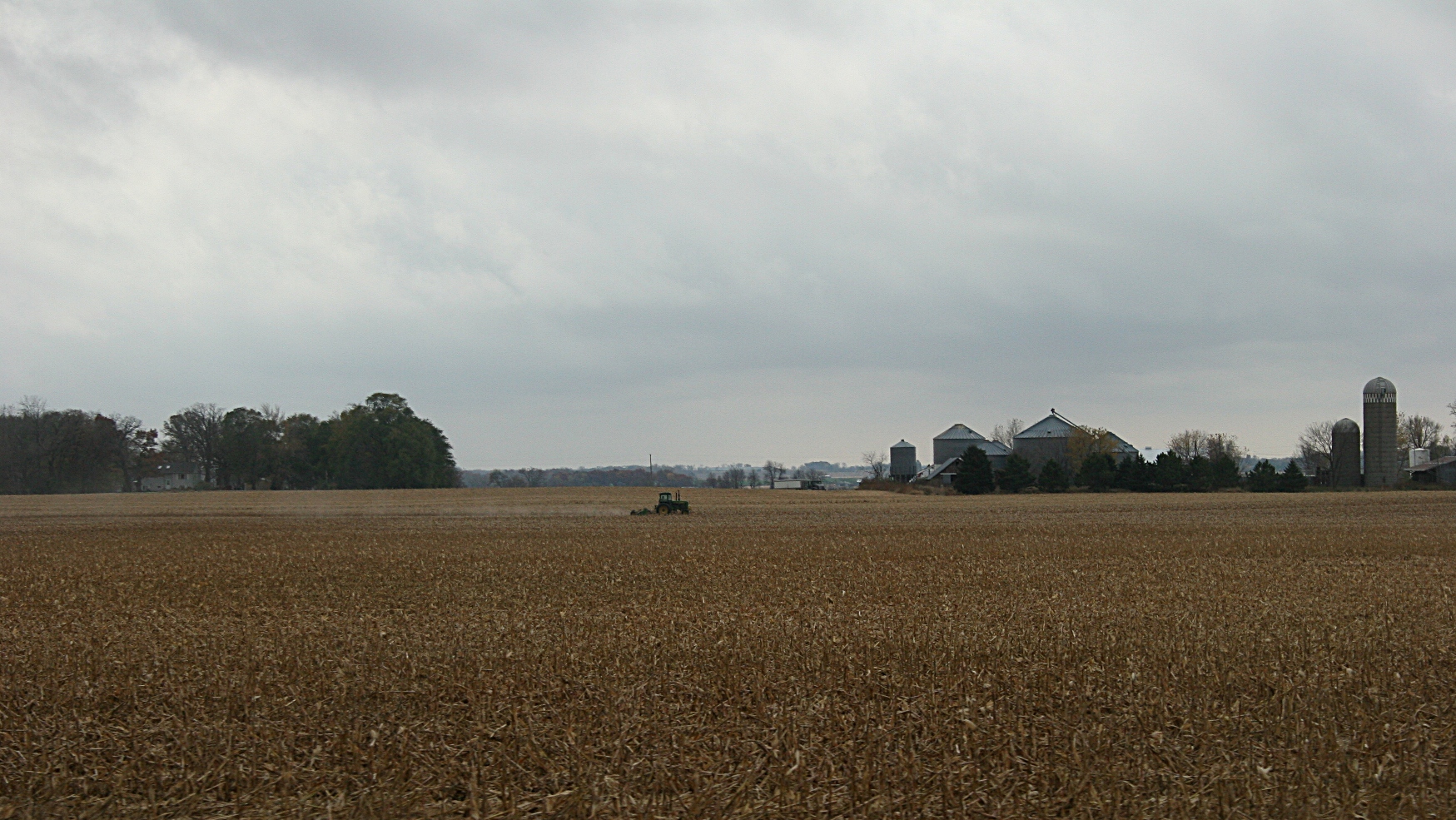
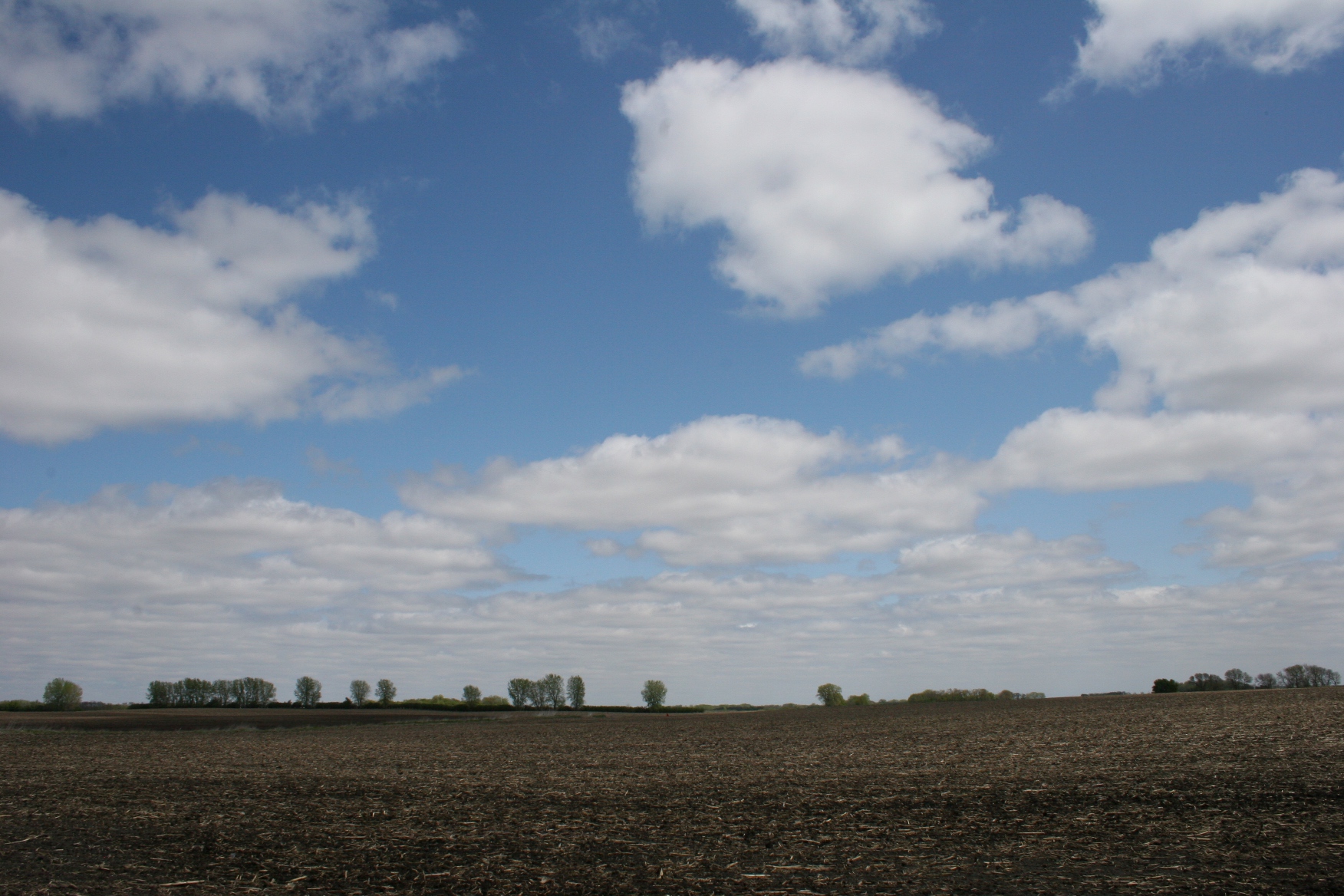
You can barely see the distant tractor in this shot. But that's what I like about this scene, how the sheer size of the cornfield and the skies dwarf the tractor, reinforcing the thought that everything is truly small in comparison to the landscape, to the big, big world.

Every red building stood out against the grey, grey skies. Sky is always an integral part of my photos.

Even the stripes of crops are aesthetically pleasing to my photographer's eye.

This photo of Pine Island connects town and country in a seamless blend.

An historic barn and a horse...a common sight along Hwy 52 and I-90.

The red-roofed barn provides a jolt of color under heavy grey skies.

A country church, strong and sturdy, along I-90 near the Winona exit. Look closely and you'll see a sheriff's department squad car parked by the church.

Westbound on I-90, the sun begins to set. I like the contrast between the vivid yellow sign and the grey of the day.

© Copyright 2011 Audrey Kletscher Helbling