Minnesota Prairie Roots

Writing and photography by Audrey Kletscher Helbling

Black lives matter times three February 22, 2022

SAY THEIR NAMES NORTHFIELD INTERVENTION #32 chalk art activism at Bridge Square, Northfield. (Minnesota Prairie Roots copyrighted photo February 2022)

SUNDAY PROVED ENLIGHTENING, educational and reflective. And that’s a good thing because ongoing learning often makes us more informed, compassionate and caring individuals.

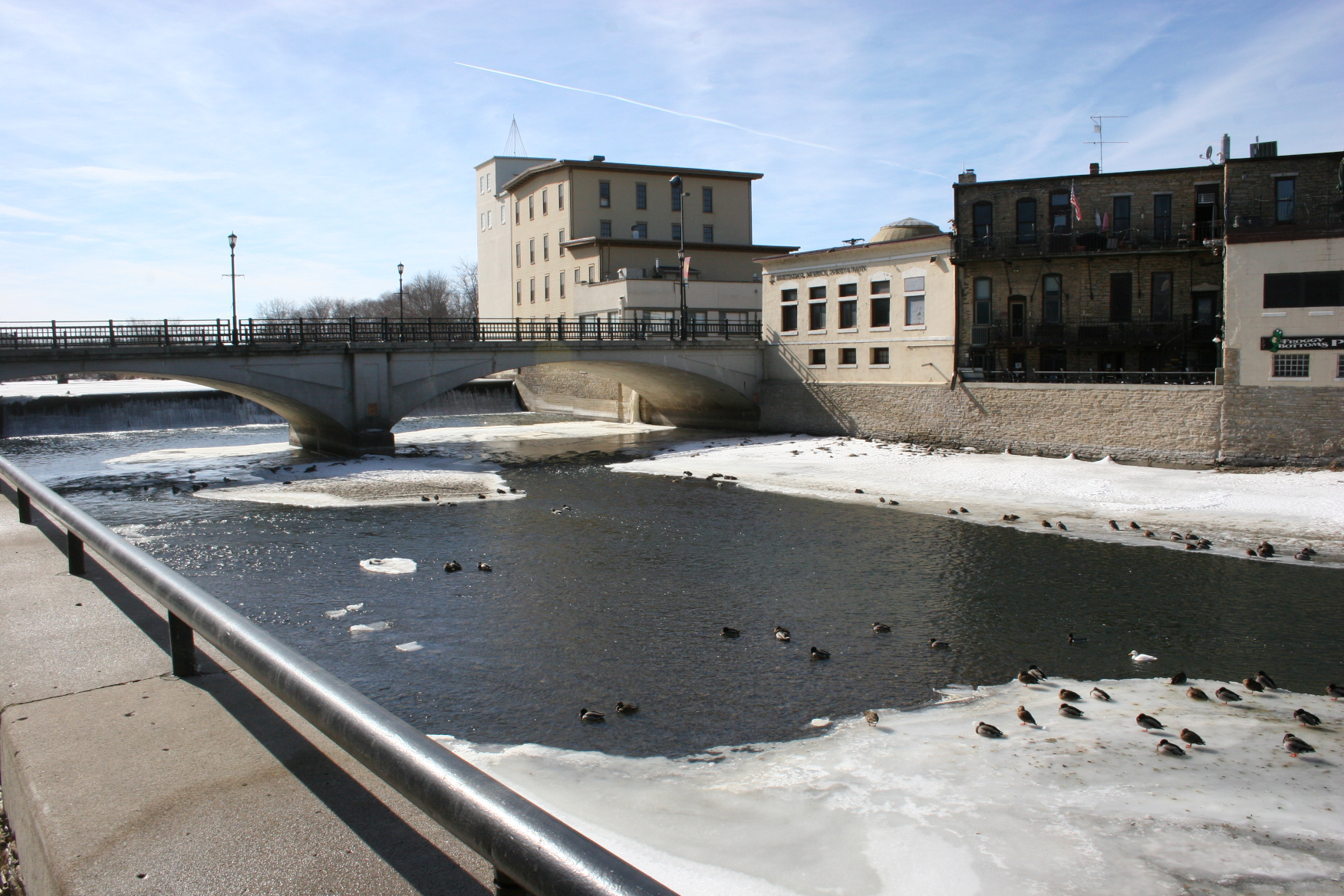
The scene from the Riverwalk along the Cannon River in downtown Northfield Sunday afternoon. (Minnesota Prairie Roots copyrighted photo February 2022)

The focus of my learning was not intentional, but rather a coming together of several elements. That began with a decision to follow the Riverwalk in Northfield on a rare February afternoon of sunshine and warmth in southern Minnesota. At 40-plus degrees, it was simply too nice to stay indoors. Northfield, only about a 25-minute drive, is a beautiful progressive river town, home to St. Olaf and Carleton Colleges, a thriving downtown historic business district, an active arts scene and more, including community activism.

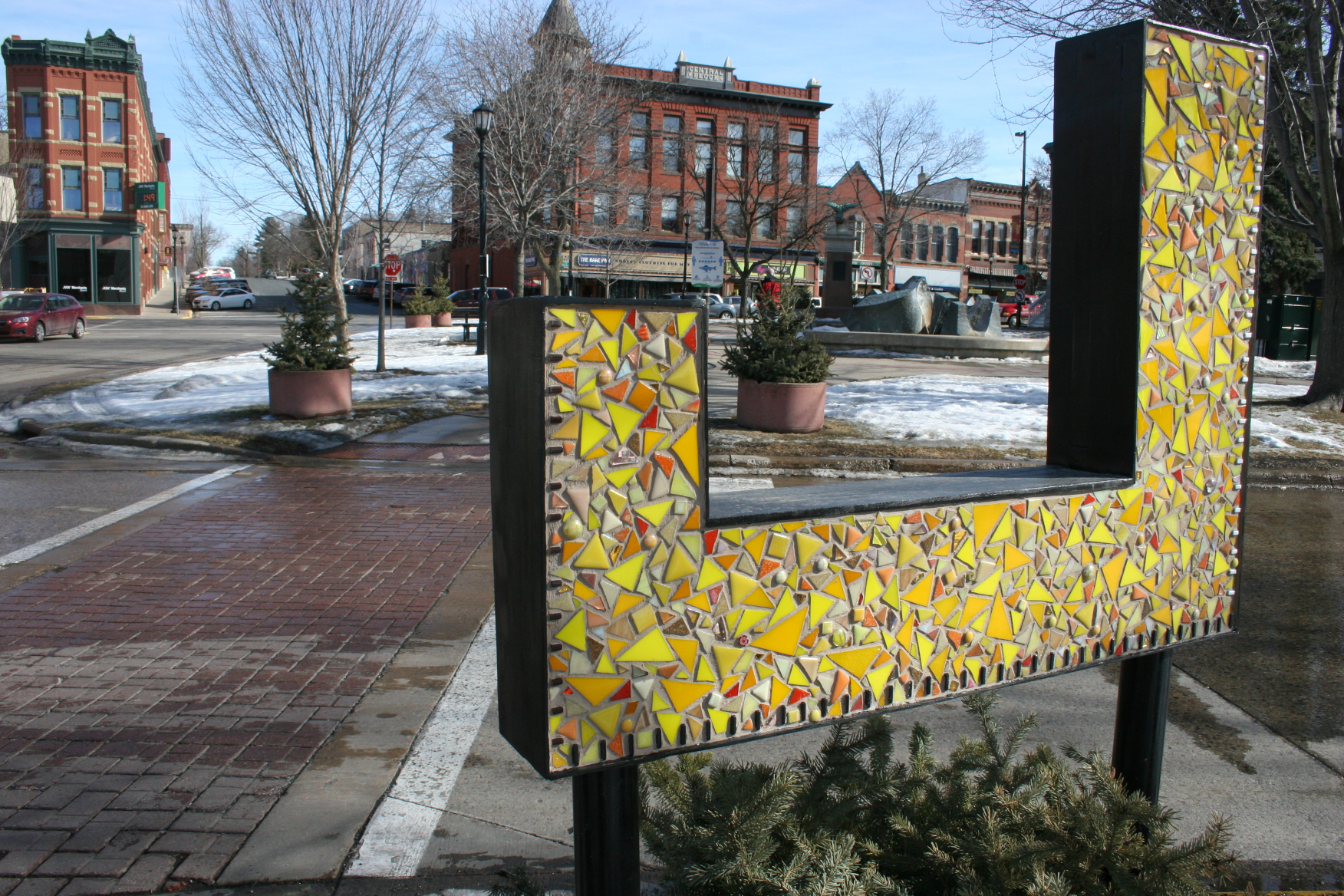
Bridge Square with its monument and fountain, framed by a mosaic. Minnesota Prairie Roots copyrighted photo February 2022)
A statement by the artist activists. (Minnesota Prairie Roots copyrighted photo February 2022)
Spread out before the Civil War Monument, Black Lives Matter message and names. (Minnesota Prairie Roots copyrighted photo February 2022)

On this Sunday, activism and engagement focused my initial attention as Randy and I exited the van across from Bridge Square, a mini middle-of-the-downtown park next to the Cannon River. As I pulled my camera strap over my neck, I noticed a group of young people chalking the sidewalk leading to and around the Civil War Monument and center fountain. I decided in that moment not to photograph them writing their messages as part of SAY THEIR NAMES INTERVENTION #32. I remembered the controversy over such chalk art at Bridge Square. I believe the City of Northfield enacted an ordinance banning the chalking of the public space, although I could not confirm that information online.

From the SAY THEIR NAMES NORTHFIELD Facebook page: “In honor of Amir Locke and many other Black persons killed by police.” (Minnesota Prairie Roots copyrighted photo February 2022)

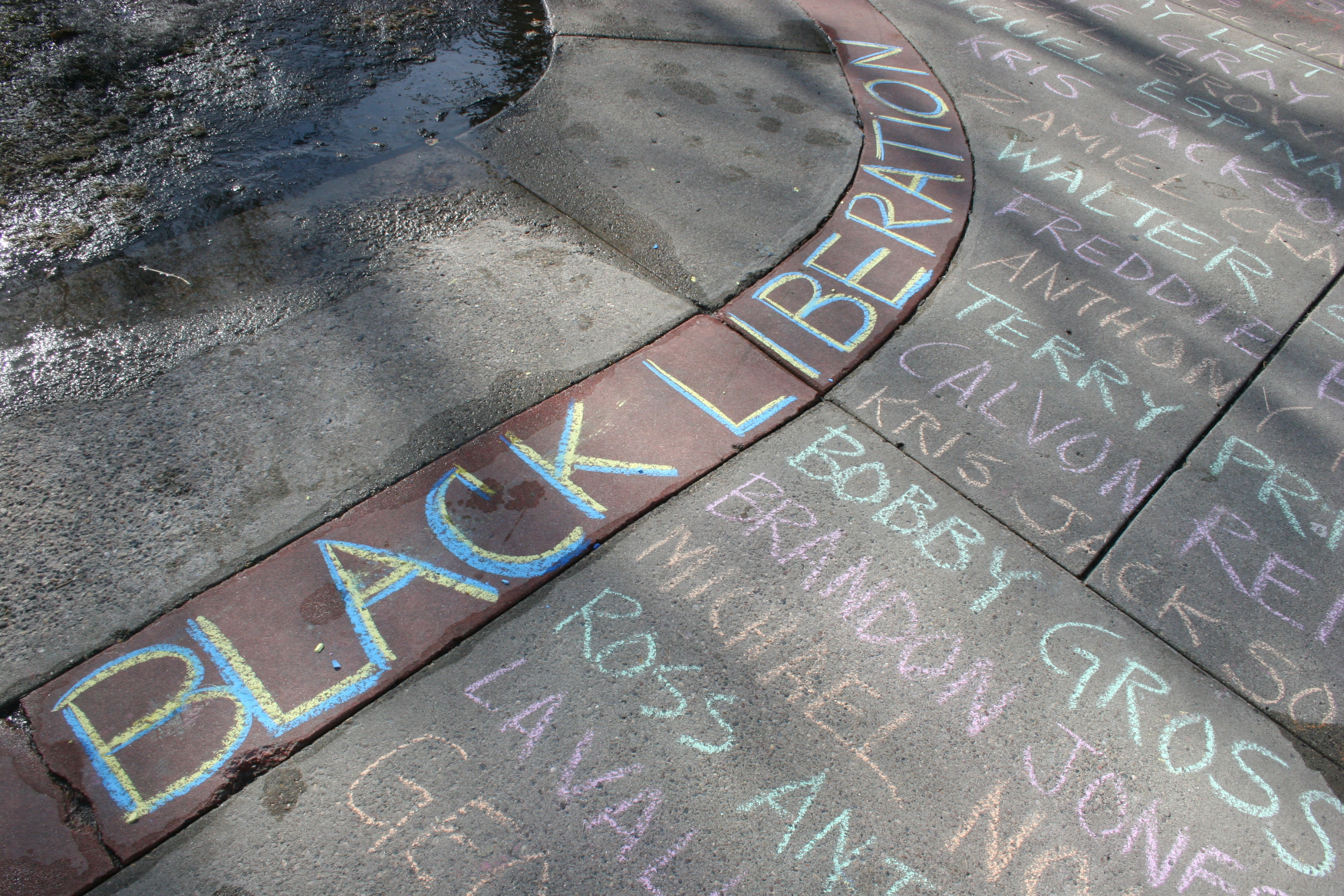
Later, after we walked along the river and then along Division Street, we paused to read the messages printed by SAY THEIR NAMES NORTHFIELD participants who had now left the square. As in previous “interventions,” their words repeated that BLACK LIVES MATTER. All too familiar names were chalked onto the cement—George Floyd, Breonna Taylor, Philando Castile, Jamar Clark, Daunte Wright… And new to the list, Amir Locke.

Too many names… (Minnesota Prairie Roots copyrighted photo February 2022)

As I photographed the names and messages, I felt an overwhelming sense of sadness at the injustices, the fact that this is 2022 and we are still grappling with racism and social injustice and many other issues related to race.

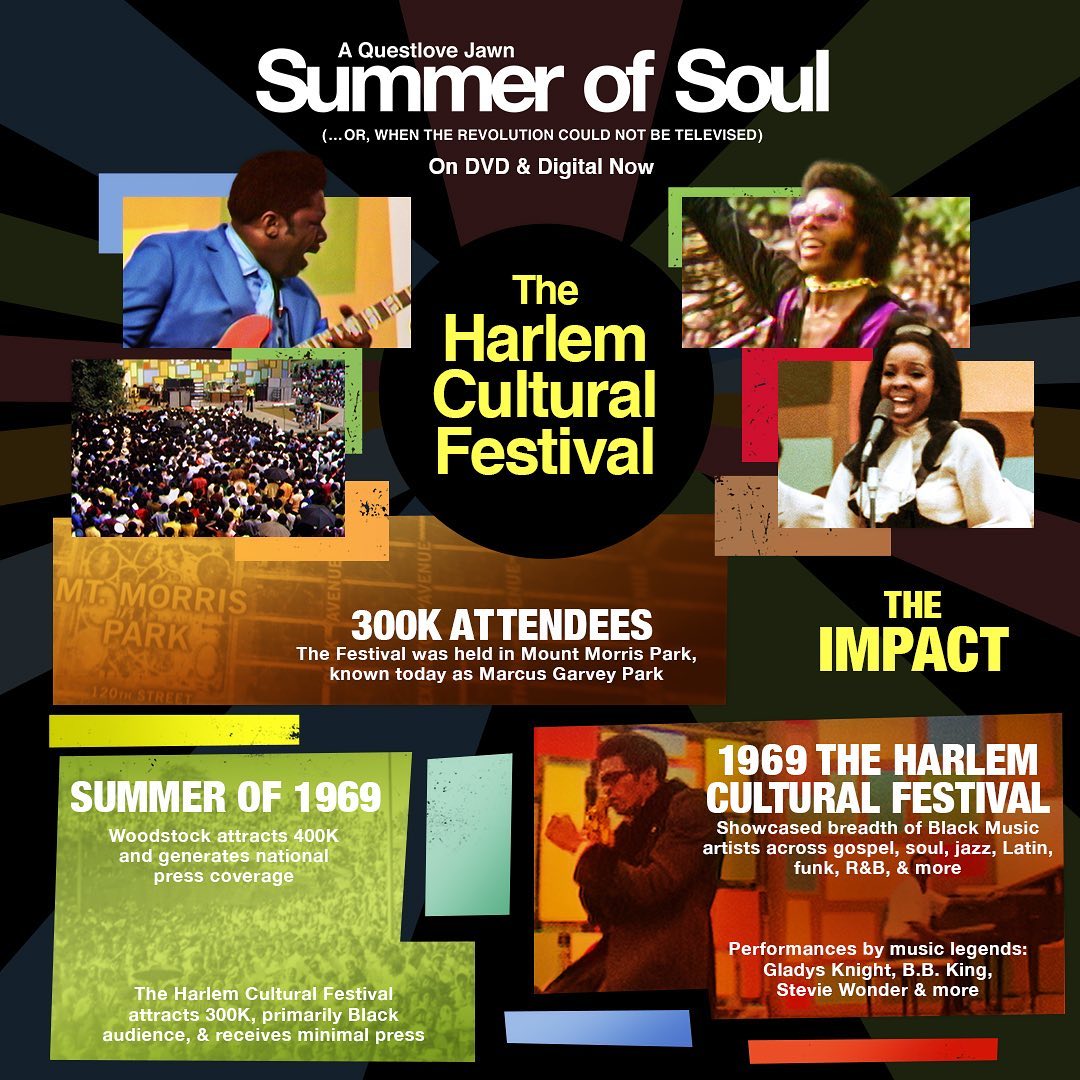
Promo for “The Summer of Soul.” (Photo credit: “Summer of Soul” Facebook page)

That evening, the same response repeated as I watched filmmaker Ahmir “Questlove” Thompson’s newly-released documentary “The Summer of Soul (…Or, When the Revolution Could Not Be Televised)” on ABC. The film documents the Harlem Cultural Festival which brought some 300,000-plus people together in Harlem in the summer of 1969 for six concerts over six weeks. Stevie Wonder, Nina Simone, Gladys Knight and the Pips, and other mostly Black musicians performed before a primarily Black crowd. The film, interspersed with concert footage and follow-up interviews with those who participated or attended, is a remarkable historic documentation of not only the music, but also of Black people, their culture, their connections in the community of Harlem and also the issues they faced in 1969. Issues which remain today.

I was especially moved by the joyful performance of “Aquarius/Let the Sunshine In” by Fifth Dimension, complete with audience participation and by the singing of “Take My Hand, Precious Lord,” Martin Luther King Jr’s favorite hymn sung at his funeral. All were performed against a stage backdrop collage of vibrant squares, rectangles and L shapes. (I’d love to have a poster of that artsy 1969 graphic.)

I felt a mix of sadness and concern that here we are, 53 years later, and just now this film footage has been released. Woodstock, the Apollo moon landing and more overshadowed the Harlem Cultural Festival in 1969. I appreciate the release of this film nominated for a 2022 Academy Award for Best Documentary Feature and a 2022 Grammy Award for Best Music Film. It’s important I watched it for, among many reasons, the insights and perspectives gained.

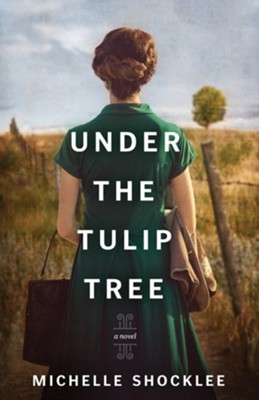
A must-read book of historical fiction.

Before “The Summer of Soul” aired on TV Sunday evening, I’d begun reading Under the Tulip Tree, a historical novel by Michelle Shocklee set in Nashville following the stock market crash of 1929. Only a third into the book, I found it fitting of my unexpected Sunday focus on Black lives The main character is a young White writer interviewing a former slave. And, yes, although fictional, real-life stories weave into the book.

BROWN LIVES FOR BLACK LIBERATION is the message leading to the list of names. (Minnesota Prairie Roots copyrighted photo February 2022)

I feel grateful for all the elements—chalk art, a documentary and a book—which came together on a February Sunday in Minnesota to educate and enlighten me about many aspects of Black lives. To learn is to grow in understanding and compassion.

FYI: Activism and art will theme an event on Thursday, March 3, offered through St. John’s Women, a Northfield-based group in its fourth year of sponsoring “Courageous Conversations” via monthly speakers and book studies. Carleton College Professor Cecilia Cornejo, an artist and also leader of the local SAY THEIR NAMES group, will talk about “Anti-Racism Activism Through Community-Engaged Art” at 7 pm via Zoom. Click here for more information.

© Copyright 2022 Audrey Kletscher Helbling


When We Say Black Lives Matter February 8, 2022

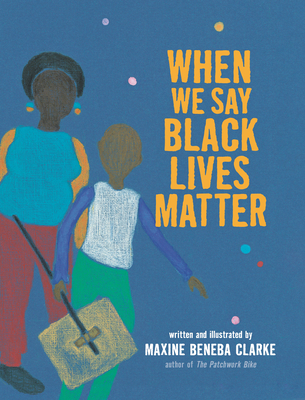
A must-read book.

WHEN I STOPPED at Buckham Memorial Library on Saturday morning to pick up Valentine’s Day-themed books for a visit with the grandchildren, I left with a more important book. I discovered When We Say Black Lives Matter, written and illustrated by Maxine Beneba Clarke, among the new children’s picture books.

The award-winning Australian writer, poet and artist has crafted a story from the perspective of a Black child’s parents explaining why Black Lives Matter. It’s a powerful telling written in words kids can understand, yet with a depth that touches the adults who read this book. The illustrations in watercolor pencil and collage enhance/complement the text in ways that strengthen the message, as all book art should.

The love-filled words reflect on past and present injustices, on strength and song, on Black voices that matter. Just like Black Lives Matter.

I encourage you to read this picture book. The insights it offers are important. Especially now, as protests continue in Minnesota over yet another fatal shooting of a young Black man by police. Simultaneously, the federal trial of three former Minneapolis police officers charged with violating the rights of George Floyd during his May 2020 arrest (and subsequent death) continues. February also marks Black History Month.

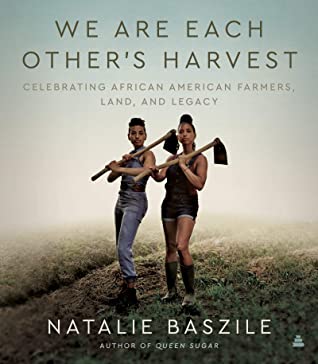
Another must-read book.

I encourage you to read a second book, which I also found at my library. I’m about a third of the way into We Are Each Other’s Harvest—Celebrating African American Farmers, Land, and Legacy. It’s a collection of stories by Natalie Baszile, author of award-winning Queen Sugar (which I now must read). The book is exactly as its title states, about Black farmers, their past and present connection to the land and the challenges they face. I’m learning a lot. As someone who grew up in rural southwestern Minnesota surrounded only by other White people, I need to read books like these to broaden my understanding about the challenges of being Black in America. Past and present. Because I grew up with a strong connection to the land, these stories really resonate.

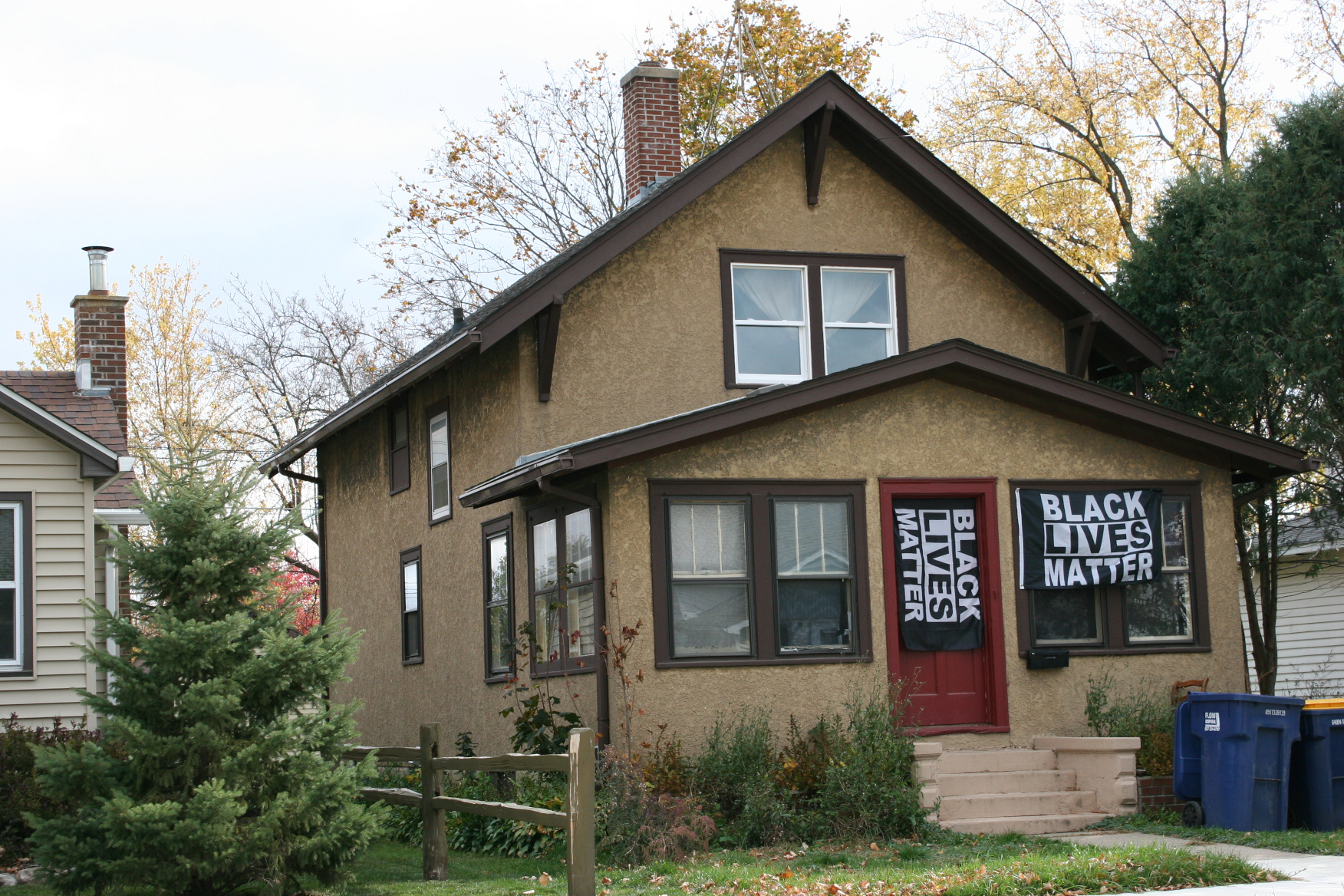
It’s refreshing to see signs like this in small town Minnesota. I photographed this in October 2020 in Kenyon, MN. (Minnesota Prairie Roots file photo)

Although I never got around to reading Clarke’s picture book to my grandchildren (we ran out of time), I will tell you that Isabelle and Isaac are growing up in a diverse neighborhood. Izzy’s kindergarten class also includes classmates of assorted skin tones and backgrounds. Not just White, Lutheran/Catholic, German/Scandinavian like her maternal grandparents. I appreciate that diversity in the lives of these little people whom I love beyond measure. When they see their classmates and/or playmates, they don’t see color. They see friends.

#

TELL ME: Have you read either of these books? What similar books do you recommend I read? I’d love to hear.

© Copyright 2022 Audrey Kletscher Helbling
 

From Cannon Falls: How a library quilt inspires November 5, 2021

The inspiring quilt displayed at the Cannon Falls Library. (Minnesota Prairie Roots copyrighted photo October 2021)

DREAM BIG. Be Creative. One World, Many Stories. Make a Splash.

Make a Splash! applies to more than reading. (Minnesota Prairie Roots copyrighted photo October 2021)

Those phrases inspire. They push us to do our best. To pursue our passions. To make a difference. To tell our stories.

When I recently read those words on a colorful quilt gracing a wall in the Cannon Falls Library, I felt empowered.

The library quilt as inspiring art. (Minnesota Prairie Roots copyrighted photo October 2021)

The messages have been part of Southeastern Libraries Cooperating summer promotionals to get kids into libraries and reading. They’re simple words and graphics. Kid-appealing. Eye-catching. Positive.

The top section of the quilt art. (Minnesota Prairie Roots copyrighted photo October 2021)

As someone who values books and libraries, and the arts, I appreciate the works of the seamstress who stitched this quilt. It’s a good visual reminder to each of us—whether child, teen or adult—of our talents and worth. I may be good with words. You may be good with numbers. I celebrate that difference in talent (especially come tax time when I hand my financial records over to my accountant).

All Year Round With Little Frog was one of my granddaughter’s favorite books as a toddler. I would read and reread it to her whenever she visited, just as I did decades ago to her Uncle Caleb. (Minnesota Prairie Roots copyrighted file photo)

I’ve always loved books and now I have the joy of reading books to my grandchildren, ages nearly three and 5 ½. Books pack shelves in their toy room with more books from the library. Their parents value books.

The world of words is opening even wider to Isabelle, who is in kindergarten. During a recent visit, I would say a word and she would guess the starting letter. Her face lit with sheer delight in determining the correct letter. Her mind is beginning to connect—to understand that sounds define letters which form words and then sentences and stories. I can’t wait to hear her read.

One World, Many Stories… (Minnesota Prairie Roots copyrighted photo October 2021)

So when I read about dreaming big and being creative and making a splash in this world of many stories, I think of my precious grandchildren. And I hope that in some small way, I inspire them to be all they can be. And one way to do that is via books, art and modeling creativity.

© Copyright 2021 Audrey Kletscher Helbling
 

Once Upon a Time at the Cannon Falls Library November 3, 2021

The “Once Upon a Time” mural in the Cannon Falls Library. (Minnesota Prairie Roots copyrighted file photo October 2021)

TUCKED INTO A SIDE CORNER, behind a nondescript cushioned seat for two, a bold mural pops color into the Cannon Falls Library.

The mural is fun, playful, colorful, inspirational… (Minnesota Prairie Roots copyrighted photo October 2021)

I discovered the art on a recent day trip to this small Goodhue County community along the Cannon River. A sign in a downtown storefront window promoting the library’s “Mailbox Mysteries” program led me to the library. Once inside, I registered for the mystery challenge and then browsed. Not books. But art.

This tastefully and artfully decorated library creates an inviting setting in a cozy space. I felt comfortably at home here, where a fireplace angles into a corner with cushy seating nearby.

So much to see and interpret. (Minnesota Prairie Roots copyrighted photo October 2021)

But it was that vivid mural which focused my attention. There’s so much to take in. Even now, as I scroll through my photos, I note details previously unnoticed. This mural requires study and an appreciation for nuances.

What a fitting theme for this library mural. (Minnesota Prairie Roots copyrighted photo October 2021)

Titled “Once Upon a Time,” this artwork was created by local students under the direction of Cannon Falls native and New York artist Kelli Bickman. A similar, and much larger, Youth Mural Arts project graces the exterior of the local Chamber of Commerce building 1 ½ blocks away.

Among the many inspirational quotes incorporated into the library mural is this favorite. (Minnesota Prairie Roots copyrighted photo October 2021)

As a wordsmith, I especially appreciate the inspirational quotes incorporated into the painting: Today a reader, tomorrow a leader. The noblest art is that of making others happy.

Love this quote… (Minnesota Prairie Roots copyrighted photo October 2021)

And my favorite: Happiness can be found in the darkest of times if one only remembers to turn on the light. How well that quote fits today as we deal with the darkness of a global pandemic. The artists could not have known that, just months after the dedication of this mural in June 2019, darkness would descend upon our world. Now, more than ever, those words of encouragement—of remembering to turn on the light—resonate.

Once Upon a Time can take you anywhere. (Minnesota Prairie Roots copyrighted photo October 2021)

Art is always open to interpretation. So what I take away from this mural may differ from the artists’ vision or from others who view it. I see strength and grace. I see reaching for the stars and achieving goals. I see fiery passion and the fluidity of life. I see going places that may lead far from Cannon Falls, from Minnesota even. I see dreams taking wing. I see how books and music and art and nature influence us.

A stack of books painted into the mural fits the setting and the theme. (Minnesota Prairie Roots copyrighted photo October 2021)

I see that Once Upon a Time is our story to write. We write the words and paint the scenes to create the personalized murals which depict our lives. And, in the darkest of times, we can choose to switch on the light, to see happiness.

#

NOTE: Please check back for more from the Cannon Falls Library. Click here to read my earlier post on the newest downtown mural. Click here for a brief tour of downtown. And, finally, click here for a post about Hi Quality Bakery.

© Copyright 2021 Audrey Kletscher Helbling
 

At the library, online & in bookstores: “This Was 2020” October 29, 2021

Duluth artist Carolyn Olson’s art graces the cover of This Was 2020. (Minnesota Prairie Roots photo)

This Was 2020 Now Available” reads the header on a recent news release posted on the Ramsey County Library Reads website.

That’s exciting news for those of us published in this award-winning collection of prose and poetry. This Was 2020: Minnesotans Write About Pandemics and Social Justice in a Historic Year recently won the Minnesota Author Project Award in the Communities Create category. That honor recognizes the work of indie publications in the state. Ramsey County Library (led by librarian Paul Lai) coordinated the book project, calling for submissions and then, eventually, publishing the collection.

The beginning of my poem. (Minnesota Prairie Roots photo)

My poem, “Funeral During a Pandemic,” was selected for inclusion in the anthology. I write about attending my father-in-law’s funeral at a Catholic church in a small central Minnesota town during the pandemic.

Now my local public library, Buckham Memorial Library in Faribault, has copies of This Was 2020 available for check-out. While I always encourage purchase of books to support writers and booksellers (especially independent bookstores), I recognize the importance of accessibility to all through libraries. The Red Wing Public Library, in our Southeastern Libraries Cooperating regional library system, also has this anthology on the shelf.

The back cover lists the names of the Minnesotans included in This Was 2020. (Minnesota Prairie Roots photo)

I encourage you to borrow or buy a print copy or read the e-version of this important book. It represents the hearts and souls of 51 Minnesotans, most of them published writers. They share their thoughts and experiences on two topics—social justice (connected to the murder of George Floyd in Minneapolis in May 2020) and the COVID-19 pandemic.

I encourage you to read my previous review of This Was 2020 (by clicking here) to get a sense of the stories shared in prose and poetry.

My encouragement to read this collection is not motivated by self-promotion. Rather, I want you to read this anthology for the content, the insights, the documentation of history. The writing therein is personal. Deeply personal. These Minnesotans write with honesty, emotion and a rawness that almost hurts. The pain is real, the writing revealing. These poems and prose take readers well beyond the sound bites and headlines and video clips with powerful written words that are sometimes difficult to read.

In an historic time such as this, it’s especially important to gather and share stories in prose and poetry. Through stories we learn, connect, begin to understand, perhaps grow and change…for the better. I hope This Was 2020 prompts respectful discussions and introspection that creates healing. For now, more than ever, we need understanding, compassion and healing.

#

NOTE: To all of you who have supported my writing and This Was 2020, thank you. I am grateful.

If you opt to buy This Was 2020, here’s the ISBN#: 978-1-0879-6762-2

© Copyright 2021 Audrey Kletscher Helbling


Long-time patron leaves up to $2.7 million to Faribault library October 22, 2021

Robert Crandall. (Photo source: Parker Kohl Funeral Home)

HE LIKED HIKING and biking. John Wayne movies. Bacon. Collecting stamps. Vacationing in Mexico. Playing cards.

Robert L. Crandall, as described in his January 2021 obituary, seems a man of many interests. He also spoke Spanish fluently. He watched CNBC to stay updated on the stock market. And, also worth noting in the Parker Kohl Funeral Home summary of his life, Bob “spent many hours at the Buckham Memorial Library studying and reading books on investing.”

Buckham Memorial Library, Faribault, Minnesota.(Minnesota Prairie Roots copyrighted file photo)

It is that final notation of his interests which today holds great significance. This week my community of Faribault learned that Bob left a financial gift of $2.5-$2.7 million to Buckham Memorial Library. The place where he found books that helped him make sound, and lucrative, financial investments.

His is a remarkable gift. Not due only to the mega amount of millions of dollars, but also because of Bob’s appreciation for library resources housed in his beloved local library. He directed that his gift be used specifically for public library purposes in Faribault.

Library books and magazines I’ve read. (Minnesota Prairie Roots copyrighted file photo)

Like Bob, I’ve long valued libraries given my love of books and reading. However, unlike Bob, I’ve never read a single volume on investments. But, via reading, I’ve learned much about the craft of writing. My son, too, learned the basics of software coding by studying thick books checked out from Buckham Library. Today he is pursuing his PhD in computer science.

Clearly, Bob recognized the importance of public libraries. I’d like to think he understood that libraries make knowledge accessible to all of us. No matter our education, our income, our anything. As a child living near a rural southwestern Minnesota community without a public library, I longed for a library. Today I live blocks away from Buckham Library and frequent it often. My daughters worked there as pages while in high school.

Bob attended high schools in Anoka (his birthplace) and Elk River, eventually landing in southern Minnesota to work at the former Faribault Regional Center. His obit mentions nothing of family, only that his parents preceded him in death. He died in January at age 93 with graveside services and burial at Maple Lawn Cemetery.

The obituary describing Bob reveals a man with multiple interests and with many friends at his final home, Milestone Senior Living in Faribault. His obit hints of financial wealth through the lens of hindsight. I expect, though, that Bob counted his wealth not primarily via the success of his investments, but by the wealth of his interests and by the wealth of words printed in books shelved at his local library.

Through his generous gift to Buckham Memorial Library, Bob inspires us to learn, to read, to discover how books can enlighten and change our lives, grow our knowledge. And that, too, is his legacy.

© Copyright 2021 Audrey Kletscher Helbling
Source credits: Parker Kohl Funeral Home & the Faribault Daily News


This Was 2020 wins Minnesota book award & I’m celebrating October 11, 2021

Minnesota Prairie Roots copyrighted file photo 2021.

WITH JOY AND GRATITUDE, I share some particularly exciting news. Joy at the honor. Gratitude for the opportunity.

The book This Was 2020—Minnesotans Write About Pandemics and Social Justice in a Historic Year has garnered the 2021 Minnesota Author Project Award in the Communities Create category. That announcement came late last week at the annual Minnesota Library Association Conference.

The beginning of my poem published in This Was 2020. Minnesota Prairie Roots copyrighted file photo.

My poem, “Funeral During a Pandemic,” is among 54 pieces of prose and poetry by 51 Minnesotans published in the collection. In my poem, I write about my experience attending my father-in-law’s funeral in a rural central Minnesota church during the pandemic. To have that poem selected for inclusion reveals just one aspect of how COVID-19 has affected all of us.

As Paul Lai, Ramsey County librarian and lead on this book project states, This Was 2020 “…highlights the voices of people in Minnesota as they remember a difficult year.” And those voices come from across the state, most from the metro, but also from greater Minnesota. The writing, Lai notes, offers glimpses into our communities.

Judges for the award also sing the book’s praises, calling it “a beautiful anthology that memorialized a very difficult year in Minnesota.”

That assessment fits as writers penned pieces related to the pandemic and to social justice issues re-ignited by the murder of George Floyd with ensuing protests. I encourage you to read this book for the thought-provoking, and often emotional, content. (Click here to read an earlier review I posted on This Was 2020.)

“This book is one small way to help us all grieve, protest, imagine, co-create and empathize so that we build stronger connections rather than more walls between each other,” Lai says in a reflective video. I appreciate that comment, that encouraging insight. (To hear Lai’s comments, forward to around 10 minutes into the video.)

Lai has been so supportive of the writers published in this collection. In a congratulatory email to all of us, he termed our writing “powerful, thoughtful, heartfelt, creative and caring.” I value that appreciation.

The incredible art of artist Carolyn Olson of Duluth graces the cover of This Was 2020. This is titled “Grocery Store Cashier and Bagger,” Minnesota Prairie Roots file photo.

The book award comes with a $1,000 cash prize, which will go to the Friends of the Ramsey County Libraries, official publisher of the print book. Those monies will support the library’s collections and programs. Additionally, the award provides access for the e-book version in the national Indie Author Project network and author spotlights promoting the book. More opportunities to be heard.

I feel such joy and gratitude. Joy at this accomplishment, not only for myself as a professional writer, but also for my fellow Minnesota writers. This state has incredible literary talent. And I feel gratitude for those who foster writing projects like This Was 2020 and for those who publicly recognize the value of voices expressed in writing.

FYI: To view This Was 2020 online, please click here. I encourage you also to purchase a print copy, perhaps from your favorite indie bookstore. Enjoy. And appreciate. And use what you read to build stronger connections rather than more walls.

You may also click here to see all of the book finalists/winners in the three Minnesota Author Project award categories.

Publication of This Was 2020 was made possible by the Minnesota Arts and Cultural Heritage Fund. It was edited by Ramsey County Library and published by Friends of the Ramsey County Libraries. The Minnesota Library Foundation and Biblio Labs sponsored the cash prizes.

© Copyright 2021 Audrey Kletscher Helbling


Minnesotans write about pandemics & social justice in “This Was 2020” September 8, 2021

A collection of essays and poems by Minnesotans, including me. Minnesota Prairie Roots photo.

RAW. HONEST. EMOTIONAL. POWERFUL.

Those words describe This Was 2020: Minnesotans Write About Pandemics and Social Justice in a Historic Year. This collection of 54 poems and essays by 51 writers is a finalist for the Minnesota Author Project: Communities Create Award. Two other books are vying for this MNWrites MNReads honor supported by the Minnesota Library Foundation. The winner will be announced at the Minnesota Library Association’s annual conference in October.

The collection includes my poem, “Funeral During a Pandemic.” Minnesota Prairie Roots photo.

I am humbled and honored to have “Funeral During a Pandemic” selected for publication in this award-nominated book. In my poem, I share my thoughts and experiences from my father-in-law’s funeral in a small rural Minnesota town. During a pandemic.

The book features short bios on each writer. Minnesota Prairie Roots photo.

As the title of this collection conveys, the 170 pages of writing focus on pandemics and social justice. Those who penned these pieces, solicited by the Ramsey County Library via a competition, are a diverse group. In age. In writing backgrounds, although many are seasoned writers with extensive writing credentials. In skin color and ethnicity. In perspective and experience. That said, most writers live in the metro with a few of us from other places in Minnesota, including several from my county of Rice.

Those from outside the metro include a 12-year-old from New Market. Evelyn Pierson, in “My Experience at the George Floyd Memorial,” writes of her emotional reaction to visiting the site where Floyd died at the hands of police on May 25, 2020. It’s heart-wrenching—to feel her torrent of emotions, to read her insights and thoughts, to envision her tears. But it’s important, even necessary, to hear the voice of this eighth grader.

Just like it’s necessary to read Brainerd resident Susan Smith-Grier’s essay, “Black in White.” I find her observations and experiences of a black woman living in a primarily white community to be particularly powerful. She moved with her parents/family to north central Minnesota in the early 70s to escape the violence in Chicago. One of very few black families in her new northern home. The death of George Floyd triggered childhood memories of tear gas and rubber bullets, fires and looting…and then, today, a bit of hope that things will change.

Hope weaves into many of the pieces. As does overcoming the fear, the loss, the grief and more that too often defined 2020.

In his poem, “The streets emptied out, but their lungs,” Moyosore Orimoloye reminds us that, despite lungs filling with fluid from COVID, lungs also filled with song on the balconies of Turin.

The incredible cover art features the work of Carolyn Olson, “Grocery Store Cashier and Bagger (Essential Workers Portrait Series #1). 2020, Duluth, MN. Minnesota Prairie Roots photo.

So many writers detailed how the pandemic affected them—from worries about going grocery shopping to separation from loved ones to ways in which they learned to cope. I found Dave Ryan’s “Living and Dying in Memory Care” profoundly relatable given my mom lives in a long-term care center. I’ve experienced some of the same scenarios—trying to visit through a window, for example. Before he could no longer visit his mom due to COVID restrictions, Ryan installed a video camera in her room. That connected him to her. But then the unthinkable happened. As I read the conclusion of his essay, my heart broke right along with his.

On the back cover, a summary of the book and a list of the writers whose work was selected for inclusion in this collection. Minnesota Prairie Roots photo.

These are stories you need to read. Real. Life. Authentic. Eye-opening (especially Chee Vang’s “To Kuv Niam,” about how her mother was treated upon contracting COVID). I learned so much, particularly from those writers who have experienced social injustice. From those writers, too, who live in the Twin Cities, who are widely-traveled and who have seen and experienced much more than a farmer’s daughter from southwestern Minnesota.

But I share one commonality with poet and educator Katie Vagnino of south Minneapolis. I am, like her, a Rapunzel with overgrown hair.

#

FYI: I encourage each one of you to purchase This Was 2020 by clicking here or buying it elsewhere (in print or as an e-book). Besides the 54 pieces, the book includes writing prompts, a discussion guide and a short list of grief, mental health, and anti-racism resources. This truly rates as an outstanding collection of writing that documents historical events which have forever changed us.

Publication of this book was made possible by the Minnesota Arts and Cultural Heritage Fund. Thank you, Minnesota voters, for supporting the arts. And thank you, Paul Lai of the Ramsey County Library for your hard work on, and dedication to, this book project. I appreciate you and every single writer who contributed to this exceptional must-read book.

#

© Copyright 2021 Audrey Kletscher Helbling
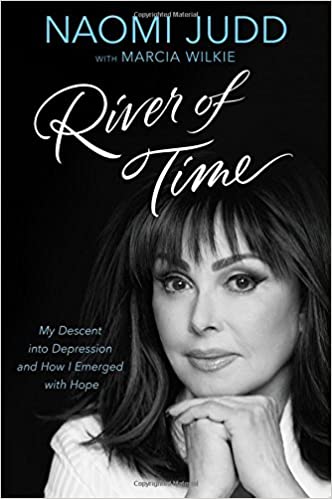
 

When life comes unglued, a Minnesota family’s experience June 23, 2021

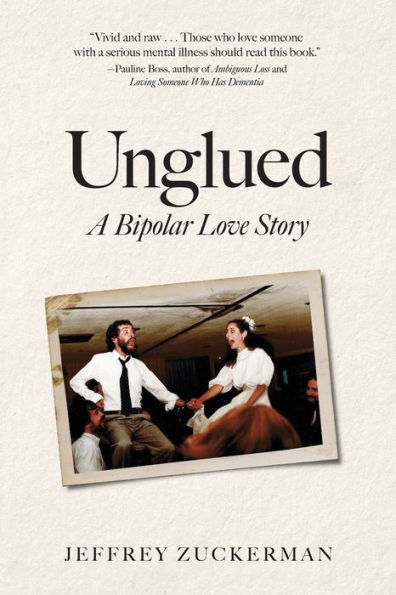
HE AROSE FROM HIS CHAIR, lost. I watched him stagger and collapse on Sarah’s chair, plunging his head into his big sister’s chest.

As that scene unfolds on page 297 of Unglued—A Bipolar Love Story by Minnesotan Jeffrey Zuckerman, I cried. I cried at the deep heartache adult siblings Joey and Sarah experience when learning of their mother Leah’s attempted suicide. I cried at the pain. I cried at the challenges Leah faces in living with bipolar disorder. I cried for those inside and outside my circle who have lost loved ones to suicide, who live with serious mental illnesses, who are brave beyond words.

Tears cleanse, releasing pain and emotions.

I feel grateful to freelance editor and writer Zuckerman for sharing his family’s story, which increases awareness, understanding, and, most importantly, offers hope.

HEART-WRENCHING HONESTY

Zuckerman writes about his wife’s “broken mind” with an honesty that is simultaneously heart-wrenching and beautiful. Although at times he literally runs away, his love for her endures and he never gives up. He never gives up through the manic episodes, the rage, the hurt, the personality changes, the exhaustion, the anhedonia (lack of feelings), the sleepless nights, the hospitalizations, the efforts to find the right medications that will help…

Through all of it, he learns. He begins to understand, to see bipolar disorder for what it is, a medical illness. He sees, too, the stigma, and he begins to open up. To neighbors. To friends. And also to those in a National Alliance on Mental Illness support group. He writes: It’s hard to explain just how listening to my story with grace and without judgment was exactly the help I needed.

THE 3 Cs

I listened to his story, taking notes as I read Unglued. Although I feel fairly informed about brain disorders like bipolar disorder, I find myself acquiring new knowledge every time I read personal stories like that of the Zuckerman family. This marks the first time I’ve read a book written from a spouse’s perspective. Even through the most difficult days, Jeff loves Leah and comes to realize that he didn’t cause her illness, nor can he control or cure it. He recognizes, too, that he must care for himself if he is to be of any help to his wife of 30-plus years.

SEPARATING THE INDIVIDUAL & THE ILLNESS

Theirs is a love story marked not only by loss and grief, but also by forgiveness, by strength and resilience. Zuckeman is able to see Leah, the individual, and not Leah the illness, first. From her, he learns to be more tolerant and less selfish.

Through his storytelling, this gifted Minneapolis writer personalizes bipolar in relatable and ordinary ways. Half-way through Unglued, he writes about stopping with Leah at Ben and Jerry’s for Chocolate Fudge Brownie ice cream before returning her to a psych ward. After 25 days of hospitalization, Leah is discharged and, writes Jeff, they begin gluing back together her life…and their long, fractured marriage. And that glue is love.

RESOURCES & HELP

FYI: If you or someone you love is considering suicide, get immediate professional help. Resources include the National Suicide Prevention Lifeline: 1-800-273-8255.

The National Alliance on Mental Illness (NAMI) also offers a helpline at 1-800-950-6264. Many resources are available through NAMI, including support groups for those dealing with mental health issues and their families.

Above all, care. Listen. Support. And continue to love.

AWARD-WINNING BOOK

Unglued was named a finalist for the 2020-2021 Minnesota Book Award, among other honors.

© Copyright 2021 Audrey Kletscher Helbling
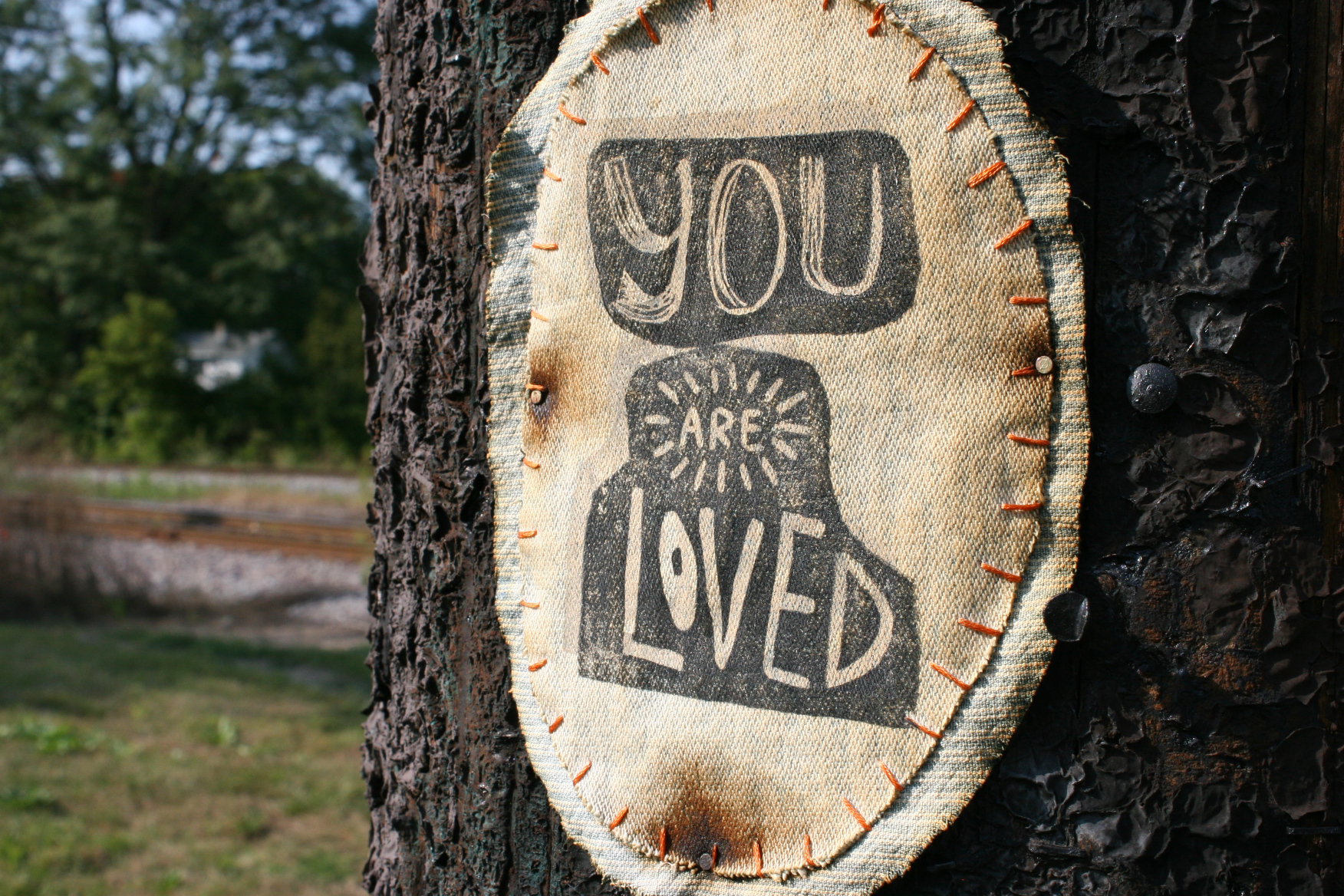
 

Focus on mental health: A Minnesotan writes about her depression May 20, 2021

ARE YOU STRUGGLING with everyday tasks? Unable to get out of bed? Feeling hopeless? Overwhelmed?
You are not alone. I think all of us have struggled during this past pandemic year. Maybe not to the extent of the challenges listed, but in other ways. It’s been a lot. I’m thankful that, if anything good comes from this pandemic, it’s an increased awareness of mental health issues.
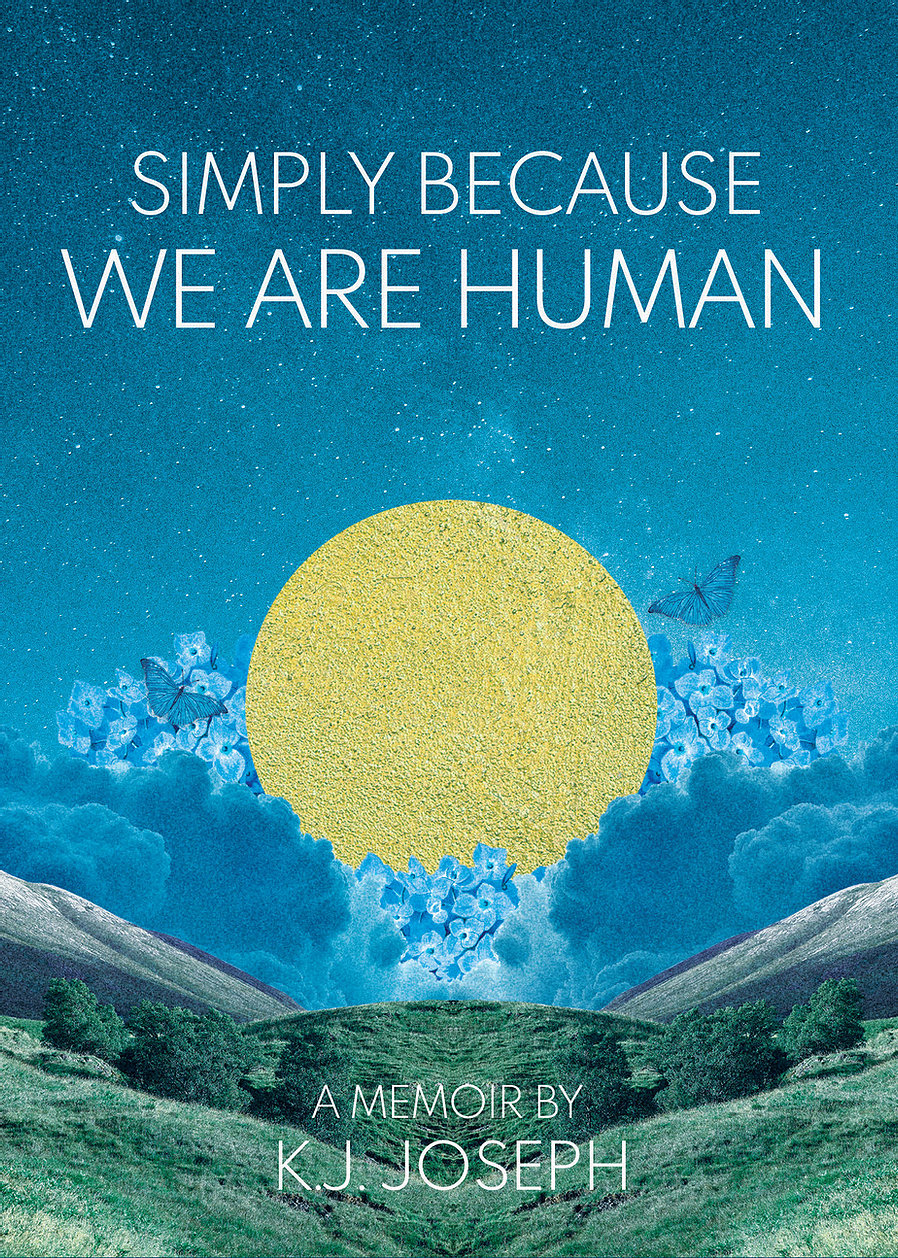
I am grateful for writers like K.J. (Kristine) Joseph for opening up about her clinical depression in her powerful memoir, Simply Because We Are Human. The Minnesota author reveals her life-long struggles with an incurable disease caused by a chemical imbalance in her brain. And that’s important to note—that depression like hers has a physical cause that can be treated, not cured. Clinical depression is much deeper than the typical I’m-feeling-kind-of-down today.

“If only my pain and illness were visible to the world…then people would understand,” Joseph writes. She’s right. Mental illness needs to be viewed through the same lens as any other illness. Except we know it all too often isn’t. The stigma remains. The lack of understanding remains. The misinformation remains. Too many still think you can will yourself, or snap yourself, out of depression or other mental illness. That doesn’t work.

That’s why books like this are so important in changing perceptions, in educating, and in building empathy and understanding.

For Joseph, her first memory of the darkness which would enter her life occurred at age eight. At age 13, feelings of emptiness, non-stop crying, sadness and, for the first time, suicidal thoughts developed. In her 20s, she would once again contemplate suicide as she stood in her kitchen, knife in hand.

It was the death of a 17-year-old friend in high school that propelled Joseph to open up about her depression. I especially appreciate Joseph’s assessment of Matt’s depression-caused suicide: “Matt took his own life because he was sick, and that was how I saw it.” By writing that, she helps ease blame and guilt which often follow a suicide.

In telling her story, Joseph also writes about ways in which she manages her clinical depression. And that is via medication, hard work and taking care of herself. She is a runner, a life-long interest/activity tracing back to childhood. In high school, she ran on the track team, even competed in the state meet. Running helps manage her depression, putting her in a calm, meditative state.

Therein lie the additional strengths of Joseph’s memoir. She offers hope. She reveals how she navigates her depression, what works for her, including taking medication. She acknowledges the reality of her mental illness. And she is open about her struggles. I applaud Joseph for writing about her clinical depression, for her raw honesty, for sharing her stories. For it is through personal stories that we most connect. And begin to understand.

TO PURCHASE Simply Because We Are Human, click here.

FYI: If you or someone you care about is struggling with mental health, please seek help. You are not alone. Here are some resources:

National Suicide Prevention Lifeline. Call 800-273-8255 (free, confidential and available 24/7).

National Alliance on Mental Illness

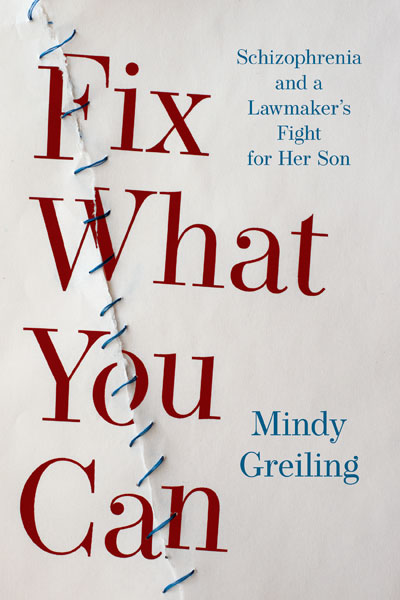
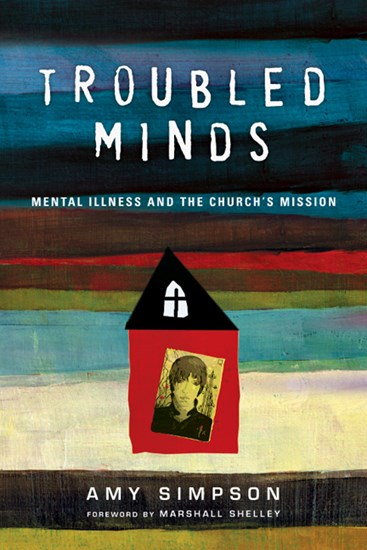
May marks Mental Health Awareness Month. I pledge to continue my efforts to raise awareness and to reduce the stigma of mental illness. Please read previous reviews I’ve written on books about mental illnesses by clicking here, then here, next, here, and, finally, here.

© Copyright 2021 Audrey Kletscher Helbling