Minnesota Prairie Roots

Writing and photography by Audrey Kletscher Helbling

“From Somalia to Snow” offers insights into our new Minnesota neighbors May 29, 2024

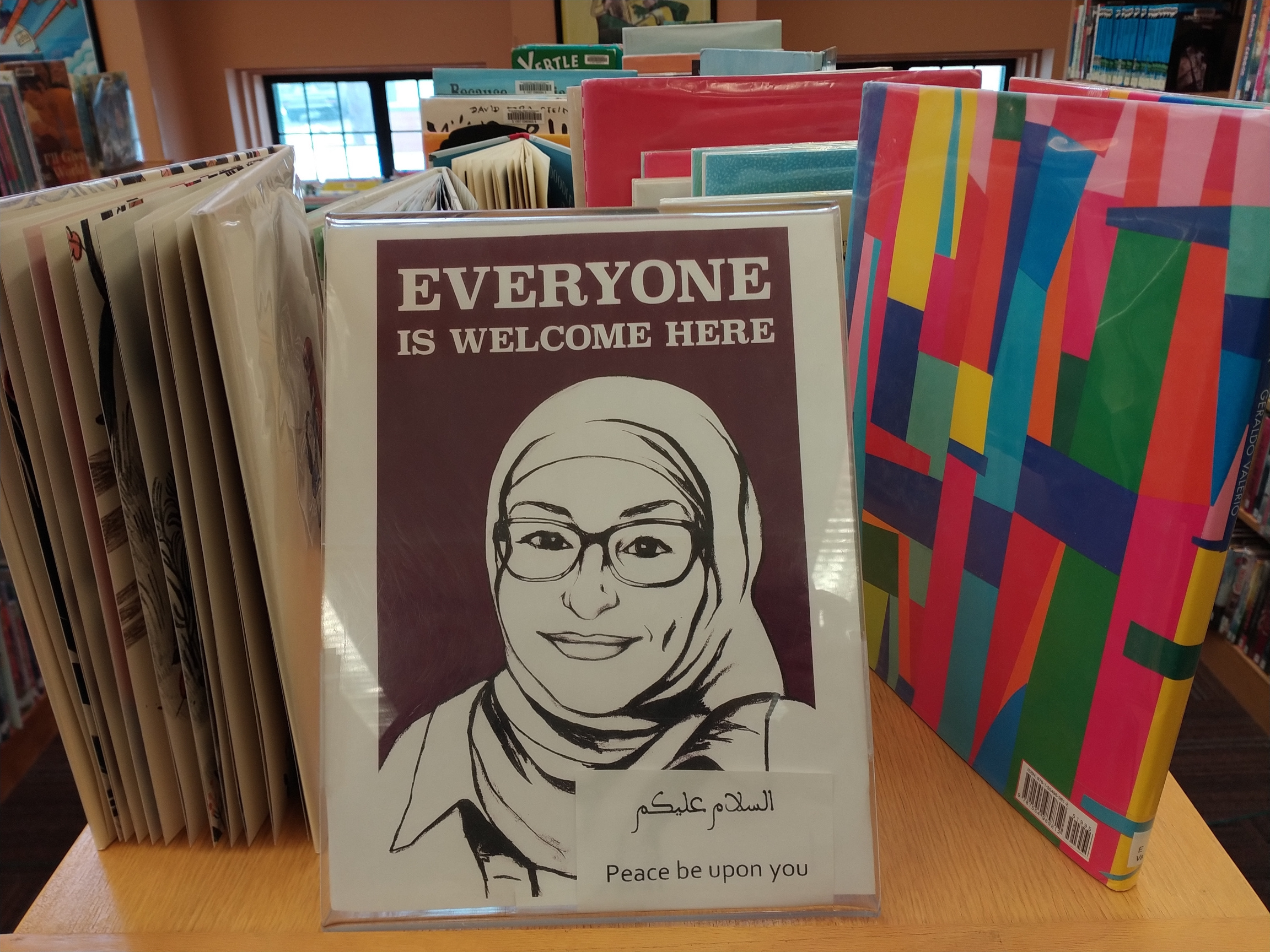
A welcoming sign photographed earlier this year in the children’s section of Buckham Memorial Library, Faribault. (Minnesota Prairie Roots copyrighted photo 2024)

KNOWLEDGE IS POWER. Not in the sense of personal power, but in understanding. And I am always about growing my knowledge and understanding, especially within my community.

Faribault, like many neighboring communities, is culturally-diverse, home to immigrants, refugees and those who have received American citizenship. Somalis. Hispanics. Latinos. And others from countries that fit anything but the mostly White European backgrounds of rural Minnesotans. We are a state evolving in diversity, and I embrace that.
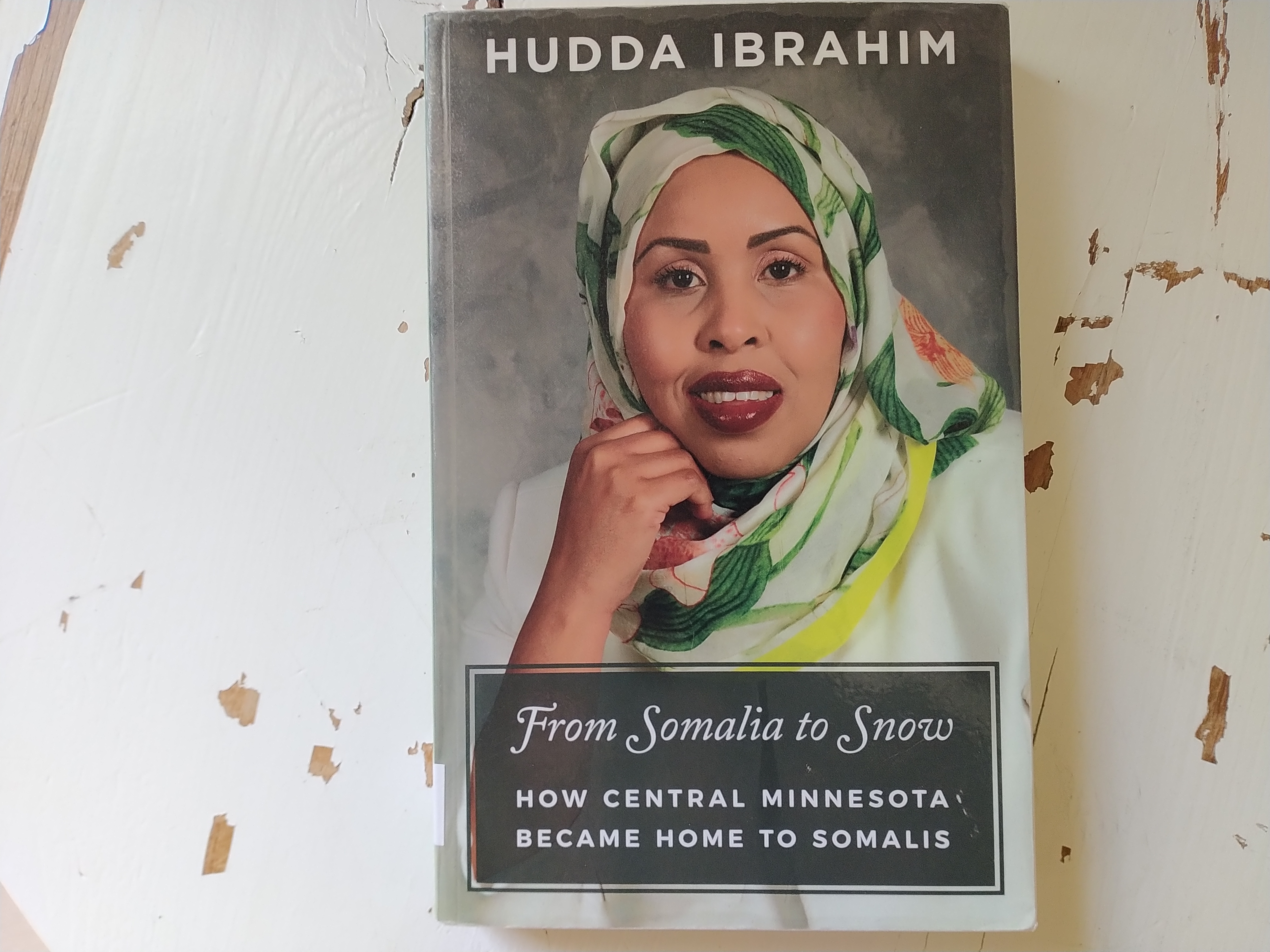
Hudda Ibrahim’s book offers an in-depth look at Somalis living in Minnesota. (Minnesota Prairie Roots copyrighted photo May 2024)

Recently I met a central Minnesota author who was in town as part of an event celebrating Somali culture at the Paradise Center for the Arts. Hudda Ibrahim of St. Cloud, which has a sizable Somali population, was selling her books, including From Somalia to Snow—How Central Minnesota Became Home to Somalis. Although I didn’t purchase her book then, I eventually checked it out through my regional library system. That and her nonfiction children’s picture book, What Color Is My Hijab?

Hudda Ibrahim’s children’s book inspires girls to be whatever they want to be via Ibrahim’s empowering words and Meenal Patel’s vivid art. (Book cover sourced online)

After reading those two books, I have better insights into the backgrounds, stories, culture and challenges of my new neighbors. Ibrahim writes with authenticity. She was born and raised in Africa (Somalia, Ethiopia and Kenya), came to the U.S. in 2006, teaches diversity and social justice in St. Cloud, and works closely with Somalis there. From Somalia to Snow includes interviews with Somalis in Ibrahim’s community along with her observations, insights and recommendations.

I quickly discovered that I had much to learn, even when it comes to understanding the basics. A person of Somali ethnicity is not a “Somalian,” as I’d incorrectly said, but rather a “Somali.” I appreciate that about Ibrahim’s writing. She doesn’t presume her readers know, making her book a really good source of basic, yet detailed and thorough, information.
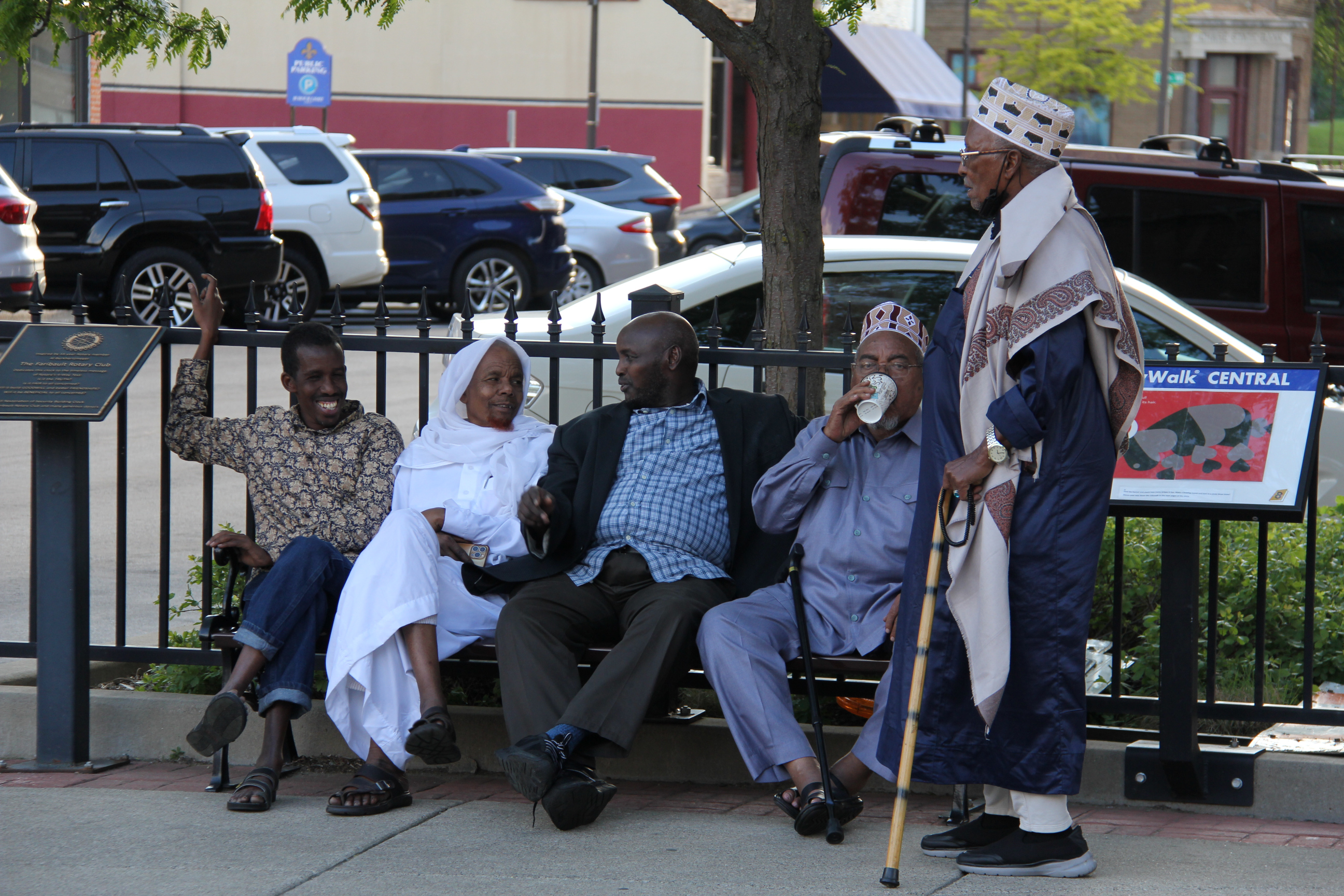
I often see Somali men visiting in downtown Faribault, where many live. (Minnesota Prairie Roots copyrighted file photo May 2024)

I especially appreciated her chapter titled “Integration and Assimilation” because I’ve heard the comments from locals about how Somalis need to do this and that because they’re living in America now. Ibrahim states that Somalis prefer to “integrate,” not “assimilate.” That makes sense to me, that our new neighbors want to retain their cultural identity while also adapting to their new home. I think back to my own maternal ancestors who settled together near New Ulm in southern Minnesota and clung to their German identity, speaking in German, following customs and traditions from the Old Country. The same can be said for Scandinavians, who still eat lefse and lutefisk. Cultural identity is important to all of us.

So is family. Like my German ancestors settled together, so do those who come from Africa. They want to be near people who get them, understand them, share a language and faith and customs and culture. Jobs and family (clans) brought Somalis to St. Cloud, Ibrahim writes. Many work in meat-packing plants, just like in my community.
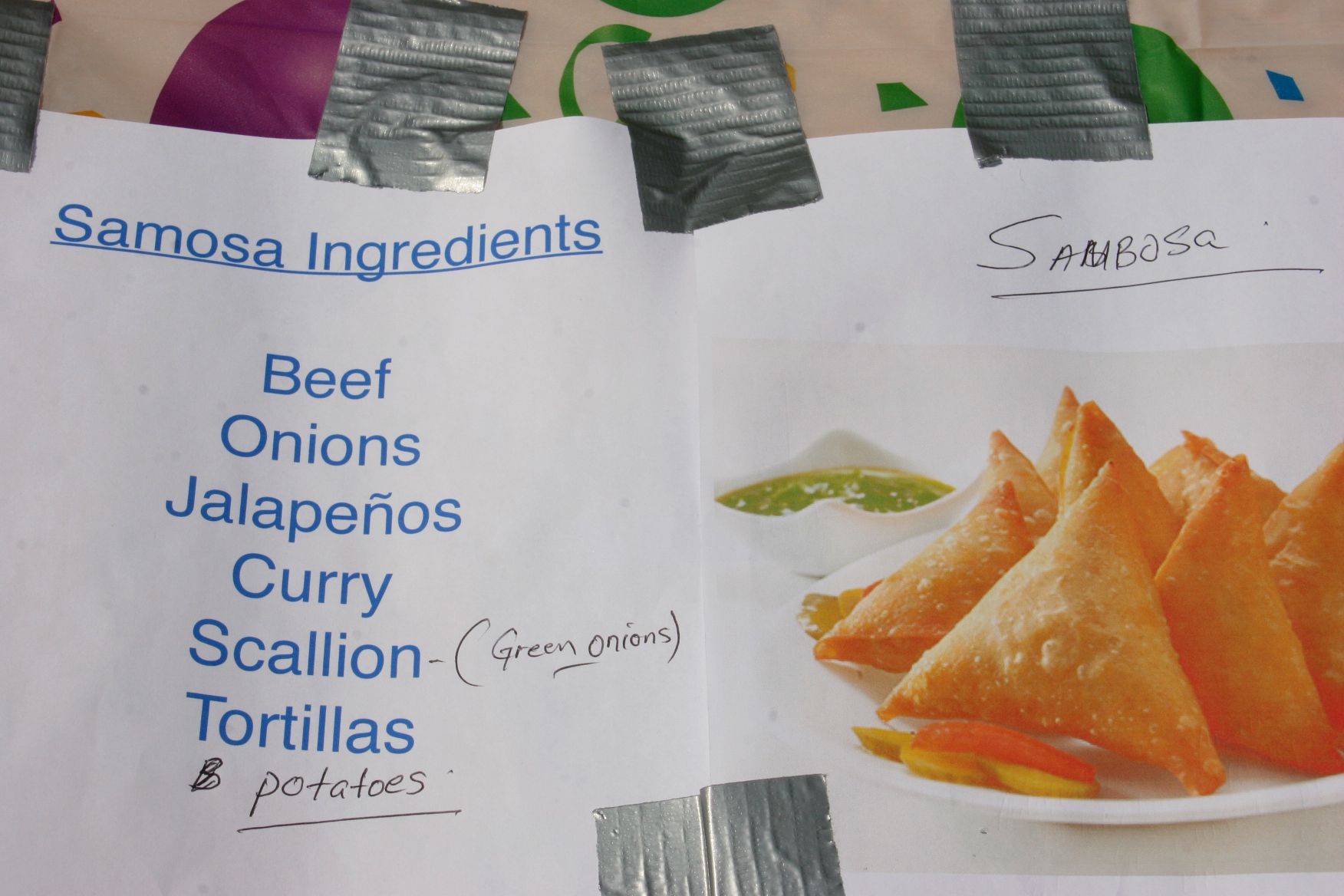
This sign for Somali food was posted at a past International Festival in Faribault. I especially like sambusa, a spicy, meat-filled triangular pastry. It was served at the recent Somali-focused event I attended. (Minnesota Prairie Roots copyrighted file photo)

Others have pursued higher education and entrepreneurship, opening businesses which serve primarily their community. I need only walk Faribault’s downtown business district to see numerous Somali-owned shops and restaurants. I love the color and culture they bring. And I love Somali tea, which I tried at that event where I met Ibrahim. It’s tea mixed with milk and spiced with cinnamon, ginger, cloves, cardamom… The scent is heavenly, the taste divine. And I can buy it locally.

Faribault is a culturally-diverse city, as seen in this image taken during a car show in downtown Faribault in 2015. (Minnesota Prairie Roots copyrighted file photo 2015)

Ibrahim’s book is packed with insights: Somalis value oral communication over written. They are good oral poets. Restaurants often do not have printed menus, primarily because they serve Somalis. Muslims memorize the Quran (with 6,666 verses), a process that can take years. Socializing and community are important. Barriers remain in healthcare. There’s just a whole lot to learn via reading From Somalia to Snow. It starts with an overview of Somali history and then takes readers into the lives, cultures and challenges of Somalis living in Minnesota today. Thanks to Ibrahim’s writing, I now have a better understanding of my new neighbors. And for that I am grateful.

© Copyright 2024 Audrey Kletscher Helbling


Cultural events connect, build community May 8, 2024

Filed under: Uncategorized — Audrey Kletscher Helbling @ 5:00 AM
Tags: , , , , , , , , ,
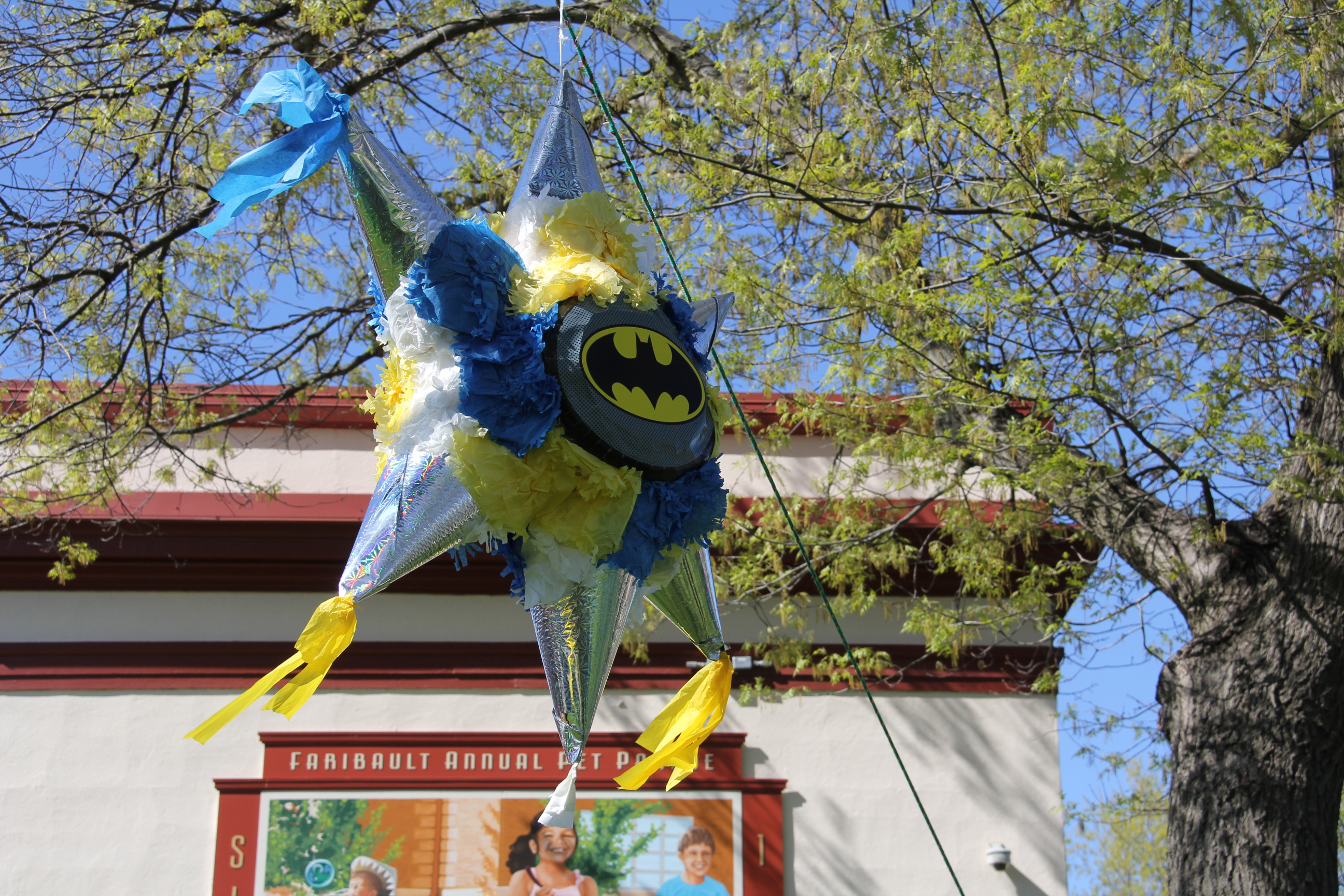
A pinata sways from a tree against the backdrop of the Central Park Bandshell. (Minnesota Prairie Roots copyrighted photo May 2024)

WHENEVER I ATTEND a culturally-focused community event, like the recent Cinco de Mayo celebration in Faribault, I feel joy. Joy because I’m learning, meeting my neighbors, growing my appreciation for the cultural diversity which defines Faribault and neighboring communities.

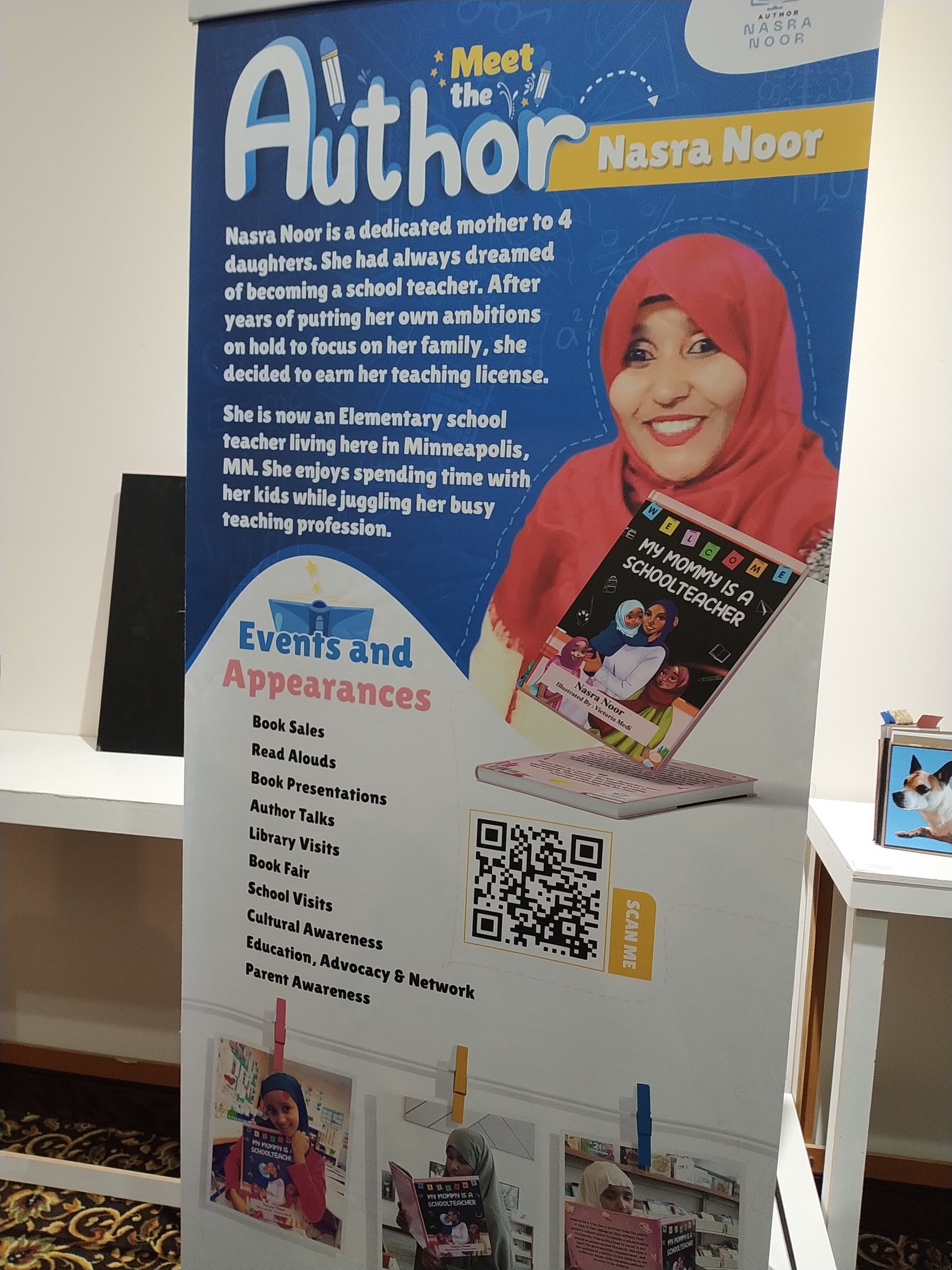
Nasra Noor, an author and teacher from Minneapolis, participated in a recent event at the Paradise Center for the Arts. (Minnesota Prairie Roots copyrighted photo April 2024)

The week prior, I attended an event celebrating our Somali population. There, too, I engaged with my new neighbors and learned more about them. I’ve always found gatherings that involve food and music to be a good way to connect. Both are universal, even if different.

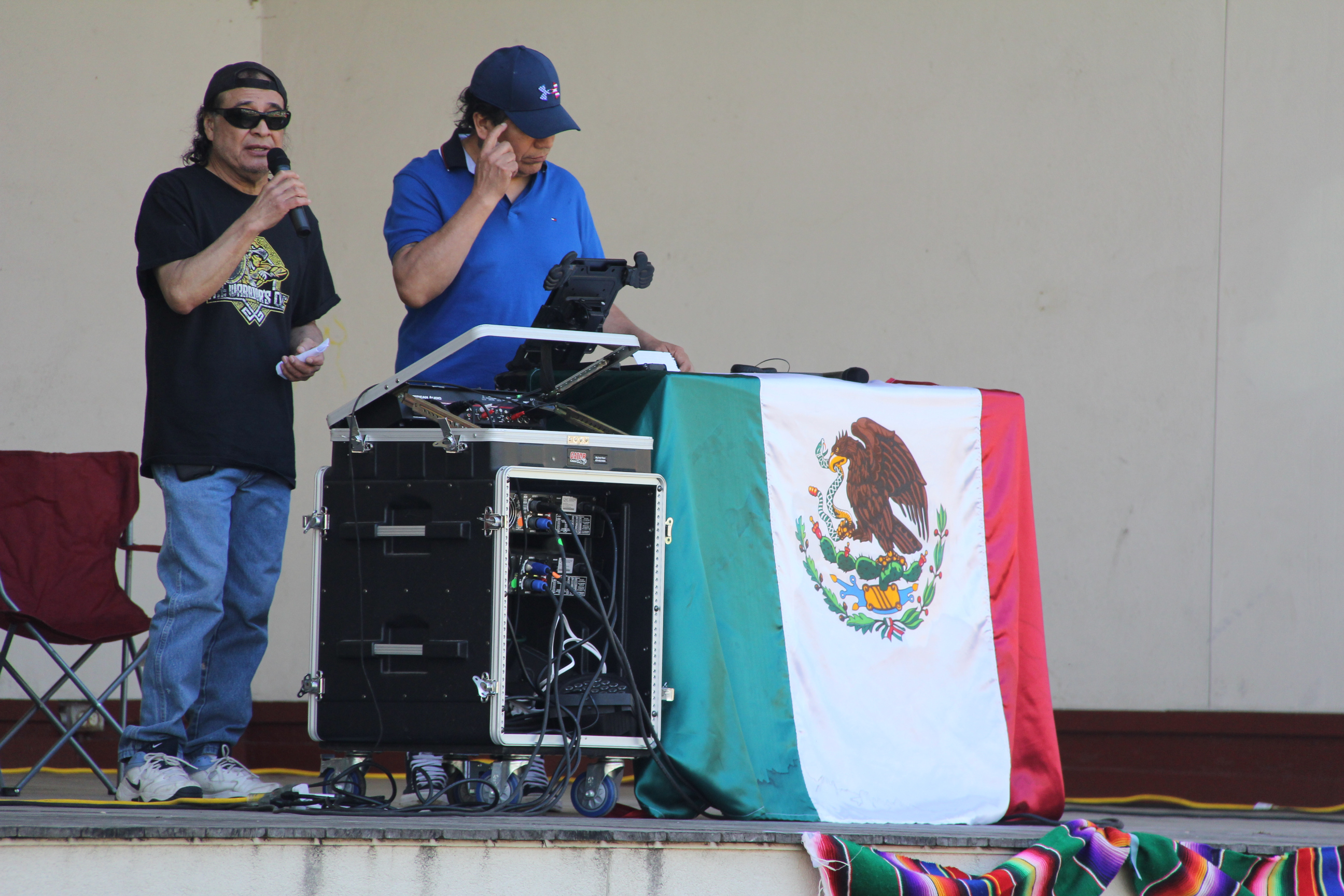
While I arrived too late for the dancers, I heard Latino music at Faribault’s Cinco de Mayo celebration in Central Park. (Minnesota Prairie Roots copyrighted photo May 2024)

Even when I don’t understand lyrics, I understand the rhythm of music.

Somali food was served at a past International Festival Faribault, where this sign was photographed, and at a recent event. (Minnesota Prairie Roots copyrighted file photo)

Even when I haven’t tasted an ethnic food, I’m willing to try. And let me tell you, Somali tea tastes of ginger and cinnamon and other spices that appeal both to my sense of taste and of smell. Likewise, sambusa, which I was introduced to many years back, are delicious. I love the savory, spicy flavor of these meat-filled triangular pastries.

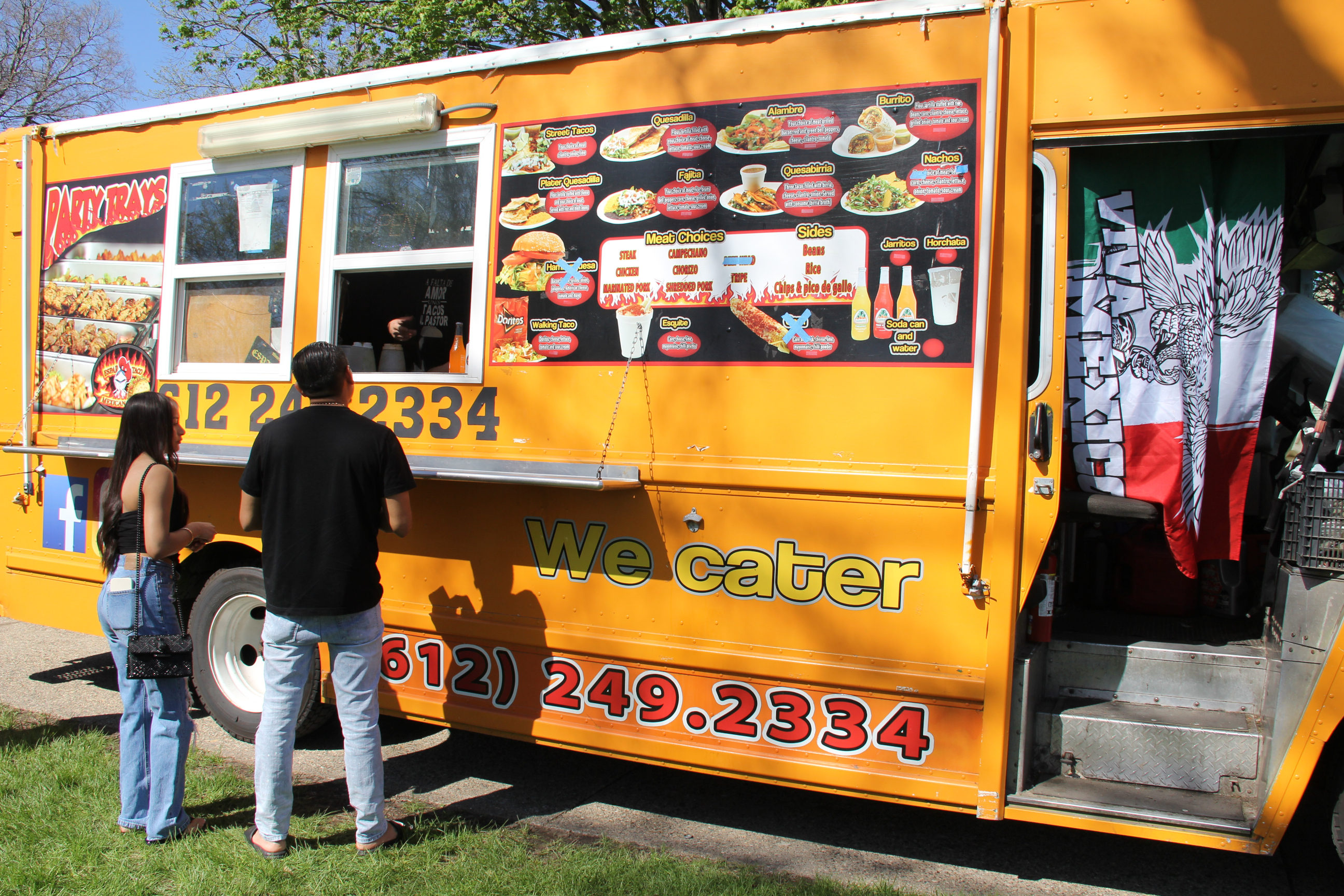
Among the Latino food vendors in the park. (Minnesota Prairie Roots copyrighted photo May 2024)

Latino food is a bit more familiar. But, because I don’t speak or read Spanish, I struggle with choices. I asked for help interpreting and translating, choosing a dish that featured shrimp. I love shrimp. Still, I didn’t realize I had just ordered soup laced with shrimp and corn. It was not my favorite. But, hey, at least I tried something new.

Sign on a food truck. (Minnesota Prairie Roots copyrighted photo May 2024)

That’s the thing. We have to be willing to step outside our familiar foods, music, language and more. Then, and only then, do we begin to feel connected in our community. We are no longer “them” and “us.” Rather, we are all one, living together in this place. It takes effort. It takes a willingness to stretch ourselves, to strike up conversations, to appreciate both differences and similarities.

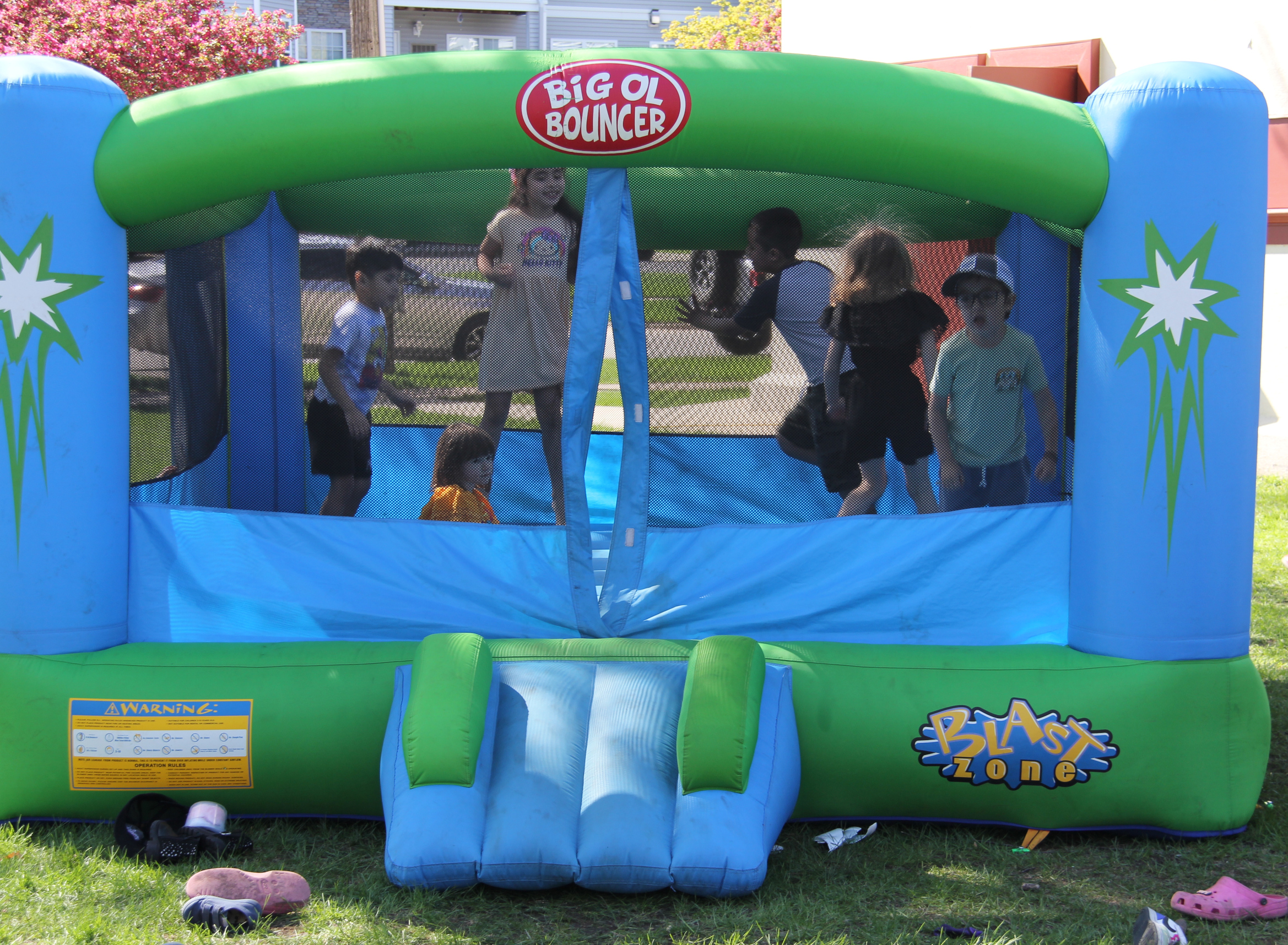
Together in the bounce house at Cinco de Mayo. (Minnesota Prairie Roots copyrighted photo May 2024)

It is the kids who give me the most hope. Kids are kids. When I see kids running, playing, dancing, singing, I see any kid. Not white, black, brown… Simply a kid.

Gathering around the pinata. (Minnesota Prairie Roots copyrighted photo May 2024)
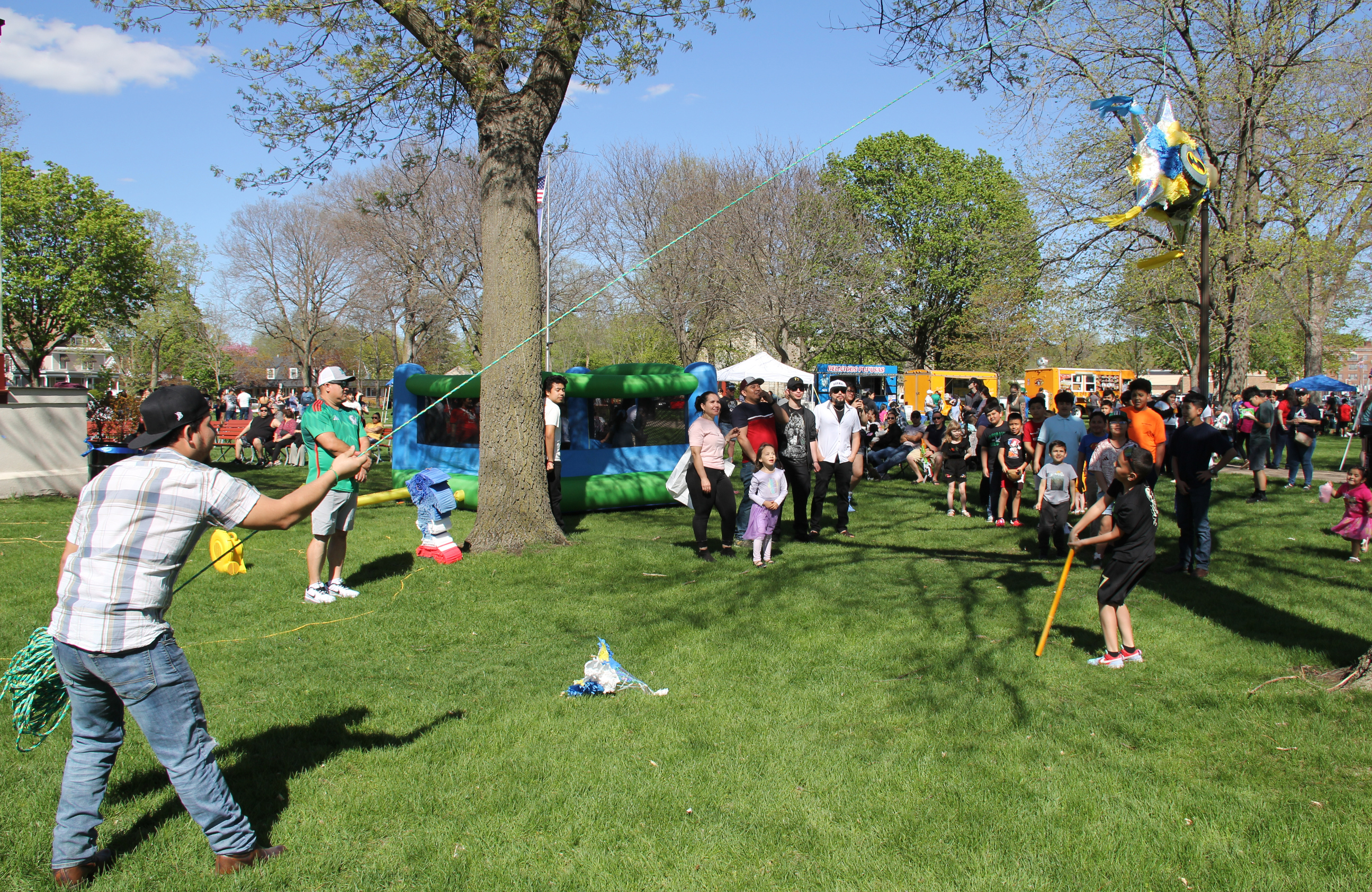
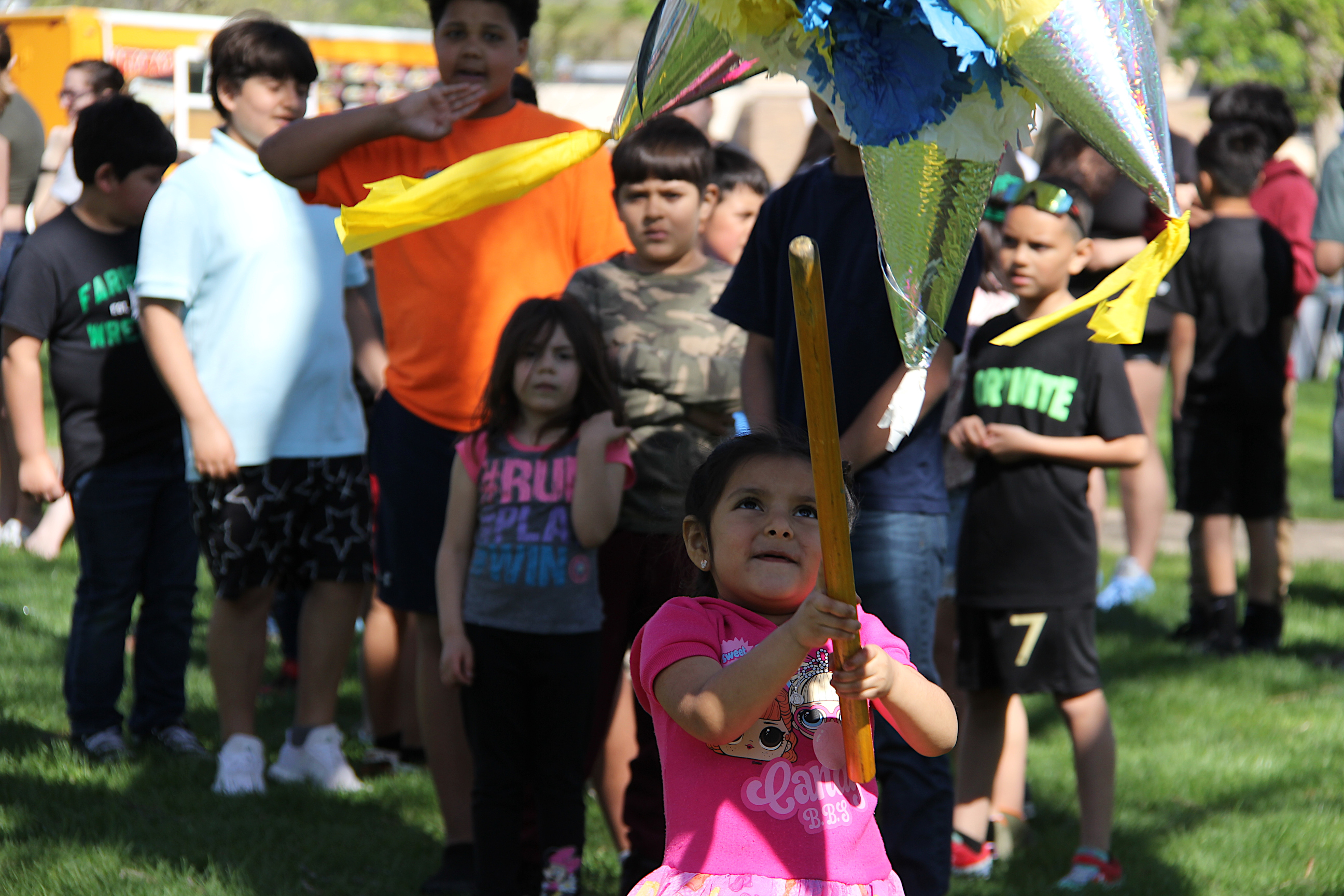
Taking aim at the pinata while others await their turn. (Minnesota Prairie Roots copyrighted photo May 2024)
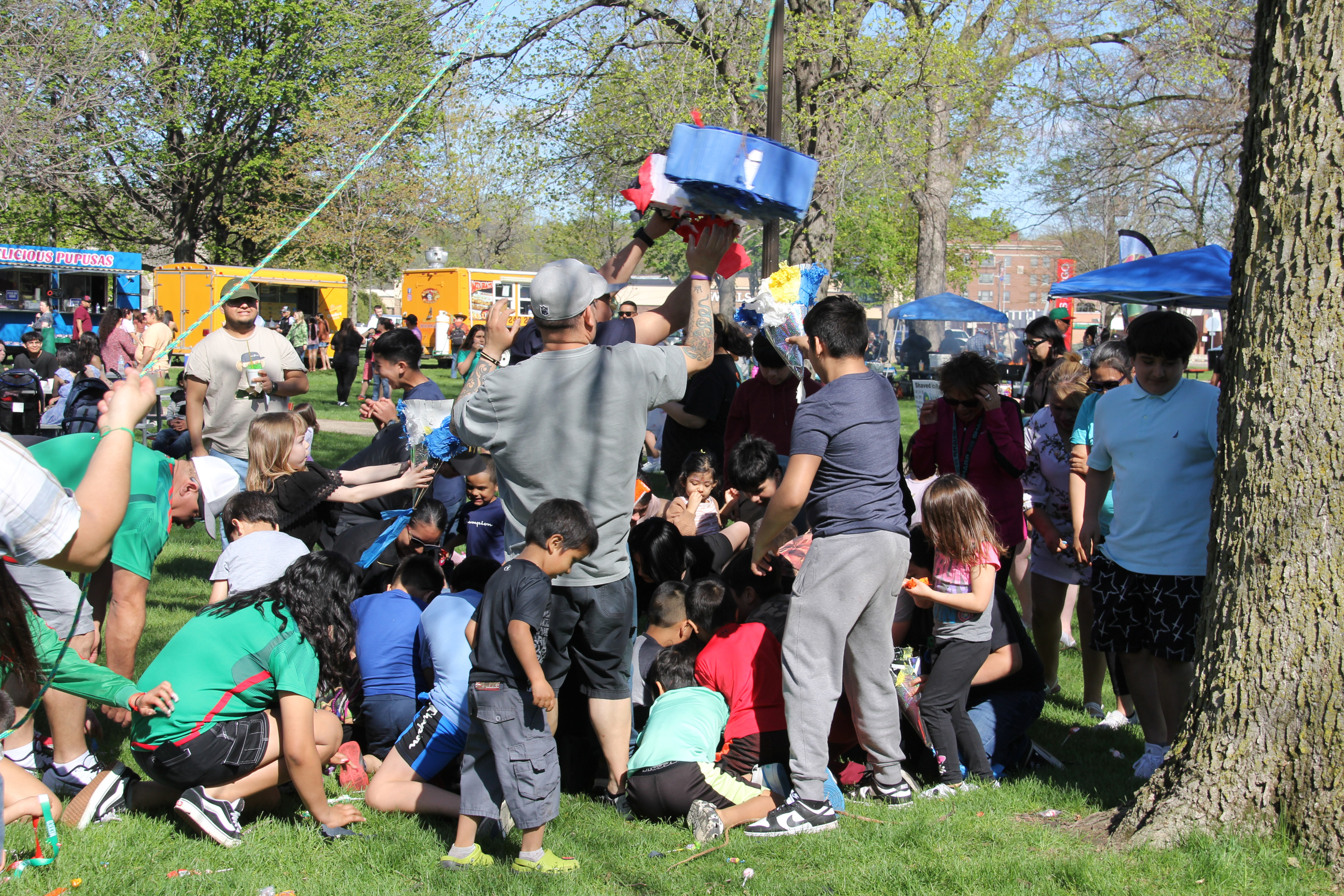
Scrambling for candy after a pinata breaks. (Minnesota Prairie Roots copyrighted photo May 2024)

Watching a cluster of kids gathered on Cinco de Mayo to strike a pinata, I saw smiles, focus, determination, joy. They each had a singular goal: to get to the candy. They worked together. One kid took a swing, then another and another and another until it was time to pass the stick to the next kid. It took teamwork—a community of kids—to achieve the end goal. And when they scrambled for the falling candy, it was happy chaos. They’d done it. Together.

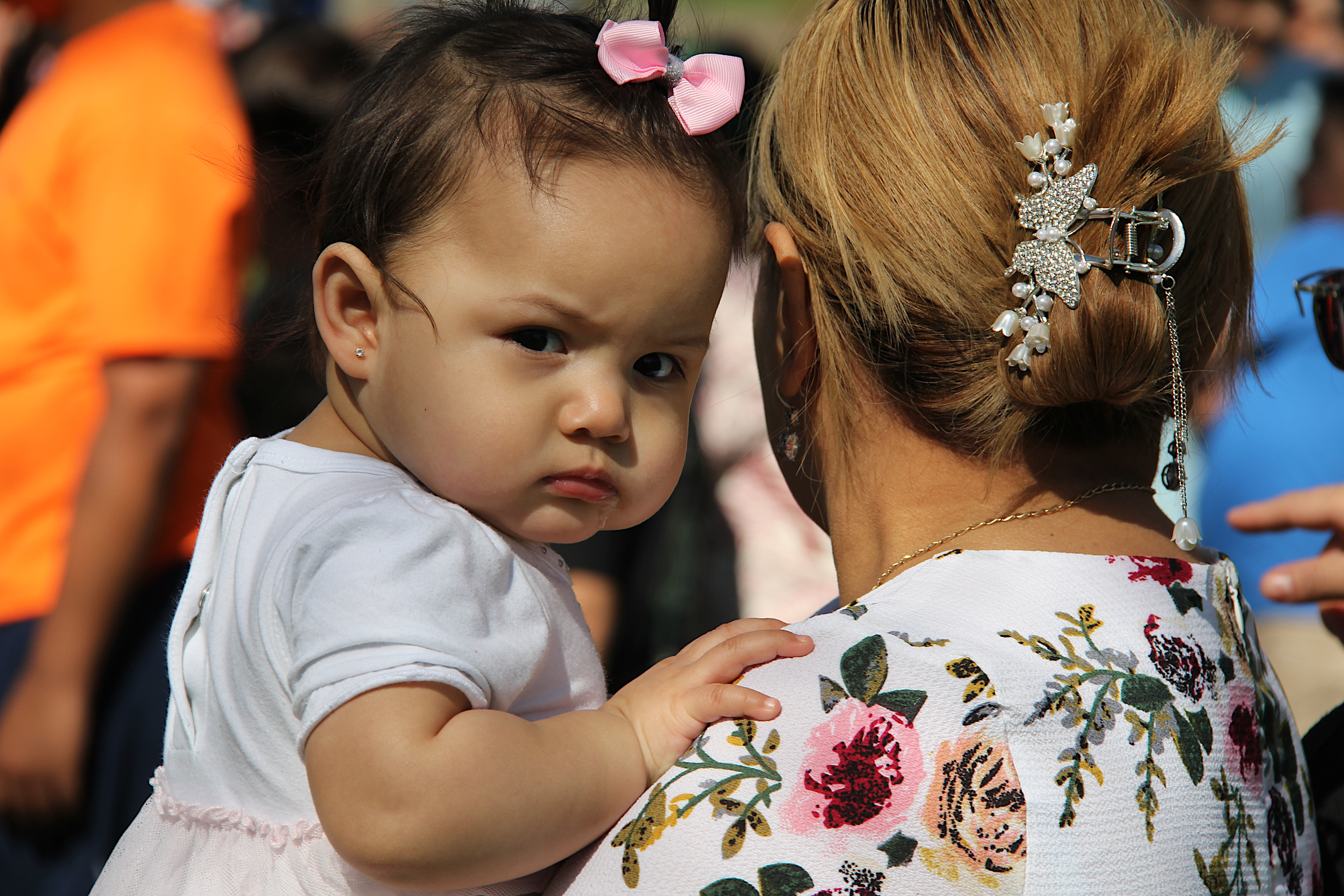
Children are our future, including this sweet little one photographed at the Cinco de Mayo celebration. (Minnesota Prairie Roots copyrighted photo May 2024)

We adults can learn a lot from the little ones. We are all in this world together. We live. We love. We struggle. We celebrate. We have hopes and dreams. More connects, than divides, us. That is what we need to remember no matter our backgrounds, our language, our food, our music…

© Copyright 2024 Audrey Kletscher Helbling
 

More than just mannequins in a Faribault shop April 2, 2024

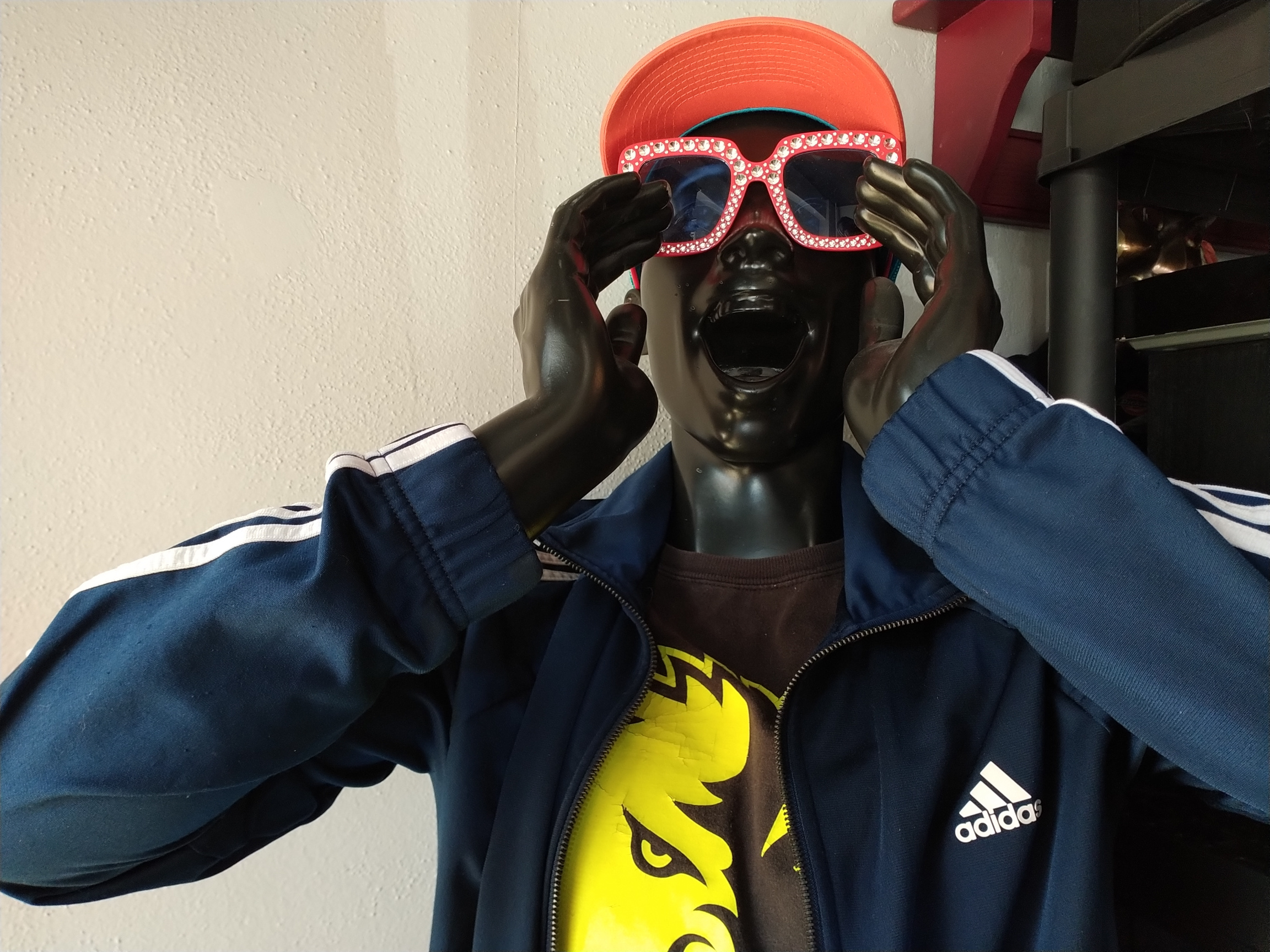
Joyful mannequin. (Minnesota Prairie Roots copyrighted photo March 2024)

AMONG THE TRANS-SIBERIAN ORCHESTRA TOUR and other t-shirts, the refurbished shoes, the hats, the colorful purses, the VHS tapes, the stereo and even the television set playing in black-and-white, they stood out. The dark-skinned mannequins, joyfully jubilant.

I happened upon the pair after popping into Closet Sale, a recently-opened thrift and secondhand shop in downtown Faribault. Inside the cozy space at 103 Central Avenue, they stood, mouths stretched wide as if to shout, “Welcome!” or perhaps, “Hey, you, stop and look!”

No matter what I imagined their words to be, I was drawn to the two. Drawn by their poses. Drawn by their expressions. And drawn by their skin color. I don’t recall ever seeing a black mannequin in a local store, even though Faribault is home to many people whose skin tone is anything but white.

Love the vivid LEGO glasses on this mannequin. (Minnesota Prairie Roots copyrighted photo March 2024)

Upon seeing the extroverted pair, I felt as happy as they appeared. They had character. Spirit. Personality. Their bold over-sized glasses added fashion flair. They seemed the creative type—perhaps musicians or painters of vivid abstracts or performers.

I recognize that’s a lot to take from two store mannequins. I offer no apologies. To me, the duo are more than plastic models showcasing merchandise. They represent my culturally diverse community, including the man who runs Closet Sale. He’s Juan Pablo Zuñiga Navarro, native of Chile.

I appreciate diversity of ownership in Faribault’s historic district. Today’s downtown core is no longer just that of white ownership. Those of Hispanic and Somalian ethnicity also now run businesses along and bordering Central Avenue. We’ve come full circle. Immigrants from many countries, all speaking different languages and with their own customs, faiths and dress, settled this city. Set up shop. Crafted shoes. Built furniture. Brewed beer. Sold dry goods. And much more. All to make a better life for themselves and their families in the land of opportunity.

Just like yesterday, the immigrants of today are working hard to achieve the American dream. Many have escaped war-torn countries, violence, extreme poverty. I recognize that. So I welcomed Juan Pablo to Faribault, told him, “I’m happy to have you here!” I am. And I’m happy also to have those two spirited mannequins, who welcomed me into Juan Pablo’s shop. Joyfully. Exuberantly.

© Copyright 2024 Audrey Kletscher Helbling
 

Minnesota cultural consultant & author to talk about chickens in the bus & more February 13, 2024

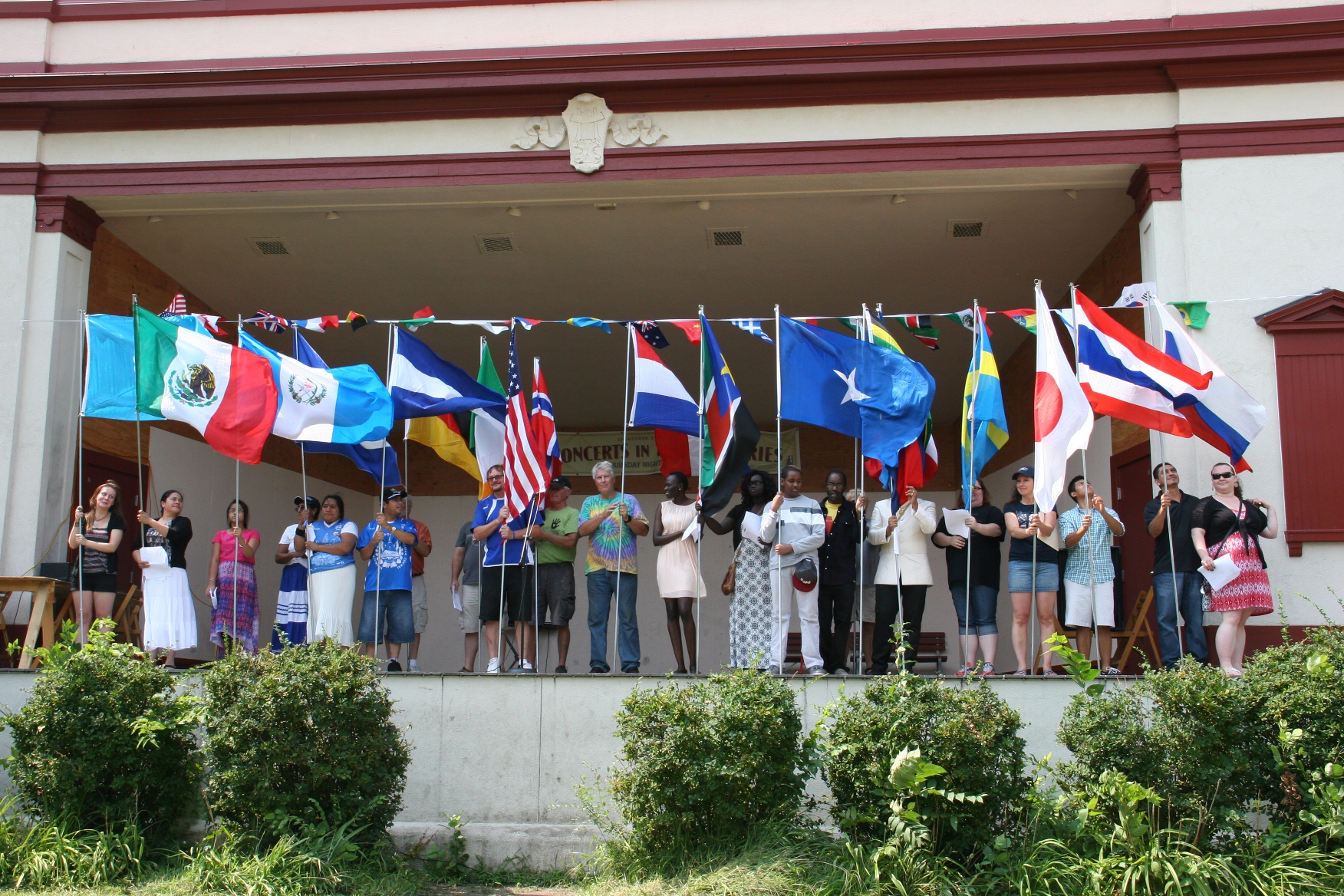
A flag ceremony, representing the country of origins of many peoples who call Faribault home, was part of the 2015 International Festival Faribault. Joseph Mbele is shown just to the right of center in this photo, dressed in black with a yellow and red shirt. (Minnesota Prairie Roots copyrighted file photo August 2015)

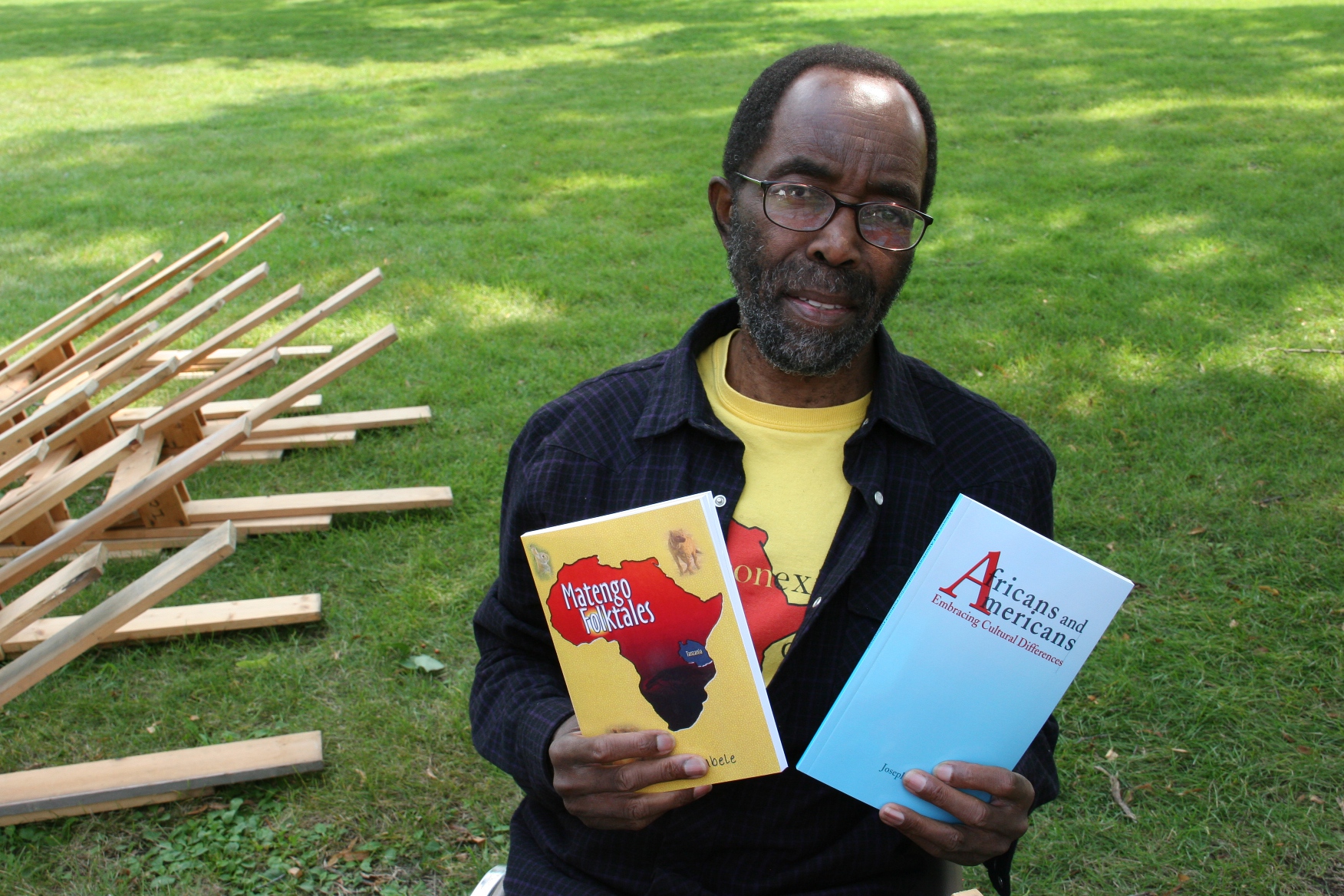
I FIRST MET JOSEPH L. MBELE in 2015 at the International Festival Faribault. The author, cultural consultant and professor of English at St. Olaf College in Northfield was representing his native Tanzania during this fest celebrating the cultural diversity of my community. Then late last year I talked to Mbele again, when he was selling his latest book, Chickens in the Bus: More Thoughts on Cultural Differences, at a local holiday church bazaar. He is engaging, soft-spoken, knowledgeable and just an overall kind and gentle soul.

Author Joseph L. Mbele with two of his three books, photographed at the 2015 International Festival Faribault. (Minnesota Prairie Roots copyrighted file photo August 2015)

This Thursday evening, February 15, the writer and expert on cultural differences returns to Faribault for a literary event at Books on Central, a recently-opened used bookstore operated by the Rice County Area United Way. Mbele will share stories, offer cultural insights and lead an interactive discussion. The event begins at 6 pm at the bookshop, 227 Central Avenue North.

This image shows the cultural diversity of Faribault. This photo was taken at a downtown car show in 2015. (Minnesota Prairie Roots copyrighted file photo July 2015)

That he is appearing at a business along Faribault’s Central Avenue is meaningful in itself. Many Somali residents live in second floor apartments here in the heart of our downtown business district. Other of our newest immigrants have opened restaurants and shops along the avenue and side streets, making for a diverse downtown. But it was their presence here that stirred up complaints and controversy a few years back, and likely still does, although those are not as loudly vocalized as previously.

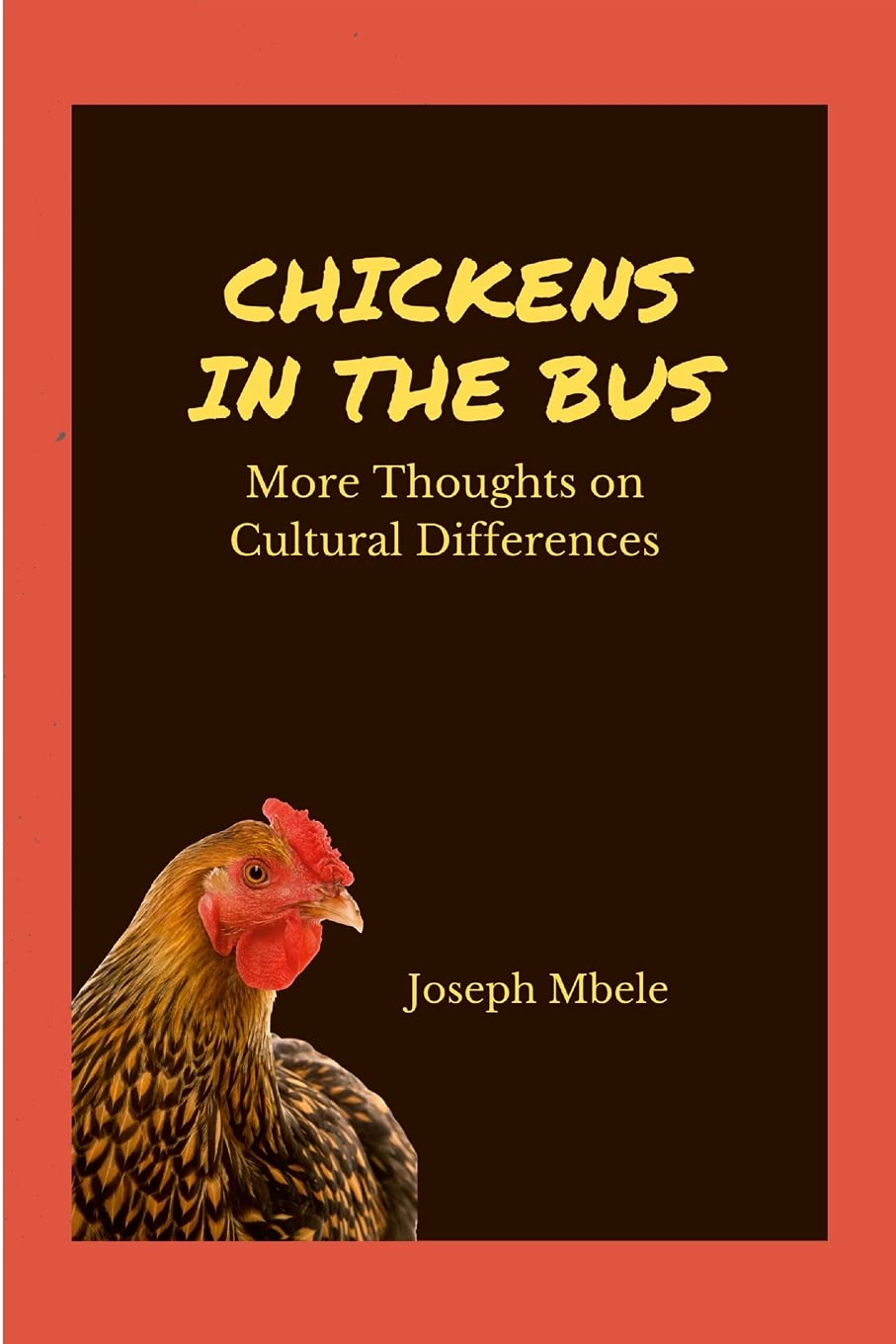
Mbele’s latest book, published in 2021. (Cover image sourced online)

In Chickens in the Bus, Mbele terms this “the sidewalk issue.” Business owners expressed concerns about Somali men congregating outside, blocking sidewalks, scaring customers away, Mbele writes. His words are not new to me. I’d heard them, too, from business owners and from local residents. People were, they said, afraid to come downtown. I’ve never feared walking along Central Avenue past groups of Somali men. What people don’t understand, they all too often fear.

To Mbele’s credit, he has worked hard to inform, to enlighten, to listen, to help bridge cultural divides. He spoke to Faribault business owners. He spoke to members of the Somali community. He’s also spoken publicly at libraries and elsewhere. I appreciate his efforts.

At the core of “the sidewalk issue” are cultural differences, according to this native Tanzanian who specializes in teaching folklore at Northfield’s St. Olaf College. Somalians come from an oral culture, one that relies on social gatherings to share news, Mbele writes. “…Somali gatherings in downtown Faribault are the Somali newsstands,” he told local business owners and includes in his book. That’s so down-to-earth understandable.

Mbele’s slim volume, Chickens in the Bus, which I purchased at the November 2023 holiday market, is an excellent primer for anyone desiring to learn more about cultural differences. This author and cultural consultant highlights how those differences can both challenge communities, but also present opportunities in an ever-increasingly connected world that is decidedly global. He writes in a way that is peaceful and soothing and seeks to create harmony.

A rooster, photographed at a rural Faribault farm and used here for illustration only. (Minnesota Prairie Roots copyrighted file photo May 2018)

I learned a lot about “African Time” and “American Time,” about native-born Africans who do not view themselves as black or as “people of colour” (vs African Americans who do), about chickens in the bus, and much more. In Africa, Mbele writes, someone may carry a chicken onto a bus, a gift from a rural villager.

His newest book, a sequel to Africans and Americans: Embracing Cultural Differences, proved an easy and informative read, one that enlightened me about my newest neighbors. They enrich Faribault with their culture, bringing their food, language, dress, customs and more. I will never travel to Africa. So I am the richer for the Africans who now call southern Minnesota home, who bring their culture into my community, to me.

© Copyright 2024 Audrey Kletscher Helbling
 

Celebrating Faribault’s diversity at international fest July 10 July 8, 2021

Flags representing the many countries from which Faribault residents came are displayed at a past International Festival Faribault. Minnesota Prairie Roots file photo.

DECADES AGO, in high school and then in college, I studied the German language. I grew fluent in the native tongue of my forefathers. I felt a sense of accomplishment as my skills advanced. I decided I would major in German in college, until I determined journalism would be a better path. I’ve never regretted that decision because I love words, no matter the language.

My second daughter, though, pursued a foreign language major, earning her college degree in Spanish (much more practical than German) and then becoming a Spanish medical interpreter. Until the pandemic ended that career.

Friends, Nimo Abdi, a sophomore at Faribault High School, left, and Nasteho Farah, a senior when I photographed them in 2012 at the International Festival. Minnesota Prairie Roots file photo.

I share this to lay the foundation for my personal appreciation of other cultures. I’ve never traveled internationally and not all that much domestically, so I welcome the opportunity to experience other countries and cultures locally. From 10 am – 4 pm this Saturday, July 10, diverse cultures focus the 16th annual International Festival Faribault in Central Park.

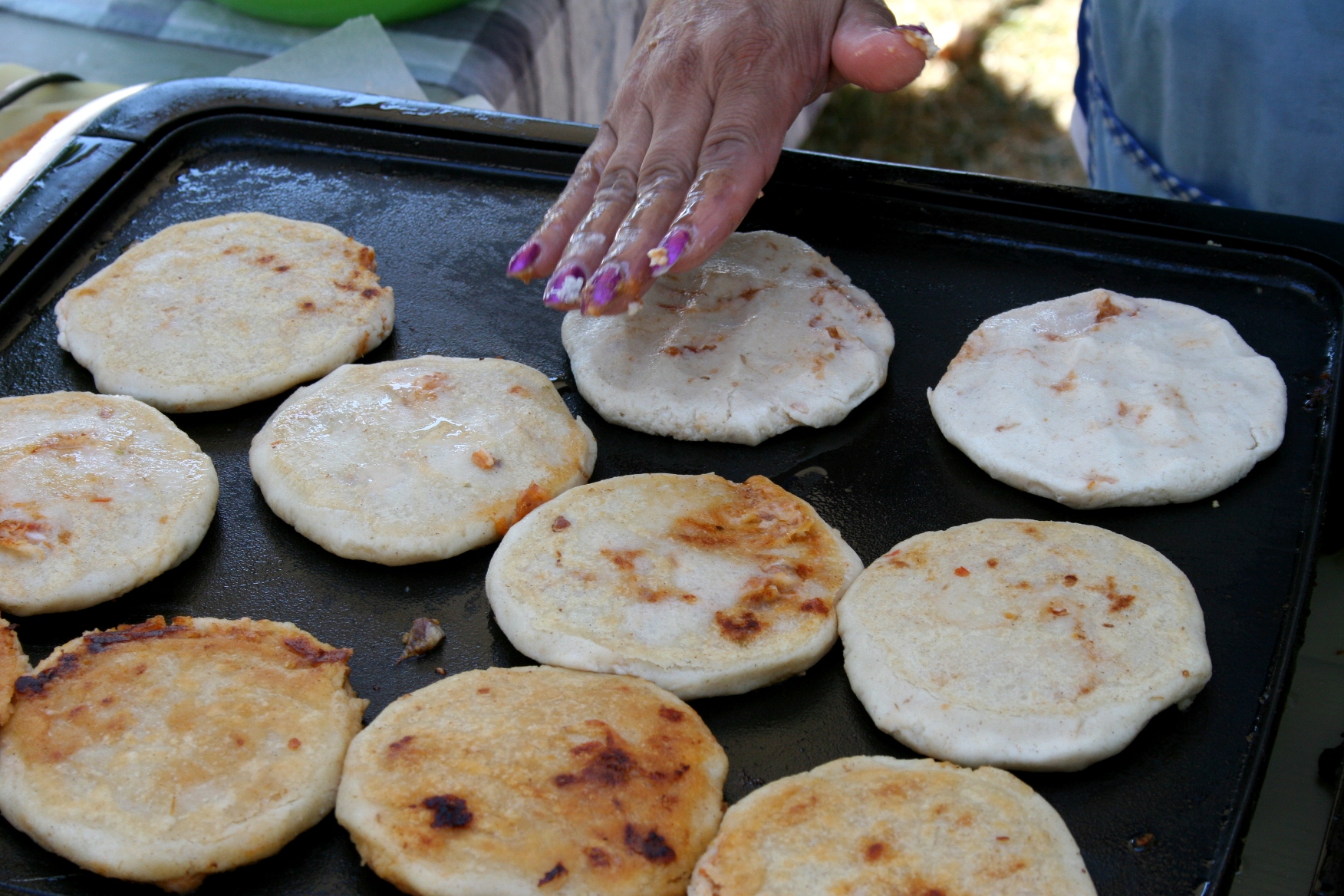
Pupusas served at the 2011 International Festival. Minnesota Prairie Roots file photo.
Cambodian art at the 2015 fest. Minnesota Prairie Roots file photo.
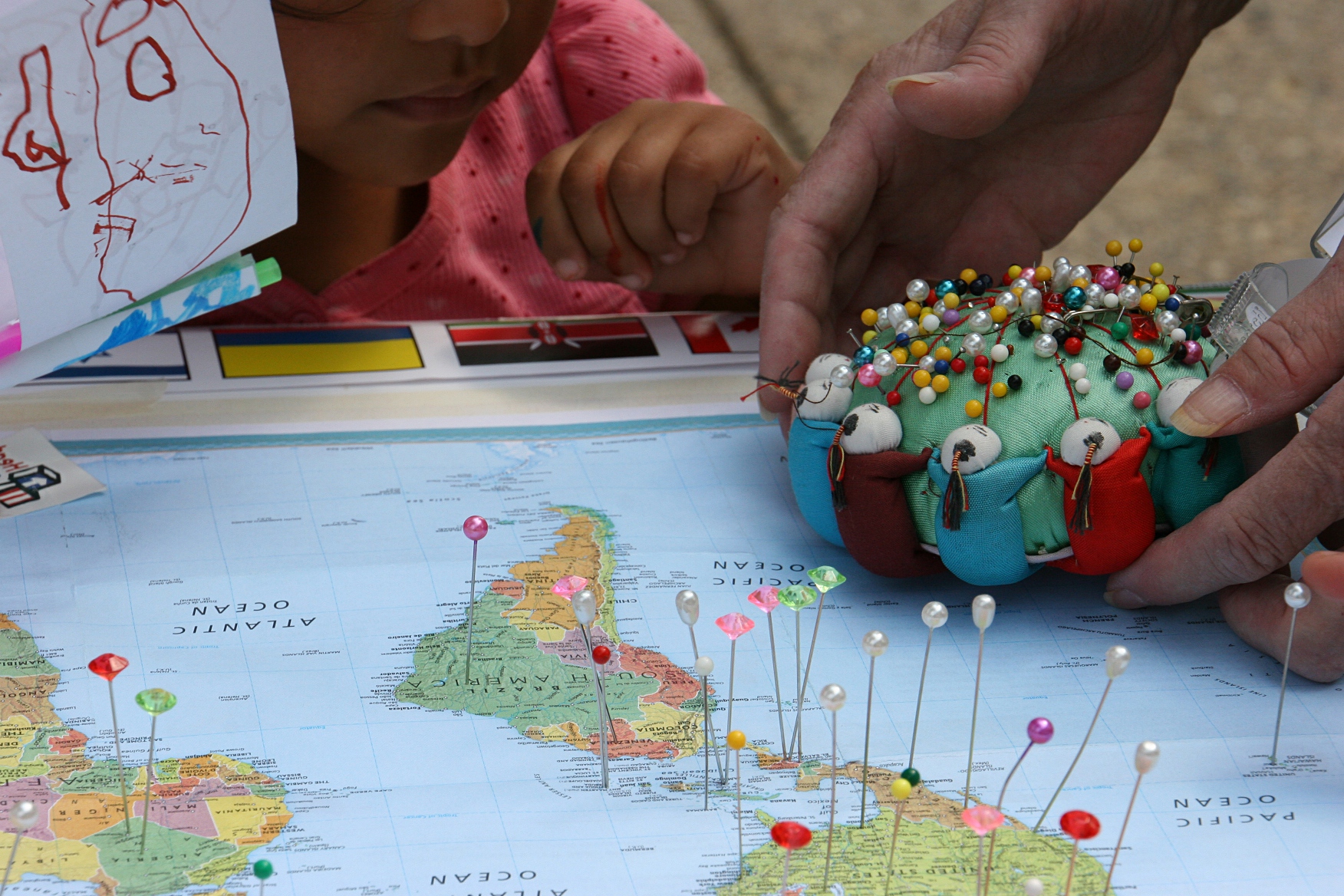
Attendees marked a world map with their countries of origin during a previous festival. Minnesota Prairie Roots file photo.

The fest is promoted as “a global bazaar-style event featuring food, music, dance, presentations and goods from around the world.” I’ve attended several times, although not recently, and always enjoyed this Neighbor Meeting Neighbor celebration. Many of those participating in the fest are local residents, shopkeepers and vendors.

This sculpture of Alexander Faribault trading with a Dakota trading partner stands in Faribault’s Heritage Park near the Straight River and site of Faribault’s trading post. Faribault artist Ivan Whillock created this sculpture which sits atop a fountain known as the Bea Duncan Memorial Fountain. Minnesota Prairie Roots file photo.

Faribault truly is an ethnically diverse community with a size-able immigrant population and with long-time residents rooted in many countries. Founding father Alexander Faribault, for example, was of French-Canadian and Dakota heritage. Our newest residents come from places like war torn Somalia.

A recently-completed mural in downtown Faribault, LOVE FOR ALL, celebrates our city’s diversity. Minnesota Prairie Roots file photo 2021.

While we’ve struggled in the past to accept one another, I feel like things are settling, that we are beginning to celebrate our differences and recognize the value of those differences.

Downtown Faribault during a Car Cruise Night in 2015 reflects our diversity. Minnesota Prairie Roots file photo.

Newcomers to Faribault are here to stay. They live, work and play here. Attend school. Own businesses. And that’s reason to celebrate. We are a stronger community because of our diversity.

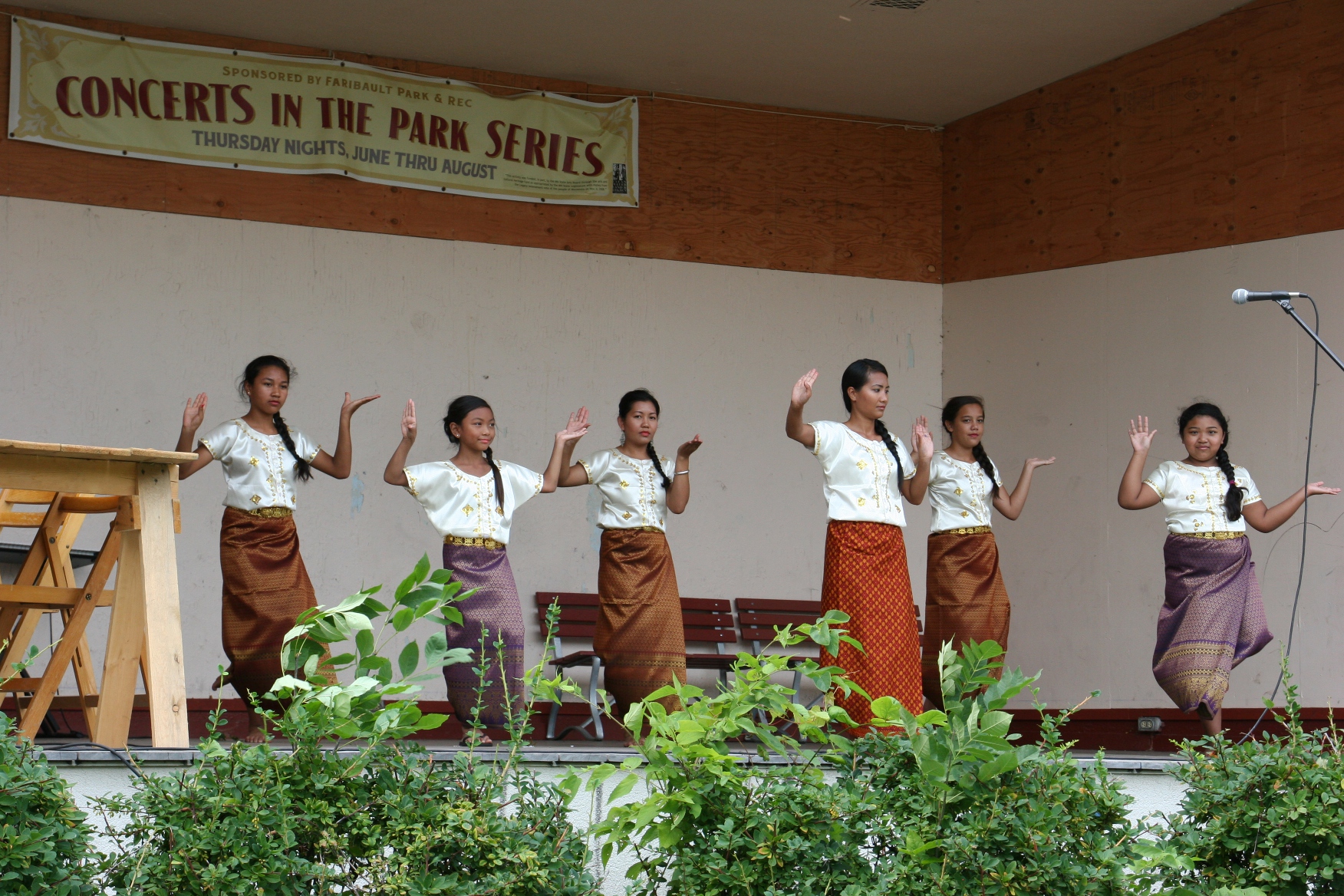
Cambodian dancers. Minnesota Prairie Roots file photo 2015.
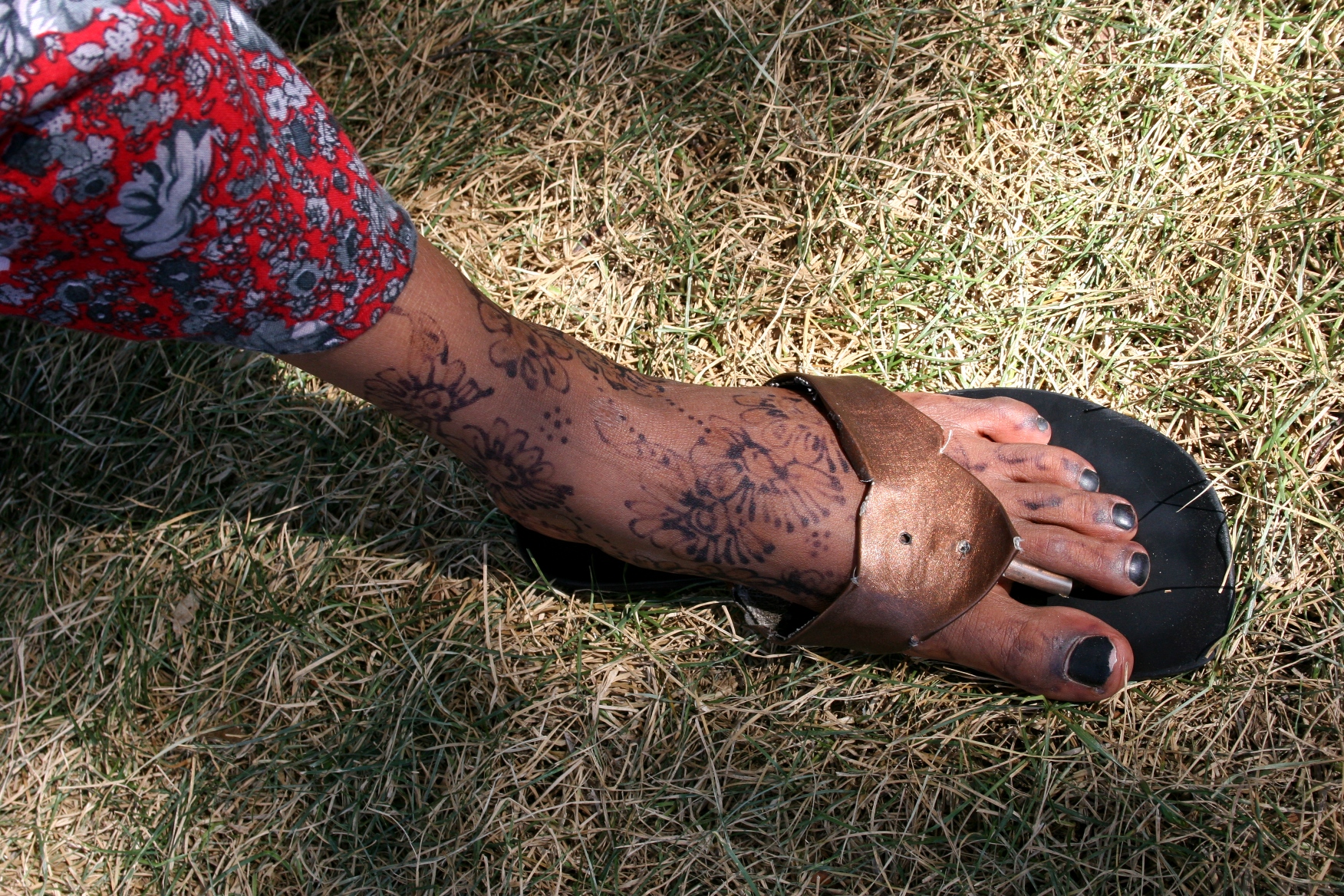
A young girl’s henna stained foot, photographed at the 2011 fest. Minnesota Prairie Roots file photo.
A little girl stands on the opposite side of the group of children waiting to swing at the pinata. Minnesota Prairie Roots file photo.

I encourage locals and people from out of town to attend Saturday’s International Festival Faribault. International dancers, music, a flag ceremony, arts and crafts, kids’ activities (including the popular pinata breaking), henna and food from around the world will be among the offerings. Perhaps someone will represent the German heritage by serving sauerkraut and brats or pumping out polkas on an accordion…

© Copyright 2021 Audrey Kletscher Helbling
 

Weekend events celebrate art, diversity & food October 8, 2020

The pottery of Tom Willis, displayed at a past Studio ARTour. He will be among six artists at Studio #7, 10754 Farrel Avenue, Northfield. Minnesota Prairie Roots file photo.

ART, FOOD, FUN and more food. All will focus events in the Faribault area this weekend. And even though I’m uncertain yet whether I will attend any—because of my COVID-19 comfort level—I want to pass along this community information. These are all worthy events which I’ve attended in past years.

First up is the annual south central Minnesota Studio ARTour, featuring the work of 16 regional artists either in studios or, in Faribault, also at the Paradise Center for the Arts. Some of those studios will be open from 4-8 pm Friday in addition to weekend hours that start at 10 am and continue until 6 pm on Saturday and until 5 pm on Sunday.

The tour is scaled back from previous years, but still includes a variety of artists who paint, shape clay into pottery, practice the Norwegian art of rosemaling, engage in fiber art, design jewelry, create with photography and more. I’ve always appreciated the opportunity to meet these artists, to view their work and where they work.

Promotional info for the tour emphasizes that health and safety come first and that participants—yes, that includes everyone—must wear a mask and that hand sanitizer will be used. Some artists will set up outdoors.

A previous flag ceremony featured national anthems and information about the countries from which Faribault residents have originated. Minnesota Prairie Roots file photo.

Likewise, the Faribault Diversity Coalition, organizers of the 15th annual International Festival Faribault, promises plenty of safety protocol during the 10 am – 4 pm Saturday fest at Faribault’s Central Park. If you’re comfortable attending, I’d encourage you to do so. It’s a great opportunity to learn more about the diverse people who call Faribault home. The fest is aptly billed as “Neighbor Meeting Neighbor.”

This celebration of our cultural diversity includes a full day of entertainment from Native American, Guatemalan and Aztec dancers to Guatemalan and Hispanic singers and more. Other highlights include a Naturalization Ceremony and a Flag Ceremony, both in the early afternoon.

And there’s more—arts and crafts, kids’ activities, informational booths and food. Let’s not forget the food. Food from around the world. The fest offers a great opportunity to try ethnic foods.

My plate full of food from a past Trinity harvest dinner. Not all foods served are on this plate. Minnesota Prairie Roots file photo.

Food centers the final local event I want to highlight. That’s the annual Trinity North Morristown Harvest Dinner from 11 am – 1 pm Sunday. I’ve attended this annual church dinner many times and highly-recommend it for the outstanding food. For only $10, you’ll get a meal of turkey, ham and all the trimmings that tastes like it came directly from Grandma’s kitchen.

This year the meal is take-out only with tickets sold on the adjacent Fourth of July picnic grounds and meals then handed out via drive-through on the south side of this rural church. I’ve always enjoyed the dining-in experience of cramming inside the church basement for good food and conversation among this friendly crowd. But, because of COVID, there will be none of that nor will there be a craft or bake sale.

Life goes on, pandemic or not. Just, please, if you attend any of these events, mask up (whether indoors or out), social distance and keep your hands clean. If you’re sick or have COVID symptoms or have been exposed to anyone with COVID or COVID symptoms, stay home.

© Copyright 2020 Audrey Kletscher Helbling
 

Urban photography April 18, 2019


CITYSCAPES INTRIGUE ME, for many reasons. But primarily visually.


Metro scenes differ vastly from the rural scenes I typically photograph. Rural equals a visual simplicity. Metro, overall, offers more chaos, more distractions, more color and variety. That’s a generalization. Chaos can be found, too, in rural, simplicity in urban.


Photographers always comes to photography with backgrounds, experiences, perspectives that influence images. We edit as we shoot. At least I do.


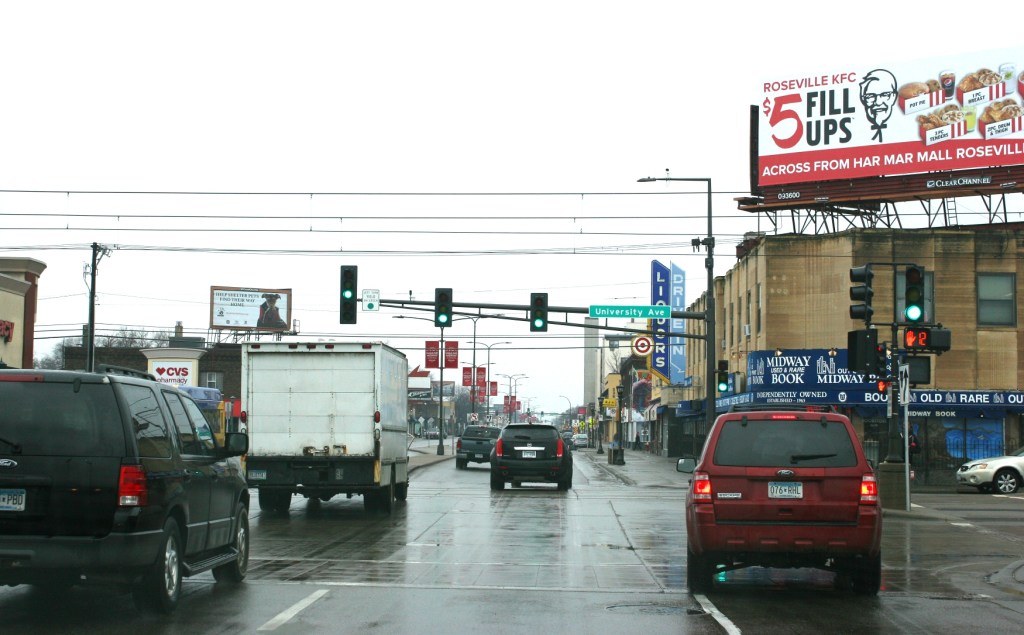
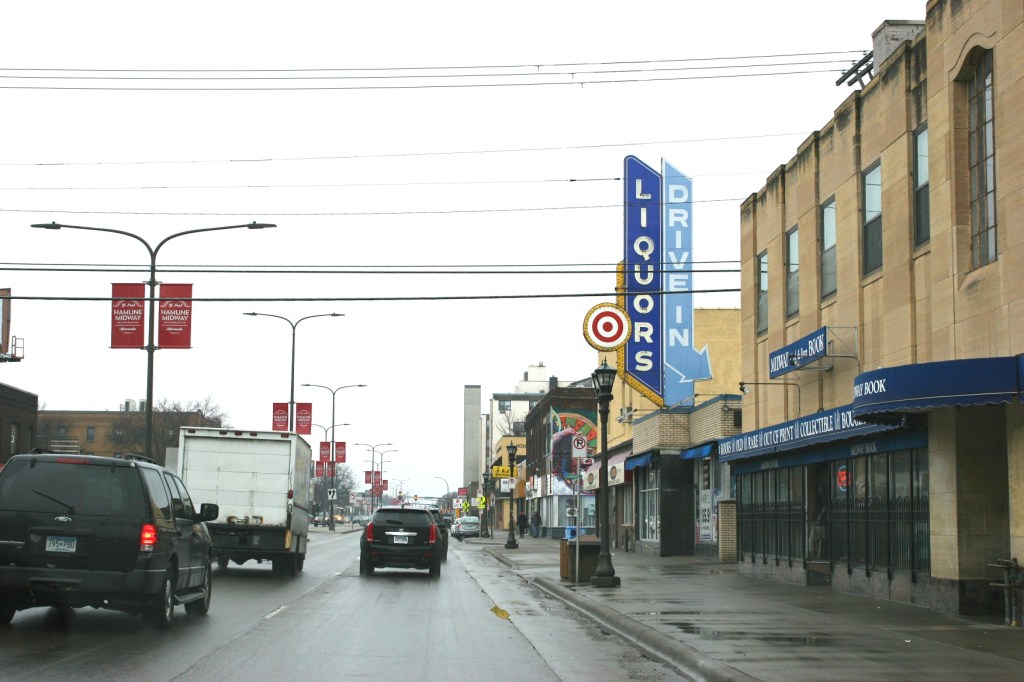
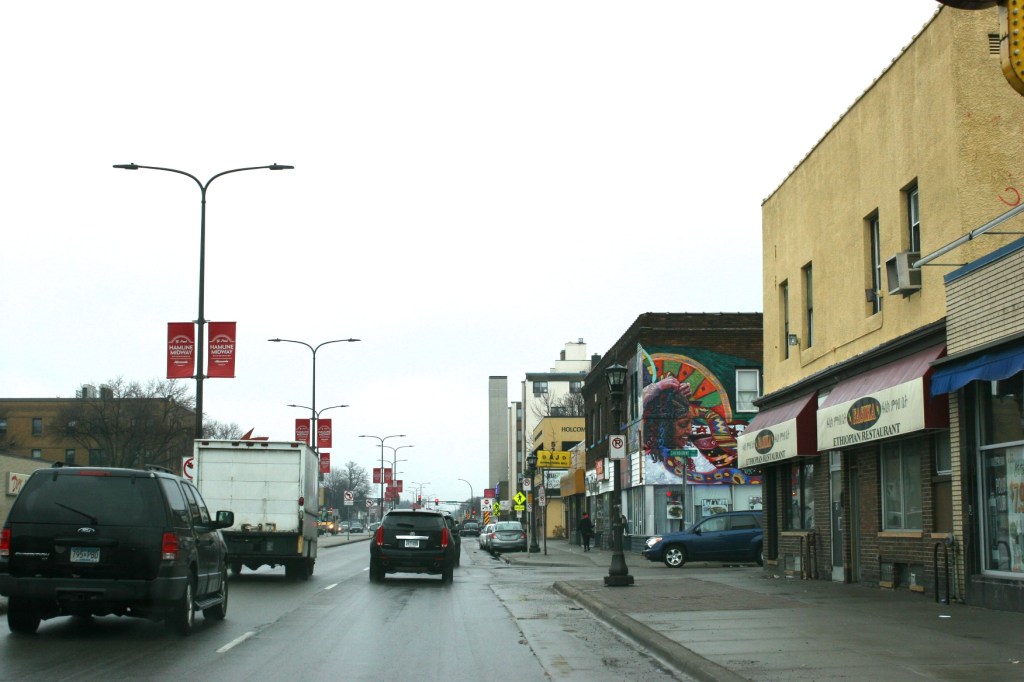
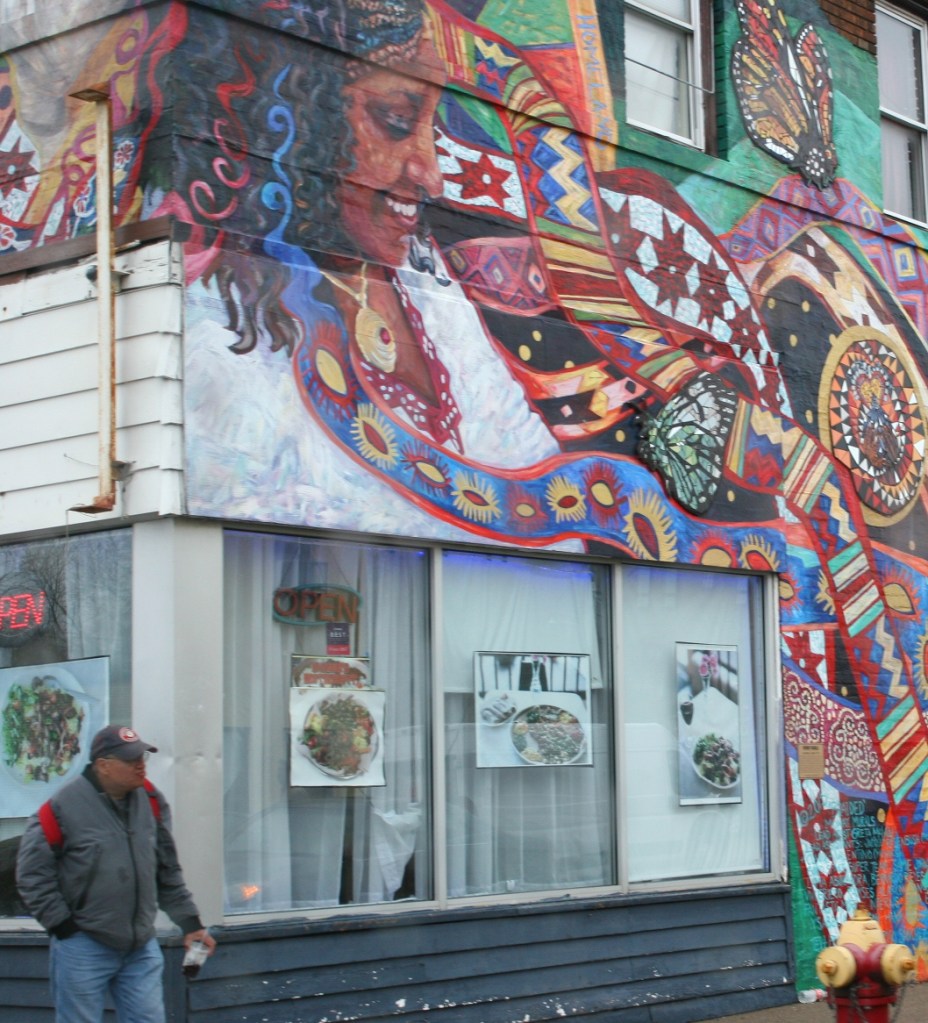
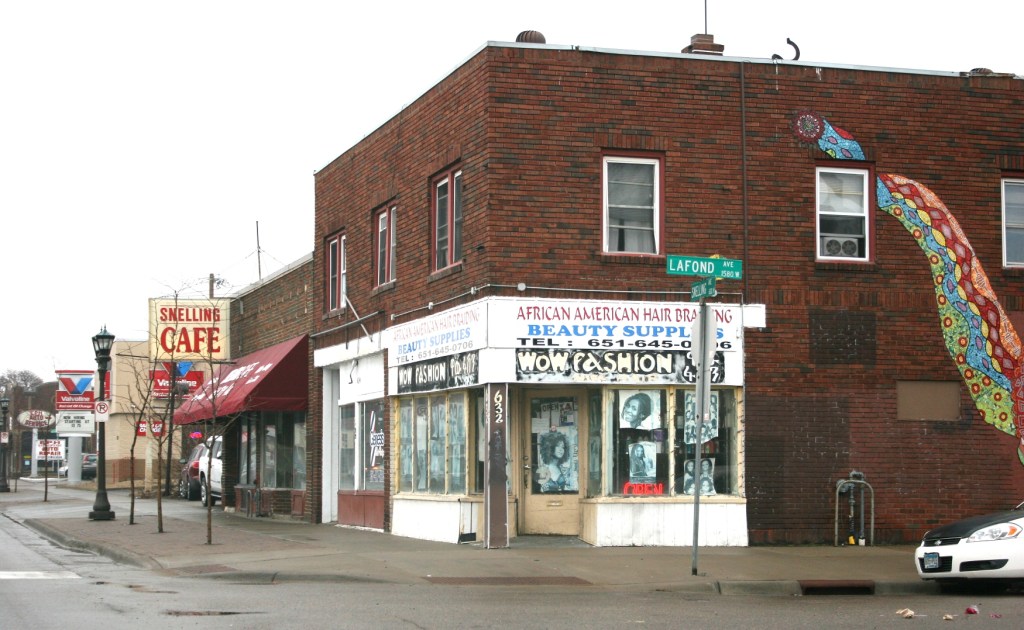
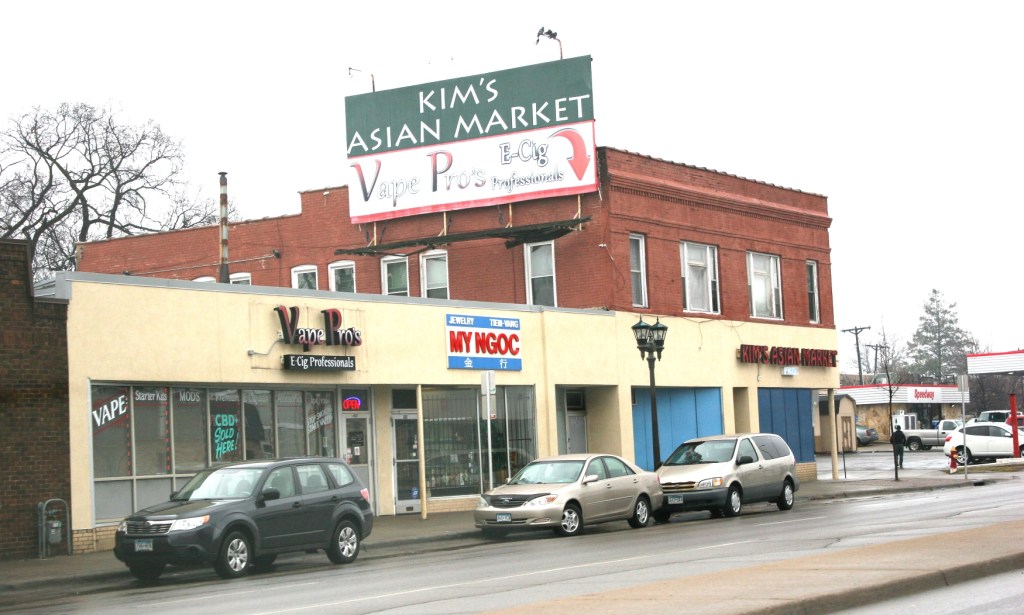
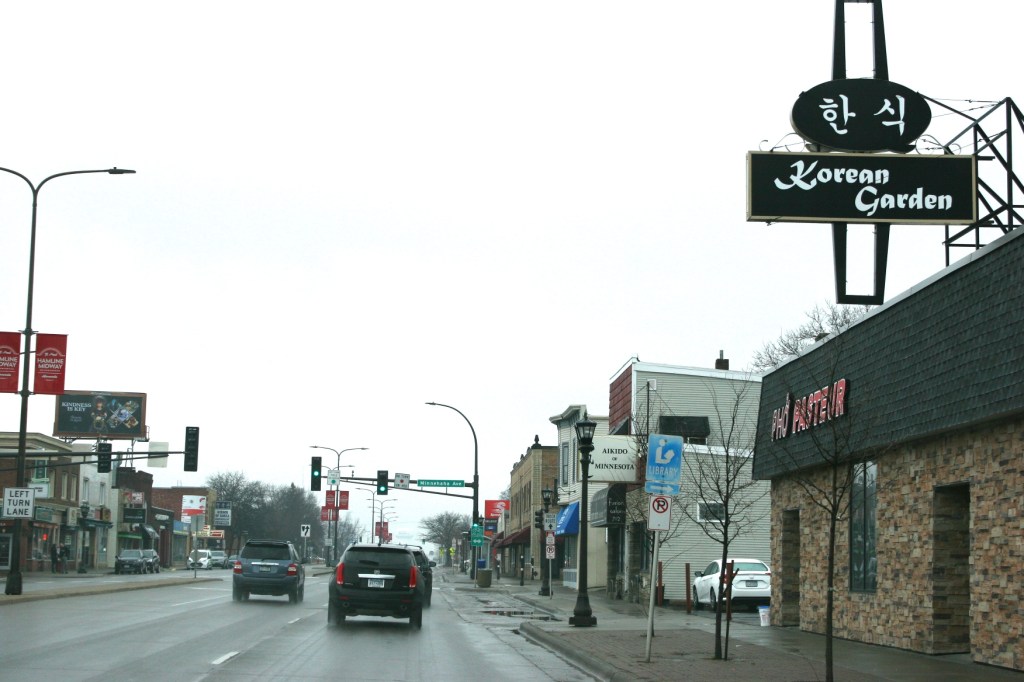
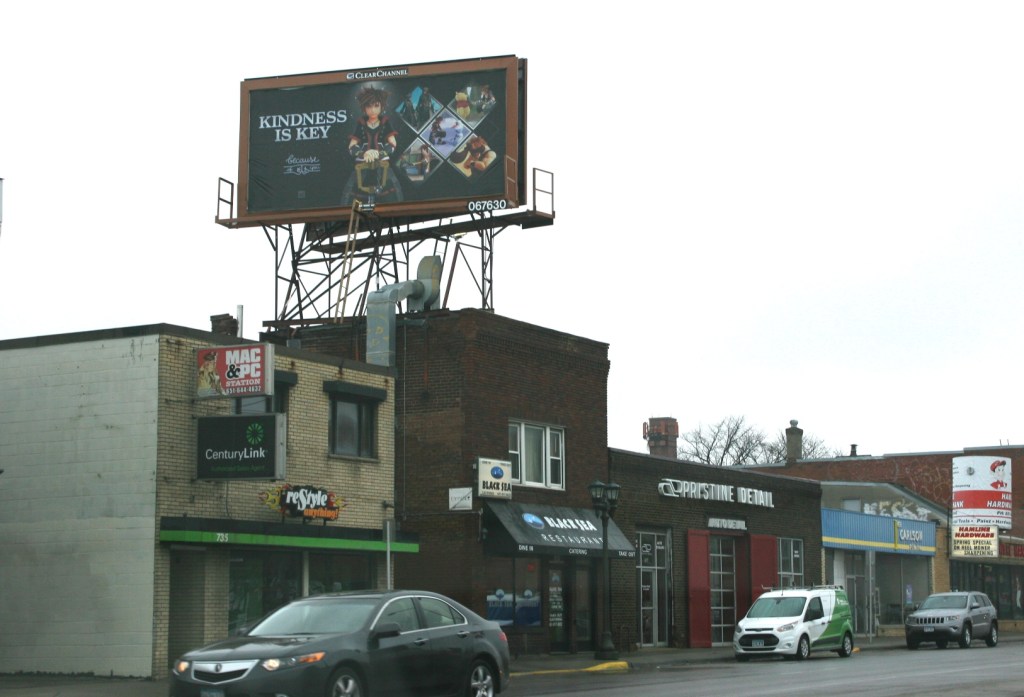
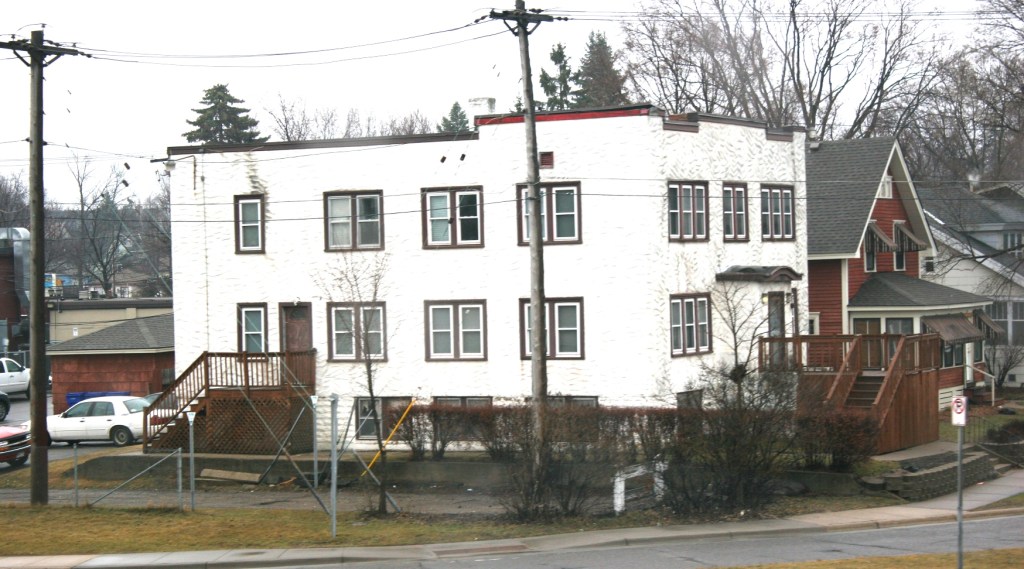
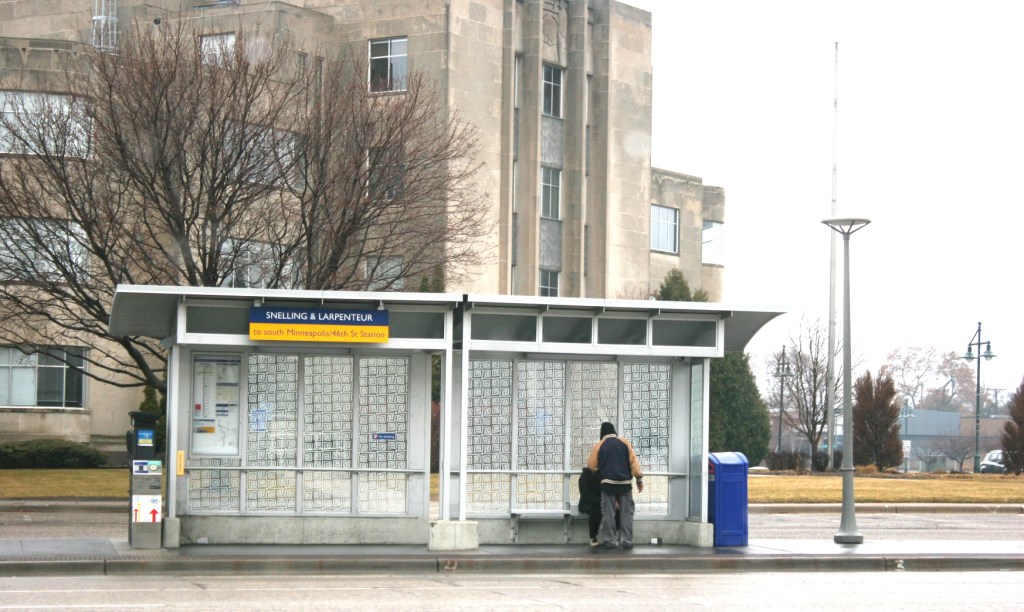
On a recent trip into the Twin Cities metro, I shot a series of images as Randy drove along Snelling Avenue. I’m unfamiliar with the area but noted banners identifying St. Paul’s Hamline Midway district. I observed, too, the cultural diversity of businesses.


And I thought about that, how I grew up in rural Minnesota among all Caucasians with the only differences whether you were a town kid or a farm kid, Catholic or Lutheran. I am thankful that has changed in some rural areas of Minnesota. Not all certainly.


I remembered that thought hours later when guests began arriving for my granddaughter’s third birthday party. Izzy’s little friends and their parents are a mix of ethnicities. And for that I am grateful. She views her world through a kaleidoscope. Not a single, focused lens.


THOUGHTS?


FYI: I invite you to click here and view the work of award-winning New York City photographer and blogger Keith Goldstein. He does incredible street photography, primarily portraits. Keith offers glimpses of humanity. I love to study his images, to see people and places that differ vastly from rural Minnesota.

© Copyright 2019 Audrey Kletscher Helbling
 

Welcoming signs of change in Faribault August 30, 2018

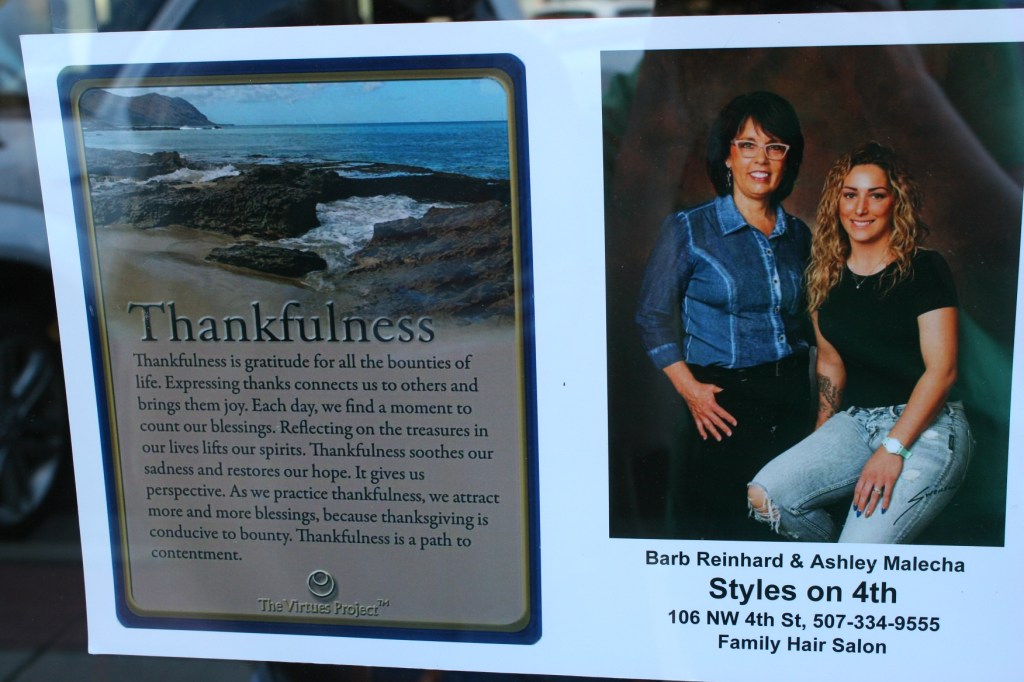
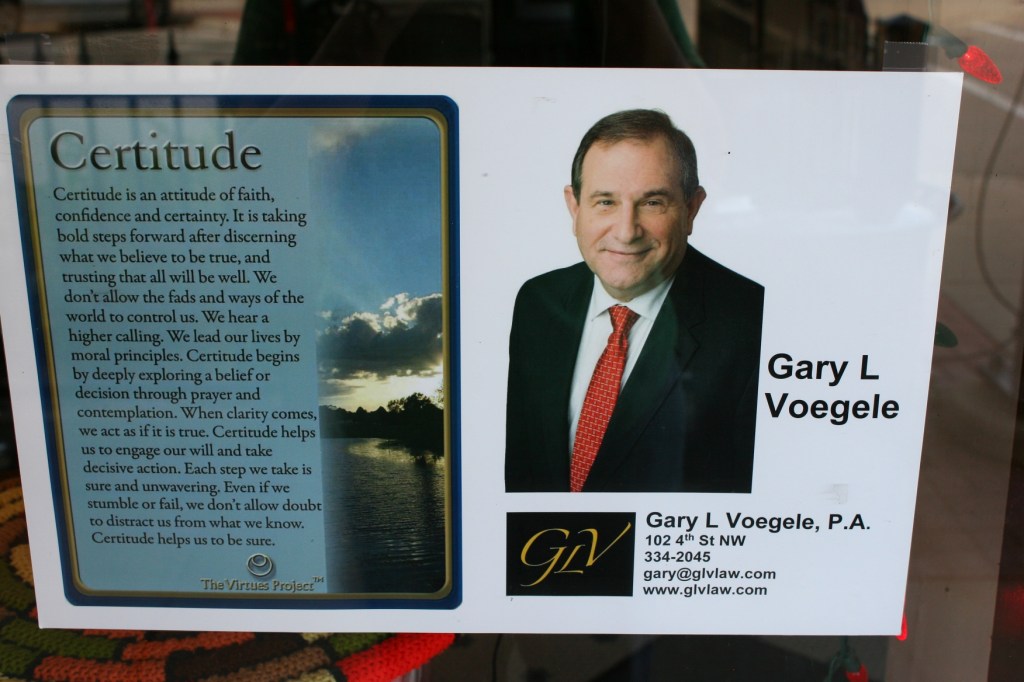
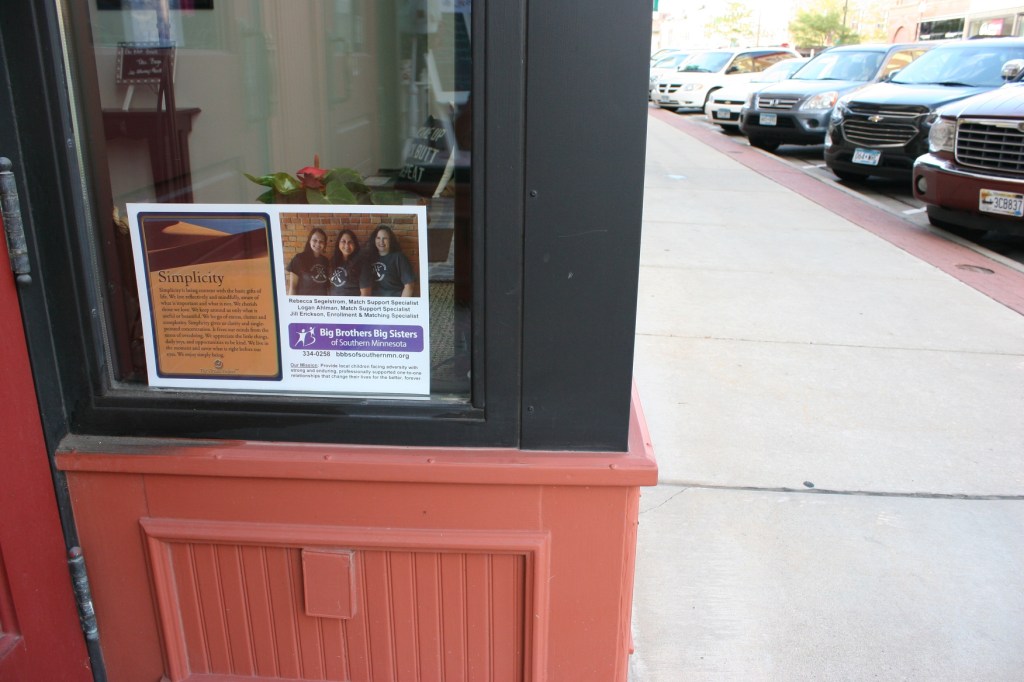
One of many photo signs extolling virtues and posted in the downtown Faribault business district.


I INTENTIONALLY CHOSE ONE BLOCK in the central business district of my southeastern Minnesota community to look for Faces of Faribault—Downtown posters in storefronts. I found several placards featuring photos of downtown business people and a chosen virtue. But I also discovered much more. I found inspiring quotes and welcoming signs that show a city working hard to effect a change in attitudes, to embrace all who live here, no matter their ethnicity.


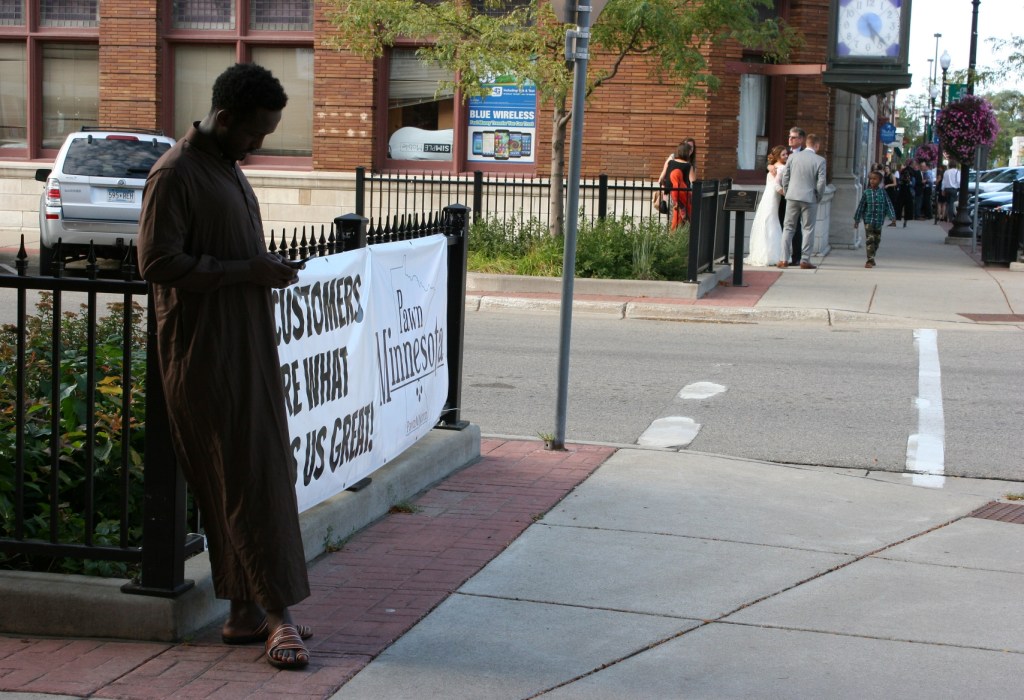
Many Somali immigrants live in apartments above downtown Faribault businesses. They often gather on street corners to socialize. That has resulted in complaints from some locals who claim to feel unsafe and intimidated. I’ve never felt that way, choosing instead to say hello and smile. I recognize that, because these immigrants are not living in ground level apartments, they need an outdoor space to meet and talk.


We are a diverse community of some 23,000. Home to Caucasians, African Americans, Hispanics, Somalis, Sudanese, Asians and more. It’s been a struggle for newcomers to gain acceptance, for locals to adjust to immigrants settling here to work, to start new lives. Differences in language, in social behavior, in dress and more have created a sense of unease. And conflict.


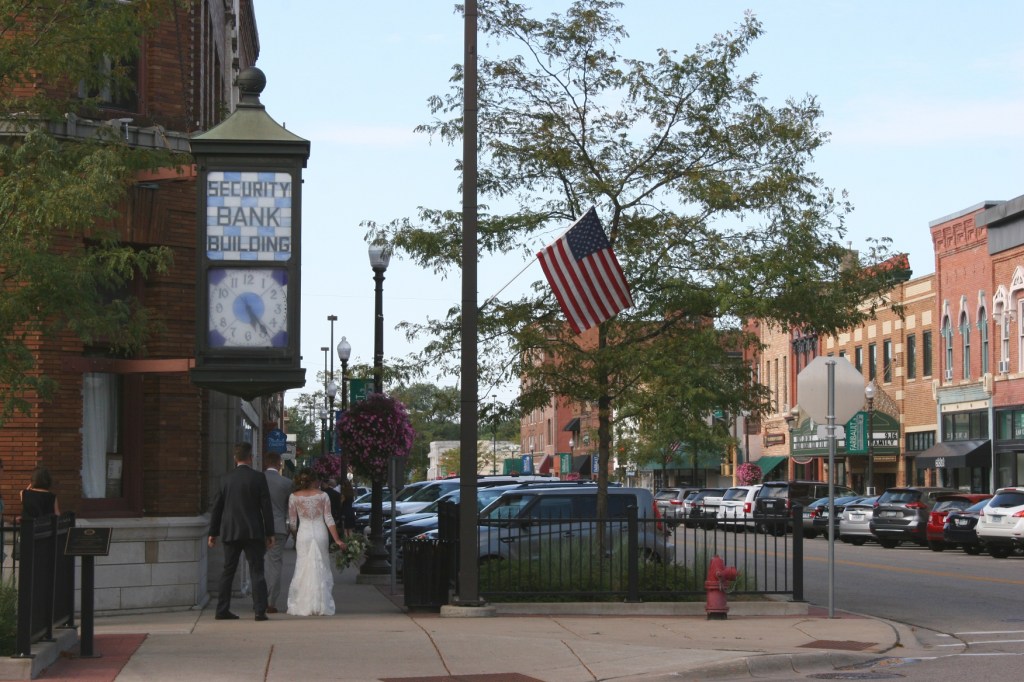
On the Sunday afternoon I shot these images, a couple celebrated their wedding at the 3 Ten Event Venue, recently opened in an historic building in the heart of downtown Faribault.


It takes effort to connect, to begin to understand one another, to see each other as individuals rather than as locals or foreigners, to celebrate our differences.


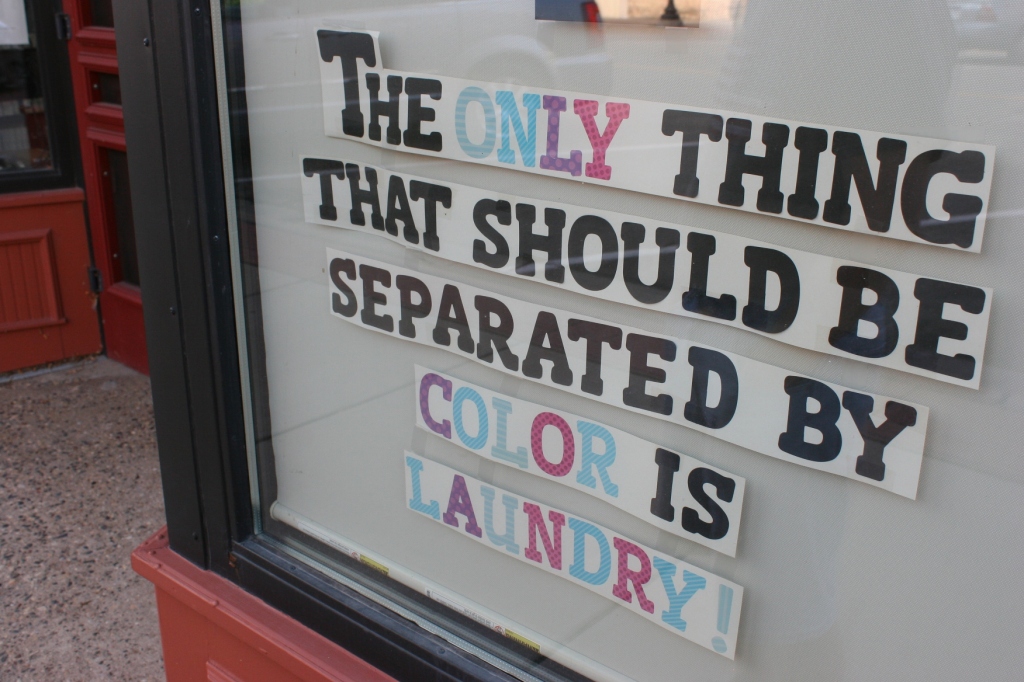
I applaud business owners who are reaching out with strong messages of acceptance posted right there on their shop windows. In a small-ish city like Faribault, there’s always the risk of losing business over taking a stand. But it’s the right thing to do, to declare that The only thing that should be separated by color is laundry.


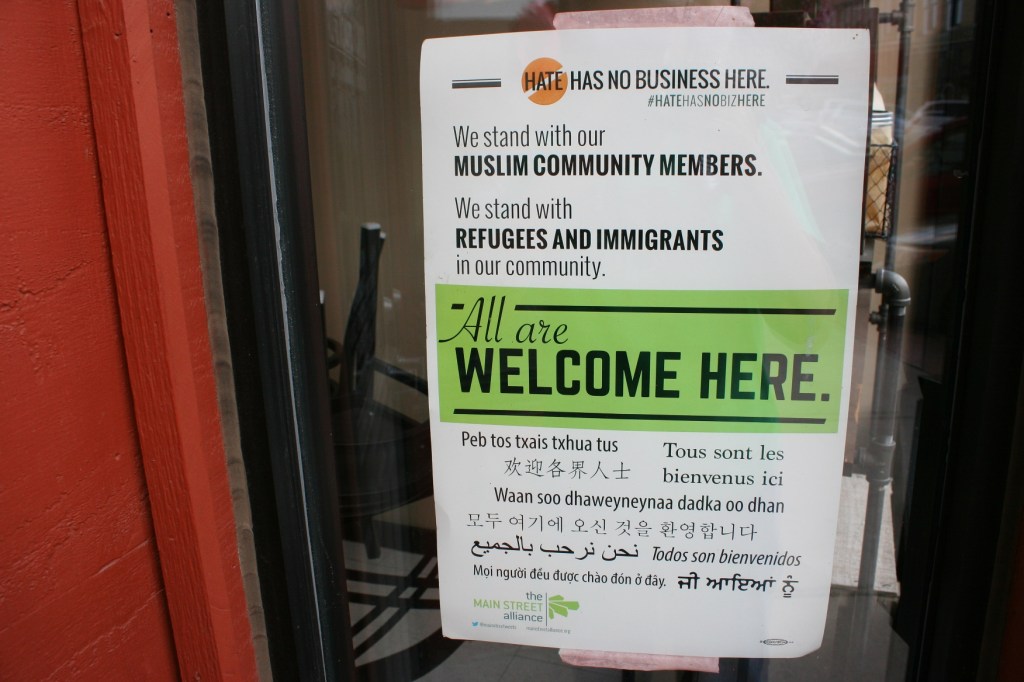
Or to say, We stand with refugees and immigrants in our community.


One of many photo virtues signs posted in shop windows throughout the downtown business district as part of Faces of Faribault.


Yet another Faces poster.


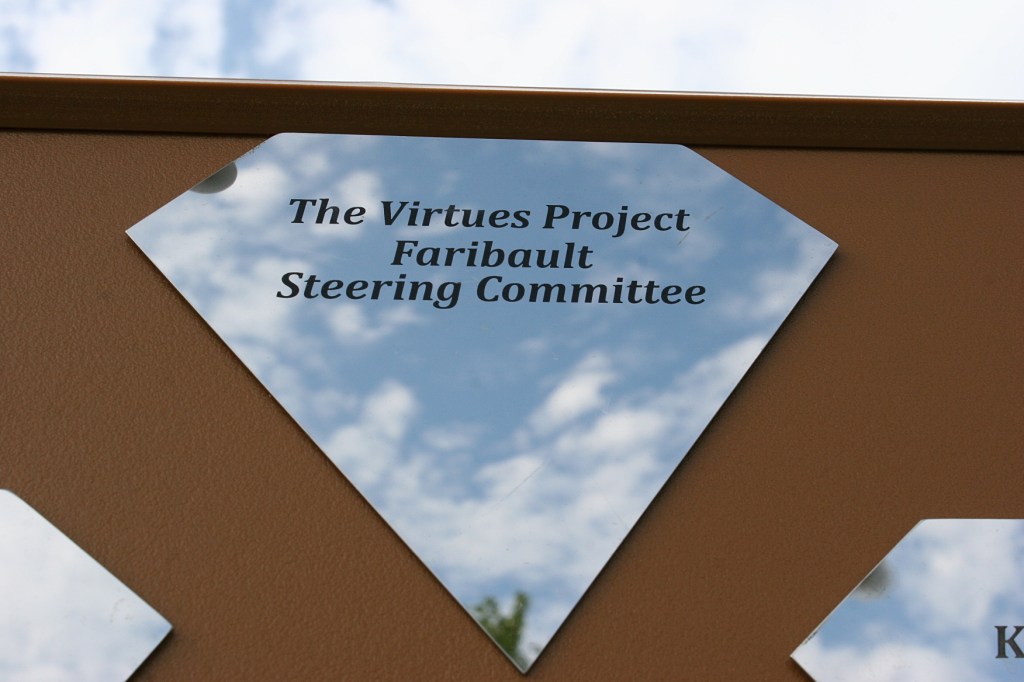
These are positive signs, as are those Faces of Faribault posters, a project initiated by Cindy Diessner, who serves on The Virtues Project—Faribault Steering Committee. Her Faces endeavor is funded by an Artists on Main Street grant.


When we get to know each other as individuals, then the walls that separate us fall. We begin to understand that we are all just human. We may differ in skin color, language, dress, customs and more. But we still live under the same sun, the same moon.


FYI: A St. Paul-based theater company will present a free one-act play about an immigrant family’s daily struggles to follow the American dream at 5:30 p.m. Wednesday, September 12, at the Paradise Center for the Arts in historic downtown Faribault. A cast Q & A and an appetizer reception follow the performance of Help Wanted by Teatro Del Pueblo. The nonprofit, Latino theater company promotes cultural pride in the Latino community and cultural diversity in the arts. The play is based on a true story.


© Copyright 2018 Audrey Kletscher Helbling


International musicians bring message of hope to Faribault in free concert July 12, 2018

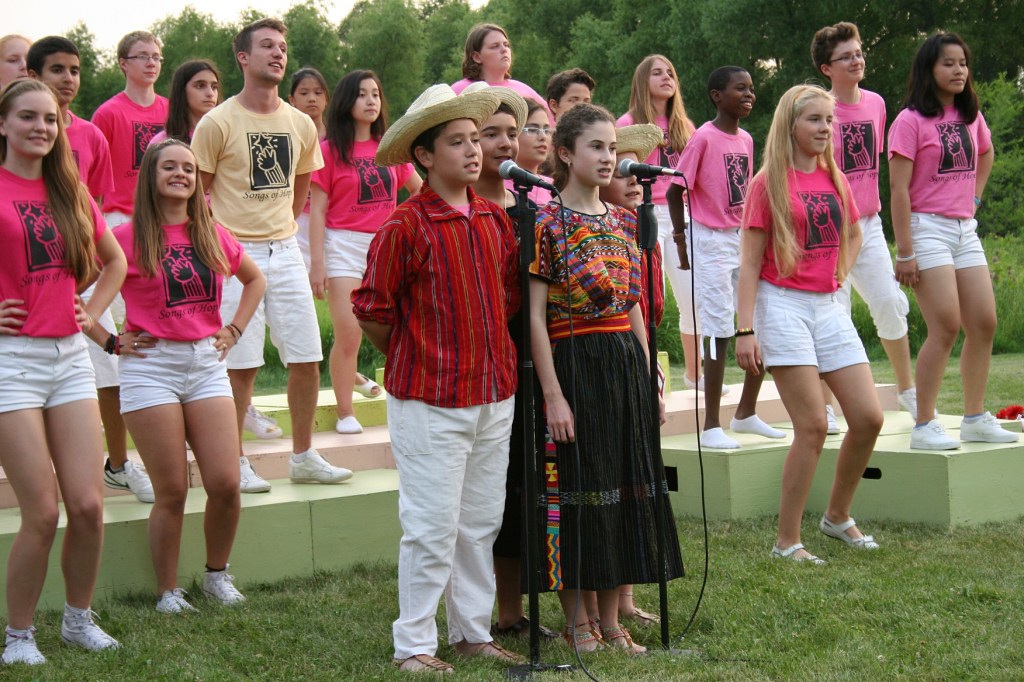
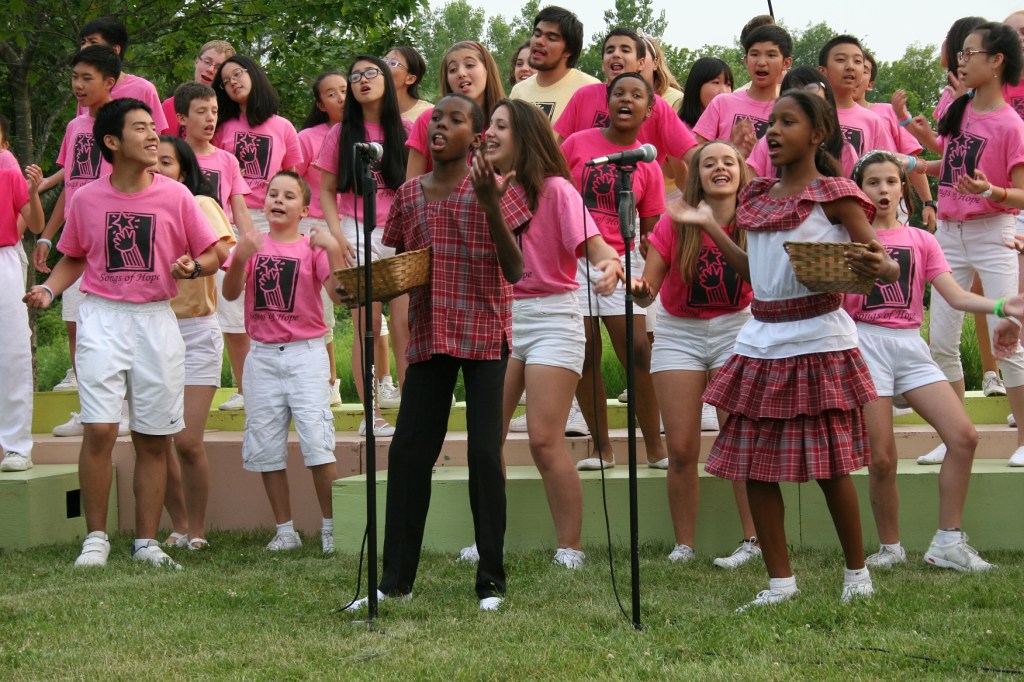
Songs from Guatemala performed during a previous Songs of Hope concert in Faribault. Minnesota Prairie Roots file photo July 2014.


THE WORD HOPE holds power. Light over darkness. Joy over despair. Positive over negative.


Minnesota Prairie Roots file photo.


I cling to those four letters in this season of great discontent, anger and divisiveness in our nation. I hope. For better days—days when we respect our differences, when we get along, when we treat each other with kindness.


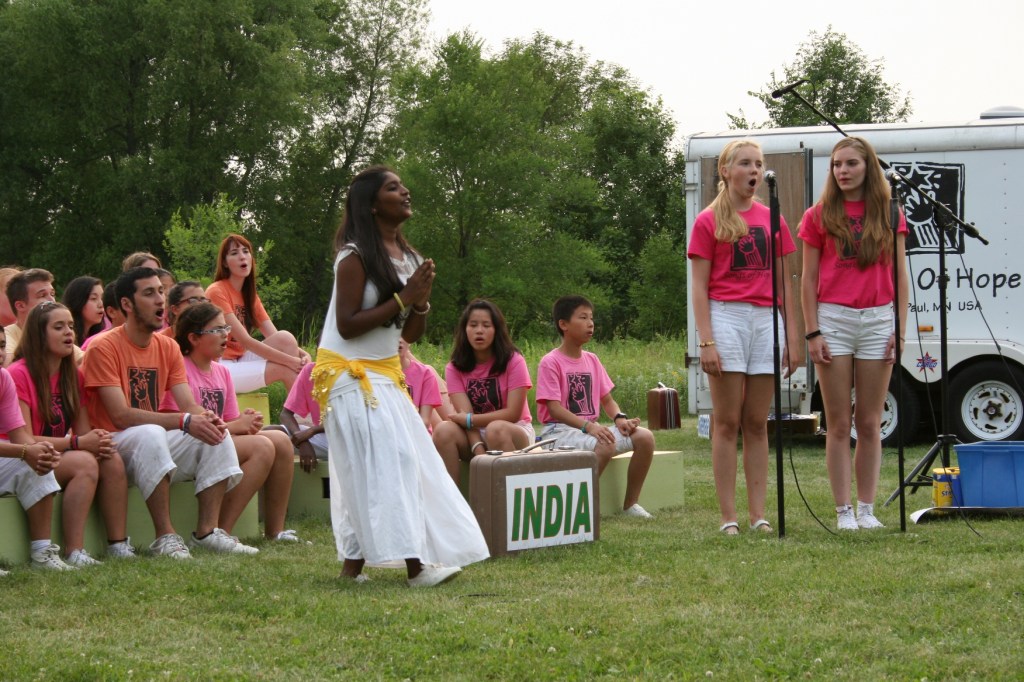
Songs of Hope performers present a selection from India. Minnesota Prairie Roots file photo 2014.


More than ever, we need messages of peace, love and respect. Like those of the St. Paul-based Songs of Hope International Youth Ensemble, performing a free concert at 7:30 p.m. Sunday, July 15, at the Paradise Center for the Arts in historic downtown Faribault.


Selections from Jamaica included “Linstead Market” and “Stand Up For Your Rights” at the 2014 concert. Minnesota Prairie Roots file photo.


My community, which has experienced its share of issues related to the cultural diversity of our city, needs to hear this music celebrating cultural diversity.


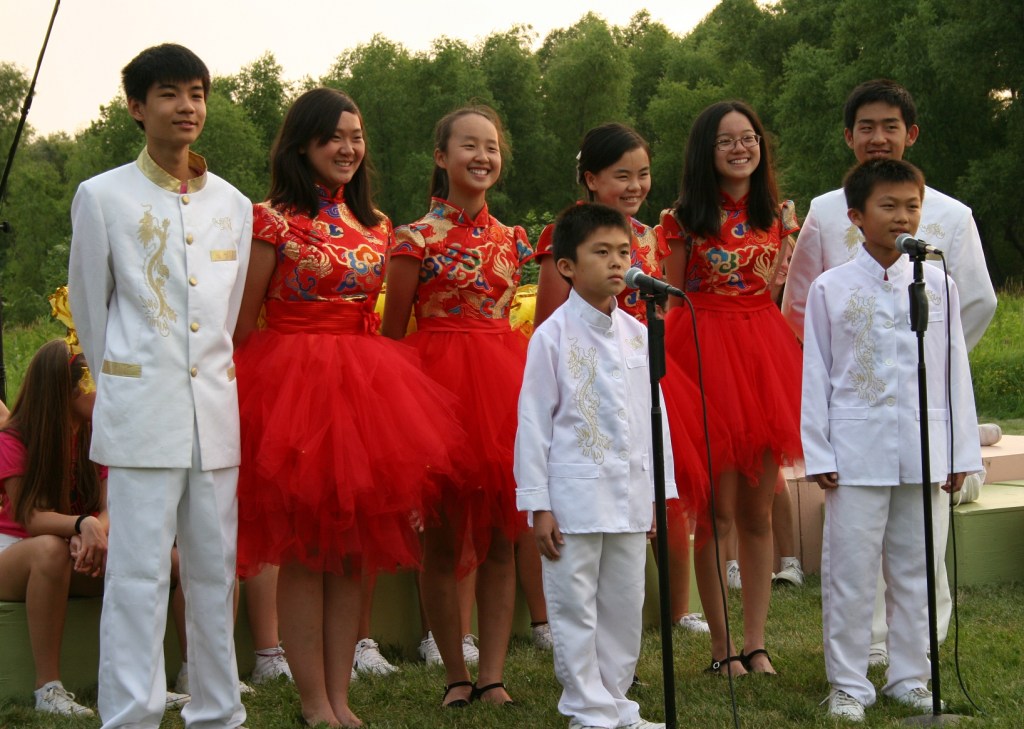
Ready to perform in traditional Chinese attire in 2014. Minnesota Prairie Roots file photo.


These young people from all around the world will deliver. I attended a Songs of Hope concert in Faribault four years ago. These attendees of a six-week performing arts summer camp totally rocked it with their energy, joy and singing. And messages of hope.


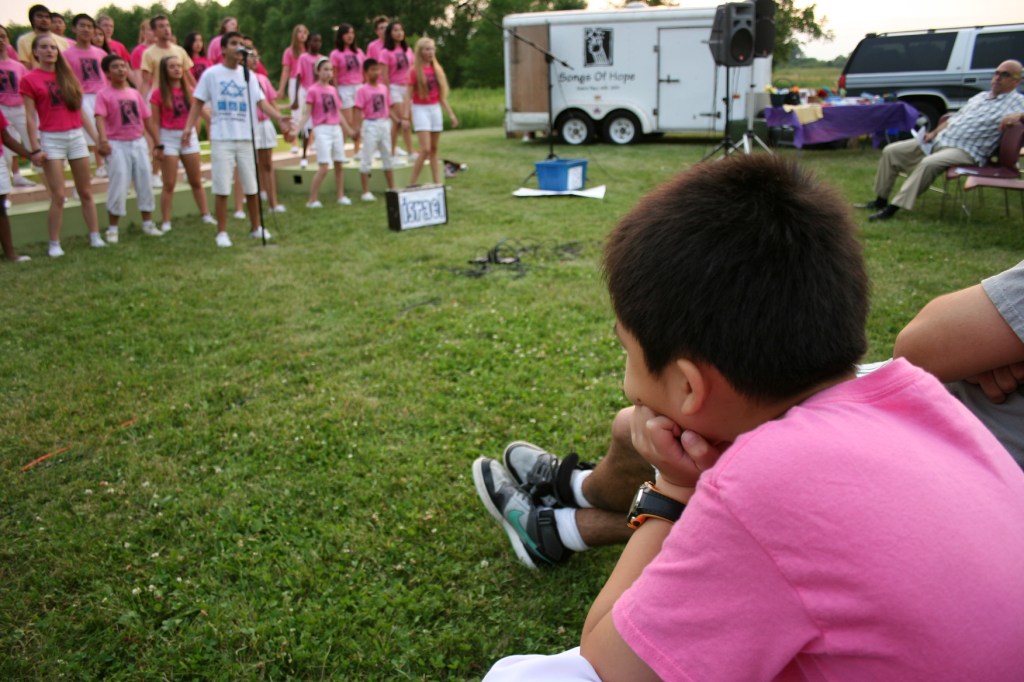
Waiting to perform at the 2014 concert at River Bend Nature Center. Minnesota Prairie Roots file photo 2014.


I hope every single seat in the PCA theater is filled Sunday evening. With peoples of all races—from the many Somali immigrants who live downtown to our Hispanic families to the descendants of those who have always called Faribault home to individuals like me, a transplant from the prairie of southwestern Minnesota.

Copyright 2018 Audrey Kletscher Helbling


A glimpse of Thailand in Madison, Wisconsin June 7, 2018

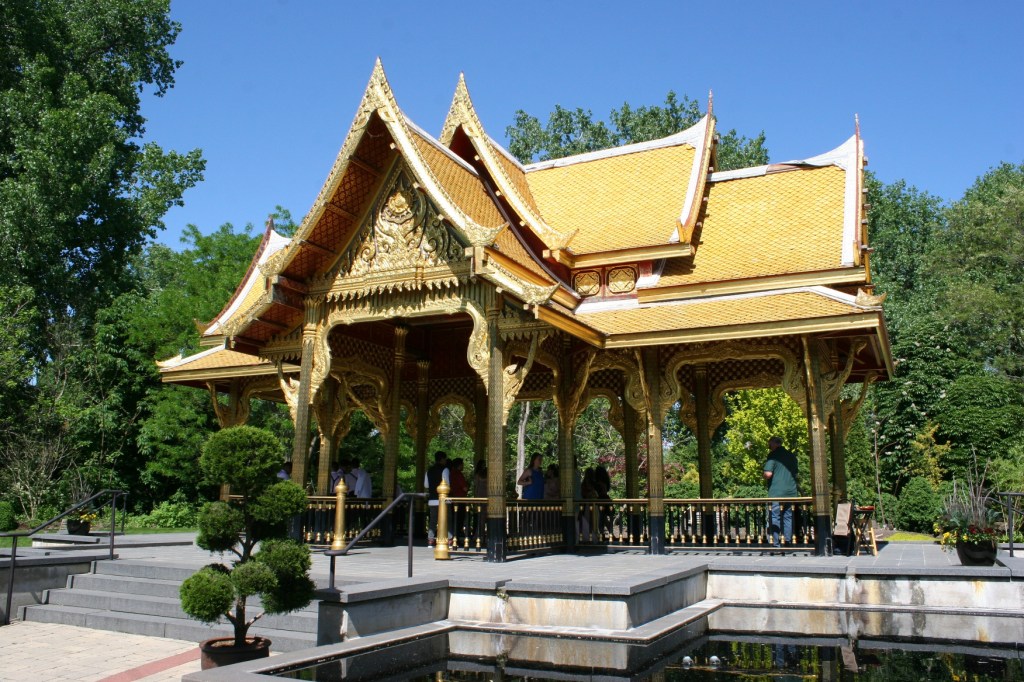
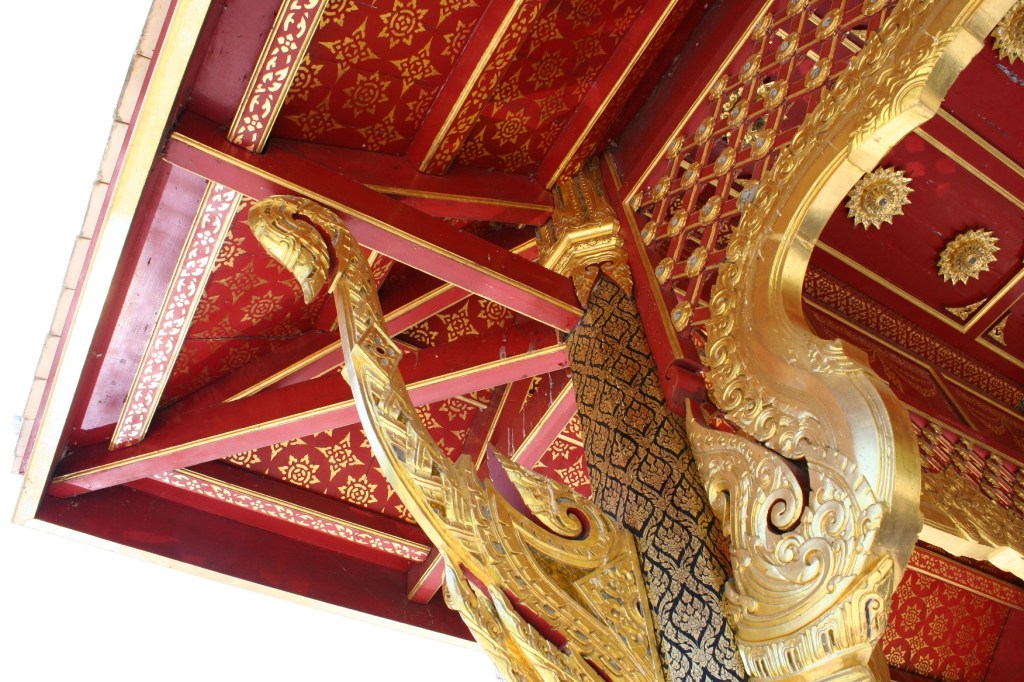
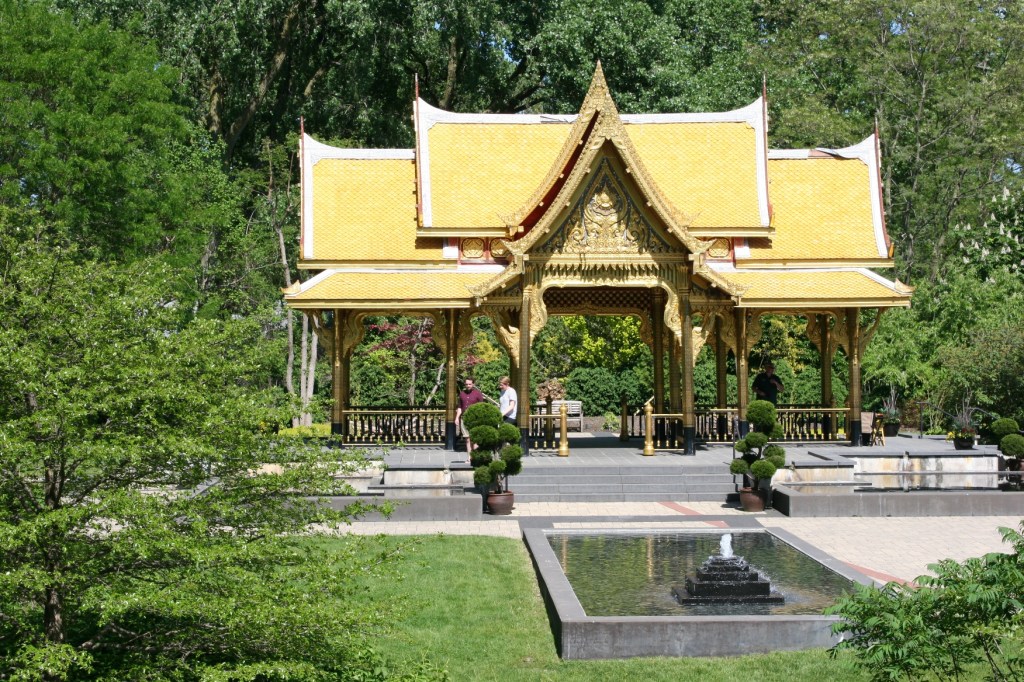
This 40 x 22-foot and 30-foot high pavilion was built in Thailand, disassembled and shipped to the U.S. and then rebuilt by nine Thai artisans in Madison.


YOU WOULD NEVER EXPECT this in Wisconsin, this ornate Thai pavilion. It seems so out of place in a state that brings to mind beer, brats, cheese and the Green Bay Packers.


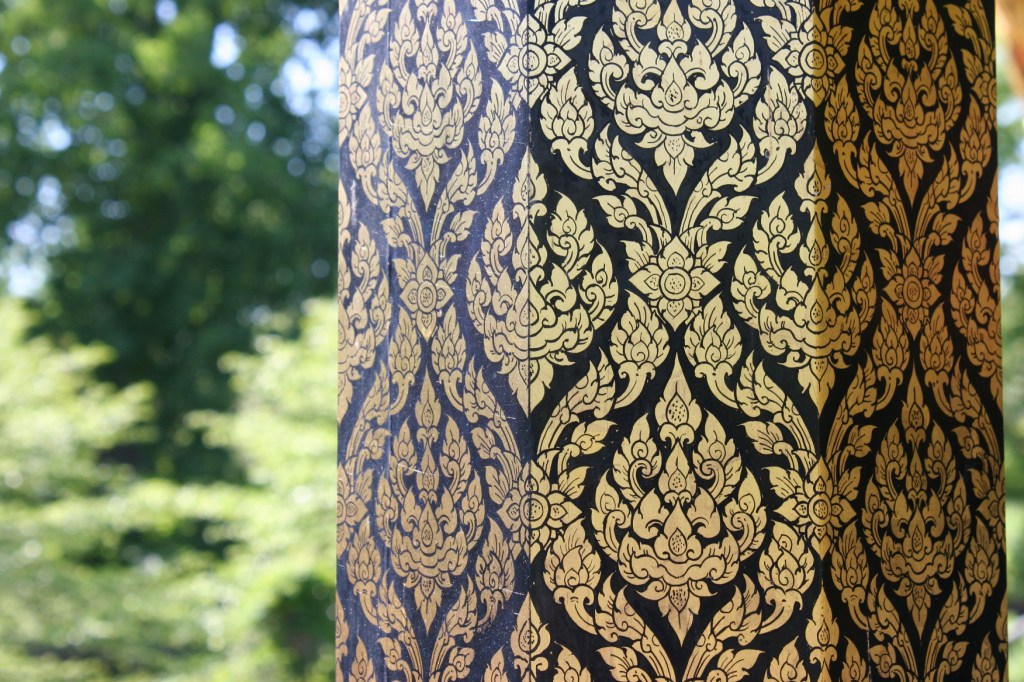
Underside details of the roofline.


Yet, in the Olbrich Botanical Gardens in the capital city of Madison, a Thai pavilion centers a space of water features and tropical gardens. It is the only Thai pavilion in the U.S. and only one of four built outside Thailand. The Olbrich pavilion was a gift from the Thai government and the Thai Chapter of the Wisconsin Alumni Association to the University of Wisconsin-Madison. UW-Madison has one of the largest Thai student populations in the country.


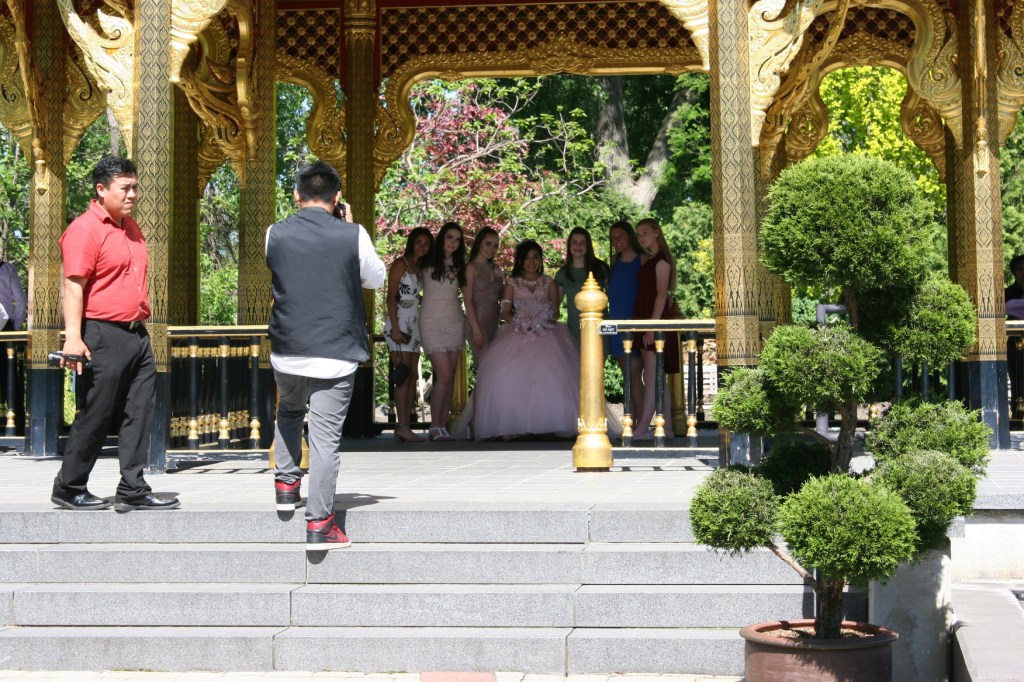
Posing for quinceañera photos.
 

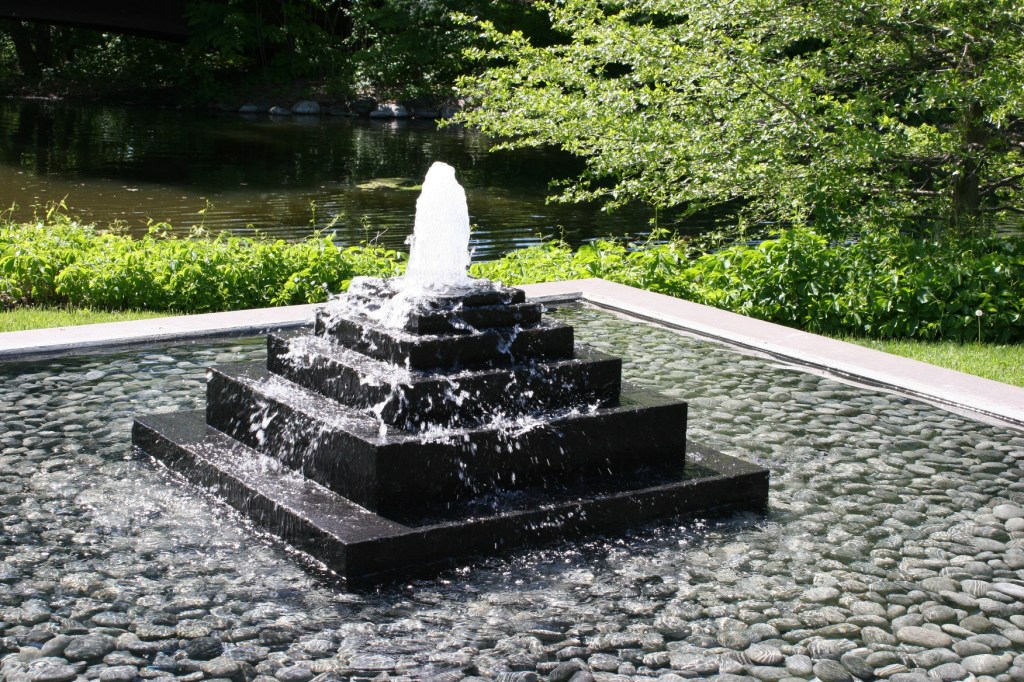
One of many water features in the Thai garden. Water represents good health and prosperity to the Thai people.


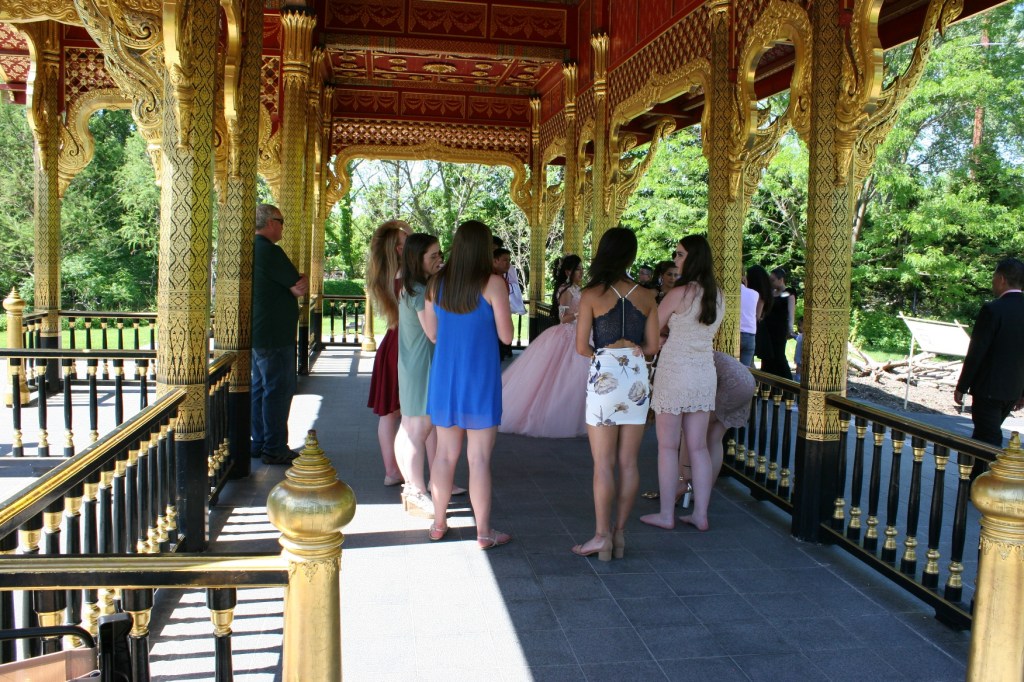
The quinceañera  group gathers inside the pavilion for photos. Thus, I couldn’t get a closer look at the pavilion.


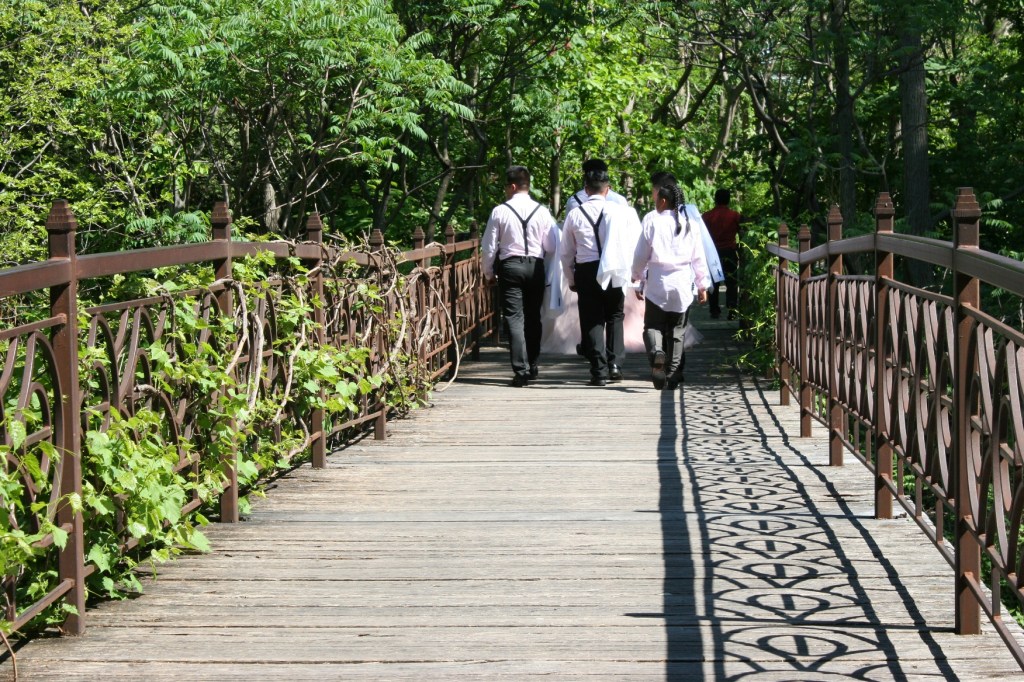
On the Saturday afternoon I visited the gardens, the cultural mix of pavilion and peoples reminded me that we truly are a diverse country. Here I was, an American of German ethnicity, viewing this Thai structure while simultaneously delighting in observing youth celebrating quinceañera in Wisconsin.


I appreciate any opportunity to grow my cultural awareness, whether through art, music, food, customs, gardens or simply observing.


Members of the quinceañera party cross the bridge spanning Starkweather Creek and leading to the Thai pavilion and gardens.


We are, at our most basic, individuals who desire food, shelter, security, health, happiness, love and joy. Or so I see it.


In Thailand, common roadside pavilions provide shelter from weather. The Madison pavilion is a work of art, a place of serenity, a structure fitting a palace or temple grounds. In that it differs from the simpler of Thai shelters.


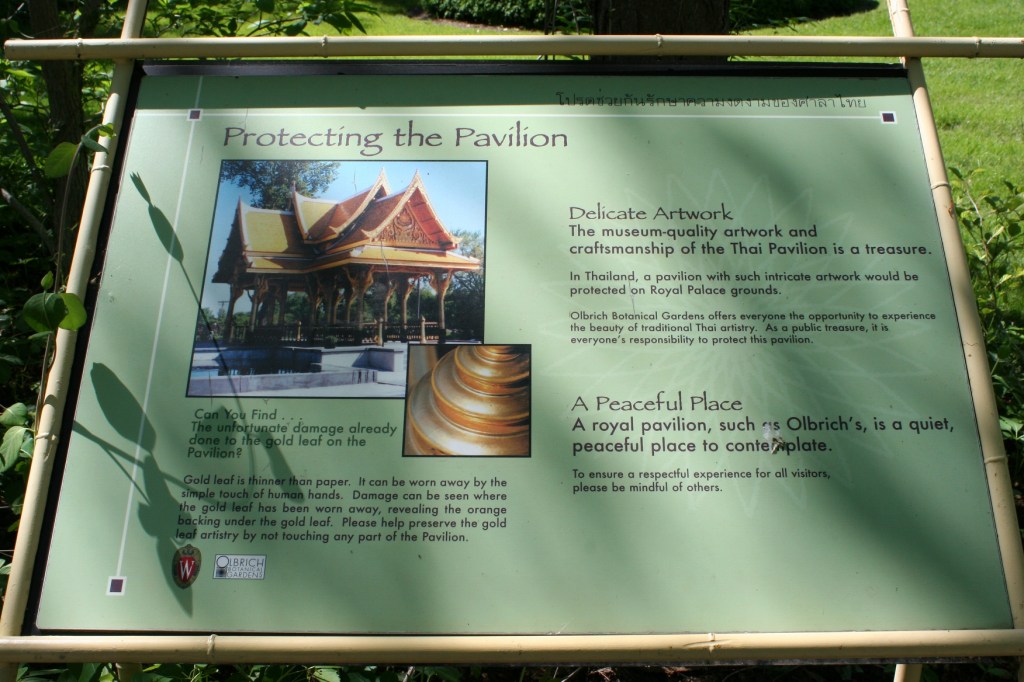
A volunteer watches to assure visitors don’t touch the gold leaf on the pavilion. Touching destroys it.


Most of us never live such lives of gold leaf opulence. I certainly don’t.


But I appreciate the opportunity to glimpse the untouchable wealth of a world beyond beer and brats.


PLEASE CHECK BACK next week as I take you into downtown Madison and conclude this series from Wisconsin.

© Copyright 2018 Audrey Kletscher Helbling