Minnesota Prairie Roots

Writing and photography by Audrey Kletscher Helbling

The masks of Milaca October 6, 2017


IF I SPOT A THRIFT STORE, you can bet I will stop. I value a bargain and the repurposing of stuff. That comes from someone who, to this day, finds it difficult to shop anything other than a sales rack for clothing. I grew up without much and still watch my spending.
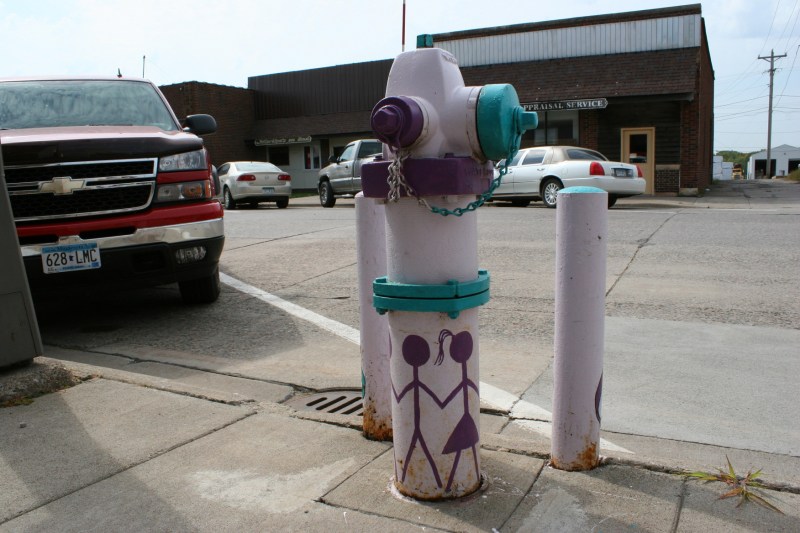
 

Right outside the thrift store, this artsy fire hydrant reinforces the idea of being there for each other.


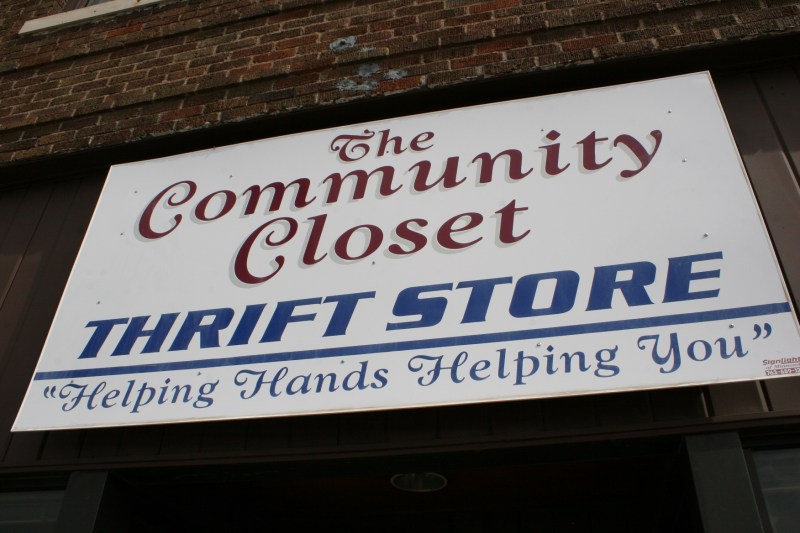
With that background, you can understand why Randy and I recently stopped at The Community Closet Thrift Store in Milaca on our way to the Brainerd Lakes area and other parts Up North. We’d never been to Milaca and had just enough time to duck into the thrift store and a bookstore down the street.


Our drop-in at The Community Closet proved untimely with the seasonal changing out of stock. Despite that disappointment in minimal merchandise, I left with a positive feeling. You see, this is not just any thrift store. This place is an extension of Pearl Crisis Center, a non-profit which provides support and resources for victims of domestic violence and sexual assault in Mille Lacs County. Sales proceeds support efforts of the crisis center.
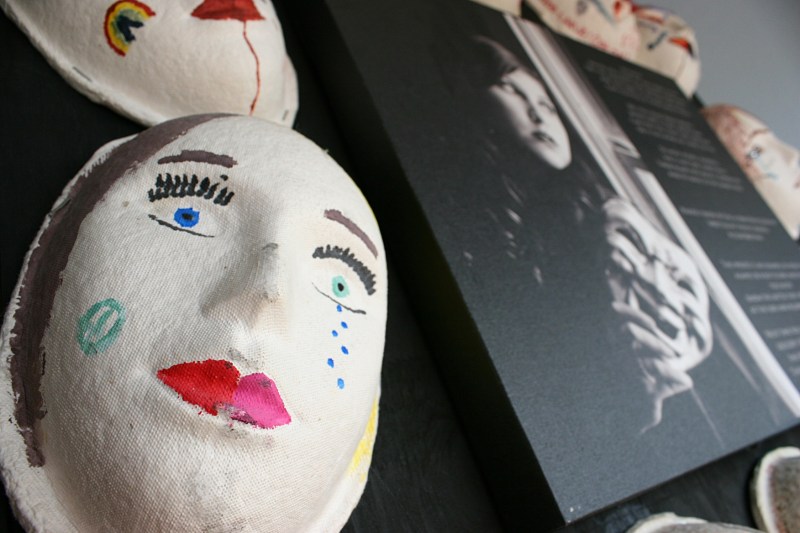
 

Photographer Erica Isaacson, also an advocate at Pearl, took the photo, right, of the young woman with a theatre mask.


Among the center’s advocacy outreach is a window display that grabs the attention of shoppers and those passing by The Community Closet. “Masked” certainly garnered my interest. As a strong proponent of the visual and literary arts, I found myself drawn to the masks surrounding a photo of a young woman unmasked.
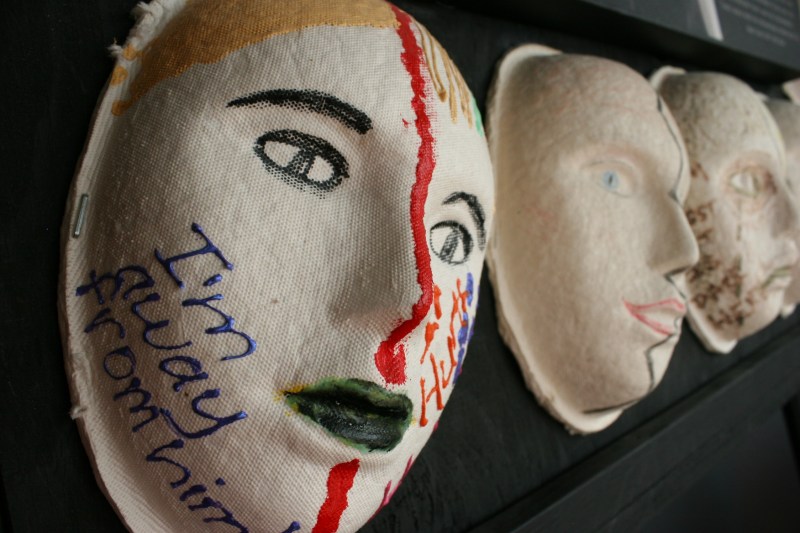


The art reveals, in a strong visual, how victims of domestic abuse often hide behind a mask, pretending that everything is alright/normal/OK. I noted in those masks the tears, the scars, the black eye, the messages, sometimes hidden, sometimes bold.
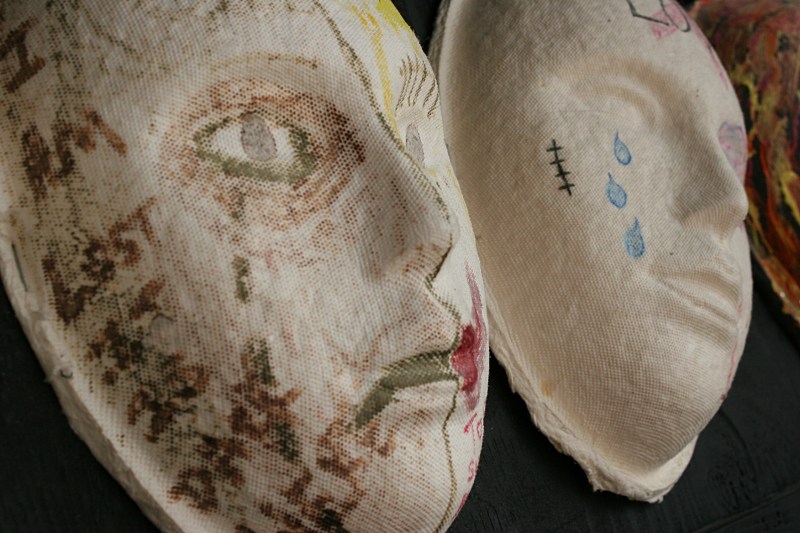
 

If you look closely, you will see this message written on this mask: I am lost. It is dark here.


An accompanying poem by Steven Sjoberg offers further insight and reads in part:


To most people looking
she is just one simple face
Then again her mask is ripped off
and it’s back to the dark place.
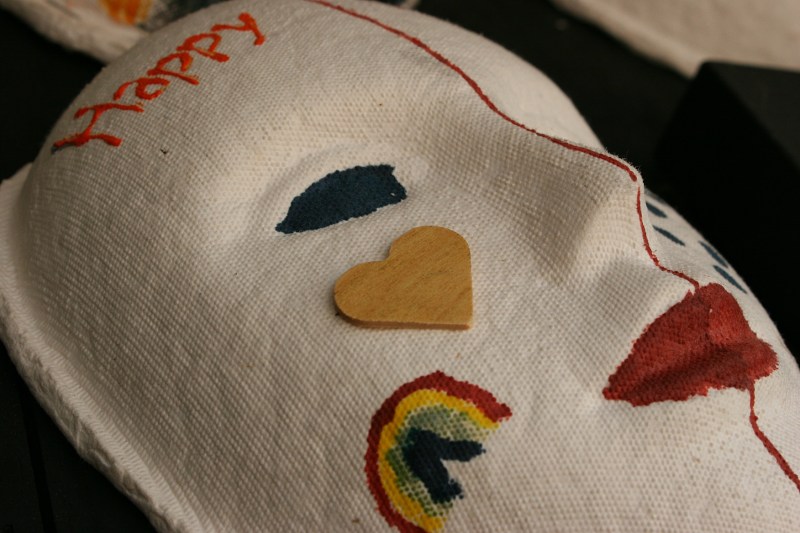
 

I see conflict here between the word happy and the dark eye. Promise, yet darkness, in that rainbow.


Abuse victims and those in Pearl’s Teens Against Dating Abuse program created the masks featured in the thrift store window and also at the crisis center.
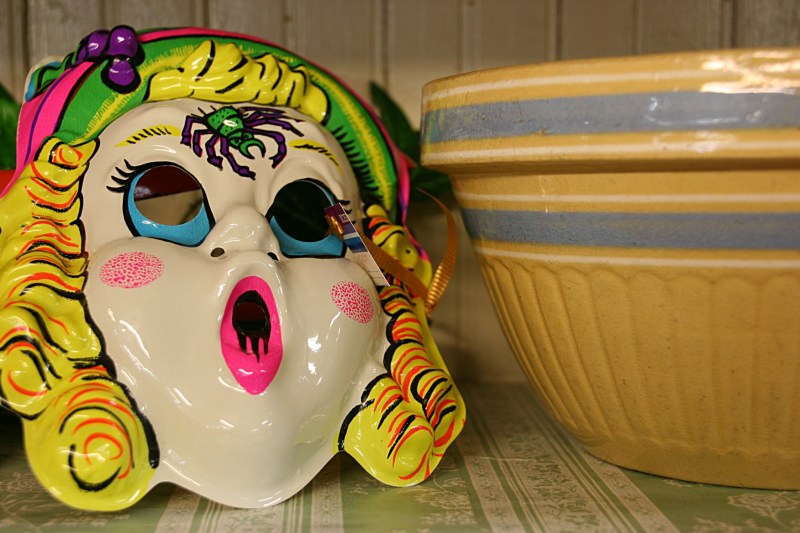
 

A Halloween mask for sale at a southern Minnesota antique shop and used here for illustration purposes only. Minnesota Prairie Roots file photo.


In this month of October, when masks are so prevalent, perhaps it’s time to view masks beyond Halloween. Consider, too, the masks worn by victims of domestic abuse.


FYI:  October marks National Domestic Violence Awareness Month. If you are in an abusive relationship and in immediate danger, please call 911. Otherwise reach out to a trusted family member, friend or local support and advocacy center/shelter for help. You need a safe plan to leave your abuser. You are so worth it. There is no need to hide behind a mask, pretending all is alright while you endure abuse, whether psychological, emotional, mental, financial, spiritual, technological and/or physical. You deserve to be unmasked, to live free of abuse.

If you are the friend or family member of someone in an abusive relationship, educate yourself and seek professional help on how to best help the one you love.


© Copyright 2017 Audrey Kletscher Helbling


Witness to an unleashing of verbal abuse in a grocery store parking lot August 29, 2017

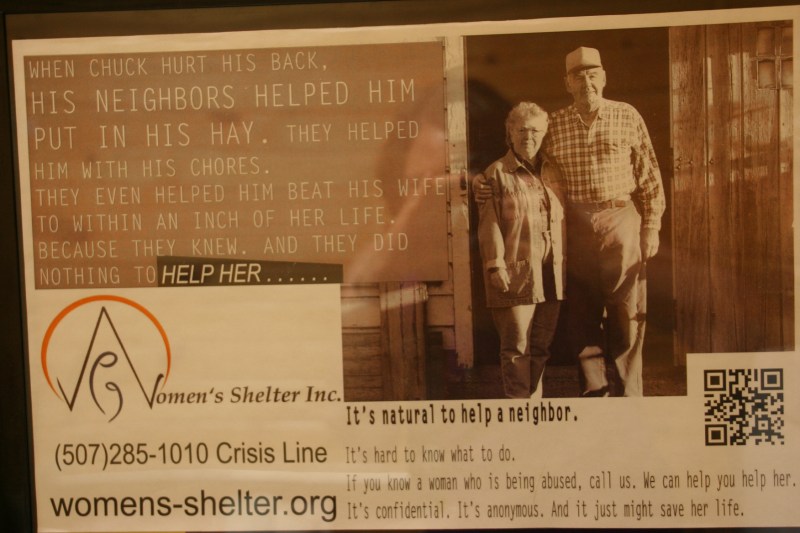
A snippet of a domestic violence poster published by the Lutheran Church, Missouri Synod. Minnesota Prairie Roots file photo 2015.


HE EXITED AHEAD OF US, the man with his right arm in a cast. His whole demeanor exuded anger as he strode from the grocery store pharmacy empty-handed.

Then the f-word started flying like missiles zoning for a target in the parking lot. “Where the f*** is she?” he shouted, followed by a string of more f-words. Clearly he expected her at the door, waiting for him.

His fury struck me like a coiled rattlesnake. His every move, his every word, heightened my concern. For her. His poisonous words flowed in a venomous assault on the absent woman. If he could verbally attack her in public without her present, what would he say and do in private?

“If he does anything to her, I will call the police,” I told Randy. My husband knew I meant it. I will not hesitate, ever, to phone law enforcement when I see someone being abused. I have done so in the past. If an abused woman was my daughter, my sister, my niece, my friend, I would want someone to speak up, to take action, to refuse to remain silent.

My eyes traced the irate man’s path across the parking lot toward a maroon SUV too distant to notice license plate or details. We watched, listened. I was already mentally preparing to punch 911 into my smartphone.


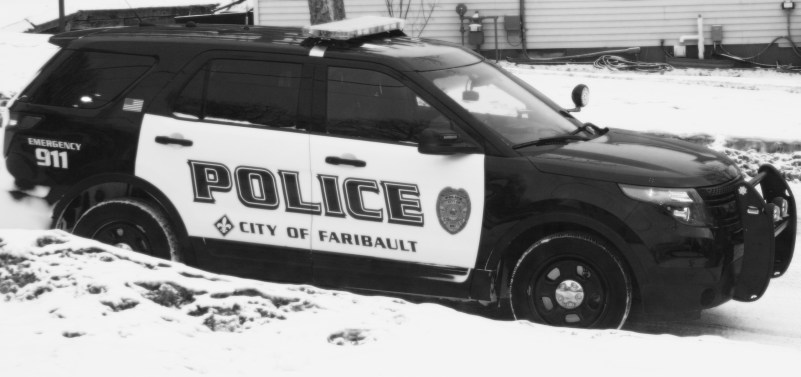
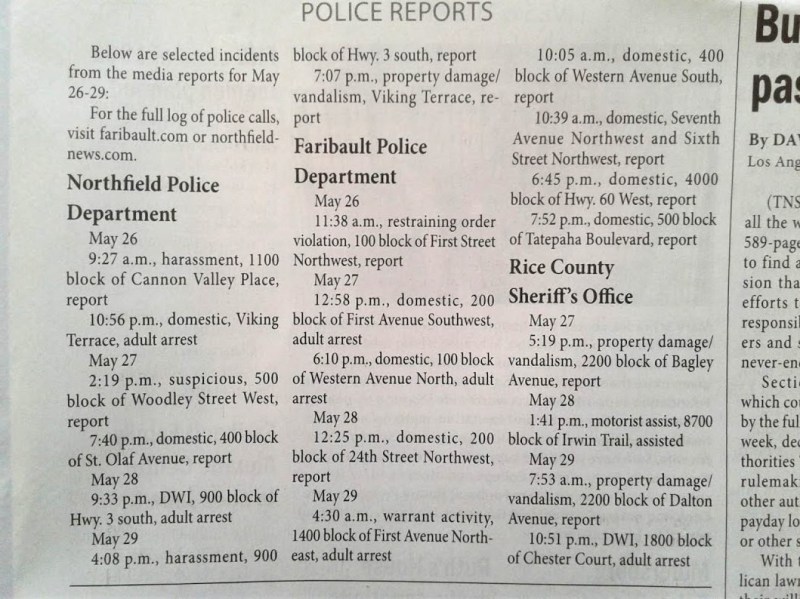
A photo of police reports published in the Faribault Daily News in May show the pervasiveness of domestic calls to local law enforcement. Minnesota Prairie Roots file photo May 2017.


But no criminal laws had been violated, only human rules of common decency and respect. “He has anger control issues,” Randy observed. I agreed. I feared his rampant rage might explode into physical abuse of the woman behind the steering wheel. Heck, he had already verbally abused her in her absence. I doubt that ended once the vehicle door slammed.

I stood next to our van on the opposite side of the lot, eyes following the vehicle as it turned right onto a frontage road and eventually onto Minnesota State Highway 60 heading west out of Faribault.

I wondered and worried. Could I have done more? What awaited this woman? Would she be OK? Or would he blacken her eyes, clench his hands around her throat, shove her around?  Would he tell her she was worthless and no good and a b****? Would he strike with those venomous words, “f*** you,” while she recoiled in fear?

Perhaps I am wrong about this man, this situation. But my gut and observations tell me otherwise. I trust both; they have never failed me.


I hope victims of domestic abuse will focus on that word, HOPE, and take action to reclaim their lives, lives free of abuse.


FYI: If you are in an abusive relationship (and that covers not only physical, but also verbal, mental, psychological, emotional, spiritual, technological and financial abuse), please seek help. Talk to a trusted friend, family member, clergy or anyone who can help you. Reach out to your local women’s shelter or advocacy services. If you are in immediate danger, call 911. The probability of violence against victims heightens substantially when they try to leave their abusers. Do not do this alone, for your own safety. You deserve to be free. Free of any type of abuse.

NOTE: I am aware that men can also be victims of abuse. But since women are most often victims, I write about domestic abuse and violence from their perspective. Click here to read previous posts I have written on the subject.

© Copyright 2017 Audrey Kletscher Helbling
 

Thoughts on domestic violence six months after a high profile murder in my community June 28, 2017

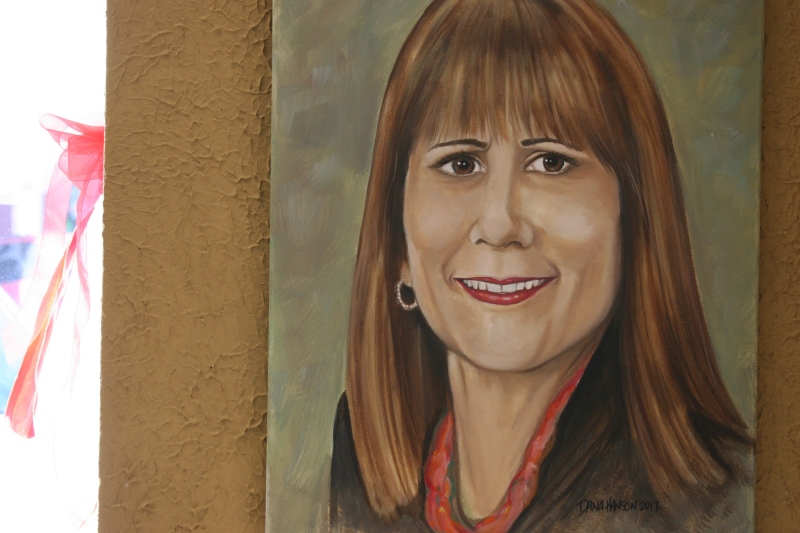
A portrait of Barb Larson by Faribault artist Dana Hanson. Minnesota Prairie Roots file photo.


SIX MONTHS AGO a former Faribault police officer walked into the Faribault Area Chamber of Commerce and Tourism office and murdered his ex-wife, then turned the gun on himself. It was a crime that left my community reeling just days before Christmas.

On Tuesday, The Faribault Daily News published a column by Chamber and Tourism President Kymn Anderson reflecting on life since the death of her friend and 12-year employee Barb Larson. Click here to read that piece on the Chamber website. In summary, Anderson writes about the grief she and her staff experienced, the support they received and ways in which Barb is being honored and remembered. All are important topics to cover when dealing with a violent crime that had such a profound affect on a community.


A photo of recent police reports published in the local paper. Minnesota Prairie Roots file photo.


This high profile case has created in Faribault a heightened awareness of domestic violence. Yet, is it a sustaining awareness? Six months from now, a year from now, five years from now will we have forgotten? Will we view this as an isolated incident or will we continue to wonder why, week after week, local law enforcement are called to respond to reports of domestic assault? What are we doing to reduce those numbers, to personally help those women who continue to be victimized?

I struggle with those tag words of domestic assault, as if domestic relegates the crime to something less important, for example, than a bar fight or a street fight. To me, domestic diminishes the crime and subconsciously lays some of the blame on the victim. As a wordsmith, I pay attention to language usage. And so does Jackson Katz, an educator who spoke on “The Language of Gender Violence” at Middlebury College, a private liberal arts college in Vermont. He claims that the way we talk and write about gender violence places blame on the victim rather than the perpetrator. Click here to read the story; it’s worth your time. And then consider how we as a society label these crimes against (mostly) women.


A snippet of the My inner chick homepage. Don’t let the “B” word scare you from reading this powerful blog.


I am passionate about educating others on the crime of domestic violence. So is Minnesotan Kim Sisto Robinson of Duluth. On May 26, 2010, Kim’s brother-in-law shot and killed Kim’s sister, Kay, and then killed himself. A month after Kay’s murder, Kim started blogging. She writes with depth, grief, honesty, passion and fire—her words flaming from her heart and soul. Kim holds nothing back. Not her grief. Not her anger. Not her desire to help others. Not her anything. If you want a personal glimpse into how domestic violence/murder has affected one woman, then read My inner chick. In her grief, Kim rises to inspire and bring hope. She has committed to raising her voice against domestic violence. In Kay’s honor.


The homepage for Ruth’s House website.


How about you? Have you educated yourself and loved ones on domestic abuse and violence? Do you notice red flags in relationships and trust your gut? Do you speak up or remain silent? In early June a Minnesota State Representative intervened when he observed a man beating a woman in downtown St. Paul. I’m not suggesting that you should do the same as it may not always be safe. But, at least call the police. I’ve done so myself, when I watched a guy shoving a woman along my street. I also called out a teen who was getting verbally abusive with his female companion. I refuse to remain silent.

I am grateful to the many organizations, like my local HOPE Center and Ruth’s House, that help women in need and their families. I love that word hope. It is such a positive, and powerful, word.

© Copyright 2017 Audrey Kletscher Helbling
(h/t to HOPE Center for the Jackson Katz article)

NOTE: I realize that men are also the victims of domestic abuse. But because the majority are women, I reference women when writing on this topic.


On target with my recovery, go gentle on the hugs & other thoughts June 23, 2017

Filed under: Uncategorized — Audrey Kletscher Helbling @ 5:00 AM
Tags: , , , , , , , ,

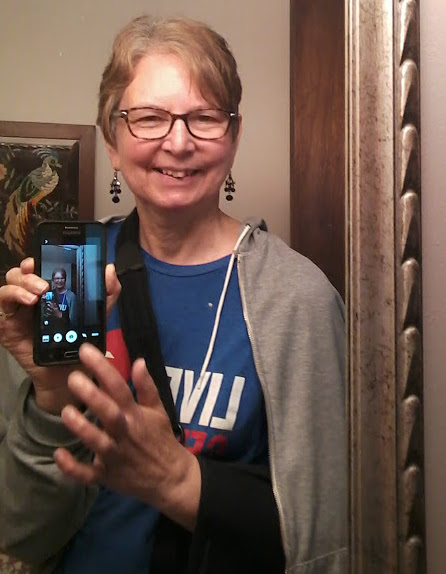
I’m not good at taking selfies. So I turned the camera on my mirrored image. I took this image a week ago, about 3 1/2 weeks into my recovery.


A MONTH AND FOUR DAYS (yes, I’m counting days) into recovery from a broken right shoulder, I am healing on schedule. That’s according to my orthopedic doctor who was all smiles when he saw me Wednesday afternoon.

I was relieved by the good report given I’ve experienced recent shifting and incidences of severe pain in the break area. That’s normal, he said, explaining that I’m feeling muscle and nerve pain related to the injury. Whew. I thought perhaps the crack in my bone had widened.

I’m continuing with two home exercises—elbow flexing and the pendulum swing—with professional physical therapy likely starting the week of July Fourth. And bonus, when I’m in a secure environment at home, I can remove my body hugging arm sling. But I still basically need to keep my arm tight to my side. No reaching to my right.

Mentally, I keep reminding myself that this disability is only temporary and that others deal with far worse injuries. I have a wonderfully supportive husband who helps me with basic caregiving needs and who also is keeping everything up (mostly) on the homefront.


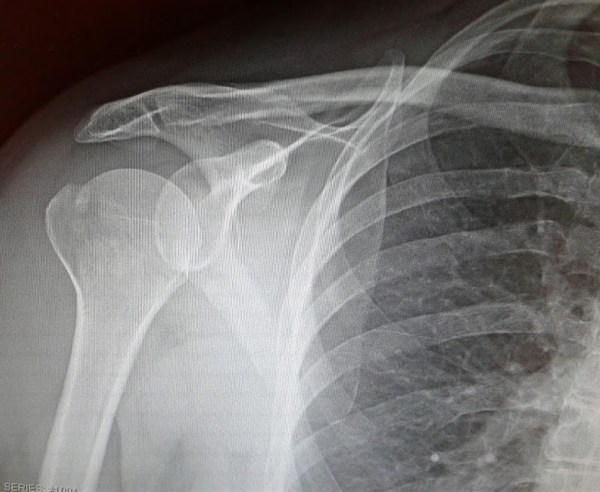
This is a photo of an x-ray of my broken shoulder from several weeks ago. To the untrained non medical professional, it’s difficult to see the fracture. It’s there in the humerus.


I’m not a particularly patient person, but I’m learning. There is always something to be learned in whatever situations we face in life. Good health is not something any of us should assume will always be ours. I never expected to miss a step, fall and end up with a broken shoulder. Just like I never expected to get osteoarthritis and undergo total hip replacement some 10 years ago. And I never expected to spend an entire summer battling whooping cough.

From all of these health issues, I’ve learned empathy, deeper compassion and an appreciation for others. As a woman of faith, I’ve also drawn closer to God. I’ve never asked, “Why me?” I’m not going to tell you it’s always been easy; it hasn’t. I get frustrated and just want to be able to do everyday tasks. Professionally, I’ve had to limit computer usage (thus writing time) due to pain and I can’t take photos with my Canon DSLR. This is prime season for photography.


A month after my fall, I continue to receive get well cards. This ongoing support for someone with a lengthy recovery is so appreciated.


I’ve appreciated the ongoing encouragement via conversations/emails/texts and in cards sent. Do not underestimate the value of a get well card. My personal experiences are useful now as I pen greeting card verses for Warner Press with an end of July deadline.

There are two things, though, that people should note related to my injury. Do not ask, in jest, if Randy pushed me. There is nothing, absolutely nothing, funny about domestic violence. I have written tirelessly on the subject here and have zero tolerance for domestic abuse and violence. I fell; my husband did not abuse me and to suggest such in humor diminishes the crime of domestic violence.

Also, be gentle on the hugs. I am extremely protective of my right side. I’ve had to stop about a half dozen people as they reached out to touch me on my right arm. There is a reason I am wearing a sling.

Last week I simplified one aspect of my life by getting my hair cut super short. I am grateful to the stylist at Sunset Salon who understood my needs. I love my new style which requires only my fingers and mousse to shape it. Randy is appreciative, too.

I am grateful to all of you also for your continuing encouragement and readership of this blog.

Please take what you’ve read here today and do something positive. Reach out with kindness to a stranger or to a friend/family member. Send a card/text/email. Make a phone call. Visit someone in recovery. Prepare a meal. Offer a ride. Hold a door. Offer praise and empathy and support. In these days when we witness so much violence and hatred in the world, it is more important than ever to express compassion and care. We need each other. We really do.


© Copyright 2017 Audrey Kletscher Helbling


From Faribault: Any “domestic” is one too many June 2, 2017


SEVEN DOMESTIC CALLS in four days…and one call for violation of a restraining order.

The stats, published on the May 31 Matters of Record page in the Faribault Daily News, shocked me. That’s a lot of domestic-related calls handled by the Faribault Police Department from May 26-29 in a community of some 23,000.

I’ve been especially cognizant of local domestic situations since the late December 2016 high profile murder of Barb Larson by Richard Larson. The former Faribault police officer committed suicide after killing his ex-wife at her workplace, the Faribault Area Chamber of Commerce & Tourism office. She had a restraining order against him, granted within days of her murder.

Just weeks prior to the Larson murder-suicide, Ryan Perizzo murdered 8-year-old Lynnaya Stoddard-Espinoza before killing himself in their Faribault home.

Those crimes shook my community. And they should have.

But the reports I am reading of nearly daily domestic calls within Faribault should shake all of us, too. Four in one day. To all different parts of my community. Domestic abuse and violence can happen to anyone in any neighborhood. And it does. I’ve witnessed such abuse and called police.


Minnesota Prairie Roots file photo 2015.


I recall my Uncle Bob, a retired Minneapolis police officer, telling me domestic calls are the most dangerous. Why? Emotions and passions are running high. Perpetrators of abuse often fail to accept responsibility for their actions and blame others. They desire power and control. All of those factors put victims, and law enforcement, at great risk.

What can we, the public, do? We can educate ourselves (and our kids) so that we understand domestic abuse and violence. We can refuse to remain silent. We can listen to and support victims and connect them with resources to help them escape abusive situations. We can encourage the judicial and probation systems to hold offenders accountable. Too often these abusers walk away with little or no punishment, only to reoffend.

Frankly, I am tired of it.

Consider, too, for a moment how many cases of domestic abuse go unreported. Compare it to the motorist who drives drunk many many times before he is finally stopped for driving while under the influence. Or maybe he’s never caught.

Be aware that domestic abuse is not just physical. It’s emotional, too. That abuse can also be psychological, mental, spiritual, financial and technological. Abusers are often narcissistic. They manipulate and twist and exert their power. They are the center of the world, in their eyes, and you better not challenge that.

I wish I could wave a magical wand and end domestic abuse and violence. But because I can’t, I can at least spread awareness. And there is power in using my voice.


© Copyright 2017 Audrey Kletscher Helbling
NOTE: My insights into domestic abuse and violence are not specific to the cases cited within this post. Also note that if you are in an abusive relationship or know someone who is, leaving an abuser is the most dangerous time for a victim. Seek professional help to make a safe exit. Know, too, that a restraining order is just that, an order, with no guarantee of protection. 


“It Happens Here” events raise awareness about domestic violence in Minnesota March 6, 2017

Filed under: Uncategorized — Audrey Kletscher Helbling @ 5:00 AM
Tags: , , , , , , ,

FROM BEMIDJI IN THE NORTH to Albert Lea near the Iowa border, from the prairie land of Wheaton to the river bluffs of Red Wing and from the small town of Glenwood to sprawling Minneapolis, Minnesotans are coming together on Tuesday. United from rural to urban, communities are breaking the silence. They—survivors, advocates and others—are gathering to say “no more” to domestic violence.

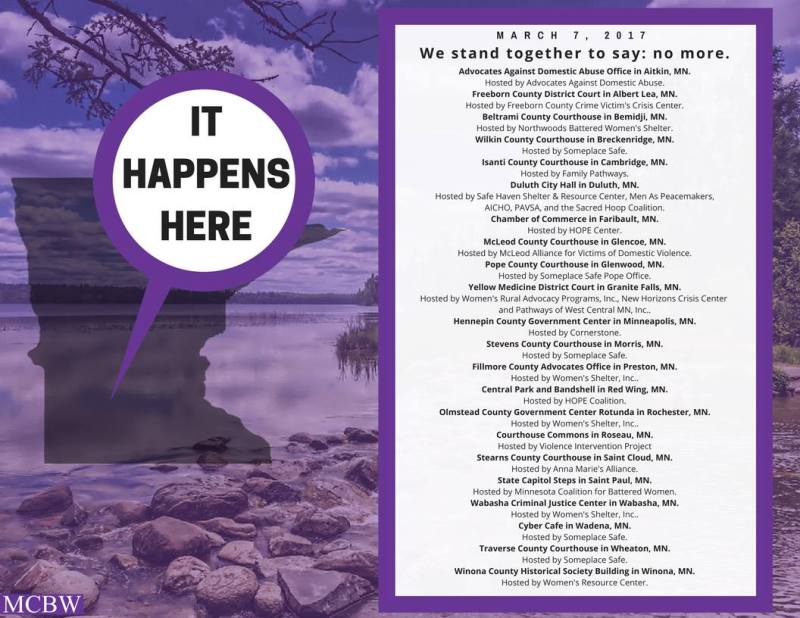
The list of communities participating in the "It Happens Here" event is posted on the Minnesota Coalition for Battered Women Facebook page.

The list of communities participating in the “It Happens Here” event is posted on the Minnesota Coalition for Battered Women Facebook page.

It is part of a statewide effort, “It Happens Here: A Statewide Day to End Domestic Violence.” Events begin at noon (unless otherwise noted), including at the Faribault Area Chamber of Commerce & Tourism office. Chamber staffer Barb Larson was murdered there on December 23, 2016, by her ex-husband. HOPE Center is co-hosting the rally with the Chamber.

Gatherings across Minnesota will focus on the key areas of empathy, refuge, healing and solutions.

That starts with each of us. Individually. We must care about victims of domestic abuse and violence and about those who love them. We must care about the communities affected by domestic violence.

We must support the places that offer refuge to victims. Places likes HOPE Center provide help and hope.

We must encourage healing.

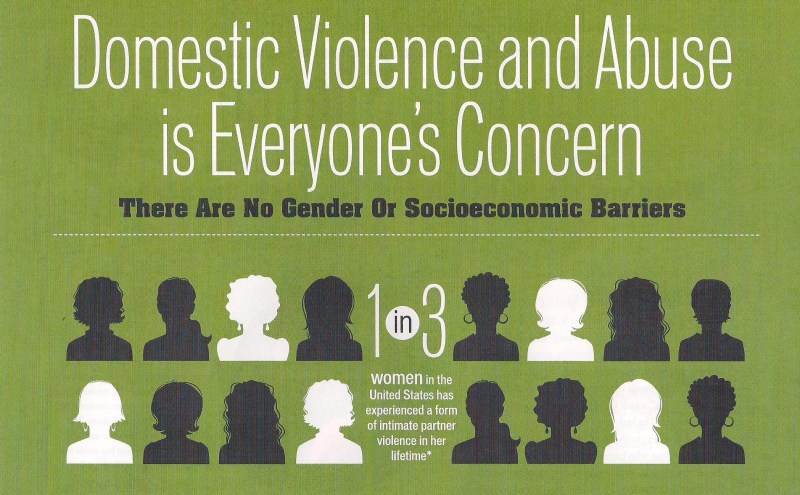
And we must work together to end domestic violence, defined as “a pattern of behavior used to gain or maintain power and control over an intimate partner.” That can take the form of physical, psychological, mental, emotional, spiritual, technological and financial abuse. One in three Minnesota women are victims of domestic violence.

One is one too many.

© Copyright 2017 Audrey Kletscher Helbling

 

Shining the light of hope in Faribault following Barb Larson’s murder January 7, 2017

Barb Larson. (Photo source: Boldt Funeral Home.)

Barb Larson. (Photo source: Boldt Funeral Home.)

MORE THAN TWO WEEKS have passed since the murder of Barb Larson, shot to death by her ex-husband at the Faribault Area Chamber of Commerce and Tourism office where she worked. Richard Larson, a retired Faribault police officer, then killed himself.

This act of domestic violence has rocked my community. We are grieving, asking why, wondering how we can heal and effect change. I wonder myself.

But already positive things are happening. Earlier this week, the Chamber remembered Barb on what would have been her 60th birthday by celebrating Happy Barb Day. Community members were encouraged to share memories of Barb online and at a Business Before Hours event.

When the Chamber office reopened a day prior, Chamber members and others gathered there to show their support for staff. Professionals are also offering in-kind services to update the Chamber lobby. I can only imagine the mental challenge of walking into that building every day with the knowledge that your friend and co-worker was murdered in your workplace.

Faribault’s faith community is also reaching out with Our Savior’s Lutheran Church taking the lead by focusing on shining light in the physical darkness of winter and in the emotional darkness of grief. At the 9:30 a.m. worship service this Sunday, battery-operated candles will be offered to attendees. The idea is to place those candles in the windows of Faribault homes as a strong visual symbol that we can be a light for each other.

That theme of being here for one another threads through a mass mailing letter I received from HOPE Center, a local organization with a mission “to create zero tolerance for sexual and domestic violence through Healing, Outreach, Prevention and Education.” Executive Director Erica Staab-Absher writes of the personal grief in losing her friend Barb. But she also writes with a renewed determination:

We must change things, and we can start here in our community. I do not want to write yet another letter sharing news like this (about Barb’s murder). We as a community must stand together and say NO More.

Powerful words.

We have the power to make a difference—to care for one another, to show others that they are not alone, to listen, to shine the light of hope.

My community is talking, creating awareness, taking action. Domestic violence/abuse is a hard issue to face. It would be easy just to look the other way, to plunge our heads into the sand of “this isn’t my problem” and then go on with our lives. But we can’t. We mustn’t.

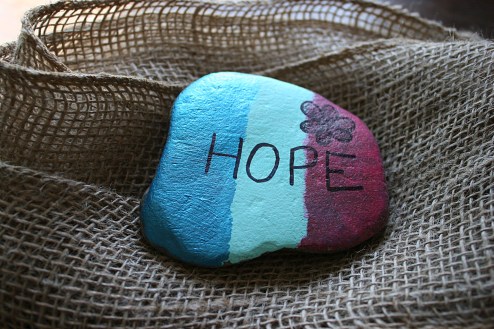
My great niece Kiera painted this stone, which I got at a recent family reunion.

The HOPE stone that sits on my office desk was painted by my great niece Kiera. Minnesota Prairie Roots file photo.

TELL ME: Please share with me any specific ways you, your community, your church or organization has worked toward healing, outreach, prevention and education in the area of domestic abuse/violence. Perhaps something you’ve done would help us here in Faribault.

© Copyright 2016 Audrey Kletscher Helbling
 

Raising awareness about domestic violence because I care & so should you October 28, 2016

Filed under: Uncategorized — Audrey Kletscher Helbling @ 5:00 AM
Tags: , , , , , ,
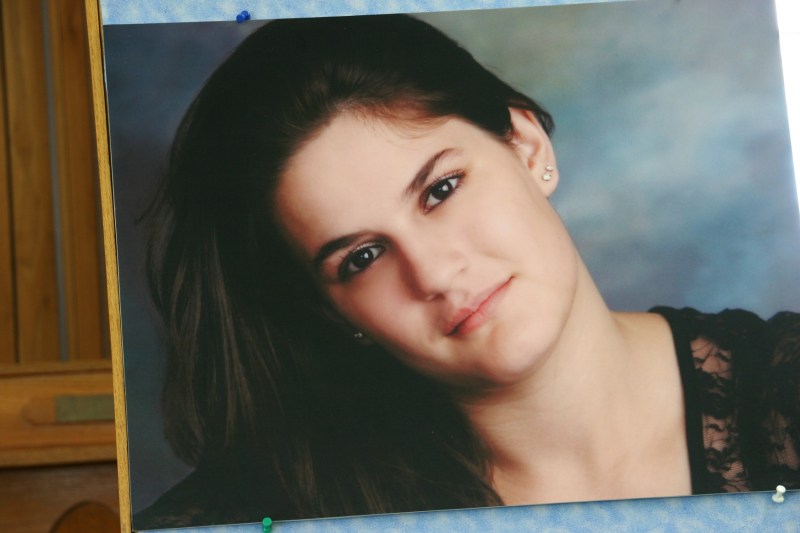
Becky Kasper's portrait.

Northfield, Minnesota, native Becky Kasper was only 19 and a student at Arizona State University when her abusive ex-boyfriend killed her on April 20, 2013. Her murderer is serving a total of 30 years in prison followed by a life-time of probation with mental health terms. Read Becky’s story by clicking here. She died in a vicious act of domestic violence. Minnesota Prairie Roots file photo.


Domestic violence thrives when we are silent; but if we take a stand and work together, we can end domestic violence.the National Network to End Domestic Violence

October marks Domestic Violence Awareness Month.


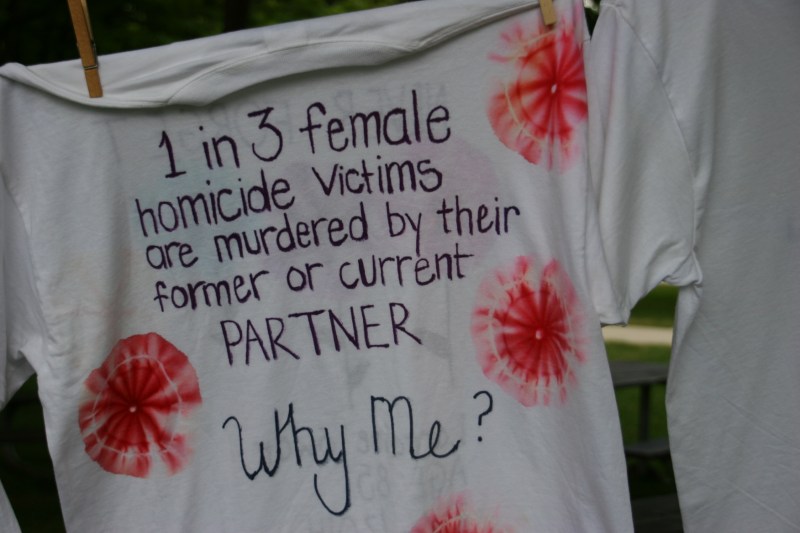
Statistics on a The Clothesline Project t-shirt from the Minnesota Coaltition for Battered Women..

“Homicide” and “murdered,” strong and accurate words on a t-shirt that is part of The Clothesline Project from the Minnesota Coalition for Battered Women. Minnesota Prairie Roots file photo 2015.


Have you thought much about domestic violence? I’ve always thought the word “domestic” minimizes the crime, as if it’s less brutal, less meaningful, less harmful. It’s not. The emotional wounds, especially, run long and deep.


Photographed on the inside of a women's bathroom stall at Lark Toys in Kellogg. Minnesota Prairie Roots file photo 2015.

Photographed on the inside of a women’s bathroom stall at Lark Toys in Kellogg. Minnesota Prairie Roots file photo 2015.


Have you been impacted by domestic abuse/violence? If you answer, no, I’d be surprised. According to the National Coalition Against Domestic Violence, one in three women will be the victims of physical violence by an intimate partner during their lifetime. Victims of domestic abuse are as close as your next door neighbor, your co-worker, the woman worshiping next to you, your hair stylist, your friend, your niece, your college roommate…you just may not realize it. I can personally list about 20 women by name (family, friends and indirect acquaintances) who have been victims of domestic violence/abuse. Several of them died. Murdered by their abusers.


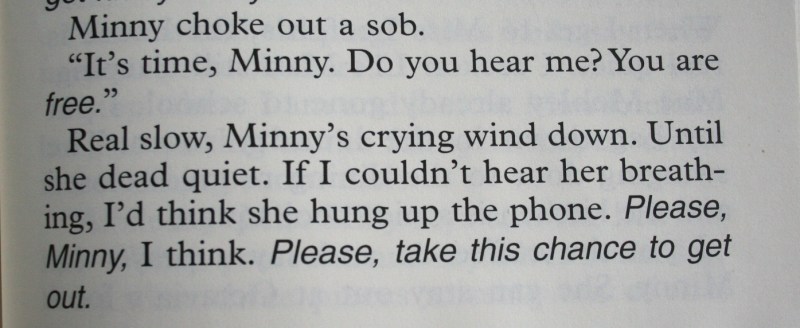
Profound words for anyone who's been abused or known someone who's been abused or is in an abusive relationship.

Profound words for anyone who’s been abused or known someone who’s been abused or is in an abusive relationship from the book, The Help. In this section, Aibileen is talking on the phone with her friend, Minny, who is hunkered down in a gas station after leaving her abusive husband.


Are you in an abusive relationship? If you are, I want you to know that you do not deserve this. You are not somebody’s property. You are stronger than you think. There are individuals and organizations who can help you. Don’t do it alone. Leaving an abuser is dangerous; have a safety plan in place before you attempt to leave. You can break free. I believe in you.


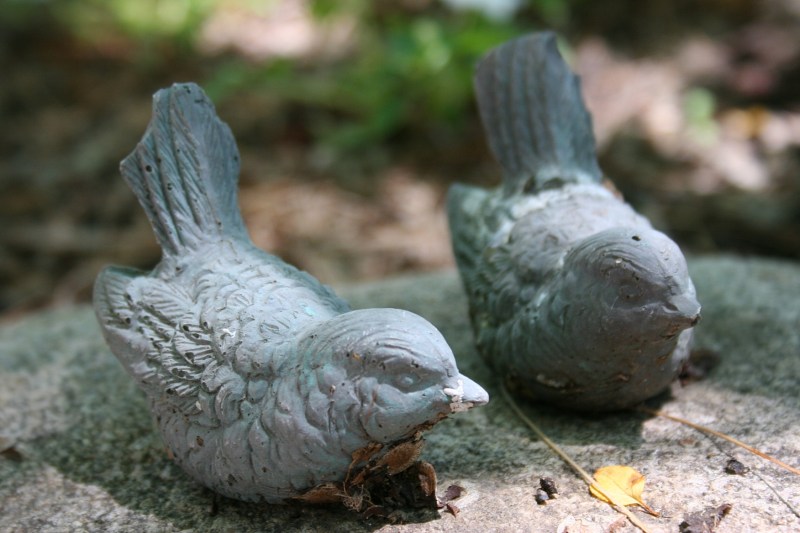
Bird art perched on a front yard rock.

Survivors are no longer birds in a cage. They are free. Minnesota Prairie Roots file photo.


Are you a survivor? I admire you and your strength. You are F-R-E-E. Your abuser can no longer claim you.


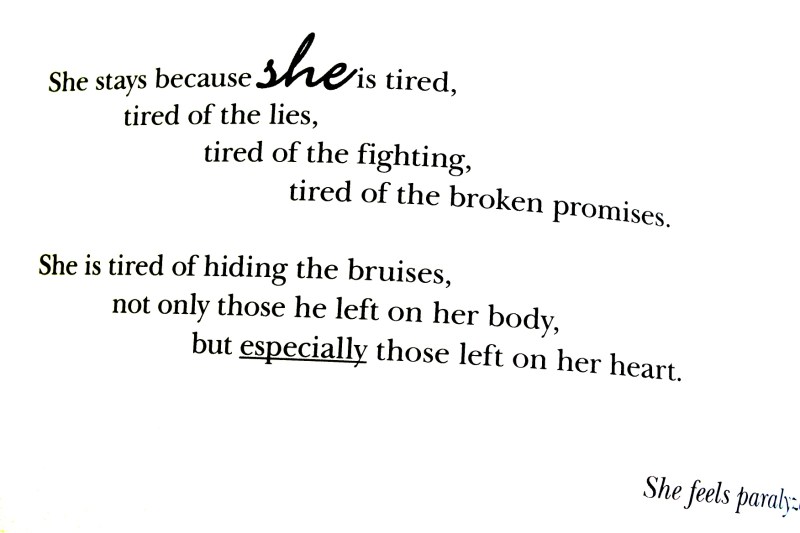
Reasons she stays, published on page 18. Text copyright of Erica Staab.

Reasons she stays, published on page 18 of She Stays, written by HOPE Center Director Erica Staab. Text copyright of Erica Staab.


Through the years, I have written on this topic, and I will continue to do so. Because we need to speak out, to understand, to educate ourselves, to support victims and survivors, to hold offenders accountable, to care.

It’s that important.

#

WHAT CAN YOU DO?

  • Trust your gut. If someone raises red flags (whether in words or behavior) in a relationship, trust your instincts. Trust yourself, not him.
  • Educate yourself. If you learn one thing about domestic abuse, it should be this: Do not blame the victim. Ever.
  • Believe her.
  • Support her. Listen. Keep the communication open. Simply be there.
  • Realize you cannot “save” a woman who is in an abusive relationship. She must decide, on her own, to leave her abuser.
  • When she is ready to leave, help her stay safe. Reach out to resources in your community. Support her. Believe her.
  • Support the victim’s/survivor’s family, too.  Listen. Encourage. Be there. The impact of domestic abuse spirals like a stone dropped in water.
  • Talk to your daughters, your sons, your grandchildren, about healthy relationships.

#

FYI:

Domestic abuse is about control, manipulation and power. It can take the forms of physical (including sexual), mental, emotional, financial and spiritual abuse. Abusers want to “own” their victims; they do not.

If you are in an abusive relationship and are in immediate danger, call 911. Leaving an abuser is an especially dangerous time.

Seek help from a local resource center or safe house. Or call the National Domestic Violence Helpline at 1-800-799-7233. You deserve to be free.

© Copyright 2016 Audrey Kletscher Helbling
For purposes of this article, I reference women as victims of domestic abuse, realizing that men and children are also victims.


If you’ve never understood why “she stays,” then you need to read this book April 26, 2016

Filed under: Uncategorized — Audrey Kletscher Helbling @ 5:00 AM
Tags: , , , , , , , ,

IN MY IGNORANCE, I often asked the question, “Why does she stay?”

I couldn’t understand why any woman would stay in an abusive relationship. I expect many of us, if we are honest, have blamed the woman, faulted her for staying with a partner who is verbally, mentally, emotionally, financially, spiritually and/or physically abusive.

Why does she stay?


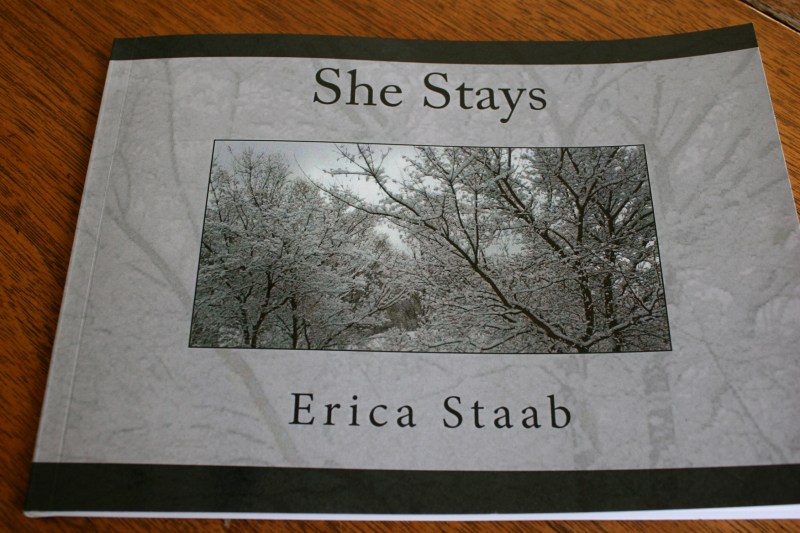
She Stays by Erica Staab


Erica Staab, director of the HOPE Center in Faribault, answers that question in She Stays. This self-published book is an absolute must-read for everyone. You. Your friends. Your daughter. Your niece. Your sister. Your brother. Your pastor.

Why?

Because you likely know someone who is a victim of domestic abuse. Maybe even you. And you need to know why she stays. It is only when we educate ourselves that we understand. And when we understand, we begin to make a difference.

Long before I read Erica’s recently-released book, I became educated on domestic abuse. Off the top of my head, I can list 13 women, by name, who are survivors. I don’t know the stories of each of these women. But some I do. They were in relationships with men who convinced them they had changed or whom the women believed they could change. These men professed their love. These men were initially charming, loving and attentive. Until they insidiously evolved into monsters who shoved, strangled, smothered, isolated, verbally-destroyed, brainwashed…

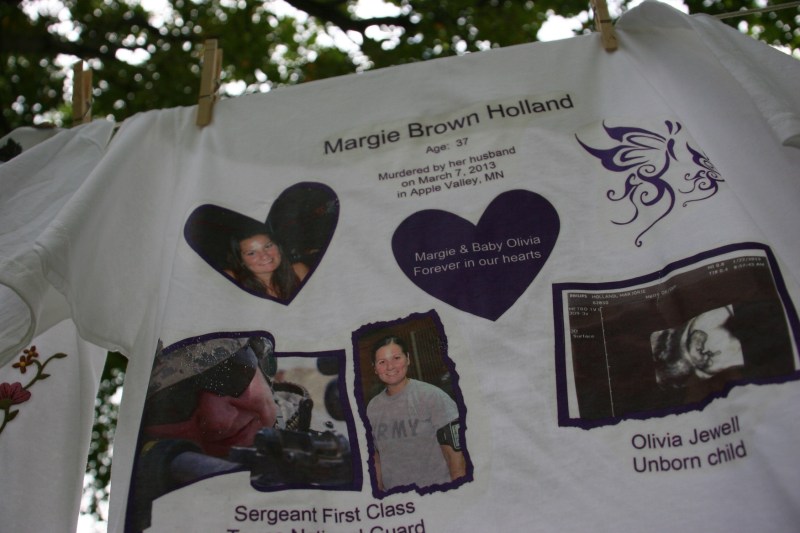
Margie Brown Holland and her unborn daughter, Olivia, were honored at The Clothesline Project display this summer in Owatonna. The Minnesota Coalition for Battered Women coordinates the project to honor victims of domestic violence. Redeemer Lutheran Church brought the project to Owatonna this past summer.

Margie Brown Holland and her unborn daughter, Olivia, were honored at The Clothesline Project display in the summer of 2015 in Owatonna. The Minnesota Coalition for Battered Women coordinates the project to honor victims of domestic violence. Redeemer Lutheran Church brought the project to Owatonna. Minnesota Prairie Roots file photo 2015.

I can also personally list the names of three women who were murdered by the men who supposedly loved them: Kay, Becky and Margie. Erica dedicates She Stays to her friend Margie Brown and unborn daughter Olivia. Margie’s dad once lived across the street from me. She also dedicates her book to Julie Carroll, another victim of domestic violence. I didn’t know Julie.

Becky Kasper's portrait.

Becky Kasper of Northfield was murdered in April 2013 by her former boyfriend. She was a student at Arizona State University. This portrait was posted by her father, Dan Kasper, who spoke about domestic violence at Redeemer Lutheran Church in Owatonna in January. Minnesota Prairie Roots file photo January 2016.

But I know that too many women are suffering and dying every day. Too many women are trapped in abusive relationships—whether because of fear, financial worries, even because of hope that the abuser will revert to the loving man he seemed at the beginning of the relationship. I doubt a woman ever enters a relationship thinking the man she loves will abuse her.

Reasons she stays, published on page 18. Text copyright of Erica Staab.

Reasons she stays, published on page 18. Text copyright of Erica Staab.

Erica lays out the reasons she stays in this compilation based on real stories of real women. And she writes in a way that is direct, honest and to the point. You can read this slim 42-page book in less than a half hour. It’s simplistic, state-it-like-it-is understandable.

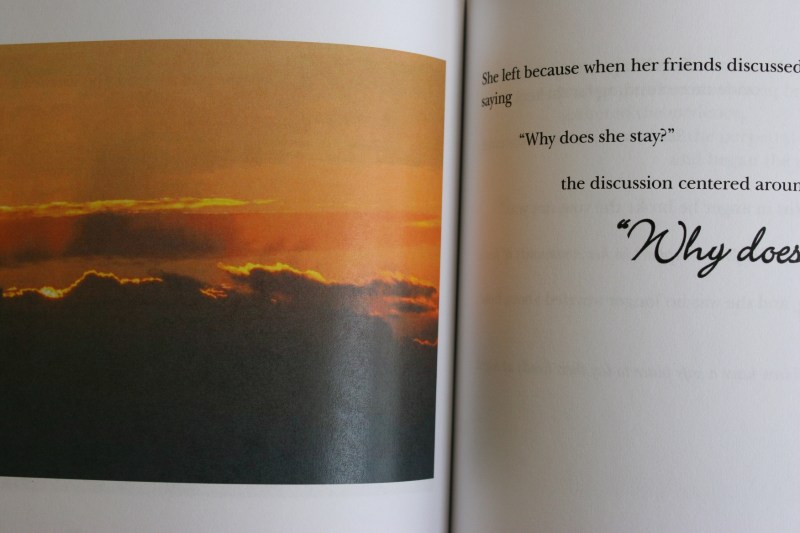
Erica's book also focuses on reasons she leaves.

Erica’s book also focuses on reasons for leaving. Interspersed throughout this volume are Erica’s photos, primarily nature themed.

But this author and experienced advocate doesn’t end with she stays. She also writes about why she left. Therein lies another reason you must read this book. You will learn that listening, understanding and believing can make all the difference to a woman in deciding whether she stays or she leaves. You can offer hope.

On the final page of She Stays, Erica pens four powerful words: You are not alone.

A victim of domestic abuse should never feel alone. But all too often she does, because we continue to ask, “Why does she stay?”

Statistics on a The Clothesline Project t-shirt from the Minnesota Coaltition for Battered Women..

Statistics on a The Clothesline Project t-shirt from the Minnesota Coalition for Battered Women, displayed this past summer in Owatonna. Minnesota Prairie Roots file photo.

FYI: To purchase a copy of She Stays, click here. Use this discount code to get $2 off: WCPXLKQS. All proceeds from the book will benefit HOPE Center, an advocacy organization in Faribault. Copies may also be purchased directly from HOPE Center.

If you are in an abusive relationship and in immediate danger, call 911 now.

Or contact a local crisis resource center for help and support.

You can find additional information through the following resources:

National Coalition Against Domestic Violence

Minnesota Coalition for Battered Women

NOTE: Men can also be victims of domestic abuse. But because the majority are women, I use that noun and the pronoun she. Just as Erica does in her book.

© Copyright 2016 Audrey Kletscher Helbling
 

“She loved the man who shot her…” February 17, 2016

Statistics on a The Clothesline Project t-shirt from the Minnesota Coaltition for Battered Women..

Statistics on a The Clothesline Project t-shirt from the Minnesota Coalition for Battered Women. Minnesota Prairie Roots file photo 2015.

My sister was in love. She loved the man who shot her after running her down like an animal hunted for sport. This didn’t happen in a day or even a week or a year.

It happened slowly over the years with little hints of control…

Dear readers, please read these words and more on a GoFundMe page set up to cover funeral expenses for 28-year-old Trisha Nelson. This southern Minnesota native was killed on February 12 “in a horrific act of domestic violence” in Plymouth. Trisha is our state’s second known victim of domestic violence in 2016.

Tanya Fure writes her sister’s heart-wrenching story, with this advice:

I’m begging that if you are even thinking you might be in an unhealthy situation—SEEK HELP.

Tanya’s words are powerful as she now becomes the voice for her dead sister. The sister whose ashes she will now bury and scatter. By sharing her sister’s story, Tanya hopes to give others the strength to leave unhealthy relationships and to live. Free. Untethered from those who control and manipulate and abuse. And sometimes kill.

FYI: If you are in an abusive relationship or even think you are, seek help. You are so worth it. Contact a local crisis resource center or women’s shelter for help and support. If you are in immediate danger, call 911. Leaving an abuser is the most dangerous time; have a plan to leave safely. Additional information is available, for abuse victims, family, friends and survivors by clicking on any of these links:
National Coalition Against Domestic Violence
Minnesota Coalition for Battered Women (Gifts to MCBW are suggested by the family in Trisha’s honor.)
NO MORE