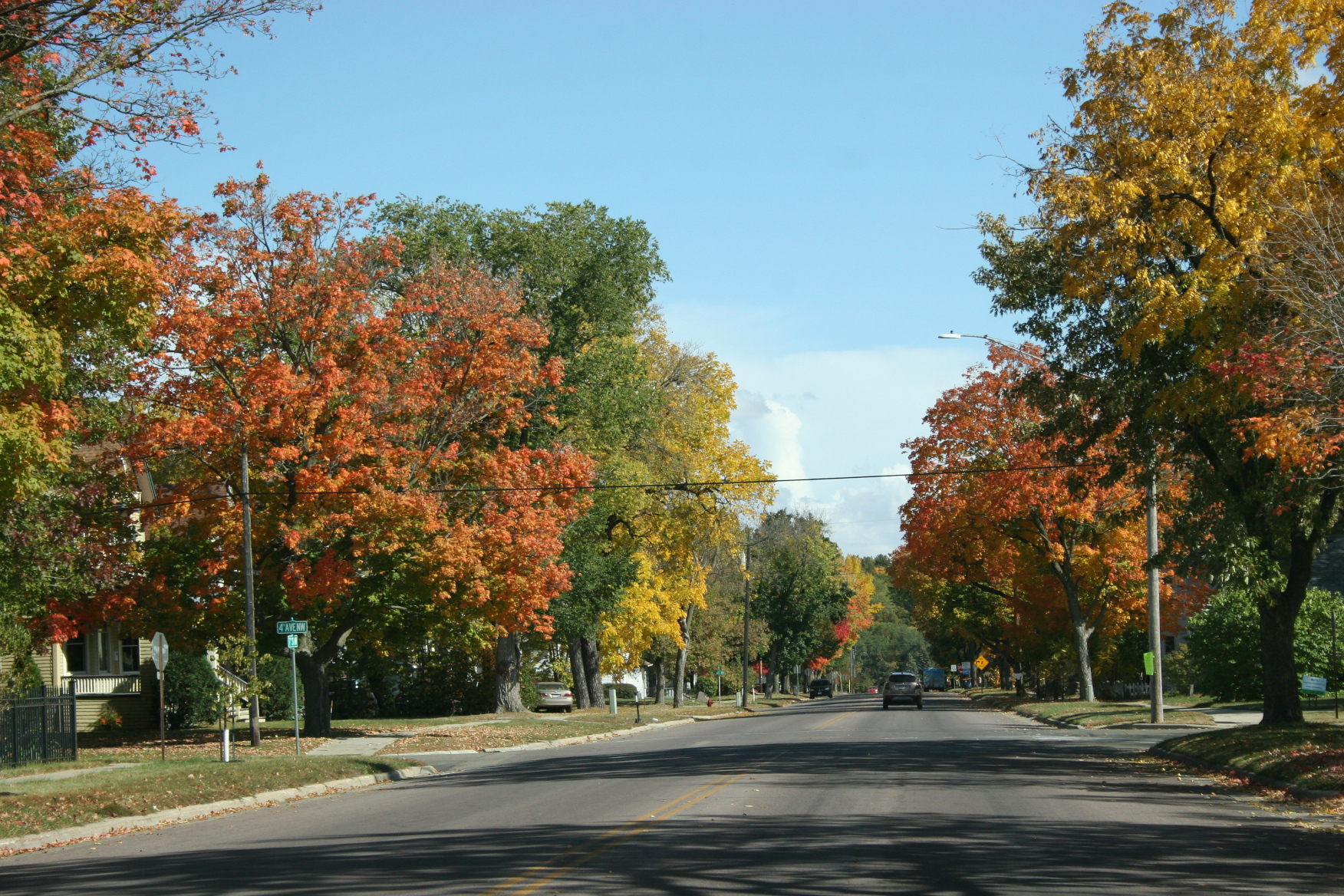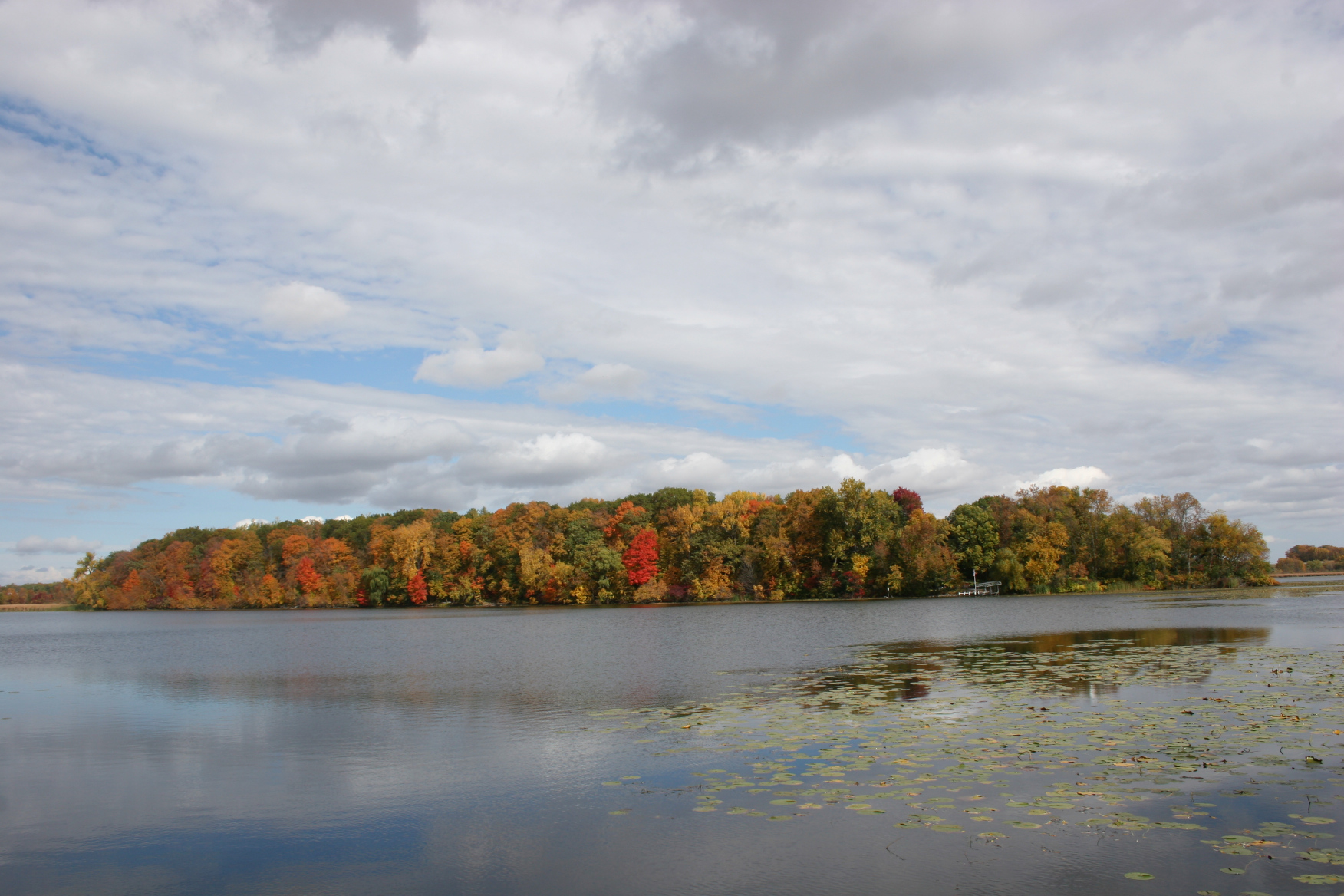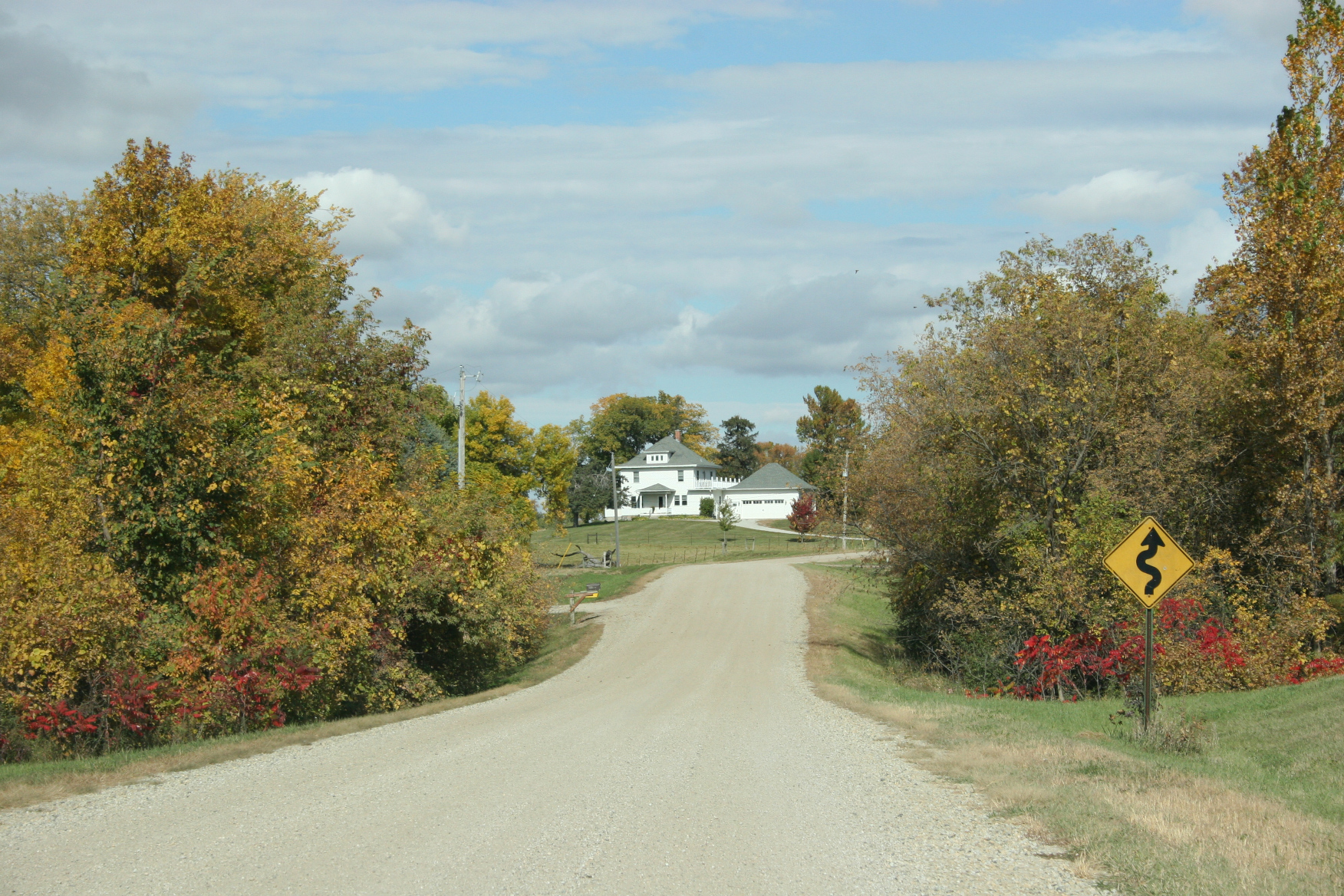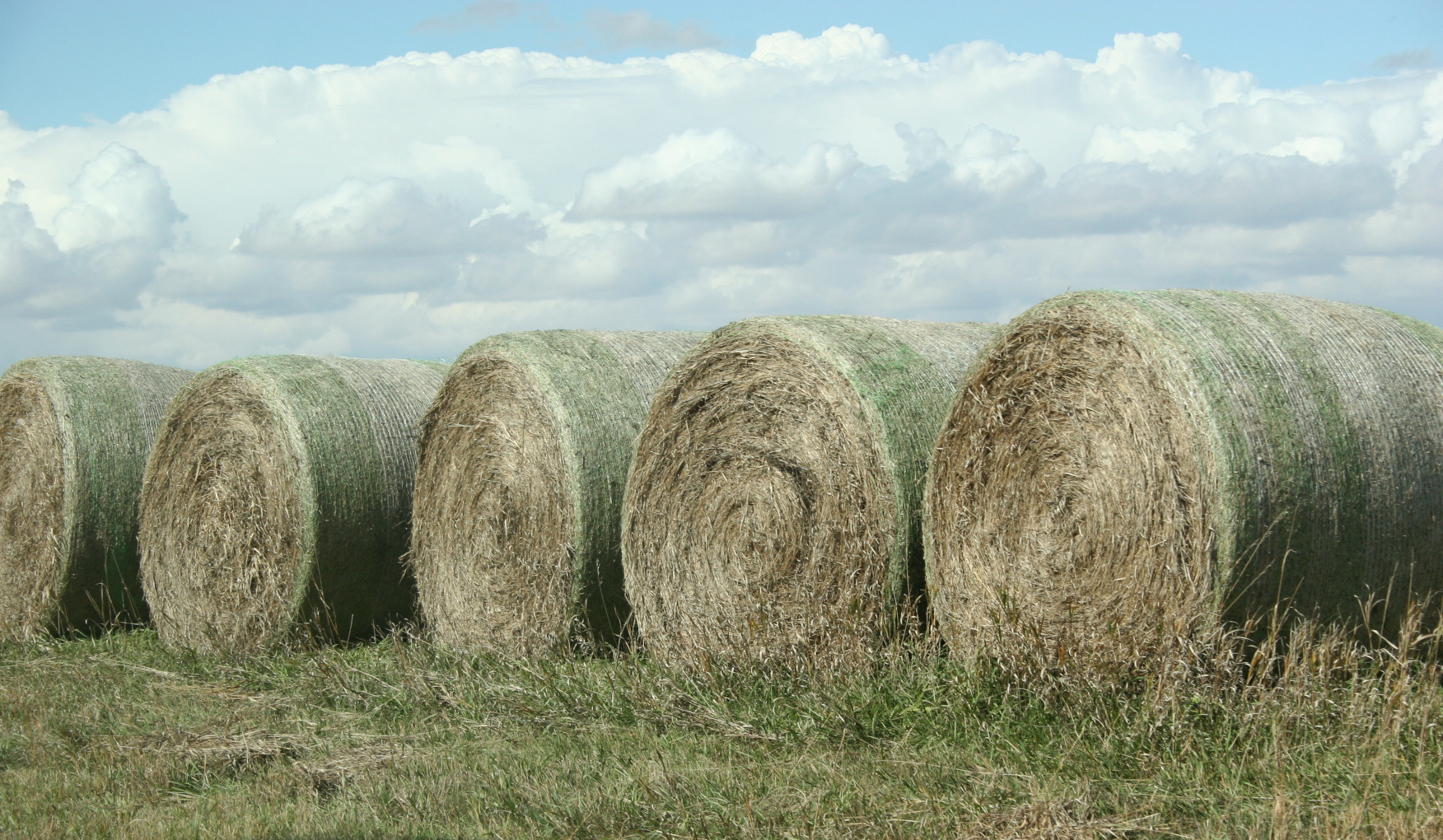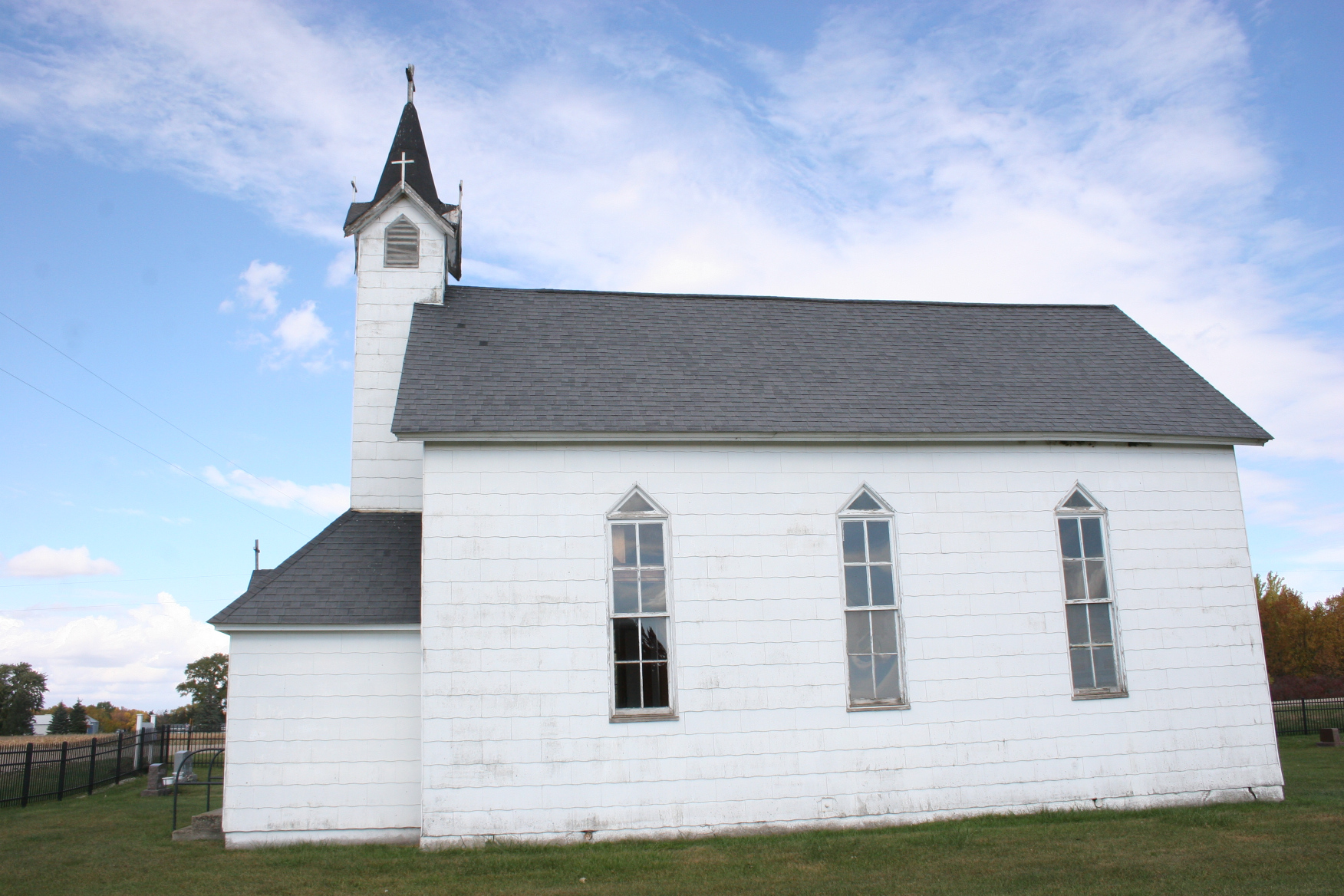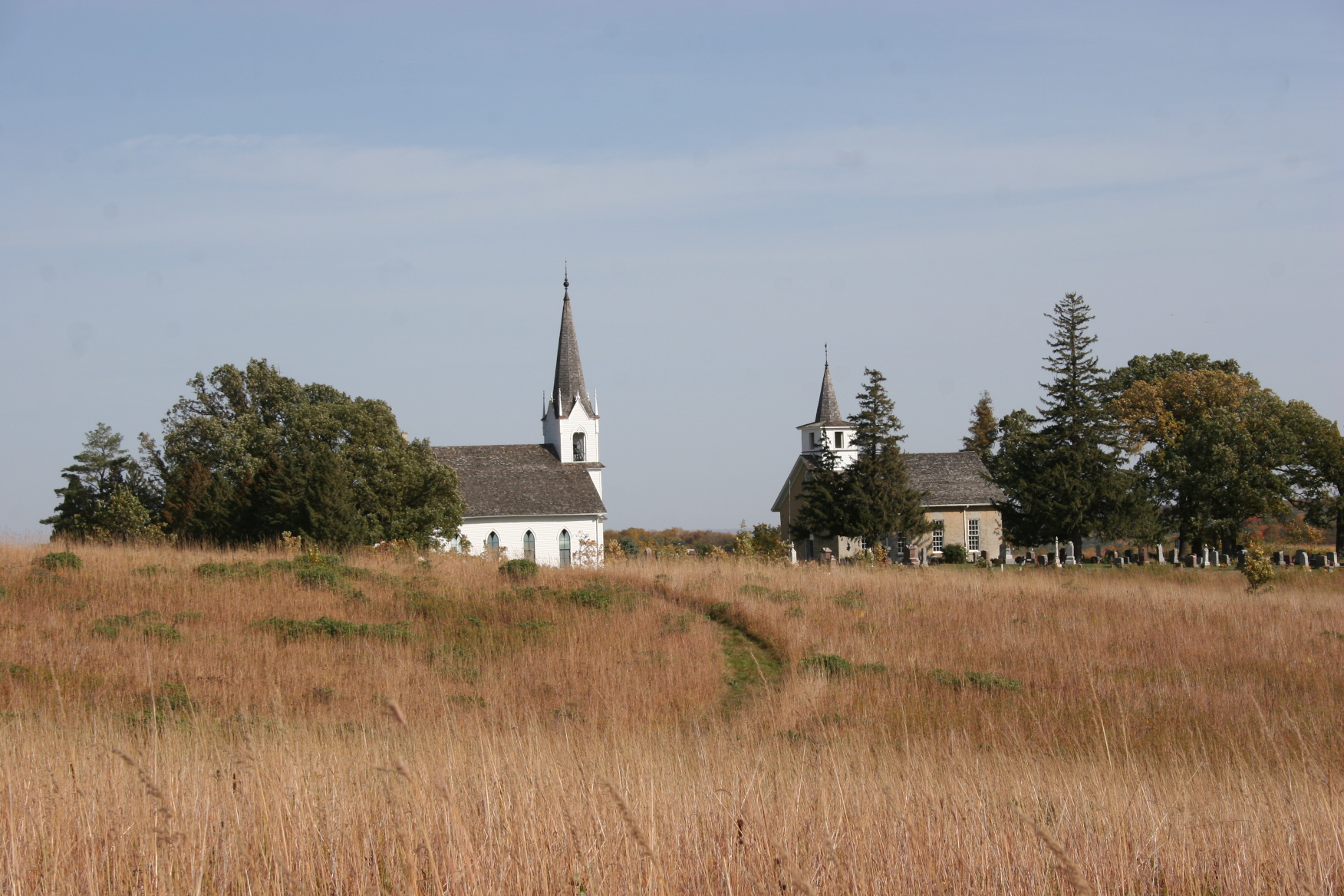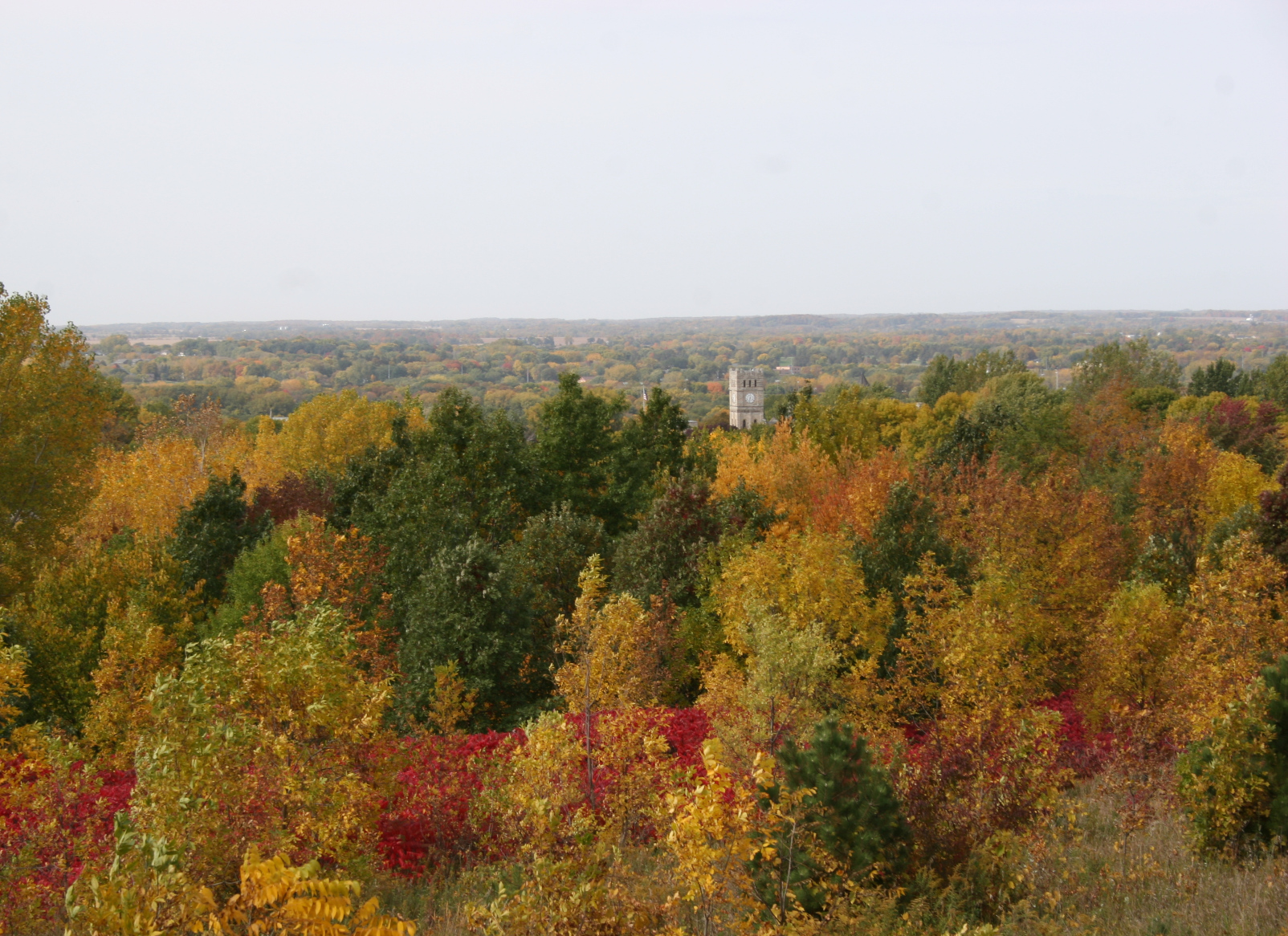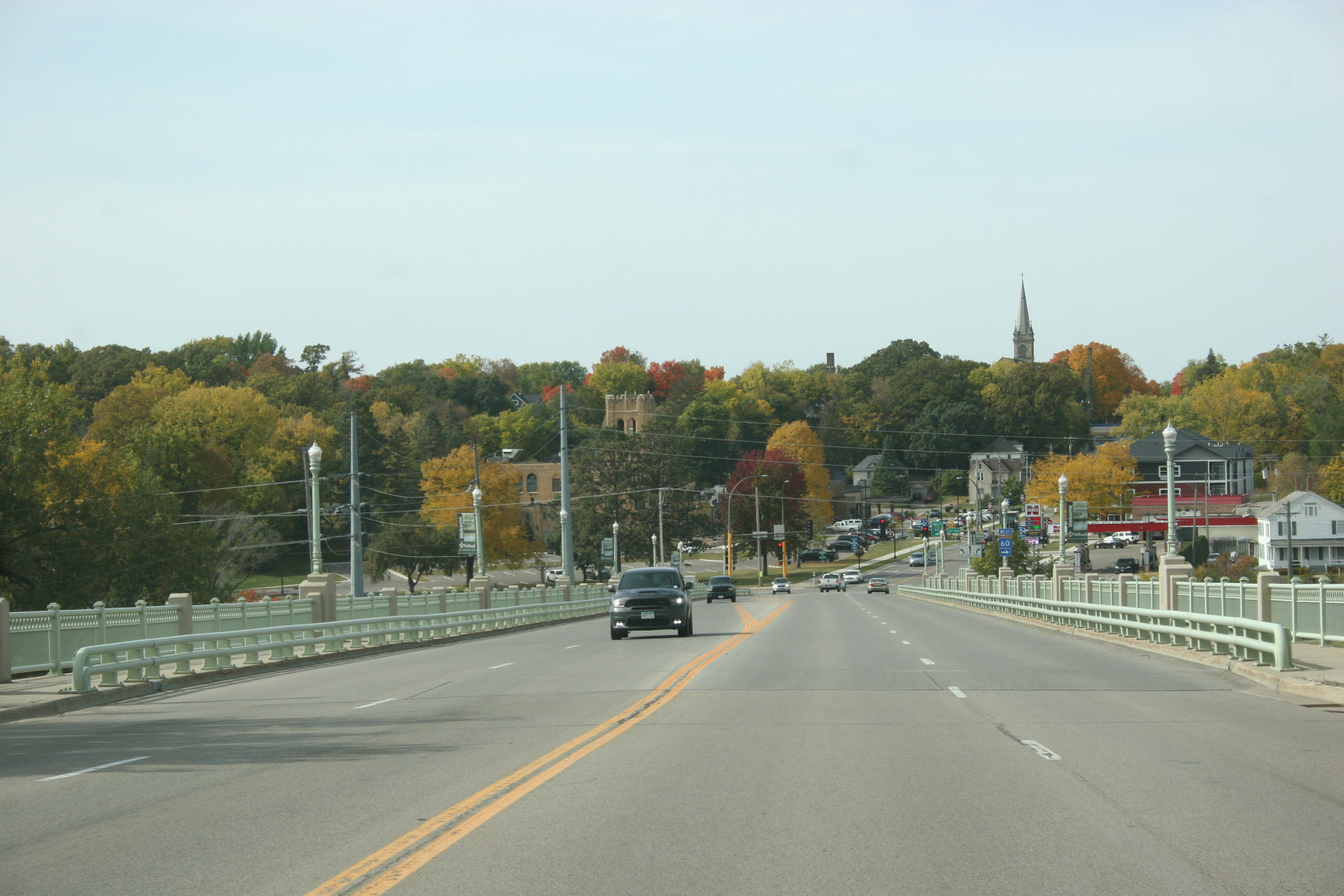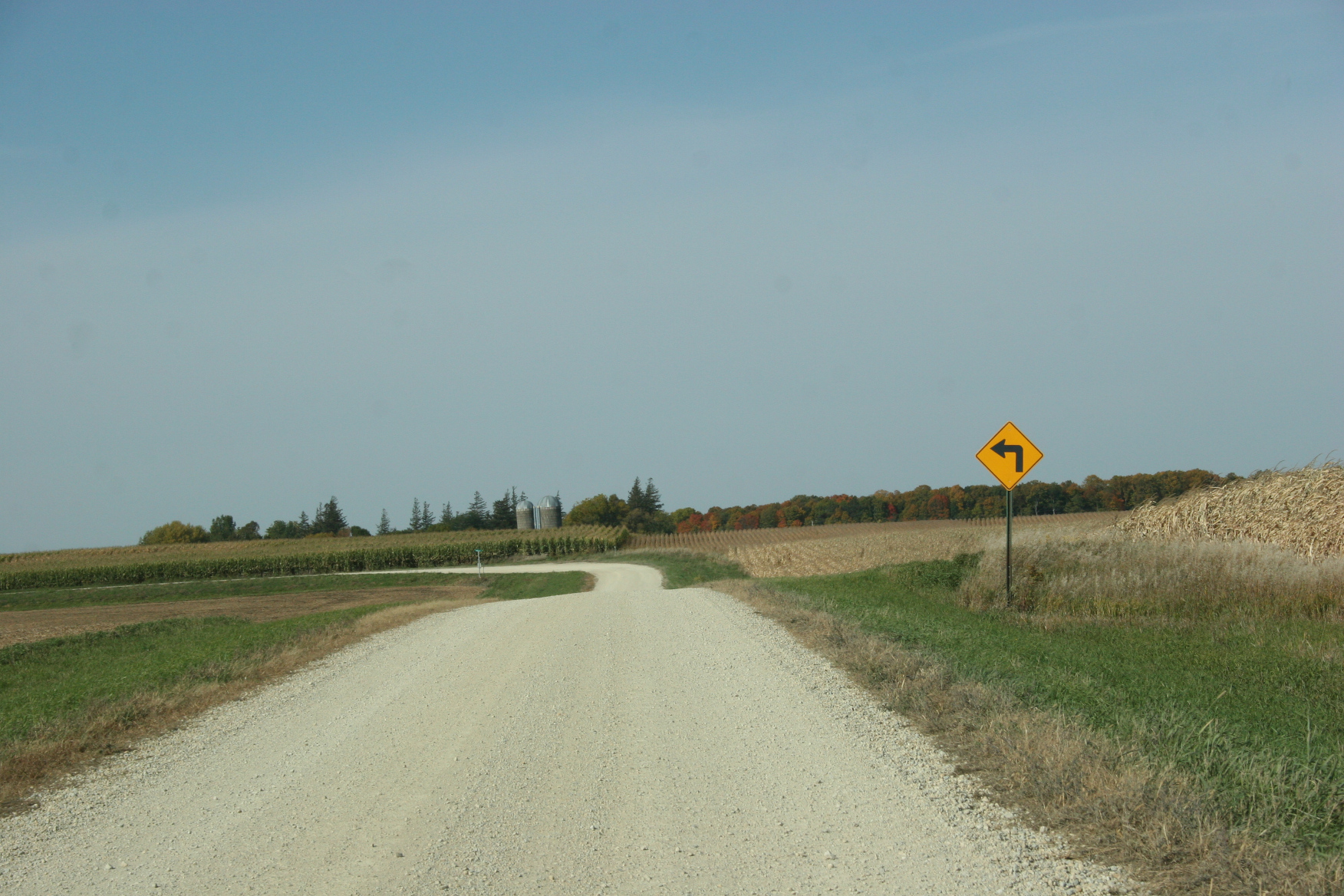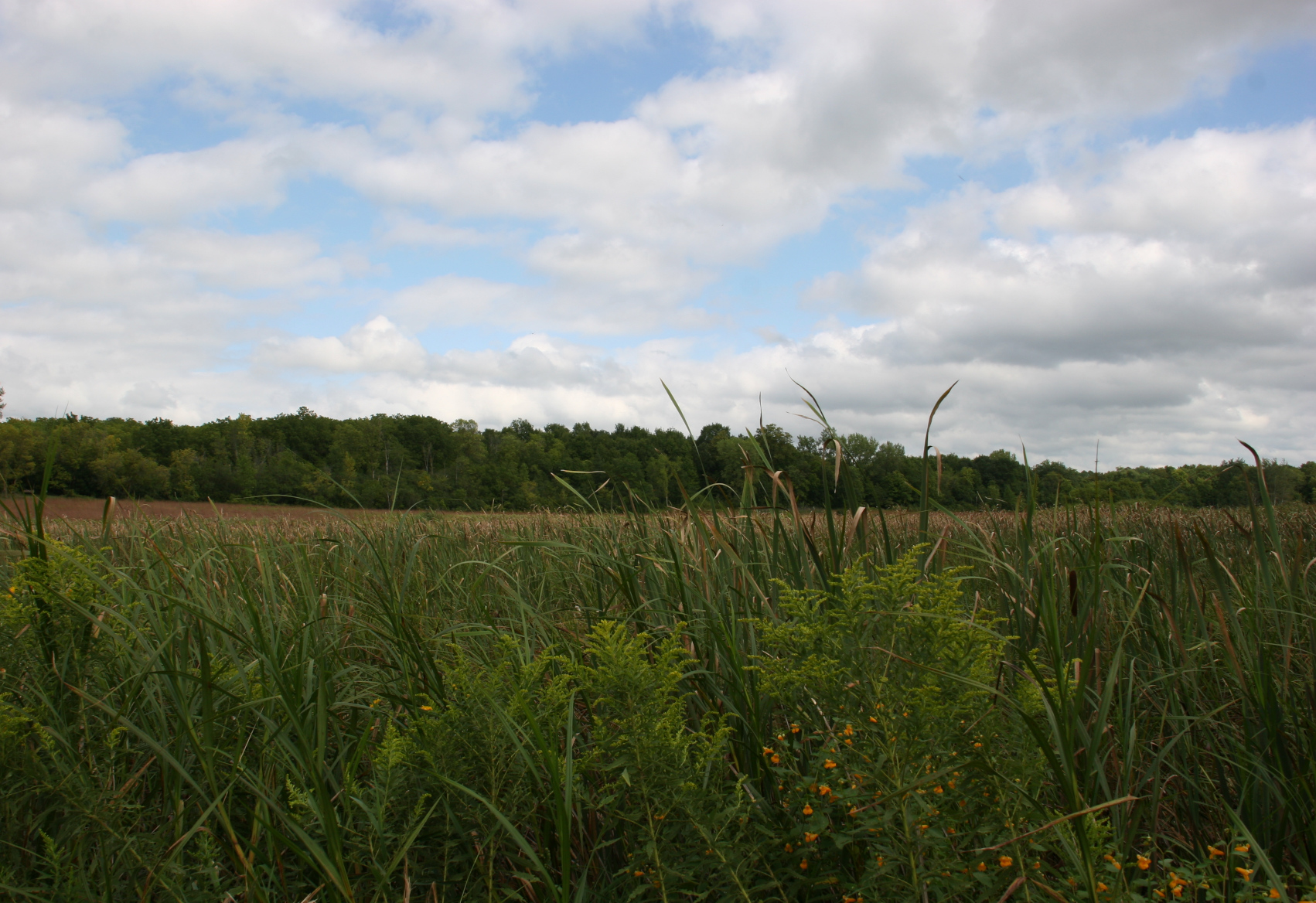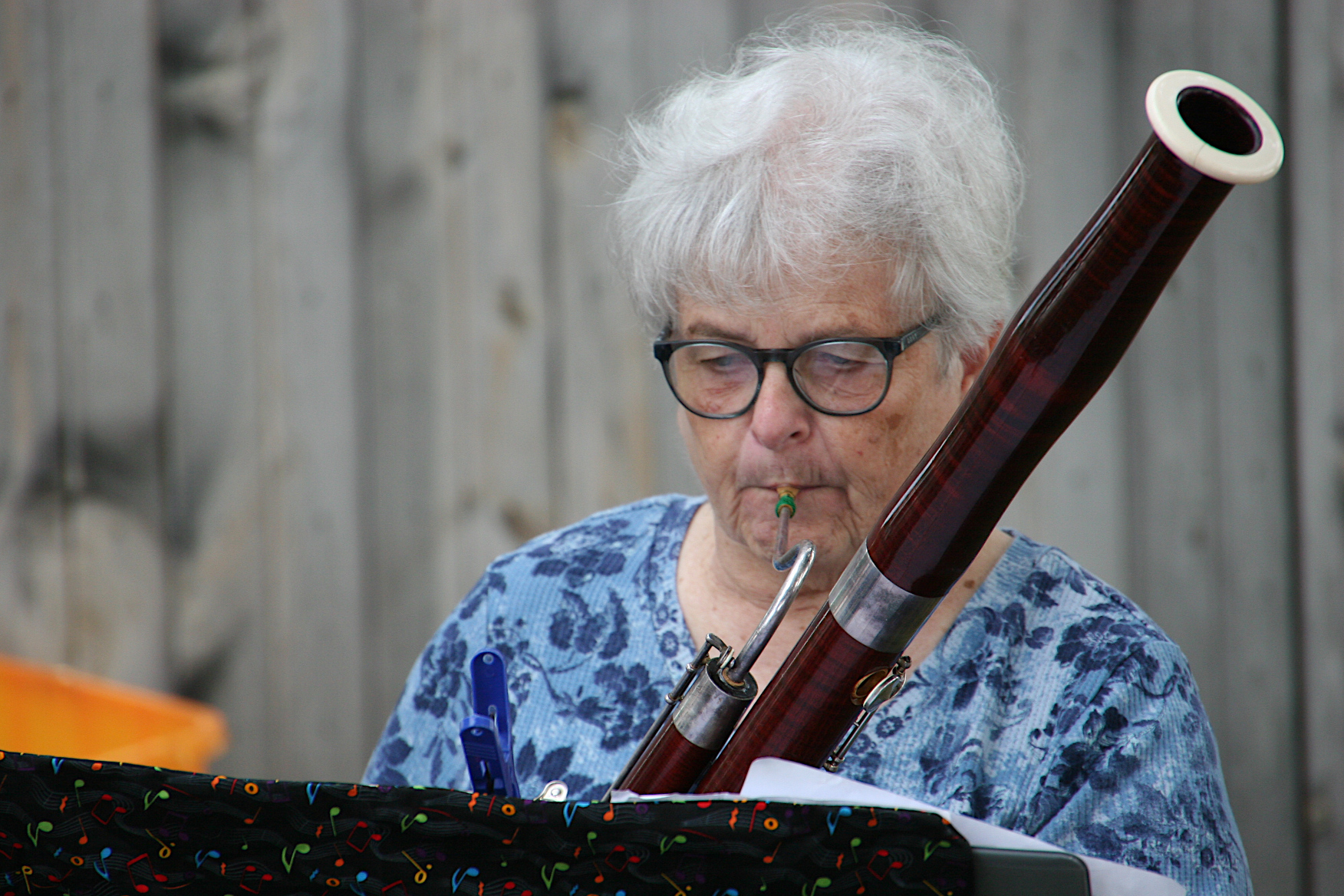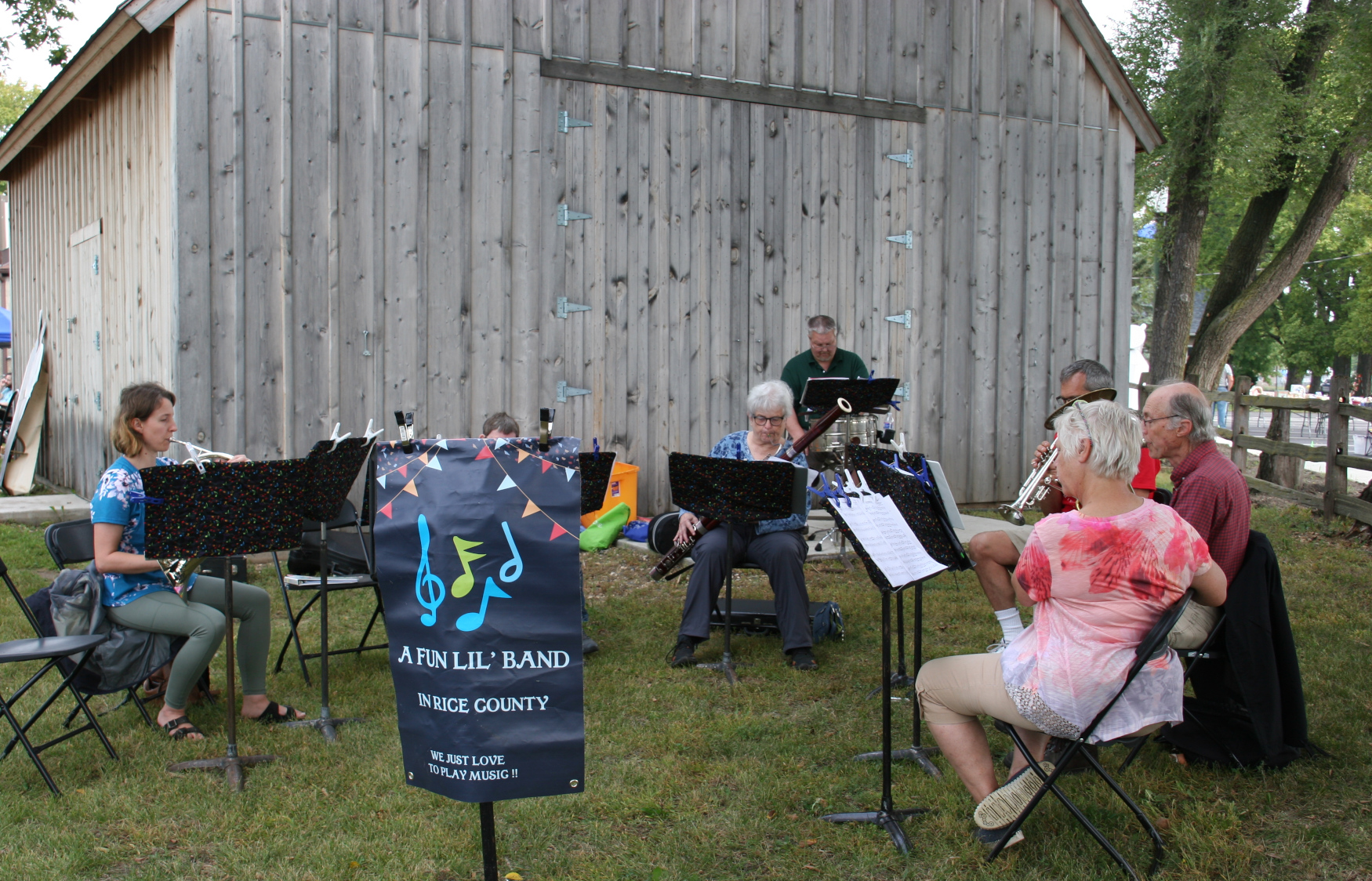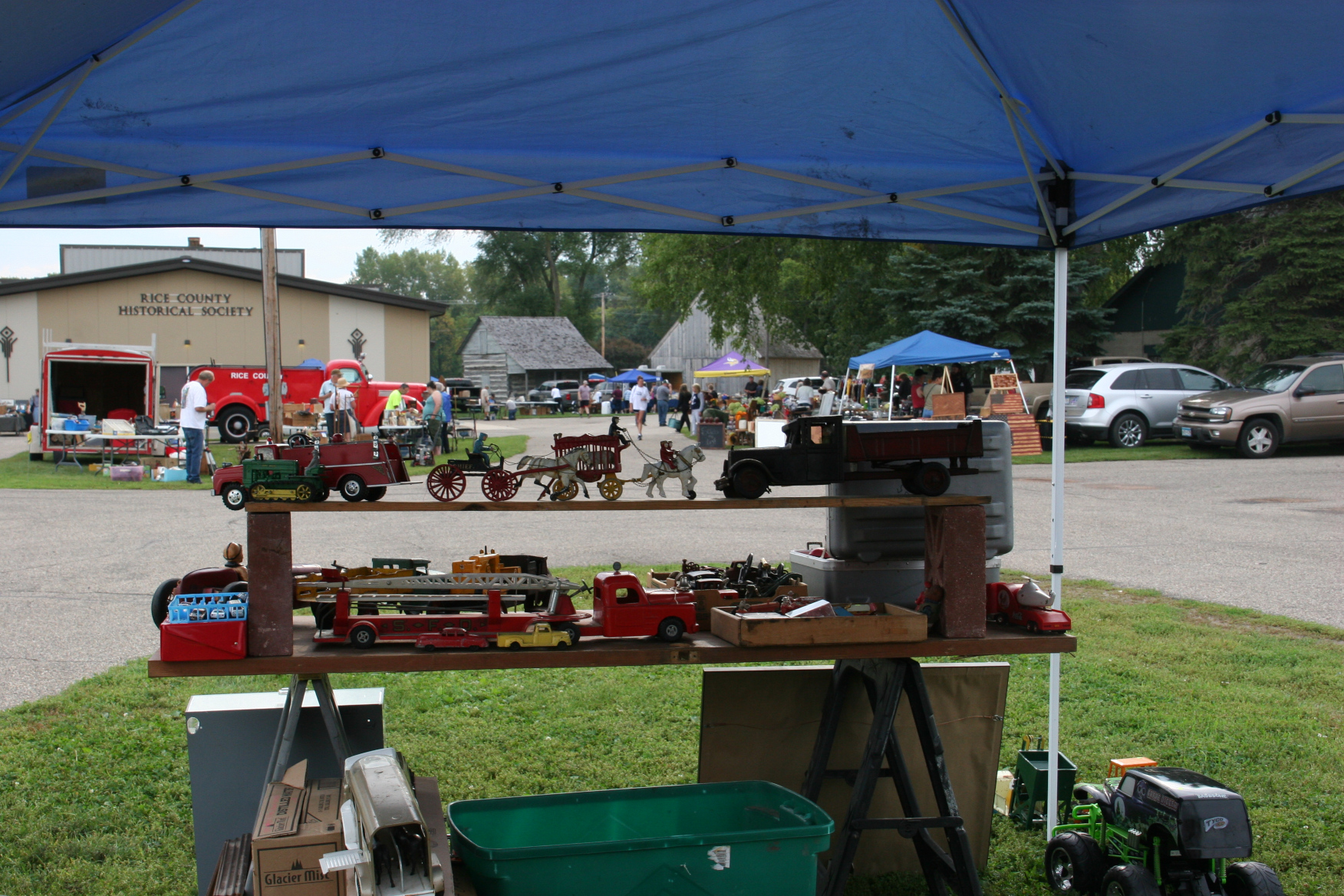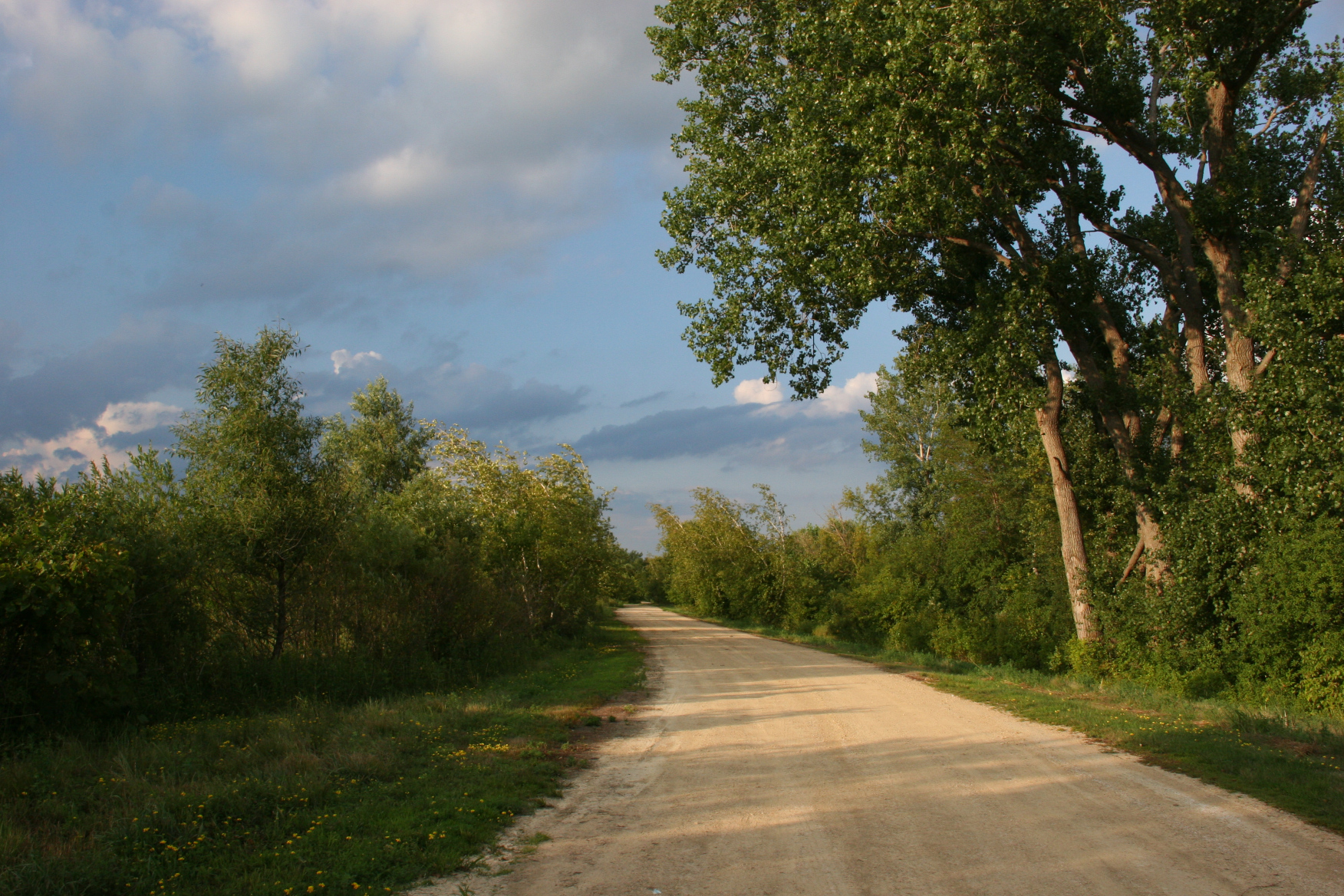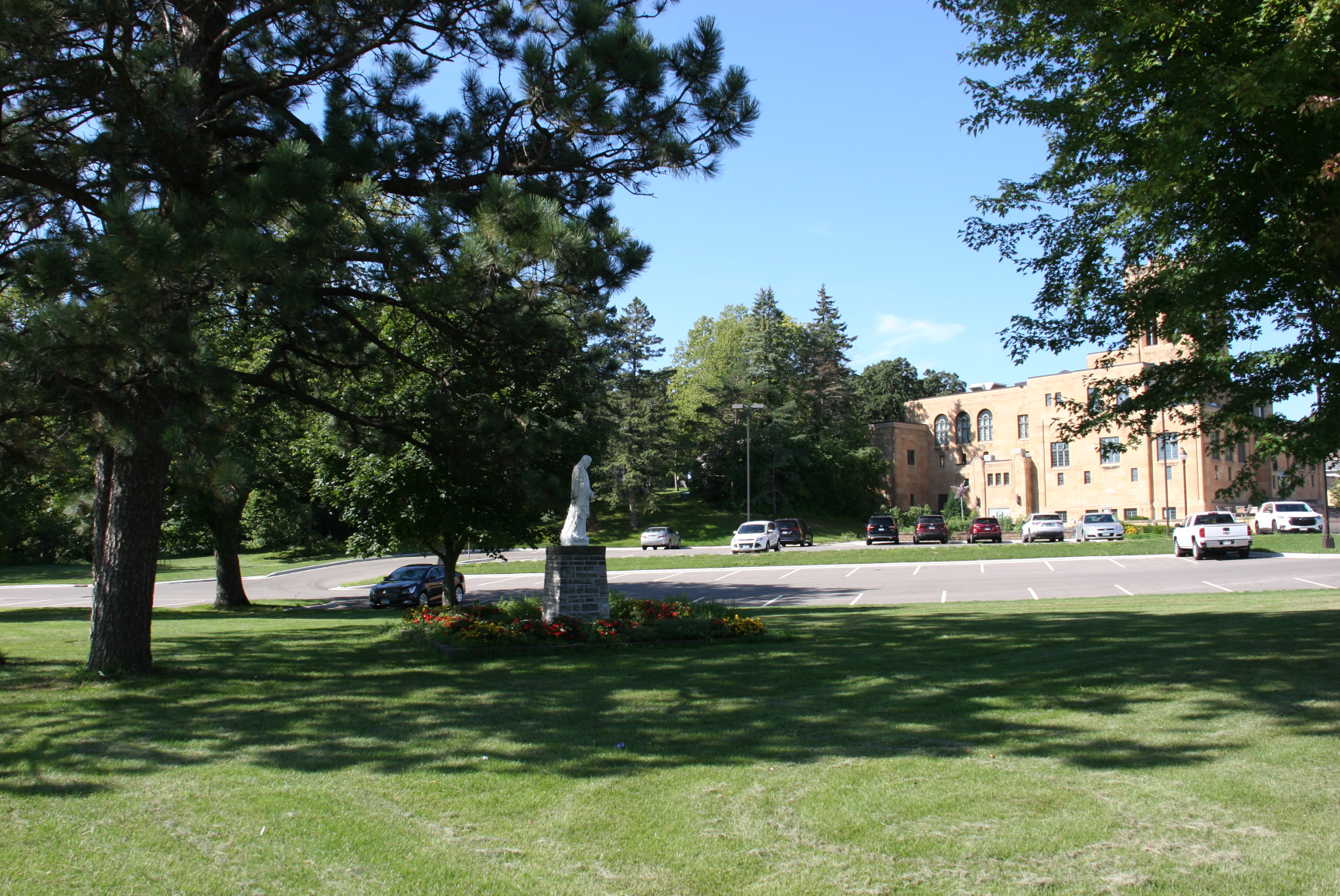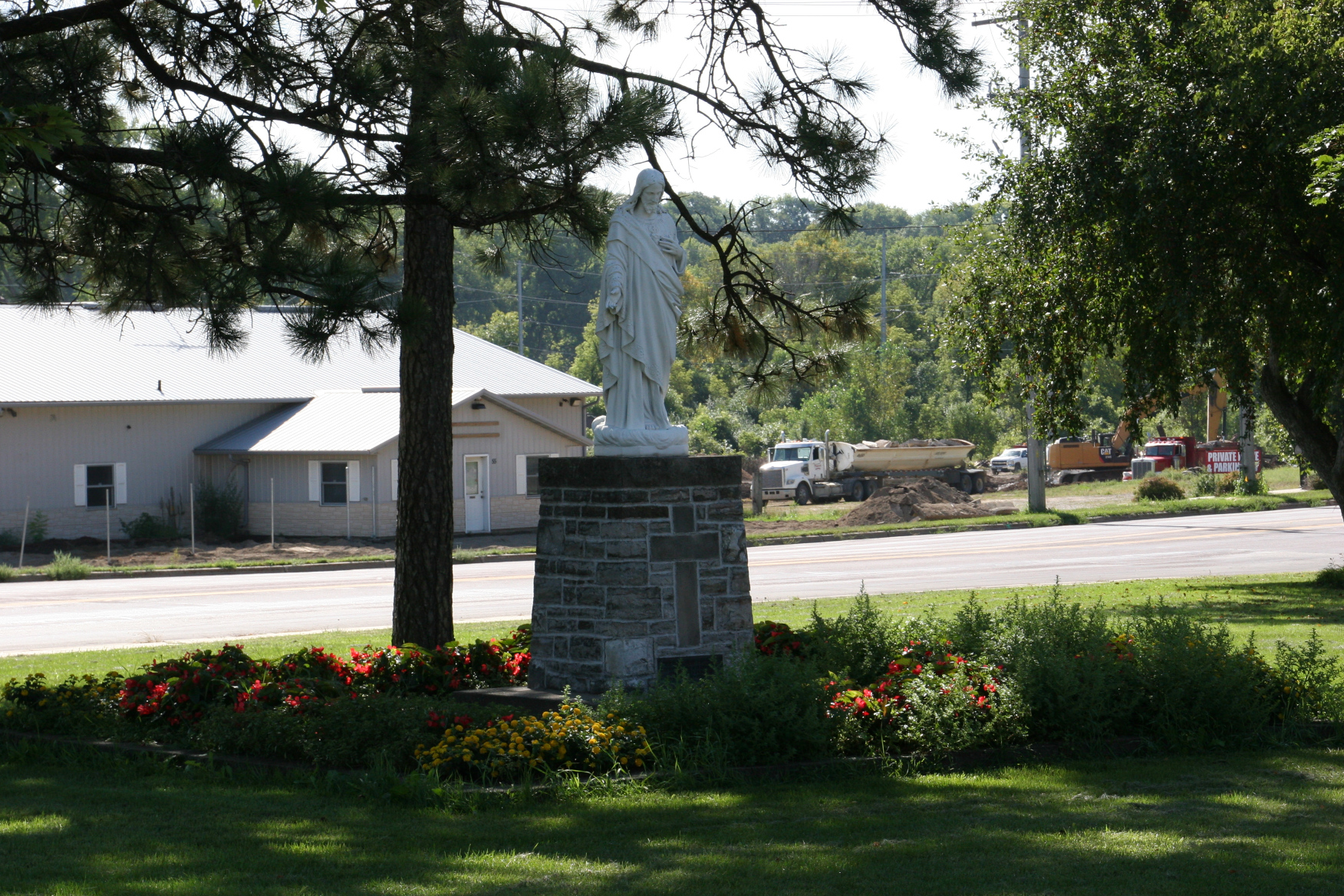
The event promotional created by Jeff Jarvis of West Cedar Studio.
MY COMMUNITY WILL CELEBRATE a rich history of brewing this weekend at the Fleck’s Travaganza!, an event honoring Fleckenstein Brewery. The brewery, opened in 1856 and producing assorted beverages for 108 years (until 1964) in two locations along the Straight River bluffs in Faribault, has long garnered local interest.
A historical themed bench outsidethe RCHS summarizes the Fleckenstein family’s brewery history in Faribault. (Minnesota Prairie Roots copyrighted photo July 2022)
Cheers to Fleck’s beer. This photo is featured on a bench outside the RCHS. (Minnesota Prairie Roots copyrighted photo July 2022)
Even more history on a bench by the RCHS. (Minnesota Prairie Roots copyrighted photo July 2022)
The 1946 Fleck’s delivery truck, pre-restoration, in the July 2016 Faribault Car Cruise Night. (Minnesota Prairie Roots copyrighted file photo 2016)
But this weekend all eyes will focus on a restored 1946 Fleckenstein Brewery delivery truck. That truck will lead a parade of vehicles through Faribault (click on link for the route) beginning at 5:30 pm Friday at the RCHS. The parade follows major routes through town, including past my house on Willow Street, and ends along Central Avenue for the Faribault Car Cruise Night.
A building in Faribault’s downtown historic district bears the Fleckenstein name. I took this photo, featured several years ago on the cover of the Faribault tourism magazine, during the July 2016 Car Cruise Night. (Minnesota Prairie Roots copyrighted file photo)
The beer delivery truck will also be parked along Central Avenue on Sunday morning during an invitation only RCHS event for volunteers.
The bank exhibit will be open Friday evening during the Car Cruise in the heart of historic downtown Faribault and also from 9 am – noon Saturday. Just across the street from the bank, a mural features the brewery.
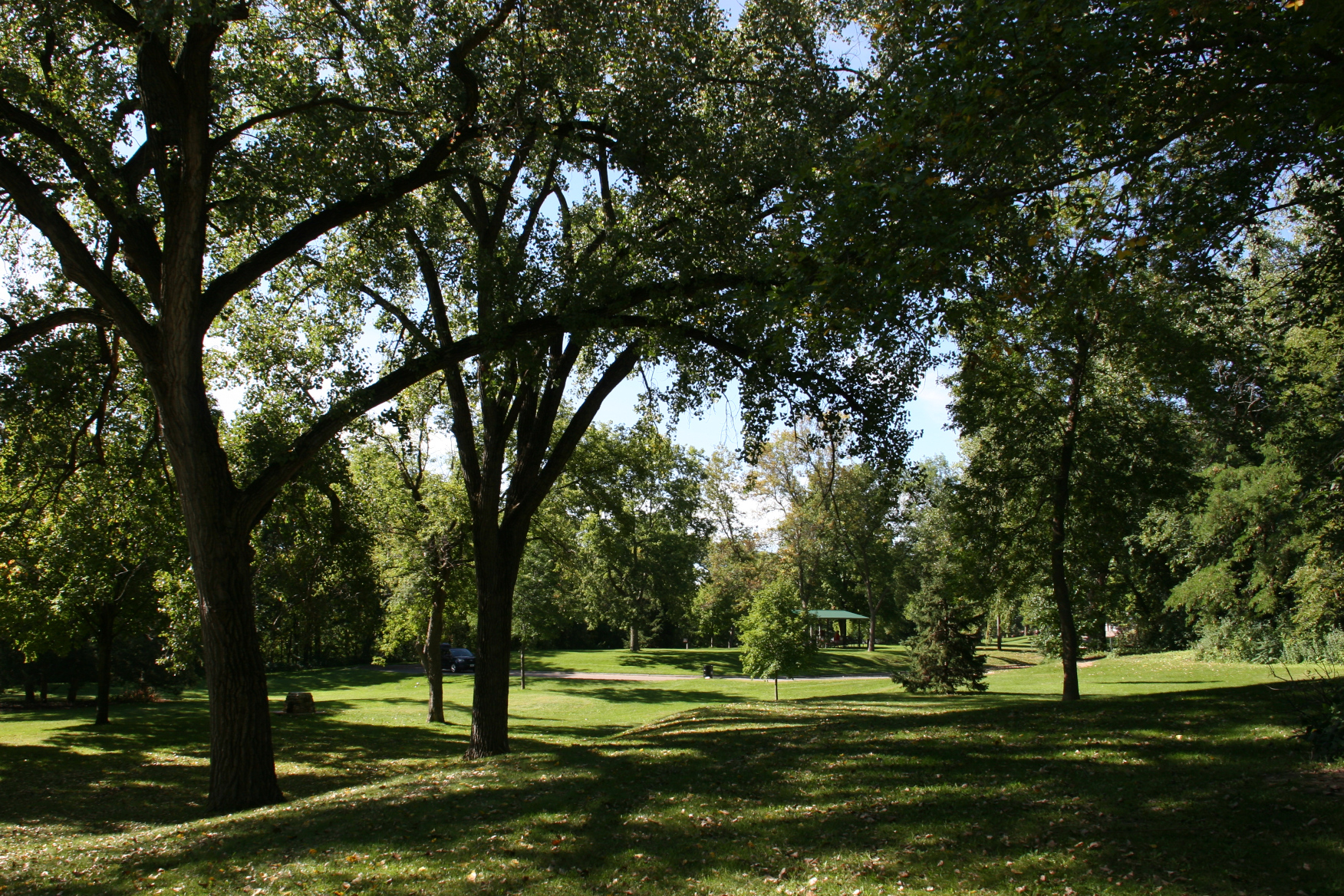
This shows a section of the park, which includes a playground, picnic area and shelter and a river overlook. (Minnesota Prairie Roots copyrighted file photo May 2022)
Faribault artist Rhody Yule created this oil painting of the Fleckenstein Brewery in 1976. The building, and the brewery, no longer exist. The 20-foot Fleck’s beer bottle on the right side of the painting sat near the brewery entrance. Children often had their pictures taken here when their parents took a brewery tour. (Minnesota Prairie Roots copyrighted file photo January 2011)
At 1 pm, “Fleckenstein Brewery, a History” will be presented by collector and historian Schmidt at the RCHS. Special guest is Al Fleckenstein. Following that, at 3 pm, Schmidt leads a tour of the Fleckenstein Brewery ruins site on the campus of Shattuck-St. Mary’s School. Attendance is limited to 50 for the packaged, ticketed events with reservations via the RCHS highly-recommended. Cost for both is $20.
Stacked inside the RCHS Harvest and Heritage Halls are these crates from Fleckenstein Brewing. (Minnesota Prairie Roots copyrighted photo October 2015)
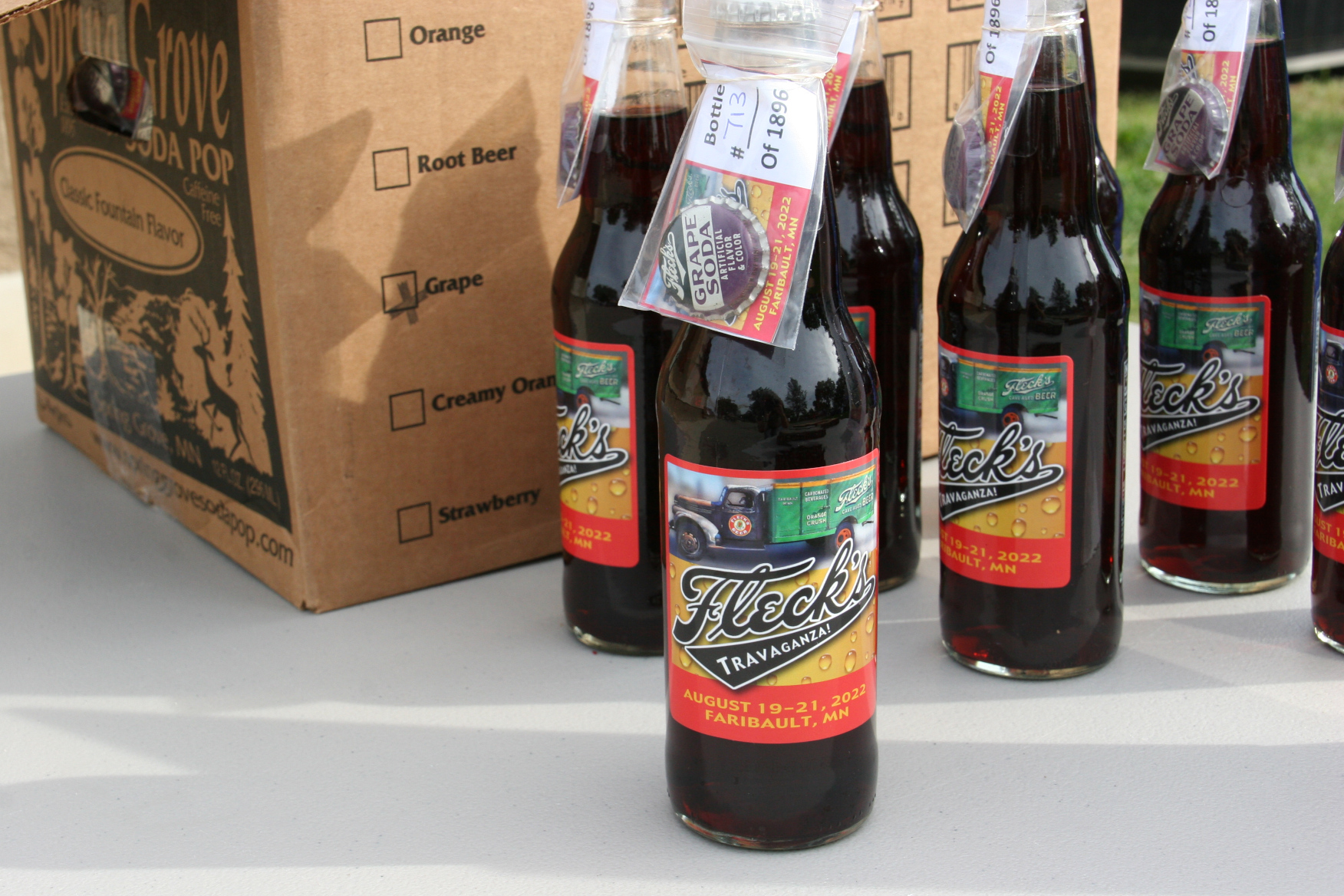
If you want to take home a bit of memorabilia, a commemorative bottle of grape pop is available for $5. Specially-made by Spring Grove Beverages in southeastern Minnesota, the soda comes with an original Fleck’s grape pop cap attached. Proceeds from the soda sales benefit the historical society.
I found this Fleck’s beer bottle at LB Antiques in Jordan in February 2017. (Minnesota Prairie Roots copyrighted file photo)
Now, the only thing missing—and this comes from someone who appreciates and enjoys craft beers—is Faribault-brewed craft beer. Perhaps some day…
A coneflower up close in the Rice Country Master Gardeners Teaching Garden. (Minnesota Prairie Roots copyrighted photo August 2022)
ANYONE WHO GARDENS understands just how quickly plants can grow. Sunshine and rain make all the difference.
Vegetables grow in the foreground in this photo, other plants and flowers beyond. (Minnesota Prairie Roots copyrighted photo August 2022)
A month had passed between visits to the Rice County Master Gardeners Teaching Garden located at the Rice County Fairgrounds in Faribault. And in those few weeks, the vegetables, flowers and other plants grew in length, height and width, some blossoming, some with fruit emerging.
A mini sunflower of sorts (I think) bursts color into the garden. (Minnesota Prairie Roots copyrighted photo August 2022)
There are signs aplenty in this teaching garden. (Minnesota Prairie Roots copyrighted photo August 2022)
An eggplant blossom. (Minnesota Prairie Roots copyrighted photo August 2022)
To walk here again among the prairie flowers, the zinnias, the hydrangea and hosta, the burpless cucumbers, eggplants, tomatoes and much more is to feel a deep connection to the earth. For it is the soil which roots, which feeds these plants watered by the sky, energized by the sun.
Gardening equipment stashed in a secure area next to the conservation building by the garden. (Minnesota Prairie Roots copyrighted photo August 2022)
And it is volunteer gardeners who plant and tend this beautiful garden for the enjoyment of many. Like me. I appreciate their time, their efforts, their desire to create this peaceful place in my community.
This broad-leafed plant name fascinates me. (Minnesota Prairie Roots copyrighted photo August 2022)
Aiming the camera down at Silver Mound, a wispy plant that I’ve never seen before. (Minnesota Prairie Roots copyrighted photo August 2022)
A cucumber forming. (Minnesota Prairie Roots copyrighted photo August 2022)
To visit this spot is to understand how much we each need such a contemplative place. A place simply to meander along wood chip or brick pathways, pausing to appreciate the likes of broad-leafed Pig Squeak or the silvery sheen of Silver Mound or a little-finger-sized prickly cucumber or a Prickly Pear Cactus. There’s a lot to take in among the vast plant varieties.
One of the man-made tree stumps gurgles water. (Minnesota Prairie Roots copyrighted photo August 2022)
The water feature is to the right of this centering circle. Across the way are an historic church and school, part of the Rice County Historical Society. (Minnesota Prairie Roots copyrighted photo August 2022)
And then there’s the water, oh, the water. No garden feature soothes more than a fountain. Here five replica tree stumps spill water into a shallow pond, a focal point defined by a circle of bricks connected to brick paths.
I notice details, like a feather in a bird bath. (Minnesota Prairie Roots copyrighted photo August 2022)
Even a bird bath drew my attention with a feather floating therein.
A lily blooms in early August. (Minnesota Prairie Roots copyrighted photo August 2022)
The garden also features an arch for climbing clematis,which bloomed profusely earlier in the summer. (Minnesota Prairie Roots copyrighted photo August 2022)
A bee house posted on a tree by the garden. (Minnesota Prairie Roots copyrighted photo August 2022)
Strategically situated benches offer sitting spots to pass the time, chat, read a book or simply take in the garden, the being outdoors, in nature. In this fast-paced world of technology and a deluge of news that is often awful and horrible and unsettling, this garden provides a respite. Nature has a way of working calm into our beings. Easing stress and anxiety. Lifting spirits.
Lovely flowers fill the garden. (Minnesota Prairie Roots copyrighted photo August 2022)
In the challenges which have defined my life in 2022, I feel a deep sense of gratitude for this garden. I feel at peace here among the flowers and vegetables, the birds and butterflies, bushes and trees, here under the southern Minnesota sky.
An Eastern tiger swallowtail butterfly atop a zinnia. (Minnesota Prairie Roots copyrighted photo August 2022)
EVERY TIME I SPOTA BUTTERFLY, joy surges through me. There’s something about the flitting flight of a butterfly that captivates me.
But it’s more than that. I appreciate how these insects appear so carefree, as if their very existence is simply to bring beauty and joy into the world. And maybe it is.
The butterfly perches among my favorite garden flowers, zinnias. My mom planted zinnia seeds when I was growing up on the farm. Zinnias are easy to grow from seed, are prolific, hardy and colorful. (Minnesota Prairie Roots copyrighted photo August 2022)
In recent days, I’ve observed two swallowtail butterflies, one black, the other yellow, among the phlox growing wild in my flowerbeds. And some 10 days ago I photographed an Eastern tiger swallowtail atop a zinnia at the Rice County Master Gardeners Teaching Garden in Faribault.
That well-tended garden has become a new favorite oasis for me within the city limits. On the Sunday afternoon I visited the garden, I found friends Paula and Ed already there, resting on a bench. Paula was involved early on with development of this garden. She no longer is, but remains an active gardener. Paula was the one who spotted the swallowtail among the zinnias.
Per her direction, I headed to the zinnia patch to photograph the yellow swallowtail with wings outlined in black, splotches of blue and orange adding to the coloring.
Black-bordered wings are nearly wide open atop a zinnia. (Minnesota Prairie Roots copyrighted photo August 2022)
The swallowtail perched, unhurried atop the yellow-centered pink flower. I had plenty of time to snap multiple frames. That’s often not the case with butterflies.
That butterflies survive a four-stage life cycle from egg to larva (caterpillar) to pupa (chrysalis) to adult butterfly impresses me. At any one stage, a predator could end their lives. But yet, here was this beautiful butterfly among the zinnias. Like the final verse in a lovely summer poem.
TELL ME: What do you appreciate about butterflies? Do you have a favorite?
The picturesque Faribault Mill along the Cannon River in Faribault. (Minnesota Prairie Roots copyrighted photo August 2022)
THE RIVERS RUN THROUGH, the Cannon and the Straight converging on Faribault’s north side at Two Rivers Park.
A view of the Cannon River looking west while standing on the walkway over the dam next to Father Slevin Park. (Minnesota Prairie Roots copyrighted photo August 2022)
The history, the founding of my southeastern Minnesota community is channeled through these waterways. In the history of the Dakota who first called this place home. In the history of the fur traders, including town founder Alexander Faribault, who settled along and traveled the rivers. In the history of flour mills and sawmills and the renowned Faribault Woolen Mill, established in 1865.
There’s a buffer of plants along the shores of the Cannon in Faribault. (Minnesota Prairie Roots copyrighted photo August 2022)
Whenever I walk the Northern Link Trail in North Alexander Park along the Cannon River Reservoir, I pause to view the 1892 Faribault Mill. Often I photograph this iconic brick building aside the appropriately-named Woolen Mill Dam. I appreciate this long-standing business, still operating today, weaving fine woolen blankets and more that have garnered national respect for quality craftsmanship.
Ghost signs on the Faribault Mill along the Cannon River. (Minnesota Prairie Roots copyrighted photo August 2022)
Ghost signs on the building’s exterior remind me of this mill’s long history here, along the river, by the dam.
There’s a notable absence of water at this dam on the Cannon River in Faribault. (Minnesota Prairie Roots copyrighted photo August 2022)
A grassy patch away, a second dam manages river flow next to Father Slevin Park. But when I last visited the area on August 7, I saw bare concrete with only a trickle of water leaking through boards at that smaller dam. Rather than rushing water defining this place, stagnant ponding water defines it.
The drying river bed and stagnant water below the dam. (Minnesota Prairie Roots copyrighted photo August 2022)
I observed green algae and litter on the water’s surface. I observed exposed rocks and plants growing where water should flow. All are evidence of the drought conditions we are experiencing here in southern Minnesota. We’ve had some rain since I paused beside the dam. But not enough to totally compensate for the lack of moisture.
Fishing in the Cannon River at Father Slevin Park near the Woolen Mill Dam. (Minnesota Prairie Roots copyrighted photo August 2022)
Typically, anglers frequent the river banks below this particular dam. But not now. Not in this summer of drought. These dry weather conditions plague so many locations across the country and world as the effects of climate change continue. One need only look to the West, to the decades of drought, the wildfires and the ever-growing tensions over water to understand the crisis.
I’ve seen more grasshoppers this year than in recent years, including this one among plants on the Cannon River bank. (Minnesota Prairie Roots copyrighted photo August 2022)
Locally, low river levels visually remind me that we are not untouched by evolving weather patterns. There was a time when I held a heightened awareness of weather as my farmer father looked to the sky, waiting for rain clouds to open, to drench his corn and soybean fields. I remember the summer of 1976 when he purchased boxcar loads of hay from Montana to feed our livestock. Worry defined that summer.
I spotted this buoy tucked next to a corner of the dam, hugging the shore above the dam. (Minnesota Prairie Roots copyrighted photo August 2022)
And now worry edges into my thoughts as I observe the stillness. No sound of rushing water. No sight of rushing water. Only the exposed concrete dam and the stagnant water pooling below.
On a perfect summer evening, a crowd gathers for music, pizza and conversation at Christ Lutheran Church. (Minnesota Prairie Roots copyrighted photo August 2022)
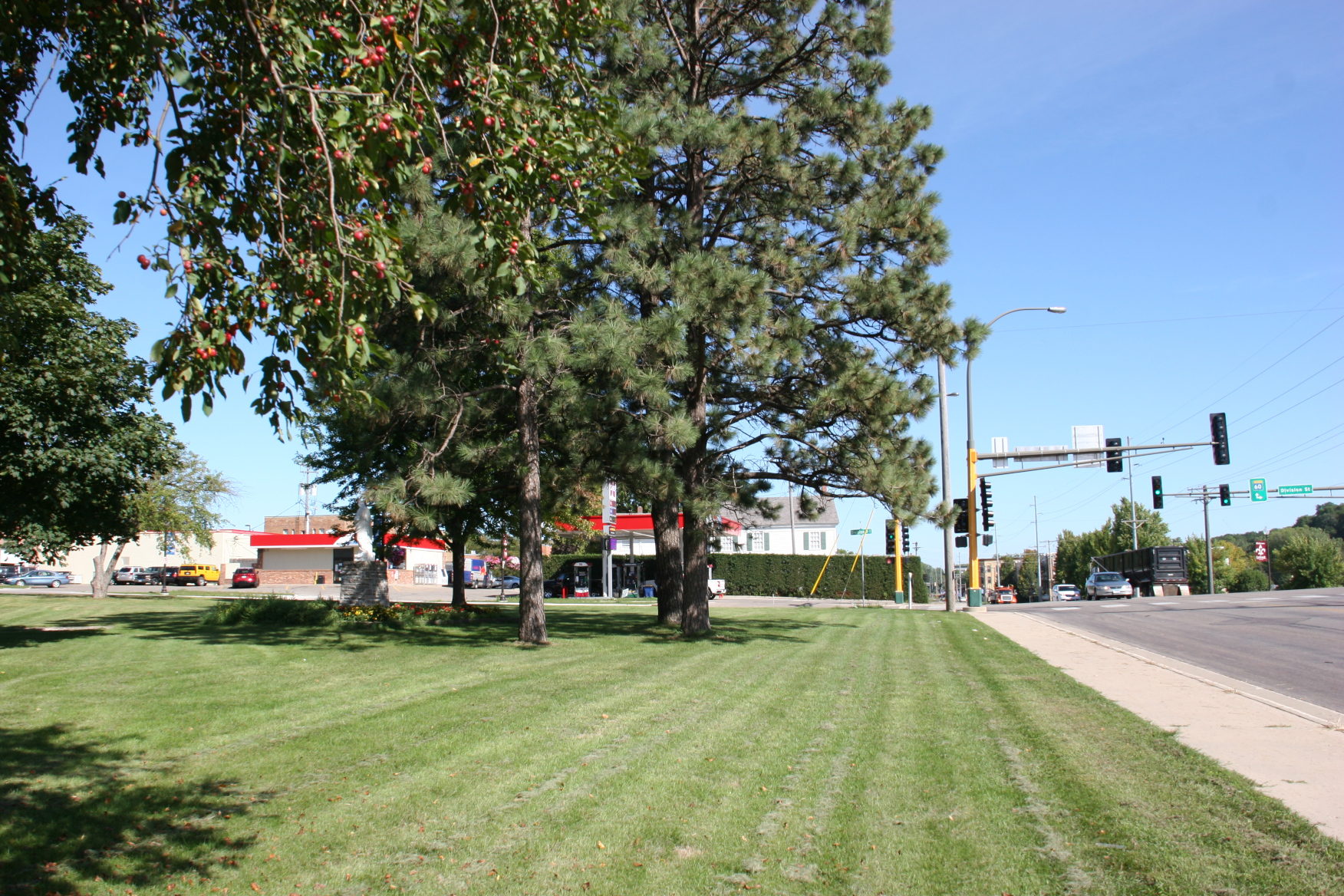
AS OLD COUNTRY BROTHERS belted out popular songs from The Eagles, Johnny Cash, Johnny Horton and many others, volunteers across the backyard of Christ Lutheran Church created, baked and delivered homemade wood-fired pizzas to an appreciative crowd. Randy and I were among those attending the last of the summer Holy Smoke concert series and pizza nights Wednesday at the church on the hill on Faribault’s east side.
The roadside sign posted along Minnesota State Highway 60 by the driveway into Christ Lutheran. (Minnesota Prairie Roots copyrighted photo August 2022)
Old Country Brothers Gregg and Jeff Sartor perform on August 10. (Minnesota Prairie Roots copyrighted photo August 2022)
Smoked brisket pizza. (Minnesota Prairie Roots copyrighted photo August 2022)
In its sixth year, Holy Smoke is about more than excellent thin crust pizza and music. This is also about a coming together of community on a perfect August evening in southeastern Minnesota. This is also about giving back. Proceeds from the three summer gatherings benefit Big Brothers Big Sisters, Habitat for Humanity and HOPE Center.
A themed t-shirt sported by a volunteer who paused to visit with attendees. (Minnesota Prairie Roots copyrighted photo May 2022)
A message printed on some volunteers’ t-shirts and on a bench dedicated to Pastor Craig and Carol Breimhorst (the pastor died of COVID-19; the first death in our county) references Isaiah 55:12, fitting Scripture for this hilltop church edged by trees and a sweeping lawn descending to Minnesota State Highway 60.
The menu posted just inside the front door, ticket table to the right. (Minnesota Prairie Roots copyrighted photo August 2022)
There’s joy in that biblical reference just as there’s joy among those who make Holy Smoke happen. A ticket taker, whom I thanked, tapped her hand to her heart, showing me from whence her joy rises.
The pizza bakers at the wood-fired oven just outside the church. (Minnesota Prairie Roots copyrighted photo August 2022)
Plenty of heat here. (Minnesota Prairie Roots copyrighted photo August 2022)
An overview of the wood-fired oven system. (Minnesota Prairie Roots copyrighted photo August 2022)
I found the same enthusiasm among the crew tending the wood-fired pizza oven. The heat flaming inside to 700-plus degrees made the work station at times uncomfortably hot. But they forged on, baking pizzas.
Volunteers assemble pizzas. (Minnesota Prairie Roots copyrighted photo August 2022)
Chicken bacon ranch pizza ready for the wood-fired oven. (Minnesota Prairie Roots copyrighted photo August 2022)
Inside the fellowship hall, other volunteers layered sliced tomatoes, meat toppings, cheese and more onto rounds of dough.
The busy kitchen crew. (Minnesota Prairie Roots copyrighted photo August 2022)
In the kitchen, three women worked, two doing dishes, the third snipping chives.
When we arrived at around 5:45 pm to find the parking lot overflowing, I thought the wait would be long. It wasn’t. (Minnesota Prairie Roots copyrighted photo August 2022)
Still others rolled pizza cutters across pizzas hot from the oven, pizzas ready for more volunteers to carry to hungry customers. The wait time is short, especially if you order a quarter of a pie.
Attendees spread out across the backyard to listen to Old Country Brothers and to enjoy pizza. (Minnesota Prairie Roots copyrighted photo August 2022)
From my observations, the entire pizza-making and delivery process runs smoothly. Everywhere I saw smiles. Smiles on the faces of volunteers, beginning with the greeter who met us at the door. And smiles among those eating pizza and enjoying the music of Gregg and Jeff Sartor. I felt the joy.
Kids blew and caught bubbles, ran free… (Minnesota Prairie Roots copyrighted photo August 2022)
Families and friends gather at Holy Smoke. (Minnesota Prairie Roots copyrighted photo August 2022)
Kids roll down the steep hillside. (Minnesota Prairie Roots copyrighted photo August 2022)
Holy Smoke is an event for all ages, from kids blowing bubbles, rolling down the hillside, running across the lawn and climbing on rocks ringing a tree to older folks relaxing in lawn chairs.
There is some on-site seating. (Minnesota Prairie Roots copyrighted photo August 2022)
This is a mostly bring-your-own chairs, own napkins (I’d also advise paper plates, wet wipes and a portable side table) event, although limited picnic table space is available.
Connecting in conversation. (Minnesota Prairie Roots copyrighted photo August 2022)
Mostly, Holy Smoke seems about community. About connecting. About conversations. About supportive businesses. About joy.
Printed on a t-shirt worn by a pizza baker. (Minnesota Prairie Roots copyrighted photo August 2022)
In the loveliness of the summer evening, I heard the hills sing. I heard the trees clap. And I tasted some “holy smoke, this is good” smoked brisket pizza.
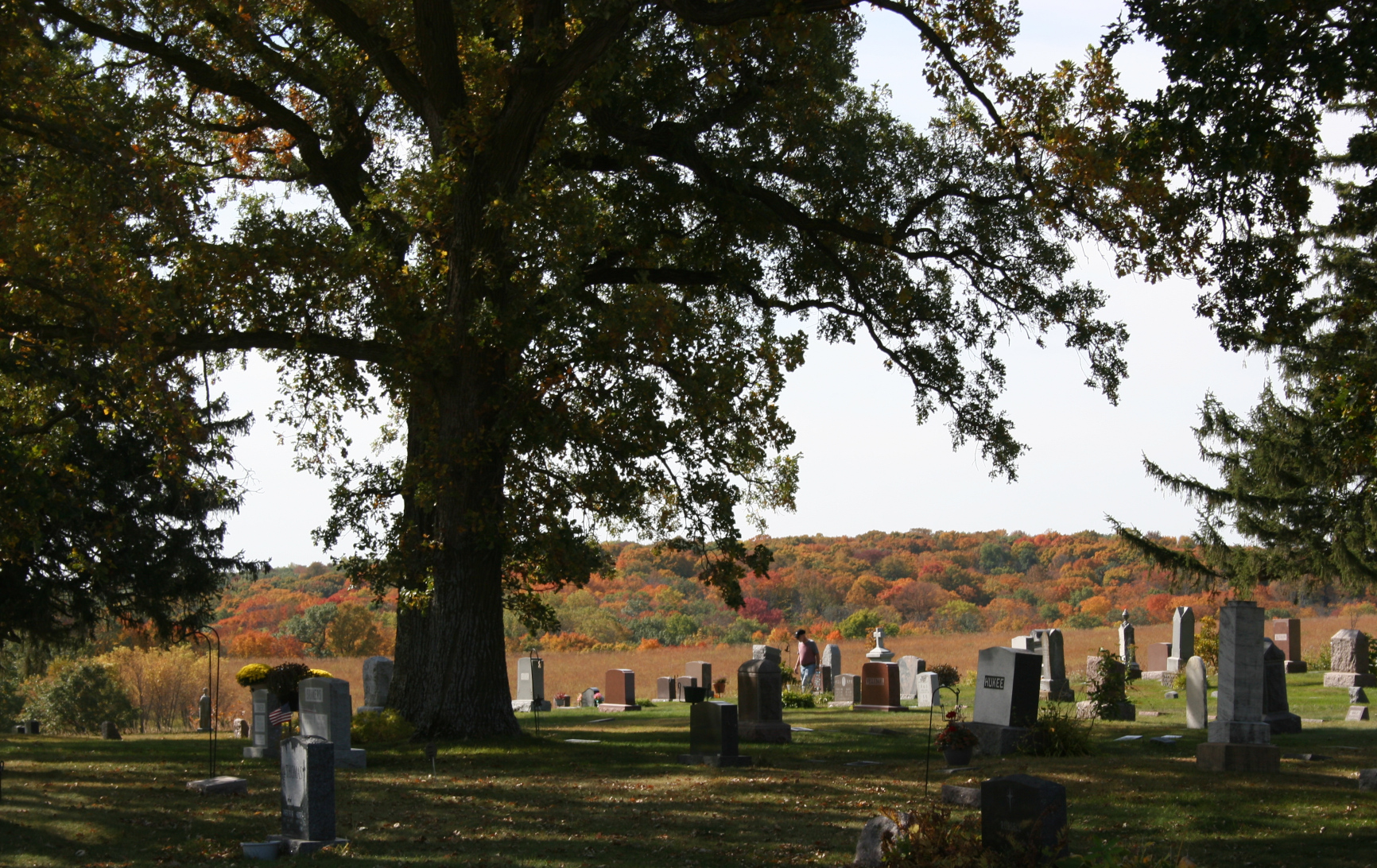
A rural Rice County, Minnesota, cemetery. (Minnesota Prairie Roots copyrighted file photo used for illustration only)
NOT AGAIN. My reaction zipped in a flashpoint of disbelief over yet another young Minnesota man shot and killed by police while experiencing a mental health crisis.
The latest to die is Jordyn Hansen, 21, formerly of Faribault. He recently moved to Otsego in the northwest metro to live with an aunt and uncle. There, according to his aunt who was interviewed by a reporter from the Minneapolis Star Tribune, they hoped Jordyn could recover away from a previous lifestyle that amplified his mental health challenges. He had a history of mental illness and substance abuse and had been in treatment.
When Jordyn experienced another crisis early Sunday morning, his family members called police. Narratives of what happened after law enforcement arrived are vastly different. The police say one thing, the family another. In the end, the family seeking help for their loved one is now attending a funeral, which will be held this morning at my church in Faribault.
Both cases involved families seeking help in a crisis. Both involved police response. Both involved knives and tasers and six gunshots that killed two young men. Each only 21 years old, with families and friends who loved them.
I could cite many similar cases, but I’ll leave it at that as I process how upset I feel about the deaths of Jordyn and of Kobe. I can’t put myself inside the heads of responding police officers. Nor was I there to witness what unfolded during each emergency. But I can, as a mother and community member, express my deep concern for this ongoing loss of life among those experiencing a mental health or other crisis. Why does this keep happening? And how can we “fix” this so no family member has to worry about their loved one being shot and killed when they call for help?
Jordyn’s family has started a gofundme fundraiser to help cover his funeral expenses. The goal is $10,000. Jason Heisler, Kobe’s father, donated $21 to the cause. I assume he chose that amount because both his son and Jordyn were 21 at the times of their deaths. It should be noted here that the National Alliance on Mental Illness defines autism as the following:Autism spectrum disorder is a developmental condition that affects a person’s ability to socialize and communicate with others. Consider that when you think of Kobe, who was on the autism spectrum.
Jason Heisler left (in part) this powerful comment on Jordyn’s gofundme site: …preventable should of never happened to this beautiful boy and his family. A mental crisis is not a crime.
Let me repeat that: A mental crisis is not a crime.
#
I am grateful to the many professionals, individuals and organizations (like the National Alliance on Mental Illness) that are working hard to improve mental healthcare and the response to those in a mental health crisis. Through education, training, advocacy, understanding, awareness, compassionate response and intervention, change is happening. Yet, the pace of change feels too slow. A key component in all of this is listening and communication. The approach to individuals in a mental health crisis needs to be thoughtful. A shift in attitudes to recognize that mental health is health should be the standard, not the exception.
I encourage you to help cover Jordyn’s funeral expenses by donating via his gofundme page or giving directly to his family. Thank you.
Following the Wahpekuta Trail (albeit incorrectly spelled) at Sakatah Lake State Park, rural Waterville, Minnesota. (Minnesota Prairie Roots copyrighted photo June 2022)
IF I WAS TO CLIMB the hill behind my house through the tangle of weeds, wildflowers and woods, I would reach Wapacuta Park. But it’s easier to take the street and then the mowed hillside to this Faribault city park.
Years ago, this was the go-to spot for our family—for the kids to zoom down the towering slide and scale the massive rock in the summer and to slide down the sledding hill in the winter. Today it’s a place to occasionally take the grandkids to play on the updated playground.
My research shows this sign at Sakatah Lake State Park should be spelled differently, as Wahpehkute. (Minnesota Prairie Roots copyrighted photo June 2022)
A posted map of the park. (Minnesota Prairie Roots copyrighted photo June 2022)
To the west, along Minnesota State Highway 60 between Faribault and Waterville, Sakatah Lake State Park also reflects the Dakota influence in its name. The native Dakota called the land thereon Sakatah or “singing hills” in their native language.
Native peoples sourced water directly from the Sakatah lakes, unlike here via a water pump. (Minnesota Prairie Roots copyrighted photo June 2022)
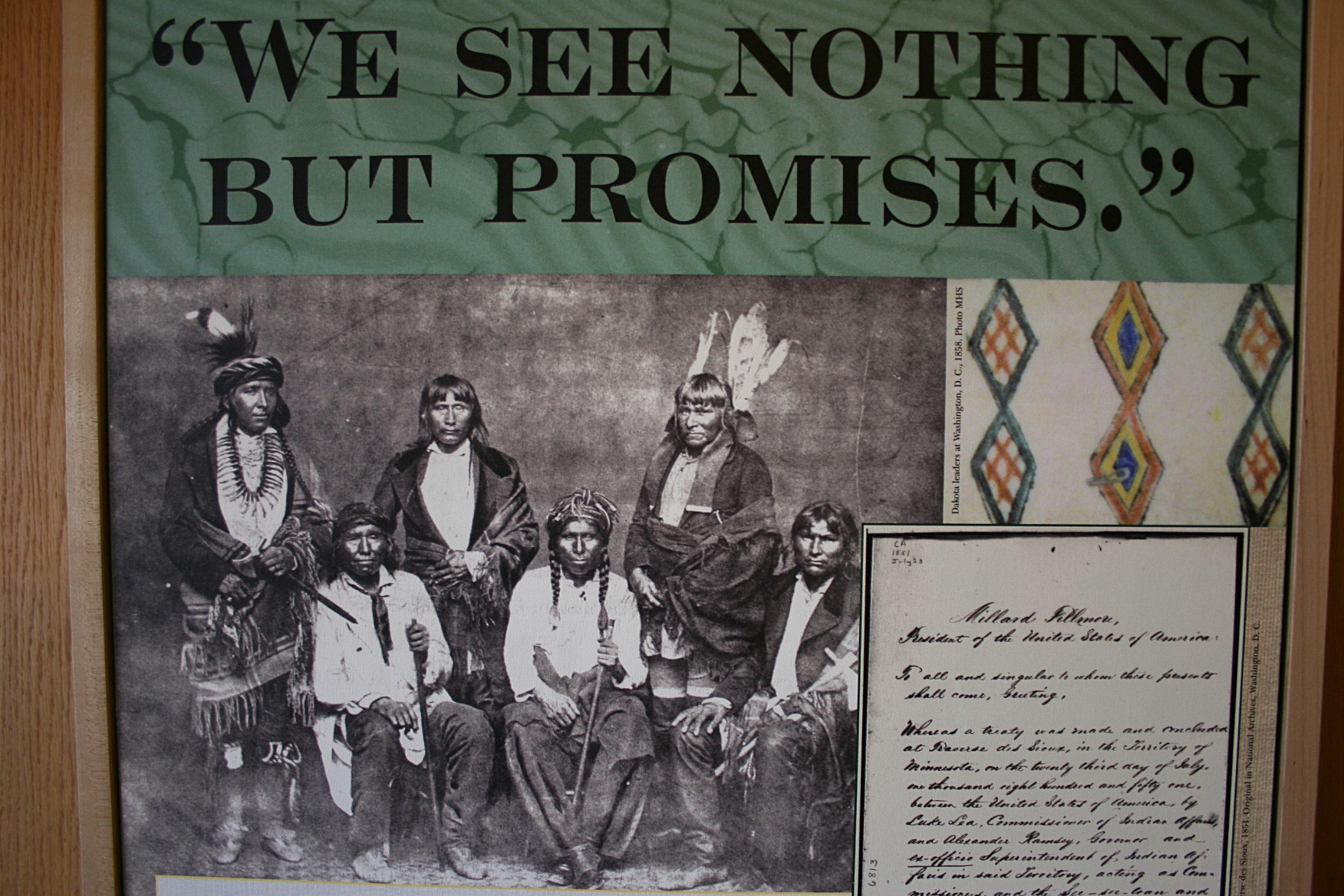
The Sakatah Singing Hills State Trail runs through the park for three miles. That trail spans 39 miles from Faribault to Mankato, another Dakota-sourced name correctly spelled Mahkato, meaning “greenish blue earth.” Mankato is the site of the largest mass execution in US history with 38 Dakota hung on December 26, 1862, after the US-Dakota War of 1862. It is a horrible atrocity in our state’s history and one which, to this day, remains unknown to too many Minnesotans.
Southern Minnesota lakes are typically polluted/green, not sky-tinted. Here the fishing pier at Sakatah State Park is inaccessible, not linked to land, due to excessive ice damage last winter. (Minnesota Prairie Roots copyrighted photo June 2022)
We are a state with many location names tracing back to the Dakota—Mankato, Wabasha, Wabasso, Sleepy Eye, Winona, Winnebago… Even the name Minnesota comes from the Dakota Mnisota, meaning “sky-tinted waters” and referencing the Minnesota River.
I saw several motorboats on the lake at Sakatah. (Minnesota Prairie Roots copyrighted photo June 2022)
On a mid-June visit to Sakatah Lake State Park, rural Waterville, I thought about the Dakota who lived on this land, including at a village on the point separating Upper Sakatah and Lower Sakatah Lakes. I imagined the Wahpekute gliding across the lakes in canoes, angling for fish in these waters.
Mushrooms cling to a tree in the woods. (Minnesota Prairie Roots copyrighted photo June 2022)
Then, as I followed the Wahpekuta Trail, I wondered about hunting and berry picking and perhaps mushroom gathering in the denseness of woods.
The Sakatah campgrounds fill quickly, like many Minnesota state parks. (Minnesota Prairie Roots copyrighted photo June 2022)
And, instead of campers in these trees, I imagined tipis.
We have much to learn as we follow the trails of history.(Minnesota Prairie Roots copyrighted photo June 2022)
I have much to learn about the Wahpekute. But at least I hold basic knowledge of their early presence here, of their importance in the history of this place I call home.
The Tin Woman sculpture from Lockerby Sheet Metal lies outside the log cabin at the Rice County Historical Society in Faribault where she will be placed. (Minnesota Prairie Roots copyrighted photo July 2022)
WHENEVER I THINK of a tin man, I think of three specifics: The Tin Man from The Wizard of Oz, The Tin Man and his family in Faribault, and the absence of a heart.
This Lockerby Sheet Metal Tin Man awaits reassembly outside the county museum. (Minnesota Prairie Roots copyrighted photo July 2022)
In the classic tale by L. Frank Baum, The Tin Man is in need of a heart, or love. The Scarecrow needs a brain. And the Lion needs courage.
The family includes a baby in a buggy. (Minnesota Prairie Roots copyrighted photo July 2022)
Now you can take away whatever you want from Baum’s book, for there are, indeed, many take-aways. But the basics of love, knowledge and courage stick all the way along The Yellow Brick Road to The Emerald City.
The Tin Woman, up close with her vivid red lips. (Minnesota Prairie Roots copyrighted photo July 2022)
I wish I didn’t believe this to be true. But too often these days I see heartless Tin Man after heartless Tin Man (you may also insert “woman” here) following a narrow pathway of self-focus with no regard for others. There’s no self-awareness of how actions, words, decisions hurt others. Or perhaps, more accurately, there’s no care for how others are affected by what we say or do. That can apply in business, in politics, in relationships, in friendships, in families…
The family even has a dog. (Minnesota Prairie Roots copyrighted photo July 2022)
Sometimes I feel like our collective hearts are missing or atrophying and we really ought to work harder at being kinder, more caring, more considerate, more loving. Better people. Period.
The Tin Man and Woman stand outside Lockerby Sheet Metal in September 2010, when the Straight River flooded. That event devastated the business. (Minnesota Prairie Roots copyrighted file photo September 2010)
That leads me to The Tin Man and his family in Faribault. A few weeks ago I photographed them at the Rice County Historical Society, where they’ve been hanging out for awhile. Originally, their home was at Lockerby Sheet Metal, which closed abruptly in October 2018 after 110 years in business in Faribault. I’m thankful this family found a new home at the RCHS. They are local icons.
A sign on the Rice County Historical Society states its goal. (Minnesota Prairie Roots copyrighted photo July 2022)
Keeping this family together, recognizing their collective value, says something about the heart of a community. Locals care about The Tin Man and family from an historic, artistic and business perspective. And, perhaps, also from a love perspective. These creations of Lockerby Sheet Metal can visually represent community love. Yes, that’s the marketing, creative and hopeful side of me writing.
This knight metal art sculpture from Lockerby Sheet Metal stands inside the RCHS entry. (Minnesota Prairie Roots copyrighted file photo)
Even as I believe too much heartlessness exists in today’s world, I also believe that we are capable of growing our love for one another, of strengthening our hearts. Rather than follow a self-focused narrow Yellow Brick Road, we can pause, stop, consider. Pause. Stop. Consider. When we recognize how our words and actions affect others, then we no longer rattle around like a Tin Man (or Woman) without a heart.
A tiny bird perches in a fountain at the Rice County Master Gardeners Garden, Faribault, Minnesota. (Minnesota Prairie Roots copyrighted file photo July 2022)
I HAVE A MIXED OPINION of birds. I appreciate them at a distance, but not necessarily up close, although I’ve grown more comfortable with their nearness as I’ve aged. Just don’t plunk me in an enclosed garage or other space with a trapped bird. Outdoors is mostly fine.
Unfolding of wings to splash in the fountain. (Minnesota Prairie Roots copyrighted photo July 2022)
Recently I observed a cute little yellow bird, a finch, I think, dip into a tree stump water feature at the Rice County Master Gardeners Teaching Gardens at the county fairgrounds in Faribault. With a zoom lens on my 35 mm camera, I photographed the finch briefly splash in the water before flitting away. There was something joyful in that sole moment of focusing on a tiny winged creature.
Water droplets fly as this bird bathes in the fountain. (Minnesota Prairie Roots copyrighted photo July 2022)
We need such moments of simplicity. Of peace. Of birdsong, even if this bird isn’t singing. Moments to quiet our souls in the midst of too much busyness and too many distractions. And too much technology.
I remember how my mom loved the Baltimore orioles that one year, quite unexpectedly, showed up on my childhood farm in southwestern Minnesota flashing orange into the trees. She thrilled in their presence among all the blackbirds, sparrows and barn swallows. In her delight, Mom taught me that not all birds were like the swooping swallows I despised.
In my years of doing farm chores, I grew to dislike the swallows that dived as I pushed a wheelbarrow of ground feed down the barn aisle or shoved cow manure into gutters. That the barn ceiling was low only magnified their, to me, menacing presence. The swallows, I now acknowledge, were only protecting their territory, their young, in the mud nests they built inside the barn. And they ate mosquitoes, which I should have appreciated.
Yet I don’t miss the swallows or the rooster that terrorized my siblings and me, until the day Dad grabbed the axe and ended that.
More than 40 years removed from the farm, I seldom see barn swallows. Rather, in my Faribault backyard, I spot cardinals, wrens, robins and occasionally a blue jay. The front and side yards, however, bring massive crows lunching on remnants of fast food tossed by inconsiderate motorists who find my property a convenient place to toss their trash. I’ll never understand that disrespectful mindset of throwing greasy wrappers and bags, food bits, empty bottles and cans, cigarette butts, and more out a vehicle window.
And so these are my evolving bird stories—of shifting from a long ago annoyance of swallows to understanding their behavior, of delighting in the definitive whistle of a cardinal flashing red into the wooded hillside behind my Faribault home, of observing the feeding habits of crows in my front and side yards drawn to garbage tossed by negligent humans.
TELL ME: I’d like to hear your bird stories, positive or negative.
In early July, lilies bloomed in the Rice County Master Gardeners Teaching Garden. (Minnesota Prairie Roots copyrighted photo July 2022)
IN MY FARIBAULT BACKYARD, wild tiger lilies stretch above a tangled mess of greenery, popping orange into the hillside. On the other side of town, domesticated orange lilies grace the neatly-cultivated Rice County Master Gardeners Teaching Gardens at the Rice County Fairgrounds.
The master gardeners’ milkweed patch. (Minnesota Prairie Roots copyrighted photo July 2022)
Also in my yard are scattered milkweeds, food for Monarch caterpillars. In the gardens tended by the experts, a mass of intentionally-planted milkweeds flourishes.
Clematis. (Minnesota Prairie Roots copyrighted photo July 2022)
Blocks away from my home, Donahue’s Greenhouse grows one of the largest selections of clematis in the U.S. That’s their specialty. Across town at the master gardeners’ garden, clematis climb an arbor, lovely blooms opening to the summer sky.
The Berry-Go-Round. (Minnesota Prairie Roots copyrighted photo July 2022)
Within a short distance of my home is the birthplace of the Tilt-A-Whirl, a carnival ride no longer made in Faribault but in Texas. On the edge of the master gardeners’ garden, a giant strawberry sits. It’s a Berry-Go-Round, a spin ride produced by Sellner Manufacturing beginning in 1987, before the company was sold.
Prickly pear cactus. (Minnesota Prairie Roots copyrighted photo July 2022)
More than 150 miles to the southwest of Faribault near the South Dakota border, prickly pear cactus thrive in the rocky lands of the prairie. I’ve seen them at Blue Mounds State Park near Luverne. And now I’ve seen them in the gardens at the local fairgrounds.
An overview of the Rice County Master Gardeners Teaching Gardens, photographed in early July, with an historic school and church (part of the county historical society) in the background. (Minnesota Prairie Roots copyrighted photo July 2022)
It’s interesting how, in life, so many connections exist. Even in a garden.
One of several benches in the master gardeners’ garden in Faribault. (Minnesota Prairie Roots copyrighted photo July 2022)
Gardens connect us to people, places, memories. A life that touches others goes on forever. I come from a family of gardeners tracing back generations. Vegetables grown in my mother’s massive garden fed me, and my family of origin, for the first 18 years of my life. I worked that garden with her, planting, weeding, tending, harvesting. I left gardening when I left southwestern Minnesota. But I still appreciate gardeners and gardens.
An artsy scene of clematis on arbor. (Minnesota Prairie Roots copyrighted photo July 2022)
I value the beauty of flower gardens, the purpose of vegetable gardens to feed. And I appreciate, too, the peace a garden brings. To sit among the blooms and plants in a garden oasis like the Rice County master gardeners created is to feel a calm, a sense of serenity in the midst of chaos and struggles and challenges.
The water feature is shaped like tree stumps. (Minnesota Prairie Roots copyrighted photo July 2022)
Water, especially, soothes me. The Rice County master gardeners understand that and added a water feature to their garden plot. I delighted in watching a tiny yellow bird (I think a goldfinch) splash in the water. Such a simple joy.
One of many educational signs in the Rice County Master Gardeners Teaching Gardens. (Minnesota Prairie Roots copyrighted photo July 2022)
And isn’t that part of a garden’s purpose—to bring joy? Joy to those who work the soil, seed or plant, tend and care for that which grows. Joy to those who delight in the all of it.
A sedum patch planted by the master gardeners. (Minnesota Prairie Roots copyrighted photo July 2022)
I feel such gratitude for gardeners, for the nurturing hands that link me to nature. It’s all about connecting to each other in this world we share, in the commonality of humanity.
Recent Comments