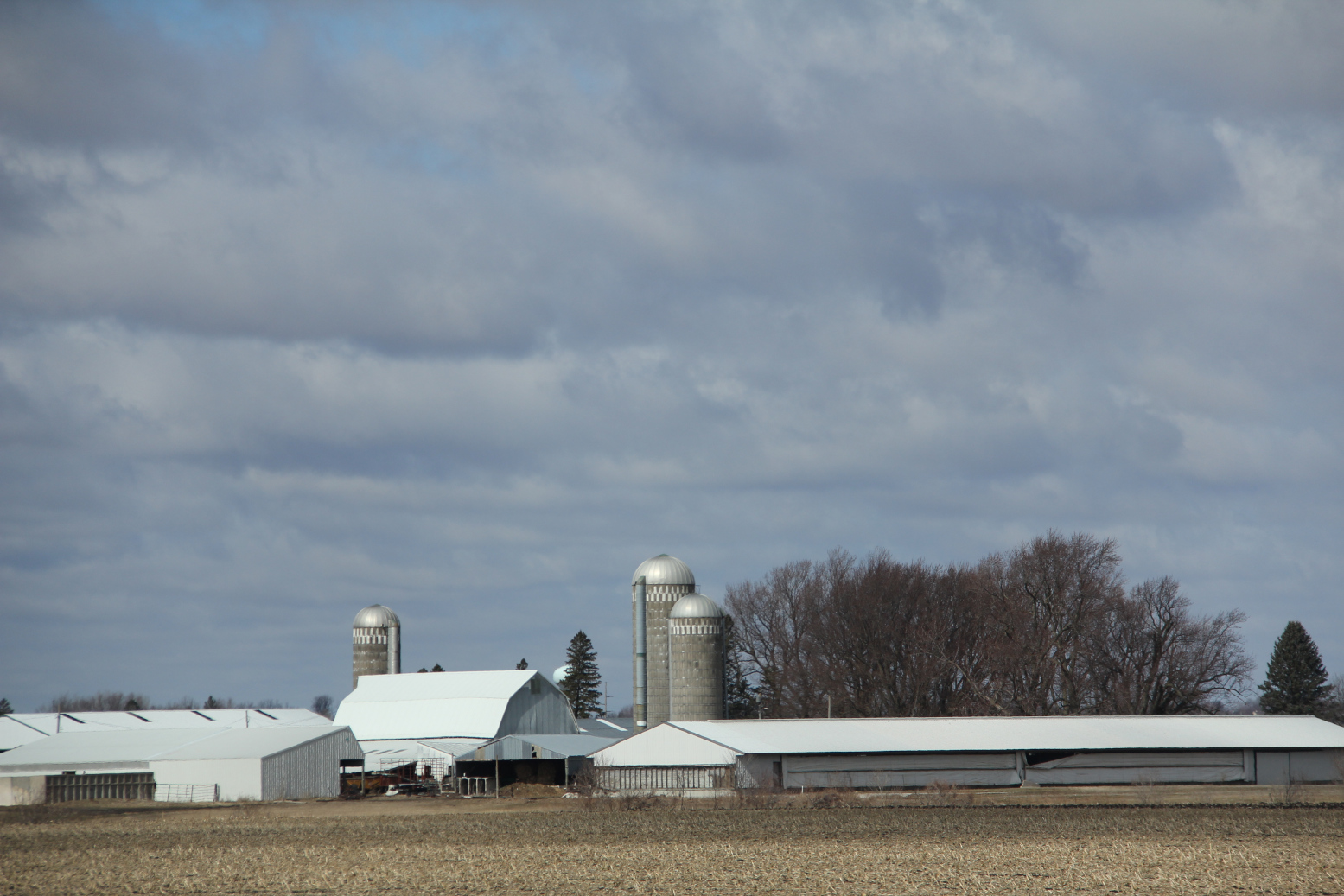
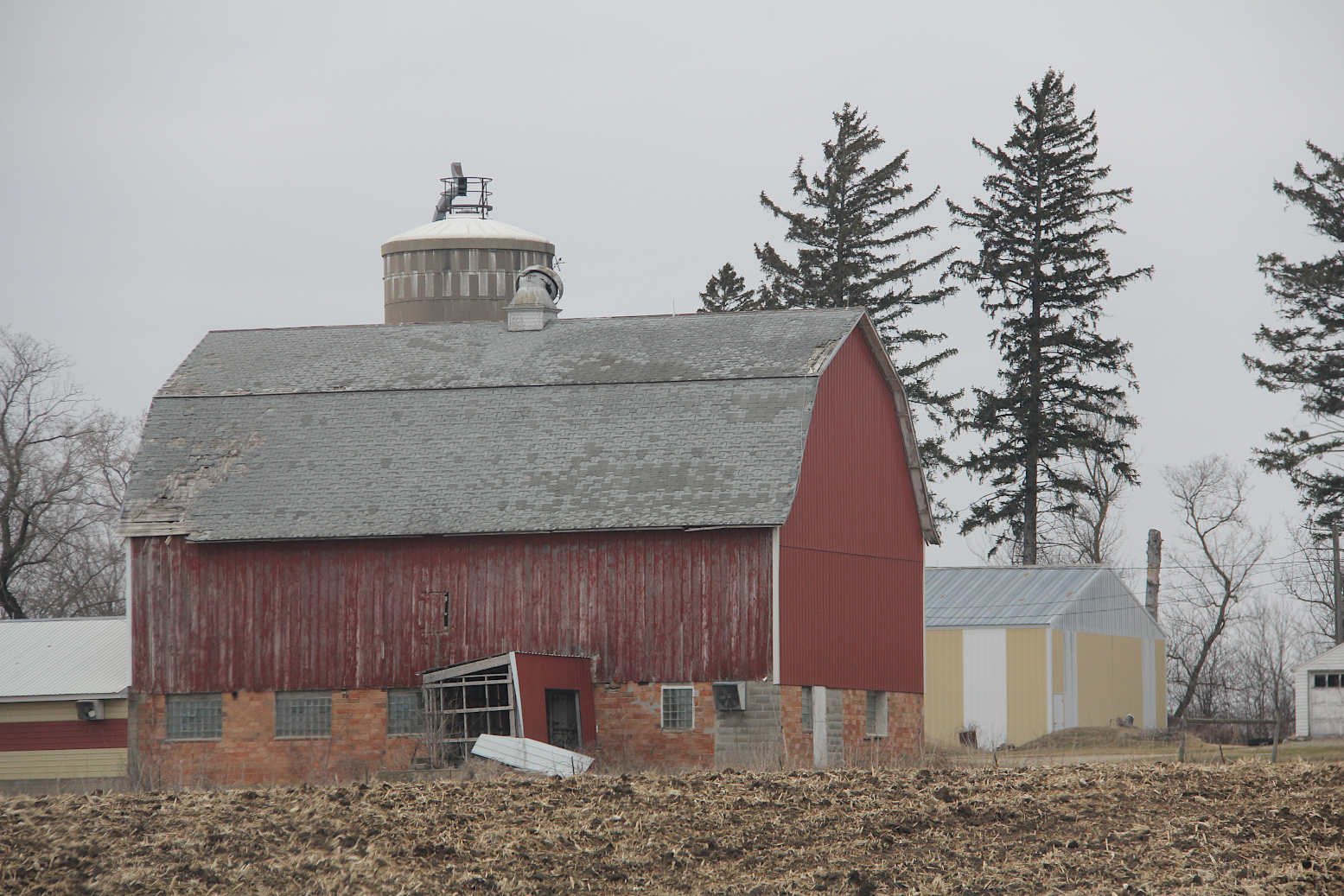
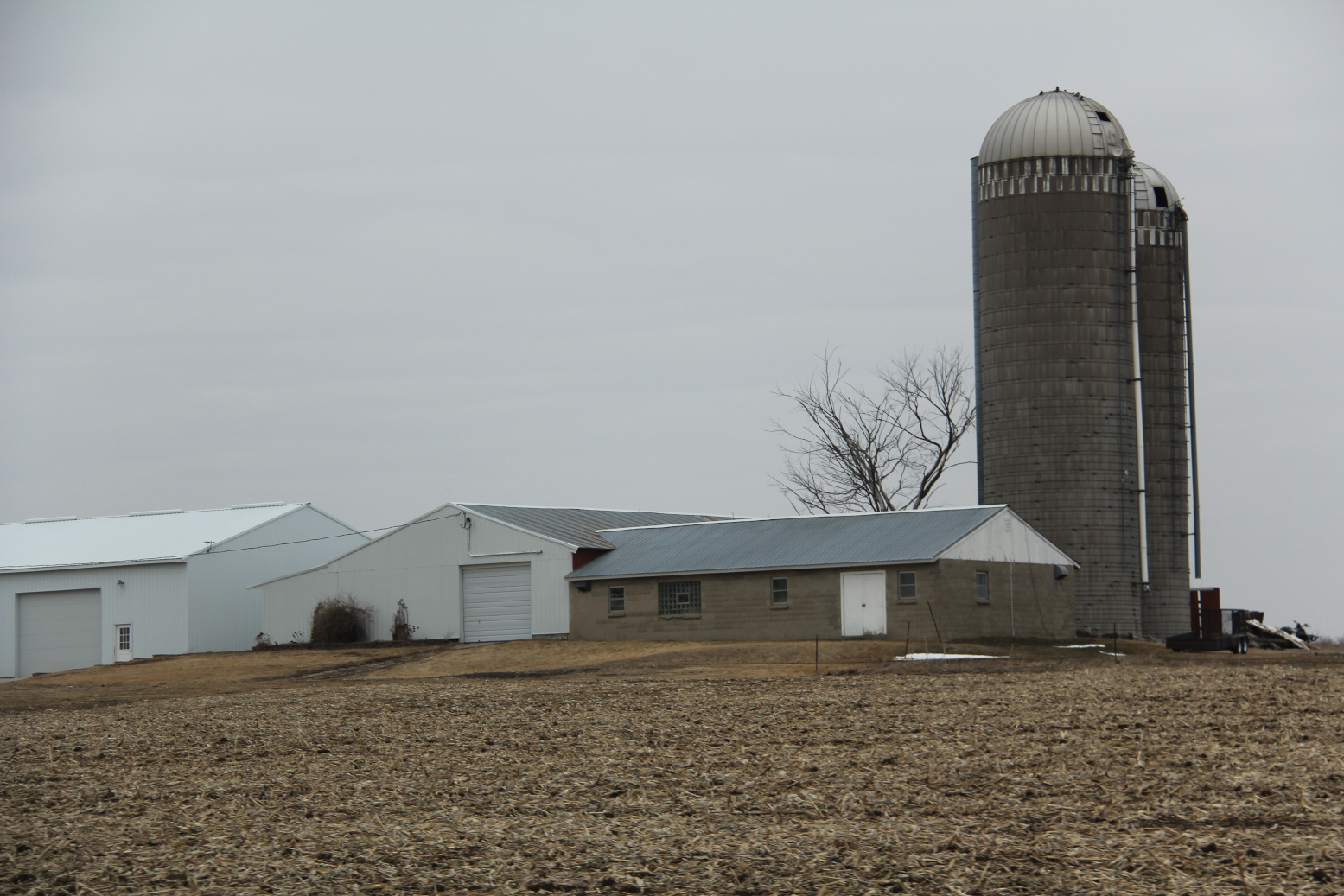
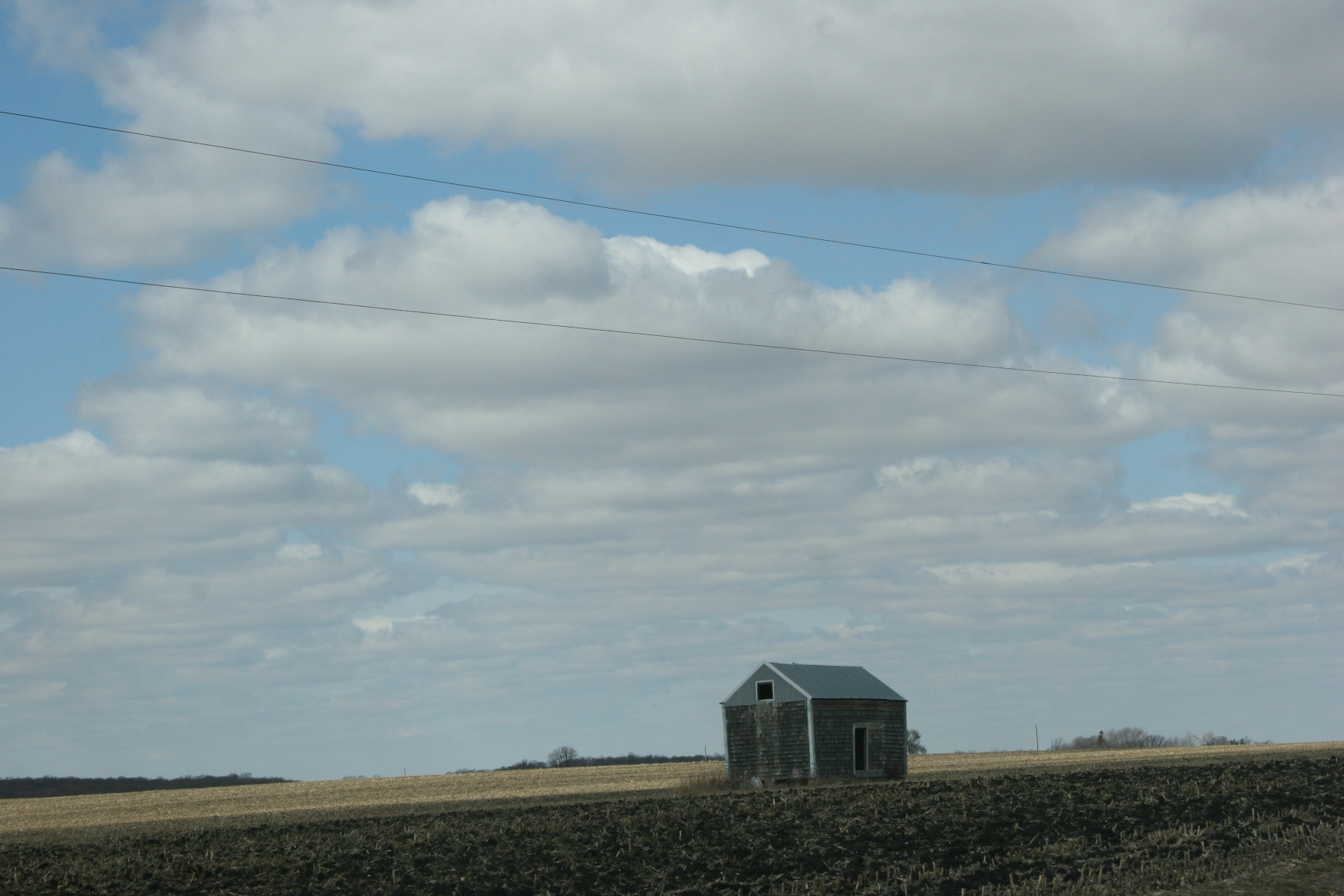
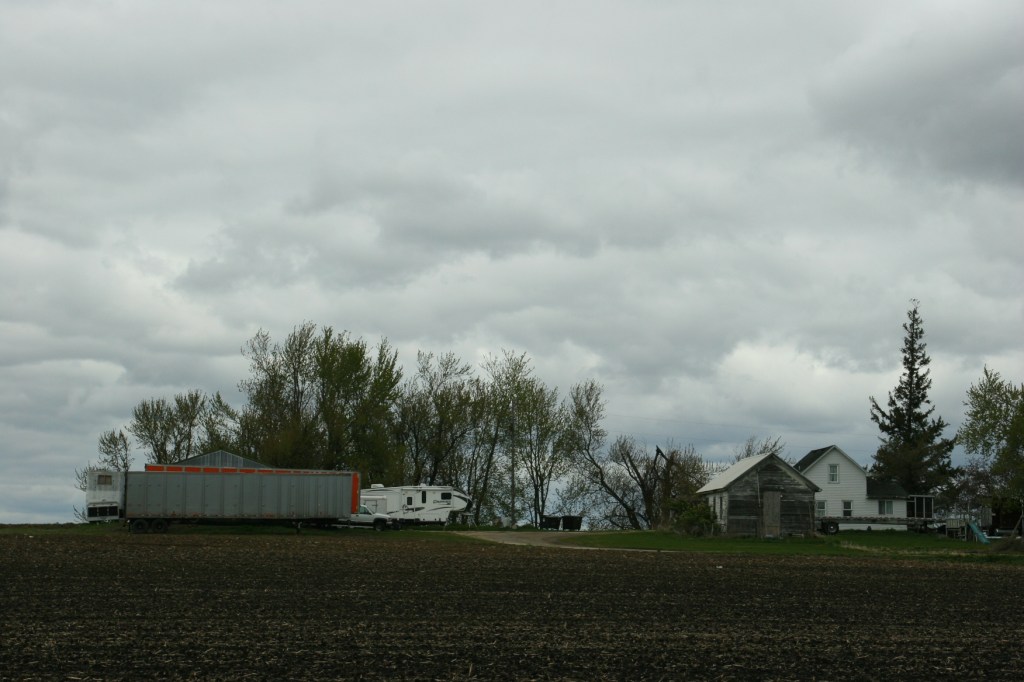
A farm site between Owatonna and Claremont. (Minnesota Prairie Roots copyrighted photo March 2026)
UNDER AN IMMENSE SKY in the wide open countryside of rural southern Minnesota, I always feel small.
Three US Air Force T-38 Talon Thunderbird jets landmark Owatonna Degner Regional Airport along Interstate 35. (Minnesota Prairie Roots copyrighted photo March 2026)
Sky and land dwarf me, impressing upon me the vastness and power of that which rises above and that which stretches around me.
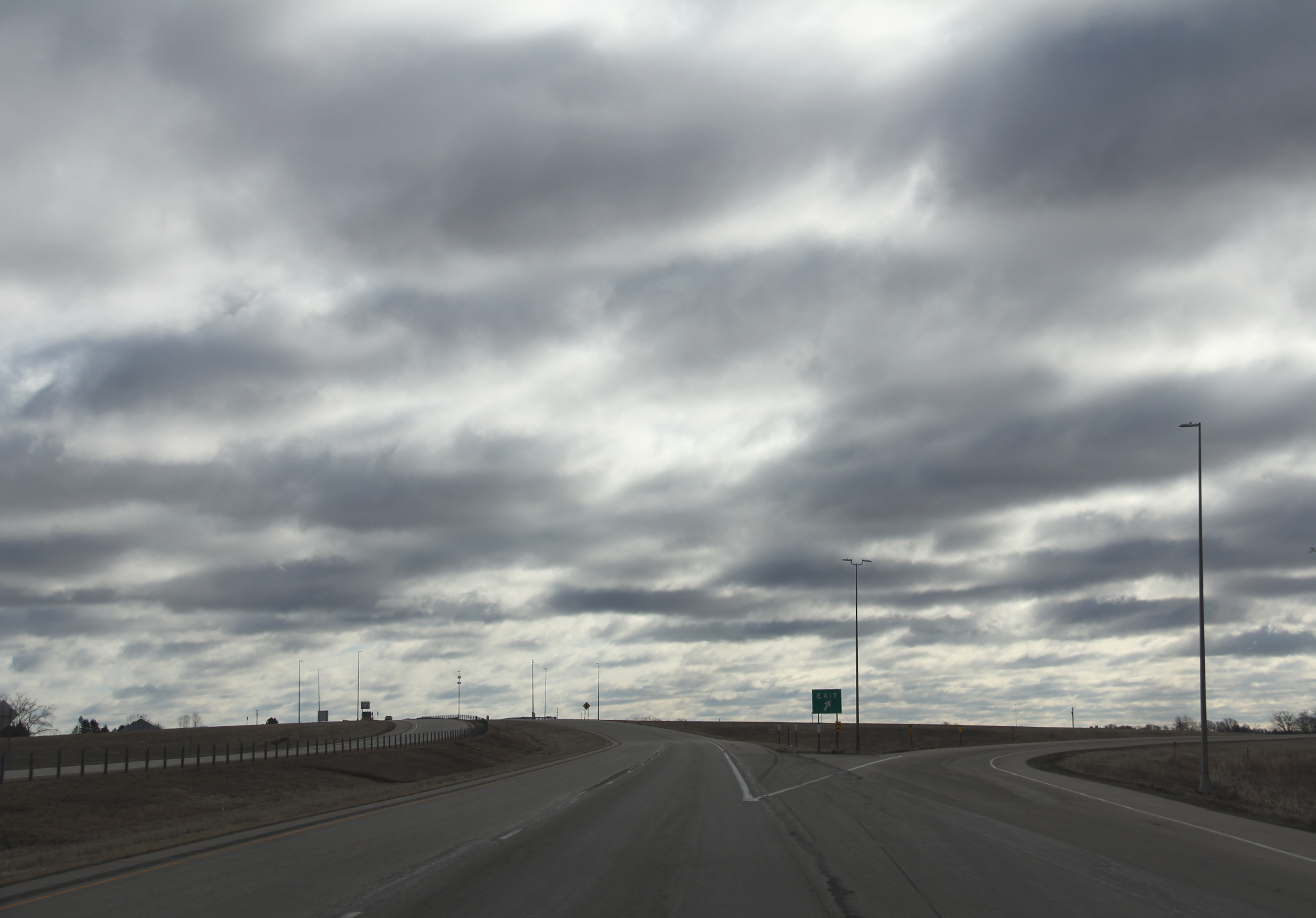
On US Highway 14 just east of Owatonna, driving into early morning grayness. (Minnesota Prairie Roots copyrighted photo March 2026)
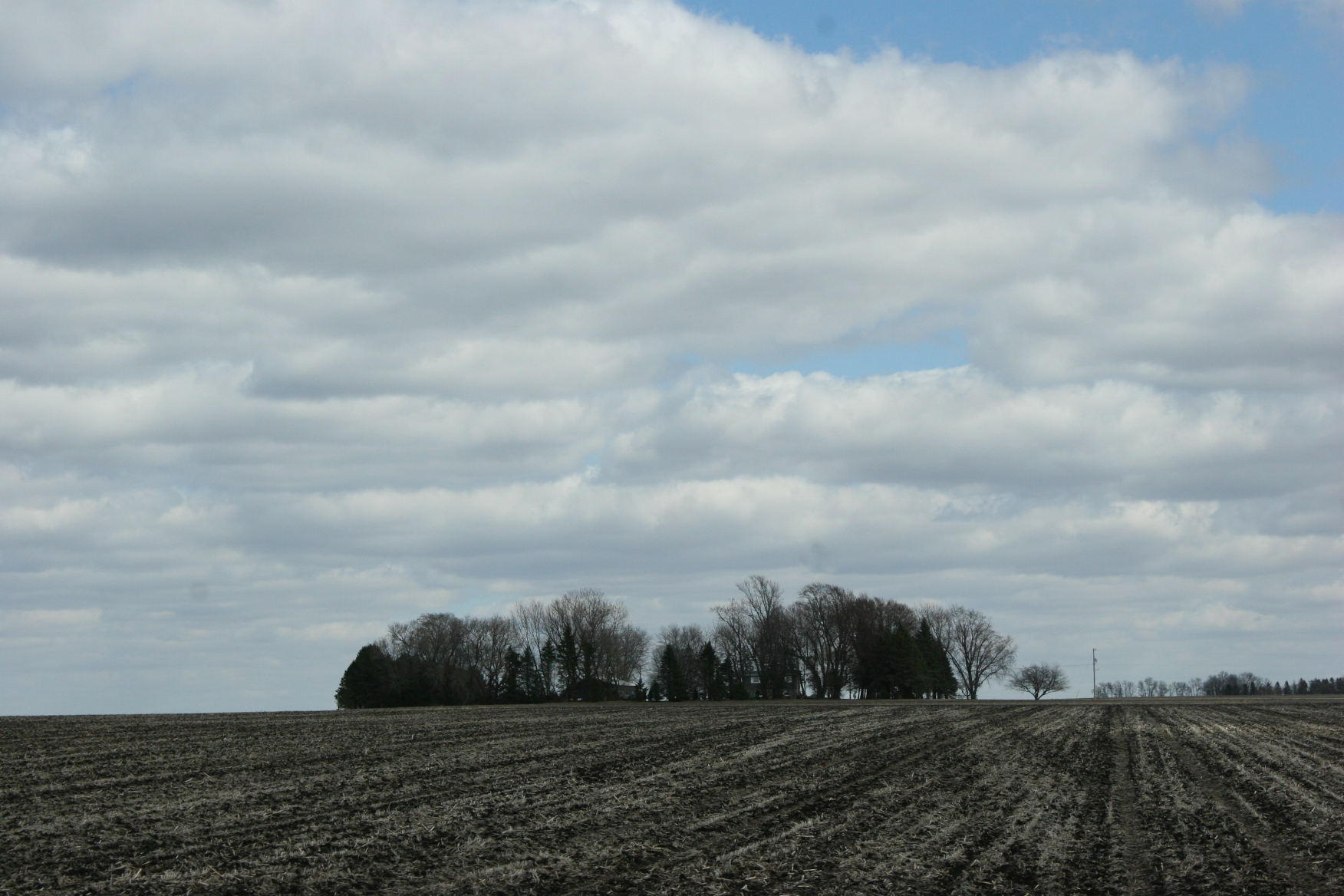
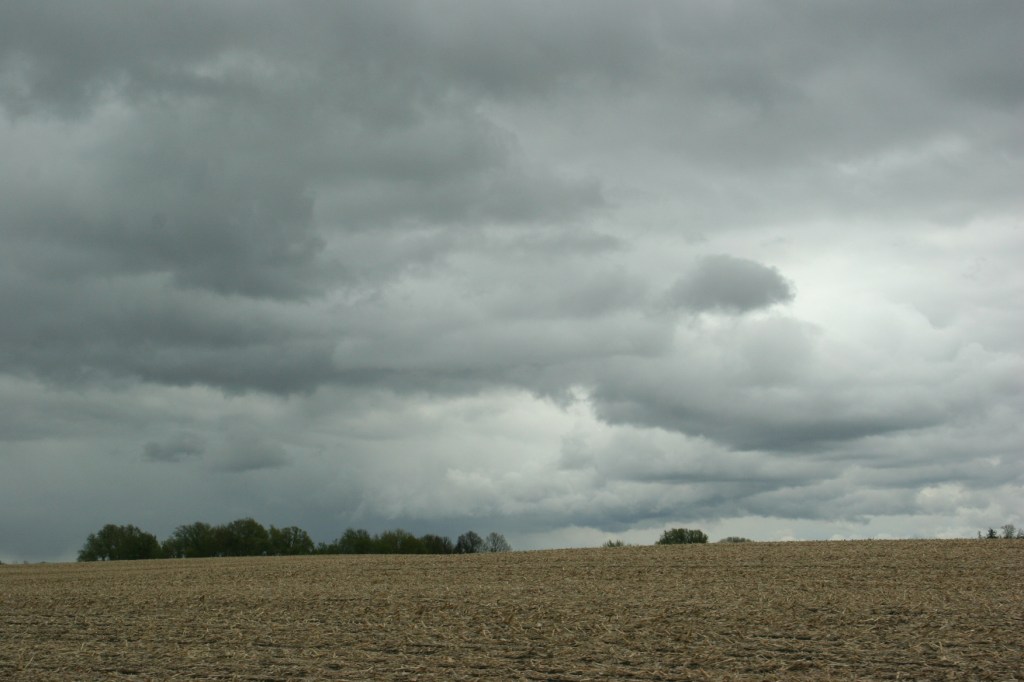
On a recent road trip to Rochester and back, the brooding sky of mid-March appeared unsettled, threatening. Cloud after cloud after cloud nearly swiped the earth while towering in a brute mass into seemingly infinity.
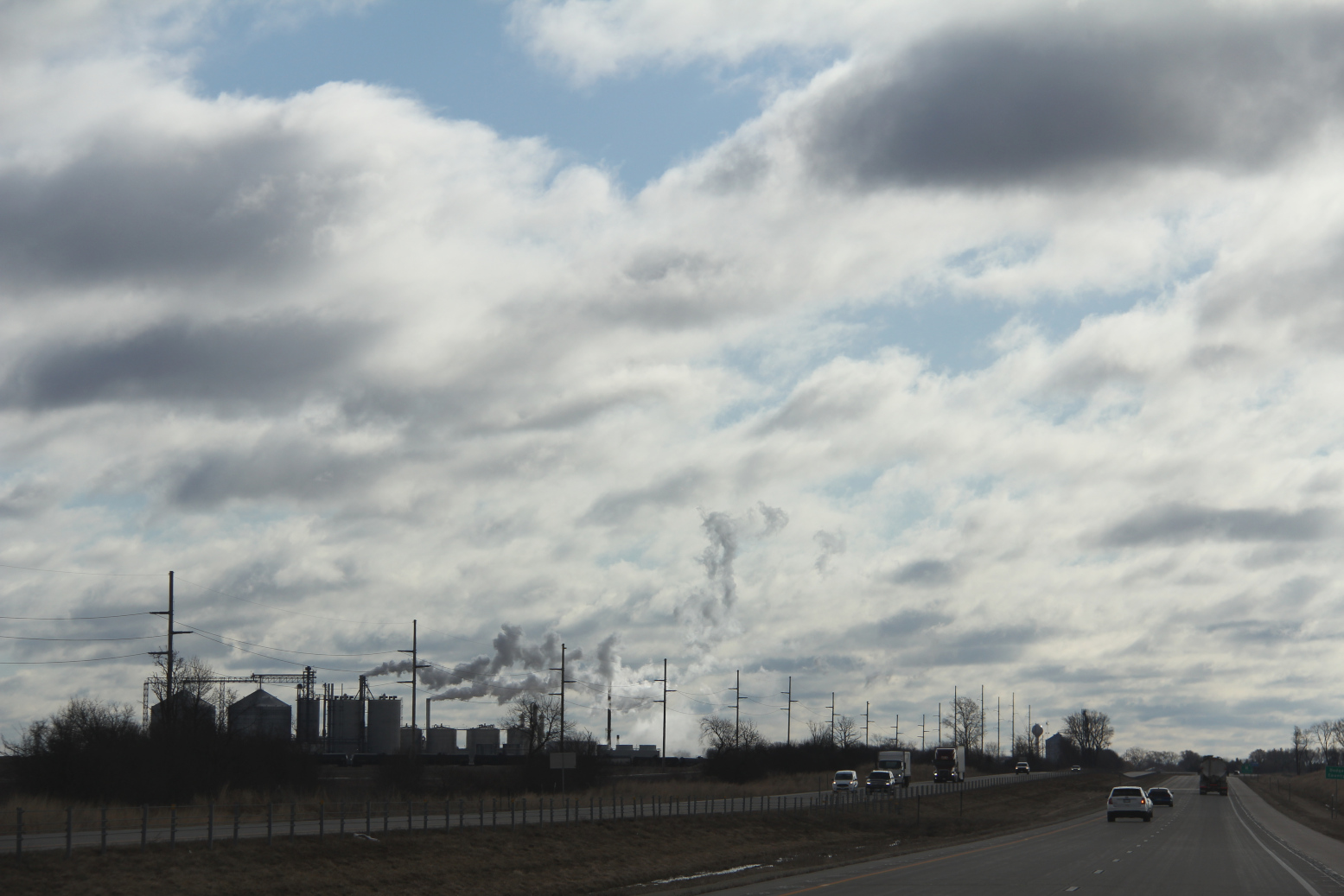
Heading east on highway 14, the All-Corn Clean Fuel ethanol plant by Claremont comes into view. (Minnesota Prairie Roots copyrighted photo March 2026)
Only occasionally did the sun fight through the clouds that darkened the day. Gray prevailed, a visual cue of the major winter storm that would arrive the next evening.
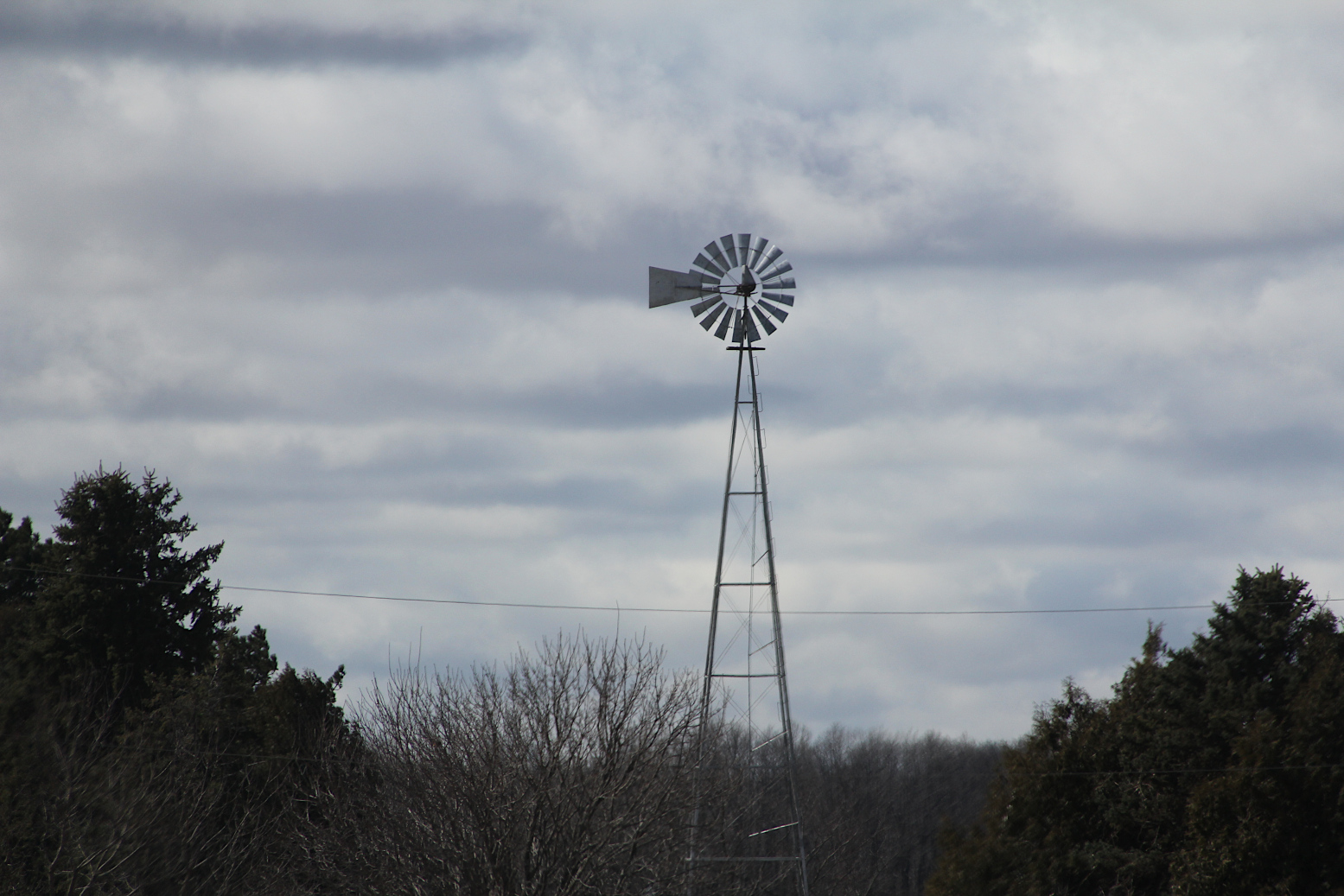
Harnessing the wind on a farm site near Claremont. (Minnesota Prairie Roots copyrighted photo March 2026)
In the flatness of the land, a strong wind bullied across the landscape. Pushing. Shoving. Bending the will of boughs. Punching at vehicles. Fearless and unrelenting.
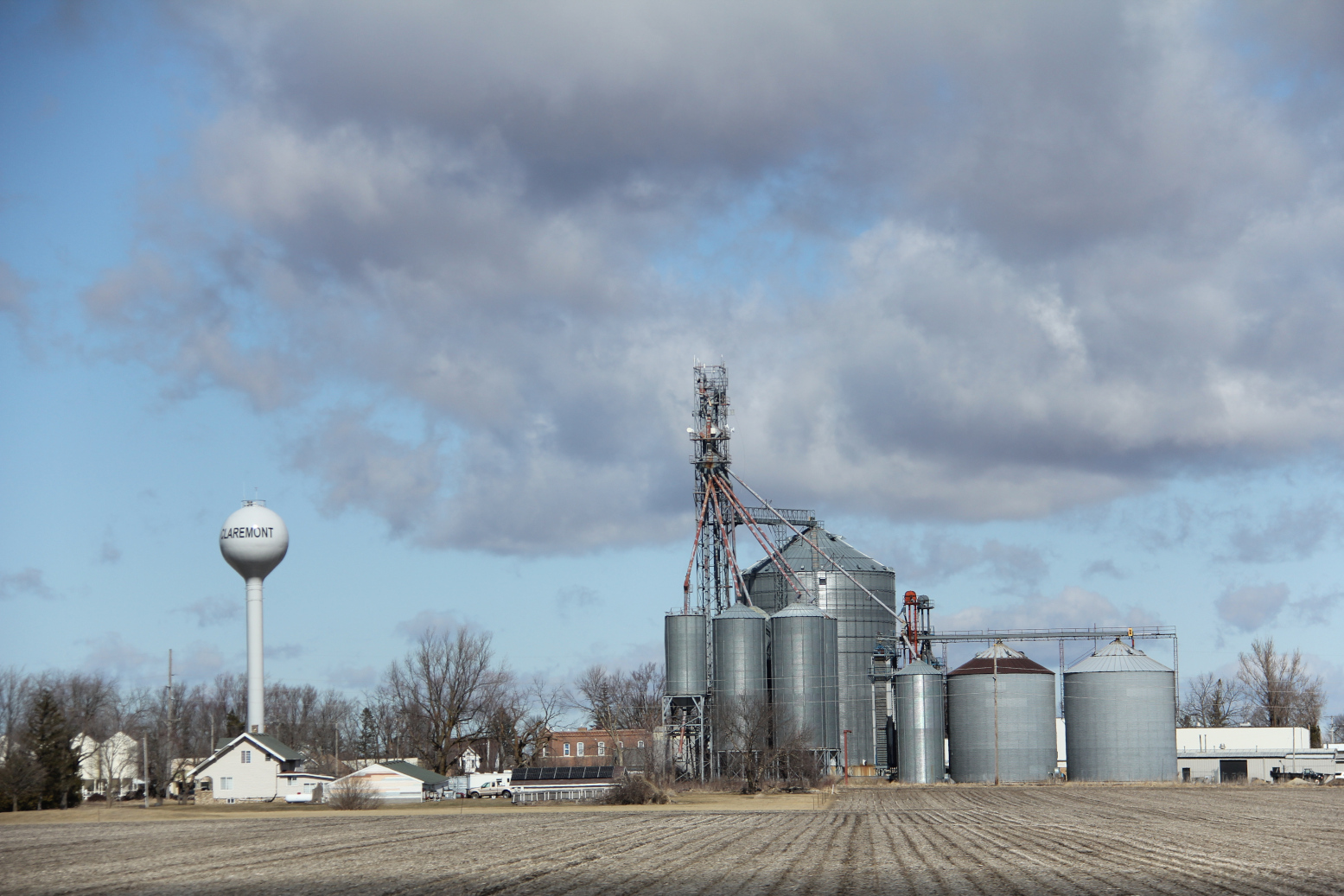
On the return trip to Faribault, the clouds partially broke, opening to blue skies over Claremont. (Minnesota Prairie Roots copyrighted photo March 2026)
This is March in Minnesota. One day angry and roiling. The next day calm, even warm, sunny and inviting. March marks the indecisiveness of sometimes spring, sometimes still winter.
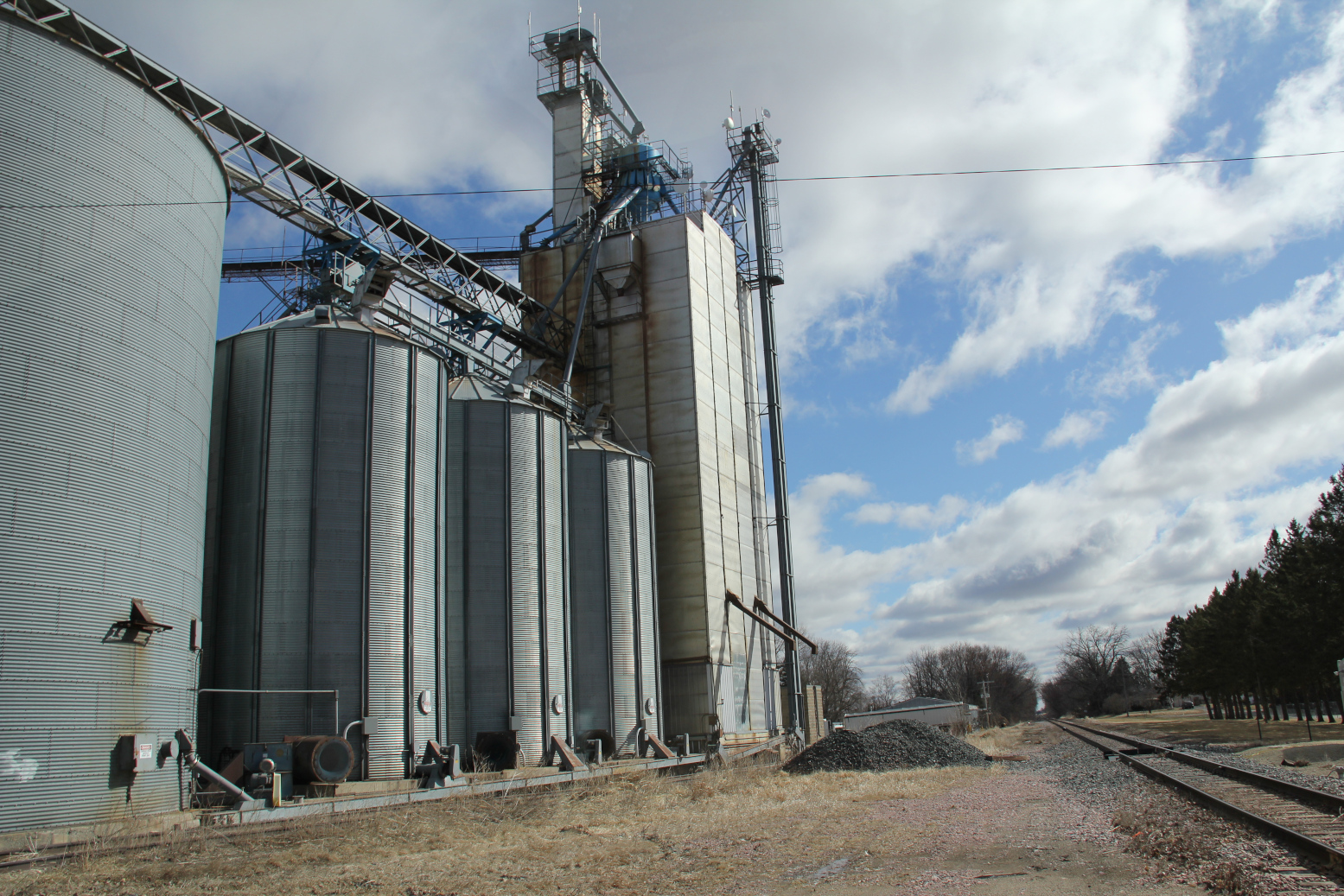
Byron Agri Center stretches skyward. (Minnesota Prairie Roots copyrighted photo March 2026)
There’s a certain restlessness this time of year among those of us who live in this cold climate state of long winters. We are weary of cold and snow, ready for real spring, not just the calendar spring. We crave sunshine, warmth and greenery.
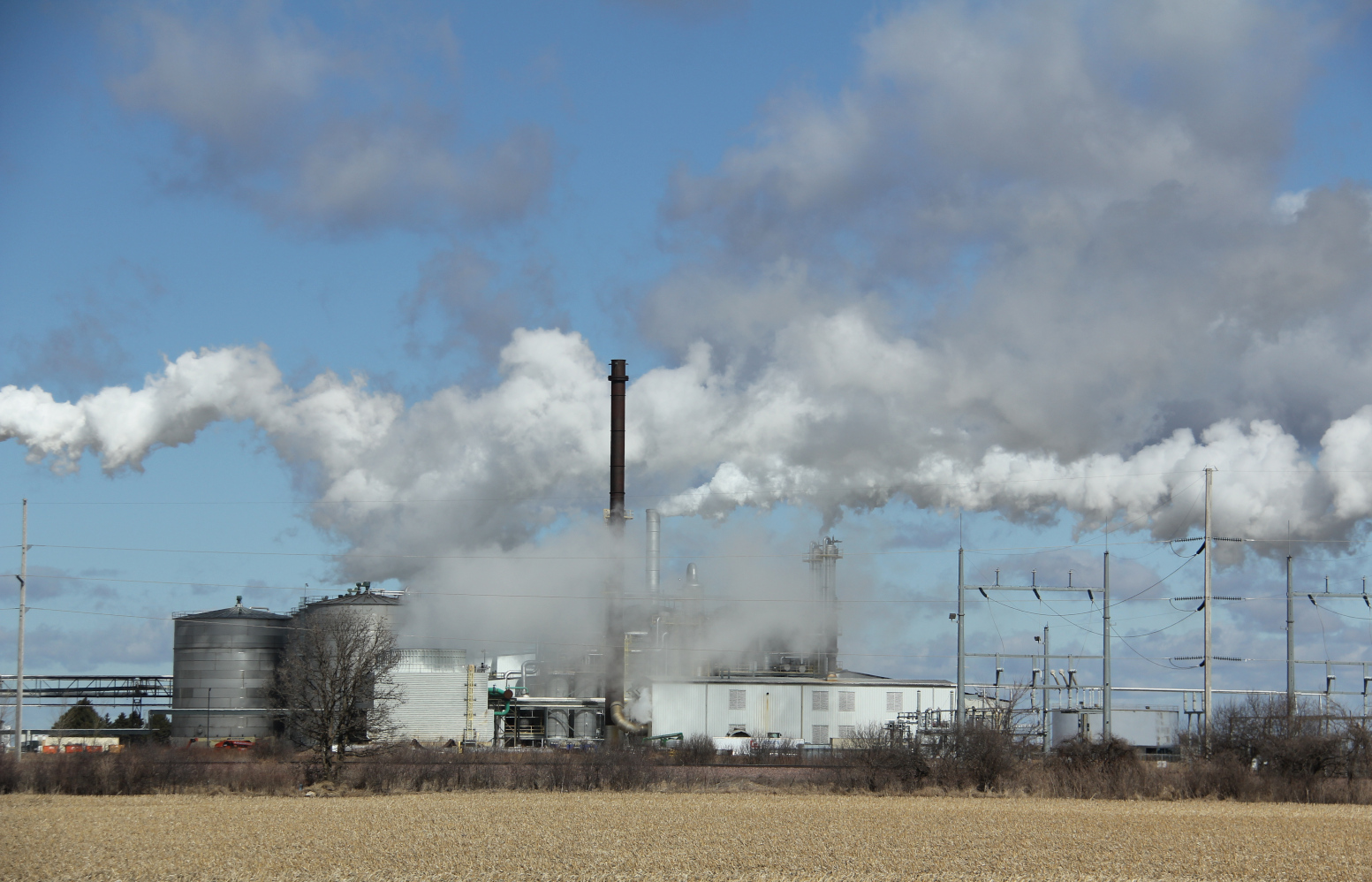
A view of the ethanol plant near Claremont on the return trip, when skies lightened. (Minnesota Prairie Roots copyrighted photo March 2026)
But realistically, Mother Nature has her own mind, deciding when a season reveals herself, not simply teases. I see that in the sky on this drive. The heavy morning sky, wrapped in a mass of clouds, refuses to bare herself to the sun.
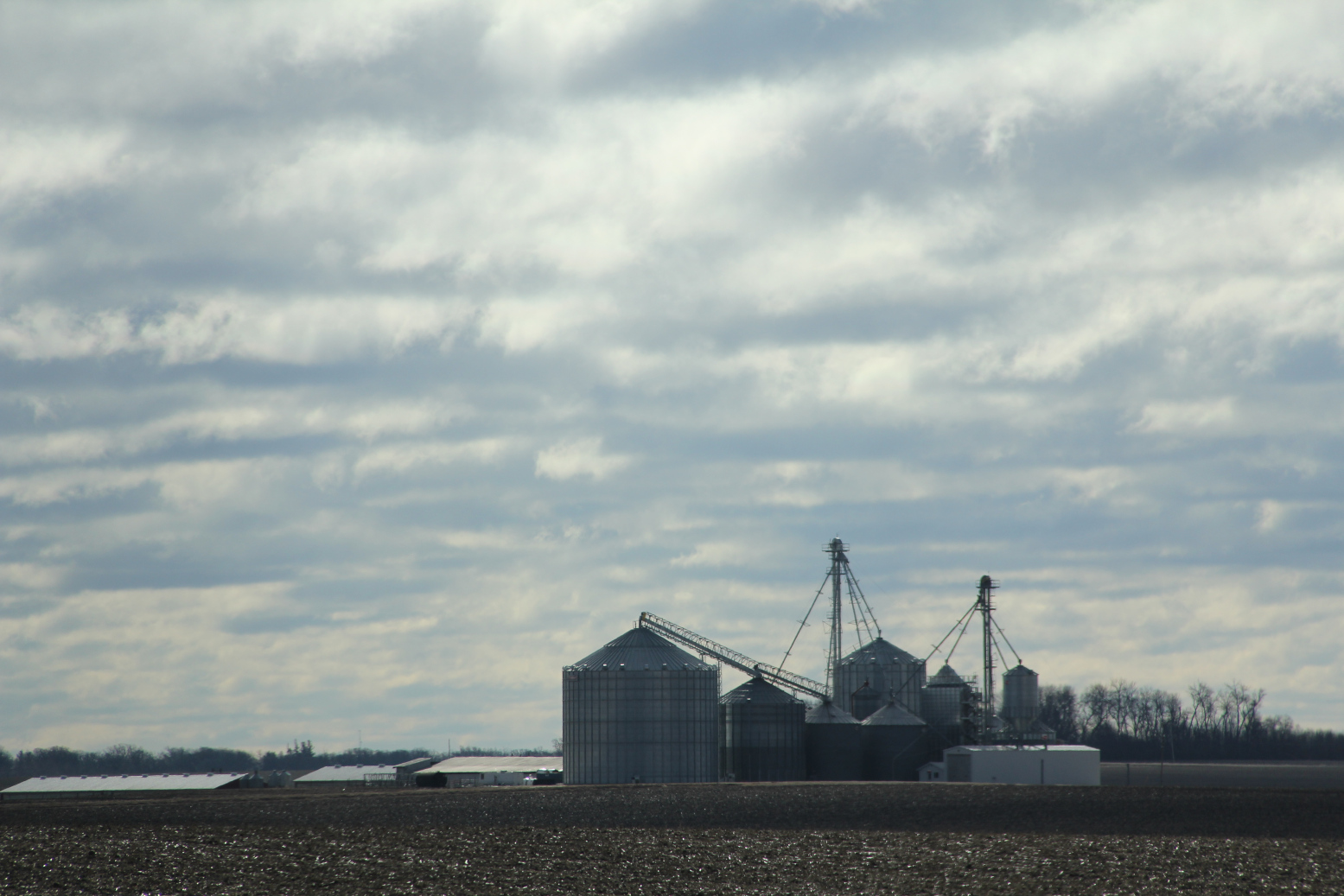
A farm site about 20 minutes west of Rochester. (Minnesota Prairie Roots copyrighted photo March 2026)
And so I feel pressed upon, diminished by sky. And land.
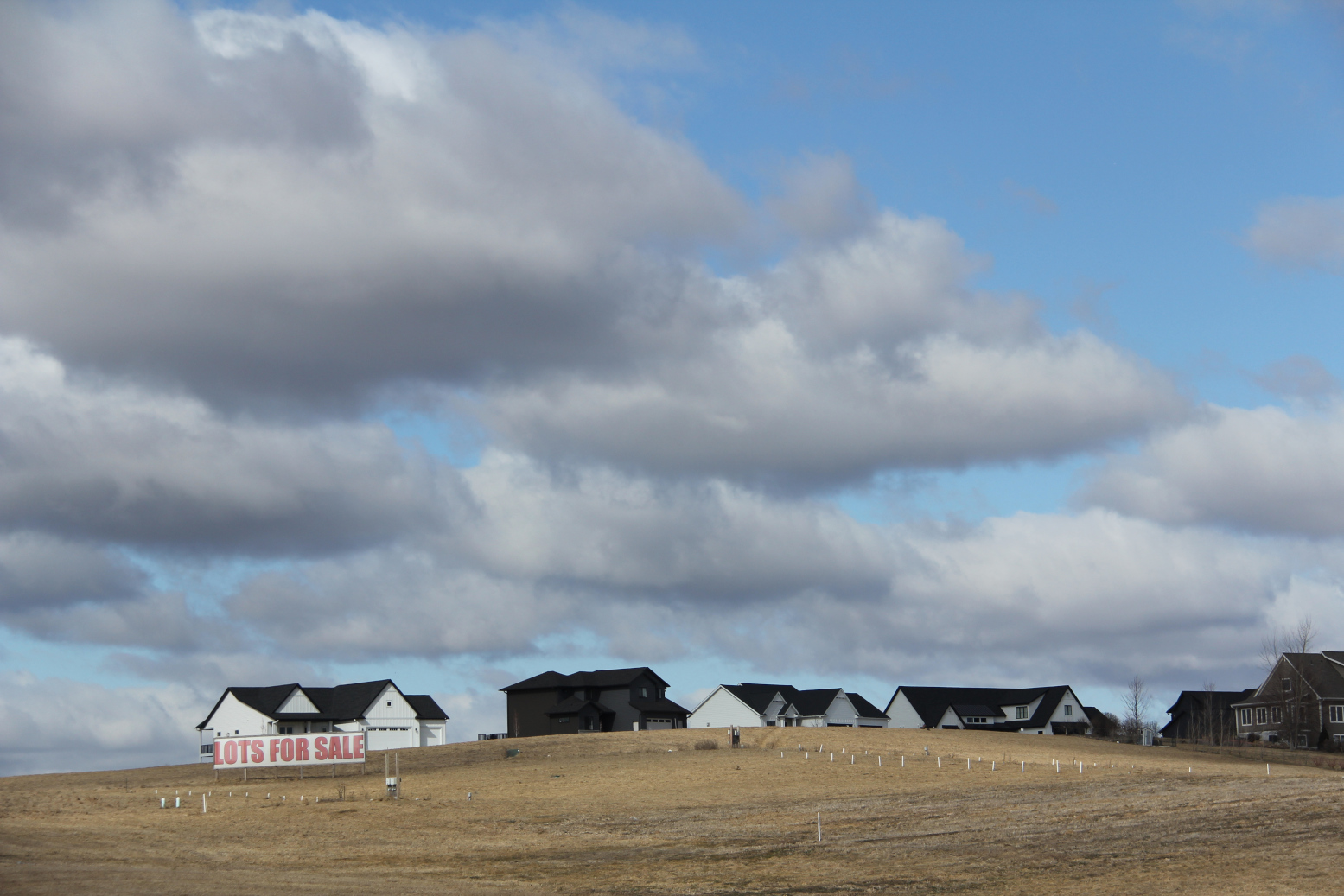
Dwarfed by the sky, a housing development atop a hill between Rochester and Byron. (Minnesota Prairie Roots copyrighted photo March 2026)
Buildings—barns and bins and houses—appear minuscule against this intimidating backdrop.
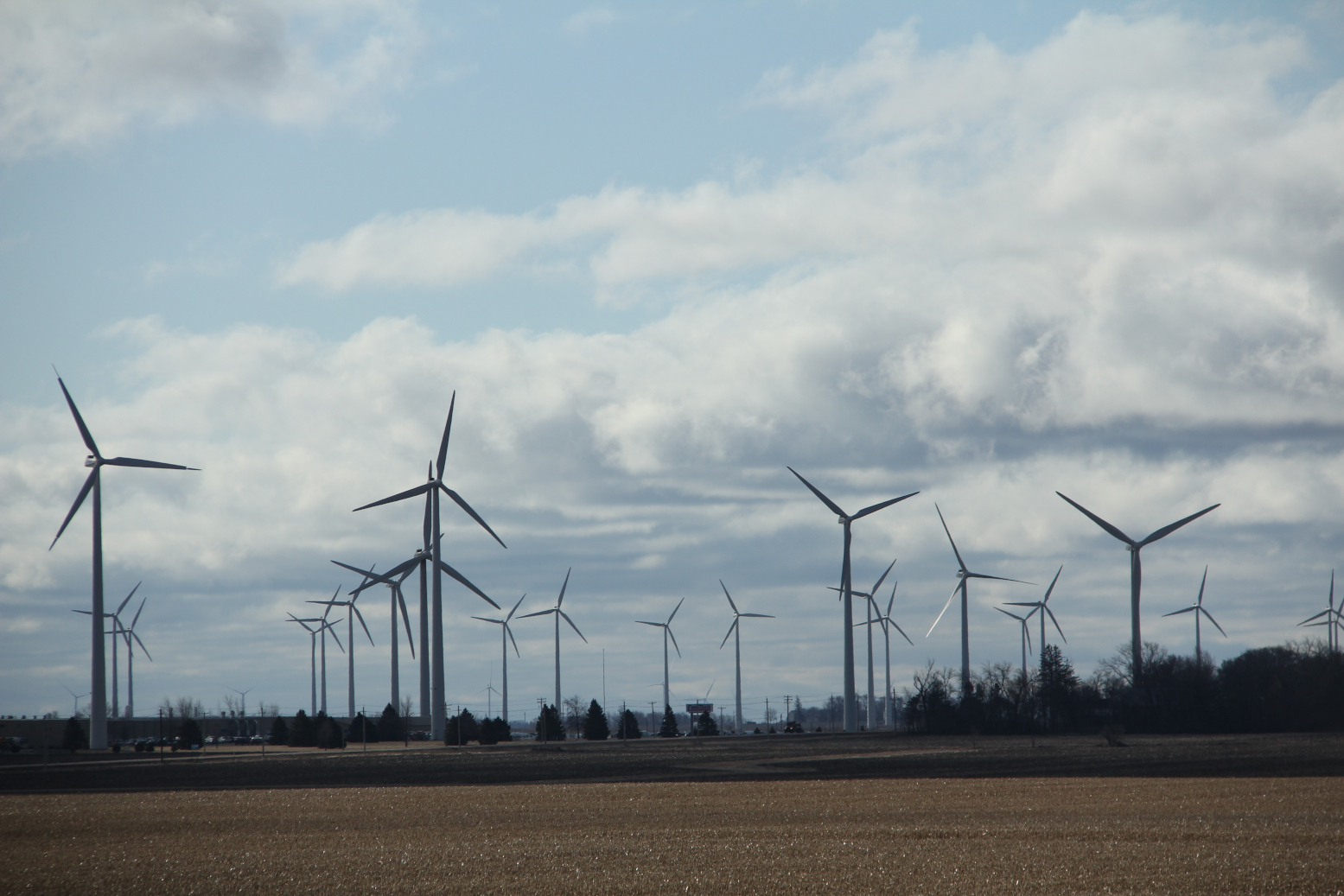
Wind turbines south of Dodge Center. (Minnesota Prairie Roots copyrighted photo March 2026)
Even wind turbines, which tower above treelines, and which I find visually unappealing, appear small-scale despite their height.
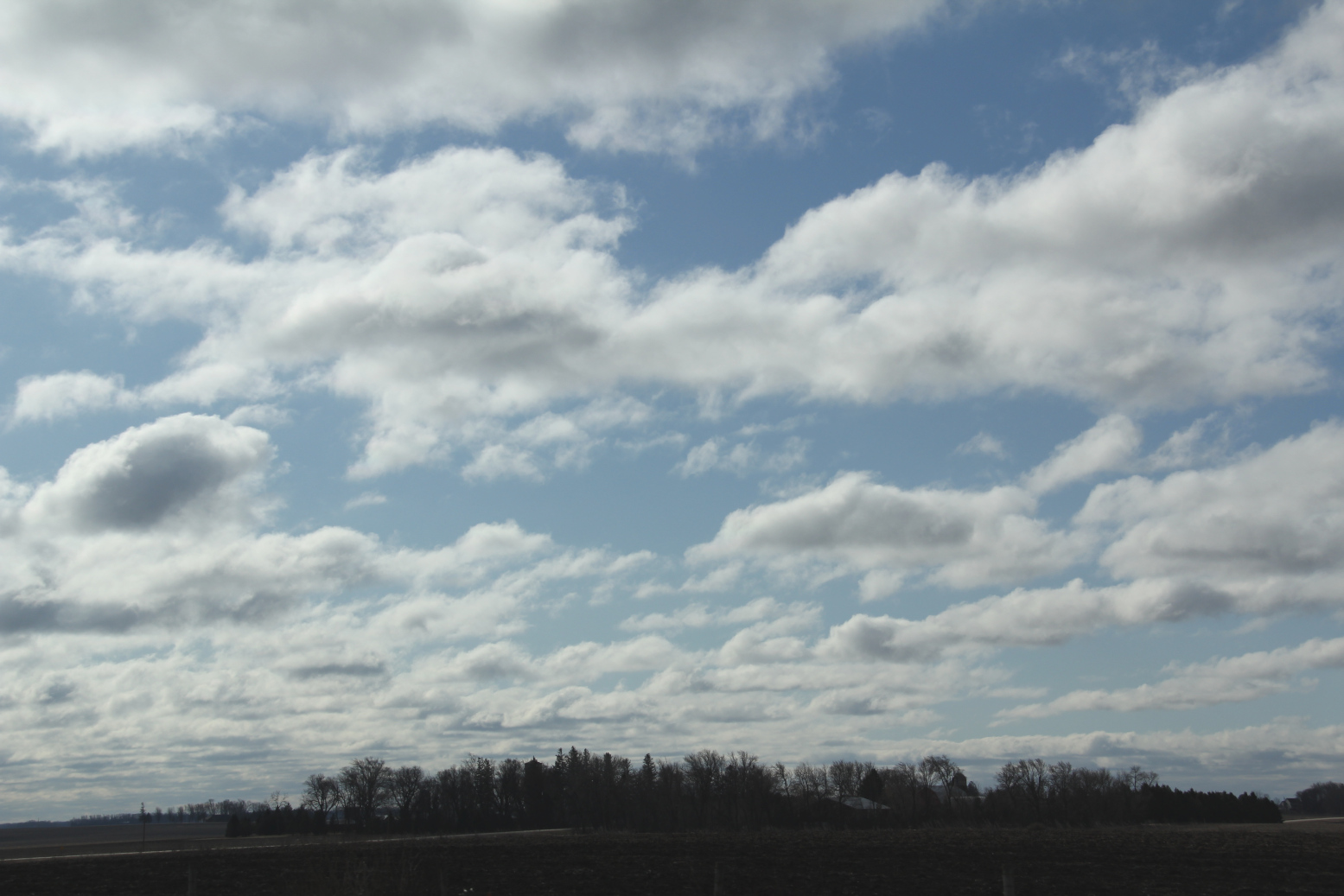
Sky and land meet in the immensity of this place. (Minnesota Prairie Roots copyrighted photo March 2026)
I suppose we really are small in the immensity of the universe. A road trip between Faribault and Rochester verifies that. The immense sky and stark, wide open land stretch before me, high and wide. And I feel small, oh, so small in the all of it in the midst of March in Minnesota.
NOTE: I took these on-the-road photos on March 13 as a front seat passenger in our van. I set my 35 mm camera at a fast shutter speedand shot images.
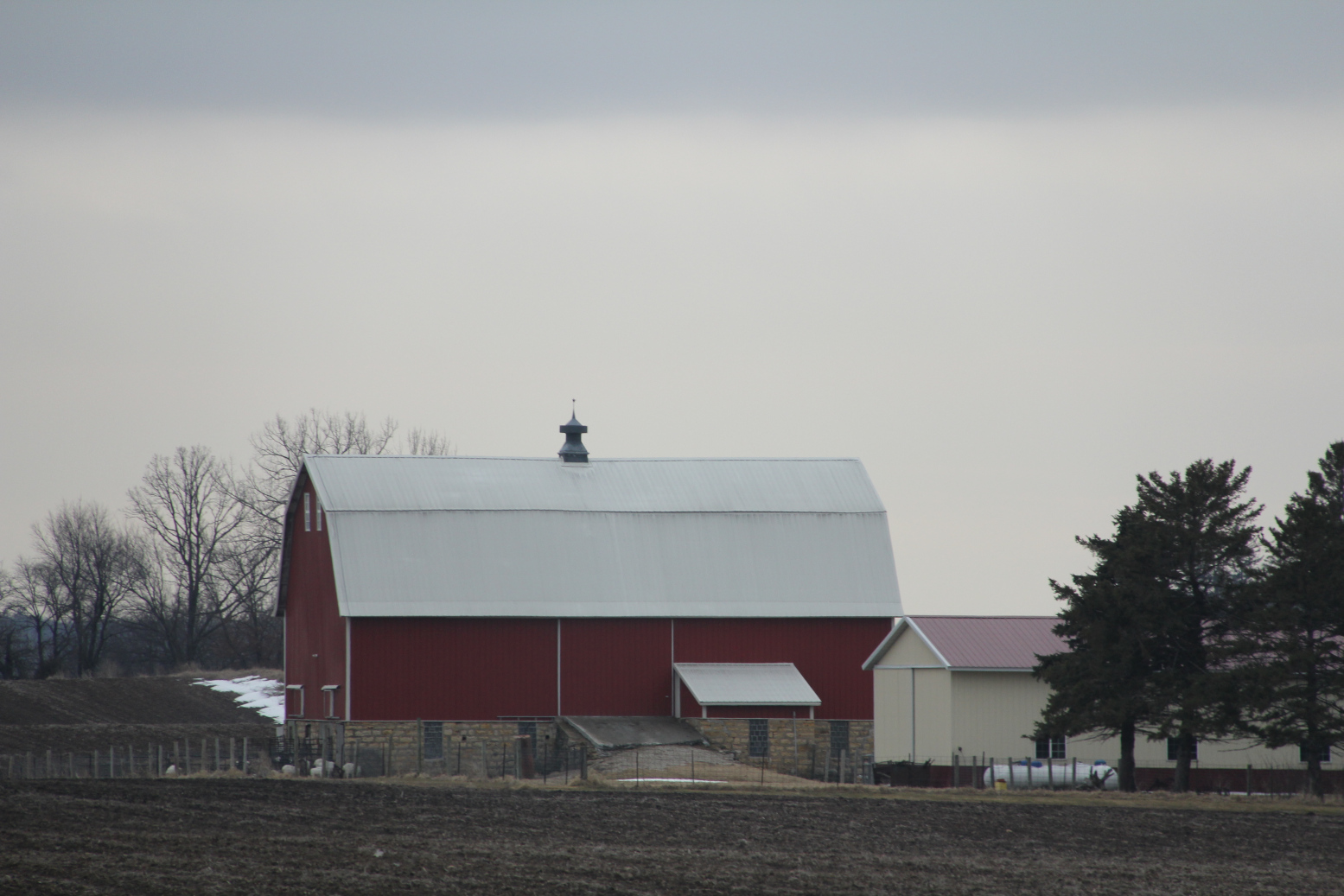
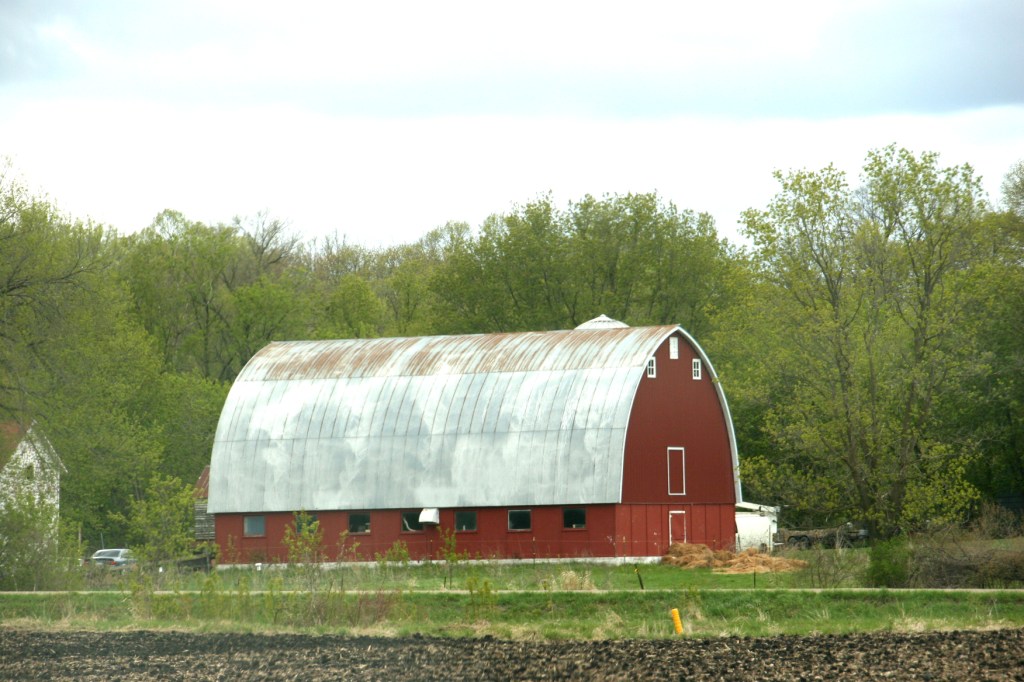
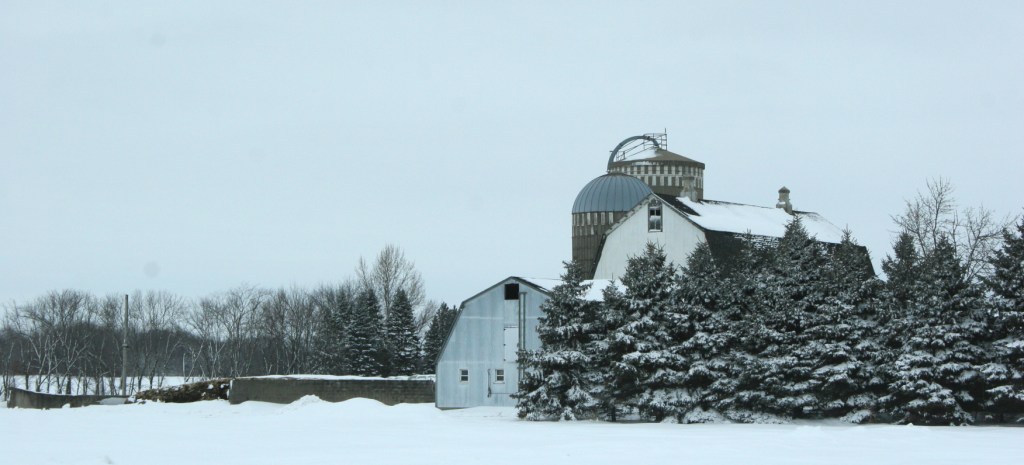
I’m drawn to photograph barns, this one along Goodhue County Road 11 west of Pine Island. (Minnesota Prairie Roots copyrighted photo March 2026)
IN THIS GO-BETWEEN TIME of almost spring here in southern Minnesota, the landscape appears mostly winter drab, plain, devoid of many photo opportunities. That is until I look beyond the bare-branched trees, the barren land, the basic gray of March skies.
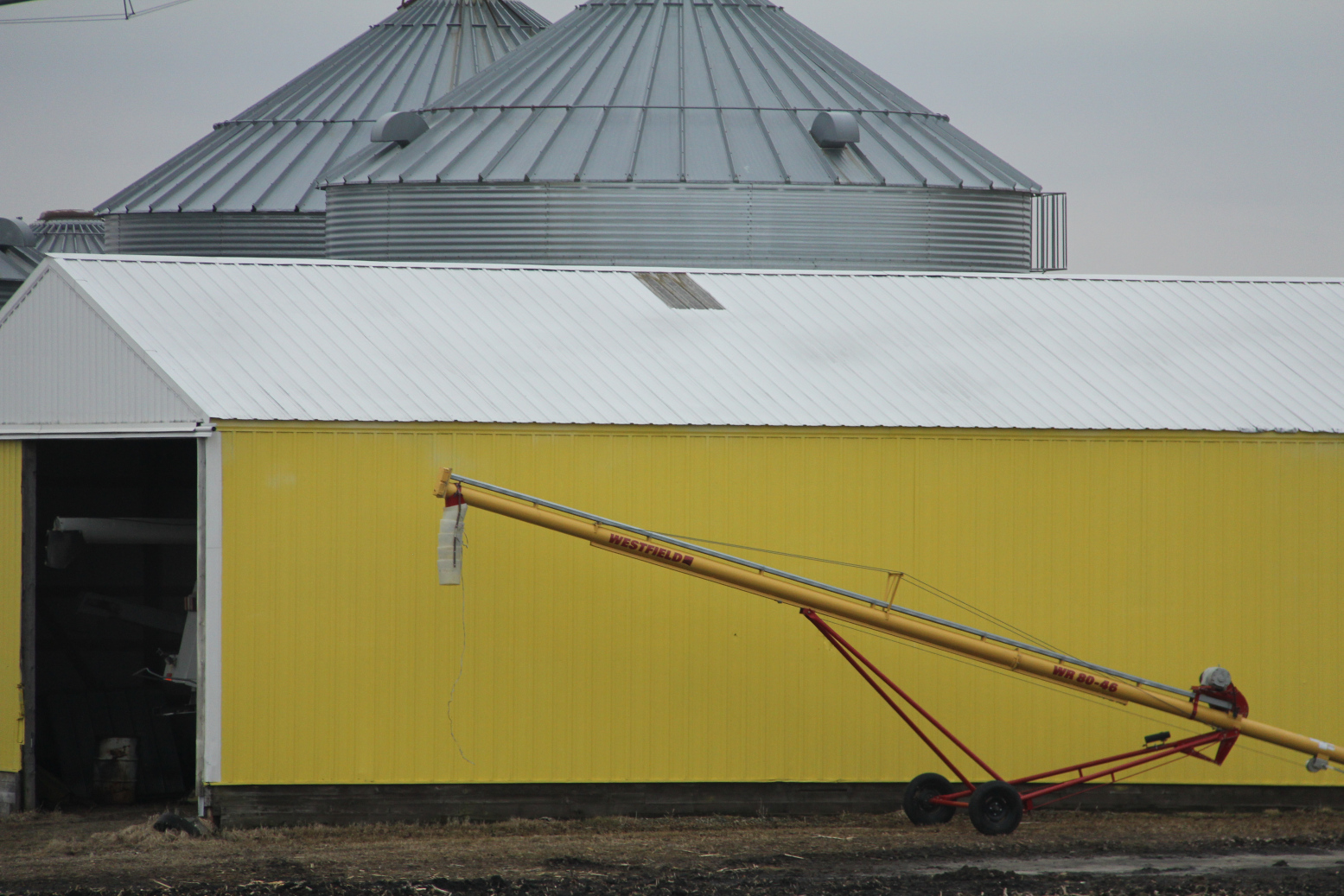
The brightest farm outbuilding I’ve ever seen is this one along Minnesota State Highway 60 between Faribault and Kenyon. (Minnesota Prairie Roots copyrighted photo March 2026)
Color, although not abundant, can still be found among the neutral hues.
Camera in hand, I watched for bright spots and more on a recent business road trip with my husband to Rochester. I kept an eye out for anything I thought would be photo-worthy. Or interesting. My definition of both may differ from yours.
Along Goodhue County Road 11 to the west of Pine Island, I found lots of well-kept red barns to photograph. (Minnesota Prairie Roots copyrighted photo March 2026)
But I enjoy on-the-road, literally, photography—taking photos from the passenger seat inside a moving vehicle. This requires awareness, anticipation and quick framing with the camera set at a fast shutter speed. Clean, or mostly clean, windows help as does a smooth road.
Sometimes I get the image I want. And sometimes I get an unfocused photo. It’s a bit of a crapshoot.
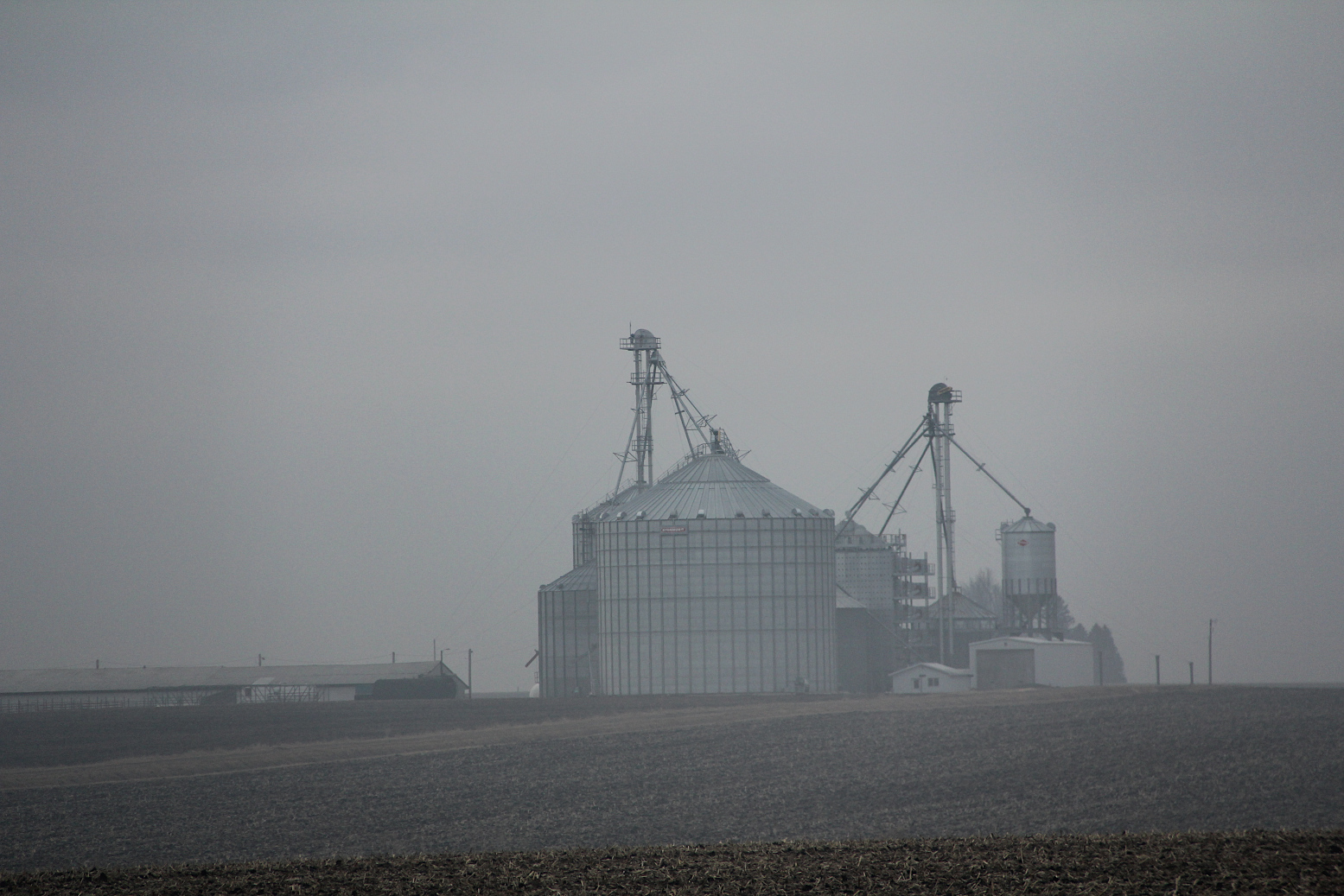
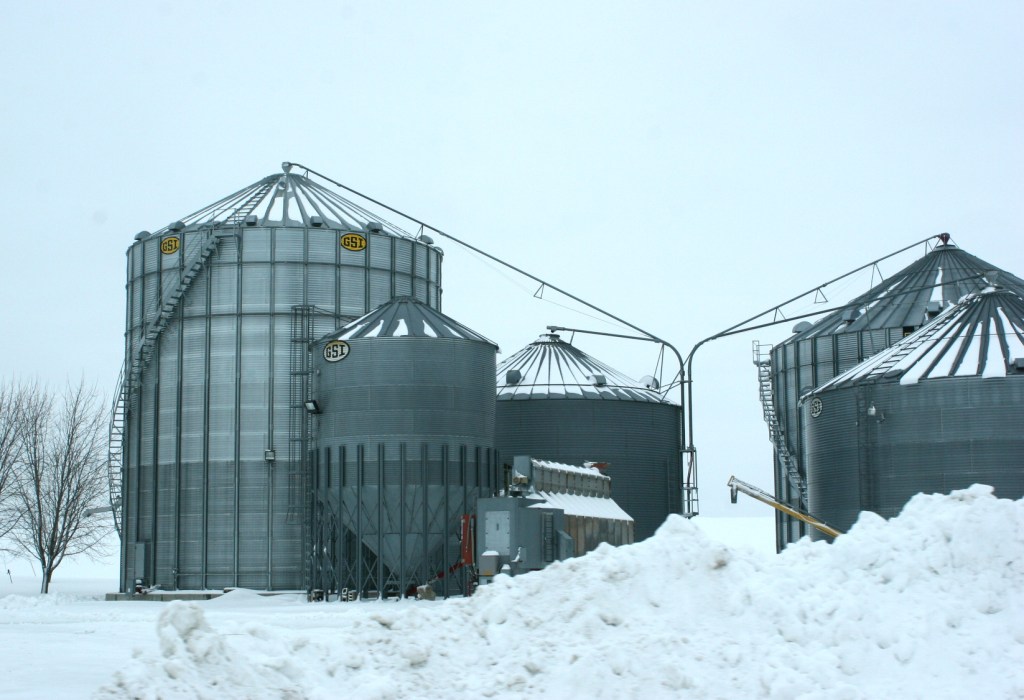
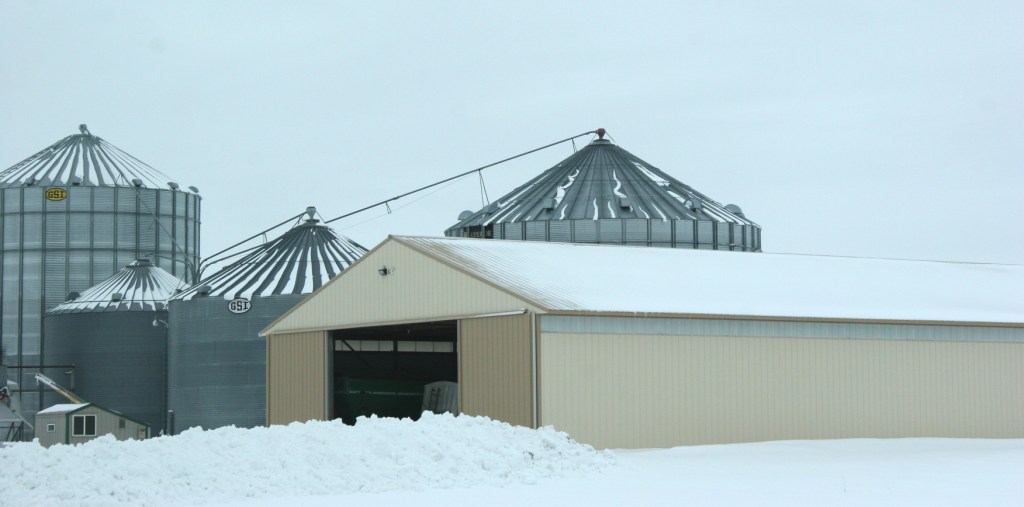
Fog shrouds bins and a grain drying complex along US Highway 14 west of Rochester. (Minnesota Prairie Roots copyrighted photo March 2026)
Regardless of photo outcomes, I’m content to scan my surroundings, appreciating the nuances of rural Minnesota. On this particular Thursday morning along US Highway 14 about 20 minutes west of Rochester, I was drawn first to fog enveloping a farm site. Gray on gray on gray on gray. Gray skies. Gray bins. Gray grain dryers. Long gray metal buildings.
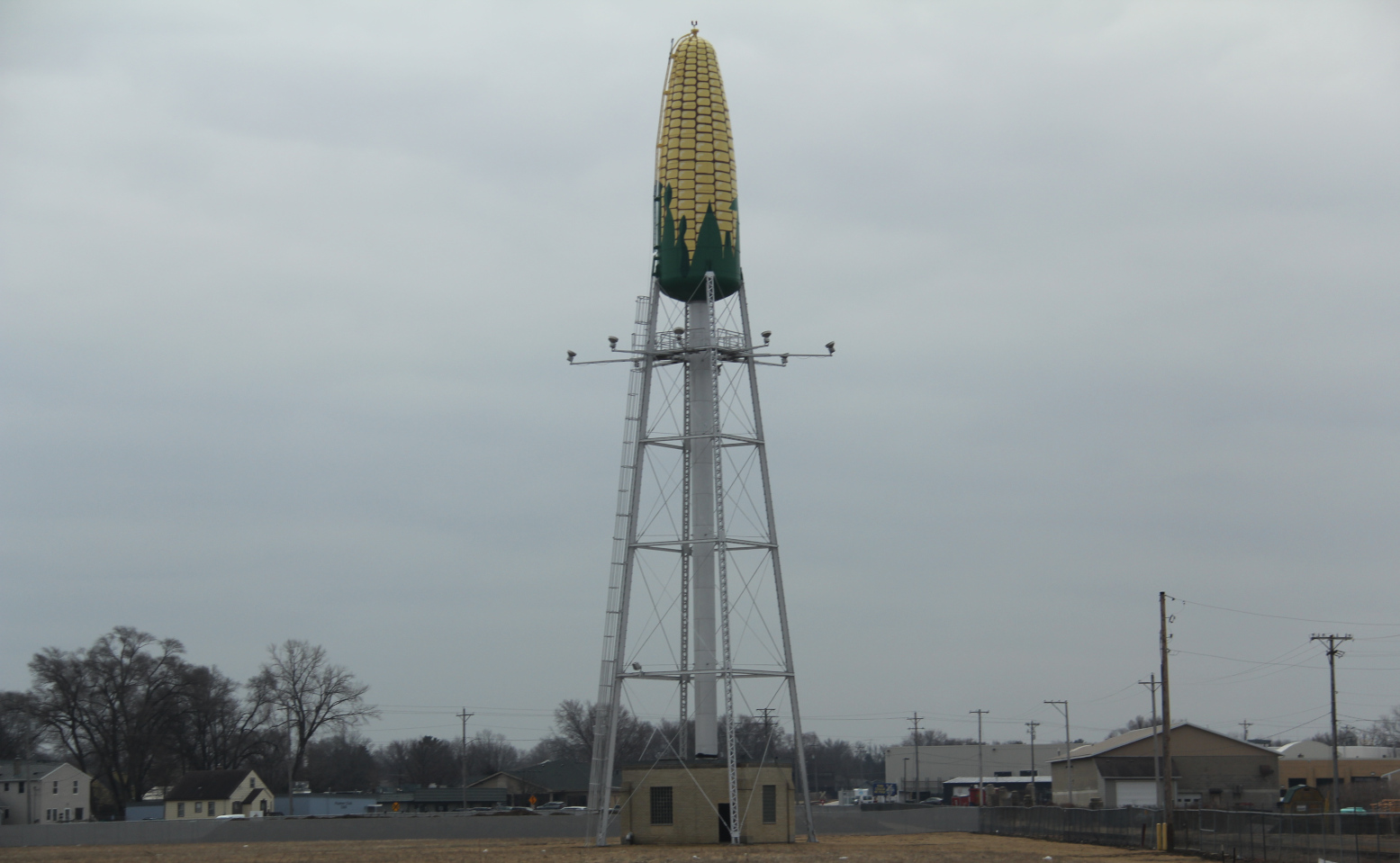
The restored historic Ear of Corn Water Tower near Graham Park in Rochester on a recent gray morning. (Minnesota Prairie Roots copyrighted photo March 2026)
Once in Rochester, color popped at me from a roadside attraction, the 151-foot tall Ear of Corn Water Tower built in 1931 for Reid, Murdoch & Co. The food cannery used the 50,000 gallon water tower in its canning operation, which included canning corn. The business changed hands twice before the plant closed in 2018. But the water tower landmark remains. I found it definitely photo-worthy as we passed by.
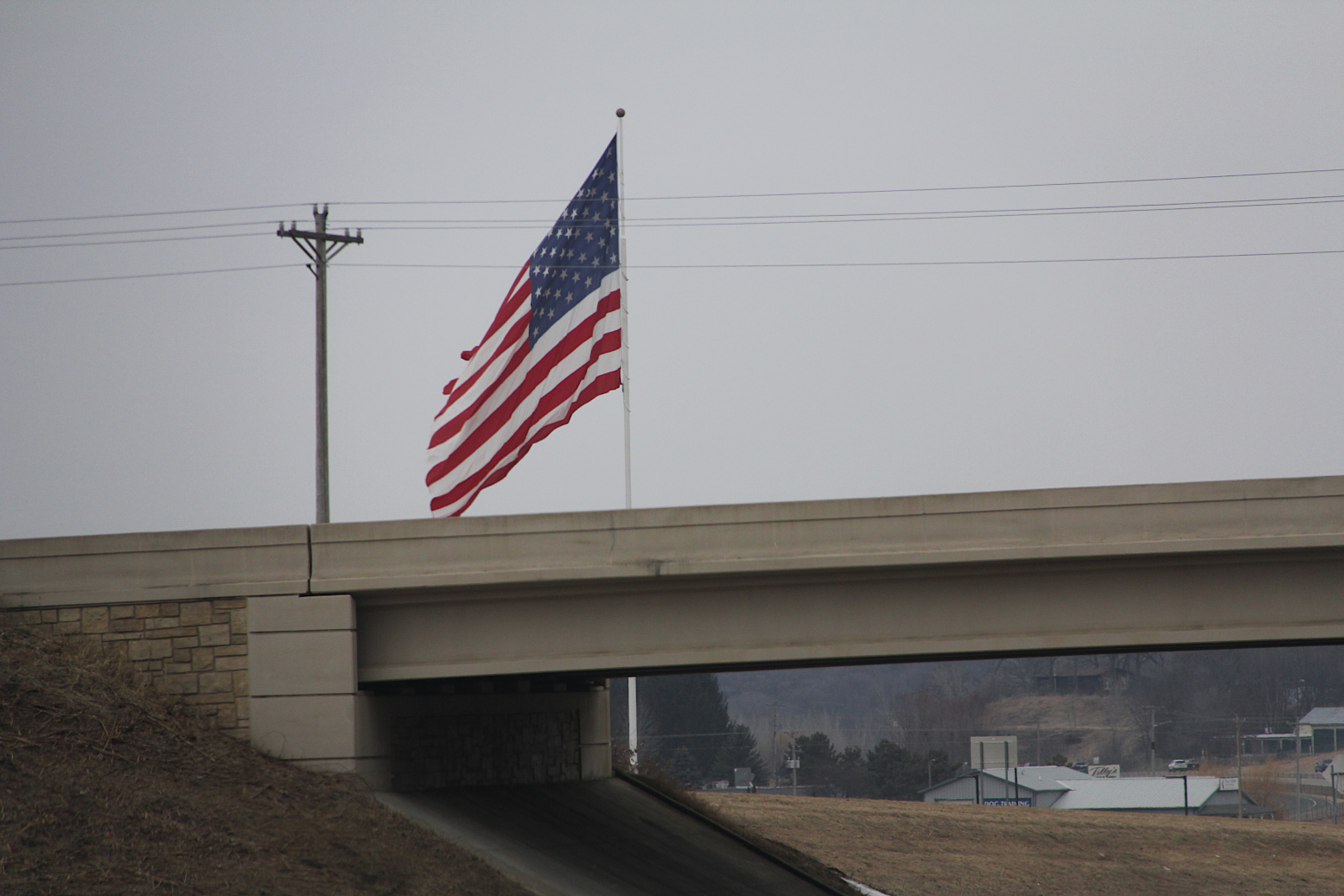
An American flag as photographed along US Highway 52 in Rochester. (Minnesota Prairie Roots copyrighted photo March 2026)
But something as simple as as an over-sized American flag flapping in the morning breeze, a red barn flashing color, a sprawling white farmhouse, a row of power lines, a distant farm site can grab my visual attention, too.
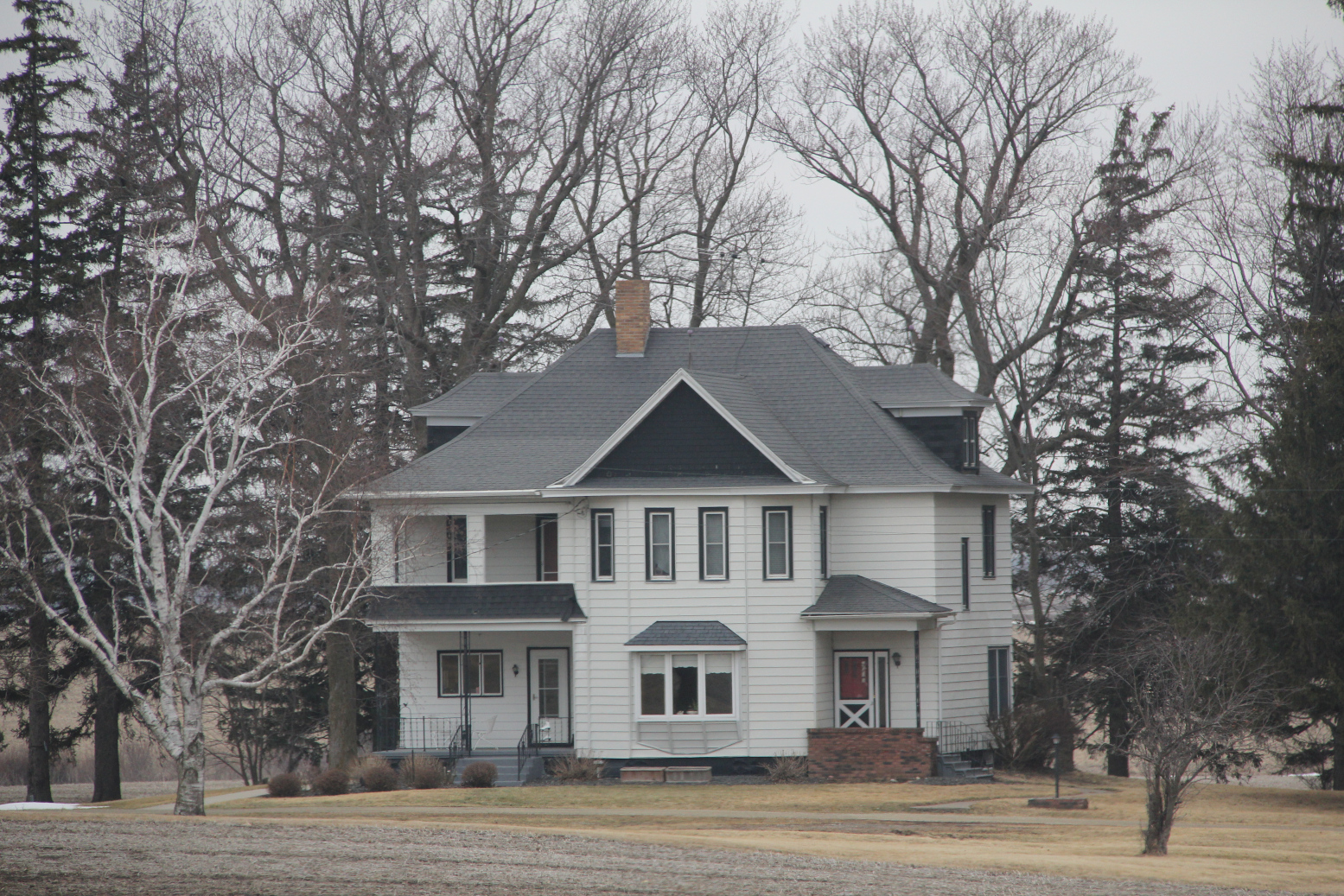
I always wanted to live in a sprawling farmhouse similar to this one along Goodhue County Road 11. (Minnesota Prairie Roots copyrighted photo March 2026)
I’m drawn to photograph rural scenes because of my farm background. Deep in my soul, I long to live again in the countryside, away from close neighbors, near nature, cocooned by quiet. But reality is that will never happen.
And so I find ways to reconnect with the land. In my writing. In my photography. In every season.
A farm site west of Pine Island along Goodhue County Road 11. (Minnesota Prairie Roots copyrighted photo March 2026)
Every farm field holds the hope of a farmer. Every farm site holds memories and hard work. And dreams. I see this on the road, through my camera lens, as my focus shifts with every mile covered.
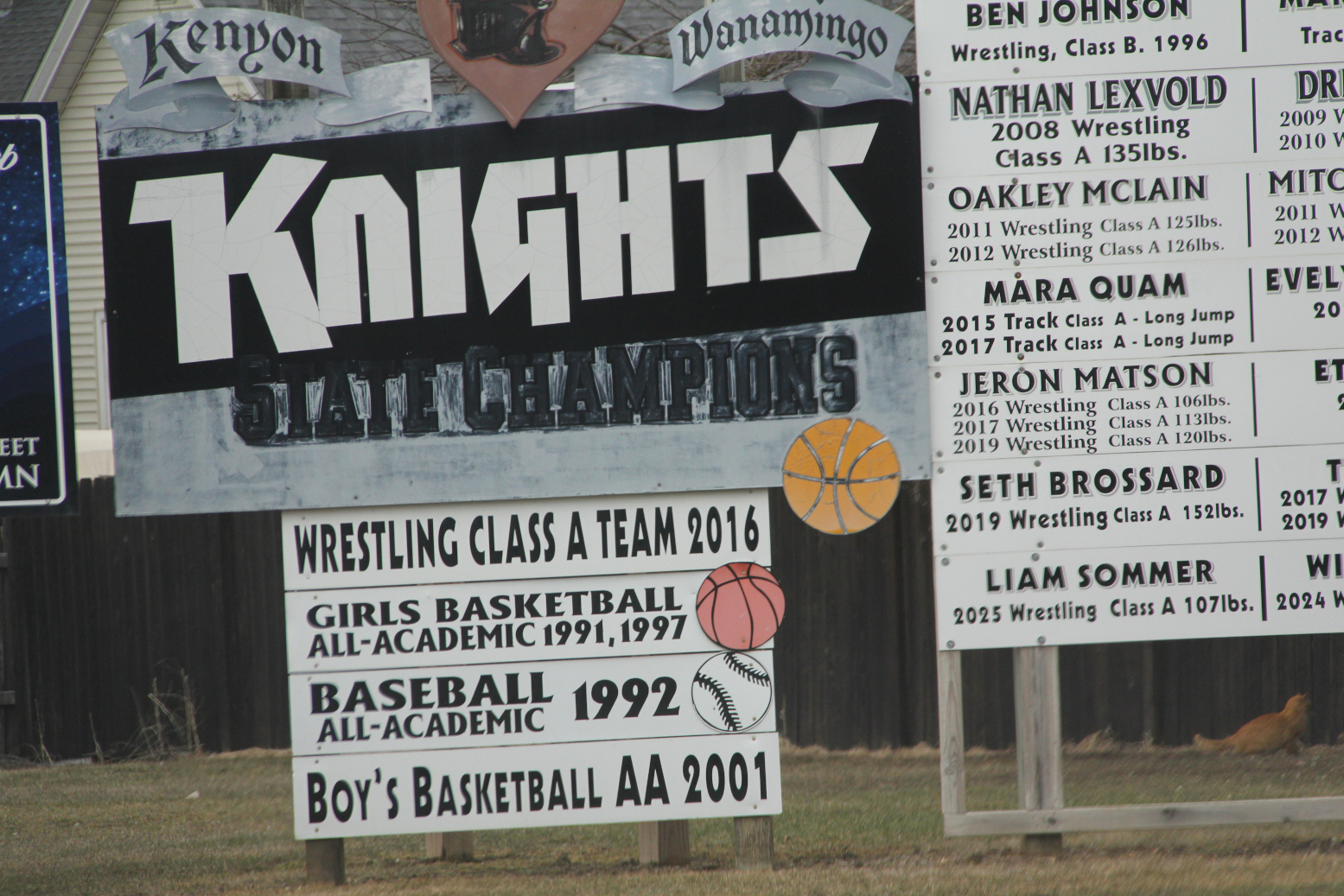
Kenyon-Wanamingo High School sporting accomplishments banner signs. (Minnesota Prairie Roots copyrighted photo March 2026)
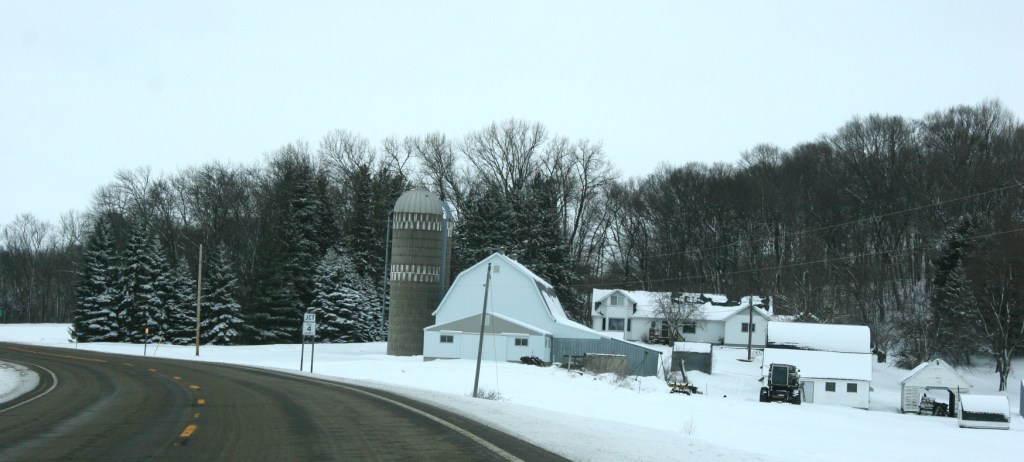
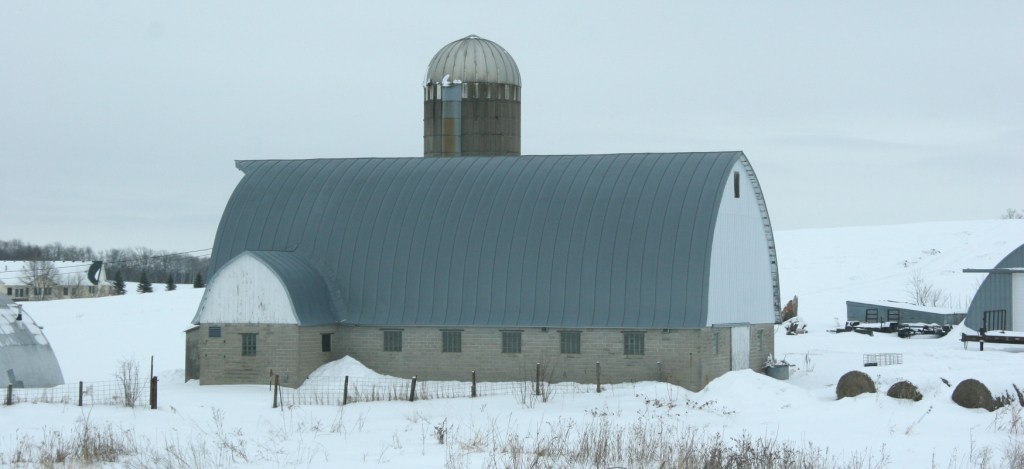
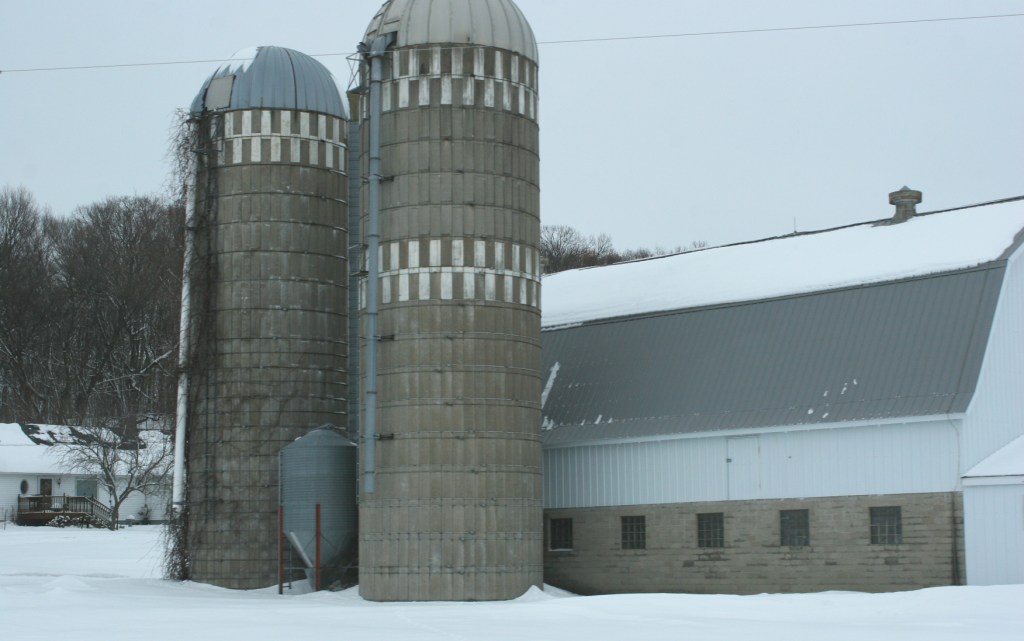
I view an ever-changing rural winter landscape of red barns, aged farmhouses, towering silos, untilled fields and then, on the edge of Kenyon, signage boasting local high school sporting championships. Such signs are common in small Minnesota communities.
I zoomed in on this eagle flying high above the land outside Kenyon. (Minnesota Prairie Roots copyrighted photo March 2026)
Nearing the end of this quick road trip, an eagle leads us along Minnesota State Highway 60 west of Kenyon before veering to the right. When I see this majestic bird on this day, I feel as I always do about eagles—in awe of their size, their power, their speed. I snap three quick frames.
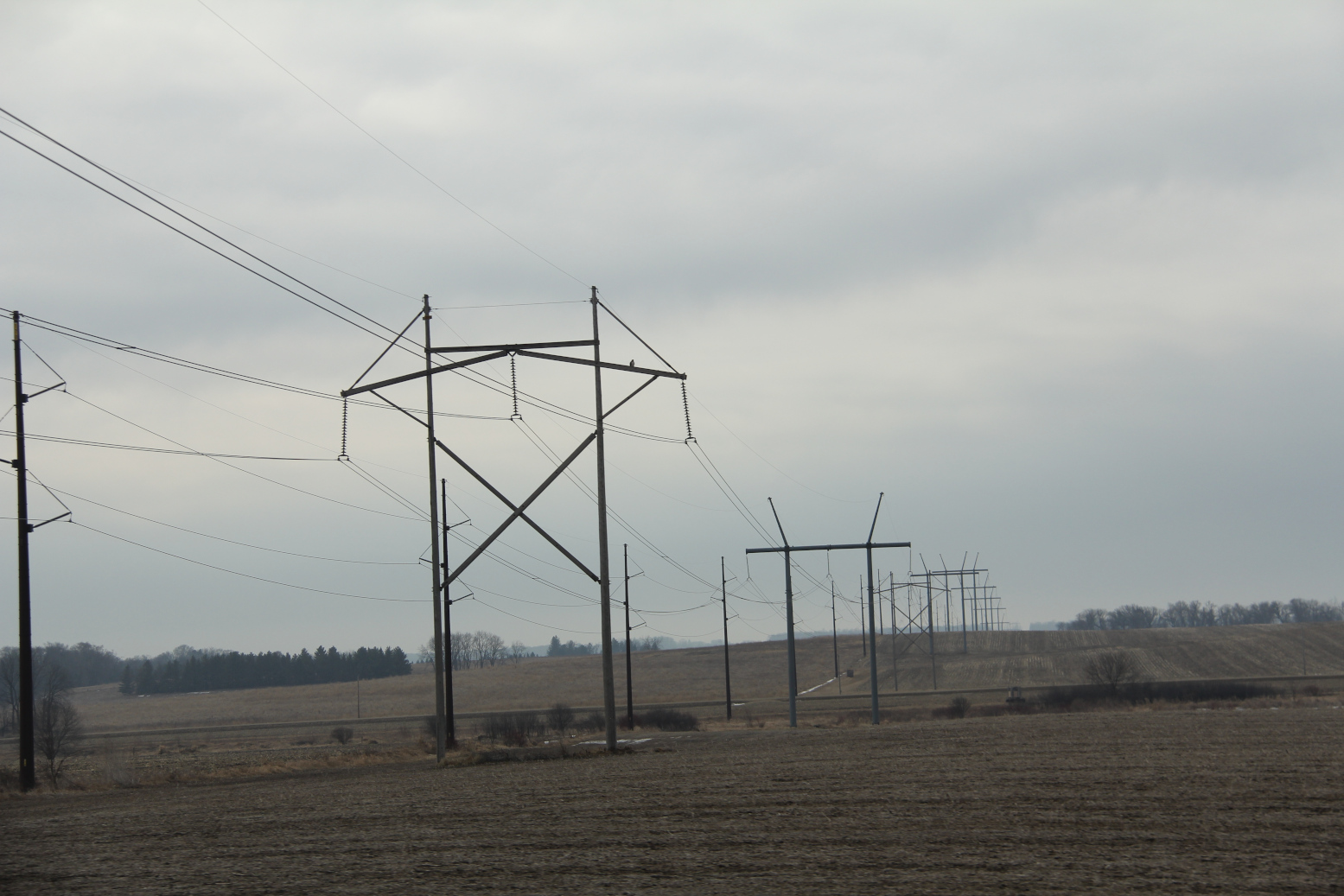
Massive power lines stretch seemingly into infinity along US Highway 14 somewhere between Owatonna and Rochester. (Minnesota Prairie Roots copyrighted photo March 2026)
Time passes. Miles pass. Rural southern Minnesota unfolds before me, captured through the lens of my camera on an almost-spring day in March.
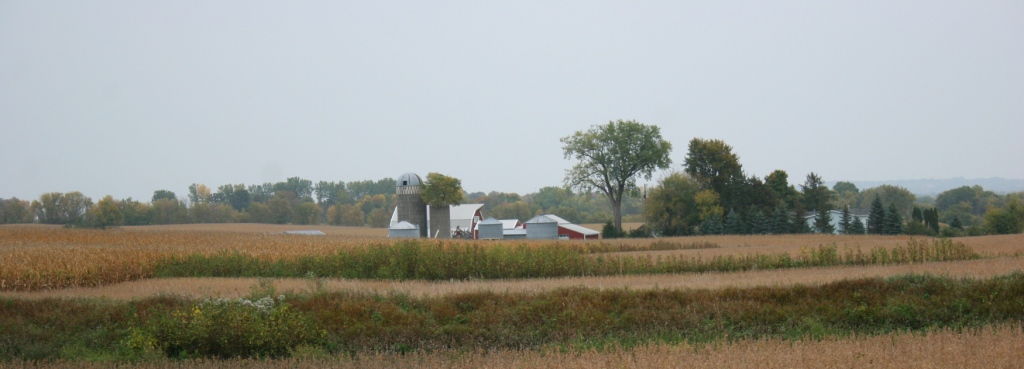
We followed roads west of Faribault toward the Kilkenny and Montgomery areas. I gave up trying to keep track of where we were. (Minnesota Prairie Roots copyrighted photo October 2024)
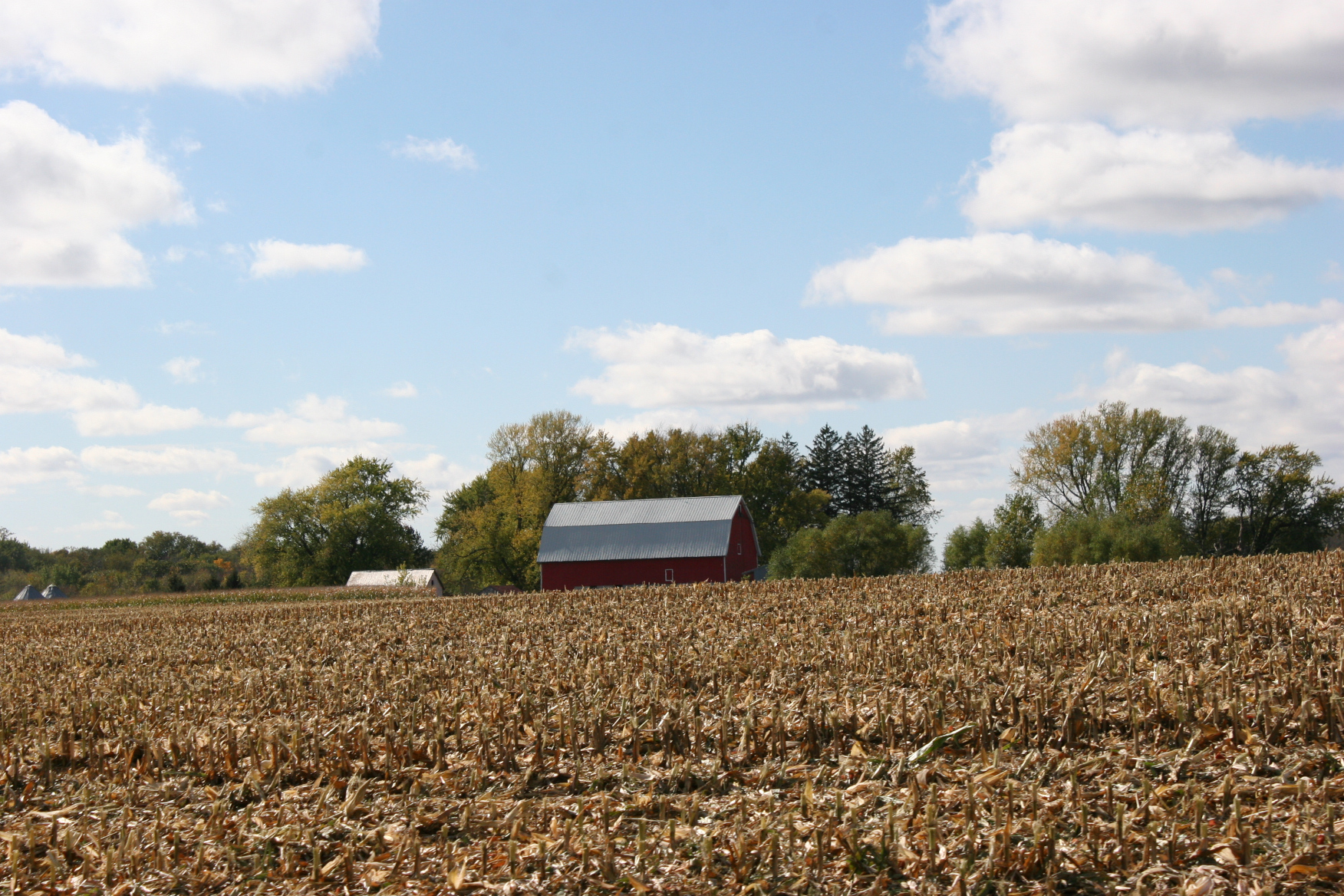
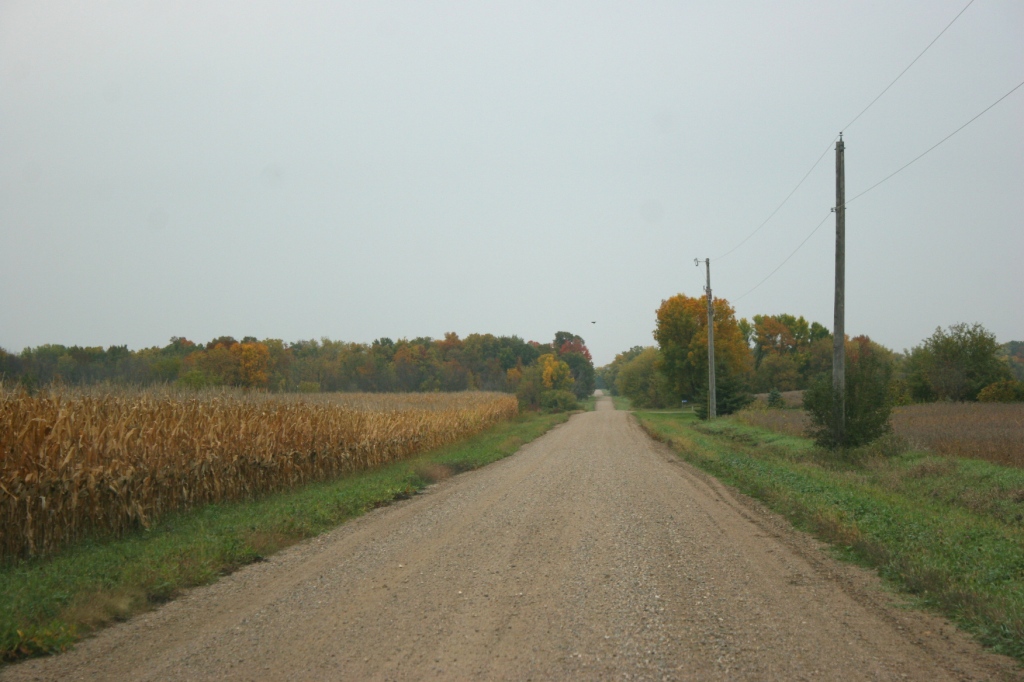
THE WHEELS KICKED UP DUST as our van moved along back gravel roads in Rice and Le Sueur counties on a recent weekday. Randy and I were on a fall color drive that took us past cornfields and farm sites, past woods and wetlands, past trees blazing orange and those still green.
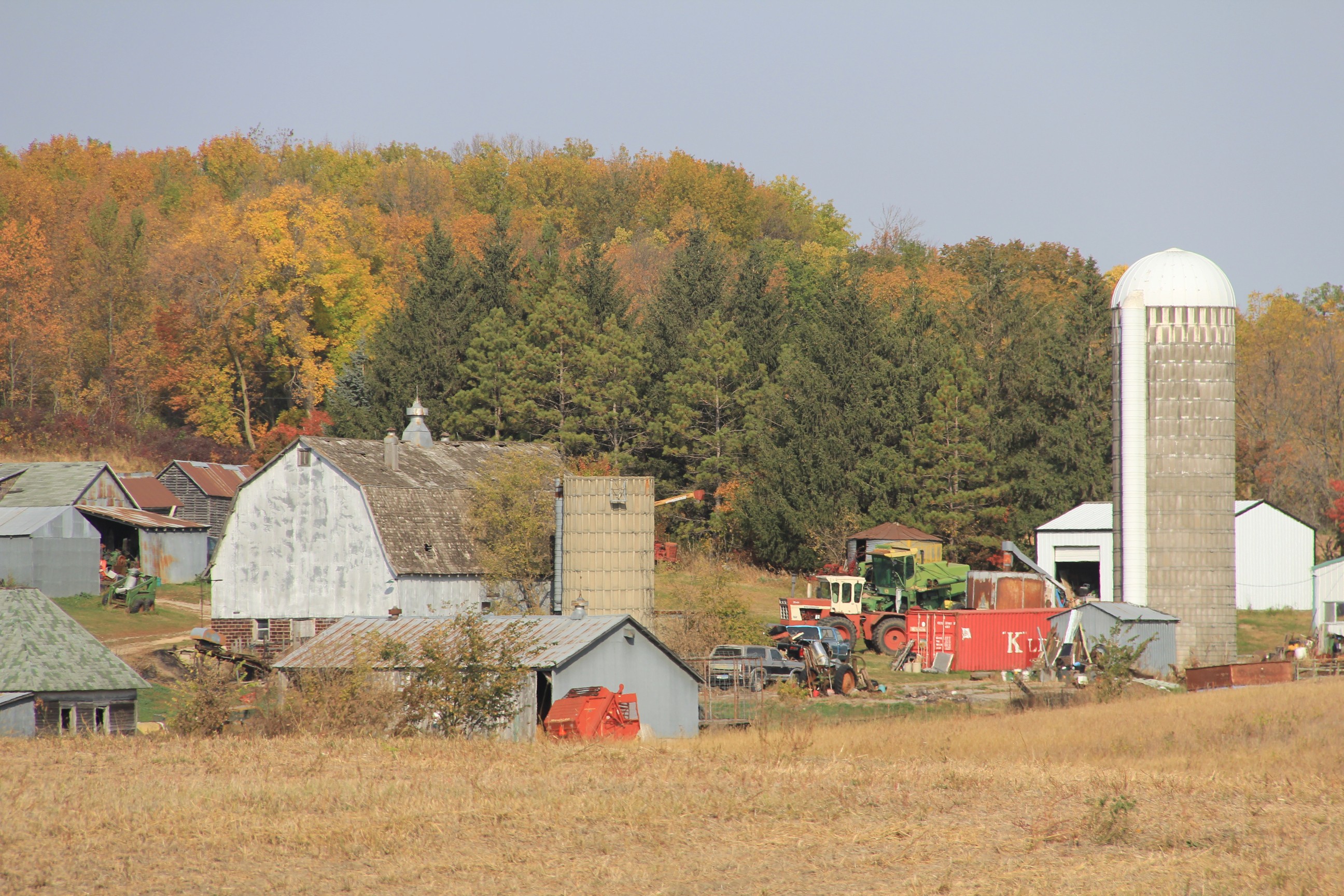
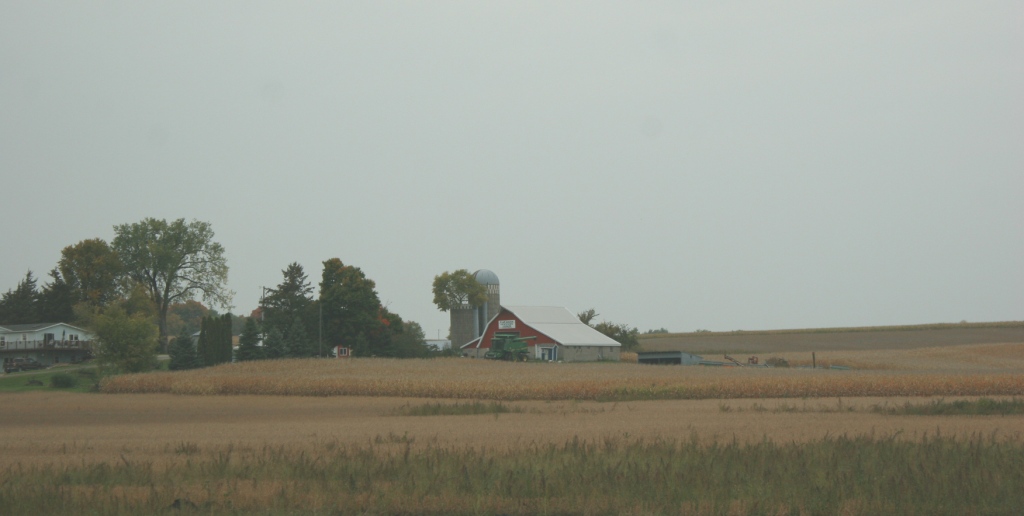
This farm site sits along Leroy Avenue, just off 160th St. W. between Shieldsville and Kilkenny. (Minnesota Prairie Roots copyrighted photo October 2024)
As we wound our way along winding roads and along straight grids west of Faribault, I felt what I always feel this time of year—a longing for the land. In this season of harvest, this season of leaves coloring the landscape, I yearn to connect with the soil, the earth, the agrarian heritage that roots me.
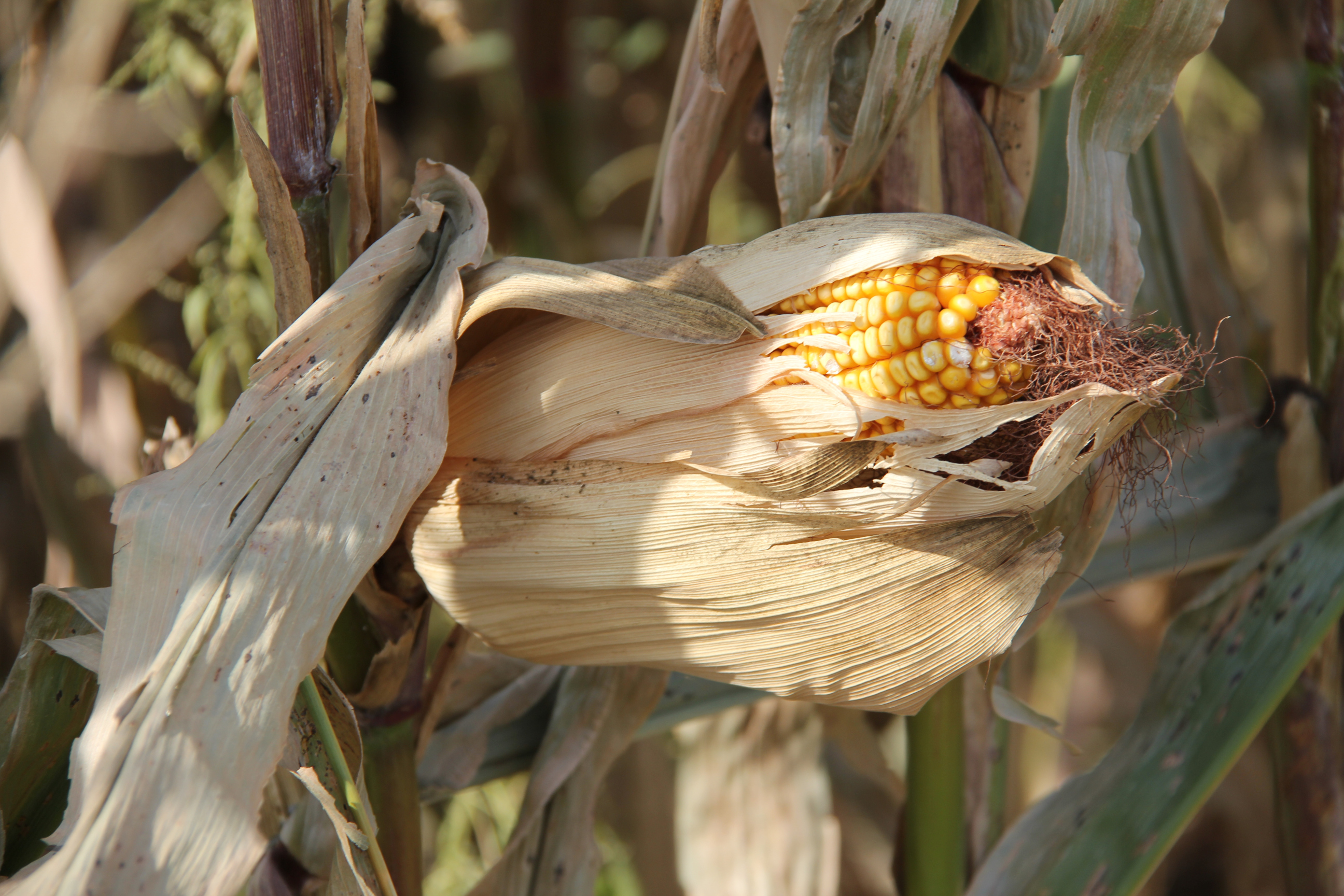
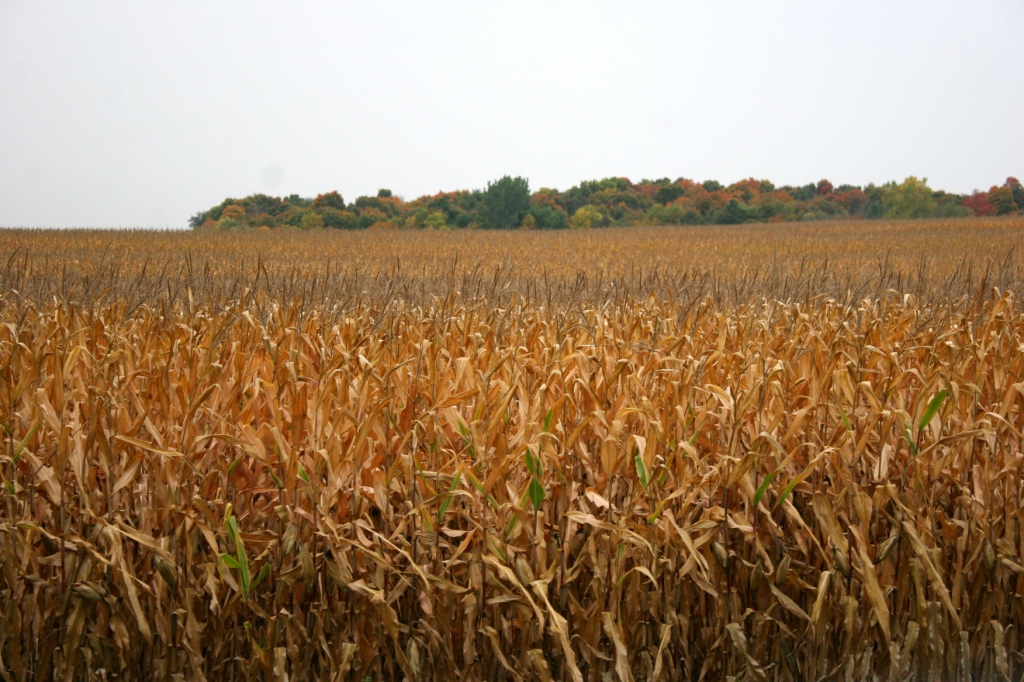
Corn awaits harvesting. (Minnesota Prairie Roots copyrighted photo October 2024)
I miss the land. I miss the roar of combines harvesting corn and soybeans, golden grain spilling into wagons or trucks. I miss the distinct, indescribable scent of autumn rising from fields. I miss all of it. A country drive in October helps ease the heartache of one who grew up on a farm, but left it fifty years ago.
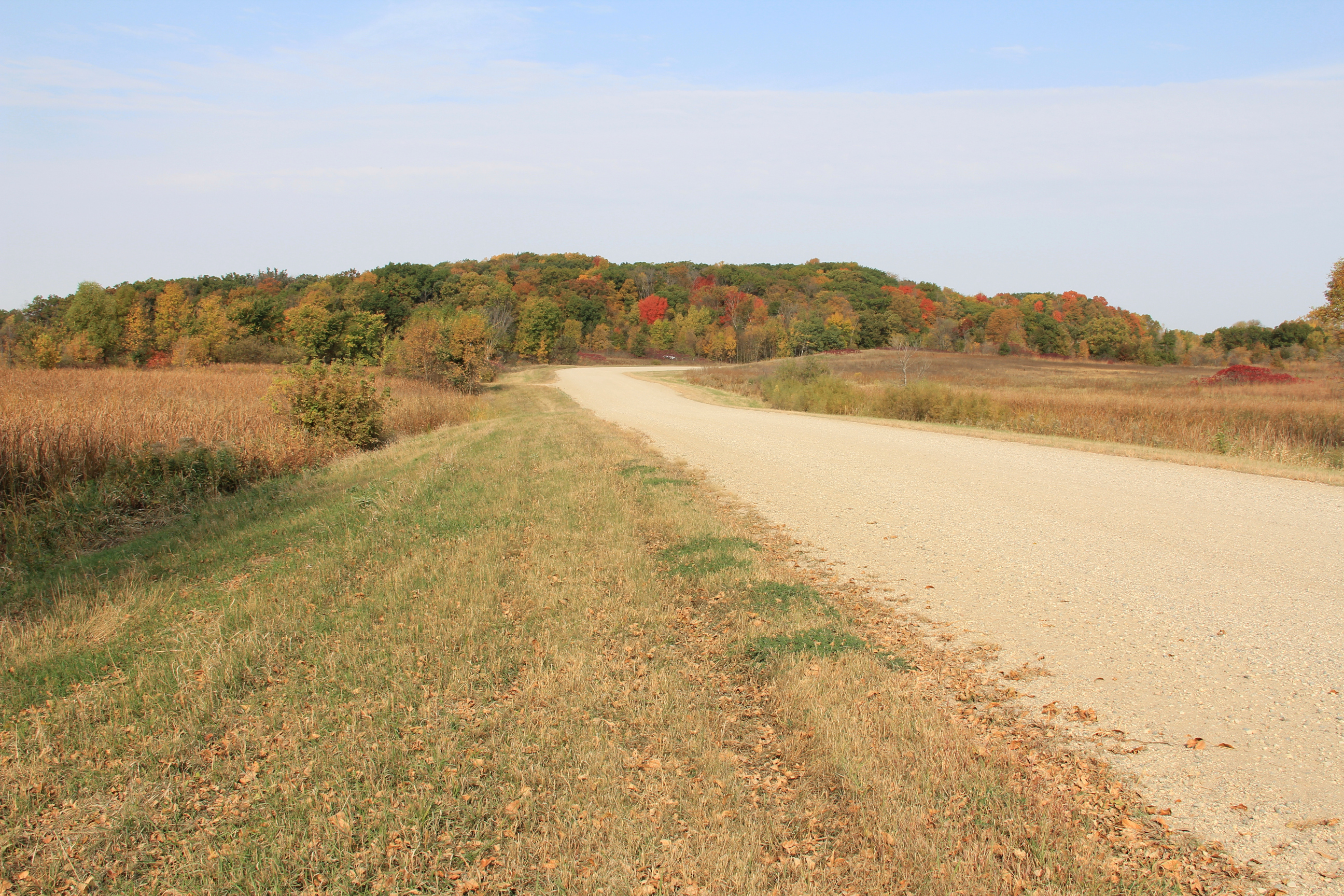
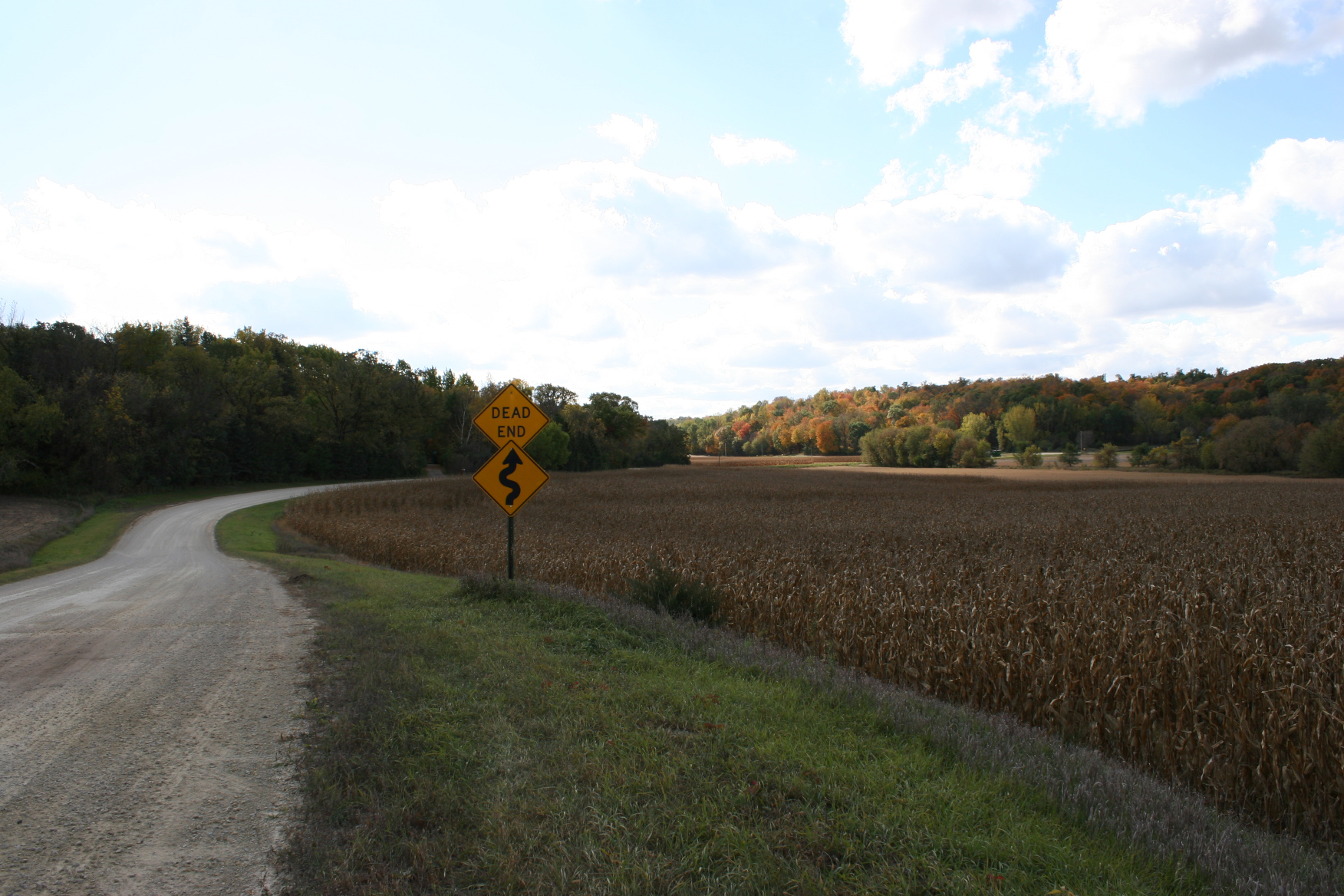
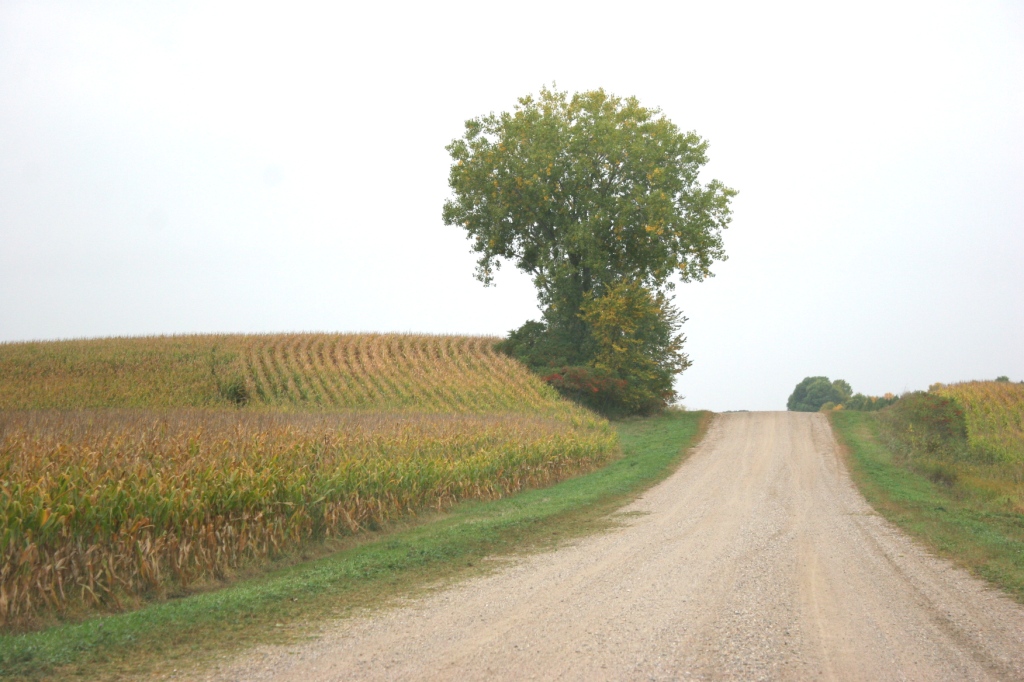
This curving gravel road took us past wooded hillsides and a wetlands restoration area. (Minnesota Prairie Roots copyrighted photo October 2024)
This is the time of year, whether you’re rural, small town or city-raised, to take a drive into the countryside. Off paved roads. Onto gravel routes.
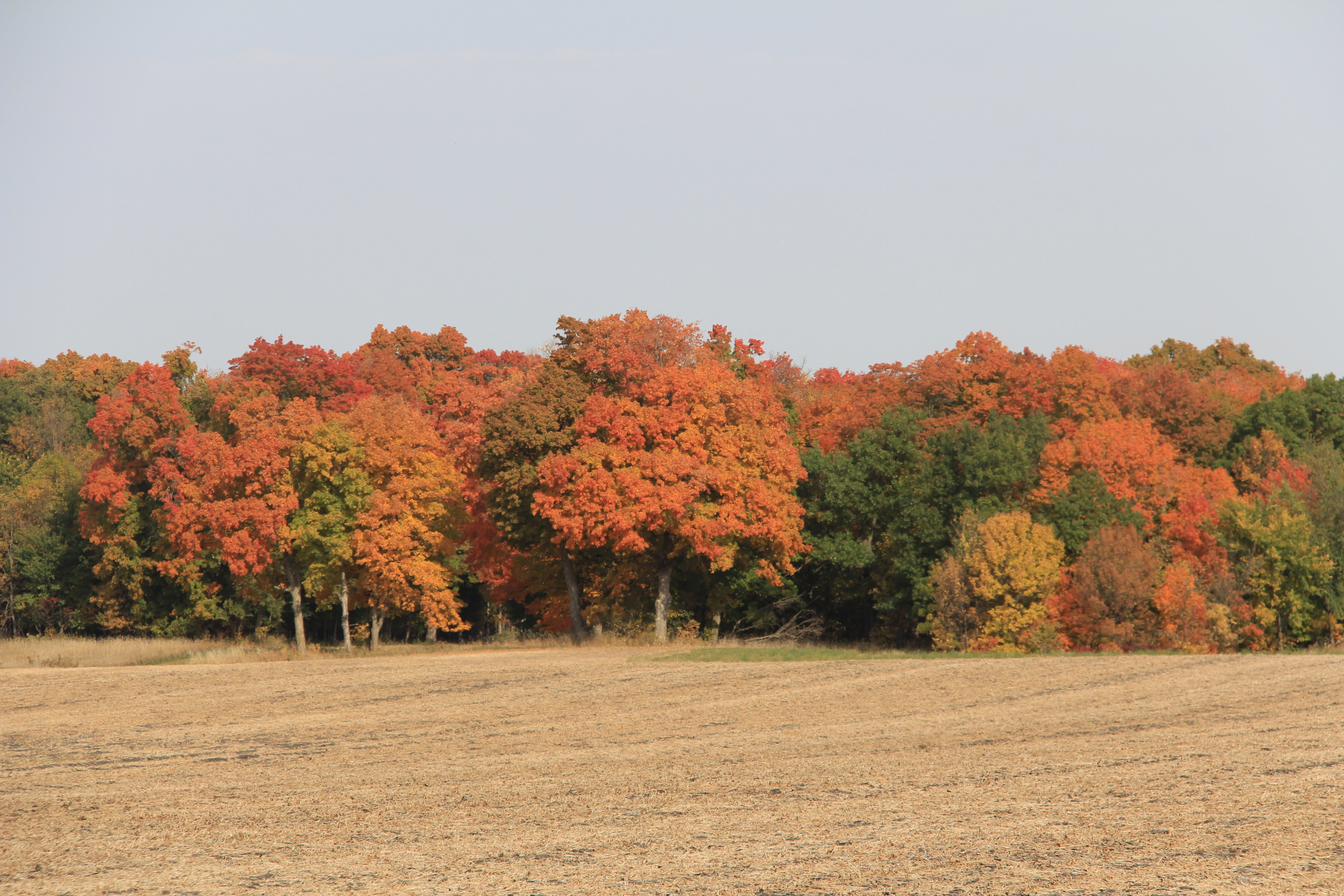
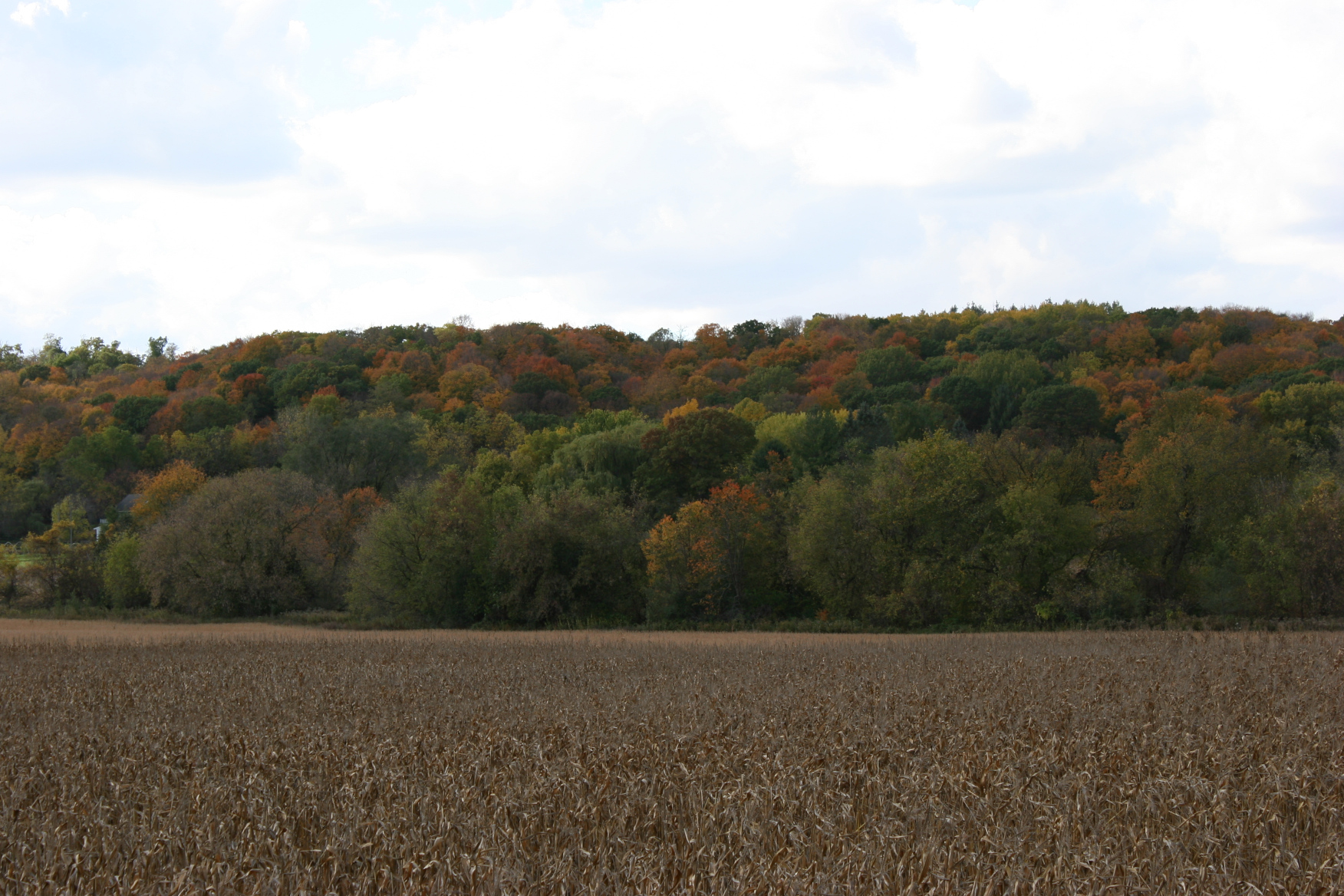
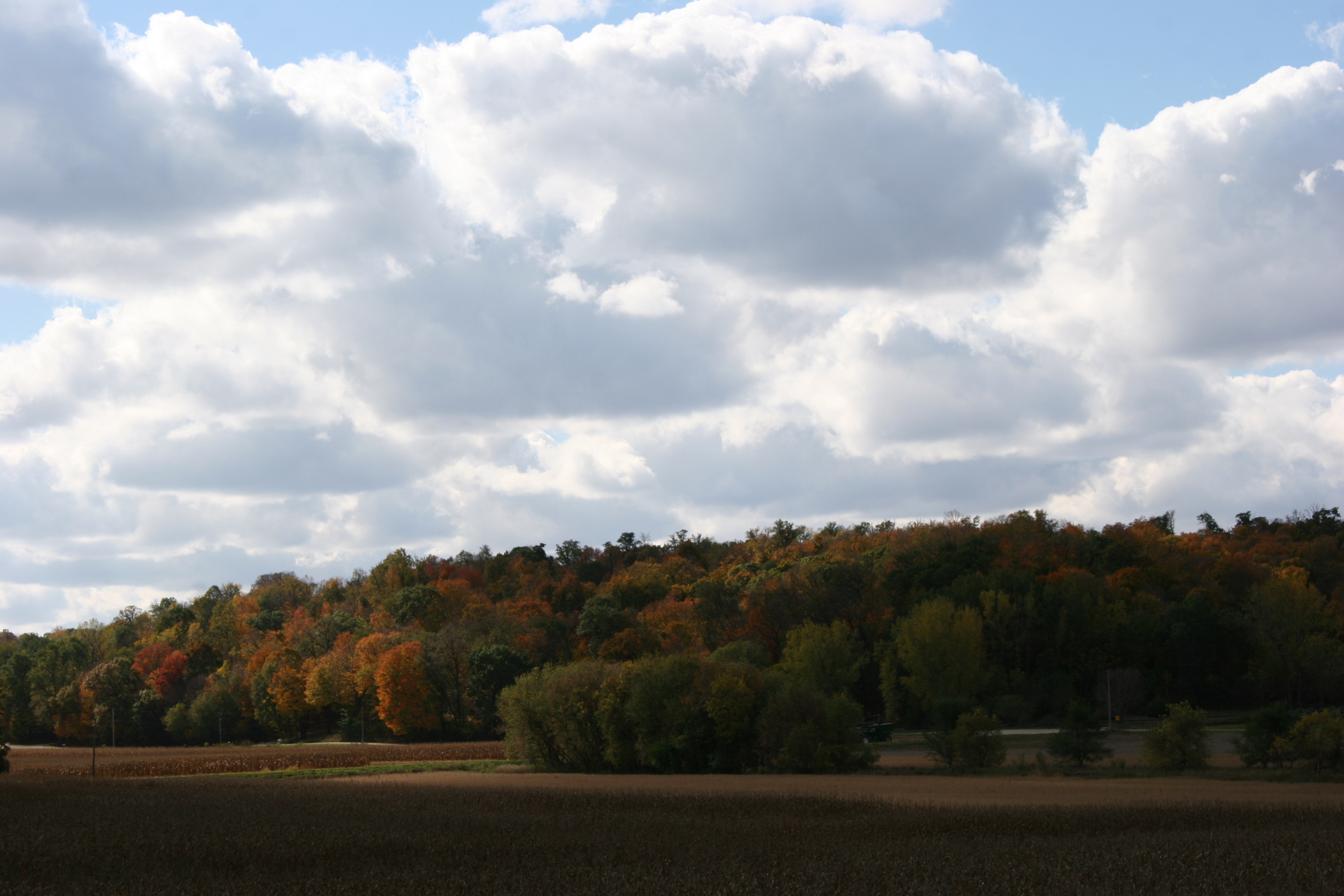
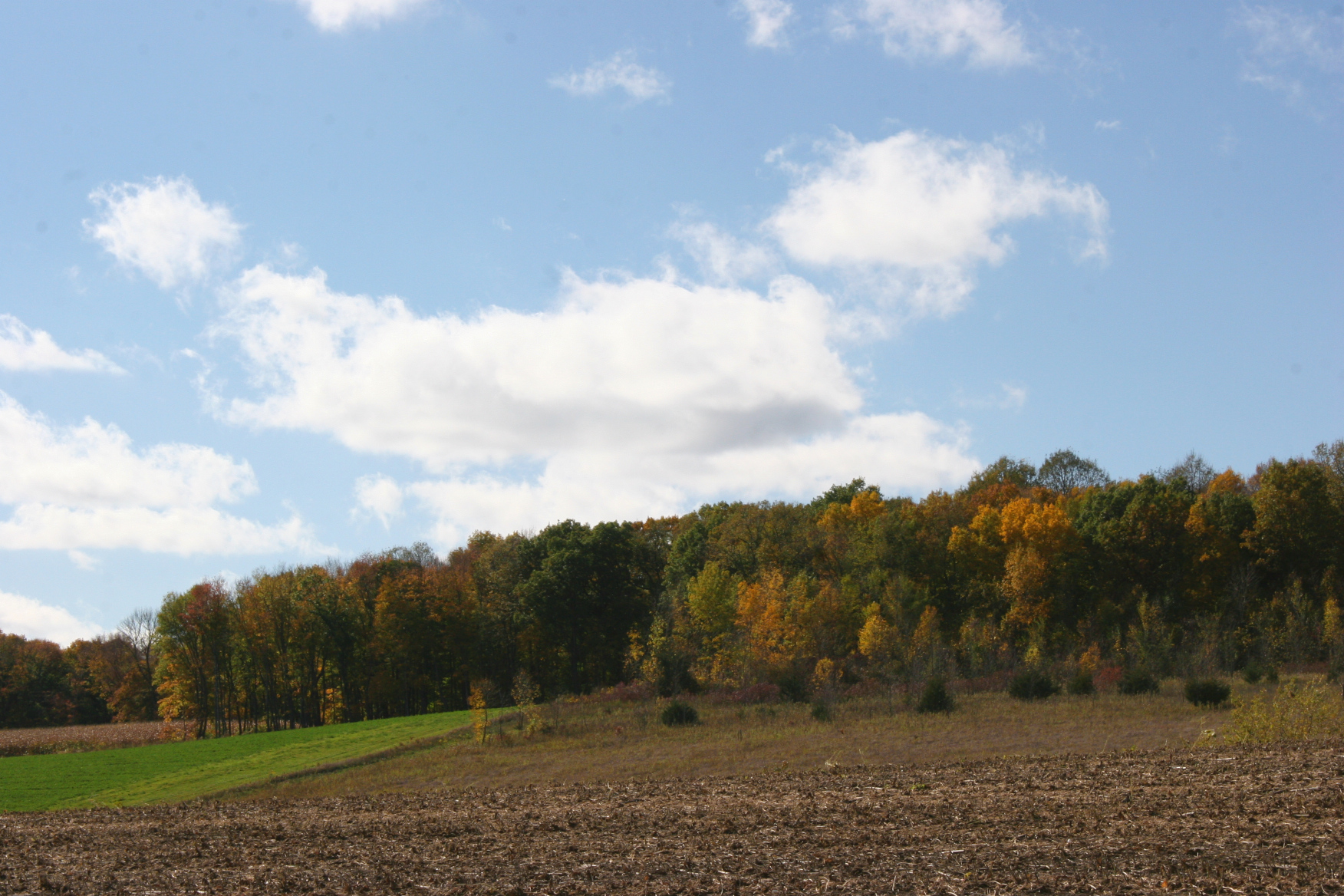
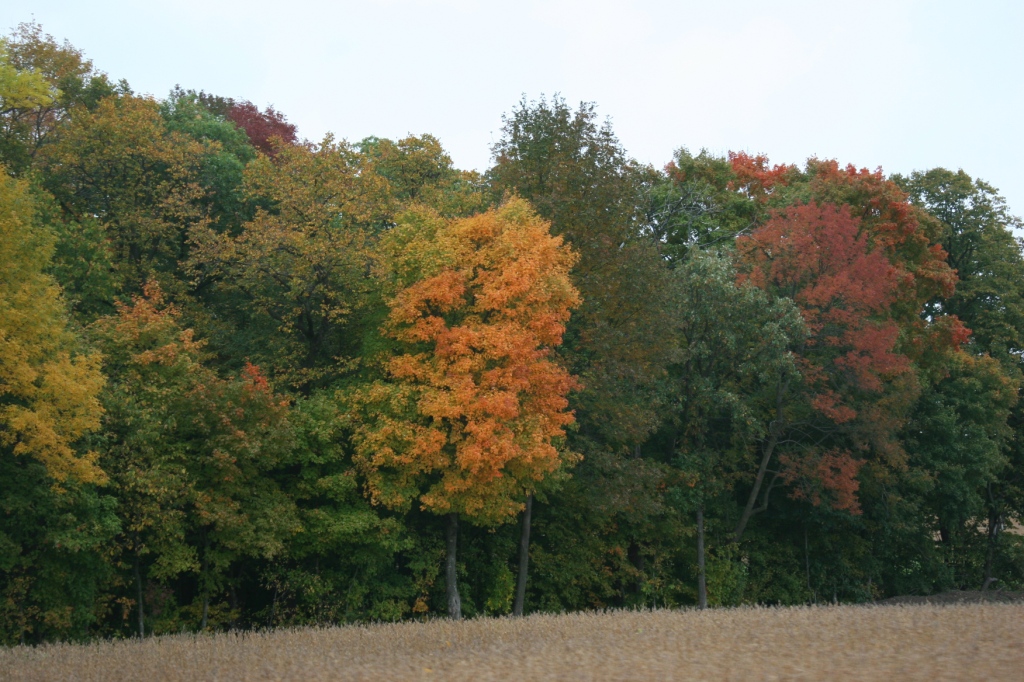
Some treelines were vivid with color, others not. (Minnesota Prairie Roots copyrighted photo October 2024)
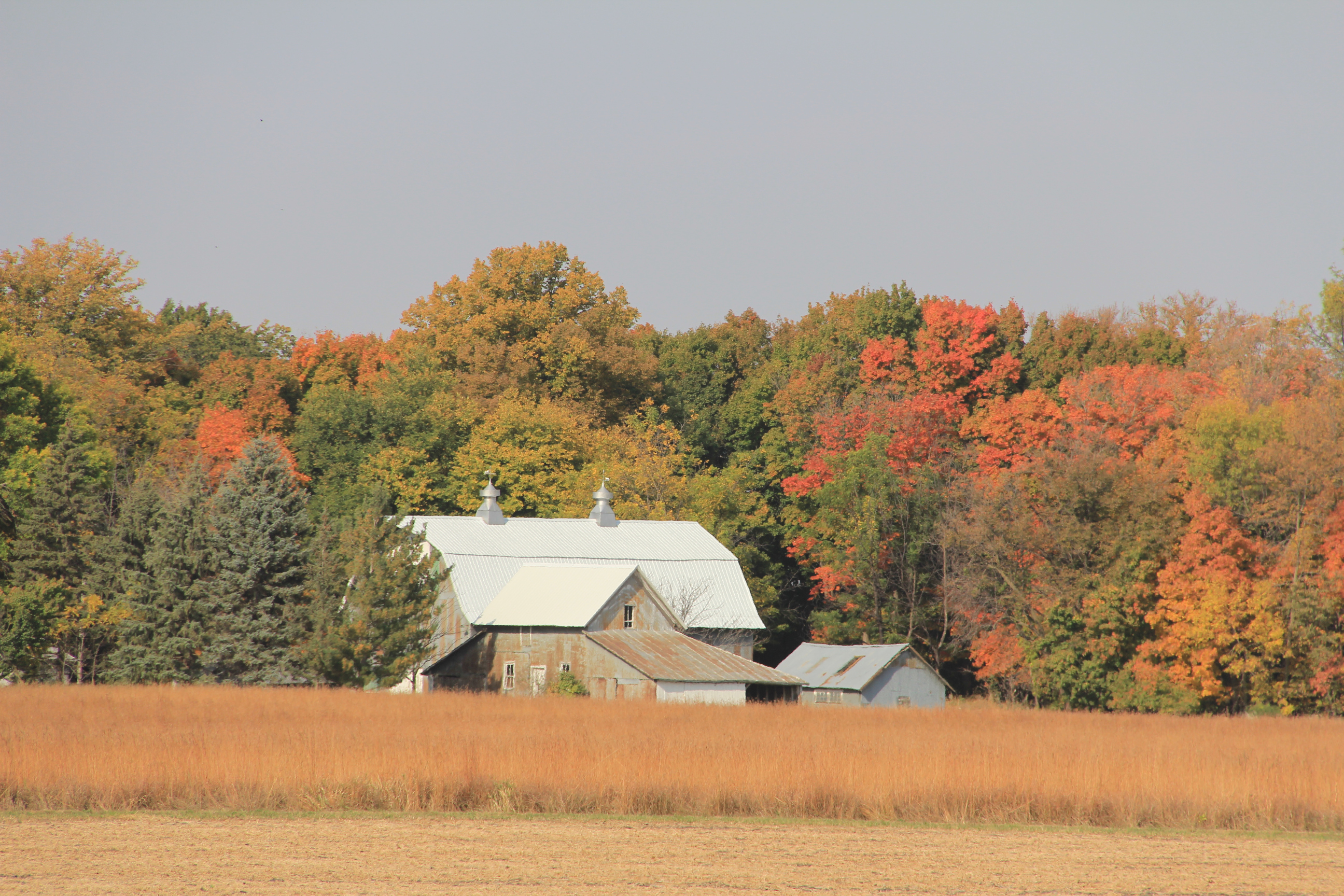
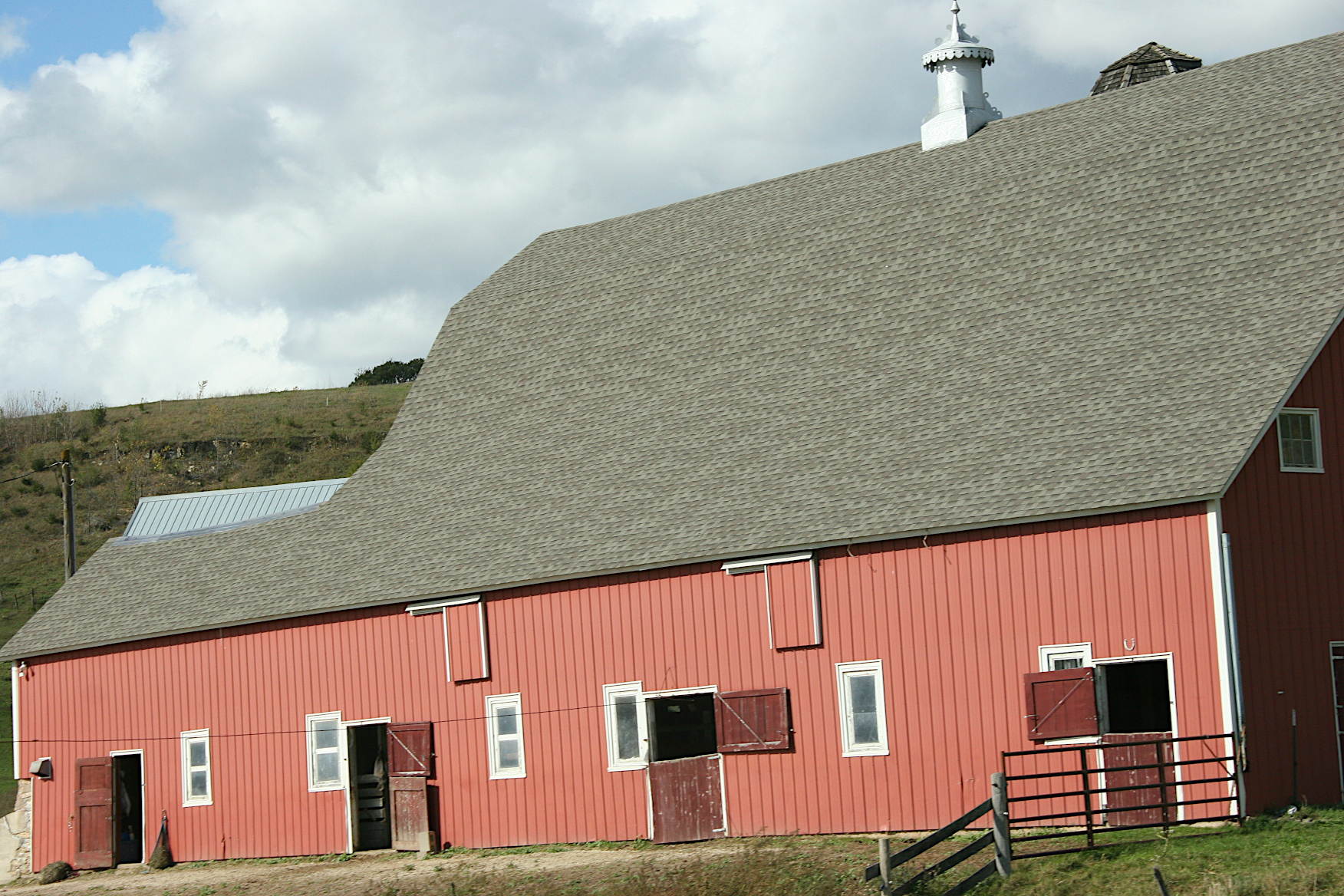
I am always drawn to barns rising above the landscape. (Minnesota Prairie Roots copyrighted photo October 2024)
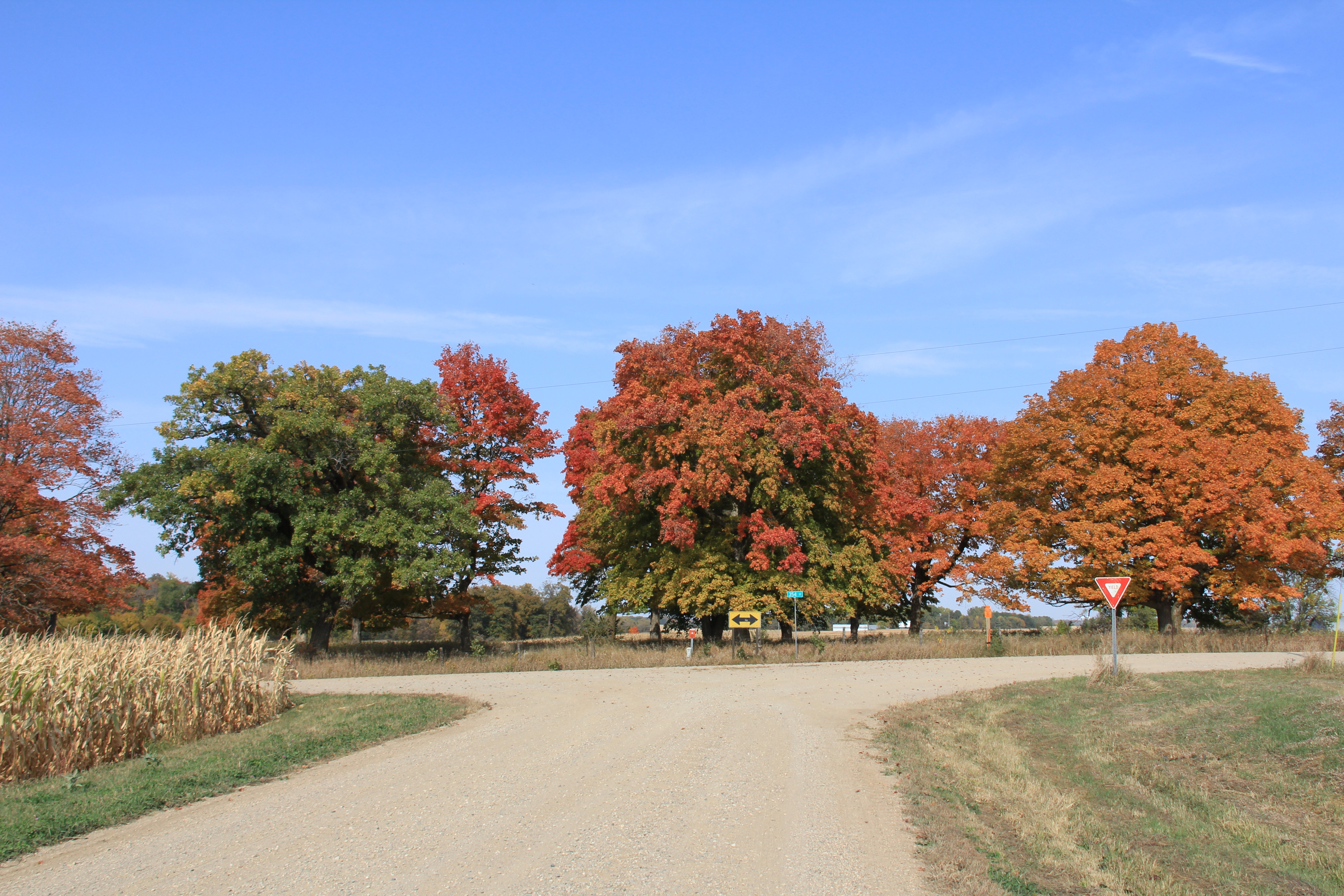
A rural intersection ablaze in color. (Minnesota Prairie Roots copyrighted photo October 2024)
Gravel forces a slower pace, offers opportunities to stop and appreciate that which unfolds before you. On this drive, it was the coloring of trees, just beginning, aged farm sites back-dropped by woods or surrounded by fields. Just being here in the rural-ness honored my past, filled my soul.
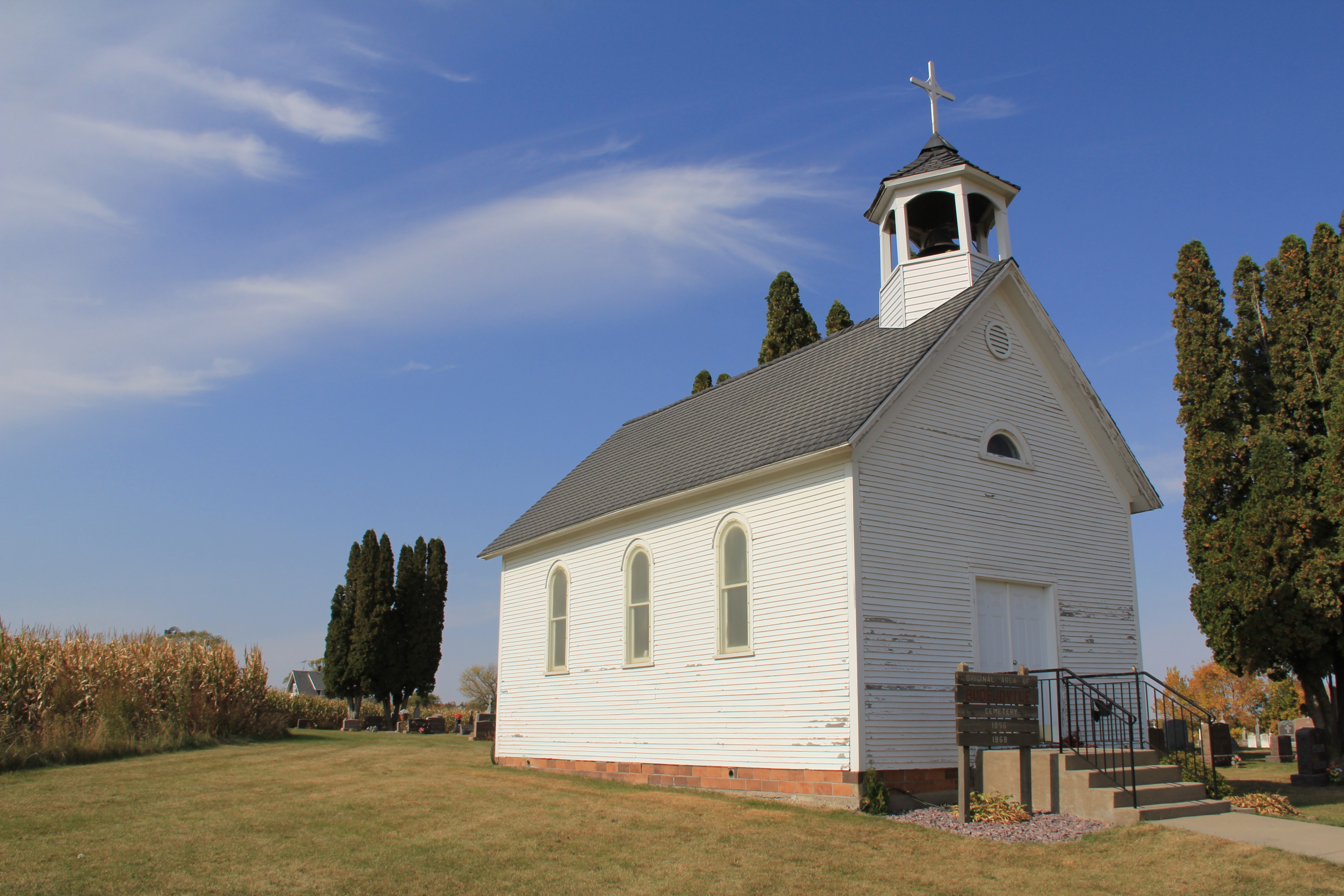
A Czech church and cemetery west of Montgomery. (Minnesota Prairie Roots copyrighted photo October 2024)
And then we paused at an historic country church nestled among cornfields near Montgomery. We walked the expansive cemetery. As I meandered and took photos, I heard the wind rustling the dried corn leaves, a comforting sound in the silence of the land.
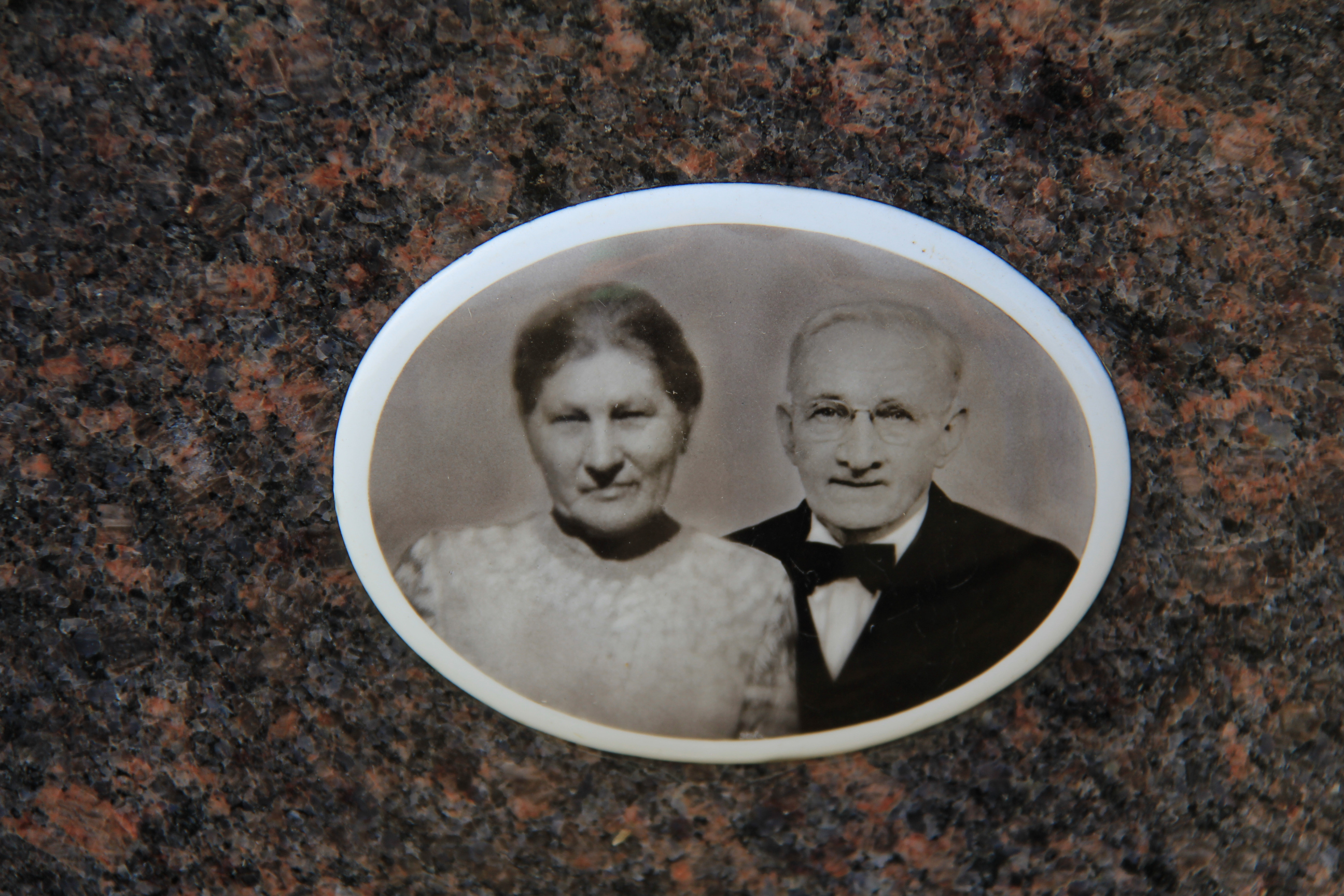
Anna and John Frolik are among the early settlers buried at Budejovice. They were born in 1886 and 1887. Their photos adorn their tombstone. (Minnesota Prairie Roots copyrighted photo October 2024)
I wondered about the Czech immigrants who settled in the area, built Budejovice Church in 1868. What were their heartaches, their stories, their hopes and dreams? I expect they longed for the Old Country, for the familiarity of home, for the loved ones an ocean away.
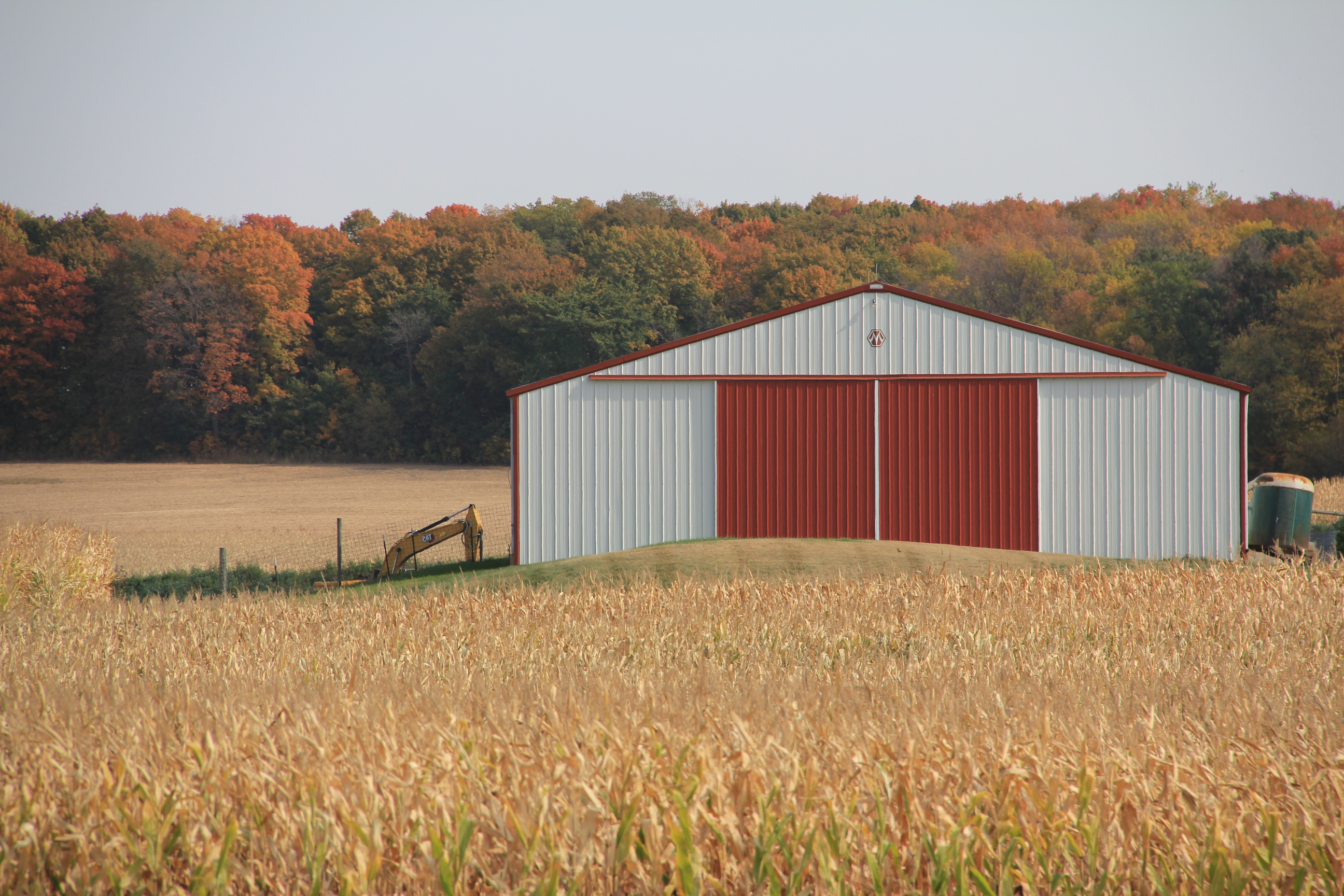
This machine shed, surrounded by cornfields, sits just across the gravel road from the church and cemetery. (Minnesota Prairie Roots copyrighted photo October 2024)
Such thoughts filter through my mind whenever I am among the souls of the departed, my soles touching the land under which they lie buried. I don’t feel sadness as much as a sense of respect for those who came before me, who forged a new life in Minnesota with grit, determination and a whole lot of fortitude.
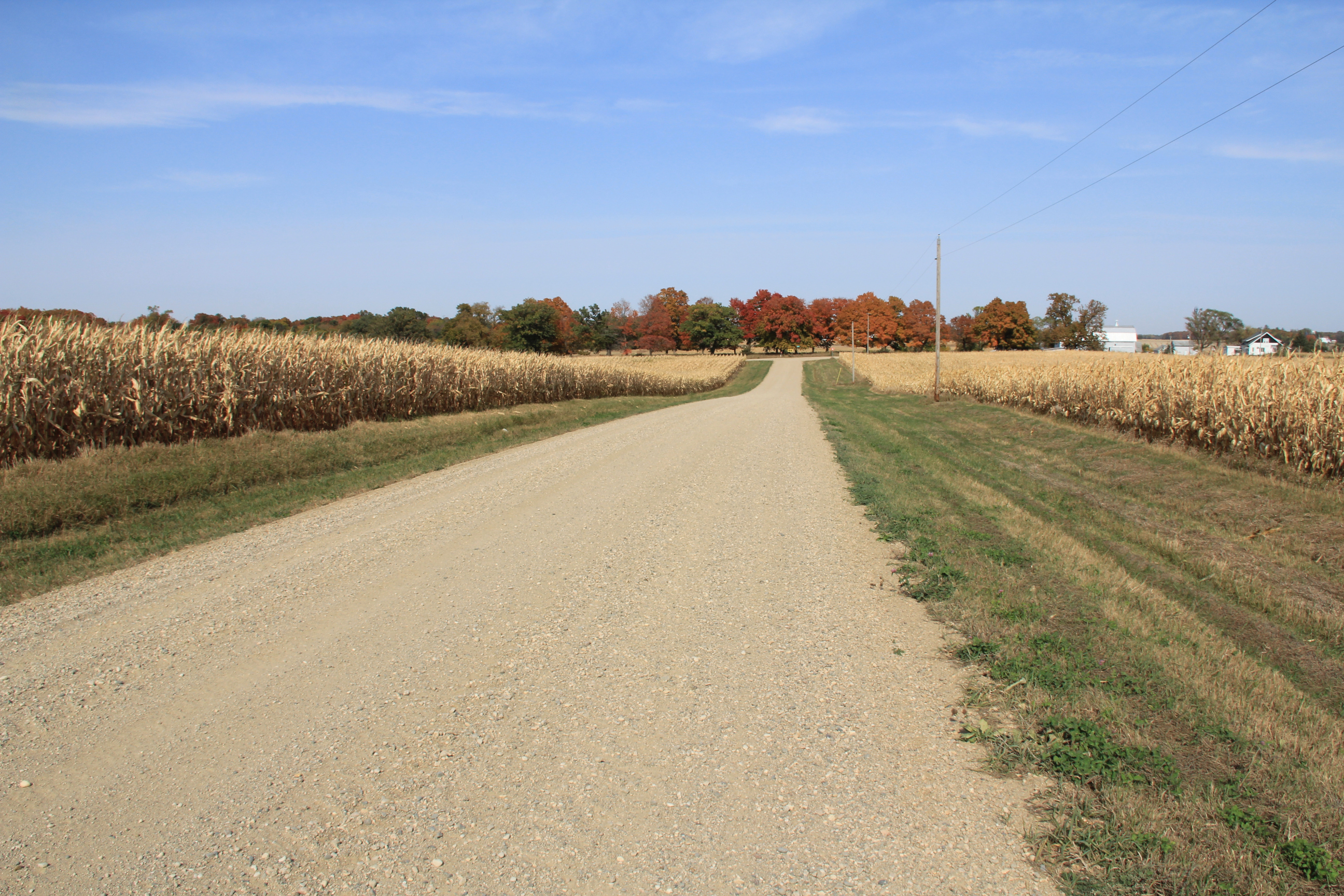
Cornfields flank a gravel road leading to a colorful treeline. (Minnesota Prairie Roots copyrighted photo October 2024)
Driving the countryside in autumn evokes not only nostalgia and reflection, but also a sense of time passing. Leaves turn color. Crops morph to golden hues, ready for harvest, or already harvested. And dust rises from the land, carried on the wind, coating our van. Miles and miles and miles of gravel roads behind us, we arrive home. I’m exhausted. My shoes are covered in dust. But I feel content. Replenished. I needed this, this country drive that was about much more than viewing fall colors. It was also about filling my soul.
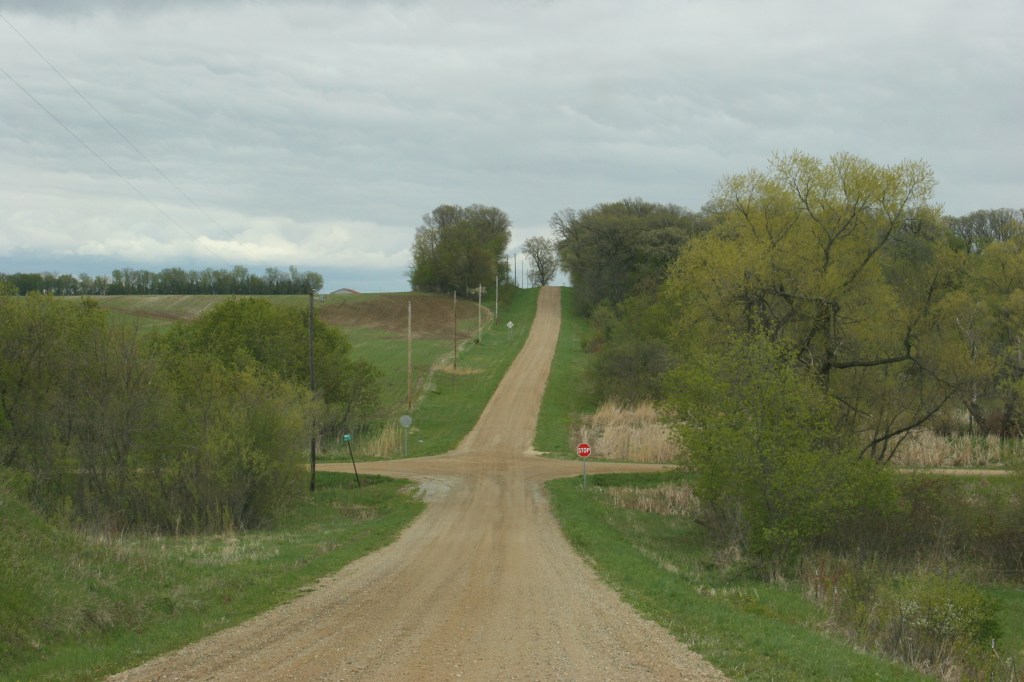
Just outside of Cannon Falls along Goodhue County Road 8, we stopped to admire the treeline and the gravel road winding toward it. (Minnesota Prairie Roots copyrighted photo mid-October 2021)
WHITE ROCK. Belle Creek. Hader. They are among the 60-plus ghost towns of Goodhue County. Places that once thrived, marked now only by signs along a road, a cluster of homes, perhaps a church or abandoned buildings.
Oh, lovely hues of autumn near Cannon Falls. (Minnesota Prairie Roots copyrighted photo mid-October 2021)
Yet, acknowledging their existence, as the Goodhue County Historical Society does with roadside signs, matters. Because these towns mattered to previous generations and still matter to those with connections to the likes of Aspelund, Burr Oak Springs, Crystal Springs, Eidsvold, Skyberg and so many more with names that hint at heritage and sound poetically beautiful.
On a road trip to Goodhue County a month ago, Randy and I followed County Road 8 east and then south of Cannon Falls back toward Faribault.
Clouds and trees and field along CR 8. (Minnesota Prairie Roots copyrighted photo mid-October 2021)
Our route took us past clusters of woods, some tinged in autumn hues.
Goodhue County Road 8 near Cannon Falls sweeps into the valley. (Minnesota Prairie Roots copyrighted photo mid-October 2021)
Soon the road curved and swept into the valley, rows of corn rolling across the landscape. Only groves of trees surrounding farm sites broke the vista of endless unharvested fields.
Somewhere between White Rock and Belle Creek, this farmyard drew my eye. (Minnesota Prairie Roots copyrighted photo mid-October 2021)
Sometimes those farmyards hugged the paved road and I caught a close-up glimpse of farms, some with aged weathered barns and outbuildings, others updated with modern equipment and structures.
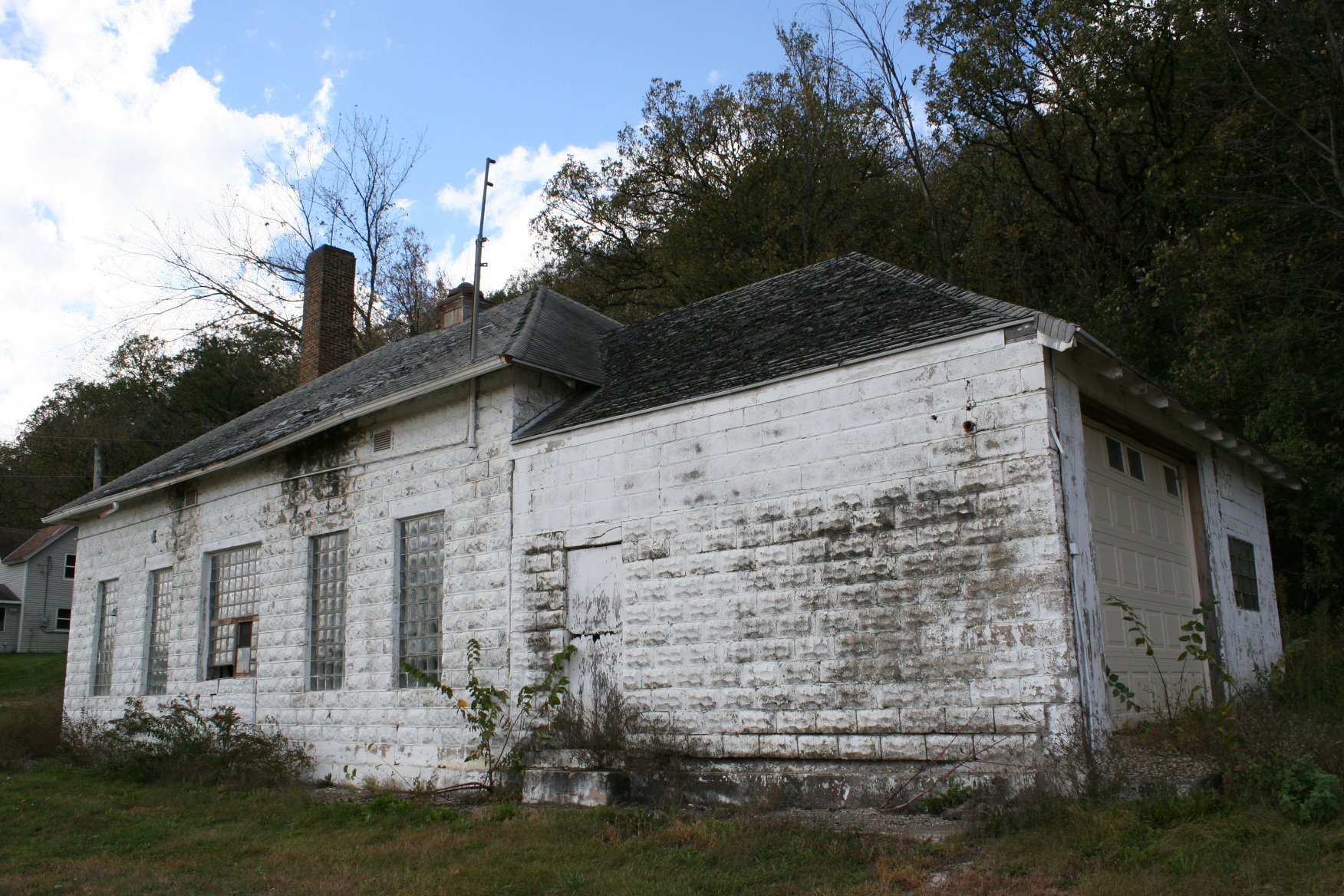
Likely a former creamery in Belle Creek. (Minnesota Prairie Roots copyrighted photo mid-October 2021)
In Belle Creek, Randy and I noticed a white building, likely a former creamery. Creameries often graced these small settlements, a necessity for farmers who sold cream for butter-making.
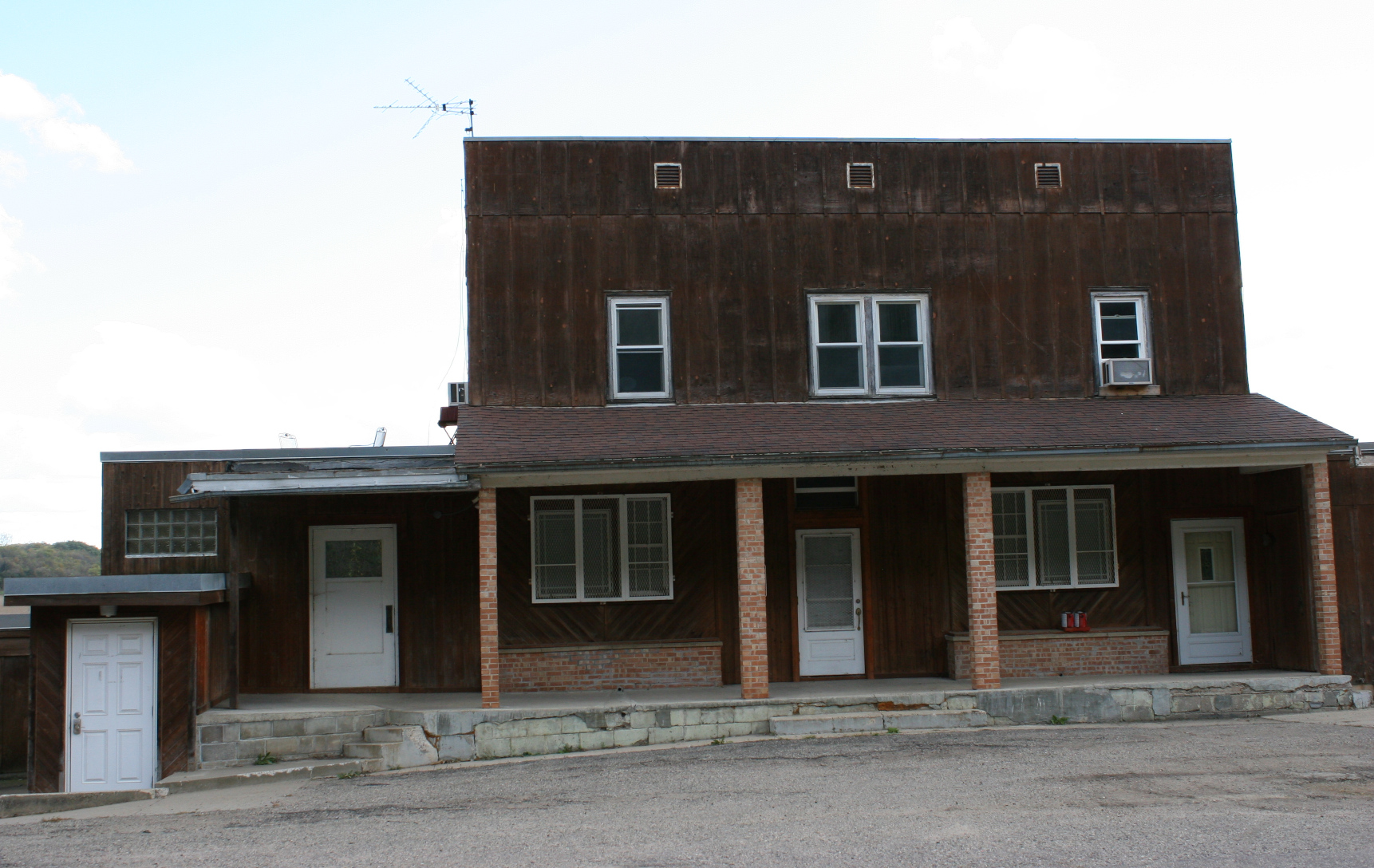
In Belle Creek, a building with an unknown-to-us story. (Minnesota Prairie Roots copyrighted photo mid-October 2021)
Another building in Belle Creek left us guessing at its past life. Perhaps a general store. Then a dance hall. We could be way off…
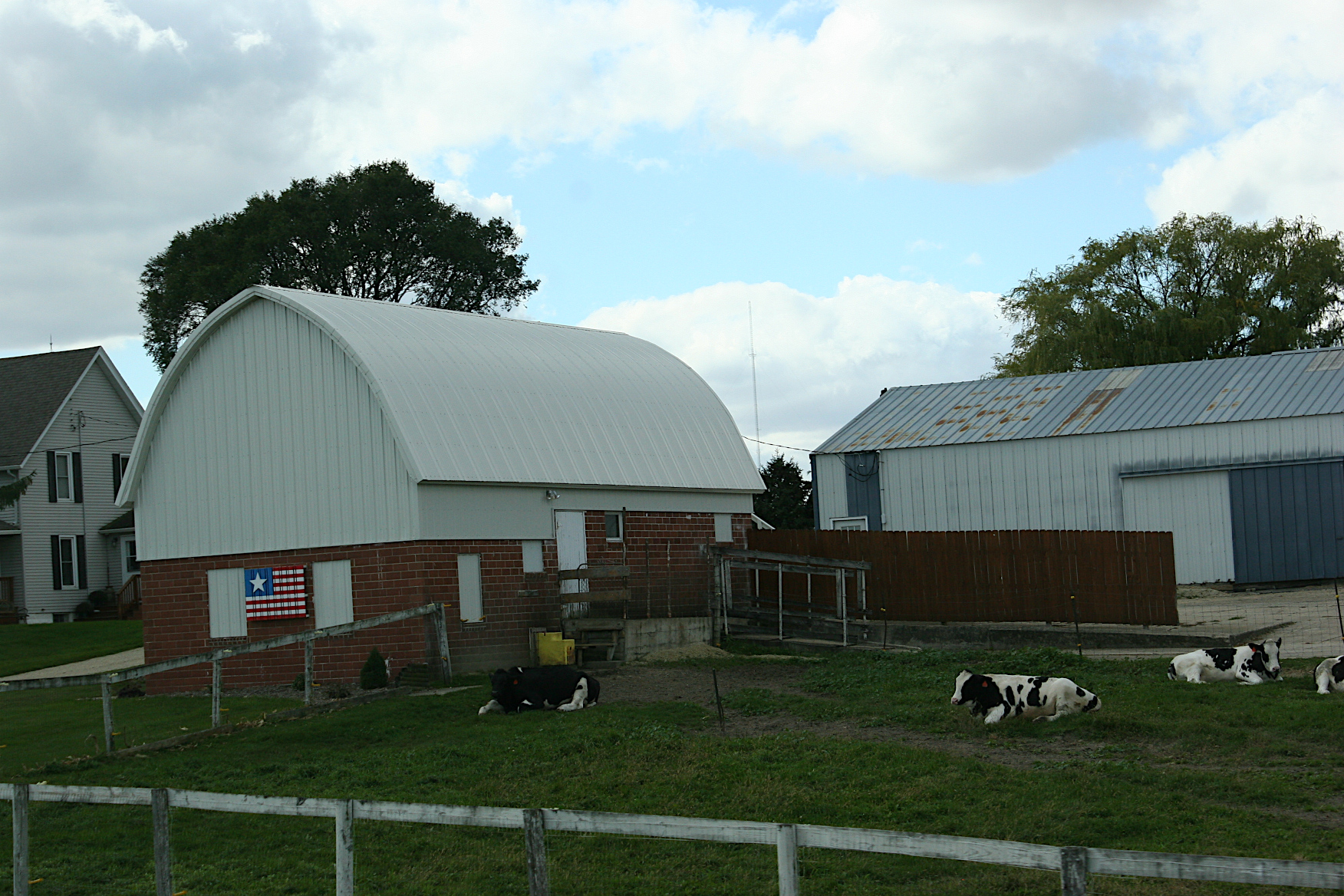
Seeing cows in the countryside takes me back in time. (Minnesota Prairie Roots copyrighted photo mid-October 2021)
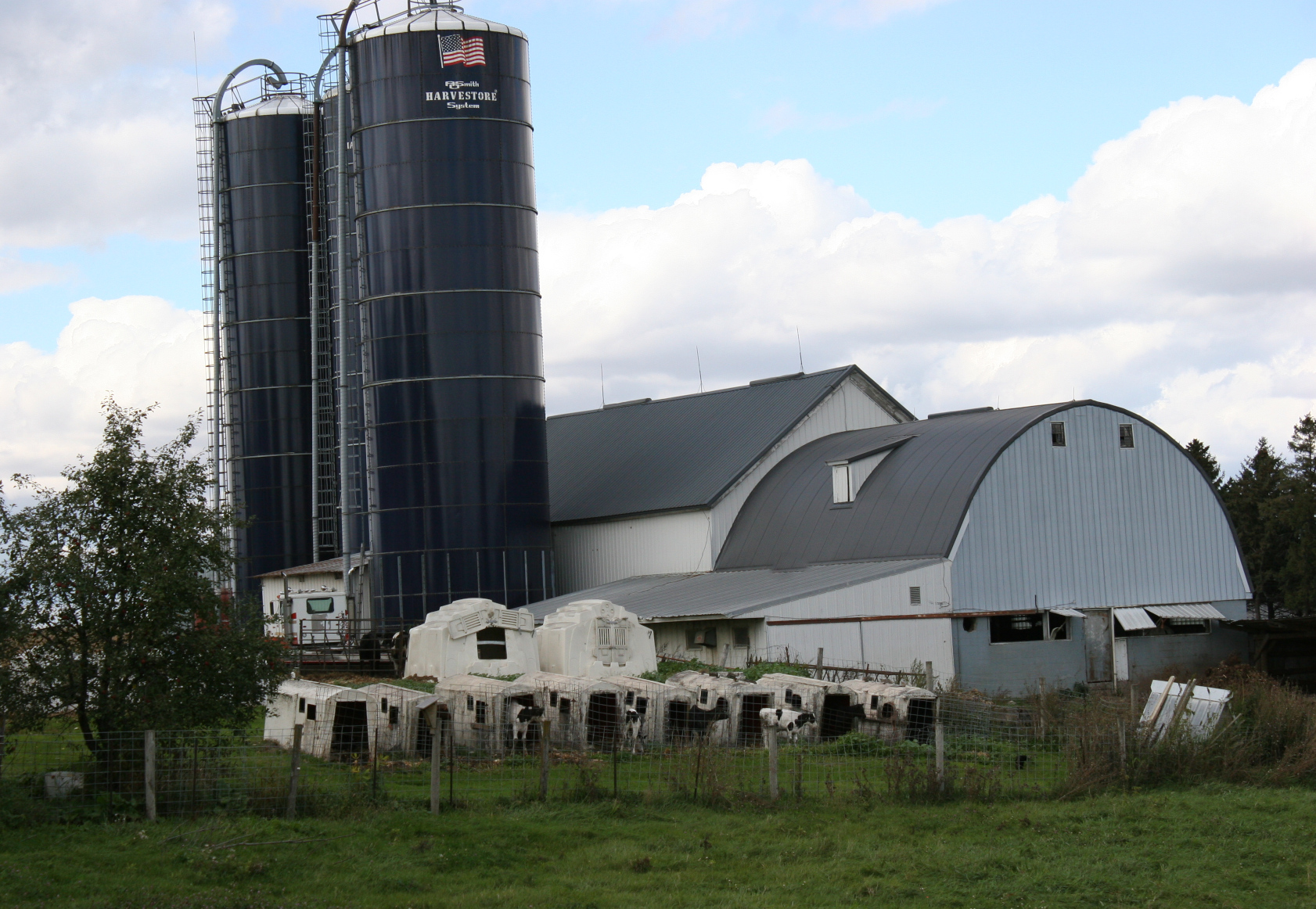
Near Hader, I spotted calves outside their huts. (Minnesota Prairie Roots copyrighted photo mid-October 2021)
Occasionally, we spotted cattle, cows, calves. Growing up on a dairy farm, I delight in seeing bovines, especially Holsteins. But rare are the small family farms today that still raise animals. Corporate and mega farms have mostly replaced that self-sufficient lifestyle. That’s reality.
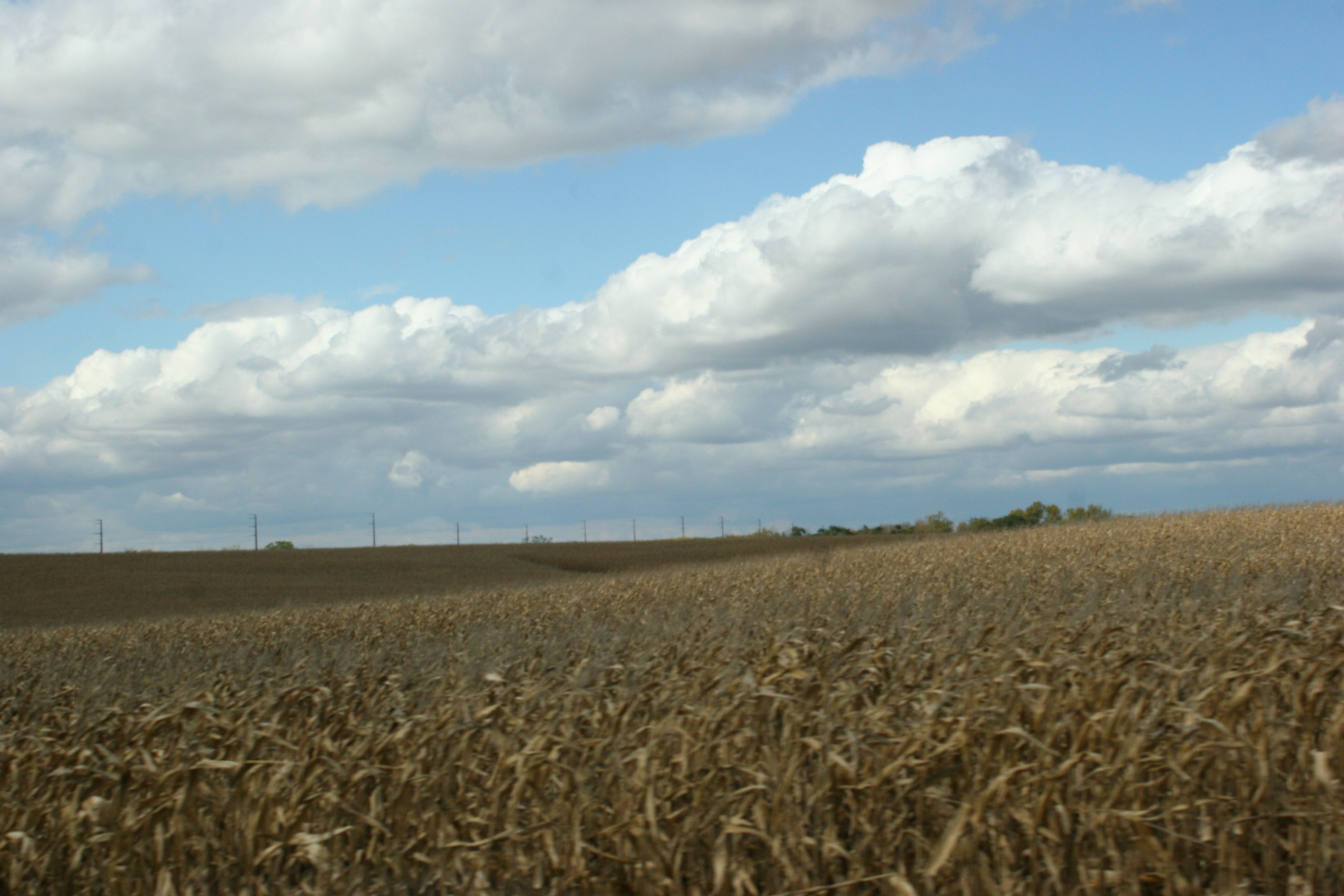
Lots of sky and cornfields along CR 8 in Goodhue County. (Minnesota Prairie Roots copyrighted photo mid-October 2021)
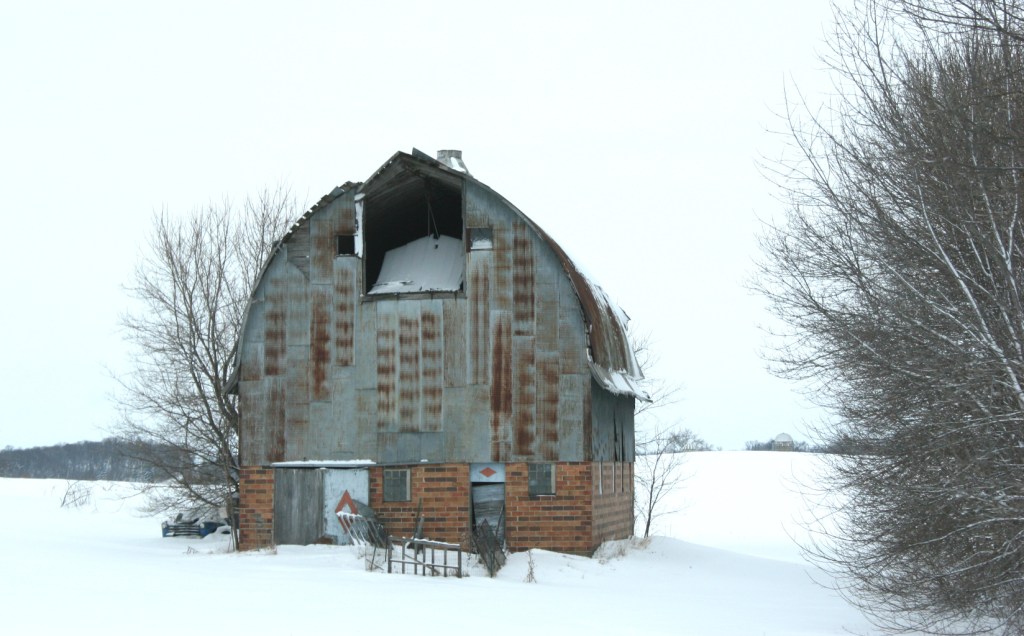
Just like ghost towns, many farms have become, in some ways, ghost farms. They are but ghosts of the past. Ghosts of their former selves and purposes. I see that in decaying, empty buildings, especially barns. I see that in the absence of livestock. I see that in families who can no longer support themselves solely via the farm.
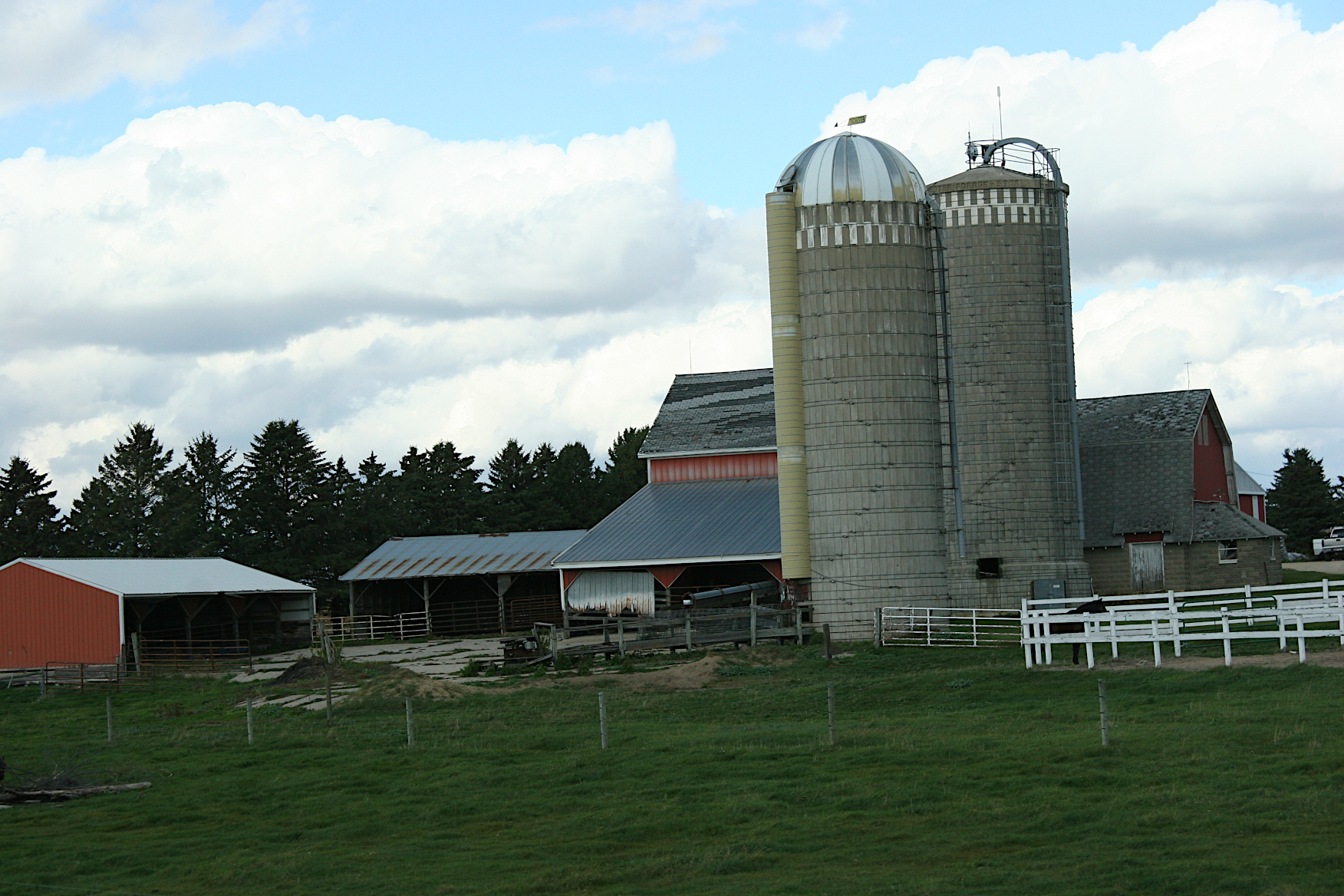
Farm after farm after farm defines this area of Goodhue County. (Minnesota Prairie Roots copyrighted photo mid-October 2021)
All of this is unsettling. But with time comes change. And with change must come acceptance and perhaps also an added historical appreciation for the past.
Gravel roads, sky and fields stretch before us in the southern Minnesota countryside. (Minnesota Prairie Roots copyrighted photo October 2021)
Polka music pulsed through the van in a rhythmic beat. It was an unusual station choice given I listen primarily to contemporary Christian music on KTIS and Randy enjoys talk radio. But, occasionally on his 22-minute drive home from work, Randy tunes in to KCHK to listen to late afternoon featured 50s-70s music.
A farm site tucks behind a hillin LeSueur County. (Minnesota Prairie Roots copyrighted photo October 2021)
In the heart of Czech country, though, the radio station is known for its day-time polka programming.
Occasionally we passed between colorful treelines. (Minnesota Prairie Roots copyrighted photo October 2021)
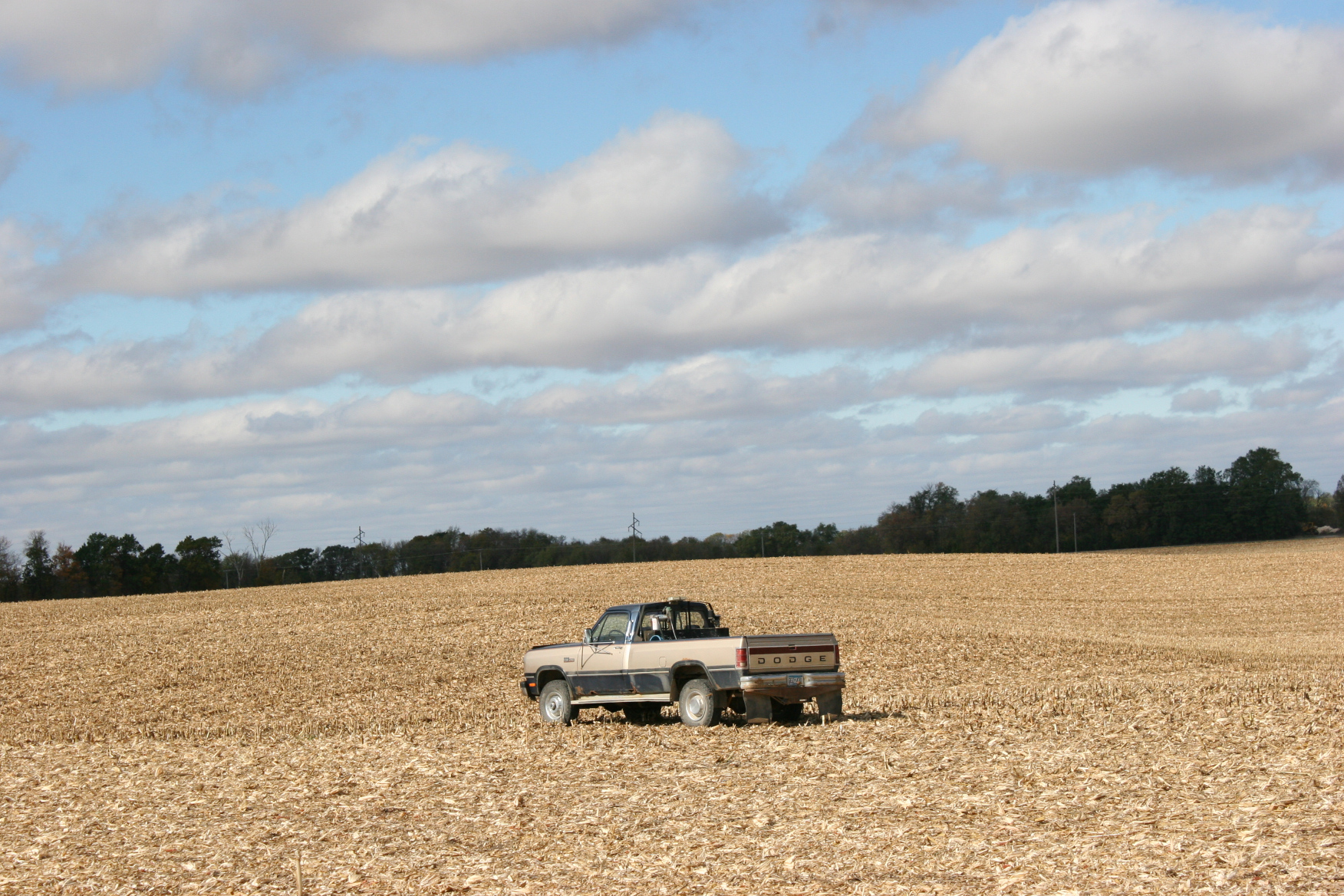
A common Minnesota harvest scene: a farm truck parked in a field. (Minnesota Prairie Roots copyrighted photo October 2021)
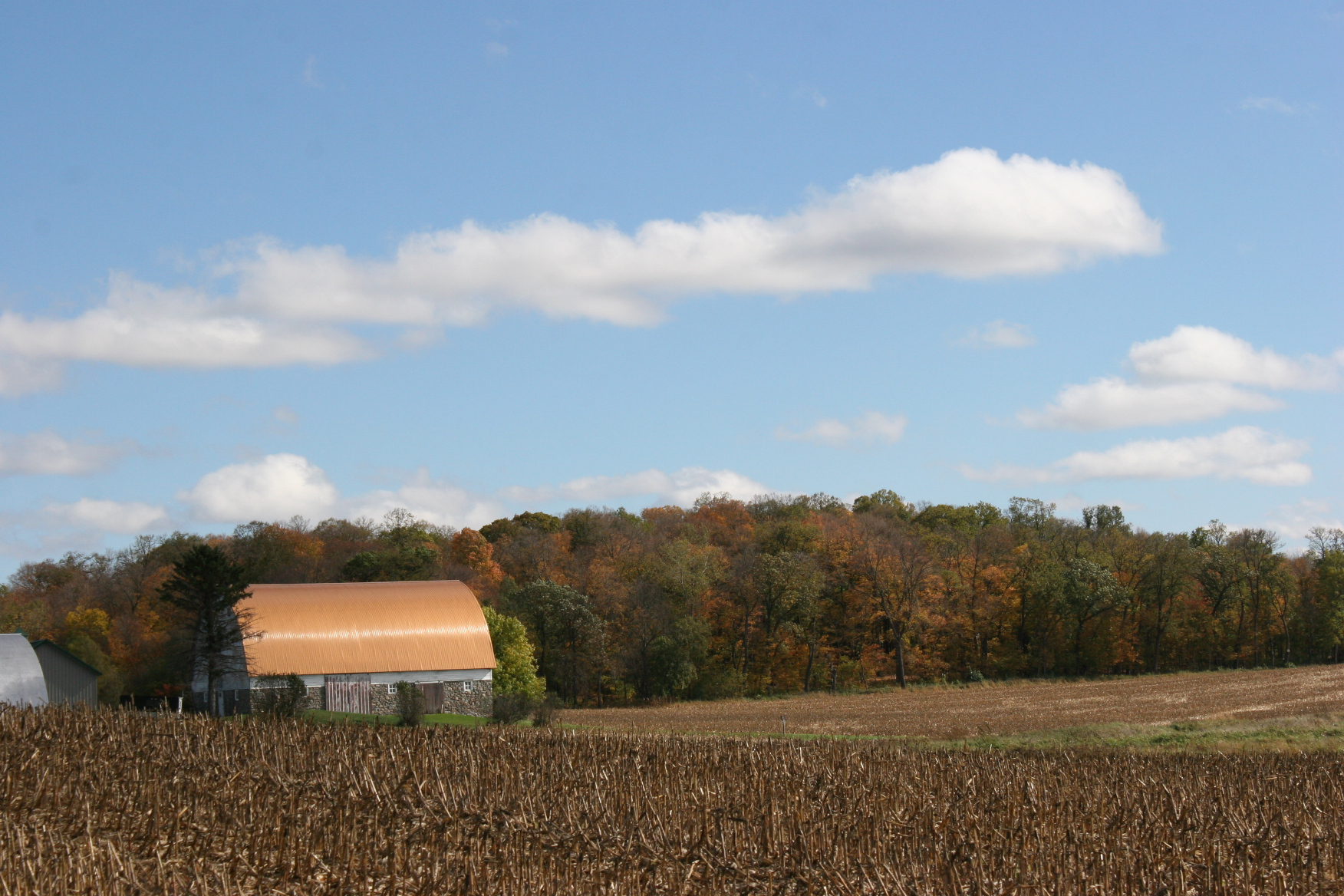
Love the copper hue of this barn roof on a farm just off State Highway 13 between New Prague and Montgomery. (Minnesota Prairie Roots copyrighted photo October 2021)
As we drove along back country gravel roads—past farm sites and harvested fields and farmers working in the fields—the rhythm of polkas, of accordions pushed in and pulled out to create music, set a joyful tone. The music fit the scenes unfolding before us.
The music reminded me, too, of wedding dances back home decades ago in southwestern Minnesota. Of couples twirling across a well-worn wooden dance floor. Of booze bottles wrapped in brown paper bags. Of extended families gathered in a simple town hall to celebrate a marriage. Of The Bunny Hop and The Butterfly and all those dances that brought people together for an evening of fun.
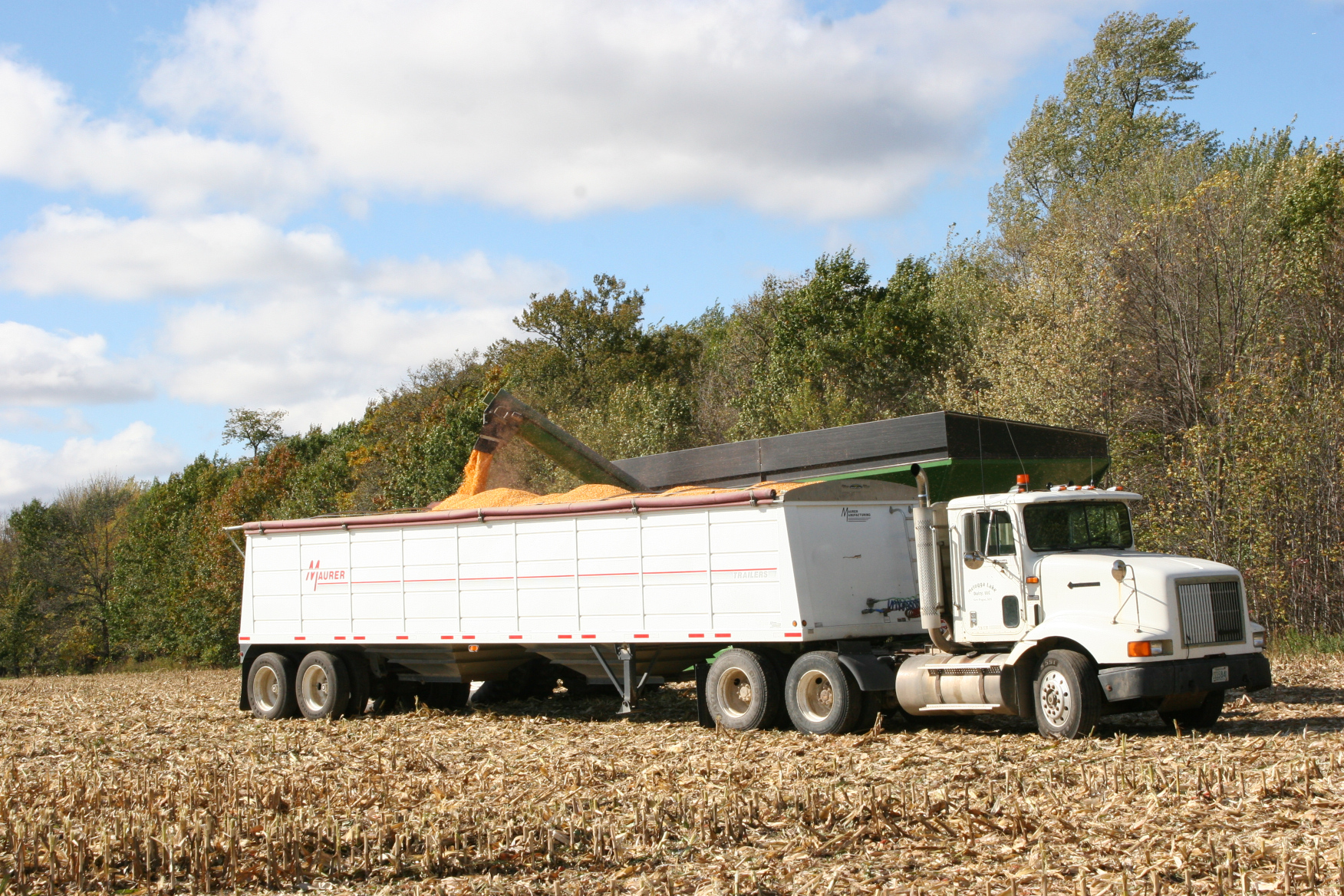
Just harvested corn flows into a grain truck along Lake Avenue west of Lonsdale. (Minnesota Prairie Roots copyrighted photo October 2021)
Those memories lingered as polkas played on KCHK. As just-harvested corn flowed into a grain truck. As we passed a mailbox with the name Skluzacek posted thereon. We were deep in the heart of Czech country near New Prague/Lonsdale/Montgomery.
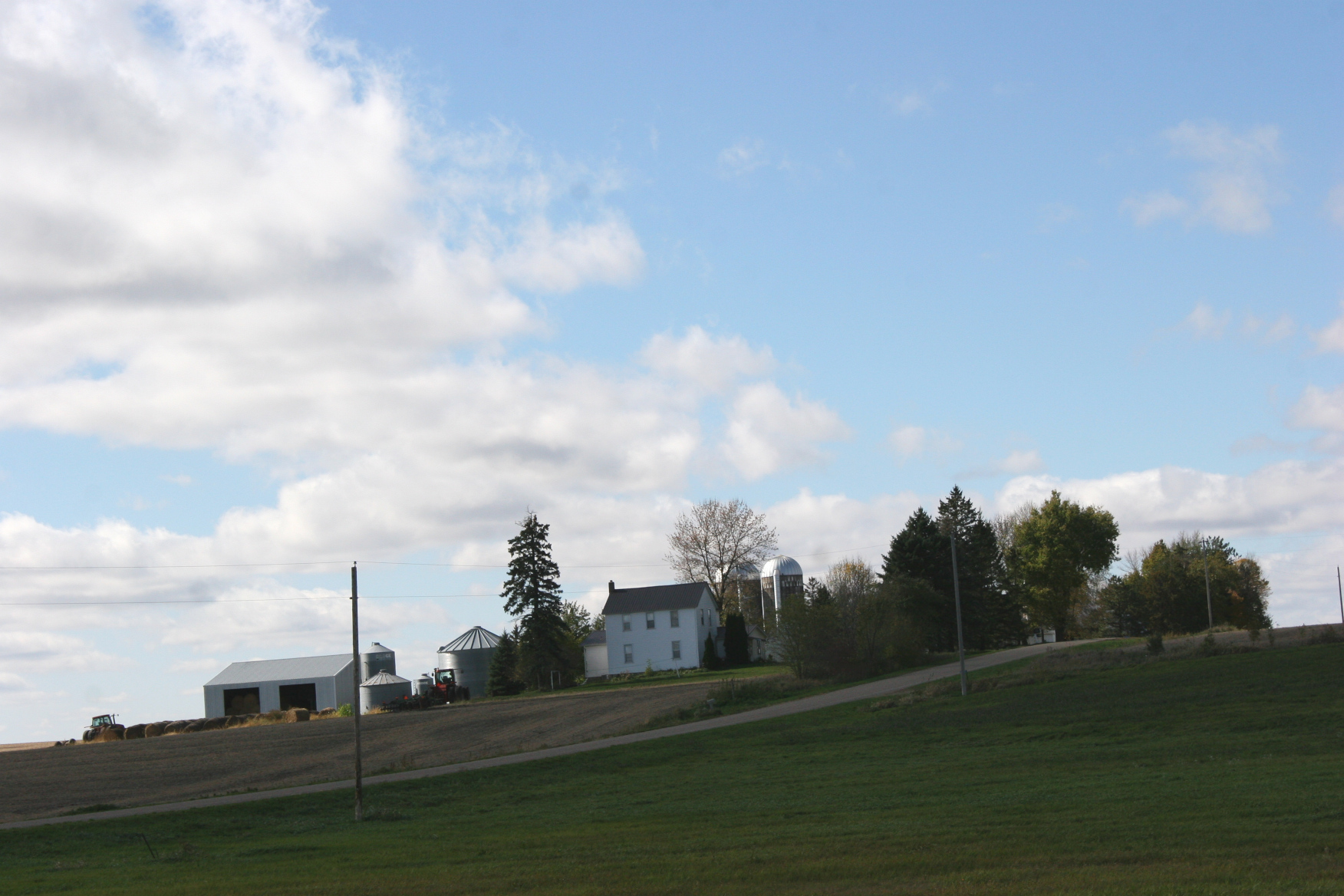
Near Richter Woods County Park west of Montgomery, a farm site overlooks the countryside. (Minnesota Prairie Roots copyrighted photo October 2021)
There is something incredibly comforting about the mix of memory and music and meandering in rural Minnesota. Moments like this impress upon me the need to simply be. To recognize the value in an afternoon drive in the country. No destination. No haste. No agenda.
A farm site hugs a cornfield along Lake Avenue west of Lonsdale. (Minnesota Prairie Roots copyrighted photo October 2021)
Time to just appreciate. The hard work of the farmer during harvest. The farm sites. Gravel roads.
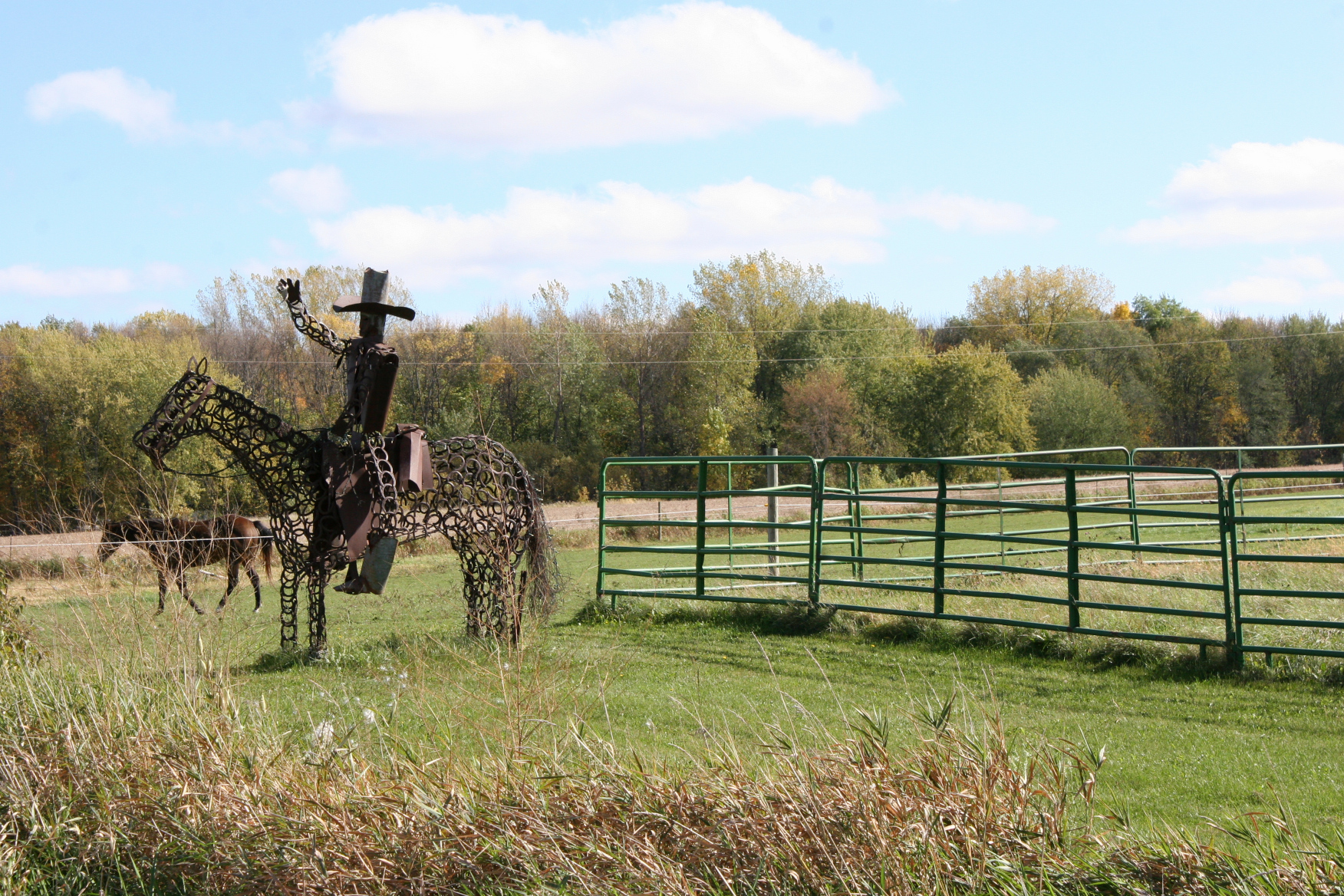
As we passedthis rural property along 60th Street West southeast of New Prague, I photographed this horse sculpture. (Minnesota Prairie Roots copyrighted photo October 2021)
And the unexpected sighting of horseshoe art where horses graze.
Oh, the glorious hues of autumn in rural southern Minnesota. (Minnesota Prairie Roots copyrighted photo October 2021)
I treasure the memories shared and made with my husband of nearly 40 years as we followed rural routes, polka music thrumming in the background.
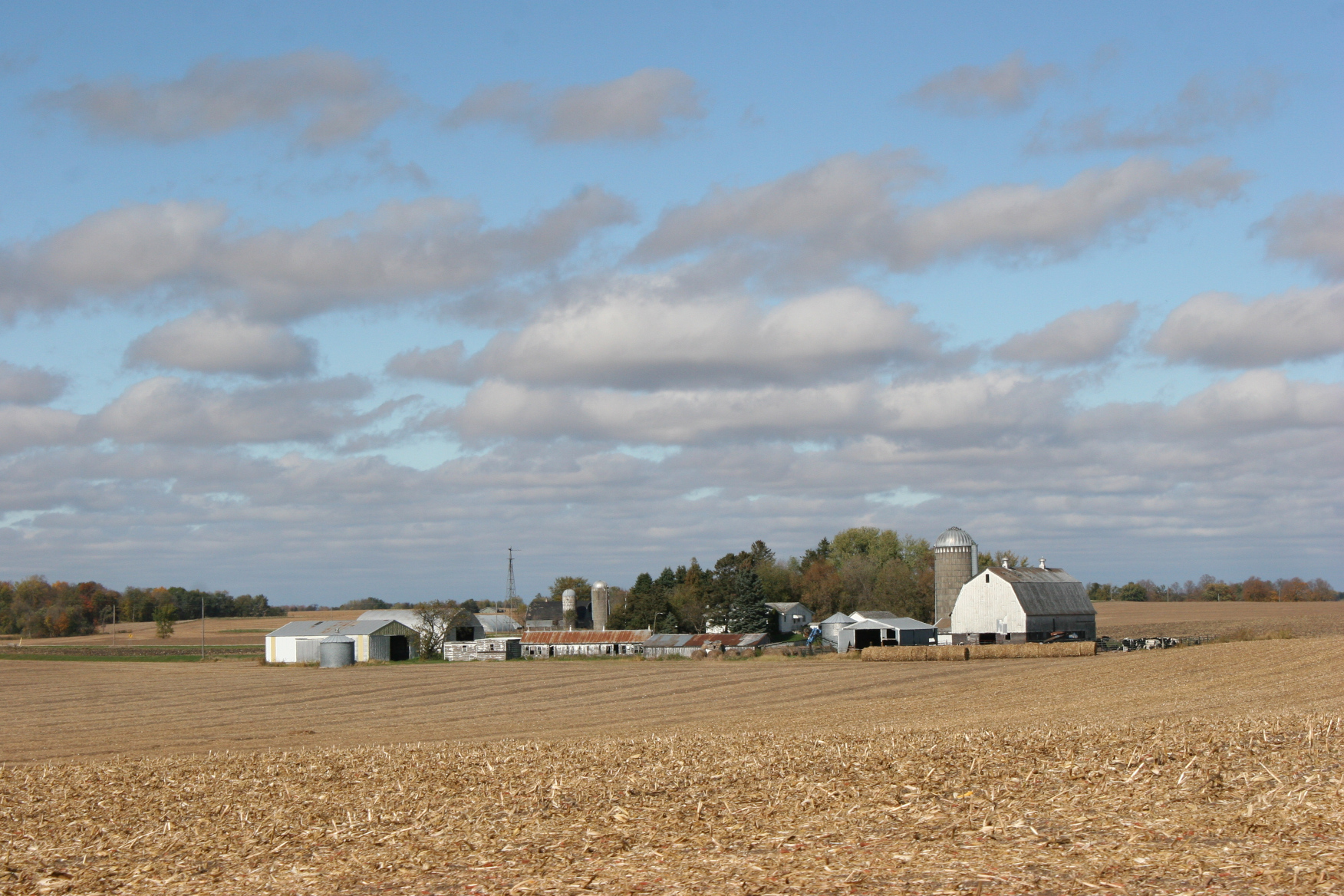
Farmland dominates the landscape east of Faribault near Minnesota State Highway 60.
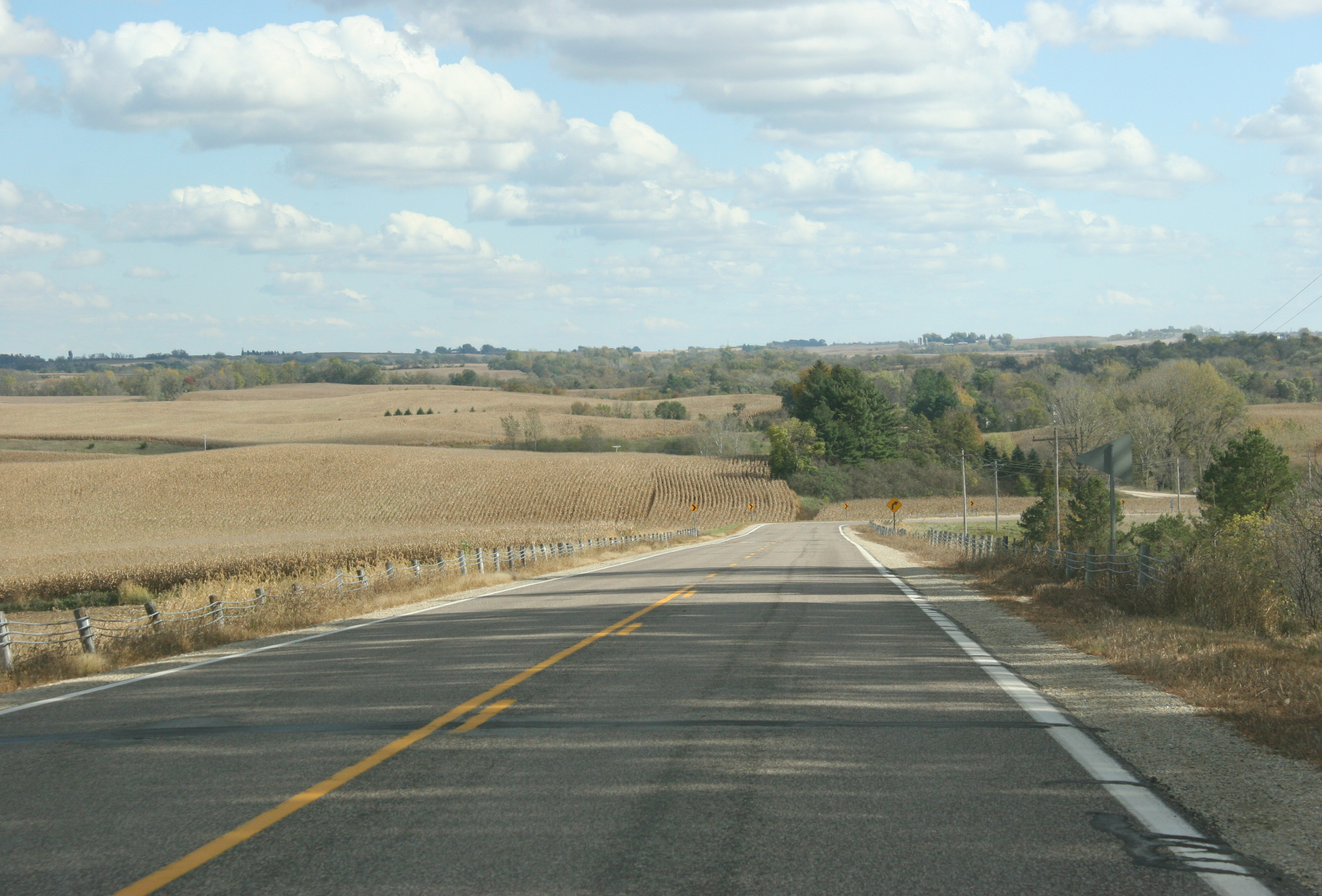
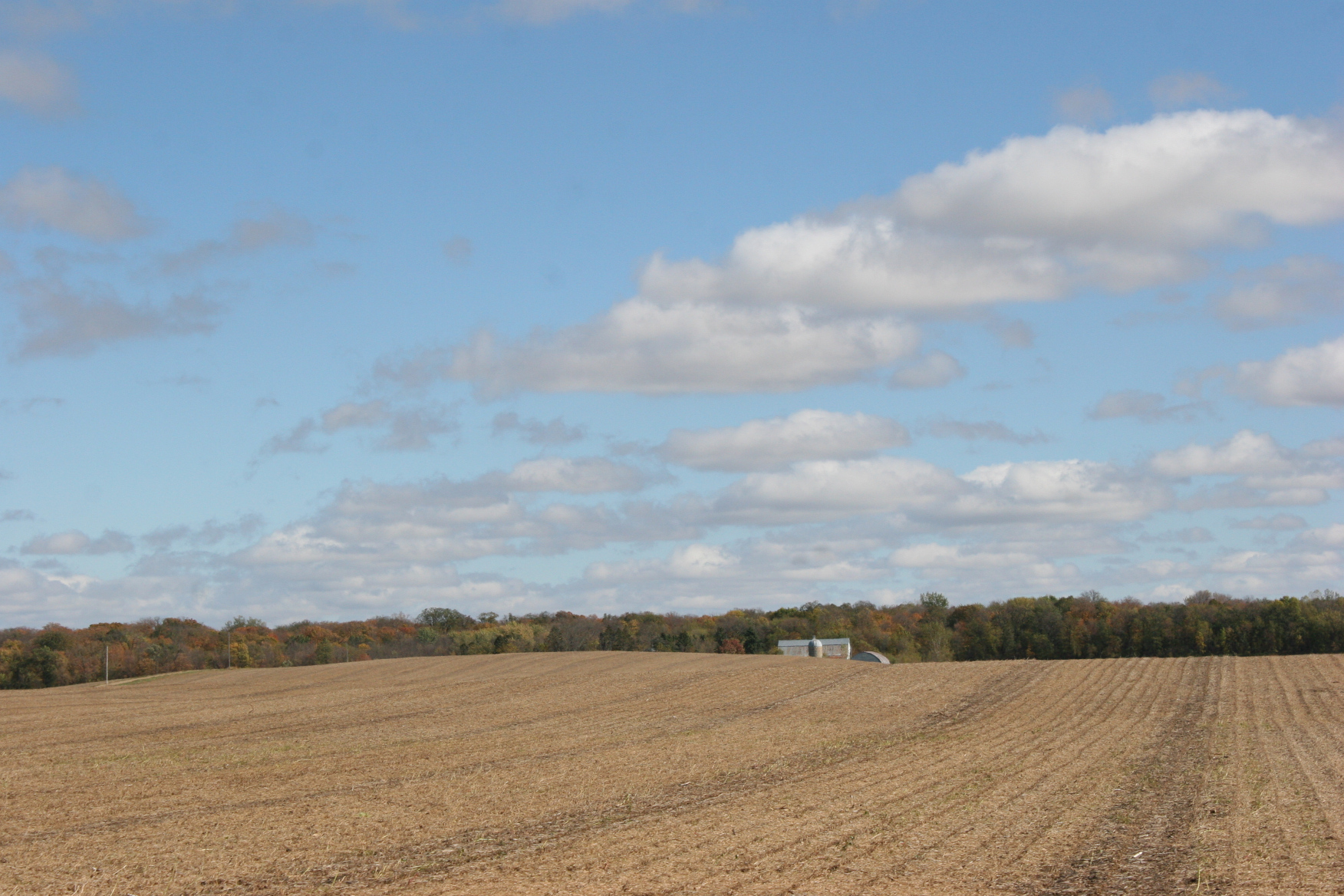
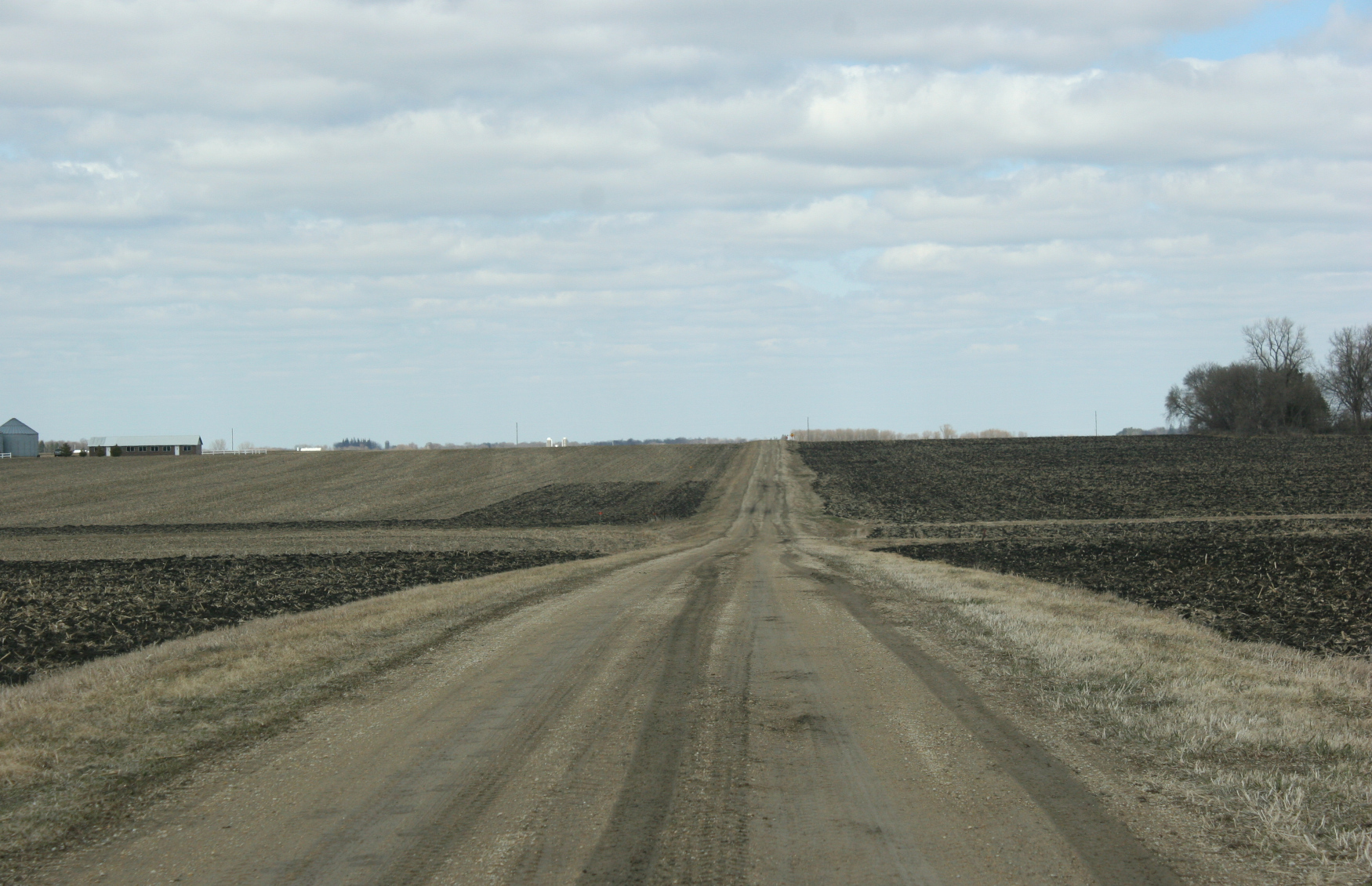
EAST OF FARIBAULT, the land stretches long and flat. Wide open. Fields punctuated by farm sites.
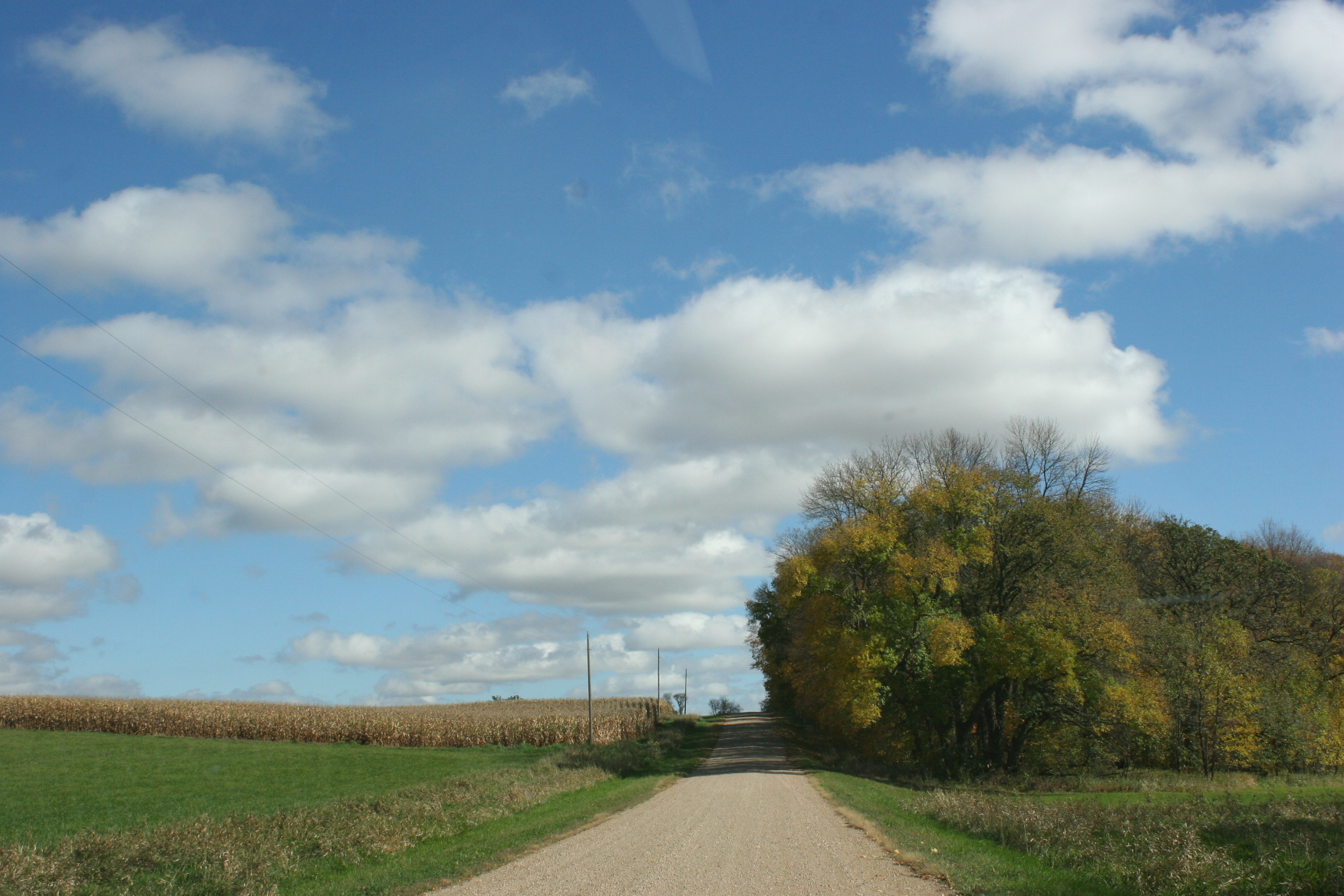
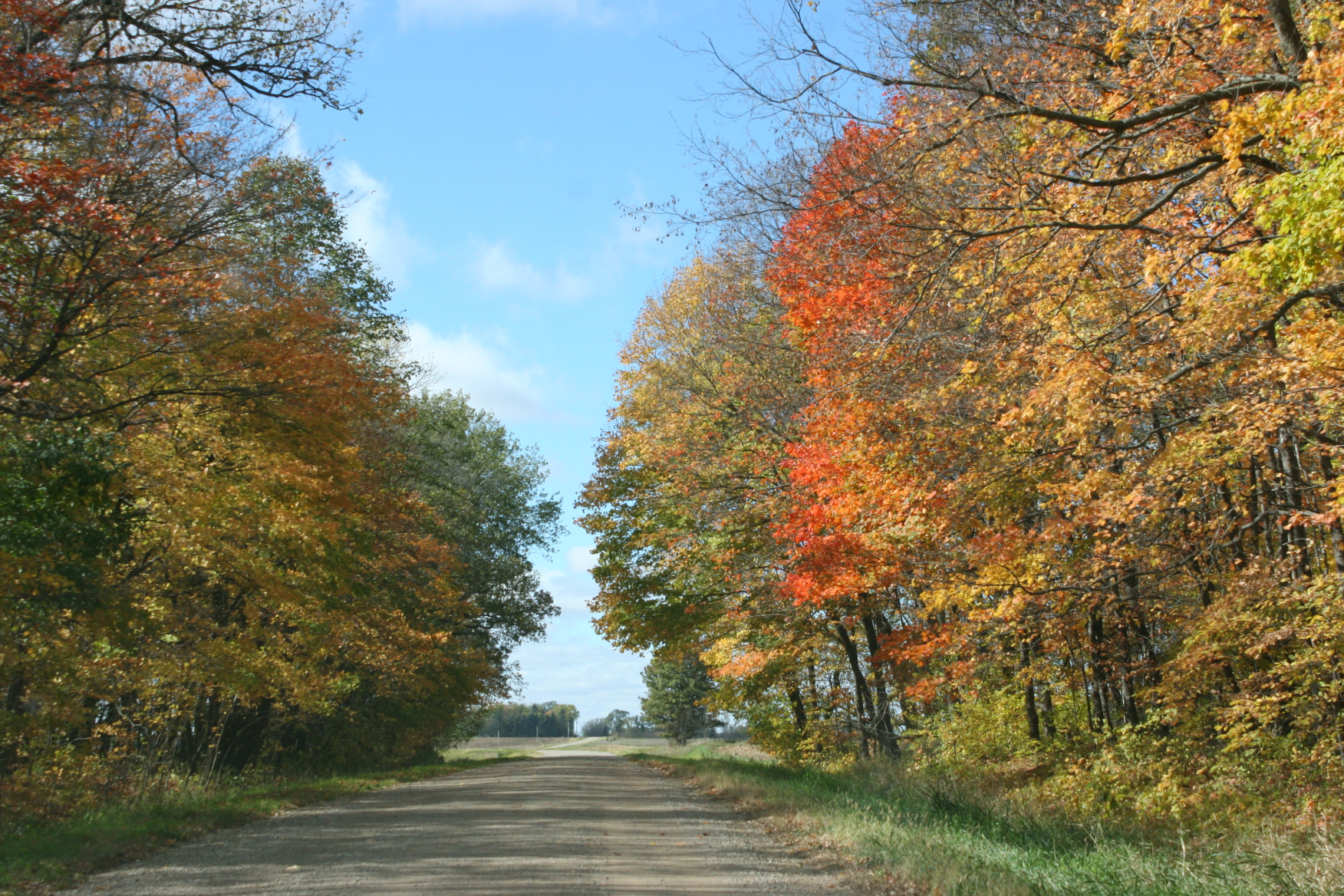
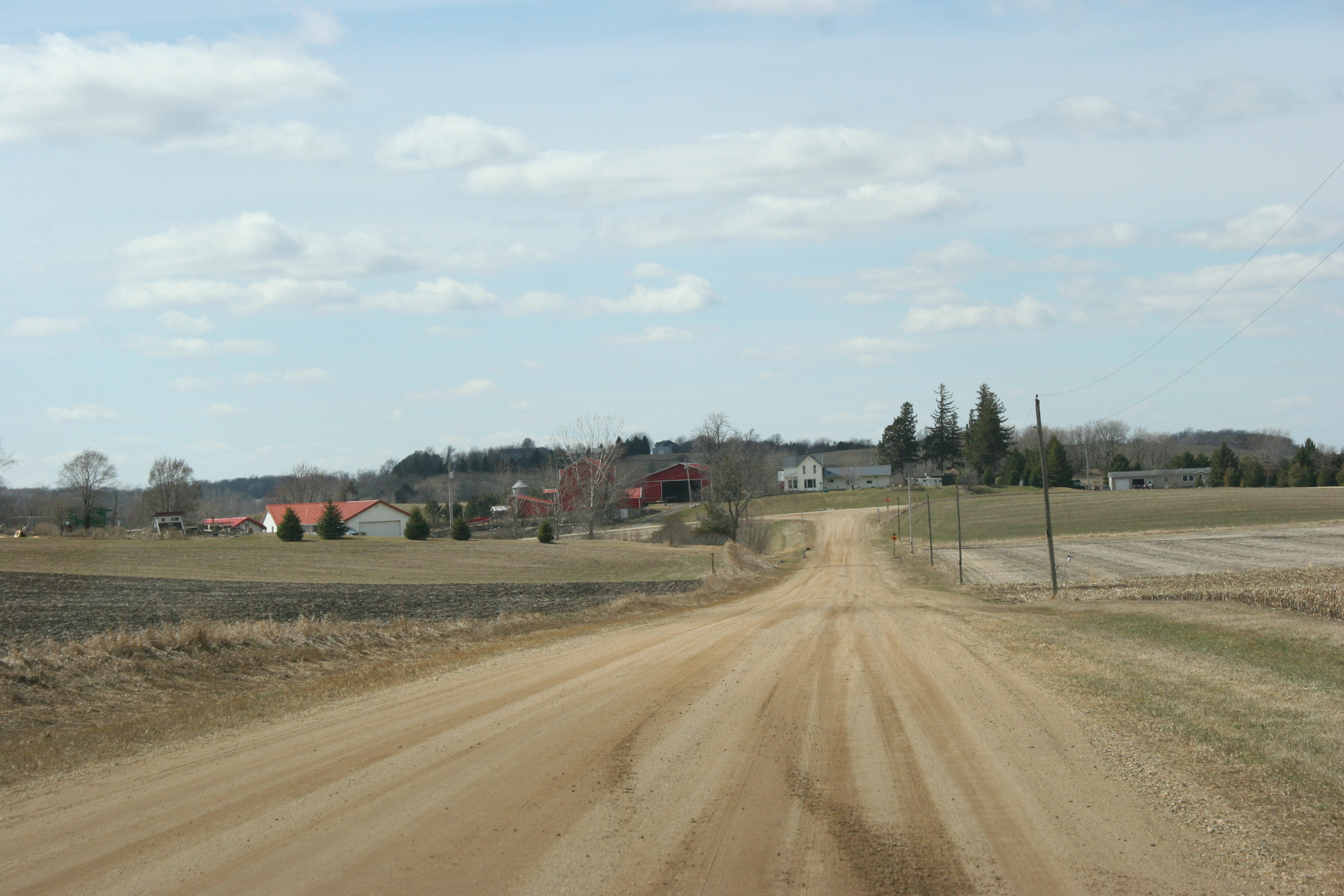
We followed this narrow, and muddy, gravel road.
Gravel and asphalt roads divide farmland into grids. Orderly. As if a ruler was laid across the earth and straight lines inked thereon.
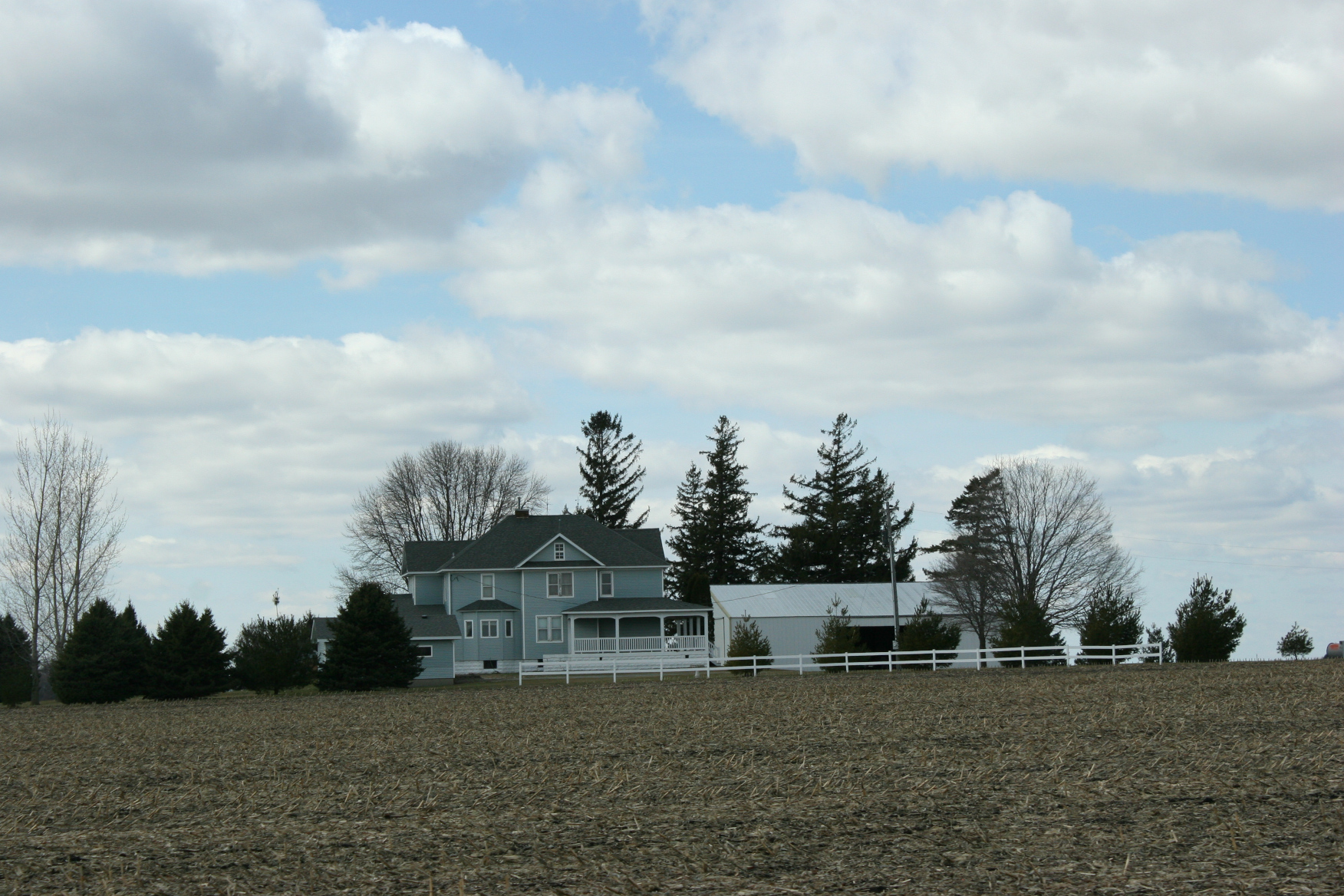
Building sites break the monotony of fields.
Sunday afternoon, after a hike at Falls Creek County Park, Randy and I took a country drive. We are farm-raised, decades removed from the farm, but with an enduring connection to the land.
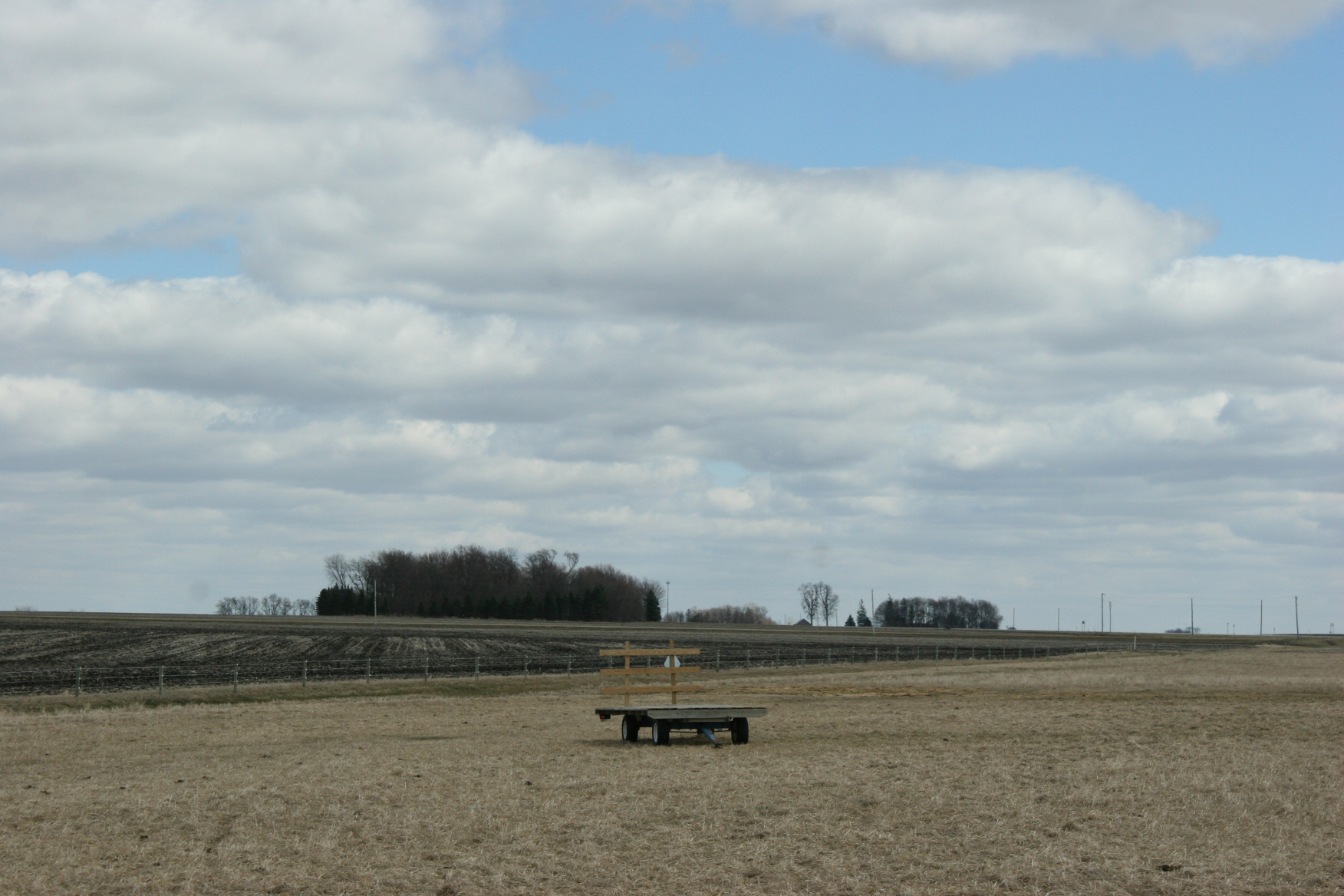
An old hayrack, so familiar to me, parked in a field east of Faribault.
On the cusp of spring planting time in Minnesota, the draw back to the land, to the familiarity of fields, calls. For me, there’s this deep yearning, this need to lay my eyes on the bare earth or the residue of last year’s crops.
I feel connected to all of this via my rural upbringing in southwestern Minnesota.
At times my heart aches for missing the land. I want to smell the scent of soil, to touch the cold earth, to remember all those springs back on the farm. The steady rhythm of the tractor, the corn kernels pouring into the planter and then the faint hint of green lining the black fields.
An aged abandoned outbuilding on a former farm site just outside Nerstrand.
Much about farming has changed since my leaving of the land in the early 1970s. But the basics remain. The planting, the growing and harvesting.
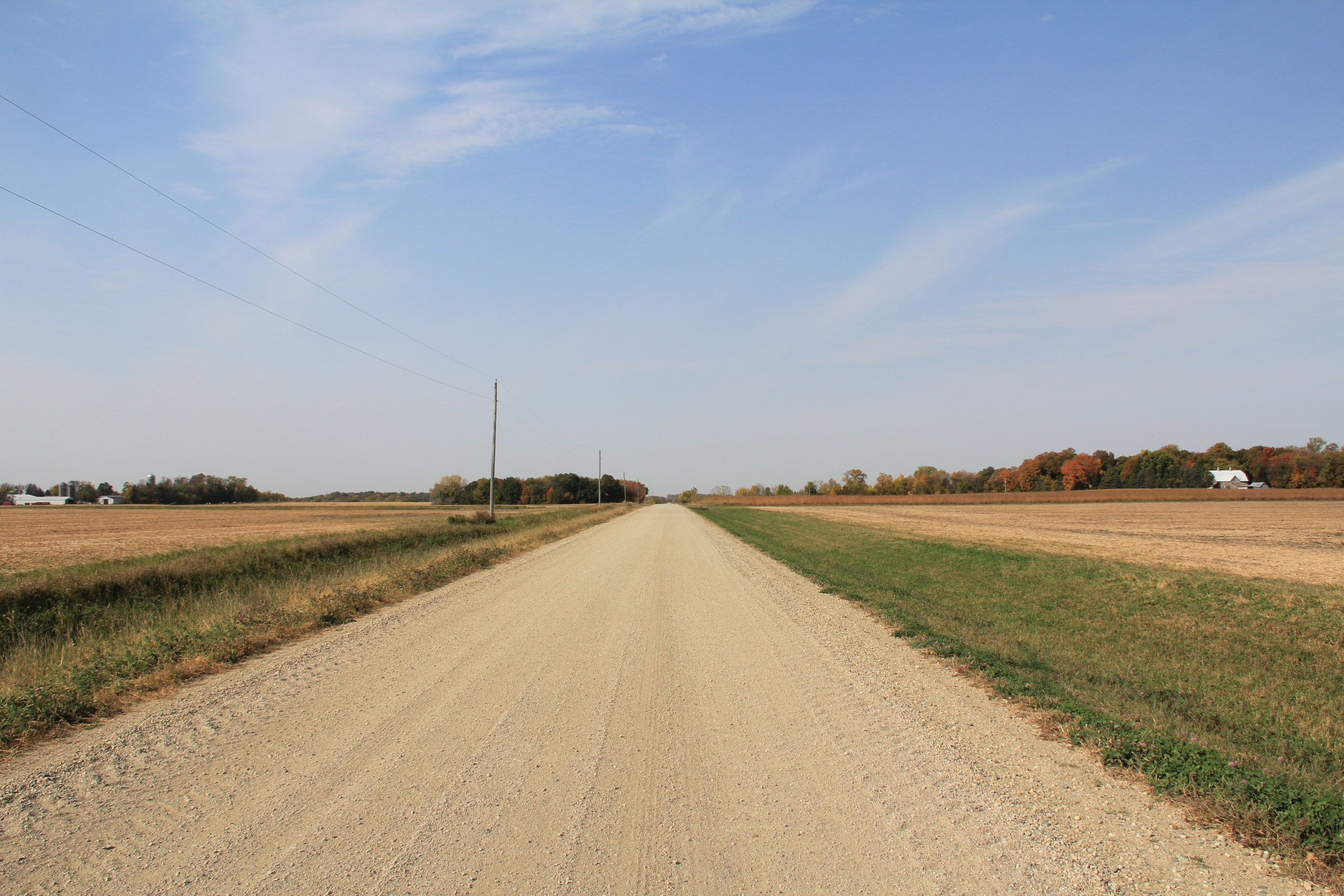
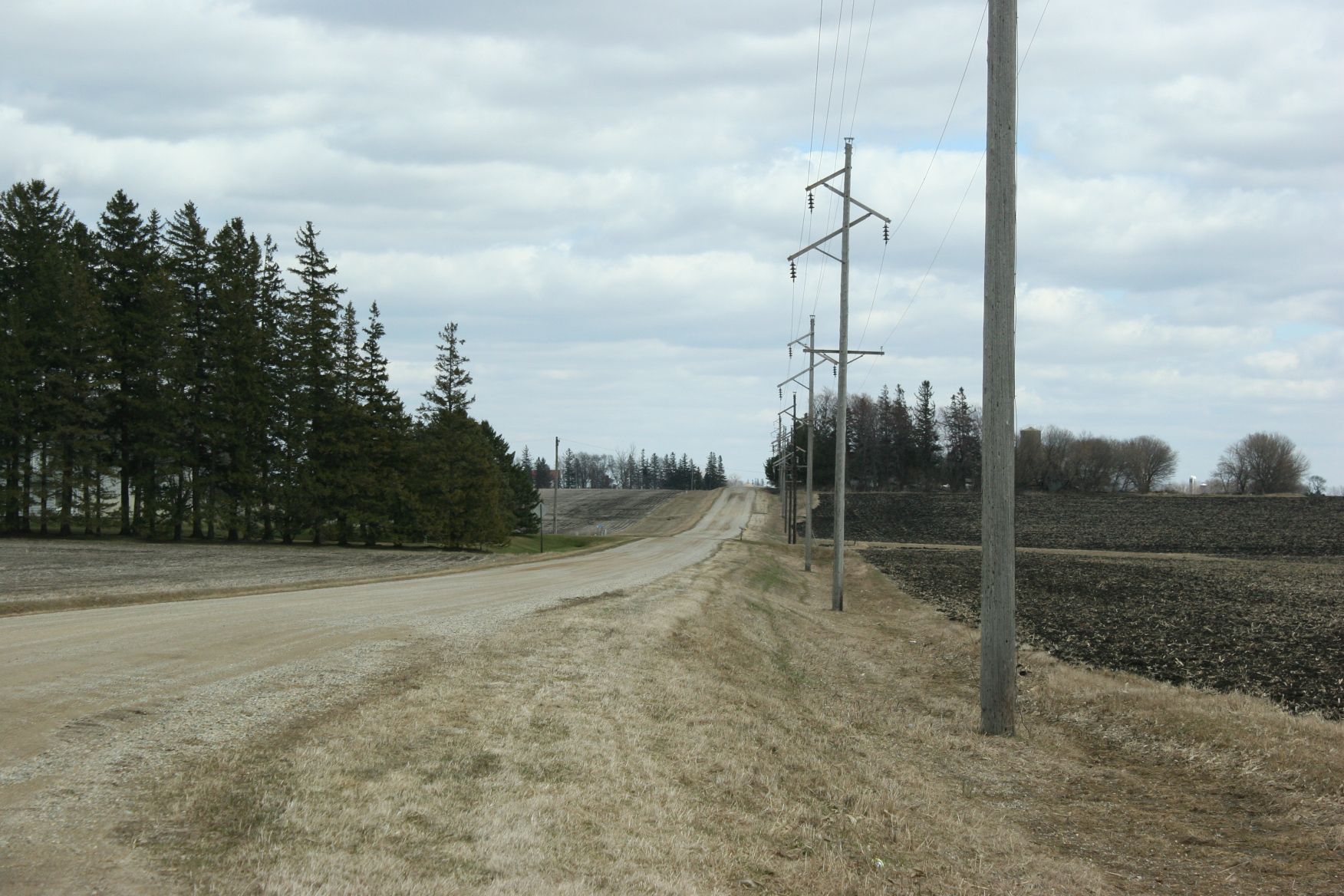
Power poles along a gravel road are such a strong rural visual.
And even though I’ve lived in town far more decades than on a farm, my rural upbringing roots me to the land and takes me back each season. To honor my hardworking farmer dad. To equally appreciate my mom who gardened and fed and raised six children on the land. My hardworking parents instilled in me a love of the land, a connection to place and the innate need to follow gravel roads into the countryside.
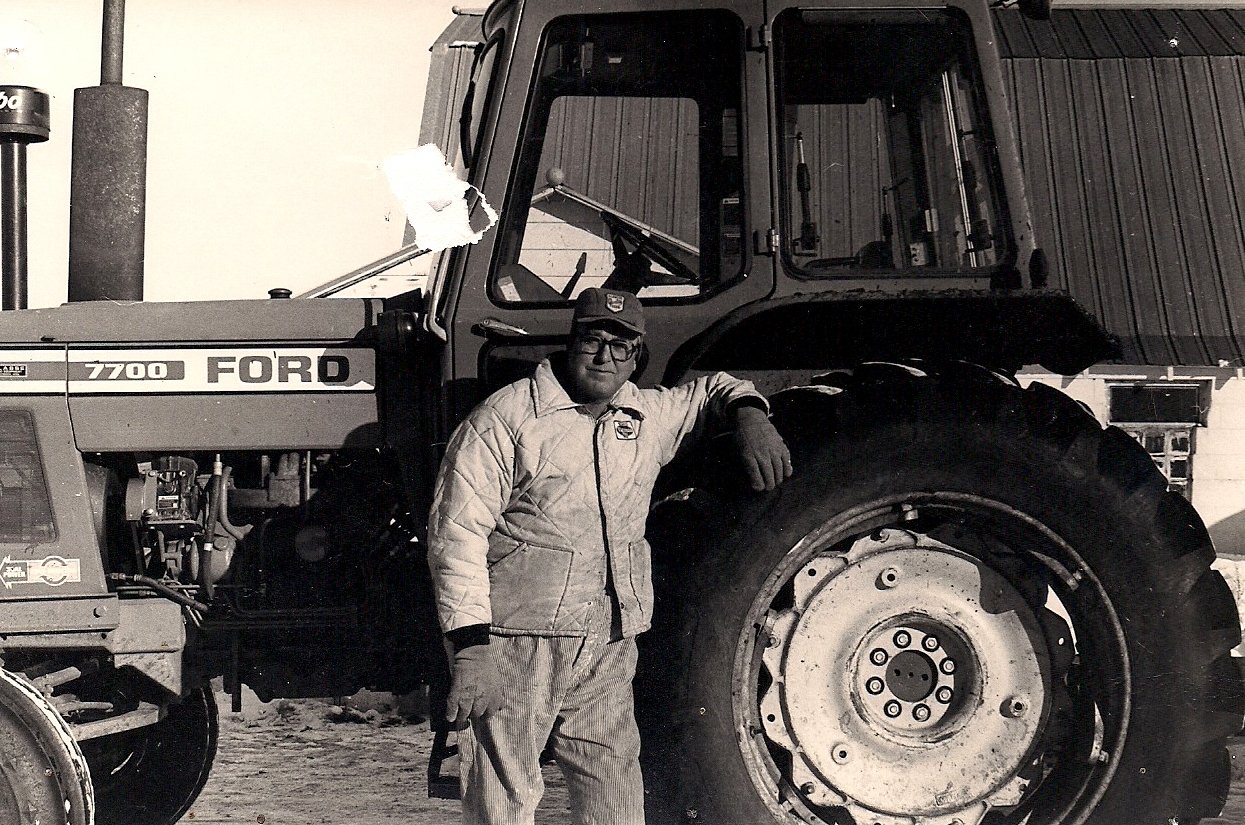
A photo of my dad, Elvern Kletscher, taken in 1980.
This post is dedicated in loving memory of my farmer father, Elvern Kletscher, who died on April 7, 2003. Thank you, Dad, for raising me to appreciate the land, for teaching me the value of hard work. for instilling in me a love of God and of family. I am grateful. And I miss you.
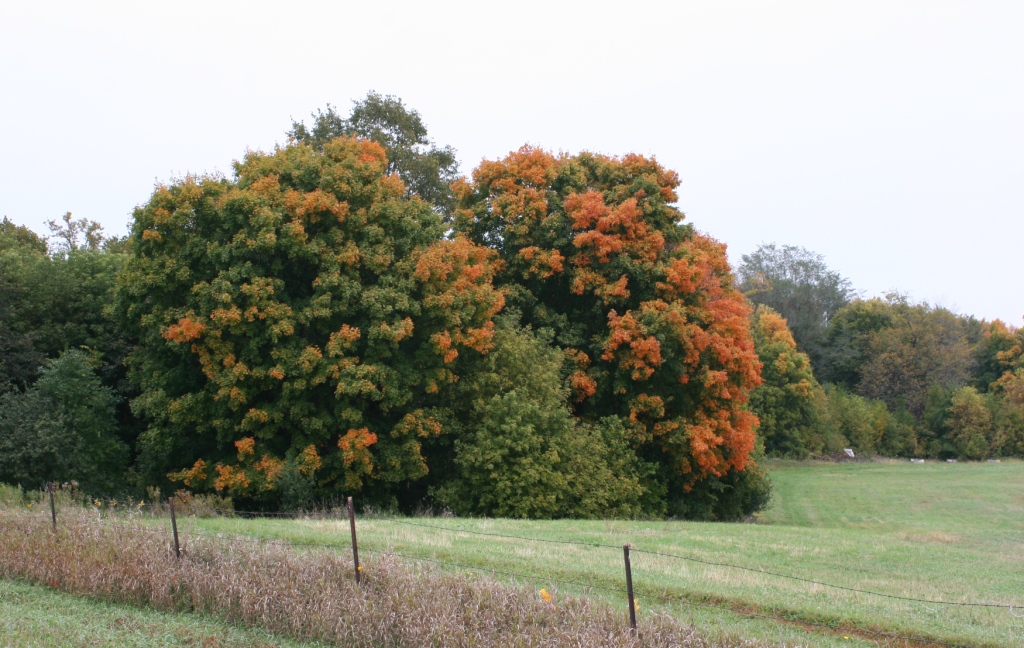
Fall colors as photographed in rural Rice County, Minnesota, on September 26.
THIS AUTUMN FEELS especially fleeting, as if the days are slipping too quickly into the cold and dark of winter’s grip. The sun now rises shortly after 7 a.m. and sets just before 7 p.m. The darkness is closing in and I feel it.
Ripening corn and soybean fields surround this farm site in Rice County.
This year, more than ever, I feel an urgency to get outdoors, to delight in every single moment of autumnal beauty, of semi warm temps, of days without snow.
Heading uphill on the backroads of Rice County last Saturday.
And I feel this way due to COVID-19. The reality is that the winter ahead will prove challenging as we hunker down indoors, limiting our contact with others as we attempt to stay healthy and protect others. At least that’s my plan, Randy’s plan.
Cornfields ripen, awaiting the harvest. I feel like we’re all waiting. Just waiting in this season of COVID.
We’ve already managed seven months of this cautiousness, this recognition that we hold a responsibility to do our part. For ourselves. And for our friends, family and neighbors. I’m particularly worried these days about the upsurge in cases in Wisconsin, where our daughter and her husband and our son live. But I worry, too, about Randy facing potential COVID exposure daily at work because of a failure among others to mask, mask properly or to follow other safety/health regulations. I am beyond frustrated, as I’ve stated here in previous posts.
Another Rice County farm site. COVID knows no differences between rural and urban. We’re seeing that now in Minnesota, where cases of the virus in rural counties are spiking.
We’re weary of it all. Truly weary. Who isn’t experiencing COVID fatigue? But, as our health officials have advised, this is no time to let down our guard, to give up, to live our lives like there’s no pandemic. Because Randy and I are trying to be careful, we gravitate outdoors, whether on countryside drives or hiking. Nature and time outdoors provide a peaceful and uplifting escape.
Driving down Rice County’s backroads to view the ripening crops and fall colors.
Last Saturday took us onto backroads in our county of Rice, where we’ve found fall colors to be especially lovely. And mostly undiscovered. We had no particular destination and I can’t even tell you where we drove. But we drive and turn and turn and drive and follow whatever roads seem interesting.
Farm sites prove interesting to me on these rural drives.
The overcast day wasn’t especially beautiful for leaf-viewing. But, this time of year, you take what you get and enjoy whatever appears before you.
Color tints treelines in rural Rice County.
I encourage each of you, especially if you live in the Rice County area or other parts of Minnesota, to take a fall color drive this weekend. These days are fleeting as leaves change colors and fall, moving us closer and closer to the long winter ahead.
TELL ME: Do you have a recommendation for a great place to view fall colors?
We met an occasional vehicle on our country drive southeast of Faribault, Minnesota.
I ABSOLUTELY, UNDENIABLY needed this. To drive into the countryside on a Sunday afternoon. To get away. To view the greening of the land. To forget for a half hour about the realities of life. To focus on nature. To photograph rural Minnesota.
We drove past farm sites.
Past lovely barns…
Clouds and cold weather defined Mother’s Day in southern Minnesota.
And that’s exactly what Randy and I did mid Mother’s Day afternoon, aiming southeast of Faribault to follow back country gravel roads. My sense of direction doesn’t exist. I trust Randy to steer us onto roadways that fulfill my need to go at a leisurely pace, to stop when I see something I must photograph, to appreciate the details of place.
Following gravel roads. Up and down.
Occasionally the cloud-heavy sky spit rain onto the windshield as we dipped up and down, hilltops offering sweeping vistas of a lush landscape.
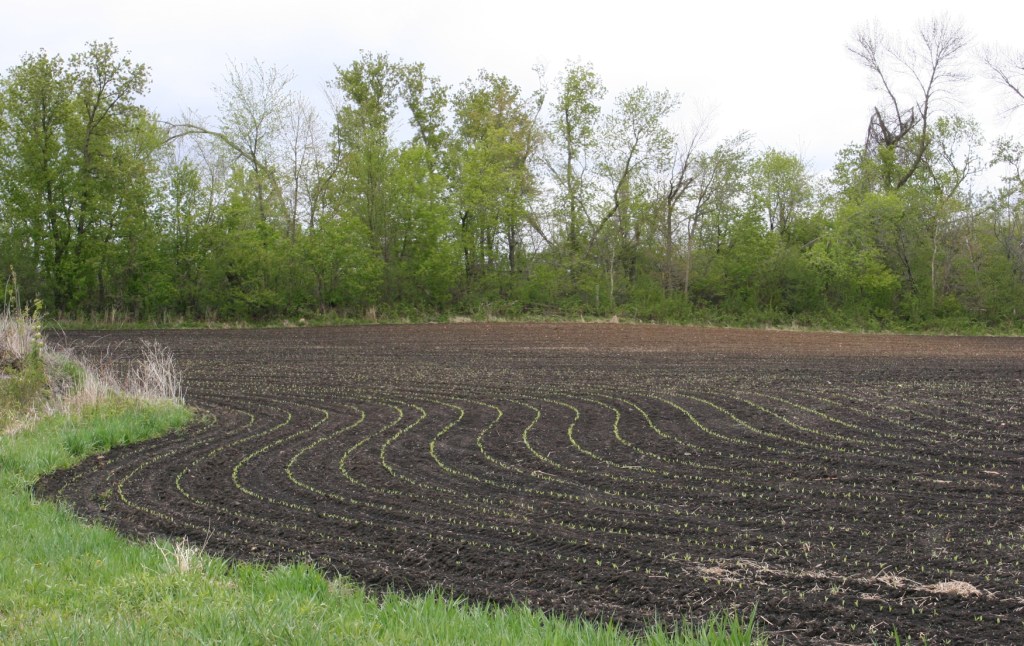
We spotted corn coming up in this field along 250th Street East southeast of Faribault.
Corn popped green, curving rows into one field.
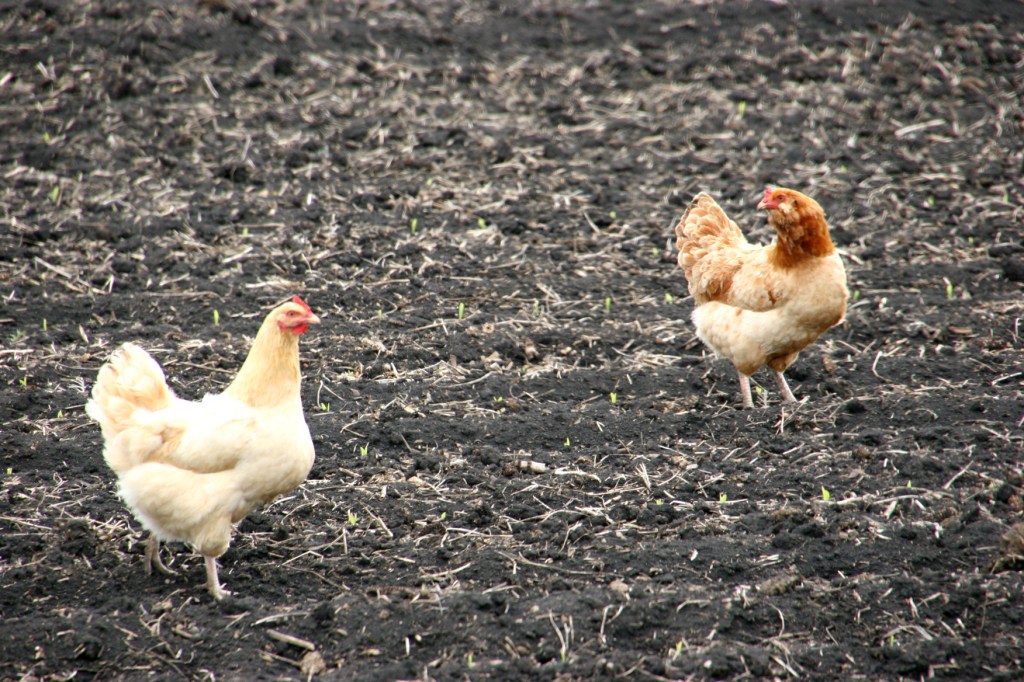
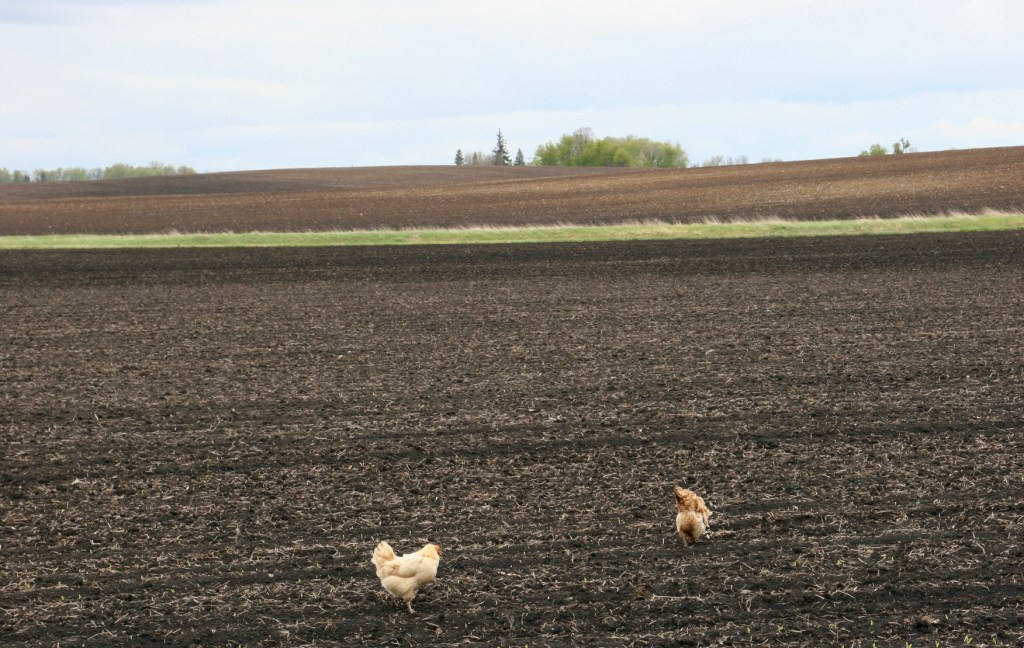
Chickens strayed from a farm site across the road to a field.
Those chickens seem so small in the vastness of farm fields.
Rogue chickens paused in another field to observe us while I swung my lens to photograph them.
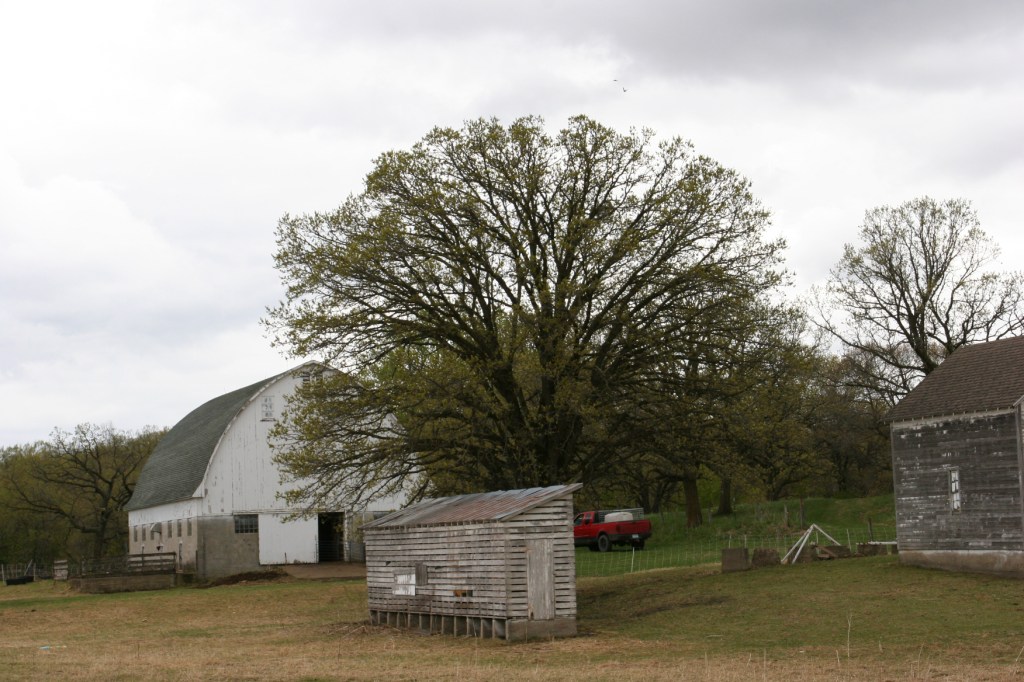
An old farm site along 233rd Street East.
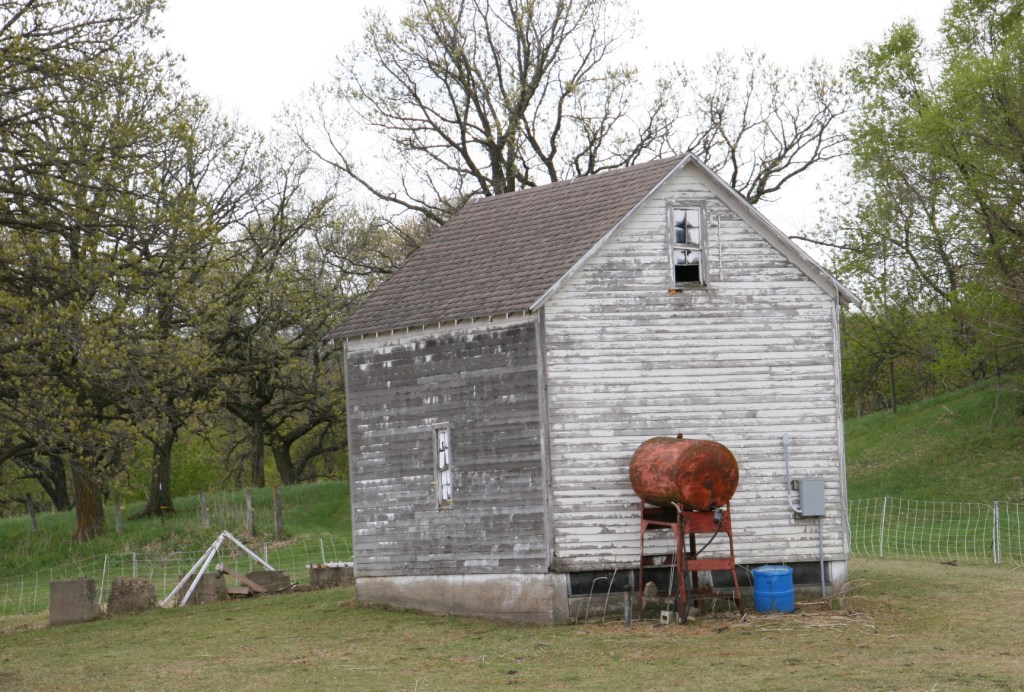
It’s been awhile since I’ve seen a gas barrel like this.
At one point, atop a hill, we studied a farm site below with broad barn, weathered corn crib and a red gas barrel next to an aged shed. Such building sites remind me of yesteryear, when an assortment of small structures defined a farm place.
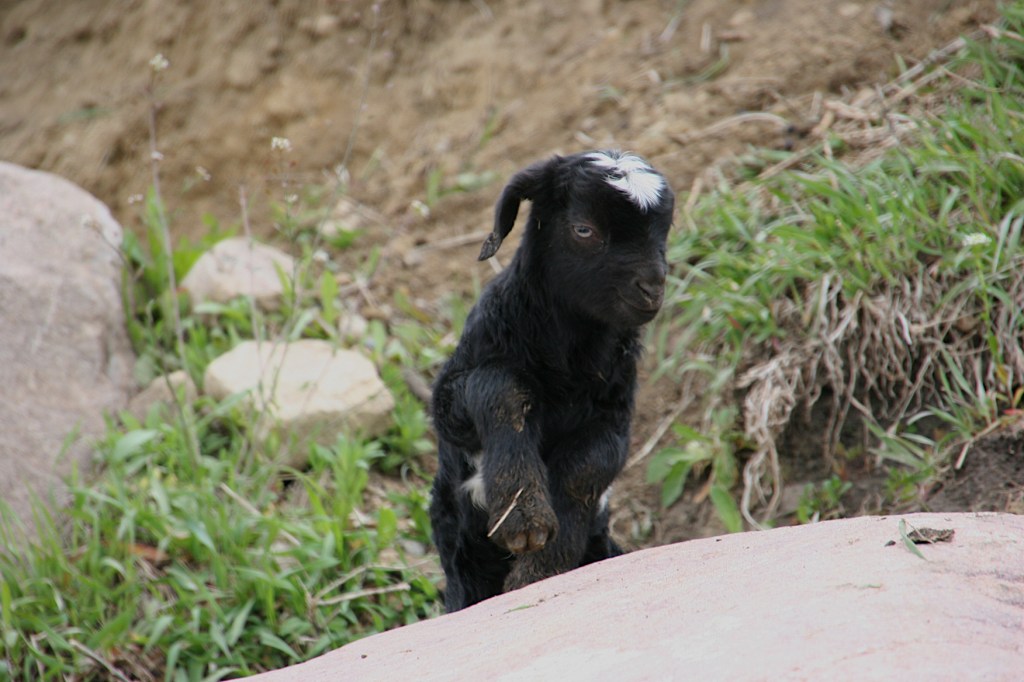
That baby goat wanted so badly to scale that rock, without success.
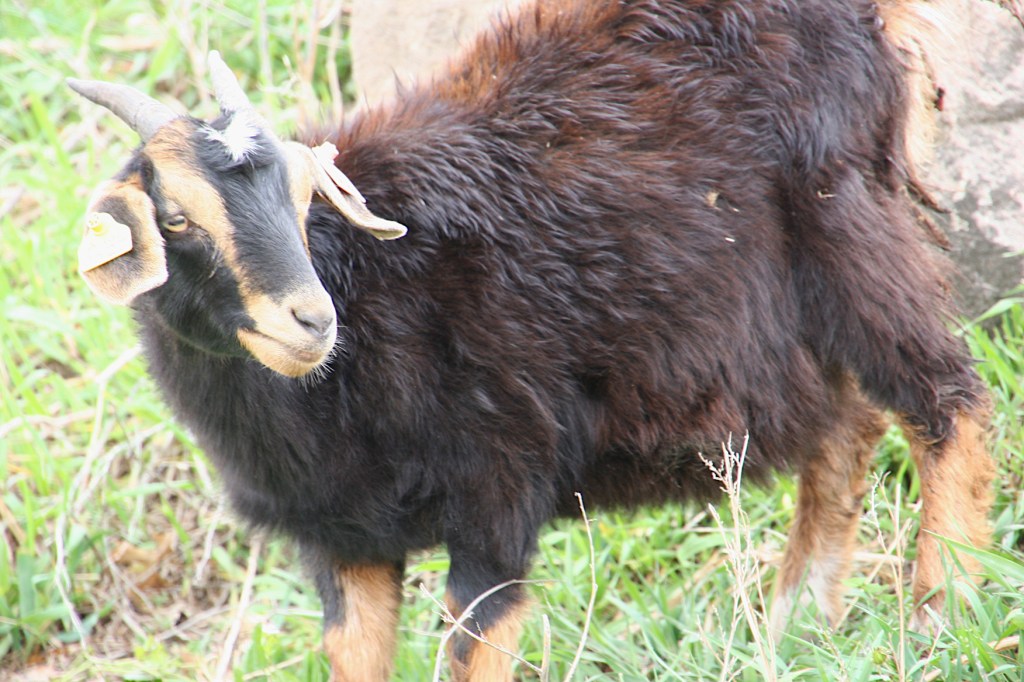
Even the adult goats are cute.
And then, the road curved, leading us to the sweetest surprise of the drive—goats, fenced on both sides of the roadway. Windows rolled down, we heard their plaintive baa and watched as a baby goat struggled to climb a rock. I ooohed and aaahed over the cuteness of these goats.
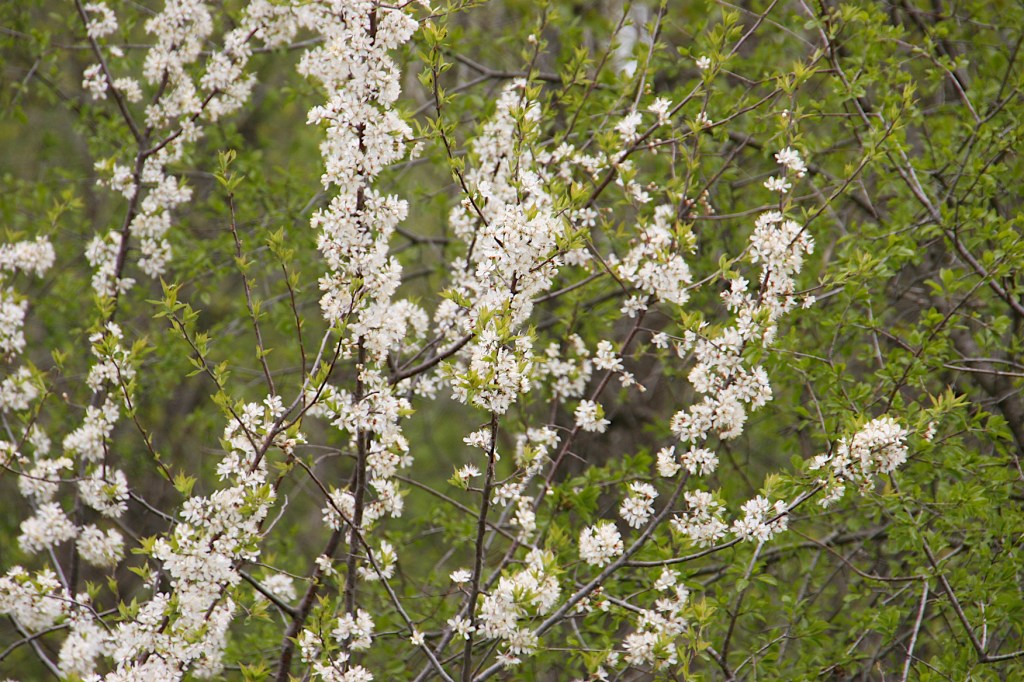
Spring blooms, finally, in southeastern Minnesota.
Too soon we headed back to town. Randy needed to light the charcoal grill to smoke and cook a pork roast for supper. A Zoom call with family awaited us, too. But, in that short time, I found exactly what I needed—a joyful, therapeutic and sweet escape into the southeastern Minnesota countryside.
I OFTEN WONDER, as I travel past farm sites in southern Minnesota, how these places will look in 50, even 20, years.
Will once grand barns still stand? Will farmhouses be abandoned? Will corporate ag operations completely replace family farms?
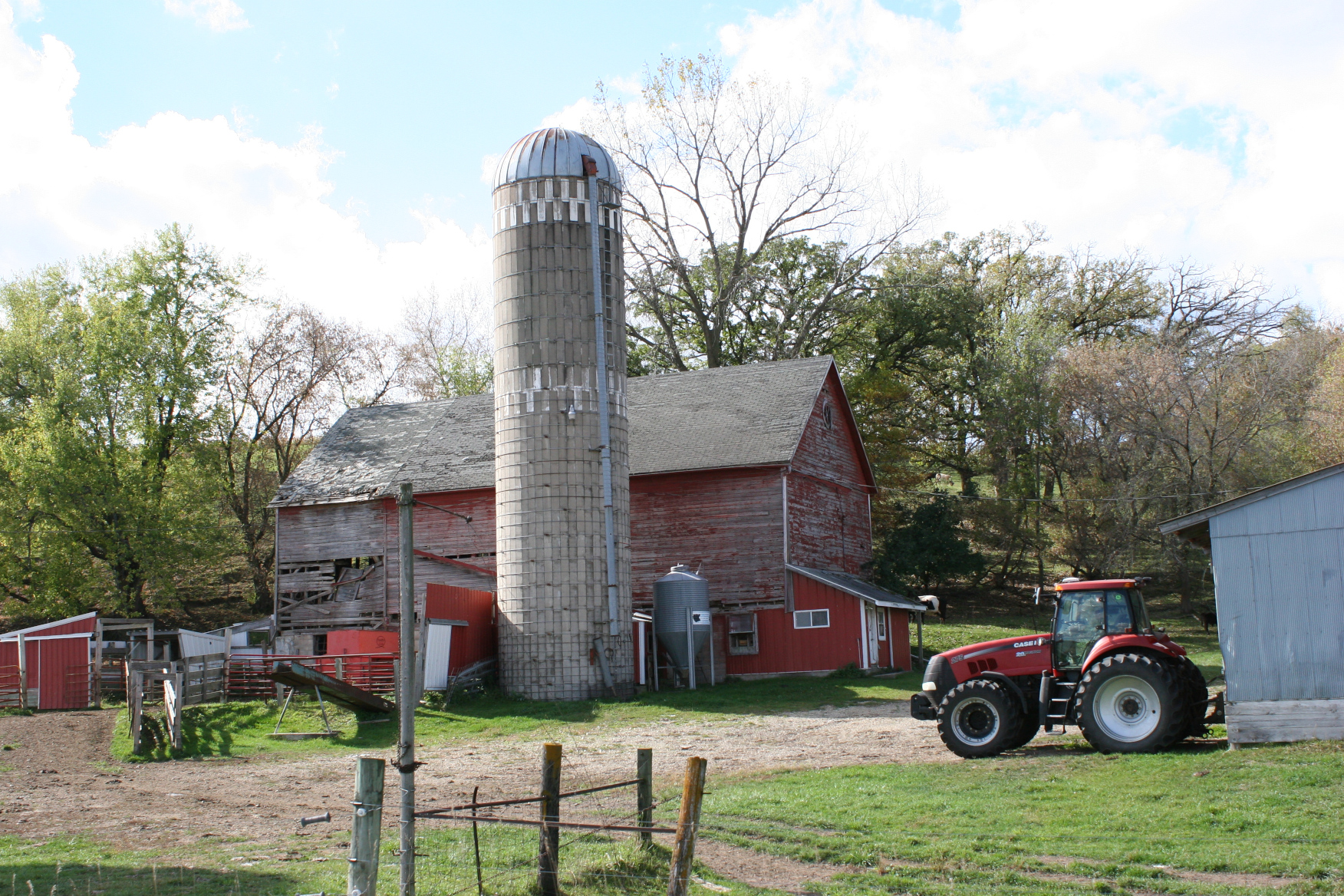
Already the evolution is well underway. Many barns no longer hold livestock, serving instead as storage sheds. Rural houses are not so much farmhouses as dwellings for those working off the farm to supplement their farm income.
The rural landscape is changing, shaped by markets and weather and operating costs and government regulations, issues that have always affected farming. Technology, too, now factors into agriculture.
Some 40-plus years removed from the farm, I’ve witnessed the changes from afar. None of my five siblings stayed on the farm, although two work in ag fields. I no longer have a direct link to the land. And because of that, my children and grandchildren are losing that generational connection to farming, to a way of life. This saddens me. They prefer city over country.
And so I continue to photograph, documenting with my camera lens the places of rural Minnesota. Therein I present a visual history, a memory prompt and an expression of appreciation for the land which shaped me.
FYI: This Saturday, February 8, from 1 – 4 p.m., embrace and celebrate locally-grown and crafted during Family Day at the Faribault Winter Farmers’ Market. In addition to vendors, you’ll find hands-on art activities for kids, games, healthy recipes and more. The market is located inside the Paradise Center for the Arts along Central Avenue in the heart of historic downtown Faribault.
These photos were taken last Saturday along Minnesota State Highway 21 on my way to Montgomery.
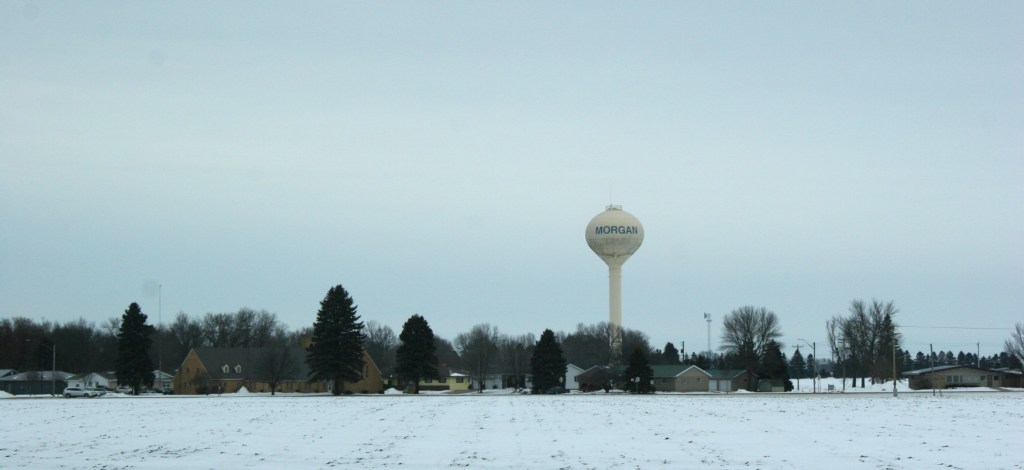
BY THE TIME we drive into Morgan on the eastern edge of Redwood County, I just want to reach our destination, Belview in southwestern Minnesota.
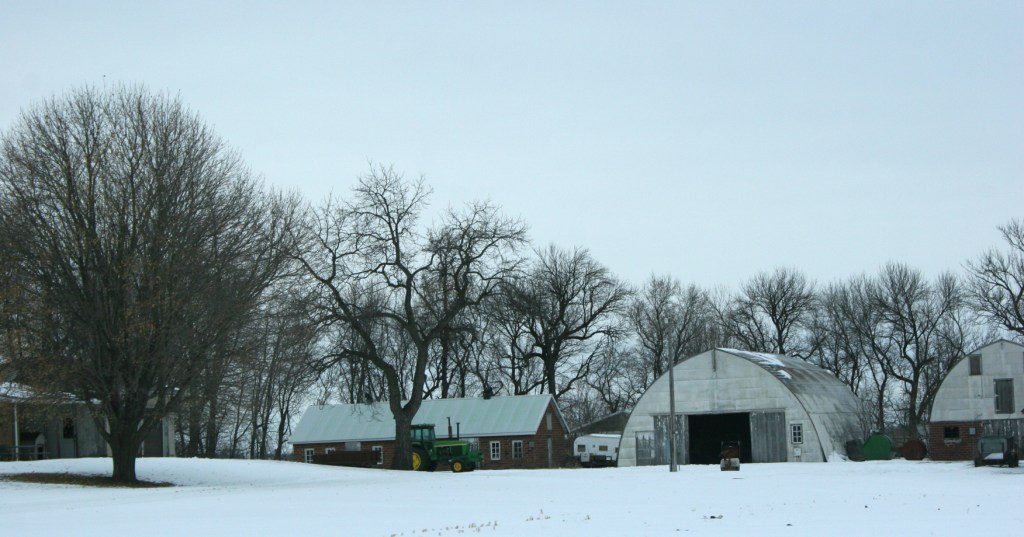
Farm sites abound along back county roads between New Ulm and Morgan.
It’s not that we’ve been on the road an interminably long time—around two hours. But the drive seems to lengthen between New Ulm and Morgan, and especially between Morgan and Redwood Falls.
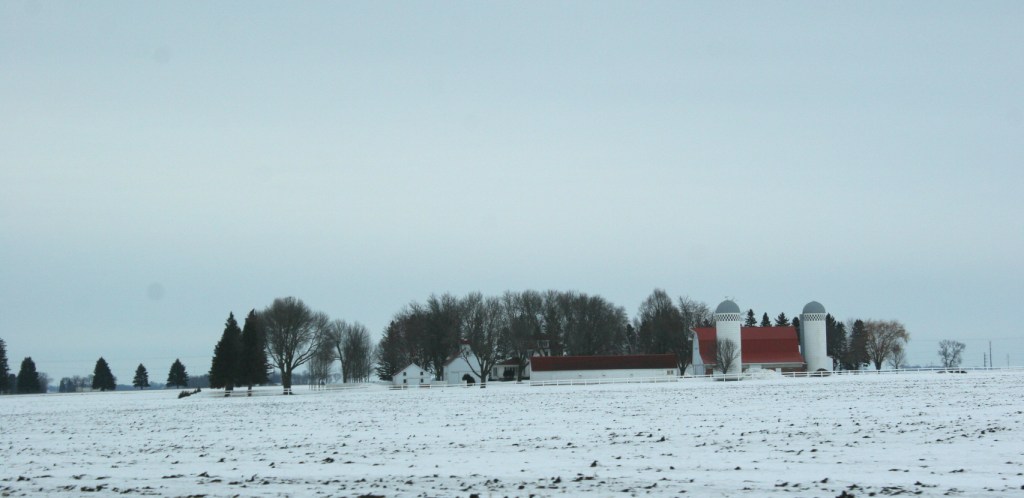
A farm east of Morgan photographed in December 2019.
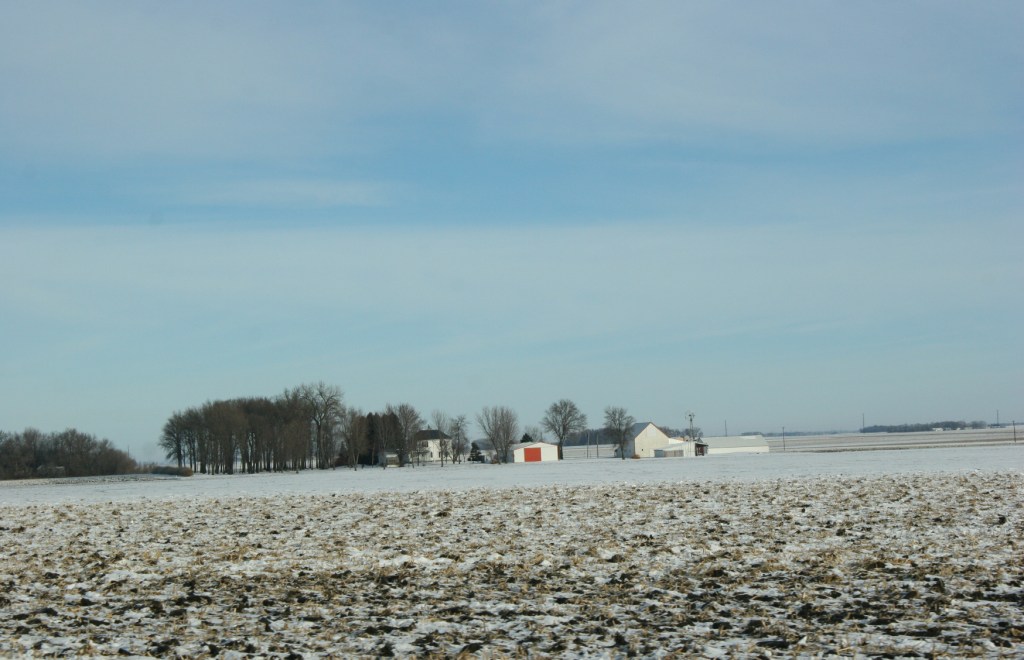
This is farm country. Mostly flat. Stretching as far as the eye can see, broken only by farm sites embraced by windbreaks. Or countless power poles fading into infinity.
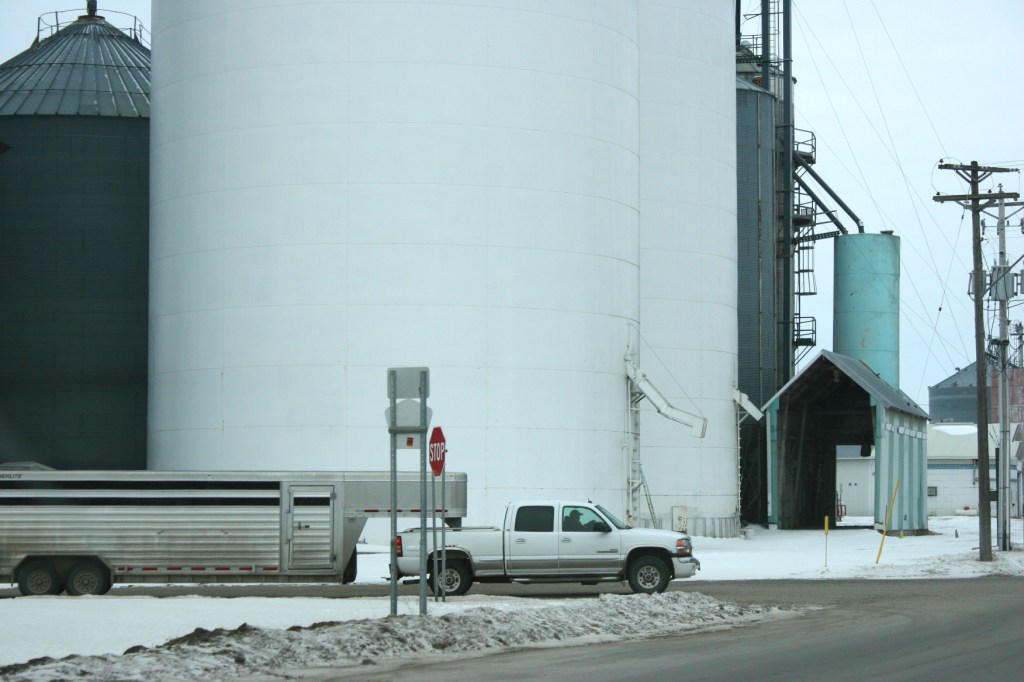
Morgan is a farming community defined visually by its grain elevator complex.
Or by the grain elevators and water tower in Morgan.
Near Morgan and photographed on January 11.
Randy and I talk as we travel, commenting on snow cover in the winter, crops in the other seasons. Oftentimes we reminisce about our farm upbringings, prompted by the rural landscape enveloping us. We are still farm kids at heart, in memory, in the essence of our beings.
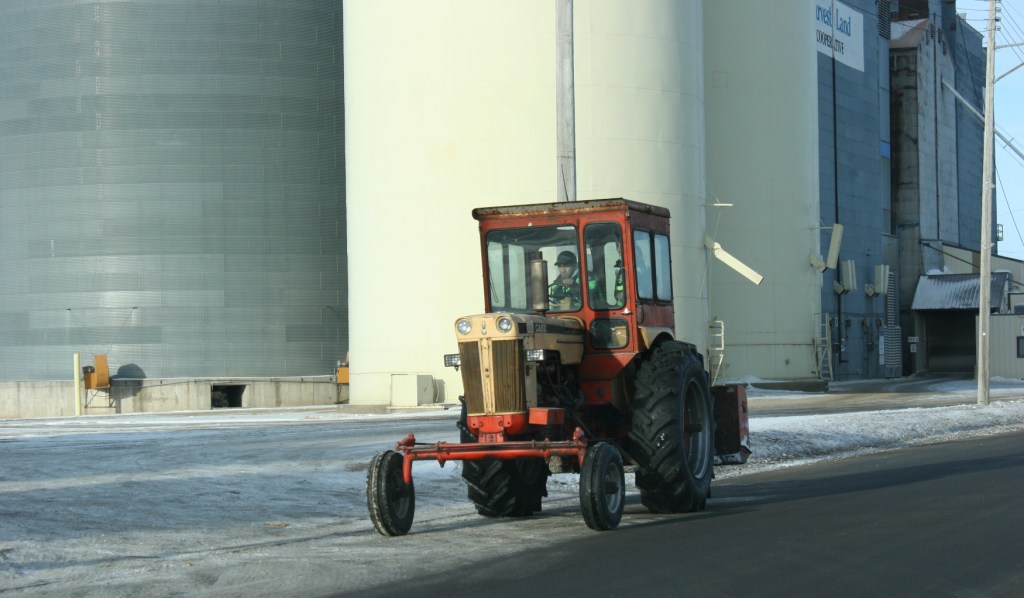
A not uncommon scene in rural Minnesota, this one in Morgan.
Conversation passes the time as does photography. I feel compelled to photograph this place that is so much a part of me. Familiar. Comforting. Forever home.
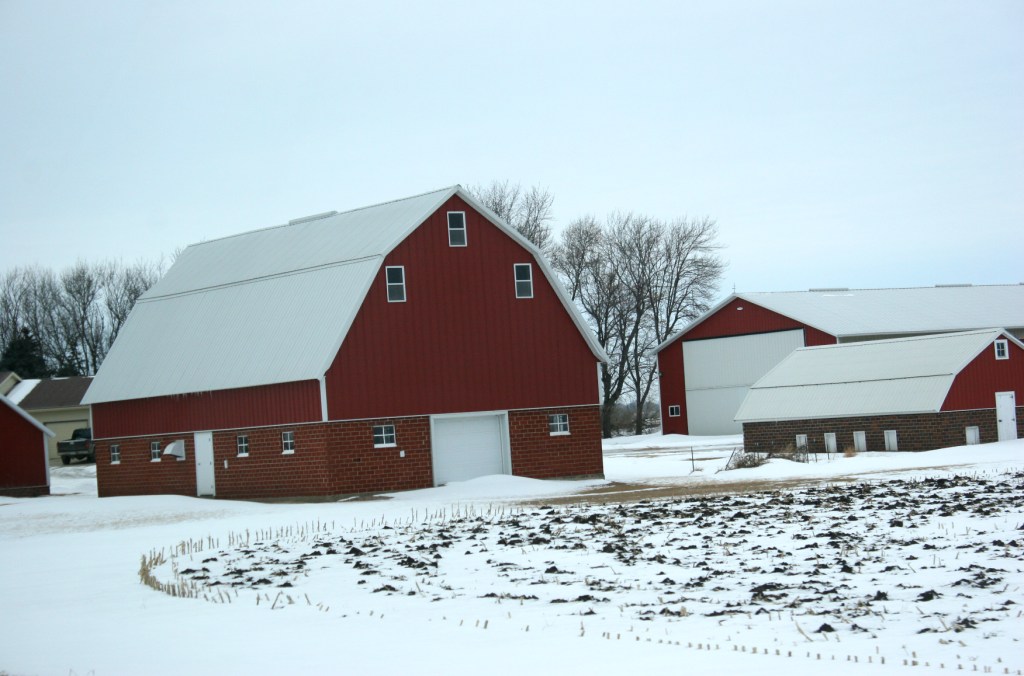
I find myself repeatedly photographing this beautiful barn and farm site west of New Ulm.
But my photography isn’t only about me and my connection to this land. It’s also about my desire to document and share this place with those unfamiliar with southwestern Minnesota. I recognize that not everyone appreciates the prairie. Its spacious skies and wide expanse of land can feel unsettling to those who have always only known metro areas. Or trees. I get it. Plop me inside a city and I feel boxed in by tall buildings and uncomfortable on too much concrete among too much traffic.
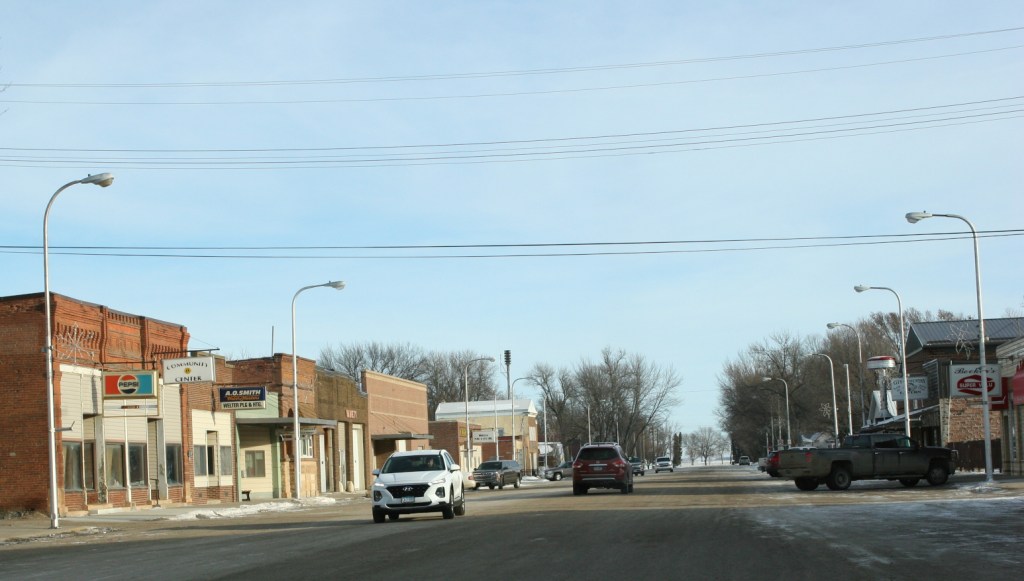
Main Street Morgan photographed in late December 2019.
Still, despite the differences between rural and urban dwellers, we all still see the same sun, the same moon. And we are all journeying somewhere on the same planet.






 Minnesota Prairie Roots
Recent Comments