Minnesota Prairie Roots

Writing and photography by Audrey Kletscher Helbling

What a Red Flag Warning means for Minnesota farmers October 4, 2011

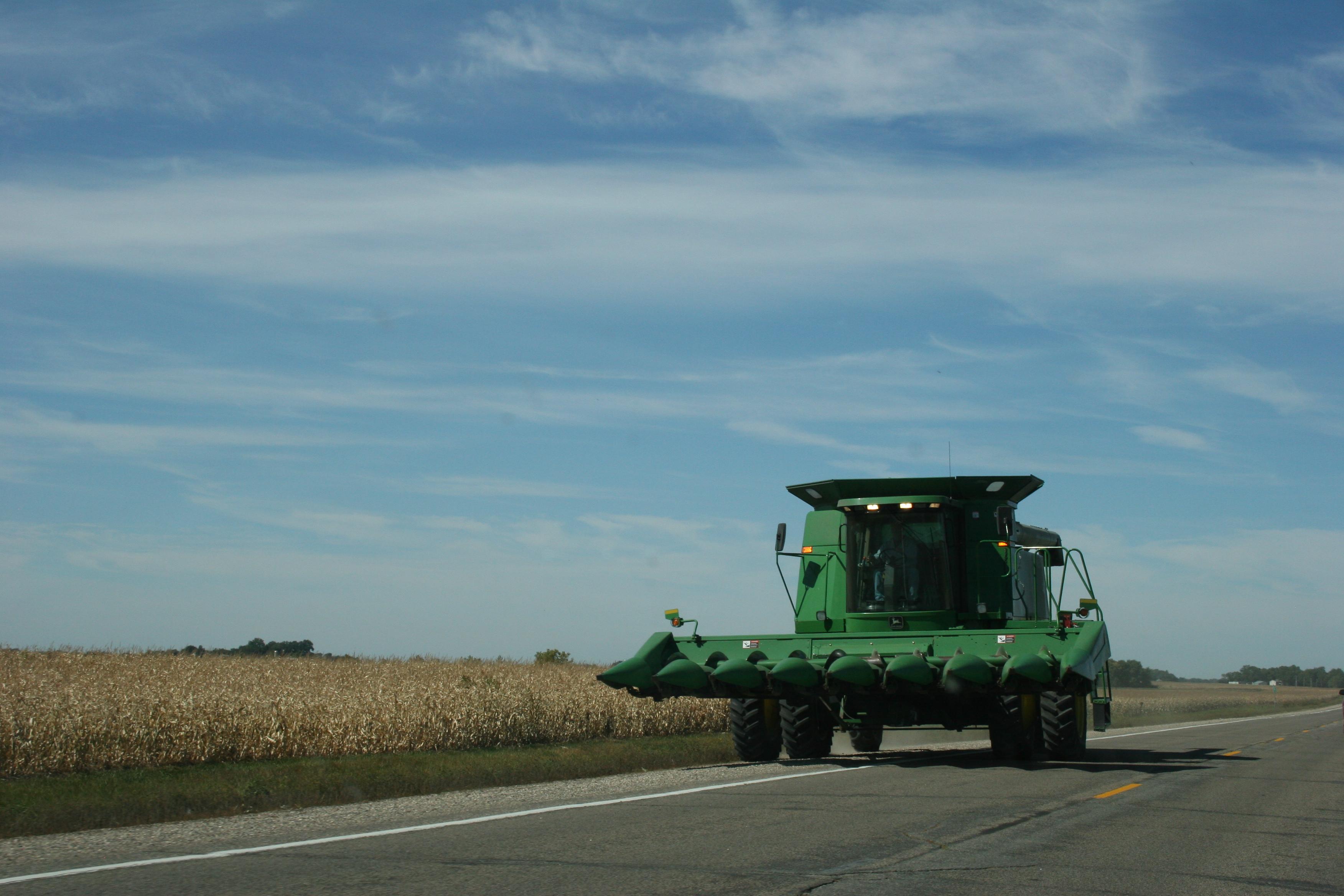
Farmers are in the fields harvesting corn (pictured here) and soybeans under extremely dry conditions.

WHEN I HEARD about the National Weather Service’s “Red Flag Warning” for west central and south central Minnesota Monday evening, it was the first time I had heard that terminology.

What does it mean?

Here’s the definition, direct from the NWS:

A RED FLAG WARNING MEANS THAT CRITICAL FIRE WEATHER CONDITIONS ARE EITHER OCCURRING NOW…OR WILL SHORTLY. A COMBINATION OF STRONG WINDS…LOW RELATIVE HUMIDTY…AND WARM TEMPERATURES WILL CREATE EXPLOSIVE FIRE GROWTH POTENTIAL.

That’s a strongly-worded warning for those folks living in the communities and rural areas along and west of a line from Alexandria to Fairmont.

Farmers, especially, have to be worried about the fire danger given they are in the middle of harvesting corn and soybeans in tinder dry fields. Mix dry plant material, strong winds and the heat of a combine exhaust, for example, and you have the potential for a devastating fire.

Michael, a southwestern Minnesota farmer who blogs at Minnesota Farmer, writes two days ago about fires he spotted last Thursday while combining beans. Click here to read his October 2 post which explains how blazes start and the resulting, devastating financial impact on farmers.

It’s all too easy for those of us who live in town, even if we grew up on a farm, to forget about the dangers that come with harvest. And this year, the fire danger is particularly high.

The Red Flag Warning remains in effect until 7 p.m. Wednesday.

DO YOU LIVE in the Red Flag Warning area? If so, has there been an increase in the number of fires recently? Please submit a comment and share.

© Copyright 2011 Audrey Kletscher Helbling


The final harvest September 28, 2011

Filed under: Uncategorized — Audrey Kletscher Helbling @ 7:55 AM
Tags: , , , , , , , , ,

DEEP IN THE RICH FARMLAND of southwestern Minnesota, a group of farmers are planning for harvest. But not their harvest.

They will gather to bring in the crops of their friend and neighbor, Steve, who was found dead at the scene of a single-vehicle crash eight days ago. Even before last Friday’s funeral, these good people had lined up half a dozen combines to sweep across Steve’s corn and soybean fields south of Lucan.

One day for the corn. One day for the beans.

I don’t know the identities of these friends. But I expect they were among the mourners who packed St. John’s Lutheran Church in Redwood Falls on Friday to console a grieving family, to find comfort in Scripture and song and words spoken.

I was there. We heard the pastor tell us how God loved Steve so much that he called him home—too early in our eyes, at the age of 64—to spare him from evil and to give him peace.

Words that helped us to understand, from a pastor who considered Steve a personal friend, who himself paused to wipe tears from his eyes during his message.

As I sat in the balcony, looking down toward the casket, to the family in the front rows, my heart broke. For my youngest brother who had stretched his arms along the back of the pew to encircle his wife and their teenaged daughter and their son. They had lost their father, father-in-law and grandpa.

And later, at the cemetery, as my dear sister-in-law leaned forward in her chair, her head bent, her hands clasped tight in her lap, my heart broke.

Minutes later I pulled my 11-year-old nephew close as tears slid down his cheeks, as his body shook with sobs of grief. I wrapped him in my arms, stroked the back of his head, wished with all my might that I could make everything better for the boy who loved his “Papa” so much.

Later, in the church basement, we found moments of laughter in the stories shared by Steve’s oldest son about the perfectionist farmer who each morning walked out of his farmhouse and checked to see that everything was in its place in the farmyard.

We laughed at the man who spent one final weekend with his family, arriving at a downtown Minneapolis hotel with a small bag, asking to, once again, borrow his other son’s shaver.

It felt good to laugh through the tears, to hear about the grandfather who kept cats because he knew his grandchildren loved them, who got a lamb because he knew his grandchildren would love that lamb.

We laughed and remembered and celebrated the life of a man who was dear to so many.

When Steve’s farmer-friends roll their combines onto his acreage, they’ll pay him one last tribute—by bringing in the final harvest.

“To everything there is a season, and a time to every purpose under heaven: a time to be born and a time to die, a time to plant and a time to pluck up that which is planted…”

#

NOTE: The above combine photo is for illustration purposes only and was shot just outside of Courtland on Saturday morning.

© Copyright 2011 Audrey Kletscher Helbling


Reflections on harvest time in southern Minnesota September 27, 2011

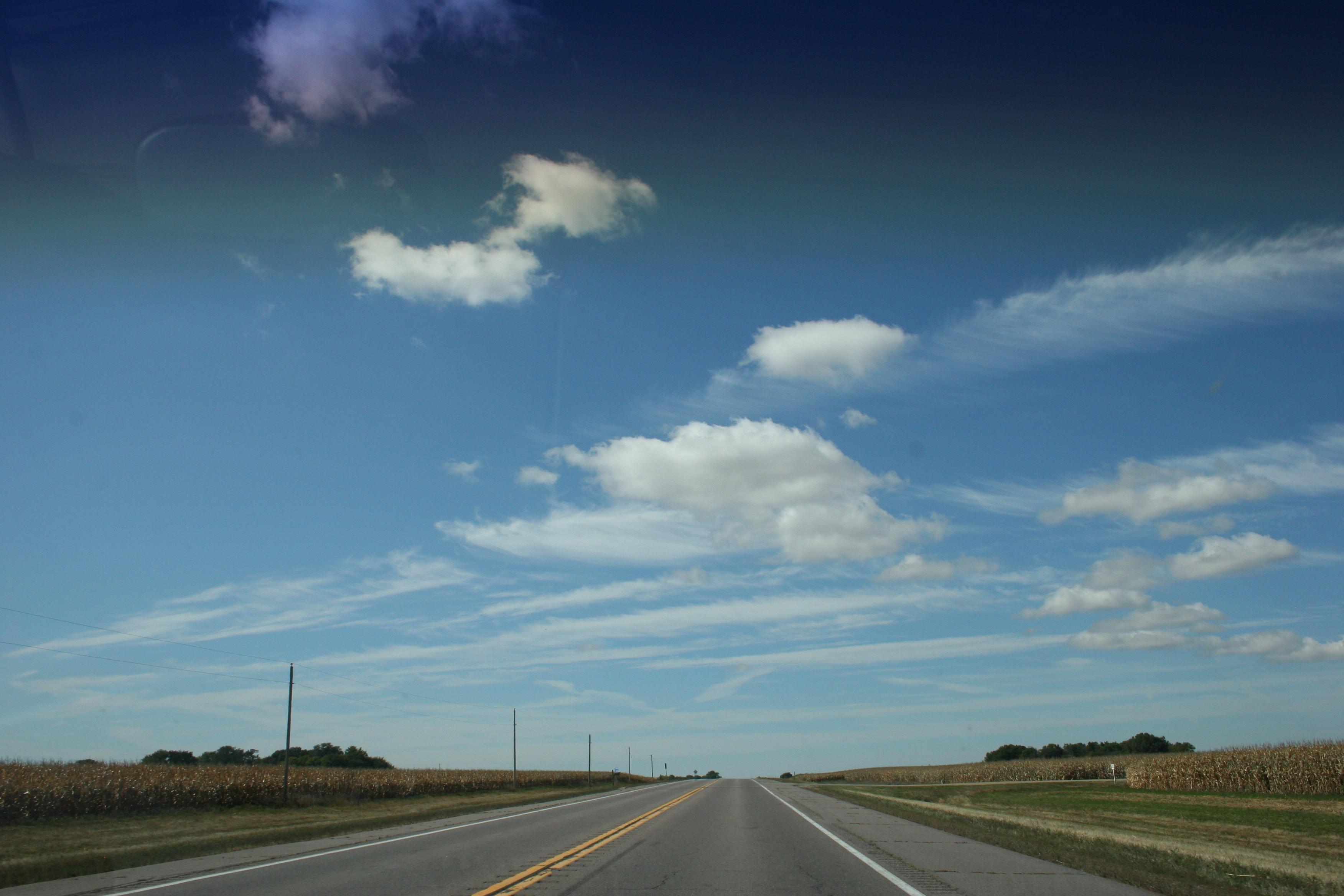
Westbound on U.S. Highway 14 between Nicollet and Courtland in southern Minnesota Friday afternoon.

I LOVE THIS LAND, this rural southern Minnesota.

You can take your woods and your lakes and your boats or your big city freeways and skyscrapers and traffic jams.

I will take sky and a land that stretches flat into forever.

I like my space open, not hemmed in by trees packed tight in a forest. I want to see into forever and beyond, the horizon broken only by the occasional grove hugging a building site.

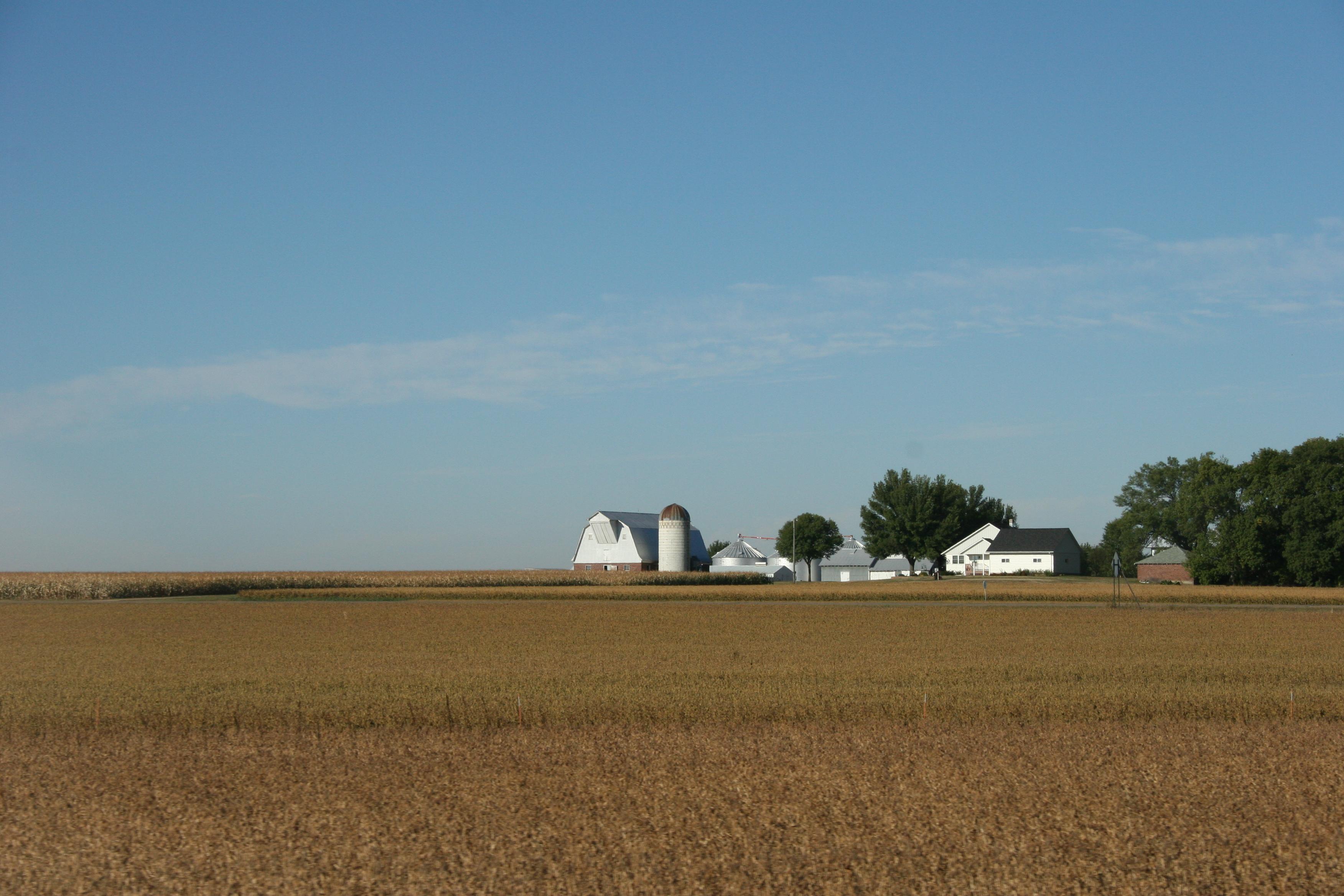
A farm site between Mankato and Nicollet, as seen from U.S. Highway 14.

A harvested corn field between Nicollet and Courtland.

I want corn and soybean fields ripening to the earthy hues of harvest. Not gray cement or dark woods.

Give me small-town grain elevators and red barns and tractors, and combines sweeping across the earth.

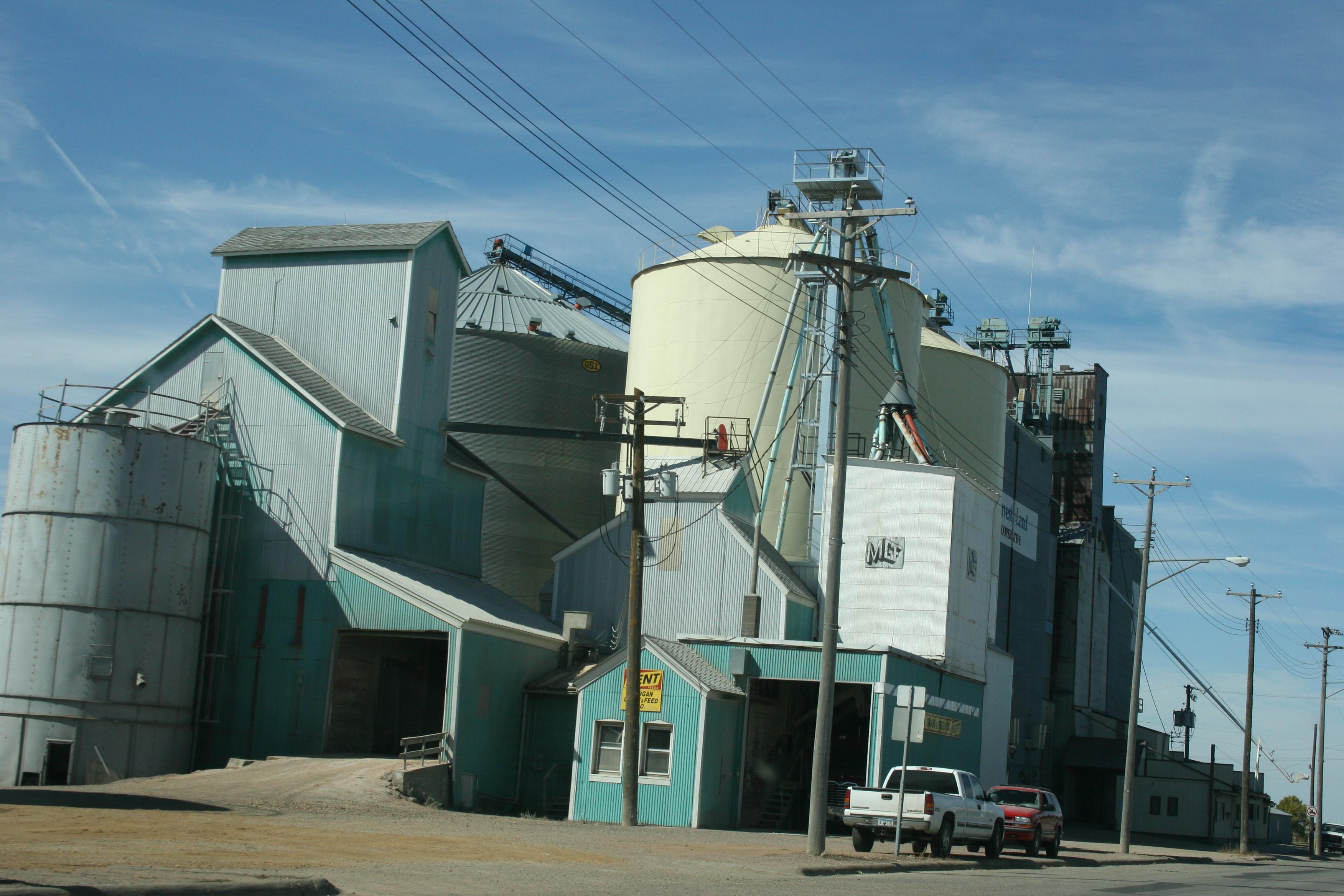
The elevator complex in Morgan in Redwood County.

A farm site along the twisting back county road between New Ulm and Morgan.

A John Deere combine spotted on the highway just outside of Morgan.

This is my land, the place of my heart.

Although I left the farm decades ago, I still yearn, during autumn, to return there—to immerse myself in the sights and smells and sounds of harvest. The scent of drying corn husks. The roar of combines and tractors. The walk across the farm yard on a crisp autumn night under a moon that casts ghost shadows. Wagons brimming with golden kernels of corn. Stubble and black earth, turned by the blades of a plow.

Today I only glimpse the harvest from afar, as a passerby. Remembering.

A farm site between Morgan and Redwood Falls in southwestern Minnesota.

Harvesting corn on Saturday just outside of Courtland.

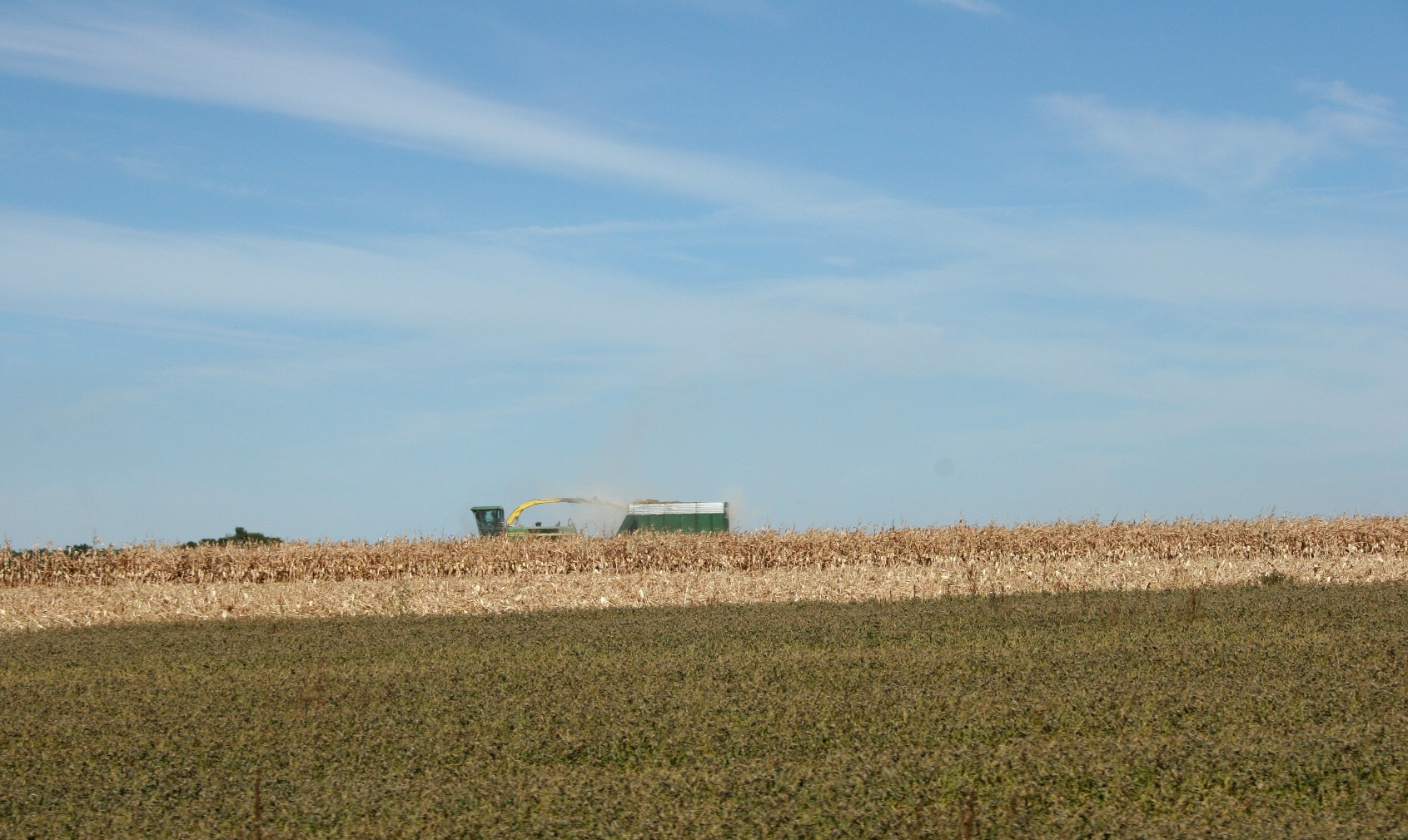
Chopping corn into silage between New Ulm and Morgan.

ALL OF THESE IMAGES (except the elevator) were taken at highway speed from the passenger side of our family car while traveling through southern Minnesota on Friday and Saturday.

© Copyright 2011 Audrey Kletscher Helbling
 

It takes a strong man or woman to farm August 2, 2011

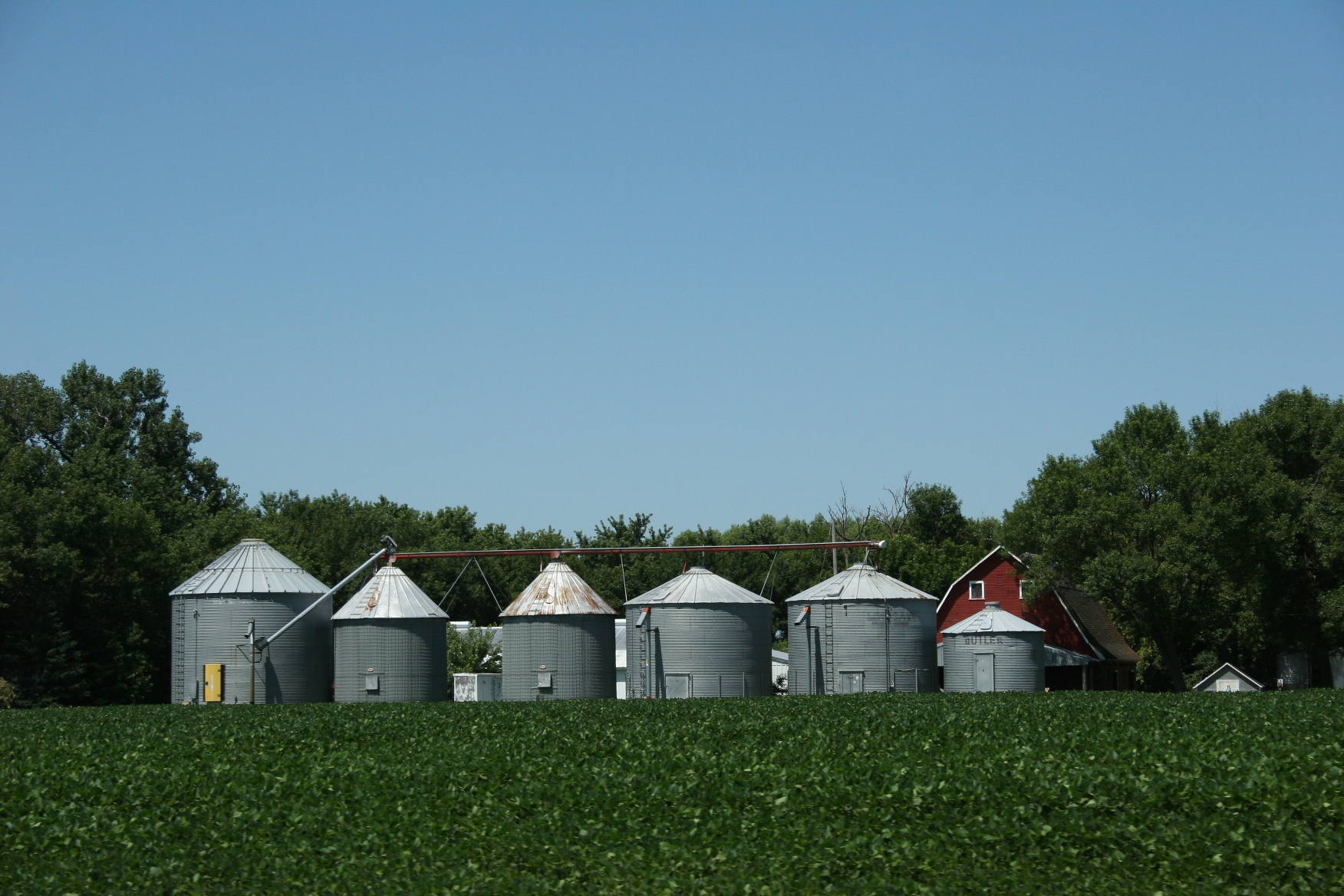
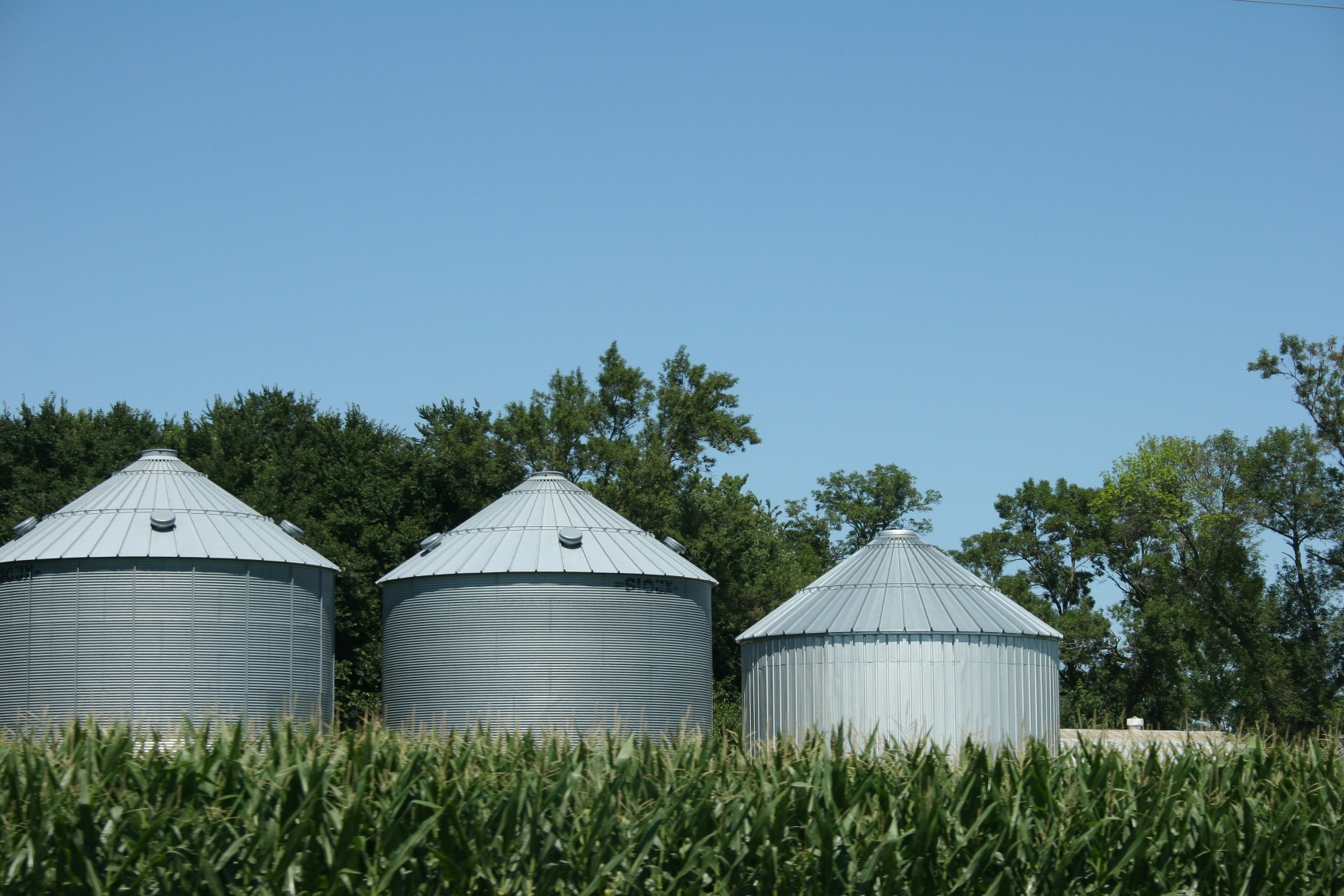
Bins on a farm place somewhere along the back roads between New Ulm and Morgan.

“I COULD NEVER BE MARRIED to a farmer or be a farmer,” I told my cousin Kevin as we stood outside the Vesta Community Hall Friday evening discussing the July 1 windstorms and tornadoes that ravaged my native southwestern Minnesota.

Kevin farms south of Echo, where he lost three grain bins, trees, and, if I remember correctly, an auger, to high winds. He’s looking at replacement and upgrade costs of more than $140,000. And a good chunk of that will not be covered by insurance. Investing so much money in his farm now, at near 60 years old, doesn’t come easily for him, he claims. But he doesn’t have an option if he is to continue farming.

As he was sharing his story, he said, “I told the wife I need to…” Kevin, 56, got married late in life (six years ago), so I still have to remember sometimes that he’s with Kris, a wonderful woman.

It takes a strong man or woman to live a life of farming. As much as I love the farm, I couldn’t farm. I couldn’t handle the financial stress, the “I told the wife I need to” replace the grain bins or I need to borrow money for a new tractor or the beans were hailed out…

I’d stress over borrowing all that money and over the financial risks inherent in farming.  Will commodity prices be up or down when I want to sell the corn and beans? Should I sign a contract now or wait? Should I buy that piece of equipment, build that machine shed? Will I get a decent crop? I’m not a gambler or a risk taker, even though I grew up on a crop and dairy farm.

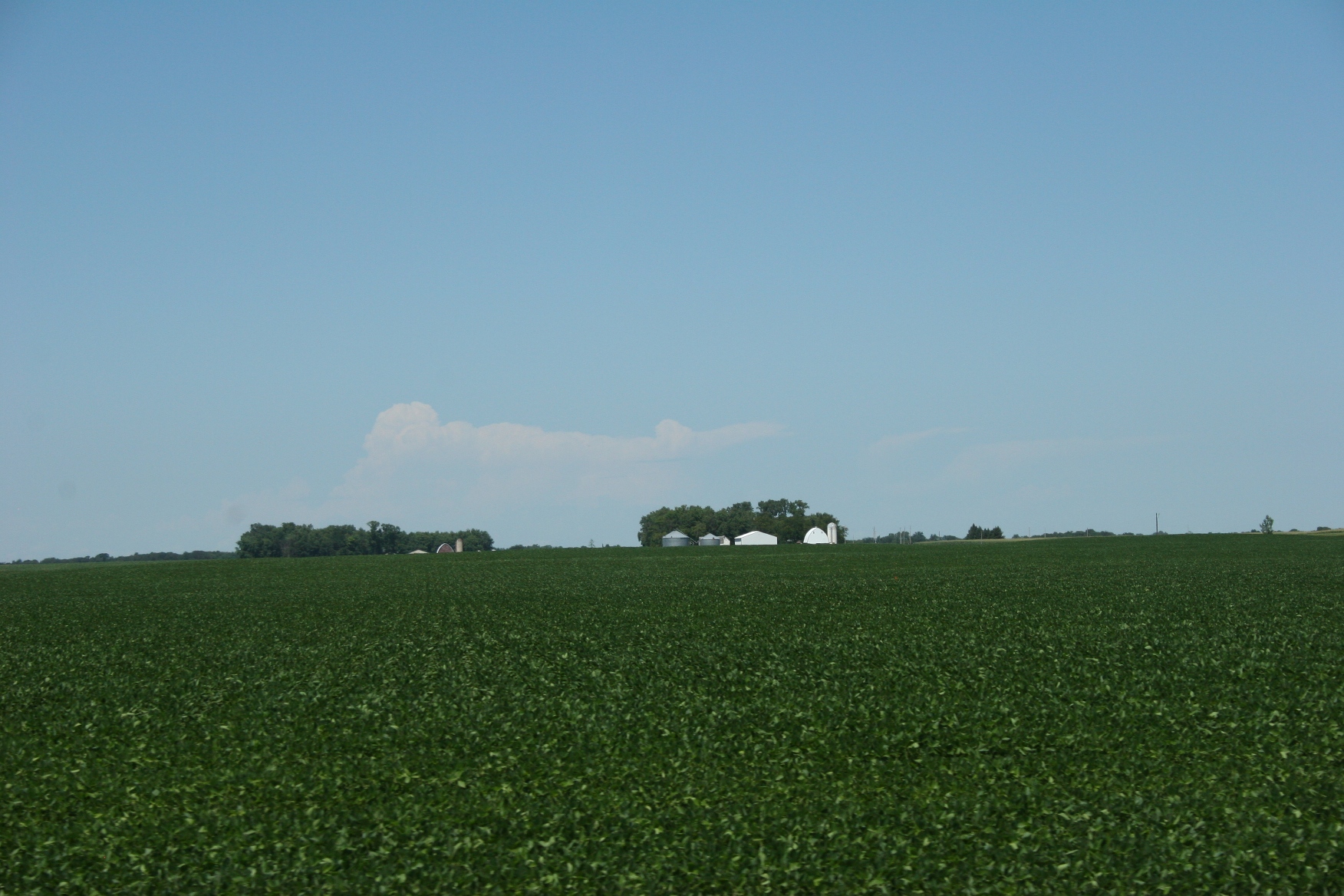
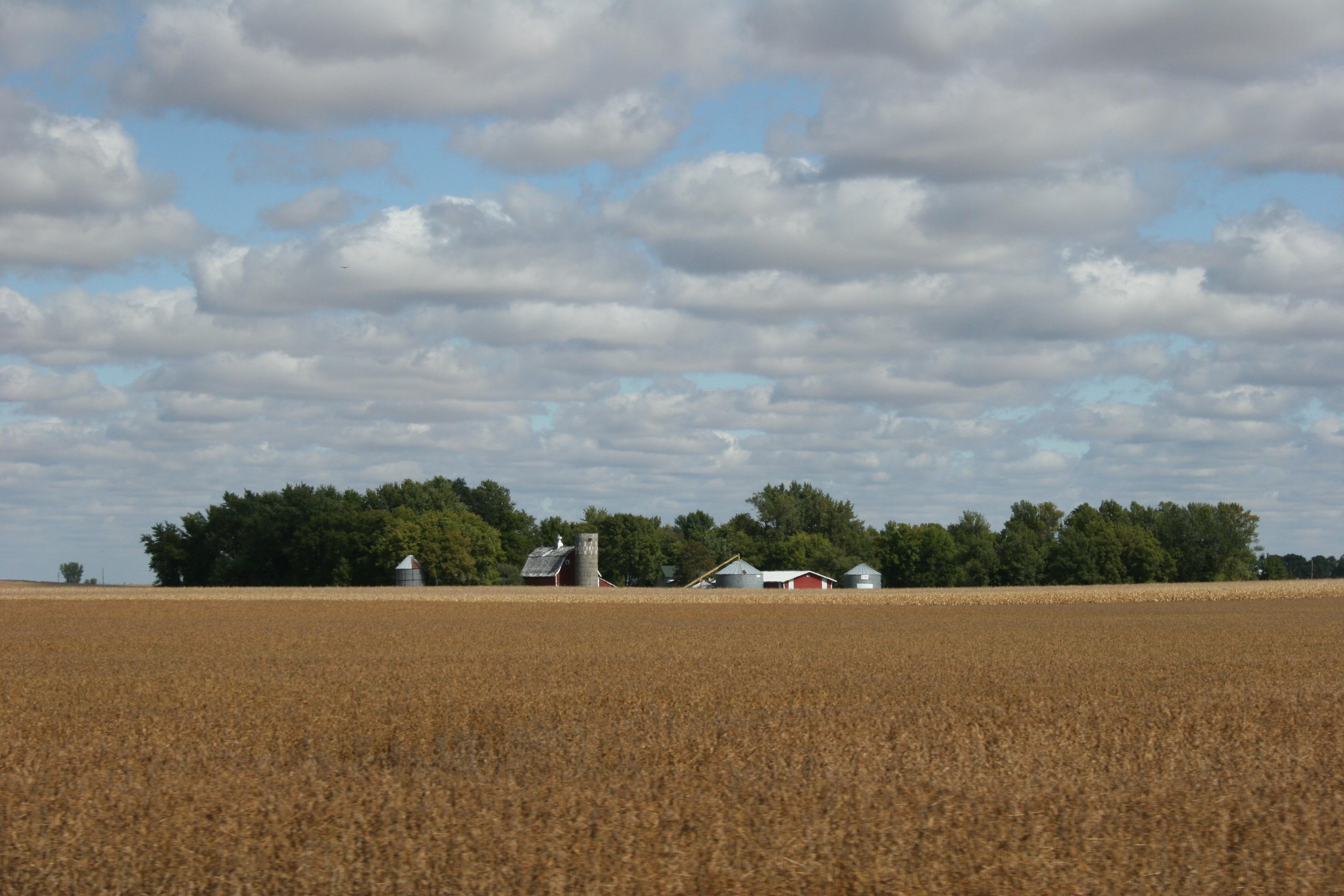
Soybean and corn fields stretch into forever in southwestern Minnesota. I shot this image on Friday between New Ulm and Morgan.

For many Minnesota farmers, this year has been especially challenging. Crops were planted late due to wet field conditions. Then the heavy rains fell, drowning out entire sections of fields. Next, strong winds and hail devastated beans and corn.

For the first time that I can ever recall, I saw black fields near my hometown of Vesta. My cousin told me the fields had been replanted and then the storms came when it was too late to replant again.

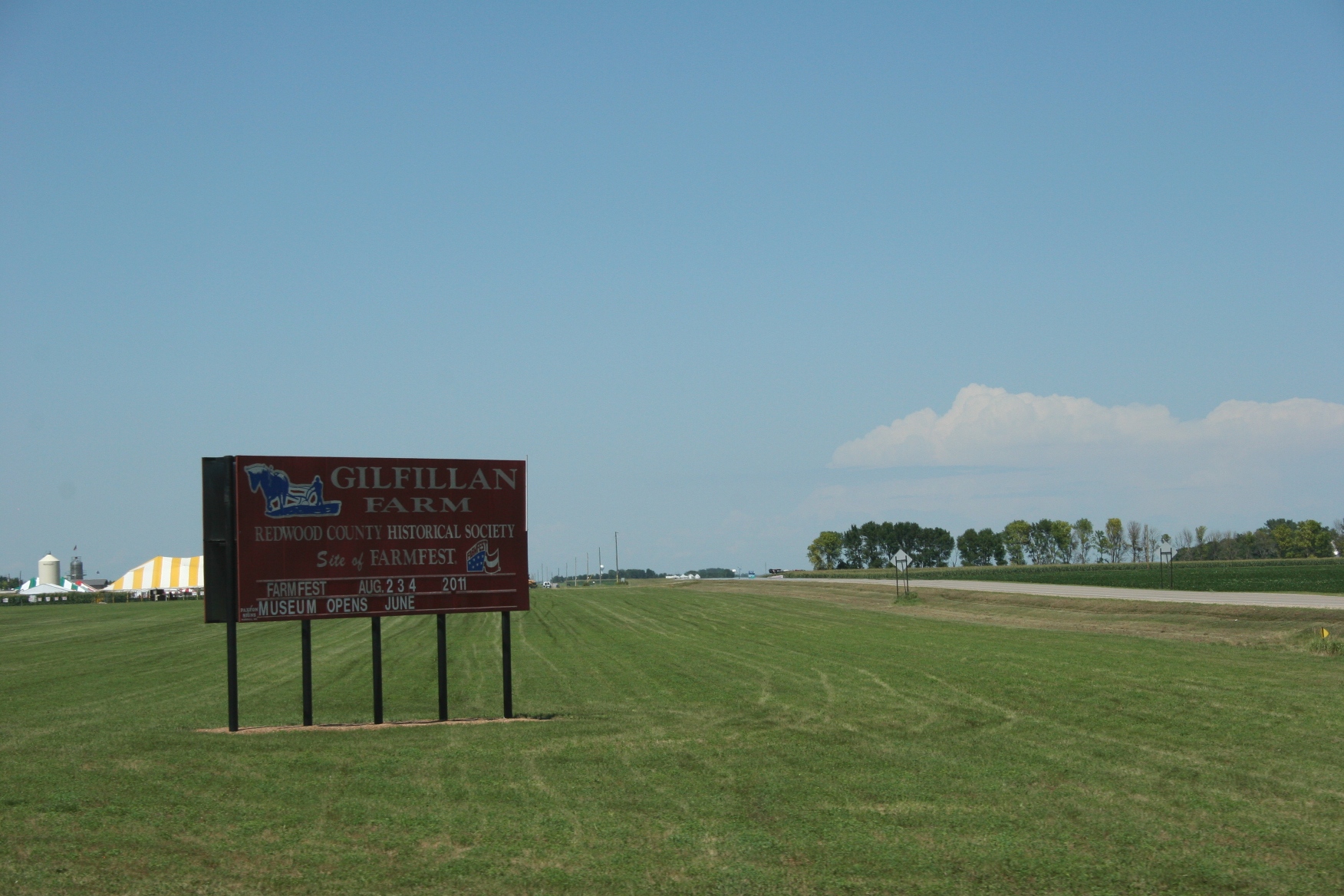
Three days this week, beginning today, farmers, agri-business reps and others will gather at the historic Gilfillan Farm between Morgan and Redwood Falls for Farmfest. There, in the heart of Minnesota’s farm country, I bet if you eavesdropped on a conversation or two or ten, you’d hear some farmer say, “I told the wife I need to…”

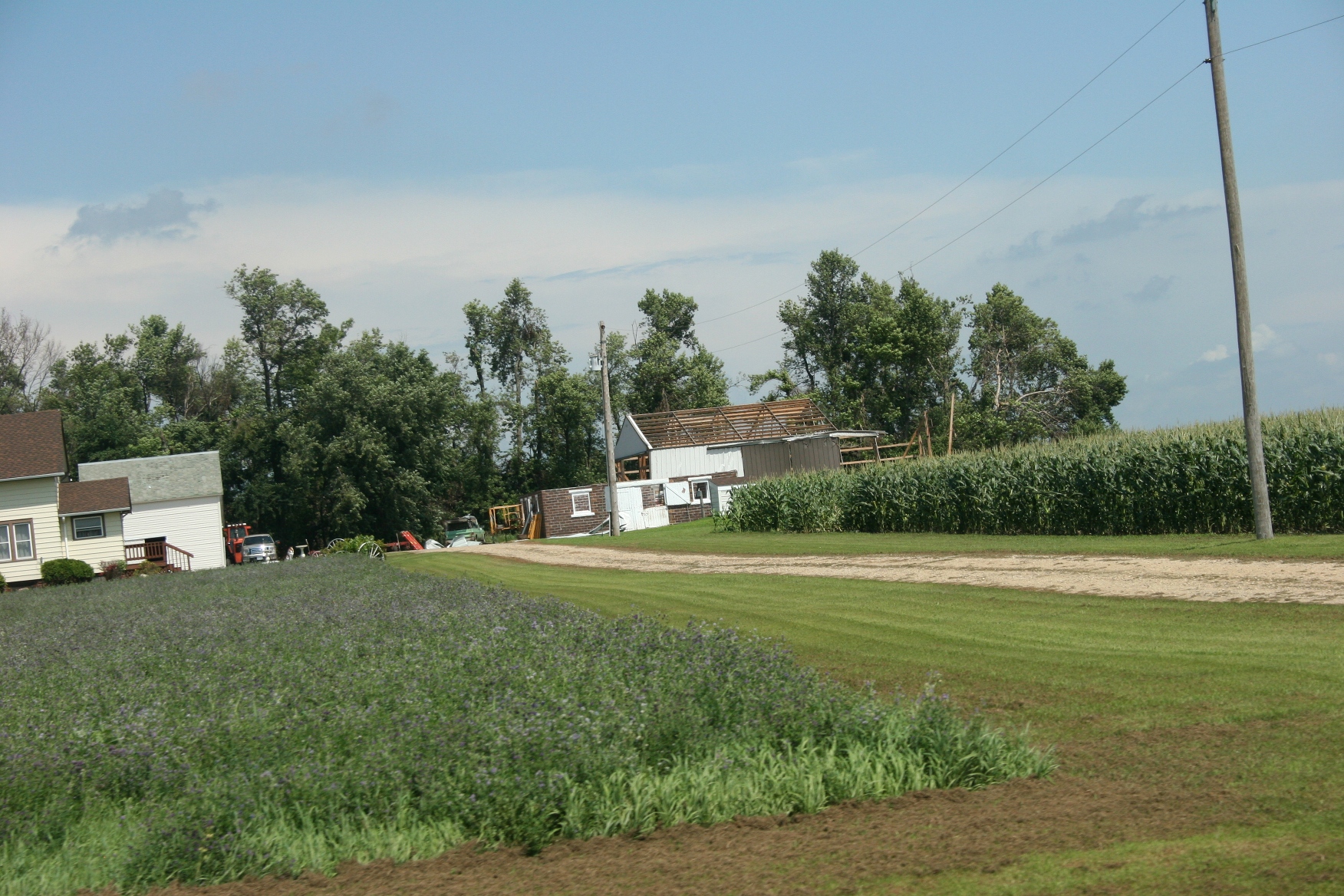
I spotted this damage to a building on a farm just north of Belview, which was hit by a July 1 tornado.

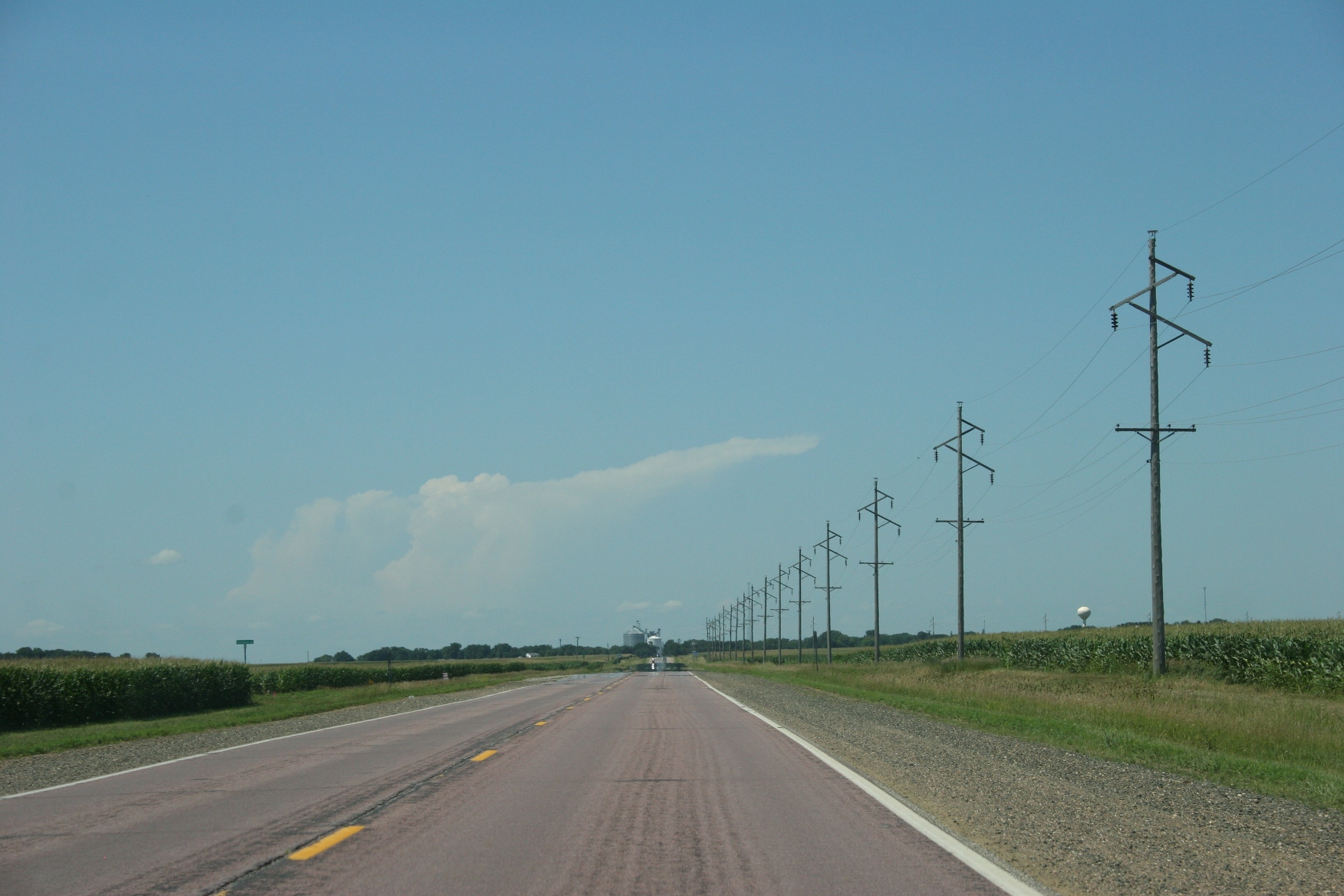
I took this shot traveling Minnesota Highway 67 west toward Morgan Friday afternoon. Follow this road and you'll end up at Farmfest. You can see Morgan's water tower and grain elevator complex in the distance.

Farmfest at the historic Gilfillan Farm runs today through Thursday.

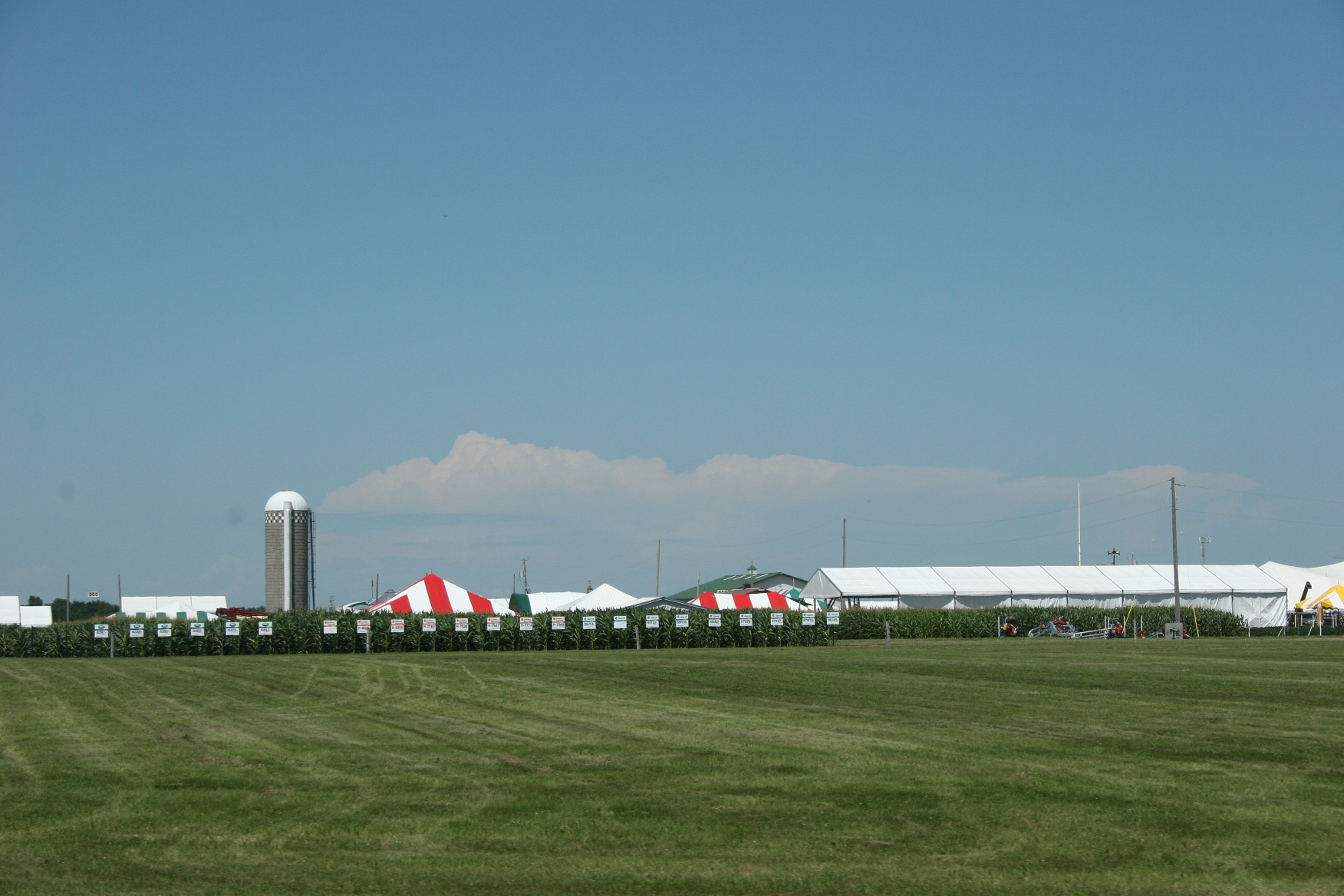
When I drove by the Farmfest grounds Friday afternoon, tents were already in place for the event.

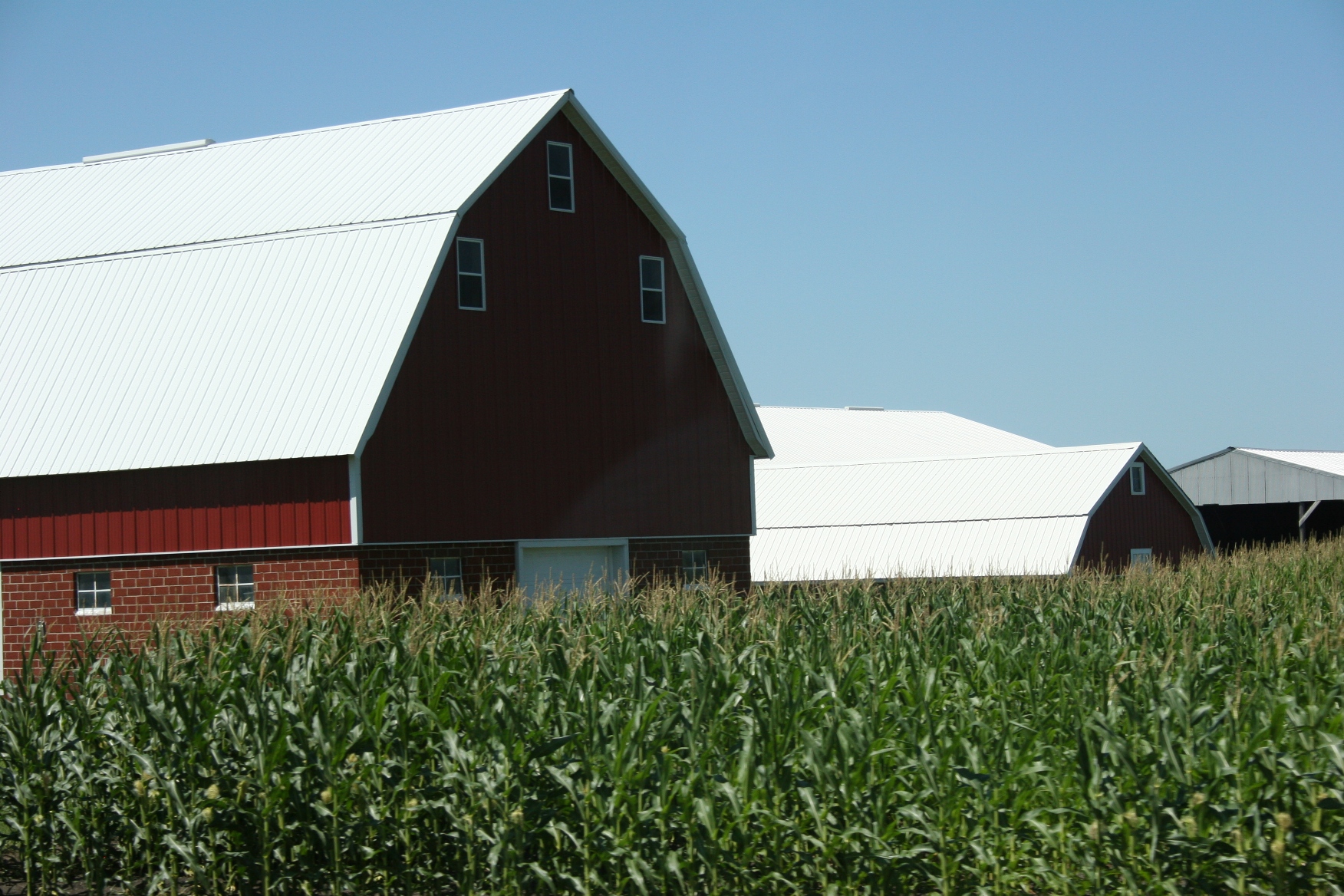
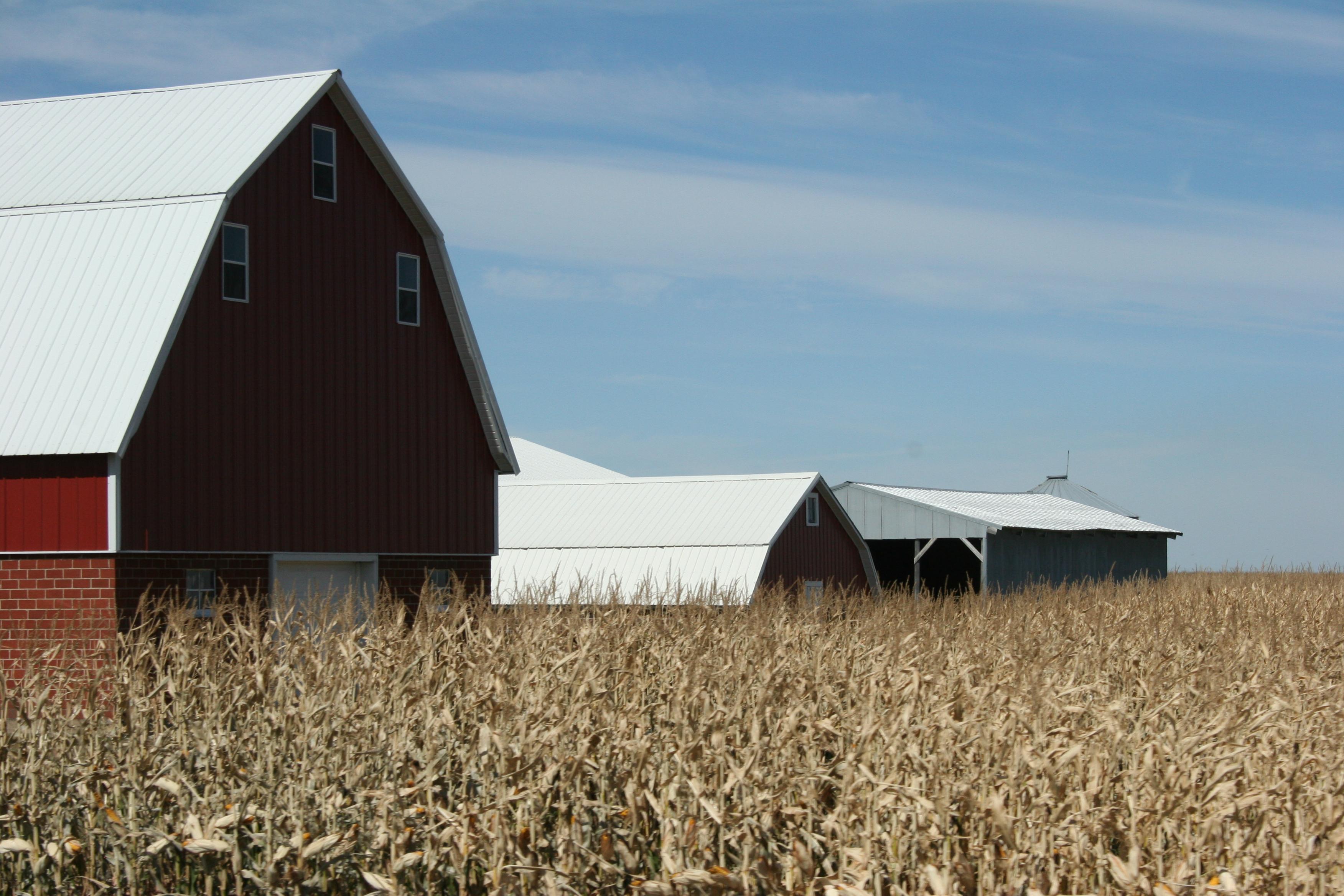
A barn, outbuildings and a corn field between New Ulm and Morgan.

Bins on a farm site along the back road between New Ulm and Morgan.

© Copyright 2011 Audrey Kletscher Helbling
 

I welcome thee to Minnesota, warm Spring May 17, 2011

Filed under: Uncategorized — Audrey Kletscher Helbling @ 6:52 AM
Tags: , , , , , , , ,

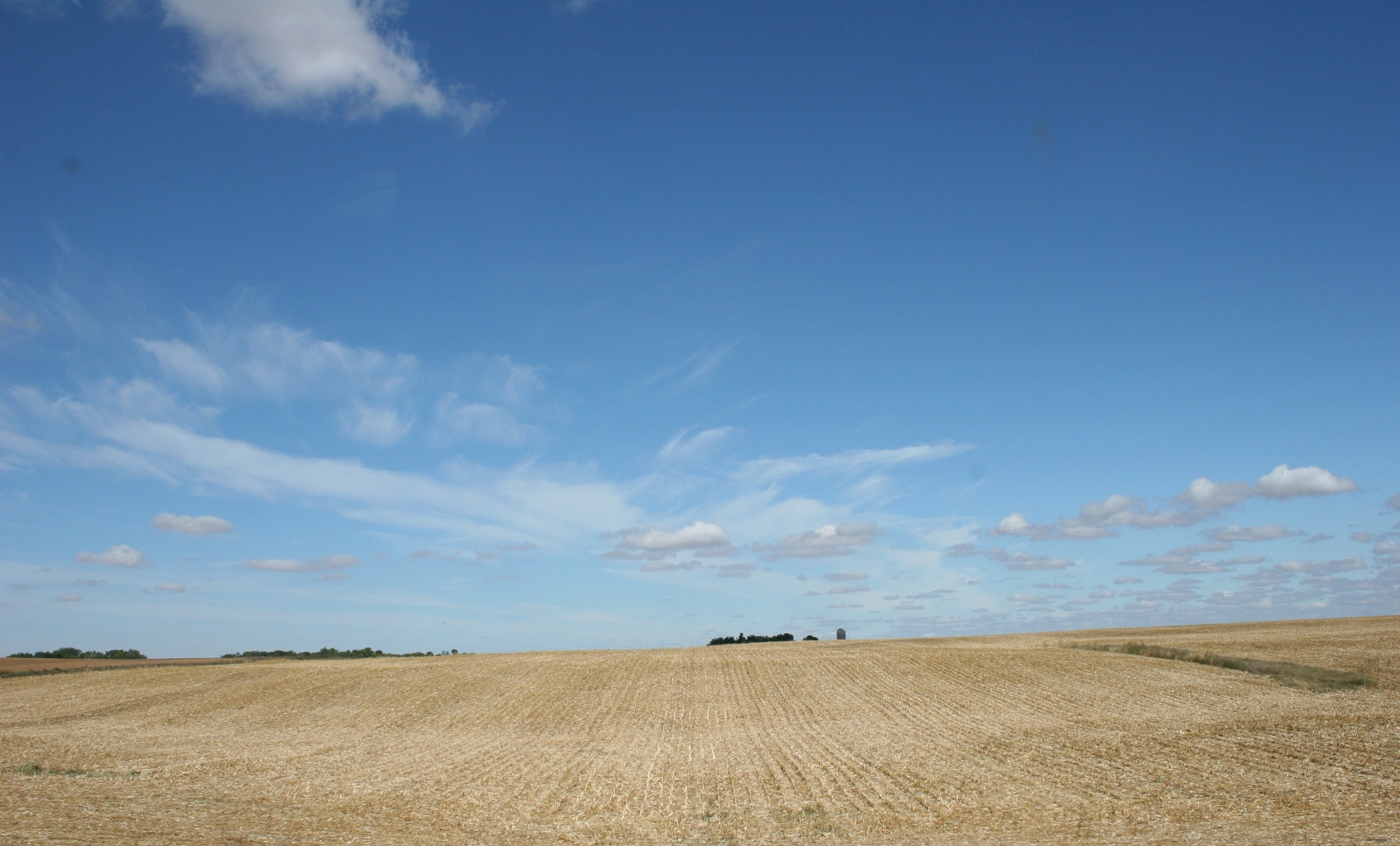
Oh, glorious Spring of warmth and sun, I welcome thee to Minnesota. Thou hath been too long absent.

Thy clouds have overshadowed this land, casting weariness upon the souls of all who dwell here.

Thy waters have poured forth from the heavens and fraught despair in the hearts of those who till the soil.

They who shelter the beasts of the earth have anguished.

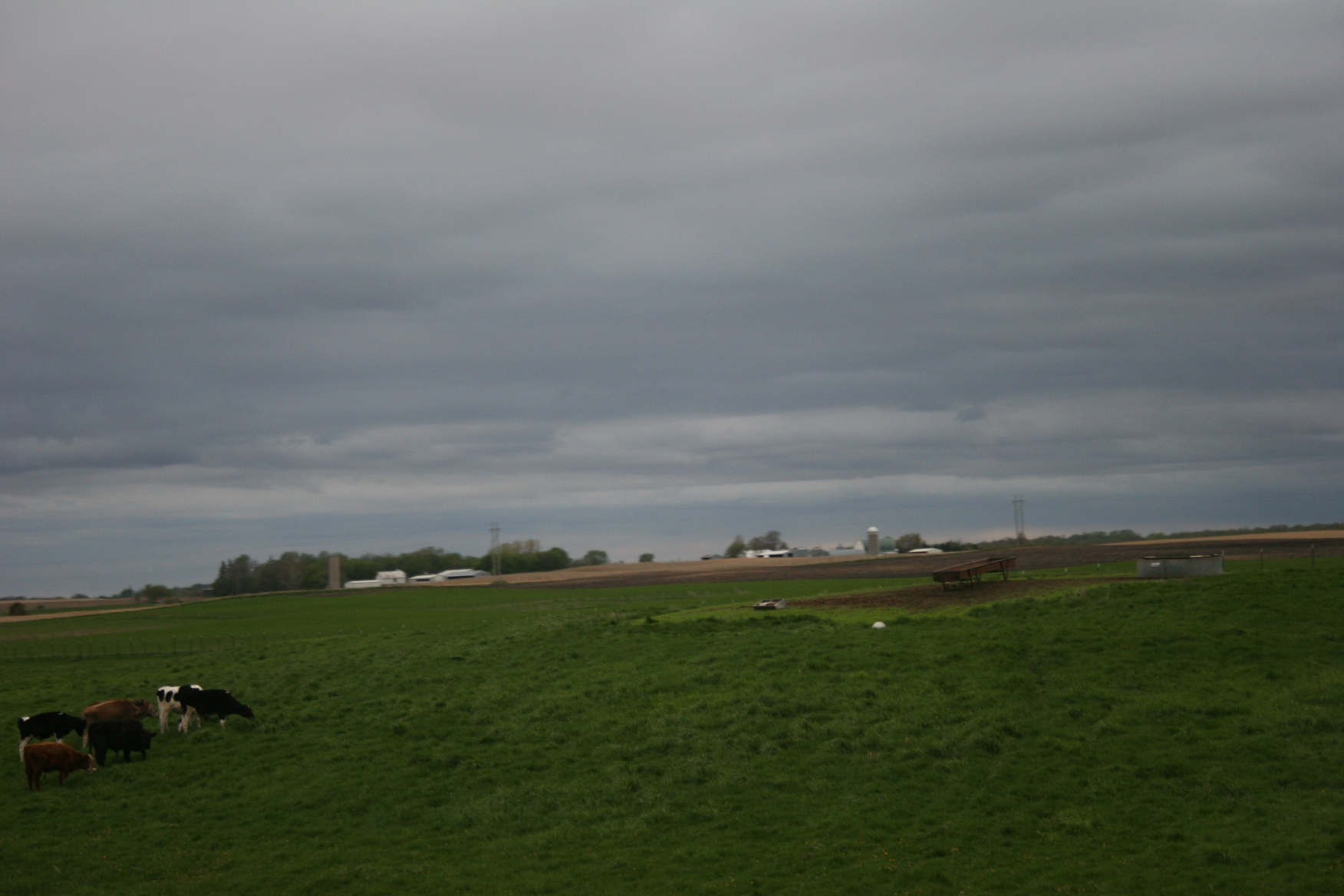
But thou hath arrived in green pastures where cattle graze.

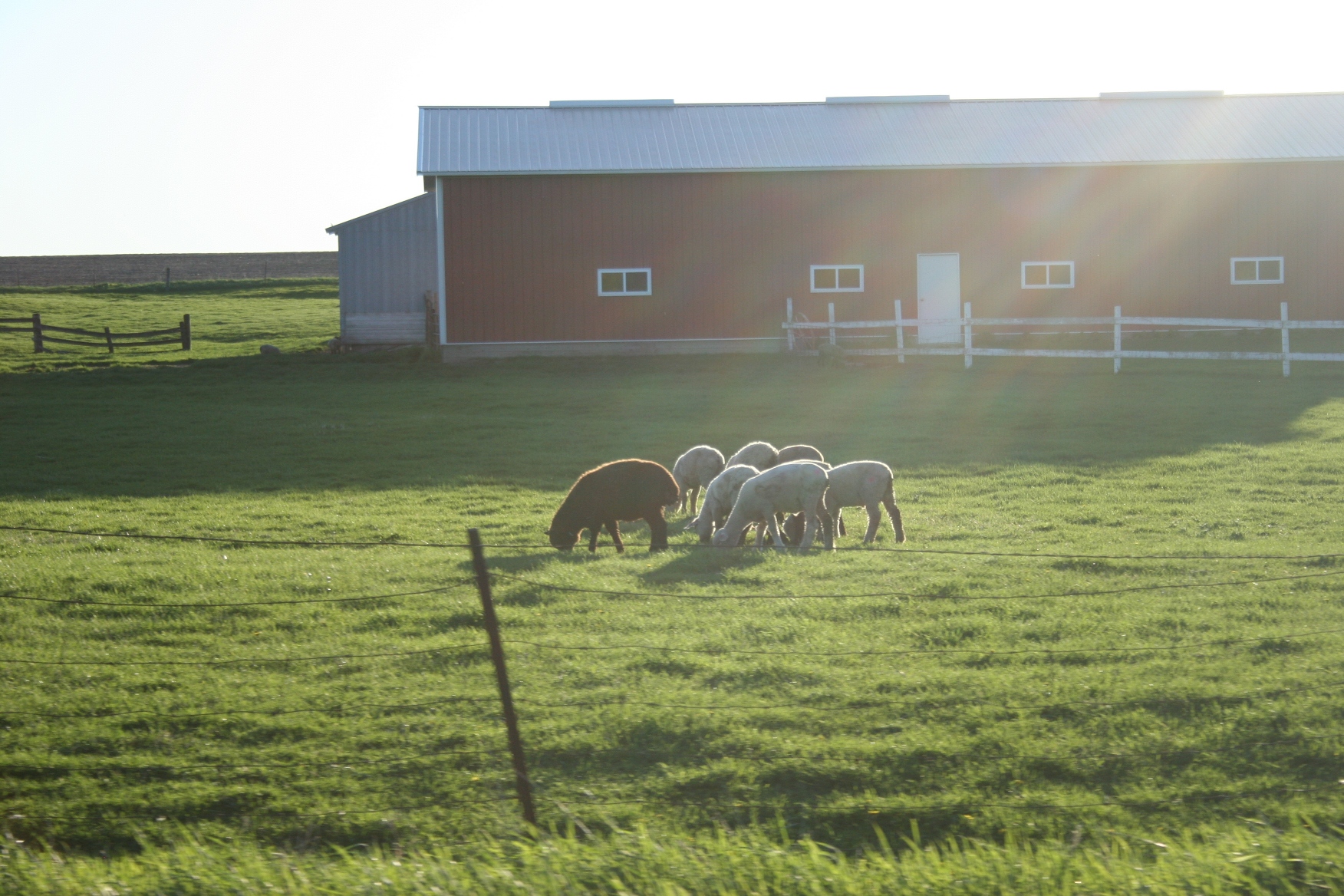
The sheep eat of the new grass.

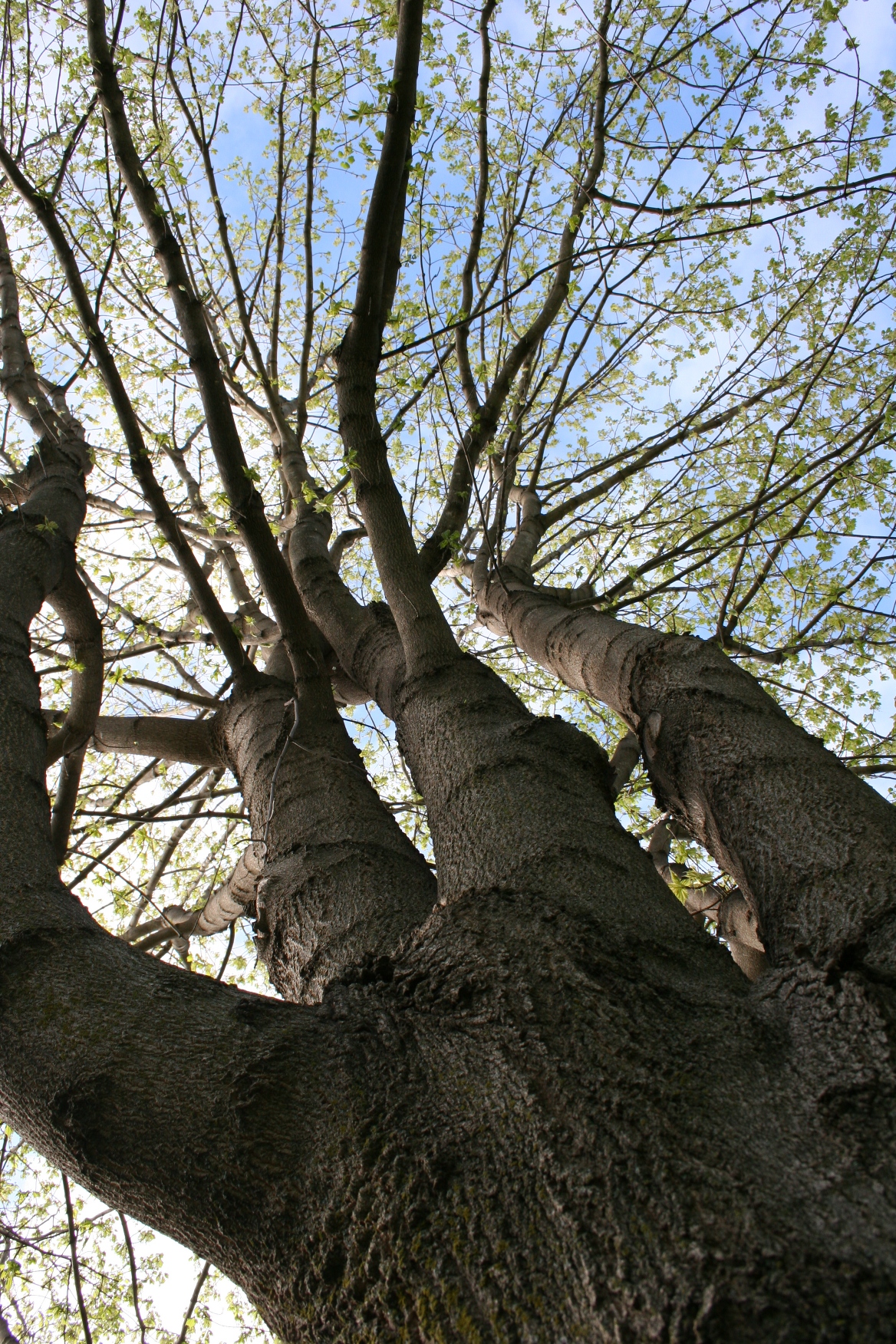
And the mighty trees bask in thy beauty.

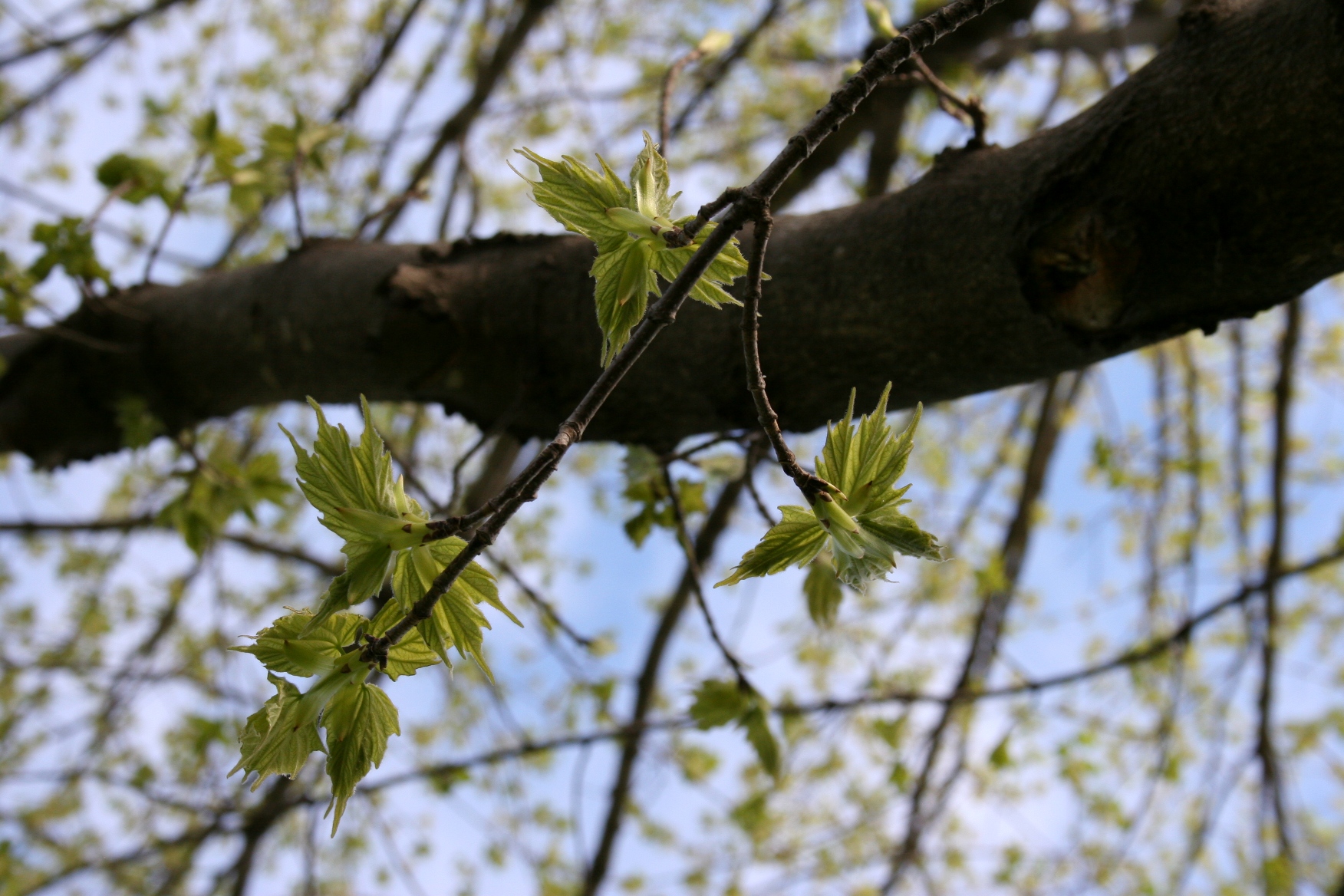
The people note the quiet unfurling of the leaves. Thou hath caused them to rejoice.

© Copyright 2011 Audrey Kletscher Helbling
 

Pigs and poetry May 14, 2011

This pig greets diners at Piggy Blue's Bar-B-Que in Austin, Minnesota. This image is posted here for pig illustration purposes only, not because it's specifically related to the following story.

IN A WEEK, my sister-in-law is moving from Minot, North Dakota, to Missouri. In August, my brother-in-law, an Air Force man, will join her and their young son.

She’s leaving early to seed the garden, plant the orchard and ponder the purchase of pigs. This has always been Jamie’s dream, to own a country acreage where she can grow fruits and vegetables and raise an Old McDonald variety of animals.

Chickens, rabbits, goats and a pig or two comprise her animal acquisition list.

But about those pigs…I overheard a man advising her last Saturday to “hold off” on the pigs for awhile. He didn’t give a reason, only suggested she wait.

Her husband, Neil, although supportive of his wife’s plan, also has reservations about the swine. If Jamie wants a pig, Neil says he can shoot one. He would be right. The Missouri Department of Conservation advises residents to “shoot ’em on sight” in an online article about the problem of feral pigs running rampant.

Thankfully we do not have a wild pig problem in Minnesota. Our problem would be an overabundance of deer.

But we do have a book of pig poetry featuring 133 pig poems penned by 103 poets like Robert Bly, Louise Erdrich and Bill Holm. Red Dragonfly Press, a solely poetry not-for-profit literary organization based in Red Wing, published Low Down and Coming On: A Feast of Delicious and Dangerous Poems About Pigs. James P. Lenfestey edited the 232-page anthology printed last October.

Tomorrow (May 15) several of the pig penning poets, including Lenfestey, will read from the book at a “Pig Gig” slated for 2 p.m. at the Litchfield Opera House in Litchfield.

Now if my sister-in-law wasn’t preoccupied with packing for Missouri, I’d propose she check out this pig gig for pig pointers prior to purchasing pigs.

© Text and Piggy Blue’s photo copyright 2011 Audrey Kletscher Helbling
 

Ugly chapped hands February 13, 2011

Filed under: Uncategorized — Audrey Kletscher Helbling @ 12:42 PM
Tags: , , , , , , , ,


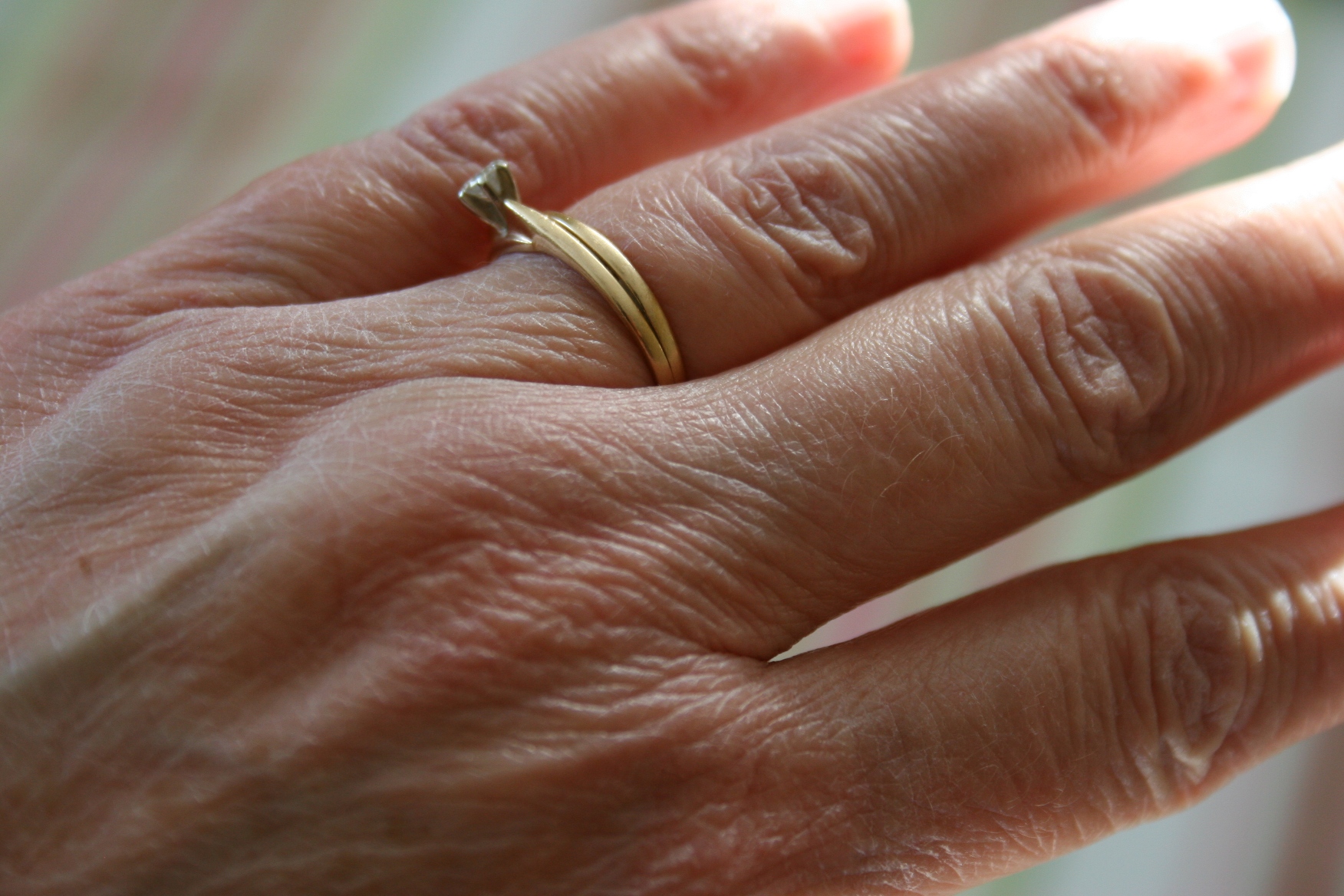
My not-so-beautiful left hand.

THIS IS THE HAND of a writer. My left hand. I would show you my right hand, too, but I can’t hold my camera and photograph my right hand with my left hand. Never mind.

I’m not showing you my appendage because it’s pretty. It’s not.

It’s really rather ugly. My right hand is worse, with cracks and dried spots of blood edging split skin.

The dry, cold air of winter has been rough on my skin. Cleaning a paintbrush with mineral spirits more than a dozen times during the past two weeks has added to the epidermis damage.

I doubt my hands have looked this bad since I was a child. Back in the day, back on the farm, my hands cracked and bled every winter. That was a result of working in the brutal outdoors, protecting my hands with only a thin pair of brown cotton chore gloves as I fed calves and cows, bedded straw and pushed manure into barn gutters.

Dipping my hands into buckets of hot water to mix milk replacer for the calves temporarily warmed numbed fingers. But it also caused them to chap.

My mom offered a solution: Corn Huskers lotion

Oh, how I detested that slimy, clear gel that she insisted we slather across our skin. I’m not here to endorse or not endorse any hand care products, but this lotion did nothing to improve the condition of my chapped hands.

Only the arrival of warmer weather, of spring, signaled relief from the itching, bleeding and cracking.

So, now, like decades ago, I am awaiting the spring renewal and healing of my hands.

© Copyright 2011 Audrey Kletscher Helbling
 

Together let’s make this harvest season safe October 7, 2010

Filed under: Uncategorized — Audrey Kletscher Helbling @ 2:07 PM
Tags: , , , , , , , , , ,


Bishop Jon Anderson, Southwestern Minnesota Synod, Evangelical Lutheran Church of America, blesses the Prahl family.


SEVERAL WEEKS AGO I wrote about a Tractor Roll-in and Harvest Blessing Service at Trinity Lutheran Church in rural Gaylord.

Yesterday I received my September 30 issue of The Gaylord Hub, a community newspaper where I worked for two years right out of college. Even after three decades removed from Gaylord, I’m still interested in the happenings in this small town.

As I paged through the issue, I came across a photo on page four from the Trinity harvest blessing service. Pastor William Nelsen had e-mailed the same image, and several others, to me. But they were just sitting in my in-box and I wasn’t sure I would ever publish them on Minnesota Prairie Roots.

But then, yesterday, that blessing service photo in The Hub, followed by a story two pages later, prompted me to write this post. The news article shared information about an accident in which a farmer’s clothing became entangled in a power take off driven rotor shaft. The farmer sustained severe head, chest and arm injuries and was airlifted from the scene. The irony of the harvest blessing photo and the farm accident story publishing in the same issue of The Hub was not lost on me.

Yes, harvest season is well underway here in southern Minnesota. And with it comes the added danger of accidents on the farm and on roadways. Farmers are tired, stressed, overworked.

Motorists are impatient and in a hurry.

This time of year we all need to take great care as we’re out and about in rural Minnesota. If you get “stuck” behind a combine or a tractor or a slow-moving grain truck, exercise caution and don’t be in such an all-fired hurry to zoom around the farm machinery.

If you’re a farmer, please use proper signage, turn signals and flashing lights and stick to the edge of the roadway as much as you can. Bulky farm machinery limits a motorist’s ability to see around you, which can lead to accidents.

Together, with understanding and patience and, yes, even consideration, farmers and non-farmers can join in making this a safer harvest season.


Pastor Bill Nelsen blesses the Klaers family and their harvest during the service.


Pastor Bill Nelsen blesses the Kahle-Giefer family and their harvest. Farmers drove about 40 tractors and combines to the worship service attended by 200-plus worshipers.


I snapped this harvest photo along a rural road near Northfield on Sunday afternoon.


© Copyright 2010 Audrey Kletscher Helbling
Photos courtesy of Margie Nelsen


Barns full of memories October 6, 2010

Filed under: Uncategorized — Audrey Kletscher Helbling @ 7:39 AM
Tags: , , , , , ,

I photographed this barn along Le Sueur County Road 21 while on a recent drive to see the fall colors.

LIKE COUNTRY CHURCHES and abandoned farmhouses, old barns draw me close, calling me to not only look, but to truly see.
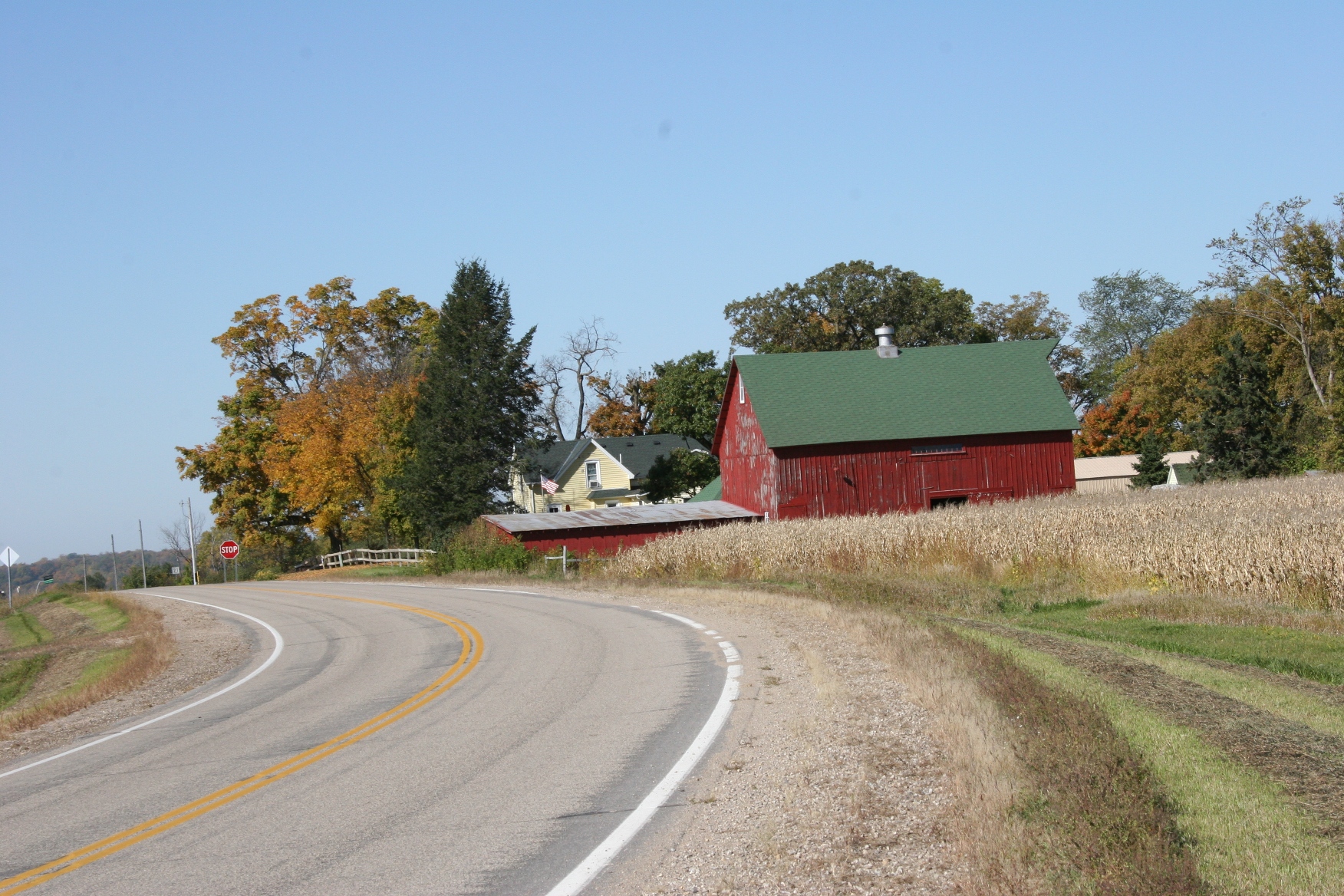
All too often these days, though, my view is periphery, a quick glimpse from a car window of a barn that stands straight and strong or crooked and decaying.

Because these are not my barns on my property, I typically settle for photographing them from the roadway, although I would like nothing more than to meander my way around the farmyard.
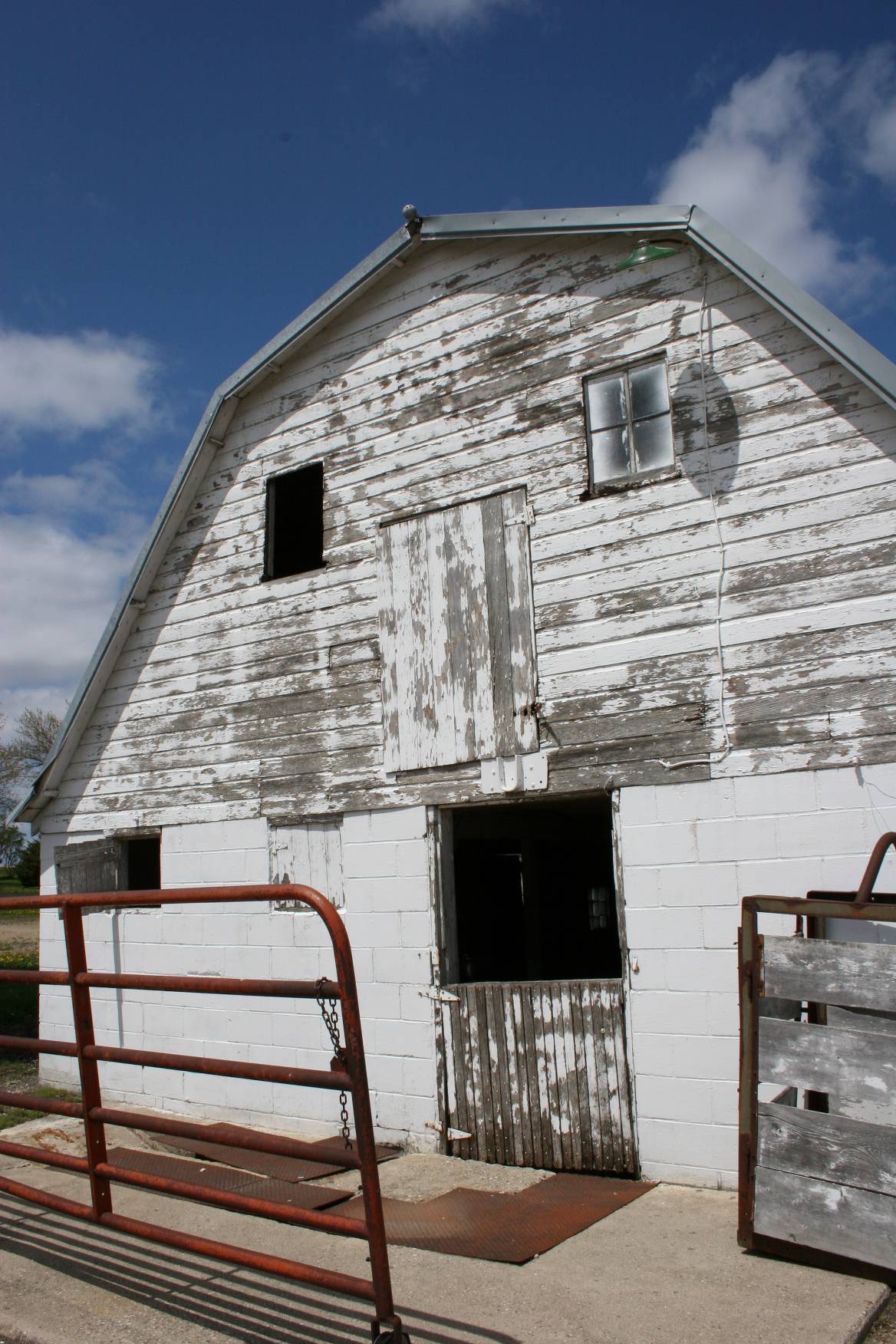
Barns evoke memories—of sliding shovels full of cow manure into gutters, of dumping heaps of pungent silage before stanchions, of pushing wheelbarrows overflowing with dusty ground feed down the narrow barn aisle, of dodging streams of cow pee, of frothy milk splashing into tall metal pails, of Holsteins slopping my skin with sandpaper tongues.
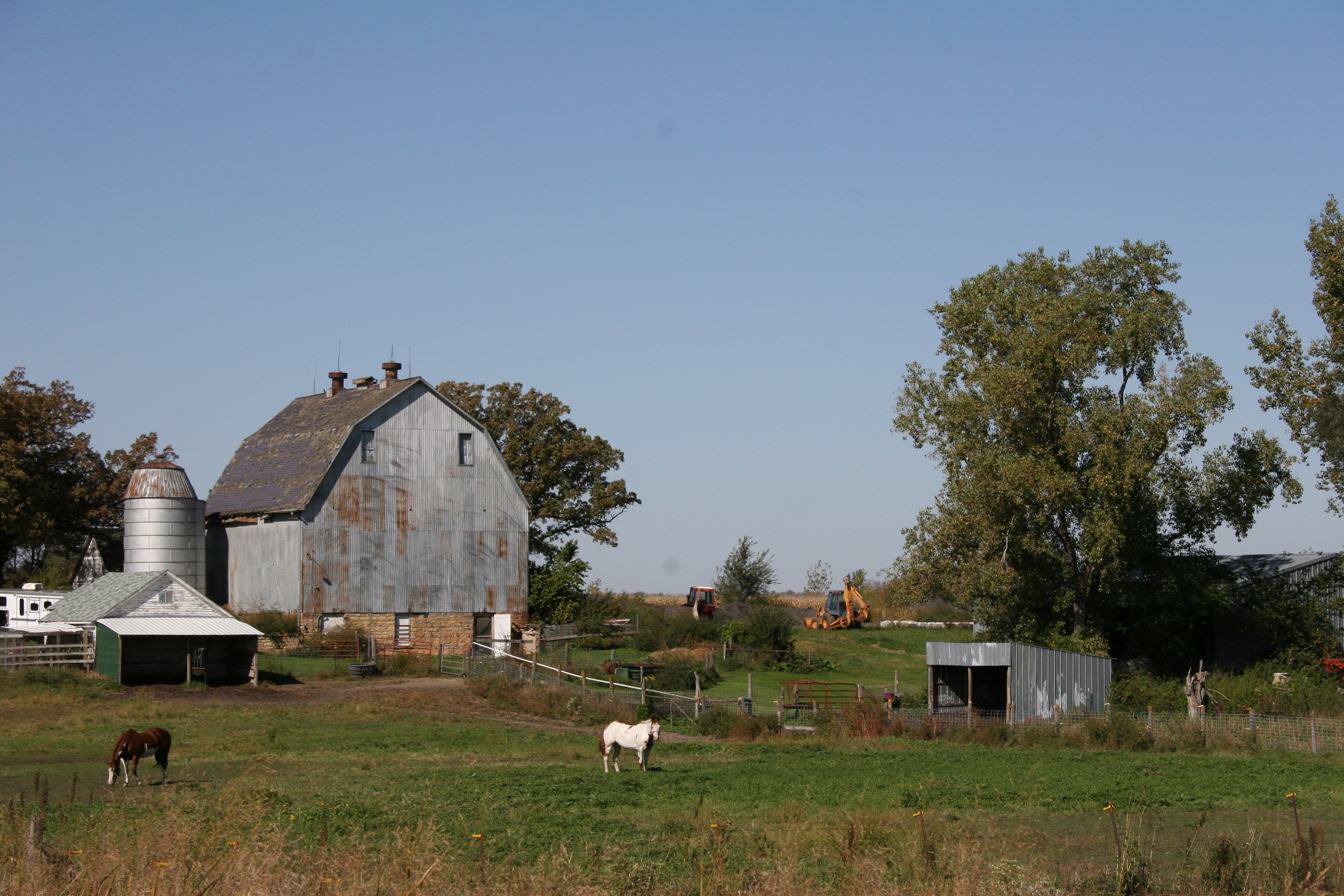
Such memories come from years of hard work on my childhood dairy farm in southwestern Minnesota. That barn stands empty now, has for longer than I care to remember. No cows. No kids. No farmer. No nothing.

I have only my memories now and those barns, those roadside barns, which symbolize the hope, the fortitude and the dreams of generations of Minnesotans.

The early 1950s barn on the Redwood County dairy farm where I grew up is no longer used and has fallen into disrepair.

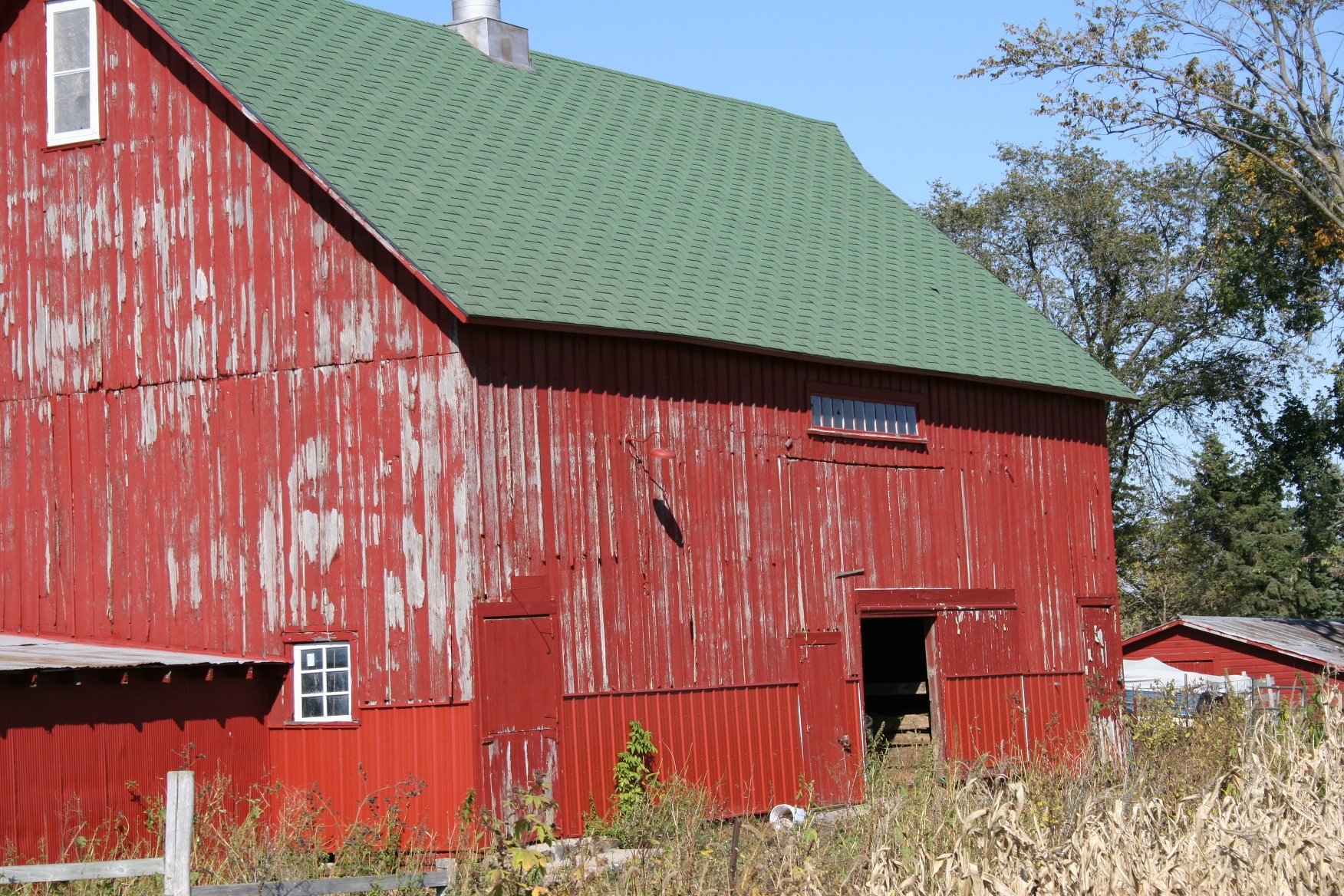
A close-up image of the red barn (above), snapped while driving past the farm.

Another barn in Le Sueur County.

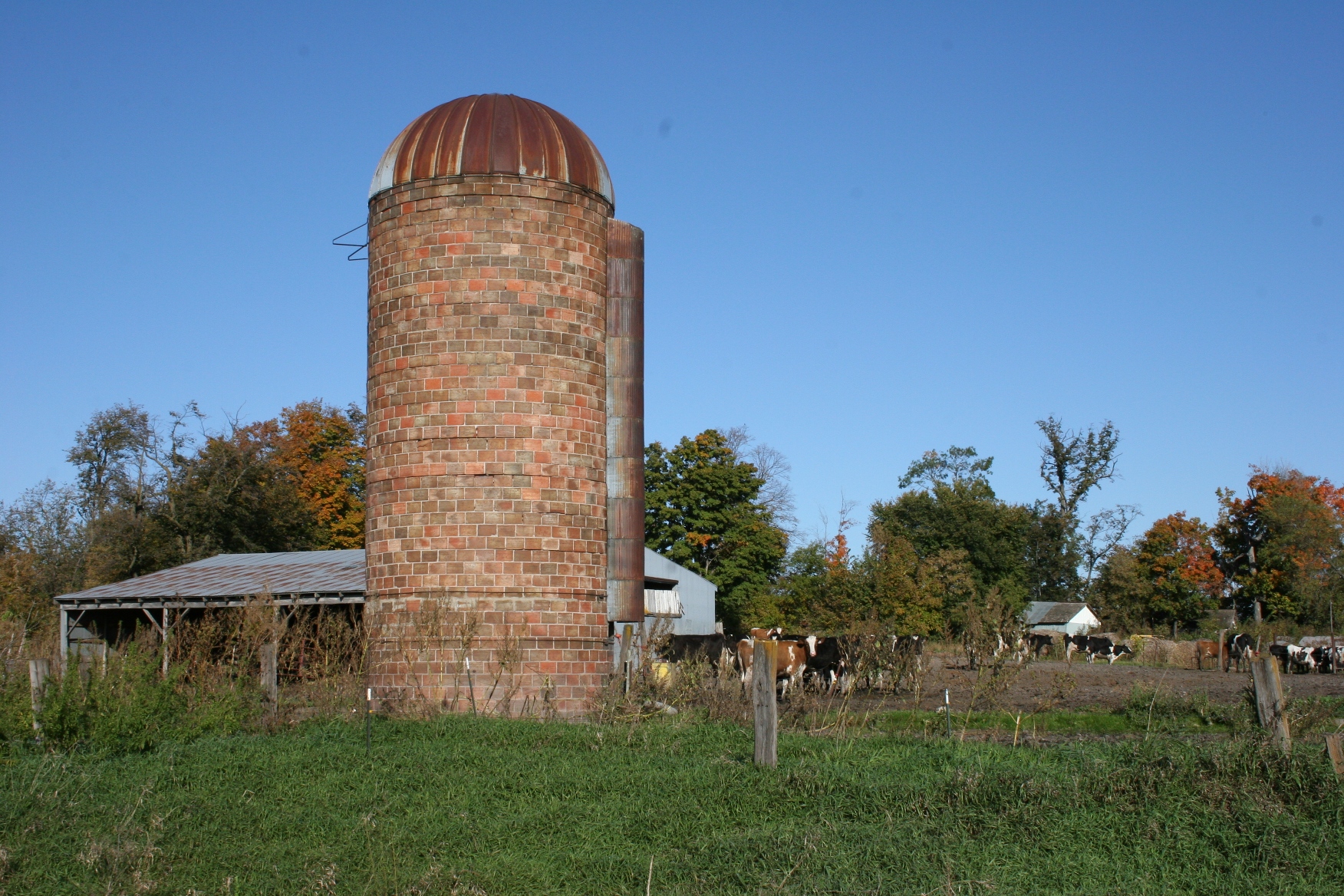
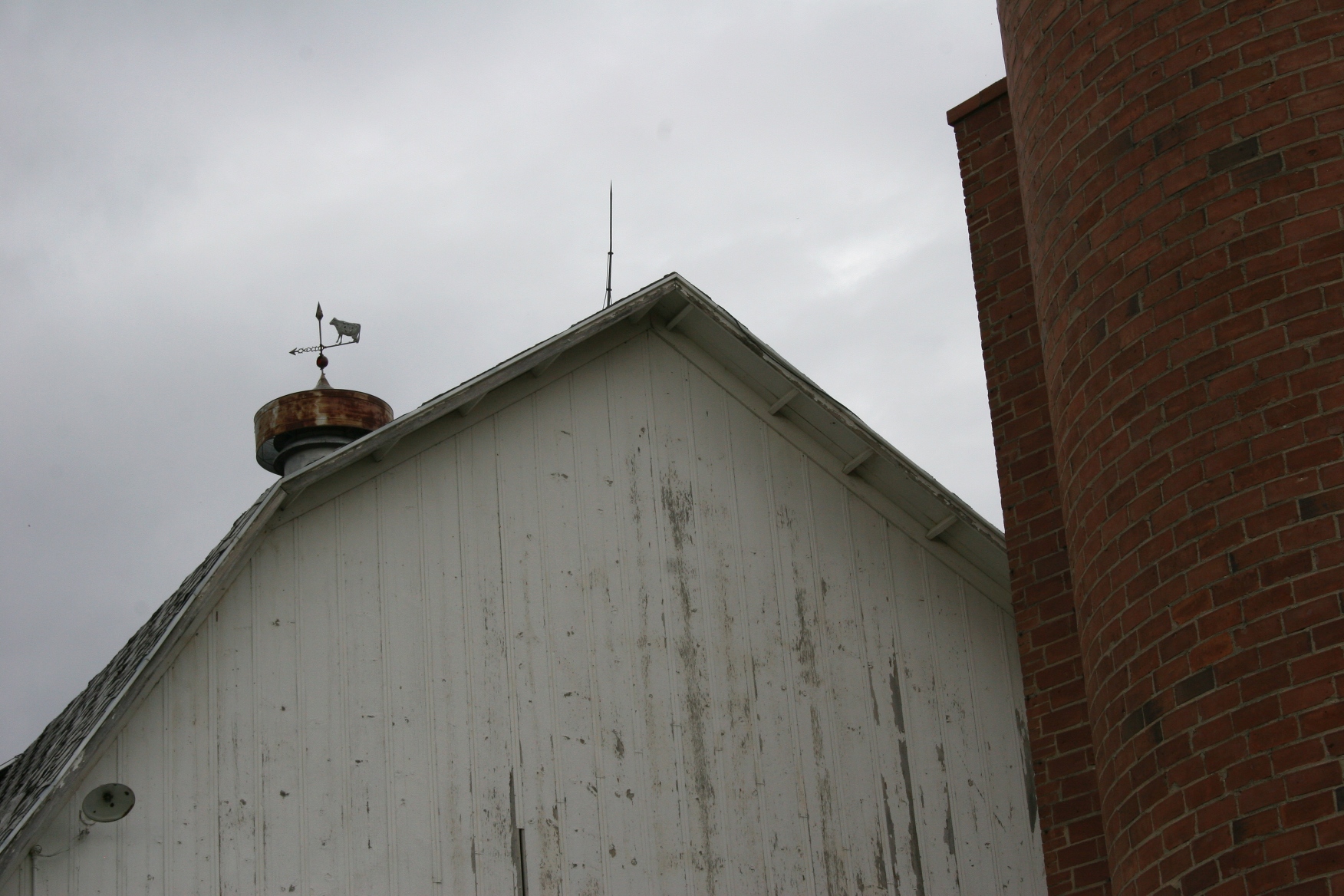
Old silos, like this one along Rice County Road 10, also intrigue me. Growing up on a farm, I climbed into the silo to throw down silage for the cows. Below my brother scooped up the silage to feed cows on his side of the barn. It took me awhile to figure out what he was doing, and that was making me do half his work.

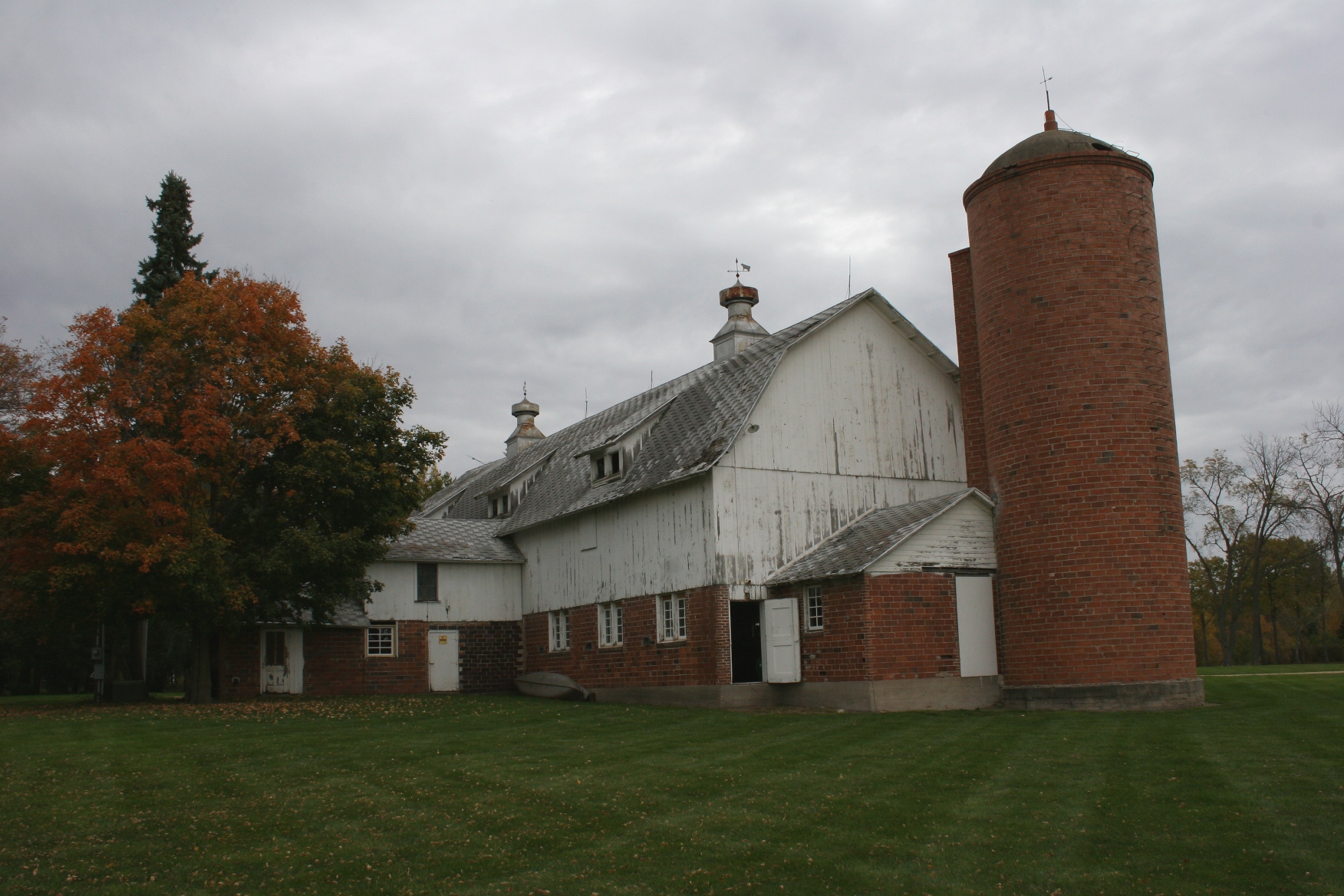
If ever a barn could impress, it would be this one I spotted on the Le Sueur/Blue Earth County line, I believe along Le Sueur County Road 16. I doubt I've ever seen such a stately barn.

Here's another angle of the sprawling old barn. Yes, I trespassed and tromped across the lawn to capture this photo. Imagine the dances you could host in this haymow. What a fine, fine barn.

I zoomed in even closer to capture the barn roof and a portion of the silo.

© Copyright 2010 Audrey Kletscher Helbling