Minnesota Prairie Roots

Writing and photography by Audrey Kletscher Helbling

Welcoming autumn at a market in small town Lonsdale September 24, 2025

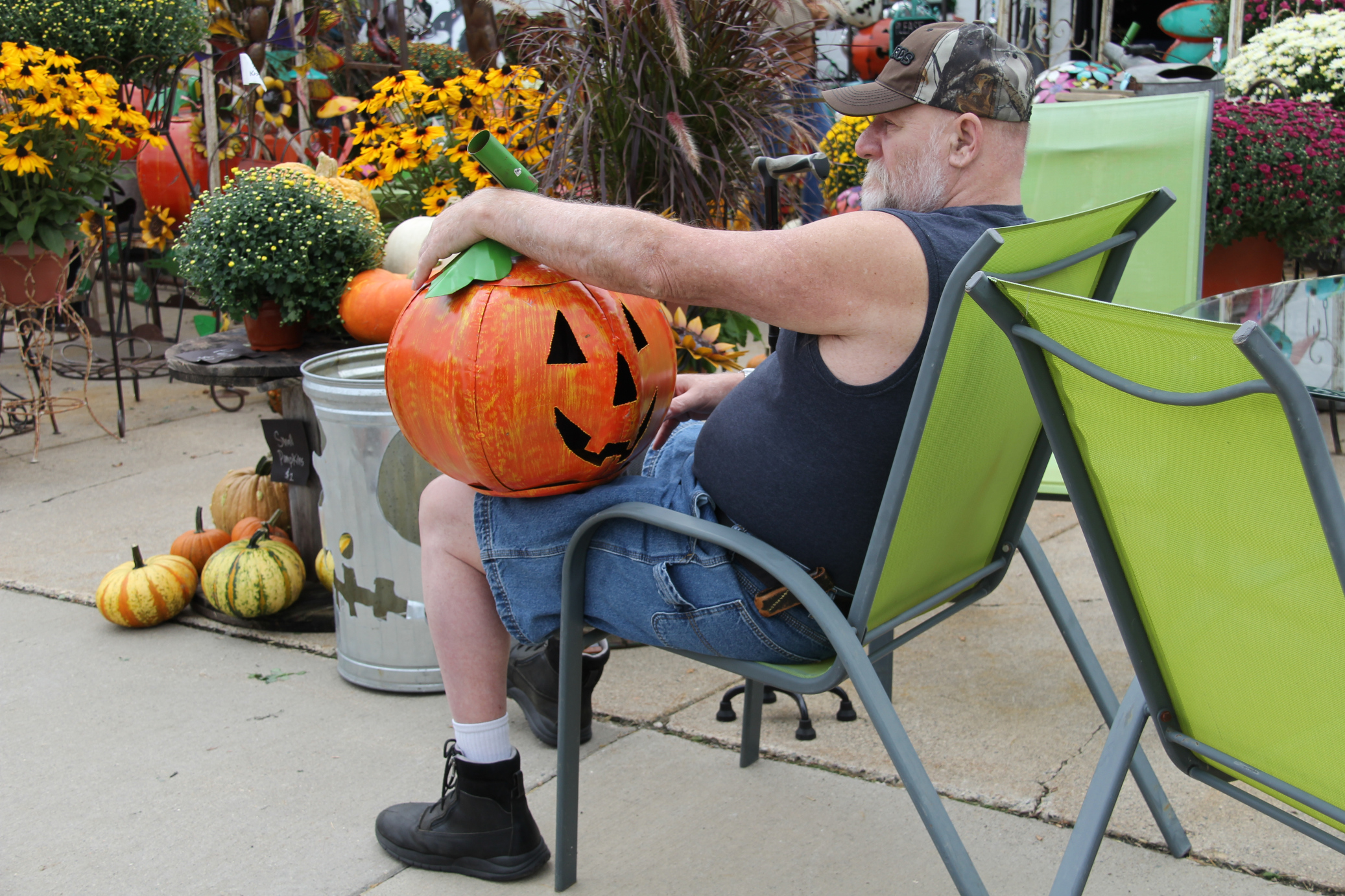
Outside RR Revival/Rusty Rabbitiques in Lonsdale, this guy waits with a decorative metal pumpkin in my favorite market photo. (Minnesota Prairie Roots copyrighted photo September 2025)

DAYS BEFORE THE AUTUMN EQUINOX, I found myself in small town Lonsdale at a craft and flea market. Located in northwestern Rice County, this community of just under 5,000 with easy access to Interstate 35 to the east, is experiencing both residential and business growth.
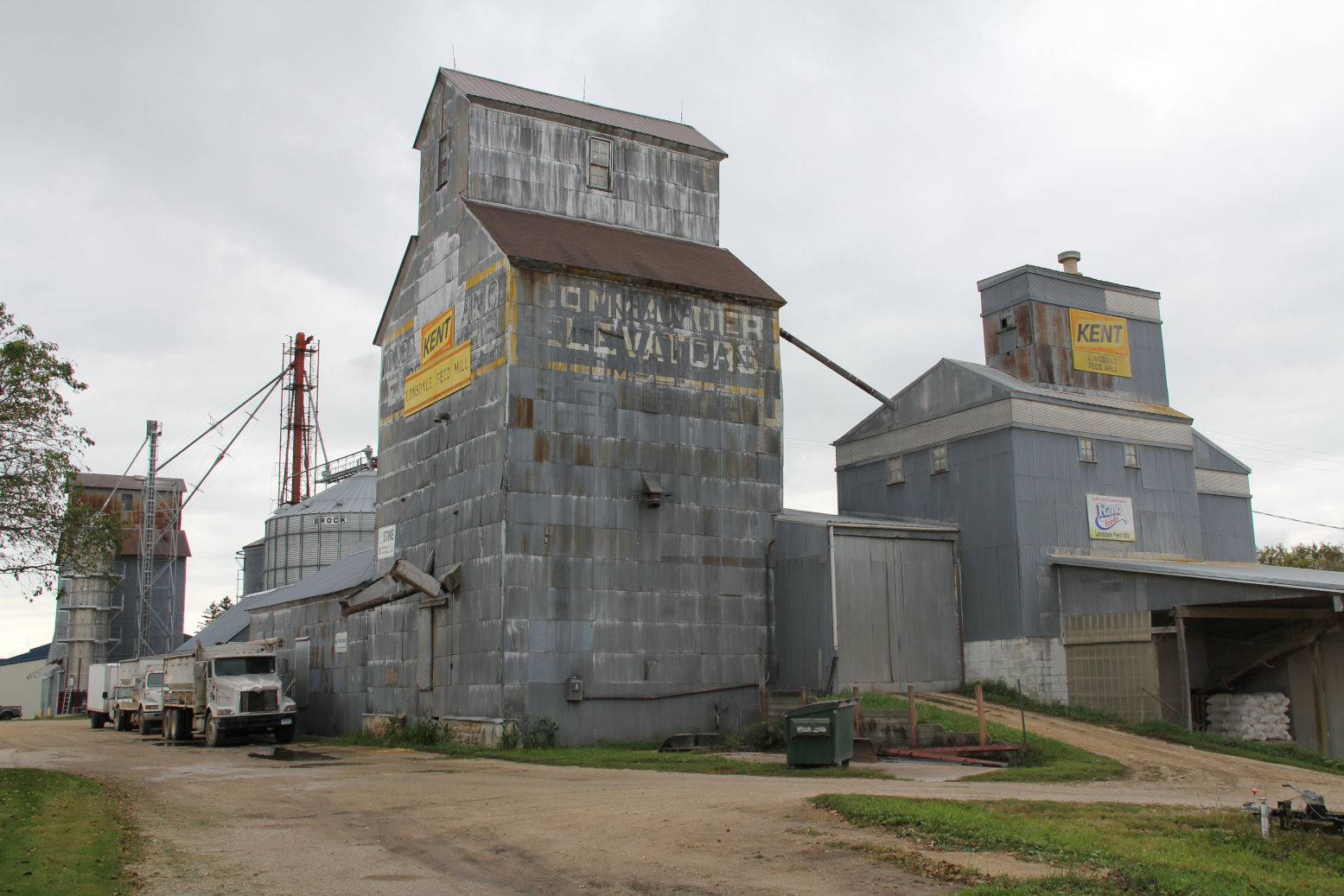
The aged grain elevators of Lonsdale near the market site. (Minnesota Prairie Roots copyrighted photo September 2025)

Yet, it retains its rural character, most notable in the aged grain elevator complex rising high above the town. Those grain elevators provided the backdrop for the recent weekend sale centered around RR Revival/Rusty Rabbitiques, a spacious vintage goods, garden iron and home accessories business.
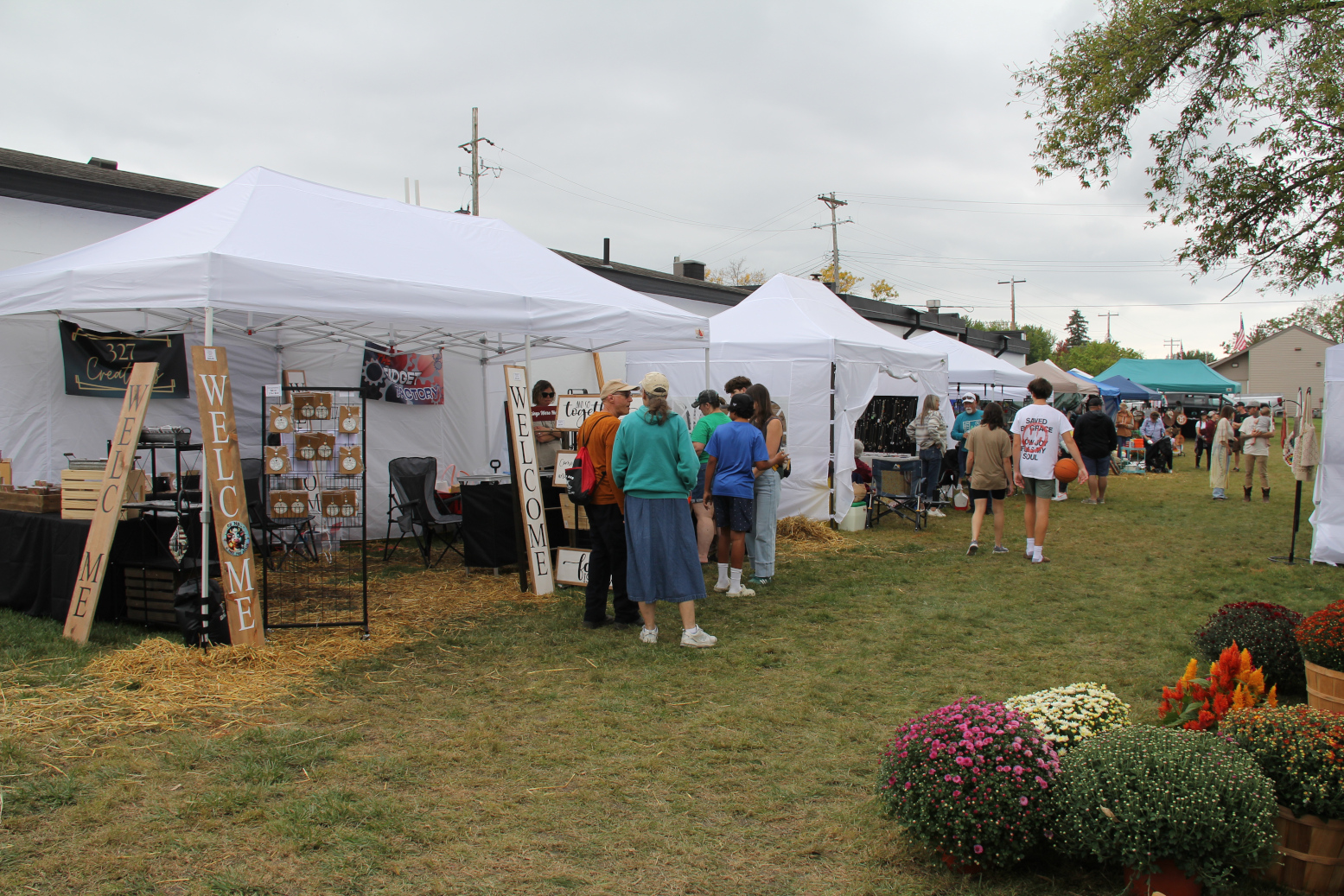
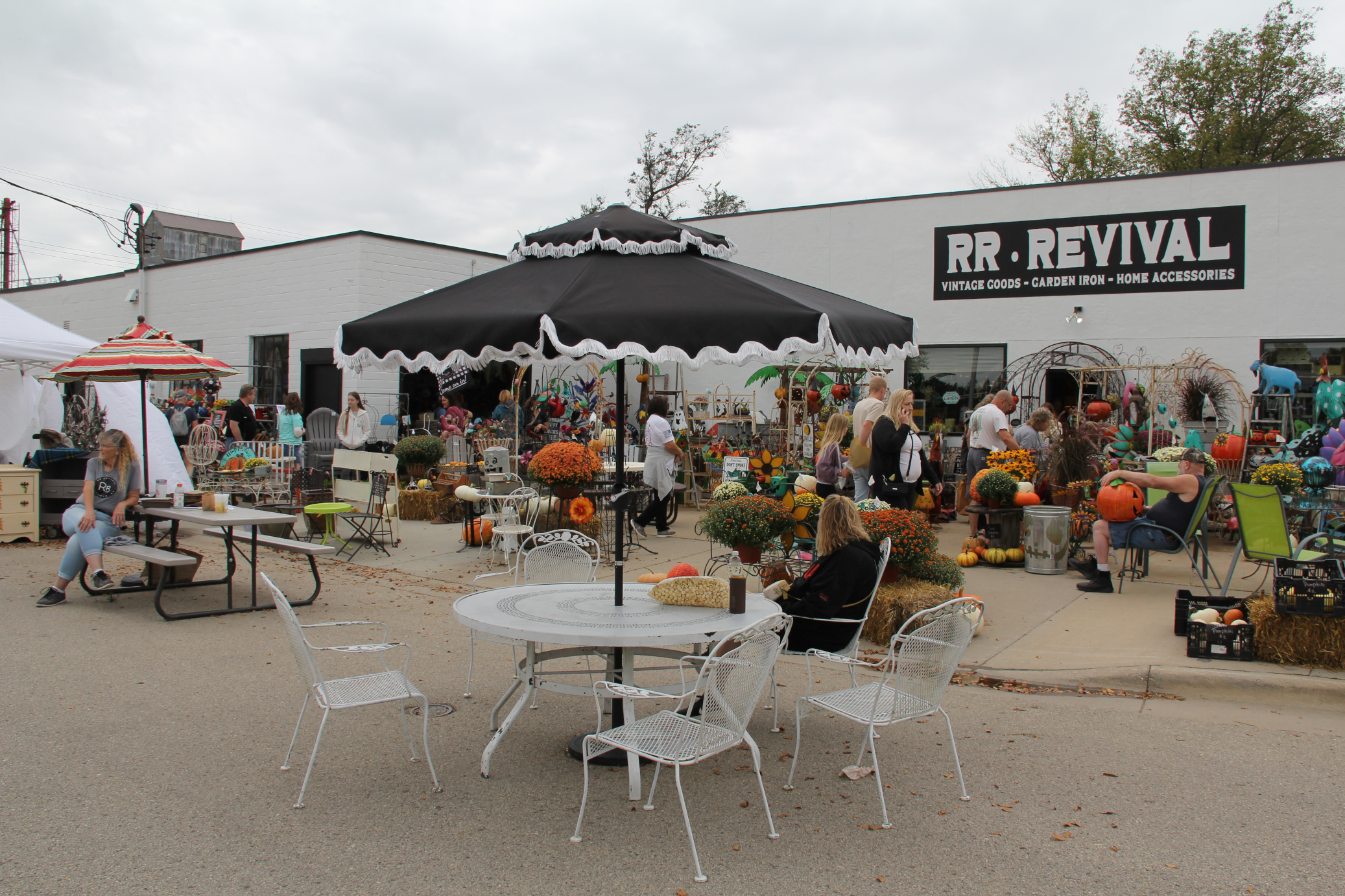
Vendors set up shop outside RR Revival. (Minnesota Prairie Roots copyrighted photo September 2025)

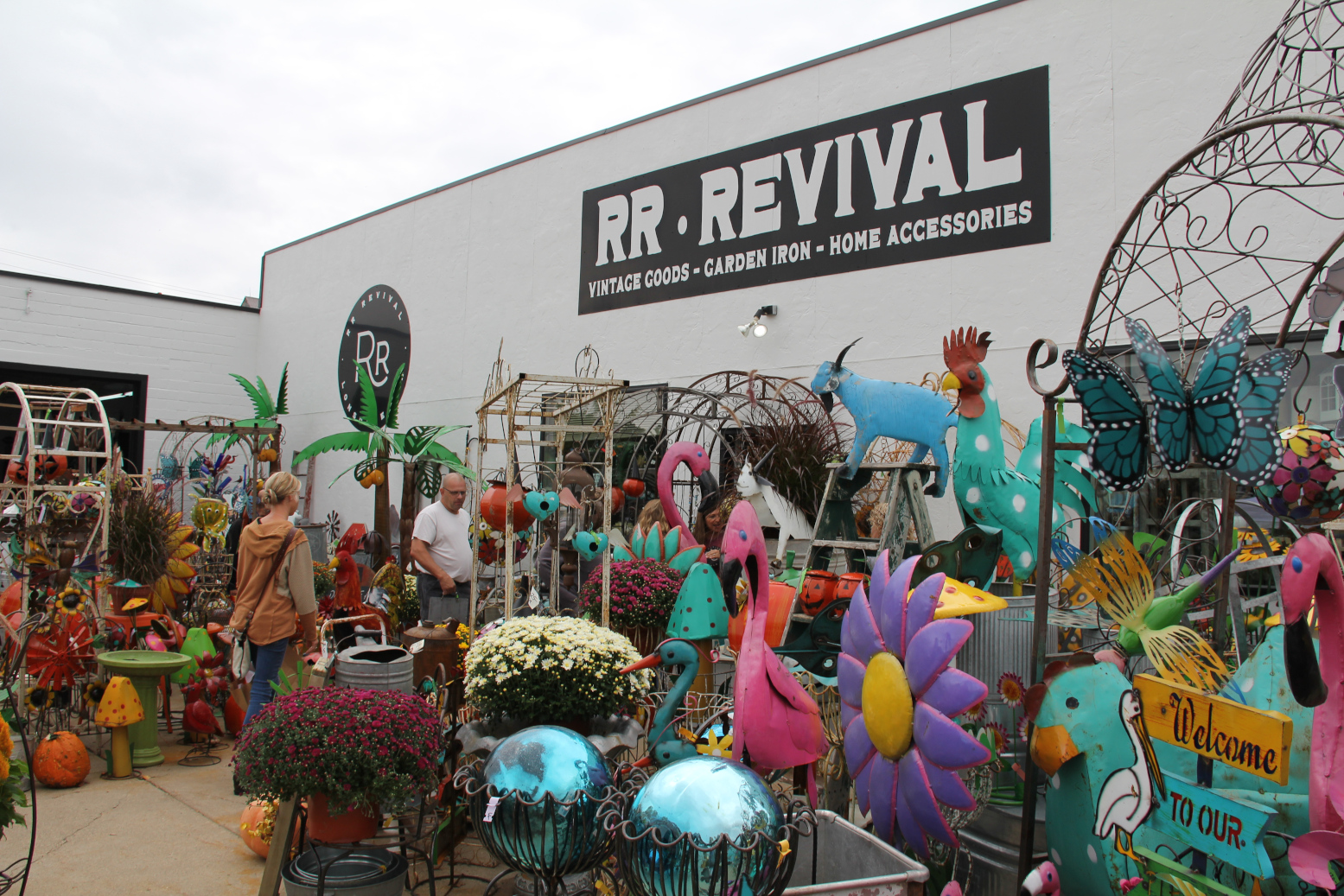
Vendors set up shop near RR Revival to sell food, crafts, flea market and other goods. That included mushrooms, floral bouquets, jewelry, upcycled clothing, hand-painted seasonal décor and much more. If you weren’t in a fall mood when you arrived, you would be upon departure.
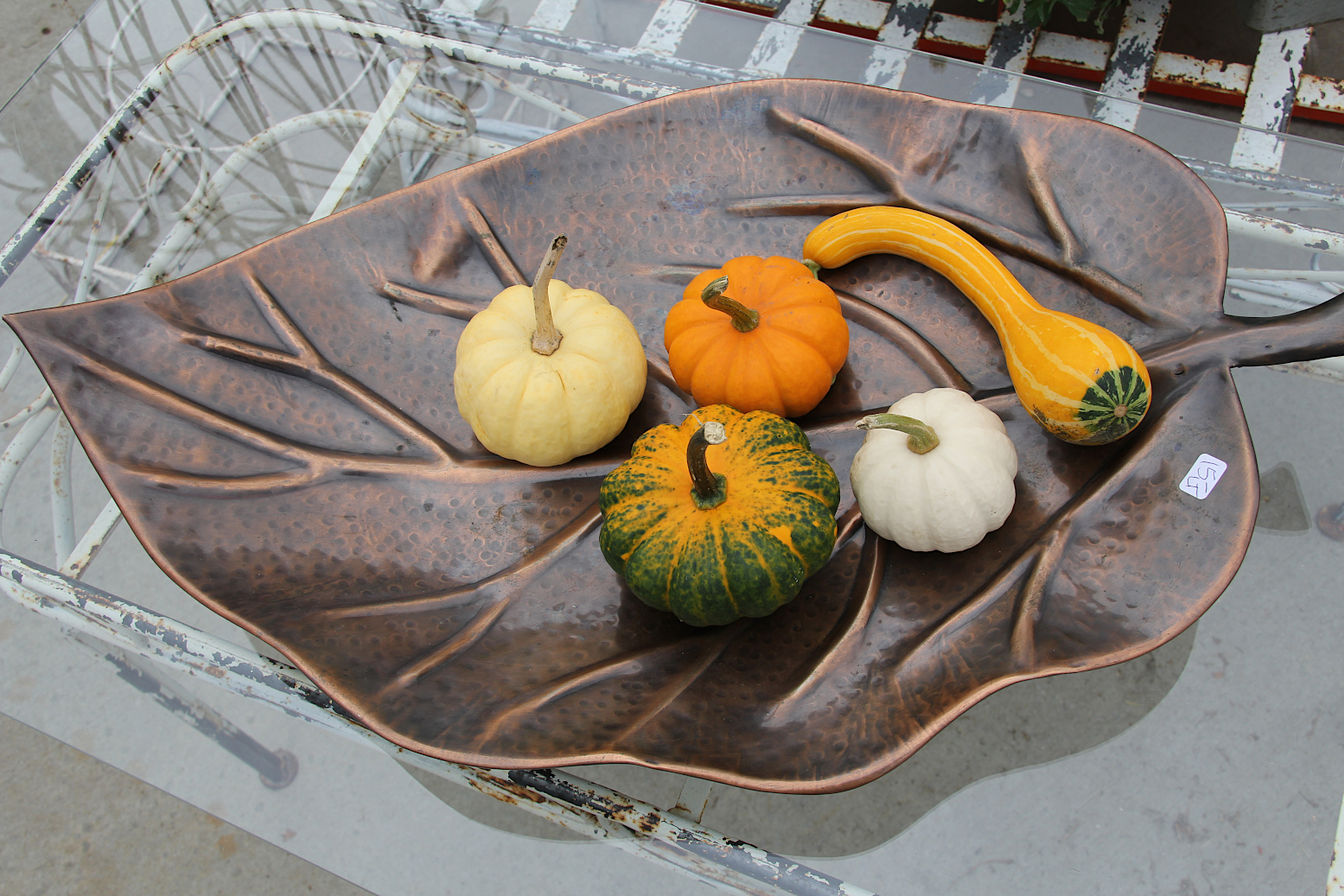

An artful display of seasonal merchandise for sale at RR Revival. (Minnesota Prairie Roots copyrighted photo September 2025)
Flowers for sale burst in autumn hues. (Minnesota Prairie Roots copyrighted photo September 2025)
RR Revival is packed inside and out with goods. (Minnesota Prairie Roots copyrighted photo September 2025)

Pumpkins and mums, ghosts and scarecrows, flowers and gourds in autumn hues, all set the stage to welcome the change in seasons. I even saw a young girl trying out her “Wizard of Oz” Dorothy costume, complete with red shoes, for Halloween.
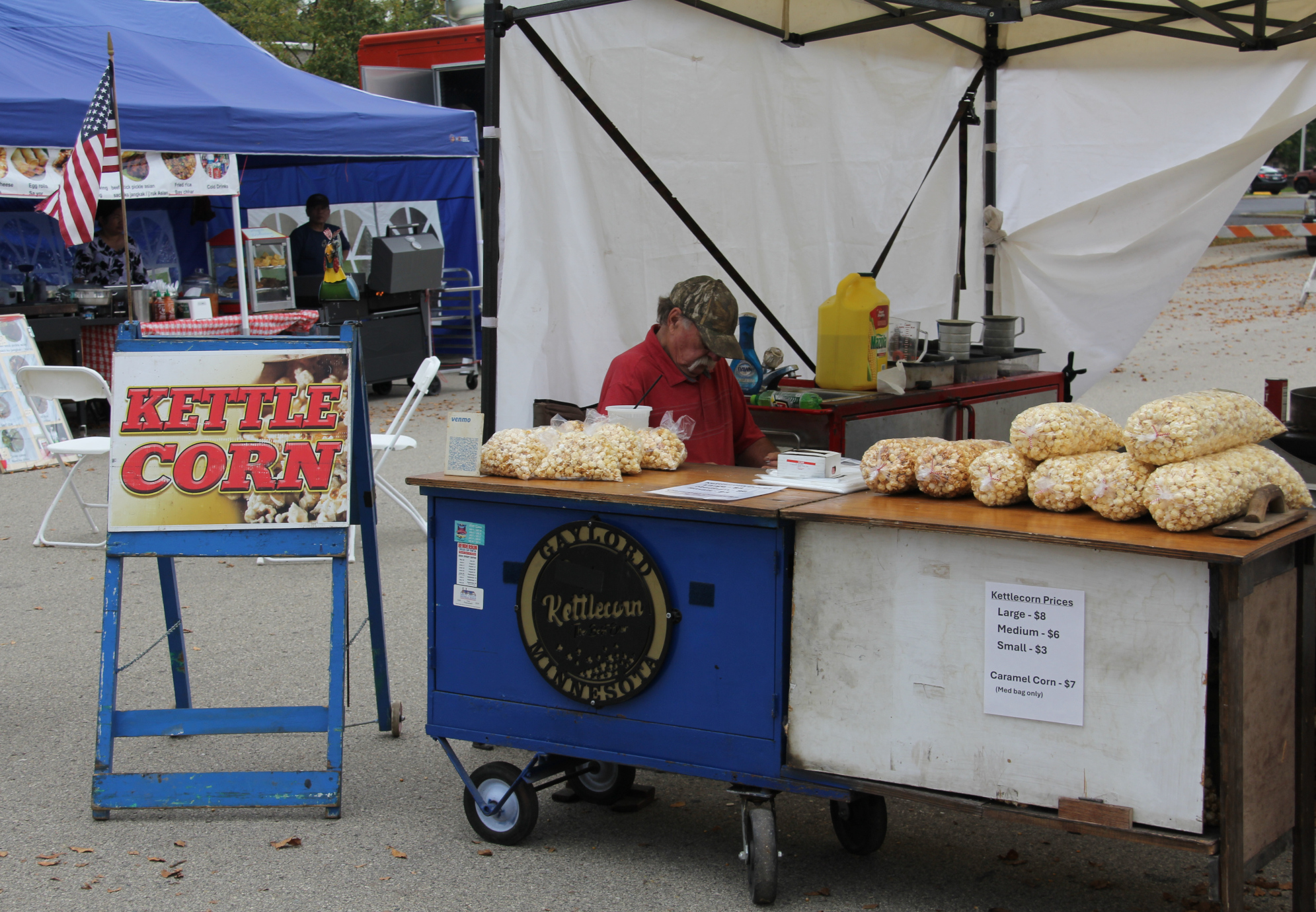
Among the numerous food vendors set up in the street, this one from Gaylord and selling kettle corn. (Minnesota Prairie Roots copyrighted photo September 2025)

As I wandered, the caramel scent of kettle corn wafted through the air.
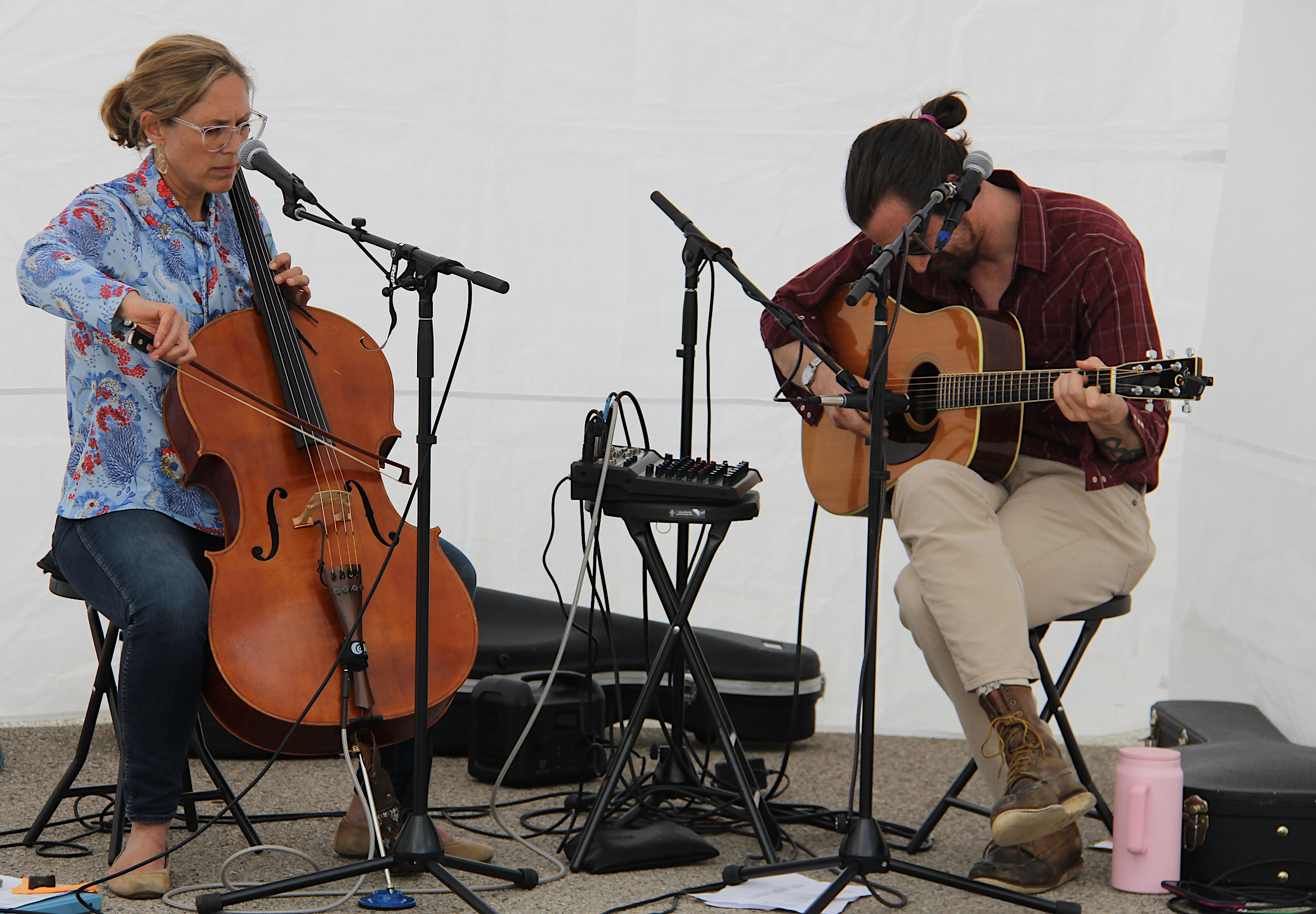
This duo added to the market with their music. (Minnesota Prairie Roots copyrighted photo September 2025)

Musicians played in the shelter of a small tent pitched on the street near RR Revival.
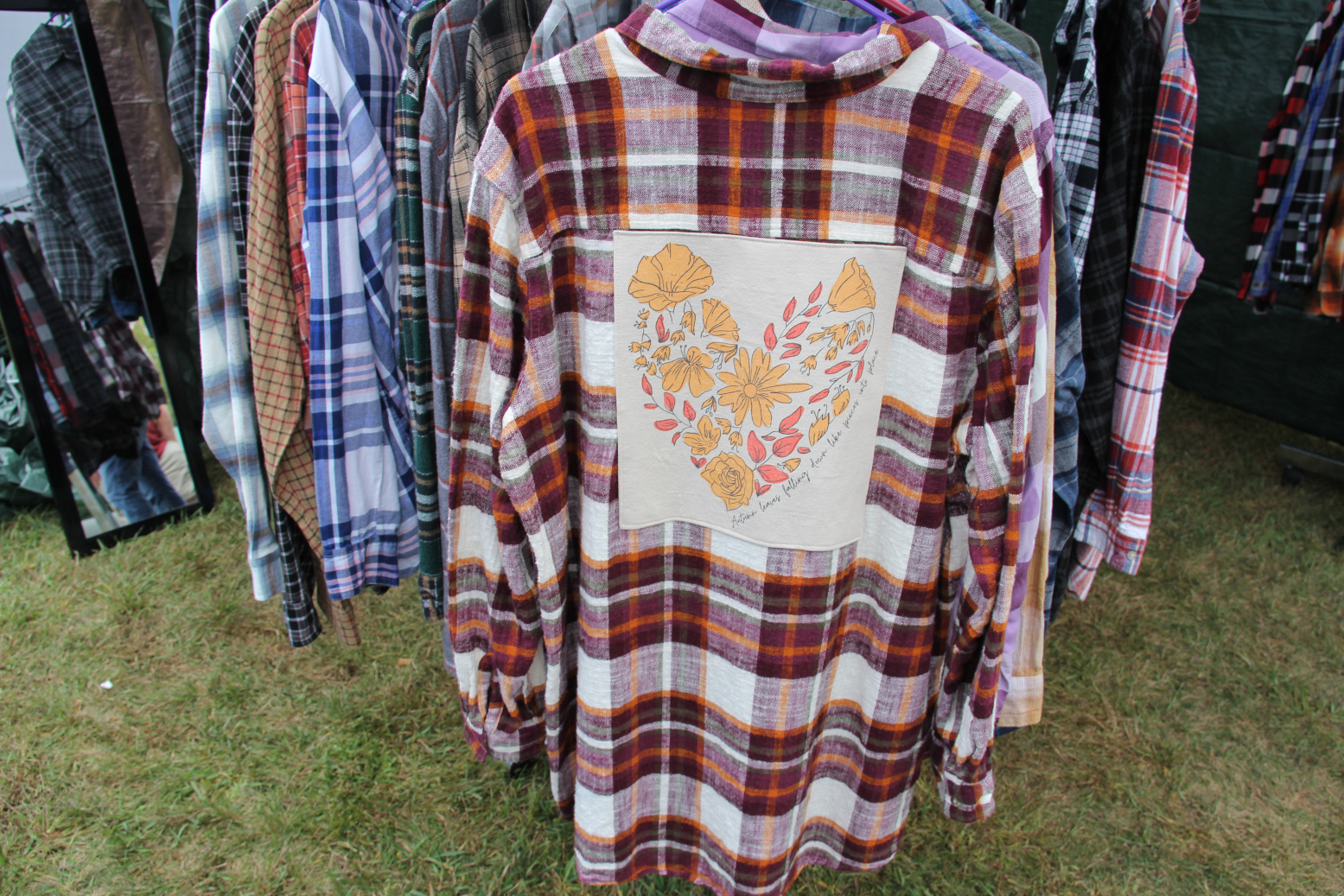
Upcycled shirts from The Thrifty Toad Shop included this autumn-themed one and others themed to sports, music, movies and much more. Ellorie is based in Cottage Grove and also sells on etsy. (Minnesota Prairie Roots copyrighted photo September 2025)

I appreciated the smallness of this craft and flea market and the ease with which I could meander and chat with sellers. The creativity and ingenuity of artisans always amazes me. Take Ellorie at The Thrifty Toad Shop. An avid thrifter, she turned her love of thrifting into a business. She buys second-hand shirts (mostly flannel) and graphic tees then upcycles them by cutting and sewing the t-shirt designs onto the backs of flannel shirts. I love this idea of reusing second-hand clothes, of creating something visually interesting and different. I’m no fashionista. But for someone like me who wears a lot of t-shirts and flannel (come autumn), Ellorie’s shirts are the perfect fit.
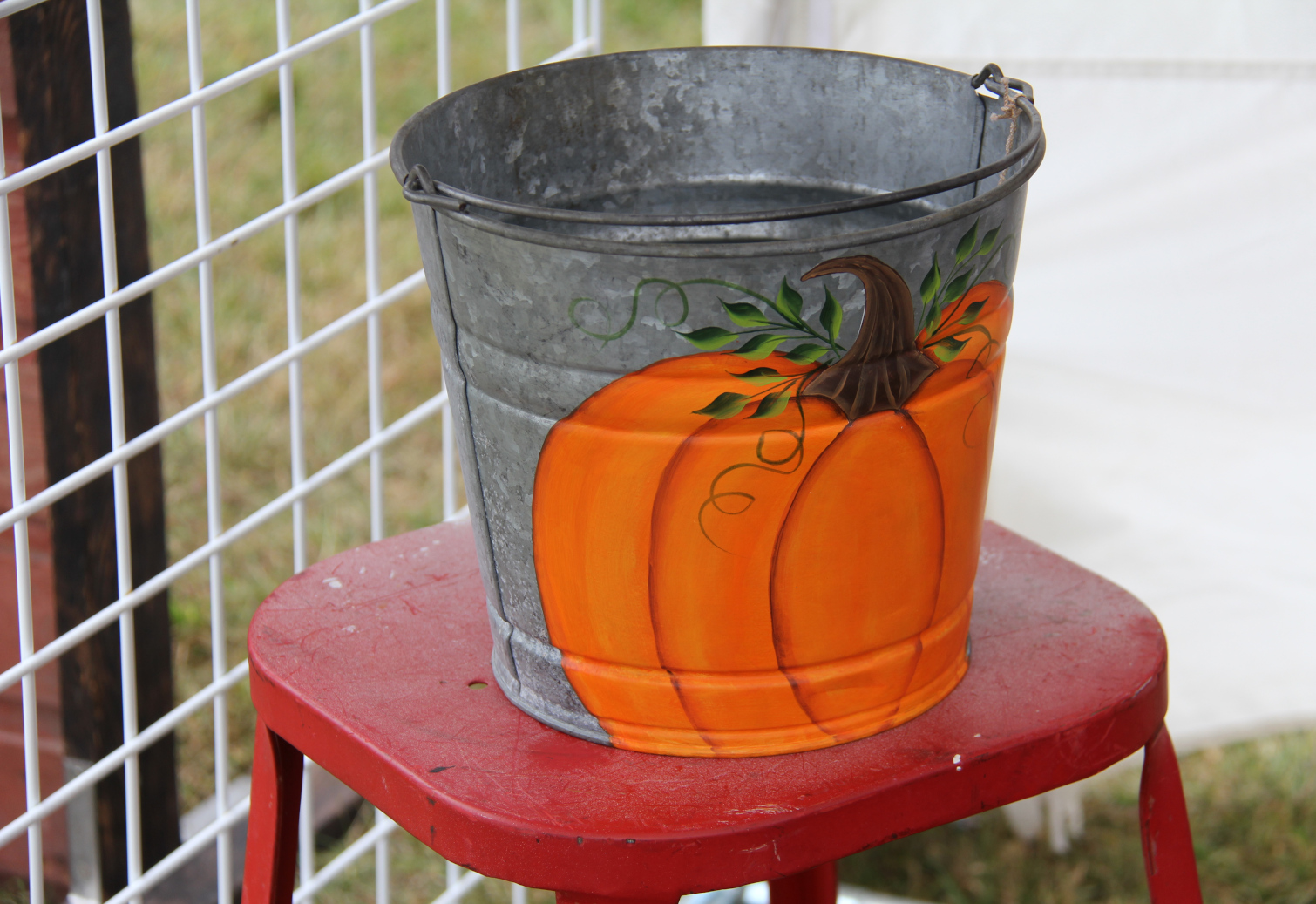
An example of the art created by Patti of A Touch from the Heart Creations based in Chaska. Patti brought mostly autumn and Christmas art to the market. (Minnesota Prairie Roots copyrighted photo September 2025)

Under another tent, Patti of A Touch from the Heart Creations also upcycles, painting seasonal designs onto old shovels, spades, pails, gas cans and more.
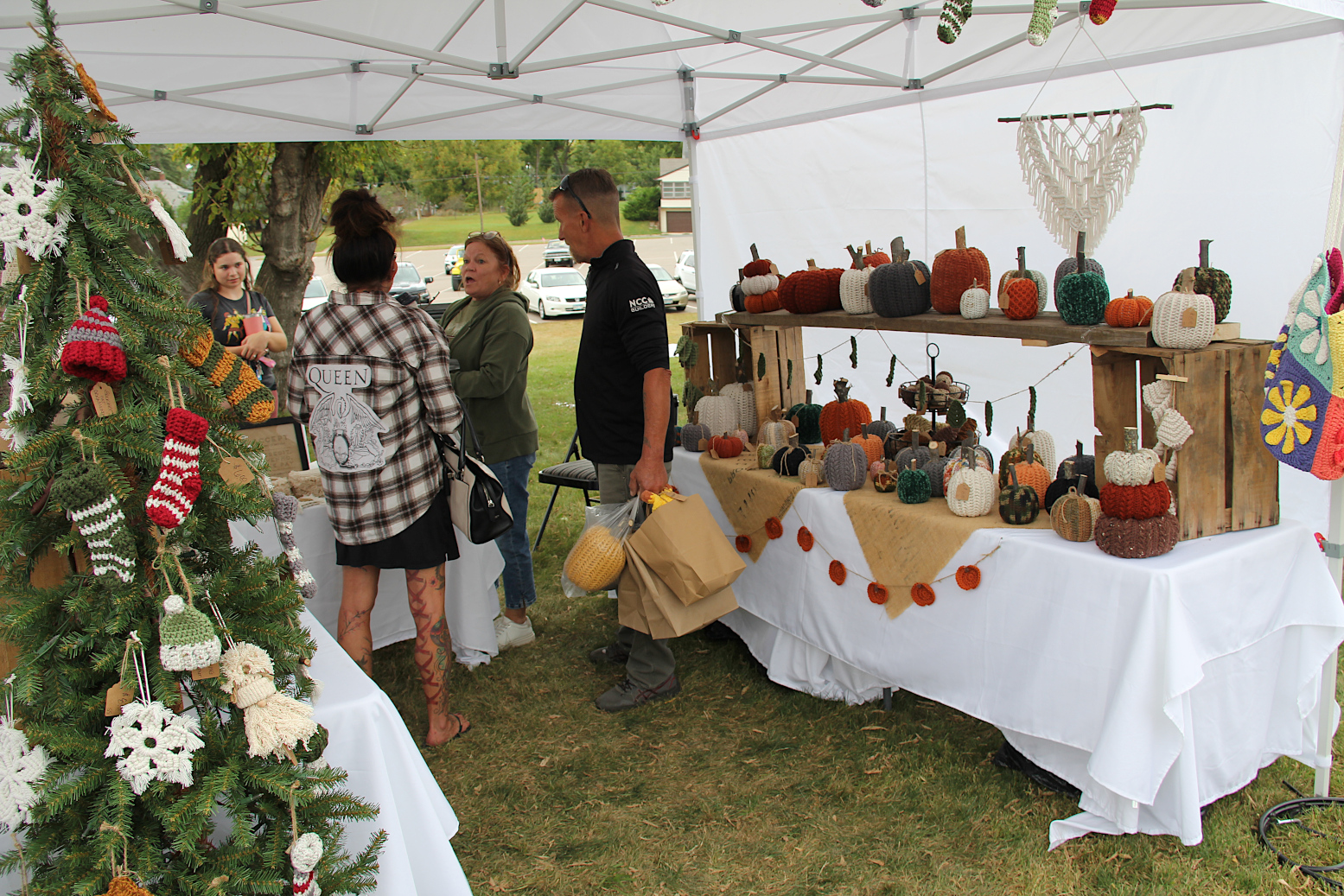
Shellie, from nearby Webster, chats with customers inside the tent displaying her mostly autumn and Christmas-themed crocheted creations. (Minnesota Prairie Roots copyrighted photo September 2025)

At Shellie’s Stitches Everything Crochet, it’s all about crocheting—Christmas trees, snowmen, pumpkins and, well, whatever this crafter wants to make and vend.
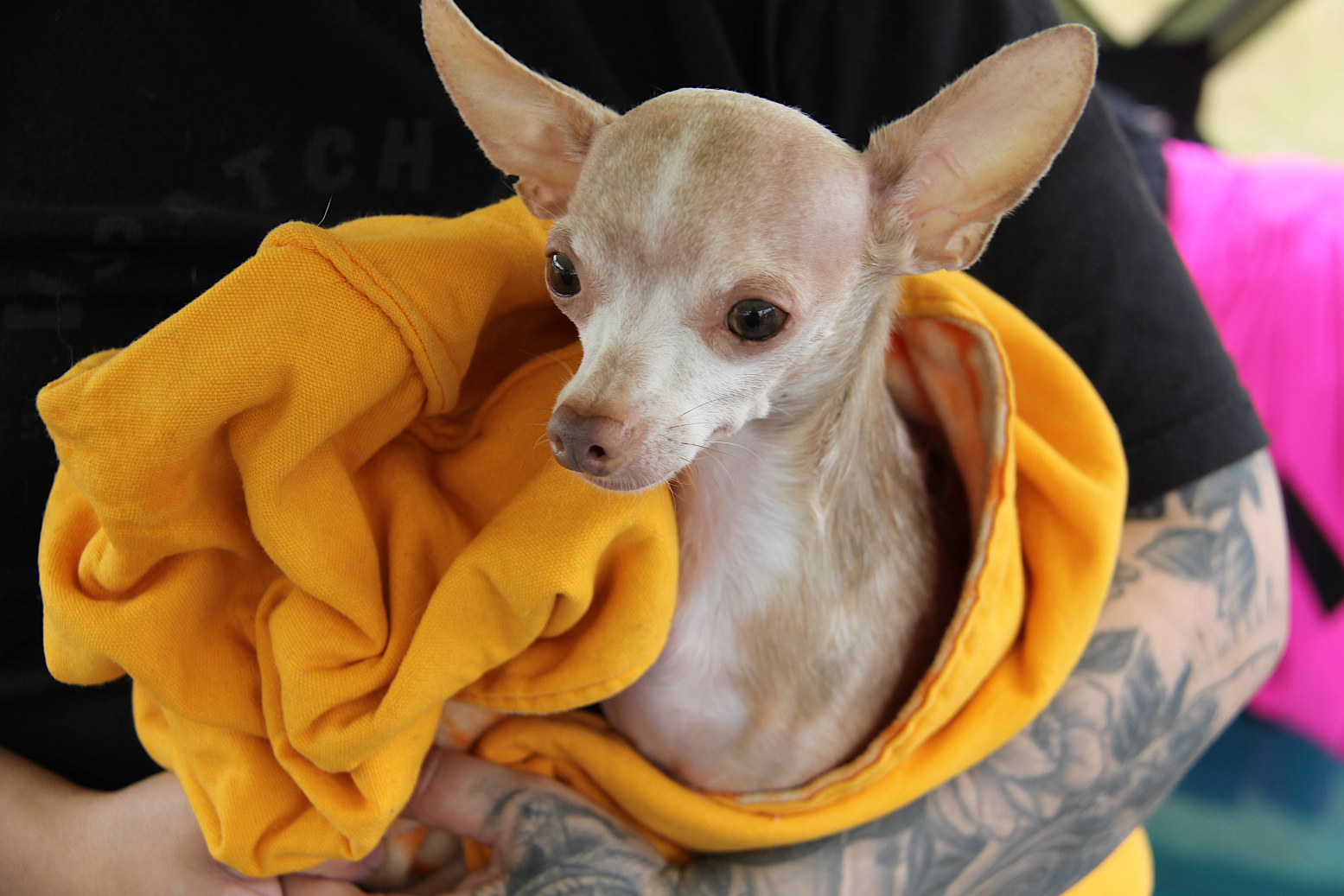
A representative from Dispatch Dogs of Lonsdale was on hand to talk about supporting dogs in need through fostering, transporting and fundraising. (Minnesota Prairie Roots copyrighted photo September 2025)
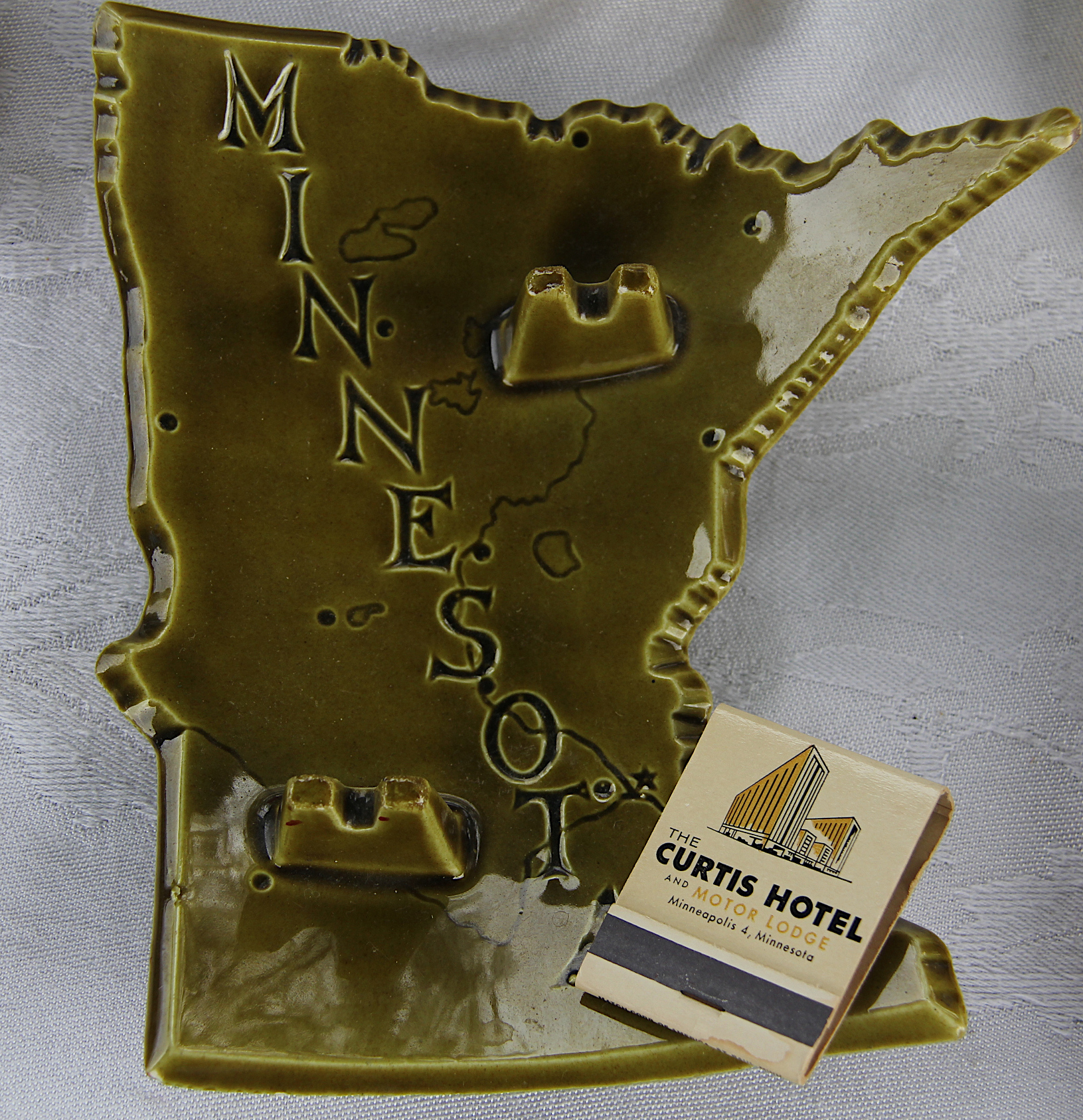
Loved this Minnesota shaped vintage ashtray with key town names and locations on the back and for sale from a flea market vendor. (Minnesota Prairie Roots copyrighted photo September 2025)
RR Revival organized the market. (Minnesota Prairie Roots copyrighted photo September 2025)

This event, along Railway Street near the grain elevators in Lonsdale and billed as the RR Revival Flea Market, proved a wonderful way to welcome autumn.

This thrift shop is packed with goods and is one I’ve shopped before. A small ice cream shop has been added to the space. (Minnesota Prairie Roots copyrighted photo September 2025)

Two blocks away, the Something for All Consignment/Thrift Store also drew me inside to shop in the building’s nooks and crannies. Outside the shop, kids (mostly) could pose behind seasonal photo cut-outs, decorate a mini pumpkin, play with an oversized Jenga. There were wooden ghosts, jack-o-lanterns crafted from gas can, fiery salsa and more for sale, too.

Halloween decor and pumpkins for sale outside Something for All. (Minnesota Prairie Roots copyrighted photo September 2025)

I left Lonsdale without a single purchase. But what I bought was a few hours of contentment and enjoyment in a small town with a grain elevator, a familiar rural landmark that will always claim a piece of my heart.

© Copyright 2025 Audrey Kletscher Helbling


The Railway Bar & Grill, next to the tracks in Sleepy Eye March 5, 2021

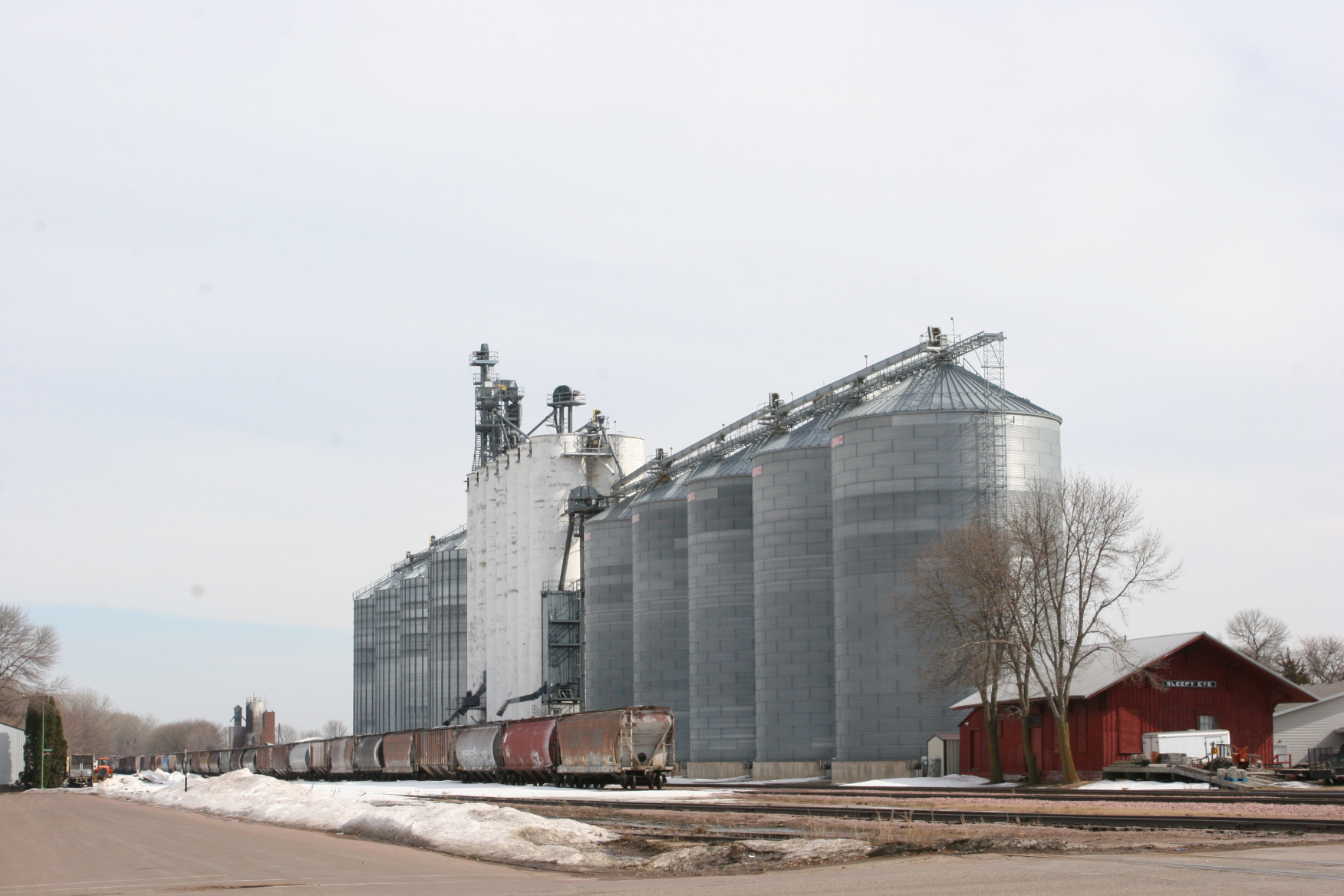
Twin grain elevators mark the skyline of Sleepy Eye. Minnesota Prairie Roots file photo March 2020.

EXACTLY ONE YEAR AGO, Randy and I rolled into Sleepy Eye, a small ag-based community along U.S. Highway 14 in Brown County in southwestern Minnesota. I lived and worked there briefly as a newspaper reporter decades ago. So I’m familiar with the town, although much has changed. In recent years, we’ve stopped at Sleepy Eye Stained Glass for stained glass. Randy occasionally creates and repairs stained glass art.

But on this stop, we’d just come from neighboring Redwood County, where we saw my mom in the nursing home. We didn’t know it then, but this would be our last in-person visit before COVID-19 closed care center doors to visitors and changed everything.

By the time we reached Sleepy Eye well past the noon hour, I was hungry. It’s a running joke in our family that I need to eat on time or I get crabby. It’s the truth, not a joke.

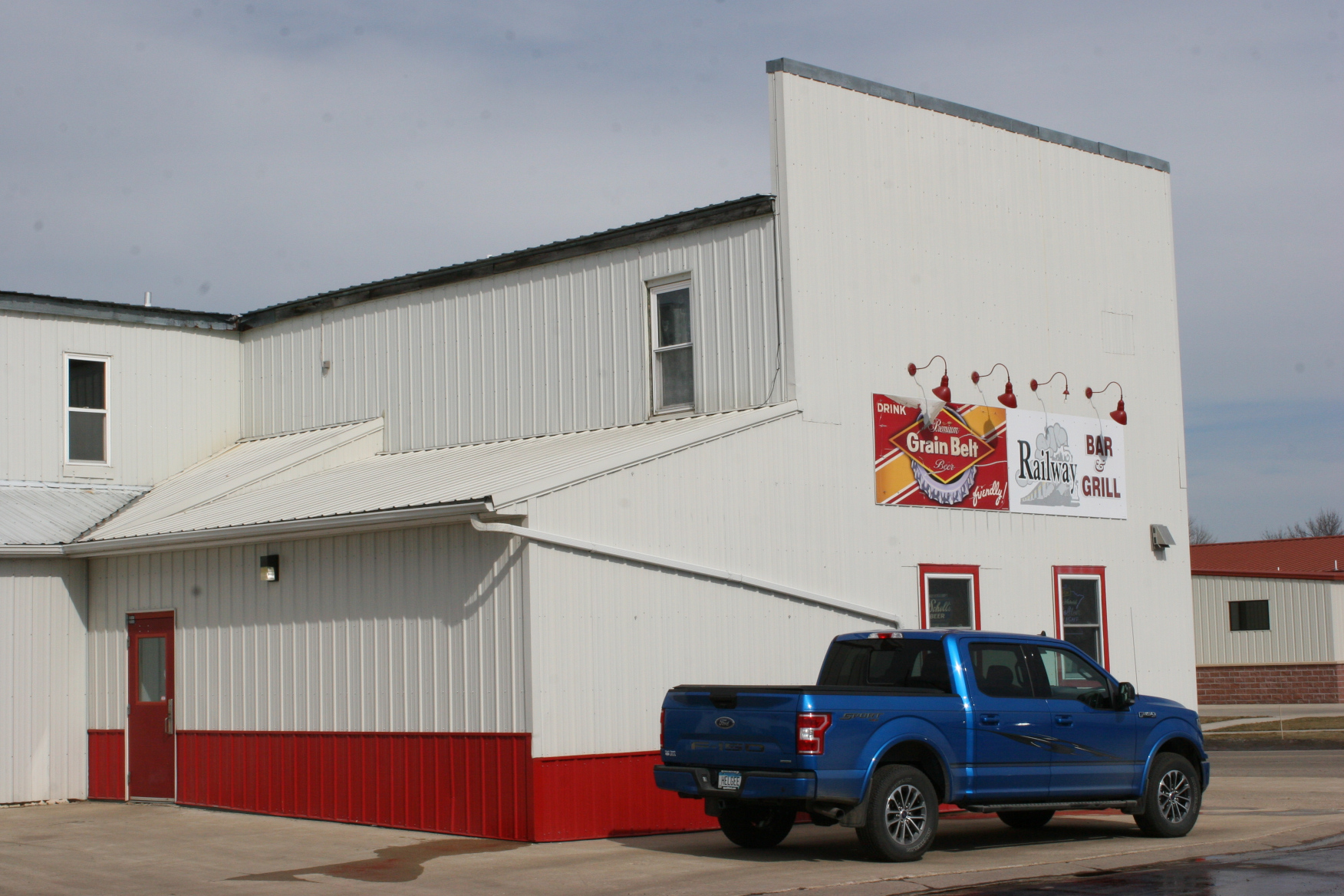
A side view of the Railway Bar & Grill. Minnesota Prairie Roots file photo March 2020.
Across the street from the bar and grill, train tracks and grain bins. Minnesota Prairie Roots file photo March 2020.
Those beautiful vintage grain elevators… Minnesota Prairie Roots file photo March 2020.

We ended up at The Railway Bar & Grill, appropriately named given its location near the train tracks. Next to the grain elevator. I don’t recall what I ordered other than a sandwich. Nothing memorable, but sustenance.

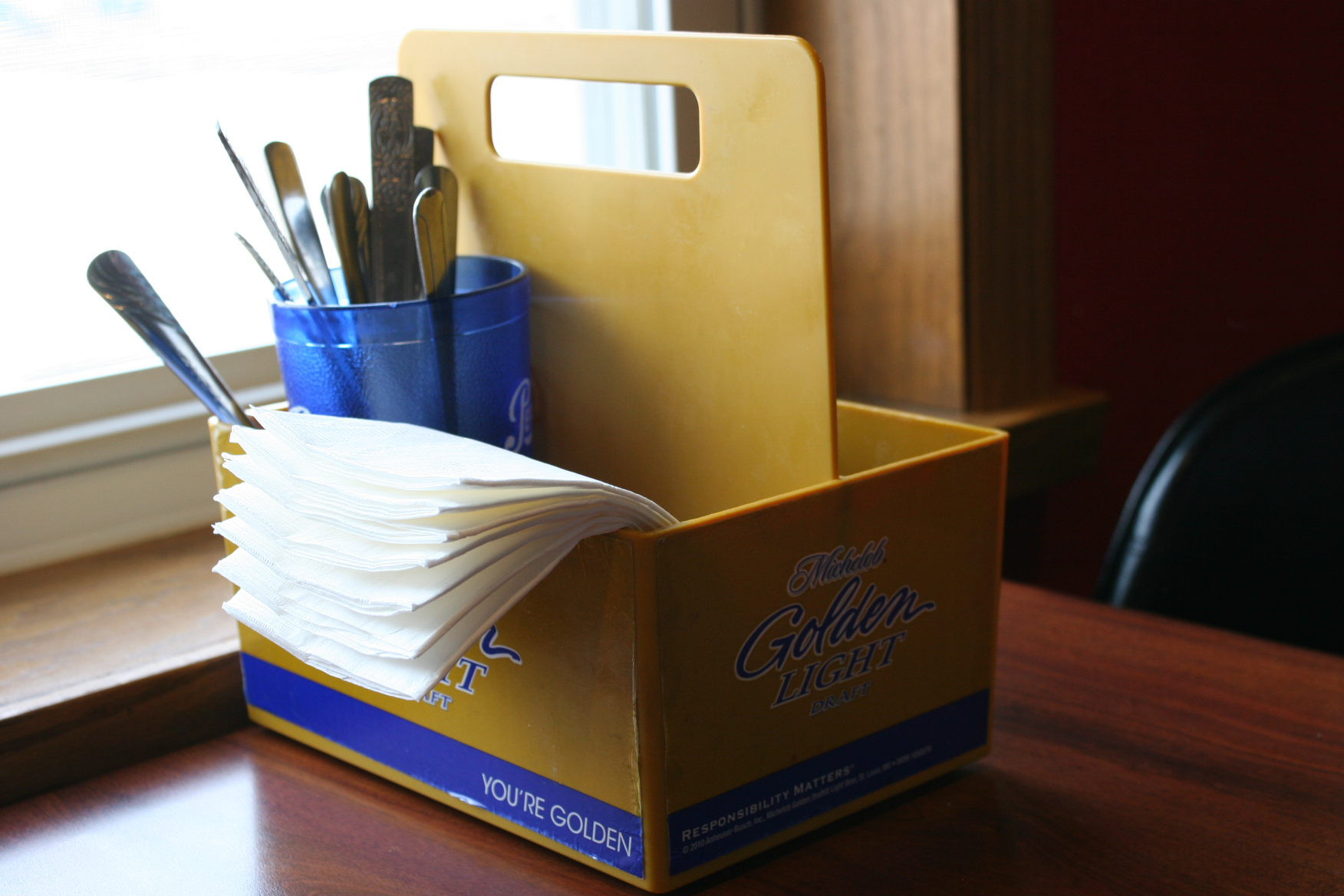
The condiment holder on our table. These always reveal insights into local tastes. Minnesota Prairie Roots file photo March 2020.

In a pandemic year that’s been especially difficult for bars and restaurants, The Railway apparently struggled. The business—complete with bar, two dining areas, private conference room, an outdoor patio, 12 tappers and more—is now for sale. For $165,000.

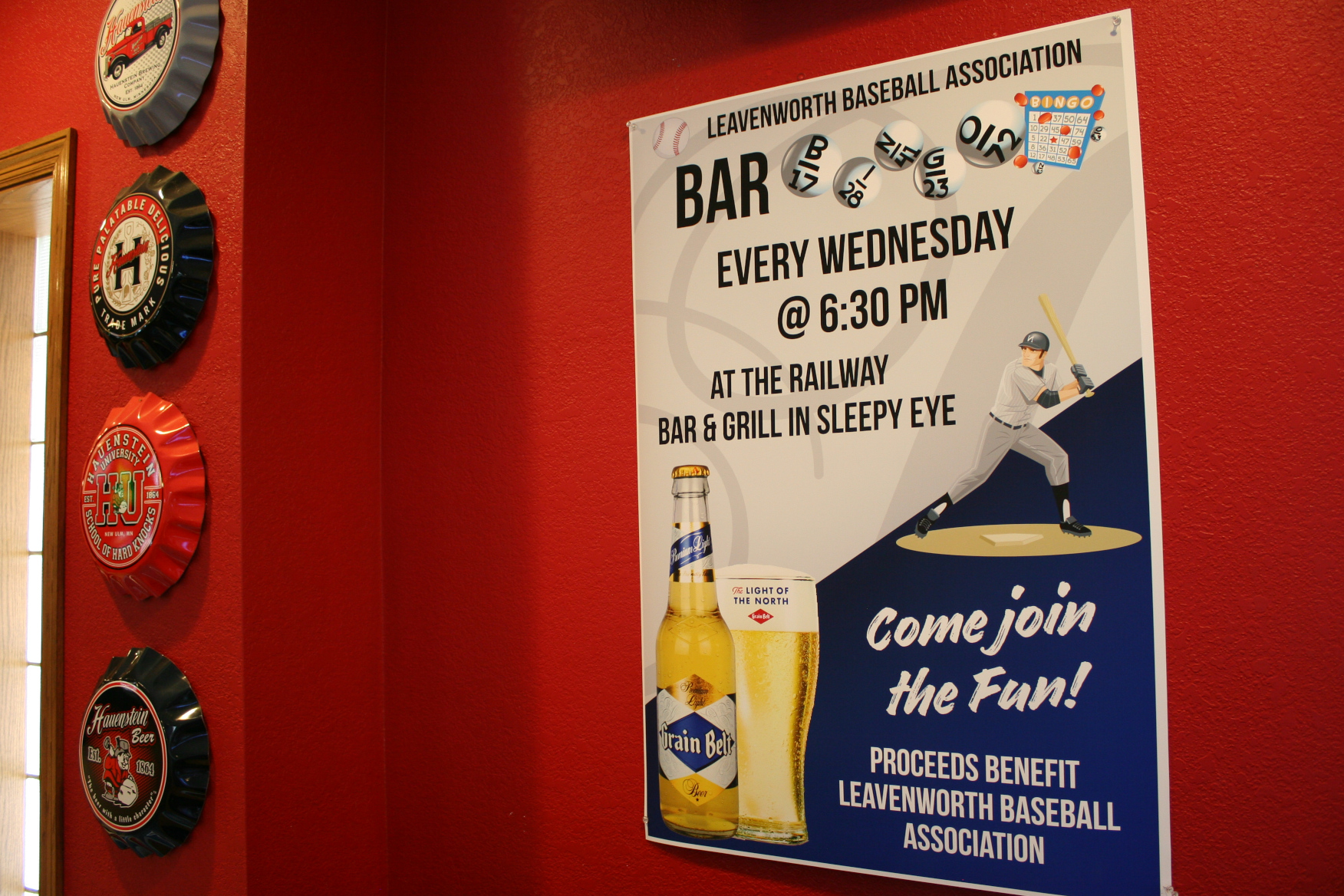
A sign posted inside The Railway Bar & Grill shows community involvement. Minnesota Prairie Roots file photo March 2020.

I’m not familiar with dining options in Sleepy Eye. But I know one thing about small towns—cafes and bars and grills are community gathering places. Spots to meet with family and friends. After a ball game. On a Saturday night. To shoot the breeze. To celebrate. To get out of the house on a cold winter evening. To BS over a beer or two. From all indications, The Railway filled that need in Sleepy Eye.

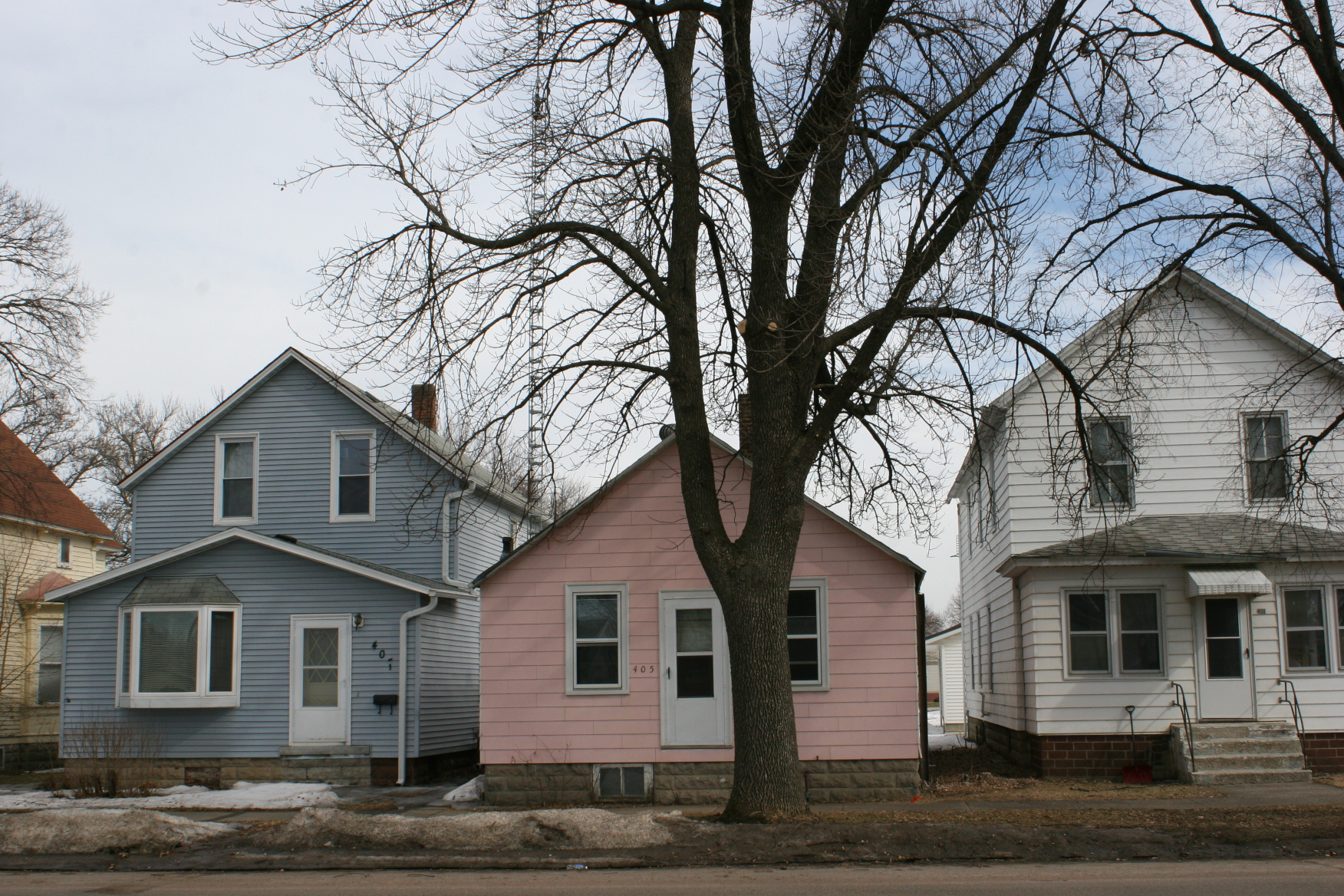
Small houses cram together in the neighborhood by the grain elevators and The Railway Bar & Grill. Minnesota Prairie Roots file photo March 2020.

When Randy and I finished our sandwiches on that early March Saturday afternoon in 2020, I stepped outside to photograph the neighborhood while he paid the bill. I focused my lens on three houses crammed together.

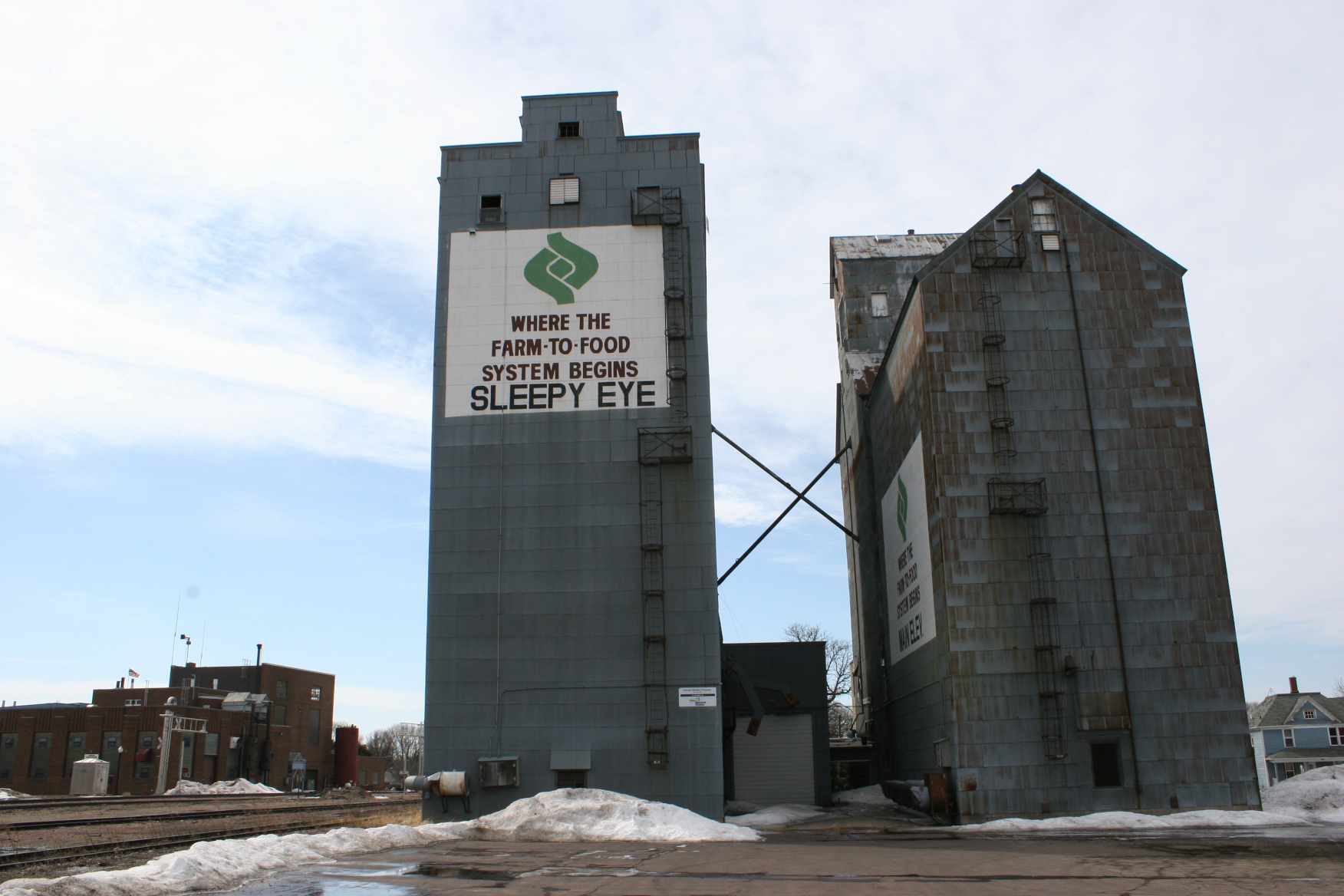
The grain elevators, next to the train tracks in Sleepy Eye, dwarf neighboring buildings. Minnesota Prairie Roots file photo March 2020.

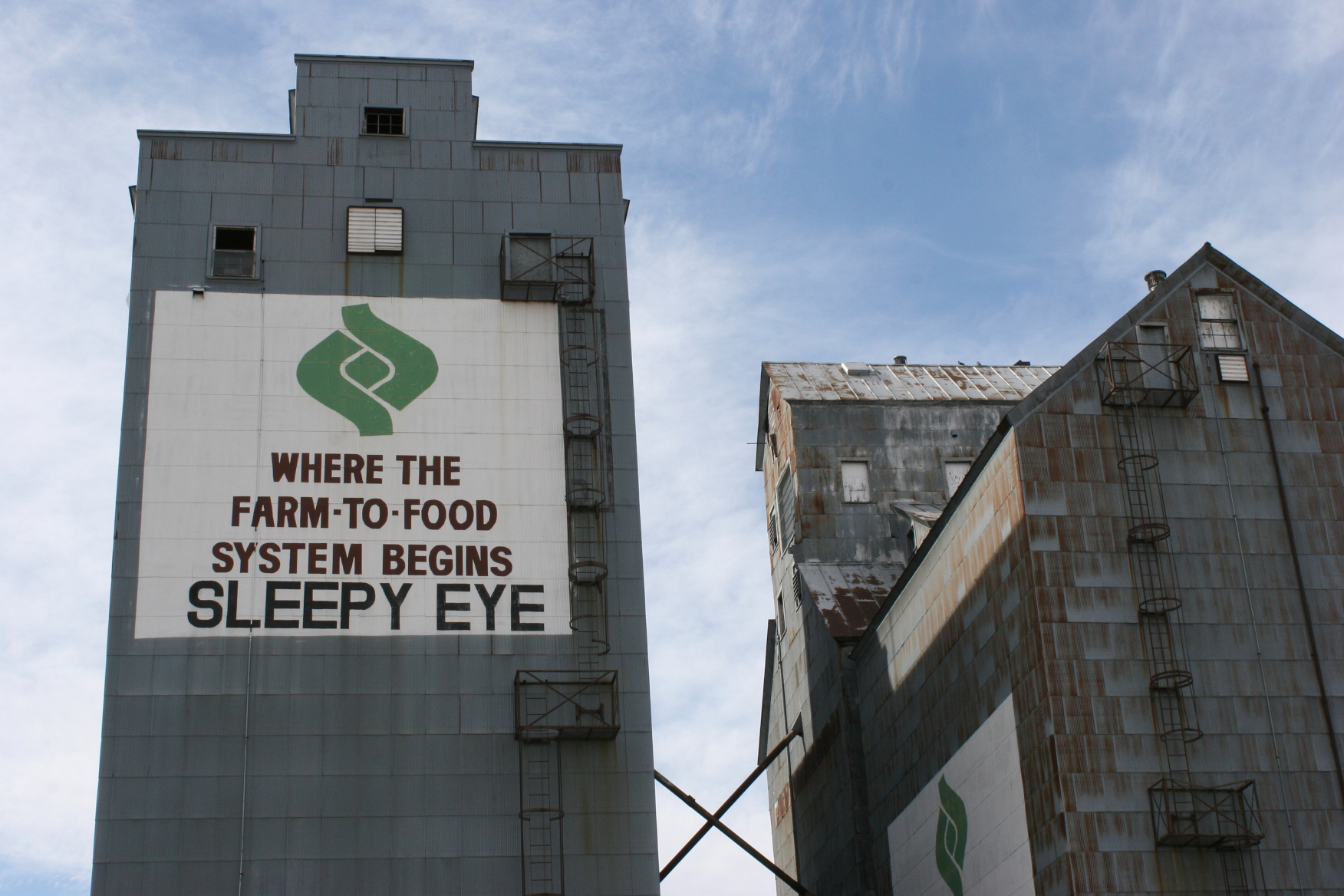
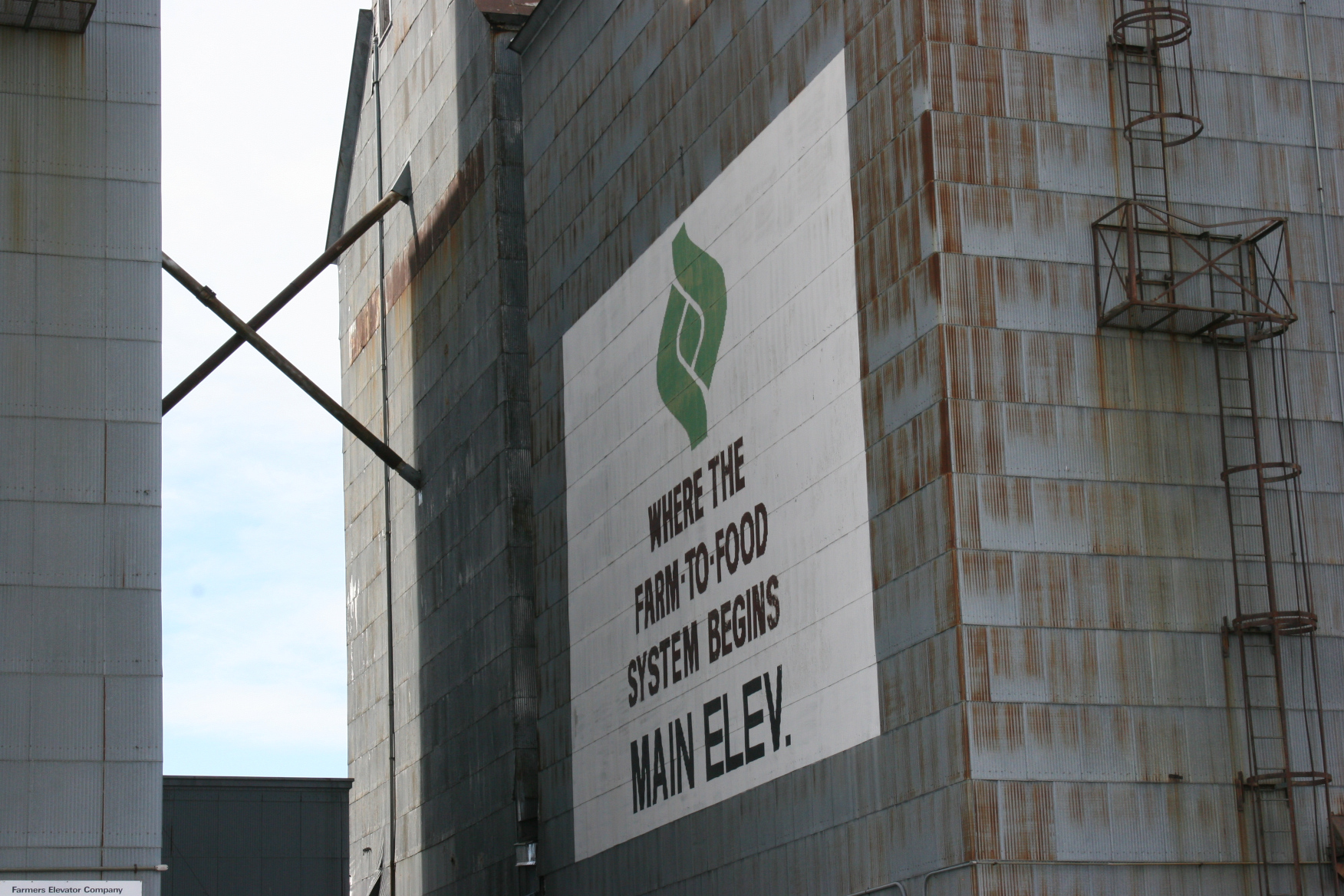
And then I aimed toward the towering grain elevators next to the bar & grill. Vintage elevators always draw my eye for their architectural interest (as cathedrals of the prairie), historical importance and connection to my farming past. Silo style grain storage units will never hold the same appeal as these rectangular grey elevators soaring high above small towns. Too many of these have vanished, including in my hometown of Vesta where a local farmer moved the elevators onto his farm.

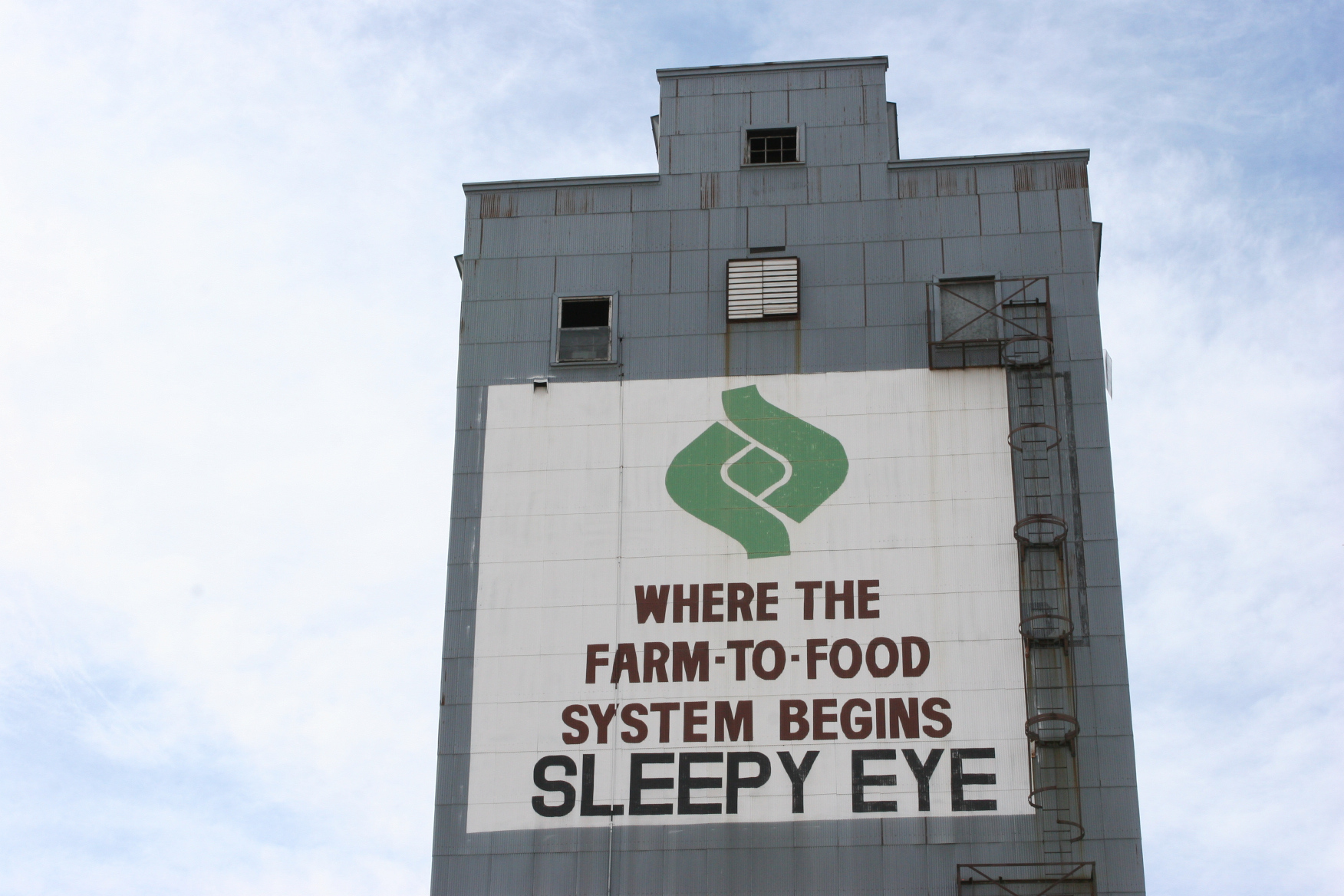
A strong message adds to the visual appeal of the Sleepy Eye grain elevators. Minnesota Prairie Roots file photo March 2020.

On this Saturday, I delighted in reconnecting with my rural roots outside The Railway. In my memory, I heard the rumble of a train, saw grain trucks lining up at the elevator, smelled the earthy scent of harvest…

© Copyright 2021 Audrey Kletscher Helbling


En route to the Red River Valley of Minnesota November 6, 2018

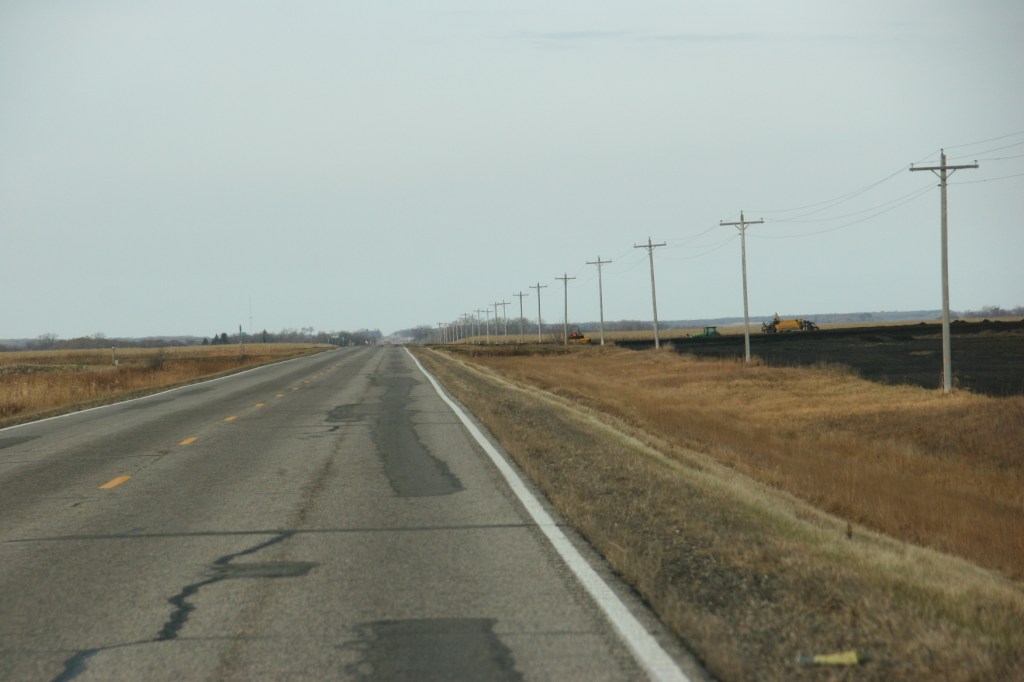
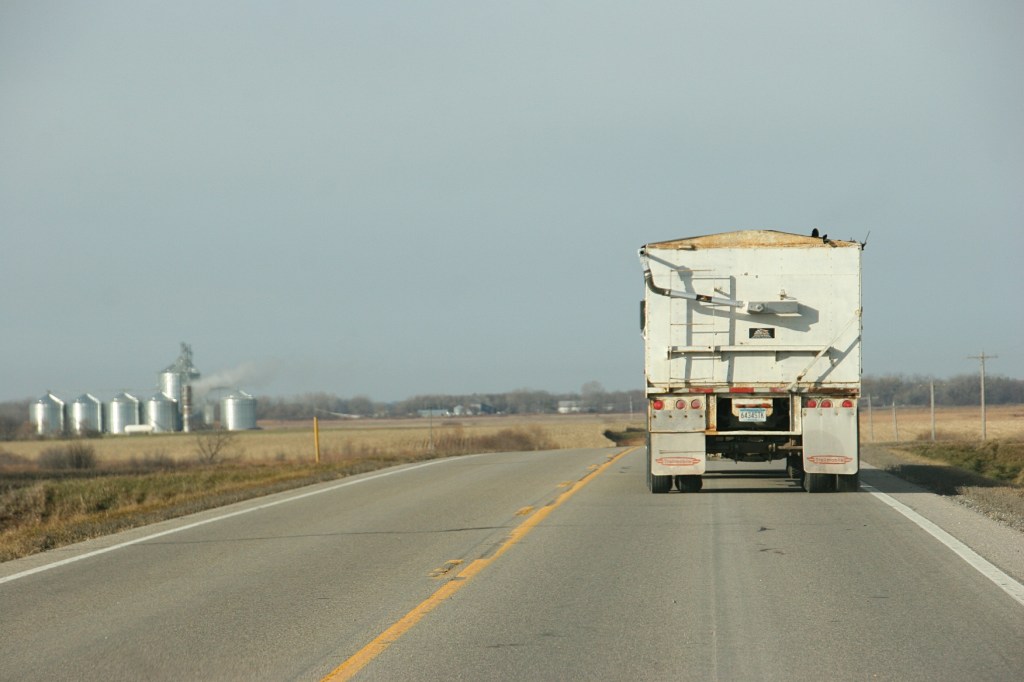
Somewhere on a back road between Detroit Lakes and Hendrum.


TRAVELING NORTHWEST TOWARD the Red River Valley from Detroit Lakes last Thursday morning, I thought I was mentally prepared for the vastness, the flatness that define this area. I am, after all, a native of the southwestern Minnesota prairie. And I’ve been to Fargo-Moorhead, which is tabletop flat.


Trucks hauling crops are the most common vehicles on roads in these parts this time of year.


But this route was different. This nearly 1.5 hour drive took Randy and me off the interstate and onto back county roads and state highways as we aimed toward Hendrum in Norman County. At times we drove for endless miles without sighting another vehicle. It’s unsettling to feel such isolation, to know that you are miles between towns, that the distance between farm places stretches farther and farther.


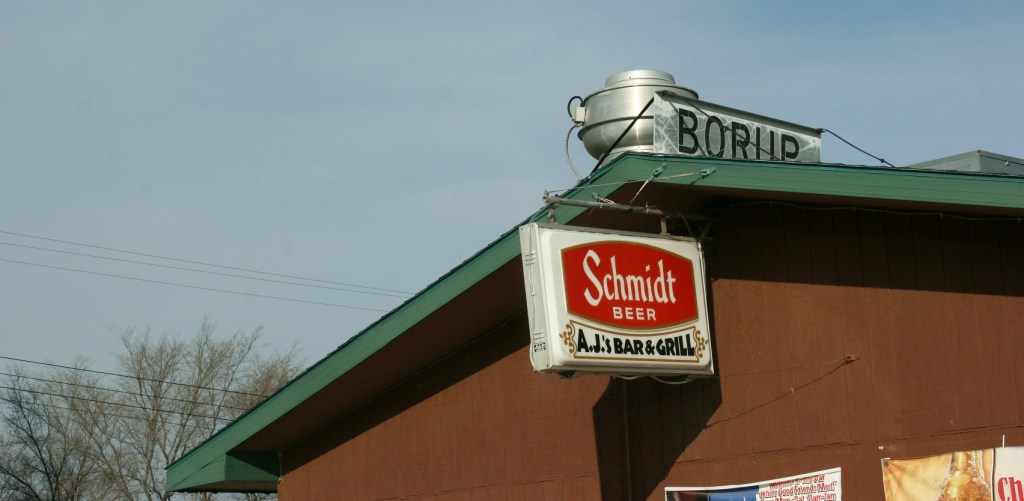
Our route took us through several small towns, including Borup just 20 miles southeast of Hendrum.


Yet, I tried to make the best of this drive to visit friends who once lived in Faribault. A job relocated the family of seven to this town of 300 some 30 miles north of Fargo-Moorhead along U.S. Highway 75.


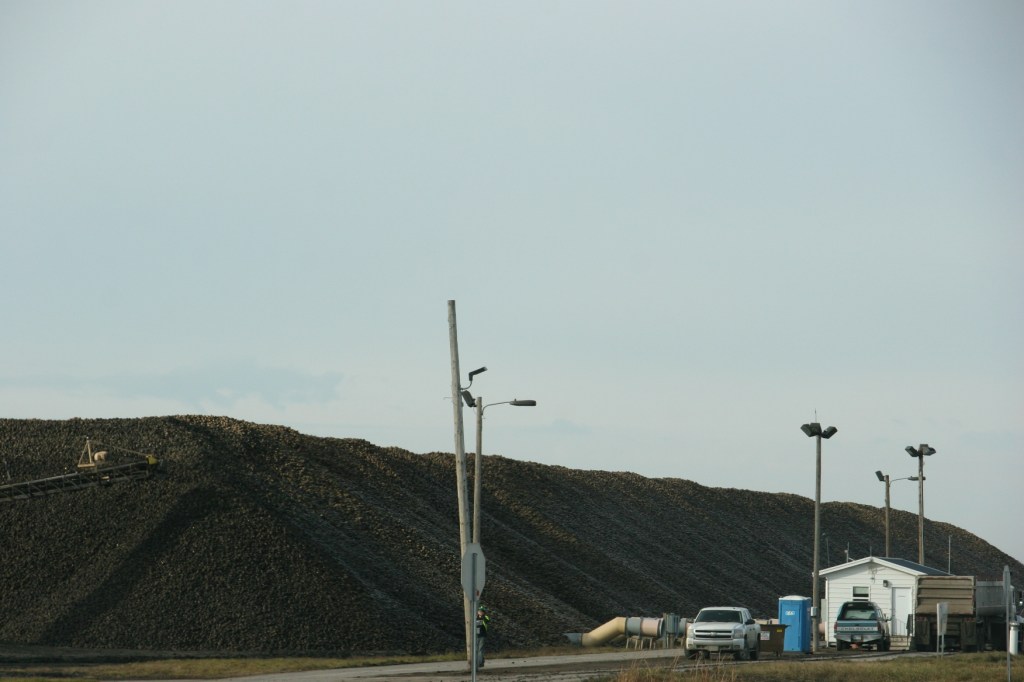
Mountains of sugar beets are prevalent in this region.


As we headed toward Hendrum, Randy and I, both Minnesota farm-raised, observed the progress of harvest—seemingly slowed by too much rain. In places, mud from farm equipment stamped the roadway and signs warned of slippery surfaces. Acres and acres of corn remain to be harvested. Muddy conditions, however, apparently don’t stop the picking of sugar beets, a major crop in this region. Our friends’ oldest son works at a sugar beet plant as he saves money to attend a college in Washington, D.C. I can only imagine the cultural shock of moving from remote northwestern Minnesota to our nation’s capital.


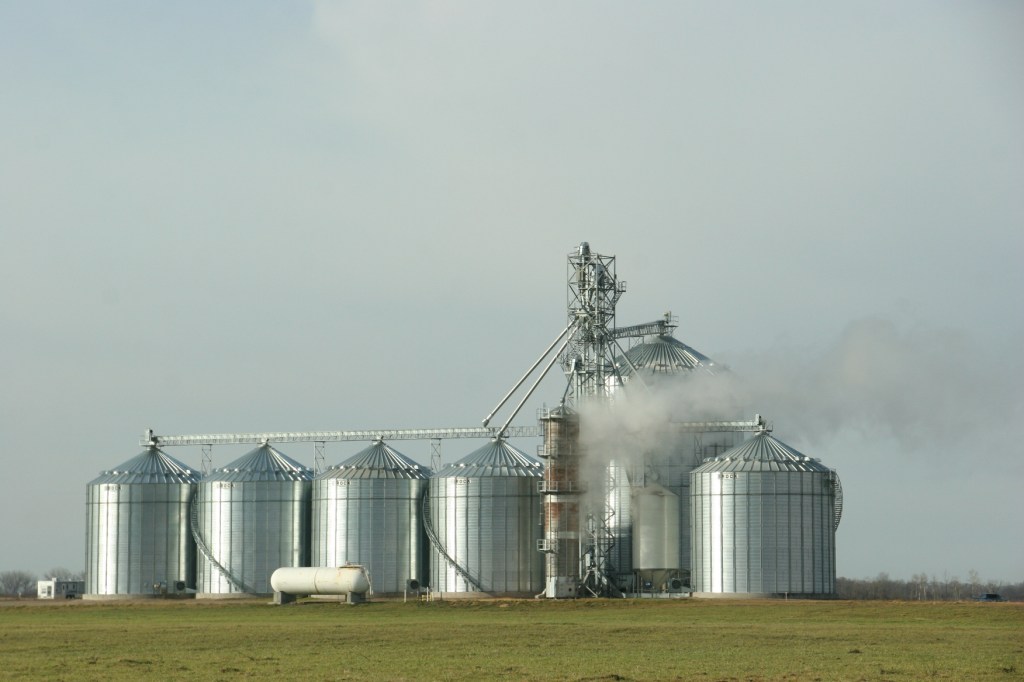
Clusters of grain bins are common in this agricultural area.


This is an area that truly is Red River Valley flat, that seems to an outsider rather desolate. But, framed in a positive way, it is a peaceful place. Wide. Spacious. Uncluttered by traffic and housing developments.


It is a land marked by grain bins and by small town elevators, which can be seen for miles—seven miles once, Randy noted.


It is a land marked, too, by rectangles of stacked bales rising like barges along our route toward the Red River.


Here the land and sky seem endless.


Here agriculture anchors the economy.


Although I couldn’t live here given the flatness, the remoteness, I can appreciate that others call this place home.

TELL ME: Have you been to the Red River Valley of Minnesota or neighboring North Dakota?

RELATED: Check out this story (click here) by Bob Collins of Minnesota Public Radio about a Sugar Beet Museum in Minnesota.

CHECK BACK as I take you into Hendrum. You won’t want to miss the humor of Hendrum.

© Copyright 2018 Audrey Kletscher Helbling


Exploring Red Wing Part III: Down by the river August 28, 2018

RED WING IS ABOUT POTTERY and shoes and history. But it’s also about the river. The Mighty Mississippi.


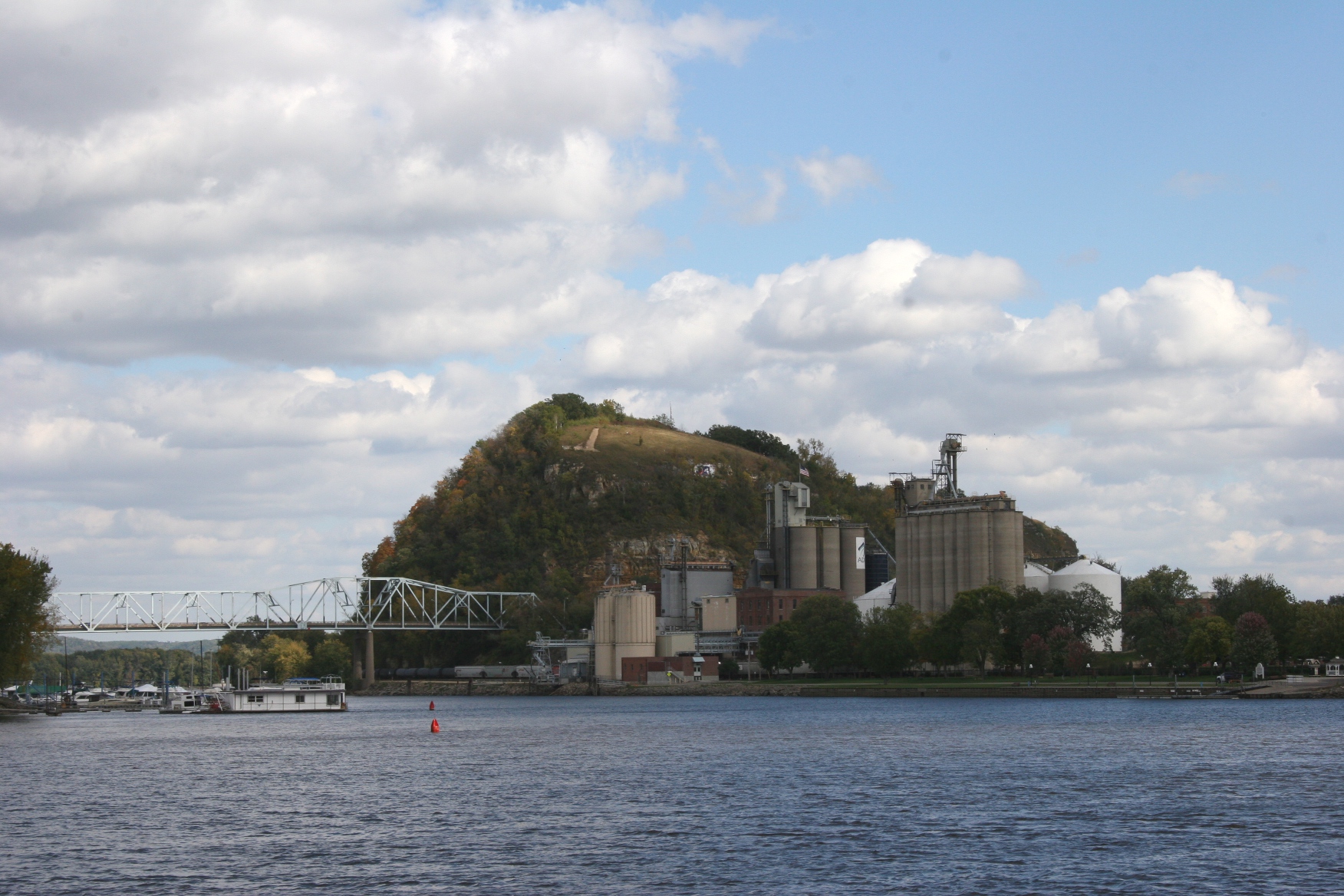
A view of Red Wing from the Bay Point Park area shows Barn Bluff and the bridge connecting Minnesota and Wisconsin.

A view of Red Wing from the Bay Point Park area shows Barn Bluff and the bridge connecting Minnesota and Wisconsin.


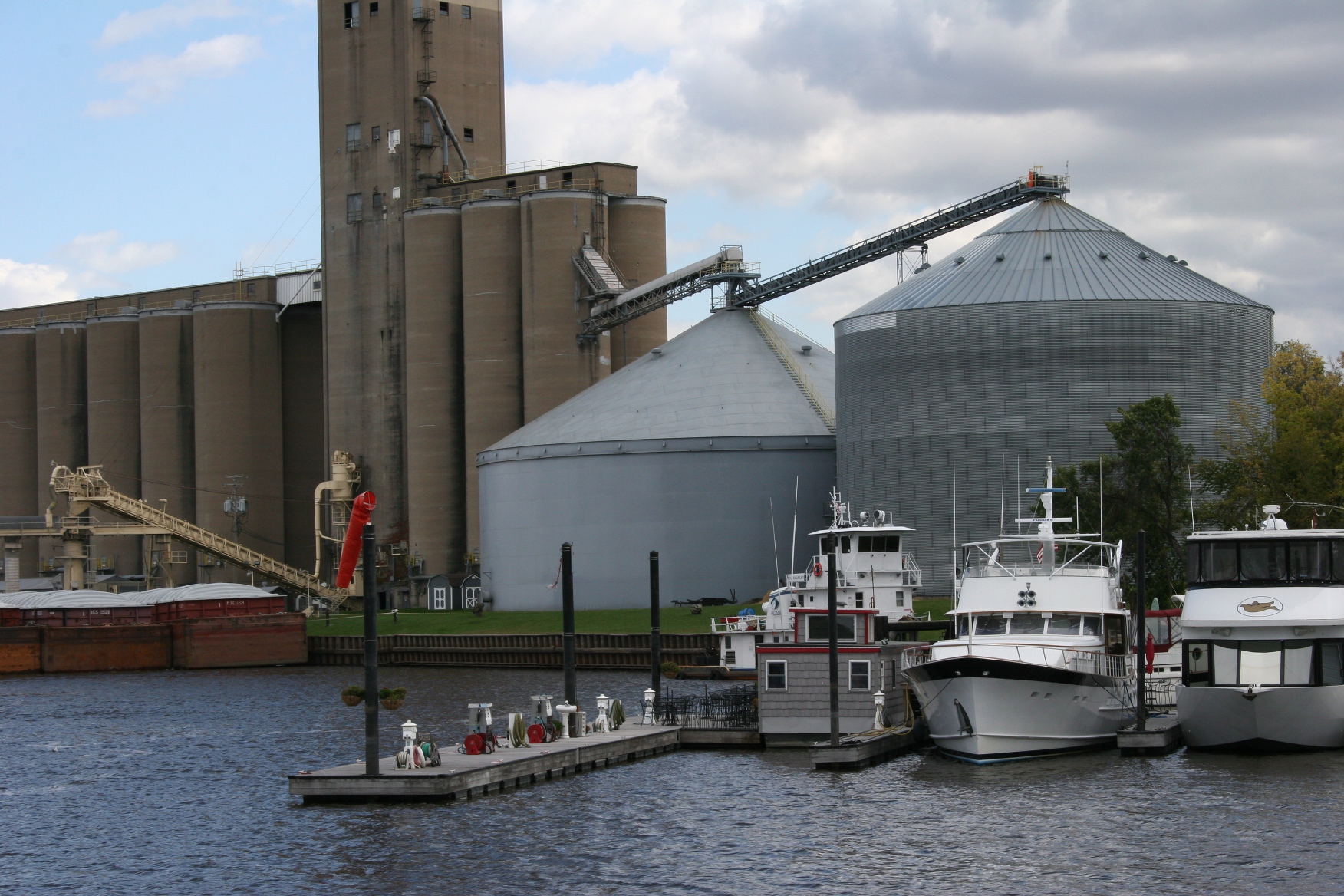
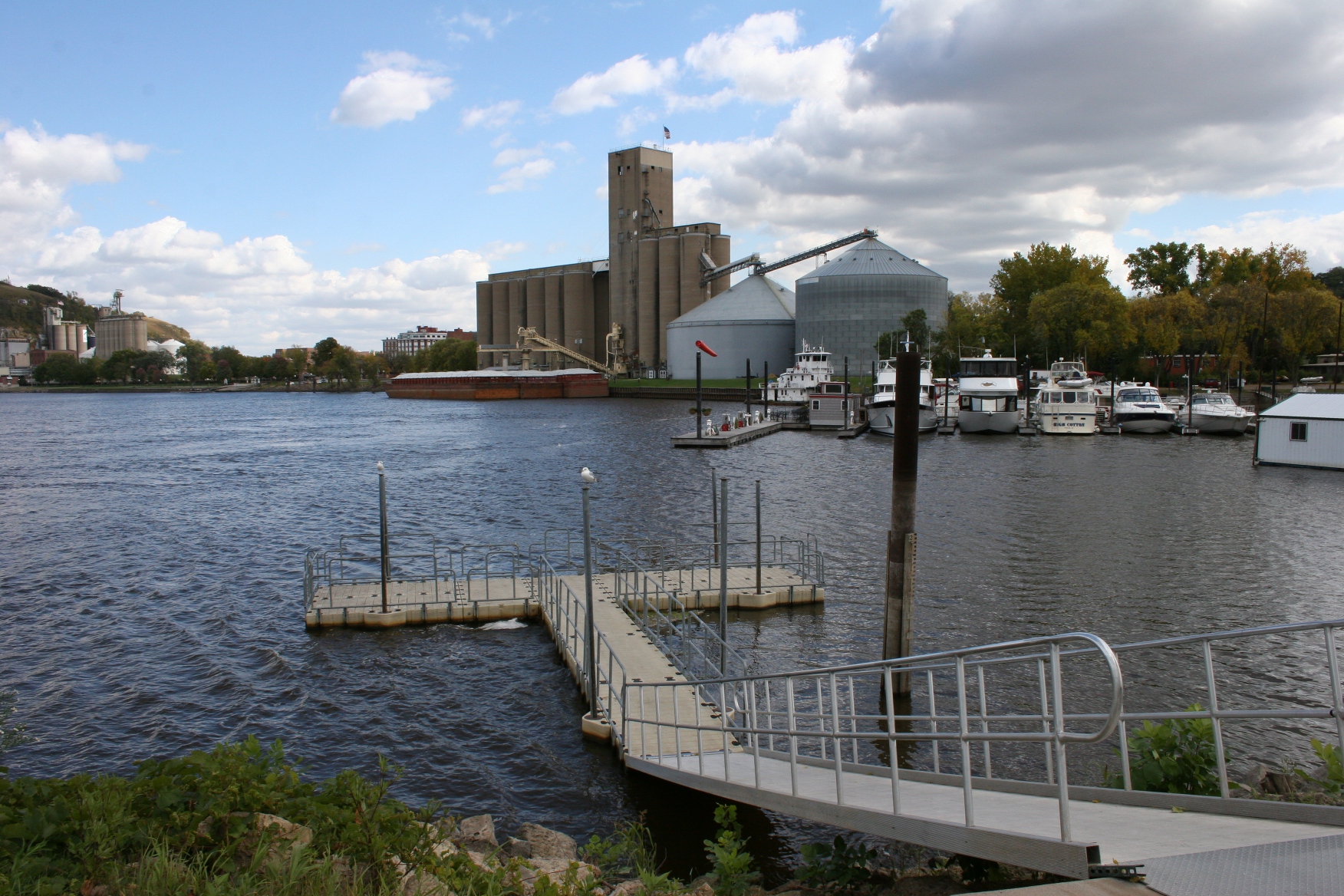
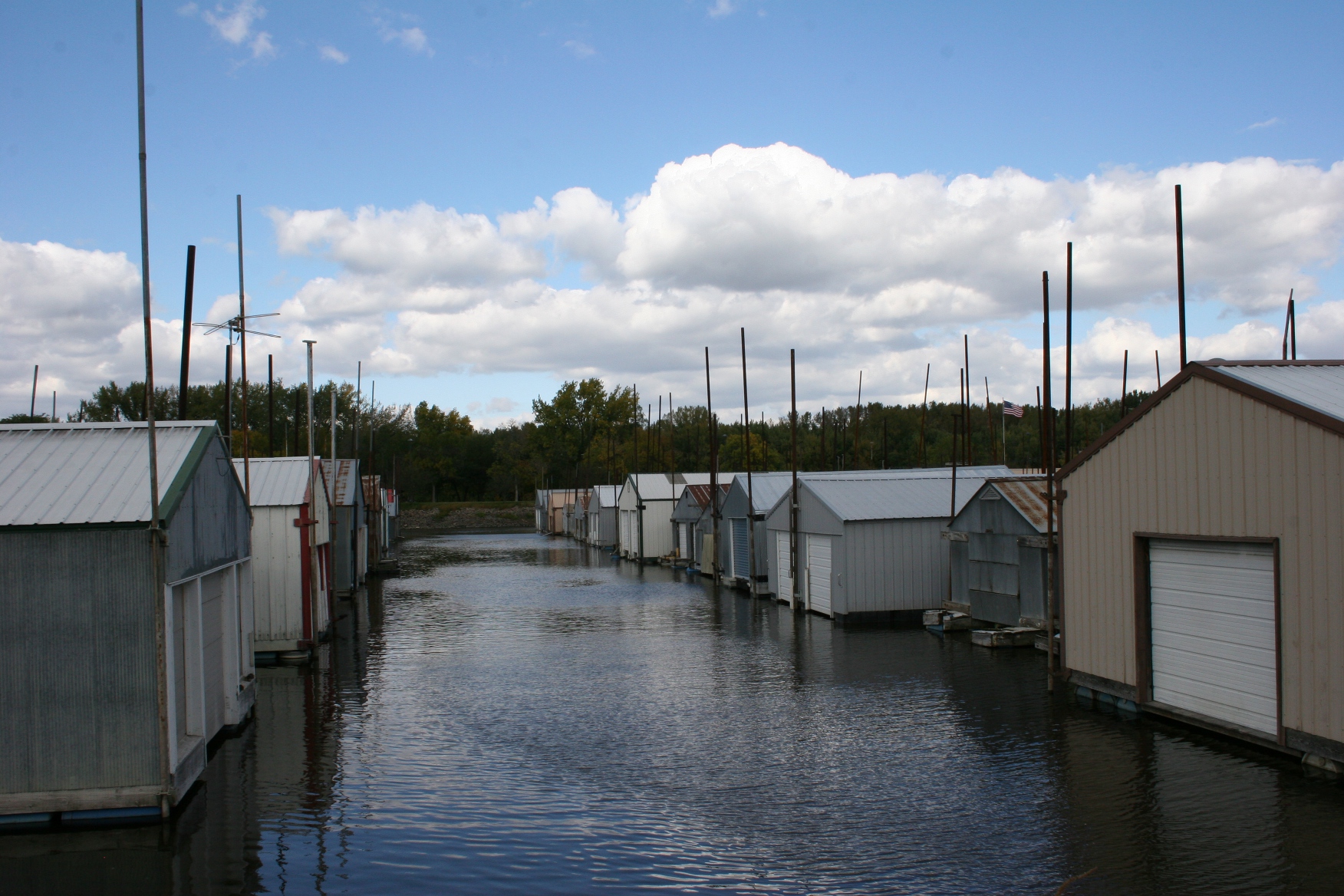
A brief visit to this southeastern Minnesota river town in the fall of 2014 led me to the water, to Bay Point Park, a lovely riverside respite. Here, on an afternoon when the autumn wind blew brisk with cold, I photographed boats, bluff, bridge, bins and boat houses.


Recreation (boats) and commerce (grain elevator and bins) mingle here.

Recreation (boats) and commerce (grain elevator and bins) mingle along the Mississippi.


Red Wing is one of those naturally beautiful communities where the muse of the river lures you in. Water does that. Here, standing in the park, I could see the commerce, the recreation, the history, the appeal and importance the Mississippi River holds in Red Wing.


Another view from the Bay Point Park area.

Another view from the Bay Point Park area.


And I considered then what power this waterway possesses, flowing 2,350 miles from Lake Itasca in northern Minnesota, through towns like Red Wing, all the way to the Gulf of Mexico.


BONUS PHOTOS:


The historic Boat House Village draws lots of interest.

The historic Boat House Village draws lots of interest.


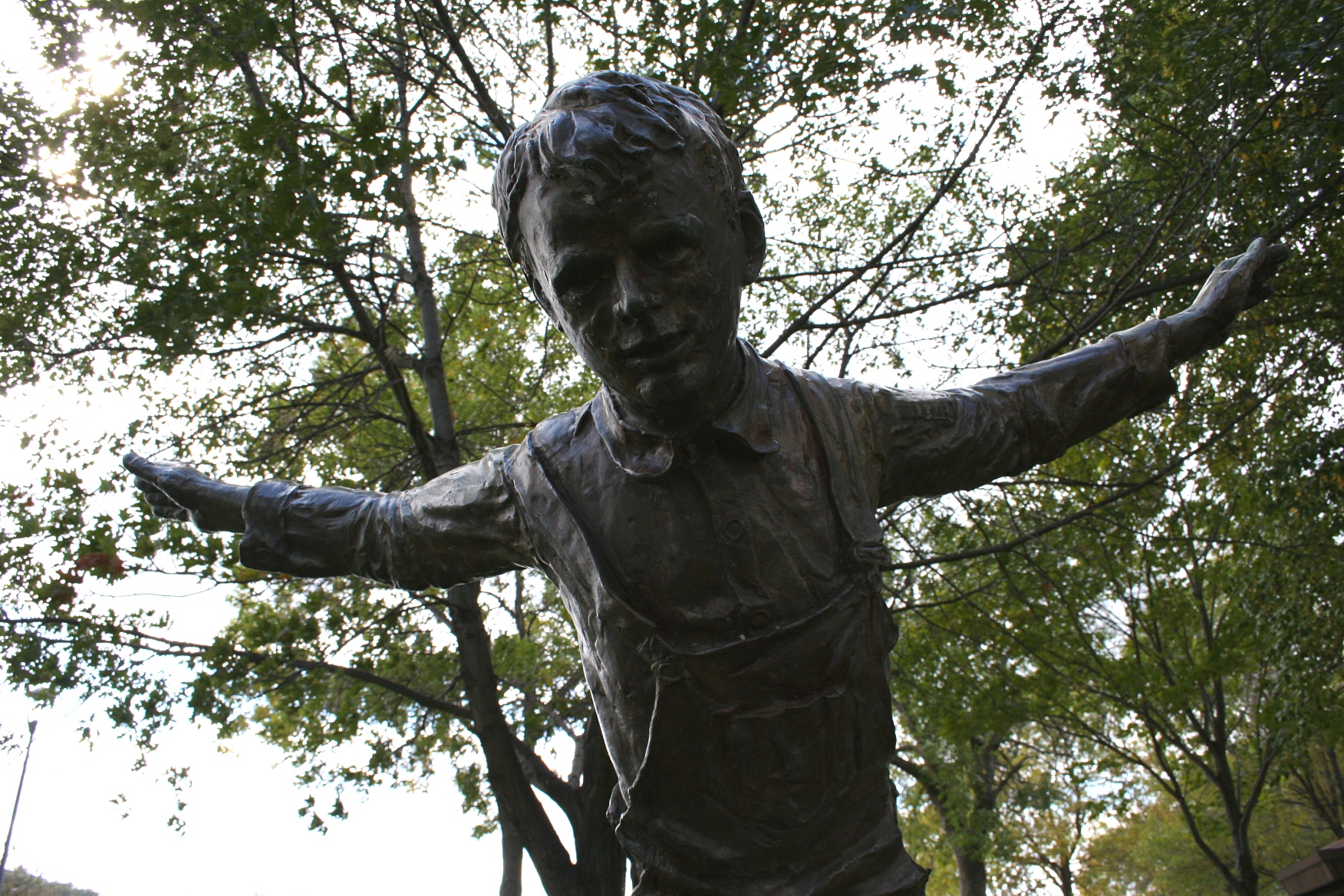
sculpture

This sculpture of a young Charles Lindbergh, famous aviator born in Little Falls, MN., stands in Bay Point Park.


Lots and lots of boats.

Lots and lots of boats. The city of Red Wing operates the Ole Miss Marina, in two locations in the city.


Trains run along the river by the grain elevators.

Trains run along the river by the grain elevators.


The side tourists don't always see, or photograph.

The side tourists don’t always see, or photograph.


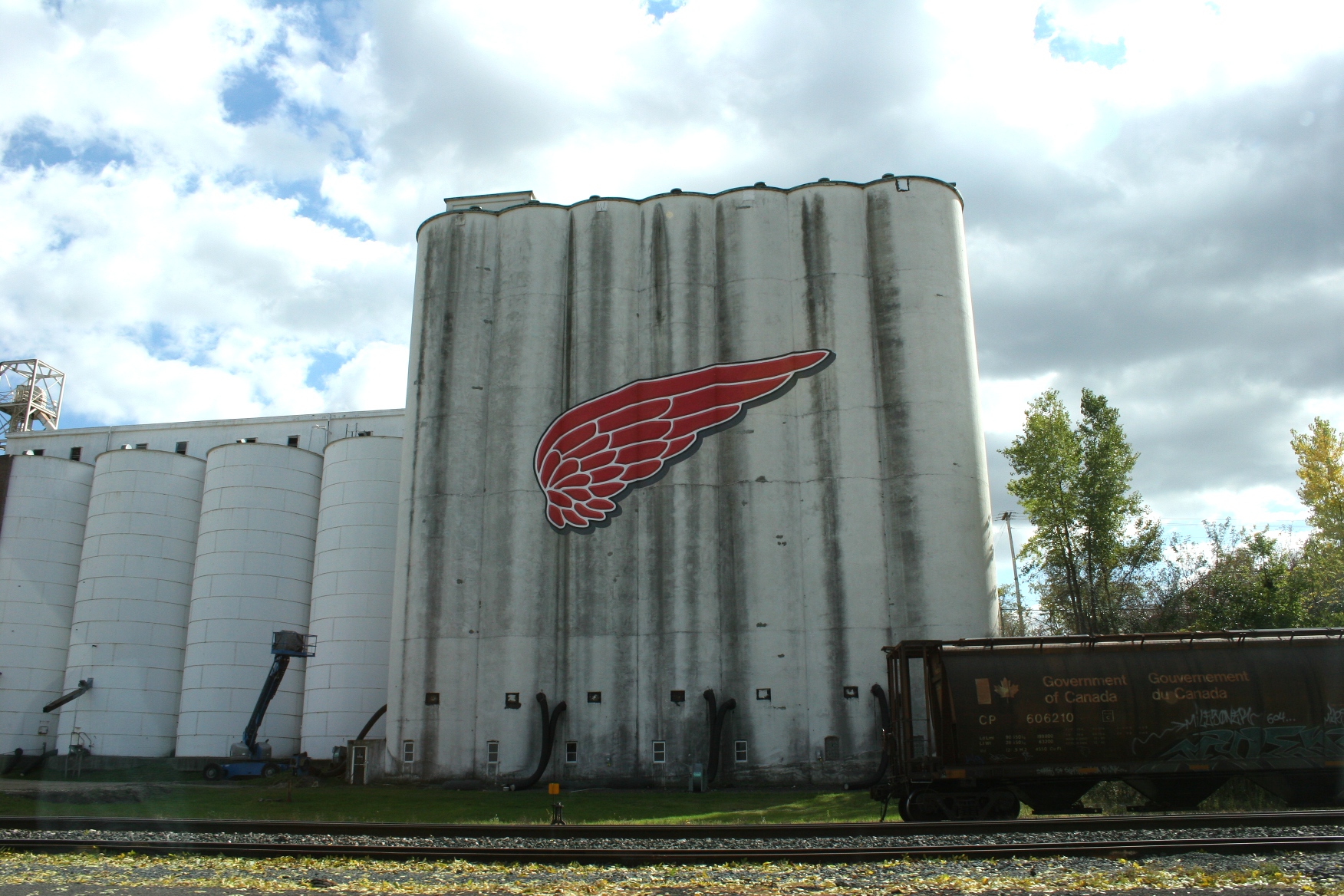
The iconic Red Wing logo graces a grain elevator.

The iconic Red Wing logo graces a grain elevator.


FYI: Click here and here to read my previous posts on Red Wing.

© Copyright 2015 Audrey Kletscher Helbling
 

Observing the Minnesota harvest October 25, 2016

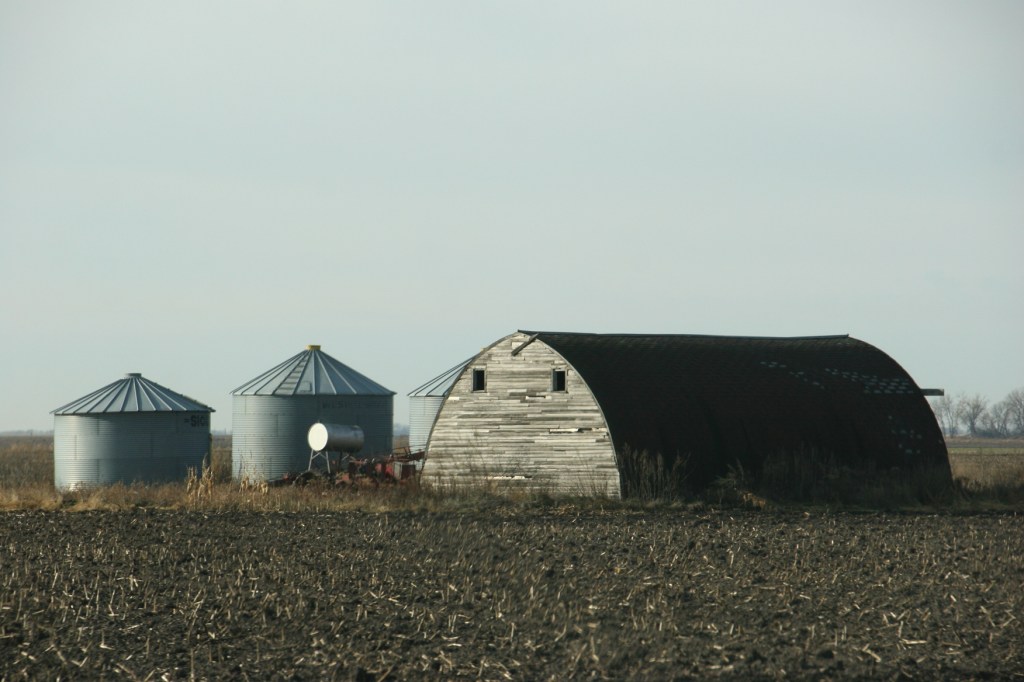
A farm site between Kenyon and Faribault.

A farm site between Kenyon and Faribault.

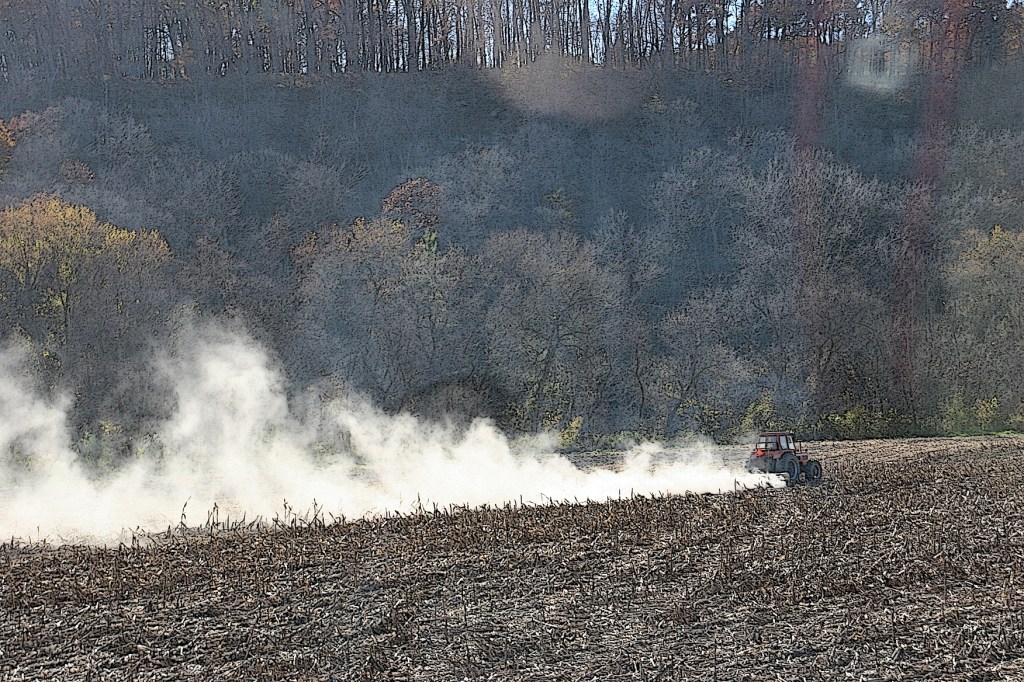
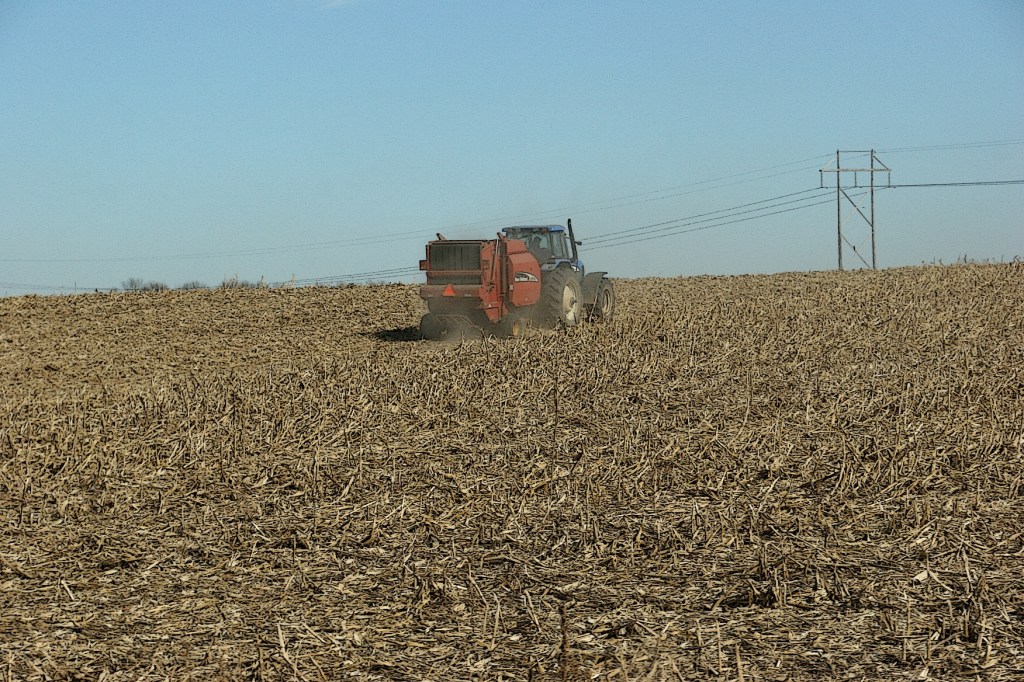
ALONG GRAVEL ROADS and across fields, farm machinery kicked up dust, shrouding rural southeastern Minnesota in pockets of hazy grey.

Somewhere southeast of rochester.

Somewhere southeast of Rochester.

Dust sometimes trailed plumes behind tractors.

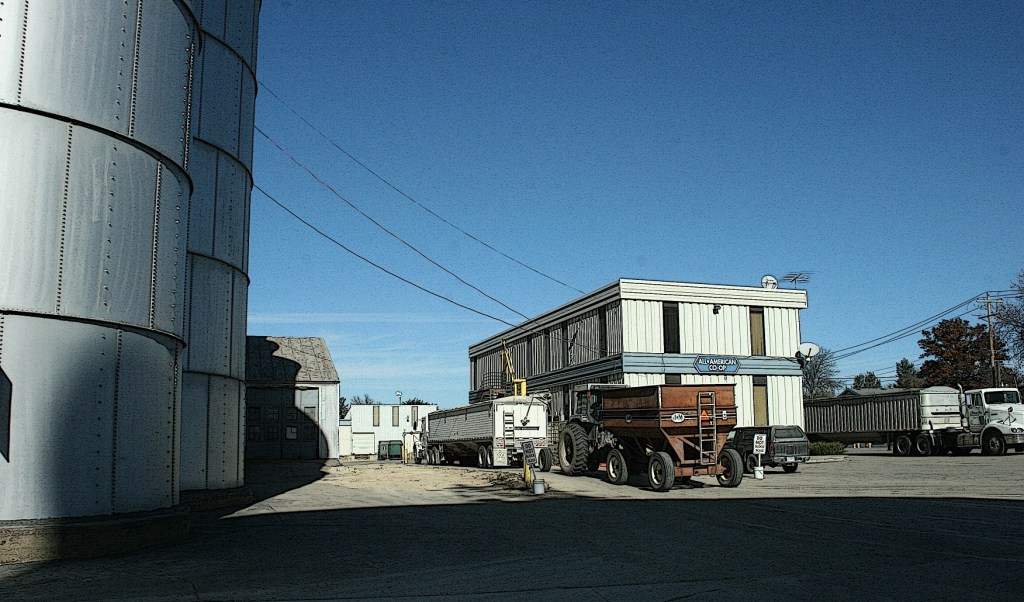
All American Co-op in Stewartville Saturday afternoon.

All American Co-op in Stewartville Saturday afternoon.

The elevator in Hayfield.

Grain bins in Hayfield.

In small towns, tractors pulling grain wagons and trucks loaded with corn or soybeans waited at local elevators.

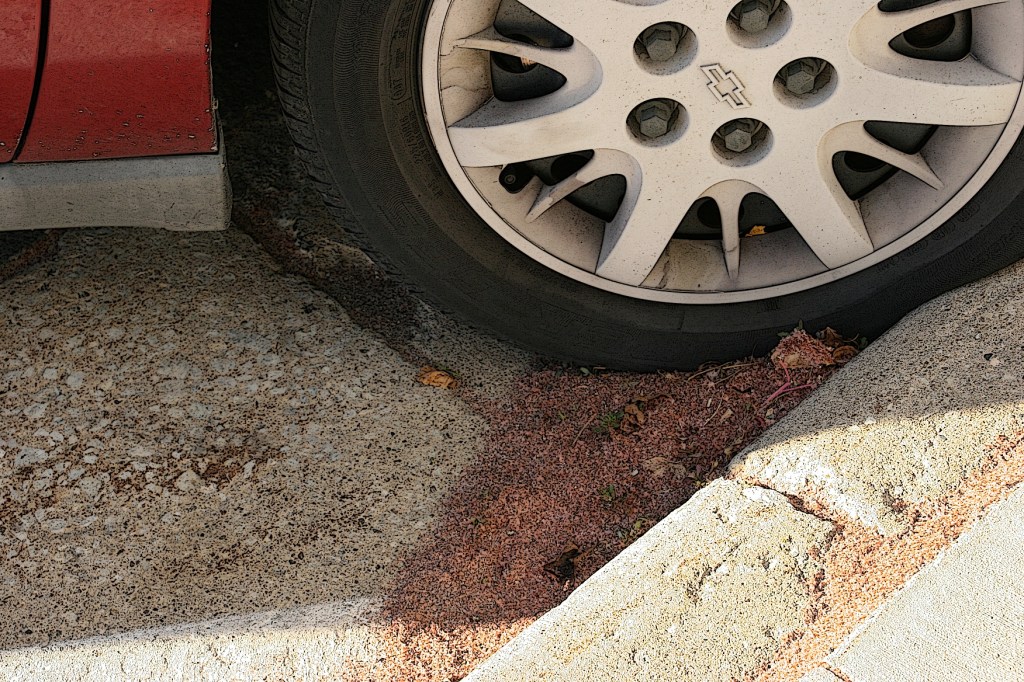
Bees wings accumulating along Main Street in Hayfield.

Bees wings (chaff from corn cobs) accumulate along Main Street in Hayfield.

And bees wings drifted, tinting Main Street and sidewalks red.

Near Root River County Park in Olmsted County.

Near Root River County Park in Olmsted County.

Near Wanamingo...

Near Wanamingo…

In township after township after township, I observed farmers gathering in the crops and working the land on Saturday. A good drying day. Sunshine and crisp temps. Perfect to finish the harvest.

A cluster of bins near Hayfield.

A cluster of bins by Hayfield.

A day trip drive this time of year requires patience as combines, trucks and tractors clog roadways, slowing traffic. But that’s OK. Sometimes we need to creep along, to simply appreciate this land and the farmers who plant, tend and gather in the crops.

© Copyright 2016 Audrey Kletscher Helbling
 

When the polka music fades in Seaforth December 10, 2015

Northbound on Redwood County Road 7 just minutes from Seaforth.

Northbound on Redwood County Road 7 just minutes from Seaforth.

ON MY LAST VISIT back to my native southwestern Minnesota in late October, my husband and I drove through Seaforth. This community of 86 residents lies seven miles to the east of my hometown of Vesta in Redwood County.

A farm site along CR 7 near Seaforth.

A farm site along CR 7 near Seaforth.

When I was growing up, my school bus passed Seaforth en route to Wabasso, stopping along the way to pick up farm kids.

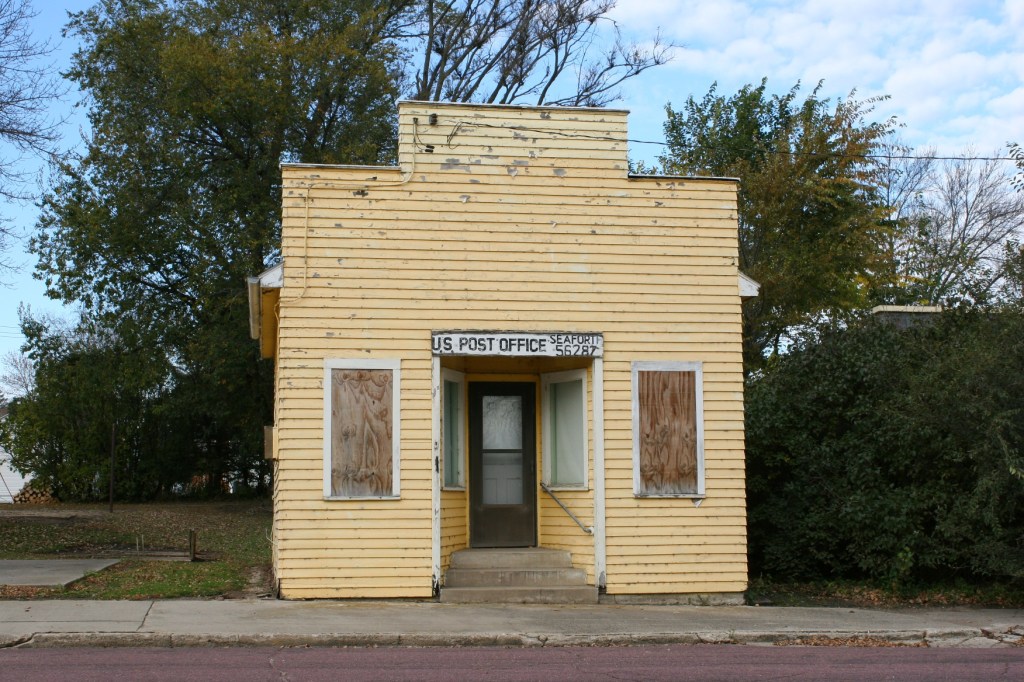
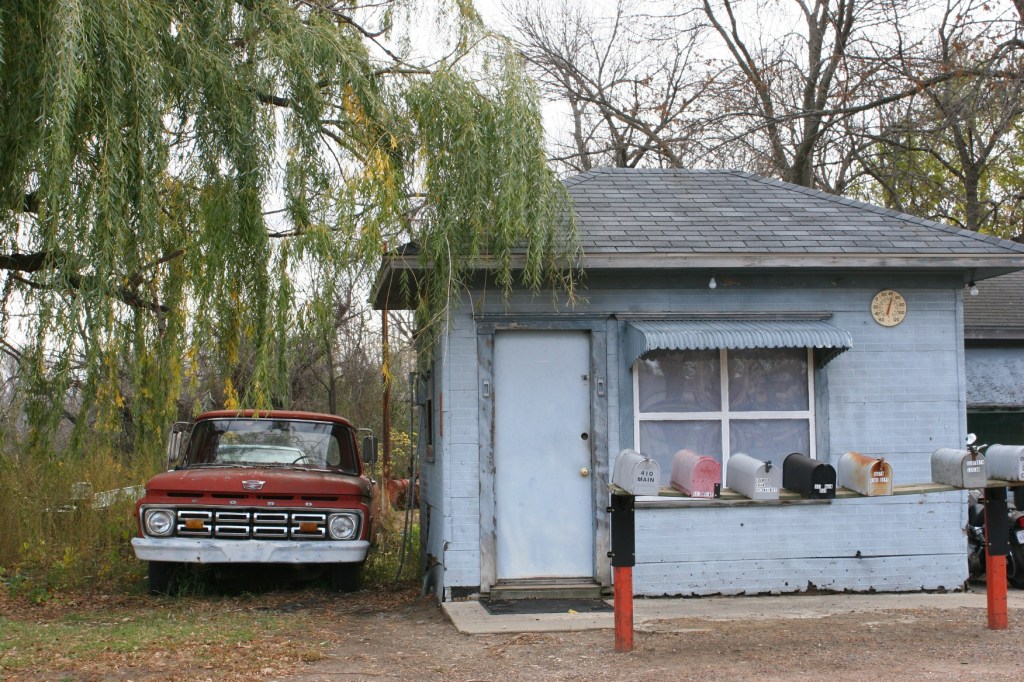
The former post office in Seaforth. Like so many small town post offices, the one in Seaforth was closed.

Like so many small town post offices, the one in Seaforth was closed by the U.S. Postal Service.

On occasion I attended a funeral, bridal shower or wedding at the Lutheran church in Seaforth at a parish that, because of diminishing congregational size, closed years ago. The church is now a house.

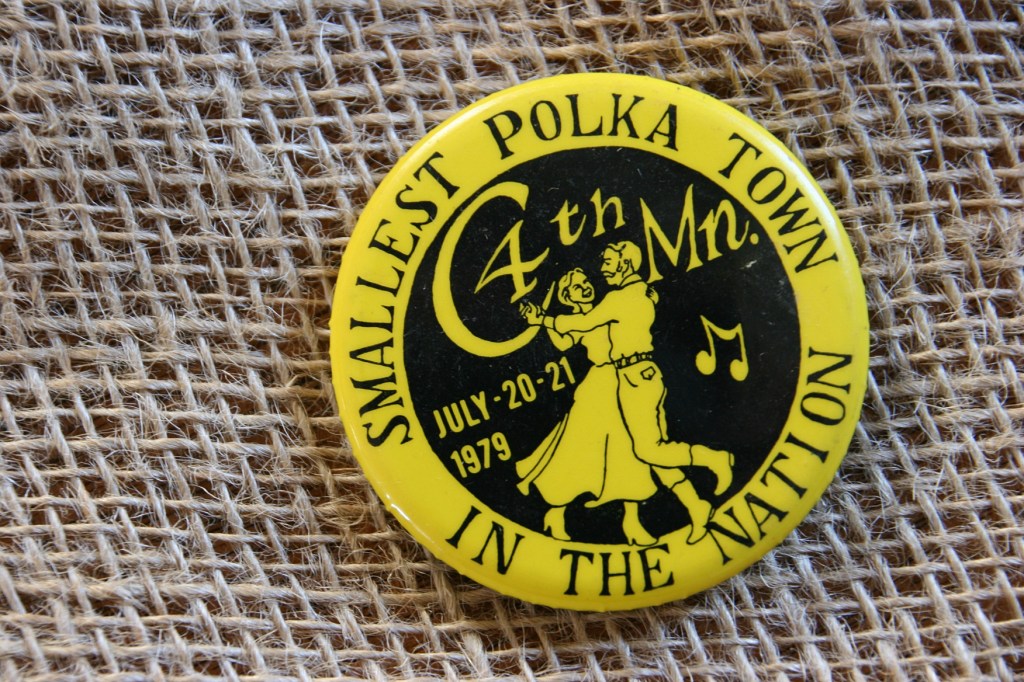
One of the many buttons my mom saved from Seaforth Polka Days.

One of the many buttons my mom saved from Seaforth Polka Days.

As a teen and young adult, I sometimes attended Seaforth Polka Days, an annual July event featuring, as you would expect, polka bands. For 42 years, Seaforth has hosted this celebration and billed itself as “The Smallest Polka Town in the Nation.” That will be no more, I learned from my mom, who today resides in an assisted living apartment in Belview the next town north of Seaforth. Mom didn’t know details. So I turned to the internet and found this July 14 entry on the Seaforth Polka Days Facebook page:

It is the end of an era, the booster club has decided that this will be the last year for polka days. Every year becomes harder to find enough volunteers to work and crowds have been smaller as well. Let’s make this year one to remember. Spread the word that it will be the last, for those who always planned to come one of these years or for those who have fond memories from years past this weekend will be your last chance to celebrate polka days in Seaforth!

Still open or shuttered, I don't know.

Still open or shuttered, I don’t know.

Such decisions to end large-scale small town celebrations are not uncommon. Year after year, the same locals often find themselves planning and working these events.

A scene in the heart of Seaforth.

A scene in the heart of Seaforth.

Yet, Seaforth isn’t totally giving up. Area residents are still planning a 2016 community celebration during the last full weekend in July: softball games, bean bag toss competition, the fire department fundraising supper, tractor pulls, a DJ and one polka band (instead of many) and “buckets of beer.”

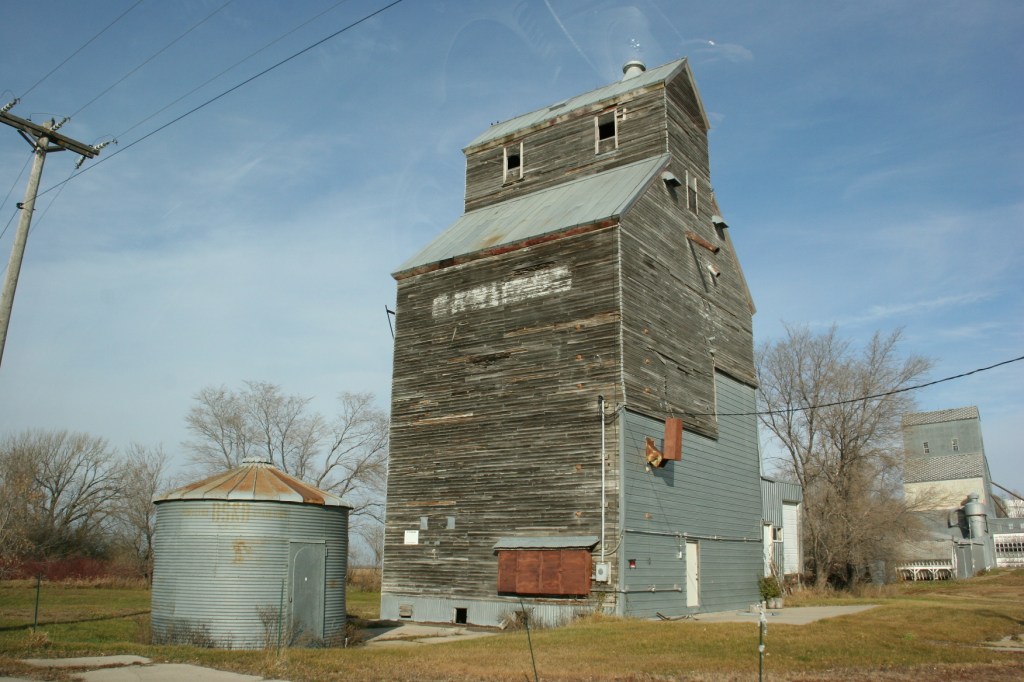
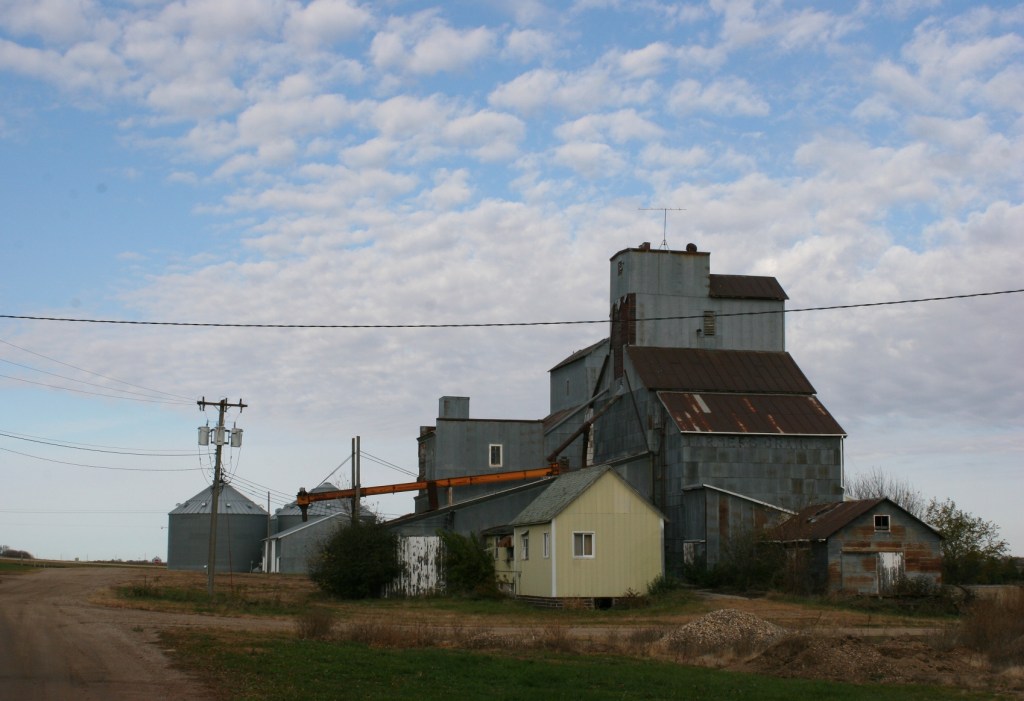
On the north edge of Seaforth, even the grain elevator is closed.

On the north edge of Seaforth, even the grain elevator is closed.

Now they’re soliciting names. Online Facebook suggestions thus far include C4th Small Town Days, C4th Clear Creak (sic) Days, C4th Clear Creak (sic) Fest, C4th Hometown Days, C4th Summer Days, Polka Days Part 2 and, finally, Redneck Fest.

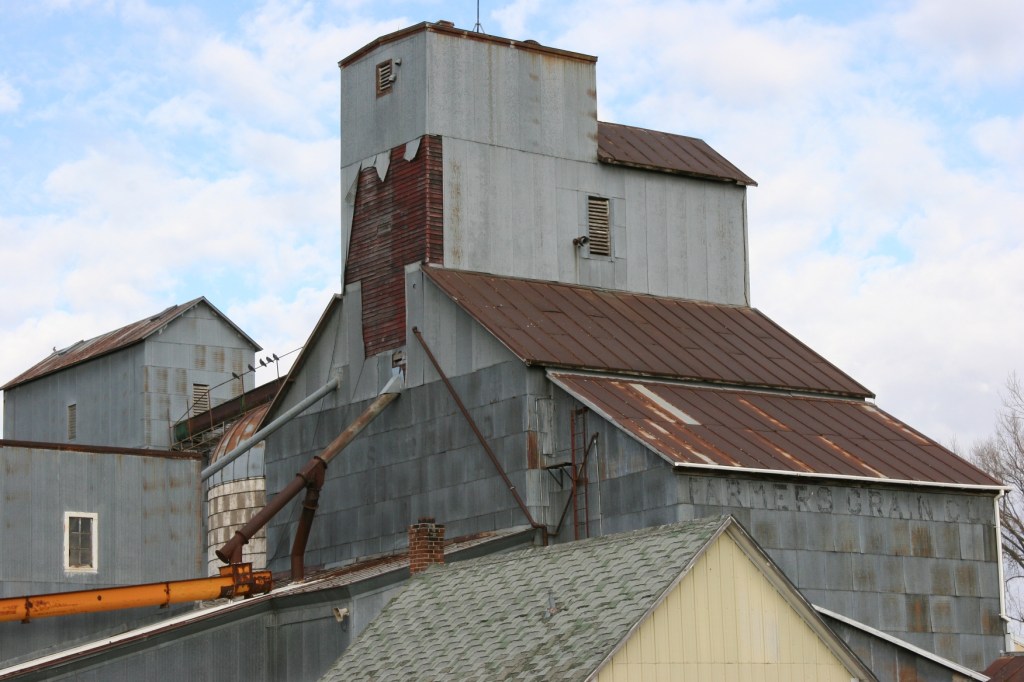
Look closely, and you can see the faded words "Farmers

Look closely, and you can see the faded words “Farmers Grain Co.”

Thoughts, on any of this?

Last I knew, my Uncle Milan owned this grain elevator complex. I don't know whether he still does.

Last I knew, my Uncle Milan owned this grain elevator complex. I don’t know whether he still does.

Do you help plan and work at a small town celebration? Do you attend small town celebrations? Let’s hear. Why are such events important to rural communities like Seaforth?

© Copyright 2015 Audrey Kletscher Helbling
 

Heading back home to the southwestern Minnesota prairie for Christmas December 26, 2010

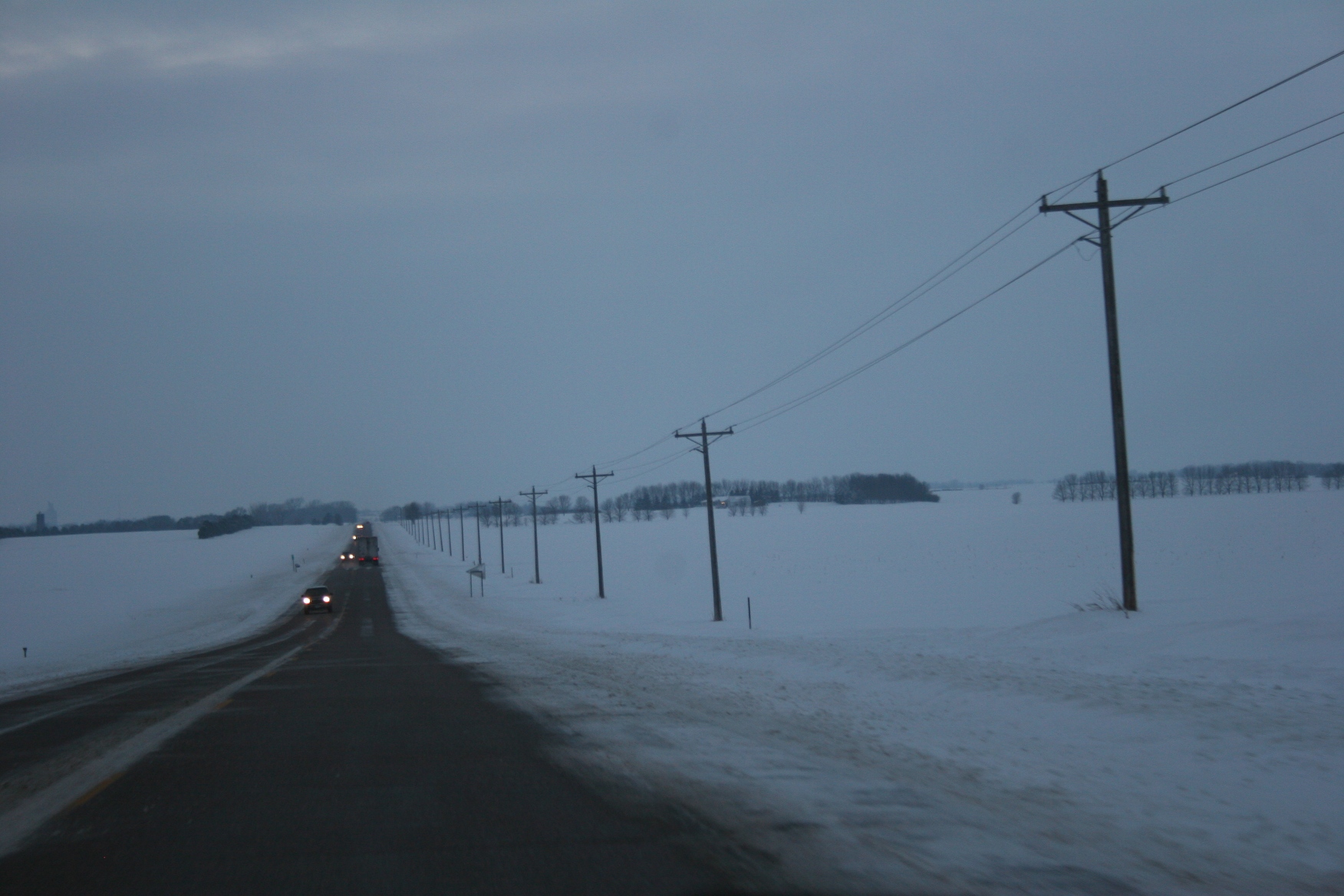
We drove along U.S. Highway 14 as we traveled to southwestern Minnesota for Christmas. This stretch is between the Sanborn corners and Lamberton.

FOR THE FIRST TIME in decades, my family and I celebrated Christmas Eve with my mom and four of my five siblings, and their families, “back home” on the southwestern Minnesota prairie.

It was my mom’s wish that all of us be there, attending Christmas Eve church services with her at our home church, St. John’s Lutheran in Vesta.

Our Christmas together was as wonderful and memorable and as full of laughter and love as I expected it would be.

Initially, I doubted that we would make the 2 ½-hour trip west given the steady snow that began falling early Christmas Eve, slicking the highways and creating difficult driving conditions. But by the time we left Faribault around 2:30 p.m. Friday, the snow had stopped and major highways were clear.
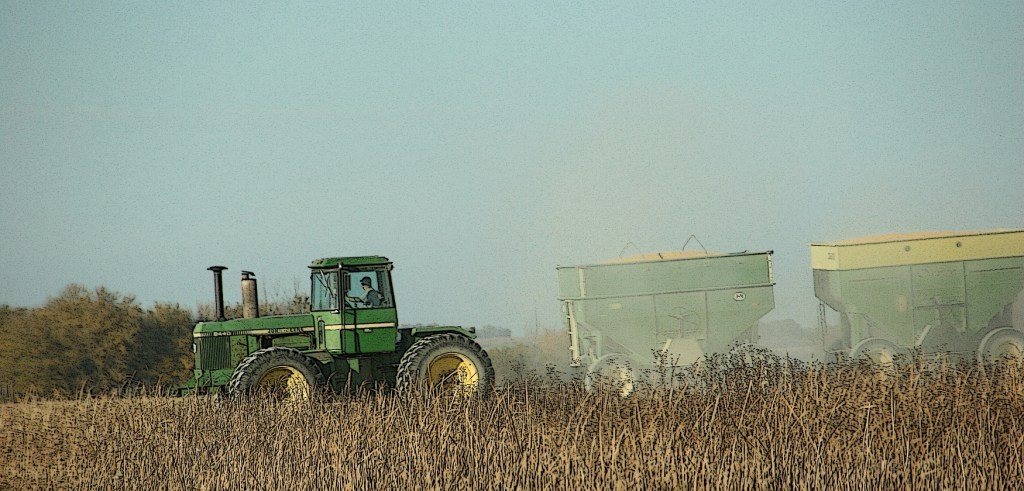
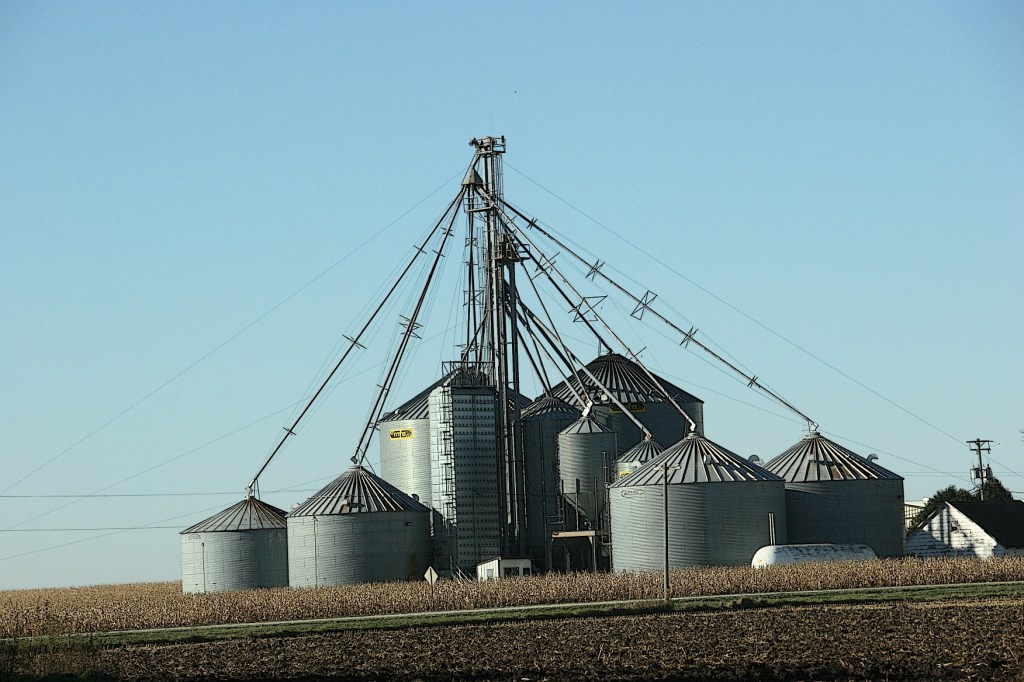
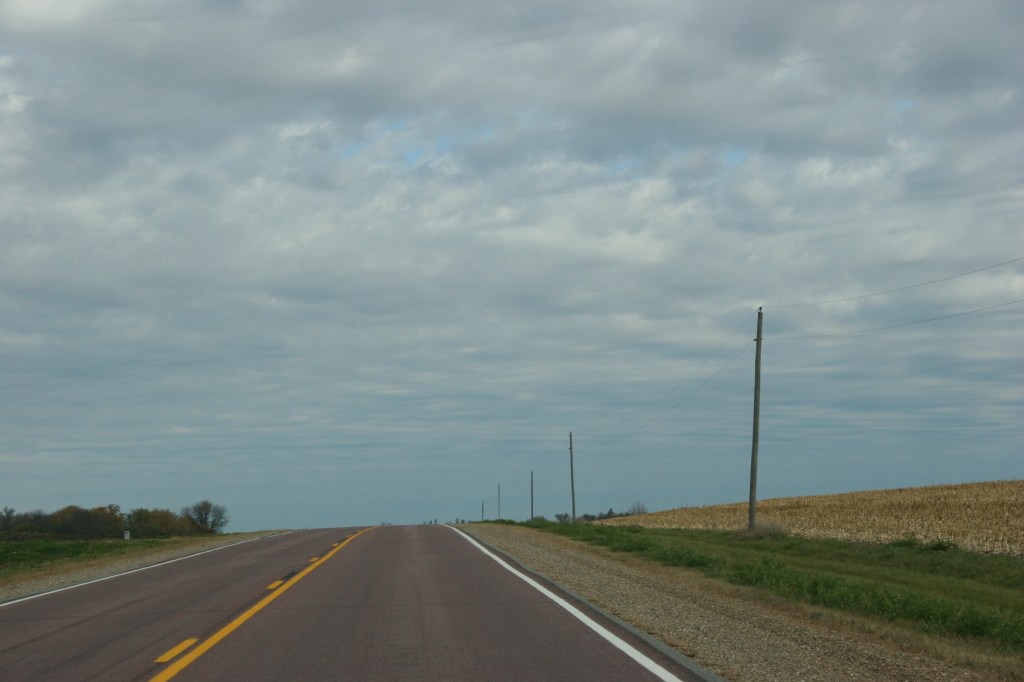
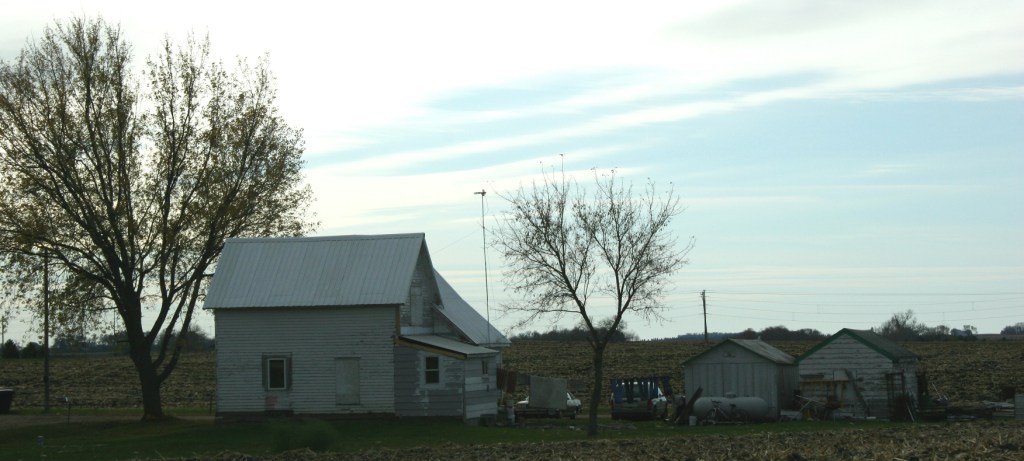
So, with the trunk packed full of luggage, air mattresses and sleeping bags, presents and coolers, the five of us crammed ourselves into the car (along with pillows and board games on our laps) for the journey to Redwood County. We were headed first to my brother’s house just north of Lamberton.

When we got to New Ulm, nearly 1 ½ hours into the trip, I dug my camera out of the camera bag wedged near my feet and snapped occasional photos of the prairie. It is the land I most love—the place my kids call “the middle of nowhere.”

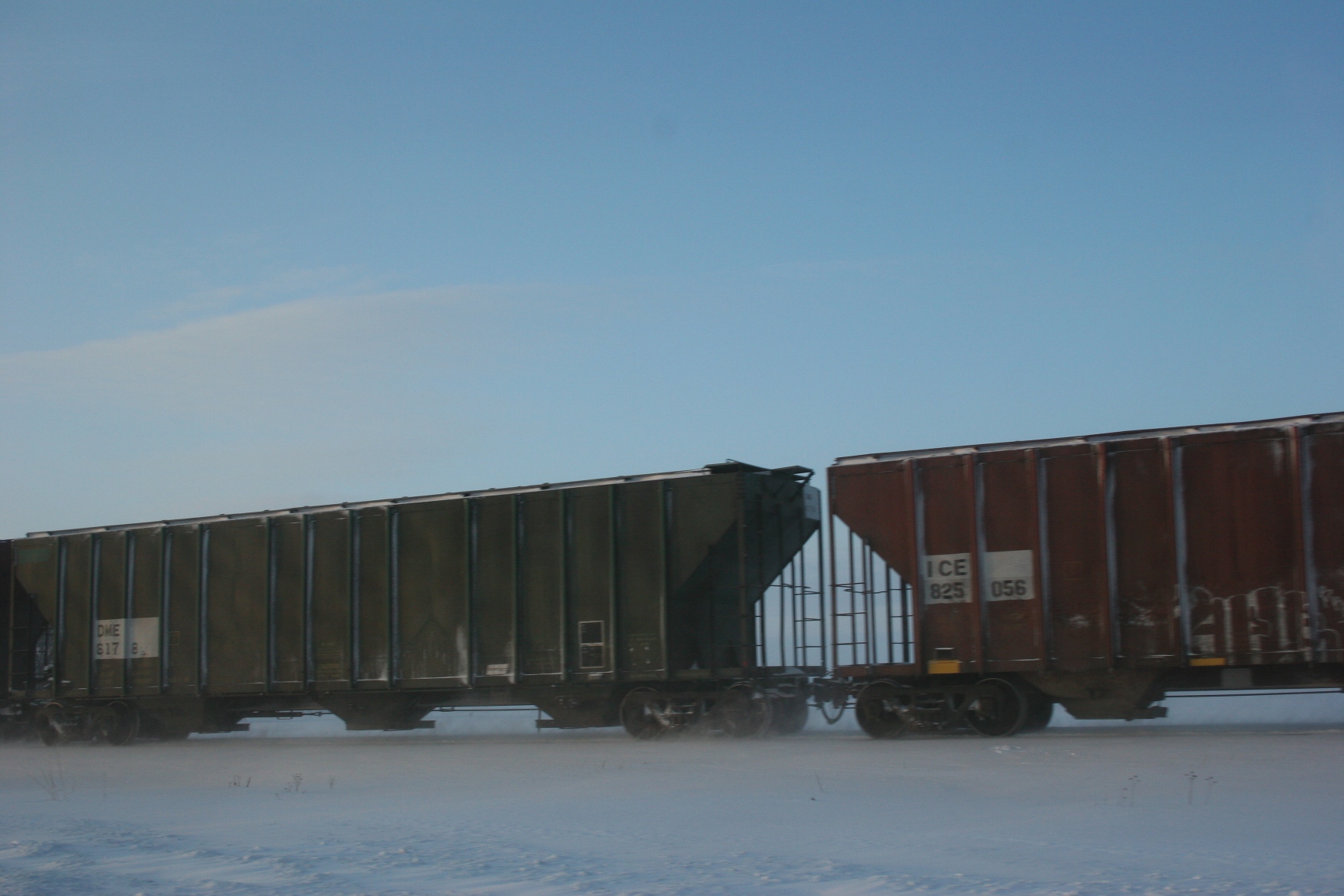
A train travels east along U.S. Highway 14 between Essig and Sleepy Eye while we travel west.

I love this land of plowed fields and wide open spaces, of small-town grain elevators occasionally punctuating the vast skies, of cozy farm sites sheltered by barren trees.

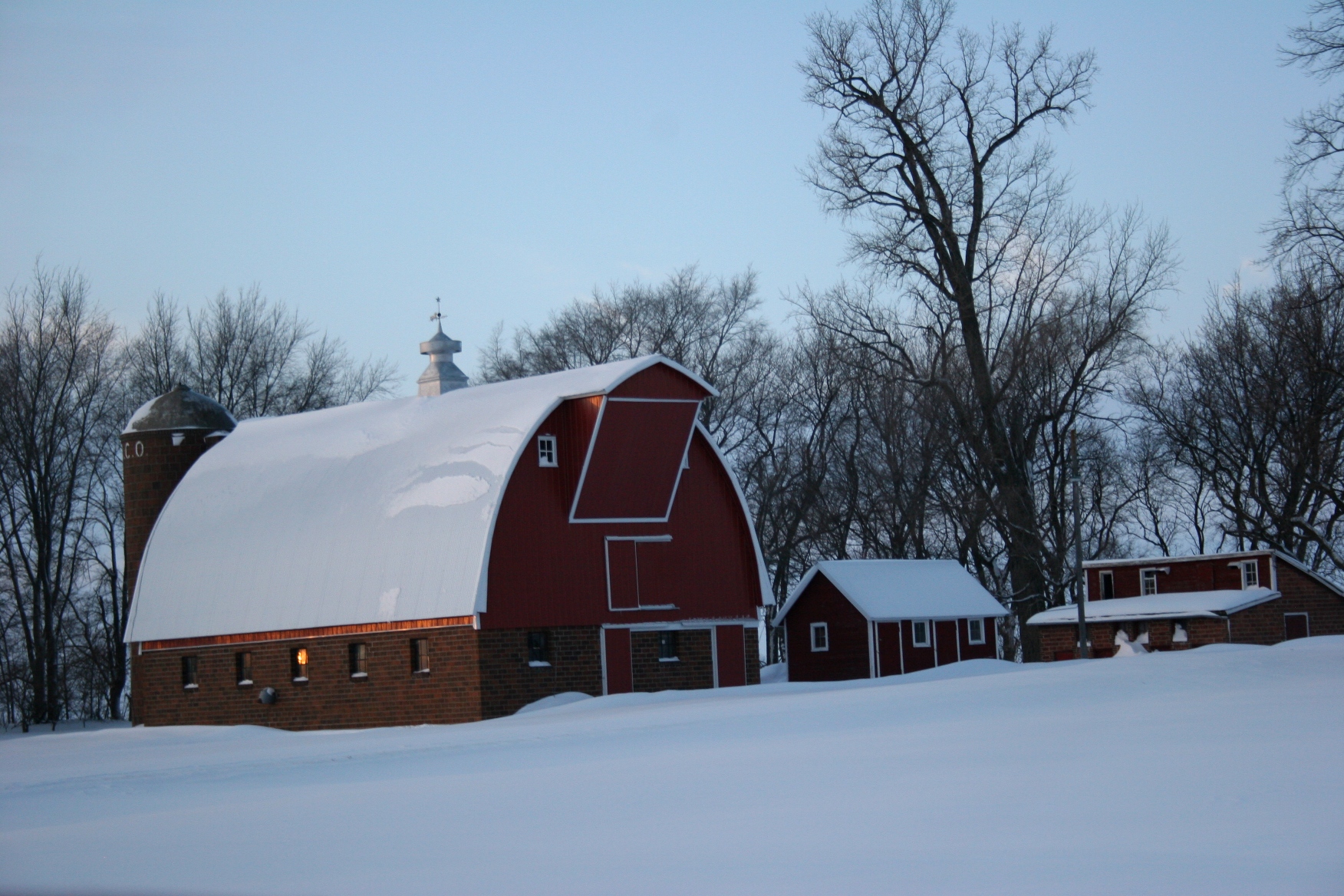
I love, especially, the red barns accented by the fresh-fallen snow, portraying an agrarian beauty that perhaps only someone who grew up on a farm can appreciate.

As much as I have disliked all of the snow we’ve had this winter, I saw only a beautiful winter wonderland when I was back home for Christmas on the prairie.

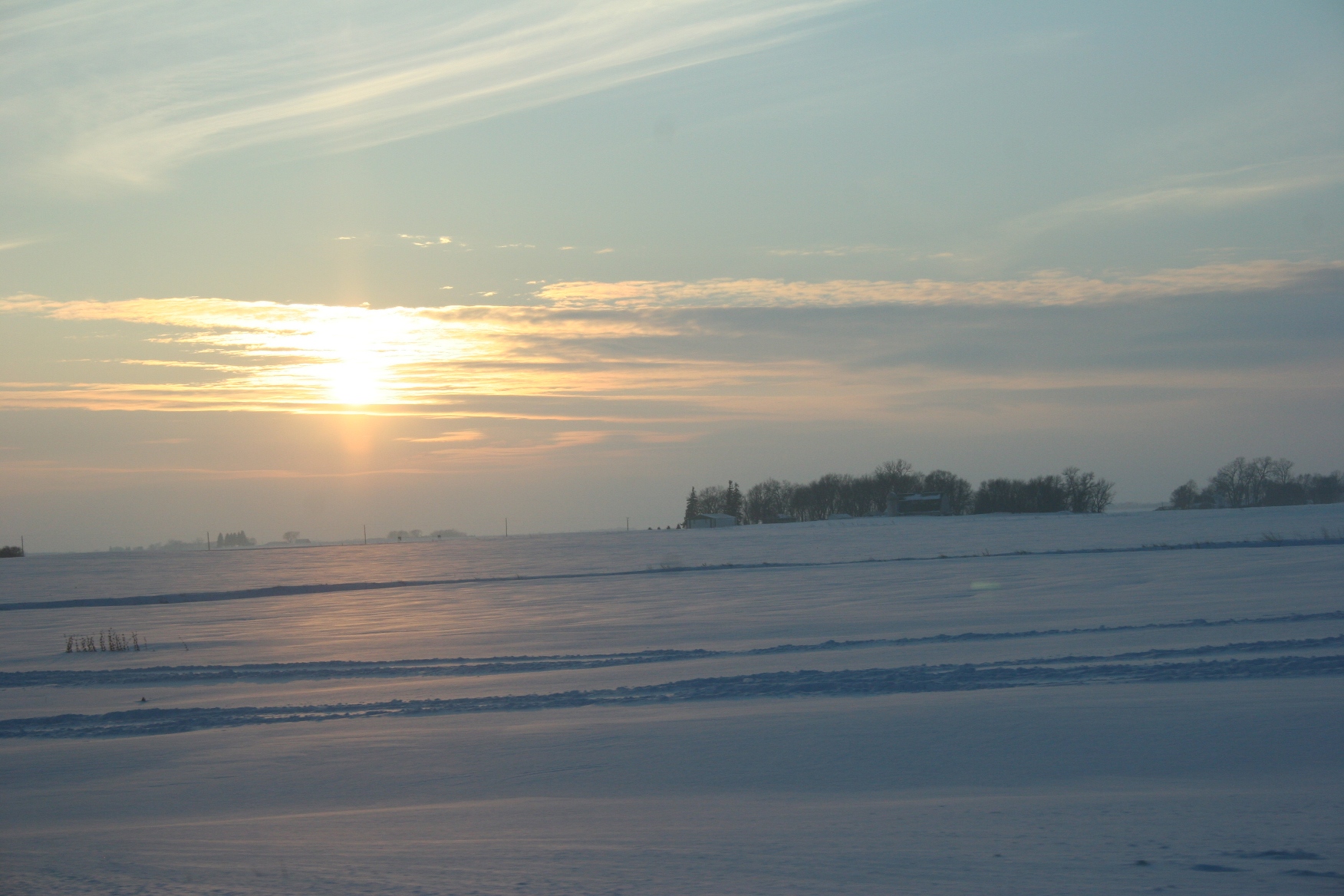
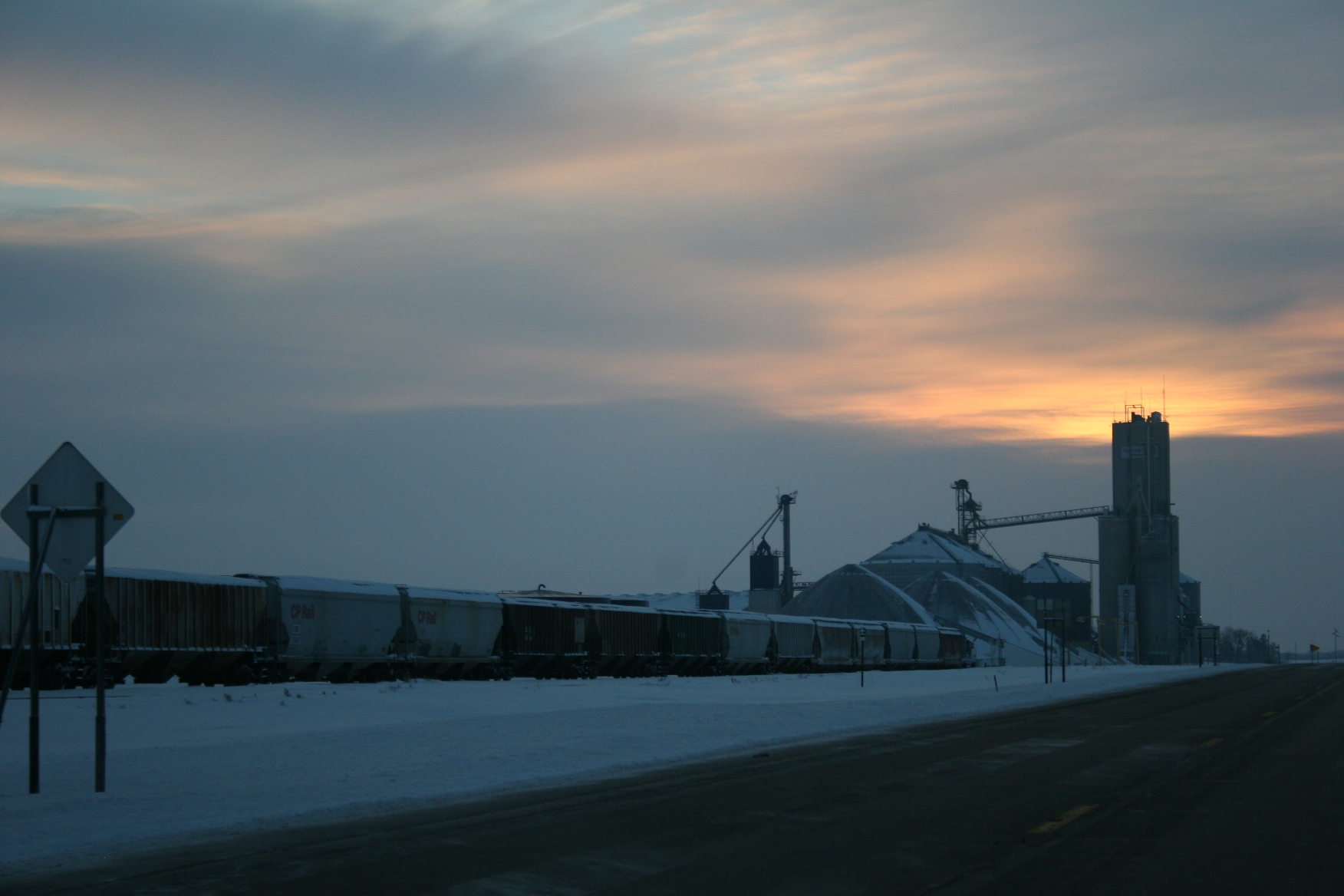
The sun begins setting over the prairie as we head west, passing through Sleepy Eye and Springfield before reaching Lamberton. We saw only occasional glimpses of sun on a mostly gray day.

The elevators in Sleepy Eye. Small-town prairie elevators like this can be seen for miles away.

One of many picturesque barns along U.S. Highway 14.

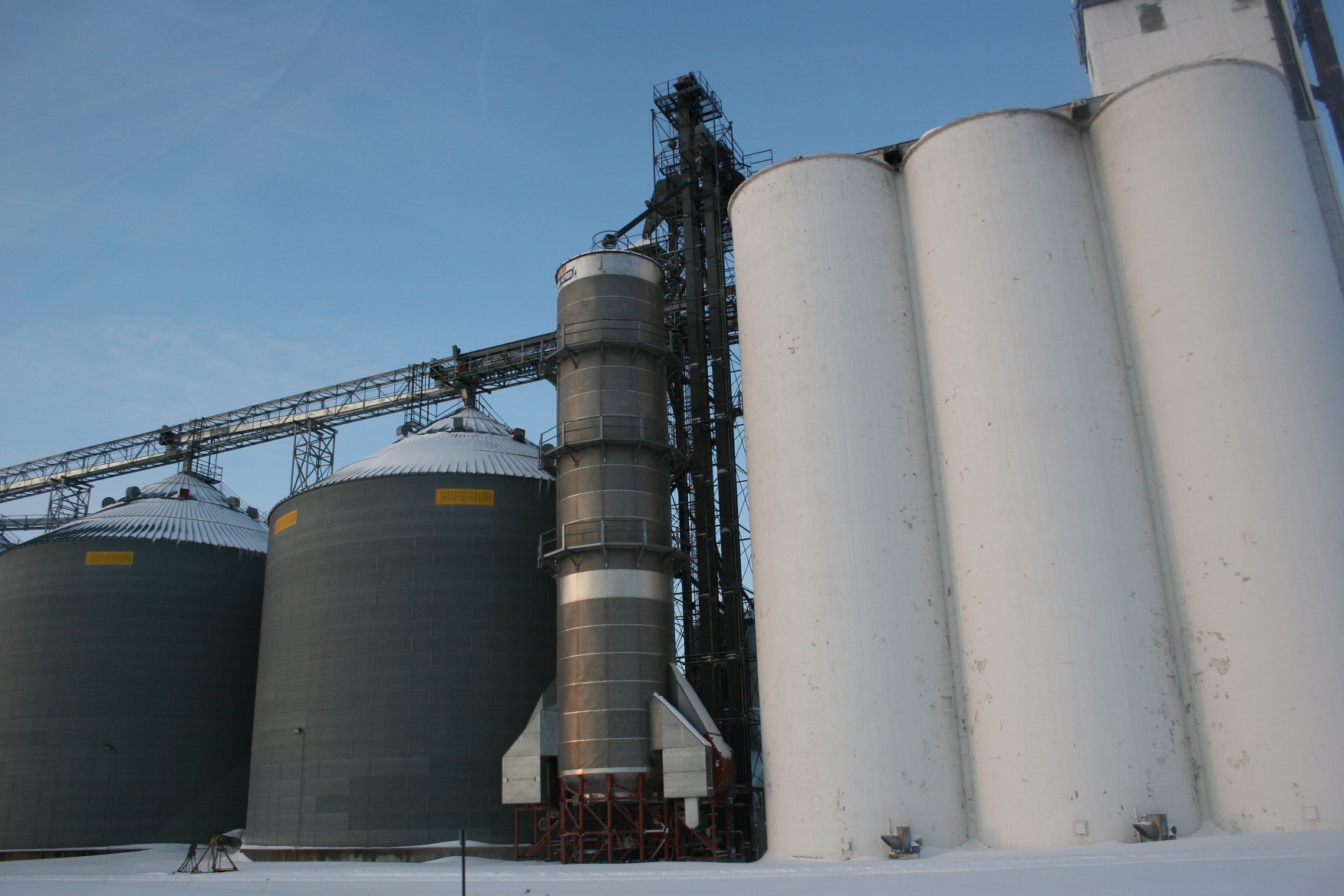
Elevators and trains are a common site along U.S. Highway 14 in the rich farmland of southwestern Minnesota. We've nearly reached our destination when I photograph this elevator complex near sunset.

© Copyright 2010 Audrey Kletscher Helbling