Minnesota Prairie Roots

Writing and photography by Audrey Kletscher Helbling
More than just mannequins in a Faribault shop April 2, 2024

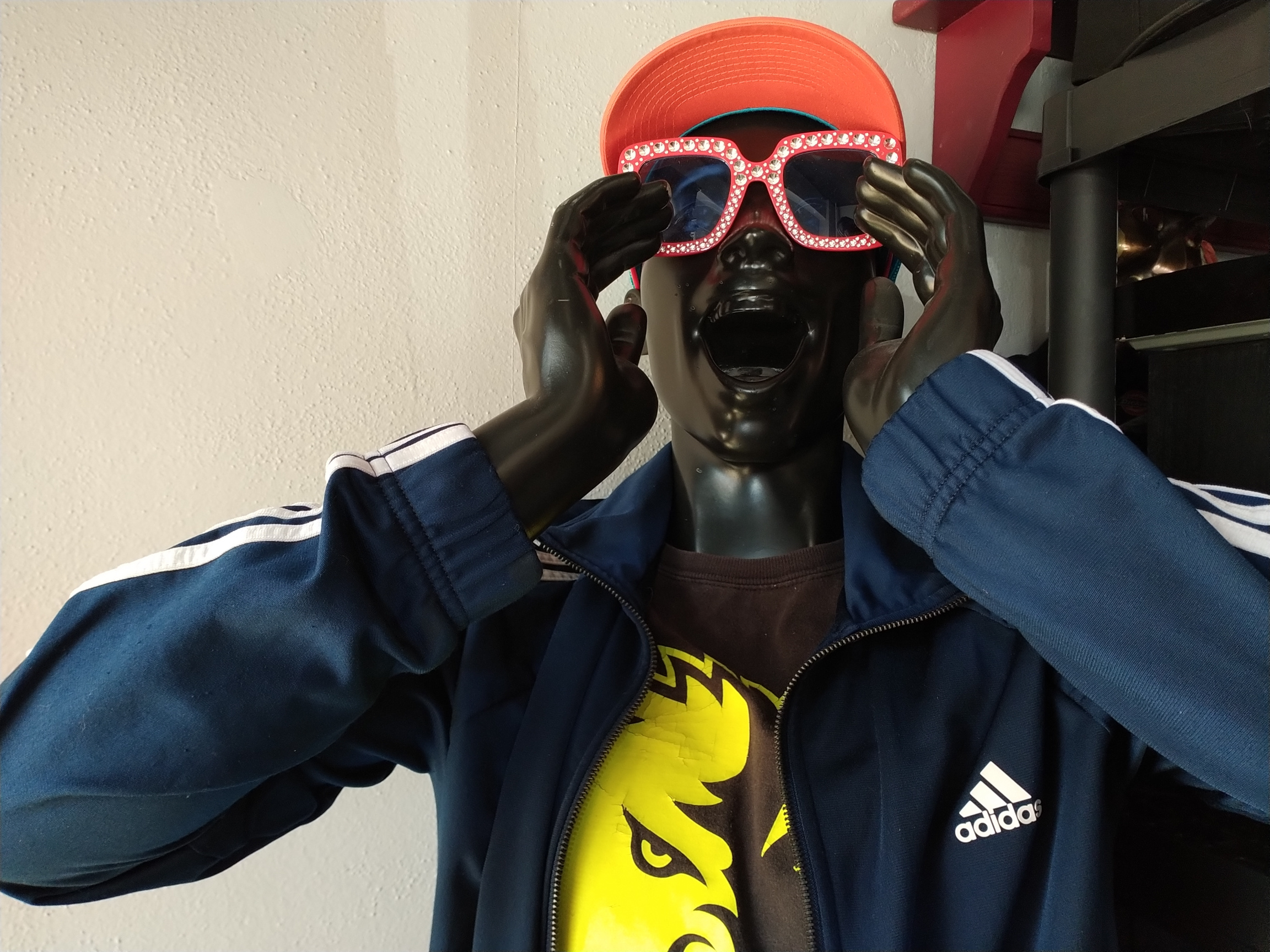
Joyful mannequin. (Minnesota Prairie Roots copyrighted photo March 2024)

AMONG THE TRANS-SIBERIAN ORCHESTRA TOUR and other t-shirts, the refurbished shoes, the hats, the colorful purses, the VHS tapes, the stereo and even the television set playing in black-and-white, they stood out. The dark-skinned mannequins, joyfully jubilant.

I happened upon the pair after popping into Closet Sale, a recently-opened thrift and secondhand shop in downtown Faribault. Inside the cozy space at 103 Central Avenue, they stood, mouths stretched wide as if to shout, “Welcome!” or perhaps, “Hey, you, stop and look!”

No matter what I imagined their words to be, I was drawn to the two. Drawn by their poses. Drawn by their expressions. And drawn by their skin color. I don’t recall ever seeing a black mannequin in a local store, even though Faribault is home to many people whose skin tone is anything but white.

Love the vivid LEGO glasses on this mannequin. (Minnesota Prairie Roots copyrighted photo March 2024)

Upon seeing the extroverted pair, I felt as happy as they appeared. They had character. Spirit. Personality. Their bold over-sized glasses added fashion flair. They seemed the creative type—perhaps musicians or painters of vivid abstracts or performers.

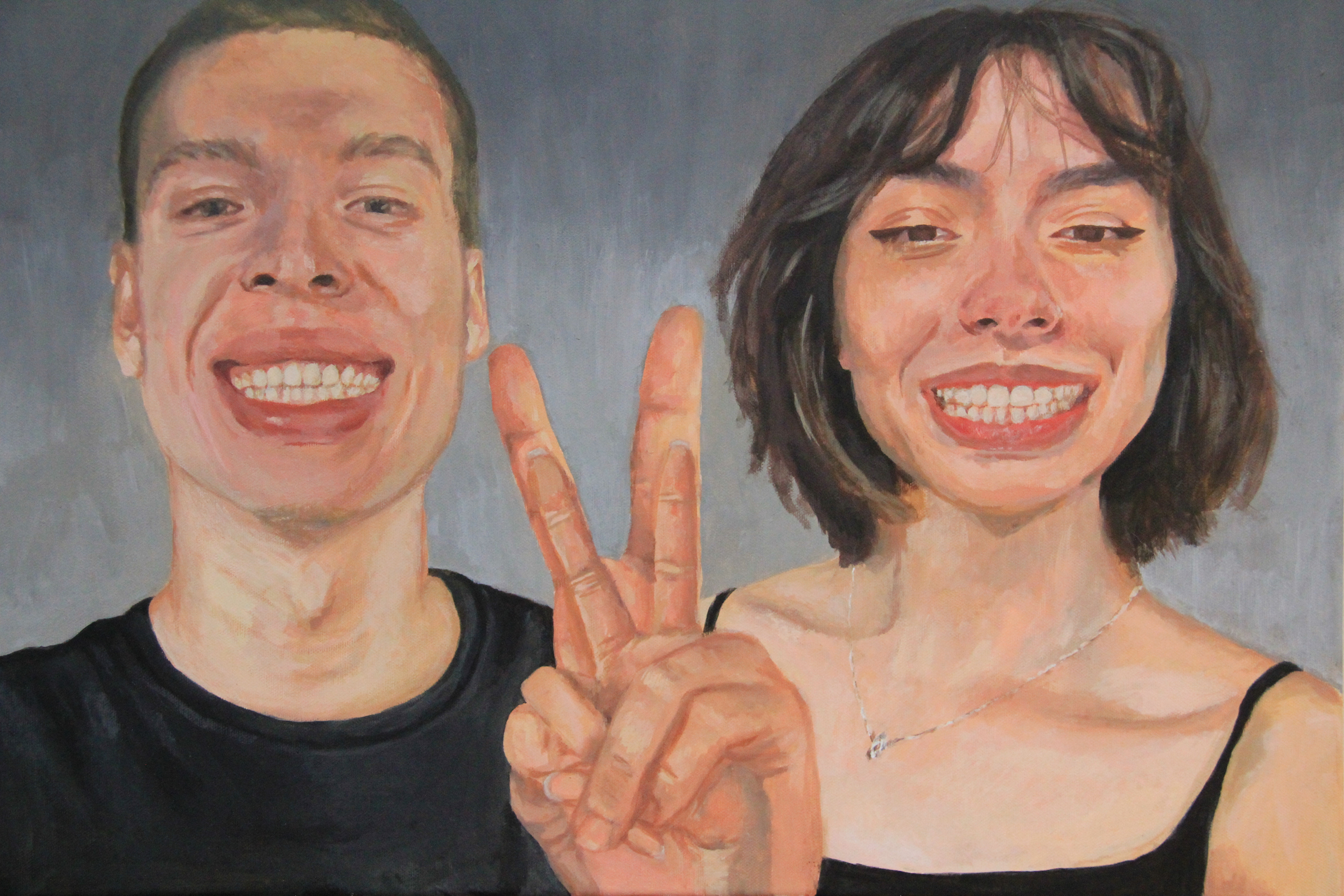
I recognize that’s a lot to take from two store mannequins. I offer no apologies. To me, the duo are more than plastic models showcasing merchandise. They represent my culturally diverse community, including the man who runs Closet Sale. He’s Juan Pablo Zuñiga Navarro, native of Chile.

I appreciate diversity of ownership in Faribault’s historic district. Today’s downtown core is no longer just that of white ownership. Those of Hispanic and Somalian ethnicity also now run businesses along and bordering Central Avenue. We’ve come full circle. Immigrants from many countries, all speaking different languages and with their own customs, faiths and dress, settled this city. Set up shop. Crafted shoes. Built furniture. Brewed beer. Sold dry goods. And much more. All to make a better life for themselves and their families in the land of opportunity.

Just like yesterday, the immigrants of today are working hard to achieve the American dream. Many have escaped war-torn countries, violence, extreme poverty. I recognize that. So I welcomed Juan Pablo to Faribault, told him, “I’m happy to have you here!” I am. And I’m happy also to have those two spirited mannequins, who welcomed me into Juan Pablo’s shop. Joyfully. Exuberantly.

© Copyright 2024 Audrey Kletscher Helbling
 

“I Am Minnesota” immigrant portraits & stories inspire September 11, 2023

Portraits and stories, including that of Tin Tea owner, Chau, second from right, are featured in the newest “I Am Minnesota” exhibit. (Minnesota Prairie Roots copyrighted photo September 2023)

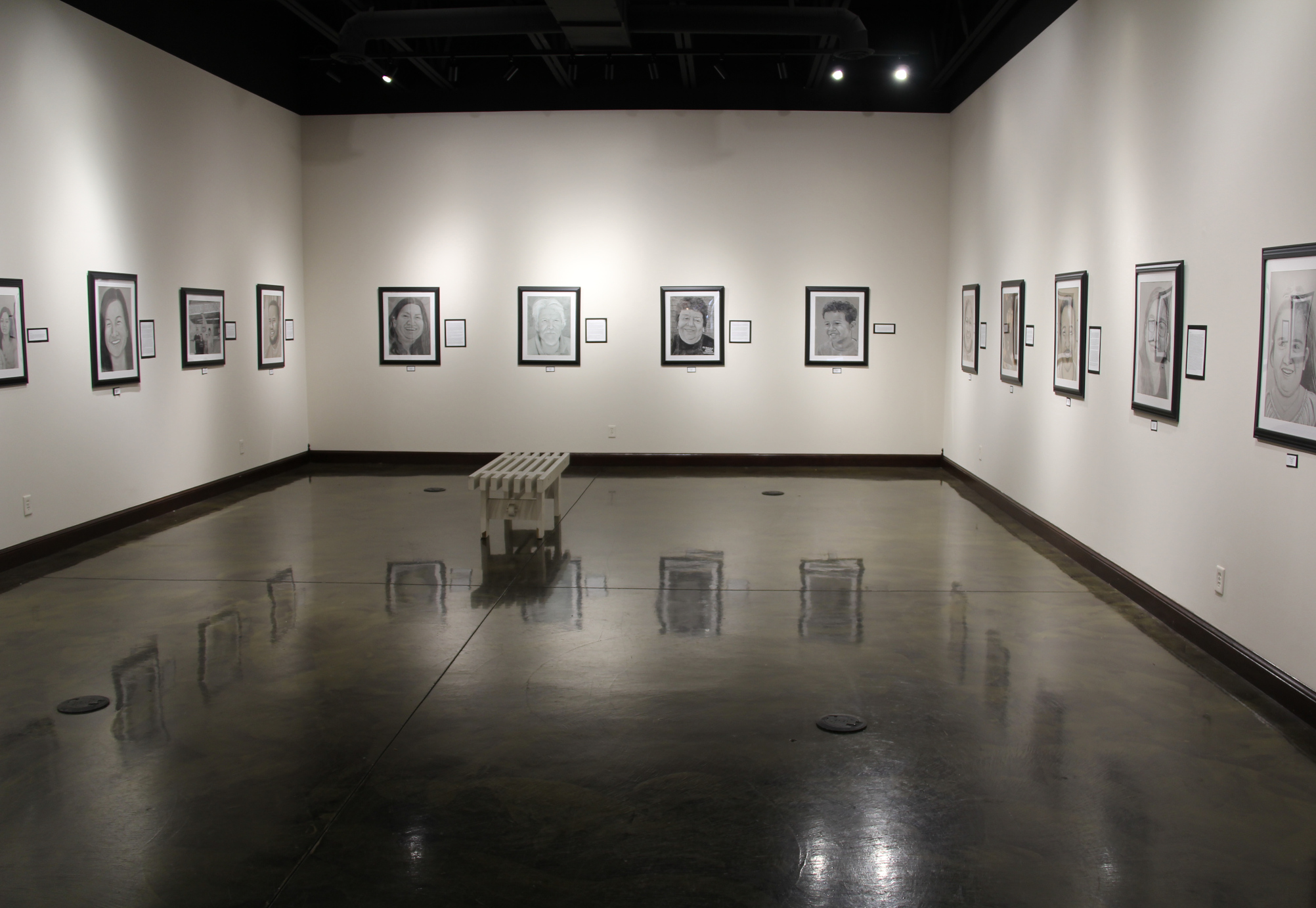
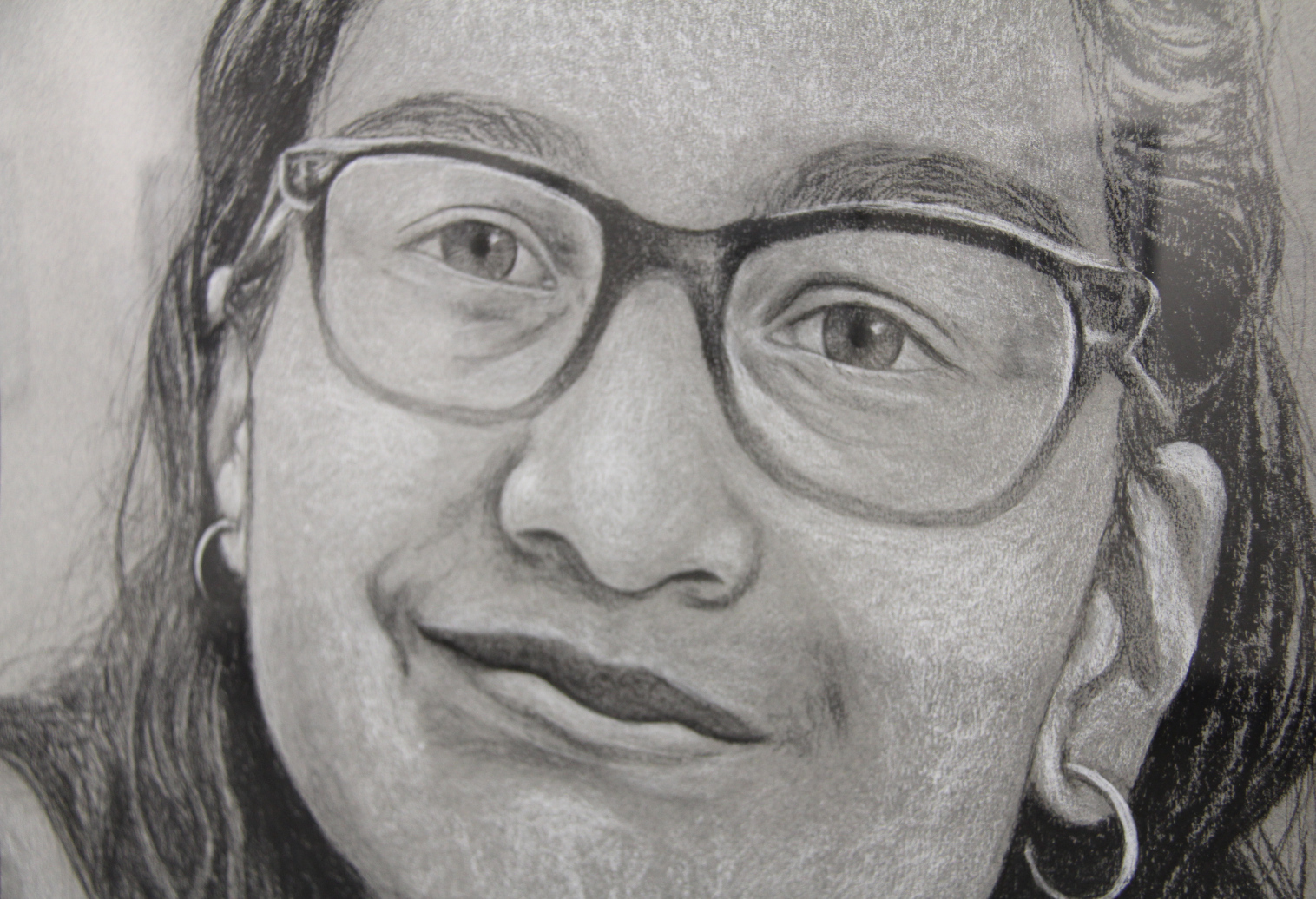
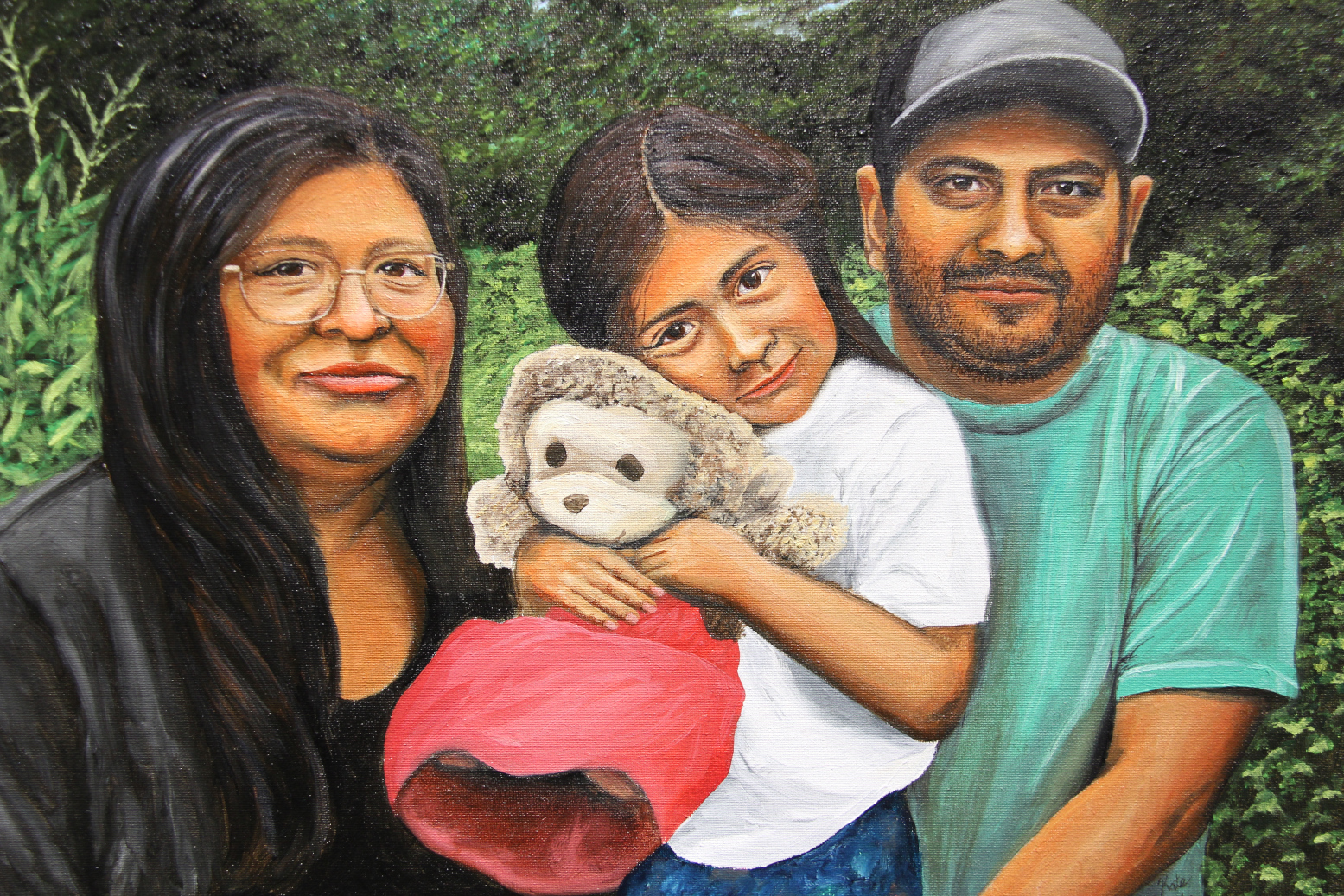
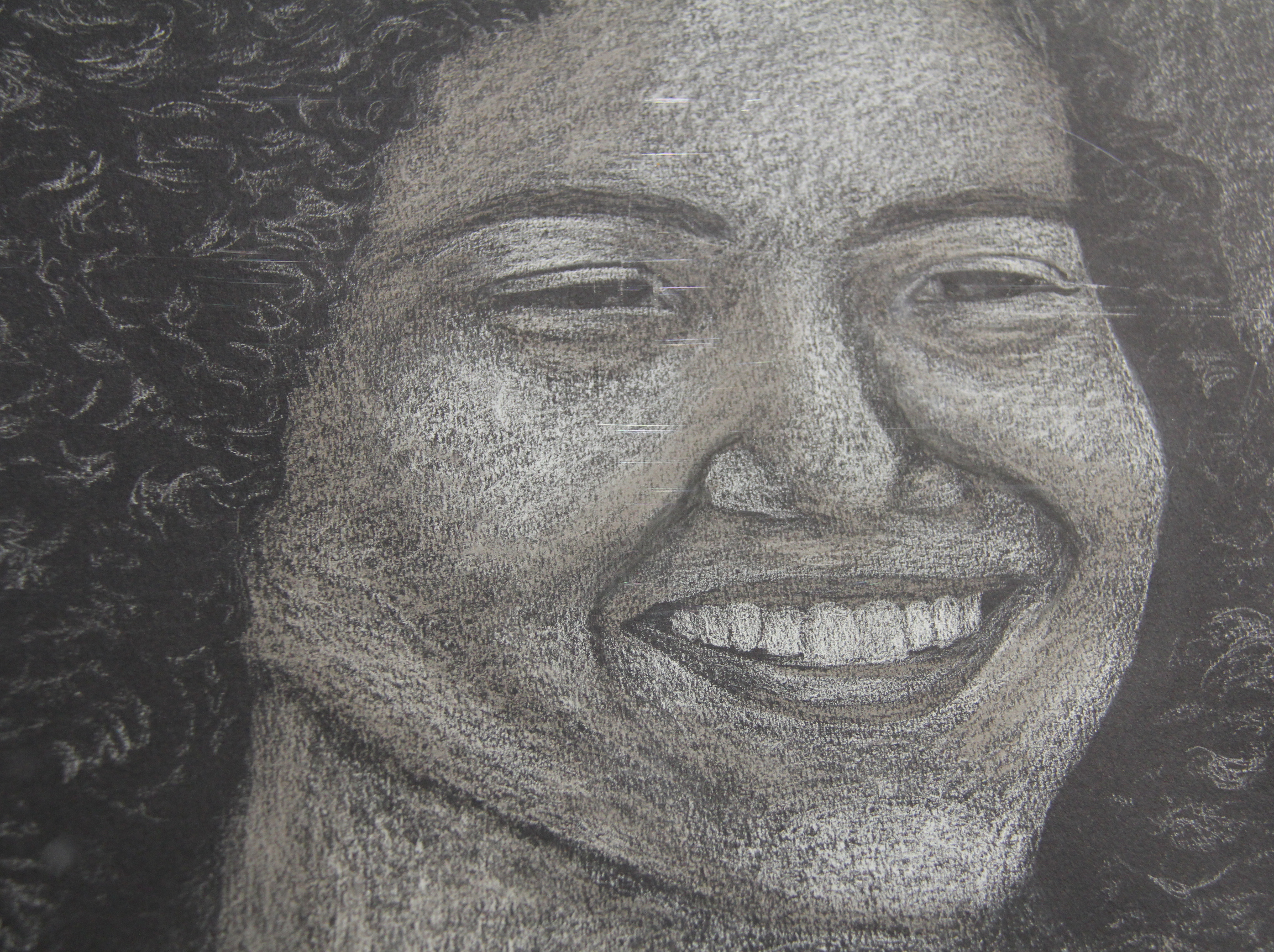
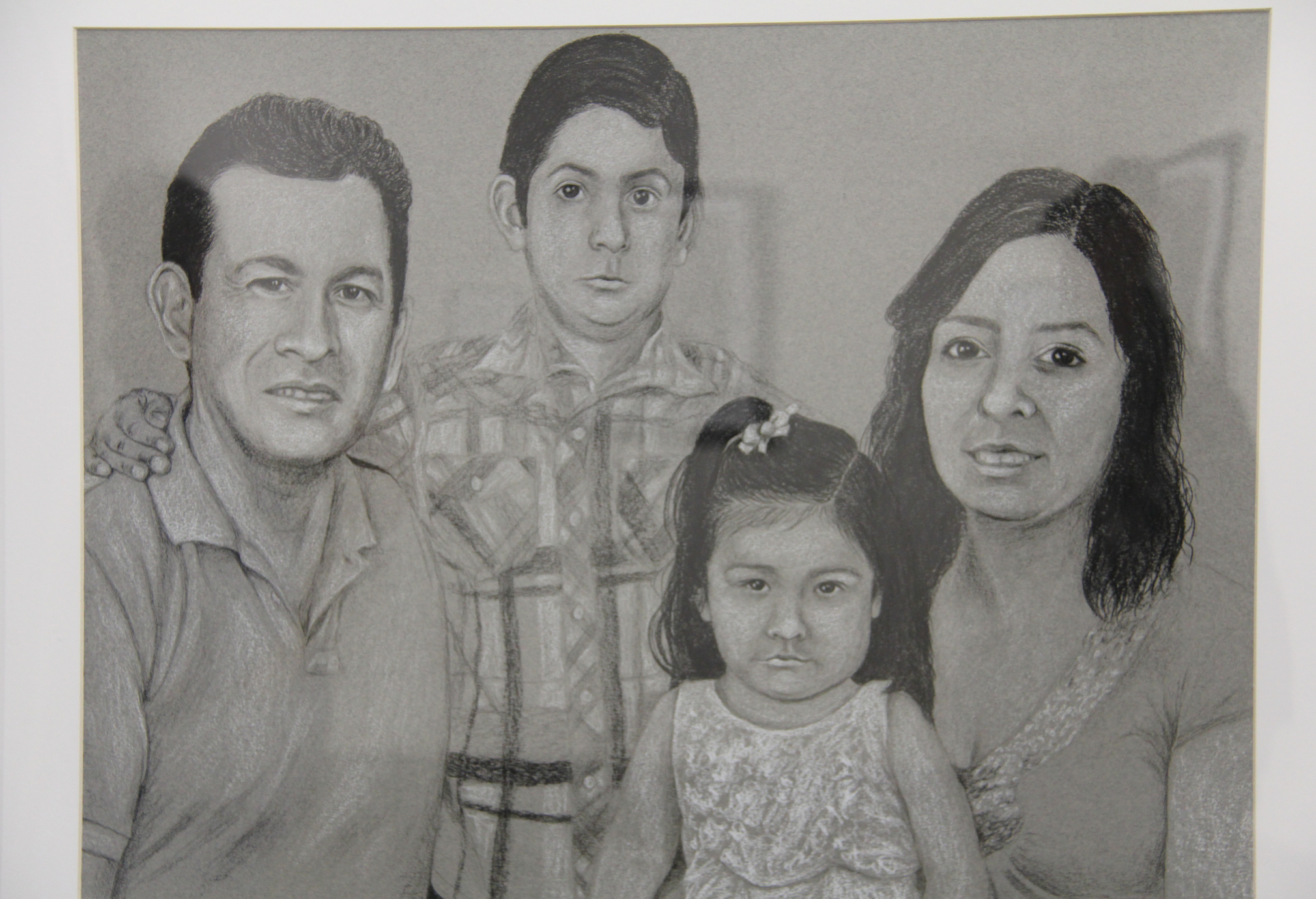
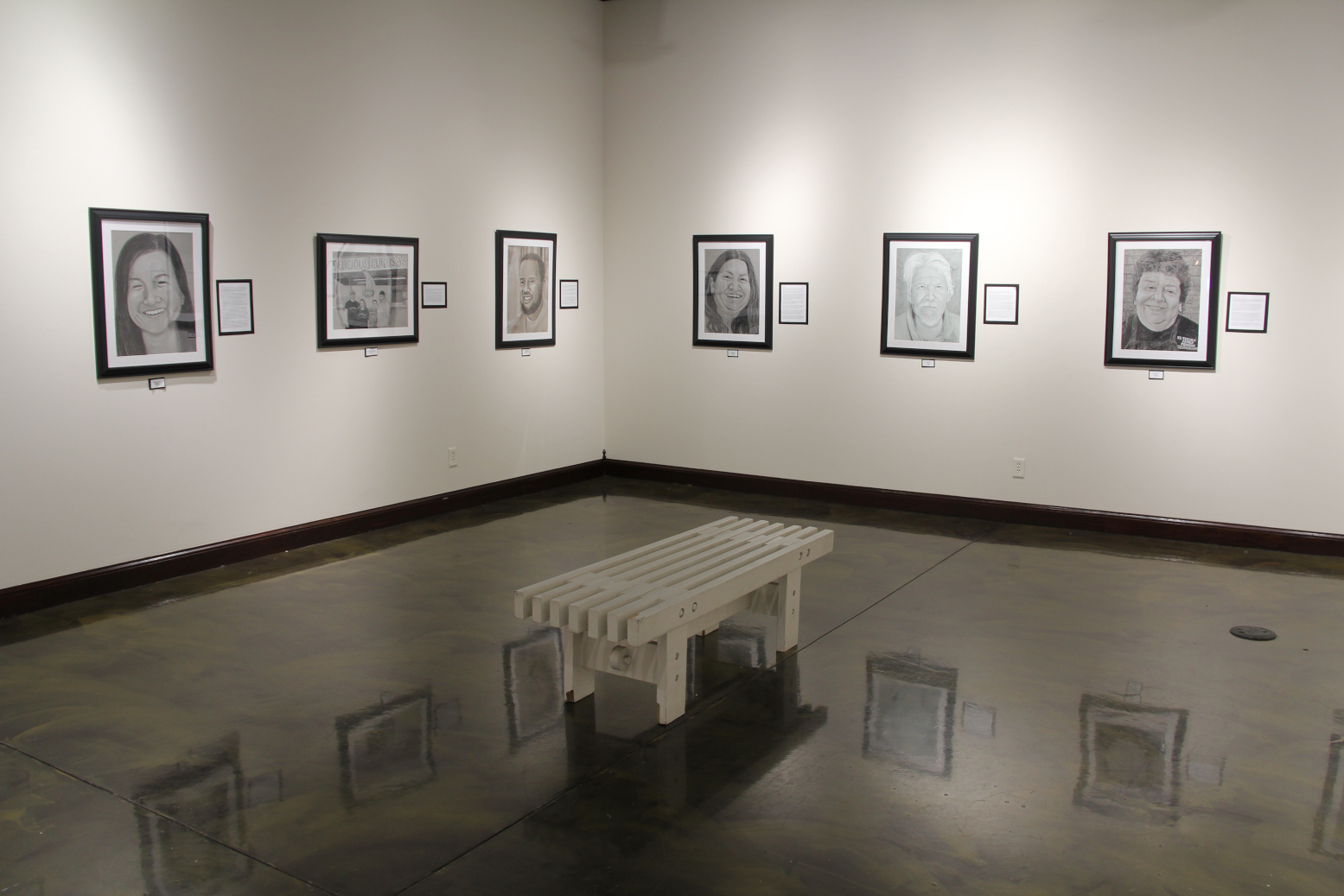
IN THE CORRIDOR LINKING Buckham Memorial Library and the Faribault Community Center, 13 portraits of immigrants and second-generation immigrants line the walls. They are the work of Faribault artist Kate Langlais in her updated “I Am Minnesota” project.

“Faysel,” who fled the war in Somalia. (Minnesota Prairie Roots copyrighted file photo September 2020)

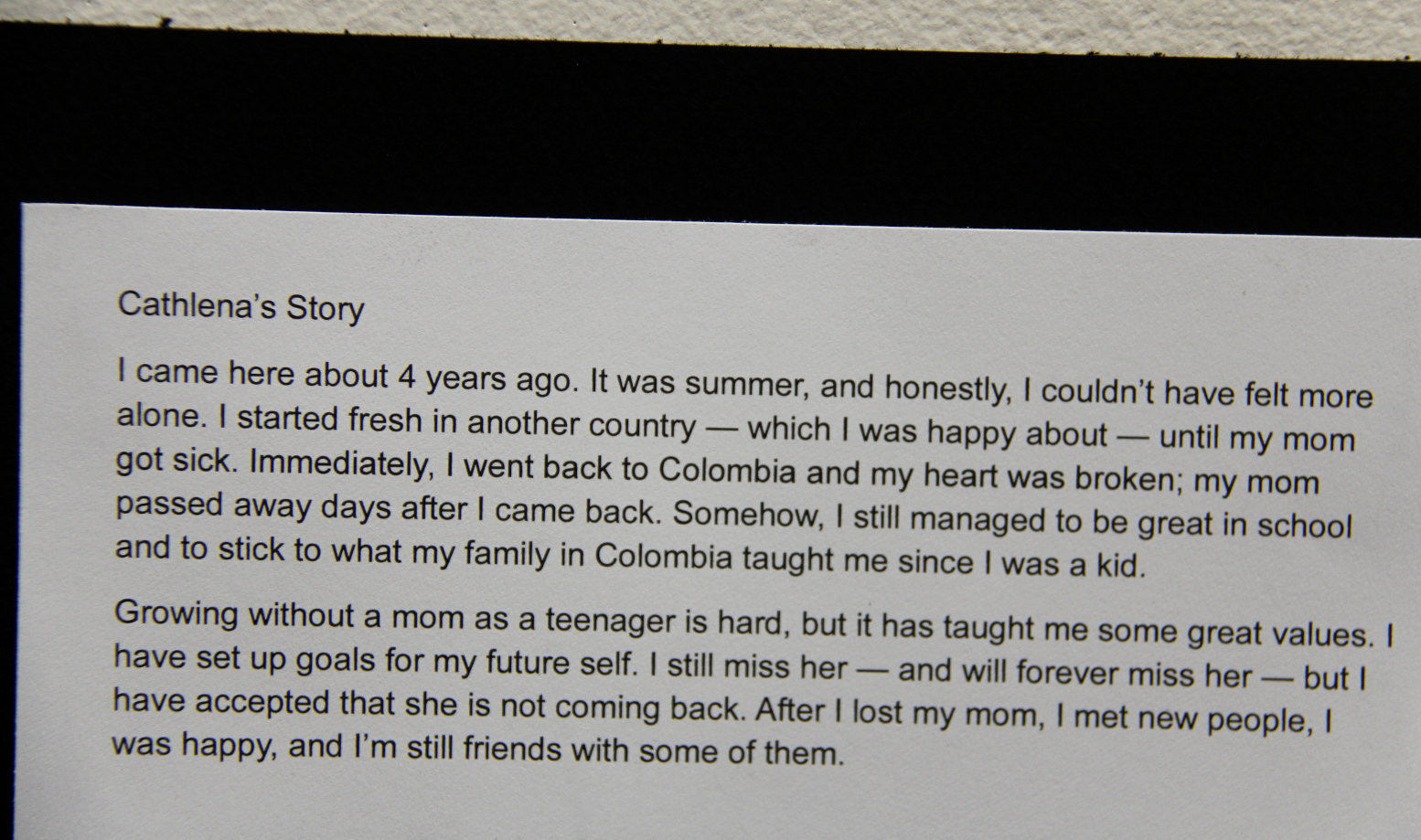
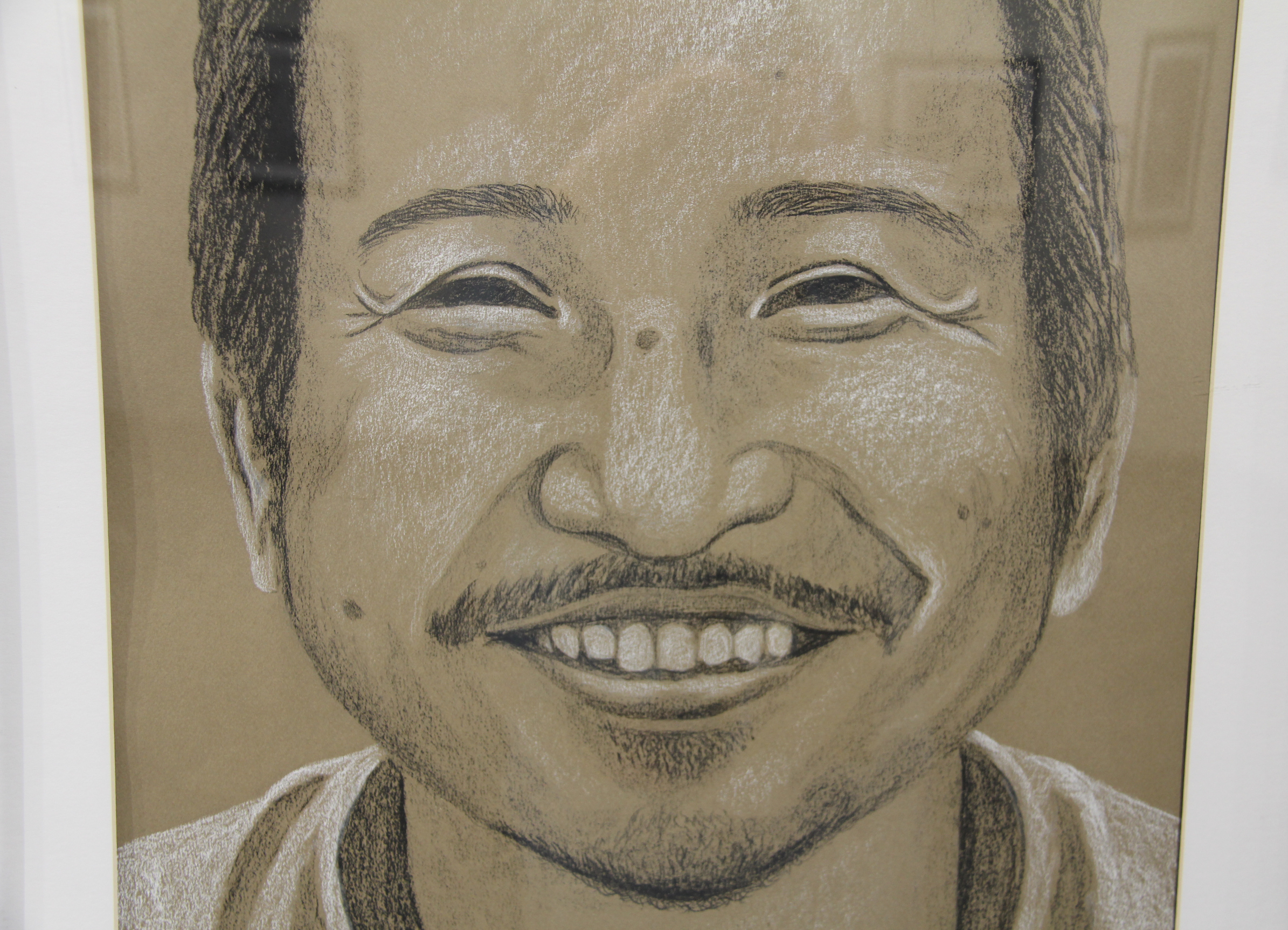
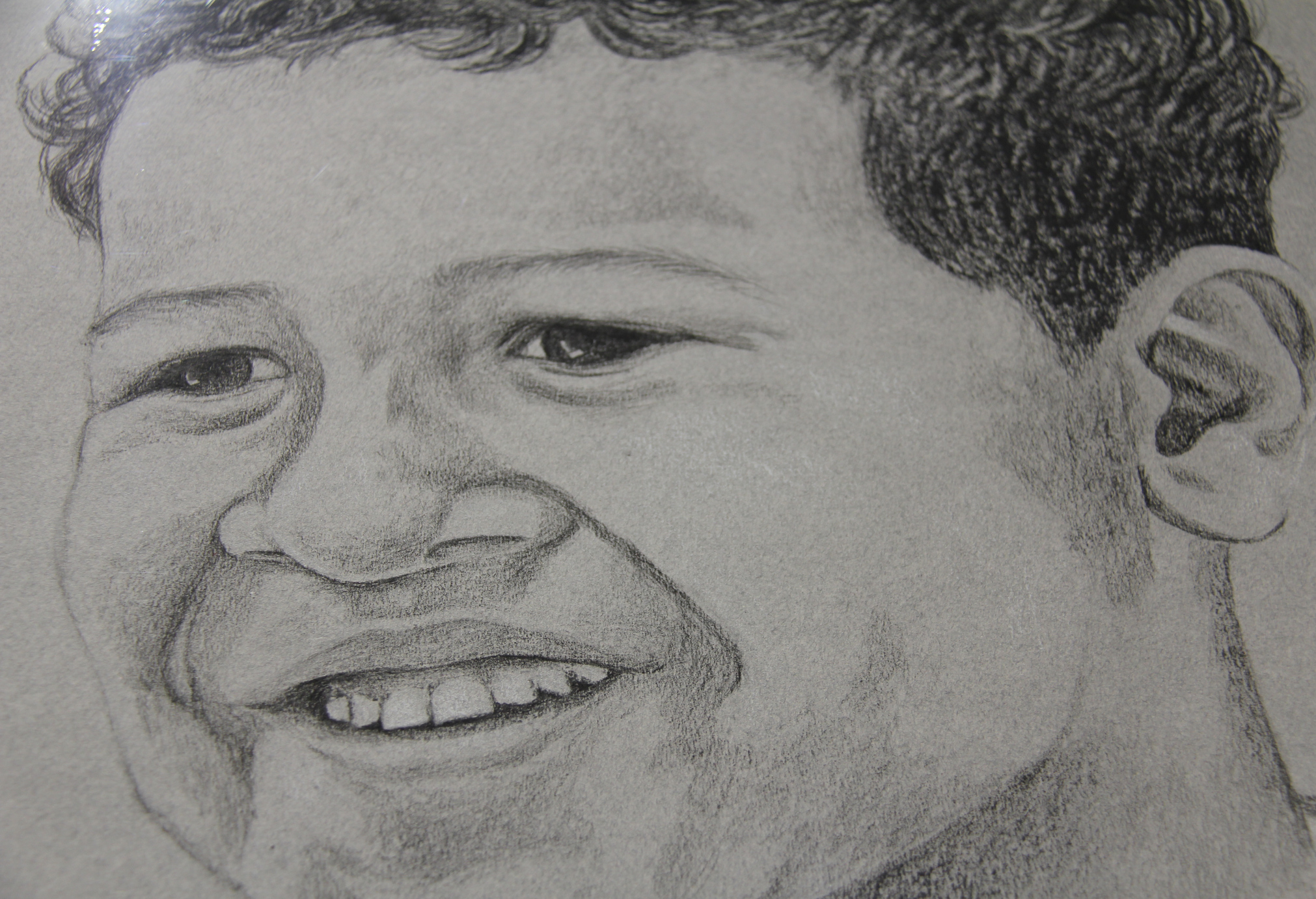
This is a remarkable and revealing exhibit, which stretches well beyond faces portrayed primarily in black and white charcoal on gray paper. Langlais also includes the stories of those who now call this region home. Those stories hold the challenges and dreams, the successes, the gratitude and more of individuals who have become integral, and important, parts of our communities.

Faysel’s story from Langlais’ 2020 “I Am Minnesota” exhibit. (Minnesota Prairie Roots copyrighted file photo September 2020)

I saw Langlais’ first “I Am Minnesota” exhibit in 2020 at the Paradise Center for the Arts. She includes seven of those 2020 portrait-story pairings in her latest installation along with six new featured individuals. I appreciate her work today as much as I did three years ago.

Kate Langlais at work in her home studio. (Photo courtesy of Kate Langlais, 2022)

In her artist’s statement, Langlais states in part that, “It is an honor to learn about each individual’s hardships and perseverance, as well as the beauty of their hopes and dreams.”

“Hilda,” successful Faribault business owner. (Minnesota Prairie Roots copyrighted photo September 2023)

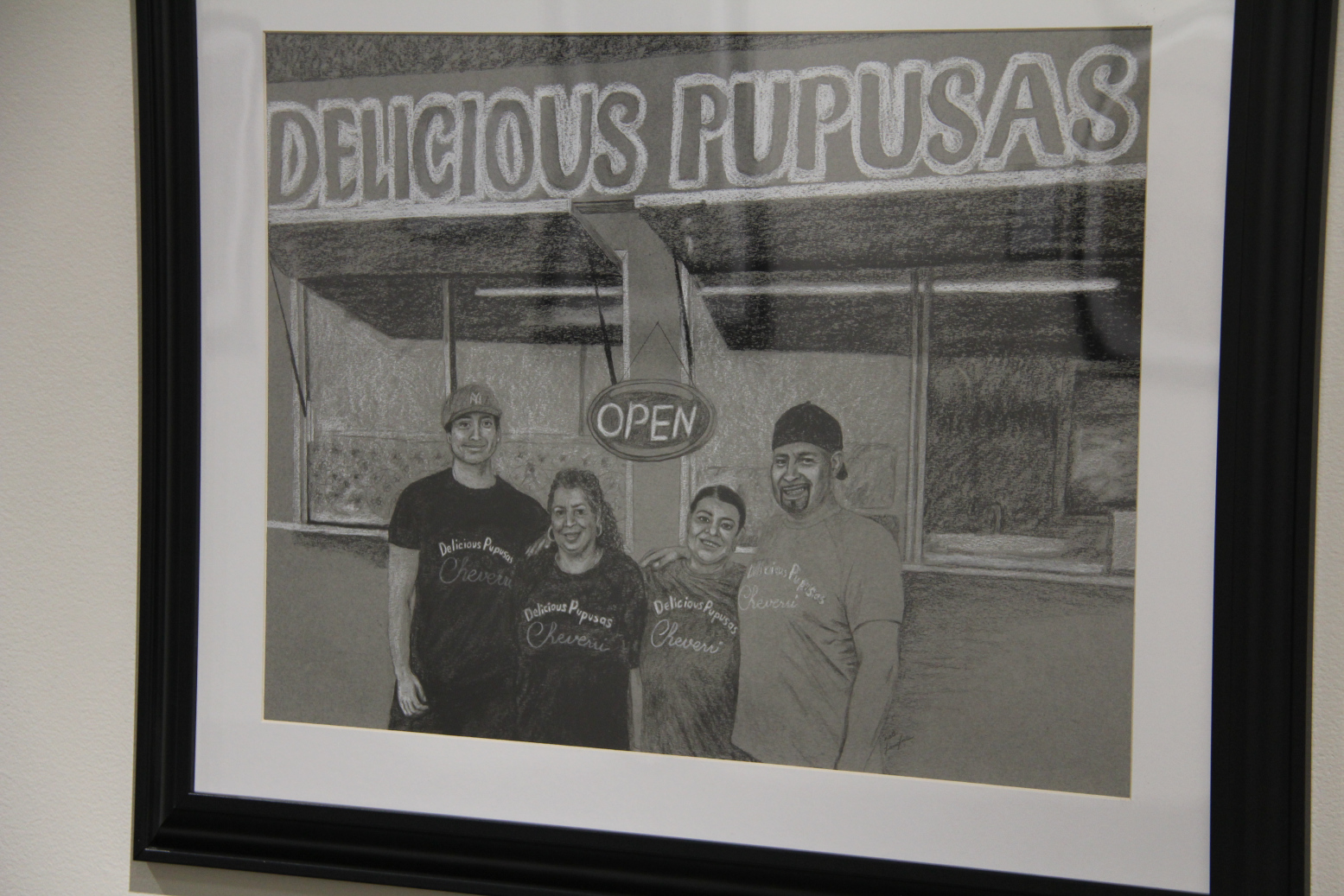
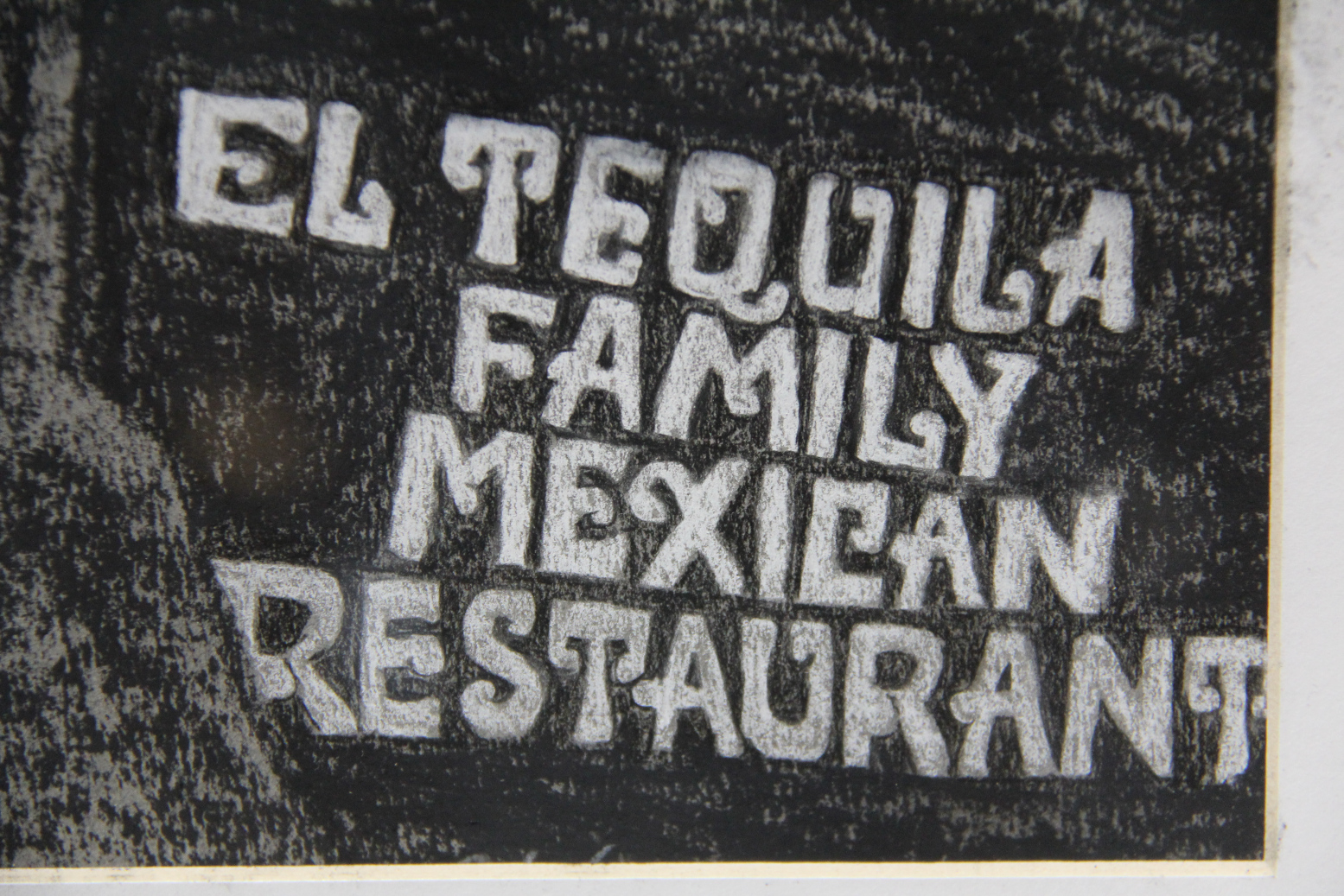
That includes the hopes and dreams of Hilda, who came to Faribault in 1996 with the goal of opening a family-run restaurant serving authentic Mexican food. Twenty-seven years later, El Tequila Family Mexican Restaurant is still going strong, even expanding to other communities. Hilda overcame a vocal naysayer who doubted such a restaurant could survive, let alone thrive, in Faribault. She proved him wrong and, in her story, expresses gratitude to a supportive community.

Likewise, another woman with a dream, second-generation Vietnamese-American Chau, opened Tin Tea in Northfield in June 2021 at the age of 19 while also a full-time student at St. Olaf College. Her story begins with gratitude to her parents: “My parents’ incredible journey from Vietnam to a new land left an indelible mark on my life. Filled with hardships and unwavering determination, their arrival in a foreign land with nothing but hope and courage inspired me deeply.”

An unidentified “I Am Minnesota” portrait of a woman hangs next to a drawing of Peter. (Minnesota Prairie Roots copyrighted photo September 2023)

To read these stories, to view these portraits, is to witness the strength and determination of individuals like Hilda and Chau. And Peter, an immigrant from the Netherlands who moved with his wife Virginia to Faribault in 2002. Since then, Peter, now a U.S. citizen, has volunteered tirelessly in Faribault, heading up the International Festival, being selected as “Citizen of the Year” (along with Virginia), elected to the City Council, recently named the new Rice County fair manager and more.

Included in Hilda’s portrait is the name of her successful Mexican restaurant, the first in Faribault and now one of several. (Minnesota Prairie Roots copyrighted photo September 2023)

Thirteen faces. Thirteen stories. They are ours to view, to read, to appreciate. For in seeing, we put faces to the word “immigrants.” For in reading, we learn their backstories. And in both, we begin to understand that our newest neighbors and their families overcame much to call this place, this southern Minnesota, home.

FYI: Kate Langlais’ “I Am Minnesota” exhibit will be up until Friday, September 15. A closing reception is slated for 5-7 pm with a free portrait drawing class beginning at 6 pm. Register for the drawing class at Faribault Parks and Recreation.

© Copyright 2023 Audrey Kletscher Helbling
 

Reflecting on a Faribault first on this, MLK Day January 16, 2023

I took this photo of a St. Olaf College student watching a video in an exhibit, “Selma to Montgomery: Marching Along the Voting Rights Trail,” in 2015. Dr. Martin Luther King Jr is shown in this frame. (Minnesota Prairie Roots copyrighted file photo April 2015)

TODAY, THE DAY WE HONOR Civil Rights activist Dr. Martin Luther King Jr with celebrations and a federal holiday, seems fitting to share my excitement over the election of Adama Youhn Doumbouya to the Faribault City Council. Elected in November and just recently taking office, the Liberian-born immigrant becomes the first person of color to serve on the Council in a city chartered on April 9, 1872.

I expect Dr. King, who advocated tirelessly for equality and human rights, would be proud. I feel not only pride, but also gratitude in knowing that Doumbouya will bring a new young voice (he was born in 1987) and perspective to my ever-changing city.

This is my all-time favorite award-winning photo showing diversity in Faribault. I shot this image at the 2012 International Festival in Central Park where kids gathered to break a piñata. (Minnesota Prairie Roots copyrighted file photo 2012)

Today’s Faribault is vastly different from the Faribault of the past, even of recent decades. It is decidedly more diverse in skin tones, religion, culture, customs, dress, language and more. Admittedly, those who have moved here from places like Somalia, Sudan and Mexico have not always been welcomed. Racism exists. Sometimes subtle, sometimes blatant. I wish that wasn’t true, but it is.

Faribault is a city rich in immigrant history. This banner hangs in the downtown historic district. (Minnesota Prairie Roots copyrighted file photo 2019)

In the context of this evolving, diverse Faribault, it’s important to remember that nearly all of us (with the exception of indigenous peoples) are descendants of immigrants. Too often we forget that. Our forefathers landed in America, then Minnesota, with dreams. Faribault’s newly-elected councilman, who witnessed civil war in his home country along the west coast of Africa, landed in New York City in 2013 with dreams.

Visitors could photograph themselves at the 2015 “Selma” exhibit at St. Olaf College and express their thoughts. (Minnesota Prairie Roots copyrighted file photo 2015)

Although I’m not privy to Doumbouya’s personal dreams, I’ve read his backstory published in a Faribault Daily News feature. After moving to Minnesota, he worked at a meat-packing plant in Austin, south of Faribault near the Iowa border. He served on the Austin Planning Commission. Eventually, he pursued a college degree, earning a Bachelor of Science degree in urban and regional studies. He moved to Faribault in 2020, owns a home here.

That’s a nutshell summary of the background Doumbouya brings to city government. Responses to a Q & A published pre-election revealed a candidate eager to serve his community. Eager to advocate for affordable housing, transportation and inclusive workforce development. Eager, too, to improve city infrastructure and technology for residents and businesses. Eager to focus also on economic development. I’m confident he will work hard on those goals of improving life and expanding opportunities in Faribault.

This image from a 2015 Downtown Faribault Car Cruise Night shows the diversity in my city. (Minnesota Prairie Roots copyrighted file photo 2015)

It took a long time—going on 151 years—for my city to get here, to the point of a person of color serving on the City Council. It took time, too, for social justice activist Dr. Martin Luther King Jr. to make progress towards equality and human rights for all. As we approach the 55th anniversary of King’s assassination on April 4, 1968, in Memphis, much work remains to be done.

A promo for the MLK Breakfast in Faribault. (Credit: Faribault Diversity Coalition)

The same can be said in Faribault. But I see progress. I see progress in the election of Doumbouya to the City Council. I see progress via the efforts of the Faribault Diversity Coalition, which today hosts its ninth annual MLK Breakfast and has also started a recent Speaker Series. I see progress in personal connections and communication and caring attitudes. Faribault’s future is as limitless as our dreams.

© Copyright 2023 Audrey Kletscher Helbling
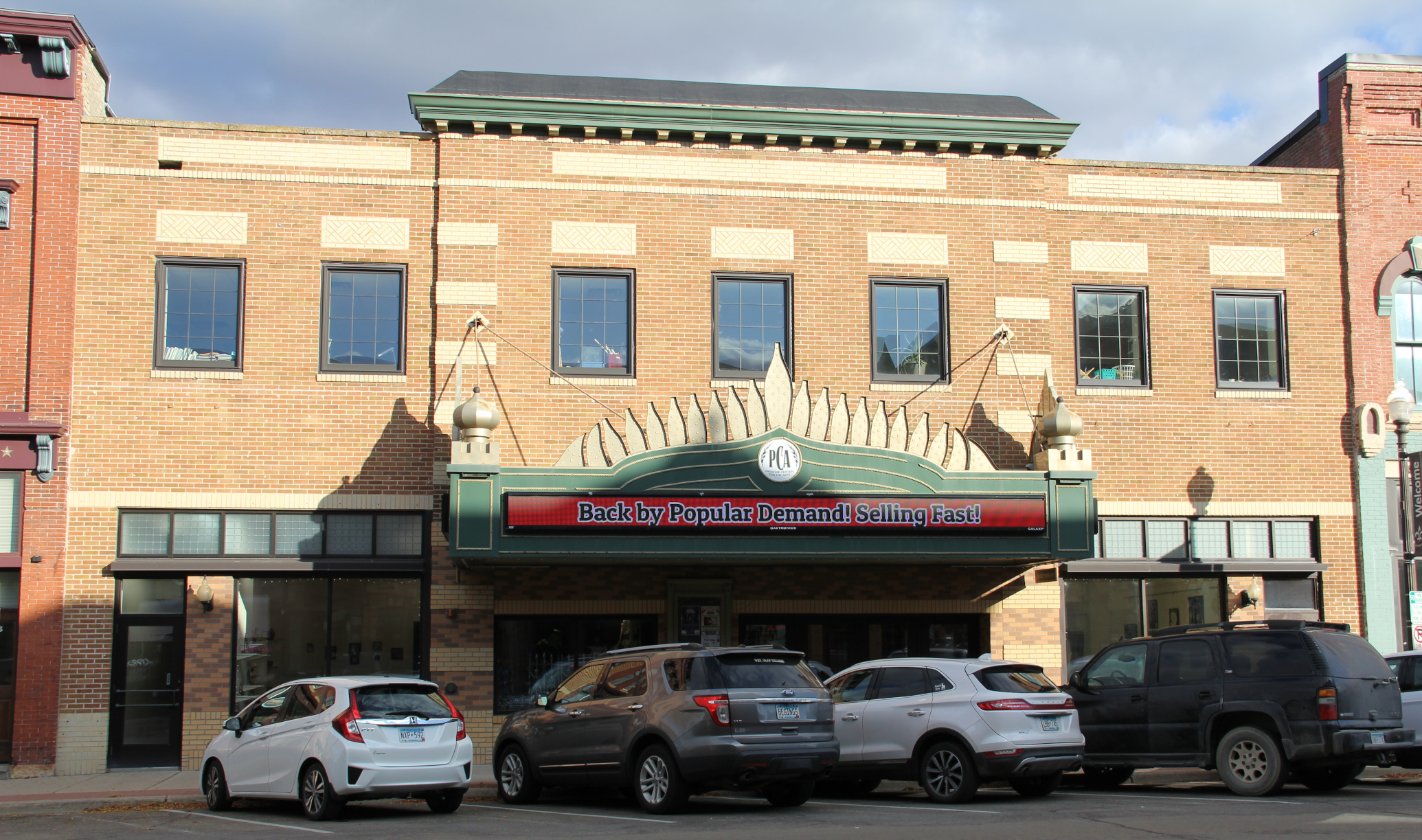
Note: Adama Youhn Doumbouya’s photo is not included on the City Council website page, leaving me without an image to share here.


A bit of Norway at a country church in the Sogn Valley November 10, 2021

A simple country church, Eidsvold Norwegian Methodist. (Minnesota Prairie Roots copyrighted photo October 2021)

WHENEVER I HAPPEN upon an aged rural Minnesota church, as I did recently in Leon Township south of Cannon Falls, I wonder about the immigrants who founded it. What are their stories? How did they feel living an ocean apart from their beloved homelands and families? I admire their strength. Their ability to board a ship and sail toward The Land of Opportunity.

A Norwegian name in the Eidsvold Church cemetery. (Minnesota Prairie Roots copyrighted photo October 2021)

Oftentimes, the very names of these country churches and the names of those buried in the churchyard cemeteries reveal roots and heritage.

A brief history of the church. (Minnesota Prairie Roots copyrighted photo October 2021)

The small white clapboard church Randy and I discovered on 70th Street in the Sogn Valley area was clearly founded by Norwegian immigrants. Eidsvold Norwegian Methodist Church banners a sign with a brief history. Founded in 1893. Also known as “Ring Church.” Built by Gulbrand Nilson. Last service in 1949.

My initial view of the Eidsvold Church. (Minnesota Prairie Roots copyrighted file photo October 2021)

An online search dates the congregation’s organization to 1860. Perhaps the signage date references building construction. I couldn’t find much other information other than parishioners originally meeting for worship in homes, a common practice.

My own great grandfather, Rudolph Kletscher, who immigrated to the US from Germany in 1885, eventually settling on a farm near my hometown of Vesta in southwestern Minnesota, opened his home for worship. A pastor from the Lutheran church in neighboring Echo led services for 8-9 families and in 1900 those German immigrants built St. John’s Lutheran Church in town.

For those brave souls settling in a new land, I expect their faith provided comfort, strength and hope. And a place to gather, to sing and pray in their mother tongue, to support one another, to socialize. To celebrate. Baptisms. Weddings. Confirmations. Christmas and Easter. And to mourn.

Marthina Ring’s unassuming marker. (Minnesota Prairie Roots copyrighted photo October 2021)

The final service held at Eidsvold, as noted on the church sign, was the funeral of Marthina Ring on April 11, 1949. I determined to find her grave marker and I did. It’s a small, unassuming stone engraved with her birth and death dates. Born March 7, 1865. Died April 6, 1949. Other Ring family stones are larger, more prominent. John Ring, I learned online, was a leading supporter of this church. I have no idea of his connection to Marthina.

Beautiful flowers grace the cemetery. (Minnesota Prairie Roots copyrighted photo October 2021)

This cemetery appears cared for with golden marigolds, red and pink geraniums and other annuals splashing color among the grey and brown tombstones.

Water at the ready… (Minnesota Prairie Roots copyrighted photo October 2021)

Jugs of water snugged against the church foundation show me that someone comes here regularly to water those plants.

A token of love left for a mother. (Minnesota Prairie Roots copyrighted photo October 2021)

And a painted stone placed atop a marker for Virginia Jacobson reveals how much she is missed. Has been missed since her 2006 passing.

The door into Eidsvold was padlocked. (Minnesota Prairie Roots copyrighted photo October 2021)

That this church and graveyard have not been abandoned here among the fields in the Sogn Valley pleases me. This land, this church building, this cemetery meant something to those long ago Norwegian immigrants. And that is to be valued. Cherished. Honored. Celebrated, even by those of us with no connection to Eidsvoll/Eidsvold, Norway.

#

IF YOU KNOW more about the Ring Church, please share. I welcome additional information. As is often the case at rural churches, I found the front door locked.

The Goodhue County Historical Society placed this historical interest sign at the ghost town of Eidsvold. The sign was erected to preserve the history of this former post office site and to recognize its historical contribution to the area. (Minnesota Prairie Roots copyrighted file photo 2010)

The Goodhue County Historical Society marks its ghost towns with road signs. In 2010, I photographed the above sign for Eidsvold, near County Road 30.

© Copyright 2021 Audrey Kletscher Helbling


Immigrants, Escape Artists &, yes, Elvis in the house September 1, 2020

“Ashley,” portrait by Kate Langlais.


“GO BACK TO WHERE YOU CAME FROM. GO BACK TO MEXICO AND NEVER COME BACK!”


A snippet of Ashley’s story, as posted with her portrait.


I intentionally capitalized and boldfaced those angry words spoken to a 5-year-old by a “mean girl.” Can you imagine hearing such awful, horrible words directed at you? Yet, they are all too common. If not spoken, then thought.


Kate Langlais, painting at a recent concert in Faribault’s Central Park as part of “Art in the Park.” Minnesota Prairie Roots file photo August 2020.


Ashley, the subject in an art exhibit, “I Am Minnesota,” by Faribault portrait artist Kate Langlais, experienced that hatred. She reported the insult to her mom and her principal. I’m thankful she called out the bully, because no one should have to endure such disrespect, especially a kindergartner.


“Faysel” up close by Kate Langlais. He fled war in Somalia.


And I’m thankful to Kate, the artist, for taking on this project which features portraits of first and second-generation immigrants living in Faribault and their stories. Her portraits are currently exhibited at the Paradise Center for the Arts in historic downtown Faribault through September 12.


The title of each portrait is simple. The subject’s name.


Kate invites viewers to “recall what they know about their family’s immigration stories.”


Parker, four months, the son of an immigrant who arrived here at about the same age. Portrait by Kate Langlais.


But she pushes beyond that to prompt thought about problems immigrants must overcome—language barriers, cultural differences, acceptance (or not) by neighbors.


An overview of a portion of the Escape Artists exhibit.


After viewing Kate’s thought-provoking portraits and accompanying life summaries, I walked over to a larger gallery featuring art by the Escape Artists. Right away, I connected the two. Not because the art is at all alike. But because of the word “escape.” The subjects in Kate’s portraits escaped oppression, war, poverty and more for life in America. The Escape Artists are a group of artist friends who, 30-plus years ago, began escaping together to create art.


A section of “On the Ragged Edge” by Theresa Harsma.


As I meandered through the gallery, I considered the Escape Artists’ art with the imprint of Kate’s portraits on my mind. For example, Theresa Harsma writes in her artist’s statement for “On the Ragged Edge” of sorting through her collection of found objects and choosing those that seemed to want to be part of the piece. Just like immigrants want to be part of the piece that is America.


“1938 Church Wedding” by Linda Van Lear is based on The Holy Innocents Episcopal Church located at the Rice County Fairgrounds/Historical Society Museum Grounds.


I expect LInda Van Lear’s painting of “1938 Church Wedding” includes immigrants among wedding guests, probably even in the bridal party.


“Lasso the Moon” by Susanne Crane.


And I interpreted Susanne Crane’s “Lasso the Moon” as lassoing dreams. Dreams of a better life for those who came to America, including my forefathers, and probably yours.


This photo shows part of “Streams of Consciousness, Rivers of Green” by Theresa Harsma.


“Maria” by Kate Langlais.


Back to artist Theresa Harsma, another work, “Streams of Consciousness, Rivers of Green,” struck me in its connection to one story in “I Am Minnesota.” Three times Maria attempted to cross the river from Mexico into the U.S. The determination, the exhaustion, the despair—they’re all woven into her story. No matter how you feel about immigration issues, at the very core is a human being, now a Minnesotan, with struggles, hopes and dreams.


An overview of the Cash-Elvis exhibit.


Julie M Fakler created this piece, “You ain’t nothin’ but a hound dog,” inspired by Elvis’ song.


A close-up of Dan Rathburn’s “A Man in Black” (aka Johnny Cash).


Once I finished touring the Escape Artists’ exhibit, I shifted my focus to a Johnny Cash and Elvis pop-up show in a small corner gallery. In some ways, these two musicians were escape artists, too, escaping through their music.


“Tree of Life with Mother Nature’s Daughters” by Susanne Crane.


I love when art, from a divergence of artists, connects. We are all different. Yet alike in our humanity.


The Paradise Center for the Arts marquee.


FYI: The Paradise Center for the Arts, 321 Central Avenue North, Faribault, is open Thursday-Saturday from noon to 5 p.m. The above exhibits close on September 12.

© Copyright 2020 Audrey Kletscher Helbling
 

Welcome to Minnesota December 13, 2019

Filed under: Uncategorized — Audrey Kletscher Helbling @ 2:42 PM
Tags: , , ,

This message posted outside Fourth Avenue United Methodist Church In Faribault is so fitting for the season and current debate on refugees and immigration.


“The inn is not full in Minnesota.”

Those words summarize a letter sent today by Minnesota Governor Tim Walz to U.S. Secretary of State Mike Pompeo making it clear that Minnesota will continue to welcome refugees.

I am thankful for that strong statement. I live in a diverse community which includes many immigrants and refugees. They are an important part of Faribault, of our work force, of our local economy, of our schools…

My forefathers were once immigrants, arriving here from Germany. Did they always feel welcome? Probably not. But they worked hard and assimilated without giving up their heritage.

As we continue in this holiday season, I hope an attitude of peace and good will prevails. We are all just people with the same basic needs of food, clothing and shelter. And a desire to feel accepted and welcomed. Wherever we choose to live.

© Copyright 2019 Audrey Kletscher Helbling


Stone windmill symbolizes strength of Minnesota immigrants August 29, 2019

Walking toward Seppman Mill, located just outside a fenced area holding bison at Mnneopa State Park, rural Mankato, Minnesota.


IN THE PRAIRIE PART of Minneopa State Park where the bison roam, an historic stone windmill stands tall on the prairie’s edge. Minus the blades.


Interpretive signs detail the mill’s history.


The granary was rebuilt in 1970 to its original size.


The Seppman Mill symbolizes the strength and grit of the early immigrants, among them Louis Seppman. Seeing a need for a local flour mill, this stone mason started crafting the mill in 1862 from local stone hand-carried or transported in wheelbarrows to the site, according to the book, Minnesota: A State Guide.


The task of constructing the windmill patterned after those in Seppman’s native Germany took two years. Eruption of the U.S.-Dakota Conflict in the region in 1862 delayed construction. Once operational, the mill could grind 150 bushels of wheat into flour on a day of favorable winds.


While the wind powered the arms of the 32-foot high windmill, it also proved the mill’s ultimate demise. In 1873, lightning struck and knocked off two of the arms and sails. Seven years later, tornadic winds ripped off the replacement arms. And, finally, in 1890, a third storm damaged the mill beyond repair.


A prairie restoration is underway here at Minneopa as noted in this sign posted near the windmill.


I can only imagine the frustration of Seppman and others who tried, tried and tried again to keep the mill operating. Three strikes and you’re out seems applicable.


Coneflowers, with their deep roots, thrive among the prairie grasses.


But then I consider all they did to even get the mill built. Those early settlers truly exemplify hard work and determination. How many of us would carry all those stones up an inclined roadway and then seemingly puzzle-piece the stones together? It’s remarkable really.


Black-eyed susans.


I’m thankful this windmill has been mostly restored and was placed on the National Register of Historic Places in 1971. It is a visual tribute to the early settlers of Minnesota, a reminder of the value these immigrants brought to this land, to this state, to this prairie place they called home. Then. And still today.


A sign along the prairie’s edge near the mill informs about bison in Minnesota.


Here, where the bison once roamed.


© Copyright 2019 Audrey Kletscher Helbling
 

The positive steps toward embracing diversity in Faribault January 18, 2019

Filed under: Uncategorized — Audrey Kletscher Helbling @ 5:00 AM
Tags: , , , , , , ,

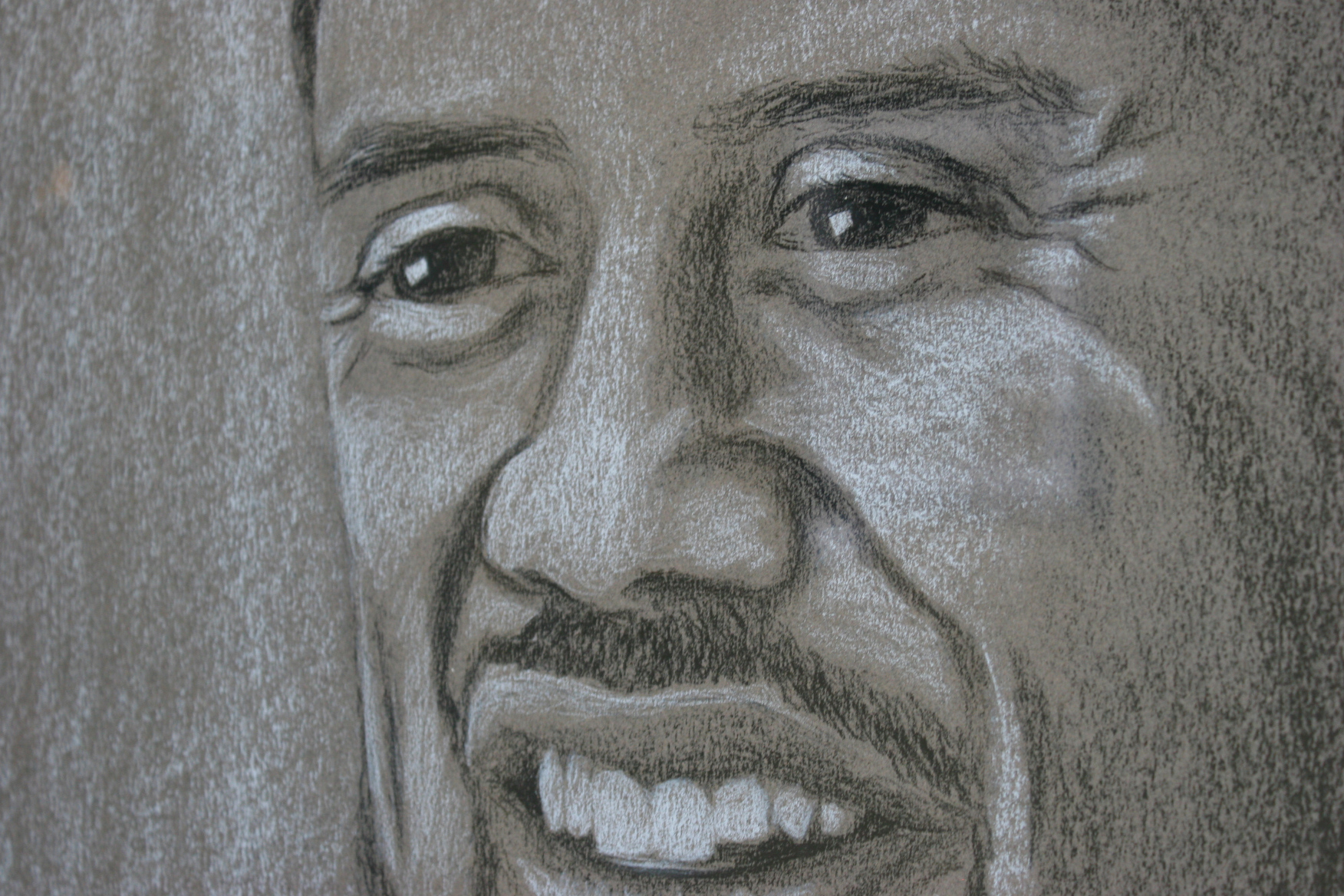
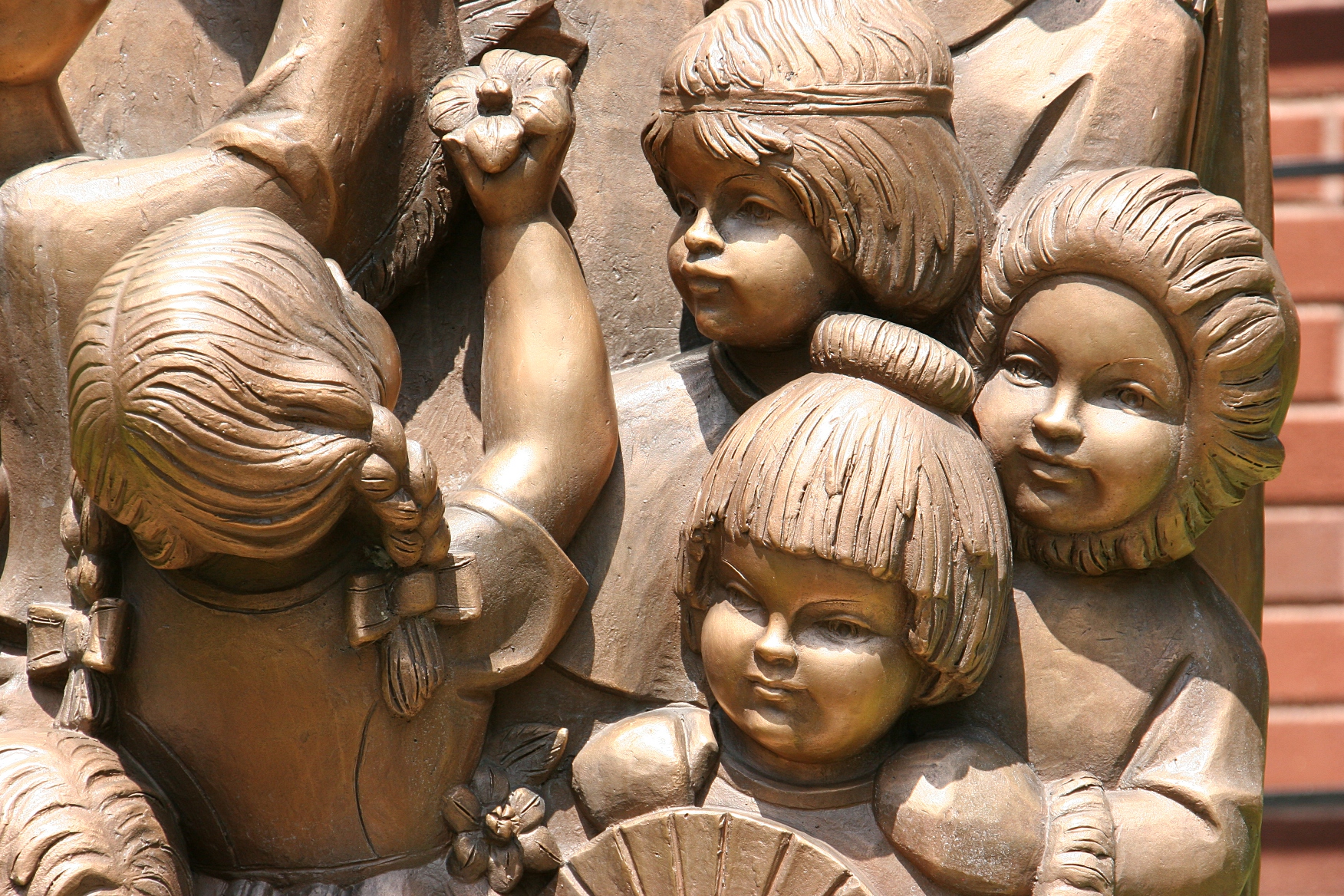
I took this photo, reflecting Faribault’s diversity, during a downtown event several years ago. Minnesota Prairie Roots file photo.


FARIBAULT IS A COMMUNITY EVOLVING. Changing as our population diversifies and we are no longer a place of mostly European and Scandinavian peoples. Rather, my southeastern Minnesota city is now home to people of many colors. We are increasingly diverse.


1960s vintage art that represents, to me, the colorful and beautiful diversity of my community. Minnesota Prairie Roots file photo.


An article published last week in the Faribault Daily News stated that from 2010 to 2018, the population of students of color in the Faribault School District increased from 25 percent to 55 percent. That’s a remarkable change in just eight years.


Faribault Community School is hosting two more Harboring Voices Choir evenings on January 22 and 29. Led by St. Olaf College students, the gathering gives adults and kids an opportunity to sing together in a community setting.


Equally as remarkable is the shift I’ve noticed in attitudes, in efforts to welcome our newest families. I’m hearing fewer negative comments about Somalis, Hispanics and other immigrants. I’m not saying those attitudes don’t still exist. It’s just that I don’t hear that animosity as much or sense such strong resentment toward these newcomers.

Why the change?


One of the virtues highlighted as part of The Virtues Trail Project. Minnesota Prairie Roots file photo August 2018.


After time, people become more accepting as they adjust and as newcomers assimilate into the fabric of Faribault. I think much of that can be attributed to the kids, who see their classmates as classmates and friends, not defined by their skin color.


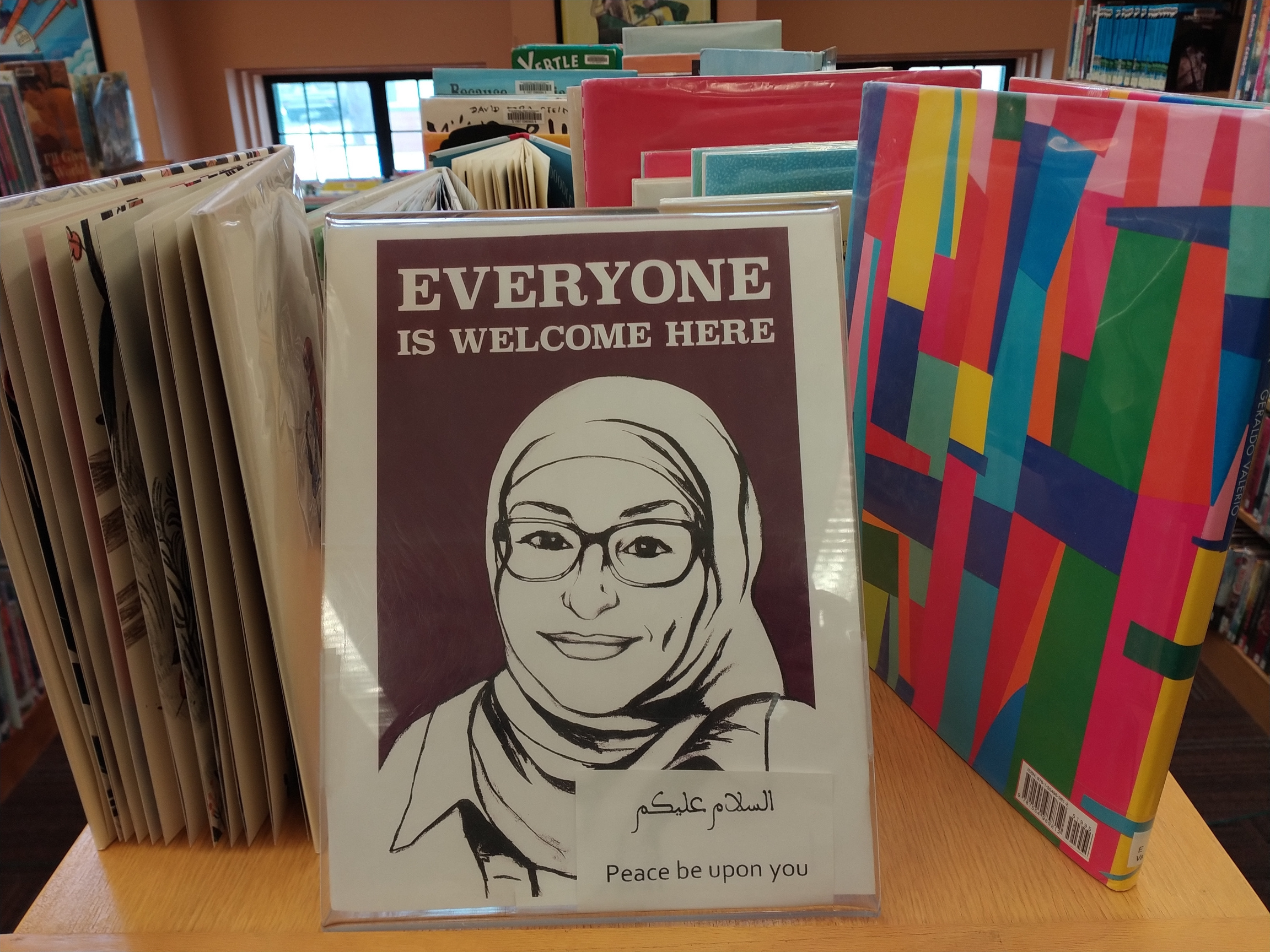
This notice is posted, among the one above and the one below, on a community bulletin board at Buckham Memorial Library, Faribault.


But adults have also made concerted efforts to help locals and newcomers accept one another. The Virtues Project Faribault, the Faribault Diversity CoalitionFaribault Community School and the creators of 1855, a local history series on Faribault Community Television, are all making a difference. I am grateful for their efforts.


Faribault celebrates MLK Day on Monday as noted in this notice posted at the library.


My great grandparents emigrated from Germany to America. They faced challenges in language, culture and more. It’s important to remember our immigrant roots. But no matter our ethnicity, our language, our culture, our skin color, we are all just people…with hopes and dreams. And voices.

© Copyright 2019 Audrey Kletscher Helbling
 

Welcoming signs of change in Faribault August 30, 2018

One of many photo signs extolling virtues and posted in the downtown Faribault business district.


I INTENTIONALLY CHOSE ONE BLOCK in the central business district of my southeastern Minnesota community to look for Faces of Faribault—Downtown posters in storefronts. I found several placards featuring photos of downtown business people and a chosen virtue. But I also discovered much more. I found inspiring quotes and welcoming signs that show a city working hard to effect a change in attitudes, to embrace all who live here, no matter their ethnicity.


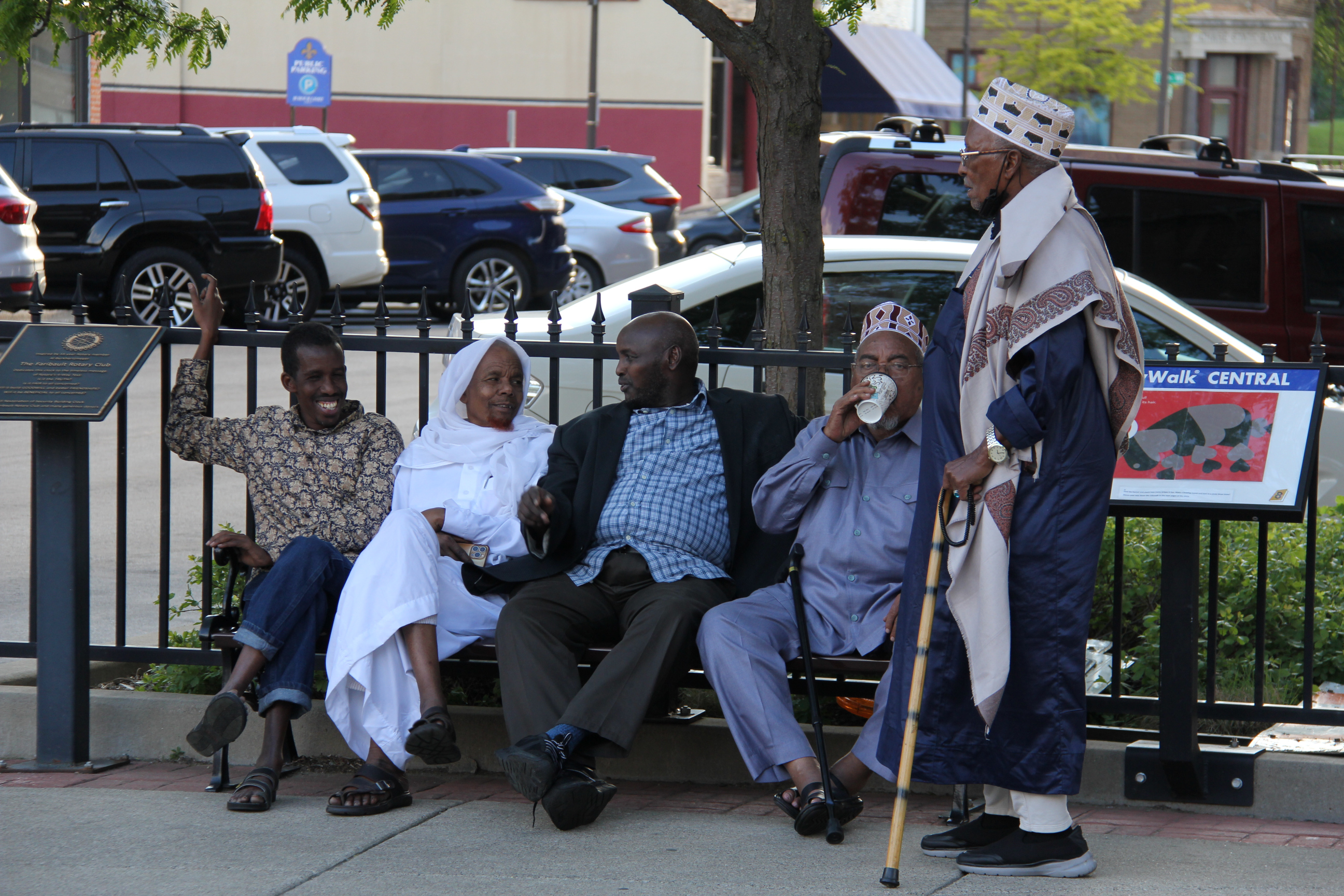
Many Somali immigrants live in apartments above downtown Faribault businesses. They often gather on street corners to socialize. That has resulted in complaints from some locals who claim to feel unsafe and intimidated. I’ve never felt that way, choosing instead to say hello and smile. I recognize that, because these immigrants are not living in ground level apartments, they need an outdoor space to meet and talk.


We are a diverse community of some 23,000. Home to Caucasians, African Americans, Hispanics, Somalis, Sudanese, Asians and more. It’s been a struggle for newcomers to gain acceptance, for locals to adjust to immigrants settling here to work, to start new lives. Differences in language, in social behavior, in dress and more have created a sense of unease. And conflict.


On the Sunday afternoon I shot these images, a couple celebrated their wedding at the 3 Ten Event Venue, recently opened in an historic building in the heart of downtown Faribault.


It takes effort to connect, to begin to understand one another, to see each other as individuals rather than as locals or foreigners, to celebrate our differences.


I applaud business owners who are reaching out with strong messages of acceptance posted right there on their shop windows. In a small-ish city like Faribault, there’s always the risk of losing business over taking a stand. But it’s the right thing to do, to declare that The only thing that should be separated by color is laundry.


Or to say, We stand with refugees and immigrants in our community.


One of many photo virtues signs posted in shop windows throughout the downtown business district as part of Faces of Faribault.


Yet another Faces poster.


These are positive signs, as are those Faces of Faribault posters, a project initiated by Cindy Diessner, who serves on The Virtues Project—Faribault Steering Committee. Her Faces endeavor is funded by an Artists on Main Street grant.


When we get to know each other as individuals, then the walls that separate us fall. We begin to understand that we are all just human. We may differ in skin color, language, dress, customs and more. But we still live under the same sun, the same moon.


FYI: A St. Paul-based theater company will present a free one-act play about an immigrant family’s daily struggles to follow the American dream at 5:30 p.m. Wednesday, September 12, at the Paradise Center for the Arts in historic downtown Faribault. A cast Q & A and an appetizer reception follow the performance of Help Wanted by Teatro Del Pueblo. The nonprofit, Latino theater company promotes cultural pride in the Latino community and cultural diversity in the arts. The play is based on a true story.


© Copyright 2018 Audrey Kletscher Helbling
 

From Faribault: Closing cultural gaps through public art August 29, 2018
 

One of 10 mirrored virtues signs along a trail that runs next to train tracks and the Straight River in Faribault’s Heritage Bluff Park. The trail is east of Heritage Bluff Apartments and south of The Depot Bar & Grill.
 

FINALLY, I’M SENSING A SHIFT in attitudes toward immigrants in Faribault. It’s been a long time coming, but certainly not for a lack of trying. There are good people in this community who have been, for years, working to welcome Somalians, Hispanics and others into this once mostly all-white southern Minnesota city. People like Dee and her sister Ann. And Lisa, Peter, Virginia, Suzanne, Carolyn, Cindy, Delane and many more. They’ve been there, reaching out, educating, welcoming, connecting, making a difference.


There are tangible, visible signs of those efforts, the latest in the installation of the Virtues Trail Project at Heritage Bluff Park near our historic downtown and along the banks of the Straight River.


As a creative, I appreciate this public art project featuring 10 mirrored signs highlighting 20 virtues like honesty, patience, kindness and, yes, tolerance. The signs edge a recreational trail, an unassuming natural setting where people can pause, view their reflections and consider words of positivity written in three languages—English, Spanish and Somali.


Here’s how it works…


Two simple words—I am—jumpstart the thought process.


An Artists on Main Street grant from the Preservation Alliance of Minnesota in partnership with Springboard for the Arts and with support from the Bush Foundation funded the project developed by Wanda Holmgren, a Faribault elementary school teacher. Faribault is among three Minnesota cities receiving grant monies to address community challenges. Twelve more arts-based endeavors are planned, or are already in place, in my city.


Colorful posts support, and reflect in, the signs. Even the chosen art reflects the virtues.


Across the tracks is a foot bridge over the Straight River, a peaceful setting unless a train is roaring through.


You’ve heard the phrase “other side of the tracks.” While tracks run parallel to the Virtues Trail, they (to me) symbolize connection, not division.


The Virtues Trail is a simple concept really, one that makes sense. Language often serves as the first hurdle in connecting cultures. If we can’t communicate, an instant divide exists. Yet a smile is universal. As are virtues.


As I walked from sign to sign with camera in hand, I intentionally avoided photographing my reflection. That wasn’t particularly easy. In a way, my evasiveness mirrors the challenges Faribault has faced in a failure to accept differences in skin color, religion, language and culture. Now I see that we are beginning to look at each other in a new way—with understanding, kindness and, yes, perhaps, finally, acceptance.


BONUS PHOTOS:


As I photographed the Virtues Trail, a bridal couple and their photographers walked the trail. I thought they were going to stop at the sign that reads “I am loved.” But they kept right on going, never pausing.


They were headed to the Straight River foot bridge, which offers a scenic view of the river and Faribault’s historic viaduct.


What an opportunity they missed to use this sign as a wedding portrait backdrop.


FYI: Please check back as I show you more ways in which my community is striving to be more welcoming of many cultures.

© Copyright 2018 Audrey Kletscher Helbling