Minnesota Prairie Roots

Writing and photography by Audrey Kletscher Helbling

Attention, Laura Ingalls Wilder fans: A new must-read book by Marta McDowell September 21, 2017


WHEN A PACKAGE LANDED on my front doorstep some 10 days ago, I wondered about its content. I hadn’t ordered anything. But inside I found a newly-released book, The World of Laura Ingalls Wilder: The Frontier Landscapes That Inspired The Little House Books.

Ah, yes, I had been expecting this. Sort of. But I’d forgotten about the book by bestselling author Marta McDowell that includes three of my photos. More than a year had passed since Marta and I connected.

Now I was holding the results of this New Jersey writer’s intensive research, multi-state visits and hours of writing. It’s an impressive book for the information and the art published therein on the places and plants in the life of author Laura Ingalls Wilder.
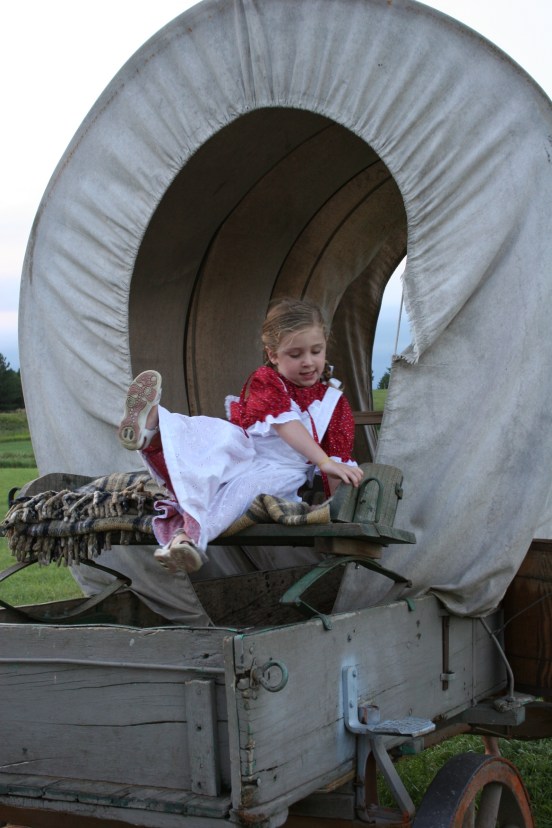
 

Every summer, the folks of Walnut Grove produce an outdoor pageant based on Laura Ingalls Wilder’s “Little House” books. Many pageant attendees arrive at the show site dressed in period attire and then climb aboard the covered wagon. Minnesota Prairie Roots file photo.


I have not yet read the entire book. But I am sharing this new Timber Press release now because Marta will be at Magers & Quinn Booksellers, 3038 Hennepin Avenue, in Minneapolis from 7 – 8 this evening (September 21) to present The World of Laura Ingalls Wilder. I expect the book to be enthusiastically received here in Minnesota and by Laura fans world-wide.
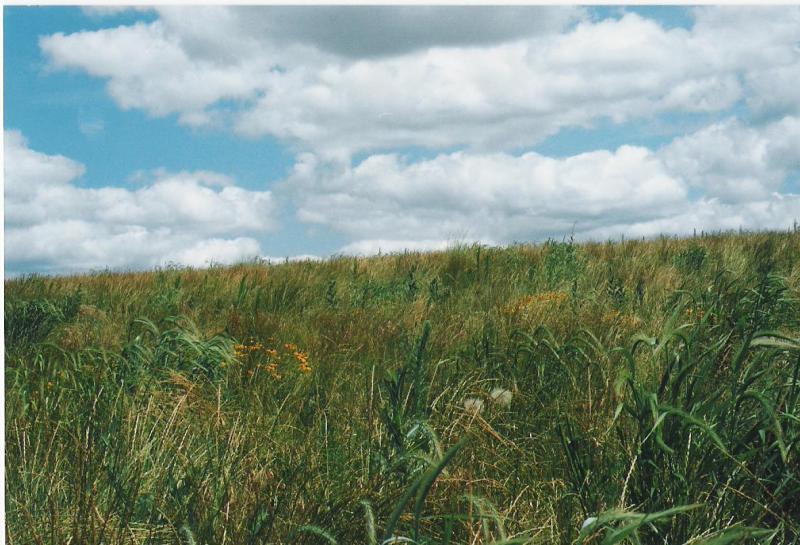
 

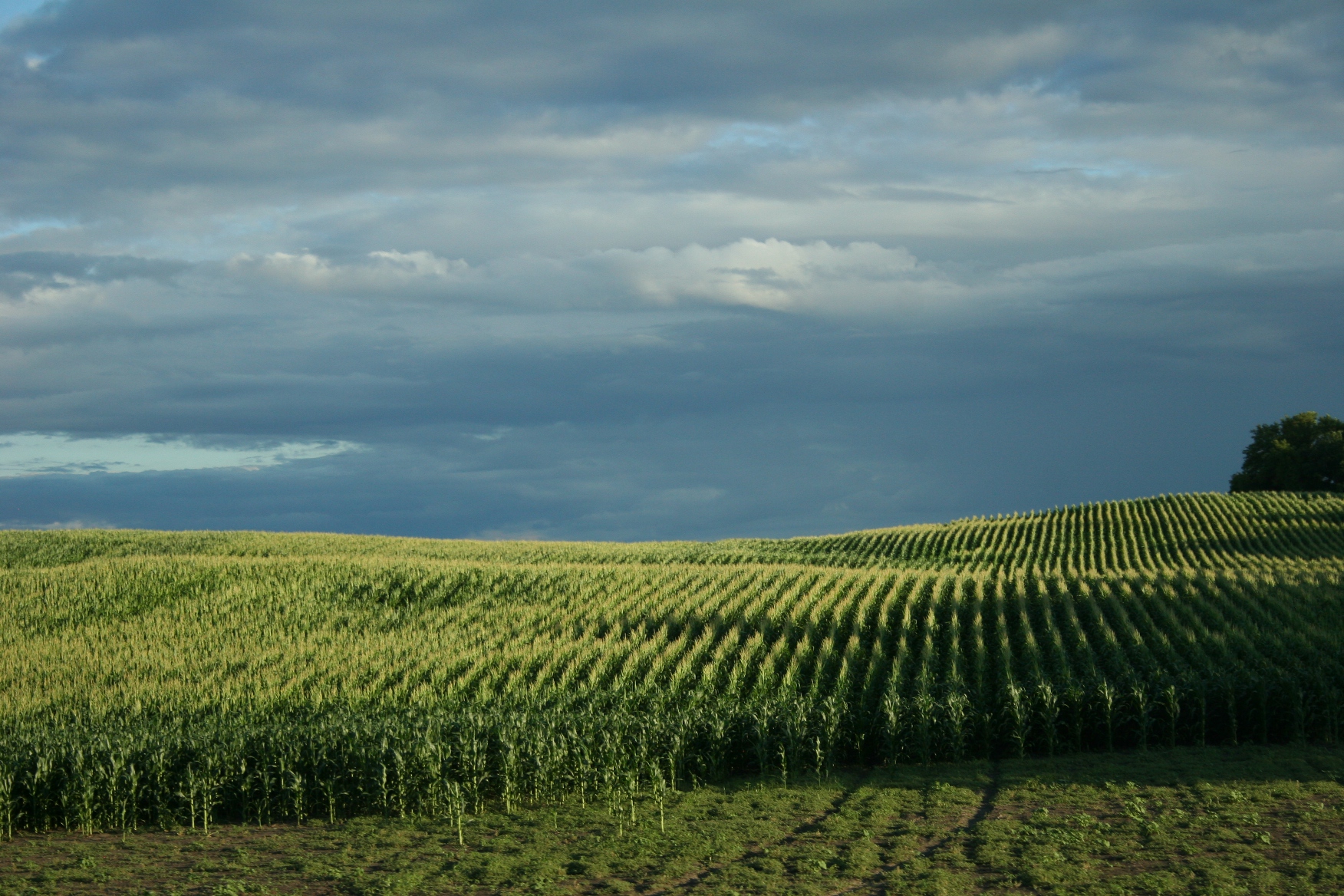
The southwestern Minnesota prairie, in the summer, is a place of remarkable beauty. I shot this image outside Walnut Grove. Minnesota Prairie Roots file photo 2010.


I am among those fans with the added bonus of having grown up only three townships north of the Charles and Caroline Ingalls’ North Hero Township home near Walnut Grove in Redwood County, Minnesota. Long before the Little House TV show, long before I realized the popularity of Laura’s book series, I loved her writing. A teacher at Vesta Elementary School read the books aloud to me and my classmates during a post-lunch reading time. That story-time instilled in me a deep love for the written word and a deep connection to The Little House books.
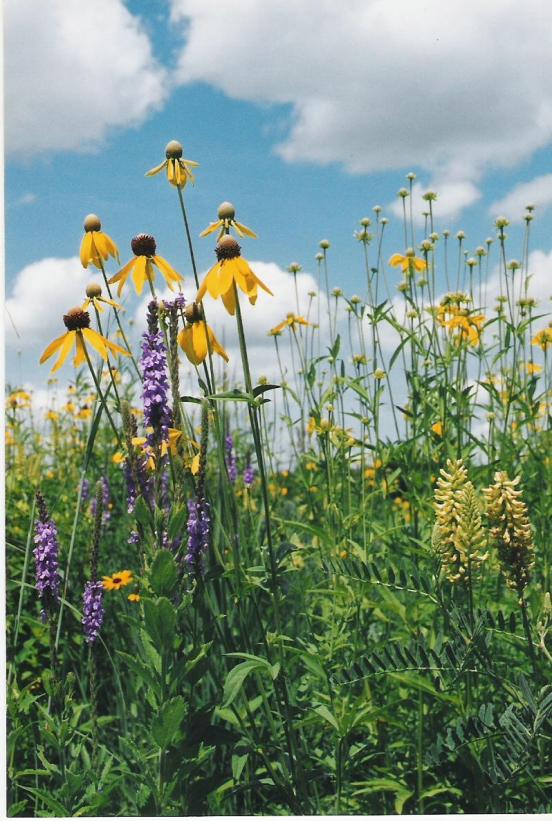
 

The prairie near Walnut Grove is especially beautiful in the summer. I took this photo at the Laura Ingalls Wilder dug-out site north of Walnut Grove in 2010.


With that background, you can understand my enthusiasm for Marta’s book which focuses on the landscapes and specific plants that surrounded Laura and her family. Laura writes with a strong sense of place, a skill I’ve often considered may trace to her blind sister, Mary. Laura became her sister’s “eyes.”
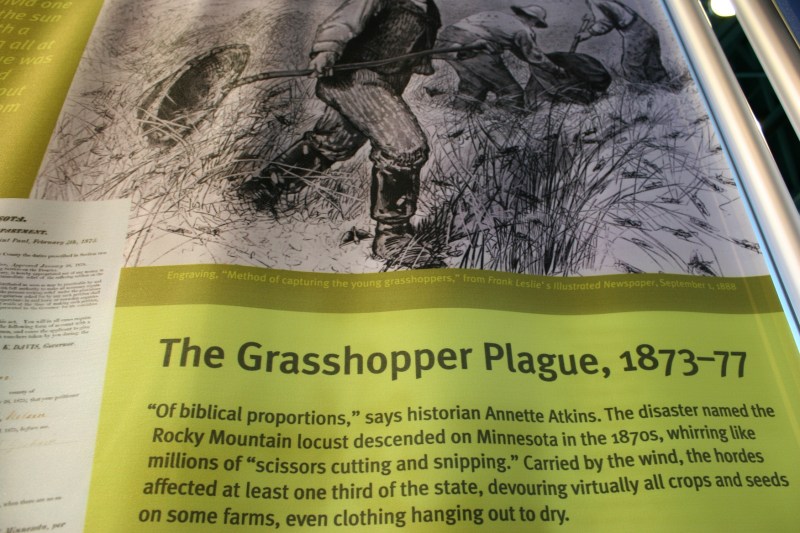
 

I cannot imagine so many grasshoppers that they obliterated everything. I took this photo at the Steele County History Center in Owatonna during a previous traveling exhibit on Minnesota disasters. Minnesota Prairie Roots file photo.


Marta writes of specific plants and places in her book, taking the reader from Wisconsin to Minnesota to Missouri and in between—wherever Laura lived. In the section on Walnut Grove, she notes the wild plums, the morning glories and the blue flags (iris) that Laura writes about in On the Banks of Plum Creek. I’ve walked that creek and creekbank, seen the Ingalls’ dug-out, wildflowers and plums. I am of this rich black soil, these plants, this land. There’s a comfortable familiarity in reading of this land the Ingalls family eventually left because of a grasshopper infestation and resulting crop failures.

 

My black-eyed susan photo is published in Marta’s book. Minnesota Prairie Roots file photo.


To be part of Marta’s book on Laura Ingalls Wilder is an honor. The vintage botanical illustrations, original artwork by Garth Williams, historic photos, maps, ads, current day photos like my three and more make this volume a work of art.

There is much to learn therein, much to appreciate. So for all of you Laura fans out there, take note. You’ll want to add The World of Laura Ingalls Wilder: The Frontier Landscapes That Inspired the Little House Books to your collection.


DISCLAIMER: I received a complimentary copy of this book and was paid for publication of my three photos.

© Copyright 2017 Audrey Kletscher Helbling


Scenes from the road in Iowa June 8, 2017

Filed under: Uncategorized — Audrey Kletscher Helbling @ 5:00 AM
Tags: , , , , , , , ,

Westbound from Illinois into Iowa along Interstate 80. Minnesota Prairie Roots file photo May 2016.


IN IOWA EXISTS a comfortable familiarity for me. It’s not that I’ve explored much of this state, except the northern fringes. But Iowa feels like a friendly next door neighbor or cousin, the ruralness of this land creating an instant bond.


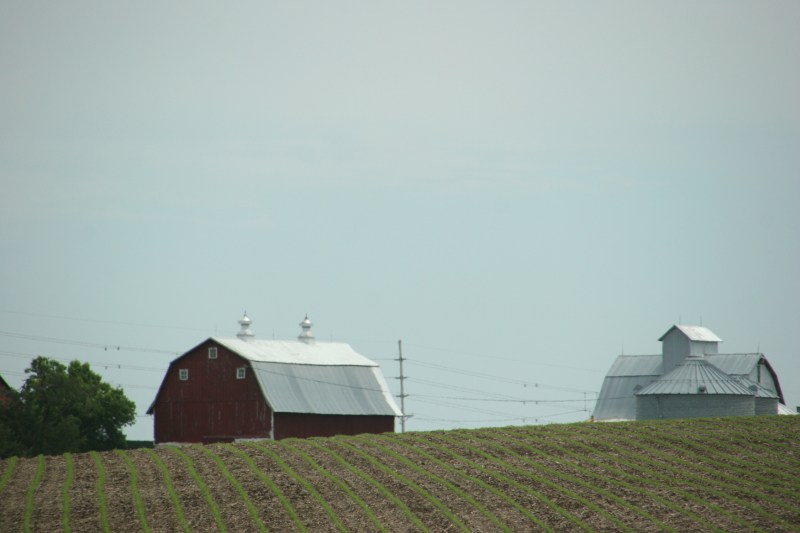
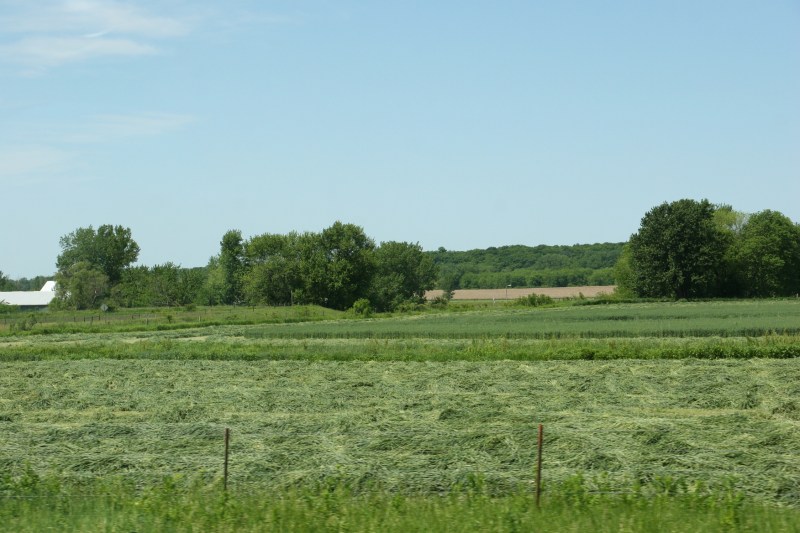
For in Iowa—the Iowa I’ve seen—the lay of the land, the length of the sky, the scenes of barns and fields and small towns connect to my rural southwestern Minnesota roots.


I feel at home in Iowa, the place that is often the butt of Minnesota jokes. Outside the Twin Cities metro and the lakes and woods of northern Minnesota, our landscape mostly duplicates that of our southern neighbor.


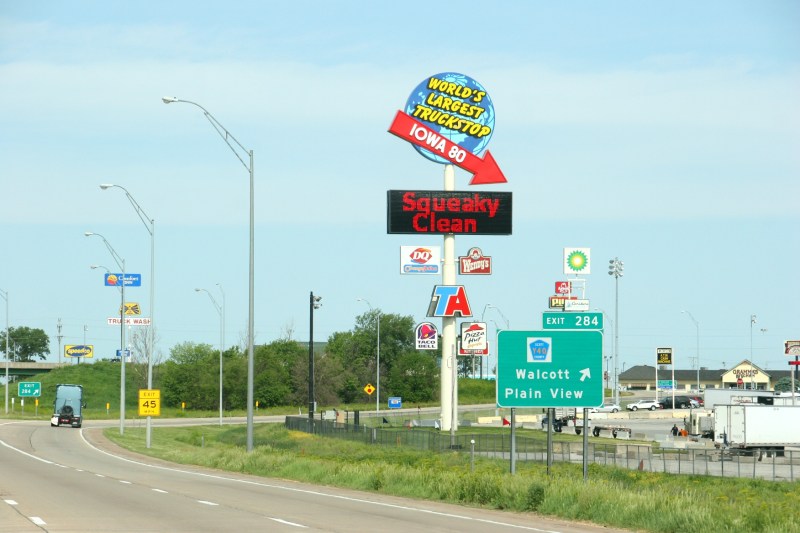
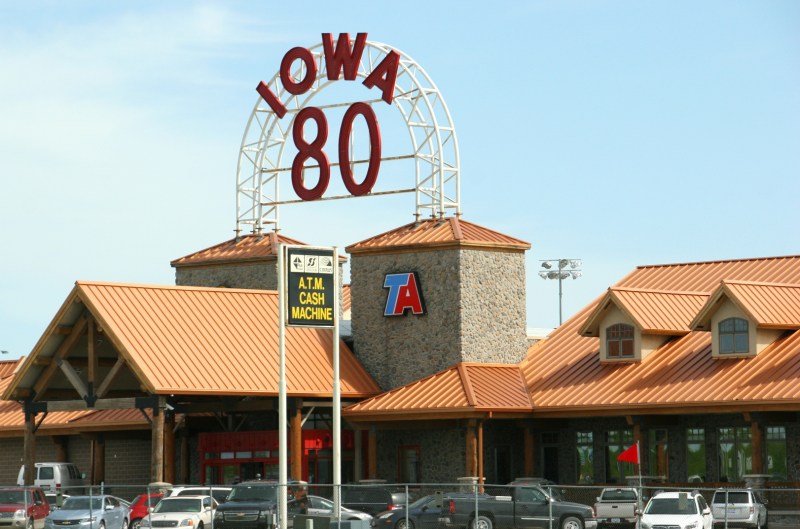
The world’s largest truck stop, with eight restaurants, a movie theater, dentist and much more, has been open near Walcott off I-80 in eastern Iowa since 1964.


It’s OK to admit you like Iowa. Some of my favorite trips have been to Iowa communities—Clear Lake, Mason City, Decorah, McGregor, Marquette and Dubuque. These towns possess character and hold natural and historic interest for me.


Iowa 80, the world's largest truck stop.

Iowa 80, the world’s largest truck stop.


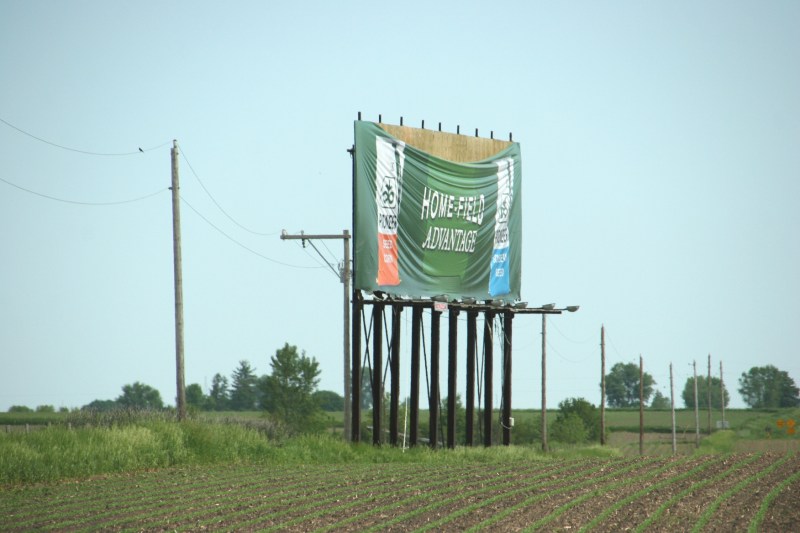
You know you’re in America’s agricultural heartland when you see a billboard advertising Pioneer seed.


Sometimes we need to step outside our boxes of preconceived ideas about a place and simply explore. Leave the metro and drive a gravel road, stop in a small town, delight in the simplicity of a rural landscape. Iowa and many parts of Minnesota are more than the middle of nowhere. If we choose to slow down, we begin to notice the nuances that define a place, that make it worth our time to visit and to appreciate.


TELL ME: If you’ve traveled to Iowa, what community would you suggest visiting and why? Or, if you haven’t been there, tell me what a visitor should see in your state or country?

© Copyright 2017 Audrey Kletscher Helbling
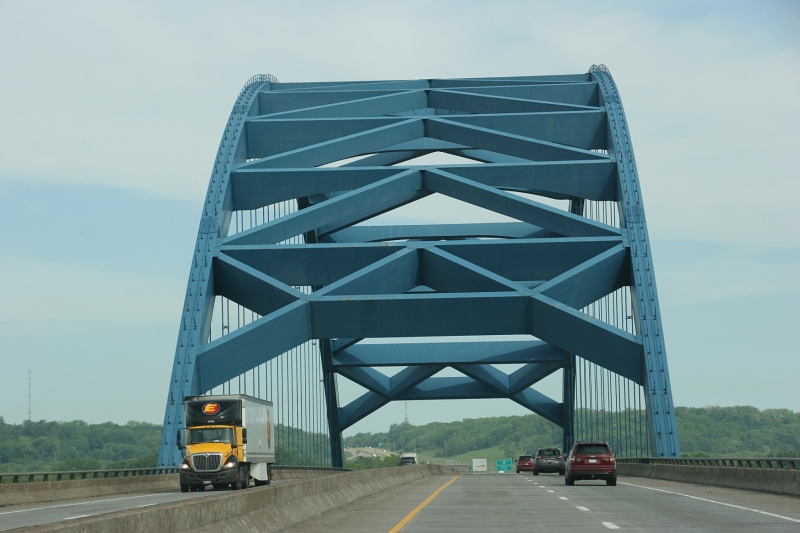
NOTE: All images were taken in late May 2016 on a return trip from Minnesota to Boston.


Spring in southeastern Minnesota May 10, 2017

Filed under: Uncategorized — Audrey Kletscher Helbling @ 5:00 AM
Tags: , , , , , , , ,


THESE ARE GLORIOUS DAYS in Minnesota. This May. This month when the landscape morphs from greys and browns into the vibrant greens of spring.


Leaves unfurl a canopy of green.


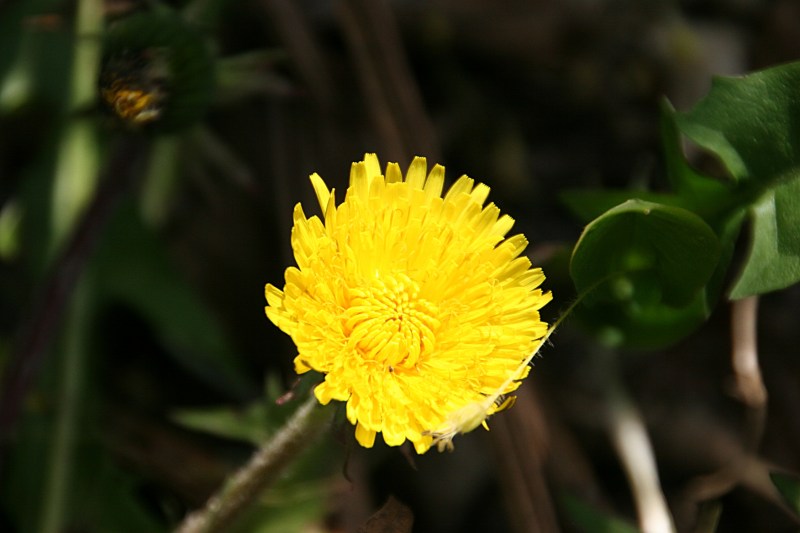
Lawns grow lush and sprout crops of dandelions.


Tulips pop bold colors like exclamation marks in flowerbeds.


Coiled fiddleheads unwind into feathery ferns dancing in cool spring breezes.


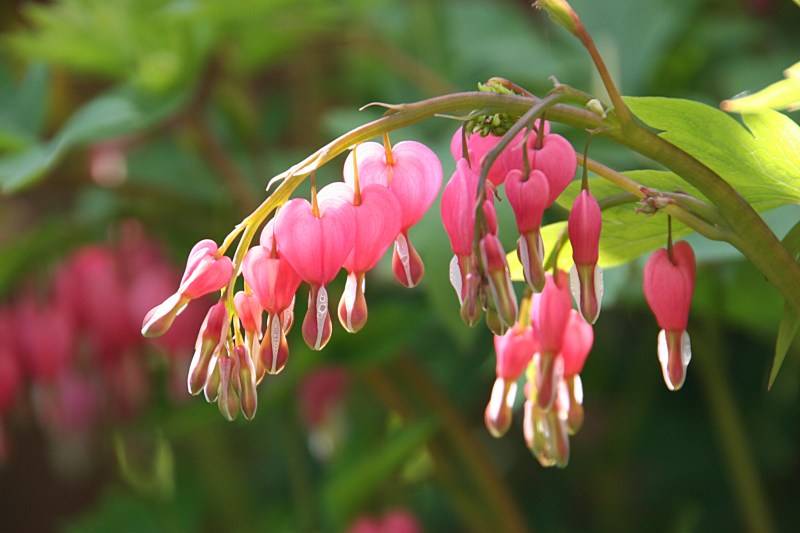
Bleeding hearts awaken, pushing new growth from stems dangling dozens of pink hearts. Hearts of love and hope and the beating of spring. All of this I see as if for the first time, although 60 springs have passed since I was born a Minnesotan.


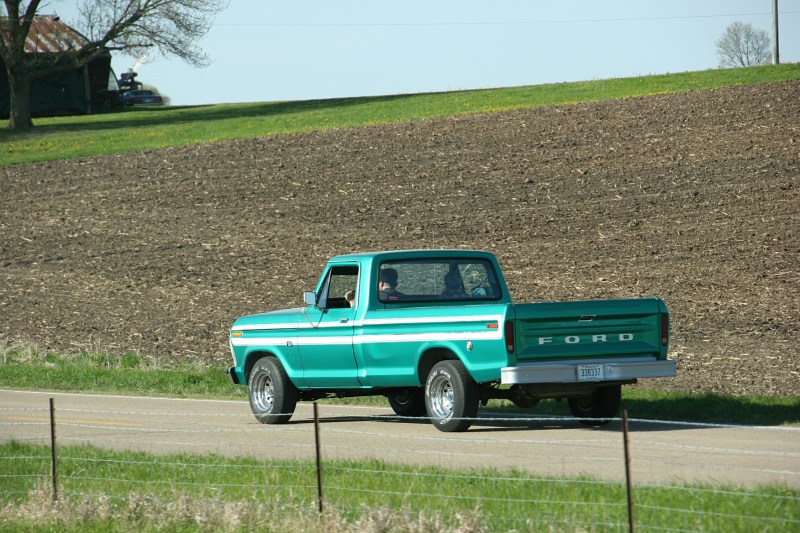
In the countryside, I watch a blue green Ford pick-up truck tool along an Interstate frontage road between strips of greening road ditches.


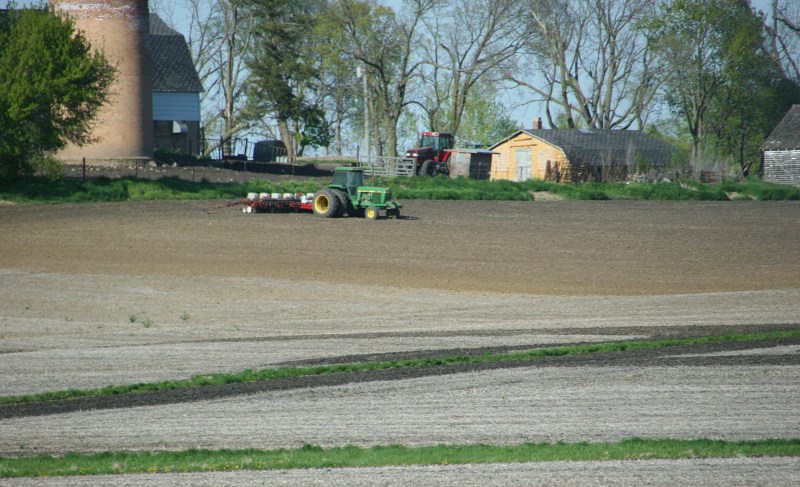
I observe, too, farmers working the land. Soon shoots of green will emerge from black soil as corn and soybean seeds erupt in new growth.

This is the season of newness in Minnesota, when anything seems possible. And perhaps it is.


TELL ME: How do you view and react to spring, wherever you may live?

© Copyright 2017 Audrey Kletscher Helbling
 

Reclaiming an appreciation for winter through photography February 2, 2017

Filed under: Uncategorized — Audrey Kletscher Helbling @ 5:00 AM
Tags: , , , , , , , , ,

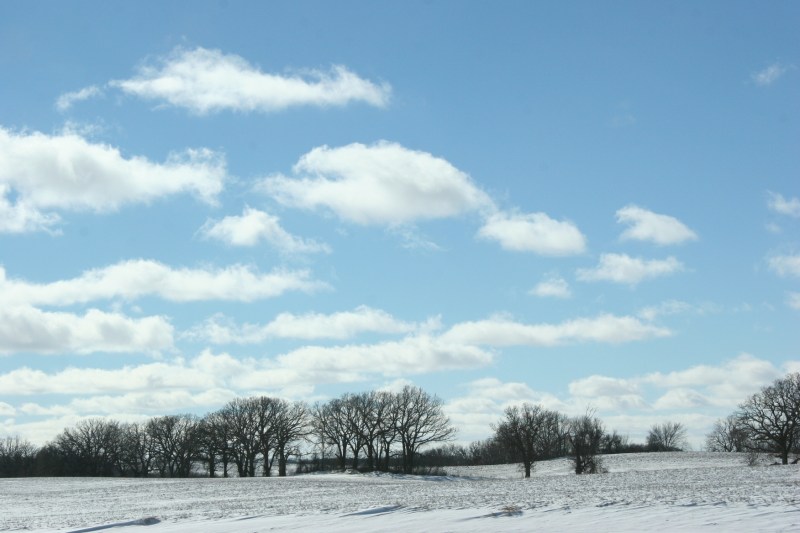
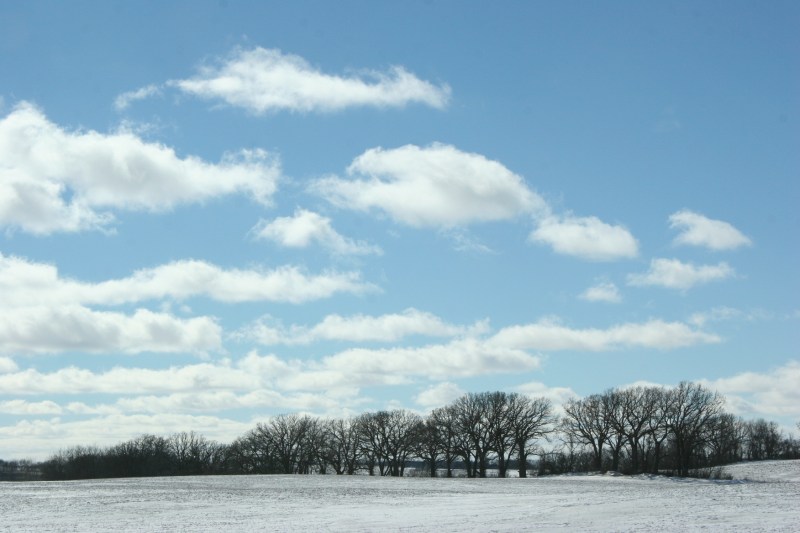
winter-landscape-12-treeline


IN THE DAYS OF MY YOUTH, I embraced winter. I saw potential in every snowfall. Snow caves and tunnels. Snow forts. Sledding.


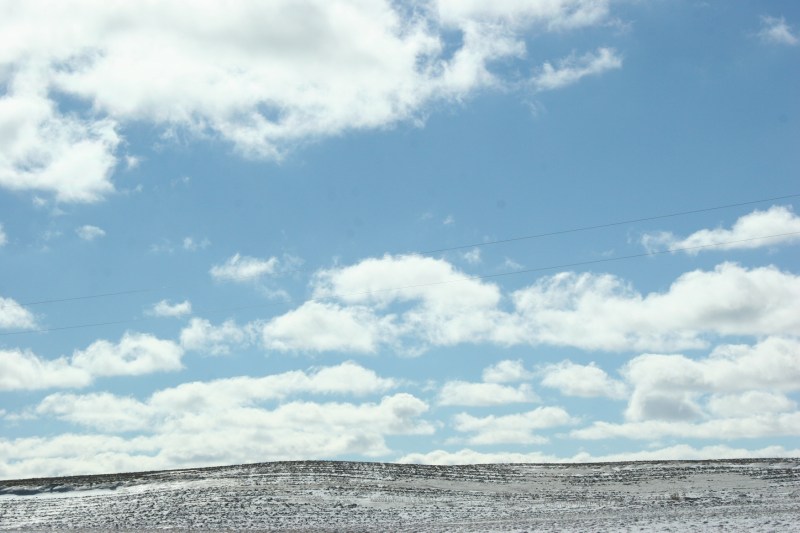
winter-landscape-14-sky-field


Snow pushed to the edge of the farmyard and rock-hard snowdrifts formed a mountain range, a seasonal anomaly on the southwestern Minnesota prairie. It was the ideal setting to role-play the Royal Canadian Mounted Police or to challenge siblings in King of the Mountain.


winter-landscape-9-farm-site-2


I can’t reclaim those carefree days lingering now only in memories. But I can still appreciate winter, an attitude I’m relearning. That is easiest accomplished through the lens of my camera.


winter-landscape-7-interstate-35


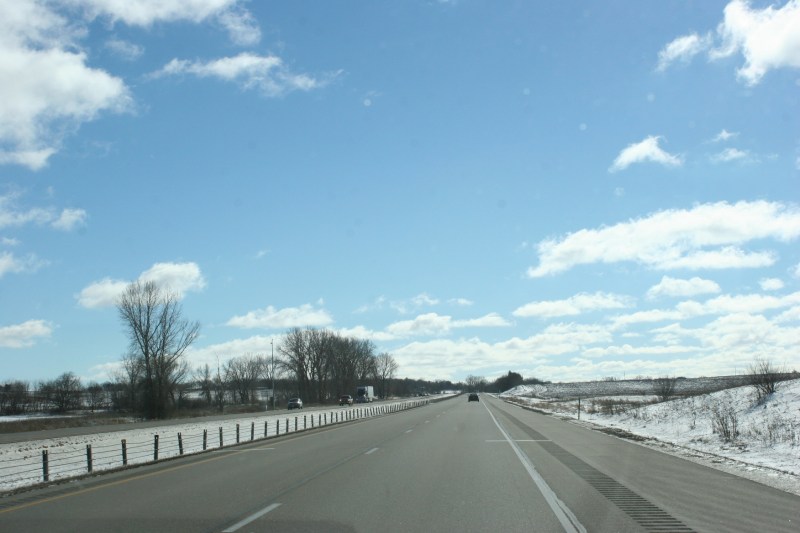
Heading out of Faribault last Sunday afternoon for Owatonna along Interstate 35, I felt the sun radiating warmth through the van windows. And I noticed, too, the blueness of the sky scuttled by white clouds. I welcomed the blue after too many grey January days.


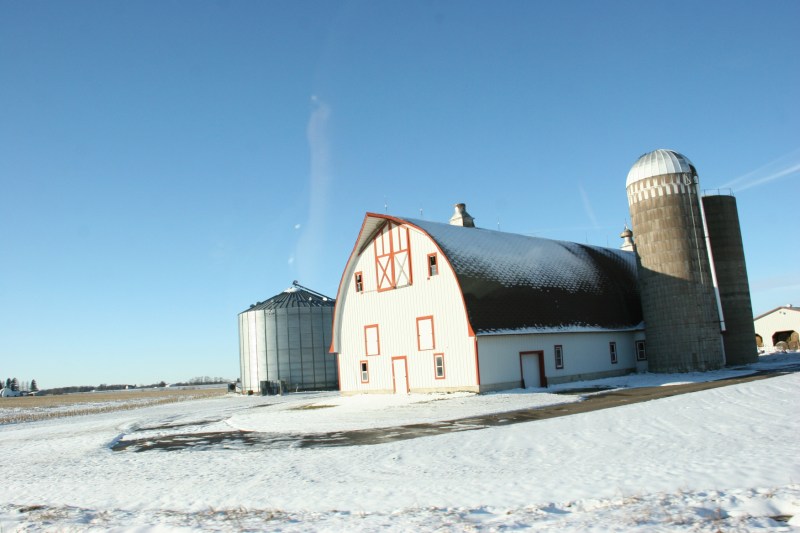
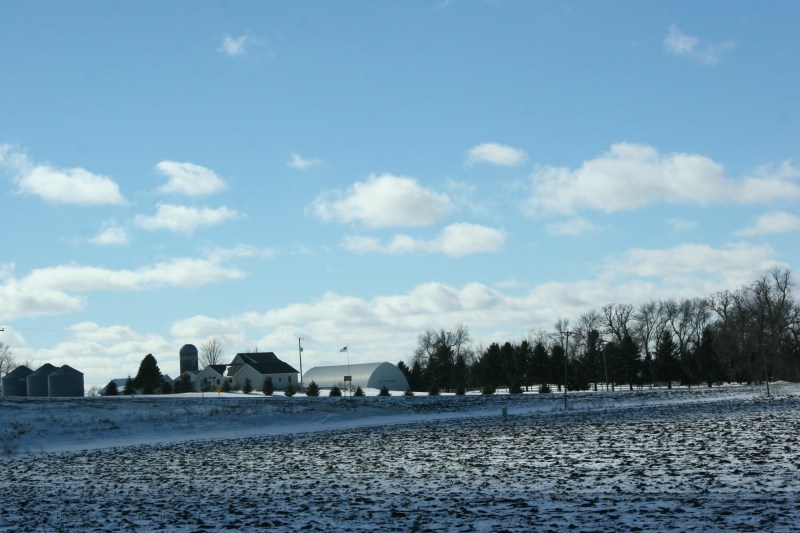
winter-landscape-6-farm-site


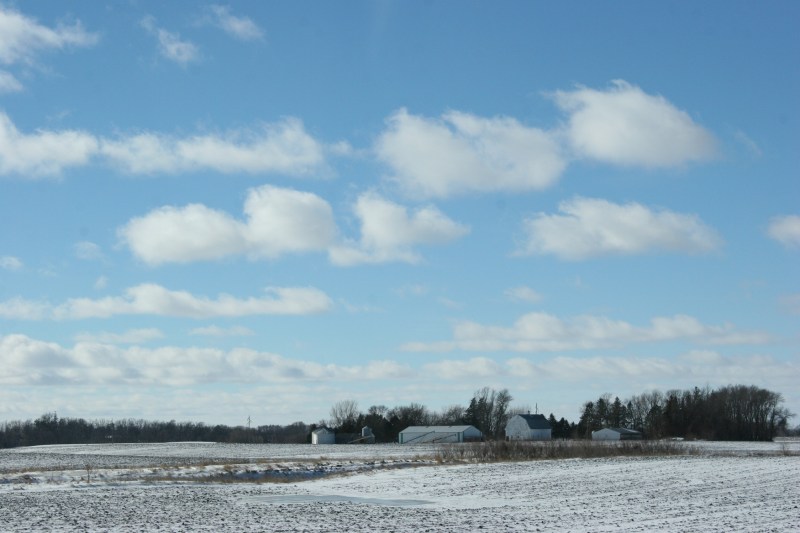
Aiming my camera to the west toward farm fields layered in a thin coating of snow, I was nearly fooled into thinking I was back on my native prairie. The land appeared familiar in the winter commonality of bare trees and open fields. And I found comfort in that—in the uncluttered landscape, in the simplicity of lines, in the visual vulnerability the earth shows in winter.


winter-landscape-10-trees


TELL ME: What do you most appreciate about winter, if you appreciate it? If you don’t, why not?

© Copyright 2017 Audrey Kletscher Helbling
 

In which I see that, yes, winter really has arrived in Minnesota November 22, 2016

Filed under: Uncategorized — Audrey Kletscher Helbling @ 9:08 AM

Tags: , , , , , , , , , , , ,
A scene along Minnesota State Highway 23 between Foley and St. Cloud on Sunday afternoon.

A scene along Minnesota State Highway 23 between Foley and St. Cloud on Sunday afternoon, after the sun emerged from grey skies.

THE FIRST SNOWFALL of the season always arrives with considerable hoopla here in Minnesota. As if we hadn’t seen snow that layers the ground in white.

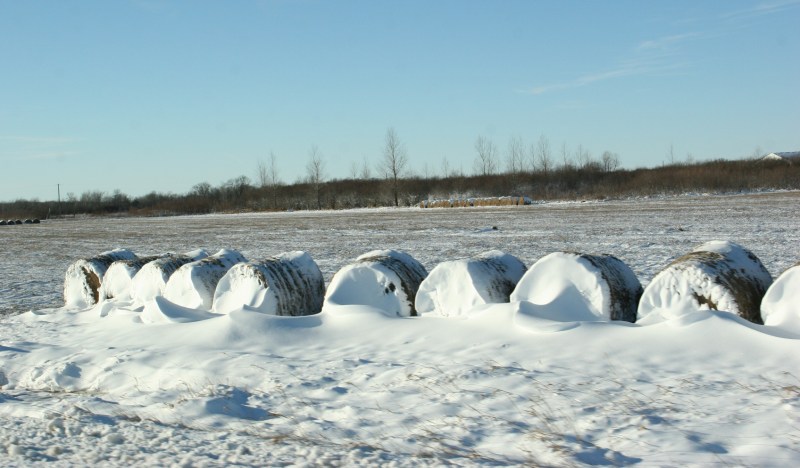
Round hay bales create a snow fence along Highway 23.

Round hay bales create a snow fence along Highway 23.

Last week, sections of my state got plenty of snow. We’re talking two feet in Leader in north central Minnesota. Mixed with high winds, blizzard conditions prevailed in many regions. Down here in the southeastern section? Only flurries. And I’m just fine with that.

Just outside of Monticello.

Just outside of Monticello.

Under grey skies on the flat land north of Monticello, snow dusts fields.

Under grey skies on the flat land north of Monticello, snow dusts fields.

However, a Sunday day trip 2.5 hours north and west of the metro took my husband and me into a snowy central Minnesota landscape.

Along Benton County Road 3 north of Gilman.

Along Benton County Road 3 north of Gilman, snow covers the rural landscape.

And, yes, I confess, I delighted in seeing snow-covered ground for the first time this winter season. There’s something about that initial snow that is magical and pure and, well, beautiful.

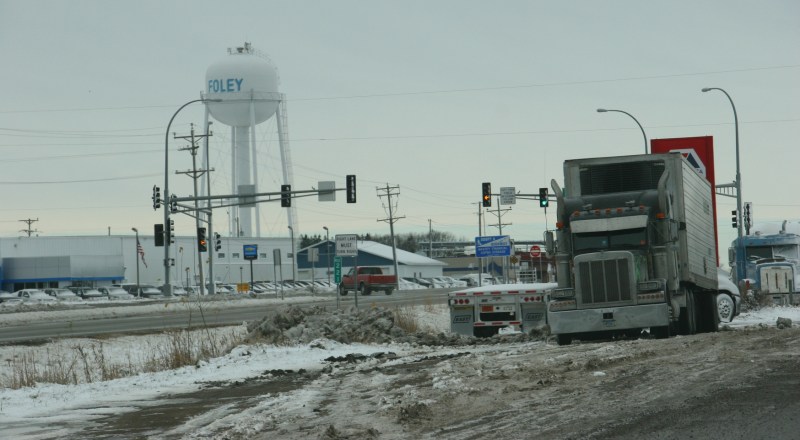
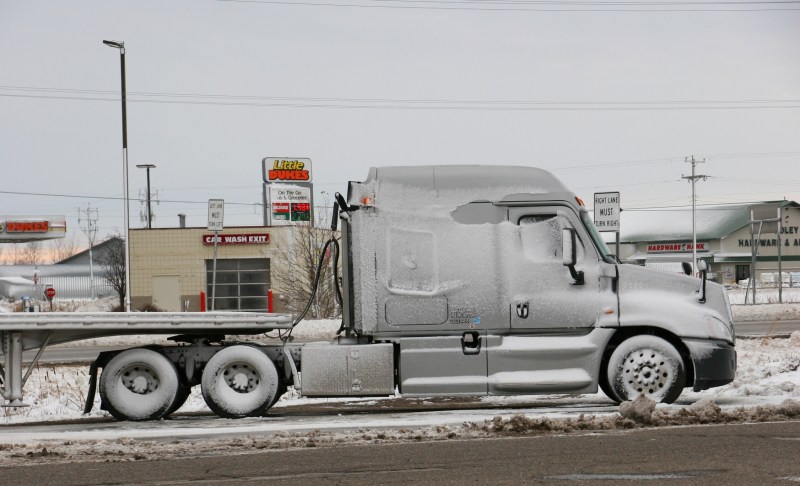
I snapped this wintry scene as we pulled into a convenience store/gas station in Foley.

I snapped this wintry scene as we pulled into a convenience store/gas station in Foley on Sunday afternoon.

This truck clearly has not moved in awhile.

This truck clearly has not moved in awhile.

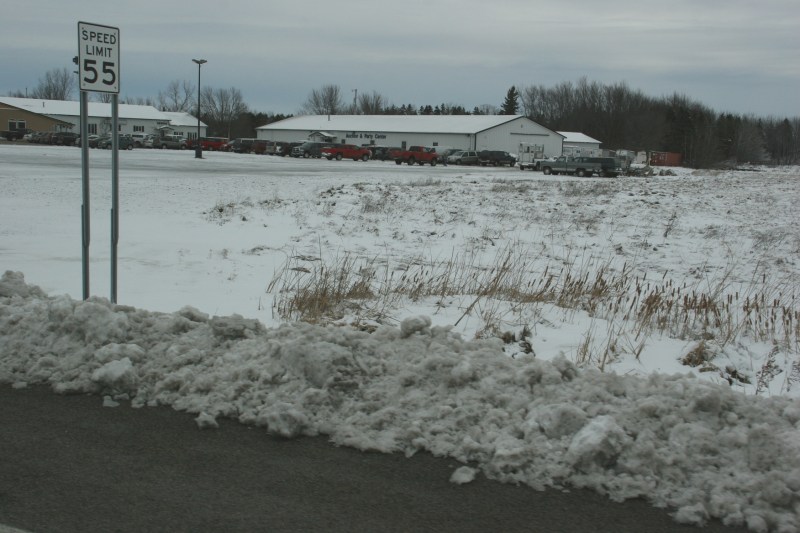
The heavy, wet snow is piled now along the roadside, here in Foley.

The heavy, wet snow is piled now along the roadside, here in Foley.

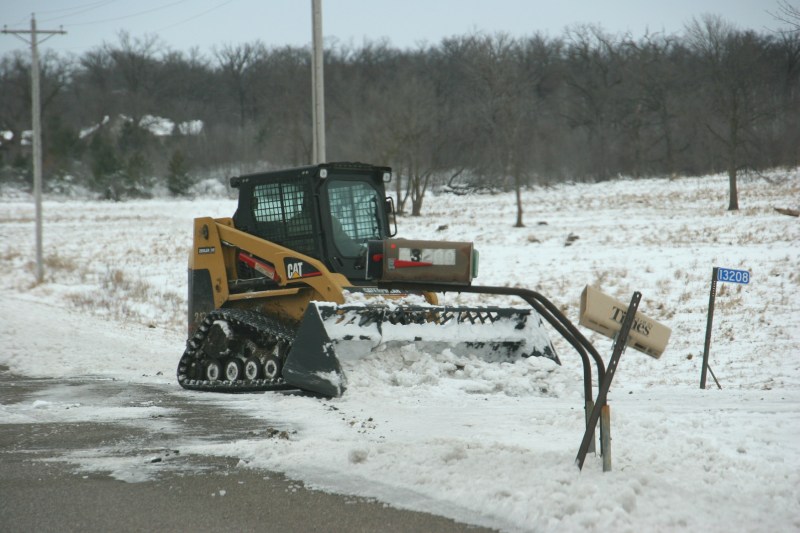
A rural resident cleans out the end of his driveway along Benton County Road 3.

A rural resident cleans out the end of his driveway along Benton County Road 3.

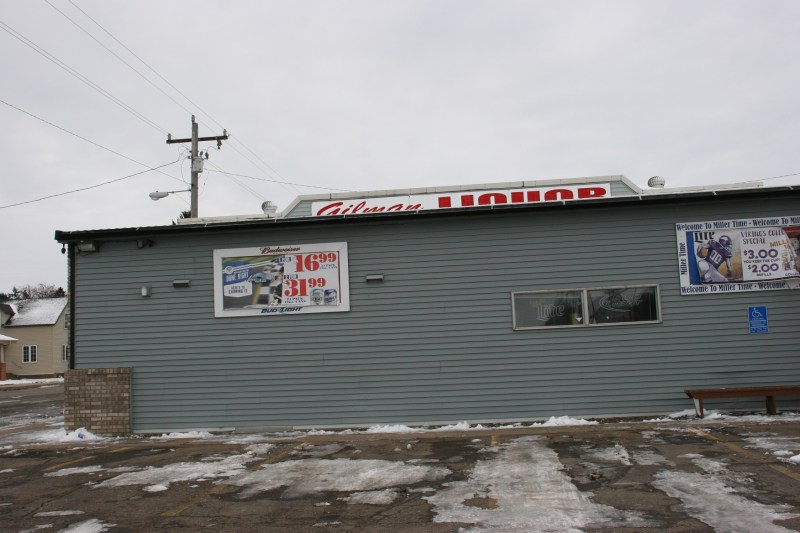
Some parking lots were treacherously icy, like this one where we turned our van around in Gilman.

Some parking lots are treacherously icy, like this one in Gilman.

As long as you don’t have to deal with the snow and ice. As long as roads are clear, which they were except for icy patches on Benton County Road 3 north of Gilman.

I especially appreciate the visual contrast of red barns, this one north of Gilman, against the white landscape.

I especially appreciate the visual contrast of red barns, this one north of Gilman, against the white landscape.

Everything always seems sharper, brighter on a white canvas.

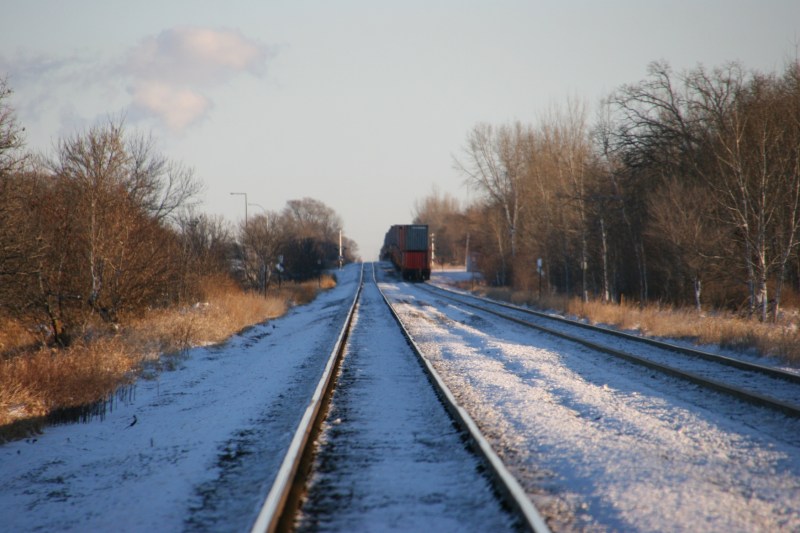
I photographed this train by the Minnesota State Correctional Facility in St. Cloud. It's heading for Clear Lake.

I photographed this train near the Minnesota State Correctional Facility in St. Cloud. It’s heading for Clear Lake.

Today brings a predicted wintry mix of precipitation to Minnesota. Rain mixed with snow, which likely will create slick roads. That type of winter weather is always unwelcome. But this is Minnesota. I should expect this.

I'm already waiting for spring, even though winter has just started. Here the same train I photographed in St. Cloud passes through Clear Lake as we all wait.

I’m already waiting for spring, even though winter has just started. Here the same train I photographed in St. Cloud passes through Clear Lake as we all wait.

But I don’t have to like it. And I don’t. Is it May yet? The novelty and excitement of seeing the first snowfall has apparently already faded for me.

© Copyright 2016 Audrey Kletscher Helbling

 

The skies of summer in southwestern Minnesota July 8, 2016

Filed under: Uncategorized — Audrey Kletscher Helbling @ 5:00 AM
Tags: , , , , ,

Sky in sw MN, 27 red barn close-up


DECADES AGO, I LAY flat on my back in a Redwood County, Minnesota farm yard, eyes fixated on the clouds. I wasn’t a weather watcher. Rather, I was a girl with an imagination. As I lay there, I imagined a monstrous bird swooping from the sky to bite a chunk from the silo.


Sky in sw MN, 15 big sky & farm site


I’d just viewed a movie about a giant bird attacking the Empire State Building. It was no surprise then that I noticed frightening creatures looming in the sky.


Sky in sw MN, 21 highway 14


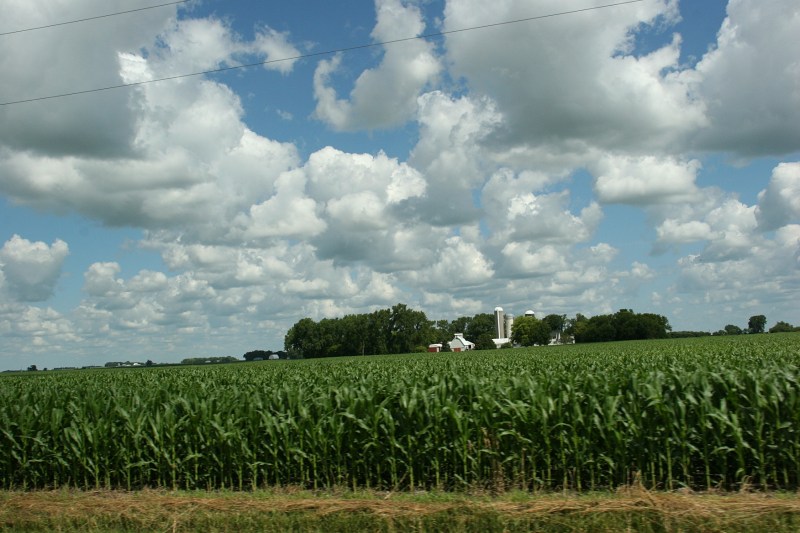
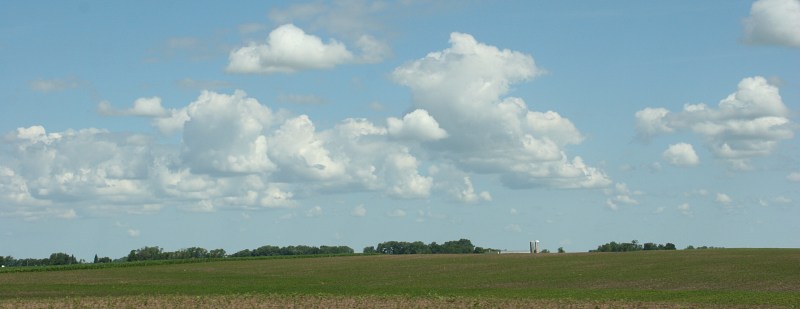
That was then. This is now, decades later, when I am still fascinated by the clouds of summer. There’s nothing quite like the summer skies of my native southwestern Minnesota prairie. Traveling west on July 2 to a family gathering near Lamberton, I delighted in the perfect summer sky of white clouds suspended above the land in a background of blue.


Sky in sw MN, 23 corn, barn & bins


Below, fields of corn and soybeans stretched for acres, broken only by farm sites, grain elevators, small towns and slashes of roadways.


Sky in sw MN, 7 big sky & farm site


The sky and land are so big here. I suppose to some, the vastness can unsettle. But for me it’s freeing.


Sky in sw MN, 28 full corn field, farm site and cloudy sky


My mind wanders from worries and difficult realities of life, of attacking giant birds, to a carefree state. I simply feel happy here beneath clouds that hang like wispy pulls of cotton candy above the greening cropland.


Sky in sw MN, 24 bins and sky


This land, this sky, this place, this rural Minnesota shall always claim my heart and my imagination.


Sky in sw MN, 30 entering Lamberton


TELL ME: What place claims your heart and why?

© Copyright 2016 Audrey Kletscher Helbling
Note: All of these photos were taken on July 2 while traveling westbound on U.S. Highway 14 between Sleepy Eye and Lamberton, Minnesota.


The prairie part of Minnesota December 9, 2015

Filed under: Uncategorized — Audrey Kletscher Helbling @ 5:00 AM
Tags: , , , , , , ,
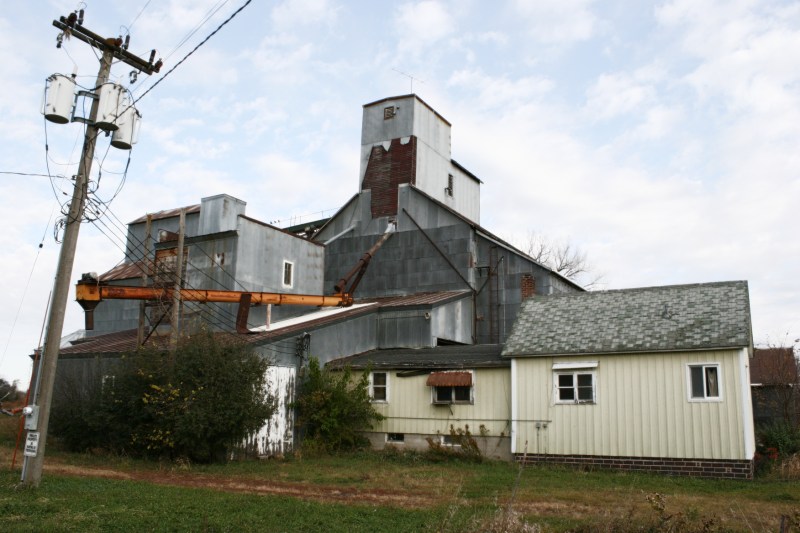
The grain elevator in Seaforth, in Redwood County, Minnesota, closed long ago.

The grain elevator in Seaforth, in Redwood County, Minnesota, closed long ago.

MINNESOTA IS MORE than the Twin Cities, St. Cloud, Rochester and Duluth. It’s also farms and small towns like Vesta, Sleepy Eye, Gaylord and St. James. I’ve lived in all of those rural areas and, for the past 33 years, in Faribault.

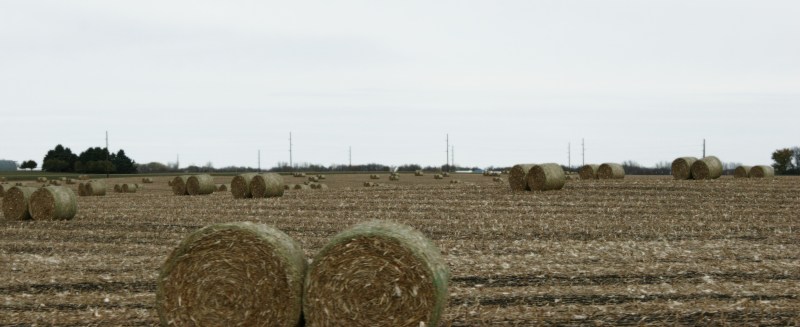
Cornstalk bales litter fields between Redwood Falls and Morgan.

Cornstalk bales litter fields between Redwood Falls and Morgan.

My husband was raised on a farm near Buckman in central Minnesota. Heard of it? Few people have. Likewise, not all that many Minnesotans know of Vesta, my hometown. Both communities are small—several hundred residents.

A vintage car travels eastbound along U.S. Highway 14 toward Nicollet.

A vintage car travels eastbound along U.S. Highway 14 toward Nicollet.

When folks ask where I grew up, I typically respond Vesta, bookmarked by “between Redwood Falls and Marshall.” If I get a blank look, I add “west of New Ulm.” If the geographic location still remains a mystery, I continue with “west of Mankato.” Then I usually see a flicker of recognition.

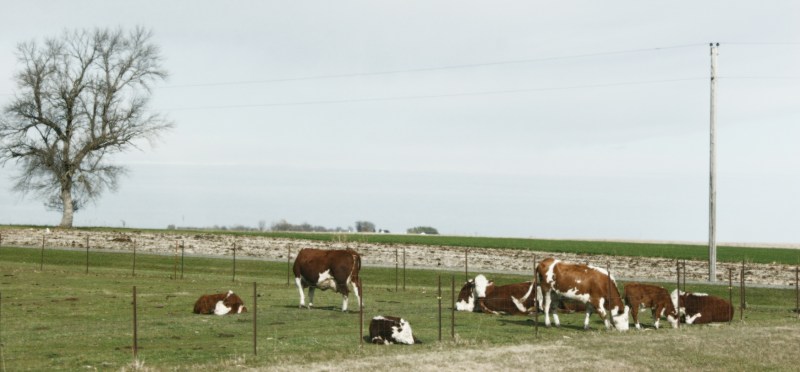
Occasionally you'll see cattle in a pasture. But mostly, farm land in southwestern Minnesota is used for crops like corn and soybeans.

Occasionally you’ll see cattle in a pasture. But mostly, farm land in southwestern Minnesota is used for crops like corn and soybeans.

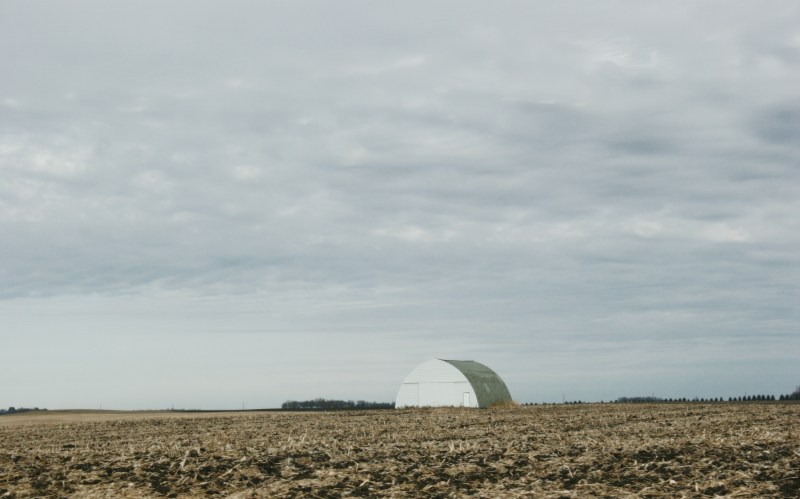
My native southwestern Minnesota seems unappreciated by many who dismiss it as that boring prairie landscape en route to some place like Sioux Falls or the more distant destination of the Black Hills.

Fields and sky envelope a farm building just west of Wabasso.

Fields and sky envelope a farm building just west of Wabasso.

Appreciating the prairie, if you aren’t a native, takes a bit of effort. Wide skies and unhindered vistas can, I suppose, leave a landlocked city or hemmed-in by trees dweller feeling unsettled, untethered. There’s a sense of vulnerability and isolation on the prairie.

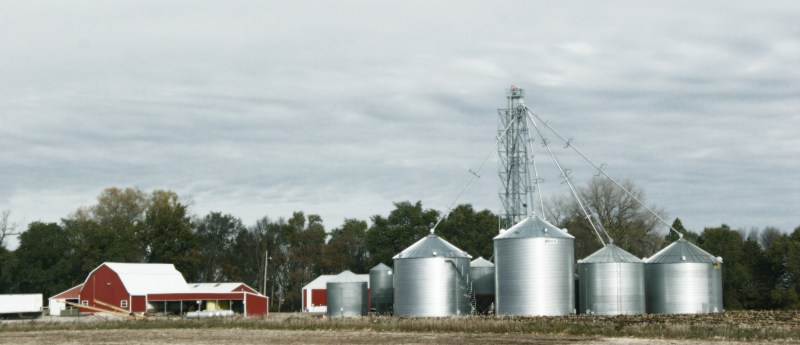
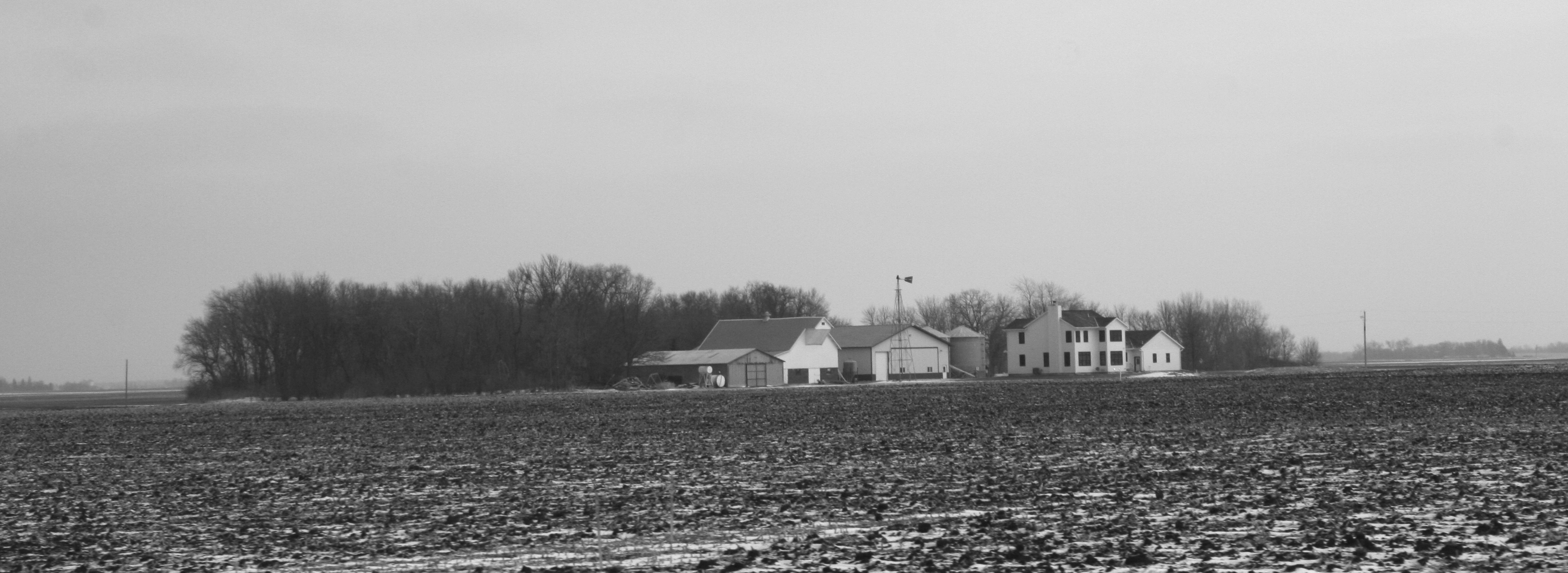
This farm site sits north of Lamberton in Redwood County.

This farm site sits north of Lamberton in Redwood County.

Land and sky overwhelm. Wind dominates. And for non-natives, that feeling of powerlessness within a landscape pushes away any thought of liking the prairie. Hurry. Power through the place. It’s just a bunch of farms and small towns and endless fields. But it isn’t. It is farm homes and red barns, grain elevators and water towers, corn and soybeans. Someone’s home. Someone’s land. Someone’s life. Someone’s livelihood. The prairie part of Minnesota. The place that shaped me as a person, a poet, a writer, a photographer. For that, I am grateful.

#

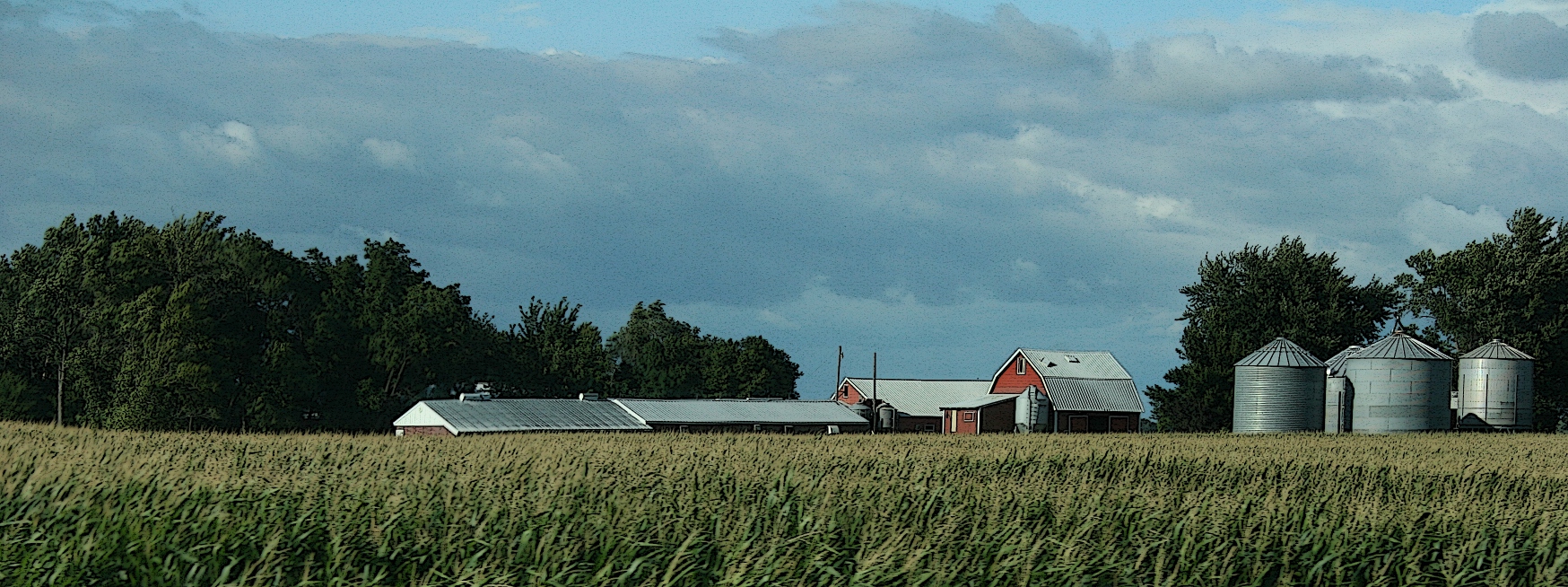
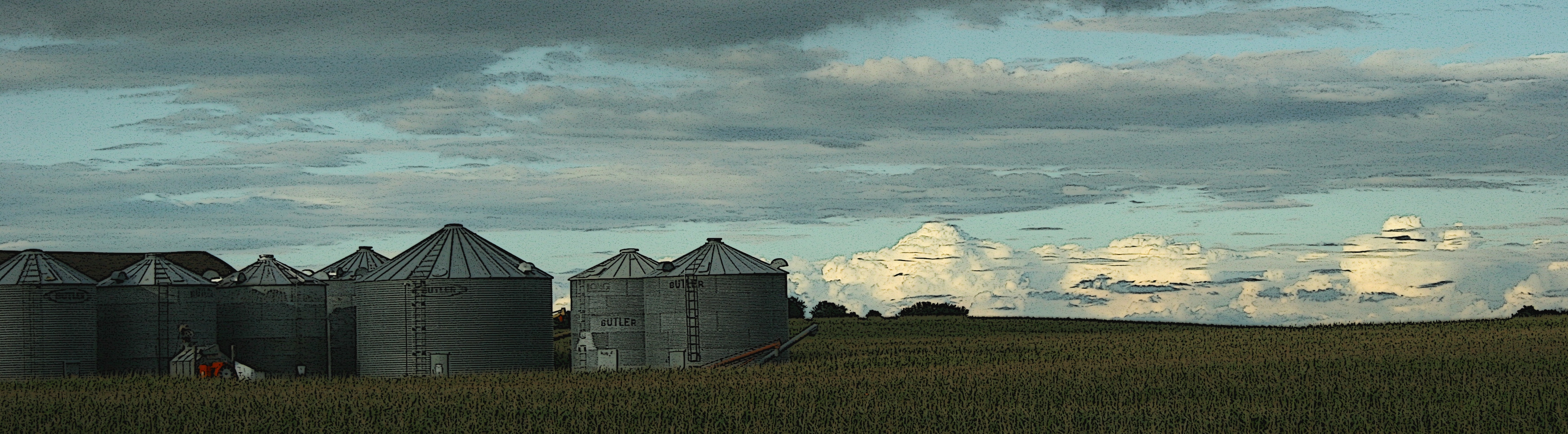
Note: All images were taken during my last visit “back home” in October and were edited to add a soft quality to the scenes.

© Copyright 2015 Audrey Kletscher Helbling
 

A sweeping valley view from Grandad Bluff in La Crosse October 20, 2015

Filed under: Uncategorized — Audrey Kletscher Helbling @ 5:00 AM
Tags: , , , , , , , , ,

Grandad's Bluff, 89 valley view 1


LATE FRIDAY AFTERNOON and the sun lights and shadows La Crosse. High above this Wisconsin city just across the Mississippi River from Minnesota, I am aiming my camera toward the valley below. With a bit of trepidation. Even though I am securely fenced atop the nearly 600-foot high Grandad Bluff, I am still unnerved by the height.


Grandad's Bluff, 94 railing on overlook


Yet, after awhile, I grow comfortable enough to edge to the railing and fire off shots of the scene below. Houses and colleges. Gridded streets. Water and sky and backdrop of bluffs. Trees, oh, the trees. With a view like this, it is not surprising that some 100,000 visitors come to Grandad Bluff annually.


Grandad's Bluff, 91 valley view 2


Despite the cold and fierce wind, admirers of autumn, like me, have driven to this bluff  park to appreciate the valley view. It is not an ideal time of day to shoot photos here, looking to the west in the late afternoon. But I manage.


Grandad's Bluff, 90 lookout point


Year after year after year, autumn still grabs my heart unlike any other season in the Midwest. Memories of riding in the family car along the gravel roads of the Minnesota River Valley from near Granite Falls east to Morton each fall remain a vivid visual from decades ago. But not until my daughters aimed east for college, one to the Mississippi River town of Winona and the other to La Crosse, did I discover the rugged river valley beauty of this region. This pocket corner of southeastern Minnesota and into Wisconsin is now a favorite to tour as the leaves change color. Anywhere along and near U.S. Highway 61 really.


Grandad's Bluff, 93 valley view 3


Oftentimes I reflect on how fortunate I am to live in a state like Minnesota with such a diverse terrain of prairie and rolling hills, river bluffs, woods and lakes and rivers. So much packed into our state and neighboring Wisconsin.


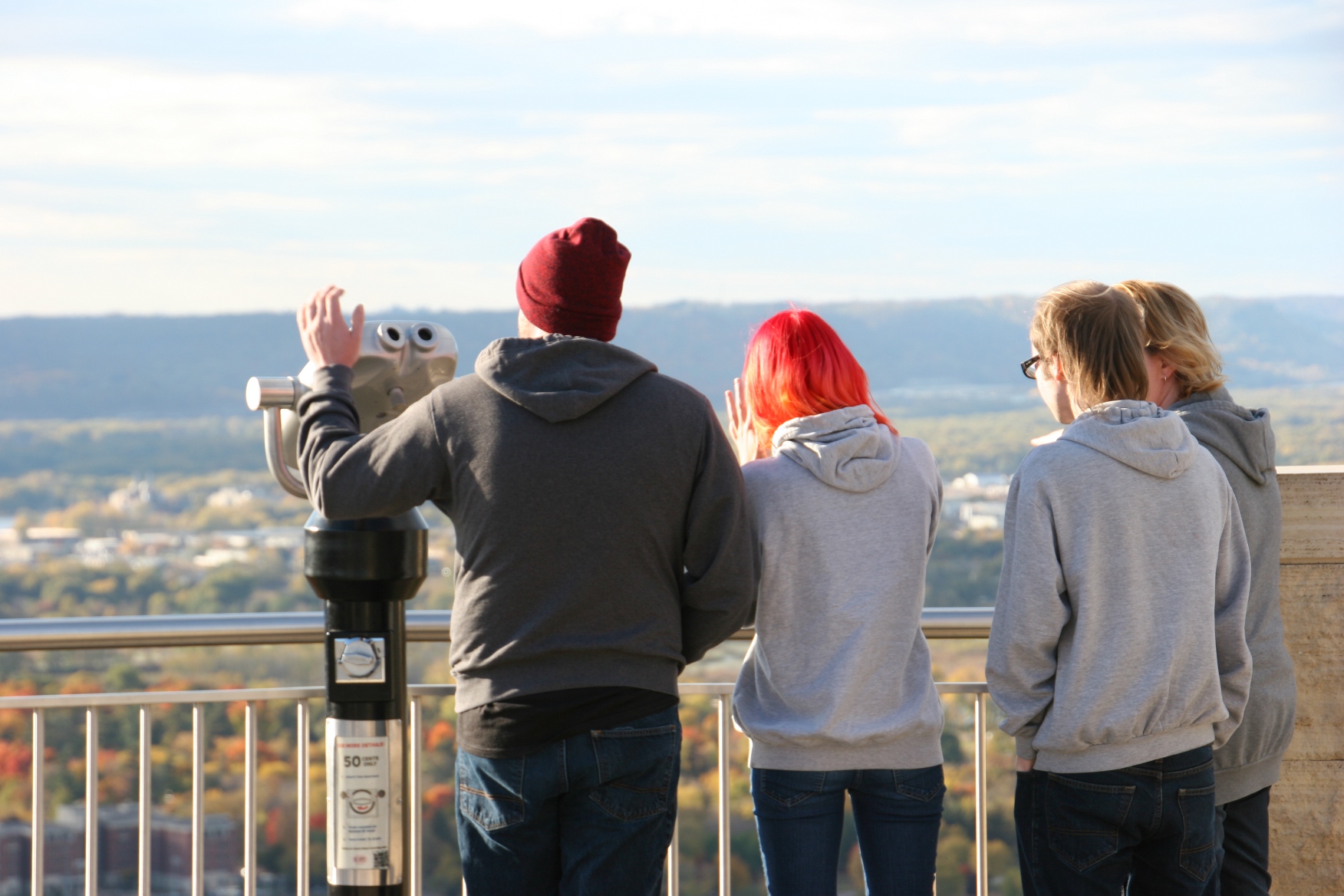
Grandad's Bluff, 87 red-haired girl


In this final month before winter grips the land, I savor scenes like that which unfolded before me Friday afternoon high atop Grandad Bluff. Soon enough trees will stand naked in the valley. Waterways will ice over. And images of this October day will remain in a computer photo file labeled La Crosse, and in the memory bank of my mind.

BONUS PHOTOS:

Grandad's Bluff, valley view 4


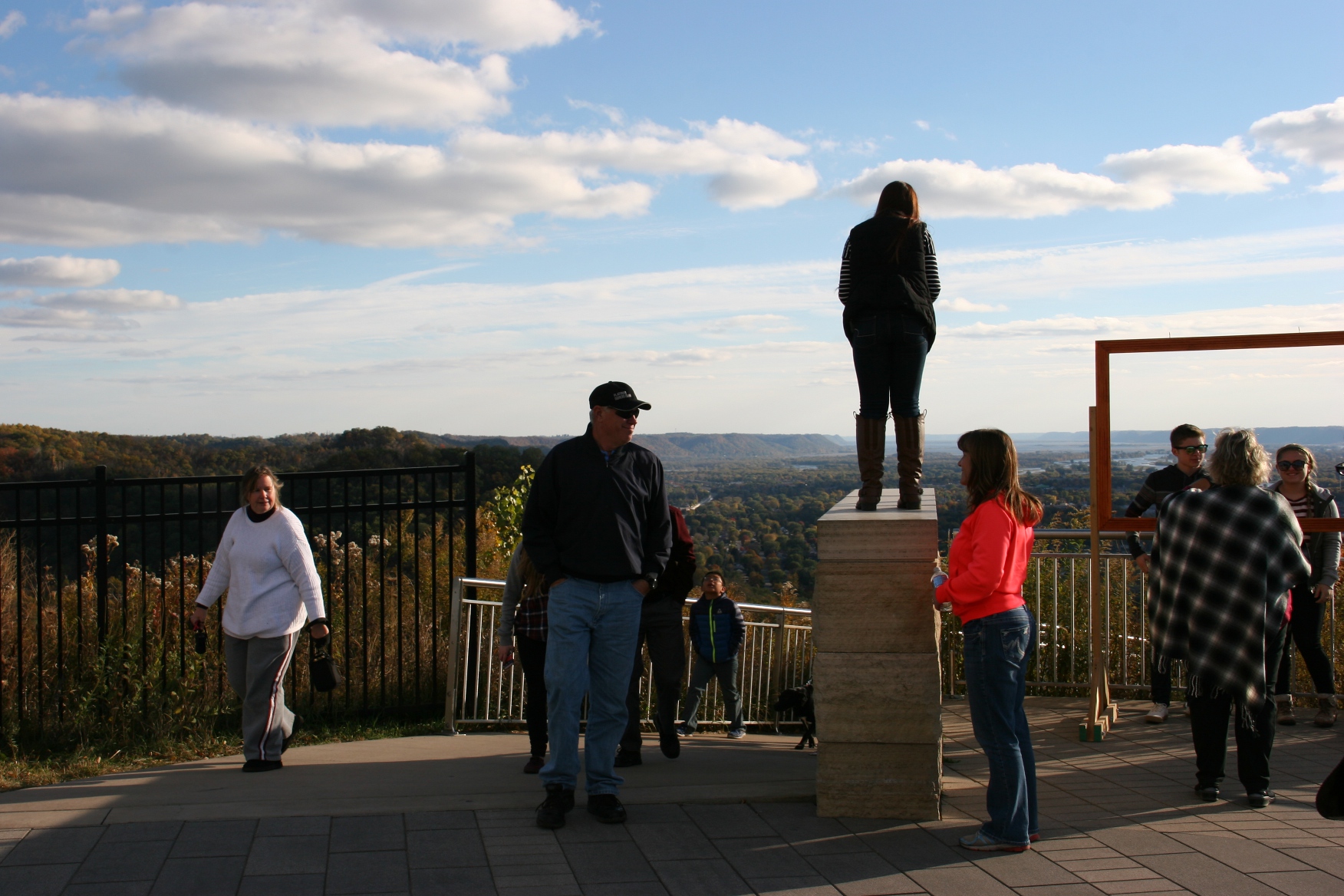
Grandad's Bluff, 86 standing atop post to take photo


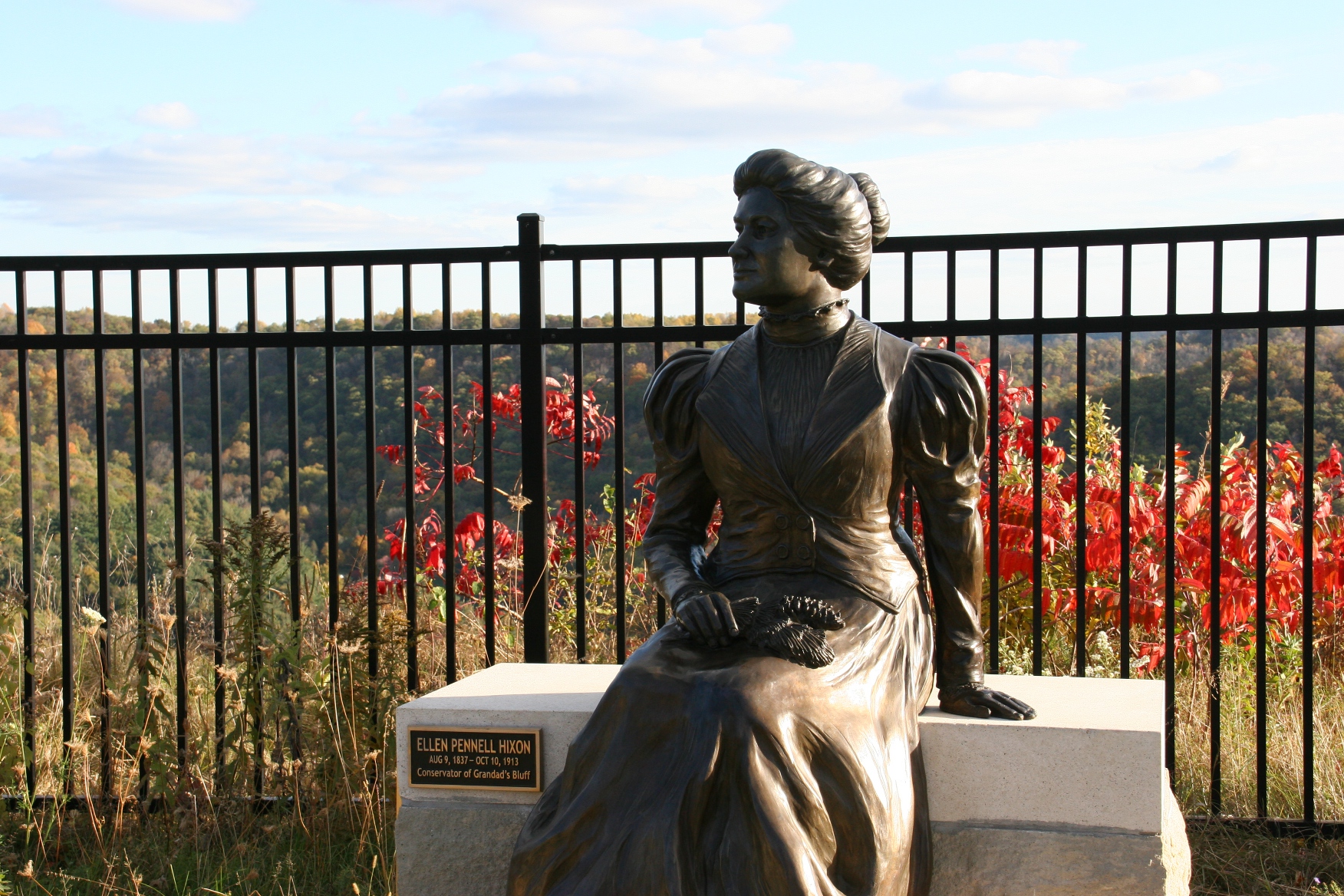
This sculpture, installed in September, honors La Crosse resident Ellen Hixon. Sh saved this bluff from developers.

This sculpture, installed in September, honors La Crosse resident Ellen Hixon. She saved this bluff from developers. The bluff area became a park in 1912.

FYI: Check back for more stories from La Crosse.

© Copyright 2015 Audrey Kletscher Helbling
 

A mostly snowless Minnesota landscape March 2, 2015

Filed under: Uncategorized — Audrey Kletscher Helbling @ 5:00 AM
Tags: , , , , ,

MILE AFTER MILE, westbound across Minnesota, the snow cover diminished.

Near Madison Lake, Minnesota.

Near Madison Lake, Minnesota.

Except for pockets of snow in the shade of trees or buildings, most yards lay bare, dormant grass exposed.

Road and drainage ditches, typically drifted full, gaped crevices in the land.

Farm fields lie exposed in this shot along U.S. Highway 14 west of Mankato.

Farm fields lie exposed in this shot along U.S. Highway 14 west of Mankato.

Fields normally layered white in February rolled out like a stubbled black carpet. Mile after endless mile the snow cover decreased as my husband and I journeyed from Rice County through Le Sueur, Blue Earth, Nicollet and Brown counties before reaching our destination in Redwood County.

Another rural scene between Mankato and Courtland.

Another rural scene between Mankato and Courtland.

Nearly all 120 miles, the wind shoved against the van, creeping inside, chilling my feet and legs, even snugged under a patchwork throw.

The farther west we drove, the more we felt the wind in the wide open spaces, the prairie, the place of my youth. There is no wind like a prairie wind. Ceaseless. Relentless. Fearsome.

On the drive back east later that day, we spotted a column of black in the distance and considered the source of the fire.

Except, as we drew nearer, we saw dust, not smoke. Rising like a super-sized dust devil, a wind-fueled dust storm swept across bare earth. It was almost frightening to witness this storm growing in size, eroding the soil as it raced across acres of farm land.

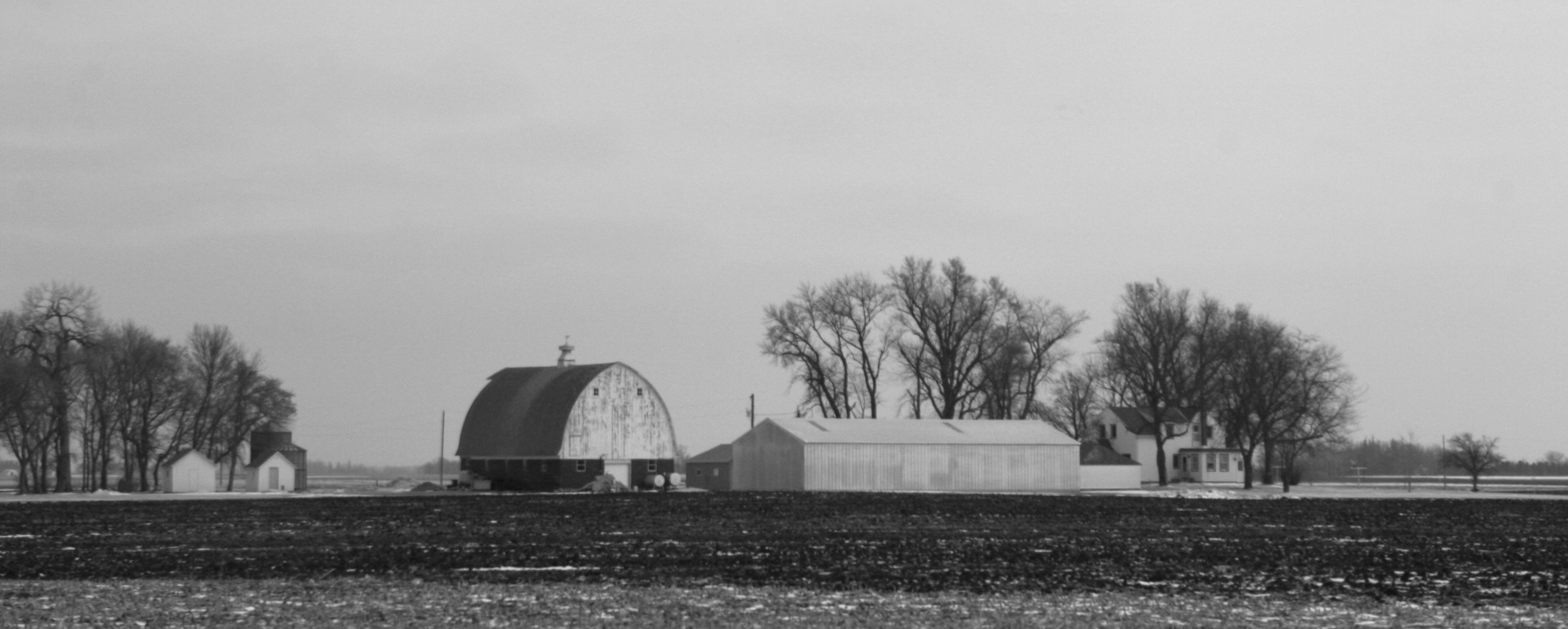
The landscape appears more like it does in early spring rather than in the heart of a Minnesota winter. This farm place lies between Mankato and Courtland.

The landscape appears more like it does in early spring rather than in the heart of a Minnesota winter. This farm place lies between Mankato and Courtland.

In that moment, I considered how beneficial snow is in curbing erosion, in supplying moisture to the land, in maintaining balance in the landscape.

FYI: These images were shot on the morning of February 21. Shortly thereafter, my camera stopped working. Therefore I have no photos of the dust storm or the landscape beyond Courtland to the west.

My community of Faribault is deep in snow. No exposed earth here.

© Copyright 2015 Audrey Kletscher Helbling
 

And there was light & clouds & beauty everywhere in rural Minnesota August 4, 2014

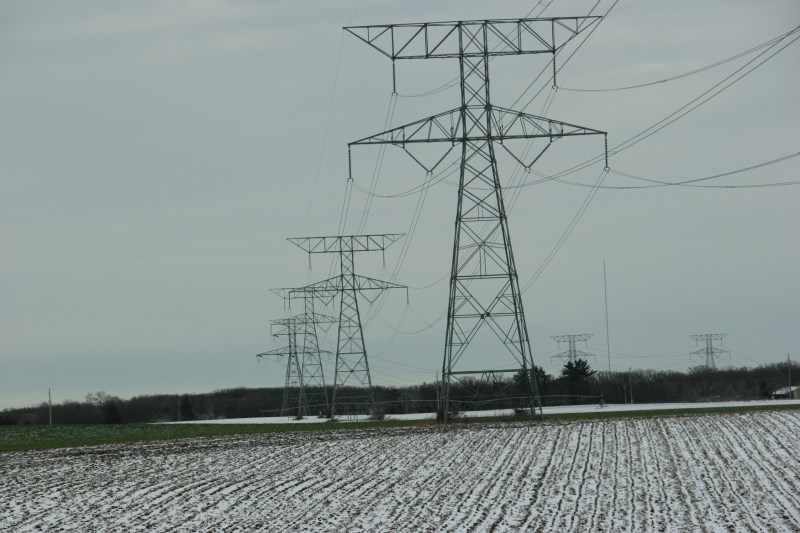
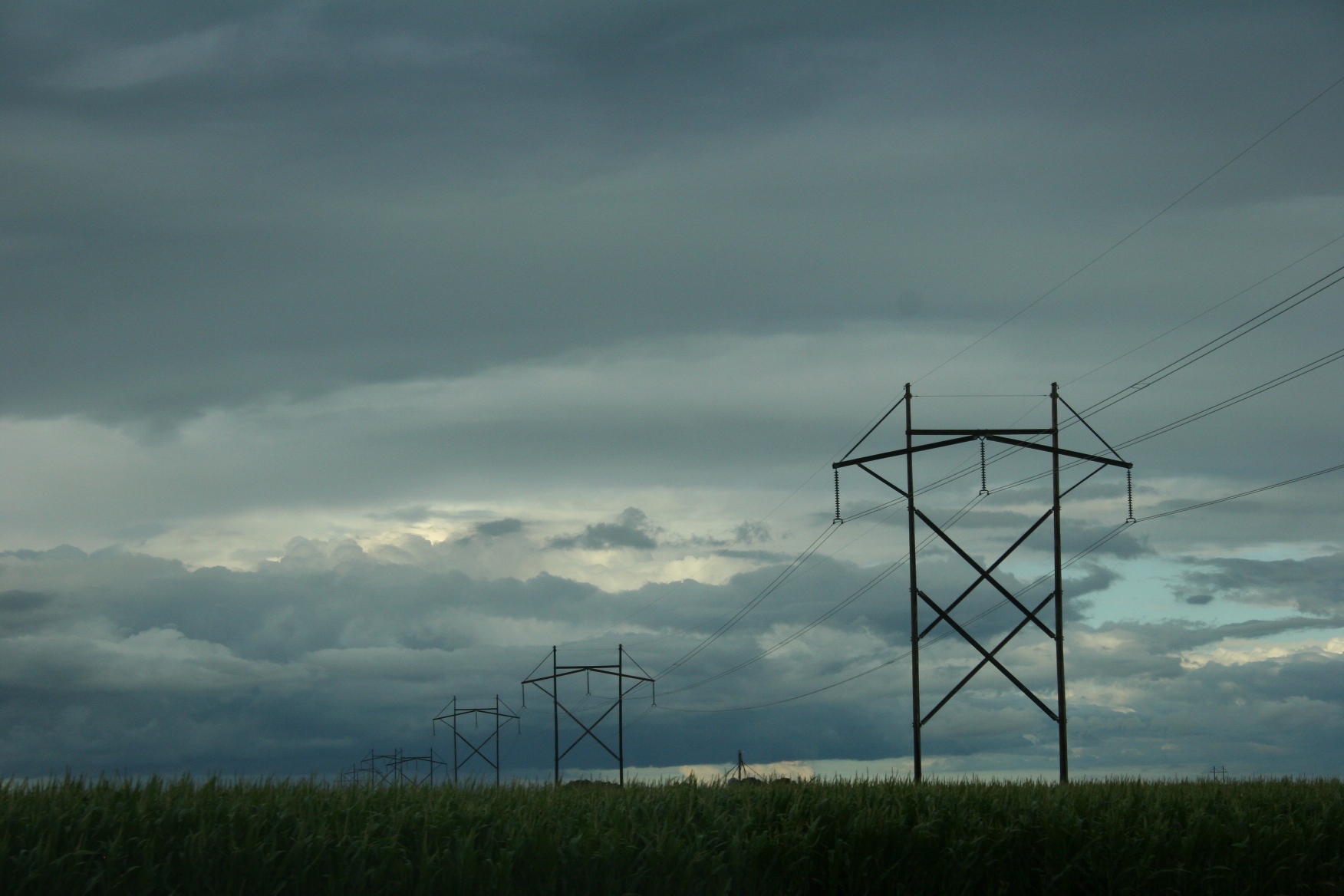
Power lines between Redwood Falls and Morgan.

Power lines tower over a cornfield between Redwood Falls and Morgan.

ALL THE WAY HOME, from southwestern Minnesota to southeastern, I watched the sky and the light and the crops as daylight edged ever nearer night.

A farm site between Morgan and New Ulm.

A farm site sits next to a corn field between Morgan and New Ulm.

There’s something magical about this time when light angles sharp shadows and a certain glow prevails.

Along U.S. Highway 14 between New Ulm and Courtland.

Along U.S. Highway 14 between New Ulm and Courtland.

On this particular evening, grey mingled with white and blue, clouds stretching and towering and sometimes nearly imprinting upon the earth.

I waited for the rain. Then, just east of Courtland along U.S. Highway 14, one of Minnesota’s most dangerous rural highways, the sky opened. For a short period, rain rushed across the windshield, washing away residue of bugs and bird poop with each swipe of the wipers.

Traveling U.S. Highway 14 near Eagle Lake.
Traveling U.S. Highway 14 near Eagle Lake.
Soon enough, the rain stopped and dry pavement rolled beneath the van tires.

Grain bins along Minnesota State Highway 60 just off U.S. Highway 14.

Grain bins along Minnesota State Highway 60 just off U.S. Highway 14.
I focused once again on the light—the contrast of fading sunlight against battle grey sky,

Light ripples across a hillside of corn between Waterville and Faribault along Minnesota State Highway 60.

Light ripples across a hillside of corn between Waterville and Faribault along Minnesota State Highway 60.

light spotlighting a hillside of tasseling corn,

Just east of Waterville along Minnesota State Highway 60.

Just east of Waterville along Minnesota State Highway 60.

vibrant yellow traffic signs popping alongside the road.

Barn and bins behind a corn field near Waterville.

Barn and bins behind a corn field near Waterville.

The landscape appeared more focused, like a bold-lined picture colored with pointy new crayons. Sharp. New. Unrounded.

© Copyright 2014 Audrey Kletscher Helbling