Minnesota Prairie Roots

Writing and photography by Audrey Kletscher Helbling

A Banned Books Week commentary on free speech October 10, 2025

This American Library Association poster anchors the Banned Books Week display at my local library. (Minnesota Prairie Roots copyrighted photo October 2025)

AS A WRITER, journalist and avid reader, I’m a firm believer in free speech. Never have I seen that right more threatened in America than it is today. It’s downright scary—efforts by the federal government to suppress voices (already occurring), promises of retribution (now being carried out), abuse of power (happening on so many levels) and much more that threatens our very freedoms, our democracy. I could go on and on.

But today I want to focus on Banned Books Week, which ends tomorrow. Thursday evening I gathered with a group of volunteers for an appreciation event at Books on Central in Faribault, a used bookshop founded by the Rice County Area United Way. While I don’t volunteer there (yet), I’ve blogged about the bookstore numerous times because I love books and I love that monies from BOC book sales help nonprofits in my area. We weren’t there to discuss banned books, though, but rather to celebrate volunteerism and this small bookshop which has become much-beloved by the Faribault community and beyond.

It was not lost on me as I sat there surrounded by books, listening to volunteers share their passion for this place and for books, that everyone who walks in the door is surrounded by choices. As it should be. Choose what you want to read or want to share with others.

A powerful and fitting quote for Banned Book Week displayed at Buckham Library. (Minnesota Prairie Roots copyrighted photo October 2025)

Yet, there are individuals, organizations, elected government officials and others who want to determine what we can read by banning books from libraries, schools and elsewhere. That, my friends, is censorship. And I’m not OK with that. If I find the content of a book to be offensive, then I can stop reading it or never open it in the first place. Likewise parents can monitor their child’s reading materials just as they would online content.

A sampling of books that have been banned in various places in America. These were included in a display at my library. (Minnesota Prairie Roots copyrighted photo October 2025)

In the words of the American Library Association’s 2025 Banned Books Week theme, “CENSORSHIP is so 1984.” That’s a reference to George Orwell’s prophetic 1949 novel, 1984, about a totalitarian government. That’s a simplistic summary. But the book is particularly relevant to today. I intend to check it out from my library to reread.

Bracelets available at Buckham Library support the RIGHT TO READ. (Minnesota Prairie Roots copyrighted photo October 2025)

After the bookshop appreciation event Thursday evening, I stopped at Buckham Memorial Library to see if staff had created a Banned Books display as they have in the past. They did. After I read the information and looked at a sampling of books that have been banned (not from my library), I grabbed a green bracelet imprinted with this message: CENSORSHIP is so 1984. READ FOR YOUR RIGHTS.

I will continue to read. I will continue to write. And I will continue to embrace, support and advocate for free speech. I have a voice. I refuse to be silenced.

© Copyright 2025 Audrey Kletscher Helbling


In celebration of public libraries & all they offer April 9, 2025

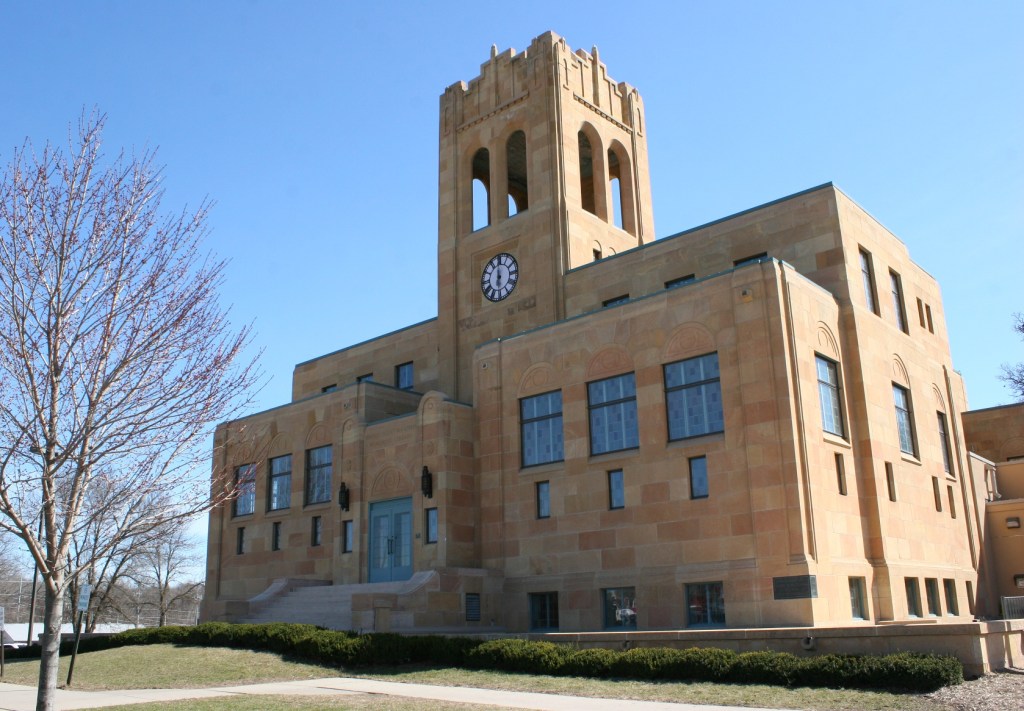
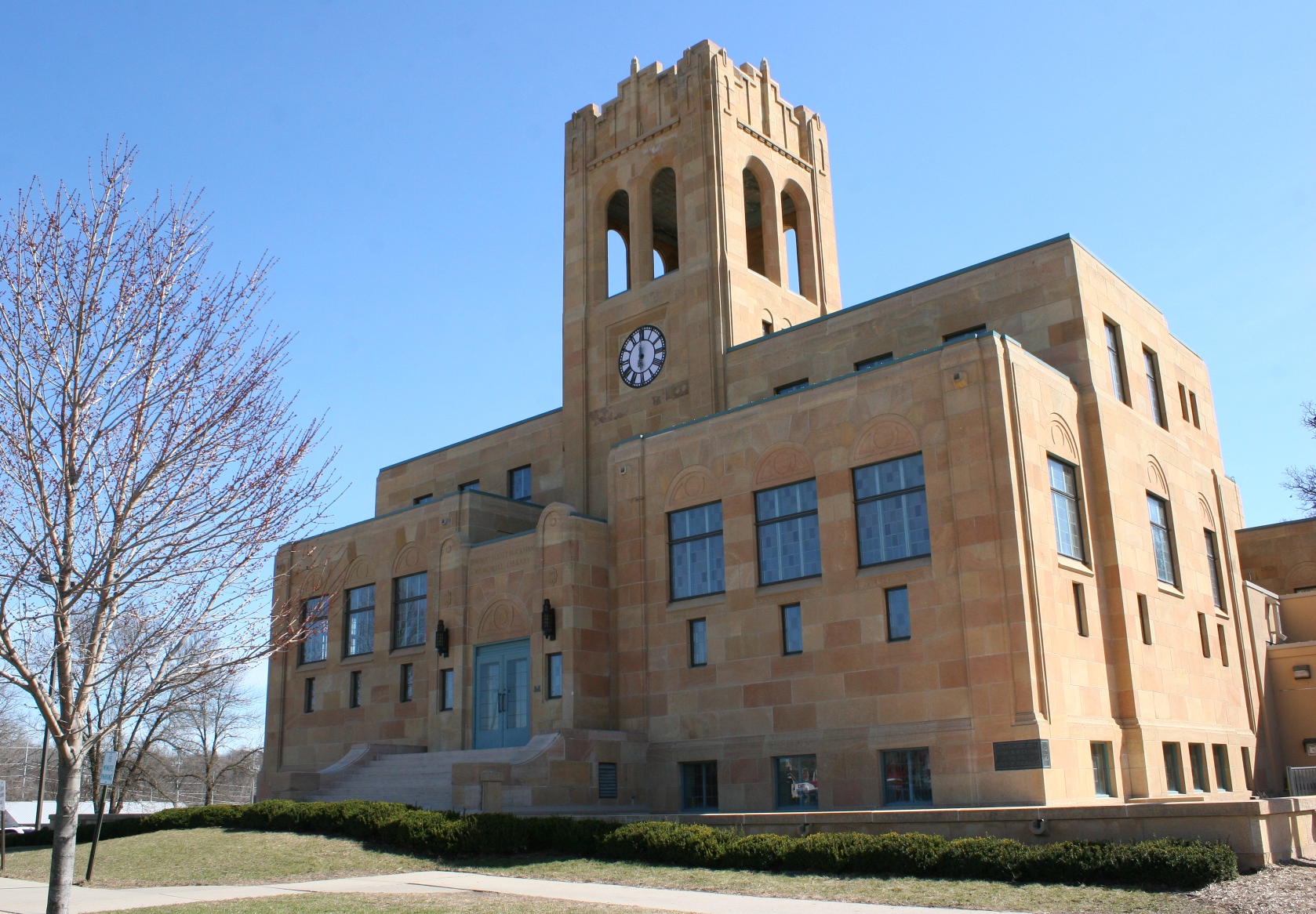
Buckham Memorial Library, Faribault, Minnesota. (Minnesota Prairie Roots copyrighted file photo)

I LOVE LIBRARIES for the most basic reason. Books. I love to read. And, for me, Buckham Memorial Library, only blocks from my home, is my go-to source for reading materials.
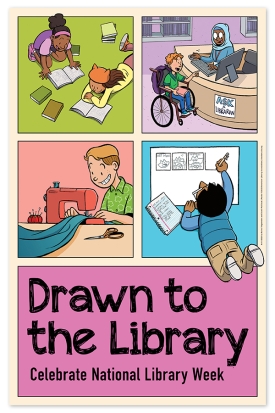
(National Library Week promo sourced online)

The week of April 6-12, National Library Week, I’ve been celebrating public libraries and all they offer. And that’s well beyond books. Libraries have evolved from a shushed setting of a stern librarian sitting behind a desk to warm and welcoming community spaces. I so appreciate the way libraries connect and grow community. I value the vast and varied services and programming they offer.
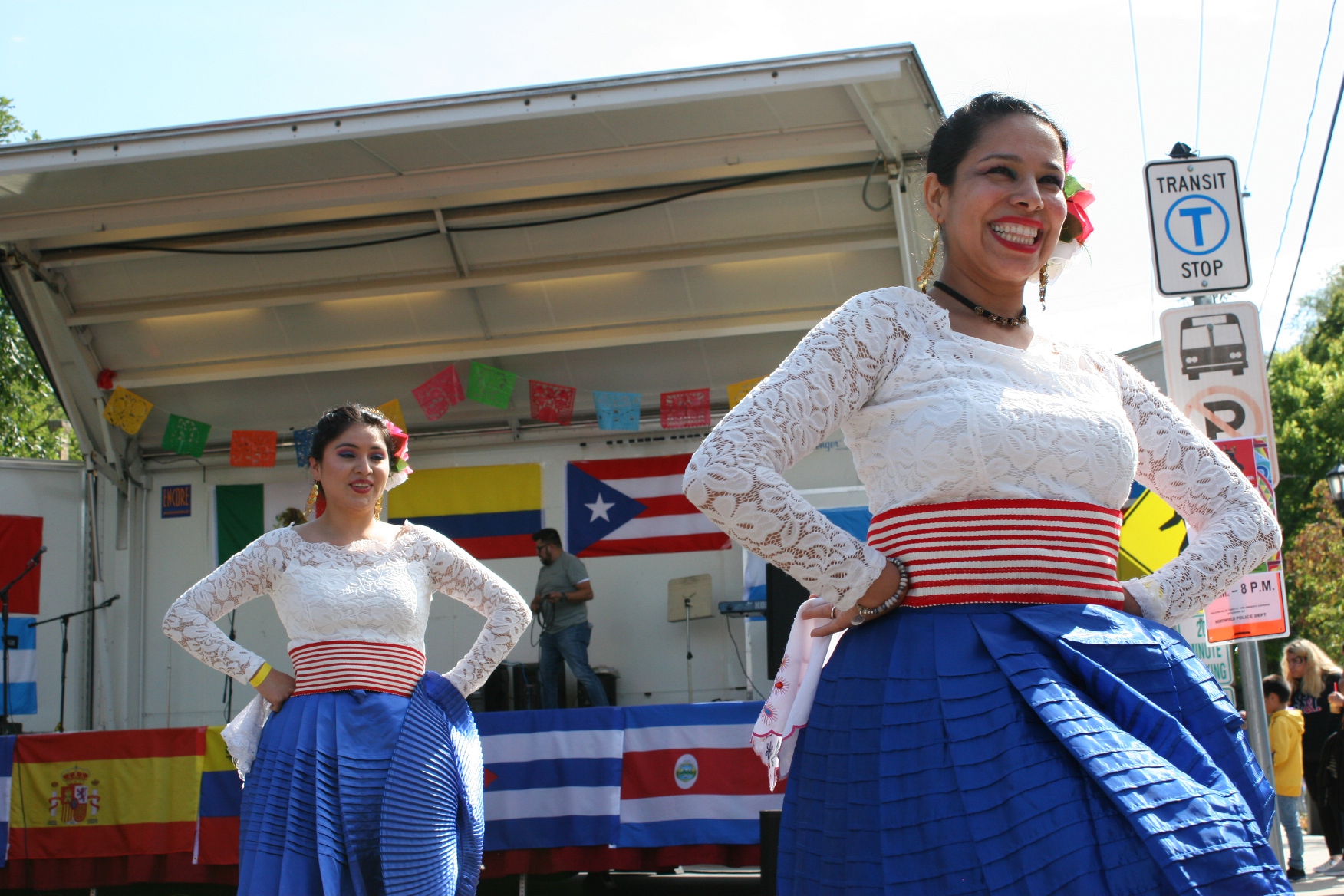
Dancers at a previous Hispanic Heritage Month event in Northfield, Minnesota. (Minnesota Prairie Roots copyrighted file photo September 2019.

Through the years, I’ve enjoyed many author talks in the Great Hall at Buckham. I’ve even participated myself in a poetry reading and a local authors event. Likewise, I’ve attended author talks at the public library in neighboring Owatonna. In Northfield, I’ve gone to a Hispanic Heritage Month celebration. I’ve checked books out from both those nearby libraries and from all over Minnesota through the inter-library loan system. Almost any book is available to me with only the click of my keyboard and mouse. You’ll even find my writing in books available at the library. That includes This Was 2020: Minnesotans Write About Pandemics and Social Justice in a Historic Year, an award-winning book published by the Ramsey County Public Library.
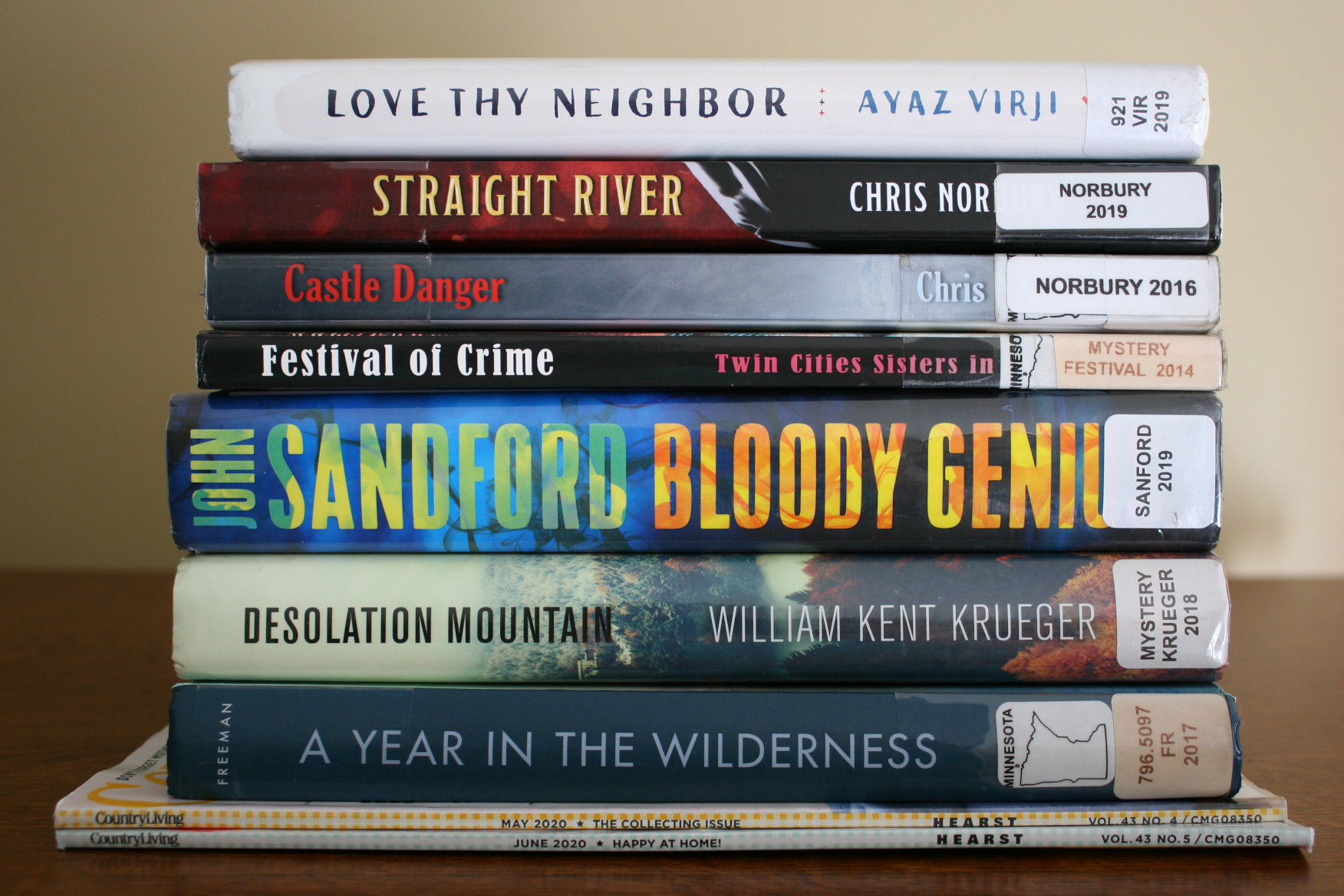
Books and magazines I checked out from the Northfield Library in the past. (Minnesota Prairie Roots copyrighted file photo)

If I didn’t have access to books through libraries, I would struggle. Many evenings I settle into the recliner and read. Reading is an escape for me and a source of information. That I have the freedom to walk into a library and choose a book is not something I take for granted. As a child, I didn’t have easy access to books given my small rural Minnesota community did not have a library. And now, as public and school libraries face book bannings and funding cuts, I hold even more dear the freedom to choose books from the shelves of a well-stocked library.
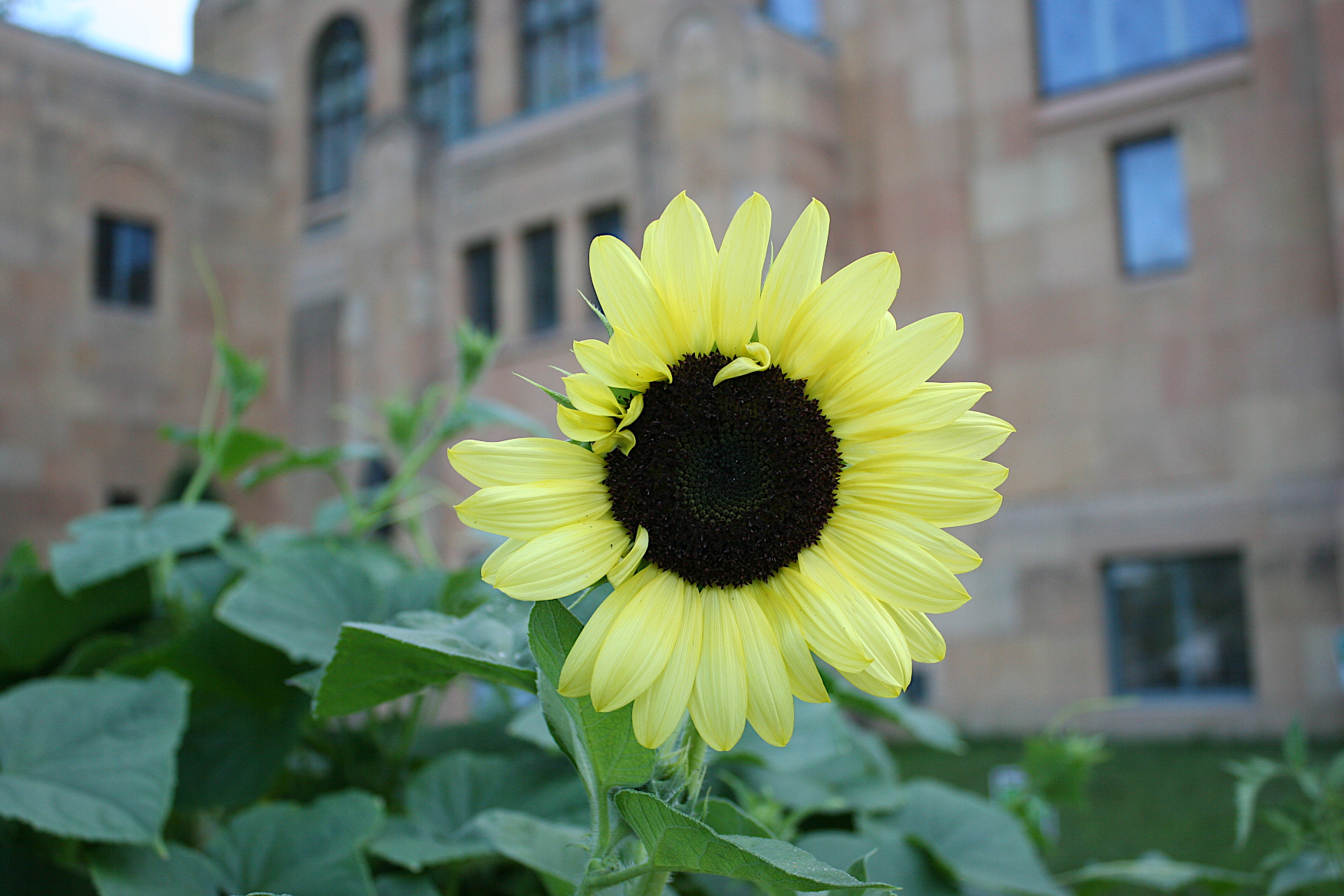
Sunflowers burst color into the library garden where flowers and vegetables are grown for the community. (Minnesota Prairie Roots copyrighted file photo)

I can also choose a whole lot more like movies and music CDs. My library also offers Adventure Kits which hold yard games, hobby-focused items (for bird watching, cake decorating, rockhounding, etc) and more. There are 3D printer labs, a Makerspace, ukulele lessons, art and gardening classes (even a community garden), a seed library, free state park passes… The list goes on and on.

This information was posted in a display at my library several years ago. (Minnesota Prairie Roots copyrighted file photo)

Libraries truly are hubs for learning, and not just from books, magazines and newspapers.
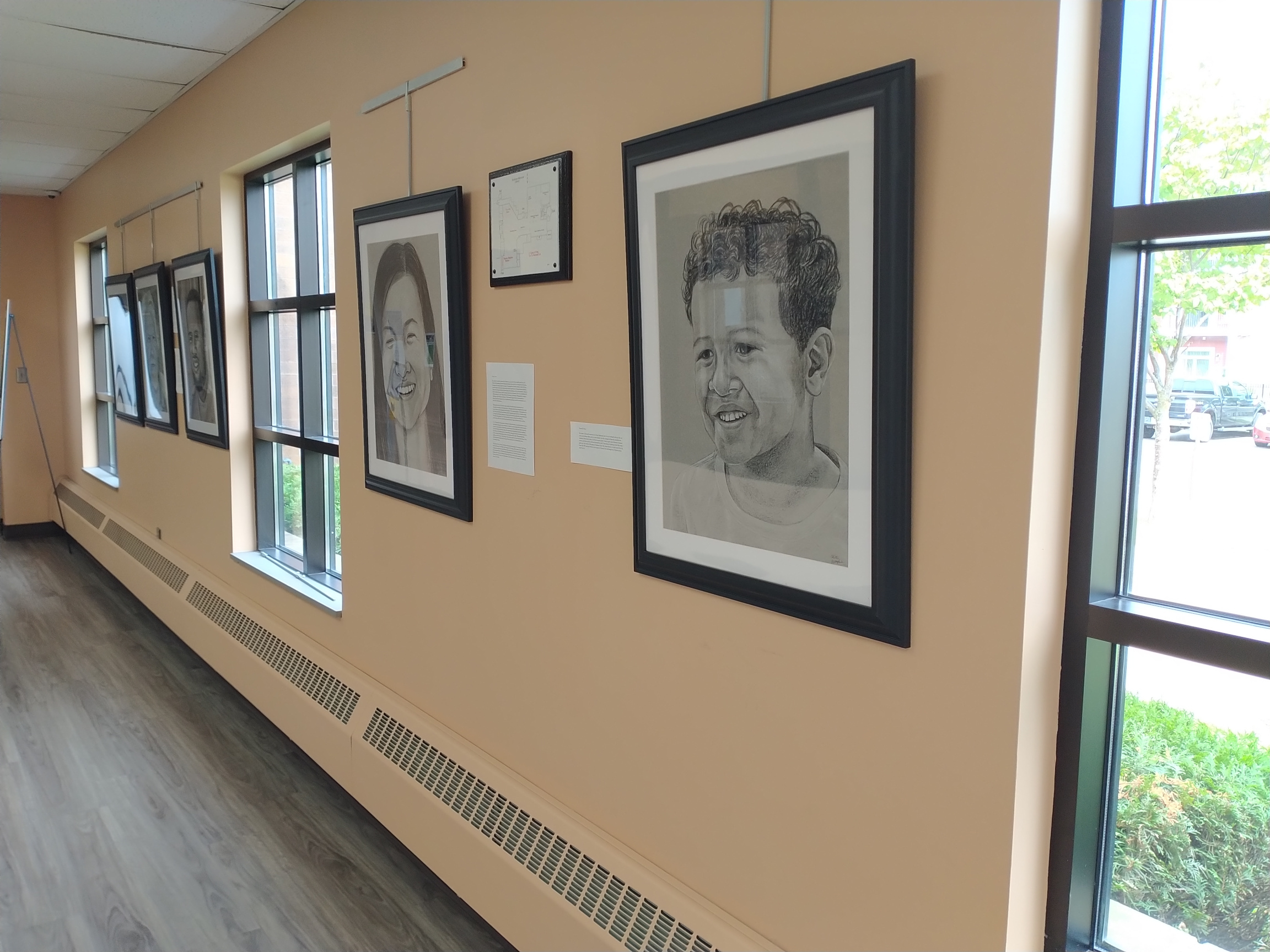
Immigrant portraits by a local artist were displayed in the library corridor. (Minnesota Prairie Roots copyrighted file photo 2023)

Occasional art exhibits in the hallway linking my library to the Faribault Community Center also teach me. Currently, the traveling exhibit “Testify: Americana Slavery to Today” spans that space. It’s an informative and emotion-evoking panel display of photos and information that left me deeply touched and near tears. In the past, I’ve viewed portraits of immigrants and second-generation immigrants by local artist Kate Langlais as part of her “I Am Minnesota” project. Creating an art gallery in a corridor that would otherwise serve as simply a functional connector between two buildings seems a wise use of space.
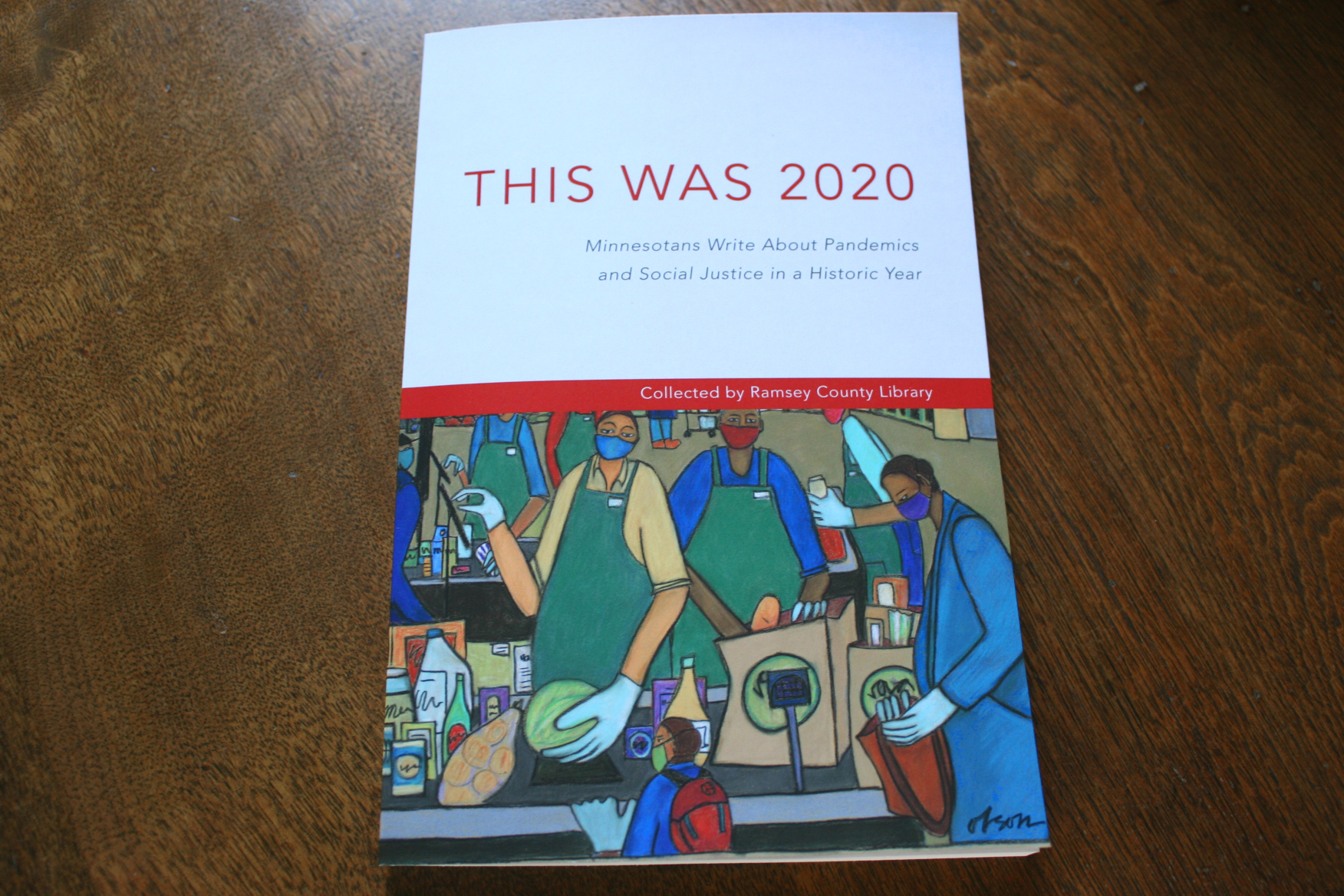
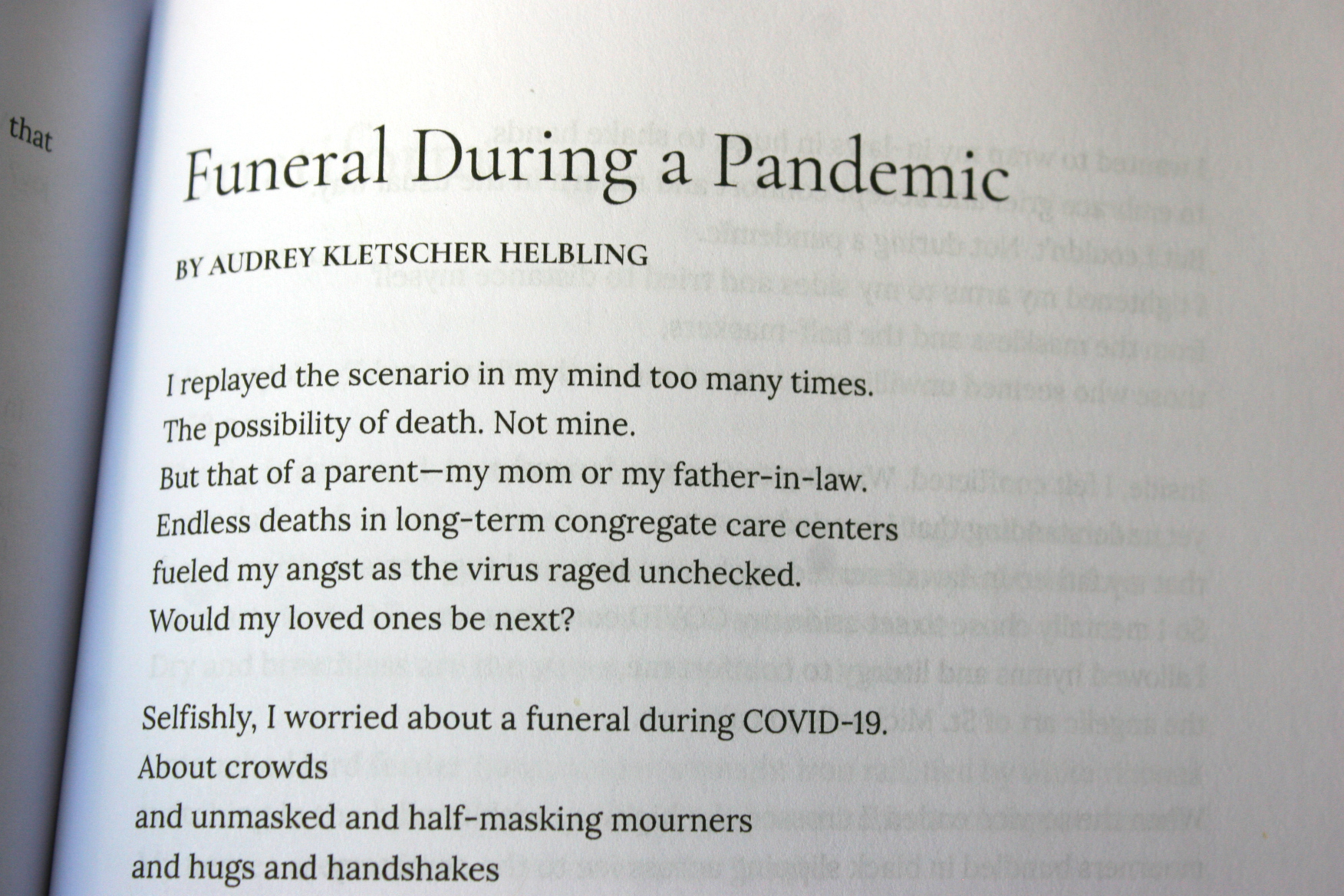
My poem, “Funeral during a Pandemic,” is published in this book available for check out at my local library and other Minnesota libraries. (Minnesota Prairie Roots copyrighted file photo)

Libraries truly are about connecting. Connecting us to stories, knowledge, information and ideas. Connecting us to each other. Young parents gather in libraries for storytime. Youth meet in my library for pizza and book discussions. The library brings music and other entertainment to the community for kids. Years ago, my son learned to yo-yo from Dazzling Dave, a national yo-yo master. Dave is still teaching Faribault kids to yo-yo during summertime library programming.

The best book I’ve ever read on the craft of writing. It’s the only Stephen King book I’ve ever read because I don’t like his genre of books. (Book cover sourced online)

My son, who now works in software research and development, taught himself to code by checking out thick books on coding from the library. And that was in junior high. I’ve checked out books on writing and photography to grow my skills. But mostly, simply reading improves my writing.
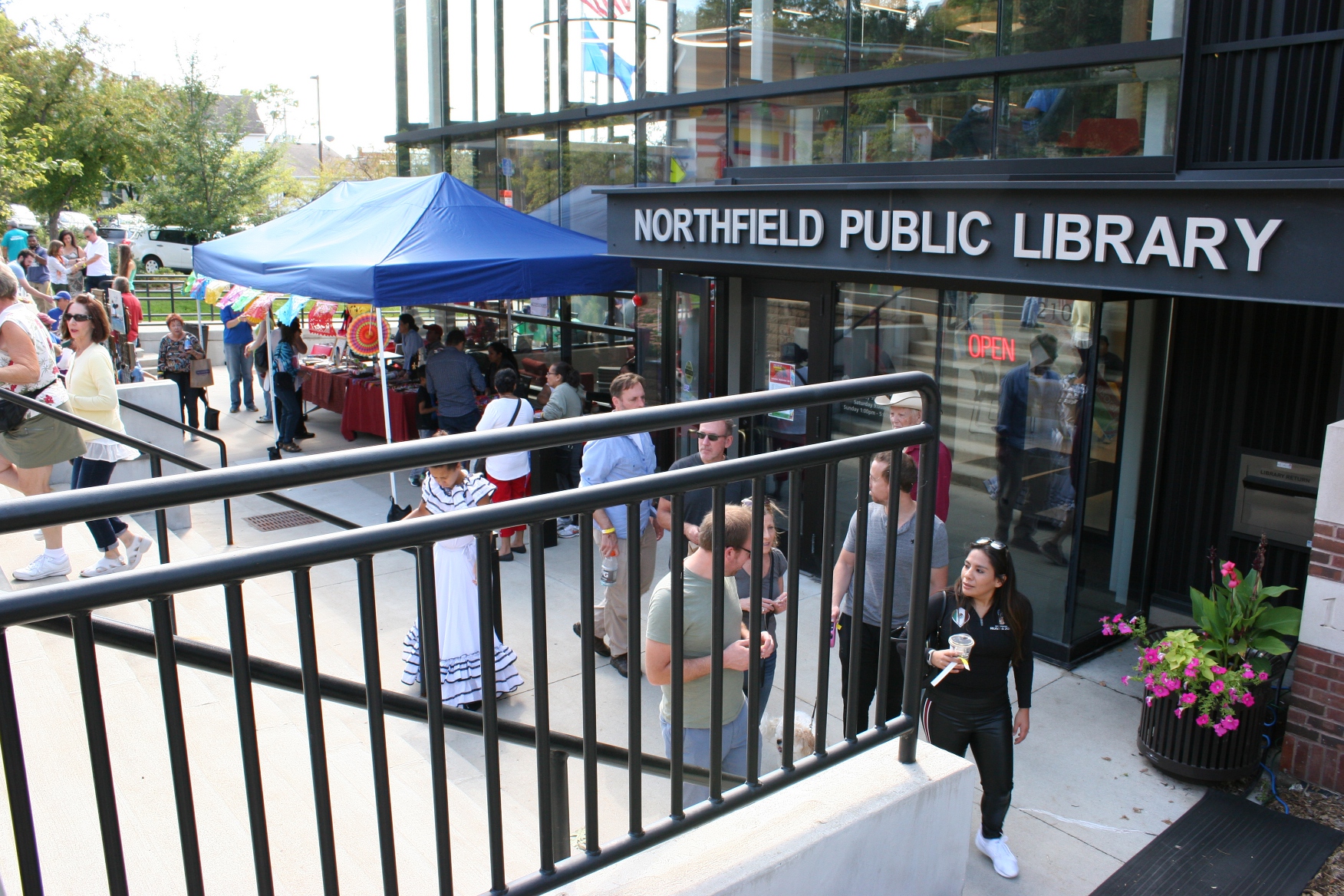
Outside the Northfield Public Library during a past Hispanic Heritage Month celebration. (Minnesota Prairie Roots copyrighted file photo)

I could go on and on about how much libraries offer and how much I value, appreciate and love them. So much draws me to the library. “Drawn to the Library” themes National Library Week. Whether the library in my community or one in a nearby city or a Little Free Library in a front yard, libraries are vital to our communities, to our country, and to me personally. They are an open and (mostly) uncensored place to access knowledge, to widen our world, to connect and grow community.

© Copyright 2025 Audrey Kletscher Helbling


The powerful impact of a Little Free Library April 11, 2023

Filed under: Uncategorized — Audrey Kletscher Helbling @ 5:00 AM
Tags: , , , , , , ,

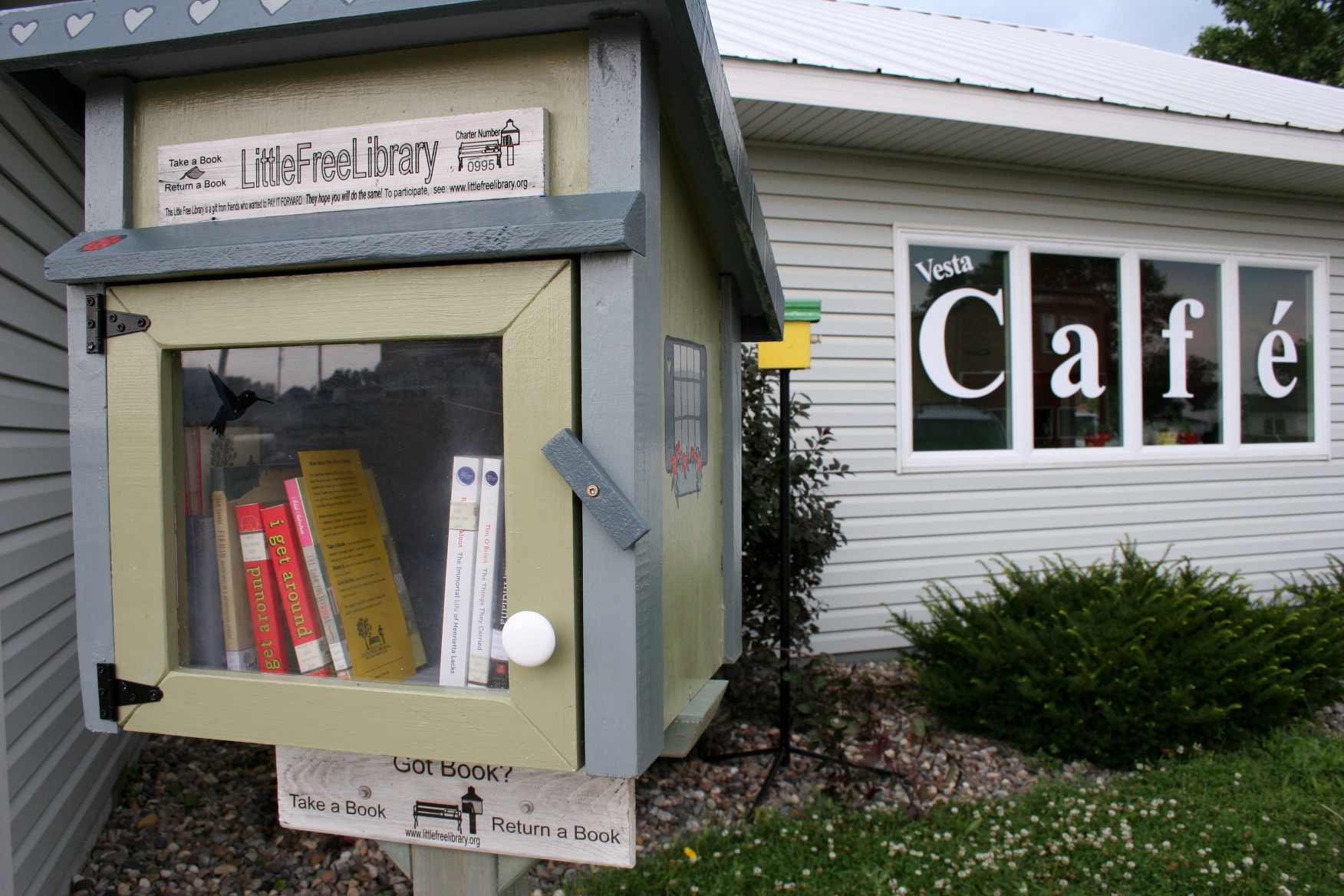
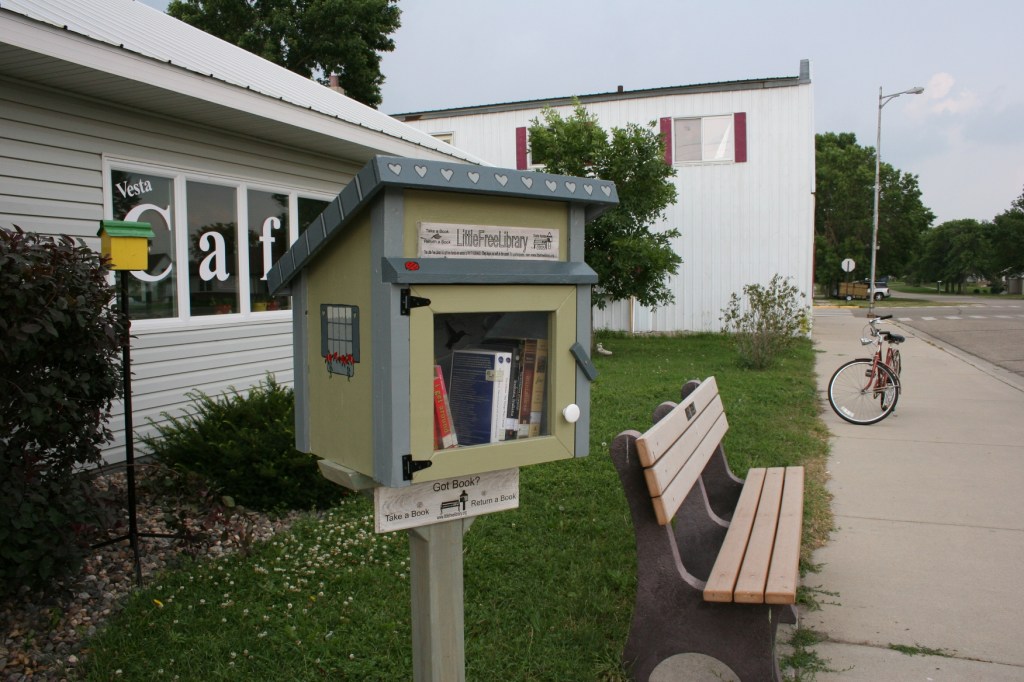
The beautiful handcrafted LFL donated to my hometown of Vesta in 2012 by Todd Bol. (Minnesota Prairie Roots copyrighted file photo July 2012)

TEN YEARS AGO, Todd Bol, co-founder of the Little Free Library, drove three hours from Hudson, Wisconsin, with his wife, Susan, to deliver and install a LFL in my hometown. That act of kindness fulfilled my life-long dream of a library in Vesta, a small farming community on the southwestern Minnesota prairie. Growing up on a farm a mile from town, I longed for a library. So when Todd offered to make that dream come true, I felt overjoyed.

The team that worked to bring a Little Free Library to Vesta includes Dorothy Marquardt, left, and Karen Lemcke, representing the sponsoring Vesta Commercial Club, LFL co-founder Todd Bol and me (holding a copy of a poetry anthology I donated). (Minnesota Prairie Roots copyrighted file photo July 2012)

On a July afternoon in 2012, the Bols, a local newspaper reporter, two community leaders and I gathered outside the Vesta Cafe for the library planting. Todd and I then shelved the books we brought. From there the project grew with the cafe operators adding shelving inside for more books, and magazines. A librarian from nearby Wabasso contributed eight bags of books. And I brought more whenever I visited my mom. Community members embraced the LFL. Today the library has expanded into the City Hall/Community Center with a library based there. That’s inside the former Vesta Elementary School where all those years ago I learned to love books from teachers who read The Little House and other chapter books aloud each day after lunch. That compensated for the lack of an in-school library.

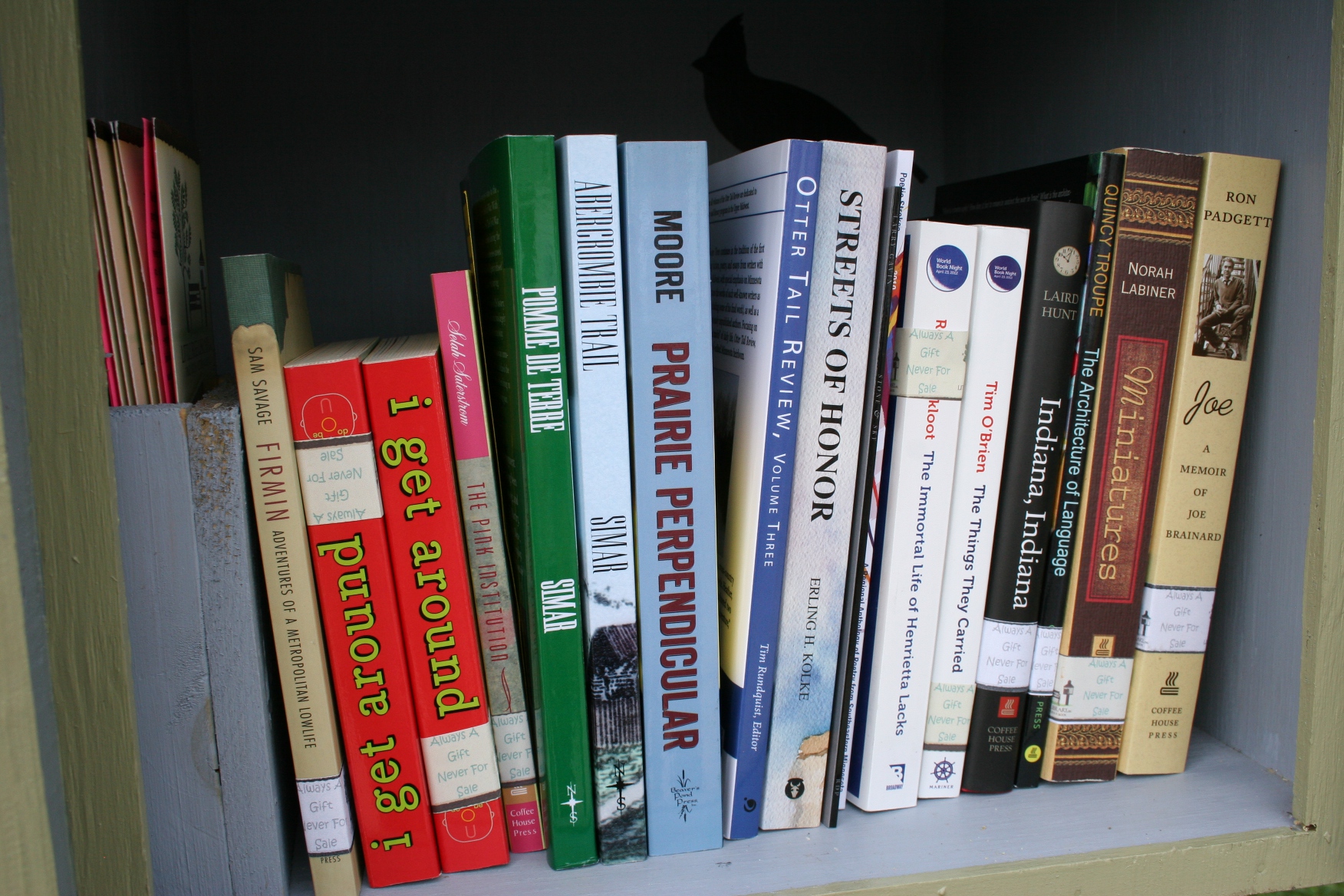
The books Todd Bol and I placed inside Vesta’s LFL. (Minnesota Prairie Roots copyrighted file photo July 2012)

At the time of his donation to Vesta, Todd called this the first in his Small Towns Minnesota LFL Movement. He aimed to get LFLs into rural communities without libraries. He died in 2018 from pancreatic cancer. But his mission continues today through the LFL’s Impact Library Program designed to reach underserved urban, suburban, rural and indigenous communities without, or with limited access to, books.

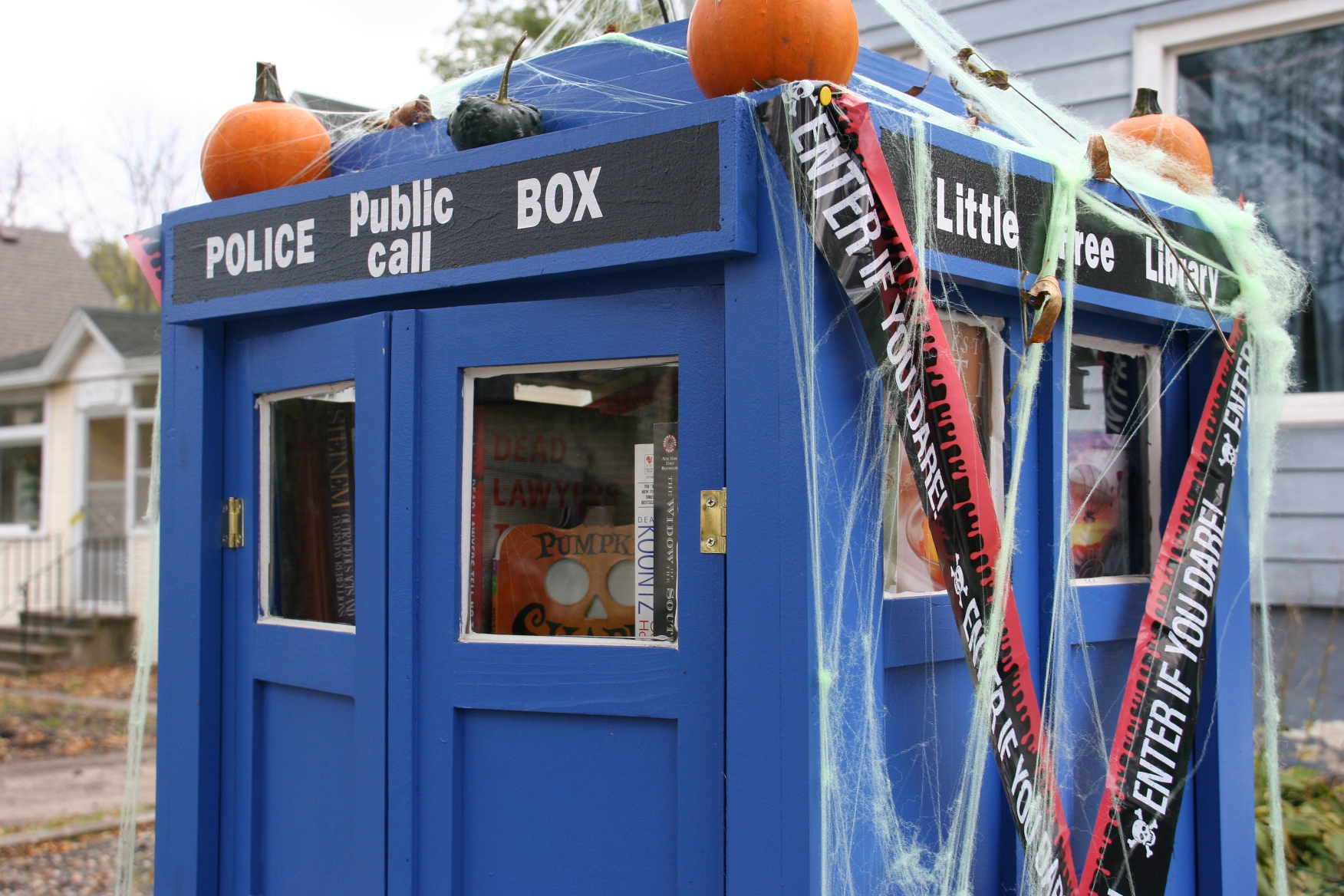
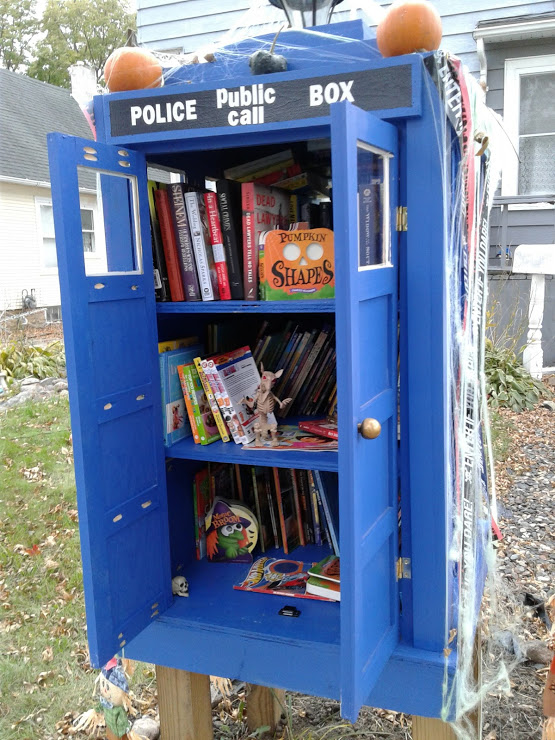
A Tardis LFL in a front yard in Waseca. (Minnesota Prairie Roots copyrighted file photo October 2018)

Thus far, the St. Paul-based nonprofit has donated more than 1,500 LFLs filled with books via the Impact Library Program. That includes 14 in Minnesota. One went to the small town of Goodridge in northwestern Minnesota near the Canadian border. The closest library is 20 miles away. I can relate to that geographical distance given I also lived 20 miles from a library as a child.

But even in big cities, there’s a need for LFLs. During National Reading Month in March, one was placed inside the governor’s office at the Minnesota State Capitol in celebration of books and accessibility to books.

Buckham Memorial Library in Faribault. (Minnesota Prairie Roots copyrighted file photo December 2022)

Today I live several blocks from the public library in Faribault, a city of nearly 25,000 about 120 miles from my hometown. I’ve spotted many LFLs in Faribault neighborhoods. And I’ve also seen many others in Minnesota and beyond, most placed and maintained by individuals or organizations. I have easy access to books.

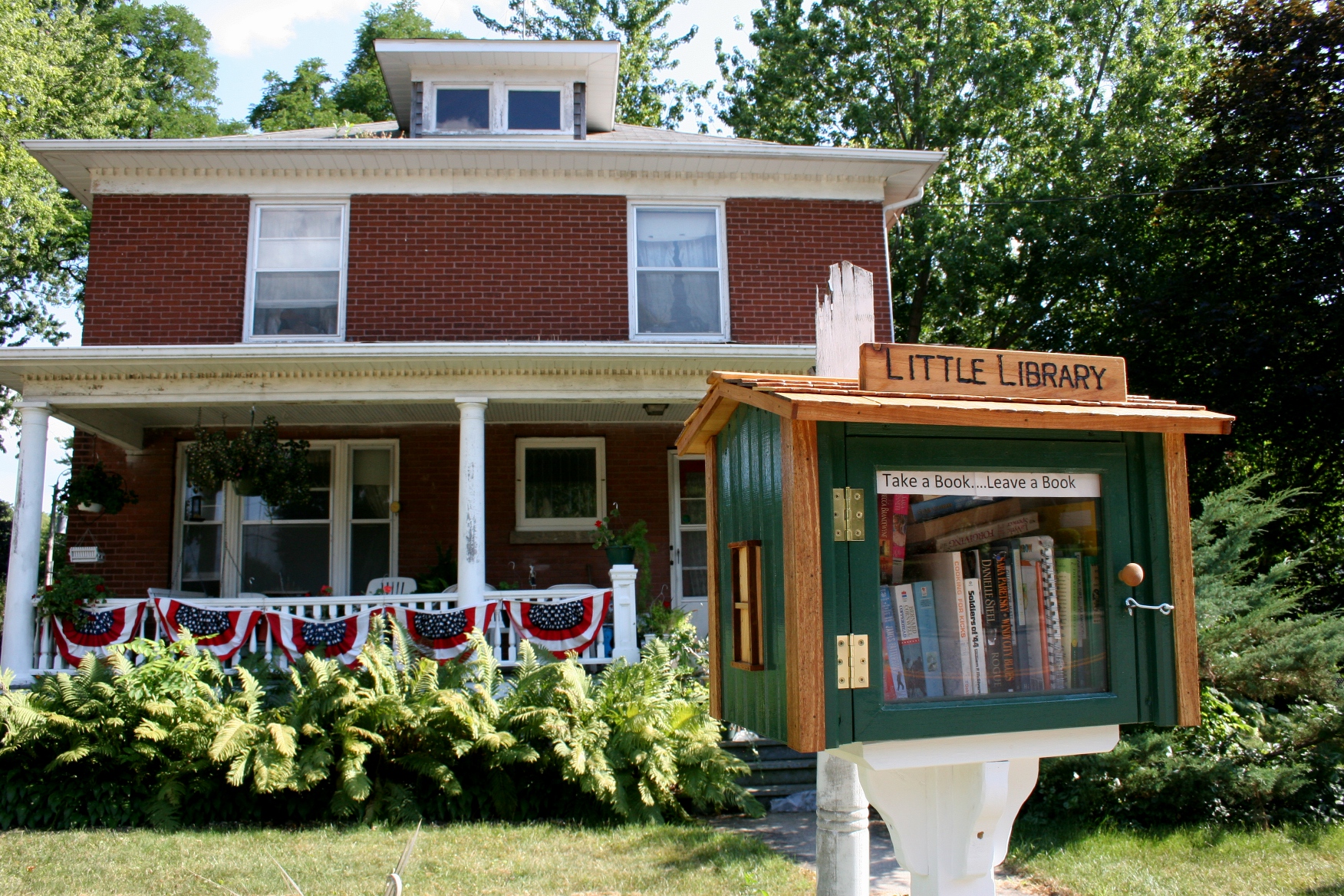
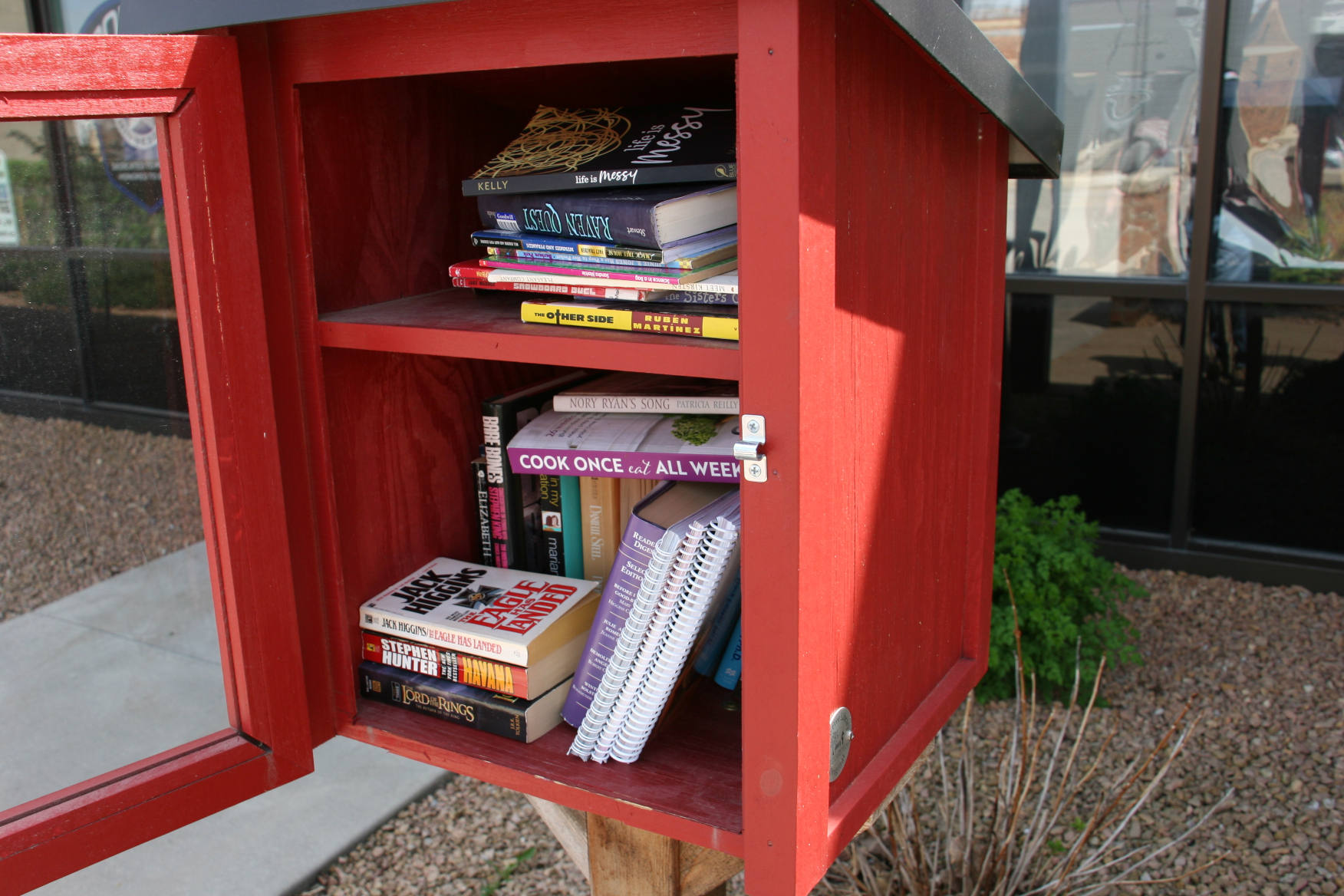
A LFL in an east-side Faribault neighborhood. (Minnesota Prairie Roots copyrighted file photo)

Yet, even with a public library nearby, a library may not be accessible to all. For example, in Le Center, a small town about 30 miles west of Faribault, a LFL was still needed, according to Christine. She applied for a free LFL and got one. In her application to the Impact Library Program, Christine noted the many low income families (including migrants) who live in this rural community and who have limited access to books. Now they have one more book source in a LFL. Also in southern Minnesota, the cities of Austin and Winona (both with public libraries), have LFLs as part of the Impact Library Program.

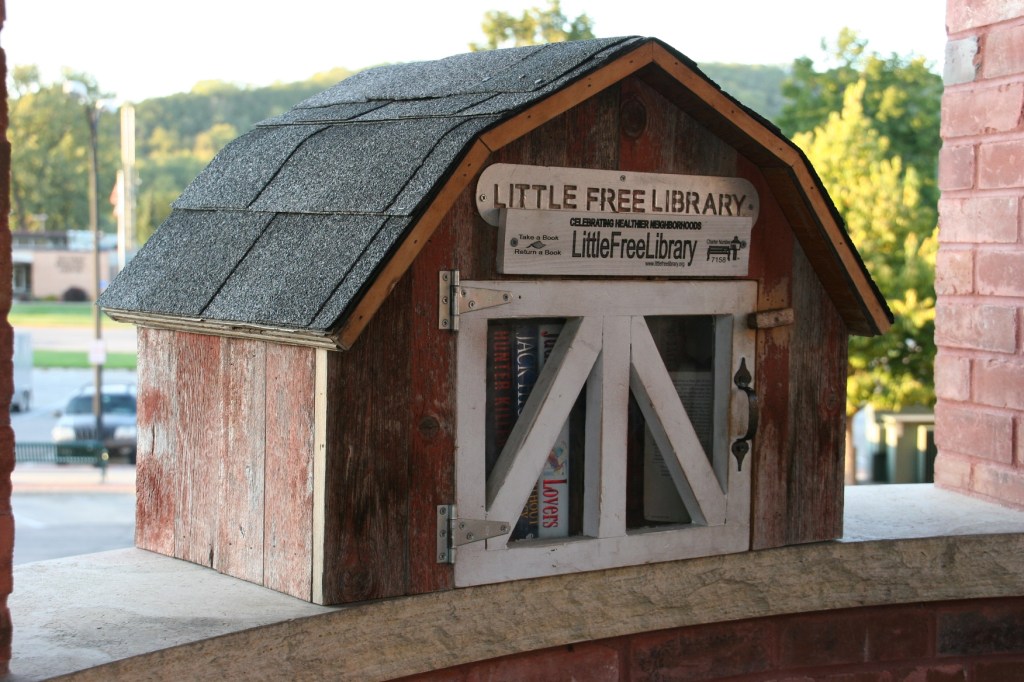
A LFL in downtown Decorah, Iowa. (Minnesota Prairie Roots copyrighted file photo)

When I think back to the July day Todd Bol arrived in my hometown 10 years ago with a LFL and books donated by participating publishers, I feel such gratitude. He told me at the time how much he loved books. And he showed that by bringing a little library to a town without a library. From there, the library in Vesta became so much more than little. It became big. Bigger than I ever dreamed.

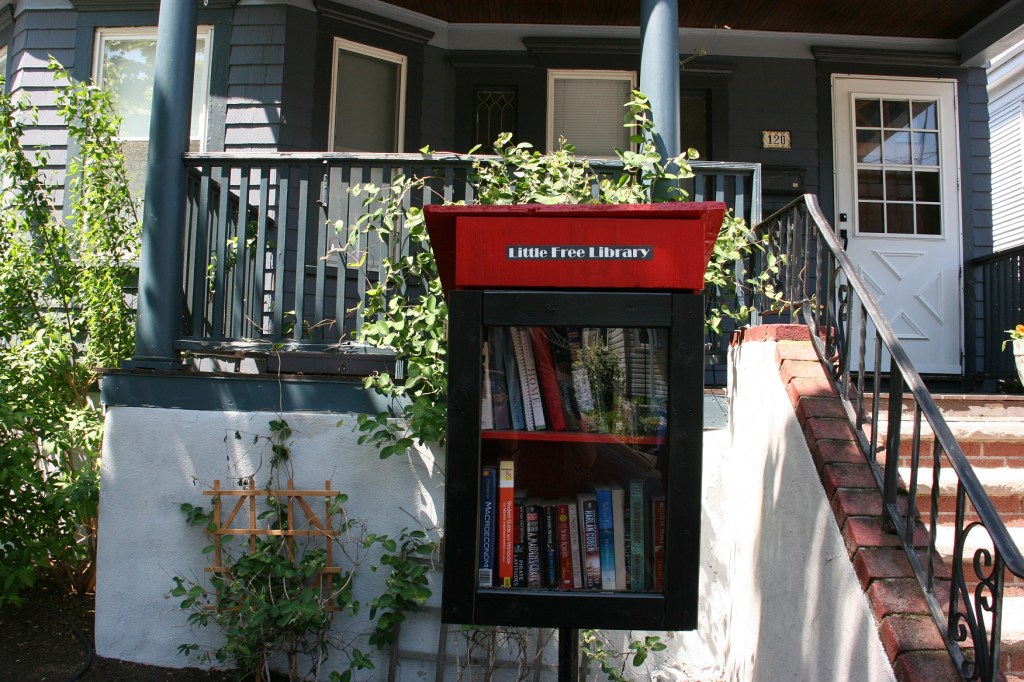
Photographed in a front yard in Somerville, MA., in 2016. (Minnesota Prairie Roots copyrighted file photo May 2016)

Books opened, still open, the world for me. They took, still take, me on adventures to places I will never visit, experiences I will never experience. Books grew, still grow, my love of words. And that love of words evolved into a love of writing. That’s powerful.

A LFL in downtown Plainview, a small southeastern Minnesota town. (Minnesota Prairie Roots copyrighted file photo June 2022)

FYI: If you’re in need of a LFL in your community or neighborhood, apply to the Impact Library Program. There are requirements such as maintaining and stocking the LFL, hosting a community event and more.

TELL ME: Are you the sponsor of a LFL or do you have one near you? I’d like to hear your stories.

© Copyright 2022 Audrey Kletscher Helbling
 

This Was 2020, more indie book success June 17, 2022

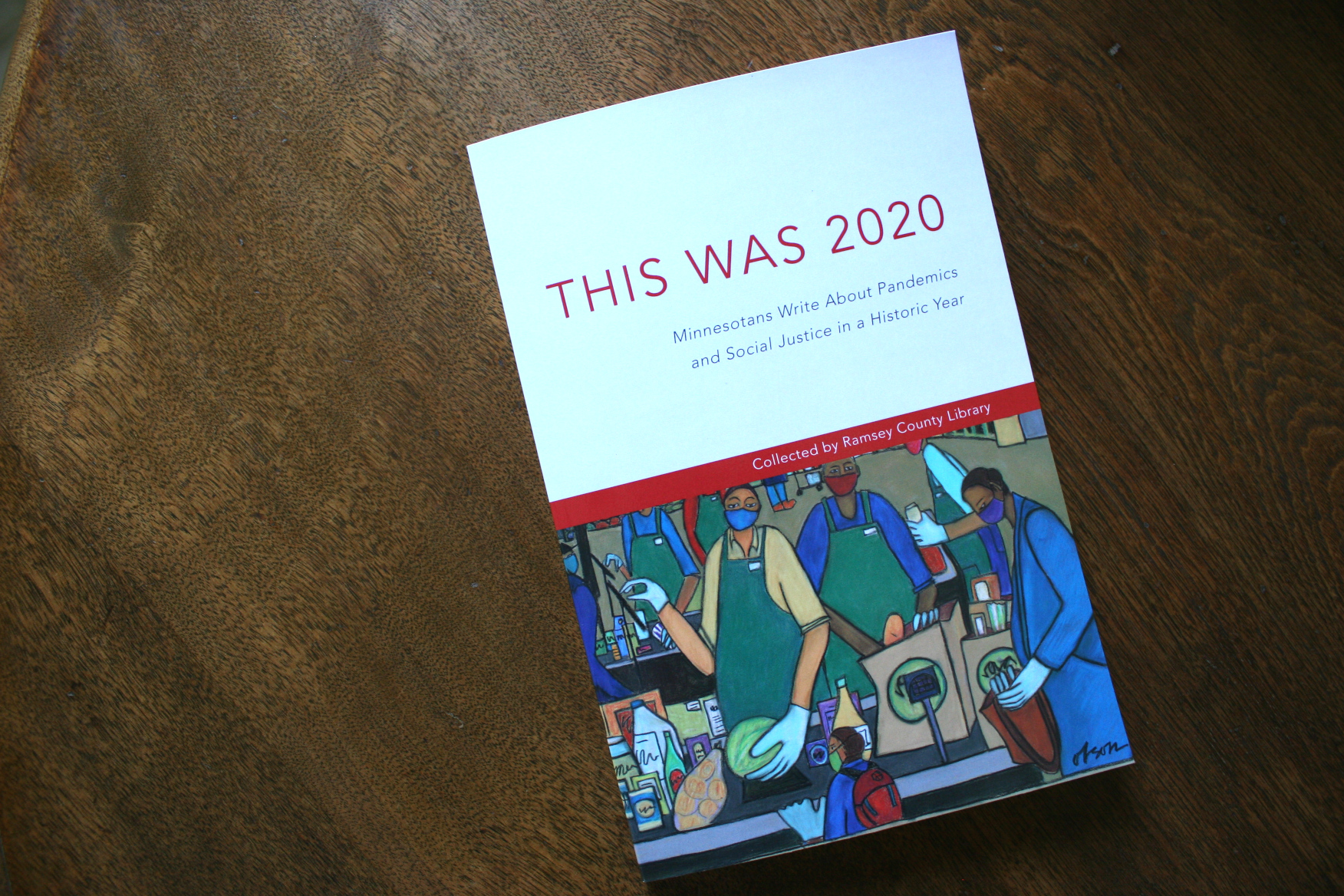
Award-winning This Was 2020. (Minnesota Prairie Roots copyrighted file photo)

AS A LONG-TIME WRITER, I’ve accumulated a lengthy list of publication credits. That’s rewarding. Publication validates me as a writer. But it is knowing people are reading my work which proves especially rewarding.

The beginning of my poem. (Minnesota Prairie Roots copyrighted file photo)

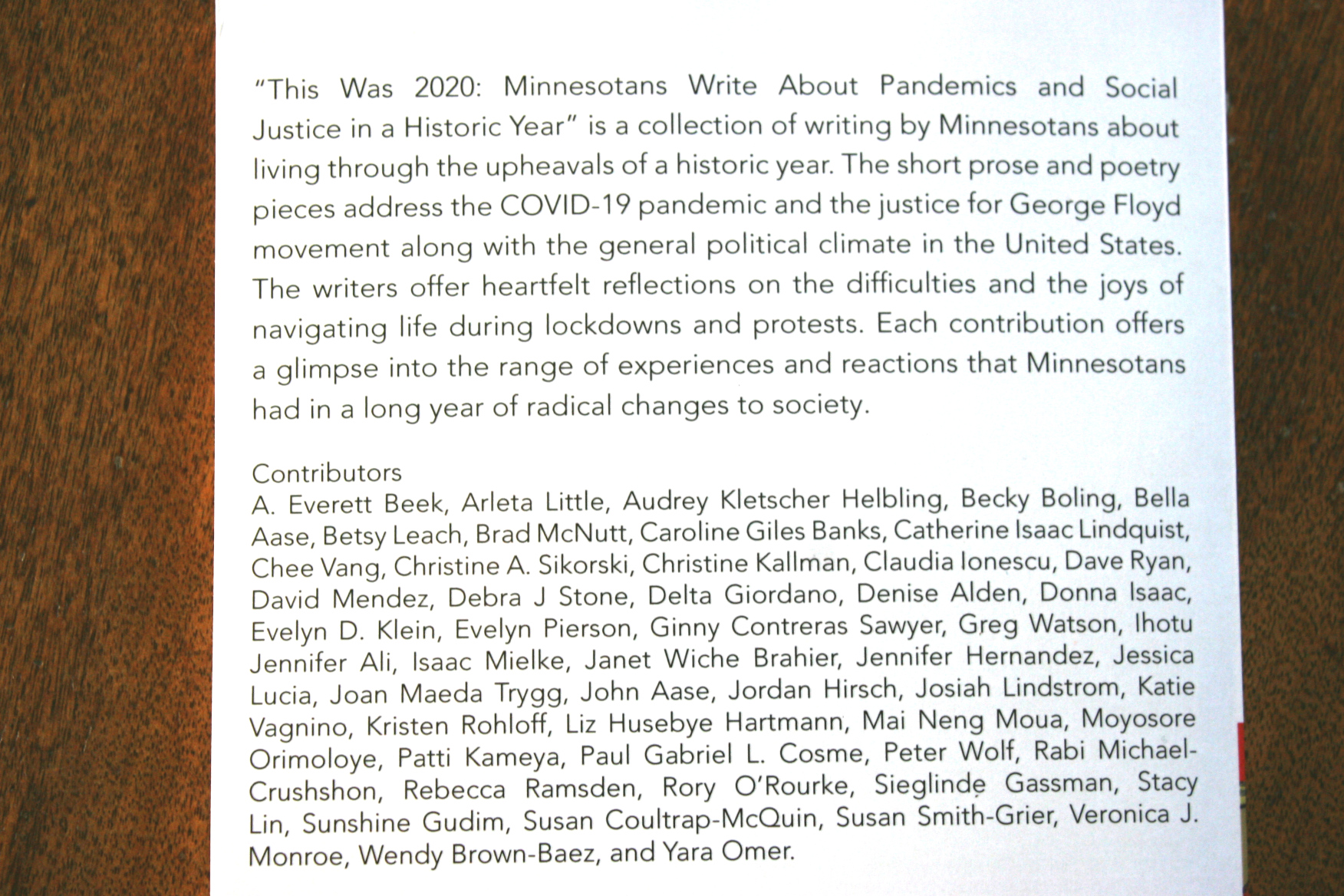
I am thrilled to share that This Was 2020—Minnesotans Write About Pandemics and Social Justice in a Historic Year is the top circulating book across all Indie Author Project library collections in the U.S. and Canada thus far in 2022. My poem, “Funeral During a Pandemic,” is included in This Was 2020, an anthology of 54 poems and essays by 51 Minnesota writers. To earn the number one circulation spot is an achievement worth noting and celebrating.

This is exciting news added to the initial success of the book as the 2021 Minnesota Author Project award winner in the Communities Create category.

A summary and author list from the back cover. (Minnesota Prairie Roots copyrighted file photo)

I’m not surprised by the book’s success. The collection of stories and poems selected via a competitive process is remarkable—packed with experiences, insights, emotions and more. I feel humbled and honored to be a part of this awarding-winning book featuring the work of talented Minnesota writers.

Paul Lai, formerly with Ramsey County Library, deserves much credit for his hard work on this MN Writes MN Reads project. It’s a mega undertaking to organize a contest open to writers throughout the state and then work through the process to publication. But it doesn’t end there. Lai also organized book readings and kept writers like me informed. I am grateful for his talent, enthusiasm and dedication.

My bio printed in This Was 2020. (Minnesota Prairie Roots copyrighted file photo)

If you haven’t read This Was 2020, I encourage you to do so. The book, Lai says, is available at all 14 library systems in Minnesota. Locally, Buckham Memorial Library in Faribault carries two copies. Writers need readers. And readers need writers. Thank you for reading.

#

NOTE: This marks the second time my poetry has been included in a book vying for the Minnesota Author Project, Communities Create Award. In 2020, Legacies: Poetic Living Wills was a finalist for the honor. The book featured my poem, “Life at Forty Degrees,” and the poems of 15 other area poets.

© Copyright 2022 Audrey Kletscher Helbling
 

Free state park passes available at Minnesota libraries June 8, 2022

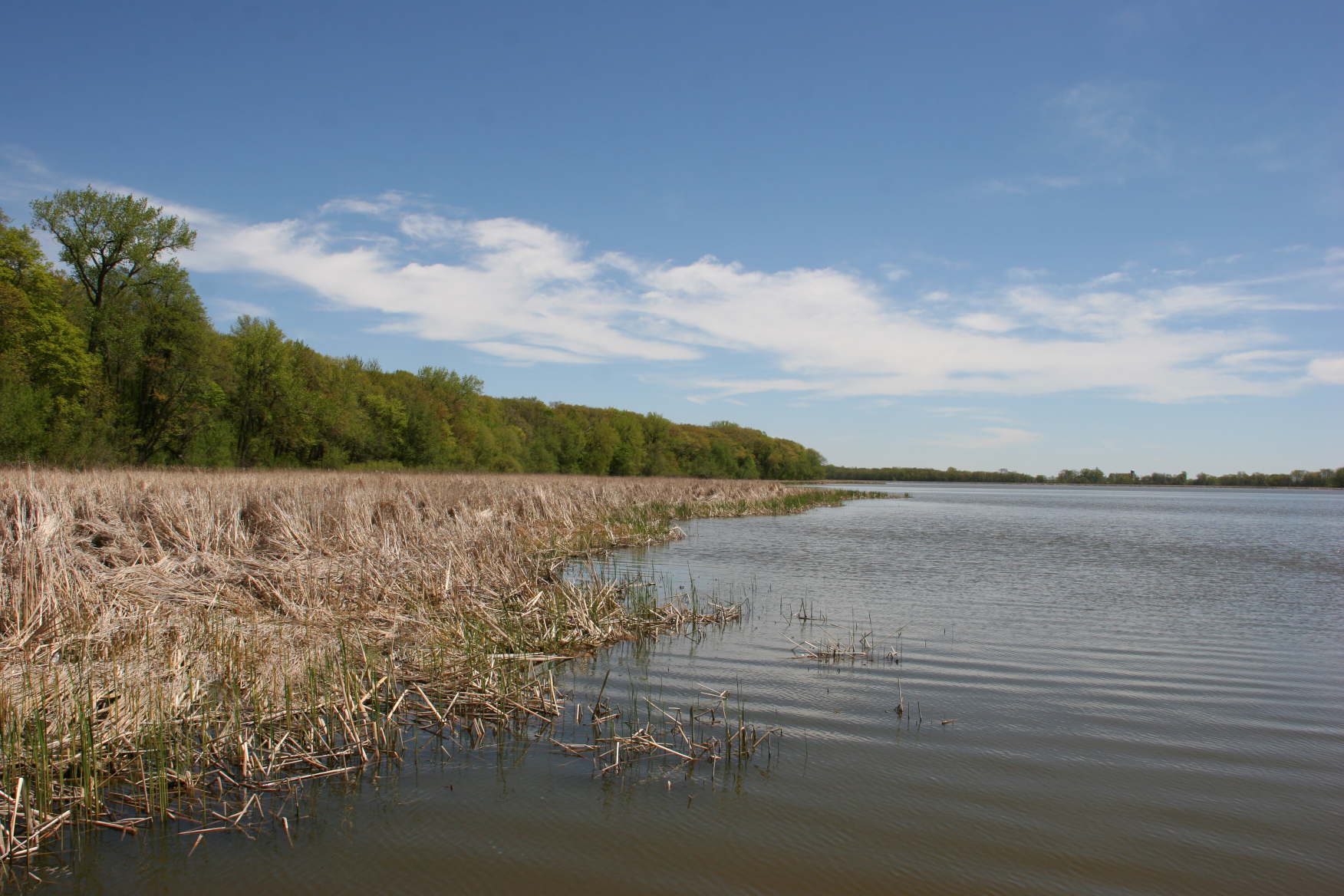
Photographed from the public dock at Rice Lake State Park, rural Owatonna. (Minnesota Prairie Roots copyrighted file photo May 2020)

IT PAYS TO CHECK OUT community bulletin boards, like the one at my local library. While perusing the paper postings at Buckham Memorial Library on Saturday, I discovered information about free passes to Minnesota state parks. Anything free piques my interest, especially as inflation rises and most of us are trying to save money, me included.

Buckham Memorial Library, Faribault, Minnesota. (Minnesota Prairie Roots copyrighted file photo 2017)

The Minnesota Department of Natural Resources is collaborating with regional public library systems (and two affiliated libraries) across the state to offer free 7-day park passes. Simply go to a participating library (check the DNR website), check out a pass and you can visit a state park for free. Without the pass, entry to a Minnesota state park costs $7 daily or $35 for a year.

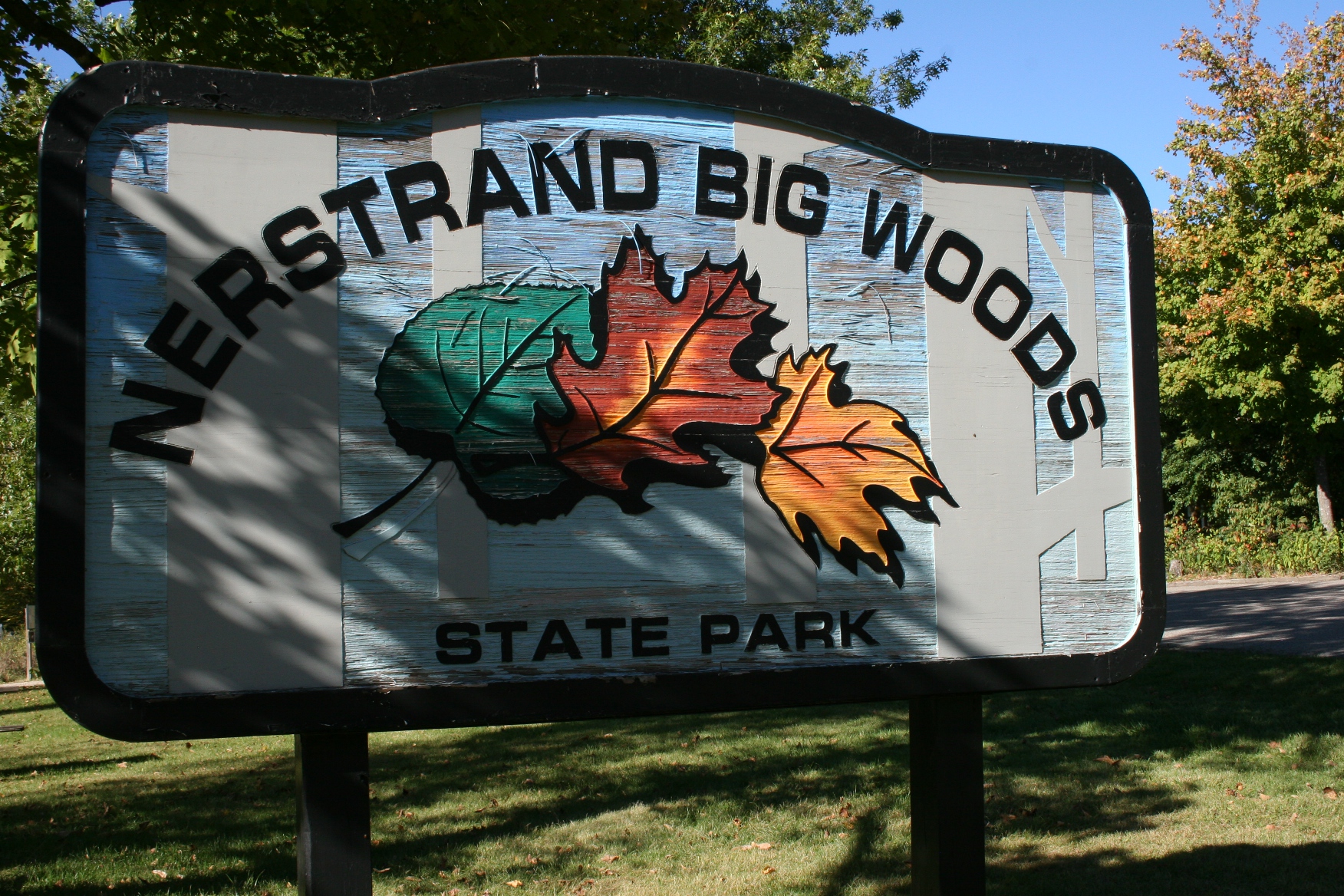
The sign welcoming visitors to Nerstrand Big Woods State Park, known for its beautiful fall colors. (Minnesota Prairie Roots copyrighted file photo September 2013)

My library in Faribault has three park passes, first-come, first-served. The number of passes available at a library ranges from one to four, depending on community size. After seven days the checked out pass expires and cannot be renewed.

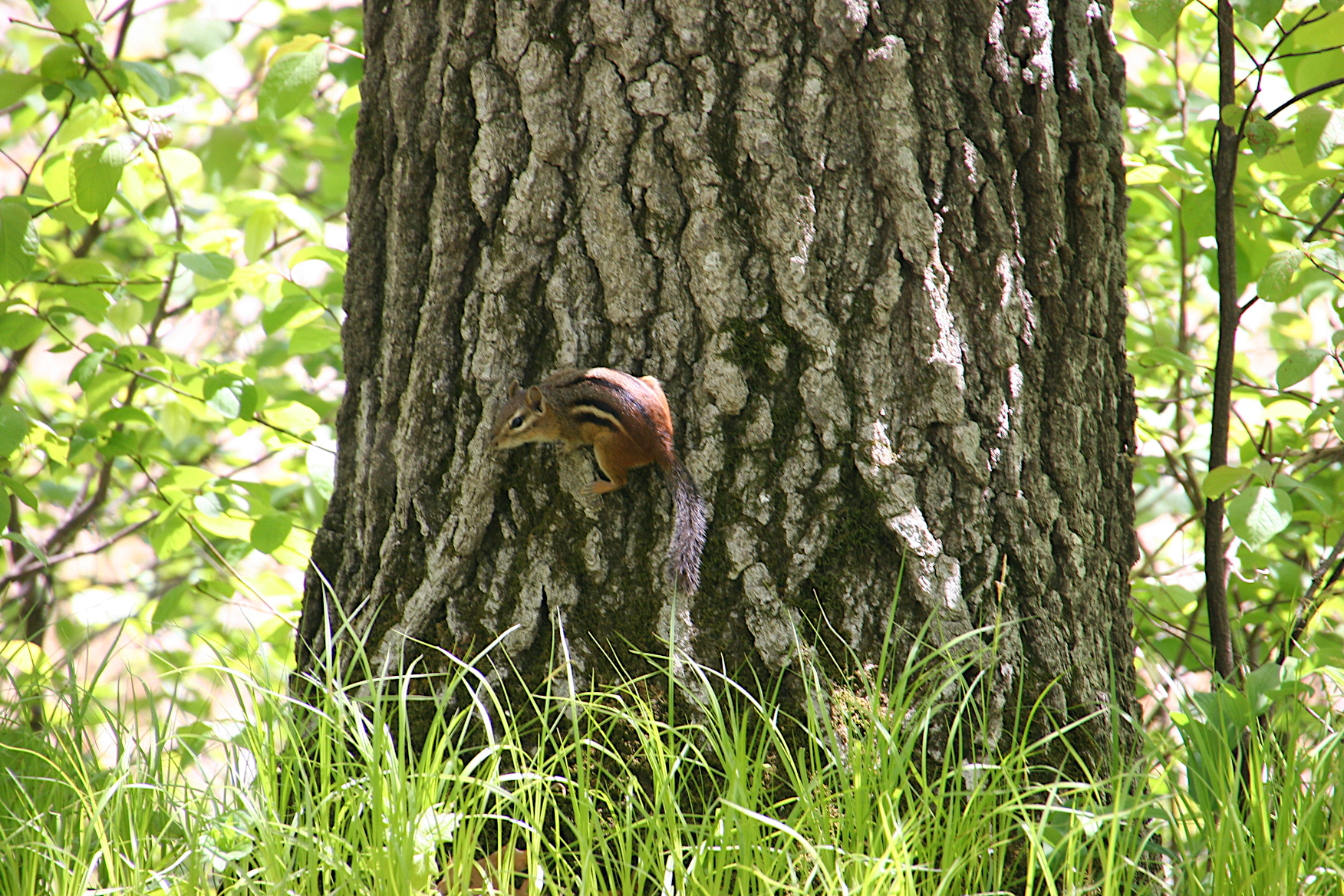
A chipmunk spotted at Rice Lake State Park. (Minnesota Prairie Roots copyrighted file photo May 2020)

So why offer these free passes? According to the DNR website, the goal is “to provide a way for Minnesotans living in low-income communities across the state to visit state parks without the financial burden of an entry fee.” Low income is defined as “where the median annual household income is $58,000 and/or schools nearby the library have more than 40% of students enrolled in the federal free and reduced lunch program.” That definitely fits Faribault. No proof of income is required for anyone checking out a pass.

Maplewood State Park east of Pelican Rapids in northwestern Minnesota is a remarkably beautiful park in the autumn. (Minnesota Prairie Roots copyrighted file photo October 2019)

I am thrilled that the DNR and libraries in qualifying communities are teaming up to offer these free passes. Any program that gets individuals and families exploring the outdoors is a good thing. And to visit a state park at no cost, especially if you are on a tight budget, can make all the difference on whether such an outing is possible.

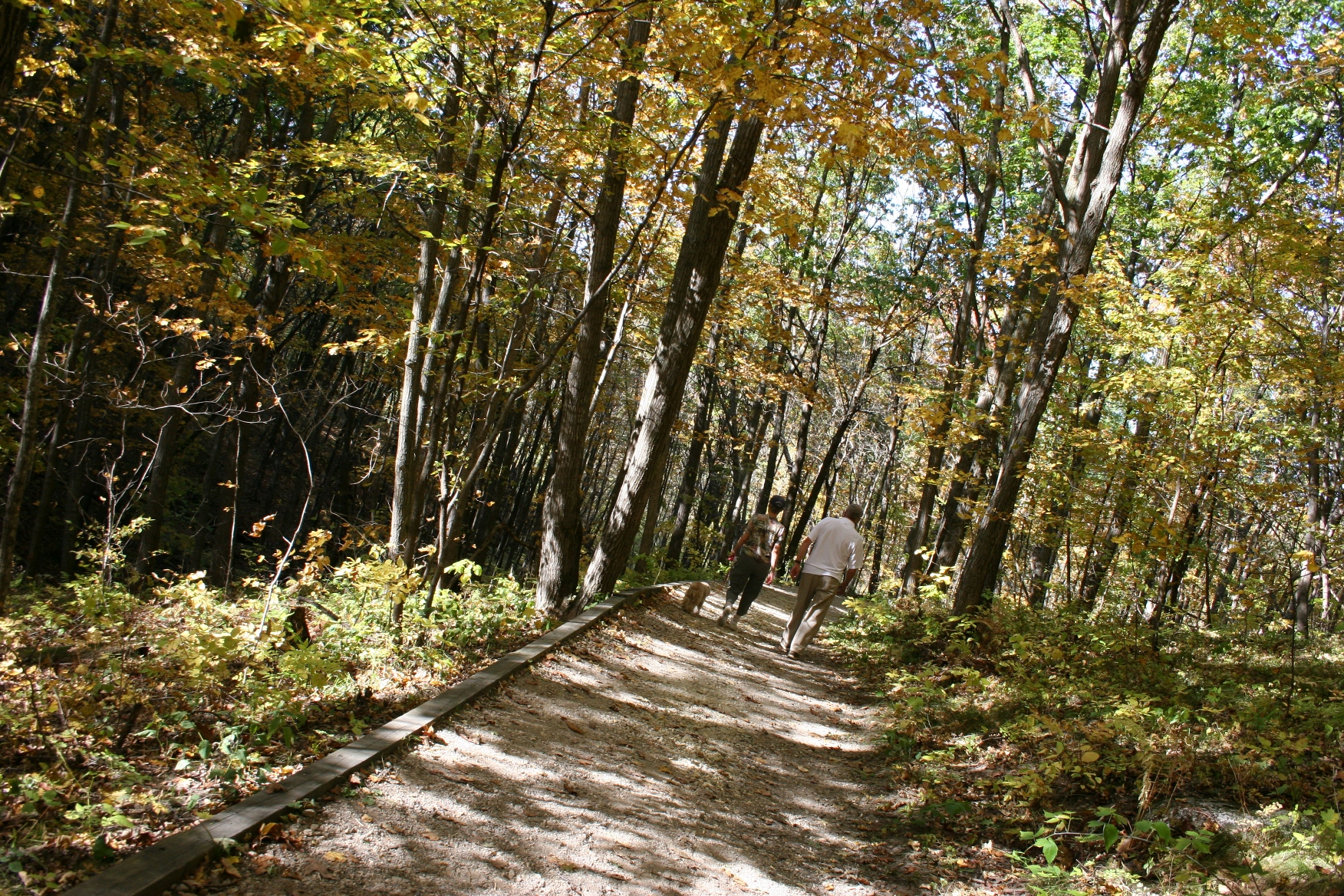
Well-kept and well-traveled paths take hikers deep into Nerstrand Big Woods, a must-see park, especially in autumn. (Minnesota Prairie Roots copyrighted file photo October 2011)

Other participating libraries in my immediate area include those in Owatonna, Waseca and Blooming Prairie. We have several state parks nearby: Nerstrand Big Woods, Sakatah Lake and Rice Lake.

This free park pass program, which just began in June and will continue through June 2025, reminds me of a similar program available to library patrons in the metro. Through Metropolitan Library Service Agency, an alliance of 101 public libraries in the 7-county Twin Cities metro, residents can access free or discounted admission to arts experiences via a smARTpass. The list of participating arts groups is extensive, but includes the Minneapolis Institute of Art, The Saint Paul Chamber Orchestra, the American Swedish Institute and many more, for example.

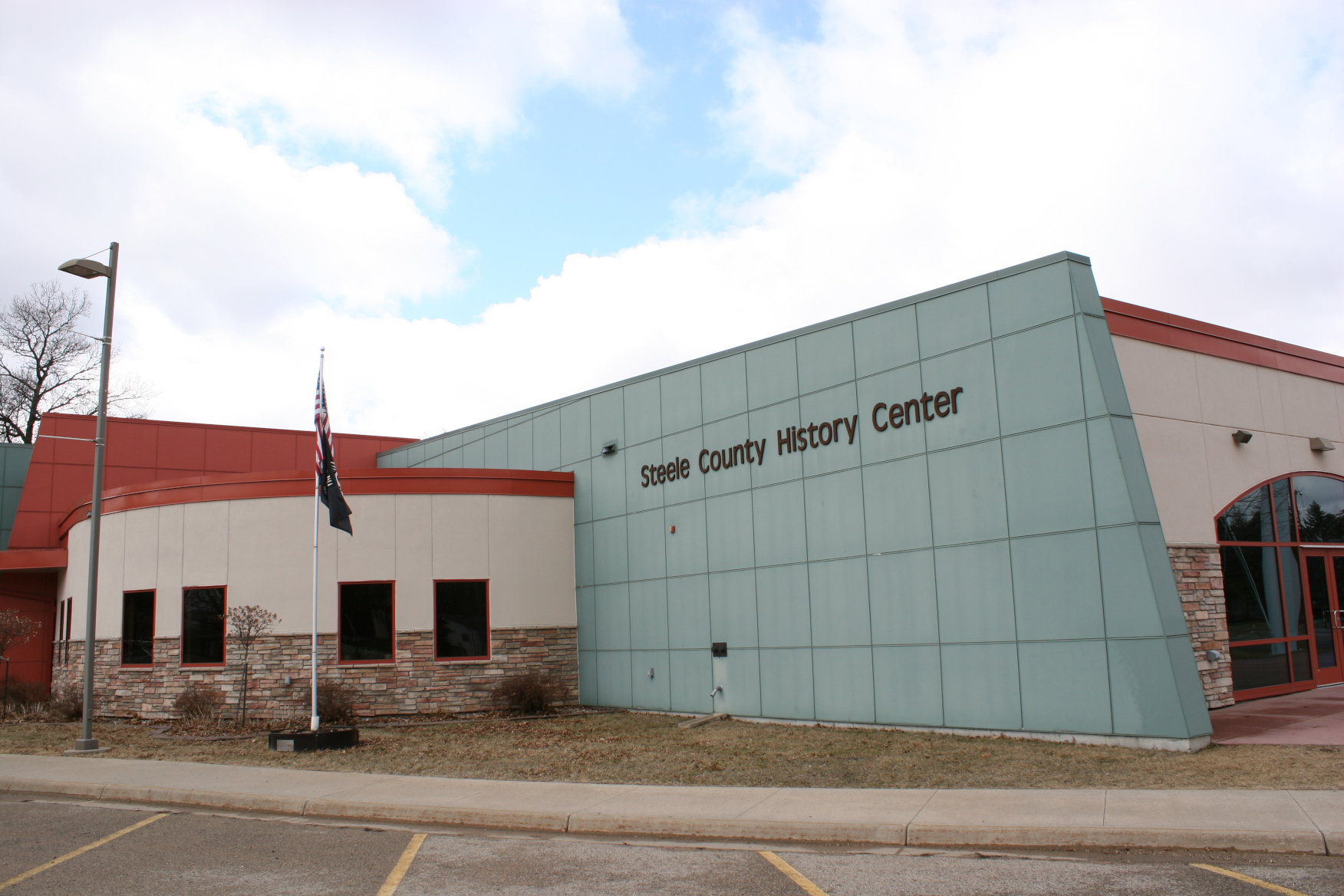
The Steele County History Center in Owatonna, one of my favorite area history centers. (Minnesota Prairie Roots copyrighted file photo 2022)

I’d love to see something like this in rural Minnesota. We have many wonderful museums/history centers, theaters and arts centers that are not necessarily accessible to all because of cost. (Note that most area arts centers offer free admission to their galleries.) Just as getting individuals and families outdoors and into our state parks is important, so is experiencing the arts and learning about area history. Perhaps some day we’ll get there. We’re off to a good start now with the free state park pass program.

FYI: For more information about the Minnesota State Parks Library Program, click here.

© Copyright 2022 Audrey Kletscher Helbling
 

Long-time patron leaves up to $2.7 million to Faribault library October 22, 2021

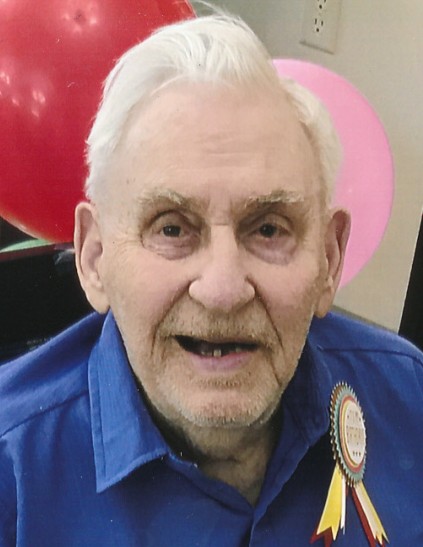
Robert Crandall. (Photo source: Parker Kohl Funeral Home)

HE LIKED HIKING and biking. John Wayne movies. Bacon. Collecting stamps. Vacationing in Mexico. Playing cards.

Robert L. Crandall, as described in his January 2021 obituary, seems a man of many interests. He also spoke Spanish fluently. He watched CNBC to stay updated on the stock market. And, also worth noting in the Parker Kohl Funeral Home summary of his life, Bob “spent many hours at the Buckham Memorial Library studying and reading books on investing.”

Buckham Memorial Library, Faribault, Minnesota.(Minnesota Prairie Roots copyrighted file photo)

It is that final notation of his interests which today holds great significance. This week my community of Faribault learned that Bob left a financial gift of $2.5-$2.7 million to Buckham Memorial Library. The place where he found books that helped him make sound, and lucrative, financial investments.

His is a remarkable gift. Not due only to the mega amount of millions of dollars, but also because of Bob’s appreciation for library resources housed in his beloved local library. He directed that his gift be used specifically for public library purposes in Faribault.

Library books and magazines I’ve read. (Minnesota Prairie Roots copyrighted file photo)

Like Bob, I’ve long valued libraries given my love of books and reading. However, unlike Bob, I’ve never read a single volume on investments. But, via reading, I’ve learned much about the craft of writing. My son, too, learned the basics of software coding by studying thick books checked out from Buckham Library. Today he is pursuing his PhD in computer science.

Clearly, Bob recognized the importance of public libraries. I’d like to think he understood that libraries make knowledge accessible to all of us. No matter our education, our income, our anything. As a child living near a rural southwestern Minnesota community without a public library, I longed for a library. Today I live blocks away from Buckham Library and frequent it often. My daughters worked there as pages while in high school.

Bob attended high schools in Anoka (his birthplace) and Elk River, eventually landing in southern Minnesota to work at the former Faribault Regional Center. His obit mentions nothing of family, only that his parents preceded him in death. He died in January at age 93 with graveside services and burial at Maple Lawn Cemetery.

The obituary describing Bob reveals a man with multiple interests and with many friends at his final home, Milestone Senior Living in Faribault. His obit hints of financial wealth through the lens of hindsight. I expect, though, that Bob counted his wealth not primarily via the success of his investments, but by the wealth of his interests and by the wealth of words printed in books shelved at his local library.

Through his generous gift to Buckham Memorial Library, Bob inspires us to learn, to read, to discover how books can enlighten and change our lives, grow our knowledge. And that, too, is his legacy.

© Copyright 2021 Audrey Kletscher Helbling

Source credits: Parker Kohl Funeral Home & the Faribault Daily News


My poem included in collection vying for Minnesota writing award September 23, 2020


Minnesota Prairie Roots file photo.


WE ARE SIXTEEN STRONG, 16 area poets whose collected poetry, Legacies: Poetic Living Wills, is now a finalist in the 2020 Minnesota Authors Project: Communities Create contest.

I learned of this honor only recently via Northfield Poet Laureate Rob Hardy. A gifted poet and tireless promoter of poets and poetry, he submitted the collection to the debut contest sponsored by the Minnesota Library Foundation, Minnesota libraries and Bibliolabs.

According to the MN Reads MN Writes website, the new contest is designed “to recognize community-created writing and to highlight the central role that libraries play in providing support for local authors and the communities they serve.”

I crafted my poem, “Life at Forty Degrees,” in response to Hardy’s 2018 call for submissions to an anthology of “poetic living wills.”

The content of the poetry collections is summarized as “poems (that) deal with death and dying, with the things that make life meaningful in the face of death, and with the legacies that the poets hope to leave behind or have received from others before them.” My poem, about hanging laundry on the clothesline, focuses on the legacy passed on to me by my grandmothers.

You can read the collection by clicking here.

The winner of the first-ever Minnesota Authors Project: Communities Create contest will be announced later this month at the annual Minnesota Library Association’s annual conference. No matter the outcome, I feel honored to stand in the “finalist” category with 15 other gifted poets from Northfield and nearby (like me from Faribault).

© Copyright 2020 Audrey Kletscher Helbling
 

Take a (story) walk along Central in Faribault September 2, 2020


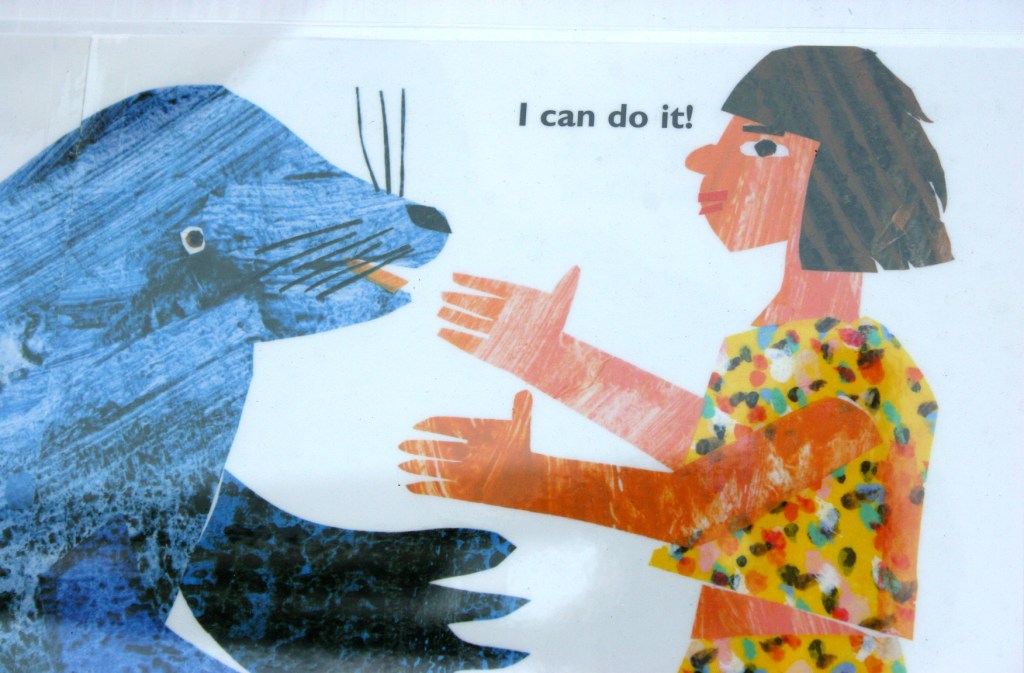
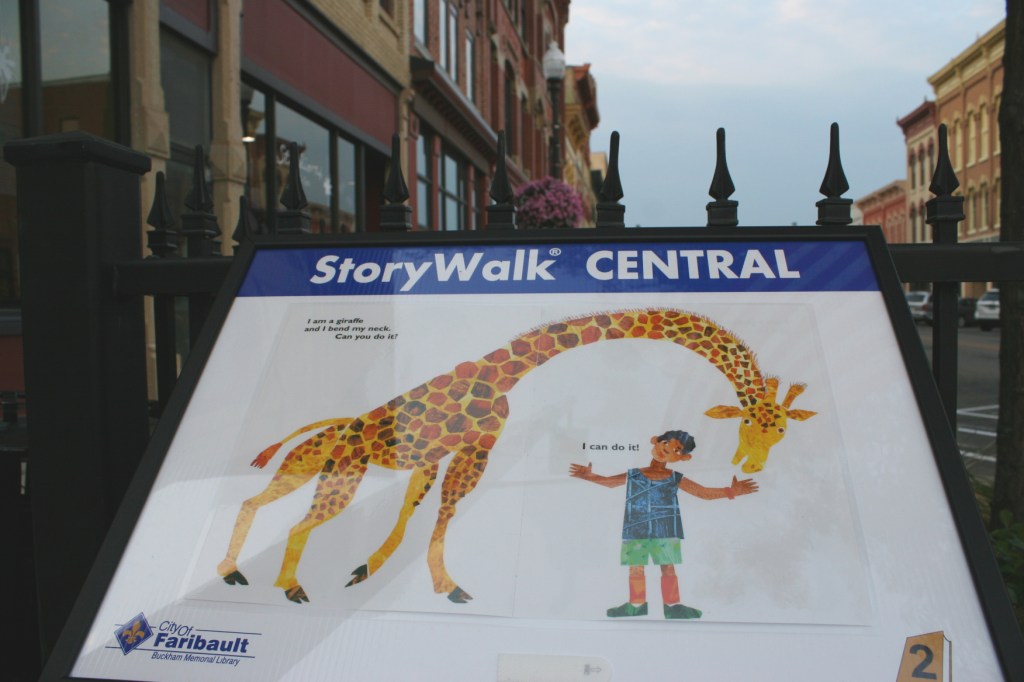
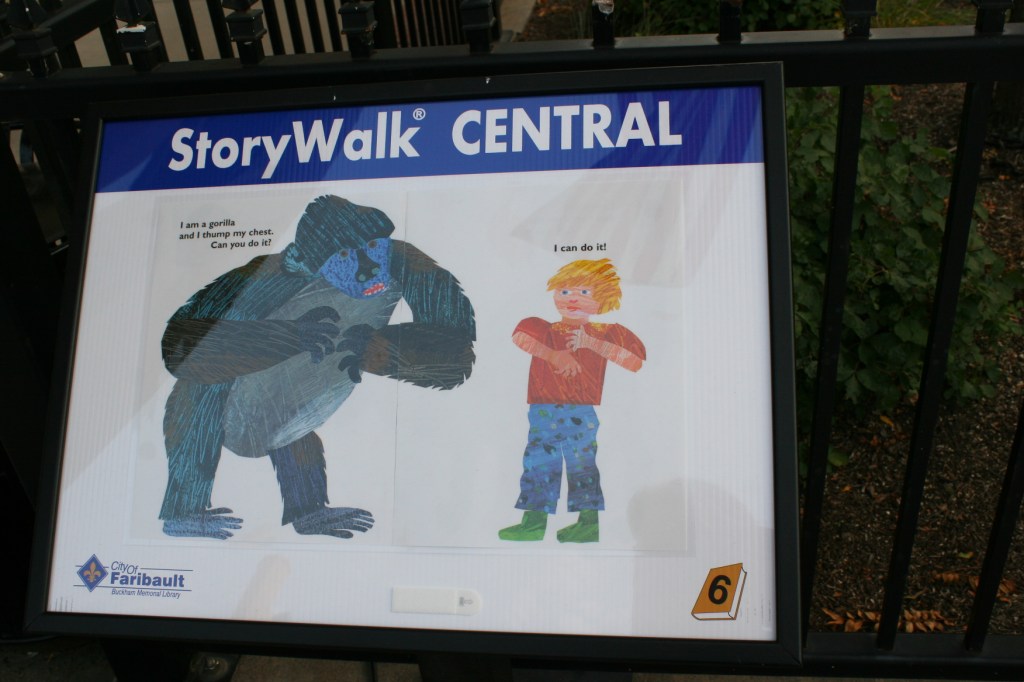
A page from Eric Carle’s book, From Head to Toe, photographed inside a StoryWalk display case.


“I can do it!” What an empowering statement, especially for young children. Those four words refrain in an installment of pages from the children’s picture book, From Head to Toe, now posted on street corners in the heart of historic downtown Faribault.


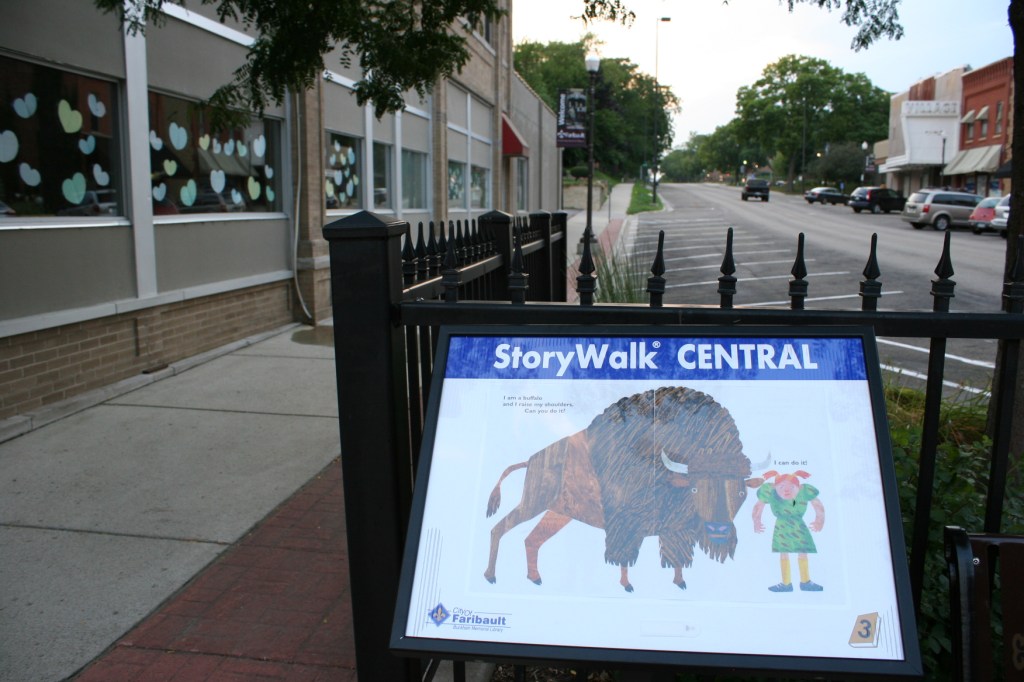
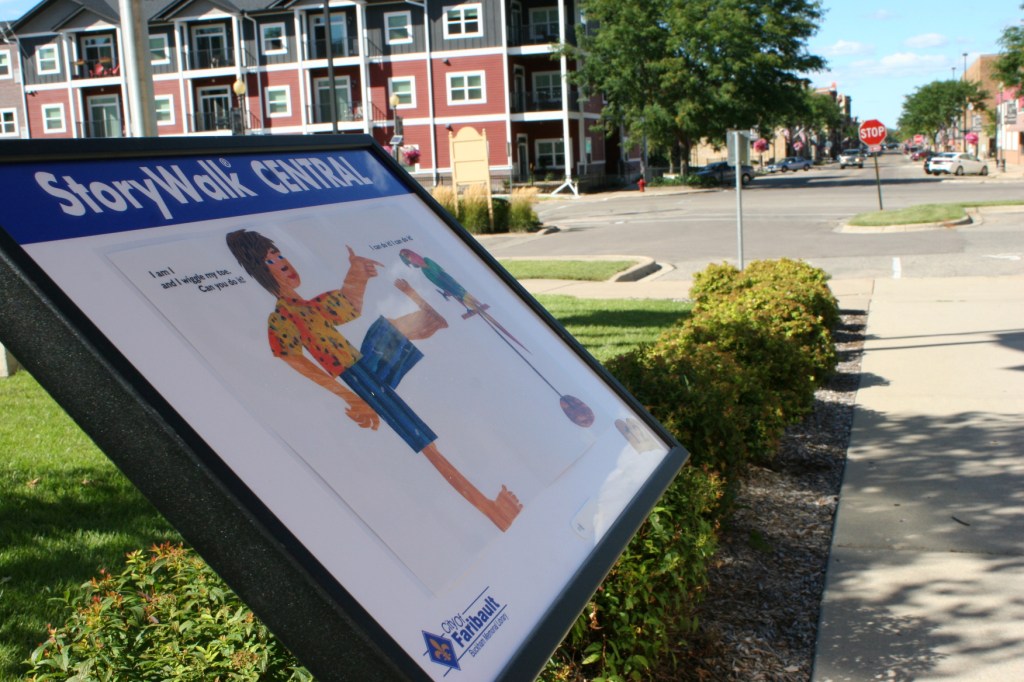
Posted next to Burkhartzmeyer Shoes and looking down a side street off Central.


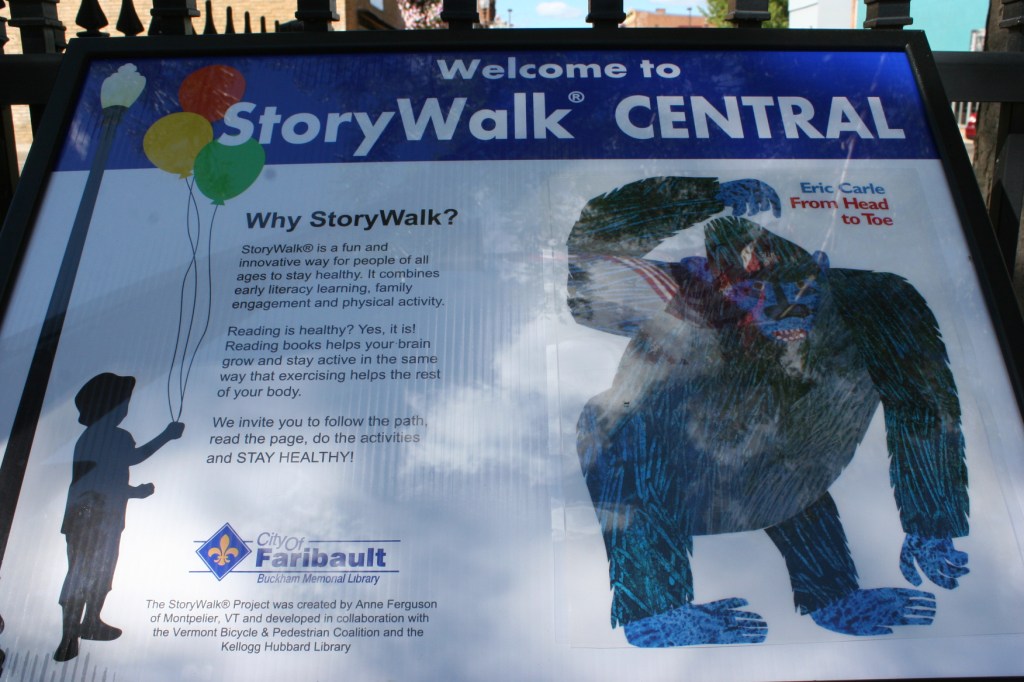
I love this latest addition to my community as part of a StoryWalk® CENTRAL project coordinated locally by Buckham Memorial Library. The idea is rooted in Vermont and seems to be a trend right now in the library world. River Bend Nature Center in Faribault and the public library in neighboring Northfield are hosting similar story walks.


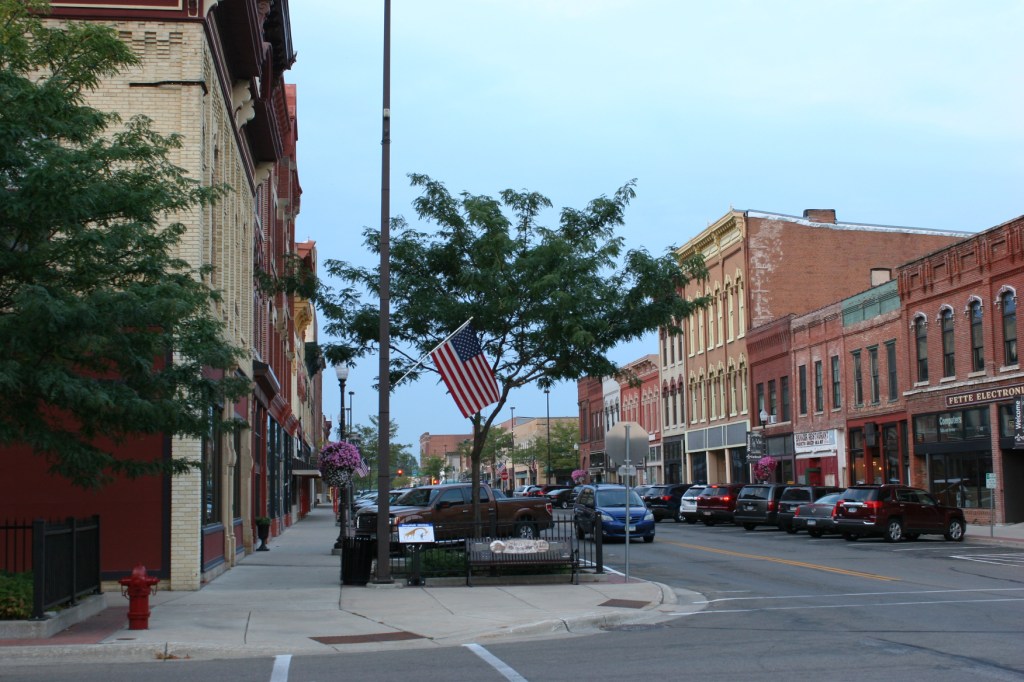
Looking north on Central Avenue, you can see one of the StoryWalk pages posted next to an historic-themed bench.


Last week one evening, Randy and I walked Central Avenue with our four-year-old granddaughter, viewing the colorful story crafted by noted author and illustrator Eric Carle. He is perhaps best-known for his children’s picture book, The Very Hungry Caterpillar. I’ve long been a fan of Carle’s creativity. He understands how to connect with the littlest of people through colorful illustrations and simple, repetitive and engaging language.


Historic Central Avenue provides the backdrop for StoryWalk CENTRAL.


Bold colors and strong shapes define Carle’s art.


The book engages.


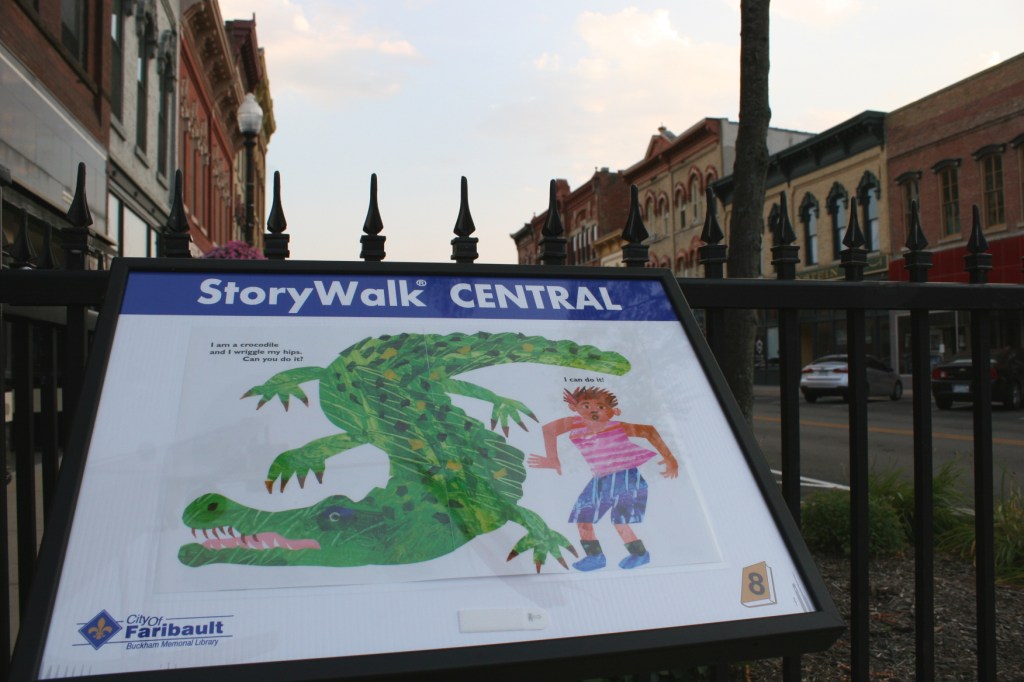
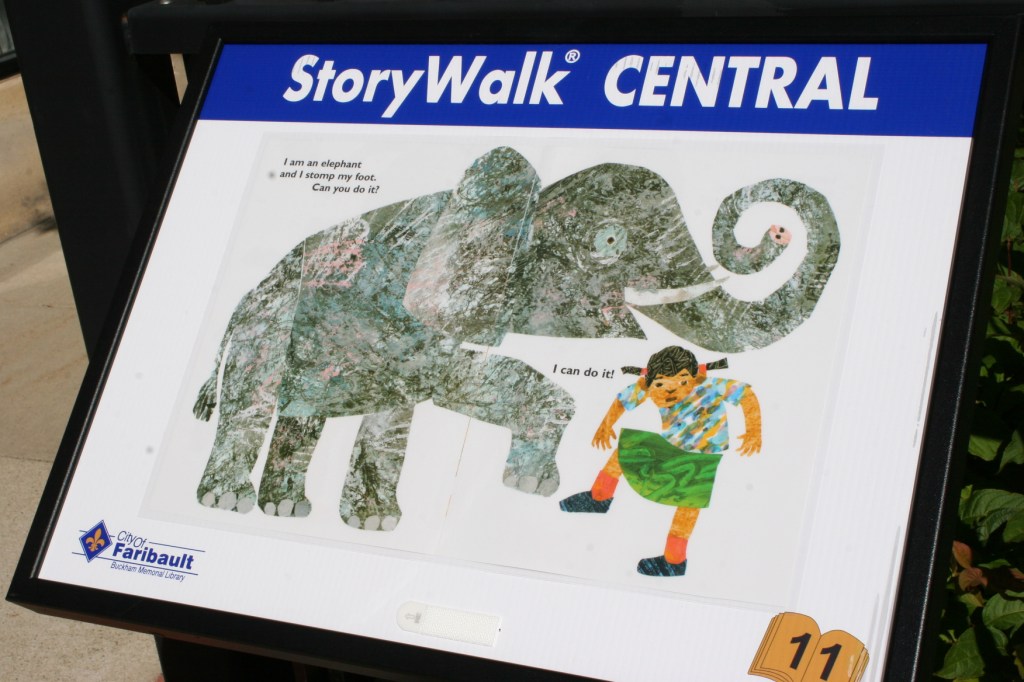
It took Isabelle a bit to get into From Head to Toe. But when she observed Grandma and Grandpa wriggling their hips like crocodiles, bending their necks like giraffes and stomping their feet like elephants, she joined in. Carle’s book calls for the reader and listener to actively participate in the book by doing the actions associated with each animal. It’s a great way to get kids up and moving. Adults, too.


The thoughts behind StoryWalk.


And that, according to information posted on one of the 12 signs, is part of the motivation behind the interactive StoryWalk® concept. The book “combines early literacy learning, family engagement and physical activity.” And promotes brain growth and physical health through exercise.


The animals lead the action.


The book also highlights diversity in the different ethnicities of the children and in the different animals Carle has created in his story. I especially appreciate that in our diverse community of Faribault. Buckham Memorial Library Director Delane James echoes my thoughts, praising From Head to Toe as a book that “resonates with everybody in the community…anyone can enjoy it no matter who they are.” And that means even those who can’t read or whose native language is one other than English. Like me, she calls Carle’s book “empowering.”

There are plans for more, and longer, book installations, all funded by a federal grant and coordinated with multiple city departments, James says. She noted the joint efforts of library, economic development, engineering and public works staff in getting the first StoryWalk® CENTRAL in place. From Head to Toe will remain posted for several months. This will be an ongoing and evolving public art and literacy project with five years worth of books included in the funding. The library buys multiple copies of the featured books, then removes and laminates the pages for posting in the weather-proof display cases.


The 12th, and final, story board is located outside the entry to Buckham Memorial Library. This is looking north toward Central Avenue. The final board is designed to get kids and others inside the library, although the library is currently open by appointment only.


I appreciate, in this time of a global pandemic, a safe activity I can do with my granddaughter when she’s visiting. Only after we arrived home did Izzy share, “That’s Isaac’s favorite book.” That means we’ll be back on Central with her 20-month-old brother, wriggling our hips, bending our necks, stomping our feet and repeating, “I can do it!”


© Copyright 2020 Audrey Kletscher Helbling
 

Finally, well into COVID-19, I go to the library August 11, 2020

Buckham Memorial Library, Faribault. Minnesota Prairie Roots file photo.


I’VE PREVIOUSLY POSTED about my deep love of libraries tracing back to my childhood. As a child, I had limited access to books. My small rural Minnesota community had no library. Nor did my elementary school, which sourced books from the county library 20 miles away in Redwood Falls. On occasion, I would be among students selected to board a school bus to travel to that library and return with books temporarily borrowed for our school. I loved those opportunities to browse and choose.


The LFL installed outside the community owned Vesta Cafe in July 2012. Minnesota Prairie Roots file photo 2012.


Today my hometown of Vesta still does not have a public library. County bookmobile service ended long ago with budget cuts. But, thanks to my efforts and those of locals and the generosity of Little Free Library co-founder Todd Bol, a LFL sits outside the Vesta Cafe with additional materials inside. Bol gifted the mini library to my hometown in July 2012.


A LFL in downtown Decorah, Iowa. Minnesota Prairie Roots file photo.


Fast forward eight years and these mini libraries are seemingly everywhere. And during a global pandemic, especially when public libraries closed for a period (some still with restricted hours), the LFLs proved invaluable to book lovers like me. I found a few good books to read, but still longed to step inside a public library with an abundance of reading materials. That happened three weeks ago.


This photograph was taken last September (pre pandemic) outside the Northfield Public Library during a cultural event there.


Randy and I headed up to neighboring Northfield on a recent Saturday afternoon to look for and check out items at the library. Unlike Buckham Memorial Library in Faribault, the Northfield Public Library reopened months ago (May 26) for regular hours that include evenings and weekends. That makes it accessible to everyone. Masking, social distancing and other protocols are in place and required to protect patrons and staff.


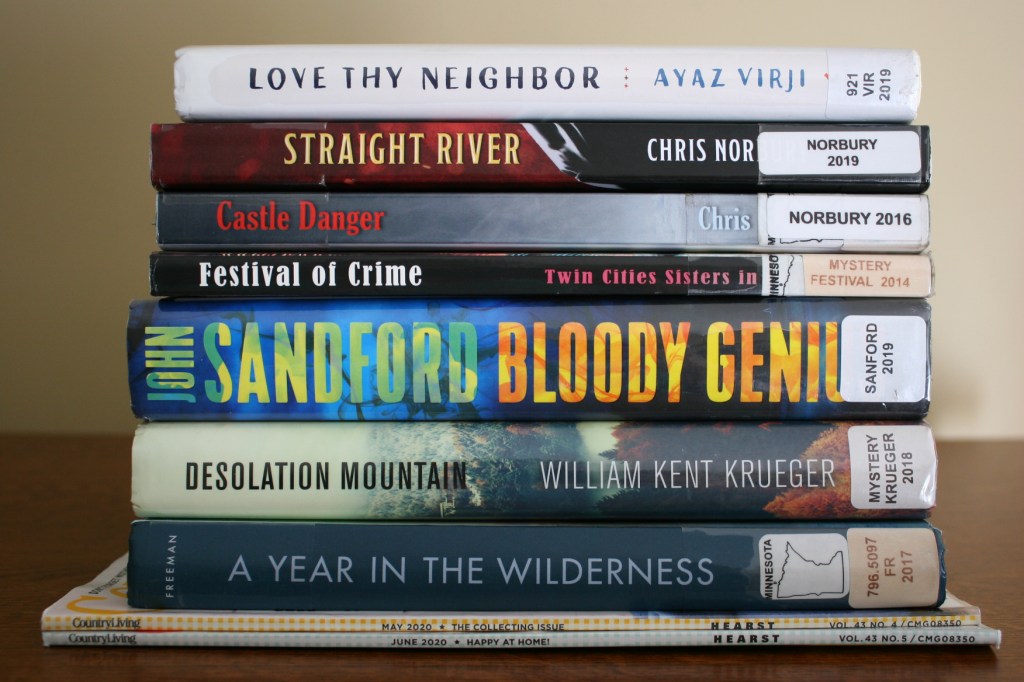
The books and magazines I checked out from the Northfield library.


I arrived at the NPL with a list of books I wanted. I wasn’t sure computers would be available to access the card catalog. Because I am unfamiliar with the lay-out of the library, I needed help to find some titles and staff generously assisted. I left with a bag full of seven books and two magazines.


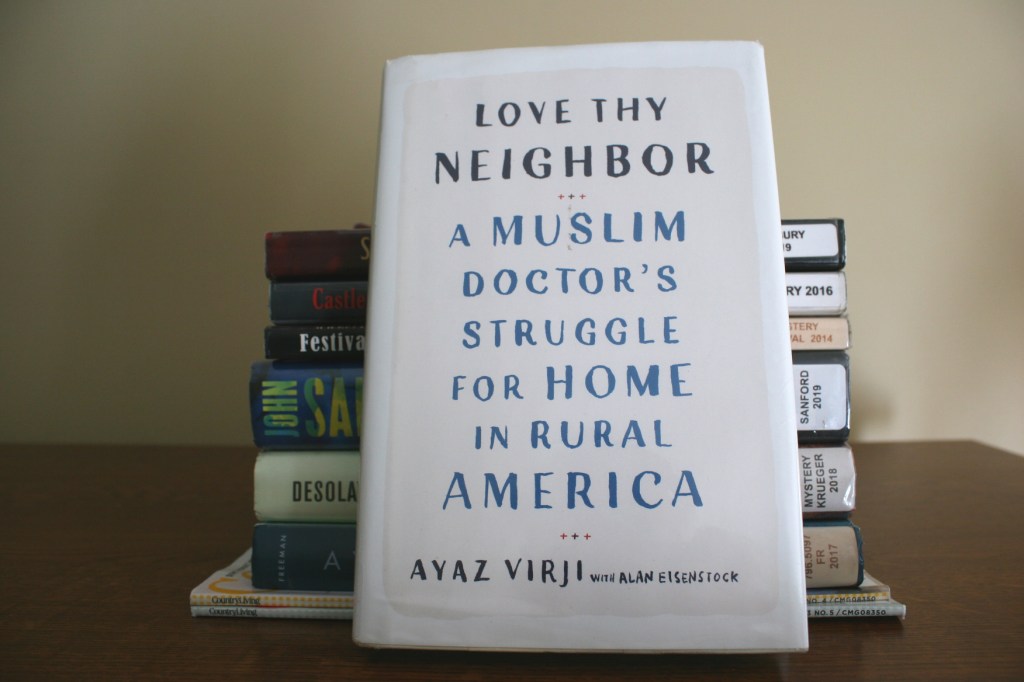
Since then, I’ve been happily reading my stash of Minnesota-authored books. Only one—Love Thy Neighbor, A Muslim Doctor’s Struggle for Home in Rural America by Ayaz Virji with Alan Eisenstock—was not on my list. I spotted the book on a shelf of library staff picks, this one recommended by Sue. I read the book in a single day. One day. That’s how good this book is and how necessary to read. Especially today when headlines daily reveal instances of hatred, racism and so much more dividing our country. Insensitive, inflammatory, just plain horrible words and actions, including in southern Minnesota.

In summary, Love Thy Neighbor is the story of a medical doctor who relocates his family from a busy eastern urban setting to rural southwestern Minnesota to practice medicine as he desires, with a deeper personal connection to patients. Initially, all goes well and Dr. Virji and his family find themselves settling in, accepted, enjoying their new life in rural Minnesota. But then the November 2016 election happens and things begin to change. And that is the focus of this book—the shift in attitudes toward Muslims, how that negativity affected this small town family doctor and his family, and what he did about it.

I’d encourage you to read this enlightening book that recaps Virji’s struggles and the community talks he gave to help those in his small Minnesota community (and elsewhere) to understand his faith and the challenges he faces in a more toxic national environment.


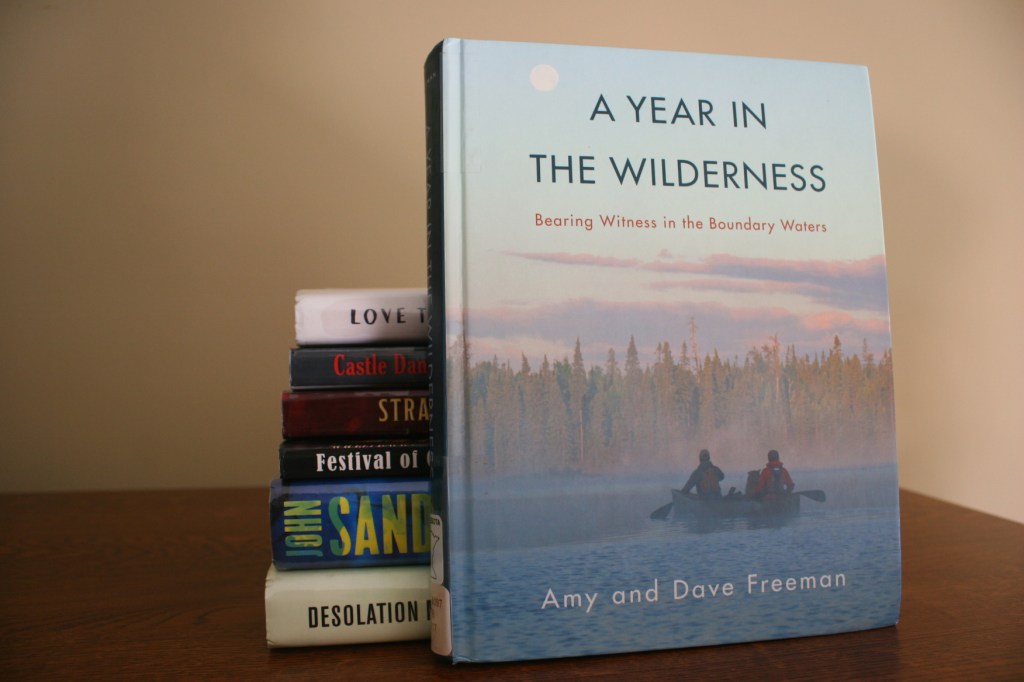
Once I finished that book, I moved onto another environment—into the Boundary Waters Canoe Area Wilderness of northern Minnesota in A Year in the Wilderness, Bearing Witness in the Boundary Waters by Amy and Dave Freeman. It’s been an enjoyable escape into the remote wild, to a place I’ve only ever visited through others. The Freemans, like Dr. Virji, wrote their book with a purpose. To educate, to enlighten and to protect the BWCAW from sulfide-ore copper mining. Incredible photos enhance this detailed documentation of living for a year in the wild. I’d highly recommend this title also.


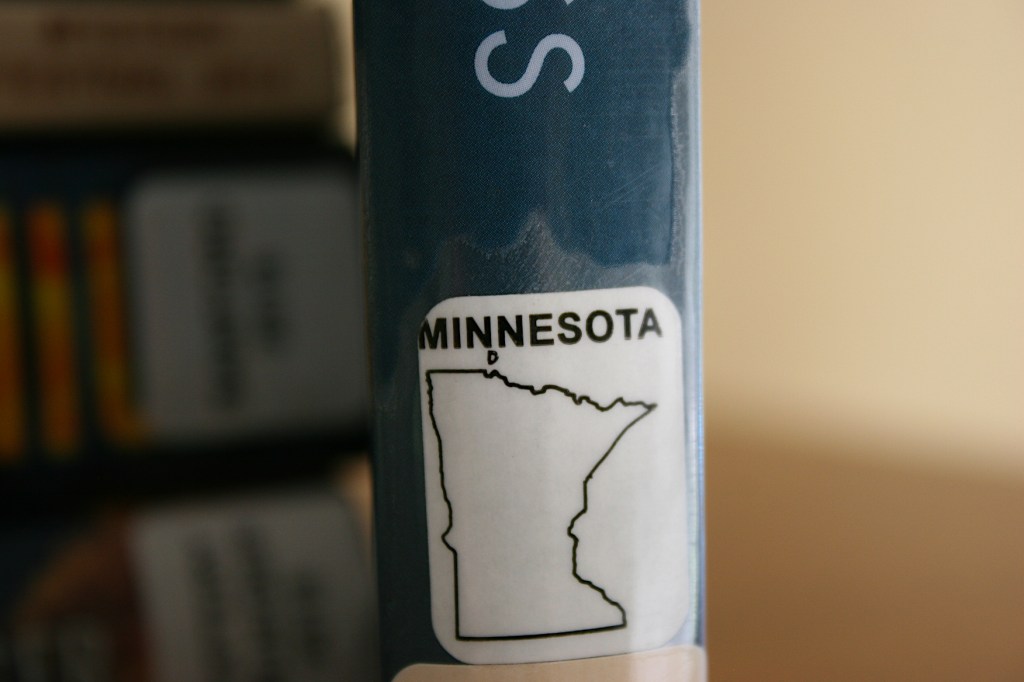
I especially enjoy reading books by Minnesotans and appreciate the Northfield library tagging these books with Minnesota-shaped art.


The remaining books in my library book stash are mysteries/mystery thrillers, my preferred genre. I quickly read Desolation Mountain by one of my favorite Minnesota authors, William Kent Krueger. Interestingly enough, that fictional story in the Cork O’Connor series also references potential mining near the BWCAW.

New-to-me author Chris Norbury’s books, Castle Danger and Straight River, also connect to the northeastern Minnesota wilderness. And southern Minnesota, where the main character returns to the family farm in Straight River. I always enjoy reading books that include familiar places. Norbury lives in Owatonna and references area communities. And those of you who grew up in this region recognize that the book titles are actually an unincorporated community in northeastern Minnesota and a river here in southern Minnesota.

I’m determined to stretch my reading beyond the seed mystery love planted decades ago through Nancy Drew books. To that end, I appreciate when library staff pull and showcase books they recommend. Like Dr. Virji’s book.

And I appreciate libraries. I look forward to the day when Faribault’s library opens again for regular hours. Currently, it’s open by appointment only, for 30-minute Browse-and-Go Visits between 10 am – 5 pm weekdays or for No-Contact Curbside Pickup. Because Randy is gone to work between those hours, he has no opportunity to get books locally. And so we will continue our trips to Northfield.

Now, you may wonder why these two communities within 20 minutes of each other and in the same county differ in library reopening. I expect it has much to do with numbers, usage and demographics as it relates to COVID-19. My county of Rice, according to information posted by Rice County Public Health on August 7, has had 1,020 lab confirmed cases* of COVID since March. That breaks down to 830 cases in Faribault. Northfield has had far fewer at 141. The balance of 49 cases are spread throughout other communities in Rice County.

I can only speculate that numbers factor into local library decisions about operations. But who knows? I am a word person, not a numbers person.

#

FYI: My friend Sue Ready, a book lover and writer who lives in the Minnesota northwoods, is a good source of info about Minnesota-authored books. She reviews books on her Ever Ready blog, Click here. Sue also heads up the Northwoods Art & Book Festival in Hackensack, MN., which brings together Minnesota artists and authors. This year’s event was canceled due to COVID-19.

* The number of COVID-19 cases in Rice County as of Monday, August 10, were 1,038.

© Copyright 2020 Audrey Kletscher Helbling
 

For the love of books, a spotlight on several Little Free Libraries October 22, 2018

Filed under: Uncategorized — Audrey Kletscher Helbling @ 5:00 AM
Tags: , , , , , , , , , ,


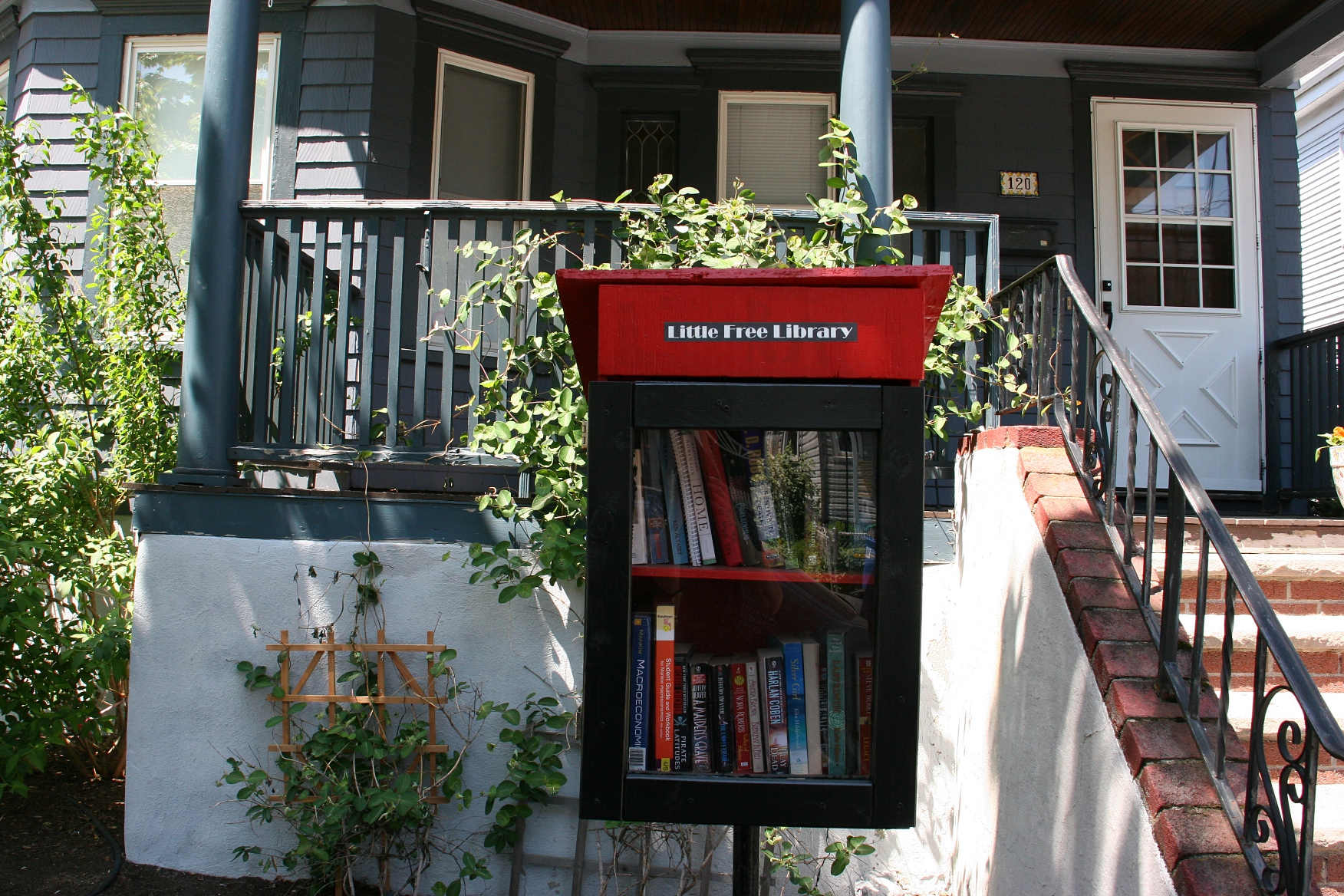
I was delighted to find a Little Free Library near my son’s apartment when I visited him in Somerville, Massachusetts, in May of 2016. Minnesota Prairie Roots file photo.


WHENEVER I SPOT A LITTLE FREE LIBRARY, I feel a deep appreciation for the stewards of these mini libraries.

The ability to read, as I see it, is the foundation of learning. But to read, you need access to books. Not everyone has that, whether by geographical location or lack of money for books.

So those individuals who place a Little Free Library in their yards (or elsewhere) and then stock and restock shelves have my gratitude. They realize the importance of easy 24/7 access to books.


The LFL Todd and Susan Bol installed outside the community-owned Vesta Cafe. Minnesota Prairie Roots file photo 2012.


I grew up in a rural Minnesota community without a library. I understand what it’s like to be without library books. But thanks to Little Free Library founder Todd Bol, my hometown of Vesta has had a small public library since July 1, 2012. A Little Free Library. Todd gifted that to this small farming town. I am grateful.
 

A LFL in downtown Decorah, Iowa.


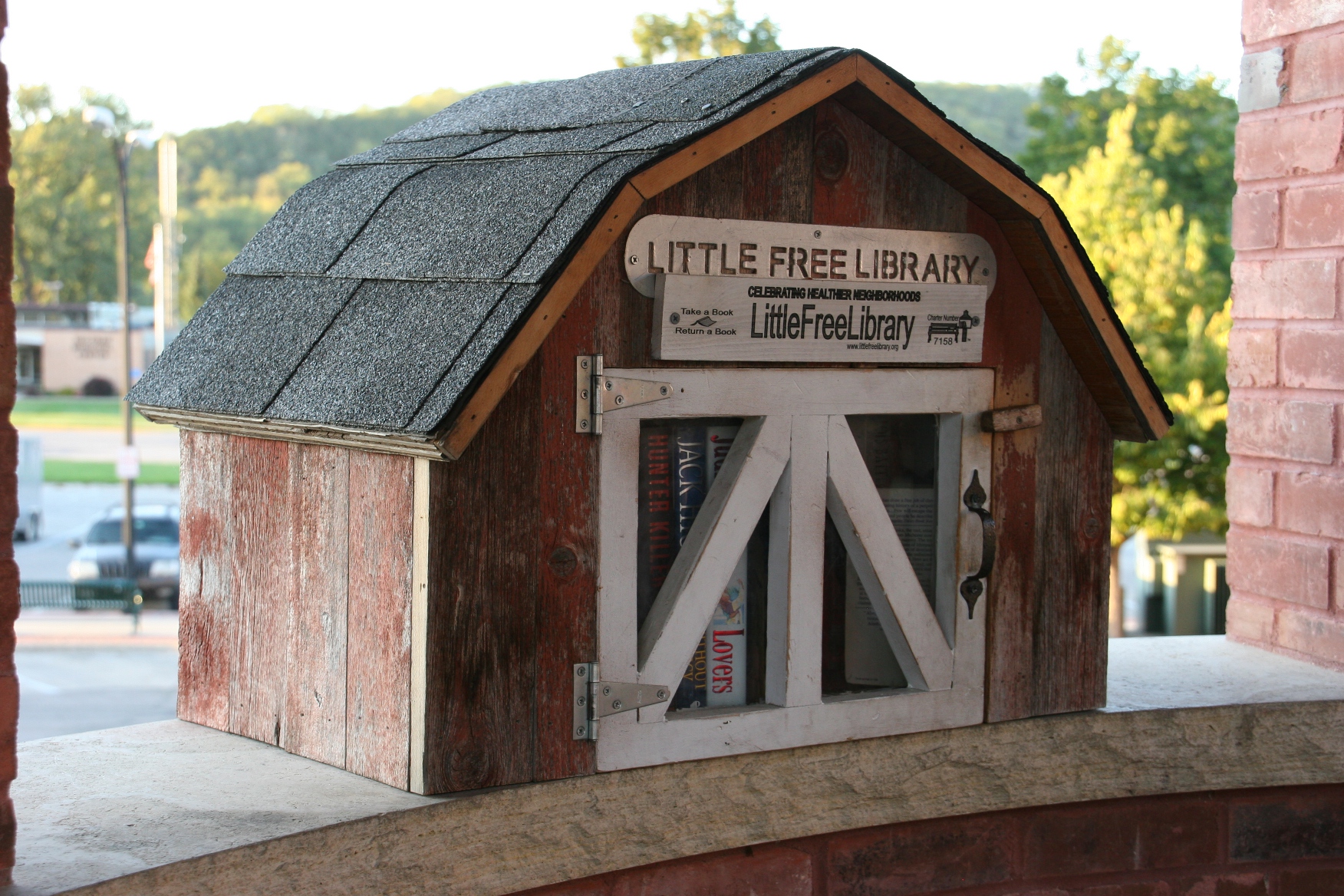
Recently I spotted two particularly distinct Little Free Libraries, one in the heart of downtown Decorah, one of my favorite northeastern Iowa cities. The library sits in a public plaza next to Oneota Community Food Co-op. That it’s barn-shaped seems especially fitting in a primarily agricultural state. A red barn remains an iconic symbol of rural life.
I grabbed a hardcover copy of James Patterson’s Double Cross with every intention of starting to read the book while in Decorah. That never happened and now the book sits on my to-read pile back here in Minnesota. First I need to finish The Girls of Ames—A Story of Women & a Forty-Year Friendship by Jeffrey Zaslow. The national bestseller published in 2009. The book holds special interest for me given one of the women taught journalism at Faribault High School and served as advisor to the student newspaper when my second daughter was co-editor. It’s an excellent read. And quite revealing.
But I digress.


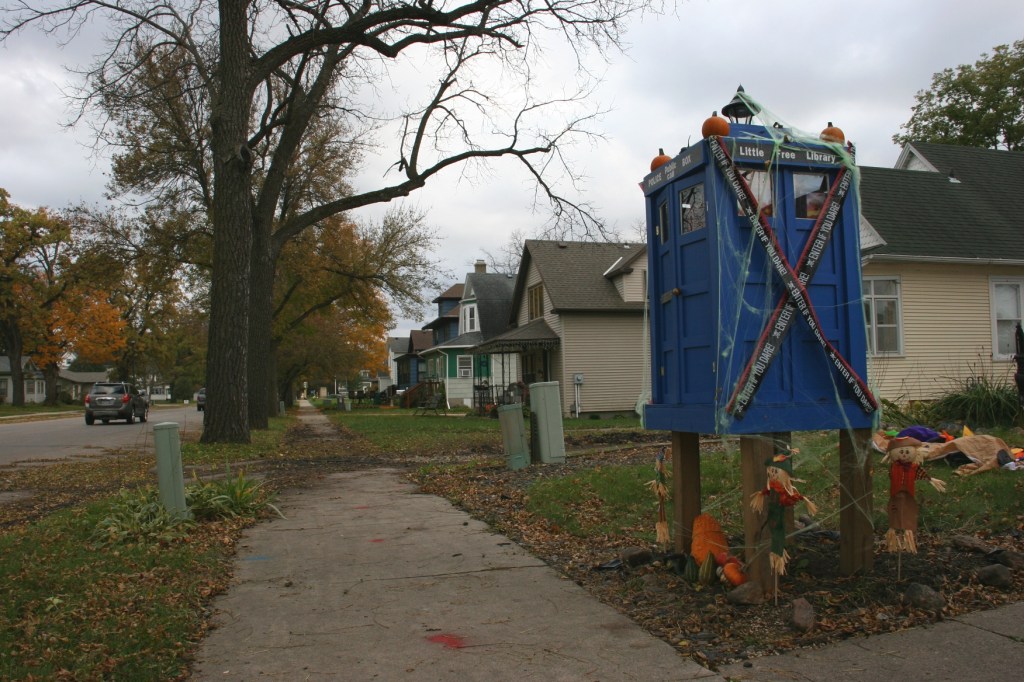
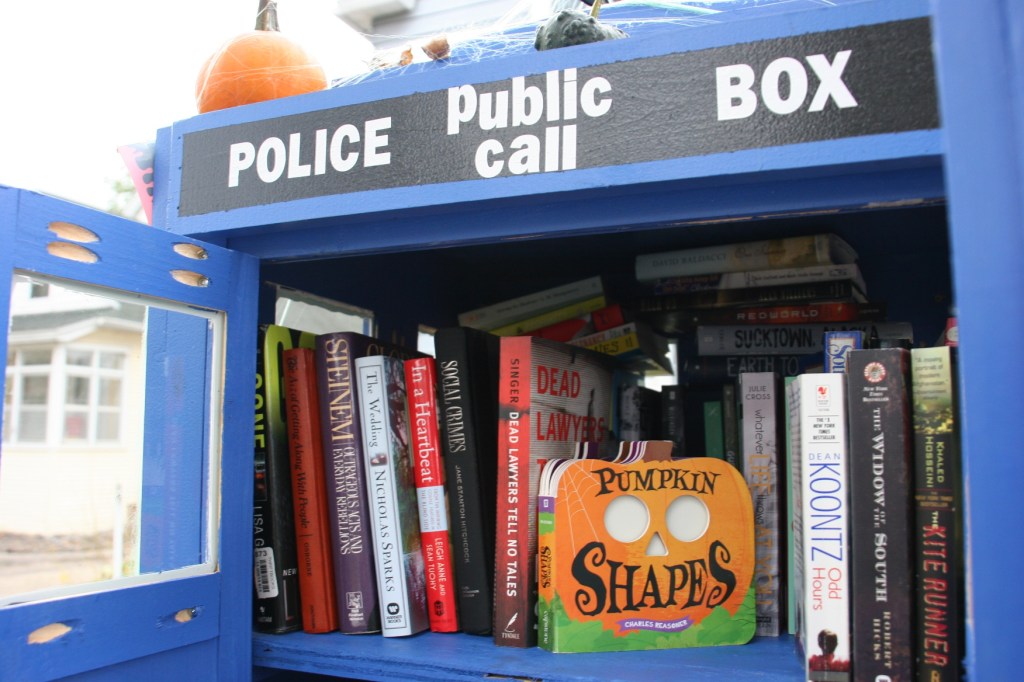
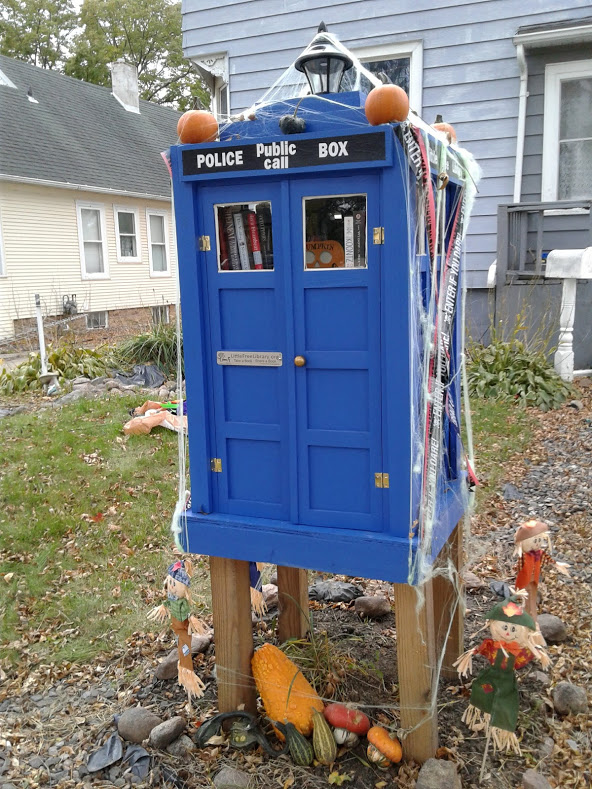
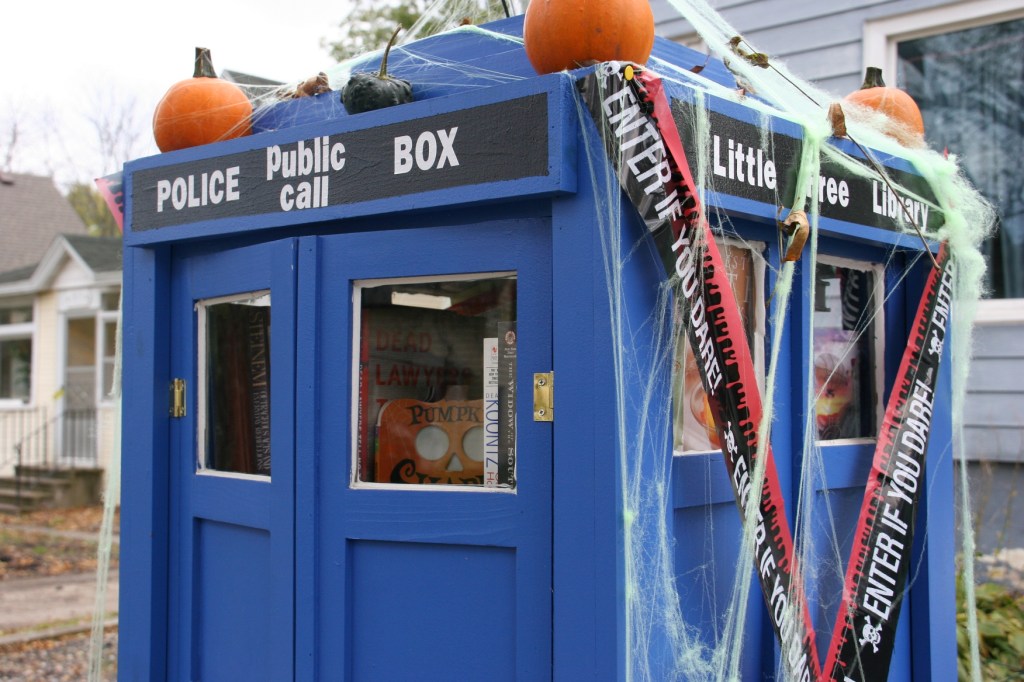
A variety of books for all ages fill an eye-catching LFL posted at 805 State Street in Waseca. It’s designed as a TARDIS, the featured mode of transportation on the BBC sci-fi television show “Doctor Who.” I know nothing about the show. To me, the TARDIS resembles a blue phone booth.


The stewards of the Waseca TARDIS do a great job of visually promoting the LFL with the library now seasonally decorated for autumn and Halloween. Inside, they’ve also stocked Halloween-themed books. They seem to have a lot of fun with their LFL. I expect given its location along one of Waseca’s main arteries that the library is well-used.


What kid wouldn’t be drawn to a mini TARDIS? Or adult for that matter?


I love when folks run with the LFL idea and get especially creative, all for the purpose of getting books into the hands of others.


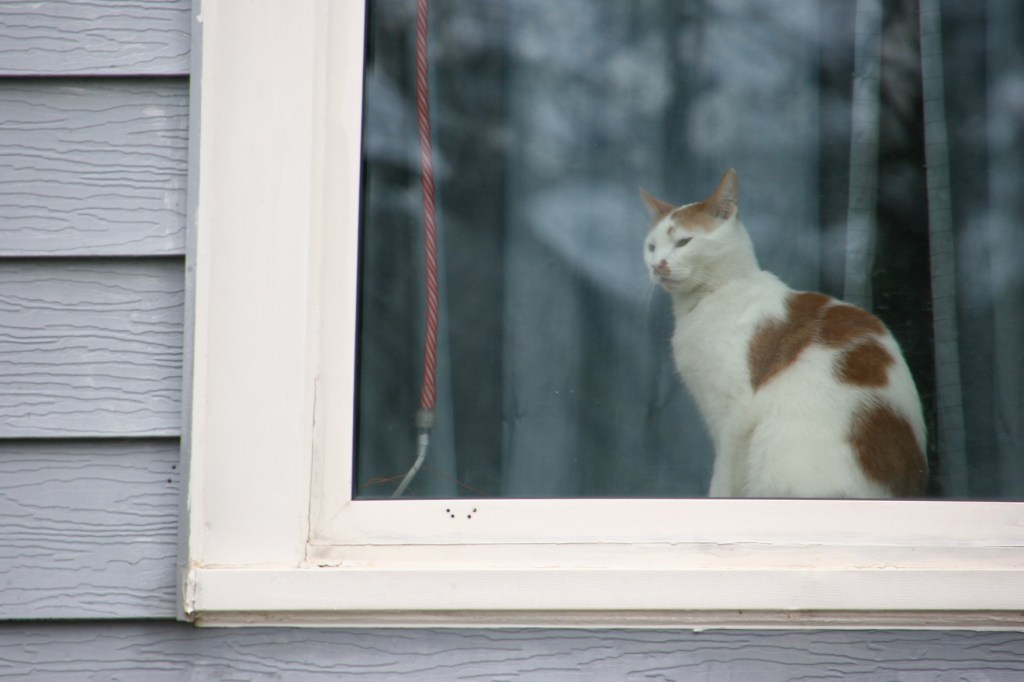
A cat watched as I photographed the TARDIS LFL.


FYI: This post is dedicated to Todd Bol, who founded the Little Free Library movement and who died on October 18 of pancreatic cancer.

© Copyright 2018 Audrey Kletscher Helbling