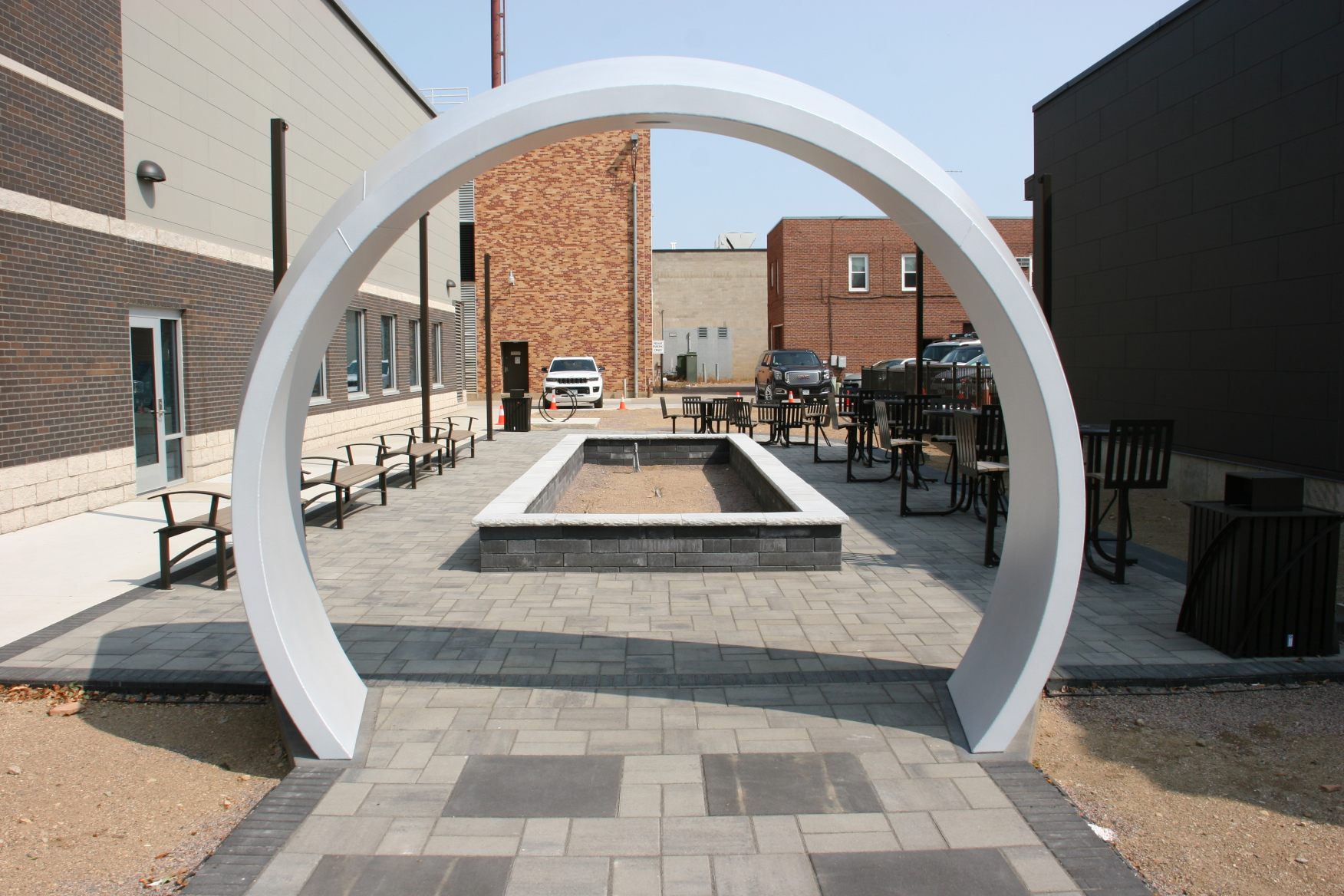
Terrace 1872, under development in September 2022 in downtown Marshall, Minnesota. (Minnesota Prairie Roots copyrighted file photo September 2022)
WHEN I PHOTOGRAPHED an under construction patio while visiting Marshall in mid-September, I wondered exactly what was up with this space. And then I forgot about it…until now.
The Lyon County Historical Society Museum, housed in a former library. (Minnesota Prairie Roots copyrighted photo September 2022)
It was a warm and sunny day when I happened upon the patio project in the heart of Marshall’s downtown business district. This ag-based community and college town sits on the southwestern Minnesota prairie, some 20 miles west of my hometown. I was back in the area to view two of my poems on display in the “Making Lyon County Home” exhibit at the Lyon County Historical Society Museum. After touring the museum, Randy and I did a short walk-about in a downtown that looks nothing like the downtown I remember from my last visit 40 years earlier.
During that brief tour, we came across the developing outdoor area. I was impressed by what I saw—by the well-laid pavers, the strong arched entry, the cluster of patio tables and chairs, and the then-unfilled planter bed. I envisioned plants and flowers adding a calming natural balance to hard surfaces.
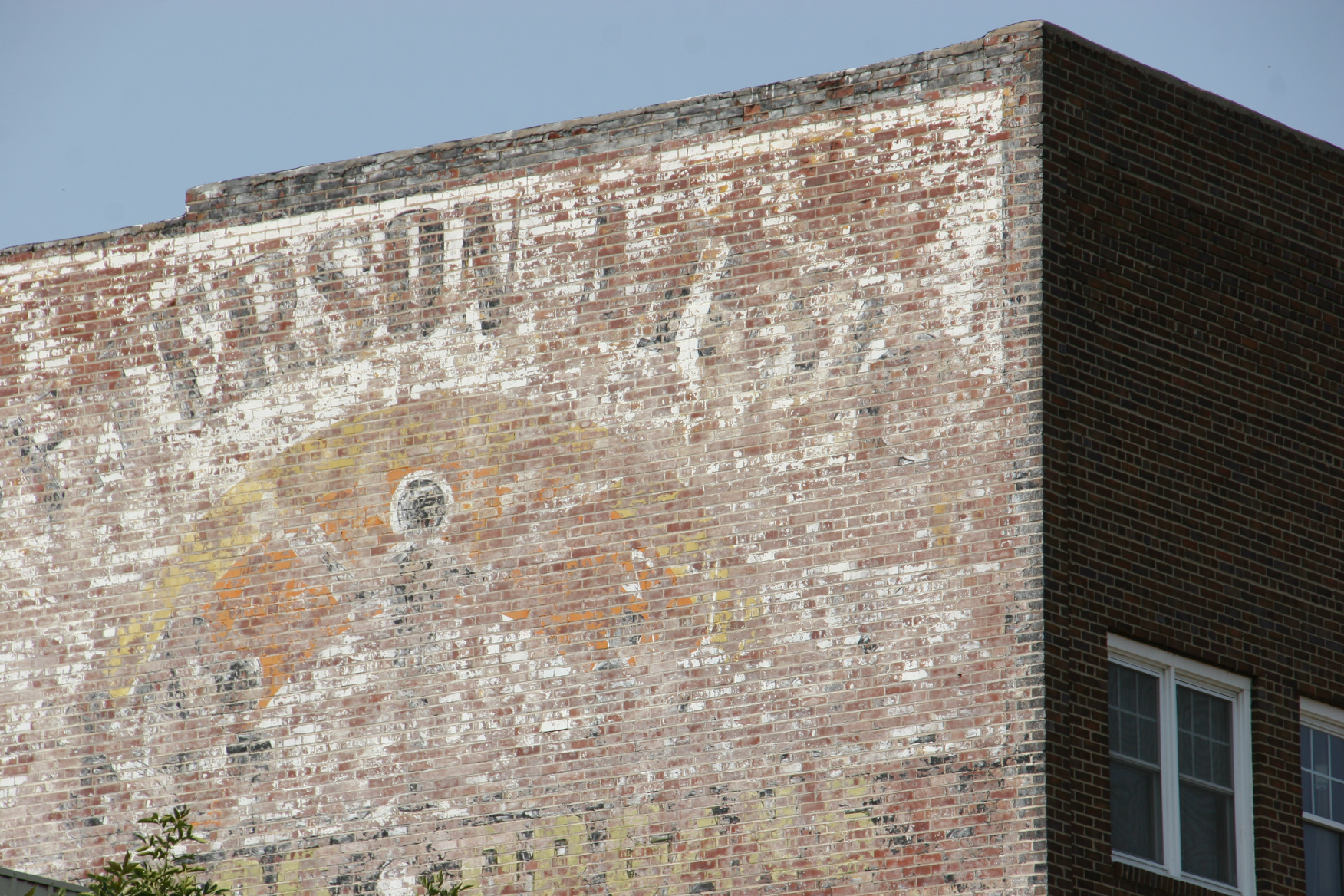
An unreadable (to me) ghost sign speaks to Marshall’s history. (Minnesota Prairie Roots copyrighted photo September 2022)
My eyes saw all of this. But, still, I didn’t know the backstory until now. This is Terrace 1872, a public gathering space next to City Hall. It came to be after the former Marshall Hotel was demolished, leaving a narrow, empty lot. Local visionaries saw this as an opportunity to create a community gathering spot. And so it will be. And the name, well, Terrace is self-explanatory. But 1872 represents the year Marshall became a city.
A mural, “At the Bend of the Redwood,” sprawls across a business in the heart of downtown Marshall. (Minnesota Prairie Roots copyrighted photo September 2022)
I love this concept of an outdoor area downtown where visitors, shoppers and downtown employees can meet, relax, just be. I also envision Terrace 1872 as a site for pop-up events—mini art shows, concerts, poetry readings… The possibilities seem endless for this pocket park.
Plans are to add a sculpture or art piece to the terrace, enhancing a downtown already graced by murals. Online plans also show movable fire pits and patio lights strung between posts. I appreciate the vision of an inviting and welcoming space to gather.
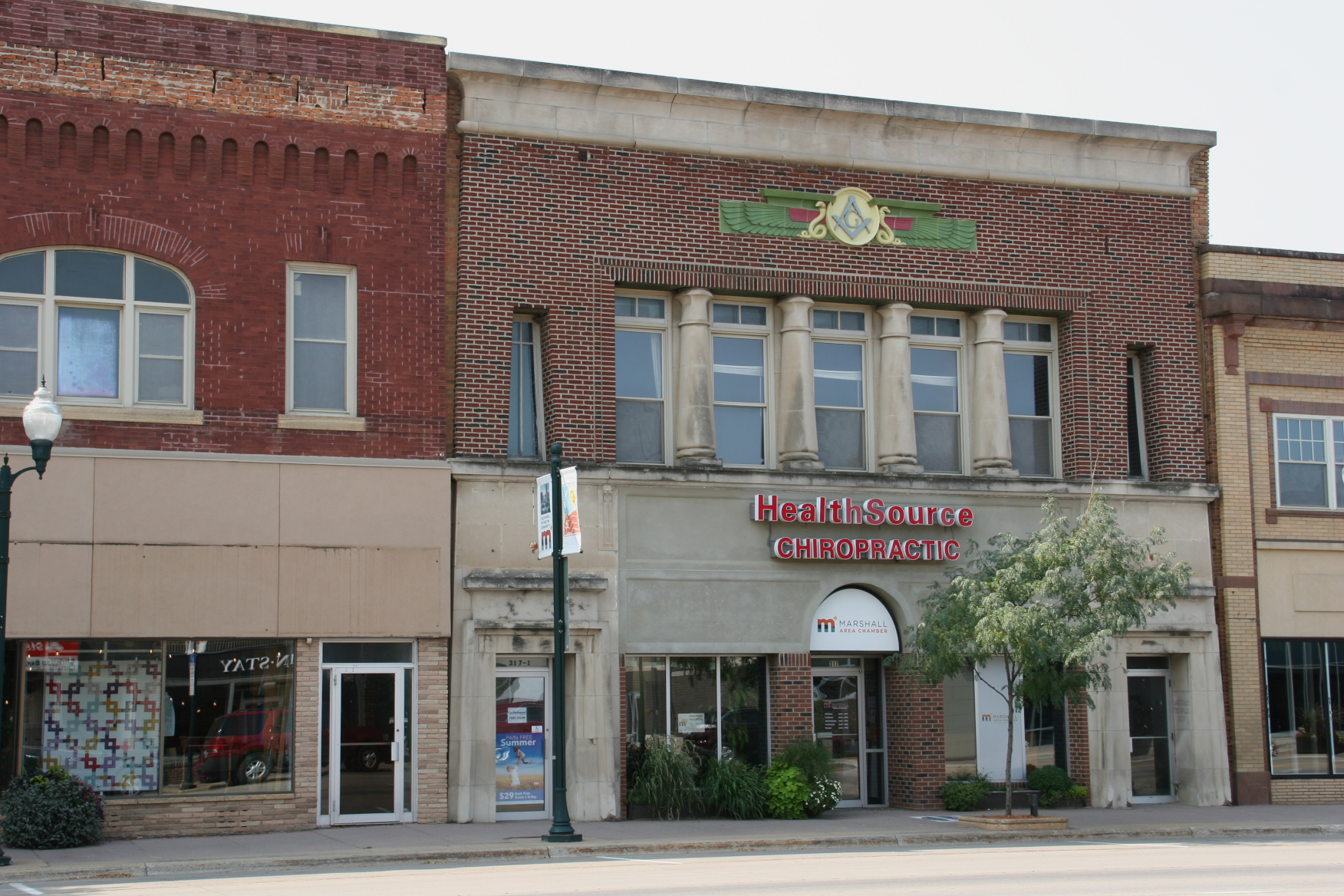
Businesses across the street from Terrace 1872. (Minnesota Prairie Roots copyrighted photo September 2022)
I’d love to see my community of Faribault adopt Marshall’s Terrace 1872 idea and create a similar mini gathering spot in the heart of our downtown. We have many vacant lots left after buildings were demolished. Previously demolished buildings were replaced by parking lots. Faribault now needs some greenery and additional outdoor public art infused into downtown, creating a peaceful place for people to gather, connect, relax, grow a sense of community while outdoors. I hope the visionaries here follow Marshall’s lead…
TELL ME: Do you have a Terrace 1872 in your community or have you seen one in another community? I’d love to hear details.
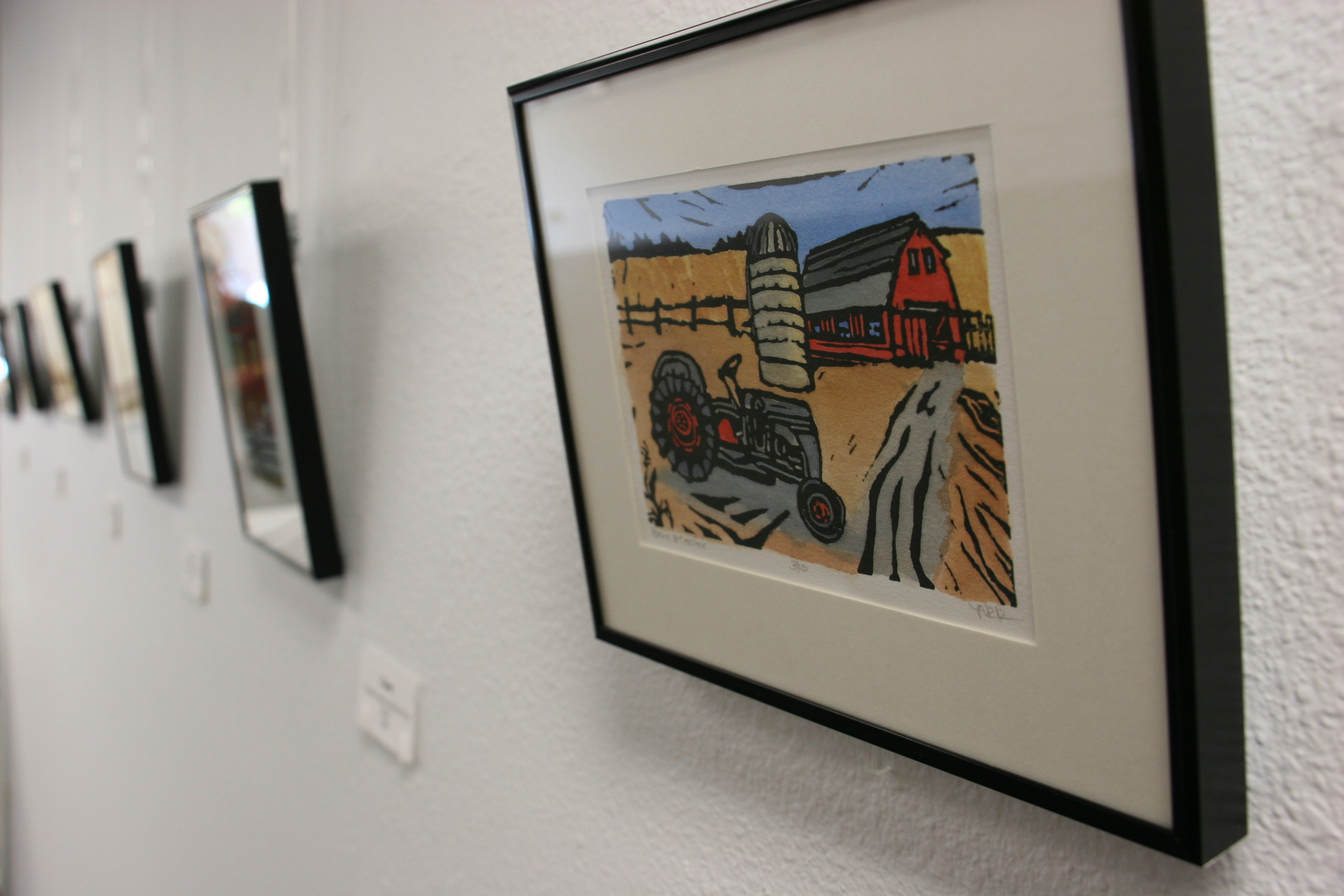
“Main Street,” watercolored block print by Nan Karr Kaufenberg. (Minnesota Prairie Roots copyrighted photo September 2022)
MANY DECADES AGO, in a time when gender roles factored strongly into classes a student could and couldn’t take in high school, I learned to carve a design into a linoleum block for printing. Girls and boys traded classes for two weeks with female students allowed into the male-dominated world of shop class. The guys headed to the home economics kitchens to acquire basic cooking and baking skills.
Nan Karr Kaufenberg’s depiction of a farm site. (Minnesota Prairie Roots copyrighted photo September 2022)
Oh, how things have changed since I was an early 1970s high school student briefly surrounded by saws and tools and other equipment and carving art into a linoleum block. I don’t recall the design I crafted. But I do remember feeling empowered inside that industrial arts shop, my eyes opened to possibilities that stretched beyond societal limitations.
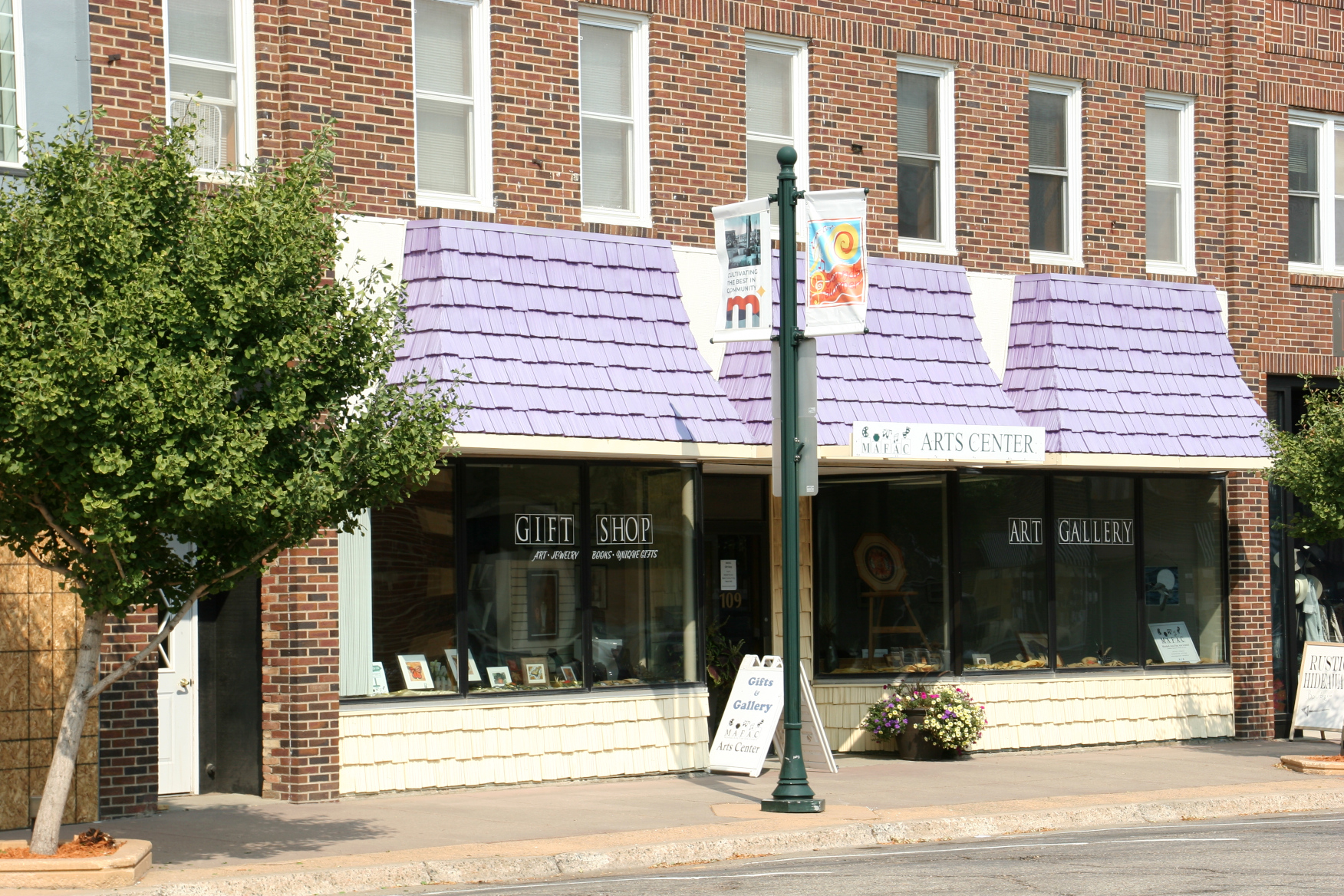
The Arts Center in downtown Marshall. (Minnesota Prairie Roots copyrighted photo September 2022)
Nan Karr Kaufenberg’s “Coneflowers.” (Minnesota Prairie Roots copyrighted file photo September 2022)
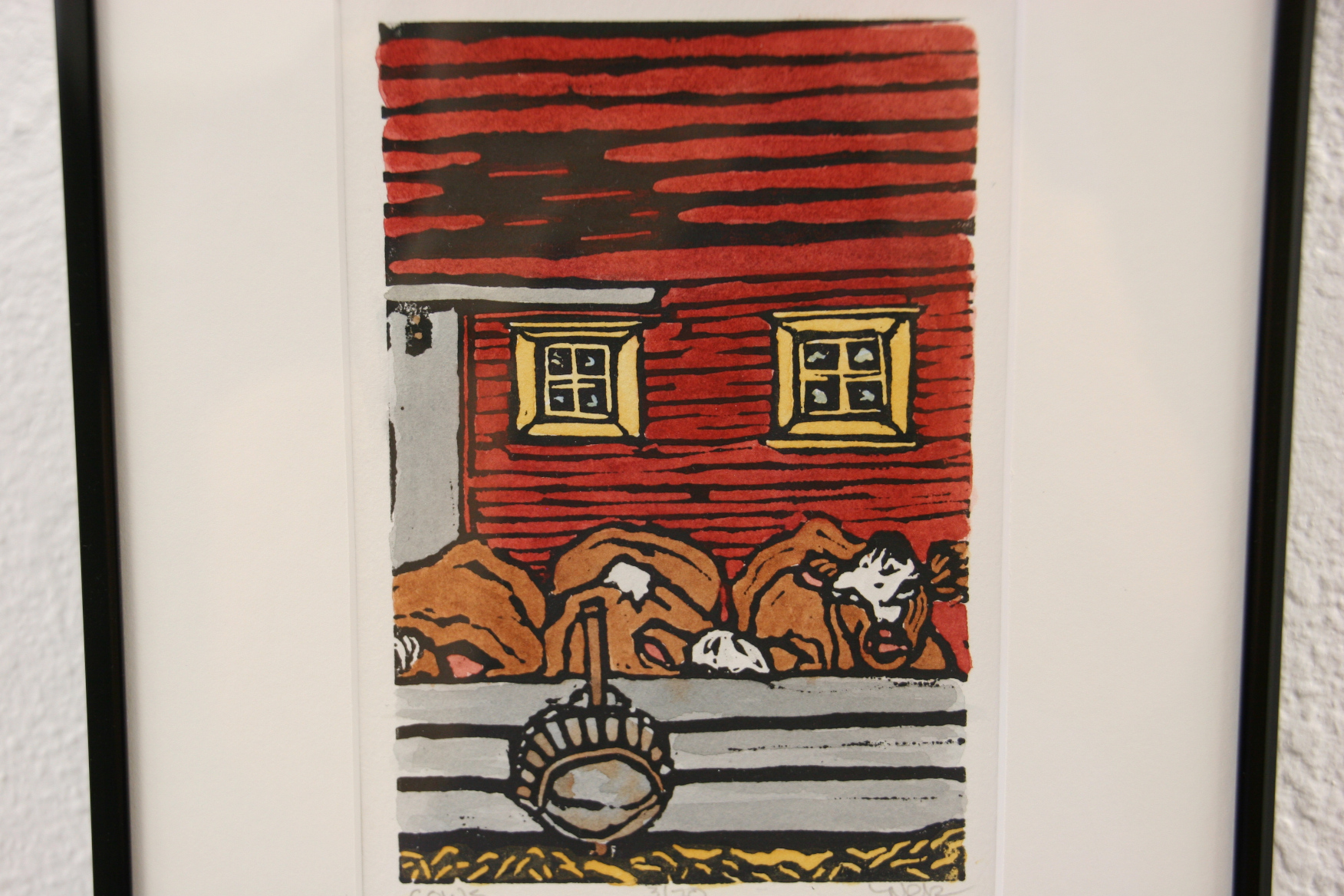
Feeding cattle focus this print by Nan Karr Kaufenberg. (Minnesota Prairie Roots copyrighted photo September 2022)
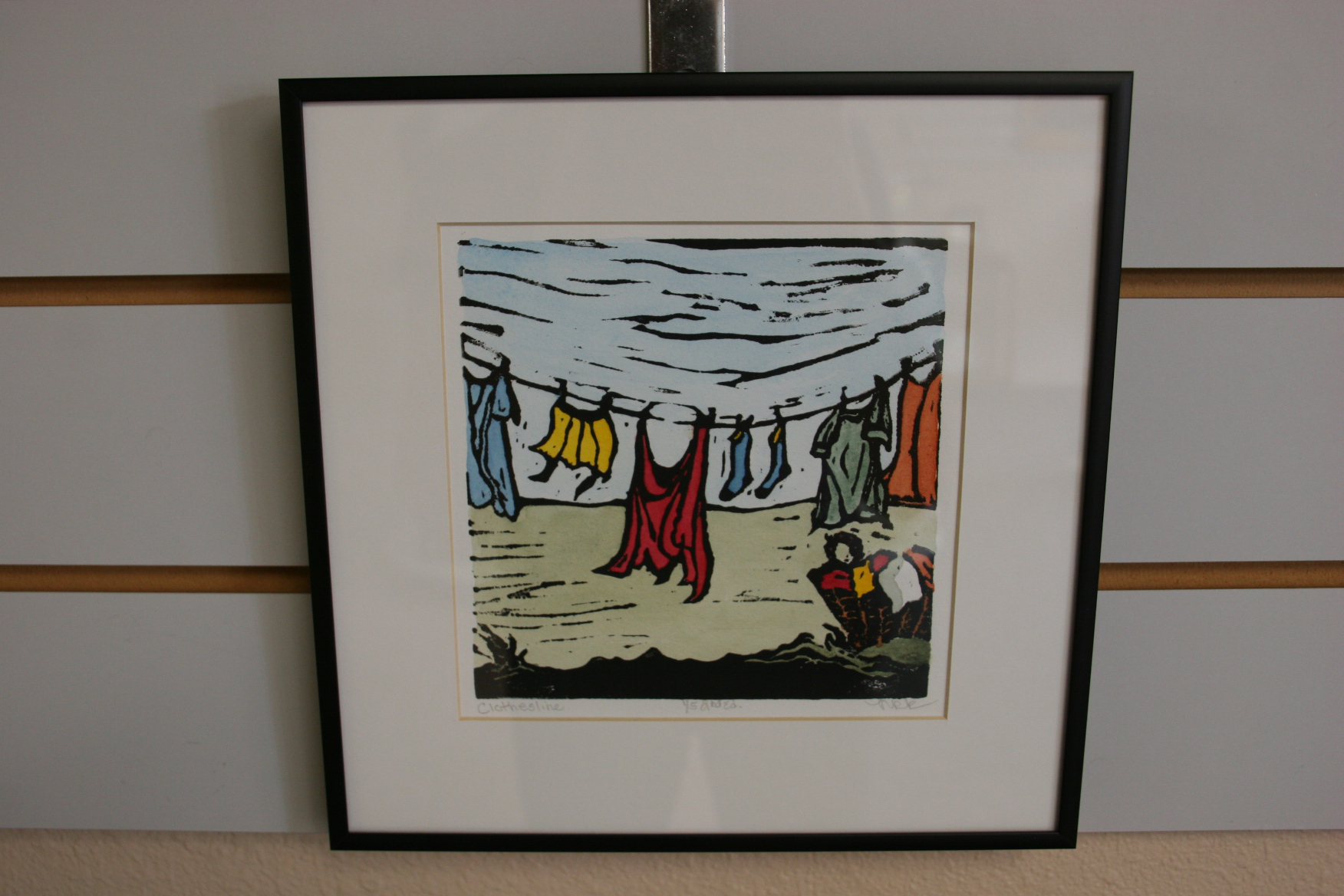
“Clothesline” by Nan Karr Kaufenberg. (Minnesota Prairie Roots copyrighted photo September 2022)
That admiration remains for this artist who observes the prairie world around her and then creates. I feel comfortably at home with her interpretations of rural southwestern Minnesota. Her depictions of prairie flowers, farm scenes, small towns, even laundry on a clothesline, touch me with that sense of familiarity, that feeling of connection to a place I called home and forever hold dear.
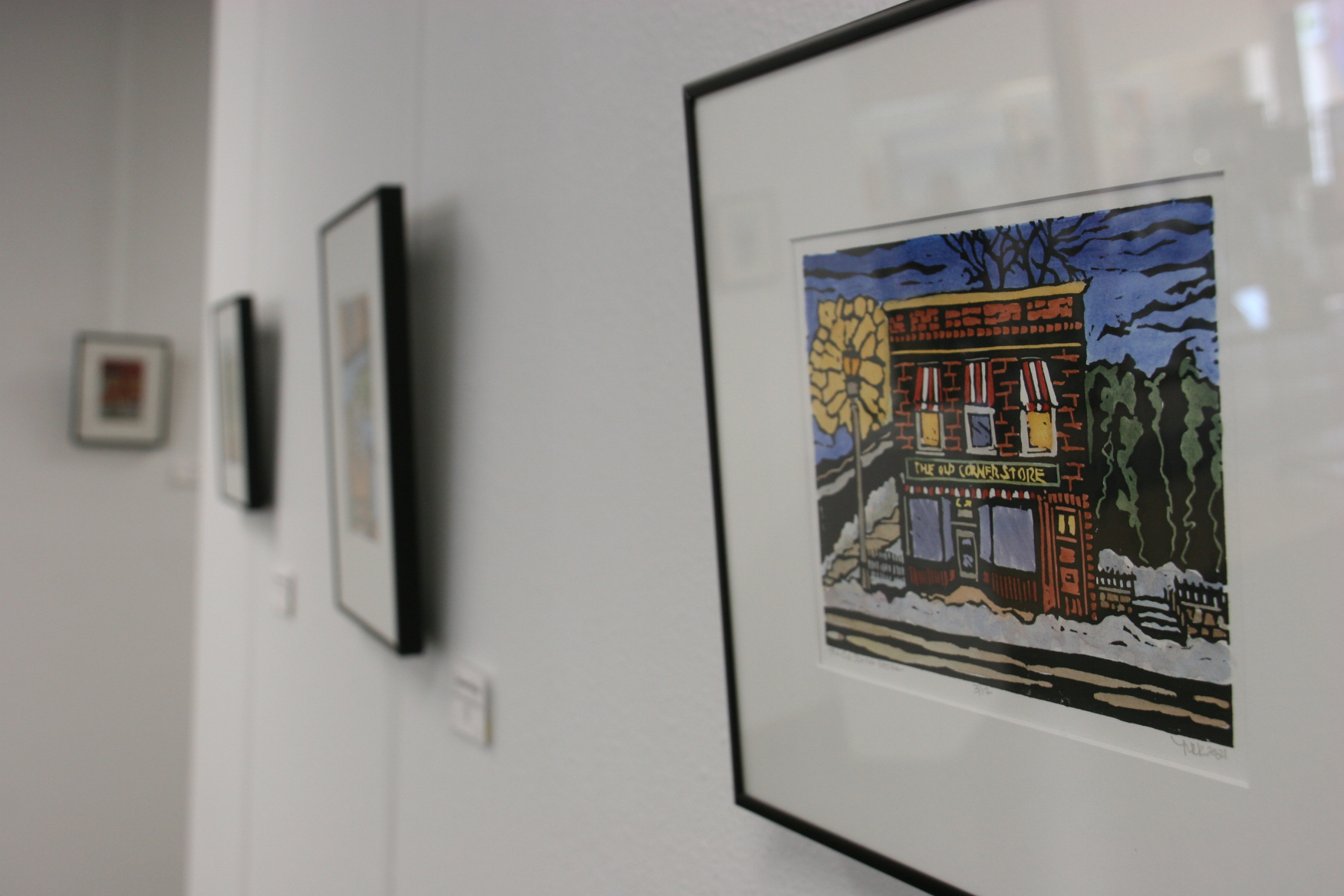
A block print by Nan Karr Kaufenberg of The Old Corner Store. (Minnesota Prairie Roots copyrighted photo September 2022)
For more than 30 years, Kaufenberg, who has art degrees (from the University of Minnesota and Southwest Minnesota State University), who once worked at a tourism center in extreme southwestern Minnesota (she moved following the 2001 high profile murder of her daughter Carrie Nelson), and who is also a realtor, has specialized in tinted linoleum block prints. She colors her printed designs with watercolors. The results are simply stunning. Bold black stamped ink softened by watercolor.
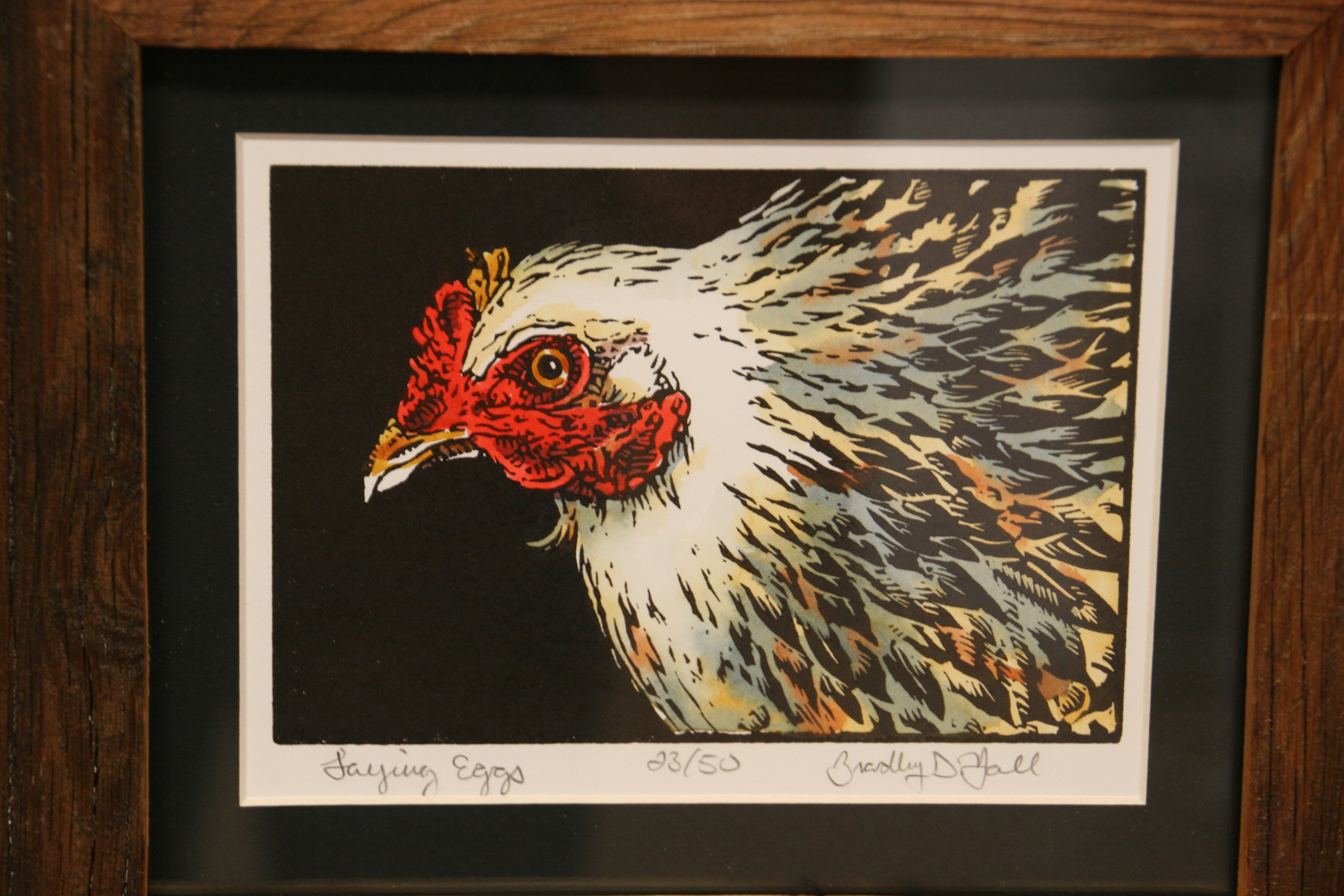
“Laying Hens” by Bradley D. Hall. (Minnesota Prairie Roots copyrighted photo September 2022)
Granite Falls artist Bradley D. Hall does the same, hand-carving linoleum blocks, then hand-printing the inked block design before hand-coloring with watercolors. I also saw his work inside the Marshall Arts Center. While similar to that of Kaufenberg in its rural themes, Hall’s art features finer black lines. Each artist has developed a certain identifiable style with the same basic art form.
A view of the Marshall Arts Center gift shop. (Minnesota Prairie Roots copyrighted photo September 2022)
Hall, who left southwestern Minnesota for Chicago and worked there for 20 years in factories, returned to his native Granite Falls in 2002 to open a studio. By then he’d already taken numerous art classes, including at the American Academy of Art in downtown Chicago. Upon his return to Minnesota, Hall connected with letterpress artist Andy Kahmann of A to Z Letterpress in Montevideo and learned the arts of linoleum block carving and printmaking. I love that these creatives shared with, and learned from, one another.
“Windmill” by Bradley D. Hall. (Minnesota Prairie Roots copyrighted photo September 2022)
More than 50 years ago, industrial arts teacher Ralph Brown shared his linoleum block print skills with me and a shop full of other teenage girls at Wabasso High School. Those two weeks of hands-on learning inside a place typically reserved for male students proved pivotal. I could see the world beginning to crack open to young women, emerging women who would ink life with their designs, their styles, their strong bold lines.
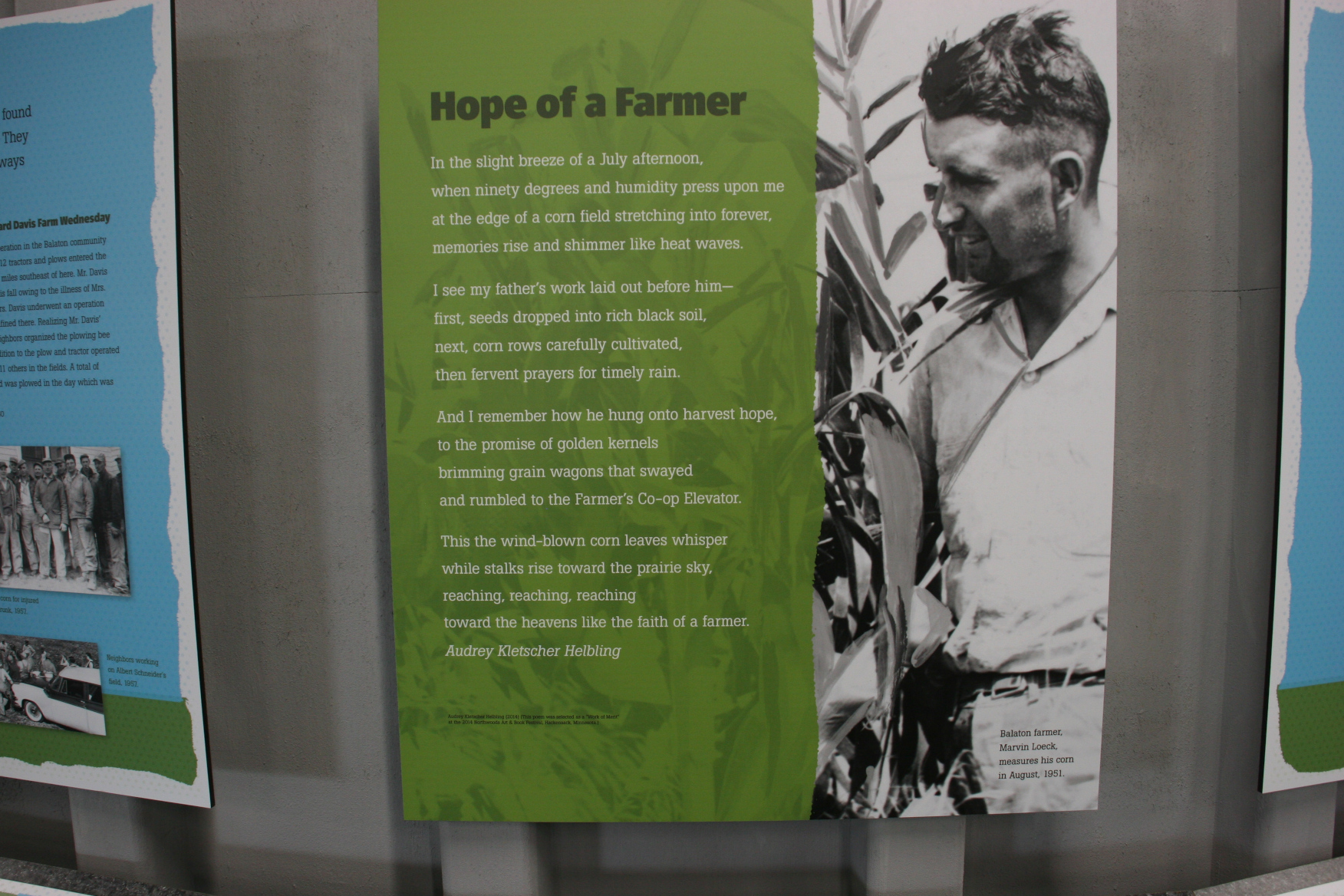
My “Hope of a Farmer” poem exhibited at the Lyon County Historical Society Museum. The exhibit also includes my poem, “Ode to My Farm Wife Mother.” (Minnesota Prairie Roots copyrighted file photo September 2022)
Randy Walker’s “Prairie Roots” sculpture defines the entrance outside the Red Baron Arena on Marshall’s east side at 1651 Victory Drive. (Minnesota Prairie Roots copyrighted photo September 2022)
My one regret is that Randy and I didn’t stay overnight, allowing more time to explore local sites without feeling rushed. Forty years have passed since I visited Marshall en route to the Black Hills on our honeymoon. The college and county seat town lies 20 miles to the west of my hometown, Vesta in Redwood County, and 140 miles from my current home in Faribault.
A serene country scene just north of Lamberton in southern Redwood County on the southwestern Minnesota prairie. (Minnesota Prairie Roots copyrighted file photo September 2013)
This area of Minnesota is the place of my roots. My prairie roots. It is the place of wide open space, expansive skies, small towns and endless acres of cropland.
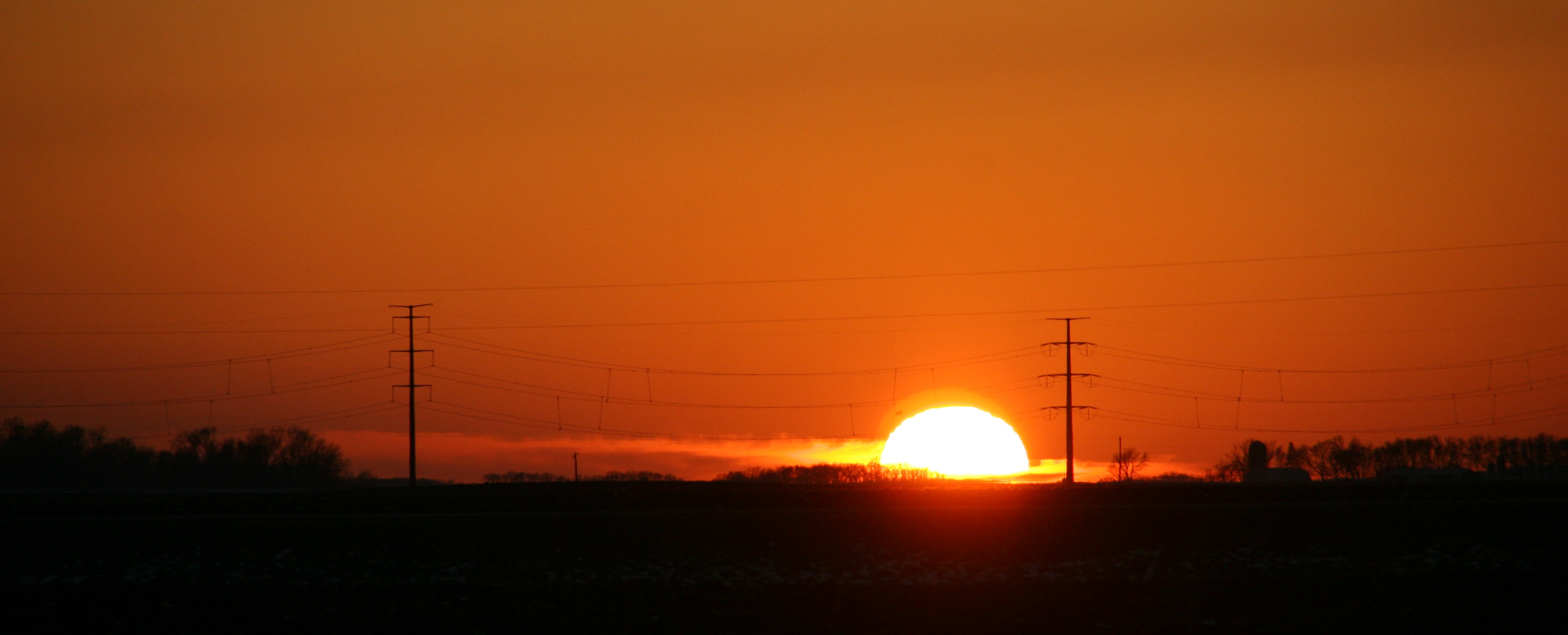
A prairie sunset photographed from Minnesota State Highway 67 between Redwood Falls and Morgan. (Minnesota Prairie Roots copyrighted file photo)
The land where I grew up inspired my blog name, Minnesota Prairie Roots. The name fits me as a person and a creative. The sparseness of the prairie taught me to notice details, to fully engage my senses. To appreciate the landscape and people. The vastness of the flat land and the star-flushed night sky and achingly beautiful sunsets. Here I connected to the land—bare feet upon dirt, bike tires crunching gravel, dirt etched into my hands from working the soil. Here I connected to the people—down-to-earth, hardworking, linked to the land.
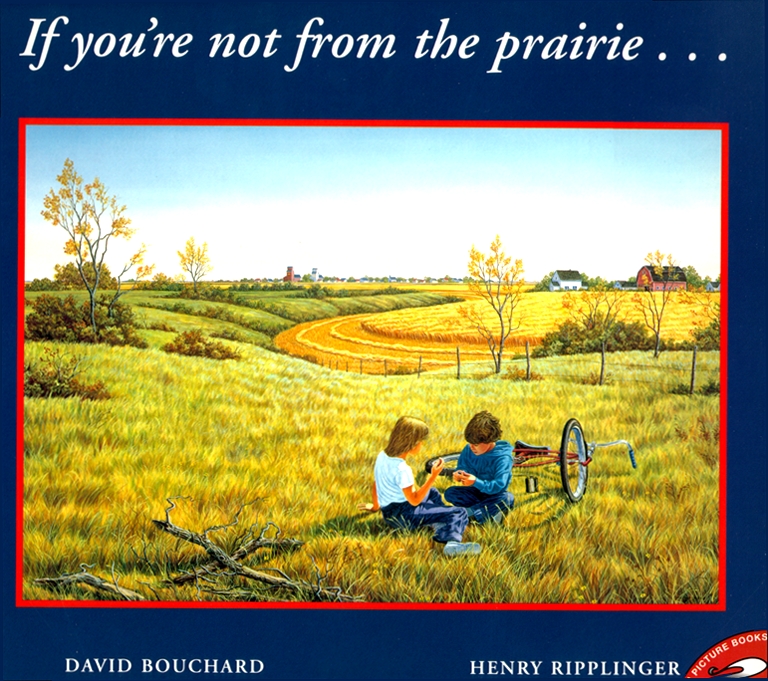
A favorite children’s picture book about the prairie gifted to me by my friend Kathleen.
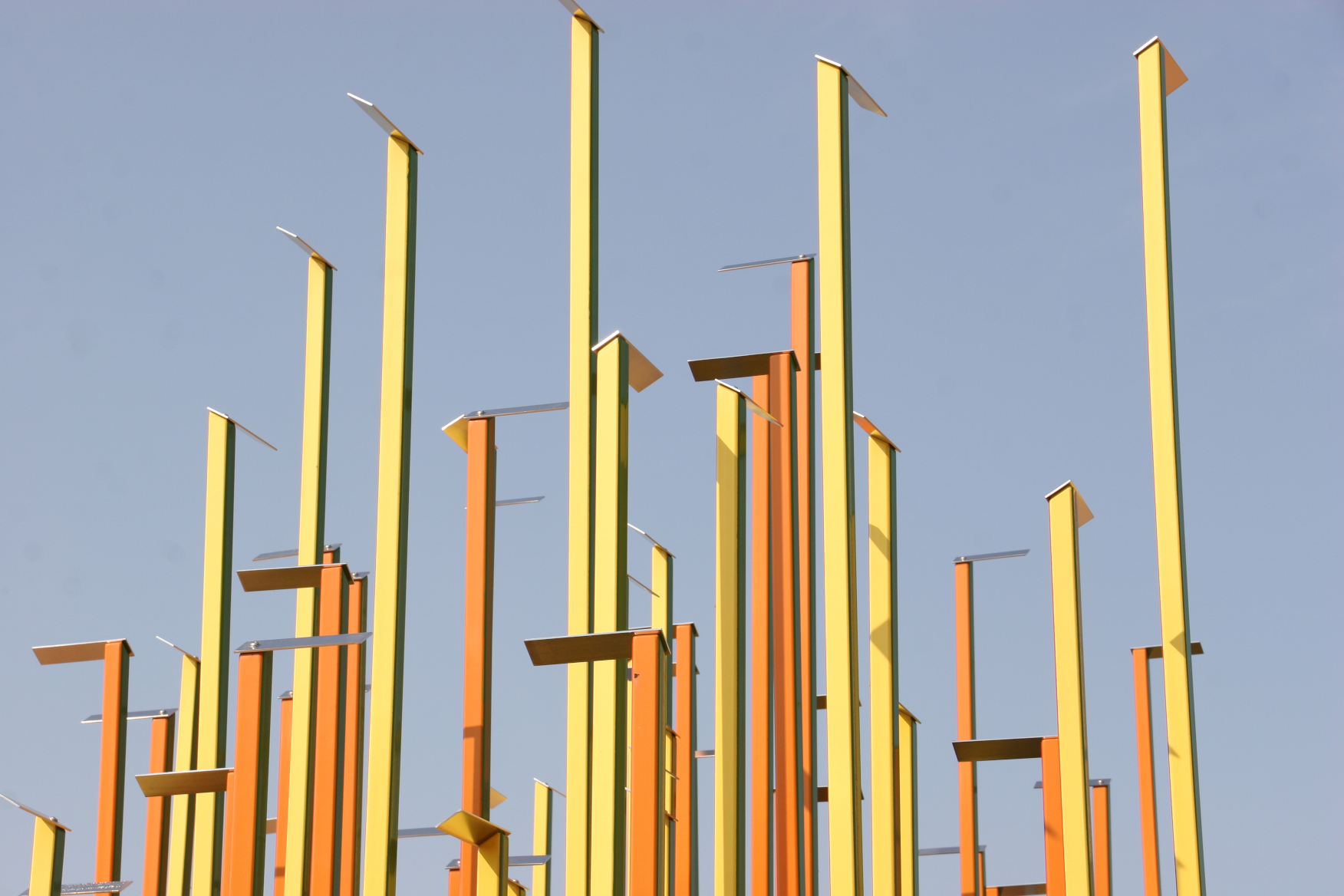
The tall grasses stretch to the prairie sky. The bent tops of the stems are also meant to resemble hockey sticks given the sculpture’s location outside the ice arena. (Minnesota Prairie Roots copyrighted photo September 2022)
Tall grasses are often associated with the prairie. Yet, those grasses were mostly missing from the landscape of my youth as cultivated crops covered the earth. But on our farm site, a sliver of unmown grass grew between granary and grove and gravel driveway, stretching high, stems bending in the wind. That Little House on the Prairie (Walnut Grove is 20 miles from Vesta) space opened summer afternoons to imaginative play. I hold many memories rooted in those tall grasses, in the prairie.
Depending on the time of day and viewing point, the steel grass stems showcase different colors. (Minnesota Prairie Roots copyrighted photo September 2022)
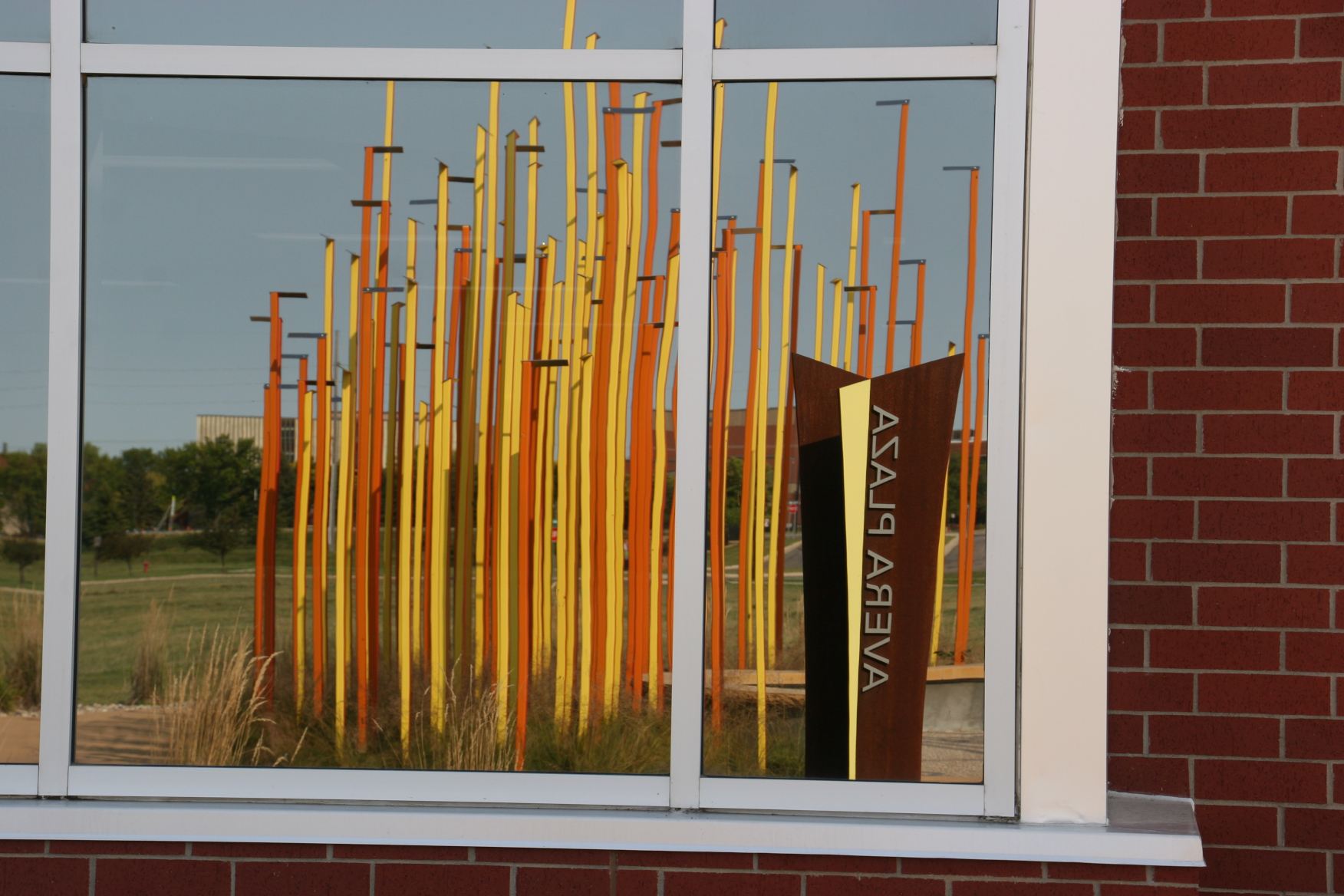
The sculpture reflected in an arena window. (Minnesota Prairie Roots copyrighted photo September 2022)
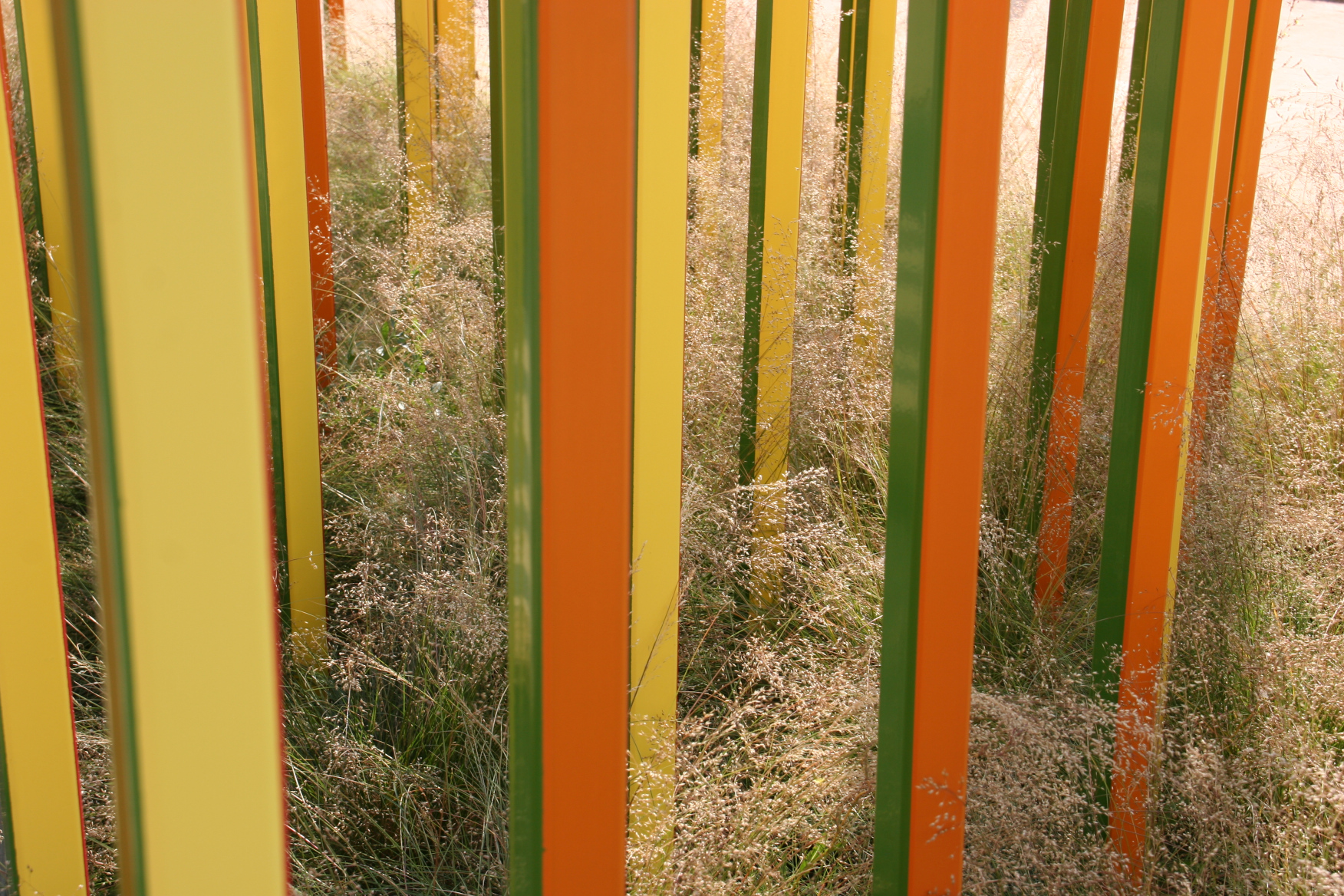
Just another view of the grass stems, emphasizing the orange and yellow hues. (Minnesota Prairie Roots copyrighted photo September 2022)
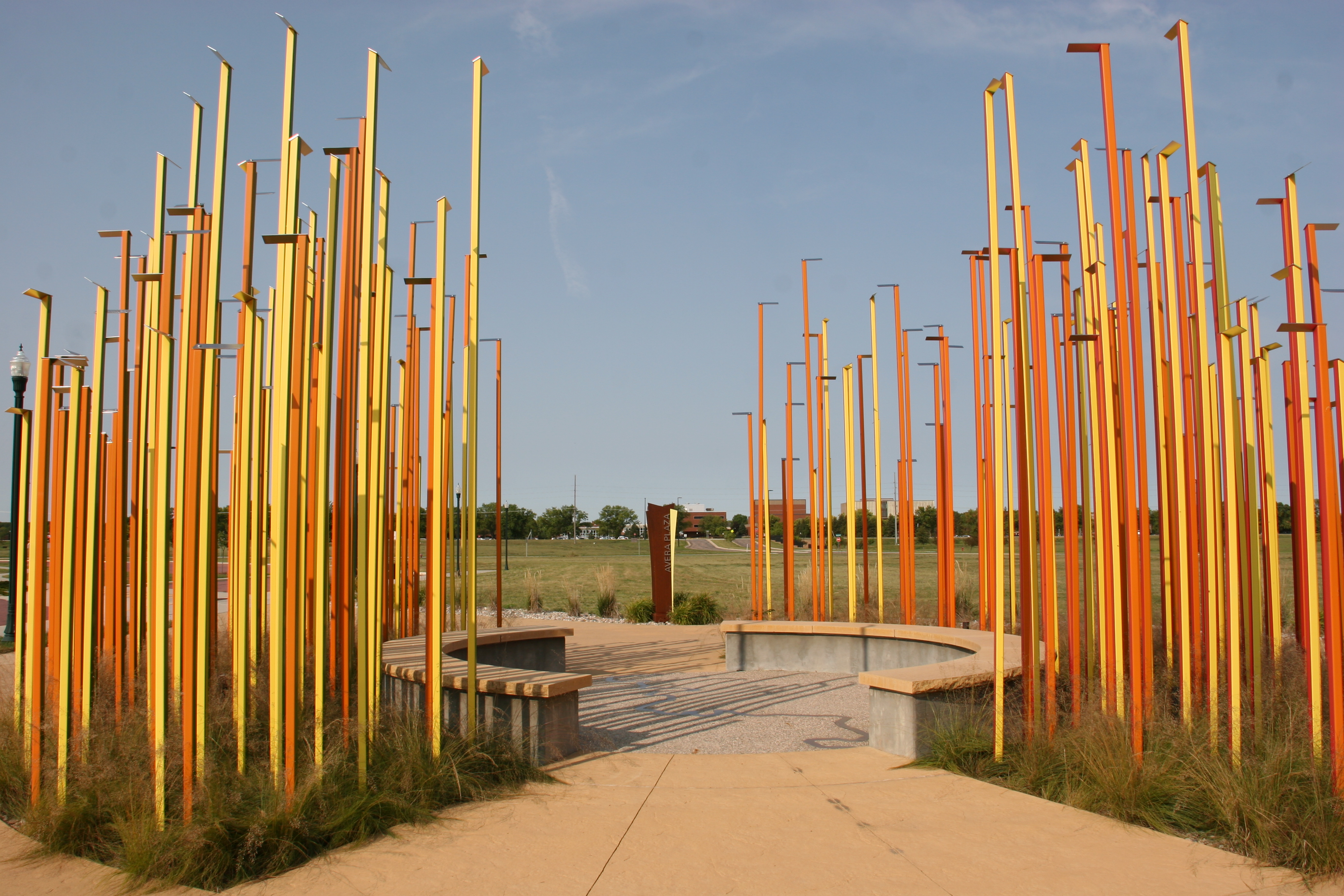
Prairie Roots. That name graces a public art sculpture outside the Red Baron Arena in Marshall. Minneapolis artist Randy Walker was commissioned by the City of Marshall in 2018 to create the sculpture reflecting the prairie landscape. I knew in advance of my September visit that I needed to see this artwork if time allowed. We made time. Walker used 210 painted steel poles to represent tall stems of grass, prairie grass. They are colored in hues of yellow, orange, red and green, reflecting seasonal changes and light.
Prairie grass grows within the sculpture. (Minnesota Prairie Roots copyrighted file photo September 2022)
And in between all those steel stems, prairie grass grows, thrives.
A grasshopper clings to a steel grass stem in the “Prairie Roots” sculpture. (Minnesota Prairie Roots copyrighted photo September 2022)
I even spotted a grasshopper on a steel stalk, taking me back decades to the hoards of grasshoppers that amassed and hopped through that patch of uncut grass on the farm.
Viewing the sculpture toward the field, this perspective shows the meandering course of the Redwood River in the Marshall area on the floor of the gathering space. (Minnesota Prairie Roots copyrighted photo September 2022)
Walker’s sculpture holds visual appeal against an expansive backdrop sky and open field (when viewing the art from the arena entrance outward). Via that perspective, I see the enduring strength of the prairie, and the immensity of land and sky, this place of my Minnesota prairie roots.
Please check back for more posts about my day trip back to southwestern Minnesota in September 2022.
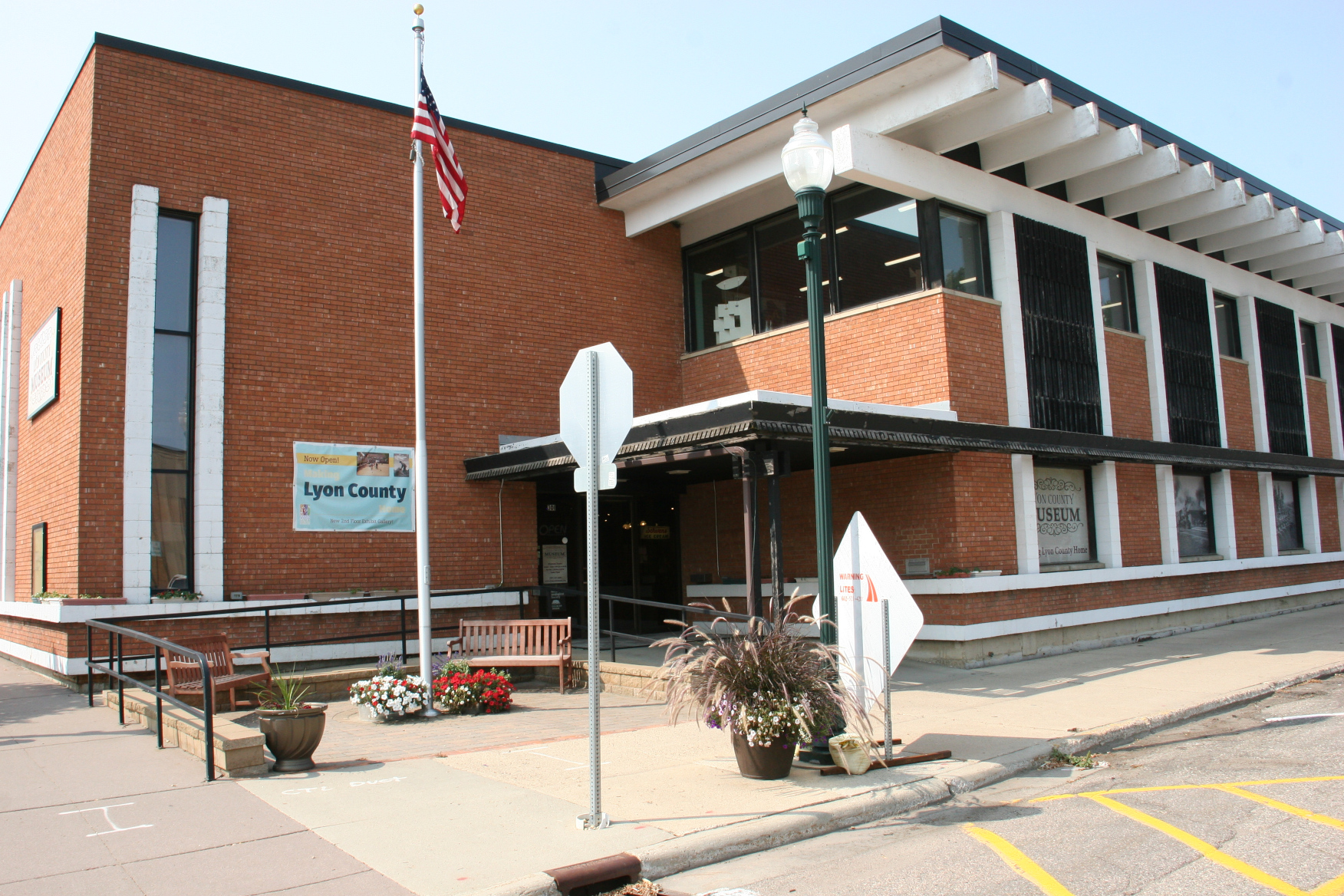
The sprawling Lyon County Historical Society Museum in the heart of downtown Marshall, across from the post office. (Minnesota Prairie Roots copyrighted photo September 2022)
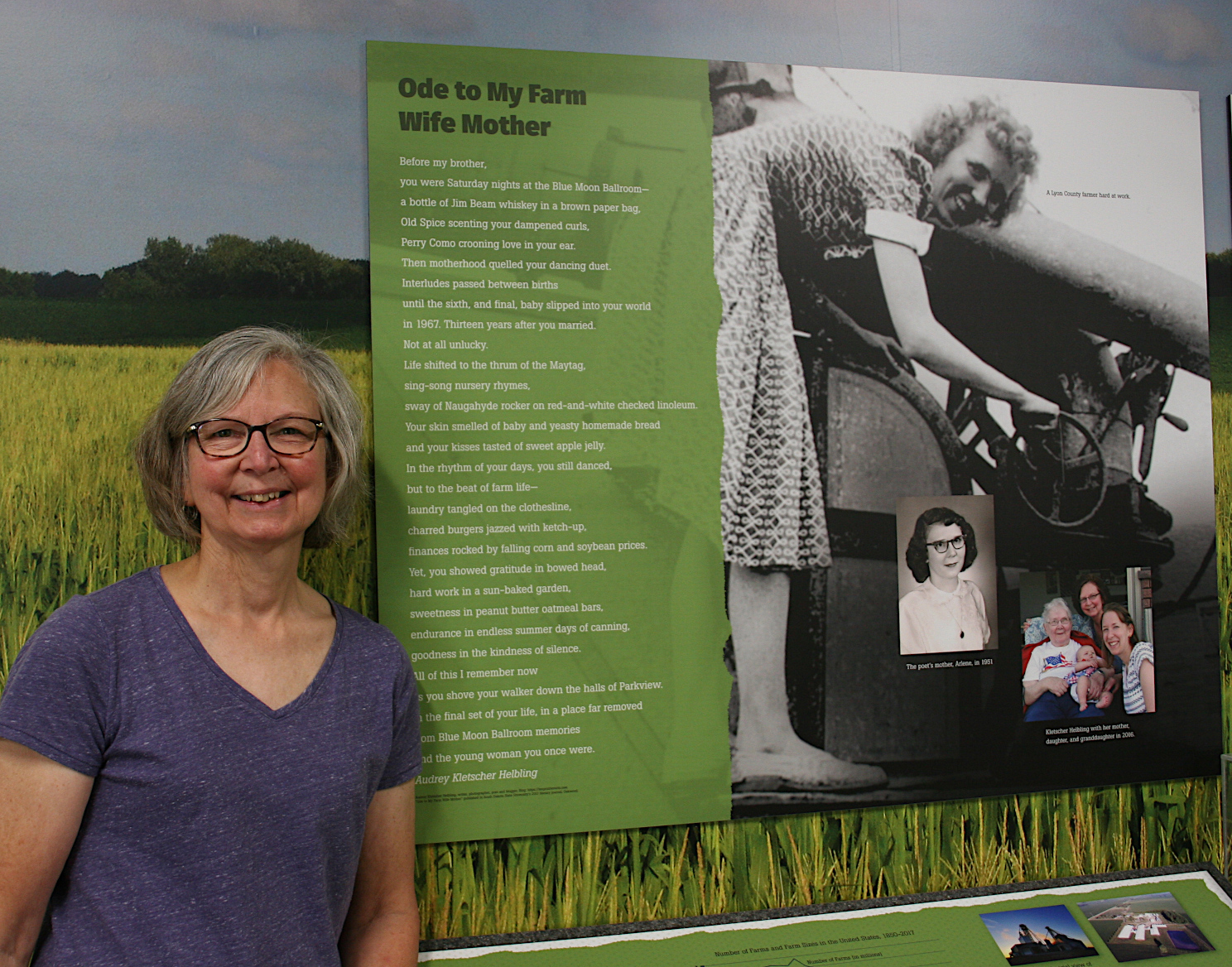
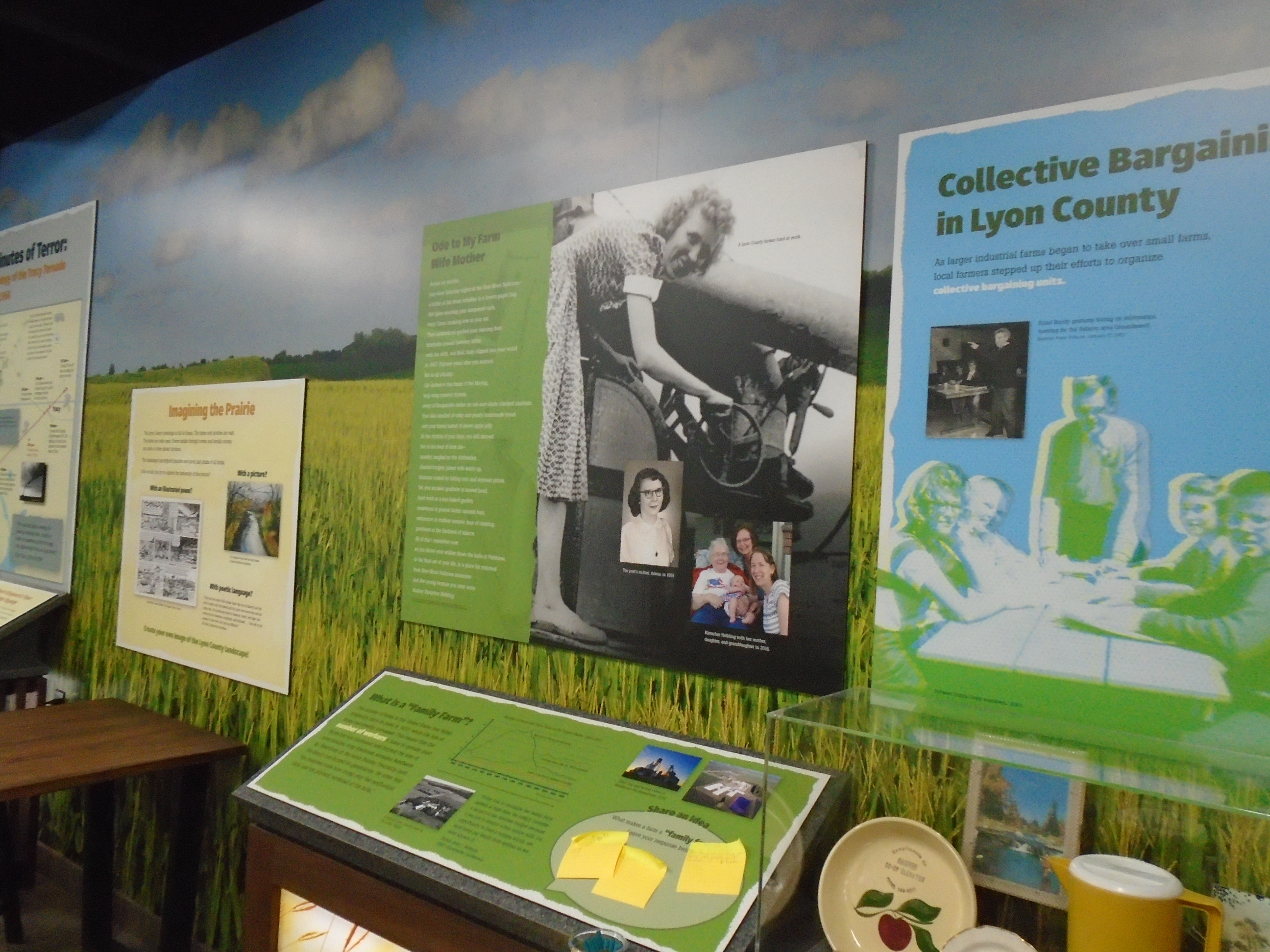
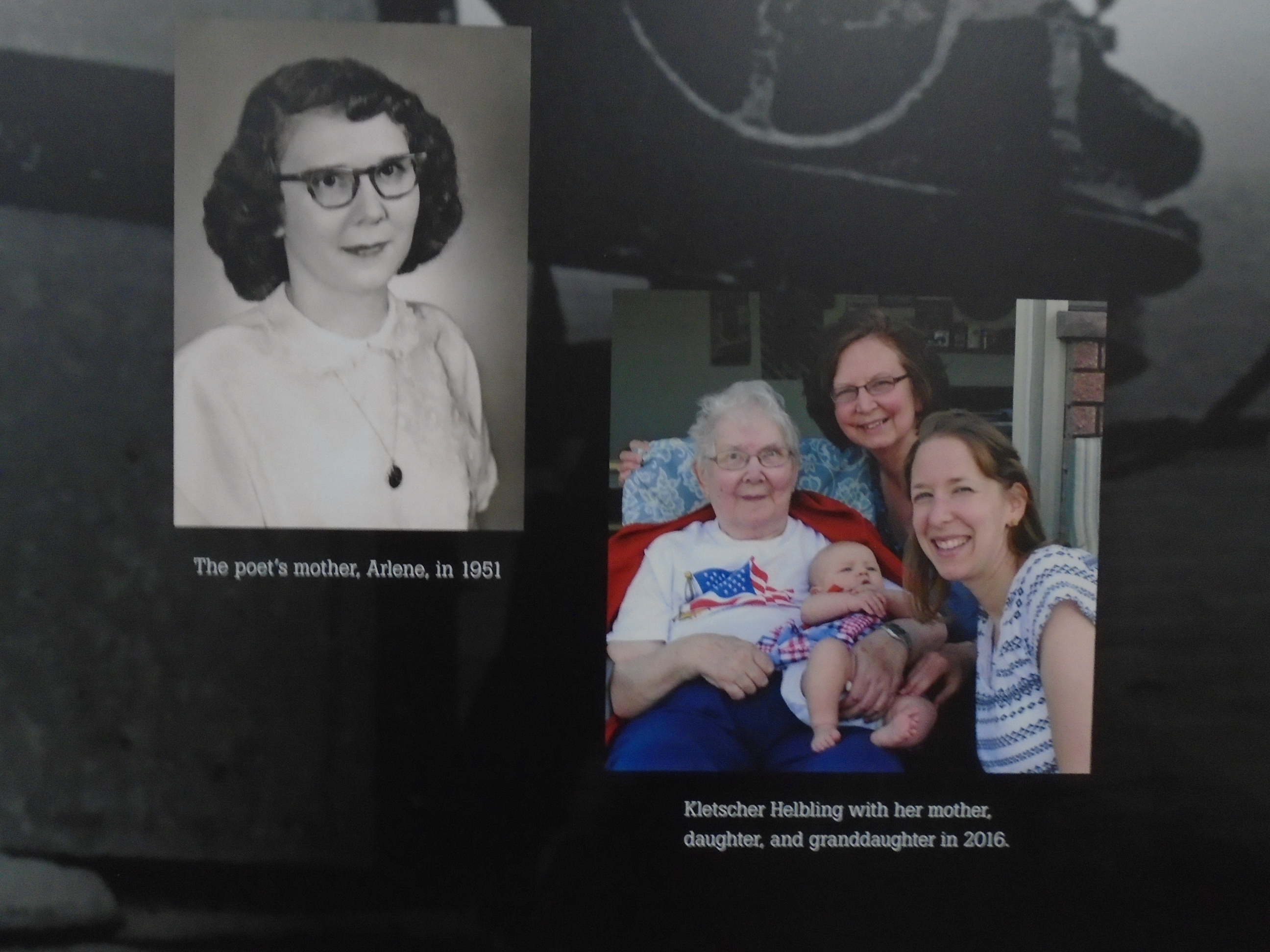
Me, photographed next to the panel featuring my poem, “Ode to My Farm Wife Mother.” My one regret is that my mom (pictured in two smaller photo insets) never saw this exhibit in person. She died in January. (Photo by Randy Helbling, September 2022)
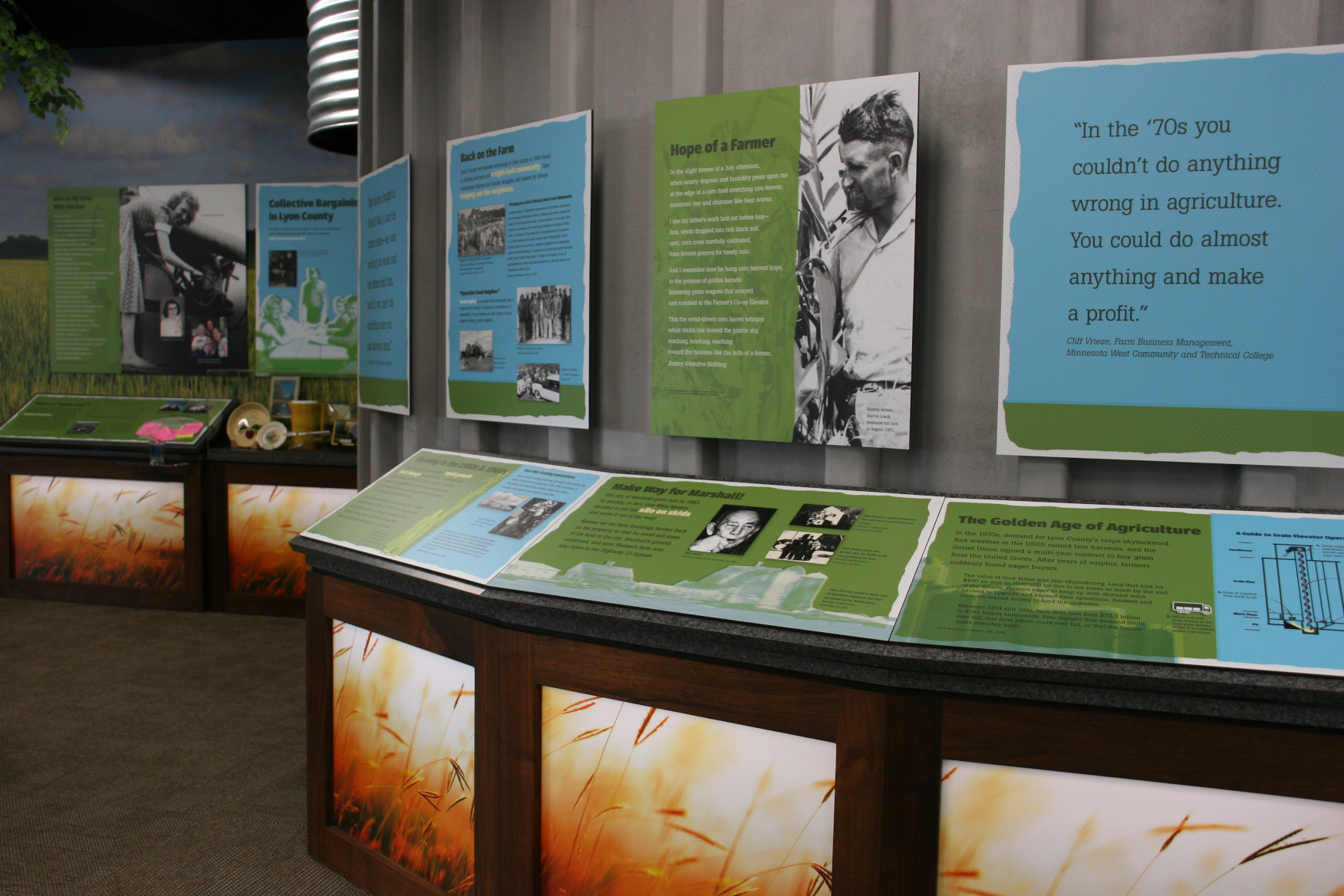
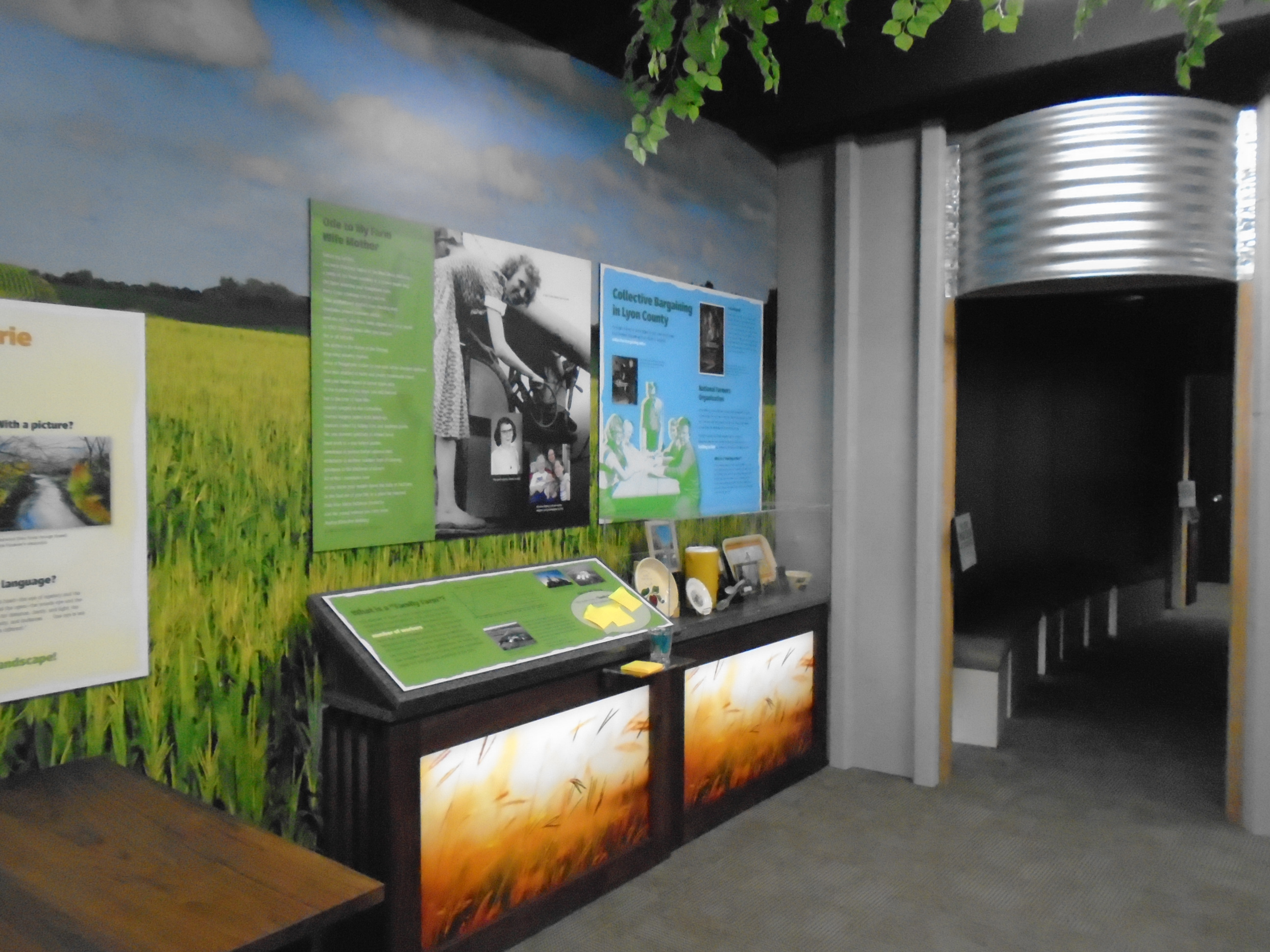
To the far left is the panel featuring my poem, “Ode to My Farm Wife Mother.” In the center is my poem, “Hope of a Farmer.” (Minnesota Prairie Roots copyrighted photo September 2022)
My poem, “Hope of a Farmer.” That is not my dad in the photo. (Minnesota Prairie Roots copyrighted photo September 2022)
The exhibit, which won a 2021 Minnesota History Award from the Minnesota Alliance of Local History Museums, opened in January of the same year. Finally, I got to Marshall last week. Up until my visit, I was unaware that two, not just one, of my poems are included. When I read the title “Hope of a Farmer,” I thought to myself, I wrote a poem with that title. And then, as I read, I realized this was my poem.
The second floor exhibit celebrates Lyon County in the award-winning exhibit, “Making Lyon County Home.” (Minnesota Prairie Roots copyrighted photo September 2022)
Now I’m doubly honored that my rural-themed poetry inspired by my farmer father and farm wife mother were chosen to be part of this outstanding exhibit focusing on the people, places, businesses, communities, activities, events, history and arts of Lyon County.
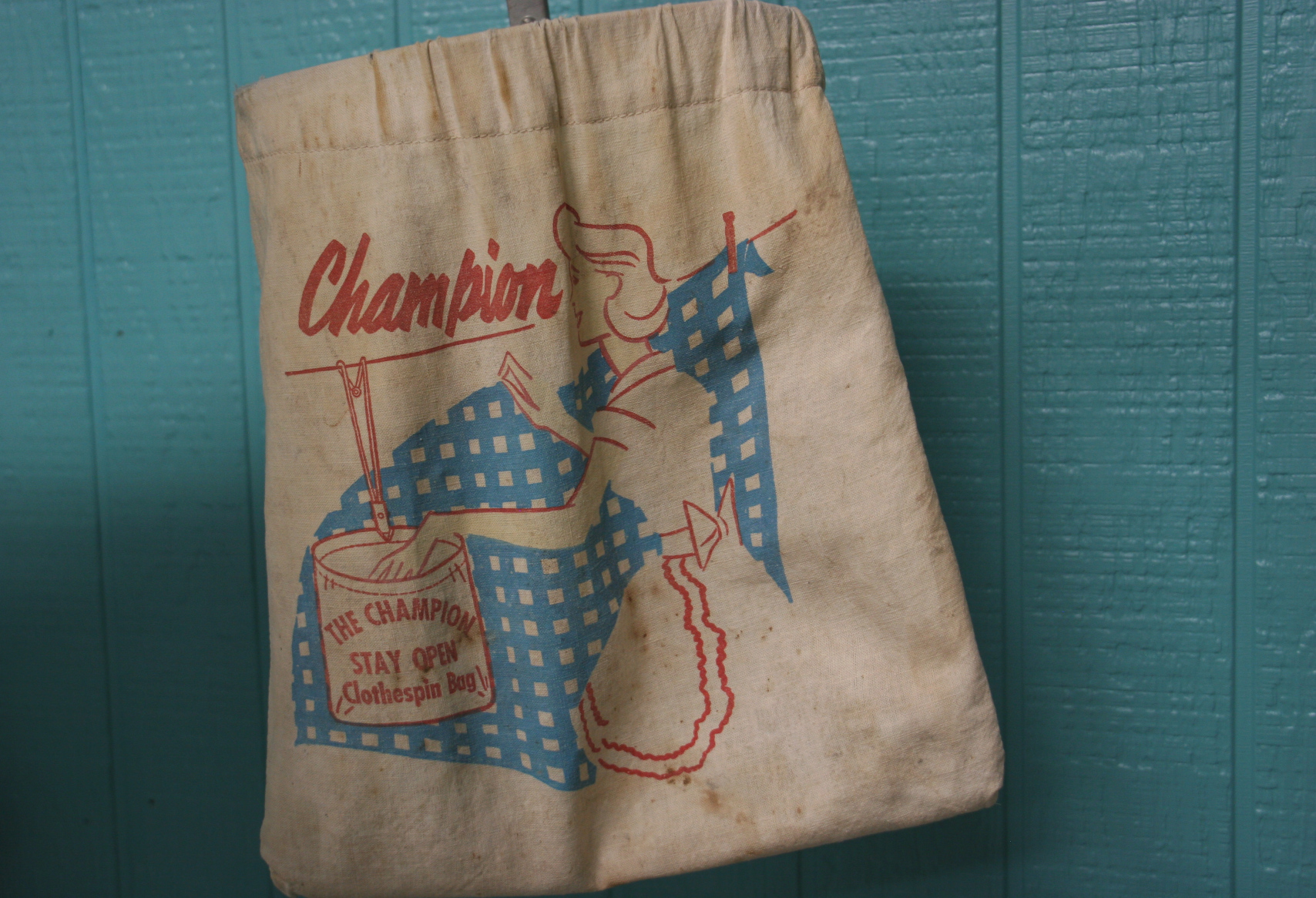
A clothes pin bag hangs in an exhibit space near my “Ode” poem, quite fitting. Visitors can turn a dial to generate “wind” blowing dish towels on a clothesline. (Minnesota Prairie Roots copyrighted photo September 2022)
finances rocked by falling corn and soybean prices.
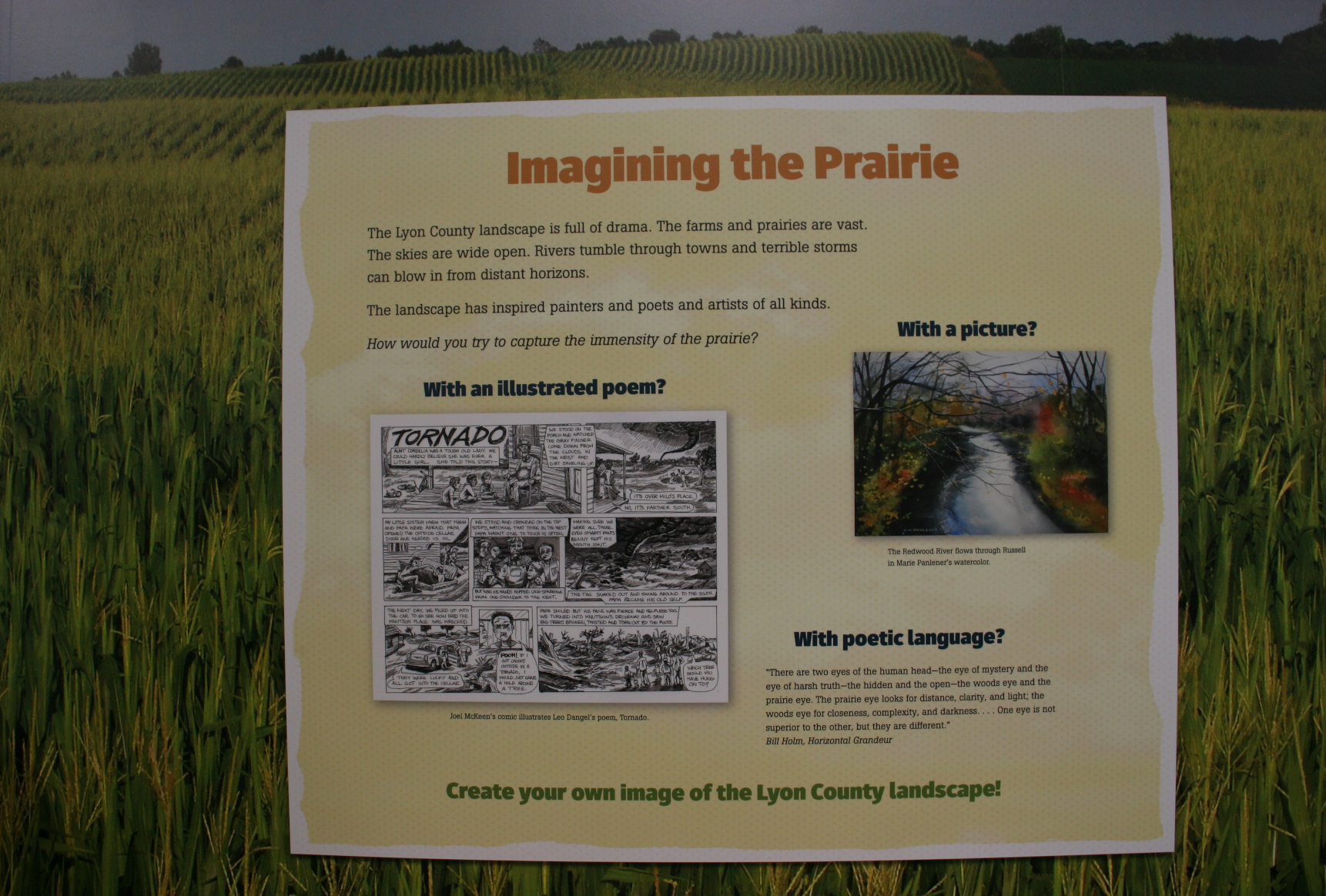
This panel honors literary and visual artists of the region. (Minnesota Prairie Roots copyrighted photo September 2022)
As I read the “Imagining the Prairie” informational panel, my gratitude to the LCHS staff, volunteers and Museology Museum Services of Minneapolis (lead contractor for the exhibit) grew. I appreciate that an entire panel focuses on the arts: The Lyon County landscape…has inspired painters and poets and artists of all kinds. I’ve long thought that as I see the prairie influence in my writing and photography. Farms, vast prairies, wide skies and tumbling rivers define the landscape of southwestern Minnesota.
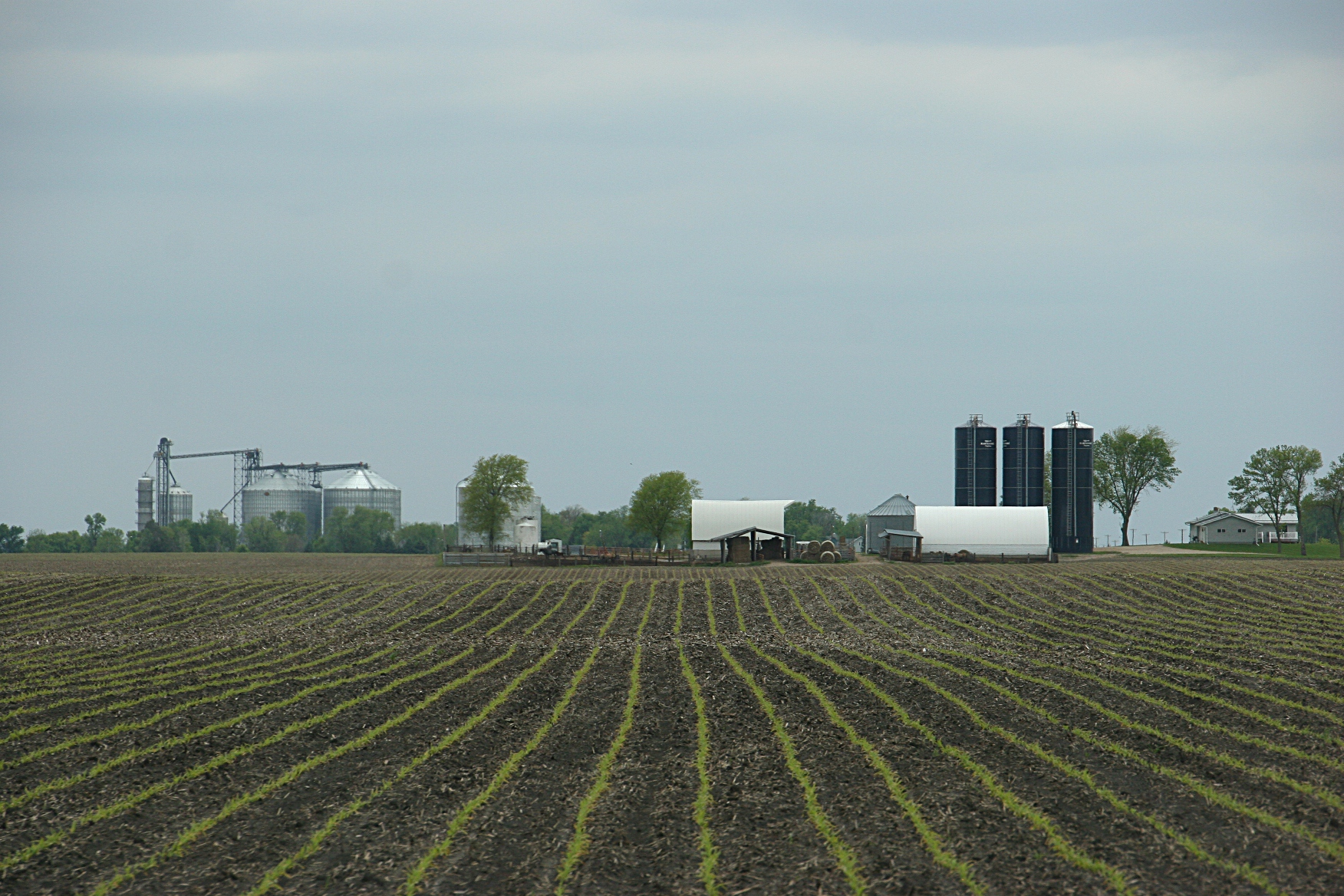
Corn rows emerge in a field near Delhi in southwestern Minnesota. (Minnesota Prairie Roots copyrighted file photo)
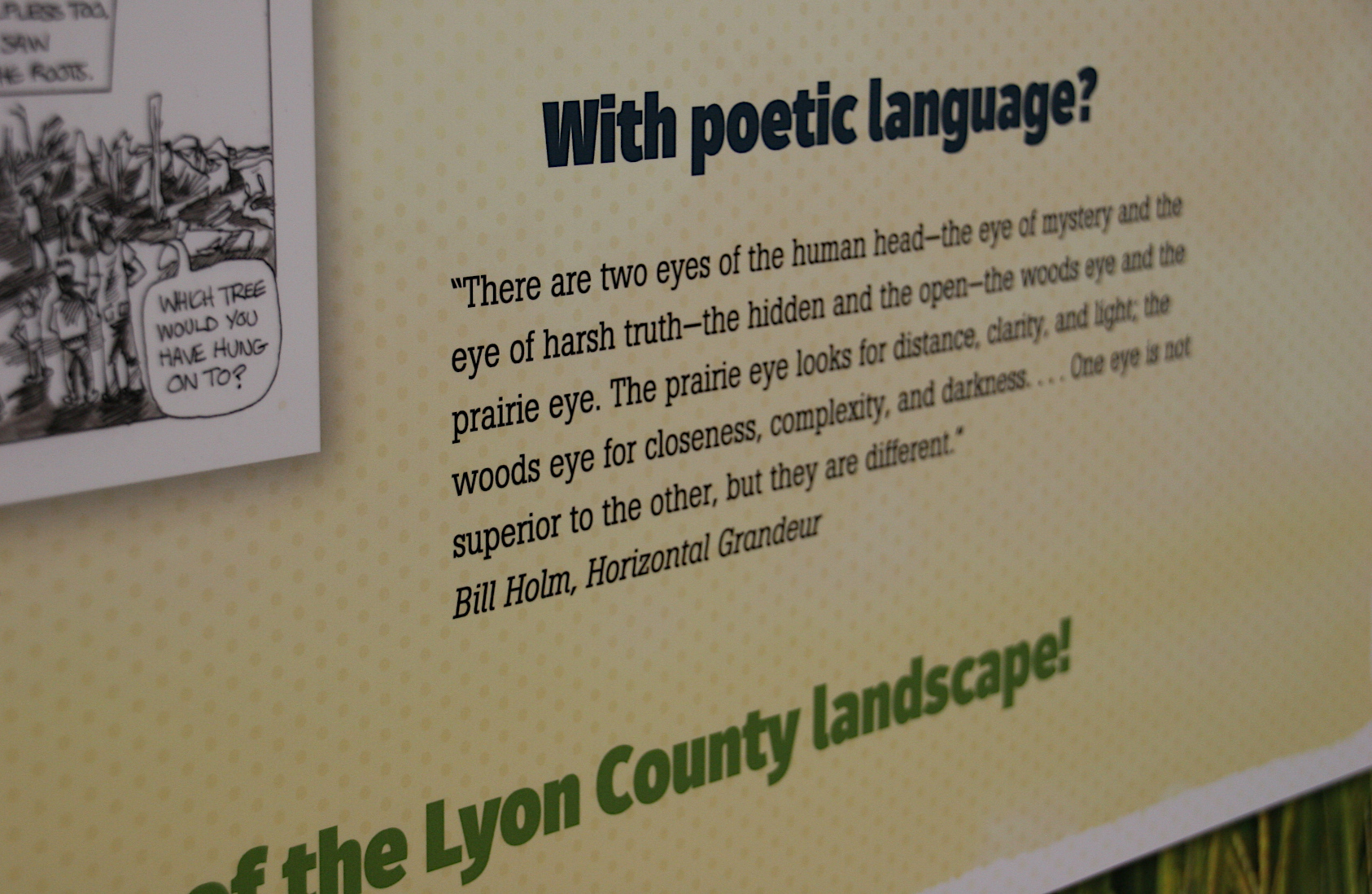
A fitting quote from Bill Holm. (Minnesota Prairie Roots copyrighted photo September 2022)
A quote from poet, essayist and musician Bill Holm of nearby Minneota, summarizes well the lens through which we prairie natives view the world and the creative process. The prairie eye looks for distance, clarity, and light…
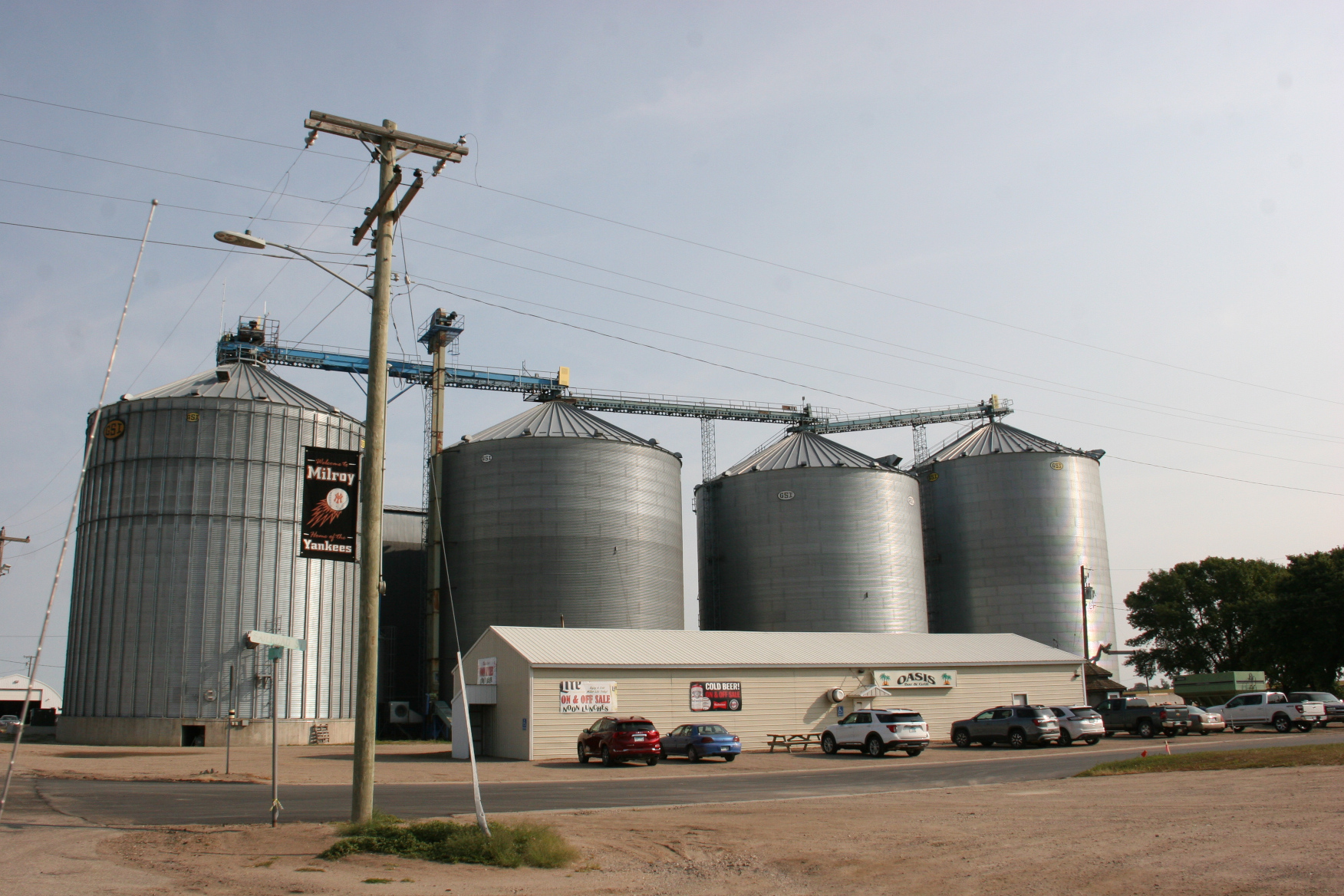
A grain complex and the Oasis Bar & Grill in Milroy, near Marshall. (Minnesota Prairie Roots copyrighted photo September 2022)
Holm, who died in 2009, was among southwestern Minnesota’s best-known writers, having penned poetry and multiple books such as his popular The Heart Can Be Filled Anywhere on Earth and Boxelder Bug Variations. His boxelder bug book inspired his hometown to host an annual Boxelder Bug Days, still going strong.
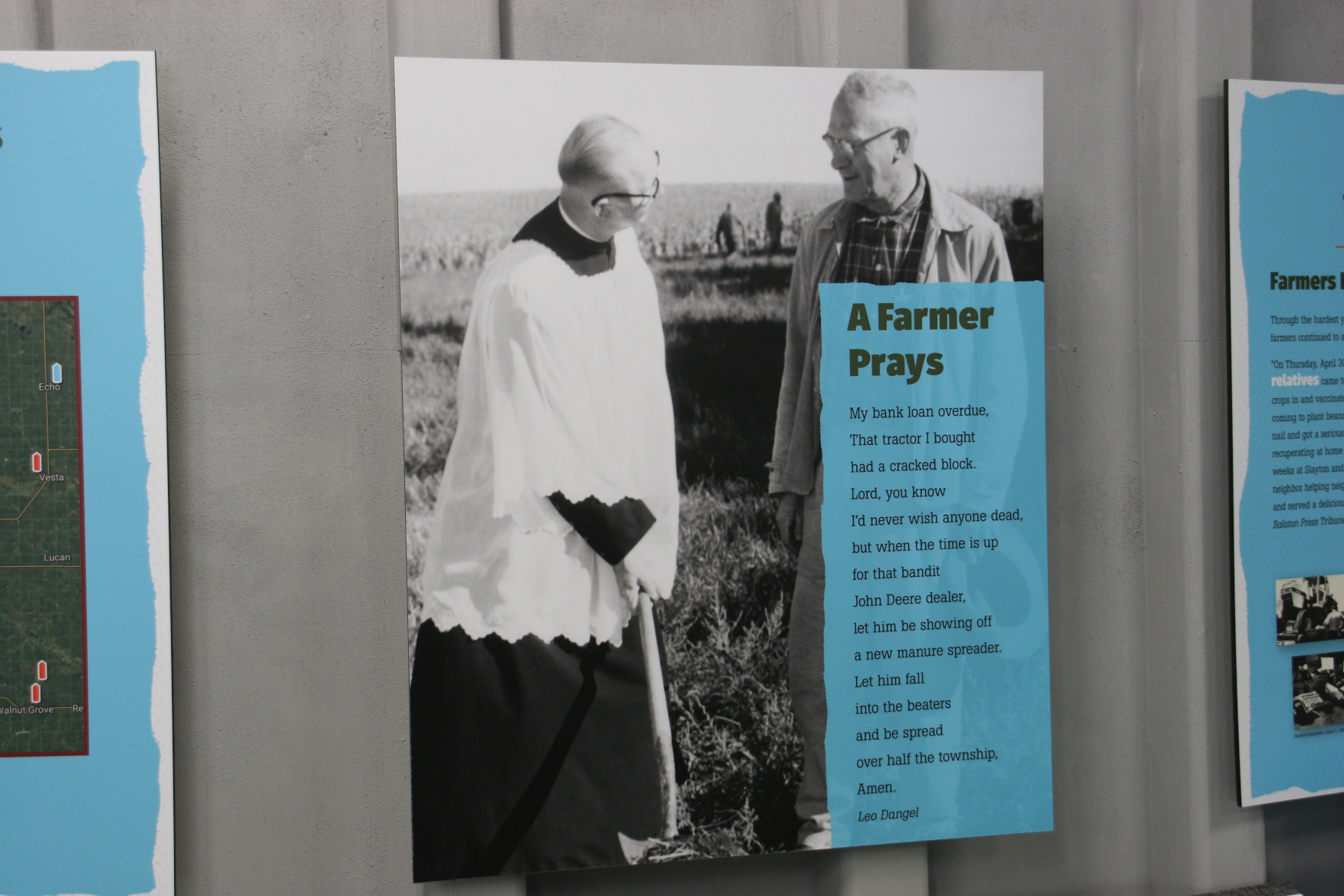
Poetry by Leo Dangel in the ag-focused part of the exhibit. (Minnesota Prairie Roots copyrighted photo September 2022)
To see my poems featured alongside the work of gifted writers like Holm and equally-talented poet Leo Dangel in the “Making Lyon County Home” exhibit was humbling. Dangel, who died in 2016, wrote six collections of poetry. The prairie and rural influence on his work show in the featured poems, “A Farmer Prays,” “A Clear Day,” and “Tornado.”
My poem honoring my mom… (Minnesota Prairie Roots copyrighted photo September 2022)
Both men taught English at Southwest Minnesota State University in Marshall, reaffirming their devotion to this rural region and to the craft of writing. The exhibit includes a section on the university, which opened in 1967 within 10 years of my leaving the area to attend college in Mankato. I sometimes wonder how my writing would have evolved had I stayed and studied on the prairie.
A serene country scene just north of Lamberton in southern Redwood County, which is right next to Lyon County. (Minnesota Prairie Roots copyrighted file photo)
When I returned to Marshall for the first time in 40 years, nothing about the town seemed familiar. Time has a way of changing a place. But when I reached the top floor of the county museum, saw my poems and began to peruse the “home” exhibit, I felt like I was back home. Back home on the prairie, among cornfields and farm sites and grain elevators and all those small towns that dot the landscape. Back home under a wide prairie sky with land stretching beyond my vision. Back home where I understand the people. Back home in the place that influenced my writing as only the prairie can for someone rooted here.
#
Please check back for more posts featuring the Lyon County Museum and the area.
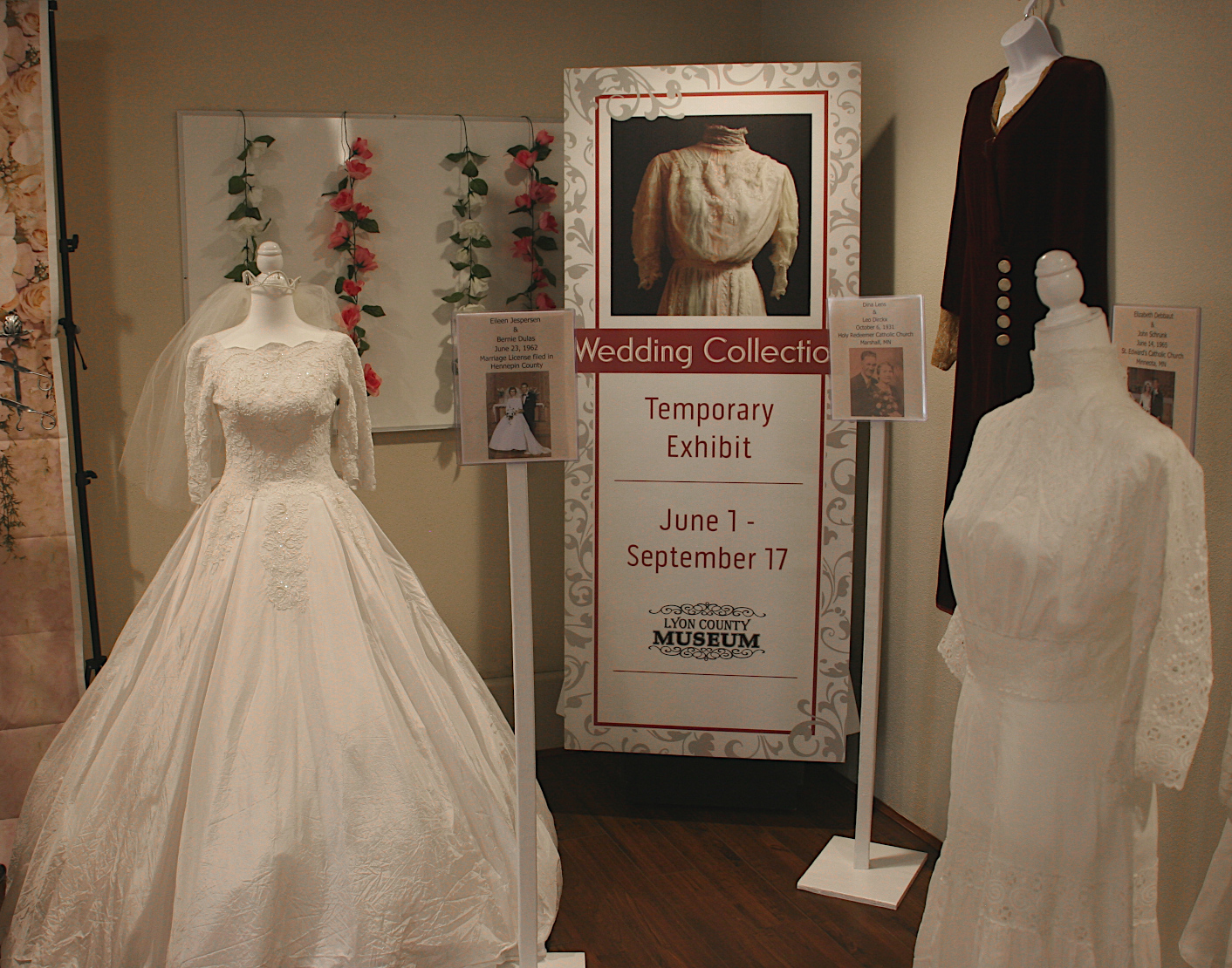
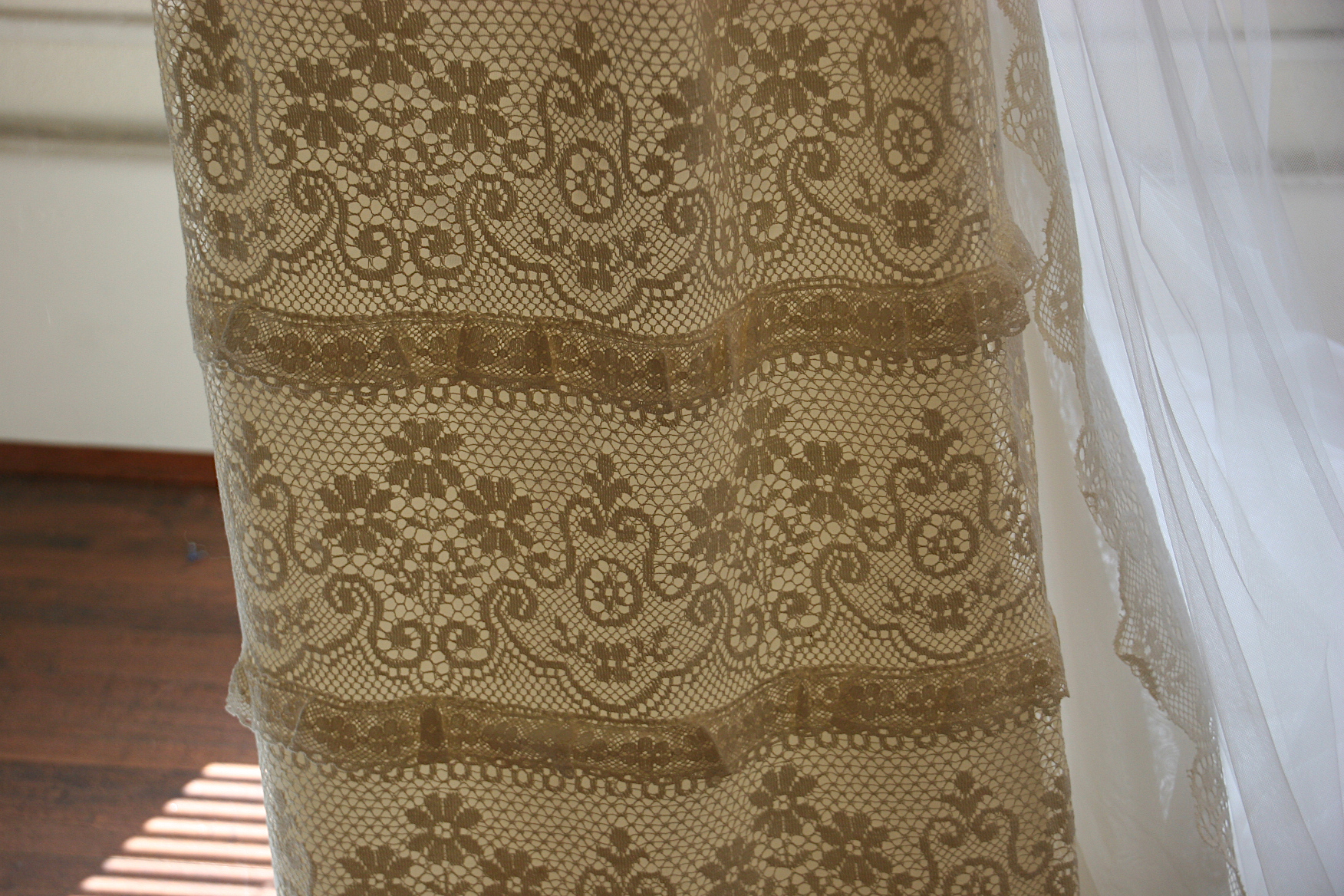
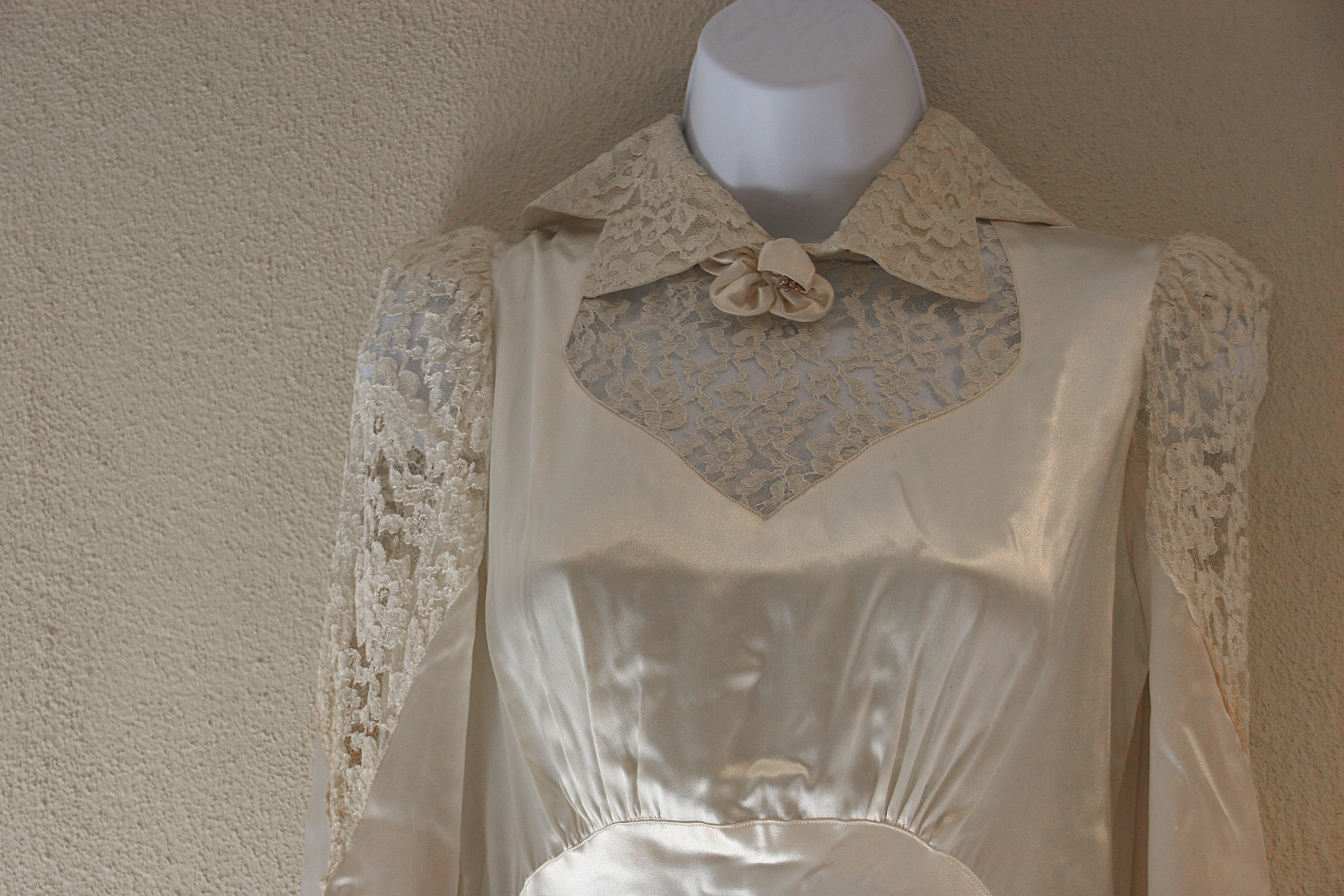
A particularly lacy wedding dressskirt up close. (Minnesota Prairie Roots copyrighted photo September 2022)
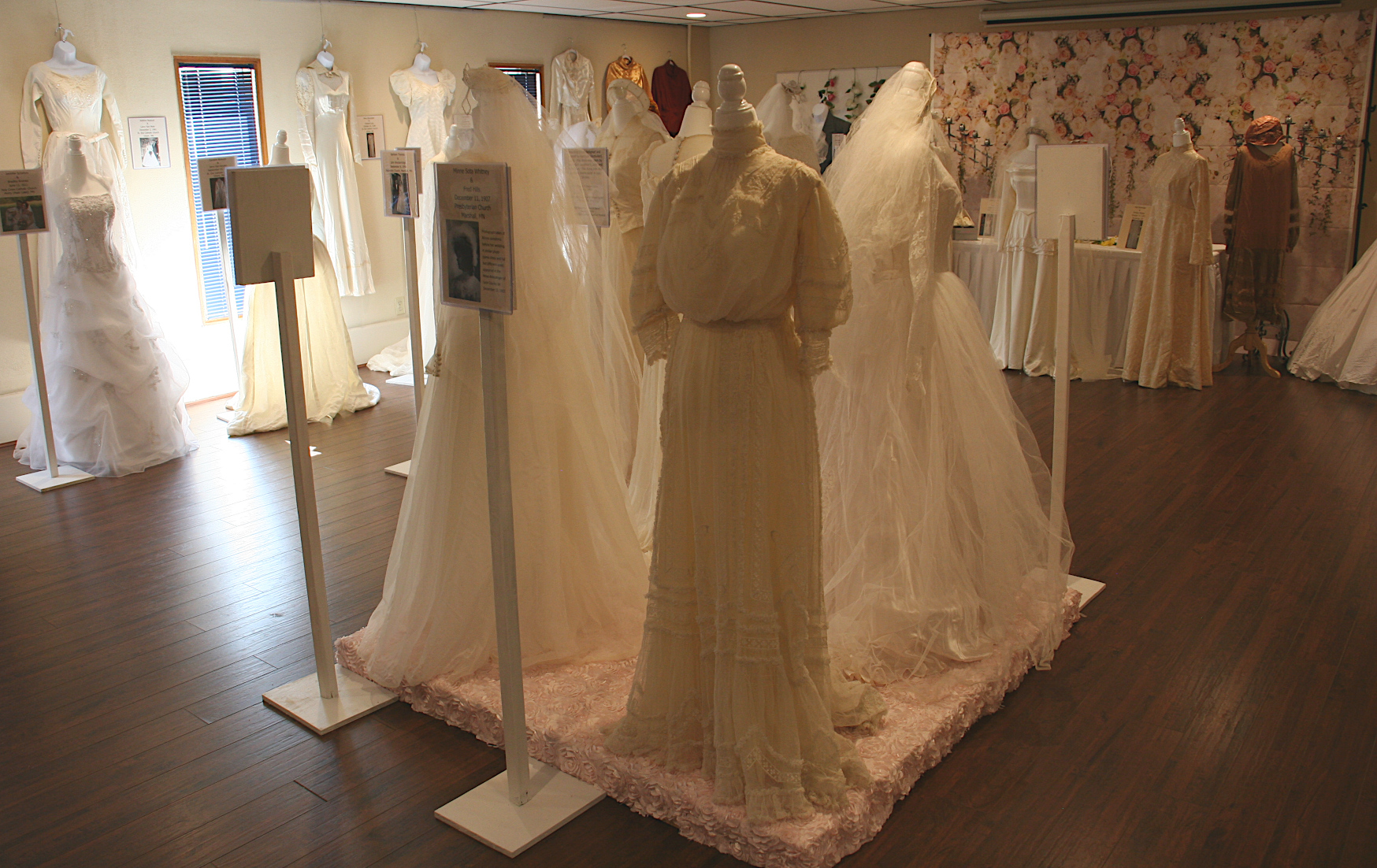
I will never pretend to understand, or even care, much about fashion. But this held my interest as I noted the variety of styles from princess full lacy skirts to sleek and elegant simple satin designs. It was the plain gowns that held the most appeal for me, even though my own wedding dress from 40 years ago featured more lace than suits me now. But it was the style of the early 80s.
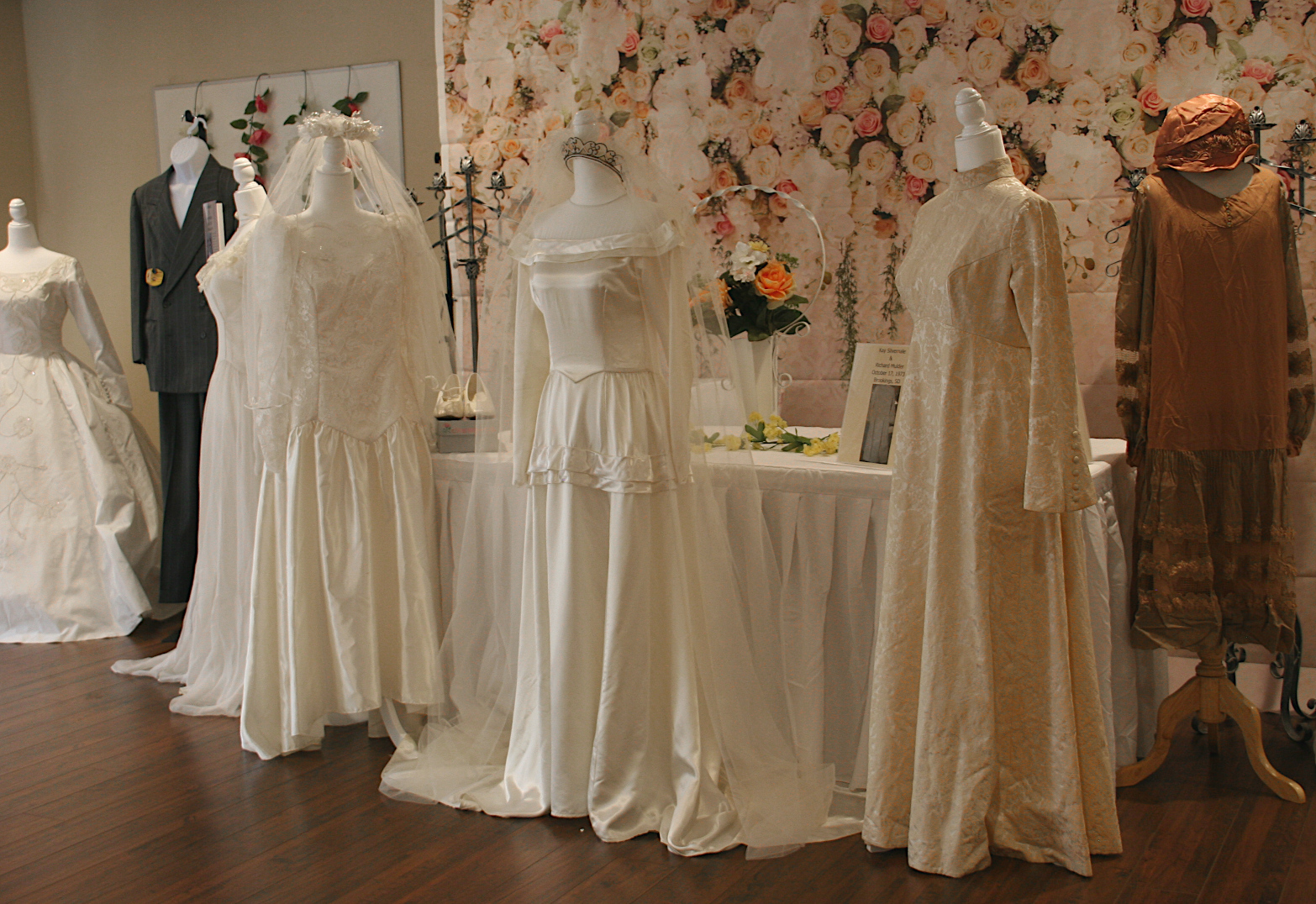
A floral backdrop lends a romantic feel to the bridal attire display. (Minnesota Prairie Roots copyrighted photo September 2022)
In a brief conversation with another museum visitor, also a native to the area but back from Nebraska, we discussed how styles always come back, although the popular strapless gowns were absent from long ago weddings. We agreed that we don’t particularly like that style.
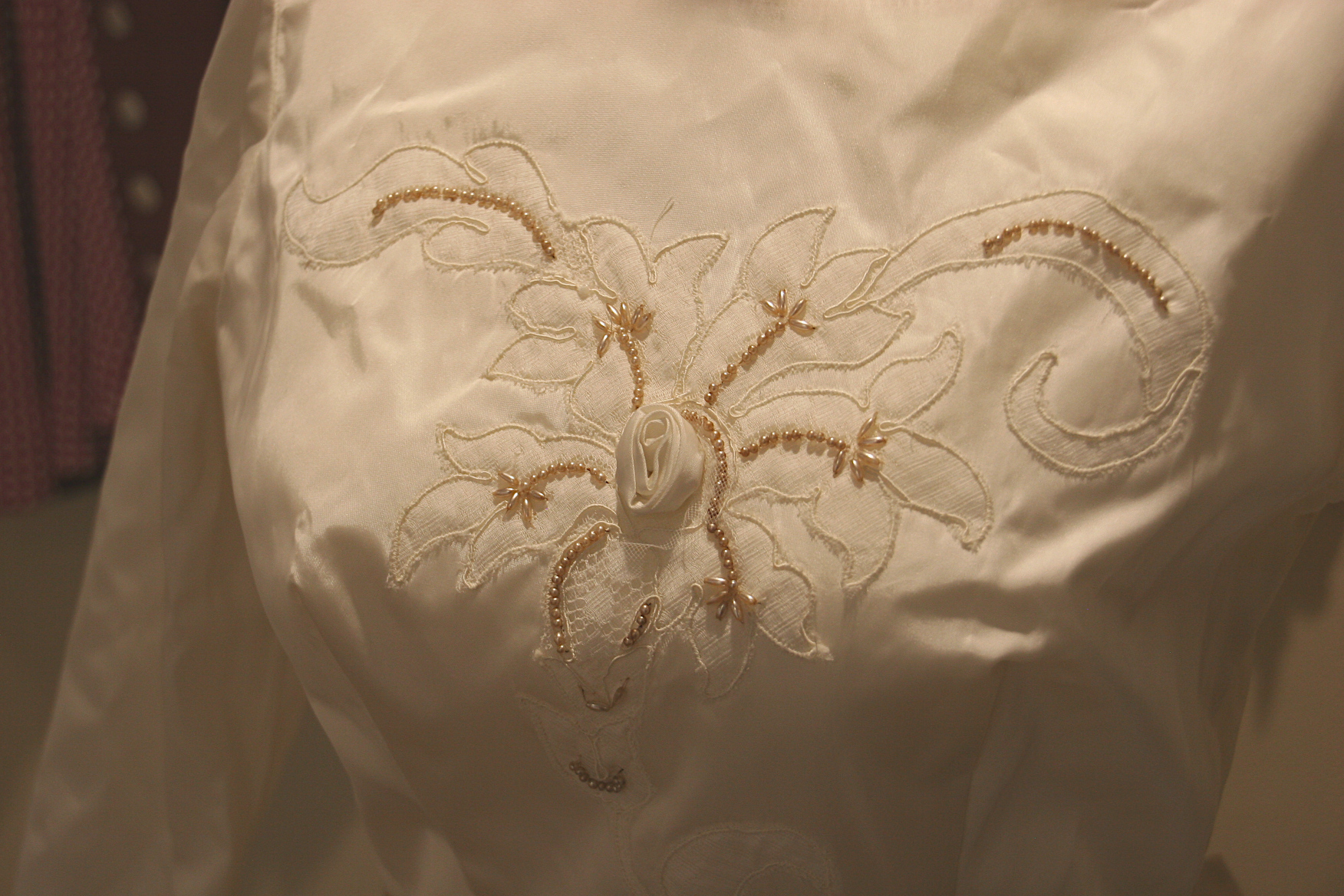
Lovely floral and beaded detail on a bridal gown. (Minnesota Prairie Roots copyrighted photo September 2022)
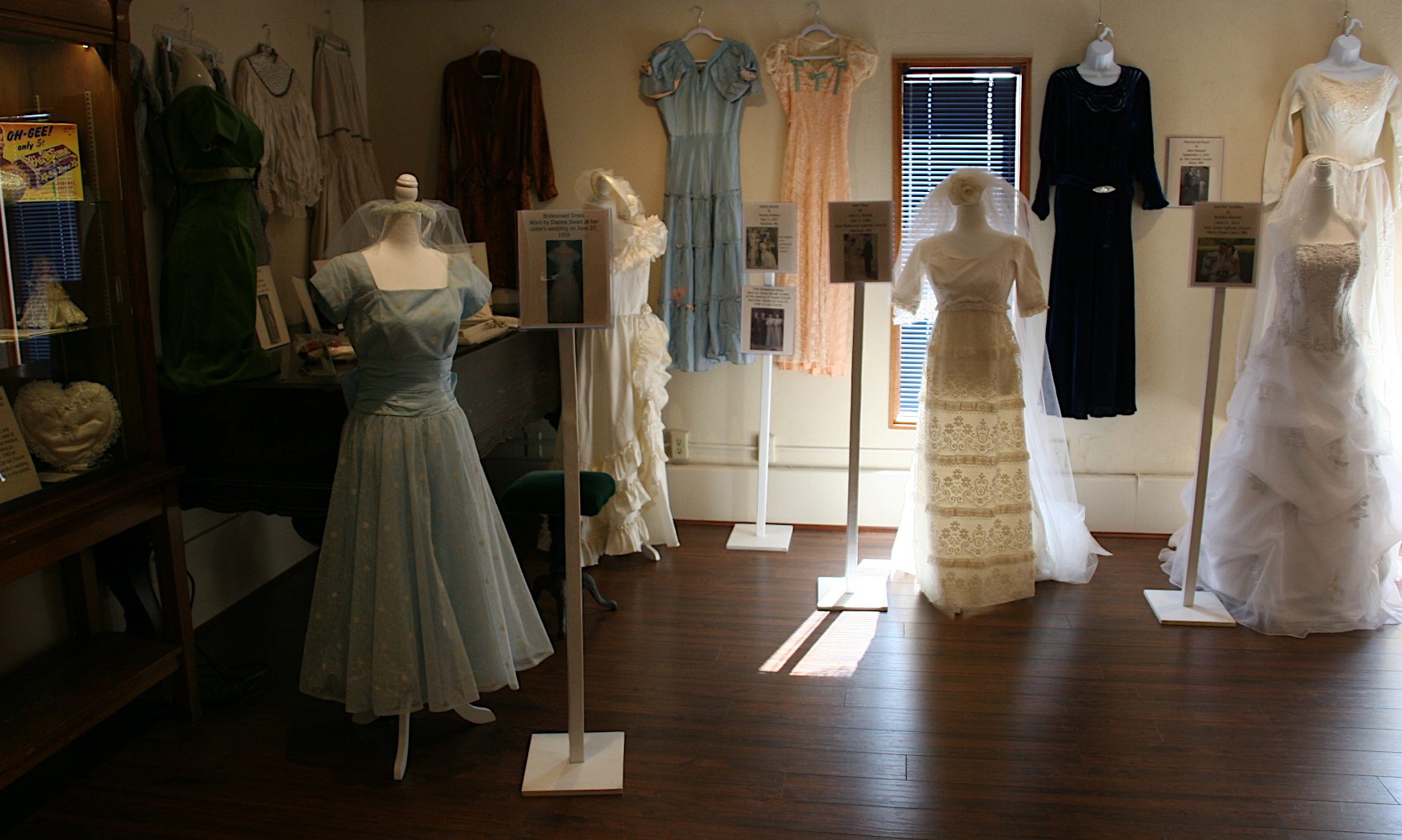
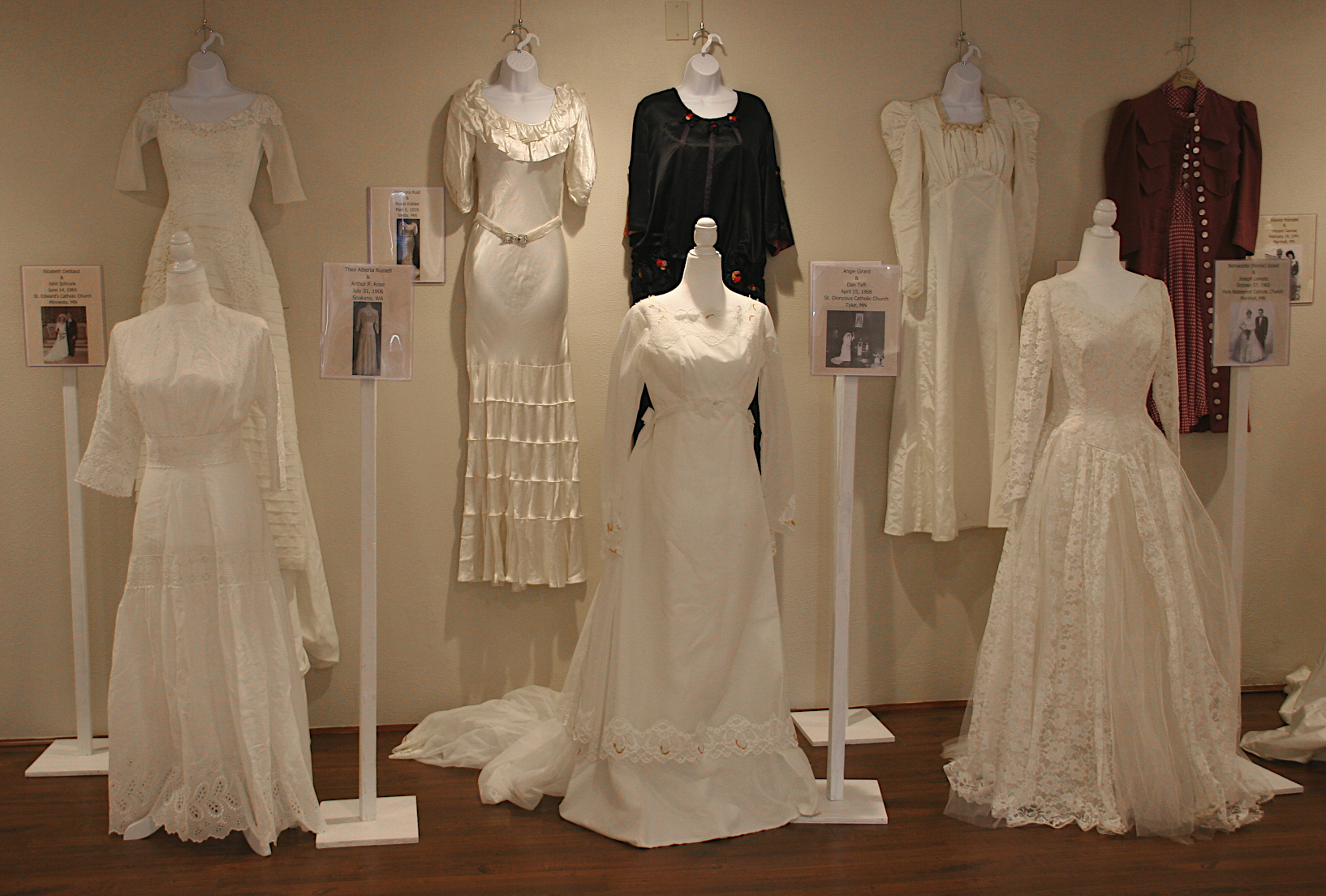
But it really doesn’t matter what I like or don’t like. It is the bride who chooses her perfect dress. And this exhibit showcases the selections of southwestern Minnesota brides through the decades from the museum’s collection and on loan.
This image shows some bridesmaids’ dresses and wedding accessories. (Minnesota Prairie Roots copyrighted photo September 2022)
The exhibit also includes some bridesmaid’s dresses, suits, accessories and wedding portraits displayed in the small second floor conference room.
A lace and satin wedding dress. (Minnesota Prairie Roots copyrighted photo September 2022)
I realize most of my readers won’t see this exhibit in person. But if you live near Marshall, I encourage you to peruse the display, which closes at 4 pm Saturday, September 17. It’s been up since June. I saw “The Wedding Collection” as part of an overall tour of the museum, an exceptional museum, in my opinion. I traveled some three hours on Tuesday specifically to see two of my rural-themed poems, included in an impressive “Making Lyon County Home” exhibit on the second floor. Plan on spending hours at the museum with three floors of exhibit space.
The bridal gowns span decades, some back to the early 1900s. (Minnesota Prairie Roots copyrighted photo September 2022)
Interestingly enough, I last visited Marshall 40 years ago on my May wedding night. Randy and I stayed there before continuing on our way to the Black Hills of South Dakota for our honeymoon. So in many ways, seeing “The Wedding Collection” brought me full circle back to my own wedding. Four decades seem so long ago…
#
FYI: I’ll take you back to the museum in Marshall in a future post to show you the exhibits including my poems and much more. Museum hours are 10 am – 4 pm Monday-Friday, noon to 4 pm Saturday and closed on Sunday.
To see the photo of an adorable girl with a sweet smile and braided pigtails makes this all too real. This COVID-19. This deadly virus which, on April 25, claimed the life of Week Day.
She emigrated with her family from a Thai refugee camp to Marshall, Minnesota, in December 2015. Week was not quite 18 months old. The daughter of Mu Mu and He Lars. And then big sister to Michael.
And when she passed, the first grade student of Ms Hewitt and a classmate and friend at Park Side Elementary School.
My heart breaks for those who knew and loved this little girl. The girl who loved the color pink and singing and dancing and drawing and painting. The little girl with the kind heart, best attitude, bright smile.
Any death from COVID-19 is tragic. But, when a child loses her life, it’s especially difficult to take.
If you wish to show your love and support to the family of Week, please send cards, words of encouragement and donations to:
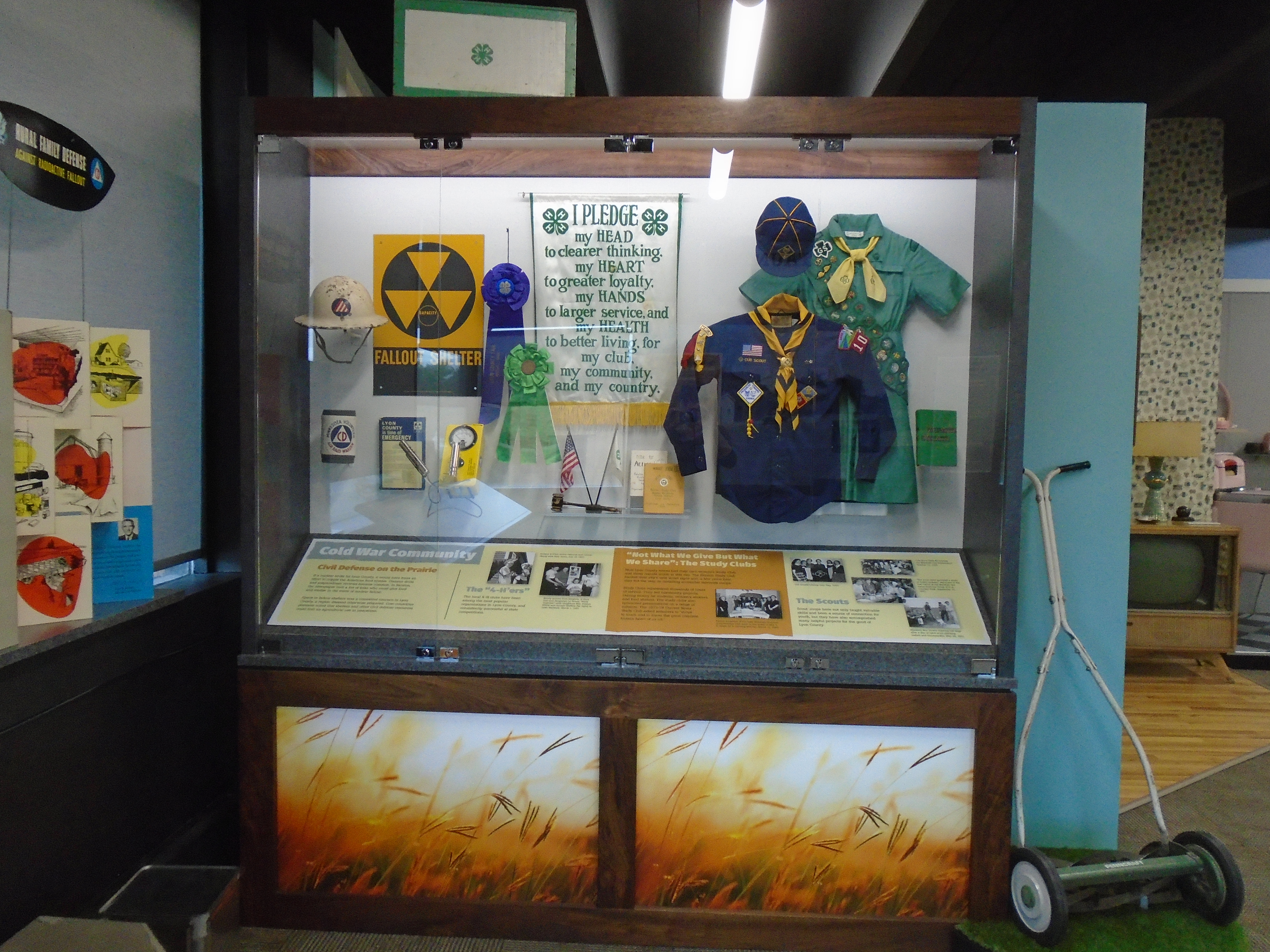
A portion of the “Making Lyon County Home” exhibit focuses on 4-H and more. Photo courtesy of the LCHS.
Museology Museum Services of Minneapolis also deserves recognition as lead contractor for the project. I was first contacted by Museology in January 2020 about inclusion of my rural-themed poem in this exhibit focusing on Lyon County and also reflective of the surrounding area in southwestern Minnesota. I feel incredibly honored to be part of an award-winning exhibit that connects people to the history of this rural region.
MALHM awards were also given to historical societies in Anoka, Carver and St. Louis counties and to the Minnesota African American Heritage Museum and Gallery. Susan Garwood, director of the Rice County Historical Society in Faribault (RCHS), earned the 2020 Lifetime Achievement Award for 30-plus years of service to organizations across Minnesota, including the RCHS, Northfield Historical Society and the MALHM. The award recognizes individuals who have made outstanding contributions and demonstrated leadership to Minnesota’s history community on a broad scale.
The state-wide Alliance serves some 500-plus local history groups throughout Minnesota with a basic mission “of connecting people to nearby history.” It also provides peer-to-peer support and aims “to raise the quality of work in the local history field in Minnesota.”
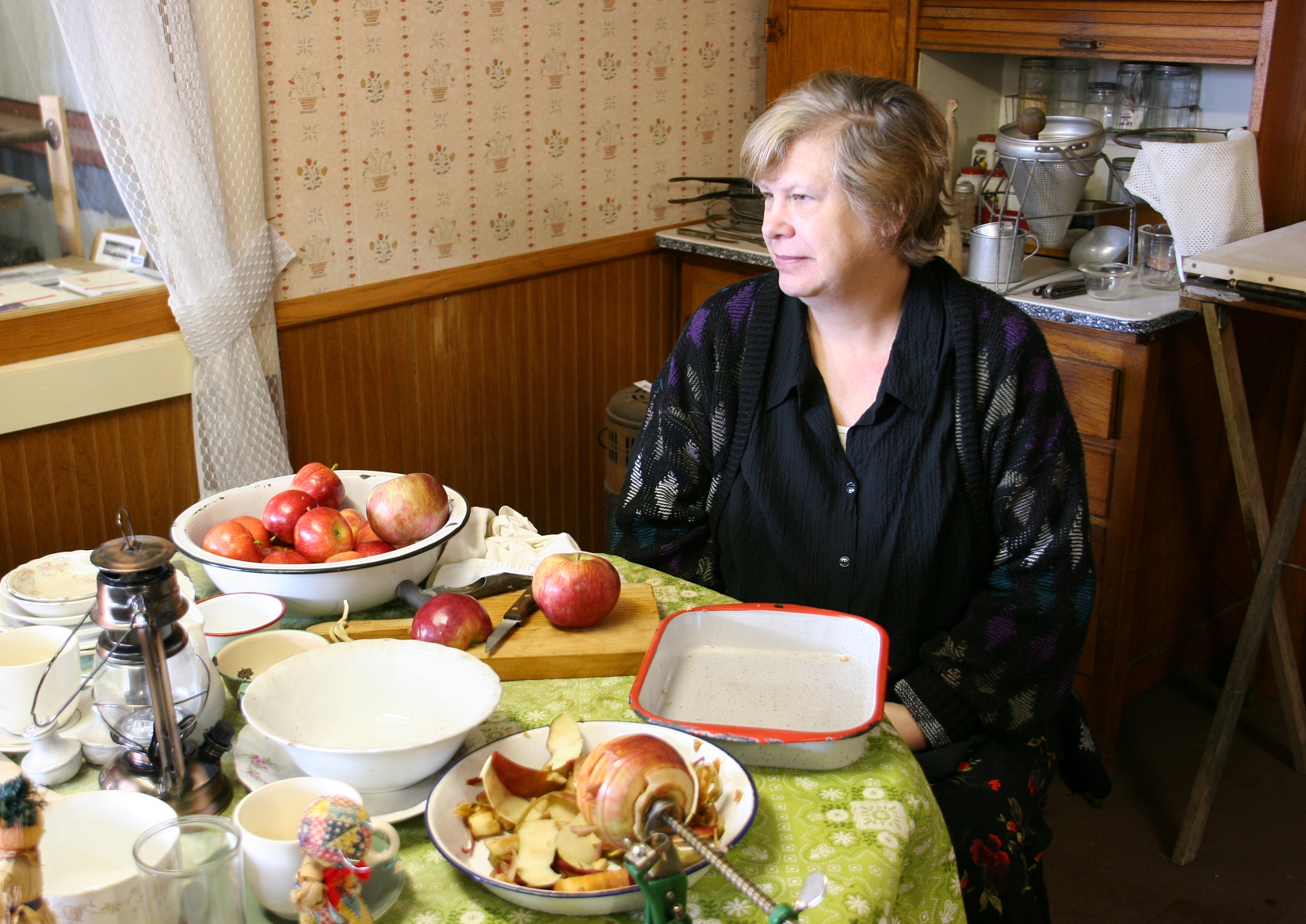
Mrs. Morris takes a break from making applesauce during A Night at the Museum at the Rice County Historical Society. This is an example of local living history. Minnesota Prairie Roots file photo October 2015.
A time existed when I didn’t appreciate history or history centers like I do now. My shift in appreciating history came when museum exhibits changed. When they became more personal and interactive. When an artifact was not just something encased in glass, but an object with meaning, purpose, depth. When living history became a standard. When stories became part of the story.
I photographed this abandoned farmhouse along Minnesota State Highway 19 east of Vesta (my hometown) on the southwestern Minnesota prairie in 2012. The house is no longer there. But it looks similar to the one in which I lived during the first 10-plus years of my life. This is the landscape of my upbringing and the place which shaped me. Minnesota Prairie Roots file photo.
That brings me back to my “Ode to My Farm Wife Mother.” After I posted on Tuesday about the poem’s inclusion in the Lyon County exhibit, my cousin Diane emailed a 1958 photo of my parents. And while I’m not sharing that image here, I will tell you that I was overjoyed to see a different side of my parents other than as, well, simply parents. They were young and clearly blissfully, joyfully in love. Diane also shared that her parents and mine would often attend dances together, leaving the kids with Grandma. As one of the oldest, Diane helped look after the babies, including me. I’d never heard that story or seen that black-and-white snapshot. To receive both now—with my dad long gone and my mom in failing health—was a gift. Such a gift.
I hope my poem, inspired by my mom, yet representative of all the hardworking farm women of the 1950s and 1960s, is also a gift to those who read it. I hope those who read my words, who view the accompanying photos, will reflect and feel gratitude for these strong rural women.
I shall forever feel grateful to my mom and to the rural region which shaped me and continues to inspire me today in my writing and photography.
FYI: If you didn’t see my back story on “Ode to My Farm Wife Mother,” please click here to read that initial post. The post includes my poem and more info about the new Lyon County exhibit.
Minnesota Prairie Roots file photo used for illustration only.
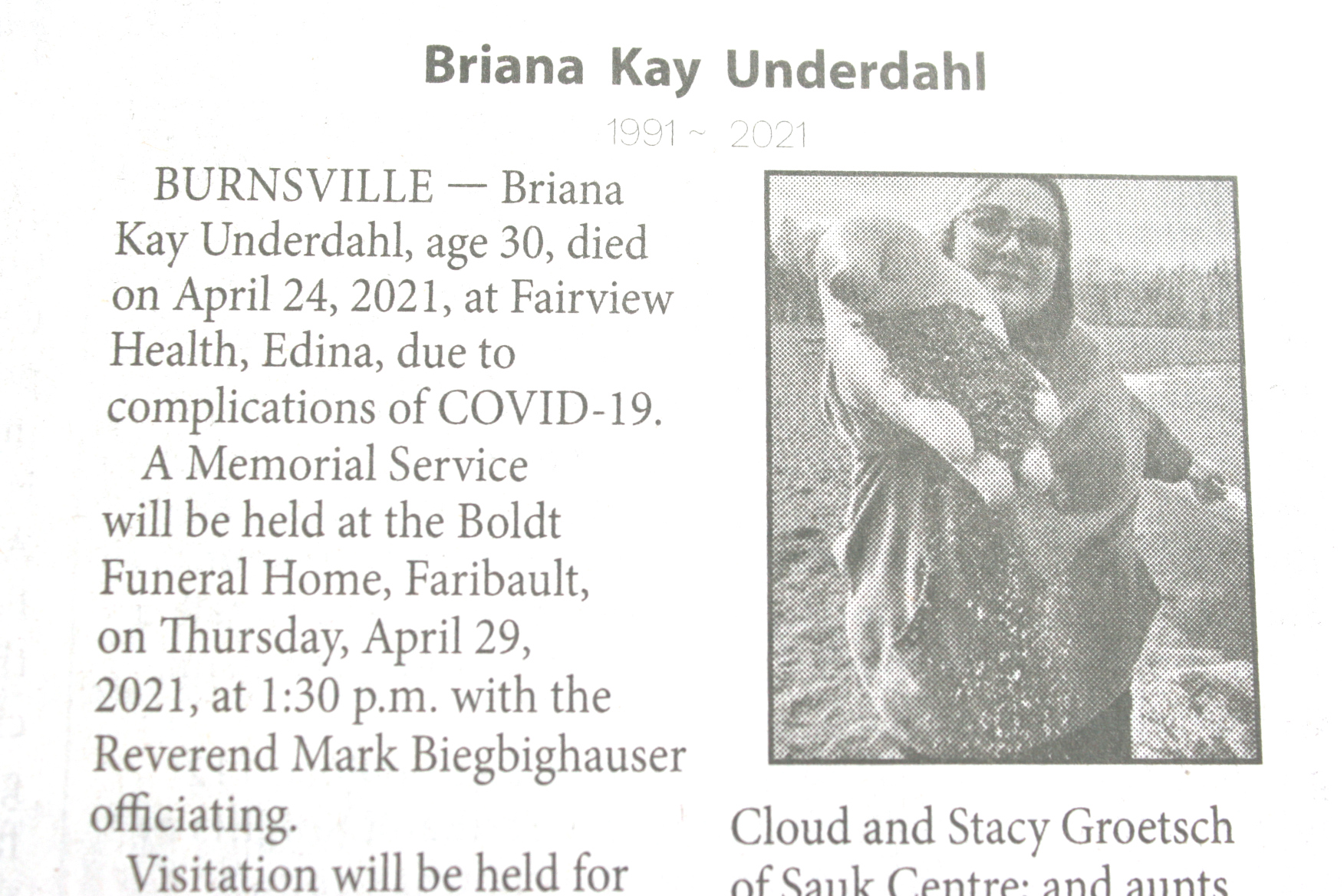
SHE DIED ON FRIDAY due to complications from COVID-19. And she was 30. Only 30.
I didn’t know Briana, who graduated from Faribault High School in 2009. But that matters not. Here’s a young life lost to a deadly virus, Briana’s name now on the ever-lengthening list of 7,091 (as of Tuesday) Minnesotans who have died from COVID or complications thereof.
Briana’s obituary, published April 27, 2021 in The Faribault Daily News.
My heart hurts for Briana’s family and friends. Her obituary and the comments therein, describe a vibrant and artsy young woman who enjoyed photography, crafts, sewing and music. She was also tagged as a passionate activist.
Briana’s friend Corrina writes: Briana was the most fieriest, artistic, and admirable person I knew. She inspired me to protest and we walked together through the streets fighting for justice. She made the world a better place.
She made the world a better place. I think we would all like to be remembered in that way.
As I watch and read media coverage of the COVID situation in India, my heart also breaks at the overwhelming number of new cases—some 350,000 in a single day—and the resulting deaths. It’s difficult to see film of people suffering, of bodies wrapped in blankets and lying in the streets, of oxygen masks clamped onto faces and hear the pleas for oxygen, medicine, PPE. Pleas, too, for vaccines.
An article published in the April 27 edition of The Faribault Daily News highlights how the virus continues to spread in my region of Minnesota. I see more and more people in public without face masks or half-masking. Tuesday stats from the Minnesota Department of Health list 12 new deaths, including one from my county of Rice. That individual was between the ages of 55-59. That makes 104 COVID-19 deaths now in my county
I feel thankful that the US and other countries are offering help to the people of India in this overwhelming health crisis. Yet, I can’t help but think how people in the US are turning down vaccines, not wearing face masks, living like there’s no pandemic…
Monday evening I watched “The Virus That Shook the World,” a two-part FRONTLINE public television documentary featuring people from around the world in the first year of COVID-19. A doctor. Filmmakers. Dancers. It was heart-wrenching to listen, to watch. But necessary to document. Important to view. I felt my grief building as the film progressed. And then, when a daughter in Iceland shared the story of her mother’s death from COVID, all the grief and pain I’ve felt during the past year-plus erupted. I couldn’t stop crying as I observed this family’s loss and pain. I felt like I was crying the grief of the world. Crying for Briana and her family. Crying for the family of that first grader and the entire community of Marshall. Crying for those in my circle who have lost loved ones (seven thus far) to COVID.
In all this grief and suffering and pain and death, I hold onto hope. Hope that we can overcome. Hope that we can heal. Hope that we can set aside politics and misinformation and me-attitudes to do what is right. To care about others and to act like we care. To understand the importance of health and science in defeating this virus. To cry tears of joy rather than tears of unending grief.
My poem (to the left of the woman in the dress), my mom’s high school graduation photo and a four-generation family photo of me, my mom, eldest daughter and granddaughter are included in a museum exhibit in southwestern Minnesota. Photo courtesy of the Lyon County Historical Society Museum.
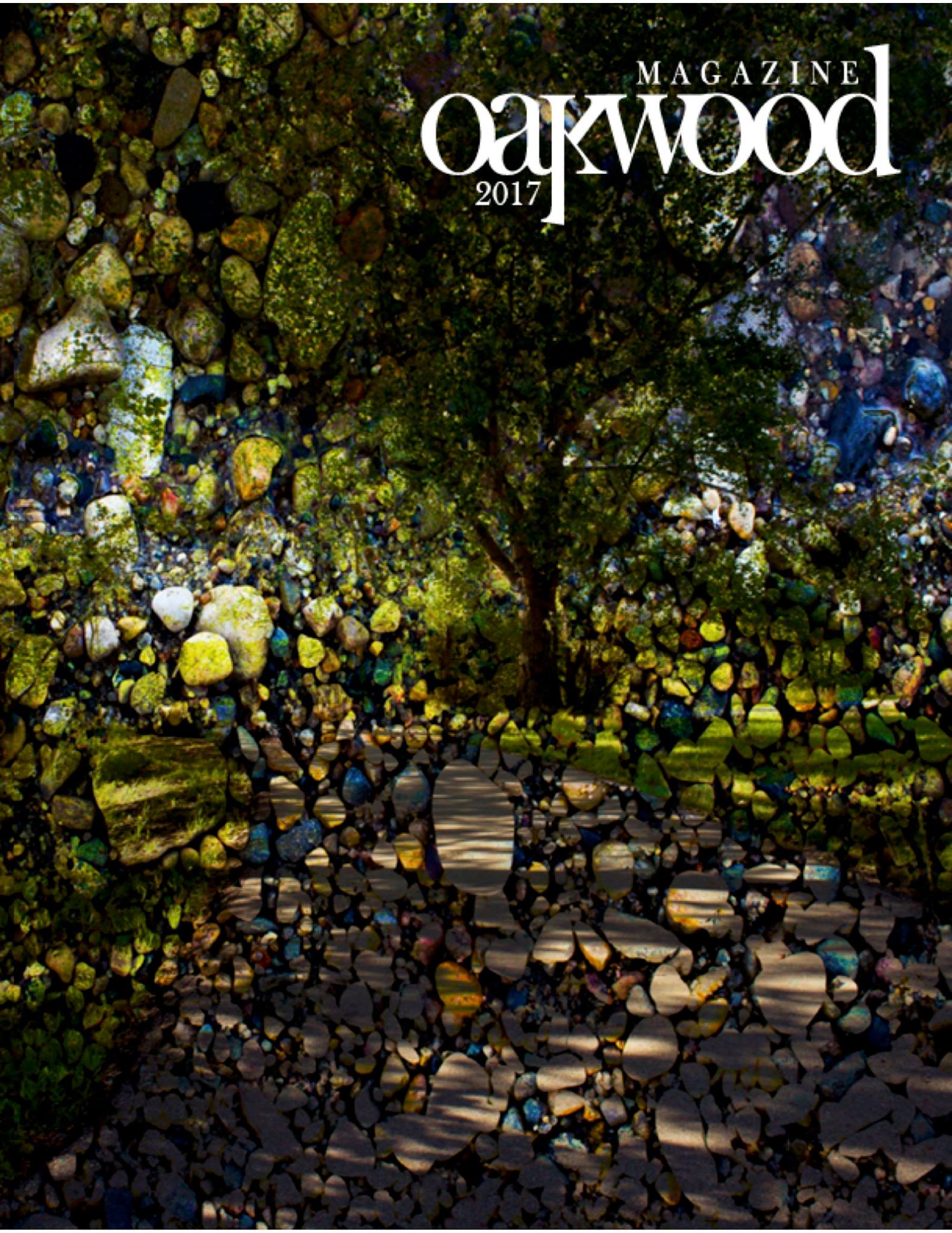
My poem first published in South Dakota State’s Oakwood literary magazine.
I feel humbled and honored to have my poem, inspired by memories of my hardworking farm wife mother, in the Lyon County Historical Society Museum’s newest semi-permanent exhibit, “Making Lyon County Home.” The exhibit opened in January. Its purpose, according to Executive Director Jennifer Andries, is “to share stories, artifacts, and photographs from Lyon County after World War II and to inspire residents and visitors to share their memories and experiences of growing up and living in Lyon County and the region.”
4-H and more are featured in this section of “Making Lyon County Home.” Photo courtesy of the Lyon County Historical Society Museum.
I grew up in this prime agricultural region, some 20 miles to the west on a dairy and crop farm near Vesta in Redwood County. I knew Marshall well back then as a shopping destination. A place to buy clothes, shoes and other essentials. But even more, I understood rural life decades ago because I lived it. I witnessed, too, how my mom worked hard to raise six children on our family farm. Before marriage, she attended Mankato Commercial College and then returned to her home area to work an office job in Marshall. Like most women of the 1950s, once she married, she stopped working off the farm.
These family photos complement my poem. Photo courtesy of the Lyon County Historical Society Museum.
My poem honors her in a poetic snapshot timeline of life beginning shortly before she married my farmer father. Saturday evening dances. Then rocking babies. Everyday life on the farm. Challenges. And finally, the final verse of Mom shoving her walker down the hallways of Parkview.
Whenever I write poetry, especially about life in rural Minnesota, I find myself deep within memory. Visualizing, tasting, smelling, hearing, even feeling. Although I took some creative license in penning “Ode to My Farm Wife Mother” (I don’t know that Mom ever drank whiskey or danced at the Blue Moon Ballroom in Marshall), it is primarily true. She met my dad at a dance in southwestern Minnesota. She washed laundry in a Maytag, baked bread every week, made the best peanut butter oatmeal bars…
An overview of the exhibit space featuring my poem and family photos. Photo courtesy of Lyon County Historical Society Museum.
I expect many who lived in this rural region in the 1950s-1970s can relate. Says LCHS Director Andries of my poem: “It is a good fit for the exhibit and fits with the agriculture section and the role of farm wives and mothers. The poem itself goes beyond just the agriculture area. I feel many people can resonate with the poem with the sense of being carefree while we are young but at some point we all have responsibilities but that doesn’t mean we lose our carefree spirit.”
Exactly.
Those sentiments were echoed by Tom Church, former managing director of Minneapolis-based Museology Museum Services, lead contractor for the “Making Lyon County Home” exhibit. Church first contacted me more than a year ago about using my poem. He said then that the poem “offers a nice snapshot of the era and setting we’re trying to evoke in several places within the exhibit and will fit well with our story.”
A 1950s era kitchen, left, is part of the “Making Lyon County Home” exhibit. Photo courtesy of the Lyon County Historical Society Museum.
I appreciate stories rooted in a strong sense of place. The new exhibit features themes of natural landscape, agriculture, education, industry and community. For example, the devastating and deadly June 13, 1968, F5 tornado in Tracy centers a display with information and oral histories. How well I remember that disaster. The 1980s farm crisis focuses another section. A late 1950s era kitchen fits the beginning time period of my poem.
Although I have yet to view the exhibit, I hope to do so this summer. And even more, I want my mom to know how she, and other farm women of the era, are honored via my poem. I want them to see themselves in my words, to understand the depth to which I value them. My mom, through her selflessness, her hard work, her kindness, her love, her faith, helped shape me. Today, as Mom lives out her final days in hospice, her memory and cognition diminished, I feel a deep sense of loss, of grief. But I hold onto the memories of a mother who read nursery rhymes, gardened, and, before I was born, enjoyed carefree Saturday evenings out with friends. Dancing. Laughing, Delighting in life.
FYI: The Lyon County Historical Society Museum, 301 West Lyon Street, Marshall, is open from 11 am – 4 pm Monday – Friday and from noon – 4 pm Saturdays. The “Making Lyon County Home” exhibit was partially funded by a Minnesota Historical and Cultural Heritage grant. The exhibit is semi-permanent, meaning artifacts and stories can be rotated to fit within the themes.
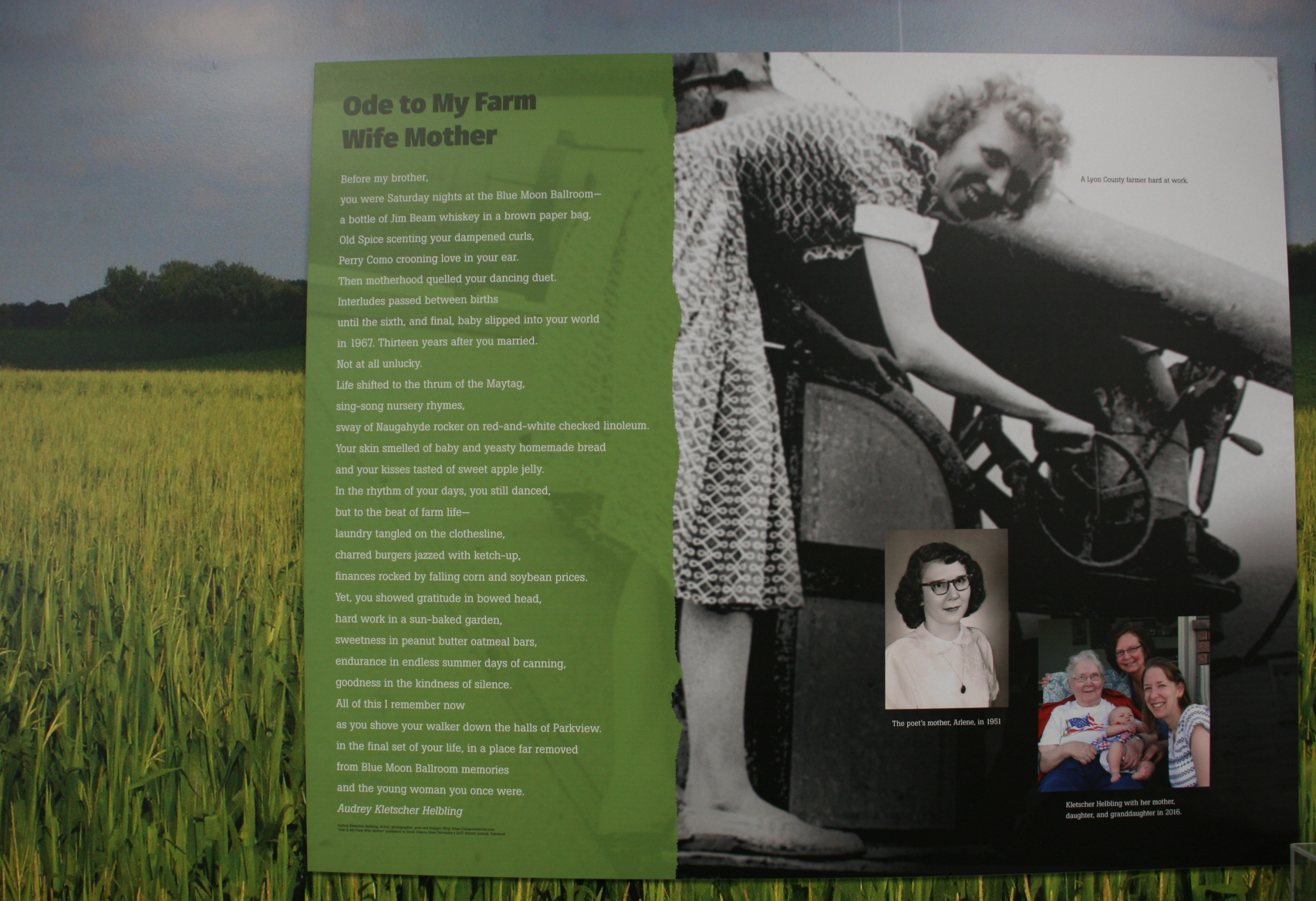
Ode to My Farm Wife Mother
Before my brother,
you were Saturday nights at the Blue Moon Ballroom—
a bottle of Jim Beam whiskey in a brown paper bag,
Old Spice scenting your dampened curls,
Perry Como crooning love in your ear.
Then motherhood quelled your dancing duet.
Interludes passed between births
until the sixth, and final, baby slipped into your world
in 1967. Thirteen years after you married.
Not at all unlucky.
Life shifted to the thrum of the Maytag,
sing-song nursery rhymes,
sway of Naugahyde rocker on red-and-white checked linoleum.
Your skin smelled of baby and yeasty homemade bread
and your kisses tasted of sweet apple jelly.
In the rhythm of your days, you still danced,
but to the beat of farm life—
laundry tangled on the clothesline,
charred burgers jazzed with ketch-up,
finances rocked by falling corn and soybean prices.
Yet, you showed gratitude in bowed head,
hard work in a sun-baked garden,
sweetness in peanut butter oatmeal bars,
endurance in endless summer days of canning,
goodness in the kindness of silence.
All of this I remember now
as you shove your walker down the halls of Parkview.
in the final set of your life, in a place far removed
DAN AND MARILYN SCHMIDT had just arrived for the July Fourth holiday weekend at a west central Minnesota lake when they got the phone call from their daughter, Heather Rokeh. She was calling from Marshall with news that a storm had swept through town. It was late Friday afternoon, July 1.
Dan asked about their farm 20 miles northeast of Marshall. Heather suggested that “it wouldn’t be a bad idea to have someone check it out.”
And so Heather’s sister, Amy St. Pierre, and Amy’s husband and daughter went to the farm, surveyed the damage, then called the Schmidts. The couple returned that night to inspect their Wood Lake area farm.
Every building had been damaged. Hail pounded holes in the siding on the house, where shingles and an antenna were blown off. The door of the Quonset building had been ripped away with part of the board trim speared into the ground.
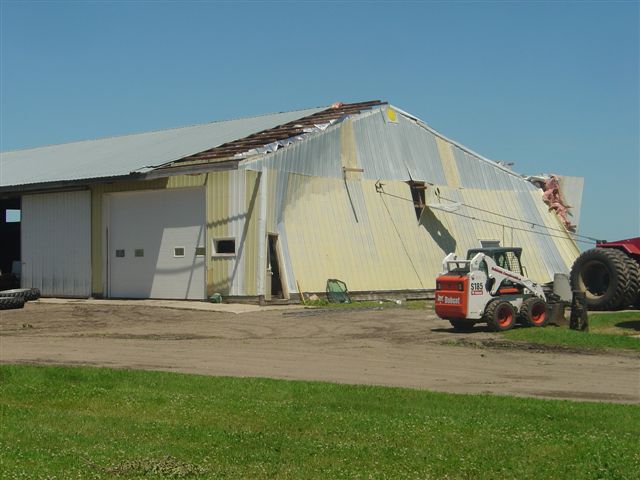
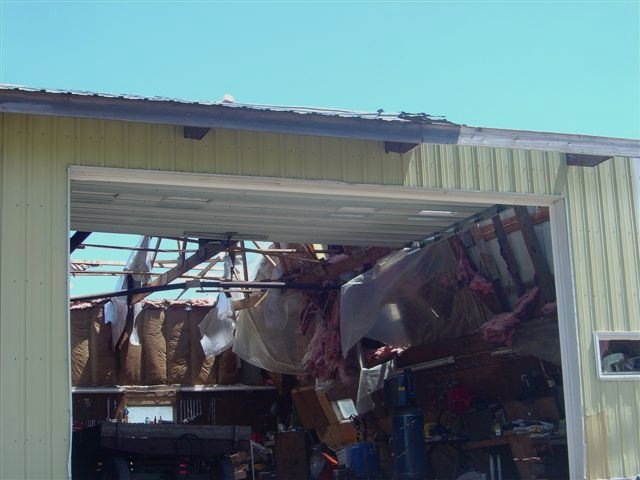
Half the roof was blown off the shop, collapsing an interior wall. That wall is now being held up by two chains and a tractor until items inside can be removed and the building demolished.
Another view of the caved-in shop wall.
The exposed interior of the shop.
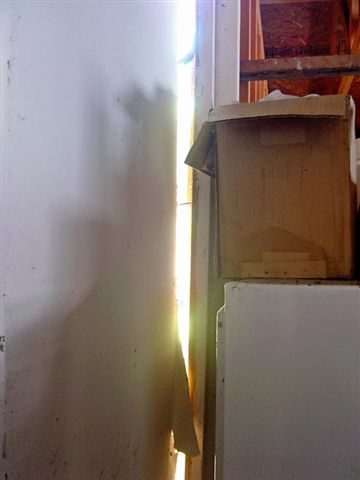
Trees were down or uprooted. Branches littered the farmyard. On one of the two houses on the farm site, the garage was pulled away from the house, leaving a visible gap.
Here you see light shining through the space where an attached garage was separated from the house during Friday's storm.
“A lot of these things spelled out tornado for us,” says Heather. “The twisting of the trees, things stuck in the ground and the twisted buildings all suggest tornado to us.”
Whether straight-line winds or tornado, Heather remains grateful: “We are so thankful no one was injured.”
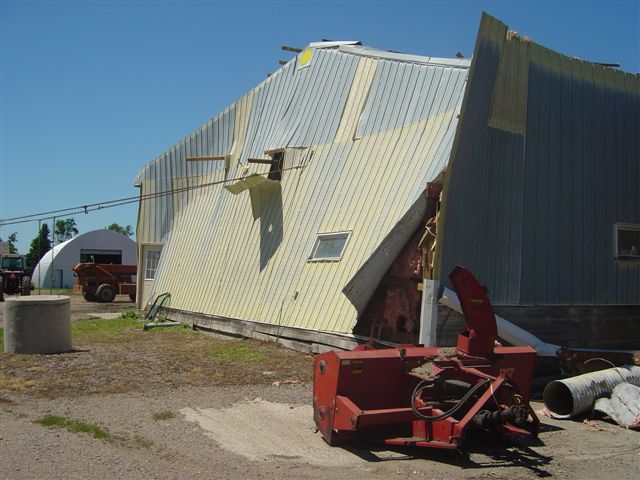
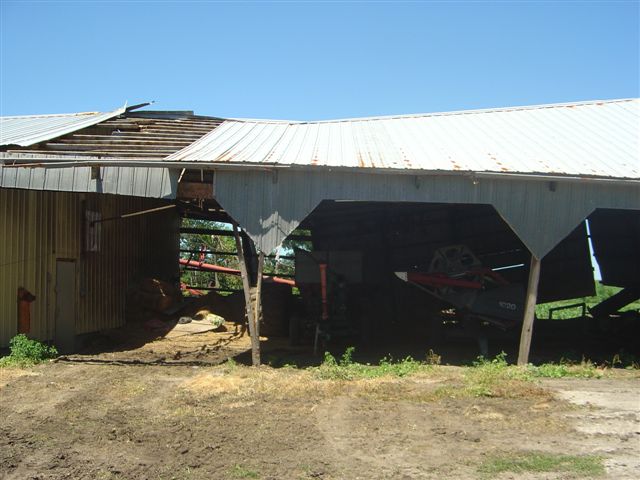
This lean-to, connected to a hog barn, was lifted up, twisted and set back down on top of a stock chopper. The hog barn was OK, but the lean-to was deemed unsafe and removed on Saturday.
This photo shows a portion of the lean-to that was lifted and dropped onto the stock chopper pictured here.
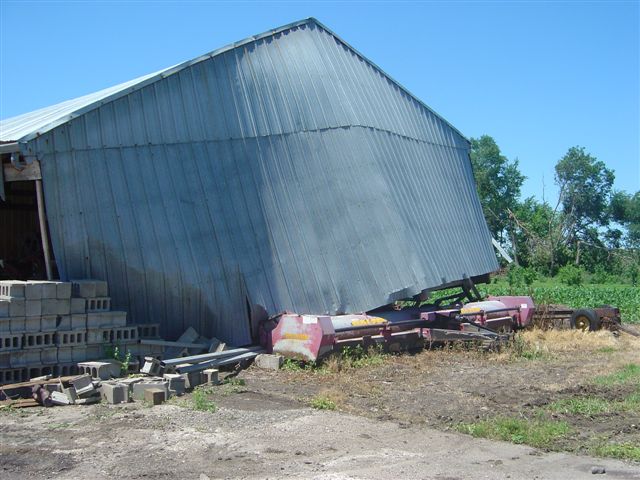
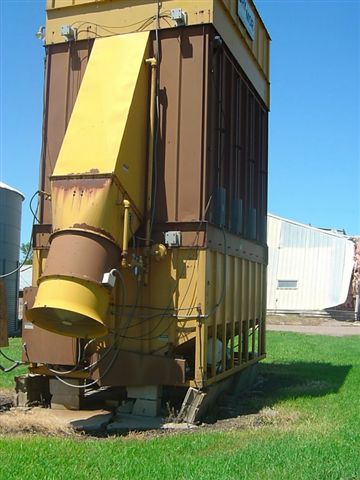
This grain dryer was moved and it is now sitting crooked on its foundation. The cement slab foundation was cracked and cement blocks are now sitting at an angle.
IF YOUR FARM, HOME or community was damaged during the July 1 storm in southwestern Minnesota, I’d like to hear from you. Submit a comment summarizing your storm experience, the damage to your property or town, and progress toward recovery. If you have photos to share, like those above from my cousin Heather, let me know and I’ll be in touch.




















 Minnesota Prairie Roots
Recent Comments