Minnesota Prairie Roots

Writing and photography by Audrey Kletscher Helbling

Lilacs & the love they hold May 21, 2021

Filed under: Uncategorized — Audrey Kletscher Helbling @ 5:00 AM
Tags: , , , , , ,
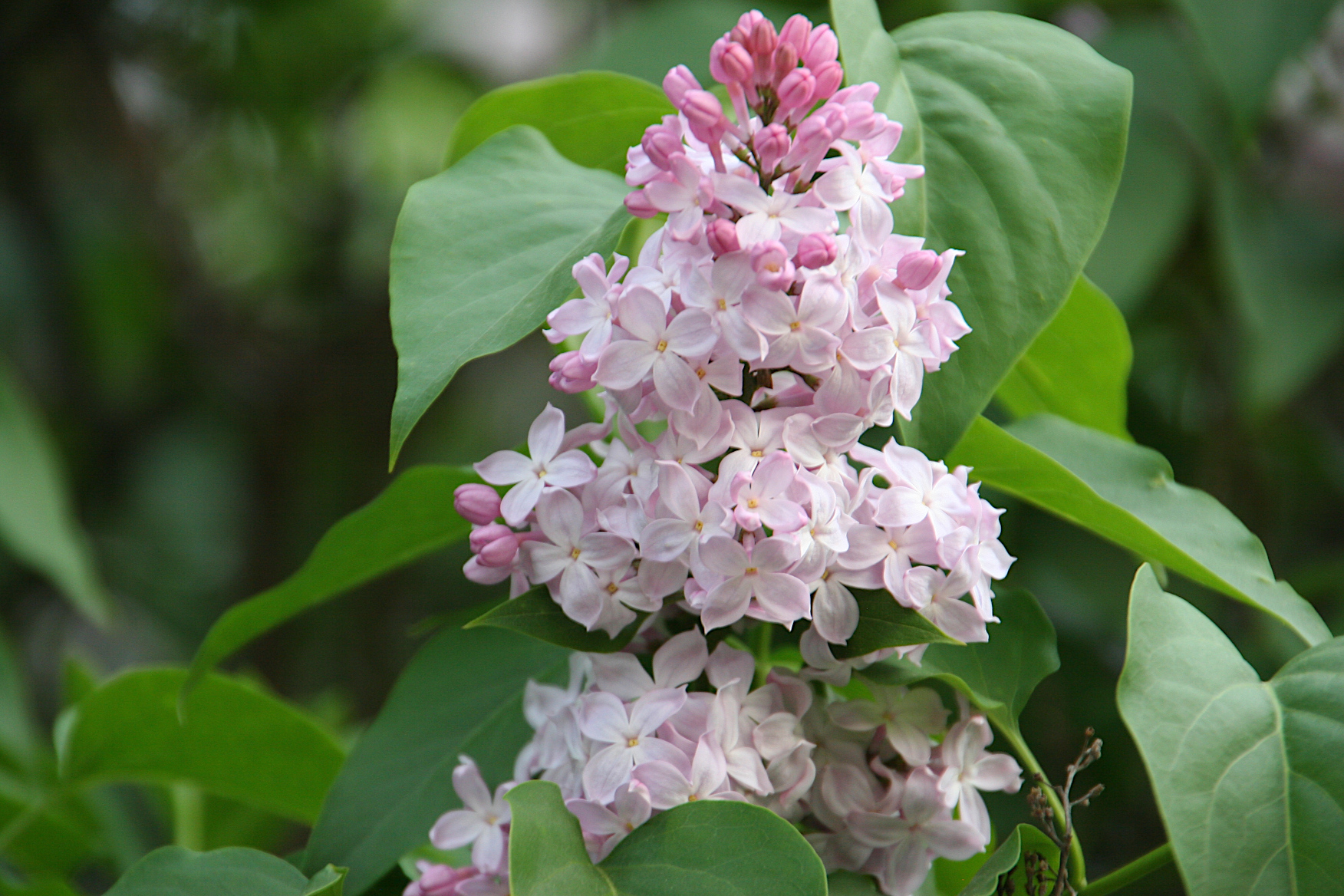
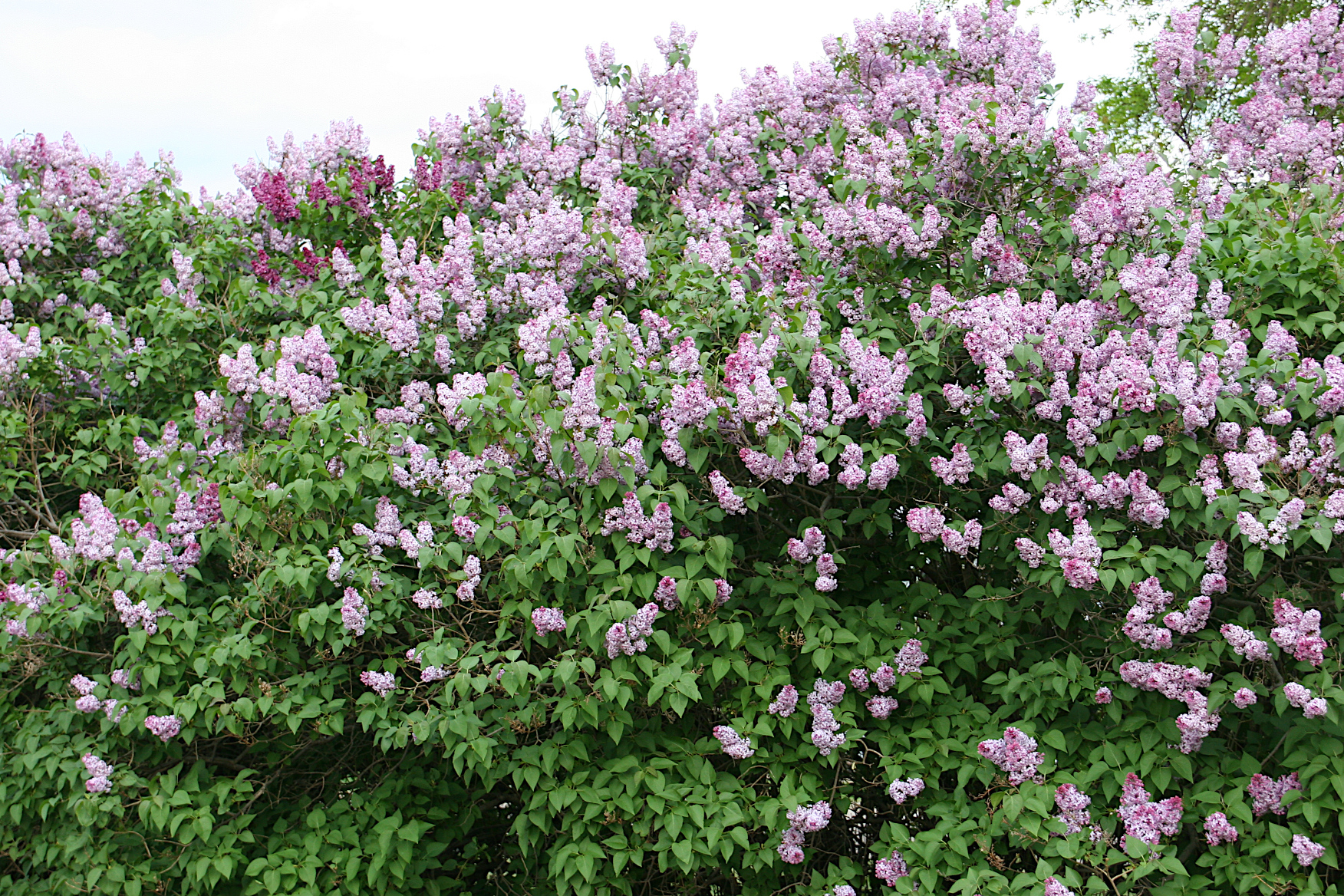
Lilacs grow in various shades in a row of bushes at North Alexander Park in Faribault. Minnesota Prairie Roots copyrighted photo.

LILACS PERFUME THE AIR, filling the lower level of my home with the scent of spring in Minnesota.

“Lilacs on the Table” inspired by my poem and painted by Jeanne Licari for Poet-Artist Collaboration XIII at Crossings in Carnegie in Zumbrota in 2014. File photo courtesy of Crossings.

These bouquets—three in my living room, another in the dining room and the fifth on the bathroom counter—are more than simply beautiful flowers. They are reminders. Of my bachelor uncle. Of my husband’s love. Of a poem I wrote in 2014 as part of a poet-artist collaboration.

Lilac bushes at North Alexander Park, Faribault. Minnesota Prairie Roots copyrighted photo.

While my beloved Uncle Mike is long gone, the memories of the lilac bush which grew on his farm remain. I think of him each May when Randy brings me clutches of lilacs. It’s a sweet tradition. Loving. Appreciated more than a dozen roses, although those are lovely, too.

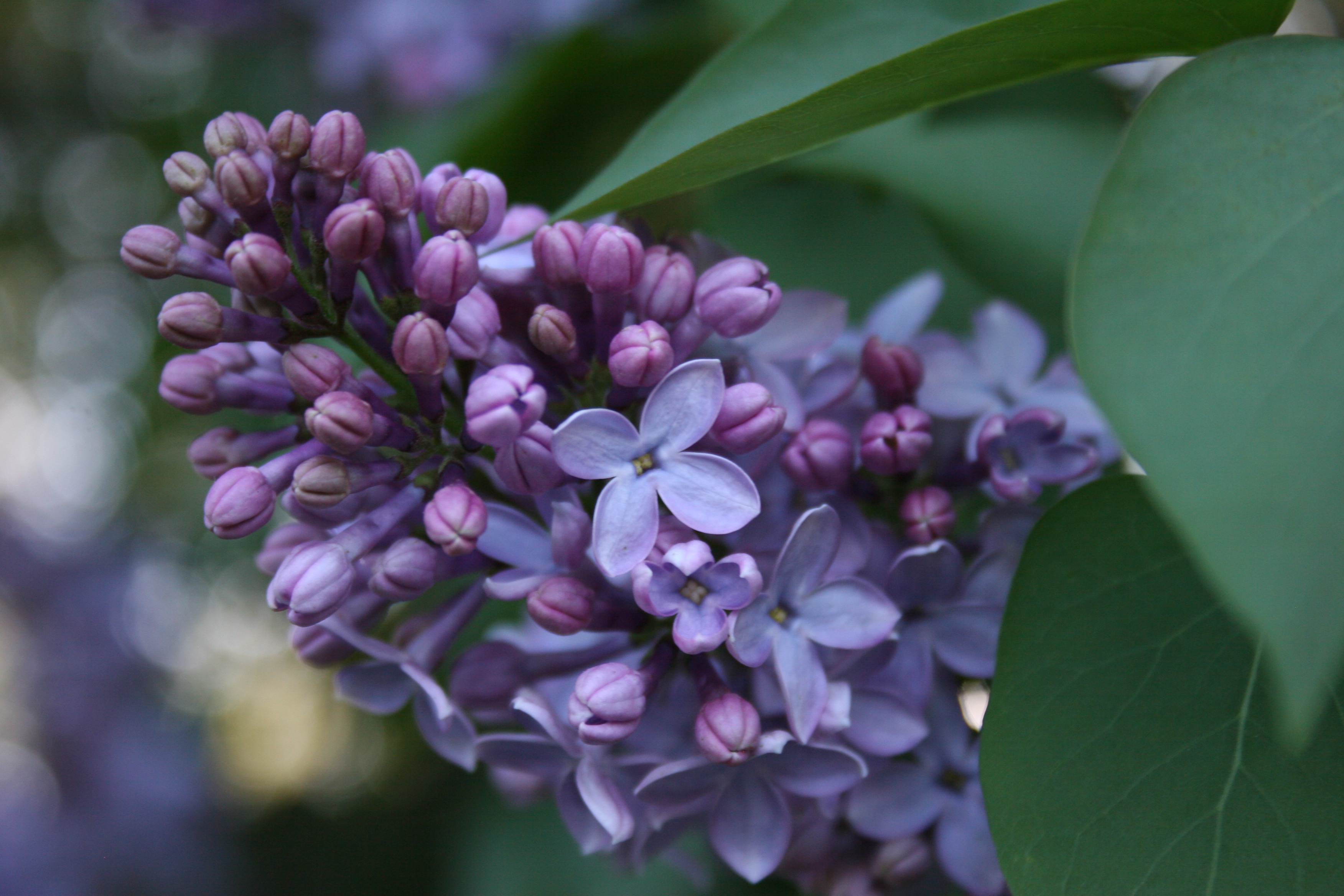
Lilacs, up close. Minnesota Prairie Roots copyrighted file photo 2013.

When Randy walked through the back door a few days ago with lilacs, I was surprised. Not that I should have been. He does this every May. I appreciate his thoughtfulness. I appreciate that he takes the time to gather these flowers for me at the end of a long work day.

There’s something simply sweet and precious about his remembering, his recognition of how much I value this heartfelt gift of love.

Lilacs

Breathing in the heady scent of lilacs each May,
I remember my bachelor uncle and the gnarled bushes,
heavy with purple blooms, that embraced his front porch
and held the promises of sweet love never experienced.

He invited his sister-in-law, my mother, to clip lilacs,
to enfold great sweeps of flowers into her arms,
to set a still life painting upon the Formica kitchen table,
romance perfuming our cow-scented farmhouse.

Such memories linger as my own love, decades later,
pulls a jackknife from the pocket of his stained jeans,
balances on the tips of his soiled Red Wing work shoes,
clips and gathers great sweeps of lilacs into his arms.


© Copyright 2021 Audrey Kletscher Helbling


Wedding memories after 39 years May 14, 2021

Filed under: Uncategorized — Audrey Kletscher Helbling @ 5:00 AM
Tags: , , , , , ,
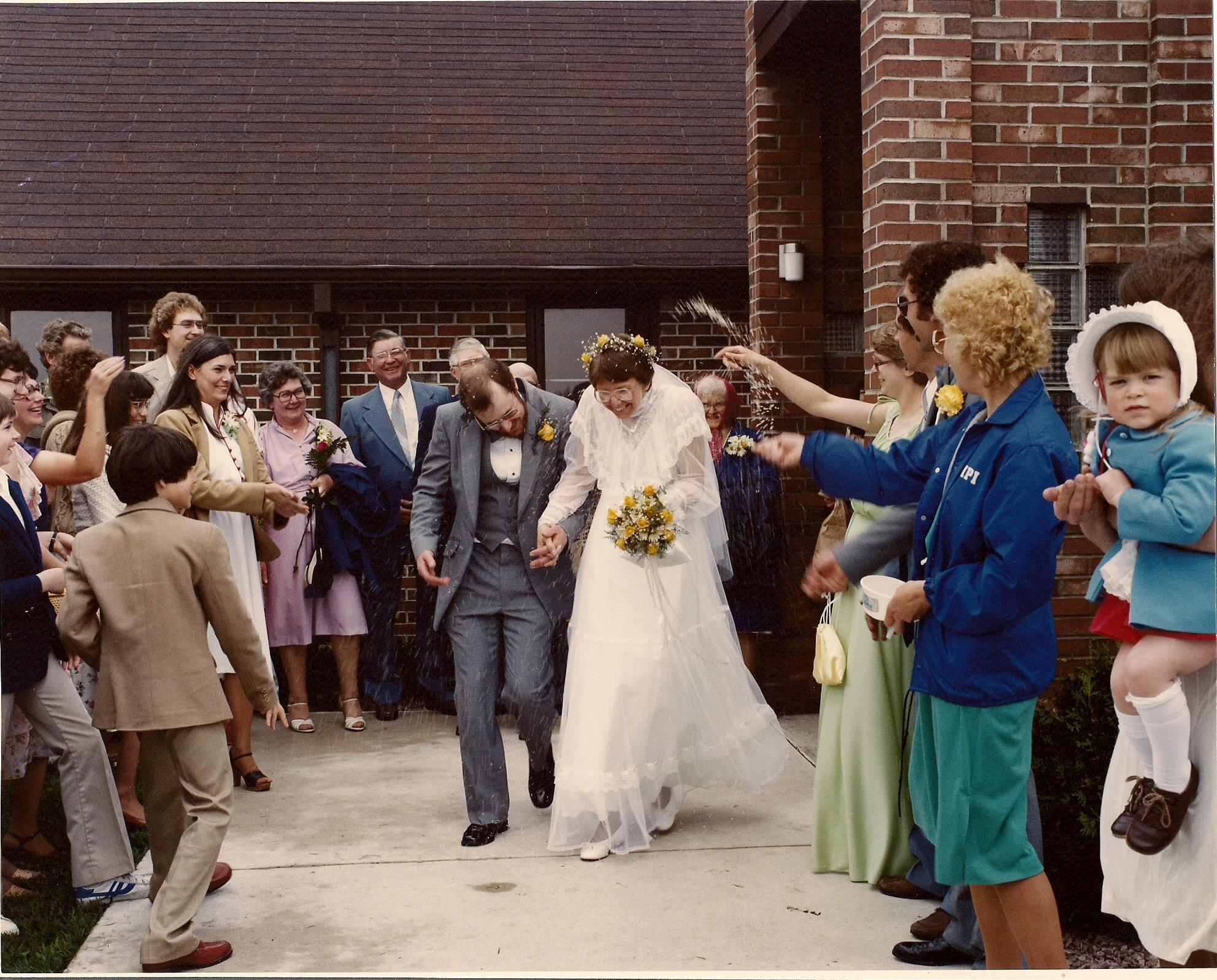
Wedding guests toss rice at Randy and me as we exit St. John’s Lutheran Church following our May 15, 1982, wedding. Photo by Williams Studio, Redwood Falls, Minnesota.

THIRTY-NINE YEARS AGO on May 15, Randy and I were married at St. John’s Lutheran Church in my hometown of Vesta. The church sits about a half-mile north of the crop and dairy farm where I grew up. Since few people have a clue as to my hometown’s location, here are general directions: Go west of Mankato, west of New Ulm, west of Redwood Falls and follow Minnesota State Highway 19 half-way to Marshall. Vesta is a short distance from the first curve curving south.

When I reflect on that Saturday in 1982, I remember how the morning began with light rain, how I worried about my $82 wedding dress from Maurice’s getting dirty on the gravel farm driveway. Photos from that day show the sidewalk to the church dampened by rain before the 2 pm ceremony and after, when guests lined the walkway to toss rice.

That exit photo is perhaps my favorite from our wedding day. The joy on our faces and that of our guests is in-the-moment natural. Journalistic style. Slice-of-life. While I value the posed professional portraits, I especially value this celebratory image. When I study it, I see loved ones who are no longer living. My Grandma Kletscher back in the corner, daisy corsage pinned to her dress, snow white hair spilling from her red scarf. My bachelor uncle, Mike, dressed to the nines in a suit and tie and smiling broadly. And then my Aunt Sue, the beautiful and classy aunt of Italian descent, fashionably dressed, clutching rice, smiling. I miss all of them.

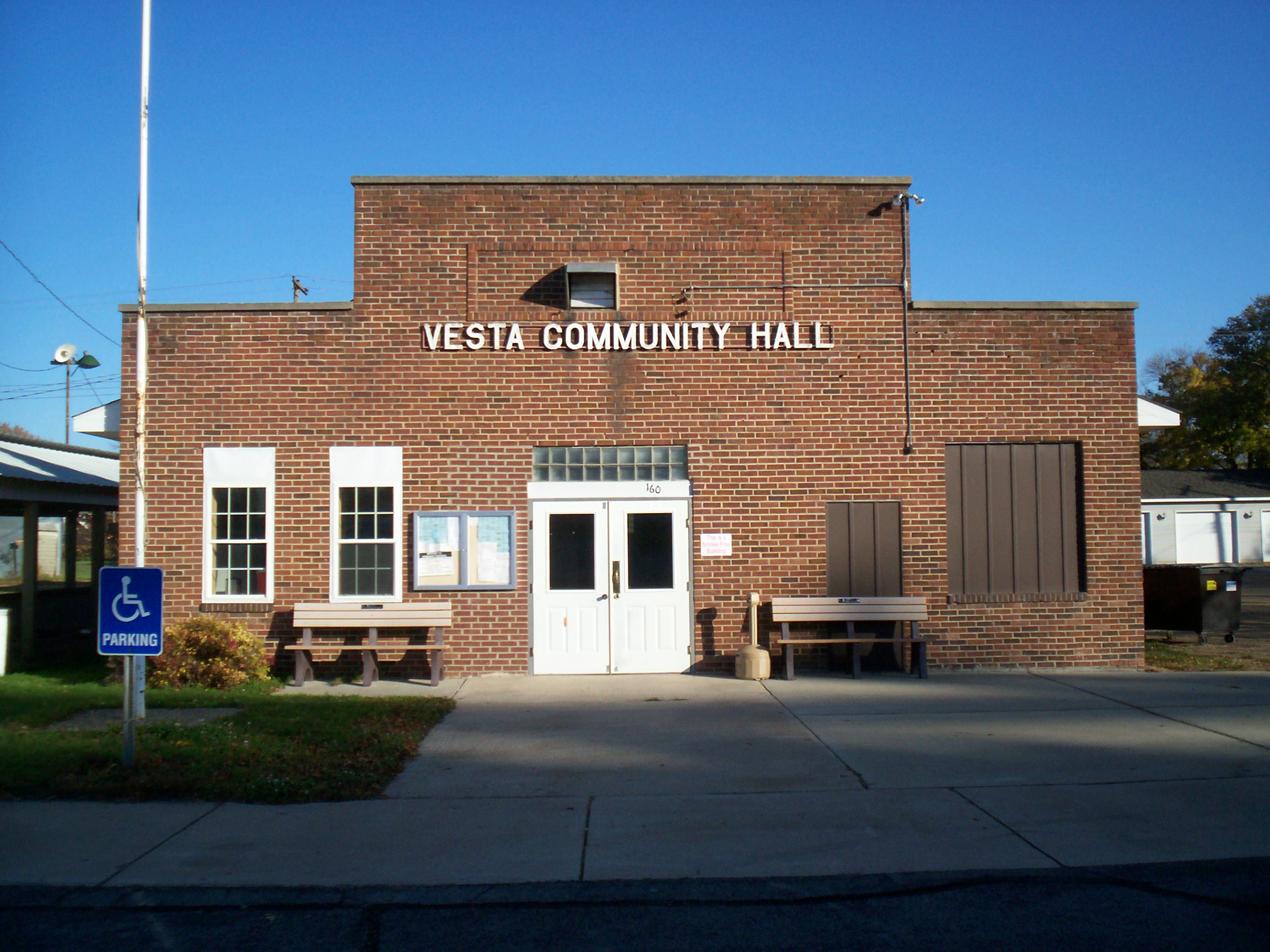
The Vesta Hall, a community gathering place in my hometown. Minnesota Prairie Roots copyrighted file photo.

Detailed memories fade after nearly 40 years. But the highlights of that day remain. The joy in marrying the man I loved, and still love. The congregation singing my favorite hymn, “Beautiful Savior,” during the ceremony. The joy of celebrating with all those friends and family, including two of Randy’s soon-to-give-birth sisters. The joy of dancing across the old wooden floor inside the Vesta Community Hall. And, if Randy, could insert his memory here, he would remind me of the awful green hue of the punch my mom made. It was tasty; but he’s right about the color.

Our colors were green and yellow. Not John Deere green and yellow. Just green and yellow, my favorite colors. Randy didn’t care much about color choices, as I recall. I even stitched aprons for our waitresses from green and yellow gingham. Oh, how I’d love to have one of those ruffled aprons my younger cousins wore as they waited on tables.

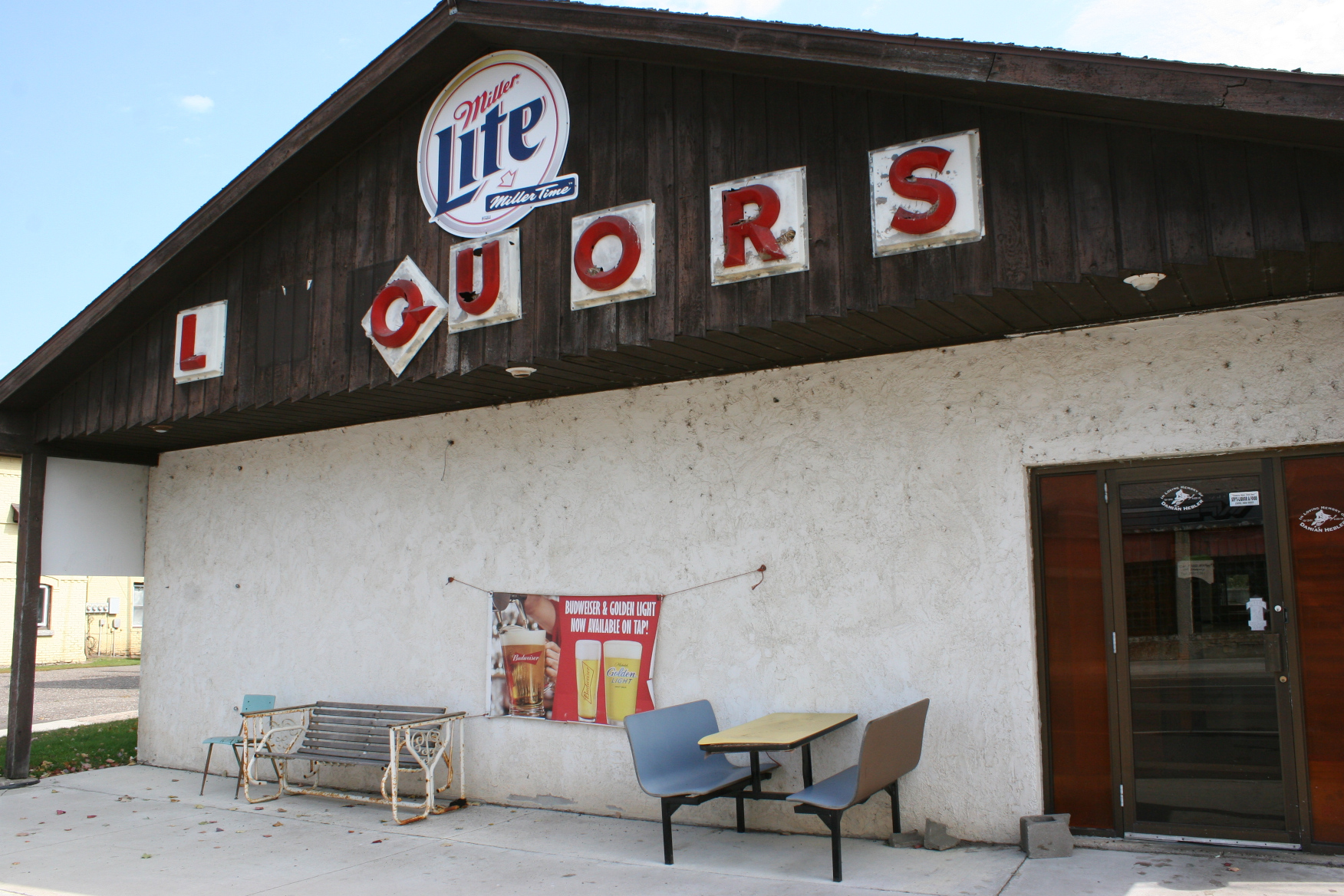
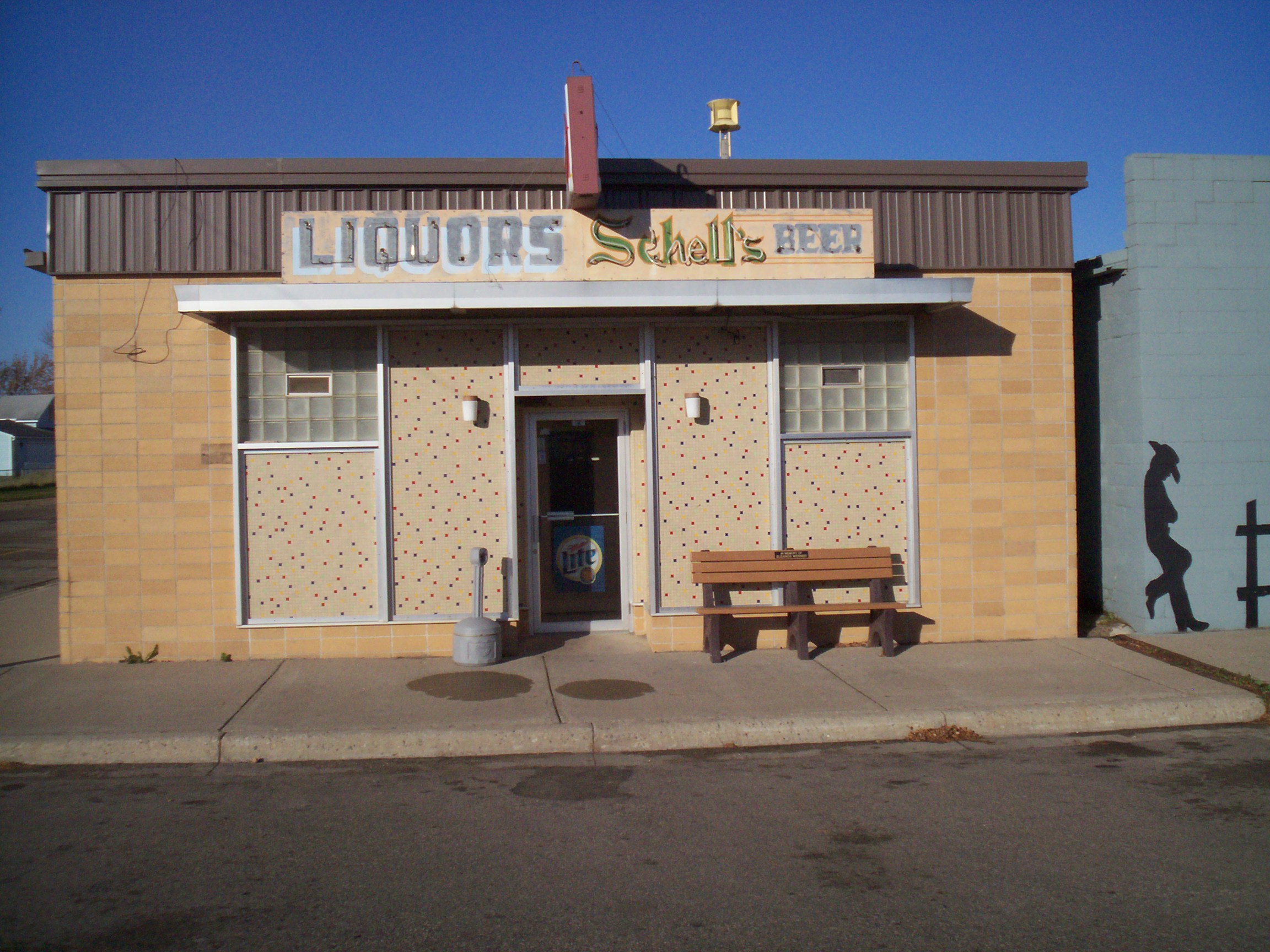
The Vesta Municipal Liquor Store (no longer a municipal liquor store). Minnesota Prairie Roots file photo 2011.

I appreciate that we were married during a time when weddings were simple. Simple as in twisted crepe paper streamers running the length of bare wooden banquet tables. Tables where locals piled corn kernels to mark BINGO cards once a year during BINGO Night. Tables that were pushed aside to open dance floor space for the Bunny Hop and the Chicken Dance and modern dancing. Dances, too, with the bride and with the groom. Randy would insert his memory here of dancing with a cousin who asked if he was sure he really wanted to get married. We still laugh about that question. But then the liquor store was just a half-block away.

Audrey and Randy, May 15, 1982. Photo by Williams Studio.

May 15 is certainly a day of reflection. But more important, it is a day of honoring our vows to one another. Of pledging to be there for one another. Always. Through the good times and the challenging times. And we’ve had plenty of both. It is a day also of celebrating what brought us together—love.

To my dear husband, Randy, thank you for loving me and for always being here for me and for our family. I appreciate you, cherish you, love you. In 40 years of knowing you and in 39 years of marriage, those feelings have only deepened. Happy anniversary! And I’m sorry about that green punch.

© Copyright 2021 Audrey Kletscher Helbling
 

Reflections on motherhood May 7, 2021

Filed under: Uncategorized — Audrey Kletscher Helbling @ 5:00 AM
Tags: , , , , , ,
My mom saved everything, including this Mother’s Day card I made for her in elementary school. I cut a flower from a seed catalog to create the front of this card. Minnesota Prairie Roots file photo.

IT’S EASY TO IDEALIZE motherhood. To paint a portrait of an infinitely loving and nurturing mother. Always calm. Always kind. Always putting her children first.

But the reality is that being a mom does not mean being perfect. No one is. Perfect, that is.

So this Mother’s Day, I honor all those women who are moms. Not some idealistic version of a perfect mother. But rather a mother who does her best to embrace motherhood and love those entrusted to her care.

My granddaughter. Minnesota Prairie Roots file photo April 2019.

As the mother of three now grown adult children and two beautiful grandchildren, I have a little experience in the mothering department. That doesn’t make me an expert. It just lends more authenticity to my words, to my efforts to give my children roots and wings.

I love my three. Two daughters born 21 months apart. And then the son born seven years and 364 days after my eldest. Yes, she celebrated her birthday in the hospital with her newborn brother.

As a stay-at-home mom, I found raising kids both challenging and rewarding. I expect most moms would say that. Tantrums and sibling rivalry and strong-willed children can test any mother’s patience. But then there were the moments of children snuggled next to me or on my lap while I read books. First, simple Little Golden Book storybooks. Then the Little House series. The Betsy-Tacy series. And more.

Busted in October of 1988 sneaking cookies and “hiding” in the corner of the kitchen to eat them. Minnesota Prairie Roots file photo.

And the moments of delight. Like the morning I caught my daughters eating just-baked chocolate chip cookies in a corner of the kitchen…after I’d told them to wait until after lunch for a treat. My oldest daughter pulled a chair to the counter and grabbed two cookies for herself and her sister. I secretly admired her determination. And her looking out for her sister.

I wanted to raise children to think creatively, to forge their own paths. To care about others. And they did. When the eldest, during her freshman year of college, informed us that she was going on a mission trip to Paraguay, I asked, “Where is Paraguay?” And soon the second daughter followed, journeying to New Orleans to help with clean-up after Hurricane Katrina. Twice. Then, after college, she moved to Argentina for six months.

One of my all-time favorite photos of my son at age 5. Minnesota Prairie Roots file photo.

The son, too, traveled, to attend college and work in Boston for five years. I disliked having him so far from Minnesota. But I respected his choice and my need to let go. Later, he would travel to a professional conference in Japan and then to Europe.

Certainly, there have been challenges through the years. Difficult times. Plenty of tears and angst and worry. The morning my then 12-year-old son was struck by a car while crossing the street to his school bus stop ranks as an especially terrifying moment. That hit-and-run occurred just days before Mother’s Day 2006. Thankfully, he received only minor injuries. Yet, it was a horrible experience. My heart hurts for all mothers who have lost children.

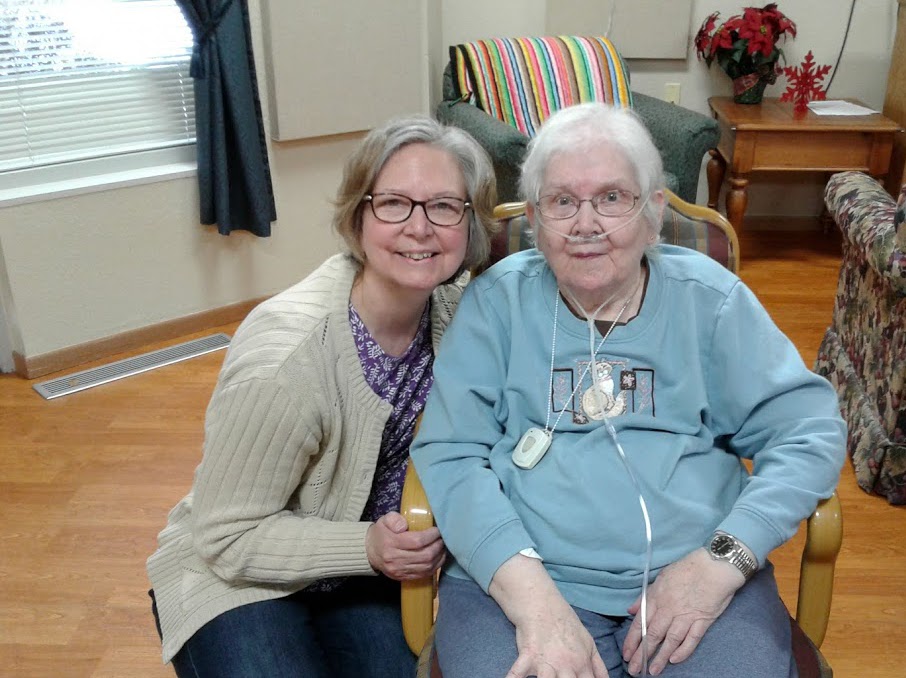
Me and my mom in December 2017. Minnesota Prairie Roots file photo.

Although my kids are long-gone from home, my love and care for them remains as strong as ever. I want the best for them. Happiness. Joy. Purpose. To love and be loved. I would move mountains for them, as cliché as that sounds. I expect my mom felt the same.

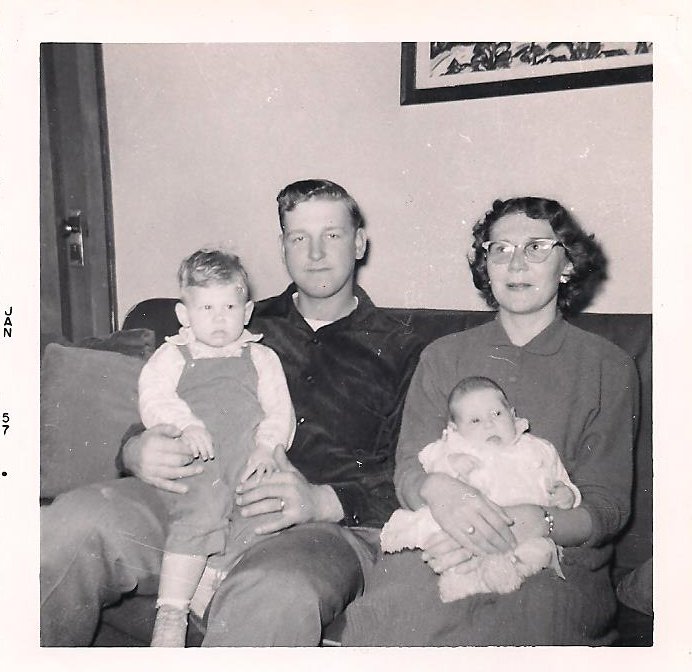
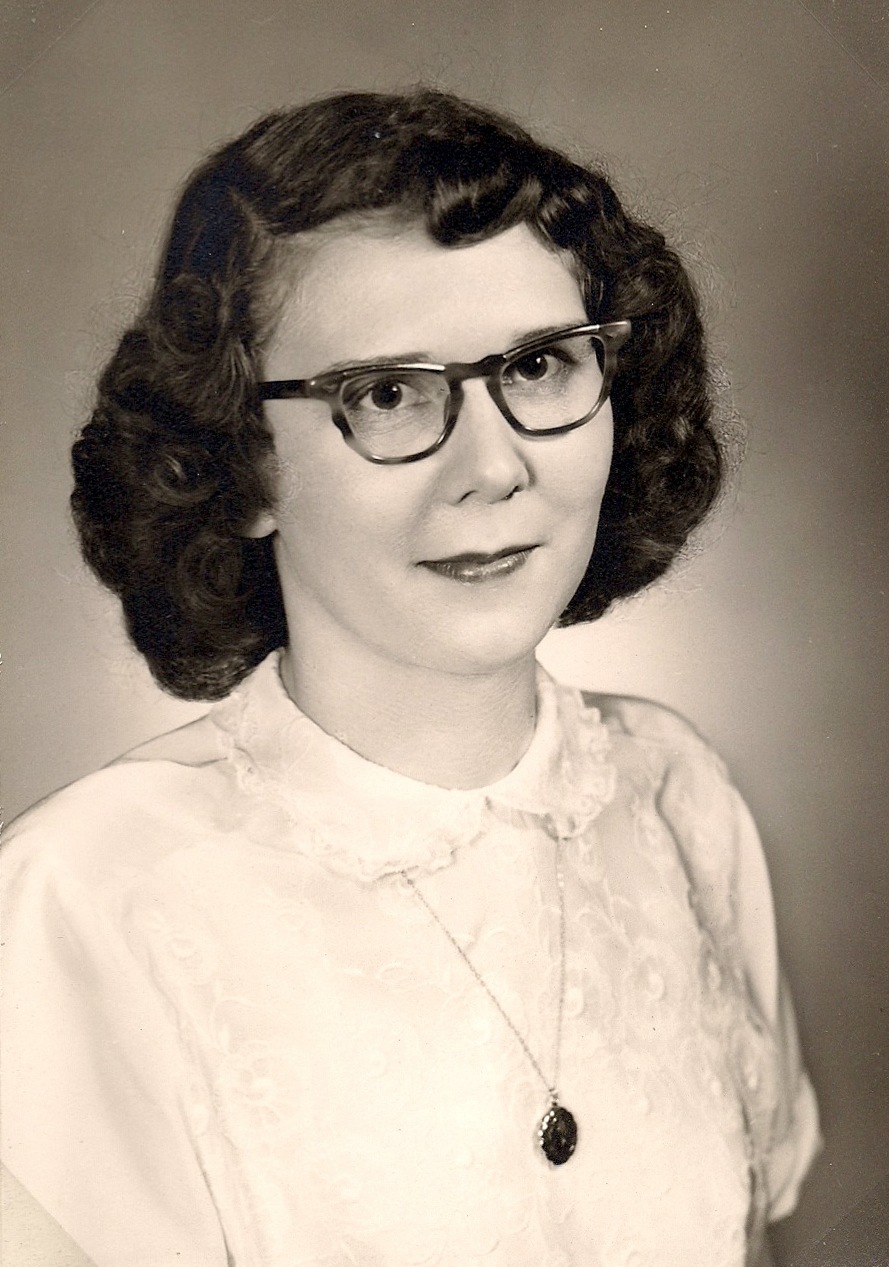
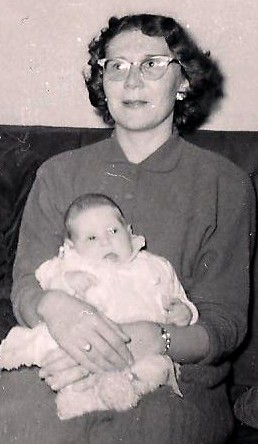
My mother, Arlene, and me.

To all the moms out there, including my mom and my eldest (the mother of my grandchildren), Happy Mother’s Day! You are valued, loved, cherished and appreciated.

© Copyright 2021 Audrey Kletscher Helbling

 

In New Ulm: George’s Ballroom, when the music stops April 19, 2021

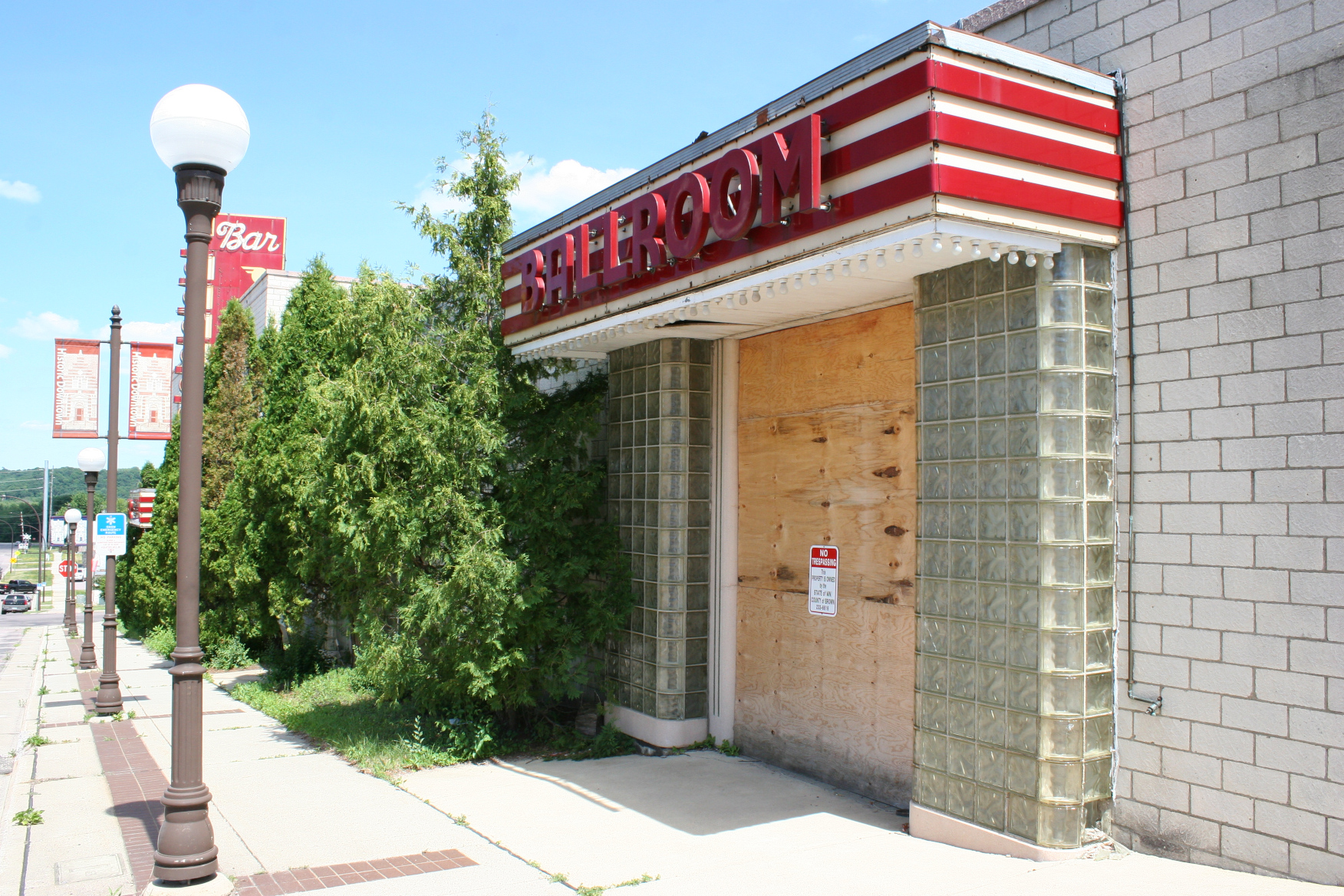
The boarded entrance to the long-closed George’s Ballroom in New Ulm. Minnesota Prairie Roots file photo June 2020.

I CAN ALMOST HEAR the rhythmic oom-pah-pah of the polka, see the couples twirling across the scuffed wooden dance floor, smell the scent of whiskey poured from bottles hidden in brown paper bags.

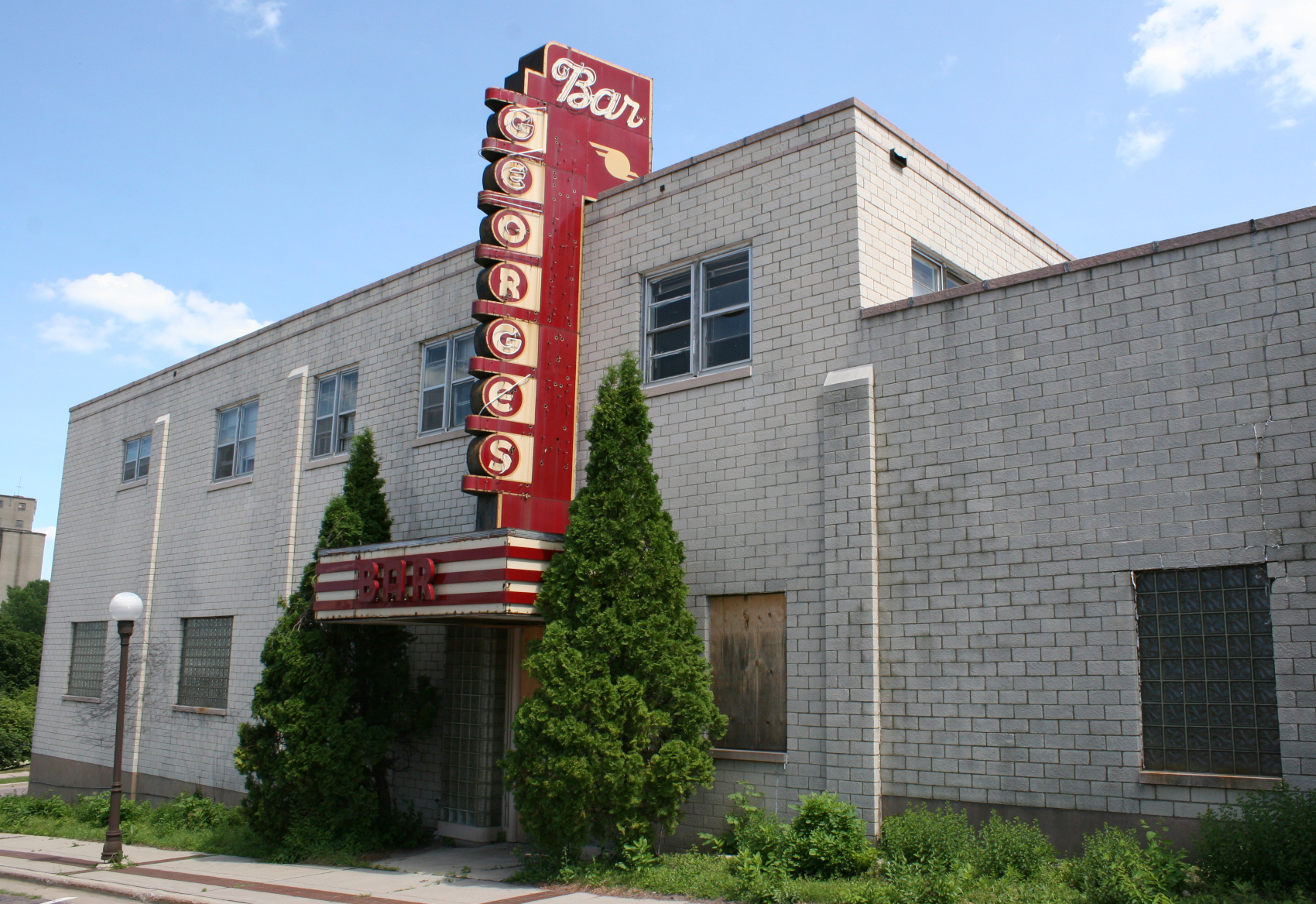
George’s, on the corner of Center and German Streets, also housed a bar and, at one time, a bowling alley. Minnesota Prairie Roots file photo June 2020.

Across Minnesota, ballrooms once centered Saturday evenings with wedding receptions, concerts and parties celebrating milestones. The Blue Moon Ballroom in Marshall. The Gibbon Ballroom, site of Polka Days, in Gibbon. The Pla-Mor Ballroom in Rochester. George’s Ballroom in New Ulm. And many others.

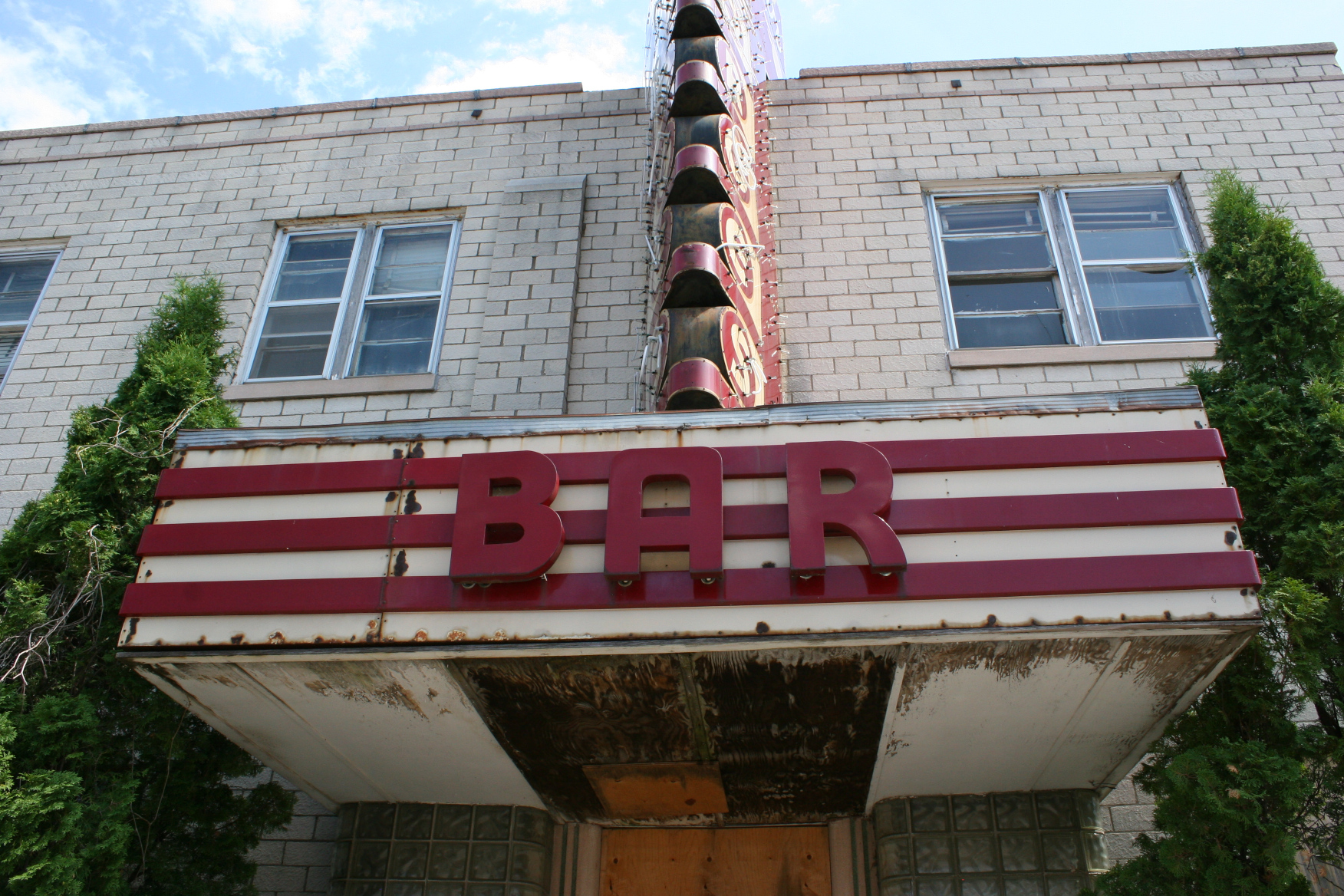
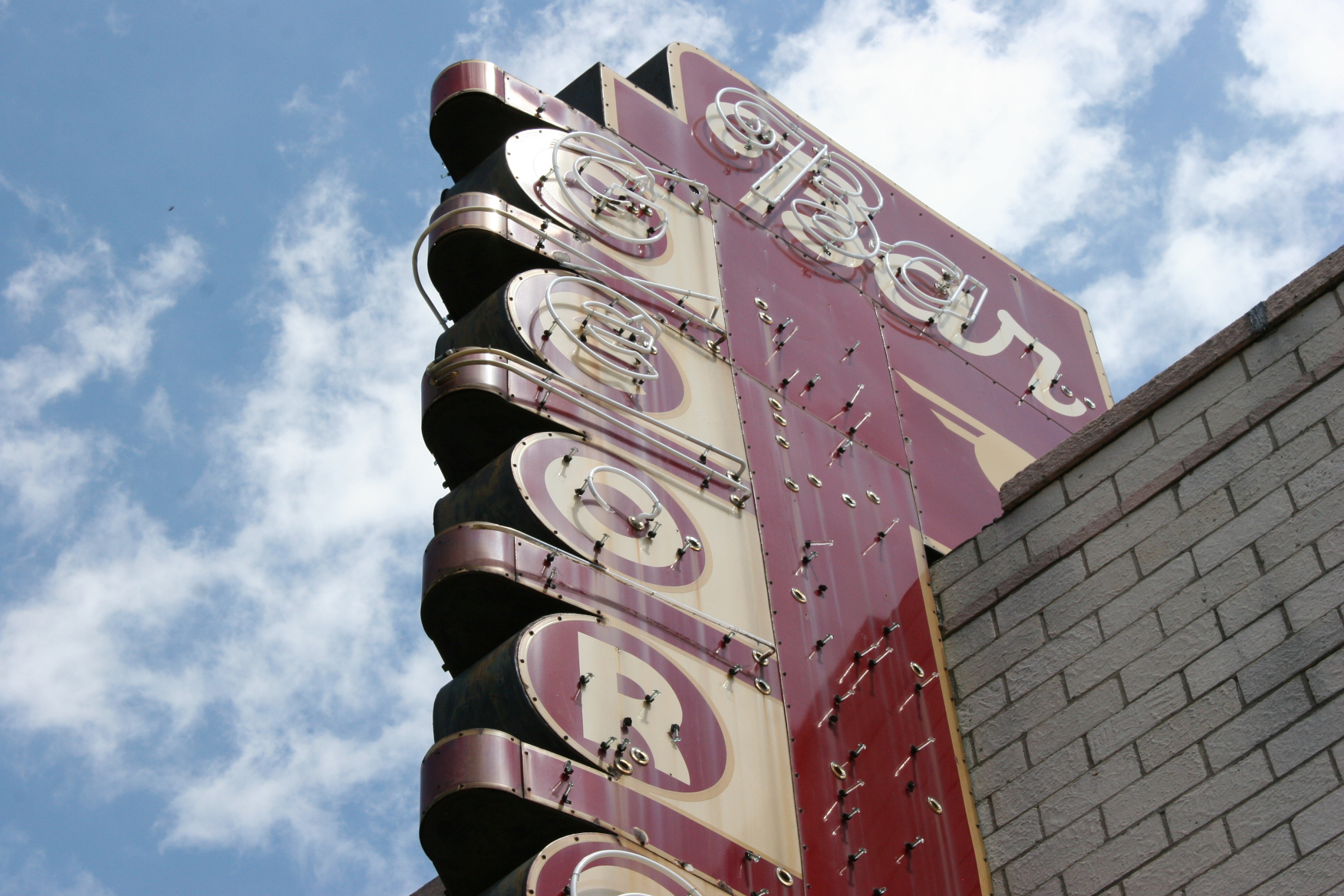
The historic marquee marks George’s Ballroom. What a beautiful piece of art. Minnesota Prairie Roots file photo June 2020.

Now most of these entertainment venues are shuttered. Abandoned. Or gone. The places of memories shared in stories. The places of memories photographed. A bride tossing her bouquet. A couple wrapped in each other’s arms. A trio wildly whirling in The Chicken Dance. My parents met at a dance in a southwestern Minnesota ballroom in the early 1950s. So many Minnesotans hold ballroom memories.

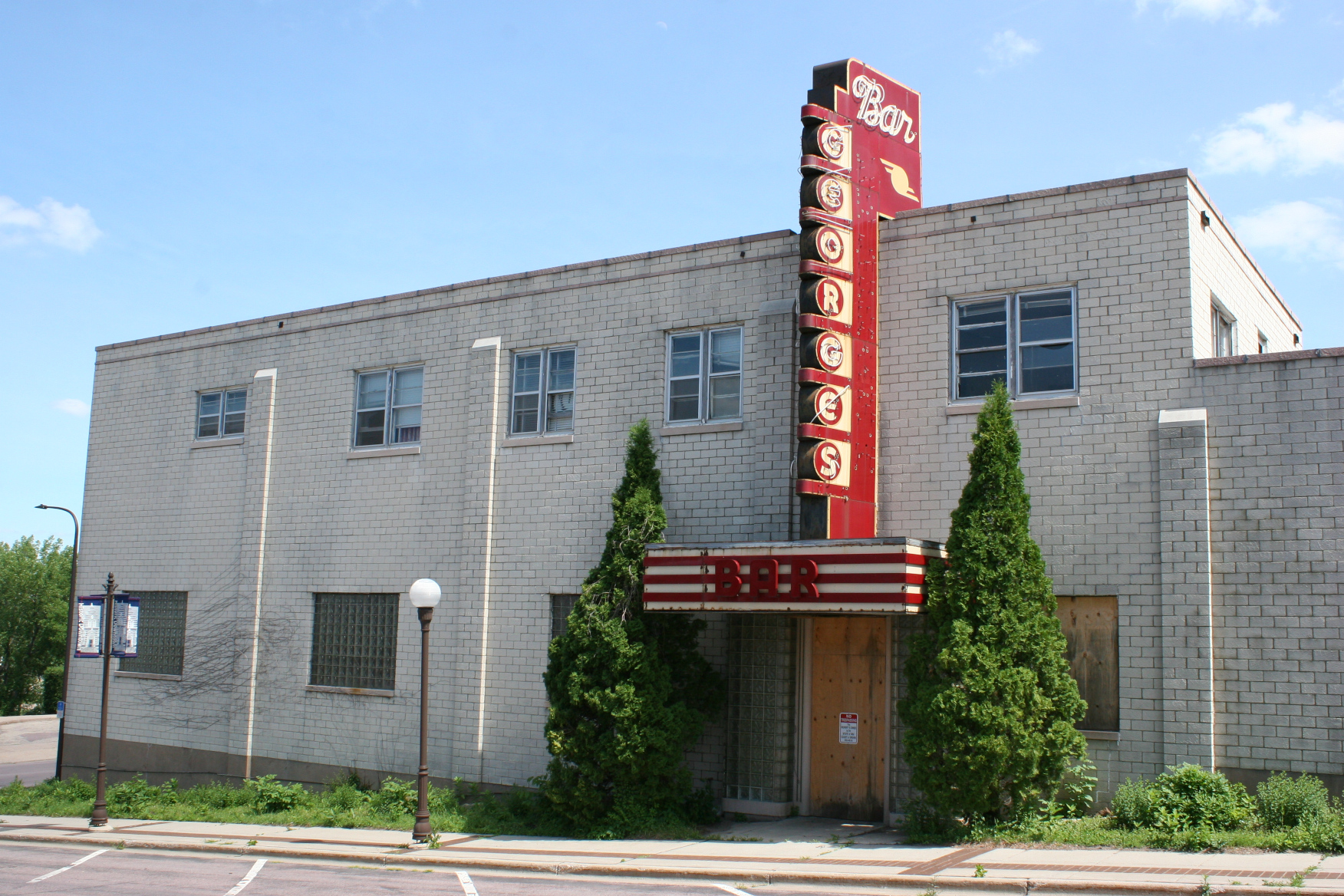
The bar entrance is here, the ballroom entry to the right. Minnesota Prairie Roots file photo June 2020.

Last summer while in New Ulm, I photographed the exterior of George’s Ballroom, an art deco style brick structure built in 1947 by George Neuwirth. The facility, which could hold up to 3,000 guests, once served as this community’s celebration and concert hub. Lawrence Welk, Glen Miller, The Six Fat Dutchmen and other big name bands played here.

George’s closed in 1991, reopened for awhile under new ownership and then shuttered again—permanently—in the early 2000s. Property taxes went unpaid. Options expired.

Now, nearly 20 years later, the former dance hall faces likely demolition, according to media reports. Cost to restore the ballroom is estimated at $5 million. Cost to demolish it, $1 million. That’s a lot of money. But when you’re dealing with mold from water damage, asbestos and other health and safety issues, costs climb quickly.

Here you can see some of the damage, underneath that BAR sign. Minnesota Prairie Roots file photo June 2020.

All of this saddens me. I love historic buildings. They’re often well-built and hold important historic, community and personal importance. But I am also a realist who recognizes that not everything can be saved.

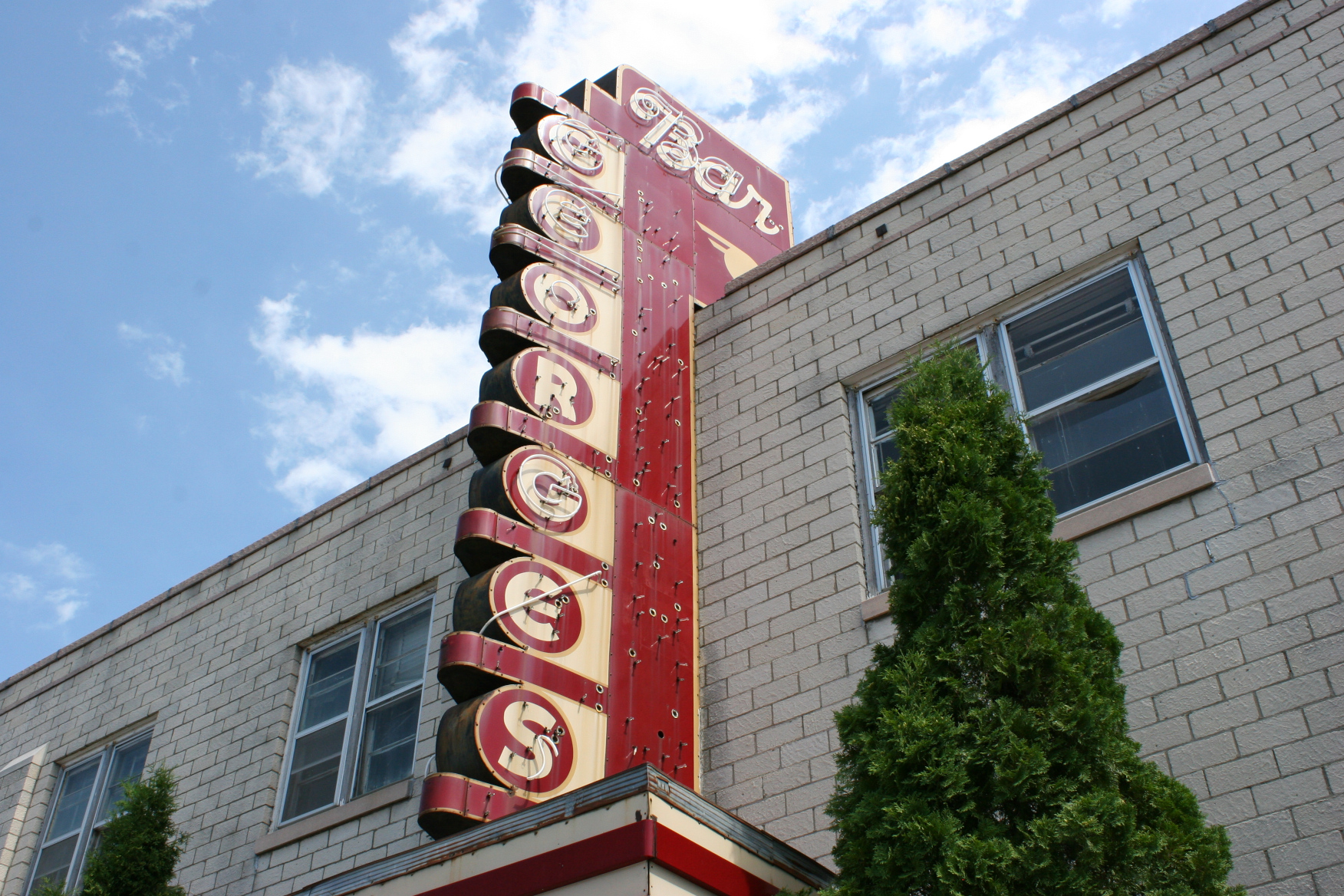
The marquee first caught my photographic interest. Minnesota Prairie Roots file photo June 2020.

I do hope, though, that the George’s marquee and signage—which drew me to photograph the building in the heart of downtown New Ulm—will be saved. It sounds like that’s the plan. I hope the historic art can be incorporated into an outdoor public space rather than tucked inside, mostly unseen and under appreciated. People need easy access to George’s memorabilia. To photograph. To reminisce. To remember the Saturday nights of Big Bands and polkas and partying with family and friends. With a little creative thinking, George’s can continue to draw locals and others, adding another attraction to a community that excels as a destination city.

TELL ME: What would you do with George’s Ballroom and/or the marquee and signage? I’d love to hear your creative ideas and/or your memories of George’s or other ballrooms.

© Copyright 2021 Audrey Kletscher Helbling
 

Reflections after a country drive April 1, 2021

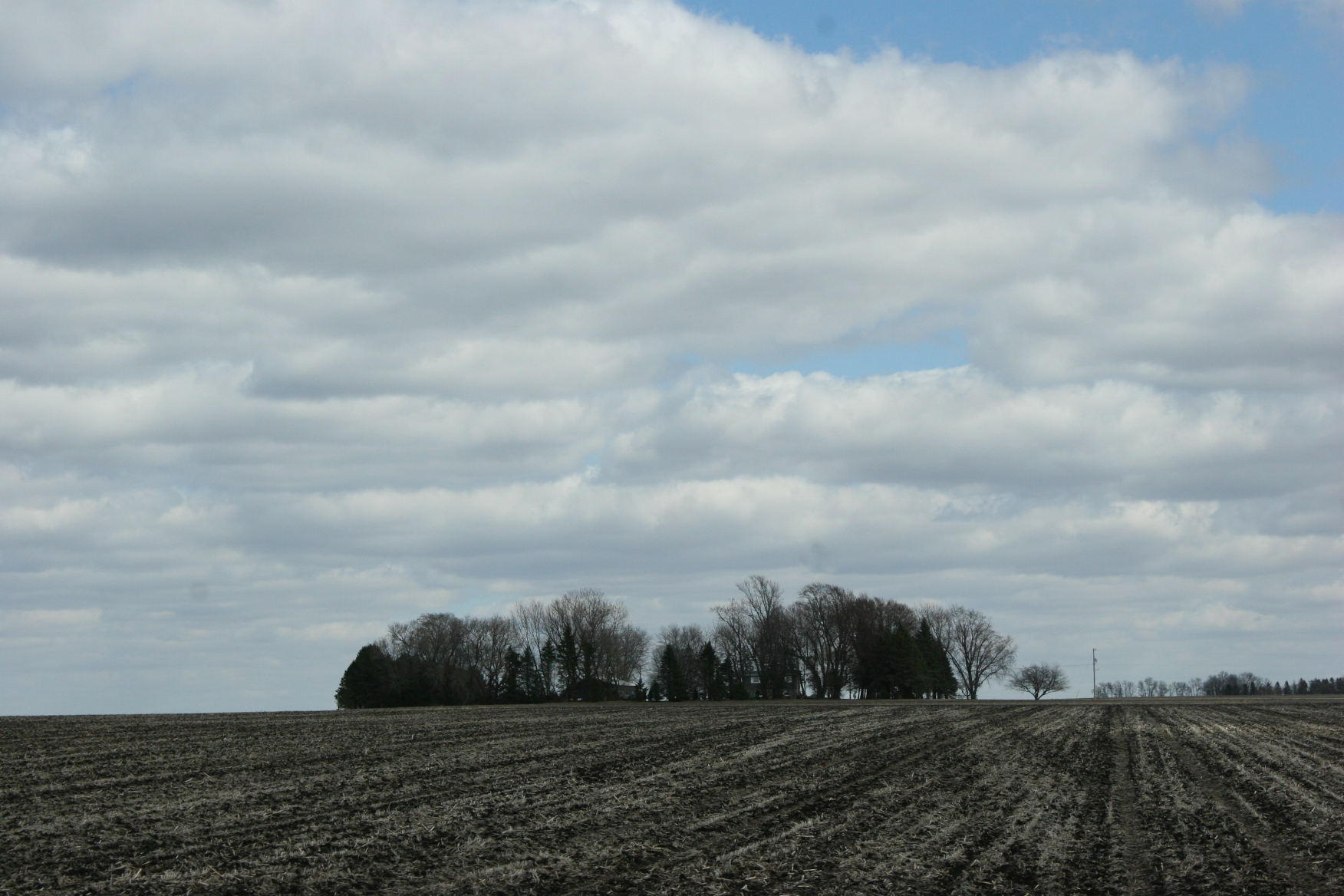
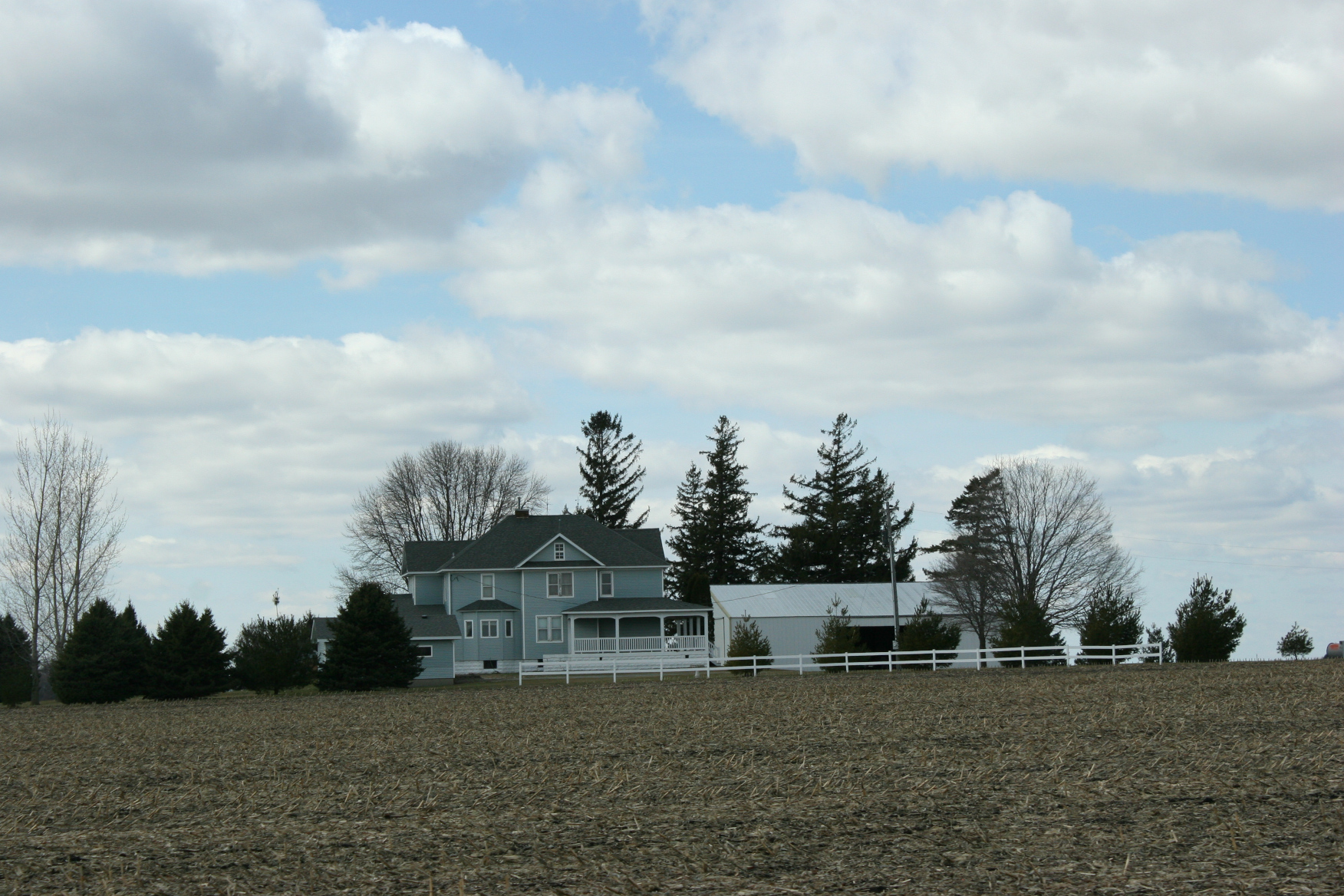
Farmland dominates the landscape east of Faribault near Minnesota State Highway 60.

EAST OF FARIBAULT, the land stretches long and flat. Wide open. Fields punctuated by farm sites.

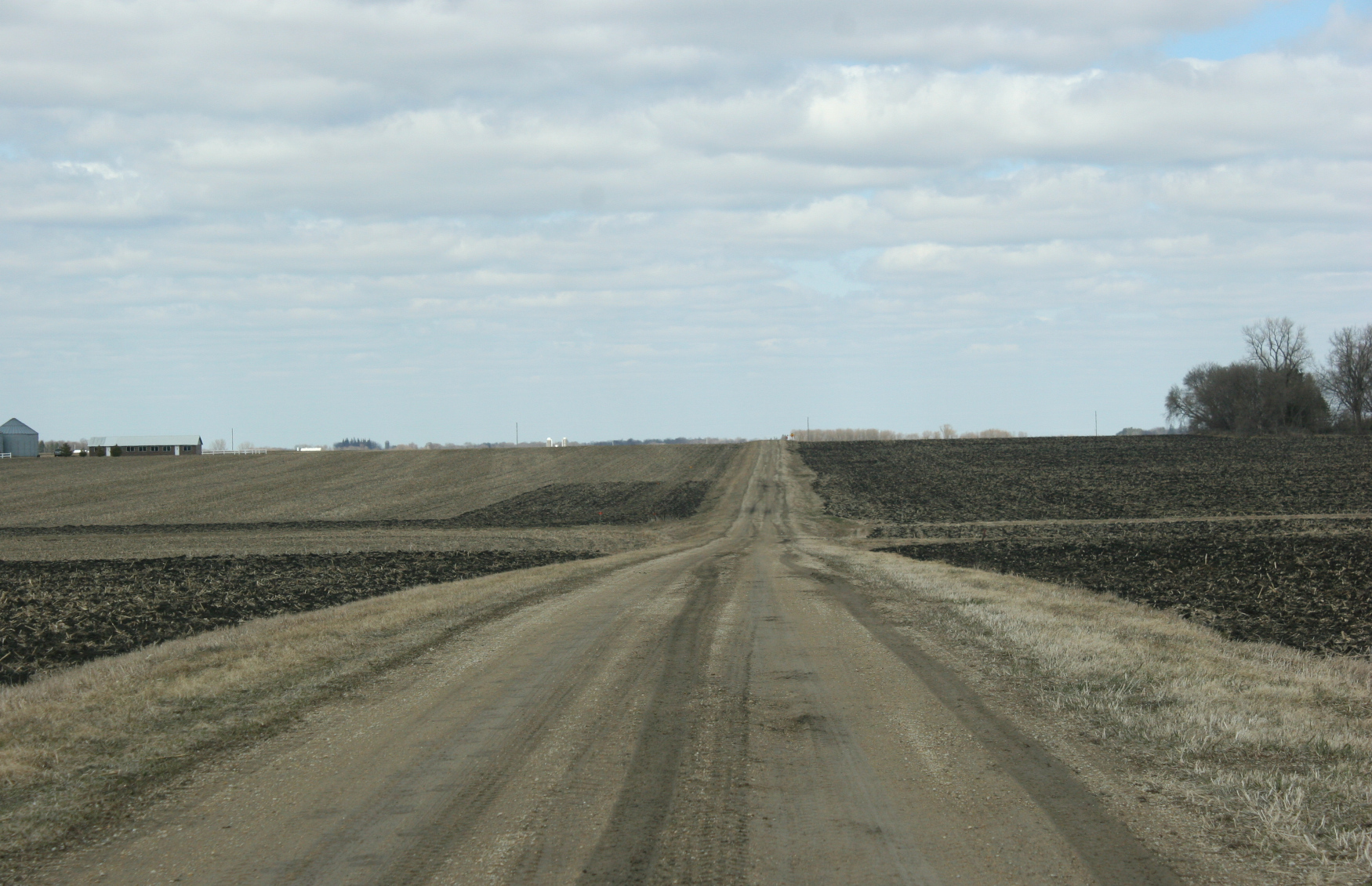
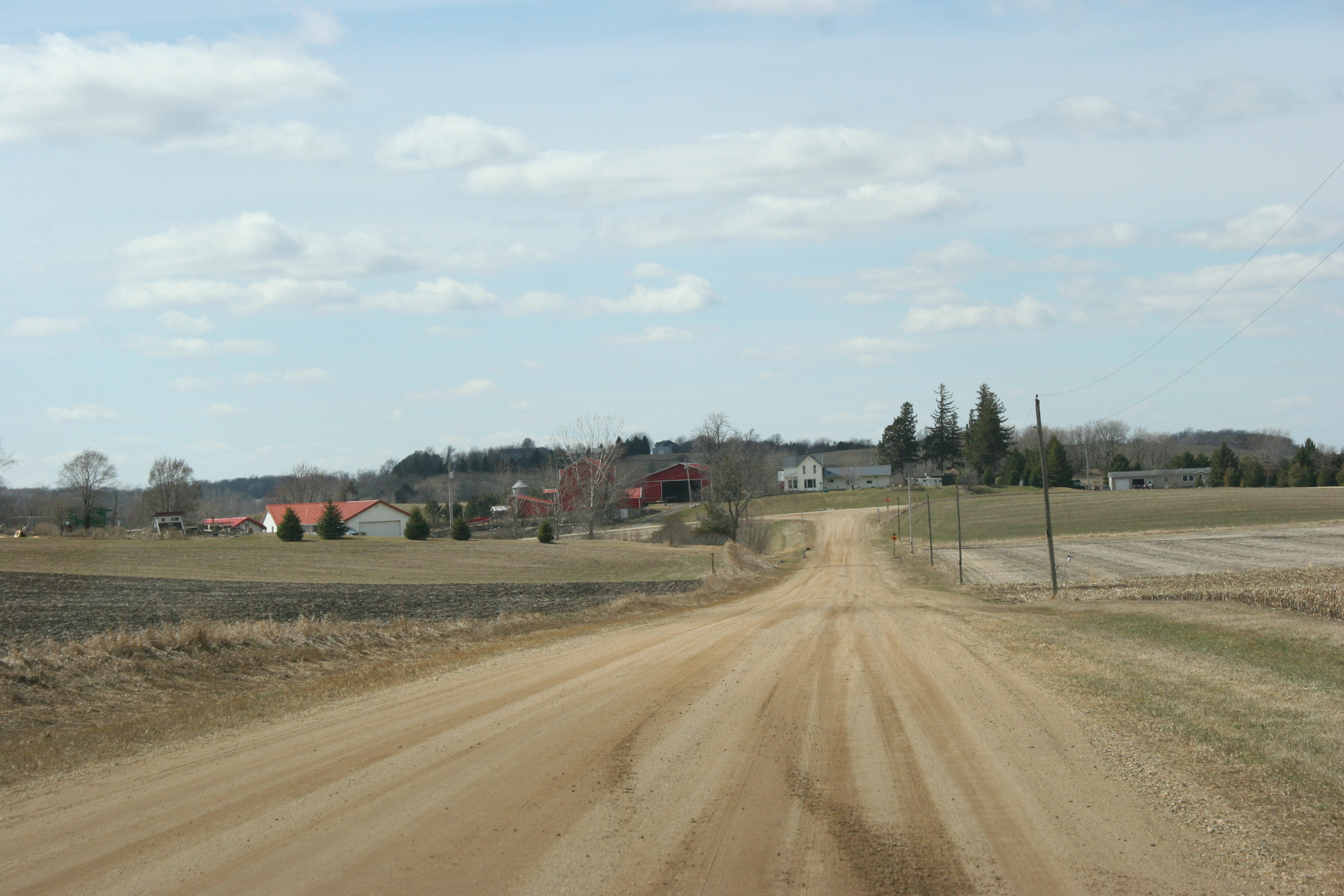
We followed this narrow, and muddy, gravel road.

Gravel and asphalt roads divide farmland into grids. Orderly. As if a ruler was laid across the earth and straight lines inked thereon.

Building sites break the monotony of fields.

Sunday afternoon, after a hike at Falls Creek County Park, Randy and I took a country drive. We are farm-raised, decades removed from the farm, but with an enduring connection to the land.

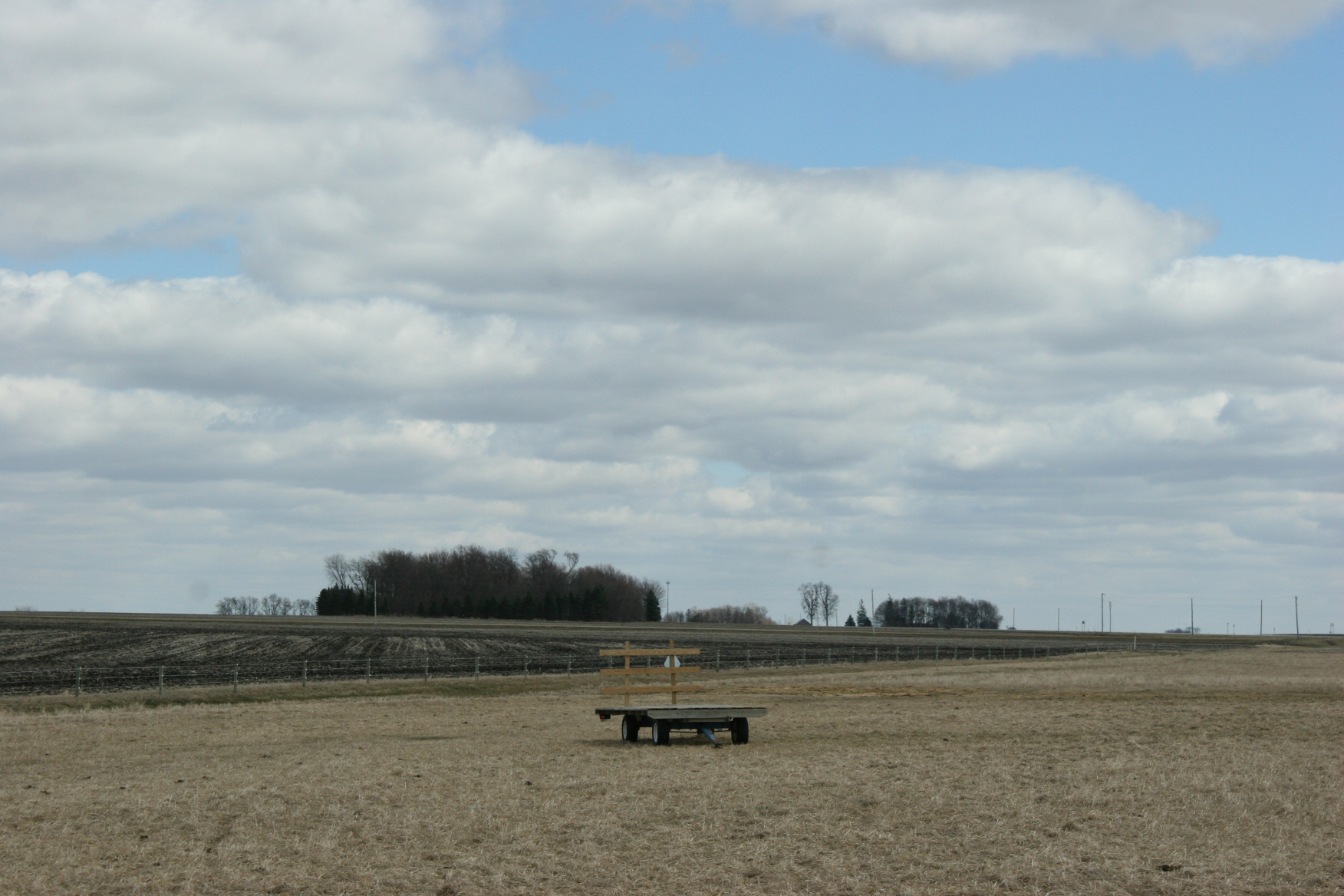
An old hayrack, so familiar to me, parked in a field east of Faribault.

On the cusp of spring planting time in Minnesota, the draw back to the land, to the familiarity of fields, calls. For me, there’s this deep yearning, this need to lay my eyes on the bare earth or the residue of last year’s crops.

I feel connected to all of this via my rural upbringing in southwestern Minnesota.

At times my heart aches for missing the land. I want to smell the scent of soil, to touch the cold earth, to remember all those springs back on the farm. The steady rhythm of the tractor, the corn kernels pouring into the planter and then the faint hint of green lining the black fields.

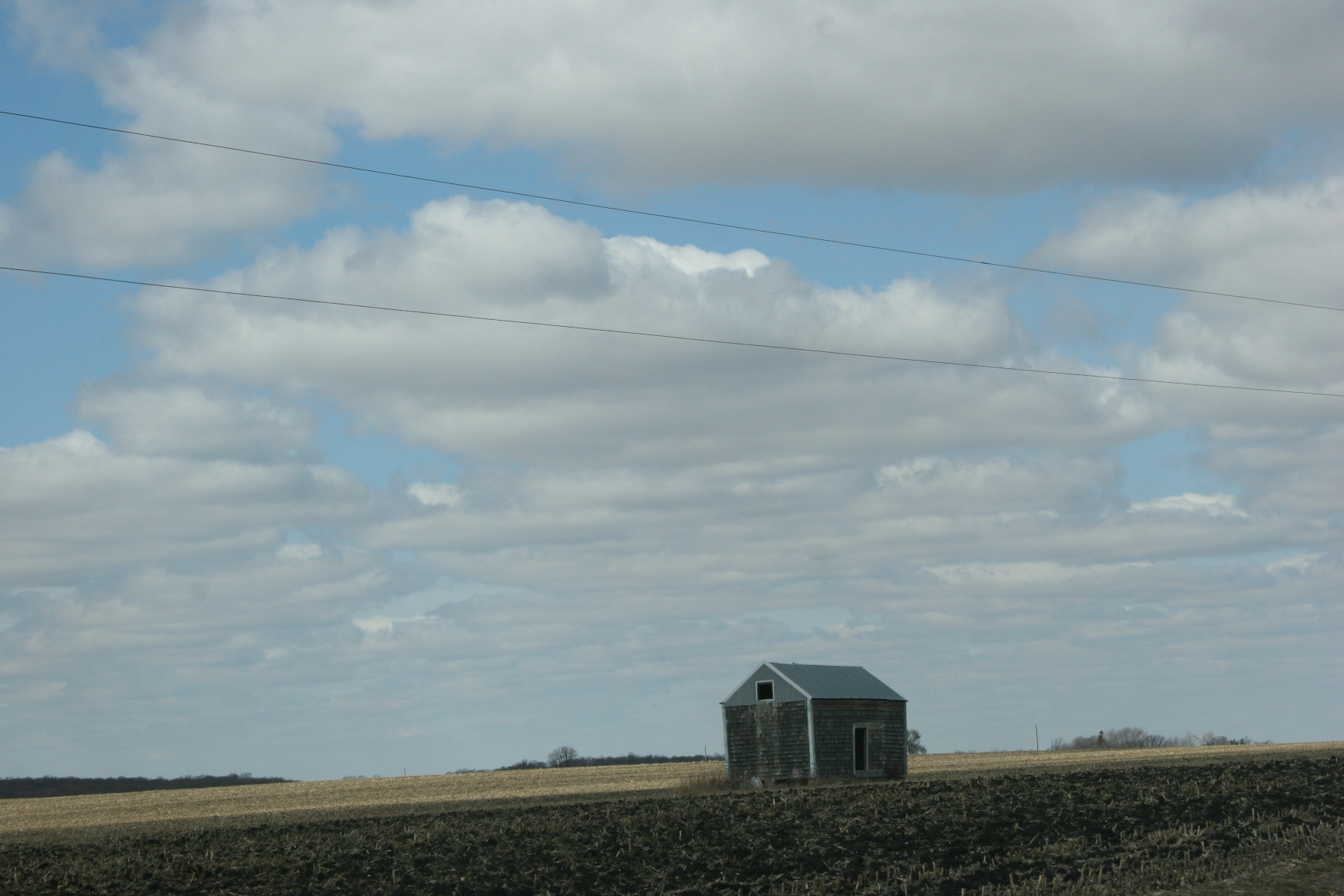
An aged abandoned outbuilding on a former farm site just outside Nerstrand.

Much about farming has changed since my leaving of the land in the early 1970s. But the basics remain. The planting, the growing and harvesting.

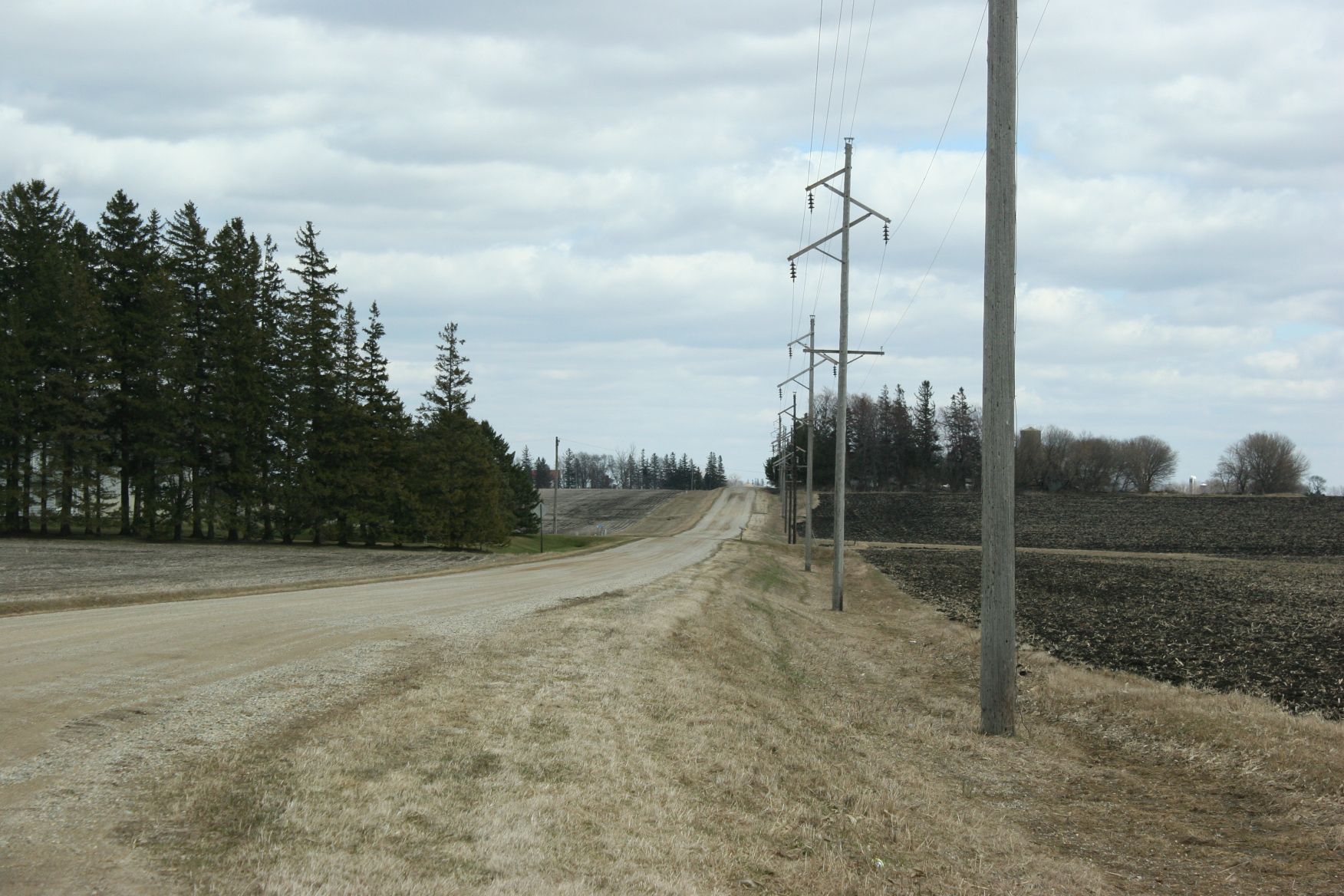
Power poles along a gravel road are such a strong rural visual.

And even though I’ve lived in town far more decades than on a farm, my rural upbringing roots me to the land and takes me back each season. To honor my hardworking farmer dad. To equally appreciate my mom who gardened and fed and raised six children on the land. My hardworking parents instilled in me a love of the land, a connection to place and the innate need to follow gravel roads into the countryside.

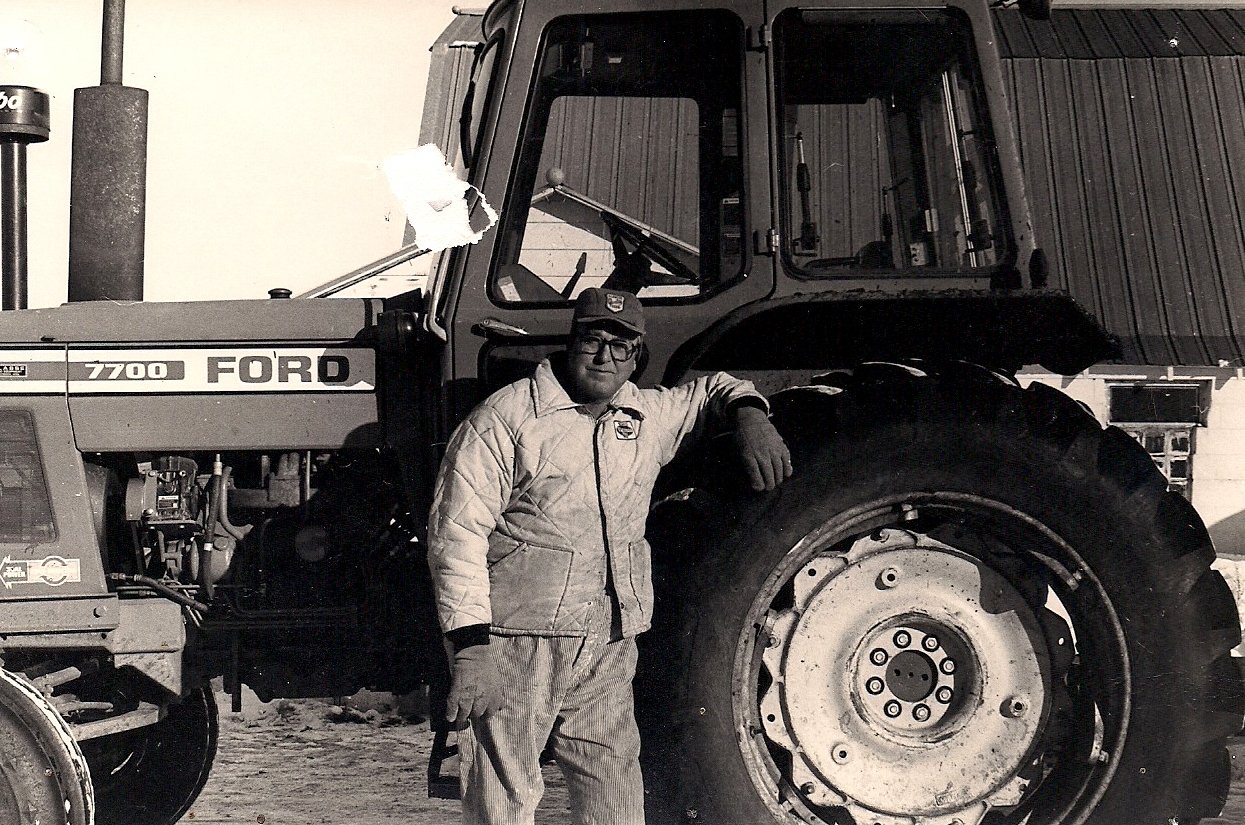
Dad farmed, in the early years with a John Deere and Farmall and IH tractors and later with a Ford. (Photo by Lanae Kletscher Feser)
A photo of my dad, Elvern Kletscher, taken in 1980.

This post is dedicated in loving memory of my farmer father, Elvern Kletscher, who died on April 7, 2003. Thank you, Dad, for raising me to appreciate the land, for teaching me the value of hard work. for instilling in me a love of God and of family. I am grateful. And I miss you.

© Copyright 2021 Audrey Kletscher Helbling
 

In loving memory of my father-in-law February 9, 2021

Filed under: Uncategorized — Audrey Kletscher Helbling @ 2:38 PM
Tags: , , , , , , , ,
Tom and Betty Helbling, photographed in 1988.

HE DIED PEACEFULLY Friday morning, two of his daughters by his side.

He is my father-in-law, Tom. Age 90. His death came quickly after a short hospitalization, discharge, sudden change in health, admittance to hospice, then gone the next day.

Mass of Christian burial for my father-in-law will be celebrated in St. Michael’s Catholic Church, Buckman.

Now we are preparing to say goodbye in the deep of a brutally cold stretch of weather here in Minnesota in the midst of a global pandemic. Both add to the challenges.

Today, though, I want to focus on Tom and my memories of the man I’ve known for nearly 40 years. A man with a large and loving family, whom he loved, even if he didn’t often openly show it.

Tom and Betty Helbling, circa early 1950s.

Tom has always been surrounded by a large family, beginning with his birth into a blended family in rural St. Anthony, North Dakota, in December 1930. After farming on the Helbling homestead, Tom and his wife, Betty, moved in 1963 with their young children to a central Minnesota farm. Their family grew to nine children, 18 grandchildren and 20 great grandchildren.

As a young child, Tom briefly attended Catholic boarding school, which leads to one of my favorite stories about him. Apparently oatmeal was often served for breakfast. And Tom disliked oatmeal. One morning he stuffed the cooked grain in his pocket rather than eat it, so the story goes. I expect it wasn’t long before the nuns discovered the oatmeal mess and meted out punishment.

Yes, Tom could be particular about the foods he ate. He liked, in my opinion, the strangest foods—Braunschweiger, summer sausage, pickled beets, herring… And, yes, his son, my husband Randy, also likes herring. Shortly before his health declined, Tom enjoyed a few of those favorites delivered to his care center room by a daughter.

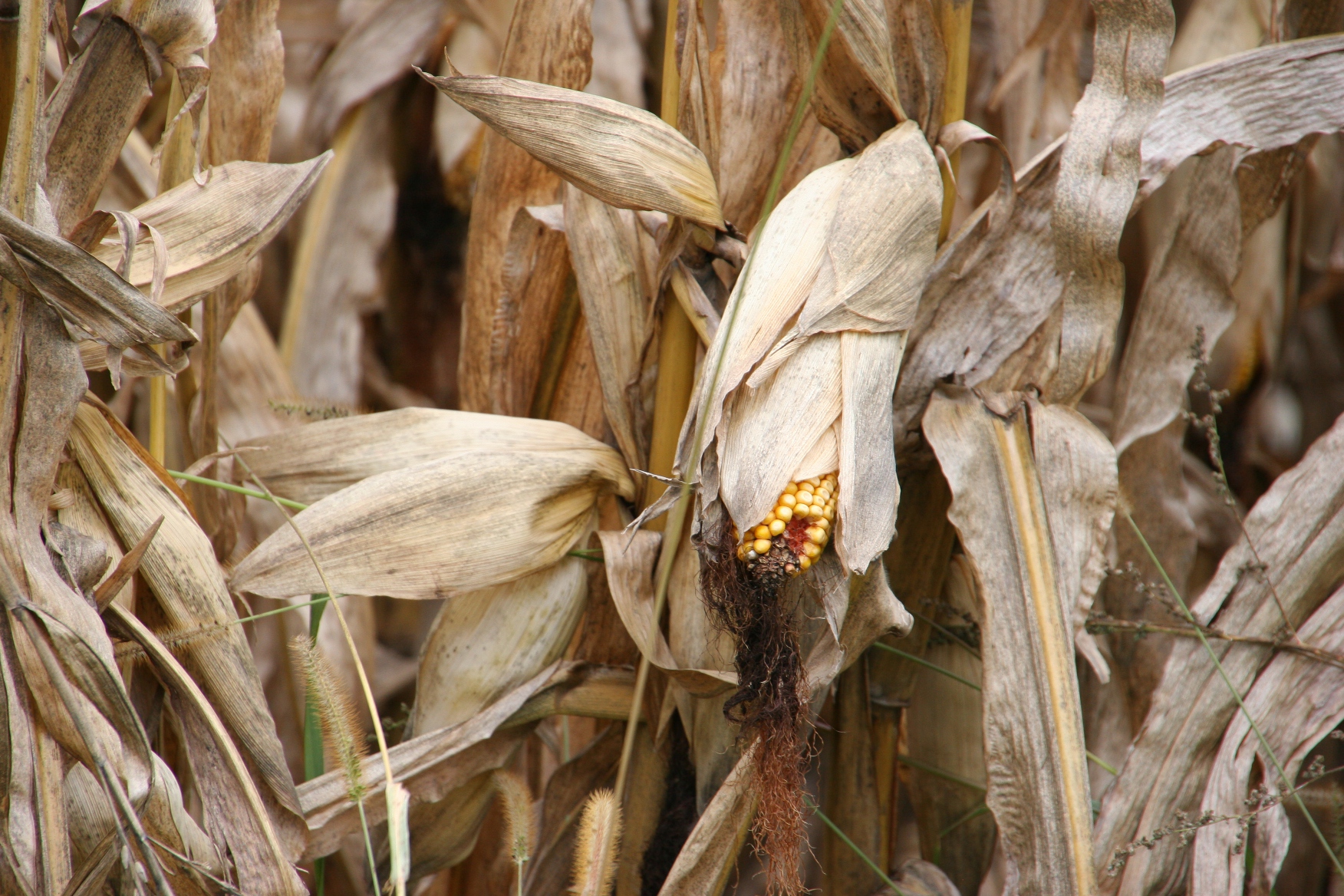
Ripened corn field. Minnesota Prairie Roots file photo.

Visitor restrictions due to COVID-19 were hard on Tom, as they have been for most living in congregate care centers and their families. But my father-in-law has overcome much in his life, most notably the loss of his left hand and forearm following an October 1967 farming accident. The accident happened when Tom hopped off the tractor to hand-feed corn into a plugged corn chopper. The rollers sliced off his fingers and pulled in his hand, trapping it. As Tom screamed for help, Randy, only 11 years old, disengaged the power take-off, then raced across fields and swampland to a neighbor’s farm. It’s a harrowing story that could have easily turned tragic.

My father-in-law’s prosthetic hand. Tom put a band-aid on his hand after he burned a hole in it while frying potatoes in 2009. I laughed so hard. Prior to getting his hand, Tom wore a hook to replace his amputated limb. Minnesota Prairie Roots file photo.

Despite a missing limb, Tom managed to continue milking cows and, in later years, to run a small engine repair business. He also grew and sold strawberries and pumpkins. I remember harvesting pumpkins with him one cold October evening, rain slicking the field with mud. We were drenched and miserable by the time we’d plucked those pumpkins.

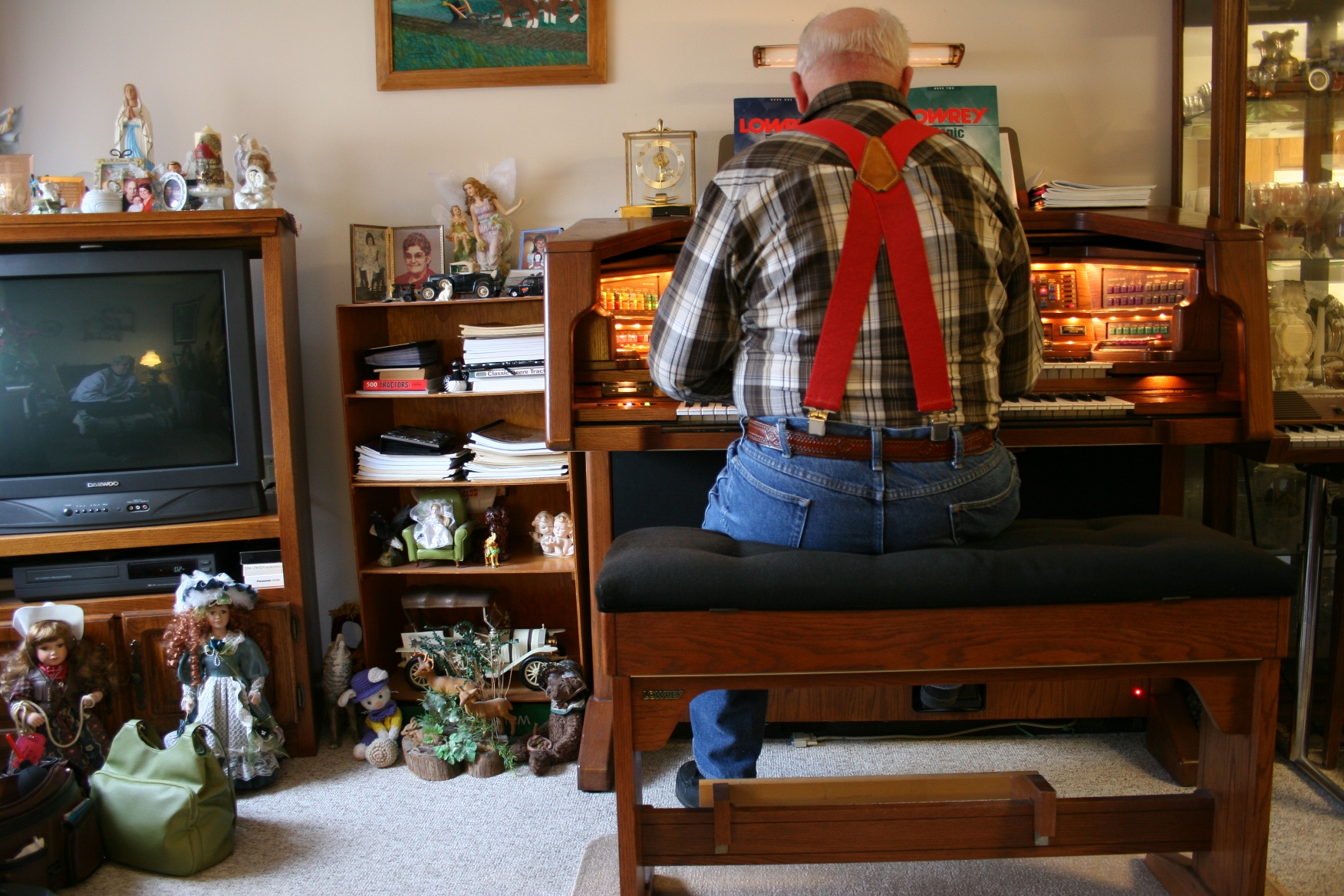
One of my favorite photos of Tom giving an impromptu concert on his Lowrey organ. Minnesota Prairie Roots file photo 2012.

It is the creative side of Tom which I especially appreciated. He was a multi-talented life-long musician who played the piano, organ and accordion (until he lost his hand). He could play music by ear and had a piano tuning business. At age 81, he took refresher organ lessons and in 2012 gave an impromptu concert for Randy and me in the small St. Cloud apartment he shared with his second wife, Janice. His first wife, Betty, died in 1993. He treated us to Hank Williams’ “Your Cheatin’ Heart” and “Somewhere My Love” from the movie Dr. Zhivago. What a gift to us.

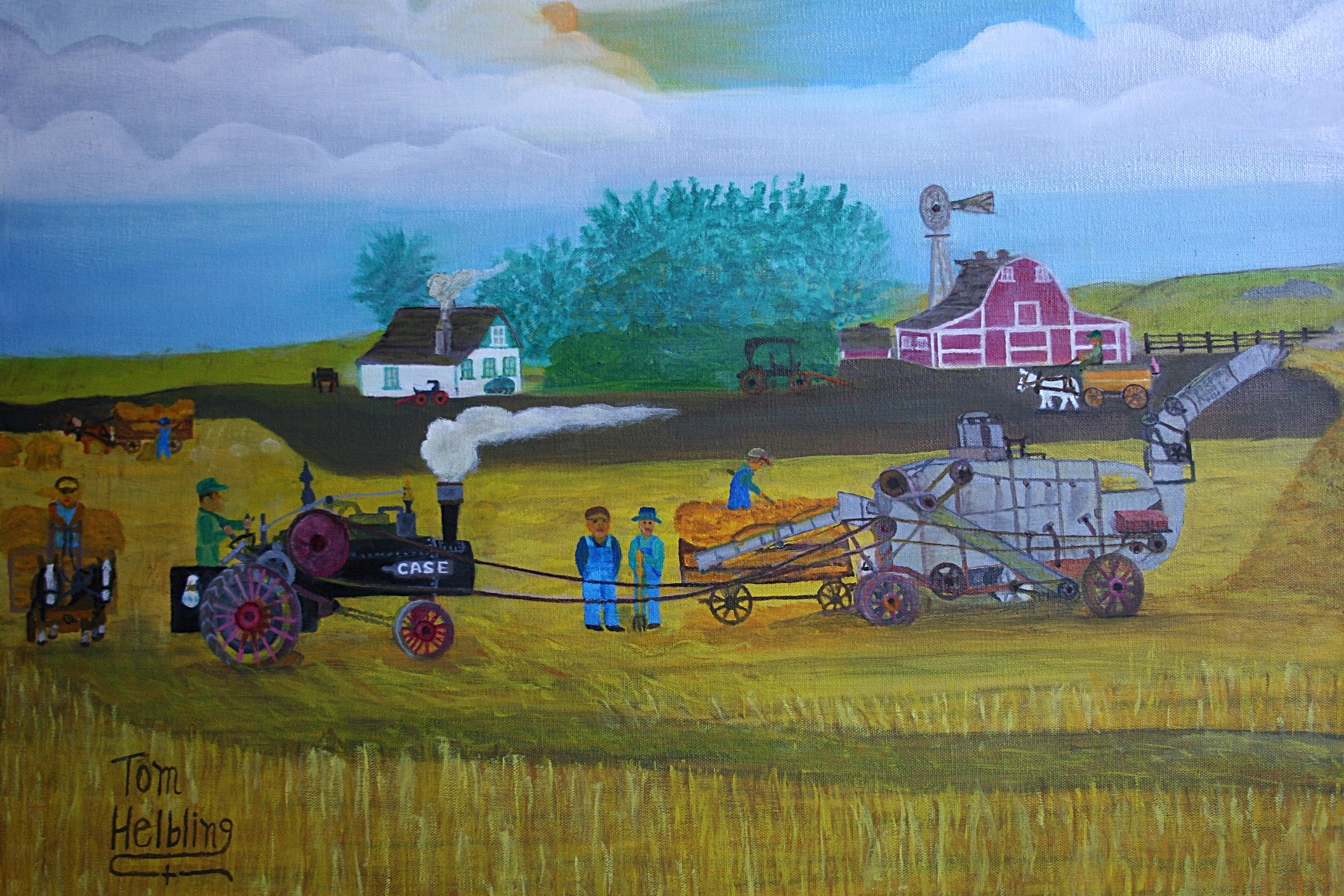
Threshing on the home place in North Dakota, a painting by my father-in-law, Tom Helbling.

Tom also painted, a hobby he took up late in life. Randy and I have two of his original oil paintings and several prints. They are a reminder of my father-in-law, of his history, of his rural upbringing, of his creative side. I consider these a legacy gift. Valued now more than ever at his passing.


© Copyright 2021 Audrey Kletscher Helbling
 

From Minnesota: Reflecting on small towns January 29, 2021

Buckman, Minnesota. Minnesota Prairie Roots file photo September 2020.

RURAL MINNESOTA. For Randy and me, that represents our upbringing, the place of our roots, the land that is part of our personal geography.

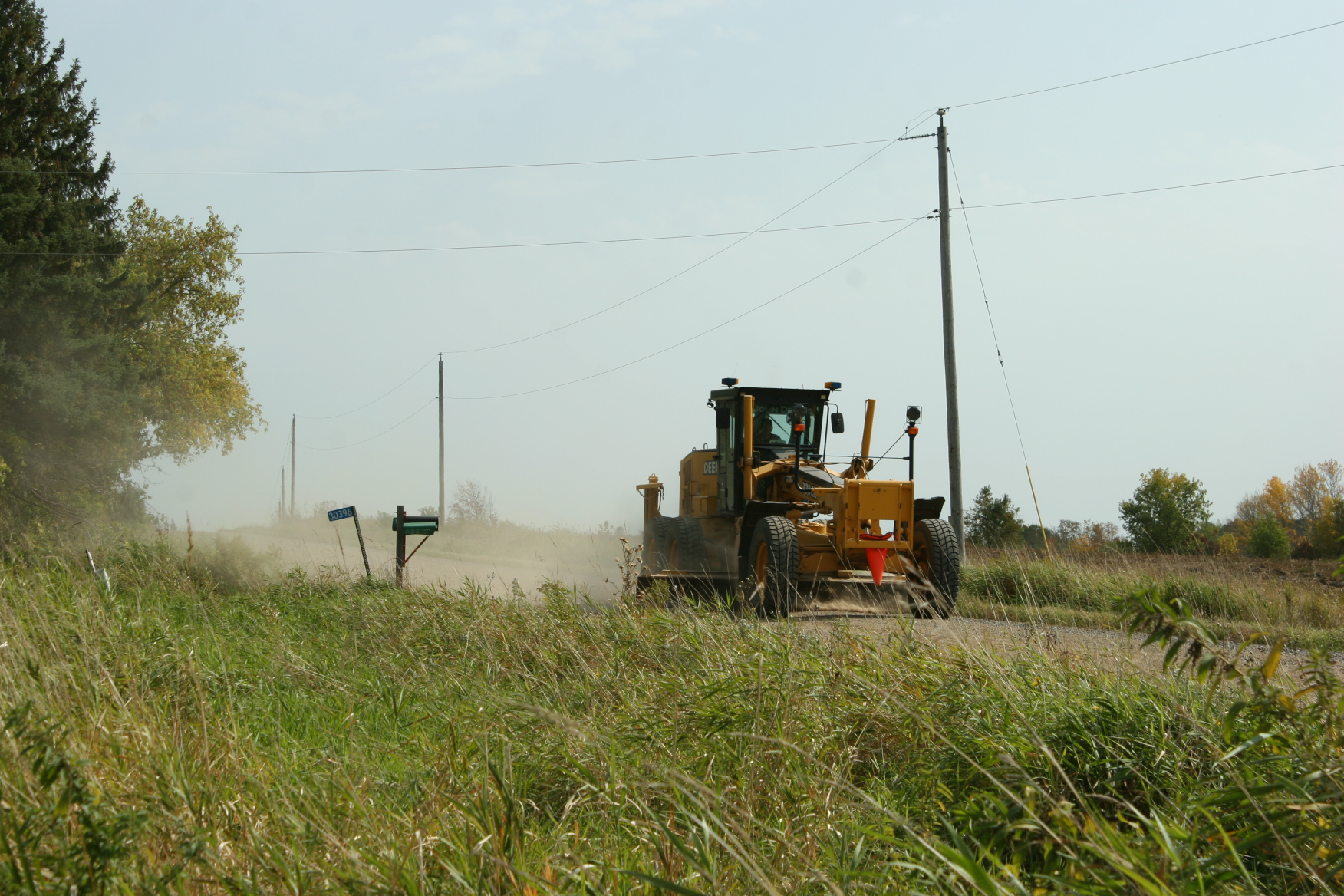
A road grader grades the gravel road near Randy’s childhood farm southeast of Buckman. We pulled off the narrow road to allow the grader to safely pass by our van. Minnesota Prairie Roots file photo September 2020.
A farm place between Buckman and Gilman. Minnesota Prairie Roots file photo September 2020.
In the small town of Gilman. Minnesota Prairie Roots file photo September 2020.

We both grew up on farms, in large families—his three kids larger than mine at nine. We both picked rock—he more than me as Morrison County in central Minnesota sprouts more rocks than Redwood County. We each labored in fields and barns and understood the value of hard work and our importance in the farming operation. Even at a young age. That carries through in our strong work ethics and our strong link to the land.

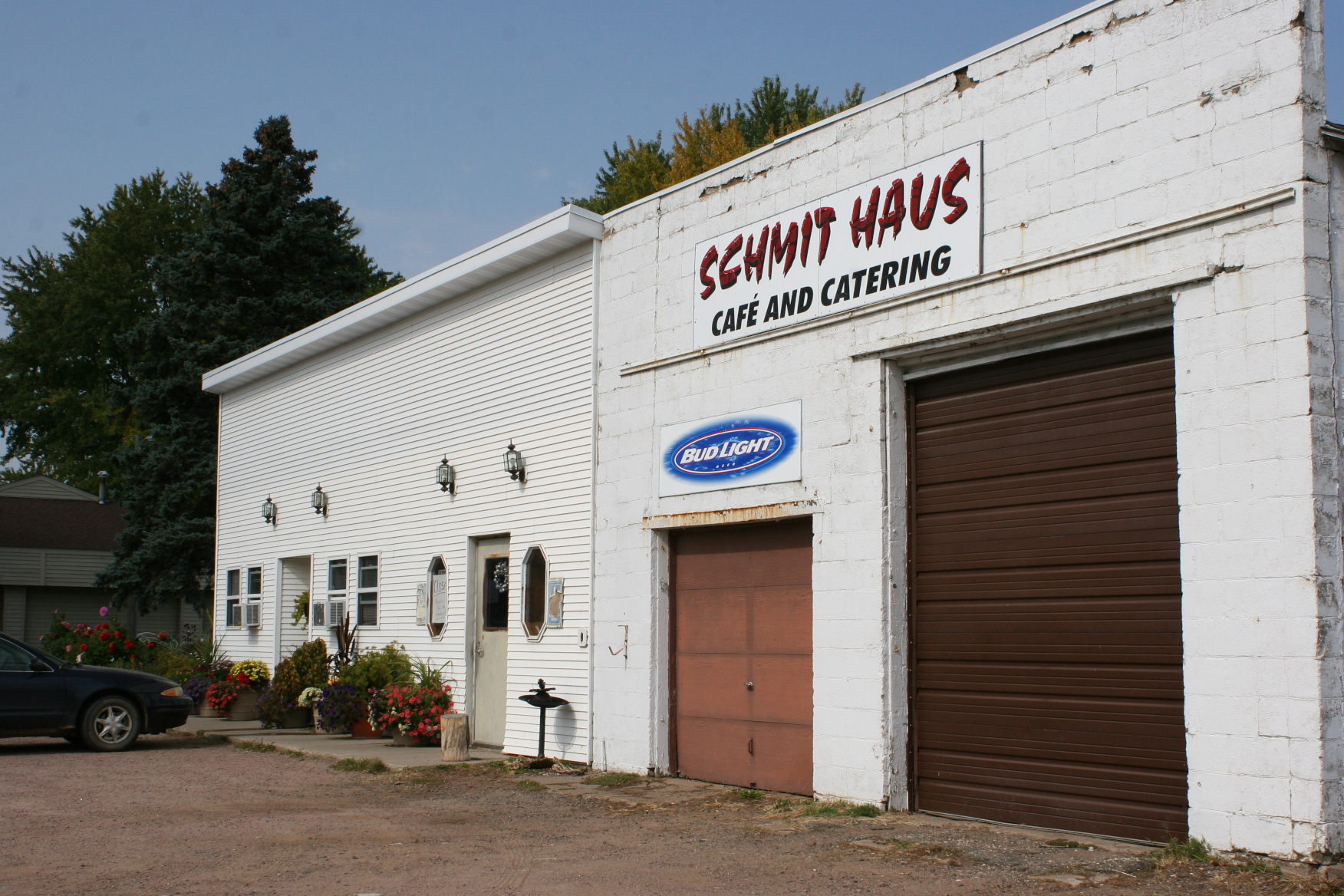
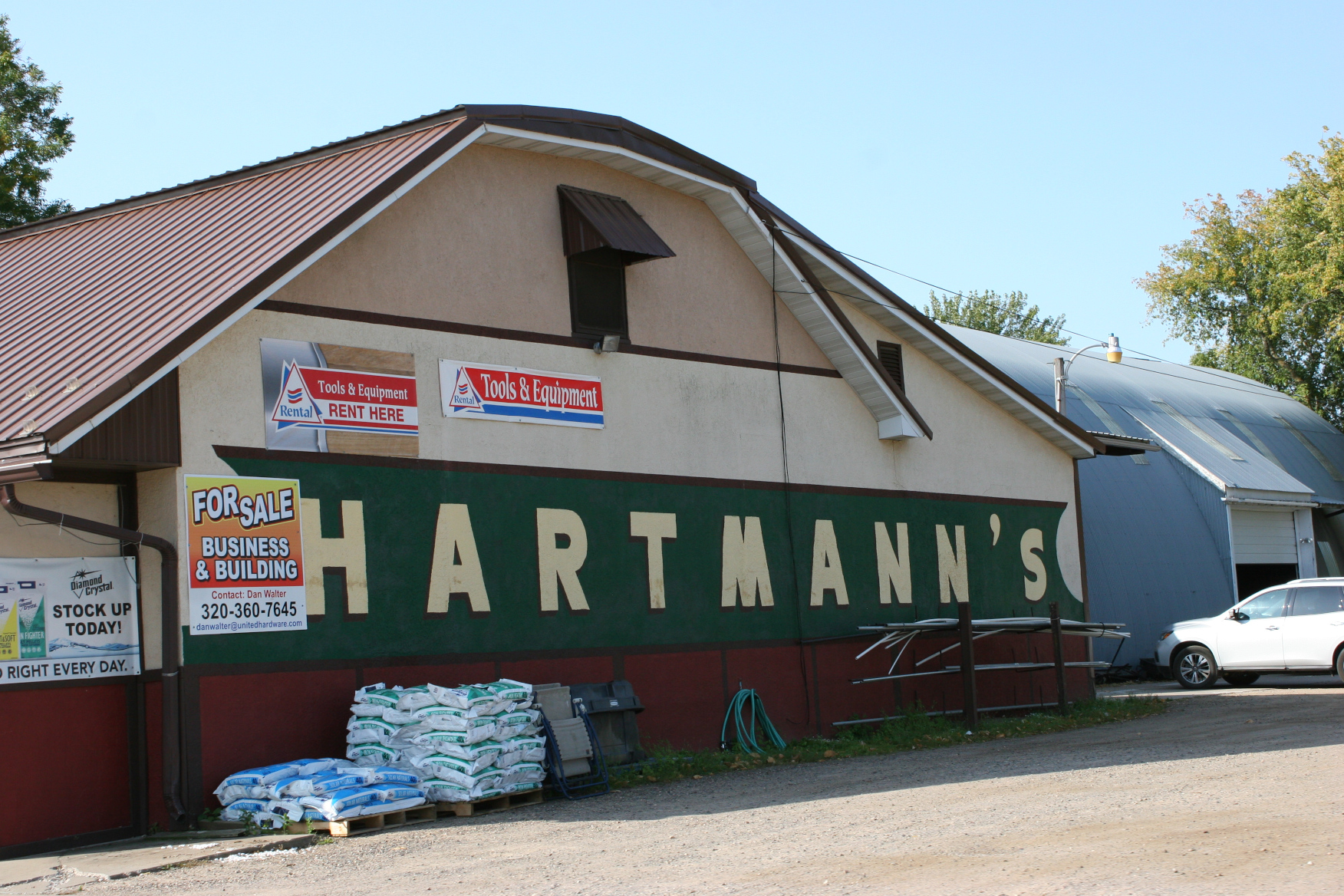
Pierz, a small town to the north of Buckman and bigger than Buckman, still has a hardware store. Randy attended junior and senior high school in Pierz. Minnesota Prairie Roots file photo September 2020.
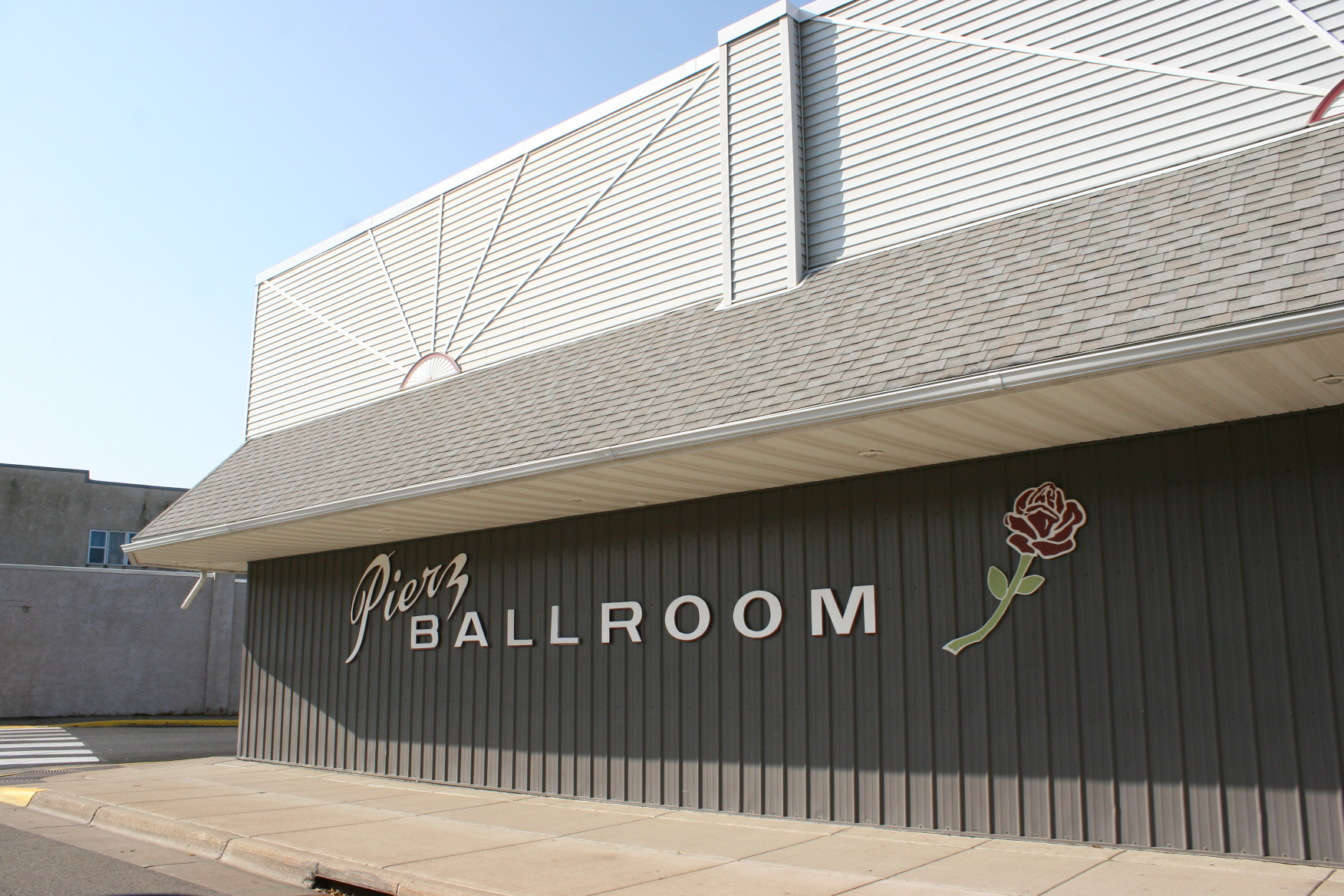
As we passed through Pierz, I photographed this updated community gathering spot. Minnesota Prairie Roots file photo September 2020.
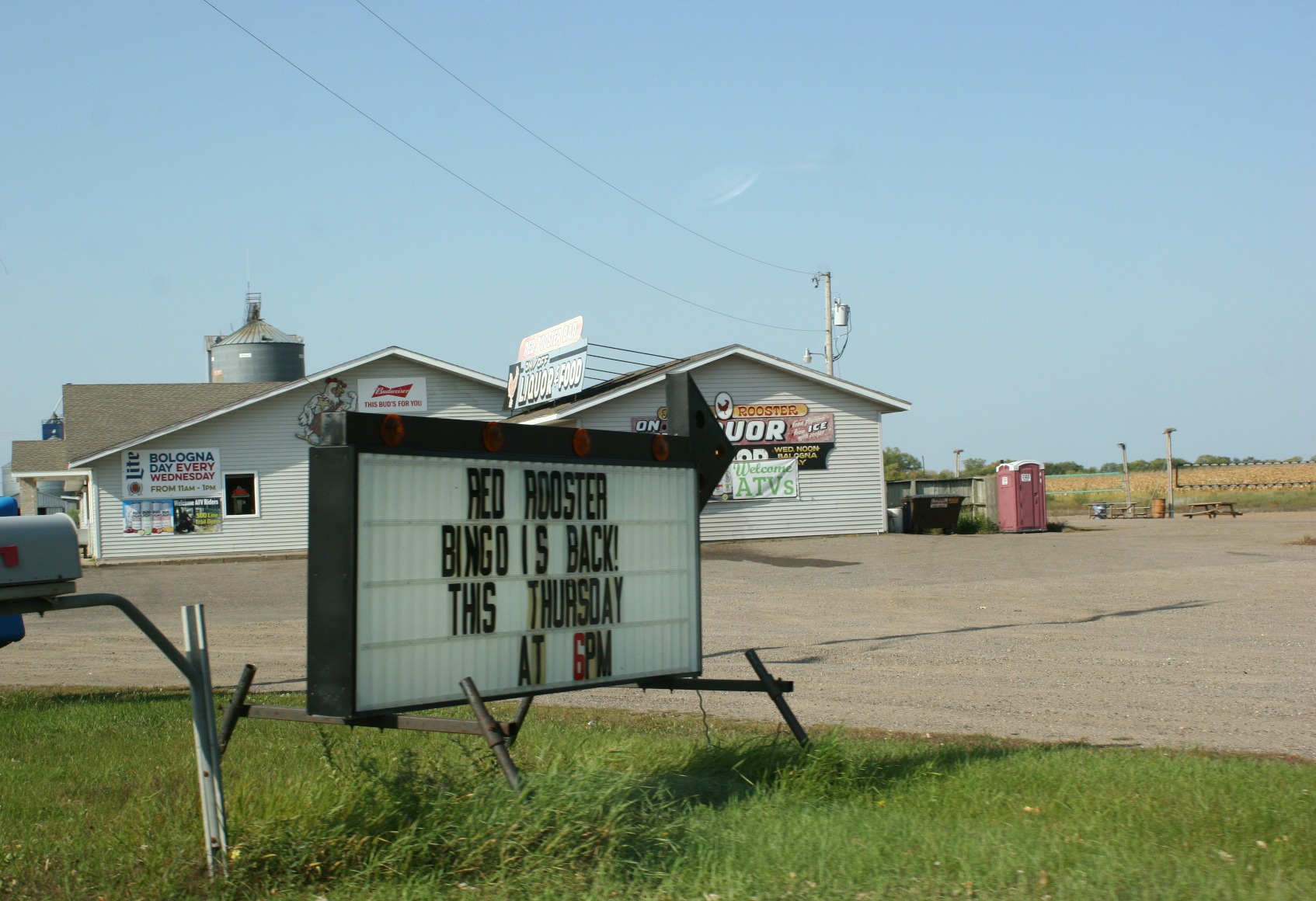
Genola, just to the south of Pierz, is home to the Red Rooster. BINGO is big in this part of rural Minnesota as is weekly Bologna Day (as noted in the banner on the building). Minnesota Prairie Roots file photo September 2020.

And, though we left our rural communities at age 17, we still hold dear the small towns—Buckman and Vesta—that were such an important part of our upbringing. Both have changed with familiar businesses long gone. Society changed and locals began driving farther for groceries and other necessities.

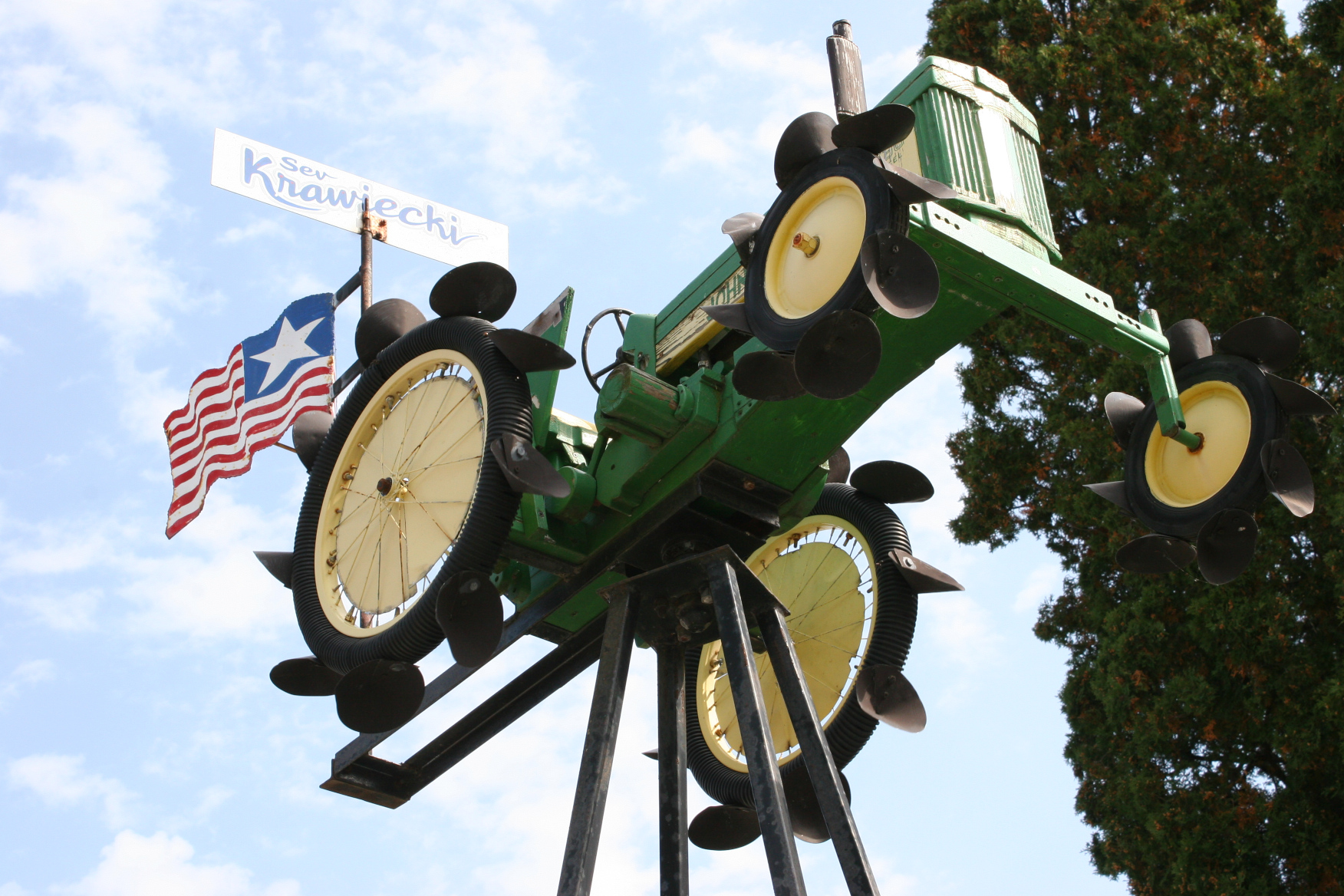
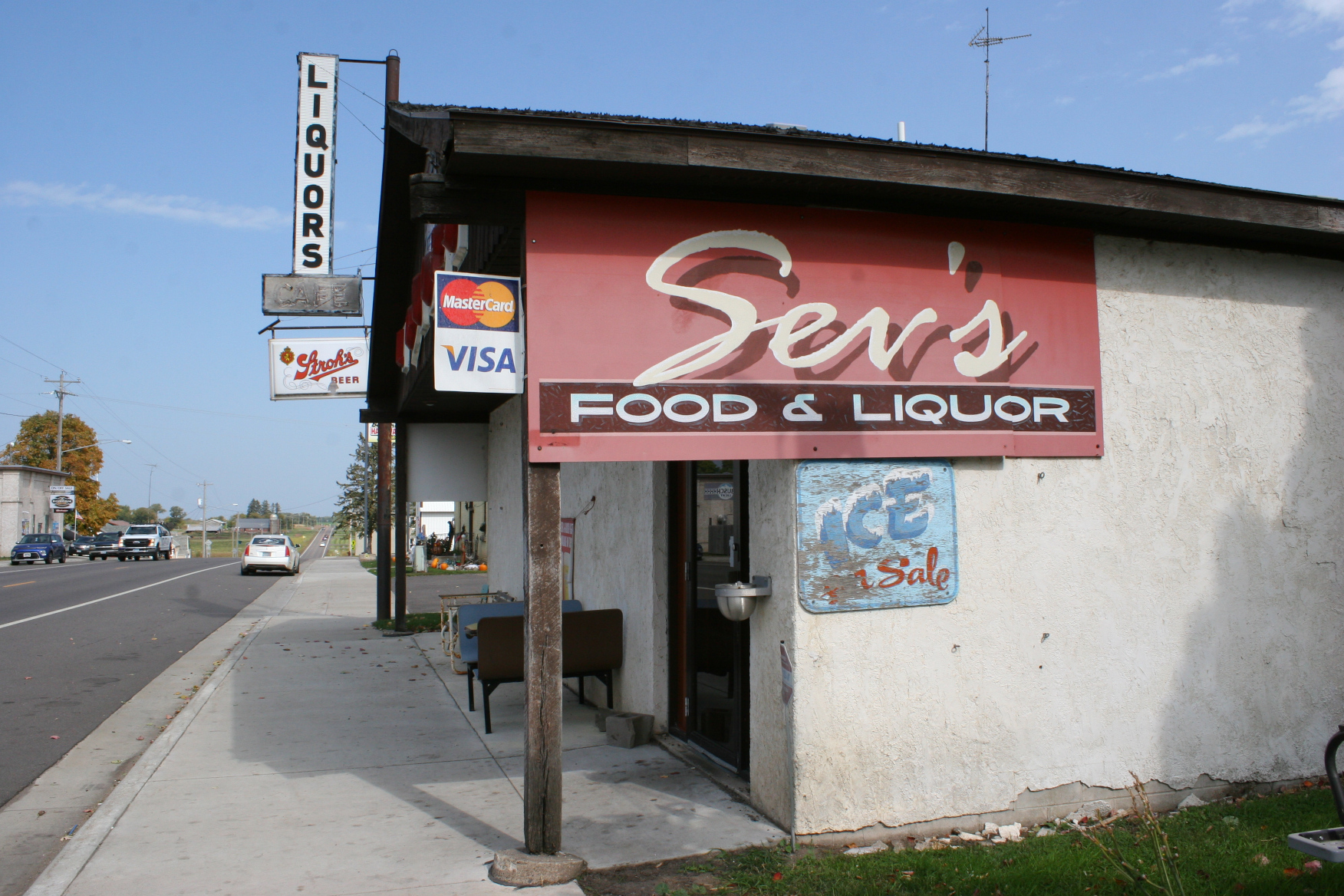
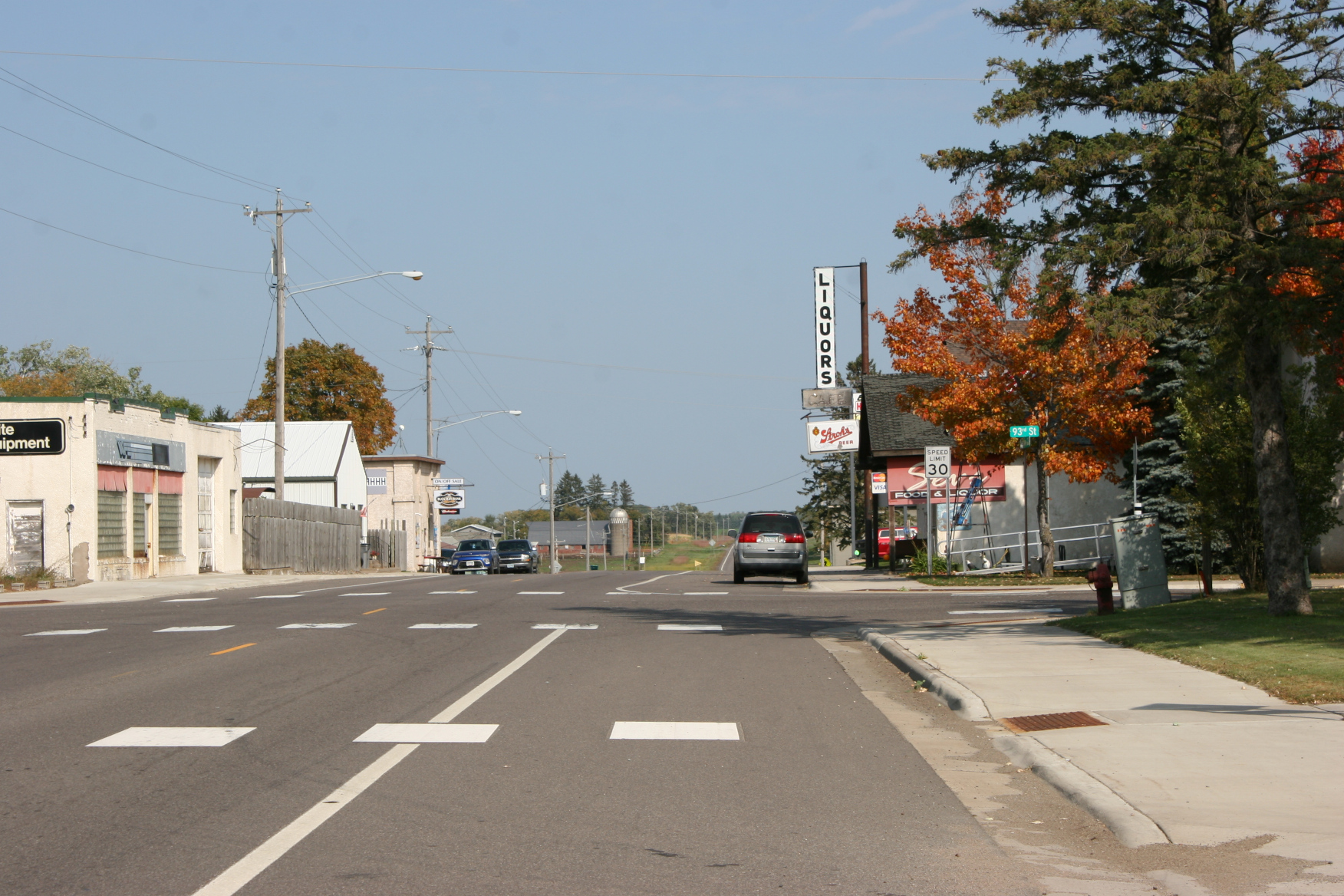
A nod to this area’s rich agricultural base outside Sev’s Food & Liquor in Buckman. Minnesota Prairie Roots file photo September 2020.

It’s easy to get caught in the memories, of the back then, of wishing nothing had changed. But it has and it does. And life goes on.

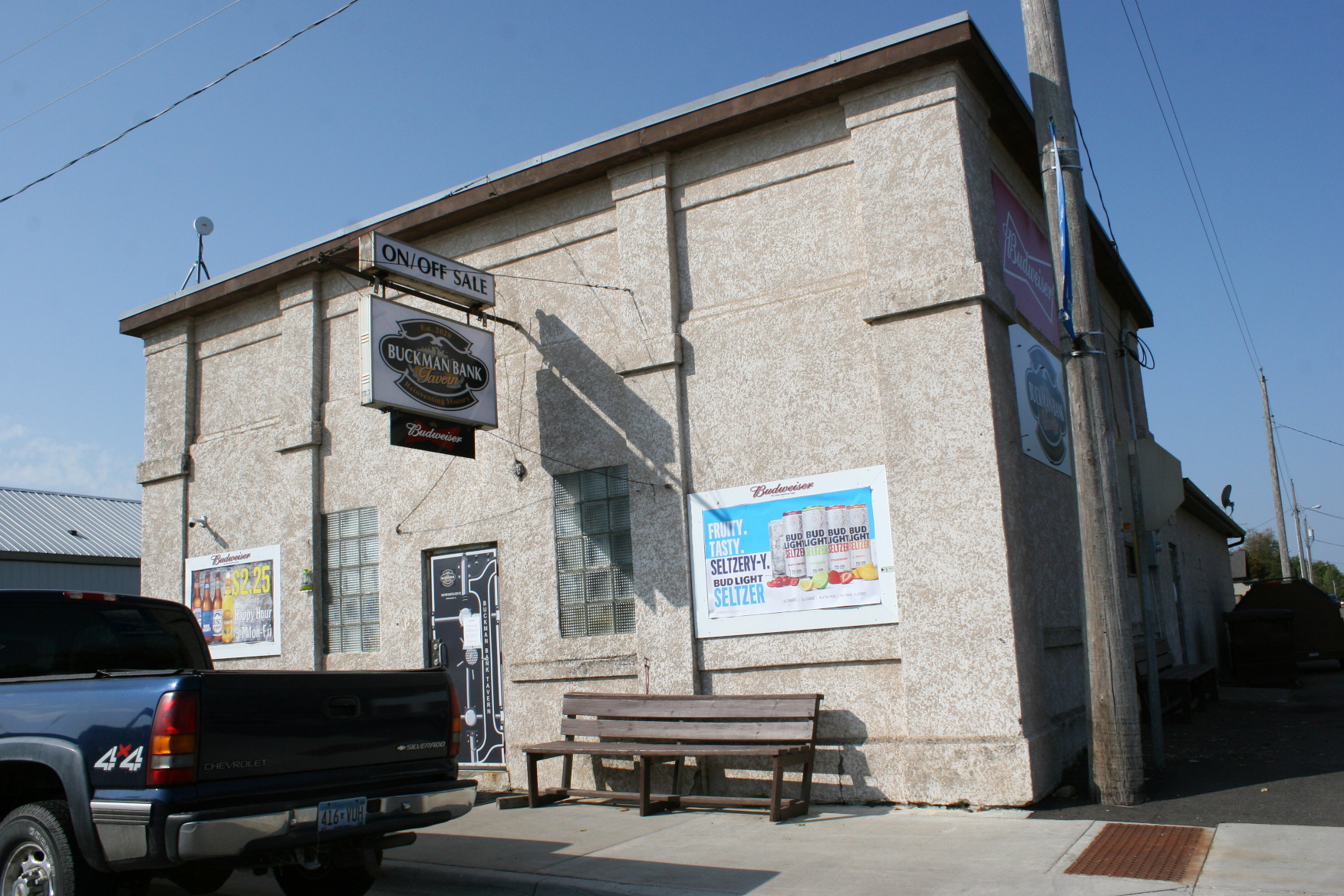
Housed in the old bank building, the Buckman Bank Tavern. Minnesota Prairie Roots file photo September 2020.
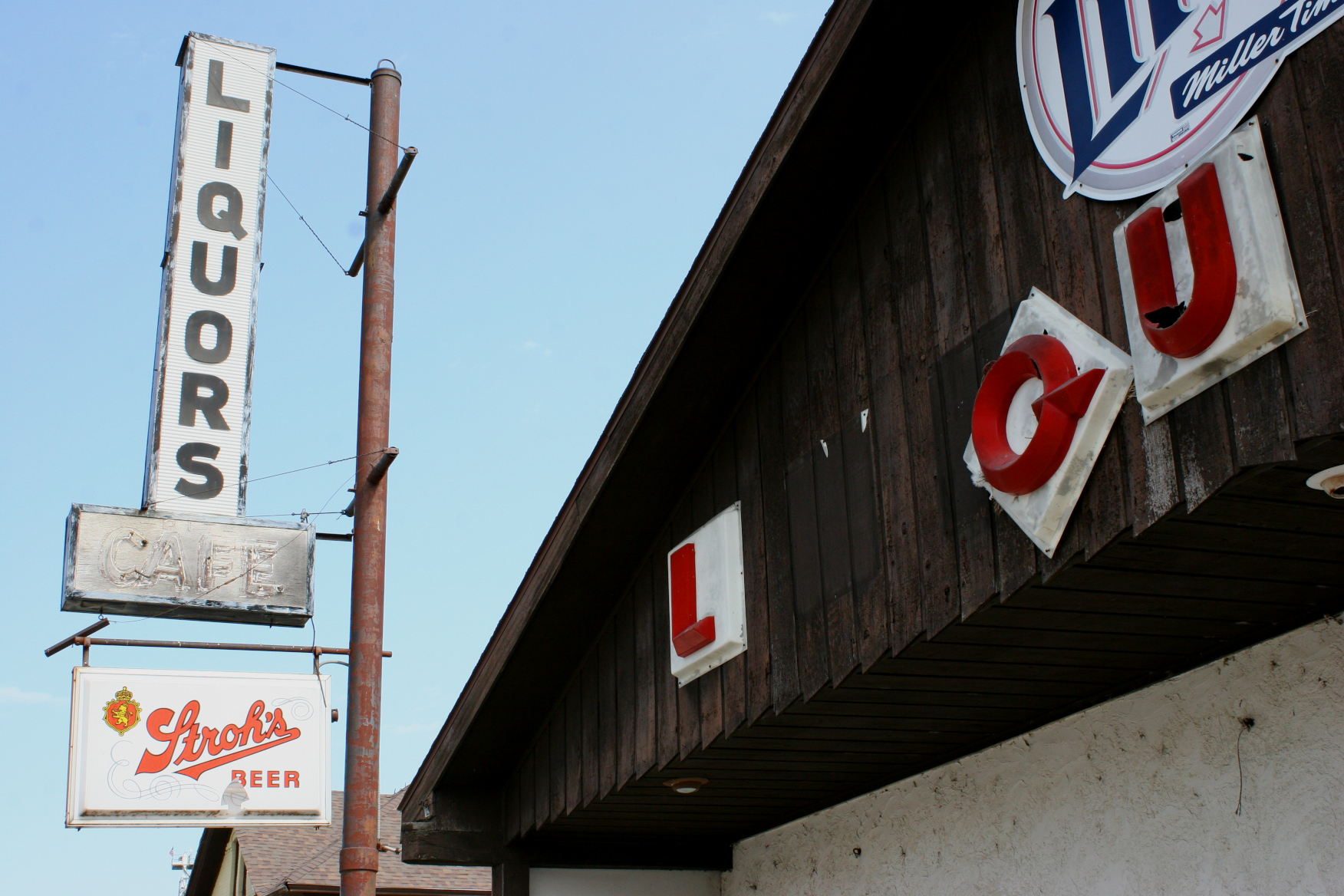
Signs on Sev’s in Buckman. Minnesota Prairie Roots file photo September 2020.
Sev’s Food & Liquor along Buckman’s main street. Minnesota Prairie Roots file photo September 2020.

Returning to our hometowns, our home areas, causes me to reflect while simultaneously appreciating that which remains. Cafes and churches and hardware stores. Post offices and bars and grain elevators. These are the community gathering spots that still mark many of Minnesota’s smallest communities, those towns that span only blocks from east to west, north to south.

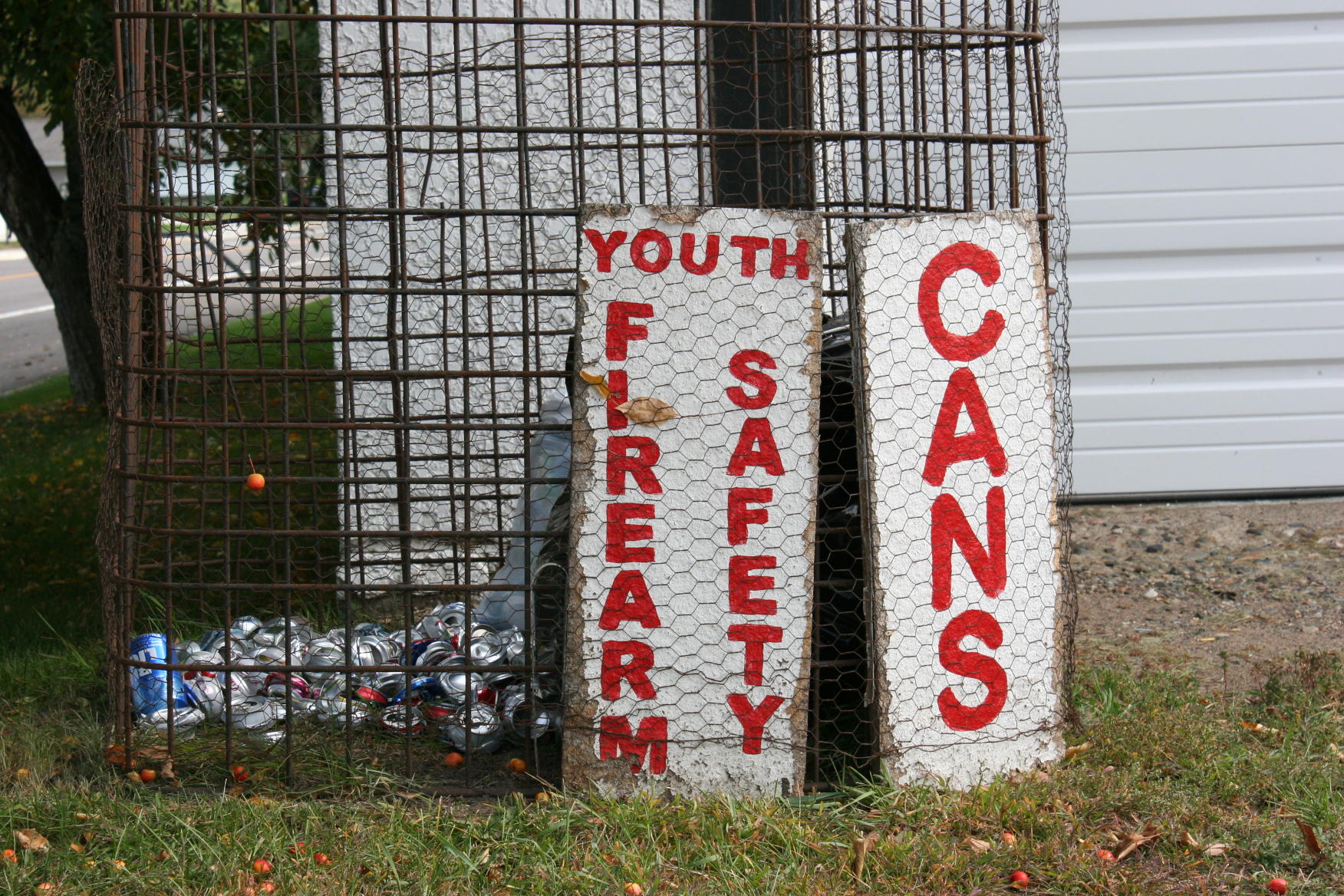
I often see can collection sites in small towns, like this one in Buckman. They offer insights into a community. Minnesota Prairie Roots file photo September 2020.
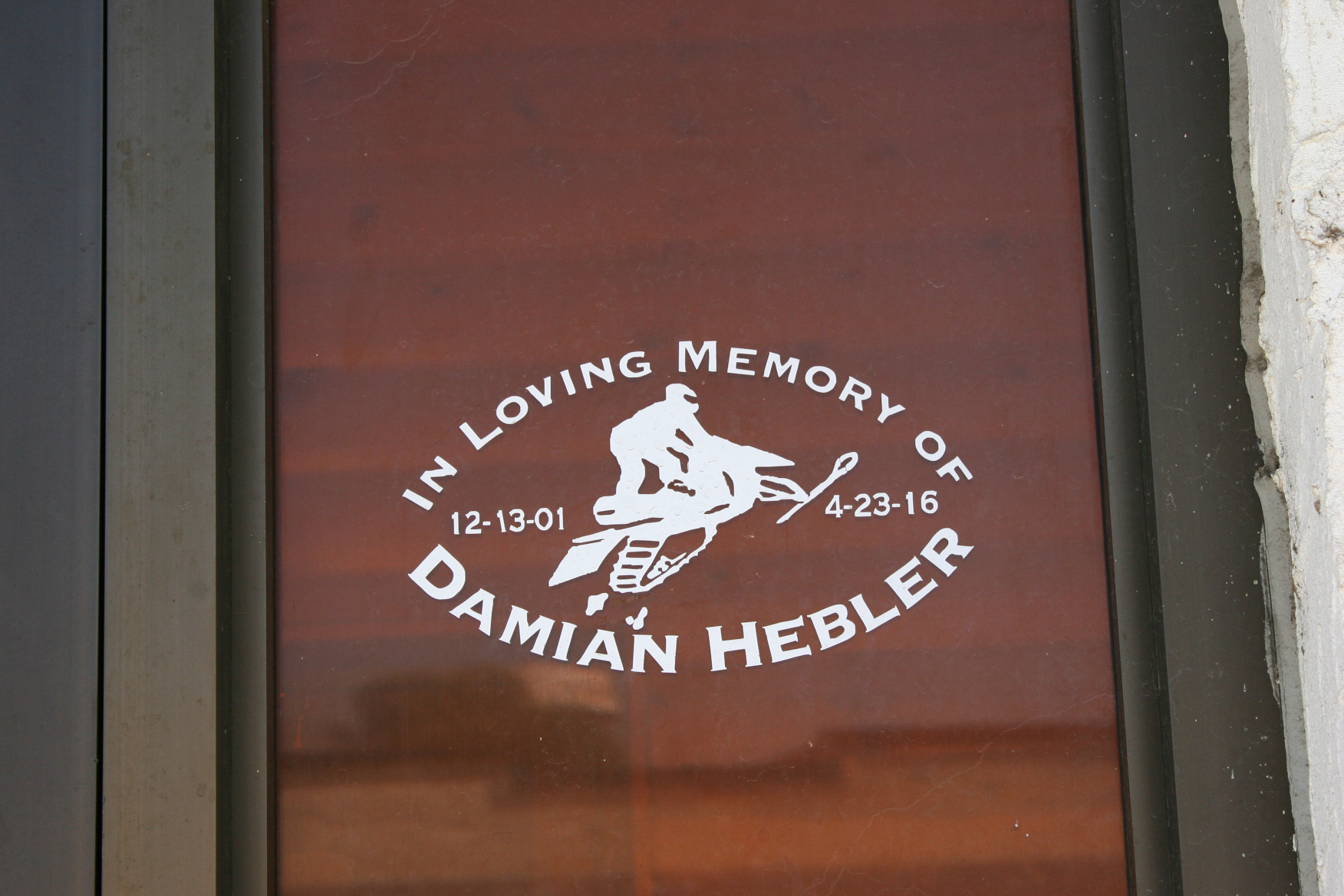
On the door of a Buckman bar, a young man remembered. Minnesota Prairie Roots file photo September 2020.
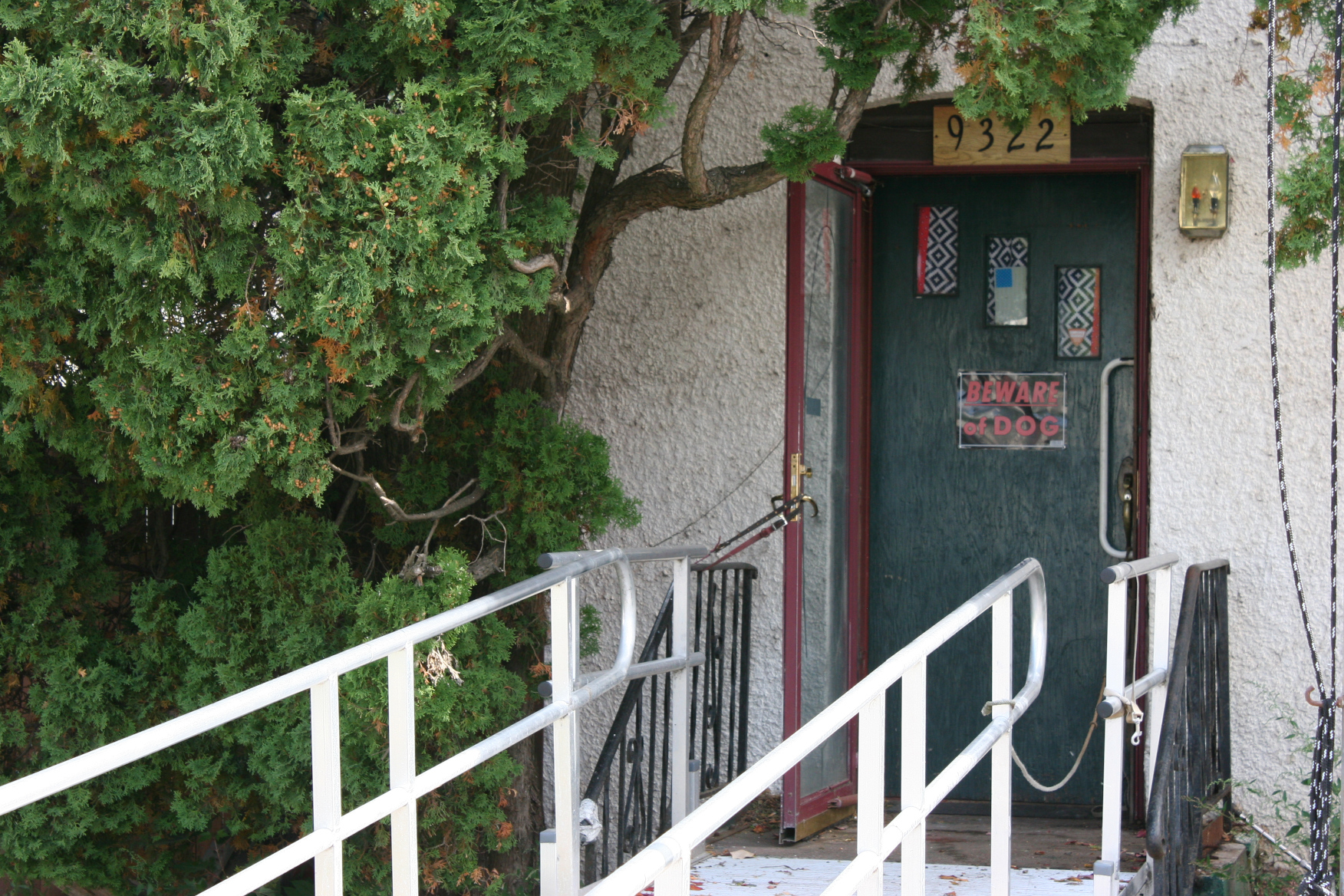
A warning sign posted on a house in Buckman. Minnesota Prairie Roots file photo September 2020.

But more than buildings, people form community. Even in Faribault, where Randy and I have lived since 1982, we’ve found our small town in a city of around 25,000. That’s in our faith family at Trinity Lutheran Church, the “town” that centers our lives. An uncle and I discussed this recently. He lives in Minneapolis. His neighborhood is his community, his small town.

A place to gather outside Sev’s Food & Liquor in Buckman. Minnesota Prairie Roots file photo September 2020.

No matter where you live, whether in rural Minnesota or New York City, the mountains of Idaho or the plains of Nebraska, I hope you’ve found your community and place of joy.

© Copyright 2021 Audrey Kletscher Helbling
 

Part I: St. Michael’s in Buckman, place of faith, art & memories January 26, 2021

IMAGINE, AS A YOUNG BOY, moving nearly 400 miles across the plains of North Dakota east to Minnesota with your family to start a new life. You’ve left behind your grandparents and other extended family, and the comforting familiarity of farm home, church and school. For my husband, that was reality.

St. Michael’s Catholic Church in Buckman. Minnesota Prairie Roots file photo September 2020.

As the Tom and Betty Helbling family settled onto a farm southeast of Buckman in central Minnesota in the early 1960s, Randy found himself adjusting from a one-room country schoolhouse with one teacher to a parochial school with multiple classrooms and teachers. He no longer faced cancellation of recess due to coyotes circling the playground at Chimney Butte School near St. Anthony. Rather, he faced nuns slapping his hands with a ruler or drilling thumbs into his skull, adding to his angst as the new boy in school. And then there was the matter of the frightening statue across the street inside the massive St. Michael’s Catholic Church.

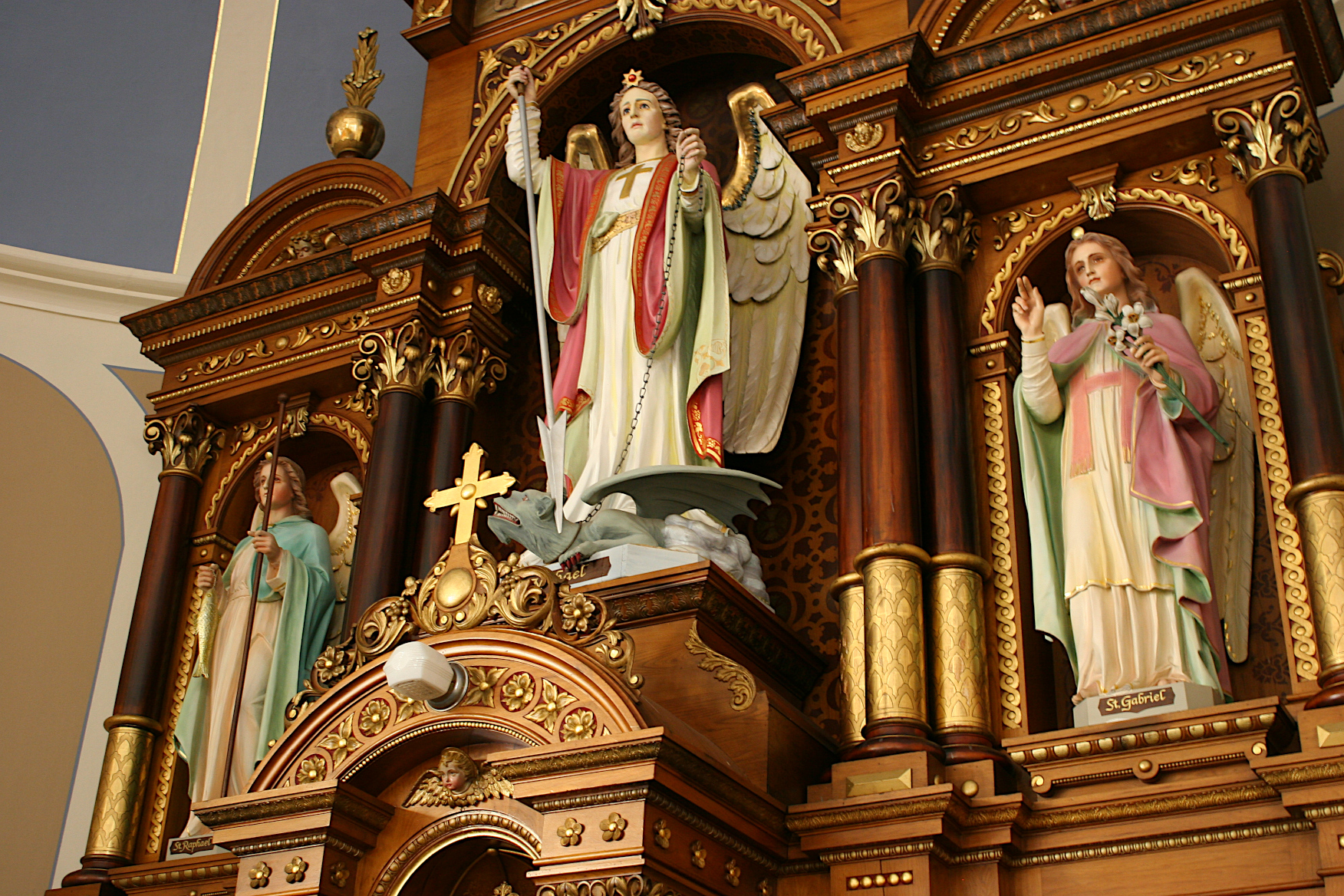
In the center, St. Michael overpowering Satan. Minnesota Prairie Roots file photo September 2020.

Some six months ago, I heard for the first time about Randy’s boyhood fear of the statue which centers the main altar at St. Michael’s, where he attended weekday and Sunday Mass. The statue features a triumphant St. Michael overpowering Satan with a spear. A horrid, crouching other-worldly creature with an open mouth of sharp teeth and equally sharp claws represents Satan. Enough to scare any child looking over adult heads to that altar art. Not even the chain and weapon would be enough to inspire confidence in the Evil One’s captivity.

St. Michael’s stretches long and high. Minnesota Prairie Roots file photo September 2020.

All of that aside, St. Michael’s is a truly beautiful church. Massive in size and vast in art. I’ve come to know it only through marriage as I grew up 145 miles to the south of Buckman and in the Lutheran faith.

“The Nativity” stained glass, one of many similar windows inside St. Michael’s. Minnesota Prairie Roots file photo September 2020.
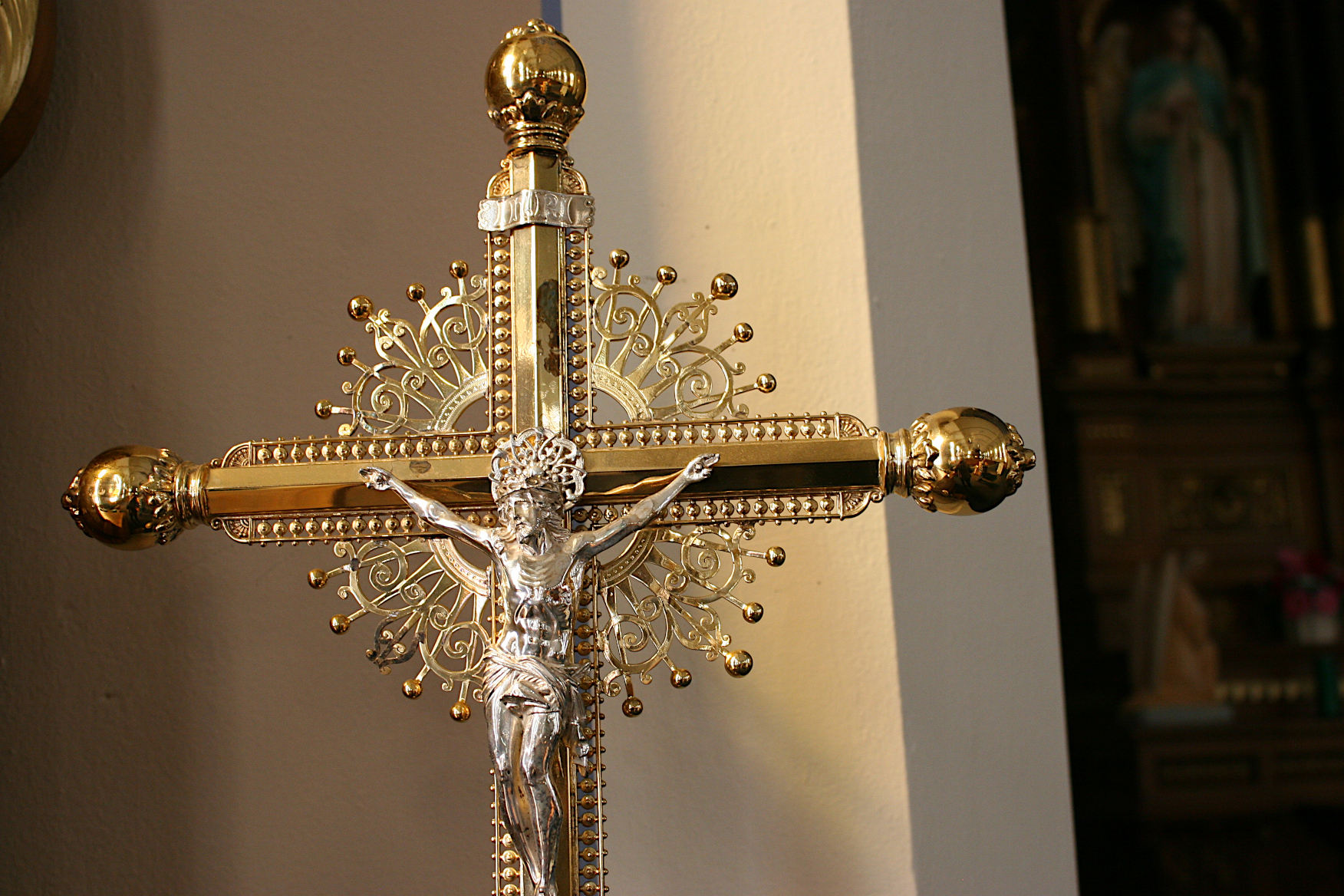
A stunningly beautiful cross, one of many. Minnesota Prairie Roots file photo September 2020.
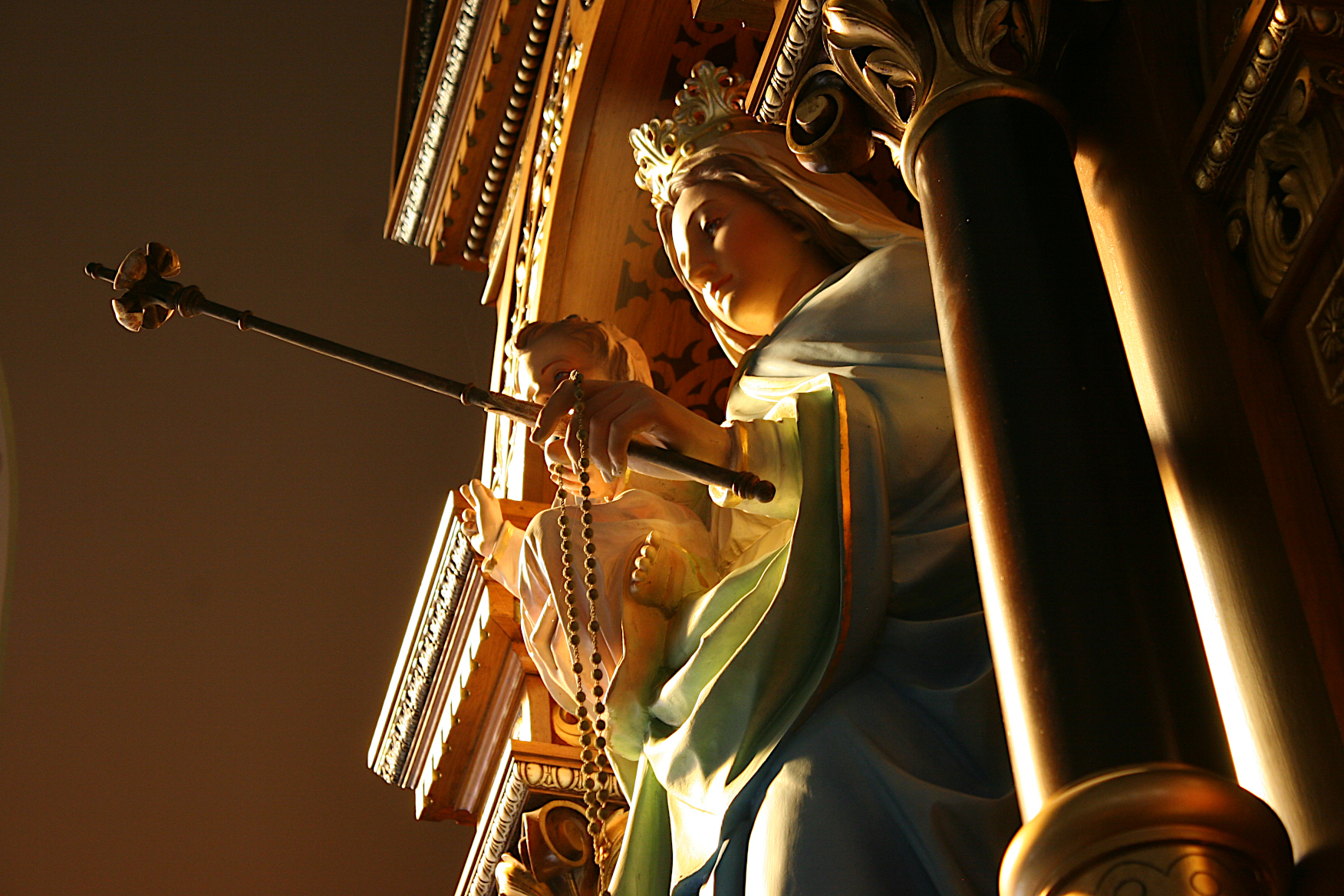
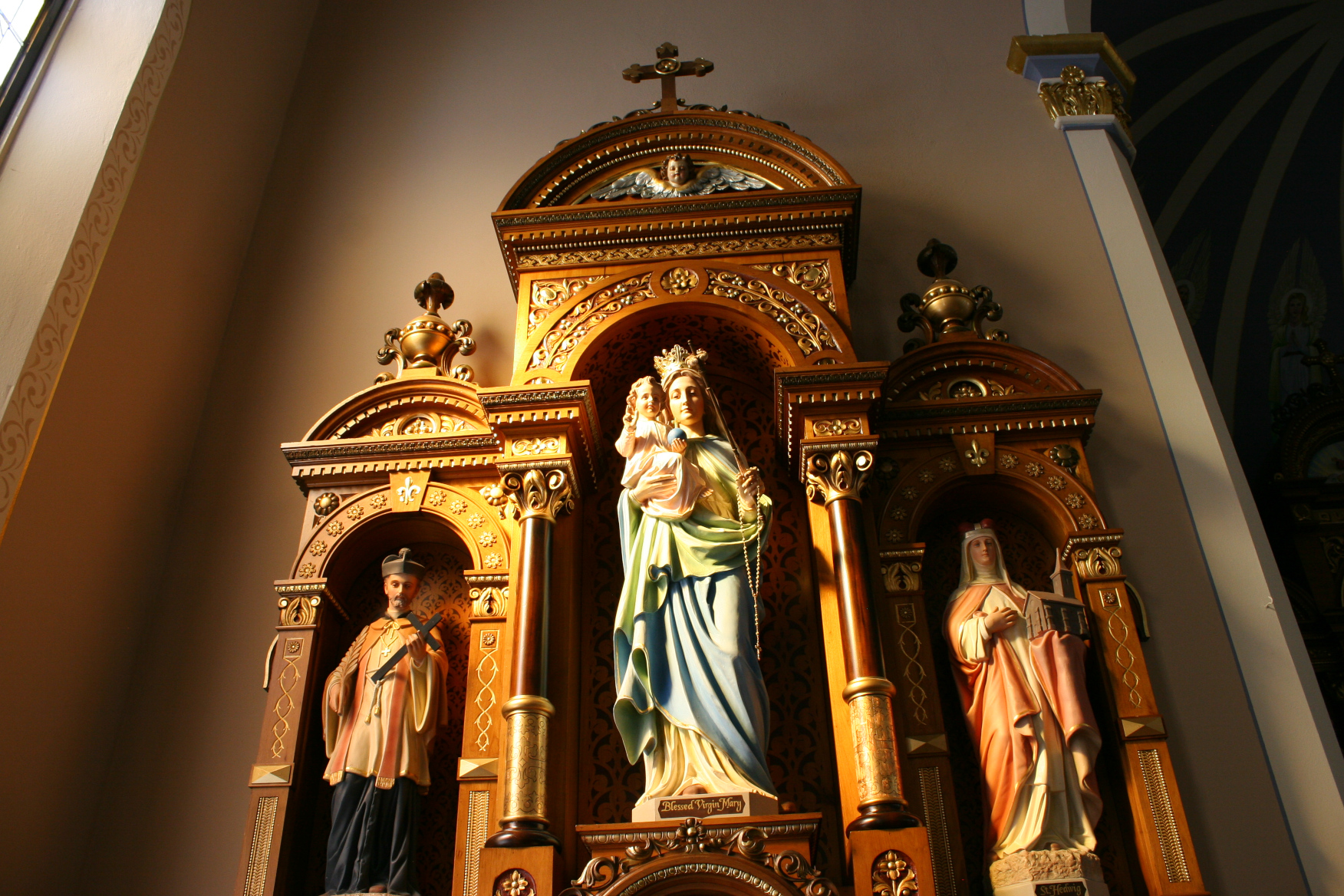
Statues on a side altar. Minnesota Prairie Roots file photo September 2020.

I don’t pretend to understand the meaning of all the art which graces this space. But one thing I do understand is that this house of worship excels in craftsmanship and artistry. Each piece of art holds meaning, significance, purpose. From the stained glass windows to the sculptures to the ornate altars.

Looking toward the back of the church and to the balcony. Minnesota Prairie Roots file photo September 2020.

Years have passed since I stepped inside St. Michael’s. So when Randy and I visited his mother’s and brother’s gravesites at the church cemetery last September, we decided to also check out the recently-restored church. I expected locked doors, so often the case now in rural and small town churches. But the doors to an addition were open and we had the place to ourselves. Note that plenty of security cameras film visitors.

My favorite art in St. Michael’s are these angels painted on the ceiling above the altar. Minnesota Prairie Roots file photo September 2020.

My reaction was one of awe as I stood inside the sanctuary with its soaring ceiling, art seemingly everywhere. It’s a photographer’s paradise. An art lover’s dream. A place of peace for the faithful.

A side altar up close. Minnesota Prairie Roots file photo September 2020.
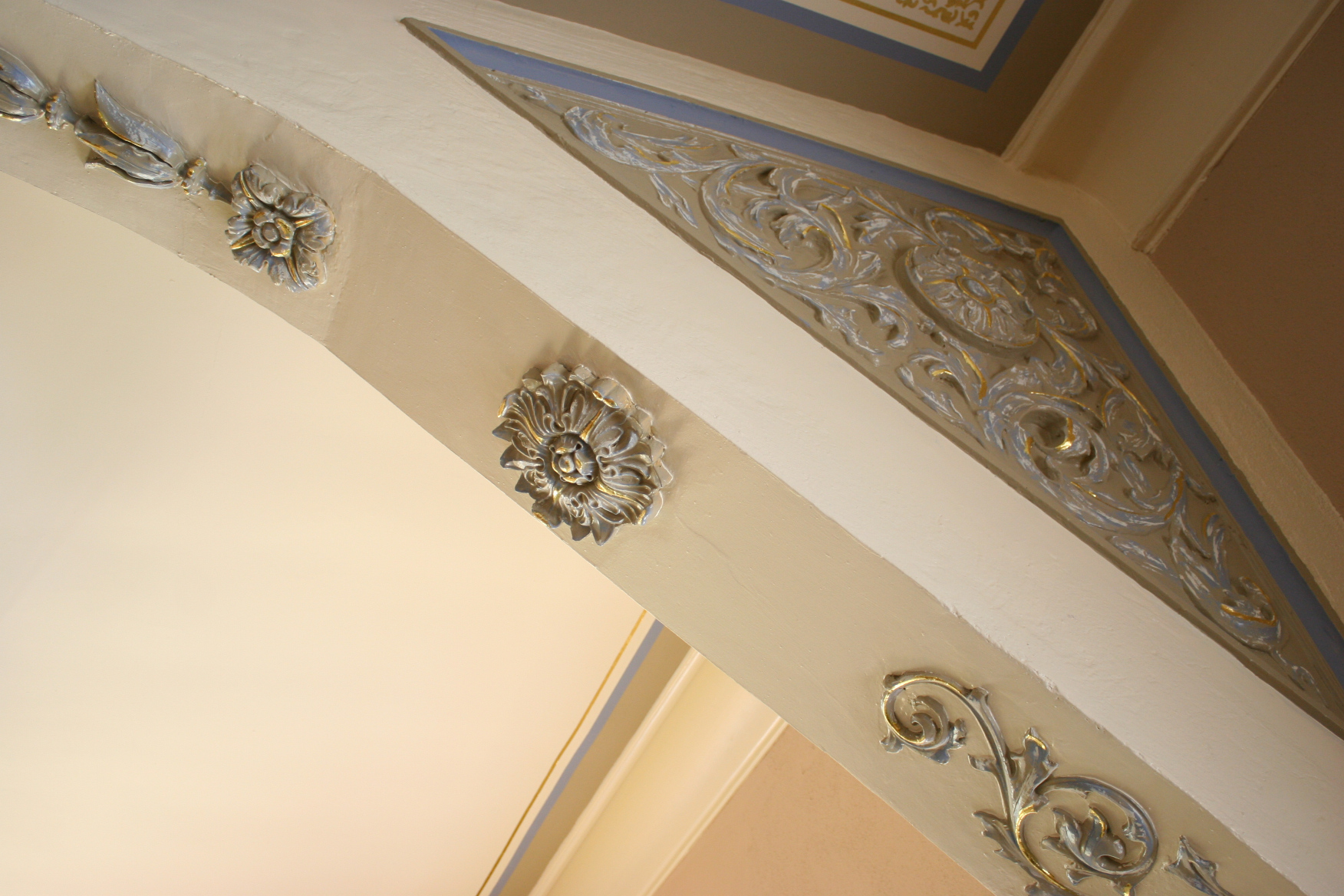
Ornate ceiling details. Minnesota Prairie Roots file photo September 2020.
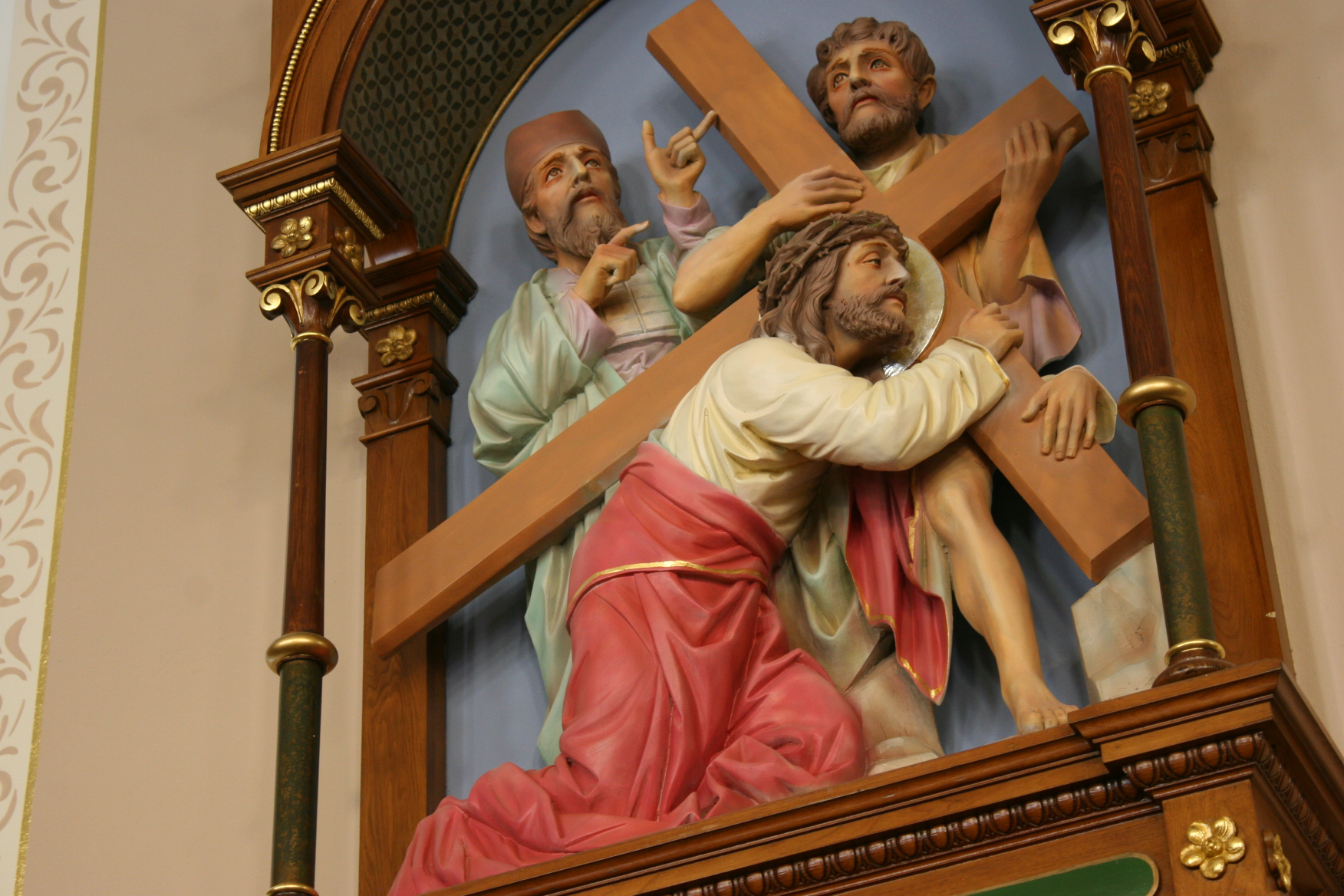
One of many detailed sculptures. Minnesota Prairie Roots file photo September 2020.

I felt overwhelmed as I moved from one area of the church to the next—attempting to take in all I saw. The whole picture. The details. Oh, the details.

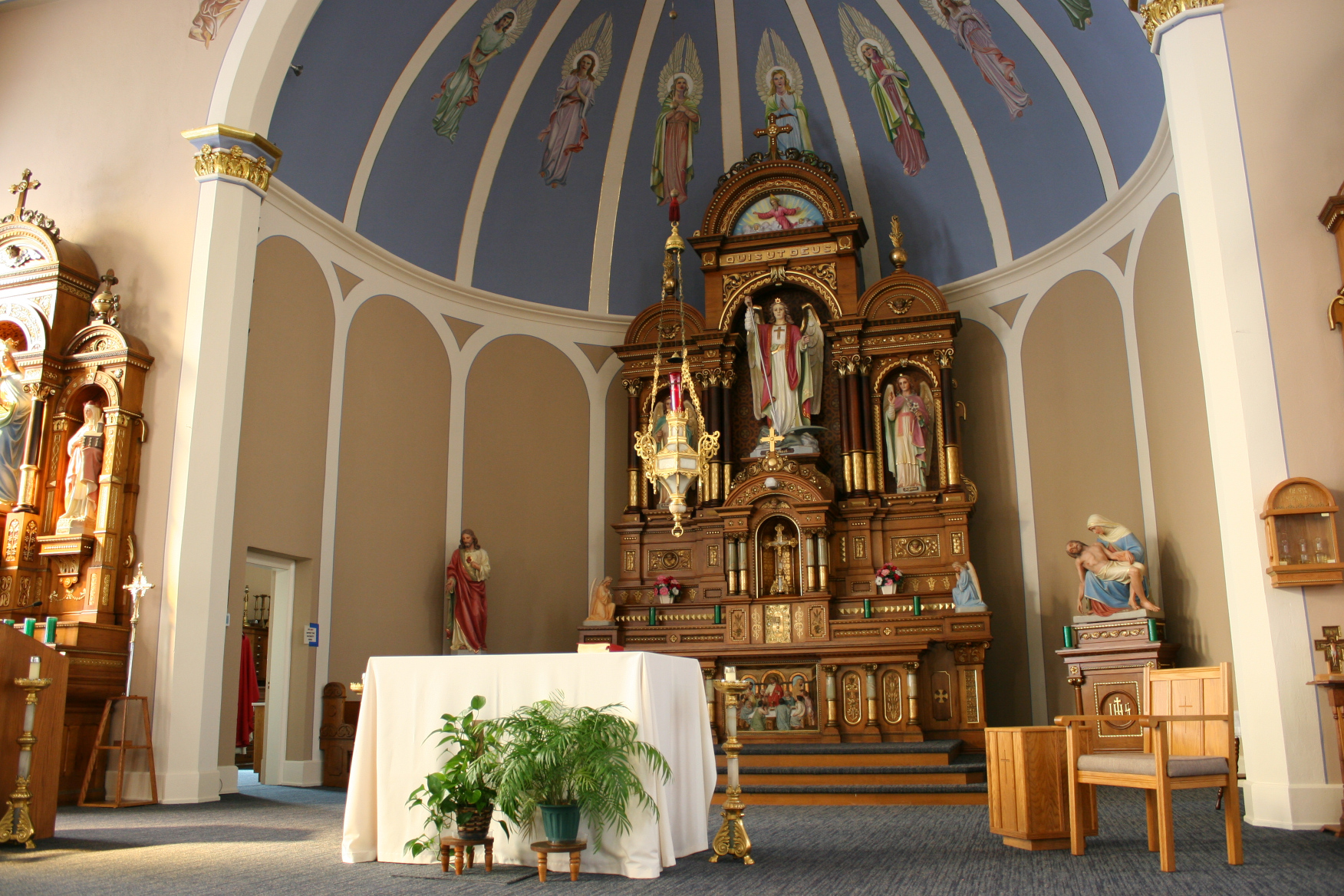
The center altar, with that frightening statue. Minnesota Prairie Roots file photo September 2020.

I stood for a moment, placing myself in Randy’s shoes as that young boy from North Dakota seeing this all for the first time. I locked eyes on the statue of St. Michael towering over Satan, the terrible, horrible creature with the sharp teeth and claws. And I understood Randy’s fear manifested there all those decades ago.

Please check back as I bring you more photos from inside St. Michael’s Catholic Church, Buckman, Minnesota.

© Copyright 2021 Audrey Kletscher Helbling
 

Embracing winter in Minnesota January 6, 2021

Filed under: Uncategorized — Audrey Kletscher Helbling @ 5:00 AM
Tags: , , , , , , , ,
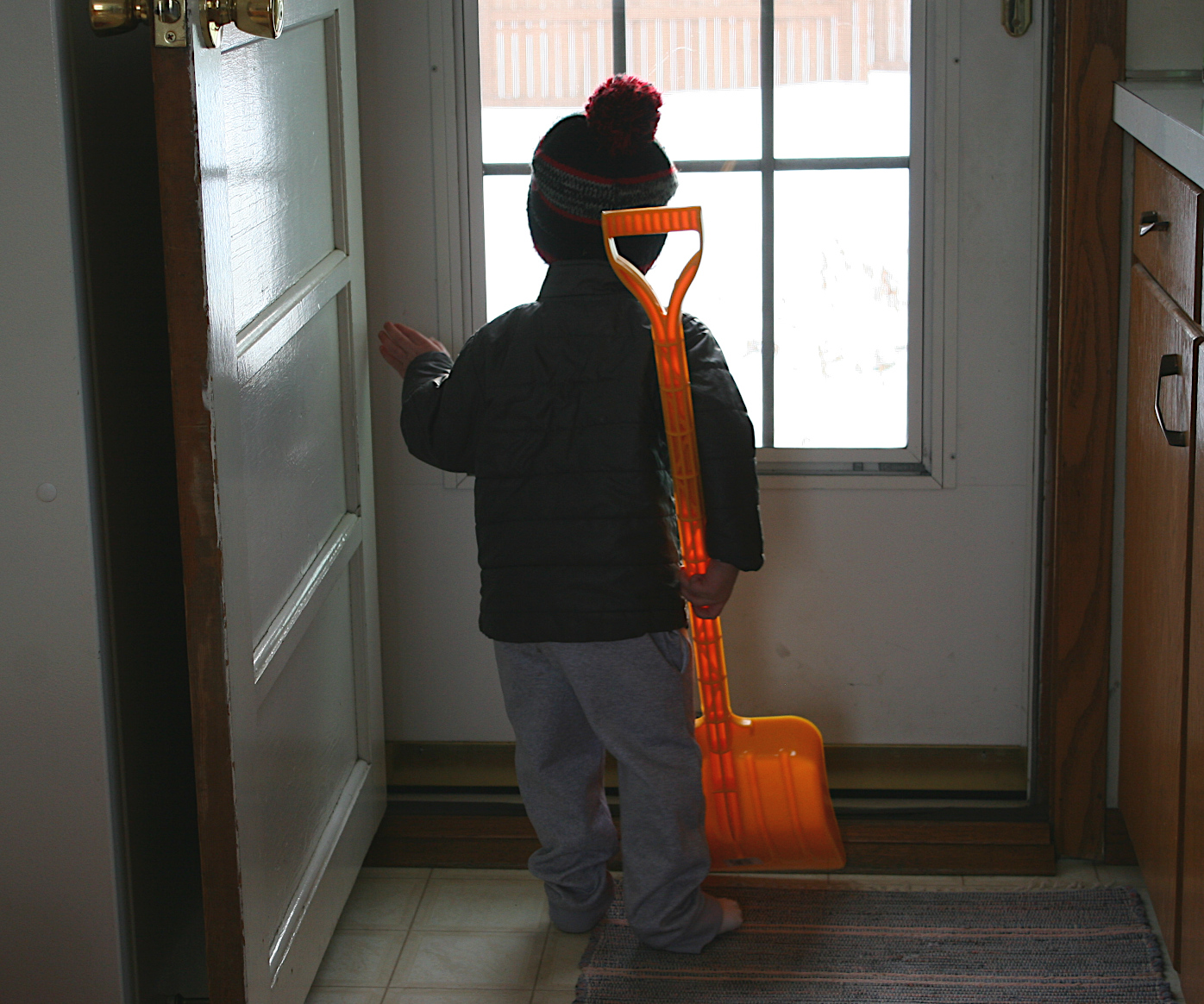
My two-year-old grandson with his new snow shovel.

WHEN YOU LIVE IN A NORTHERN state like Minnesota, where winter defines at least half the year, preparation for cold and snowy weather is a necessity, not an option.

It’s a lesson taught from early on. Snowsuit, waterproof mittens and snow boots for the kids. Check. Check. Check. Sled. Check. Snow shovel. Check.

No matter your age, dressing properly to protect from the elements and then having the right tools to deal with the snow are essentials. So we’ve equipped our grandchildren, Isabelle and Isaac, with snow shovels and sleds. Izzy got her mama’s childhood snow shovel and Lion King sled. Isaac got a new shovel purchased at the local hardware store. And we bought bright new sleds for both at a regional retailer.

Then it’s up to the parents, or the grandparents, to bundle the kids and get them outdoors. It’s a process. But important in teaching the little people that winter can be fun.

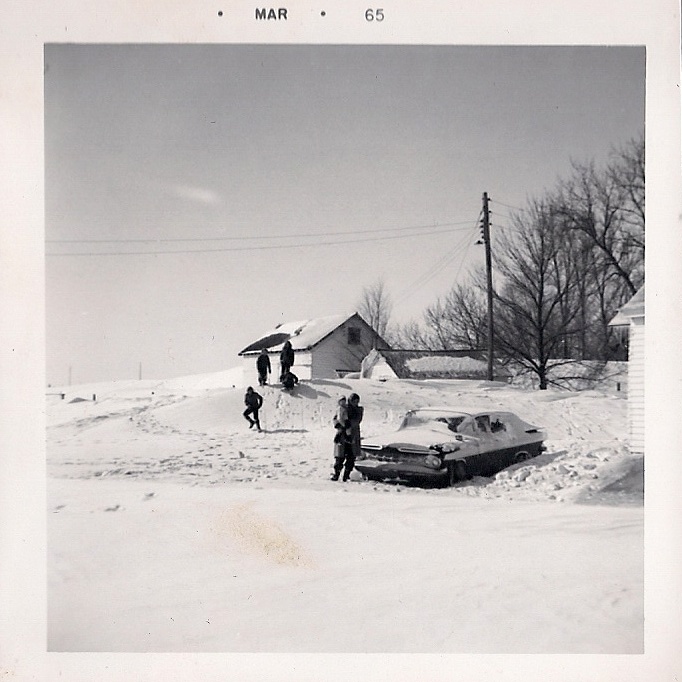
Our southwestern Minnesota farmyard is buried in snowdrifts in this March 1965 image. My mom is holding my youngest sister as she stands by the car parked next to the house. My other sister and two brothers and I race down the snowdrifts.

I loved winter as a child growing up on the wind-swept southwestern Minnesota prairie. There snow drifted into rock-hard mountains around the house and farm outbuildings. There Dad shoved snow with the John Deere tractor and loader into more mountains, where my siblings and I played for endless hours. We carved out snow caves and raced on a vintage runner sled. Such is the stuff of memories. And of winter in Minnesota.

This huge, hard-as-rock snowdrift blocked our farm driveway in this March 1965 photo, rural Vesta, Minnesota. My uncle drove over from a neighboring farm to help open the drive so the milk truck could reach the milkhouse.

While my grandchildren’s memories will be different—they live in a new housing development in the south metro—I hope they continue to embrace winter with joy and enthusiasm. Just as their mom (Dad grew up in warm and sunny California) and maternal grandparents did before them.

© Copyright 2021 Audrey Kletscher Helbling


Finding a Charlie Brown Christmas tree in Faribault December 10, 2020

Our family Christmas tree always sat on the end of the kitchen table, as shown in this Christmas 1964 photo. That’s me in the red jumper with four of my five siblings.

EACH DECEMBER, I FIND myself on a quest for a Charlie Brown Christmas tree. I like my tree small, shaped by nature and reminiscent of the Christmas trees of my youth. Those tinseled childhood trees sat on the end of the Formica kitchen table in our cramped southwestern Minnesota farmhouse.

Even though I live in a house with more room, although small by today’s standards, I still want a basic short-needled Charlie Brown tree. Such a tree brings back many happy holiday memories.

Some of the trees available at Ken’s Christmas Trees.

I’ve found a source for such a tree here in Faribault, my go-to spot for the past several Christmases, although last year I didn’t get a tree. It had been a challenging year and I just did not feel up to holiday decorating.

But this year is different. This year I want, need, the joy of Christmas decorations filling my house. With lights. Tinsel. Candle angels and Santas and a snowman that I’ve had for decades. A wooden stable handcrafted by my maternal grandpa along with figurines cast in plaster of Paris. Plastic nativities gifted to me by Sunday School teachers more than 50 years ago. The scent of pine.
Ken’s Christmas Trees, located behind Taco John’s.

This is the stuff of Christmas in my house. All of these are meaningful, connected to places, people, experiences. Joy. The Charlie Brown tree I found at Ken’s Christmas Trees (formerly Kuntze Christmas Tree Lot now at a new location and with a new name, but still operated by the Mueller family) makes my heart happy.

Randy and I bought our tree earlier than usual this year. I figured Ken’s would have a run on trees given three local businesses that once sold trees are either out of business or no longer selling them. It seems my decision to buy early was a smart one. As we pulled into Ken’s new location, sandwiched in a lot between Taco John’s and a house just off Minnesota State Highway 21/Rice County Road 48 near its intersection with Highway 60, others were arriving to purchase trees in a steady stream.
Ken’s features Charlie Brown trees.

“I need a Charlie Brown tree,” I announced to Ken’s son, TJ, upon greeting him. He assured me that’s all they had.
Tools of the Christmas tree trade and also the table for sawing the ends of trunks.

I’m not all that particular about our tree—although Randy may disagree—so we quickly chose a tree. I noticed that Ken’s inventory differed from previous years with long and lean trees. I prefer mine shorter rather than tall and pencil thin.

TJ fastens our tree for the short drive across town.

No matter, these trees are proving popular. Not only with the locals, but with folks from the Twin Cities metro who are driving to Faribault to buy these old-fashioned Charlie Brown style Christmas trees. I overheard TJ telling a customer that.

Our tree, cut and ready to take inside the house after Randy sawed the trunk.

He’s a friendly young man, just like his dad. TJ offered to saw the end of the trunk for optimal water uptake. Randy opted out. And then he secured the tree to the top of our van, asking how far we were traveling to assure the tree stayed put. With that done, TJ thanked us and added, “God bless you folks.”

The tree in a corner of our living room, awaiting a Christmas tree skirt and decorating.

I left feeling grateful for my Charlie Brown Christmas tree and for the wonderful experience of buying local from a family that exudes joy.

Signage and a rustic tree (which I love) mark the entrance to Ken’s Christmas Tree lot.

TELL ME: Do you buy a real Christmas tree? If so, what’s your source and what type of tree do you purchase?

© Copyright 2020 Audrey Kletscher Helbling