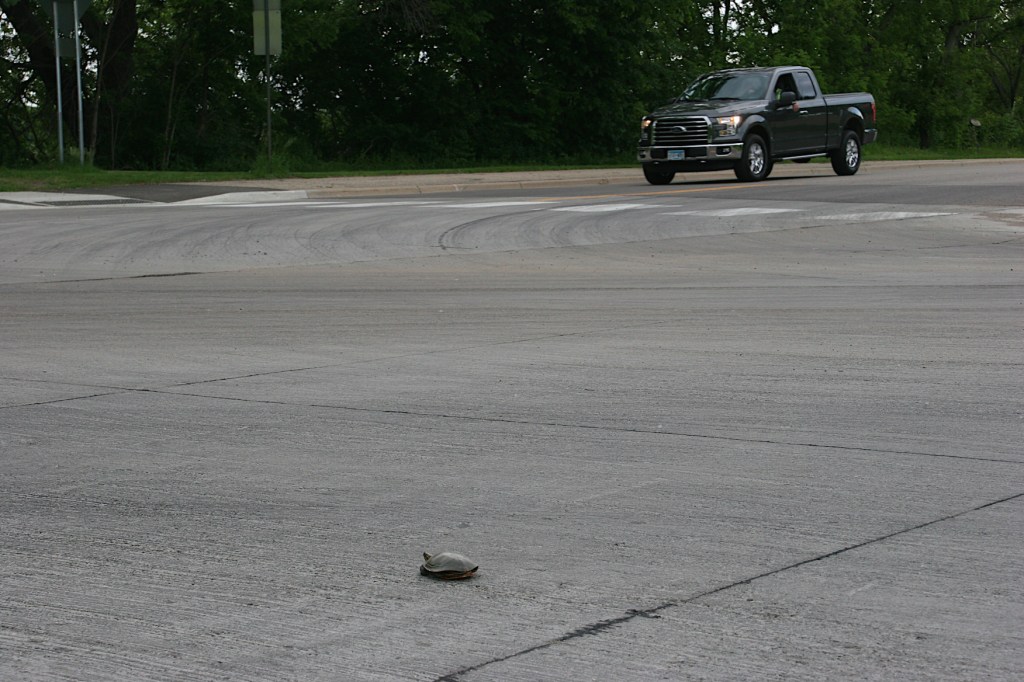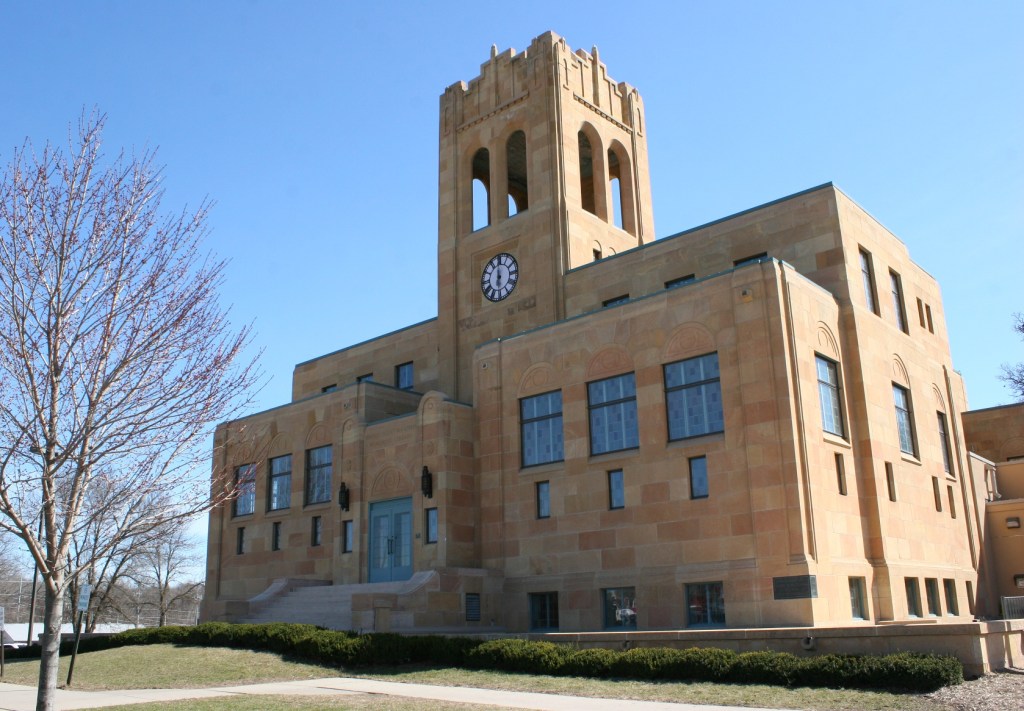
Minnesota Prairie Roots

Writing and photography by Audrey Kletscher Helbling

Celebrating supper clubs, including Jerry’s in Owatonna December 4, 2020

Filed under: Uncategorized — Audrey Kletscher Helbling @ 5:00 AM
Tags: , , , , , , ,
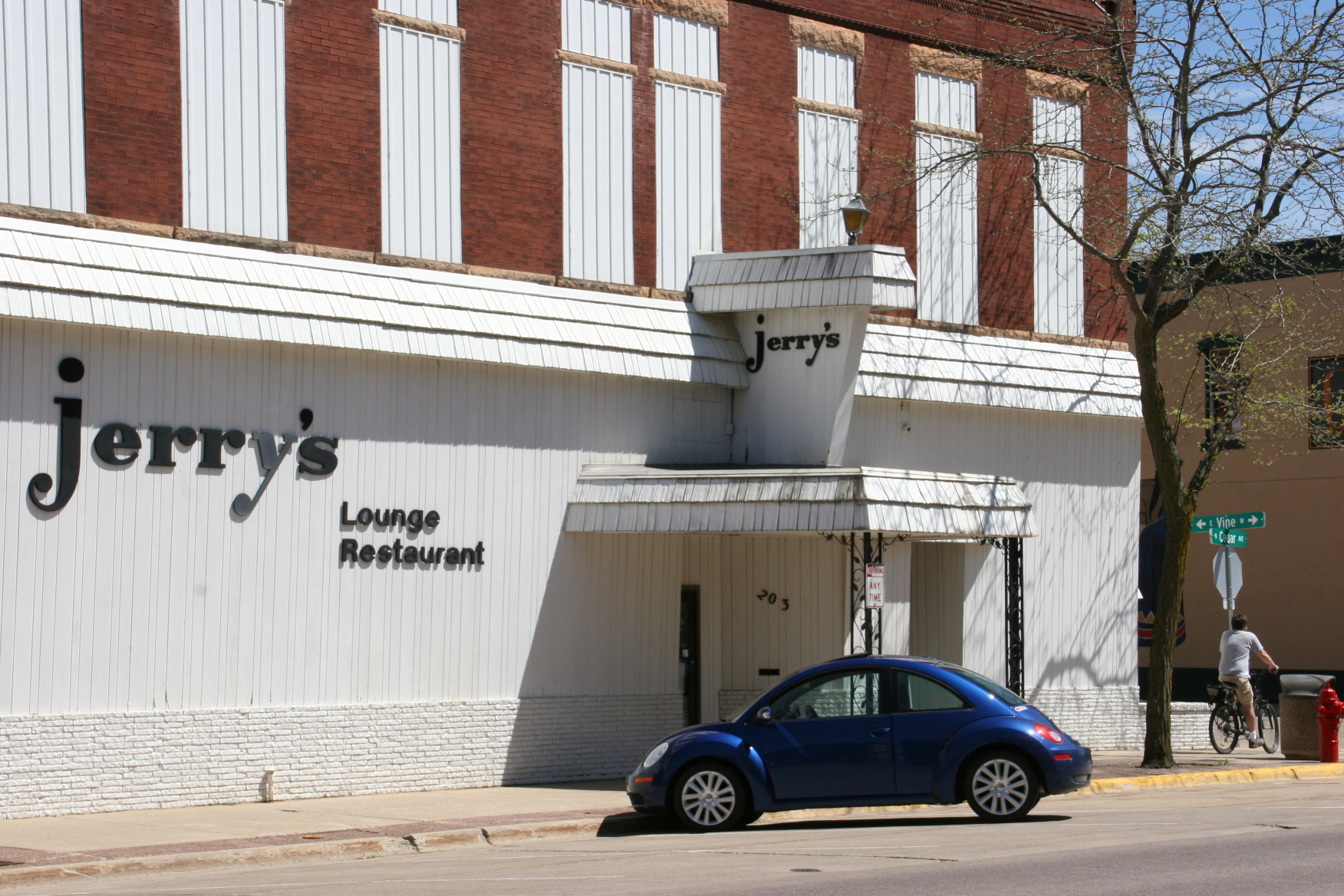
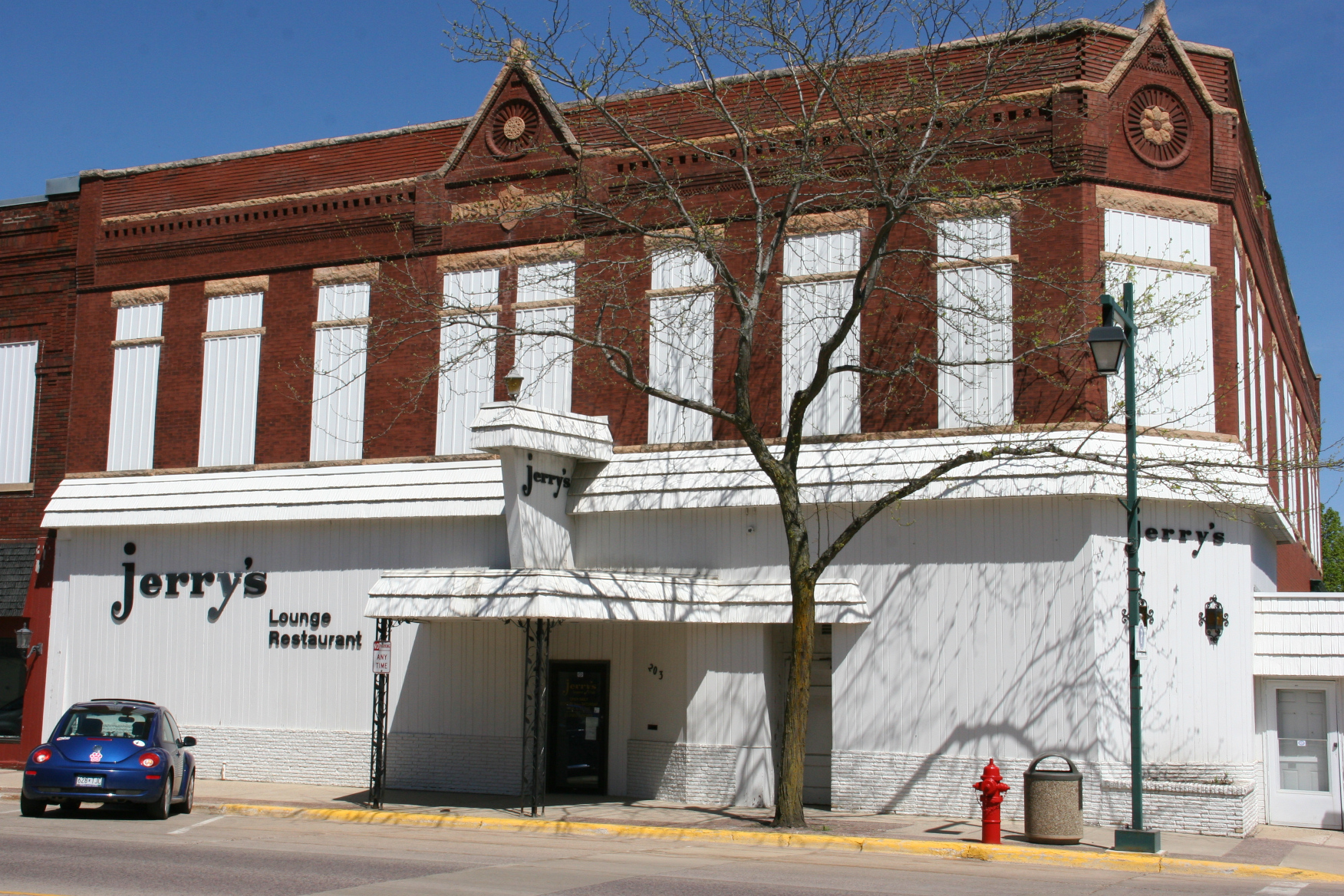
The once popular Jerry’s Supper Club, shuttered in downtown Owatonna. Minnesota Prairie Roots file photo May 2020.

SUPPER CLUBS. What visual comes to mind when you read those words?

I picture a dark, probably paneled, restaurant with red carpet. Low lights. Candles flickering on tables draped with heavy tablecloths. Fine cutlery and water goblets. Hefty china.

Menu printed on fine paper and placed inside a thick black leather folder. Salad and steak and mammoth baked potatoes. Or shrimp. Maybe a whiskey sour or a Tom Collins.

Minnesota Prairie Roots file photo May 2020.

I am of the age that I still remember the hey day of supper clubs. Like the Cat N’ Fiddle in rural New Ulm, where my parents occasionally dined. I recall my mom bringing home packages of crackers lifted from baskets and stuffed into her purse. A rare treat for us kids. And I remember my dad talking about the tasty frog legs he ordered at a supper club in Granite Falls. I always wondered how anyone could eat frog legs. But Dad could enjoy steak—the supper club feature food—any time given he raised beef cattle.

As a teen, I gathered with my best friends at Club 59 in Marshall to celebrate our senior year of high school in 1974. Photos from that day show the five of us bundled in winter coats, wide smiles gracing our youthful faces. Oh, the memories.

Years later, after college and launching my career as a newspaper reporter and then eventually marrying and moving to Faribault, I rediscovered supper clubs. I dined a few times at The Lavender Inn and The Evergreen Knoll. Both closed years ago, as dining preferences changed, the economy tanked and the food scene evolved.

Minnesota Prairie Roots file photo May 2020.

In Owatonna, a 20-minute drive to the south along Interstate 35, Jerry’s Supper Club closed in 2009. An article published in the Owatonna People’s Press called Jerry’s, opened in 1960, “an Owatonna institution.” I expect people gathered here for business meetings, special occasions or simply supper (not dinner) out at a fancy restaurant on a Saturday night. Perhaps minus frog legs on the menu.

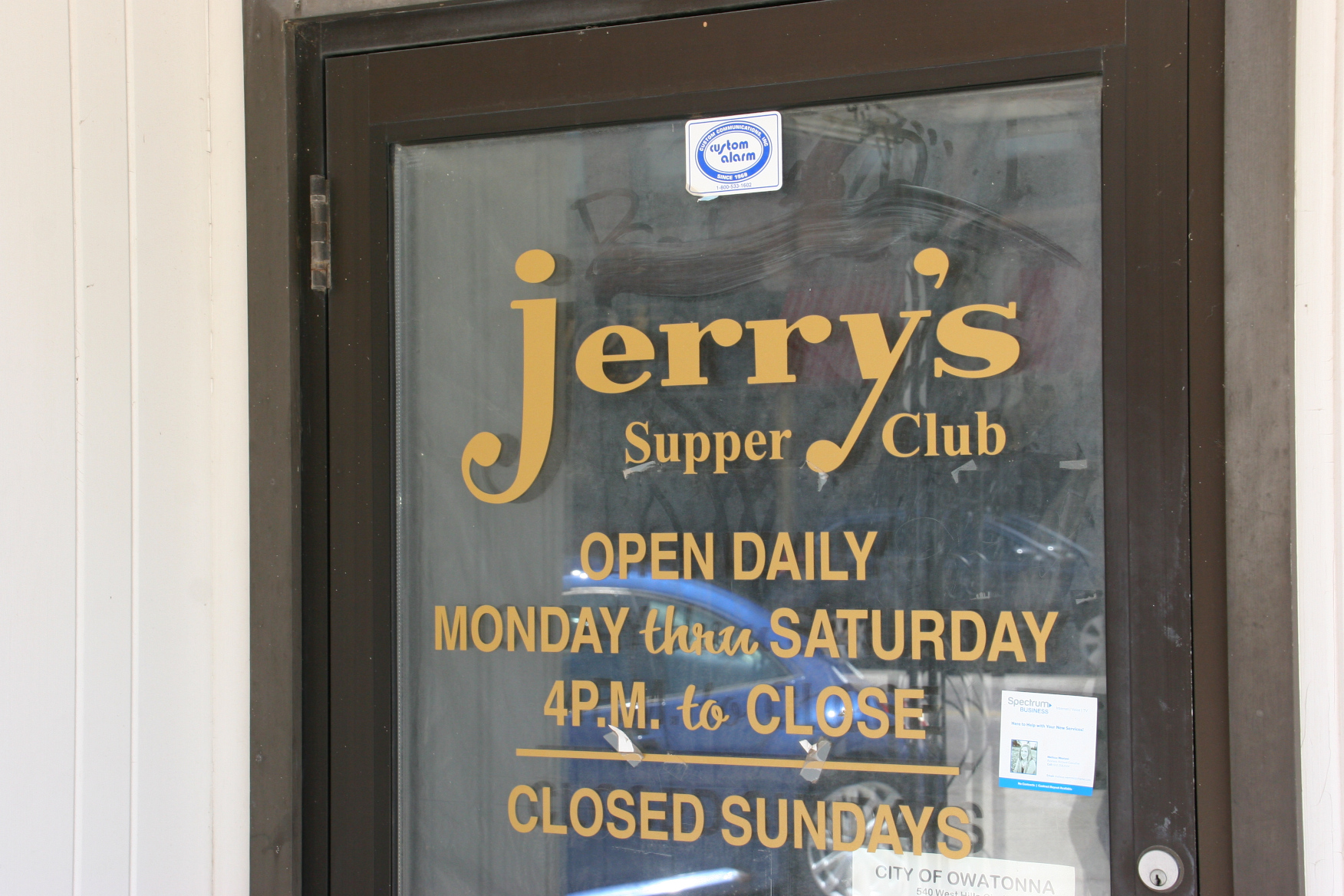
Signage and hours still remain on the door, long after Jerry’s closed. Minnesota Prairie Roots file photo May 2020.

Soon the building which housed this long-time popular supper club, this place of so many memories, will be gone, replaced by a Marriott Courtyard hotel. Before that happens, I hope someone—perhaps the Steele County Historical Society—salvages tangible pieces of Jerry’s. Like the exterior signage. And, if any restaurant-related memorabilia/furniture/whatever remains inside, that, too.

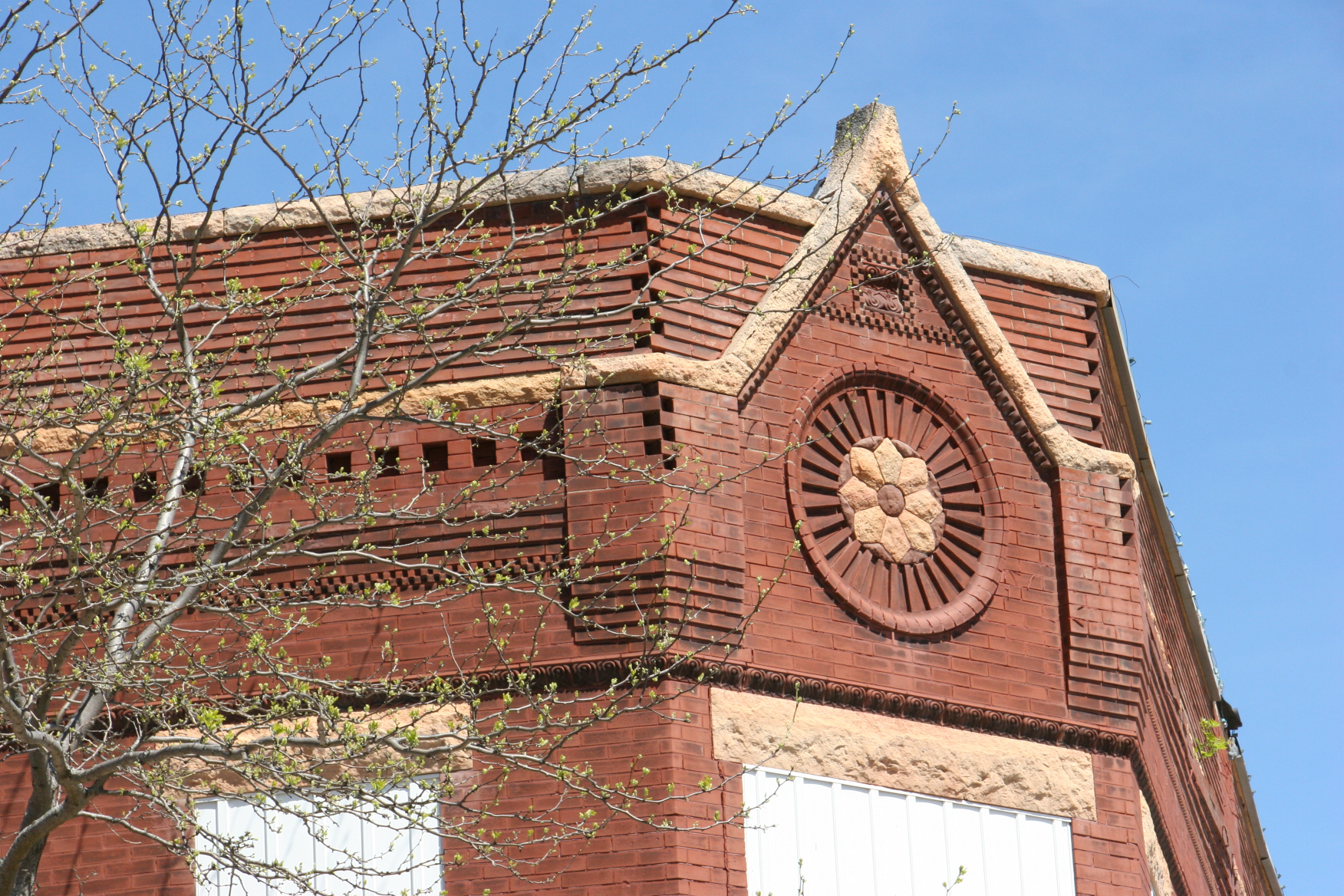
The building housing Jerry’s Supper Club has architecturally beautiful details. Minnesota Prairie Roots file photo May 2020.

I photographed Jerry’s in May while walking around downtown Owatonna. The alterations to the exterior of the building with the additions and covered windows and everything painted white are aesthetically unappealing. I don’t know when the changes were made to this once beautiful brick building. But I recognize it was once “a thing” to modernize. I am thankful that mindset has returned to an appreciation for historic structures.

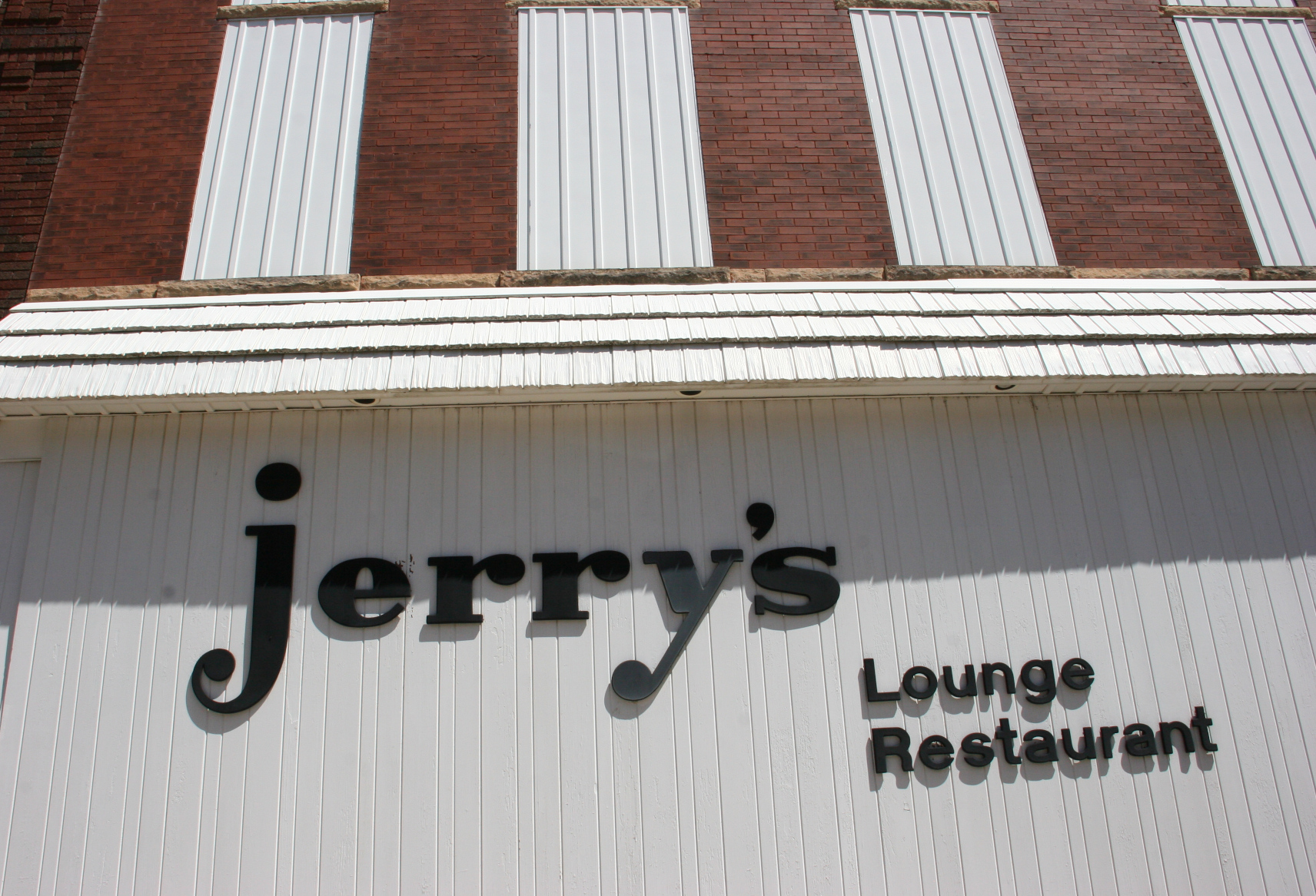
The dated term, “lounge,” remains on the exterior of Jerry’s Supper Club. Minnesota Prairie Roots file photo May 2020.

And so progress happens. A much-desired hotel is coming to downtown Owatonna. That will include an in-house restaurant in the former Jerry’s Supper Club space, according to the People’s Press. Nothing can replace Jerry’s. While some supper clubs still exist, especially in Wisconsin, they seem mostly a thing of the past. A place of paneled walls, red carpet and low light. And memories.

TELL ME: Do you have memories of Jerry’s Supper Club? Or of any supper club? I’d like to hear.

© Copyright 2020 Audrey Kletscher Helbling


Honoring our veterans, including my dad November 11, 2020

Filed under: Uncategorized — Audrey Kletscher Helbling @ 5:00 AM
Tags: , , , , , , ,
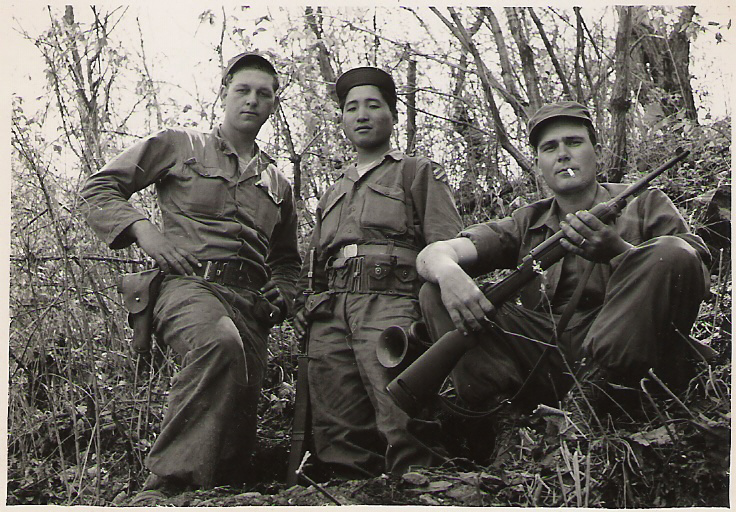
My father, Elvern Kletscher, on the left with two of his soldier buddies in Korea.

Vesta—Pfc Elvern Kletscher, son of Mr. and Mrs. Henry Kletscher, was wounded in action on Heart Break Ridge in Korea on February 24th. He was engaged in mortar firing at the time. A burst of enemy schrapnel (sic) struck him in the face. He spent a few days in the hospital and was released, but has not returned to active duty. Elvern entered service on February 15, 1952 and has been on front line duty in Korea since November 7th.

The above short article about my father published in a rural Minnesota newspaper in the early winter of 1953. I can only imagine how my grandparents received the news about their son, wounded in action in Korea.

On the back of this photo from my father’s collection, my dad simply penned “a letter from home.” I appreciate this photo of my dad taken by an unknown buddy in Korea.

In a letter written to them just days after his February 26, not February 24, war injury, my dad mentioned nothing about the incident. Rather, he wrote of snow, called Korea a “hell hole” and advised his family not to worry. But how could they not worry, realizing that their son was in the thick of battle as a frontline infantryman with the US Army? According to an earlier newspaper article, he was training with the 24th infantry, the first American division to fight in Korea, from Pusan to the Yalu River in 19 months of combat.

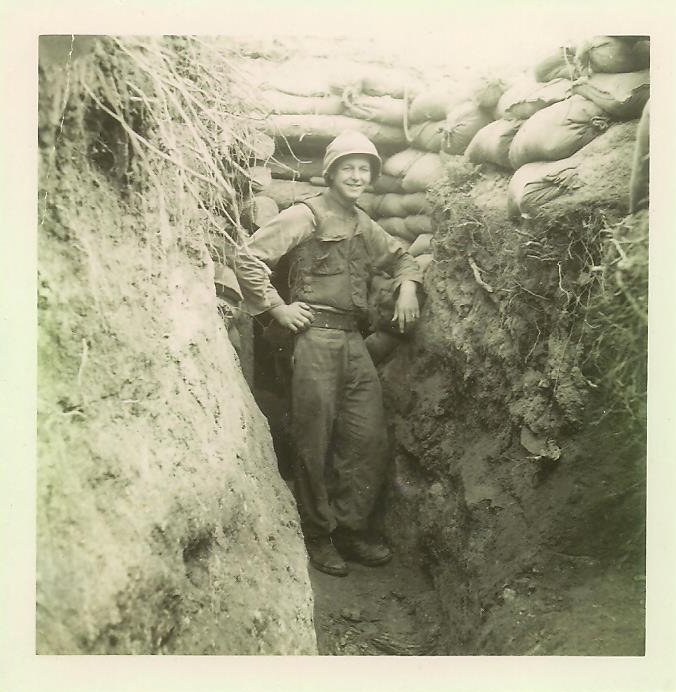
U.S. Army Cpl. Elvern Kletscher, my father, in the trenches in Korea.

My dad shared only a few stories about his time in Korea. He talked about the events leading up to his shrapnel wound. Ordered to take out a sniper who, for days, had been picking off fellow platoon soldiers, Dad hunkered inside a trench. A bullet struck his trench. Dad studied the angle of the bullet, angled his rifle up and shot. He heard a “ka-pook,” understanding that he had hit his intended target.

Two days later, when 12 men were sent to retrieve the sniper’s body, Dad stood guard to assure the enemy was not circling behind. Suddenly, 10 small mortars lobbed toward them, one landing near him. Had it gone off, my father would have died. Instead, shrapnel struck his face. “I knew the blood was running,” he said in a 2000 interview with a Minnesota TV station at the time he was awarded a long overdue Purple Heart. He was shaking and scared, but couldn’t leave his post.

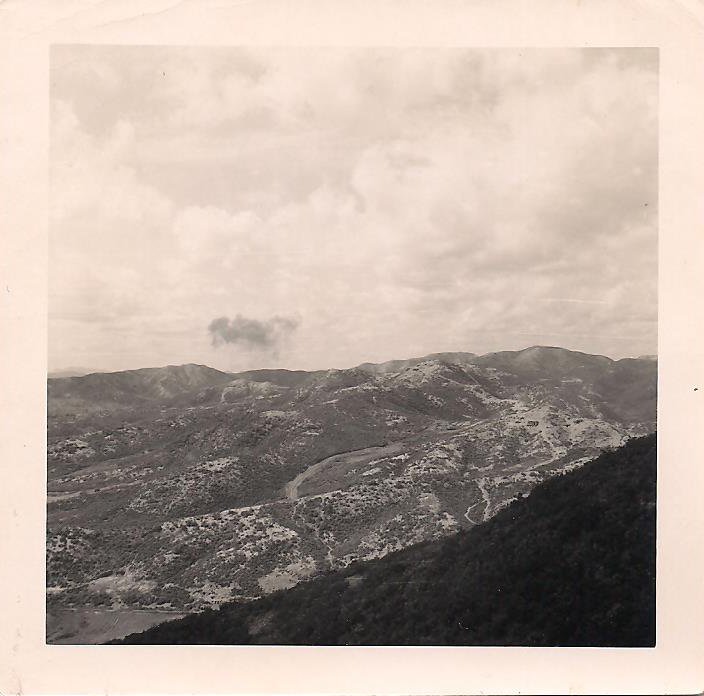
This photo, pulled from the shoebox which holds my dad’s military photos, is simply labeled “front line.” That would be “front line” as in Korea, where my soldier father fought.

Eventually, my dad would make it safely back to rural Minnesota, resume his life as a farmer, marry my mom and raise a family of six children. But he was a changed man, scarred by war, dealing with PTSD (unknown back then) and other issues resulting from his time on the frontline in Korea.

The Rice County, Minnesota, Veterans’ Memorial in Faribault stands in front of the courthouse. Minnesota Prairie Roots file photo.

Today, Veterans Day, I honor my father (who died in 2003) and all others who have served and continue to serve our country, whether they have been in direct combat, served in support capacities or otherwise. I appreciate their efforts to secure our democracy, our freedom.

TELL ME: Who would you like to honor today? Or, if you’ve served, please share your thoughts on this important day.

© Copyright 2020 Audrey Kletscher Helbling


Thoughts during this season of autumn in Minnesota October 20, 2020

Filed under: Uncategorized — Audrey Kletscher Helbling @ 5:00 AM
Tags: , , , , , , , , , ,
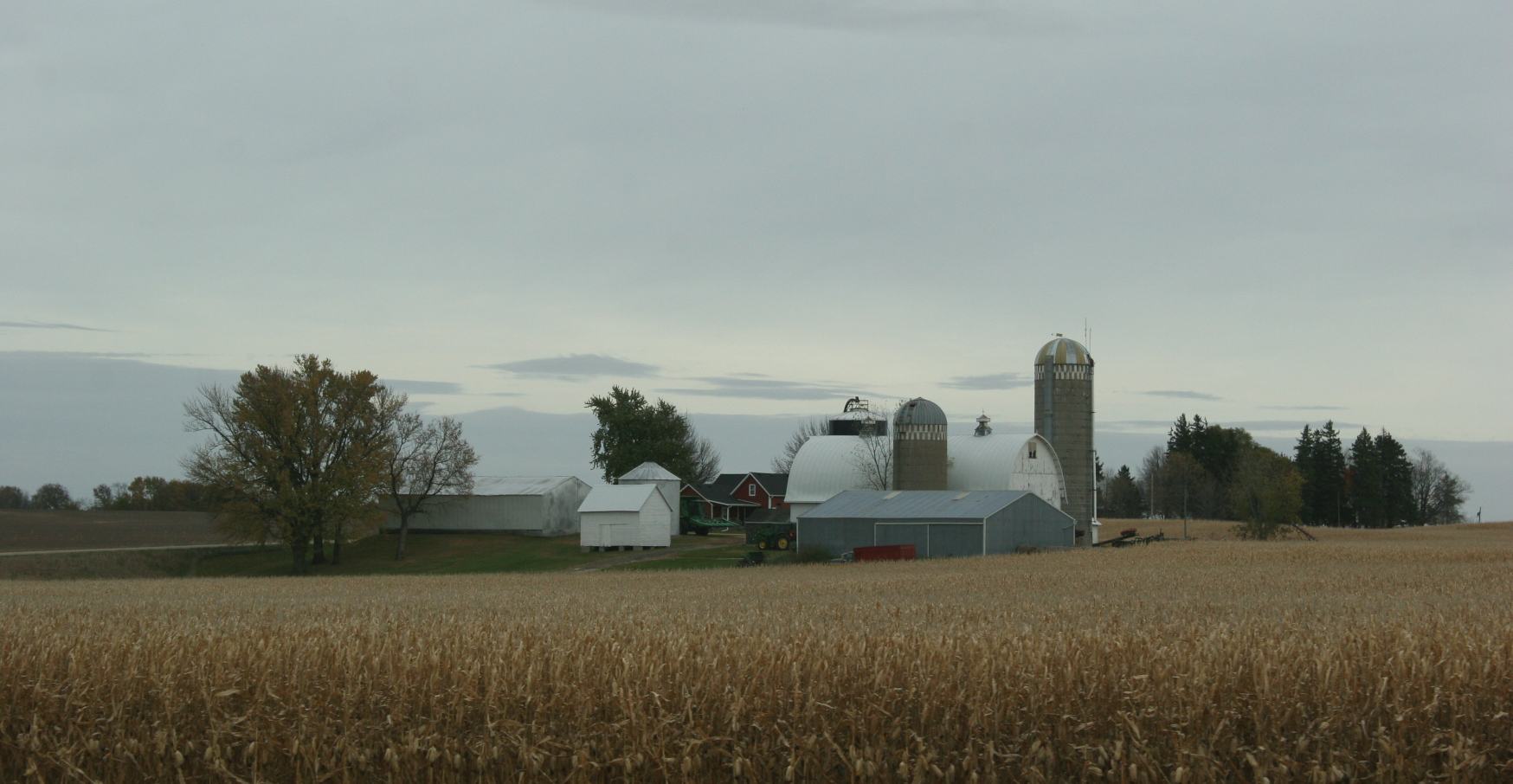
A cornfield fronts a farm site between Faribault and Dundas in rural Rice County, Minnesota.

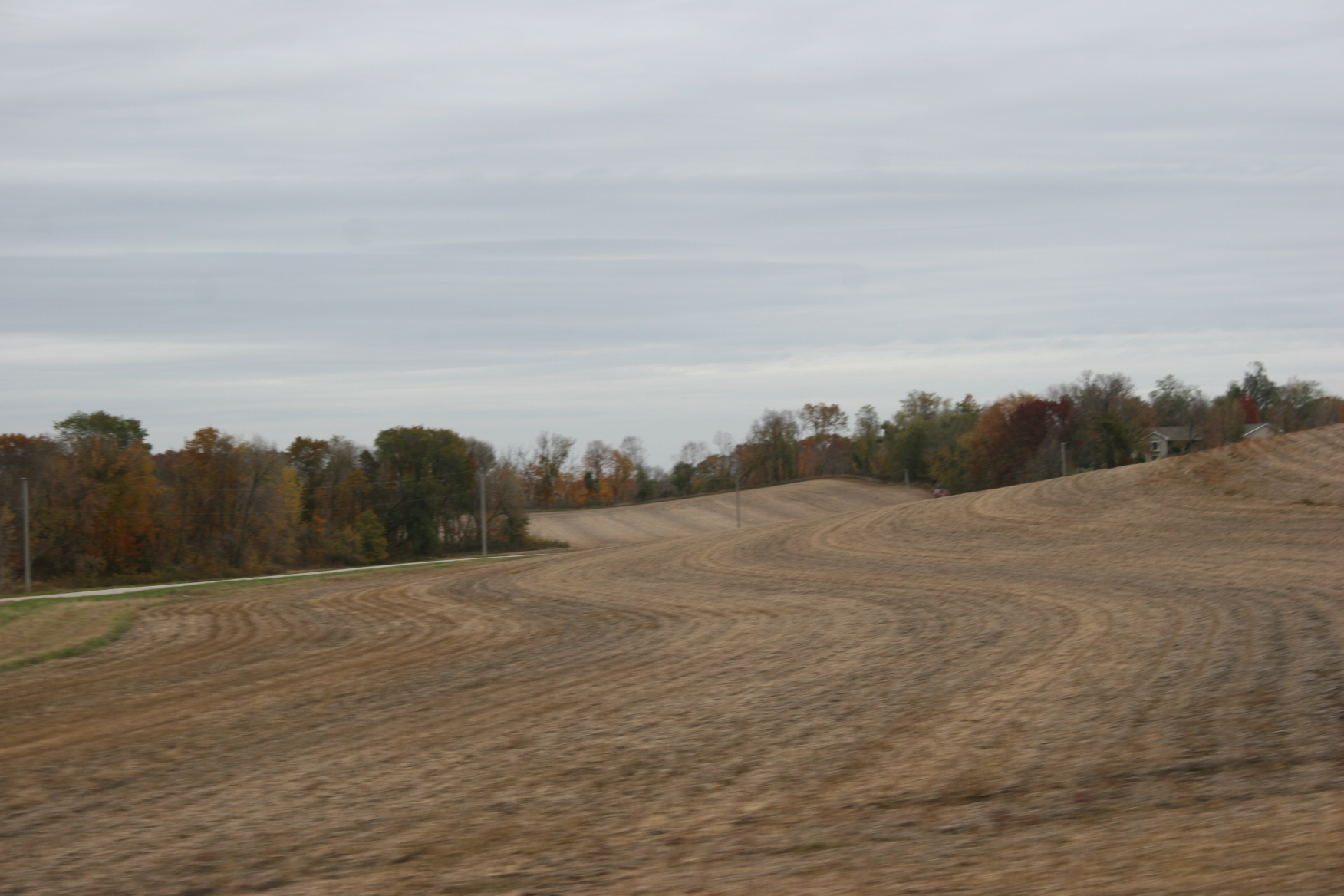
LIVING IN SOUTHERN MINNESOTA, as I have for my entire life, I feel a strong connection to the land rooted in my rural upbringing.

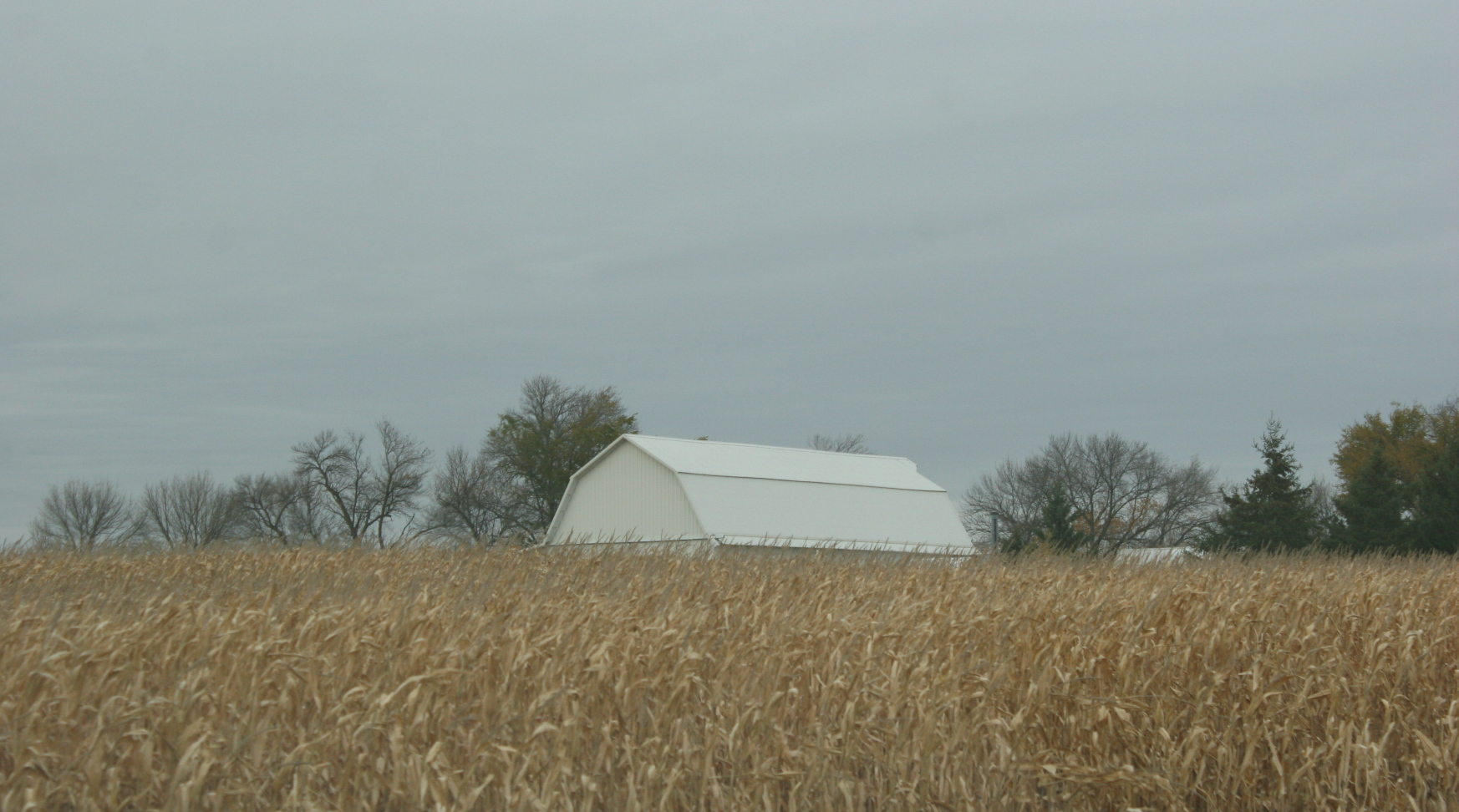
A barn roof is barely visible over a cornfield, rural Rice County.

Each autumn, I reflect on this time of bringing in the crops. Of gathering the last of the garden produce. Of harvesting corn and soybeans from the acres of fields that define rural areas. I miss the sights and sounds and scents of farming this time of year. Once-green fields muting to shades of brown, Combines roaring down field rows. The air smelling of drying leaves and of earth.

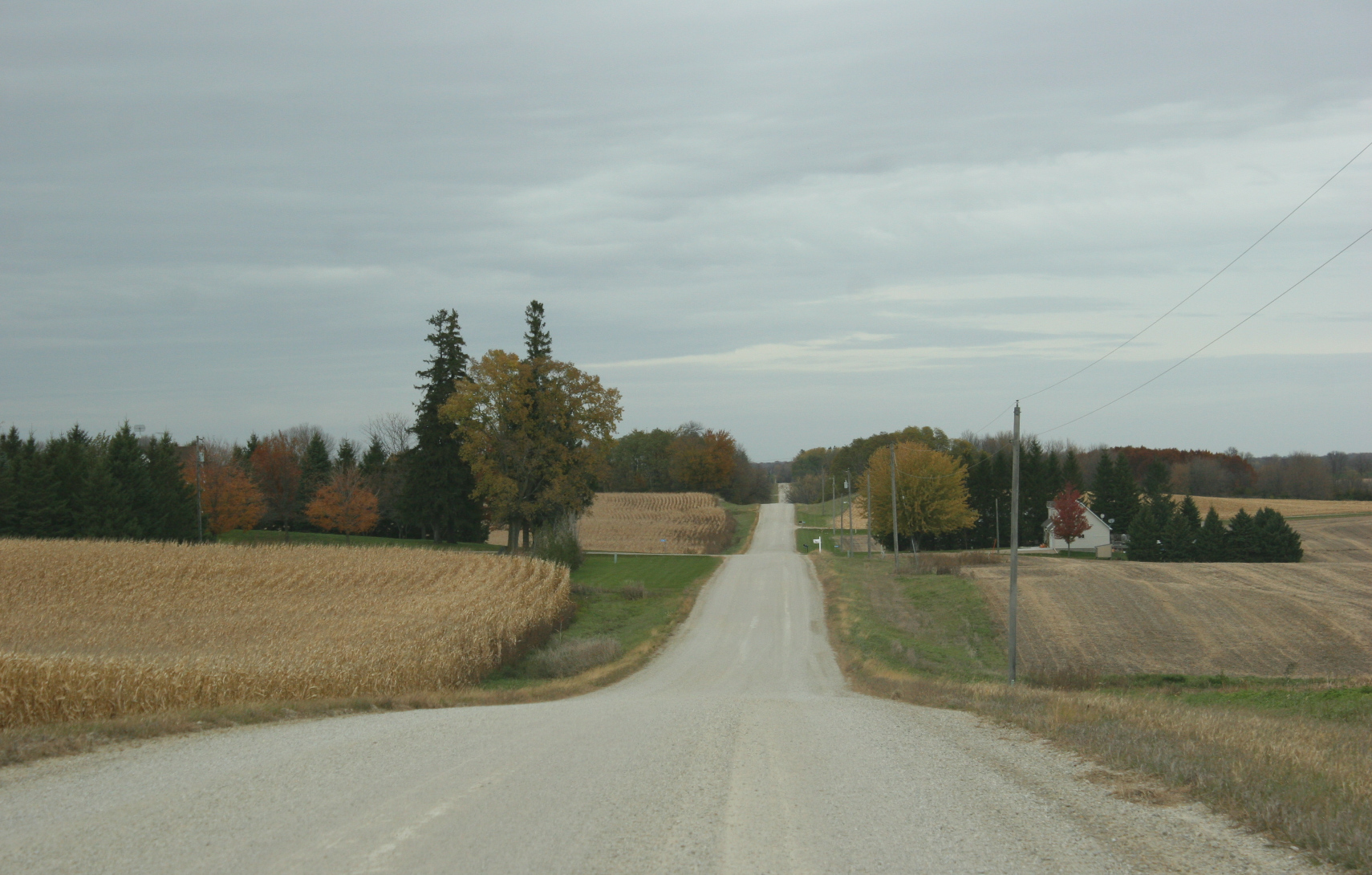
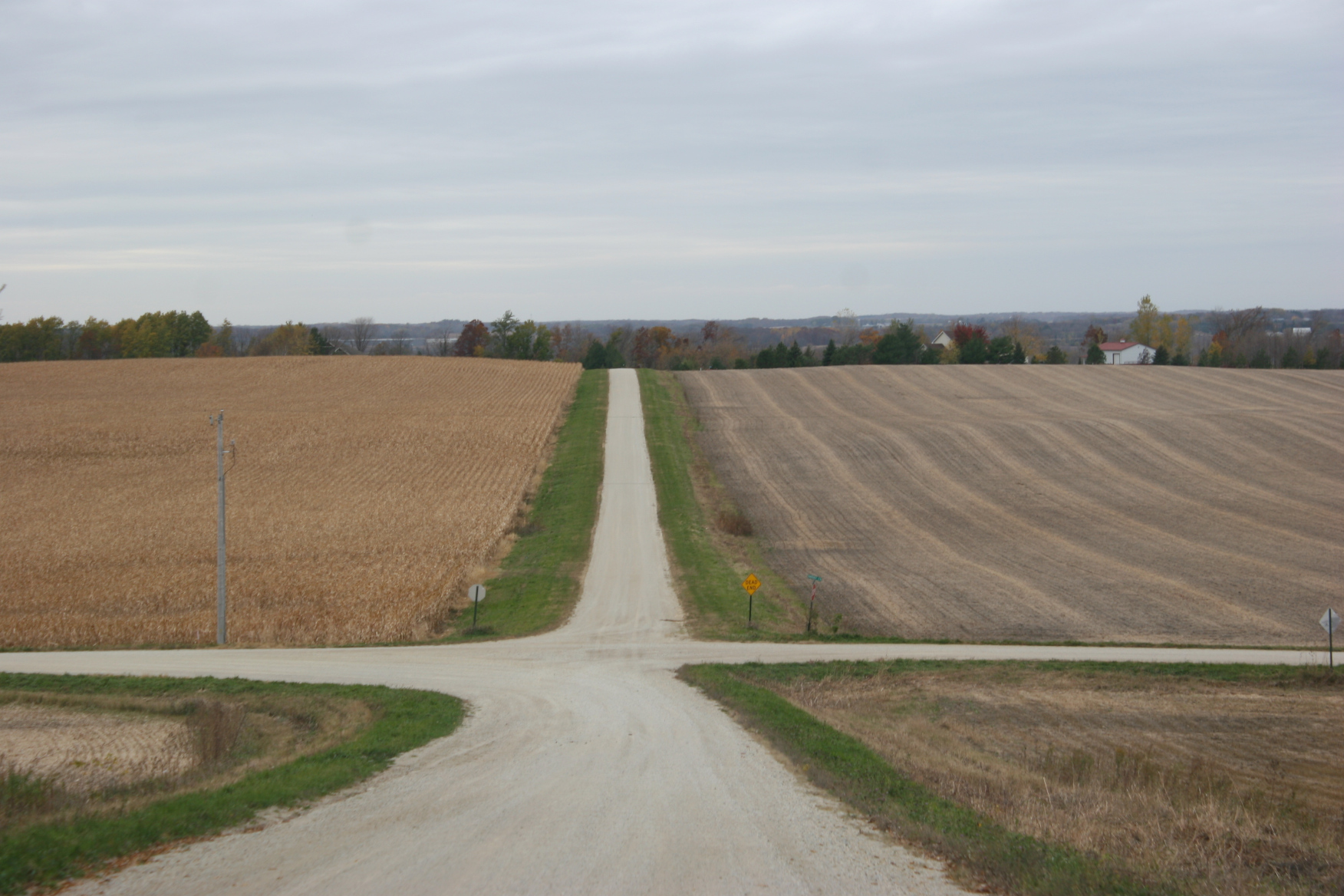
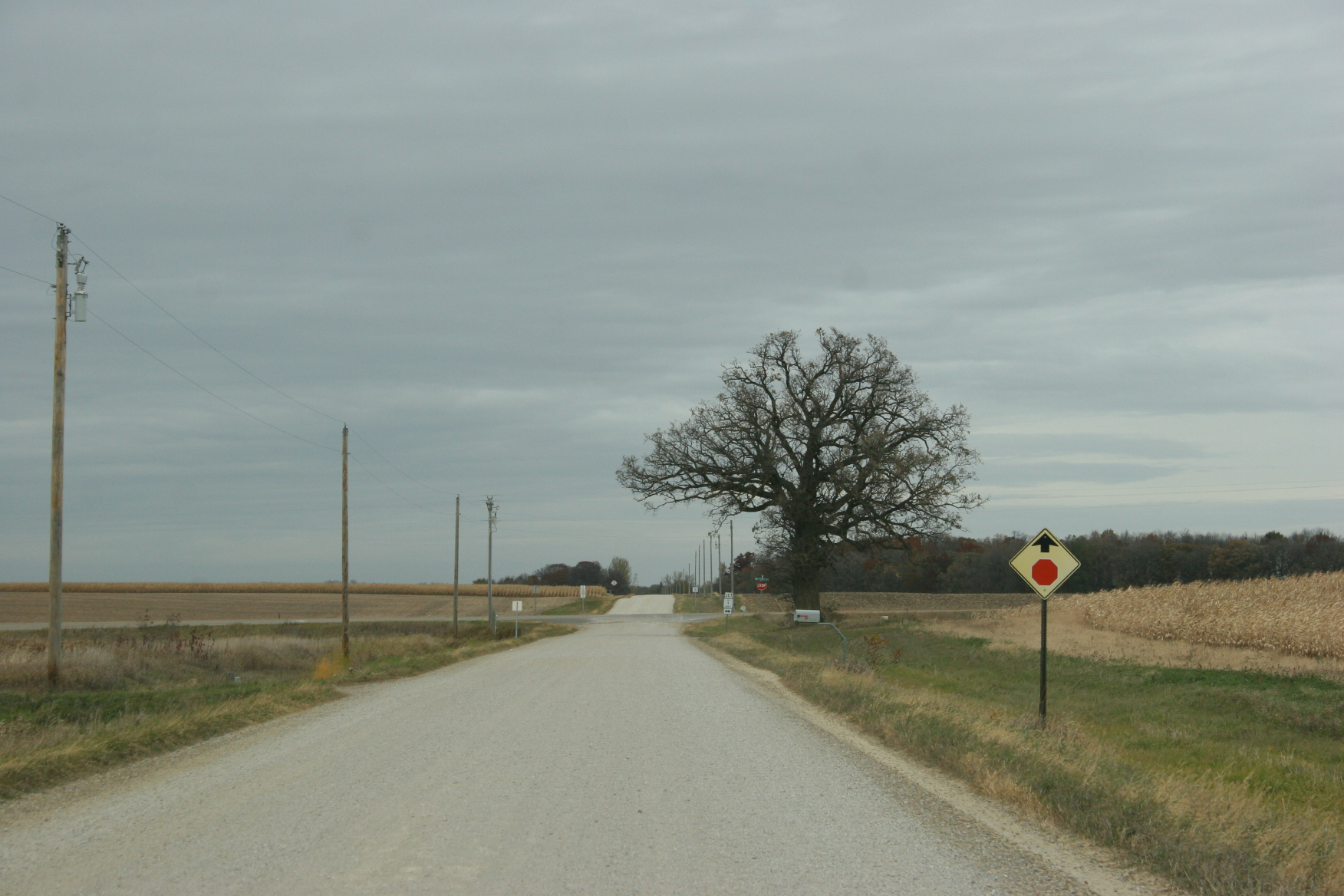
A back country road north of Faribault, heading to Dundas.

For those reasons, I always appreciate a drive through the countryside, especially along gravel roads. The pace is decidedly slower than traveling on a paved surface.

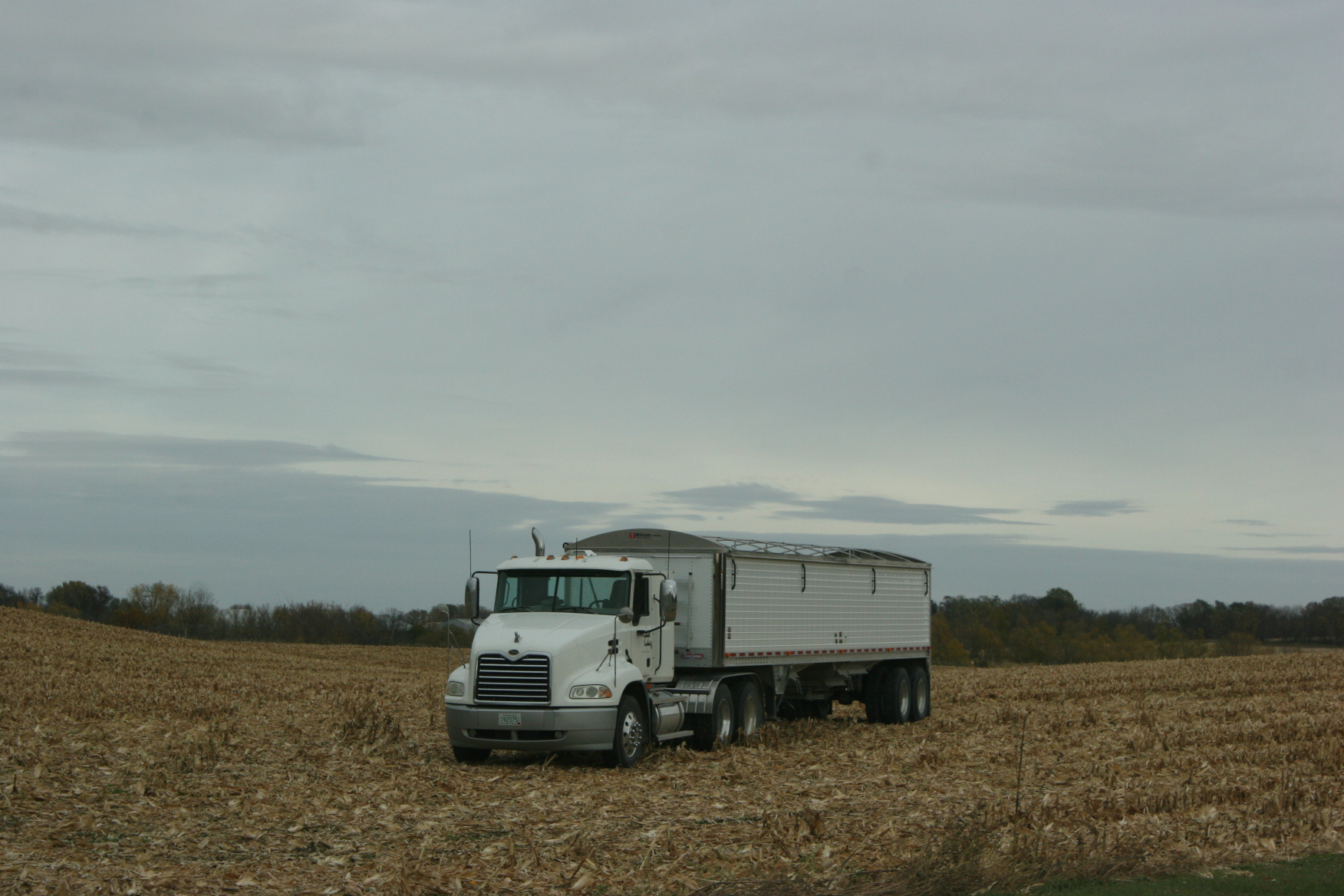
A grain truck awaits the harvesting of corn in rural Dundas.

Although farming has changed considerably with bigger machinery and bigger farms and bigger yields, the basic connection to the land remains. At least for me. It’s part of my creative spirit, of my being.

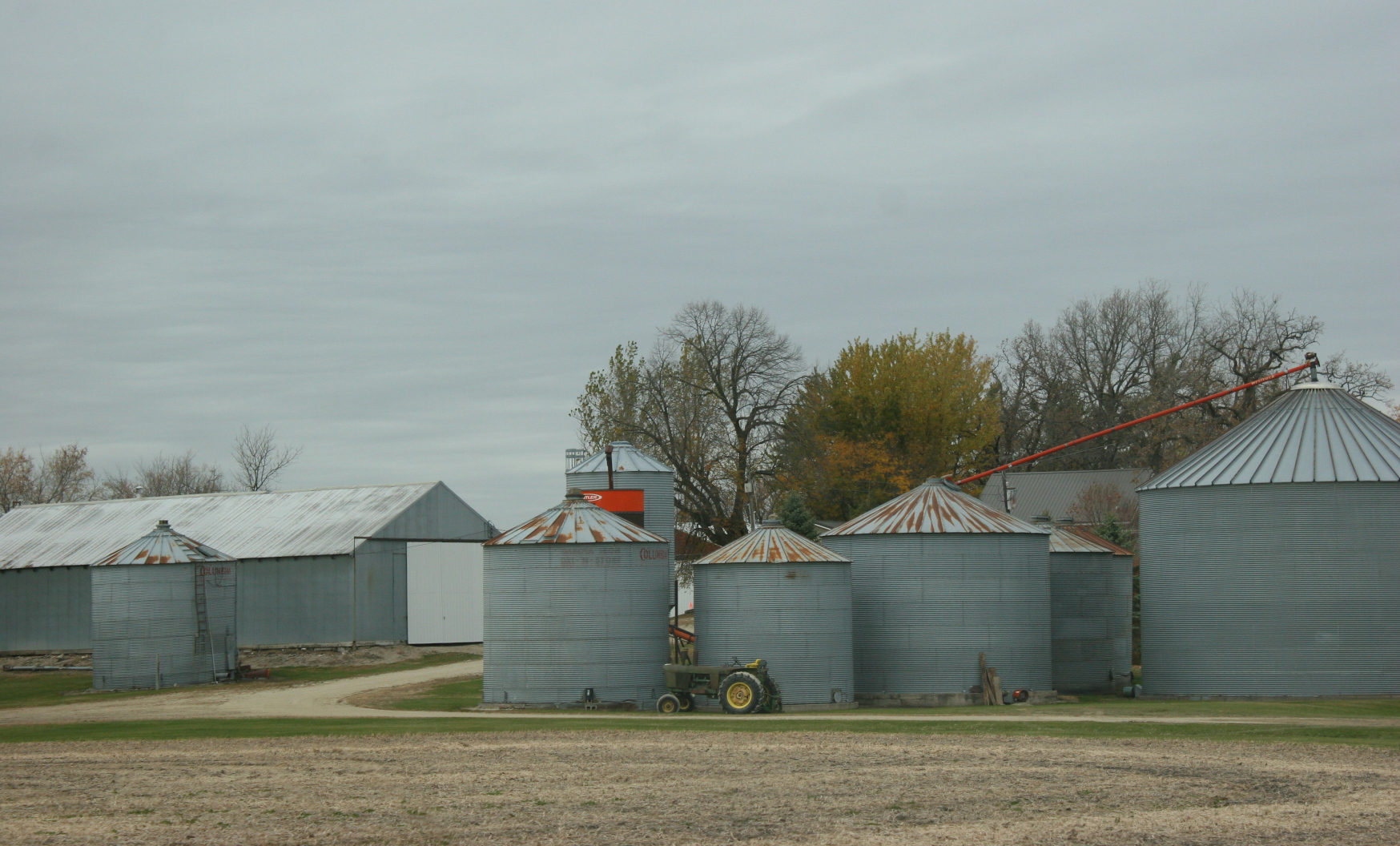
Grain bins define a farm site along a back gravel road in rural Rice County, Minnesota.

Yes, it’s easy to get nostalgic about rural life. I offer no apologies for that because I shall always feel grateful for the 17 years I lived on a farm. I learned the value of hard work, of living with minimal material possessions, of working together, of recognizing that inner strength and fortitude and resilience are important as are honesty and good character.

Country roads intersect near Cannon City.

I am thankful I used an outhouse during my childhood, pitched manure, picked rocks, walked beans, fed cows and calves, pulled weeds, didn’t get birthday gifts… There’s something to be said for having grown up in such a setting, in a way of life that by necessity requires significant physical labor and living within your means.

Harvest finished in rural Rice County.
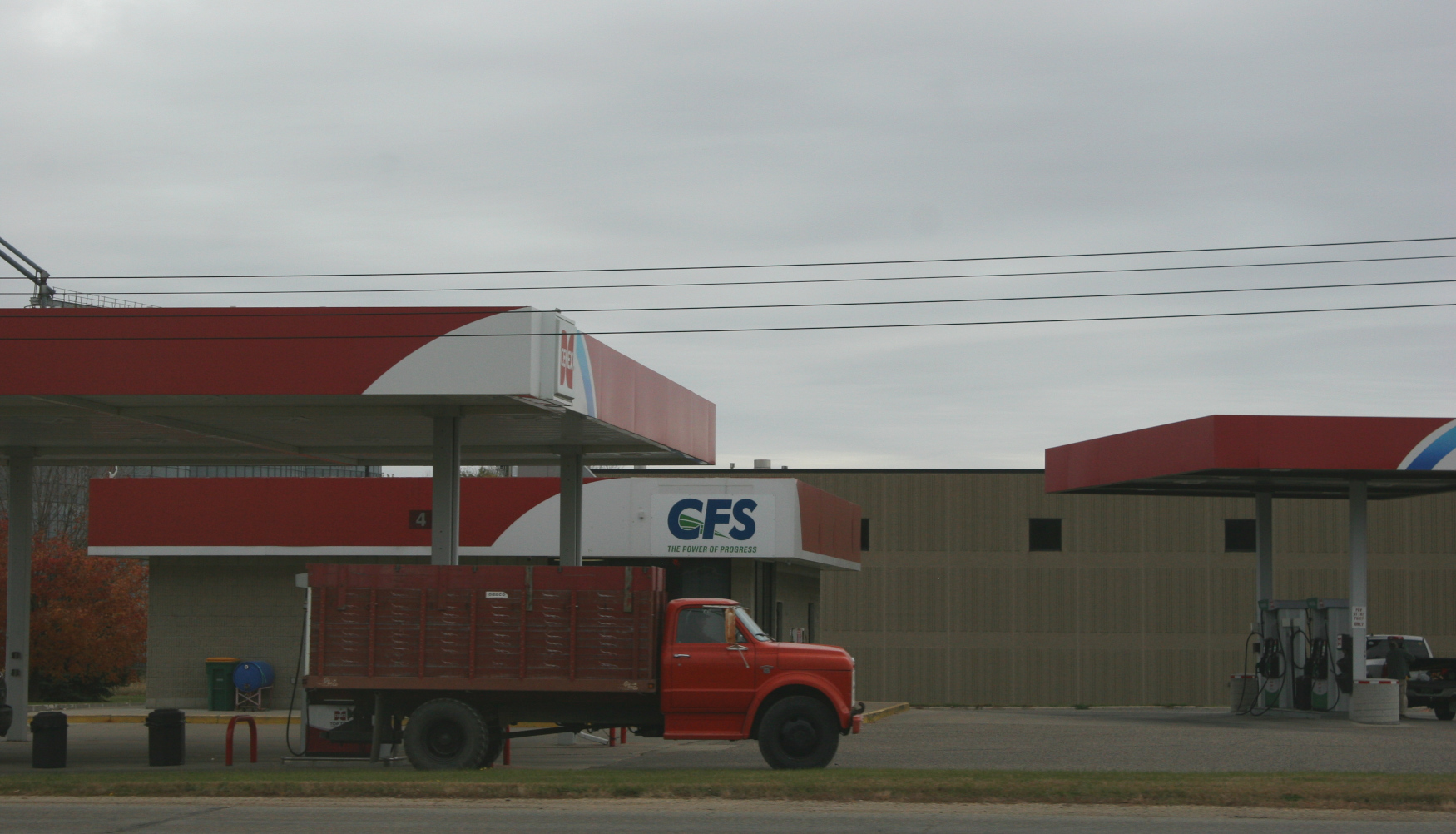
A grain truck parked in Northfield.
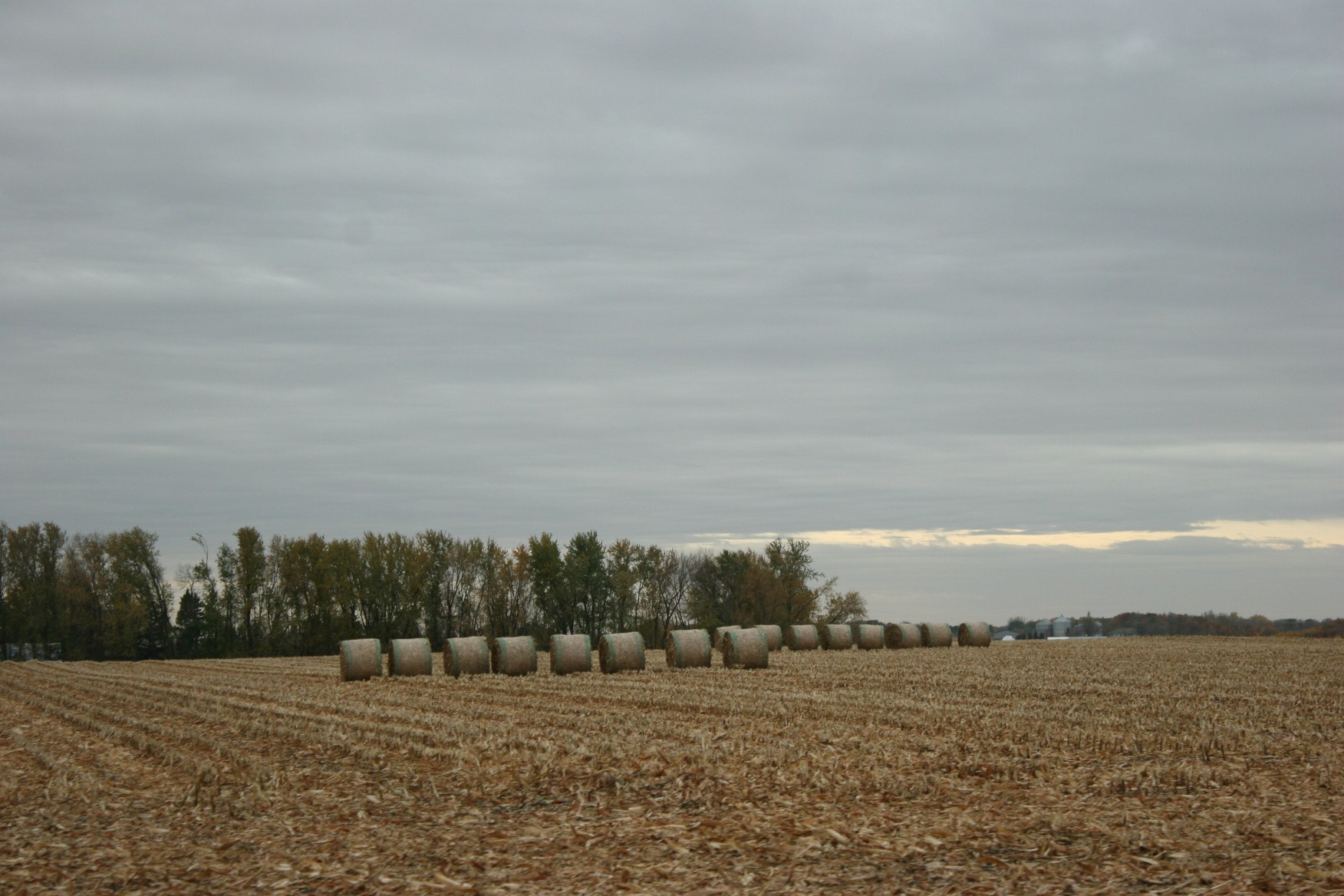
Corn stalk bales line a Rice County field.

In the winter, my hands cracked and bled from exposure to water and the elements. In the spring, when I picked rocks from fields, dirt sifted into holes in my canvas tennis shoes. In the summer, the hot sun blistered my skin as I pulled cockleburrs. (We didn’t have sunscreen.)

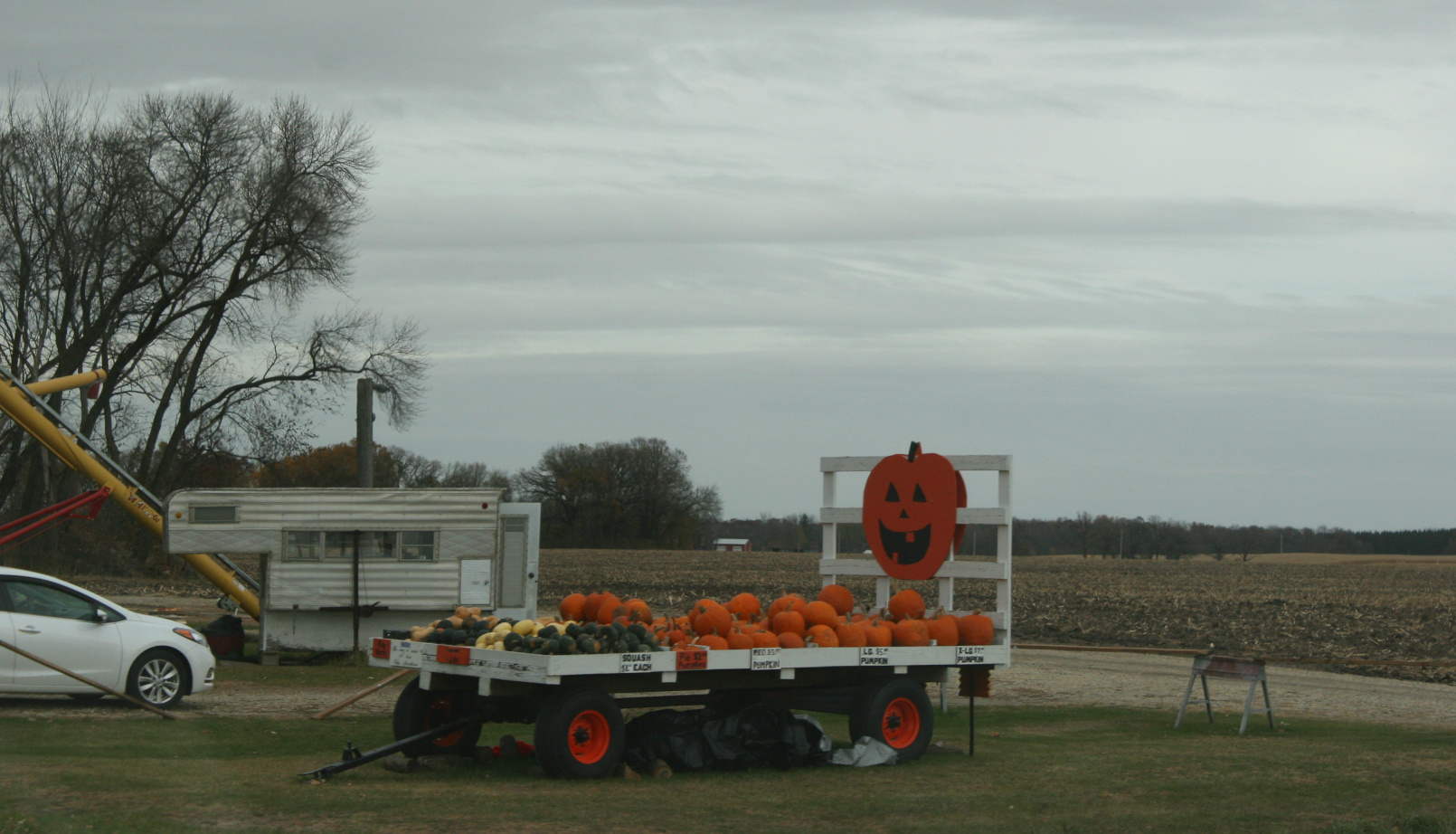
Pumpkins and squash for sale from a wagon parked at a farm site along Rice County Road 1 west of Dundas.
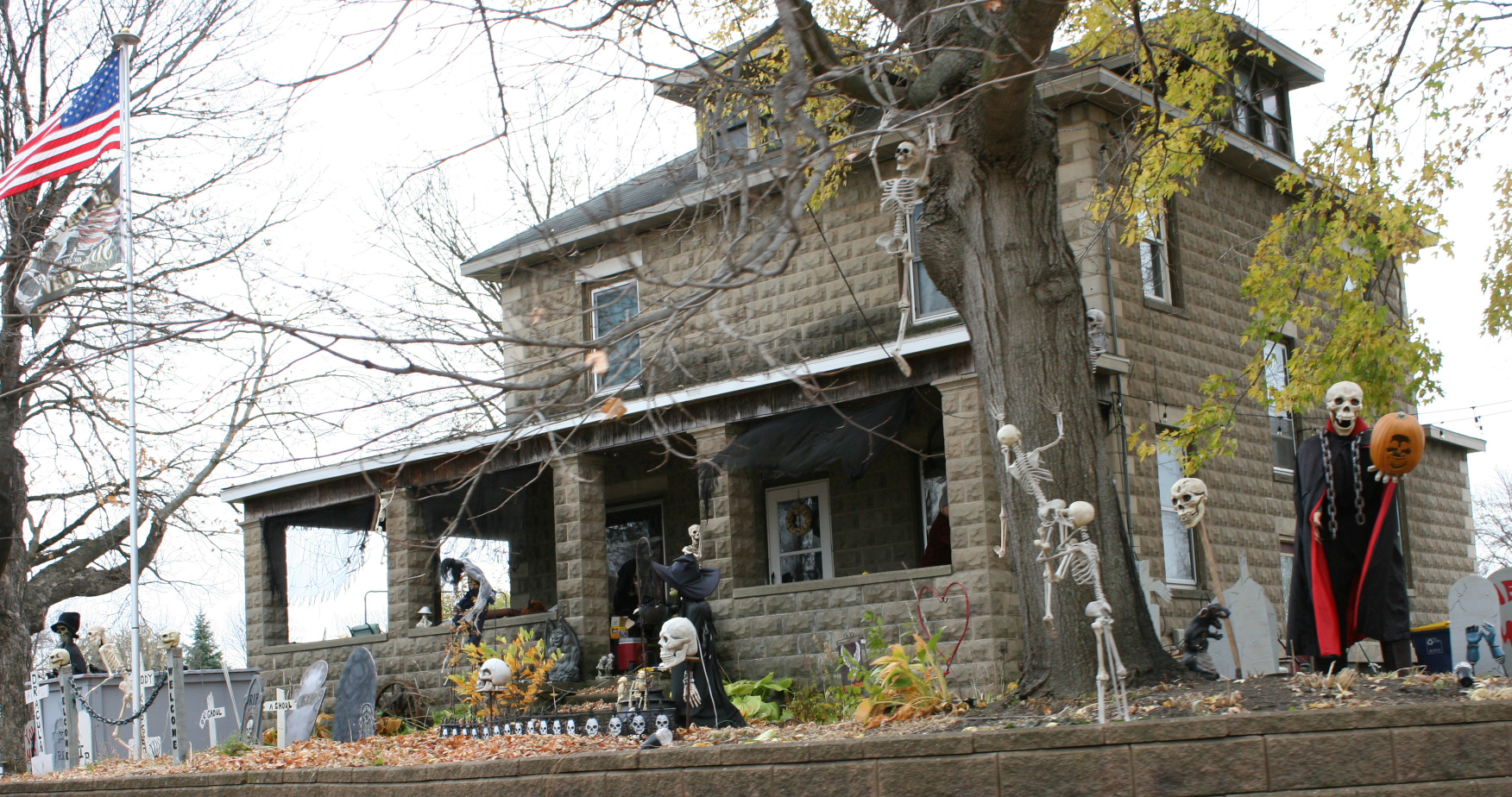
A house in Dundas decorated for Halloween.
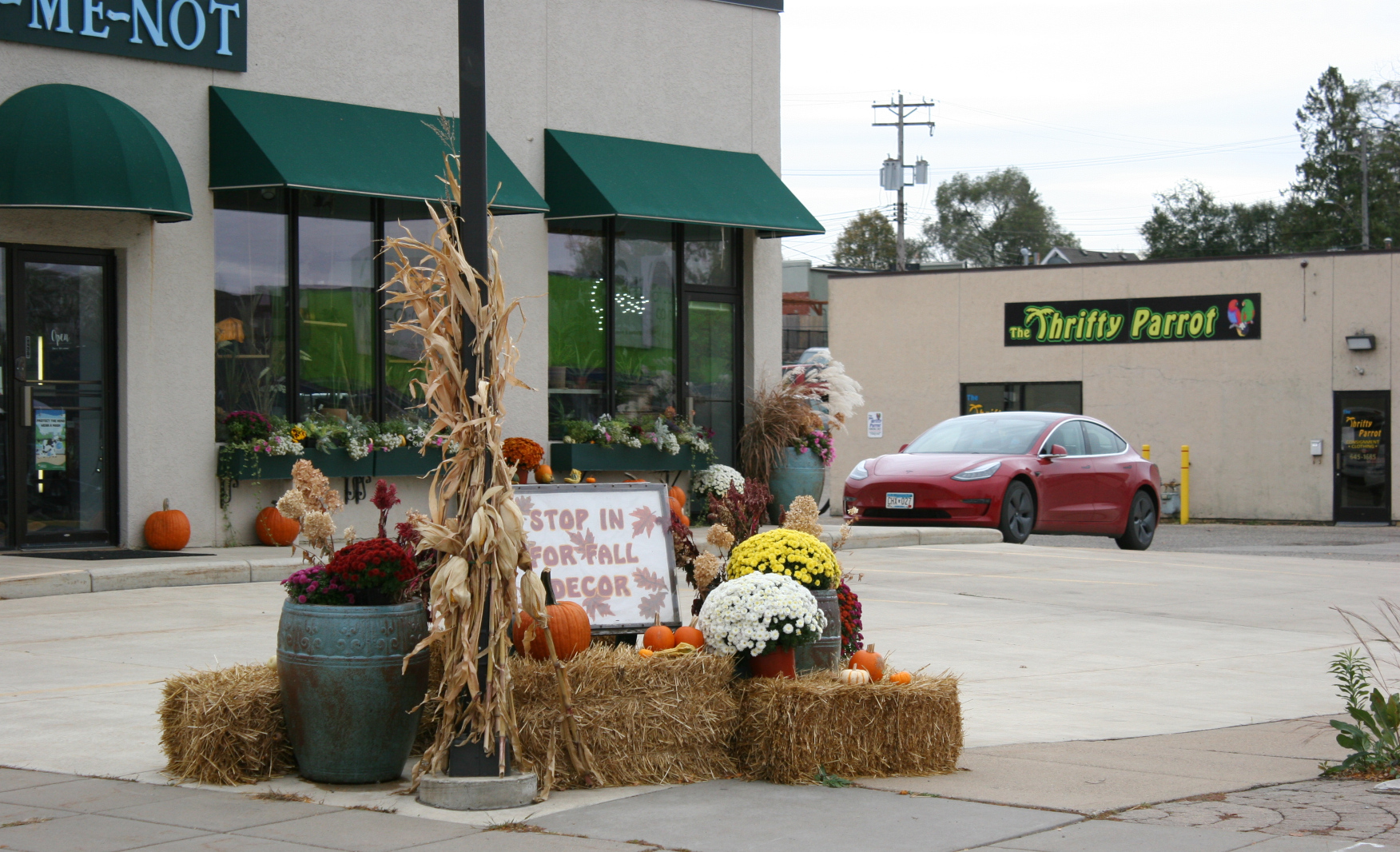
A seasonal display anchors a corner of a downtown Northfield floral shop.

And so these are my thoughts as I immerse myself in the season of harvest via a country drive. A drive that takes me from the countryside into town, to seasonal displays and thoughts of Halloween and Thanksgiving and the winter ahead.

The road ahead may not be easy…

I fully recognize that the forthcoming winter will challenge all of us. I am determined to stay the course during this ongoing global pandemic. To mask up, to social distance, to wash my hands, to connect only with my small family circle, to try and stay as healthy as possible, to care about others…to tap into my can-do farm girl attitude of strength, common sense and resilience. For this is but a season of life, one which requires each of us to think beyond ourselves, understanding that our choices matter now, more than ever to the health and safety of all.

© Copyright 2020 Audrey Kletscher Helbling


The power of a Turtle October 1, 2020


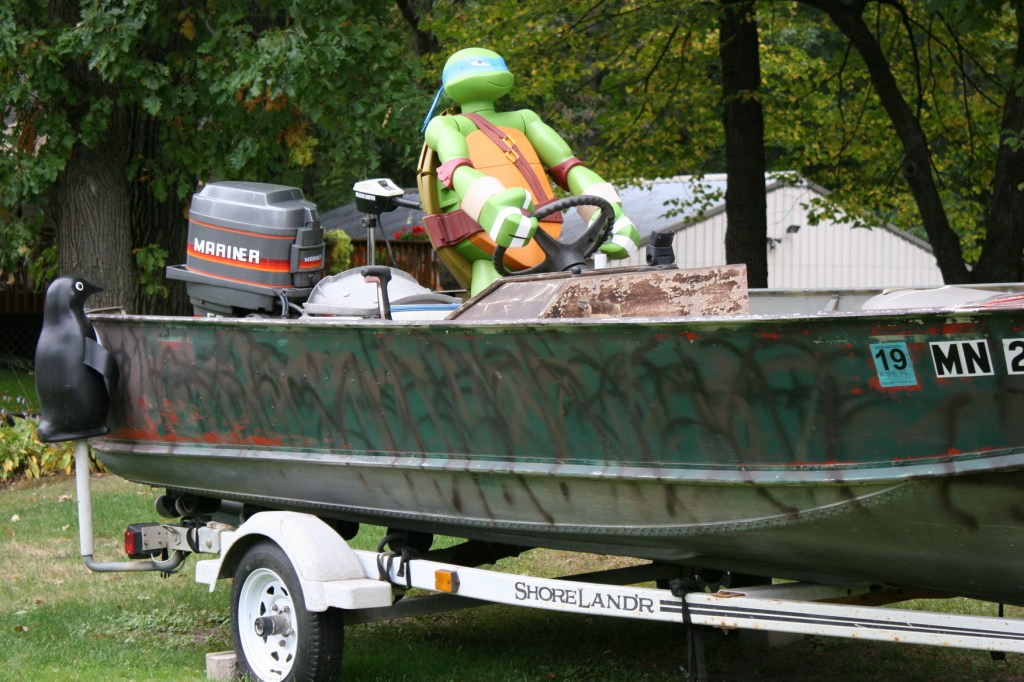
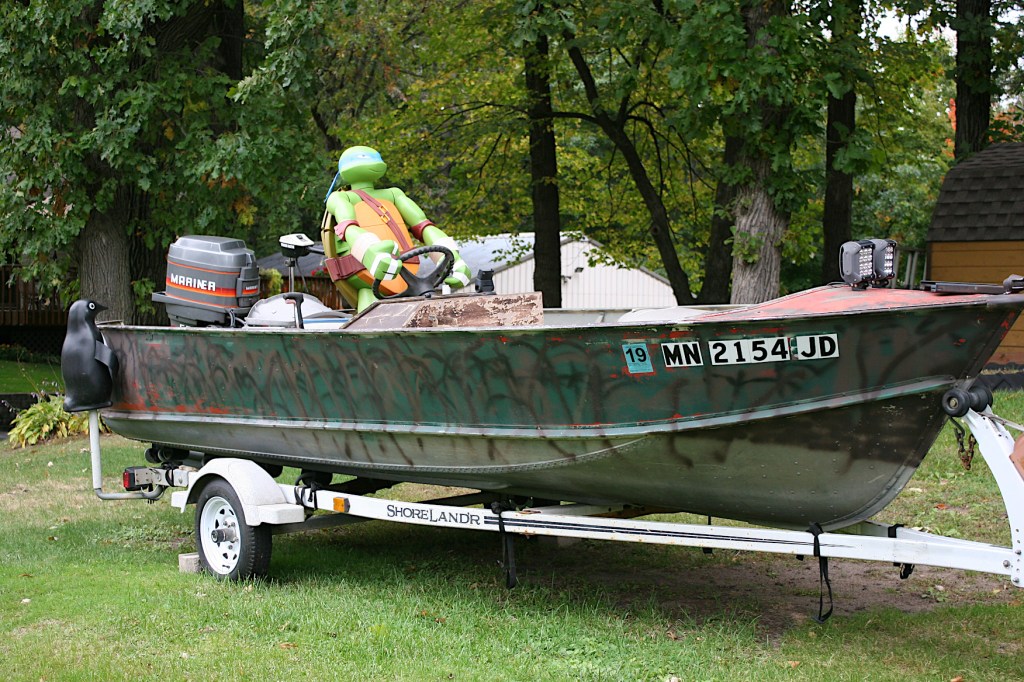
Leonardo, up close in Zimmerman, Minnesota.


THE SIGHT OF LEONARDO standing strong and tall at the wheel of a motorboat left me feeling simultaneously nostalgic and amused.

Amused because, well, who expects a fictional turtle piloting a parked boat in Zimmerman, Minnesota? The scene caused me to laugh. And, today more than ever during these unsettling and difficult times, I need laughter.

I need laughter to loosen muscles that are too often tight. A head that too often hurts from hearing too much hatred and rhetoric. I need this momentary visual escape from reality.


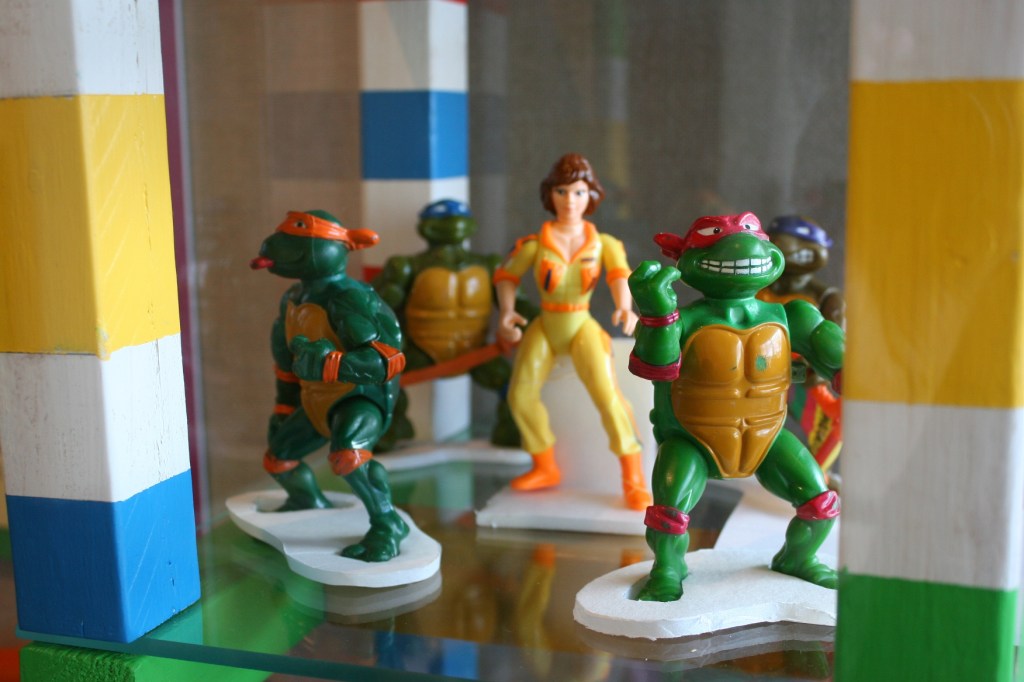
Figurines displayed at a past toy exhibit at the Steele County History Center, Owatonna. Minnesota Prairie Roots file photo.


And so, as I photographed this cartoon character manning a stationery boat in a residential neighborhood, I also remembered how my daughters—children of the 80s— watched the superhero cartoon Teenage Mutant Ninja Turtles. And embraced the four turtles named after Italian Renaissance artists. Leonardo. Michelangelo. Donatello. Raphael.

They played with Turtle figurines, sang the cartoon theme song, even celebrated a birthday with a home-crafted Turtle cake, although I no longer recall which character or which daughter.

The masked hero in the boat is Leonardo, the leader of the quartet and named for artist, engineer and scientist Leonardo da Vinci.


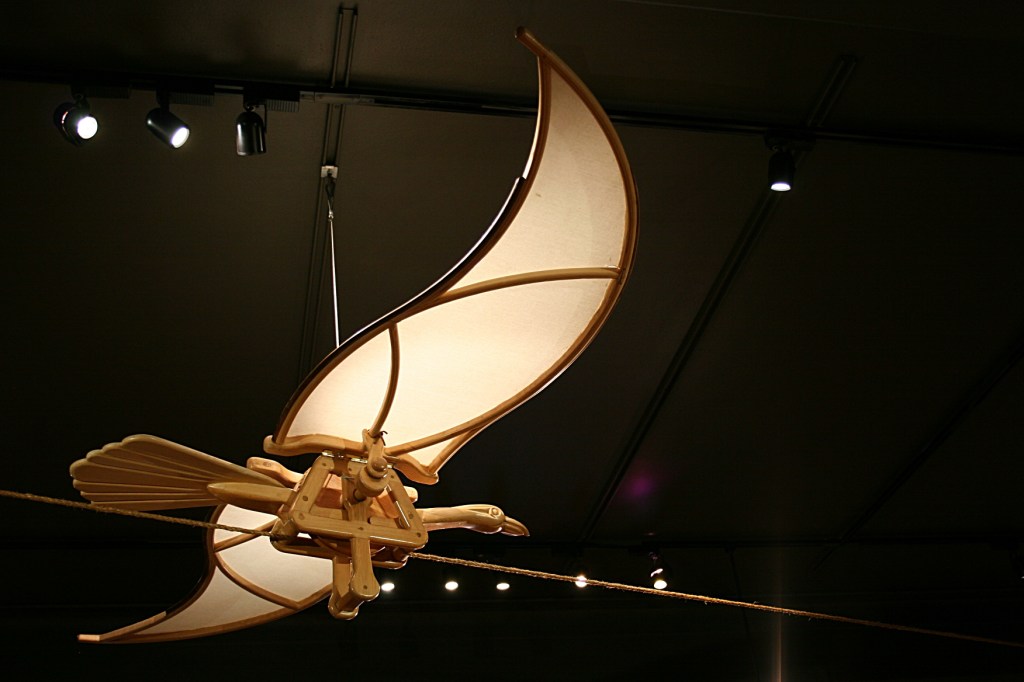
A design allowing actors to fly across a stage, included in the “Machines in Motion” exhibit. Minnesota Prairie Roots file photo 2012.


In 2012, I toured an exhibit, “Leonardo da Vinci: Machines in Motion,” at The History Museum at the Castle in Appleton, Wisconsin. To see a show originating in Florence, Italy, here in the Midwest was a gift. The exhibit featured 40 operating machines built from da Vinci designs. Amazing. (I encourage you to check out my photos and story about “Machines in Motion” by clicking here.)


One last look at the unusual “public art” in Zimmerman.


Now, eight years later, I am reminded of that museum exhibit. I am reminded, too, of my daughters, now grown into adulthood and one with children of her own. I am reminded also that, in the chaos and uncertainties of today, I can find a reason to laugh. Thank you, Zimmerman boater, for placing Leonardo inside your boat parked on your front lawn. You made me laugh.

TELL ME: What has caused you to laugh recently?

© Copyright 2020 Audrey Kletscher Helbling


Remembering & honoring my hardworking dad this Labor Day September 7, 2020

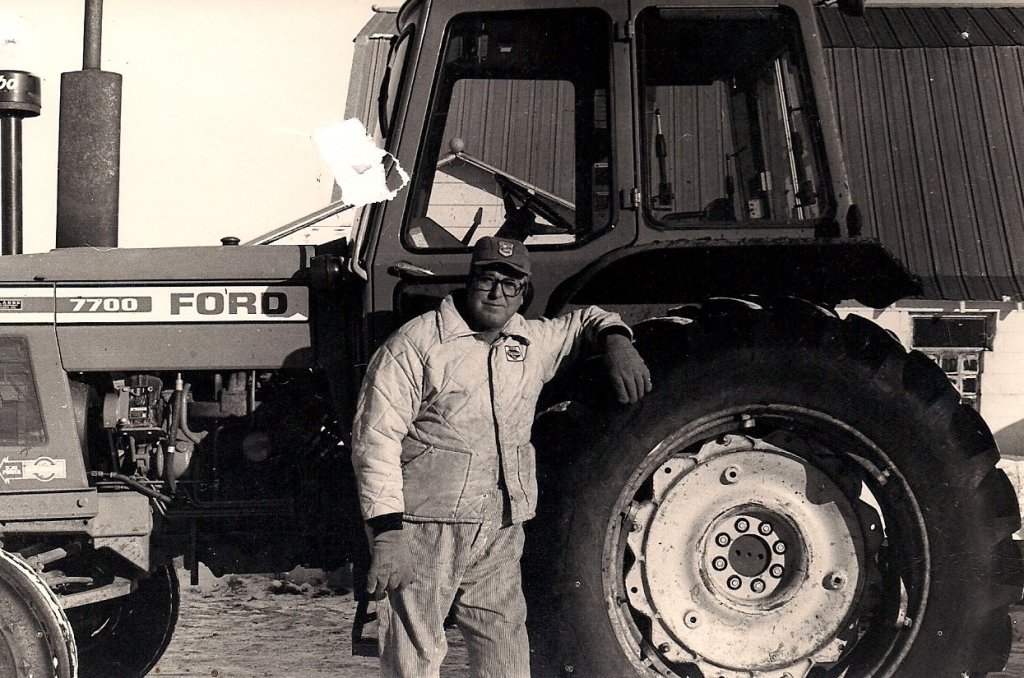
Dad farmed, in the early years with a John Deere and Farmall and IH tractors and later with a Ford. (Photo by Lanae Kletscher Feser)

A photo of my dad, Elvern Kletscher, taken in 1980. He died in 2003.


MY DAD WORKED HARD. Really hard. He was a farmer, beginning back in the day when farming was incredibly labor intensive. Pitching manure. Throwing hay bales. Milking cows by hand. Cultivating corn. He worked from the rising of the sun to beyond sunset. Hours and hours in the barn. Long days in the field. Few, if any, days off.


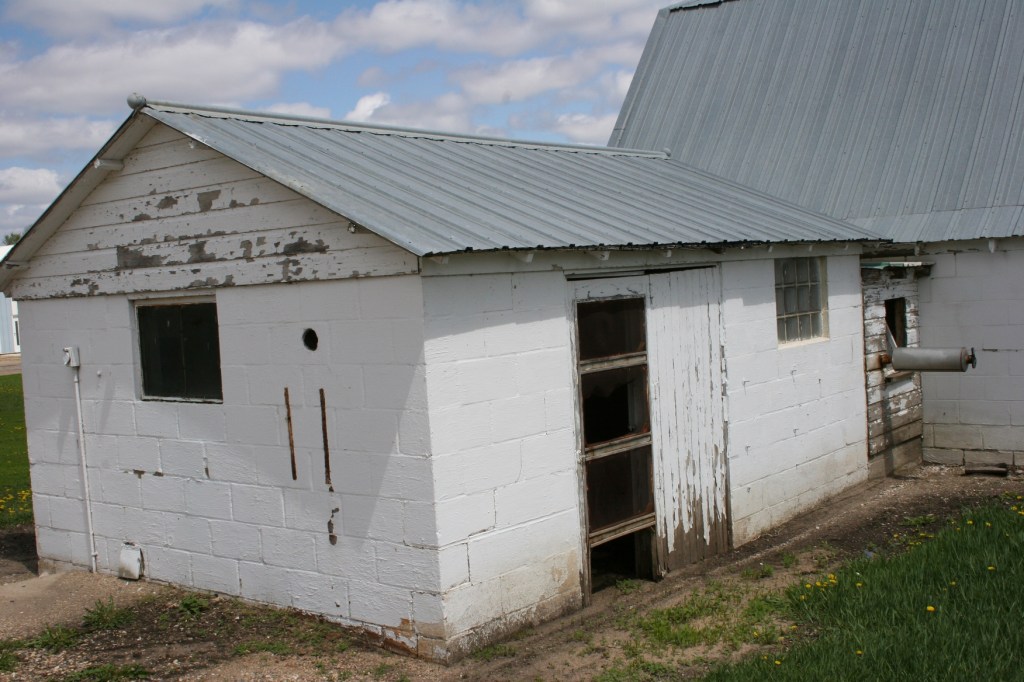
The milkhouse, attached to the barn on the farm where I grew up just outside of Vesta, MN. I spent a lot of time in these two buildings. Minnesota Prairie Roots file photo.


It was a life he knew from childhood, as the son of a southwestern Minnesota farmer. Dad quit school after eighth grade to work on his family’s farm in the 1940s. And when he grew into adulthood, he served on the frontlines during the Korean War, then returned to farm just down the road from the home place. There he worked his own land, milked cows and raised (along with my mom) his family of six children.


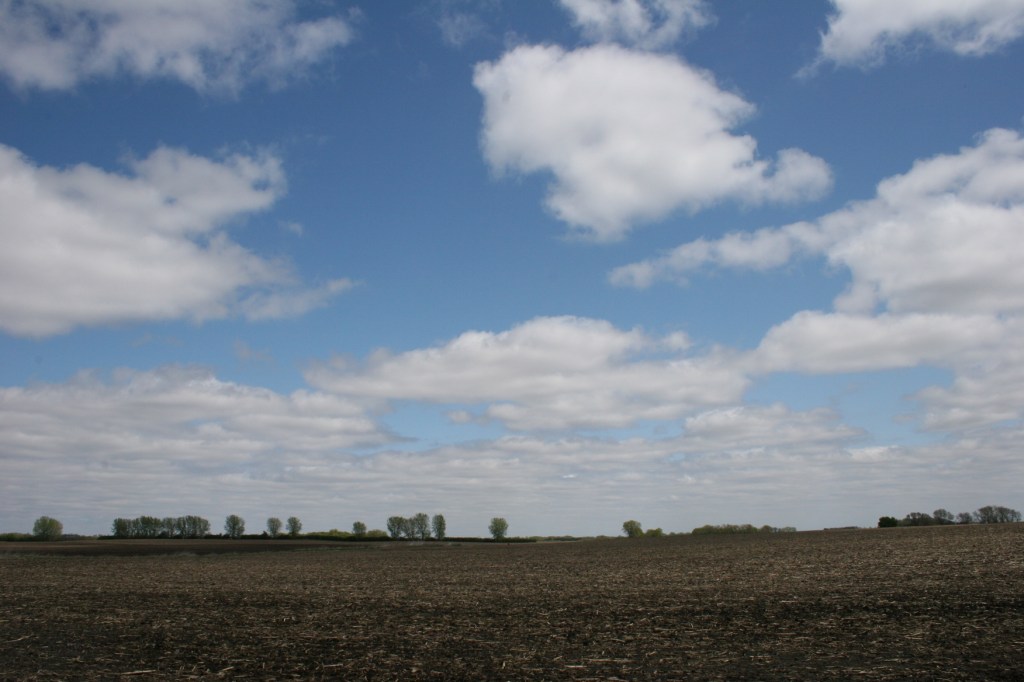
Some of the acreage my dad farmed in Redwood County, Minnesota. Minnesota Prairie Roots file photo.


Like my father, I grew up with a strong work ethic rooted in the land. Walking bean fields to pull unwanted weeds. Picking rock. Throwing hay bales into feed bunks for the Holsteins. Carrying buckets of milk replacer to thirsty calves. Climbing up the silo and forking smelly silage down the chute. The work never ended. And the next day we repeated the process.


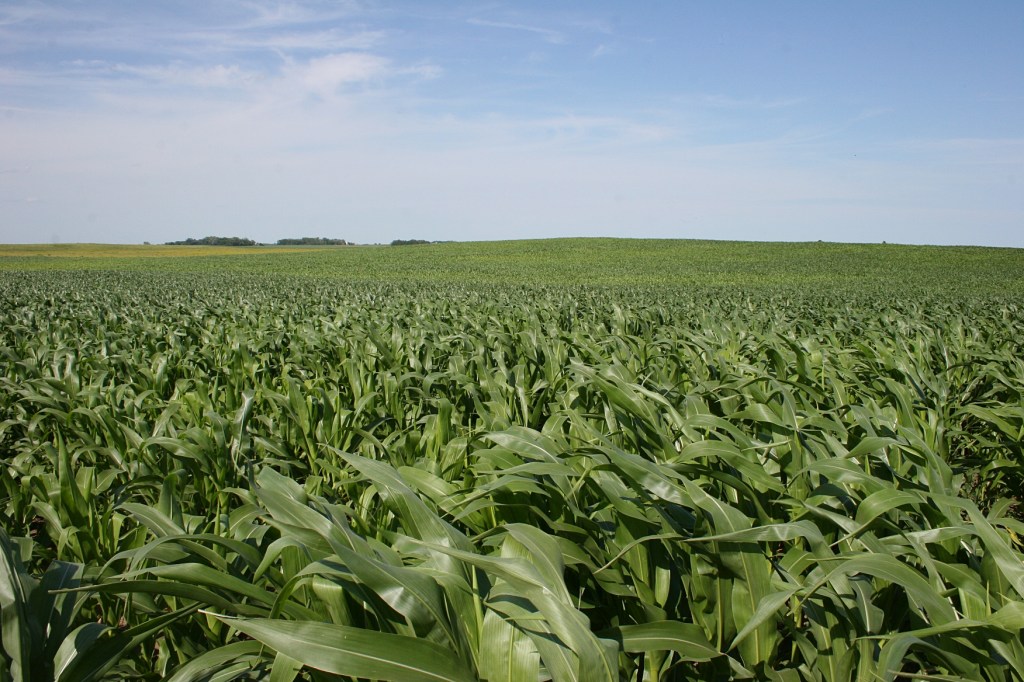
Corn and soybean fields define southwestern Minnesota. Minnesota Prairie Roots file photo.


But it was, in many ways, a good life. Time together. Time outdoors. Time to reflect. Time to learn and grow and stretch, just like the corn stretching toward the sky.


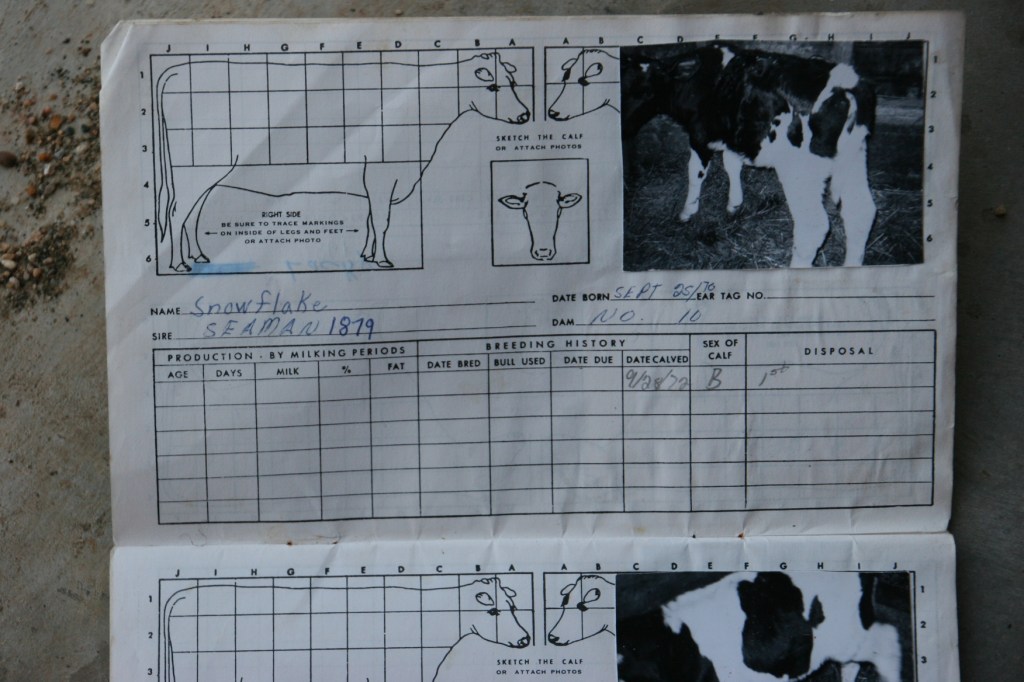
Growing up on our crop and dairy farm, my eldest brother, Doug, photographed the cows and recorded details about them. My middle brother treasures this compilation of information from our farm. And so do I. Memories… Minnesota Prairie Roots file photo.


Working on the farm made me strong and resilient and fostered a sense of independence. I have always been a self-starter, preferring to work on my own. I trace that to the spirit of independence I observed in my farmer dad, who stood up for what he believed. I remember him dumping milk down the drain as the National Farmers Organization aimed to get better prices. I possess a streak of that feistiness, especially when it comes to those who are bullied/oppressed/looked down upon. I do what I can, with the talents I have, to make a positive difference. To uplift and encourage. And to really listen rather than talk.

I always told my dad I wanted to be a farmer when I grew up. He didn’t encourage that thought. None of my five siblings farm, although two work in ag-related businesses. It’s a credit to my parents that each of us pursued diverse careers as a partsman (and part owner) at an implement dealership, as a writer and photographer, a florist, CEO of an ethanol plant, teacher and lawyer. That’s a wide range of occupations among siblings. Our parents did not tell us what to do, and for that I shall always be grateful.


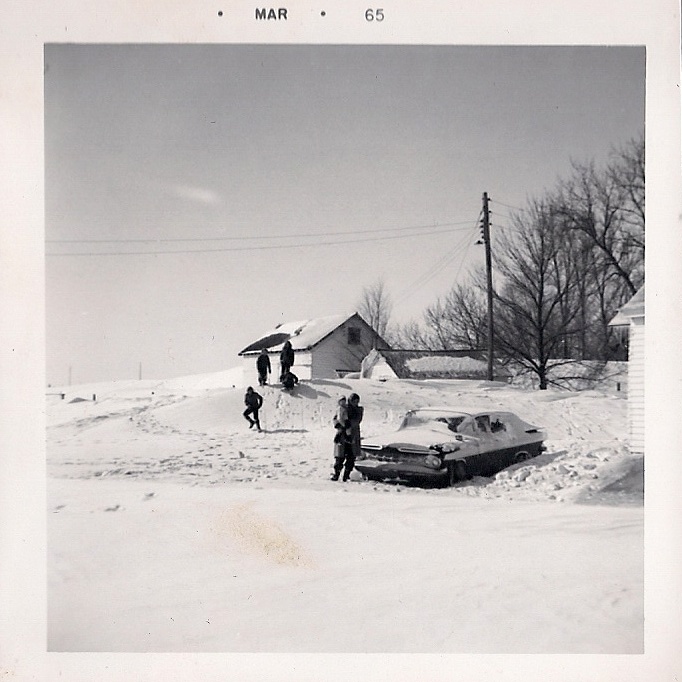
Our southwestern Minnesota farmyard is buried in snowdrifts in this March 1965 image. My mom is holding my youngest sister as she stands by the car parked next to the house. My other sister and two brothers and I race down the snowdrifts.


We were not a perfect family. Still aren’t. There were, and are, struggles. Financial and other. We were poor as in outhouse poor and no gifts for birthdays poor and wearing hand-me-downs poor and only rice for dinner poor. And only two vacations my entire childhood—one at age four to Duluth and one to the Black Hills at around age 12. Yet, I never felt like we were missing anything. We had enough. Food. Shelter. Clothes. And hardworking parents—for my mom worked equally as hard as my dad—who loved and provided for us.

My parents may not have hugged us or told us they loved us. But they showed their love by their care, their provision, their raising us in the faith. Their efforts, from parenting to farming, were a labor of love. And I shall always feel gratitude for that.

#

CLICK HERE TO READ my post, “Many Reasons to Feel Blessed this Labor Day,” published last week on the Warner Press blog.

© Copyright 2020 Audrey Kletscher Helbling


I’m a princess, but not of the Milky Way August 15, 2020

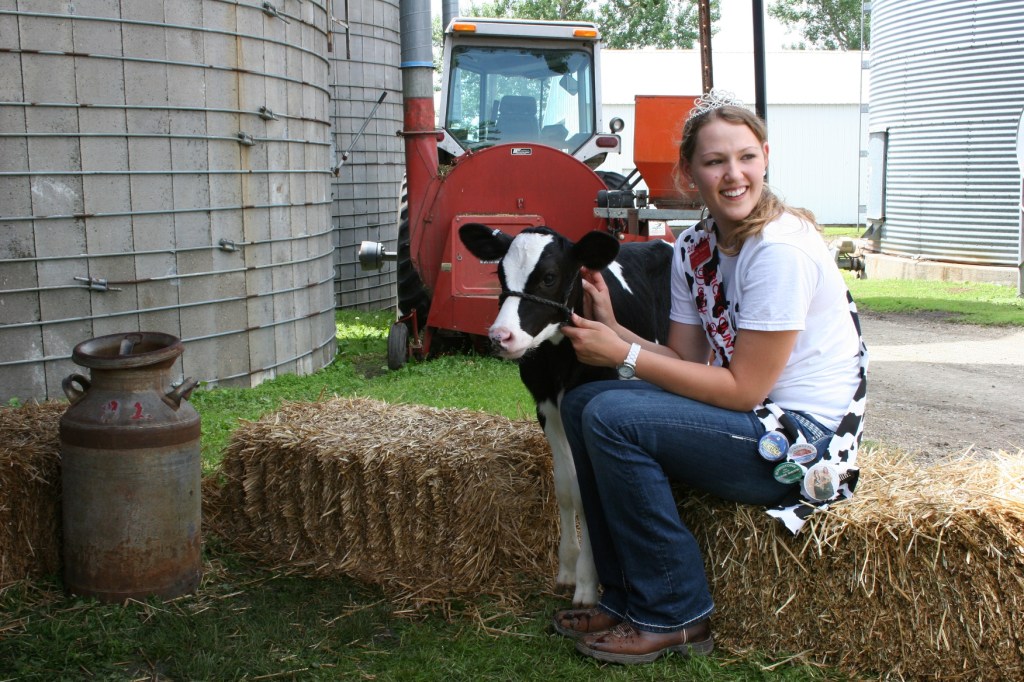
Past Rice County Dairy Princess Kaylee Wegner. Minnesota Prairie Roots file photo 2015.


“I LOVE YOU, my Little Princess.”

Oh, how sweet those loving words from my Aunt Dorothy, who has always called me her “Little Princess.” And still does. In every phone conversation between Minnesota and New Jersey, she ends our call with those endearing words.

It’s not that I’m much of a princess. Far from it. At least not in the sense of how most of us visualize royalty. I’m a tee and jeans woman. No glitz, no glam, no nail polish. And, in recent years, I’ve allowed my hair to go naturally and beautifully grey. Because, you know, I’m tired of putting chemicals on my head and I earned every grey strand…so I’m owning it.


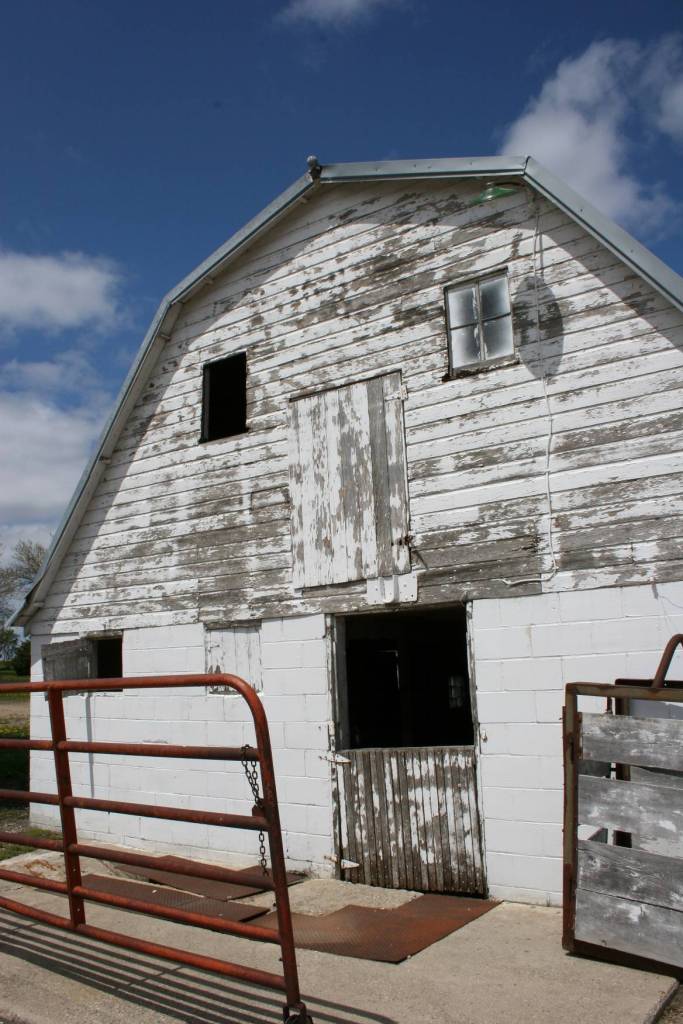
The early 1950s barn on the Redwood County dairy farm where I grew up. I spent a lot of hours through my childhood working in this barn. Minnesota Prairie Roots file photo.


But there was a time, back in my teen years, when I wanted to be a real princess. As in the Redwood County dairy princess. So I competed for that title, recognizing from the minute I stepped into the room of competitors, that I had no chance. I may have been a hands-on, working-in-the-barn daughter of a dairy farmer, but I didn’t possess the confidence, poise or other skills to represent Minnesota’s dairy industry.


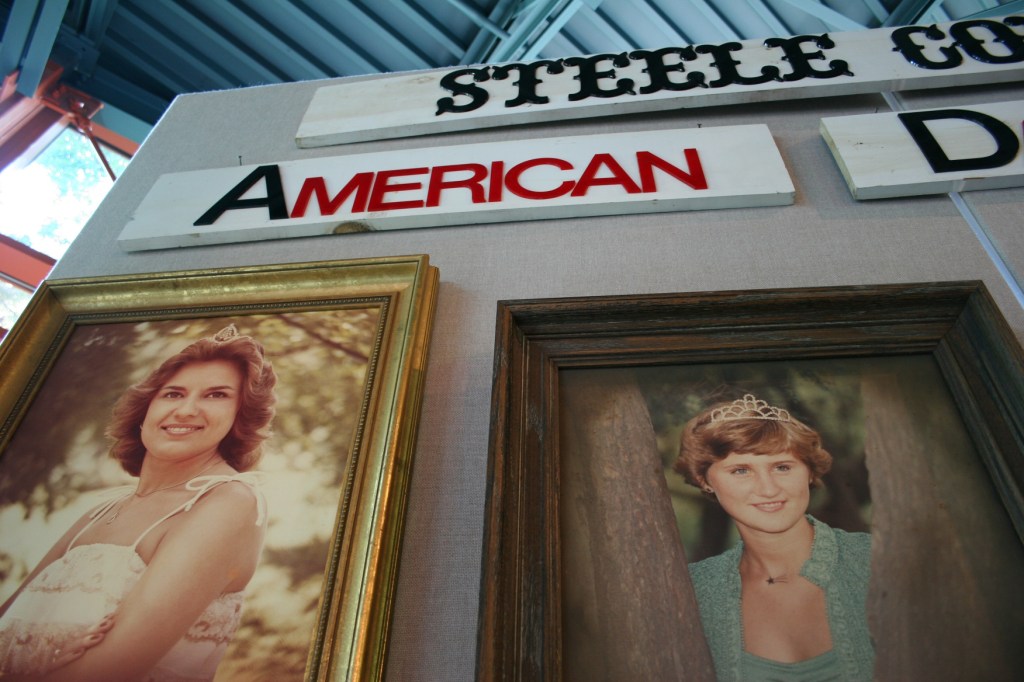
The Princess Kay of the Milky Way competition is a part of Minnesota culture. A past exhibit at the Steele County History Center in Owatonna featured photos of previous royalty, including 1978 princess Kari Schroht, left, and 1976 princess Kathy Zeman, right. Minnesota Prairie Roots file photo.


The judges chose a competent young woman, whose name I don’t recall, to rein as the Redwood County dairy ambassador along with other county princesses from throughout the state. Dairy princesses have been a Minnesota tradition for 67 years, highlighted in crowning of Princess Kay of the Milky Way around the time of our State Fair. Wednesday evening, Olmsted County Dairy Princess Brenna Connelly of Byron was crowned in a private ceremony among 10 masked and social distancing candidates.


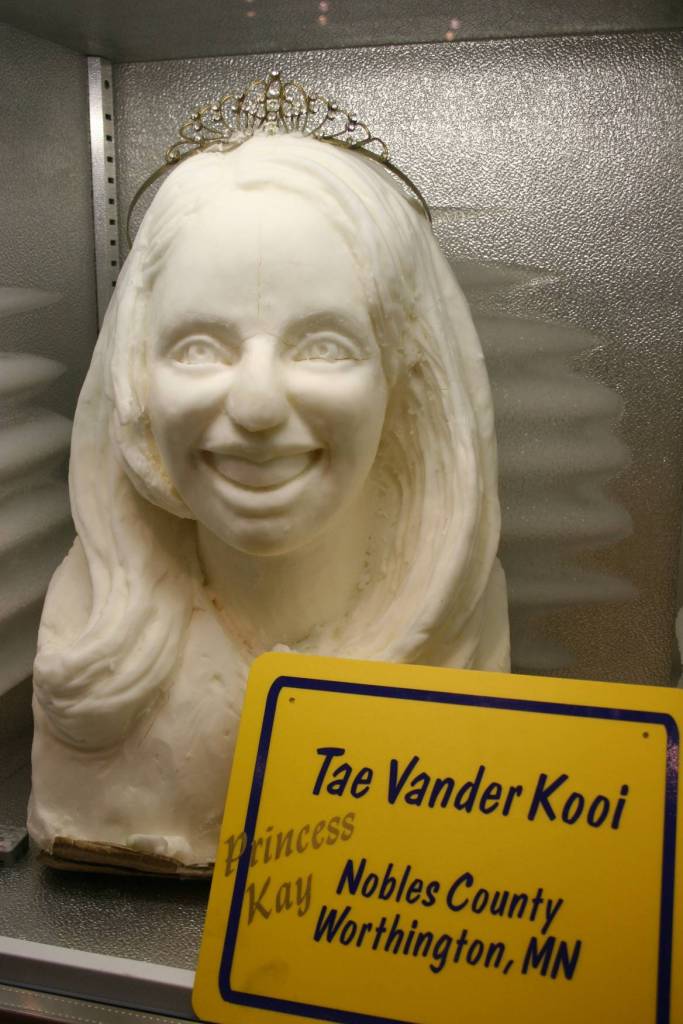
A Princess Kay of the Milky Way butter carving in the Minnesota History Center’s MN150 exhibit and photographed several years ago at the Steele County History Center. Minnesota Prairie Roots file photo.


Post coronation in a typical year, the new state princess and nine other candidates sit in a special refrigerated and rotating cooler in the dairy building at the Minnesota State Fairgrounds to get their heads carved in blocks of butter while fair visitors crowd around and watch. But this year, because of COVID-19, there is no fair. But the butter sculpting tradition continues, with notable changes.

Each county princess, starting with the new 67th Princess Kay of the Milky Way, will sit alone in the 40-degree butter sculpting booth with Litchfield artist Gerry Kulzer as he sculpts their likenesses from 90-pound blocks of Dinner Bell Creamery butter. They will be masked and social distancing. And when it comes to getting the princesses’ noses and mouths just right, each young woman will move outside the cooler and onto a ladder and remove her mask.


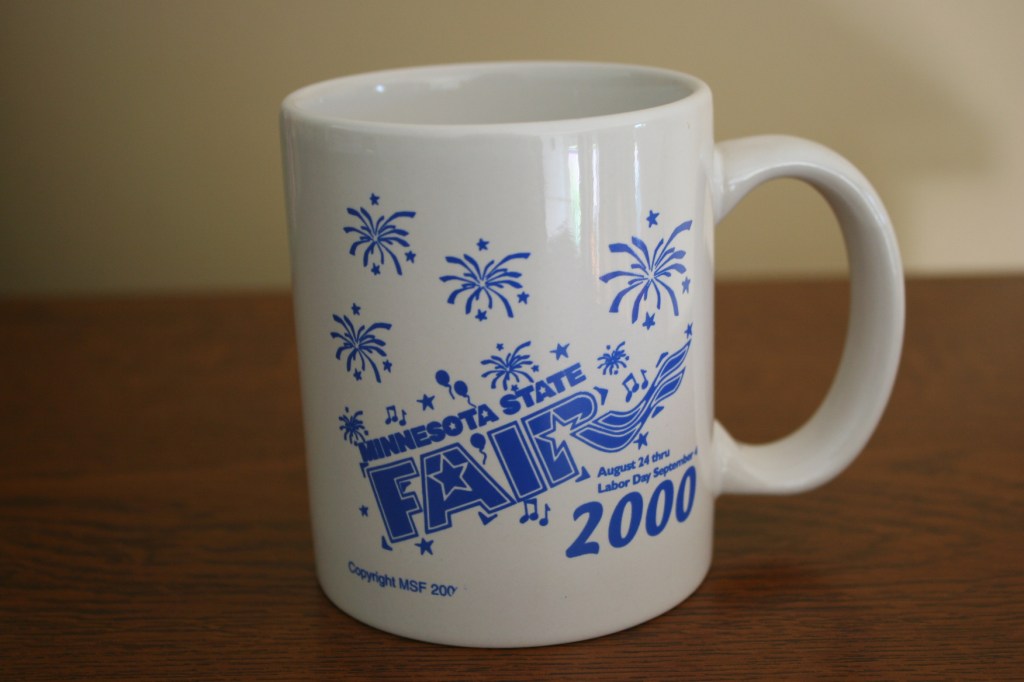
I’ve only attended the Minnesota State Fair a few times in my life, the last time decades ago. Many people love the fair. But I don’t because of the crowds. This mug came from my father-in-law’s collection of mugs.


Crowds won’t watch from inside the dairy building. Rather, updates are posted thrice daily on the Princess Kay Facebook page, starting at 10:30 am and continuing through August 22. The sculpting, which takes from six to eight hours, begins at 8:30 am and ends at 5 pm with several breaks. You can only imagine the challenges of sitting in 40 degrees for a prolonged period of time. We may be hardy Minnesotans to whom that temp feels balmy come mid-winter. But in August, not so much.

Once the butter sculpting is done, the princesses take their blocks of butters back to their respective homes and then do what they wish with them. The new princess is sharing hers with family and friends first and then with a food shelf. In past years, I’ve read stories about princess butter heads buttering corn at community sweetcorn feeds. But this year I don’t expect that to happen. Or at least it shouldn’t.


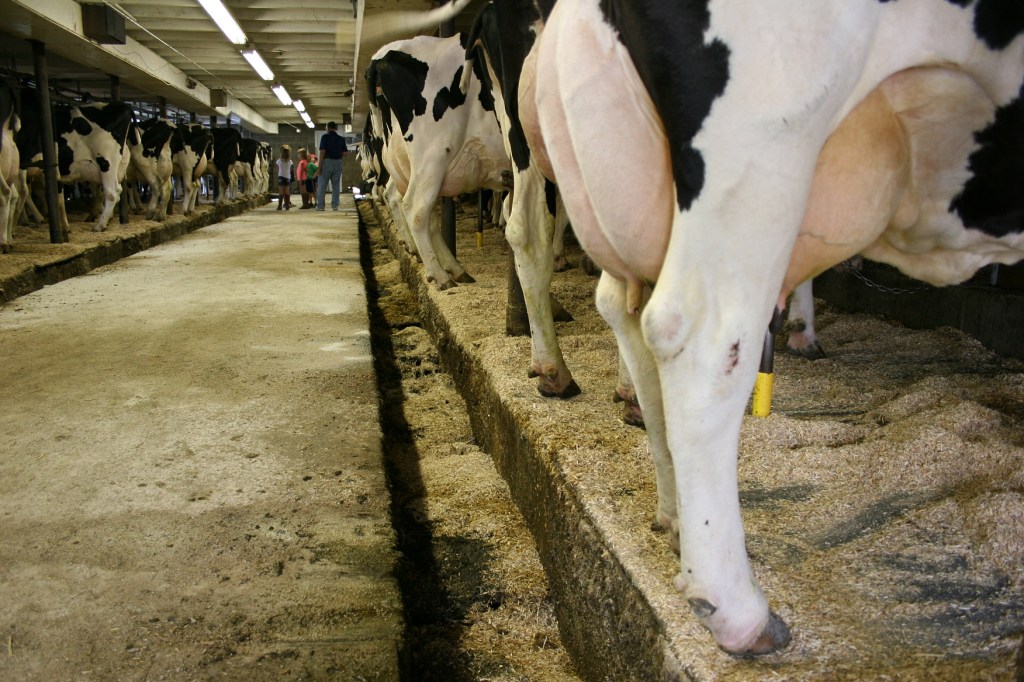
Inside the Ron and Diane Wegner dairy barn during a dairy day several years ago. Minnesota Prairie Roots file photo 2015.


That I was never chosen as a county dairy princess nearly 50 years ago was the right decision. I feel no disappointment because, I’ve always been a princess…in the eyes of my beloved Aunt Dorothy.


© Copyright 2020 Audrey Kletscher Helbling


Finally, well into COVID-19, I go to the library August 11, 2020

Buckham Memorial Library, Faribault. Minnesota Prairie Roots file photo.


I’VE PREVIOUSLY POSTED about my deep love of libraries tracing back to my childhood. As a child, I had limited access to books. My small rural Minnesota community had no library. Nor did my elementary school, which sourced books from the county library 20 miles away in Redwood Falls. On occasion, I would be among students selected to board a school bus to travel to that library and return with books temporarily borrowed for our school. I loved those opportunities to browse and choose.
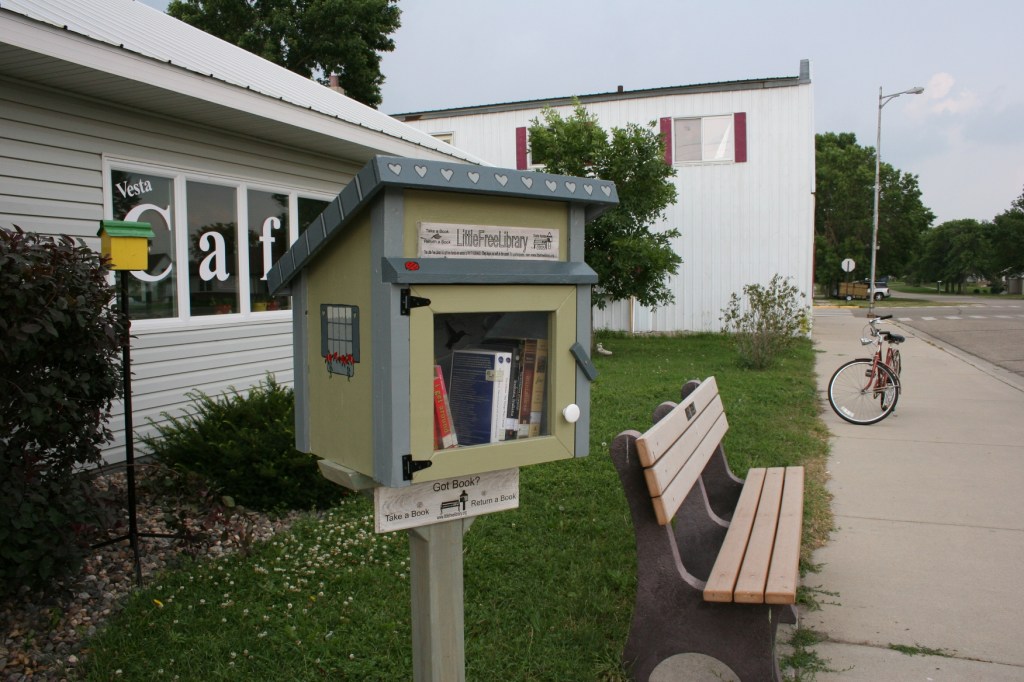
 

The LFL installed outside the community owned Vesta Cafe in July 2012. Minnesota Prairie Roots file photo 2012.


Today my hometown of Vesta still does not have a public library. County bookmobile service ended long ago with budget cuts. But, thanks to my efforts and those of locals and the generosity of Little Free Library co-founder Todd Bol, a LFL sits outside the Vesta Cafe with additional materials inside. Bol gifted the mini library to my hometown in July 2012.
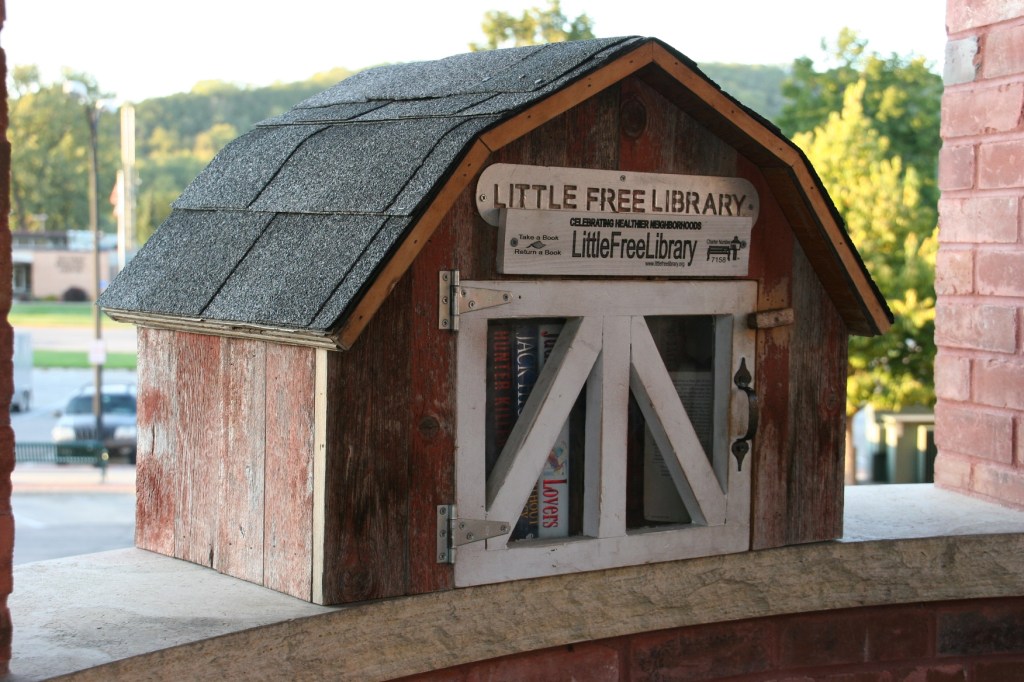
 

A LFL in downtown Decorah, Iowa. Minnesota Prairie Roots file photo.


Fast forward eight years and these mini libraries are seemingly everywhere. And during a global pandemic, especially when public libraries closed for a period (some still with restricted hours), the LFLs proved invaluable to book lovers like me. I found a few good books to read, but still longed to step inside a public library with an abundance of reading materials. That happened three weeks ago.


This photograph was taken last September (pre pandemic) outside the Northfield Public Library during a cultural event there.


Randy and I headed up to neighboring Northfield on a recent Saturday afternoon to look for and check out items at the library. Unlike Buckham Memorial Library in Faribault, the Northfield Public Library reopened months ago (May 26) for regular hours that include evenings and weekends. That makes it accessible to everyone. Masking, social distancing and other protocols are in place and required to protect patrons and staff.
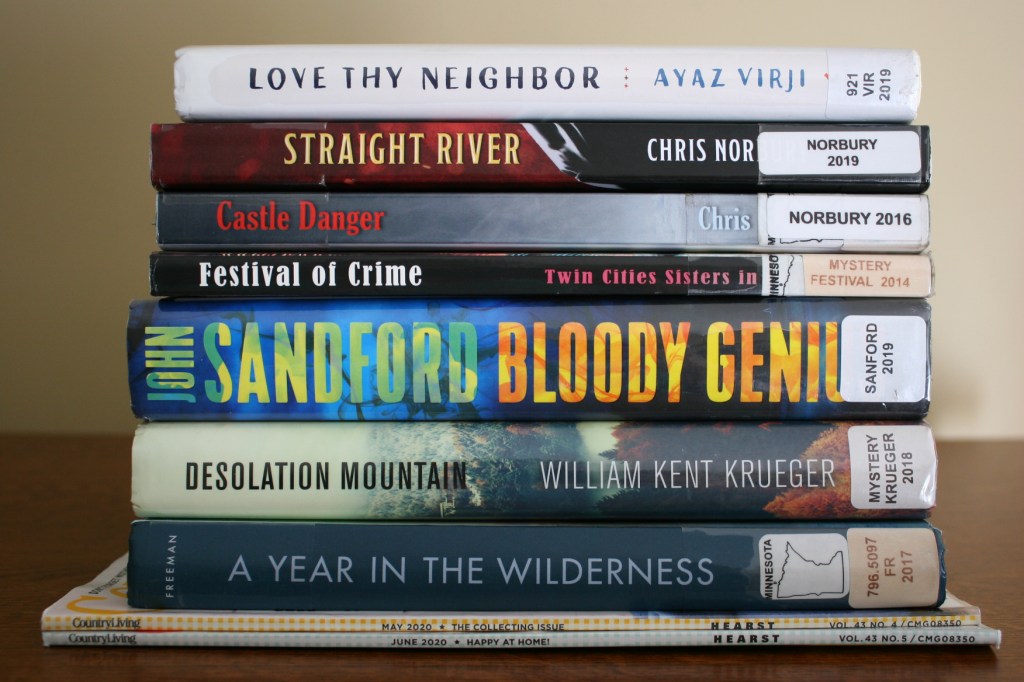
 

The books and magazines I checked out from the Northfield library.


I arrived at the NPL with a list of books I wanted. I wasn’t sure computers would be available to access the card catalog. Because I am unfamiliar with the lay-out of the library, I needed help to find some titles and staff generously assisted. I left with a bag full of seven books and two magazines.



Since then, I’ve been happily reading my stash of Minnesota-authored books. Only one—Love Thy Neighbor, A Muslim Doctor’s Struggle for Home in Rural America by Ayaz Virji with Alan Eisenstock—was not on my list. I spotted the book on a shelf of library staff picks, this one recommended by Sue. I read the book in a single day. One day. That’s how good this book is and how necessary to read. Especially today when headlines daily reveal instances of hatred, racism and so much more dividing our country. Insensitive, inflammatory, just plain horrible words and actions, including in southern Minnesota.

In summary, Love Thy Neighbor is the story of a medical doctor who relocates his family from a busy eastern urban setting to rural southwestern Minnesota to practice medicine as he desires, with a deeper personal connection to patients. Initially, all goes well and Dr. Virji and his family find themselves settling in, accepted, enjoying their new life in rural Minnesota. But then the November 2016 election happens and things begin to change. And that is the focus of this book—the shift in attitudes toward Muslims, how that negativity affected this small town family doctor and his family, and what he did about it.

I’d encourage you to read this enlightening book that recaps Virji’s struggles and the community talks he gave to help those in his small Minnesota community (and elsewhere) to understand his faith and the challenges he faces in a more toxic national environment.
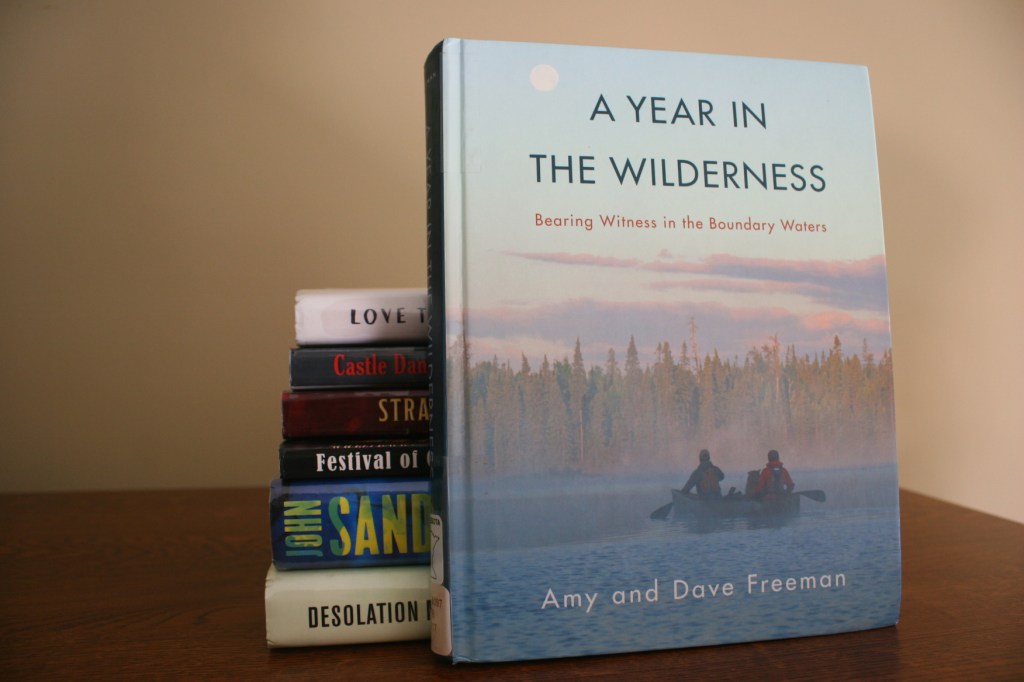


Once I finished that book, I moved onto another environment—into the Boundary Waters Canoe Area Wilderness of northern Minnesota in A Year in the Wilderness, Bearing Witness in the Boundary Waters by Amy and Dave Freeman. It’s been an enjoyable escape into the remote wild, to a place I’ve only ever visited through others. The Freemans, like Dr. Virji, wrote their book with a purpose. To educate, to enlighten and to protect the BWCAW from sulfide-ore copper mining. Incredible photos enhance this detailed documentation of living for a year in the wild. I’d highly recommend this title also.
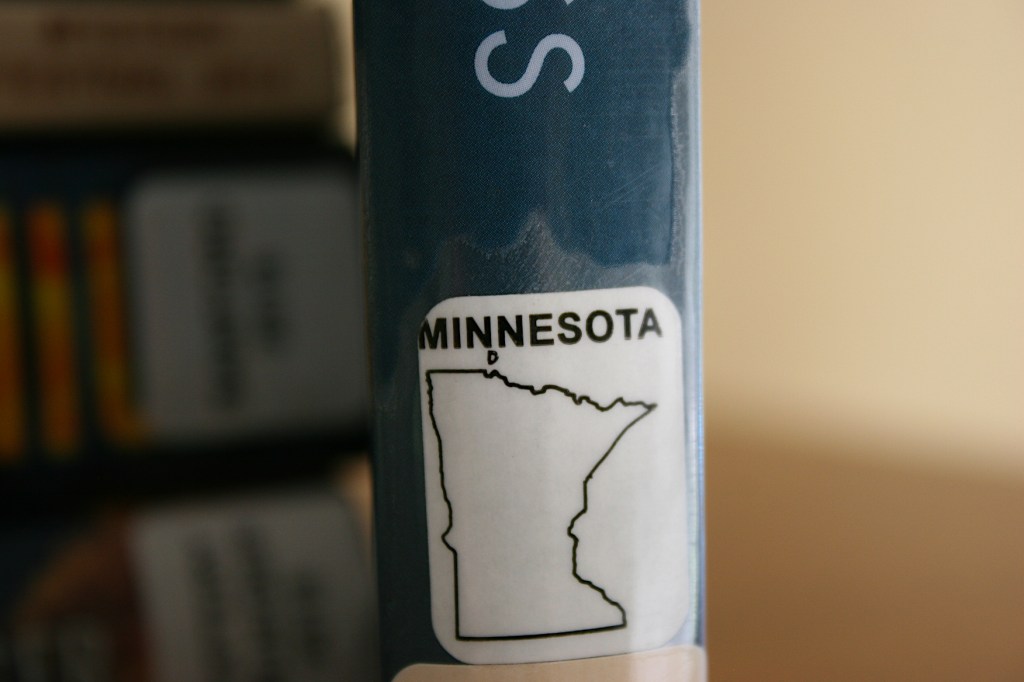
 

I especially enjoy reading books by Minnesotans and appreciate the Northfield library tagging these books with Minnesota-shaped art.


The remaining books in my library book stash are mysteries/mystery thrillers, my preferred genre. I quickly read Desolation Mountain by one of my favorite Minnesota authors, William Kent Krueger. Interestingly enough, that fictional story in the Cork O’Connor series also references potential mining near the BWCAW.

New-to-me author Chris Norbury’s books, Castle Danger and Straight River, also connect to the northeastern Minnesota wilderness. And southern Minnesota, where the main character returns to the family farm in Straight River. I always enjoy reading books that include familiar places. Norbury lives in Owatonna and references area communities. And those of you who grew up in this region recognize that the book titles are actually an unincorporated community in northeastern Minnesota and a river here in southern Minnesota.

I’m determined to stretch my reading beyond the seed mystery love planted decades ago through Nancy Drew books. To that end, I appreciate when library staff pull and showcase books they recommend. Like Dr. Virji’s book.

And I appreciate libraries. I look forward to the day when Faribault’s library opens again for regular hours. Currently, it’s open by appointment only, for 30-minute Browse-and-Go Visits between 10 am – 5 pm weekdays or for No-Contact Curbside Pickup. Because Randy is gone to work between those hours, he has no opportunity to get books locally. And so we will continue our trips to Northfield.

Now, you may wonder why these two communities within 20 minutes of each other and in the same county differ in library reopening. I expect it has much to do with numbers, usage and demographics as it relates to COVID-19. My county of Rice, according to information posted by Rice County Public Health on August 7, has had 1,020 lab confirmed cases* of COVID since March. That breaks down to 830 cases in Faribault. Northfield has had far fewer at 141. The balance of 49 cases are spread throughout other communities in Rice County.

I can only speculate that numbers factor into local library decisions about operations. But who knows? I am a word person, not a numbers person.

#

FYI: My friend Sue Ready, a book lover and writer who lives in the Minnesota northwoods, is a good source of info about Minnesota-authored books. She reviews books on her Ever Ready blog, Click here. Sue also heads up the Northwoods Art & Book Festival in Hackensack, MN., which brings together Minnesota artists and authors. This year’s event was canceled due to COVID-19.

* The number of COVID-19 cases in Rice County as of Monday, August 10, were 1,038.

© Copyright 2020 Audrey Kletscher Helbling


Up North at the Lake Cabin, Part I July 15, 2020

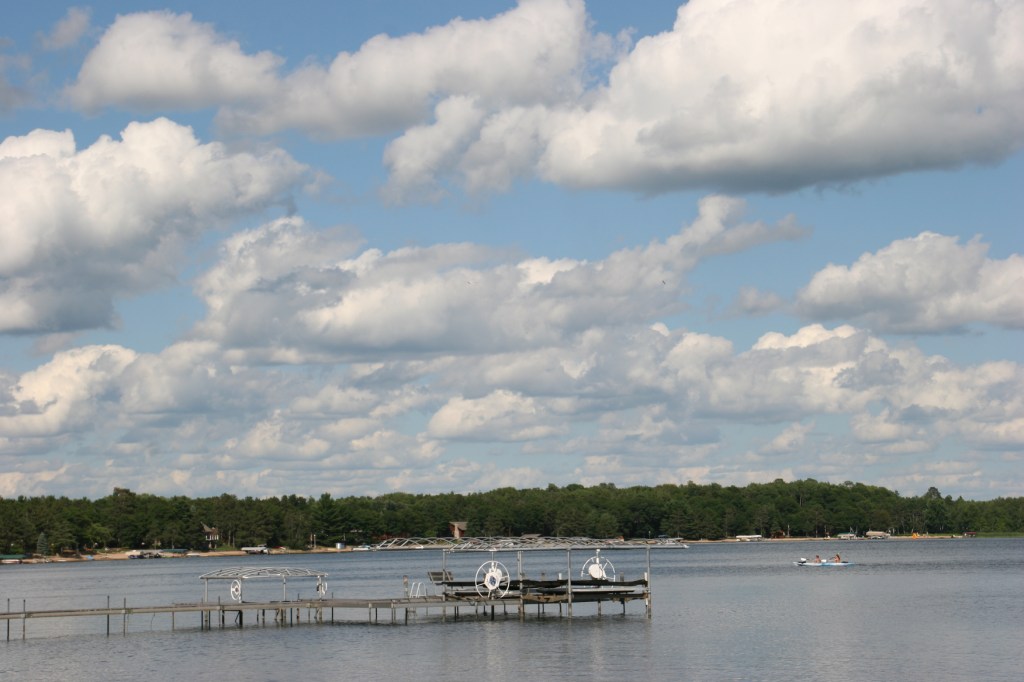
A view of Horseshoe Lake on a weather-perfect July day in Minnesota.


FOR MANY MINNESOTANS, summers at an Up North family lake cabin span generations. Not so for me.


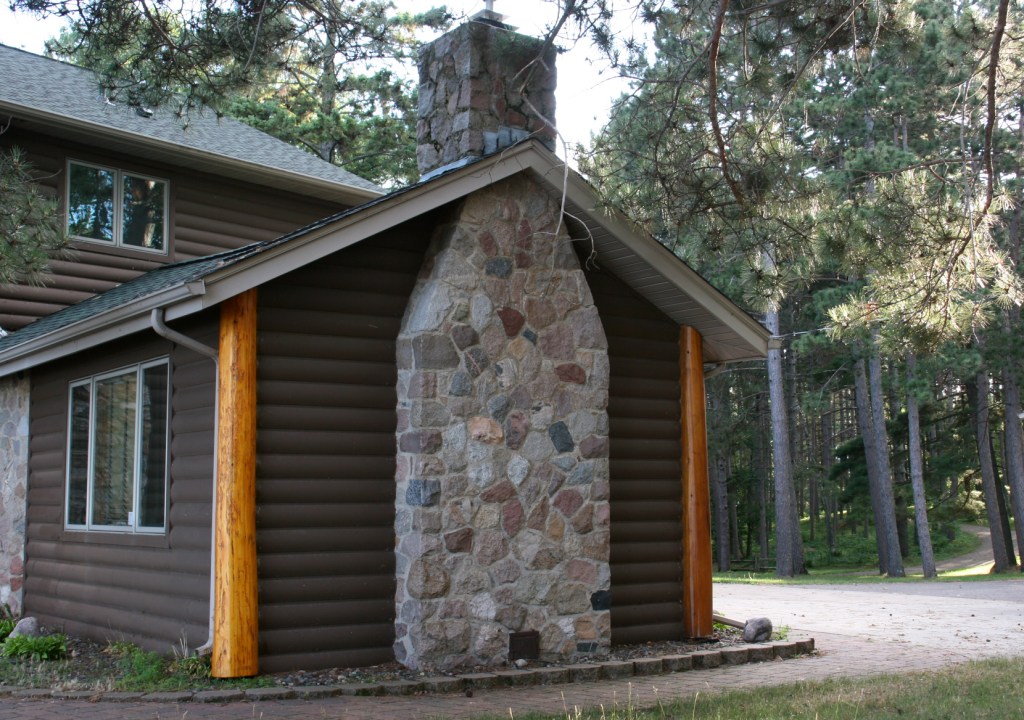
The guest cabin sits just around the corner from this, the main year-round house. Both are northwoods Minnesota style.


But now, into my sixties, I am finally enjoying that quintessential summer experience thanks to the generosity of extended family who recently purchased lake property with a roomy guest cabin. They intentionally chose a place they could share with family. And I am grateful.


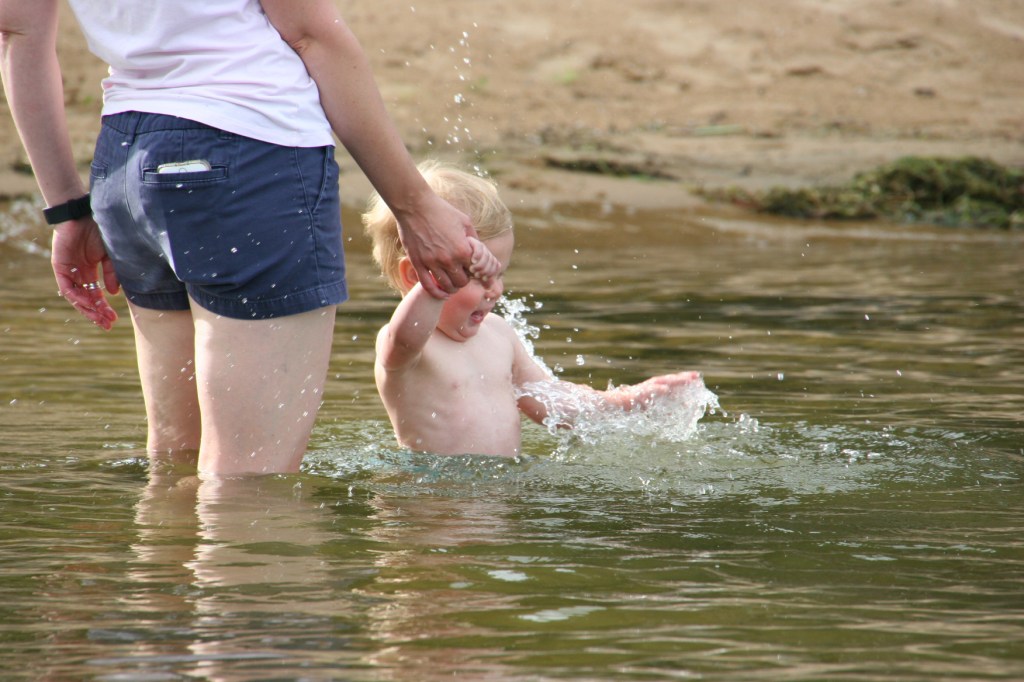
Isaac loved splashing in the lake. The water was clear, vastly different from the murky lakes of southern Minnesota.


For five days last week into this, Randy and I were joined by our eldest daughter and her family and our son at the cabin near Cross Lake in central Minnesota. To have that family time together in such an incredibly beautiful natural setting was a gift. A joy. A much-needed respite from reality.


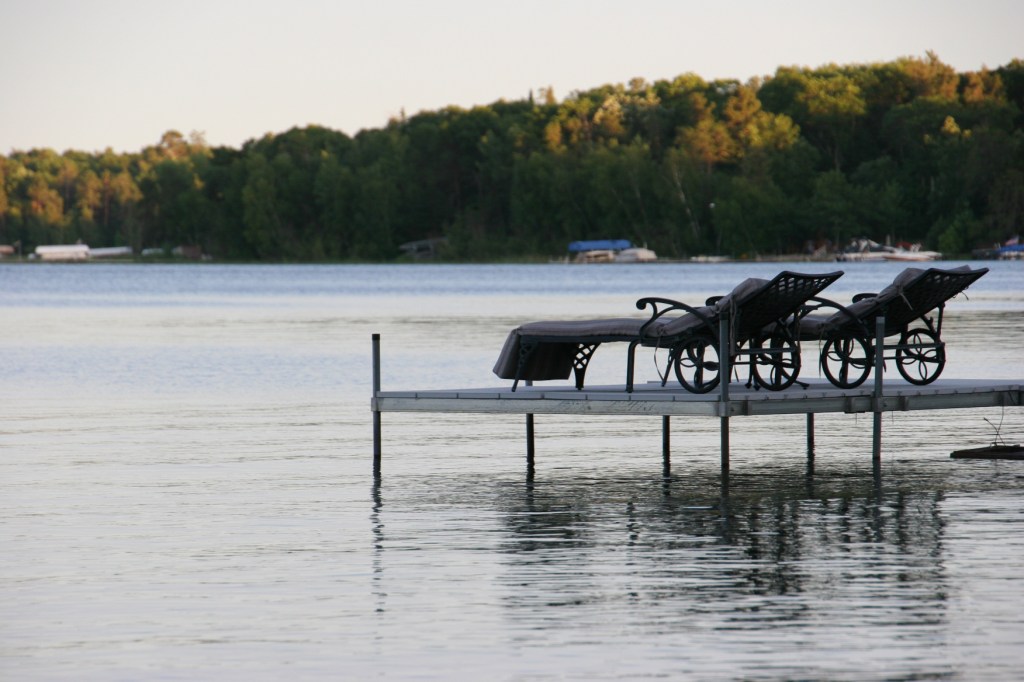
The neighbors’ dock, a visual of relaxation.


Randy and I never left the lake place together until we left. No trips into town, mostly because of COVID-19 concerns. But Randy did surprise us with an unexpected Monday morning run to Valeri Ann’s Family Foods in Ossipee for her heavenly homemade caramel rolls. He got the last two.


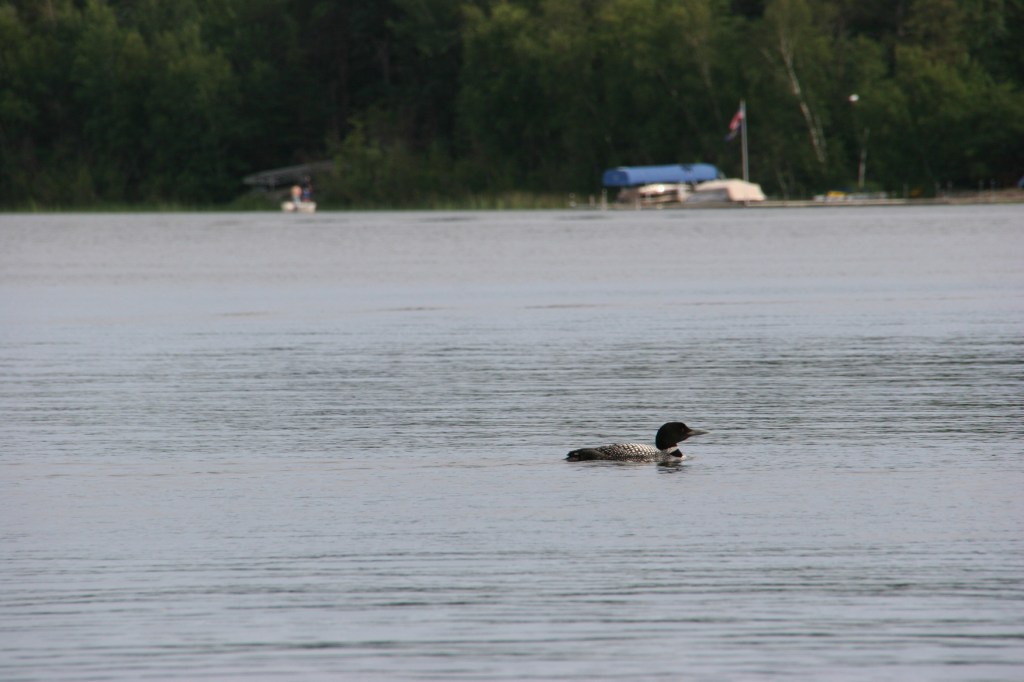
We saw loons every single day of our stay.


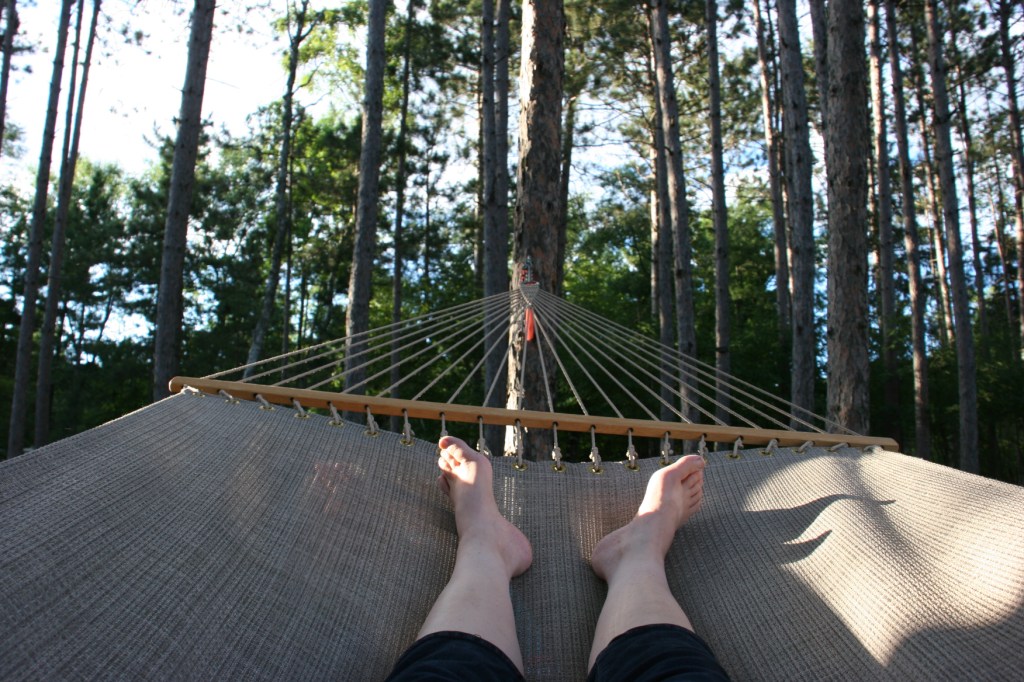
Relaxing in the hammock strung lakeside in the pine trees.


Randy and Isabelle watch as the sun set reflects on the treeline across the lake.


We found plenty to do at the lake cabin. Time in and on the water. Time watching eagles and loons. Time fishing. Time dining lakeside. Time in the hammock. Time around the campfire. Time with the grandkids, ages four and 18 months.


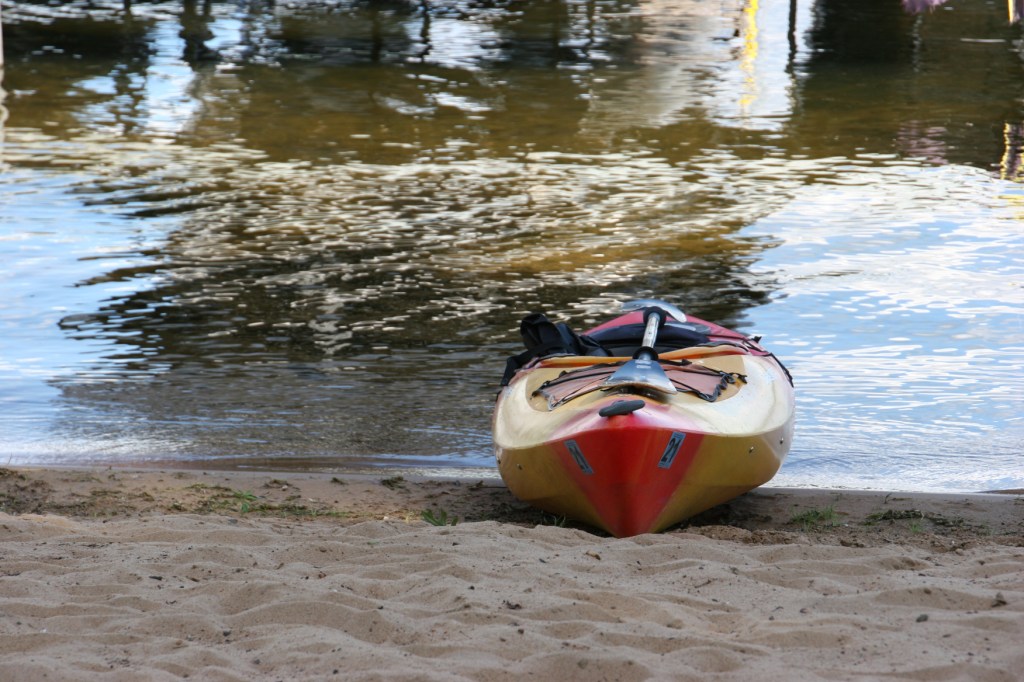
A beached kayak awaits its passenger.


Our son, back in Minnesota for our family vacation, paddles into the lake.


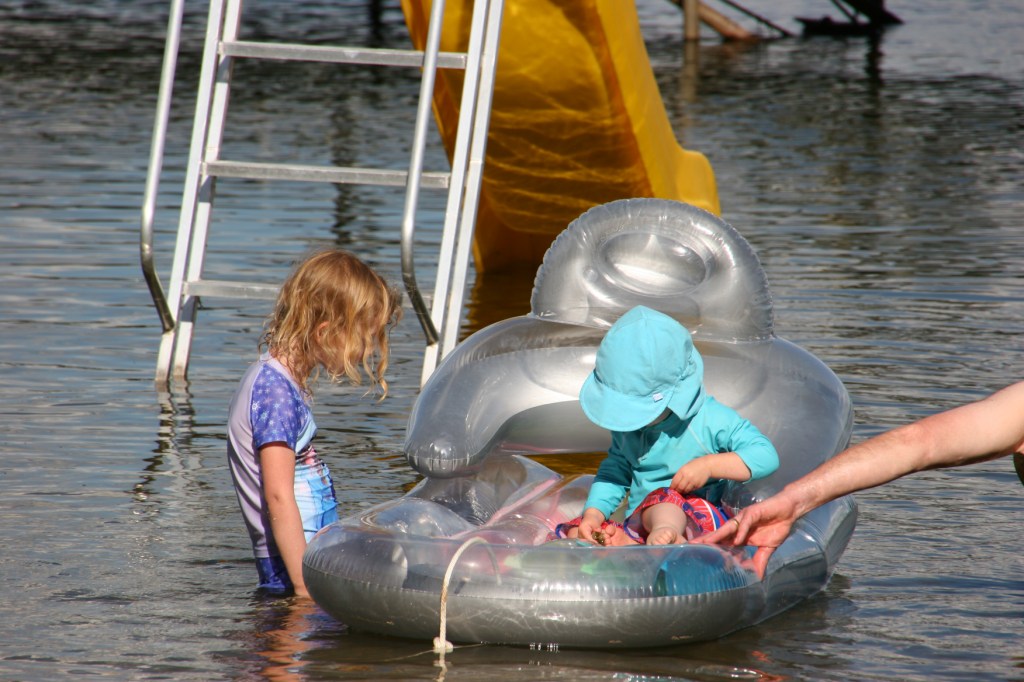
The grandkids (and adults) loved the inflatable floaties.


There is nothing quite like immersing one’s self in the northwoods lake experience.


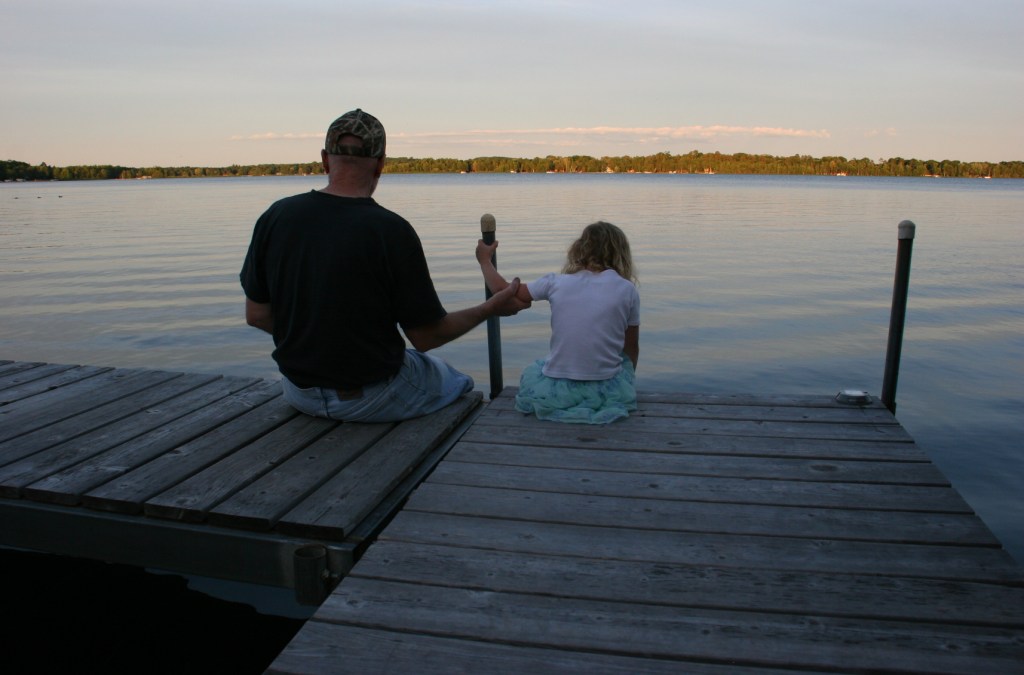
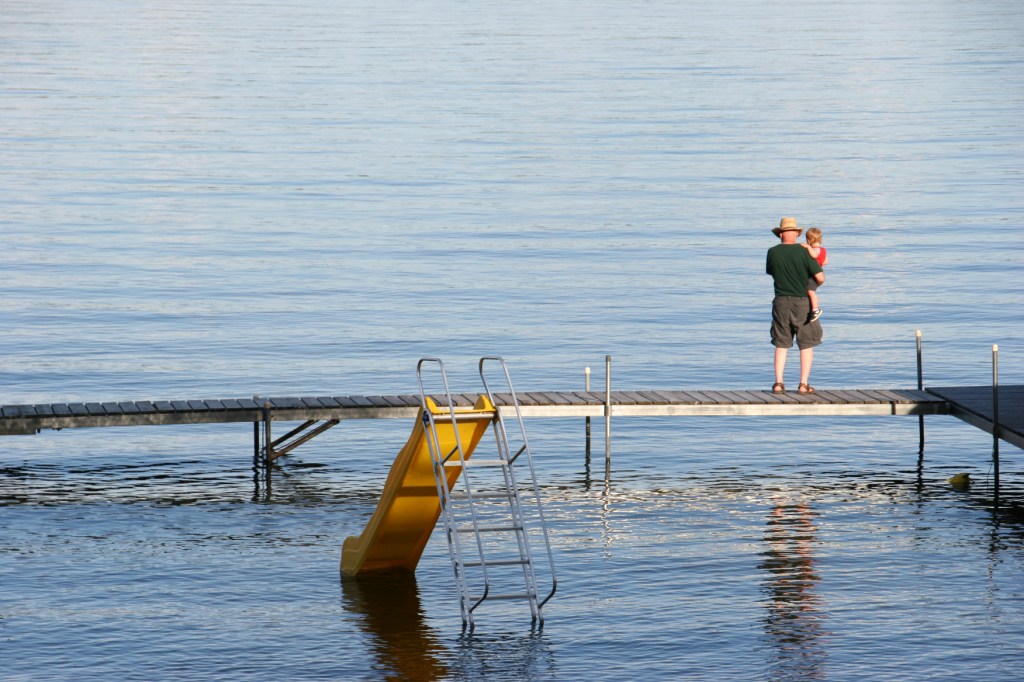
Grandpa and grandson lakeside.


I will always treasure hearing Isaac giggle at the fish wiggling on the end of Grandpa’s fishing line. I will always delight in watching Isabelle wiggle to her made-up “I Got the Wiggles” song on the lakeside deck. I will always cherish memories of walking outside at night with Randy and Izzy to show our granddaughter the stars. I will always remember seeing my eldest glide across the water on a paddleboard, her daughter sitting on the front.


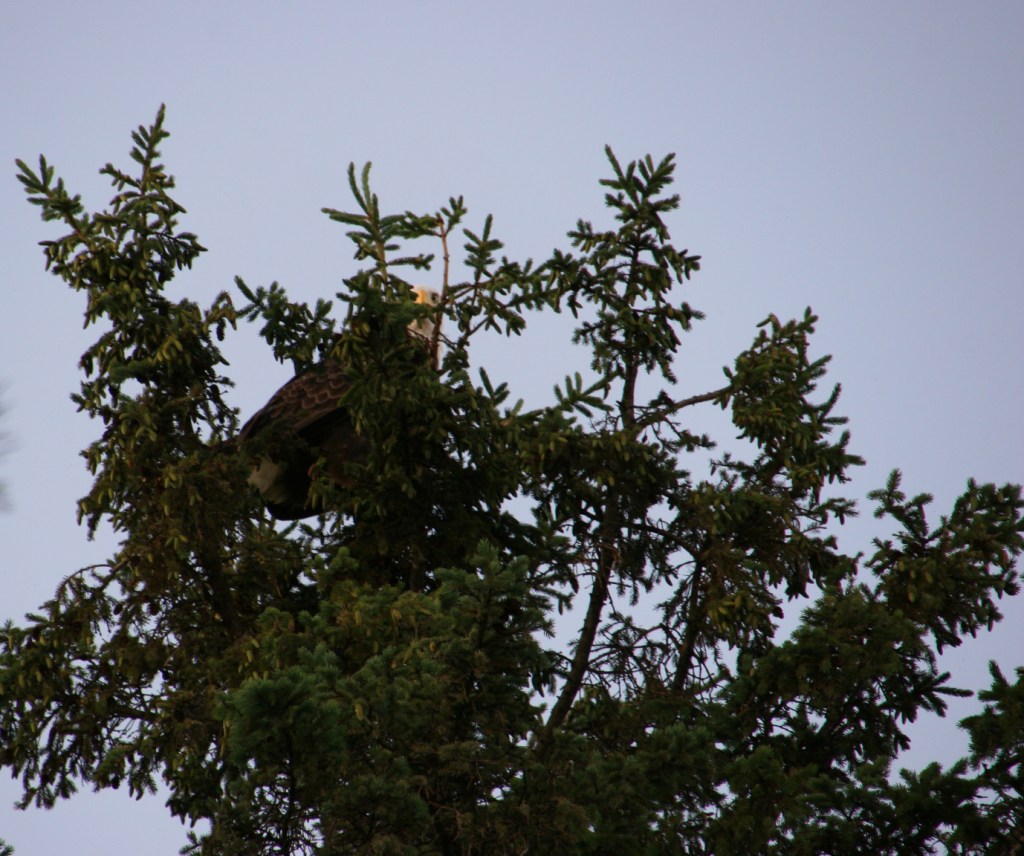
One of the adult resident eagles in a lakeside treetop.


I will remember, too, walks down the long evergreen-lined driveway, the many minutes standing at the fork in the drive, neck craned to watch the resident eagles.


Grandpa and grandchildren follow the pine-edged driveway.


So many memories. So much happiness. So much peace.


Kid-sized chairs used by the grandkids.


And, for my grandchildren, the beginning of summers Up North at the lake cabin.


Please check back for more posts in this “Up North at the Cabin” series.

© Copyright 2020 Audrey Kletscher Helbling


Turtle time June 15, 2020

Filed under: Uncategorized — Audrey Kletscher Helbling @ 5:00 AM
Tags: , , , , , , ,

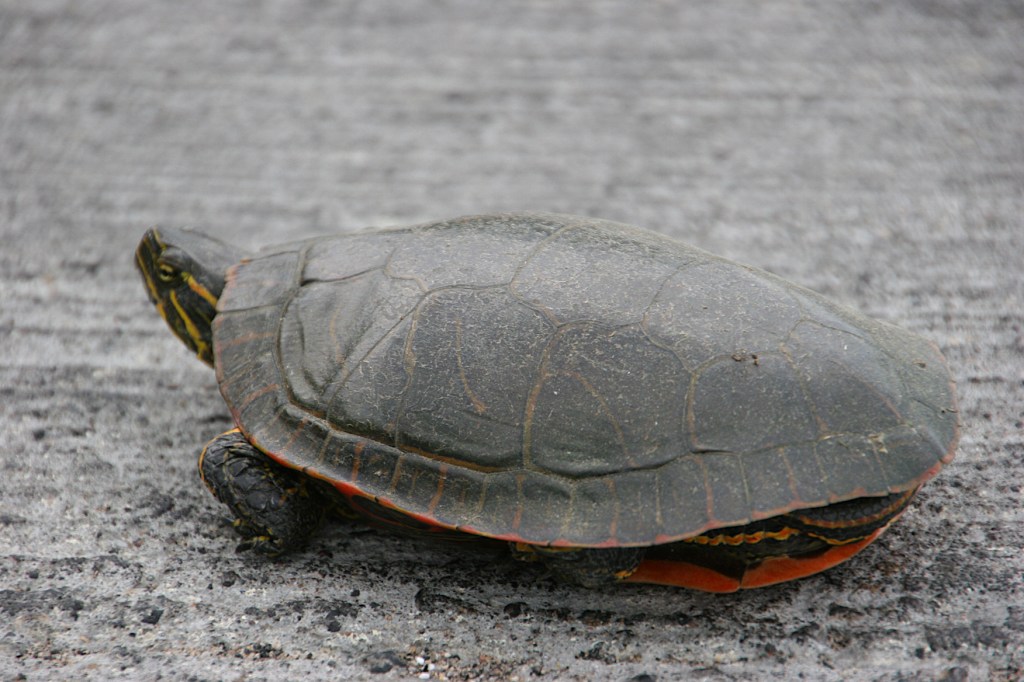
A turtle spotted recently on a street in northwest Faribault.


YOU KNOW HOW, SOMETIMES, something sparks a memory. Or memories. Turtles do that for me.


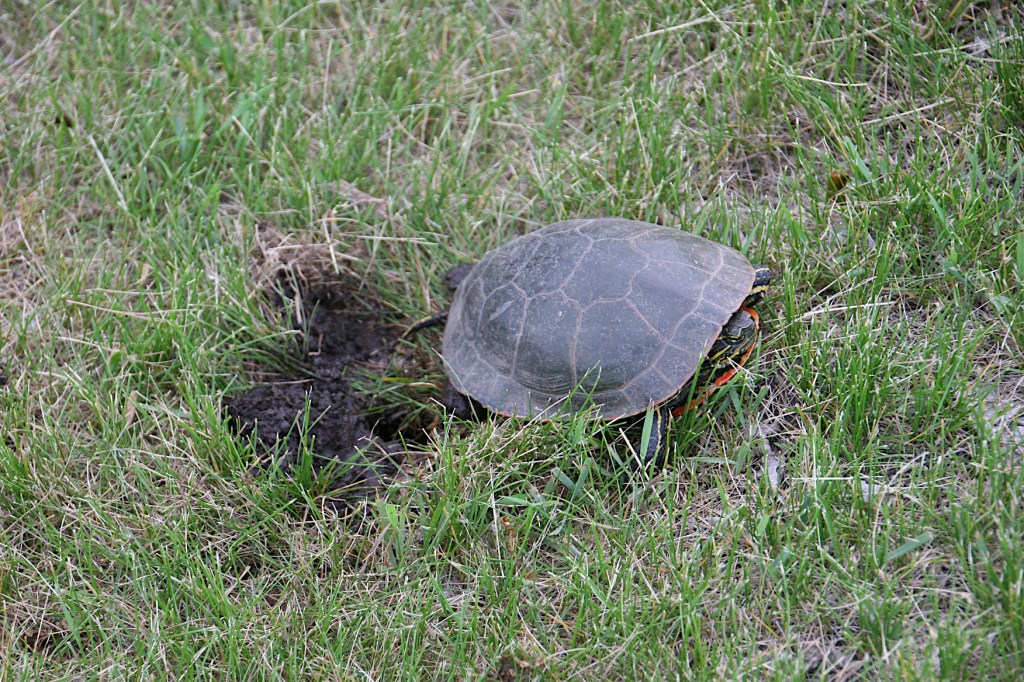
I spotted another turtle in the grass at North Alexander Park in Faribault. The Cannon River flows through this park.


Recent sightings of turtles at three locations in Faribault took me back in time. To my youth and the “dime store.” Remember those? The long ago chain variety stores like Ben Franklin and Woolworth’s, precursors of today’s dollar stores.

Anyway, Woolworth’s in Redwood Falls, 20 miles from my childhood home in southwestern Minnesota, featured a small pet section tucked in a far back corner of the store. And the sole “pet” I remember, because I really really really wanted one, were the mini turtles. Probably imported. My sensible manager of a brood of six farm-raised kids mother never caved to my pleas. She was smart.

My other childhood memory is of tortoises. Not quite turtles, tortoises are big, with rounded shells, and spend most of their time on land. Turtles are much smaller, flatter and prefer water to land. I never saw a single turtle (outside of Woolworth’s) or tortoise in southwestern Minnesota. Rather, I encountered my first tortoise at the Como Park Zoo in St. Paul. I went on an elementary school class trip there once—a rather big deal to go to “the Cities” when you’re a farm kid. I remember the free-range, lumbering tortoises there and the Sparky the Seal Show.


The Teenage Mutant Ninja Turtles, photographed in the “Toys & Play, 1970 to Today” Exhibit at the Steele County History Center in Owatonna. Minnesota Prairie Roots file photo April 2019.


Fast forward decades later to motherhood and the birth of my two daughters in the late 1980s. They soon became fans of “The Teenage Mutant Ninja Turtles.” Saturday morning cartoons and action figurines of the masked turtles and phrases like “Cowabunga!” and “Heroes in a half shell, turtle power!” were parts of their routine and vocabulary. One of the daughters even had a turtle birthday cake one year although I don’t recall which turtle—Leonardo, Donatello, Michelangelo or Raphael.


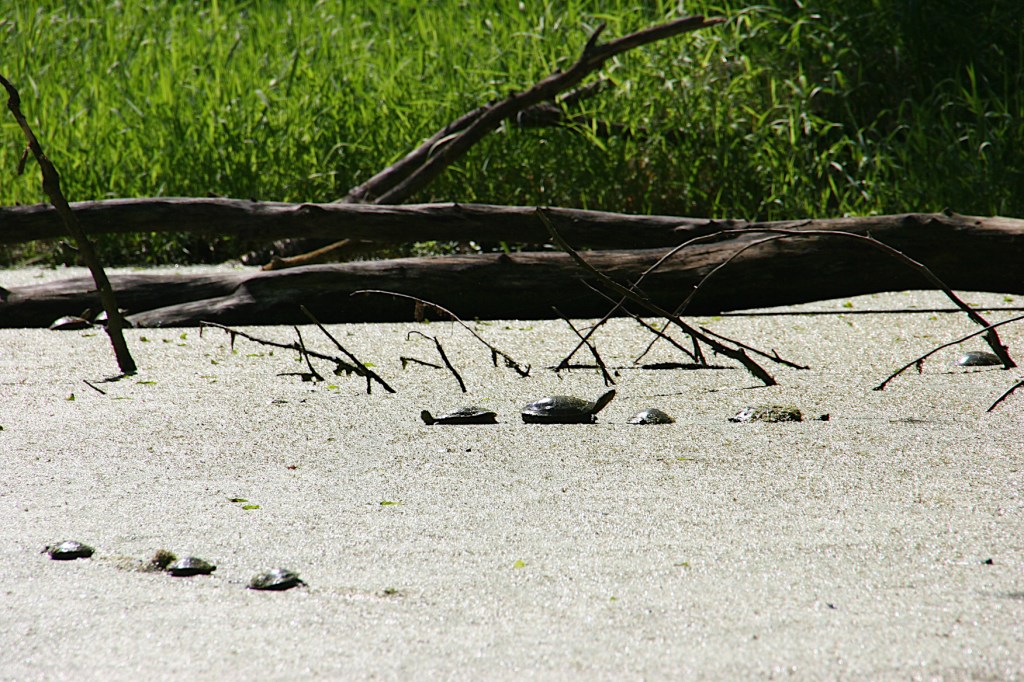
Turtles basked in the sun in the Turtle Pond at River Bend Nature Center on a recent Friday afternoon.


I expect if Woolworth’s sold tiny turtles at the time, my daughters would have begged for one. Instead, I bought them each a goldfish from the “dime store,” still open in downtown Faribault when the girls were young.


This turtle at North Alexander Park was digging in the grass, apparently trying to create a nest.


That takes me to my final story. On a summer afternoon when my second daughter was still in high school, or maybe college (details of time elude me), I glanced out the window to see a tortoise on our driveway. Now we don’t live anywhere near Como Zoo. But we had a neighbor who owned a tortoise and lived across our very busy street. To this day, I have no idea how that tortoise survived crossing through all that traffic. But I wanted the beast off my property. Before I could determine how we would manage that, Miranda picked up the tortoise and carried it back home. With me protesting. I had no idea whether the tortoise would turn on her, or how sharp its teeth or…


This turtle looks so small on a Faribault roadway as it moves toward a nearby pond.


This time of year, turtles are crossing roads in Minnesota, mostly to access familiar nesting locations apparently. While some people will stop to pick up and move a turtle out of traffic, I won’t. I’ll only stop to photograph, if it’s safe to do so and traffic is minimal. I’m smart like my mom and not nearly as brave as my second daughter.

© Copyright 2020 Audrey Kletscher Helbling
 

Memorial Day 2020 observances, abbreviated May 22, 2020

A veteran salutes during the Memorial Day Program at Faribault’s Central Park. Minnesota Prairie Roots file photo.
 

NEARLY EVERY MEMORIAL DAY, Randy and I honor our war dead in the same fashion. We head downtown Faribault to the parade and then go to Central Park to watch the Memorial Day program. Little changes from year to year with American flags waving, men and women in uniform marching, Scouts handing out flags, patriotic music playing, speeches given, wreaths hung by members of the American Legion Auxiliary…
 

The Rice County, Minnesota, Veterans’ Memorial in Faribault, located on the courthouse lawn.


There’s comfort in the familiarity of tradition.


Memorial pavers surround the monument, like this one honoring a fallen soldier.


KIA, Sgt Donald E. Ponto.


Another loss…


But this year, because of COVID-19, there will be no parade, no ceremony at the Rice County Veterans’ Memorial and no crowd gathered at Central Park. This saddens me. I always look forward to these public ways in which we show respect and gratitude for those who lost their lives in service to country. But I understand. These are unprecedented times and we need to keep each other safe. The Central Park program will go on, but without audience members gathered on lawn chairs. Rather, the ceremony will be broadcast at 10 am over local radio station KDHL, 920 AM.


An overview of the Rice County Veterans’ Memorial.


Eagle and dove details.


Stone slabs honor branches of the military.


My attendance at Memorial Day events traces back to my childhood in rural southwestern Minnesota. My dad, a veteran of the Korean War and a recipient of the Purple Heart, was active in the local American Legion. Every Memorial Day our family attended—and often participated in—the program at the Vesta Community Hall. Several times I read the poem, “In Flanders Fields.” I also sold poppies. Afterward, we piled into the Chevy for the short drive north of town to the cemetery and the gun salute and mournful playing of taps. From early on, the importance of Memorial Day imprinted upon me.


A Civil War monument is part of the Veterans’ Memorial.


I carried that tradition in raising my three children. Each Memorial Day we attended the parade along Central Avenue in Faribault. And sometimes the program in the park. Some day I hope to take my grandchildren downtown to watch flag-carrying veterans, high school bands and Cub Scouts honoring those who died in service to our country. But not this year. Not during a global pandemic.


A story about Cpl. Ray W. Scheibe, published in the July 23, 1953, issue of The Wolbach Messenger.


THIS POST IS DEDICATED to the memory of Cpl. Ray W. Scheibe. Ray, 22, was killed by an exploding mortar on June 2, 1953, in Korea, the day before he was to return home to Nebraska, to his wife and baby daughter. He was my dad’s Army buddy.


Honoring fallen soldiers with a special monument at the Rice County Veterans’ Memorial.


Blessed be Ray’s memory. And blessed be the memories of all those who have given their lives for this country.


© Copyright 2020 Audrey Kletscher Helbling