Minnesota Prairie Roots

Writing and photography by Audrey Kletscher Helbling

Celebrating Randy & 42 years together May 15, 2024

Filed under: Uncategorized — Audrey Kletscher Helbling @ 5:00 AM
Tags: , , , , , , , , ,
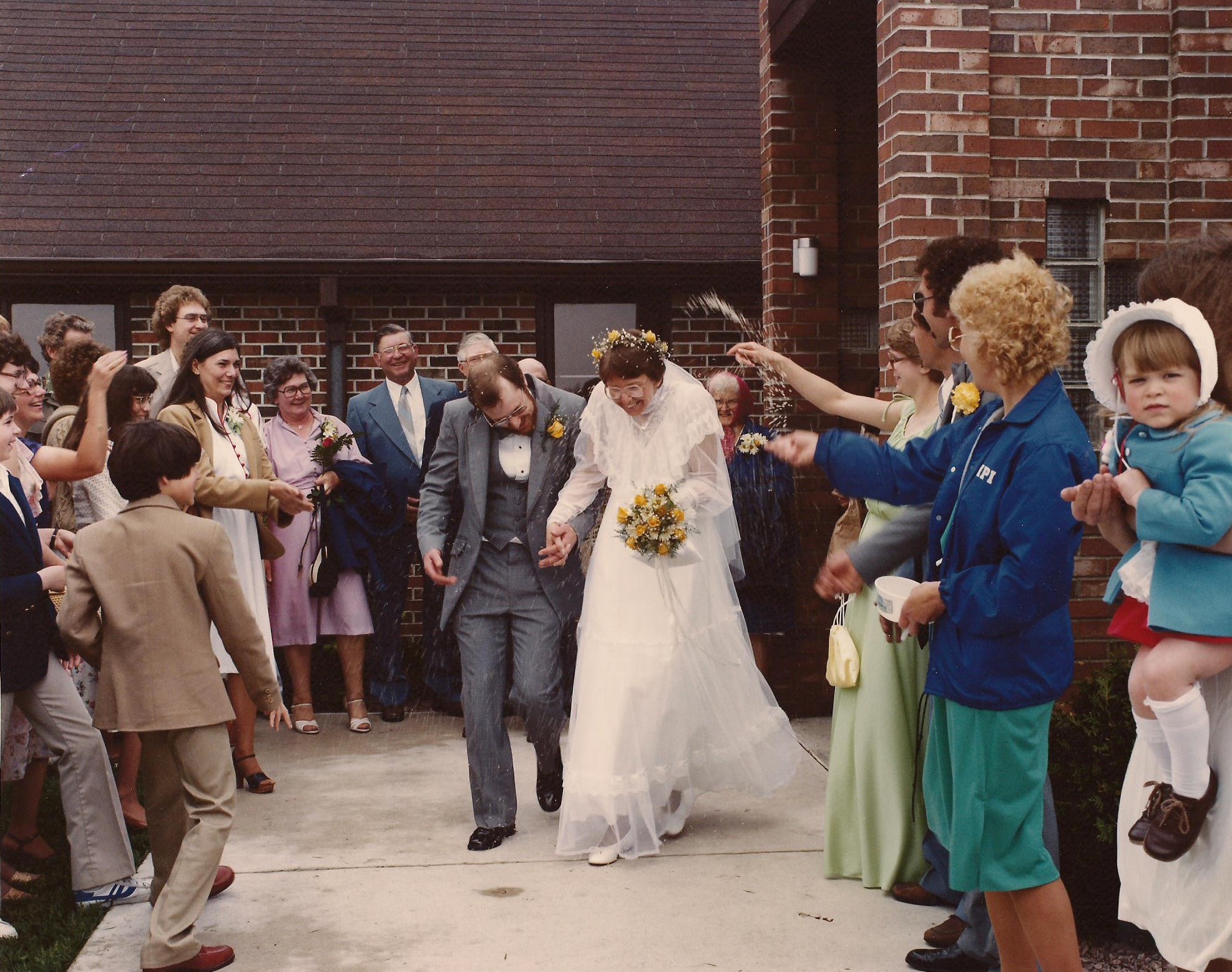
My husband, Randy, and I exit St. John’s Lutheran Church in Vesta following our May 15, 1982, wedding. (Photo credit: Williams Studio, Redwood Falls)

FOUR DECADES plus two years. Or 42 years. No matter how you view it, that’s a lot of time. Today marks 42 years since Randy and I were married at St. John’s Lutheran Church in my hometown of Vesta.

A favorite photo of Randy holding our then 10-day-old granddaughter, Isabelle. (Minnesota Prairie Roots file photo April 2016)

As anyone our age will tell you, time passes too quickly. Here we are today, comfortably settled into our life together. Kids long grown and gone. In semi-retirement. Grandparents of two. Understanding that this life we’ve built has been one of much joy, but also one of challenges. Nothing unusual about that. Such is life.

Through the all of it, we’ve supported one another. Leaned into each other. Been there. Done exactly as we promised we would, in sickness and in health.

Randy stands next to an Allis Chalmers corn chopper like the one that claimed his dad’s left hand and much of his arm in a 1967 accident. (Minnesota Prairie Roots copyrighted file photo)

Randy is the kind of guy who quietly steps up and helps, does the right thing. Back in 1967, long before I ever knew him and in a part of Minnesota unfamiliar to me, Randy saved a life. His father’s. They were working together, harvesting on the family farm, when the corn chopper plugged with corn. Tom hopped off the tractor to hand-feed corn into the chopper. As he did so, his hand was pulled into the spring-loaded roller. The chopper blades sliced off his fingers while his arm remained trapped in the roller. As his father screamed, Randy disengaged the power take-off. He then ran across swampland and along the cow pasture to a neighboring farm for help. If not for that heroic action by a boy who had just turned eleven, my future father-in-law would have died.

This is my husband. Calm. Steady. Dependable. A son who saved his father’s life. He was never publicly recognized for his actions. (I think he should be, even now nearly 57 years after the fact.) Life went on for the Helbling family, Dad now minus a hand and part of an arm. It was not easy.

This is a photo snapped with a cellphone of the X-ray showing the implant in my wrist, held in place by 10 screws. (Minnesota Prairie Roots copyrighted file photo 2018)

Randy has maintained that steady evenness throughout our marriage, a quality I appreciated when our younger daughter underwent surgery at age four, when our son was struck by a car, when I was in the worst throes of long haul COVID, unable to function. He’s always been there for our family, for me. When I broke my wrist six years ago, Randy stuck his hand out the van window to slap an imaginary emergency light atop the roof as I pleaded with him to drive faster to the emergency room. Yes, Randy possesses a sense of humor that balances my lack of a funny bone.

Admittedly, I don’t always understand his humor. But Randy still tries to make me laugh. Occasionally he cuts a cartoon from the local paper (I don’t read the funnies) and sticks it on the fridge. His latest came from “The Family Circus” with this line: Poems are like rap without music. When I finally noticed the clipping two days later, I texted him that Poems are NOT like rap. He knows I don’t like rap music.

Audrey and Randy, May 15, 1982. (Photo credit: Williams Studio. Redwood Falls)

Maybe he doesn’t like poems. But if he doesn’t, Randy hasn’t told me, his poetry writing wife. I bet if you had asked Randy 42 years ago whether he would ever attend a poetry reading, he would have vehemently replied, “No!” But he has. Many of them through the years, at which I’ve read my poems.

Randy is my greatest supporter in my writing career. He understands that the writing and photography I’ve done, and still do, are my life’s chosen work, not simply a hobby (as some others view it). I appreciate his appreciation of my creativity.

I appreciate his talents and skills also. Randy, supposedly retired from automotive machining (but not really), earns the praises of many a customer. They want “only Randy” to do their work. He is exceptional in his trade and truly irreplaceable.
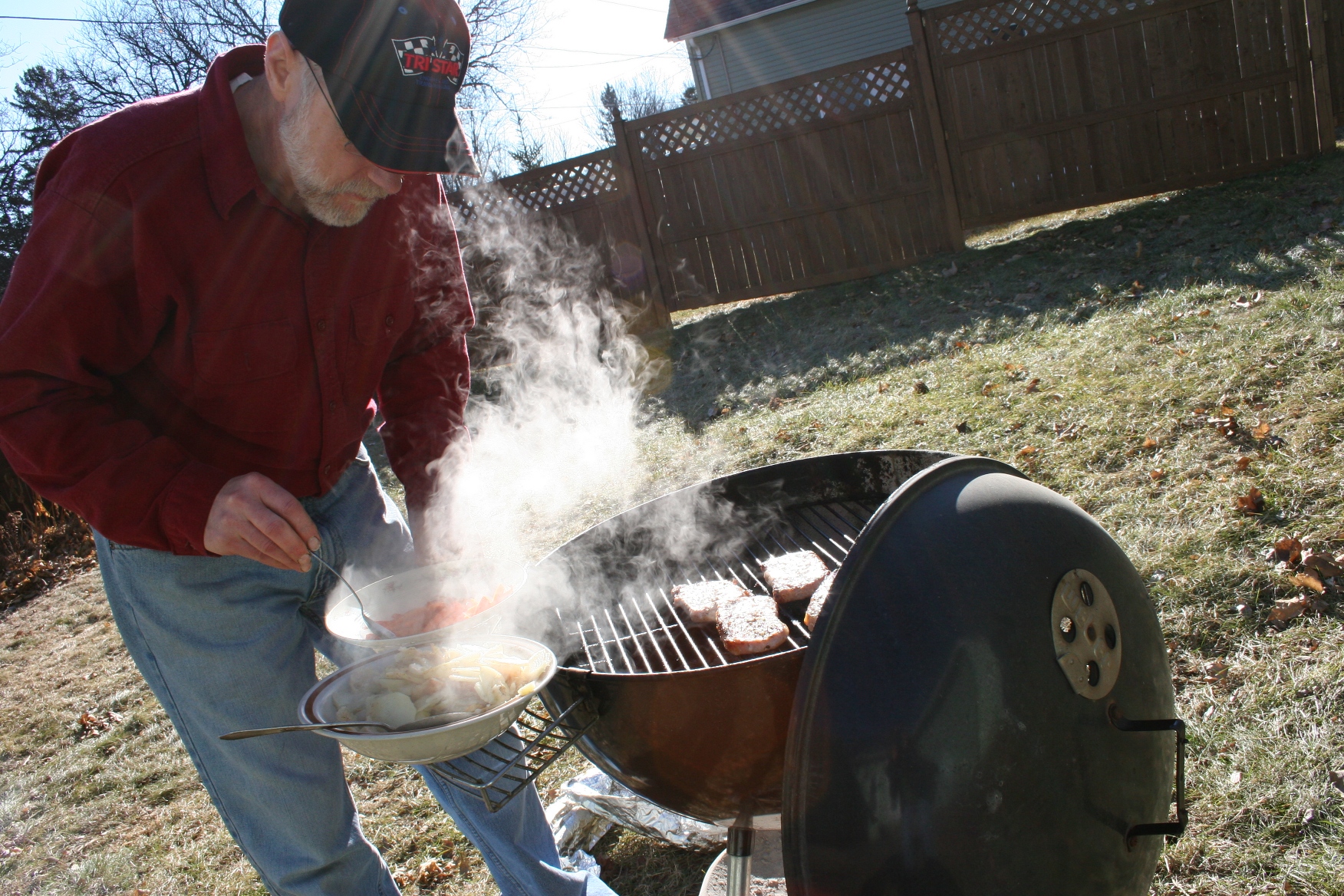
Randy grilling. He grills year-round. (Minnesota Prairie Roots copyrighted file photo)

Randy has other skills I’ve come to value through the decades. He is an excellent griller, still grilling everything the old school way on a Weber charcoal grill. He’s also mastered making grilled cheese and tomato soup for Saturday lunch and omelets for Sunday brunch.
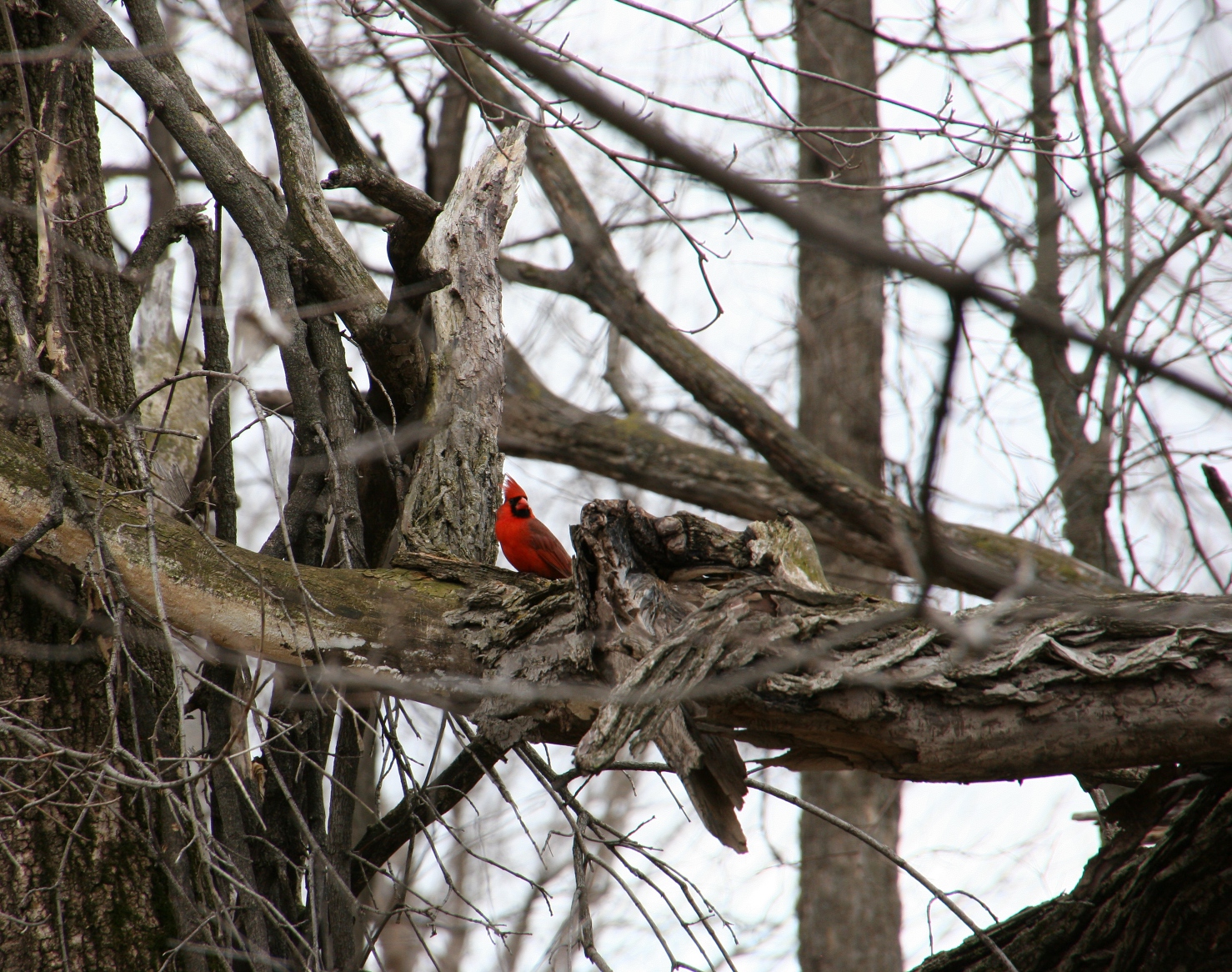
Randy can fool any cardinal with his realistic bird call. (Minnesota Prairie Roots copyrighted file photo)

And he’s really good at cardinal calls. The bird, not anything related to his Catholic upbringing. Whether in the backyard or walking in woods, Randy will answer a cardinal’s trill with his own. Yes, he sounds just like a cardinal.

Our life together now includes grandchildren. Here Randy walks with Isabelle and Isaac along a pine-edged driveway at a family member’s central Minnesota lake place. (Minnesota Prairie Roots copyrighted file photo July 2020)

We’ve built this life together on love, laughter, respect, support, encouragement, faith and so much more. Forty-two years. Four decades plus two years. Days, weeks, months, years…of blessings in good times and in bad. There for one another. Always.

© Copyright 2024 Audrey Kletscher Helbling


Color my world with spring May 14, 2024

Filed under: Uncategorized — Audrey Kletscher Helbling @ 5:00 AM
Tags: , , , , , , , , , , , ,
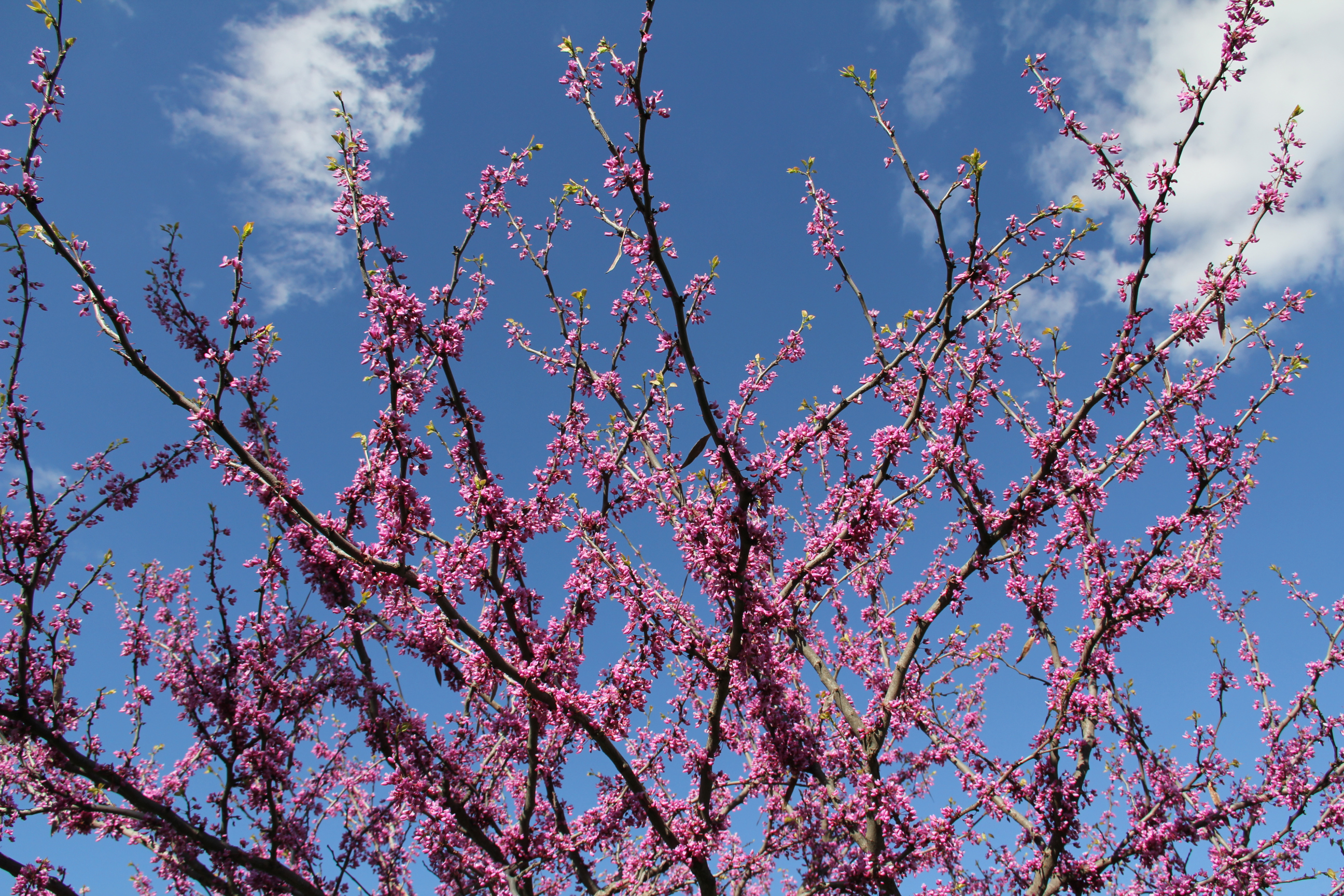
Looking up toward flowering branches and the bold blue sky of spring. (Minnesota Prairie Roots copyrighted photo May 2024)

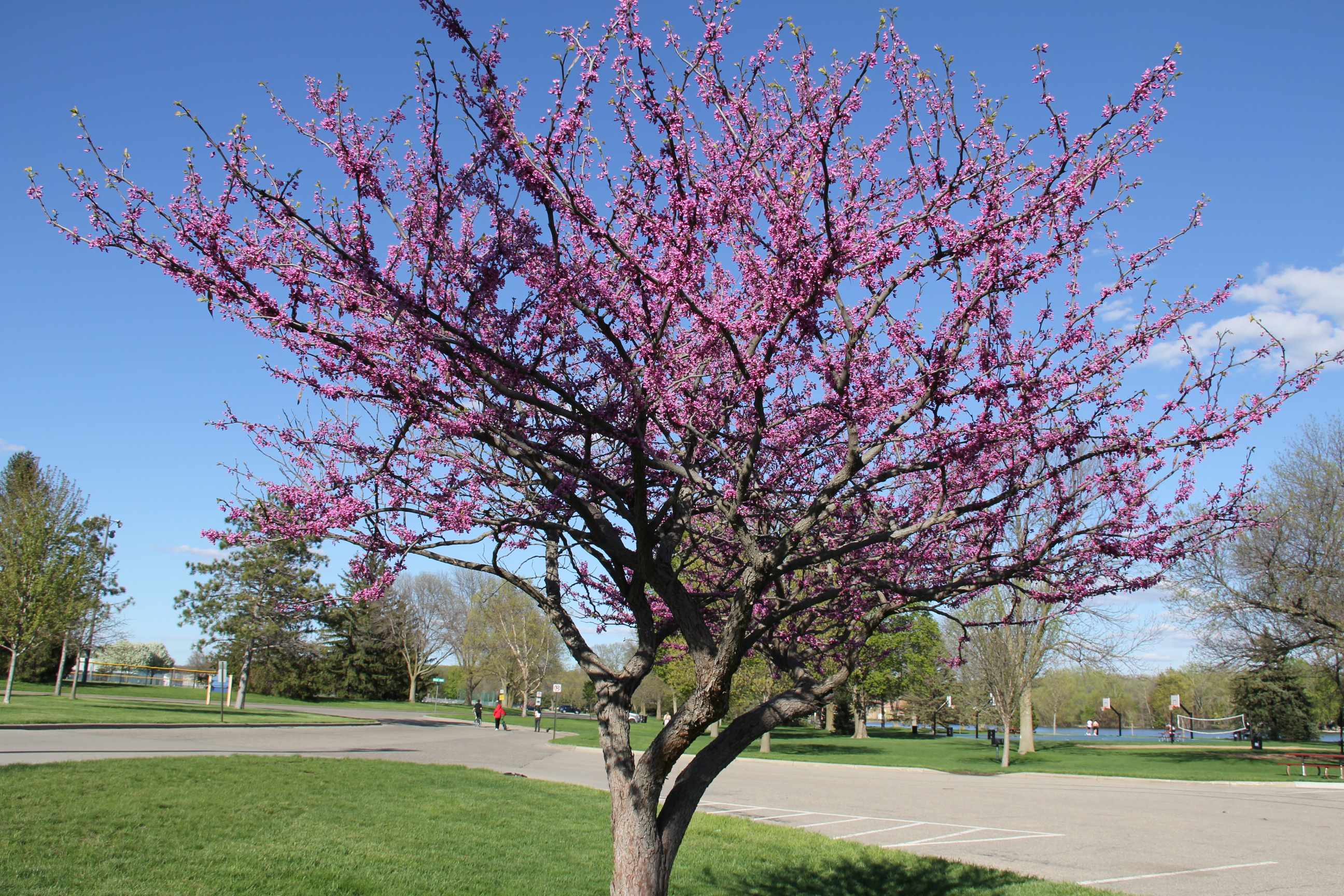
SPRING IN SOUTHERN MINNESOTA looks a lot like colors in a new box of crayons. Sharp. Bold. Vibrant. Vivid green grass. Bold blue sky. Hot pink tree blossoms. Spring flowers bursting bright reds and yellows. These are the hues of spring.

Color everywhere… (Minnesota Prairie Roots copyrighted photo May 2024)

The landscape is a page upon which nature colors over gray. The world explodes in color, a welcome visual delight to winter weary eyes.

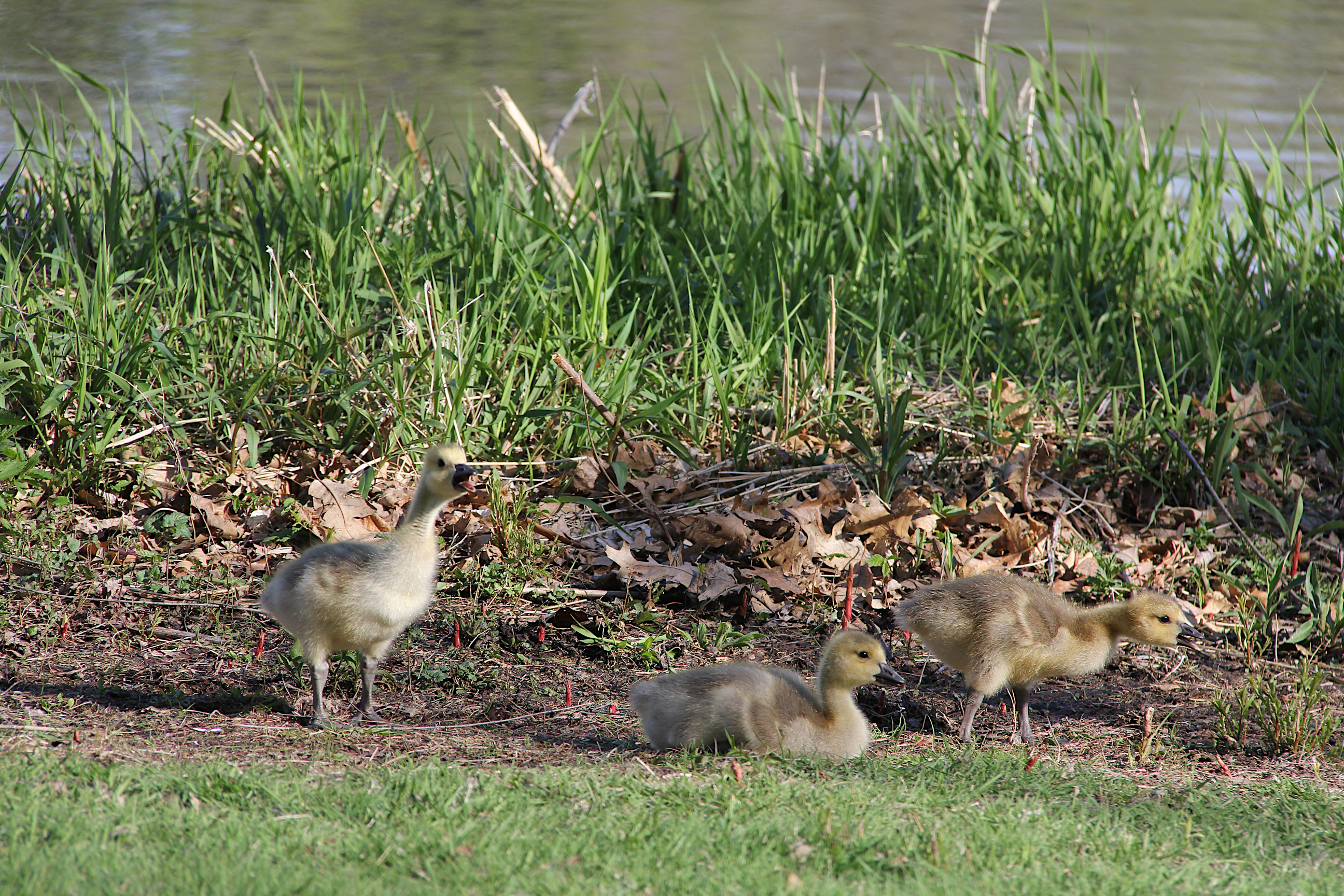
Growing goslings explore the river bank. (Minnesota Prairie Roots copyrighted photo May 2024)

I can’t get enough of this, even after more than sixty years of observing the seasonal transformation during April into May. It never gets old—this morphing of the seasons. How beautiful this world around us, teeming with new growth, new life.

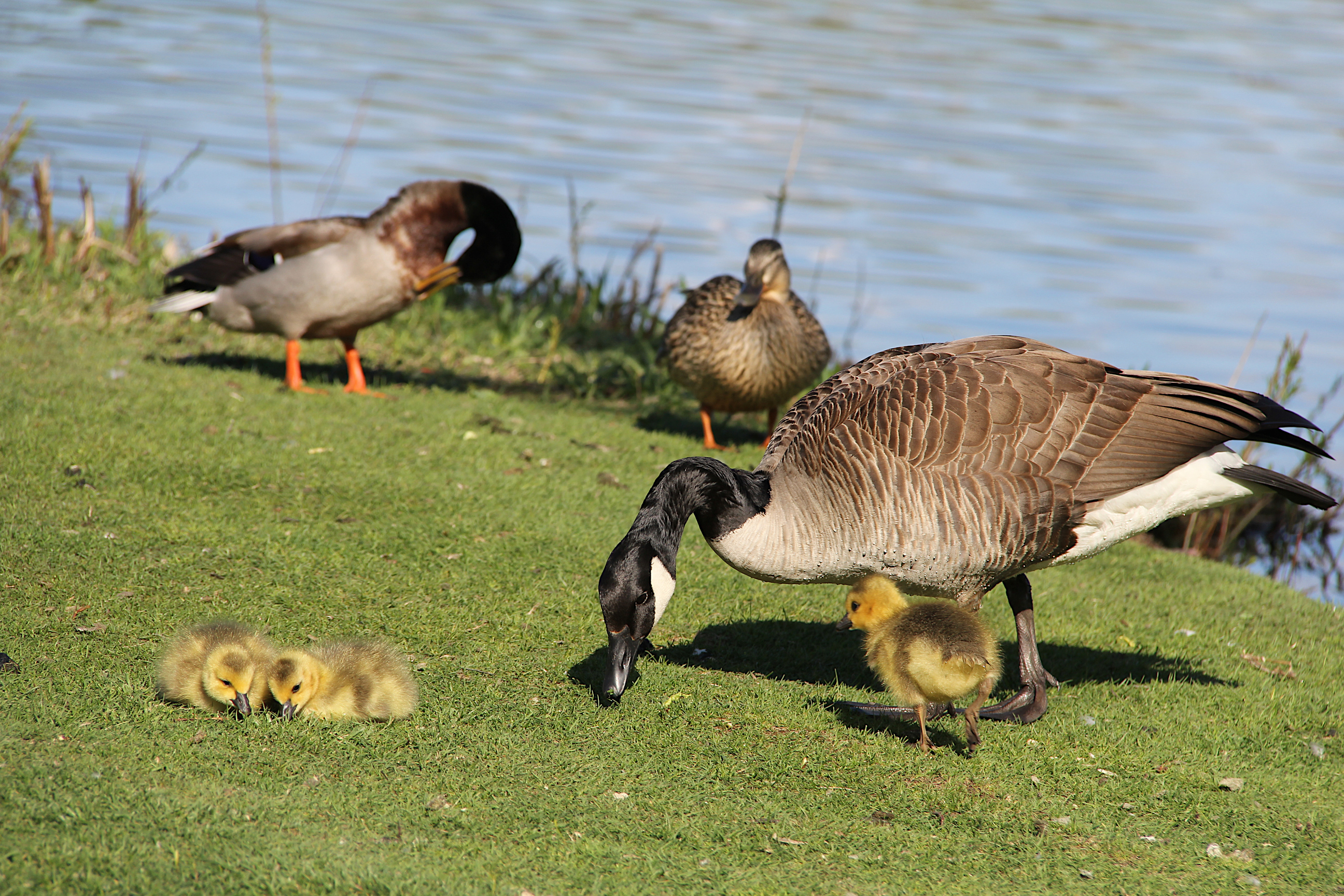
Goose and goslings aside ducks along river’s edge. (Minnesota Prairie Roots copyrighted photo May 2024)

Every spring I await the goslings and ducklings. They are pure fluffy cuteness. I admire from afar, keenly aware of their protective parents. I dodge goose poop, not always successfully, to get within viewing range. But I respect their space.

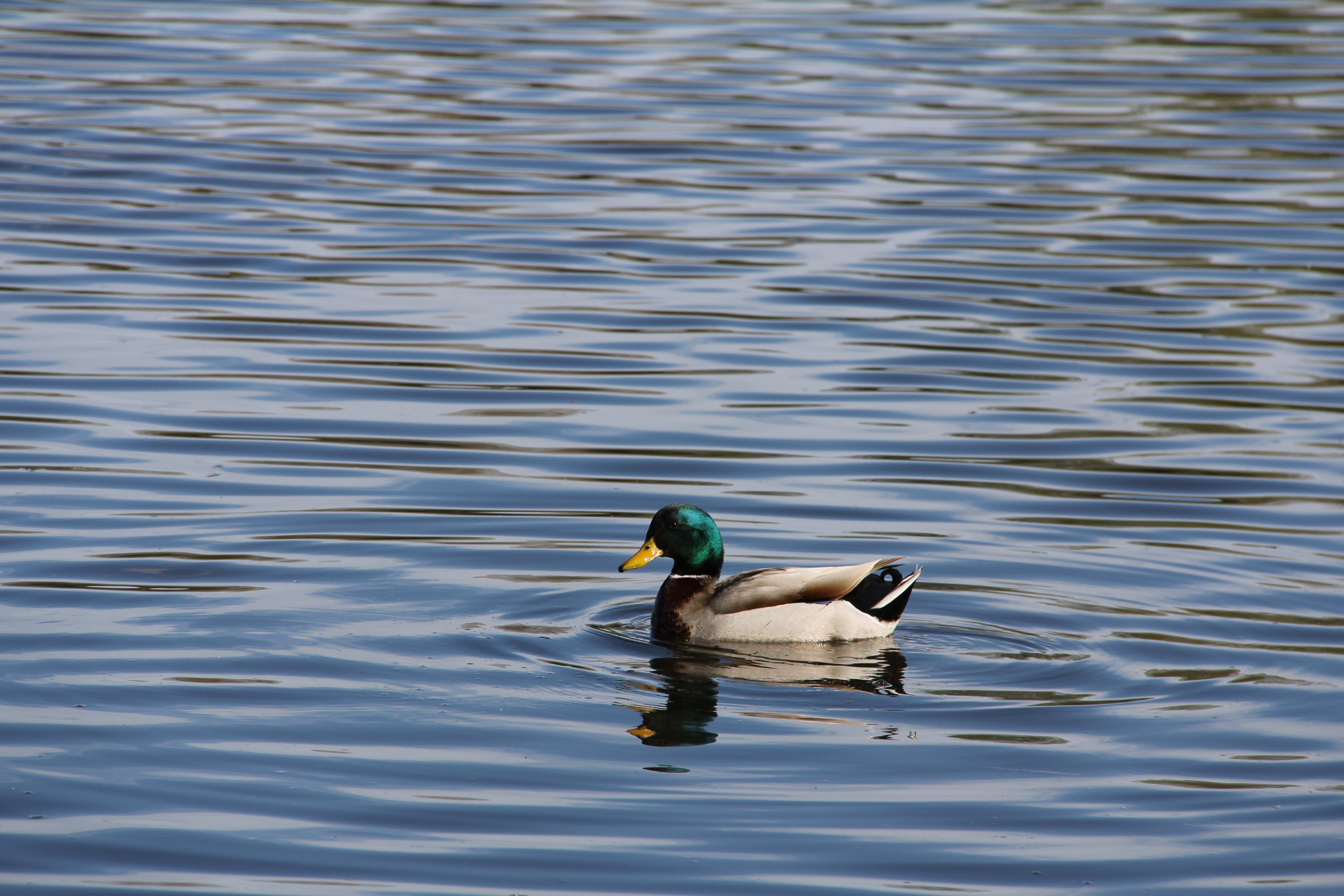
Beautiful scene: a mallard drake swimming on the river. (Minnesota Prairie Roots copyrighted photo May 2024)

I find myself mesmerized by waterfowl as they forage for food along the shoreline or glide through the river, water rippling a trail. Reflections trace tranquility upon the water’s surface. All is quiet and good in that peaceful scene.

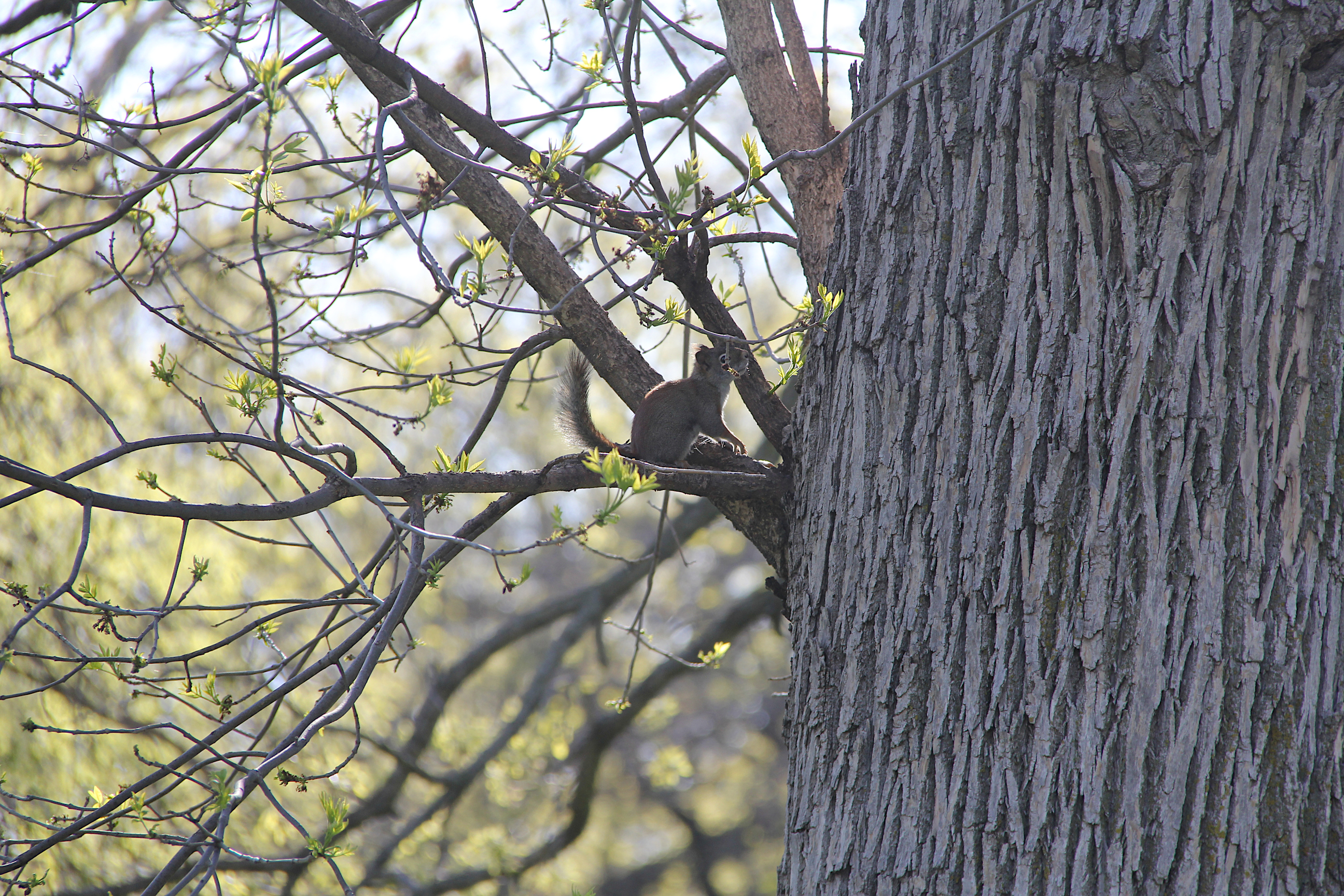
A squirrel, nearly camouflaged by a tree. (Minnesota Prairie Roots copyrighted photo May 2024)

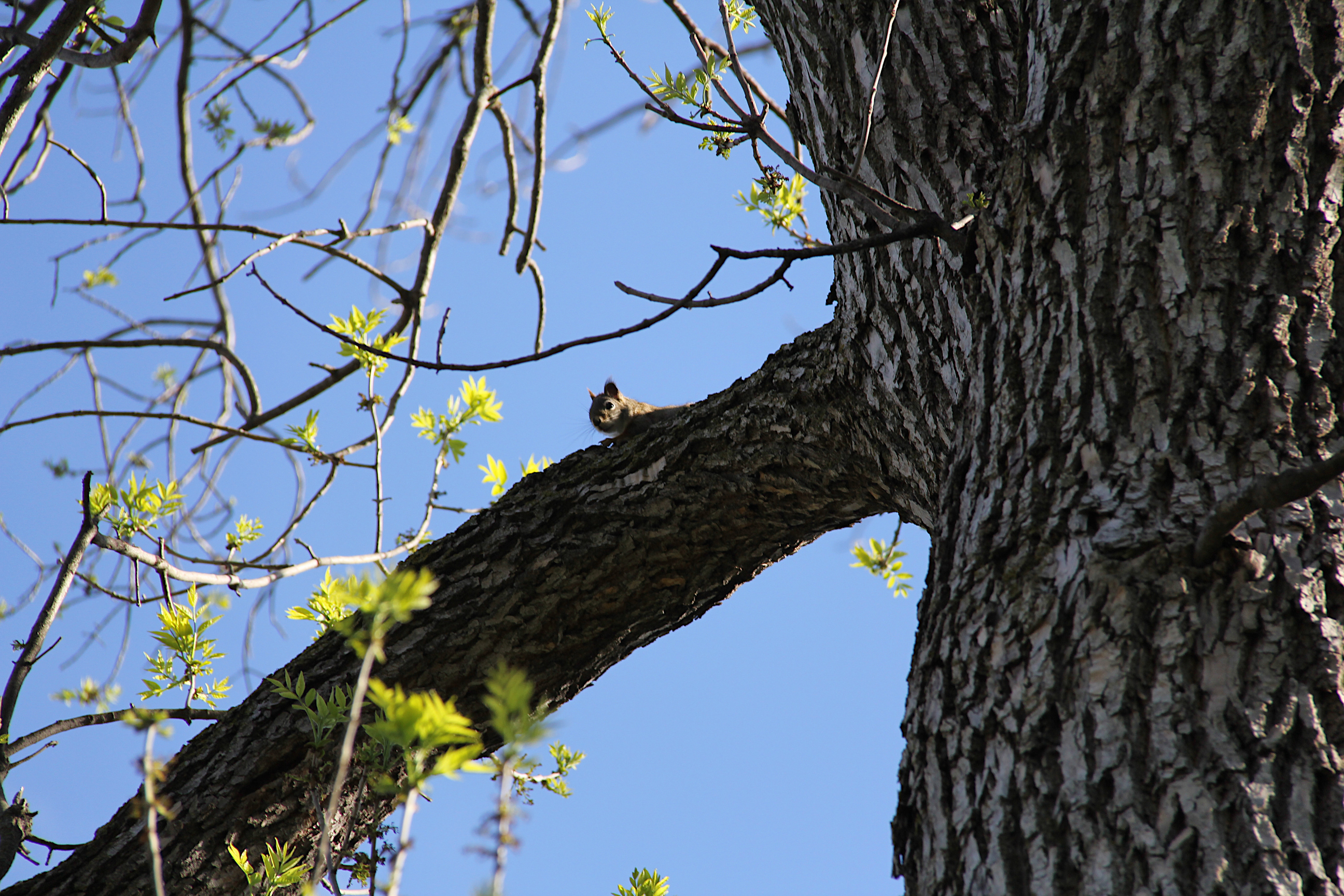
But not all is still. On land, squirrels scamper up trees, root in the ground. I never tire of their antics, amazed by their acrobatic skills, their Olympian abilities to leap with precision, climb with speed. They are really quite amazing even if sometimes a nuisance when digging up lawns and in flower pots.

A squirrel peeks over a limb on a leafing tree. (Minnesota Prairie Roots copyrighted photo May 2024)

There’s so much to appreciate in this season not only visually, but in sound, too. Chirping birds, especially raucous this time of year. Trill of peepers in ponds and wetlands. Rustle of a rabbit across dried leaves. Call of a rooster pheasant in flight. Whisper of the wind through leafing treetops.

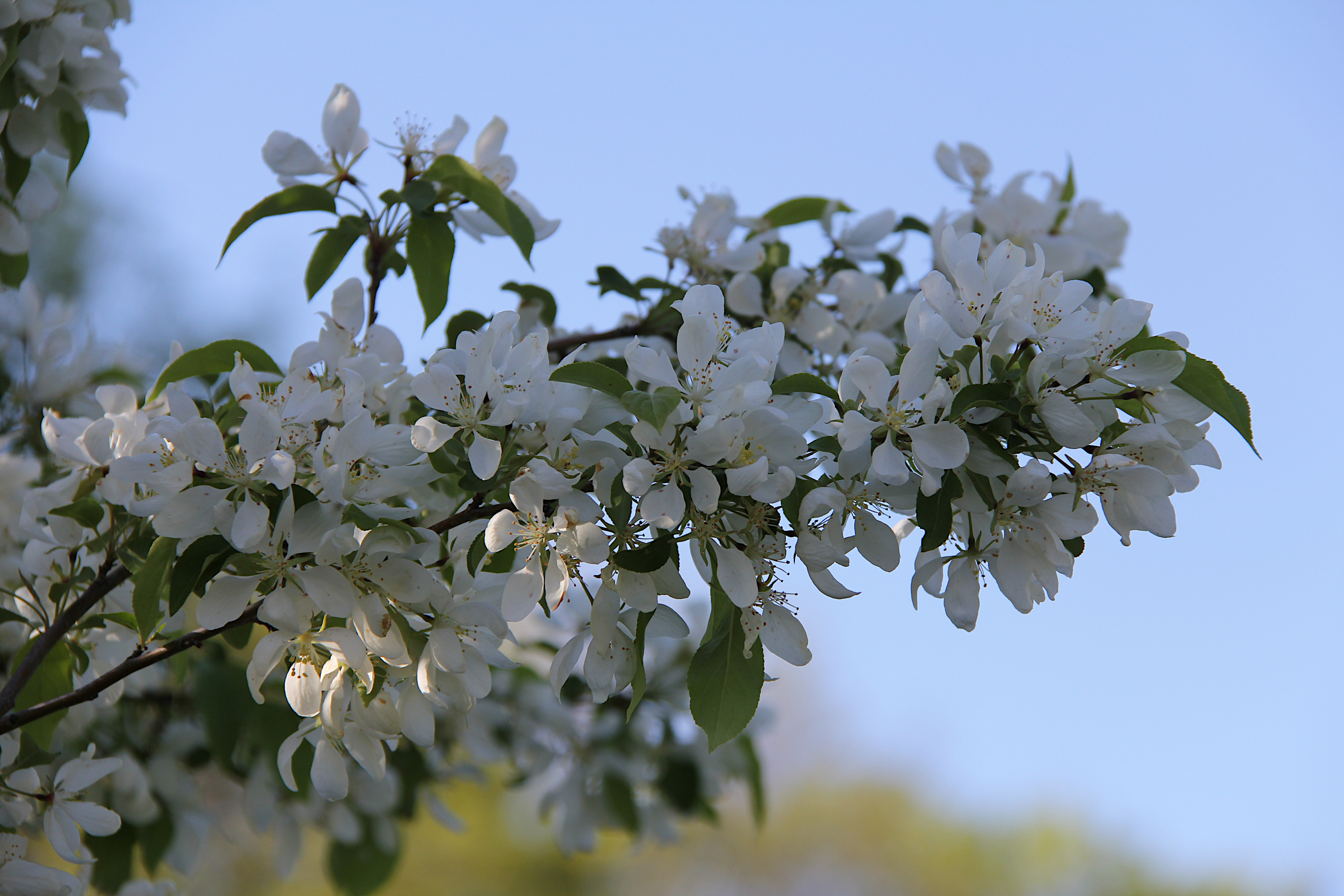
Fragrant blossoms blanket branches. (Minnesota Prairie Roots copyrighted photo May 2024)

And then the scent, oh, the distinct, earthy smell of spring. Soil. Rain. Flowers. I dip my nose into apple blossoms, their fragrance a reminder of apples to come, of apple crisp pulled from the oven, of pies baked in Grandma’s kitchen.

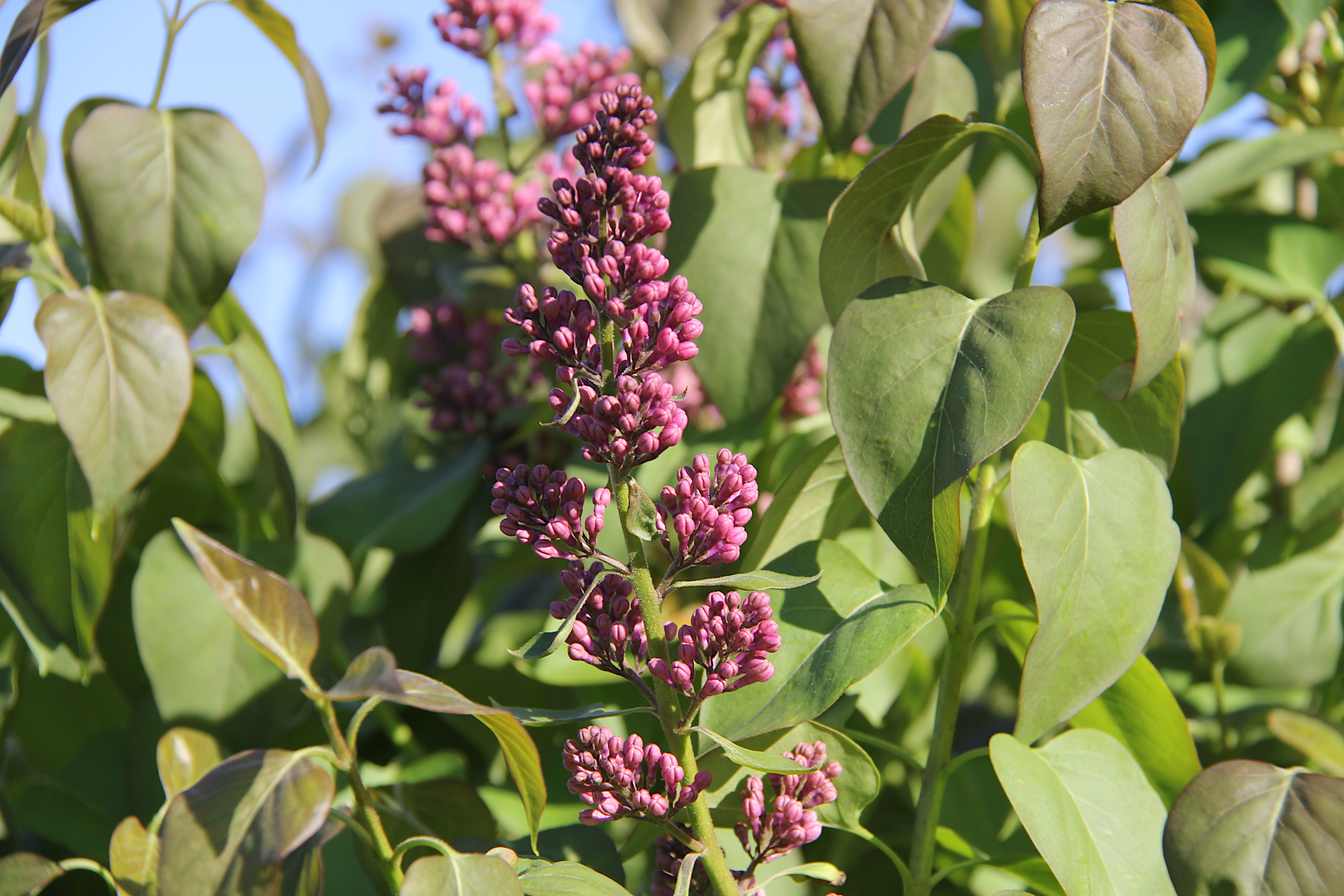
Lilacs are budding and flowering. (Minnesota Prairie Roots copyrighted photo May 2024)

But it is lilacs which, for me, hold the strongest scent of spring. Perhaps because of the memories connected to this flowering bush. I remember bouquets of lilacs filling my childhood farmhouse, their heavy perfume masking the odor of cow manure. The lilacs came from my bachelor uncle’s nearby farm. Mike would bring bouquets to his sister-in-law. Or my mom would drive the washboard gravel roads to pick her own. Today, my husband brings me bouquets of lilacs each May, understanding the memories and love these blossoms represent.

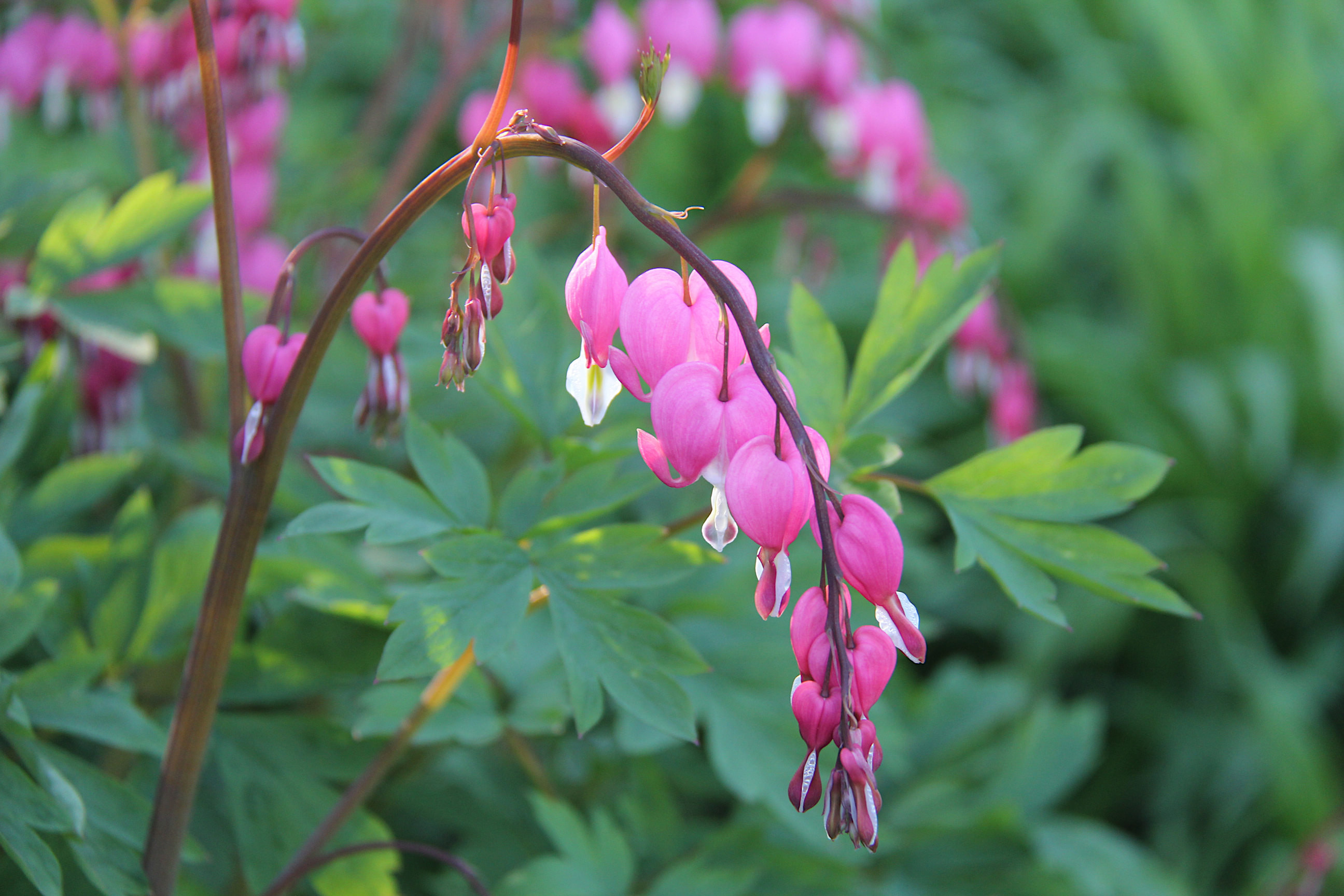
Bleeding hearts, one of the first flowers of spring. (Minnesota Prairie Roots copyrighted photo May 2024)

This is spring in Minnesota to me. All of it. Bold. Beautiful. Bright. Me, feeling like a kid giddy with joy over a box of new crayons.

© Copyright 2024 Audrey Kletscher Helbling
 

Cultural events connect, build community May 8, 2024

Filed under: Uncategorized — Audrey Kletscher Helbling @ 5:00 AM
Tags: , , , , , , , , ,
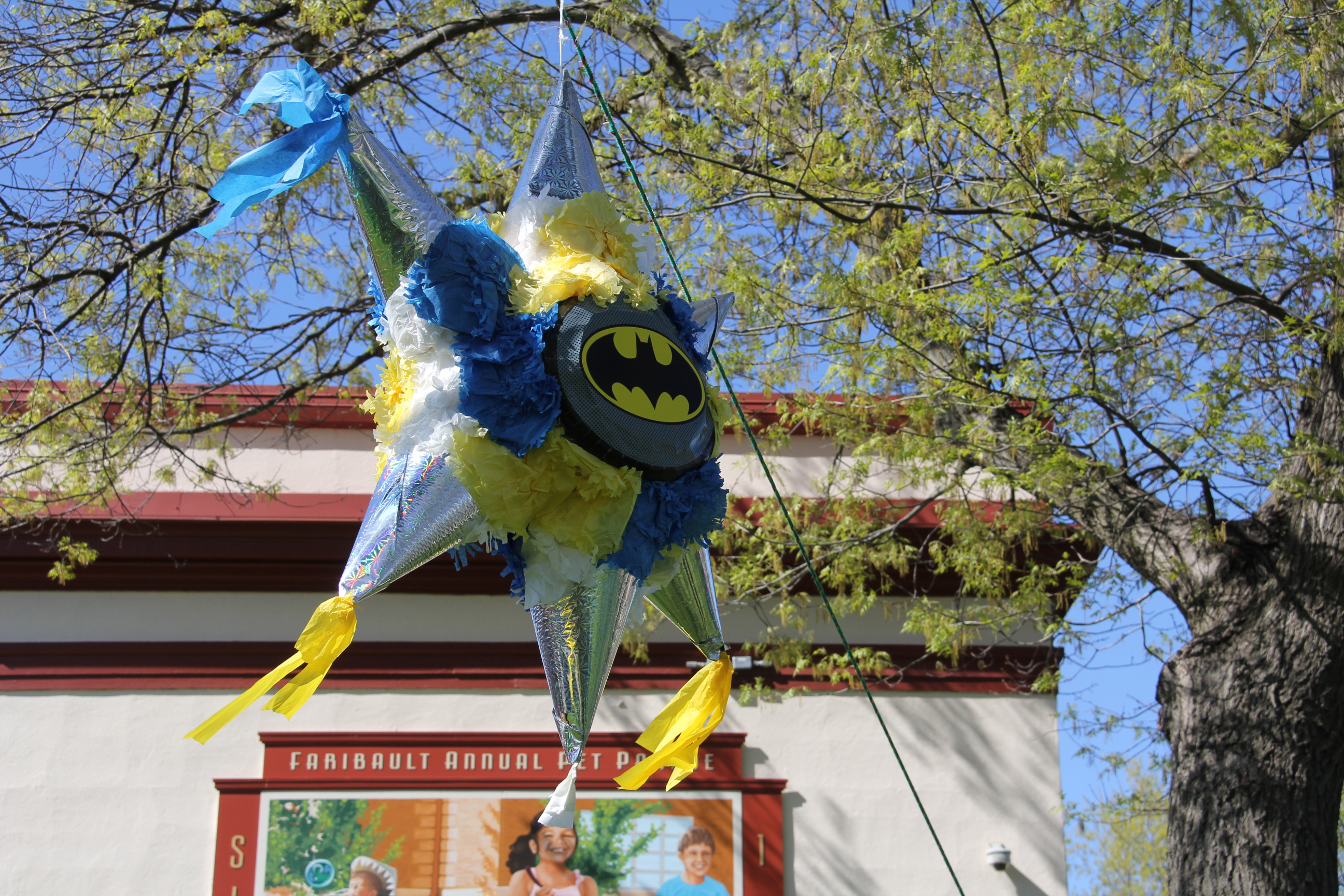
A pinata sways from a tree against the backdrop of the Central Park Bandshell. (Minnesota Prairie Roots copyrighted photo May 2024)

WHENEVER I ATTEND a culturally-focused community event, like the recent Cinco de Mayo celebration in Faribault, I feel joy. Joy because I’m learning, meeting my neighbors, growing my appreciation for the cultural diversity which defines Faribault and neighboring communities.

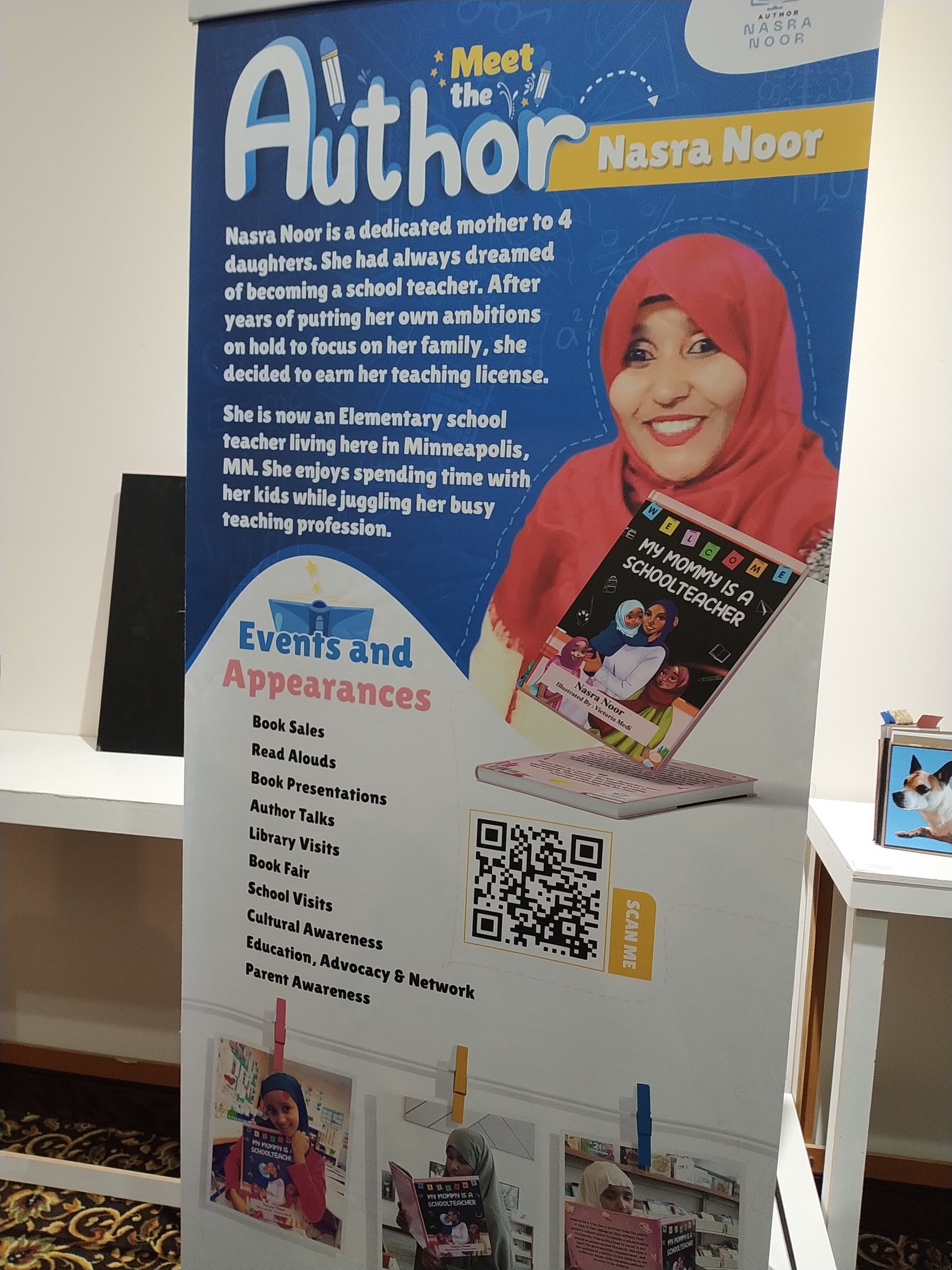
Nasra Noor, an author and teacher from Minneapolis, participated in a recent event at the Paradise Center for the Arts. (Minnesota Prairie Roots copyrighted photo April 2024)

The week prior, I attended an event celebrating our Somali population. There, too, I engaged with my new neighbors and learned more about them. I’ve always found gatherings that involve food and music to be a good way to connect. Both are universal, even if different.

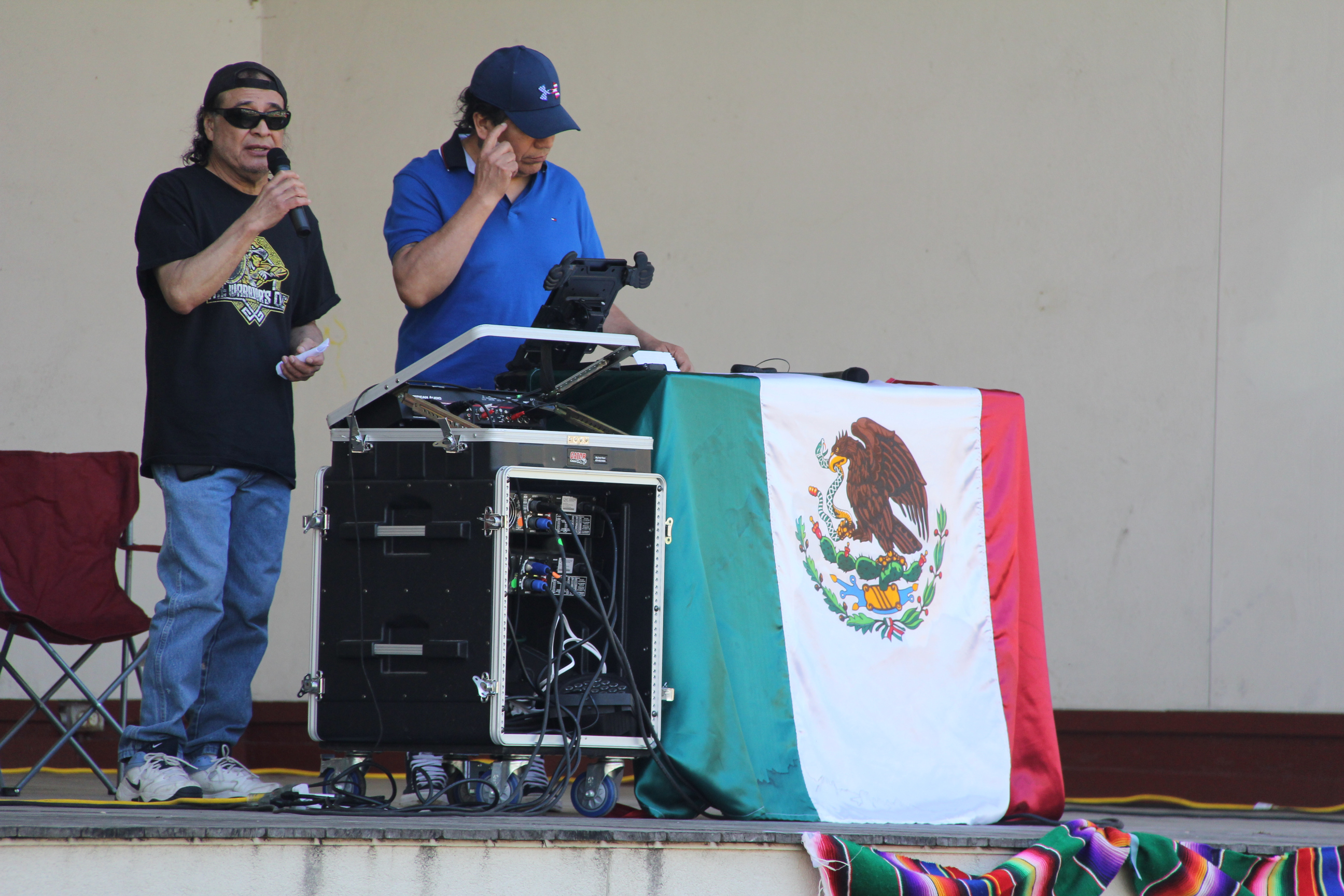
While I arrived too late for the dancers, I heard Latino music at Faribault’s Cinco de Mayo celebration in Central Park. (Minnesota Prairie Roots copyrighted photo May 2024)

Even when I don’t understand lyrics, I understand the rhythm of music.

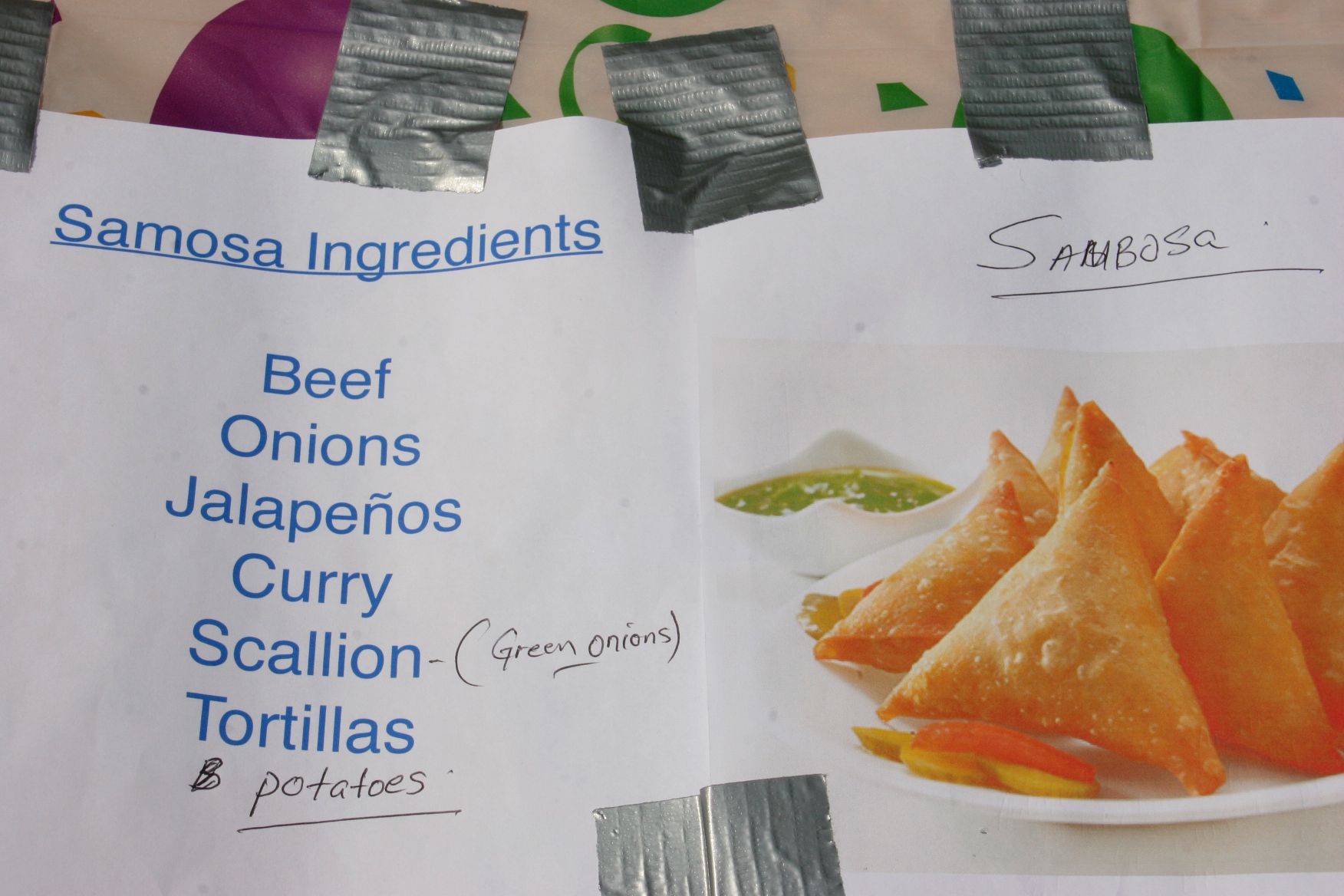
Somali food was served at a past International Festival Faribault, where this sign was photographed, and at a recent event. (Minnesota Prairie Roots copyrighted file photo)

Even when I haven’t tasted an ethnic food, I’m willing to try. And let me tell you, Somali tea tastes of ginger and cinnamon and other spices that appeal both to my sense of taste and of smell. Likewise, sambusa, which I was introduced to many years back, are delicious. I love the savory, spicy flavor of these meat-filled triangular pastries.

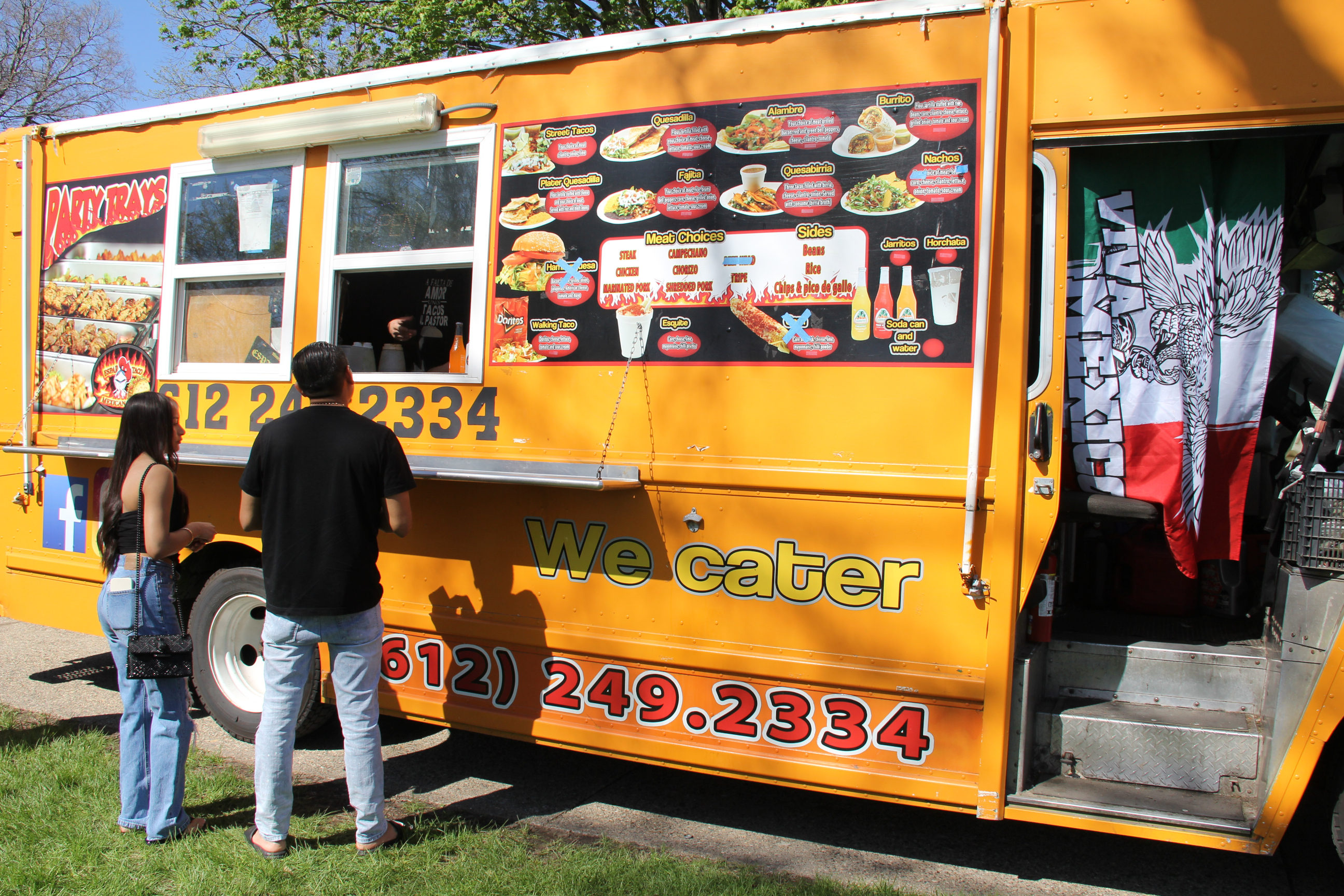
Among the Latino food vendors in the park. (Minnesota Prairie Roots copyrighted photo May 2024)

Latino food is a bit more familiar. But, because I don’t speak or read Spanish, I struggle with choices. I asked for help interpreting and translating, choosing a dish that featured shrimp. I love shrimp. Still, I didn’t realize I had just ordered soup laced with shrimp and corn. It was not my favorite. But, hey, at least I tried something new.

Sign on a food truck. (Minnesota Prairie Roots copyrighted photo May 2024)

That’s the thing. We have to be willing to step outside our familiar foods, music, language and more. Then, and only then, do we begin to feel connected in our community. We are no longer “them” and “us.” Rather, we are all one, living together in this place. It takes effort. It takes a willingness to stretch ourselves, to strike up conversations, to appreciate both differences and similarities.

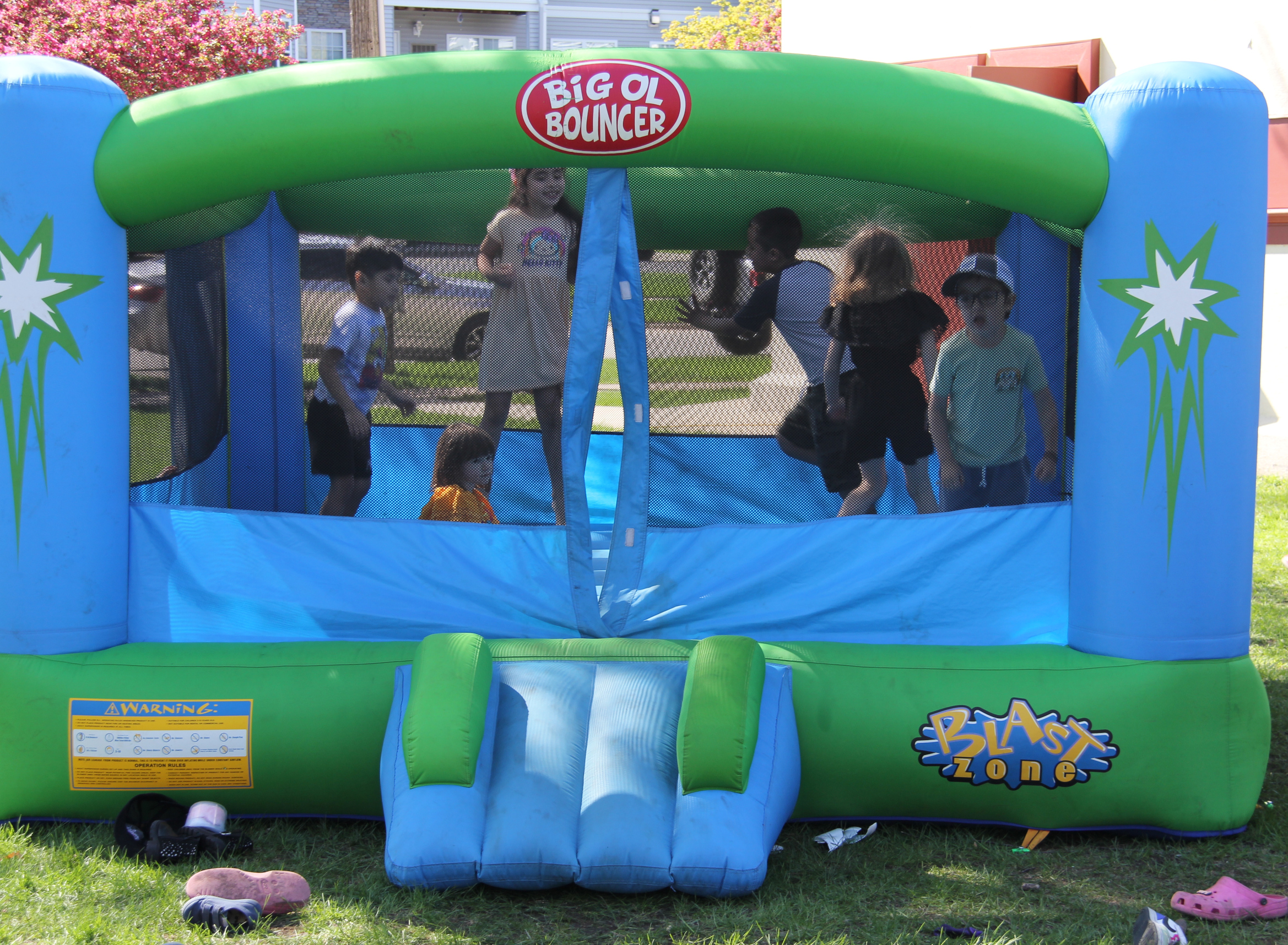
Together in the bounce house at Cinco de Mayo. (Minnesota Prairie Roots copyrighted photo May 2024)

It is the kids who give me the most hope. Kids are kids. When I see kids running, playing, dancing, singing, I see any kid. Not white, black, brown… Simply a kid.

Gathering around the pinata. (Minnesota Prairie Roots copyrighted photo May 2024)
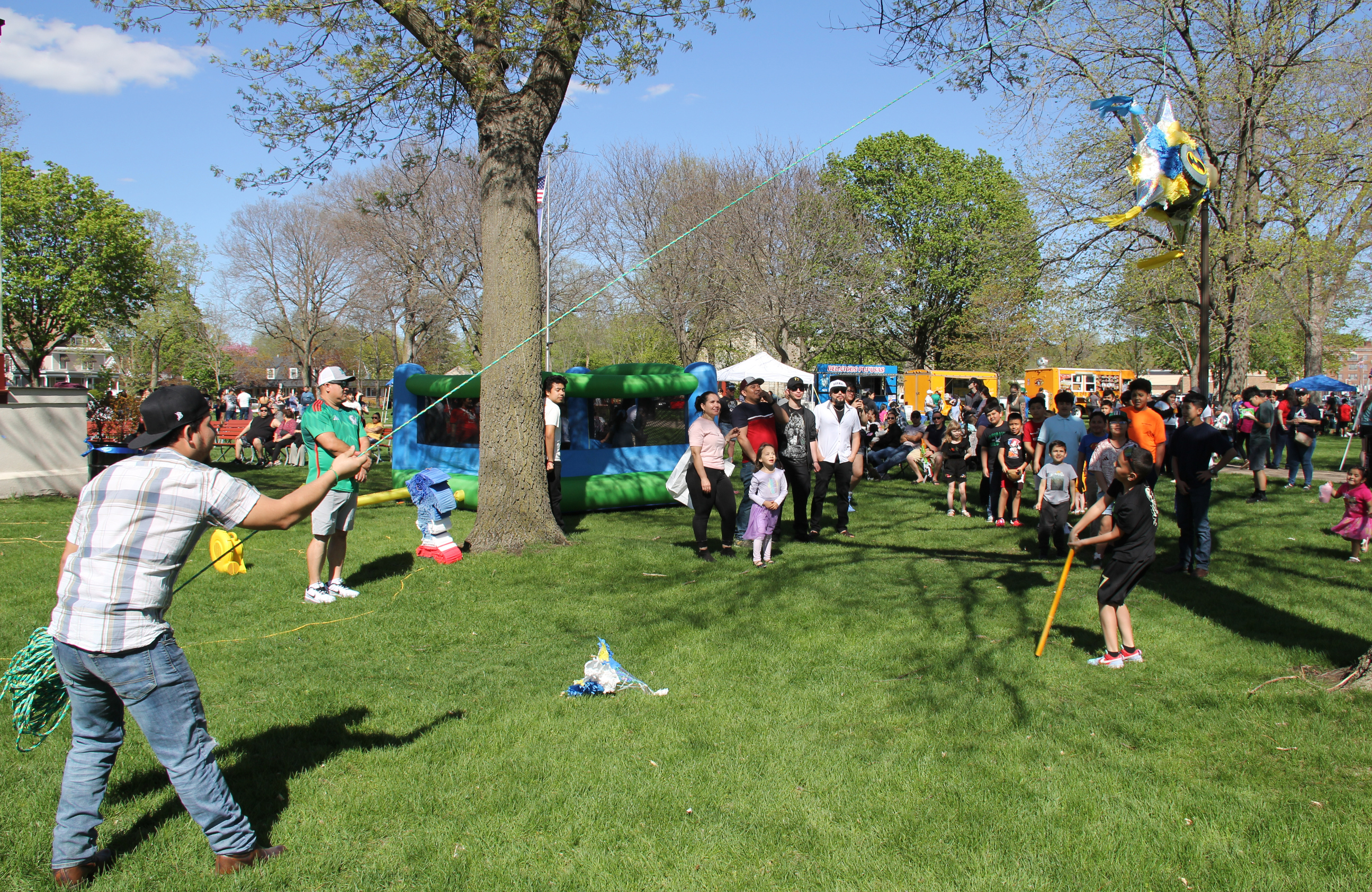
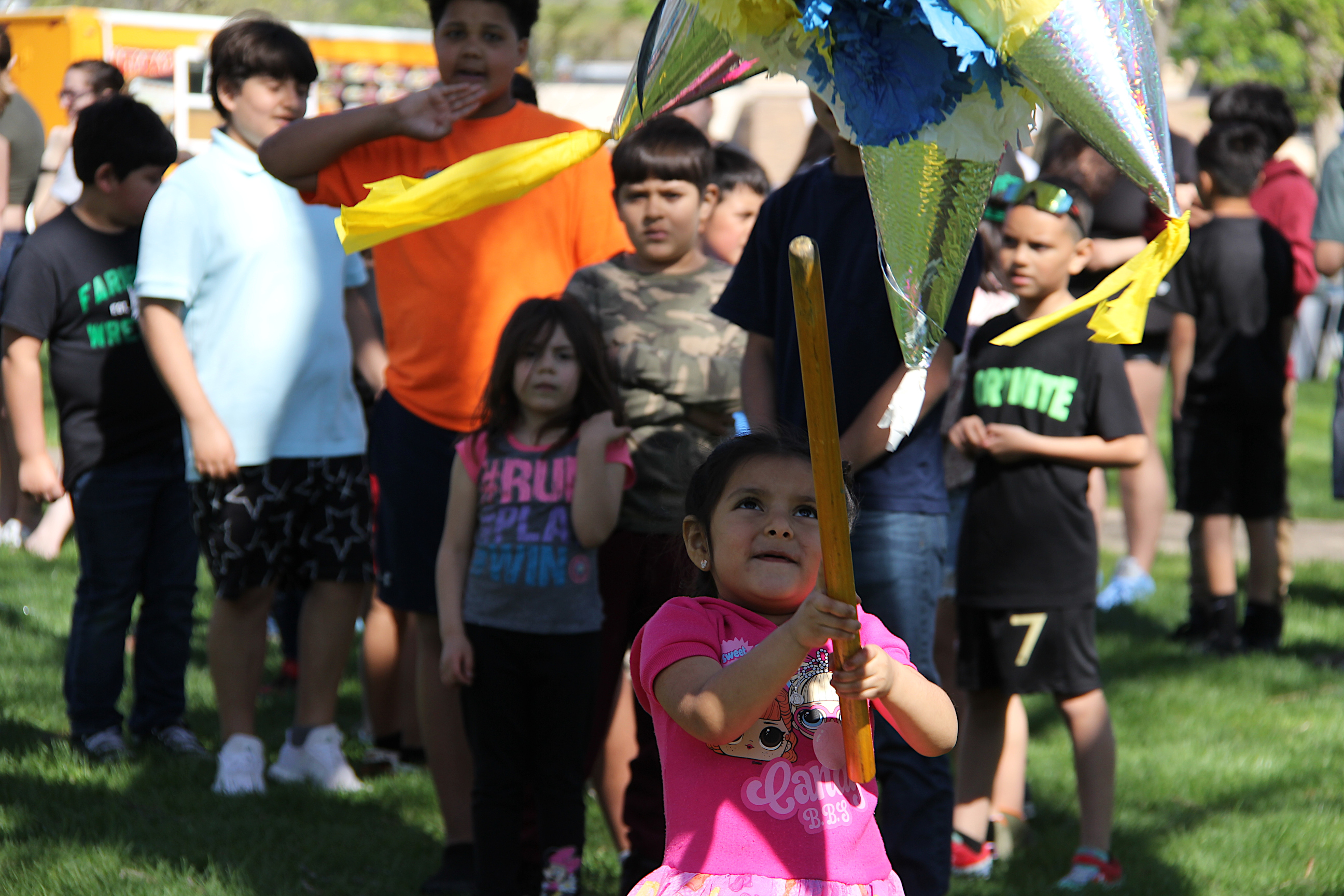
Taking aim at the pinata while others await their turn. (Minnesota Prairie Roots copyrighted photo May 2024)
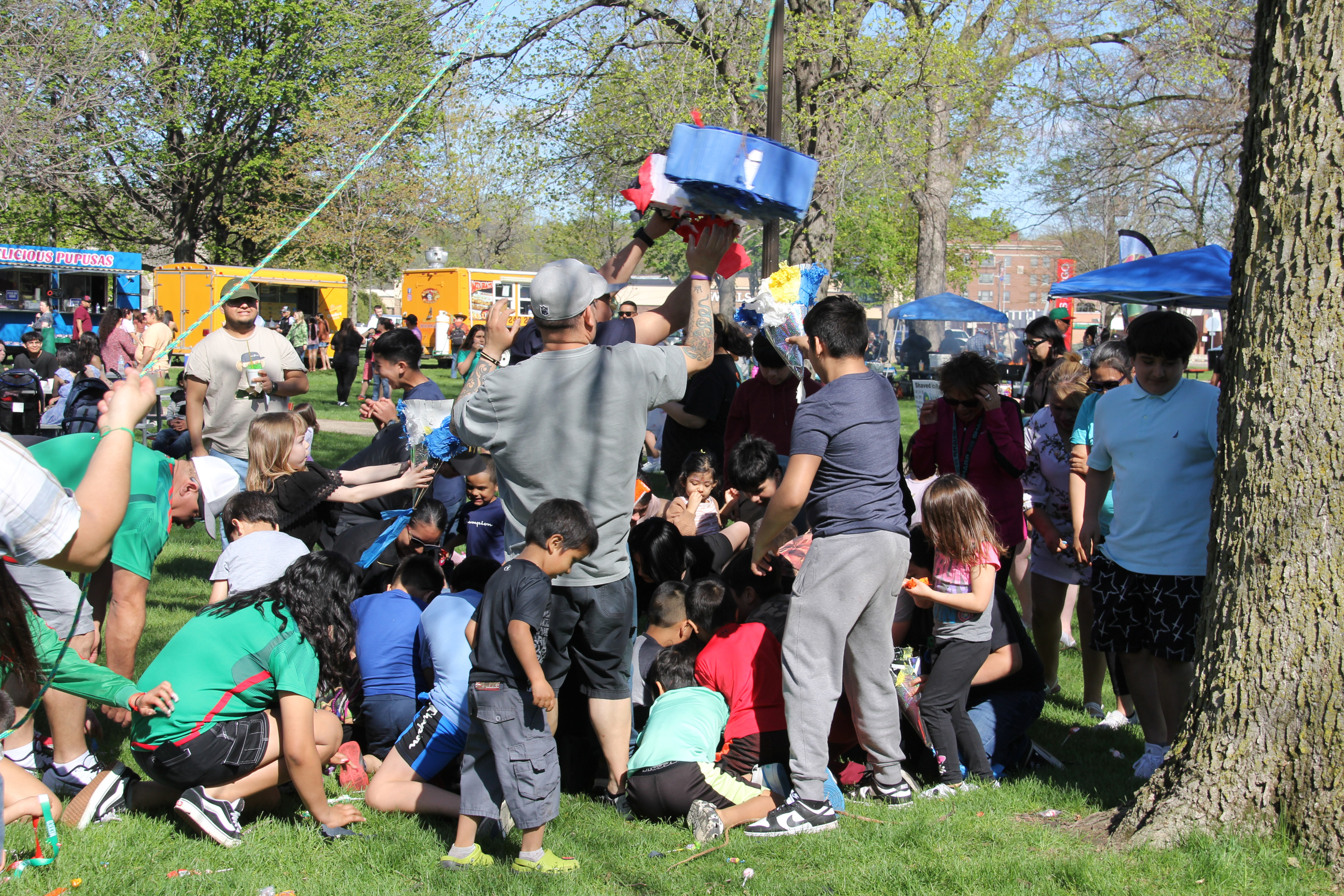
Scrambling for candy after a pinata breaks. (Minnesota Prairie Roots copyrighted photo May 2024)

Watching a cluster of kids gathered on Cinco de Mayo to strike a pinata, I saw smiles, focus, determination, joy. They each had a singular goal: to get to the candy. They worked together. One kid took a swing, then another and another and another until it was time to pass the stick to the next kid. It took teamwork—a community of kids—to achieve the end goal. And when they scrambled for the falling candy, it was happy chaos. They’d done it. Together.

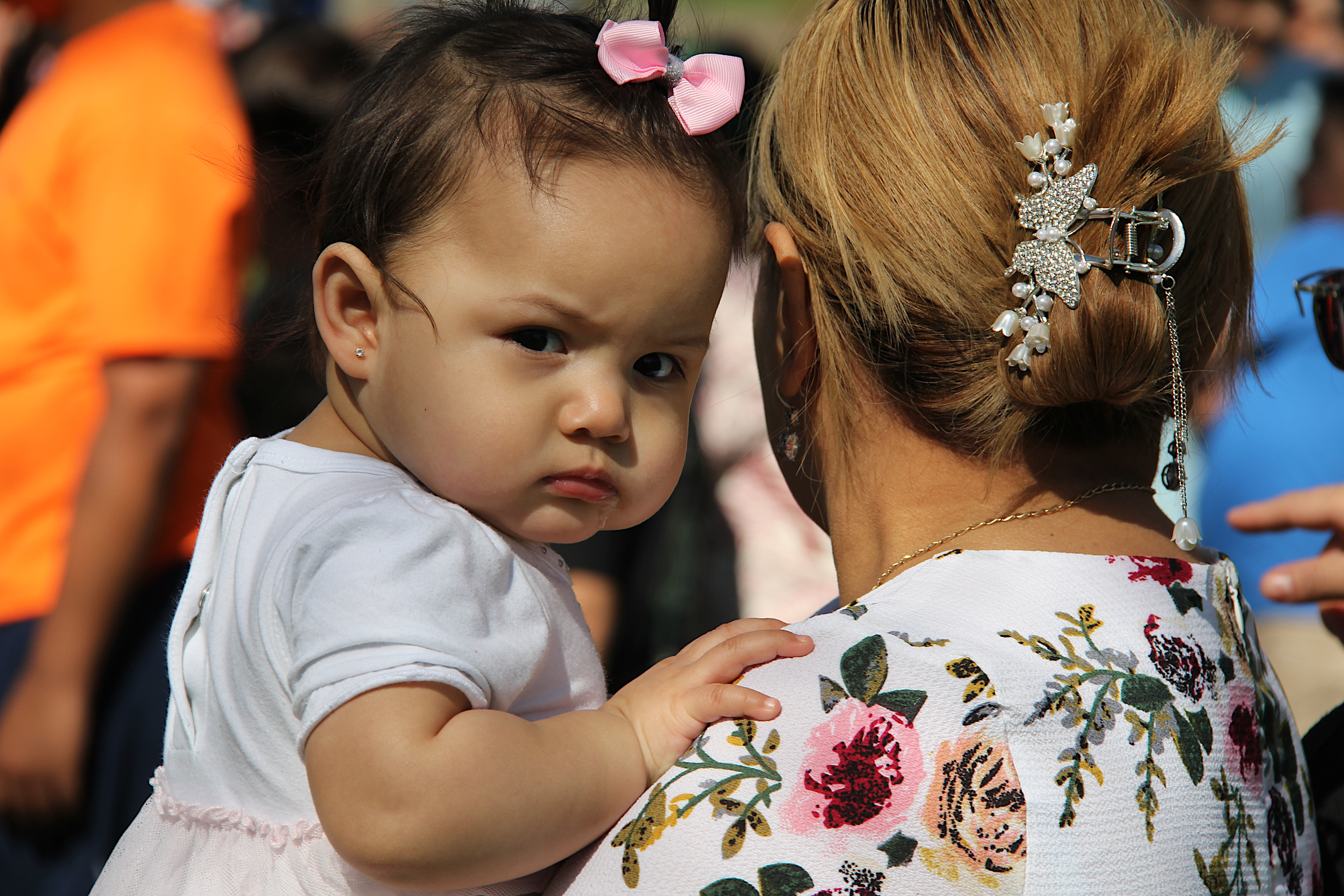
Children are our future, including this sweet little one photographed at the Cinco de Mayo celebration. (Minnesota Prairie Roots copyrighted photo May 2024)

We adults can learn a lot from the little ones. We are all in this world together. We live. We love. We struggle. We celebrate. We have hopes and dreams. More connects, than divides, us. That is what we need to remember no matter our backgrounds, our language, our food, our music…

© Copyright 2024 Audrey Kletscher Helbling
 

The eyes have it until they don’t May 7, 2024

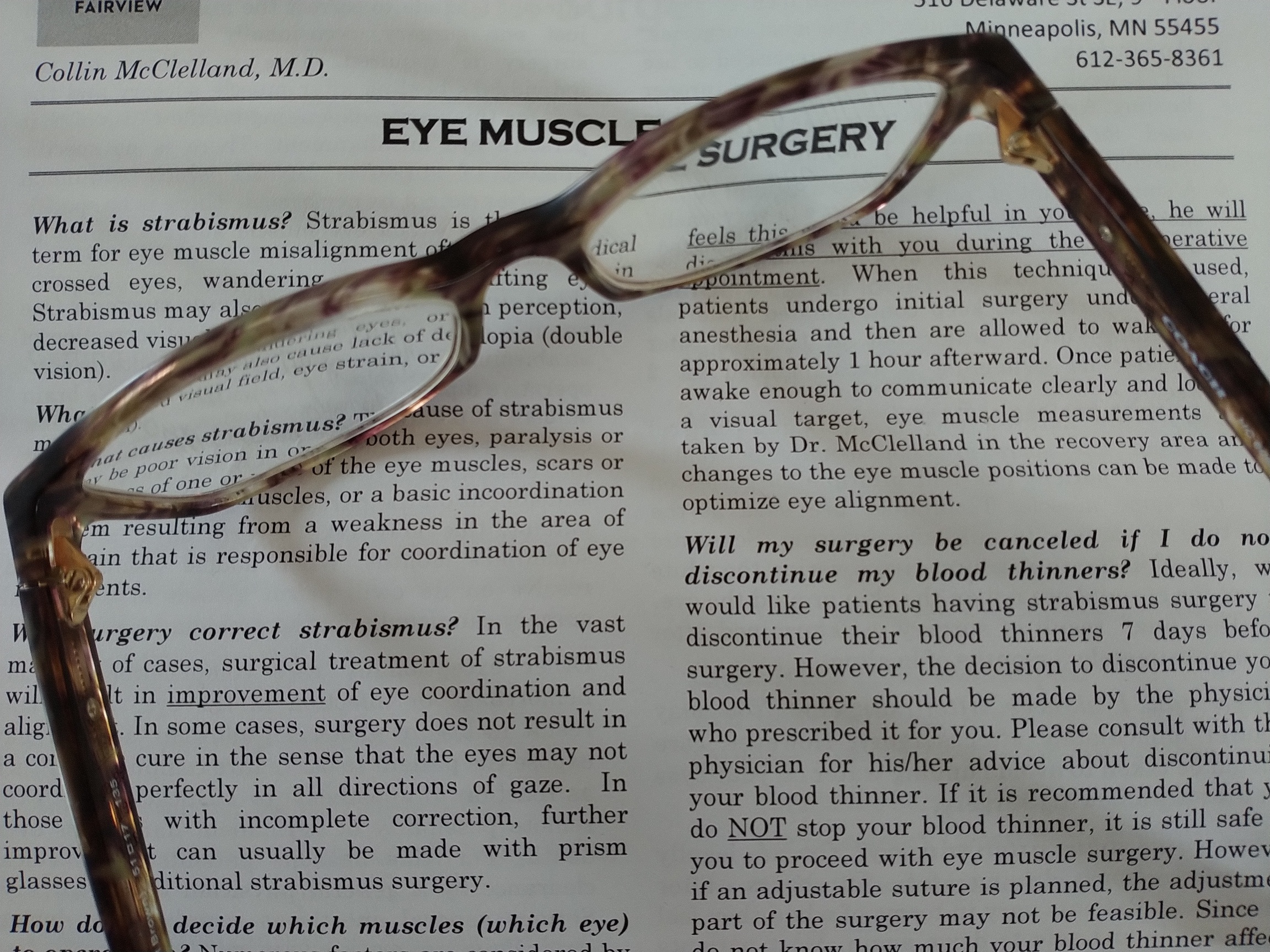
My old glasses atop info about bilateral strabismus eye surgery. (Minnesota Prairie Roots copyrighted file photo November 2023)

SIGNIFICANT REGRESSION OF SURGICAL EFFECT. Those are words you don’t want to read/hear following any surgery. But, three months out from surgery to realign my eyes, that’s where I’m at with my vision.

During my second post-op check last week with my neuro ophthalmologist, Dr. Collin McClleland, I learned that my eyes apparently have a mind of their own. They are back to not working together. This came as no surprise. I’ve been experiencing ongoing double vision, although less than before my January 22 surgery.

What I didn’t expect was the word “significant.” I knew the possibility existed that my eyes would return to misalignment; I did my homework in advance of bilateral strabismus eye surgery. But who thinks they are going to be in the minority of that final surgical outcome? Not me.

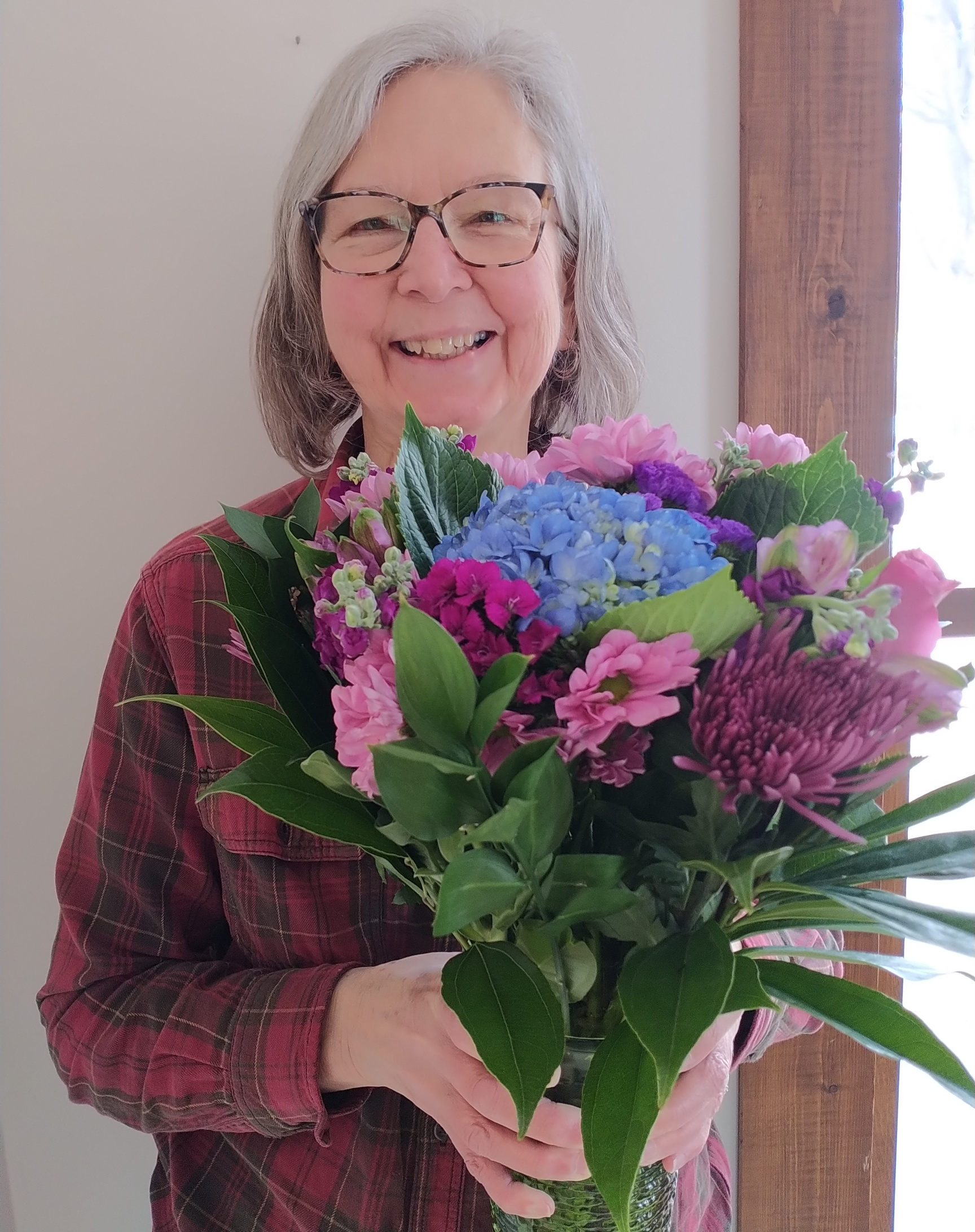
Several days after my January surgery, I was smiling, happy to have surgery behind me, happy with flowers from my family. (Minnesota Prairie Roots copyrighted file photo by Randy Helbling, January 2024)

Immediately after surgery, my eyes were in near perfect alignment. I was happy. My surgeon was happy. But then, as my eye muscles healed and my brain and eyes adjusted, the shift began.

Extensive testing during my recent appointment showed “significant regression.” I won’t confuse you with numbers and medical terminology. Suffice to say I’m frustrated and disappointed as is my surgeon. But, Dr. McClelland said, he wouldn’t have done anything differently during surgery. I needed it, and the surgery did improve alignment. I agree. Why my eyes reverted mostly back to their misaligned positions is unknown. I asked. There’s no answer.

I explained to my doctor that it takes effort sometimes to see just one, and not two. That exhausts me. And if I’m doing anything that requires a lot of visual back-and-forth, like shopping, my eyes feel like they’ve done calisthenics. They hurt. Whenever I have lots of sensory input or am doing multiple things, my double vision worsens. I was experiencing all of this before surgery, too.

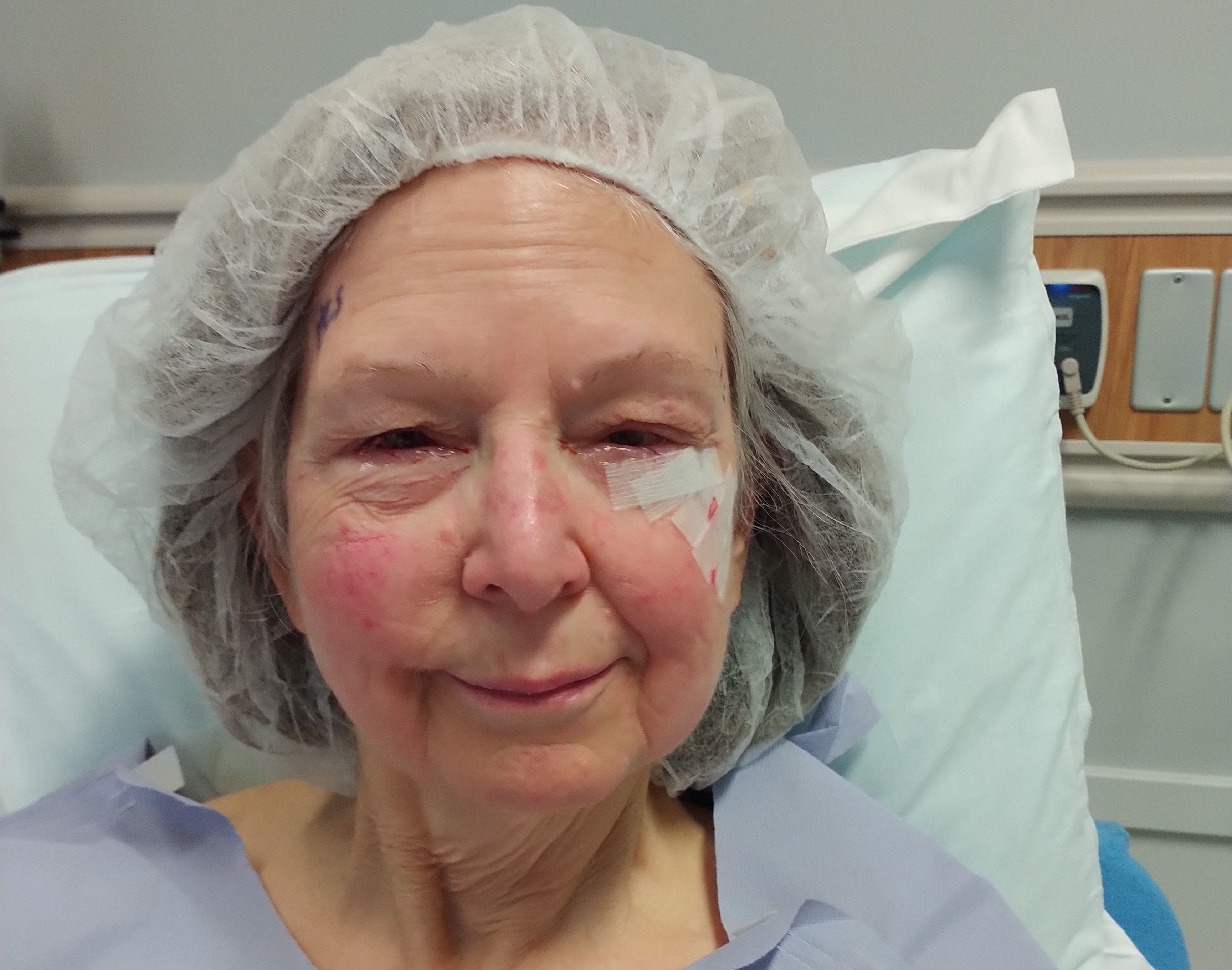
In the recovery room after surgery on both eyes in January. (Minnesota Prairie Roots copyrighted file photo by Randy Helbling, January 2024)

What to do next was the question of the morning. My surgeon offered two choices: One, add more prisms to my glasses and hope that alleviates some of my double vision. Or try surgery again. I was mentally unprepared for this. But I quickly opted for more prisms. I am in no hurry to rush back into an operating room, even if the 1 ½-hour surgery was not horrible and I have full confidence in Dr. McClelland. Surgery is surgery.

So here I am, no line bifocal prism glasses ordered. The lenses will take about two weeks to make given the extensive work required. Then I’ll be without glasses while the lenses are placed in my frames. Then the test begins. Will the added prisms, divided between both lenses, help with my double vision? Time will tell. Prisms bend light before it travels to your eyes and the brain has to sort it all out and create a singular image, or something like that.

The issue, my ophthalmologist explained, is whether I can tolerate more prisms added to my prescription lenses. I could experience distortion, what he calls “the fish bowl effect.” The goal is “comfortable singular binocular vision.” If I can’t handle the added prisms (which are actually less than they should be, but within the hopefully tolerable range), then I will need to revisit surgery.

That’s where I’m at today. Waiting for those prism-heavy lenses. I’m trying to prepare myself for what I know will be several weeks of adjusting to my new prescription. And hoping this non-surgical approach works.

These buildings house outpatient clinics, including the M Health Fairview Eye Clinic, on the campus of the University of Minnesota in Minneapolis. (Minnesota Prairie Roots copyrighted photo May 2024)

As disappointed and frustrated as I feel about the final surgical outcome, I remain grateful for the vision I do have, even if far from perfect. Sitting in the waiting room at M Health Fairview Eye Clinic in Minneapolis puts my situation in perspective. I have watched little kids there navigating with the aid of a white cane…

© Copyright 2024 Audrey Kletscher Helbling
 

Poetry that sings from Minnesota’s poet laureate May 2, 2024

Book cover sourced online. Cover watercolor painting, “The Musician,” is by Cherokee artist Roy Boney, Jr.

HER POEMS SING with the rhythm of a writer closely connected to land, heritage and history. She is Gwen Nell Westerman of Mankato, Minnesota poet laureate and author of Songs, Blood Deep, published by Duluth-based Holy Cow! Press.

Of Dakota and Cherokee heritage, Westerman honors her roots with poems that reflect a deep cultural appreciation for the natural world. The water. The sky. The seasons. The earth. The birds and animals. They are all there in her writing, in language that is down-to-earth descriptive. Readers can hear the birdsong, feel the breeze, see the morning light… That she pens nature poems mostly about the land of my heart—fields and prairie—endears me even more to her poetry.

This slim volume of collected poems is divided into seasons of the year, each chapter title written in the Dakota language. The book features multiple languages—Dakota, Cherokee, Spanish and English. That adds to its depth, showing that, no matter the language we speak, write or read, we are valued.

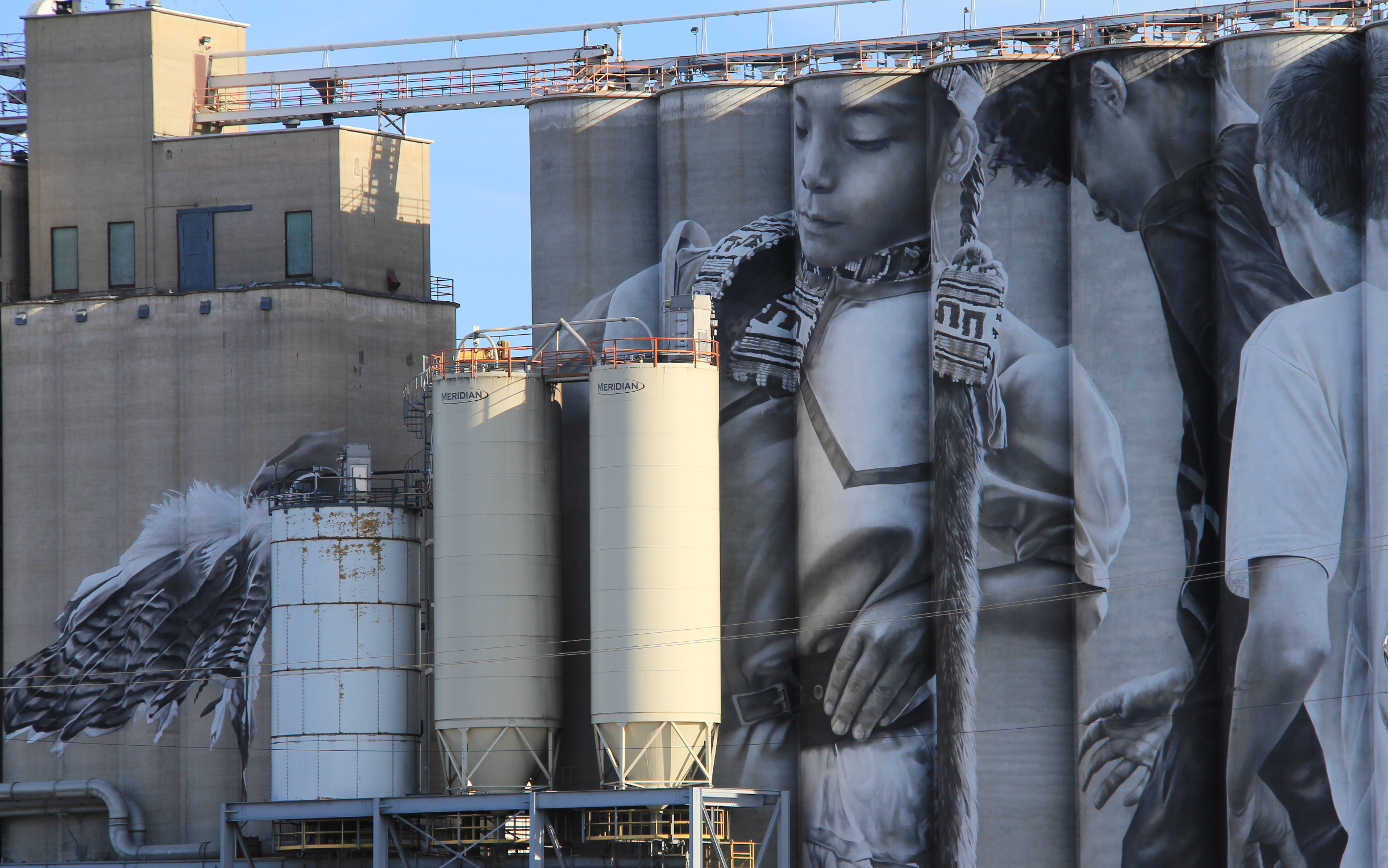
This silo mural in downtown Mankato celebrates the cultural diversity of the region, including the Dakota. (Minnesota Prairie Roots copyrighted photo November 2023)

Westerman clearly values her Native heritage, how lessons and stories have been passed to her through generations of women, especially. Songs, blood deep. In her poem “First Song,” she shares a lesson her grandmother taught her about the importance of sharing. After reading that thought-provoking poem, I considered how much better this world would be if we all focused on the singular act of sharing.

The Dakota 38 Memorial at Reconciliation Park in downtown Mankato lists the names of the 38 Dakota men hung at this site on December 26, 1862. (Minnesota Prairie Roots copyrighted photo November 2023)

This poet, who is also a gifted textile artist (creator of quilts), wraps us in her words. In the season of waniyetu, her poetry turns more reflective and introspective, as one would expect in winter. She writes of family, injustices and more. “Song for the Generations: December 26” is particularly moving as that date in history references the mass execution of 38 Dakota sentenced to death in 1862 and hung in Mankato. Westerman writes of rising and remembering, of singing and prayer. It’s a truly honorable poem that sings of sorrow and strength.

Her poems remind us that this land of which she writes was home first to Indigenous Peoples. Westerman writes of a state park in New Ulm, the sacred Jeffers Petroglyphs and Fort Snelling, where Dakota were imprisoned after the U.S.-Dakota War of 1862 and before their exile from Minnesota. The name of our state traces to Mni Sota Makoce, Dakota for “the land where the water reflects the sky.” It’s included in Westerman’s poetry.

I appreciate poems that counter the one-sided history I was taught. I appreciate Westerman’s style of writing that is gentle, yet strong, in spirit. Truthful in a way that feels forgiving and healing.

In the all of these poems, I read refrains of gratitude for the natural world, gratitude for heritage and gratitude for this place we share. We sang. We sing. Songs, blood deep.

FYI: Songs, Blood Deep, is a nominee for the 2024 Minnesota Book Award in poetry. The winner will be announced May 7. This is Westerman’s second poetry book. Her first: Follow the Blackbirds. In addition to writing poetry and creating quilts, Westerman teaches English, Humanities and Creative Writing at Minnesota State University, Mankato.

© Copyright 2024 Audrey Kletscher Helbling
 

-30- April 30, 2024

(Minnesota Prairie Roots copyrighted file photo)

THE LOSS IS IMMENSE, TRAGIC—the deaths of eight prominent community members in southern Minnesota last week. I knew none of them personally. Yet I did. We all did.

If you have ever read a community newspaper, then you knew the deceased. For it is eight Minnesota newspapers, not individuals, that died. Ceased publication, only weeks after an announcement of their forthcoming funerals.

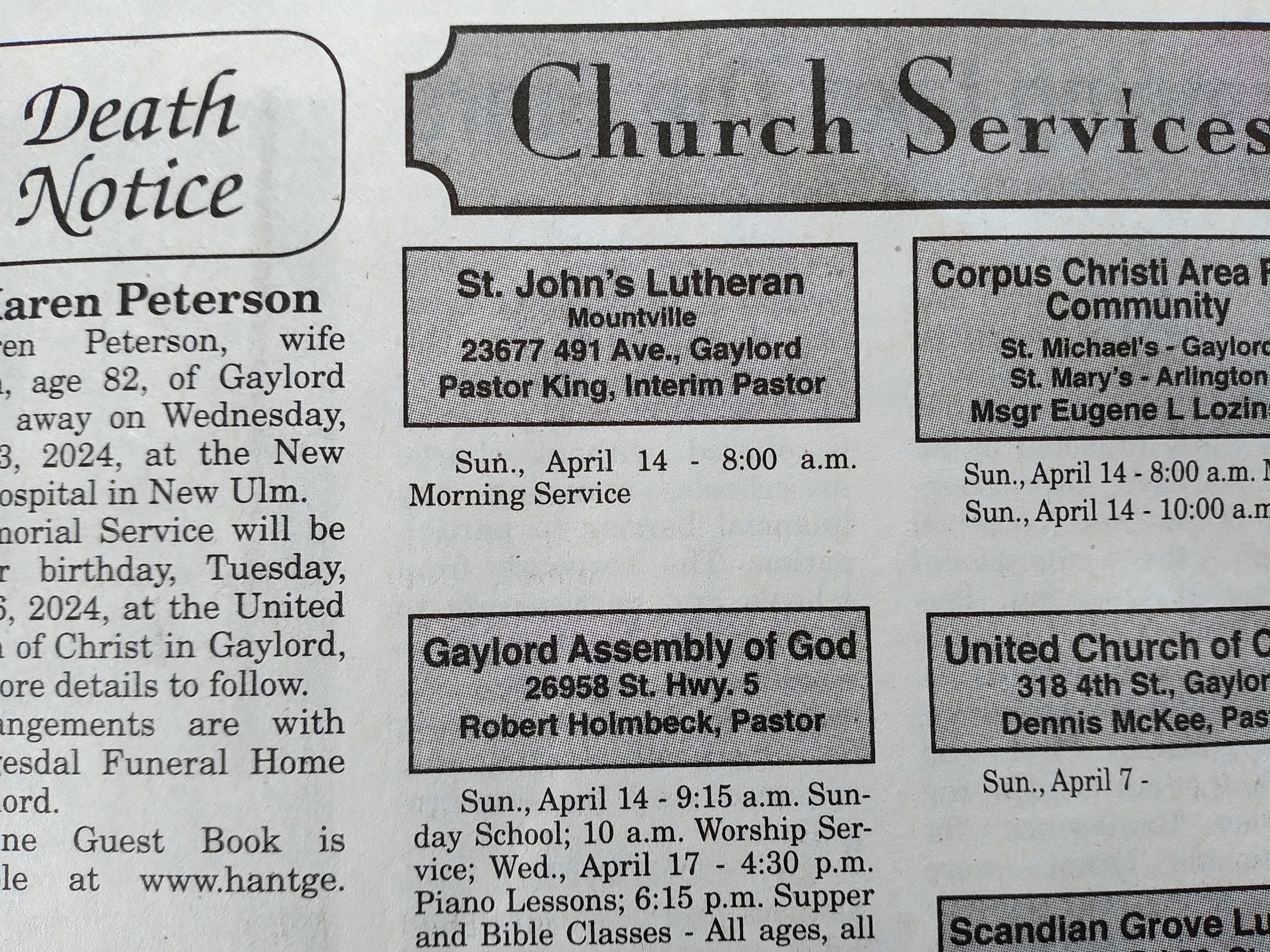
Death notices and church services, printed in The Gaylord Hub.

I am mourning the deaths of the Hutchinson Leader, Litchfield Independent Review, Chaska Herald, Chanhassen Villager, Jordan Independent, Shakopee Valley News, Prior Lake American and Savage Pacer, plus Crow River Press Printing Plant. All are owned by Denver-based MediaNews Group, part of hedge fund Alden Global Capital.

They ranged in age from 30 (Savage Pacer) to 162 (the Chaska and Shakopee papers). Five of the eight began publication between 1862-1880. That’s quite a legacy.

I am undeniably biased in reporting this news. I hold a journalism degree, have worked for community newspapers and write for publications owned by Adams Publishing Group. I believe in community journalism with the fierceness of recognizing its importance, its value, to the people who live and work in the places these papers cover. No one covers local like local.

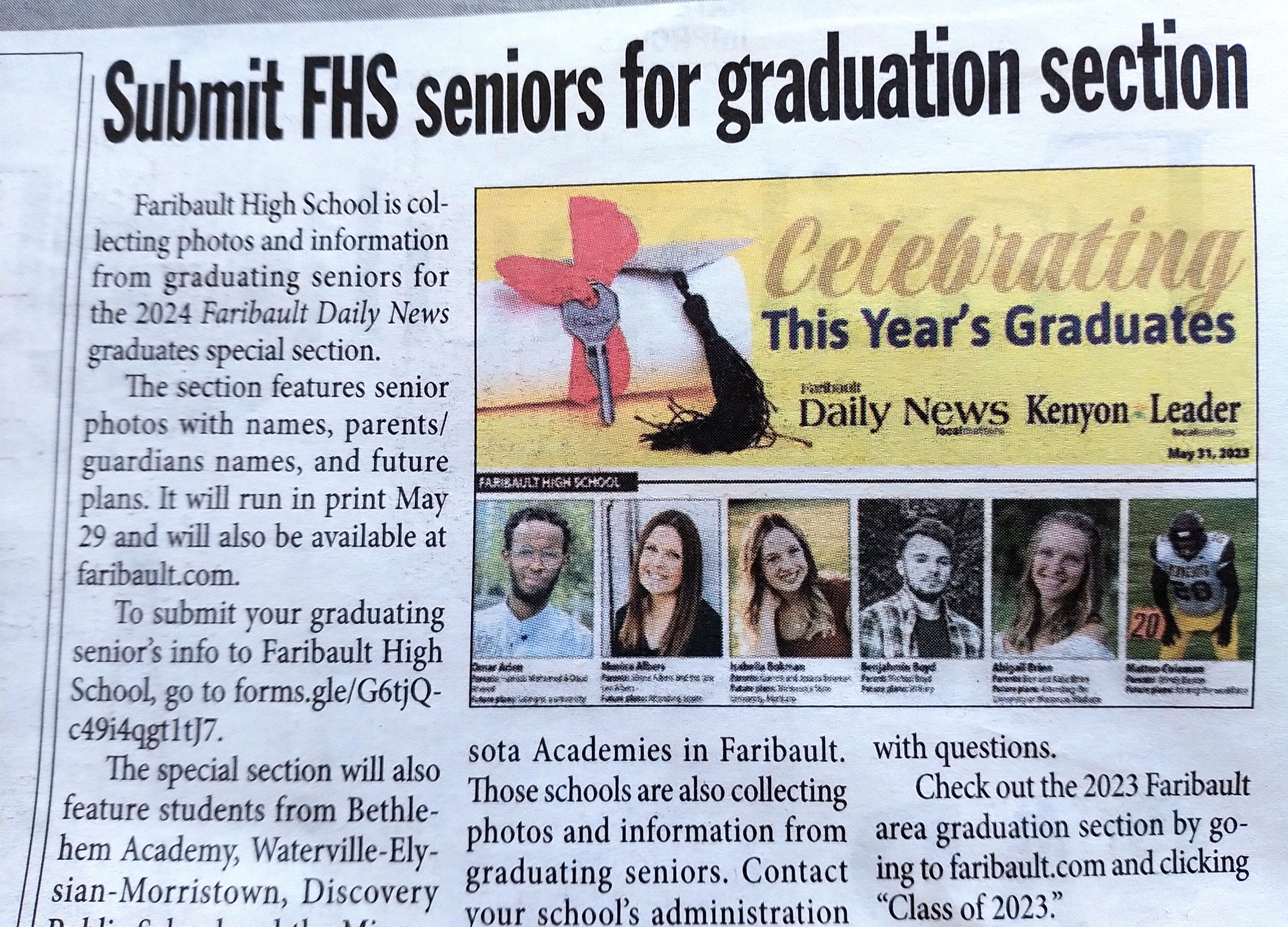
My local paper, owned by Adams Publishing Group, still prints a special graduation section each spring.

And now that print coverage is lost in all these southern Minnesota towns, cities and rural areas: The watchdog coverage of school board, city council, county board, planning and zoning, and other government bodies. The stories about crime and tragedies. The stories about community events and celebrations. The interesting features that focus on people. Local sports and arts and entertainment stories. Community calendars, school honor rolls and lunch menus. Graduation. Obituaries and much more.

In my first journalism class at Minnesota State University, Mankato, I learned how to craft an obituary. It was our initial writing assignment, I think to impress upon all of us post-Watergate would-be reporters the importance of getting every detail correct in a story. That lesson stuck with me. Get it right.

I took that knowledge with me to The Gaylord Hub, a small town community newspaper printed at Crow River Press in Hutchinson. Each week a co-worker and I aimed north in a vintage Dodge van to deliver the newspaper lay-out sheets to the printing plant. The process of creating a newspaper in 1978 was decidedly different than today. Consider that I typed all my stories on a manual typewriter. A typesetter then typed my work into a typesetting machine. Stories were printed out in columns, then laid out and pasted onto lay-out sheets. No designing by computer. Then it was off to Crow River Press, where a co-worker and I watched the Hub roll off the press, bagged the freshly-inked papers and delivered them to the Gaylord Post Office, where subscribers eagerly waited to get their papers.

A front page story in the April 11 issue of The Gaylord Hub.

Yes, I’m feeling a tad nostalgic and sad thinking of the closure of Crow River Press. The recent shut-down left the publisher of The Gaylord Hub, and other small town newspaper owners, scrambling for a place to print their papers. Many printing plants, like community papers, have met their demise in Minnesota as large media groups acquired papers and plants.

This thank you published in the April 21 final edition of The Galaxy, a supplement to eight community newspapers printed by Crow River Press.

Times change. I understand that. The economy, technology, COVID, acquisitions and much more have factored into the deaths of community newspapers. Readers find their “news” elsewhere. Businesses spend their advertising dollars elsewhere. Far-removed executives make questionable business decisions. The list of reasons and excuses and explanations is extensive.

Community members, too, hold some responsibility in the deaths of newspapers. I can’t speak to the specific papers that closed last week in Minnesota, but I can tell you what I hear locally. And that is criticism, some deserved, much not. People have always criticized the media, failing to remember that reporters are reporting, not creating, the news. But the comments have become more intense, more rabid, more frequent. Freedom of the press feels threatened in our democracy.

The community journalists I know are honest, hardworking, (probably) underpaid and devoted to the craft. Just as I was when I worked as a full-time newspaper reporter.

This full page notice/thank you, an obituary of sorts, published in the April 21 final edition of The Galaxy.

Community newspapers are no longer valued like they once were, resulting in fewer subscribers. When I hear people say they no longer subscribe to the local paper, I suggest they reconsider. Community newspapers are vital to our cities, towns and rural areas. And sometimes we don’t understand that, until it’s too late, until we’re reading their obituaries.

-30-

NOTE: Print journalists have used -30- to signify the end of a story submitted for editing. I use # to indicate the ends of my stories, except today, when the old school -30- seems more appropriate.

© Copyright 2024 Audrey Kletscher Helbling
 

They’re selling what? April 26, 2024

Filed under: Uncategorized — Audrey Kletscher Helbling @ 5:00 AM
Tags: , , , , , ,
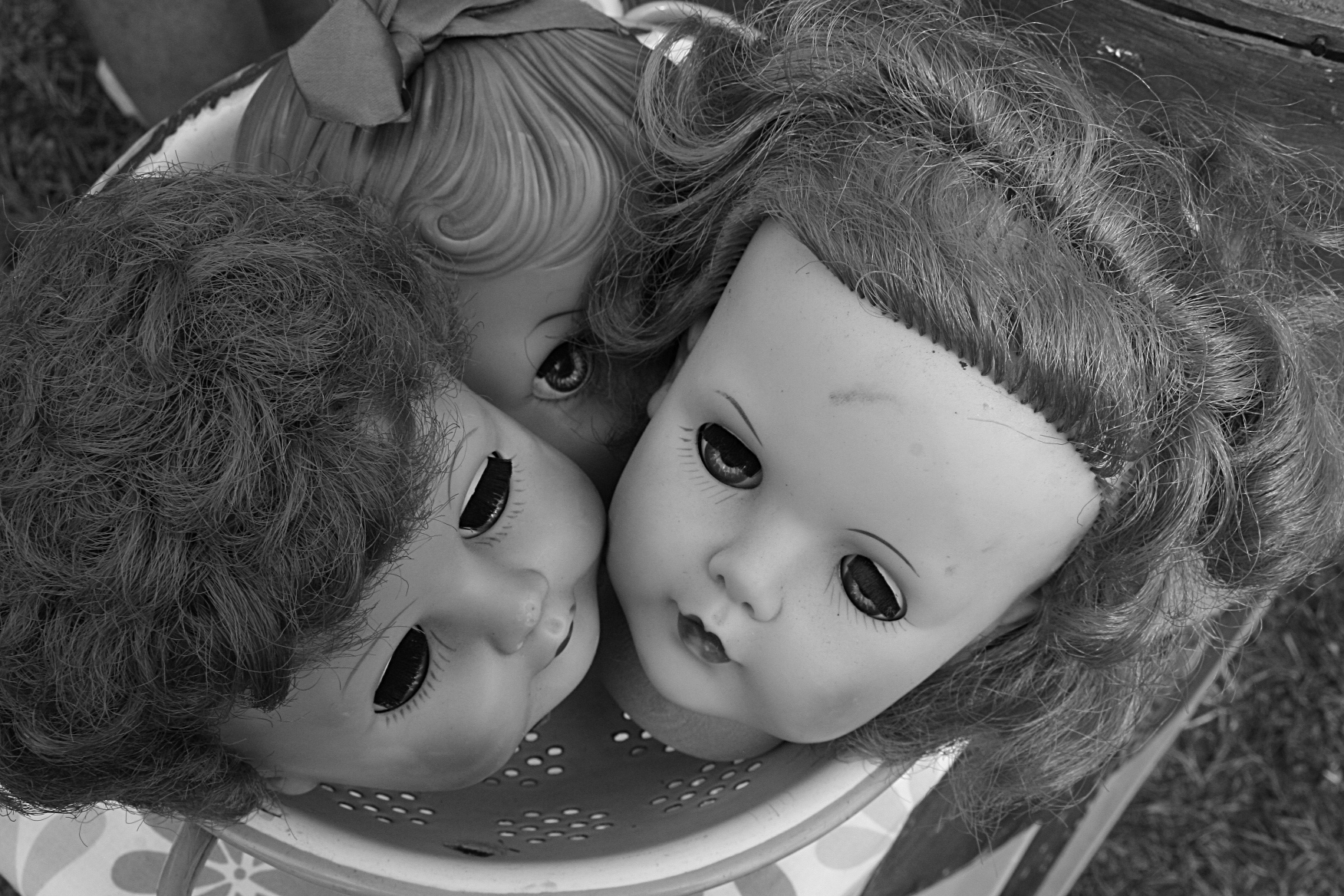
(Minnesota Prairie Roots copyrighted file photo)

I HAVE SHOPPED many local flea markets and countless garage sales. And I’ve seen a lot of quirky, odd, unusual, unique, weird merchandise. Like doll heads in a colander.

(Minnesota Prairie Roots copyrighted file photo)

Assorted tools that appeared more art than tool collection.

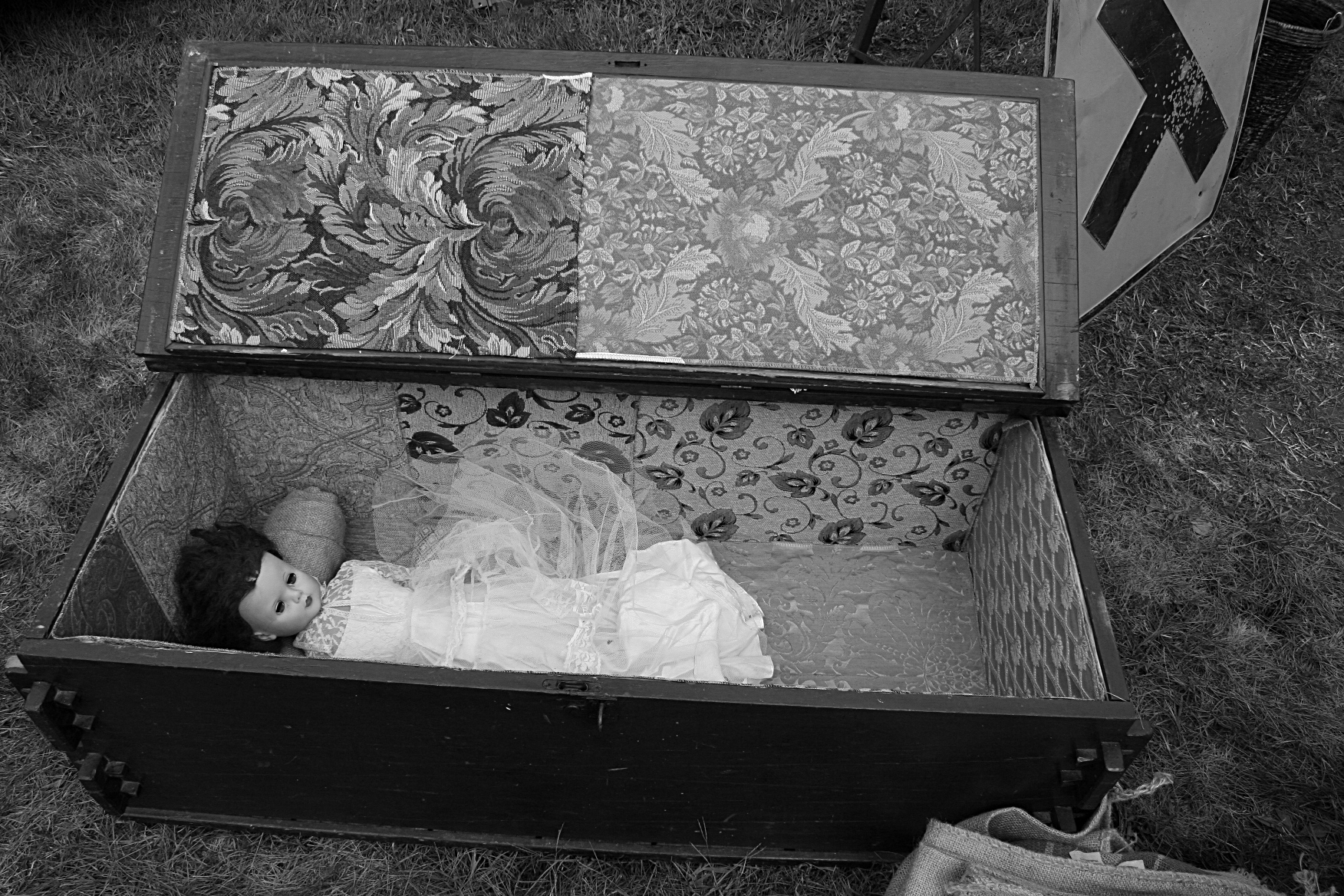
(Minnesota Prairie Roots copyrighted file photo)

A doll in a coffin.

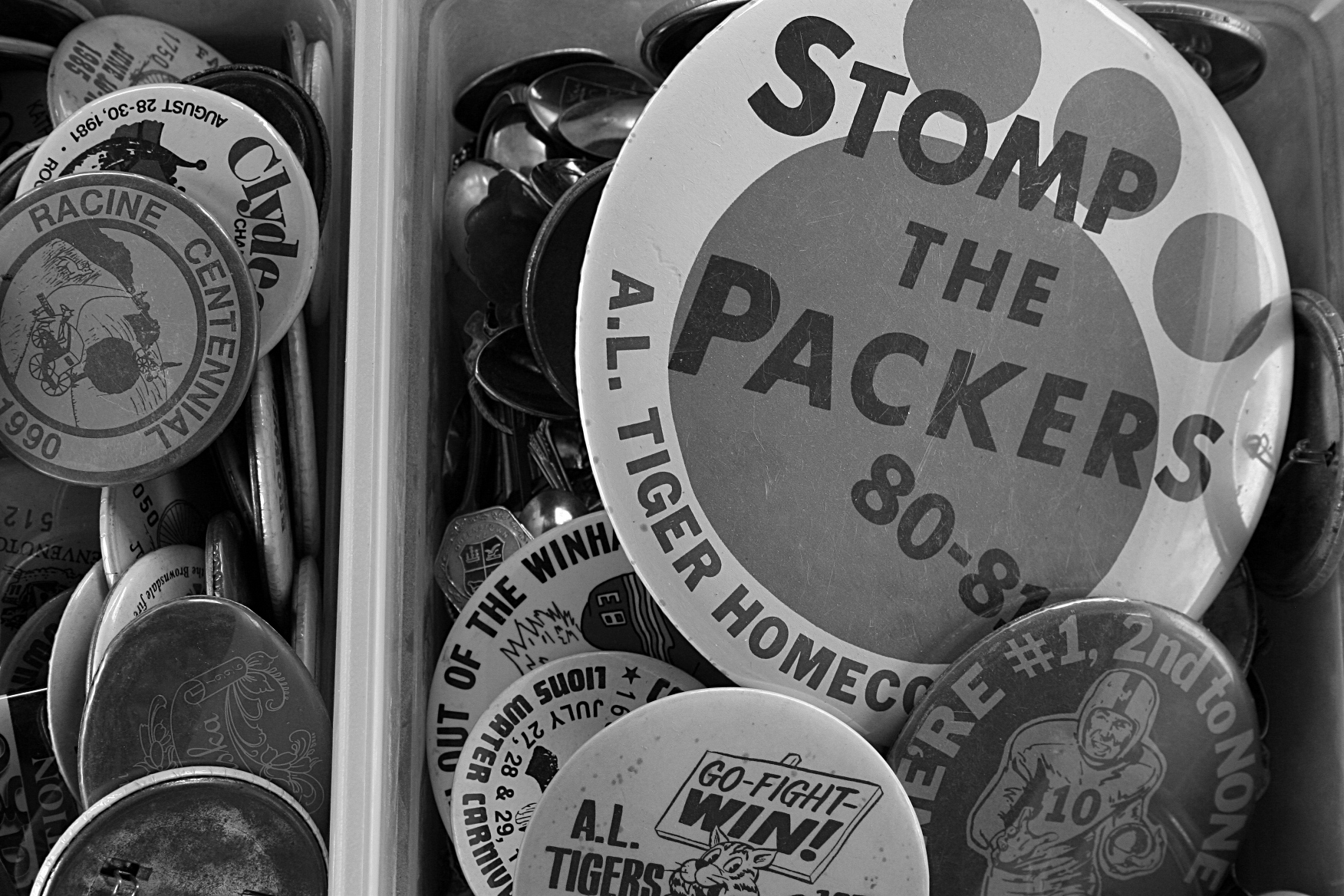
(Minnesota Prairie Roots copyrighted file photo)

Buttons galore.

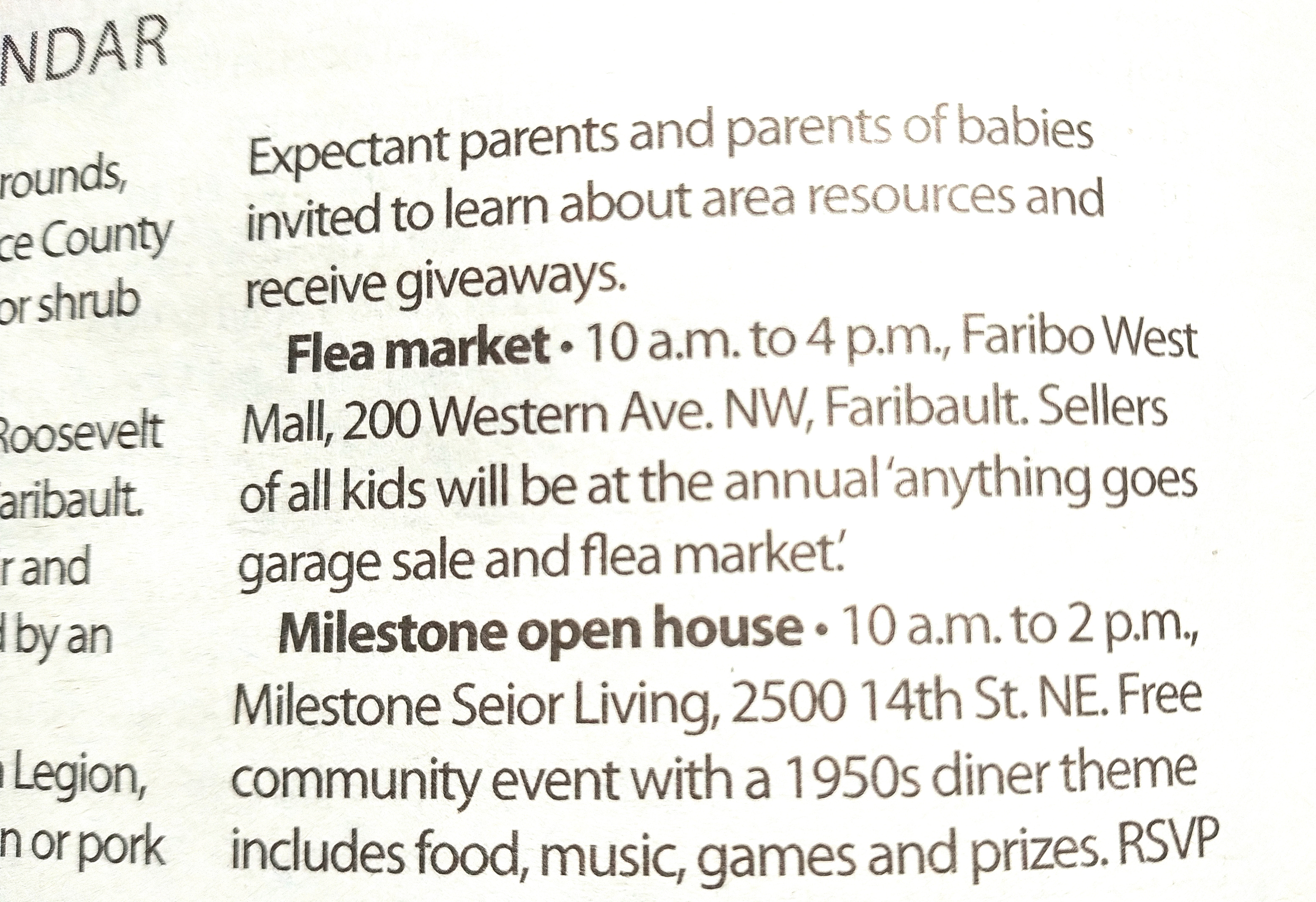
A typo, “kids” instead of “kinds,” had me laughing aloud. (From the Faribault Daily News Community Calendar)

And then there is this: Sellers of all kids will be at the annual “anything goes garage sale and flea market.” Now that’s different, I thought in decidedly Minnesota terms.

Clearly, kids will not be sold at the flea market from 10 am – 4 pm this Saturday, April 27, at the Faribo West Mall in Faribault. But the typo in the community calendar listings in the Faribault Daily News made me laugh. And, goodness, how we can all use a bit of laughter in our lives.

Happy shopping at the anything goes, sans kids, garage sale and flea market.

© Copyright 2024 Audrey Kletscher Helbling
 

You know you live in rural Minnesota when… April 25, 2024

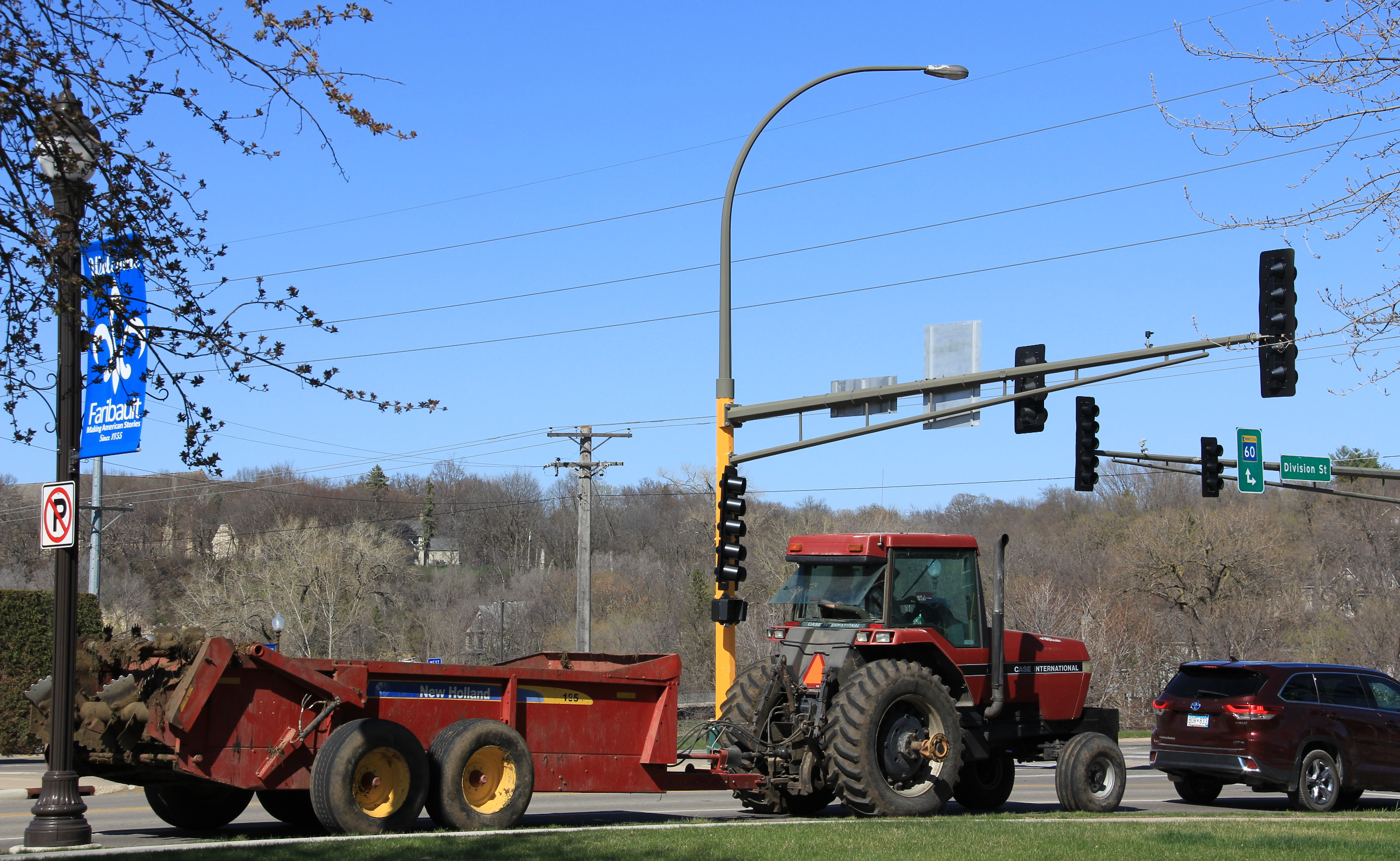
A tractor pulling a manure spreader fuels up at the local co-op. (Minnesota Prairie Roots copyrighted photo April 2024)

LIVING IN FARIBAULT, a city of some 24,000 surrounded by farm fields, I sometimes see ag machinery pass through town. I live along an arterial route. Tractors pulling implements or solo tractors and combines occasionally roar by my house, especially during spring planting and fall harvest.

But the sighting of a tractor with attached manure spreader spotted several blocks from my house at the local Faribault Community Co-op Oil Association on a recent afternoon proved a first. I’d never seen a manure spreader, marketed as a box spreader, within city limits. But there the New Holland brand spreader sat, linked to a Case International tractor. Right there aside the co-op fuel pumps along Division Street in the heart of downtown.

Leaving the co-op. The historic Alexander Faribault house can be seen on the other side of the hedge. (Minnesota Prairie Roots copyrighted photo April 2024)

My mind asked, “Why? Why wouldn’t you unhook a manure spreader before driving a tractor into town to fuel up?” I’ll never know.

Whatever, the scene drew my eyes and reminded me of the importance of agriculture in this region. Although farming has changed from mostly small family farms with livestock to much larger acreages minus the animals, the importance of agriculture to the local economy remains. All I need do is drive into the country to observe farmers busy in the fields, planting corn and soybeans.

Back in the 1860s and 1870s, wheat was the primary crop in this area. Flour mills populated the region. None remain here today.

But what remains are memories and history, including the Alexander Faribault house, which sits next to the co-op, on the other side of a hedge row. The house, built in 1853 and thought to be the oldest woodframe house in southern Minnesota, served as a fur trading post for the town founder. He also farmed, on land that is today within the city limits, and sheltered Indigenous Peoples on his farm.

After waiting at the Division Street/Minnesota State Highway 60 stoplight, the tractor continued east across the historic viaduct, presumably heading back to the farm. (Minnesota Prairie Roots copyrighted photo April 2024)

Community Co-op has been in Faribault since 1925, closing in on 100 years in business. That’s remarkable really. Good customer service and loyalty withstand the tests of time. And no one seems to mind a tractor with attached honey wagon pulling up to the pumps on a Sunday afternoon in April.

© Copyright 2024 Audrey Kletscher Helbling
 

Nature makes us kin as spring emerges in Minnesota April 24, 2024

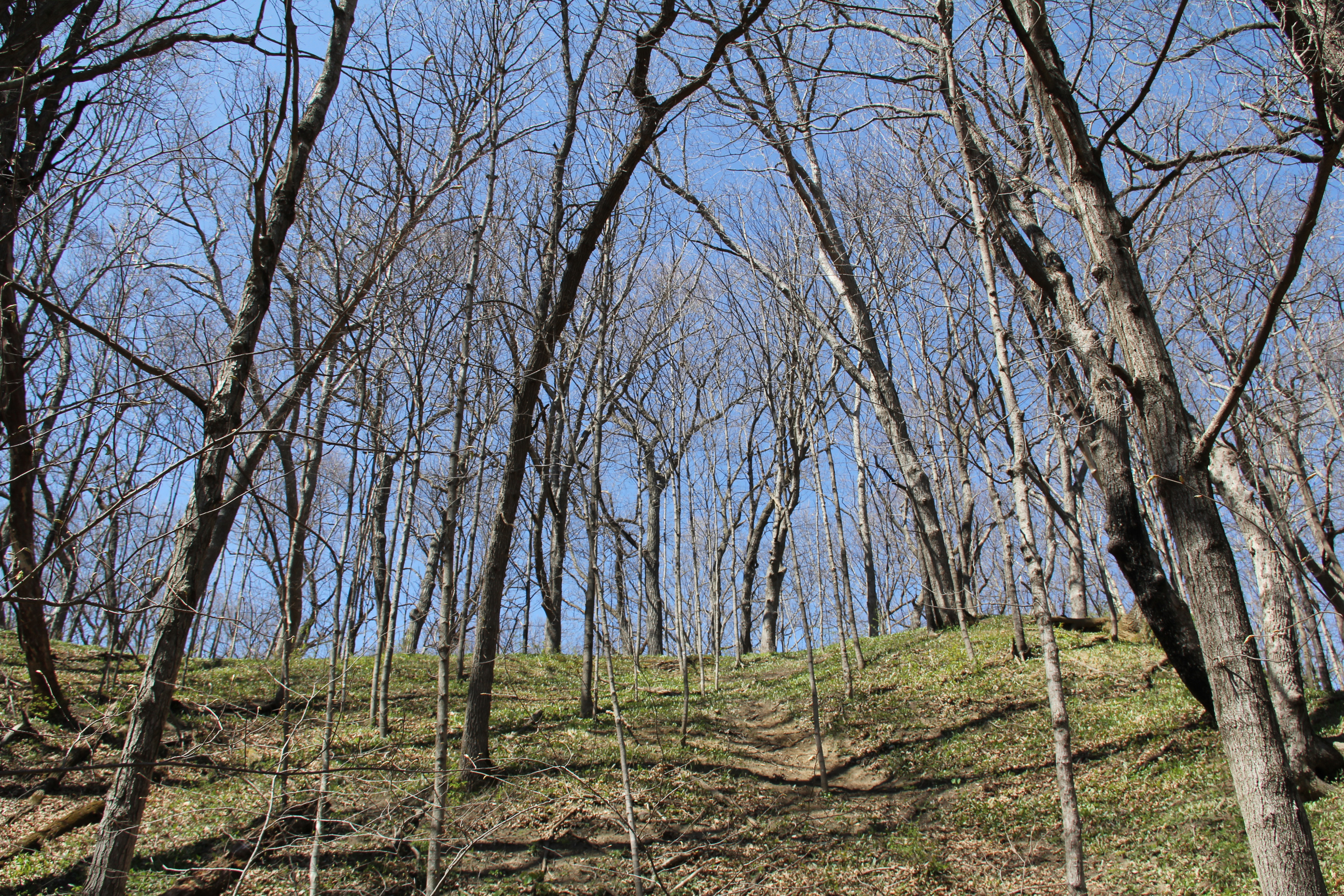
Green is slowly tipping trees, coloring the ground as we bridge into spring. This hillside scene was photographed in Falls Creek County Park, rural Faribault. (Minnesota Prairie Roots copyrighted photo April 2024)

THIS TIME OF YEAR in Minnesota—this early spring—everything appears more vibrant. At least to my winter weary eyes. My eyes, which have viewed mostly muted shades of brown and gray for too many months, can’t get enough of this landscape edging with color.

Bold blue skies blanket River Bend’s prairie, which will soon be lush with new growth. (Minnesota Prairie Roots copyrighted photo April 2024)

Intense green in buds and lush lawns, thriving with recent rains and then sunshine and warming day-time temps, layer the landscape. Sometimes the sky is such a bold blue that my eyes ache with the beauty of it all. Green against blue, the natural world a poem, a painting, a creative story.

Buds emerge against the backdrop of the creek at Falls Creek County Park. (Minnesota Prairie Roots copyrighted photo April 2024)

Like most Minnesotans, I find myself emerging, getting outdoors more, immersing myself in nature. Not that I don’t spend time outside in winter. But now, in late April, I’m out more often.

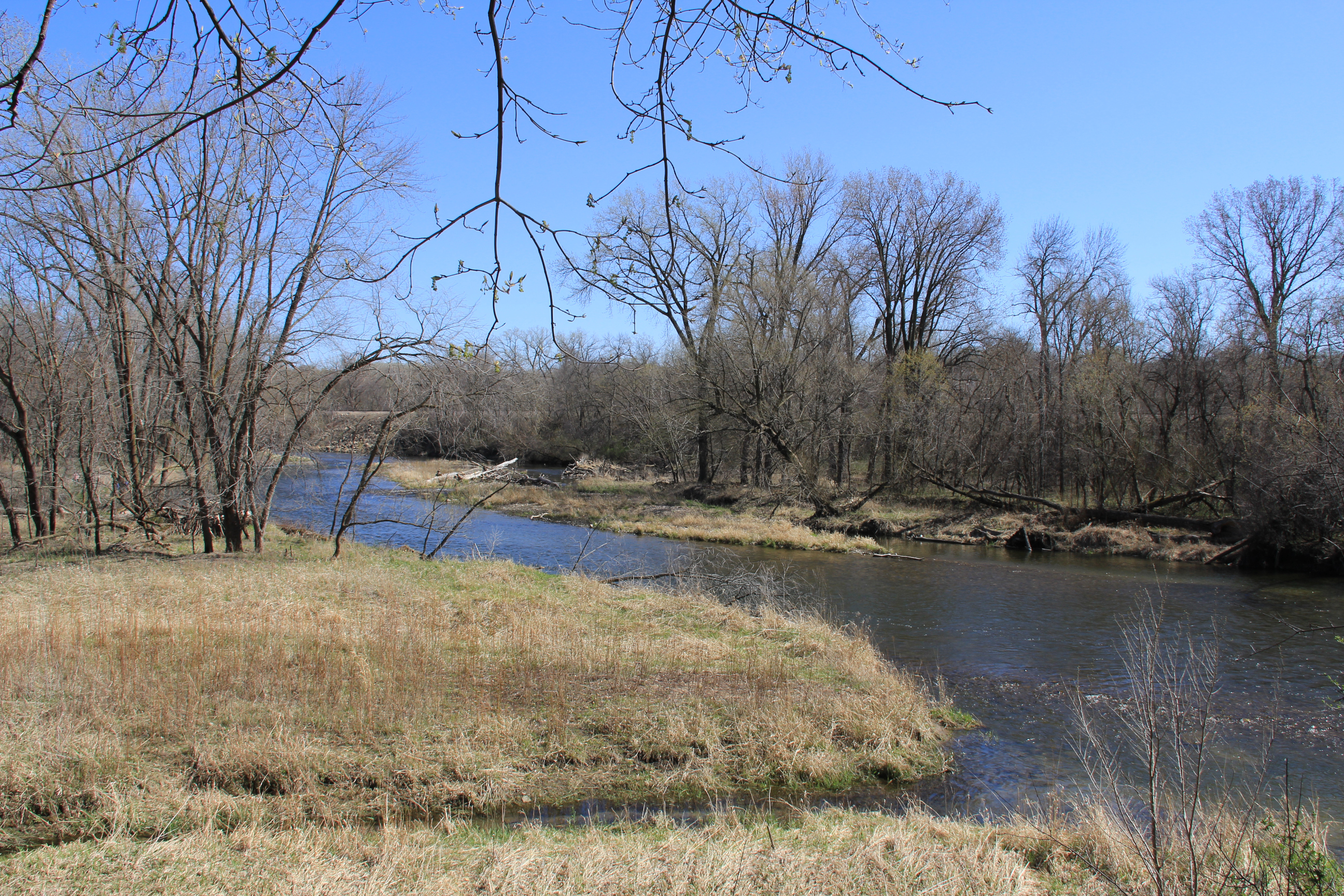
The Straight River twists through River Bend Nature Center, winding through Faribault to connect with the Cannon River. (Minnesota Prairie Roots copyrighted photo April 2024)

Parks and trails and the local nature center draw me into woods, along prairie, aside replenished wetlands and ponds, by rivers and creeks. Even a walk through a neighborhood to observe tulips flashing vivid red and yellow pleases me. There’s so much to take in, to delight in as this season unfolds.

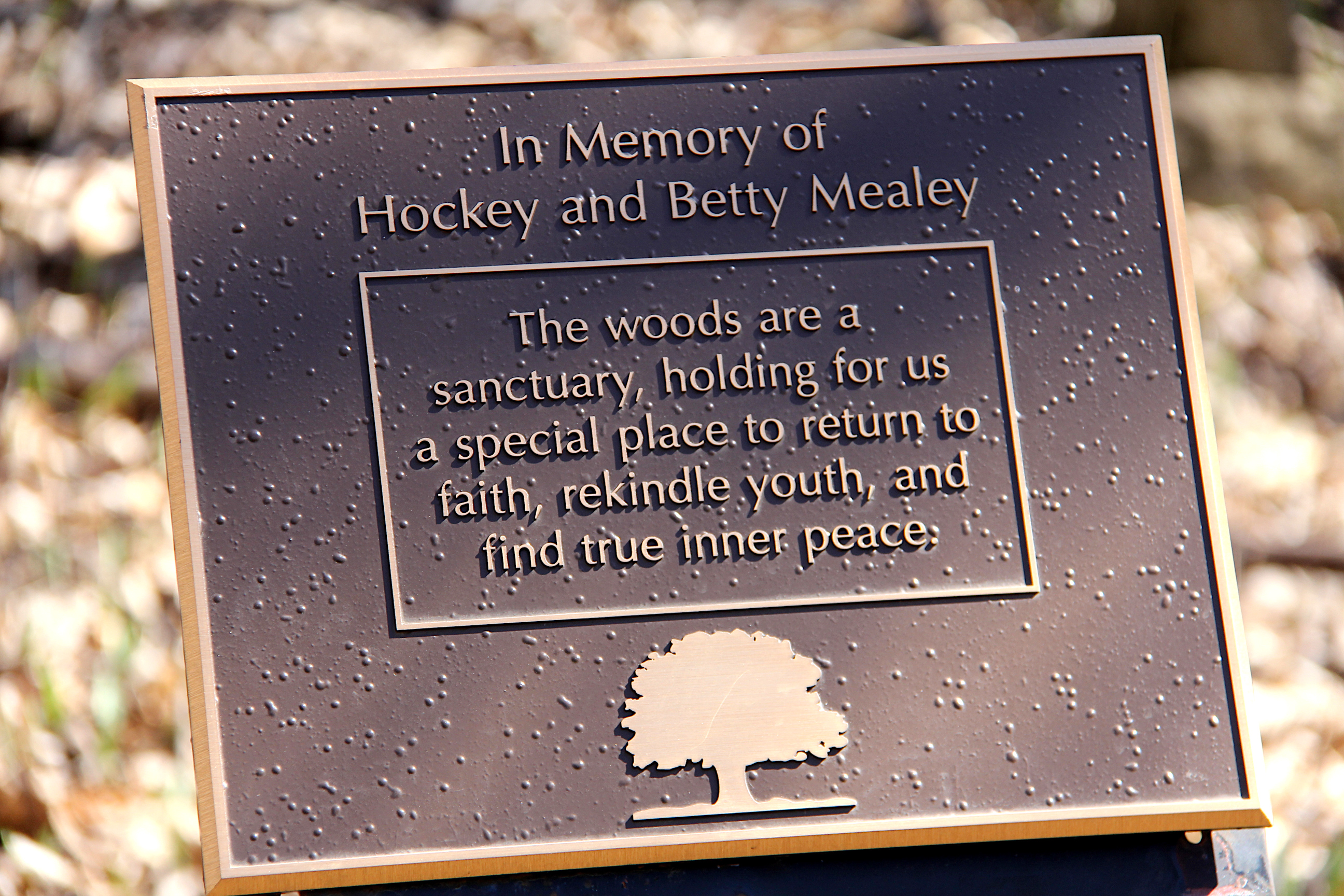
Inspirational signs are scattered throughout River Bend. (Minnesota Prairie Roots copyrighted photo April 2024)

“One touch of nature makes the whole world kin,” reads a quote from William Shakespeare printed on a memorial plaque placed on a bench at River Bend Nature Center in Faribault. I’m no Shakespearean scholar, but I interpret that to mean nature connects us.

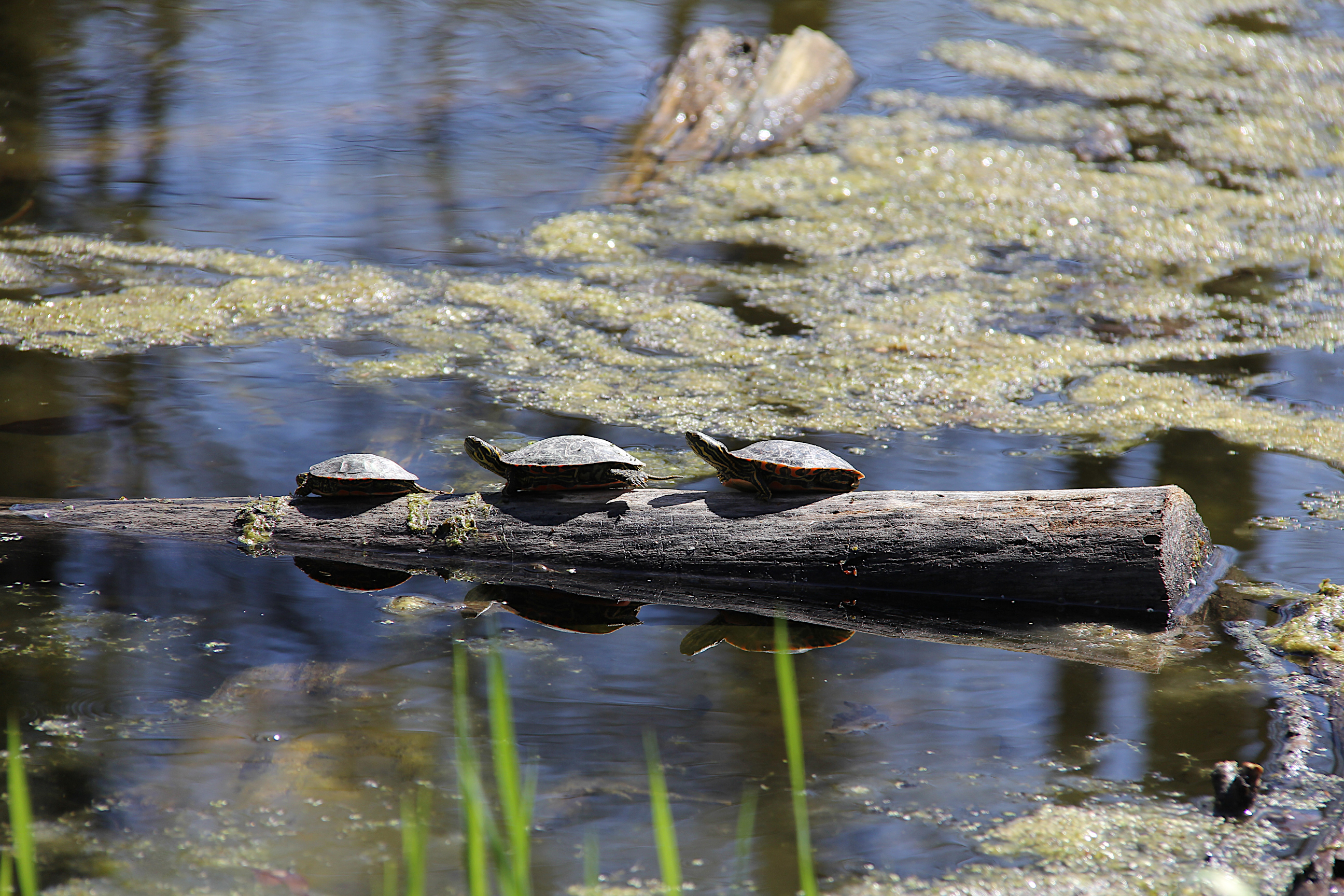
Turtles galore lined logs at River Bend’s Turtle Pond on a recent sunny afternoon. (Minnesota Prairie Roots copyrighted photo April 2024)

That happened recently at the Turtle Pond. I paused to photograph three turtles lining a log, still as statues in the afternoon sunshine. Then a passing friend noticed and asked what I saw. And then he pulled out his cellphone to photograph. And then the photographer who was shooting senior photos on the boardwalk bridge over the pond, noticed the turtles, too. We were, in that moment, kin in nature, touched by the countless turtles perched on logs in the water.

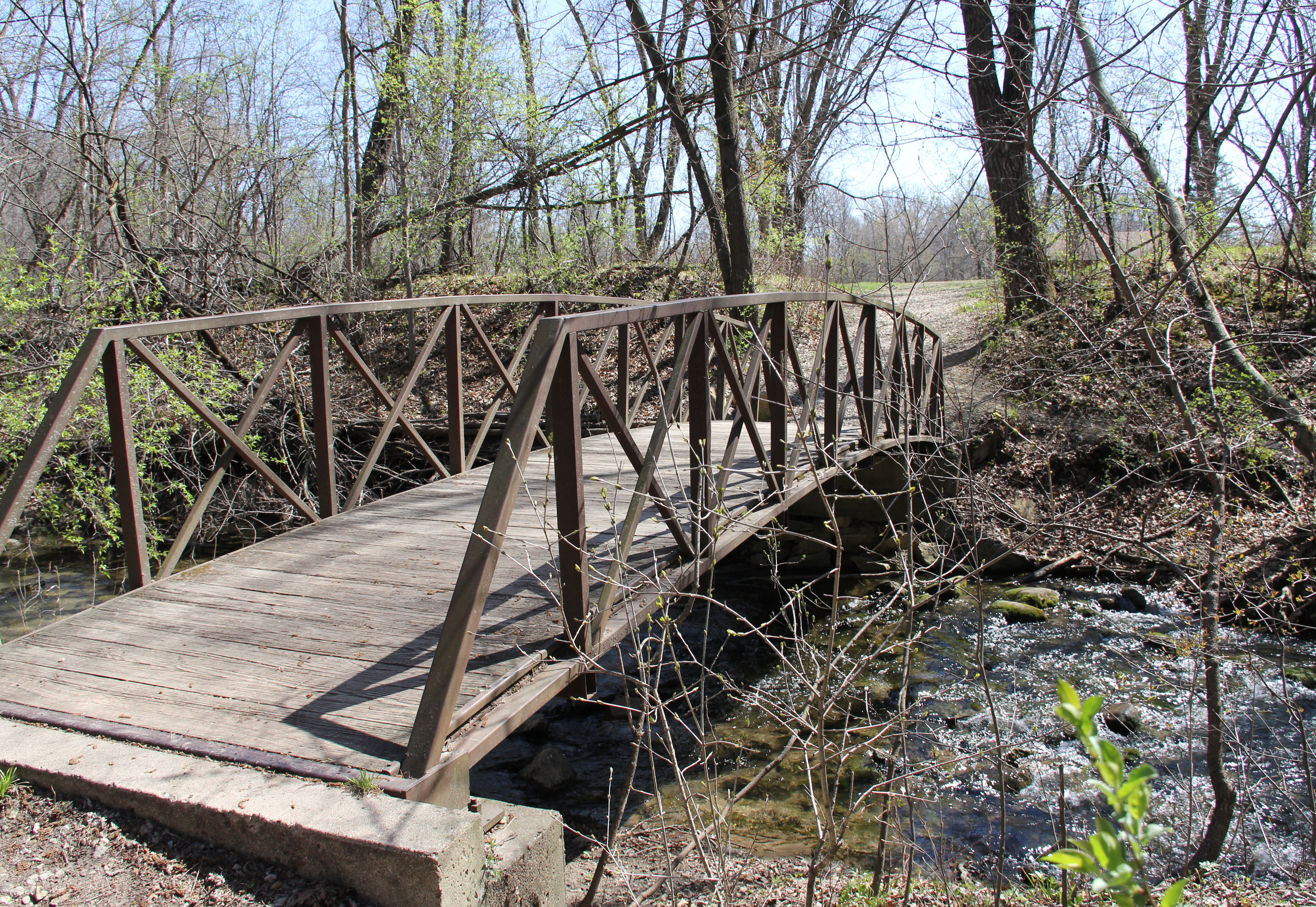
This bridge spans a creek in Falls Creek County Park, leading to hiking trails in the woods on one end and an open grassy area on the other. (Minnesota Prairie Roots copyrighted photo April 2024)

Nature also connected me with others at Falls Creek County Park, rural Faribault. A family picnicking by the park shelter prompted memories of long ago picnics there with my growing family. I walked over to tell the young parents how happy I was to see them outdoors, grilling, enjoying the beautiful spring day with Ezra in his Spider-Man costume and Millie in her stroller. Nature makes us kin.

Wildflowers are blooming, including these at Falls Creek County Park. (Minnesota Prairie Roots copyrighted photo April 2024)

People simply seem nicer, kinder, more open to conversation when they’re outdoors. It’s as if the wind whispers only good words into our thoughts. It’s as if clouds disperse to reveal only sunny skies. It’s as if sounds are only those of silence or of birds, not of anger and hostility. Nature calms with her voice, her presence.

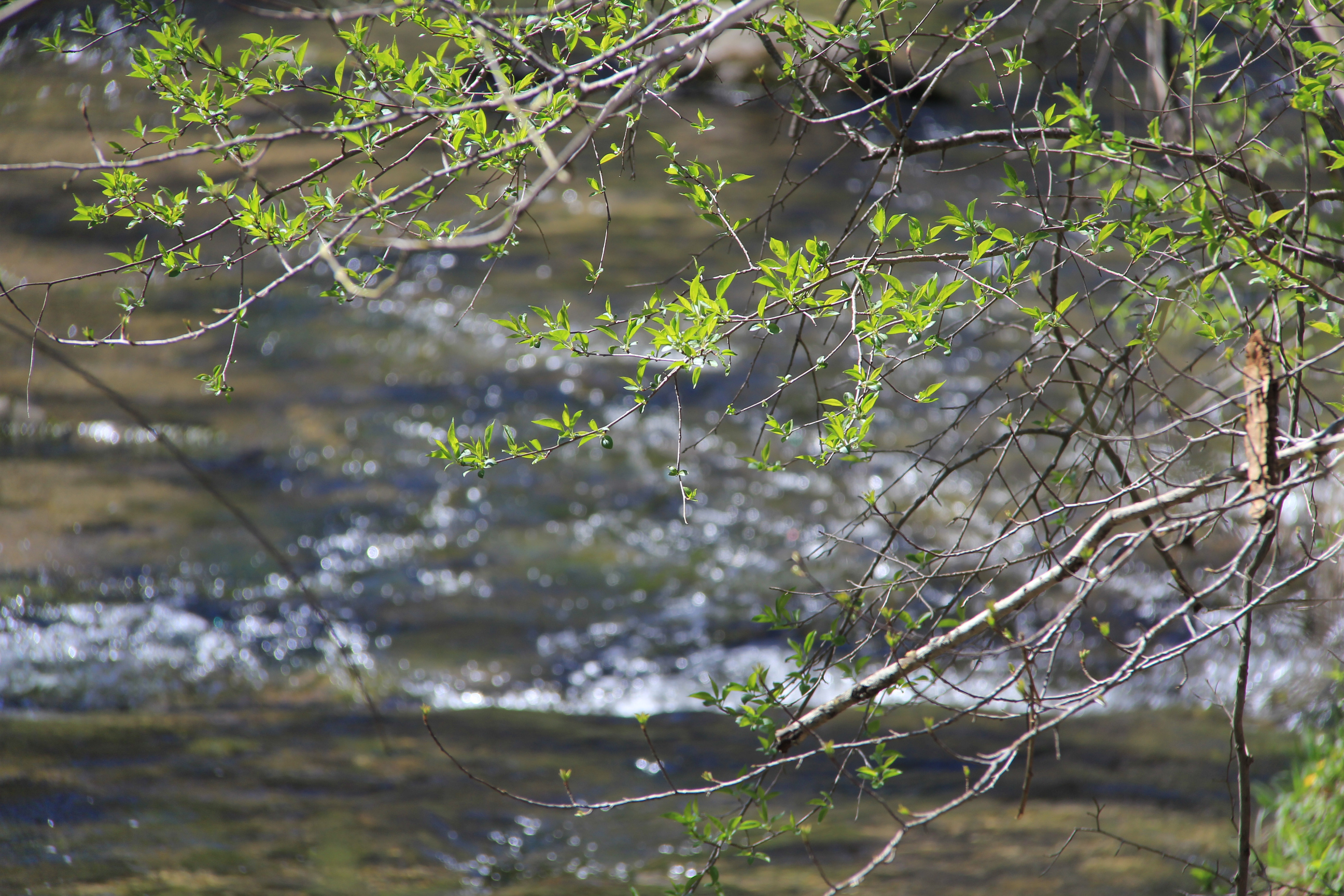
Water mesmerizes as it flows over stones in a clear-running creek at Falls Creek County Park. (Minnesota Prairie Roots copyrighted photo April 2024)

I love to stand aside a burbling creek, to hear water rushing over rocks. In that moment, I hear only the soothing, steady rhythm of music and none of the noise of life. Peace, sweet peace, consumes me.

Trails at Falls Creek County Park are packed dirt, narrow, rugged, uneven and sometimes blocked by fallen trees. (Minnesota Prairie Roots copyrighted photo April 2024)

The same goes for walking within nature. Trees embrace me. Wildflowers show me beauty. Dirt beneath my soles connects me to the earth, filling my soul.

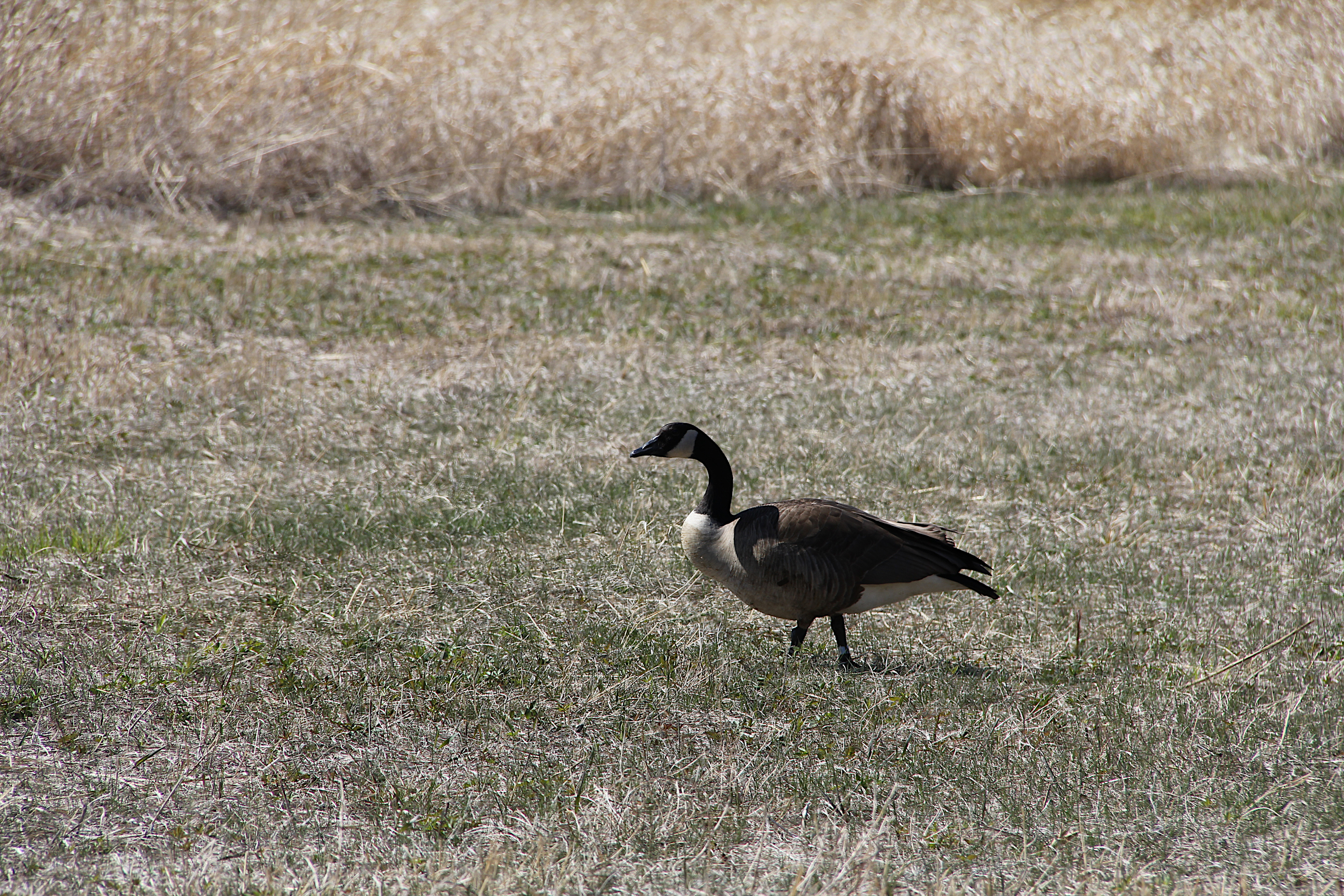
On a recent afternoon at River Bend, geese searched the prairie for food. (Minnesota Prairie Roots copyrighted photo April 2024)

And then there are the creatures. The Canadian geese wandering the prairie, searching for food, their long necks bending, pilfering the dried grass while I dodge the droppings they’ve left along the pathway. They are fearless, a lesson for me in standing strong.

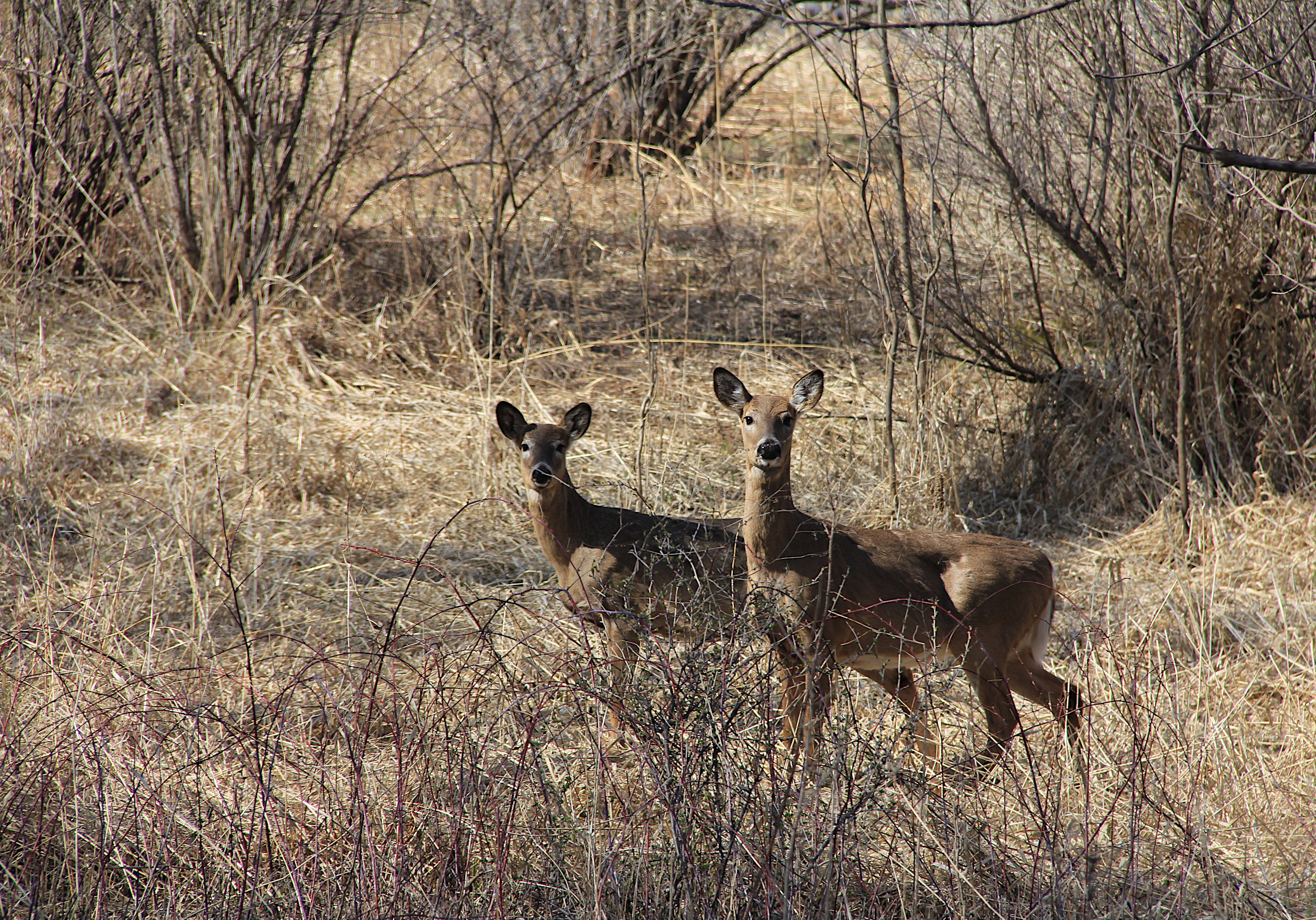
Deer at River Bend. (Minnesota Prairie Roots copyrighted photo April 2024)

Deer gather, then high-tail away when they grow weary of me watching them. They’ve had enough, even if I haven’t.

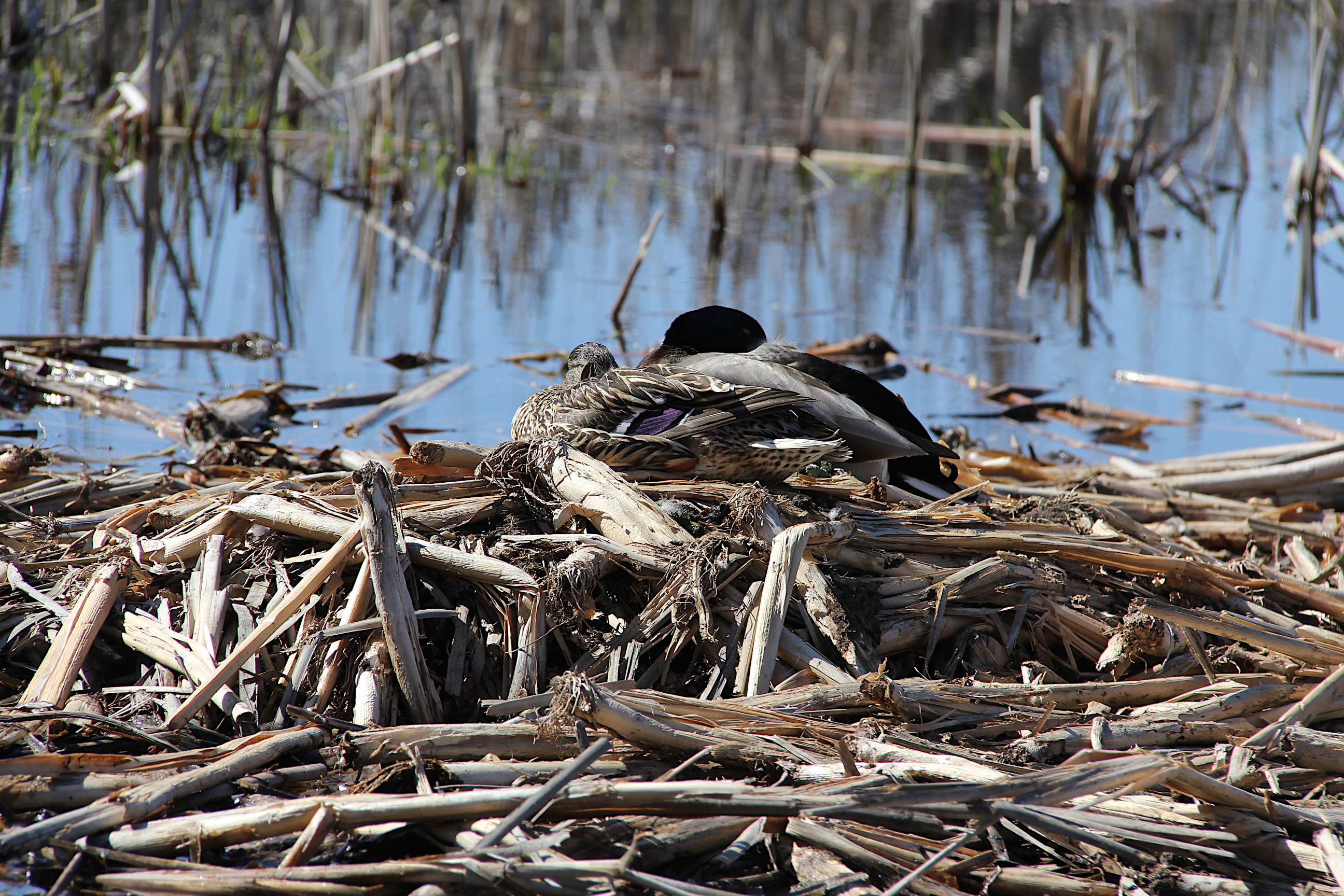
A nesting mallard hen and drake, nearly camouflaged on a wetland pond at River Bend. (Minnesota Prairie Roots copyrighted photo April 2024)

And at the pond, mallards nest. Unmoving. Determined. Heads folded into feathers. Settled there among dried stalks, water bold blue, reflecting the sky. Spring peepers sing a symphony of spring. It is a scene, a performance that holds me.

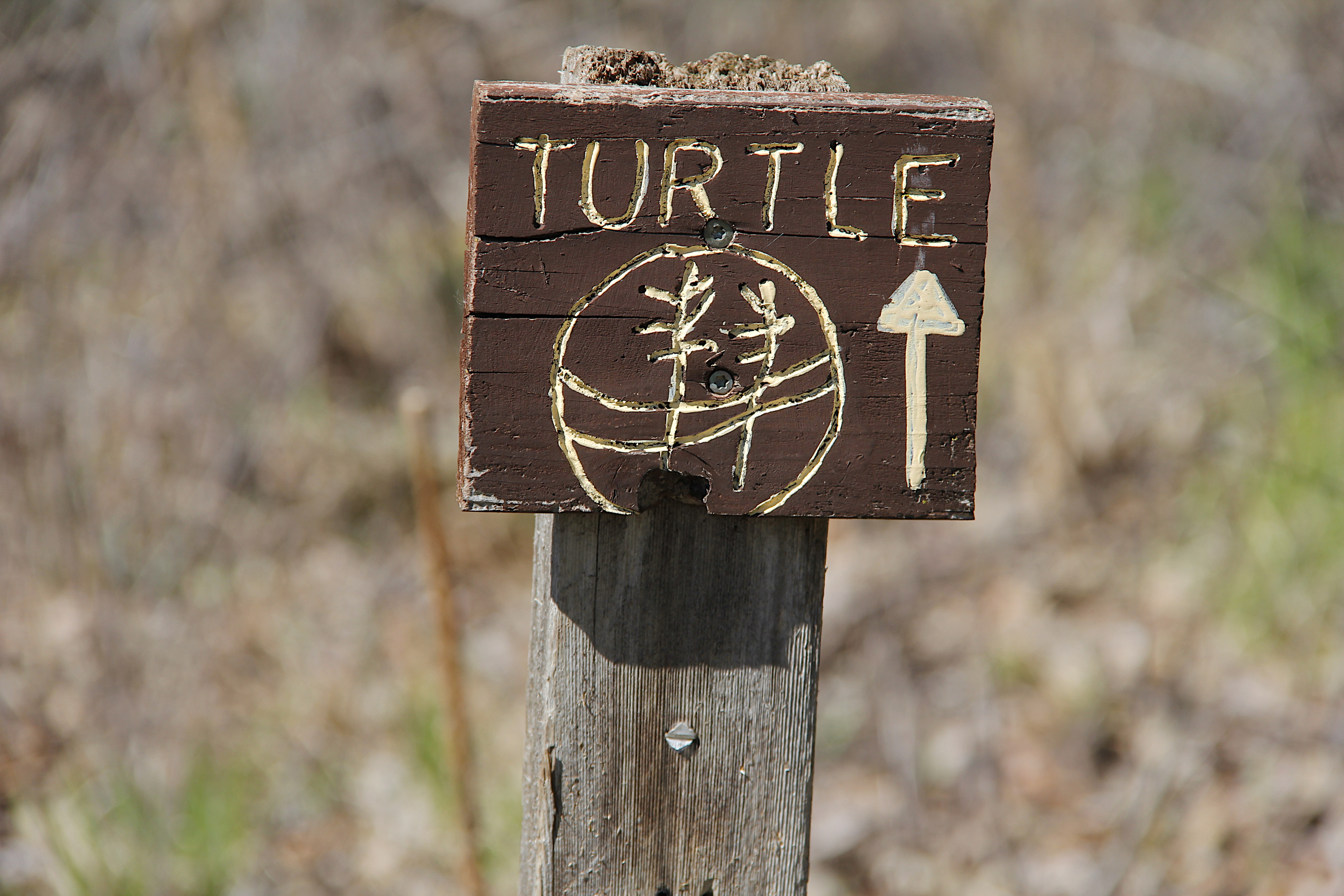
Rustic signage, which I love, marks landmarks and trails inside River Bend. (Minnesota Prairie Roots copyrighted photo April 2024)

Shakespeare was right. “One touch of nature makes the whole world kin.”

© Copyright 2024 Audrey Kletscher Helbling
 

“Poem in a Bag” celebrates the arts, connects cultures April 23, 2024

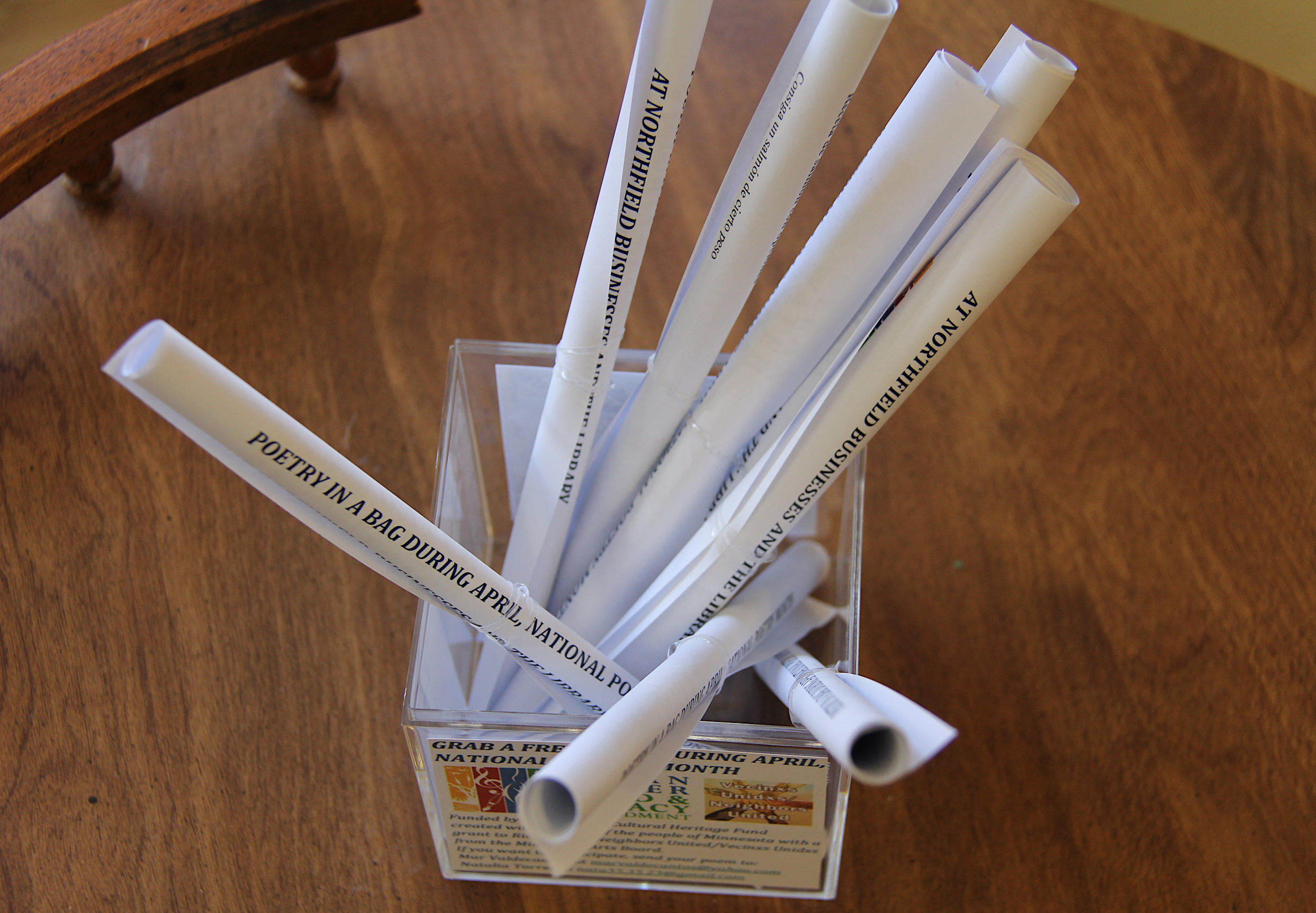
Pick a poem from a box at Mercado Local (and other locations) as part of a poetry initiative rooted in Northfield. (Minnesota Prairie Roots copyrighted photo April 2024)

PRINTED POETRY PLACED in public pleases me. Pleases me because putting poetry out there places this literary art into hands that might not otherwise pick poetry. I mean, if we’re honest, how often do we purchase a poetry book or pull a poetry volume from the 811. section of the library? Probably not all that often.

Among colorful merchandise sold by immigrant vendors at Mercado Local in Northfield. (Minnesota Prairie Roots copyrighted photo April 2024)
That is why I love the latest poetry project in my area—“Poem in a Bag.” Rice County Neighbors United, an advocacy group for low income and immigrant community members, recently launched this project in Northfield, a city rich in the arts, including poetry. Mar Valdecantos, RCNU advocate director and also a poet, writer, visual artist and art teacher, is leading this endeavor.
Grab a poetry scroll from the box. (Minnesota Prairie Roots copyrighted photo April 2024)

The concept is simple. Collect, translate, print and place poems inside a box (not a bag) in locations accessible to the public. The poetry, both original and favorites, is paired with local original art, including that of Valdecantos. Anyone can grab a poetry scroll and have instant access to literary and visual art.

Northfield is home to a sizeable Hispanic population. Immigrant vendors sell their art and more at Mercado Local. (Minnesota Prairie Roots copyrighted photo April 2024)

But there’s more. The poems are printed in Spanish and in English. I can’t read Spanish. (My second daughter can; she’s a former Spanish medical interpreter and translator.) That doesn’t matter. What matters is that each poem is printed in two languages, reflecting, respecting and celebrating cultural diversity in our region of southern Minnesota.

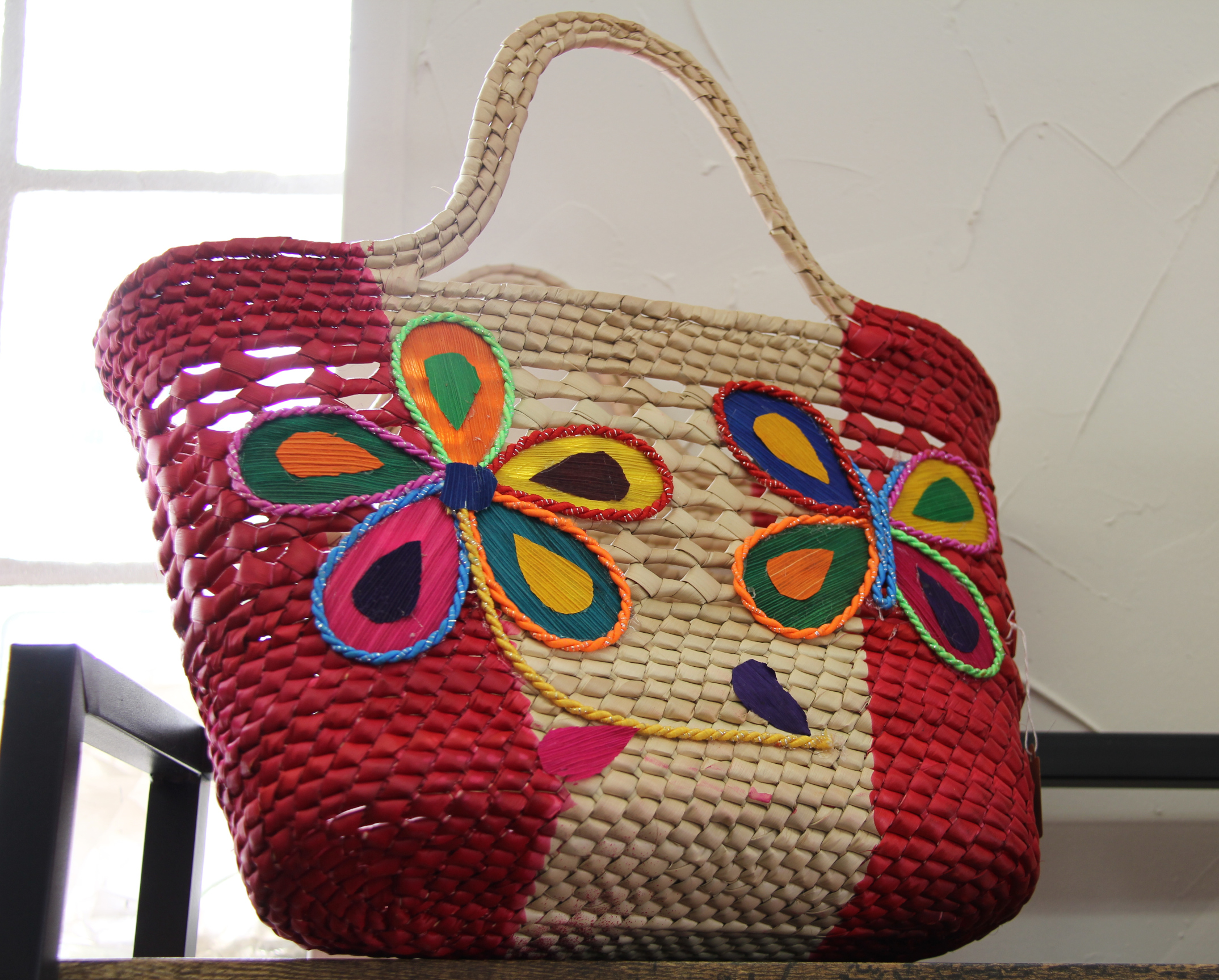
The merchandise inside Mercado Local, including this woven tote, is a colorful, visual delight. (Minnesota Prairie Roots copyrighted photo April 2024)

Rice County Neighbors United aims to raise cultural awareness via events and activities like “Poem in a Bag,” funded by a grant from the Minnesota Arts & Cultural Heritage Fund. The arts have always been a way to connect peoples, to communicate, to inspire and more. Whatever our differences, art is universal, linking us in our humanity.

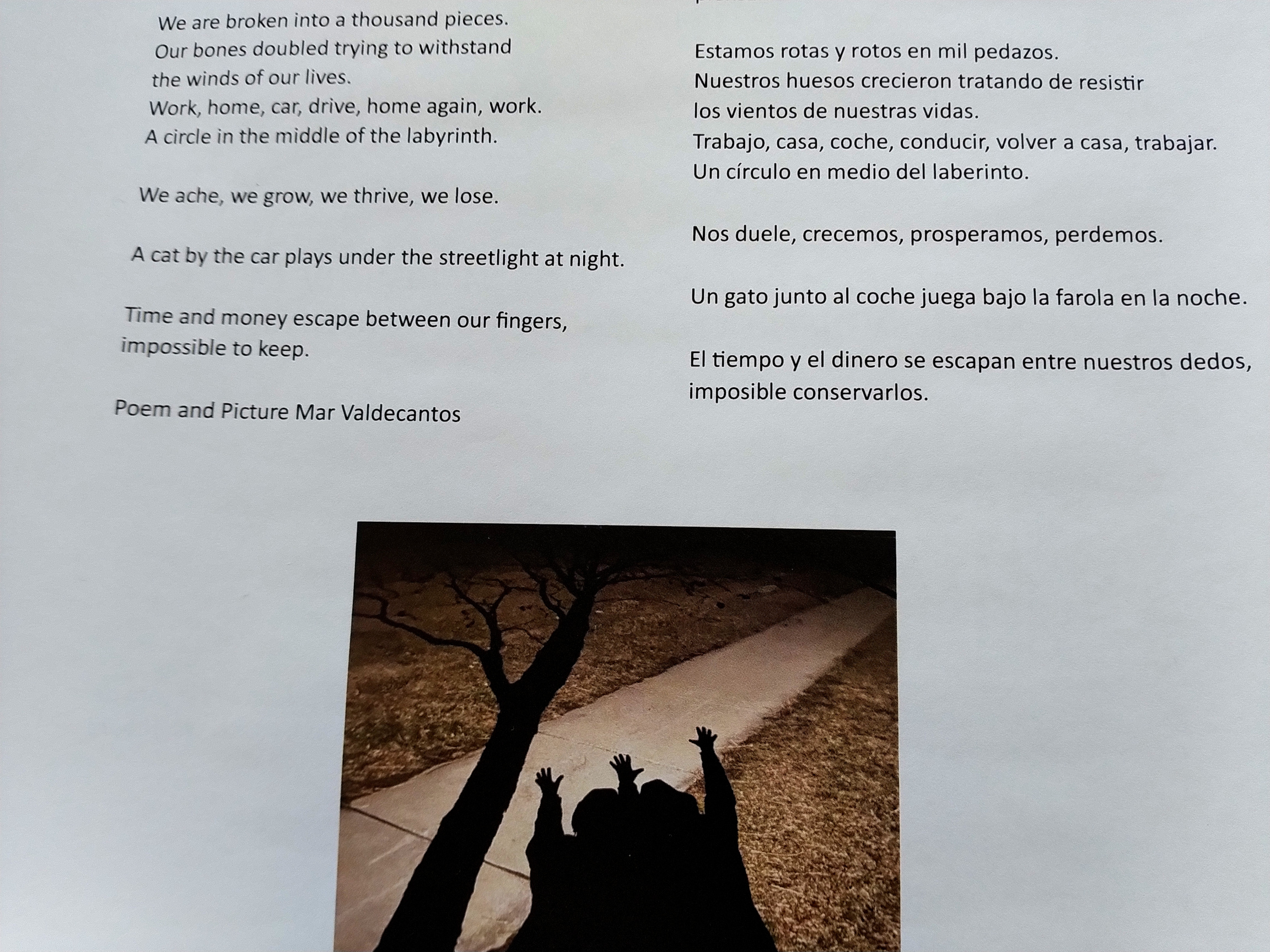
A portion of the poem, “Streetlight at Night,” and art by Mar Valdecantos. All poems are printed in Spanish and in English. (Minnesota Prairie Roots copyrighted photo April 2024)

Poems submitted for this National Poetry Month project cover a range of topics, some specific, others broader. Sunrise, empanadas, children, cancer, loneliness, life, winter, salmon, even a dead mouse, are among the subjects of original poems. I’ve lent several poems for the project.

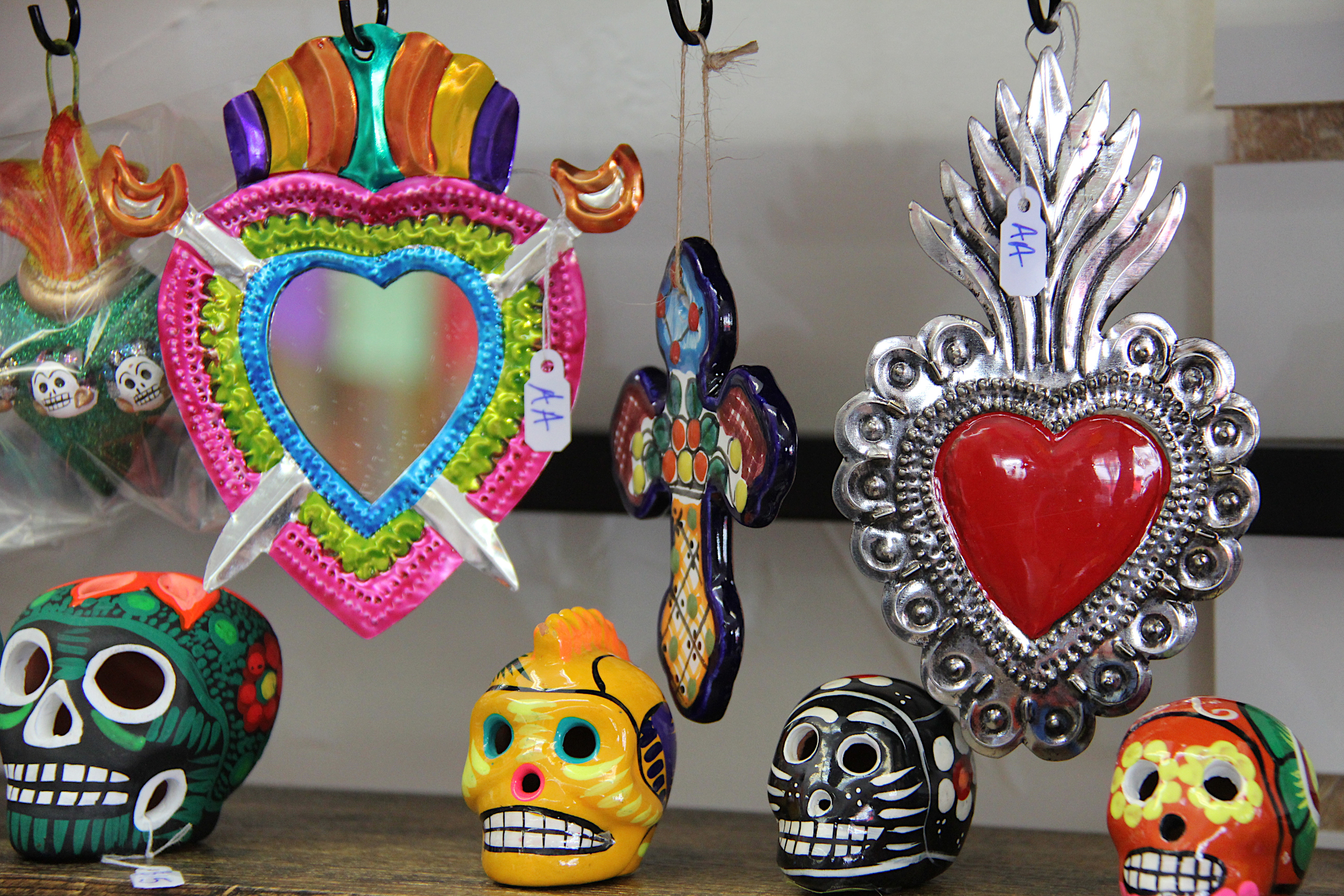
More cultural offerings at Mercado Local. (Minnesota Prairie Roots copyrighted photo April 2024)

And then there is the poetry of renowned poets—Latin American, Cuban, American—selected and submitted as favorite poems. Nature, the mother-child relationship, a white rose and service to others theme these. They, too, are accompanied by art.

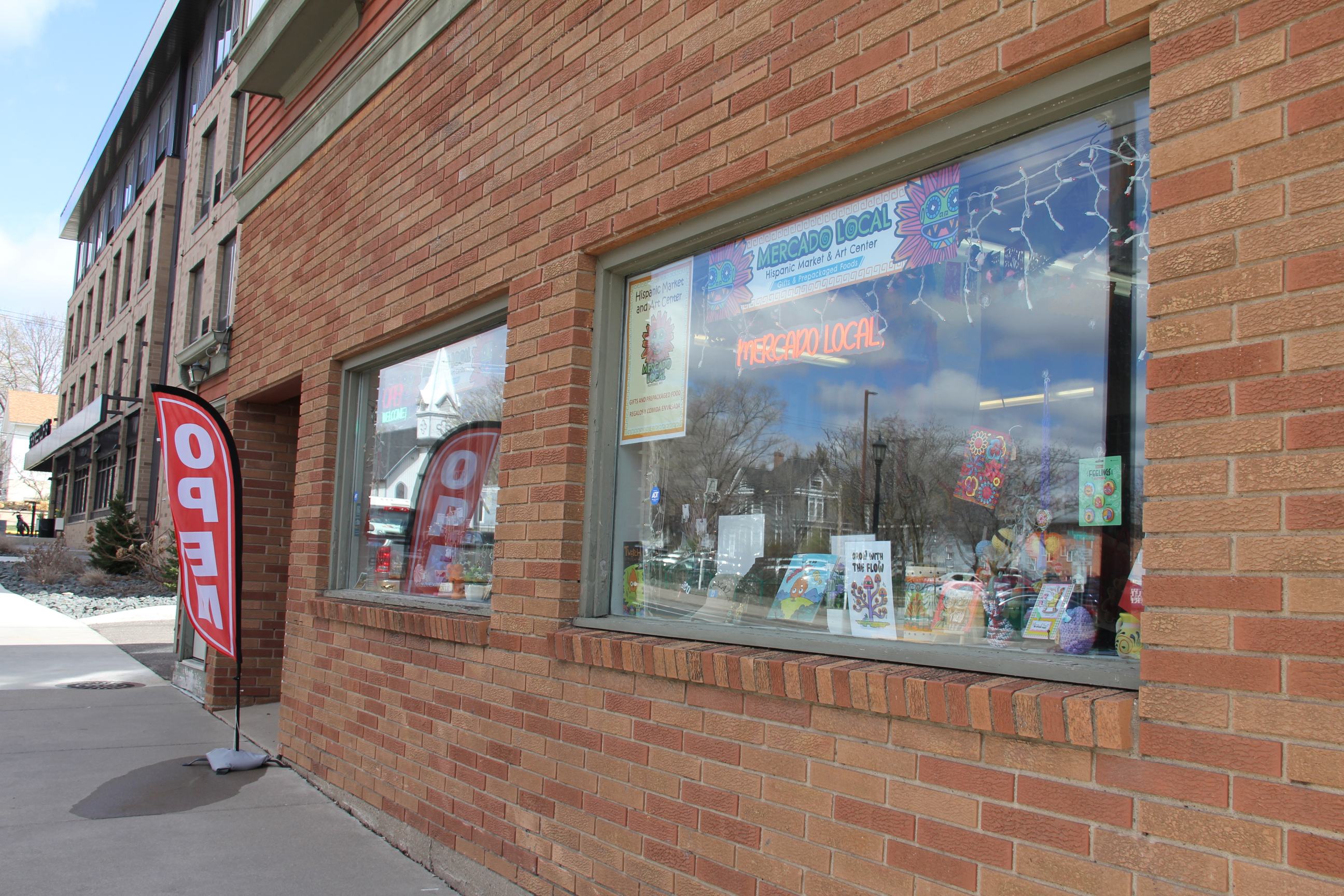
Mercado Local is located in the heart of downtown Northfield, just off Division Street. (Minnesota Prairie Roots copyrighted photo April 2024)

Art in all its forms is powerful. Rice County Neighbors United recognizes that, celebrating creativity and entrepreneurship at Mercado Local, a marketplace for immigrant vendors and also an art center, community room and education space located at 108 5th Street East in Northfield.

Mercado Local explodes with color. The “Poem in a Bag” box is on the cashier’s counter. (Minnesota Prairie Roots copyrighted photo April 2024)

“Poem in a Bag” poems are available at Mercado Local and at other Northfield businesses (currently Content Bookstore, Imminent Brewery and radio station KYMN) and at the Northfield Public Library. Valdecantos aims to get poetry boxes into more Northfield businesses. In Faribault, “Poem in a Bag” can be found at Books on Central, a used bookshop run by the Rice County Area United Way.

This is an ambitious undertaking, one Valdecantos hopes to repeat next April during National Poetry Month. She intends to extend this year’s “Poem in a Bag” into May with a poetry reading set for 6:30-8 pm Thursday, May 23, in the community room/art space at Mercado Local. I appreciate all of this. To place poetry in public places, to use art to connect cultures, is truly a welcoming, neighborly gift to our culturally diverse communities.

© Copyright 2024 Audrey Kletscher Helbling