Minnesota Prairie Roots

Writing and photography by Audrey Kletscher Helbling
Farmer Seed mural installed as historic-themed projects underway November 12, 2025

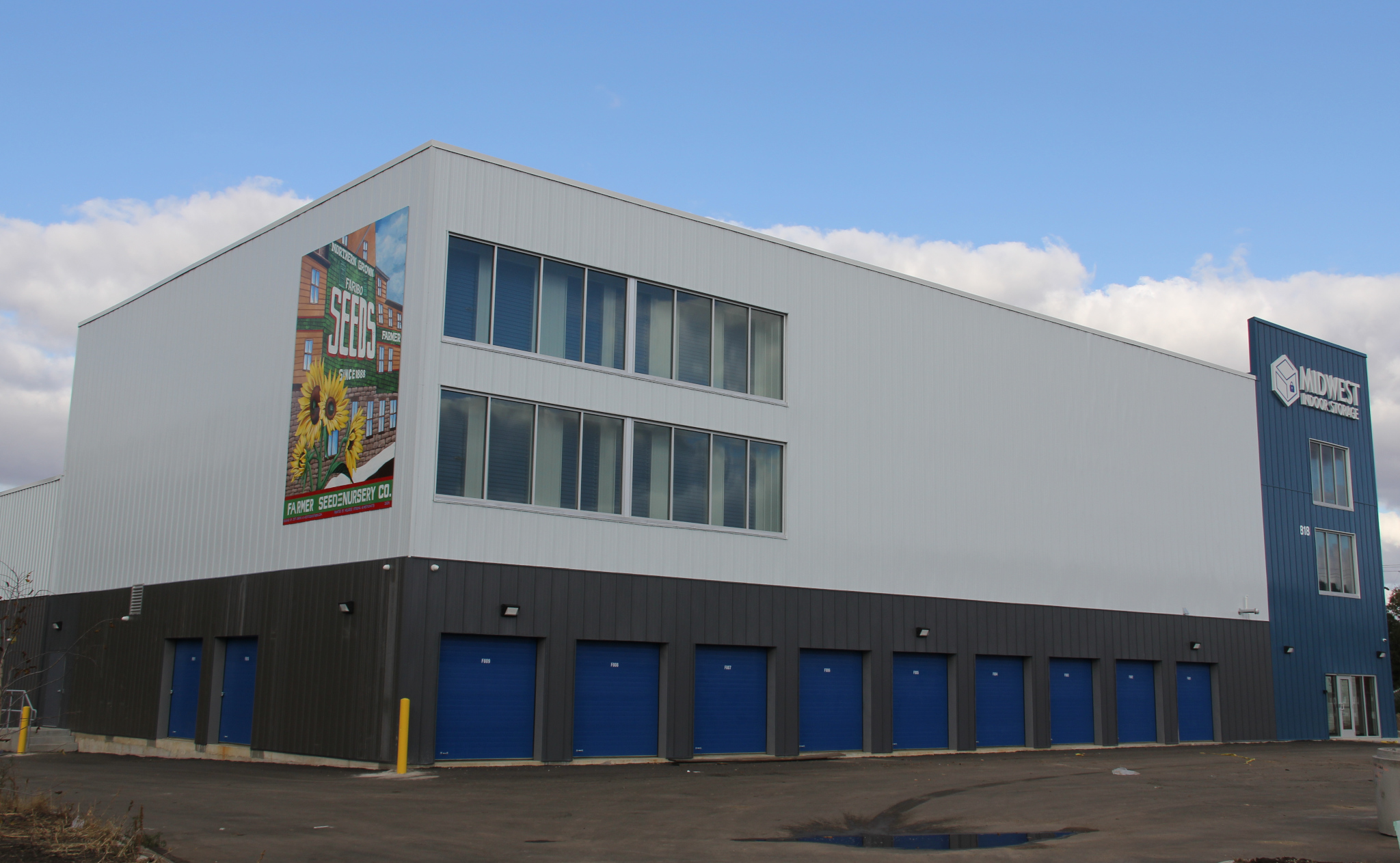
A new mural on the side of Midwest Indoor Storage celebrates Farmer Seed & Nursery’s history in Faribault. (Minnesota Prairie Roots copyrighted photo October 2025)

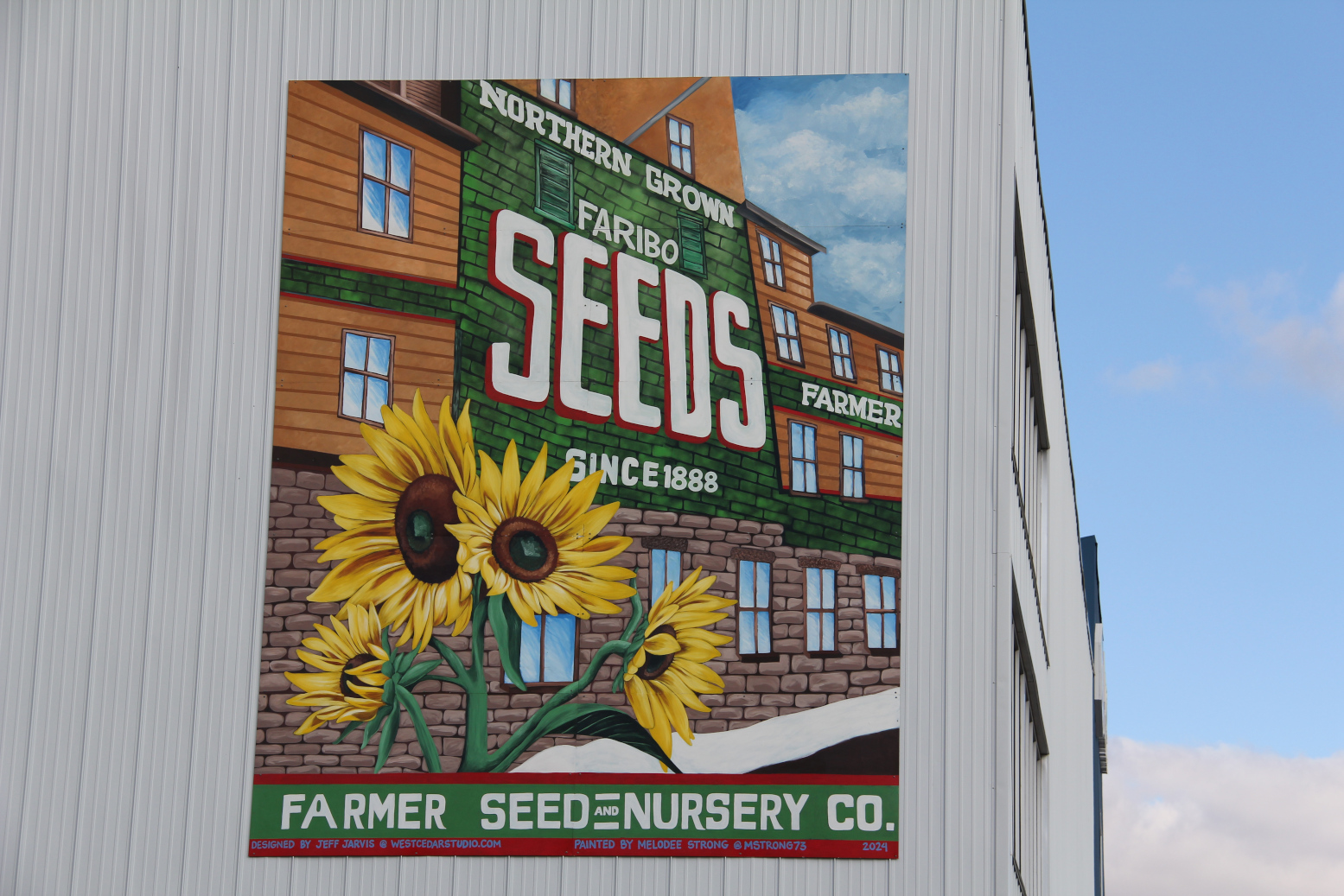
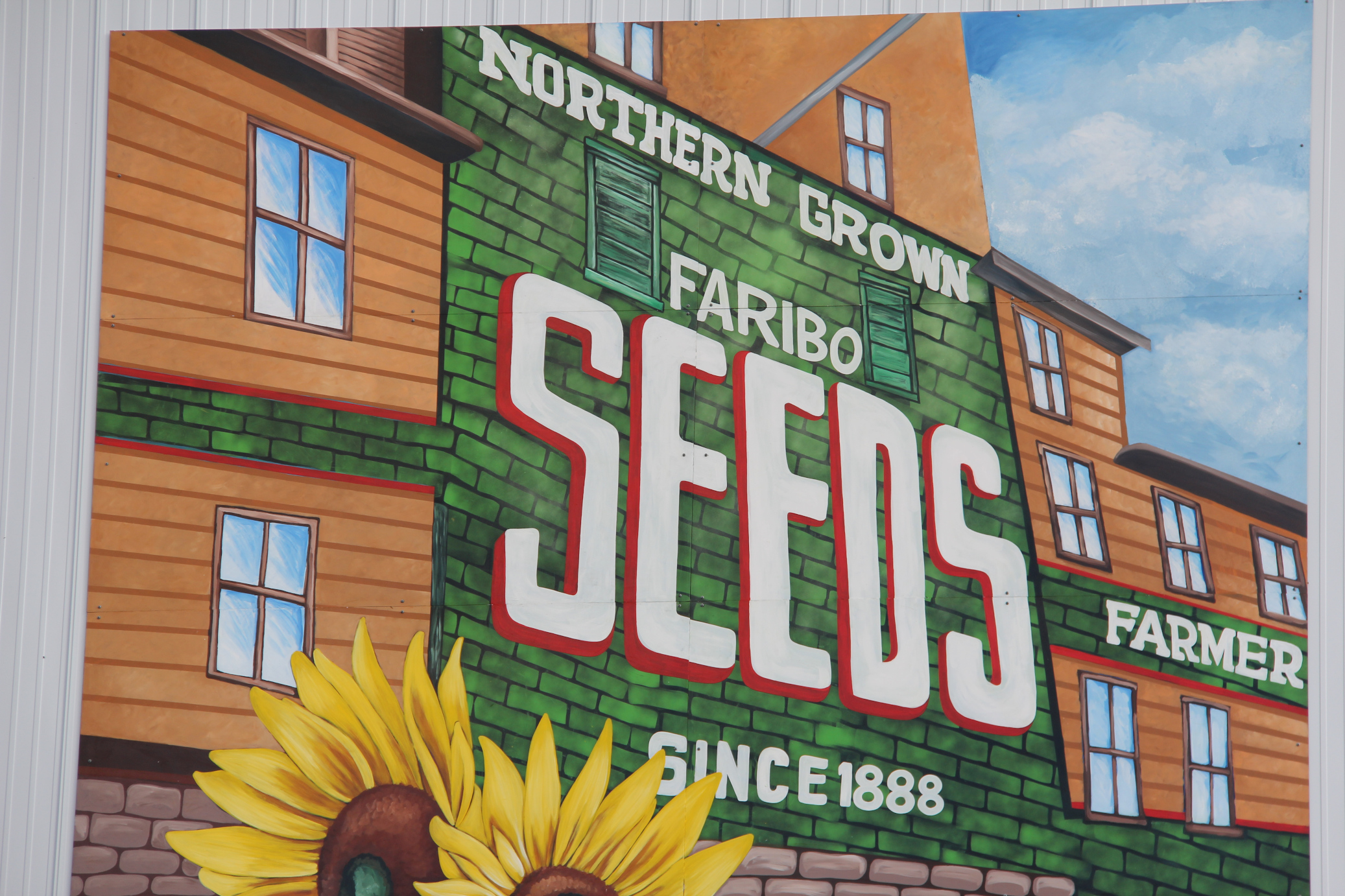
THE FIRST PART of a three-pronged project honoring Farmer Seed & Nursery in Faribault has been completed. Recently a 20 by 24-foot mural, designed by local historian and creative Jeff Jarvis of West Cedar Studio and painted by Minneapolis artist Melodee Strong, was installed at Midwest Indoor Storage, site of the former nursery.

The new Farmer Seed mural hangs on an indoor storage building where Farmer Seed once stood. (Minnesota Prairie Roots copyrighted photo October 2025)

The artwork hangs on a corner of the building’s west side, visible to eastbound passersby along Minnesota State Highway 60/Fourth Street.

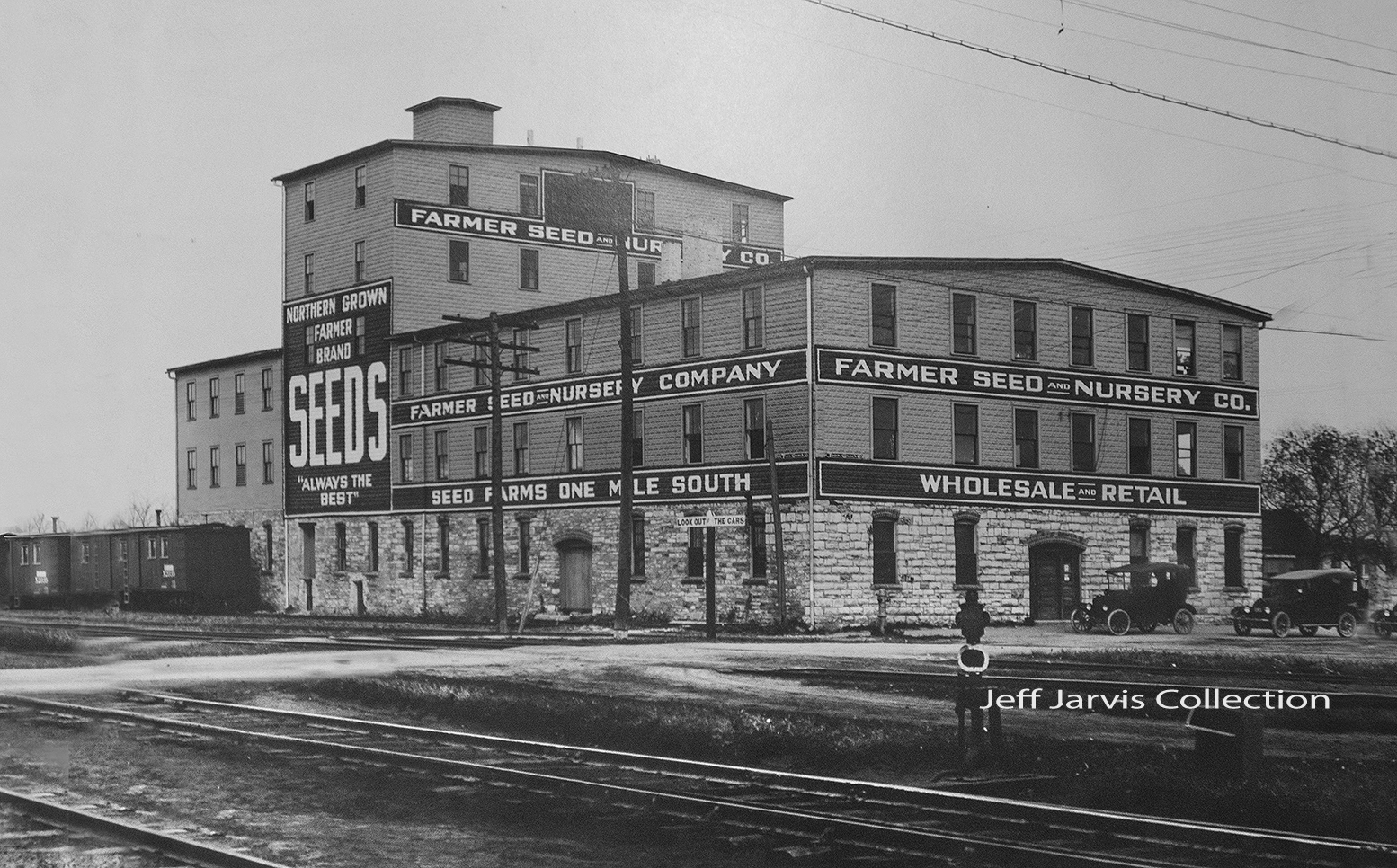
A 1920s image of Farmer Seed from the Jeff Jarvis Collection. (Photo courtesy of Jeff Jarvis)
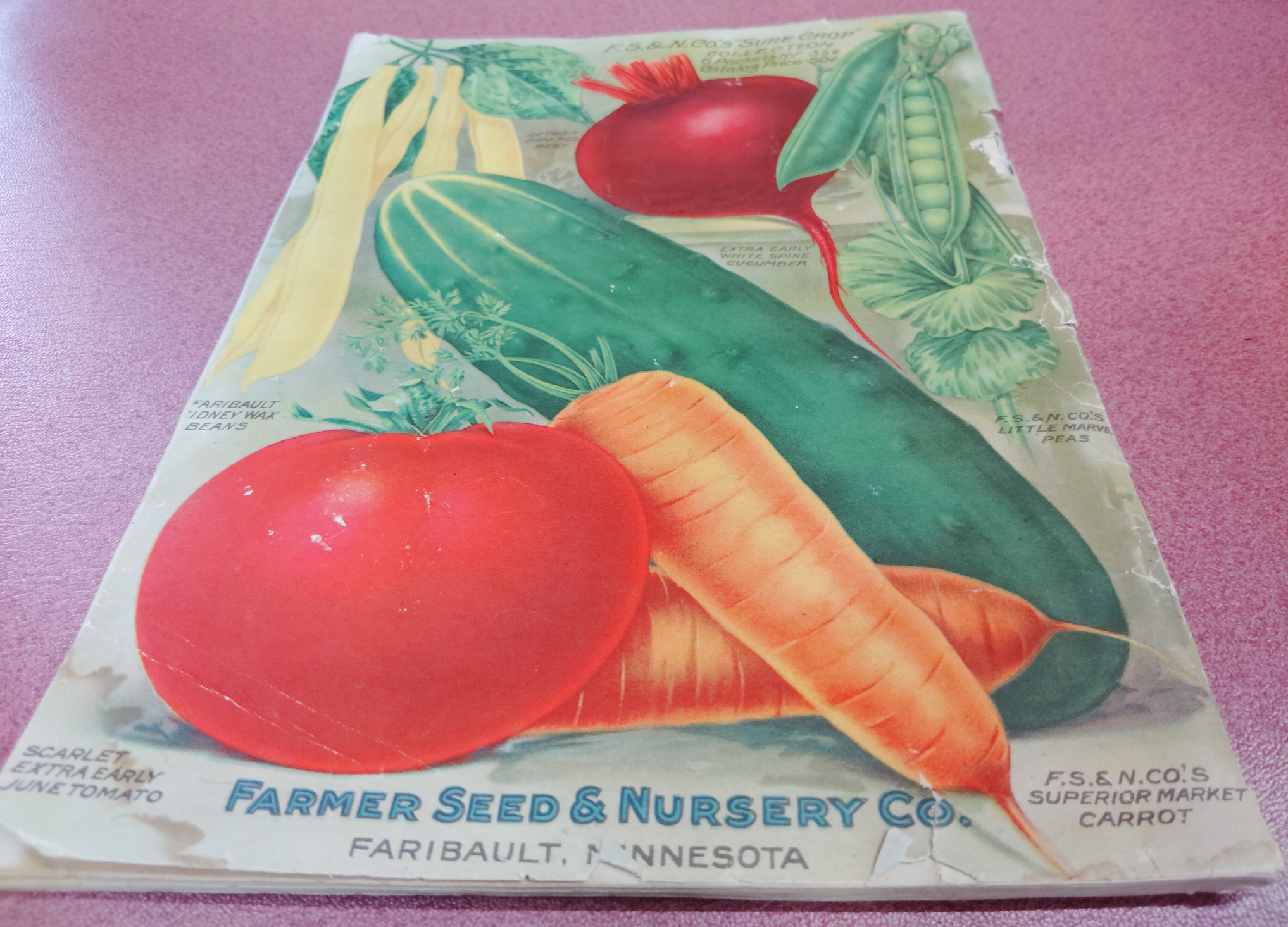
Vegetable art in a vintage seed catalog for sale at Keepers Antiques in downtown Faribault. (Minnesota Prairie Roots copyrighted photo October 2025)
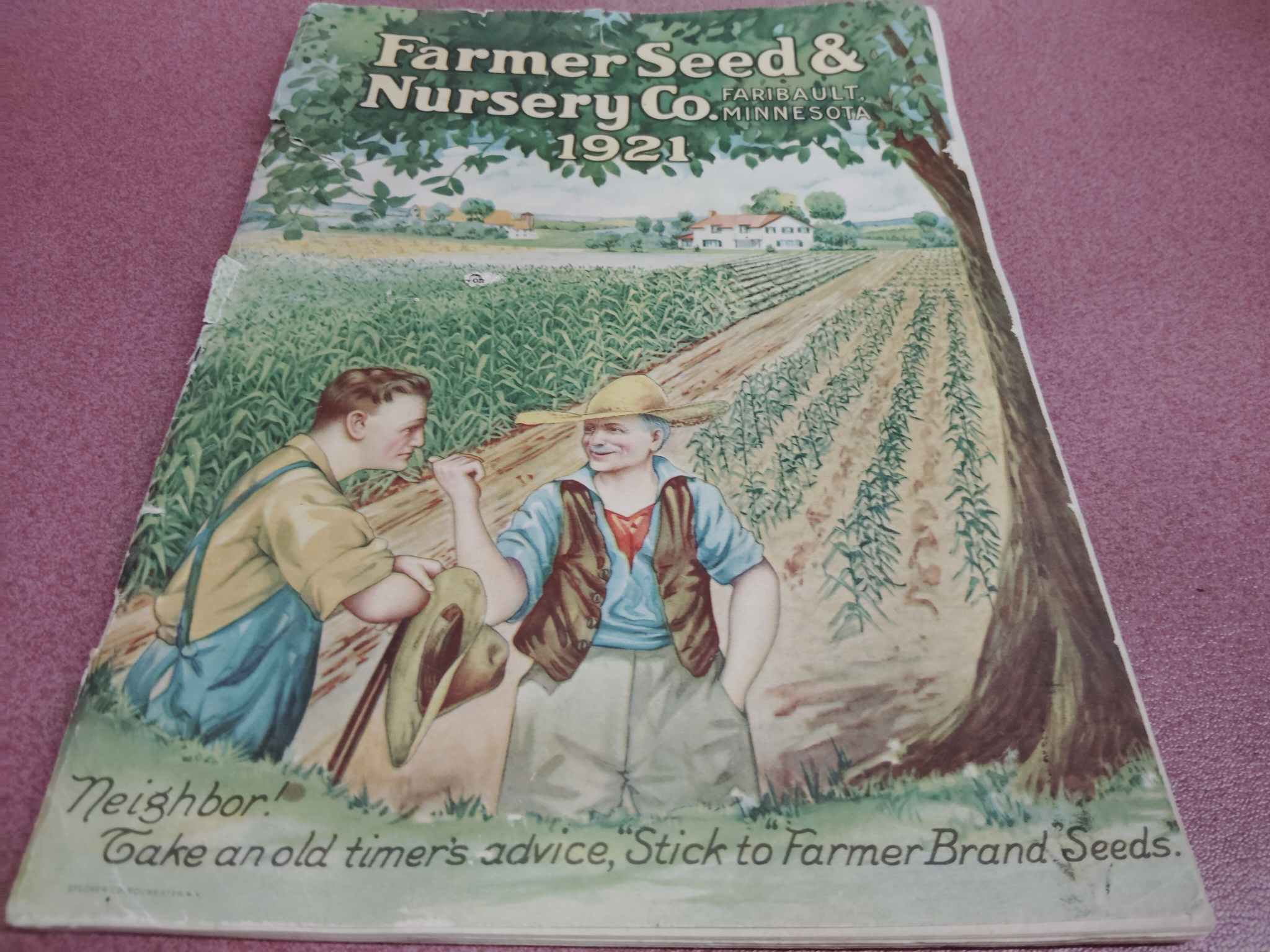
The beautiful, artsy cover of a 1921 Farmer Seed catalog found at Keepers Antiques. (Minnesota Prairie Roots copyrighted photo October 2025)

The iconic Farmer Seed and Nursery multi-level complex once rose here, an identifiable community landmark business rooted in agriculture. With nearly a 130-year history in Faribault and company roots in Chicago dating to 1888, Farmer Seed was once noted for its local seed farms, seeds, mail order seed catalog, retail store and Christmas trees. I remember paging through the company’s catalogs while growing up on a southwestern Minnesota dairy and crop farm. From vegetables to flowers to shrubs and trees, Farmer Seed offered endless options for the everyday gardener, farmer and other growers.

Simple, bright, bold and memorable graphics define the mural. (Minnesota Prairie Roots copyrighted photo October 2025)

Today the mural and a forthcoming kiosk and memory book will continue to celebrate this long-time Faribault business. In designing the mural, Jarvis kept it simple, focusing on the signature exterior signage that graced the historic building. He added a splash of color in a clutch of sunflowers, highly recognizable, he said, and a popular agricultural symbol.

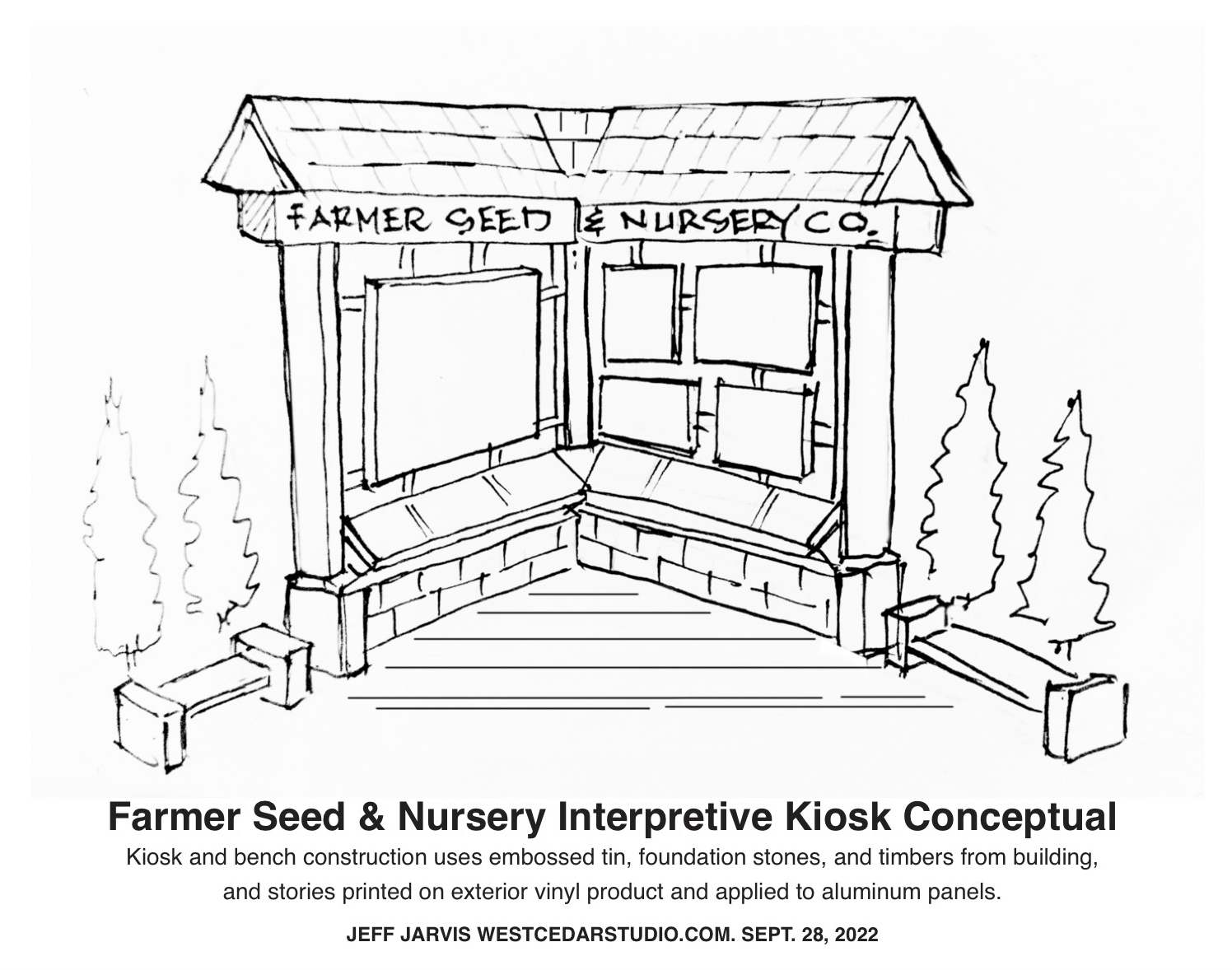
The multi-paneled kiosk will stand on the corner of Fourth Street and Eighth Avenue. (Design rendering courtesy of Jeff Jarvis, WestCedarStudio.com)

Jarvis also created conceptual sketches for the planned corner kiosk and is developing an interior graphic panel display featuring company history, little-known products and personnel information.

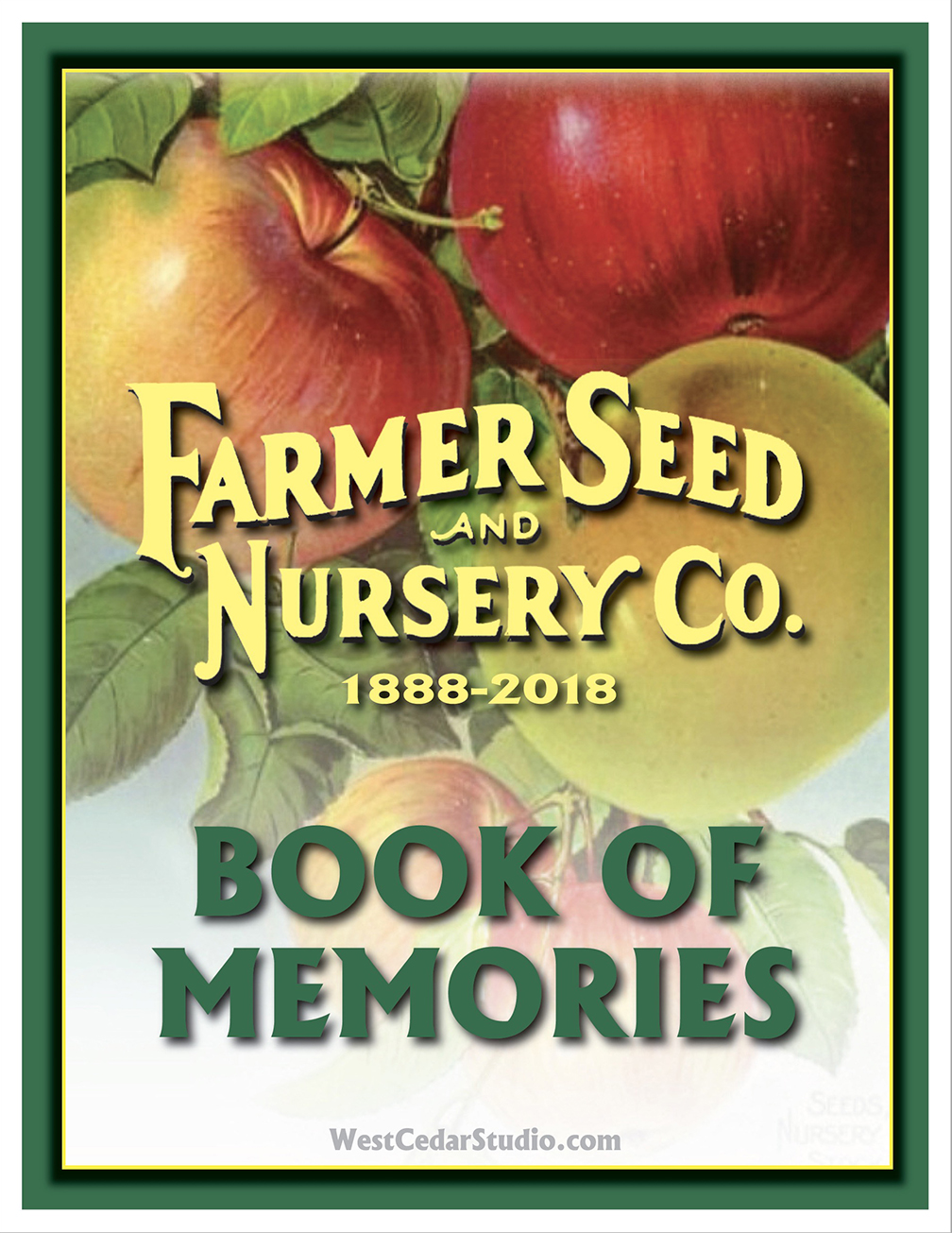
The memory book cover designed by Jeff Jarvis of WestCedarStudio.com. (Courtesy of Jeff Jarvis)

Additionally, this keeper of local history is compiling a Farmer Seed memory book of stories, historical information and photos. Jarvis has included his own childhood story about a coveted Ant Farm purchased at the retail store by his mother and gifted to him at Christmas. He’s looking for more stories and encourages submission of those via a form on his website at https://westcedarstudio.com/farmer-seed-nursery-memory-book/. Once the stories are compiled they will be available to read for free on Jarvis’ studio website or as a printed copy for a fee.

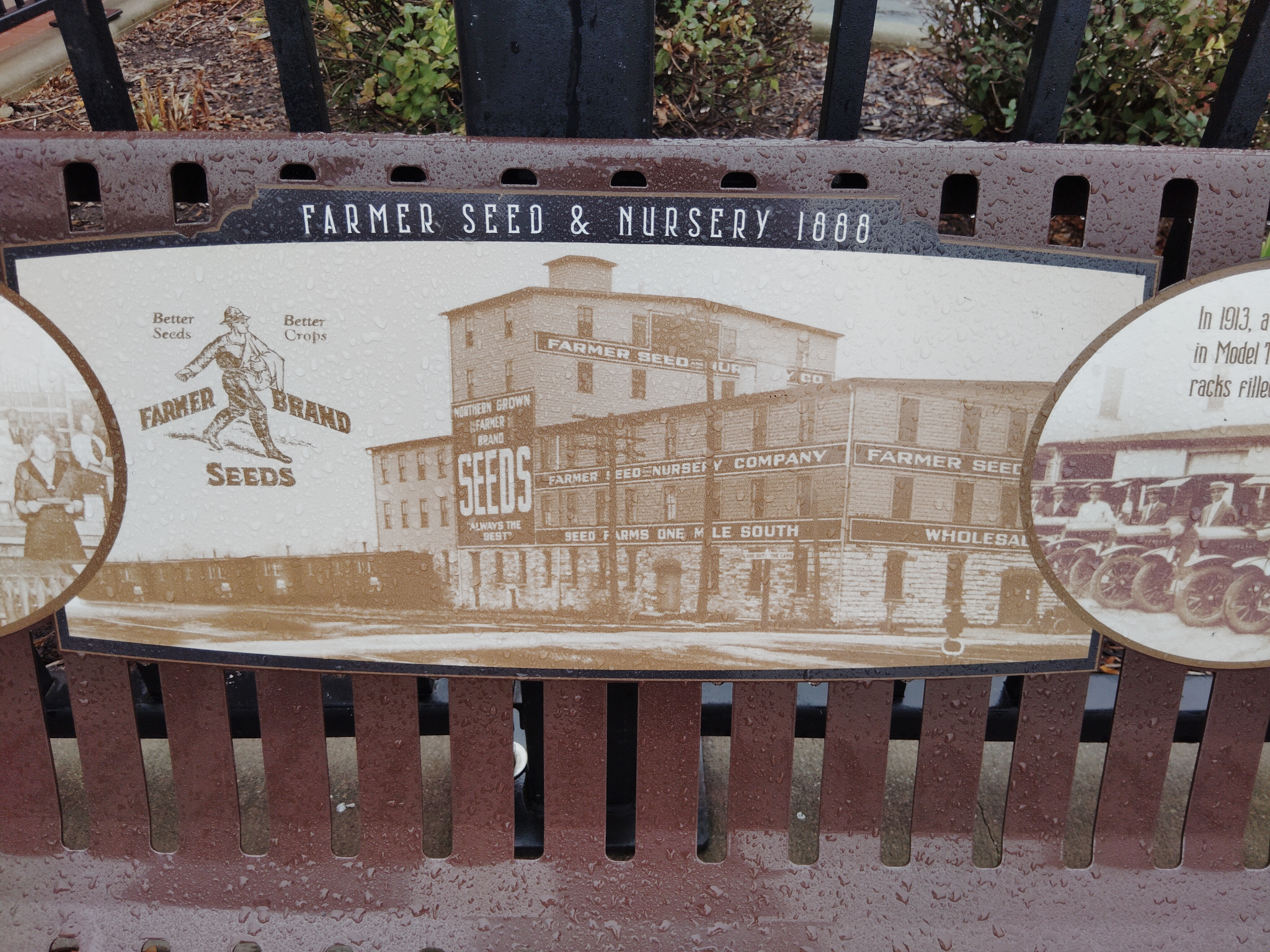
On a recent rainy morning, I photographed the Farmer Seed & Nursery historic-themed bench along Faribault’s Central Avenue, among many history benches downtown. (Minnesota Prairie Roots copyrighted photo October 2025)

I expect this trio of projects will be well-received in Faribault, where the 2018 closure, then sale and eventual complete demolition of the iconic Farmer Seed complex in 2023 raised public concern. I was among those who hoped the building, on the National Register of Historic Places, could be saved, a new use found for this long-time landmark. It was not to be. But the city, including the Heritage Preservation Commission, recognized the importance of preserving memories by requiring historical remembrance projects as part of the property sale, according to Jarvis. I’m grateful for that and for parts of the building that were salvaged for historical purposes.

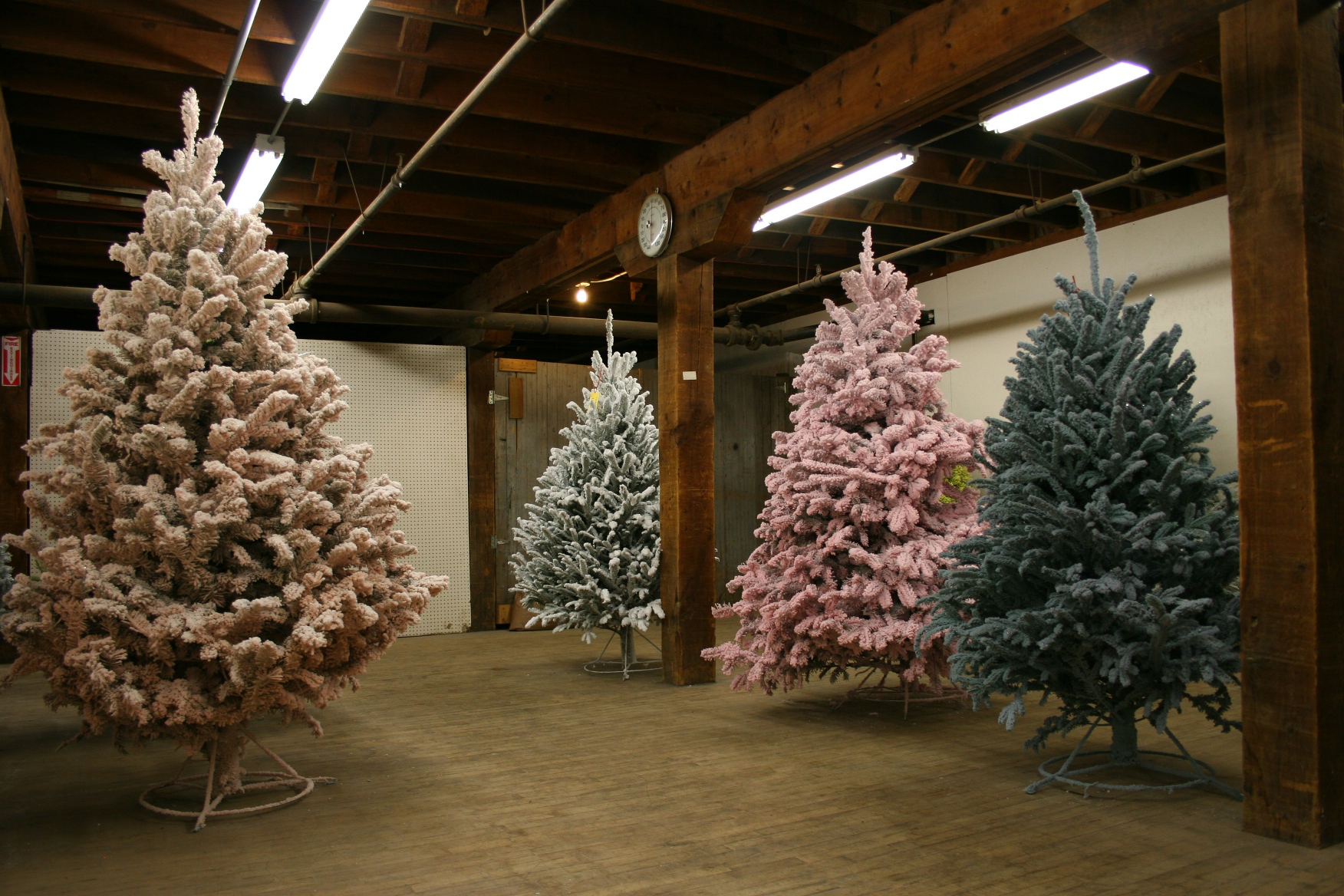
Flocked Christmas trees for sale at Farmer Seed in 2014. (Minnesota Prairie Roots copyrighted file photo 2014)

Today when I view the newly-installed mural, I think of my own Farmer Seed memories. Like so many others, those trace to Christmas. I loved to wander through the retail store to see all the trees decorated with ornaments. Sometimes my husband and I would buy our short needle short Christmas tree there. Not a flocked tree, which was a Farmer Seed specialty. One year we waited too long and, days before Christmas, got what I think may have been the last tree in town at a bargain price.

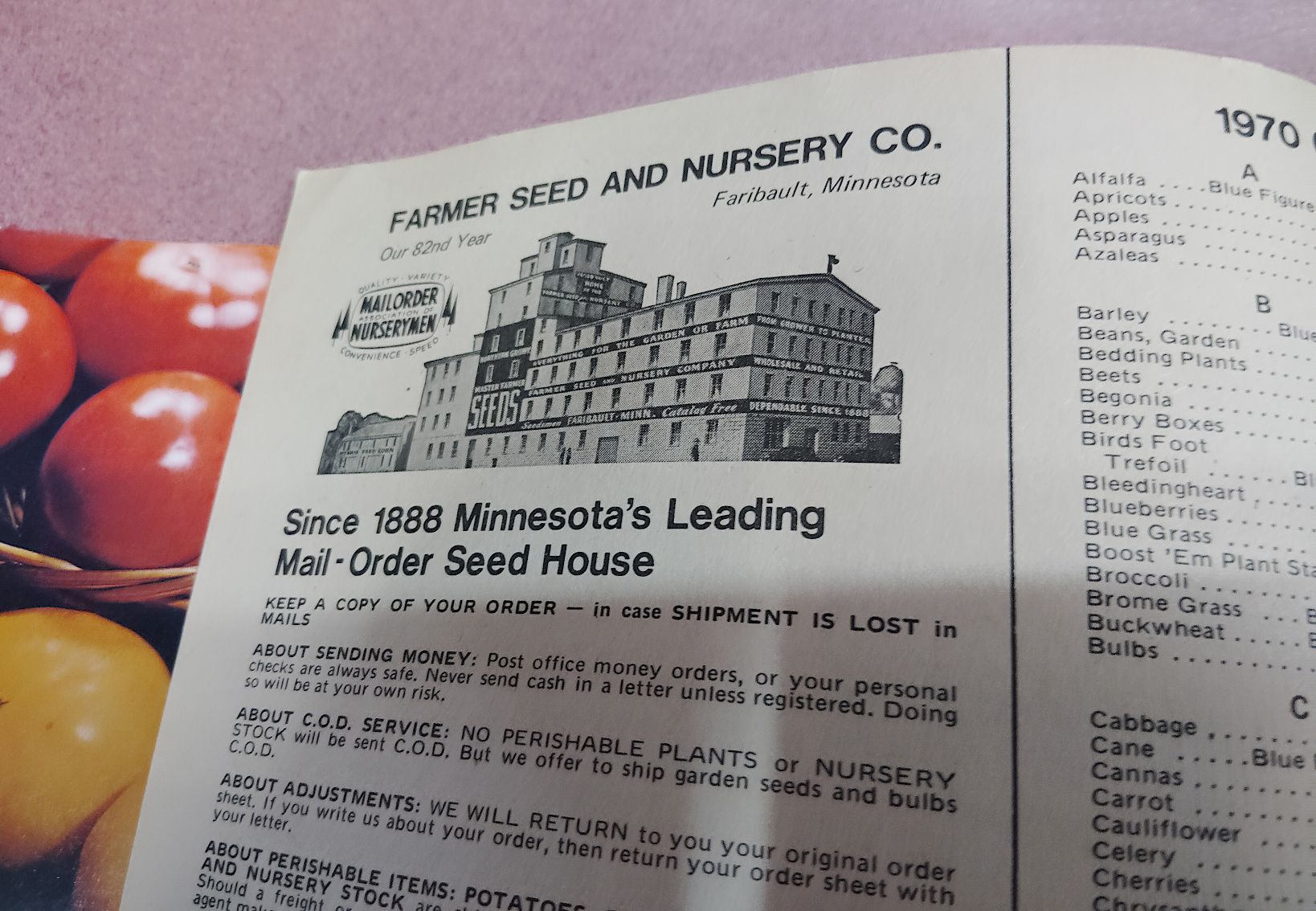
A page in a 1970 seed catalog at Keepers Antique Shop. In 1894 Farmer Seed moved to Faribault and started its seed growing operation here. (Minnesota Prairie Roots copyrighted photo October 2025)

For many area residents, Farmer Seed holds a life-time of memories. Of seed catalogs. Of seed potatoes. Of seed packets. Of lilac bushes and Christmas trees. Of wood plank floors and a building rising high along highway 60, where an indoor storage unit and an under-construction apartment building now stand on land once rooted in agriculture.

© Copyright 2025 Audrey Kletscher Helbling
 

In which I protest, grieve & reflect June 19, 2025

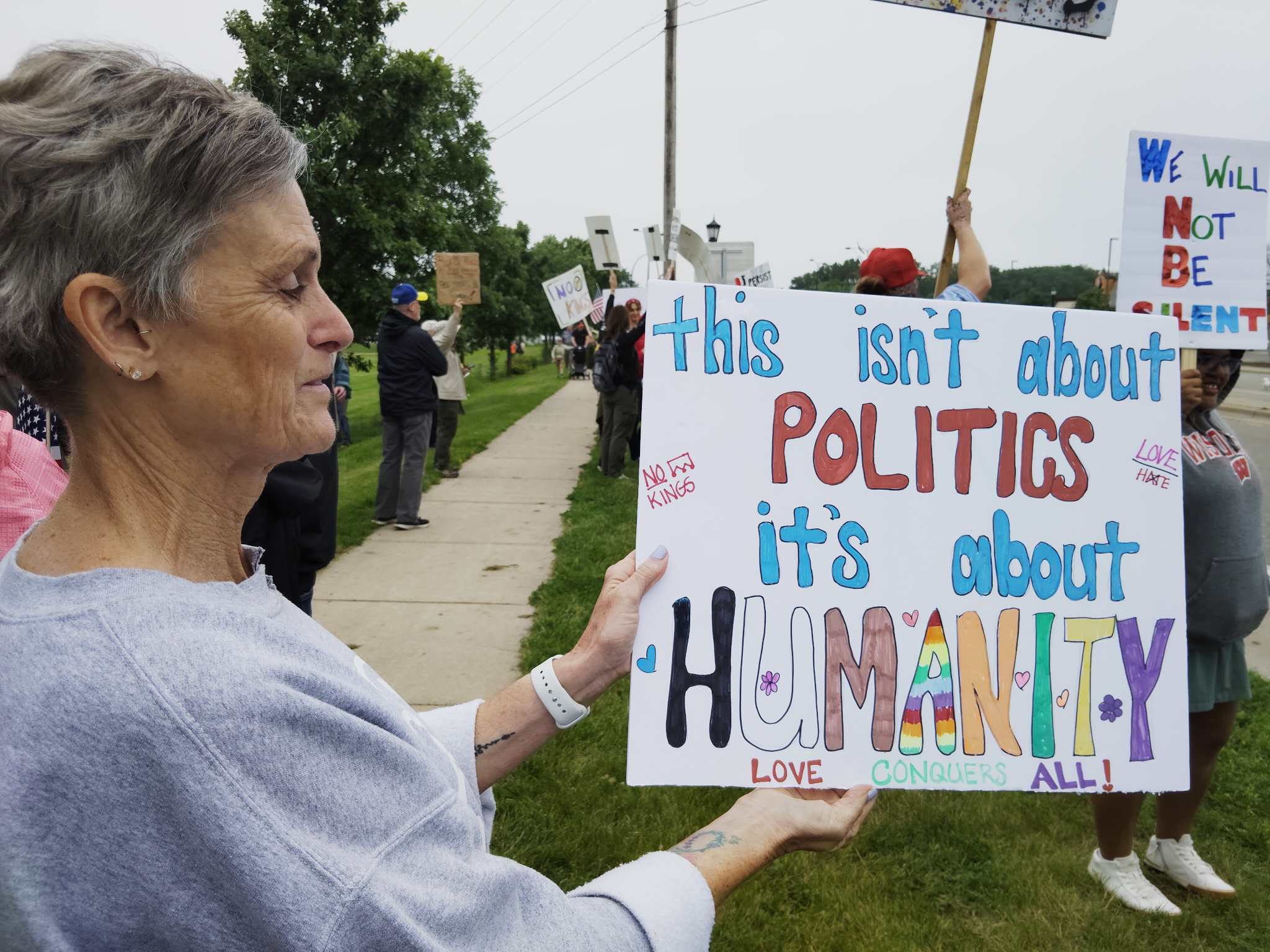
Protesters stand along Minnesota State Highway 19 by Ames Park in Northfield during the June 14 NO KINGS protest. This is one of my favorite signs among the many held by hundreds of protesters. (Minnesota Prairie Roots copyrighted photo June 2025)

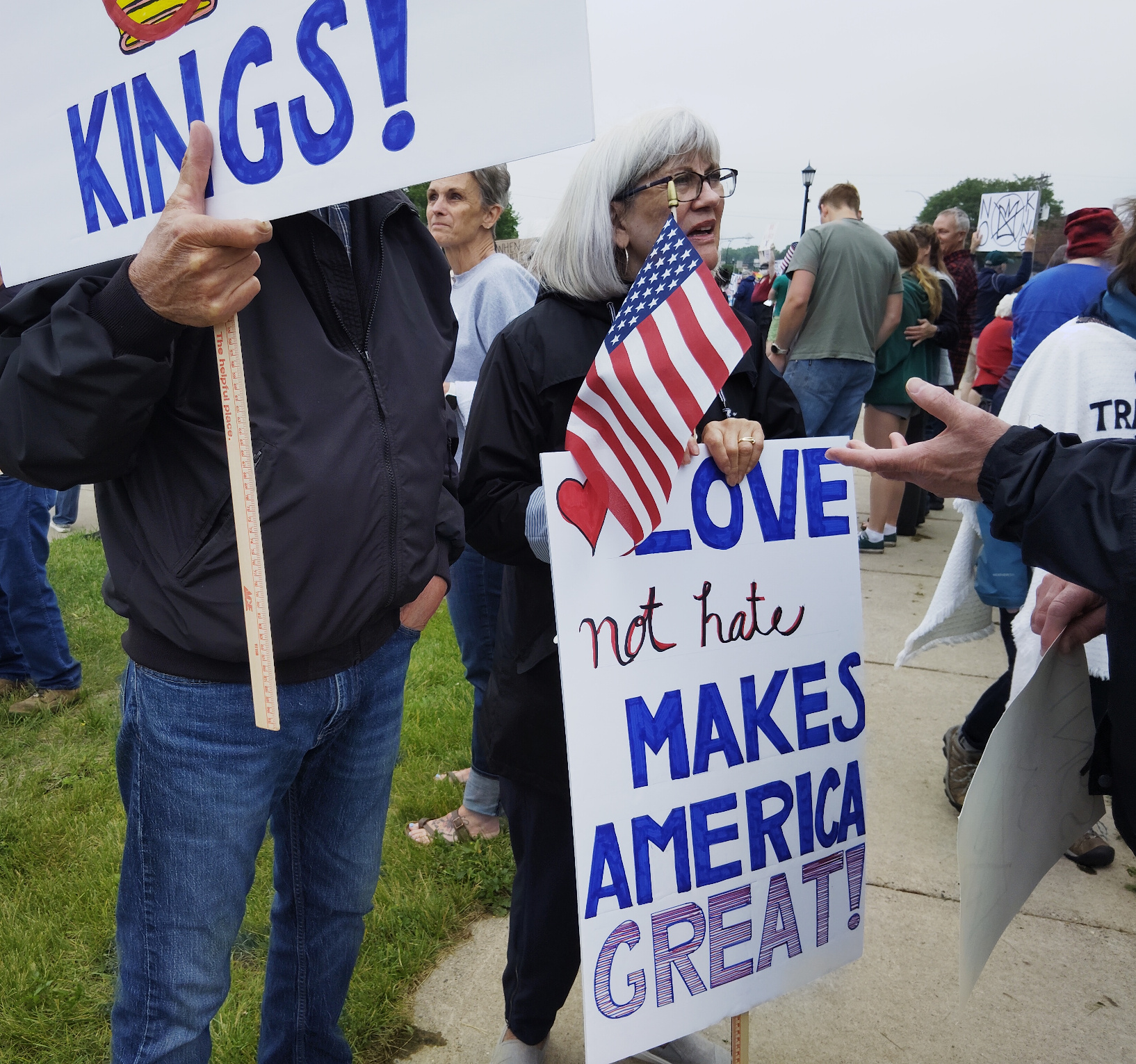
I LEANED MY HEAD against Randy’s shoulder, my left hand gripping the rod of a protest sign and a small American flag. I felt such profound sadness in that moment. The moment when a pastor asked for a period of silence in honor of Minnesota State Representative/House Speaker Emerita Melissa Hortman and her husband, Mark, assassinated in their home during the early morning hours of June 14.

Flag Day. Nationwide NO KINGS protest day. A day of gathering turned tragic here in Minnesota.

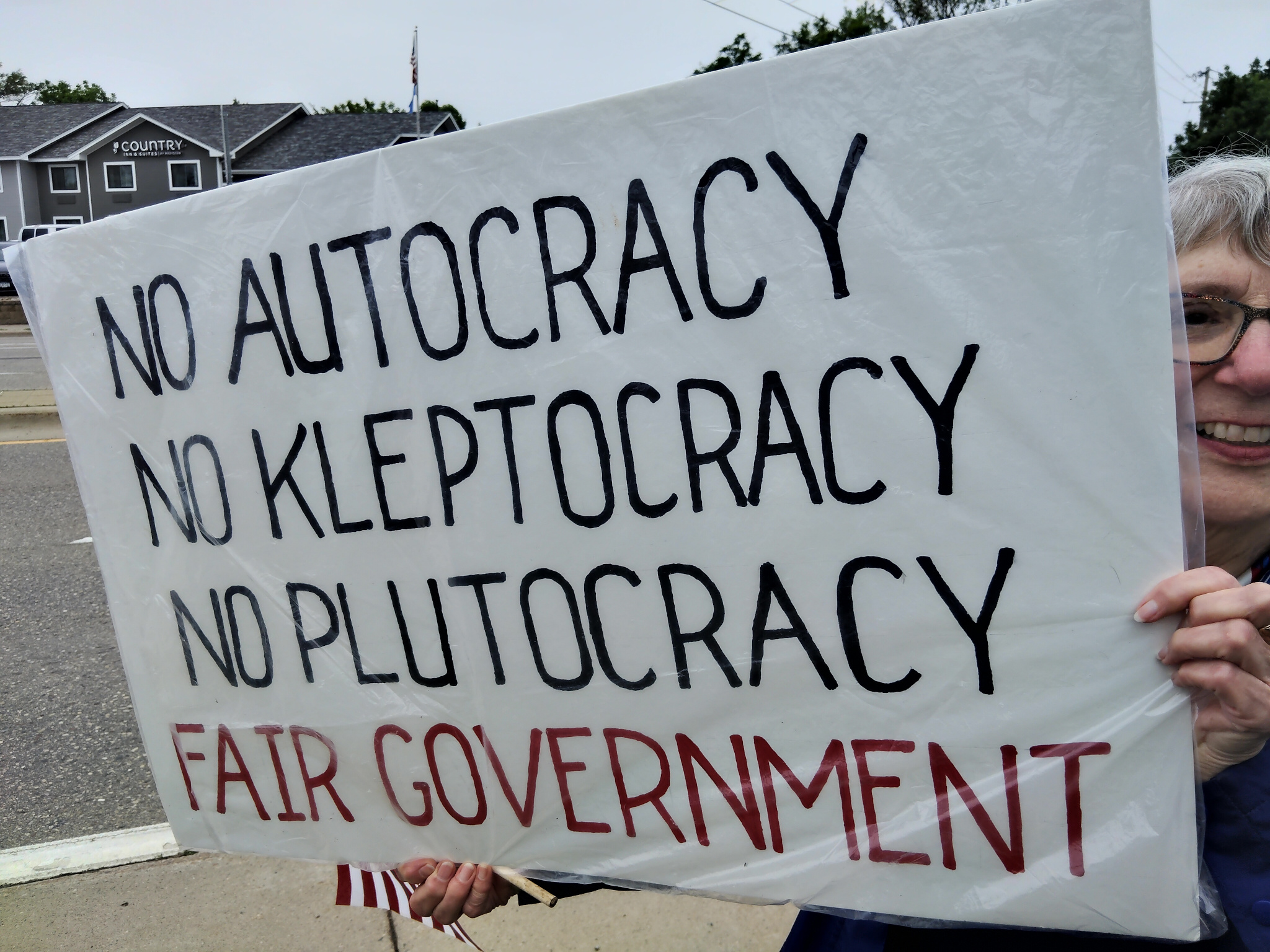
A strong statement against a system of government by one person with absolute power. I suggest you look up these words, as I had to with some. (Minnesota Prairie Roots copyrighted photo June 2025)

I alternated between leaning into my husband and leaning my bowed head against the bottom of my NO MORE KINGS protest poster held high, the sign with the cursive words, “I value freedom,” scrawled on the back side. The wind blew, swept my hair across my face like a veil covering sadness. The heaviness felt palpable here, in Ames Park in Northfield, along the banks of the Cannon River. But so did the energy.

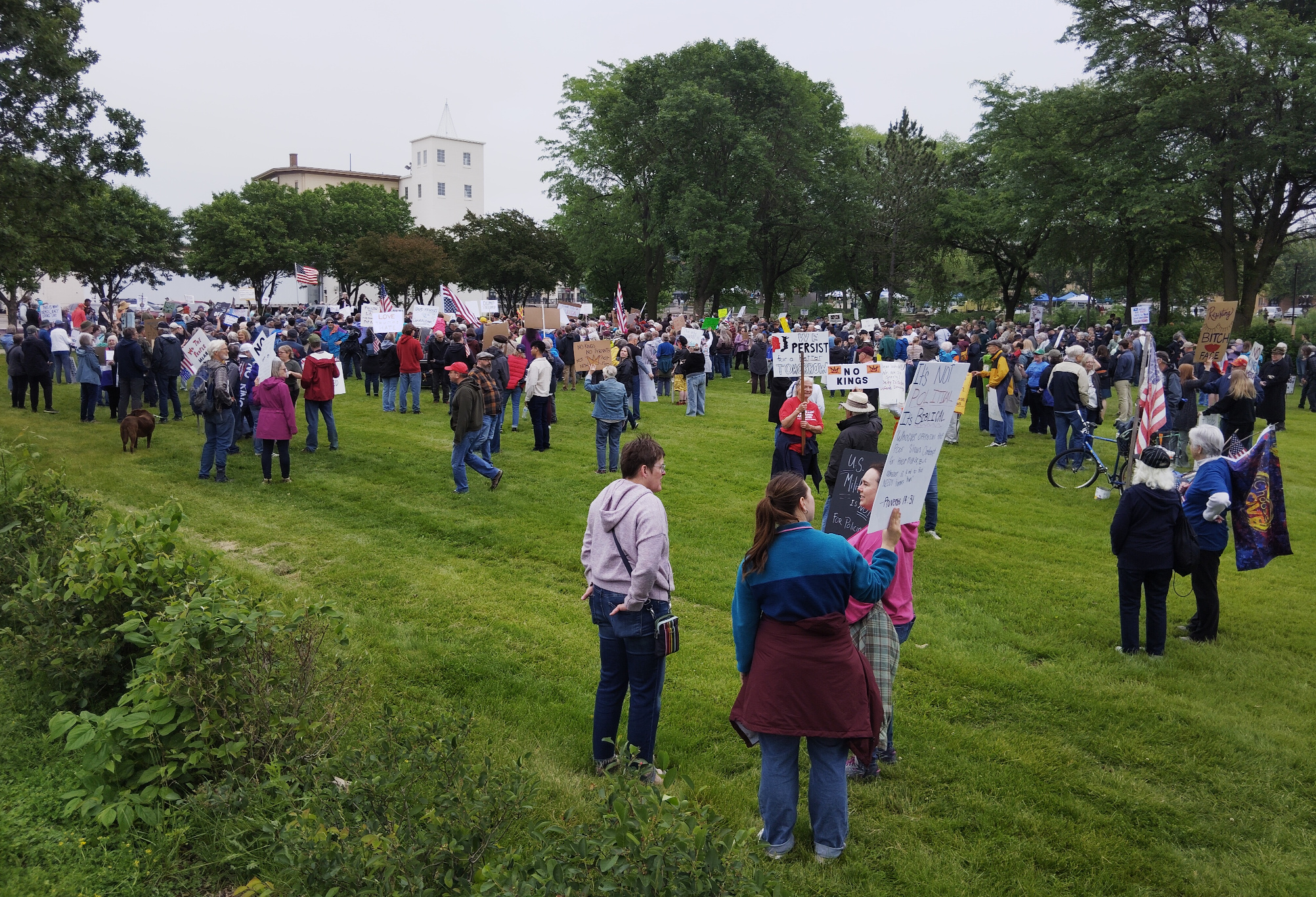
This shows just a portion of the massive crowd gathered for Northfield’s NO KINGS protest. (Minnesota Prairie Roots copyrighted photo June 2025)

We were a group of hundreds—maybe even a thousand (I’m not good at estimating crowd size)—gathered to publicly express our concerns about leadership in this country, about decisions being made that negatively affect all of us, about the state of and future of our democracy… It was my first protest. Ever. I wanted, needed, to be here. To remain silent seems complicit.

I’d already arrived when a friend texted that Minnesotans had been advised by state law enforcement not to attend NO KINGS protests. That warning linked to the suspect in the shootings of the Hortmans and of State Senator John Hoffman and his wife, Yvette. We would later learn that NO KINGS fliers were found in the vehicle of Vance Boelter, now accused in the double murders and attempted murders.

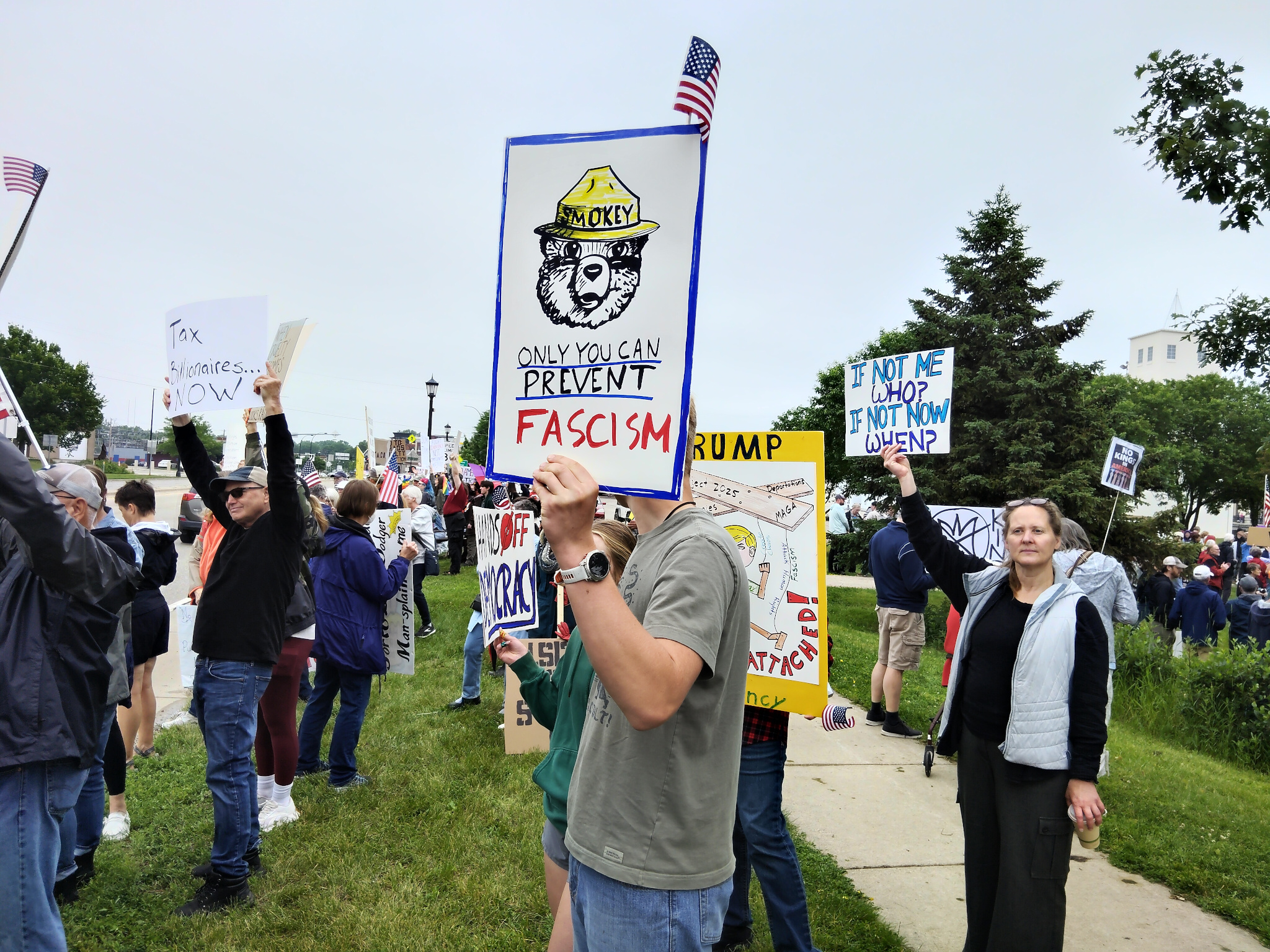
While your eyes may focus on the protest sign in the middle, look to the right. and this sign: IF NOT ME, WHO? IF NOT NOW, WHEN? (Minnesota Prairie Roots copyrighted photo June 2025)

That explained why, on the way to the riverside protest, I overheard a woman telling a couple that her police officer son had advised her not to participate in the rally. She was going home. I was not. Nor were any of the others converging on Ames Park at noon. I wasn’t scared. Vested safety people, trained in conflict resolution and de-escalation, were in place. I felt safe in the masses, which, I suppose, is an unrealistic perspective. But I refuse to be silenced by fear, by the words and actions of those who attempt to suppress voices. And intimidate.

And there were those, including the drivers of a white pickup truck and of motorcycles which repeatedly roared past the rally site, spewing their opposition in noise and in political flags bannering messages I won’t repeat. But they, too, have a right to protest. Peacefully. Just as I do. And I wrote that on the back of a second sign: FREE to PROTEST. But, mostly, passing vehicles honked in strong support.

So many positive messages promoting love, compassion, care, kindness… (Minnesota Prairie Roots copyrighted photo June 2025)

At this rally of people opposing the current administration and its policies and actions, I felt a unity of purpose and a deep, cohesive concern for the future of our country. I felt uplifted, embraced, empowered. Speakers spoke (although I couldn’t hear most). The pastor led us in prayer. We sang—”The Star Spangled Banner” and “We shall overcome.” We cheered. We chanted. We waved our posters and flags. And a group held an over-sized American flag, which I couldn’t see from my vantage point deep in the shoulder-to-shoulder crowd.

We were mostly an older group. Baby Boomers. Grandparents. Even octogenarians. Perhaps some protested during the Vietnam War. Or served this country. We’ve lived a few years, enough decades to understand that we need to rise up against authoritarianism. Enough to understand what’s at stake. But there were some young people, too, like the dad behind me with his preschool daughter playing in the grass. He clearly cares, if not for himself, but then for his child.

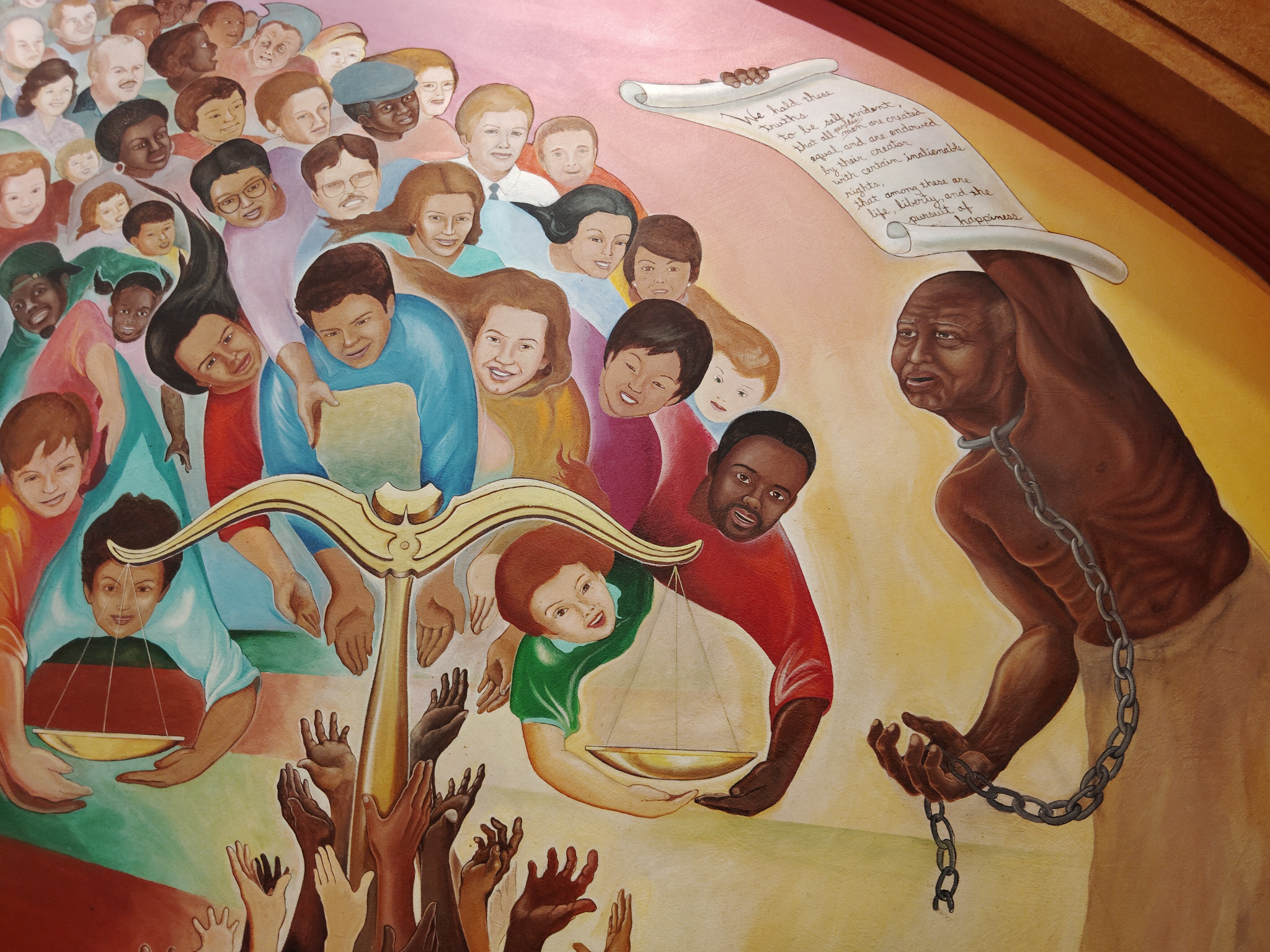
I saw this mural, “The Inheritance of Struggle,” inside the Memorial Student Union at the University of Wisconsin, Madison, Tuesday afternoon. It shows “the contributions made by people of various ethnicities and cultures in the form of tears, sweat, blood and life in the building of the United States.” It’s fitting for today, Juneteenth, and for NO KINGS day. (Minnesota Prairie Roots copyrighted photo June 2025)

The morning after the NO KINGS protest, I left for Madison, Wisconsin, to spend time with my 5-month-old grandson (and his parents). As I snuggled Everett, I thought, he (and my other two grandchildren) are part of the reason I chose to protest. Their lives stretch before them. I want them to live in a country where they are free. Free. I want them to live under a government based on a three-pronged system of checks and balances, not one ruled by a king or some version of a king or dictator. I want them to live in a kind, caring and compassionate country. Not a selfish, uncaring, divisive nation filled with hatred.

I returned to Minnesota yesterday and am catching up on laundry and writing. And, along with my fellow Minnesotans, I’m collectively grieving the assassination of an elected official and her husband. And I’m thinking, this is what it’s come to in Amercia…

© Copyright 2025 Audrey Kletscher Helbling
 

A glimpse of Northfield on a folk art mural inside the post office February 4, 2025

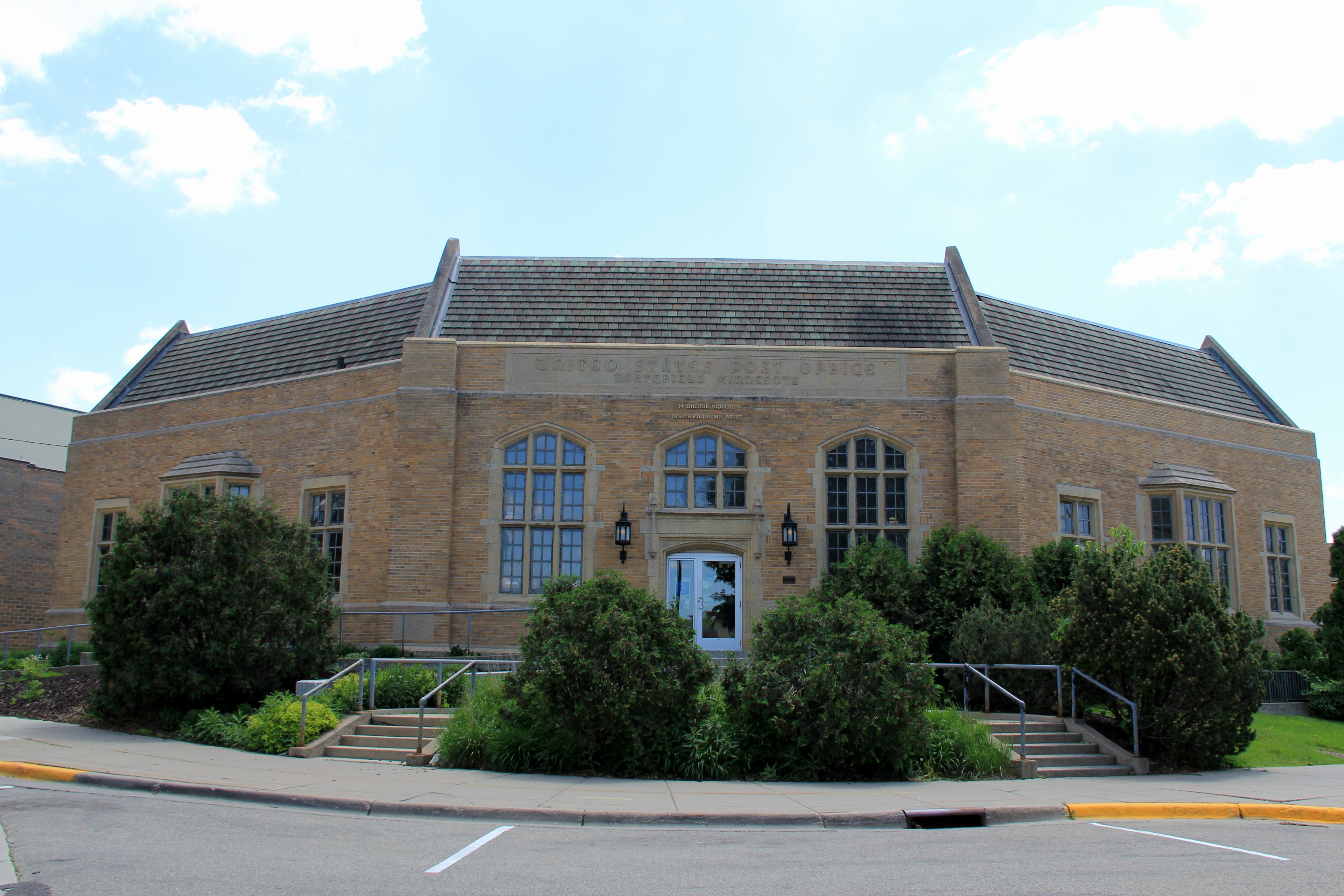
The historic post office in Northfield, Minnesota, holds an art treasure. (Minnesota Prairie Roots copyrighted photo May 2024)

OF ALL THE TIMES I’ve visited neighboring Northfield through the decades, I’d not once stepped inside the downtown Northfield Post Office. Until last May. I’ve frequented Bridge Square across the street, admiring the public art I often find outdoors in this park along the Cannon River. Yet, I never thought to look for art inside the impressive limestone structure angling around a corner of the town center.

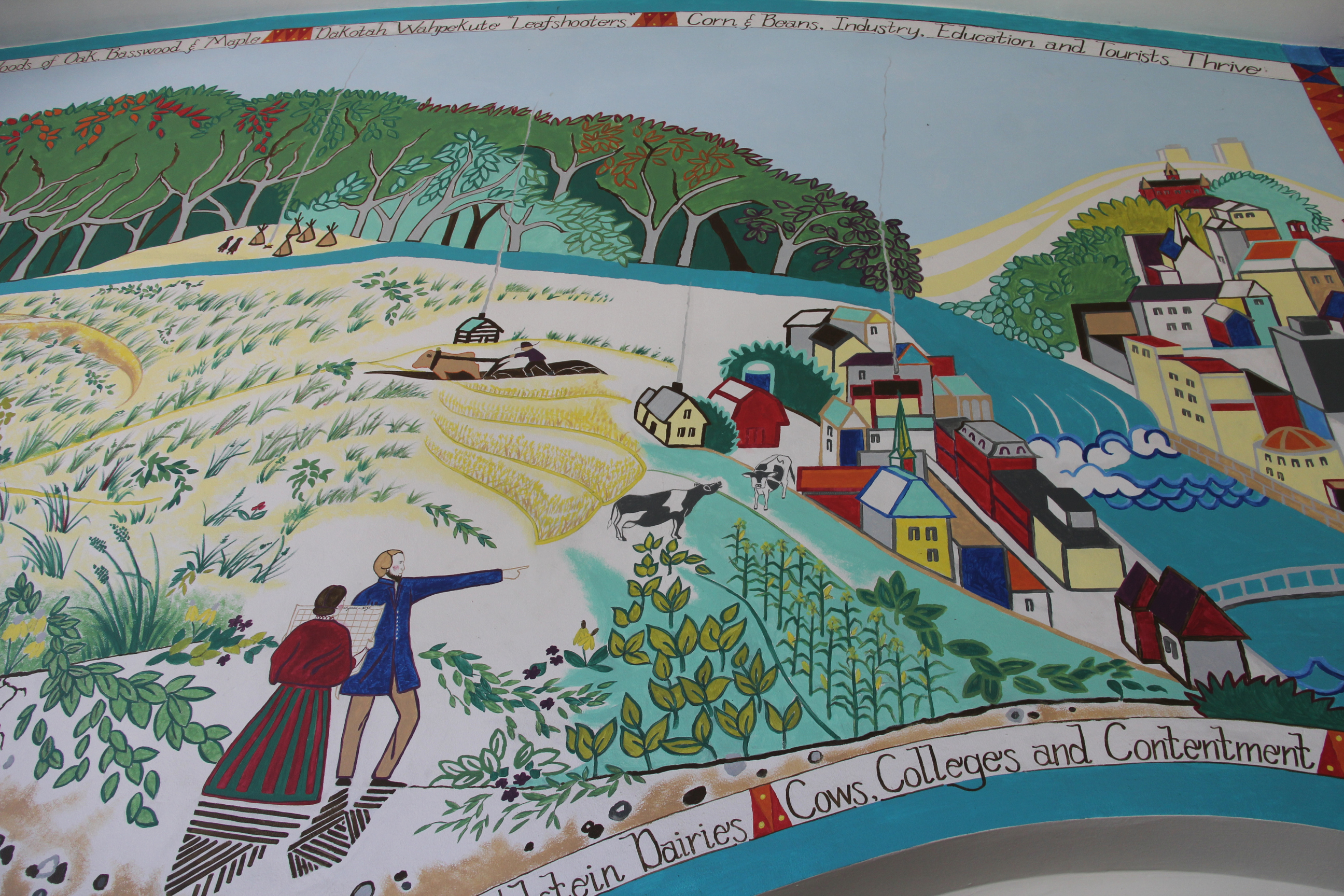
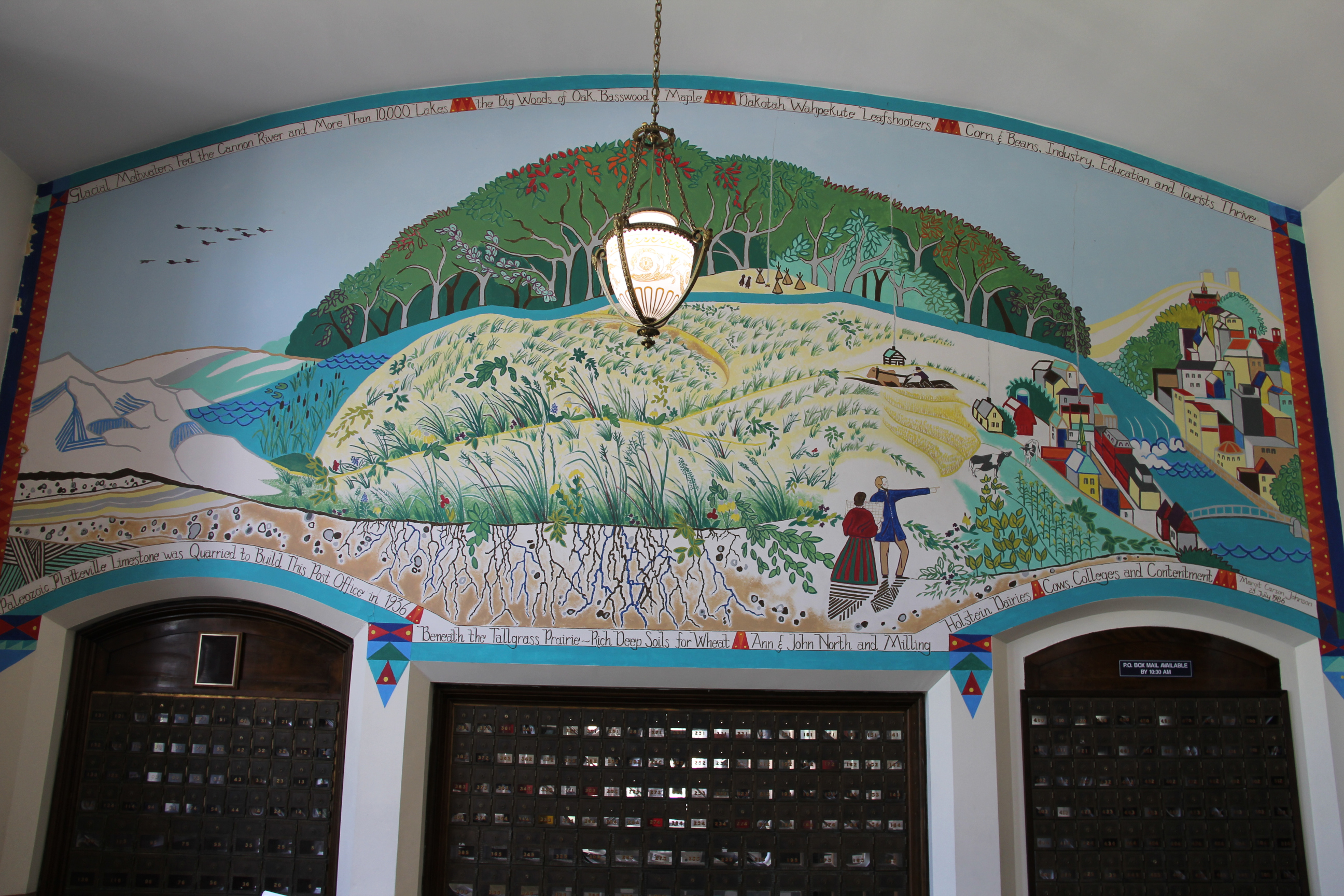
The mural above a row of mailboxes was designed by Margit Carson Johnson. (Minnesota Prairie Roots copyrighted photo May 2024)

But inside the historic 1936 post office, I found a massive piece of public art designed by Northfielder Margit Carson Johnson. The commissioned work defines the essence of Northfield. The city is perhaps most famously known for the townspeople’s defeat of the James-Younger Gang in September 1876 as the outlaws attempted to rob the First National Bank. Johnson’s 1986 mural, though, doesn’t show that. The entire bank robbery history can be learned a few doors down at the former bank site, now the Northfield History Center.

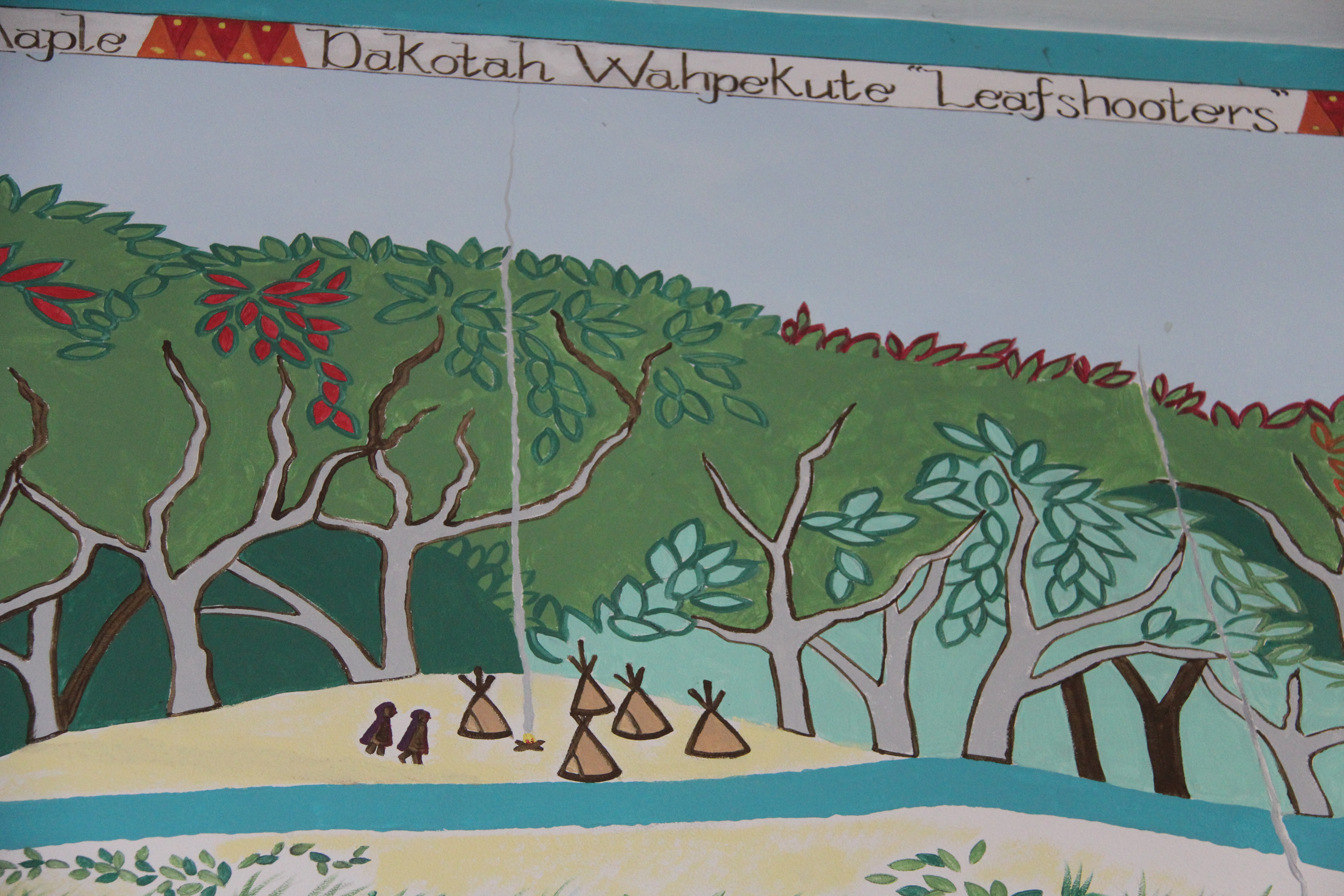
The Dakotah Wahpekute, also known as “Leafshooters,” were the original inhabitants of the land that would become Northfield. (Minnesota Prairie Roots copyrighted photo May 2024)

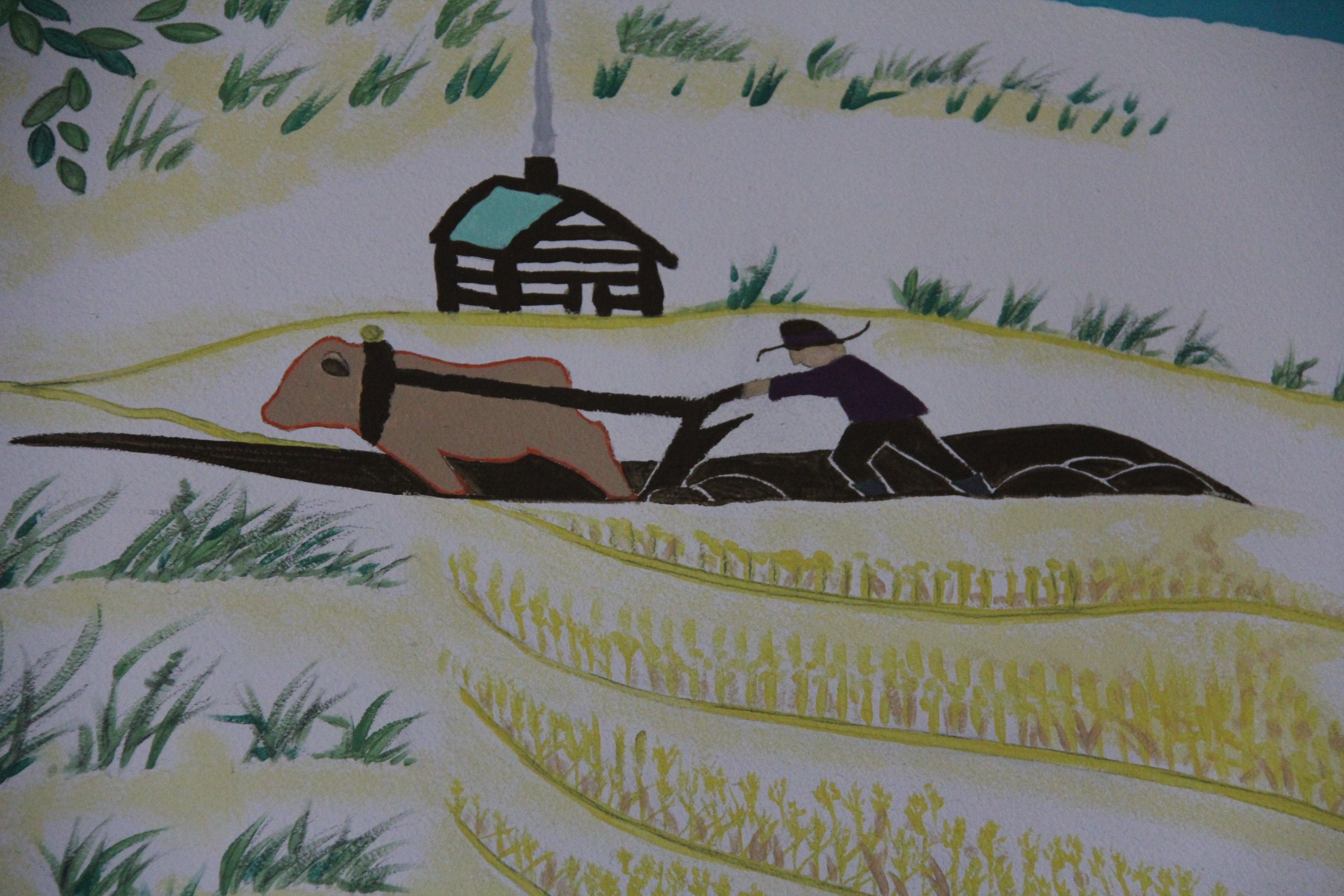
Rather, the mural on the east side of the post office lobby visually summarizes Northfield’s early history as home to the Dakota Wahpekute, then settlement as a farming (dairy and crop) and milling (flour and sawmills) community, followed by growth as a center for education (St. Olaf and Carleton Colleges), industry (including Post Consumer Brands cereal, formerly Malt-O-Meal) and tourism.

Farmers plowed the prairie grass to seed wheat. (Minnesota Prairie Roots copyrighted photo May 2024)

For anyone who knows little to nothing about Northfield, the folk art style painting completed by a team of volunteers is a good starting point to learn the basics about this community. It’s a visual Cliff Notes type of guide.

Founders John and Ann North are depicted in the painting of Northfield. (Minnesota Prairie Roots copyrighted photo May 2024)

Like many early Minnesota settlements, rivers and railroads determined the location for new towns. Northfield sits along the Cannon River, a source of water power for early milling and a route for trade. Today the river continues to center this community, creating a picturesque and engaging downtown core with businesses along Division Street backing to the river. A River Walk leads locals and visitors riverside to appreciate the natural beauty of water flowing through Northfield.

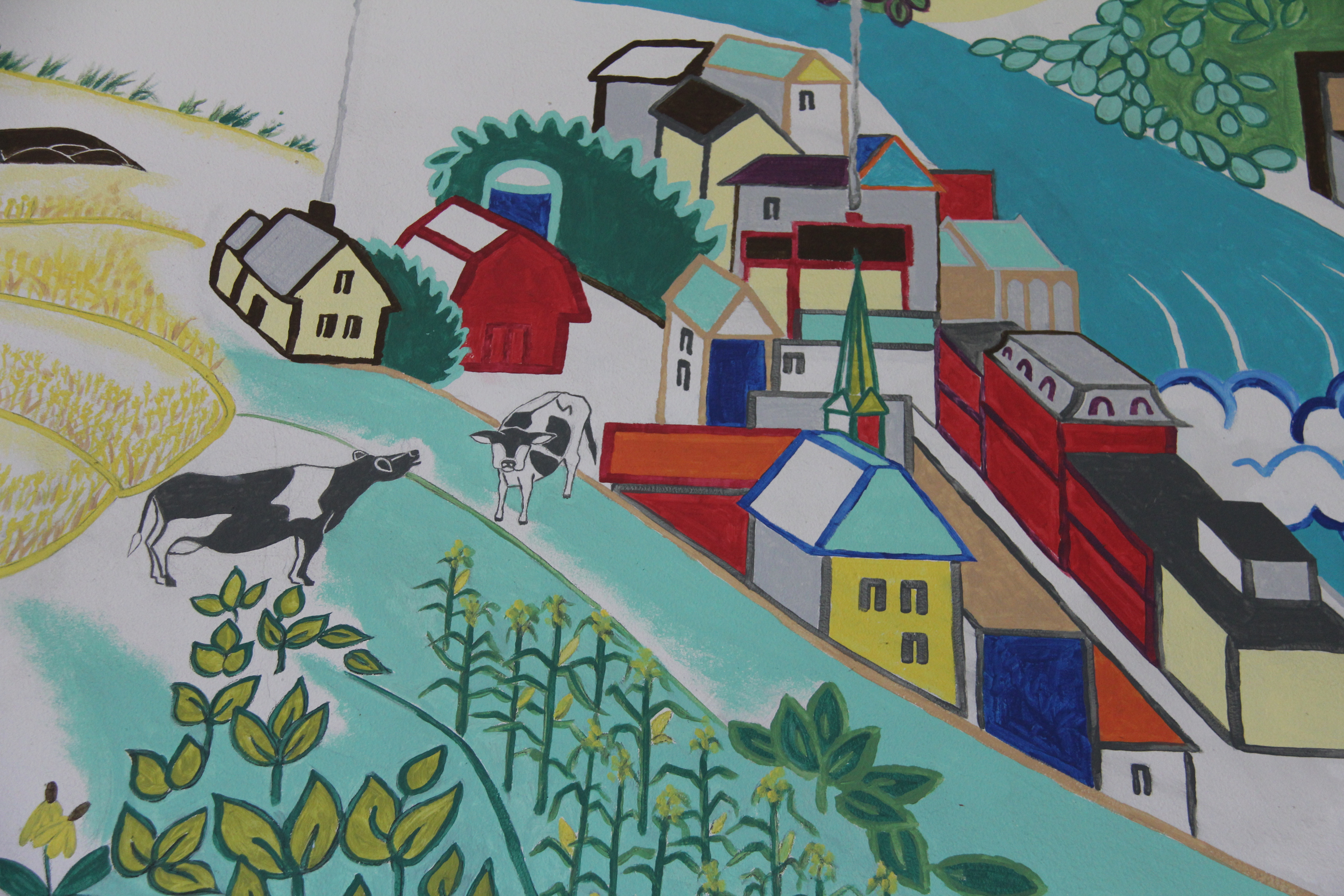
My favorite part of the mural, probably because I grew up on a dairy farm, shows Holsteins. The buildings are actual buildings in Northfield, including the historic Archer House, destroyed in a fire several years ago. (Minnesota Prairie Roots copyrighted photo May 2024)

I love Northfield, once promoted with the theme of “Cows, Colleges and Contentment.” It’s still that, although with fewer dairies than once defined the area. Today the local tourism website tags Northfield as “Close to Home/Far From Ordinary.” That fits, too.

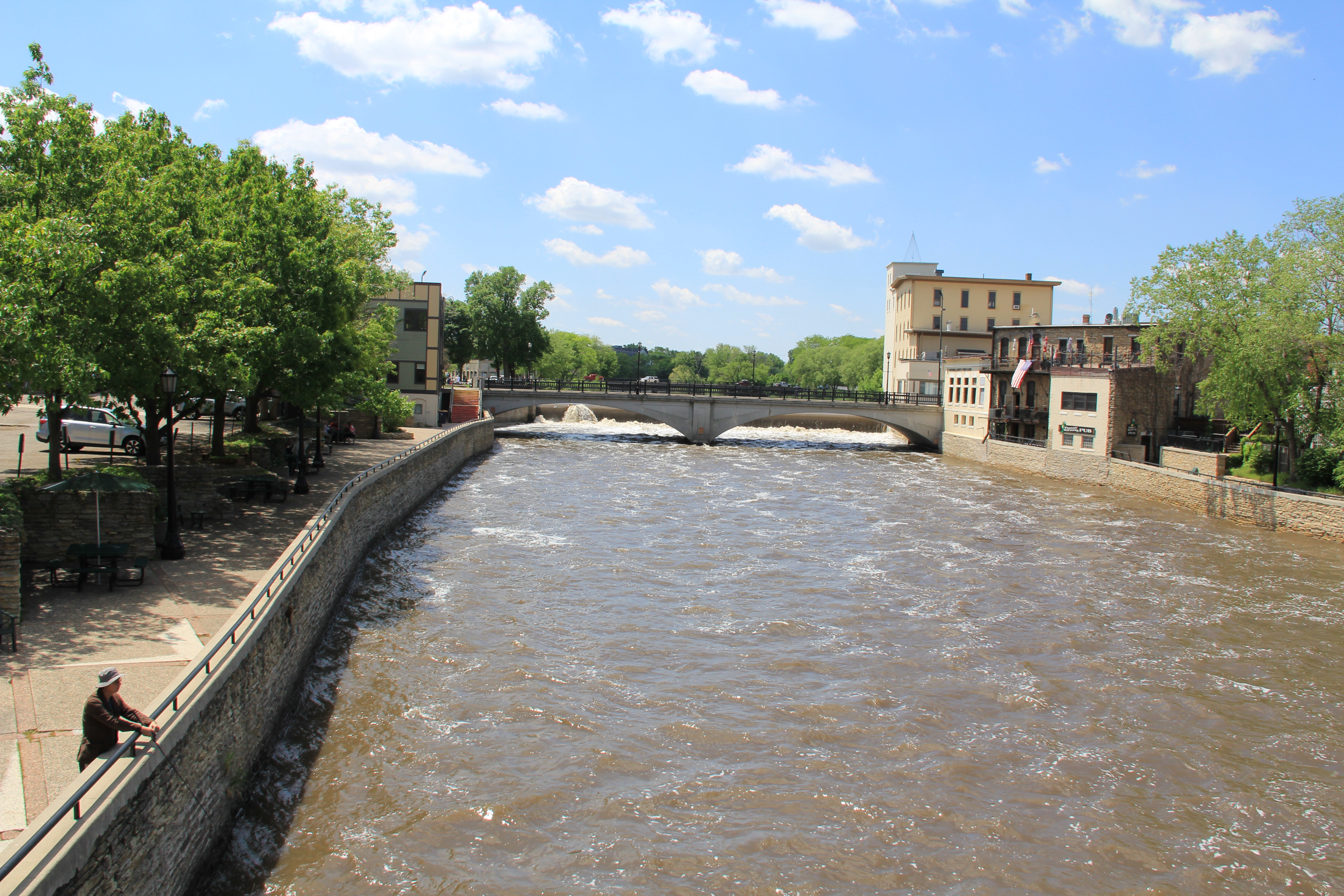
A view of the River Walk and the historic Ames Mill (to the right in the distance) from the pedestrian bridge spanning the Cannon River in the heart of downtown Northfield. (Minnesota Prairie Roots copyrighted file photo May 2024)

Northfield ranks as a popular tourist destination with its James-Younger connection and its many home-grown shops housed in historic buildings in a downtown that fits the definition of “charming.” The setting is decidedly comfortable and homey and as picturesque as a Norman Rockwell painting. There’s a seasonal popcorn wagon in Bridge Square, anglers fishing along the river, an old-fashioned barbershop with barber pole…

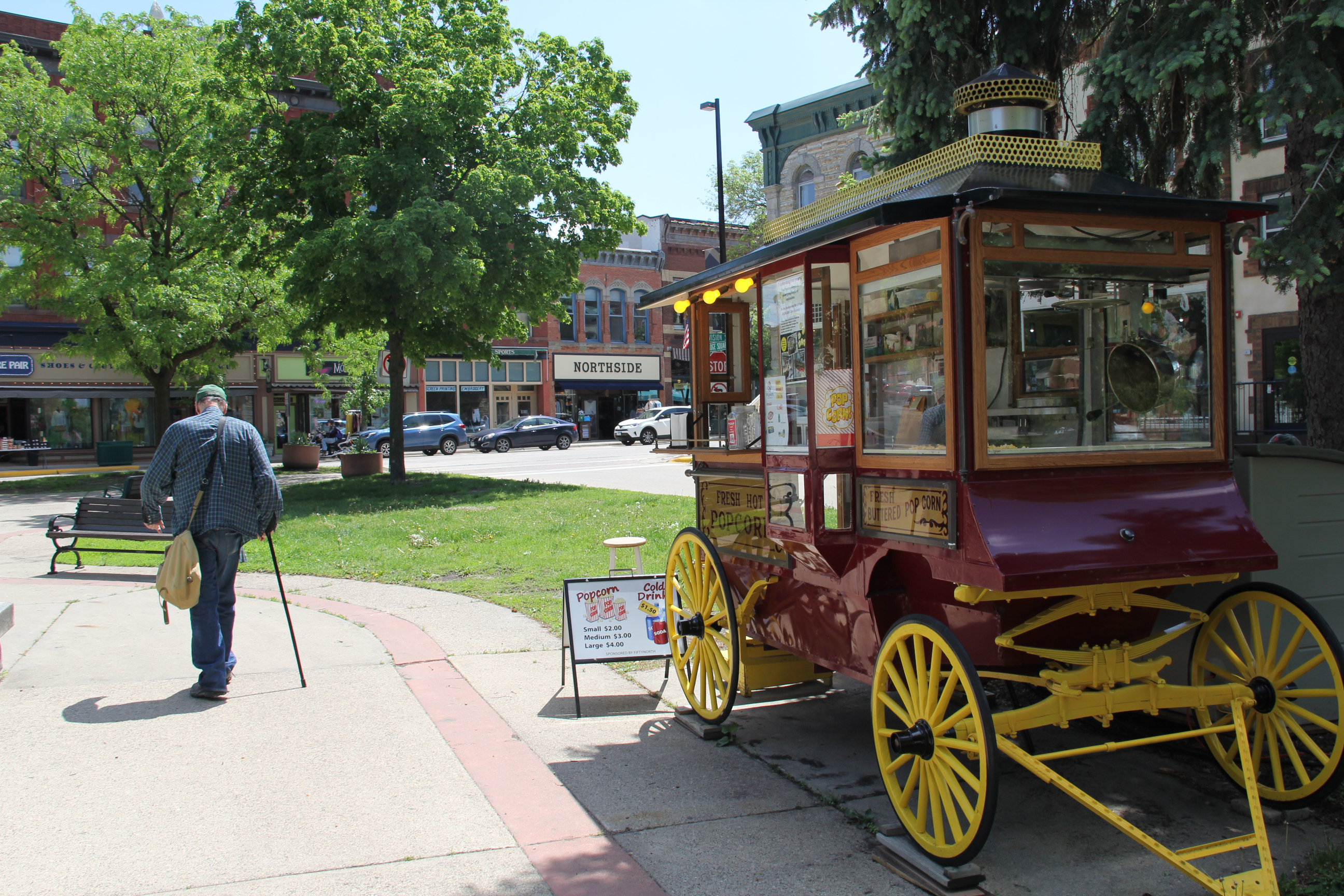
Northfield’s much-beloved seasonal popcorn wagon at Bridge Square. (Minnesota Prairie Roots copyrighted file photo May 2024)

There’s a strong sense of community and of community pride in Northfield. Art matters here. From riverside murals to poetry imprinted upon sidewalks to artwork showcased inside the Northfield Arts Guild to theatre, concerts and much more (including at the two colleges) the arts flourish.

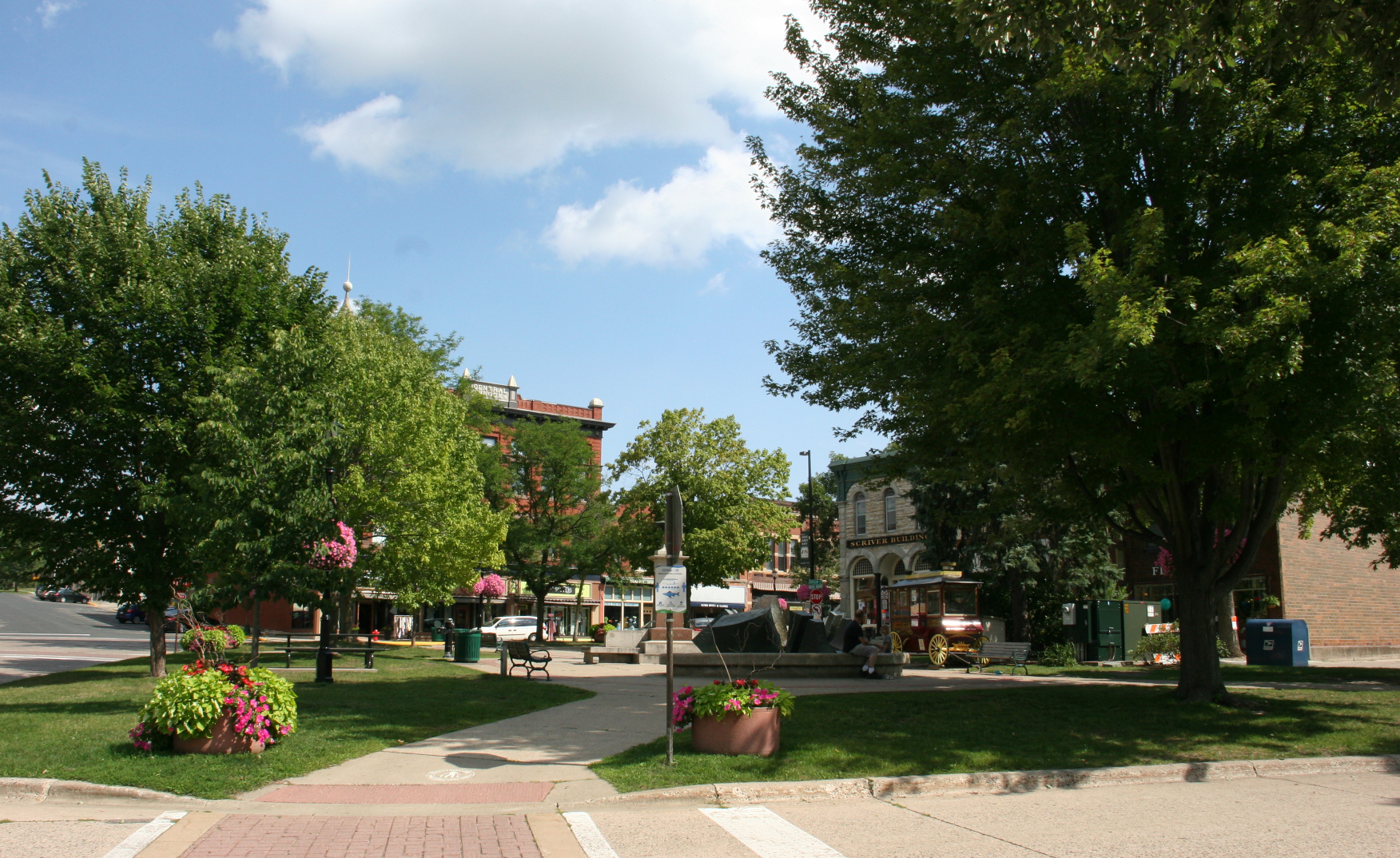
Beautiful Bridge Square, Northfield’s town center. (Minnesota Prairie Roots copyrighted file photo August 2022)

And inside the aged, massive post office, once slated for closing, the folk art mural designed by Margit Carson Johnson stretches above a wall of mailboxes to reveal the core story of Northfield. From the Big Woods to the once glacial meltwater-fed Cannon River, from the Wahpekute to dairy farmers, from tallgrass prairie to the city it is today, Northfield thrives.

© Copyright 2025 Audrey Kletscher Helbling
 

A wildflower mural blooms in Nerstrand October 30, 2024

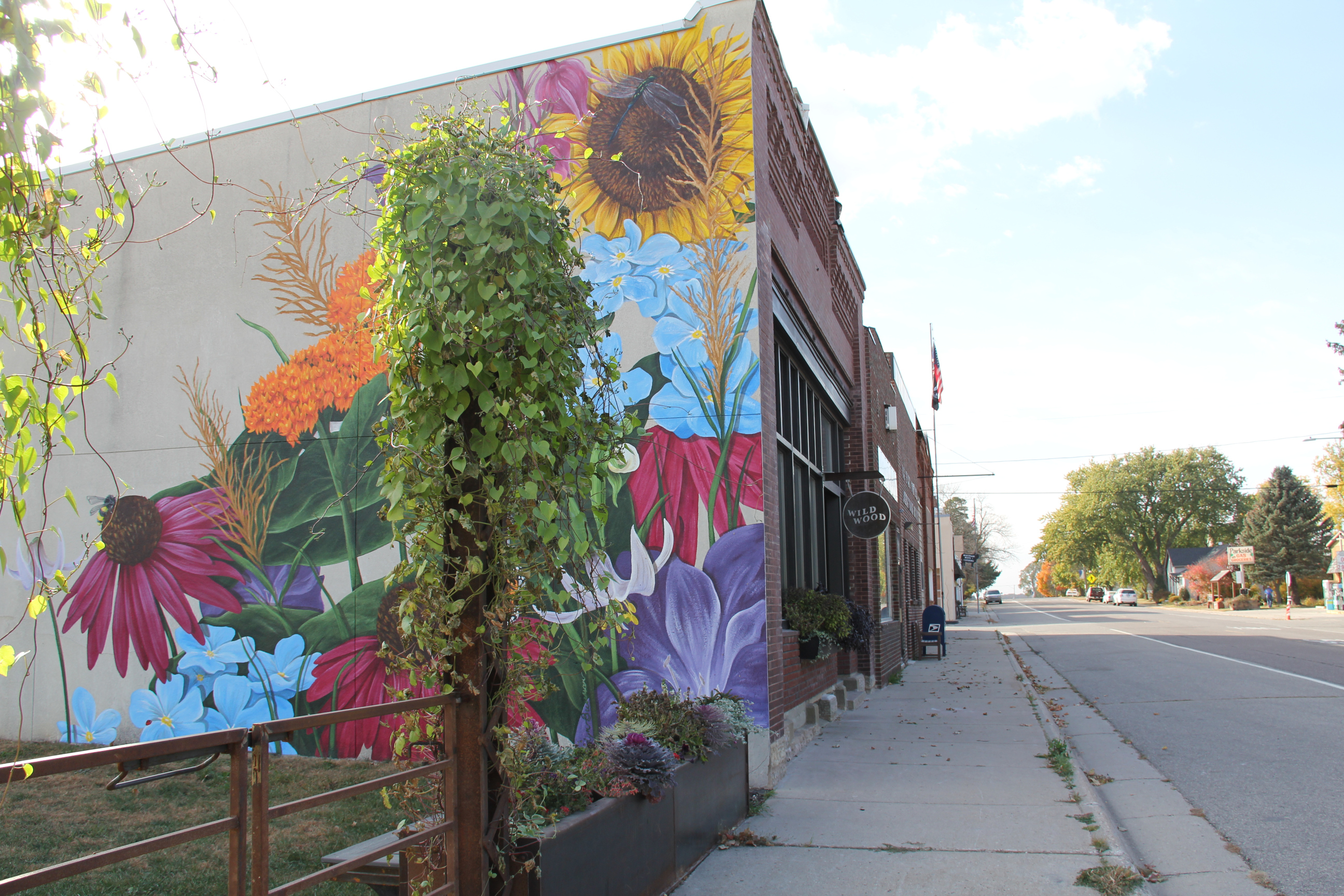
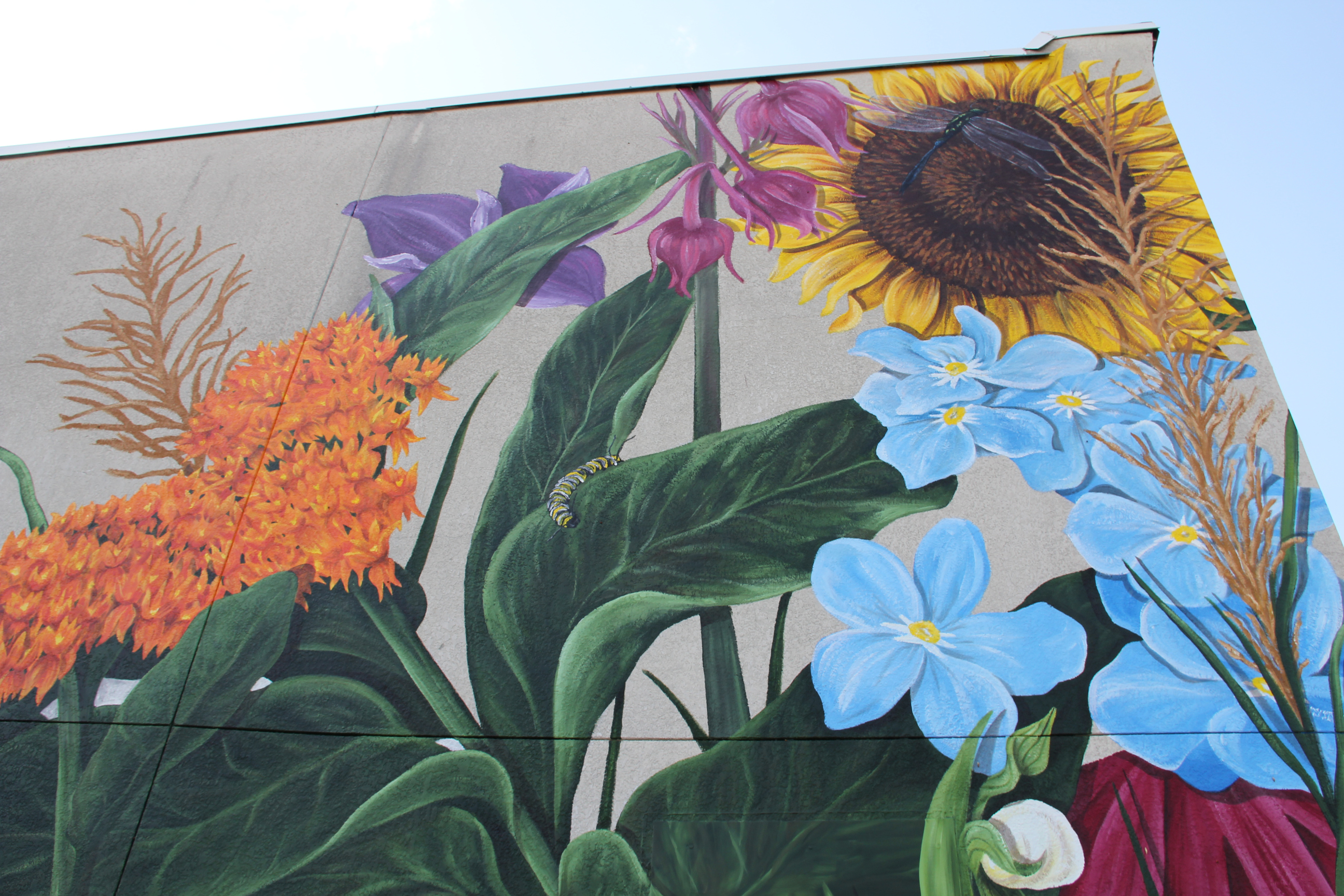
Wildflowers bloom on a mural along Main Street in Nerstrand. (Minnesota Prairie Roots copyrighted photo October 2024)

NERSTRAND, POPULATION 295, is one of those small towns where not a lot changes. Until something does, and then you notice.

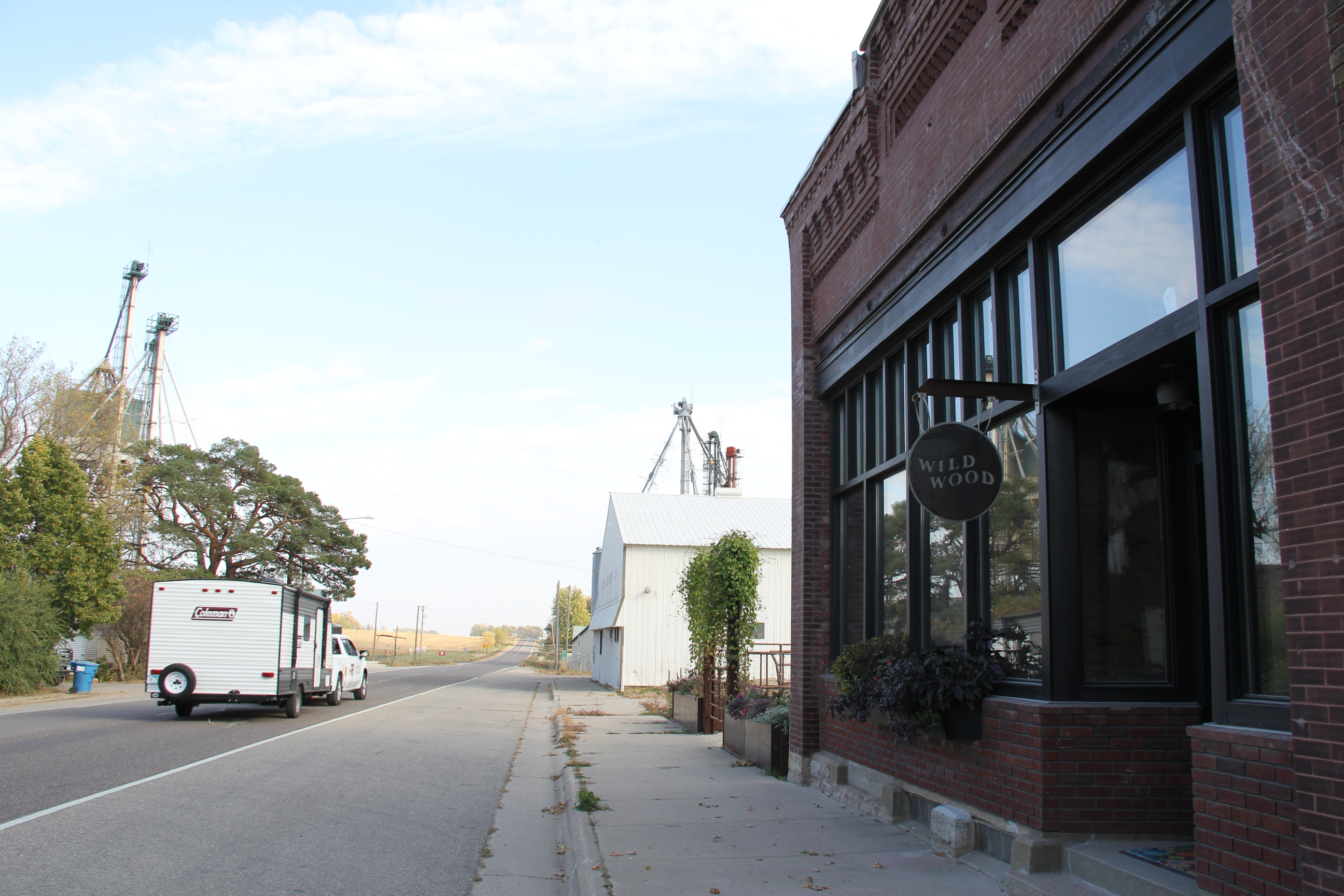
The mural is painted onto a corner of WildWood of Nerstrand. (Minnesota Prairie Roots copyrighted photo October 2024)

On a recent drive through this community in far eastern Rice County, I noticed something new. A mural. The wildflower-themed painting stretches across a corner of a brick building marked as WildWood.

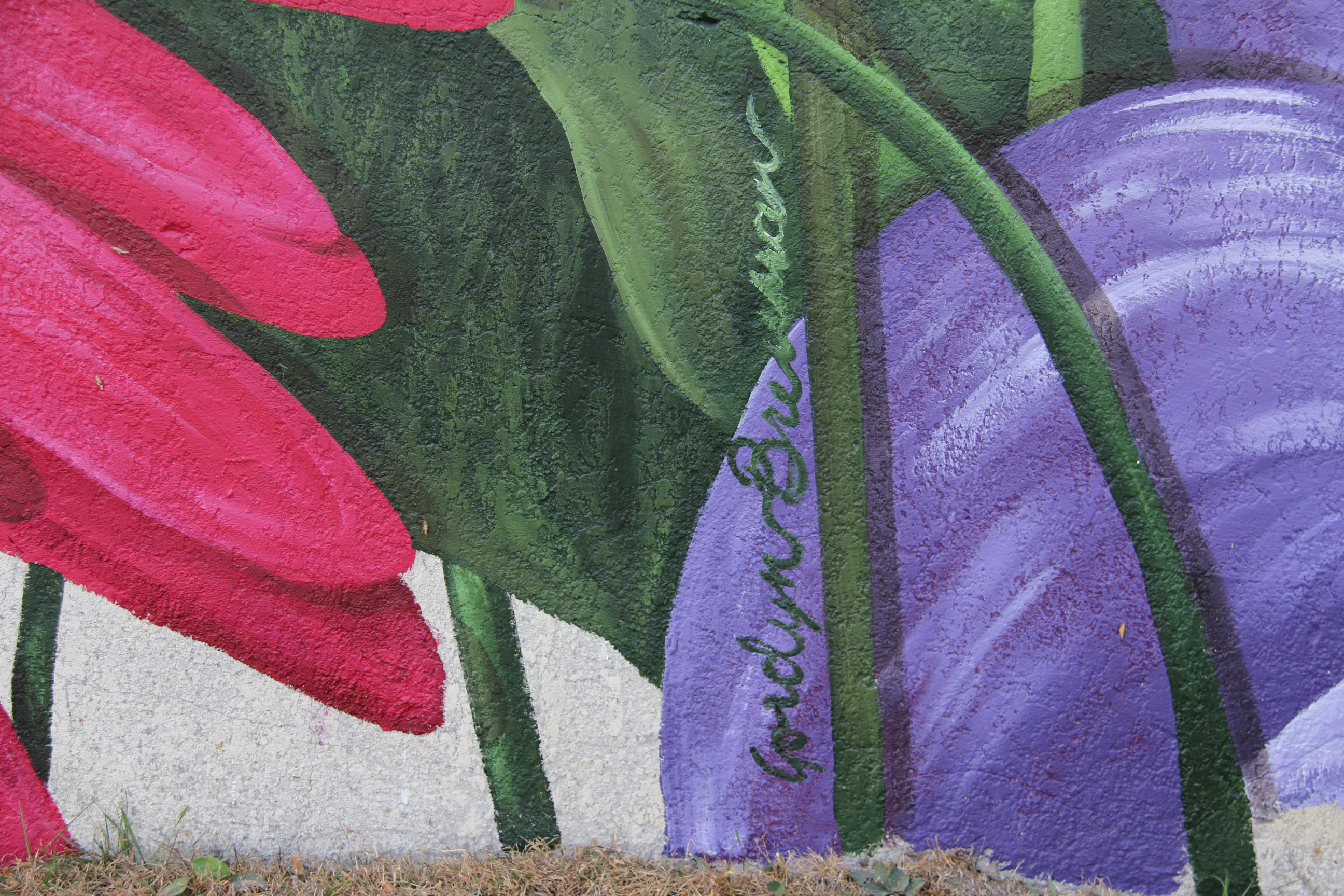
I found Jordyn Brennan’s signature down low on a lily stem. (Minnesota Prairie Roots copyrighted photo October 2024)
“Love for All,” a mural in Faribault that celebrates my community’s diversity. (Minnesota Prairie Roots copyrighted file photo)

I felt a sense of familiarity with the artwork. And then I saw Jordyn Brennan’s signature climbing the stem of a dwarf trout lily. The Minneapolis artist’s colorful “Love for All” mural, complete with hands signing the word “LOVE” and plenty of flowers, covers a spacious exterior building wall in the heart of downtown Faribault.

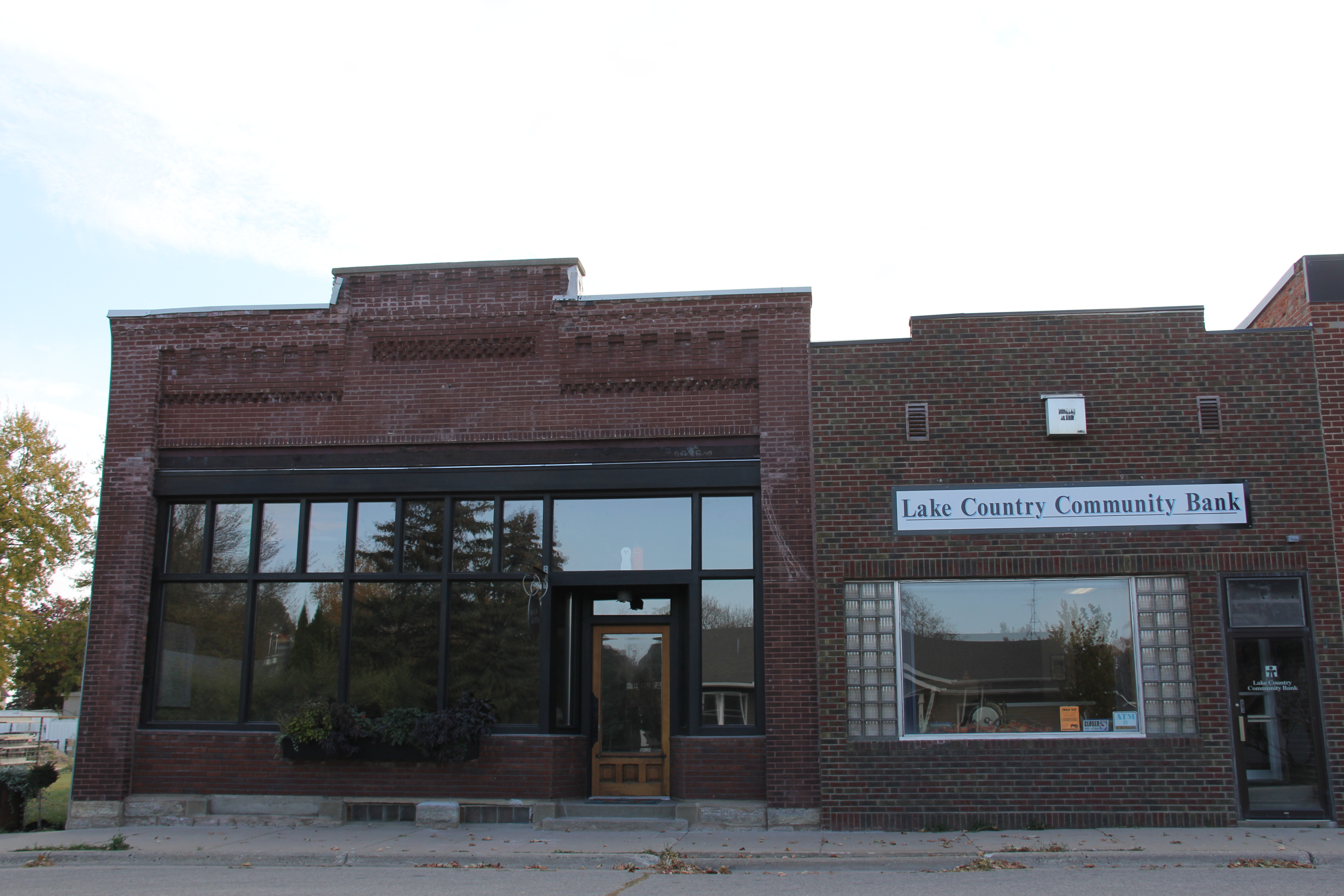
Heading east out of Nerstrand, WildWood is located at 315 Main Street, next to Lake Country Community Bank. (Minnesota Prairie Roots copyrighted photo October 2024)

And now her work can be seen in the heart of downtown Nerstrand on WildWood, a restored brick building housing an event space and photography studio. I peered through the window of the locked front door to see more brick and wood. Lovely. Rustic. Down-to-earth visually appealing.

The mural adds an inviting nature-themed backdrop to The Wilderness green space. (Minnesota Prairie Roots copyrighted photo October 2024)

Tricia and Nick Streitz, with the help of family and friends, worked many years to renovate the space, which previously housed a woodcraft business and was then used for storage. Tricia’s business, Sweet Shibui Photography, is now located in a portion of the historic building. The rest is available to rent for gatherings in the 1,800 square foot The Great Room and outdoors in the 2,400 square foot The Wilderness green space.

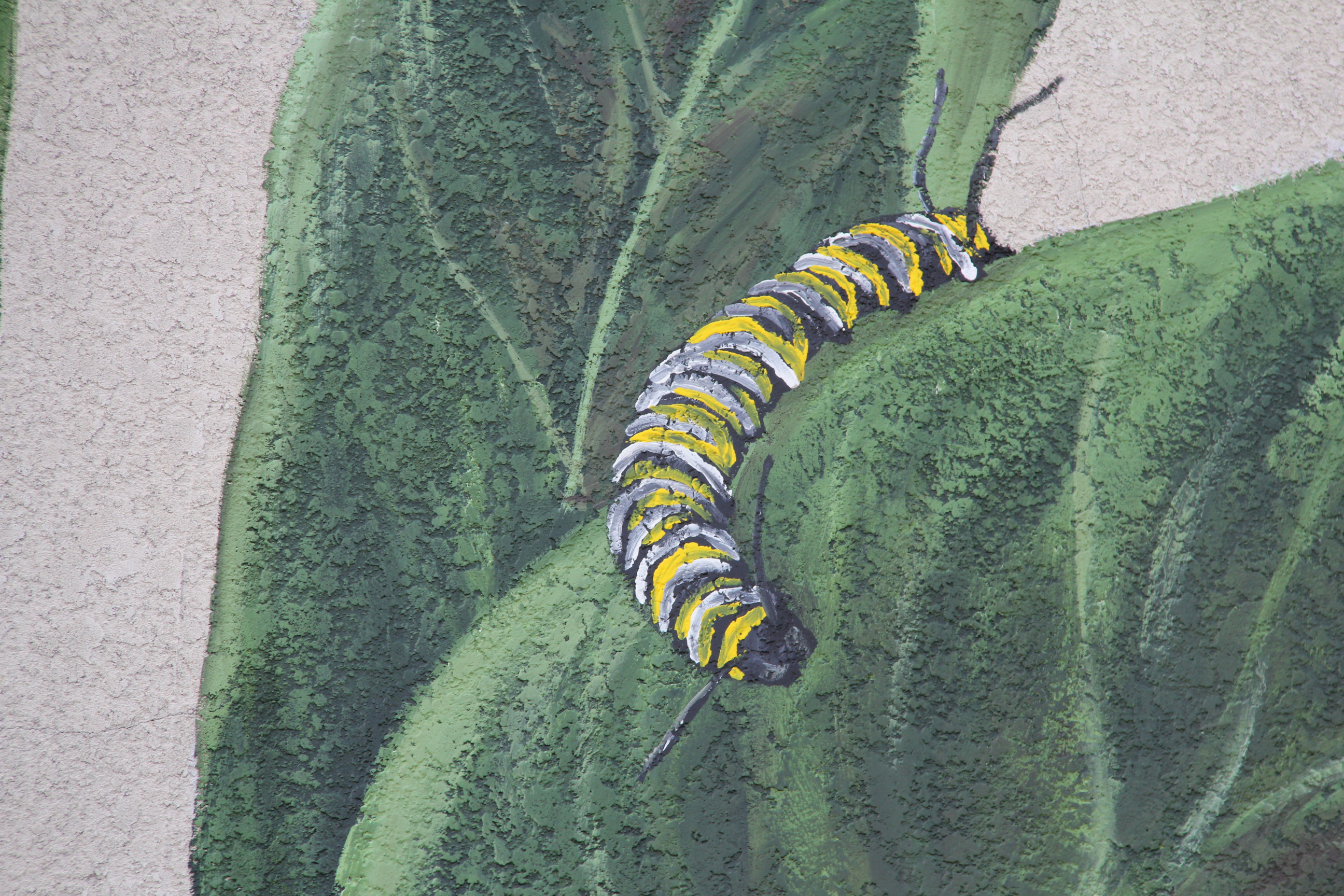
A Monarch caterpillar spotted among the flowers. (Minnesota Prairie Roots copyrighted photo October 2024)
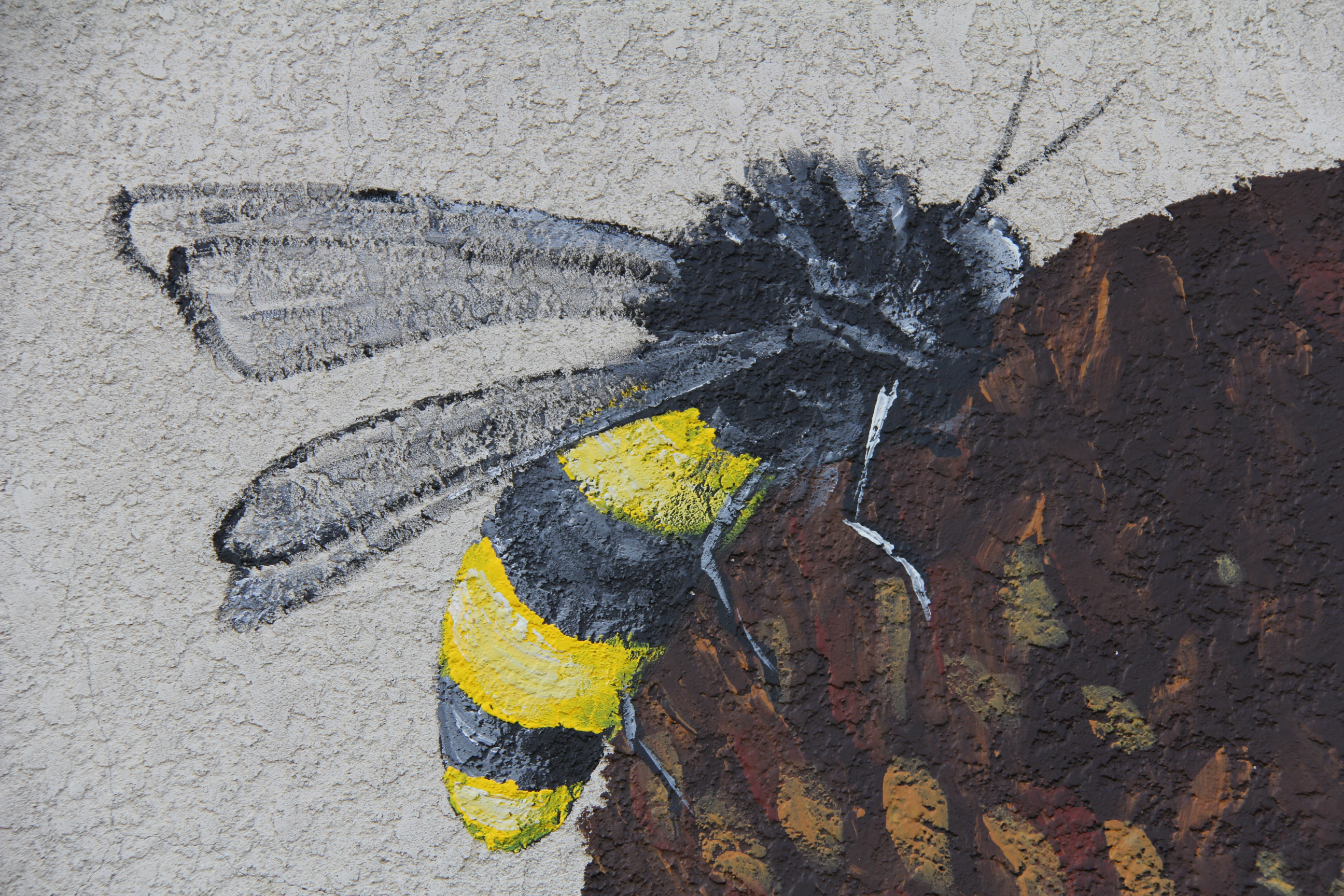
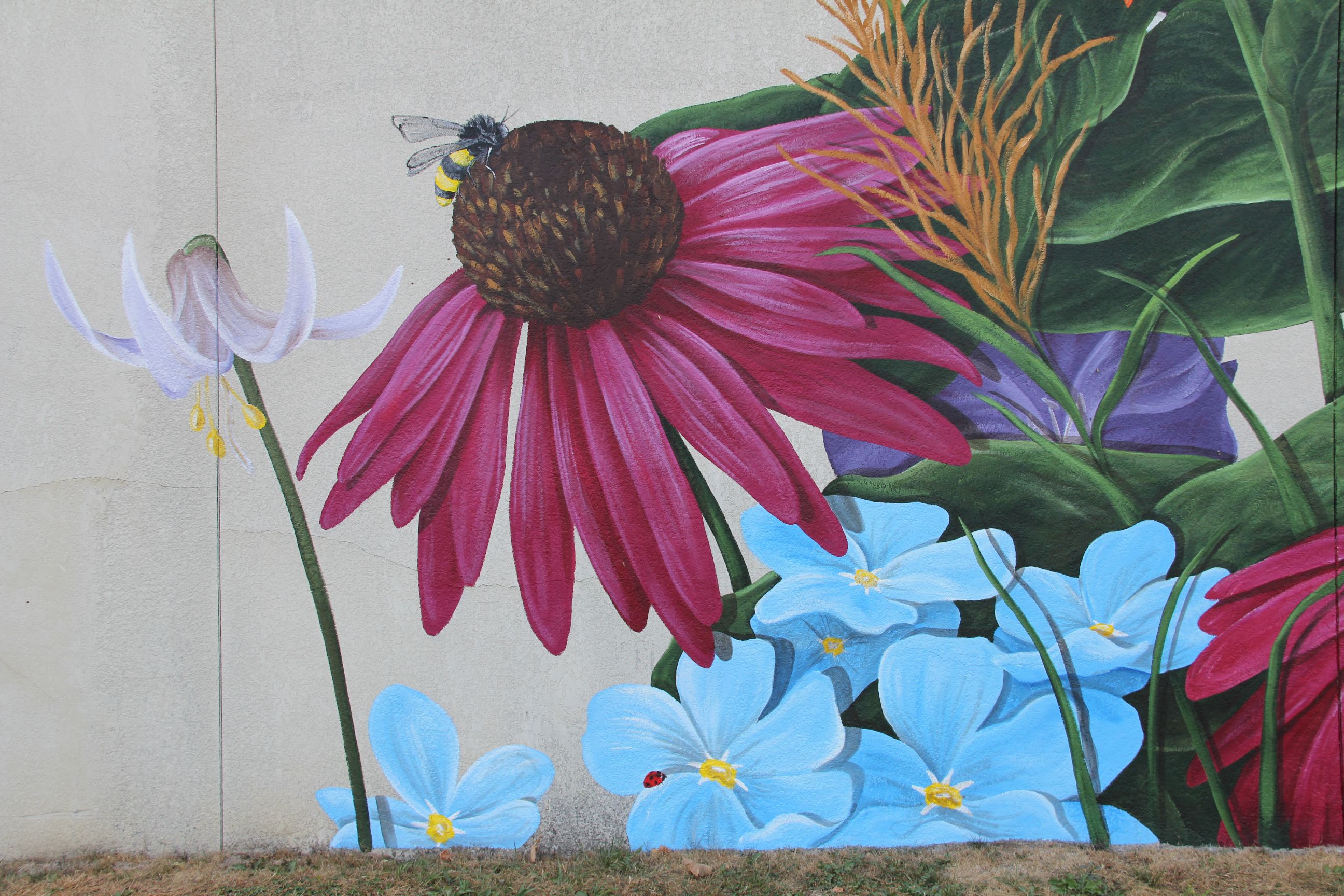
A bumblebee feeds on a coneflower. (Minnesota Prairie Roots copyrighted photo October 2024)
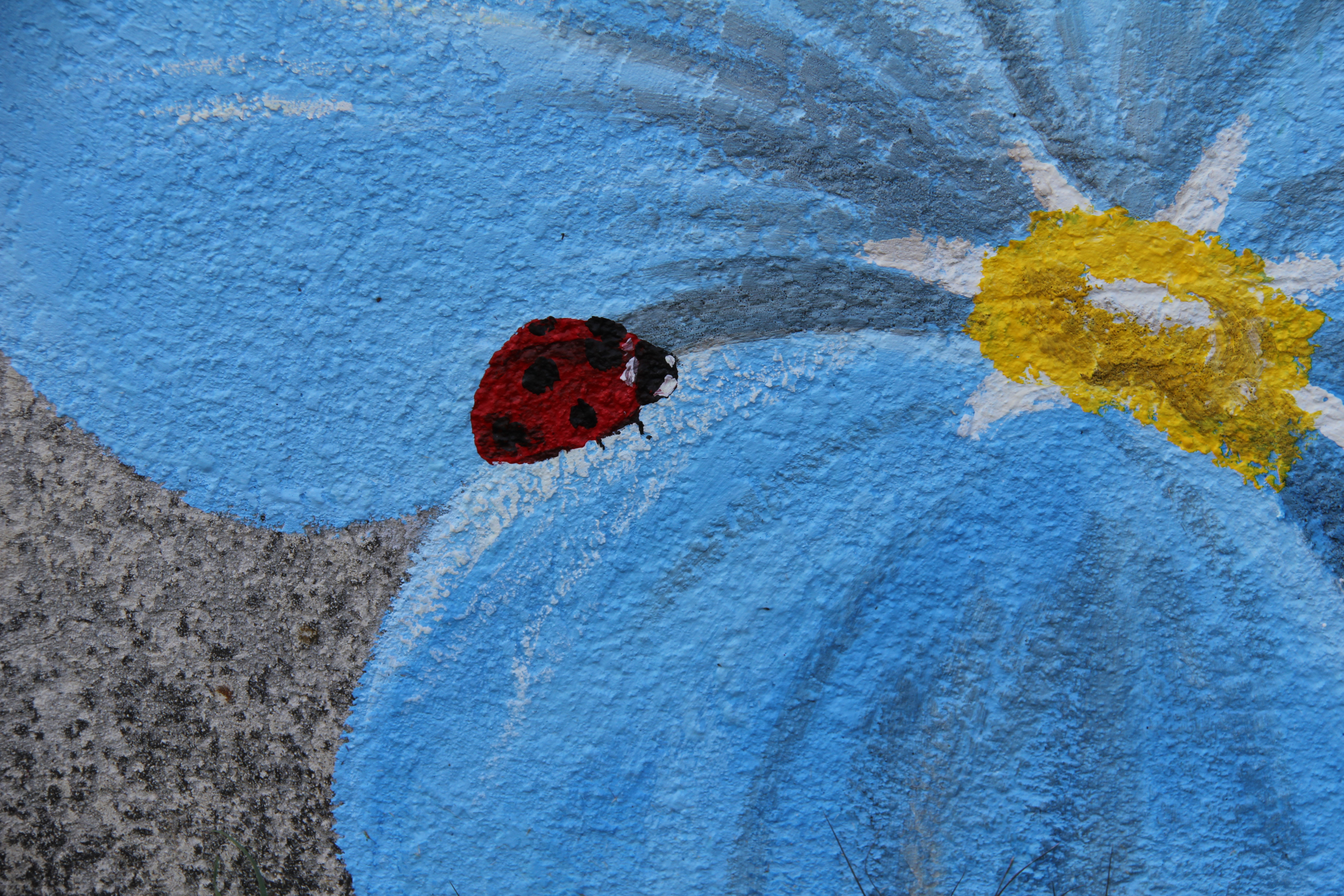
Way down low on the mural, near the ground, I found this ladybug. (Minnesota Prairie Roots copyrighted photo October 2024)

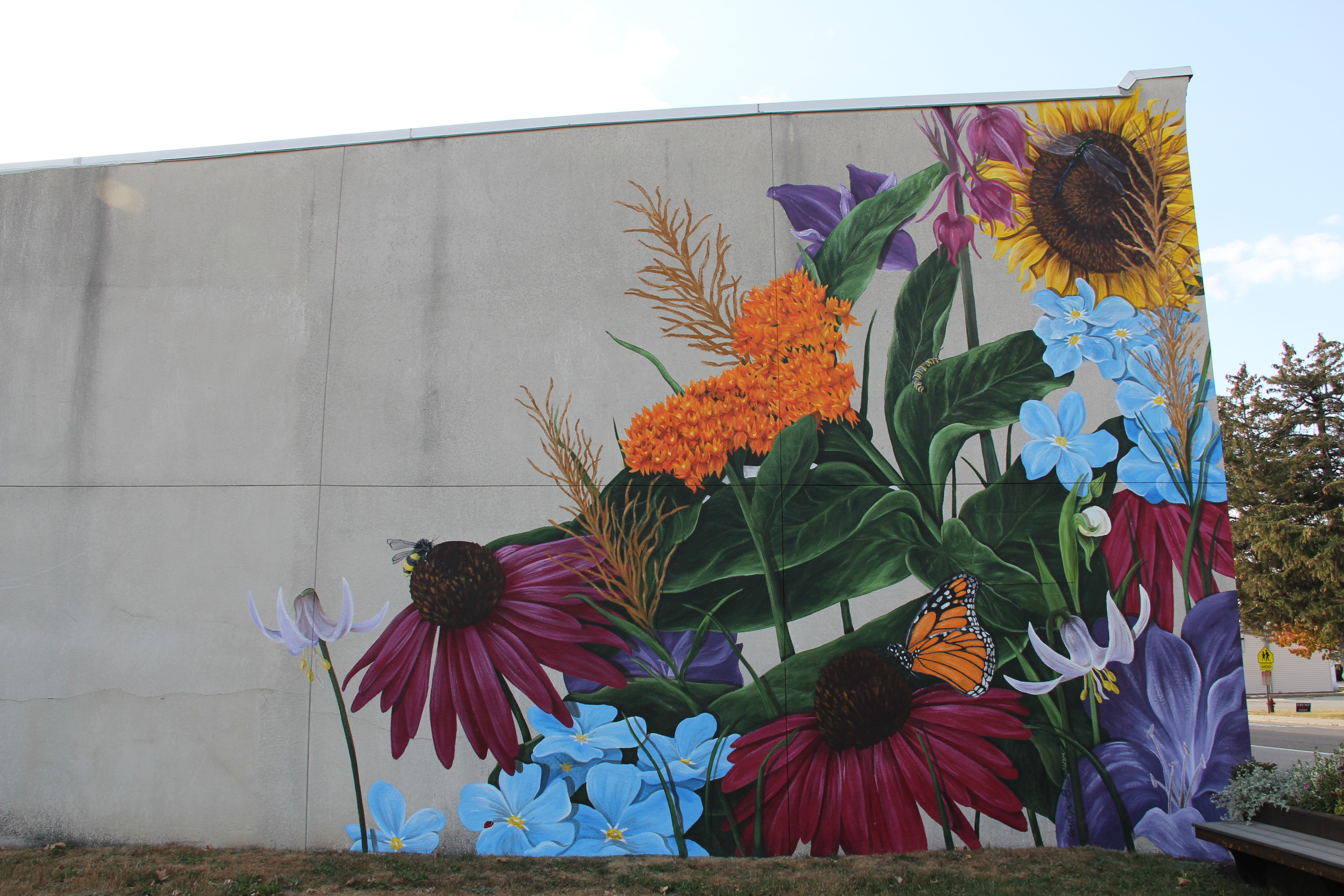
But on this Saturday afternoon in late October, I focused on the mural of coneflowers, dwarf trout lilies, sunflower, butterfly weed and several other wildflowers unknown to me. I found a Monarch caterpillar, Monarch butterfly, dragonfly and bumblebee interspersed among the florals, almost missing a ladybug.

The mural is on the left side of the WildWood building. (Minnesota Prairie Roots copyrighted photo October 2024)

I love public art, especially in small towns where art is often not easily accessible. This mural splashes color into the few blocks that comprise Nerstrand’s downtown business area. But the mural is also a backdrop for The Wilderness outdoor gathering space. I can easily envision family and friends gathering here and on the concrete patio to celebrate a small wedding, an anniversary, a graduation, a baby or bridal shower, whatever brings people together in life’s celebratory moments. Yard games are part of the package rental. WildWood is hosting an indoor/outdoor Makers Market from 9 a.m. – 1 p.m. Saturday, November 16.

That’s the rare dwarf trout lily to the far left in this section of the mural. (Minnesota Prairie Roots copyrighted photo October 2024)

This day I celebrated the discovery of the wildflower mural on the side of a new business in town. The over-sized art honors nature, including the endangered dwarf trout lily, which only grows in three places (Rice, Steele and Goodhue counties) in the world. That includes in Nerstrand Big Woods State Park just to the west of town.

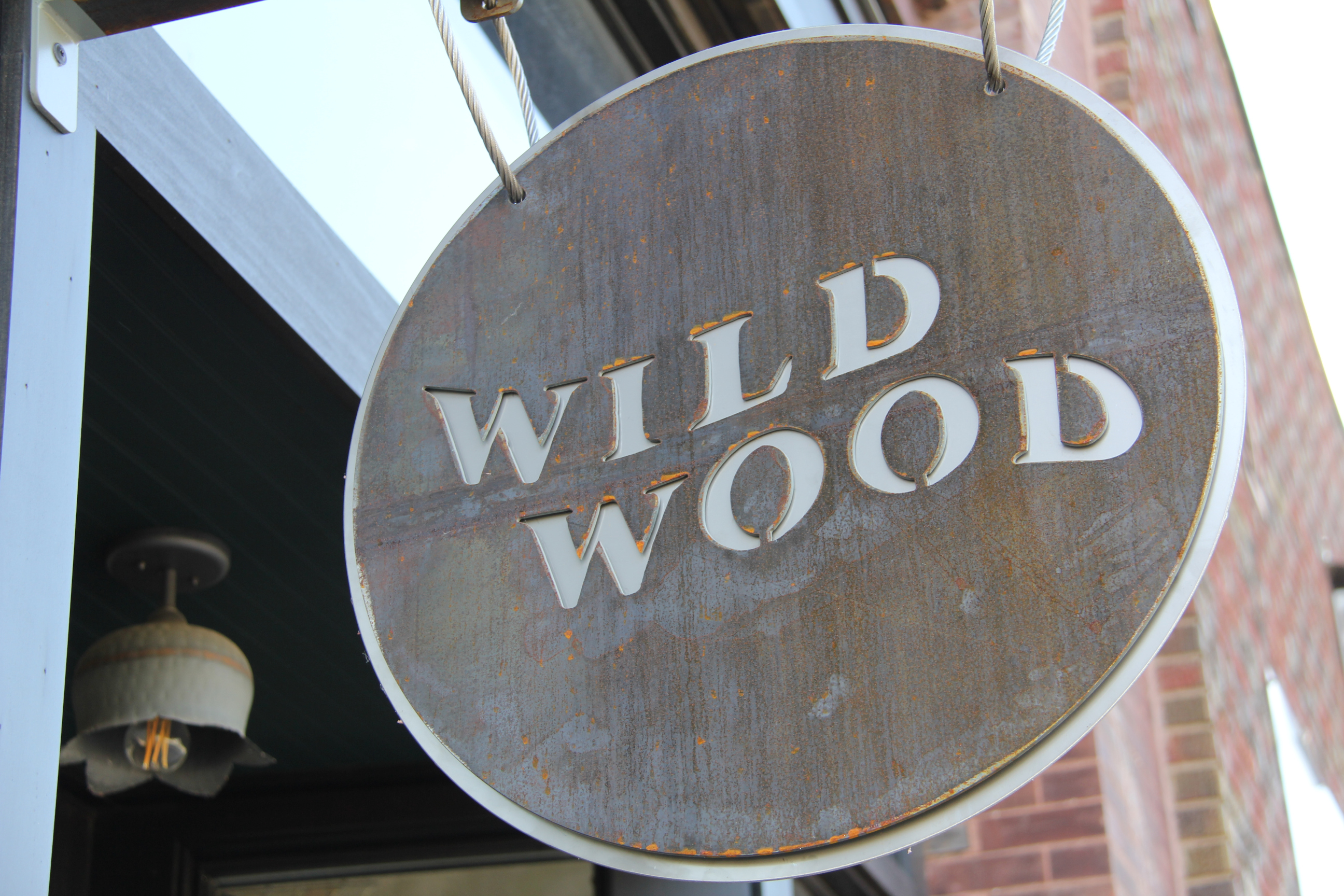
The WildWood name fits given the nearby Big Woods and Tricia Streitz’s backstory. (Minnesota Prairie Roots copyrighted photo October 2024)

Even the name of the business, WildWood of Nerstrand, is decidedly appealing for the images it brings to mind. A favorite young adult book and treasured childhood memories of playing in the woods inspired the name, Tricia Streitz shares on the company website. Hers is a poetically-beautiful story. Imagine children running free, into the woods, building forts, climbing trees…

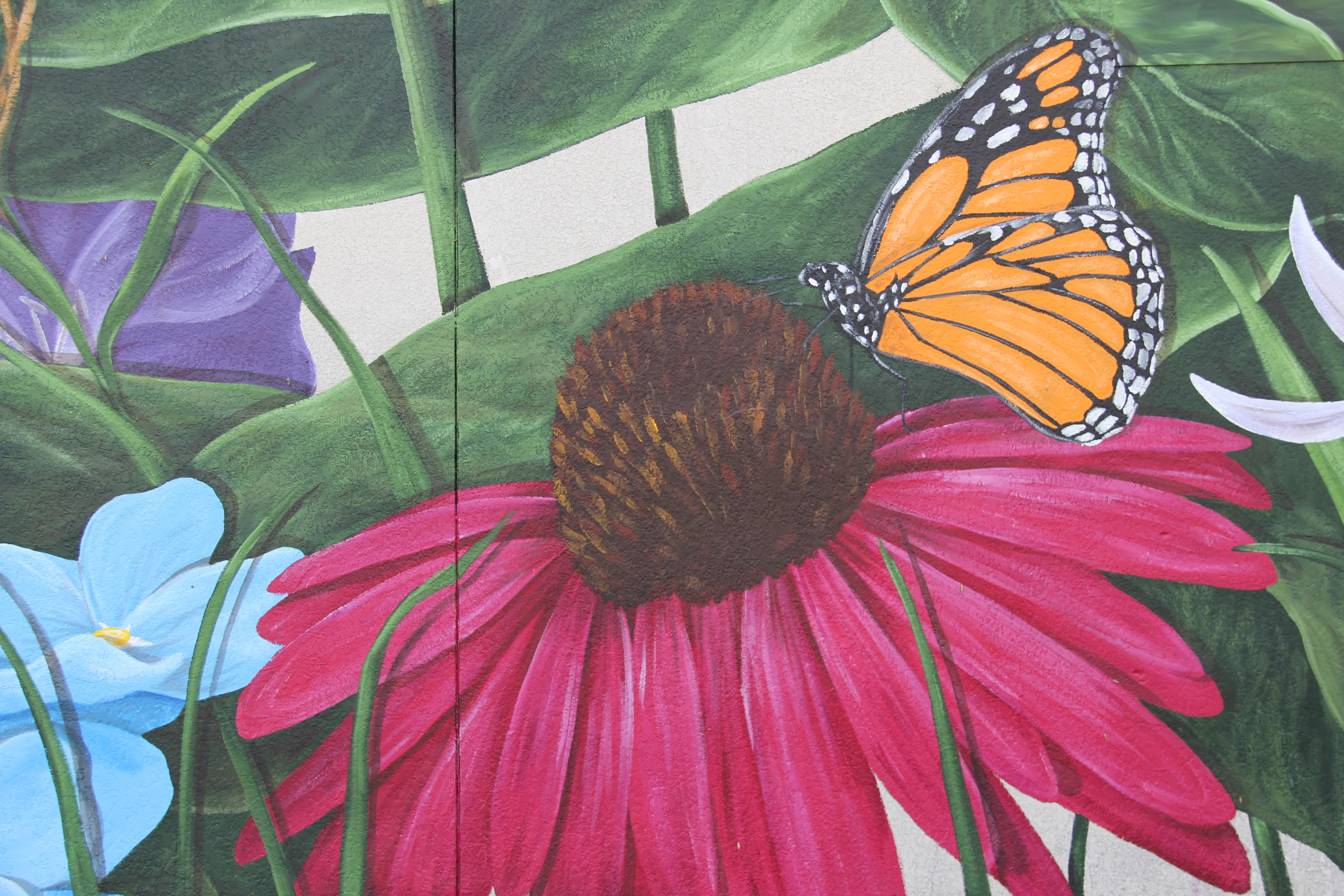
A Monarch butterfly lands on a coneflower in Jordyn Brennan’s mural. (Minnesota Prairie Roots copyrighted photo October 2024)

All of this I learned following a drive into a small Minnesota town, a town where not much changes. Until it does. I noticed the change. Stopped. Embraced the beauty of that wildflower mural, public art that reaches beyond art to connecting community in a celebratory space.

© Copyright 2024 Audrey Kletscher Helbling
 

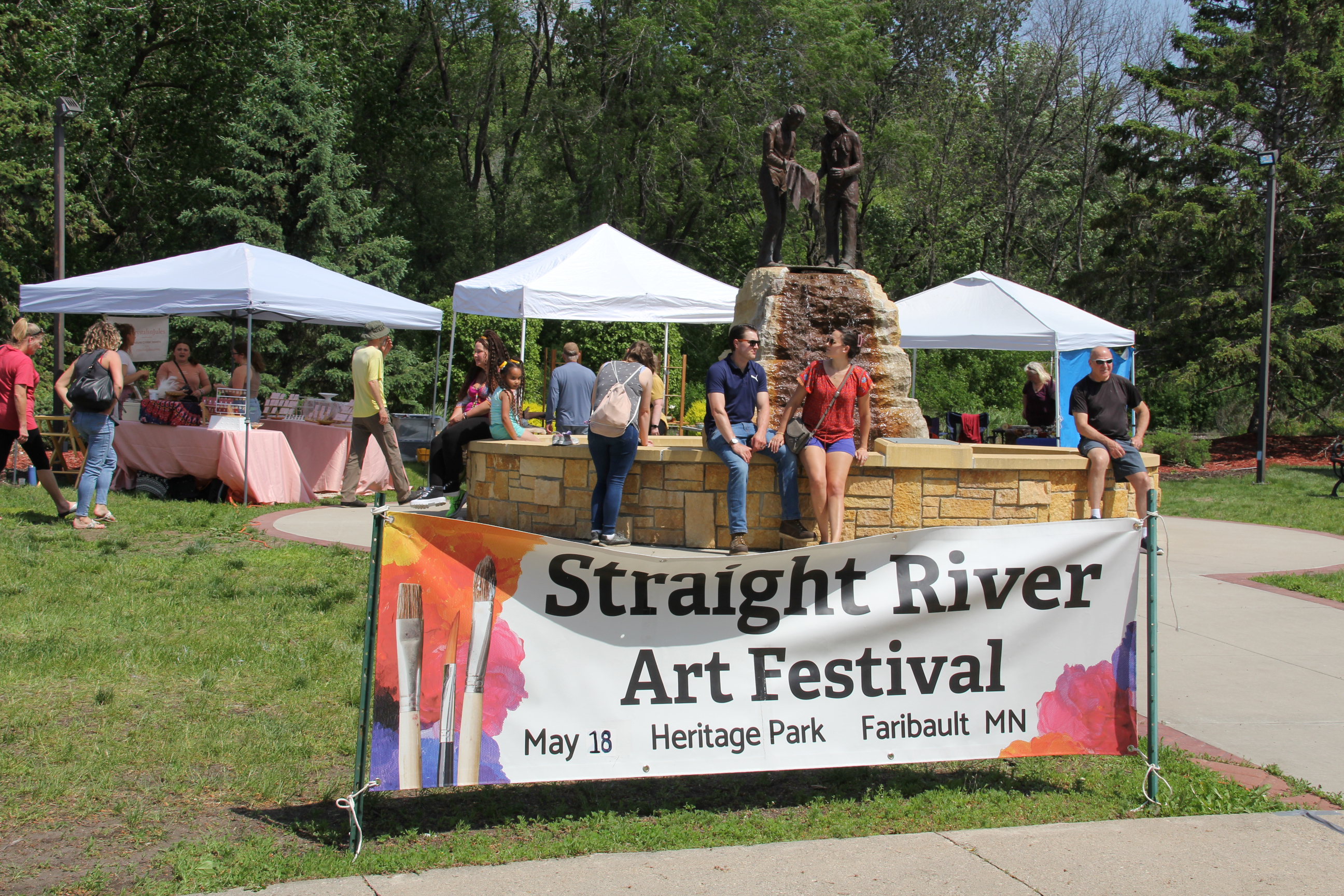
Celebrating creativity at Straight River Art Festival May 20, 2024

Acrylic dot art by Alyssa Laws of LoopedbyLaws Dots Division. (Minnesota Prairie Roots copyrighted photo May 2024)

LOONS, LEATHER, LITERARY ART…, oh, the work of creatives who set up shop Saturday at Faribault’s annual Straight River Art Festival. It’s an event that always impresses upon me the incredible talent of those who create with their minds, their hands, even their voices.

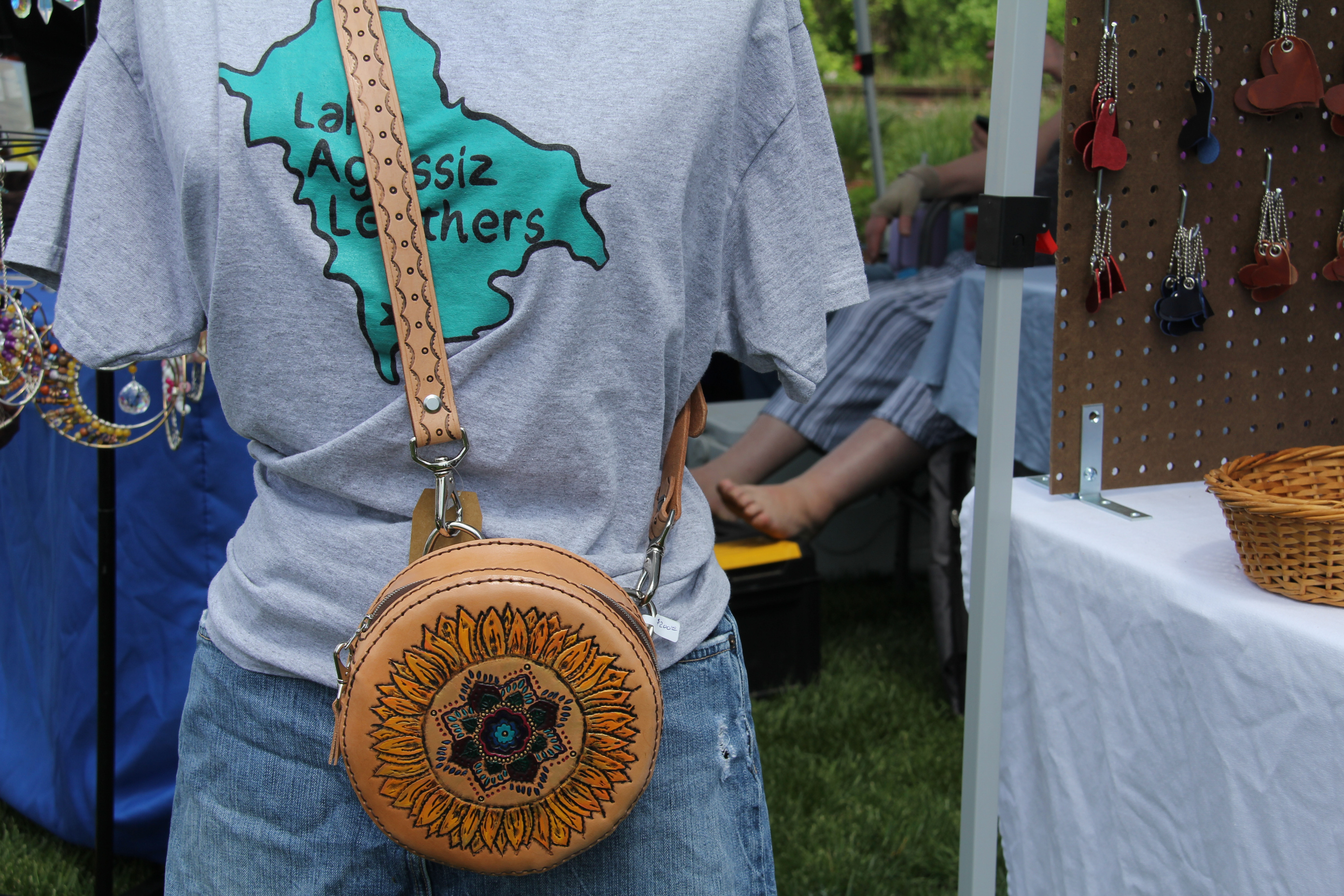
A hand-tooled sunflower mandala circle crossbody purse crafted by Susan McCabe of Lake Agassiz Leathers LLC. (Minnesota Prairie Roots copyrighted photo May 2024)
Mankato author Jason Lee Willis brought a selection of his Minnesota-themed historical fiction books. (Minnesota Prairie Roots copyrighted photo May 2024)
Los Tequileros played a mix of music during the art festival. (Minnesota Prairie Roots copyrighted photo May 2024)

One photographed loons. Another crafted goods from leather. And an author represented the literary arts in his books of historical fiction. Several bands played, bringing in the performing arts.

Vendor tents ringed and filled the park. (Minnesota Prairie Roots copyrighted photo May 2024)

This fest, held in Heritage Park against a scenic backdrop of trees and limestone bluffs aside the Straight River near downtown, is a lovely setting for meandering among vendor tents, viewing art, chatting with artists and enjoying the Minnesota outdoors.

Bea Duncan Memorial Fountain centers Heritage Park, site of the art festival. (Minnesota Prairie Roots copyrighted photo May 2024)

A fountain sculpture depicting town founder Alexander Faribault trading with a Dakota man centers the park, adding an historic, artsy element.

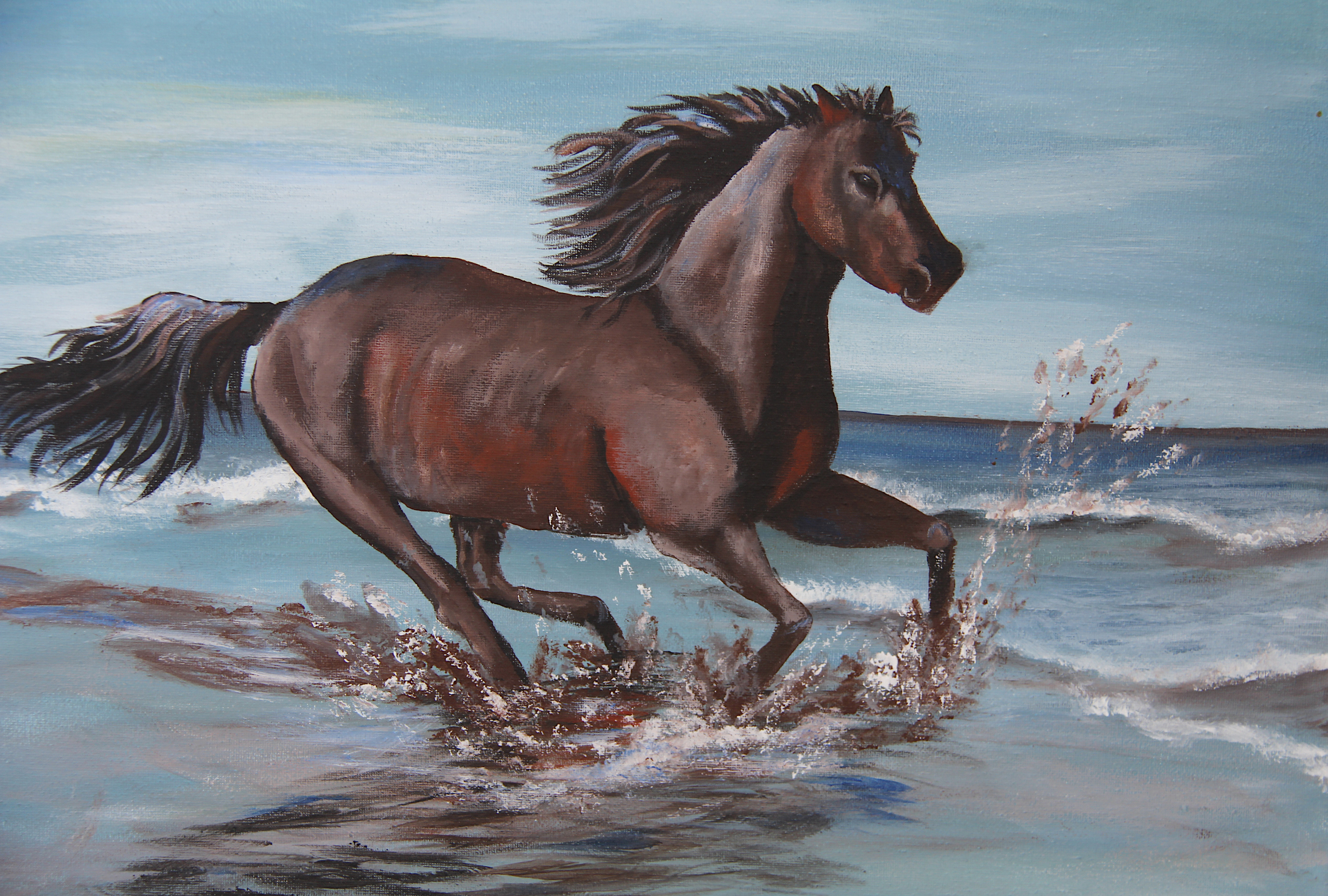
An acrylic painting by Peggy Paulson of Prairie Creek Art, Faribault. (Minnesota Prairie Roots copyrighted photo May 2024)
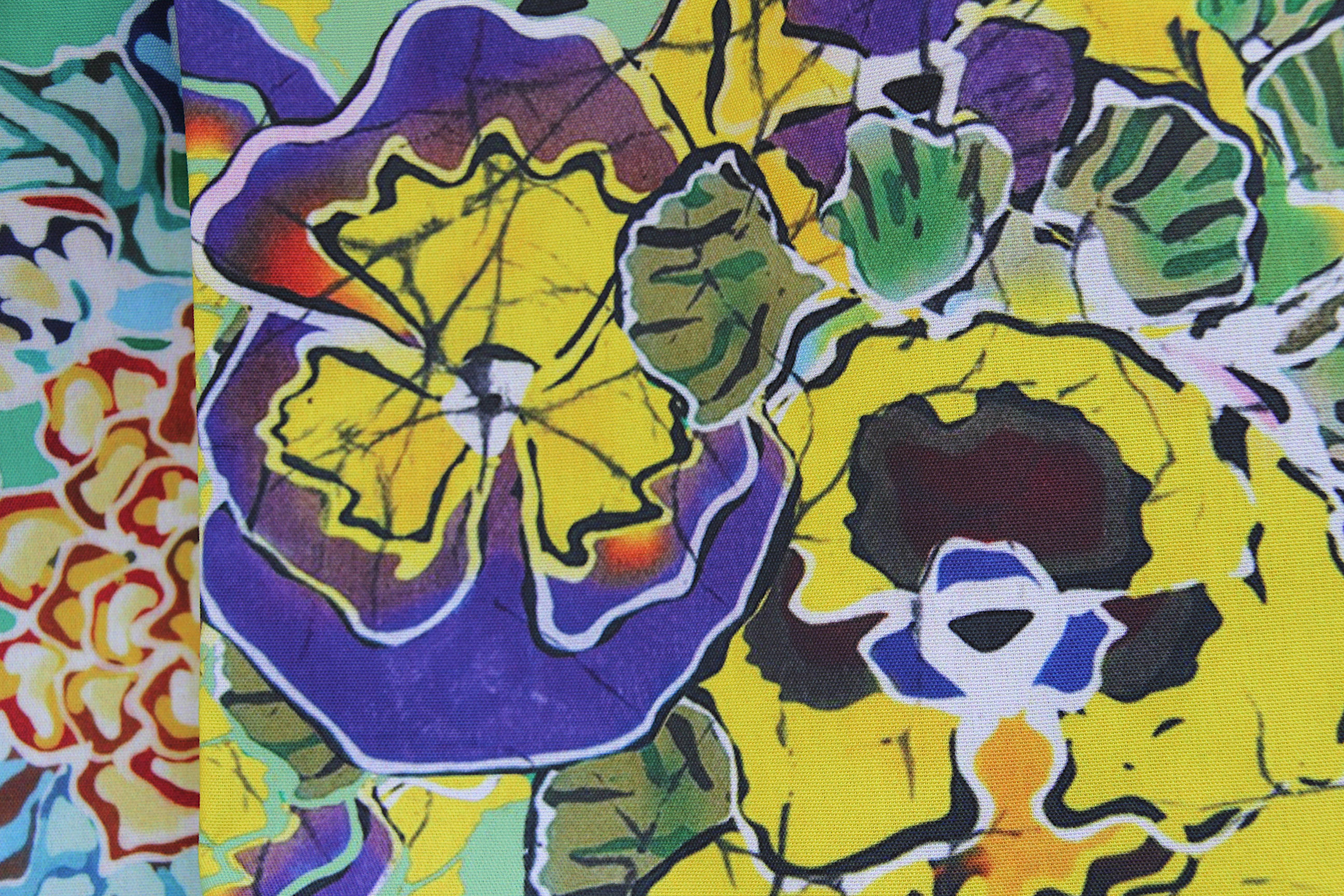
Original textile design art done with a serti-batik technique by Suz Klumb of Brigg Evans Design. (Minnesota Prairie Roots copyrighted photo May 2024)
Kathy Weed’s textile art. (Minnesota Prairie Roots copyrighted photo May 2024)

Like most arts festivals, this one featured a variety of art, this year from 30-plus creatives. I saw pottery, fabric and textile, batik, acrylic paintings, photography, stained glass, jewelry, fiber soft sculptures, handcrafted glass botanicals and more. Much more.

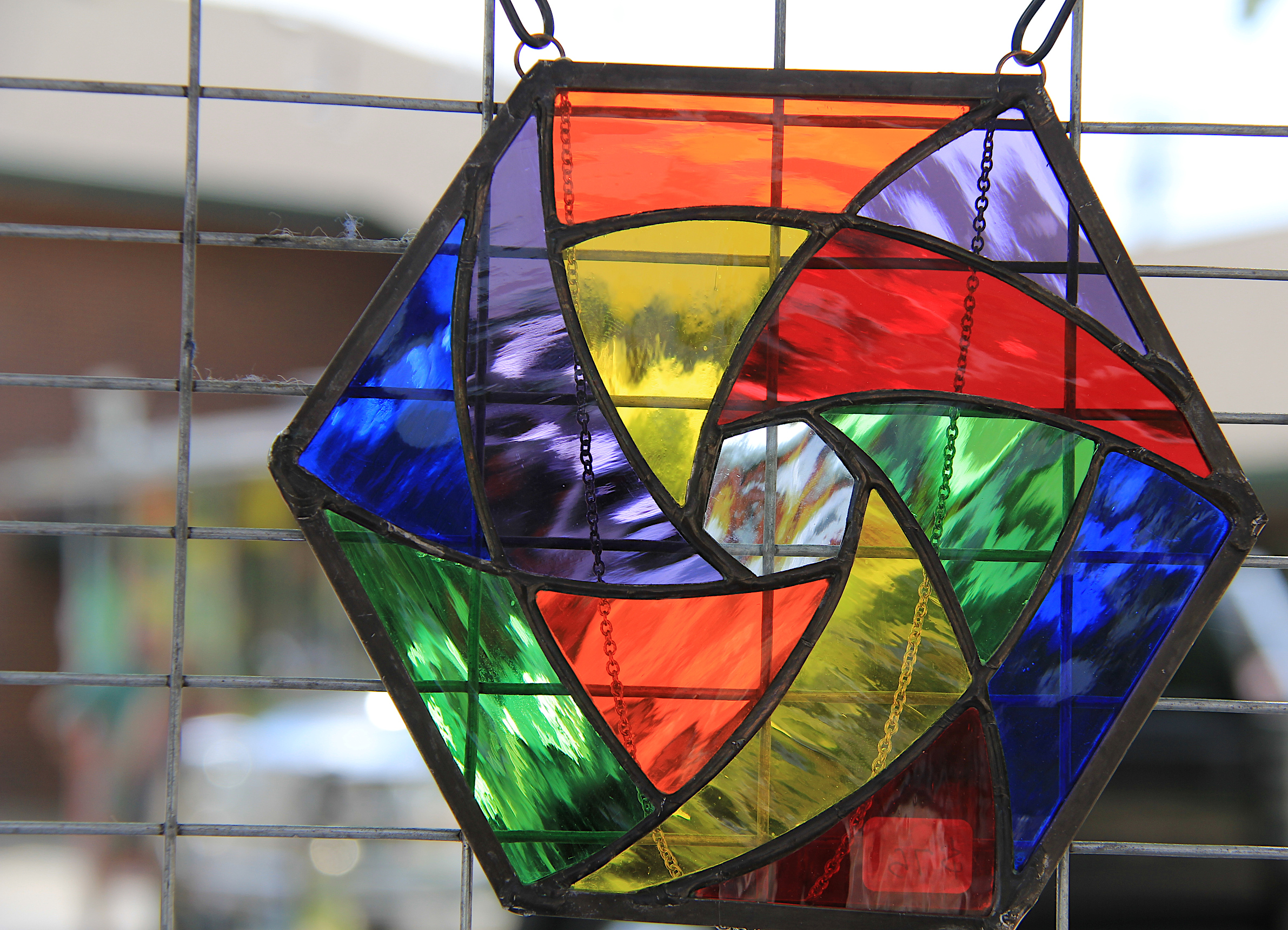
A suncatcher by Sandra Sargent of Bending Sunlight Stained Glass Studio. (Minnesota Prairie Roots copyrighted photo May 2024)
Textured fiber art by Lynn Hirschey. (Minnesota Prairie Roots copyrighted photo May 2024)
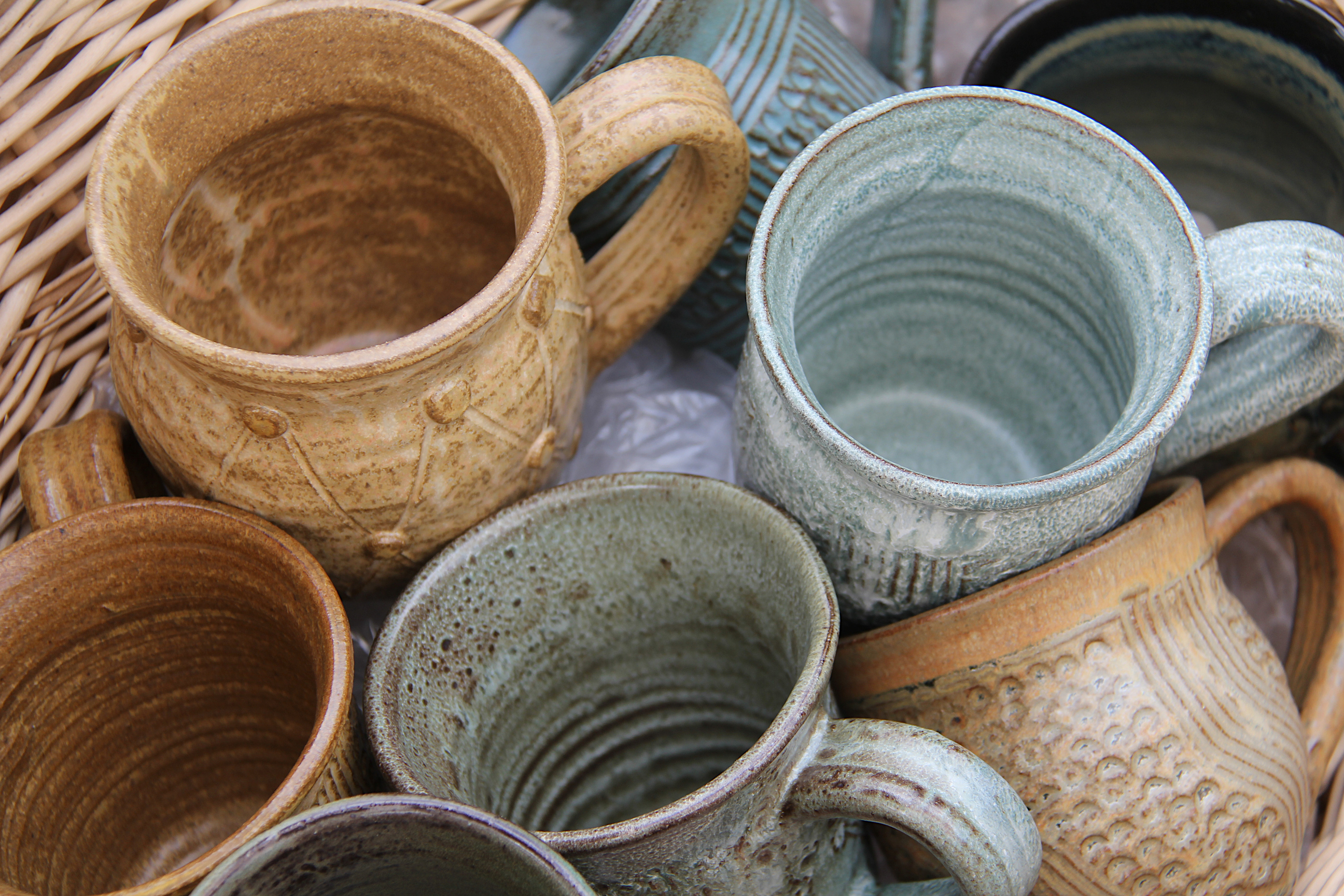
Diane Lockerby’s earthy pottery mugs. (Minnesota Prairie Roots copyrighted photo May 2024)

Vivid colors. Textures. Earthen hues. Stitching and sculpting. And shaping. An assortment of art appealing to assorted interests. It was all there.

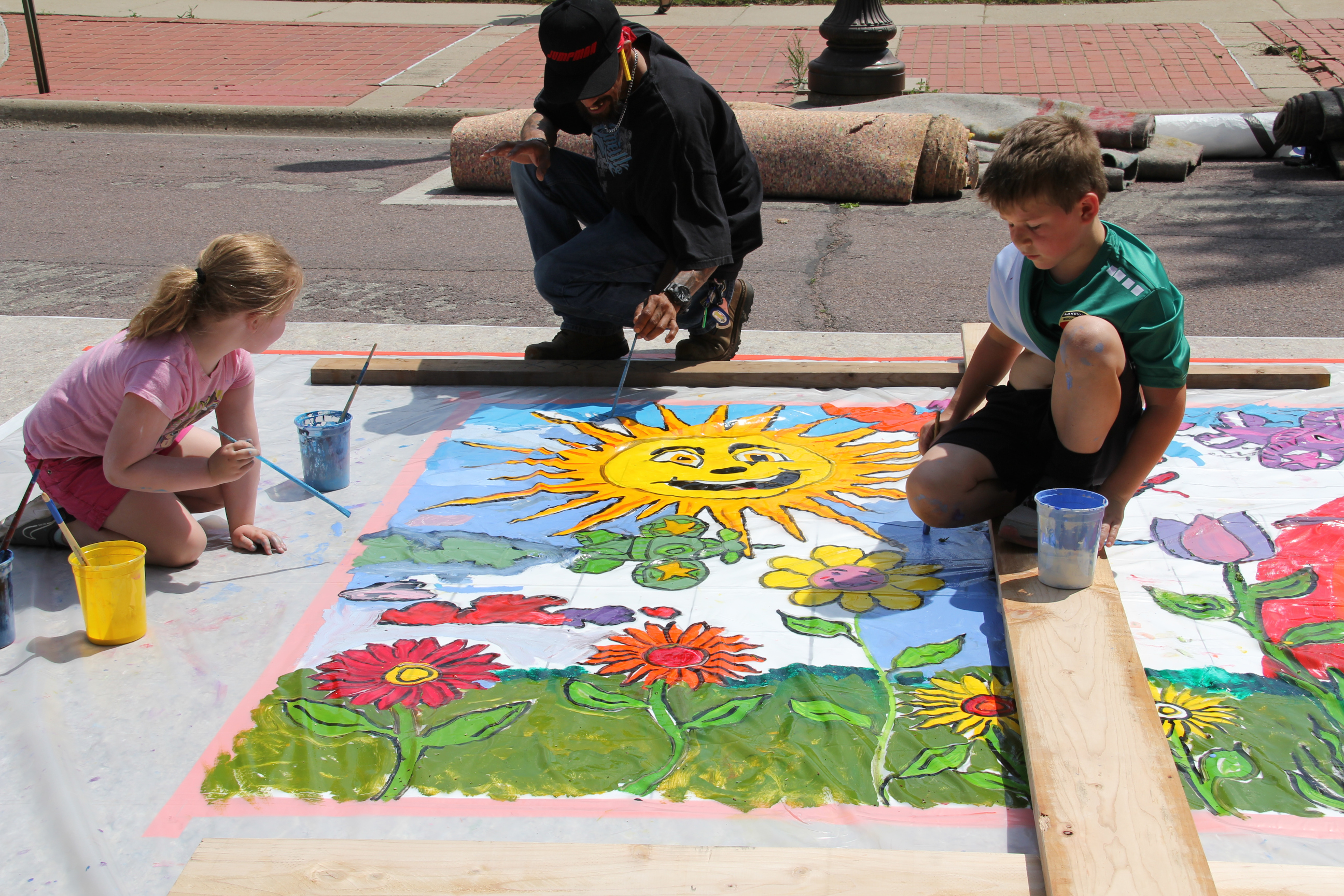
Mural painting at the Straight River Art Festival. (Minnesota Prairie Roots copyrighted photo May 2024)

There were activities for kids also, which I always appreciate since it’s important to engage families. The Paradise Center for the Arts offered hands-on art. Books on Central, a used bookshop in downtown Faribault run by Rice County Area United Way, handed out free picture books to little ones. And on a section of blocked off street, visual artist Stephen McKenzie laid out a mural for the community to paint. It’s on display now inside the Bachrach building along Central Avenue.

The center of the mural. (Minnesota Prairie Roots copyrighted photo May 2024)

The mural is bold and vibrant, engaging and beautiful, reflecting nature. It reflects, too, a sense of togetherness, that we are all one on this earth, under one sun, all colors of the rainbow, surrounded by beauty.

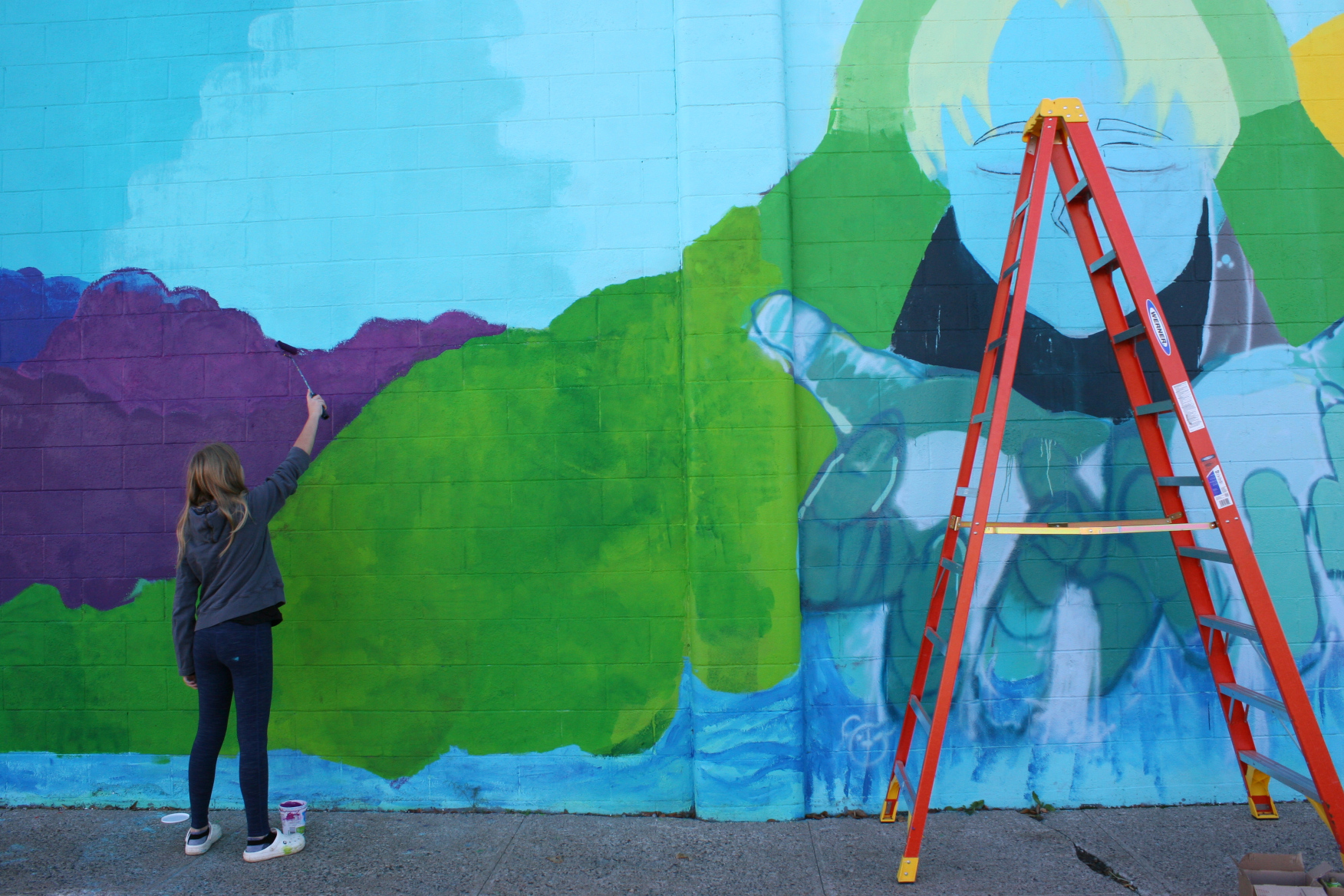
Kids and adults work side-by-side to paint the community mural. (Minnesota Prairie Roots copyrighted photo May 2024)

Watching adults and youth working side by side, painting bold hues onto the mural design, I felt joy. Individuals worked as a cohesive team to create art. There’s something to be said for that in this time of much divisiveness.

Paint inside a trailer used in painting the mural. (Minnesota Prairie Roots copyrighted photo May 2024)

Art brought folks together on Saturday to show and sell their art. But, more than that, the Straight River Art Festival builds community, energizes and connects creatives. There’s a certain vibe to an event like this that feels good, really good. But then again, I love art. And I deeply appreciate those who share it with us.

© Copyright 2024 Audrey Kletscher Helbling
All artwork was photographed with permission from the artists.


Inspired by an outdoor community gathering spot in Marshall April 13, 2023

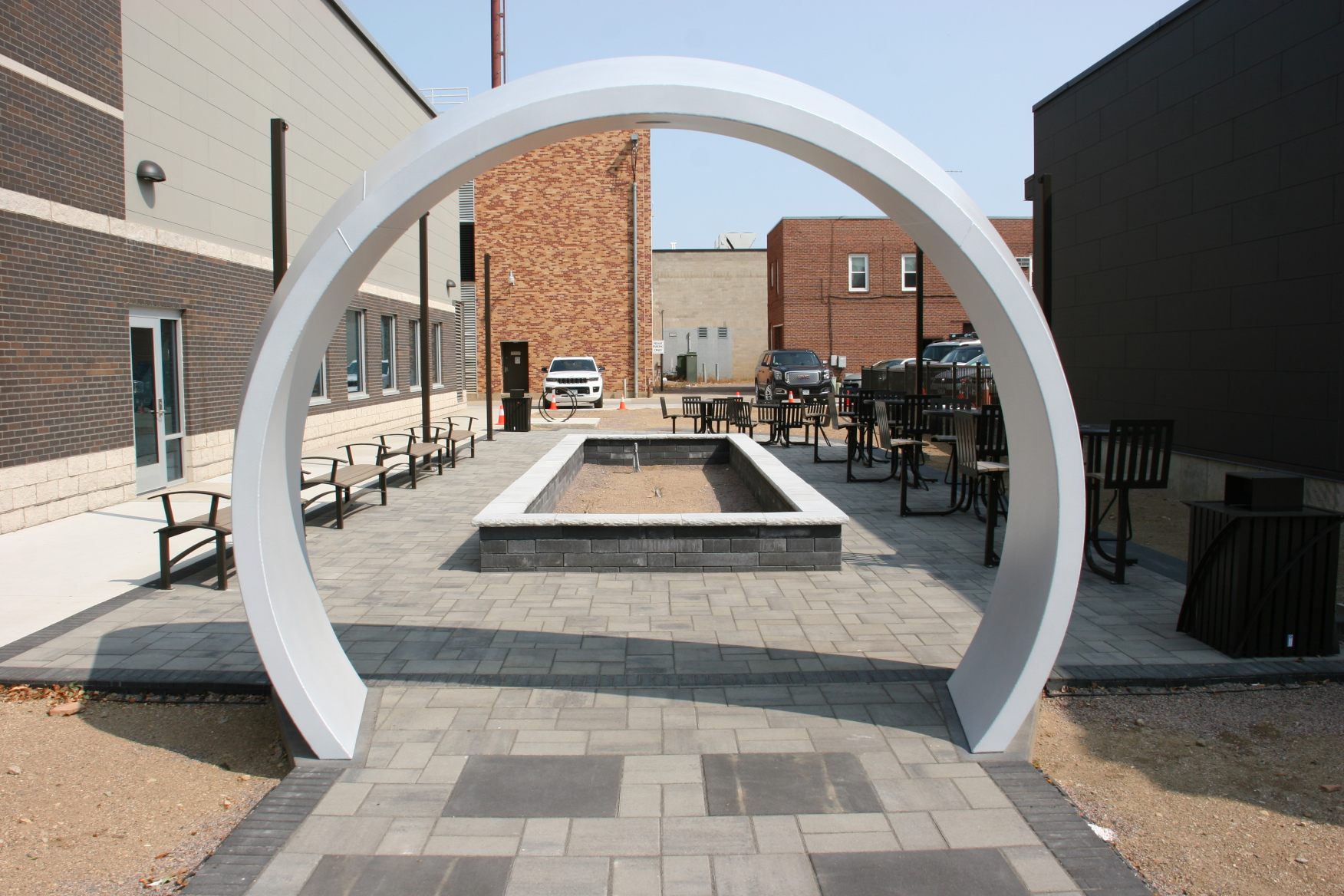
Terrace 1872, under development in September 2022 in downtown Marshall, Minnesota. (Minnesota Prairie Roots copyrighted file photo September 2022)

WHEN I PHOTOGRAPHED an under construction patio while visiting Marshall in mid-September, I wondered exactly what was up with this space. And then I forgot about it…until now.

The Lyon County Historical Society Museum, housed in a former library. (Minnesota Prairie Roots copyrighted photo September 2022)

It was a warm and sunny day when I happened upon the patio project in the heart of Marshall’s downtown business district. This ag-based community and college town sits on the southwestern Minnesota prairie, some 20 miles west of my hometown. I was back in the area to view two of my poems on display in the “Making Lyon County Home” exhibit at the Lyon County Historical Society Museum. After touring the museum, Randy and I did a short walk-about in a downtown that looks nothing like the downtown I remember from my last visit 40 years earlier.

During that brief tour, we came across the developing outdoor area. I was impressed by what I saw—by the well-laid pavers, the strong arched entry, the cluster of patio tables and chairs, and the then-unfilled planter bed. I envisioned plants and flowers adding a calming natural balance to hard surfaces.

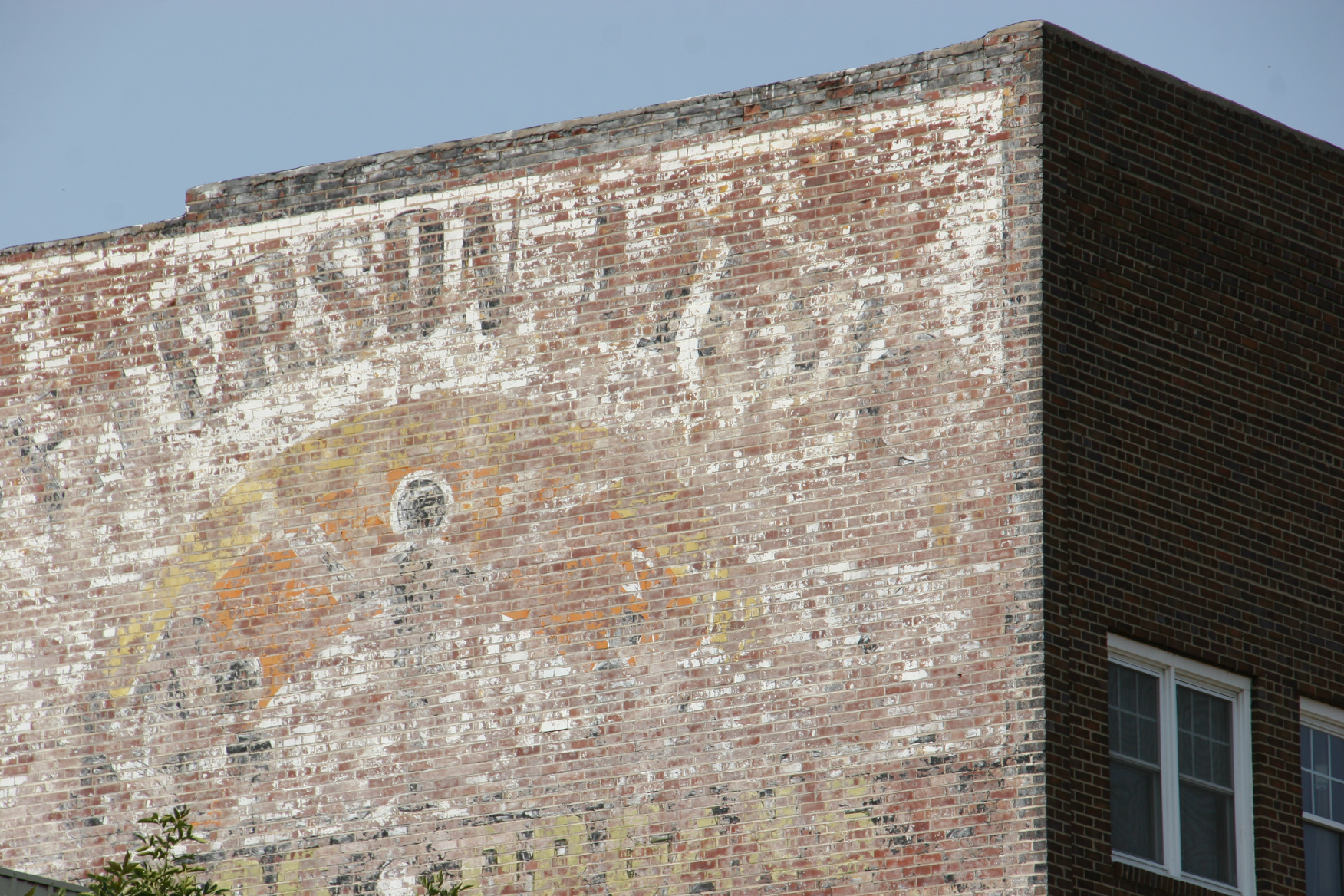
An unreadable (to me) ghost sign speaks to Marshall’s history. (Minnesota Prairie Roots copyrighted photo September 2022)

My eyes saw all of this. But, still, I didn’t know the backstory until now. This is Terrace 1872, a public gathering space next to City Hall. It came to be after the former Marshall Hotel was demolished, leaving a narrow, empty lot. Local visionaries saw this as an opportunity to create a community gathering spot. And so it will be. And the name, well, Terrace is self-explanatory. But 1872 represents the year Marshall became a city.

A mural, “At the Bend of the Redwood,” sprawls across a business in the heart of downtown Marshall. (Minnesota Prairie Roots copyrighted photo September 2022)

I love this concept of an outdoor area downtown where visitors, shoppers and downtown employees can meet, relax, just be. I also envision Terrace 1872 as a site for pop-up events—mini art shows, concerts, poetry readings… The possibilities seem endless for this pocket park.

Plans are to add a sculpture or art piece to the terrace, enhancing a downtown already graced by murals. Online plans also show movable fire pits and patio lights strung between posts. I appreciate the vision of an inviting and welcoming space to gather.

Businesses across the street from Terrace 1872. (Minnesota Prairie Roots copyrighted photo September 2022)

I’d love to see my community of Faribault adopt Marshall’s Terrace 1872 idea and create a similar mini gathering spot in the heart of our downtown. We have many vacant lots left after buildings were demolished. Previously demolished buildings were replaced by parking lots. Faribault now needs some greenery and additional outdoor public art infused into downtown, creating a peaceful place for people to gather, connect, relax, grow a sense of community while outdoors. I hope the visionaries here follow Marshall’s lead…

TELL ME: Do you have a Terrace 1872 in your community or have you seen one in another community? I’d love to hear details.


About recycling, a hard truth & what we can do October 27, 2022

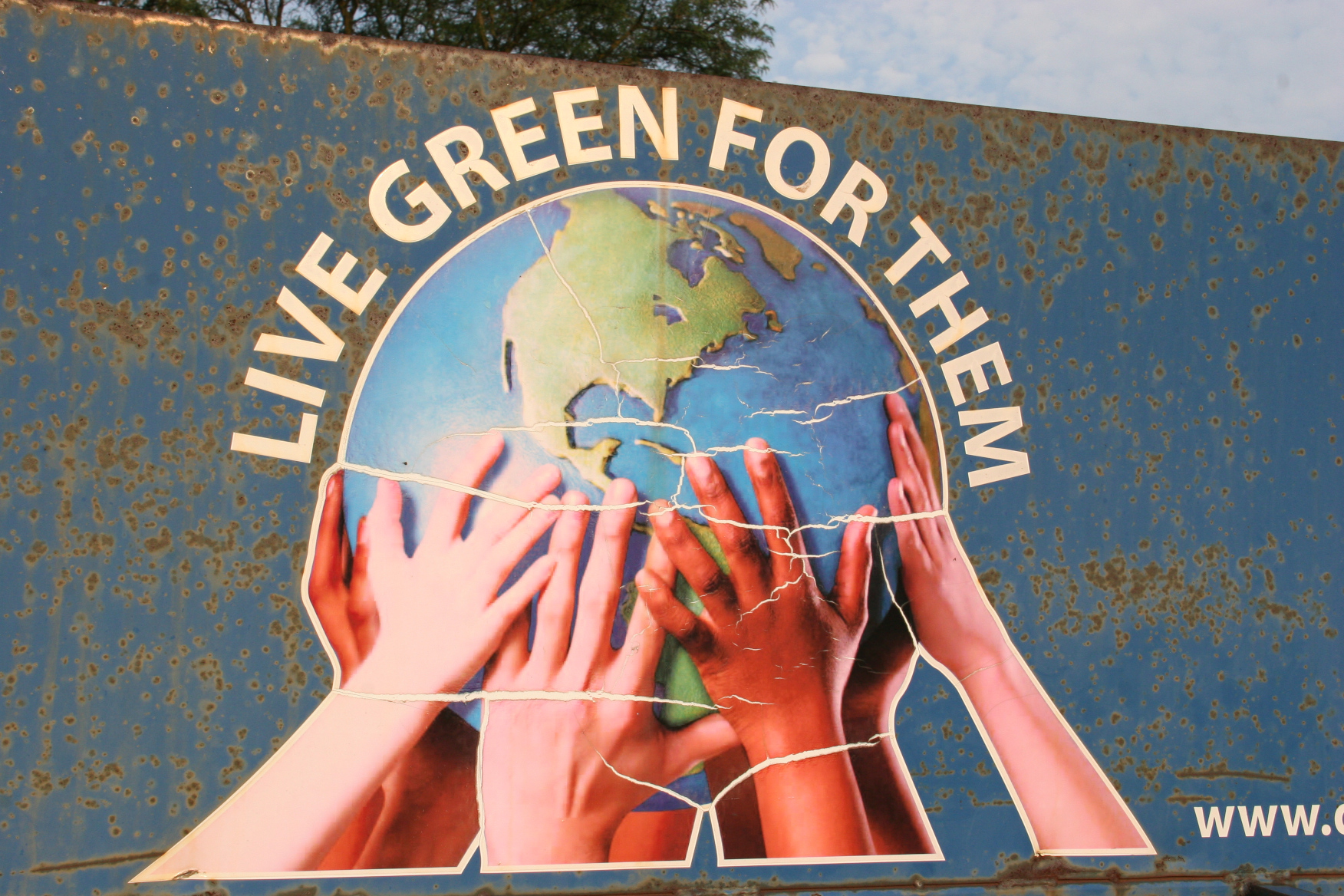
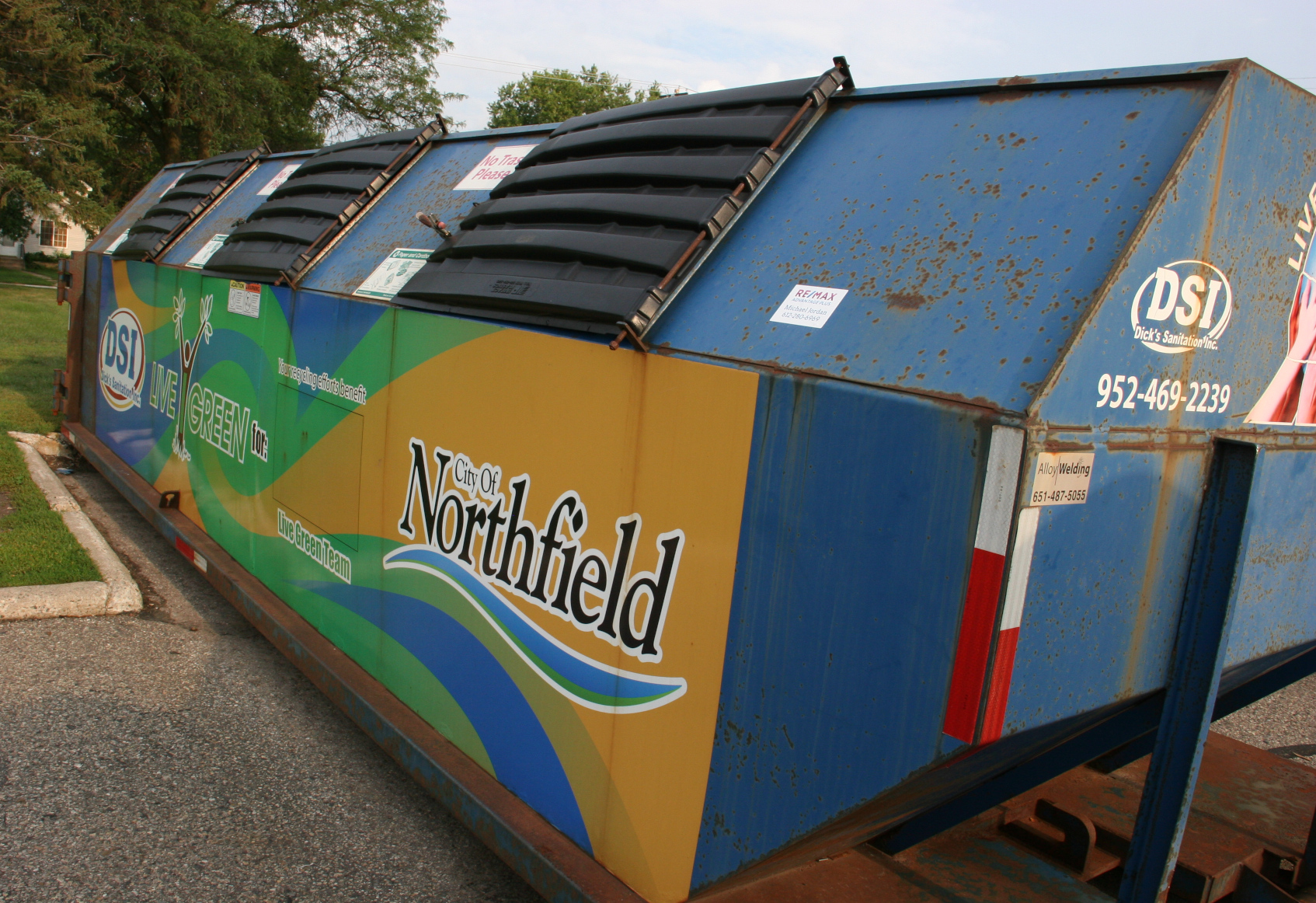
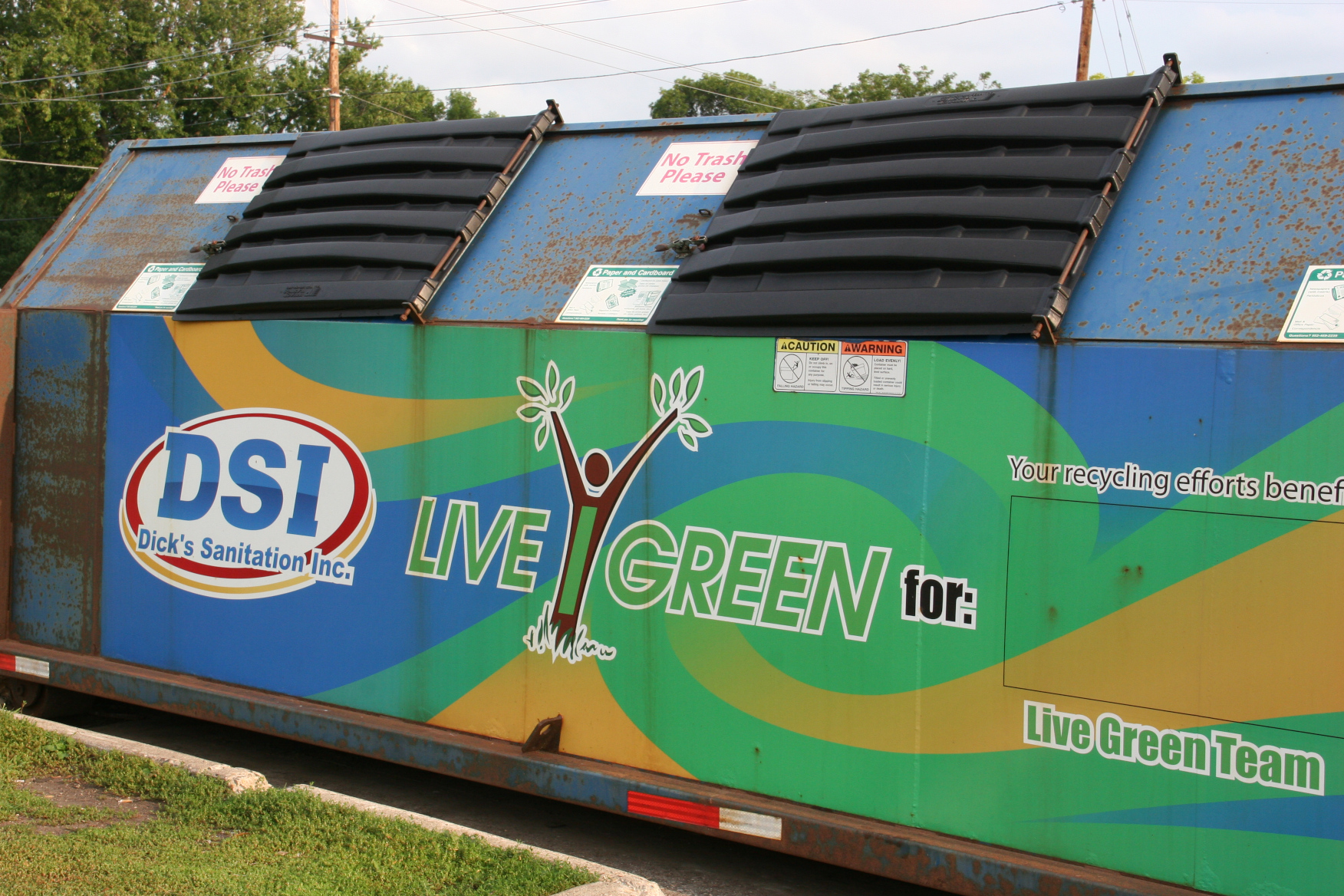
A graphic on a recycling dumpster in Northfield inspires. (Minnesota Prairie Roots copyrighted photo August 2022)

JUST INSIDE OUR GARAGE, a green plastic tote rests on a shelf. It’s located a few quick steps from the kitchen door, providing easy access to our temporary recycling box. Once the box fills, Randy dumps the contents into the official hideous dark-blue-with-bright-yellow-lid plastic recycling bin. Every other week the refuse hauler picks up our recyclables for delivery to the Rice County Recycling Center.

The City of Northfield “Youth Live Green Recycling Team” program aims to get youth involved in recycling corrugated cardboard. Participating groups get monetary funds for monitoring the public recycling containers, keeping the area clean and informing the public about cardboard recycling. (Minnesota Prairie Roots copyrighted photo August 2022)

Now I should feel mostly good about that, right? I’m placing milk jugs and other plastics, cans, newspapers, envelopes, an excessive amount of campaign mailings, other paper products and more into recycling. I’m doing my part to keep stuff out of the landfill, to protect the environment.

Rules on a recycling container in Northfield. (Minnesota Prairie Roots copyrighted photo August 2022)

But when it comes to plastic, most of my efforts may be for naught, according to a recent report by the environmental education and awareness group Greenpeace. The nonprofit shared that less than five percent of recycled plastics are made into new products. Why? Simply put, it’s costly to collect and sort the plastics. I’m not surprised by that explanation. Money factors into most business decisions.

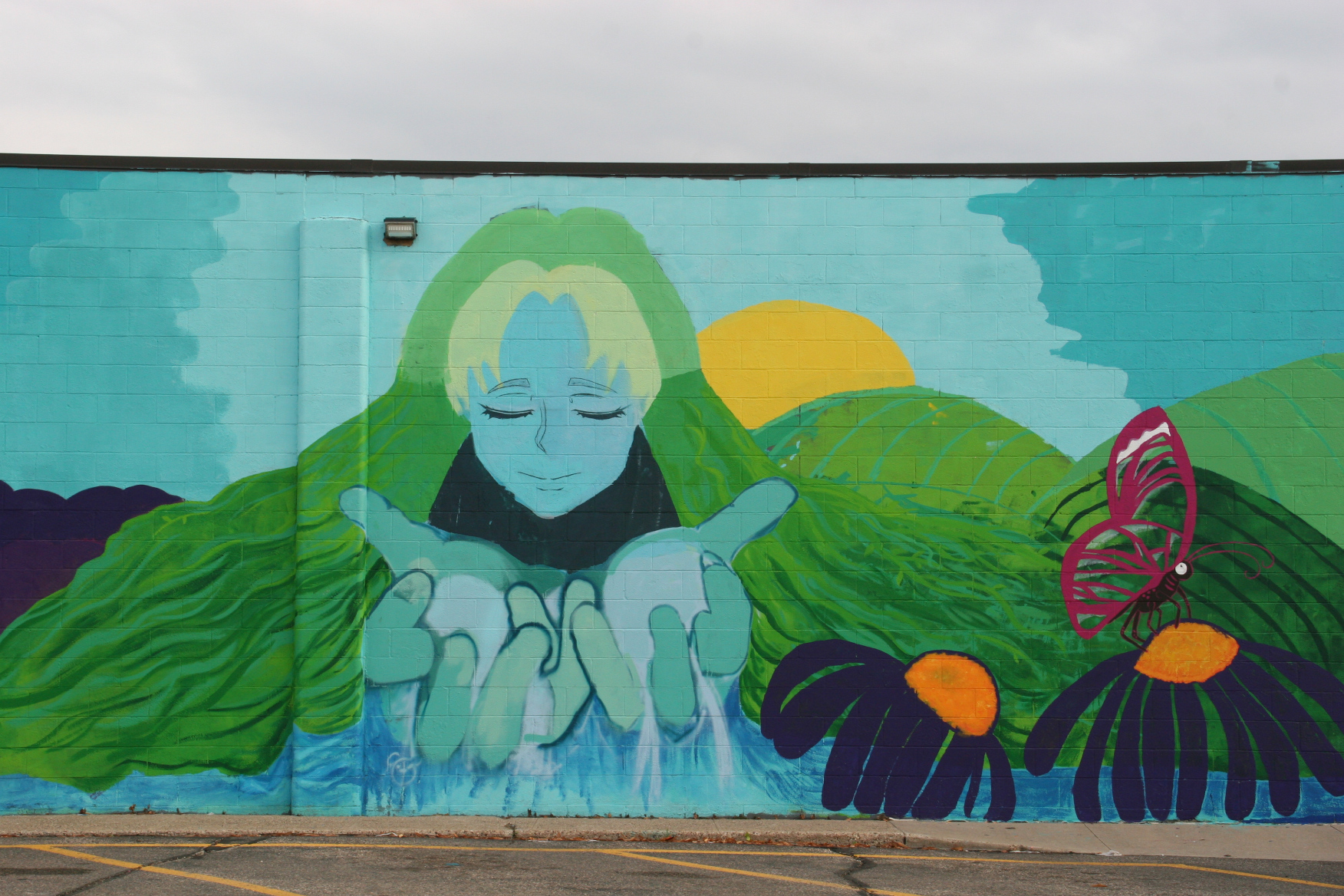
Youth and adults painted a mural on Just Food Co-op, Northfield. Among the themes, Mother Earth. Rice County Neighbors United led the grant-funded project. (Minnesota Prairie Roots copyrighted photo October 2021)

Yet, I’ll continue to recycle and hope for an environmentally-friendly shift in attitudes on both consumer and corporate levels. We as consumers need to consciously choose non-plastics. I’m as guilty as anyone else in not thinking often enough about what I personally can do to reduce my use of plastics, focusing on reduce before I focus on recycle.

Mother Earth in progress on the Just Food Co-op mural. (Minnesota Prairie Roots copyrighted photo August 2022)

What am I doing right? This has nothing to do with plastic, but rather with reducing energy use. I either line dry my laundry outdoors or indoors on drying racks, with the exception of sheets and towels in the brutal cold of winter. Come a 40-degree sunny January day, though, and you will find my laundry on the line, snow layering the ground.

Mother Earth a month later. (Minnesota Prairie Roots copyrighted photo September 2022)

I also buy used. And I donate or give away—rather than toss—items I no longer need. The boulevard along our busy street has proven an ideal location to give away a swing set, bookcase, headboard, recliner and much more. Recently Randy and I hauled several purple dove tail drawers from a vintage school art table to a downtown shop, Lily of the Valley. The owner sells repurposed furniture, gifts, clothing and more in her boutique and I figured she could use the drawers to display merchandise or come up with some other creative use. We kept the maple top to possibly reuse ourselves.

Then there’s our yard. We live in a city with a compost center, a place to haul leaves and plants that are composted, basically recycled back into a nutrient-rich natural fertilizer for flowerbeds and gardens. This time of year we make multiple trips to the compost site to dump off mulched leaves fallen from the single tree on our property and from neighborhood trees. I feel good that we are keeping yard waste out of the landfill. I use some of the leaves as winter mulch for my flowerbeds.

A shopper rolls out her cart of purchases in reusable bags. (Minnesota Prairie Roots copyrighted photo August 2022)

Sometimes I use cloth tote bags while grocery shopping, but sometimes I don’t. I could do better.

Northfield’s recycling containers are outside two grocery stores. (Minnesota Prairie Roots copyrighted photo August 2022)

My efforts may not seem like much in the all of the environment. Yet, I know the recycling, the reusing, the things I do matter. What you do matters. Together we can make a difference by our choices.

TELL ME: Do you recycle? I’d like to hear more about your efforts to protect the environment.

FYI: To read the Greenpeace report on plastic recycling, click here.

© Copyright 2022 Audrey Kletscher Helbling
 

From Plainview: Jon Hassler’s “the village in the corn” June 15, 2022

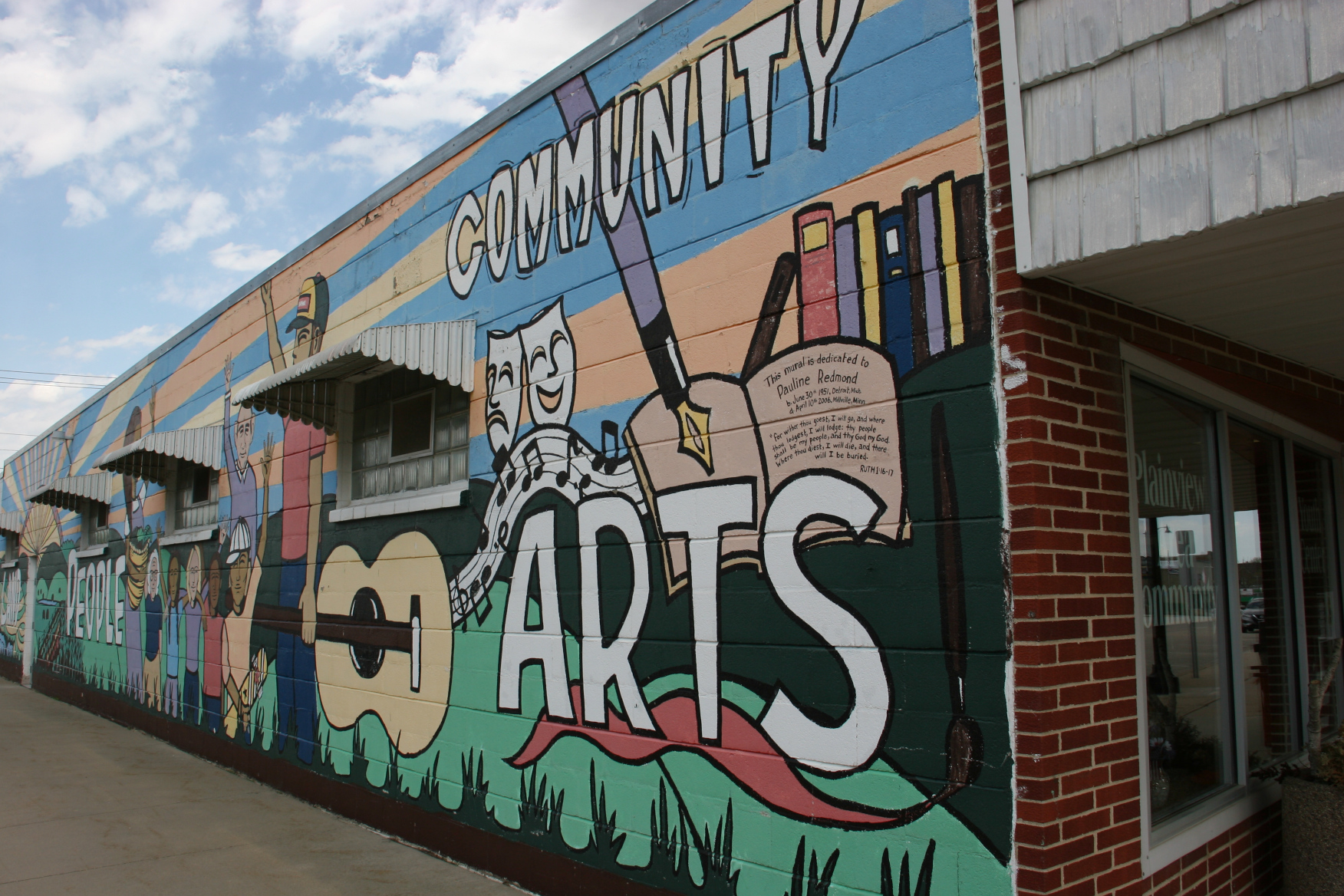
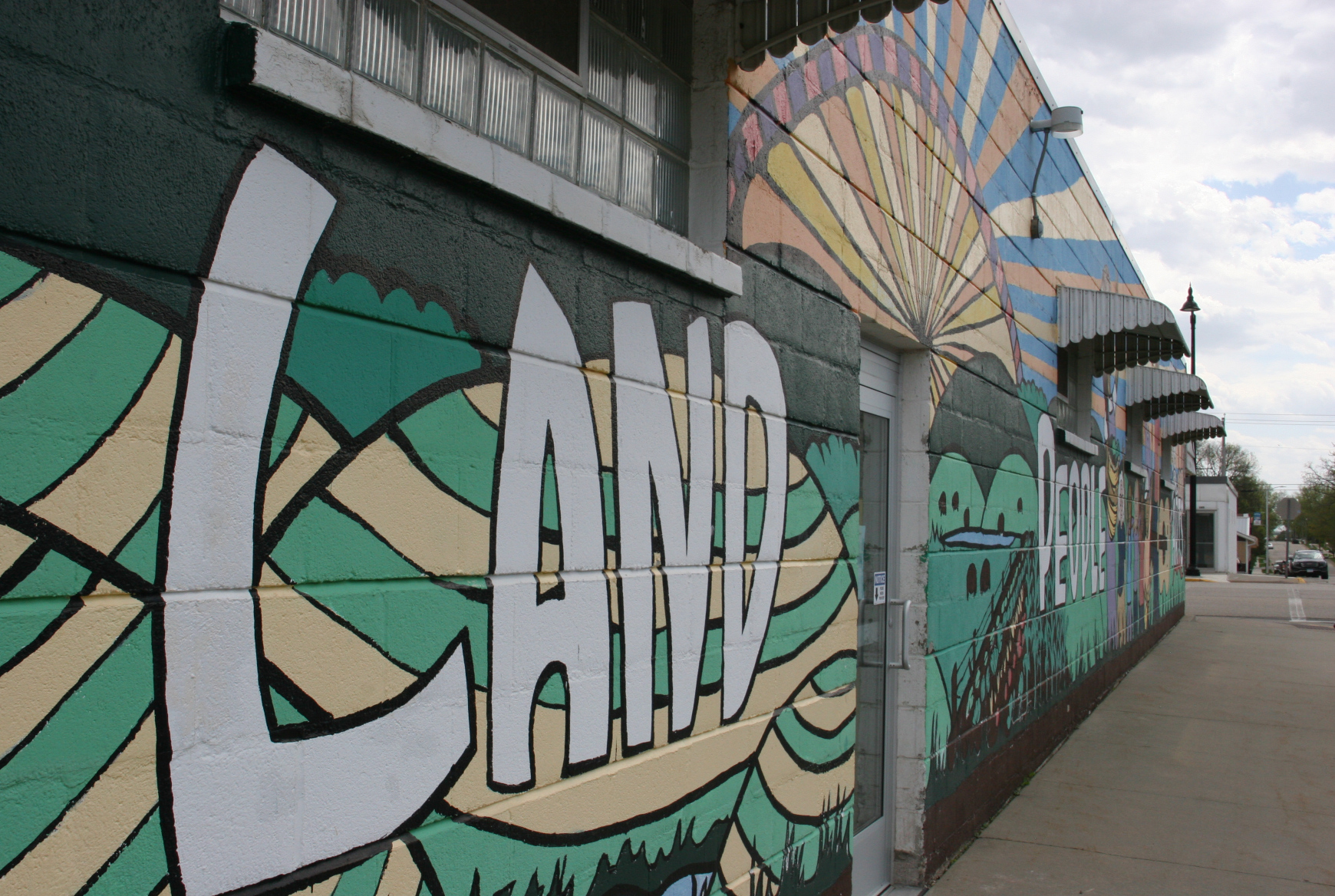
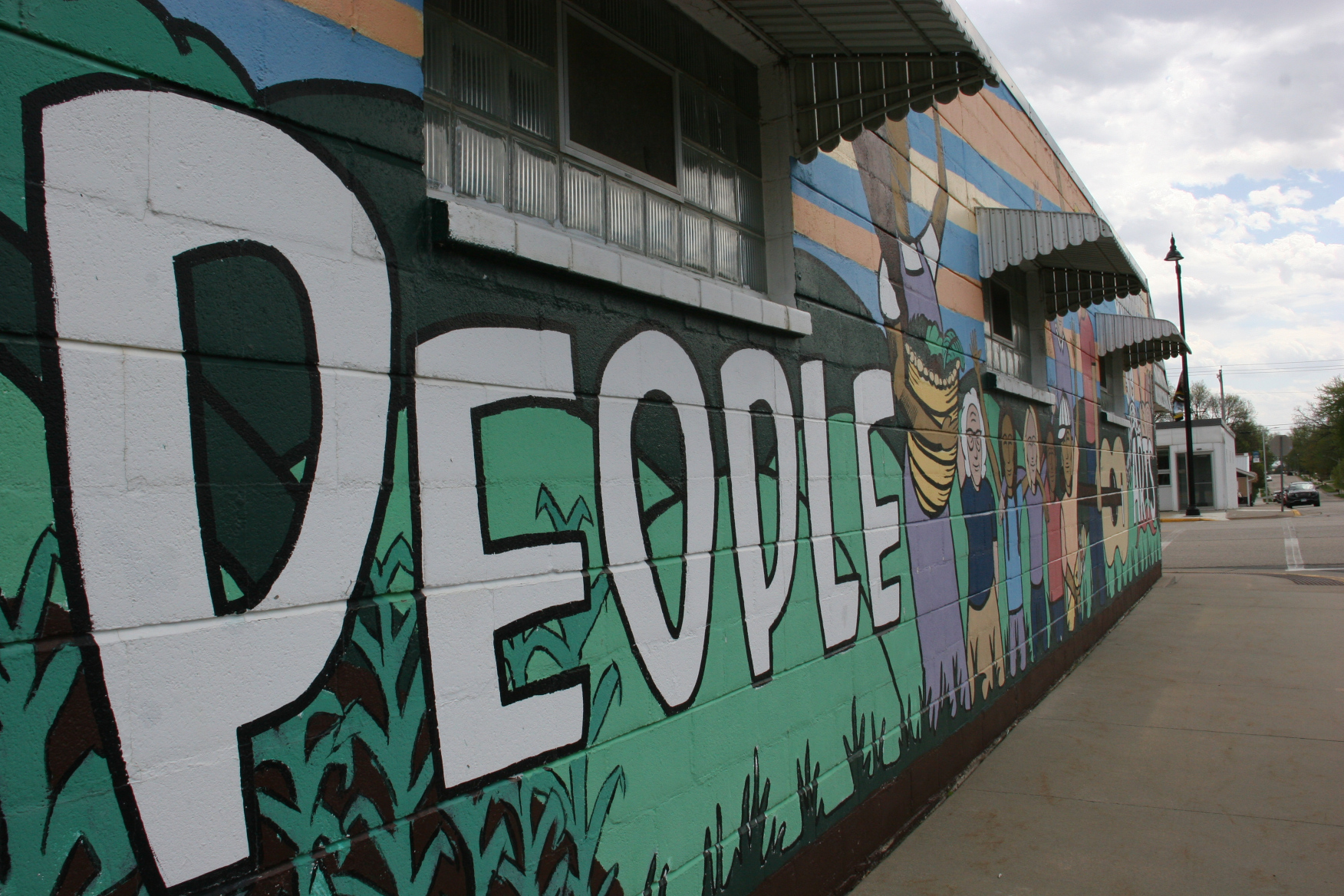
A portion of the Plainview mural. (Minnesota Prairie Roots copyrighted photo May 2022)

LAND. PEOPLE. ARTS. COMMUNITY. Those words theme a public mural stretching across the Plainview Area Community and Youth Center in the heart of this southeastern Minnesota small town.

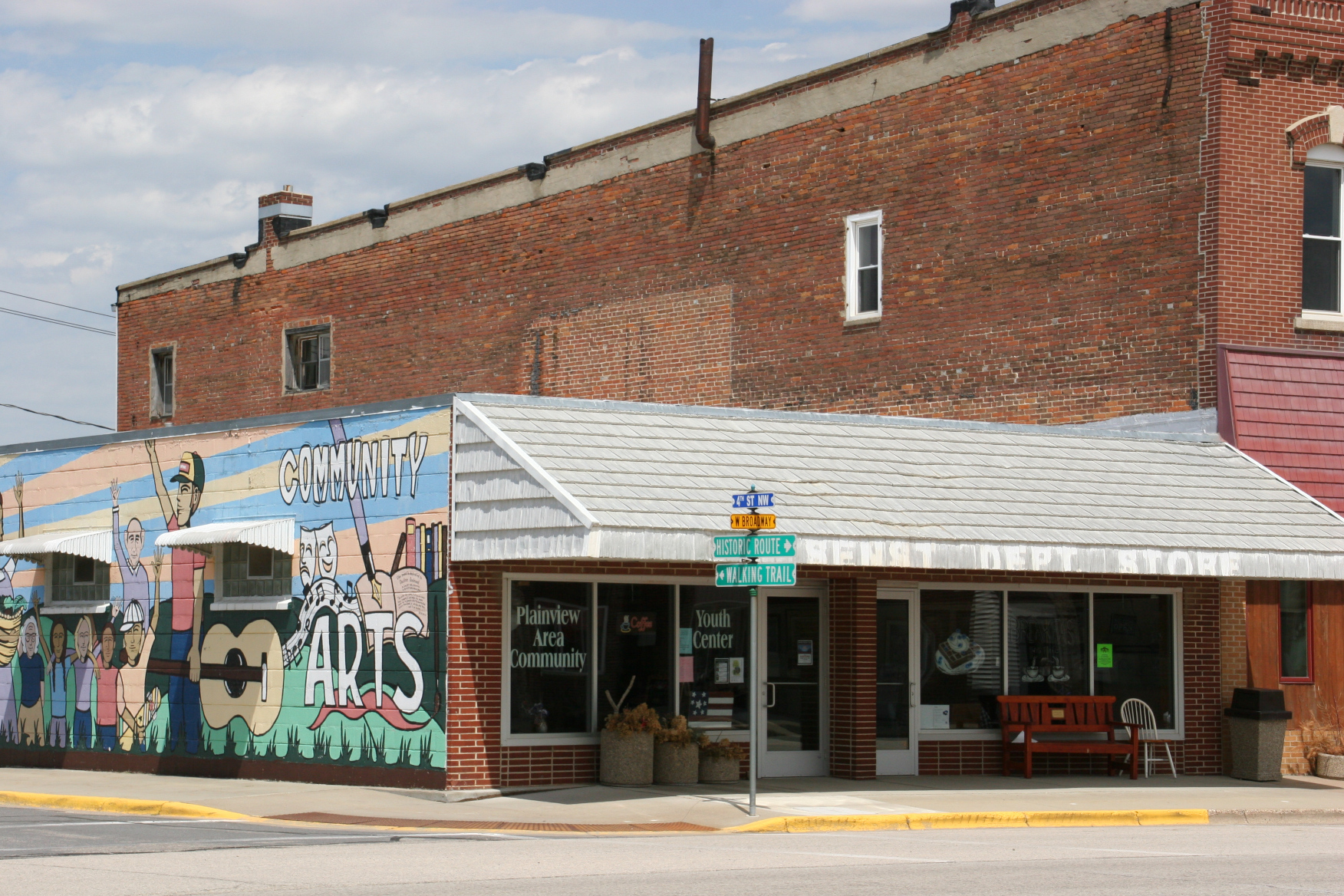
The mural graces a wall of the community center, across the street from the former Jon Hassler Theater. (Minnesota Prairie Roots copyrighted photo May 2022)

I remember the mural from my last visit here in 2013. I appreciate this public art now as much as I did then, for art can reveal much about a place.

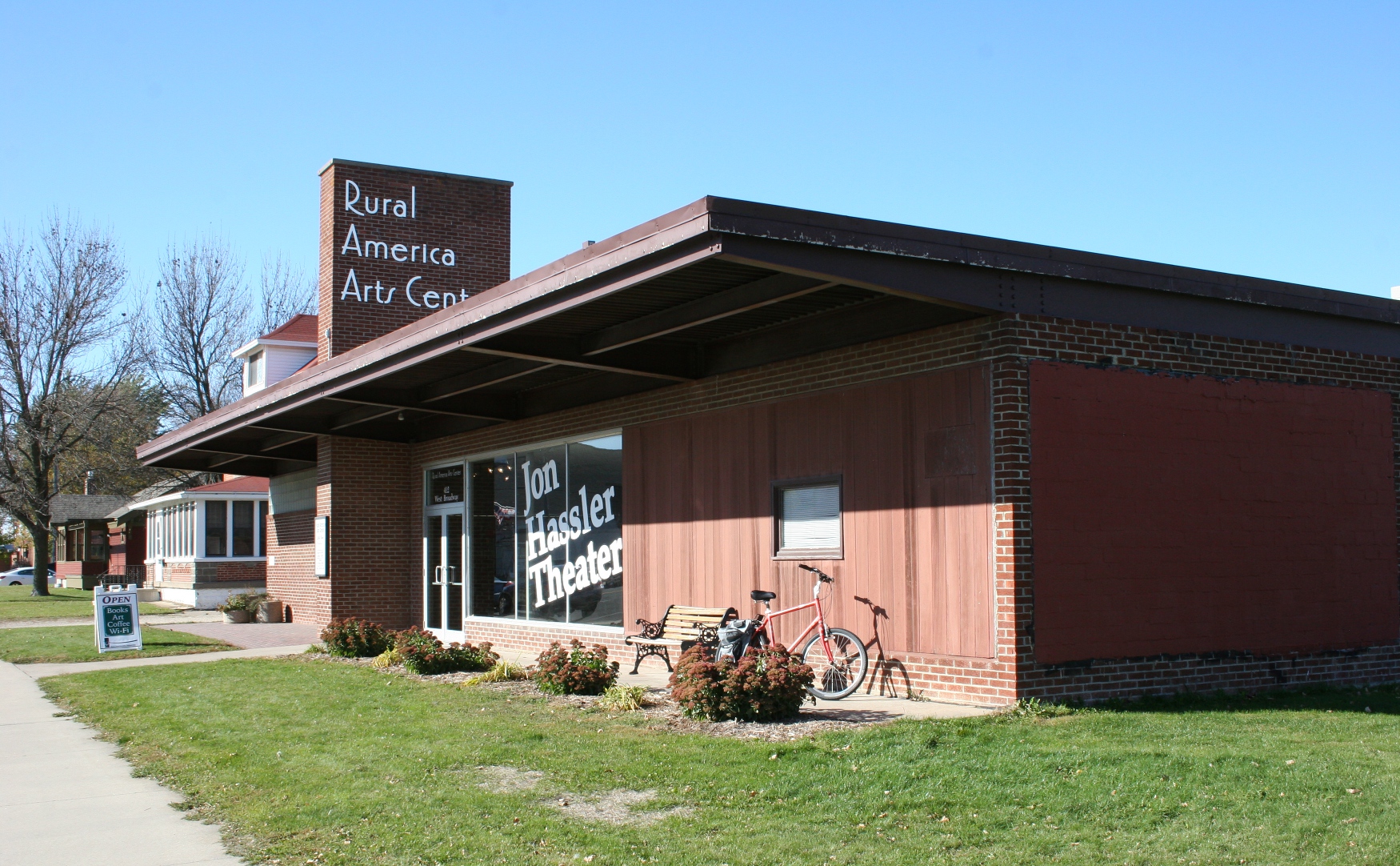
In the heart of the community, the Jon Hassler Theater and Rural America Arts Center, now closed. (Minnesota Prairie Roots copyrighted file photo November 2013)

While Plainview has lost some of its “arts” character with closure of the Jon Hassler Theater and Rural America Arts Center, it will always claim title (along with Staples) as the boyhood home (s) of noted Minnesota writer Jon Hassler. He moved to Plainview with his parents at the age of 10, remaining there until shortly after his 1951 high school graduation.

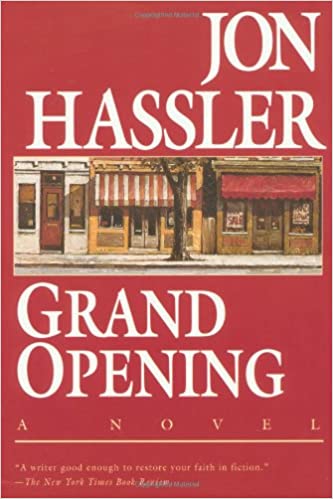
Hassler’s Grand Opening is based on Plainview.

Hassler, one of Minnesota’s most-beloved authors, focused his fiction on small town life. That includes Grand Opening, a novel based on Plainview. As in real life, the main character’s parents buy a run-down grocery store in rural Minnesota.

Source: Afton Press

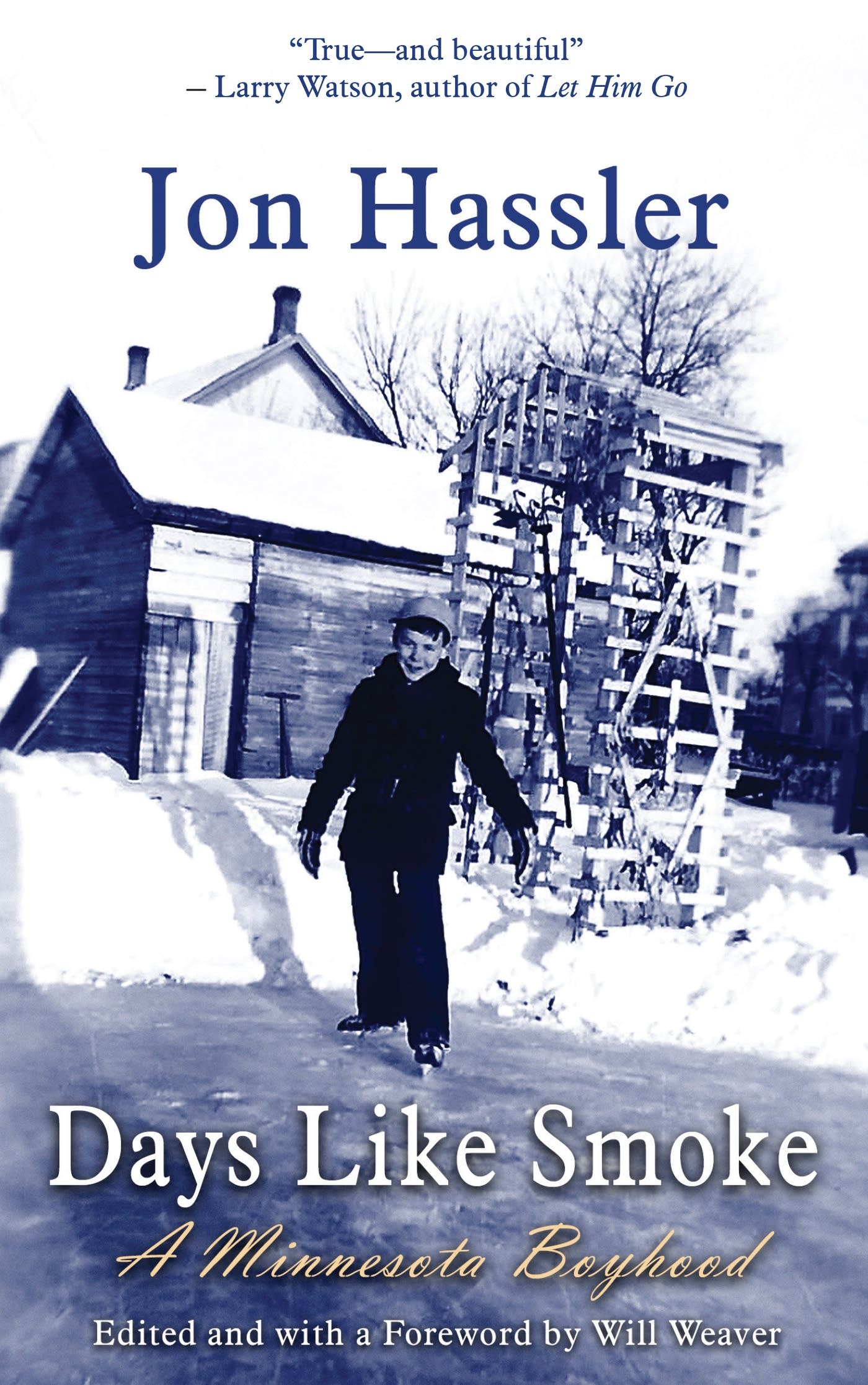
While I have not yet read Grand Opening, I just finished Days Like Smoke, A Minnesota Boyhood. This is Hassler’s memoir, a manuscript published by Afton Press in 2021, many years after the author’s 2008 death. Edited by friend Will Weaver, another well-known Minnesota writer, this slim volume offers insights into Plainview, into Hassler’s experiences there and how that shaped his writing. He credits his parents’ Red Owl Grocery Store as the training grounds for his writing, the place where he acquired the latent qualities necessary to the novelist. In that grocery store, Hassler stocked shelves, ground coffee, interacted with and observed customers, and more.

The land (farming) is integral to the economy of Plainview, which is surrounded by corn and soybean fields. (Minnesota Prairie Roots copyrighted photo May 2022)

This sentence in Hassler’s memoir is so telling of the influence Plainview had on his writing: I see the villagers passing along the checkout counter like the cast of characters they eventually turned out to be in my novel about this village in the corn. I love that phrase, “village in the corn,” for it fits agriculturally-based Plainview. The community is home to food processors, Plainview Milk Products Cooperative and Lakeside Foods, and celebrates Corn on the Cob Days each summer. Farming centers the local economy.

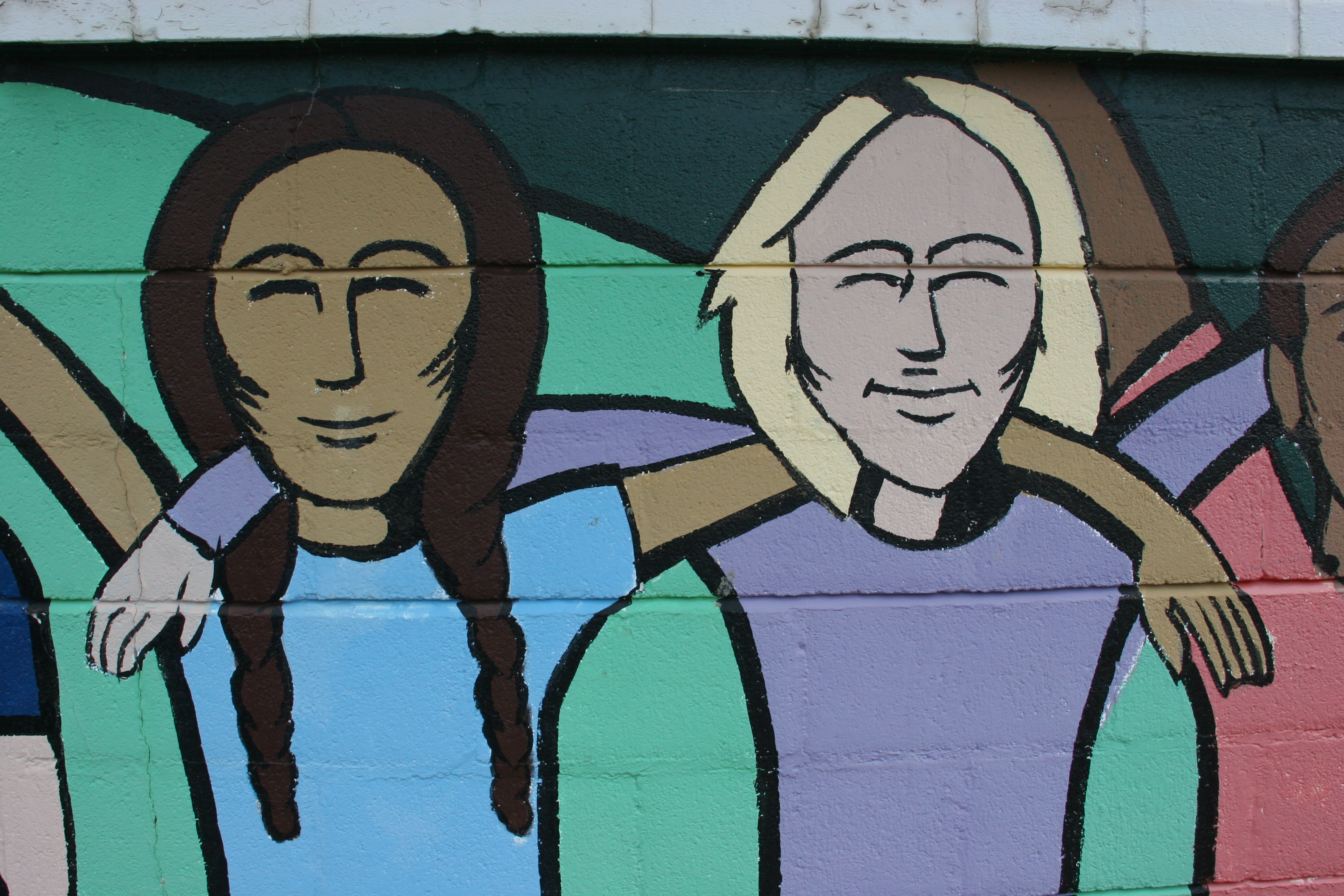
Two of the people featured on the mural. (Minnesota Prairie Roots copyrighted photo May 2022)

It’s the people, though, including the characters, who truly define community. And Hassler shares plenty from Plainview, where he lived across from the stockyards for awhile, tried to derail a train, played high school football for the Gophers, watched endless movies at the Gem Theater, bloodied the nose of a third grader, sat at the bedside of his dying 11-year-old friend, biked to the bluffs along the Whitewater River to camp and fish, served as an altar boy…

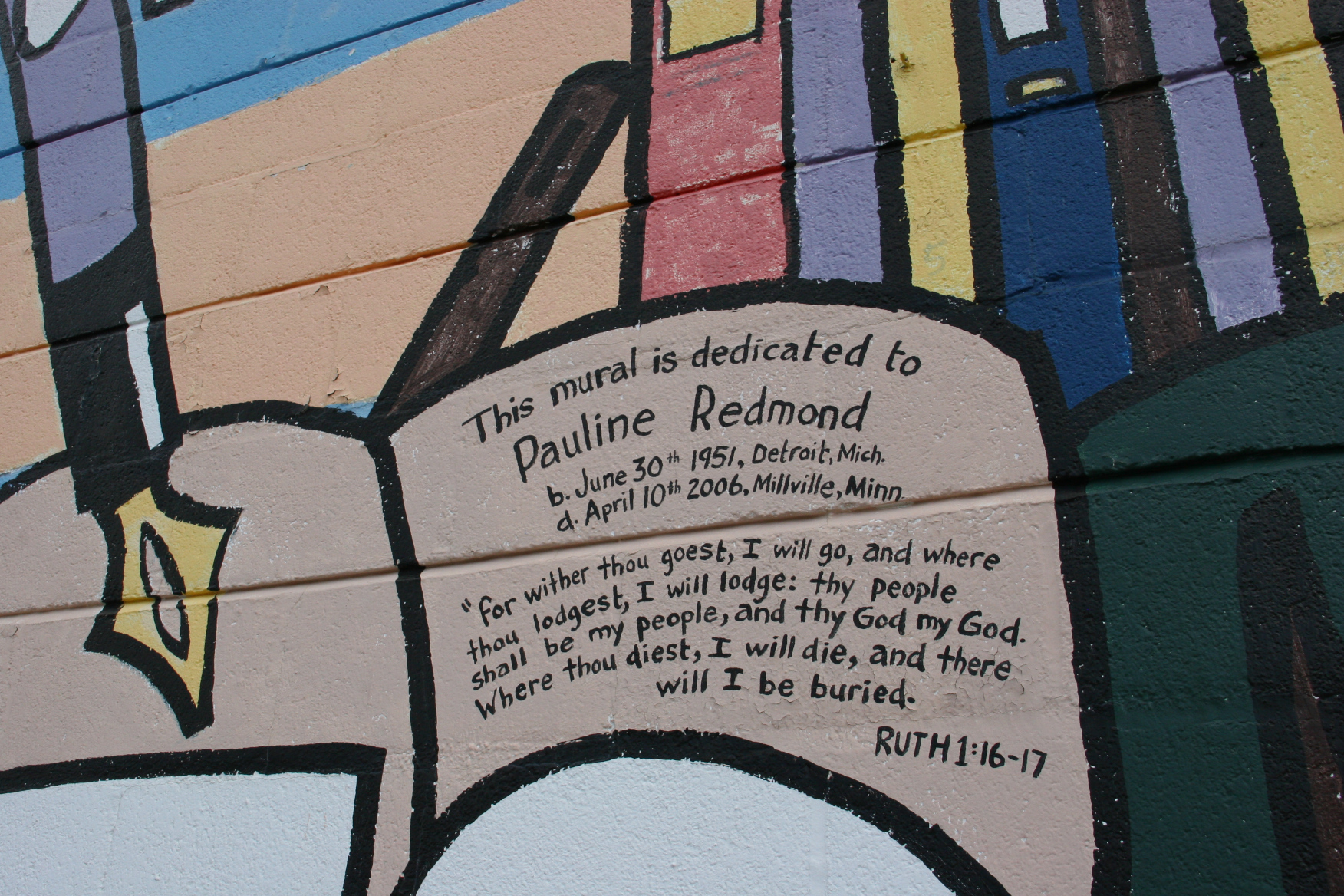
The mural includes a faith-based dedication to Pauline Redmond. She co-owned the North Country Anvil Magazine/Anvil Press with her husband, Jack Miller. (Minnesota Prairie Roots copyrighted photo May 2022)

In his memoir, Hassler remembers St. Joachim’s Catholic Church and Immanuel Lutheran Church standing as sentinels of the soul at opposite ends of Main Street. That’s such an insightful visual. Hassler valued his Catholic upbringing and faith throughout his life. But he also admits in his memoir to the strong current of religious animosity running under the surface of daily life in the village of my youth between Catholics and Lutherans. This comes as no surprise to me, growing up in rural Minnesota with the same denominational tension.

People also define place as noted on the mural. (Minnesota Prairie Roots copyrighted photo May 2022)

It was that undercurrent—specifically the defeat of Hassler’s father in a school board election—which ultimately caused Hassler’s parents to leave Plainview and return to Staples. He writes: I, newly graduated from high school, loved Plainview too dearly to follow them.

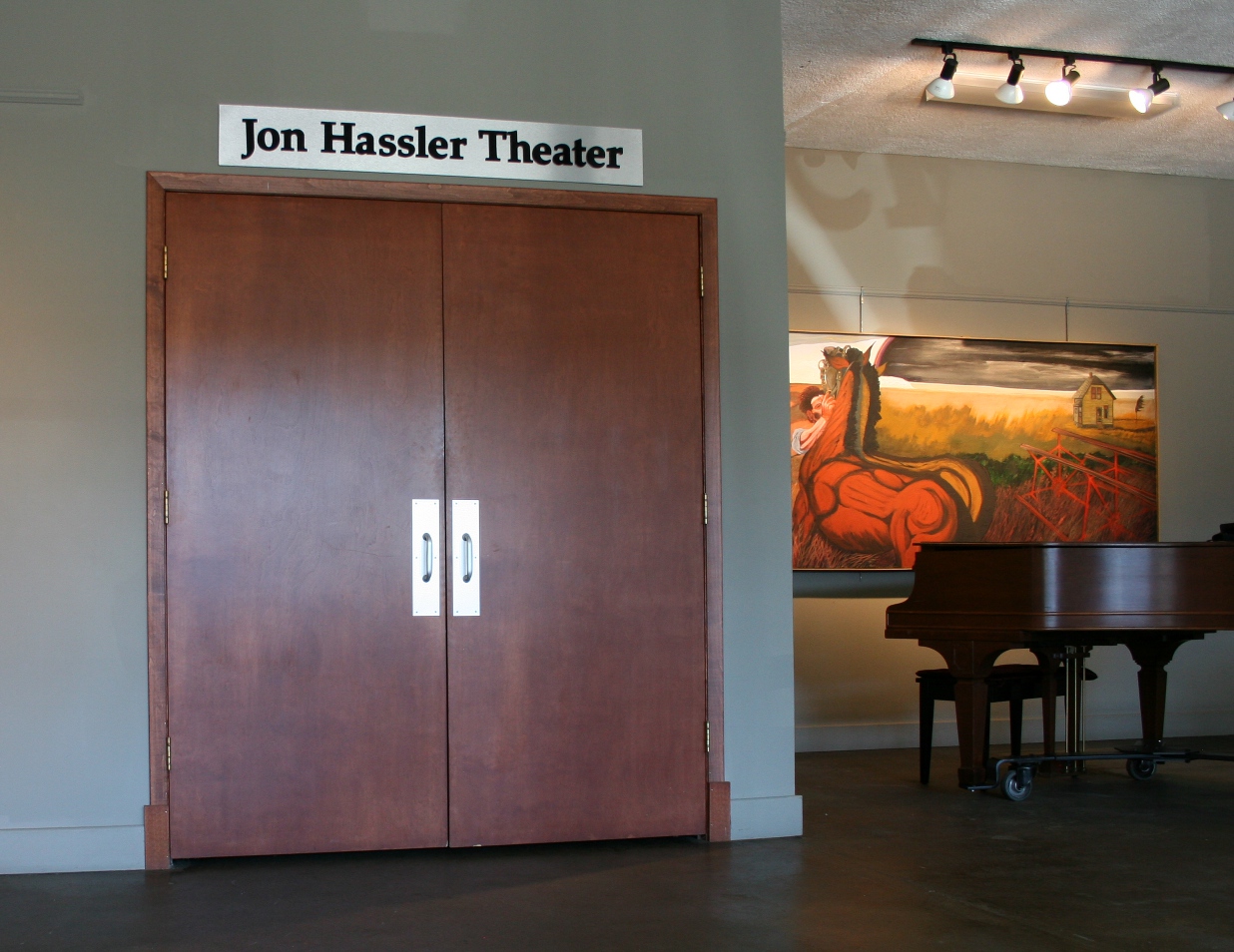
The interior entrance to the Jon Hassler Theater, photographed during a 2013 visit to Plainview. (Minnesota Prairie Roots copyrighted file photo November 2013)

Hassler’s love for Plainview endured, long after he left to attend college, then to teach, then to write and then to retire in 1997 after 17 years as writer-in-residence at Saint John’s University. Visit Plainview today and you get a strong sense of the place that shaped this writer. While businesses and people have come and gone, at its core, this remains “the village in the corn.”

TELL ME: Have you read any of Jon Hassler’s 12 novels or his nonfiction? I’d love to hear your take on his writing and what books you recommend.

Please check back for more posts from Plainview next week. Be sure to read my previous posts on Plainview published this week.

© Copyright 2022 Audrey Kletscher Helbling
 

Revisiting Plainview, a must-visit community in southeastern Minnesota June 13, 2022

A mural themed to people, land, community and the arts graces a corner building in downtown Plainview. (Minnesota Prairie Roots copyrighted file photo May 2022)

I FELT COMFORTABLY, nostalgically, at home in Plainview, a farming community of some 3,340 in southeastern Minnesota’s Wabasha County.

This Norman Rockwell type scene depicts small town Minnesota, here on a Saturday afternoon in Plainview. (Minnesota Prairie Roots copyrighted photo May 2022)

Here kids bike along the main drag through town, passing by homegrown shops and other businesses. Here friendly shopkeepers engage in easy conversation that made me feel incredibly welcomed. And connected.

Just a block off Broadway, the local co-op. (Minnesota Prairie Roots copyrighted file photo May 2022)

This is a rural community through and through. Home to the Plainview Milk Products Cooperative. Surrounded by farm fields. And, at its essence, home to residents rooted in rural life. Noted Minnesota author Jon Hassler, who penned novels about small town life, grew up here (and in Staples). His parents owned the local Red Owl grocery store.

Right forefront, The Shop on Broadway vends antiques and collectibles. It’s an uncluttered shop with artfully displayed one-of-a-kind merchandise. (Minnesota Prairie Roots copyrighted photo May 2022)

At The Shop on Broadway, relative newcomer to the area and co-proprietor Sonia spoke about a recently-purchased rural property.

Like a step back in time…J.T. Varieties & Toys. (Minnesota Prairie Roots copyrighted photo May 2022)

At the variety store, the clerk and I exchanged histories of growing up on dairy farms.

Young Love is a combo floral and gift shop, plus small event center. (Minnesota Prairie Roots copyrighted photo May 2022)

Inside Young Love Floral & Finds, I found plenty of cow art to love.

A close-up of the lengthy mural on a building across the street from the former theater/arts center. (Minnesota Prairie Roots copyrighted photo May 2022)

Plainview, in many ways, surprised me. I’d been here previously, nearly 10 years ago when a wrong turn led Randy and me to this small town some 20 miles northeast of Rochester. During that brief stop, we popped into the Jon Hassler Theater/Rural America Arts Center. The theater closed soon after and the arts center followed. But both impressed me. This return trip to Plainview revealed a new side, a thriving business district of welcoming, one-of-a-kind shops.

Although I didn’t pop into the quilt shop, Piece by Piece Creative Collaboration, I should have. Next time. (Minnesota Prairie Roots copyrighted photo May 2022)

Not all were open on the Saturday of my mid-May visit. But I perused enough to get a feel for what this community offers. As cliché as it sounds, Plainview seems an undiscovered gem with its independently-owned shops staffed by friendly folks with time to chat. I felt unrushed in uncrowded stores. Browse at my own pace. Take in the setting and merchandise and down-home feel of being in the moment in rural Minnesota.

J.T. Variety & Toys sells fabric and so much more. (Minnesota Prairie Roots copyrighted photo May 2022)

That comes from someone who is not a shopper, who easily tires of mass-produced whatever in Big Box stores. But I didn’t feel that here in Plainview. Inside The Shop on Broadway and J.T. Varieties & Toys, I found nostalgia. Antiques and collectibles in The Shop. And at the Variety store, I stepped back in time, into a mercantile akin to the Ben Franklin or Woolworth’s of my youth. I eased down narrow aisles jammed with merchandise—ran my hand across beautiful cotton fabric layered on shelves, eyed endless knick knacks, appreciated the Little Golden Book storybooks for sale.

Created by Shantelle Speedling at Young Love Floral & Finds. (Minnesota Prairie Roots copyrighted photo May 2022)

At Young Love Floral & Finds, historic photos, a vintage Mallard Seeds sign (the seed company was once housed here as was a bank) and the First National Bank vault (now a storage space) revealed more about this community. I love this little shop owned by floral designer/creative Shantelle Speedling. The biggest surprise here: wood flowers. Speedling uses them in her floral designs and they are unbelievably beautiful.

The display window at Magnolia Cottage showcases women’s clothing. (Minnesota Prairie Roots copyrighted photo May 2022)

Another surprise came in finding The Magnolia Cottage Boutique. If this had not been my last shop stop, I may have tried on some of the clothing therein because I loved the styles. But I was tired and it takes a lot for me to try on clothes. The shop also sells home décor, gifts, flowers and more.

From what I read online, this cupcake shop is open only occasionally, It gets rave reviews for its artsy and delicious cupcakes. (Minnesota Prairie Roots copyrighted photo May 2022)

Next door, Cakes Etcetera was closed, so no cupcakes for me on this Saturday afternoon.

Love this vintage sign marking the bowling alley. (Minnesota Prairie Roots copyrighted photo May 2022)

A few doors down, I spotted a vintage sign for Gopher Lanes Bar & Grill. The bowling alley is closed—for the summer. But that didn’t keep me from admiring the sign which is, oh, so Minnesotan. Before Plainview schools merged with Elgin and Millville, their mascot was the Gophers. And just some 10 miles to the southwest of Plainview, the town of Viola celebrates the lowly pocket gopher with an annual community celebration, the Viola Gopher Count. The 148th annual festival is scheduled this week on June 15 and 16. That’s another story and Viola, another place to visit. Just like Plainview.

PLEASE CHECK BACK for more posts from Plainview. I’ll take you inside shops, show you signs, art and more discovered on a Saturday afternoon along Broadway. I’m sure I missed a lot of what Plainview offers. So if you are from this town, or have visited, I welcome your insights on places to check out.

© Copyright 2022 Audrey Kletscher Helbling
 

Northfield tunnel art features spring in the Big Woods & more May 11, 2022
Hidden Falls at Nerstrand Big Woods State Park is featured in a public mural by Adam Turman. (Minnesota Prairie Roots copyrighted photo 2022)

IN THE UNLIKLIEST of places—in the underpass tunnels of a roundabout—bold, nature-themed murals flash color onto concrete in Northfield. I love this public art created by renowned Minneapolis muralist Adam Turman in the pedestrian and biking underpasses at the intersection of Minnesota State Highway 246 and Jefferson Parkway.
The rare Dwarf Trout Lily grows in only several places in the world, including at Nerstrand Big Woods State Park. (Minnesota Prairie Roots copyrighted photo 2022)
The art is unexpected. It’s vibrant. And it honors the ecologies of the Northfield area with four focused themes: Nerstrand Big Woods, the Cannon River, Oak Savannas and Prairie.

The recreational trail leading to one of the underpasses. (Minnesota Prairie Roots copyrighted photo 2022)

With the exception of winter, the paintings also cover three of Minnesota’s four distinct seasons.

An overview of the Nerstrand Big Woods underpass mural. (Minnesota Prairie Roots copyrighted photo 2022)

Because it’s spring, I’ll start by showing you the spring-themed art depicting nearby Nerstrand Big Woods State Park. The park proves a popular hiking spot with attractions like Hidden Falls, the rare Minnesota Dwarf Trout Lily and, in the autumn, spectacular colors.

A rare Dwarf Trout Lily up close. (Minnesota Prairie Roots copyrighted photo 2022)

Seeing these murals for the first time calls for a thoughtful pace of studying the art, appreciating it and reflecting on how beautiful the natural world in and around Northfield.

Wild geraniums grace the Big Woods mural. (Minnesota Prairie Roots copyrighted photo 2022)

Vehicles may be passing overhead, but inside those underpasses the quiet beauty of nature prevails.

Adam Turman’s painting of Hidden Falls at Nerstrand Big Woods State Park. (Minnesota Prairie Roots copyrighted photo 2022)

This roundabout came about because of a need for improved pedestrian safety and traffic flow along stretches of roadway used by commuters and kids/families going to and from school. I expect the roundabout, once people adjusted to it, has achieved its goal.

Stepping stones and rock cairn in the Big Woods. (Minnesota Prairie Roots copyrighted photo 2022)

And then to have that bonus art beneath, well, what a welcome addition to an otherwise utilitarian project. The public art in Northfield brings to mind another such space that would work well for a nature-themed mural. That’s the tunnel under Highway 371 in Nisswa, a small, but busy, tourist town in the central Minnesota lakes region. Last time I walked through the 371 underpass from downtown Nisswa to Nisswa Lake Park, chalk art marked walls. I can envision Adam Turman’s bold graphic murals brightening this pedestrian and biking route with scenes depicting nature or perhaps Paul Bunyan and Babe the Blue Ox of Minnesota northwoods lore.

The artist’s signature. (Minnesota Prairie Roots copyrighted photo 2022)

“Up North” themes more work done by Turman, who tags himself as an artist, muralist and screen printer. In my community, he’s created, loon, Boundary Waters Canoe Wilderness and S’mores art for throws and pillowcases crafted at Faribault Mill (formerly Faribault Woolen Mill). He’s created for many other entities throughout Minnesota and the world. Target. Duluth Trading Company. The Minnesota State Fair. And many more.

Into Nerstrand Big Woods State Park via an underpass mural. (Minnesota Prairie Roots copyrighted photo 2022)

For now, I appreciate seeing Turman’s work here in southern Minnesota, in neighboring Northfield.

PLEASE CHECK BACK for posts featuring the other three themed art tunnels in Northfield.

© Copyright 2022 Audrey Kletscher Helbling