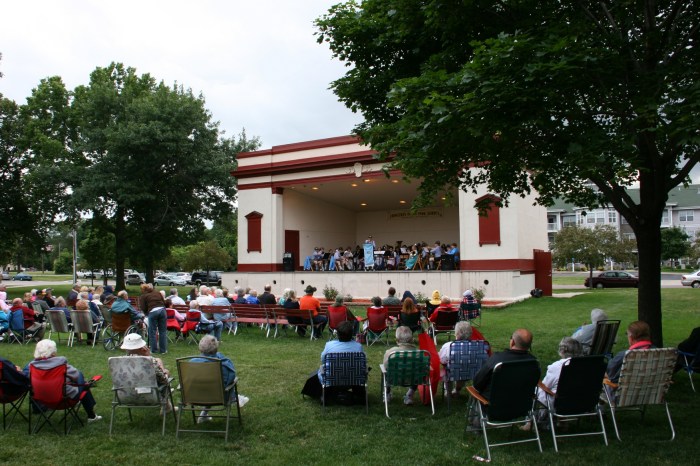
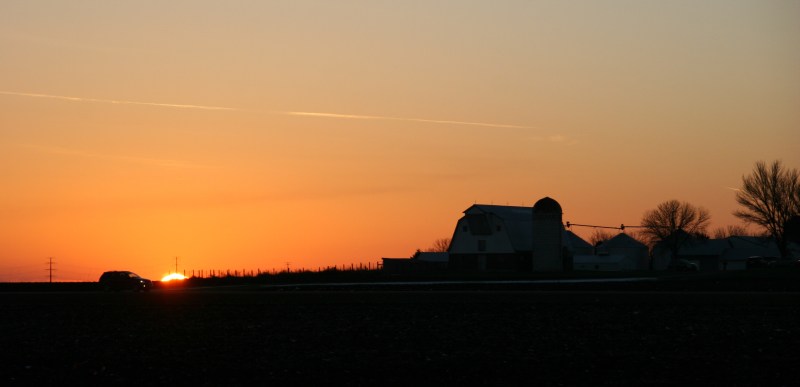
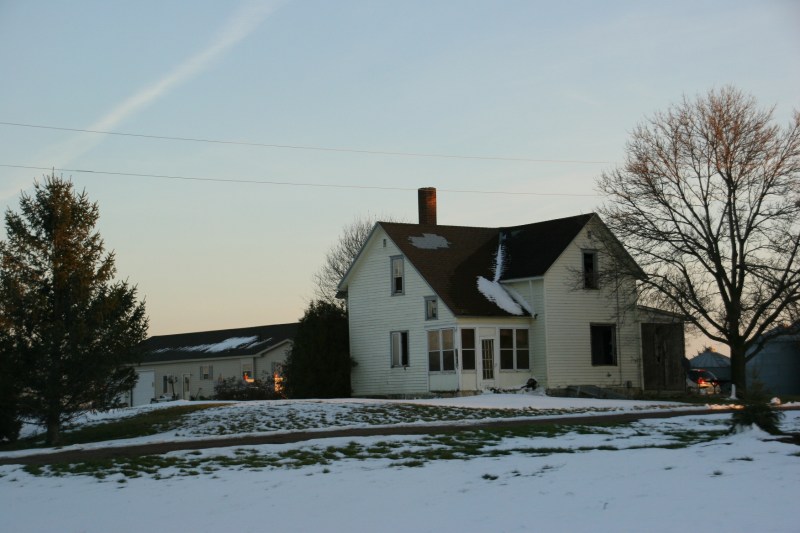
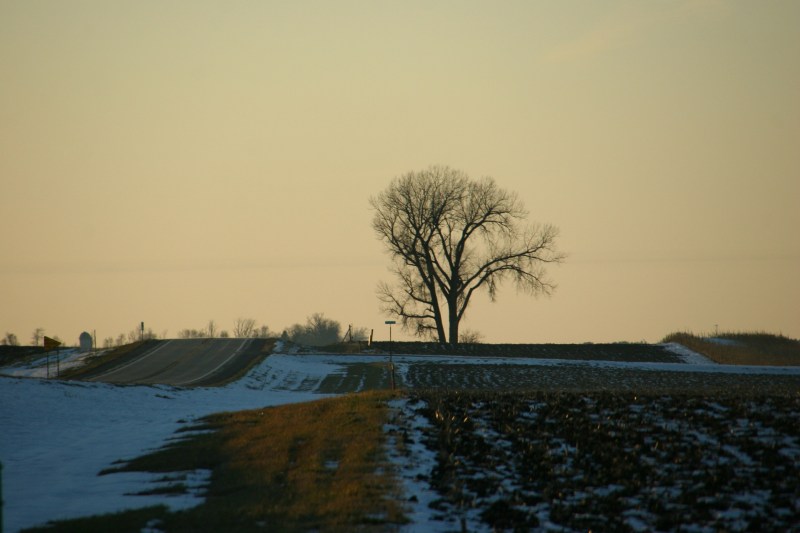
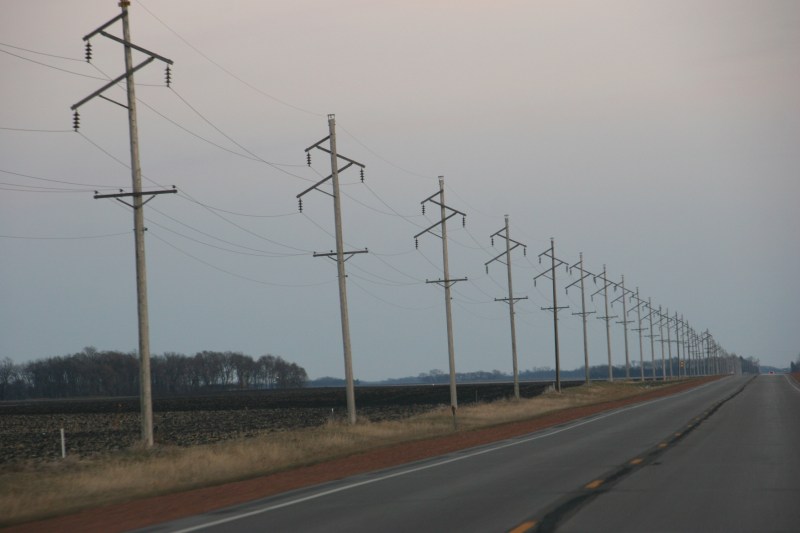
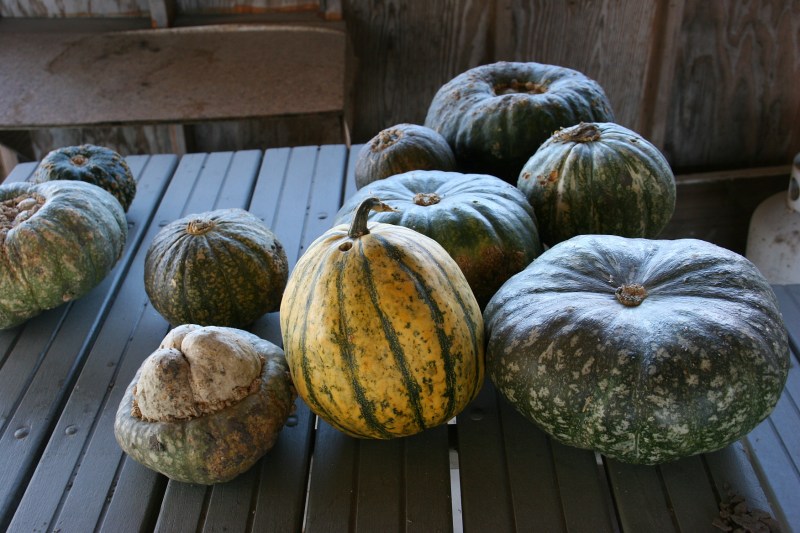
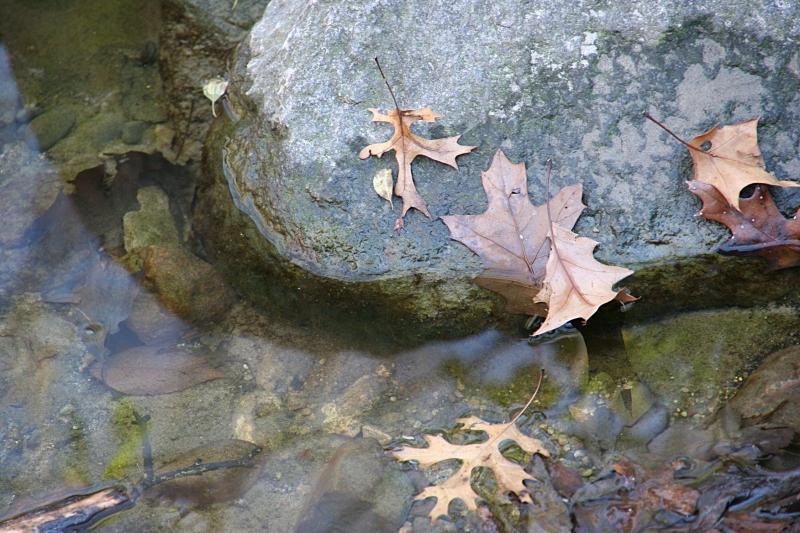
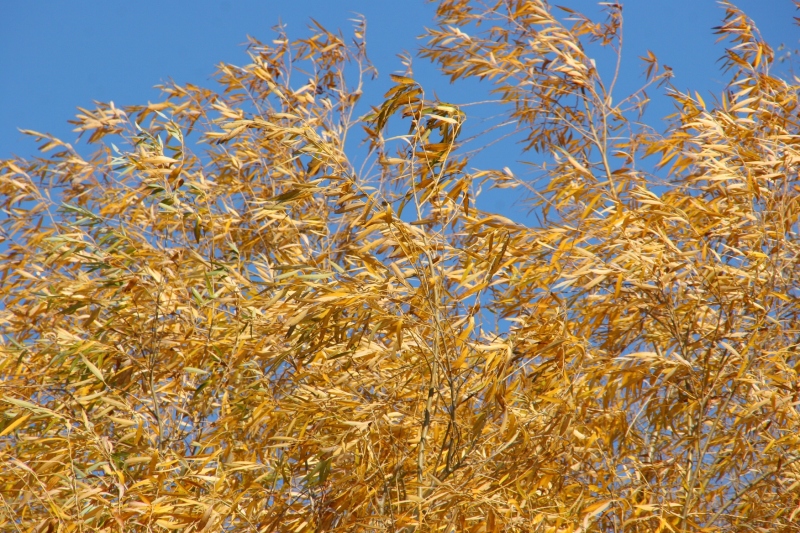
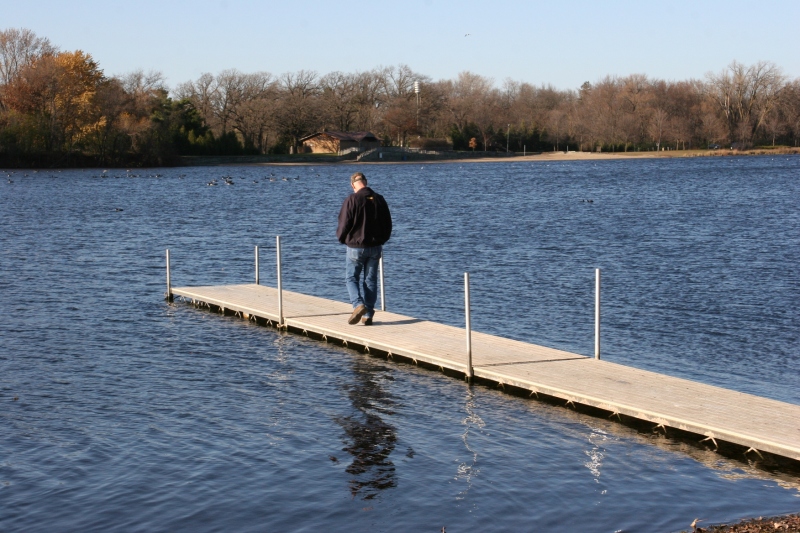
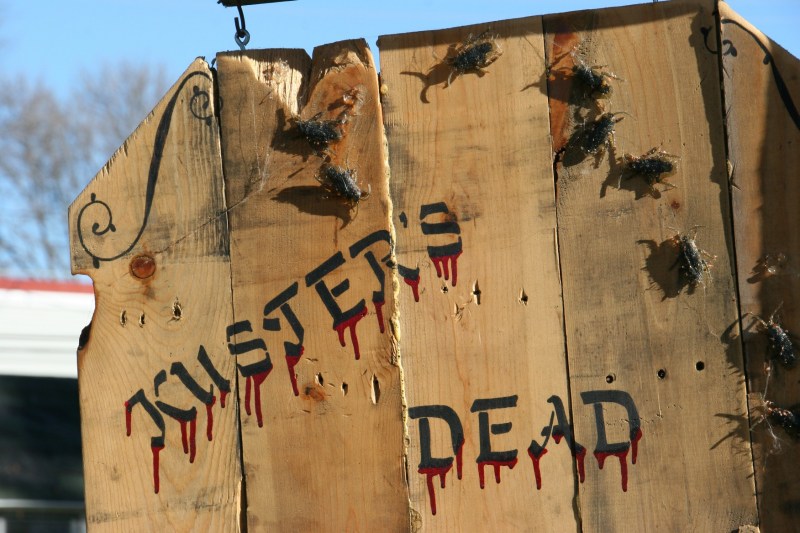
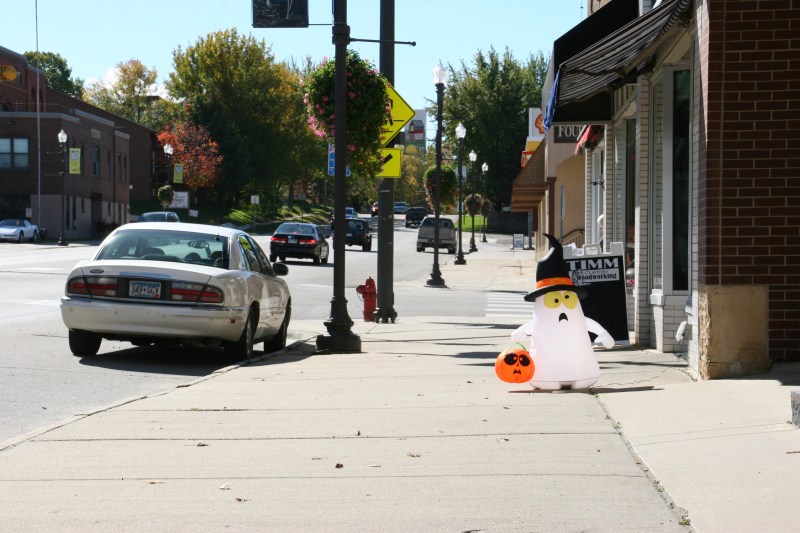
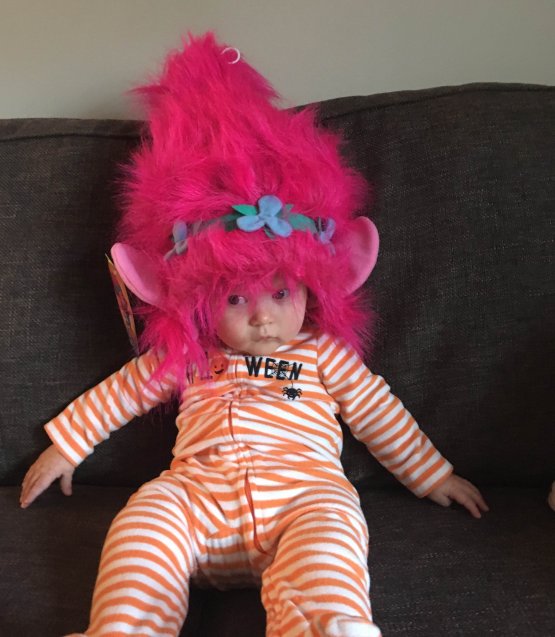
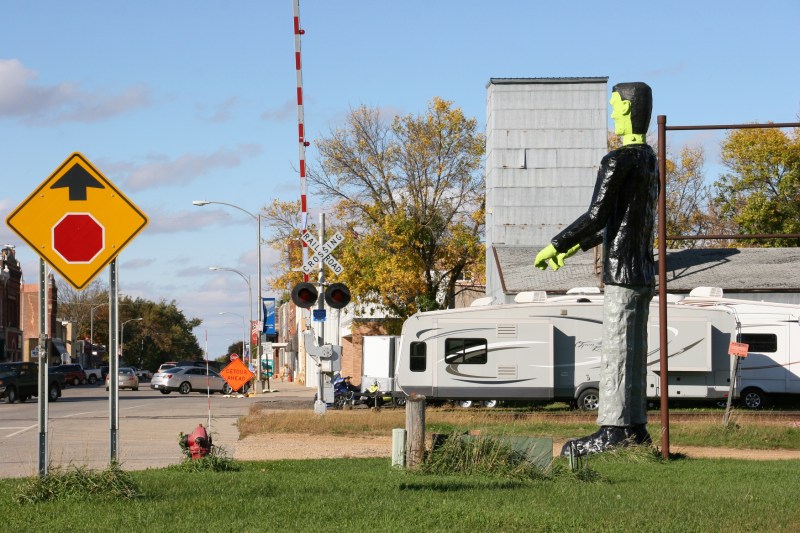
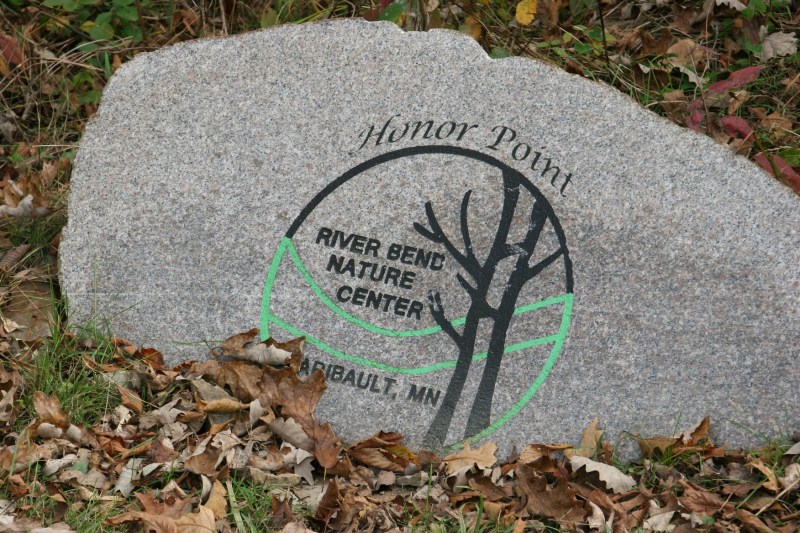
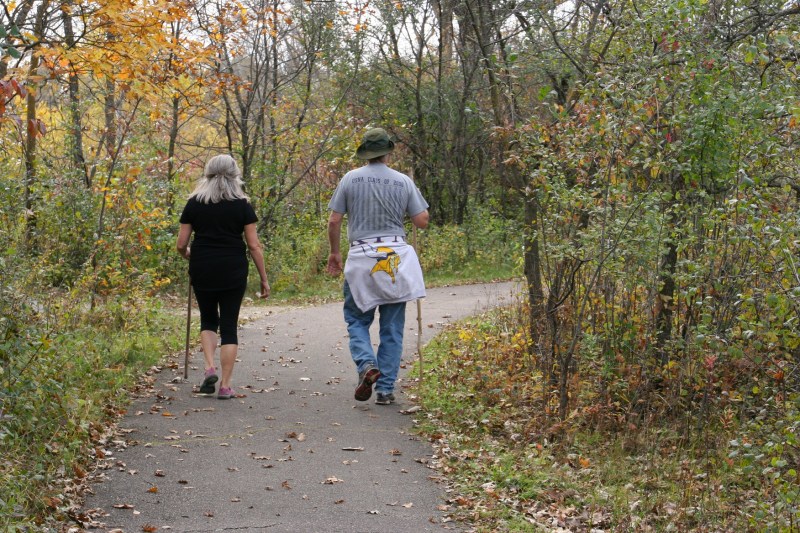
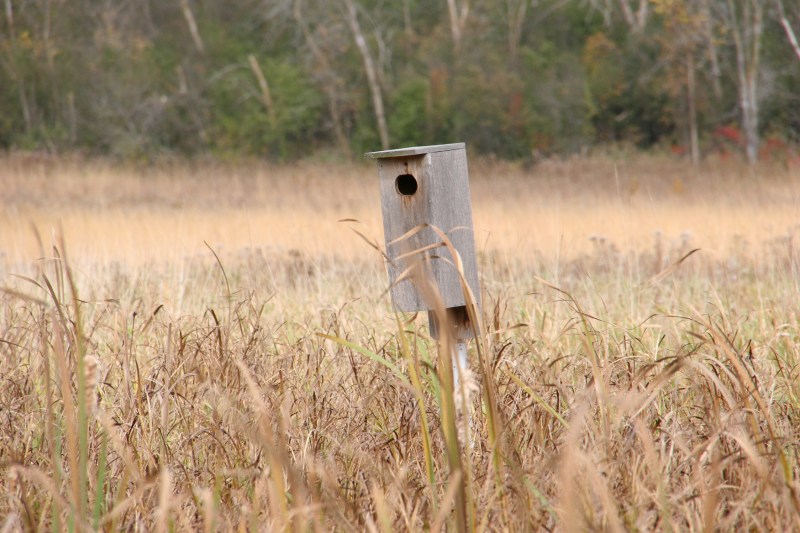
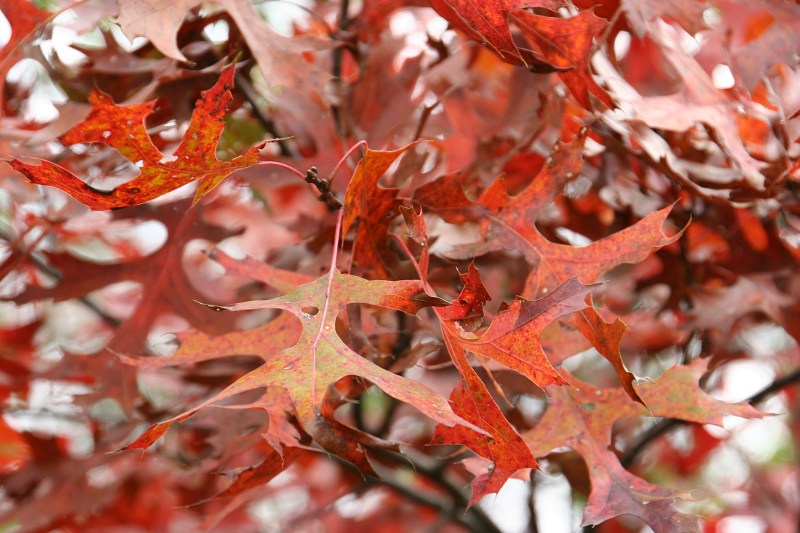
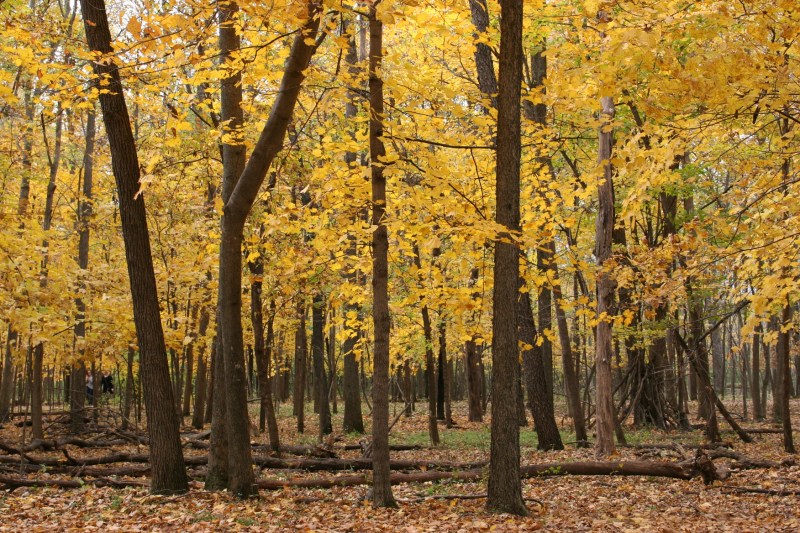
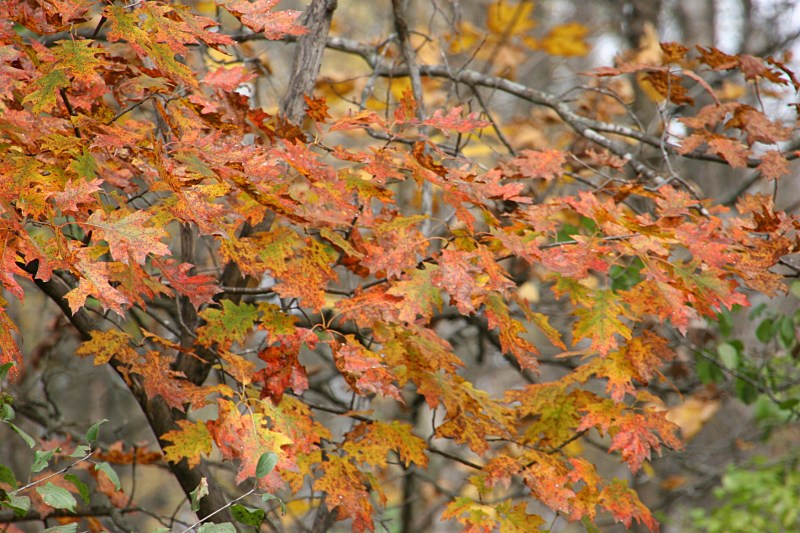
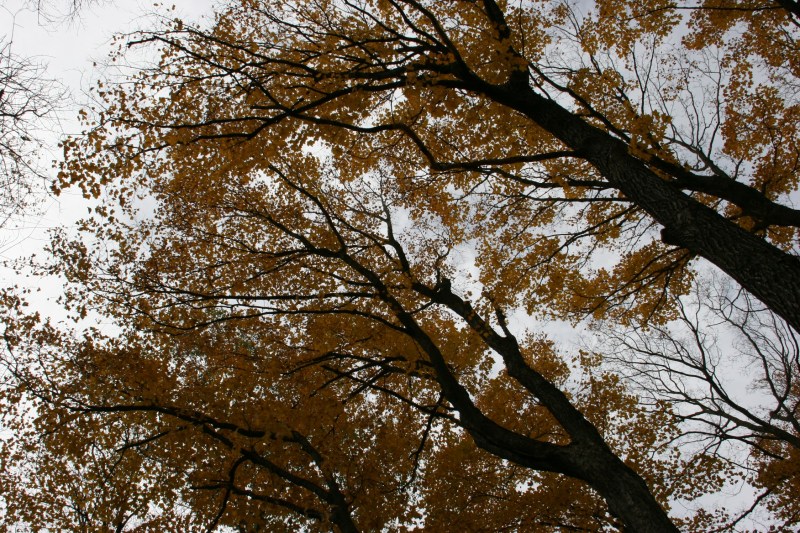
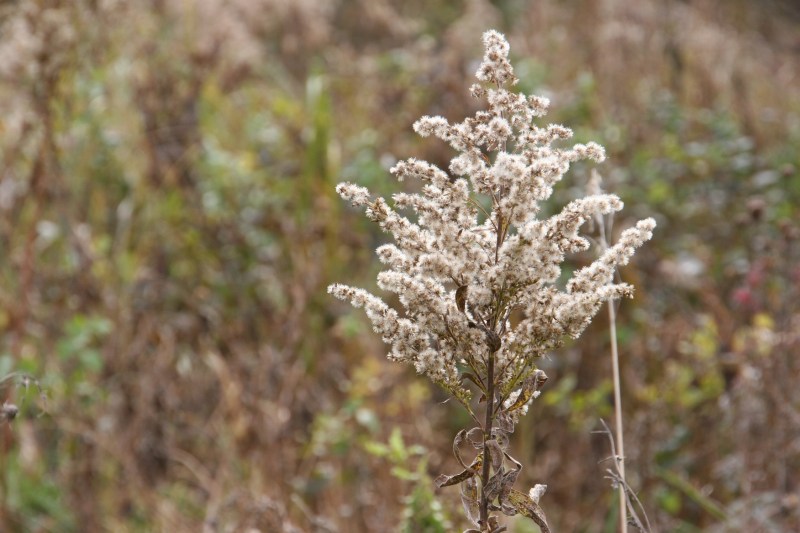
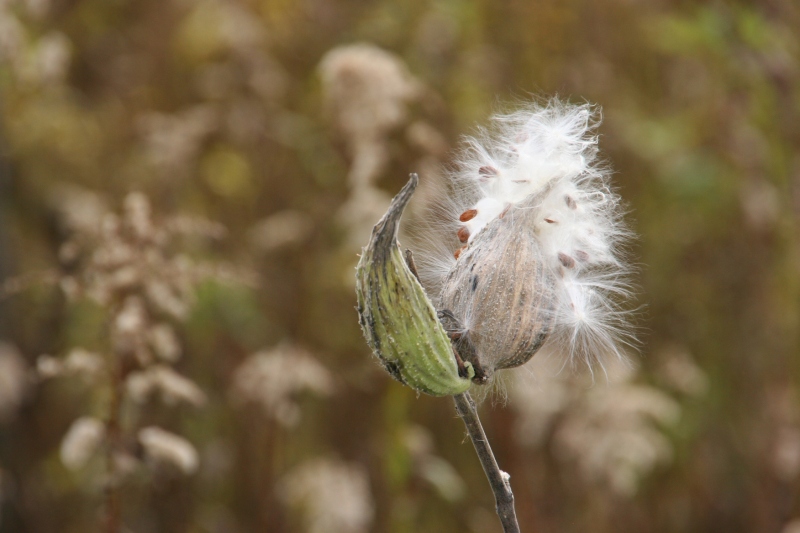
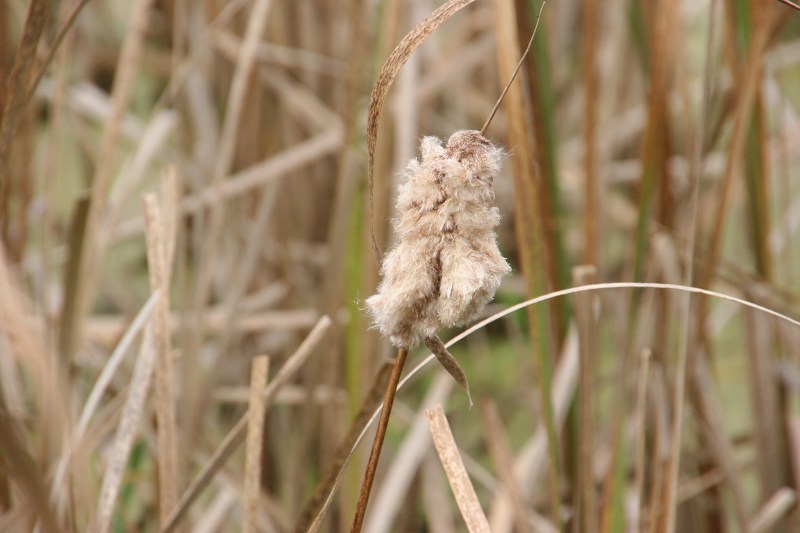
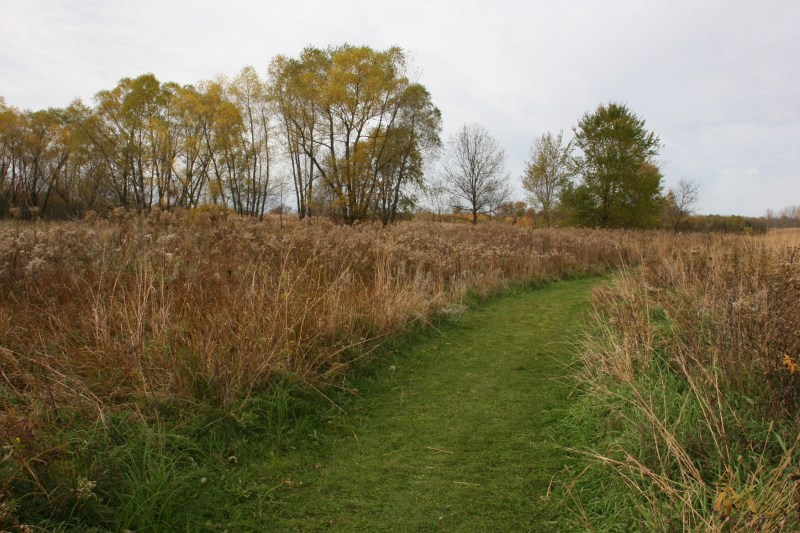
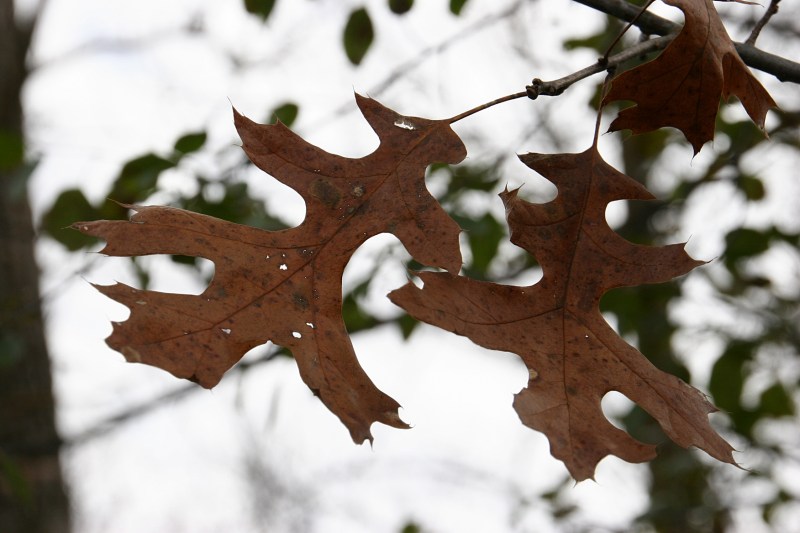
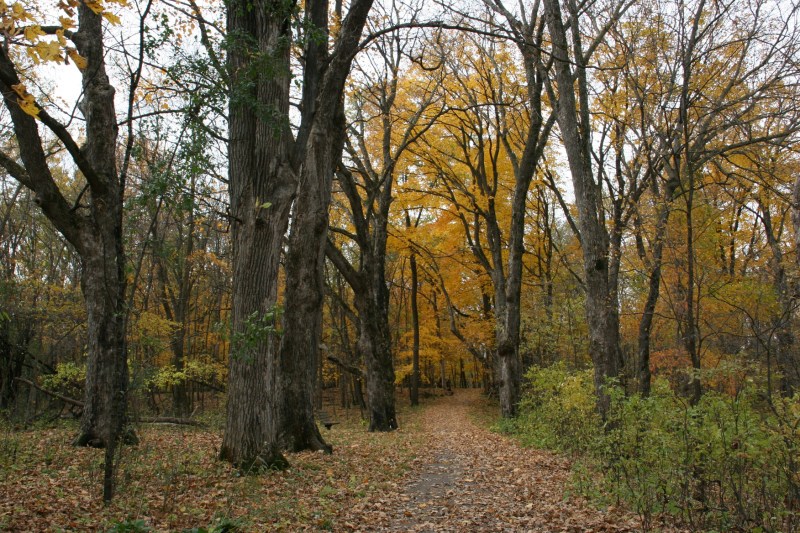
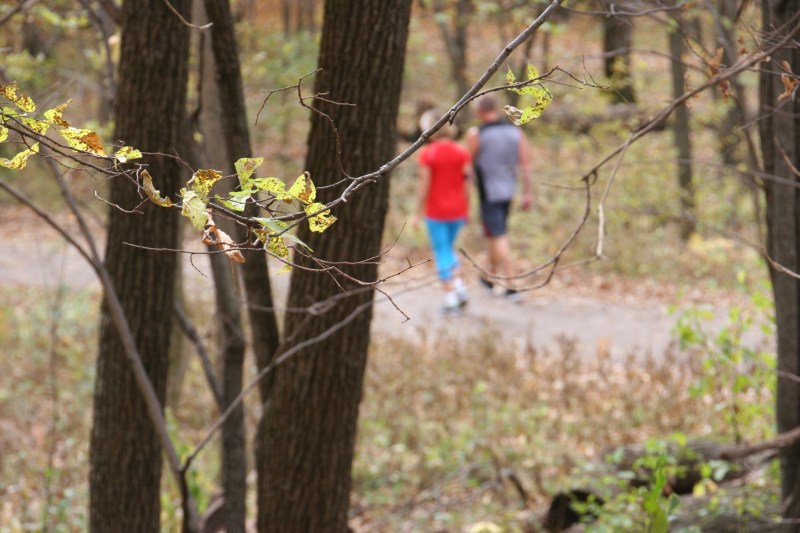
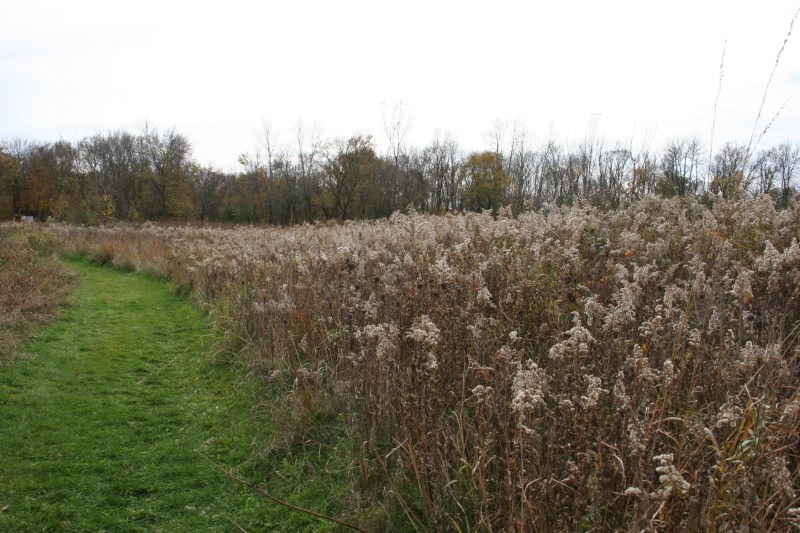
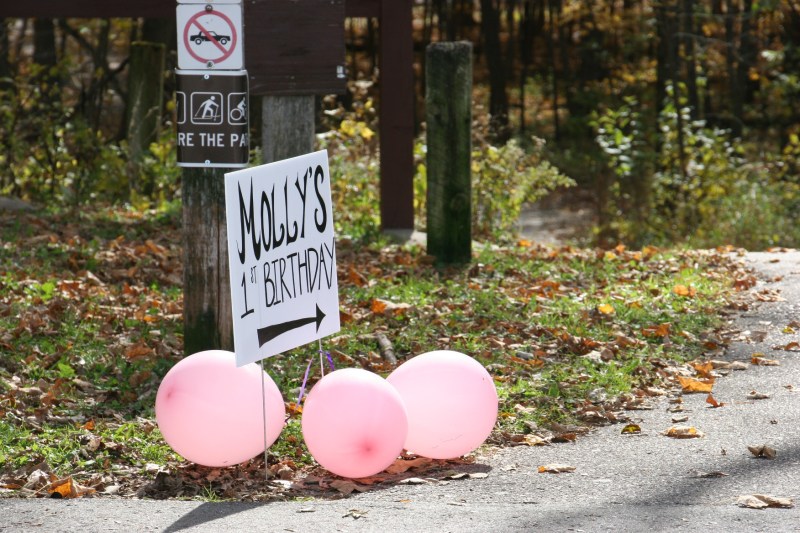
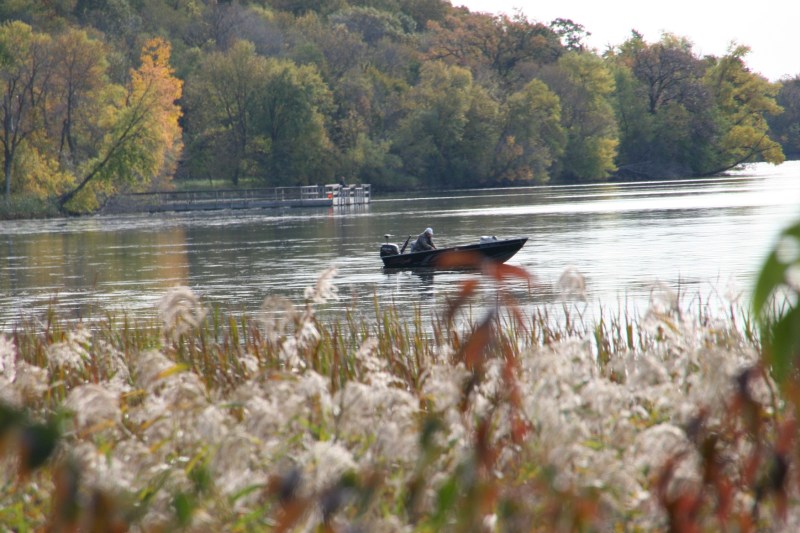
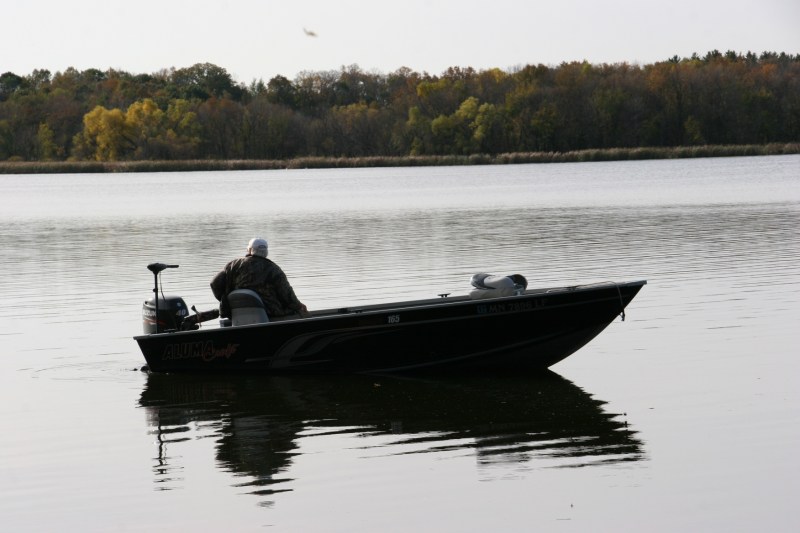
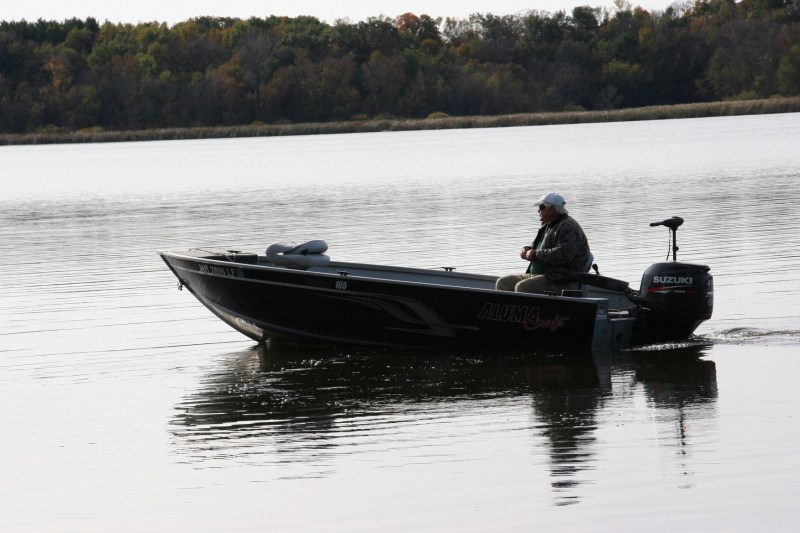
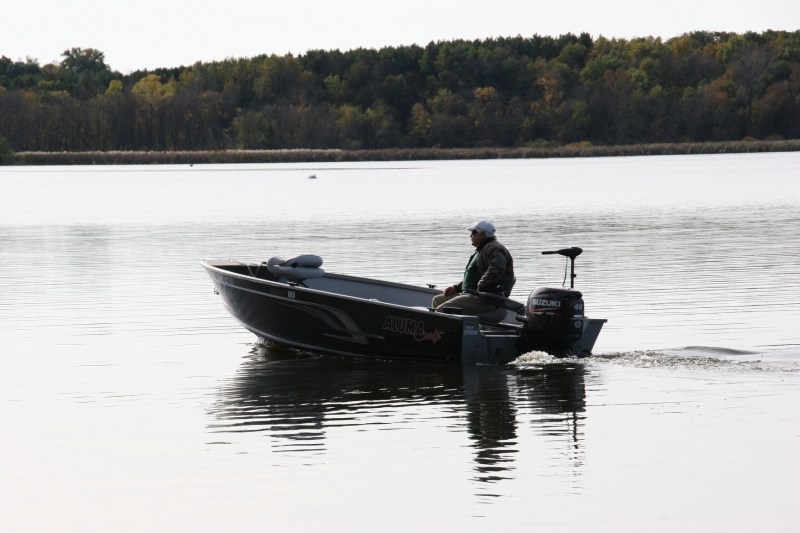
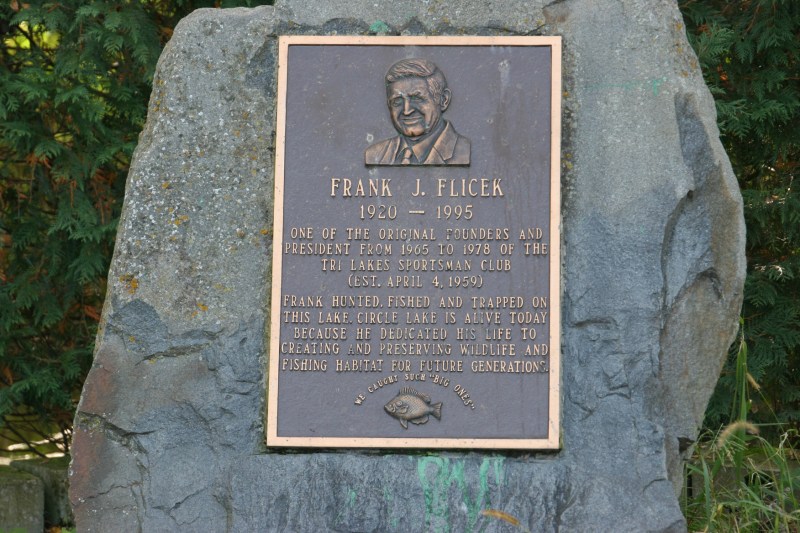
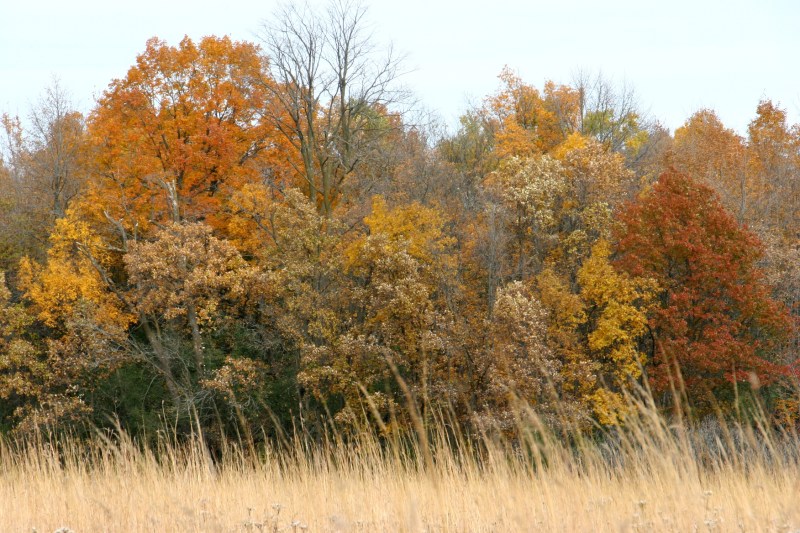
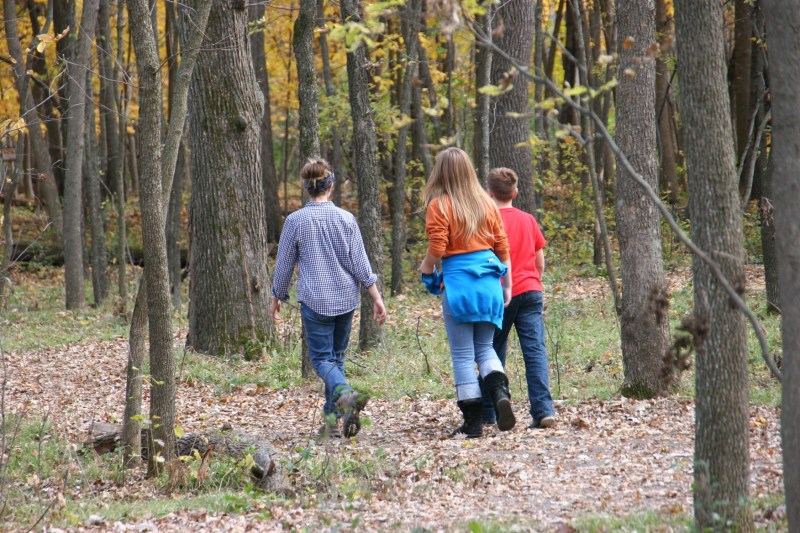
Photographed in early October, Circle Lake, rural Rice County, Minnesota.
© Copyright 2016 Audrey Kletscher Helbling
Photographed in early October, Circle Lake, rural Rice County, Minnesota.
© Copyright 2016 Audrey Kletscher Helbling
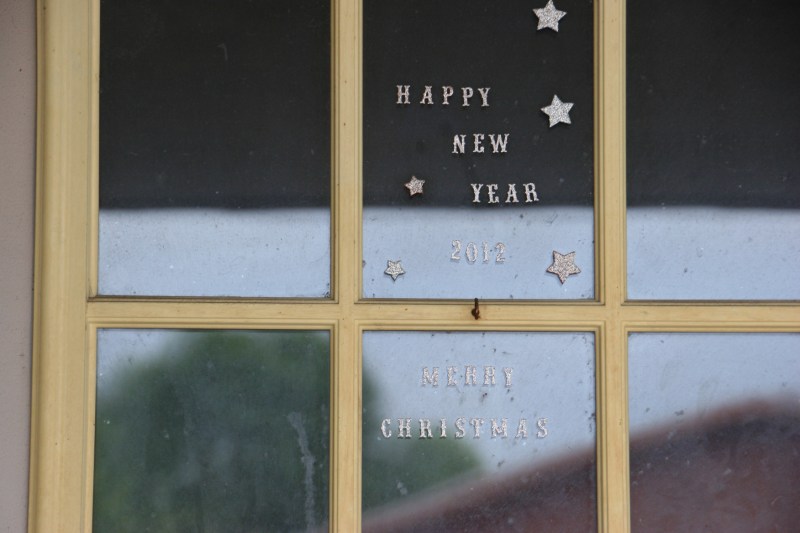
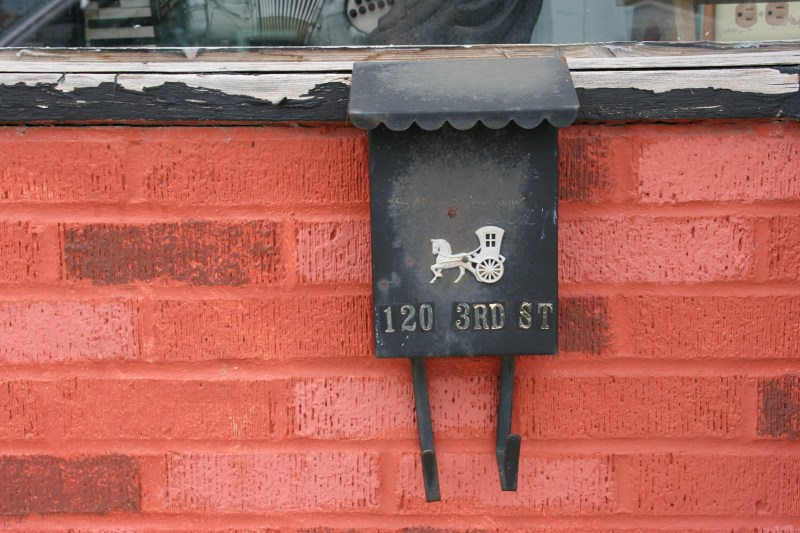
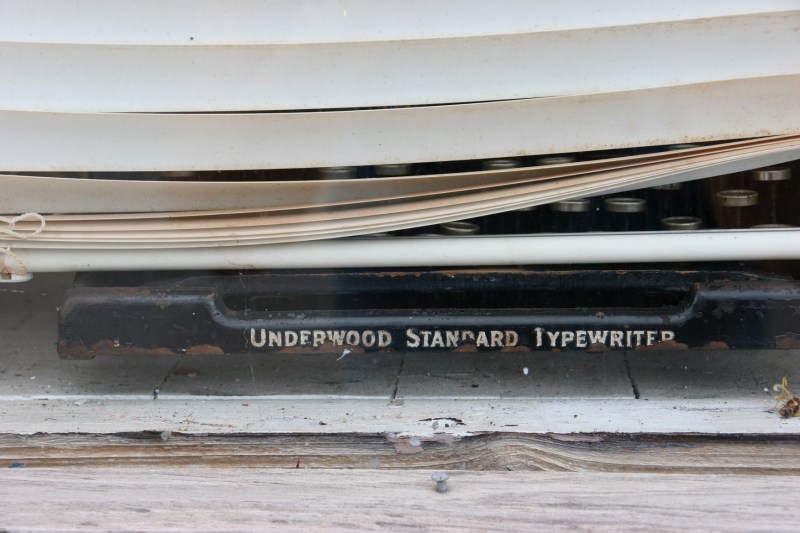
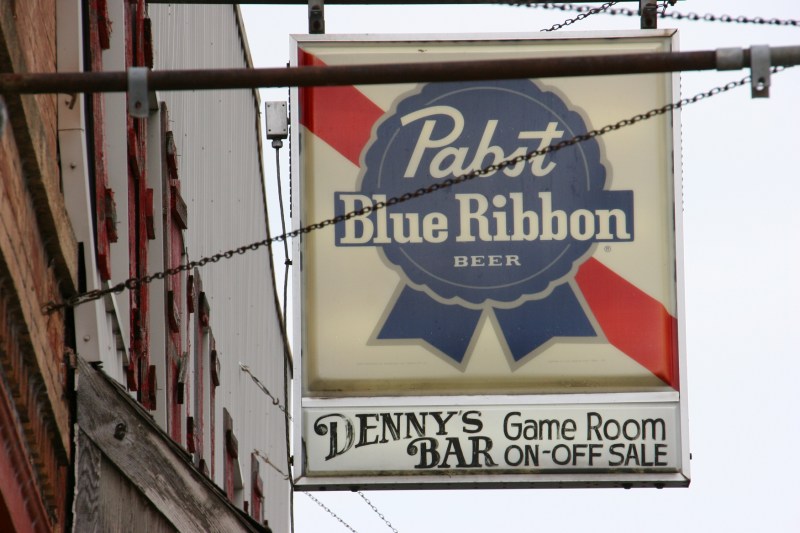
SMALL TOWNS SOMETIMES present images of time standing still.
History lingers.
The past writes in to the future.
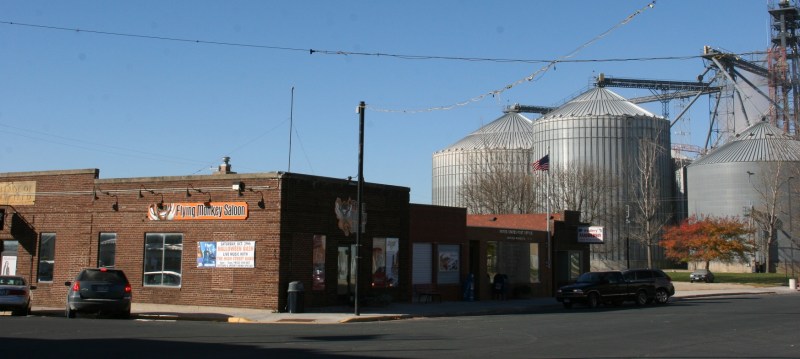
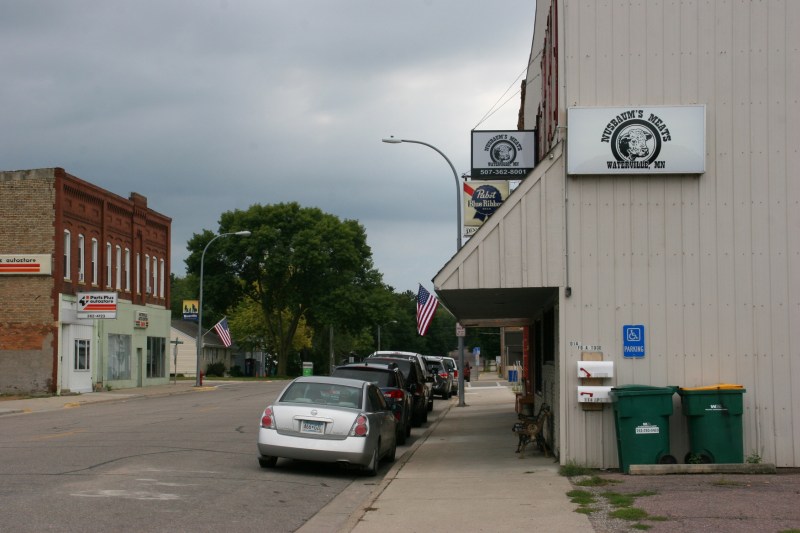
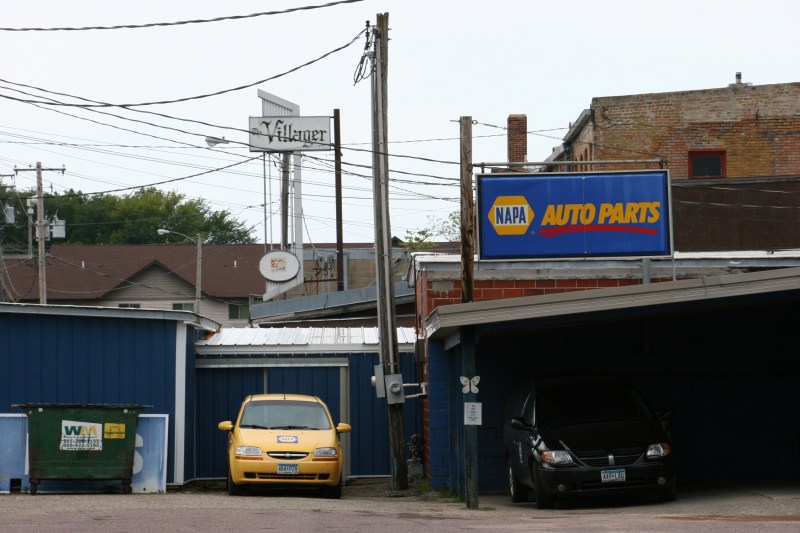
Long-time grassroots businesses maintain a presence, some strong, others struggling against the consumer pull to regional shopping centers, to discount and chain stores.
Watering holes still lure in the locals with icy beer and plenty of BS, enough to crank up the town rumor mill.
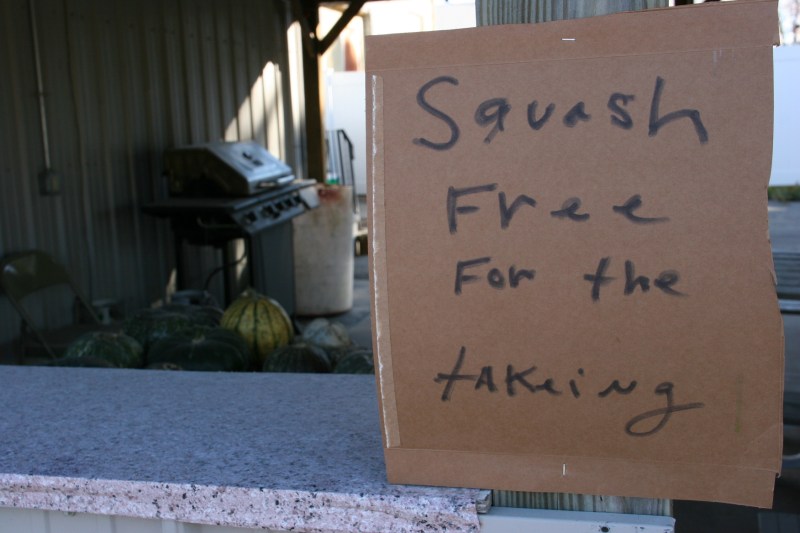
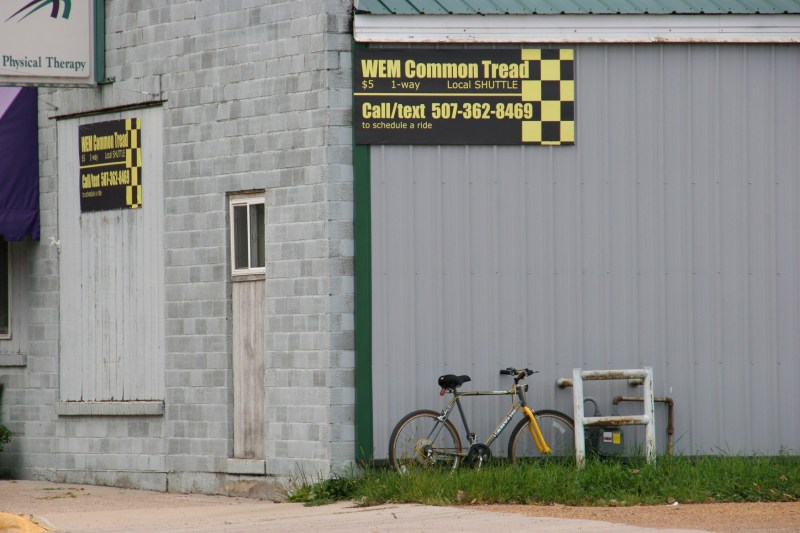
Signs of change creep in. An aging populace. Technology. New needs.
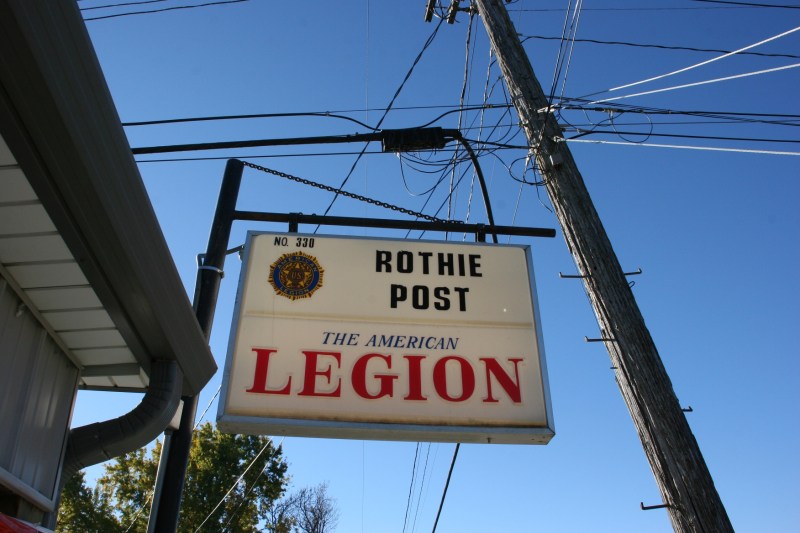
But always the community webs together, lines interconnecting those who call this place, this small town, home.
#
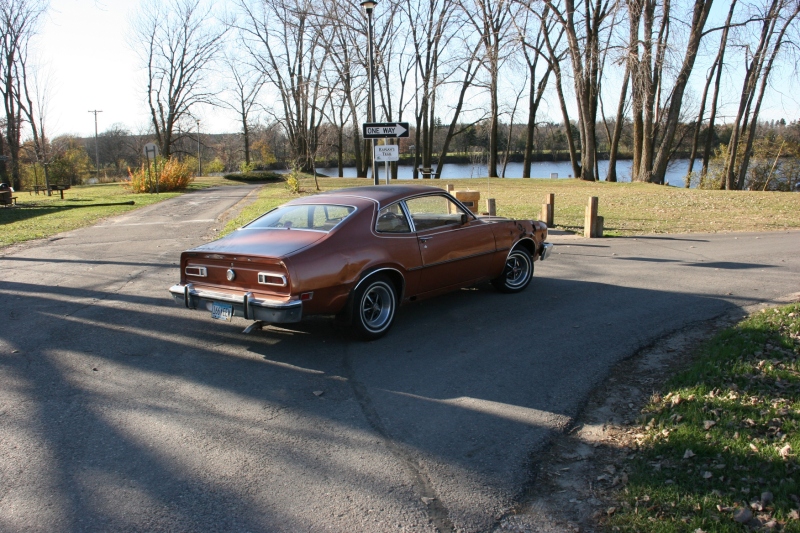
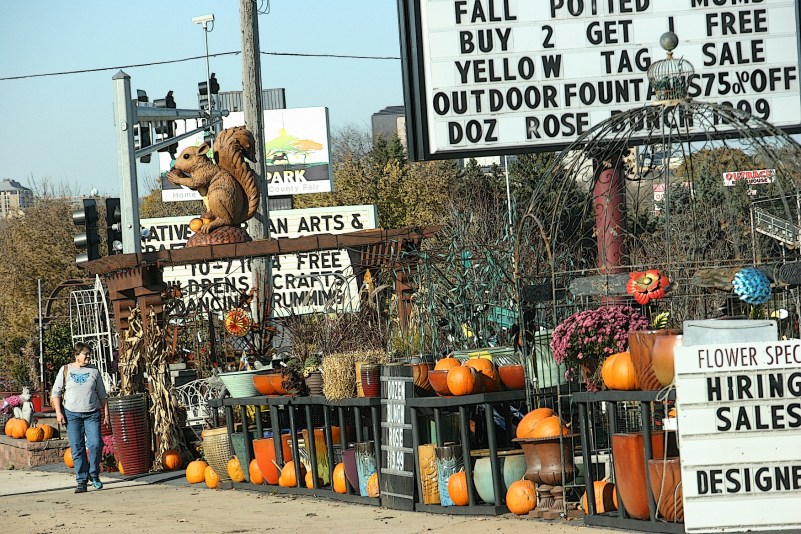
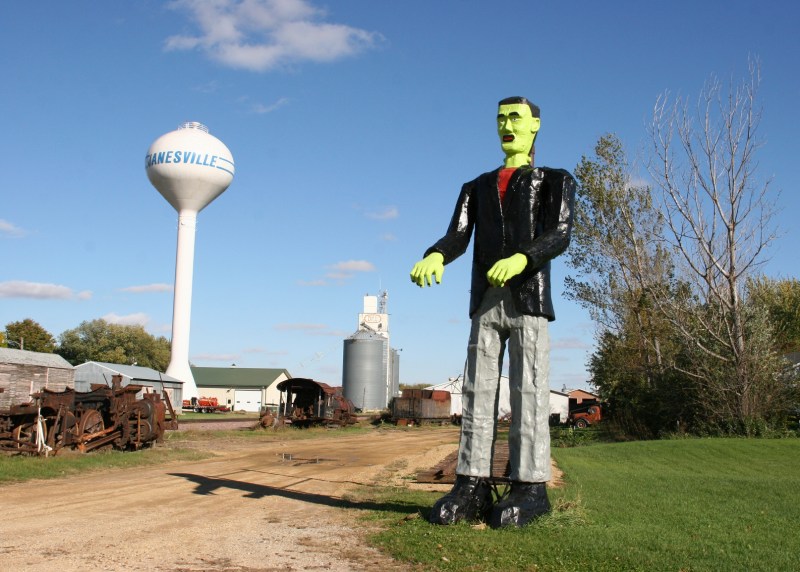
(All of these images were taken recently along two side streets and an alley off Main Street in Waterville, Minnesota.)
FYI: Please click here to read my first post from Waterville. And check back for more photos from this southern Minnesota community.
© Copyright 2016 Audrey Kletscher Helbling

The southern Minnesota based Rural Route Dance Ensemble performs Sunday afternoon next to a log cabin at the Treaty Site History Center along Highway 169 in St. Peter.
ON THE OTHER SIDE of the log cabin, traffic thrummed in a steady rhythm, the noise sometimes detracting from the five young women dancing barefoot in the grass and from the poets reading in to the wind.
Still, despite the traffic noise from busy U.S. Highway 169 in St. Peter, the focus remained primarily on “When Water Dreams: A Celebration,” hosted Sunday afternoon at the Treaty Site History Center.

This photo shows a side view of Kay Herbst Helms’ photo of Swan Lake, one of the largest prairie potholes in the contiguous United States. Located in Nicollet County, the lake covers 14 square miles. I’ll tell you more about Kay’s exhibit of 19 black-and-white photos in a follow-up post.
I was part of that event thanks to Mankato photographer Kay Herbst Helms. Kay’s latest photo project, “Water Rights,” sidebars “Water/Ways,” a Museum on Main Street exhibition organized by the Smithsonian Institution showing through September 25 at the Nicollet County Historical Society host site in St. Peter.
Sunday afternoon, along with other invited southern Minnesota poets, I read “In which Autumn searches for Water,” a poem published four years ago as part of an “It’s All One Water” collaboration in Zumbrota. I clarified before reading my poem that I wrote this when our region was suffering a drought, unlike now when Minnesota has been deluged with rain. Here’s the third verse in my five-verse poem:
But she finds at the pond site, the absence of Water,
only thin reeds of cattails and defiant weeds in cracked soil,
deep varicose veins crisscrossing Earth.

League of Minnesota Poets President Christina Flaugher reads her poetry. Christina’s mother, Susan Stevens Chambers, also read, both her poetry and that of Henry Panowitsch. Two others, Craig Nelson and Mira Frank, read the works of published poets, including that of local poet Jim Muyres who was unable to attend.
I’ve come to enjoy poetry readings—listening to the rhythm of words penned by those who, like me, are moved to string words together in a lyrical way that touches emotions.
With water as the theme for Sunday’s celebration, poets read of lakes and rivers, of rain and of drought, of ships steaming immigrants across the ocean, and more.
Those clustered in lawn chairs, on blankets and standing—some folding paper cranes for the Minnesota State University, Mankato, 1000 Peace Crane Project—focused on the scene unfolding before them.
Dressed in blue, members of Rural Route Dance Ensemble moved with such grace, like water lapping at the shore, waves rolling in the ocean, rain falling from the heavens. I won’t pretend to be an expert in dance; I have viewed few dance performances. But dance, like poetry, is open to interpretation.
Life experiences, emotions and more shape poetry—how it is written, read and interpreted.
The poetry readings of Good Thunder writer Susan Stevens Chambers mesmerized me. Susan has a melodic voice that soothes and comforts like the sound of rushing water. Except her words don’t rush. They flow. I especially savored Susan’s selected readings from her recently published compilation of rural-themed poems, Good Thunder, Blue Earth, published by River Place Press.
As this poet read, her long blue dress swayed in the wind and I thought of gentle waves. Of water.
FYI: Check back for a post on the Smithsonian “Water/Way” exhibit, including more information on Kay Herbst Helms’ photography exhibit, “Water Rights.”
© Copyright 2016 Audrey Kletscher Helbling
HOT SAM’S ANTIQUES, rural Lakeville, defies a singular definition. It’s unlike any place I’ve ever toured.

Atop the hill, behind the sunflower and the fanciful treehouse, are a log cabin and other buildings housing antiques and collectibles for sale.
It’s part photo park, theme park, artist’s haven, junkyard, antique shop. It is undeniably unique. And how you perceive this place depends on your individual preferences. If you like the odd, unusual and quirky, you’ll appreciate Hot Sam’s.

Posted at the entry to Hot Sam’s located along Pillsbury Avenue just off Interstate 35, Lakeville exit.
I first visited this attraction just off Interstate 35 south of the Twin Cities several years ago, returning on a drizzly Saturday afternoon in early June. Things had changed a bit. I couldn’t simply pull out my camera and start photographing the vignettes created by owner Jake Hood and his artist friend Barry. I had to check in with Kathy Sakry, Jake’s partner. With a bit of prompting, she remembered me and then waived the usual photographer’s fee, a necessity, Kathy says, to cover expenses.
With Kathy’s OK, I threaded, camera in hand, down the puddled gravel driveway toward the sandy beach. I kept a watchful eye on the overcast threatening sky.
The beach-side cabana, turtle-topped sand dune and dune buggy scene is Jake’s latest project. Thatch materials came from a now-closed business at the Mall of America. No surprise. Jake hints at connections to junkyards/scrappers/other sources from Minnesota to the coasts. You clearly need those ties to create an attraction like Hot Sam’s.
Butt bar stools, for example, come from some place in Vegas. What happens in Vegas stays in Vegas. There’s a certain mystique that envelopes Hot Sam’s, although if you had the time, Jake would likely share detailed stories.

This guitar sculpture and other sculptures are perched atop a hill along Interstate 35 south of Lakeville.

Entering Hot Sam’s tropical paradise. This is the only peek you’ll get of this place from me. Maybe Jake will take you there. But then again maybe not.
As it was, he invited my husband and me to board his golf cart for a short drive into a hidden section of the property. I hung on as Jake twisted the cart through the woods, down a hill, around a curve and into a recreated island-themed paradise. This party spot is most often frequented by musicians drawn to Hot Sam’s by an over-sized guitar sculpture visible from Interstate 35, Jake tells me.

If you’ve seen this shark and other hillside sculptures from Interstate 35 south of the Lakeville exit, then you’ve found Hot Sam’s. Take the Lakeville exit and go east a short distance before turning south onto Kenrick Avenue.
For years, sculptures have been positioned roadside atop Hot Sam’s hill. For years, I’d seen the art and never bothered to exit the Interstate. I expect many other motorists have done the same.
That’s the thing. We drive by, just drive by. And then one day, if we have the time and/or inclination, we stop. And then we discover a place that defies easy definition, a place that showcases creativity, a place that everyone should tour. At least once. Or twice. When we’re always in a hurry, we miss the Hot Sam’s of the world. And that is our loss.
TELL ME: Have you ever toured Hot Sam’s? Or have you visited a place just as interesting and unique? I’d love to hear. Check back tomorrow for one final photo look at this south of the metro area attraction.
FYI: To get to Hot Sam’s Antiques from Interstate 35, take exit 81 near Lakeville and go east on Dakota County Road 70 about half a mile to the stoplight. Then turn south onto Kenrick Avenue/County Road 46. Continue approximately 1 1/2 miles on Kenrick, which turns into Pillsbury Avenue. Hot Sam’s is located on the west side of the road at 22820 Pillsbury Avenue South, Lakeville. You’ll see a sign.
Open from 10 a.m. – 6 p.m. weekdays (except closed on Thursday) and Saturday and from noon to 6 p.m. on Sunday. I recommend calling in advance to confirm hours.
© Copyright 2016 Audrey Kletscher Helbling
IT’S ALWAYS A THRILL, as a photographer, to be recognized for one’s work. It validates what I create with my camera and fuels my passion to continue pursuing photography.
For the third time, a photo I entered in the National Mutual Benefit annual photo contest has placed. This year I earned honorable mention in the people category for my image, “A Dinner Date at the Lakeview Drive Inn.” I shot the scene in August 2014 at this iconic drive-in in the Mississippi River town of Winona, Minnesota. My husband and I were returning from a vacation to Iowa and Galena, Illinois, when we visited the Lakeview on a mid-week Farm Tractor Night.
Lighting—the golden hour of photography—was perfect. And the scene and setting were so iconic Americana that I was giddy about the photo possibilities. You just know as a photographer when photo ops abound.
I was familiar with the Lakeview, having dined there a few times while our eldest daughter attended nearby Winona State University. I’d also written and taken photos for a magazine feature story about this long-time eatery noted for its homemade root beer.
When I saw an elderly couple dining in their convertible, I framed the scene and clicked the shutter button. The result was a winning photo that captures a sweet moment in time and memories of yesteryear. Nostalgia.
Click here to see all of the winning photos in the 2015 National Mutual Benefit contest.
Last year I also entered a photo of an elderly couple to win first place in the people division of National Mutual’s photo contest for my “Fourth of July BINGO callers.” That scene was shot in 2013 at North Morristown. Again, I managed to recognize and snapshot a moment that is grassroots connective.
My first photo win, though, in a National Mutual contest came back in 2003 when I won first place in the scenery division for an image of a butterfly settled upon a daisy in my backyard. That was taken with my 35 mm film camera, before I owned my Canon DSLR. I’d show you that photo, too, except I have no idea where the print may be.

A mirrored self-portrait when I was trying out a different Canon earlier this year. I shoot with a Canon EOS 20D.
I love photography. Along with writing, it’s a creative outlet for me. But it’s also a source of income. Numerous people have found my work via this blog and purchased rights to use my images—on websites, in books, on annual reports, in magazines, as framed prints, in an educational app and more. I am pleased and thankful when others recognize and value my work. No, I do not give away my photos for credit and/or a link. Many people apparently think I do based on the numbers of inquiries offering that type of “payment.”
Email me at audrey at mnprairieroots.com if you are interested in purchasing digital rights to my images.
I use photography to tell a story in the most creative way I can. I am not a stand in the corner and shoot person. I squat and kneel and even lie on the ground if necessary to get the proper perspective. Sometimes I hold my camera above my head, aim the lens down and shoot. Other times I place the camera on the ground, tilt it up and click.

One of my favorite close-up VBS photos shows the VBS leader clutching crosses to be used in a craft project.
I shoot from afar and I shoot up close. During a stint of volunteering to photograph my church’s Vacation Bible School this summer, I took more than 1,000 photos in eight hours of work. And if anyone was expecting me to simply photograph obscure groups of kids, they were wrong. Sure, I snapped images of groups. But I also told the VBS story in detailed photos of hands and faces and other close-ups.
Many think taking good photos is all about the equipment. Yes, good equipment is nice. But it’s ultimately lighting, creativity, composition and observation skills (and sometimes luck) that lead to quality memorable images.
This quote by noted advertising and documentary photographer Elliott Erwitt summarizes well my thoughts on photography:
“Photography is an art of observation…I’ve found that it has little to do with the things you see and everything to do with the way you see them.”
I’ve been shooting long enough, first as a photojournalist (a necessity back in my days working as a small town newspaper reporter), to feel confident in my work, in my style. Thank you for appreciating me and my photography.
© Copyright 2015 Audrey Kletscher Helbling
WHEN THE MAIL CARRIER arrived at my door on Friday bearing a package, I was surprised. “I didn’t order anything. Who’s it from?” I asked.
“Looks like it’s from a relative,” he said.
And then I remembered my sister-in-law’s quick phone call several days earlier requesting my address. She was running errands and had no time to chat. This box with her return address solved the mystery of that call.
Inside, I found several sweet surprises—a pillow, a book and a clutch of notecards.
My 10-year-old niece crafted a yo-yo pillow for me. Fifty-six yo-yos, tiny circles of fabric gathered at the edges and sewn into circles stitched to a pink flannel pillow. Yo-yos were, Beth wrote in an attached note, popular during the Depression. Women made them from scrap fabric (oftentimes from old clothing) and then stitched them into quilts.
As much as I appreciate the pillow, I treasure even more the words Beth typed when she entered the pillow in her county fair and then the North Dakota State Fair. She earned two blue ribbons for this 4-H project. Here’s the part that especially touched me:
I made it for my Aunt Audrey’s birthday. She loves funky stuff and vintage, so I think she’ll like this pillow.
Beth’s wrong. I don’t just like this pillow; I love it.
And I like that my dear niece and her mom, Rena, know me so well. I do, indeed, value funky and vintage.

“When I discovered this historical gem from under junk and odds and ends (in a rummage store), I knew it was meant for you. Enjoy!” my sister-in-law wrote. This chapter explains how Land O’Lakes came to be the name of the Minnesota Cooperative Creameries Association’s butter. The Co-op launched a contest in 1924 to name its sweet cream butter, offering $500 in gold as prizes. Mrs. E.B. Foss of Hopkins and George I. Swift of Minneapolis submitted the same winning name. Contest entries of about 7,000 daily overwhelmed the company office. The contest topped news in the Midwest, second only to the Teapot Dome oil scandal, according to the author.
That leads to the second gift, the book Men to Remember: How 100,000 Neighbors Made History by Kenneth D. Ruble. Land O’ Lakes Creameries, Inc. commissioned the volume published in 1947. Perfect for someone who grew up on a dairy farm.
The last item in the package—a collection of rural-themed notecards—is a fitting gift also. The cards feature the work of Michigan, North Dakota, photographer David Paukert. Titled “Spatial Odysseys,” the photo cards showcase fields, a church, a barn and more from Paukert’s “Visions of the Prairie” Collection. Prairie. That reflects me, rooted in the prairie.
These gifts from Rena and Beth arrived at the end of a difficult week. They didn’t know this, of course, because the presents were originally intended for my birthday two months ago. But the timing of the delivery couldn’t have been better. Rena and Beth blessed me not only with the items they made and chose for me, but also with their thoughtfulness, love and care.
My sister-in-law also included a quote from Mother Teresa: “…do small things with great love.”
This week, please consider ways you can bless someone. Call a friend or family member who needs your support and encouragement. Listen. Avoid “hearing without listening.” Send a card with a heartfelt handwritten note. Or a gift. Volunteer. Be kind. Show your love. In whatever way you can.
Check back tomorrow for another “blessings” post.
© Copyright 2015 Audrey Kletscher Helbling
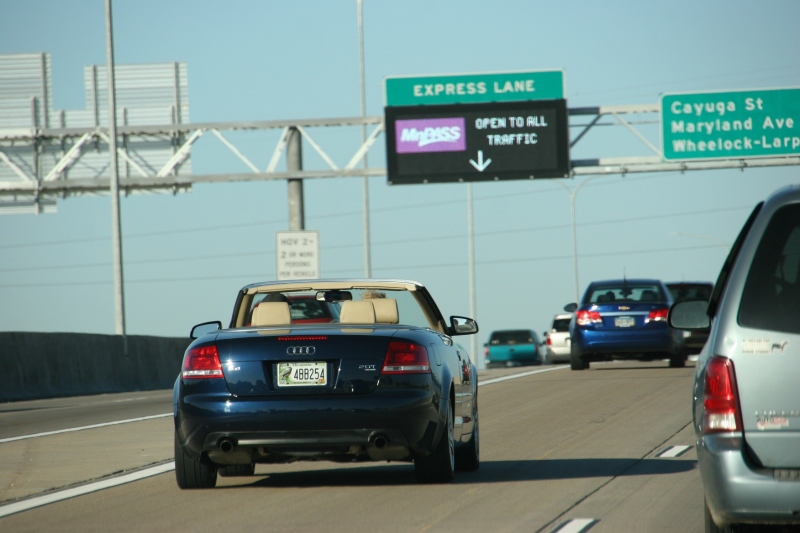
EVERY TIME MY HUSBAND and I journey toward and around downtown Minneapolis, I am taken by the skyline. Generally, I am not a fan of skyscrapers embedded in concrete, of vertical lines that block ground level views and cast long shadows. I am of the prairie, of horizontal lines and broad vistas.
Yet, I have grown to appreciate the Minneapolis skyline. From a distance. And through the viewfinder of my Canon DSLR. My camera distracts me from the often congested traffic, although my definition of congested certainly differs from that of a city dweller.
Afterward, when I am back in my Faribault home office, photos uploaded into my computer, I study the frames. And I see in the downtown skyline images an almost other-worldly quality, as if the collection of buildings is background in an animated film. Unreal. Stacked Lego blocks. The work of an artist rather than that of engineers and builders.

Frame 4: Enough traffic for me. About this time I’m asking my husband, “Do you know which lane you’re supposed to be in?”
Do you see what I’m seeing, that surreal artistic quality in the buildings?
© Copyright 2015 Audrey Kletscher Helbling
IF I WERE TO STUDY your hands, what would I see? Would I see earth or art, youth or age, strength or weakness…
When I look at my hands, I see brown spots sprinkled across skin streaked blue with veins. I notice the slight bump on the knuckle of my right pinkie, a writer’s callous from finger rubbing against paper.
Would my hands show you that I am of the land and also a wife, mother, writer and photographer? Would you see the poetry that flows from my fingertips in both words and images?

Four separate photo projects meld in Kay Herbst Helms’ new exhibit. Image courtesy of Kay Herbst Helms.
A Mankato photographer has chosen for the past five years to study hands, to tell their stories through a series of photographic projects. Kay Herbst Helms’ photos come together in “Seeking What Sustains Us: a photographic journey of hands and water,” an exhibit of four photo projects showing at the Carnegie Art Center, 120 South Broad Street, Mankato.
The exhibit opens at 1 p.m. Thursday, October 8. I will join five other area poets—Yvonne Cariveau, Susan Chambers, John Hurd, Derek Liebertz and Gwen Westerman—at 5 p.m. in reading original poems about water. Dick Kimmel will also entertain with bluegrass music.
But it is Kay’s images which will be the focal point. As she tells it, the decision to photograph hands happened in a prophetic way—when she awakened one morning with the single word, hands, in her thoughts. That led to “Blessed Are the Hands That Have Served,” a photo exhibit focusing on the hands of the School Sisters of Notre Dame.
Her second hands project, “What Sustains Us: considering the hands and the land of south central rural Minnesota,” features the hands of those who work the land and their rural surroundings. It’s an exhibit I viewed in 2012 at the Arts Center of Saint Peter. In that display of black-and-white photos, Kay also shared brief stories of those she photographed.
In her third project, “inner necessities,” Kay photographed the hands of area artists and musicians.
Her fourth hands-themed photo compilation, “Water Vapors,” debuts this week as a consideration of what our hands have done to, in and for water. “We all have connections to each other and to water,” Kay says. “How we manage those connections will determine the future of our great-great grandchildren.”

Several of Kay’s images focus on cattle, enhancing the exhibit’s rural theme in her “What Sustains Us” photo project. Minnesota Prairie Roots file photo 2012.
I expect that I will connect with all four of these photo exhibits because I, like Kay, hold a deep appreciation for storytelling via photography.

I shot this hands photo at an old-fashioned mission fest in Marquardt’s Grove south of Janesville in 2012. To this day, it remains one of my favorite photos of hands. It tells a story of enduring faith.
And for hands. (Click here to read one of my most beloved posts about hands, my mother’s hands.)
FYI: Kay Herbst Helms’ exhibit runs through October 24. An opening reception is set for 7 p.m.- 9 p.m. on Saturday, October 10. Additional arts activities include the free “Fish Prints for Kids” at 5:30 p.m. on Thursday, October 15, and “Marbling for All Ages” at 1:30 p.m. on Saturday, October 17 (fee is $5). Click here for more information.
© Copyright 2015 Audrey Kletscher Helbling
Recent Comments