Harvest in Monkey Valley near Kenyon. (Minnesota Prairie Roots file photo October 2021)
NOVEMBER MARKS A MONTH of transition from autumn to winter here in Minnesota.
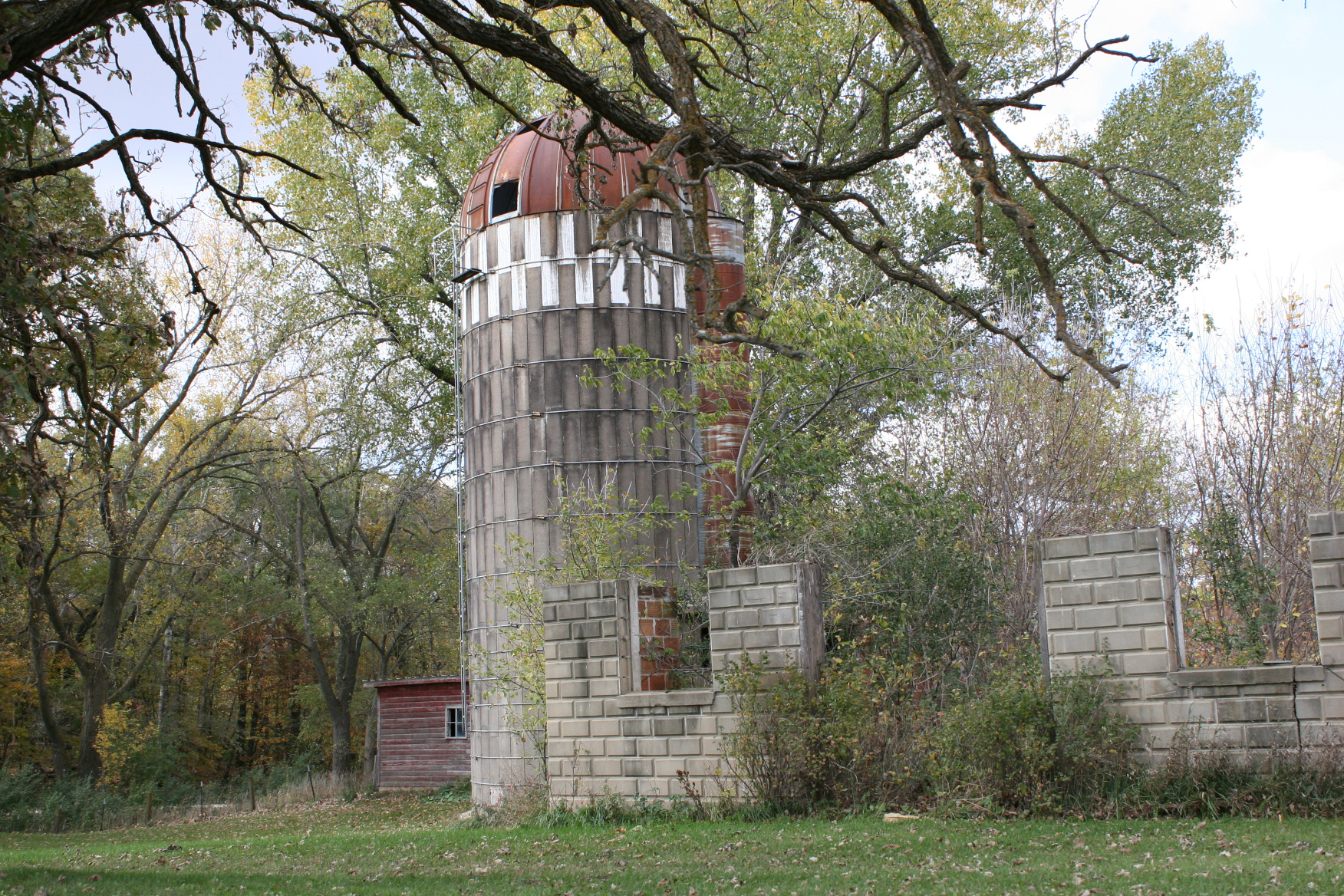
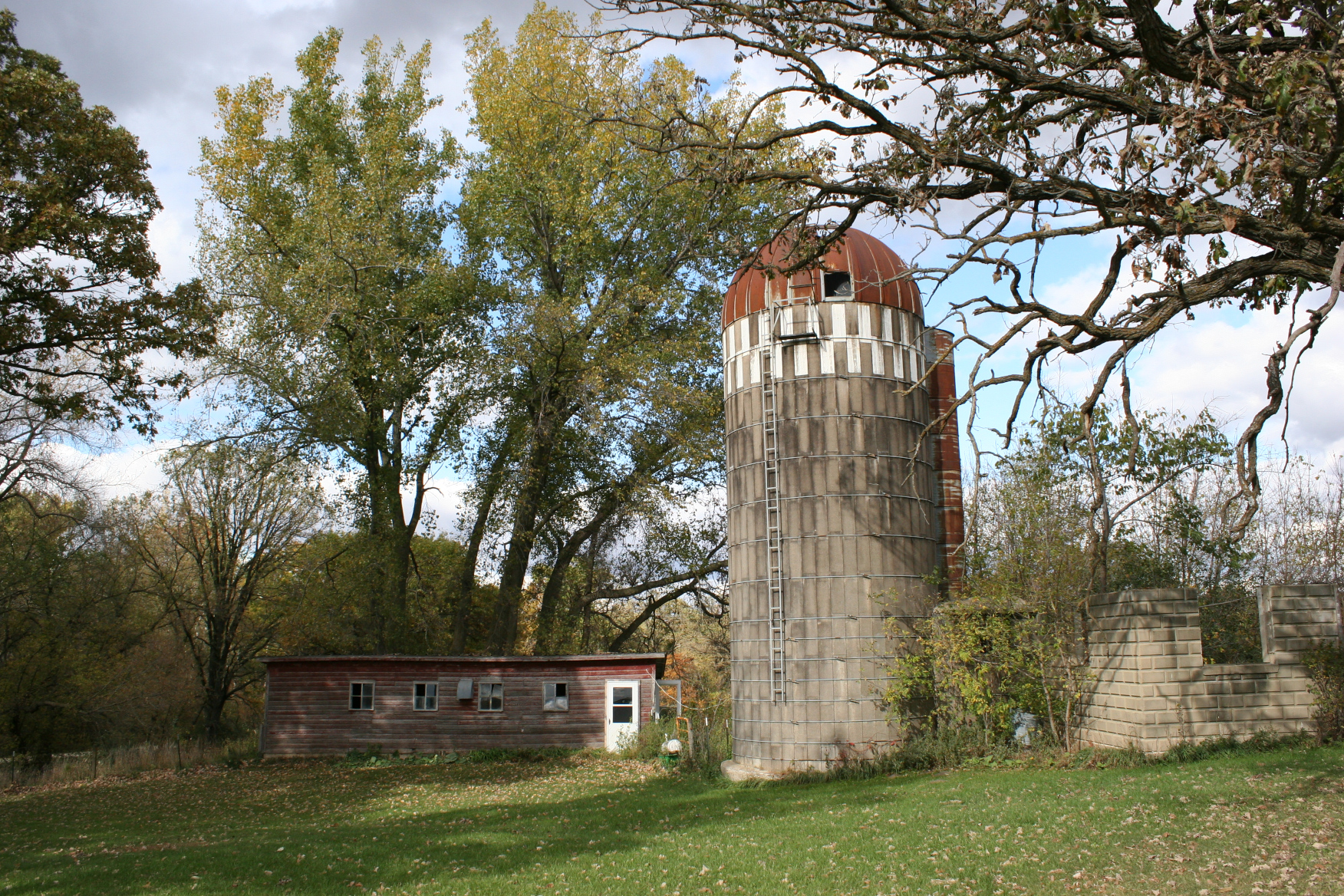
A tree frames an abandoned silo and the remains of a barn in Monkey Valley. (Minnesota Prairie Roots copyrighted photo October 2021)
Trees stand against an often grey sky, brisk winds stripping the last of their leaves to bare branches. Nests crafted by squirrels high in treetops appear vulnerable, unsheltered, exposed to the elements while far below these busy oversized rodents munch on maple seeds, hide walnuts, prepare for winter. Their smaller cousins find their way into our aged house and garage, necessitating a daily check of the trap-line.
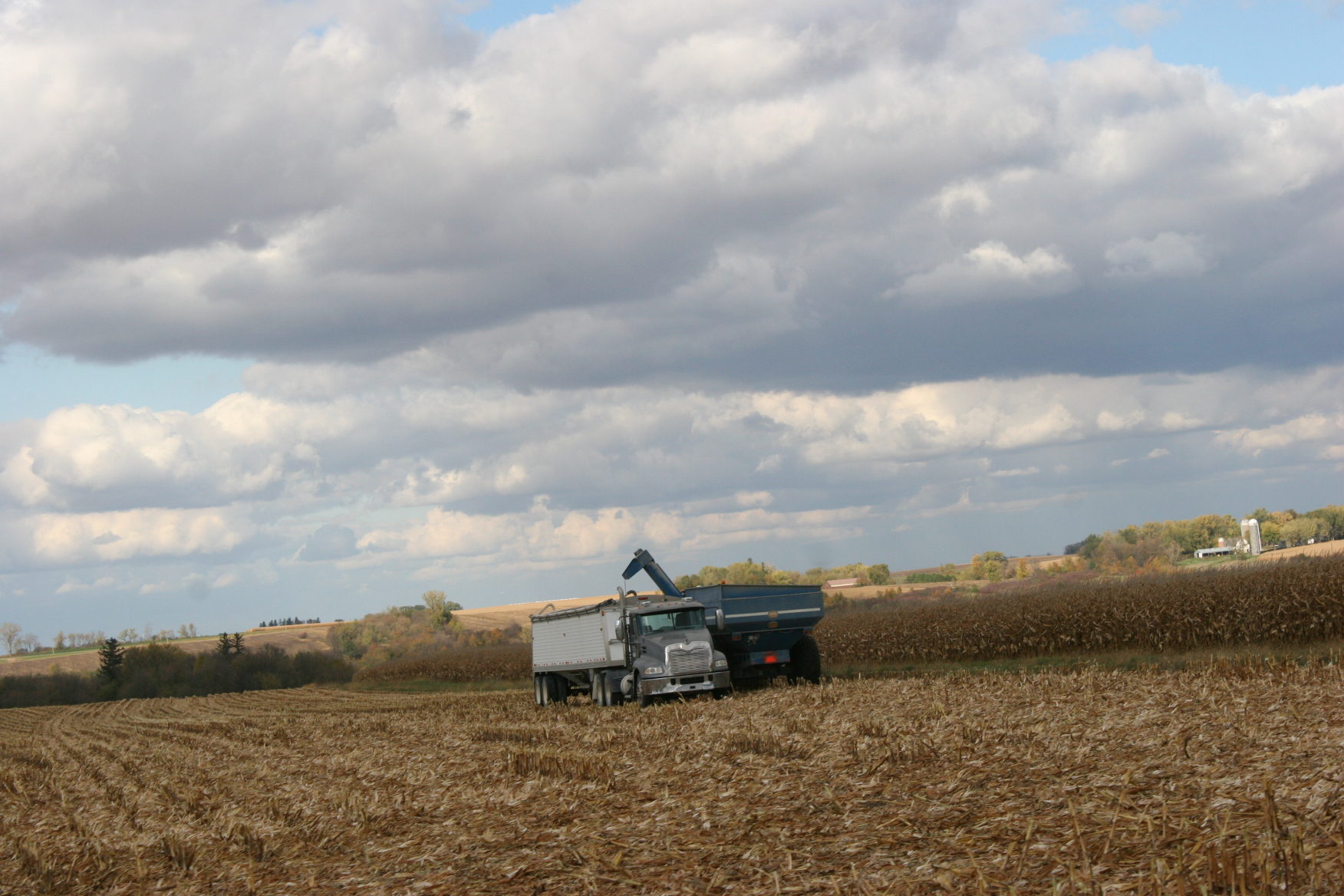
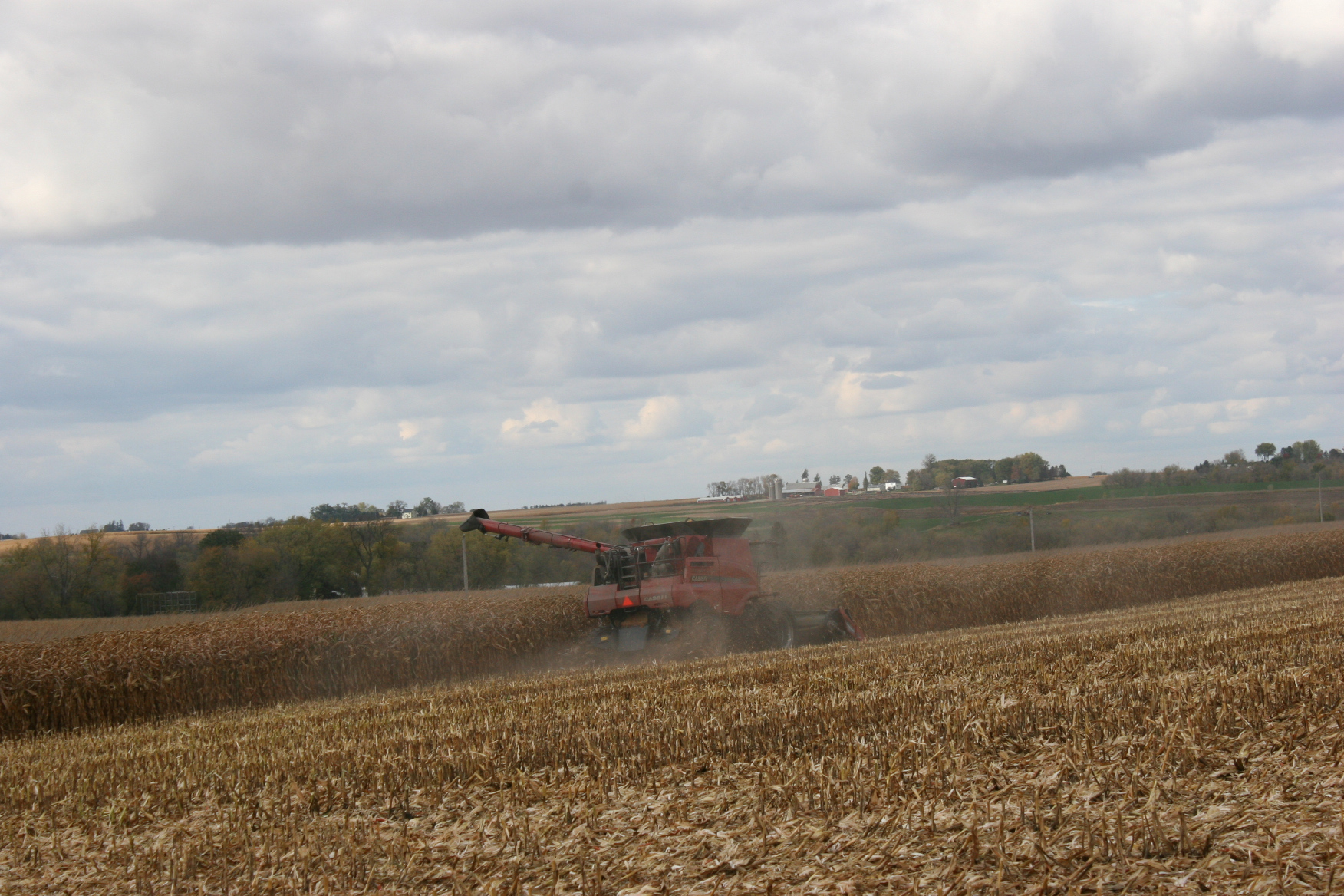
Harvesting corn in Monkey Valley. (Minnesota Prairie Roots copyrighted photo October 2021)
Harvest is done. Corn and soybeans reaped. A once lush rural landscape now looks drab, awash in muted earth-tones.
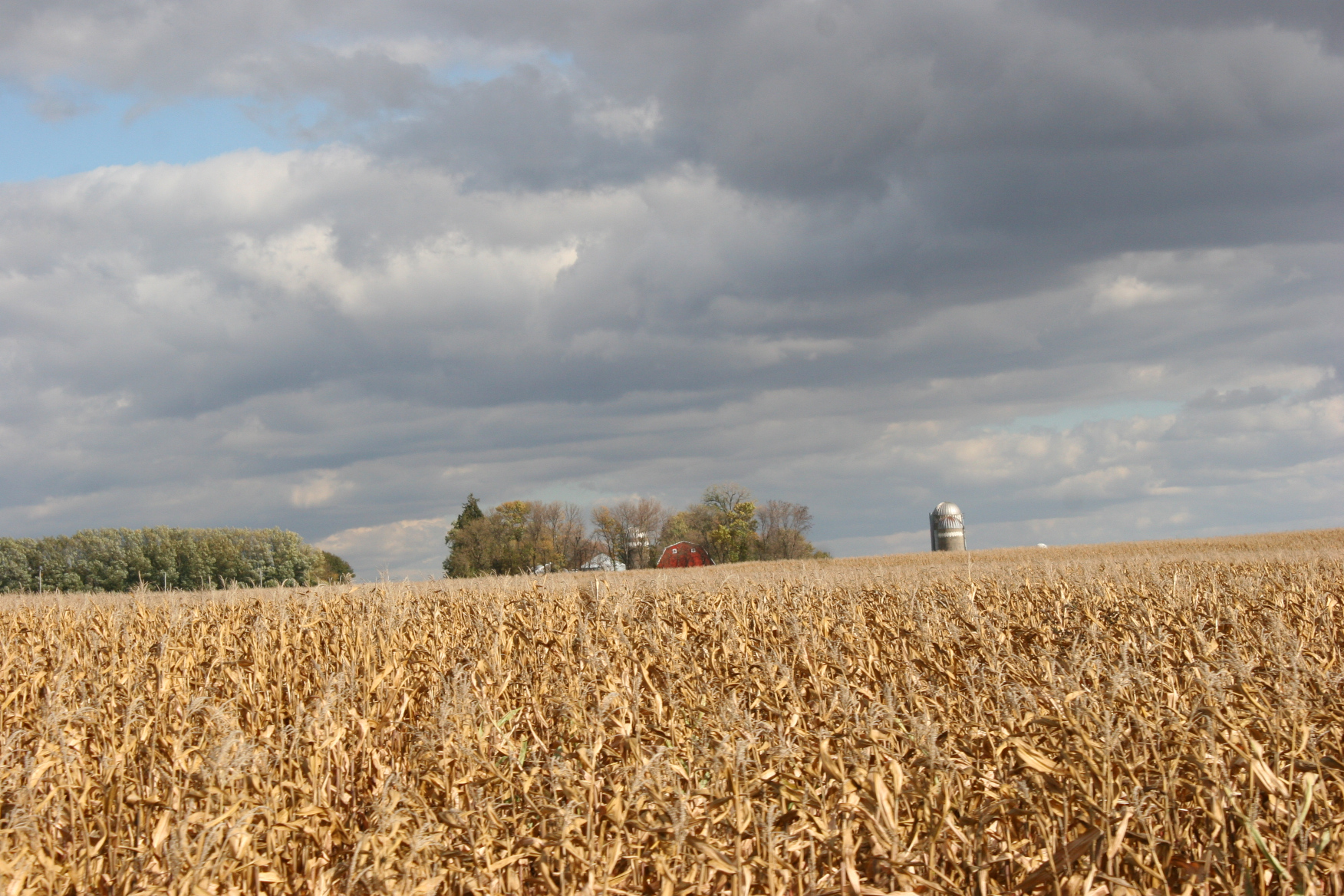
Endless acres of corn defined the landscape near Kenyon pre-harvest. (Minnesota Prairie Roots copyrighted photo October 2021)
For farmers, long days and nights in the field are but a memory. Stress and rush easing into a slower rhythm of life.
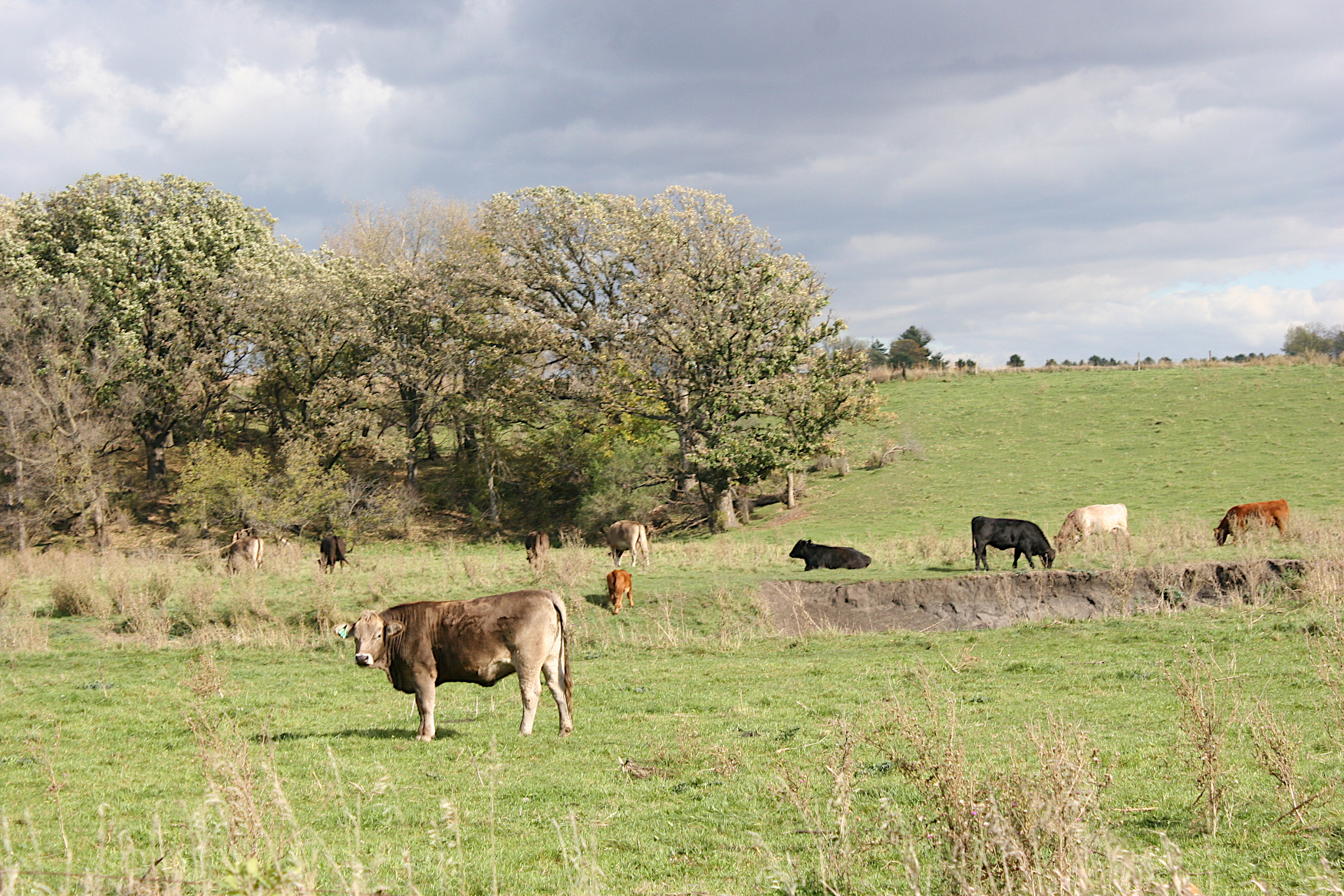
Spotted along a gravel road near Kenyon, grazing cattle. (Minnesota Prairie Roots copyrighted photo October 2021)
The early days of autumn hold such beauty in landscape, such promise in anticipation of harvest. I’ve always loved September and October. This autumn, particularly, in the unchanging season of COVID-19, I’ve needed to reconnect with the earth. To witness the harvest. To view farm sites. To follow back country gravel roads, dust trailing the van. To find peace.
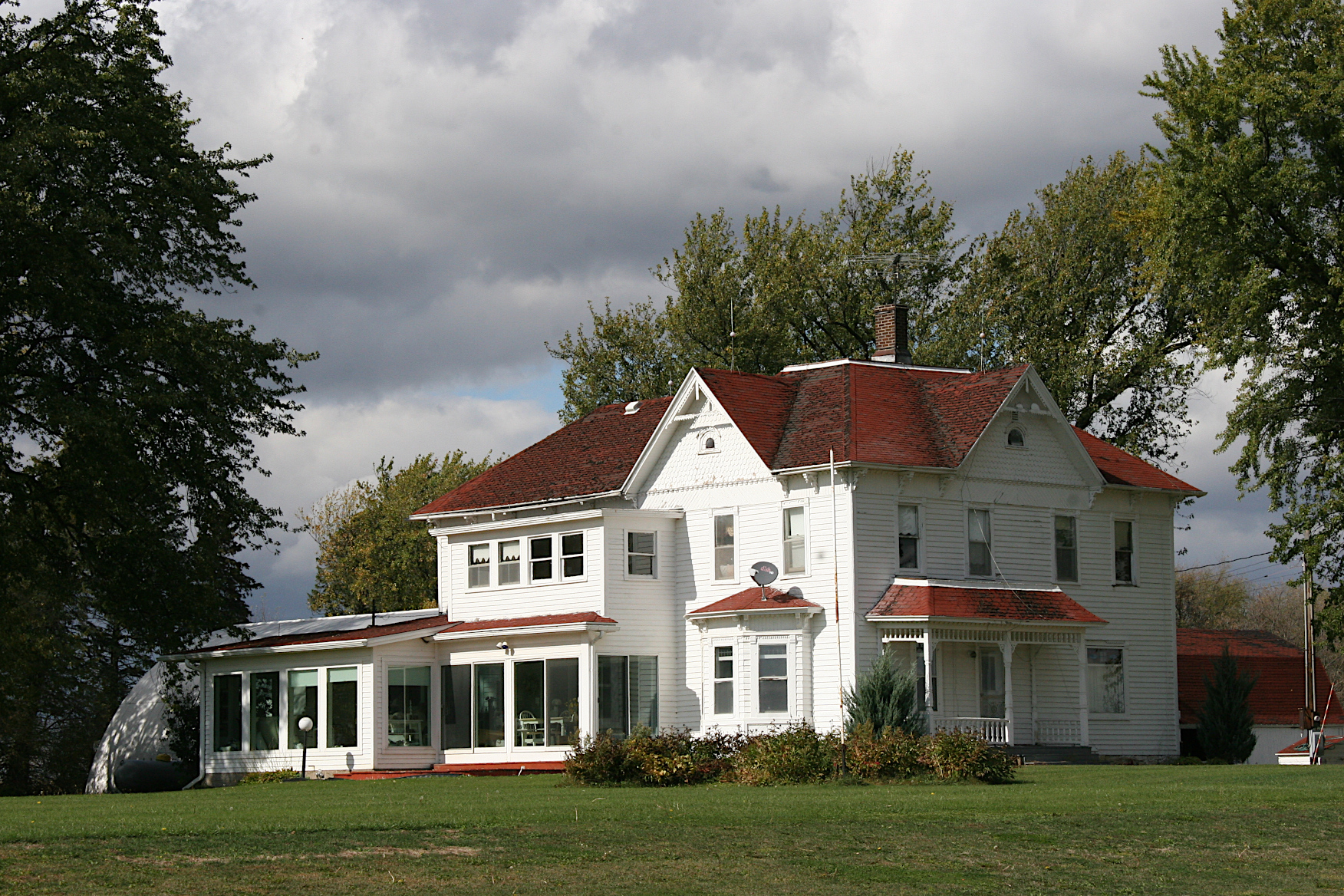
A farm site in the ghost town of Aspelund. (Minnesota Prairie Roots copyrighted photo October 2021)
My appreciation for rural traces to my rural roots. I shall always feel gratitude for my 18 years on the farm. The southwestern Minnesota prairie shaped me as a writer and a photographer in that I noticed, still notice, details. The brutal slice of the winter prairie wind. The remarkable beauty of a flaming sun edging down. The taste of earth in potatoes dug from the garden. The sound of silence in hearing nothing. The unmistakable smell of harvest carried from combine to farmyard.
Just another view of the farm site in Monkey Valley. (Minnesota Prairie Roots copyrighted photo October 2021)
These farm memories I carry with me as autumn wanes, as November days move Minnesota toward winter. Harvest done.
#
NOTE: All of these photos were taken a month ago. The landscape looks much different now. Grey. Stark.
Spring wildflowers at Kaplan’s Woods. Minnesota Prairie Roots photo.
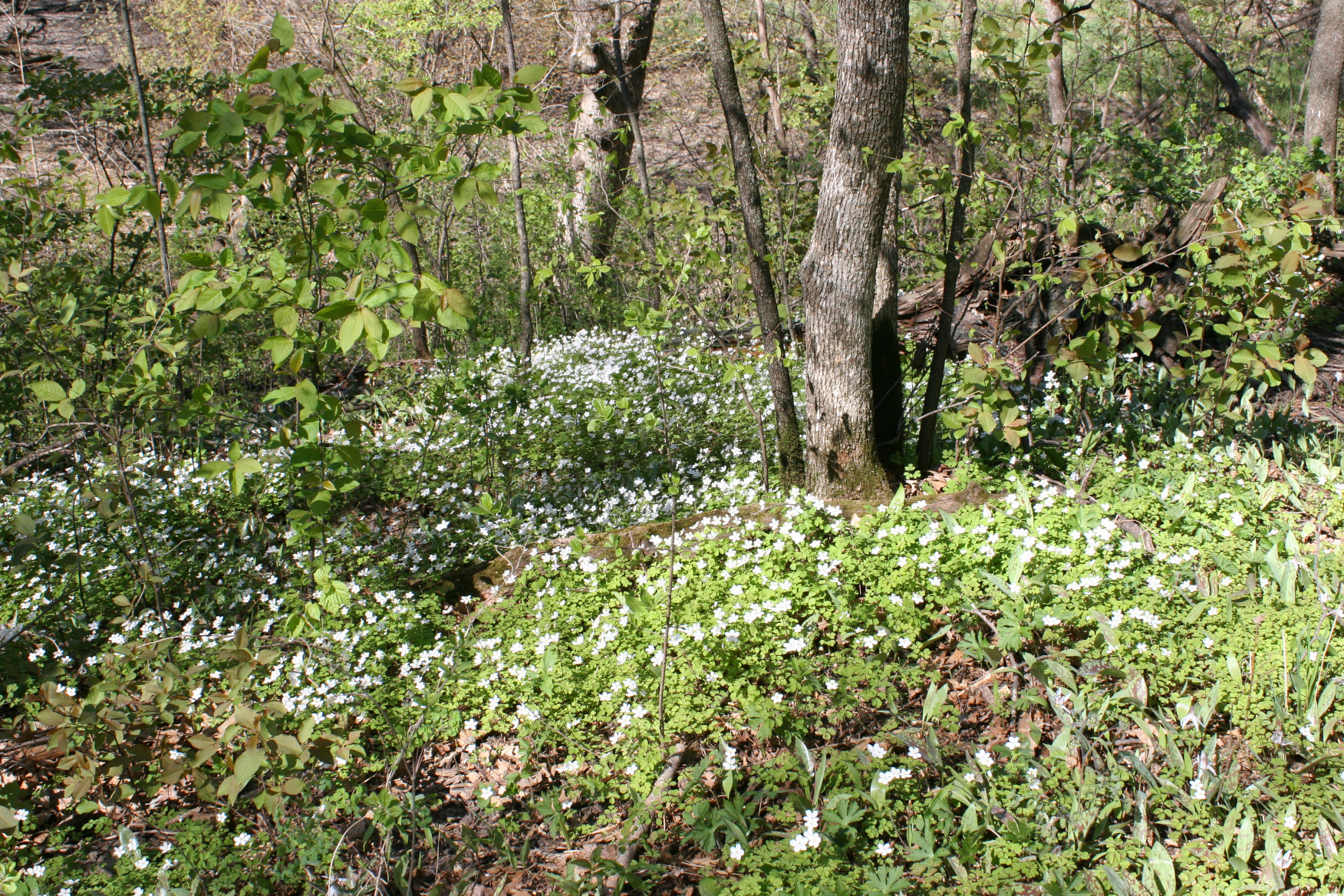
FLOWERS OF SPRING EMERGE in the woods. Among layers of dried leaves. Among fallen limbs. Sometimes blanketing hillsides.
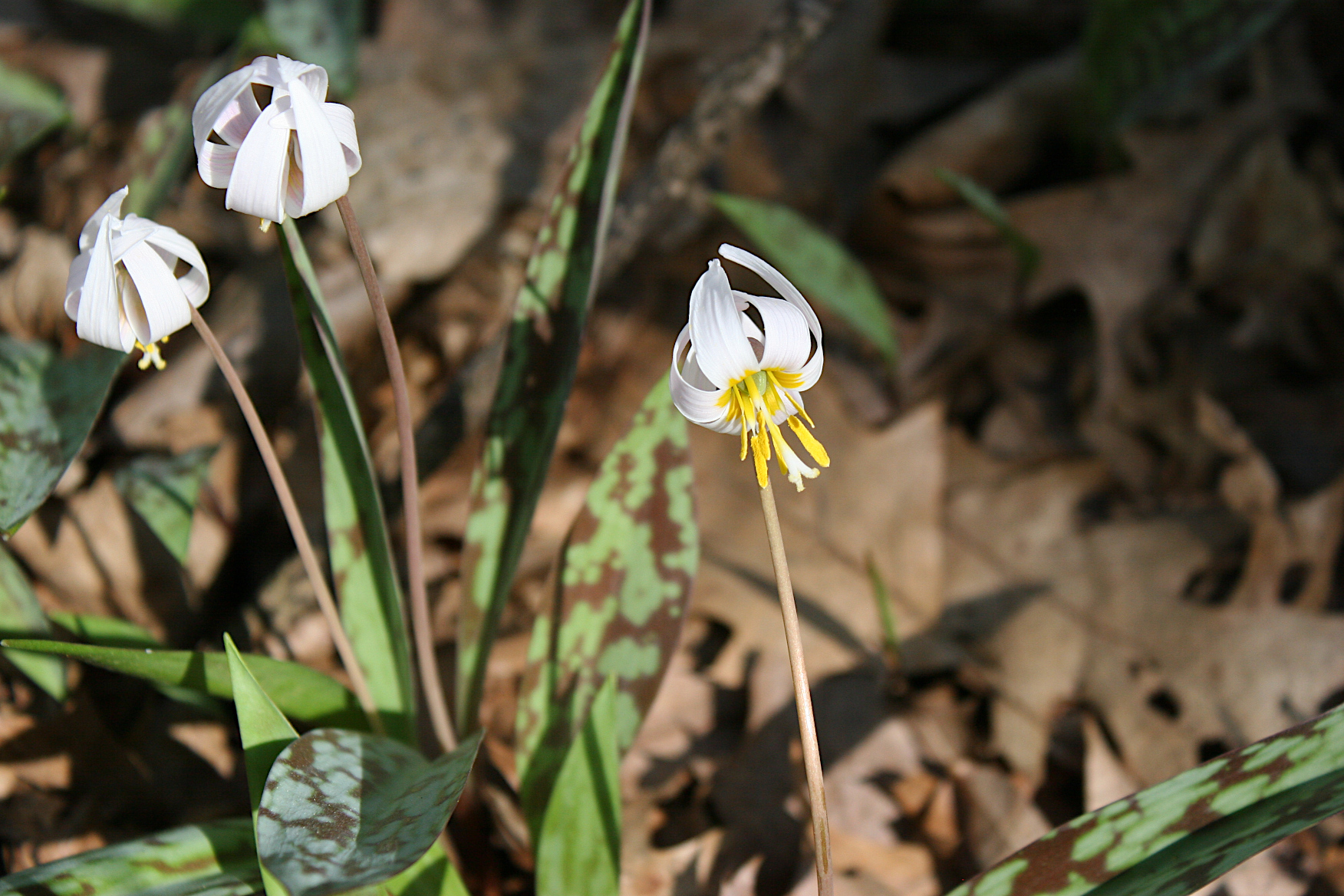
White trout lilies. Minnesota Prairie Roots photo.
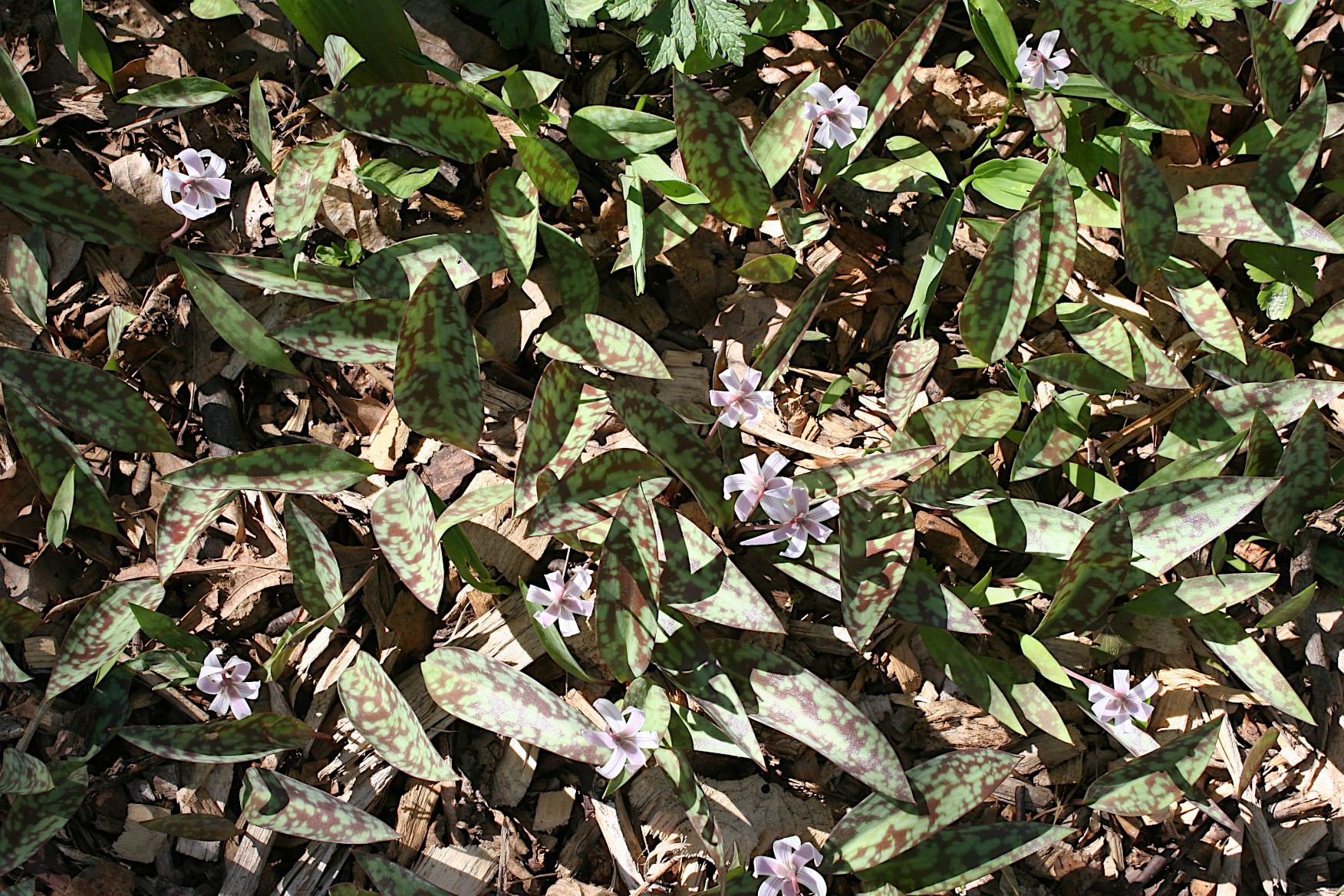
A mass of white trout lilies in the woods. Minnesota Prairie Roots photo.
An unidentified, by me, wildflower cluster. Minnesota Prairie Roots photo.
Saturday morning, as Randy and I hiked through Kaplan’s Woods Park in Owatonna, I found myself searching the edges of the wood chip covered trails for wildflowers.
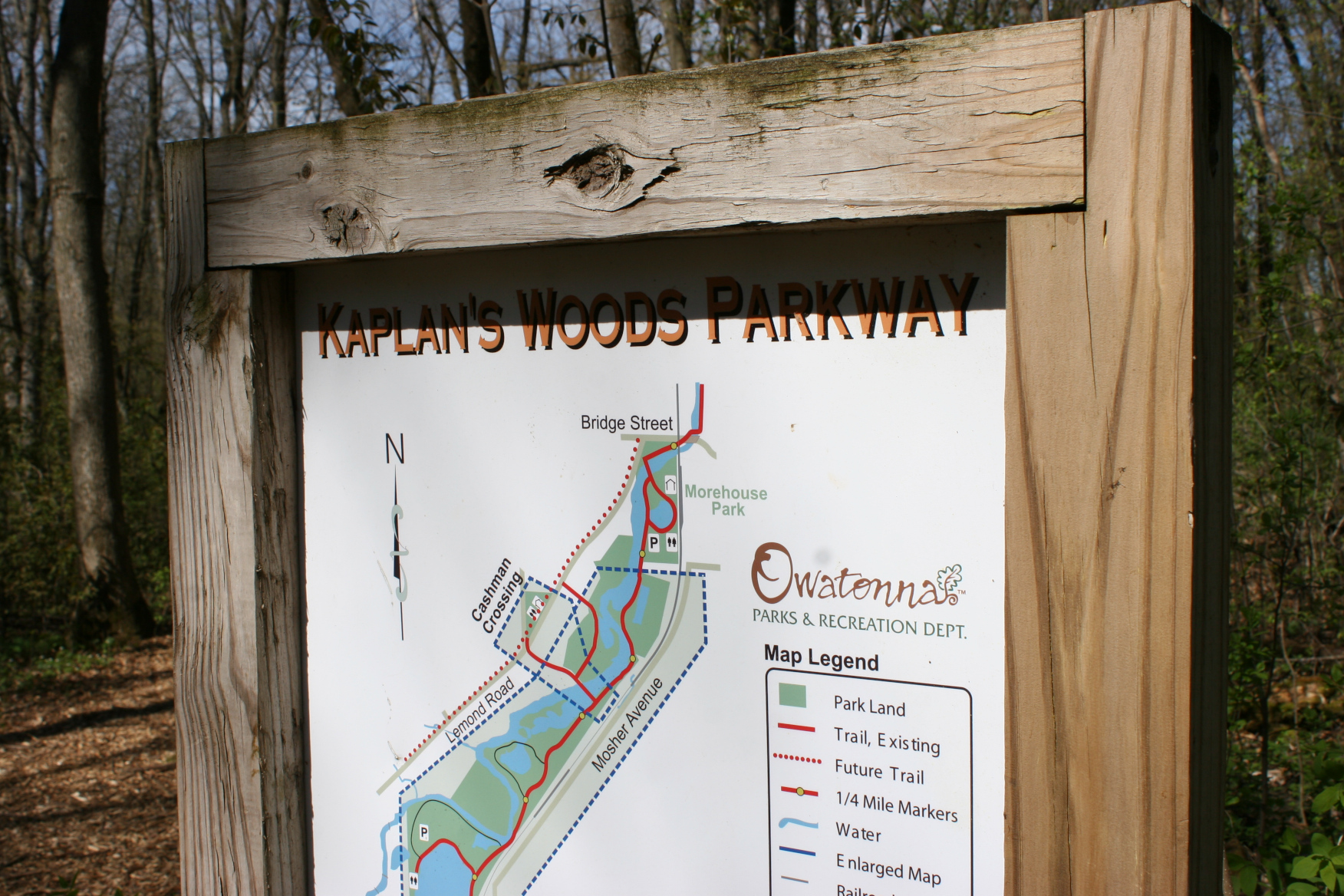
A sign inside the woods details the Parkway. Minnesota Prairie Roots photo.
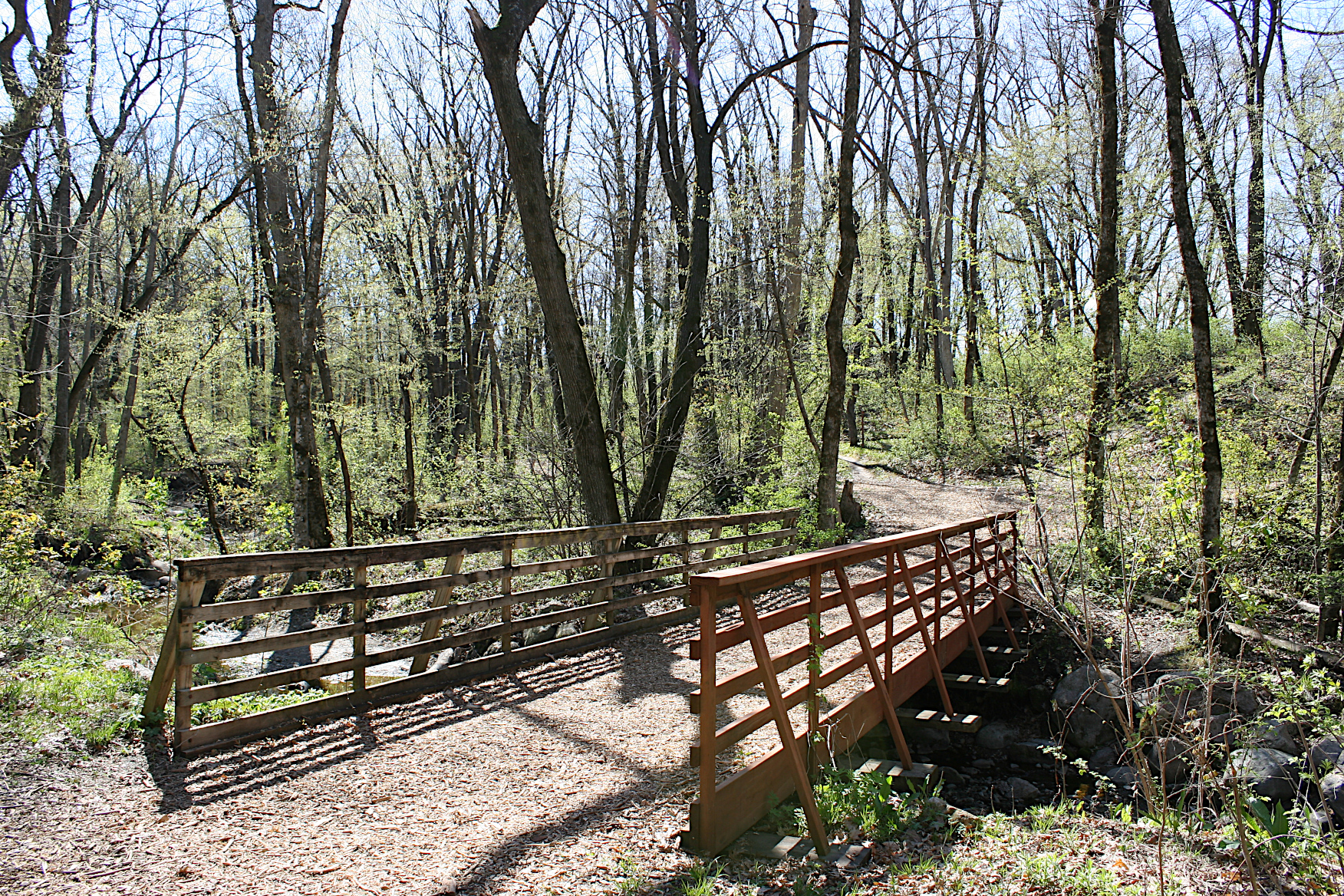
I love this foot bridge which crosses the creek and leads into the woods. Minnesota Prairie Roots photo.
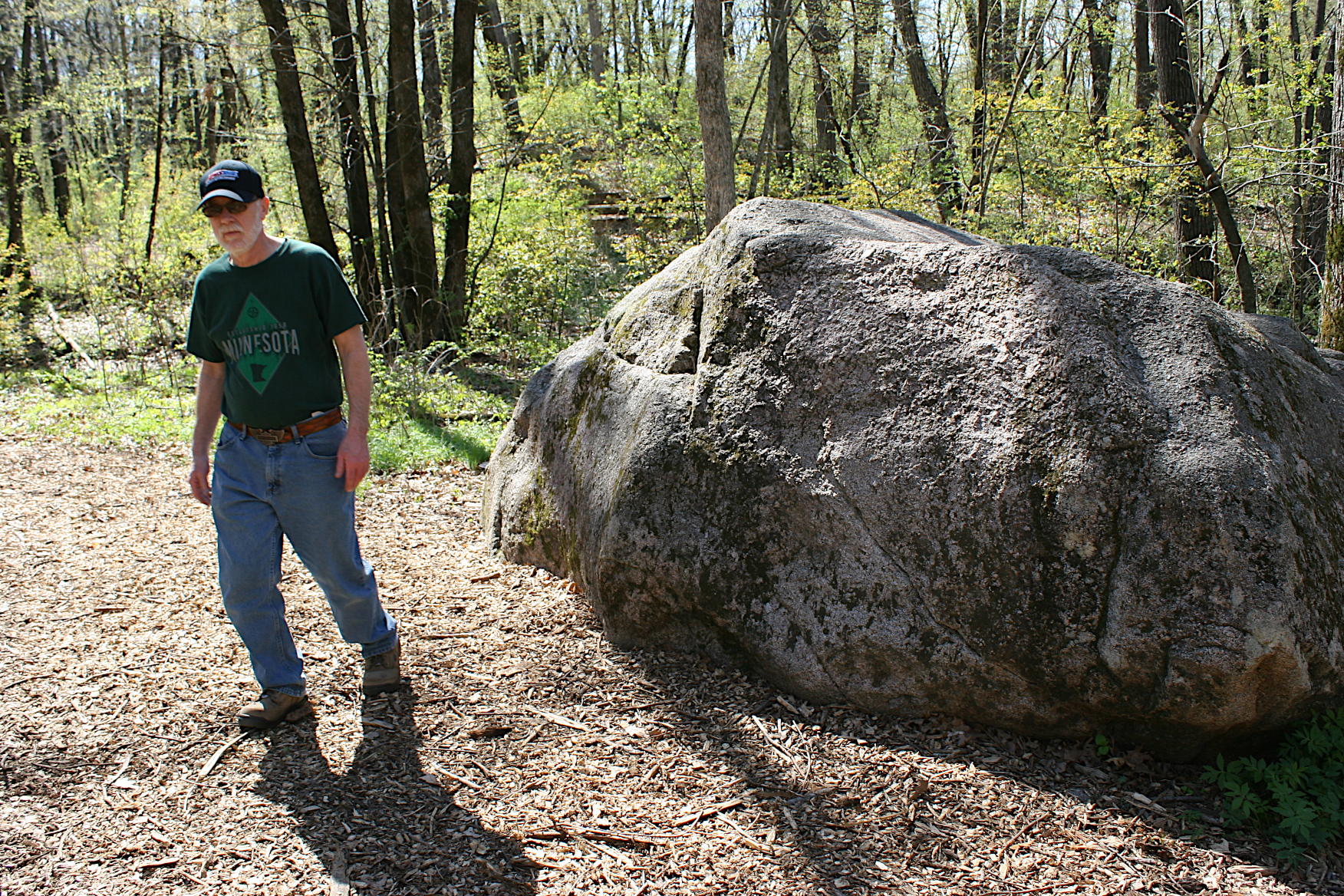
Near the creek, this solo boulder seems out of place in the woods. Minnesota Prairie Roots photo.
This time of year, especially, I crave flowers. They represent the shifting of seasons, of plant life erupting as the landscape transforms.
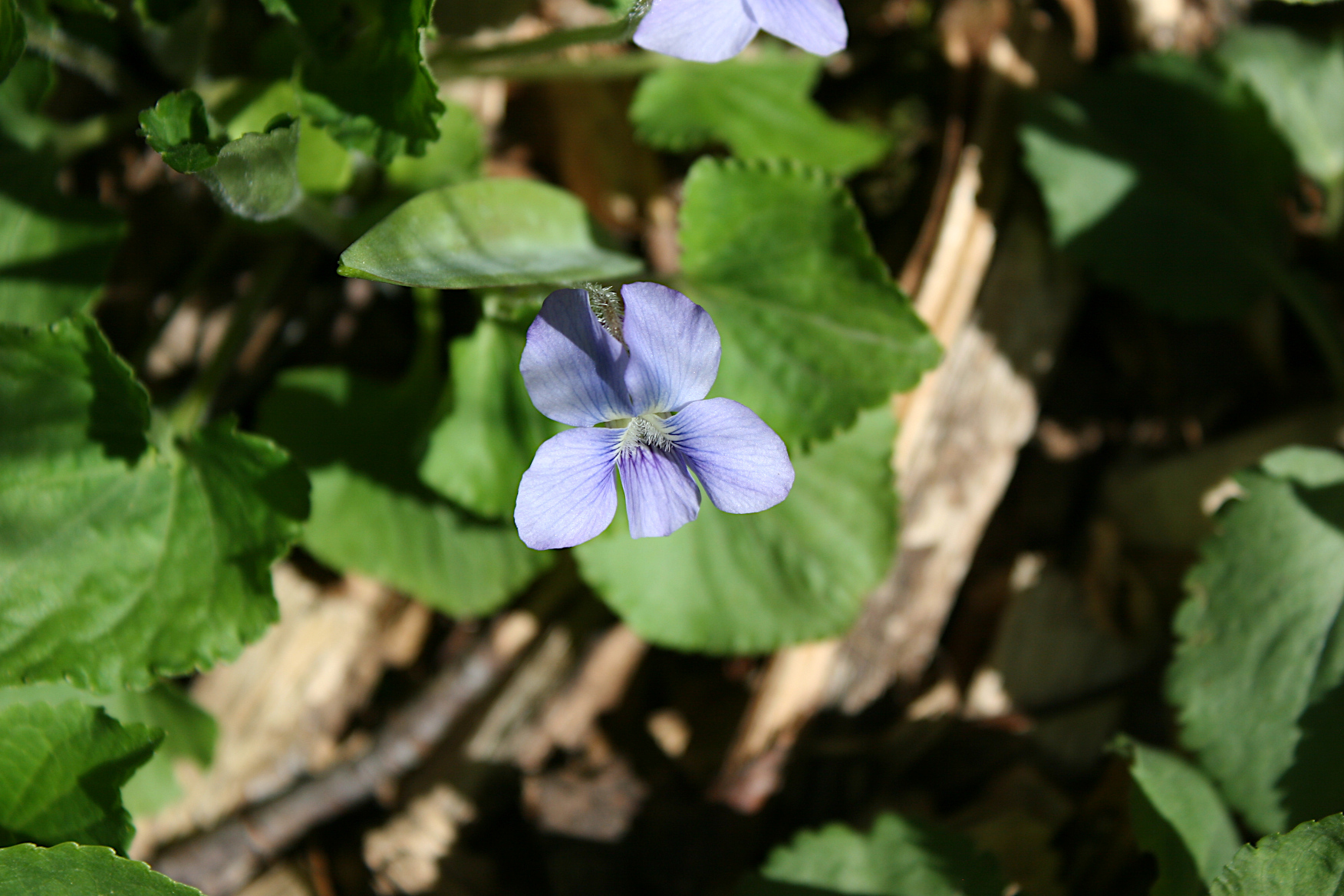
Dainty violets are among the spring wildflowers. Minnesota Prairie Roots photo.
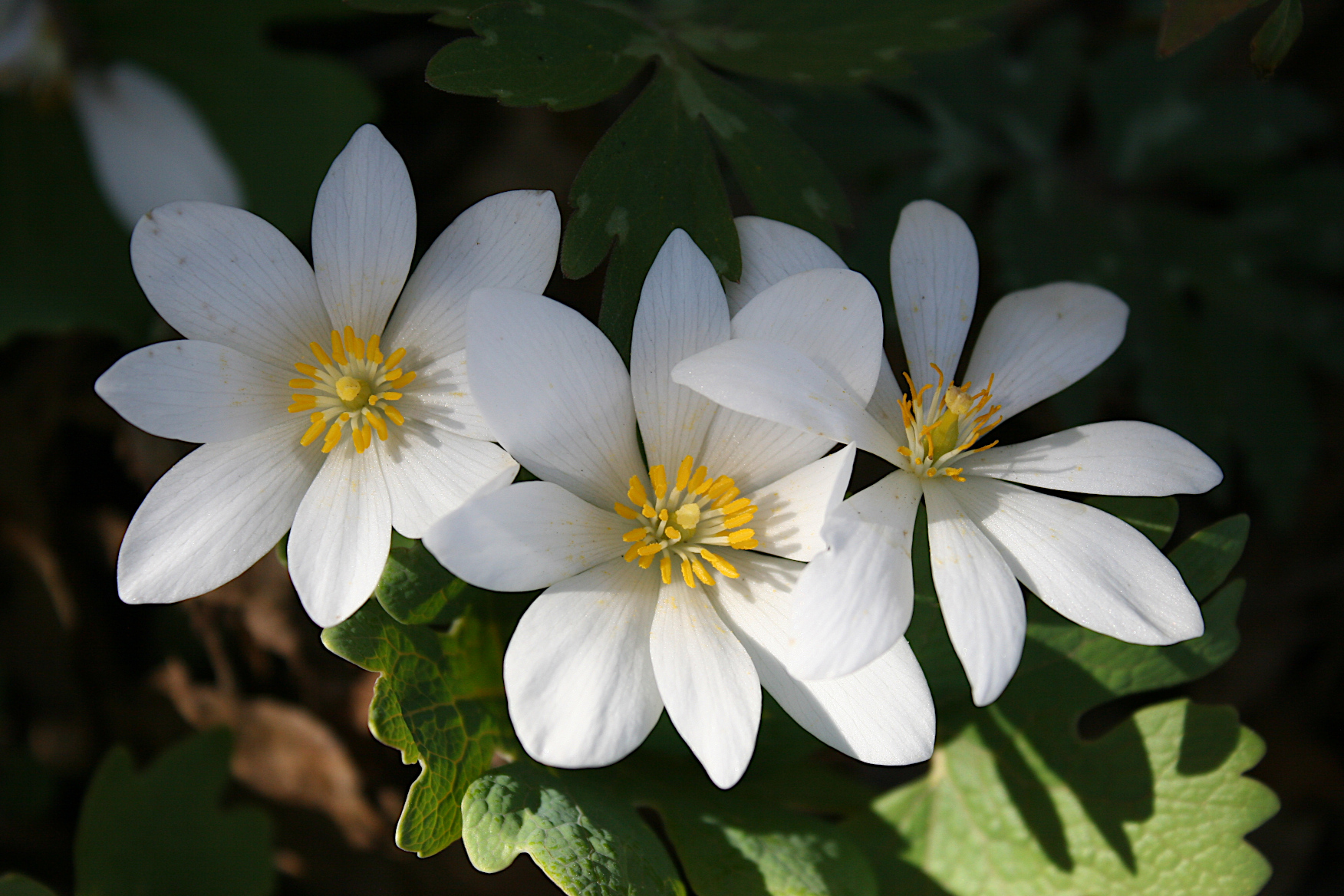
The largest of the wildflowers I saw. Can anyone identify these? Minnesota Prairie Roots photo.
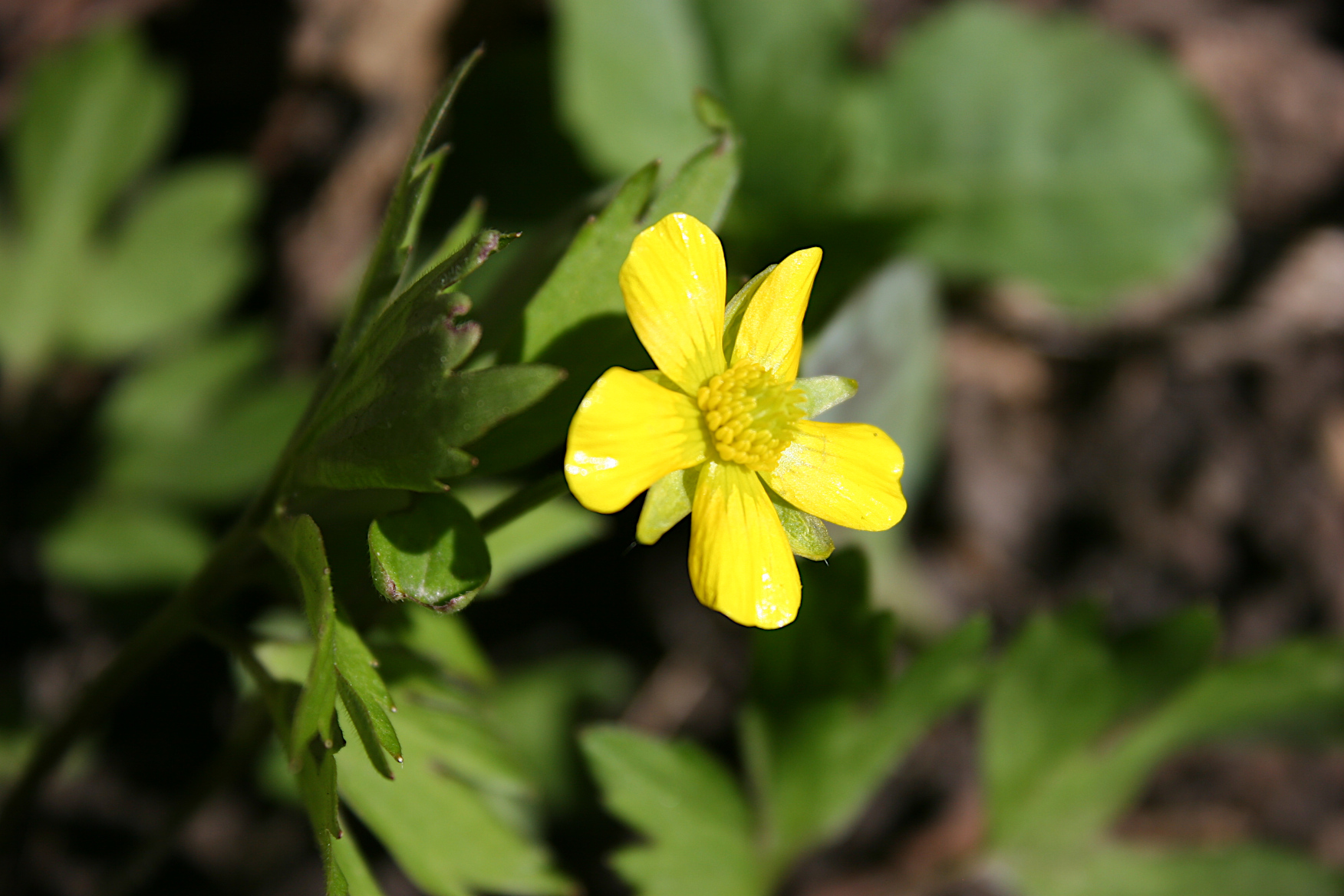
The brightest of the flowers I spotted, this one also unknown to me. Minnesota Prairie Roots photo.
Green begins to fill the woods, accented by bursts of violet and yellow and white hugging the earth. Low to the ground, easily missed if you focus only on the trail ahead.
Low water. Minnesota Prairie Roots photo.
We have walked Kaplan’s only a few times and this visit I noticed the low water level of the creek that winds through the woods.
I noticed also the noise of traffic from nearby Interstate 35. Motorists en route somewhere on an incredibly warm and sunny morning in southern Minnesota. I hope that at some point they paused to appreciate the day. The sun. The trees. Maybe even the wildflowers. And the brush strokes of green tinting the landscape.
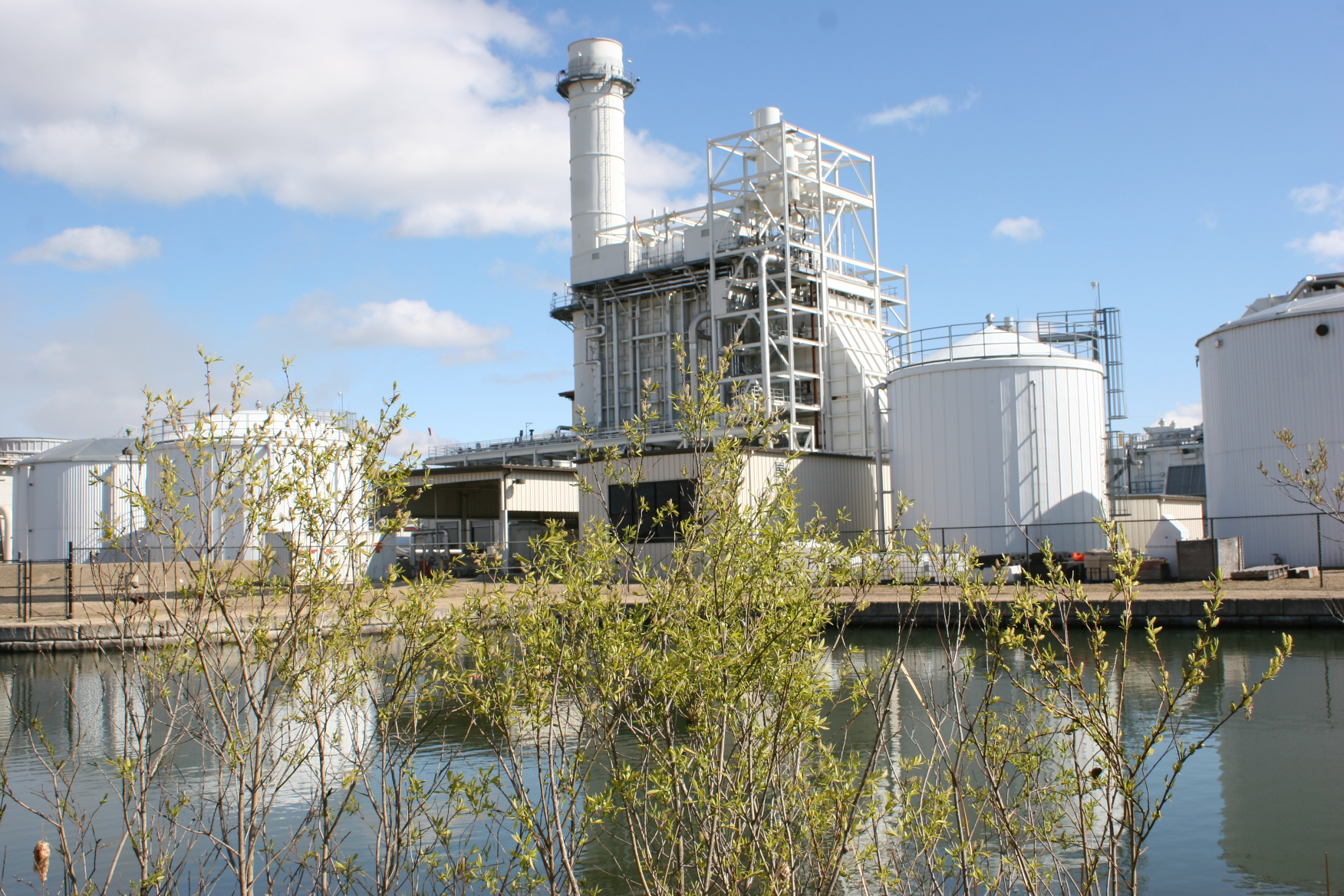
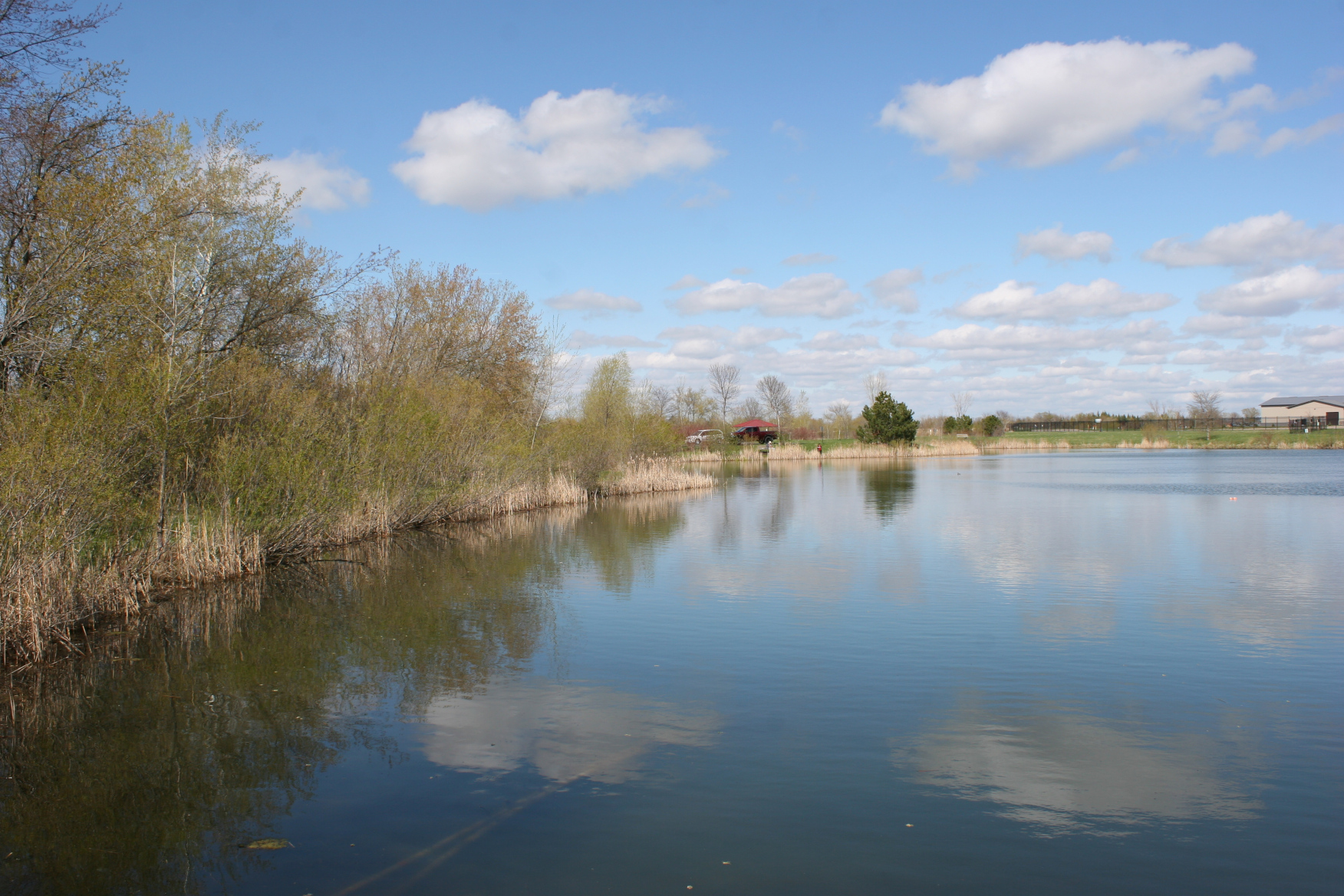
Across the pond, the power plant, part of the Minnesota Municipal Power Agency and next to Faribault Energy Park.
TRAFFIC DRONES ALONG the nearby interstate, overwhelming the scene with intrusive noise.
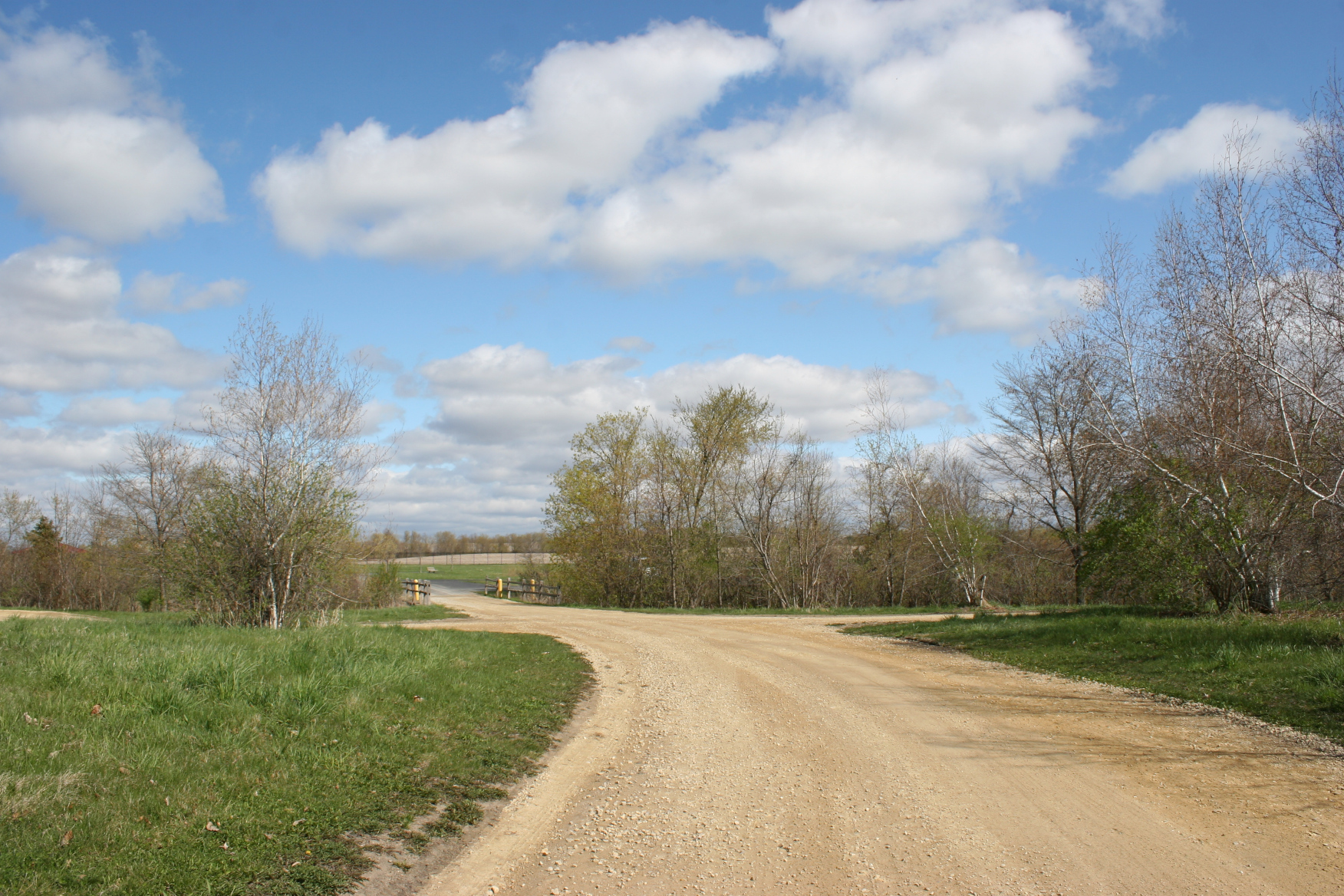
The park features dirt roads edging ponds.
Yet, I find reasons to appreciate Faribault Energy Park, a mostly under-used park on Faribault’s northwest side. Located next to I-35, this Minnesota Municipal Power Agency Park features dirt roads circling ponds.
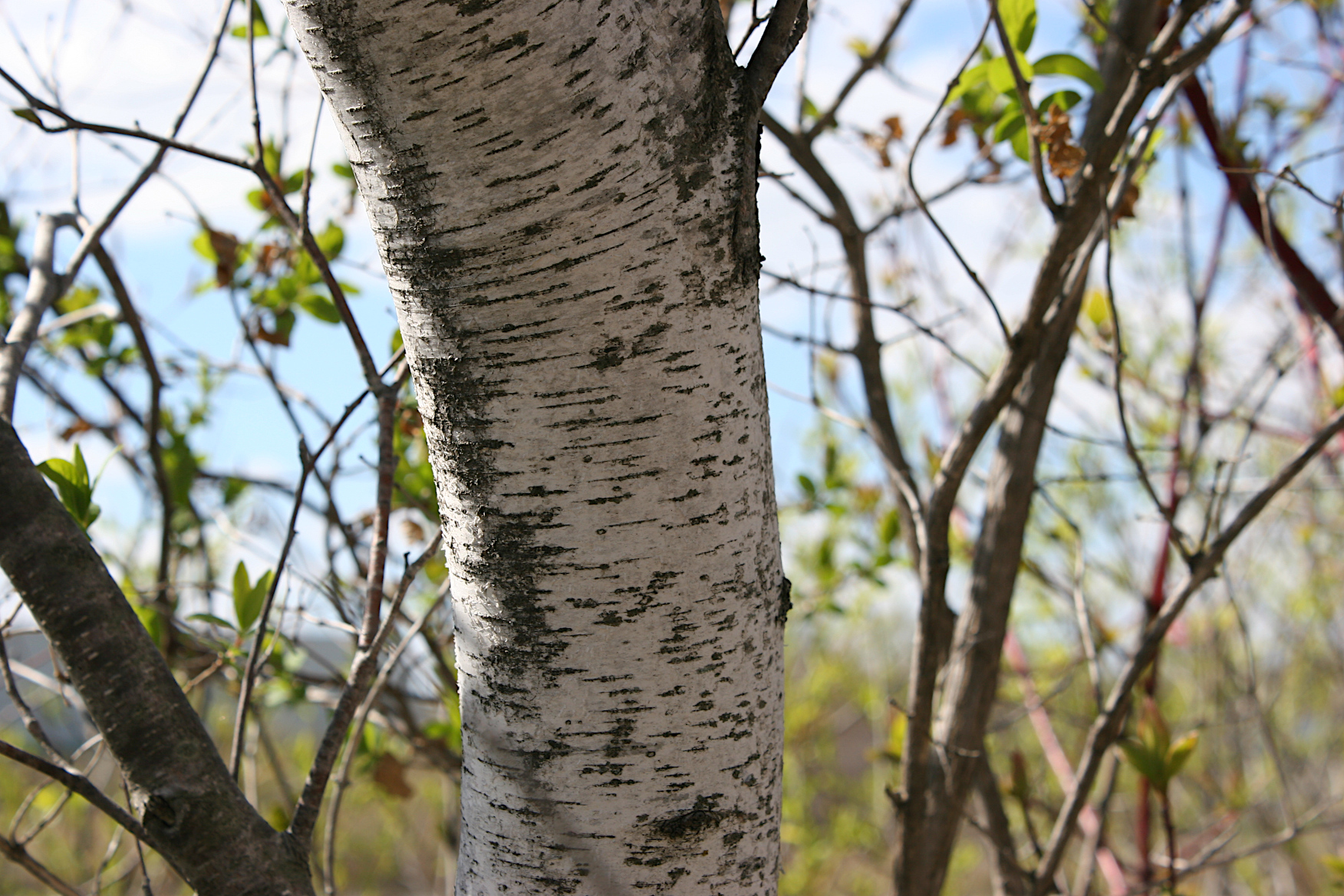
The texture of a birch tree drew my photographic interest.
With trees, a variety of other plant life, waterfowl, songbirds and the rare occasional sighting of wildlife, this makes for an interesting place to walk. Especially for a photographer. Even though I’ve been here many times, I enjoy the challenge of finding new ways to photograph a familiar setting.
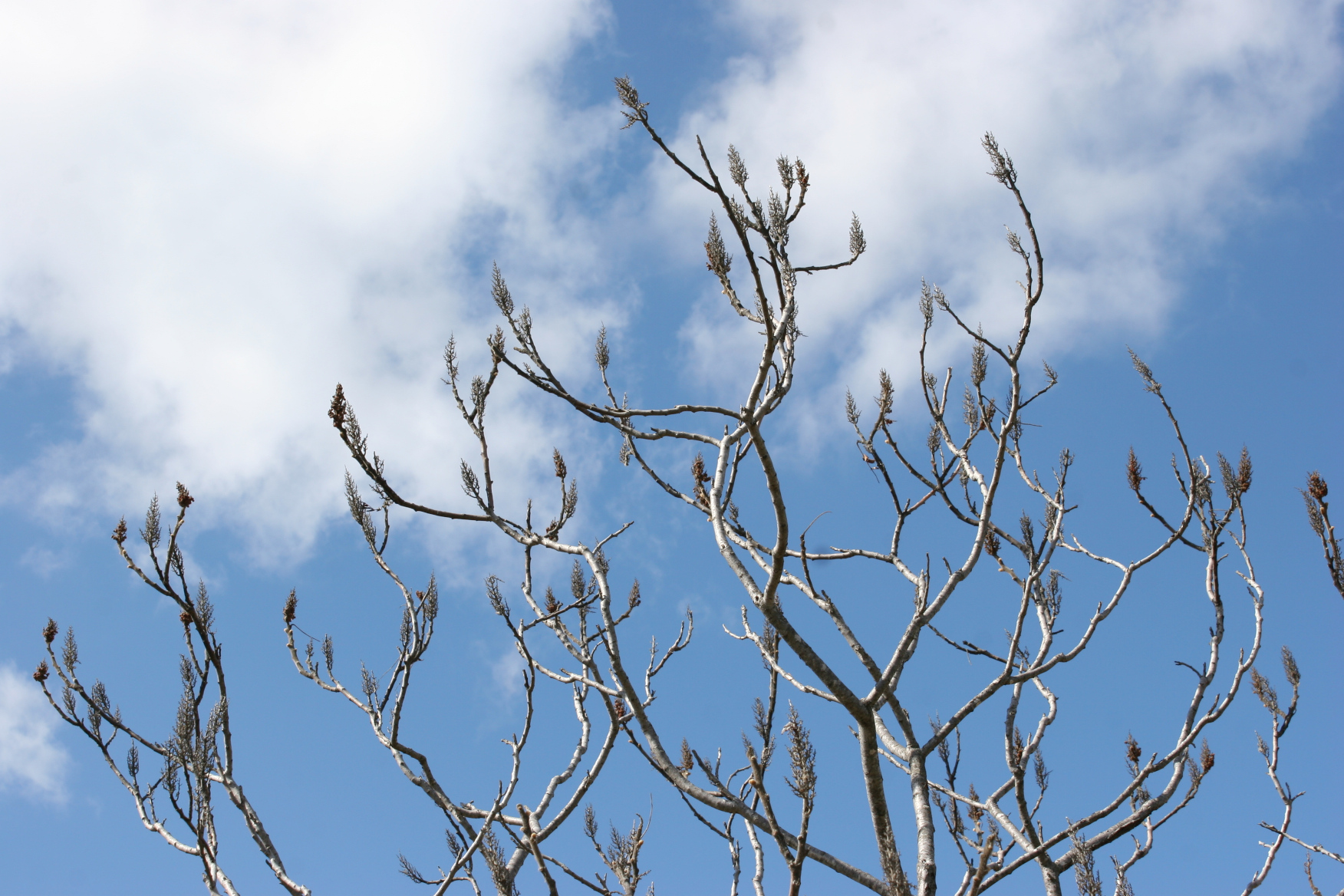
I love the artsy bend of these branches against the backdrop April sky.
As I followed the roadways, a theme emerged. Remnants. And reawakening.
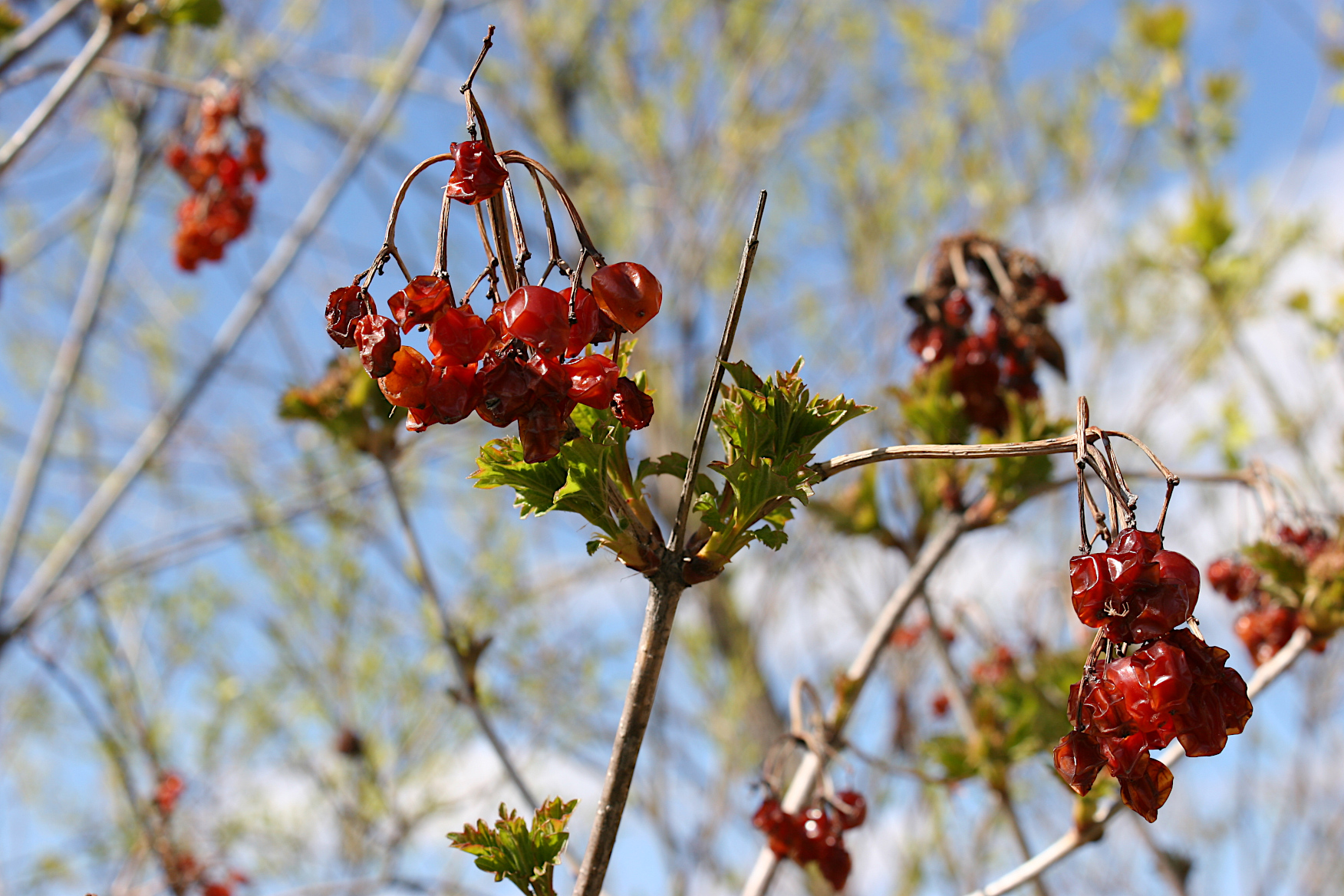
Berries left-over from seasons past pop color into the landscape.
Everywhere I looked, I saw remnants of seasons past.
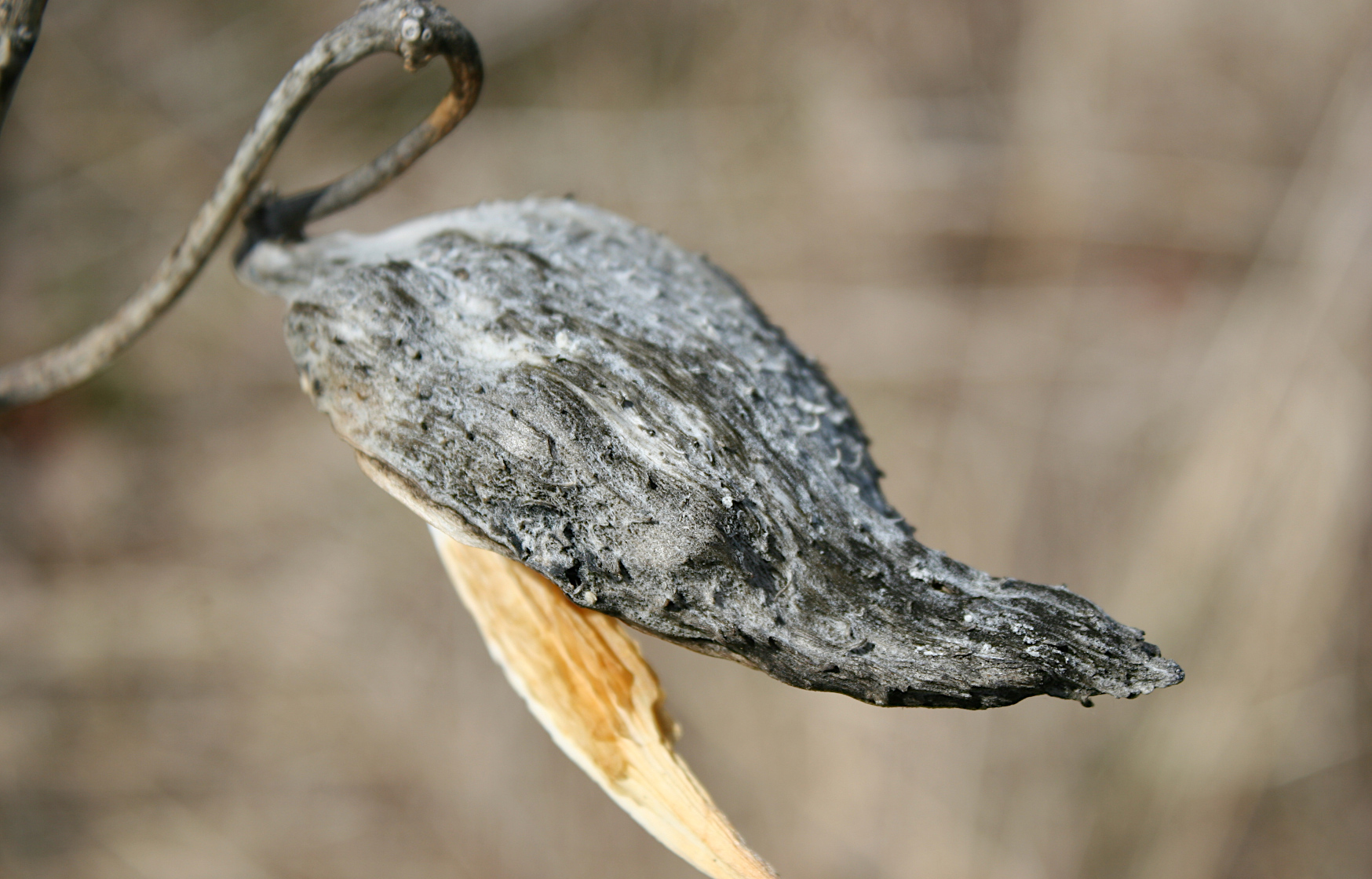
Milkweed pods, oh the texture, the sturdiness, the weathered grey of winter.
Bare branches. Dried berries. Grey milkweed pods. Fluffs of cattails.
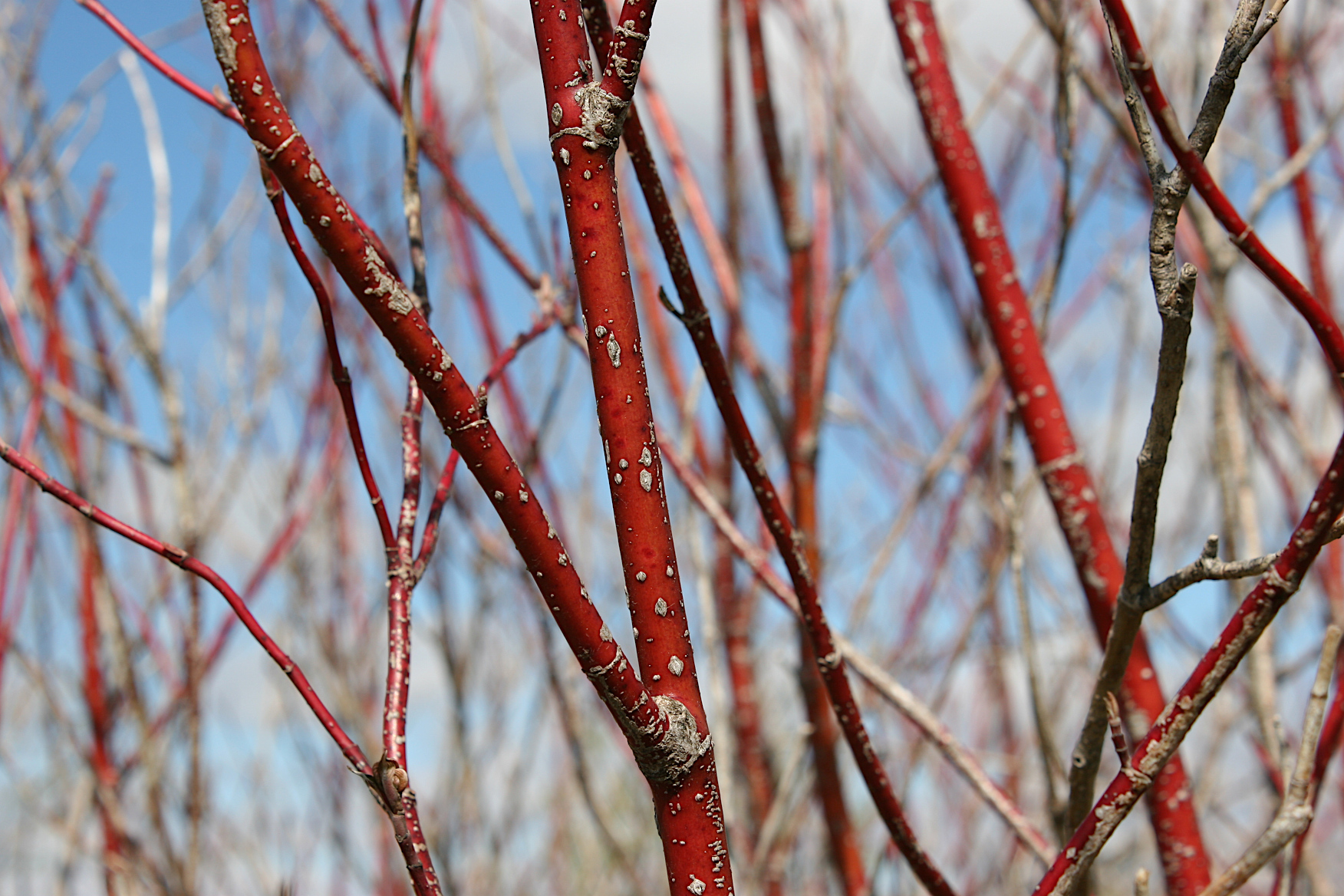
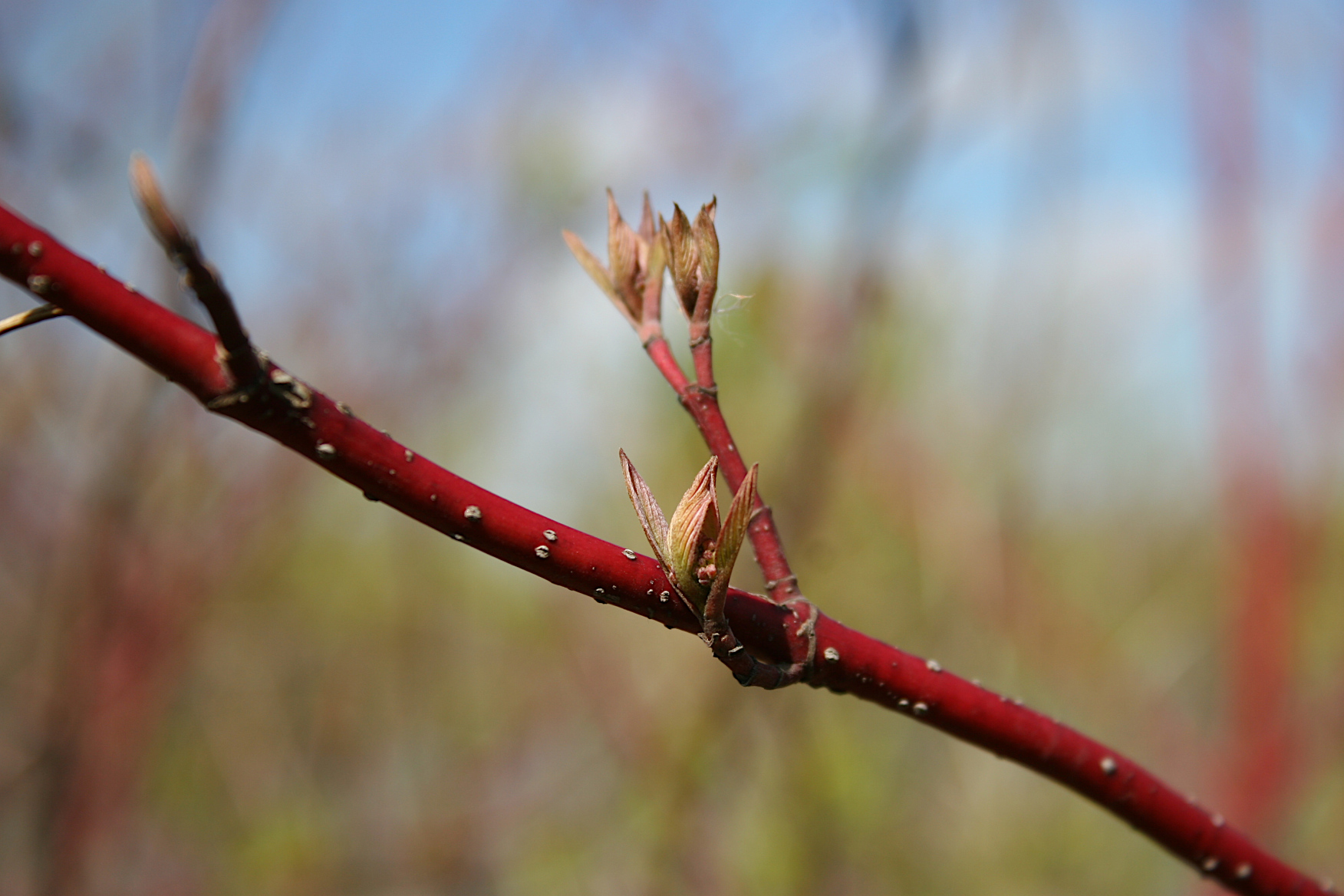
I love the contrast of red dogwood against the blue sky.
April marks the transition from dormancy to reawakening. Spring bursts into the landscape in tree buds, in green grass, in the reddening of dogwood.
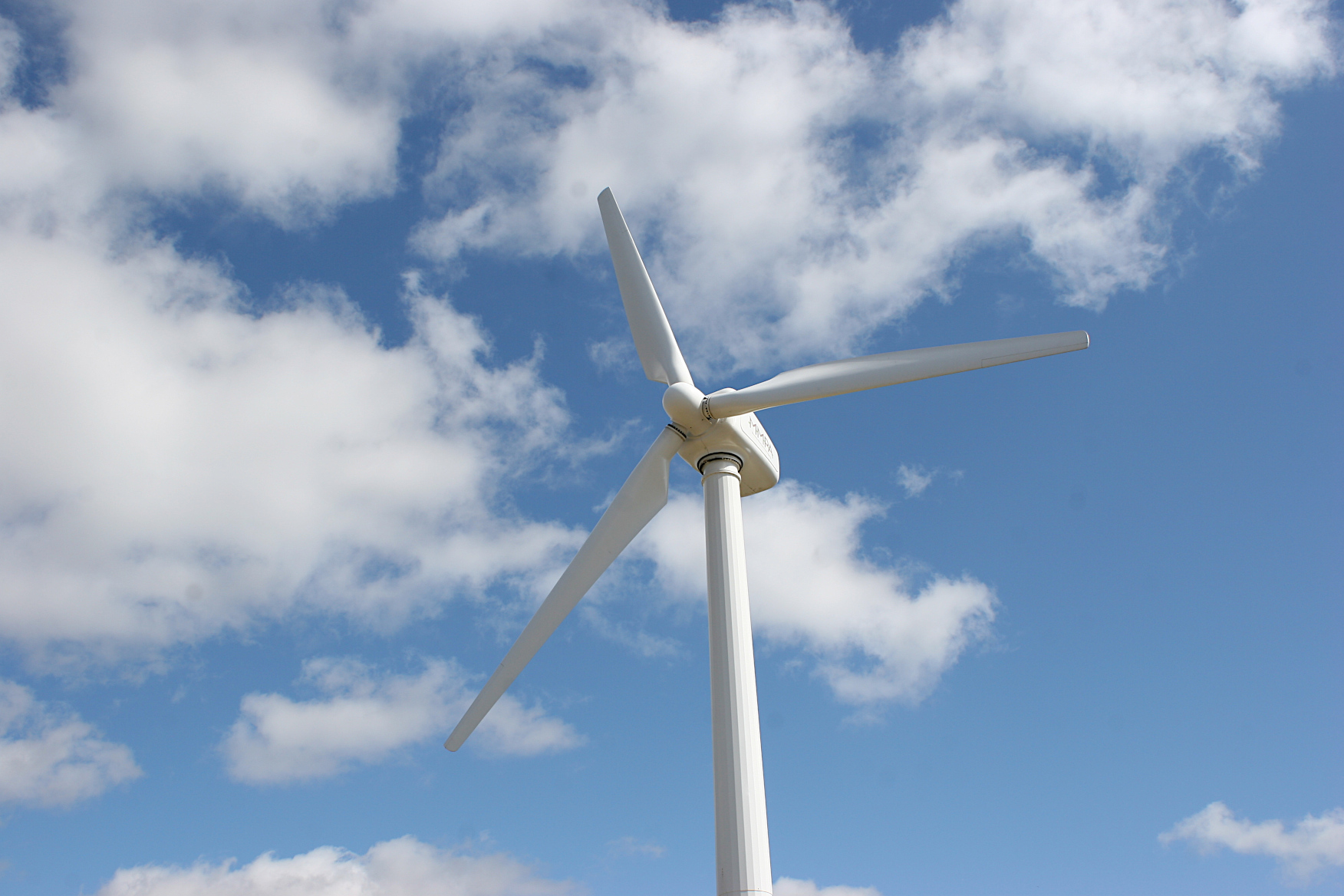
The park includes a wind turbine and solar panels.
I noticed, too, when photographing the on-site wind turbine, the scuttle of white clouds against blue sky.
Buds open on dogwood.
After months of grey everything, the sky looks bluer, the new green greener.
Looking across the pond, used by anglers, and next to the power plant.
I don’t know if this is a Minnesota thing, this seeing spring colors through an especially vivid lens, or whether this is universal as seasons shift. Or perhaps it’s the photographer in me.
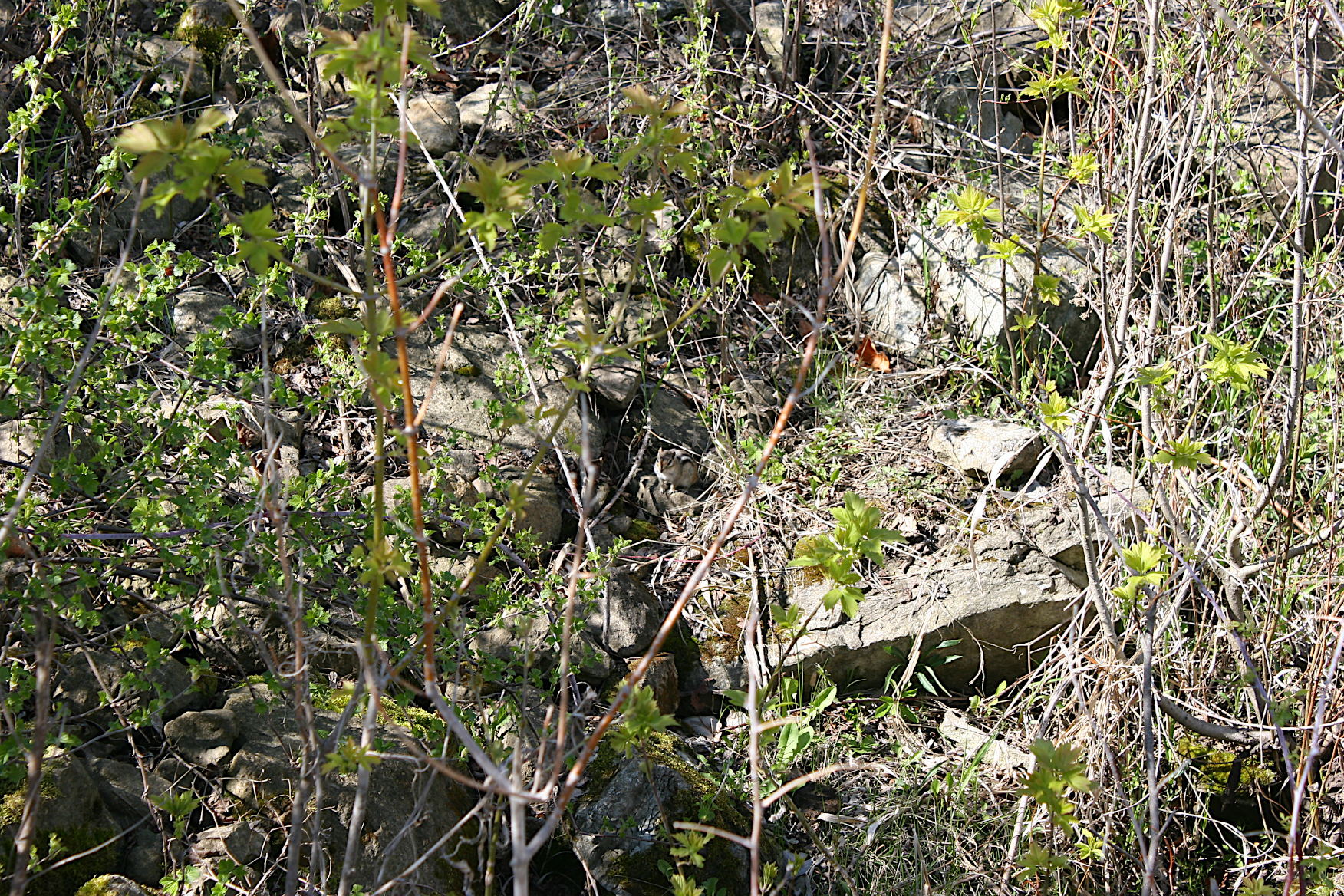
Look in the center of this photo to see a chipmunk among the rocks. Without the telephoto lens on my Canon, this is the best I could do in photographing the rodent.
Yet, as much as I credit myself for environment awareness, I missed the chipmunk camouflaged among rocks along the creek.
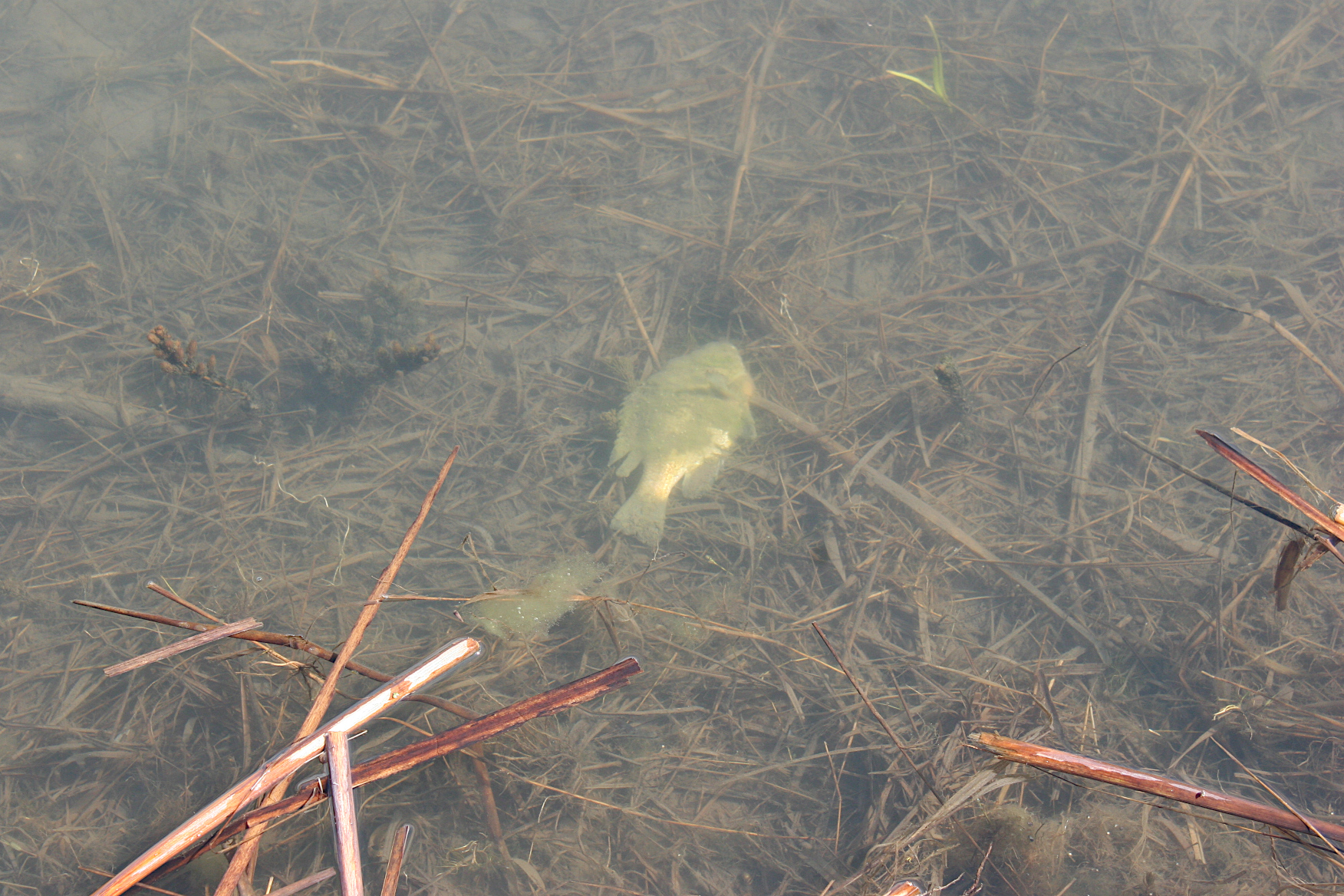
Dead on pond’s edge.
I missed, too, the muskrat rippling away from the shoreline into the pond. And the dead fish lying on its side near water’s edge. Randy saw all three and drew my attention to them. Then he wondered why I would photograph a dead fish. “Because I want to show what I saw,” I say. Yes, even the unappealing. Life isn’t always pretty.
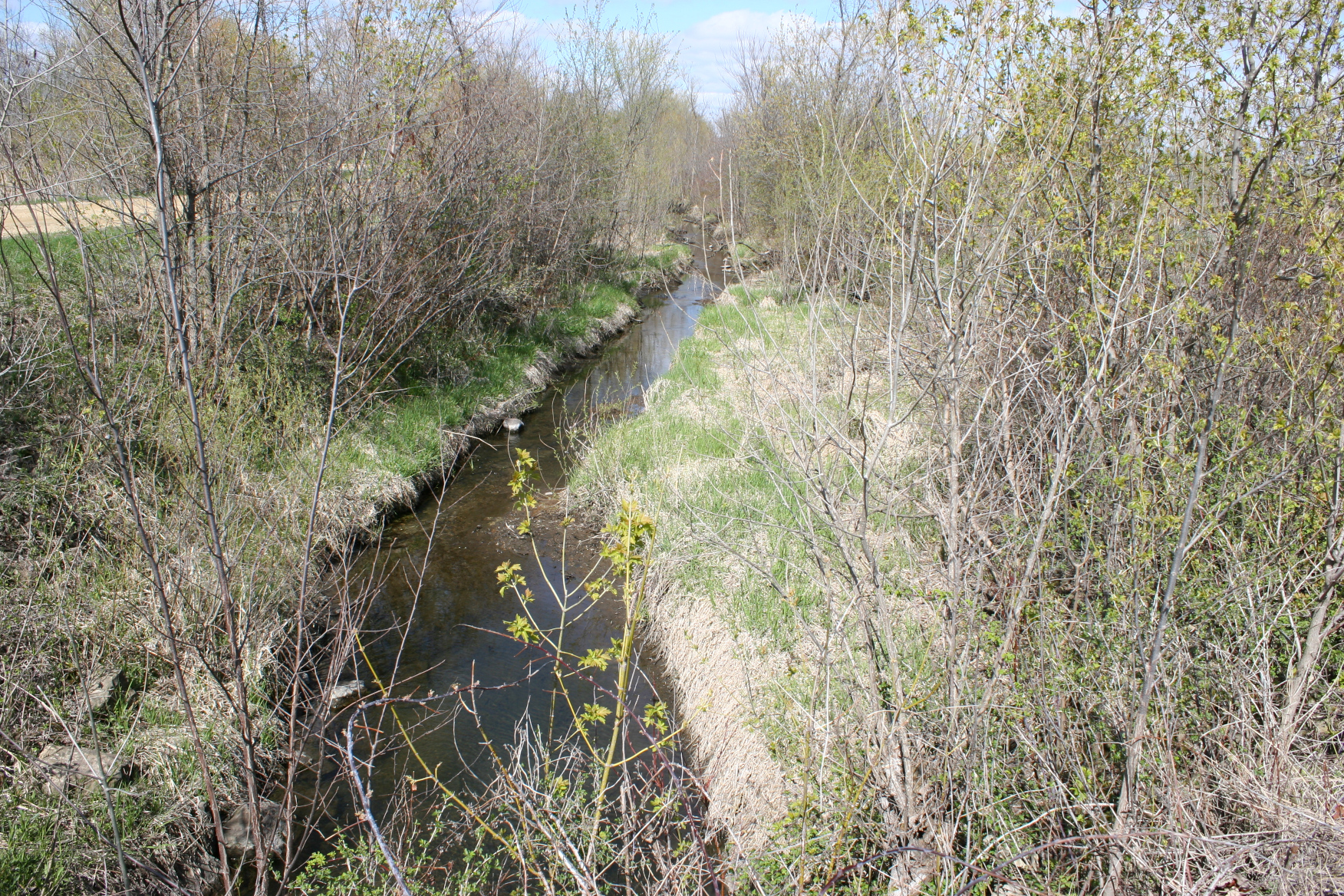
Soon the banks along this creek will fill with plant growth.
Yet, we can choose to focus on the beauty in life—in the remnants and reawakening. And we can choose to shut out the noise that threatens to silence the sounds of joy.
WHEN THE AUCTION BOOKLET arrived in the mail, I thumbed through page after page of photos showing Native American artifacts. Tools. Knives. Triangle points. And more. Made from bone, stones, quills…
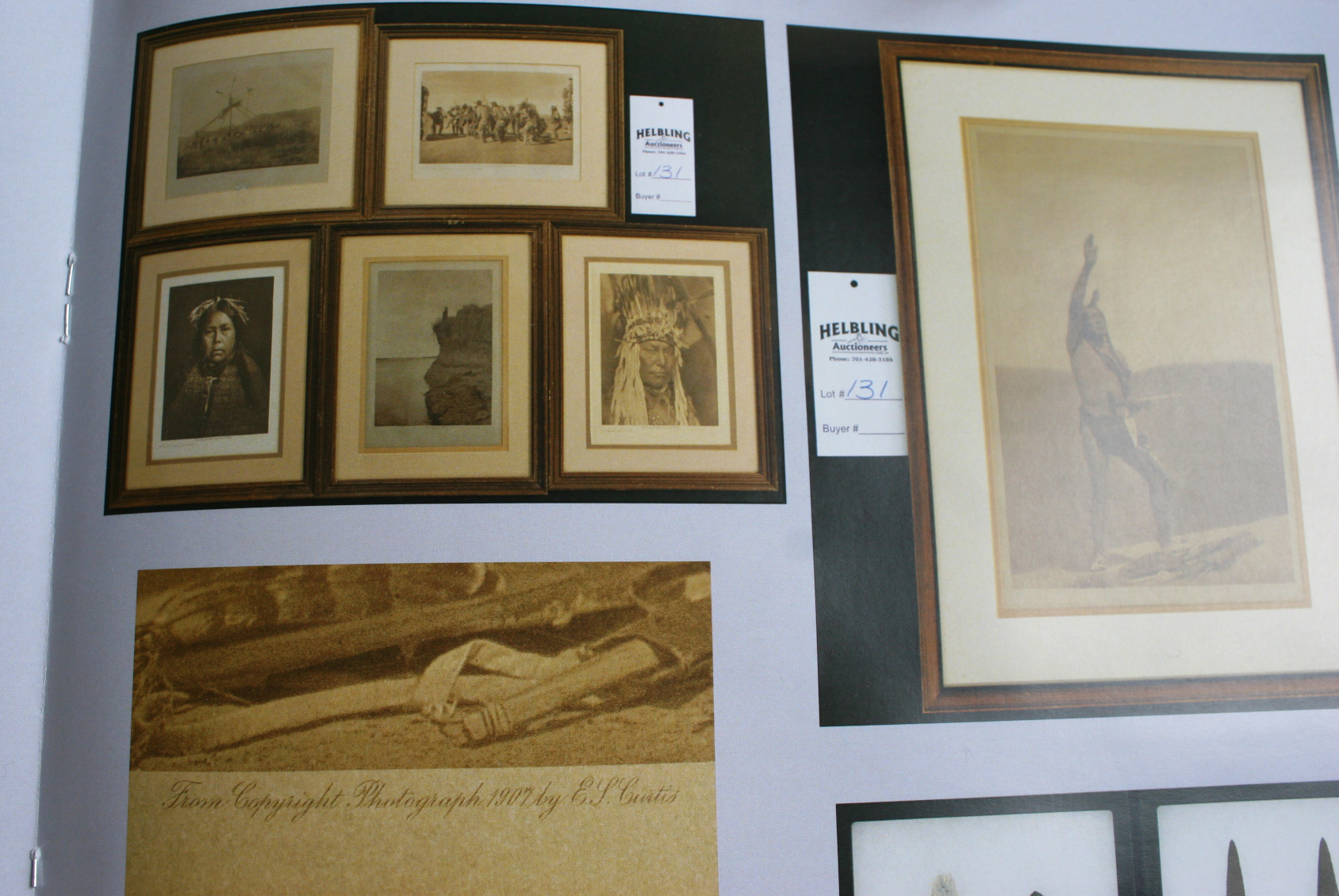
In the auction booklet, Edward Curtis photogravures are featured along with Native American art and artifcats.
But when I reached the middle of the publication from Helbling Auctioneers* for a May 22 “Large South Dakota Artifact Collection” auction in Lakeville, Minnesota, I paused. Item #131 on the auction list features seven original 1907 photogravures by noted photographer Edward S. Curtis. He is well-known for documenting Native Americans living west of the Mississippi River via his incredible photography.
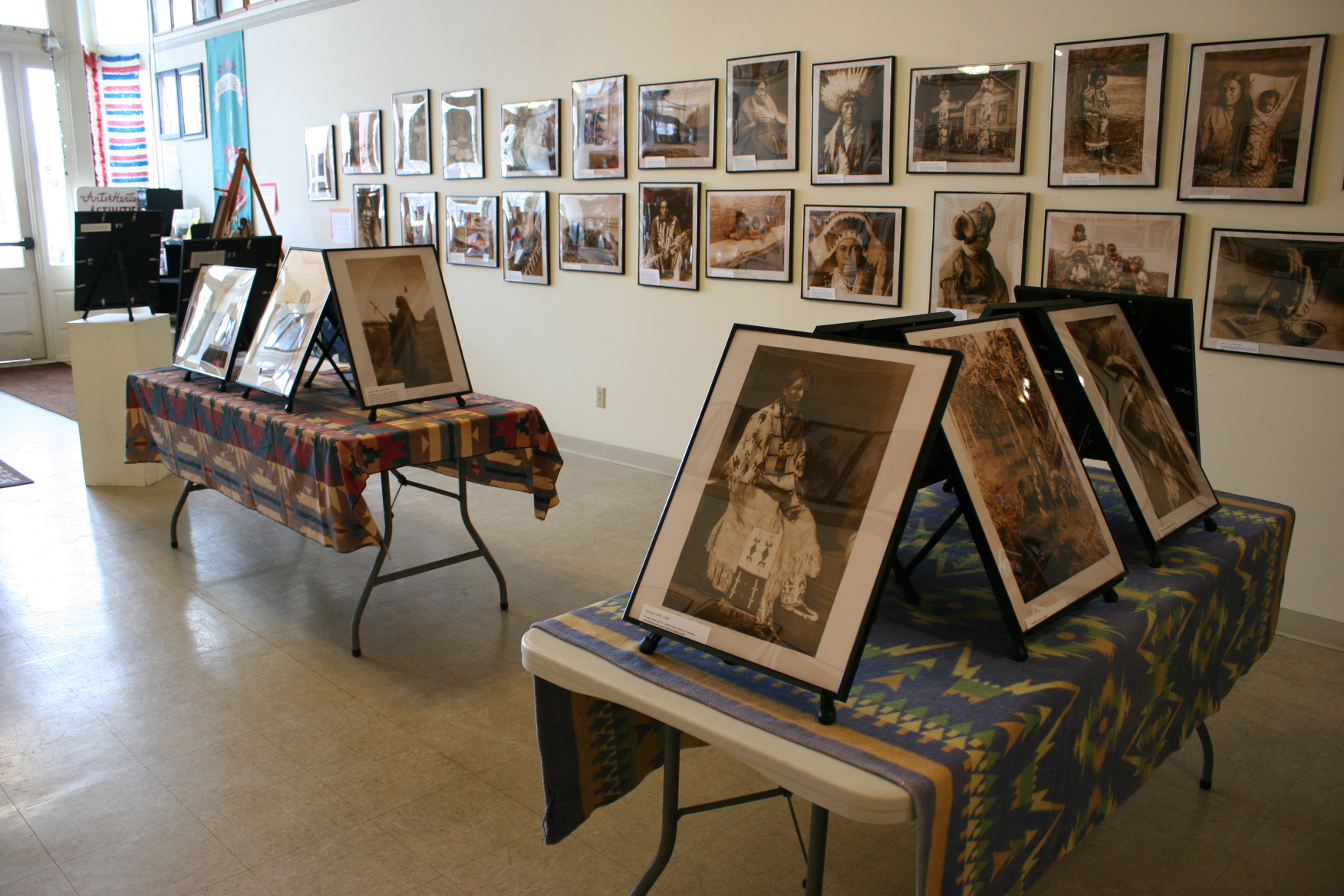
Among the prints of Edward Curtis photos exhibited at the Montgomery Arts and Heritage Center. Minnesota Prairie Roots file photo January 2020.
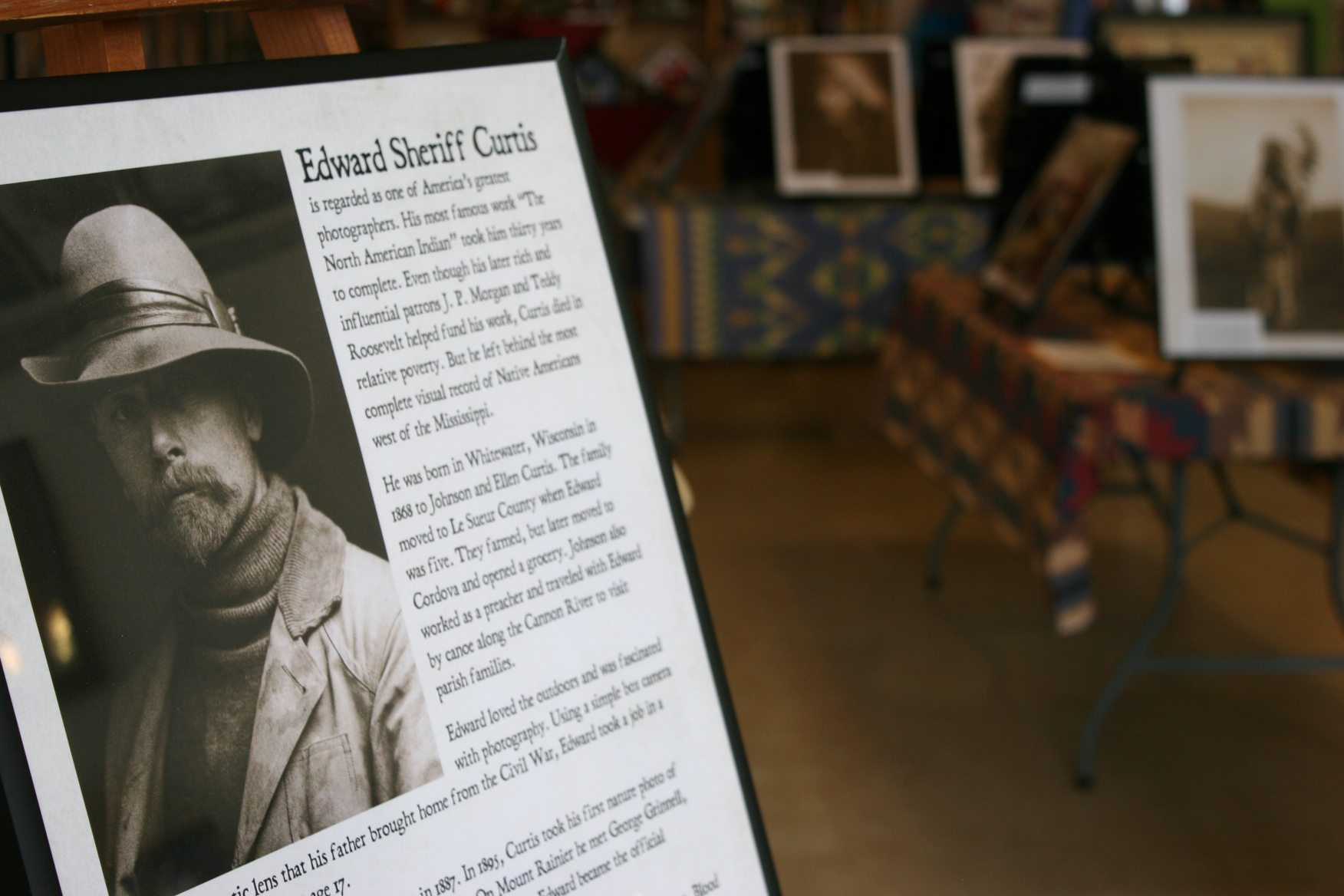
A photo of Edward Curtis with info about this noted American photographer was showcased in Montgomery, MN. Minnesota Prairie Roots file photo January 2020.
Curtis has a connection to the Montgomery area, moving from Wisconsin to nearby Cordova as a child. As he grew, Curtis often traveled with his preacher father, sometimes canoeing with him on the Cannon River. That fostered his love of the outdoors. And apparently his interest in photography. By age 17, he was working at a photography studio in St. Paul. Then, in 1887, the family moved to Seattle.
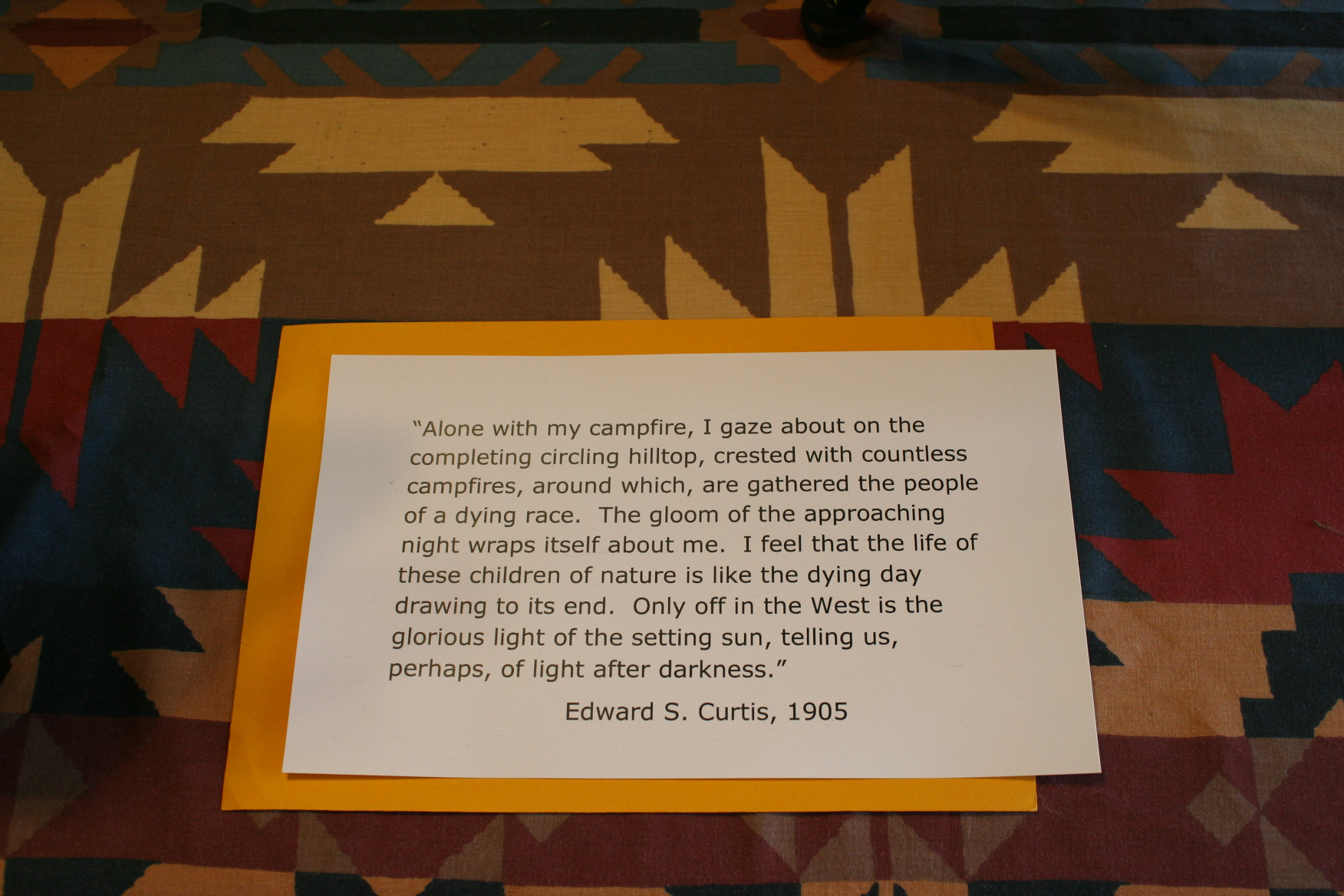
An insightful and beautiful quote by Edward Curtis shown at the Montgomery exhibit. Minnesota Prairie Roots file photo January 2020.
That’s the brief backstory on the man who would become famous for his historical photographic documentation of Native Americans. He lived with these peoples, observed them, understood them, respected them. And that shows in his portraits, his photographs of everyday scenes, of their lives.
From the auction preview book, the photogravures of Edward Curtis.
The seven original photogravures on the May auction block are a mix of portraits and everyday life. I expect they will draw the interest of historians, collectors and others. Certainly, they caught my eye as I paged through all those photos of artifacts.
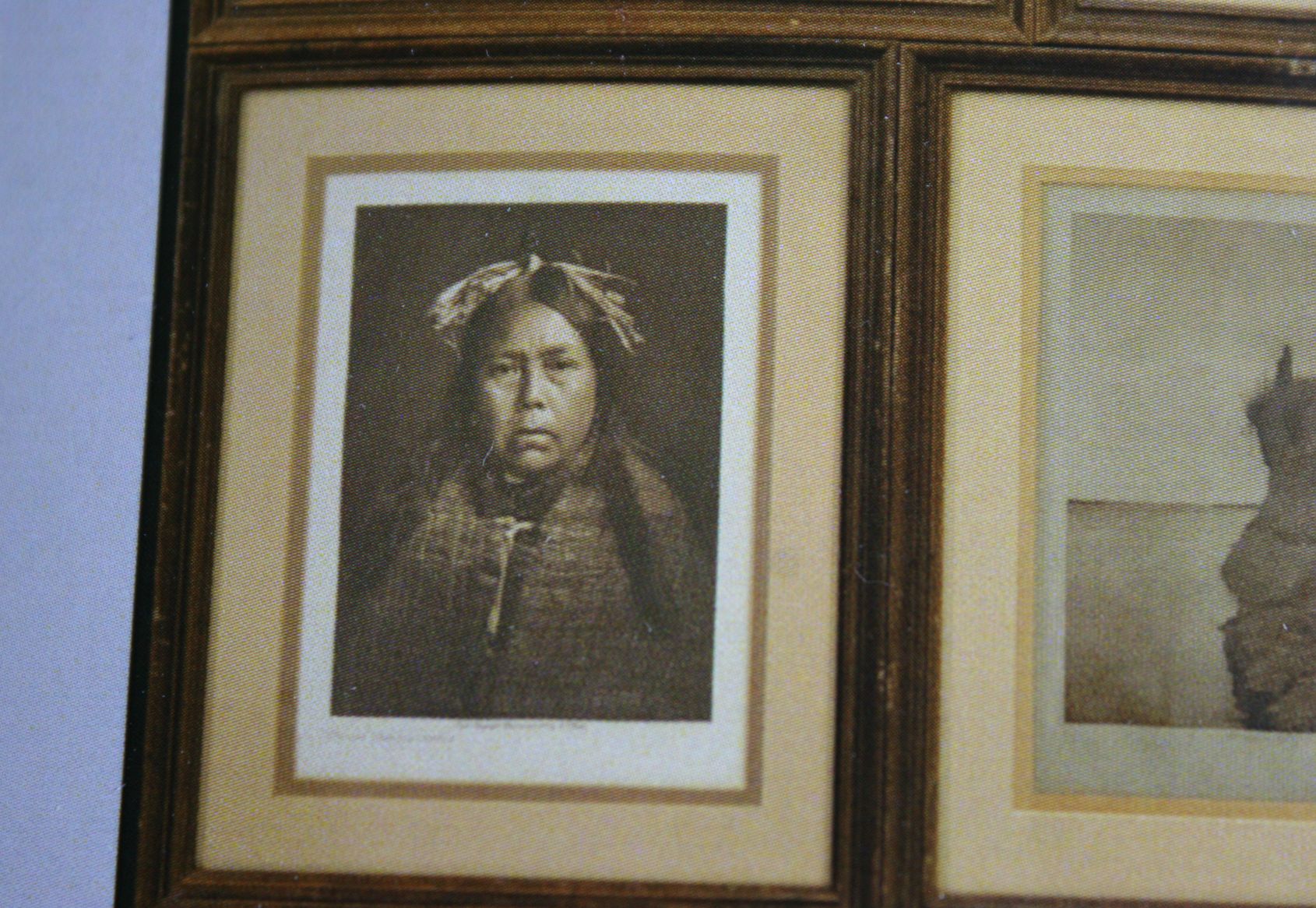
Edward Curtis specializes in Native American portraits, like this one up for bid.
I appreciate the challenges long ago photographers like Curtis faced with equipment and the whole photographic process. They couldn’t fire off frame after frame to get the perfect image. Rather, they often had to get it right the first time. When I consider that, I am even more impressed by Curtis’ work. He was a master of craft, honed from his connection to the outdoors, his understanding of Native Americans and his desire to honor them with his photography.
FYI: The May 22 auction at the Holiday Inn & Suites in Lakeville begins at 10 a.m. and features primarily items from the Ernie & Barb Spaid Family Artifact Collection (from South Dakota). However, in the middle of the sale, a small collection from North and South Dakotas will be sold. That includes the seven original Edward Curtis 1907 photogravures. For more info about the auction, click here.
* Bob Helbling of Helbling Auctioneers of Kindred and Hankinson, N.D., is a distant cousin of my husband. I wrote this post because of my interest in the photography of Edward S. Curtis.
Leaves unfurling in southern Minnesota. Minnesota Prairie Roots file photo May 2018.
THIS FEBRUARY MORNING, with spring still months away in Minnesota, I crave a landscape flush with color. Snow gone. Spring flowers popping. Grass greening. Trees budding.
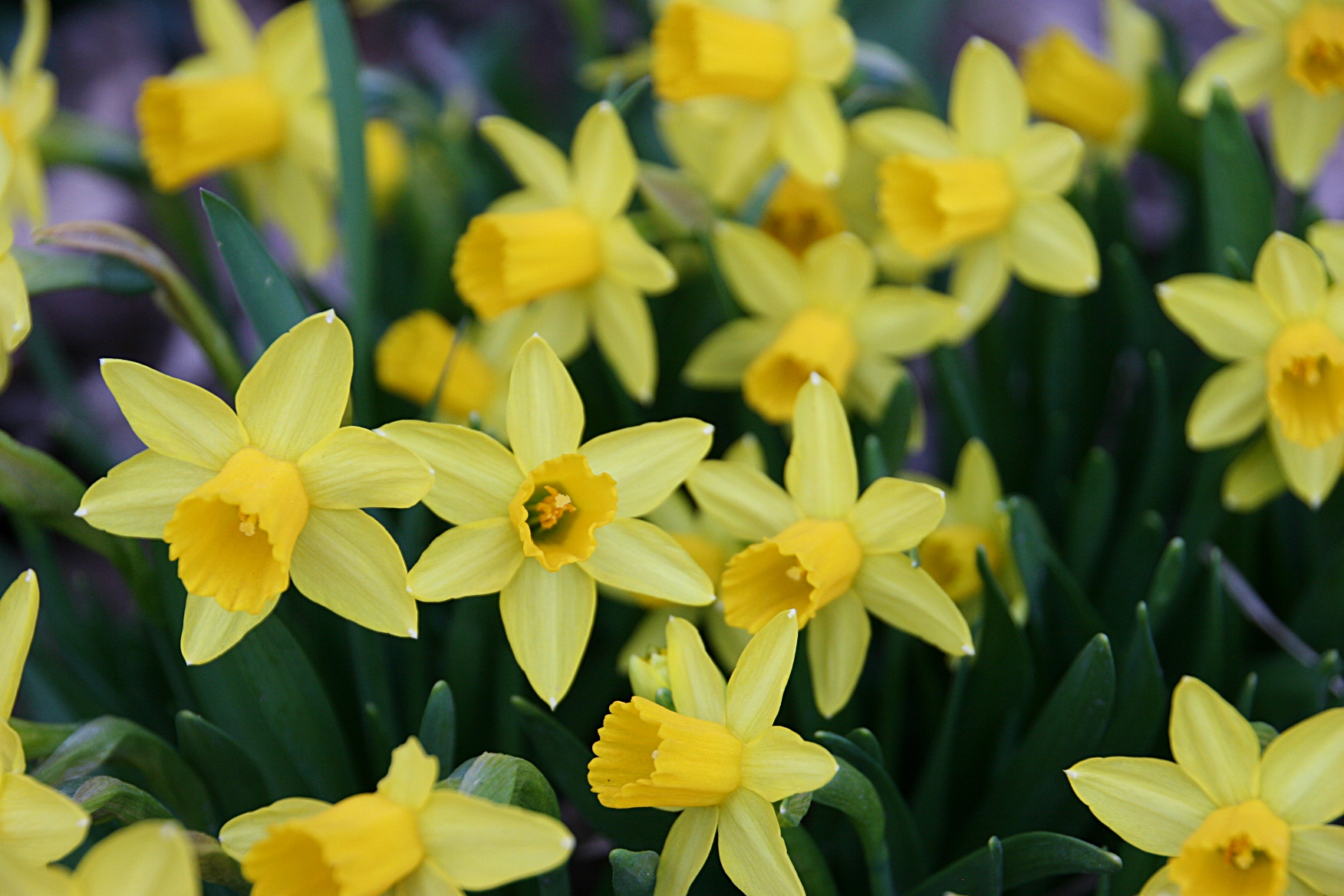
Daffodils bloom in my front yard. Minnesota Prairie Roots file photo.
I think we all need a glimpse of warmer, sunnier days after a wicked weather week across much of our country. I feel, especially, for the people of Texas. The unseasonably cold weather of ice and snow wrought incredible challenges with no power, broken water lines, even death. I feel for anyone living in Texas.
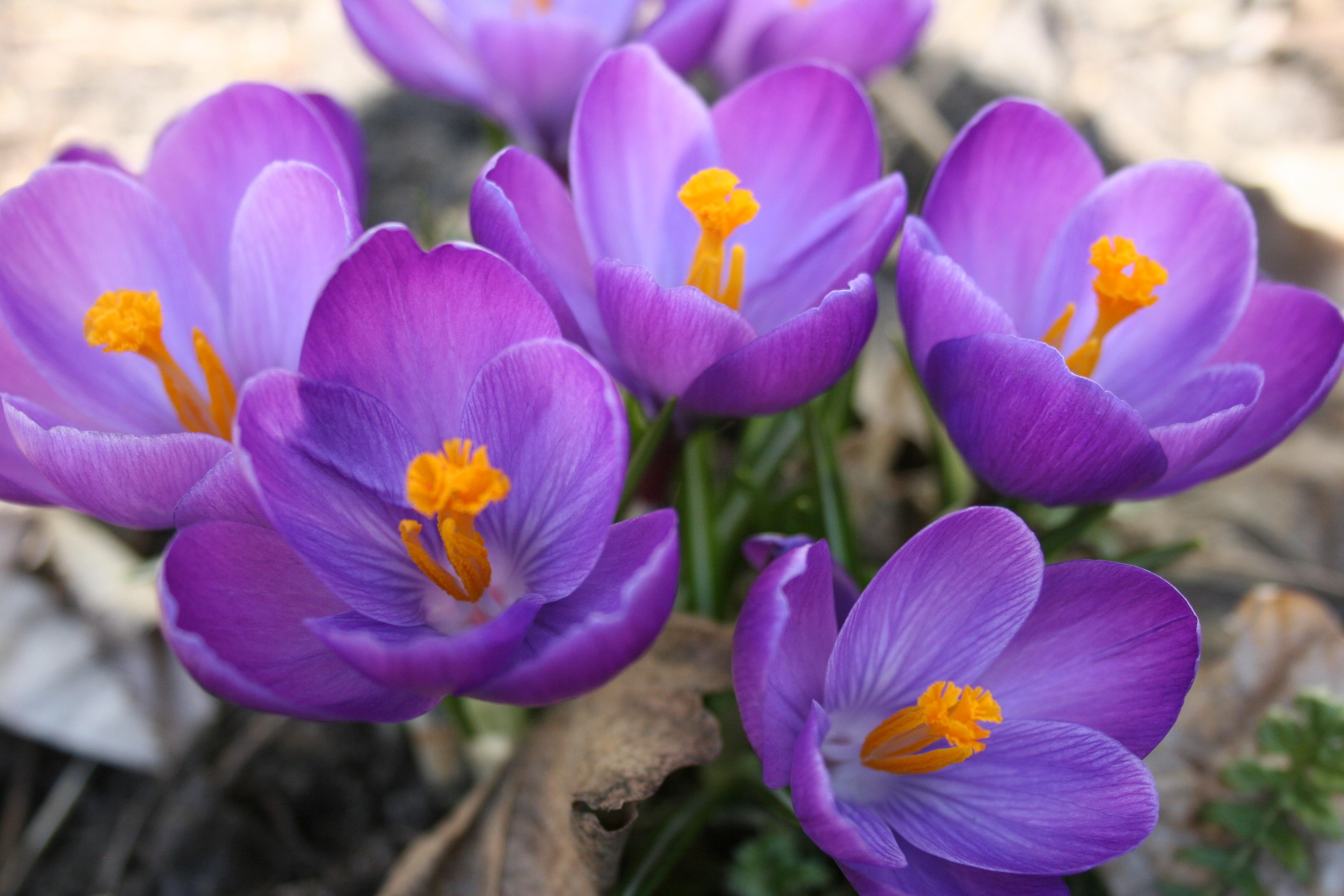
Crocuses blooming in my yard. Minnesota Prairie Roots file photo.
Even though we’ve endured a lengthy stretch of subzero temps here in Minnesota, it’s just cold. Not destruction. Not heartache. We can manage and function and mentally remind ourselves that this won’t last forever. Temps are already rising.
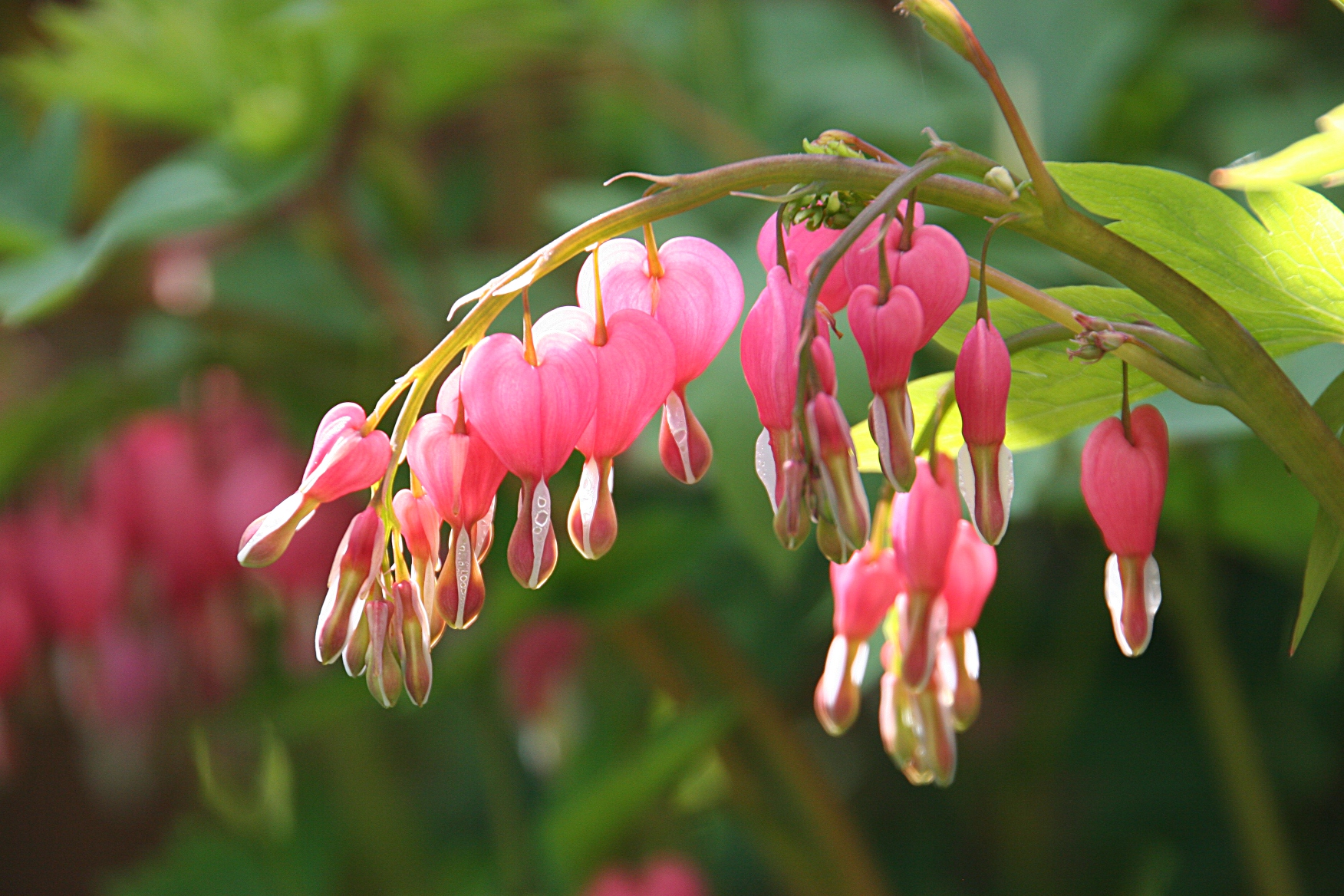
Beautiful bleeding hearts bloom on two bushes in my backyard each spring. Minnesota Prairie Roots file photo.
With those thoughts, I searched my files for photos of spring flowers. To brighten your day. To bring you joy. To remind you that in every season of life, we face challenges which stretch and test and grow us. But we can, and often do, come out on the other side as better people. More empathetic. More understanding. More grateful than ever for life, even if it’s sometimes hard.
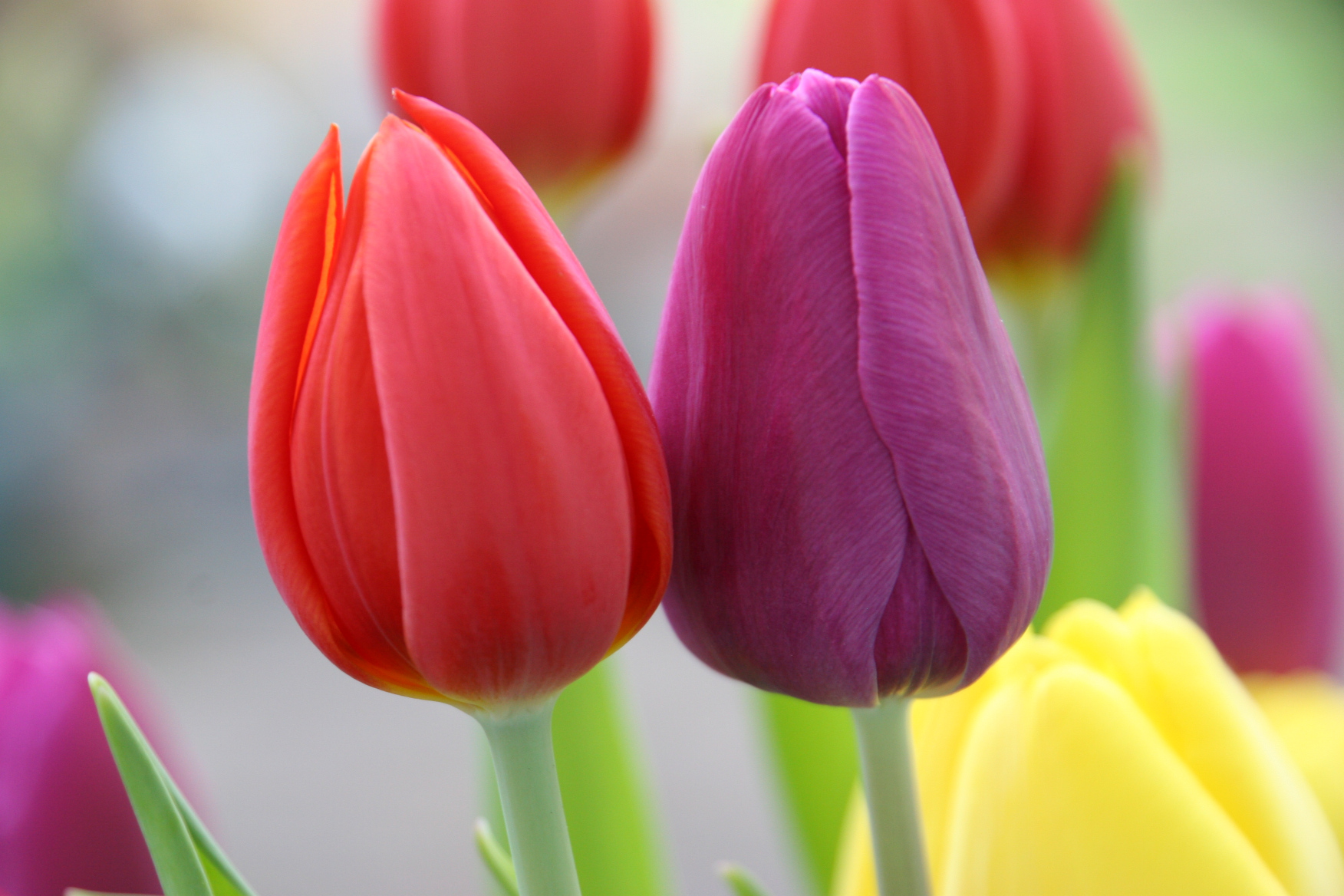
These tulips were sent to me, as bulbs, from Paula in the Netherlands last spring. I later planted the bulbs in my yard and hope they erupt this spring. Minnesota Prairie Roots file photo 2020.
We push through the difficulties, often with the support of loving family and friends, to bloom color into the world. Or at least that is my hope.
#
BE ASSURED THAT MINNESOTA looks nothing like the photos above right now. Snow layers the land in a landscape devoid of color. Under the snow and decaying leaves, spring flowers await warmer days when the frozen earth opens to the sun and sky.
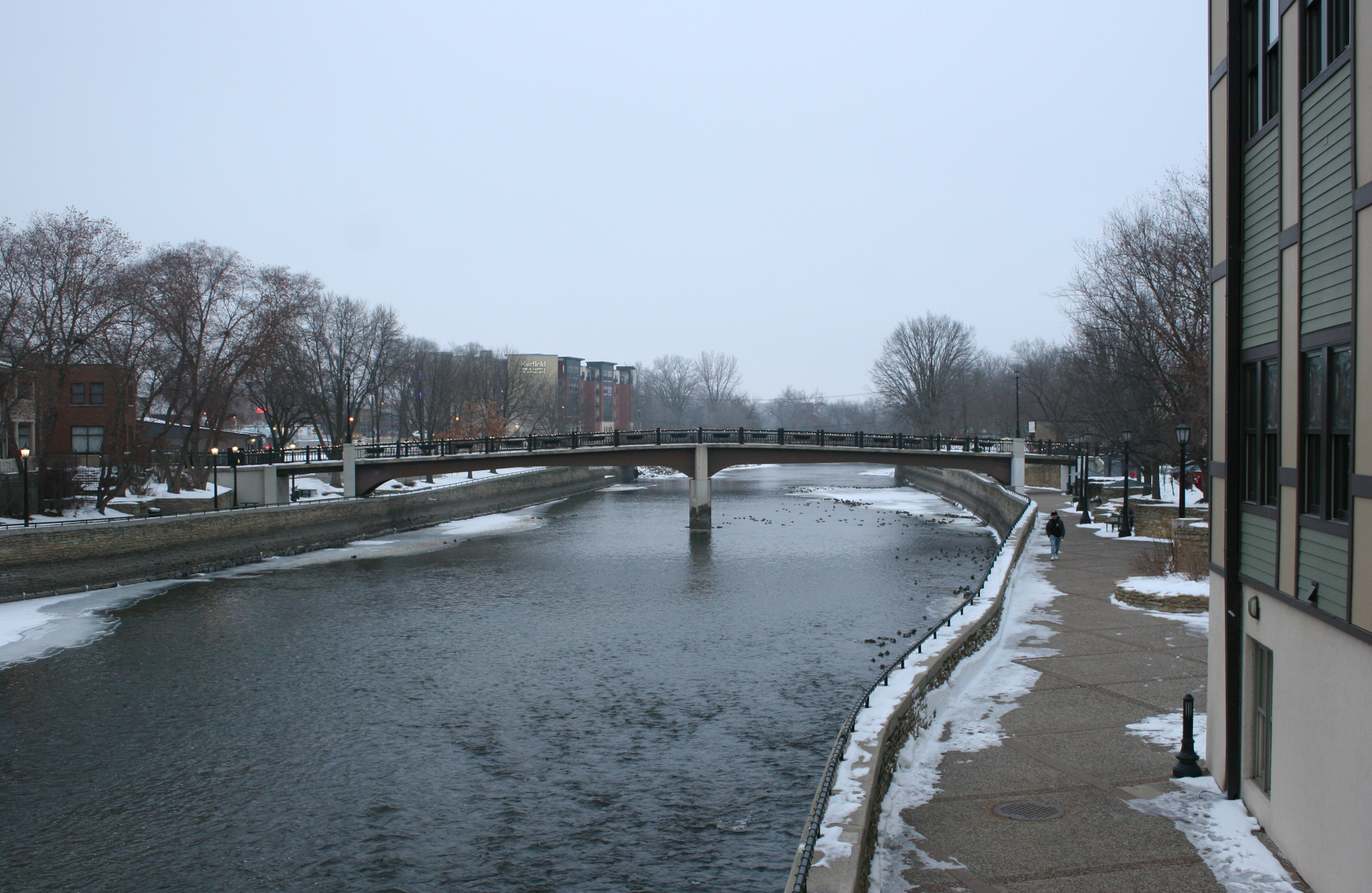
I love walking along the Cannon River in the heart of downtown Northfield, Minnesota.
PHOTOGRAPHING MINNESOTA COMMUNITIES remains a focal point of my photography. I love to document people, places and events with my camera.
This image seems so iconic Americana, hearkening back in time to places like fictional Mayberry. This barbershop is across the street from Bridge Square in Northfield.
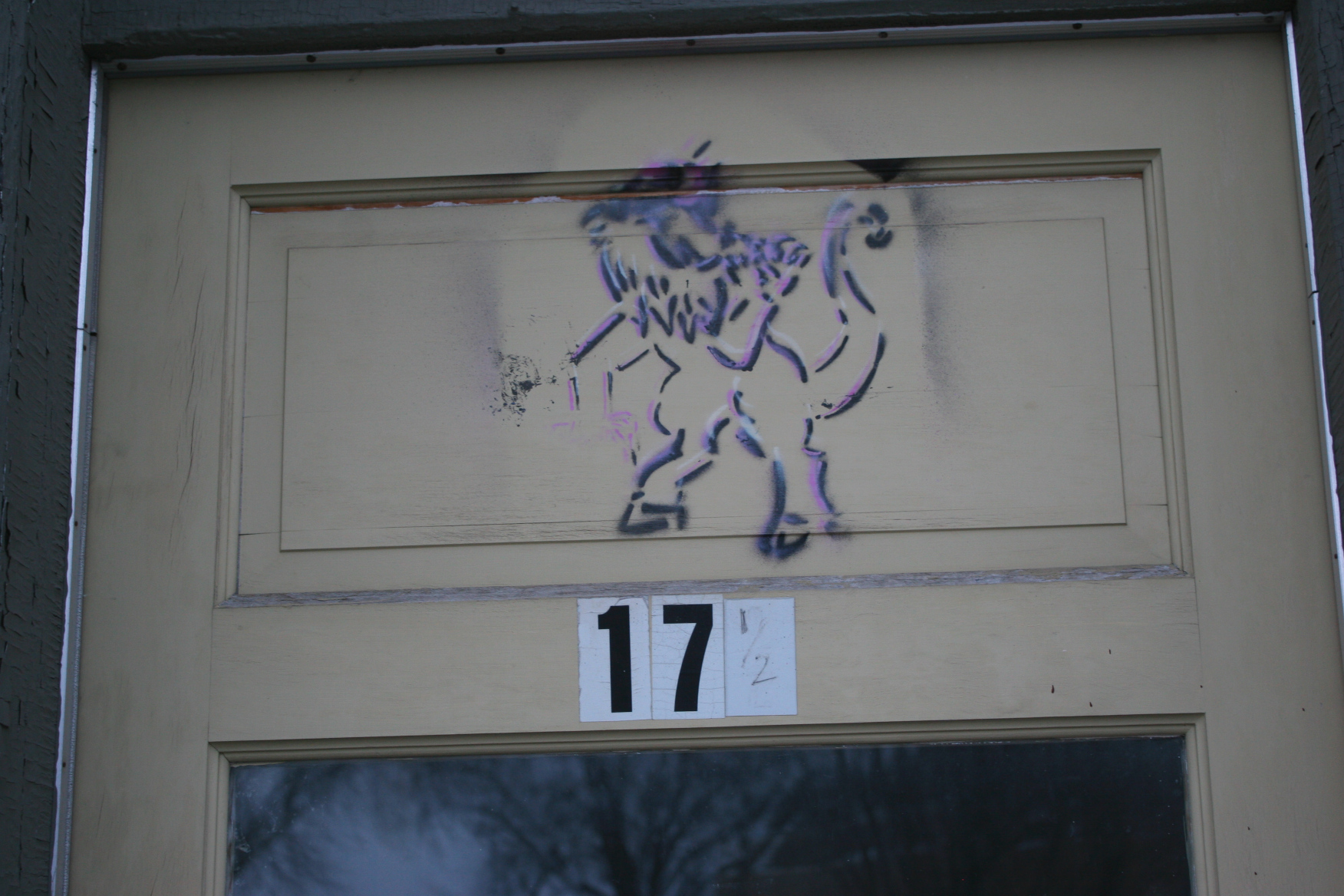
I don’t know the symbolism of this graphic art, photographed above a doorway.
Northfield always does a great job with window displays, including this holiday-themed one.
My photos present visual stories. I suppose you could say I am both the writer and the editor. I choose what to photograph and how. I decide, in the moment, whether to show you a detailed up-close subject or whether to cover a broader area. Both are important in storytelling. I also decide the perspective from which I will photograph. Down low. Eye level. Or some other angle.
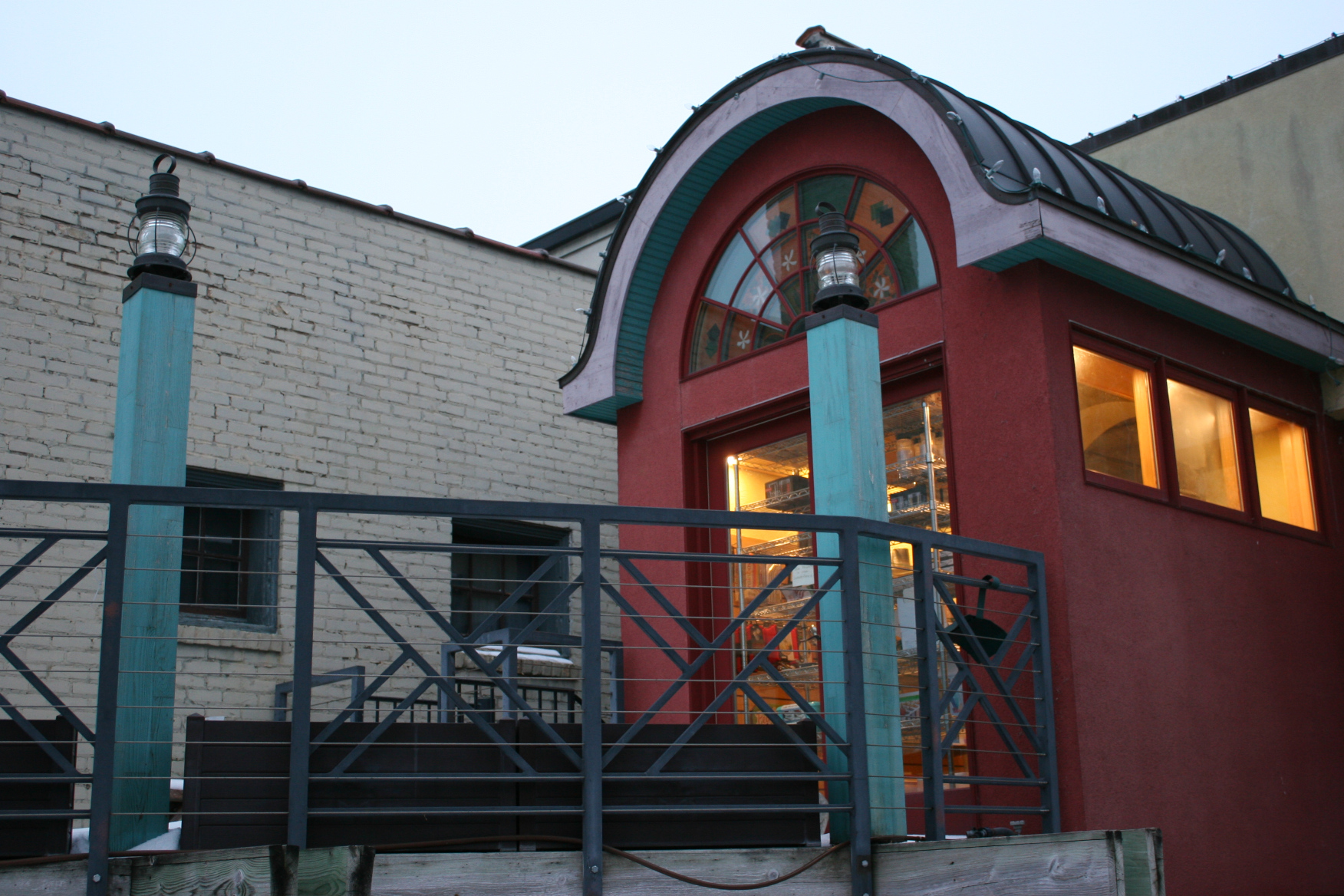
I found this add-on structure to a kitchen ware retail shop and upper level deck charming. This is on the back of the building.
During a recent visit to Northfield, one of my favorite Minnesota communities about a 20-minute drive away, I had exactly 10 minutes to photograph before our food order was ready for pick up on the other side of town. I asked Randy to act as time-keeper. When I’m photographing, I lose all track of time, so engaged am I in the creative process.
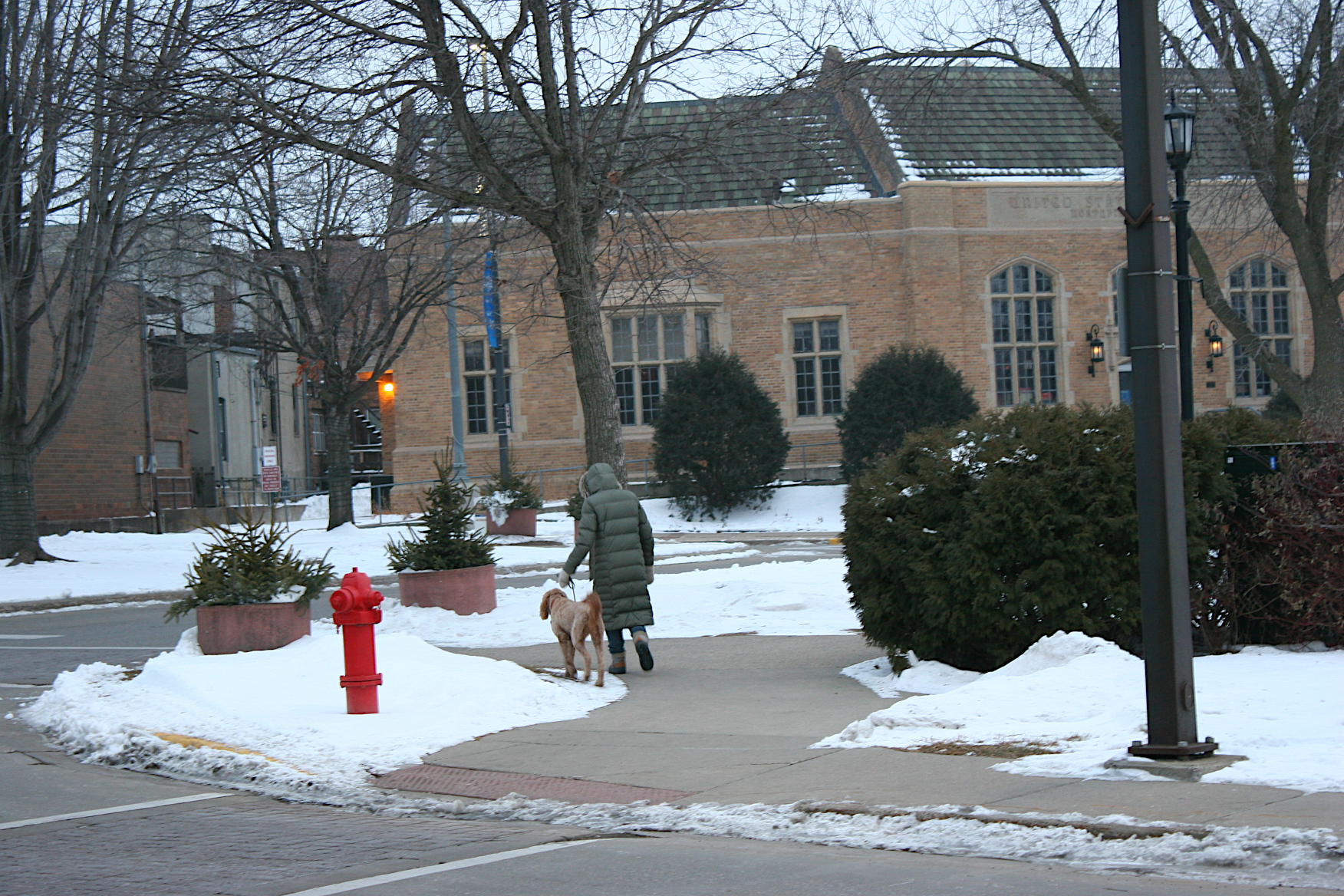
Bundled up to walk the dog at Bridge Square on a cold winter afternoon in Northfield.
We parked near Bridge Square, the heart of downtown Northfield and a community gathering spot. On this late January afternoon with the temp not quite 20 degrees and with COVID-19 reducing the number of visitors to this typically busy downtown, I observed only a few people out and about. Often finding a place to park proves challenging. Not so on this Saturday.
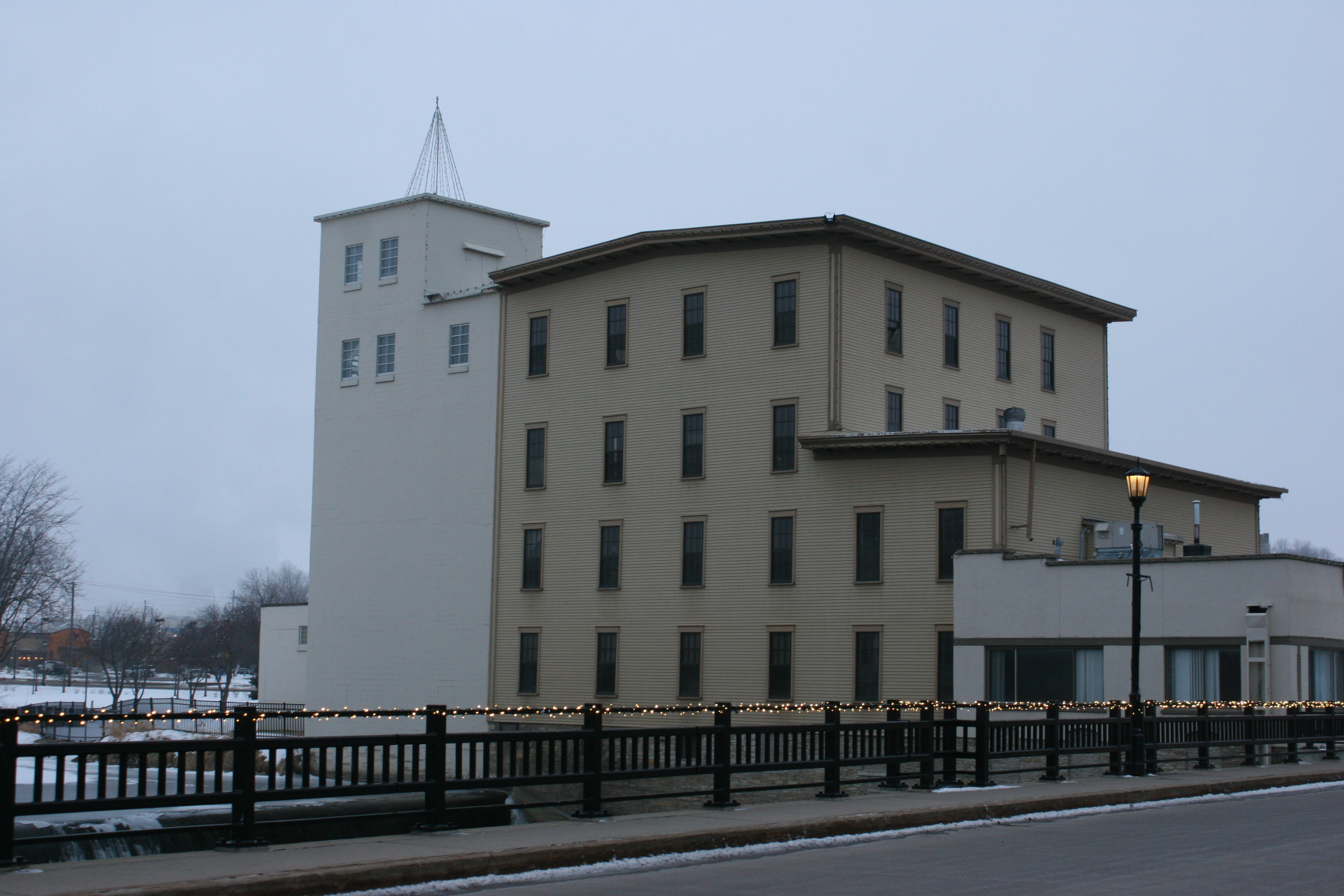
The historic Ames Mill sits on the banks of the Cannon River across the river from Bridge Square.
We walked toward Bridge Square, adjacent to the Cannon River. Turning the corner off Division Street, the wind sliced cold across my face. I knew that exposing my fingers to snap the shutter button of my camera would be numbing. My mittens, which open to finger-less gloves, help. I’d highly recommend these if you work a camera in a cold weather environment like Minnesota.
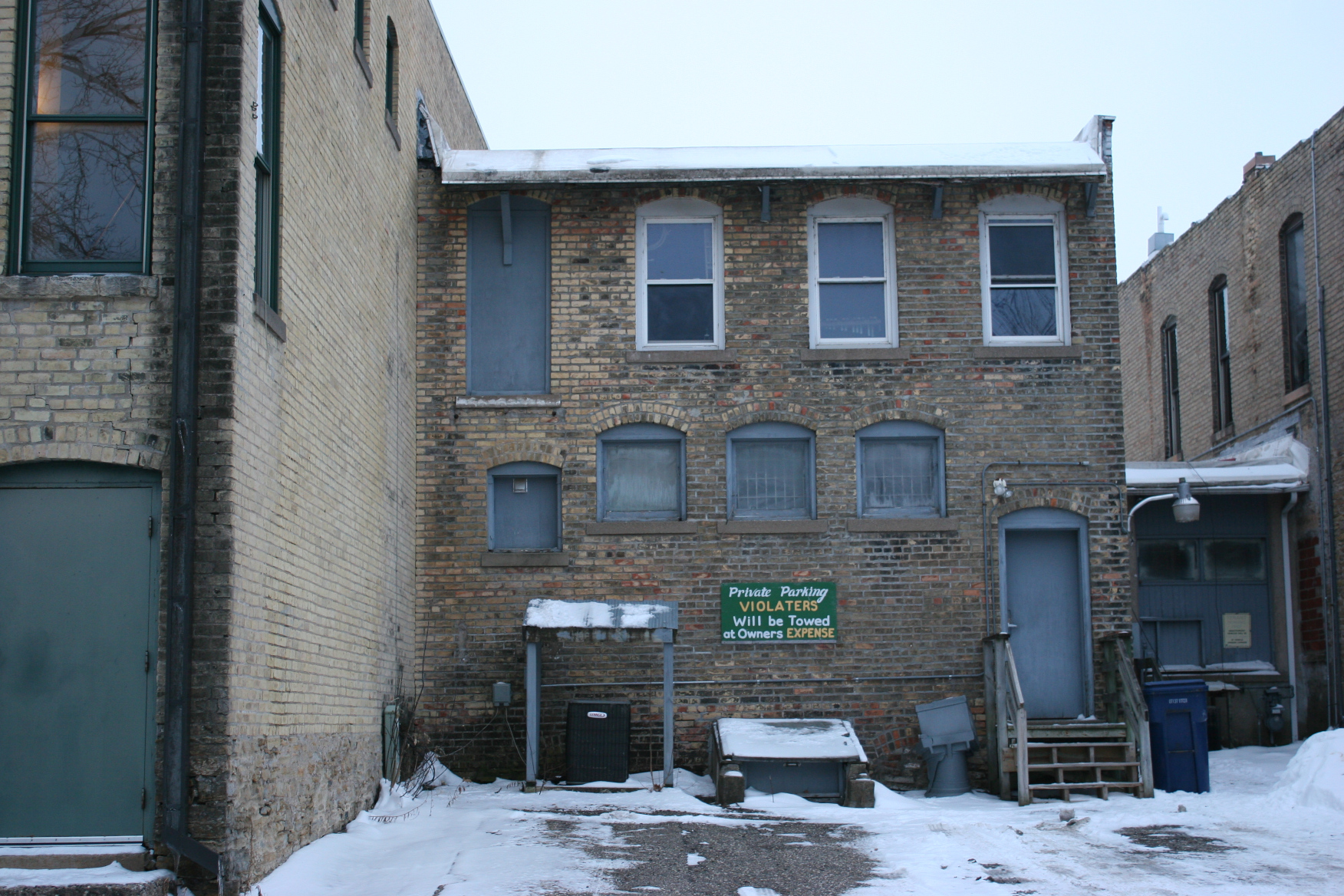
The backs of buildings can prove as interesting as the fronts. My eyes were drawn to the sign and to the brick buildings.
For the next 10 minutes, while Randy walked ahead of me—I always lag when I’m photographing—I concentrated on the half-block square area around me. The signs. The buildings. A woman and her dog. The river.
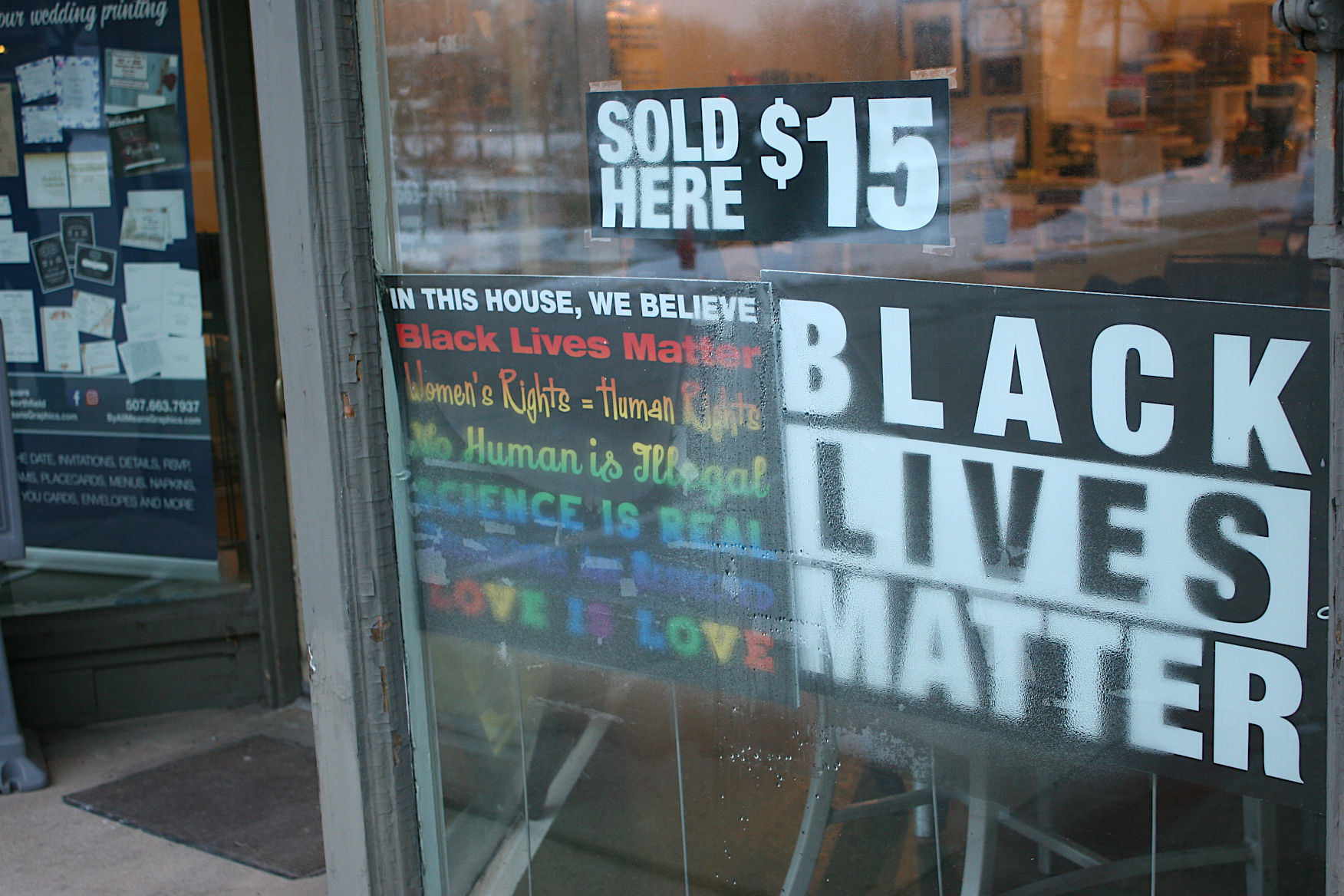
Northfield residents, businesses and students at its two colleges often express their viewpoints in publicly-posted signs and art.
In this short segment of time, I composed a short story, or at least the beginning of one. With these minimal images, I show you history, nature, voices. A glimpse in to the heart and soul of Northfield. This brings me joy, this ability to follow my passion, to share with you these visual stories through my photography.
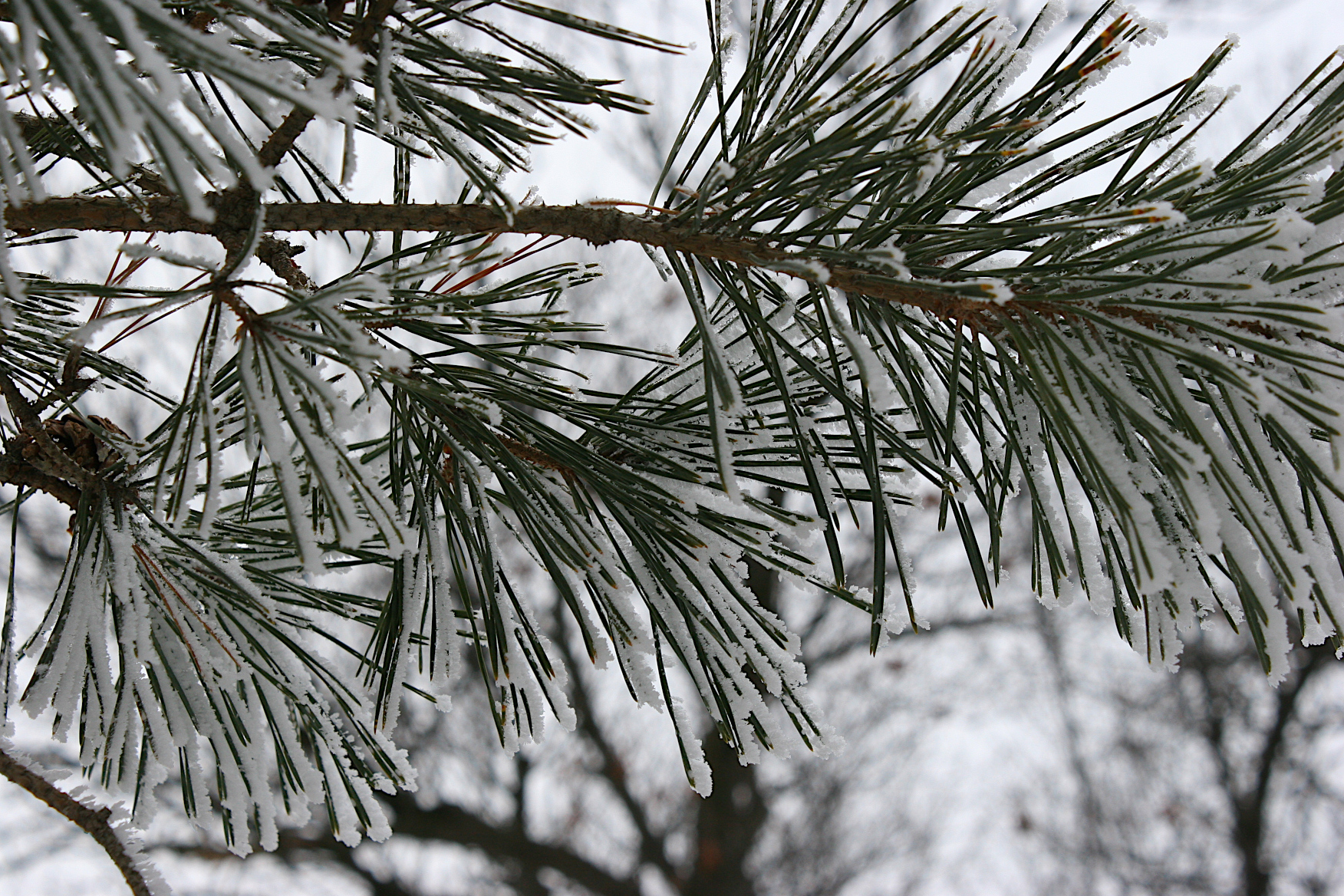
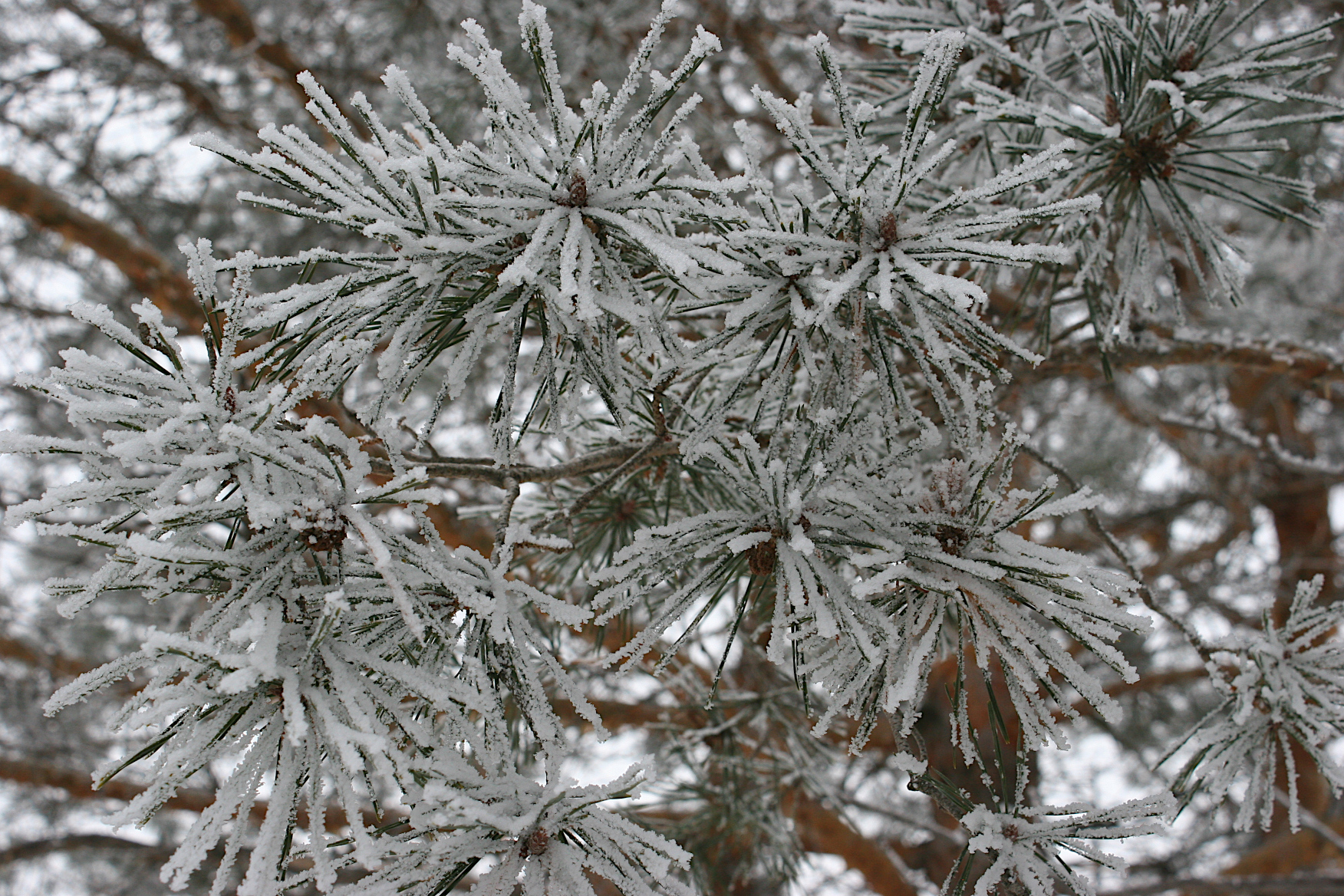
Rime ice coats an evergreen tree at the Minnesota State Academy for the Deaf in Faribault.
FOG TRANSFORMS THE LANDSCAPE, sometimes in to an unfamiliar place that leaves us feeling disoriented, lost. But other times, like last week here in Minnesota, fog layered trees with rime ice, creating an enchanting, almost magical world. Despite the grey that pressed heavy upon the land day after day.
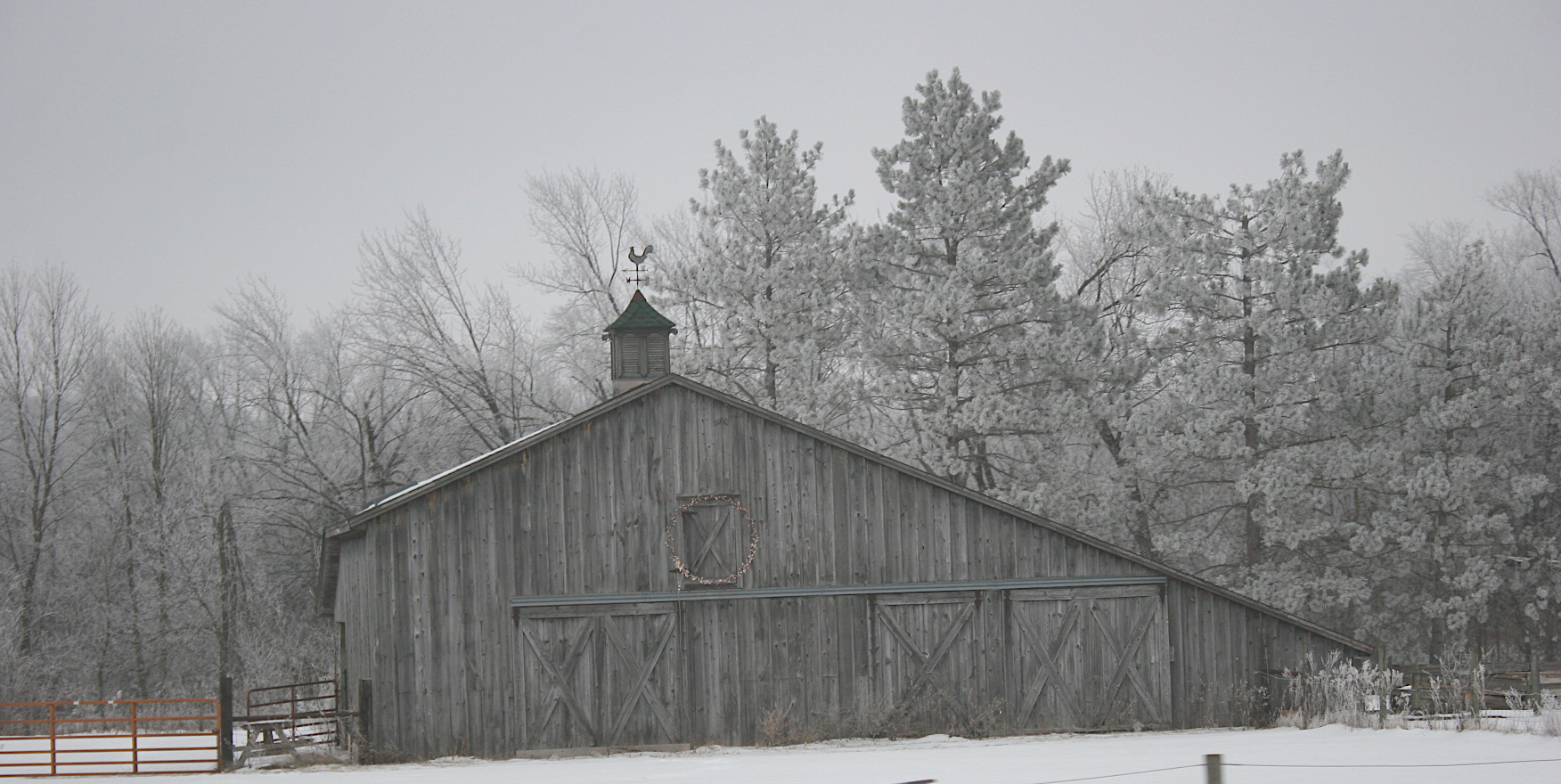
Set along Minnesota State Highway 3 between Faribault and Northfield, this barn looks lovely any time of year, even in winter. Love love love this weathered building.
Photographing a world covered in frozen fog droplets proved difficult for me. My camera cannot convey the beauty the human eye sees. Yet, I managed a few images that attempt to show the other worldly qualities of a rime ice shrouded landscape.
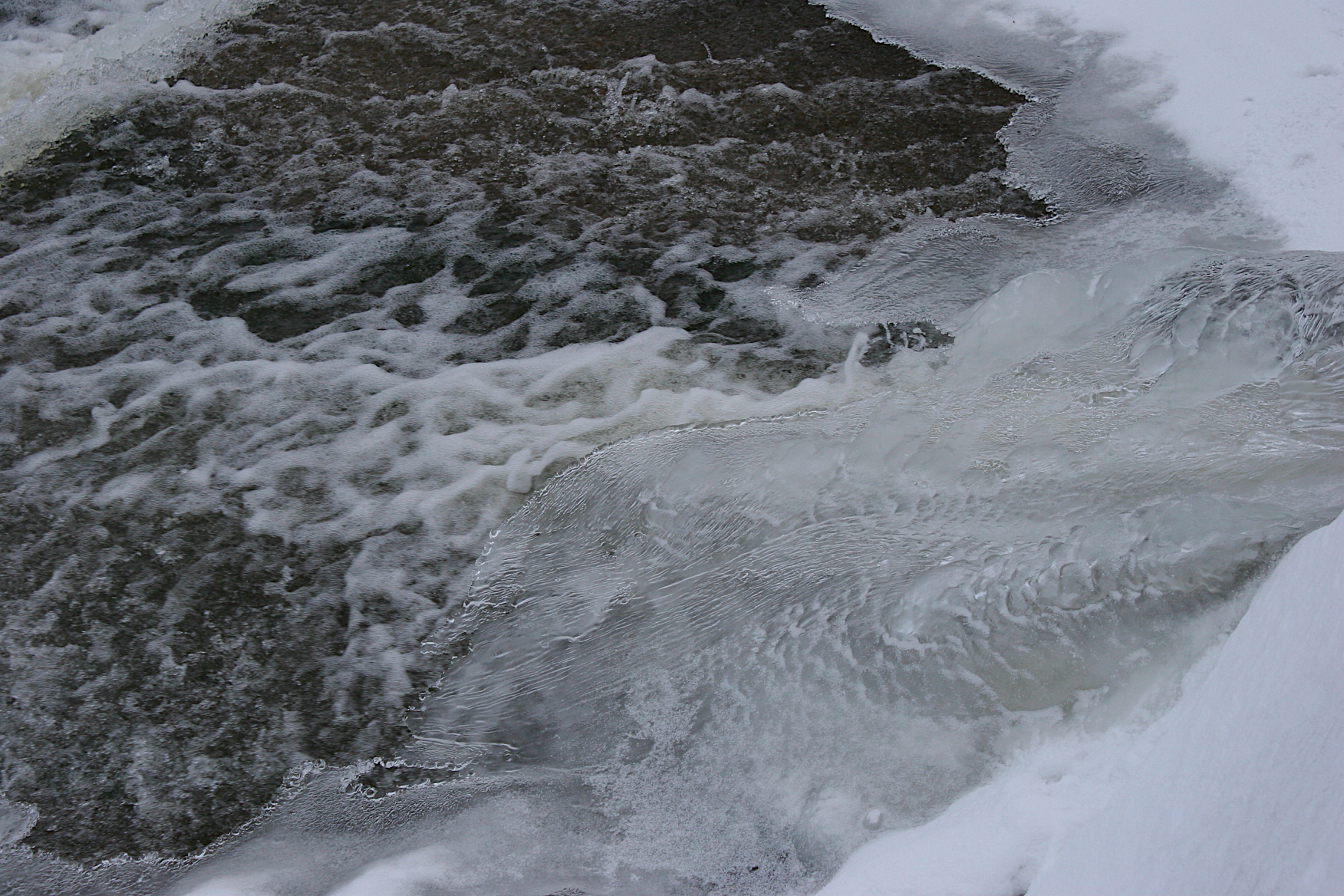
Even the ice edging water falling over the Cannon River dam by Father Slevin Park in Faribault possesses a distinct artistry.
I find that in winter here in southern Minnesota, I must look harder to notice nature’s beauty. It’s there, but toned down, converted to black-and-white. Grey. Colorless. Yet present.
A broader view of those iced evergreen trees.
Still, I take fewer photos. Not only because I see less to document, but because the very act of exposing my fingers to the cold is uncomfortable. (I’m thankful for mittens that open to fingerless gloves, a thoughtful gift from Randy many years ago.)
I’m also cautious about icy surfaces, lest I fall and break another bone. A broken shoulder and wrist in recent years, one of which resulted in surgery, fuel that cautiousness.
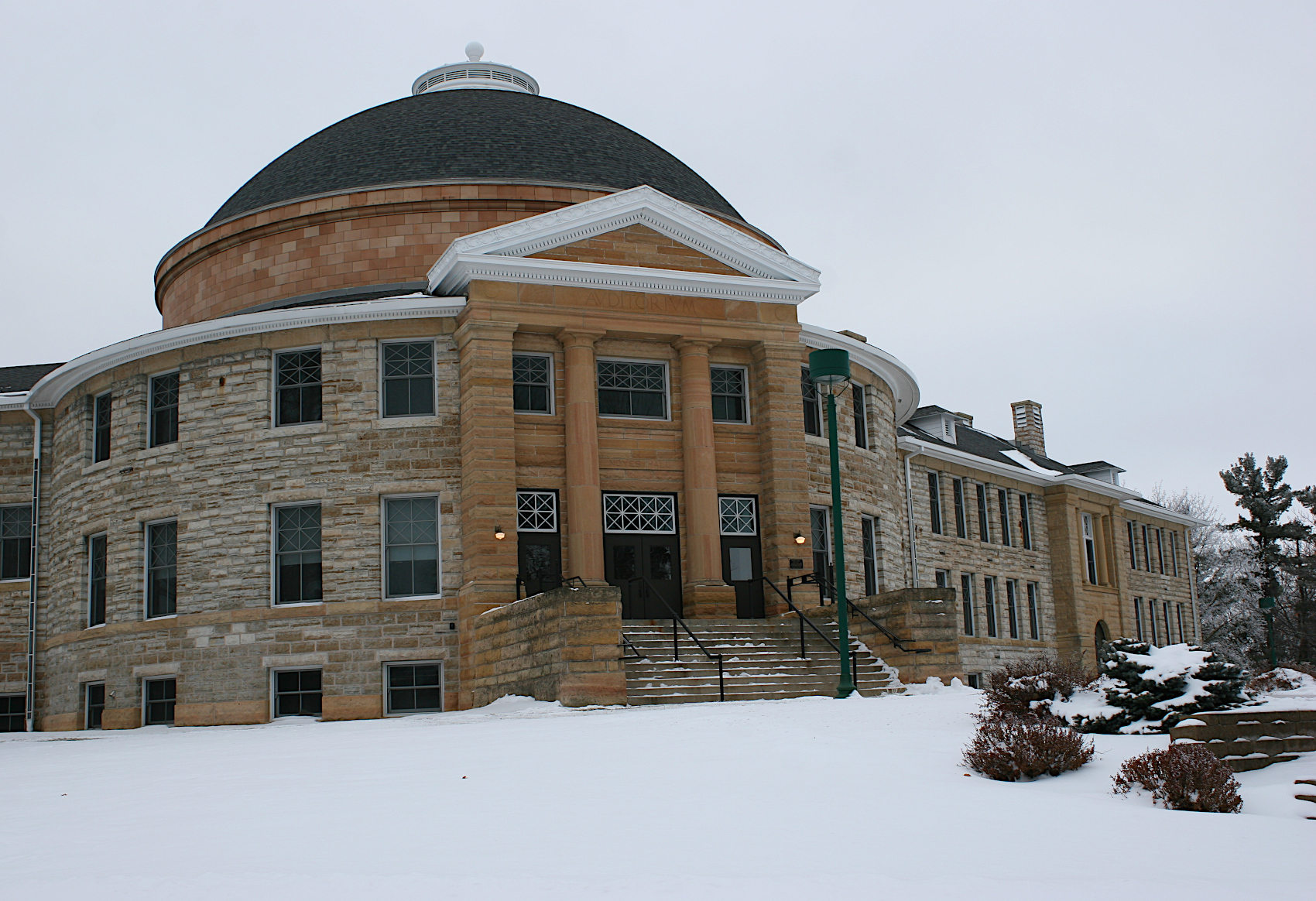
The snow and ice-shrouded Minnesota State Academy for the Deaf campus is a beautiful and quiet place to walk. I love the many aged buildings including Noyes Hall, pictured here. Some day, post COVID, I need an indoor tour.
And then there’s COVID, which has certainly affected my photographic opportunities. Still, if I determine to look closely at the world around me, decide that my fingers can handle brief cold exposure, I can continue to document, to create, to pursue my passion for photography.
This week brought sunshine to Minnesota, a welcome break from all that dreary grey. We, or at least I, needed it, if anything, as a symbol of hope during these truly difficult times in our country.
TODAY I CONTINUE my photo review of 2020, selecting one image from each month, July – December, to highlight here.
Randy walks down the pine-edged driveway during our cabin stay with the grandchildren, Isabelle and Isaac.
In JULY, our family escaped into the peace and natural beauty of the central Minnesota lakes region, staying in a guest lake cabin on property owned by a sister-in-law and brother-in-law. Our eldest and her family and our son joined Randy and me. There, among the towering pines and next to a lake, we delighted in watching loons and the resident eagles. We played in and on the water, dined lakeside, sat around the campfire, made smores and so much more. The first evening, when the 4-year-old granddaughter declared she was “too excited to sleep,” Randy and I took her outside in her pajamas to view the star-studded night sky. Love-filled moments like these imprint upon my memory, reminding me how important my family is to me.
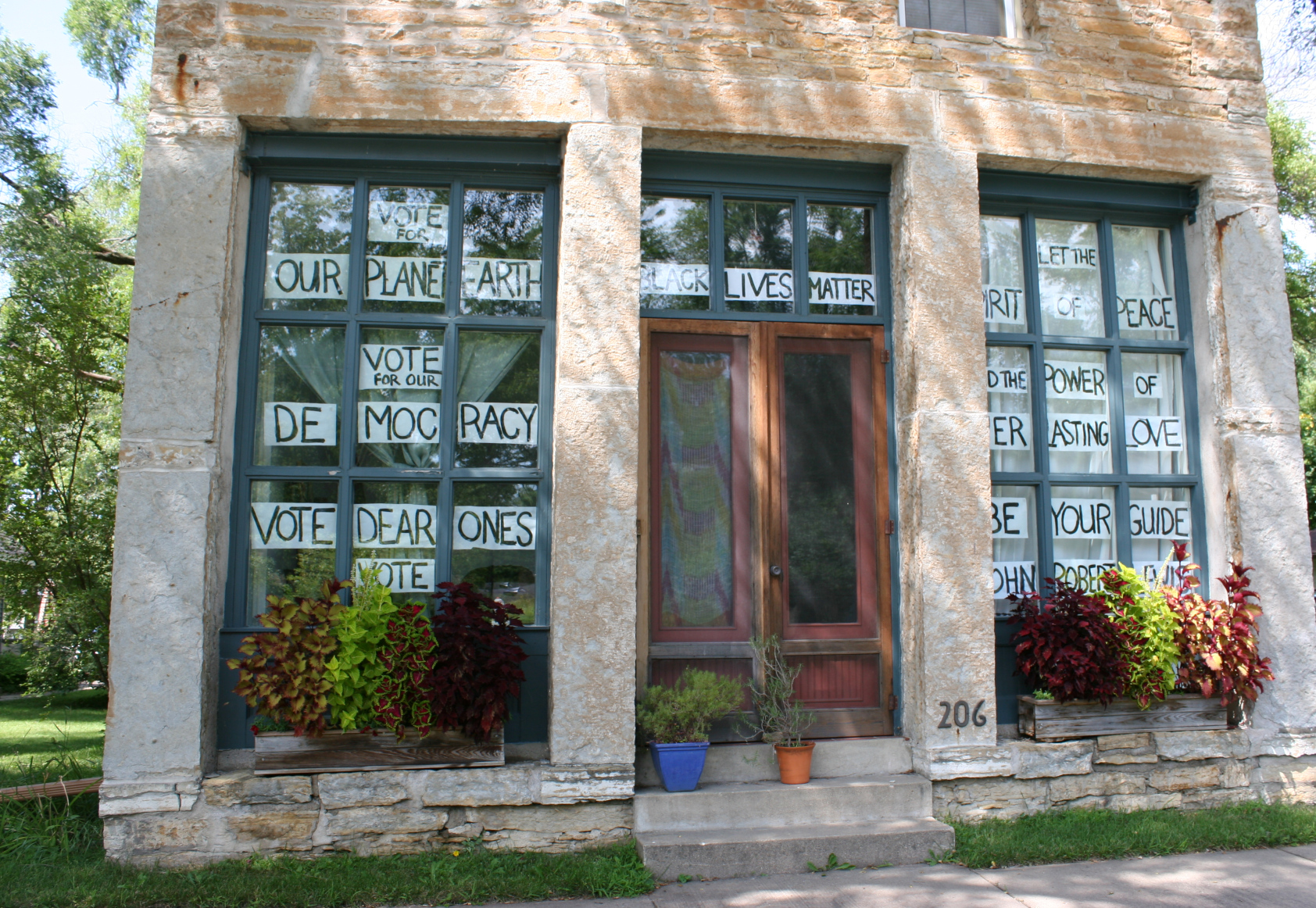
Messages cover several important and timely topics.
Spring and summer brought voices rising in protest, in strong strong words that resonated with so many, including me. In the small town of Dundas in AUGUST, I photographed banners posted on the windows of an aged stone house. Thoughtful. Powerful. Necessary.
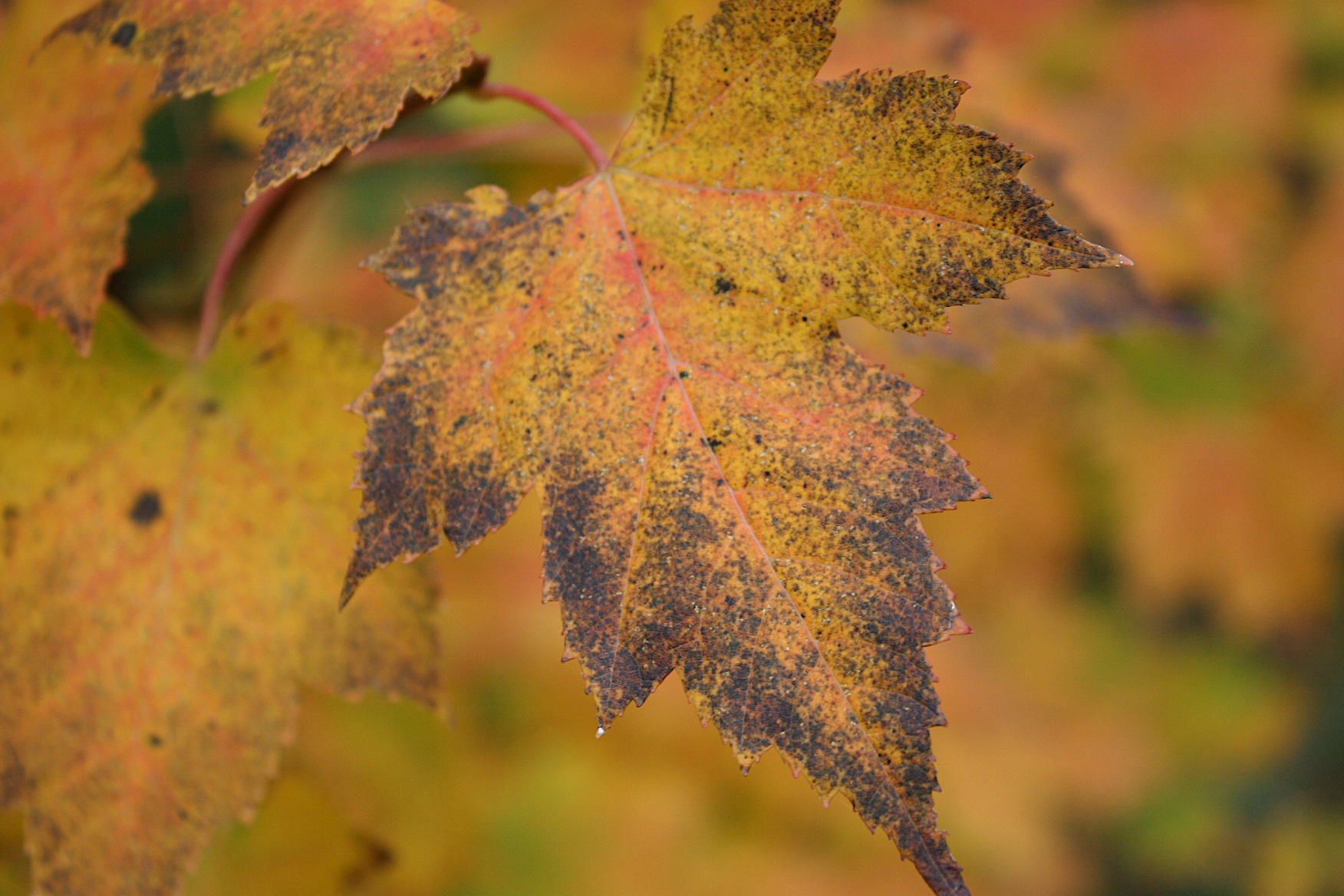
Photographed at Grams Regional Park.
SEPTEMBER took Randy and me back to the family lake cabin for a second short stay, this time just the two of us. While en route, we stopped at Grams Regional Park in Zimmerman for a picnic lunch and hike through the woods. There I photographed a cluster of leaves. Autumn is my favorite season with its warm days, crisp evenings, earthy scents and hues of red, brown, orange and yellow. I never tire of looking at and photographing leaves.
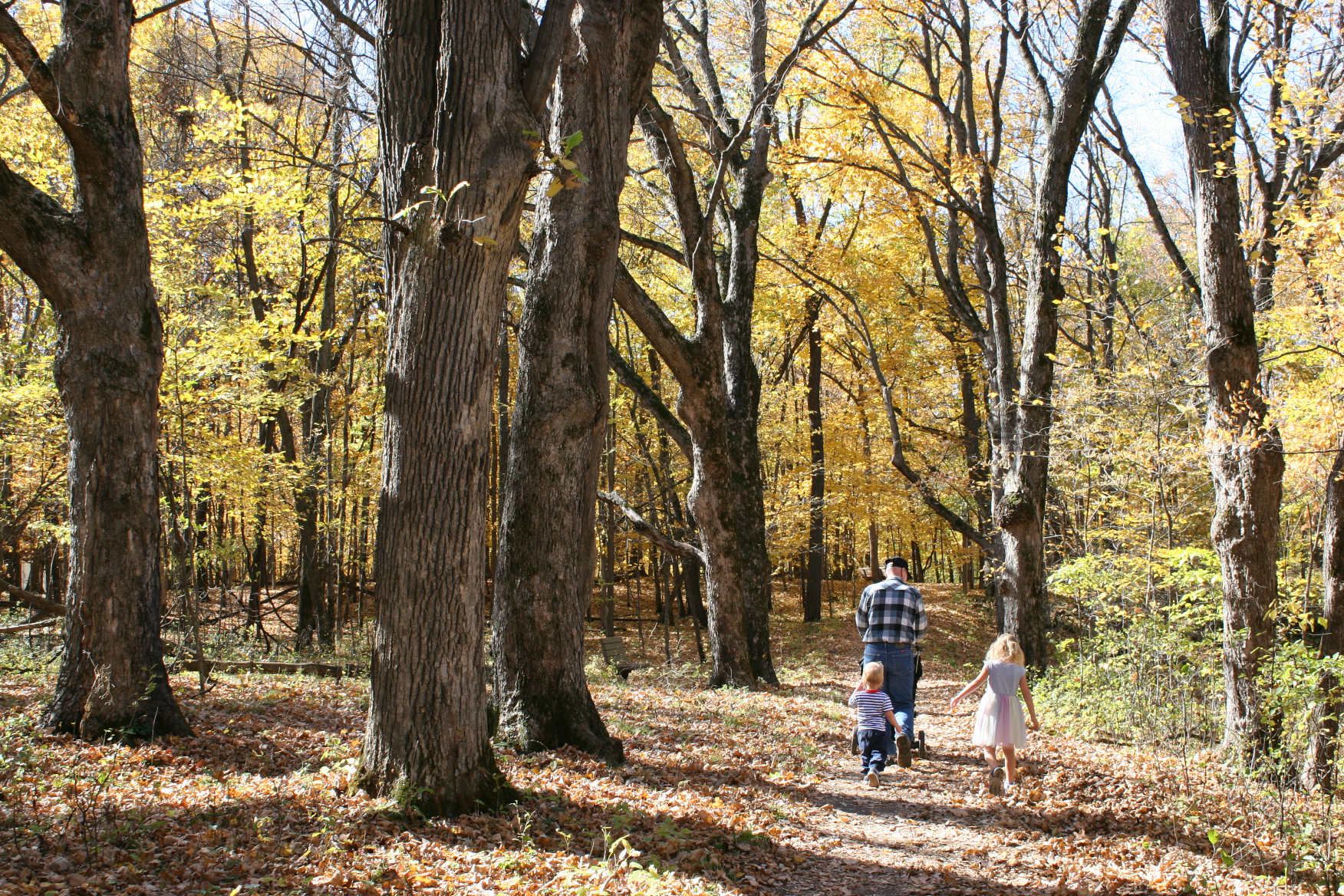
The grandchildren follow Randy on a path at River Bend Nature Center while I trail behind with my camera.
In OCTOBER, the grandchildren stayed overnight with us and we took them to River Bend Nature Center. To walk, and sometimes run (with the grandparents trying to keep up). Again, it is the memories of time spent with those I love most that caused me to choose this image as a favorite.
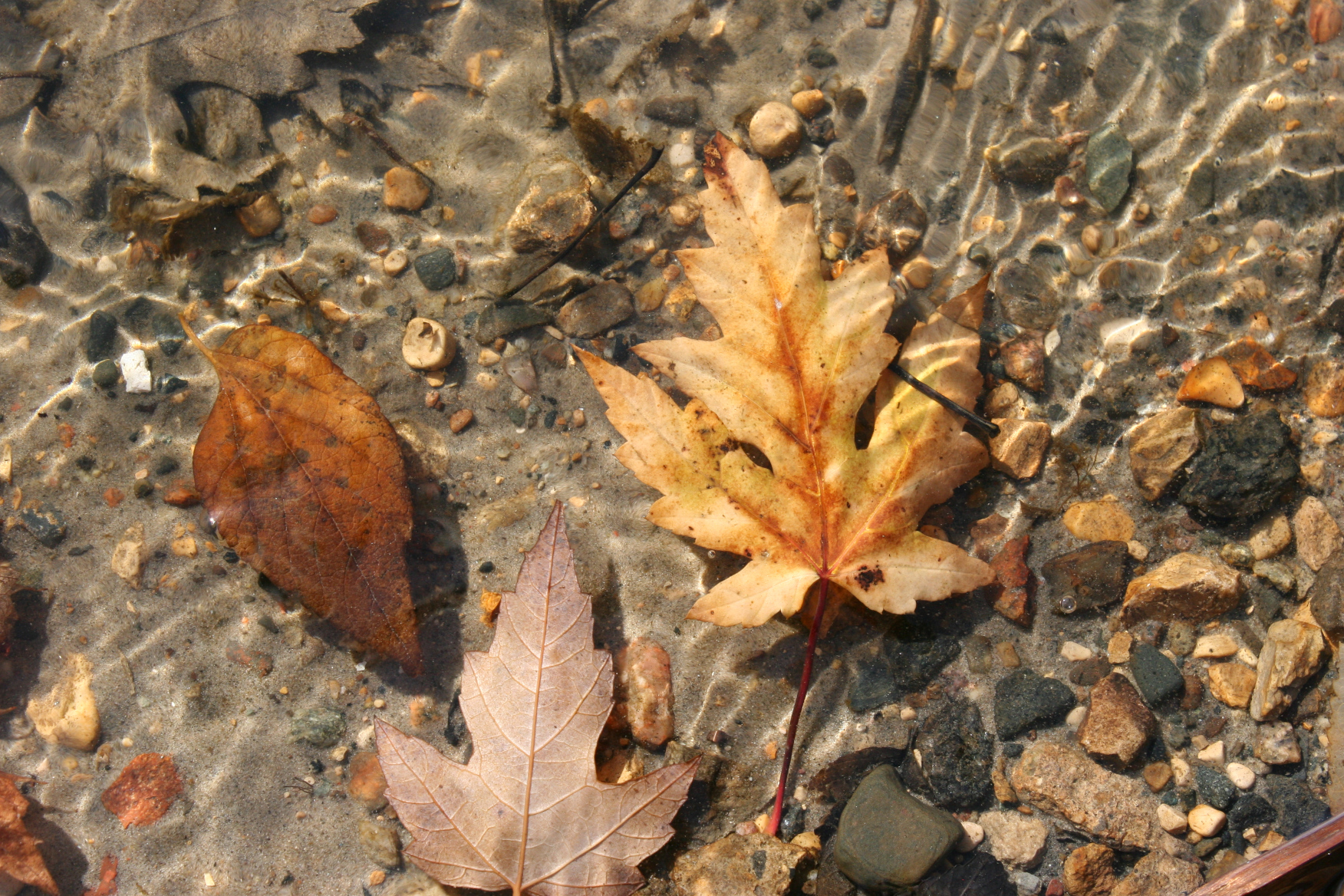
The light, the colors, the water…love this photo.
A lovely afternoon in NOVEMBER drew Randy and me to the Cannon River Wilderness Area between Faribault and Northfield. With camera in hand, as always, I photographed leaves in the Cannon River, an image that holds the beauty of the season, of the outdoors.
As the sun set in fiery hues, I photographed this shining star, a symbol of hope, of brighter days ahead.
Closing out the year, I photographed a line of decorated Christmas trees showcased in Faribault’s Central Park as part of the Drive-by Tree Display in DECEMBER. The trees later went to families in need. As the sun set, I aimed my camera lens toward tree toppers. I chose this photo because to me this shining star represents hope. Hope that comes in the new year as we leave behind a truly challenging 2020.
Photographed in September in the Atwood Neighborhood of Madison, Wisconsin.
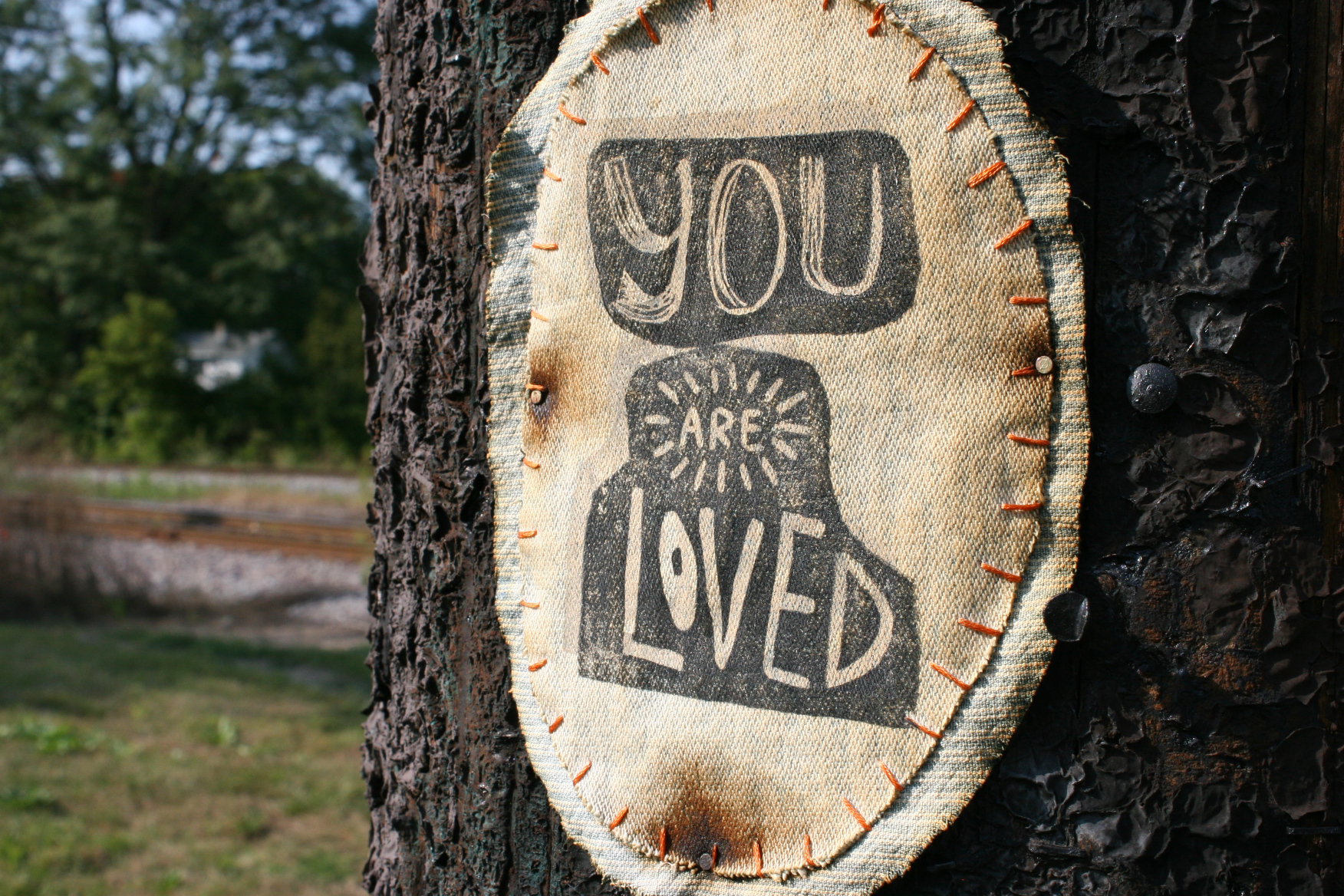
I want to leave you with one final message: You are loved. I discovered this message posted along a bike trail in the Atwood Neighborhood of Madison, Wisconsin, near our son’s apartment. When life gets difficult, overwhelms and threatens to take away your joy, remember that you are valued, that others care, that you are not alone.
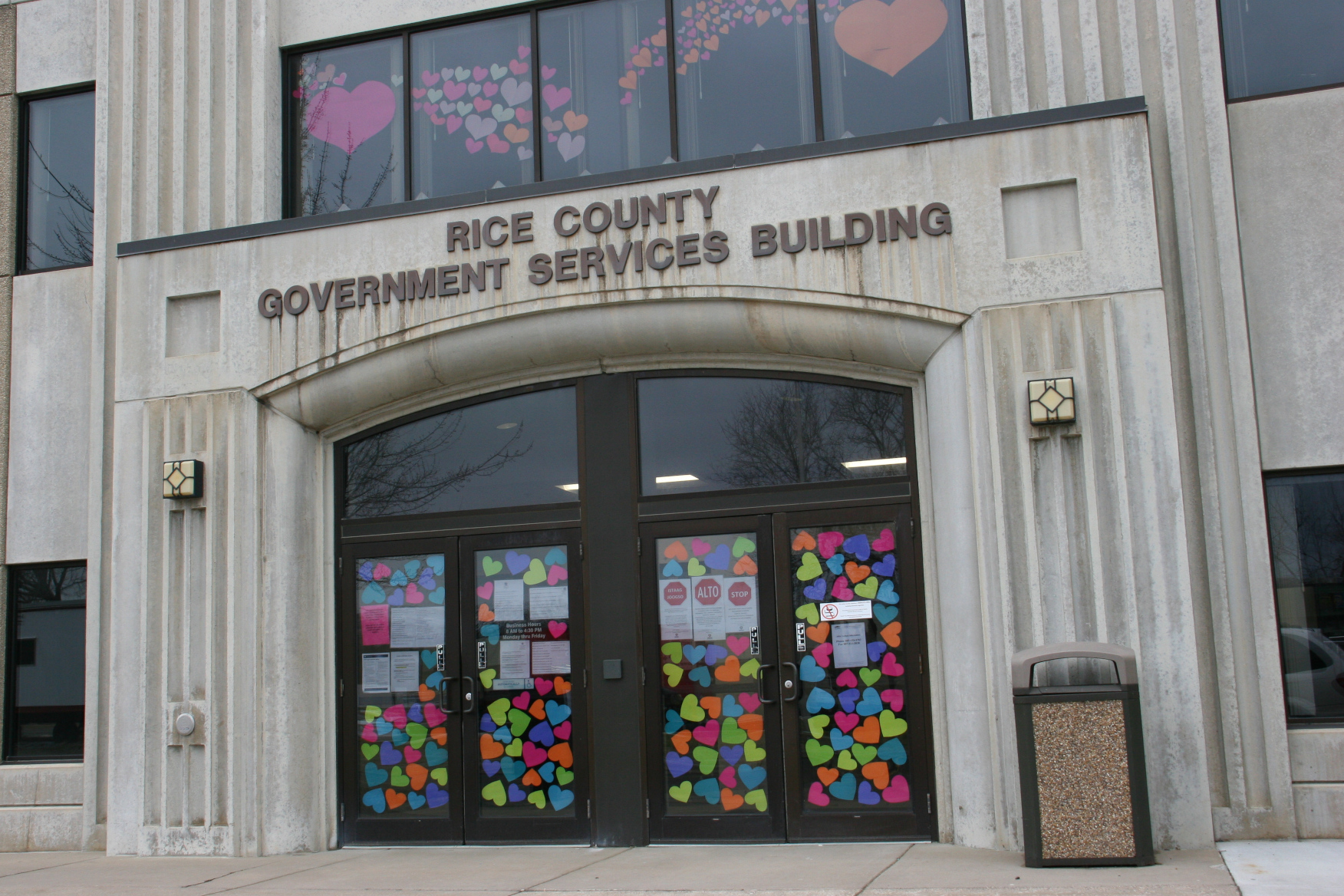
Paper hearts, symbolizing hope and togetherness, decorate the entry to Rice County Government Services as the pandemic begins. Minnesota Prairie Roots file photo March 2020.
COVID-19 DEFINED 2020. No question about that. Yet, even as many aspects of life changed, we continued onward, facing the challenges. The isolation. The separation. The very real effect the virus had on humanity—in the hospitalizations and deaths of family, friends, neighbors…individuals who loved and were loved. In the loss of jobs, and that includes job loss for me. In the loss of life as we once experienced it.
Through it all, though, I’ve continued to write about and photograph the world around me for this blog. In a more limited way, for sure. In a way that stretched me and grew me and focused my eyes and my heart on the simpler things in life. My appreciation for nature, something as ordinary as a walk in the woods, took on new meaning. Outdoors marked one place I could feel safe, distanced from COVID-19. Physically. Emotionally. Mentally.
So, it comes as no surprise really that my year-in-review photo picks for 2020 theme mostly to nature images. I scrolled month-by-month through my posts, choosing one favorite photo per month. Each image represents more than a scene or moment captured through my camera lens. Each represents a story, a part of my life. An experience. A gift.
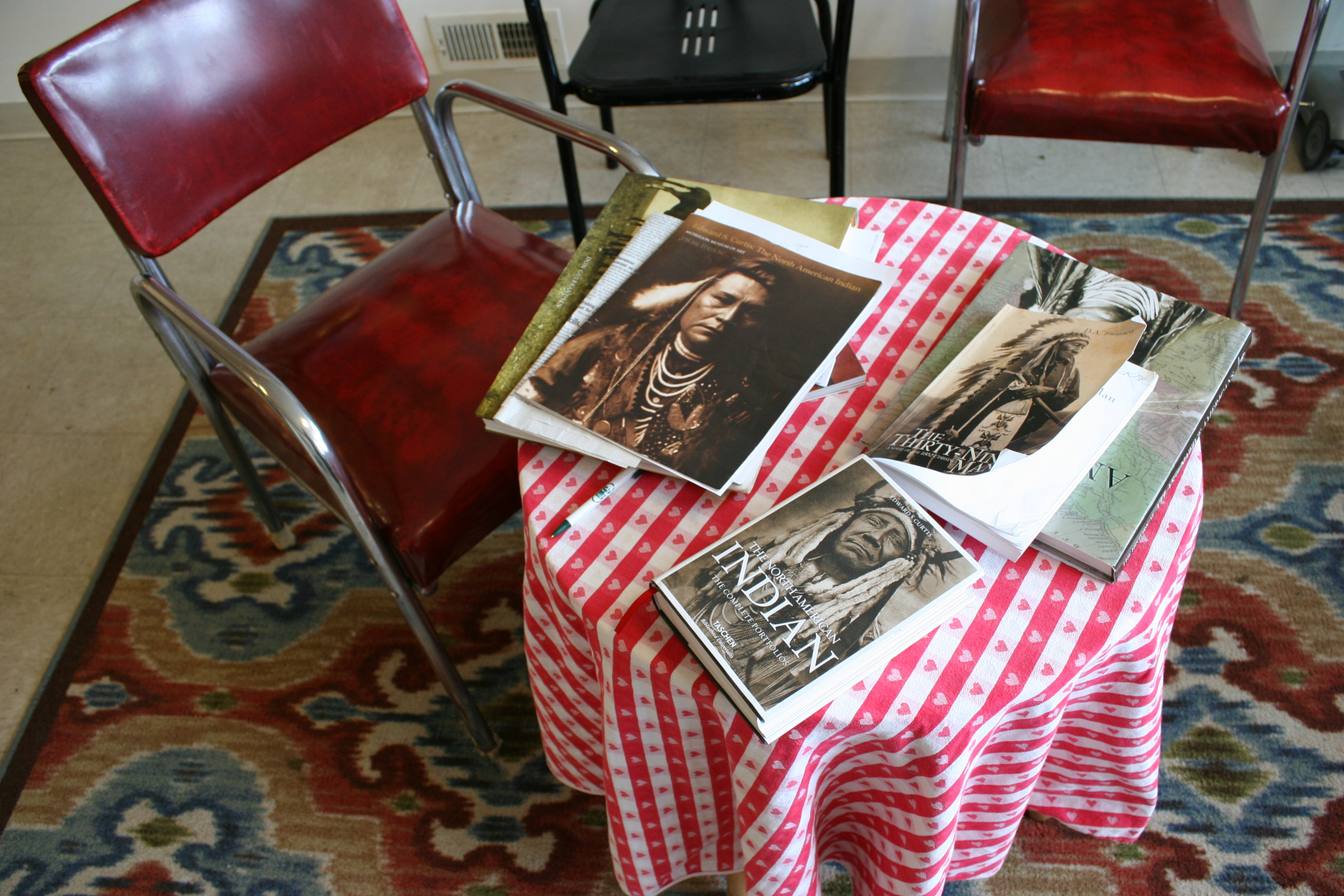
Exhibit visitors could page through these books featuring photos by Edward S. Curtis. Minnesota Prairie Roots file photo January 2020.
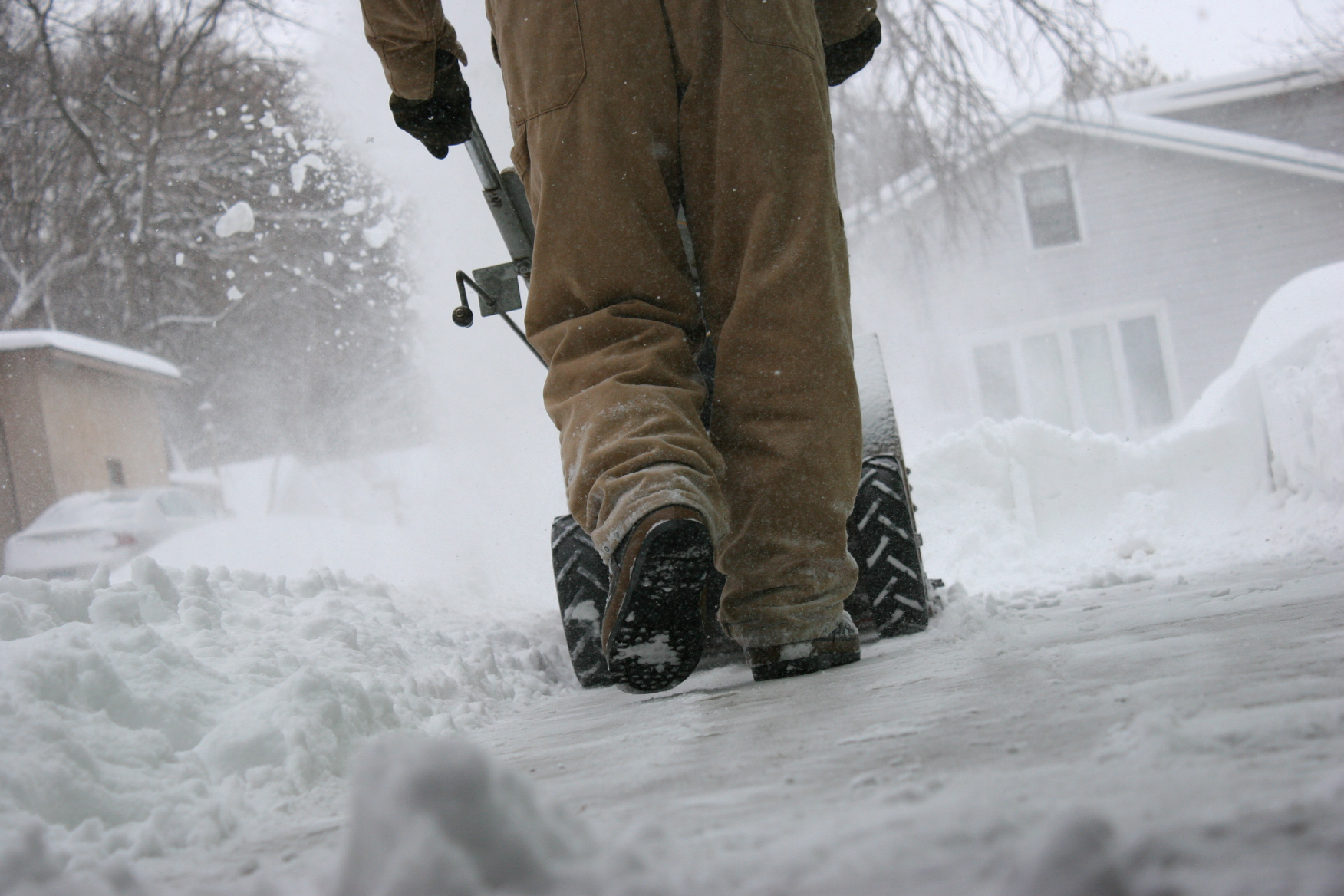
Randy starts down the driveway with the snowblower. Minnesota Prairie Roots file photo February 2020.
Early FEBRUARY brought eight inches of snow in a single storm. And since weather shapes our lives here in Minnesota, I picked a photo of my husband blowing snow from our driveway for my February photo. It’s the perspective of this frame, taken while holding my camera low and angling it up, that makes this image.
Posted in the window of Keepers Antiques, downtown Faribault, Minnesota. Minnesota Prairie Roots file photo March 2020.
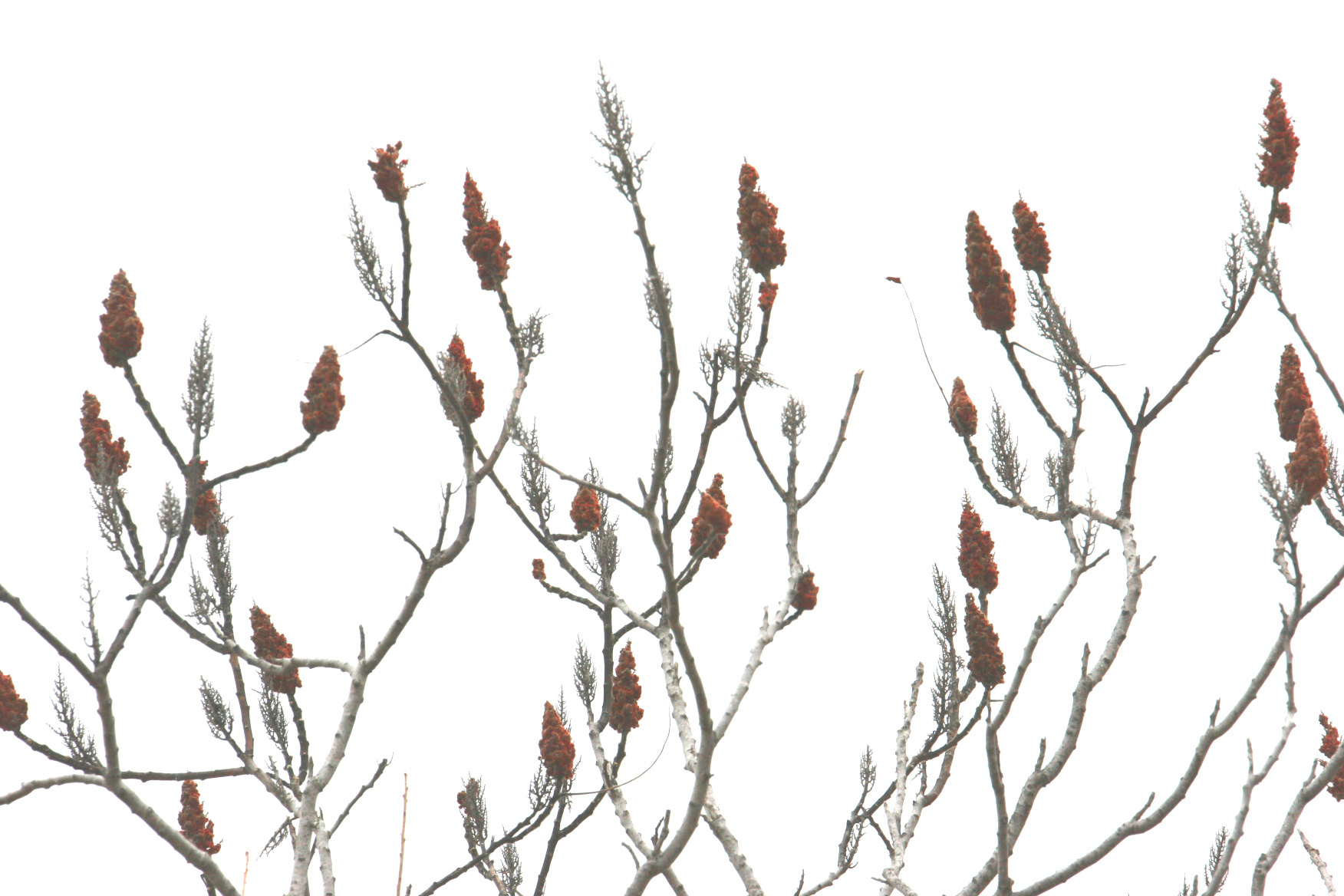
The graceful arc of sumac draws my eye at Faribault Energy Park. I don’t often edit photos beyond cropping or downsizing. But this one I did and I love the results. Minnesota Prairie Roots file photo April 2020.
As the months passed, I soon realized this thing—this pandemic—would continue. In APRIL, my granddaughter celebrated her fourth birthday, not with friends at an indoor play space, but rather on the driveway watching as her little friends passed by in their parents’ vehicles. Horns honking. Little hands waving. Randy and I continued to frequent outdoor spaces like Faribault Energy Park. Although located next to noisy and busy Interstate 35, it is one of my favorite local parks for the gravel paths, the ponds, the waterfowl, the flowers, the prairie grasses and other plant life.
The vivid hues and the softness of the image make this a favorite. Tulips from Paula in Holland, Minnesota Prairie Roots file photo May 2020.
MAY. In Minnesota, this month represents the shifting of seasons, the greening of the land, the eruption of buds, the dawning of warmer days. By May, I crave color. Paula, a native Minnesotan living in Holland, surprised me with a shipment of tulip bulbs in a pot. What joy. The bulbs sprouted and stretched at a rapid rate until soon buds formed and then popped in vivid hues. What a gift from a fellow blogger whom I’ve never met but have grown to appreciate through her writing and photography. She is a kind soul, down-to-earth and genuine.
What a wonderful surprise to find this clean and clear creek water. Minnesota Prairie Roots file photo June 2020.
My focus on nature continued into JUNE as Randy and I explored area parks and our ever dear River Bend Nature Center. At Falls Creek County Park just outside Faribault, I was surprised to find the creek running clear, not all that common in this part of Minnesota. So I aimed my camera downward to the creek bottom, capturing my June photo pick. There’s something about water…
In this year 2020, so much has shifted. My photos represent that change. Yet one thing remains constant—my love for writing and for photography. Thank you for reading Minnesota Prairie Roots, for appreciating the work I do here as I follow my passions.
Please check back for my year-in-review photo picks from July-December 2020.And, if you’re so inclined, please tell me what you most enjoy reading and seeing here on Minnesota Prairie Roots.
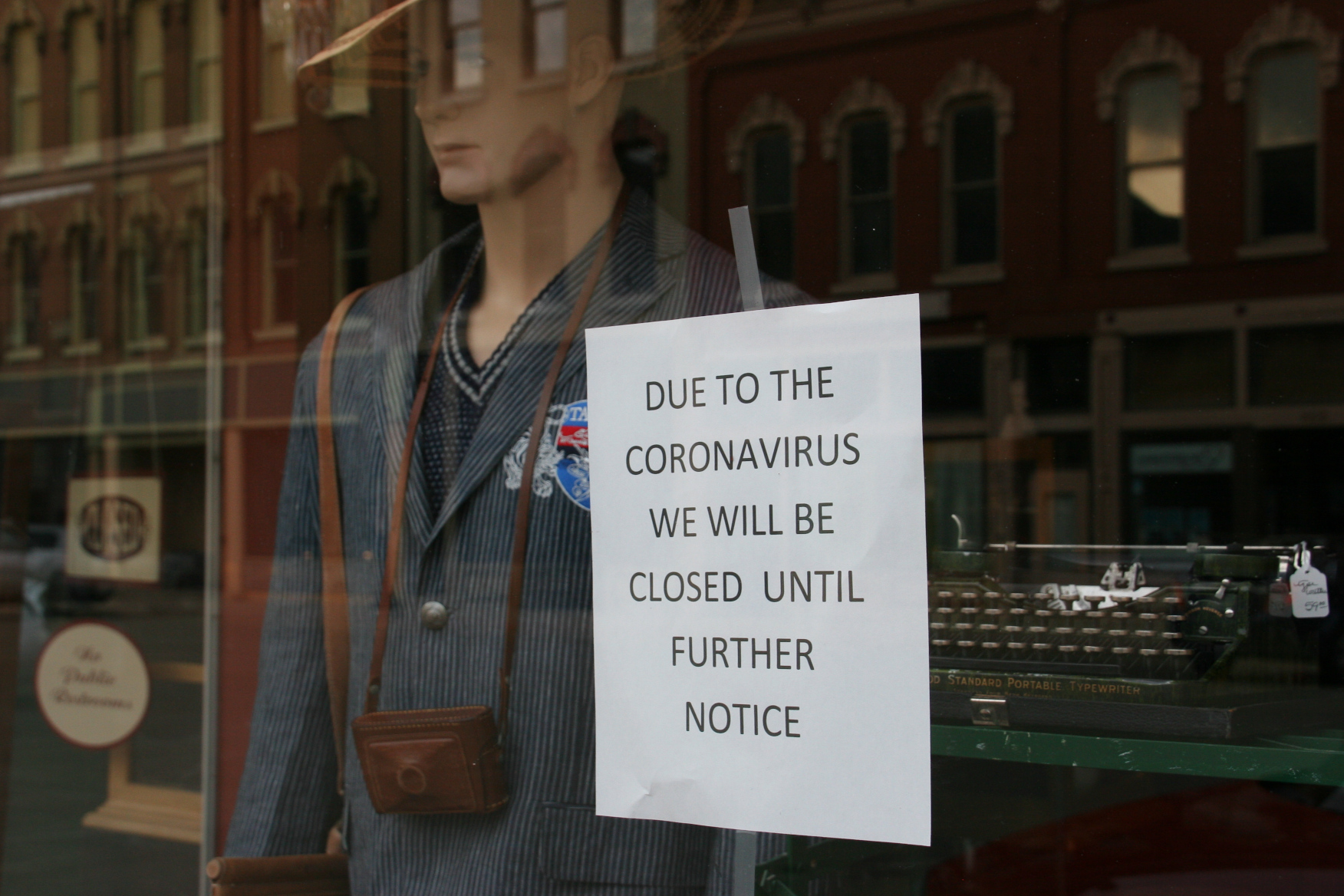
COVID-19 RANKS AS THE STORY of 2020, including here on Minnesota Prairie Roots. Since early March, I’ve photographed hundreds of scenes that relate to the pandemic. I’ve scrolled through my many COVID-themed posts to showcase a selection of images that summarize the pandemic’s effects on our lives.
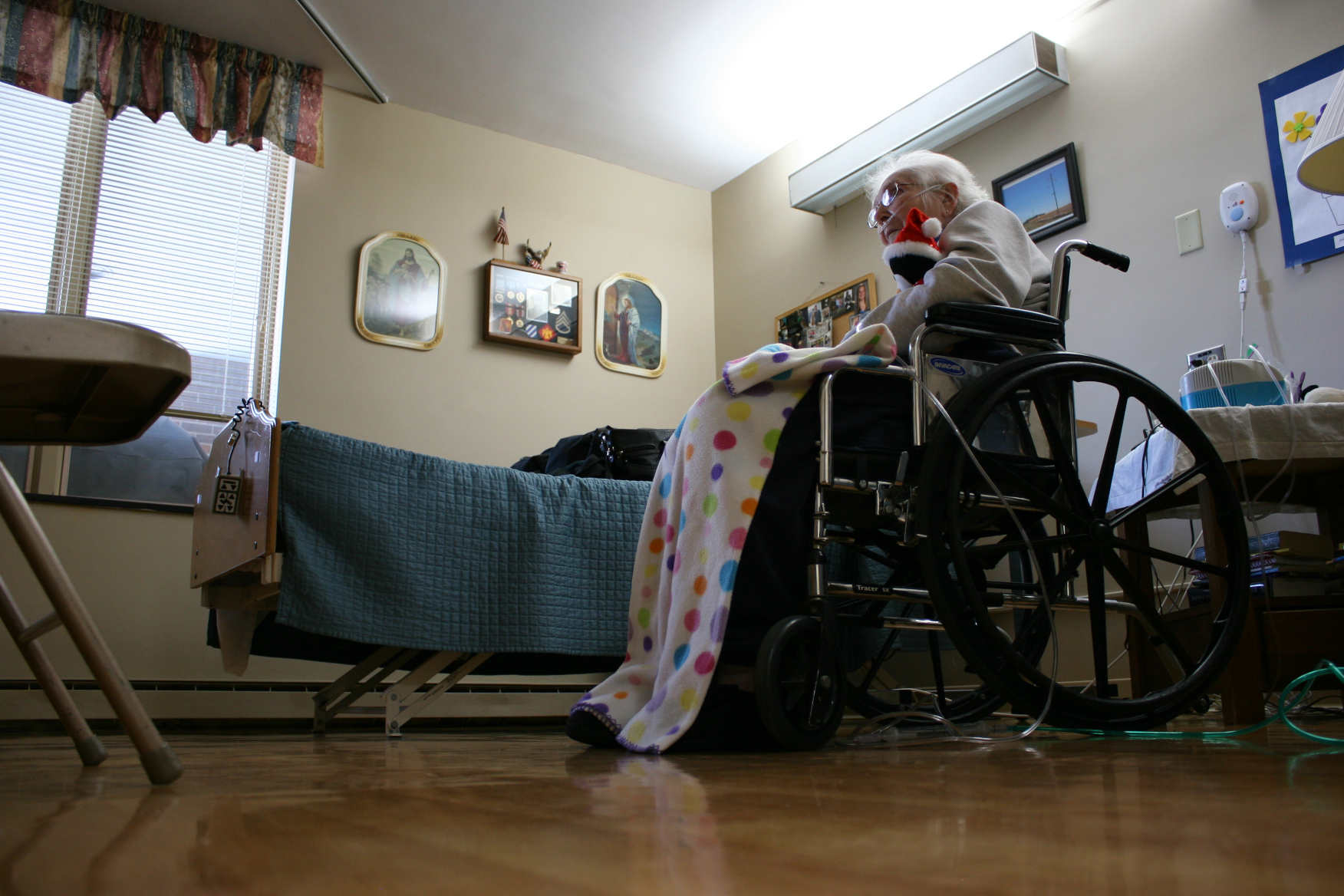
I took this photo of my mom in early March, before care centers closed to visitors. This is inside her room.
For me, the most personal image is also a universal one. In early March, I visited my mom, who is in hospice in a southwestern Minnesota nursing home. I didn’t know it then, but this would mark my last in-person visit with her in 2020. The last time I would hug her, kiss her cheeks. For our seniors living in long-term care centers, 2020 brought isolation, separation from family and, for too many, death. The empty chair in this photo symbolizes the absence of family.
A look at the toilet paper aisle at Aldi in Faribault in March.
March also brought shortages. Of toilet paper. Of hand sanitizer. Of Lysol wipes. Of Tylenol. I stocked up on a few supplies. Just enough to get us by if we got sick and couldn’t get out.
Our family connects via Zoom.
Separation brought a new appreciation for technology with our family connecting via Zoom from the north metro to Madison, Wisconsin, to Faribault.
From the front page of the Faribault Daily News.
The deadly reality of COVID-19 hit home when the Rev. Craig Breimhorst of Faribault died in April, the first of now 52 Rice County residents to lose their lives to the virus. My heart hurts for all those who are grieving, some of whom I know.
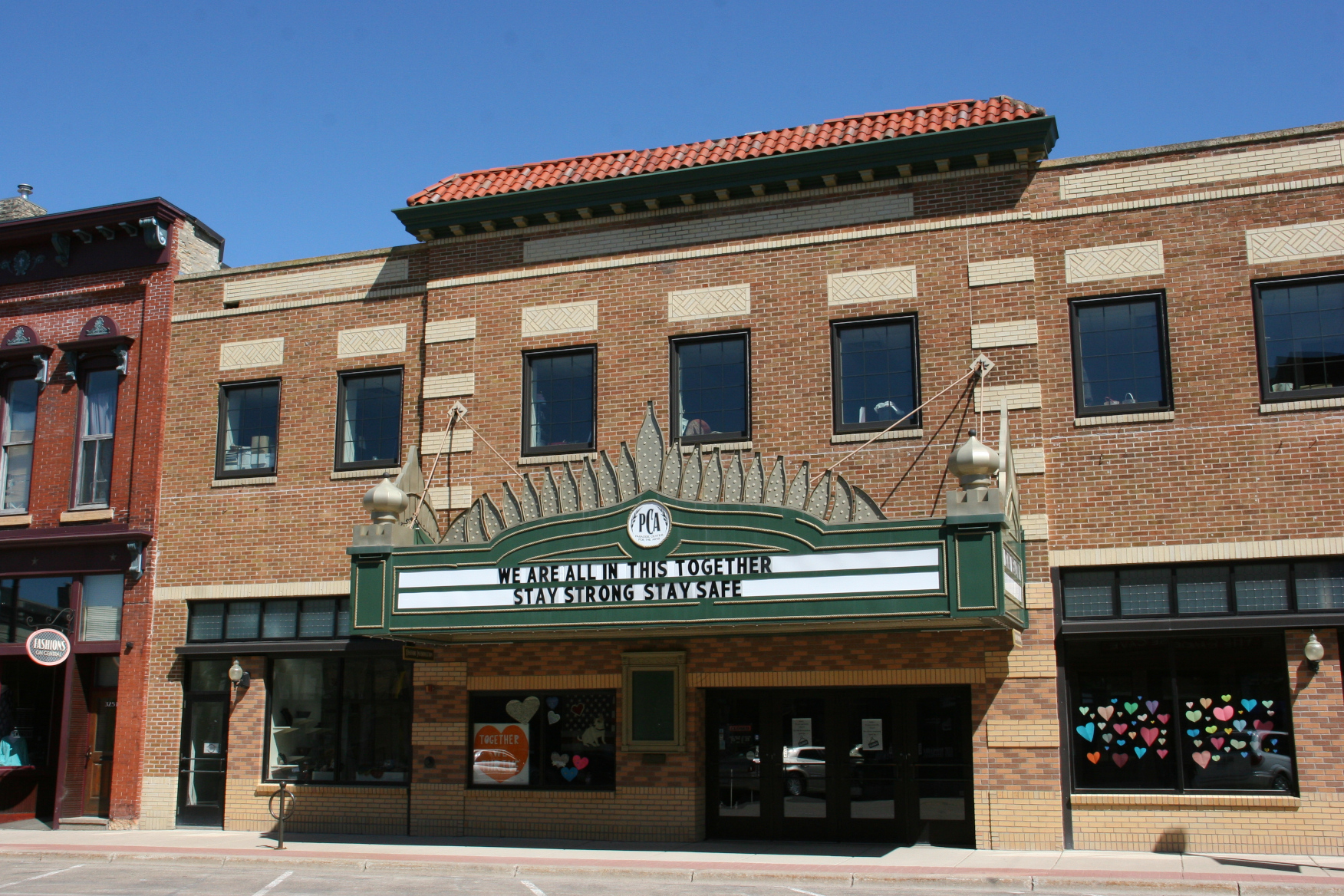
Photographed on April 19, 2020, at the Paradise Center for the Arts.
Signs remind us daily of COVID, including messages bannered on the Paradise Center for the Arts marquee as theaters, restaurants, libraries, museums and more closed to prevent the spread of the virus.
Stay off the playground in North Alexander Park. Playgrounds later reopened.
Even playgrounds became inaccessible as communities roped and fenced off equipment (including at North Alexander Park in Faribault) to stop the spread of COVID. Since then, we’ve learned a lot more about the virus, with surface spread not the primary form of transmission.
Photographed on May 15, 2020, in downtown Faribault. A powerful image.
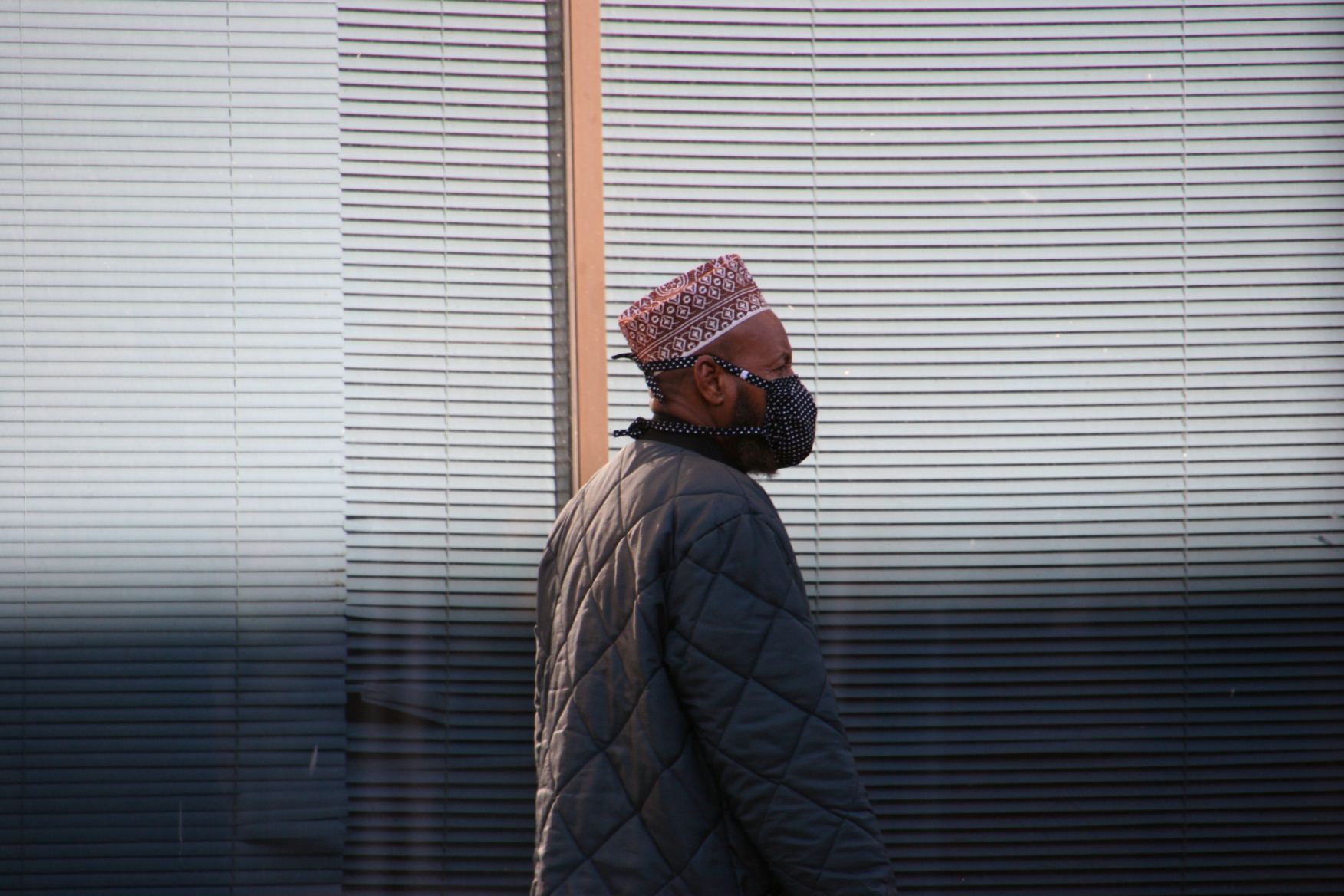
In May, while watching a car cruise in downtown Faribault, I photographed a local walking along the sidewalk wearing a face mask. This is my “favorite” COVID photo. Simple. Yet powerful. Face masks, by mid-summer, became the norm. Yet, some still refuse to wear them, or wear them improperly, an ongoing source of frustration for me. Minnesota has a face mask mandate for a reason—to stop the spread of COVID and to keep us safe. Just wear a mask. And over your nose, please.
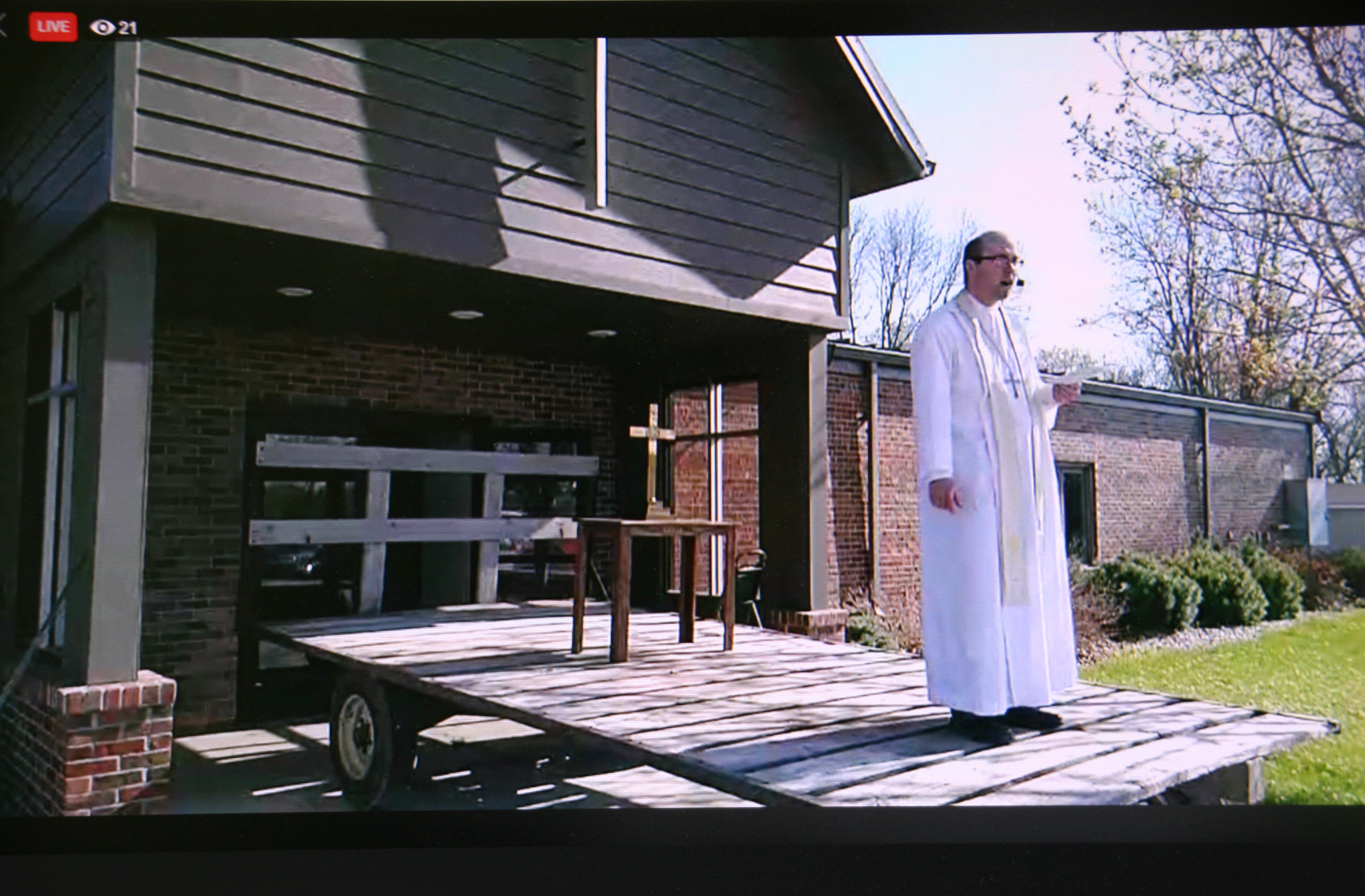
The Rev. Adam Manian leads worship services from a hay rack at St. John’s Lutheran Church, Vesta, Minnesota, on Sunday, May 3, 2020.
The pandemic changed how many of us worship. Randy and I have not attended church services since early March. When our kids learned we had been to Sunday morning services, they advised (told) us not to continue attending in-person. Our eldest remarked that she and her friends were struggling to convince their Baby Boomer parents of COVID’s seriousness. It didn’t take us long to determine just how serious this virus; we’ve attended church online ever since. In my hometown church, the pastor took to preaching from a hay rack. St. John’s now worships in-house.
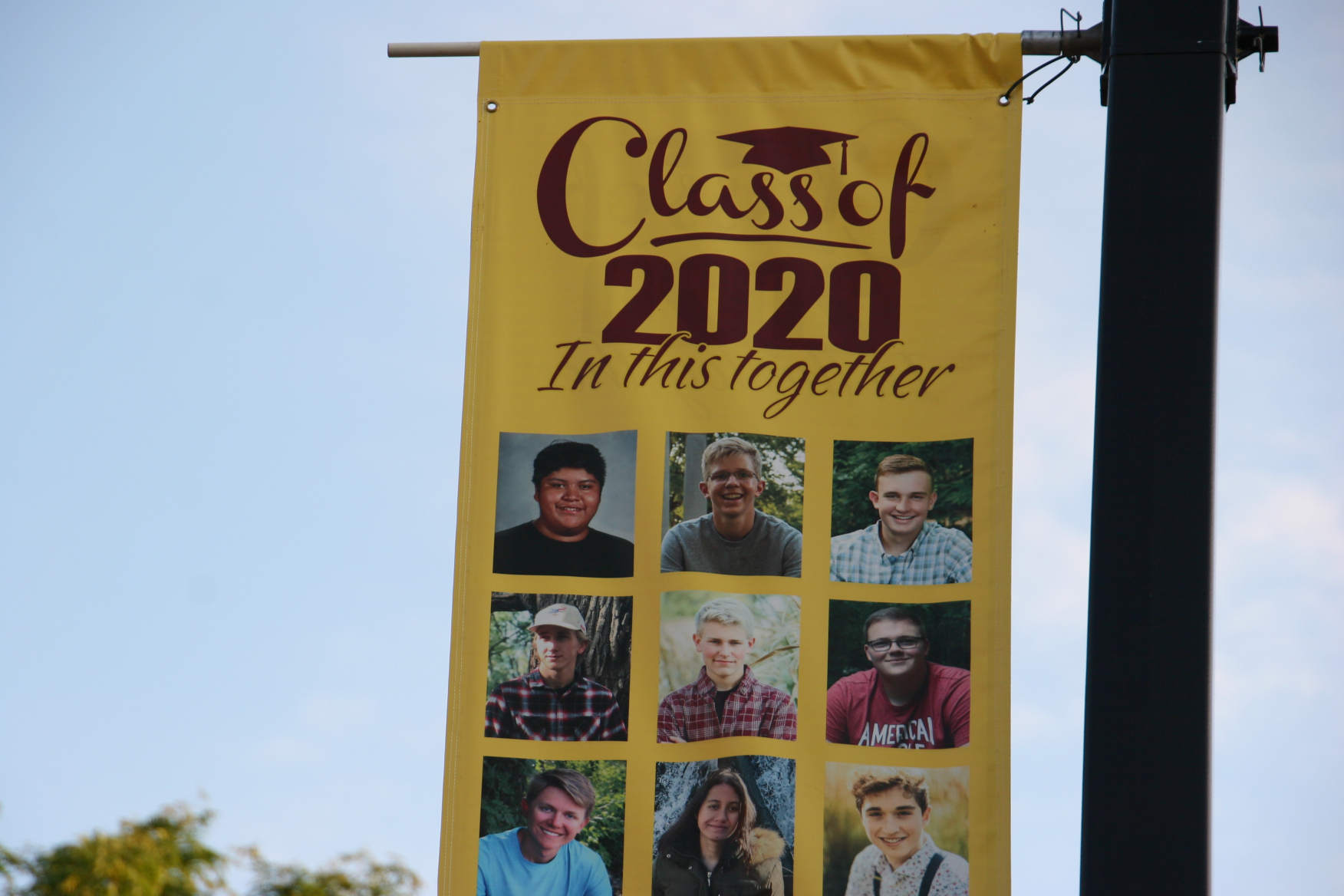
Banners honor the Northfield High School graduates of 2020.
High school and college graduation ceremonies also pivoted, mostly to virtual celebrations. In Northfield, Minnesota, the community honored grads with banners posted downtown. Some families still hosted receptions. We opted out, not wanting to risk our health.
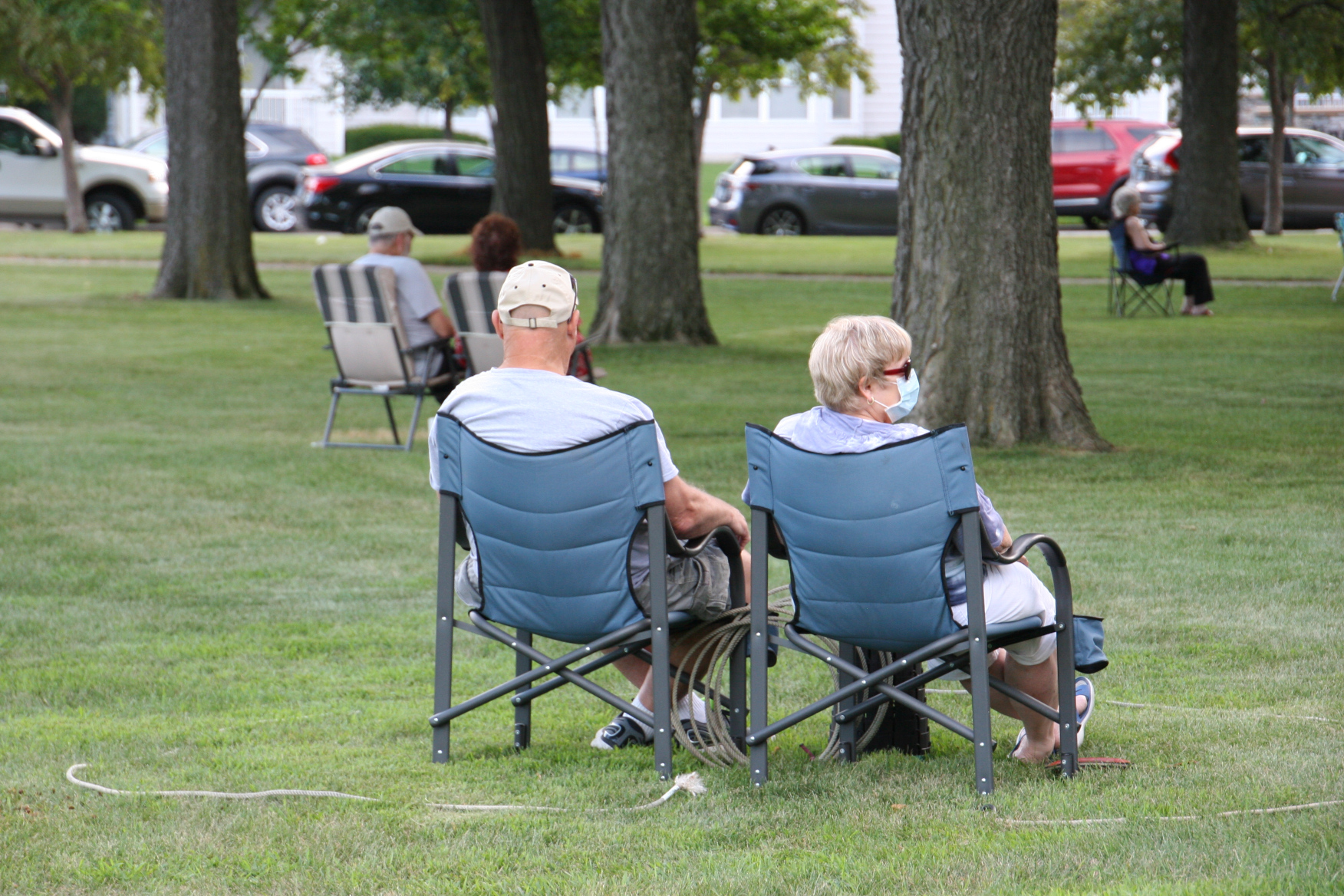
A couple circles themselves with rope to keep others at a distance during an outdoor concert.
Our sole social activity this summer was attending outdoor concerts in Faribault’s Central Park nearly every Thursday evening. It’s a long-time community tradition. We felt safe there with concert-goers distancing throughout the sprawling park. Some wore masks, like the couple in this photo, with a rope defining social distancing lines.
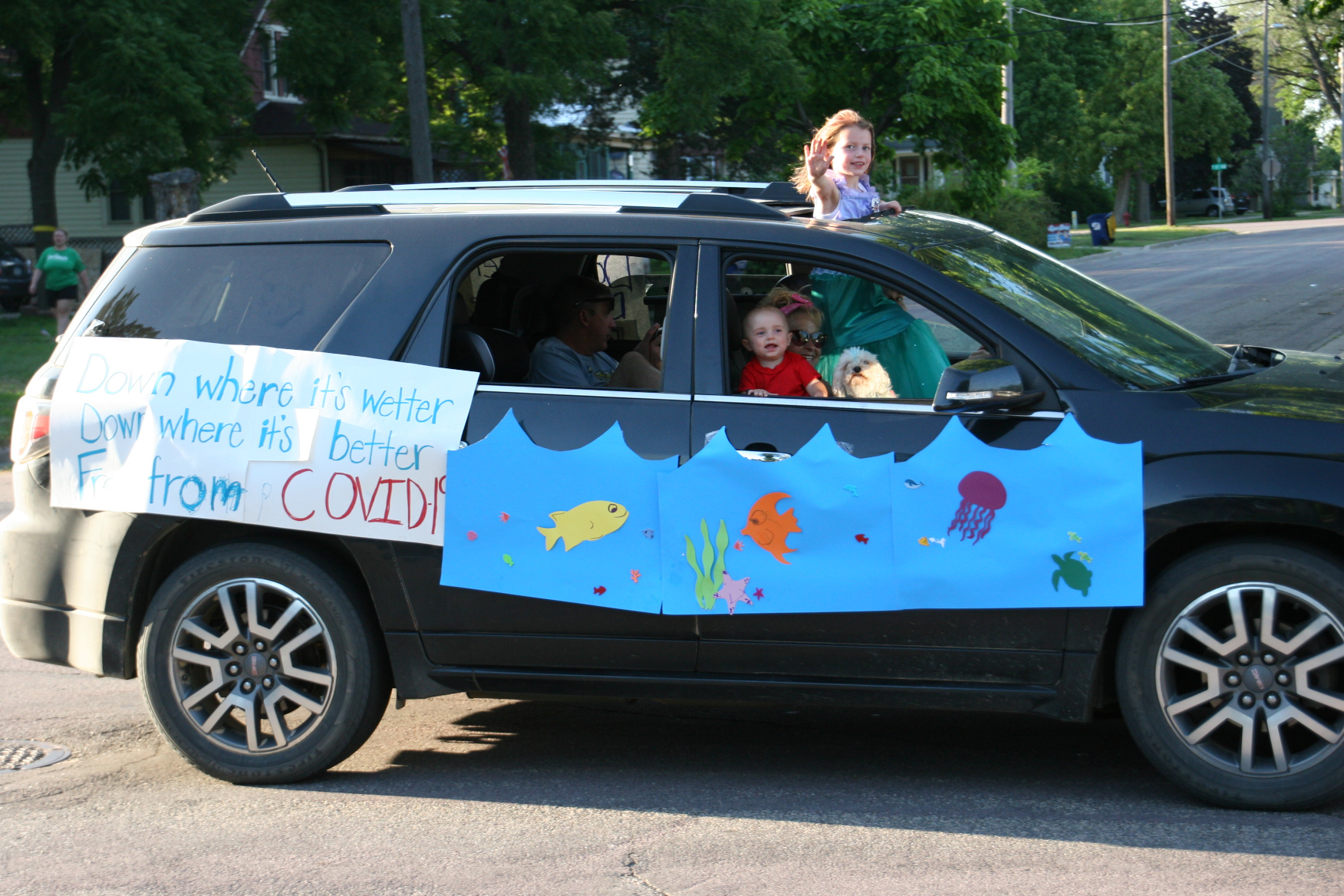
One family’s humorous take on COVID-19 during the Faribault Pet Parade.
The annual Faribault Pet Parade in August also went on, but as a drive-through only. No masses of kids and pets walking in the streets. Randy and I watched, all by ourselves in our lawnchairs positioned along Fourth Street, and I spotted one vehicle with a COVID message.
Photographed on August 29 in the Ace Hardware store parking lot, Faribault, Minnesota.
For many, the cancellation of county fairs, and then the Minnesota State Fair in August, dashed any hopes that summer could retain any normalcy. Food stands, like this one at Ace Hardware in Faribault, popped up in parking lots and elsewhere.
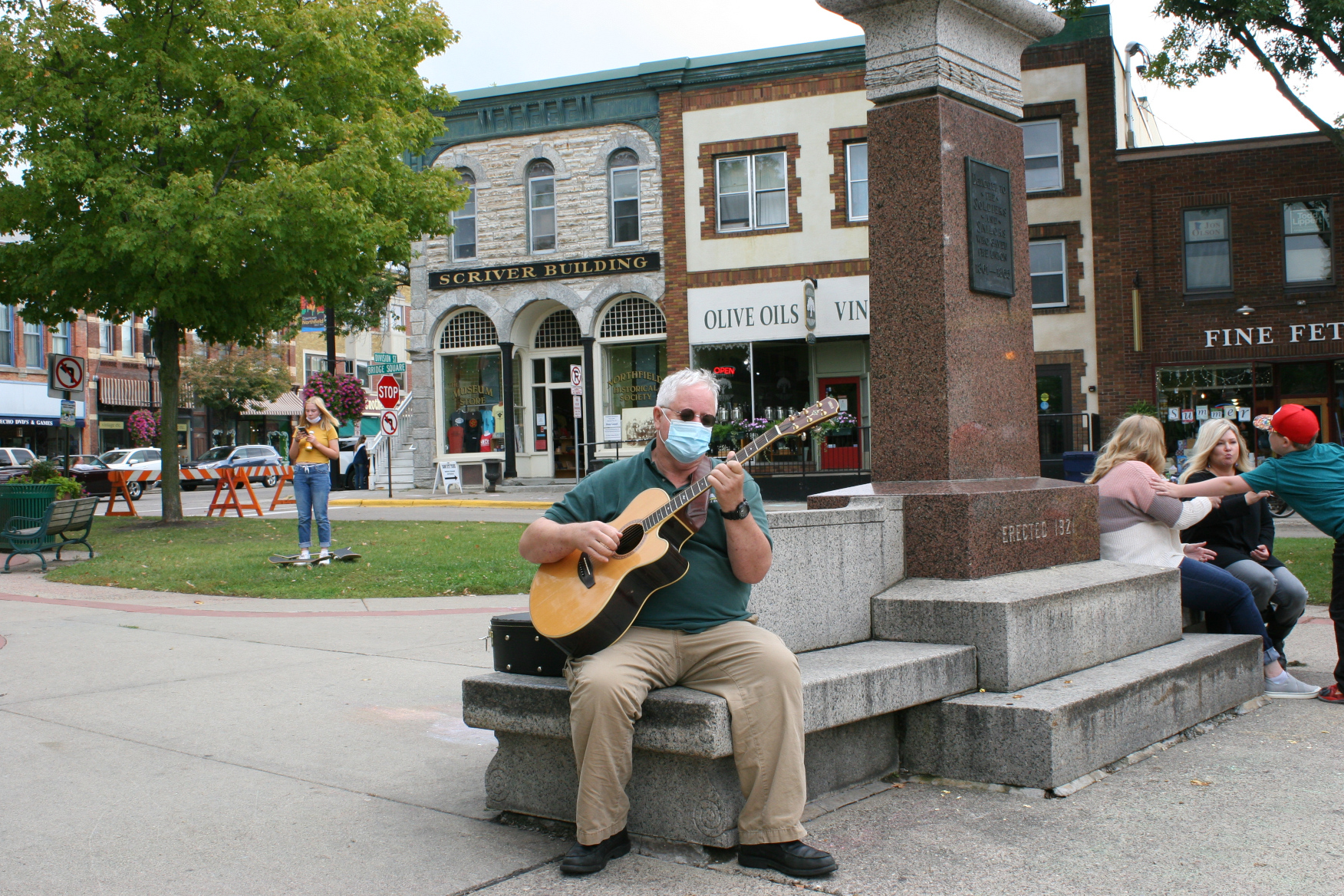
An impromptu concert in Bridge Square during DDJD.
In Northfield, the Defeat of Jesse James Days celebration scaled back. Randy and I walked through Bridge Square, where I photographed a solo guitar player strumming. It was a lovely September day, minus the overcrowding typical of DJJD.
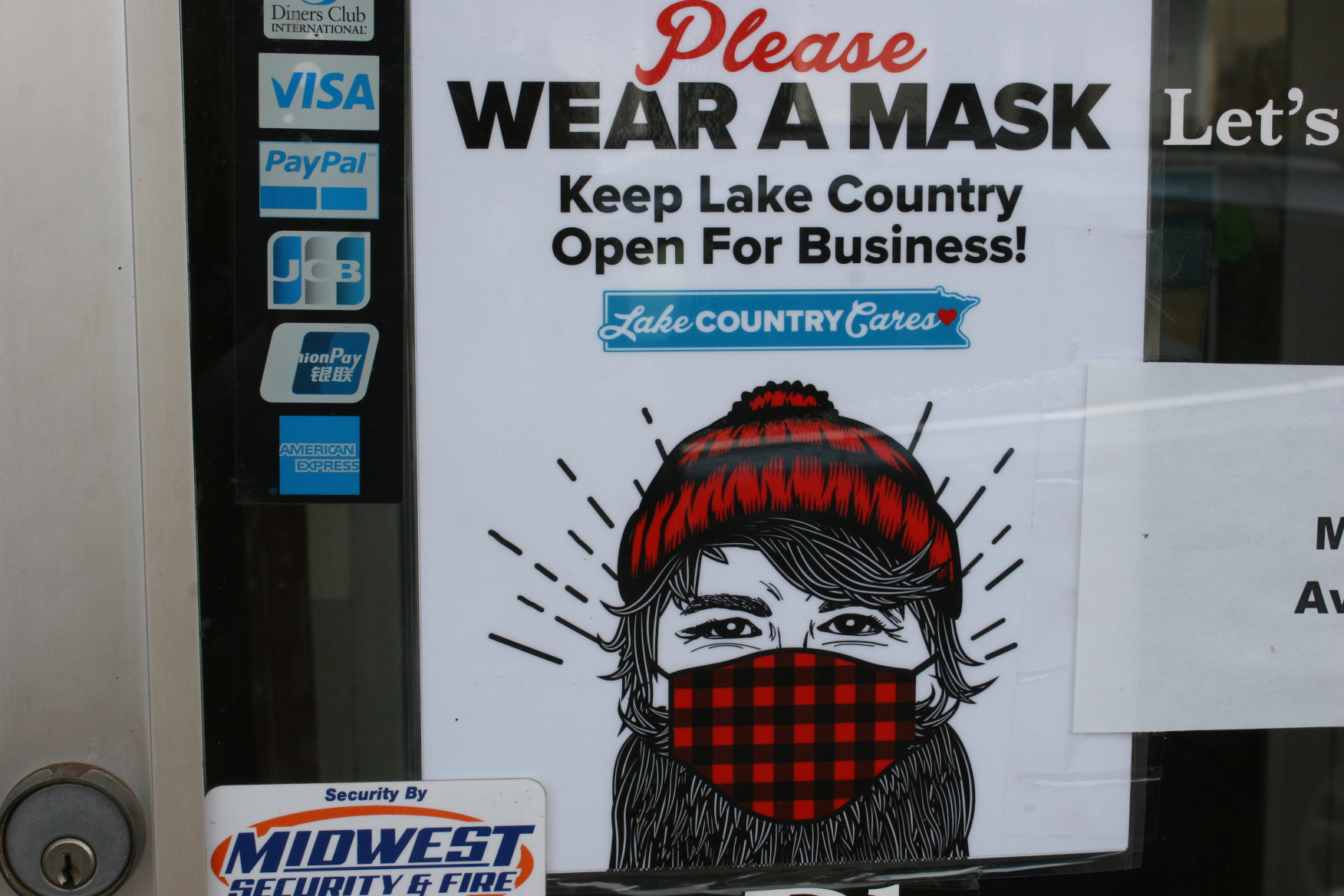
I photographed this sign on a business in Crosby. So Minnesotan.
September took us to the central Minnesota lakes region for a short stay at a family member’s guest lake cabin. While en route, we stopped in Crosby, where I photographed this distinctly Minnesotan masking sign.
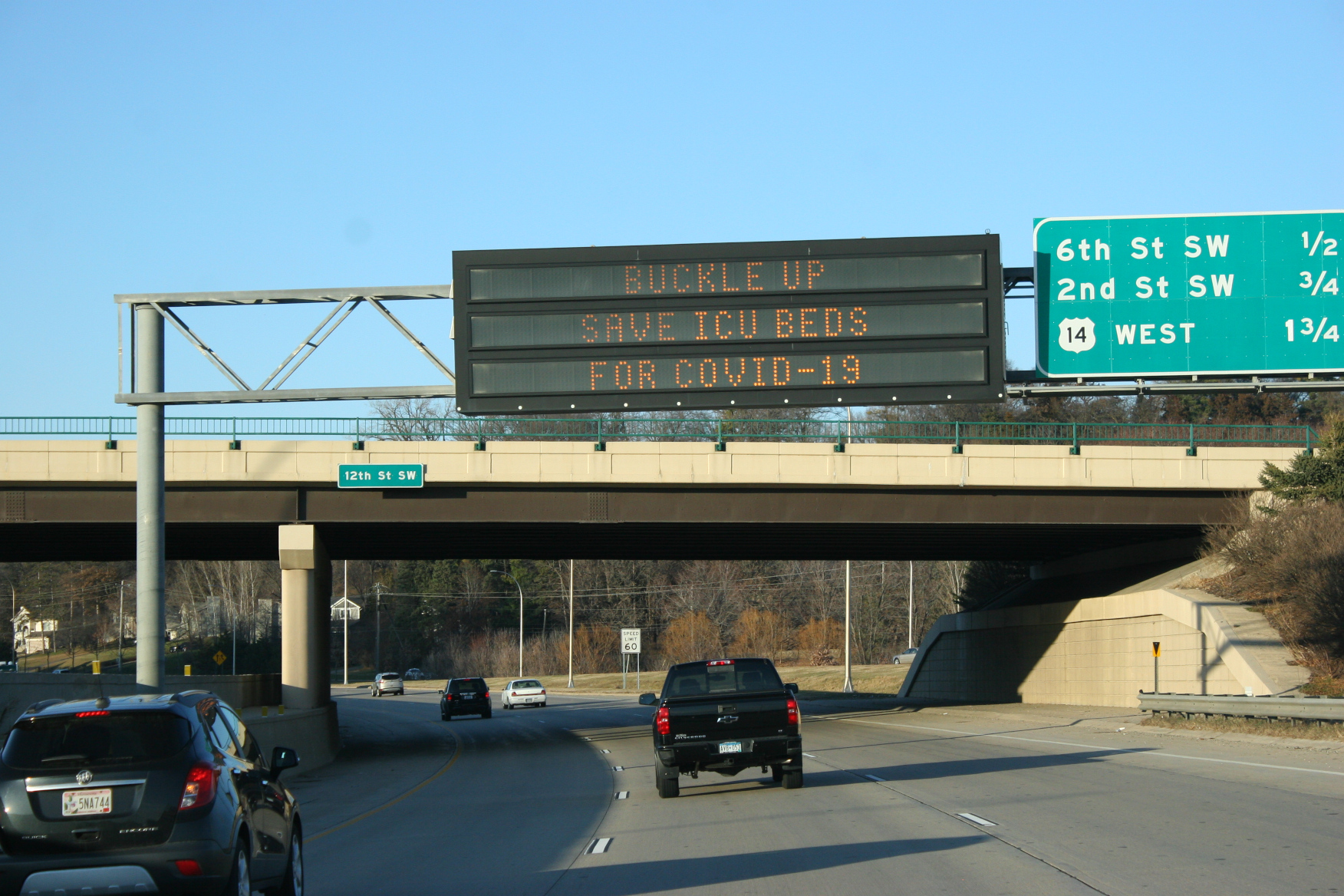
I photographed this from the passenger seat of our van as we drove through Rochester in November.
In November, when the COVID situation in Minnesota went to really bad, I photographed a hard-hitting electronic message above US Highway 14 in Rochester, home to the world-renowned Mayo Clinic. Concerns about hospital bed shortages not only concerned Minnesota, but the entire US. And this was about more than just COVID.
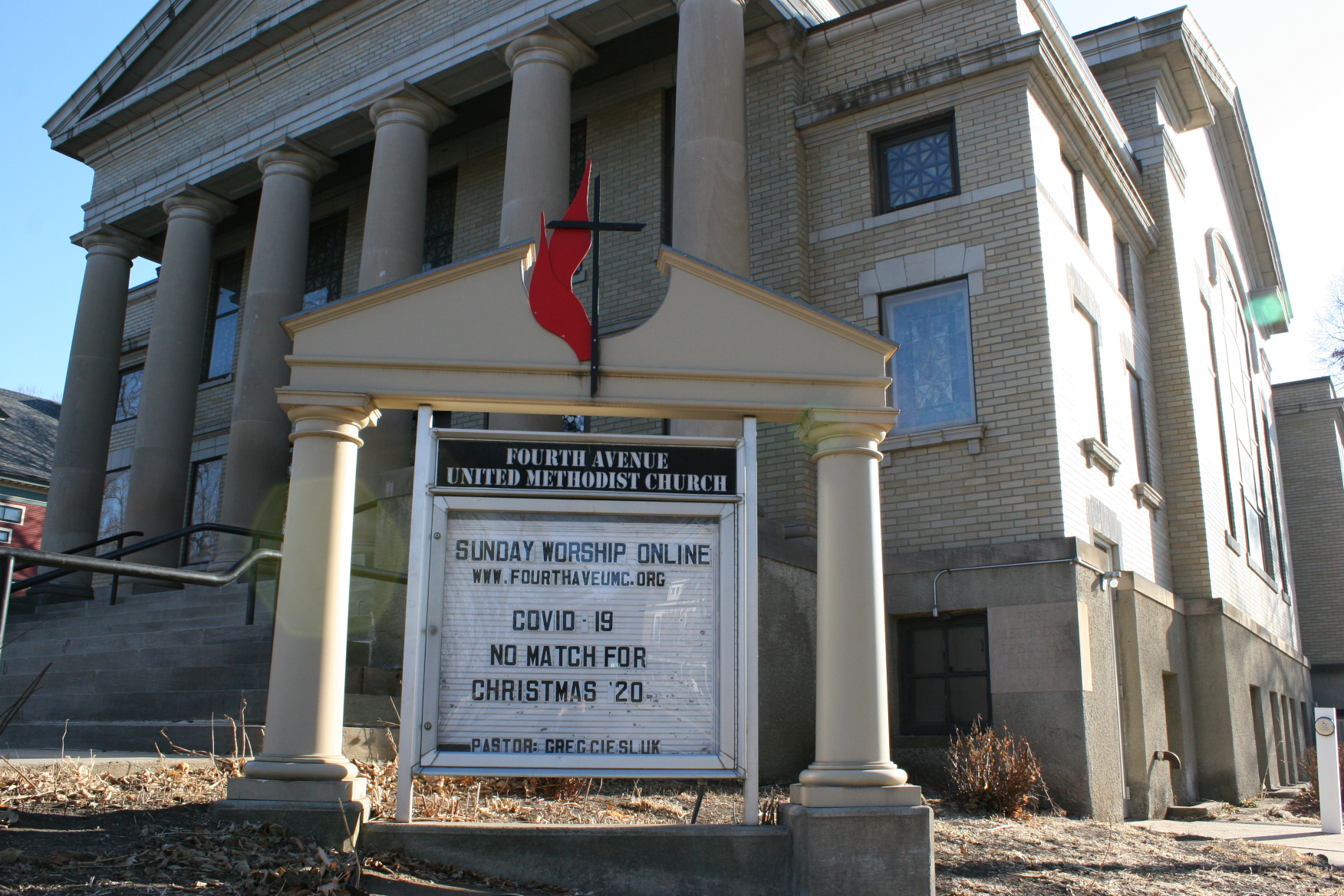
This message puts COVID in perspective.
One of my final COVID photos of 2020 was taken at Fourth Avenue United Methodist Church, posted there by the Rev. Greg Ciesluk, also a friend. His message puts the virus in perspective. As we transition into 2021 with vaccines rolling out, I feel hopeful. Truly hopeful.

















Recent Comments