Minnesota Prairie Roots

Writing and photography by Audrey Kletscher Helbling

Looking west in a new poetry collection by five Northfield poets April 18, 2024

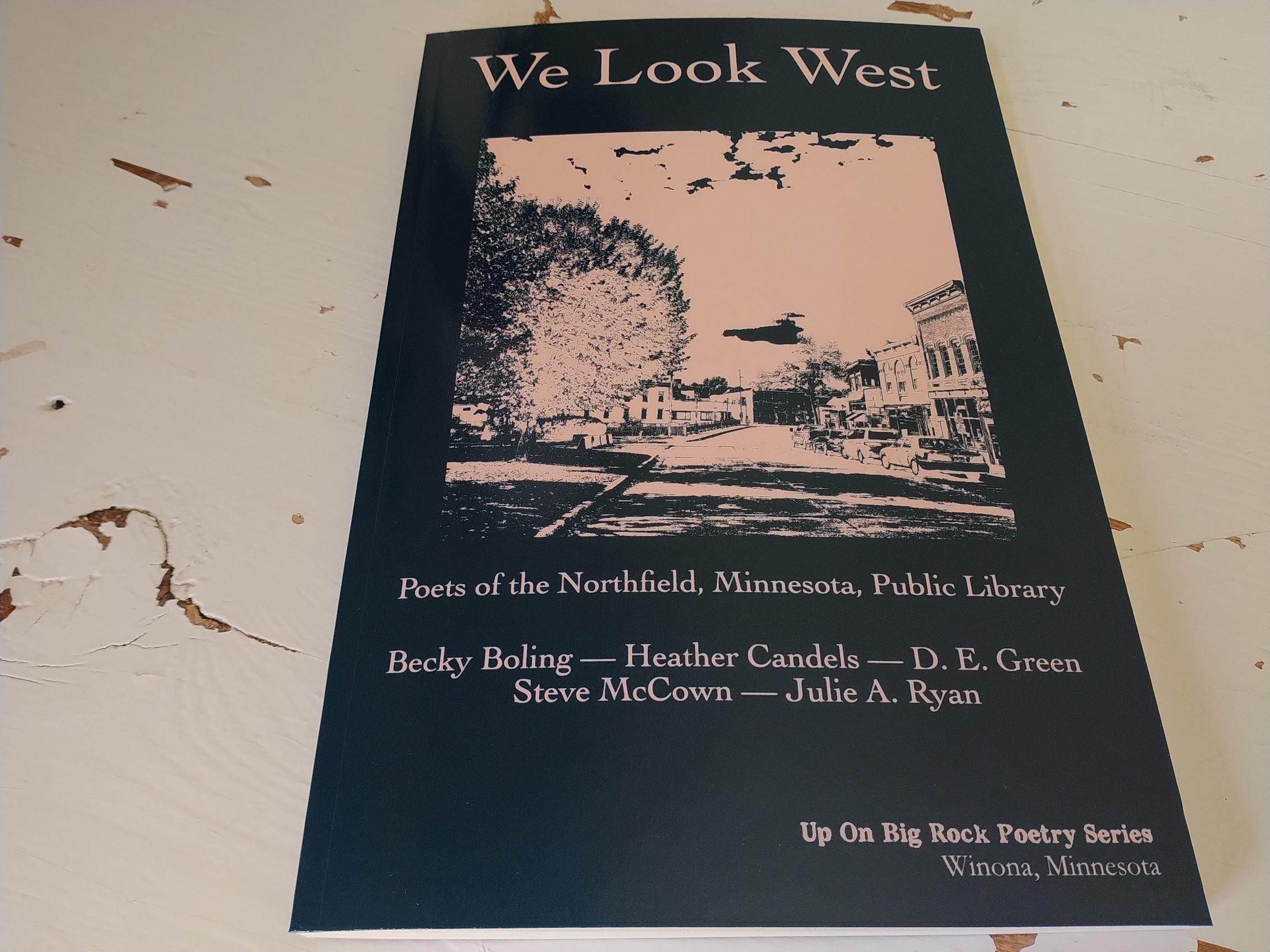
Just-published, a 116-page anthology featuring the poetry of five Northfield, Minnesota, poets. (Minnesota Prairie Roots copyrighted photo April 2024)

ON AN APRIL AFTERNOON when gray skies reverberated thunder and unleashed sheets of rain upon parched southern Minnesota, I read their words, table-side lamp pooling light onto pages. It felt right, to cozy under a fleece throw, to immerse myself in the poetry of Becky Boling, Heather Candels, D.E. Green, Steve McCown and Julie A. Ryan on a day meant for sheltering indoors.
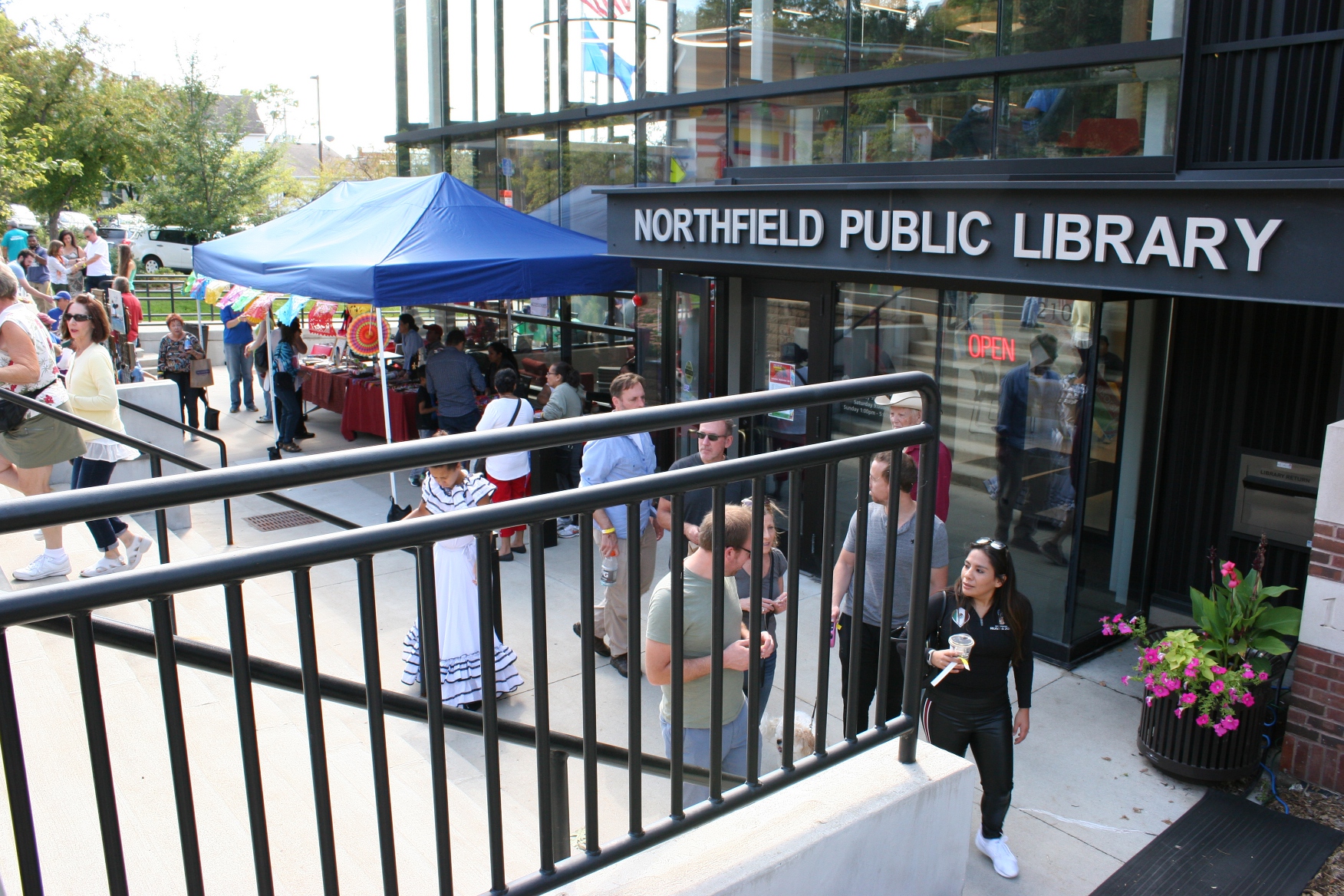
Outside the Northfield Public Library during a 2019 celebration of Hispanic Heritage Month. (Minnesota Prairie Roots copyrighted file photo September 2019)

Their collective poetry, printed in the recently-released anthology, We Look West, is decidedly reflective, introspective and individually unique. Unique in voice and style for this group of writers tagged as Poets of the Northfield, Minnesota, Public Library. This book is part of the Up on Big Rock Poetry Series published by Winona-based Shipwreckt Books Publishing Company. It showcases the work of not only seasoned writers, but also poets seasoned in life. This is a relatable read, especially for Baby Boomers like me.

Antiques on 4th in Cannon Falls. (Minnesota Prairie Roots copyrighted file photo October 2021)

Youthful memories of grandmothers, homemade ice cream, small towns as they once were and much more flow through the pages. At times I feel as if I’m reading about “the dusty excess of nostalgia” of my life, as Steve McCown writes “In an Antique Store.” His mention of a Tom Thumb toy cash register sends me back to a long ago Christmas. His poems are sparse, yet fully-descriptive in the way of language carefully-culled by a man who taught high school and college English.
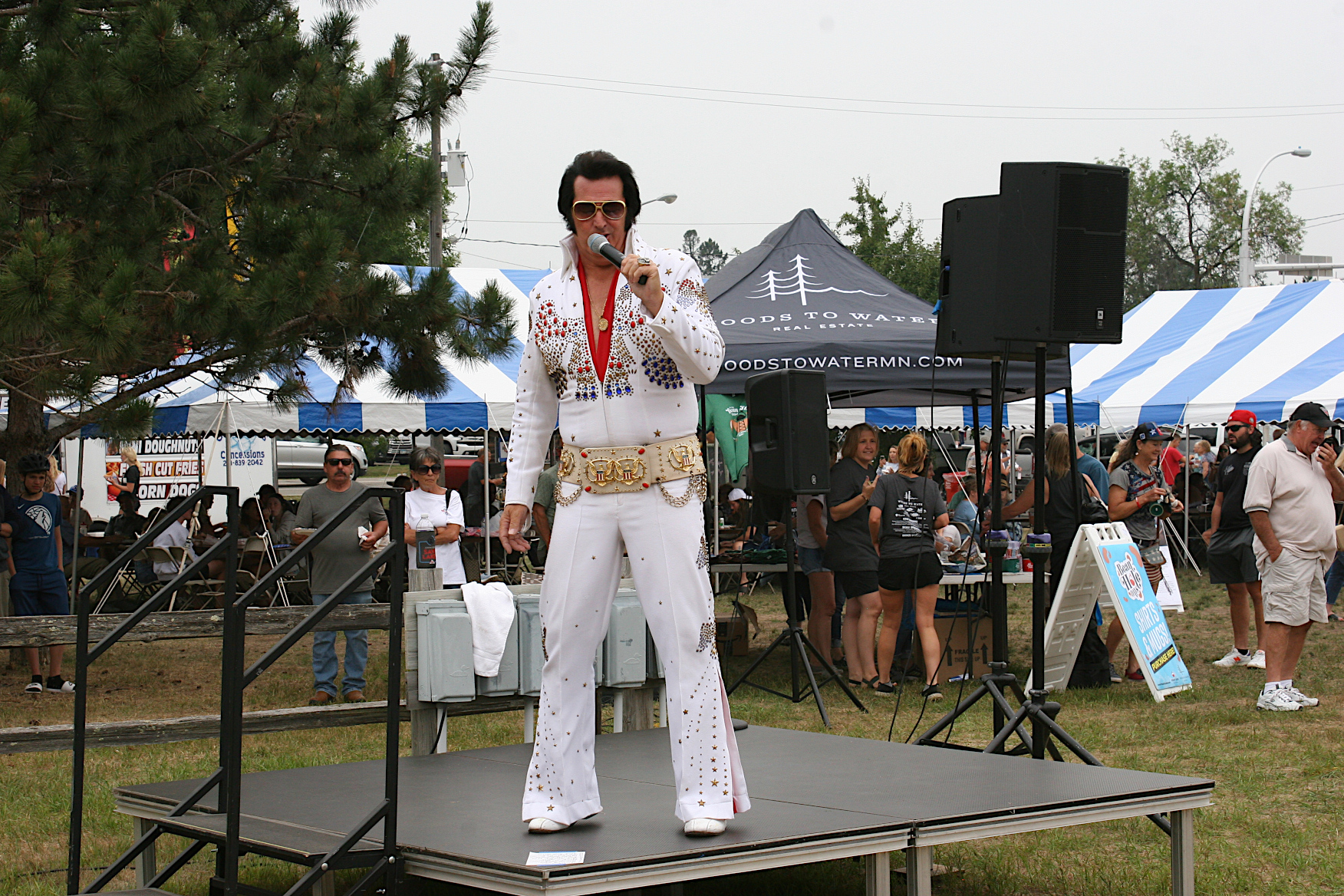
An Elvis impersonator performs during Bean Hole Days in Pequot Lakes. (Minnesota Prairie Roots copyrighted file photo July 2021)

Likewise, Julie A. Ryan, has me reminiscing with “Candy Cigarettes,” the chalky white sticks of fake cigarettes that I, too, “smoked” in the 1960s. Ryan paints with her words, revealing the visual artist side of her creativity. She mentions Van Gogh and painting and also leans into music within her poetry. Especially powerful is her poem, “’68 Comeback Special,” in which she shares about a near-death experience, of almost meeting Elvis. Her final poem, “We Look West,” titles the book, summarizing well the transition of life from sunrise/birth to sunset/death. That themes the anthology, the movement of life from east to west.
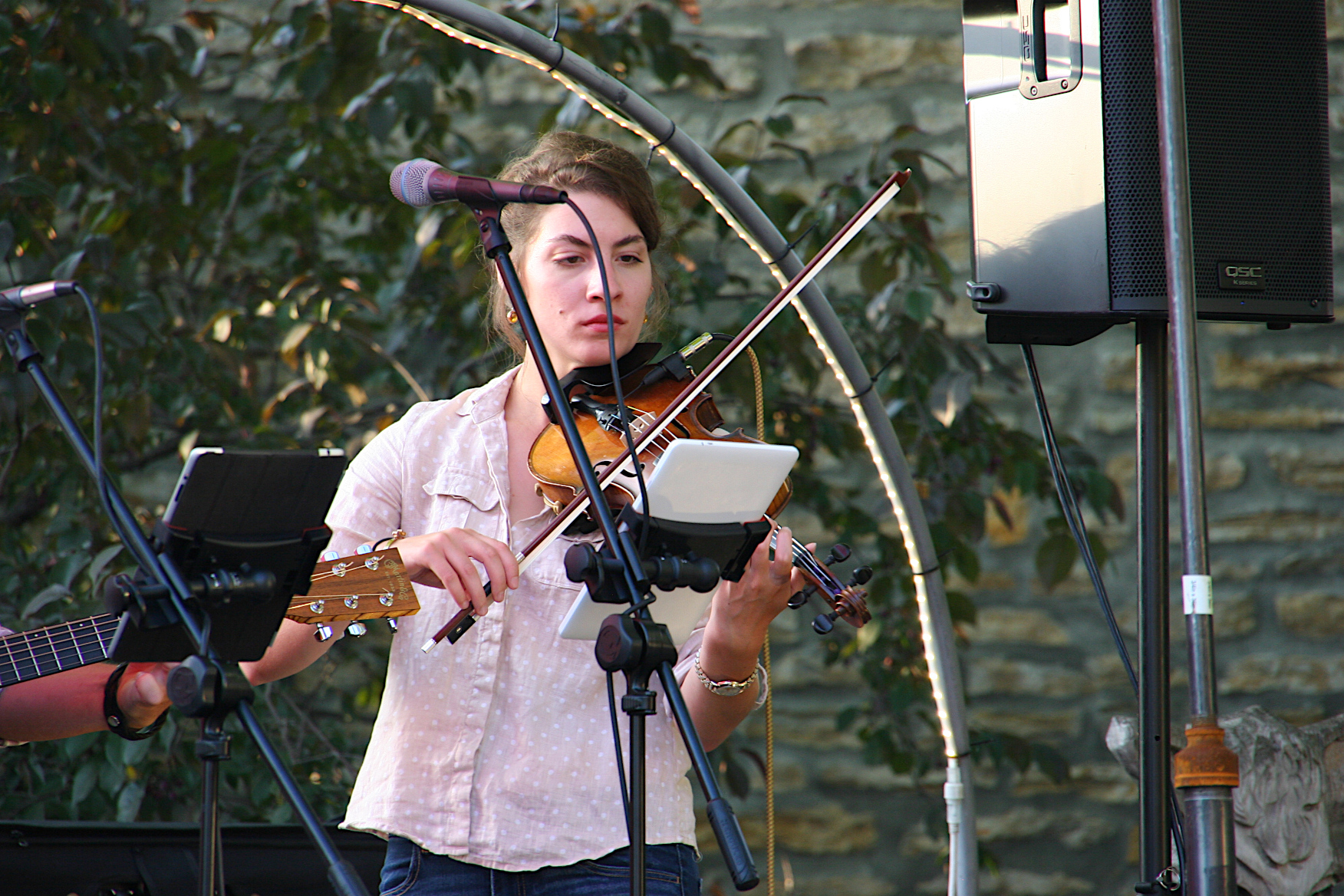
Performing at The Contented Cow in downtown Northfield. (Minnesota Prairie Roots copyrighted file photo August 2020)

In her poetry, Becky Boling moves readers through life from playground monkey bars to motherhood to contemplating old age. I am particularly drawn to “Violin Lesson,” in which Boling observes her young son learning to play the violin. From a deep cushioned armchair, she is caught up in the artistry, the beauty, the movement as am I through her observational writing. And then she closes with the emotional thought of not wanting the moment to end, of understanding that some day she will let her son go. As the mother of three, I feel her sadness at the lesson completed. I expect in her 36 years of teaching Spanish and Liberal Arts at Carleton College in Northfield, Boling has observed the movement of young people whose parents let them go to learn and grow their independence.
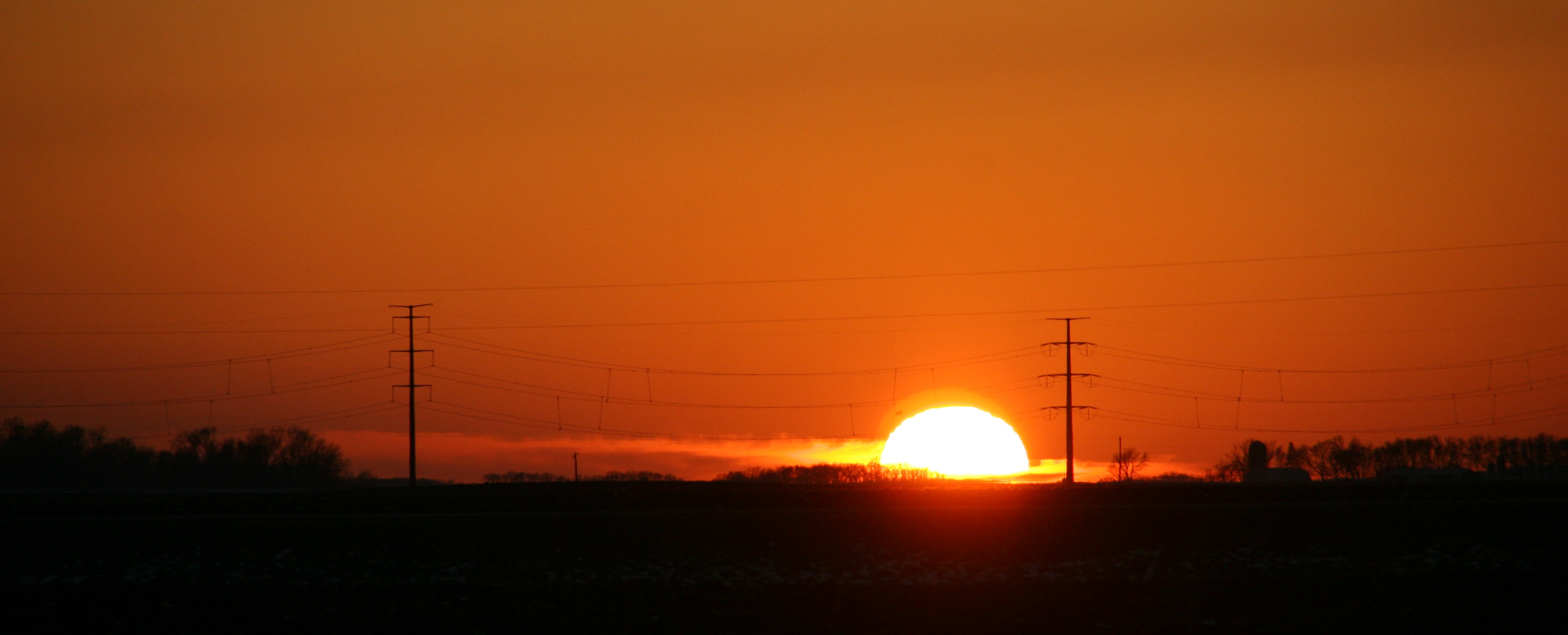
A southwestern Minnesota prairie sunset between Redwood Falls and Morgan. (Minnesota Prairie Roots copyrighted file photo)

D.E. Green, who taught English for 33 years at Augsburg University, has likely seen the same. His poems reflect life and love. Particularly endearing is his poem, “For Becky: Love Sonnet after Neruda,” written for Boling, to whom he’s married. (They also share the position of interim co-poet laureates in Northfield.) His appreciation for and study of Shakespeare show in this love poem, as touching as any love poem I’ve read. “I love you unthinkingly/like a deep breath, a careless yawn, a sigh,” he writes. Beautiful. Green also reflects on his life lived “good enough” and on life during retirement. His poetry should be required reading for anyone closer to west than to east.

My mom lived in a care center, confined to a wheelchair in the end years of her life. I took this photo of her hands about a year before her January 2022 death. (Minnesota Prairie Roots copyrighted file photo December 2020)

Heather Candels, too, reflects on her passing life in a poem aptly titled “Passing.” But it is “Situation Comedy,” a poem about a 104-year-old woman living in a care center, which elicits an especially emotional reaction from me. I can picture the centenarian shoving her walker (as my octogenarian mom did) to the dining room, then sitting with Grace and Lloyd, whom she secretly calls Grease and Lard. “Something has to be funny about all this,” Candels writes. The former English teacher is a gifted storyteller who brings unexpected emotional lines to her writing.
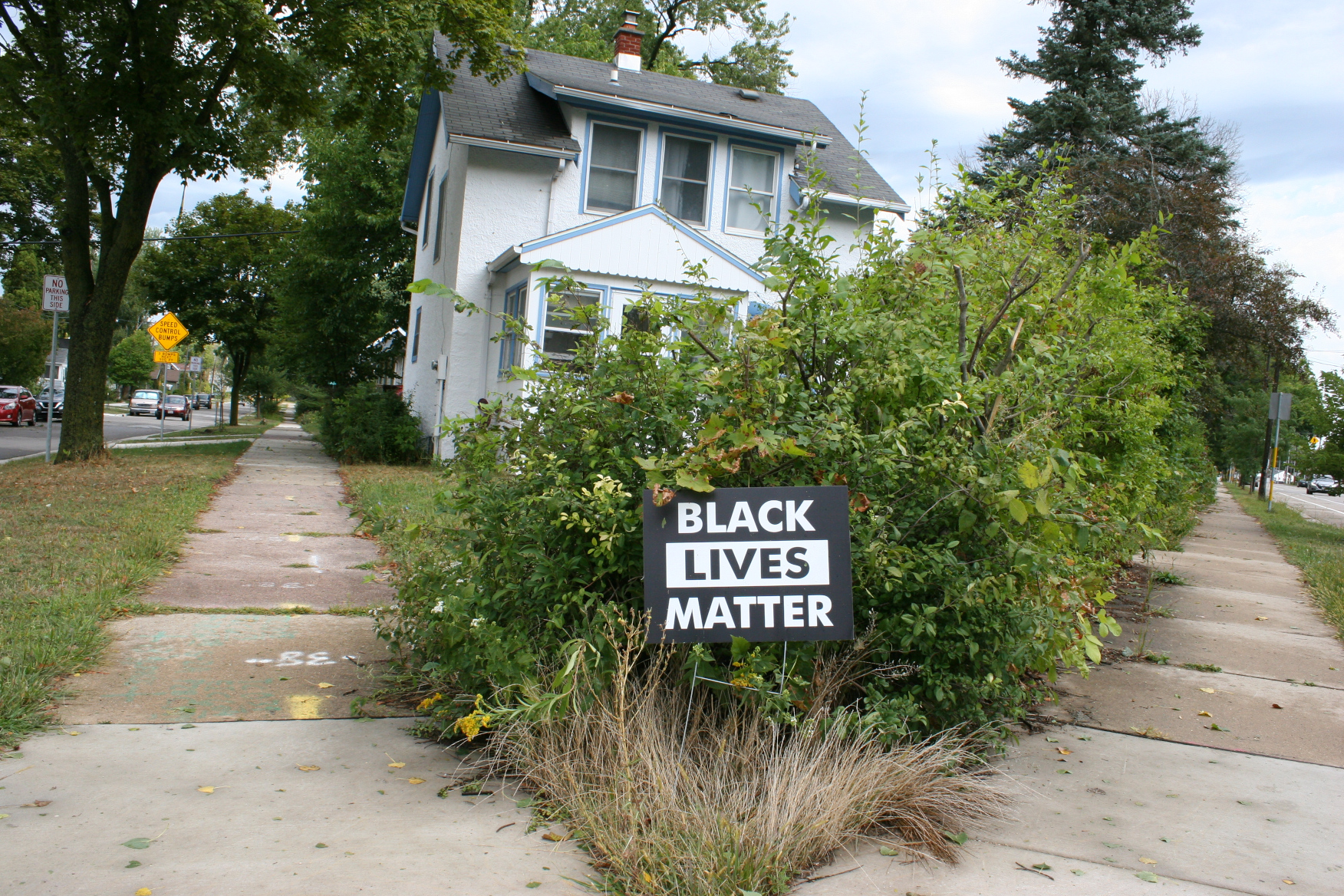
In “A Sign,” Heather Candels writes about racial injustice via white lilies of the valley and “their colonies spreading underground/roots nurtured by the rich dark soil…” This poem alone is reason enough to buy this anthology. Photo taken in Madison, Wisconsin. (Minnesota Prairie Roots copyrighted file photo September 2020)

And then there are the poems that touch on tough topics, on social issues, on disparities. Climate change. Evidence in the Nuremberg Trials. Racial injustice. Poetry doesn’t right life. But it opens our minds, causes us to think, reflect, perhaps take positive action as we move from east to west.

#

FYI: The five Minnesota poets included in We Look West will launch their anthology during a reading and book signing at 7 pm on Thursday, May 16, at the Northfield Public Library. I encourage you to attend if you live in the area. If not, I suggest you buy a copy of this 116-page anthology through an independent bookseller. These poets are gifted writers, this collection a must-read whether you’re a Baby Boomer or not.

 

Celebrating poetry in southern Minnesota during National Poetry Month April 17, 2024

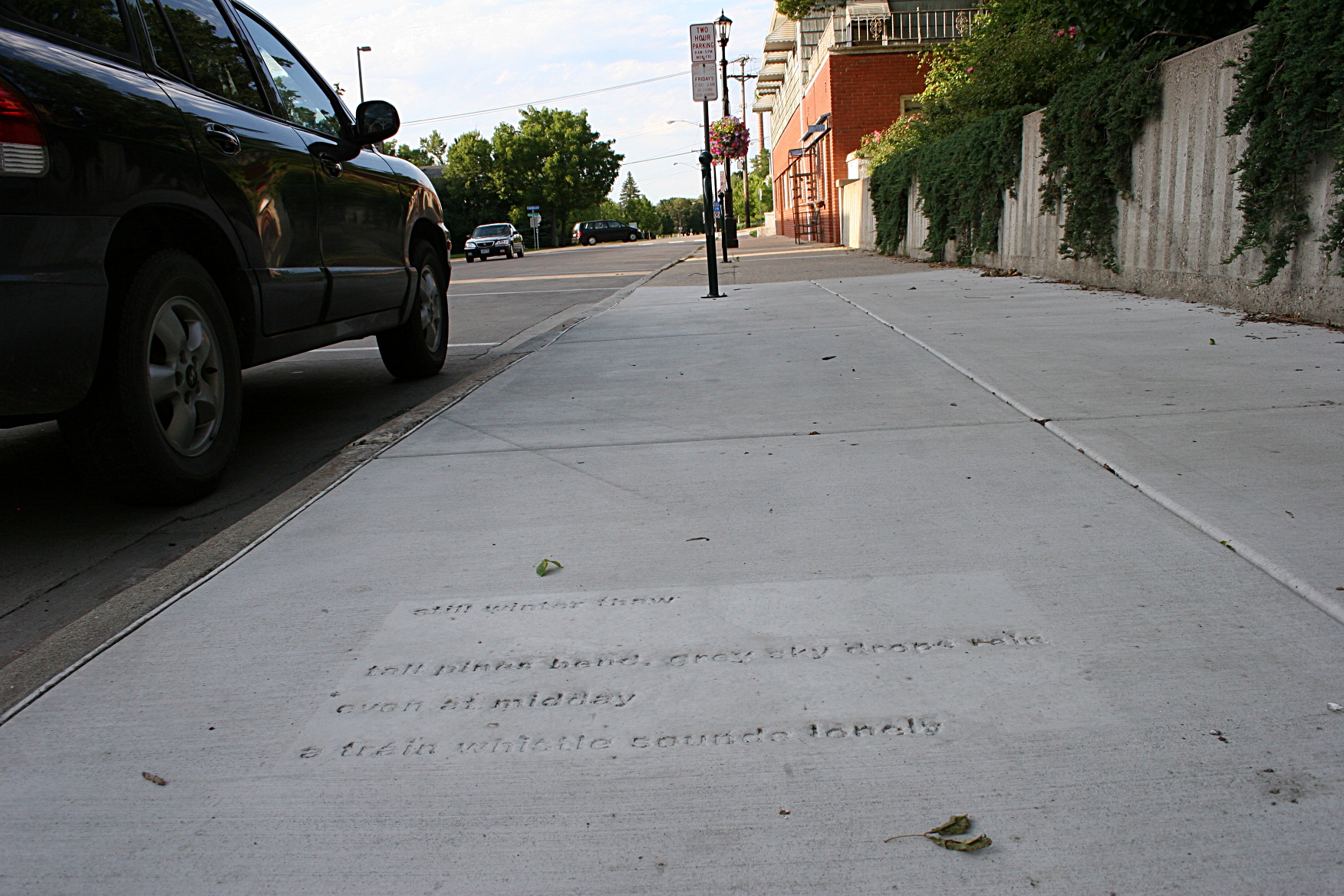
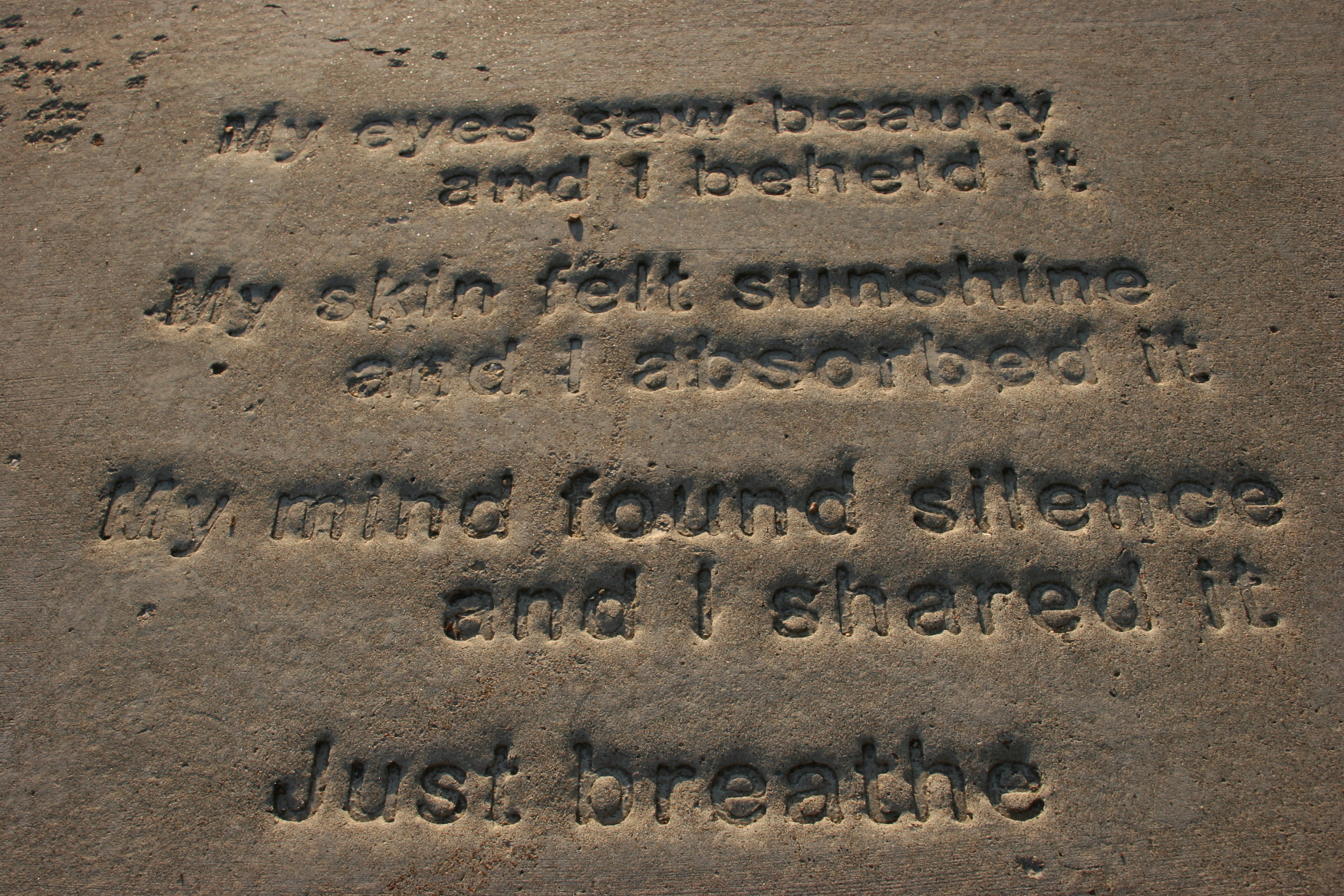
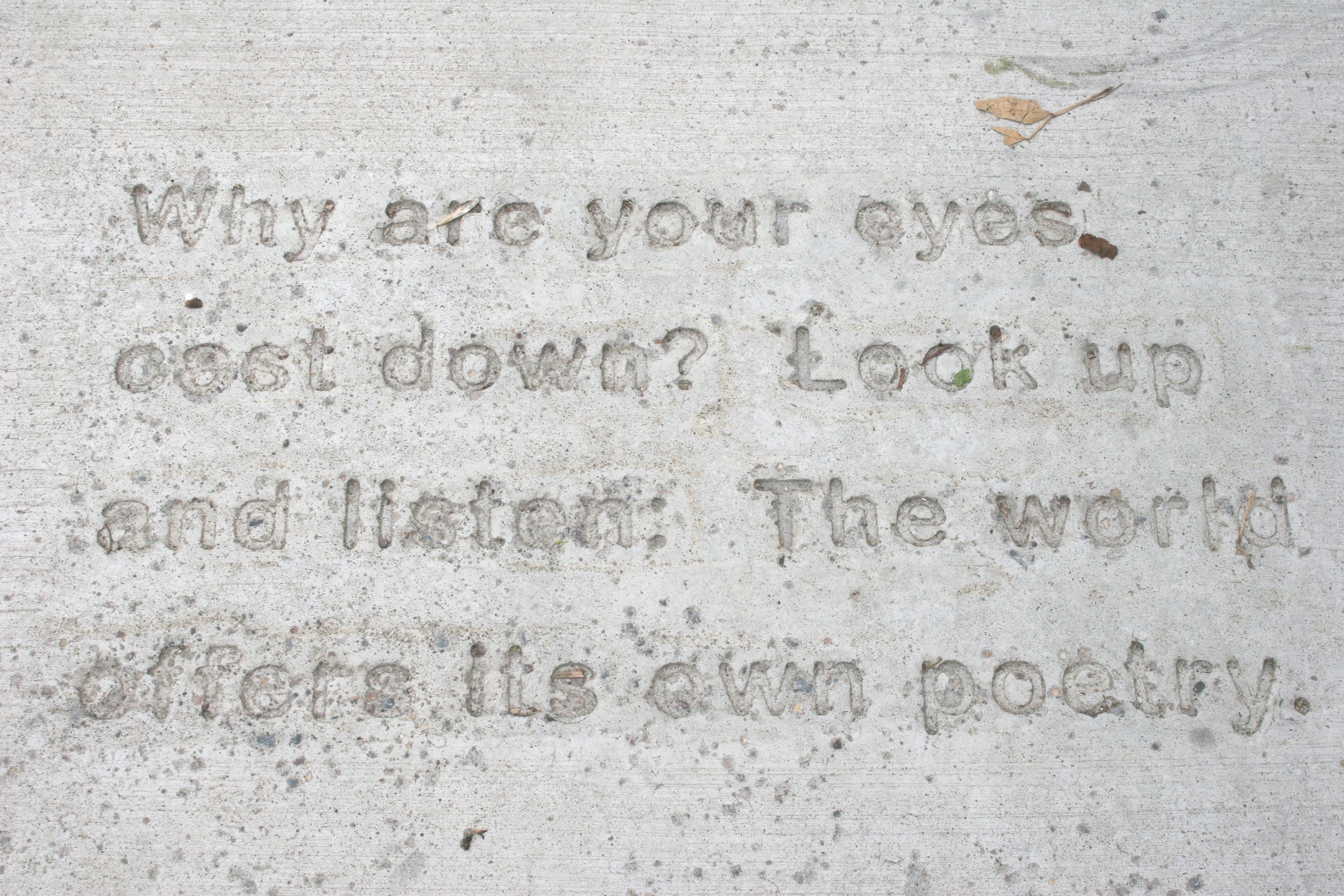
Sidewalk poetry in downtown Northfield, Minnesota. (Minnesota Prairie Roots copyrighted file photo 2014)

Mention poetry and many people likely stop listening. In a way, I understand. To their ears, they hear the stuffy, rhyming, difficult poems of yesteryear. The poems that made no sense to many of us. The poems that had to be read as part of a high school English class.

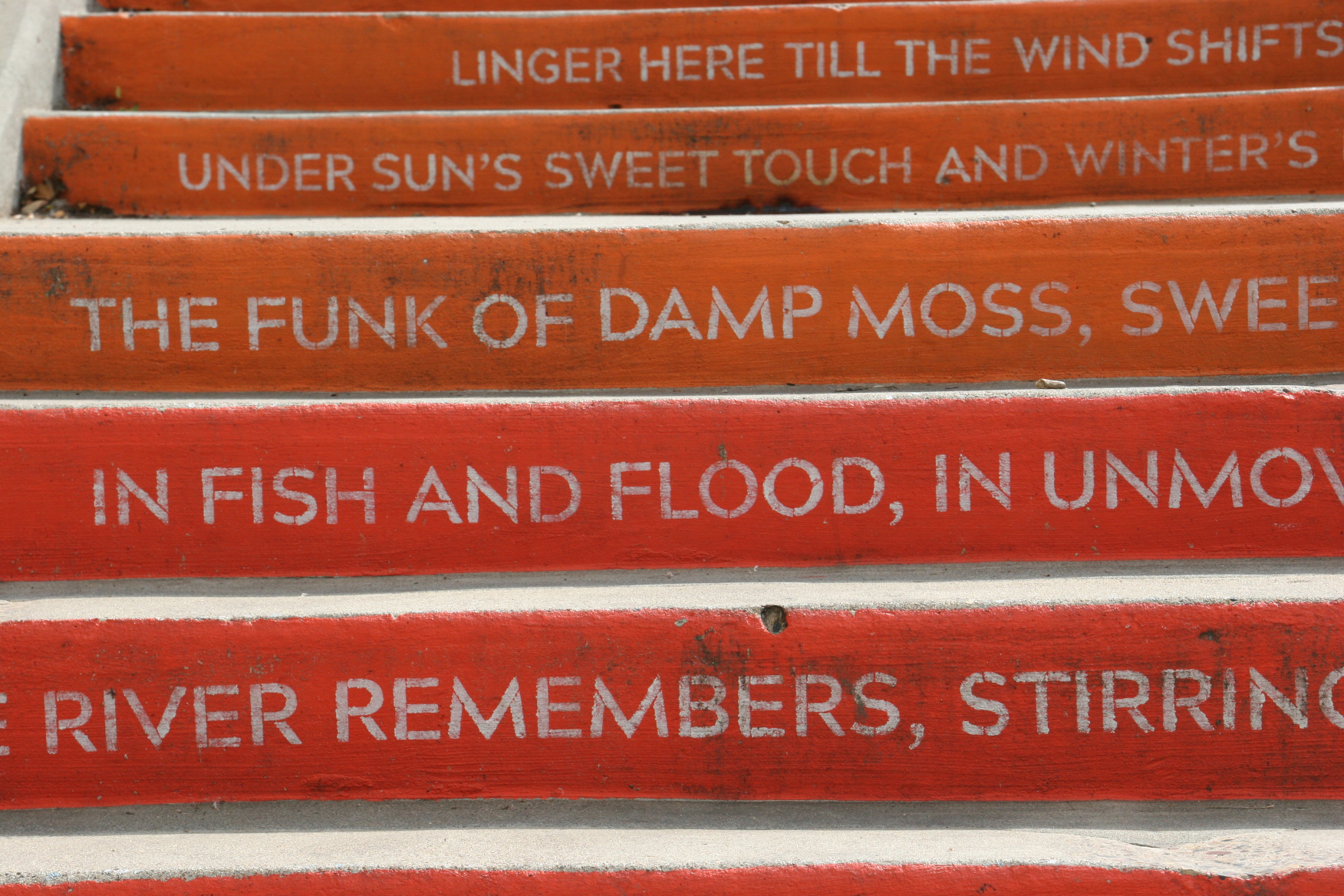
A close-up of lines in the poem steps along the River Walk in downtown Northfield. (Minnesota Prairie Roots copyrighted file photo 2022)

While I’m not privy to how poetry is taught today, I do recognize that it’s, overall, much more approachable, at least in Minnesota. We are home to a talented array of poets with their writing published not only in anthologies and literary journals, but also presented in widely-accessible, public ways.

A poem by Patrick Ganey is stamped into the sidewalk near the Northfield Public Library: still winter thaw/tall pines bend, grey sky drops rain/even at midday/a train whistle sounds lonely (Minnesota Prairie Roots copyrighted file photo)

Nearby Northfield, for example, prints poetry into sidewalks. In 2011, the Arts and Culture Commission launched Sidewalk Poetry. Through that annual competition, selected poems are stamped into sidewalks in the historic downtown, along routes to schools and in residential neighborhoods. I always enjoy walking in downtown Northfield and pausing to read poetry. As a poet myself, I appreciate how much this community values this literary art.
This month, National Poetry Month, and into May, Northfield-based nonprofit Rice County Neighbors United is offering “Poem in a Bag.” Submitted original and favorite poems were printed, rolled and placed in poetry boxes (not bags) set out at select Northfield businesses and at the Northfield Public Library. Poems are printed in both English and Spanish and paired with original art by local artists. What a fun idea, to give away poems, perhaps reaching people who would not otherwise read poetry. I’ve submitted several poems for this project.
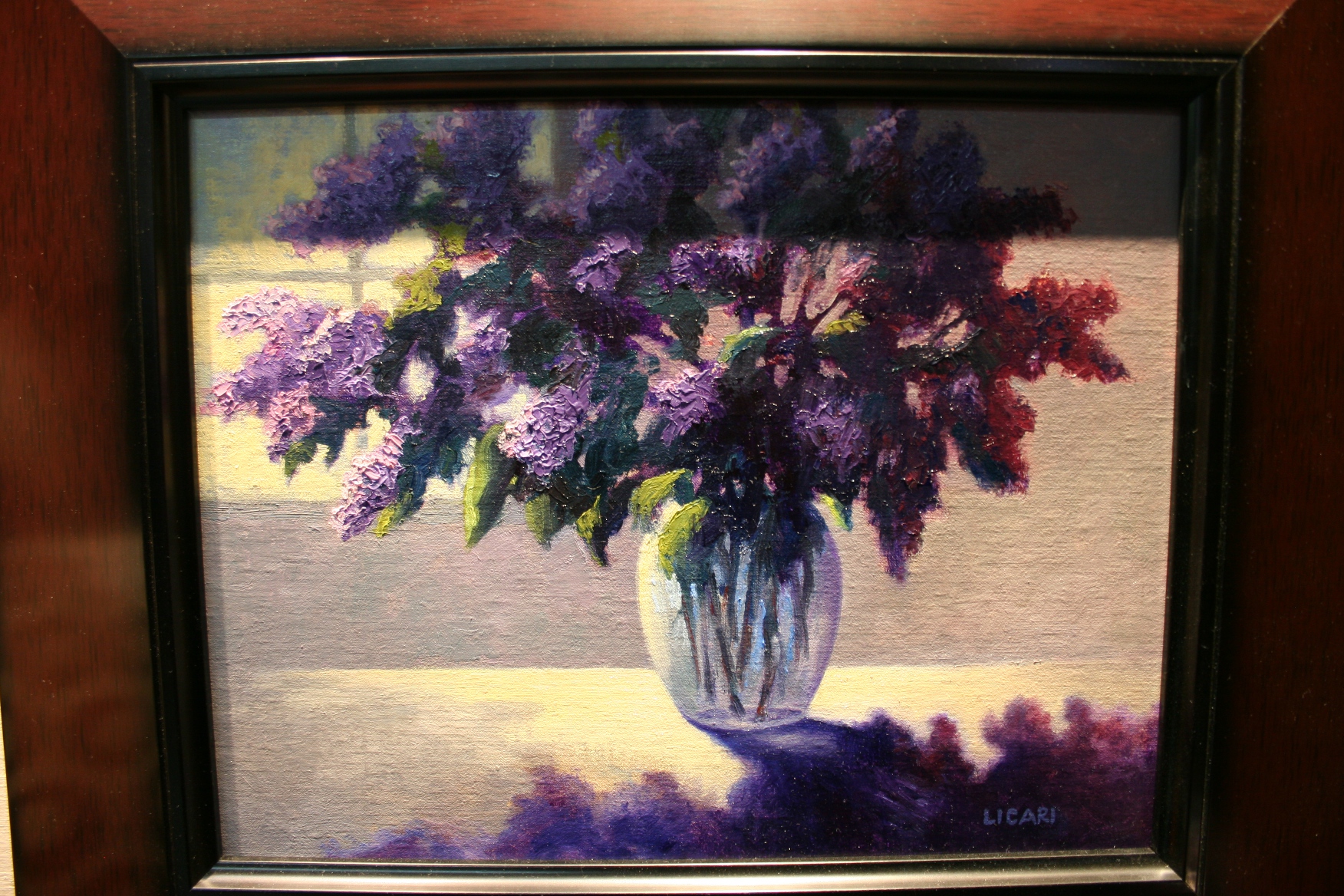
My poem, “Lilacs,” inspired “Lilacs on a Table,” an oil on linen painting by Jeanne Licari. This was part of an poet-artist collaborative exhibit at Crossings at Carnegie in Zumbrota ten years ago. Today my poem is part of Northfield’s “Poem in a Bag.” (Minnesota Prairie Roots copyrighted file photo April 2014)

For the first time this year, FiftyNorth, Northfield’s center for active aging, is featuring a poet-artist collaboration, “Echoes & Shadows,” in its gallery. The event runs until May 3. Artists created art inspired by original poems. I’ve participated in collabs like this in Zumbrota and found them to be particularly interesting—to see how poems are visually interpreted.

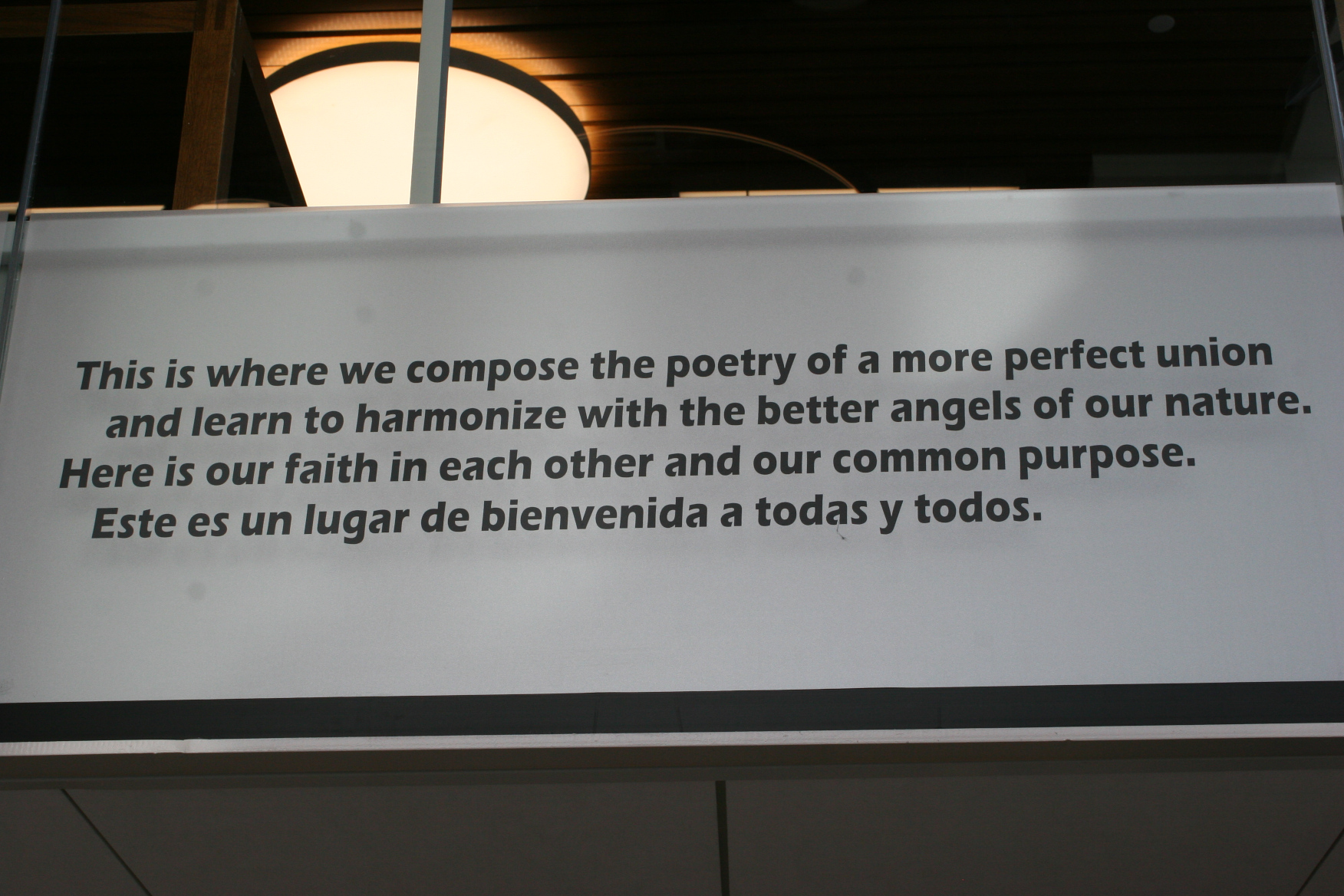
A portion of a poem by Rob Hardy, former Northfield Poet laureate, in the Northfield Library atrium. (Minnesota Prairie Roots copyrighted file photo)

At the Northfield Public Library, Open Mic Poetry is held monthly in the atrium for poets to share their writing with an appreciative audience. The next event is at 6:30 pm Wednesday, May 8.

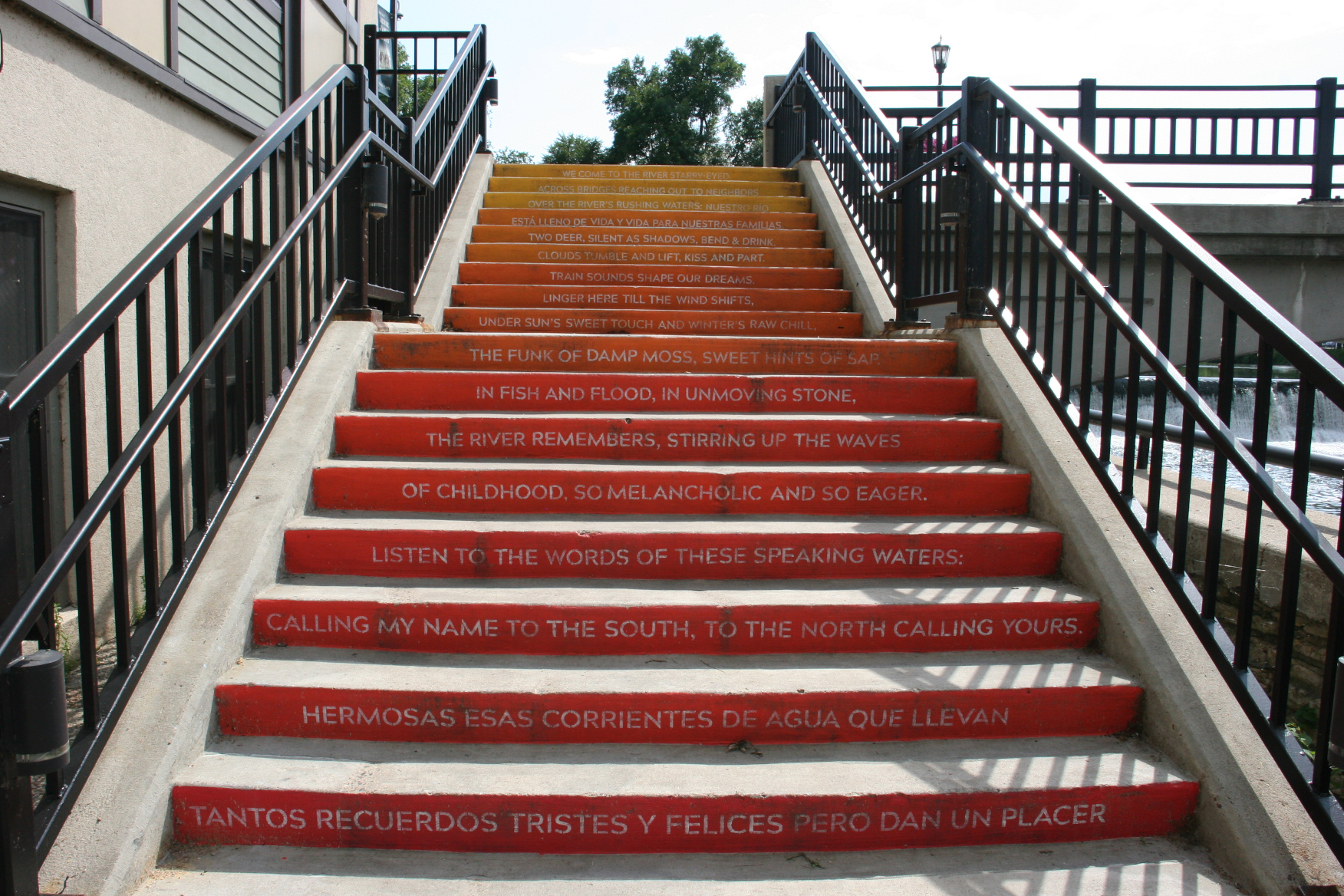
Poem steps in Northfield along the River Walk. (Minnesota Prairie Roots copyrighted file photo 2022)

Northfield also has a poet laureate actively promoting poetry and poetry events within the community. A new laureate will soon be named to replace past laureate Rob Hardy and current interim co-poet laureates Becky Boling and D.E. Green.

This new anthology features the poetry of five Northfield poets. (Minnesota Prairie Roots copyrighted photo April 2024)

Next month the Northfield library hosts two poetry readings. Local poets Scott Lowery and Leslie Schultz will read at 6:30 pm Tuesday, May 7. And at 7 pm on Thursday, May 16, the Poets of the Northfield, Minnesota, Public Library, will read from and sign We Look West. The just-published 116-page anthology is part of the Up On Big Rock Poetry Series from Winona-based Shipwreckt Books Publishing Company.

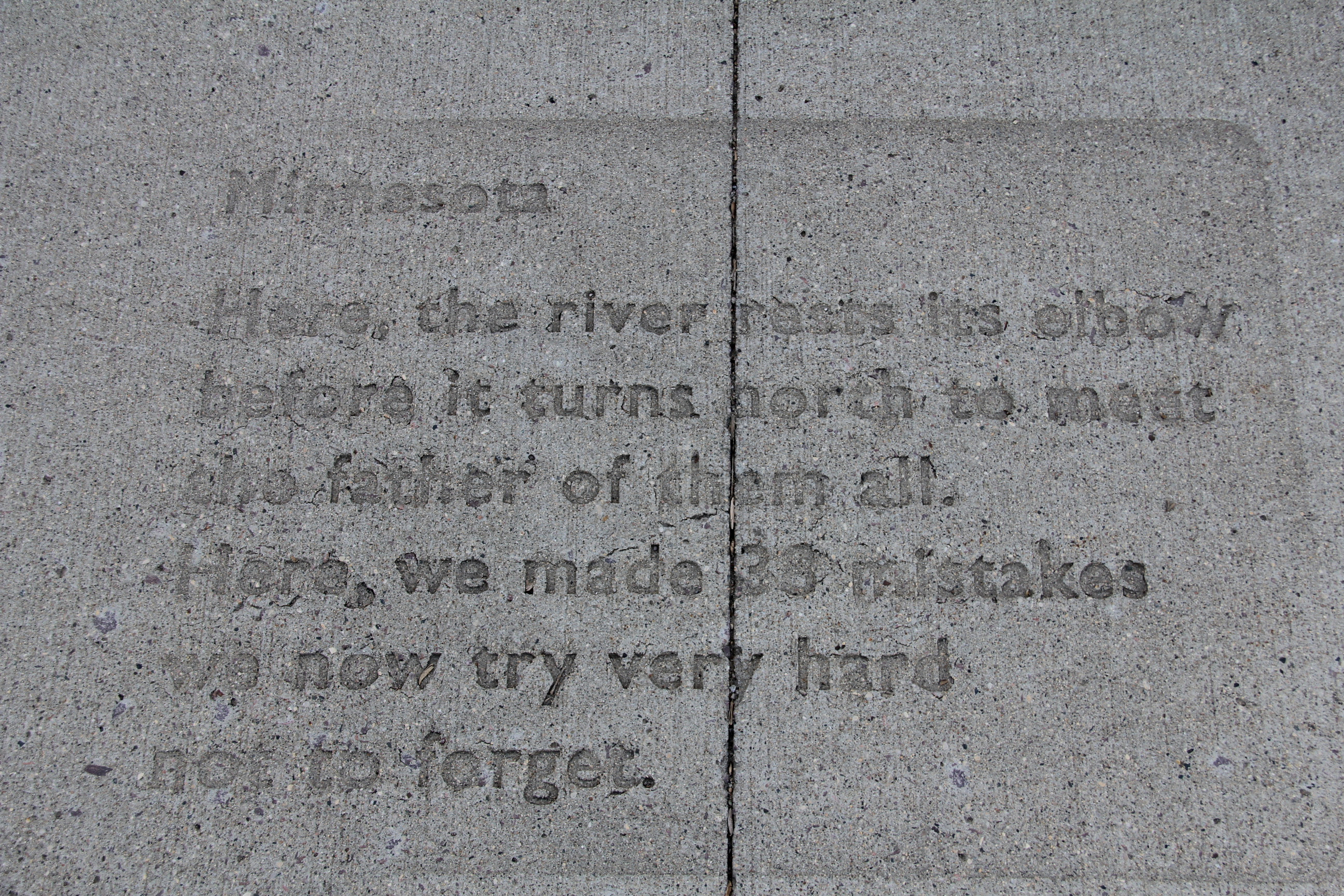
This sidewalk poem in Mankato’s Riverfront Park references the mass hanging of 38 Dakota (plus two) in December 1862 in Mankato. (Minnesota Prairie Roots copyrighted file photo November 2023)

I also have two other recently-released poetry books to read: Broad Wings, Long Legs, A Rookery of Heron Poems in which Minnesota writers (including Larry Gavin of Faribault and many other recognizable poets) contemplate a regional icon, and Songs, Blood Deep by Poet Laureate of Minnesota, Gwen Nell Westerman of Mankato. Westerman is Minnesota’s first Native poet laureate and teaches English, humanities and creative writing at Minnesota State University, Mankato, my alma mater.

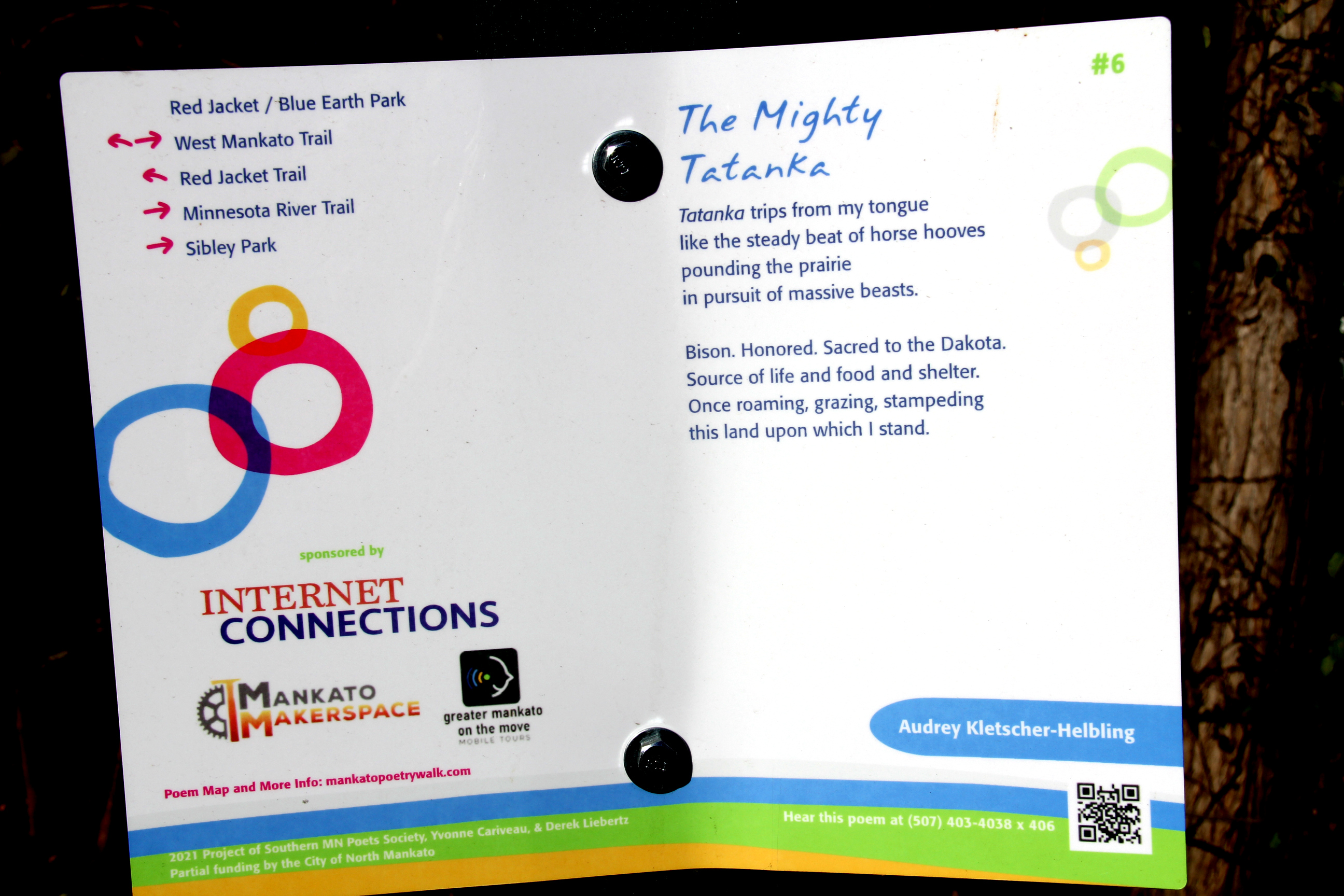
My poem, posted along the West Mankato Trail. (Minnesota Prairie Roots edited & copyrighted photo November 2023)

Mankato is a community rich in poetry. I’ve found poems stamped into concrete at Riverfront Park as part of WordWalk. But it’s a project of the Southern MN Poets Society which really puts poetry out in the community. Through the Mankato Poetry Walk & Ride, winning poems are printed on signs and posted along walking and biking trails in Mankato and North Mankato. My poems have been included perhaps half a dozen times—I’ve lost count—with one, “The Mighty Tatanka,” a poem about bison, currently displayed along a trail in West Mankato.

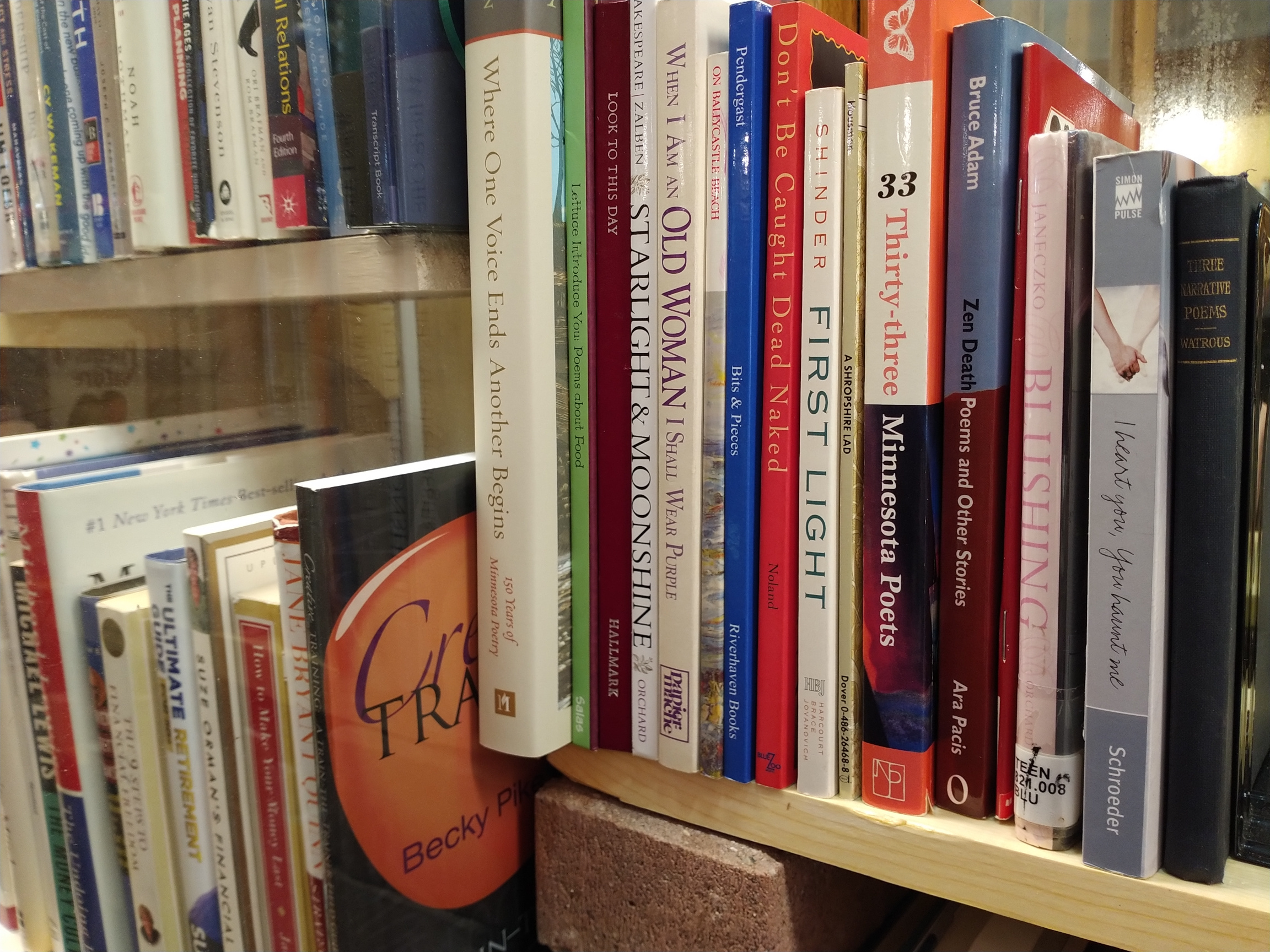
A sampling of poetry books, right, for sale at Books on Central in Faribault. (Minnesota Prairie Roots copyrighted photo April 2024)

Poetry is seemingly everywhere these days, unconfined to the space between book covers. Yet poems printed upon paper remain the primary place to find poetry. I recently picked up a stash of poetry books from my local library. I also perused poetry offerings at Books on Central, a Rice County Area United Way bookshop selling used books in downtown Faribault. In Northfield, independent bookseller Content Bookstore not only sells poetry books, but regularly hosts book signing events with writers, including poets.

An especially thought-provoking poem in Northfield’s Sidewalk Poetry project. (Minnesota Prairie Roots copyrighted file photo August 2020)

How we access poetry has certainly changed over the years. It is my hope that, even if you think you don’t like poetry, you open your mind to this creative art form. There’s much to be learned about nature, about ourselves, about life through the carefully-selected, sparse words of gifted poets, many of whom call Minnesota home.

FYI: Please check back for a more in-depth look at “Poem in a Bag” and reviews of poetry anthologies referenced in this post. Now, tell me, do you read poetry, have a favorite poem?

© Copyright 2024 Audrey Kletscher Helbling


In Lyon County: Prairie-rooted poetry at the museum September 20, 2022

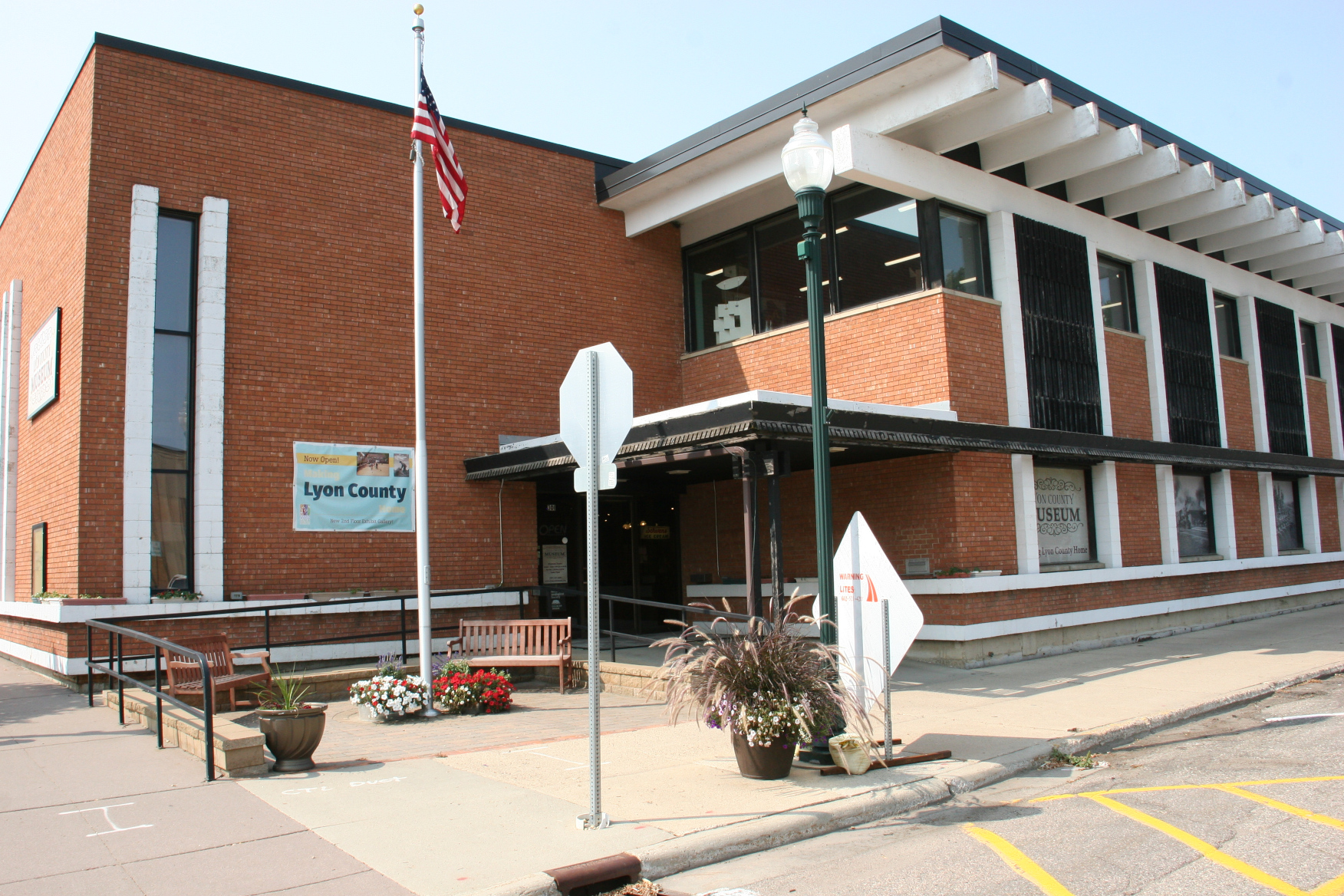
The sprawling Lyon County Historical Society Museum in the heart of downtown Marshall, across from the post office. (Minnesota Prairie Roots copyrighted photo September 2022)

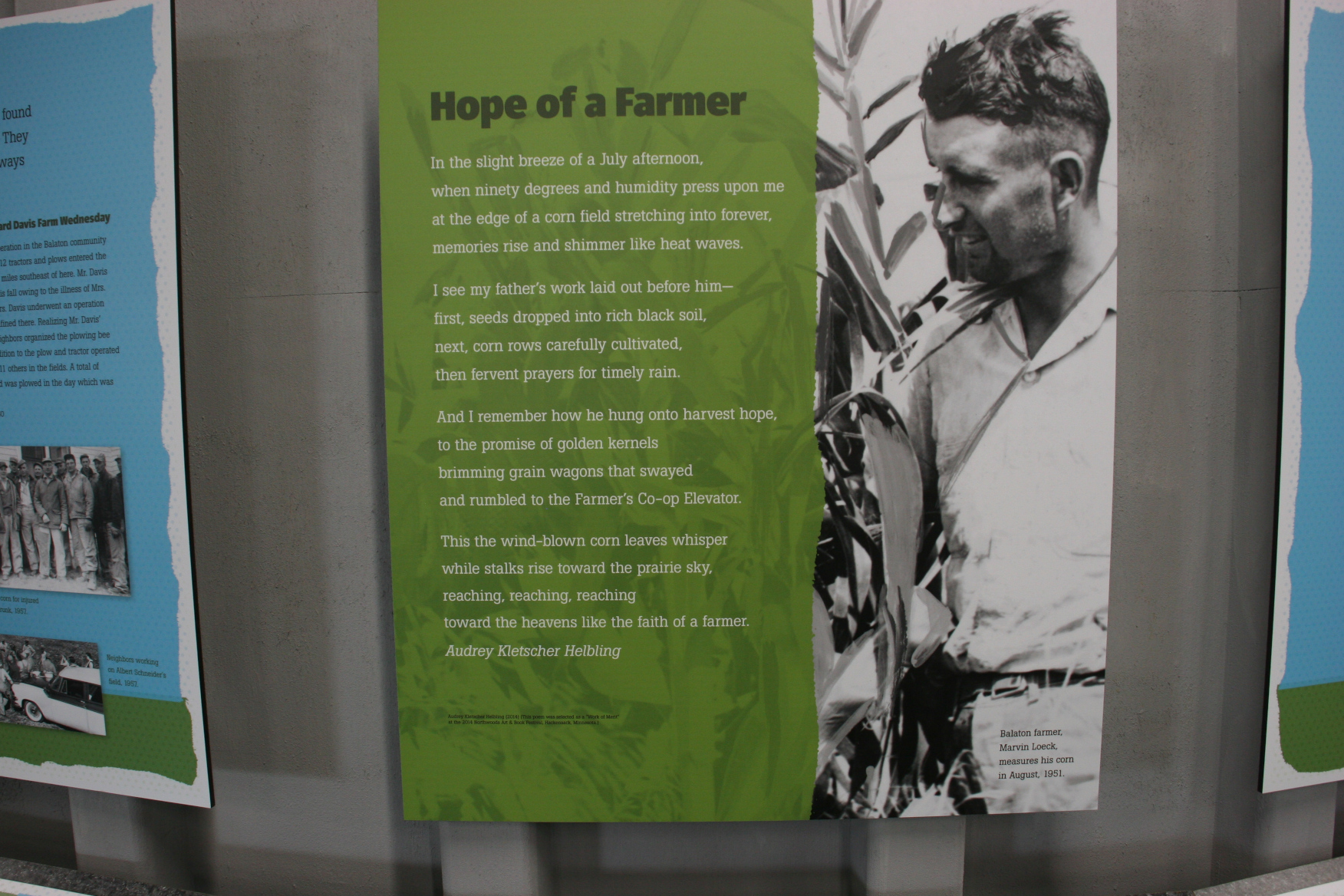
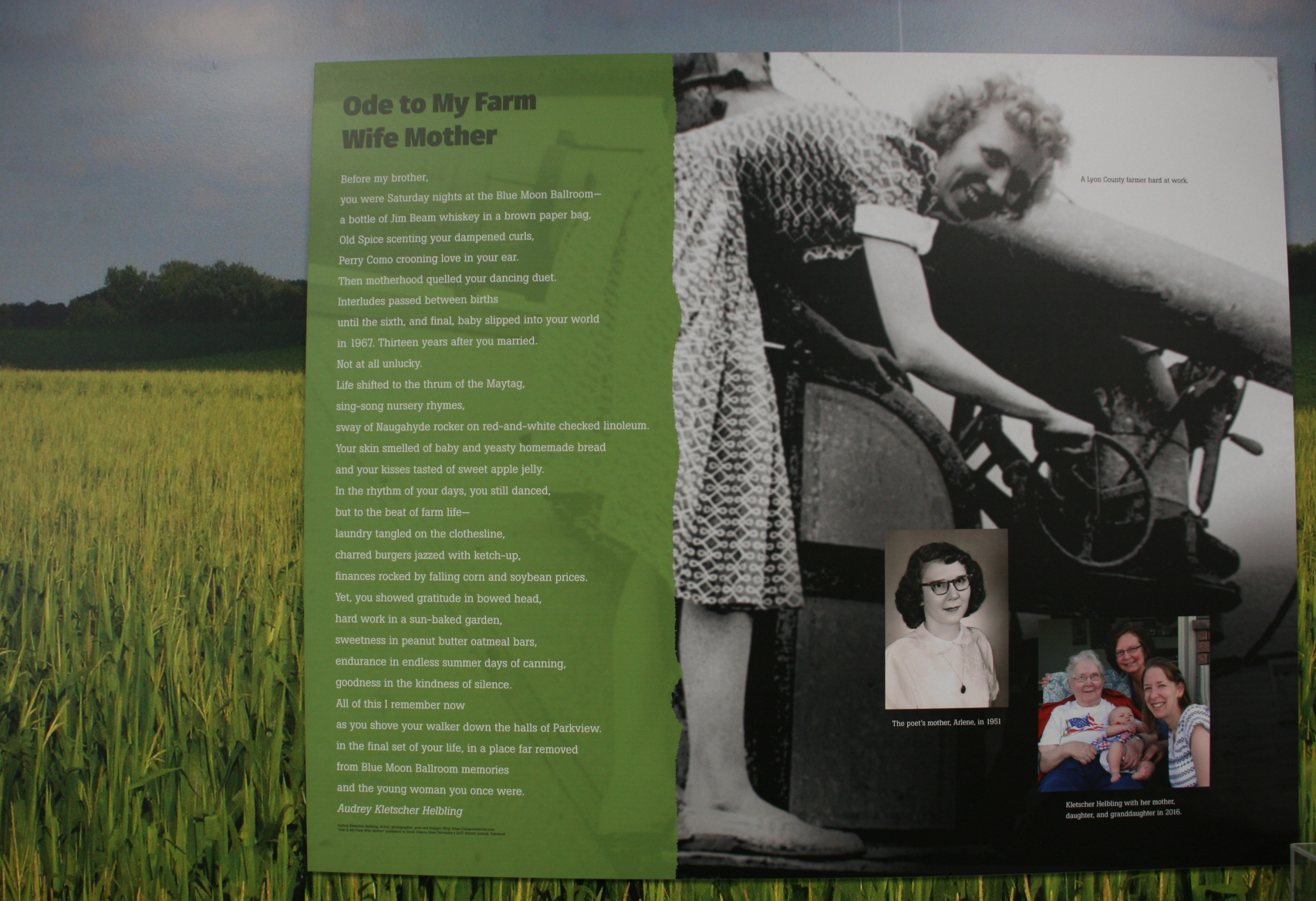
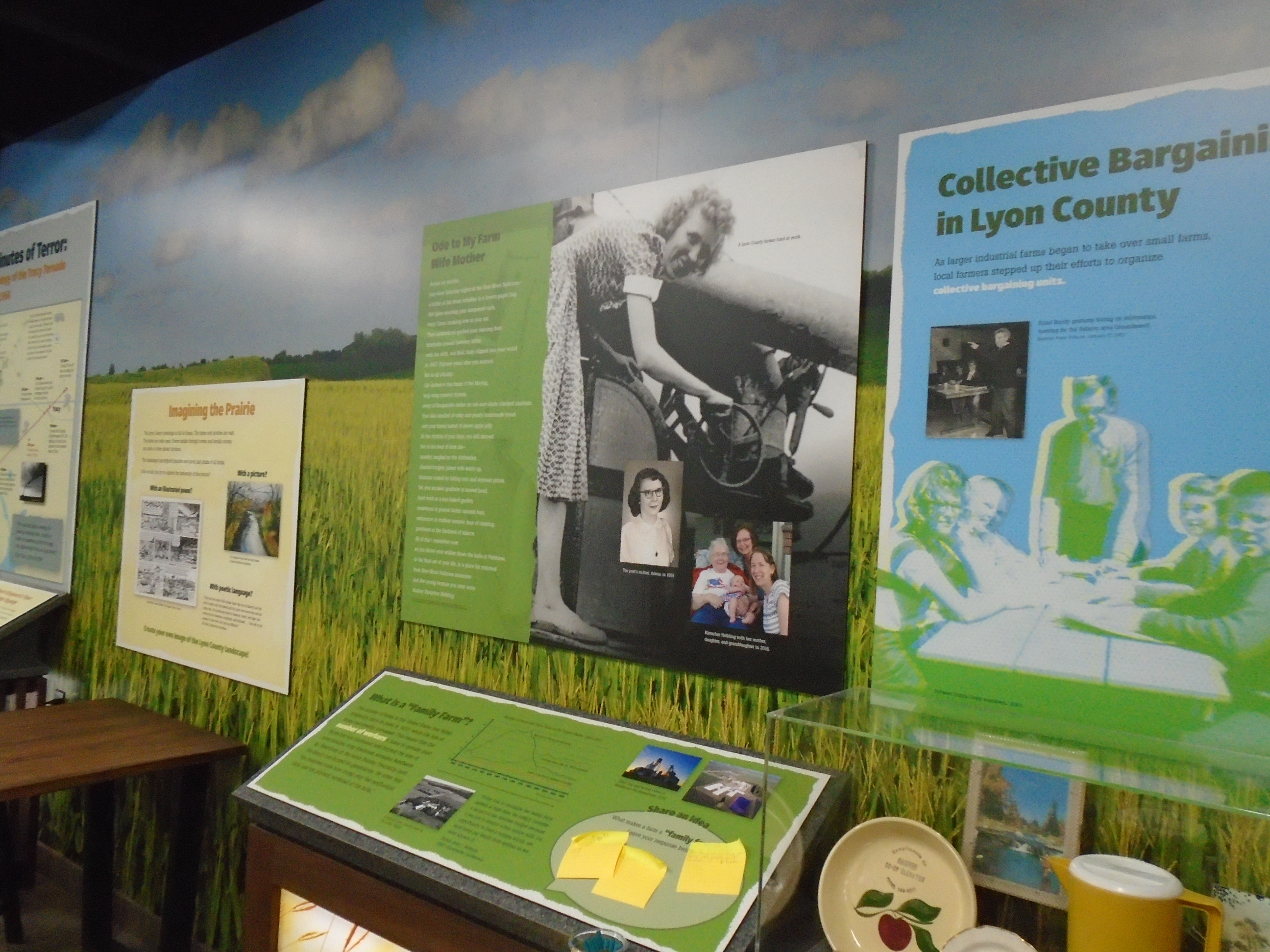
RECENTLY I TRAVELED back to my native southwestern Minnesota, destination Marshall, 18 miles west of my hometown of Vesta. Specifically, I targeted the Lyon County Historical Society Museum to view the award-winning “Making Lyon County Home” exhibit. Two of my poems, “Ode to My Farm Wife Mother” and “Hope of a Farmer,” are featured therein.

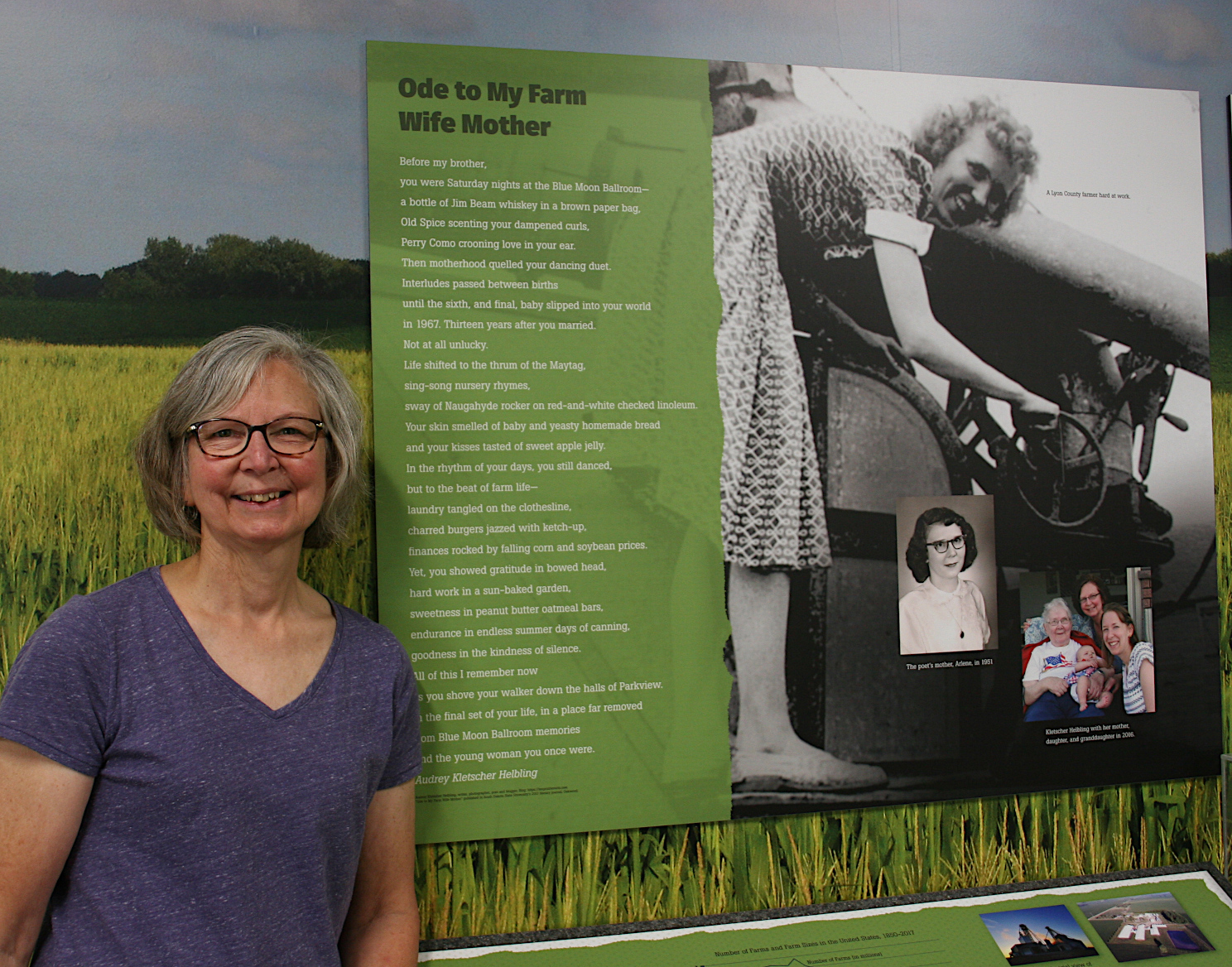
Me, photographed next to the panel featuring my poem, “Ode to My Farm Wife Mother.” My one regret is that my mom (pictured in two smaller photo insets) never saw this exhibit in person. She died in January. (Photo by Randy Helbling, September 2022)
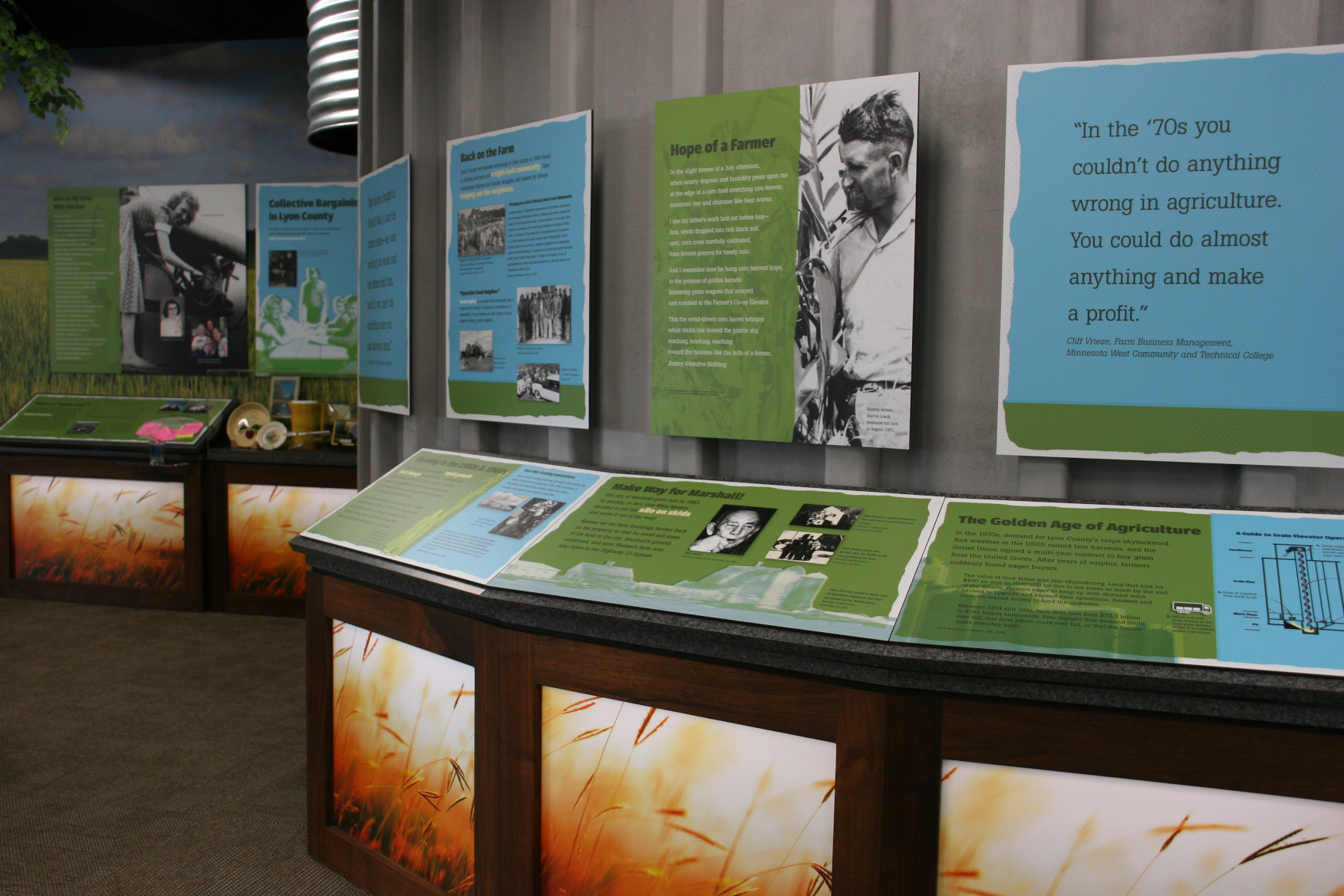
To the far left is the panel featuring my poem, “Ode to My Farm Wife Mother.” In the center is my poem, “Hope of a Farmer.” (Minnesota Prairie Roots copyrighted photo September 2022)
My poem, “Hope of a Farmer.” That is not my dad in the photo. (Minnesota Prairie Roots copyrighted photo September 2022)

The exhibit, which won a 2021 Minnesota History Award from the Minnesota Alliance of Local History Museums, opened in January of the same year. Finally, I got to Marshall last week. Up until my visit, I was unaware that two, not just one, of my poems are included. When I read the title “Hope of a Farmer,” I thought to myself, I wrote a poem with that title. And then, as I read, I realized this was my poem.

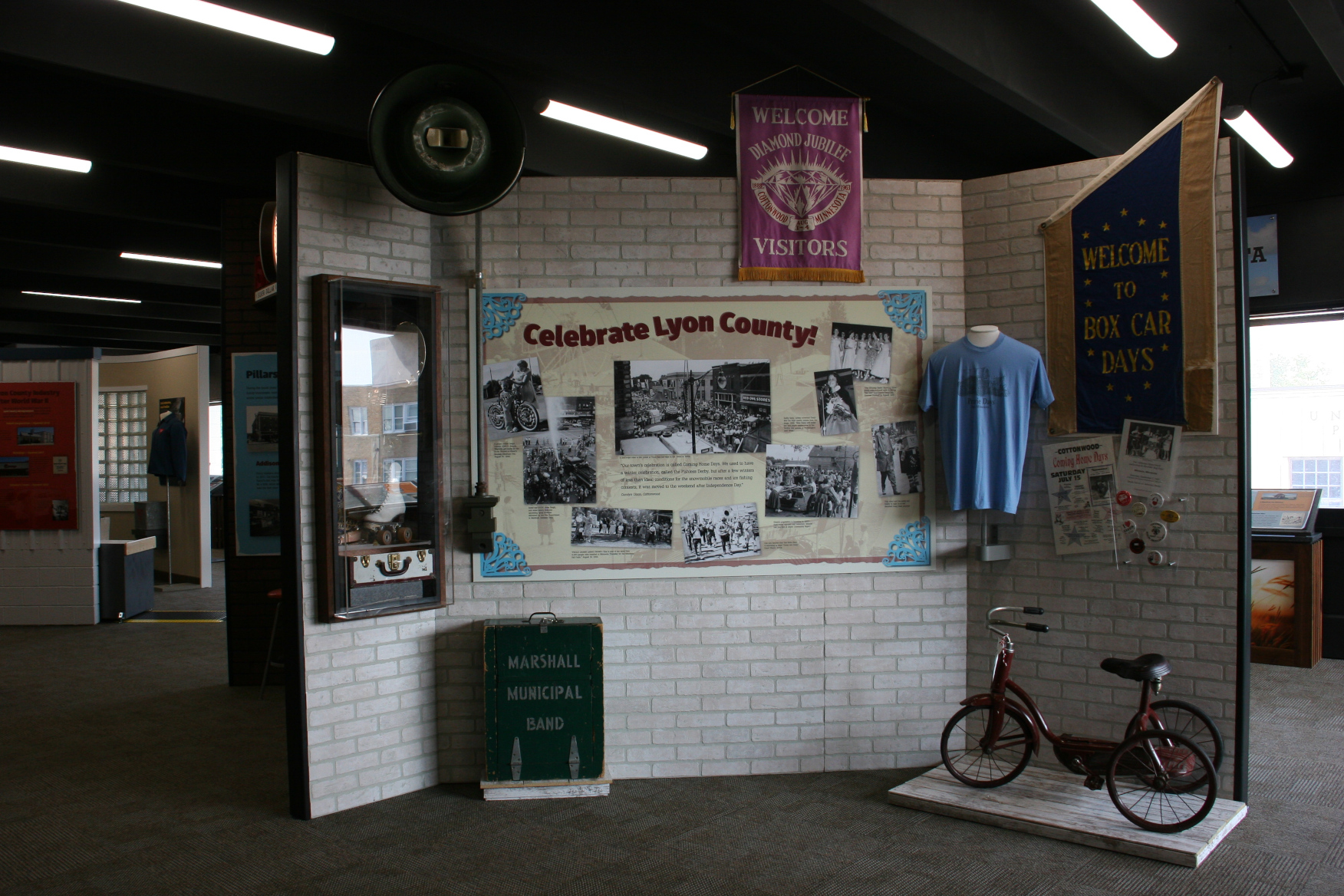
The second floor exhibit celebrates Lyon County in the award-winning exhibit, “Making Lyon County Home.” (Minnesota Prairie Roots copyrighted photo September 2022)

Now I’m doubly honored that my rural-themed poetry inspired by my farmer father and farm wife mother were chosen to be part of this outstanding exhibit focusing on the people, places, businesses, communities, activities, events, history and arts of Lyon County.

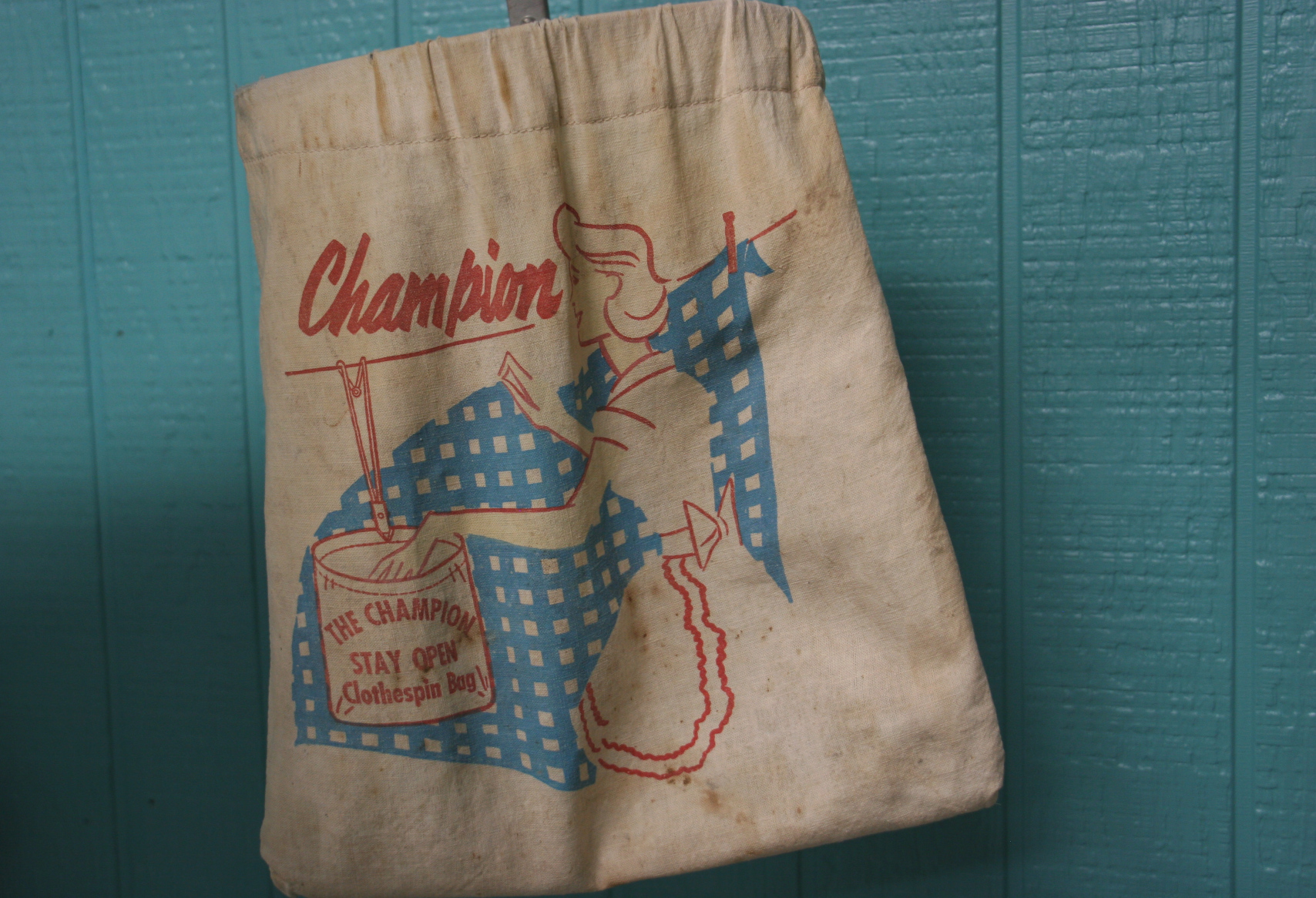
A clothes pin bag hangs in an exhibit space near my “Ode” poem, quite fitting. Visitors can turn a dial to generate “wind” blowing dish towels on a clothesline. (Minnesota Prairie Roots copyrighted photo September 2022)

Excerpt from “Ode to My Farm Wife Mother” (click here to read the entire poem):

In the rhythm of your days, you still danced,

but to the beat of farm life—

laundry tangled on the clothesline,

charred burgers jazzed with ketchup,

finances rocked by falling corn and soybean prices.

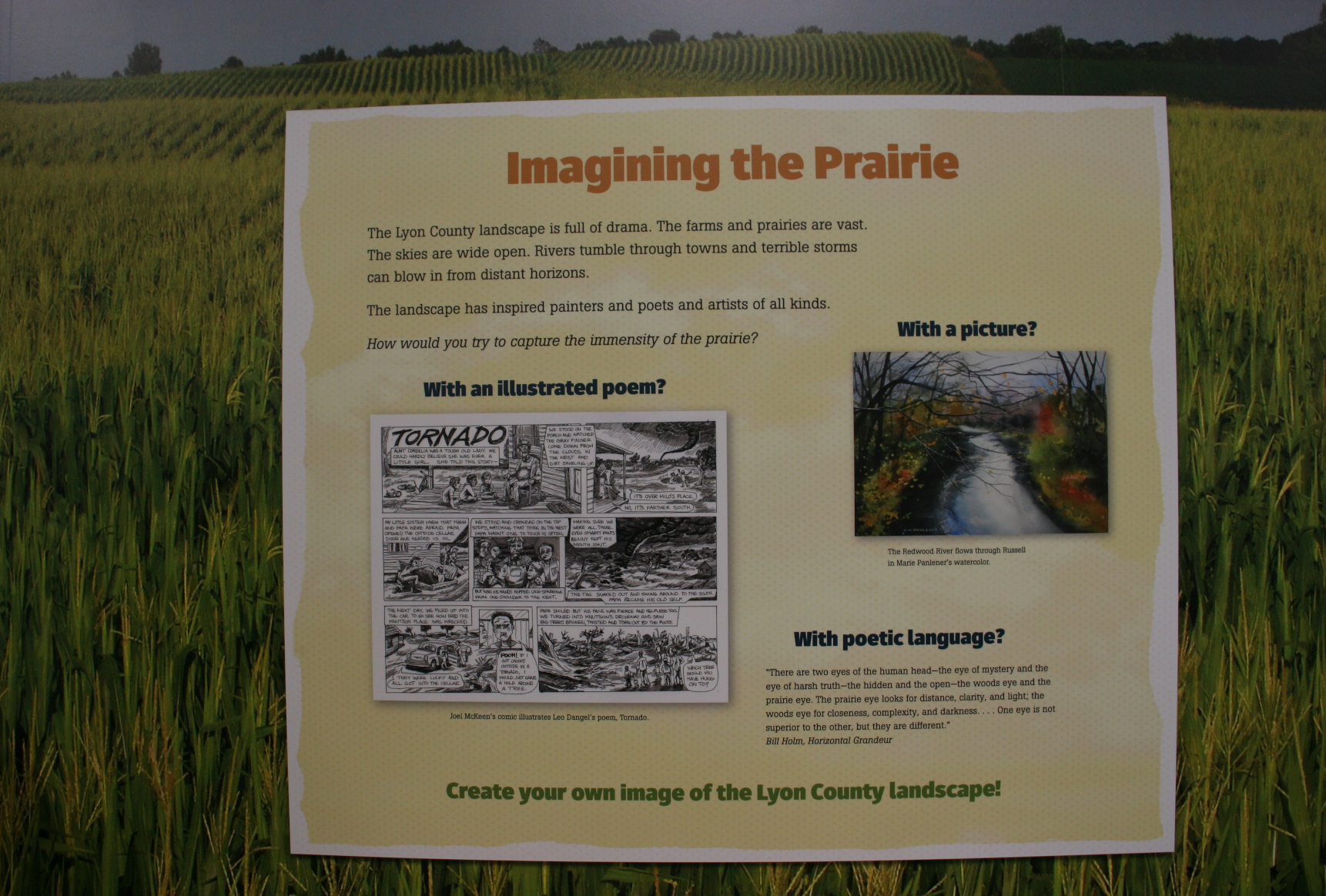
This panel honors literary and visual artists of the region. (Minnesota Prairie Roots copyrighted photo September 2022)

As I read the “Imagining the Prairie” informational panel, my gratitude to the LCHS staff, volunteers and Museology Museum Services of Minneapolis (lead contractor for the exhibit) grew. I appreciate that an entire panel focuses on the arts: The Lyon County landscape…has inspired painters and poets and artists of all kinds. I’ve long thought that as I see the prairie influence in my writing and photography. Farms, vast prairies, wide skies and tumbling rivers define the landscape of southwestern Minnesota.

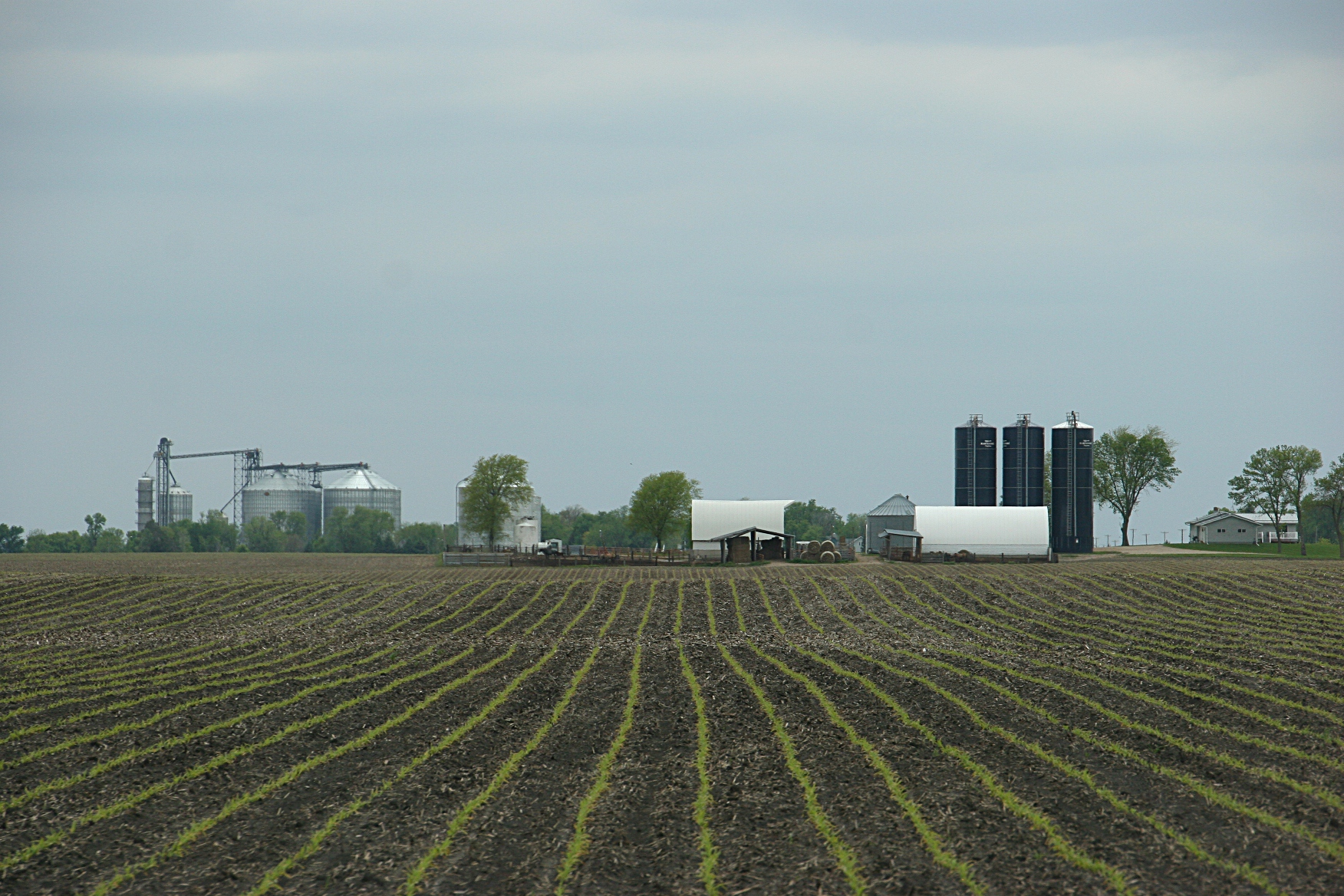
Corn rows emerge in a field near Delhi in southwestern Minnesota. (Minnesota Prairie Roots copyrighted file photo)

Excerpt from my “Hope of a Farmer” poem (click here to read the entire poem):

I see my father’s work laid out before him—

first seeds dropped into rich black soil,

next, corn rows carefully cultivated,

then fervent prayers for timely rain.

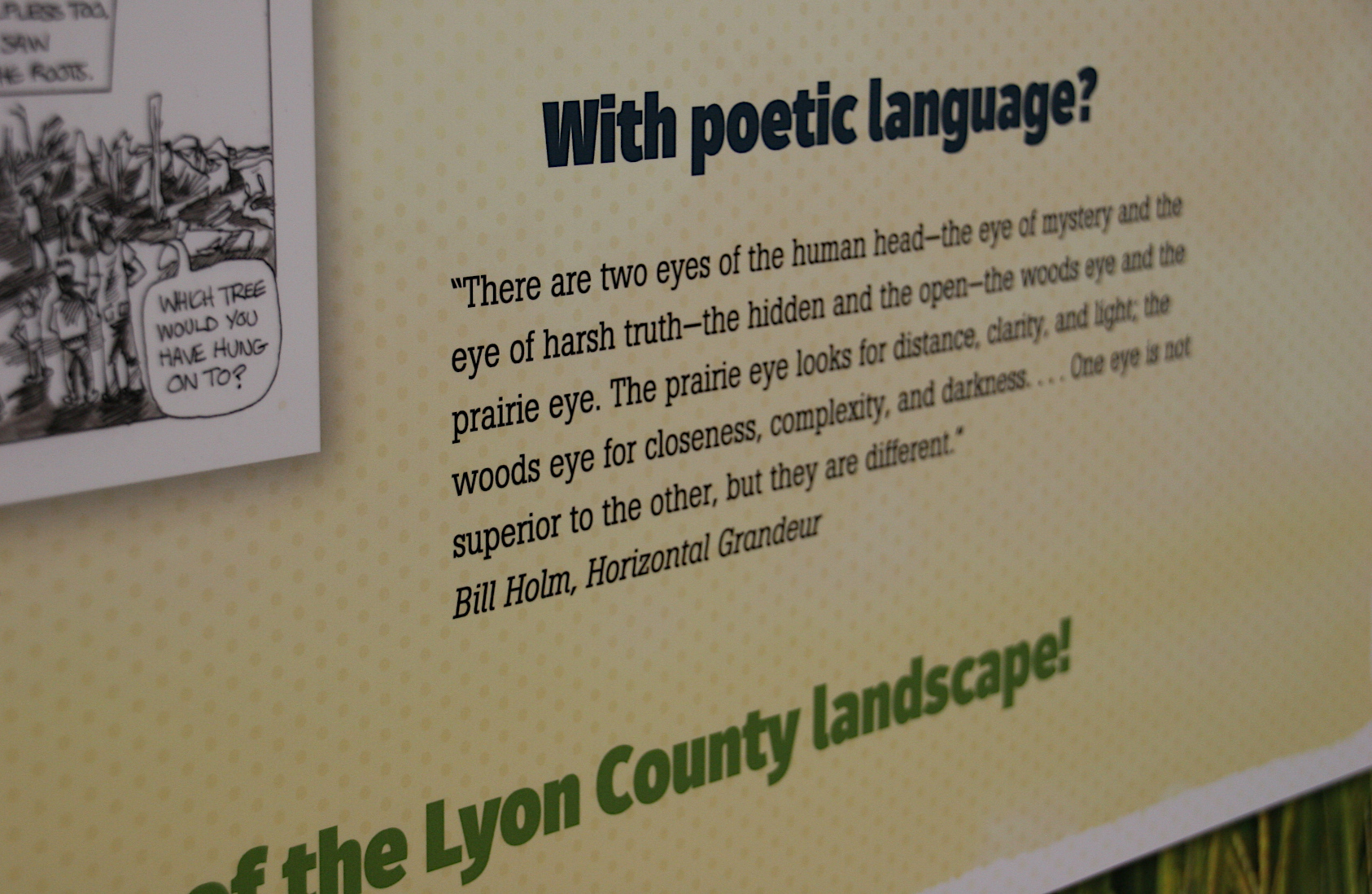
A fitting quote from Bill Holm. (Minnesota Prairie Roots copyrighted photo September 2022)

A quote from poet, essayist and musician Bill Holm of nearby Minneota, summarizes well the lens through which we prairie natives view the world and the creative process. The prairie eye looks for distance, clarity, and light…

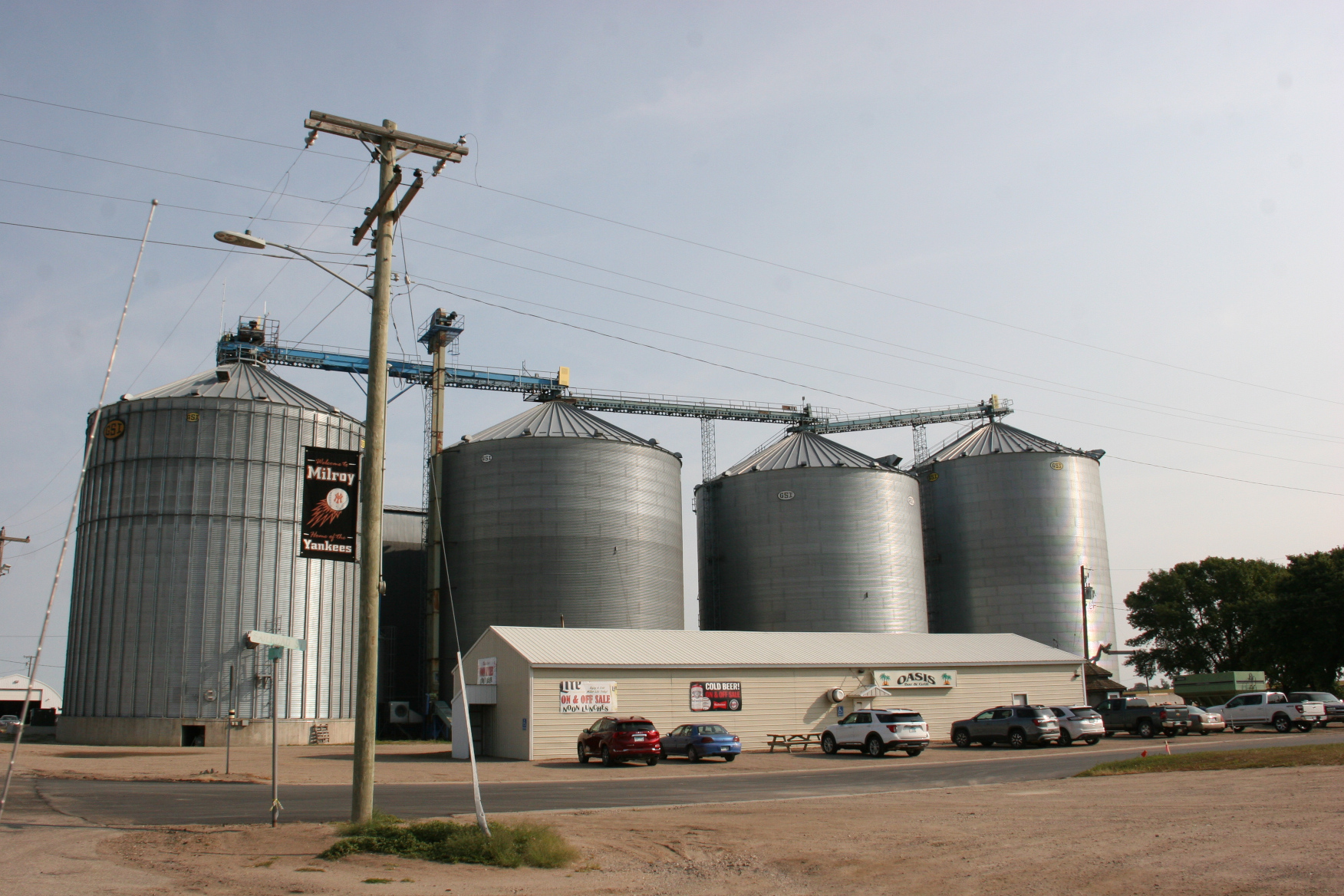
A grain complex and the Oasis Bar & Grill in Milroy, near Marshall. (Minnesota Prairie Roots copyrighted photo September 2022)

Holm, who died in 2009, was among southwestern Minnesota’s best-known writers, having penned poetry and multiple books such as his popular The Heart Can Be Filled Anywhere on Earth and Boxelder Bug Variations. His boxelder bug book inspired his hometown to host an annual Boxelder Bug Days, still going strong.

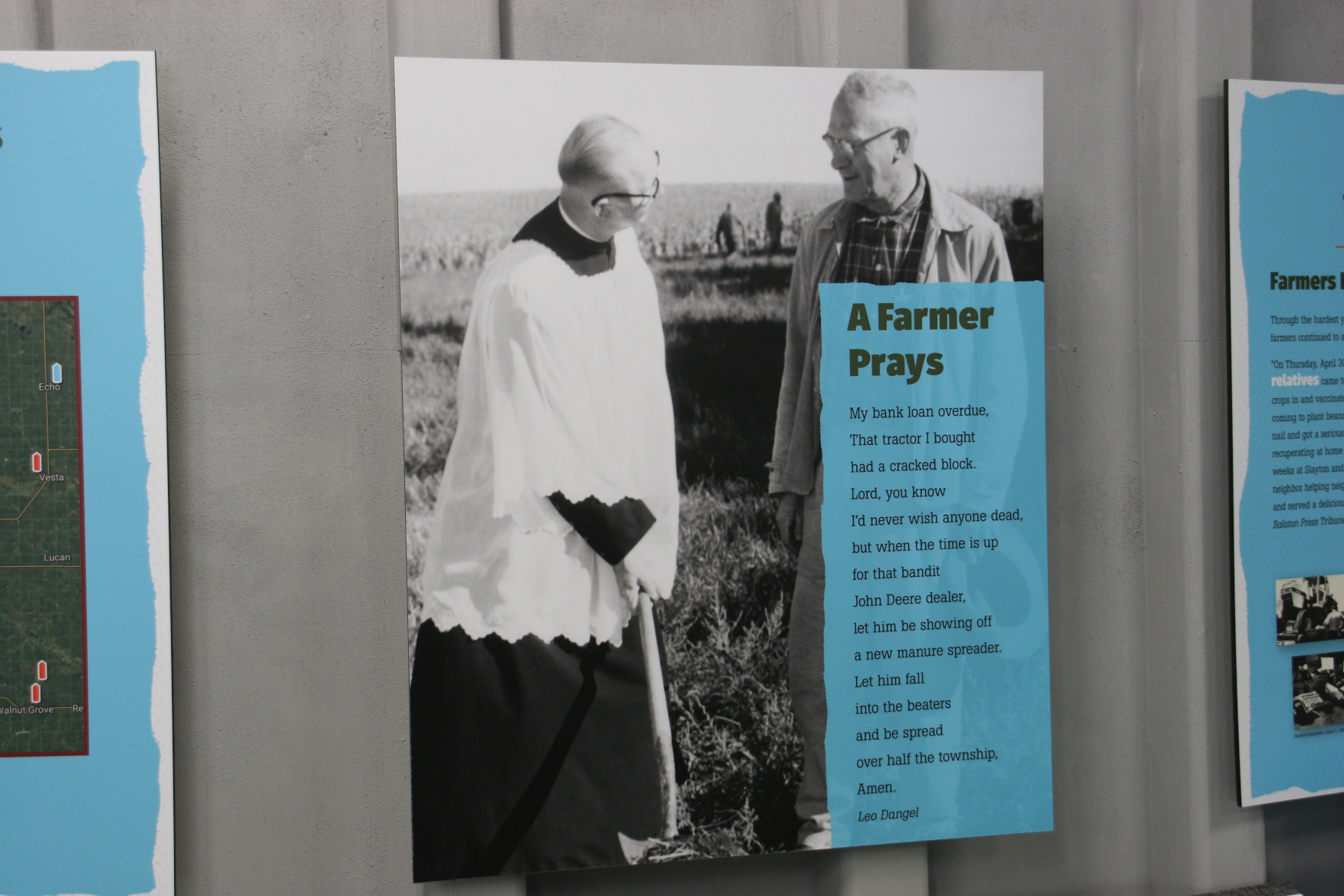
Poetry by Leo Dangel in the ag-focused part of the exhibit. (Minnesota Prairie Roots copyrighted photo September 2022)

To see my poems featured alongside the work of gifted writers like Holm and equally-talented poet Leo Dangel in the “Making Lyon County Home” exhibit was humbling. Dangel, who died in 2016, wrote six collections of poetry. The prairie and rural influence on his work show in the featured poems, “A Farmer Prays,” “A Clear Day,” and “Tornado.”

My poem honoring my mom… (Minnesota Prairie Roots copyrighted photo September 2022)

Both men taught English at Southwest Minnesota State University in Marshall, reaffirming their devotion to this rural region and to the craft of writing. The exhibit includes a section on the university, which opened in 1967 within 10 years of my leaving the area to attend college in Mankato. I sometimes wonder how my writing would have evolved had I stayed and studied on the prairie.

A serene country scene just north of Lamberton in southern Redwood County, which is right next to Lyon County. (Minnesota Prairie Roots copyrighted file photo)

When I returned to Marshall for the first time in 40 years, nothing about the town seemed familiar. Time has a way of changing a place. But when I reached the top floor of the county museum, saw my poems and began to peruse the “home” exhibit, I felt like I was back home. Back home on the prairie, among cornfields and farm sites and grain elevators and all those small towns that dot the landscape. Back home under a wide prairie sky with land stretching beyond my vision. Back home where I understand the people. Back home in the place that influenced my writing as only the prairie can for someone rooted here.

#

Please check back for more posts featuring the Lyon County Museum and the area.

The ode honoring my mother initially published in South Dakota State University’s 2017 literary journal, Oakwood.

And the poem about my father was chosen as a “Work of Merit” at the 2014 Northwoods Art & Book Festival in Hackensack.

© Copyright 2022 Audrey Kletscher Helbling


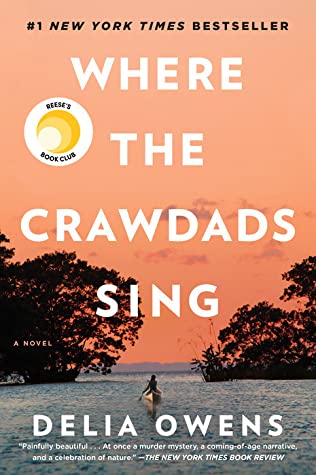
The poetry of “Where the Crawdads Sing” April 8, 2022

Image source: goodreads

IF I HADN’T CAUGHT the news flash in an entertainment segment on an early morning TV show recently, I doubt I would have read Where the Crawdads Sing by Delia Owens. But I did. And the book proved so riveting that I didn’t want to put it down. You know the type of book, when you stay up past your bedtime to read.

Published in 2018, this New York Times fiction bestseller, releases in July as a movie. So I suppose my timing in reading this is about right. Not that I will see the film. Big screen versions, after I’ve read a book, usually disappoint. Plus, I am not a movie-goer; the last time I went to a movie (three years ago), I walked out and asked for a refund (which I got).

All that aside, that I read Where the Crawdads Sing in April, National Poetry Month, is also fitting. More on that in a bit.

First a summary: Set along the coastal marshes of North Carolina, this book tells the story of young Kya, beginning in 1952. Her family abandons her and she grows up, isolated, alone, connecting with nature. Known to locals as “Marsh Girl,” she reads poetry to gulls, boats through the marshland, immerses herself in learning and studying and documenting the surrounding natural world.

In following her story, which is much more complicated than someone living alone in a remote location, I learned a lot about an area of the US I’ve never even come close to visiting. That includes the many birds which focus Kya’s attention. It’s good for me to stretch my reading wings to a region unfamiliar to me. To learn of landscape, sea life, culture, food, peoples and more in a focused time period, primarily 1960-1970.

The book broadens to include a mystery—the death of a well-known young man from the coastal town of Barkley Cove. Even the name of that community sounds foreign to my Minnesota ears. His life intertwines with Kya’s and that’s what left me wanting to stay up late reading.

Themes of abuse, abandonment, isolation, misconceptions, meanness, prejudice, privilege and small town narrow-mindedness thread through the pages of Where the Crawdads Sing. Love, too.

Author Delia Owens also weaves poetry into pages in poems quoted. Poems by Emily Dickinson. By Pulitzer Prize-winning poet James Wright, who taught in Minnesota at the University of Minnesota and Maclester College. By Amanda Hamilton (there’s a surprise). A fisherman named Scupper proclaims his love of poetry, declaring that poems “make ya feel something.” He’s right.

I encourage you to read this book for the story, the strong sense of place and, yes, for the poetry.

TELL ME: Have you read Where the Crawdads Sing? If yes, what are your thoughts and will you see the movie?

© Copyright 2022 Audrey Kletscher Helbling


Celebrating poetry: Reflections from a Minnesota poet April 4, 2022

Roses from my husband, Randy. (Minnesota Prairie Roots file photo 2012)

Roses are red,

violets are blue.

Sugar is sweet

and so are you.

RAISE YOUR HAND if that’s the first poem you ever read or heard. My right hand is wildly waving. See it, right there next to a mass of many many hands?

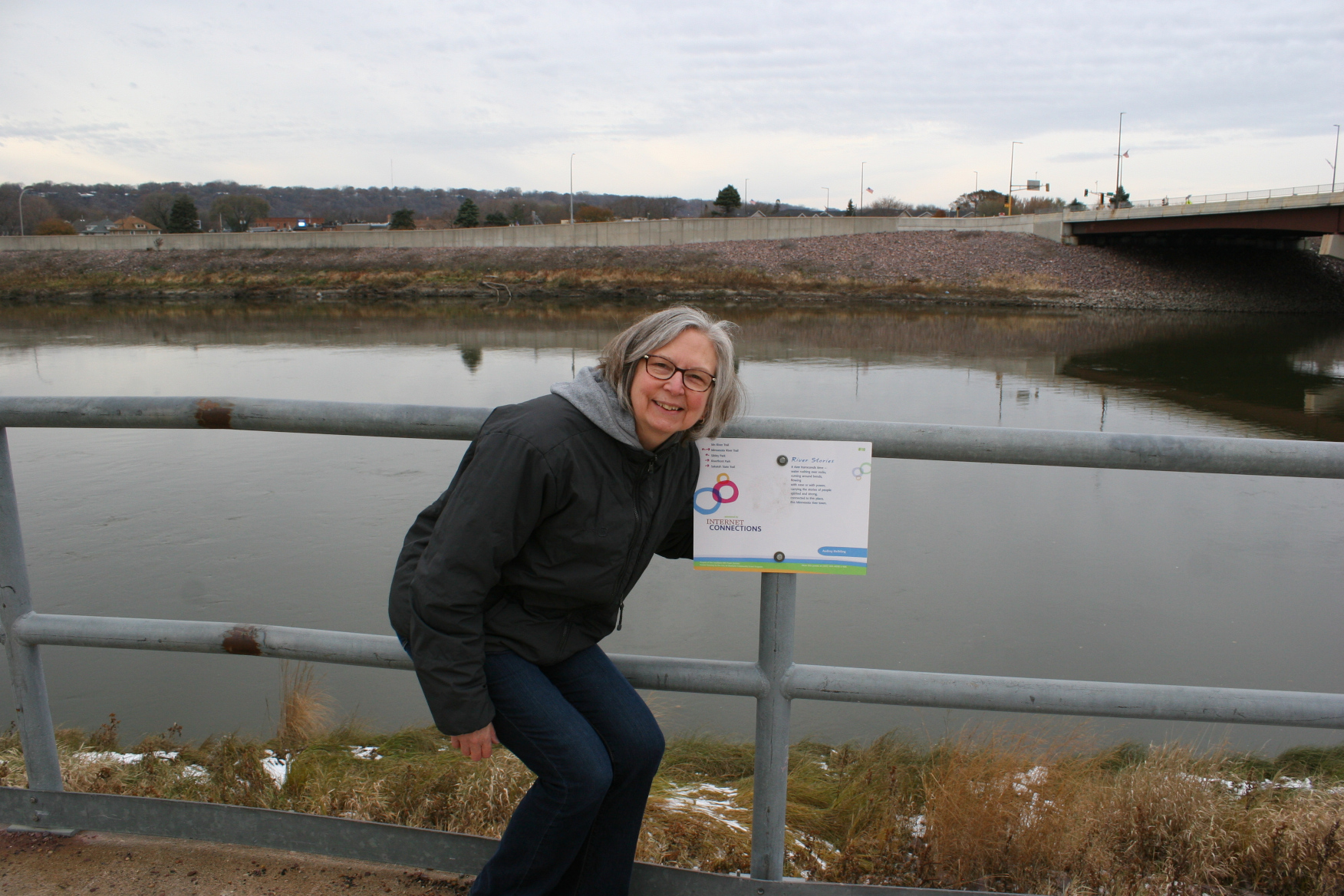
Me, next to my posted poem, “River Stories,” selected for the 2019 Mankato Poetry Walk & Ride. (Minnesota Prairie Roots November 2019 file photo by Randy Helbling)

Today, April 4, marks day four of National Poetry Month, which celebrates the importance of poetry in our culture and lives. Whether you like or dislike poetry, it holds value as a form of artistic expression, communication, storytelling, endearment…

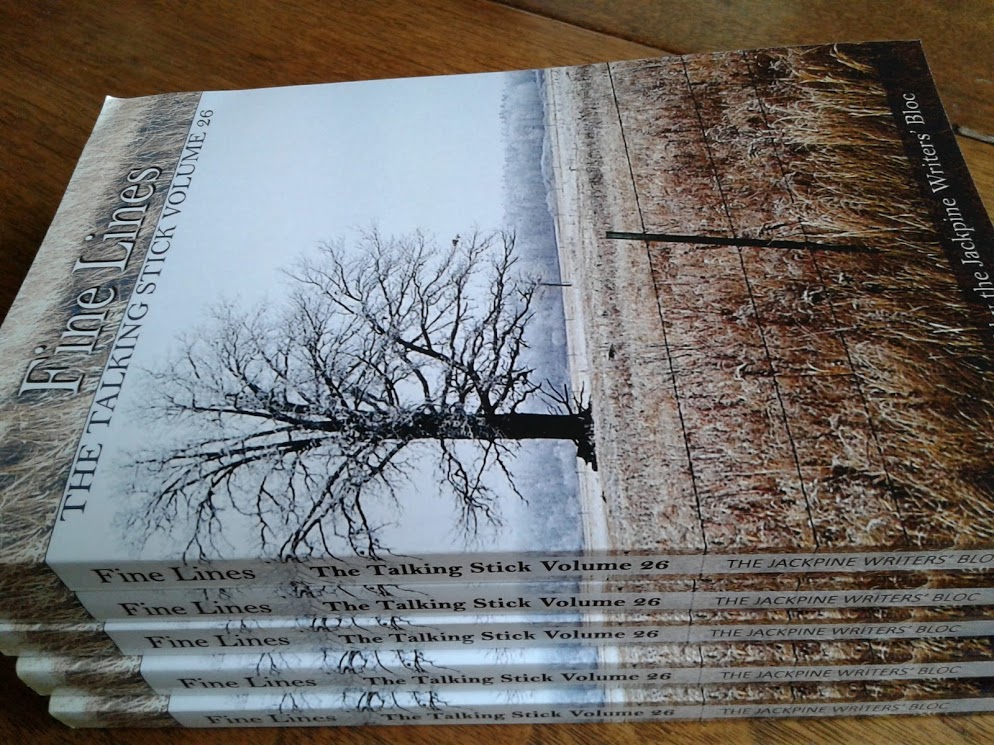
Many of my poems (plus short stories and creative nonfiction) have been selected for publication in The Talking Stick, an annual anthology published by the Jackpine Writers’ Bloc. (Minnesota Prairie Roots copyrighted file photo)

I am proud to call myself a poet. A published poet. How did I get there? I’ve always loved words, the song of language. Poetry is, I think, a lot like music. It carries a rhythm. A beat. A cadence. That comparison comes from a poet who can’t carry a tune, can’t read a musical note, can’t play an instrument.

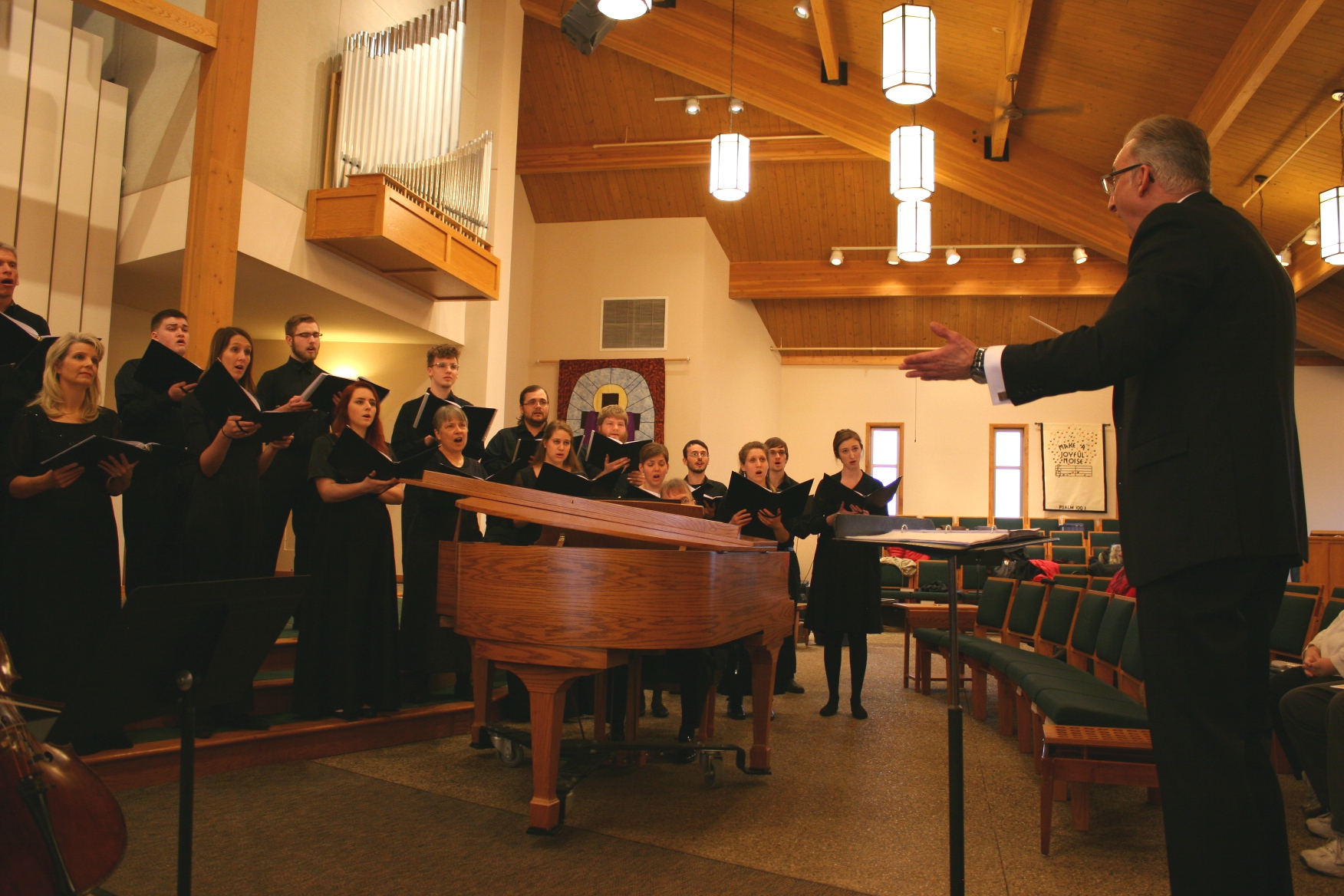
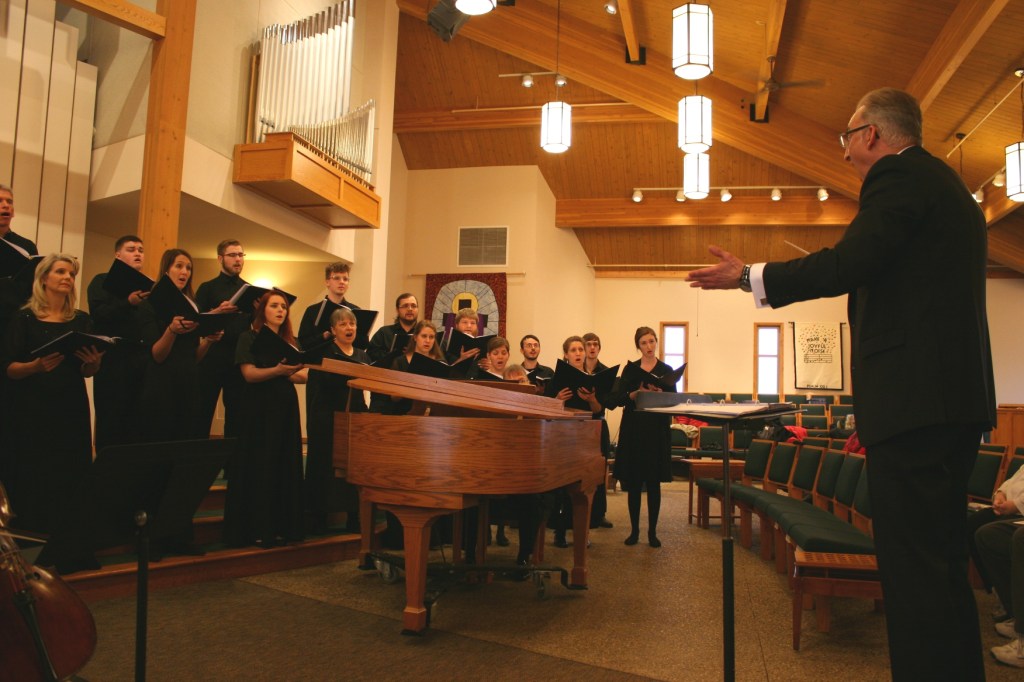
A Chamber Choir performs artsongs written from poems, directed by David Kassler. (Minnesota Prairie Roots file photo April 2017)

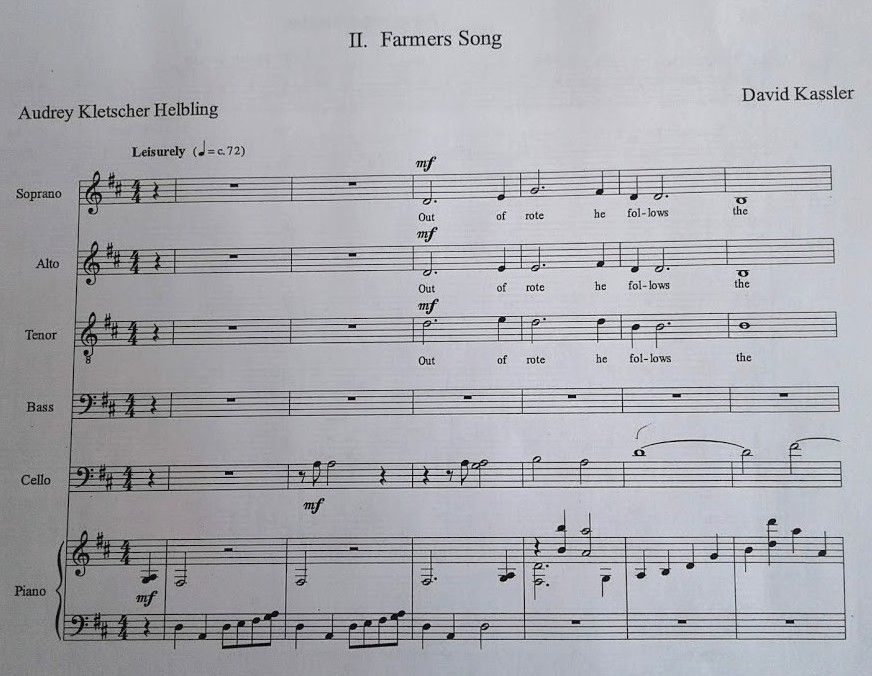
But in 2017, a chamber choir performed my poem, “The Farmer’s Song,” at two concerts in Rochester. David Kassler composed the music for my poem and six others as part of an artsong project. To sit in that audience and hear those vocalists sing my poem was overwhelmingly humbling. And validating.

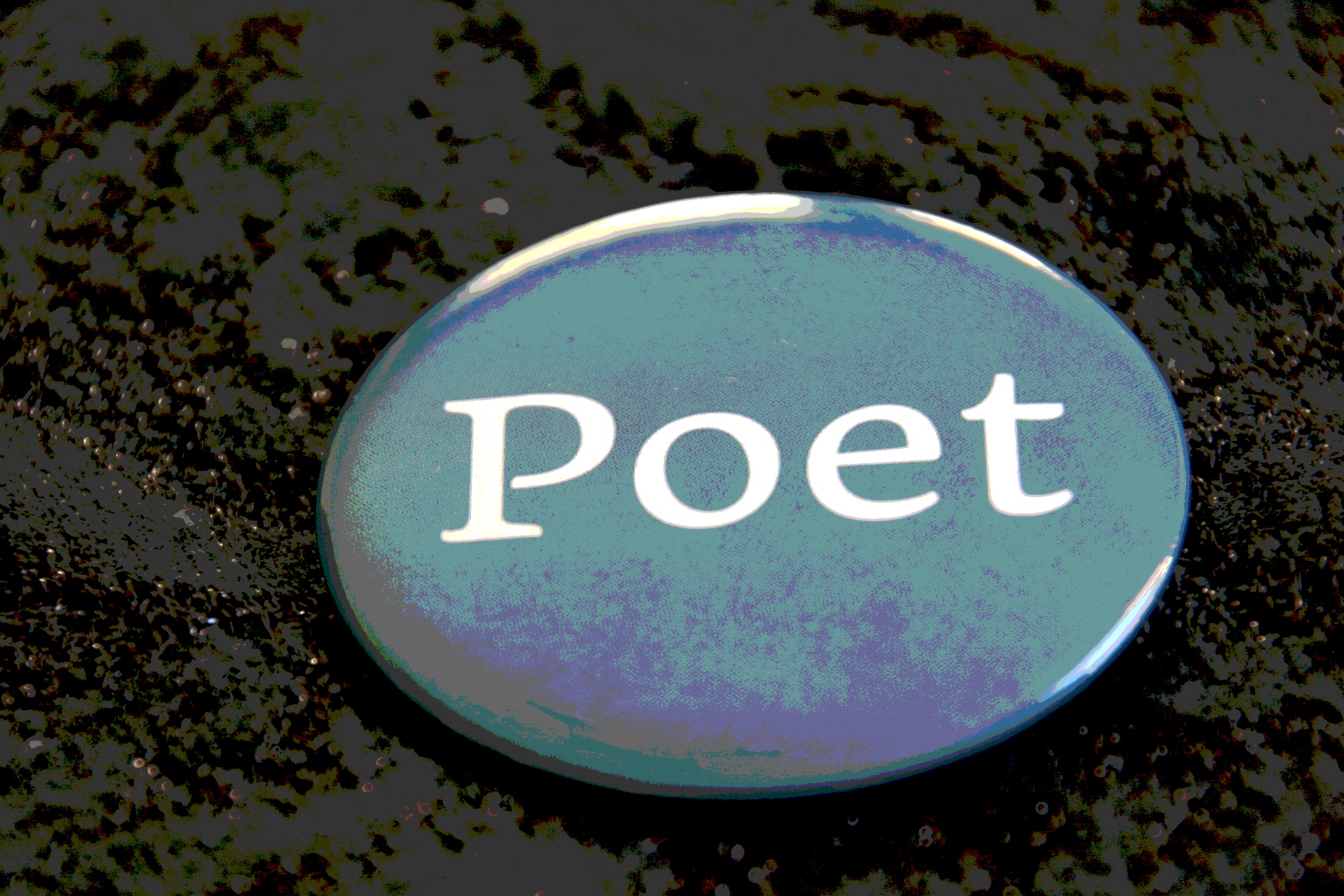
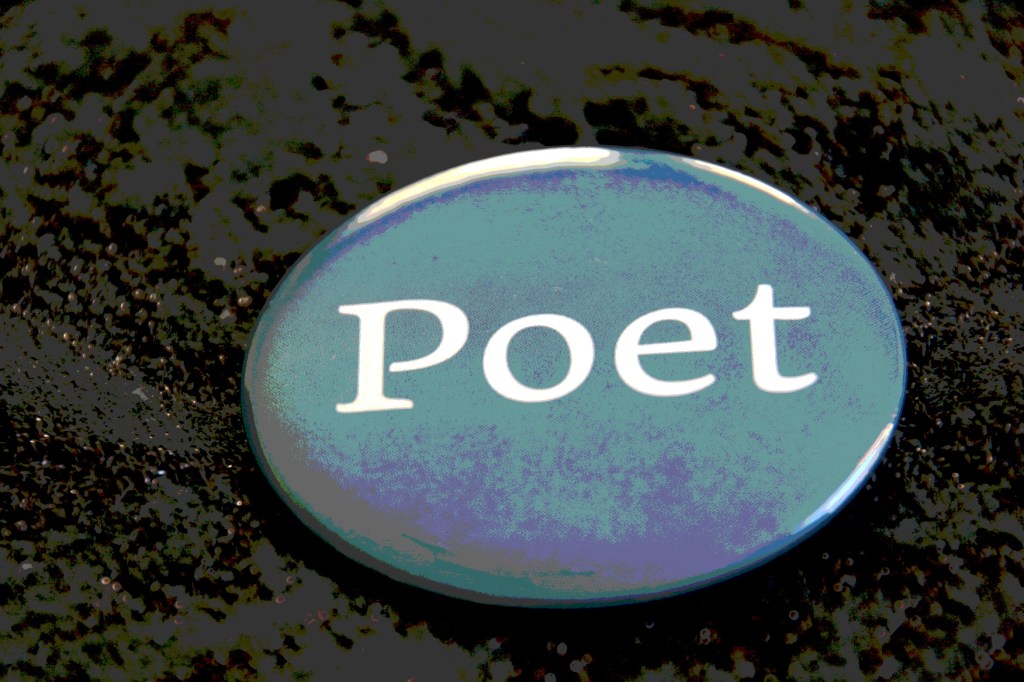
I took poetic license and photoshopped this image of the button I wore identifying me as a poet at a Poetry Bash. (Minnesota Prairie Roots copyrighted file photo)

I am a poet.

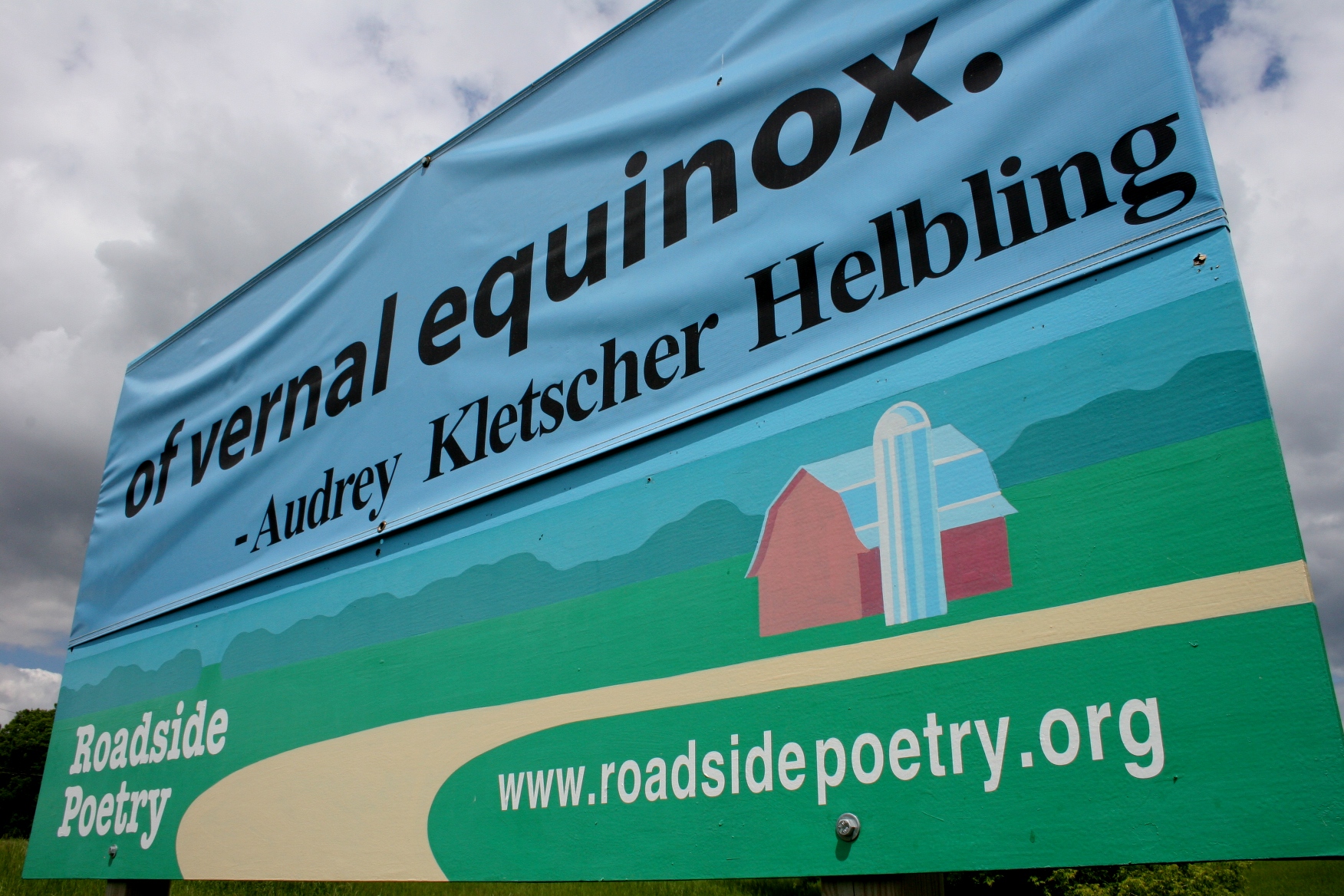
The last of four billboards featuring my Roadside Poetry spring poem. (Minnesota Prairie Roots file photo 2011)

My poetry has been published in newspapers, magazines, literary journals, anthologies… And in unexpected places. In 2011, my spring-themed poem bannered four billboards in Fergus Falls as part of the Roadside Poetry Project. Other poems have been posted on signs along trails as part of the Mankato Poetry Walk and Ride. “Ode to My Farm Wife Mother” is currently showcased in an exhibit at the Lyon County Historical Society Museum in Marshall, Minnesota, in my hometown area.

Jeanne Licari’s absolutely stunning interpretation of my “Lilacs” poem. Her “Lilacs on the Table” is oil on mounted linen. (Minnesota Prairie Roots copyrighted file photo May 2014)

Some of my poems have inspired art in Poet-Artist Collaborations, been aired on the radio and read by me at poetry readings.

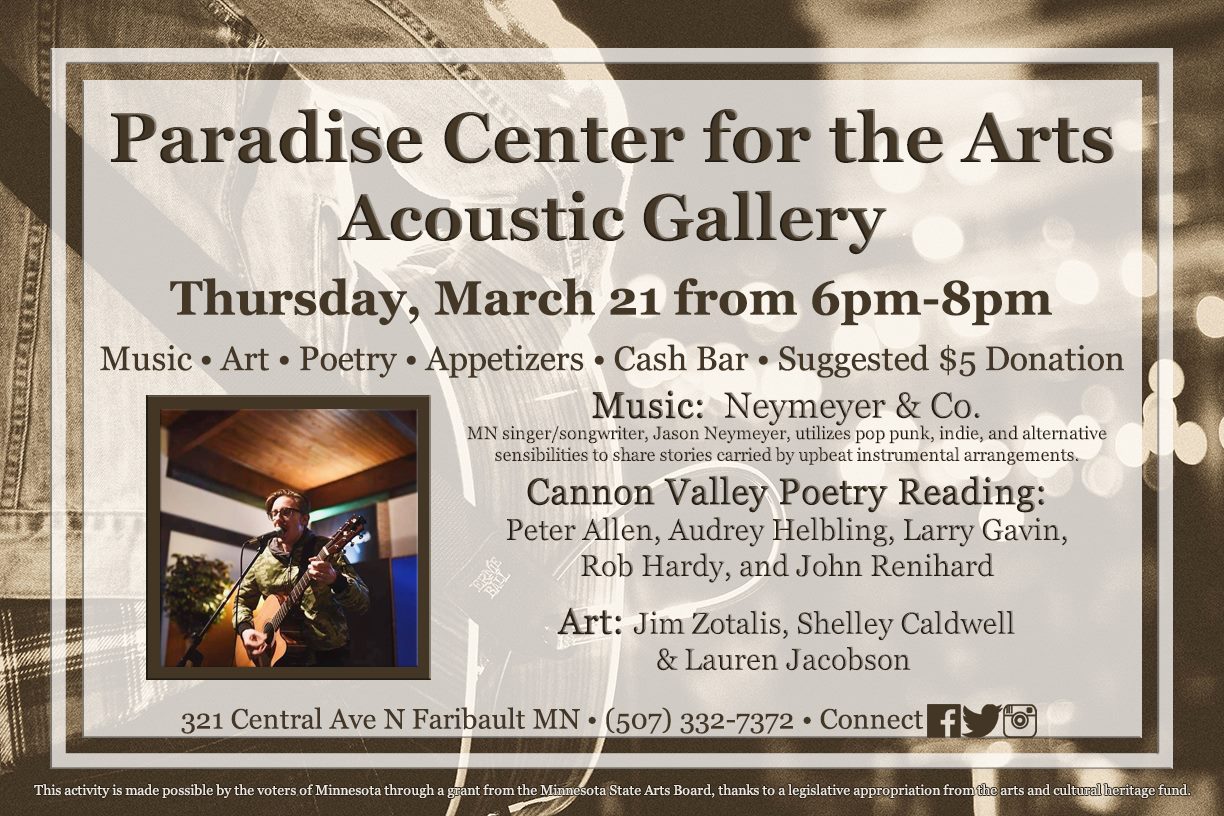
I read poetry at this event at my local arts center in March 2019. I was honored to read with other talented area poets. (Promo courtesy of the Paradise Center for the Arts)

Even I’m surprising myself at the volume of poetry I’ve crafted through the decades. I never set out to be a poet. It simply happened as an extension of my love of words, of language. And that undeniable need to express myself creatively. Unlike that “Roses are red…” introductory poetry of old, my poems do not rhyme.

My poem, “Ode to My Farm Wife Mother,” with accompanying photos (center of this photo) in the Lyon County exhibit. (Photo courtesy of the LCHS)

My poetry is like me. Unpretentious. Down-to-earth understandable. Flannel shirt and blue jeans. Honest. Detail-oriented. Rooted in the land with a strong sense of place and a story to be told.

TELL ME: What’s your opinion of poetry? Do you read it, like it, write it? I’d like to hear.

Please click on links in this post to read some of the poems I’ve written.

FYI: Content Bookstore, 314 Division St. S., Northfield, is hosting two Poetry Nights, both beginning at 7 pm. On Thursday, April 7, Northfield poet Diane LeBlanc will read from her latest works. That includes her new poetry book, The Feast Delayed. Northfield Poet Laureate Rob Hardy and poet Greta Hardy-Mittell will read from their latest works also. Hardy’s newest poetry collection, Shelter in Place, just released.

© Copyright 2022 Audrey Kletscher Helbling


An aha moment while reading poetry January 15, 2019

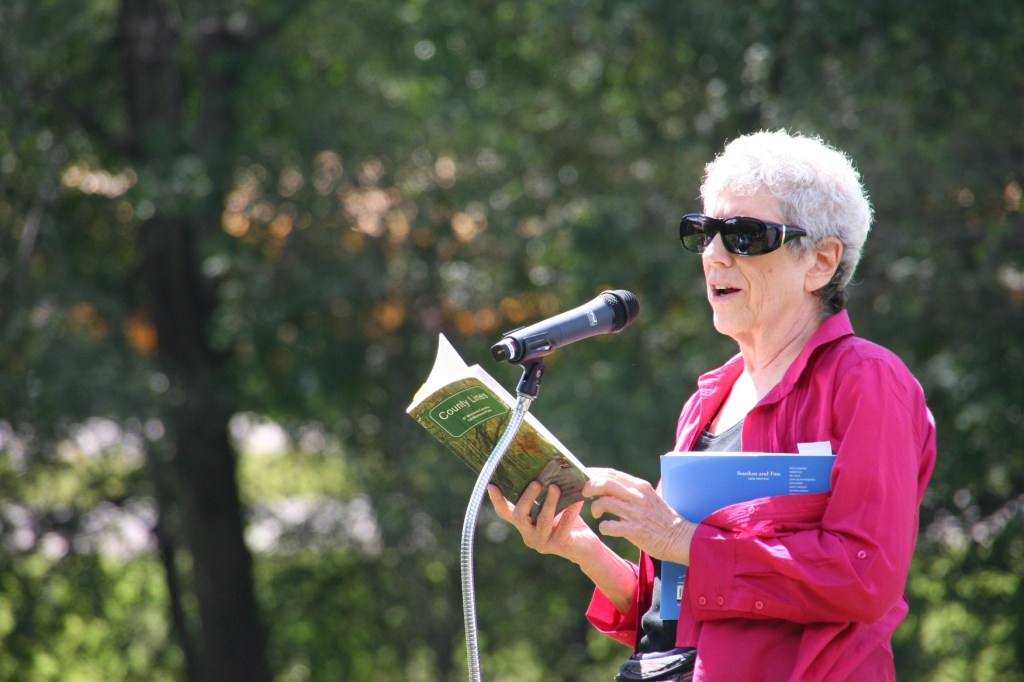
Mira Frank reads the works of published Minnesota poets, here from County Lines during an event at the Treaty Site History Center in St. Peter in August 2016. I also read. Minnesota Prairie Roots file photo 2016.


MANY TIMES I’VE READ my poetry aloud at events. I’m not a fan of public speaking. But it’s getting easier to stand before an audience and share what I’ve written. Practice helps.

When I read six poems at Content Bookstore in Northfield several days ago, I experienced a real connection with the audience. I don’t know if it was the intimate setting in a cozy independent bookstore or the people in attendance or the poems I selected or my frame of mind. Probably all. But something clicked that made me realize my poetry meant something to those hearing it.


Five of my works (poetry, fiction and creative nonfiction) published in Volume 26 of The Talking Stick, Fine Lines.


This proved a profound moment—to recognize that words I crafted into poetry sparked emotional reactions. I had created art. Literary art.

People laughed when I read a poem about my 40th high school class reunion and selecting “Dead Skunk in the Middle of the Road” as our class song.


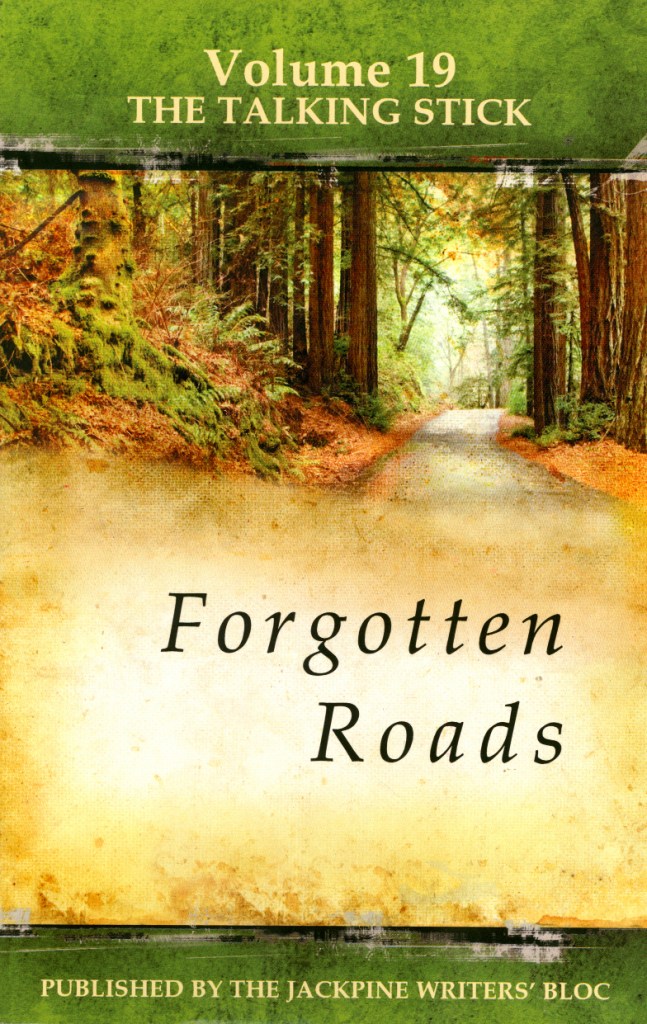
TS 19 in which my poem, “Hit-and-Run,” received honorable mention.


But, when I read an especially powerful, personal poem titled “Hit-And-Run,” I observed facial expressions change to deep concern, even fear. I struggled to get through the poem about my son who was struck by a car in 2006. I glanced at his then middle school science teacher sitting in the audience and remembered the support she gave our family. When I finished the final lines of the poem with an angled police car blocking the road to my boy, I sensed a collective sadness. I felt compelled to tell the audience, “He was OK.”

After that, I composed myself to read four additional poems. I read with inflection, with all the emotion a writer feels when writing a poem. I unleashed those feelings into spoken words. Words that, when verbalized, hold power beyond print. Poetry, I understood, is meant to be read aloud to fully appreciate its artistic value.

© Copyright 2019 Audrey Kletscher Helbling


Faribault poets reading at Northfield bookstore January 8, 2019

I took poetic license and photoshopped this image of the button I wore identifying me as a poet at a poetry event. Minnesota Prairie Roots file photo.


POETRY. For some, the word likely holds memories of high school English assignments that sparked deep angst. Write poetry. Read poetry. Nope, don’t wanna. But you had to in order to pass a class.


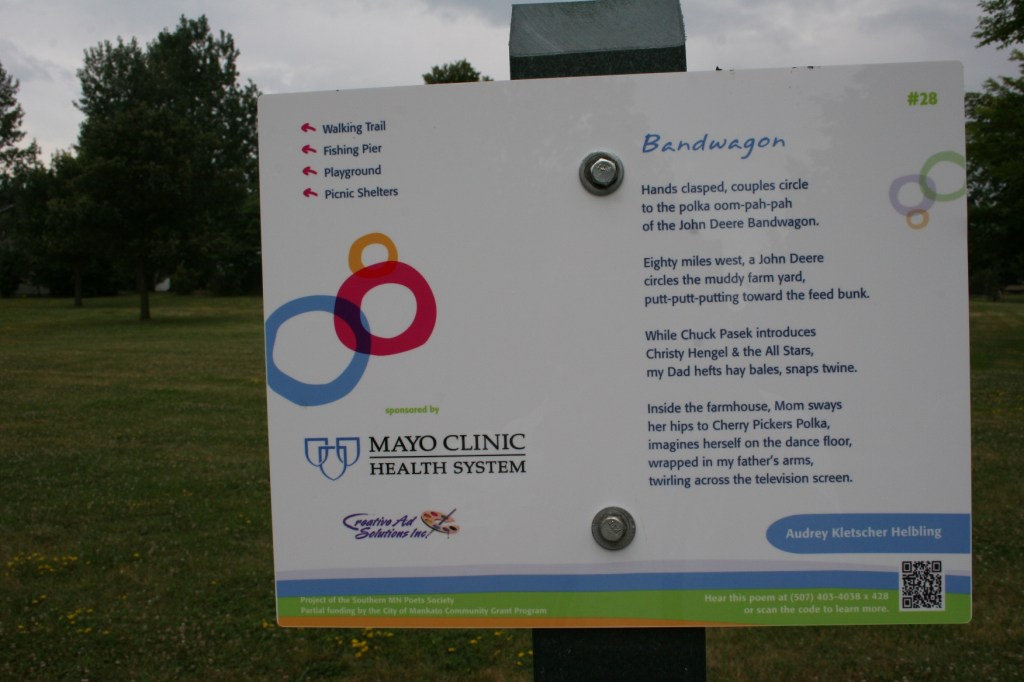
My poem, “Bandwagon,” selected several years ago for inclusion in the Mankato Poetry Walk & Ride. Minnesota Prairie Roots file photo.


As a poet, I understand that the poetry of yesteryear wasn’t always that appealing. Too many rules existed with way too much rhyming verse. Poetry today, that I like. I better. I write poetry.

Thursday evening I will be among five Faribault-connected poets featured in an informal Poetry Reading at Content Bookstore in downtown Northfield. Rob Hardy, Northfield’s 2018 Poet Laureate (isn’t that great?) is organizing the event which begins at 7 p.m., ends at 8:30 p.m.

Featured poets are Peter Allen, Larry Gavin, John Reinhard and Kristin Twitchell. We will each read for 10 minutes. I’ve previously been connected with every one of these poets.


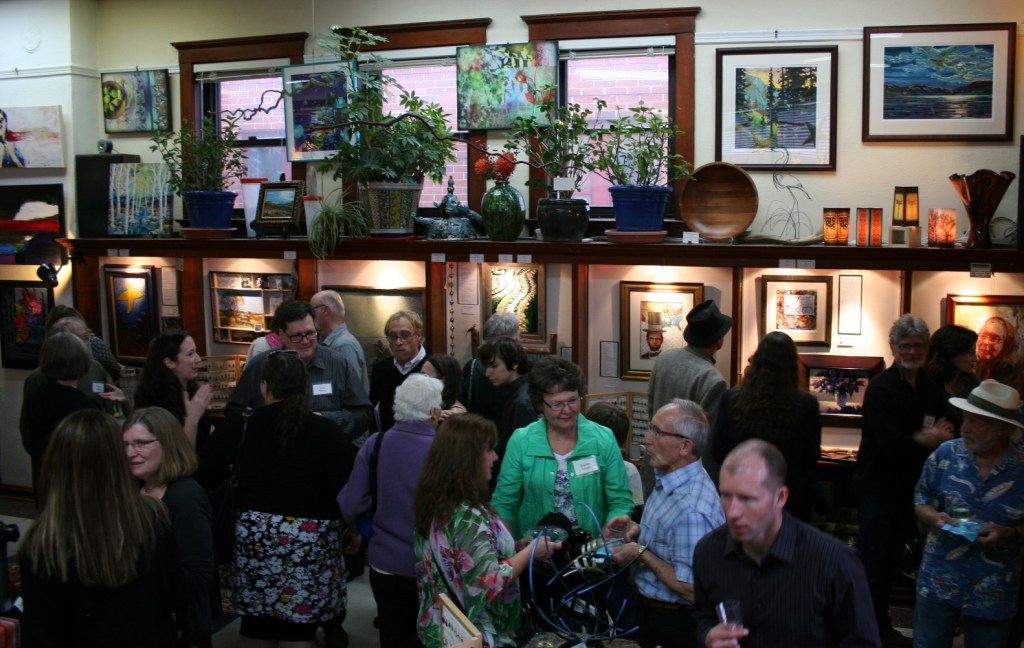
It was shoulder to shoulder people at a poet and artist reception at Crossings in April 2014. Minnesota Prairie Roots file photo.


Let’s start with Peter Allen, a prolific poet who has self-published two poetry books and has been published in several anthologies. Peter and I first met at Crossings at Carnegie in Zumbrota where we’ve both had our poetry featured in the Poet-Artist Collaboration, an annual pairing of poetry and visual art. Peter and I also presented together several years ago in a poetry reading at the local library.


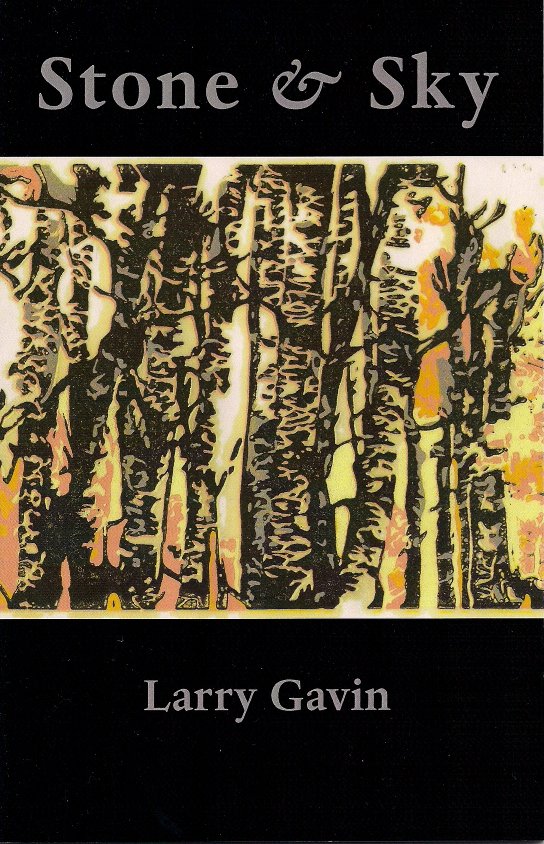
A collection of Larry’s poetry published by Red Dragonfly Press. File photo.


Larry Gavin and I initially met at Faribault High School, where he teaches English. All three of my kids were in his classes. Larry writes down-to earth descriptive poetry with a strong sense of place. Place connects us. Larry, for awhile, lived in my native southwestern Minnesota. He understands the prairie and I see its influence, and that of the natural world in general, in his writing. Red Dragonfly Press has published three collections of his poetry. One other thing about Larry—he has the most incredible voice for reading poetry.


A Chamber Choir performs artsongs written from poems. Song writer David Kassler directs.  Minnesota Prairie Roots file photo.


The connection I share with John Reinhard, who teaches at South Central College in Faribault and who has authored two poetry collections, comes in a concert. Several years ago, a Rochester musician chose our poems and those of several others to write into artsongs performed by a Chamber Choir. What an incredible experience.


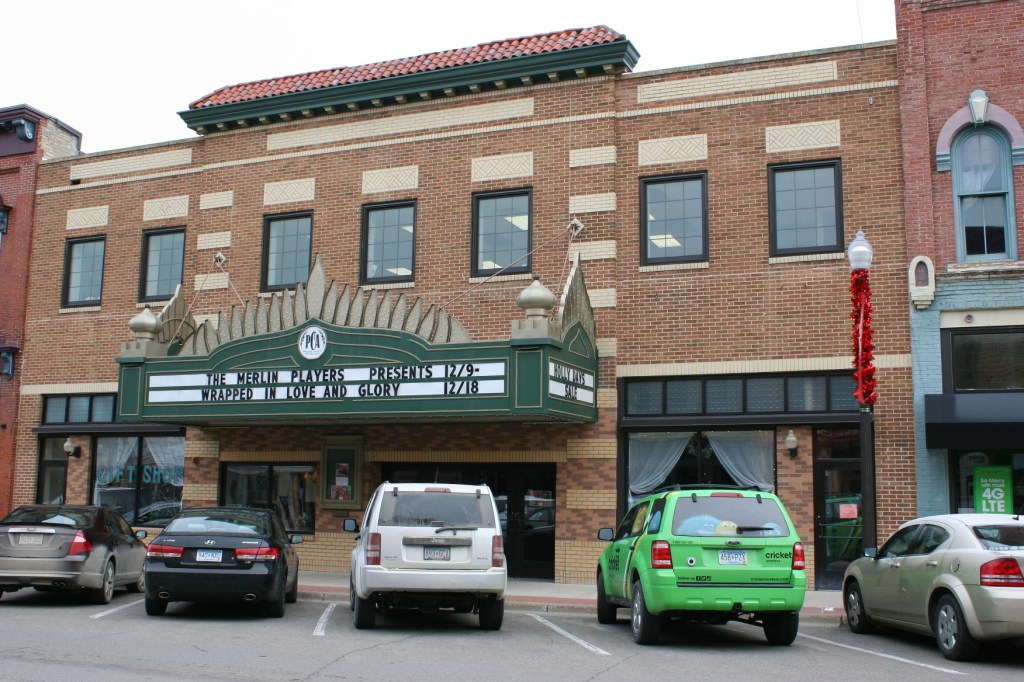
The historic Paradise Center for the Arts. Minnesota Prairie Roots file photo.


Finally, my link to Kristin Twitchell comes not through poetry but via her role as executive director of the Paradise Center for the Arts in Faribault. We’ve spoken many times and I’ve seen her numerous times at Paradise events. I look forward to hearing the poet side of Kristin.


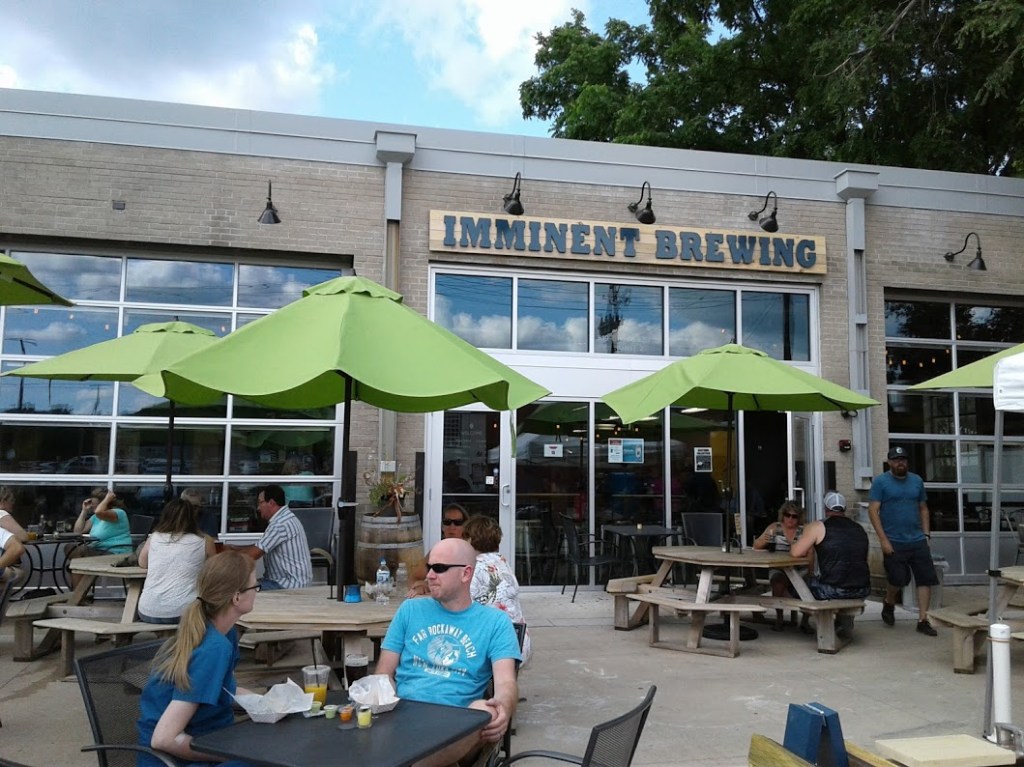
The patio outside Imminent Brewing Company in Northfield, Minnesota. Minnesota Prairie Roots file photo.


Then there’s event organizer, poet laureate Rob Hardy. We met awhile back at Imminent Brewing in Northfield during an open mic beer poetry reading. Yup, write a poem about beer and then stand up and read it. There won’t be any beer at Thursday’s bookstore reading. But be assured you’ll hear some good poetry read by some talented writers. With treats served afterward. And poetry books for sale.

© Copyright 2019 Audrey Kletscher Helbling


Bringing poetry to the people in Mankato & I’m in January 19, 2018


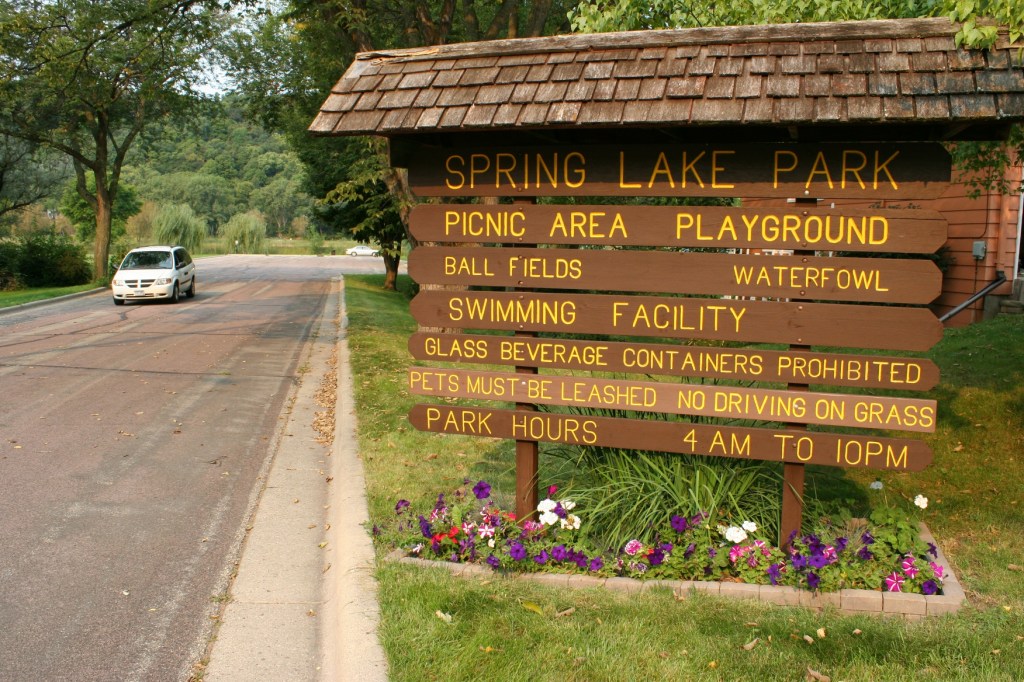
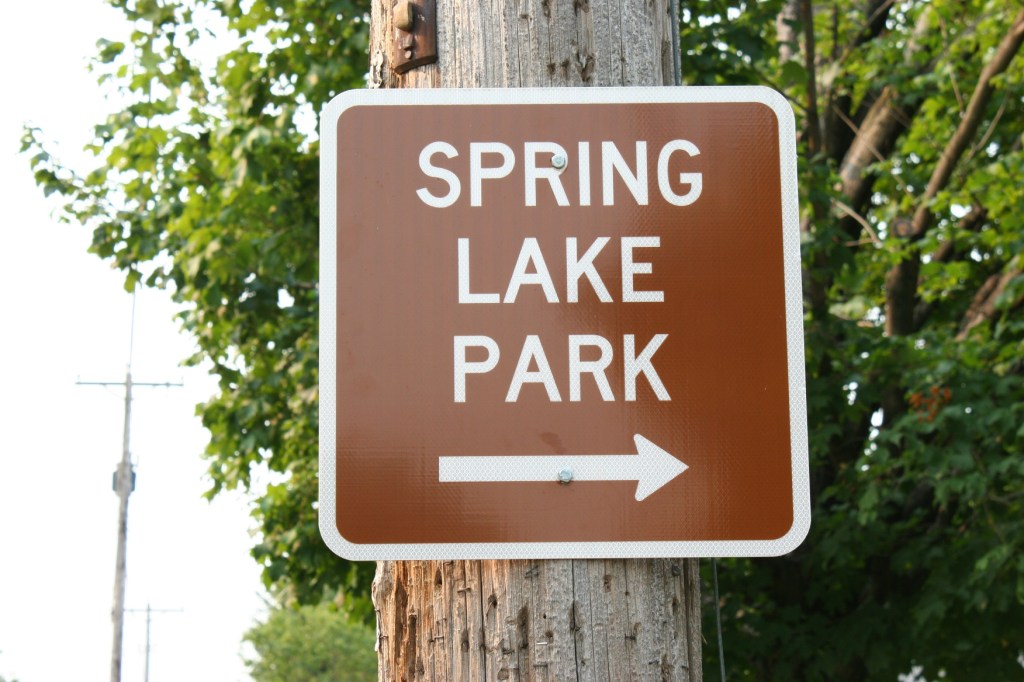
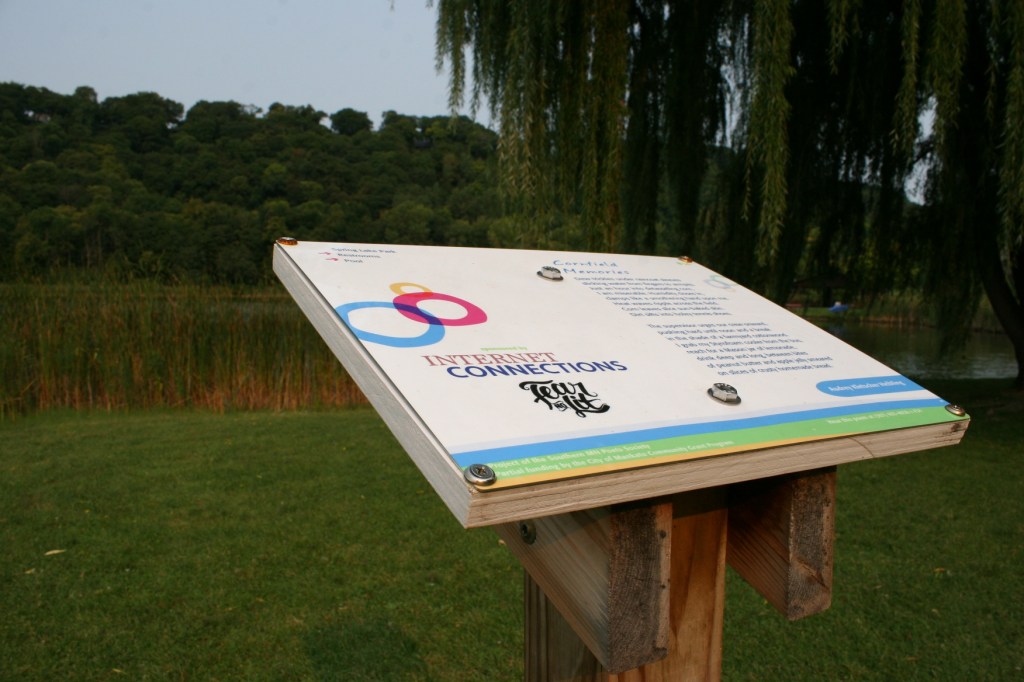
NEARLY SIX MONTHS have passed since I stopped at Spring Lake Park in North Mankato to view my poem posted there as part of the Mankato Poetry Walk & Ride.


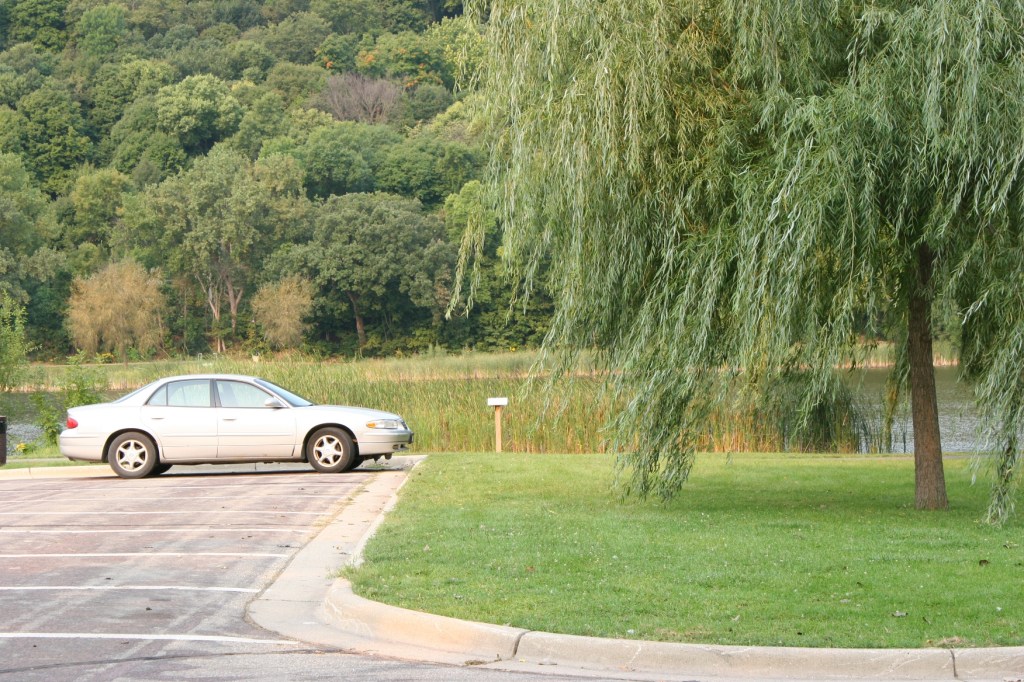
The post just to the front left of the car holds a sign with my poem printed thereon.


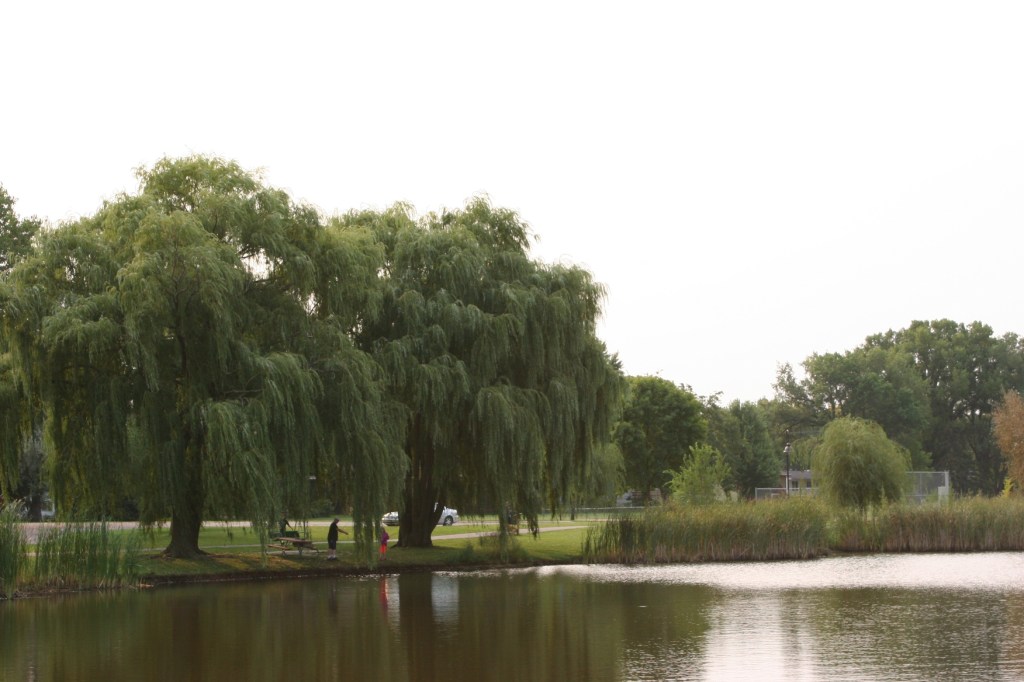
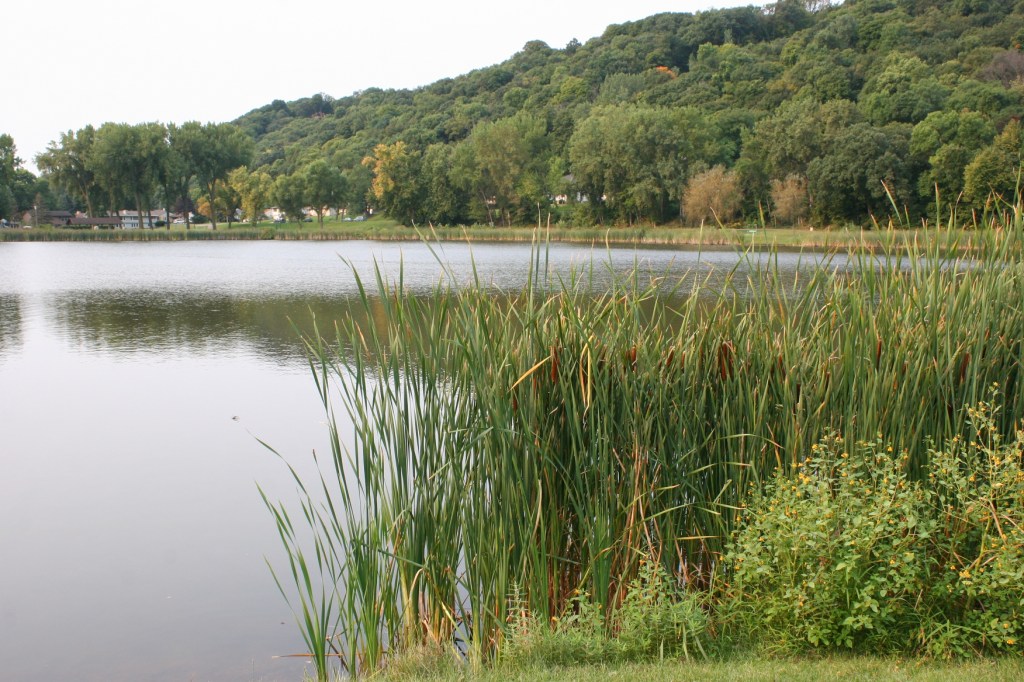
Looking back across the lake toward the willows and my nearby poetry sign.


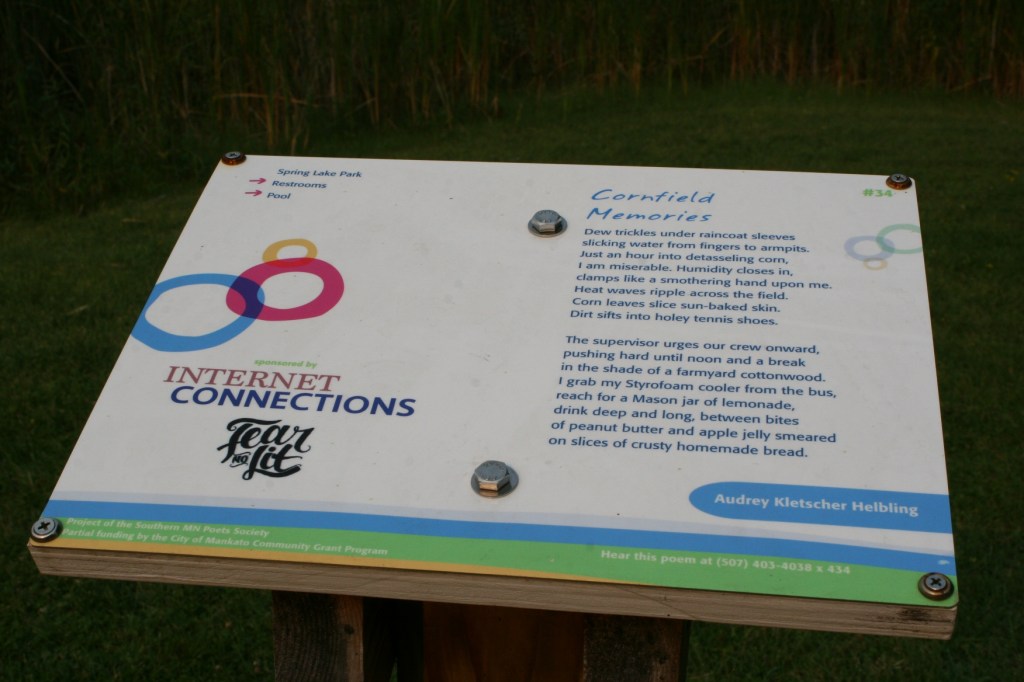
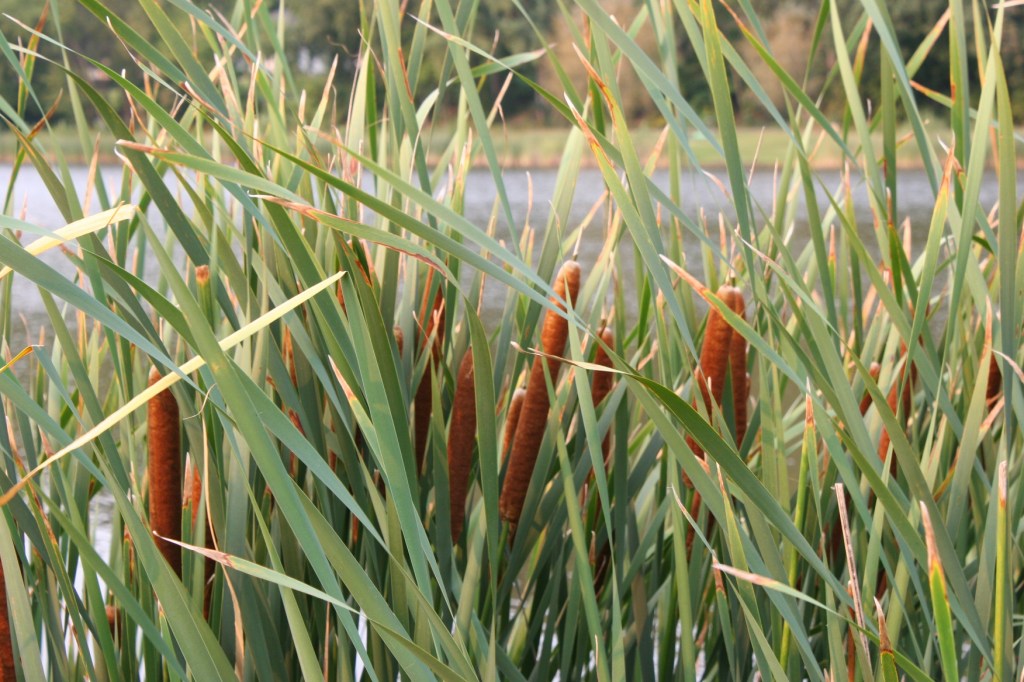
Located at the edge of a parking lot next to a trail and within a stone’s throw of drooping weeping willows, my award-winning poem about detasseling corn contrasts with the tranquil setting of lake and lawn separated by bullrushes flagged by cattails.


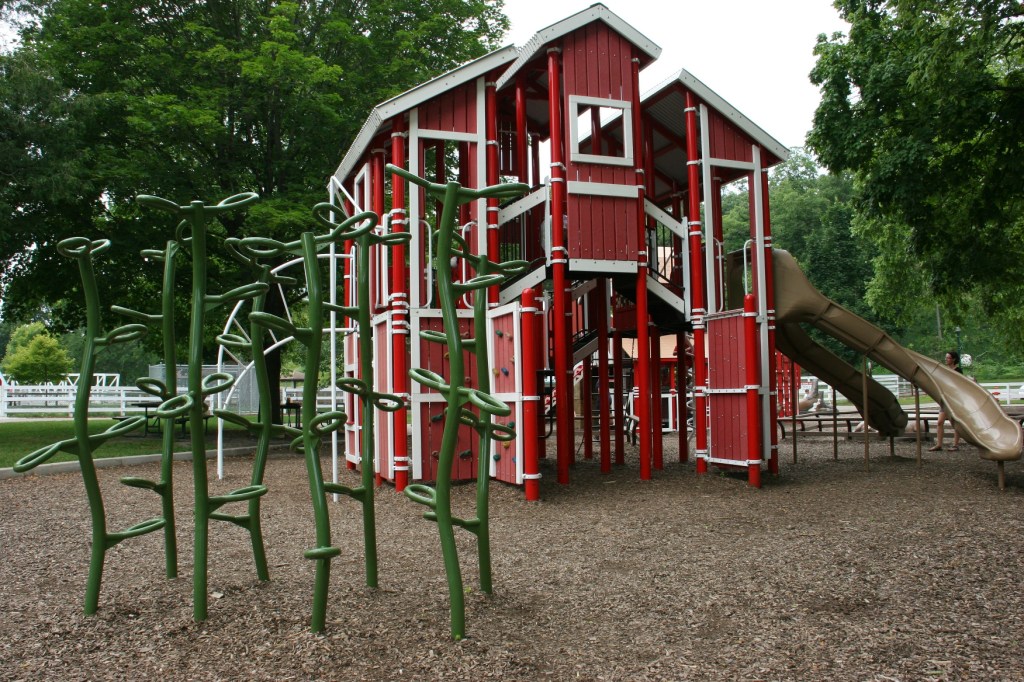
The Sibley Farm playground inside Sibley Park features these cornstalk climbing apparatus. Minnesota Prairie Roots file photo.


The poem may have been more appropriately placed next to cornstalk climbing apparatus at the Sibley Farm playground in Mankato’s Sibley Park.


A beautiful setting for poetry.


Still, I am grateful for this opportunity to get my poetry out there in a public place. This placement of selected poems along recreational trails and in parks in Mankato and North Mankato brings poetry to people in an approachable and everyday way. That is the beauty of this project—the accessibility, the exposure in outdoor spaces, the flawless weaving of words into the landscape.


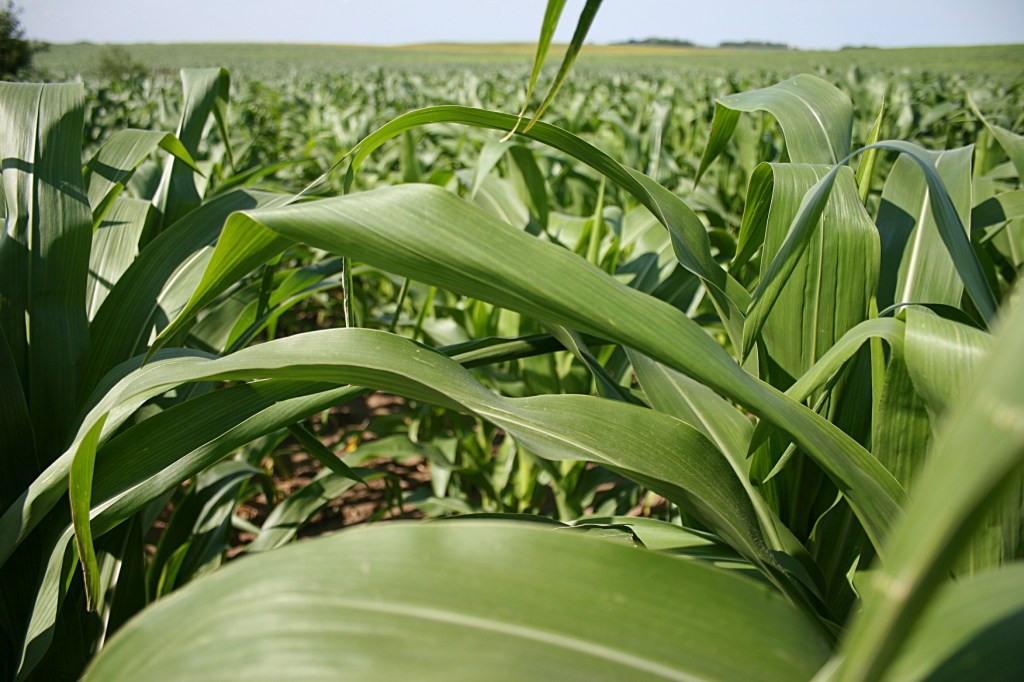
Inside a southern Minnesota cornfield. Minnesota Prairie Roots file photo.


My poem, as with much of my writing, reflects a strong sense of place. In Cornfield Memories, I take the reader into a southwestern Minnesota cornfield to experience detasseling corn, a job I worked several summers as a teenager. It’s hard work yanking tassels from corn stalks in the dew of the morning and then in the scorching sun of a July afternoon. All for $1.25/ hour back in the day.


My poem, Bandwagon, previously posted at Lion’s Park in Mankato as part of a previous Mankato Poetry Walk & Ride. Minnesota Prairie Roots file photo 2014.


My poem shares rural history, a story, an experience. Just as my past poems—The Thrill of Vertical, Off to Mankato to “get an education” and Bandwagon—selected as part of previous Mankato Poetry Walk & Ride contests did.


I value public art projects like the Mankato Poetry Walk & Ride. Not only as a poet, but as an appreciator of the literary arts. Poetry doesn’t need to be stuffy and mysterious. And this project proves that.

I’D LIKE TO HEAR your thoughts on bringing poetry to the public in creative ways like this. Have you seen a similar project? Would you stop to read poems posted in public spots?

NOTE: All photos were taken in early September, within weeks of the 2017 Poetry Walk & Ride poems being posted.

© Copyright 2018 Audrey Kletscher Helbling


In concert from Rochester: “The Farmer’s Song” & six other poems April 1, 2017


IT IS MY PLEASURE to present to you a video that includes “The Farmer’s Song,” my poem performed last weekend at two concerts in Rochester.

Click here to listen to a Choral Song Cycle by David Kassler on Texts of Minnesota Poets. I read my poem at about 39 minutes followed by a Chamber Choir singing “The Farmer’s Song” with cellist and pianist accompaniment. This concert was held at Good Shepherd Lutheran Church.

To Rochester composer David Kassler and to all of the musicians, thank you for this gift of an artsong. Fueled by your musical passions and talents, you took my poem and crafted a moving tribute to the Minnesota farmer I remember. To share my rural roots in this way has been a truly joyful experience. And to be in the company of six other gifted poets was also an honor.

Thank you.

The Farmer’s Song

Out of rote he follows the path from house to barn,
from barn to shed, steel-toed boots beating a rhythm
upon the earth, into this land which claims his soul.

He reaches for the paint-chipped handle,
his grease-stained fingers connecting with worn metal
like hammer to nail in the movements of his day.

Farming defines the lyrics of his life written upon hands
that have measured yields, directed tractors, pitched manure,
stroked calves, performed seasons of backbreaking labor.

Inside the shed, as he latches wrench to bolt,
he ponders the final verses of his years, the songs he’ll sing
when age frays his memory, grips his hands in a hallelujah chorus.


FYI:  If you are a choral conductor interested in having this music performed by your ensemble. please contact David Kassler. He will work with you. Like Kassler, I would love to see these artsongs reach an even broader audience.

Click here to read my initial blog post about the concert.

A special thank you also to Park Rapids-based The Jackpine Writer’s Bloc for originally publishing “The Farmer’s Song” in the anthology In Retrospect, The Talking Stick, Volume 22.

© Copyright 2017 Audrey Kletscher Helbling


Featuring poetry in original songs at a Minnesota concert & I’m in March 28, 2017


INSIDE THE SANCTUARY of Good Shepherd Lutheran Church in Rochester, voices rose in poetic song while the composer/director focused with eyes intent, arms rising and falling in a mesmerizing rhythm.

From my aisle seat chair, I watched and listened, swept into details of the concert—the shape of a singer’s mouth, the hands of the cellist gliding bow across strings, the strength of the piano in a place with wonderful acoustics.


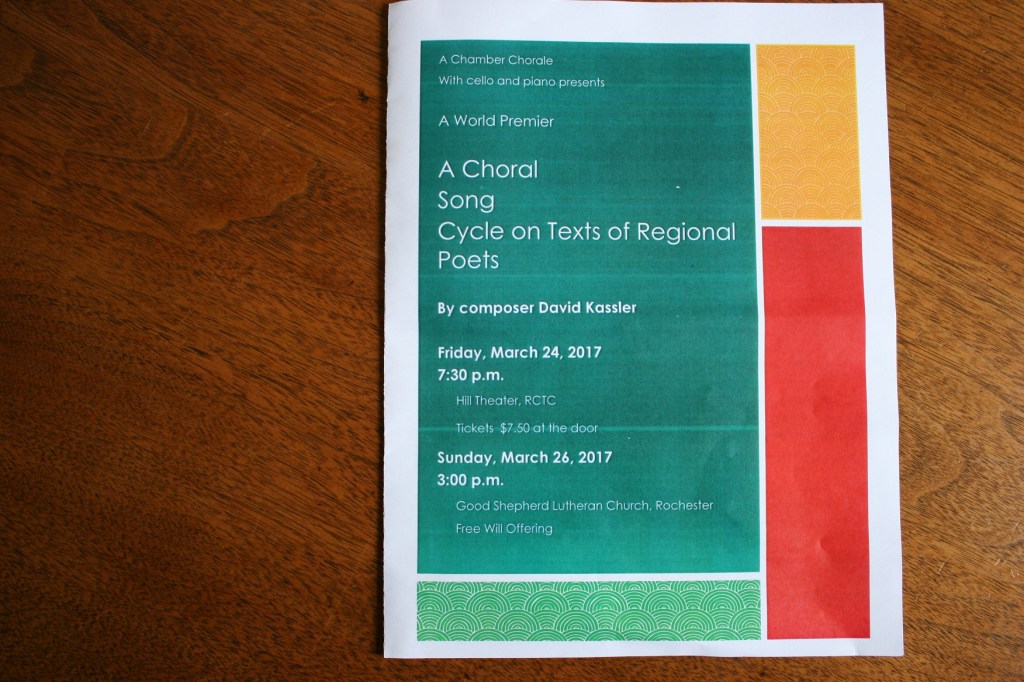
I listened, too, to the strong voices of poets who read or recited poetry with the practice of seasoned writers. I was one of them, reading my poem, “The Farmer’s Song,” selected for inclusion in the weekend world premiere of “A Choral Song Cycle on Texts of Regional Poets” at two concerts in this southeastern Minnesota city.

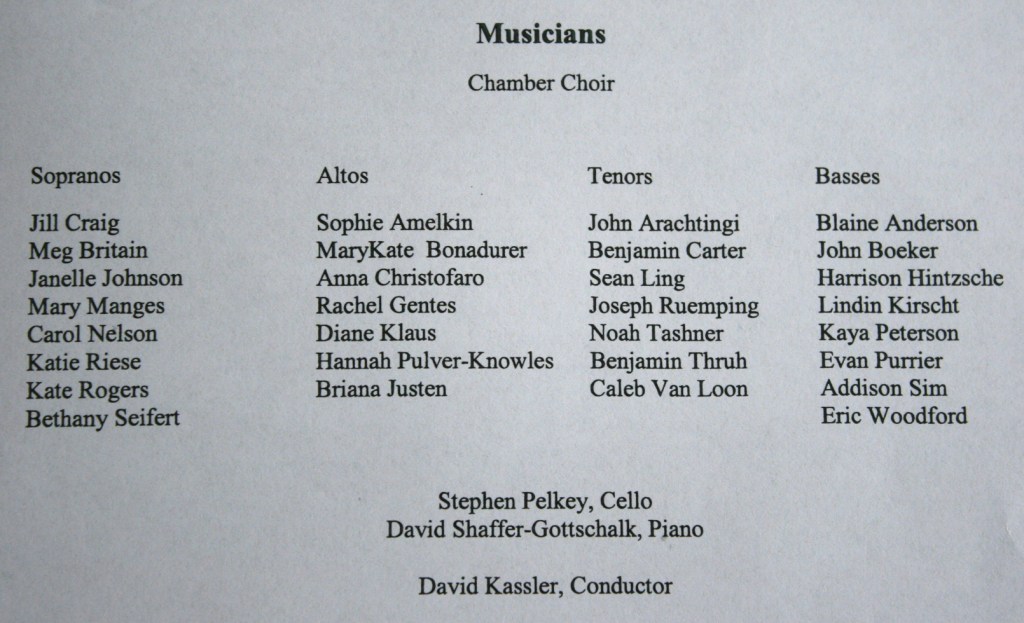
Rochester composer David Kassler crafted music for seven selected poems written by myself, Jana Bouma, Meredith Cook, Janelle Hawkridge, Robert Hedin, John Reinhard and Michael Waters. Mine was part of a Minnesotan Rondos trio: “The Famous Anoka Potato,” “The Farmer’s Song” and “The Old Scandinavians.”


To hear my rural-themed poem performed by an impressive and talented Chamber Chorale with accompaniment of an equally gifted cellist and pianist, was humbling and honoring. I am grateful for this unique opportunity as a poet.


When I consider music, I view it as poetry in the sound of instruments, in the lyrics, in the voices that sing, in the direction of the conductor, in the reaction of the audience. I received numerous positive comments on “The Farmer’s Song,” including that my poem reflects a way of life that is disappearing from rural America. It is. The small family farm and the intense backbreaking labor that once defined agriculture is mostly gone, replaced by automation, equipment and large farms.


Audrey Kletscher Helbling reading “The Farmer’s Song.” Photo by Randy Helbling


My inclusion in this particular project, funded through a Southeastern Minnesota Arts Council grant, is especially notable for me personally. I cannot read a single note of music. I never had the opportunity as a child growing up on a southwestern Minnesota dairy and crop farm to pursue anything musical. Yet, despite the absence of studied music in my life then, music was a part of the daily rhythm of farm life, expressed today in the poetry I write.


A scene from the 2012 Rice County Steam and Gas Engines Show. Minnesota Prairie Roots file photo 2012.


The Farmer’s Song

Out of rote he follows the path from house to barn,
from barn to shed, steel-toed boots beating a rhythm
upon the earth, into this land which claims his soul.

He reaches for the paint-chipped handle,
his grease-stained fingers connecting with worn metal
like hammer to nail in the movements of his day.

Farming defines the lyrics of his life written upon hands
that have measured yields, directed tractors, pitched manure,
stroked calves, performed seasons of backbreaking labor.

Inside the shed, as he latches wrench to bolt,
he ponders the final verses of his years, the songs he’ll sing
when age frays his memory, grips his hands in a hallelujah chorus.


FYI: The Friday evening “A Choral Song Cycle on Texts of Regional Poets” concert at Hill Theatre, Rochester Community and Technical College, was recorded and will be available soon for viewing online. I will share that link with you when it becomes available.

“The Farmer’s Song” originally published in In Retrospect, The Talking Stick, Volume 22, an anthology produced by Park Rapids based The Jackpine Writer’s Bloc.

© Copyright 2017 Audrey Kletscher Helbling