Minnesota Prairie Roots

Writing and photography by Audrey Kletscher Helbling
Stone & Sky October 27, 2011

LARRY GAVIN once lived in Belview.

So, you’re likely thinking, “What does that matter and who is Larry Gavin and where the heck is Belview?”

Well, dear readers, especially readers of poetry, Larry Gavin is a poet. He moved to Belview, a southwestern Minnesota prairie town of 375, to study writing with great writers like Howard Mohr, Leo Dangel, Fred Manfred, Joe and Nancy Paddock, Phil Dacey, Robert Bly, Bill Holm, Don Olsen and many others. Do you recognize some of those names? You should.

I’m not trying to be uppity here. But Bly, who was born in Madison (Minnesota, not Wisconsin) and still lives in the western part of our state, is one of Minnesota’s most distinguished poets. Holm, a well-known essayist, author and poet, wrote numerous books, including Boxelder Bug Variations. Up until his death, he lived in his prairie hometown of Minneota (Minnesota without the “s”), where residents celebrate Boxelder Bug Days. Howard Mohr penned How to Talk Minnesotan, a must-read for every transplant to our state.

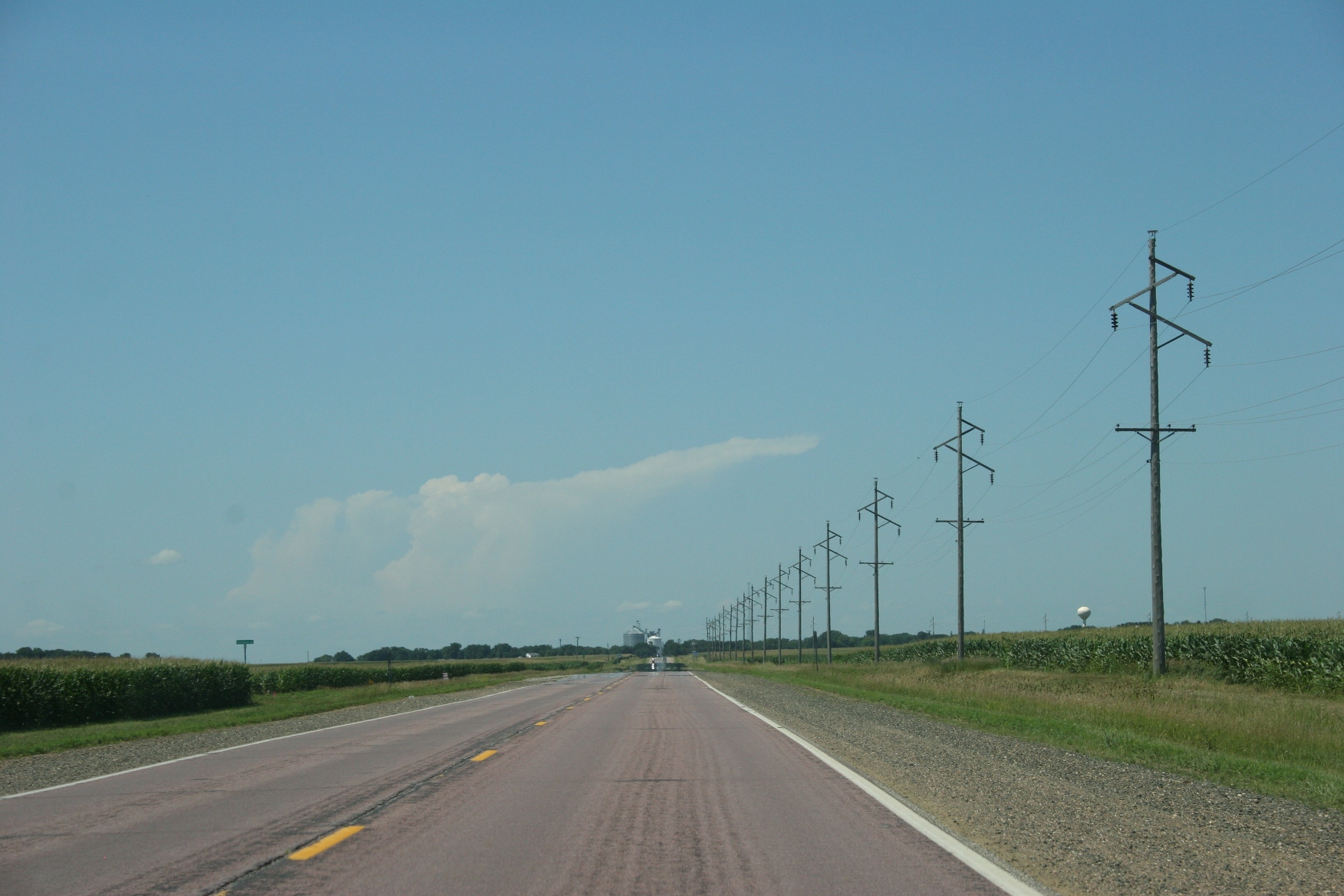
Driving through the southwestern Minnesota prairie near Morgan, about 25 miles from Belview.

Larry Gavin learned from these great writers of the prairie, where he lived for 15 years many years ago. Gavin made his home in Belview, just off State Highway 19 and some 10 miles or so from my hometown of Vesta. He served as the town’s mayor for two terms and taught English at Redwood Valley High School, back then Redwood Falls High School.

It is that connection to my home area and our shared love of language and writing and of the prairie that has connected me to Gavin, who today lives in Faribault and teaches English at Faribault High School. At least one of my daughters, if not both, has been taught by him.

We both won Roadside Poetry competitions–Gavin the first in 2008 and me, this past spring–and had our four-line poems showcased on billboards in Fergus Falls.

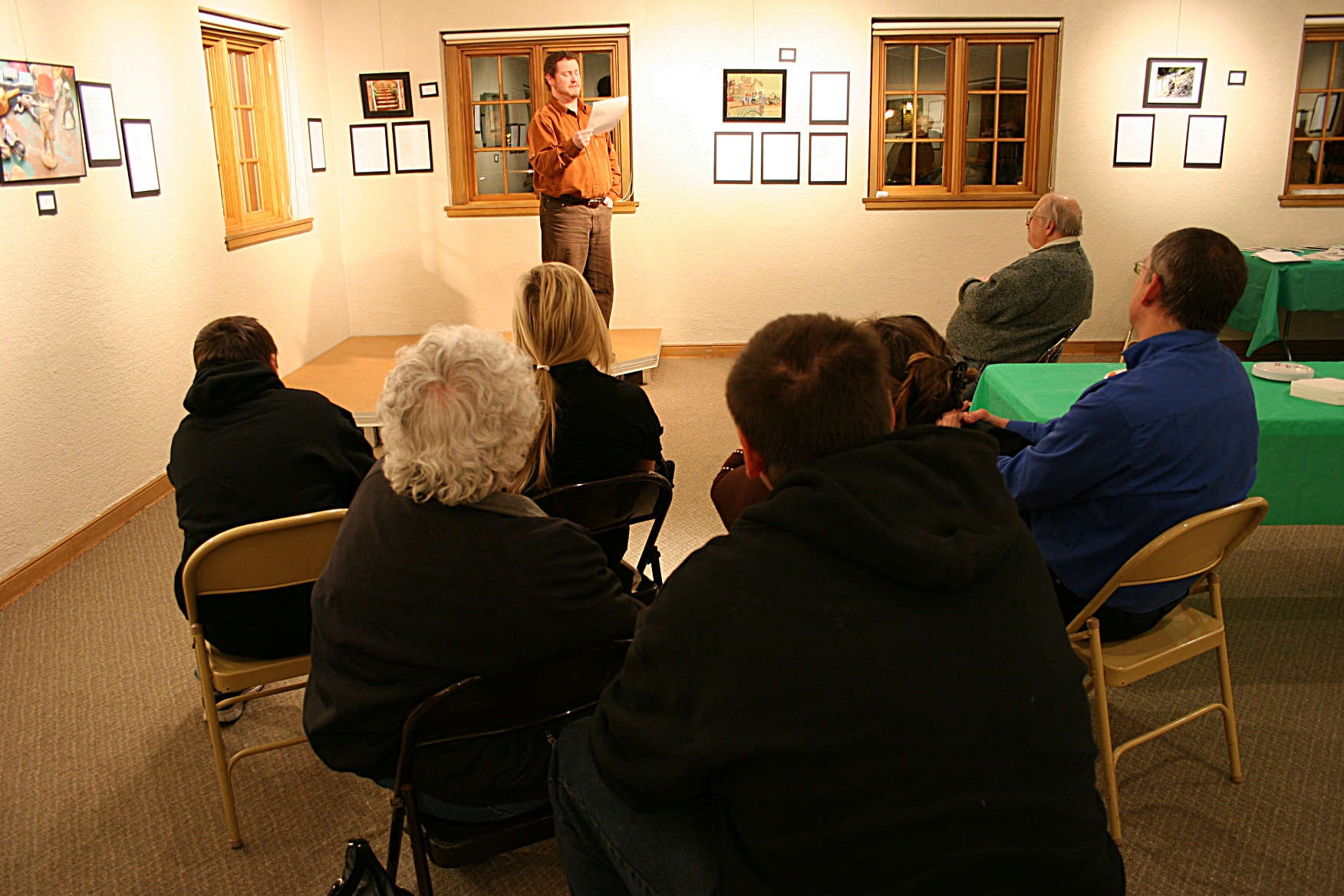
I once asked Gavin to read one of my poems at a local author event. Gavin is meant to read poetry. He has the kind of rich, deep voice from which words flow with the rhythm and inflection of someone who clearly loves language.

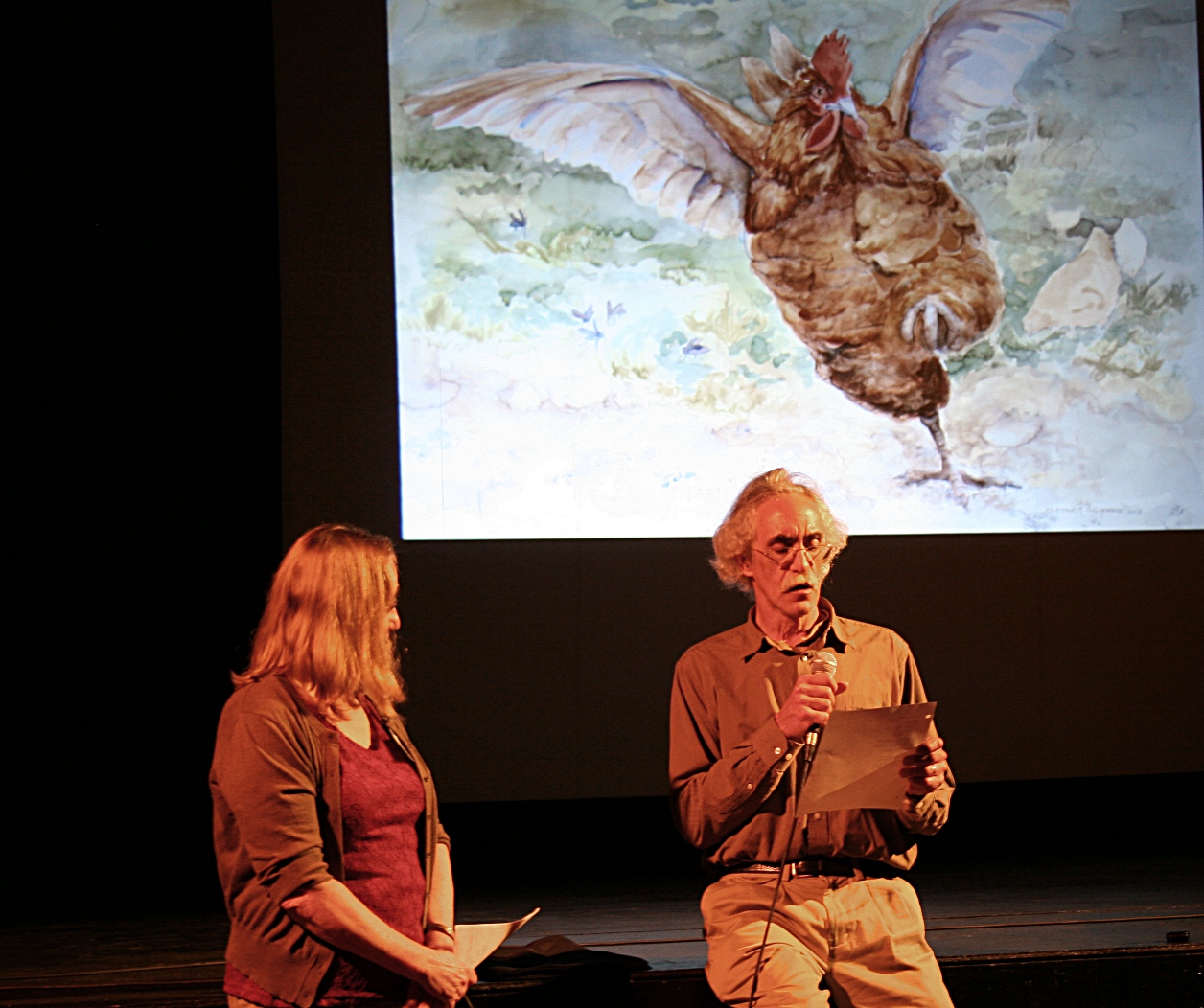
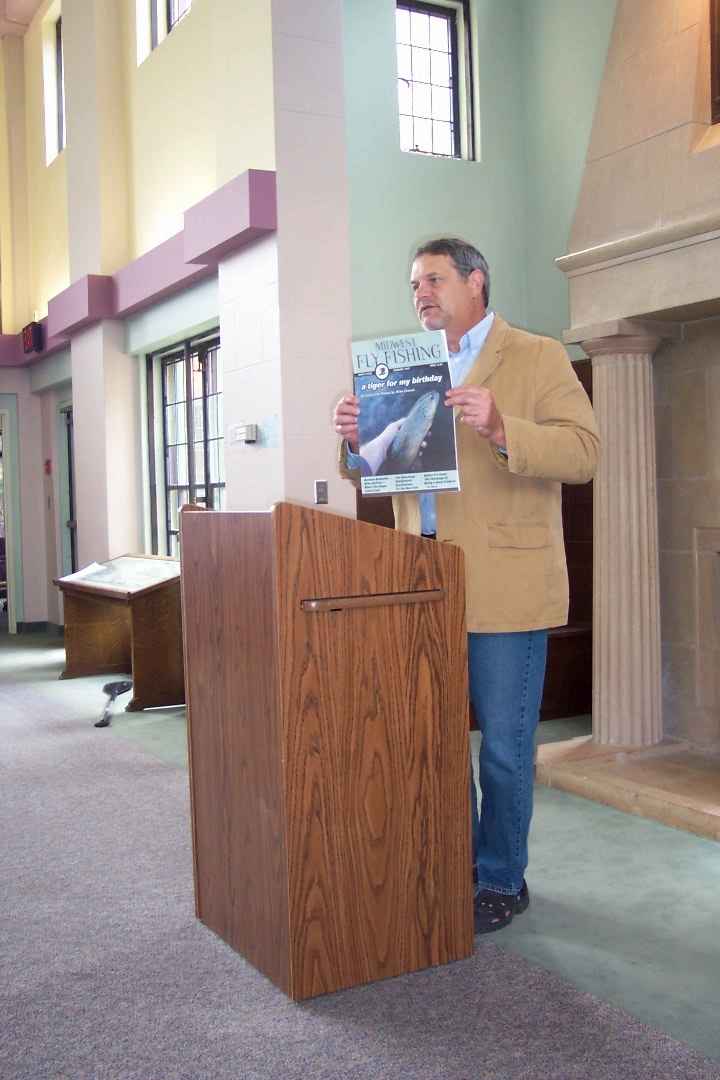
Larry Gavin during an author event at Buckham Memorial Library in Faribault.

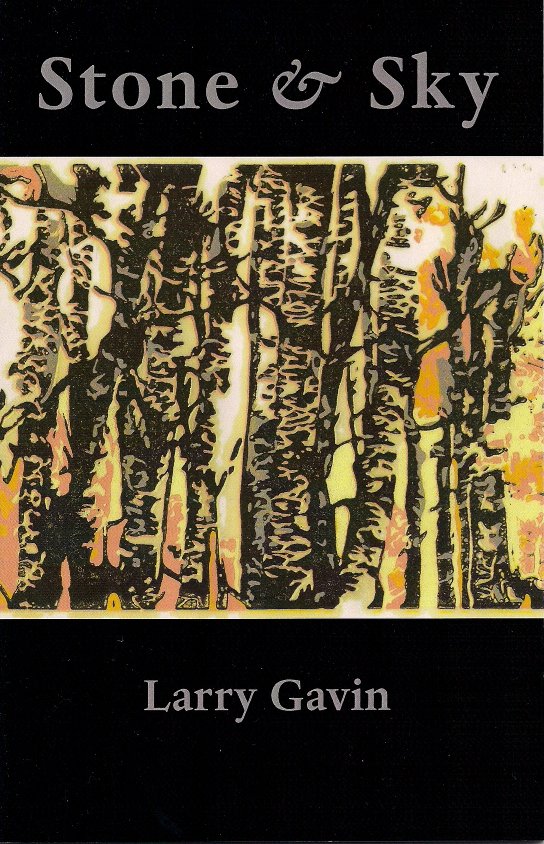
Gavin is also meant to write poetry. And he’s written enough to fill three slim books—Necessities, Least Resistance and his just-released Stone & Sky. All have been published by Red Dragonfly Press, a noted not-for-profit literary press based in Red Wing.

When I read Gavin’s poetry, I can sense his deep connection to the land and to nature, shaped, I would like to think, partially by his years on the prairie. When you live on the stark prairie, where the land stretches flat and far and where the sky dwarfs all else and where the wind blows nearly unceasing, you can’t help but write with a strong sense of place and with detail. I see that in Gavin’s poetry.

In his newest book, Stone & Sky, I read of woods and firewood, of raccoon tracks and a walk along a deserted street. Of stone and sky and snakes. I recognize places from here, in Faribault. I recognize, too, prairie-influenced writing.

I don’t pretend to understand every poem in Gavin’s latest collection. But poetry is always open to interpretation and that which I may not find meaningful today I may come to understand at a later time.

All that said, I posed a series of questions to Gavin, who has written more than poetry. For fifteen years he worked as a field editor for Midwest Fly Fishing magazine, taught at the magazine’s school in Montana in the summer and helped with the Chicago and Minneapolis fly fishing expos each spring. He currently writes for Outdoor News.

My questions to him, however, specifically address his poetry writing. I found his answers insightful and, at times, surprising.

Q:  How long have you been writing poetry, why, and when did you consider yourself a poet?

A:  I started writing poetry in sixth grade and that’s when I started considering myself a poet. I’ve written ever since.

Q: What inspires you and/or influences your poetry?

A:  Work inspires me. Everyday I get up and write something. I don’t miss a day. Inspiration has very little to do with it for me. I like working out ideas and problems in writing each day.

Q:  How would you define your poetry style and content?

A:  I consider myself an inheritor of the great romantic tradition of poetry. That, in my mind, goes from Wordsworth to Yeats and Hopkins to Robert Frost and Wallace Stevens, to Gary Snyder and others. The natural world as reflected and defined by human thought and feelings. The great gift we give to the world is our thoughts and feelings about big issues: transcendence, hope, justice, peace, and love.

Q:  This is your third collection of poetry issued by Red Dragonfly Press. What was the process to getting published by this well-respected Minnesota press?

A:  Scott King is the publisher and I submit a manuscript to him. He responds either yes or no and if he accepts it the manuscript gets in line to be published. The most recent book took about four years to appear. Publication is based on press funding and a variety of other factors. I’m patient and not particularly ambitious.

Q:  Tell me about the content and theme in your first two collections, Necessities and Least Resistance.

A:  They are very different from one another. The poems deal with the natural world as seen through simple objects and ideas. They attempt to make sense of complex subjects like love and our interaction with nature in a pure form of language, and the tools poetry gives us like meter and rhyme. The poems are an explication of the world in the context of the universal individual.

Q:  Stone & Sky just released. It’s an interesting title. How does the title tie in with the content? What is the common thread running through the poems in this collection?

A:  Stone & Sky stretches the boundaries of what is real. It looks at the world in a more magical way. Not magical as fabricated but more magical as mystical – as another way of being real. The language, the images, and the poems stretch the boundaries of what is real and hopefully get at reality in a new way. They are still anchored in the natural world, still anchored in the local, but the themes, like the title, are basic, elemental.

Q:  If you were to select your favorite poem in Stone & Sky, which would it be and why? How about a favorite line?

A:  Actually they are all favorites right now. And you have to remember, I’m on to new things after four years.

Q:  Your love of nature shines in your writing. So does your love of language. How do you combine the two into poetry that sings with descriptive lines? How do you know when you’ve “nailed it,” when you have a poem exactly where you want it?

A:  The old elements of poetry combined in new ways. Rhyme, meter, repetition – give poems life. Everything is a work in progress; they’re never really finished.

Q:  Are you working on another collection? Or are you simply just always writing poetry?

A:  My next collection is called The Initiation of Praise and I’ll start sending it out soon. I also have a selected works which focuses just on outdoor poems. I’m also working on some short stories, and I write an article each week as well.

READERS, Stone & Sky is available from Red Dragonfly Press at  www.reddragonflypress.org and also at Monkey See Monkey Read (in person or through internet sales), an independent bookstore at 425 Division Street, Northfield. Eventually, Stone & Sky will also be available through Amazon. Cover cost is $10.

© Copyright 2011 Audrey Kletscher Helbling
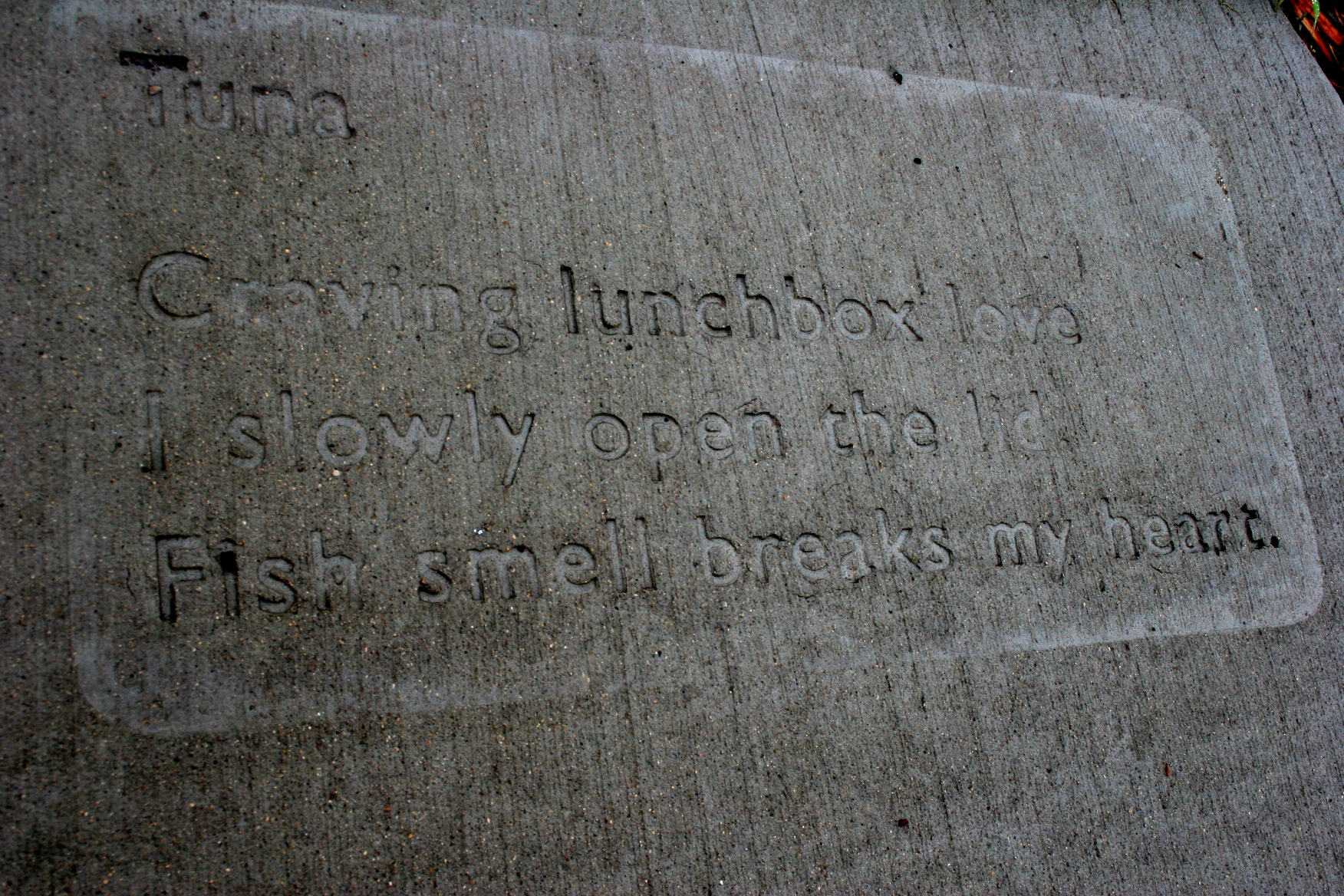
Photo and book cover courtesy of Larry Gavin


Gaining confidence as a poet October 19, 2011

I THINK ALL WRITERS, if we’re honest with ourselves, face insecurities about writing.

Can we write? Is our writing “good enough” to publish? Will anyone read, or even care about, what we write?

I’ve long overcome any issues I faced about journalism style writing. I’m confident in my abilities to pull together a good feature story or another journalistic piece given my educational background in mass communications and my years of experience in journalism. And with several years of blogging to my credit, I’m also confident in that writing style.

It’s poetry which has challenged my confidence. Although I’ve written poetry off and on since high school—which stretches back nearly four decades—I’ve never written much poetry, at least not enough to consider myself a true poet. Until now.

Finally, this year, with the publication of two poems in two Minnesota literary journals and winning the spring Roadside Poetry contest, I’m comfortable adding “poet” to my writing credentials.

Getting to the point of feeling comfortable with the term “poet” really began 11 years ago with publication of a poem in Poetic Strokes, A Regional Anthology of Poetry from Southeastern Minnesota, Volume 2. I considered that a stroke of good fortune. But when four more poems published in the next two volumes, I began to think that maybe, just maybe, I could write poetry. After all, I had competed against other writers to get into the Poetic Strokes anthologies.

Then I had a poem accepted for publication in The Lutheran Digest.

Next, I earned an honorable mention for my poem, “Hit-and-Run,” published last year in The Talking Stick, Forgotten Roads, Volume 19.

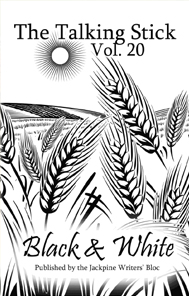
Finally, this year, I had an official poet epiphany when I entered three poetry competitions and was subsequently published on Roadside Poetry billboards, in The Talking Stick, Black & White, Volume 20 and Lake Region Review.

Although I don’t know how many poets I competed against in Roadside Poetry, I do have the numbers for the two literary journals. The Talking Stick this year published 140 pieces of poetry, creative nonfiction and fiction from 99 writers, me being one of them with my poem, “Abandoned Barn,” and my creative nonfiction, “Welcome Home.” That’s out of 326 submissions from 171 writers.

Look at the list of writers, and you may recognize a few names like Marge Barrett, Tim J. Brennan, Charmaine Pappas Donovan, Jerry Mevissen, Candace Simar…

It’s quite a process to get into The Talking Stick with five members of The Jackpine Writers’ Bloc reading all of the entries and then an editorial board meeting to vote and discuss. The top four to seven favorites in each category are then forwarded to celebrity judges—this year Kris Bigalk, Kevin Kling and Alison McGhee—to choose first and second place winners in each division.

As for Lake Region Review, the process of selecting the works for publication is equally as rigorous. Co-editors Mark Vinz—author, professor emeritus of English at Minnesota State University Moorhead and first coordinator of MSUM’s Master of Fine Arts in Creative Writing—and Athena Kildegaard—author and lecturer at the University of Minnesota Morris—worked with a staff of 10. They read more than 200 submissions before narrowing the field to 27 established and emerging writers.

I’m one of those 27.

And so is Leif Enger, author of the 2001 New York Times best-seller Peace Like a River, which happens to be a favorite book of mine. It’s nice to be in the company of someone who, like me, writes with a strong sense of place.

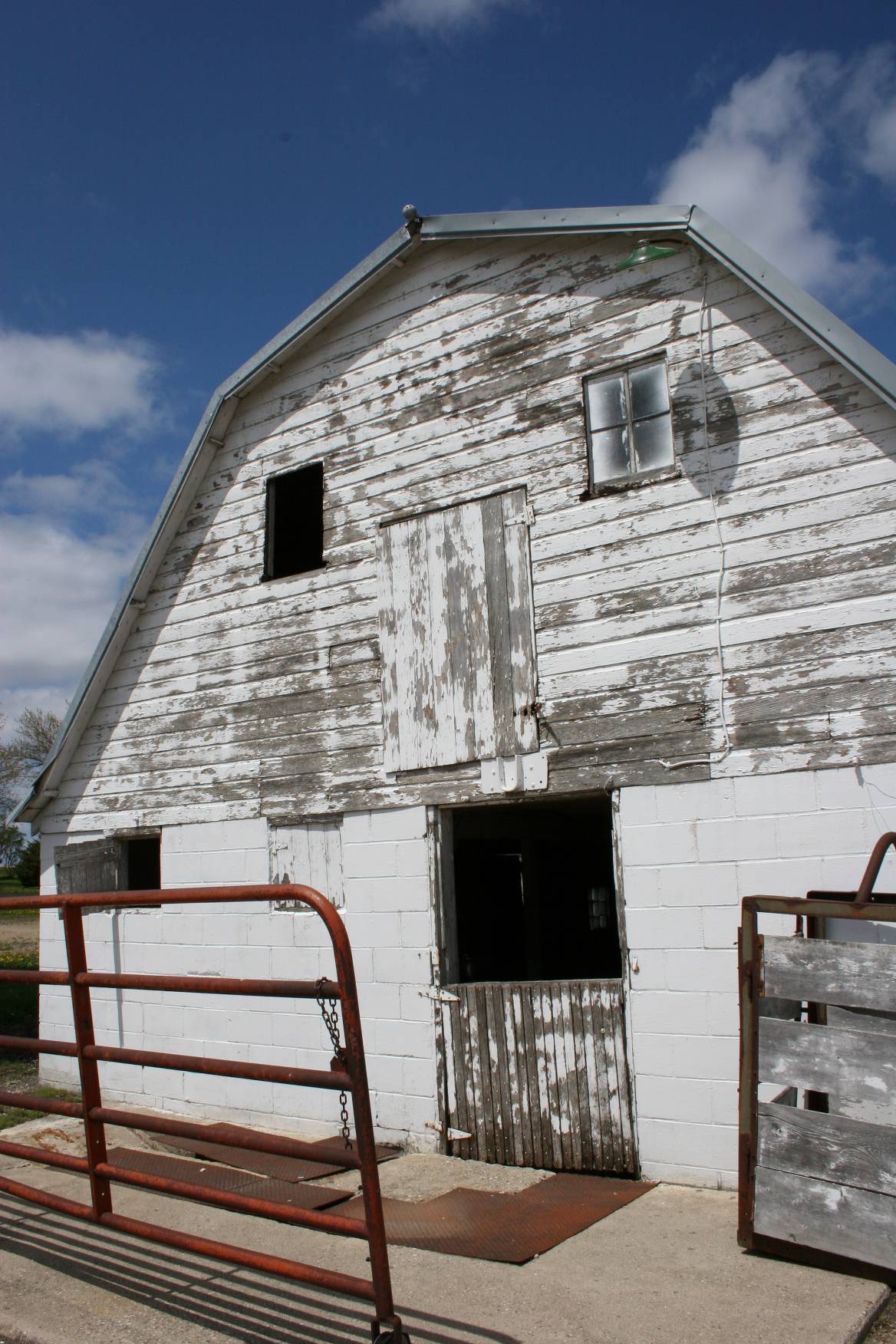
Most of my poetry connects to the southwestern Minnesota prairie, where I grew up on a dairy and crop farm. Specifically, the barn on the home place inspired my two distinct barn poems which published in The Talking Stick and Lake Region Review.

I don’t know what moved the editors of either publication to select my poems for inclusion in their literary journals. But I did incorporate lines such as “hot cow pee splattering into her gutters” and “rusty hinges creaking like aged bones.”

According to Co-editor Kildegaard at Lake Region Review, editors chose pieces that were “fresh, creative, lively, interesting. We were looking for writing that has something new to say.”

Apparently I had something new to say about the old barn.

The early 1950s barn on the Redwood County dairy farm where I grew up today stands empty of animals.

WRITERS FEATURED in the recently-published 212-page The Talking Stick, Black & White, Volume 20, are from, or have a strong connection to, Minnesota. Those published in the 138-page debut of Lake Region Review live primarily in west central Minnesota. Eight writers have been published in both collections.

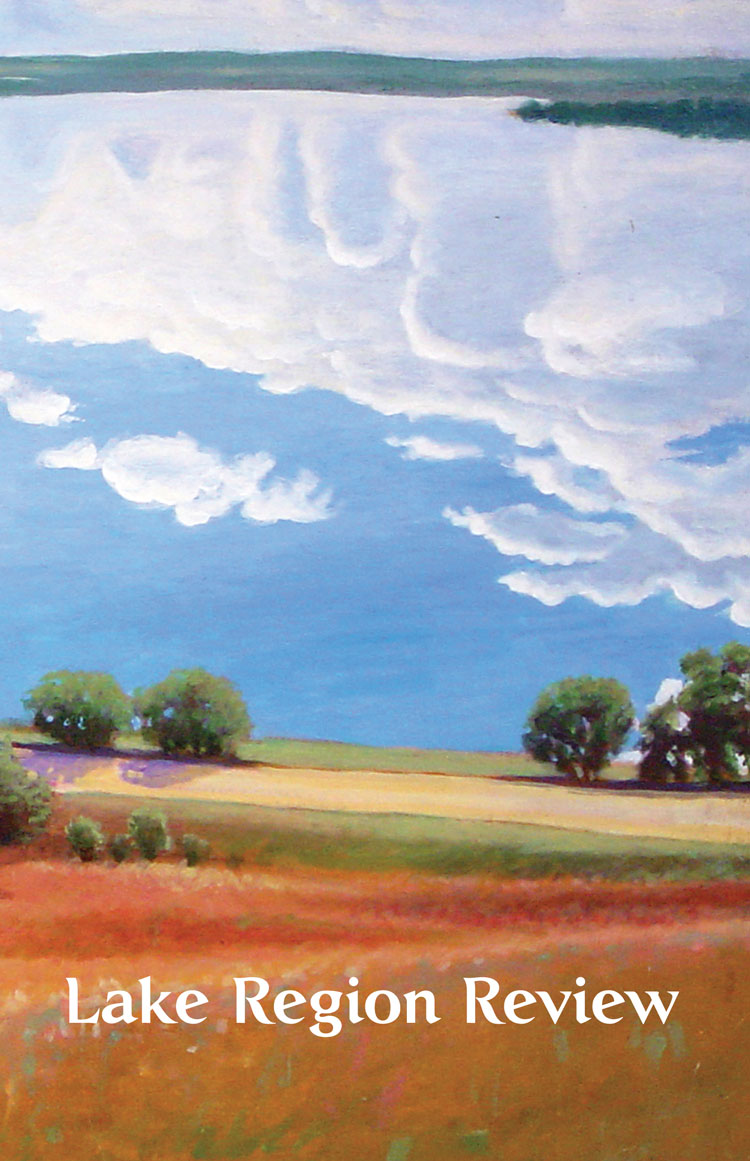
The cover of Lake Region Review is a detail of an original landscape painting, “Christina Lake: View from Seven Sisters,” by American impressionist painter Stephen Henning of Otter Tail County.

IF YOU’RE A WRITER, specifically of poetry, did you/do you struggle with confidence issues? At what point did you/will you call yourself a poet?

FYI: For more information or to purchase copies of either literary journal featured here, click on the appropriate link below:

www.lakeregionreview.net

www.thetalkingstick.com

And click here for more information about Roadside Poetry.

© Copyright 2011 Audrey Kletscher Helbling
 

At the WordWalk: Why I won’t eat tuna June 28, 2011

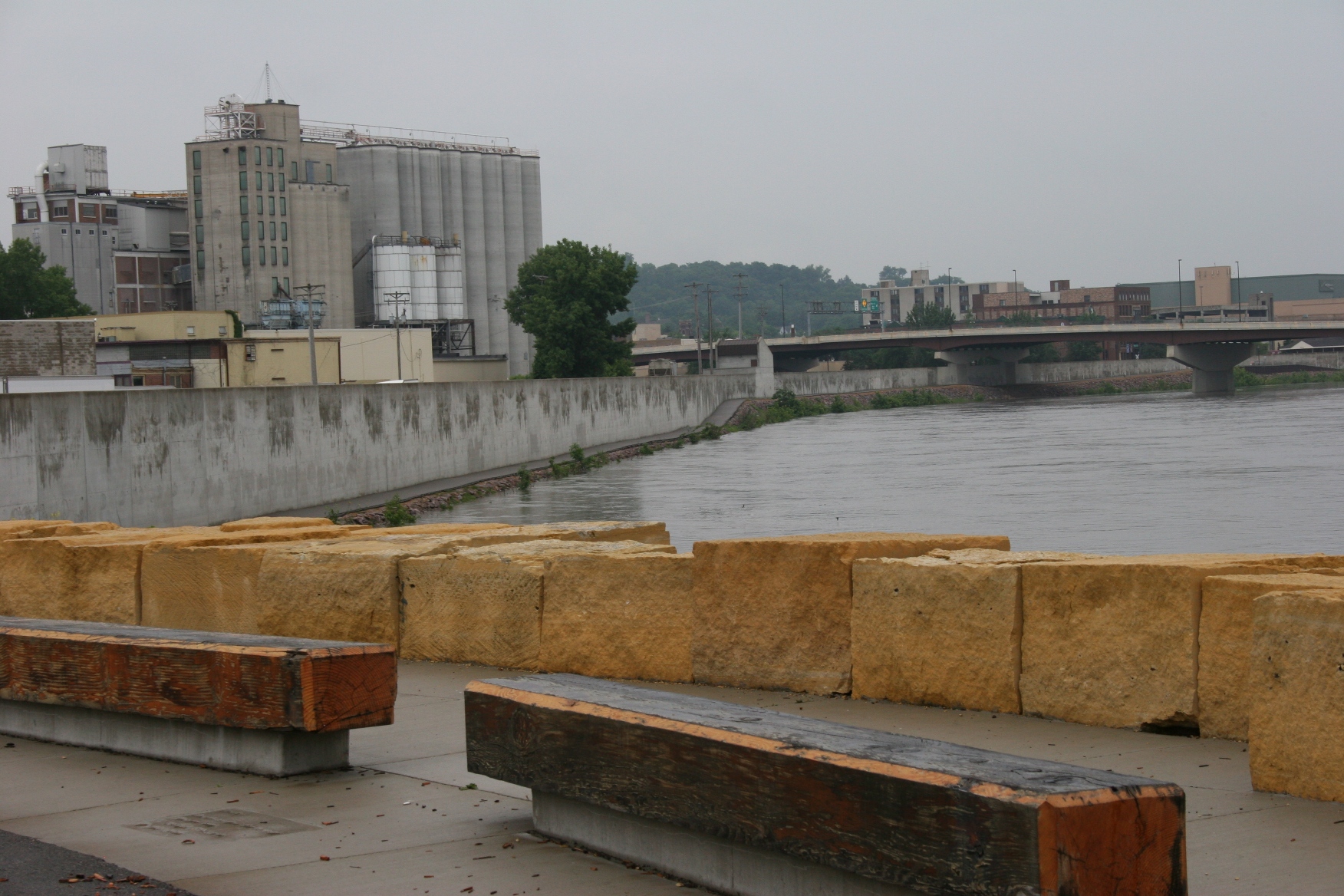
A view of the Minnesota River as seen from Riverfront Park, looking toward downtown Mankato.

THE MANKATO PARK SEEMS, in many ways, an ideal setting for poetry.

The usually playful Minnesota River bumps against the land here, acting on this Saturday afternoon like a willful, unruly child.

On the other side of Riverfront Park, across the tracks, historic buildings stand like forlorn children, neglected, waiting for someone to care.

Overhead, moody skies pout.

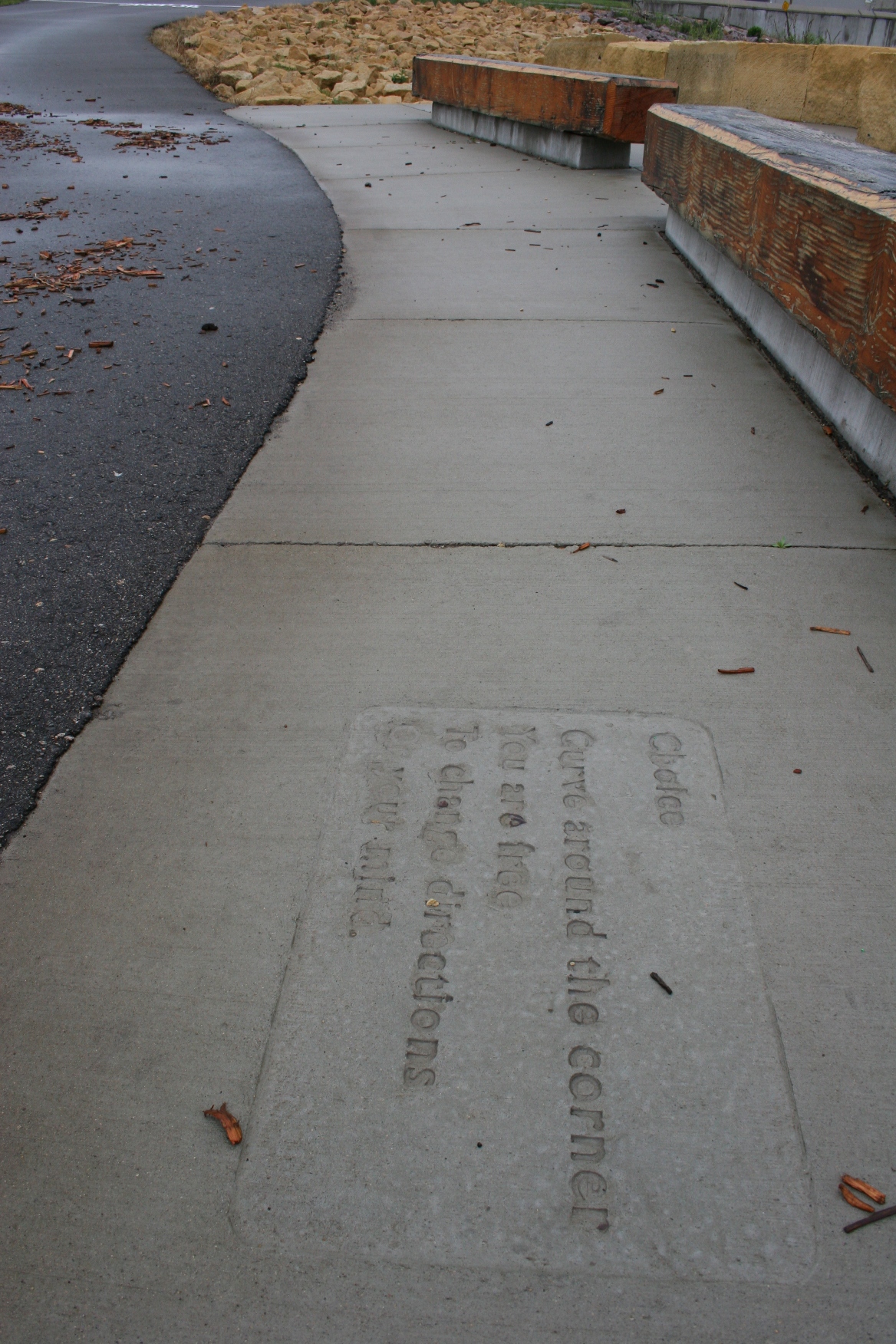
I have come here at this late afternoon hour to read the poetry imprinted upon cement. Occasionally the sky spits rain at me as I follow the gray sidewalk which mimics the gray day.

"Curve around the corner/You are free/To change directions/Or your mind," reads this poem by Marlys Neufeld of Hanska.

I read:

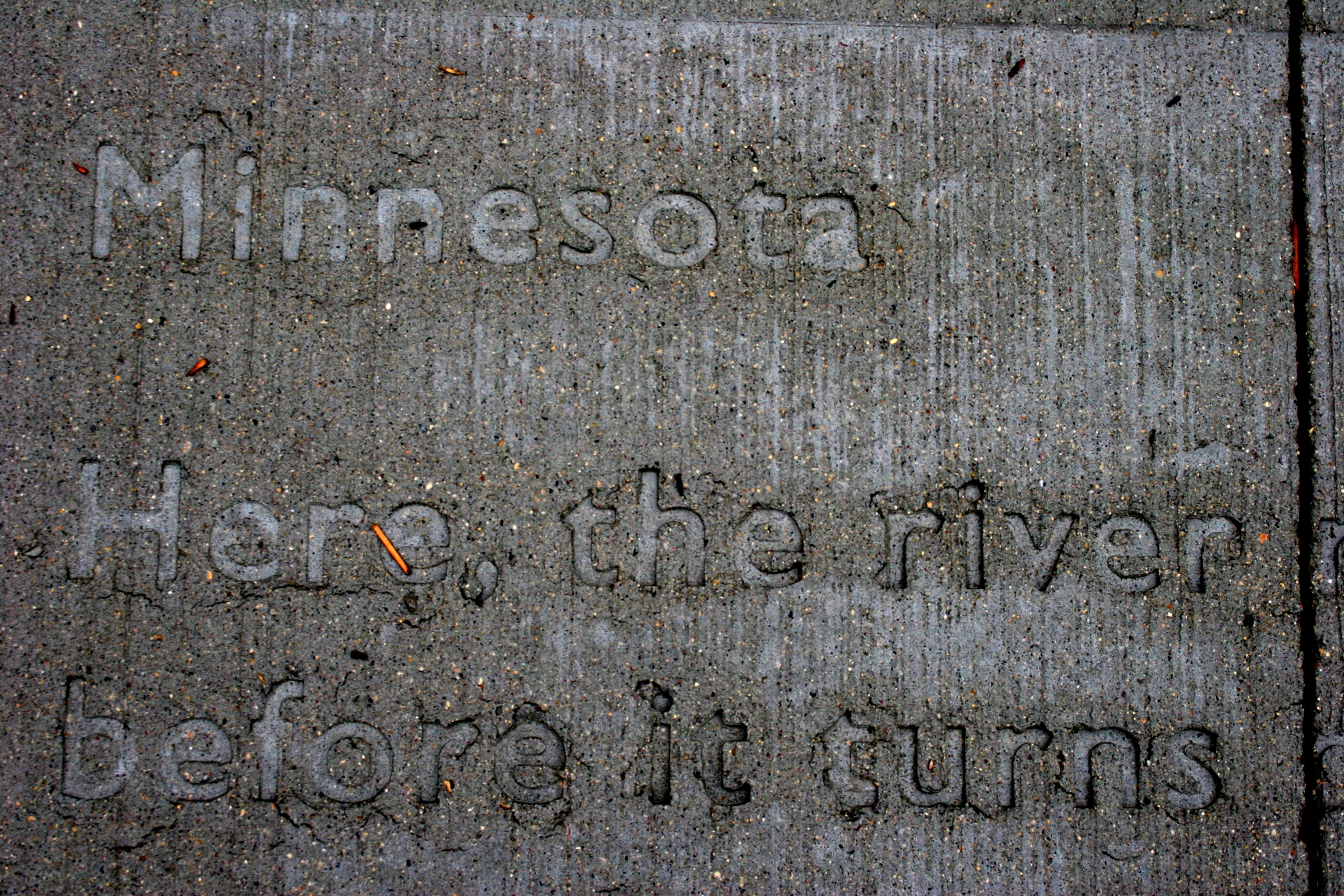
Minnesota

Here, the river rests its elbow

before it turns north to meet

the father of them all.

Here we made 38 mistakes

we now try very hard

not to forget.

A snippet of the poem, "Minnesota." I've edited this image so that you can better read the words. The poems are, unfortunately, a bit difficult to read because of a lack of color contrast between the letters and the cement.

The poem by Ikars Sarma of Mankato refers to the hanging of 38 Dakota here on December 26, 1862. A heavy thought to match the heaviness of the sky, the raging of the river, the anger that still simmers over this shameful moment in this city’s history.

I move on.

Susan Stevens Chambers of Good Thunder writes:

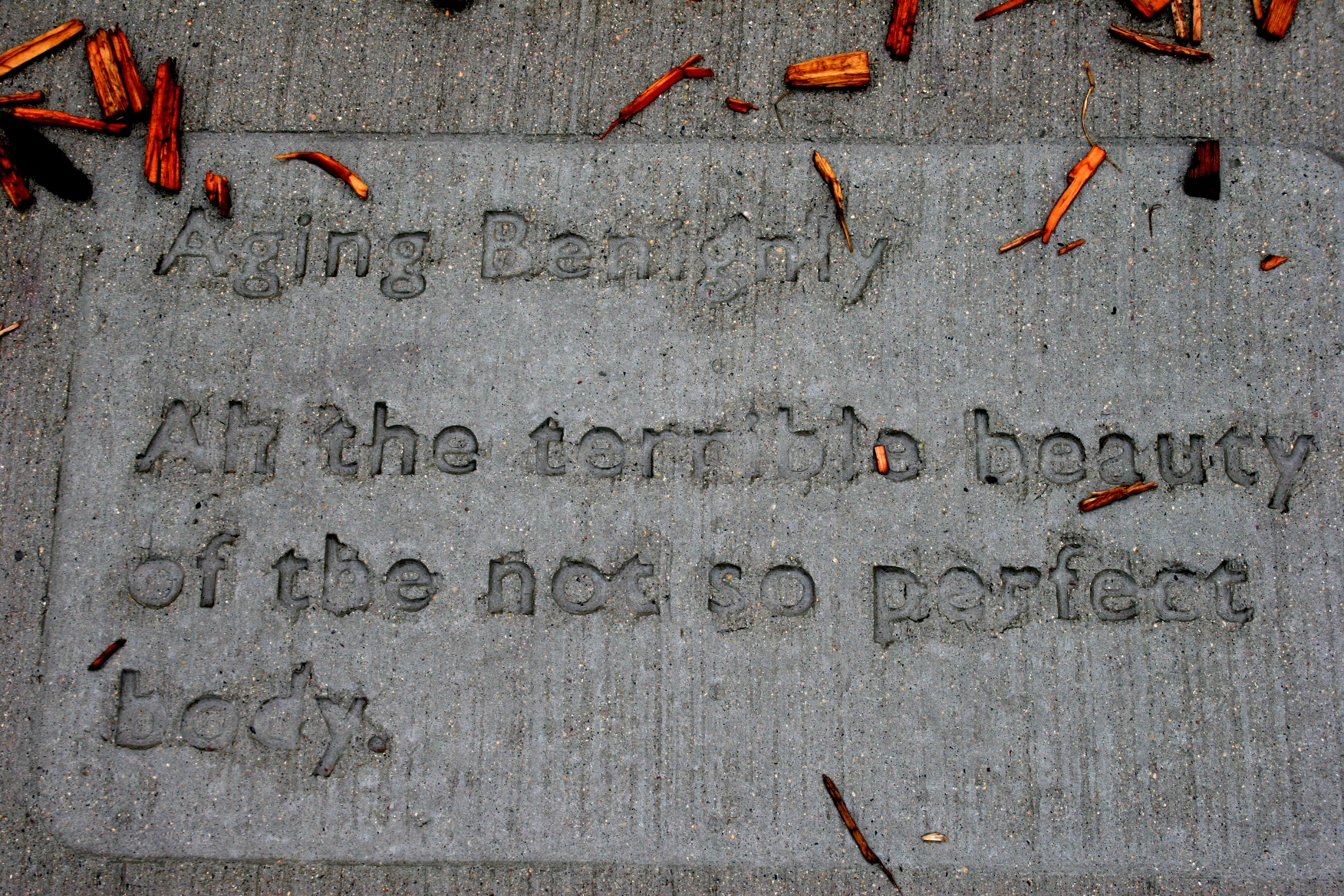
Aging Benignly

Ah the terrible beauty

of the not so perfect

body.

In this edited photo, read Susan Stevens Chambers' poem about aging.

Nearby kids scramble up a rock wall as I struggle to lift my aging bones from the sidewalk where I have bent close to read and photograph Chambers’ poem.

Then I laugh at the words penned by Mankato resident Yvonne Cariveau:

Tuna

Craving lunchbox love

I slowly open the lid.

Fish smell breaks my heart.

The poem that causes me to remember all the tuna I ate during my last two years of college.

Exactly. I ate too much tuna in this college town between 1976 and 1978. I could write my own poem about cramming tuna sandwiches while cranking out stories at the Mankato State University (I still can’t call it Minnesota State University, Mankato) student newspaper, The Reporter.

Deadlines and words.

Words and deadlines.

Tuna. Words. Deadlines.

Cariveau’s writing reminds me of those years so long ago when I was young and only beginning my journey into the poetry of life.

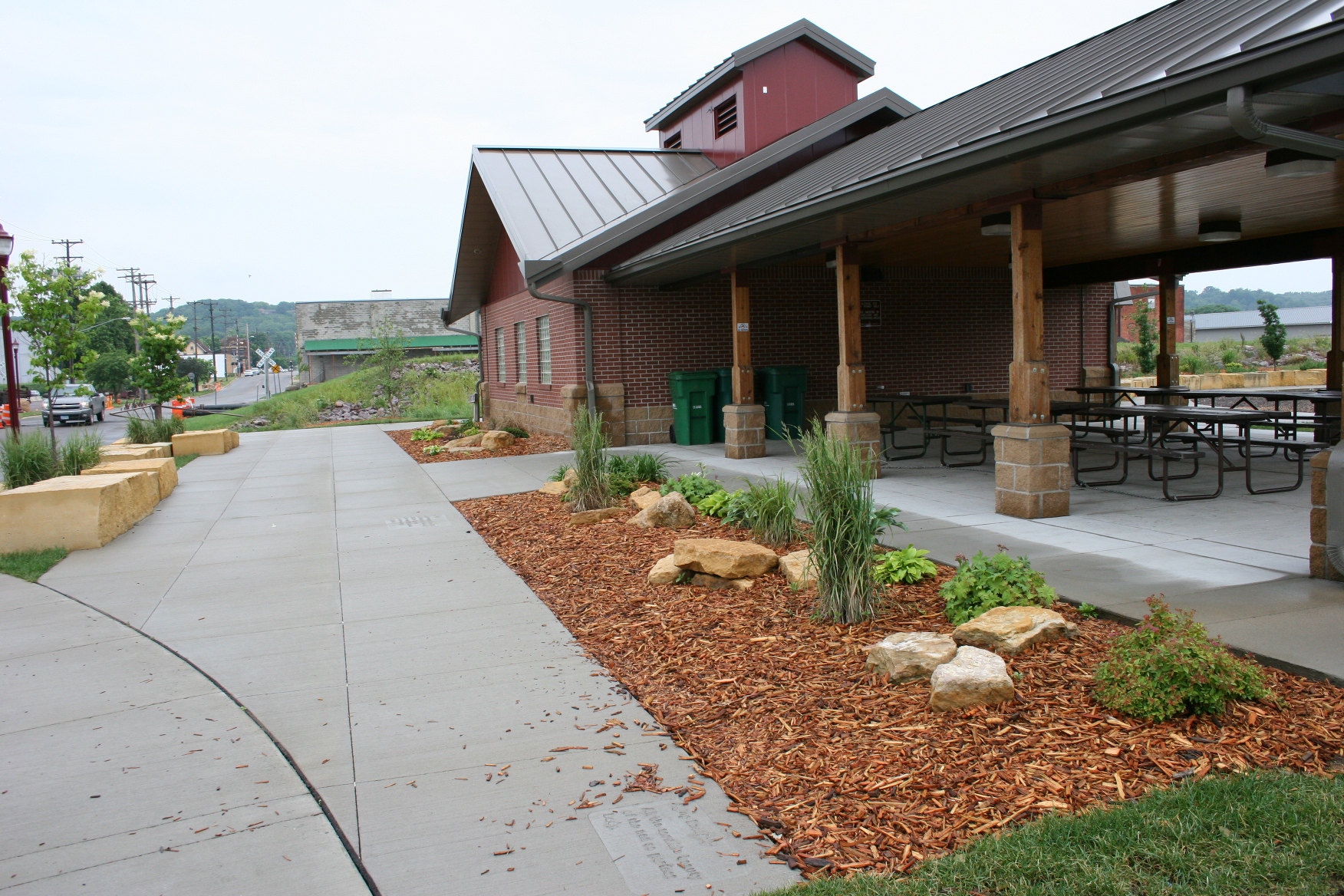
WordWalk poems are imprinted on the sidewalk circling this restroom/shelter facility at Riverfront Park in Mankato.

FOR MORE INFORMATION about Mankato’s public sidewalk poetry, WordWalk, click here and here. At least two other Minnesota cities, of which I am aware, have sidewalk poetry: St. Paul and now Northfield.

WHAT’S YOUR OPINION on sidewalk poetry? Do you like it, or not? Would you like to see more such public poetry in Minnesota communities? Why or why not?

© Copyright 2011 Audrey Kletscher Helbling
 

Beyond poetry anthologies May 21, 2011

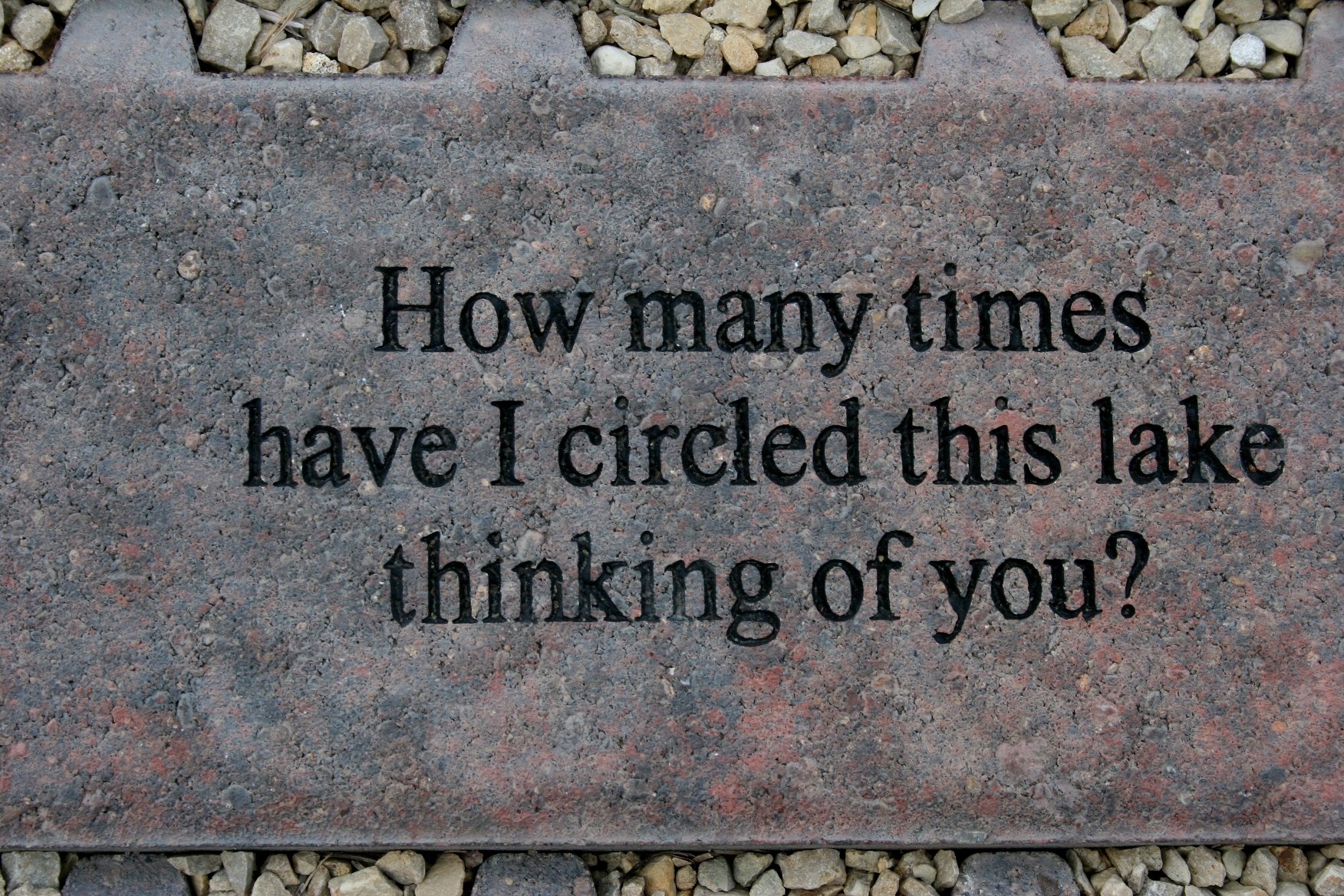
Poetic words imprinted upon a paver at the Lake Harriet bandshell in south Minneapolis.

WHAT AN EXCITING time to read, and write, poetry.

Yes.

Read on.

If you’re among those who consider poetry boring, unapproachable, complex and difficult to understand, then you’ve read only boring, unapproachable, complex and difficult to understand poems.

Yes, those types of poems exist.

But today, oh, today, poetry is pushing beyond simply words printed in anthologies to highly-public and engaging venues.

At least three Minnesota communities—St. Paul (Everyday Poems for City Sidewalk), Mankato (WordWalk) and now Northfield (Sidewalk Poetry Contest)—have embraced sidewalk poetry, poems imprinted upon sidewalks.

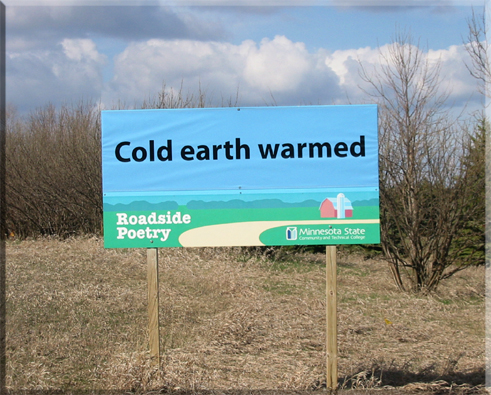
In Fergus Falls, the Fergus Area College Foundation sponsors a seasonal poetry contest and posts the winning poem on four Burma Shave style billboards. I won the spring Roadside Poetry Project competition. (Click here to read a story published today in The Marshall Independent about my writing and my Roadside Poetry poem.)

The first line in my spring poem posted on four billboards.

In Hackensack, as part of its annual summer Northwoods Art Festival and Book Fair, the Northwoods Art Council has invited Minnesota poets to submit poems for display. Attendees then read and vote for their favorite poems.

But the latest news in the poetry world comes from St. Paul poet Todd Boss and Minneapolis art director/animator/designer Angella Kassube, who have created “motionpoems.” The pair defines these poems as “a hybrid of poetry and film.”

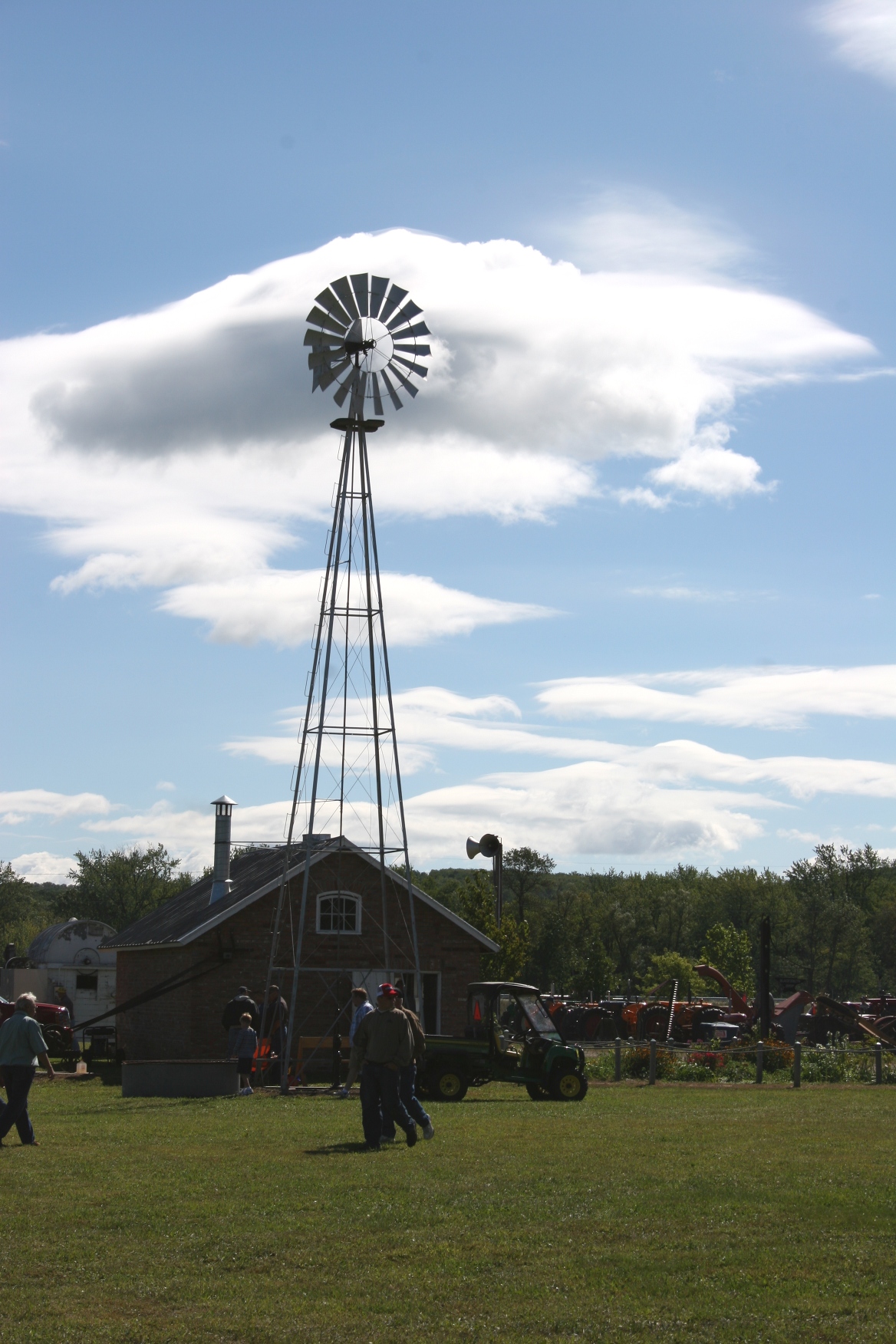
The windmill is the subject of a motionpoem written by Toss Boss. I took this photo at the Rice County Steam and Gas Engines grounds near Dundas last fall.

In short, they bring poems to life via animation. From what I’ve seen and heard online, this approach works, making poetry more accessible, understandable and, dare I say, exciting. But don’t take my word for it. Click here and view several motionpoems, including my favorite, Todd Boss’ THE GOD OF OUR FARM HAD BLADES.

The duo started this project two years ago, creating more than 20 poems. Now they are expanding, collaborating with New York publisher Scribner’s respected annual Best American Poetry anthology, 2011 volume, to produce 12 – 15 motionpoems. They’ll work with writers ranging from Pulitzer Prize winners to emerging writers. Eventually, the motionpoems will be accessible, for free, online.

I see great promise in these new approaches to poetry that reach beyond printed poems and poetry readings. I see the promise for reaching a wider, more receptive audience.

WHAT’S YOUR TAKE on sidewalk or billboard poetry and/or motionpoems? Would you be more likely to read these types of poems than traditionally-published poetry?

© Copyright 2011 Audrey Kletscher Helbling
Roadside Poetry Project photo courtesy of Paul Carney


Pigs and poetry May 14, 2011

This pig greets diners at Piggy Blue's Bar-B-Que in Austin, Minnesota. This image is posted here for pig illustration purposes only, not because it's specifically related to the following story.

IN A WEEK, my sister-in-law is moving from Minot, North Dakota, to Missouri. In August, my brother-in-law, an Air Force man, will join her and their young son.

She’s leaving early to seed the garden, plant the orchard and ponder the purchase of pigs. This has always been Jamie’s dream, to own a country acreage where she can grow fruits and vegetables and raise an Old McDonald variety of animals.

Chickens, rabbits, goats and a pig or two comprise her animal acquisition list.

But about those pigs…I overheard a man advising her last Saturday to “hold off” on the pigs for awhile. He didn’t give a reason, only suggested she wait.

Her husband, Neil, although supportive of his wife’s plan, also has reservations about the swine. If Jamie wants a pig, Neil says he can shoot one. He would be right. The Missouri Department of Conservation advises residents to “shoot ’em on sight” in an online article about the problem of feral pigs running rampant.

Thankfully we do not have a wild pig problem in Minnesota. Our problem would be an overabundance of deer.

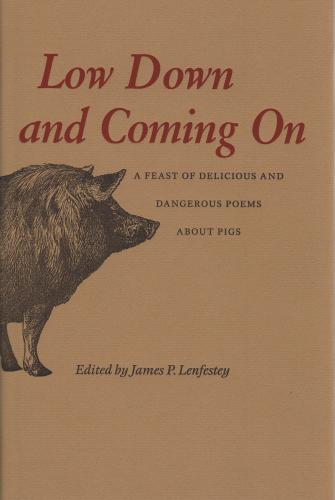
But we do have a book of pig poetry featuring 133 pig poems penned by 103 poets like Robert Bly, Louise Erdrich and Bill Holm. Red Dragonfly Press, a solely poetry not-for-profit literary organization based in Red Wing, published Low Down and Coming On: A Feast of Delicious and Dangerous Poems About Pigs. James P. Lenfestey edited the 232-page anthology printed last October.

Tomorrow (May 15) several of the pig penning poets, including Lenfestey, will read from the book at a “Pig Gig” slated for 2 p.m. at the Litchfield Opera House in Litchfield.

Now if my sister-in-law wasn’t preoccupied with packing for Missouri, I’d propose she check out this pig gig for pig pointers prior to purchasing pigs.

© Text and Piggy Blue’s photo copyright 2011 Audrey Kletscher Helbling