Minnesota Prairie Roots

Writing and photography by Audrey Kletscher Helbling

Transforming an historic building into Seven Sisters Coffee, a community gathering spot & more in rural Minnesota October 23, 2012

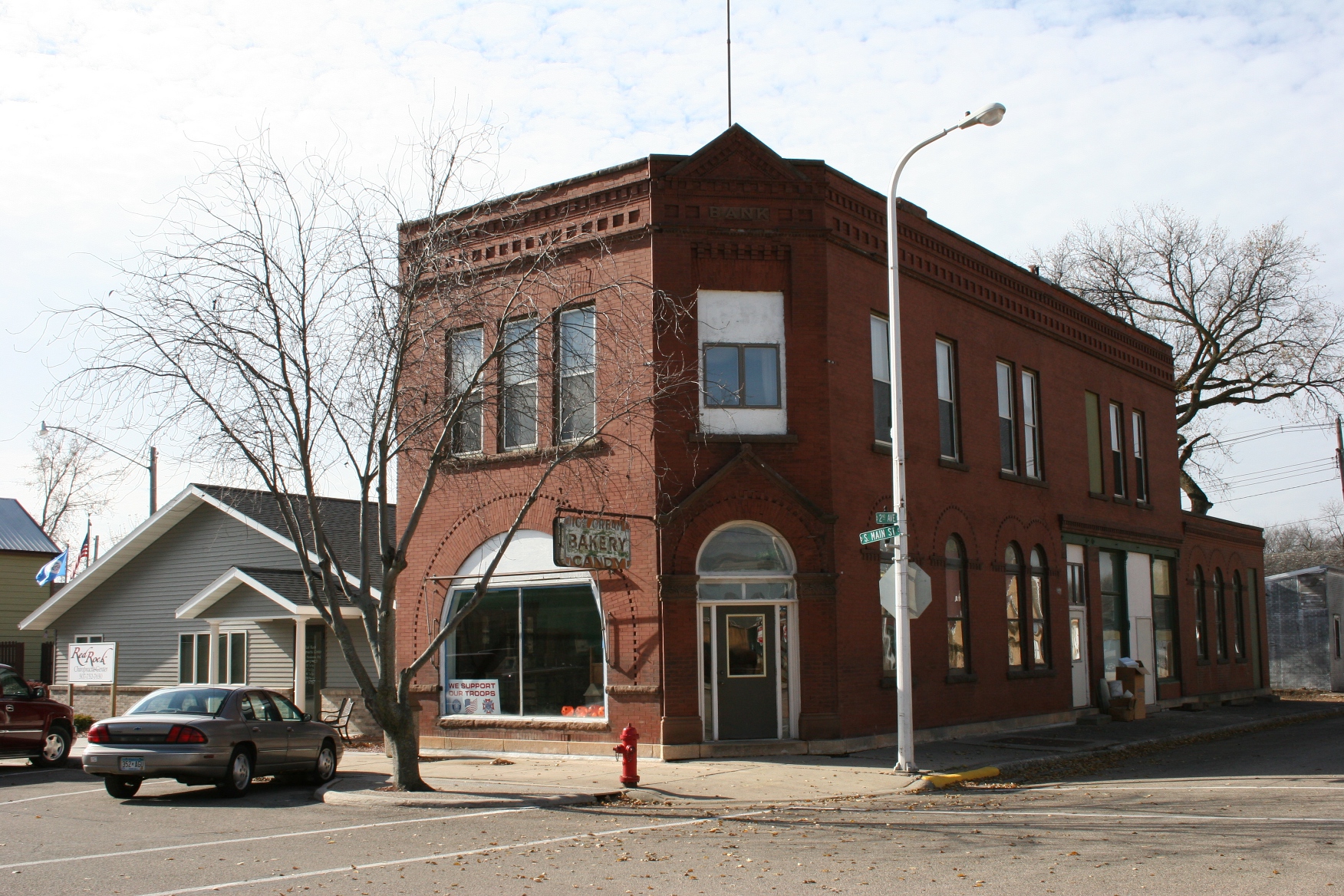
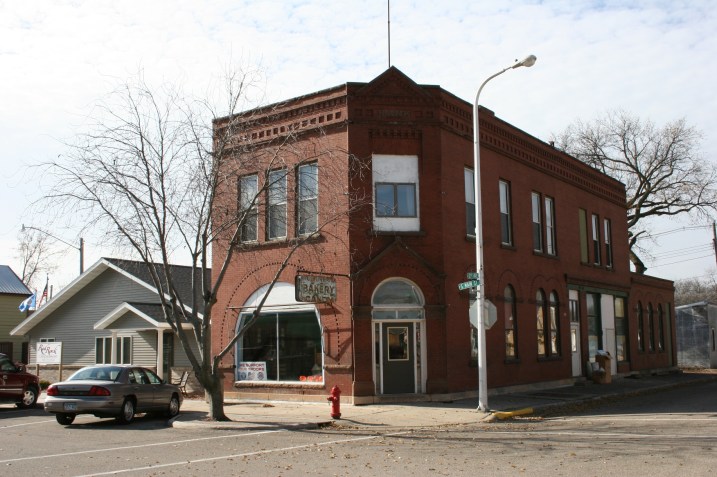
This 1892 former bank building and 95-year bakery anchoring a corner of Lamberton’s Main Street is being renovated into Seven Sisters Coffee by a young couple with connections to this area of southwestern Minnesota. After the business opens, the upstairs will be renovated into loft style apartments.

DAVID AND MICHELLE can see beyond the crumbling mortar, the moisture damage, the buckling floor boards, the teal paint.

Just barely into major renovation of an historic 1892 bank building and former long-time bakery in downtown Lamberton, this couple is thoughtfully and methodically working toward their summer 2013 goal of opening Seven Sisters Coffee.
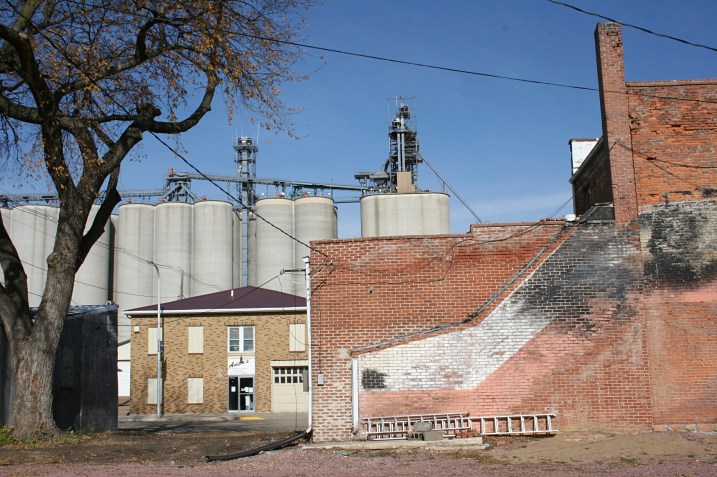
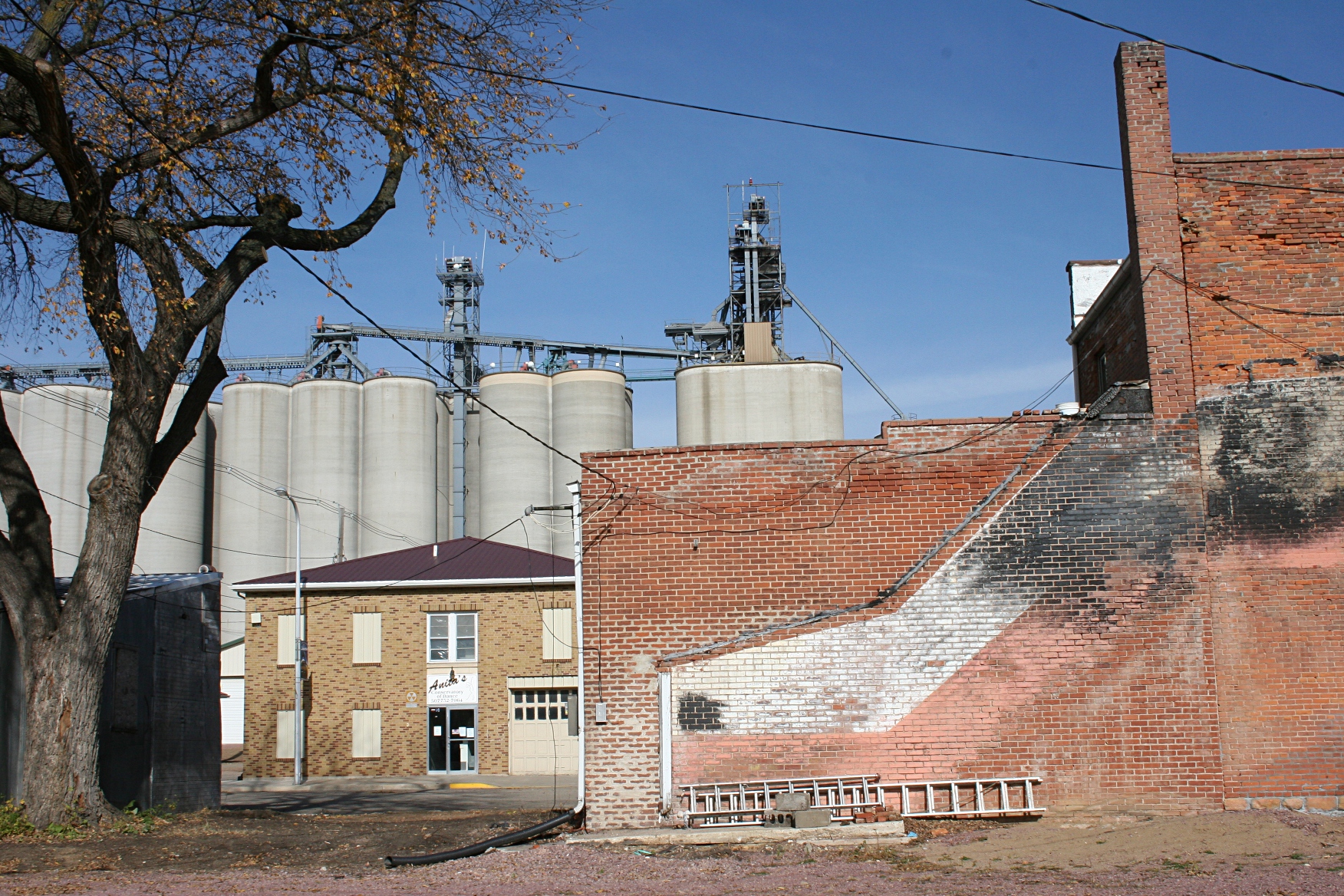
This shows the side and back view of the building, with the rear part added on to the original. Soot from a 2005 fire, which destroyed Plum Creek Crafts next door, mars the brick. Behind the building, a tree was removed and plans are to install a patio area for outdoor dining. They saved a slice of the tree to build a table.

Even the name, Seven Sisters, holds special significance for the pair as Michelle is one of seven sisters and three brothers who grew up in Lamberton, a strong agricultural community of 822 in Redwood County on the southwestern Minnesota prairie. Additionally, Michelle notes that Seven Sisters possesses multiple meanings—in Greek mythology, astronomy and even as a mountain range.

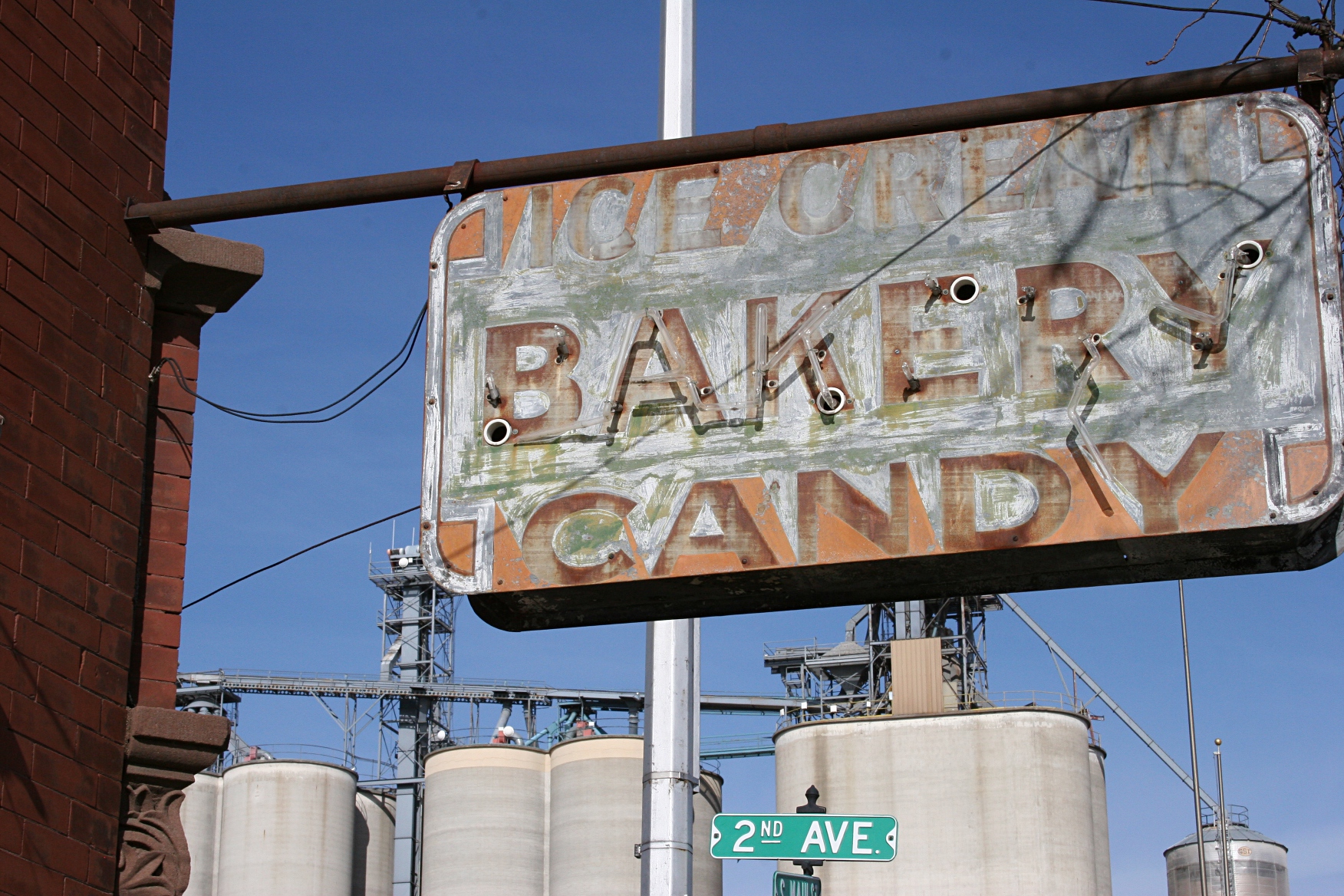
The old sign for the former Sanger’s Bakery still graces the building.

The couple may, perhaps, feel at times as if they are scaling a mountain to reach their goal of establishing a combination cafe, coffee shop and entertainment venue in the 1,900 square foot first floor of the 8,000 square foot brick building. But they are purposeful and focused and driven every week to travel 2 ½ hours from their home to proceed with their project on the prairie.
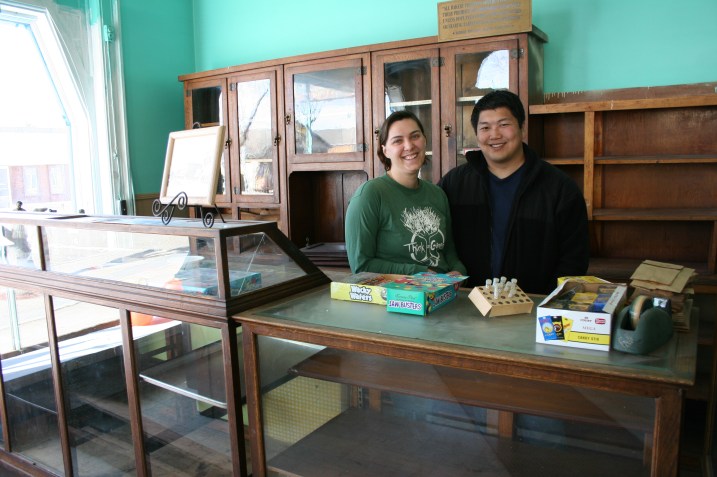
Michelle and David  are keeping the original candy and bakery goods counters and the vintage cabinet, photographed here in the front part of the building. This area of the former bank and bakery will house the cafe and soda fountain. The couple discovered a dumb waiter hidden in the area behind them in the corner.

David envisions Seven Sisters as “an artistic haven as well as a community space.” He expects “townies,” he says, to frequent the front Main Street side of the building, the bright and cheery cafe section offering a full breakfast and lunch menu and ice cream treats from a soda fountain.
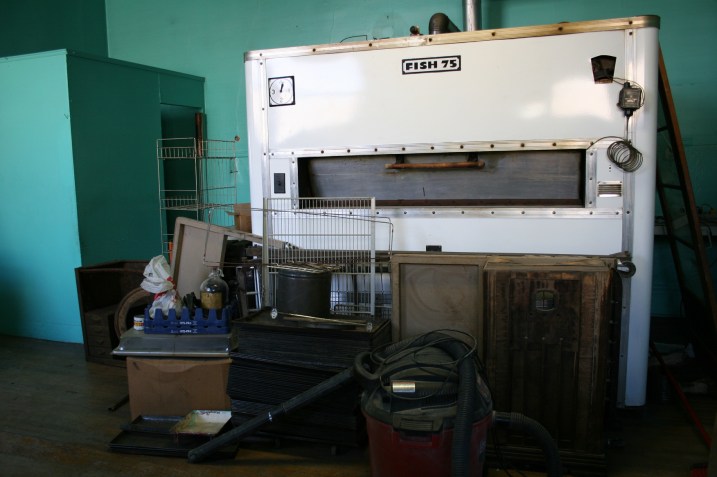
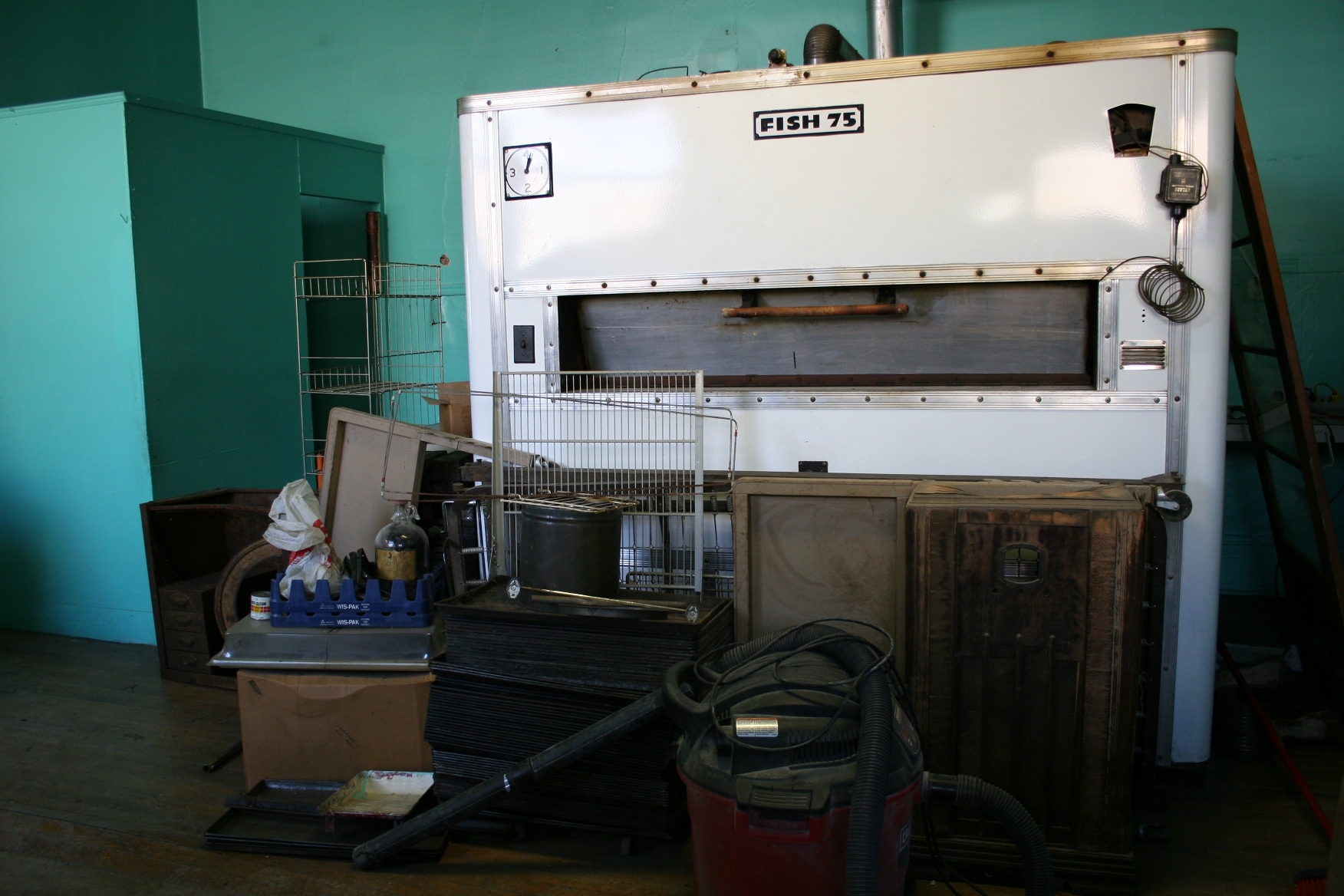
Fifty loaves of bread could be baked in this 1960s vintage two-ton rotary oven. It occupies much of the space in the middle room which will become a cozy coffee shop. This room and the front former bakery/soda fountain area were painted teal after Bob’s niece first chose that hue for the bathroom. Bob loved the color so much that he painted the rest of the place teal. The color has been on the walls for 50 years. No, they are not keeping the teal color.
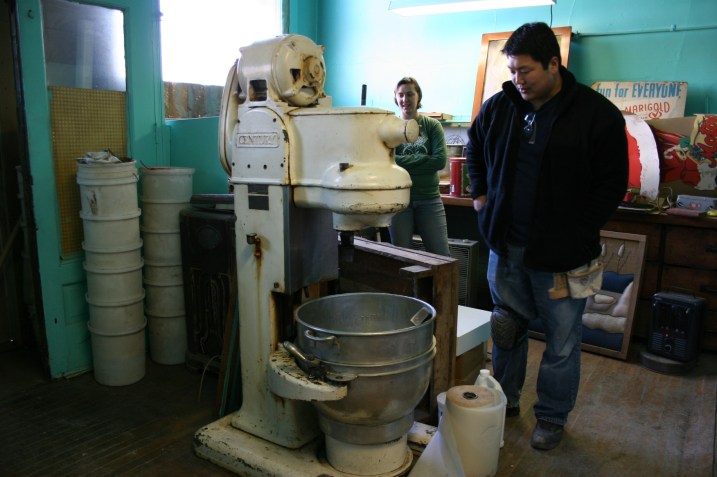
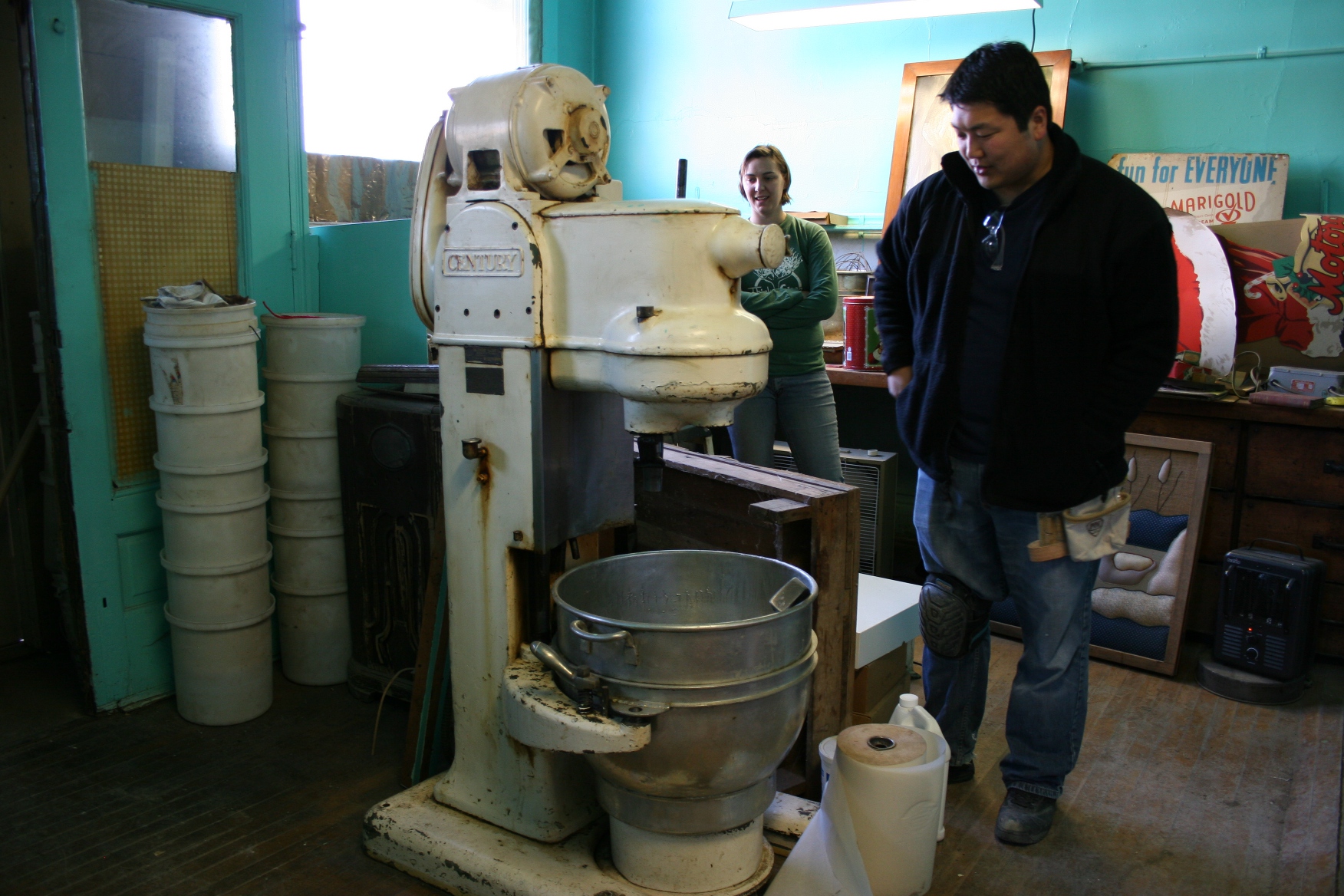
An oversized mixer also occupies space in the middle room.

The smaller middle section, once a post office entry, baking area and even home to the Sanger family, will be transformed into a warm and intimate coffee shop.

The back room, with focal point brick walls, will become an entertainment venue and artists’ haven.

And in the rear area of exposed brick walls, David expects artists and others to hang out in a more energetic and modern New York loft style space devoted to music and art and private event rental.

Tour this building, inside and out, with David and Michelle and you can see the overwhelming amount of work, inside and out, that needs to be done before Seven Sisters becomes a reality in a community already embracing the business venture.

Locals as well as those living in neighboring towns such as Revere, Jeffers and Tracy and even farther away in the regional hub city of Marshall are ecstatic about Seven Sisters, David says.

Original coffee cups and Bob Sanger’s special cup are stacked under the lunch counter.
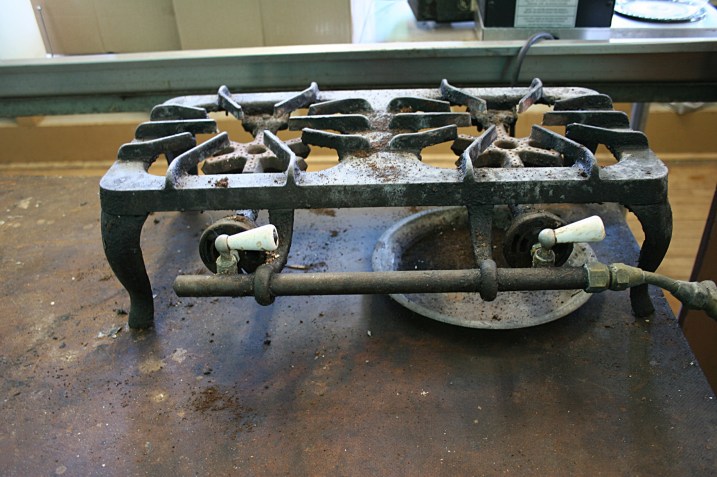
The older gas burners Bob Sanger apparently used to make coffee, etc.

When locals George and Vern, for example, stop by to check on the renovation, David invites them inside for coffee. The two were coffee klatsch buddies of Bob Sanger, long-time bakery owner who died in March. Sanger purchased the bakery from his father, Nick, in 1961. Between Bob, Nick and previous owner, Martin Kuhar, the building has housed a bakery in the First National Bank building for 95 years.
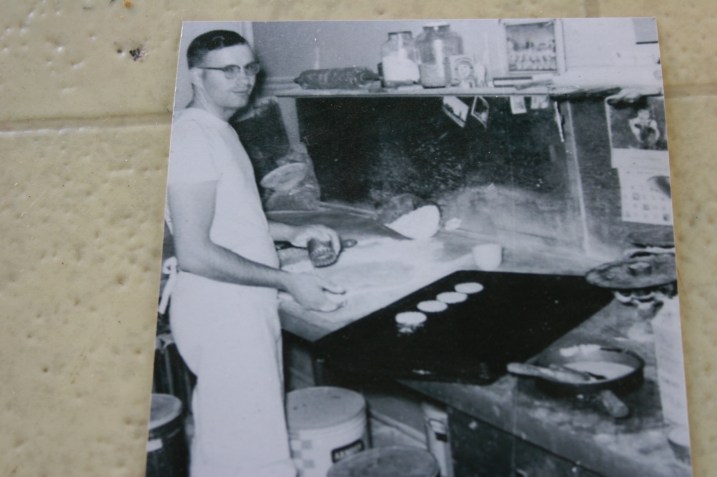
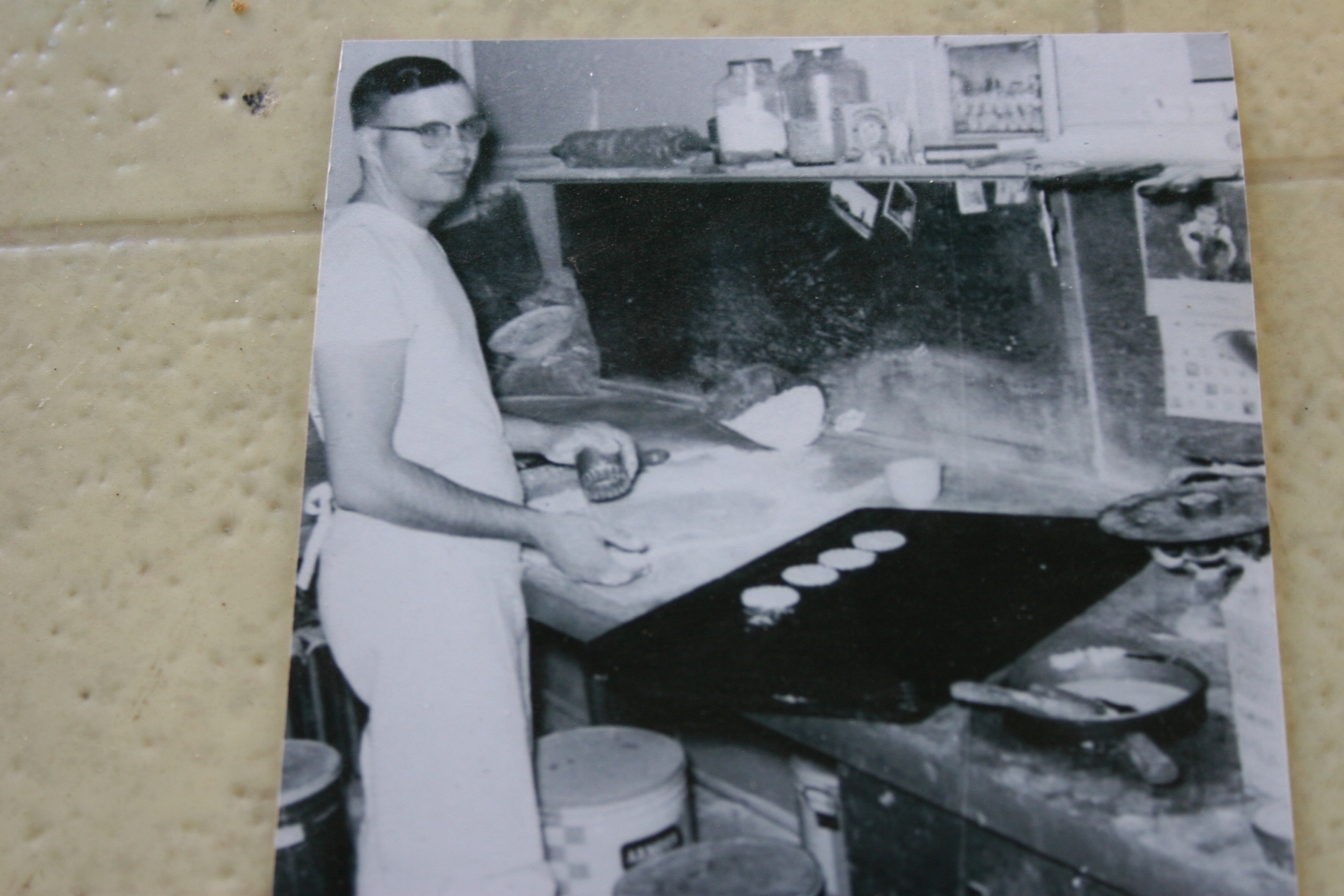
A vintage photo of bakery owner Bob Sanger who died in March at the age of 80.
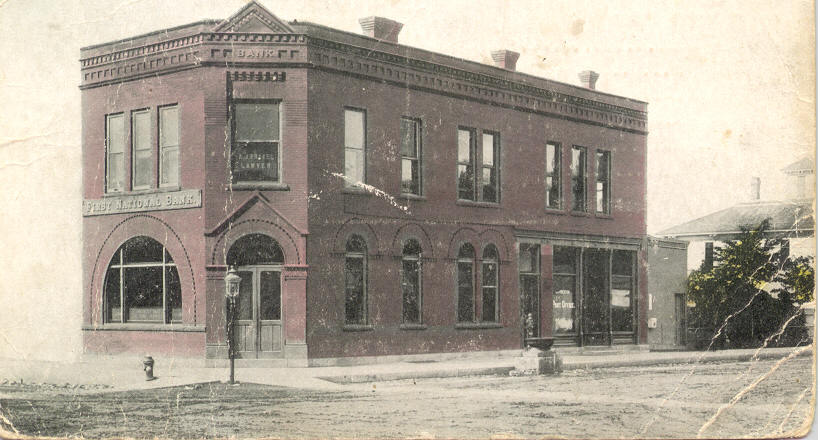
A vintage photo of the First National Bank.

Says David of his and Michelle’s decision to purchase the former bakery after Bob Sanger’s death:

The building is positively gorgeous and has a fascinating history. We had admired it for some time. The quality of the construction is superior to similar buildings of that era. We’ve always talked about opening our own business and the location and timing were right.

Our review of the local economy and the needs of the surrounding area indicates a very strong potential for growth and a serious need for a business of this kind. By offering excellence in service in three different approaches (cafe, coffee shop, event space) we will offset some of the inherent risk of this type of business. In short, it was a perfect confluence of events. We got lucky.

The pair is determined also to buy local as much as possible. Dry goods will come from Griffith’s Grocery across the street. They plan to work with Brau Brothers Brewing and Fieldstone Vineyards, located in the region. They’ll grow their own herbs.

It is clear in talking to David and Michelle that they appreciate the historic gem they’ve purchased.
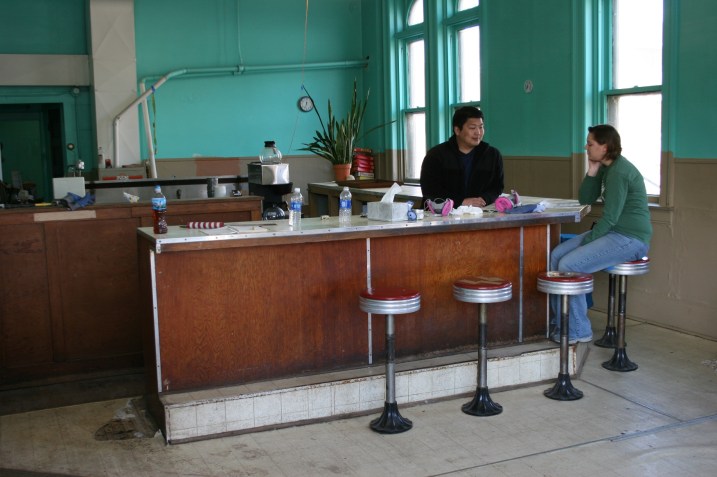
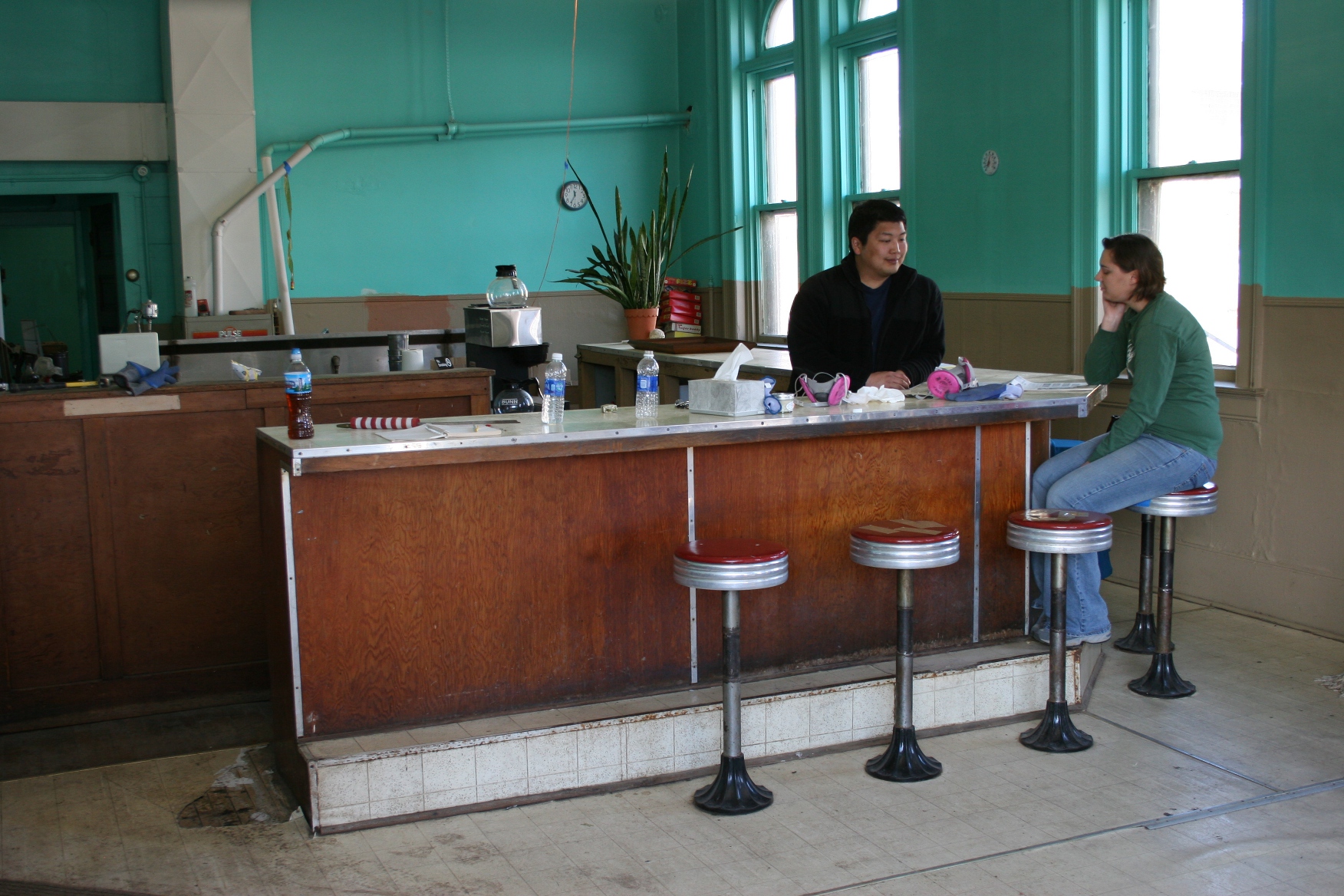
A section of this original lunch counter built by Bob Sanger will be refurbished and topped with granite.

They’re attempting, they say, to retain as much of the natural charm as possible. For example, they plan to refurbish the soda fountain built by Bob; relocate an original bank fireplace facade and tile into the coffee shop and install an electric fireplace; refinish the wood floors; keep the tin ceiling; reuse the candy and bakery counters; restore an old player piano; and more.
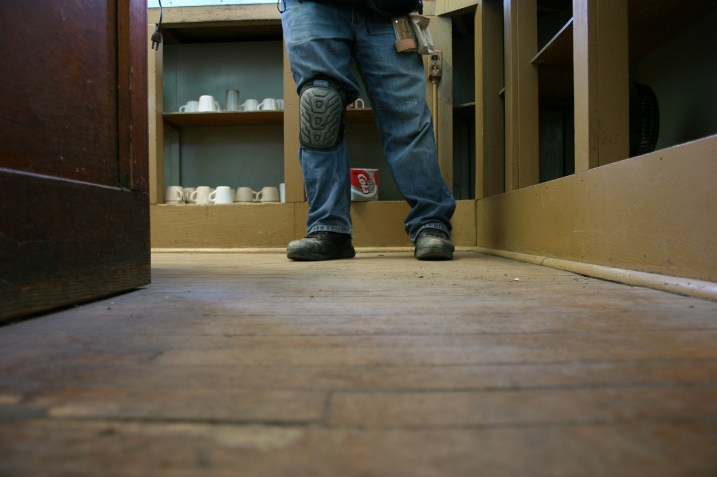
Wooden floors, like this behind the lunch counter, run throughout the building. In one section, however, where the bank vault once stood, the floor is made of pipestone granite.
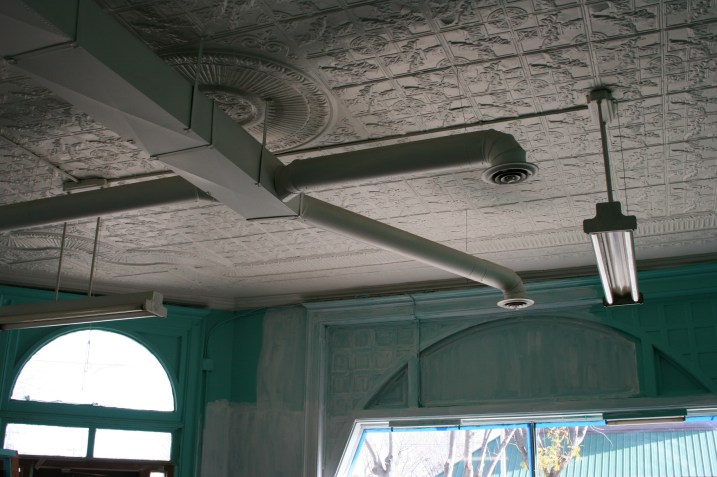
This shows a section of the original tin ceiling in the front part of the building. Ceilings are a lofty 12 and one-half feet high.
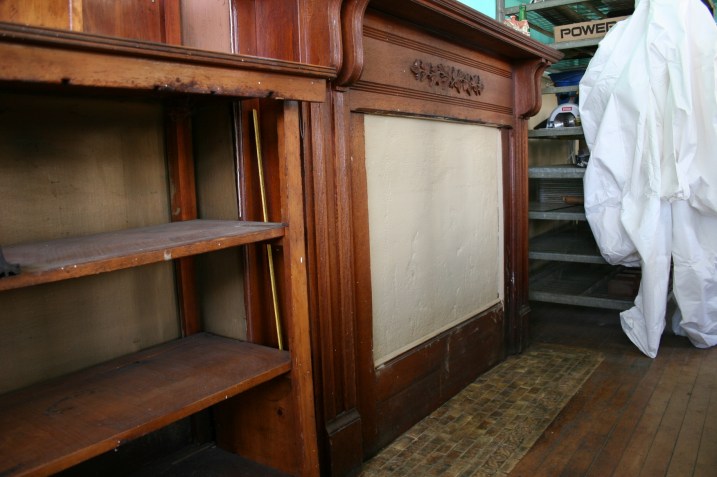
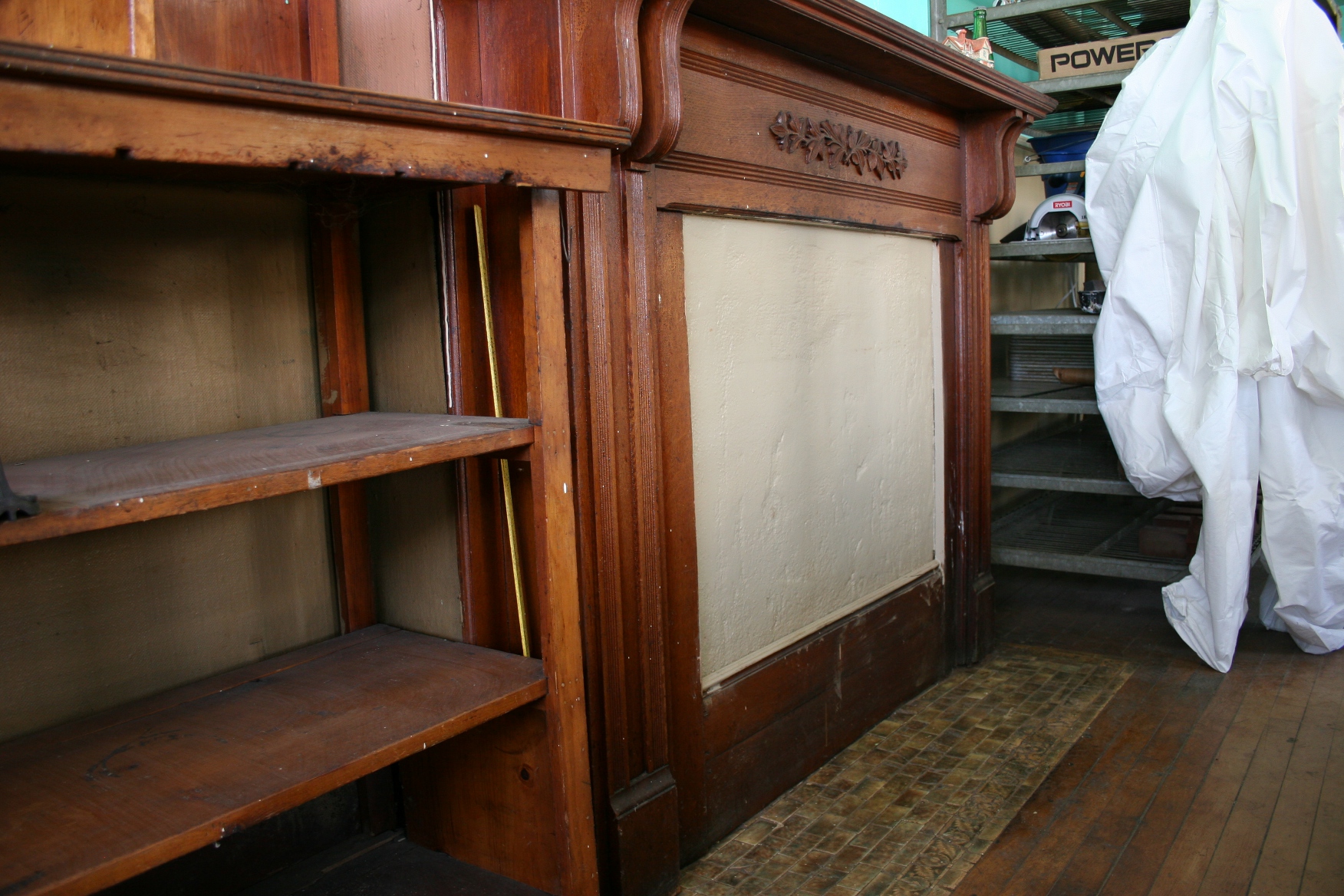
Plans are to move the facade and tile from the this original First National Bank fireplace into the coffee shop, which David will manage. 

The couple is also uncovering and sifting through collectible treasures like WW I and WW II artifacts, signage, rocks, and more accumulated by Bob. So much was damaged though, beyond saving, by moisture problems in the building, David says. But they are saving what they can, possibly incorporating some of their treasures into Seven Sisters.
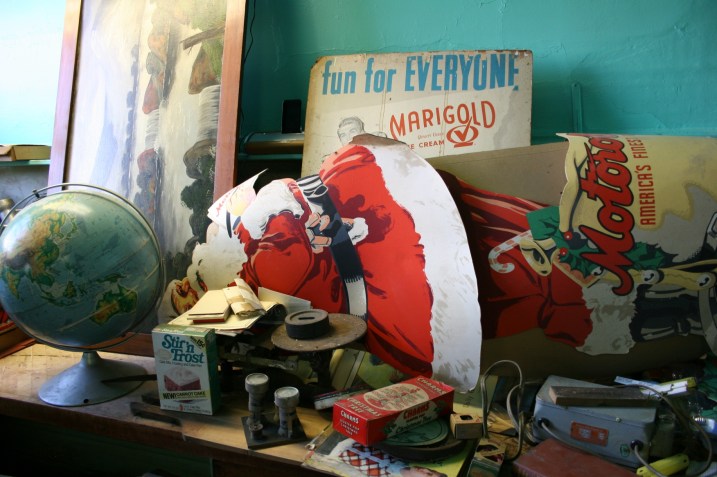
A pile of recently found treasures.
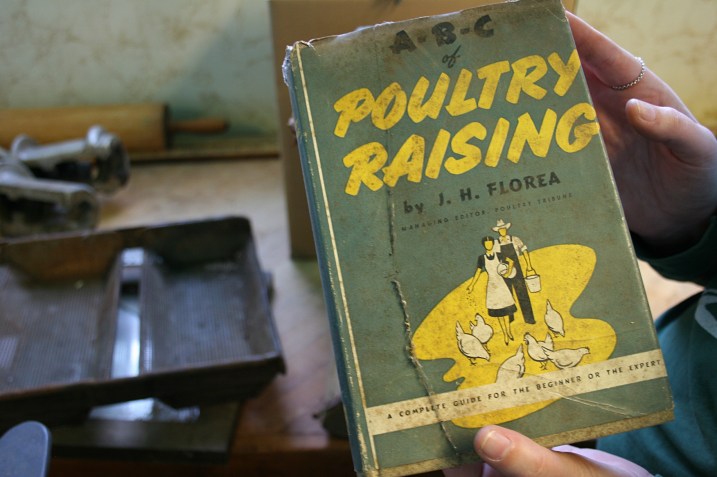
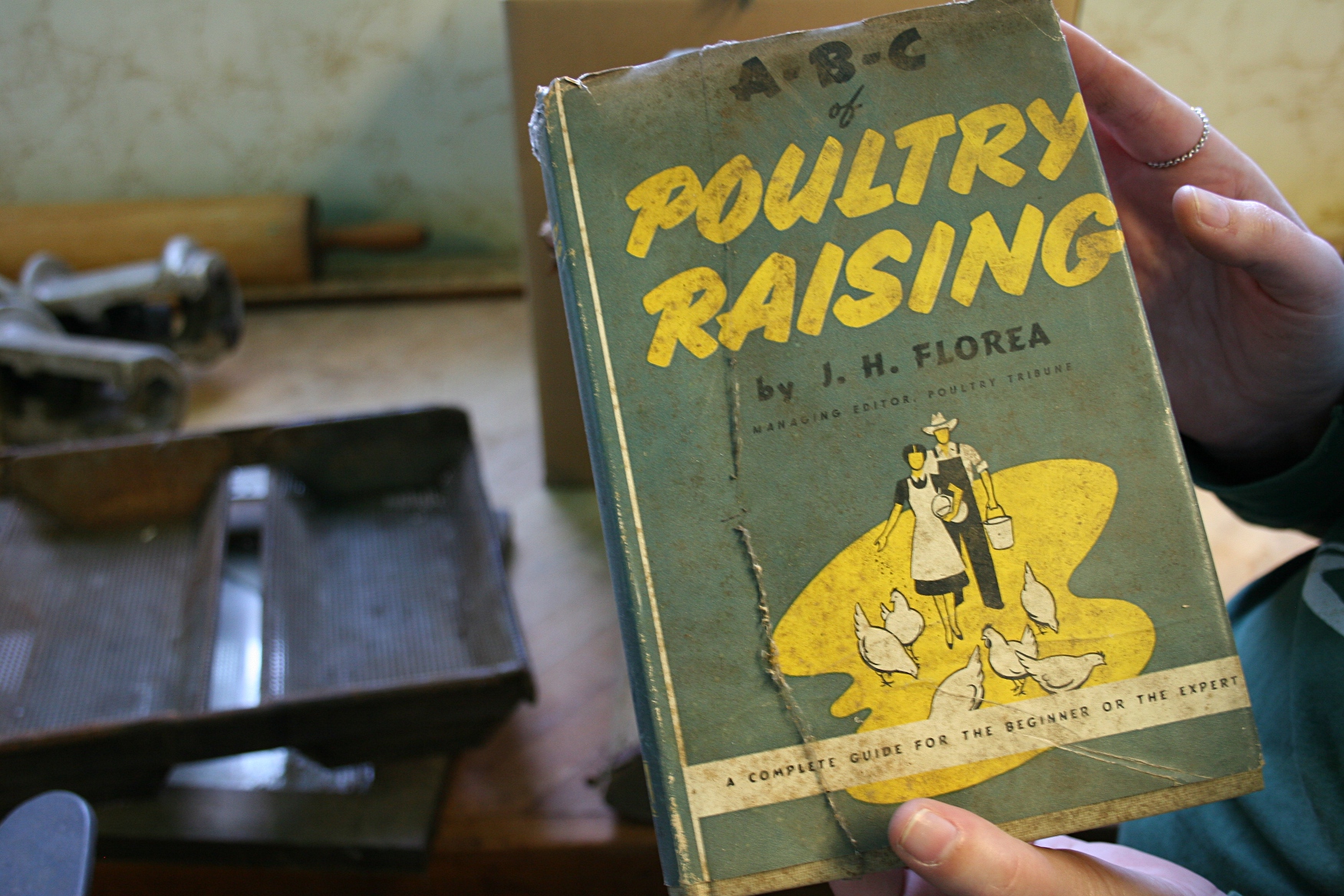
Among the old books uncovered was this one on poultry. Bob Sanger kept a flock of 100 chickens at his house, Michelle says. He used the eggs at his bakery and also sold eggs.
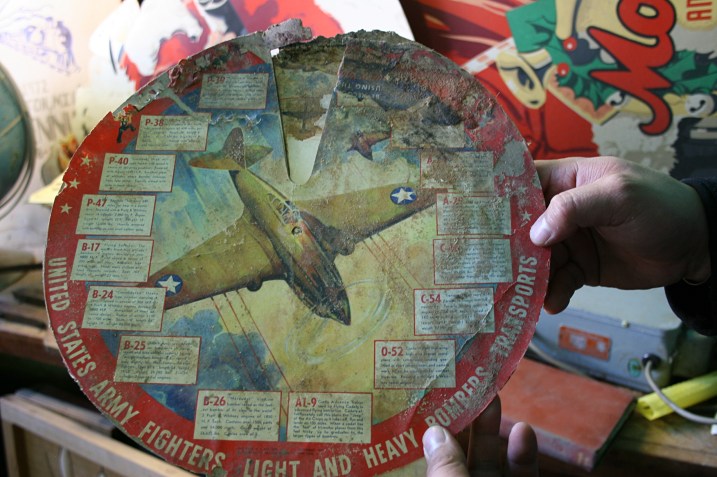
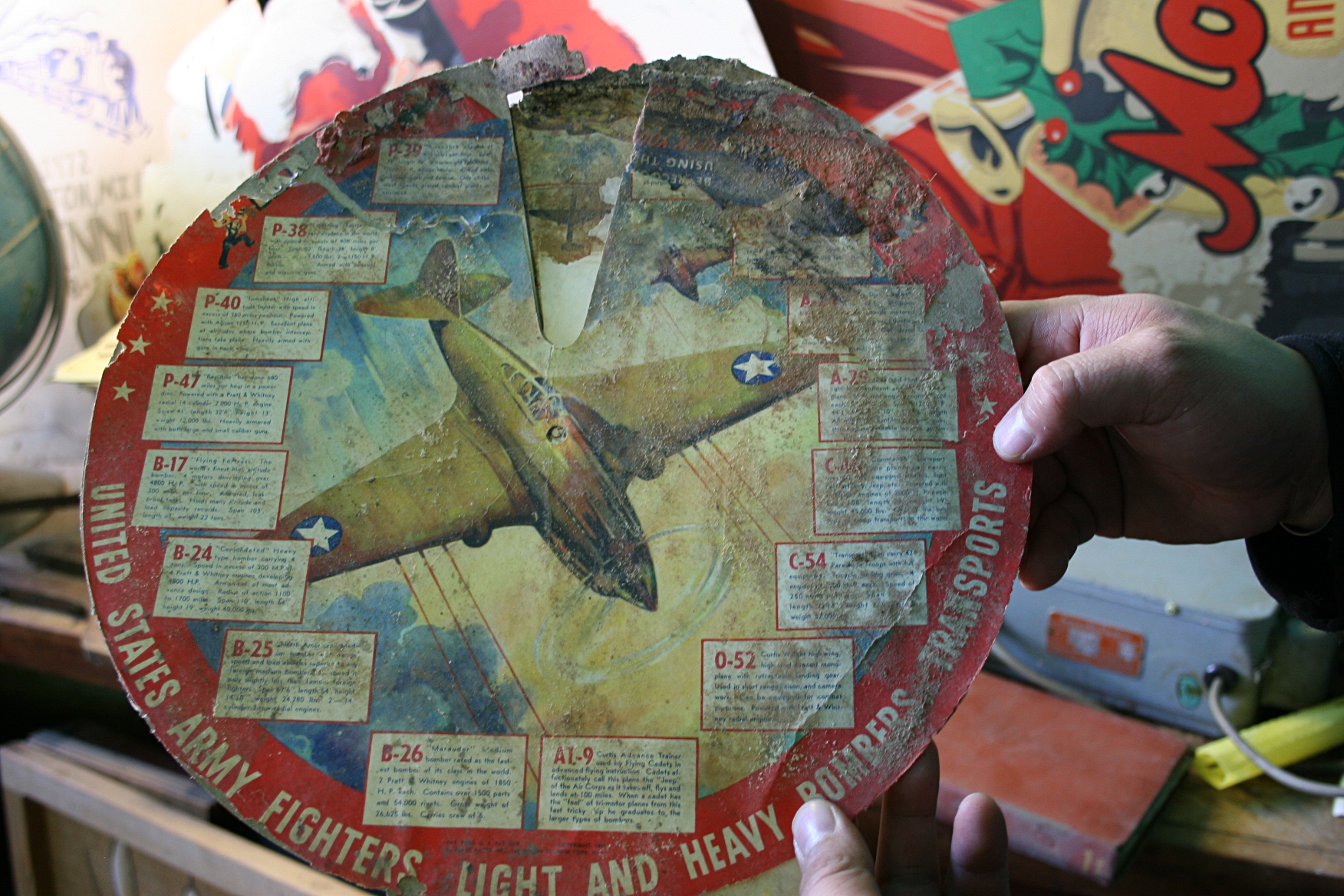
Another find, a vintage bomber transport chart damaged by water, like many of the old items found in the building.

Inedible silver cake decorating balls remain from Bob’s days of baking wedding cakes.
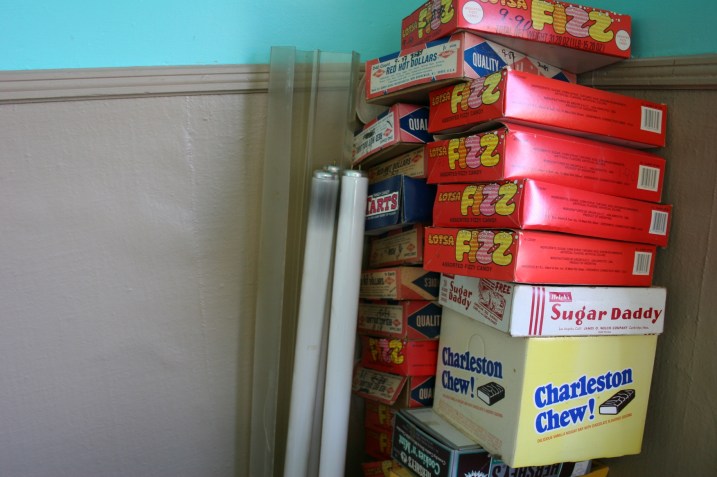
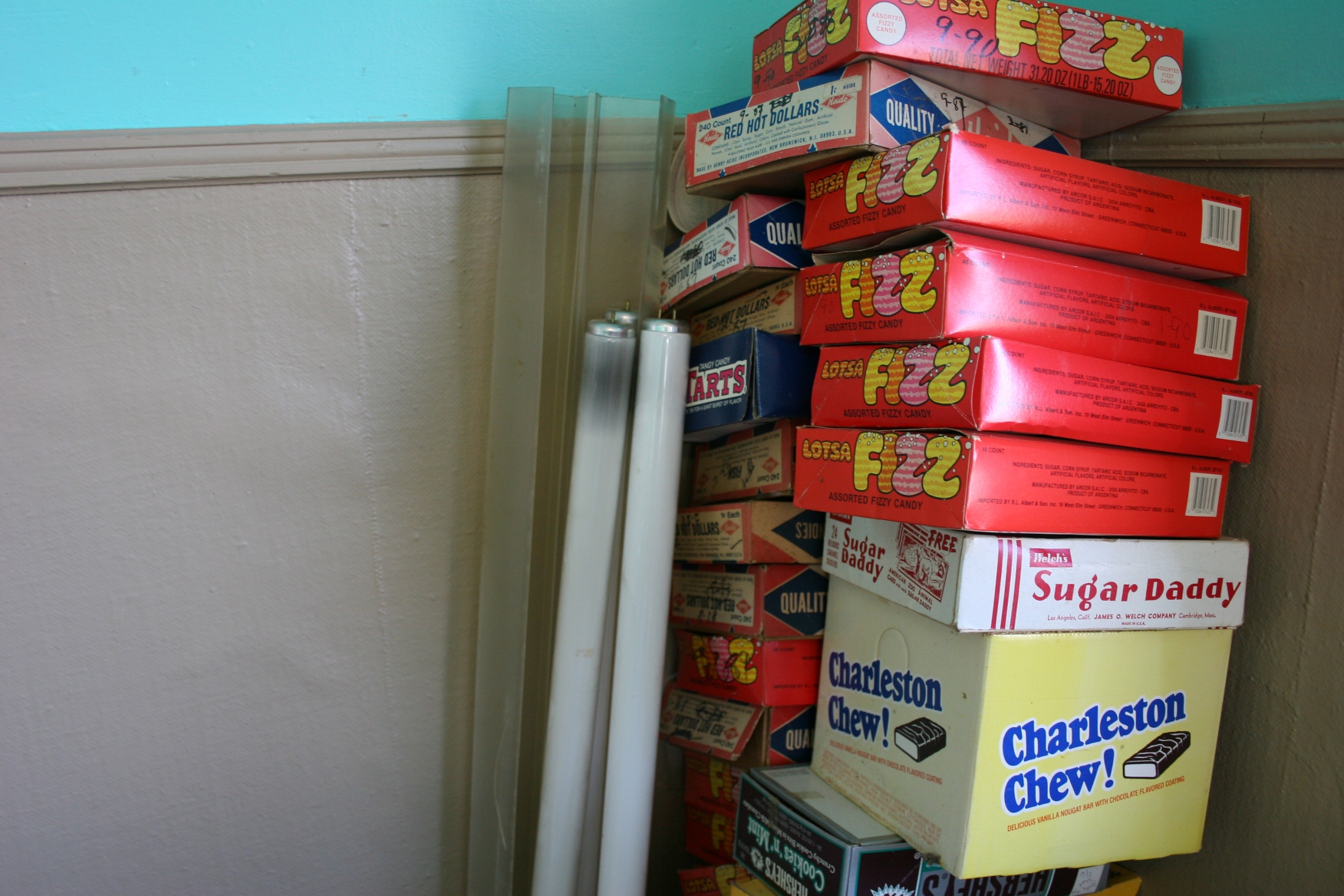
The couple found empty candy boxes (pictured here) and candy still in boxes inside the former bakery.

Michelle has fond memories of coming to Sanger’s for sweet treats. She remembers penny Tootsie Rolls and gumballs and candy cigarettes sold at the candy counter:

Thinking about the hundreds of people who have memories of this building, I really hope we can fill that same role for the next generations.

FYI: Lamberton is located along U.S. Highway 14 about 10 miles east of Walnut Grove, childhood home of Laura Ingalls Wilder, author of the Little House children’s book series. The area is a strong draw for summer tourists interested in Wilder’s books and the Little House on the Prairie television series set in Walnut Grove.

© Copyright 2012 Audrey Kletscher Helbling


Rural Americana: A personal tour of historic Canton, Minnesota October 18, 2012

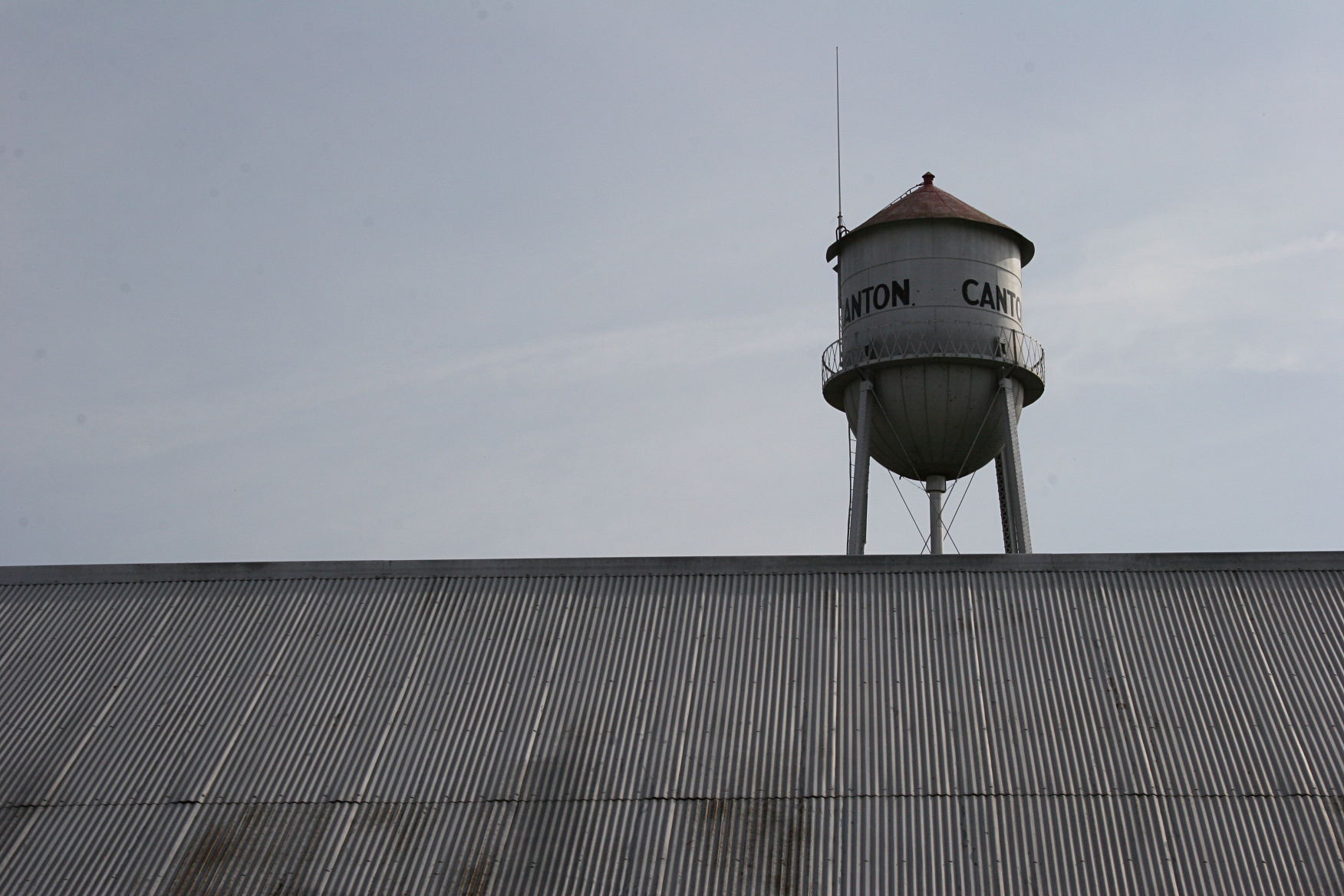
The water tower in Canton, on the other side of the roof line seen here in the foreground.

LeROY HAYNES WAS BRUSHING green paint onto wainscoting in the sunny warmth of an October afternoon when I happened upon him in Canton, a town of 328, in southeastern Minnesota near the Iowa border.

He was, he said, in the process of sprucing up Lumber Yard Antiques, the shop he and wife Kathie opened in July. Kathie’s originally from Canton where the couple now lives only three blocks from their antique store.

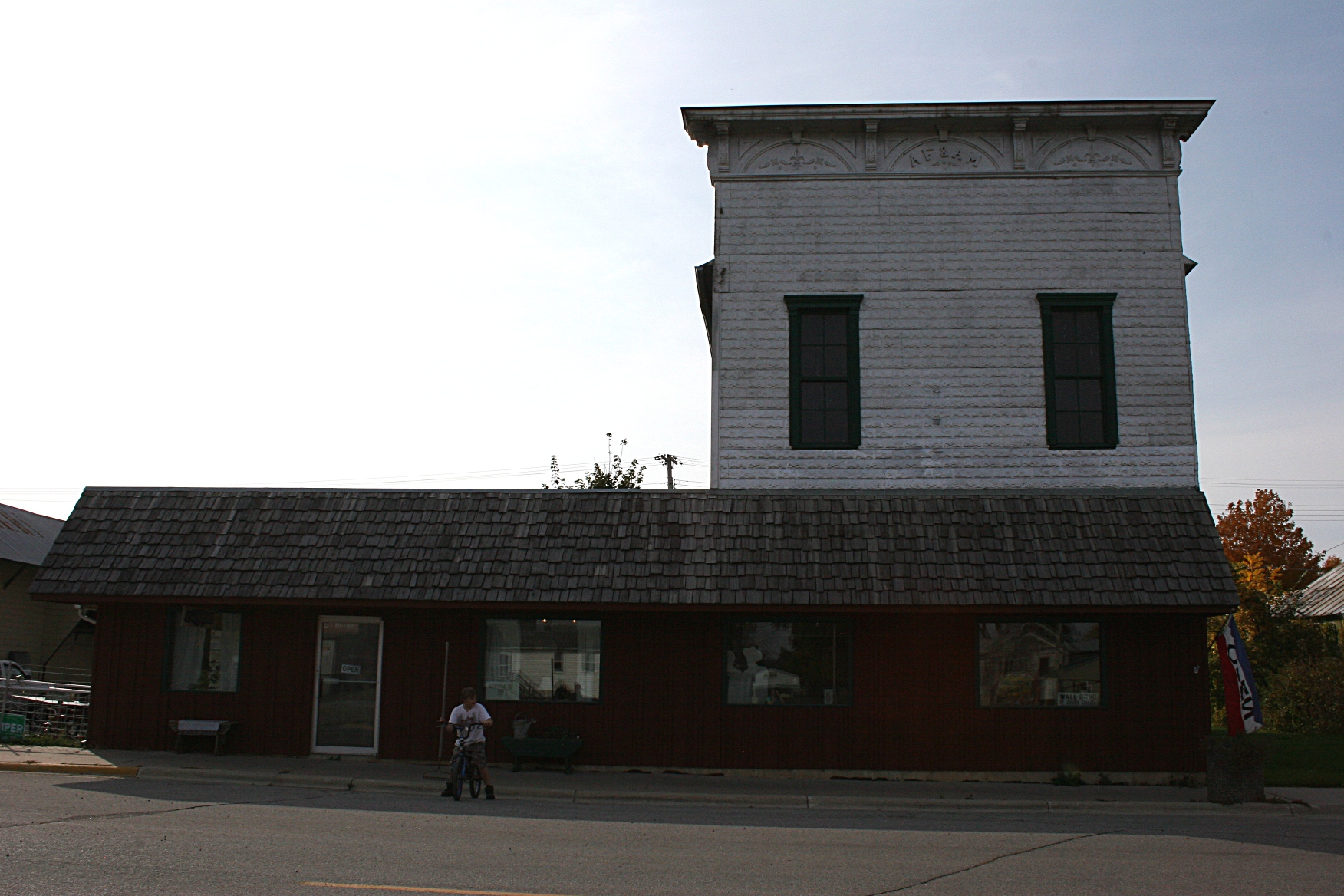
When the lumber yard moved here, it added the front red part of the building onto the former Masonic Lodge building on the right. The first floor of this complex now houses Lumber Yard Antiques.

They named their business after the lumber yard previously housed in the building complex which some 10-plus years ago was home to another antique shop and before that Canton city offices. The older part of the Haynes’ shop, the Masonic Lodge building, was once rented out by the Masons and used as a grocery store, barbershop and even as apartment space.

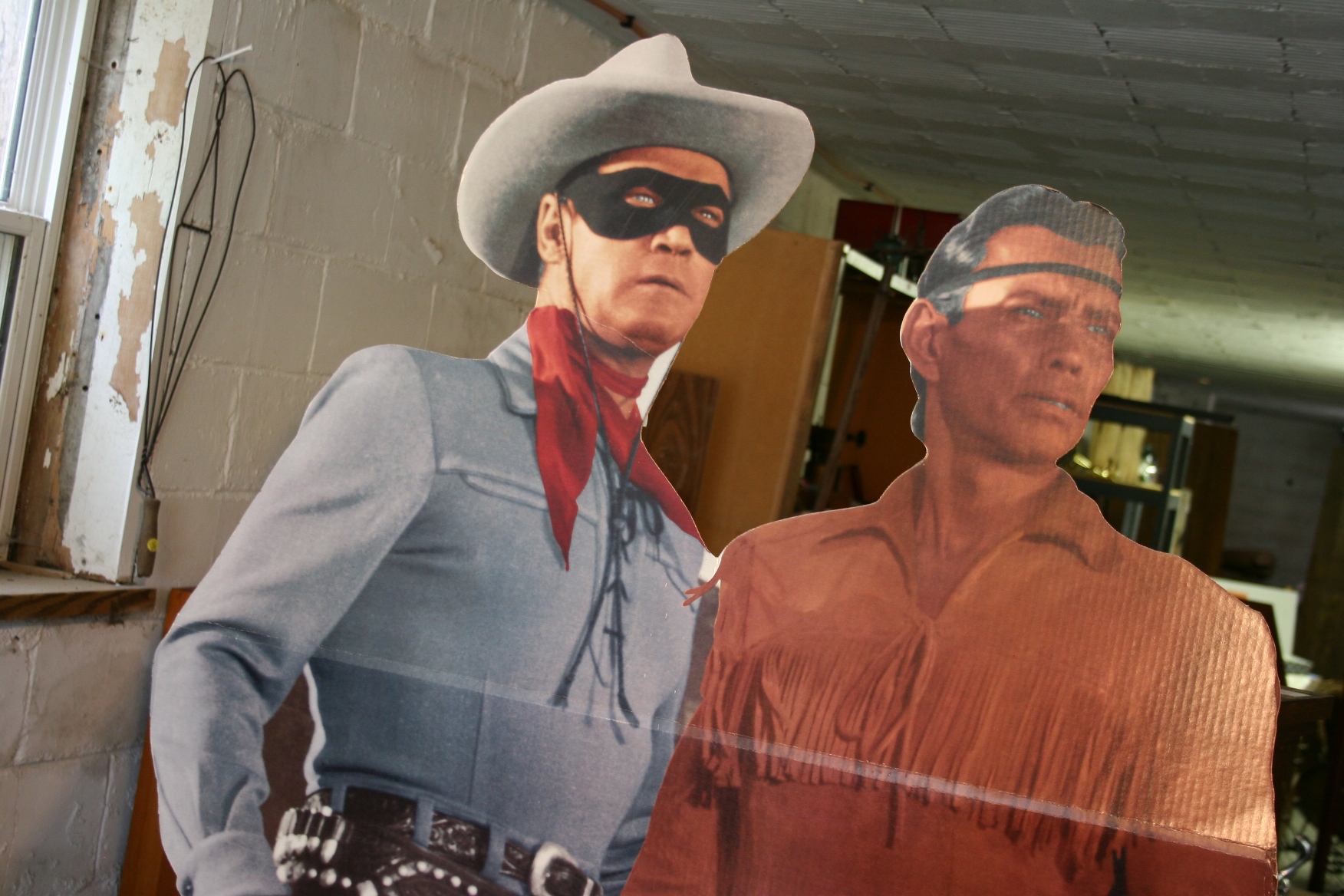
See what you learn when you start a conversation. I learned even more when I spotted a cut-out of Tonto and the Lone Ranger and mentioned to LeRoy that I’d seen one just like it in the basement of an antique shop in Stockholm, Wisconsin.

The Lone Ranger and Tonto cut-outs, photographed last fall in Stockholm, Wisconsin.

Imagine my surprise when LeRoy informed me that the cut-out had come from Stockholm, where he once sold his antiques and collectibles at A+ Antiques & Oddities.

It is a small world.

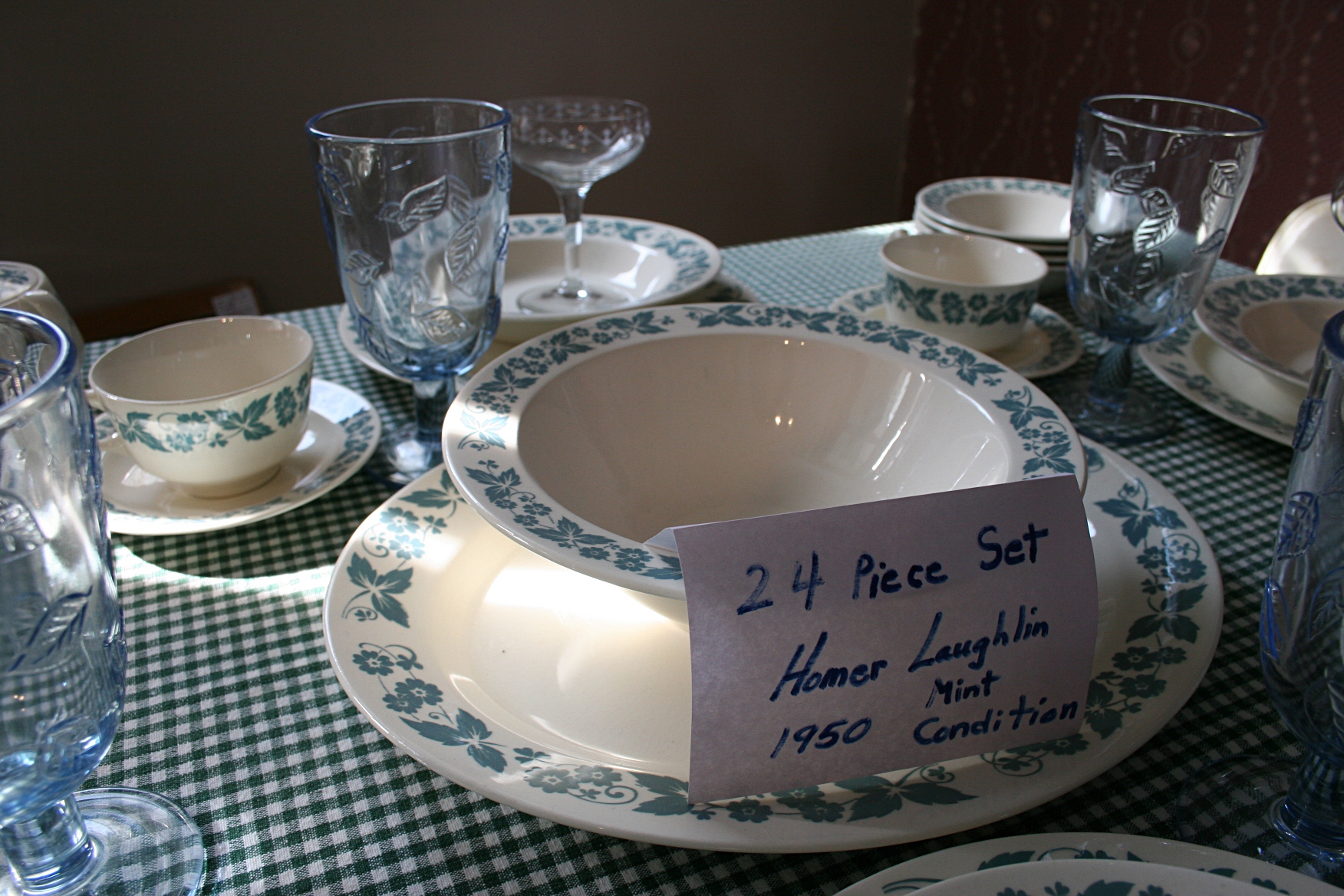
Beautiful 1950 Homer Laughlin china for sale at Lumber Yard Antiques.

LeRoy and I hit it off marvelously and soon he was offering to take me and my husband into the upstairs of the former Masonic Lodge. I had my doubts as this Presbyterian minister led us past a jumble of boxes, over broken glass and finally weaving our way up a steep and dark stairway littered with piles of bird poop. And I was wearing flip flops.

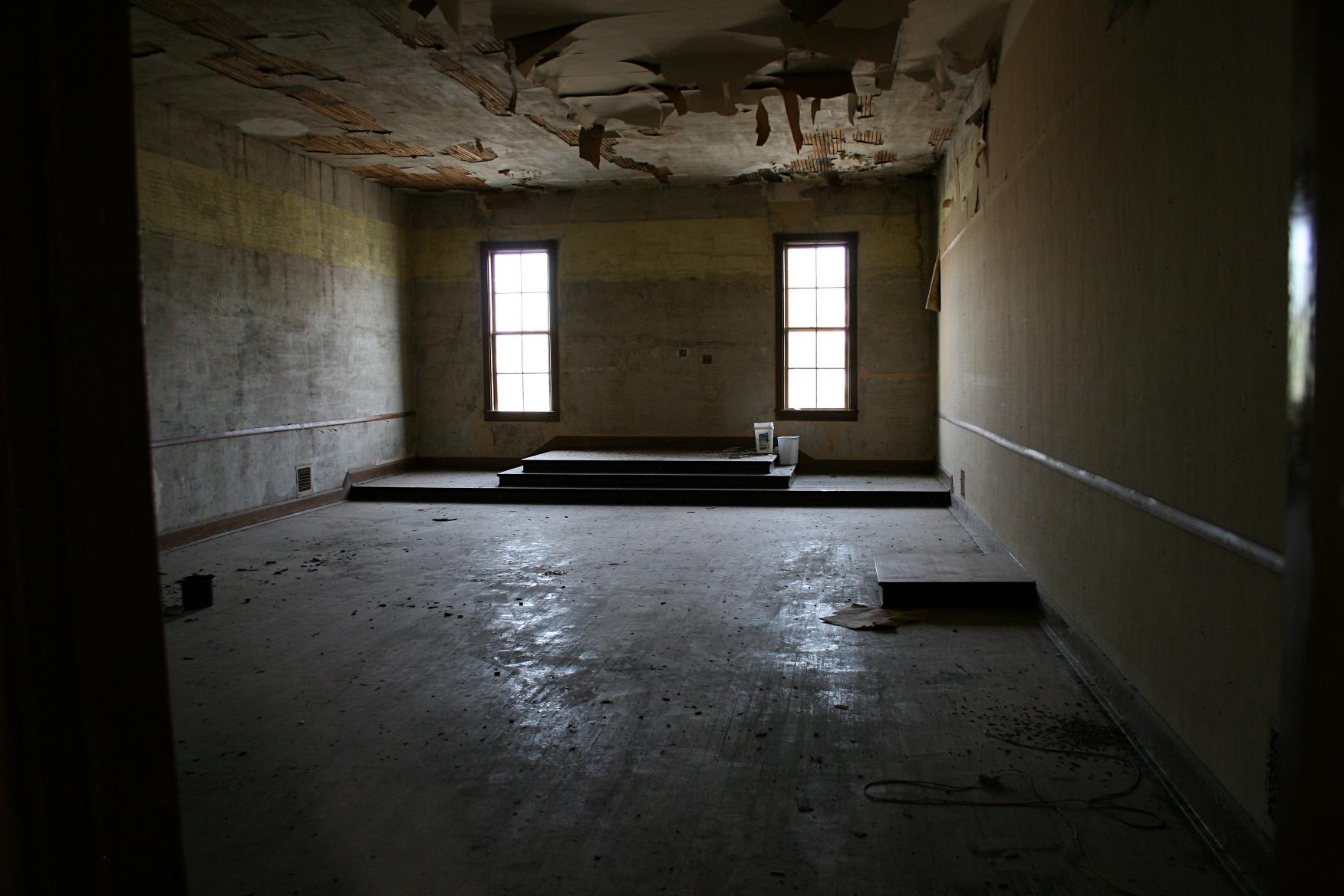
Inside the former Masonic Lodge, the second floor of Lumber Yard Antiques. Can you see the potential here?

But it was worth the climb when LeRoy led us into a spacious room with incredible potential, despite the crumbling ceiling and general disrepair. The wood floor and the step-up small “stages” on both ends of the room—something to do with Masconic ritual, LeRoy said—instantly ignited my creative thoughts. This, I told our tour guide, would be perfect for theatre and/or music.

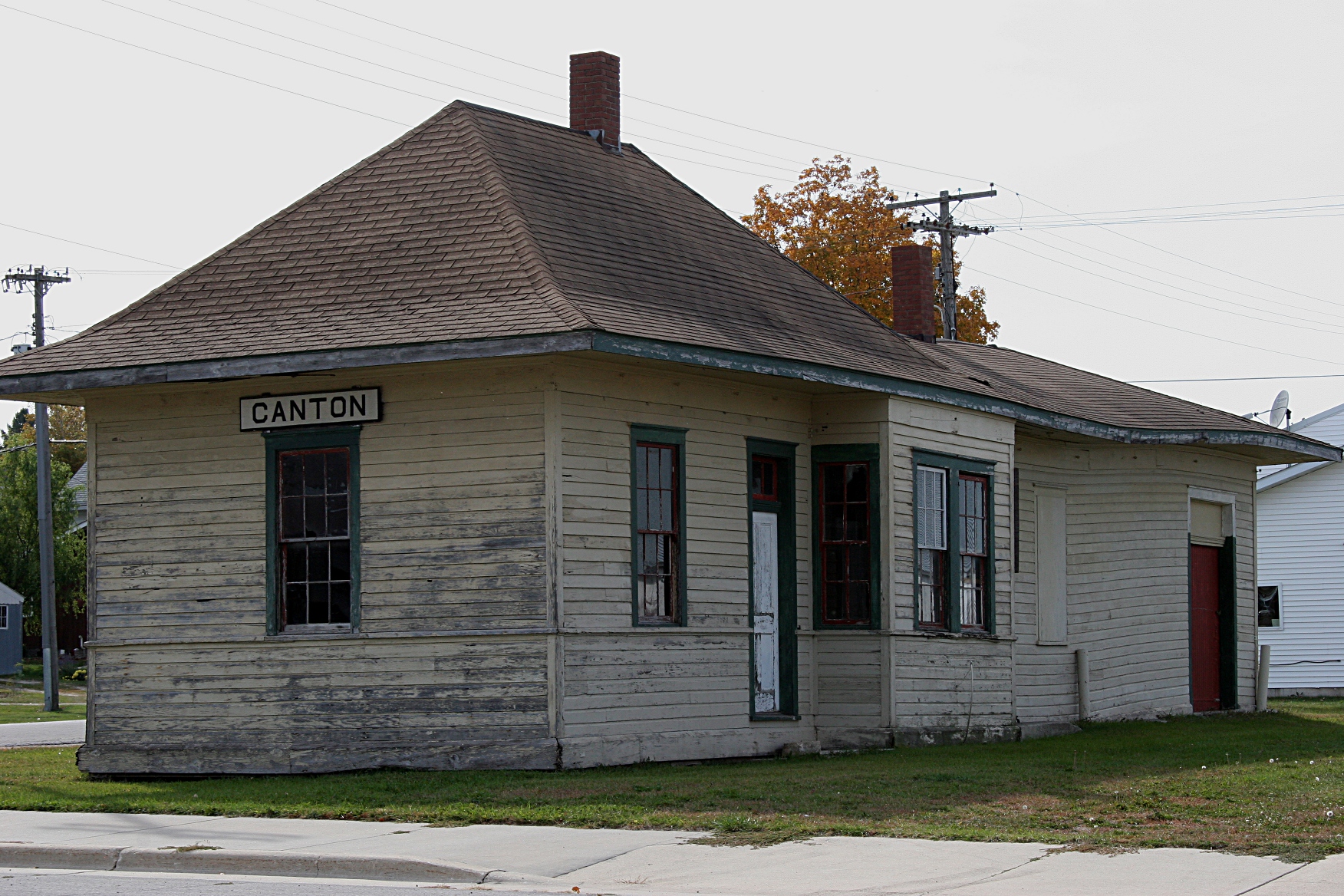
Canton’s original depot, recently reroofed.

I don’t know that LeRoy and Kathie share my vision. But they have been thinking preservation as has a railroad buff from California who bought the next door vintage railroad depot, sight unseen, according to LeRoy.

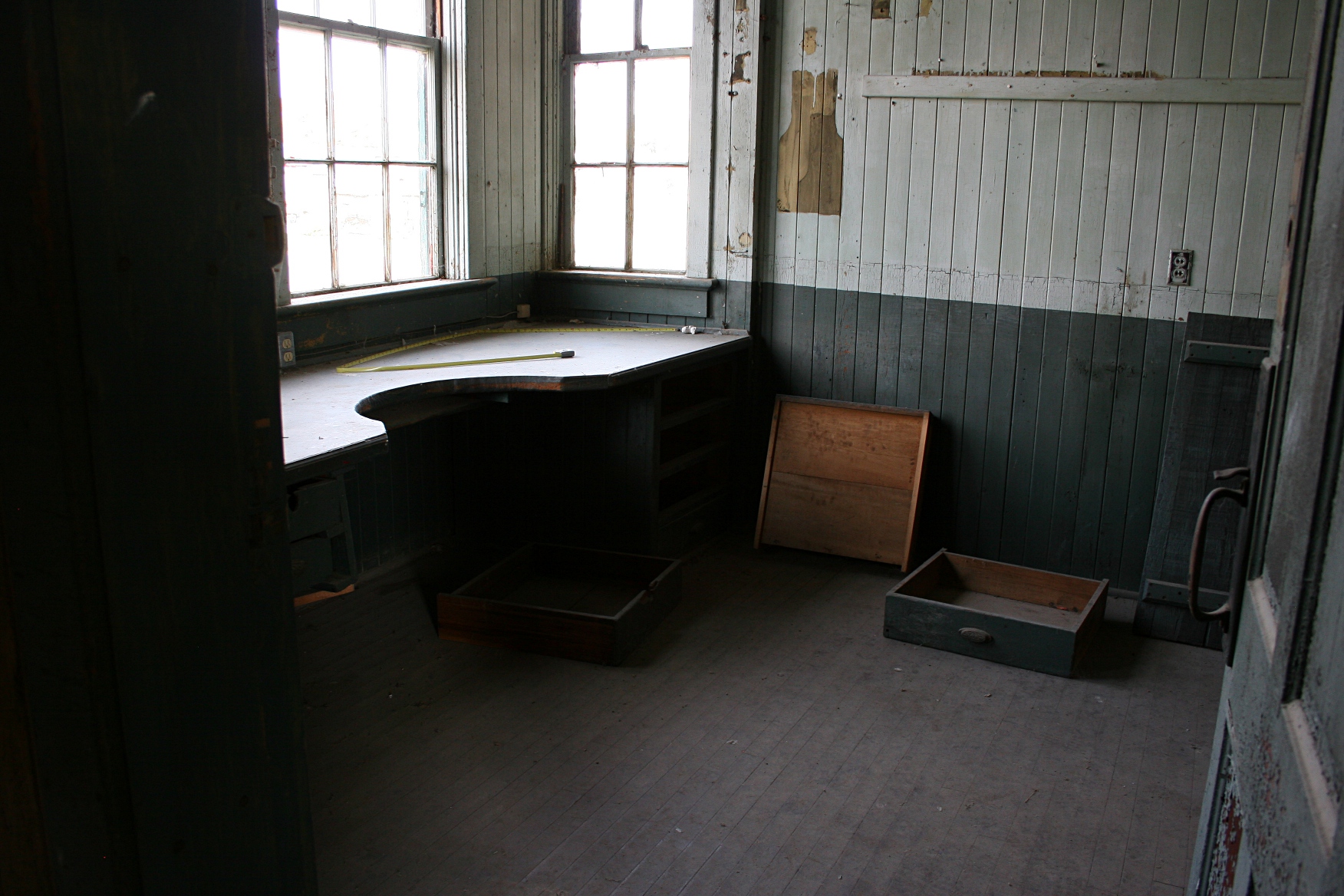
Inside the depot.

The depot came next on our tour (LeRoy’s been entrusted with a key) and I was just as delighted to get inside this historic building.

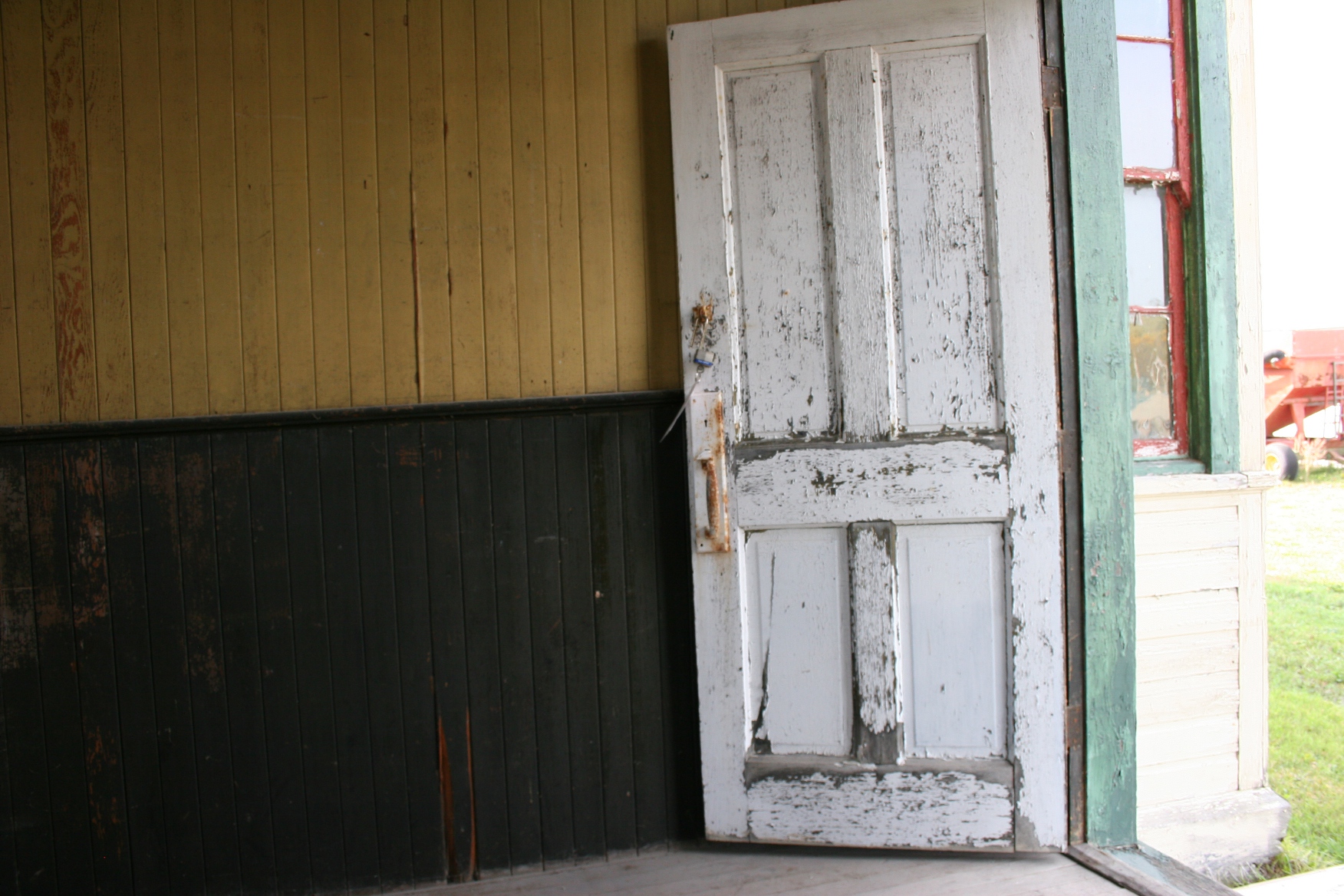
The door LeRoy unlocked into the depot. Love it.

The California man has a vision to create a historic site in Canton and a Canton Historical Society has been formed. Plans are to seek grants to restore old buildings like the depot.

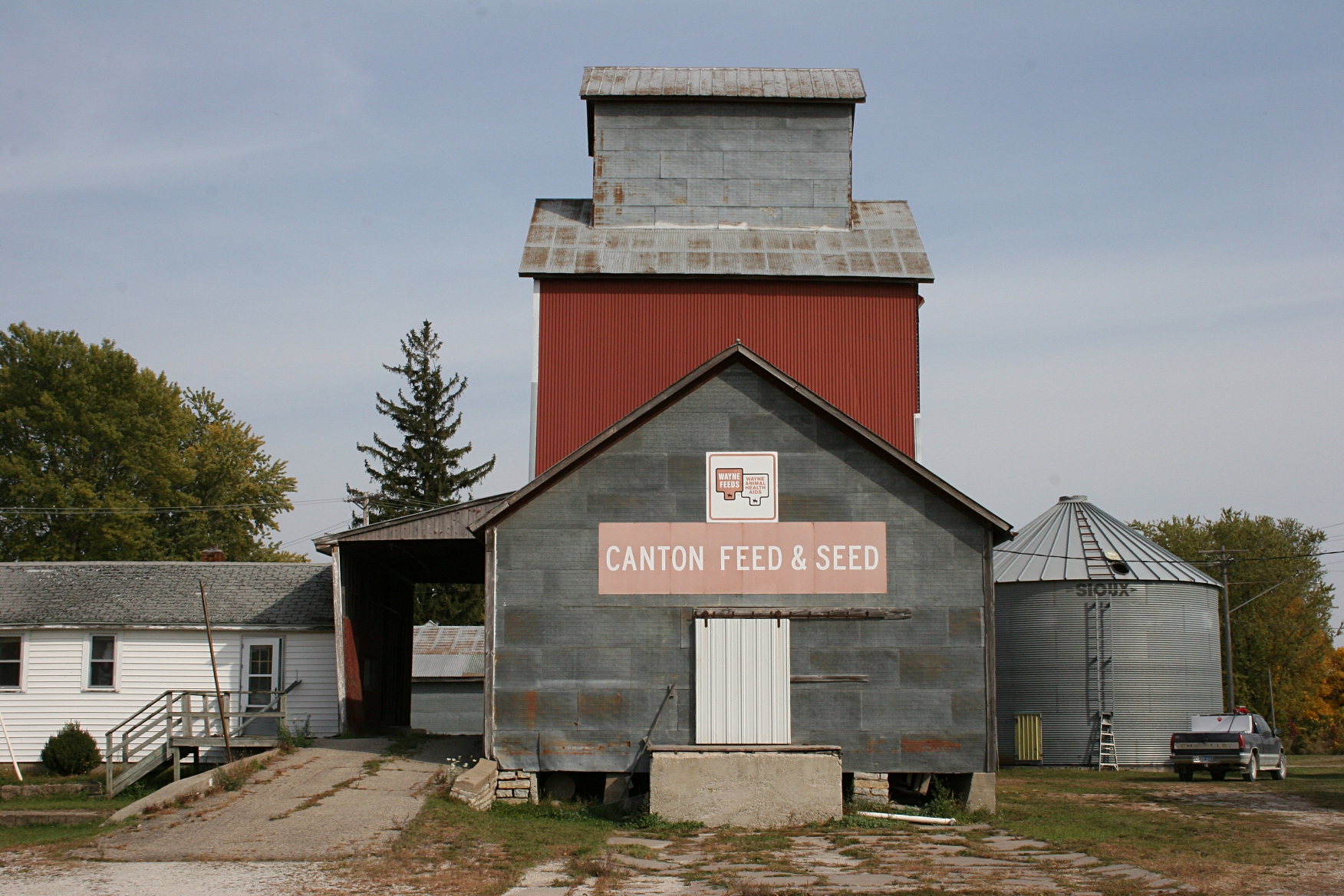
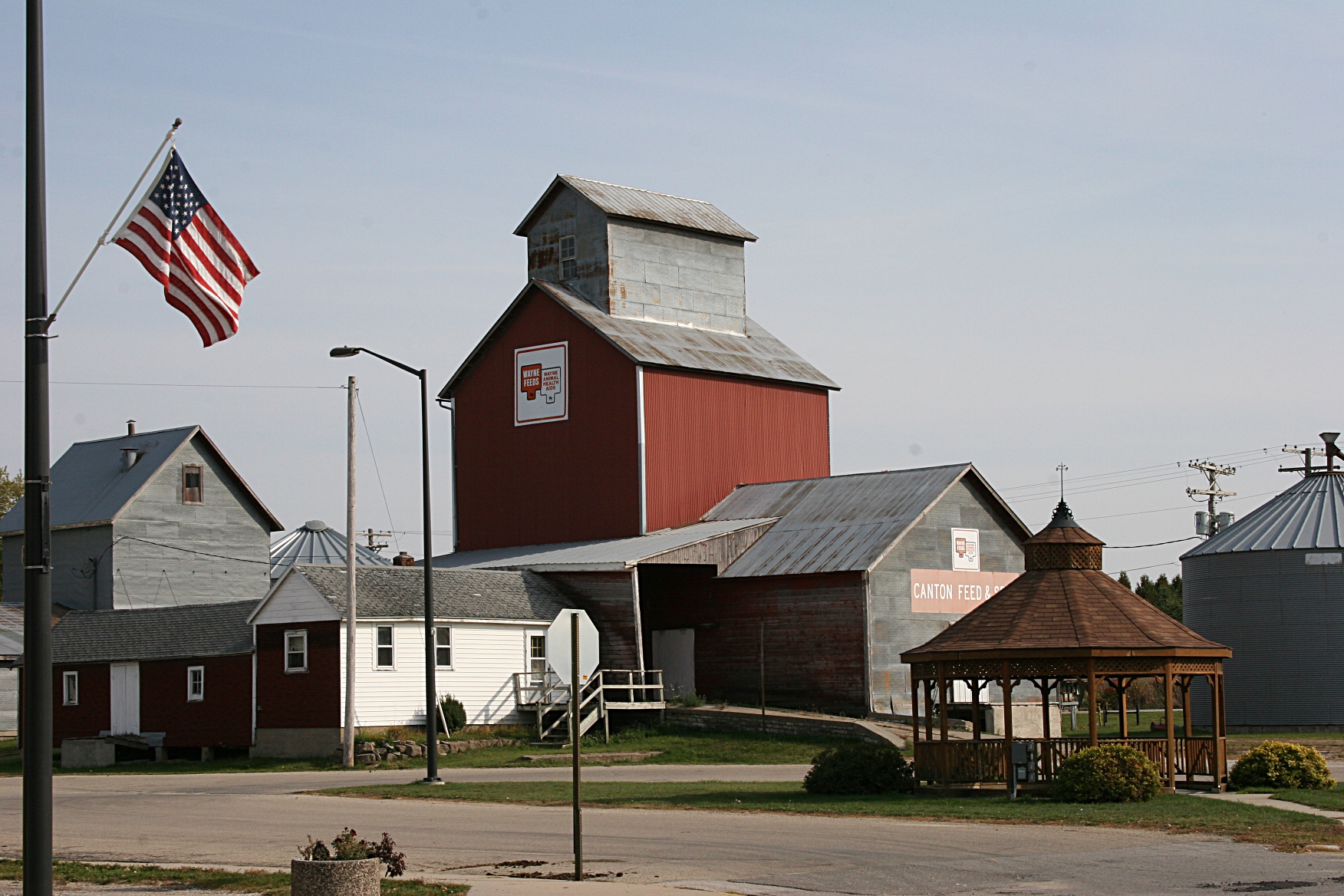
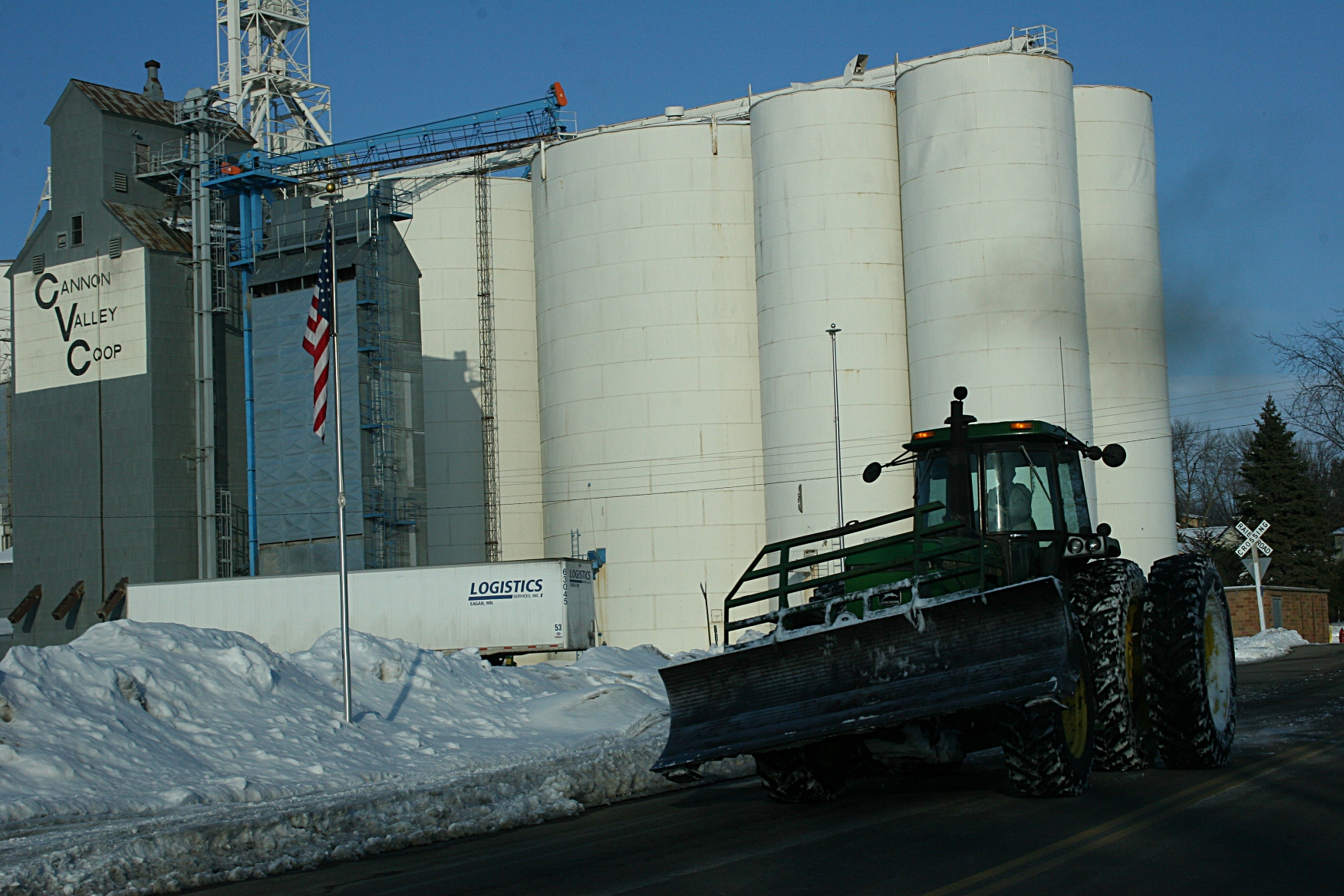
Old elevators like this are disappearing from our small towns, replaced by large, generic storage units. The Canton Historical Society hopes to save Canton Feed & Seed and other old buildings in town as part of an historic site.

And that pretty much ended our tour of the portion of Canton which lies off the main route past town, Minnesota Highway 44. Had we not driven into town via the back way, past the elevator, we may have missed all of this, and that personal, historic tour by LeRoy.

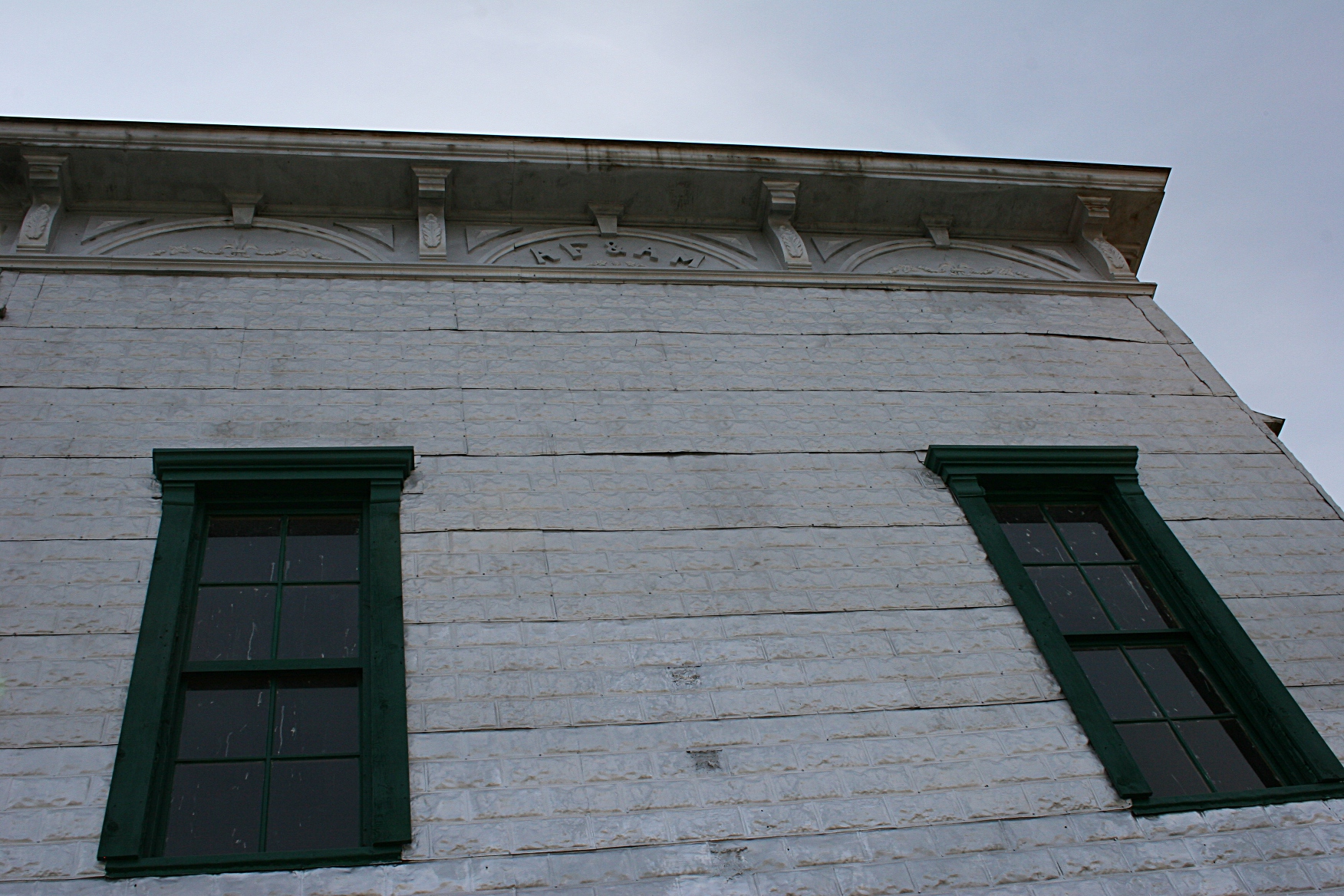
Exterior details on the old Masonic Lodge building.

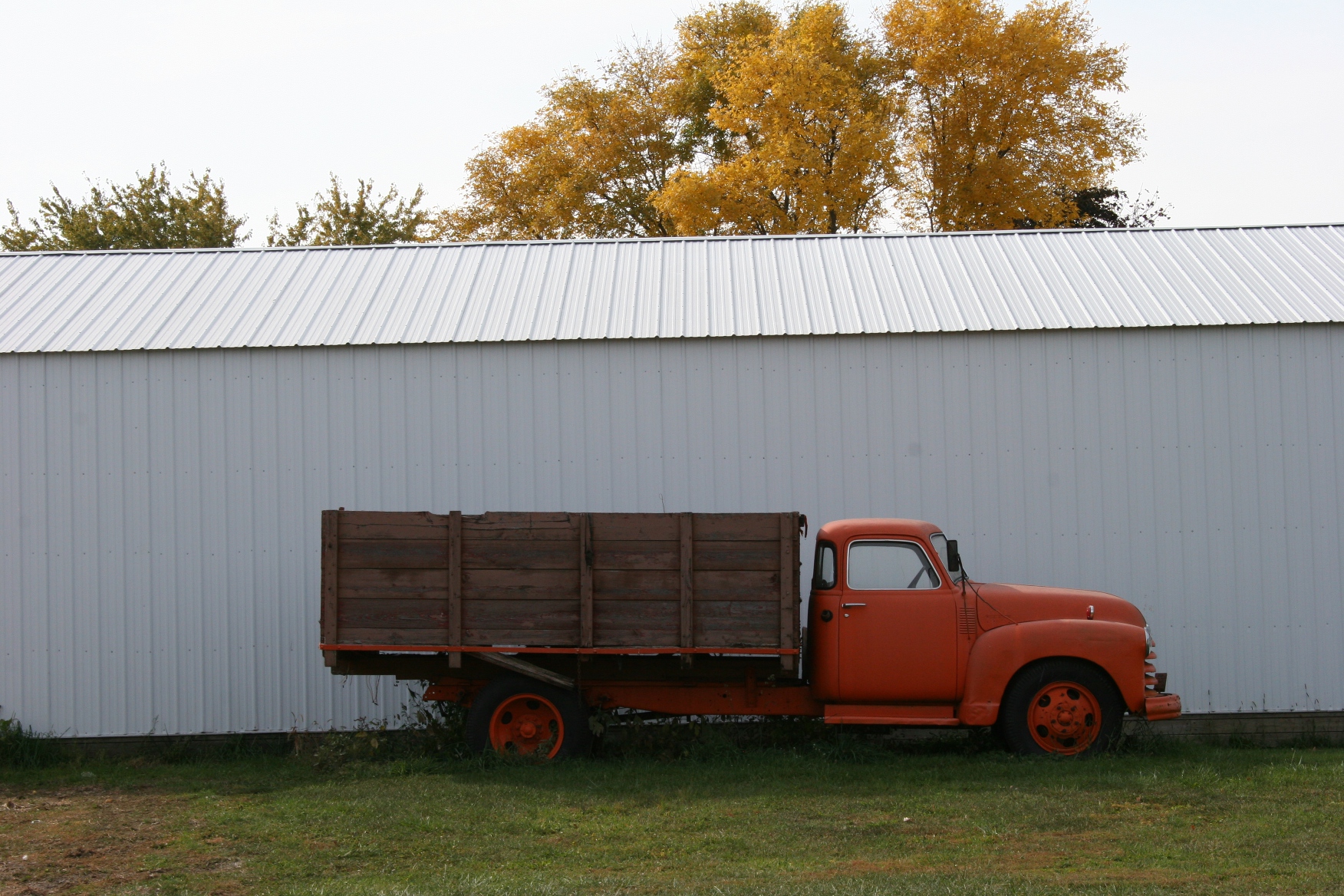
Outside the back door of the antique shop, this tangerine hued vintage truck contrasted against the gray metal caught my artist’s eye.

A broader view of the scene directly across the street from Lumber Yard Antiques and the depot. Pure rural Americana.

FYI: Lumber Yard Antiques is open from 11 a.m. – 5 p.m. “most days,” LeRoy says, but will be closed from January – March. My apologies for failing to photograph LeRoy and Kathie. What was I thinking? Clearly I was not.

CLICK HERE TO READ a previous post from Canton. 

© Copyright 2012 Audrey Kletscher Helbling
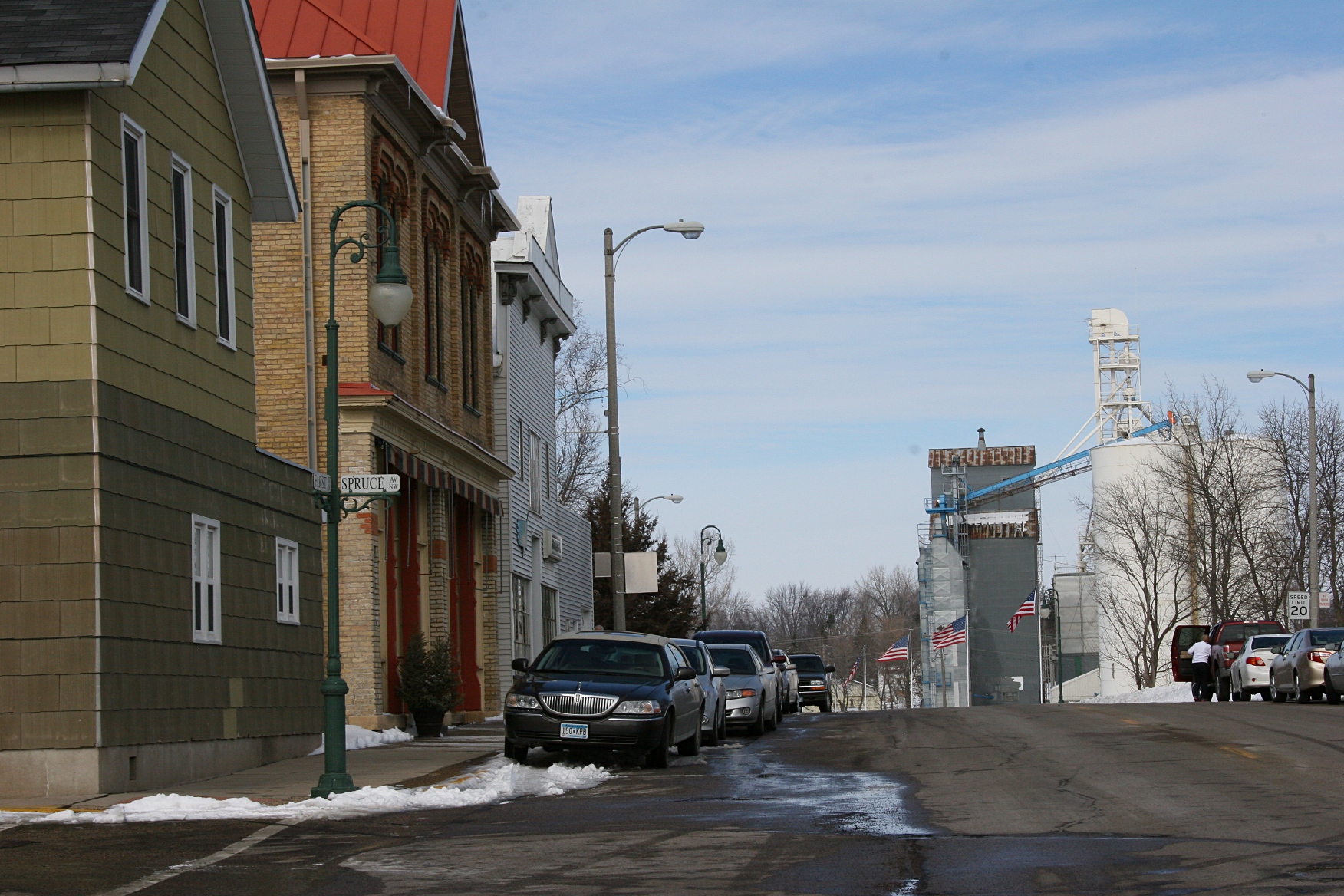
 

The corner bar in Canton October 17, 2012

If you can take your eyes off the vintage phone booth, you’ll notice a beer sign suspended from ZZs Tap (bar) along Canton’s Main Street.

PEER DOWN THE ONE-BLOCK Main Street of Small Town, USA, and your eyes likely will land on a bar or two anchoring a business district comprised of primarily vacant and crumbling buildings.

That’s an over-generalization, of course, but sadly all too true for many once-thriving small towns.

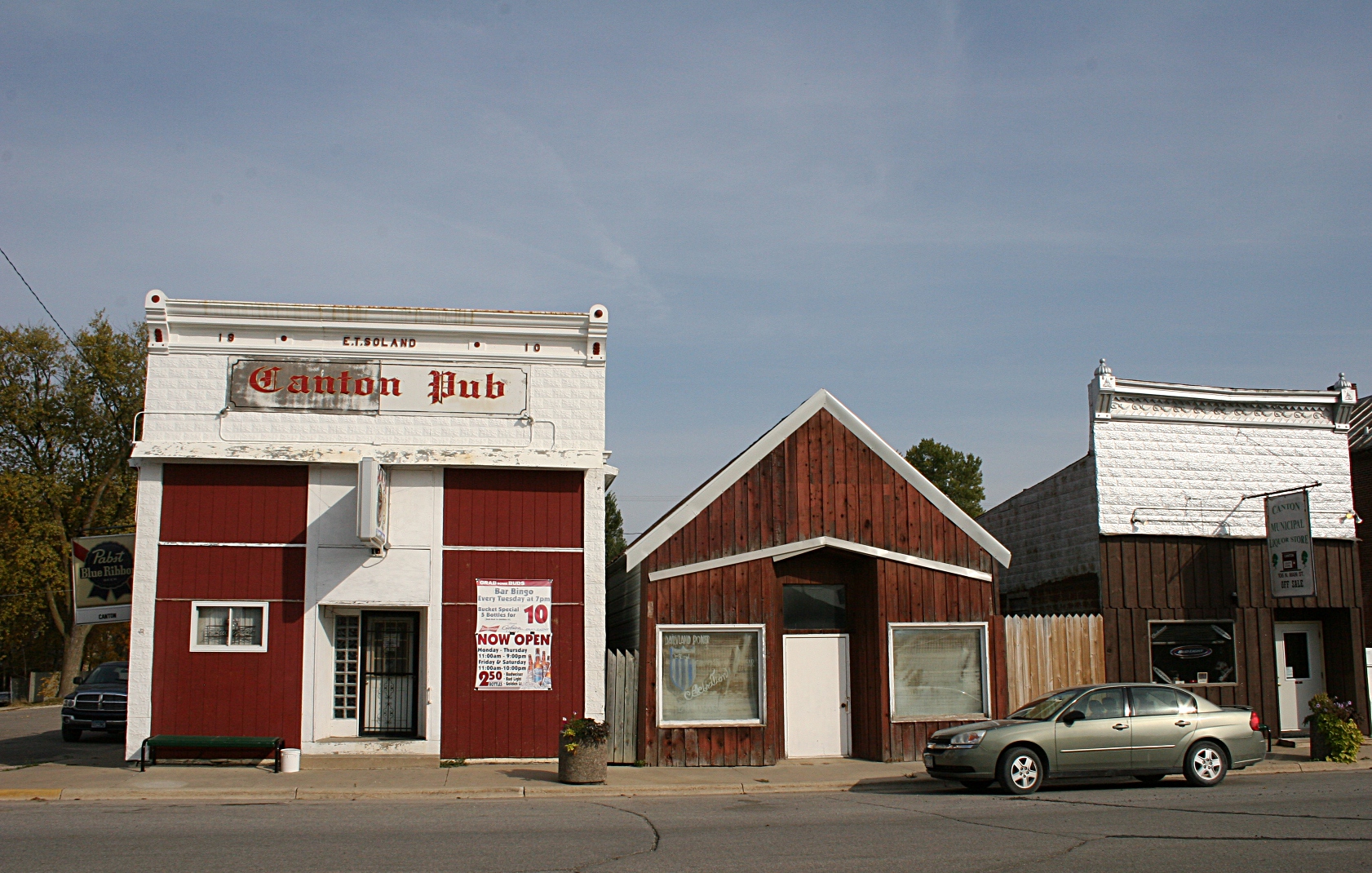
That’s the Canton Pub on the left and the Canton Municipal Liquor Store on the right with an unknown business sandwiched in between.

While hardware stores and grocery stores, even hometown cafes and barber shops, have closed, the corner bar typically endures.

I’ve never been a frequent bar customer and honestly can’t remember the last time I stepped into a small town bar where heads swivel when a stranger enters. You know what I mean, right?

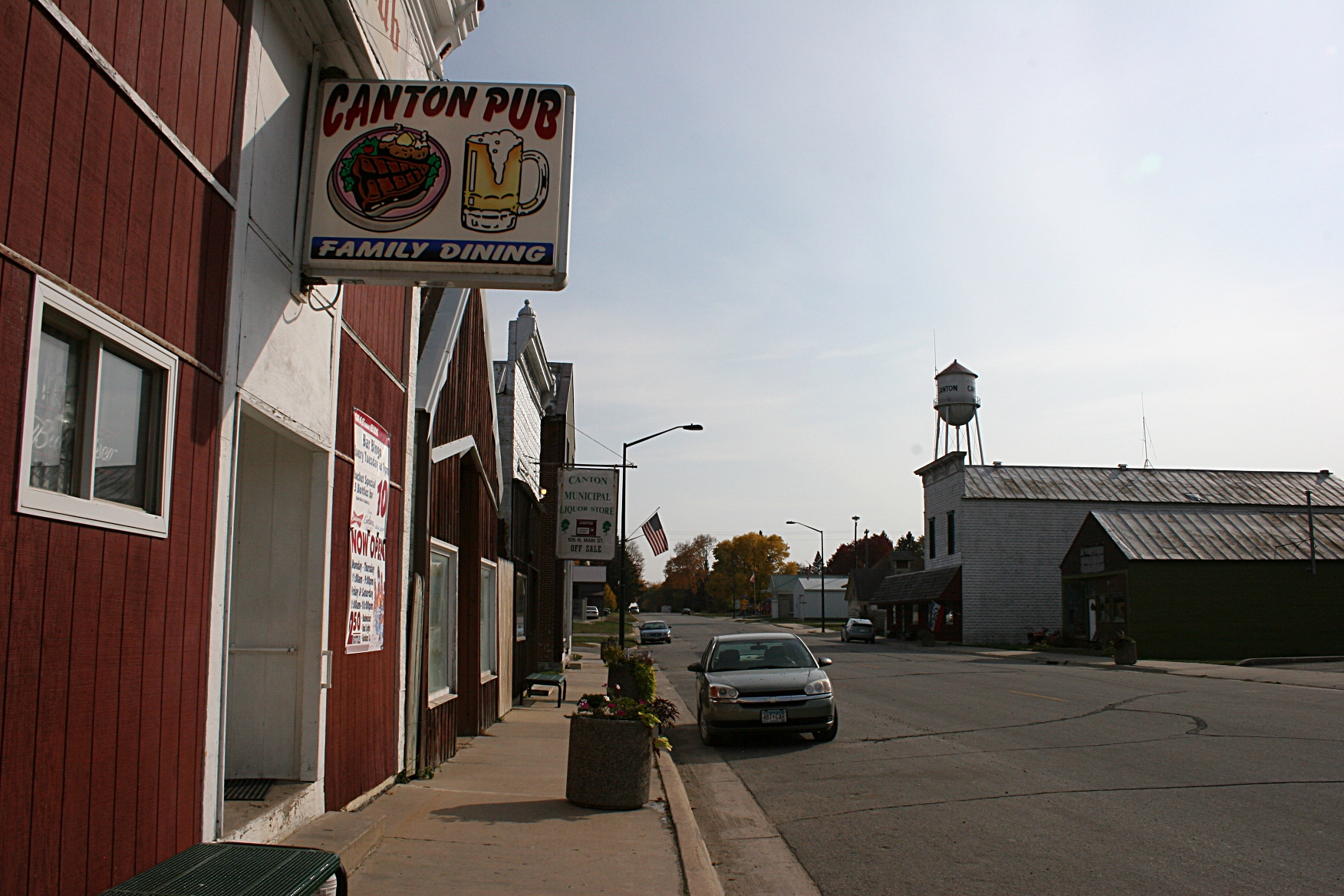
Food and drink and Tuesday night bar bingo can be found at the Canton Pub.

On a recent stop in Canton, a town of 328 nudging the Iowa border in southeastern Minnesota, I spotted the Canton Pub. I didn’t even try the pub door to see if I might slip inside for a cold one on an autumn afternoon.

I was too busy photographing the beer signs.

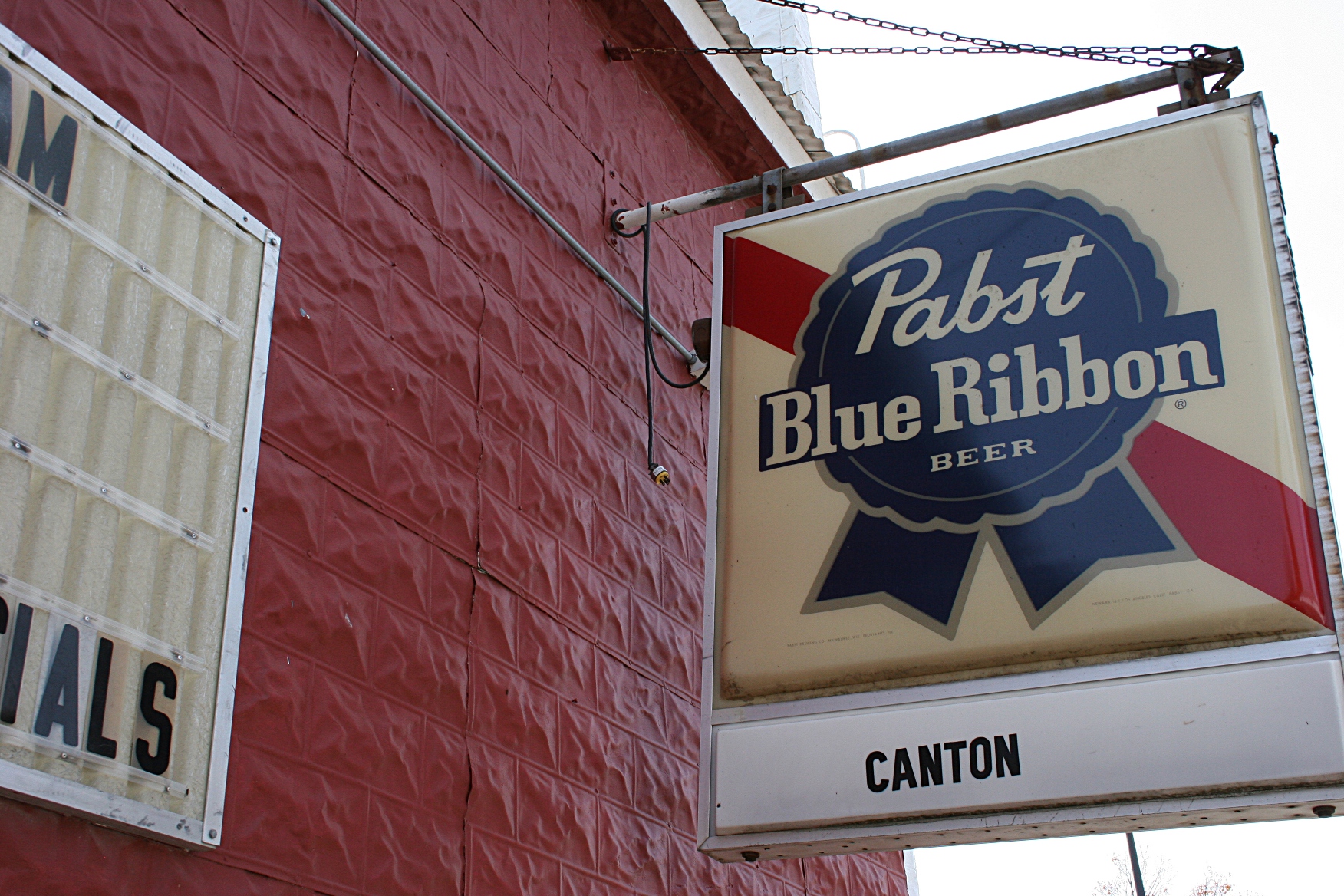
I photographed this sign at the Canton Pub for my oldest daughter’s boyfriend, Marc Schmidt, who recently relocated to the Twin Cities from LA.

Another beer sign on the Canton Pub.

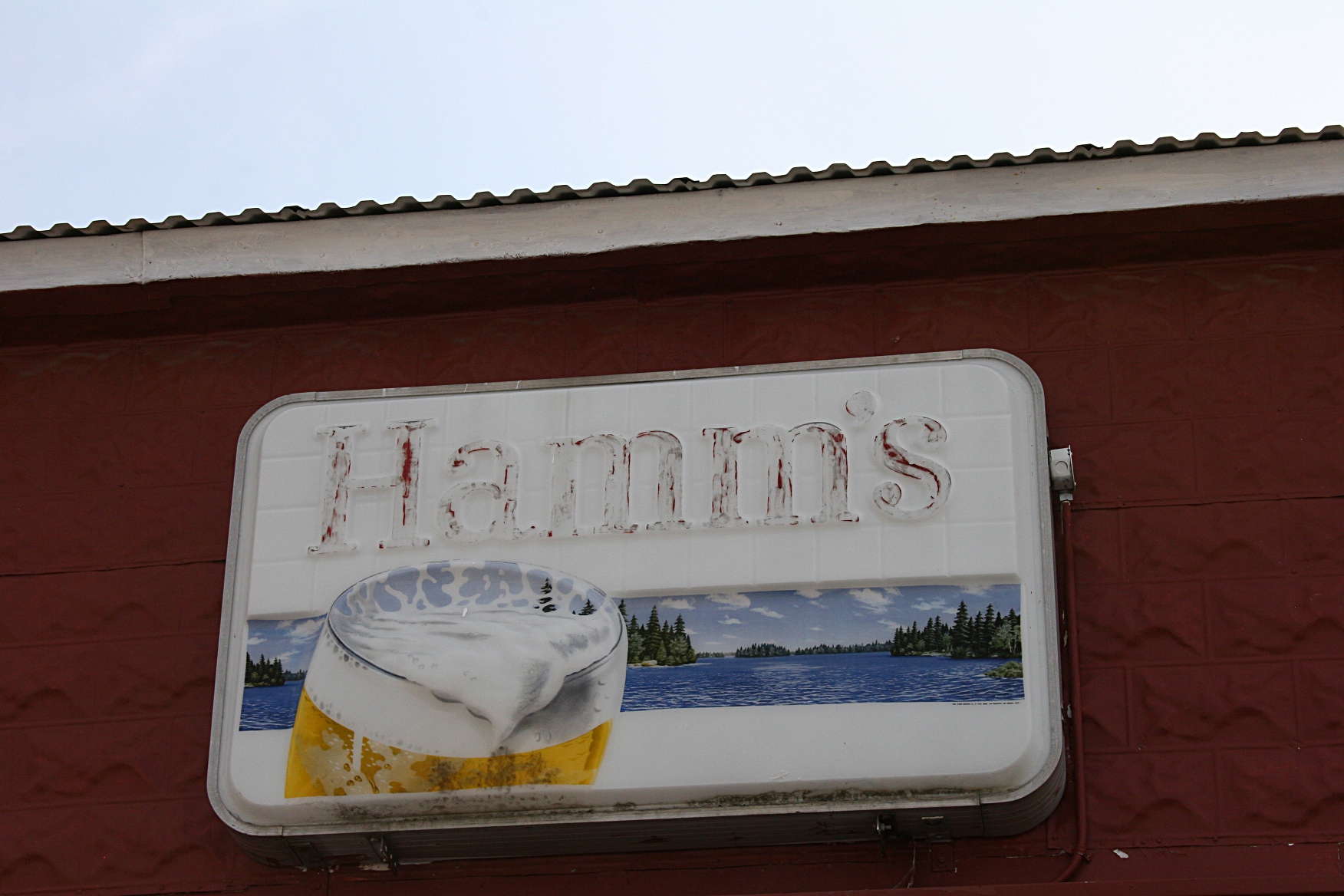
I almost missed the classic “land of sky blue waters” Hamm’s sign until my husband pointed it out at the Canton Pub.

CHECK BACK FOR ANOTHER post from Canton. There’s more to see in this small town than the bars.

© Copyright 2012 Audrey Kletscher Helbling

 

Photographing Webster, Minnesota, Part II October 8, 2012

Filed under: Uncategorized — Audrey Kletscher Helbling @ 7:29 AM
Tags: , , , , , , ,

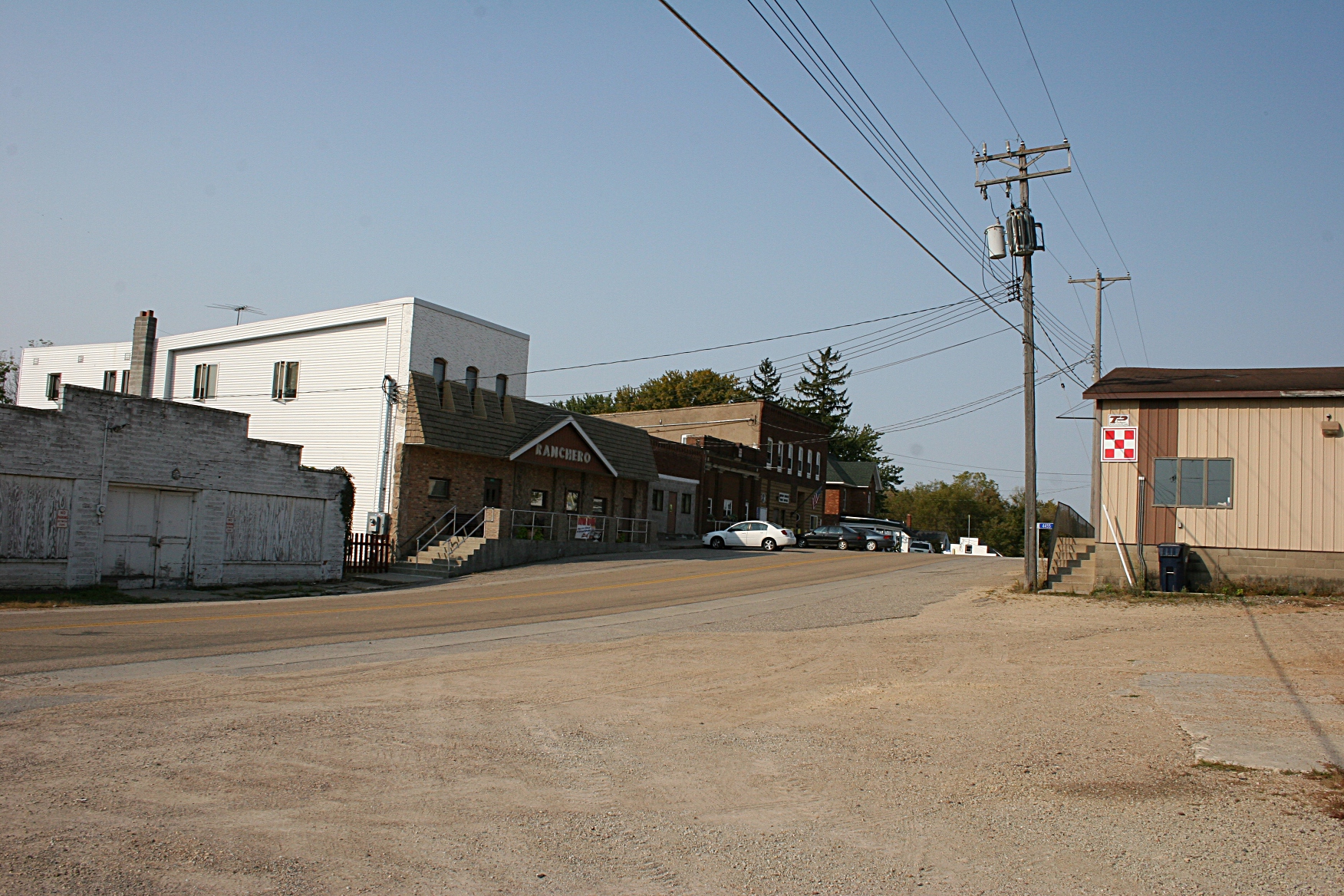
Main Street/Rice County Road 3 in Webster, Minnesota. One of the best known businesses in Webster is the Ranchero Supper Club, near middle in photo, to the left of the white car.

WHENEVER I SNOOP around a small town, I wonder when someone is going to step outside of their home or business and ask why I’m taking pictures. Only once has that happened in my many Main Street visits. That was in Otisco, south of Waseca. When I explained who I was, the local relaxed.

If I lived in one of these rural towns and saw a stranger wandering with a camera, I’d question him/her, too.  But that’s me.

My traveling companion, my husband, is used to my curious ways, my quest for interesting photos. He even tips me off occasionally to photo possibilities. Yes, he’s a quick study.

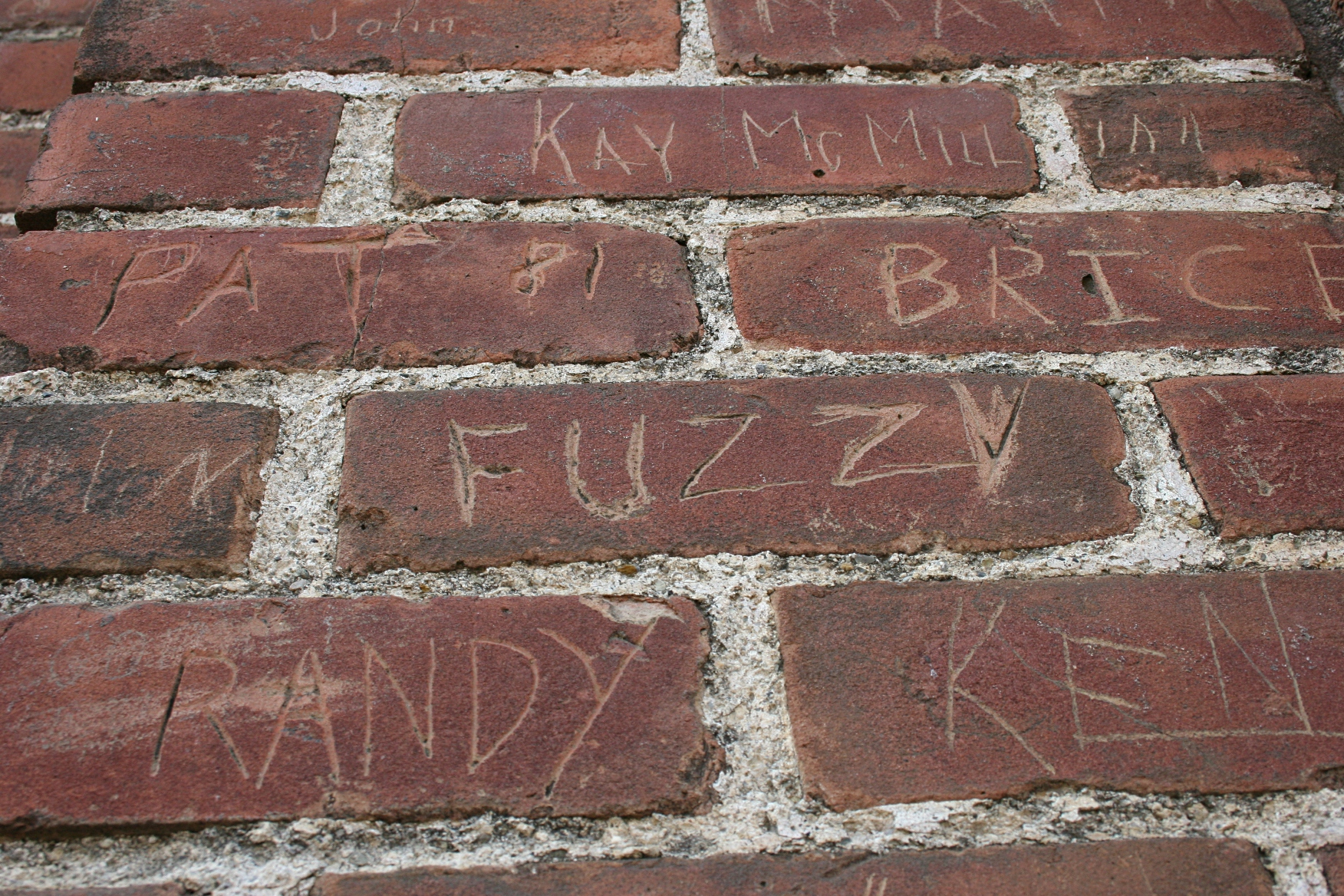
One of the more unusual finds in Webster was this graffiti etched into brick on a downtown building. Names covered several separate sections of wall. I photographed this particular section because of the name Randy (my husband’s name) and “FUZZY,” which was the nickname for one of his sisters. No, they did no etch their names here. Anyone know the story behind all of this downtown graffiti?

Sometimes he probably thinks my photo ideas are crazy. But if he does, my spouse has the good sense not to tell me.

Here are the remainder of the interesting (at least from my perspective) photos I shot in Webster in northern Rice County several weeks ago.

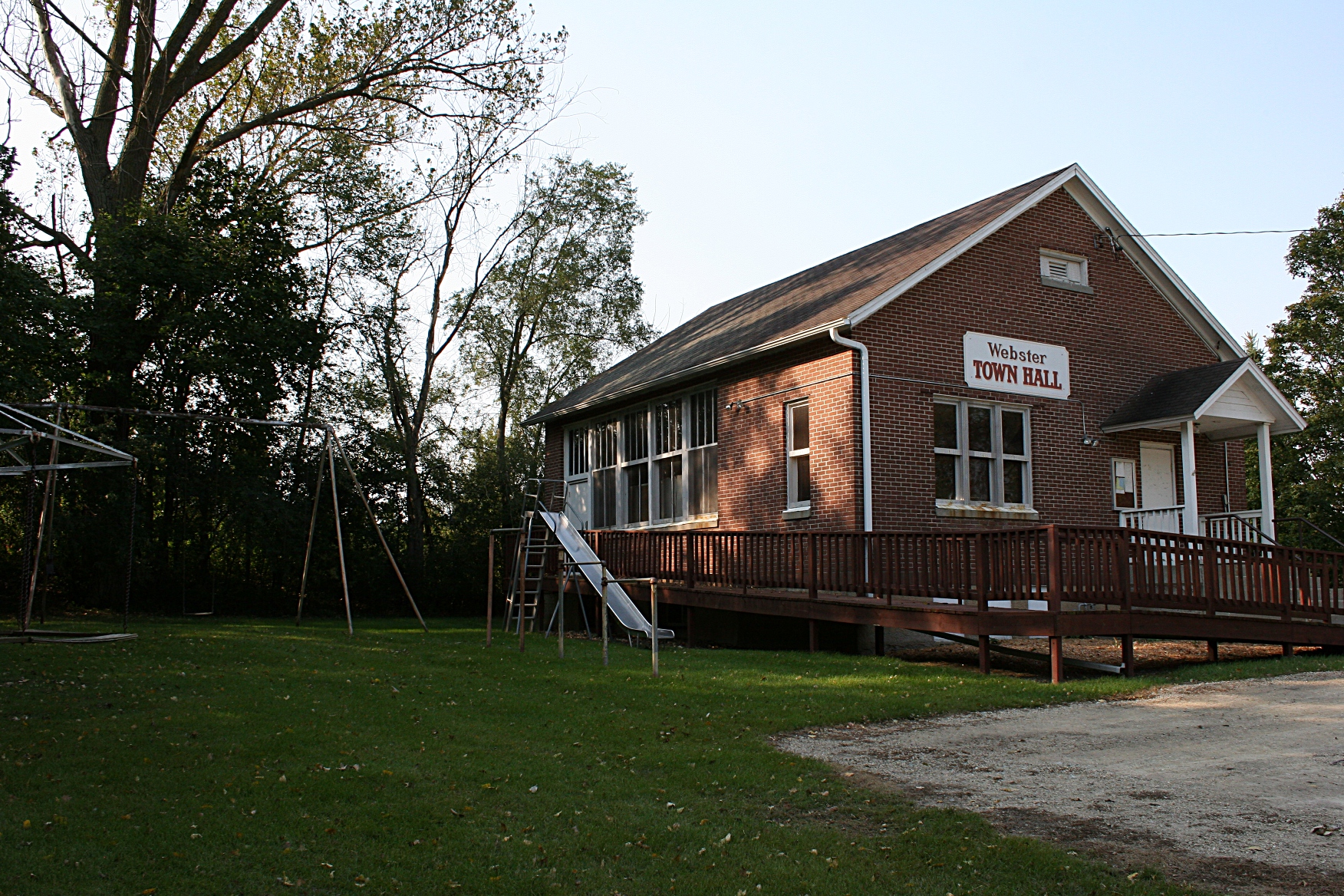
More brick at the Webster Town Hall, a former school, I presume. I love that the old playground equipment has not been removed due to safety concerns. That’s the edge of an old merry-go-round you’re seeing to the left in the frame.

And just how often do you see a pay phone anymore? Well, in Webster you’ll find this one.

Interesting signage atop what I think is a former bank building.

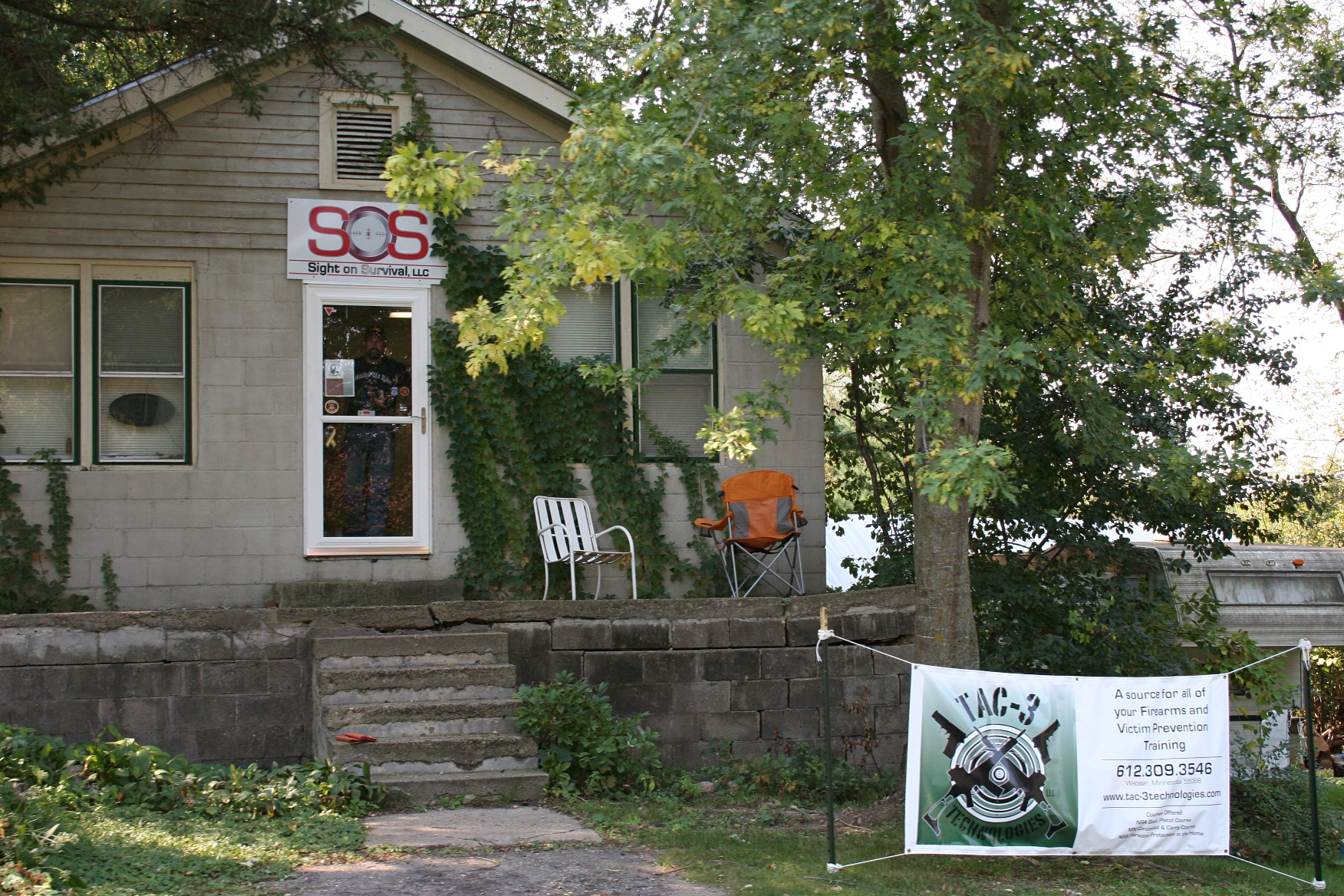
One of Webster’s most interesting businesses: Sight on Survival, “a defensive products and law enforcement gear retail store.”

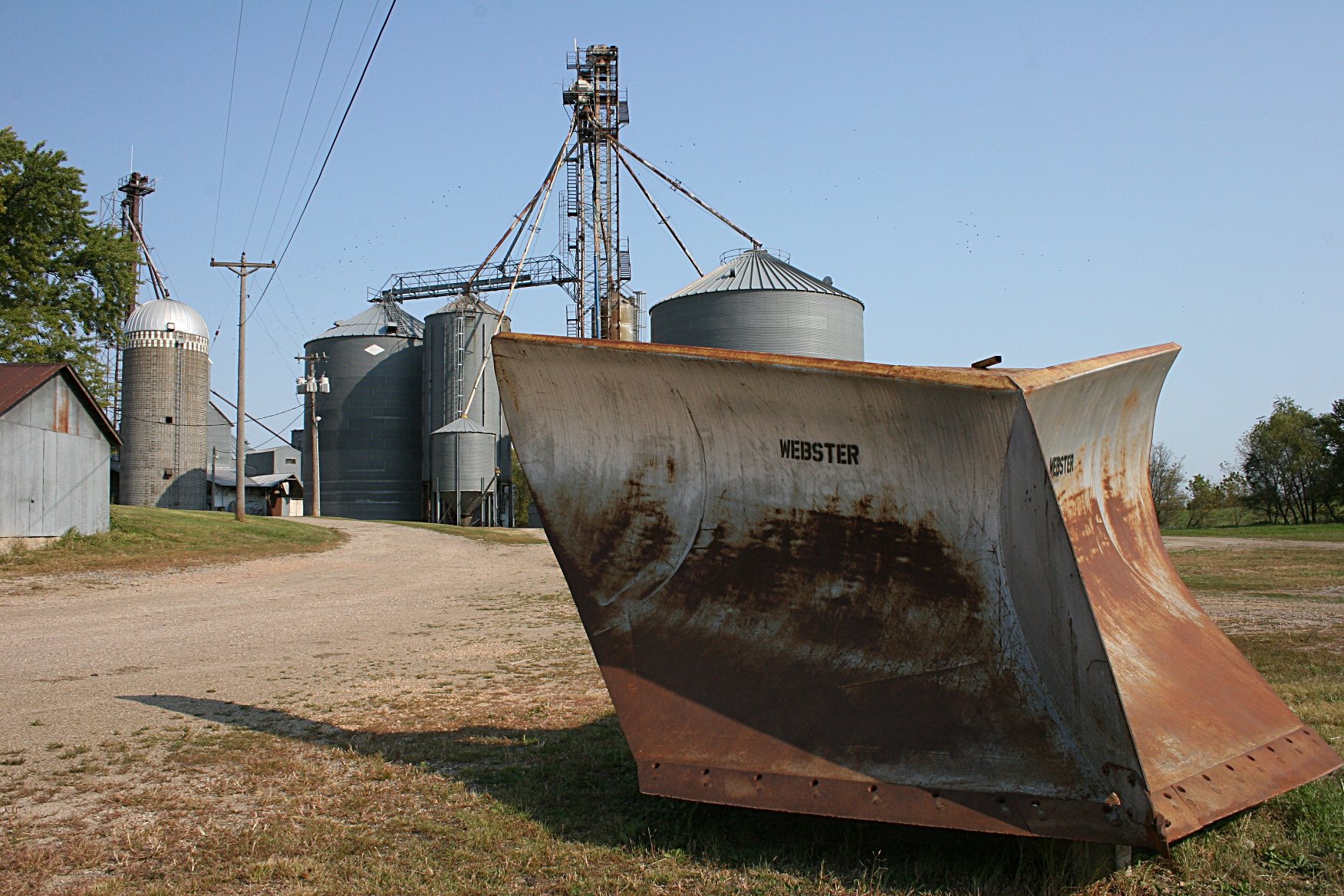
A snowplow blade awaits winter’s arrival.

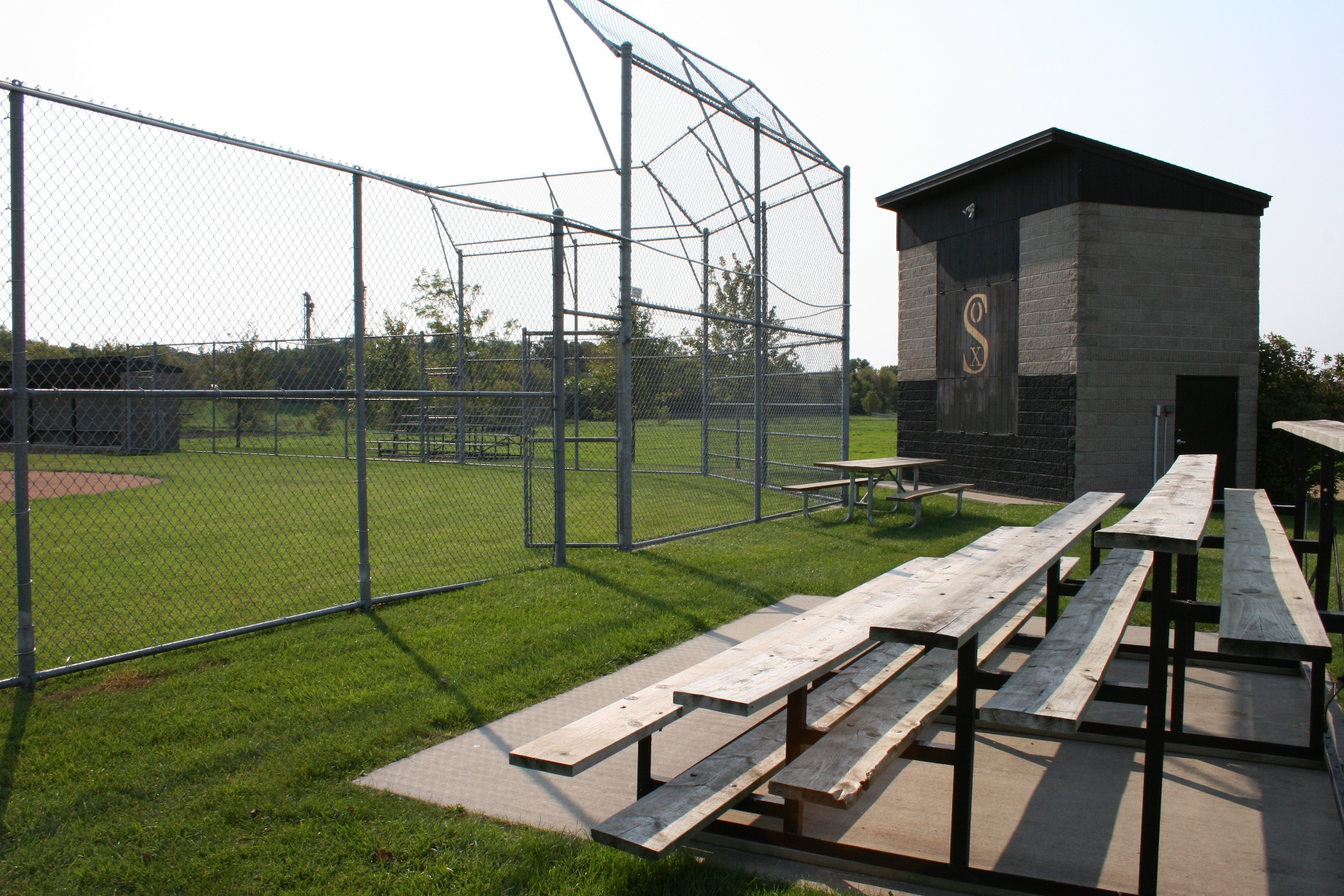
To the west of Webster lies one of the most beautiful multi-purpose parks I’ve seen, the Webster Township Park. the park includes this ball diamond, basketball court, horseshoe pits, playground, picnic shelter and grills, nature trail and more.

TO SEE ADDITIONAL images, click here to link to my previous post, “Webster, Minnesota, on a Sunday morning in September.”

Copyright 2012 Audrey Kletscher Helbling
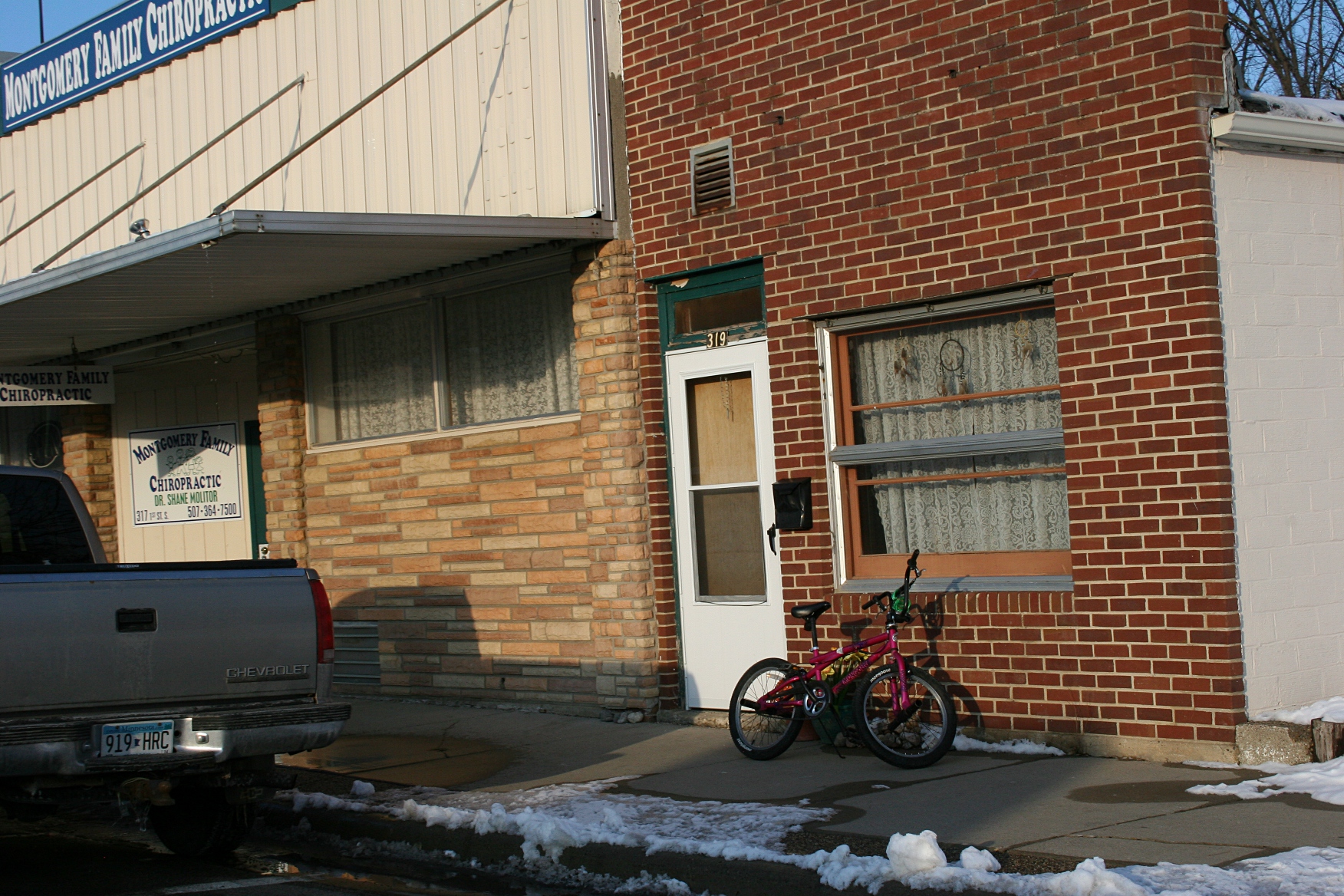
 

Webster, Minnesota, on a Sunday morning in September October 3, 2012

Filed under: Uncategorized — Audrey Kletscher Helbling @ 9:39 AM
Tags: , , , , , , ,

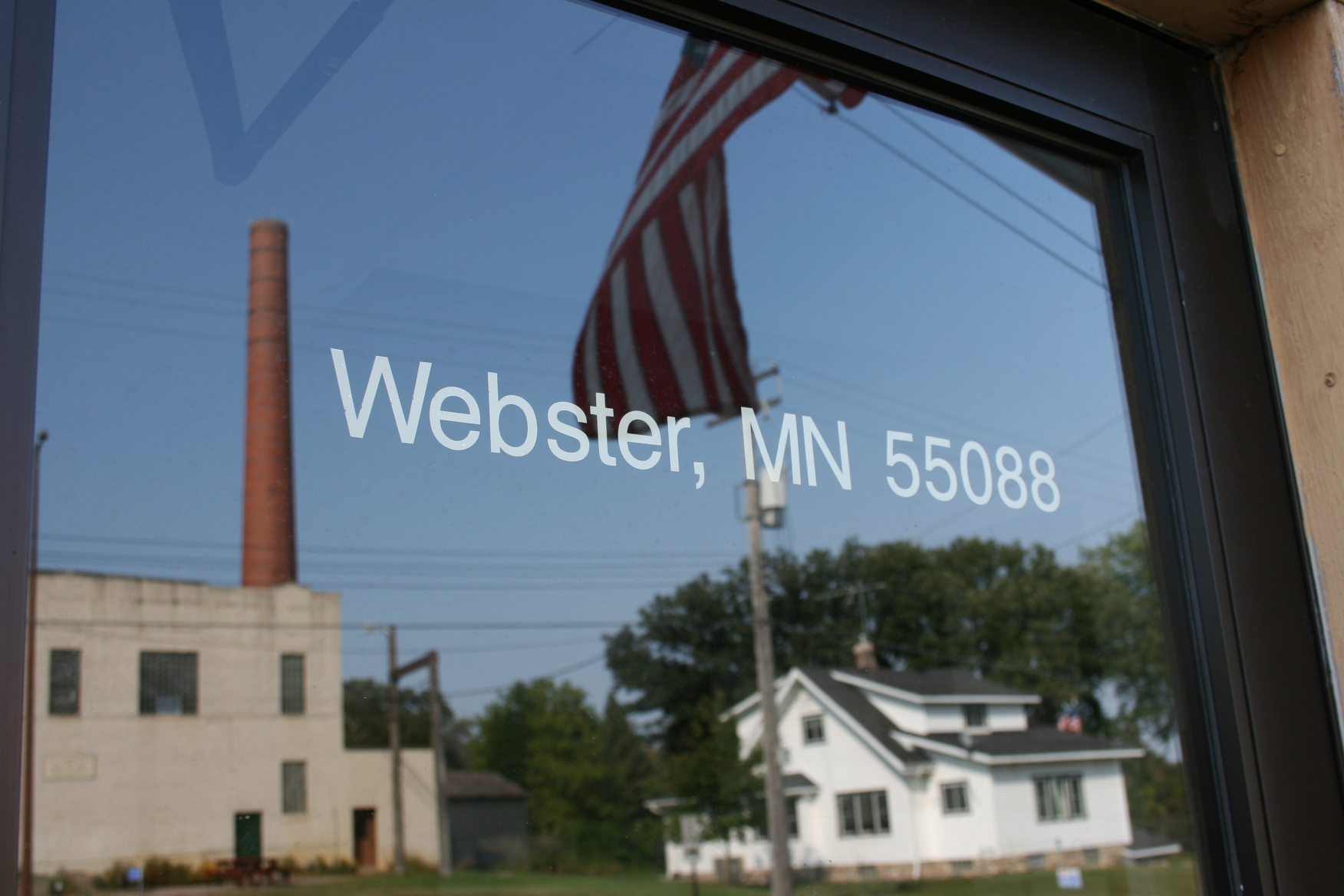
Reflections in the window of the Webster Post Office.

IN WEBSTER, MINNESOTA, on a Sunday morning, the rooster crowed…

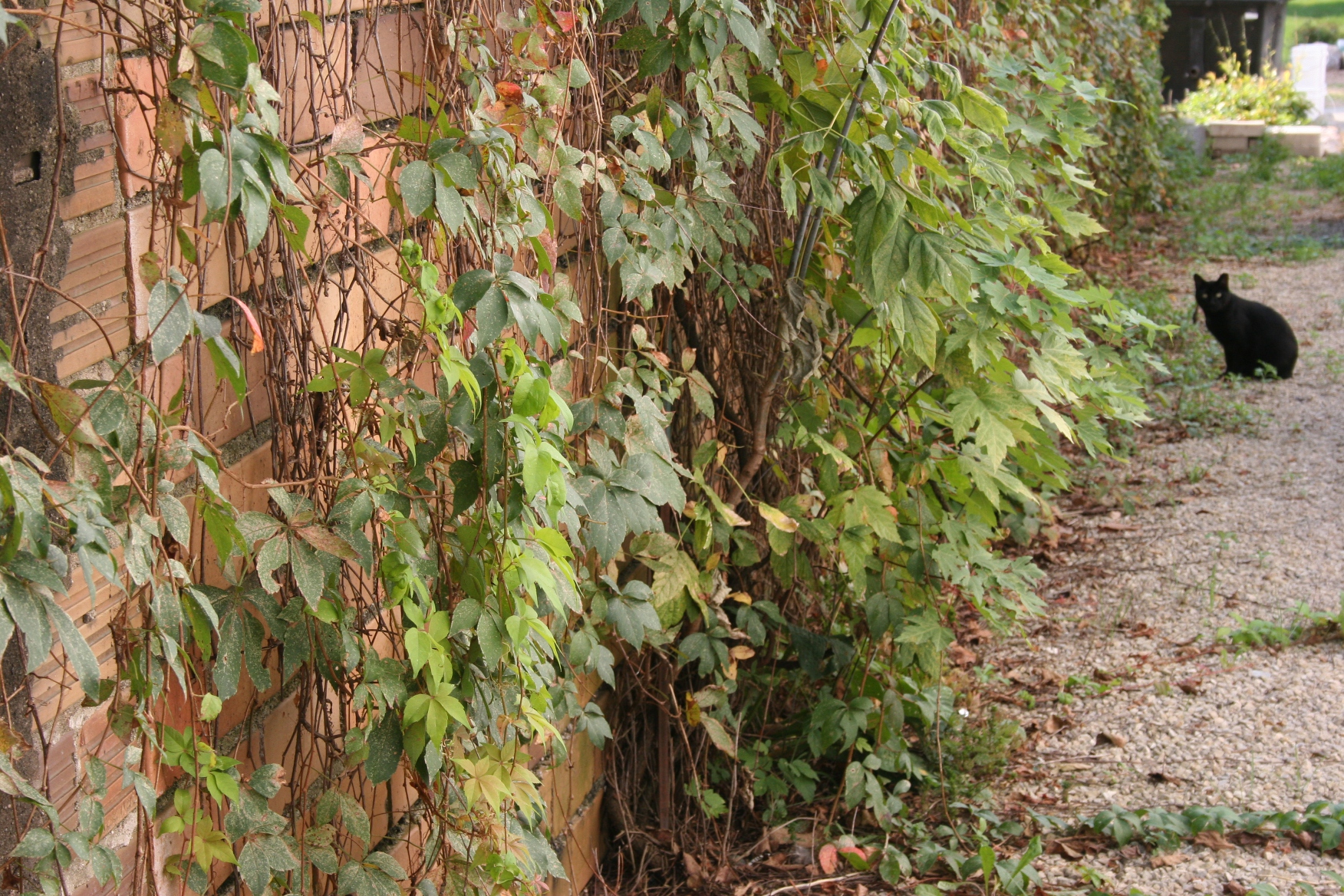
 the black cat prowled…

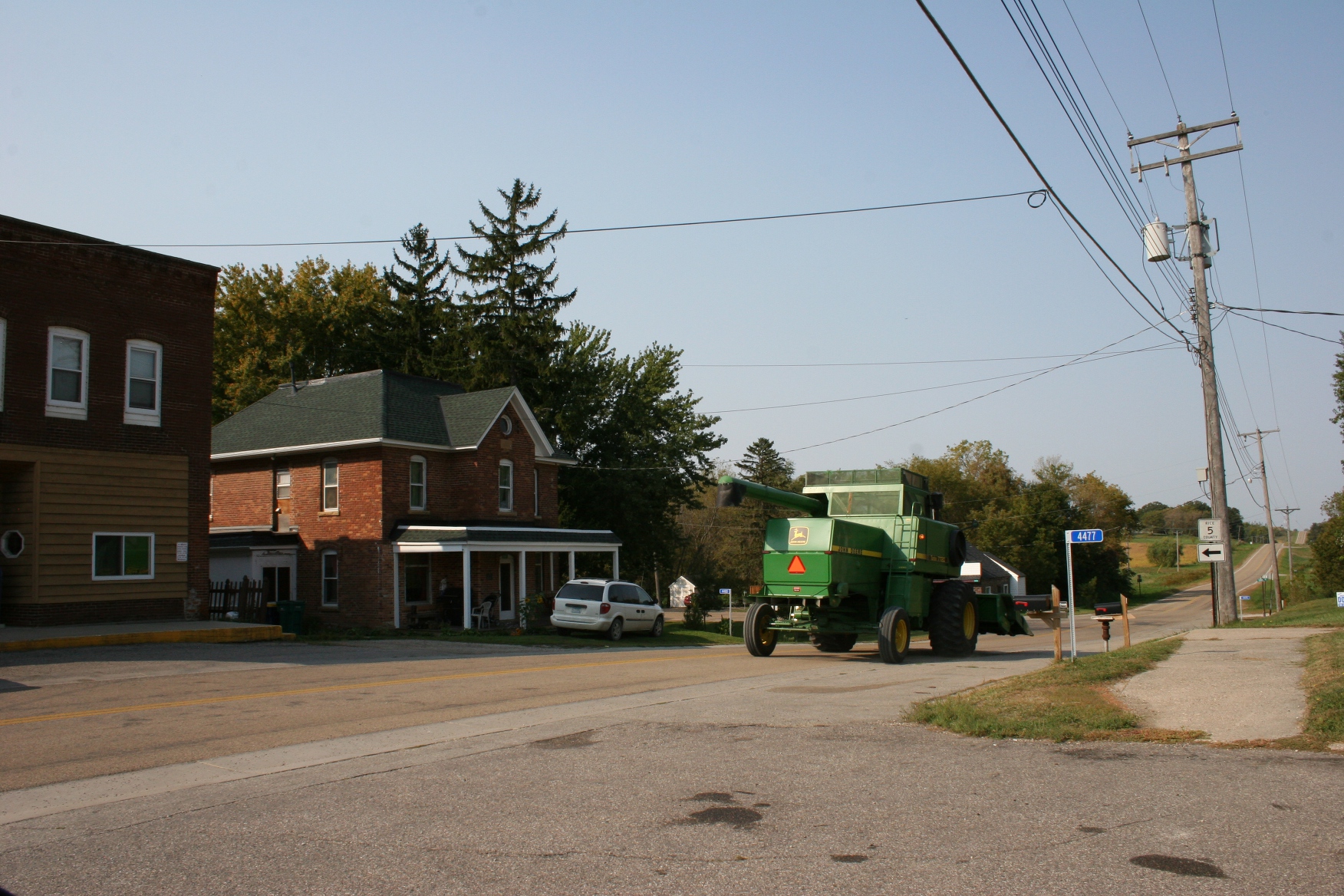
and the John Deere combine roared through town.

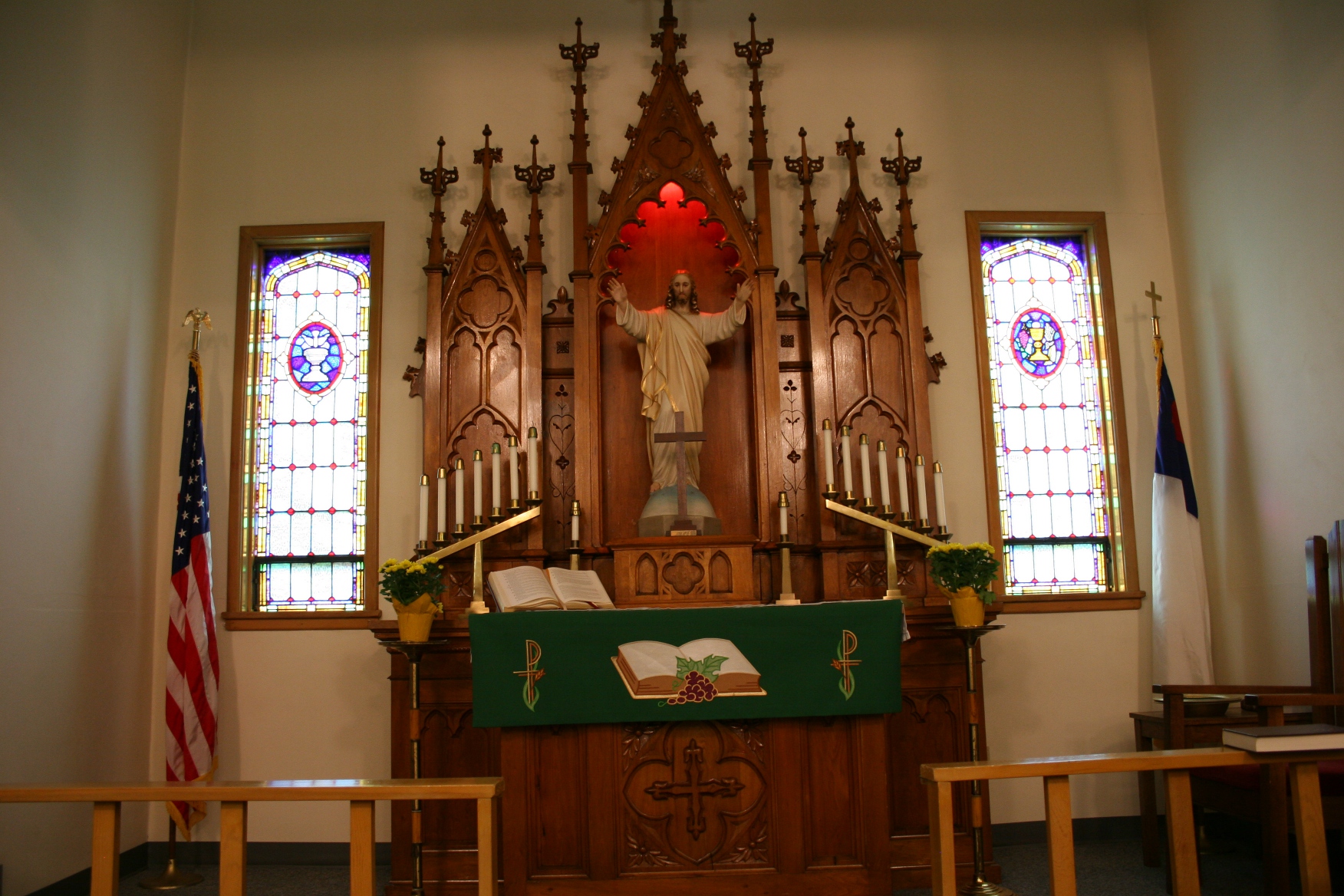
And we were an hour late for worship services at St. John’s Lutheran Church (due to an incorrect time published in an area newspaper).

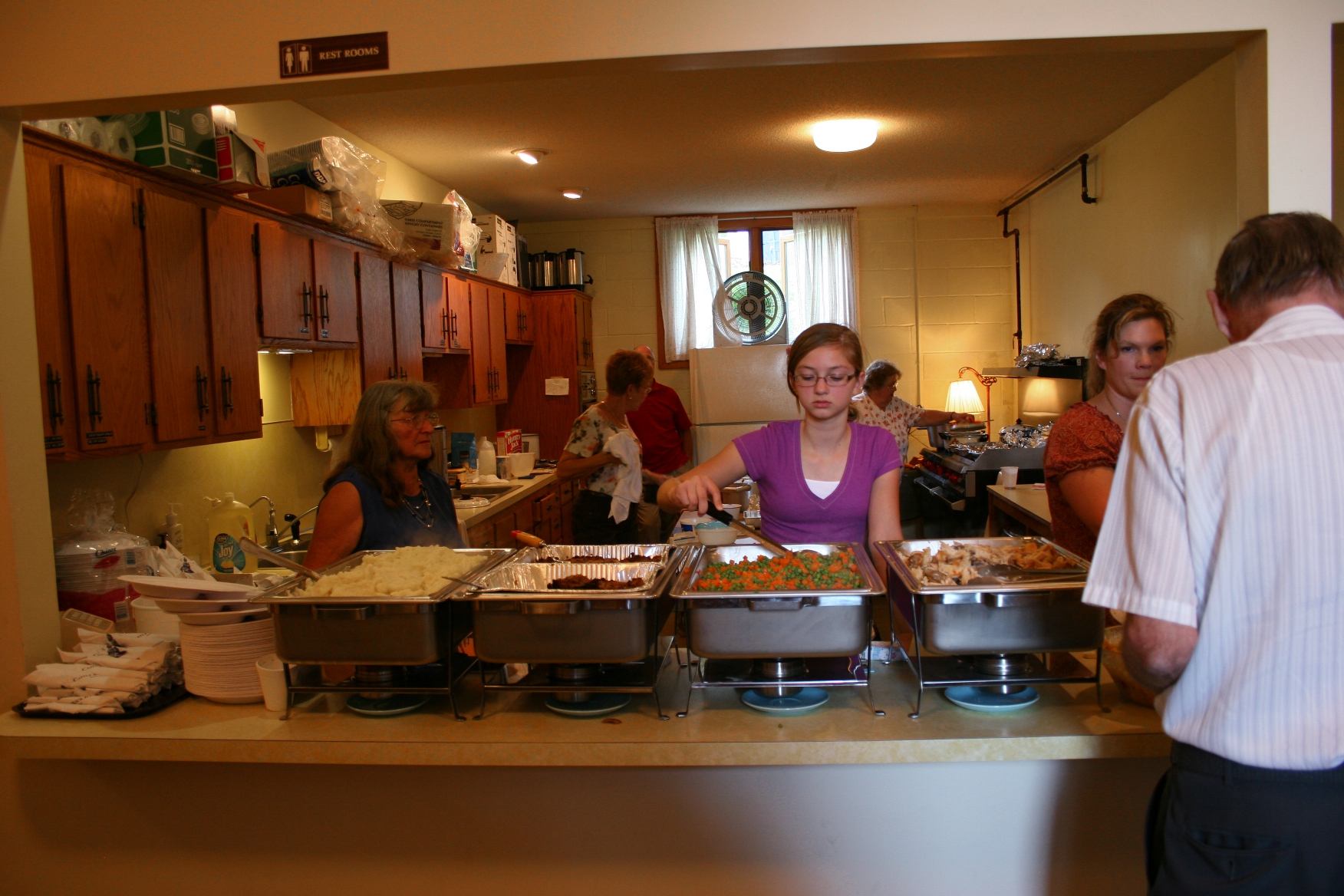
Because we missed church and had an hour before serving of the annual fall harvest dinner at St. John’s, my husband and I had more than enough time to explore this unincorporated village in northern Rice County some 30 minutes south of the Twin Cities.

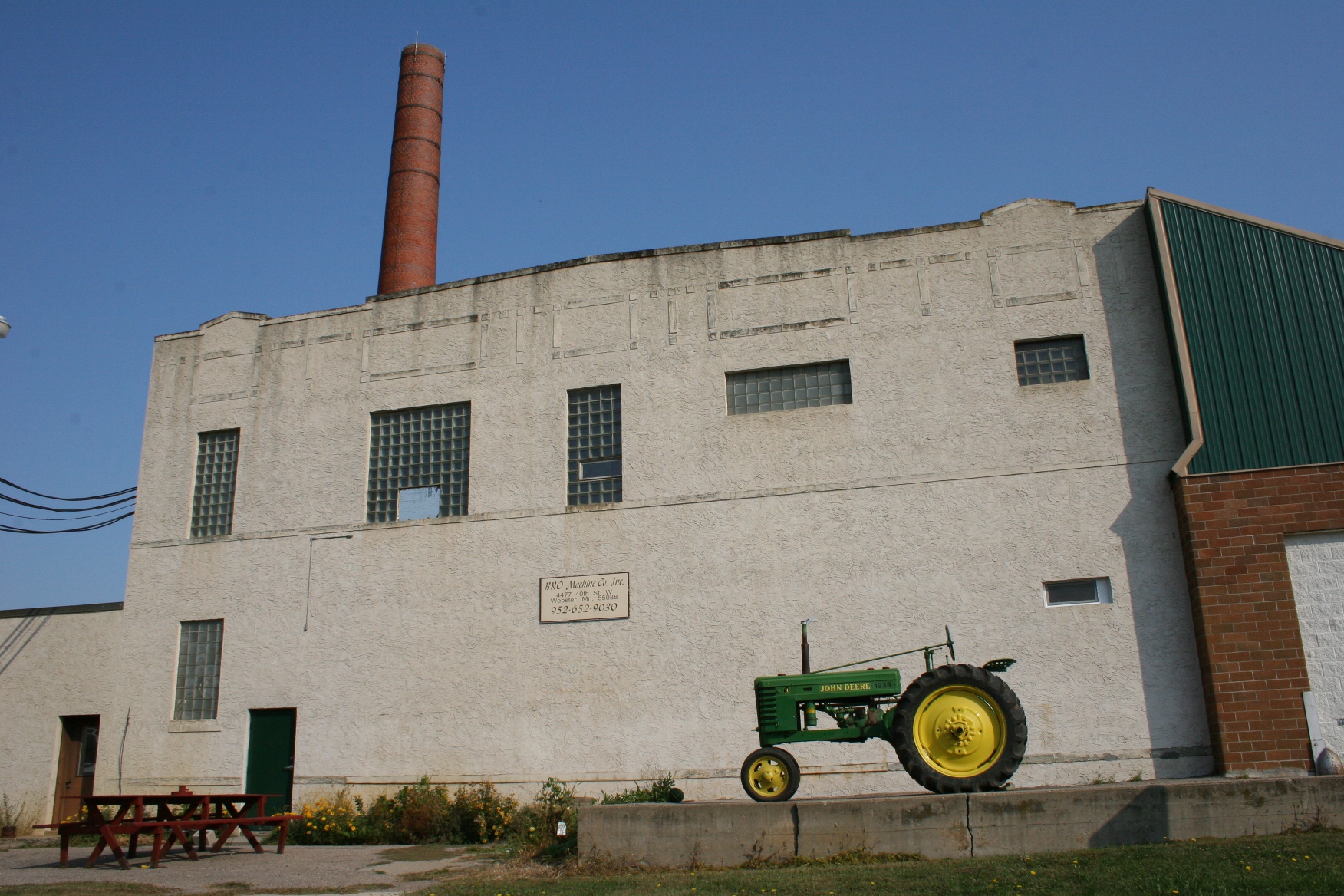
BRO Machine Company housed in an old creamery.

It takes all of about a few minutes to drive around Webster, unless you park, get out and search for photo ops to define the essence of this rural community. Only then do you notice the nuances that give Webster its character.

Like any small town, it’s worth your time to stop and appreciate, to notice the bikes dropped by kids on lawns, the toy trucks abandoned outside front doors, the aging buildings, the well-kept yards with beautiful flower gardens, and the rolling countryside around Webster. All of this makes you (or at least me) want to pull up roots and move to this peaceful place.

But since that’s not practical…I took photos a few weeks ago…in September.

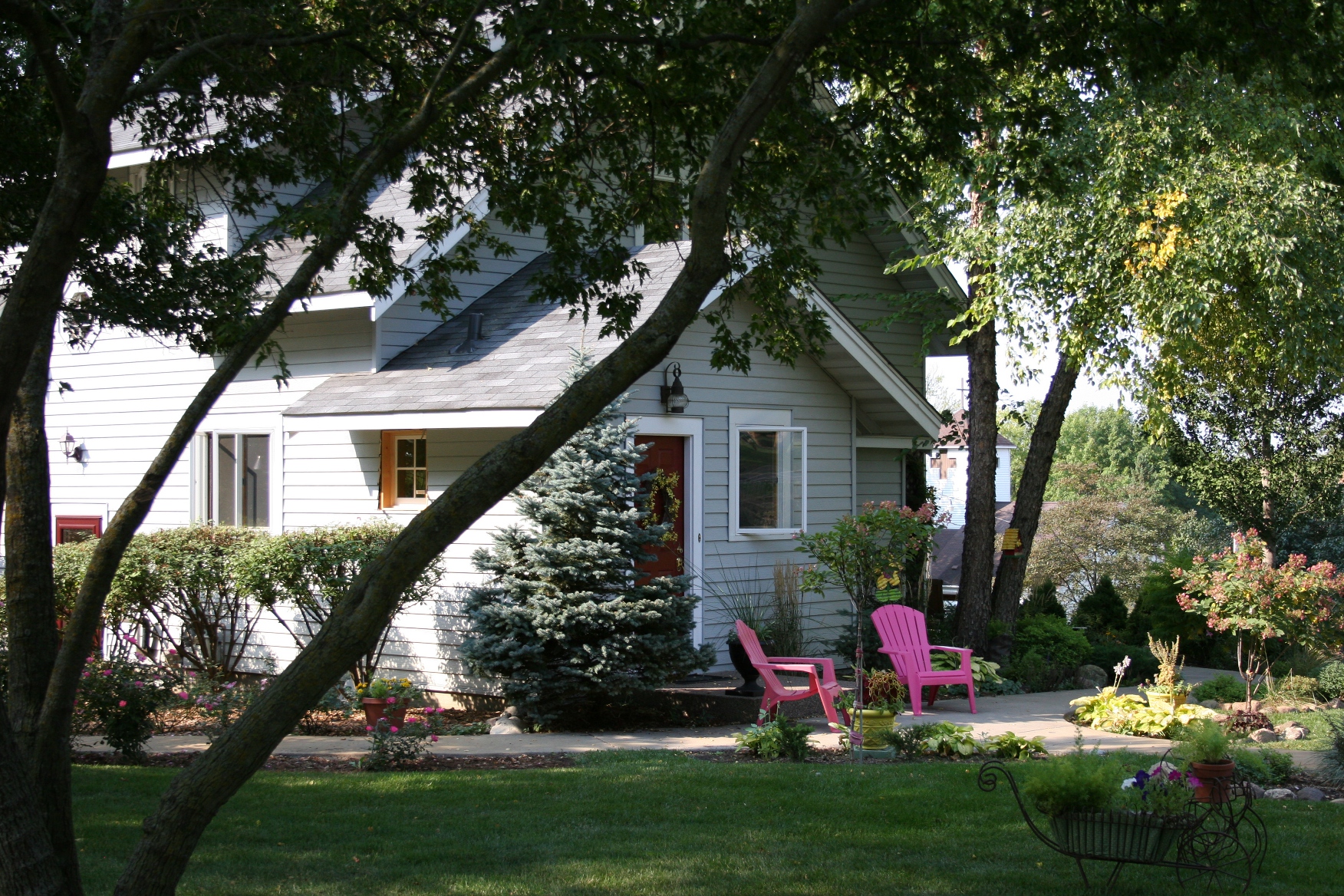
A beautifully-landscaped yard in Webster.

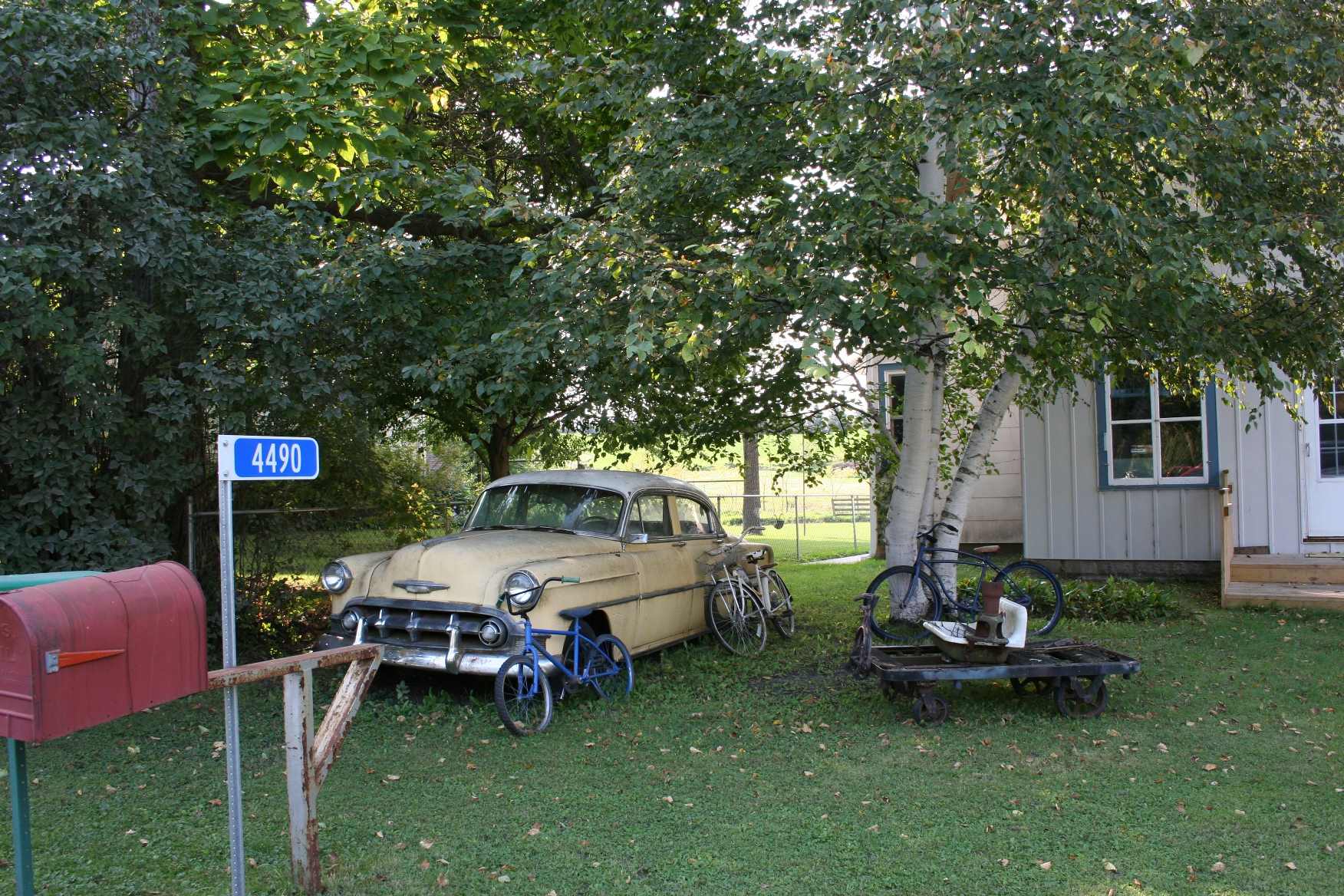
A front yard in Webster.

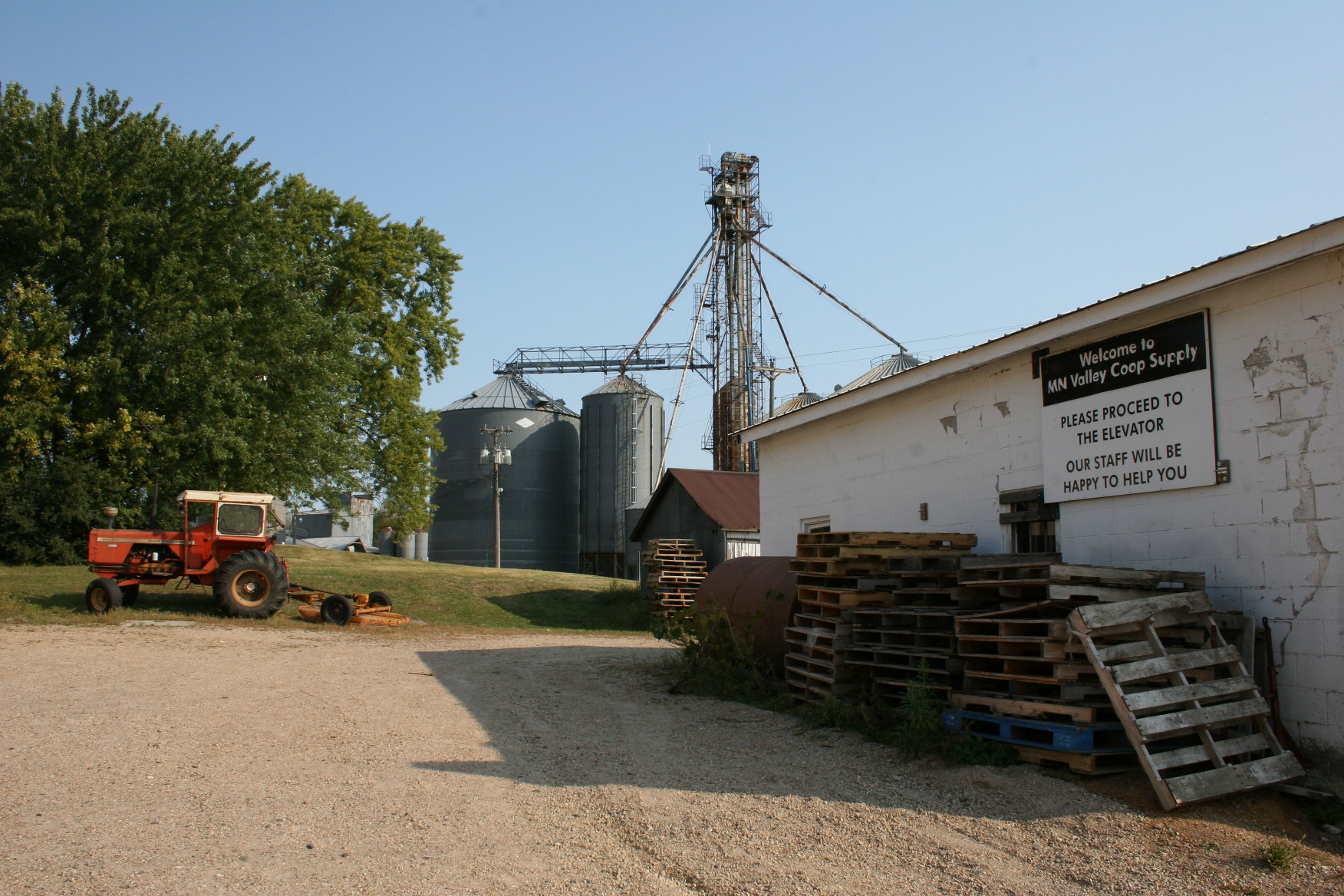
I was particularly charmed by the friendly MN Valley Co-op Supply sign on the side of the building.

PLEASE CHECK BACK for one more post with images of Webster, which is only a few blocks long and wide.

© Copyright 2012 Audrey Kletscher Helbling
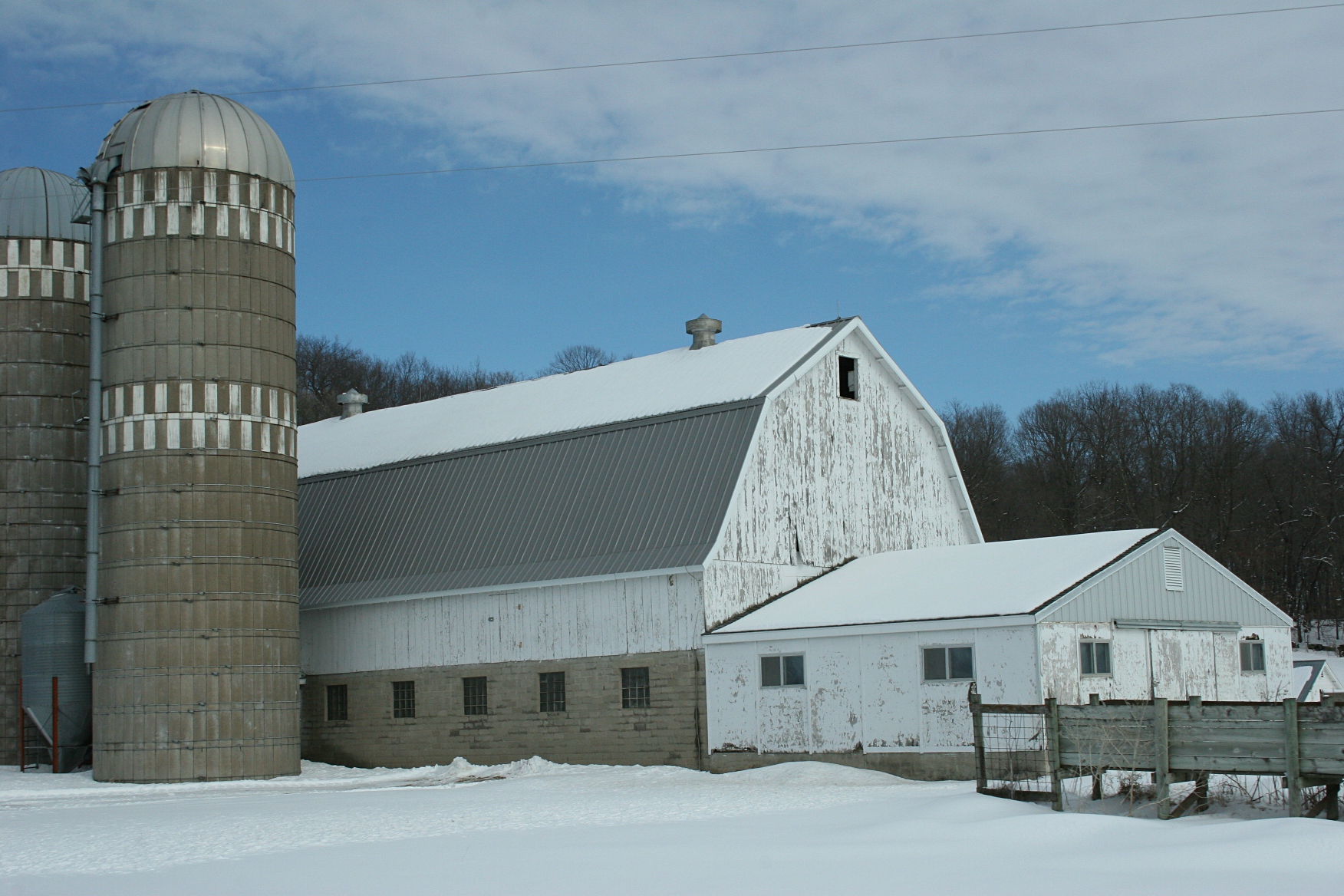
 

The little brick house in Waterville September 14, 2012

Filed under: Uncategorized — Audrey Kletscher Helbling @ 7:14 AM
Tags: , , , , , ,

YOUR HOUSE NEEDN’T BE a mansion to impress me.

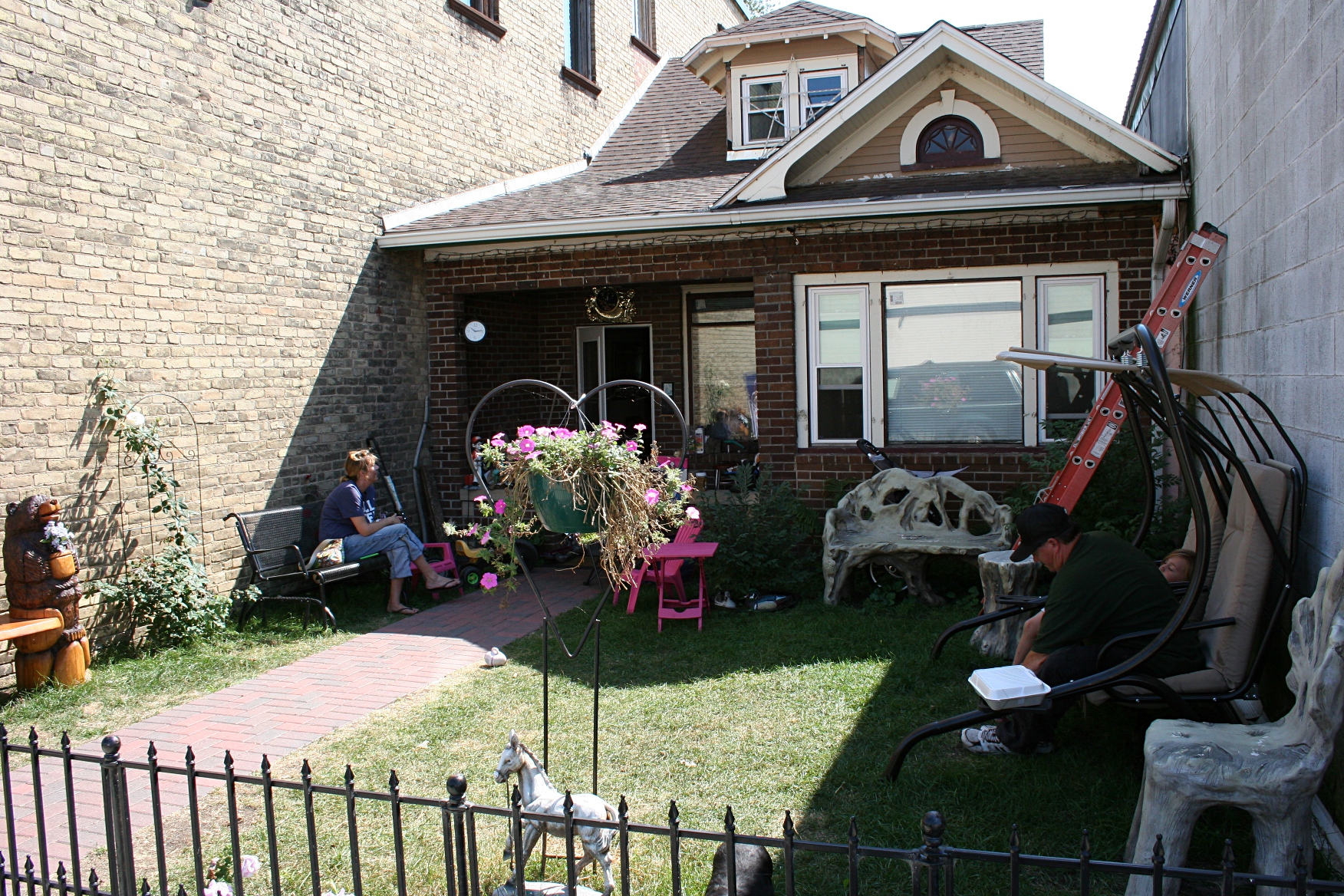
Just look at this sweet little brick house along Main Street in downtown Waterville.

I’ve never seen a house sandwiched like this, wall-to-wall, between two buildings and tucked into a totally unexpected place.

The owner ducked out of the scene just before I shot this single photo. She loves her home, she said, and that was about it. I didn’t want to overstay my “Can I take a picture of your house?” welcome since she clearly was entertaining guests.

But I really wanted to walk around the fence, right up the brick path and through the front door, just so I could see if the little brick house is as quaint inside as it is outside. And how dark, or light, is it inside that house anyway?

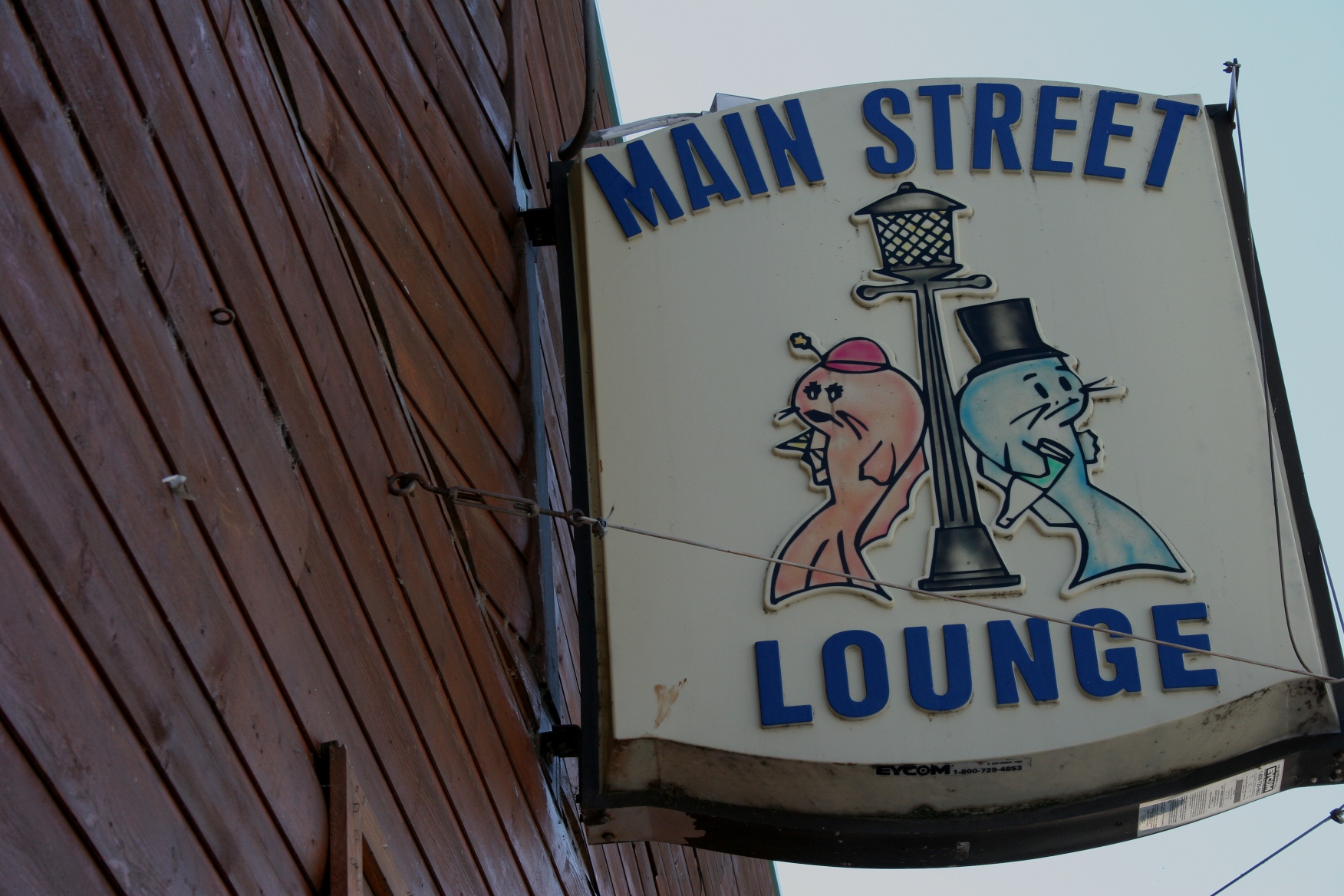
I counted at least four benches where I could sit a spell and chat. Maybe ask about that horse by the fence, the bear bench by the brick wall, how this house came to be, if patrons from the neighboring Corner Bar and Main Street Lounge ever cause problems. You know, stuff like that.

#

FYI: This ends, for now, my stories from Waterville. To read my first post about this southern Minnesota lakeside community, click here.

To read my second post about a quaint coffee shop, which also serves as a place for local artisans to sell their creations, click here.

© Copyright 2012 Audrey Kletscher Helbling
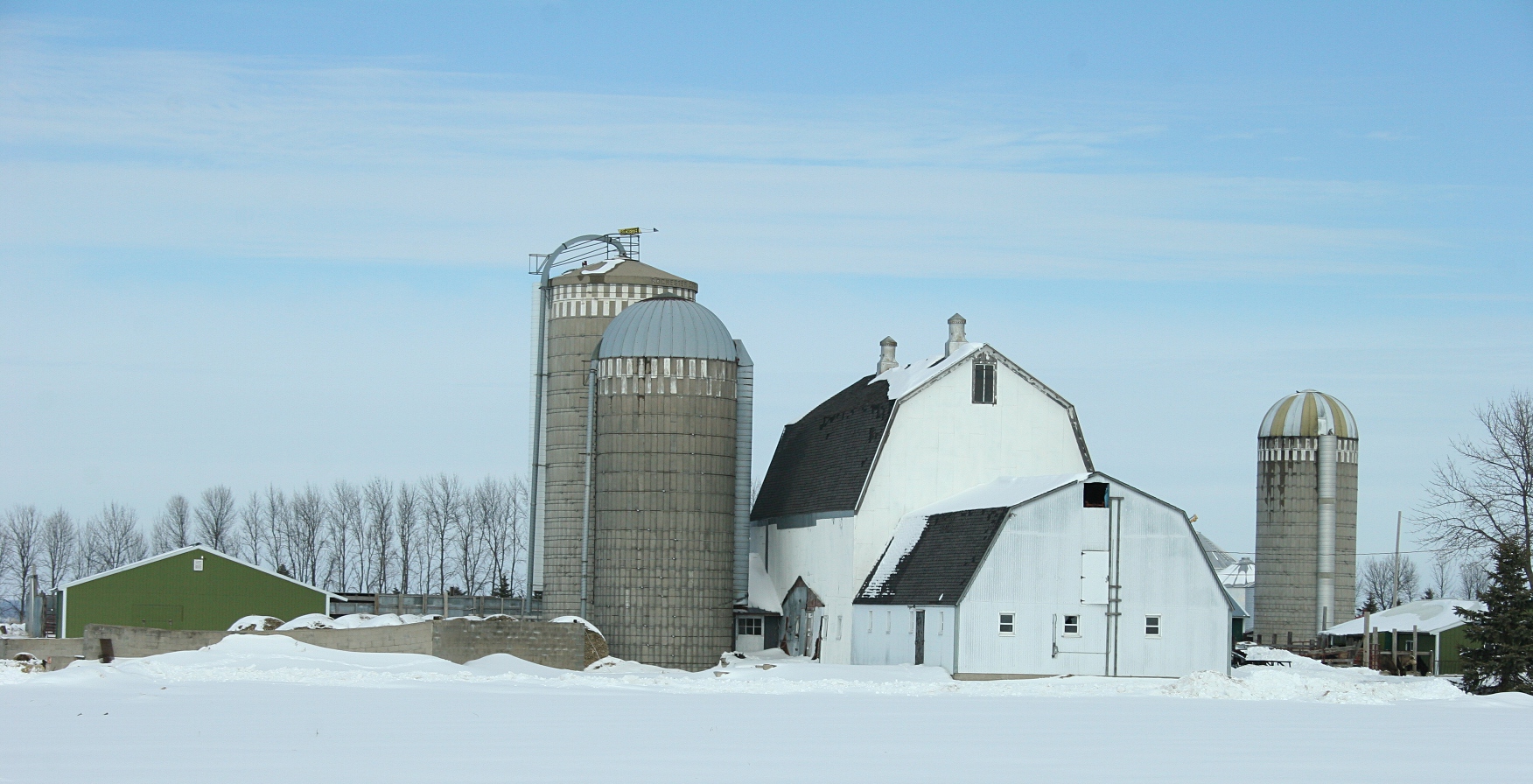
 

A maple bacon sundae & other delights at a Waterville coffee shop September 13, 2012

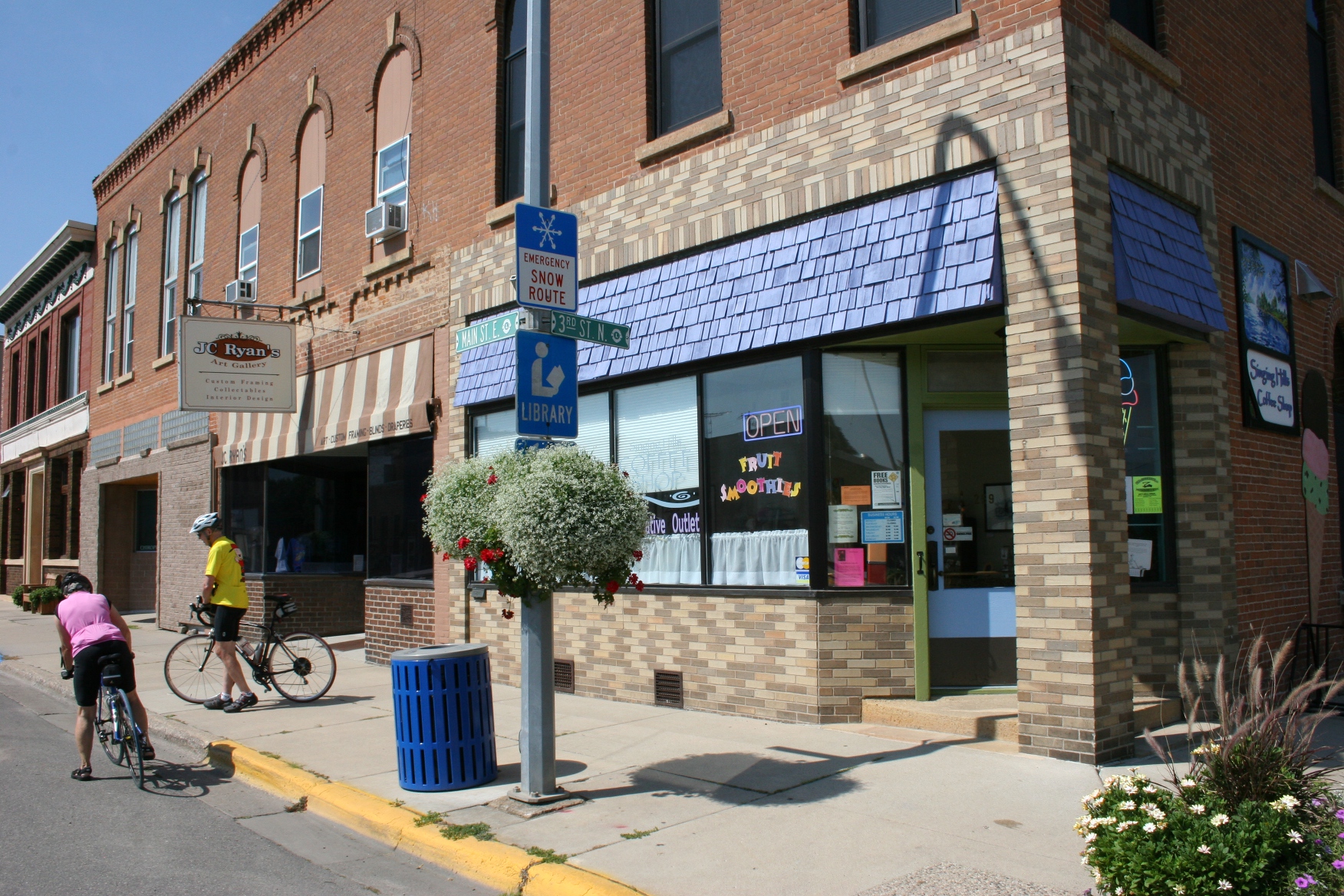
Singing Hills Coffee Shop, at the corner of Main and Third Streets in downtown Waterville in southern Minnesota.

KATHY GREW UP in Detroit, worked 20 years as a deck officer on a freighter for the Merchant Marine, met her husband at a Halloween party, birthed two daughters in her 40s and then, with no business experience, opened a coffee shop in December 2010.

That’s the life synopsis of the woman behind Singing Hills Coffee Shop in the southern Minnesota lakeside community of Waterville, best known for its bullheads and Buccaneers—as in the local high school champion football and basketball teams.

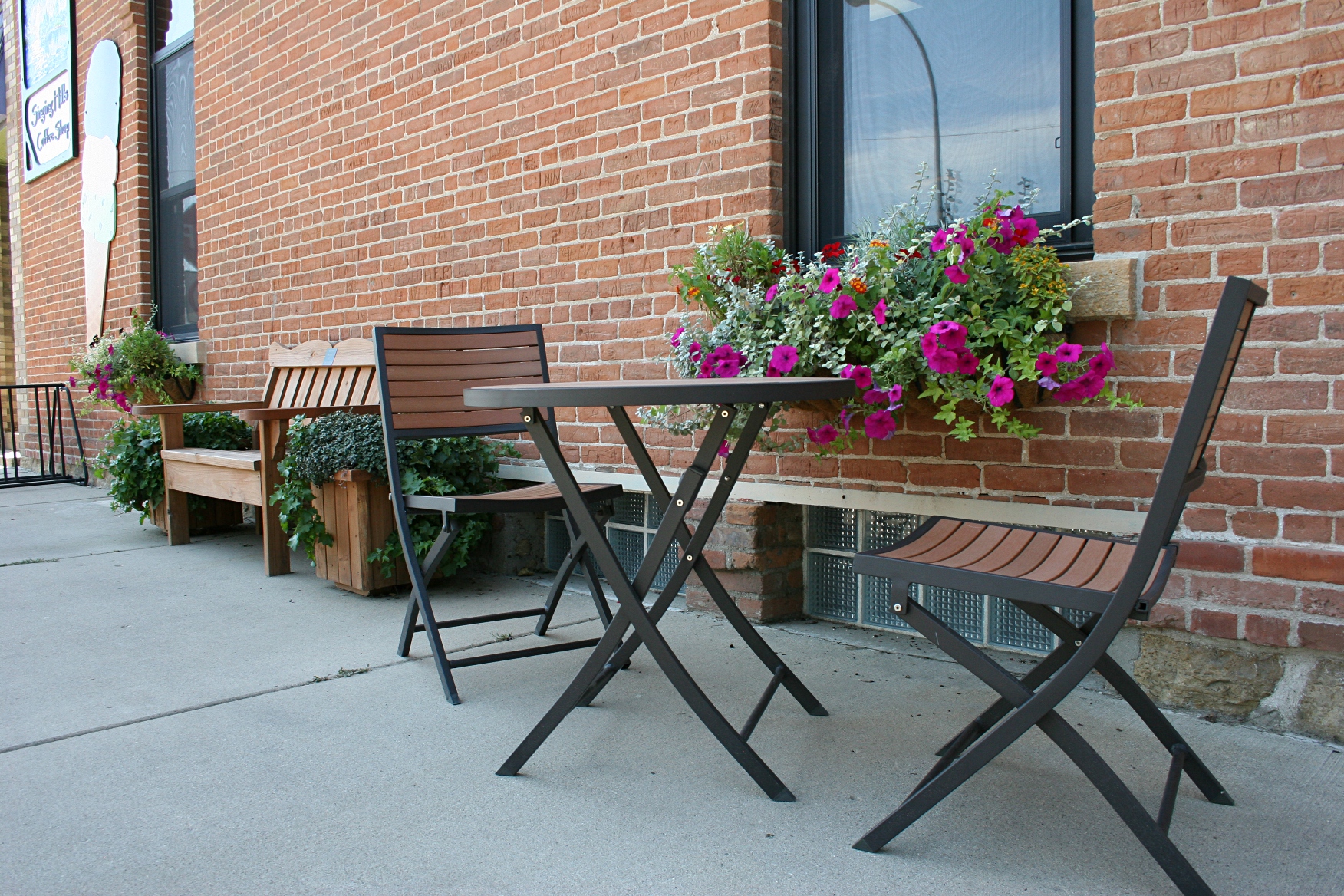
Inviting outside dining at the Singing Hills Coffee Shop.

One-third of a stately, anchor brick building on a corner of Waterville’s Main Street houses the coffee shop. It’s as inviting on the outside—with bistro tables and a bench and window baskets popping with hot pink petunias and luscious ivy spilling from pots—as it is inside.

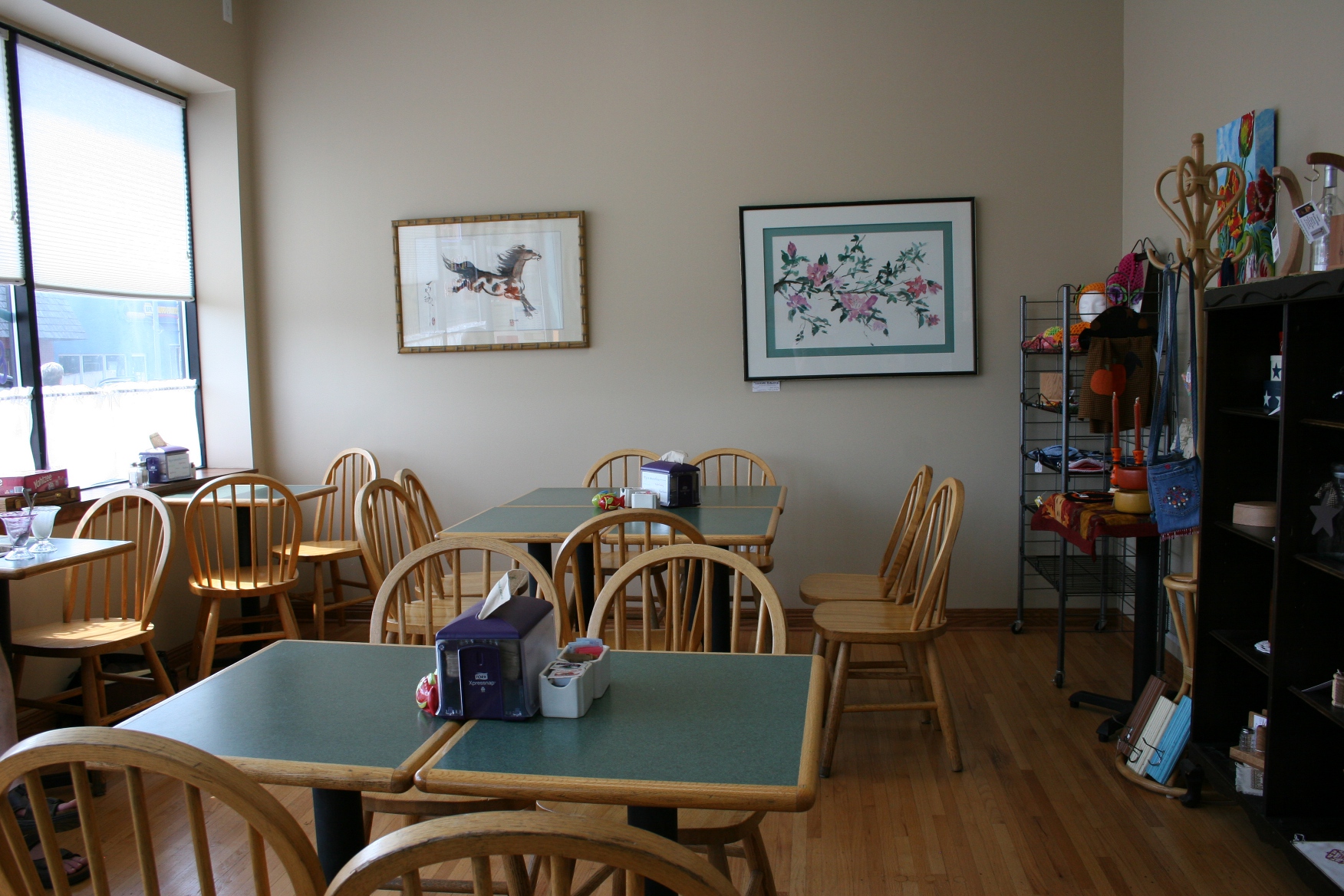
The bright, cozy dining area of the coffee shop with local arts and crafts displayed on shelves to the right and on walls.

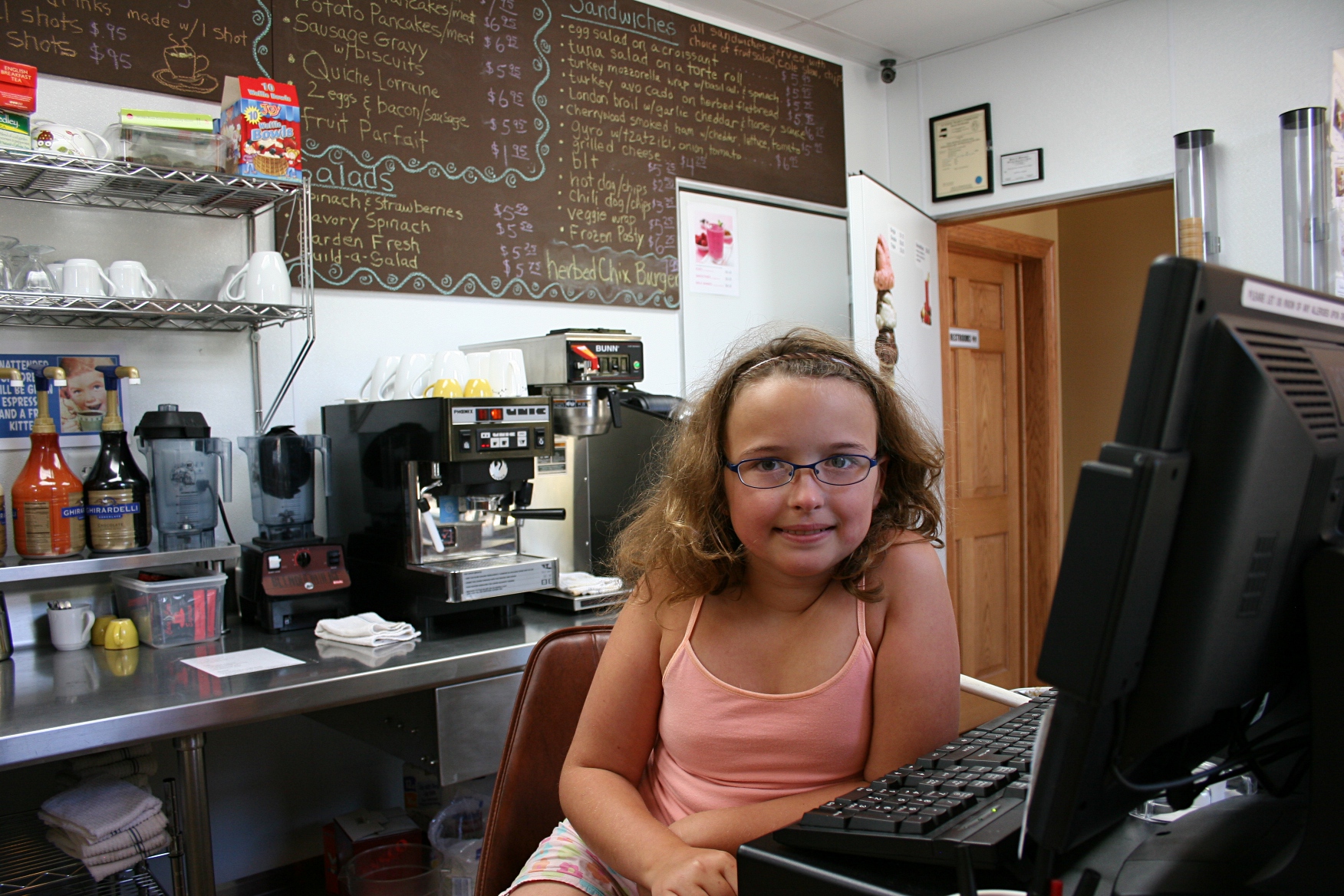
Kathy’s daughter, Marina, waits on customers.

On an early Sunday afternoon, 45 minutes before the 2 p.m. closing, Kathy hustles to prepare sandwiches and ice cream treats while her 10-year-old daughter, Marina (yes, her name is a nod to Kathy’s time on the water), takes orders, accepts payment and makes change.

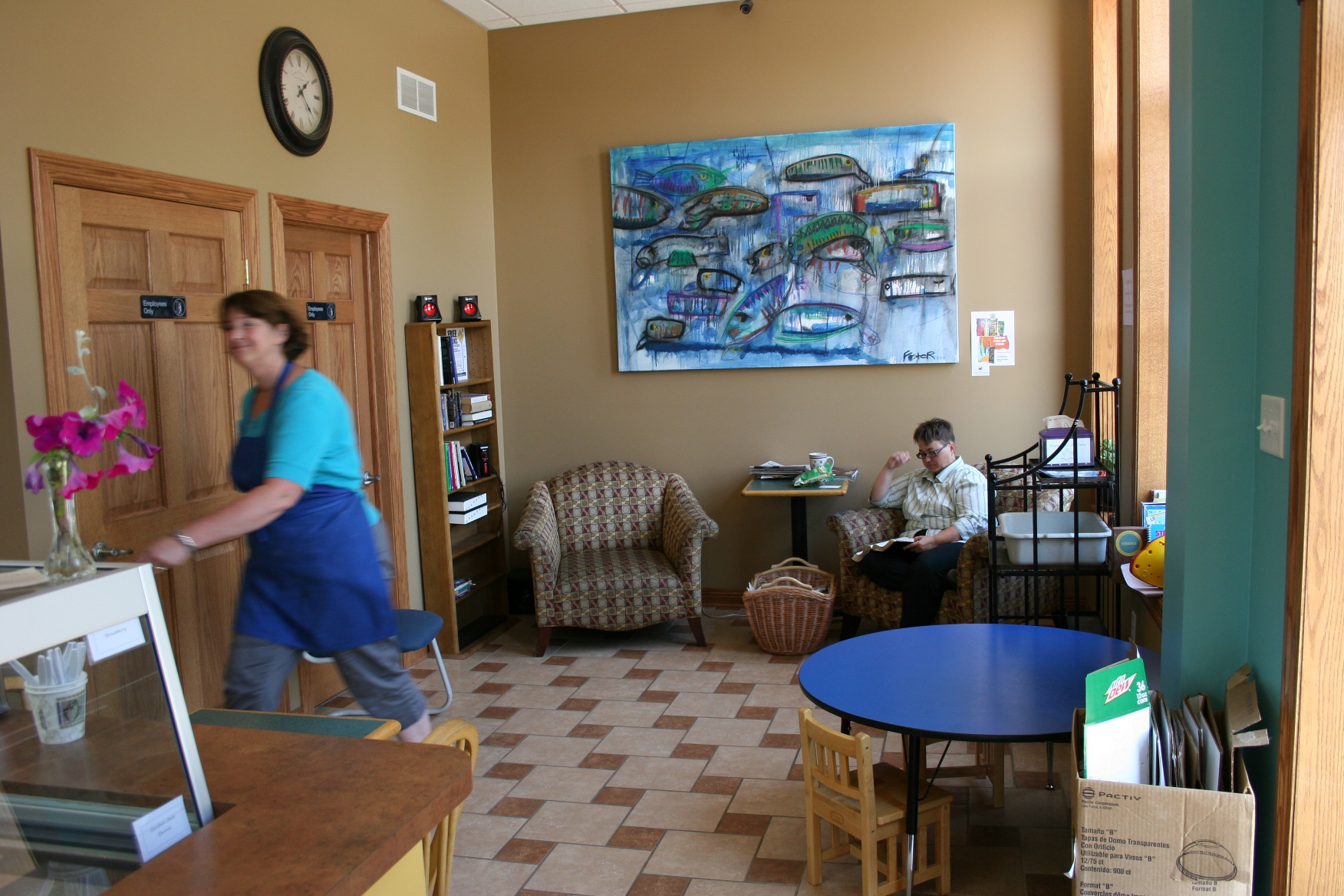
Kathy hurries back to the kitchen to prepare orders while customer and friend, Kari, relaxes in a back coffee shop corner. Tim Foster’s “American lures” painting (oil paint, oil pastels and graphite on canvas) anchors the wall. It was inspired, he says, by old fishing lures. Kathy would like to purchase the $450 painting as a permanent installment in her shop. I suggested she collect tips to help her buy it. Foster sells his mostly abstract and surreal paintings through his website and studio, at Hogan Brothers in Northfield and via art shows. Kathy saw “American lures” at the 2012 Sakatah Arts Experience in Waterville and invited Foster to bring his painting to her coffee shop.

In a comfy corner chair, Kathy’s friend, Kari, is reading her bible, seeking comfort at the recent, unexpected loss of her 36-year-old cousin. Light floods the homey space warmed by walls the hue of honey on two sides and a contrasting robin’s egg blue on the other.

A printed sign on a slim spot between two towering windows reads:

Conduct Code—Love your neighbor as yourself. Treat other people the way you want to be treated!

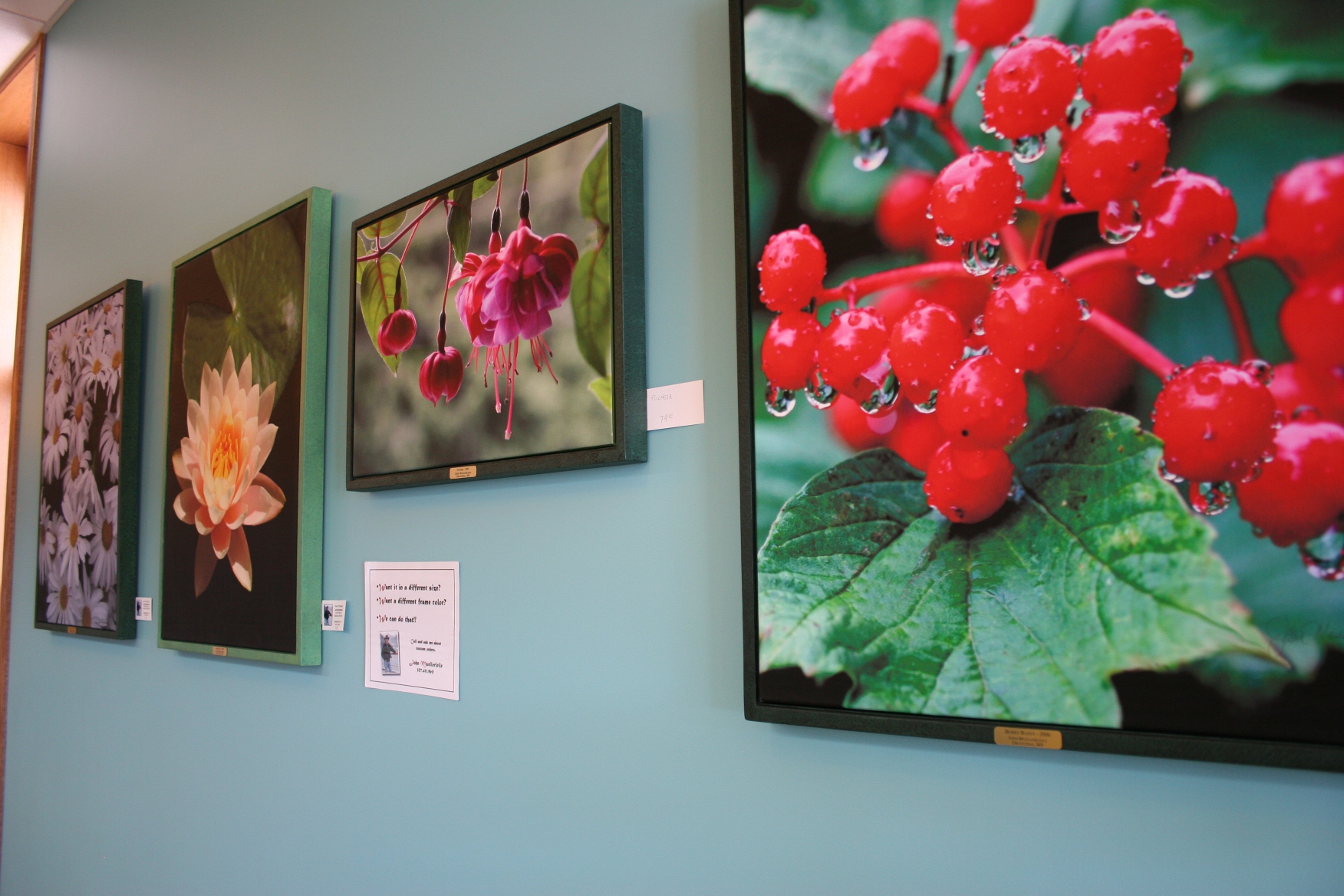
Owatonna resident John Muellerleile’s fine art photography on display and for sale.

Kathy welcomes customers and artists here, into this corner haven in a town that thrives on summer-time business from resort guests, cabin dwellers and users of the recreational Sakatah Singing Hills State Trail.

Her customers come here for the ever-popular smoothies and the favorite turkey avocado sandwich, for the coffee and the espressos and other beverages, for the breakfast and soup and sandwiches and salads and baked goods and ice cream treats.

On this Sunday, my husband and I have driven 15 miles for an ice cream treat upon the recommendation of our friend, Joy, who raves about the maple bacon sundae.

As Randy places our order with Marina, I chat with Kari in the corner, take photos and admire a focal point, 6-foot by 4-foot oil painting by Tim Foster of Northfield. His fish-themed art piece, titled “American lures,” is “so Watervillian,” Kathy tells me later, fitting this lakeside town which celebrates bullheads at an annual June festival. There’s a deeper meaning to the painting in which words like “love” and “prove it” and “Federal Reserve Bank” are hidden, Kathy says, but we don’t get into details.

An example of the handcrafted work of local artisans for sale in the coffee shop.

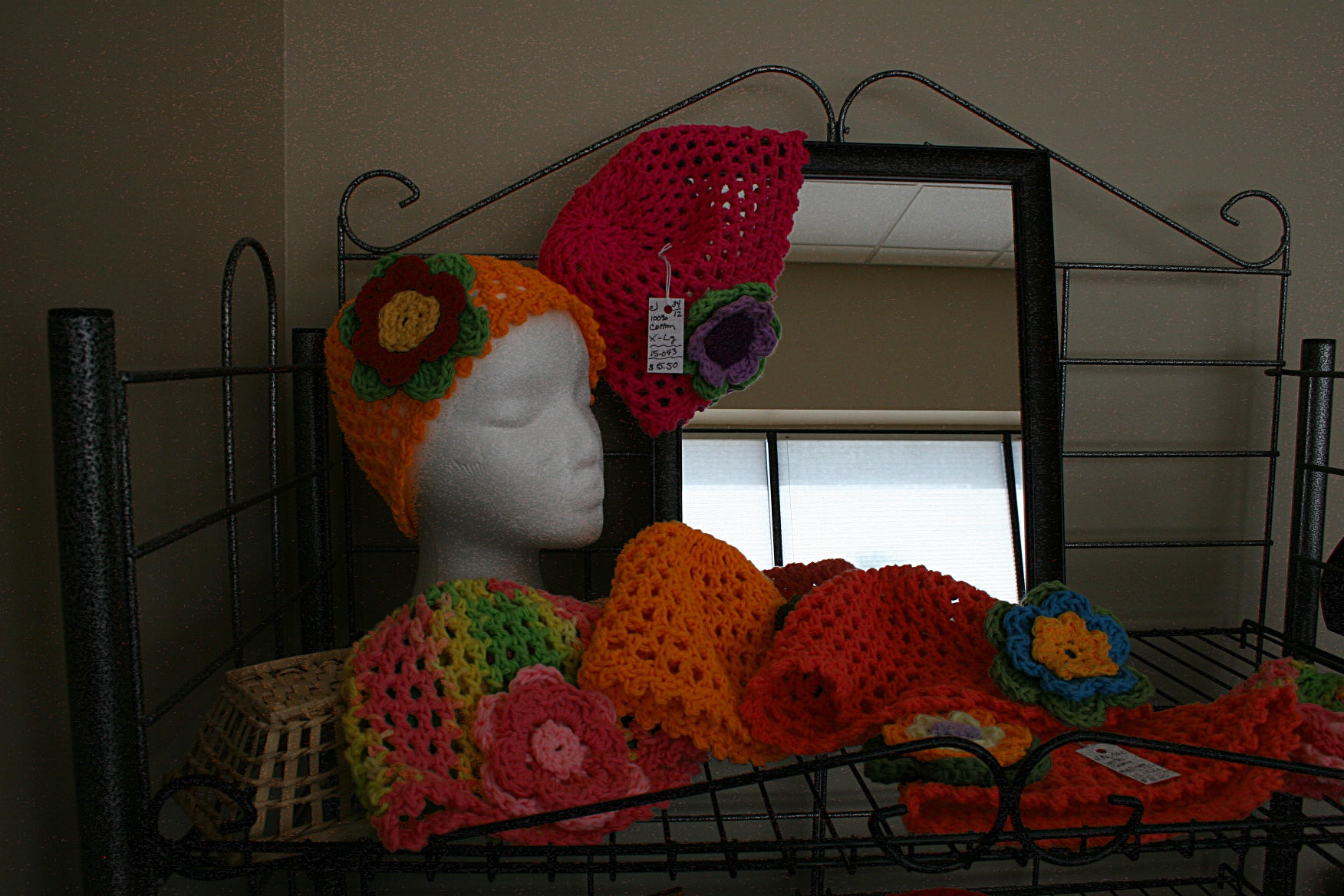
Kathy works with the nonprofit Waterville Local Cooperative Outlet to provide a marketplace for some 8-10 local artisans and crafters. Their creations—from woodcrafts to crocheted caps, paintings, photos and more—are displayed on walls and on shelves through-out the coffee shop.

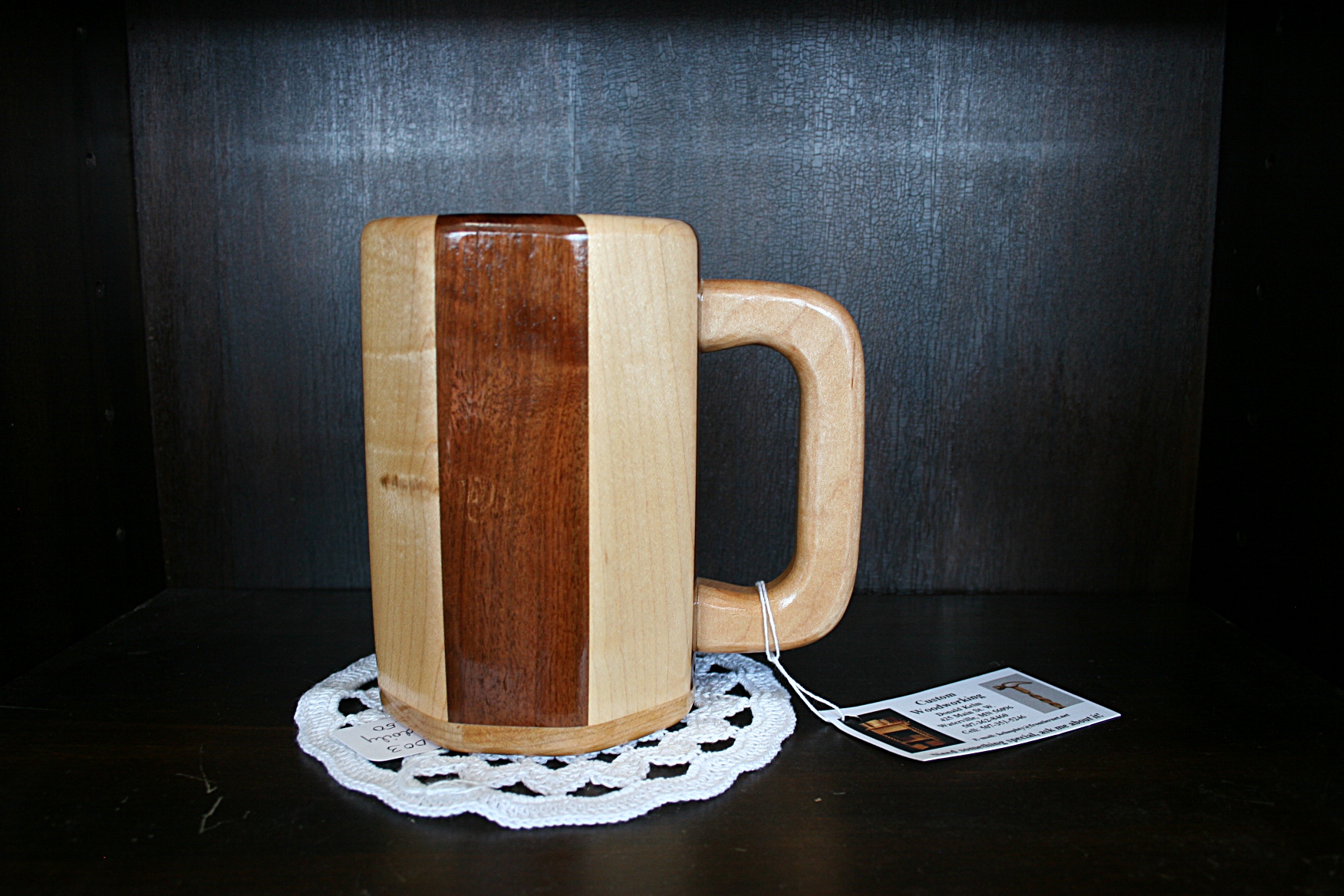
Donald Kelm of Waterville, a custom woodworker, created this mug.

Engaging the arts community exemplifies Kathy’s efforts at community development. That extends to the food aspect of her business, too. She wanted, she says, more dining options than bar food burgers and fries for the town she and her family now call home. And Kathy offers that with a sandwich menu which doesn’t include a single burger. The closest thing to fries are the chips accompanying sandwich orders.

On her sandwich menu, you’ll find choices like egg salad on a croissant; veggie wrap with hummus, provolone, red onion, red pepper and spinach; and cherrywood smoke ham with garlic cheddar, tomato and mustard sauce. You can build your own sandwich, order a cup of soup.

Hungry for a bakery treat? Kathy has selections from cupcakes to pie to traditional Upper Peninsula style pasties, a tribute to her native Michigan.

Singing Hills Coffee Shop’s delicious maple bacon sundae.

But, on this Sunday, I’ve come only to sample the maple bacon sundae with spicy maple-glazed pecans, homemade maple caramel and bacon, yes, bacon, on vanilla ice cream. My husband questions my choice. I don’t, and find the sweet and salty mix a perfect complement to the ice cream. I’d give the maple bacon sundae a five-star recommendation.

An equally tasty blueberry sundae.

My less daring spouse orders a blueberry sundae and is equally pleased with his selection.

These two boys came with their moms, and a sister of one, for ice cream treats. The boy on the right told the boy on the left that he had a mustache. Then I told the boy on the right that he had an ice cream mustache, too.

A retired couple who spend their summers at a Waterville resort rave about the sandwiches while two moms ordering ice cream for themselves and their kids endorse the ice cream.

Kathy, though, admits that business growth was slow during her first year and that she’s still learning, given her inexperience as a businesswoman. With summer winding down, she’s cutting back on hours. Singing Hills Coffee Shop is closed now on Mondays and Tuesdays, but open from 8 a.m. – 5 p.m. Wednesday – Saturday and from 8 a.m. – 2 p.m. on Sunday.

On October 14, the coffee shop will close for the season and then reopen in mid-April.

So, if you want to try that maple bacon sundae…

FYI: For more information about Singing Hills Coffee Shop in Waterville, click here to reach the shop’s website.

To learn more about the arts scene in Waterville, specifically the annual Sakatah Arts Experience, click here.

For more info about Northfield artist T. Andrew Foster, click here to visit his Creative Space Art Studio website. 

Copyright 2012 Audrey Kletscher Helbling
 

A Sunday afternoon drive to Waterville, Minnesota, Bullhead Capital of the World September 12, 2012

Filed under: Uncategorized — Audrey Kletscher Helbling @ 6:55 AM
Tags: , , , , , , ,

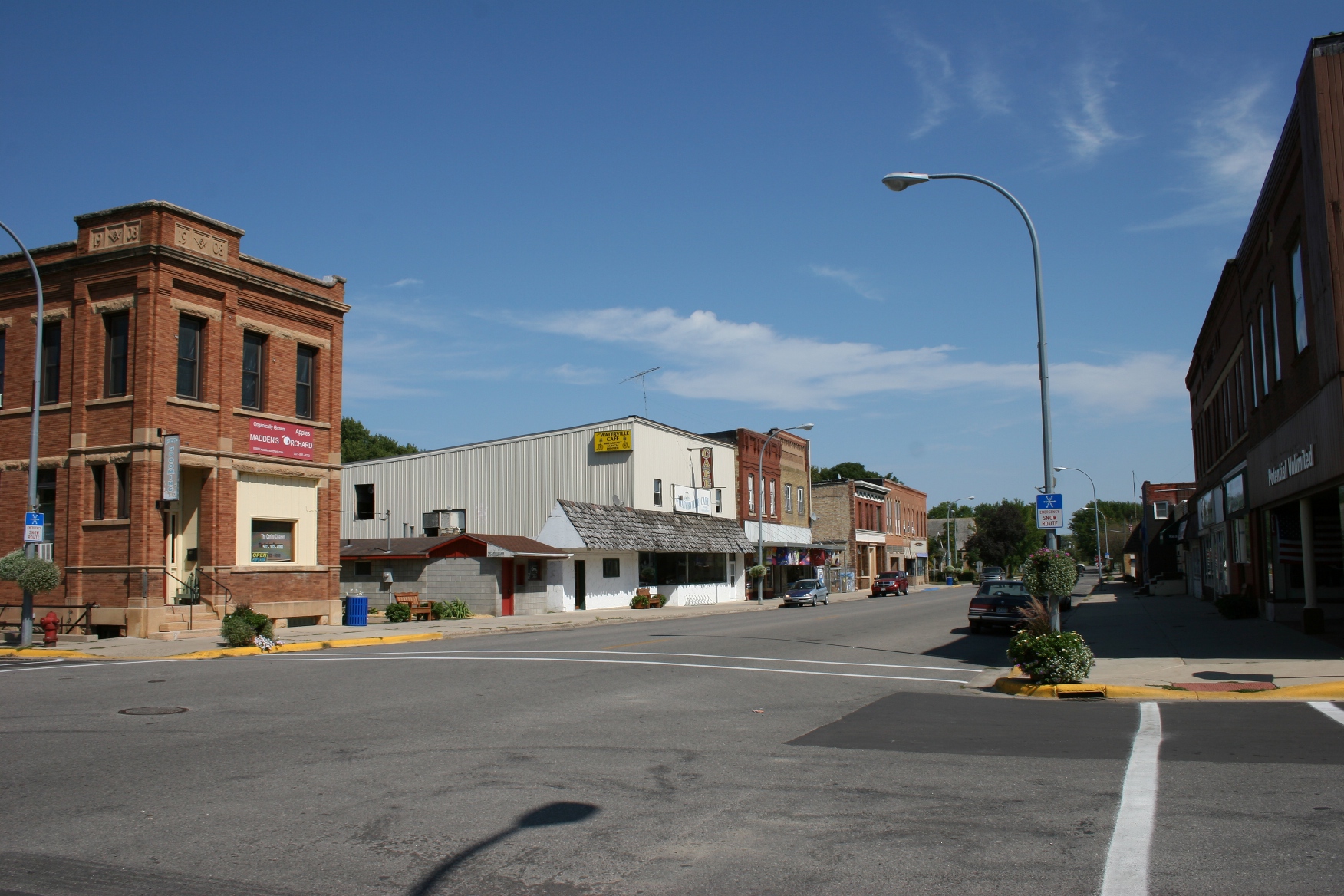
Main Street Waterville, Minnesota, on a Sunday afternoon in September.

THE THING ABOUT SMALL TOWNS is this. They’re not boring cookie cutter places with chain stores and look-alike subdivision houses occupying space in the middle of nowhere. I know, I know, you likely disagree about that “boring and middle of nowhere” if you live in a sizable city.

But these small towns possess individuality and character. And by small town, I mean a community of 5,000 or fewer residents. Just want to be clear on the definition.

Exploring small towns is something I enjoy, probably because I grew up on a dairy and crop farm near Vesta, current population around 330 or so, among the corn and soybean fields of southwestern Minnesota.

I’m intrigued by these communities which are most often ignored as simply, sigh, another place to slow us down as we rush from one destination to the next. I’m as guilty as the next traveler in feeling that way.

But sometimes I intentionally slow down. In recent years my husband and I have embraced Sunday afternoon drives, not unlike the Sunday drives of my youth. Dad would guide the family car along the washboard gravel roads of Redwood County, sometimes venturing into neighboring Yellow Medicine County, so we could look at the crops.

While Randy and I sometimes take gravel roads, our ultimate destination is typically Main Street.  We meander to a nearby small town, park our vehicle, get out and walk. It is then that we discover the quirks, the character, the feeling of community and closeness which define a given town.

Our most recent Sunday jaunt took us to Waterville, only 15 miles from Faribault. I’ve been into this lakeside town of nearly 1,900 perhaps half a dozen times, just to drive through it, tour Ron’s Hardware (a story in itself, but it was closed the Sunday we were there), enjoy an ice cream treat and, many years ago, to grab a burger and beer at the Corner Bar.

Mostly, though, Waterville has been a town my family zips past along Minnesota Highway 60 en route west. By doing that, I’ve missed out, missed out on the defining details. And the easiest way to notice those details, when Main Street businesses are mostly closed on a Sunday, is to check out the signage.

Welcome to Waterville, Minnesota, Bullhead Capital of the World, where signs hint at this community’s individuality and character.

CHECK BACK FOR A FUTURE post featuring one of Waterville’s newest businesses.

© Copyright 2012 Audrey Kletscher Helbling
 

Little Free Libraries for Small Towns project in Minnesota and Wisconsin officially kicks off at MOA August 15, 2012

TEN MONTHS AGO, Todd Bol, co-founder of the Wisconsin-based Little Free Library, and I were discussing an idea to get Little Free Libraries into small towns without libraries. I wanted a library in my hometown of Vesta, a community of around 340 residents which has never had a library.

I had blogged about a LFL in Faribault, where I have lived for 30 years, and challenged the residents of Vesta to start a LFL.

The LFL Todd and Susan Bol installed outside the community-owned Vesta Cafe.

After making that challenge, Bol and I talked and, several months later, he offered to donate, deliver and install a LFL in Vesta, placing the first library in a new initiative, Little Free Libraries for Small Towns. Bol and his wife, Susan, drove from Hudson, Wisconsin, on July 1 and installed a LFL in front of the Vesta Cafe.

This Friday, August 17, that small towns project officially kicks off with a celebration from noon to 3 p.m. in the Mall of America rotunda near the east entrance. A program featuring activities and also appearances by local celebrities sharing their favorite books is slated for 1 – 2 p.m. Businesses and publishers are donating new books and the public is encouraged to bring books for 20 uniquely designed mini libraries to be placed in Twin Cities’ neighborhoods and communities surrounding the mega mall.

MOA is donating those 20 libraries and two special libraries (numbers 2,509 and 2,510) which will tie and break the records of libraries funded by philanthropist Andrew Carnegie.

How sweet is that? But even sweeter, in my opinion, is the MOA’s general support of the Little Free Libraries for Small Towns project as a way “to promote literacy and community-building by supporting neighborhood book exchanges.”

The beautiful handcrafted LFL donated to my hometown of Vesta.

The LFL works on the premise of take a book/leave a book in a little library, which is typically an over-sized birdhouse size structure attached to a post and installed outdoors, making books accessible to the public 24/7.

In kicking off its Little Free Libraries for Small Towns project, the LFL non-profit aims to focus first on the small towns of Minnesota and Wisconsin without ready access to public libraries, like my hometown of Vesta on the southwestern Minnesota prairie. The closest libraries to Vesta are about 20 miles away. Earlier this year bookmobile service to my hometown and several other communities was cut by Redwood County commissioners to save money.

I expect that many other small towns in Minnesota and Wisconsin are in similar positions, without library services because a) they’ve never had libraries or b) funding has been cut or trimmed.

Living in or near a town without a library, as I did growing up, is a hardship for someone like me who loves to read. That’s why I was adamant in my discussion last fall with LFL co-founder Bol that he focus on small towns without libraries. He liked the idea—Bol is very much an energetic ideas man—and he eventually shaped our discussion, with the help of his equally enthusiastic staff, into the Little Free Libraries for Small Towns project.

Bol thinks big. The LFL group is initially seeking 20 sponsors to each facilitate 20 Little Free Libraries for small towns across Minnesota and Wisconsin, resulting in 400 new free libraries. A $600 contribution supports construction, delivery and installation of one LFL to a small town and a starter collection of books as well as official LFL registration and promotion, and a plaque on the sponsored library.

Beyond all of that, the real satisfaction, I think, comes in the reaction of those communities which benefit from such generosity. My hometown has embraced the LFL with a level of enthusiasm beyond anything I ever expected.

The team that worked to bring a Little Free Library to Vesta includes Dorothy Marquardt, left, and Karen Lemcke, representing the sponsoring Vesta Commercial Club, LFL co-founder Todd Bol and me (holding a copy of a poetry anthology I donated and in which I have two poems, “A school without a library” and “Saturday night baths”).

Karen Lemcke, who early on supported the LFL as a member of the Vesta Commercial Club and is now the Vesta library steward, shared several weeks ago that Vesta’s LFL is a “very successful project.”

She then went on to explain that area residents are taking books from the outdoor LFL and that two bookshelves inside the Vesta Cafe have also been filled with donated books. Says Lemcke:

We have a variety of books from non-fiction, fiction and children’s books. On Sunday, children had taken some of the books and sat on a couch nearby looking through them. I heard today that tractor books were on a shelf and local farmers were borrowing them overnight to look through. The women have been going through the books as well and they will be picking up some to read, too…It’s like it (LFL) brought a “little life” to Vesta.

If you are thinking that Karen’s report brought tears to my eyes, you would be right. To hear that farmers are pulling tractor books from shelves to take home, especially, pleases me. And kids paging through books…

The books Todd Bol and I placed inside Vesta’s LFL on July 1. He brought books donated by several Twin Cities publishers and I brought books from my personal collection. I have since collected and donated an additional 40 books.  A retired librarian from nearby Wabasso donated eight bags of books, primarily mysteries, and the cafe manager’s family also donated books and I expect others have given books, too.

With this new LFL for Small Towns project, just consider for a moment how many more scenarios like this can happen in small towns without libraries. What a gift to bring books to the residents of small towns and enhance or instill a love of reading.

The LFL organization is now accepting applications from communities which would like to be considered for the Little Free Libraries for Small Towns project. Applicants from Minnesota and Wisconsin need only complete a short questionnaire requesting information such as the town’s population, whether it has a public library and how a LFL would make a difference in their community.

LFLs will be awarded based on available sponsorships and contributions and the need and interest level of the applicant communities, among other criteria.

So…if your small Minnesota or Wisconsin town needs a library, believe. It can happen. My conversation with the co-founder of the Little Free Library resulted in the donation of a library and a starter collection of books to my hometown…and the launch of the Little Free Libraries for Small Towns project.

The Little Free Library at the Vesta Cafe on the one-block Main Street in my hometown is the seed plant of the Little Free Libraries for Small Towns project.

FYI: For more information about the LFL program, click here to reach the website. To learn more about  the Little Free Libraries for Small Towns initiative and to download an application, click here.  Applications will also be available at the MOA-LFL event on Friday, to which I’ve been invited but will be unable to attend.

If you or your business or organization is interested in sponsoring a library or libraries for the small towns initiative in Minnesota or Wisconsin, email Megan Hanson at mphanson@littlefreelibrary.org.

© Copyright 2012 Audrey Kletscher Helbling
 

Oh, the interesting topics you’ll find in small town newspapers…of bullets, burgers & babies… August 14, 2012

Filed under: Uncategorized — Audrey Kletscher Helbling @ 6:51 AM
Tags: , , , , , ,

SMALL TOWN NEWSPAPERS make for some interesting reading. Stories can get downright personal and to the point.

For example, I found a gem last week online at The Redwood Falls Gazette, a twice-a-week newspaper published in Redwood County in southwestern Minnesota. It’s the newspaper I grew up reading.

The Redwood Falls Gazette editor Troy Krause, right, interviews Todd Bol, co-founder of the Little Free Library in Vesta in early July. Bol gave a LFL to my hometown and installed it at the Vesta Cafe.

In the “Backward Glance” section of the newspaper, under 1987—25 years ago, this tidbit of information was published:

In the listings of the Redwood County 4-H county fair champions, Troy Krause of the Loyal Scotties was overall grand champion in flower gardens, while Kelly Zwaschka of the Vesta Vikings won champion child development.

(Note: Troy is editor of the Redwood Gazette, while wife Kelly gave birth to their seventh child, Gideon, this week. Congrats from the Gazette staff!)

How’s that for a birth announcement? Obviously Kelly’s interest in child development, even as a 4-Her, was a clear indicator of her future. As for Todd, I believe flower gardening could be connected to creativity/writing.

You’ll also find a brief about a game warden, shot through the head in 1937 by another game warden who mistook him for a bear. That’s listed in the 50 years ago section of “Backward Glances.” So, yes, apparently Merle Shields survived the incident as he was celebrating his 20th year as a Redwood County game warden in 1962. (BTW, since writing this post, I discovered that The Gazette has upgraded its website and the “Backward Glance” I reference here cannot be found, or I couldn’t find it.)

The third piece of interest was published in last week’s The Gaylord Hub, where I worked for two years as a news reporter and photographer right out of college. Avery Grochow, past president of The Gaylord Chamber of Commerce, penned a letter to the editor which I am certain is the current coffee shop talk of Gaylord.

I’ll summarize parts of his lengthy, six-paragraph letter and quote directly when needed. Grochow begins:

We, as the chamber board, are constantly trying to do our best for our community and are constantly being criticized by some for our decisions.

Apparently locals were grumbling about the food—who supplied it and how it tasted—at the community’s annual Eggstravaganza summer festival. New volunteers, replaced Dewey (whoever that is; my words here, not Avery’s), who “wanted a year off from all the arguments.” They stepped up and worked through a new bidding process for the supplies, awarding the bid to the lowest bidder.
Grochow continues:

We have had comments both ways about the supplying of hamburger. Some have criticized us in the past because the hamburger was too spicy, that they would rather have plain burgers, and we are now being criticized that we are having plain burgers and not spiced burgers.

No matter what we do as volunteers and directors for the Chamber, we can’t please everyone…We did what we thought was fair to everyone by taking bids on everything and stand by our decision.

Now, just imagine how difficult it must have been for Grochow to write this letter. Not an easy thing to do when you live in a small town like Gaylord where everyone’s lives are intertwined.

I give Grochow credit for having the guts to publicly voice his opinion in print. He doesn’t just vent, though. He offers a solution. And therein lies the point best taken by those who read his letter.

…if anyone has better ideas for us, we still are short of directors and could use all the help we can get to make our Chamber even more successful. We also have openings on the board so you can be part of the decision making, instead of just always making bad comments because you don’t like what we did. Remember, we, as the Chamber Board of Directors, are just volunteers trying to make Gaylord a better place to live and hopefully to have a great celebration.

Those closing remarks are words we could all heed because I expect you, like me, are guilty of occasional grumbling and complaining.