Minnesota Prairie Roots

Writing and photography by Audrey Kletscher Helbling

My family still believes in Santa December 26, 2011

Filed under: Uncategorized — Audrey Kletscher Helbling @ 9:02 AM
Tags: , , , , , , , ,

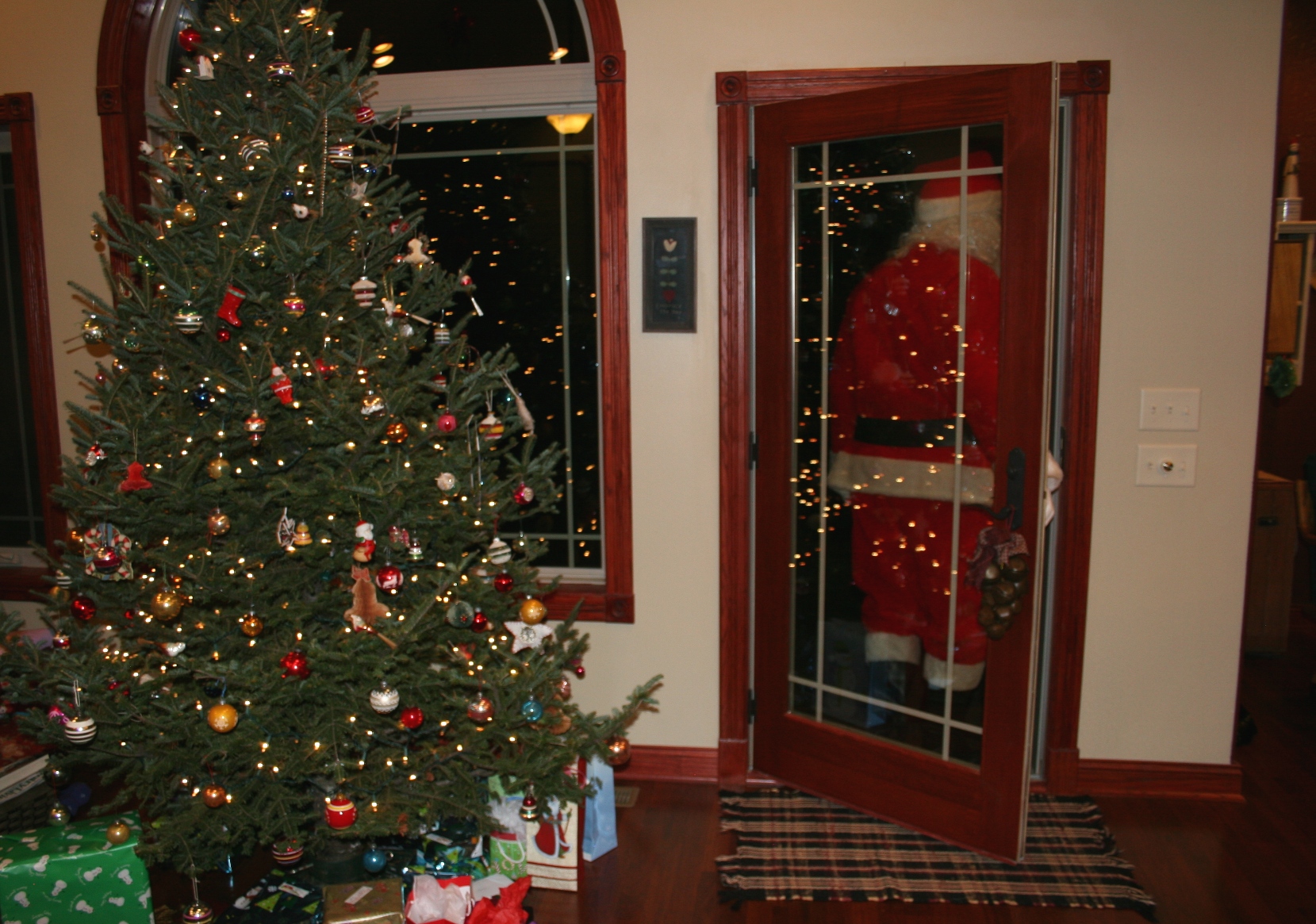
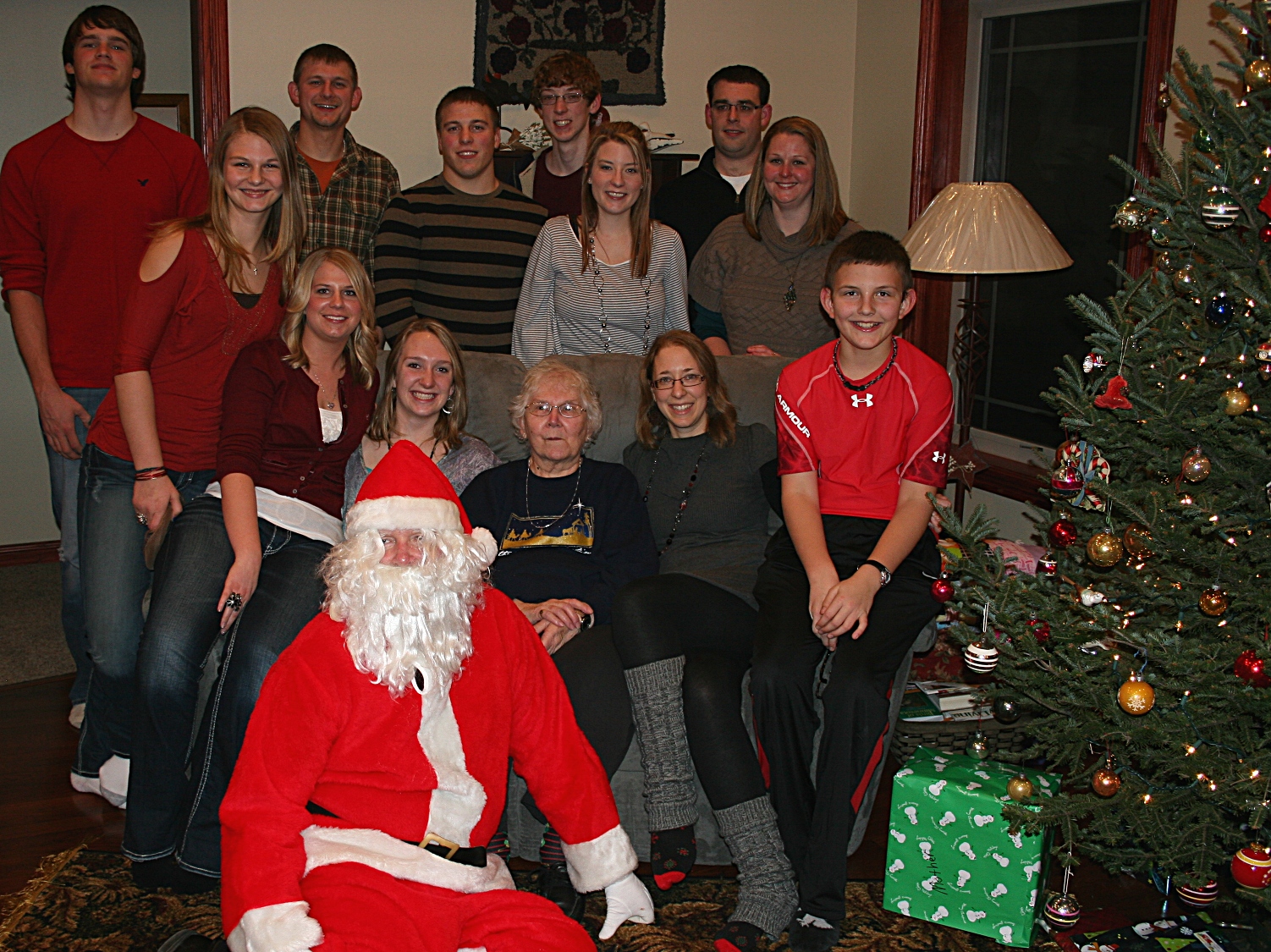
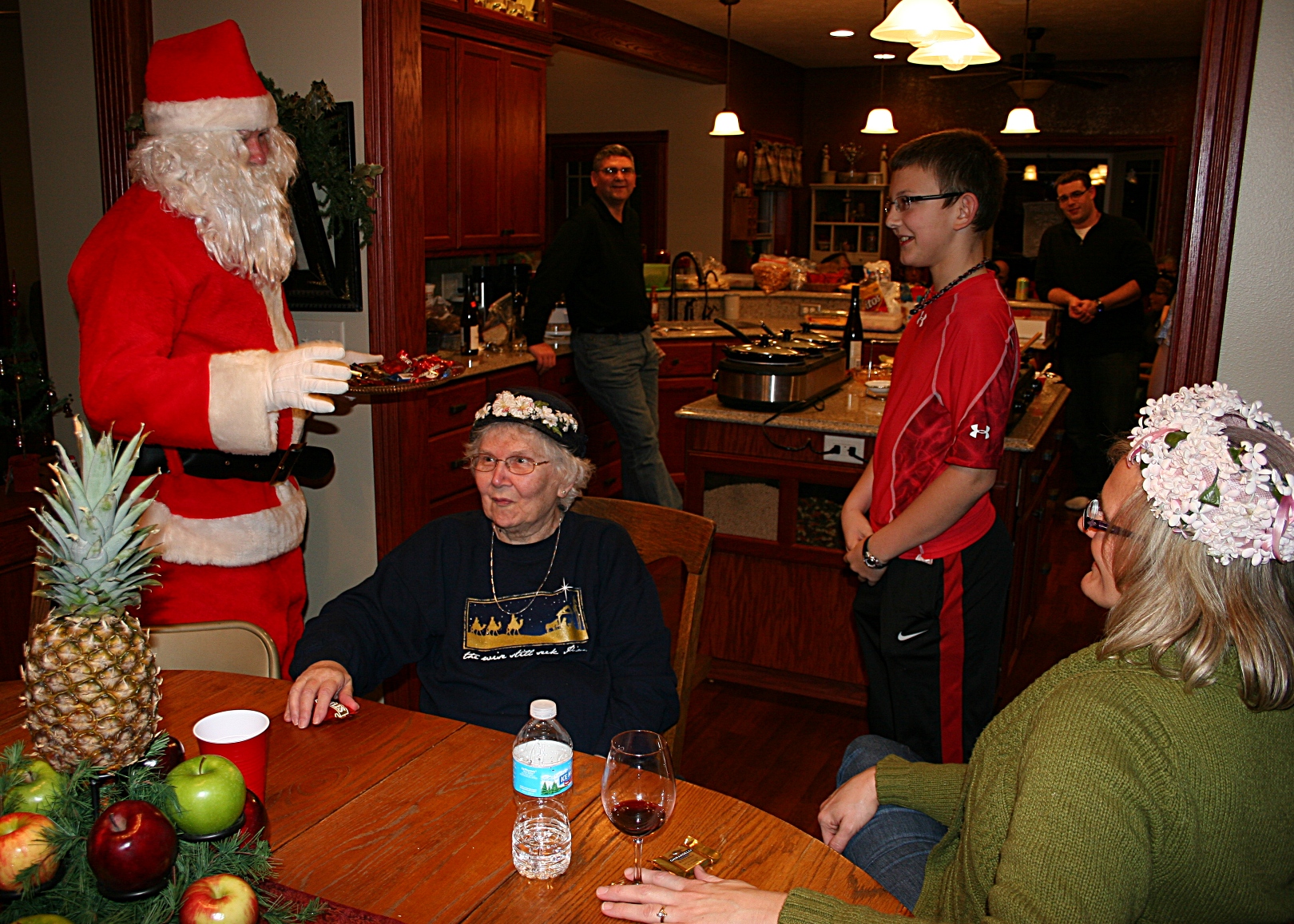
Santa poses with my mom and the younger generation at a family holiday gathering on Friday evening.

AGE MATTERS NOT. Not one bit. Not when it comes to Santa.

He’s still magical, whether you’re 12 or 79 ½ or any age in between.

Friday evening, 24 hours before his busiest night of the year, Santa blew into a rural Redwood County residence on the southwestern Minnesota prairie, arriving so unexpectedly that he nearly rocketed a sister-in-law of mine straight out of her chair to the North Pole.

With a rapid drumming on the dining room window, he startled more than a few family members before slipping through a patio door into our holiday gathering.

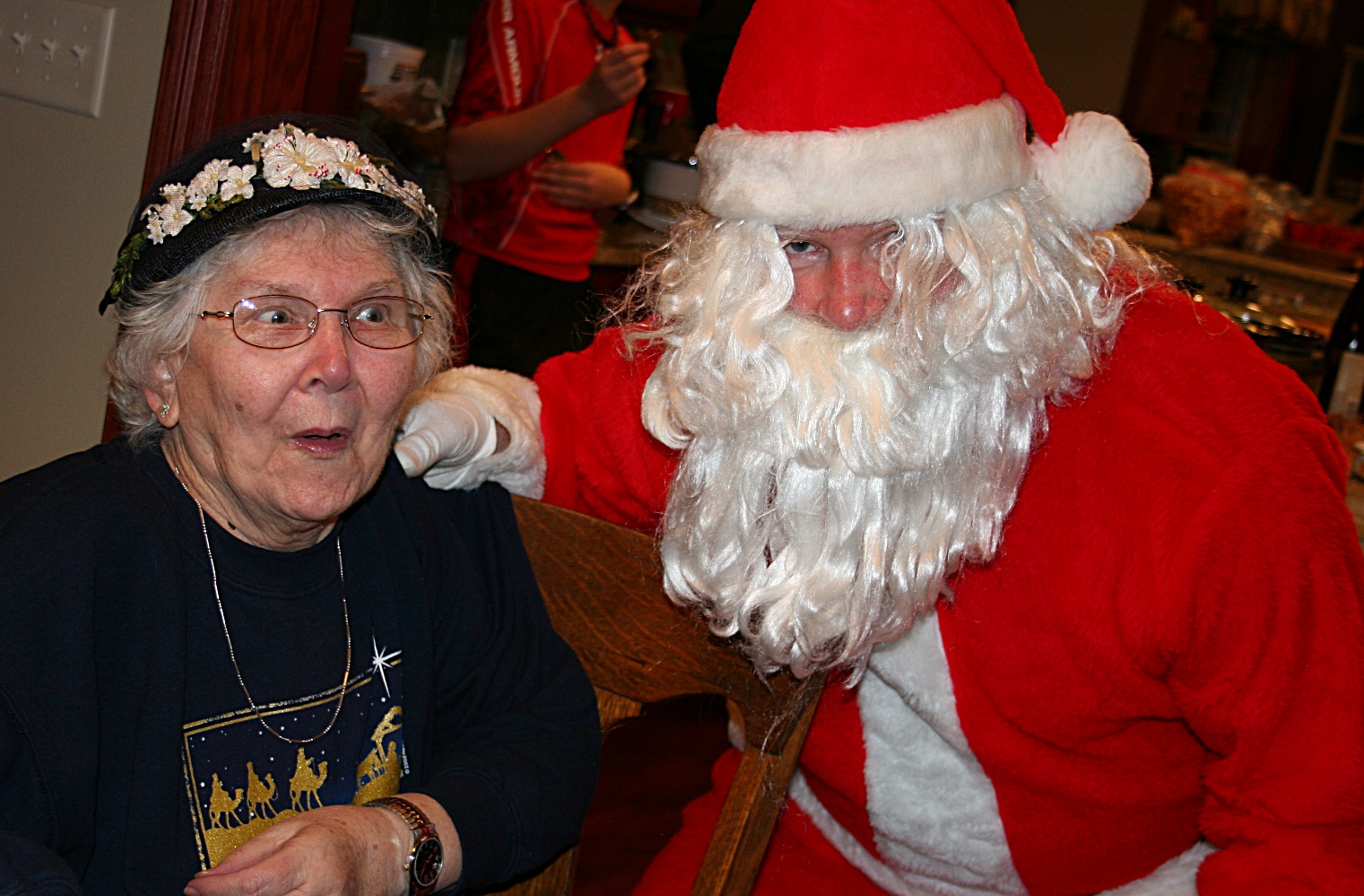
The oldest family member surprised by Santa's visit, my 79-year-old mom. I should mention that my mom typically does not wear a fancy hat. But my middle sister started a tradition this year of all the women wearing fancy vintage hats. She brought enough for all of us to wear and it was great fun.

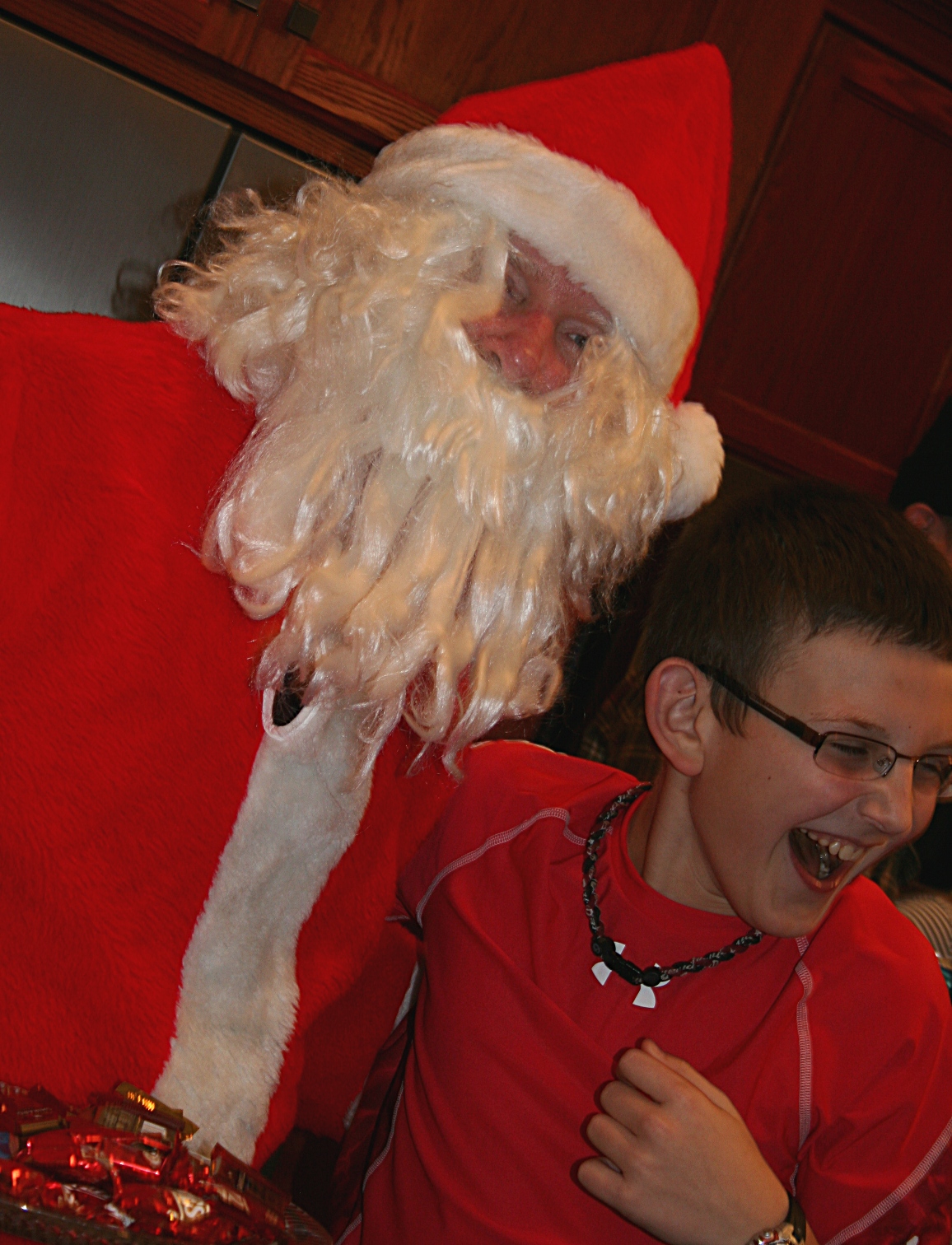
The youngest family member in attendance, my 12-year-old nephew, clearly enjoyed Santa's visit, too.

Hugs and handshakes and laughter and good-natured ribbing and even a kiss, followed by countless photos with Santa, defined the surprise visit now imprinted upon our memories.

I love this about my extended family. We don’t allow age to define our fun.

We still believe in Santa.

Santa made the rounds, greeting each family member, except my middle brother who had vanished.

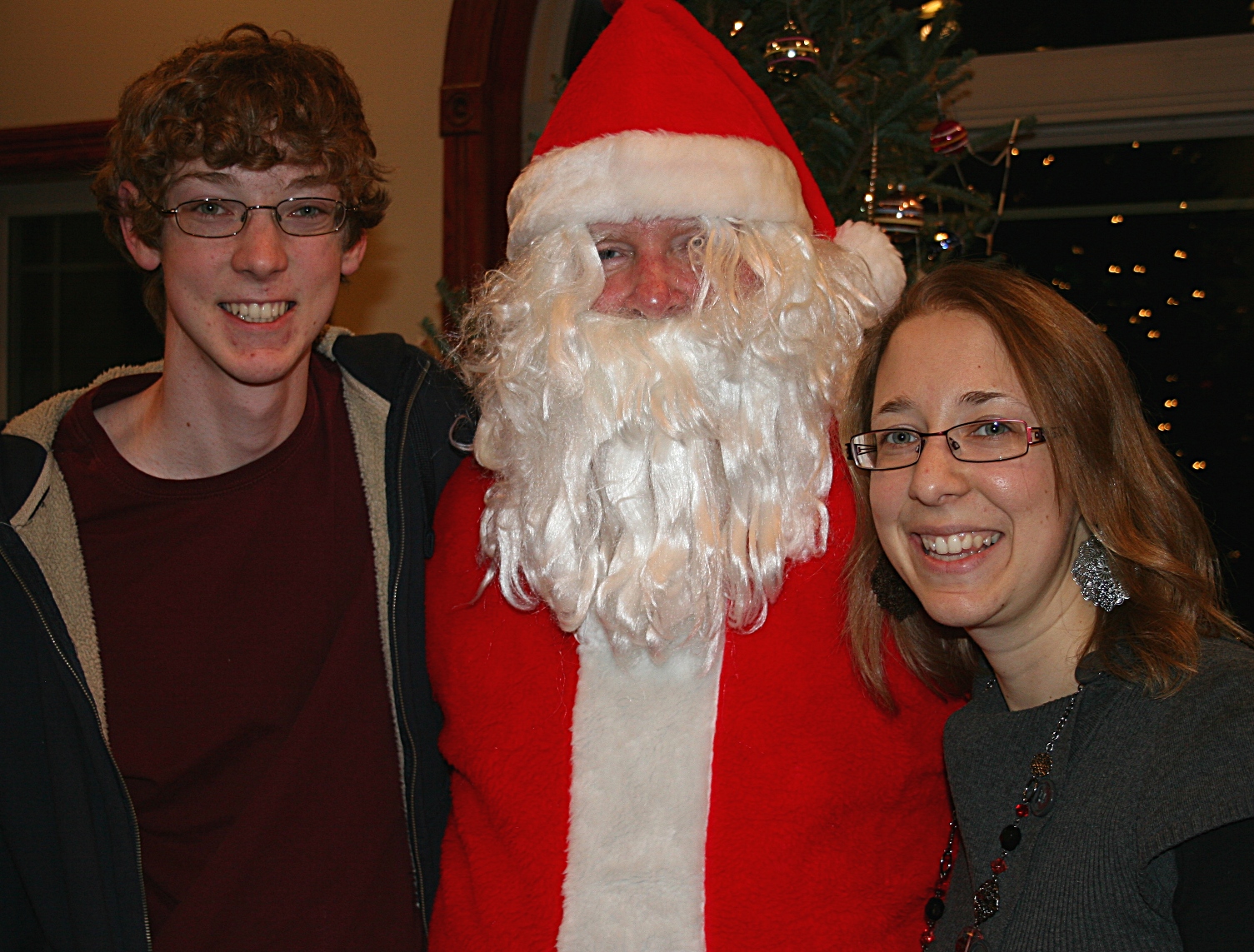
My son and eldest daughter had their picture taken with Santa. My other daughter was unable to make it back to Minnesota for Christmas because she was working at her job as a Spanish medical interpreter in eastern Wisconsin.

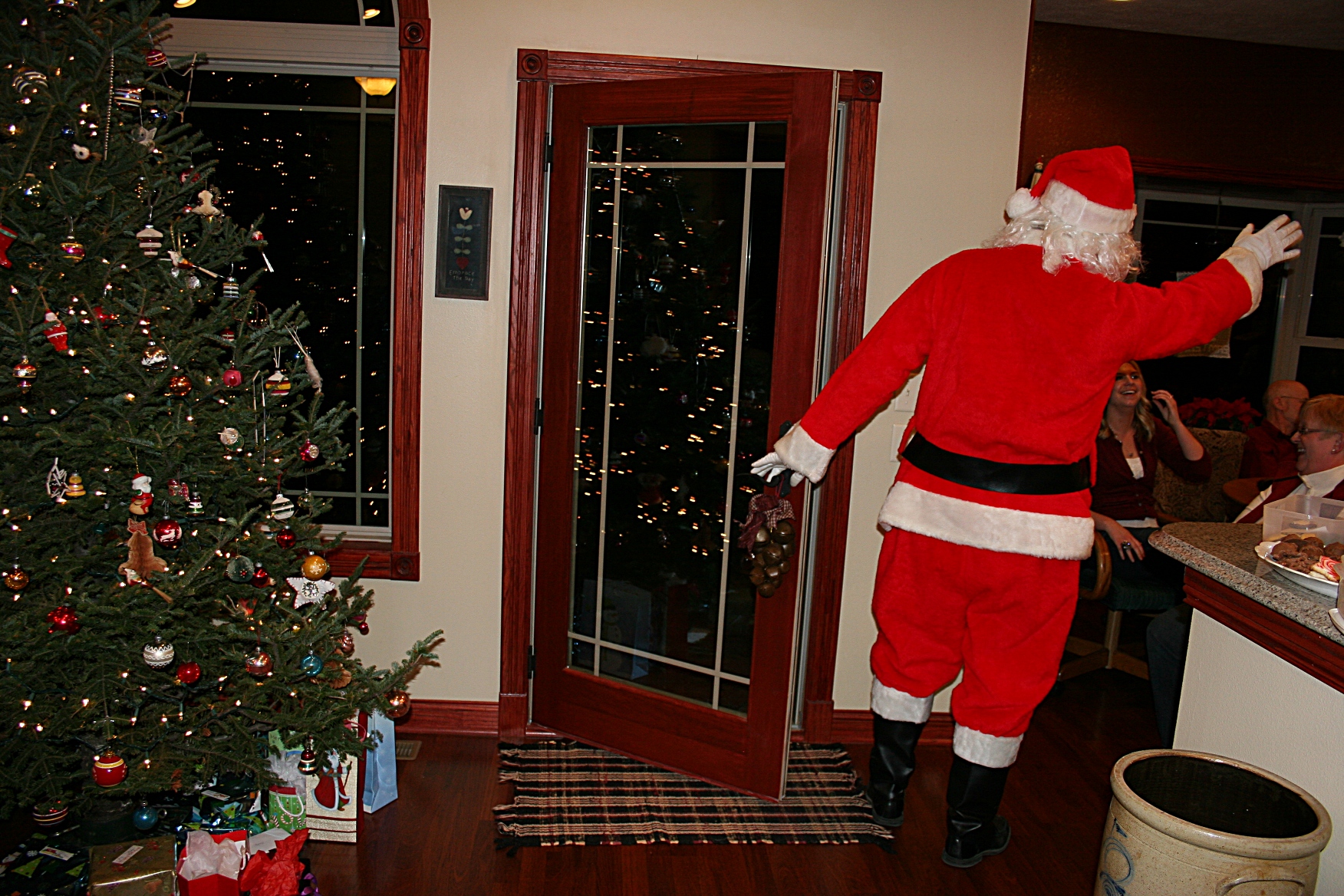
Then Santa waved goodbye...

...and magically disappeared as quickly as he had arrived.

HOW ABOUT YOU? What crazy things does your family do at Christmas time to build memories? Does your family still believe in Santa?

© Copyright 2011 Audrey Kletscher Helbling


Dispelling a Mayberry myth in rural Minnesota December 16, 2011

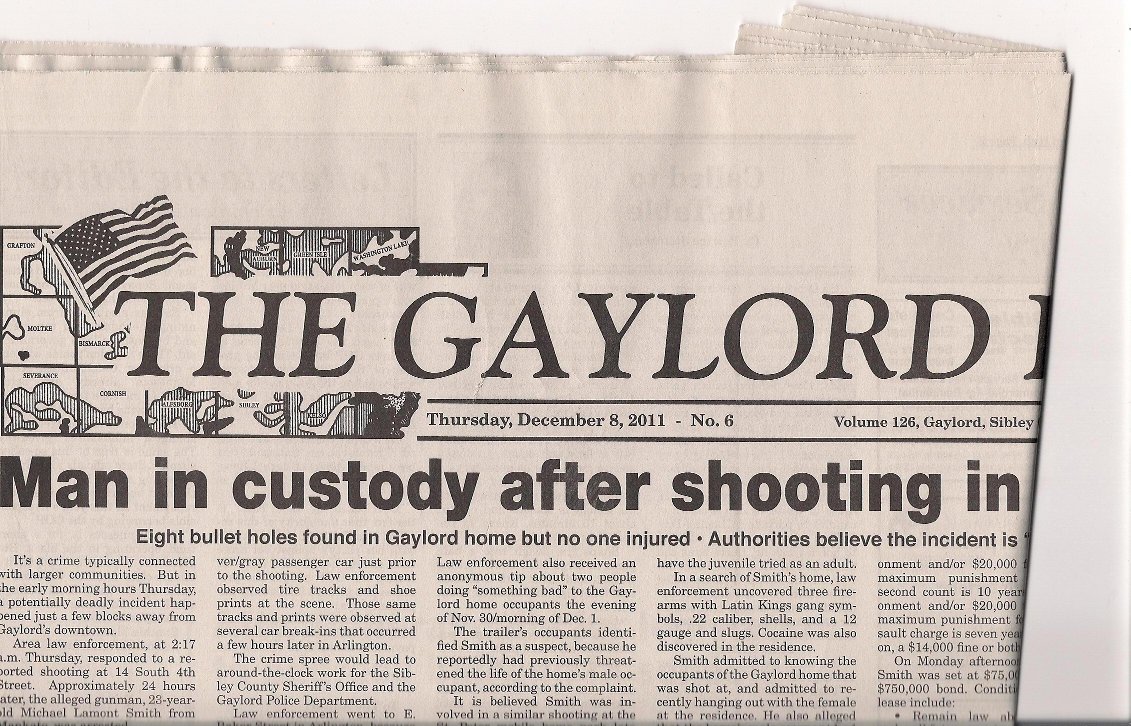
Man in custody after shooting in Gaylord

Two men arrested after incident with police officers in Winthrop

Three years since rural Green Isle homicide

These disturbing headlines all published recently in a single issue of a 10-page small-town Minnesota weekly newspaper.

How life has changed in the 31 years since I pounded out news articles there, for The Gaylord Hub, on a vintage manual typewriter. The biggest news stories during my 1978 – 1980 tenure as a reporter were fires and motor vehicle crashes and the controversy over the expansion of local chicken barns.

I didn’t write about eight bullets fired into a Gaylord home in an alleged gang-related shooting or a scuffle between police and a suspect or a three-year unsolved homicide.

And I didn’t have to report on a courthouse shootings like the one which occurred Thursday in quiet Grand Marais, an artsy get-away destination along the shores of Lake Superior.

Thirty years ago, small towns were still relatively untouched by violent, drug-related or other crime. Not so anymore. One need only pick up any weekly newspaper to read about major crimes that rock even the most rural regions.

Just this week in Redwood County in rural southwestern Minnesota, warrants were issued for 31 individuals on felony drug charges following a year-long, five-county investigation, according to information published in The Redwood Falls Gazette. Most suspects have been arrested and charged.

That’s my home county you’re talking about here, a place of small towns, grain elevators, farm sites, and corn and soybean fields—about as rural as you can get.

This isn’t Mayberry anymore.

While I can wax nostalgic about how things “used to be,” the reality of life is this: Times have changed. People have changed. Respect for parents and authority and laws have eroded.

Crime, once considered a big-city problem, reaches deep into the most rural of locations.

It is sad.

But it is the truth.

IF YOU LIVE in a rural area, have you see increases in crime? Explain. How have you, personally, or your community been impacted? How is your community dealing with crime? Please submit a comment and share.

© Copyright 2011 Audrey Kletscher Helbling


You can help: Establishing “water coolers of literacy” in rural Minnesota November 17, 2011

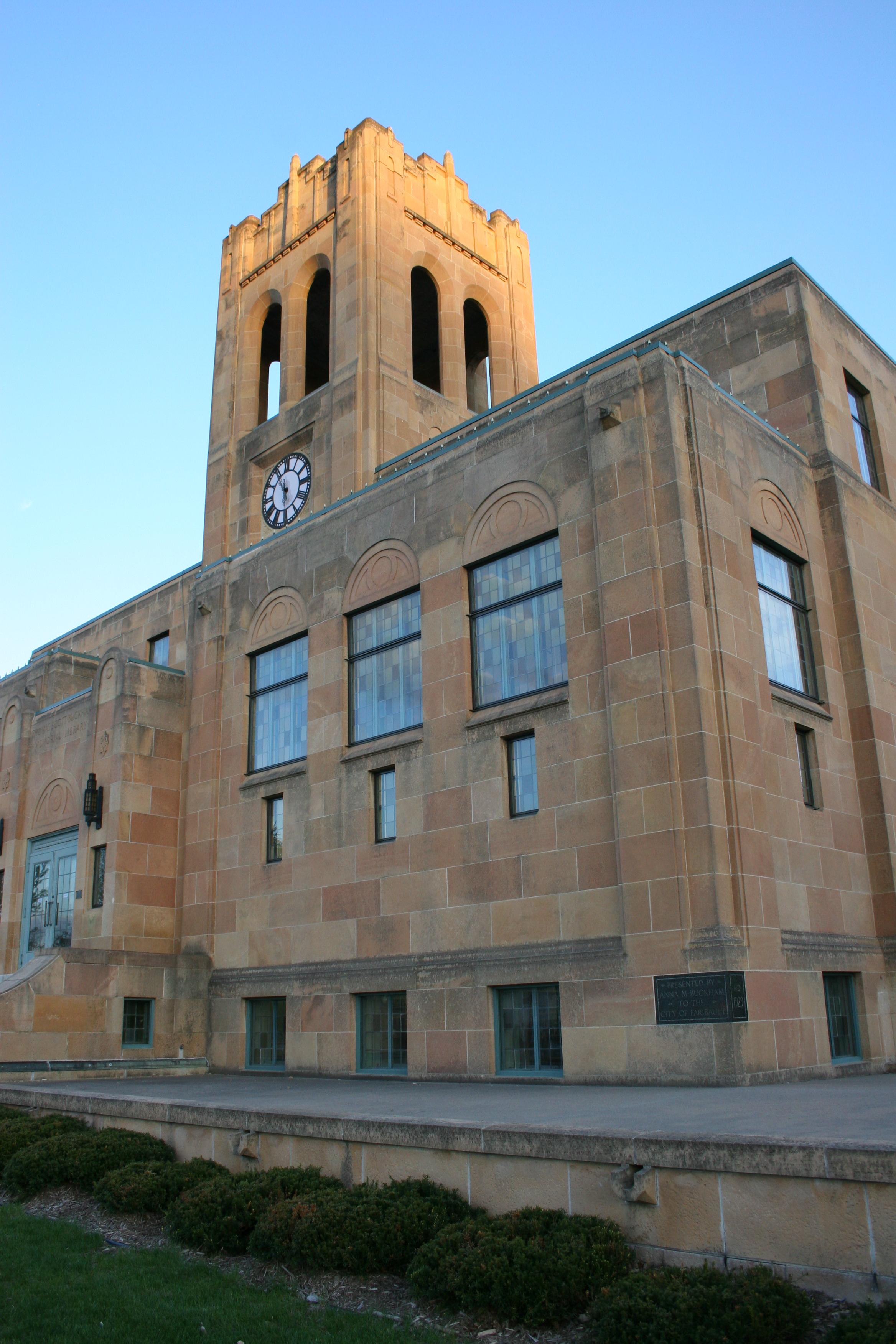
Buckham Memorial Library, Faribault

WHEN A NOTICE arrived in my e-mail in-box on Monday that Kathryn Stockett’s The Help was available for me at the local public library, I was thrilled. I’d been number 45 on the waiting list. I figured maybe I’d get the book in say seven years, long after I had forgotten it. Instead I waited only a few months.

Around 6:30 p.m. Monday, on my way to a church meeting, I stopped at Buckham Memorial Library in Faribault to pick up this bestselling novel. Much to my dismay, the library appeared closed. It was. And then I remembered the budget cuts that had trimmed evening hours to only Tuesdays and Thursdays.

As frustrated as I sometimes am about shortened night-time hours, I shouldn’t complain. At least I have a library in my community, unlike my hometown of Vesta in southwestern Minnesota. Like two dozen other small towns in Redwood, Cottonwood, Murray and Pipestone counties, Vesta residents rely on the services of the Plum Creek Bookmobile to deliver library materials. (Click here to learn more about that bookmobile.)

Once a month the bookmobile pulls onto Vesta’s Main Street, just as it does in towns like Currie, Iona, Revere and other towns you’ve probably not heard of unless you live or grew up in that rural area of Minnesota.

Given how often I use the Faribault library, I’d have a tough time with only once-a-month library access via a bookmobile. But I know that residents of these rural communities, like my 79-year-old mom, are grateful for their library on wheels.

Can more be done, though, to get books into the hands of these rural residents more frequently? I don’t expect that will come via public library systems with already financially-strapped budgets.

That’s why I’m particularly excited about the nonprofit Little Free Library project, co-founded two years ago by Todd Bol, a native of Stillwater now living in nearby Hudson, Wisconsin. I spoke at length with Bol earlier this week about this endeavor which places birdhouse-sized mini libraries mostly in front yards and in some public locales.

A Little Free Library seems the ideal way to fill a void in small towns without libraries.

But the problem lies in connecting to these sparsely-populated areas and growing these libraries. Bol wanted to pick my brain on how to best reach these communities and spread the word about opening a Little Free Library.
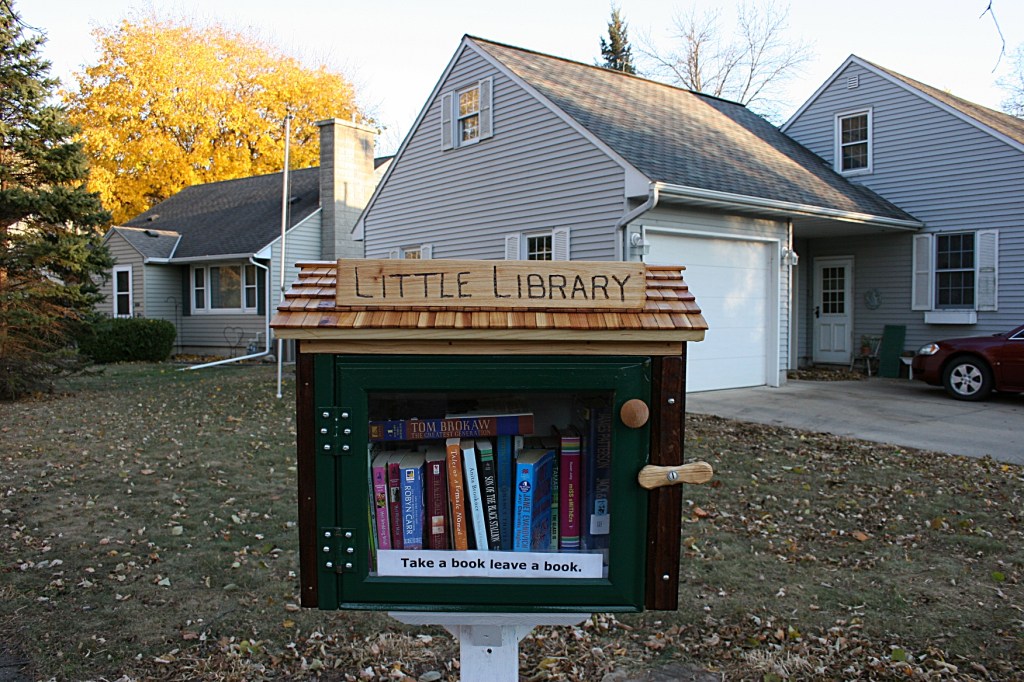
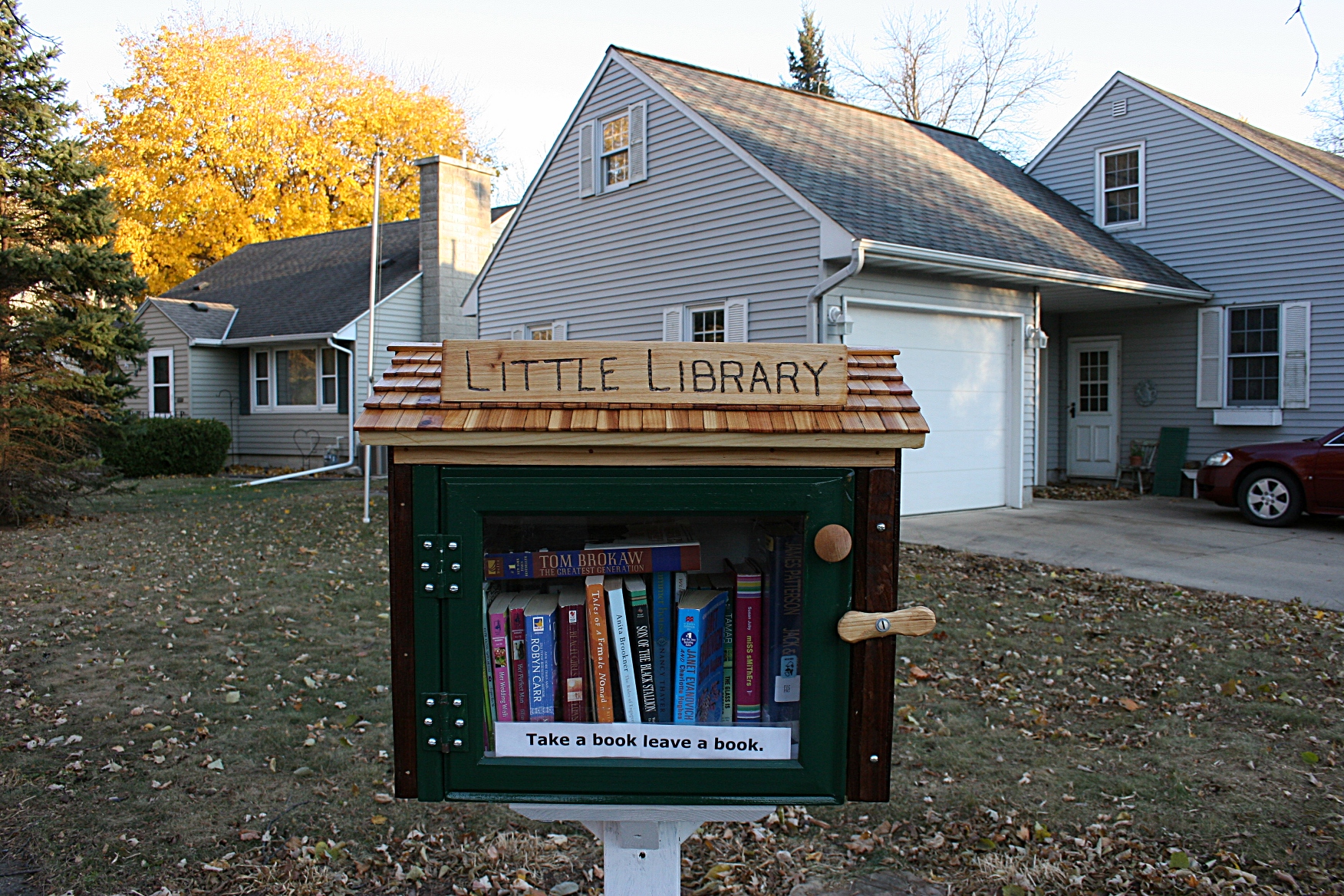
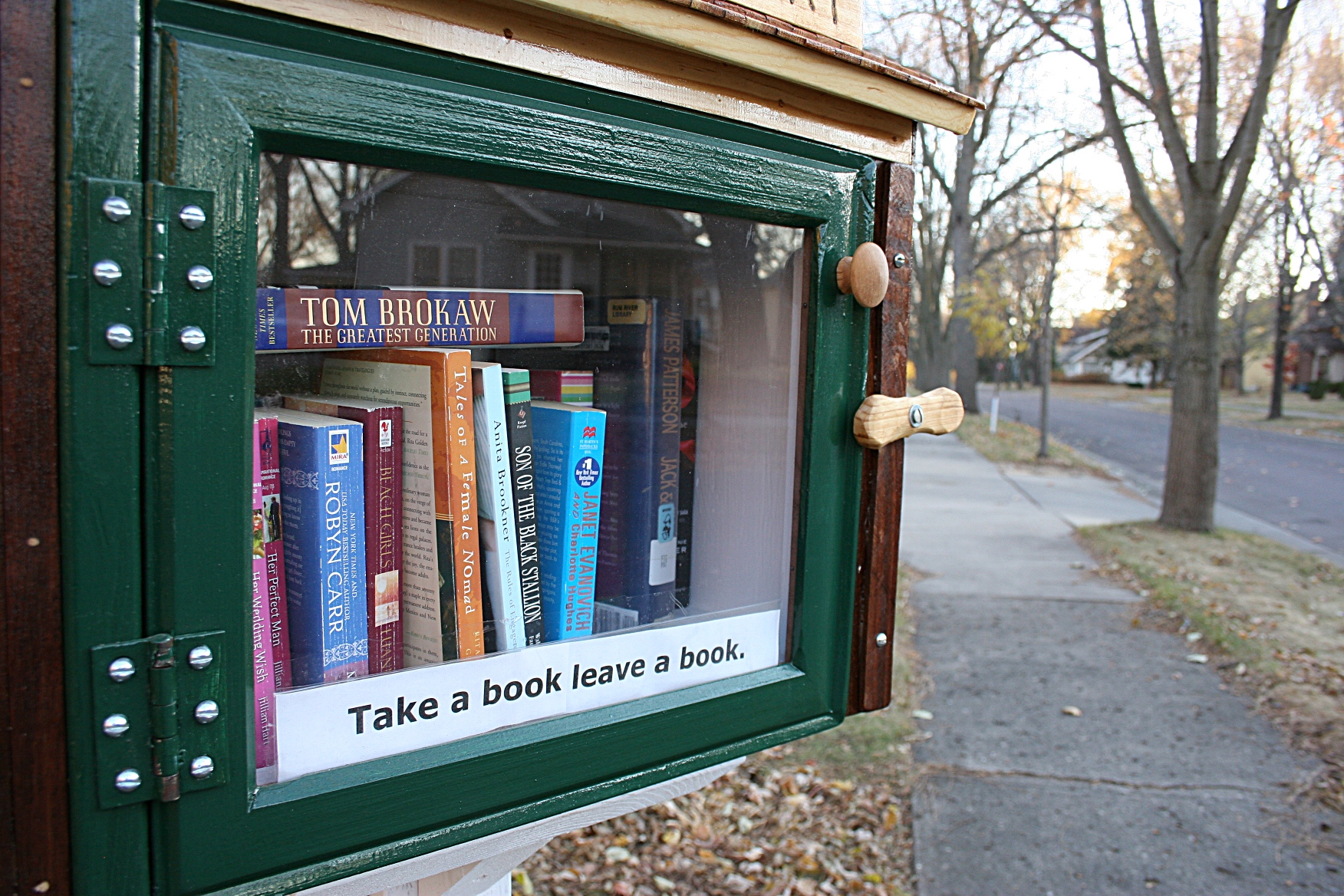
A recently-opened Little Free Library in a southwest Faribault neighborhood.

Several weeks ago a little library opened in Faribault. I learned about Dale and Joan Smith’s front yard library in the local daily newspaper on the same day I read about one opening in Detroit Lakes. Minnesota now has about a dozen Little Free Libraries with orders for some five more, Bol says. Two of those are going to Lakefield near Worthington in the southwestern corner of the state.

That’s the area I want to target for these libraries which operate on the premise of “Take a book, leave a book.” No library cards. No fee. No anything except a steward of the library and the sharing of donated books.

In a blog post published last week about the Smiths’ library, I challenged Vesta area residents to open a Little Free Library. Thus far, no one has responded.

Bol’s nonprofit is there to help, offering everything from advice to publicity to ready-built mini libraries. Those physical libraries range from a basic no-frills model priced at $375 to original art deluxe models listed at $1,000.

Or, like the Smiths in Faribault, you can build your own and then become a Little Free Library member, for a recommended $50 donation. That entitles you to benefits like a sign, sharing of your story online, listing on the LFL world-wide map and more. (Click here for membership details.)

With monies donated through the LFL’s “Pay It Forward” program, funding is available for underwriting library costs, for signs, donations of the library structure, etc.—all aimed toward helping others open village libraries. Currently the nonprofit is assisting soldiers with placing libraries in Afghanistan. No application process exists to apply for funds, but Bol hopes to eventually establish one.

Some 200 officially-registered Little Free Libraries have opened world-wide, according to Bol, who is especially excited about one planned for the Minneapolis Sculpture Garden. He’s also thrilled about an upcoming story in an Italian fashion magazine.

Defining himself as a “social entrepreneur by profession,” Bol focuses on change and making a difference. He views a Little Free Library as “a water cooler of literacy.” That comes from a man who says he “leans toward dyslexic” and reads primarily social engineering, quirky nonfiction and history books.
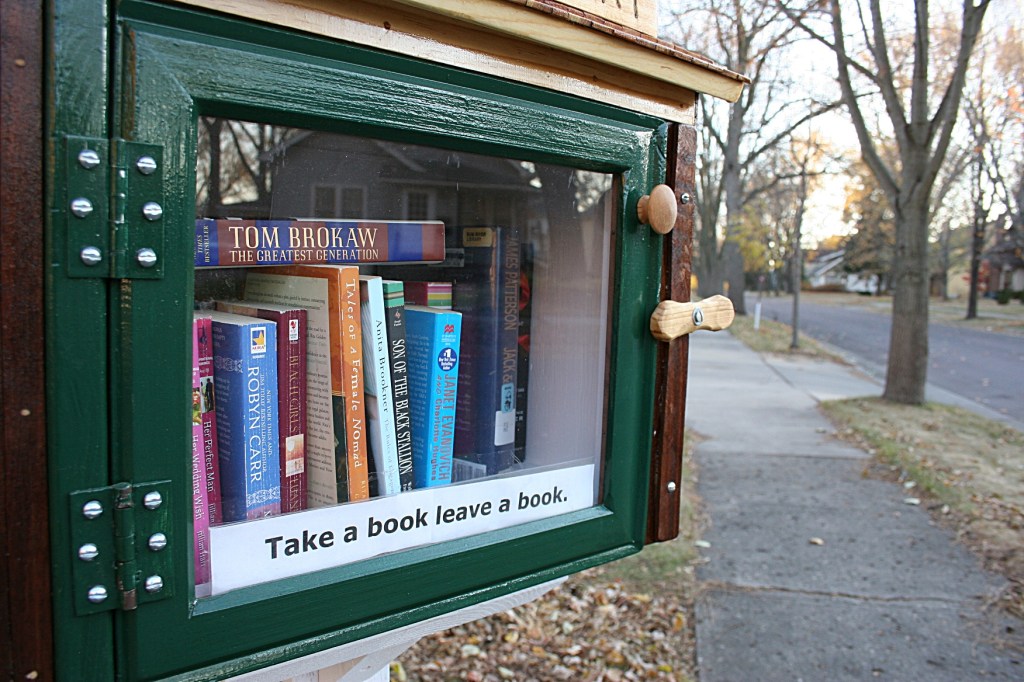
The Smiths of Faribault have filled their Little Library with a variety of books.

A LFL, Bol continues, becomes not only a place to get and give books, but also a community gathering spot, a “unique space of conversation” to discuss reading, books, education and more.

“There’s a sense of community being built through Little Free Libraries,” its co-founder says. He sees social interaction between neighbors who previously may not have met or spoken. A front yard library brings them together.

Bol remembers the moment he realized he was onto something with the Little Free Library concept. He had built and placed a schoolhouse-shaped library in his Hudson front yard honoring his mom, June A. Bol. When folks stopped by to shop at a garage sale he was holding and saw the mini library, they were intrigued. “That’s cute. Can I build it?” customers inquired.

From that spark of community interest, this social entrepreneur and his friend Rick Brooks of Madison, Wisconsin, ran with the idea and co-founded the Little Free Library movement.

Today Bol’s looking to engage others, like me, in spreading the word about these mini libraries. I didn’t come up with a brainstorm of an idea when we talked about how to best reach places like the small towns of southwestern Minnesota without libraries. I only suggested establishing a LFL in the area and then contacting small-town daily and weekly newspapers and radio stations in a publicity blitz.

He suggested a contest that would give away a Little Free Library, something he’s previously done.

Bottom line, it’s going to take networking to grow Little Free Libraries in more remote and rural areas.

Once the interest is established, it’s going to take individuals, families, neighbors and/or organizations to build and tend these libraries—perhaps a 4-H club or a 4-Her, a Boy Scout or Girl Scout, a church youth group, a Friends of the Library organization, a woodworker, a service club like Sertoma or Rotary or…

IF YOU HAVE ideas, any ideas, on how to grow Little Free Libraries in rural Minnesota, please submit a comment and share.

IF YOU HAVE a Little Free Library, plan to open one or need assistance in opening one, submit a comment. Most of all, tell others about this project.

FINALLY, if anyone is specifically interested in opening, building or funding a Little Free Library in my hometown of Vesta, let me know. It’s always been my dream to have a library in Vesta.

CLICK HERE for detailed information about the Little Free Library project.

© Copyright 2011 Audrey Kletscher Helbling


Tough tilling in Minnesota farm fields November 9, 2011

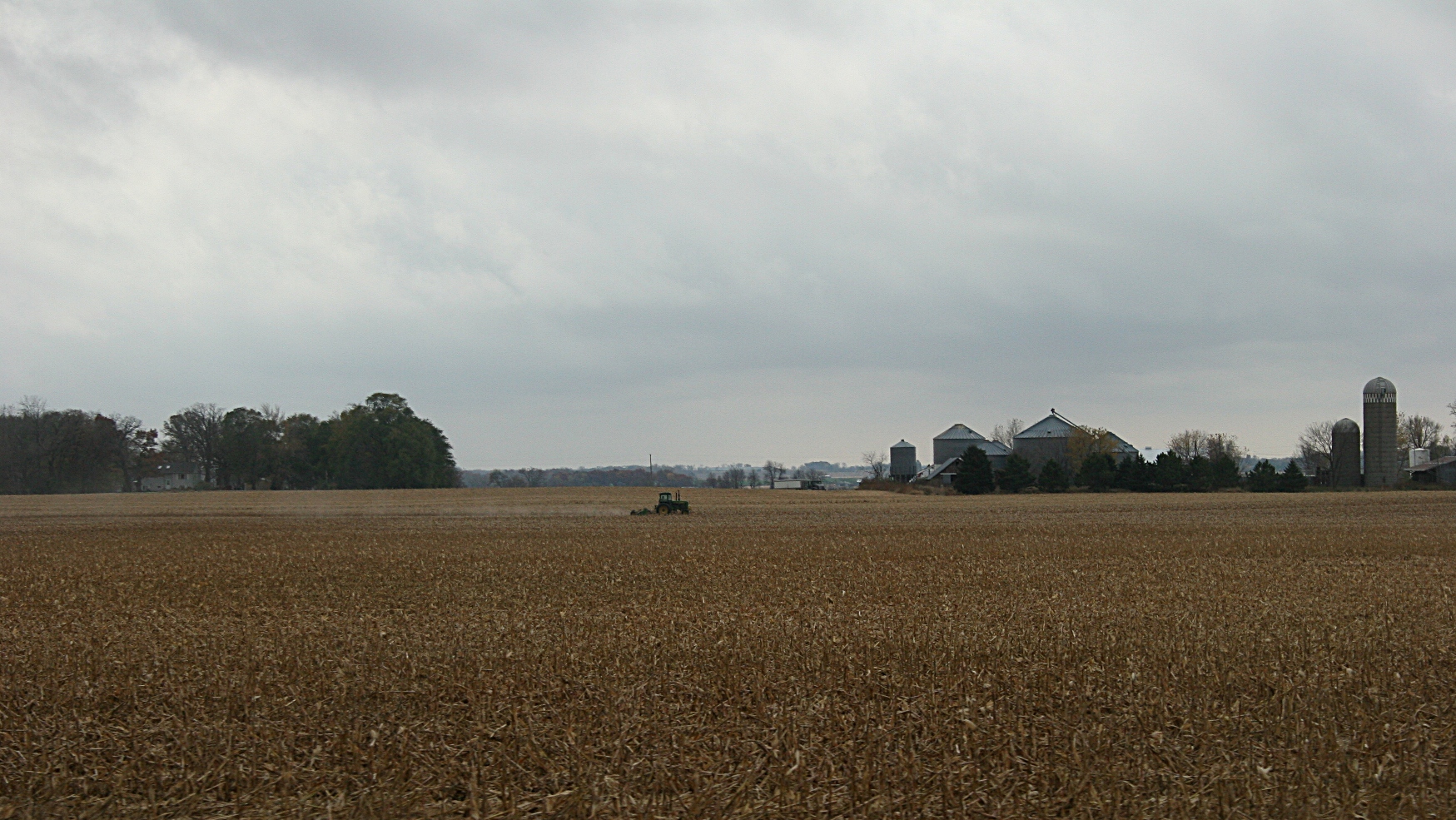
A farmer works the field recently in this scene shot in southeastern Minnesota.

HAVE YOU TRIED DIGGING into the ground lately? Takes some effort, doesn’t it? This soil in Minnesota rates as rock hard right now given the lack of moisture.

I’m hesitant to admit it, but I don’t think about soil conditions and moisture nearly as much as I once did, when I was not so long-removed from the farm.

But last week when a carpenter, who is also a farmer, was working on a project at my house, we chatted briefly about crops, soil conditions and weather.

Kenny shared how fall tillage has been especially trying this year. Farmers in his area around Owatonna in southeastern Minnesota have been breaking implement parts with all-too-often frequency in the dry, hard earth. He mentioned shanks, which he claims never break.

Some parts are in short supply, Kenny says, meaning farmers sometimes need to wait. That’s not a good thing when you’re trying to finish fall tillage before the snow flies.

Friends of mine who farm near Dundas finally halted all tillage work for the season, leaving some 300 acres, of 700, untilled. The rock hard dry soil proved too difficult to work and too tough on their equipment.

IN SOUTHWESTERN MINNESOTA, my brother Doug Kletscher, the parts manager at Westbrook Ag Power in Westbrook, confirms that tillage is tough there, too, and farmers are going through the parts. “We ran out of ripper points and they have been back-ordered for a good month. I have heard of a few farmers that have pulled their rippers in half,” Doug says. “We have sold at least five years’ worth of chisel plow spikes in one year. Bolts have also been in very high demand.”

On the flip, positive side, farmers haven’t had to deal with mud, Doug reports, and the corn has been very dry with 14 percent or less moisture content (a significant cost savings on corn drying).

However, farmers are facing another issue related to moisture-depleted conditions. “The fertilizer companies are not putting on any anhydrous as it is too dry to hold the anhydrous in the ground,” my brother continues. “Anhydrous needs moisture to adhere to keep it in the ground; also it (the soil) is pulling so hard that they would break their anhydrous bars.”

Doug reports the last rain over a half inch fell on July 14 with .78 inch. Since then any rainfall has been .10 inch or less. That makes for extremely dry soil conditions for farmers trying to prep the soil for next spring’s planting season.

LIKEWISE, IF YOU’RE a gardener, digging vegetables has been anything but easy this autumn. Take my friend Virgil Luehrs, who lives along Cedar Lake west of Faribault. Unearthing potatoes proved tough, he says. But then he got to the carrots:

“First I tried the garden spade, then a round-point shovel and then a tiling shovel. I had to dig a trench beside the rows to loosen the soil around the carrots to get them loose enough to pull out.  Finally I resorted to a pick to loosen the soil and that was easier but still a lot more work than normal.”

Tilling the garden, even with a powerful Troybuilt rear tine tiller, proved equally challenging. “I could not get down deep enough,” Virgil reports. “Hopefully next spring.”

When Virgil talks soil and weather, I listen. He’s not just your average Minnesota gardener. He’s also a retired high school science teacher with a Masters in biology, a former interim and assistant director at River Bend Nature Center in Faribault, and a volunteer rain gauge reader for the Rice County Soil Water Conservation District (SWCD) and the state Climatology Lab.

In other words, he’s a knowledgeable resource.

So then, exactly how much rainfall has Virgil recorded at his Cedar Lake home (where the lake water level is the lowest in 20 years, but not as low as in the drought years of 1988- 1990). Thus far since April, Virgil has taken these rain gauge readings:

April:  3.14”

May:  4.63”

June:  5.26”

August:  1.38”

September:  1.00”

October:  .58”

TOTAL during the past six months: 15.99”

Says Virgil: “This year we had a much wetter spring and that probably helped to carry us through the dry fall. Recall that last fall we had record rainfalls.”

His 2010 readings were as follows:

April:  1.35”

May:  2.75”

June:  4.76”

July:  5.49”

August:  3.91”

September:  9.13”

October:  1.91”

TOTAL during those six months: 29.3”

According to information Virgil passed along from State Climatologist James Zandlo and University of Minnesota Climatology/Meteorology Professor Dr. Mark Seeley, 2010 was the wettest year in Minnesota modern climate record. The 34.10-inch state average precipitation total was roughly 8 inches more than the historical average.

But here we are in November 2011, desperately short of moisture.

What will winter bring here in Minnesota? A continued shortage of precipitation? Or more snow than we care to shovel?

WHAT’S YOUR PREDICITON for snowfall in Minnesota this season? Submit a comment with a forecast and the reasoning behind your prediction.

IF YOU’RE A FARMER, an implement dealer or a gardener, have you faced any special challenges this year due to dry (or other) weather conditions? Submit a comment. I’d like to hear, whether you live in Minnesota or elsewhere.

CLICK HERE to link to climate.umn.edu for detailed statistics and information about Minnesota weather.

© Copyright 2011 Audrey Kletscher Helbling
 

Field fires aplenty in Minnesota’s Red Flag areas October 6, 2011

A farm site between Morgan and Redwood Falls in southwestern Minnesota, where field conditions are dry and the fire danger high.

DRY, WINDY CONDITIONS persist in much of Minnesota creating ideal conditions for fire.

Unless you’ve had your head buried inside, you understand the danger and the reason for the National Weather Service’s Red Flag Warning that covers central and southern Minnesota.

Today would not be the day to build a campfire, have a bonfire or toss a cigarette butt out the car window (like you should any day). Burning bans are in effect throughout the state.

If forecasters are correct, these weather conditions will continue for awhile.

That all said, I wondered if my nephew, a kindergarten teacher and Westbrook volunteer firefighter, has been battling any blazes in his region of southwestern Minnesota.

Adam checked in with me early this morning:

Fires—we have had quite a few around here. Westbrook has had two; Dovray, two; and Walnut Grove, for sure three, all in the past week. It’s very dry and with the wind, it doesn’t take much to create a big fire. Many of the calls are mutual aid—helping neighboring towns with fires, but that’s how we do things here. All of them have been combines and fields. I haven’t made it to many of them as I could not get out of school at the time. But I made it to one on Sunday.

A story in today’s The Cottonwood County Citizen about a county-wide burning ban confirms Adam’s summary:

These burning bans come in the wake of at least a half-dozen fires that occurred around the county, most of which involved the harvest. Extremely dry conditions, low humidity and high winds have increased the potential for major fires.

I found an article in last Thursday’s Jackson County Pilot headlined “Combine fire sparks massive field blaze.” The story went on to say that a combine fire, fueled by 40 mph winds, quickly spread into a field. Fire crews from numerous departments in southern Minnesota and northern Iowa were called to the scene.

The Faribault Daily News today reports a Monday afternoon fire in the Lonsdale-Montgomery area that burned five acres of hay, 30 acres of swamp and 30 – 50 acres of corn.

Another blaze, this one on Wednesday afternoon in a soybean field northwest of Luverne, is reported in The Rock County Star Herald. In that case, farmers disked strips of black dirt to help contain the fire.

It’s a dangerous situation out there right now, especially for farmers bringing in the harvest in those dry, dry fields.

IF YOU WOULD LIKE to report on fires in your area, submit a comment.

© Copyright 2011 Audrey Kletscher Helbling
 

The final harvest September 28, 2011

Filed under: Uncategorized — Audrey Kletscher Helbling @ 7:55 AM
Tags: , , , , , , , , ,

DEEP IN THE RICH FARMLAND of southwestern Minnesota, a group of farmers are planning for harvest. But not their harvest.

They will gather to bring in the crops of their friend and neighbor, Steve, who was found dead at the scene of a single-vehicle crash eight days ago. Even before last Friday’s funeral, these good people had lined up half a dozen combines to sweep across Steve’s corn and soybean fields south of Lucan.

One day for the corn. One day for the beans.

I don’t know the identities of these friends. But I expect they were among the mourners who packed St. John’s Lutheran Church in Redwood Falls on Friday to console a grieving family, to find comfort in Scripture and song and words spoken.

I was there. We heard the pastor tell us how God loved Steve so much that he called him home—too early in our eyes, at the age of 64—to spare him from evil and to give him peace.

Words that helped us to understand, from a pastor who considered Steve a personal friend, who himself paused to wipe tears from his eyes during his message.

As I sat in the balcony, looking down toward the casket, to the family in the front rows, my heart broke. For my youngest brother who had stretched his arms along the back of the pew to encircle his wife and their teenaged daughter and their son. They had lost their father, father-in-law and grandpa.

And later, at the cemetery, as my dear sister-in-law leaned forward in her chair, her head bent, her hands clasped tight in her lap, my heart broke.

Minutes later I pulled my 11-year-old nephew close as tears slid down his cheeks, as his body shook with sobs of grief. I wrapped him in my arms, stroked the back of his head, wished with all my might that I could make everything better for the boy who loved his “Papa” so much.

Later, in the church basement, we found moments of laughter in the stories shared by Steve’s oldest son about the perfectionist farmer who each morning walked out of his farmhouse and checked to see that everything was in its place in the farmyard.

We laughed at the man who spent one final weekend with his family, arriving at a downtown Minneapolis hotel with a small bag, asking to, once again, borrow his other son’s shaver.

It felt good to laugh through the tears, to hear about the grandfather who kept cats because he knew his grandchildren loved them, who got a lamb because he knew his grandchildren would love that lamb.

We laughed and remembered and celebrated the life of a man who was dear to so many.

When Steve’s farmer-friends roll their combines onto his acreage, they’ll pay him one last tribute—by bringing in the final harvest.

“To everything there is a season, and a time to every purpose under heaven: a time to be born and a time to die, a time to plant and a time to pluck up that which is planted…”

#

NOTE: The above combine photo is for illustration purposes only and was shot just outside of Courtland on Saturday morning.

© Copyright 2011 Audrey Kletscher Helbling
 

Hurting hearts in need of prayer September 21, 2011

Filed under: Uncategorized — Audrey Kletscher Helbling @ 7:30 AM
Tags: , , , , , ,

WHAT DO YOU SAY? What do you say? What do you say to your sister-in-law who has just learned that her father has died in a single-vehicle accident in southwestern Minnesota?

What do you say when your heart hurts, when all you can do is cry and you need to console someone who is hurting more than you?

What do you say?

“I’m sorry. I’m so sorry… I love you.”

As your voice breaks and the tears fall and there is silence on the other end of the phone line, you pull yourself together. Not because you can, but because you must. You want your sister-in-law to hear you speak, to feel your love embracing her, in your words, on the worst day of her life.

This was my Tuesday.

First came the phone call early Tuesday morning from my other sister-in-law with the news which sent me reeling, my heart racing, the tears flowing in a river of grief.

“… dad was killed in a car accident last night…”

Sketchy details that don’t matter because they won’t bring him back—the husband, the father, the grandfather, the brother, the uncle, the man loved by so many.

It is my duty to inform three of my younger siblings, my mom… What do I say? How can I tell them?

So I phone my husband first, barely able to still my trembling fingers to punch the numbers into my cell phone. I can hardly get the words out, to tell him the awful, awful news. He offers to call my family. But I tell him, “No, I can do this.”

And I do. First my brother, who is on vacation and whom I am unable to reach. In my voice message I instruct him to call me, that it is important.

Then I speak to my sister, who will contact my other sister.

I call my eldest daughter, leave a message with the other daughter. My son will get the news when he arrives home from school.

And then I must tell my mom. But I don’t want her to be alone, so I call my aunt—her neighbor—to deliver the news in person. I phone my mom 10 minutes later, after my aunt has arrived, and my grief breaks through again in words overwhelmed with emotion.

Later my aunt phones to tell me we reached my mom just in time, before a friend called with the news of Steve’s death. In a small town, word travels quickly.

And so my Tuesday ebbed and flowed with grief in more than a dozen phone calls made and fielded. The message left with my youngest brother, mourning the tragic death of his father-in-law. The husband and father trying to be strong for his wife and their children.

I cry for my young nephew and my teenage niece and their mom and her mom and my youngest brother. All of them. A family hurting.

And then when I can calm myself, if but for a moment, I bow my head in prayer, asking for God’s comfort and peace to bless this grieving family.

It is all my sister-in-law has asked of me—to pray.

And now I am asking you. Please pray.

© Copyright 2011 Audrey Kletscher Helbling
 

Traveling back home to the southwestern Minnesota prairie September 5, 2011

Filed under: Uncategorized — Audrey Kletscher Helbling @ 9:07 PM
Tags: , , , , , , , , , ,

The land and sky stretch out before us as we drive along Minnesota Highway 67 between Morgan and Redwood Falls in southwestern Minnesota at sunset Friday.

MY HUSBAND, SON and I traveled this weekend to my hometown of Vesta in southwestern Minnesota, the place that inspired the name for this blog, Minnesota Prairie Roots.

My roots run deep into this land, into the soil of Redwood County where I grew up on a dairy and crop farm. Although I left the farm 38 years ago at age 17, the fall after graduating from Wabasso High School, I still consider this home. It is the place that shaped who I became as a person and a writer.

It is the land that still inspires me in my writing and my photography.

Most Minnesotans don’t give this area of the state a second thought. In fact, I have discovered in my nearly 30 years of residing in Faribault, in southeastern Minnesota, that many residents of my community don’t know what lies west of Mankato. They think the state ends there.

That frustrates me to no end. In trying to explain the location of  Vesta, I typically say “half way between Redwood Falls and Marshall on Highway 19.” Usually I get a blank stare. What more can I say?

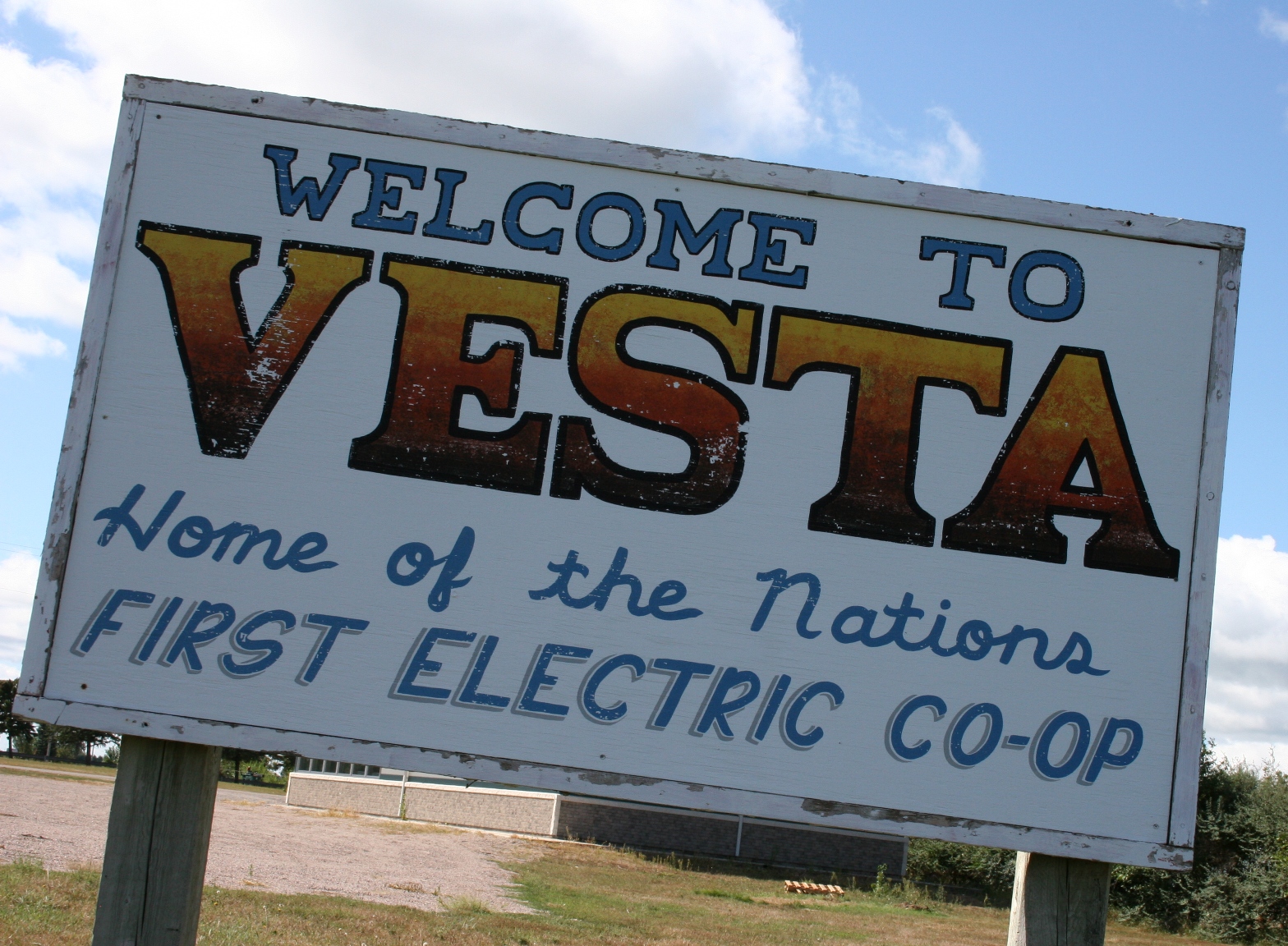
The sign that marks my hometown, population around 350 and home of the nation's first electric co-op.

They consider my hometown in the middle of nowhere. I don’t disagree with that. But I like the middle of nowhere. The prairie possesses a beauty unlike any other. The wind. The sky. The acres and acres of cropland punctuated by farm places and small towns appeal to me. They quiet my soul, uplift my spirit, connect to me in a way that I can’t explain.

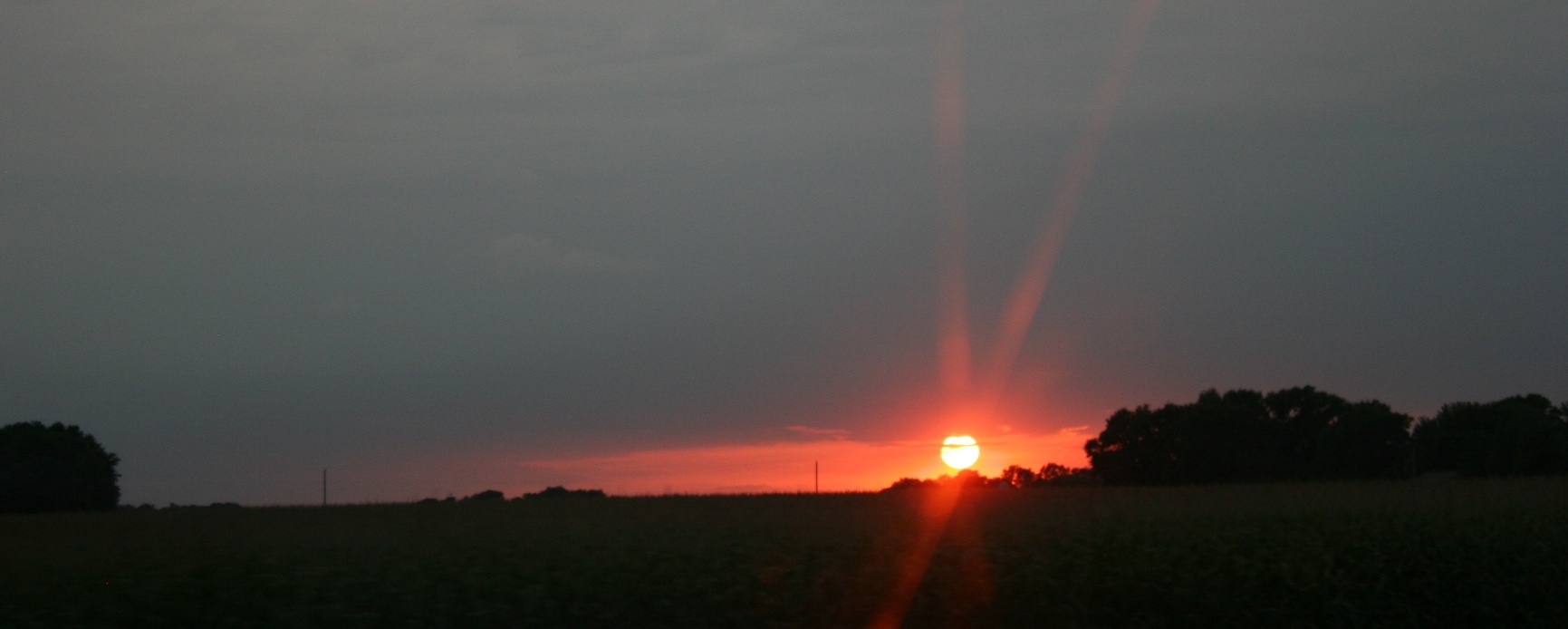
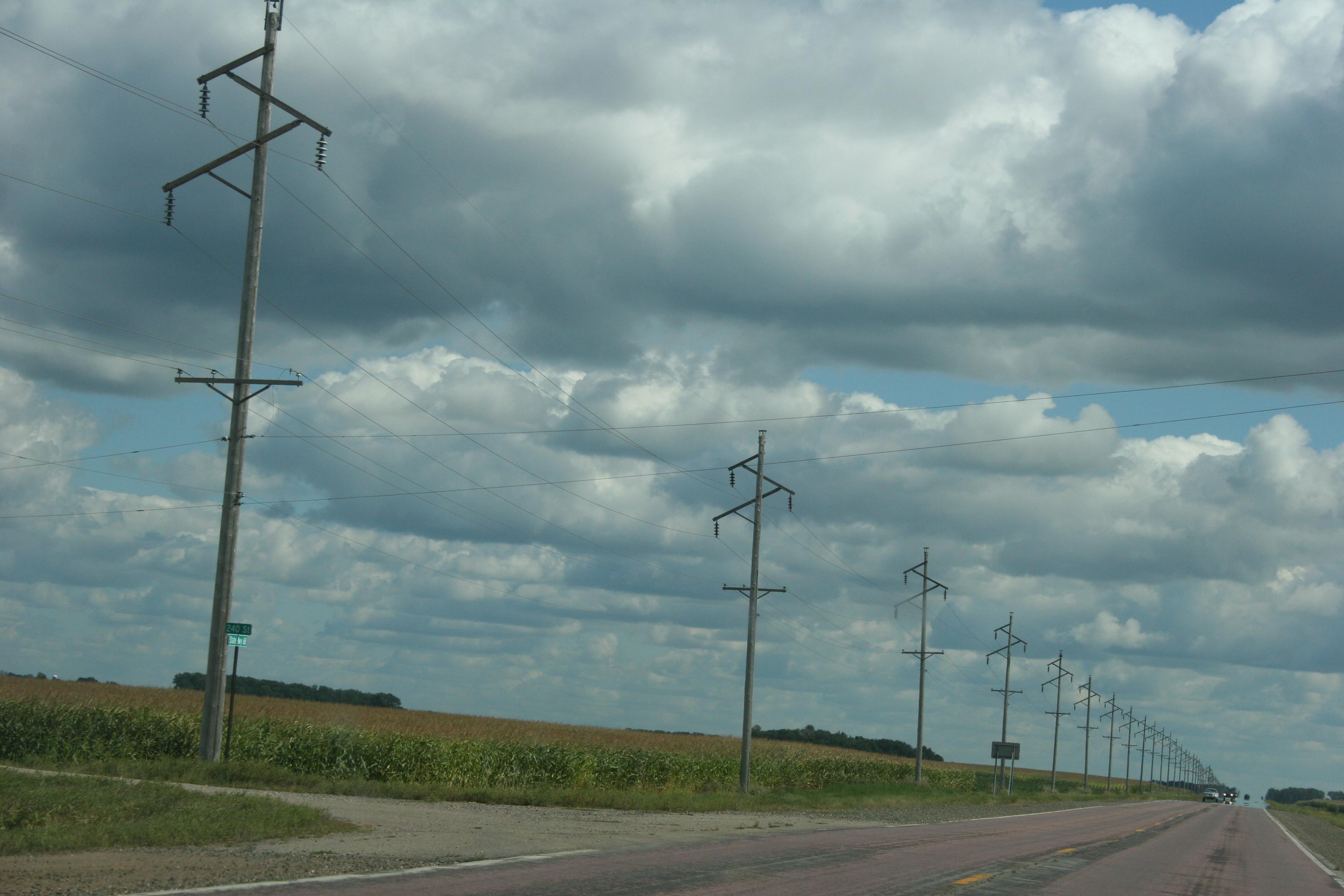
This trip we were driving west in the evening, into the sunset. The ribbon of roadway between Morgan and Redwood Falls stretched into seeming infinity under a sky banded by clouds.

The sun sets as we travel along Minnesota Highway 67 northwest of Morgan toward Redwood Falls.

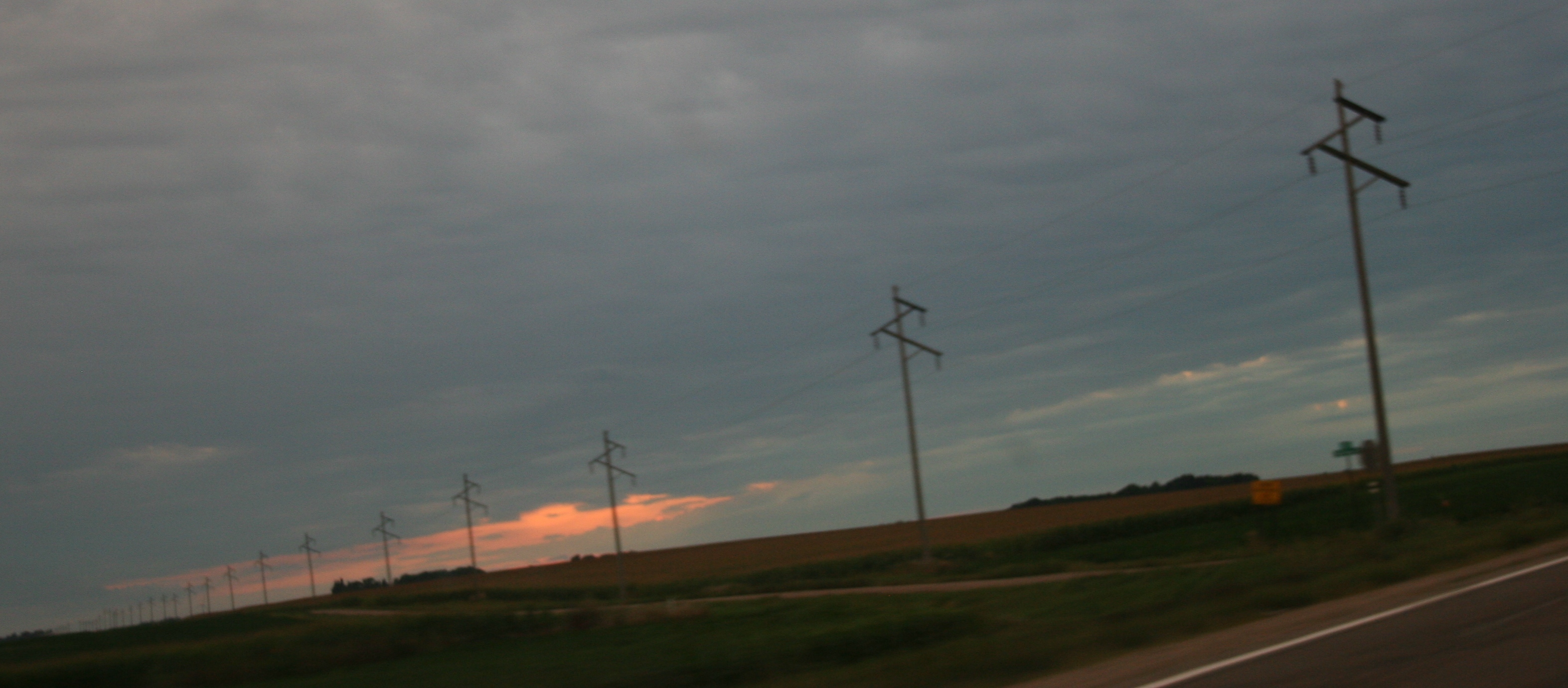
This stretch of highway between Morgan and Redwood Falls seems to go on forever, as do the utility poles.

It was beautiful. Absolutely beautiful.

What more can I say? I love my southwestern Minnesota prairie, the place that will always be my home, no matter where I live.

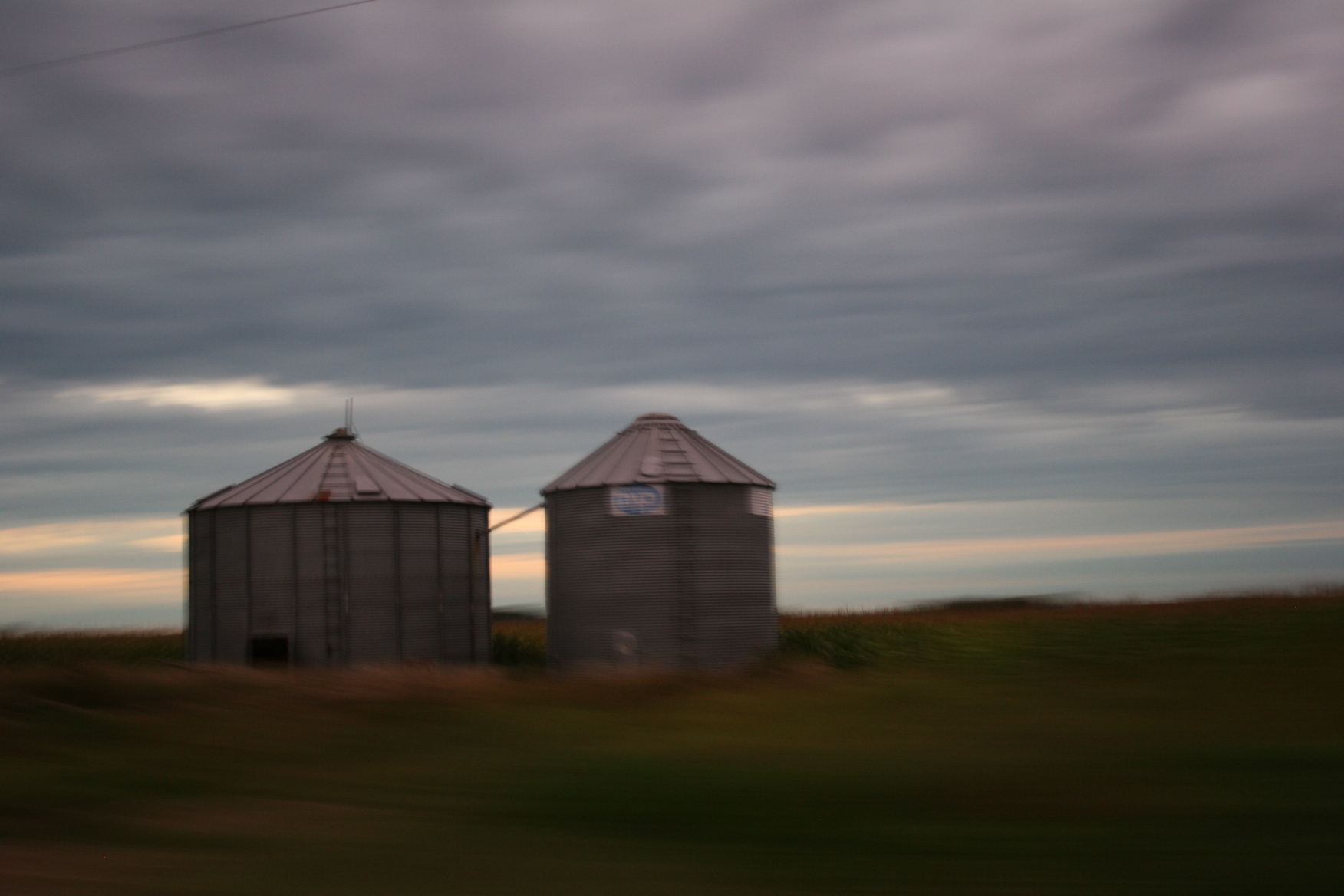
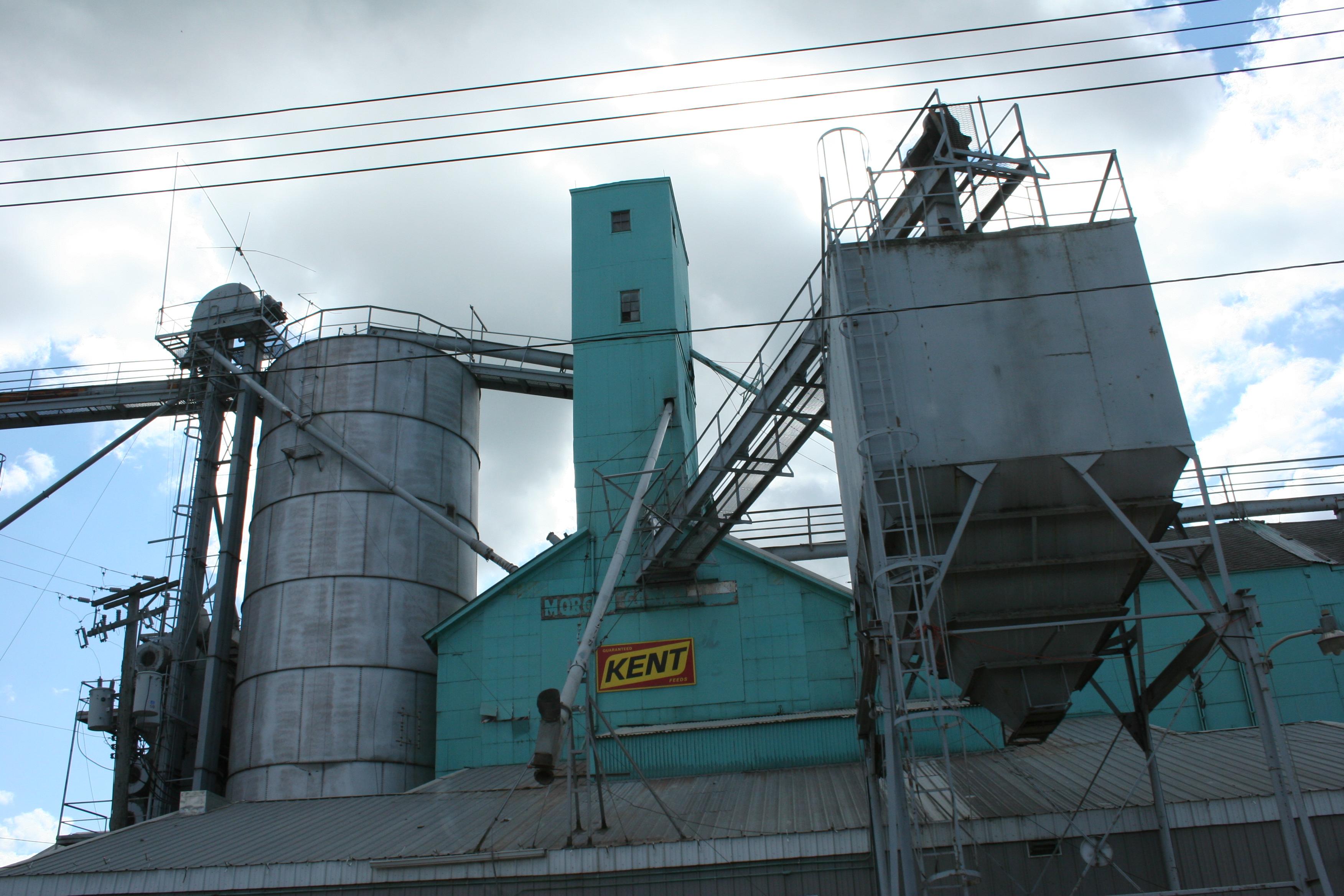
I prefer grain bins to skyscrapers. I shot this image as we traveled northwest of Morgan at sunset Friday.

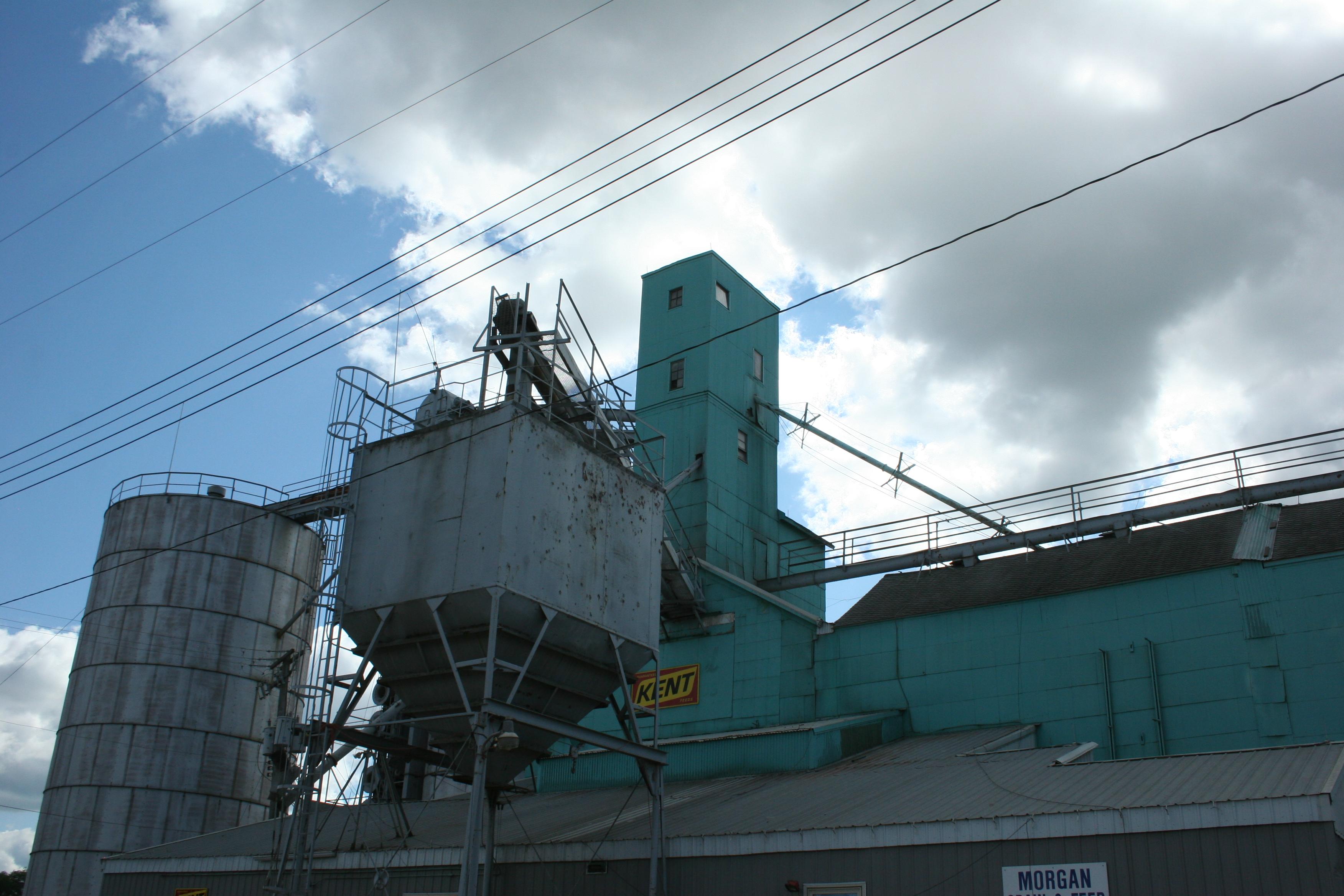
My son told me I take a picture of this grain elevator complex every time we drive through Morgan. He is probably right. But I don't care. I see something different each time, each season, in which I photograph it.

My second shot of the elevator in Morgan, taken from the car while driving back to Faribault Sunday afternoon.

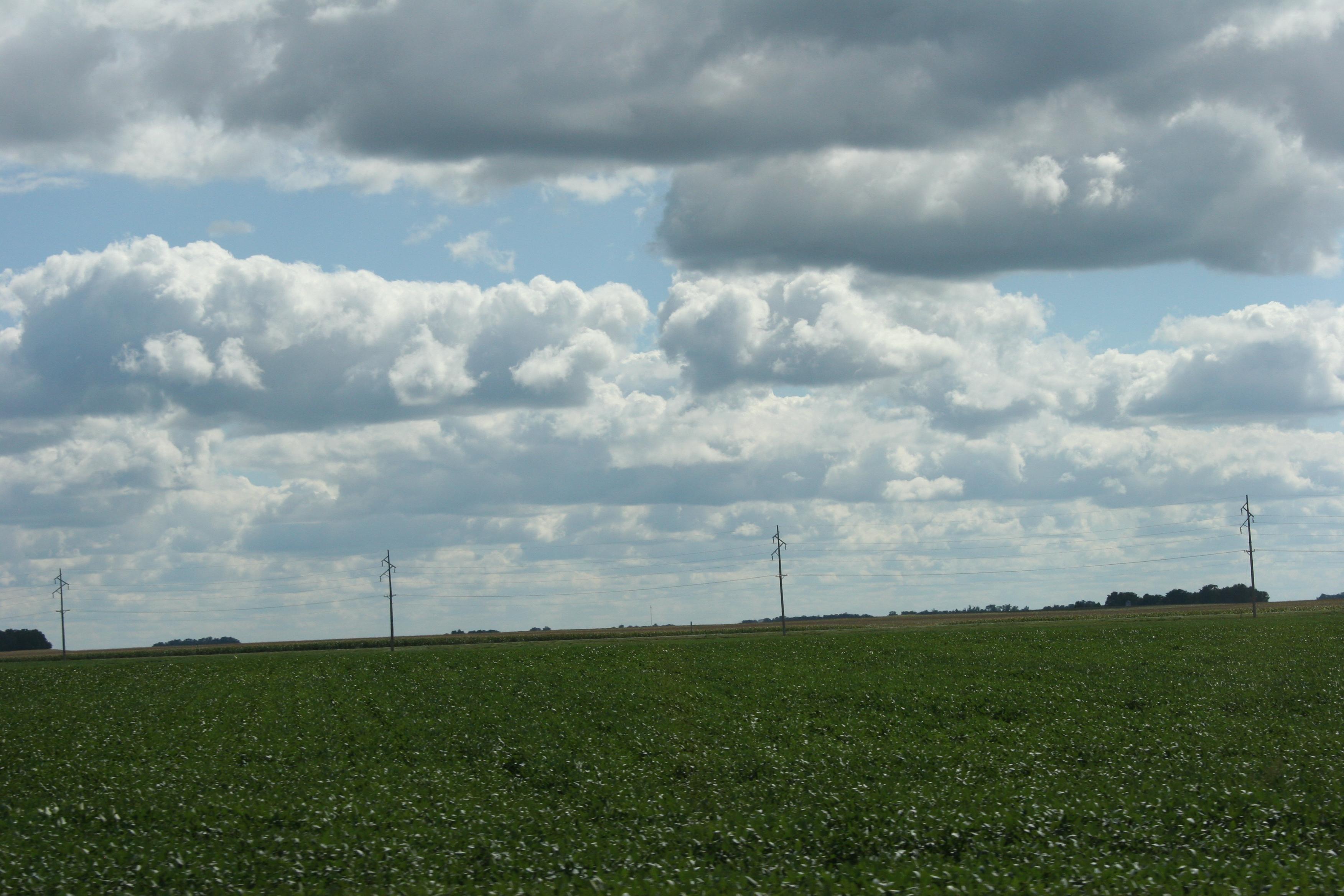
This trip I seemed to focus my camera on utility poles, which go on and on across the flat expanse of the prairie. I find a certain artistic appeal in this scene southeast of Morgan.

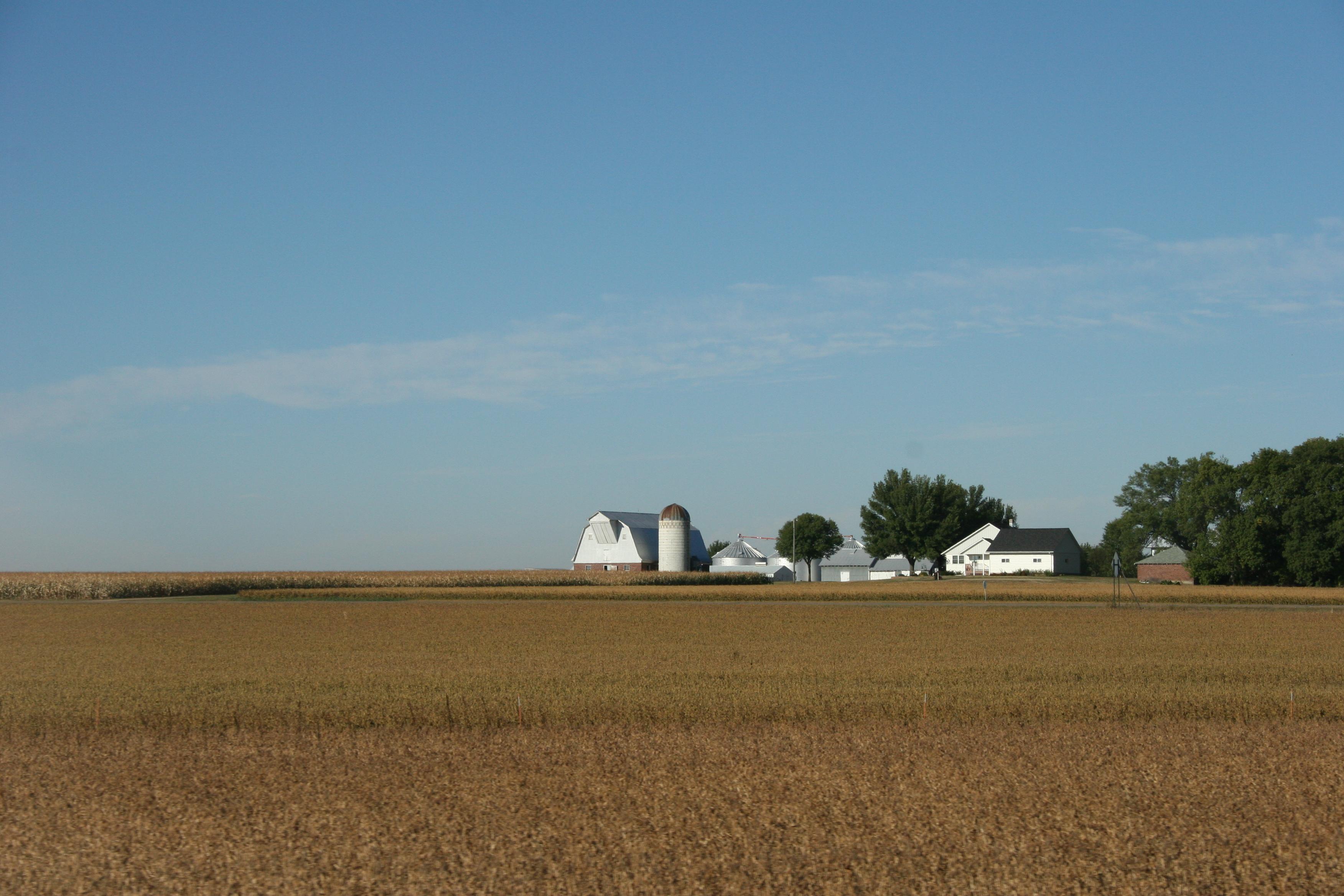
Soybean fields, pictured here, and corn fields define this rich farm land.

© Copyright 2011 Audrey Kletscher Helbling
 

Take time to stop and appreciate small towns August 11, 2011

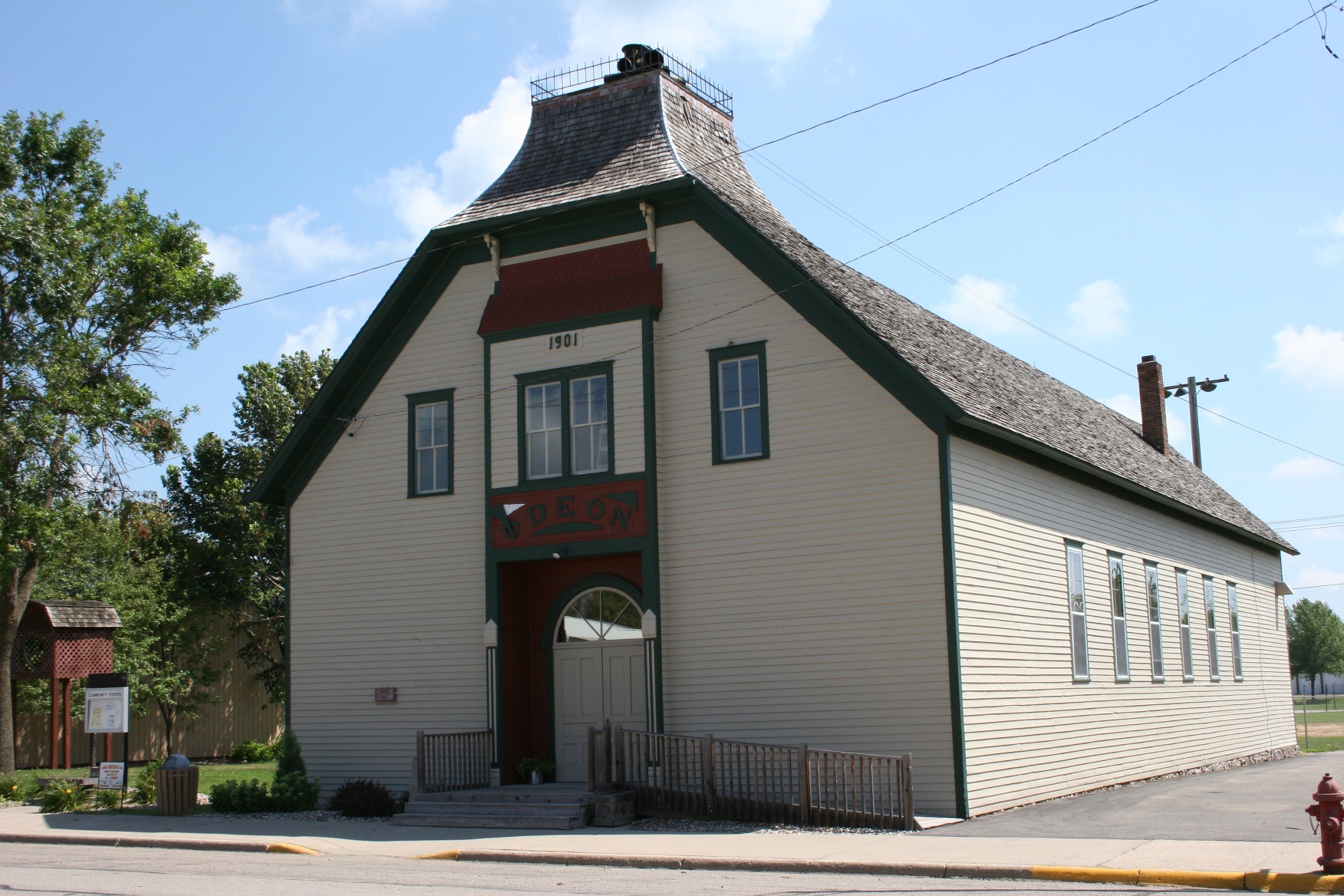
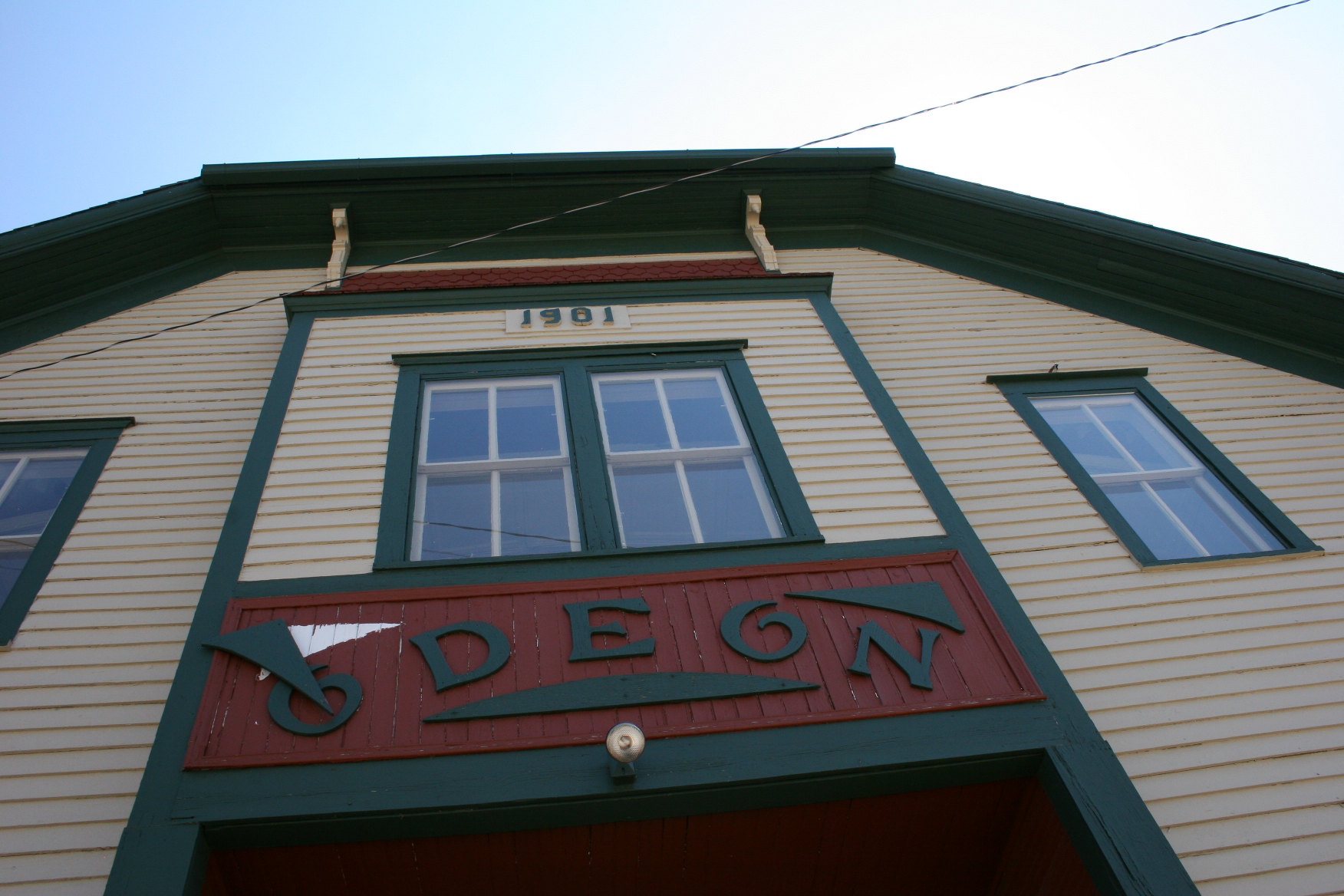
In tiny Belview, you'll find the 1901 Odeon Hall. Listed on the National Register of Historic Places, this Queen Anne style building features a barrel-vault ceiling. Still in use today for wedding receptions and community events, etc., Odeon Hall once also featured vaudeville shows, motion pictures, concerts and more.

I WANT TO THROW a challenge out there. The next time you’re driving through/near small-town Minnesota, or small-town wherever, stop. Pull off the highway and drive along Main Street. Park your vehicle. Get out. Walk. Look. See.

Notice the buildings, the architecture, the signage, the history. Consider what centers the town: the café, the post office, the grain elevator, the churches, the school—if there is a school.

Families, retirees and even single people choose to live, to work, to worship together, to celebrate, to mourn, to live their lives here. This is their home, not just some town in the middle of nowhere that you must pass through to get from destination A to destination B.

I have, in recent years, begun to appreciate the small towns and rural areas of Minnesota more than ever. I grew up on a dairy and crop farm in southwestern Minnesota, which is about as rural as you can get. But I haven’t always valued that upbringing like I should.

As I’ve gotten into the art of photography, I’ve begun to view these towns with a fresh perspective. I notice what, in the past, I’ve overlooked or taken for granted because of my rural roots.

Let me show you some photos I took recently in and near Belview, a community of 375 located four miles north of State Highway 19 in northwestern Redwood County. Belview lies about 10 miles from my hometown of Vesta, another one of those small towns that motorists zip by without a second thought. I bet you didn’t know that Vesta is the home of the nation’s first electric cooperative. I thought so.

That’s the thing about small towns. If you stop and walk and look and see, and I emphasize the word, see, you will discover more than just a place to drive through when getting from point A to point B. You will discover the heart and soul of community.

Move in close to view the details, like the front of Odeon Hall. I attended a cousin's wedding dance here decades ago. Imagine the celebrations inside this historic building.

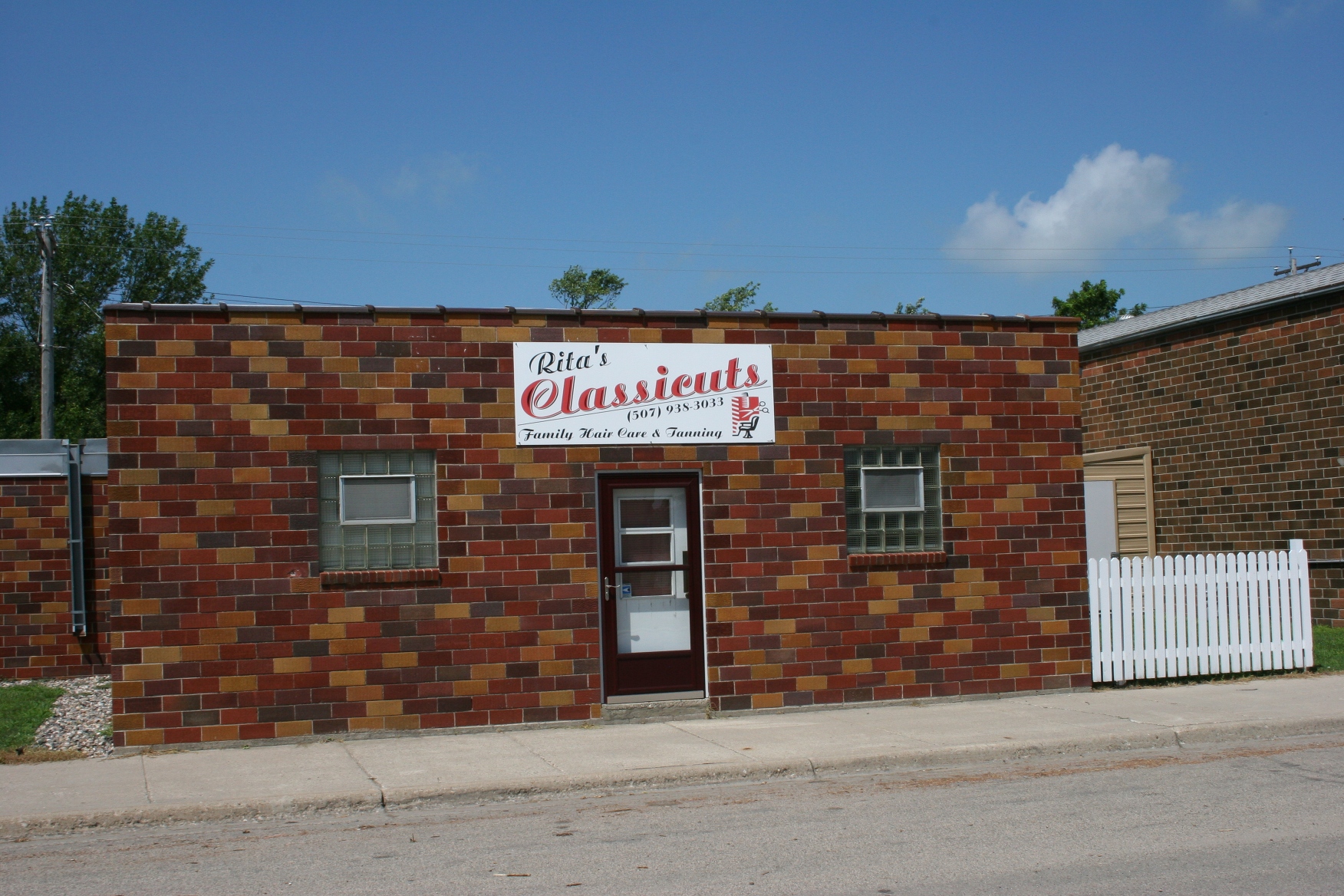
Most small towns, like Belview, are fortunate to still have a place where you can get your hair cut and styled. I appreciate the simple lines of this brick building located along Main Street.

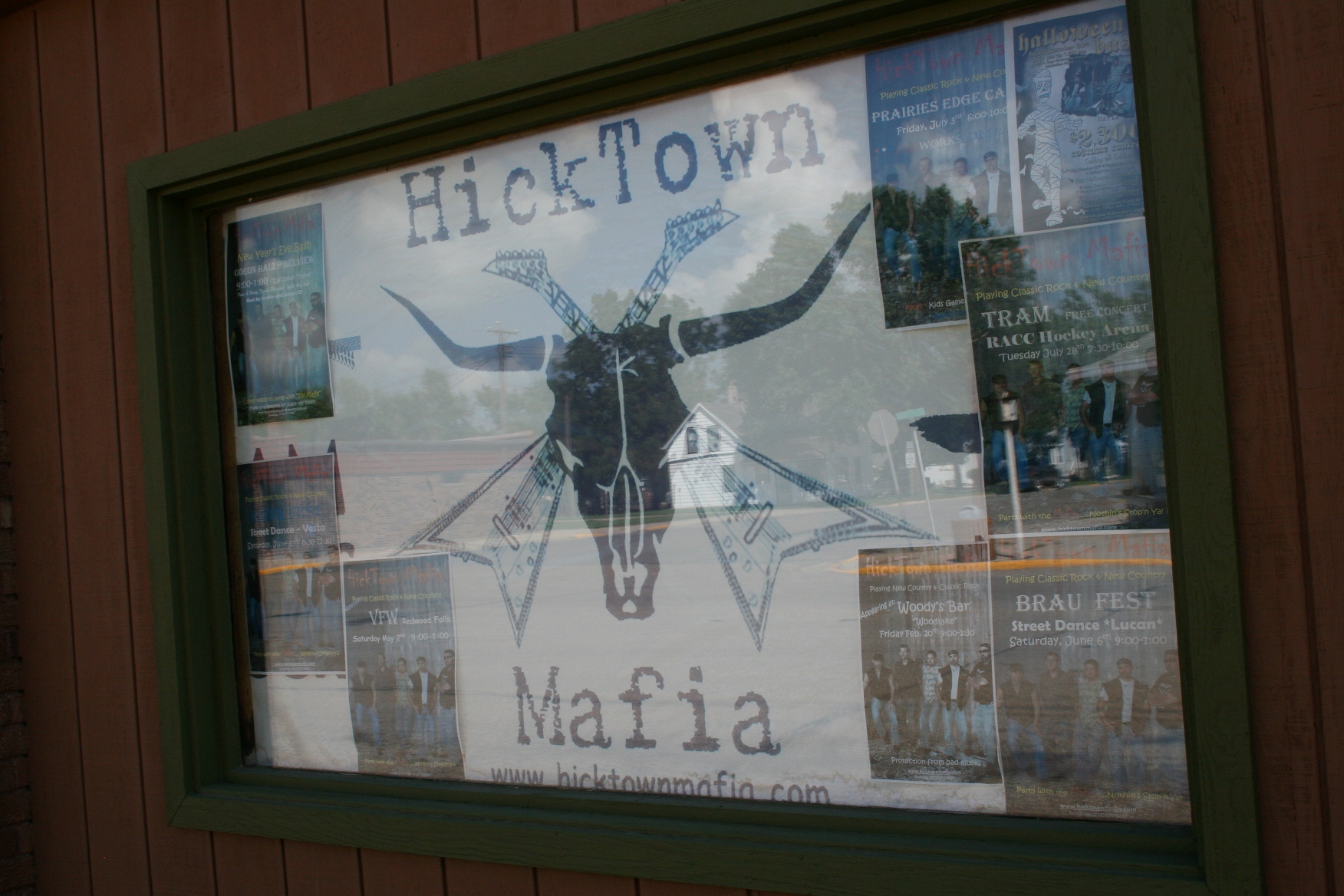
I discovered this poster in the window of a Main Street building advertising a local band, HickTown Mafia. The band plays "country with a kick, rock with an attitude," according to the group's website.

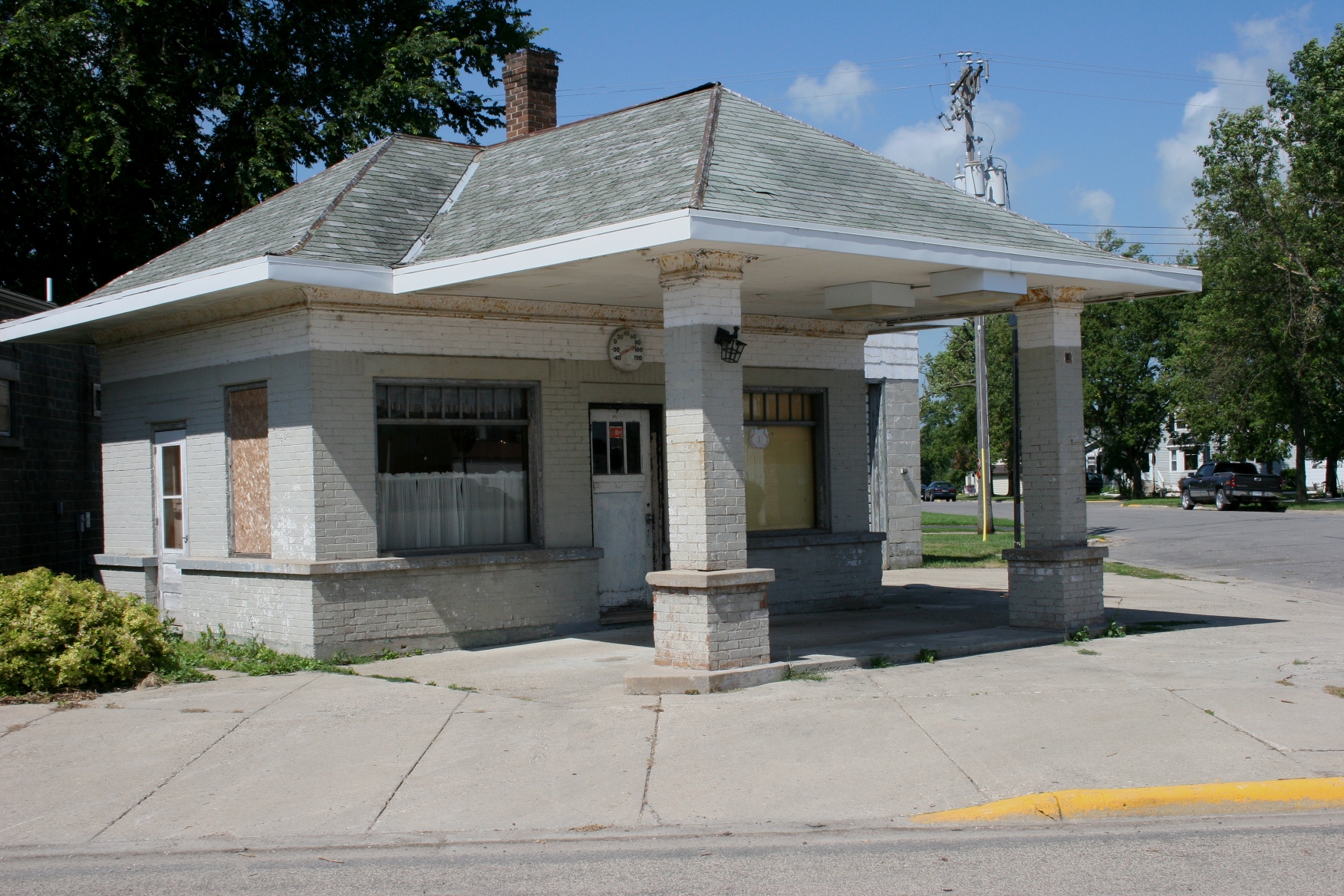
I found this abandoned former gas station (I think) on a downtown corner. This charming building practically shouts for someone to reopen it as a bakery, coffee shop, antique store or some other such venue. Perhaps the two local wineries/vineyards and other area vendors could market their products here.

The Parkview Home, a Belview nursing home, was once home to my maternal grandfather and to other extended aging family members. I've been here often to visit relatives and, during high school, to sing Christmas carols with the Luther League. The building was damaged in a July 1 tornado (note the blue tarp on the roof) and residents have been temporarily displaced.

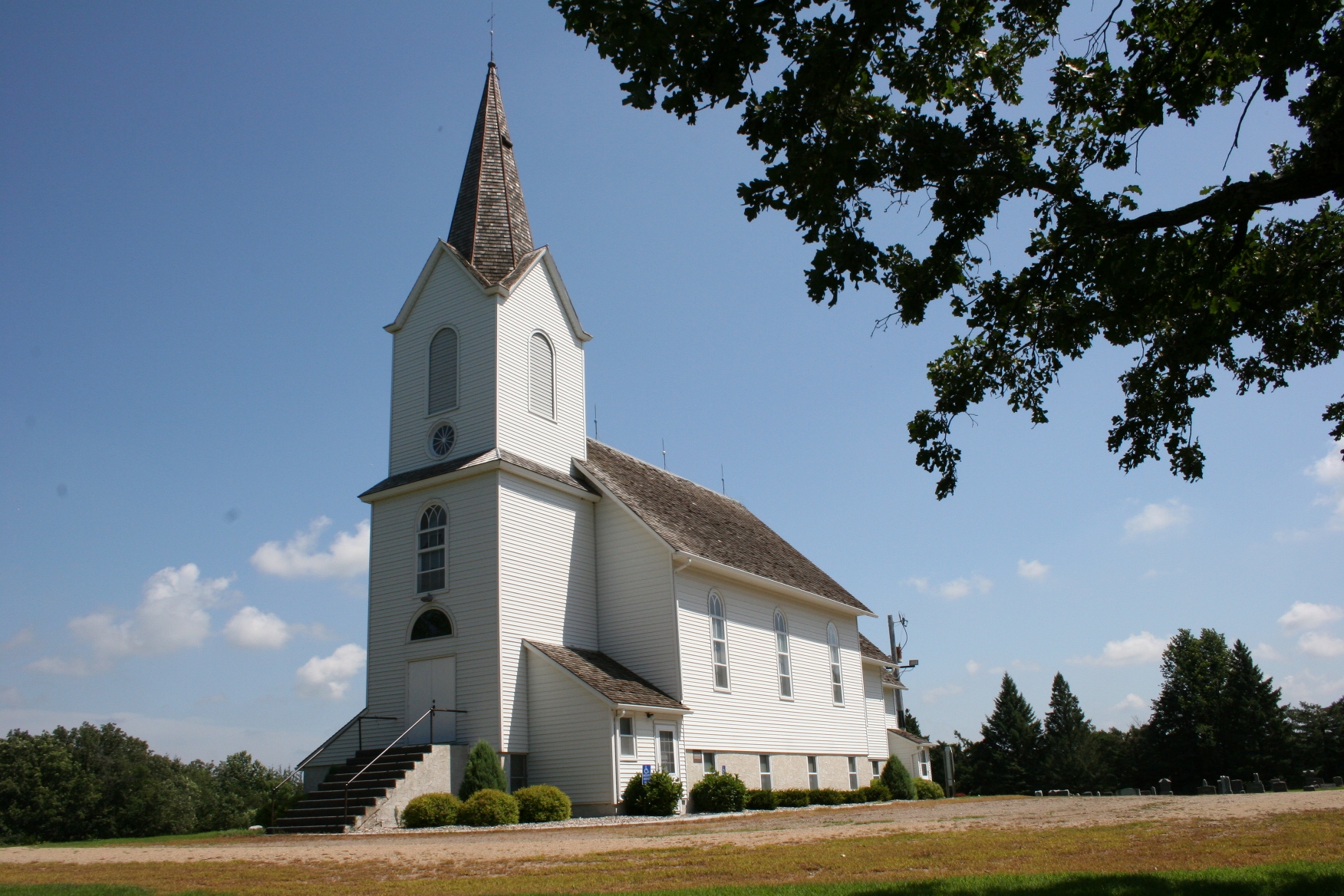
Northwest of Belview, you'll find picturesque Rock Dell Lutheran Church. My Uncle Merlin and Aunt Iylene Kletscher were married here in November 1964, the last time I was inside the church.

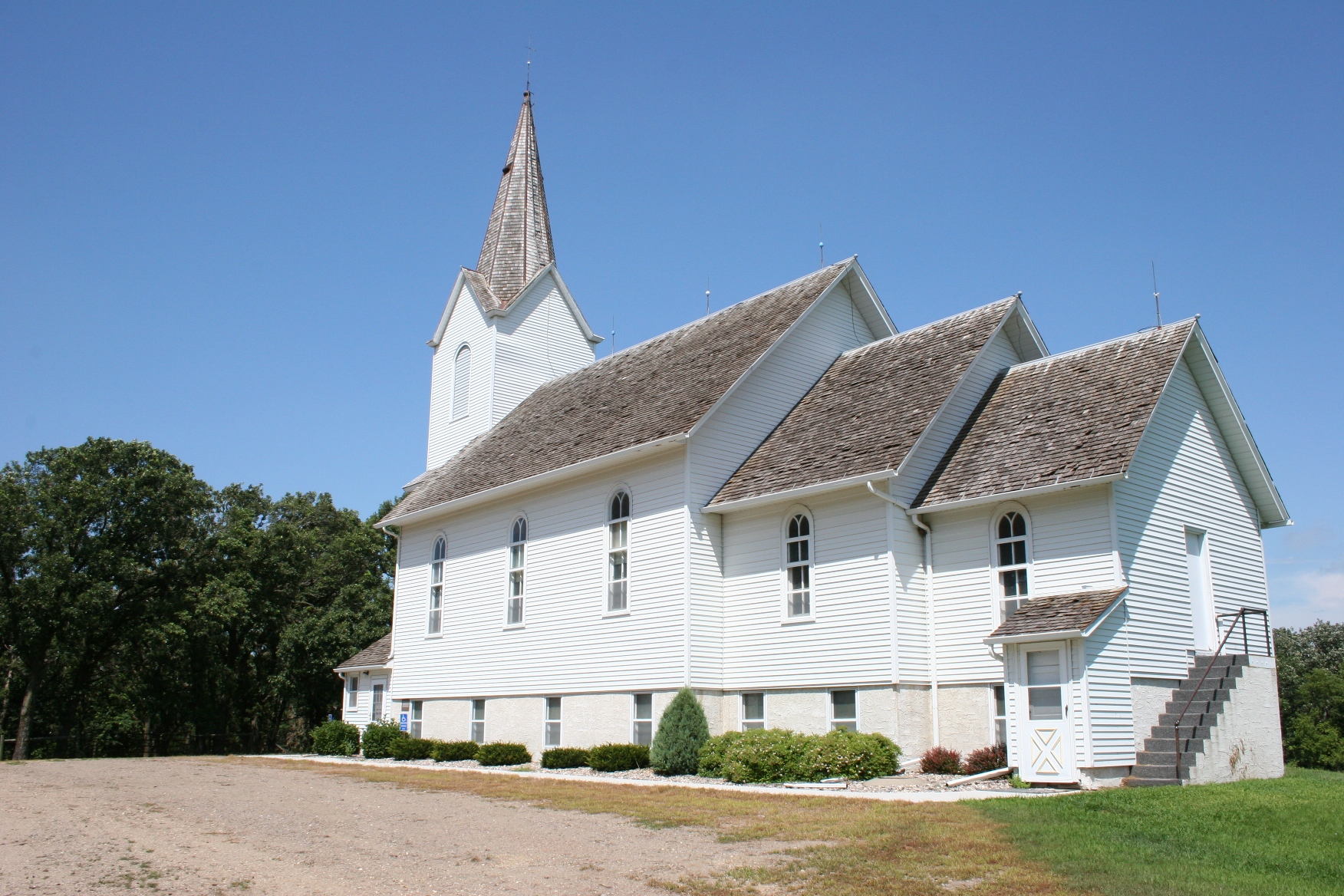
A side view of Rock Dell.

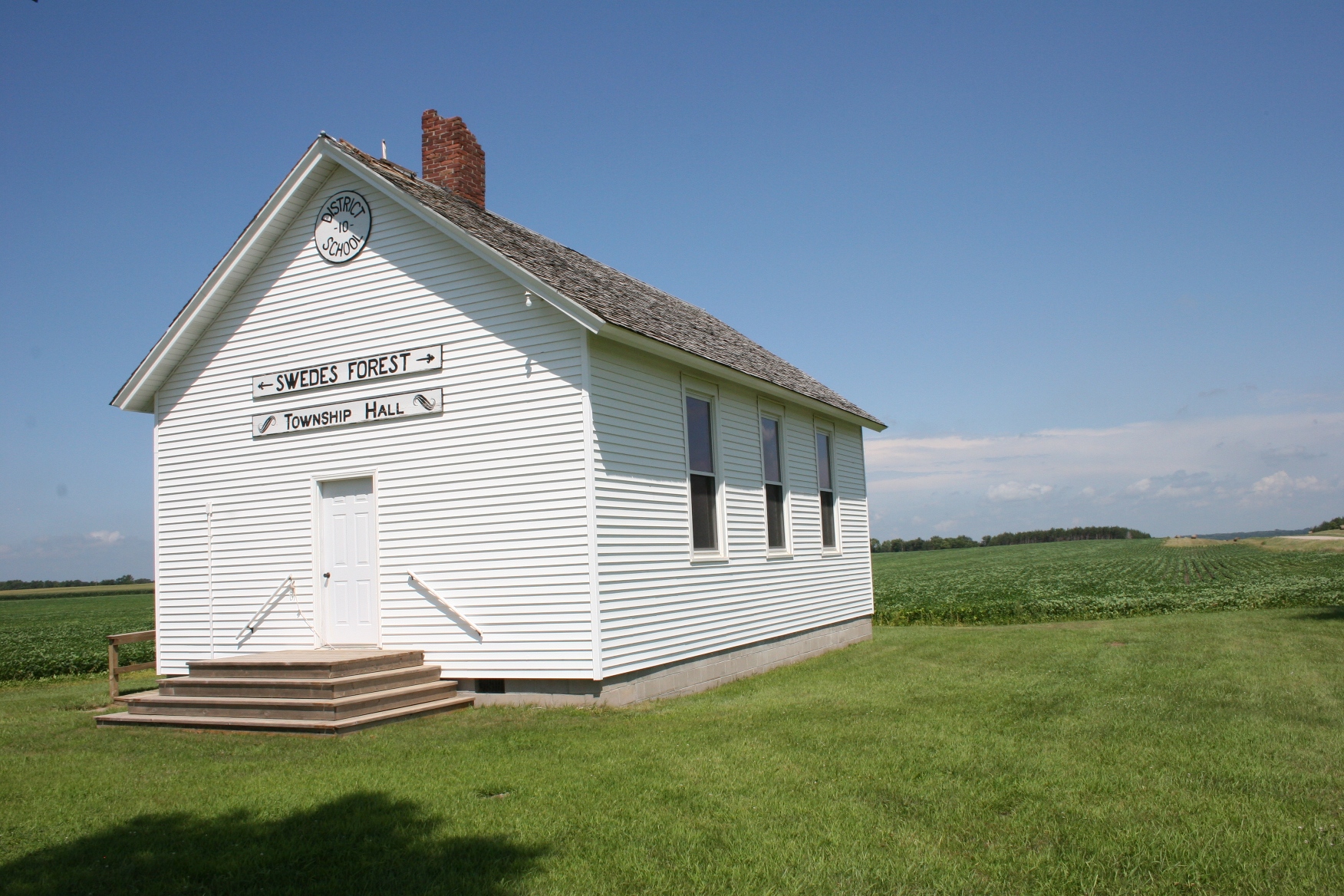
Near Rock Dell you'll find Swedes Forest Township Hall in the middle of corn and soybean fields.

FOR MORE INFORMATION about Belview, click here and here. Also read my previous post about Rainbow Antiques, Crafts and Junque in Belview by clicking here.

TAKE MY CHALLENGE and report back to me on the treasures you discover in a small town or rural area.

© Copyright 2011 Audrey Kletscher Helbling
 

Follow the rainbow to a charming antique store in Belview August 9, 2011

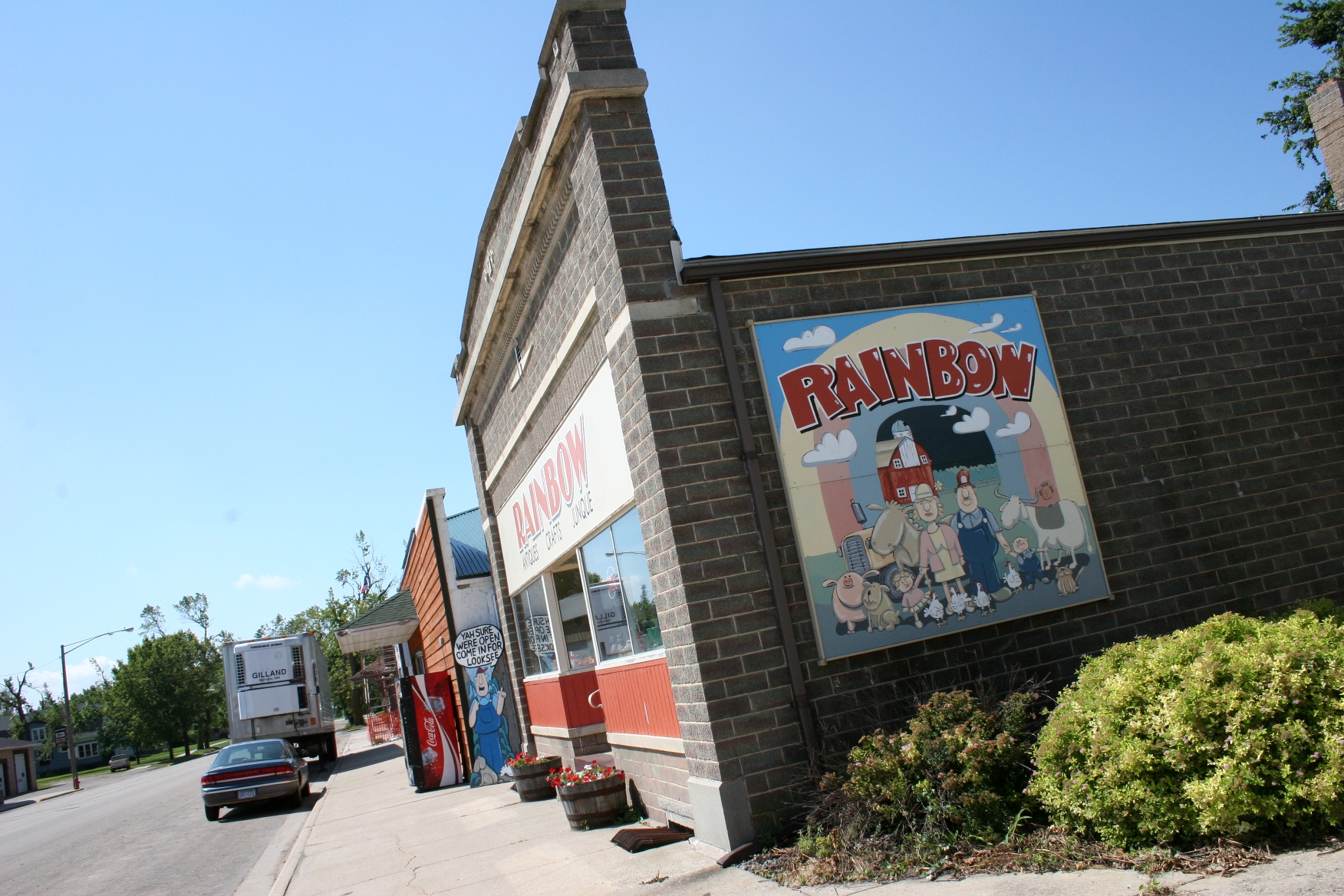
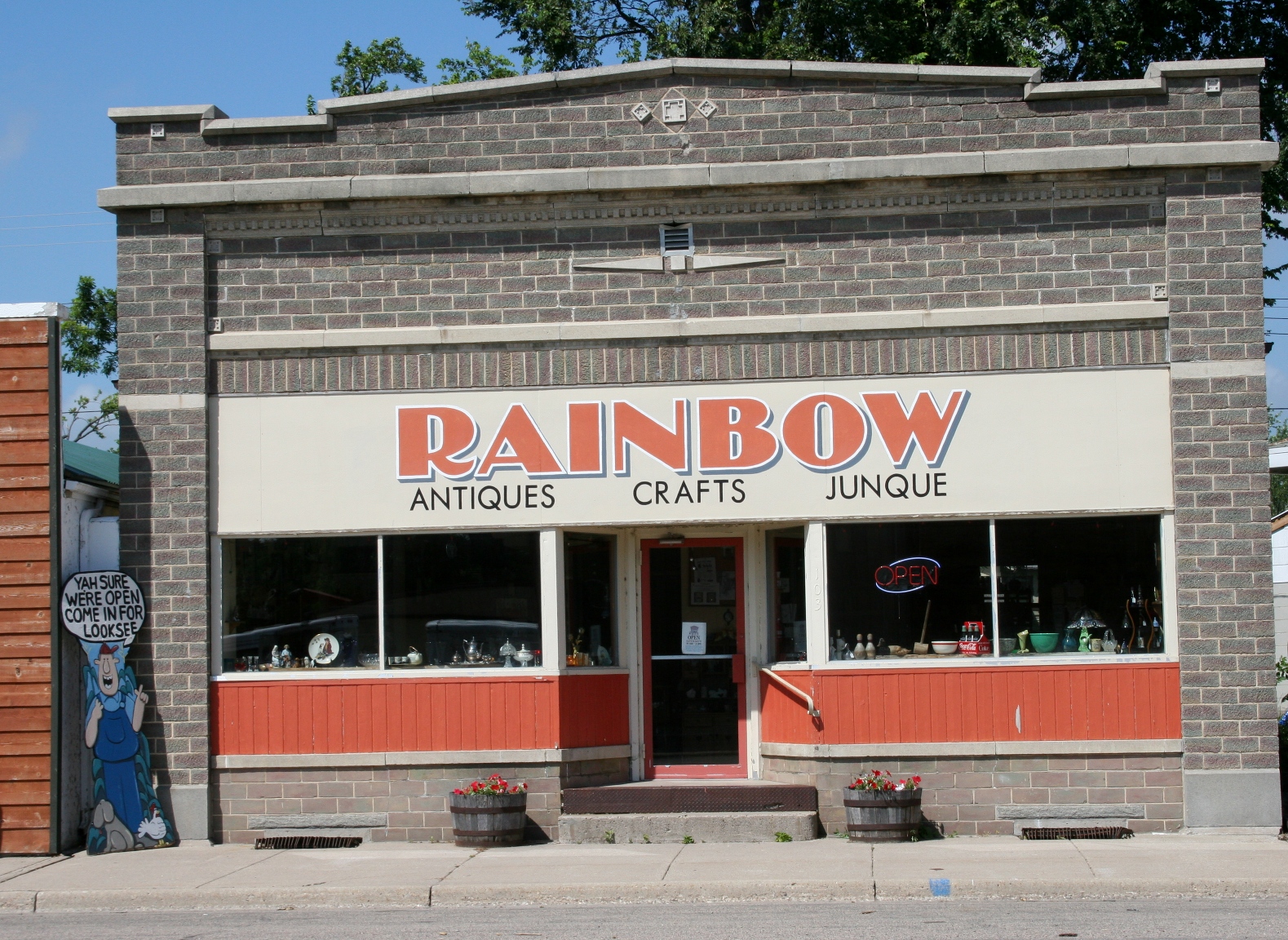
Driving north into Belview, you can't miss Rainbow Antiques, Crafts & Junque.

IF YOU’RE INTO ANTIQUING or architecture or small towns, you’ll want to visit Belview, population 375, four miles off State Highway 19 in southwestern Minnesota.

My husband, Mom and I drove to Belview on a recent Saturday morning to see my Uncle Merlin and Aunt Iylene’s “new” old home along the main drag. We also toured the town, checking out the damage from a July 1 EF-1 tornado. And, lucky us, we happened to be in this Redwood County community on the one day a week that Rainbow Antiques, Crafts & Junque is open.

And let me tell you, Don Gunelson runs one heckuva an antique store with the flair of an artist.

You’ll notice the building right away when you drive or walk Main Street. It’s built of beautiful rainbow brick which, in itself, is worth a stop. I know of at least two other rainbow brick buildings in Redwood County—one in Walnut Grove and the other on a corner in nearby downtown Redwood Falls.

Colorful rainbow bricks comprise the antique shop.

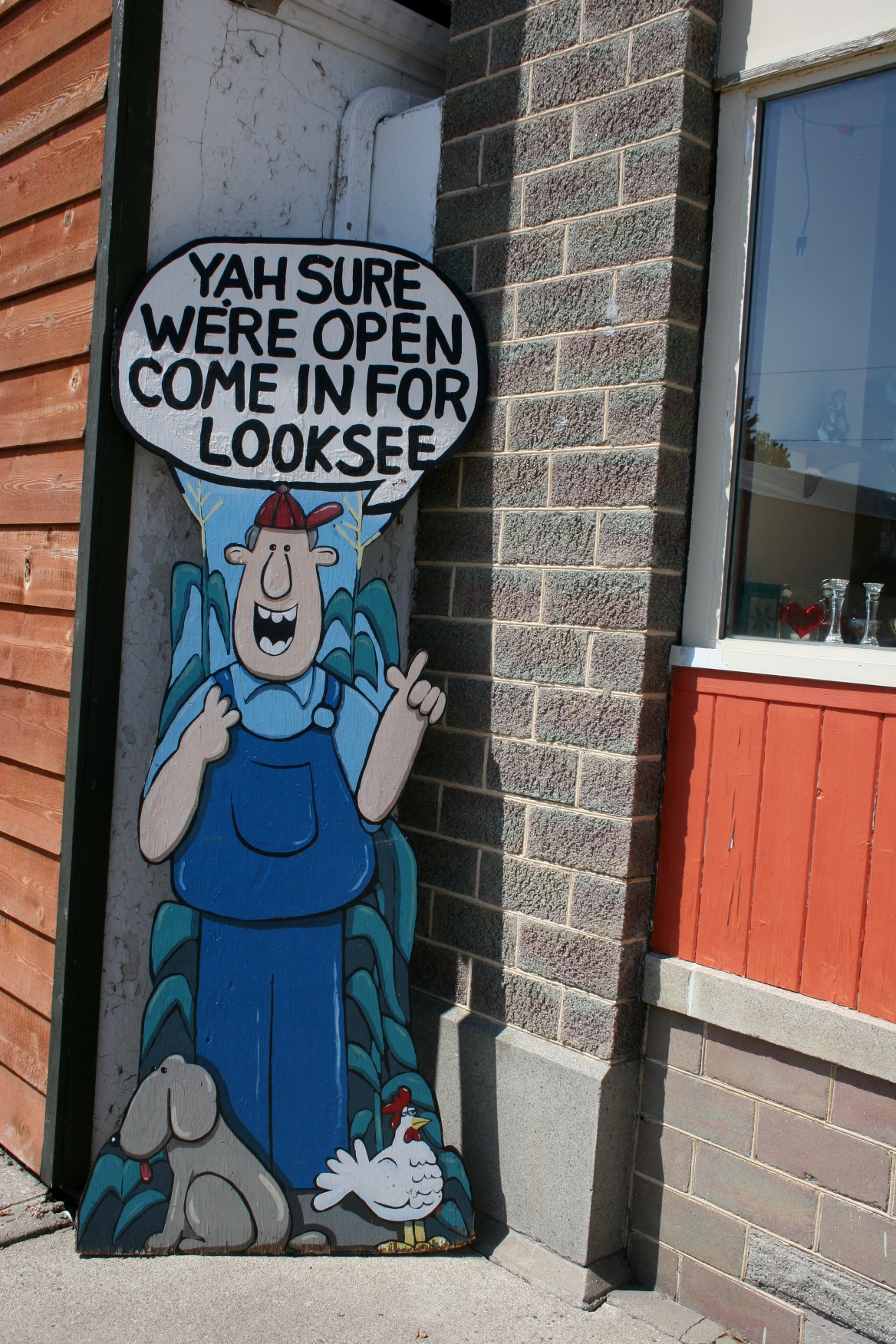
Don directs customers to his store with nicely-done folksy signage. I didn’t ask Don if he created the artwork, but he worked as a graphic designer for a construction magazine before returning to his native Belview from the metro some 10 years ago. He also works part-time at the Belview Post Office.

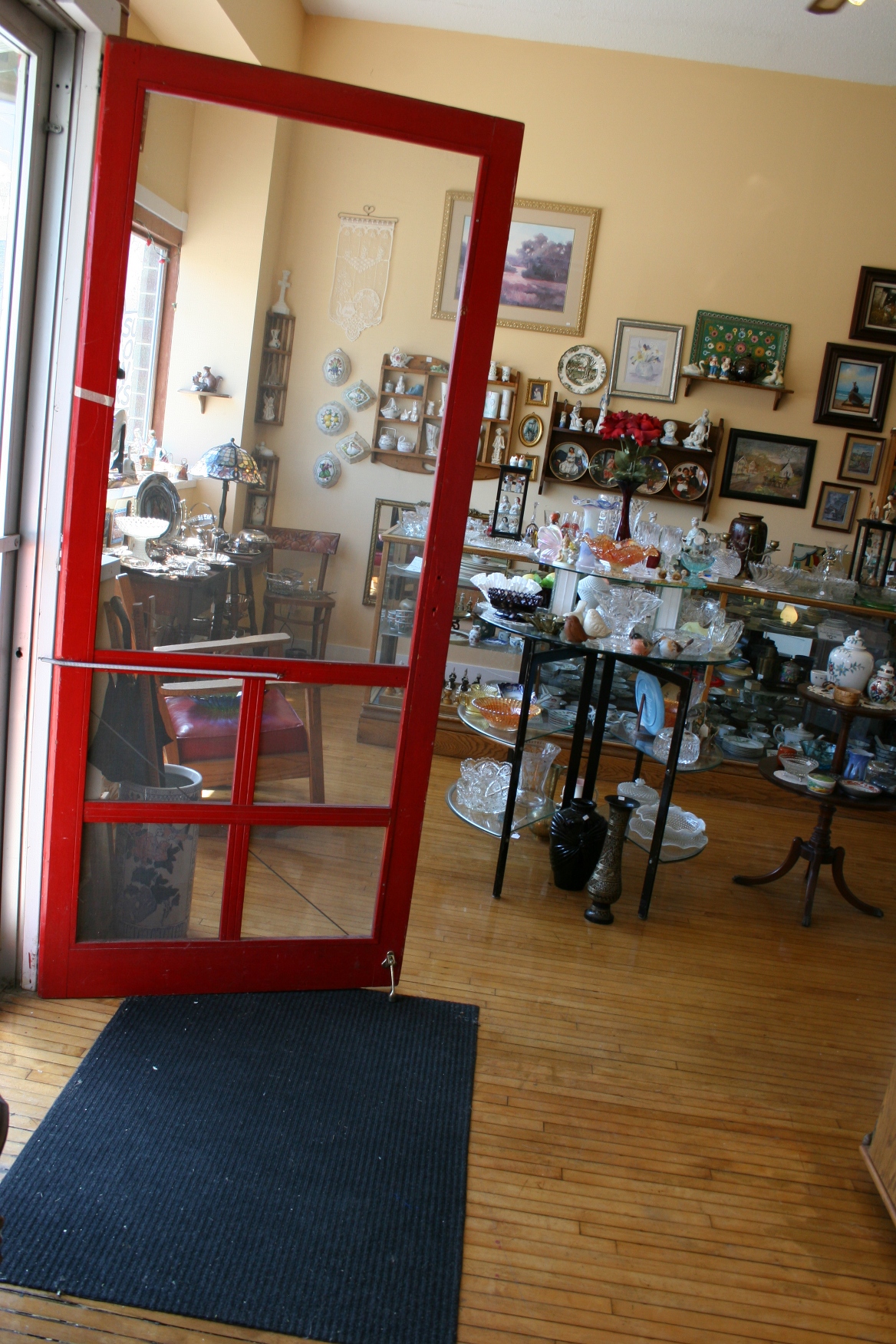
No matter, the friendly painted farmer in the bib overalls who beckons you inside for a “looksee” will already have you smiling before you stroll through the red doors and plant your feet upon the vintage tongue-and-groove floors in a room the color of butter.
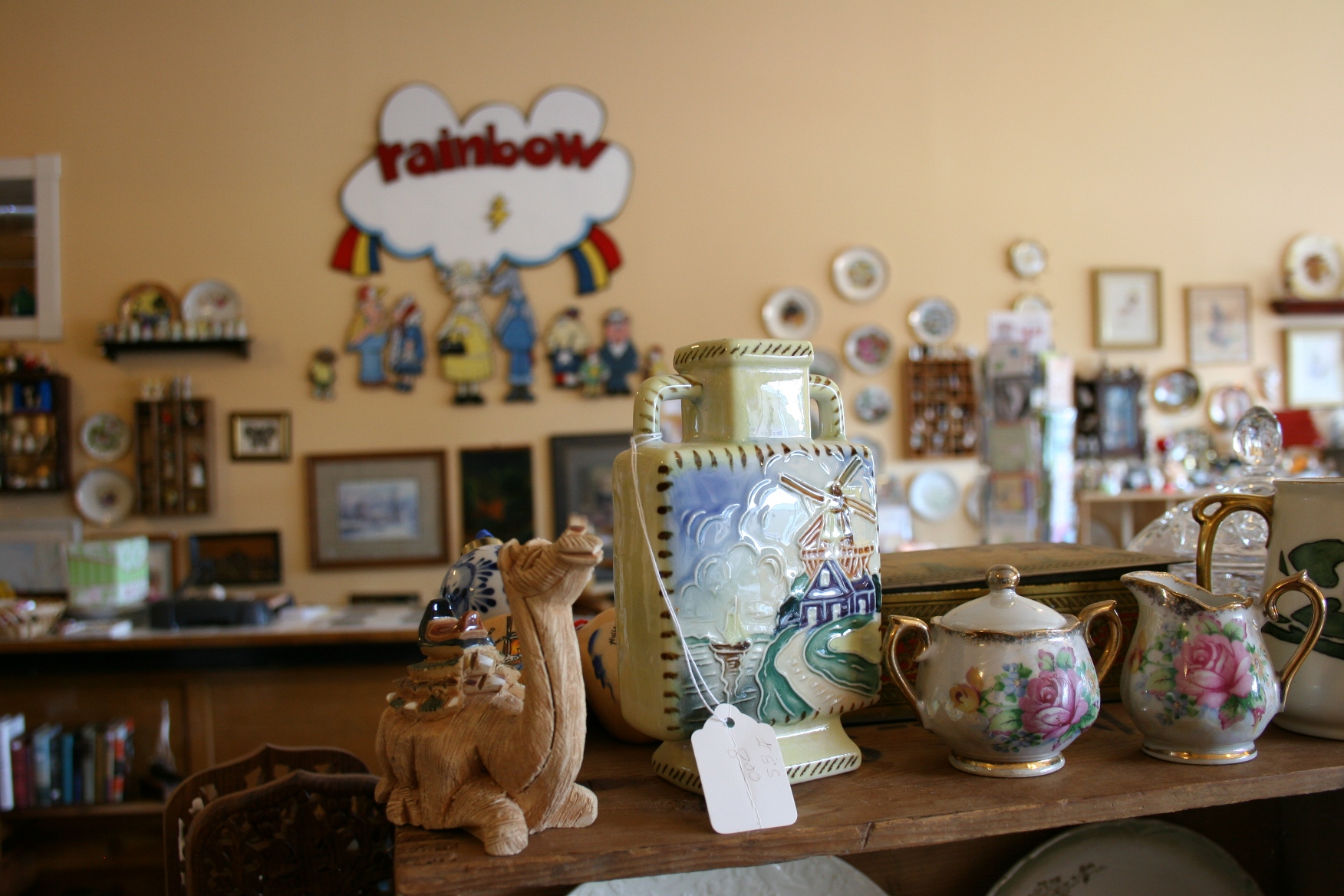
Immediately I noticed the old-style screen door painted a vivid red. It’s a perfect fit for setting the mood of this place. I’ve been in a lot of antique shops in my day, and this one, by far, rates as one of the most inviting with plenty of light streaming in the east-facing windows, merchandise displayed in a way that isn’t cluttered and a down-home atmosphere that makes you feel comfortably at ease.
I poked around for awhile, not as long as I would have liked, though, since my mom was waiting for me back at the aunt and uncle’s house. My husband explored, too, and determined the prices to be reasonable—not too high and not too low.

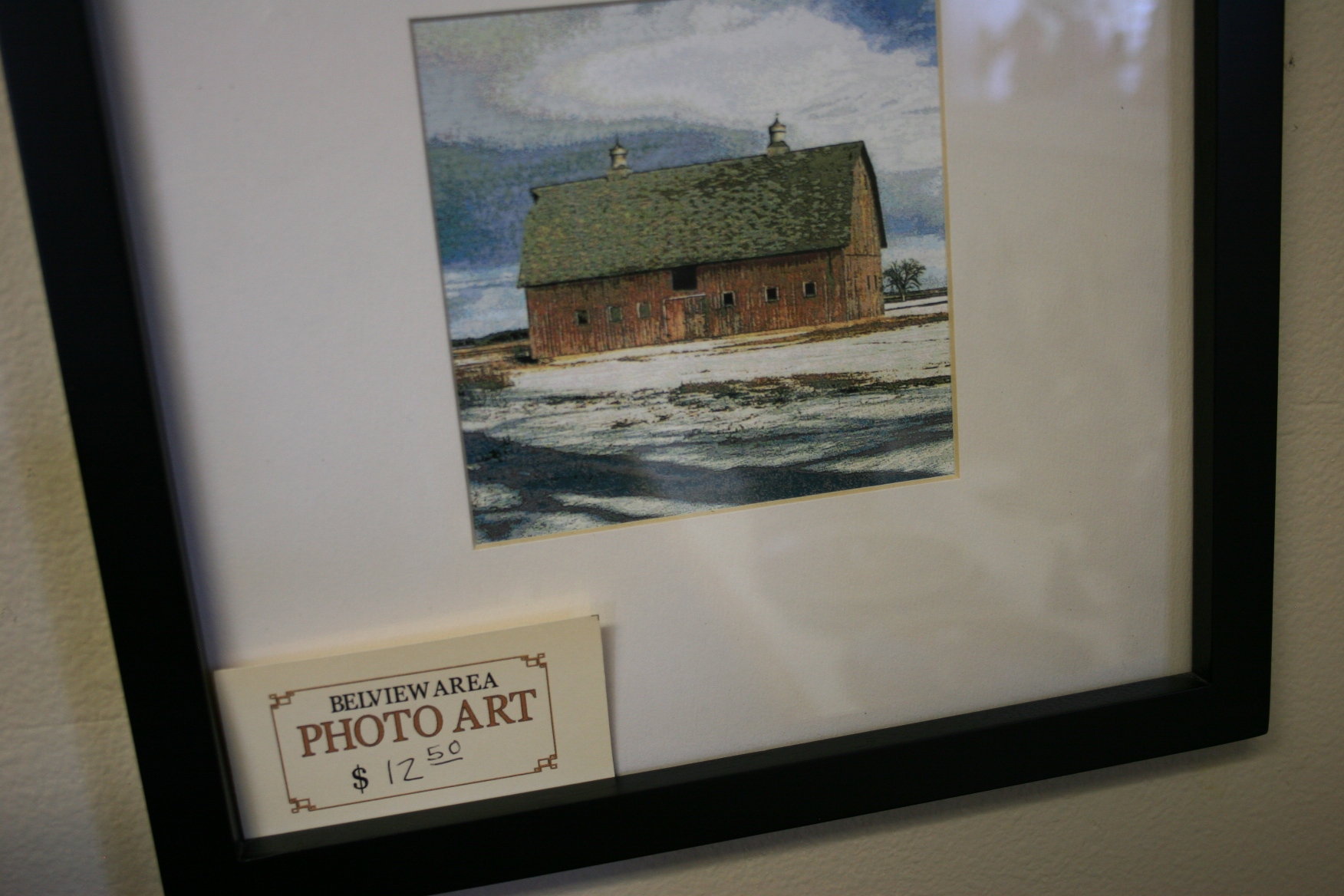
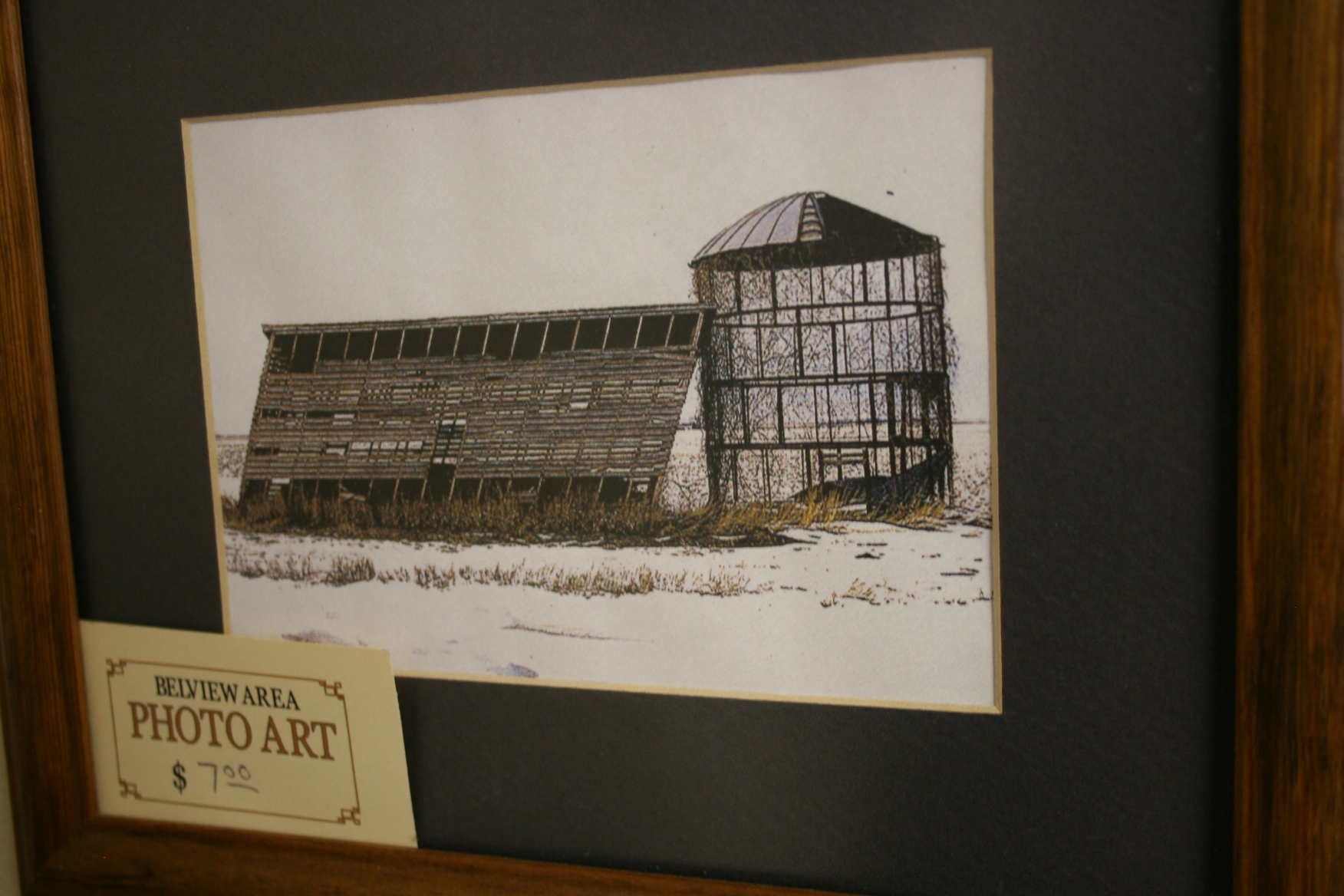
When I got to the back room, I made the discovery of the day, at least in my opinion. And it wasn’t an antique, collectible or junque. I found Don Gunelson’s “Belview Area Photo Art” displayed on the rear wall. I knew from the signage that I was viewing photos, but they sure didn’t look like photos. So I asked Don to explain.

He takes images of area subjects with an inexpensive camera—the fewer pixels the better—edits the photos on his computer and then prints them on watercolor paper with an ink that is more dye than ink. The result is photo art that resembles watercolor paintings.

I gushed over his creations and told him he needs to get these into a gallery—do an exhibit of his “Belview Area Photo Art.”

Now I’m kicking myself for not buying one of Don’s matted and framed creations because, with prices ranging from $7 to $12.50, they’re a steal.

So there you have it, a charming antique store in downtown Belview with an artist running the place.

FYI: Rainbow Antiques, Crafts & Junque, 103 S. Main, is open from 10 a.m. – 3 p.m. Saturdays. Call (507) 938-4476. Maybe Don will open up the shop if you’re in town on a day other than Saturday.

Ruby red glassware is displayed in a front window. To the right in this photo is the blue Belview water tower.

An example of Don Gunelson's Belview Area Photo Art, an area barn.

Some of the merchandise displayed in the main part of the antique store.

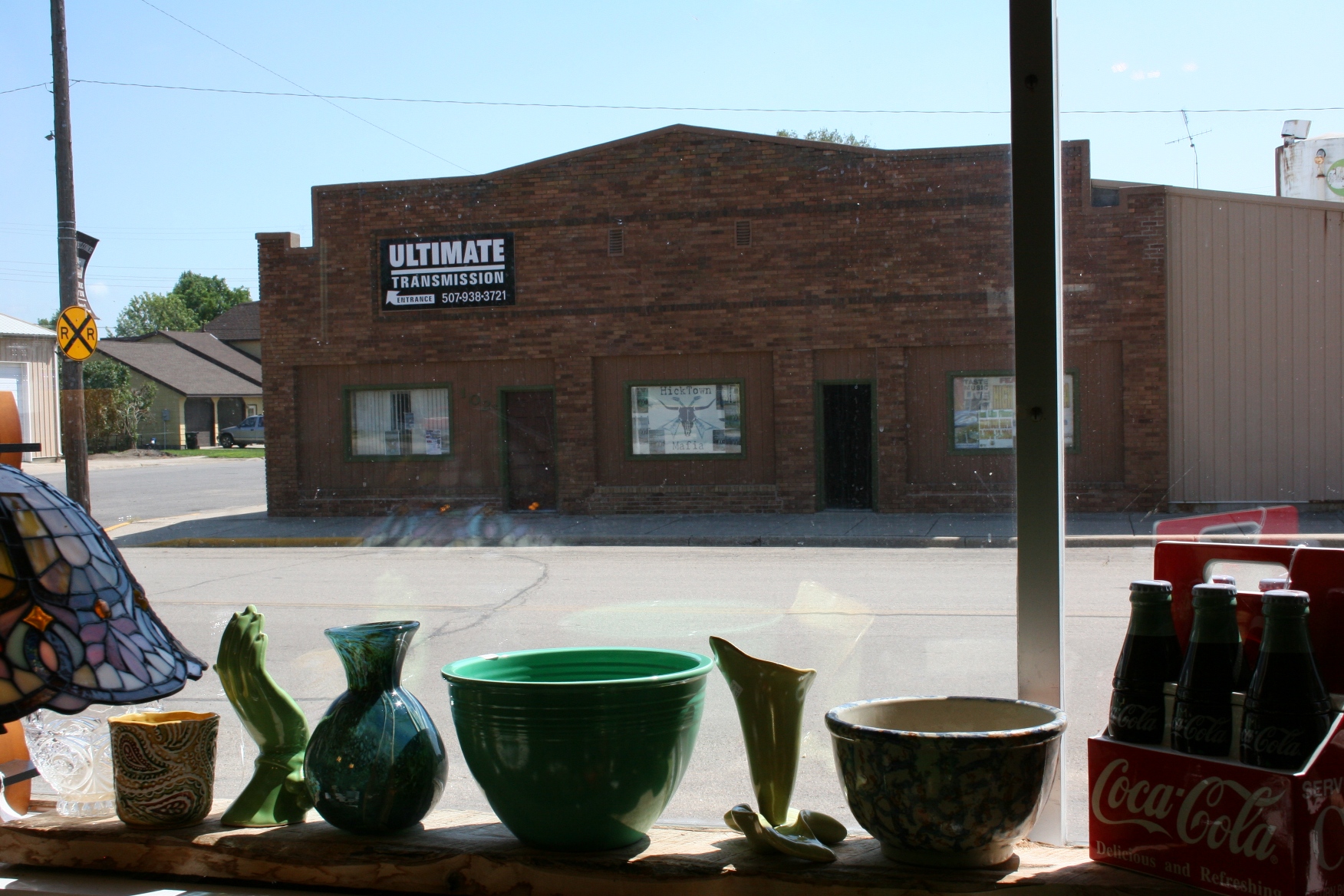
A view across the street through one of the large front windows at Rainbow Antiques.

More Belview Area Photo Art by Don Gunelson.

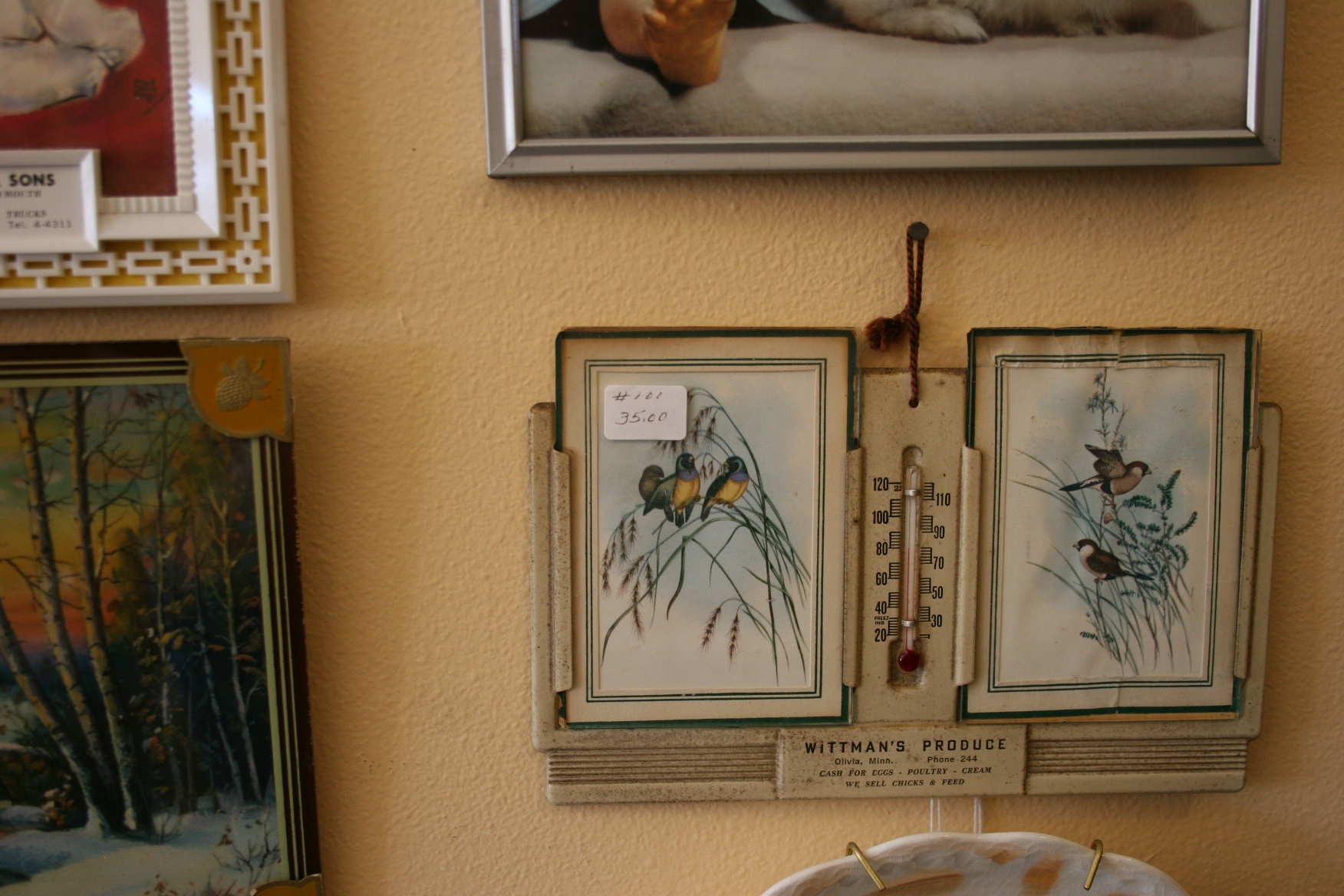
You'll find plenty of collectibles from the area, including this bird thermometer from Olivia.

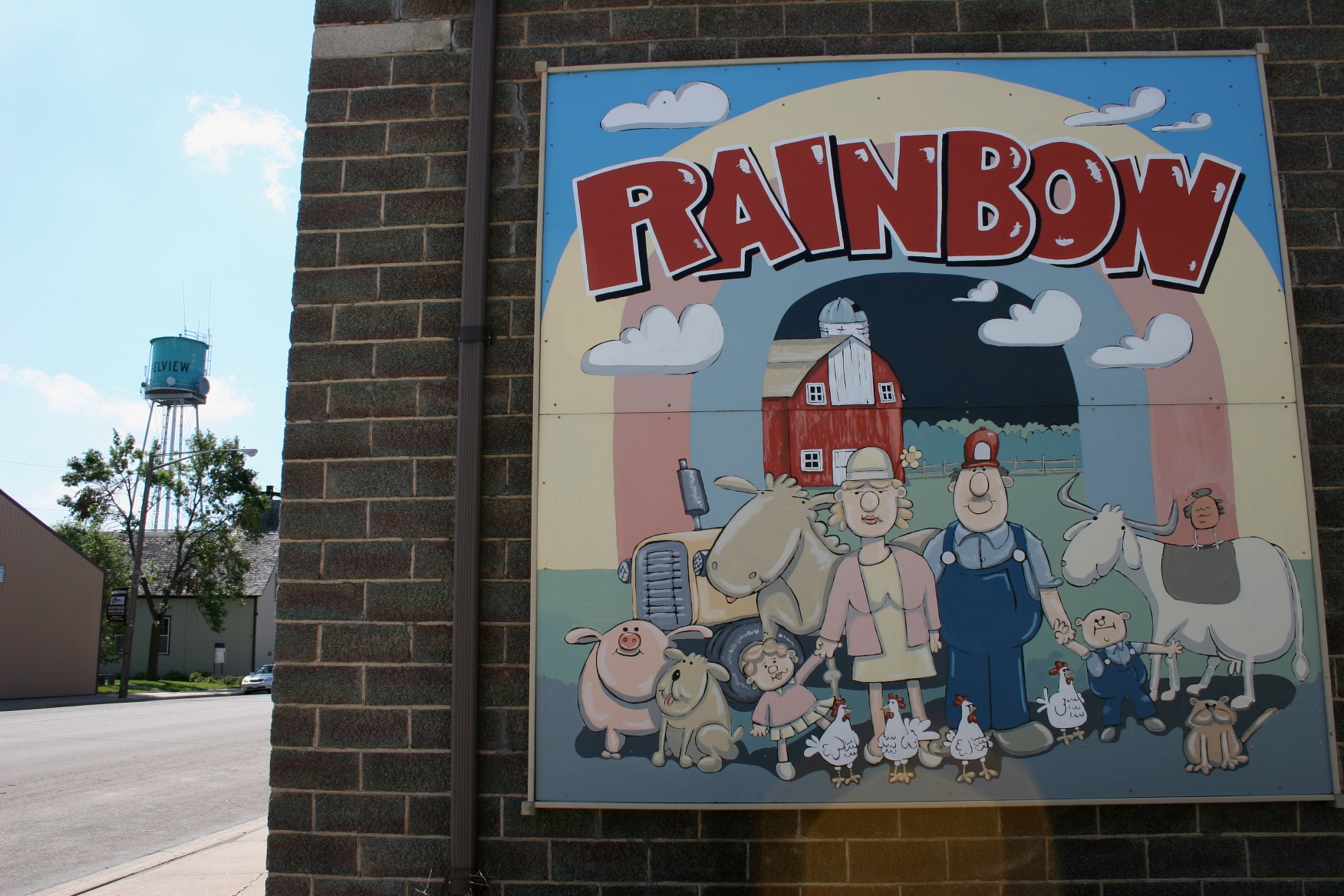
This colorful folksy farm family graces the north wall of Rainbow Antiques. This photo was shot looking south on Main Street toward Belview's water tower.

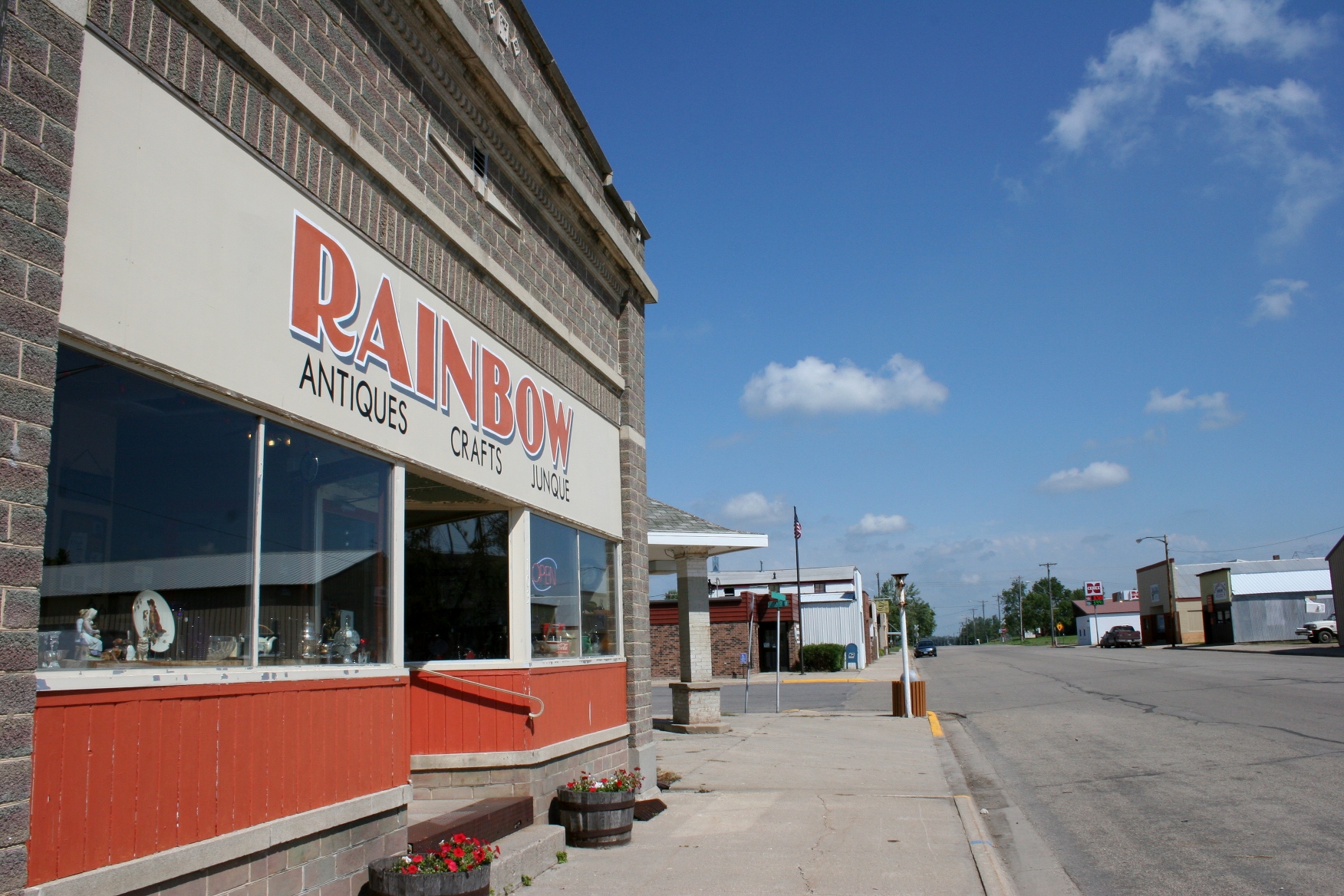
Another view of Rainbow Antiques and Main Street Belview looking south.

Check back for more reasons to visit Belview in a future post.

© Copyright 2011 Audrey Kletscher Helbling