Minnesota Prairie Roots

Writing and photography by Audrey Kletscher Helbling

Youth from around the world bring songs of hope to Faribault July 22, 2014

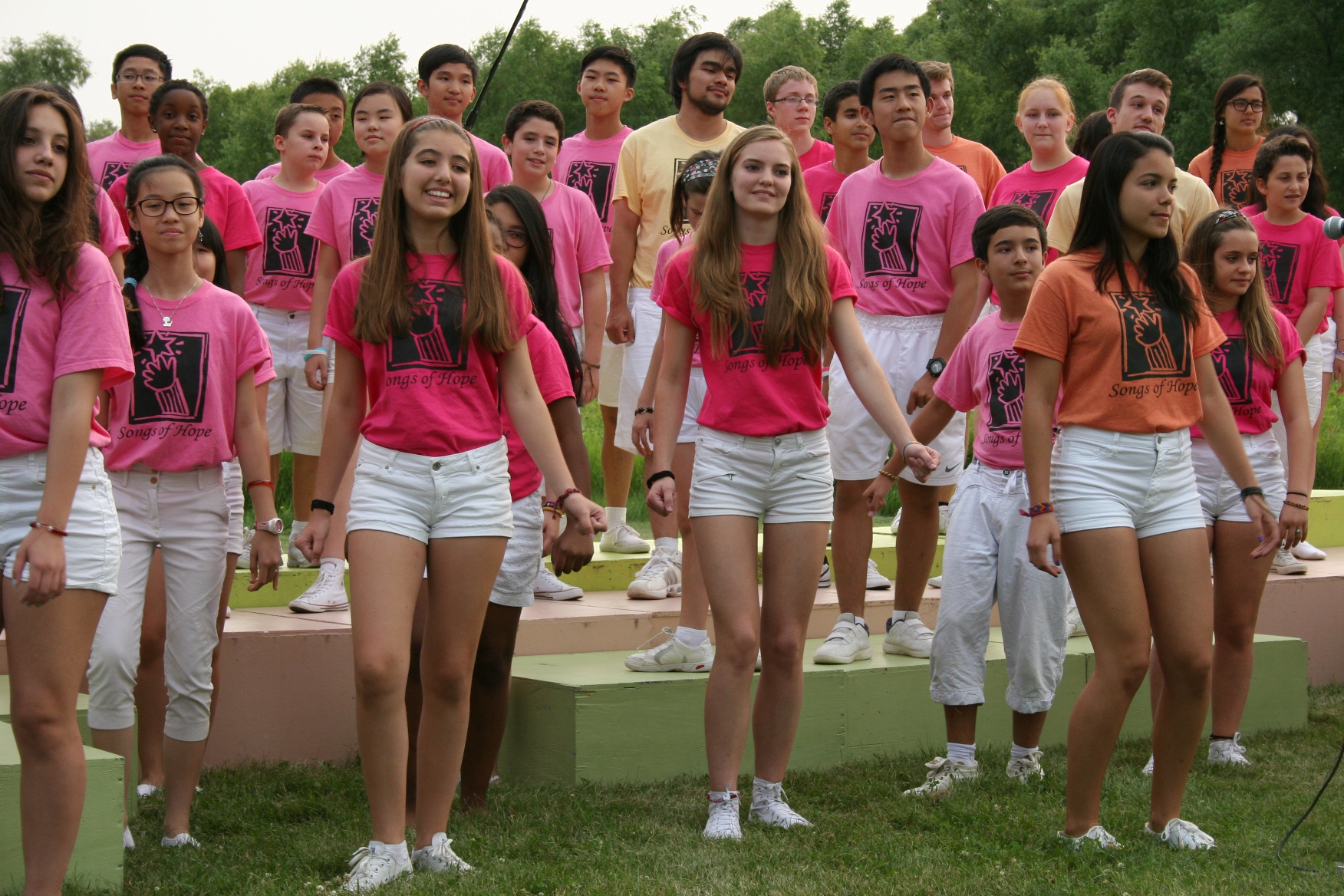
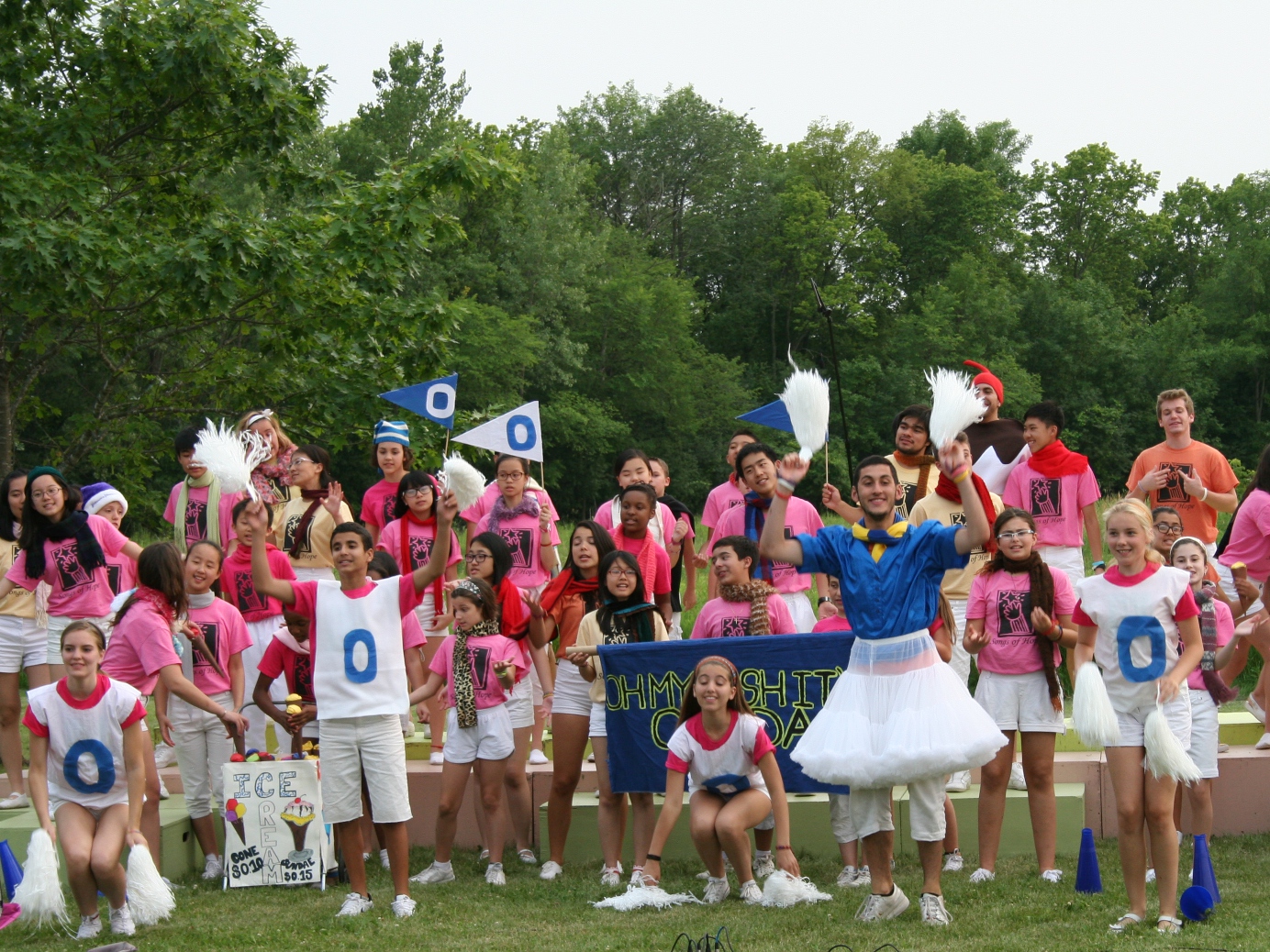
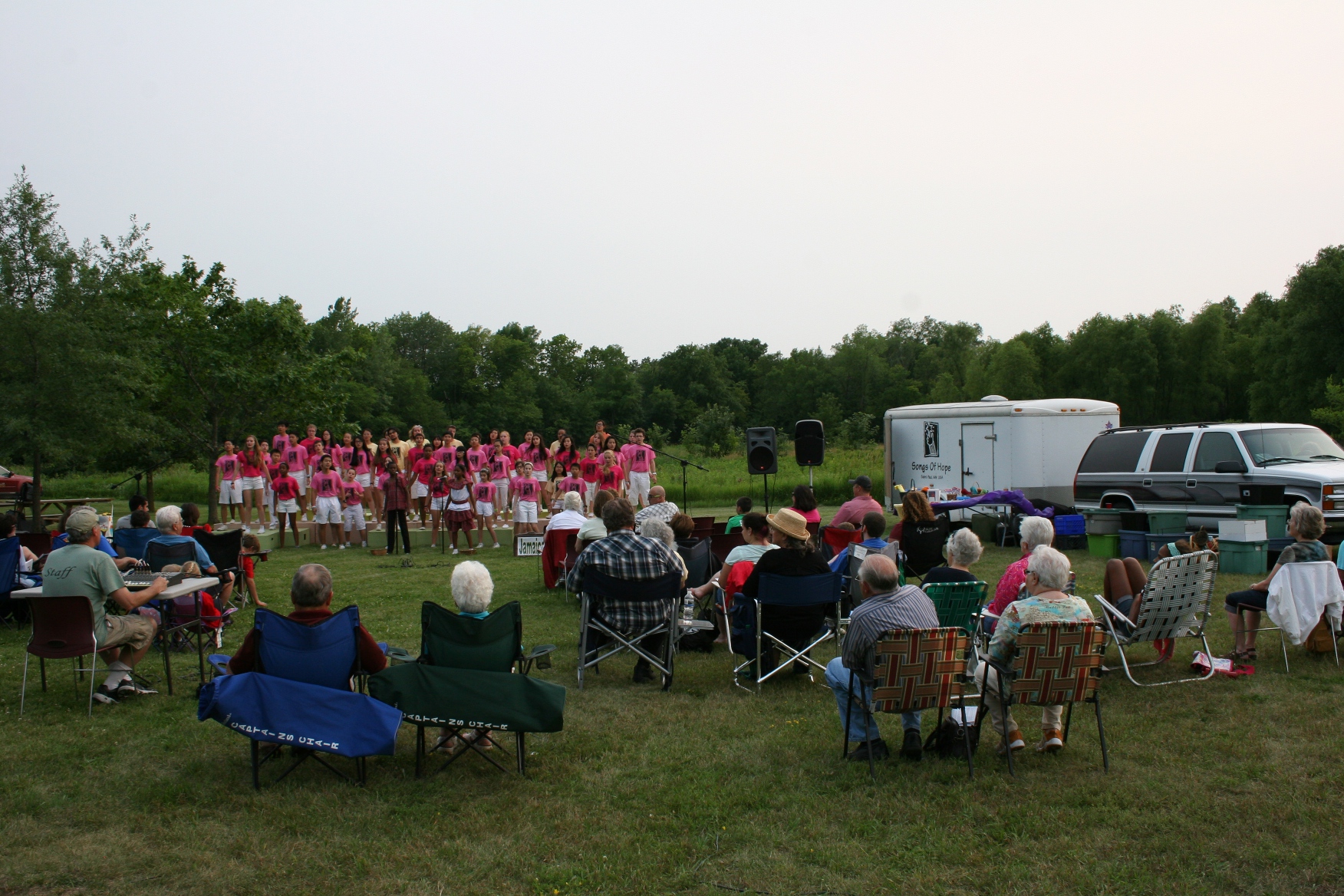
On a perfect summer night, Songs of Hope performed an outdoor concert at River Bend Nature Center in Faribault.

On a perfect summer night, Songs of Hope performed an outdoor concert at River Bend Nature Center in Faribault.

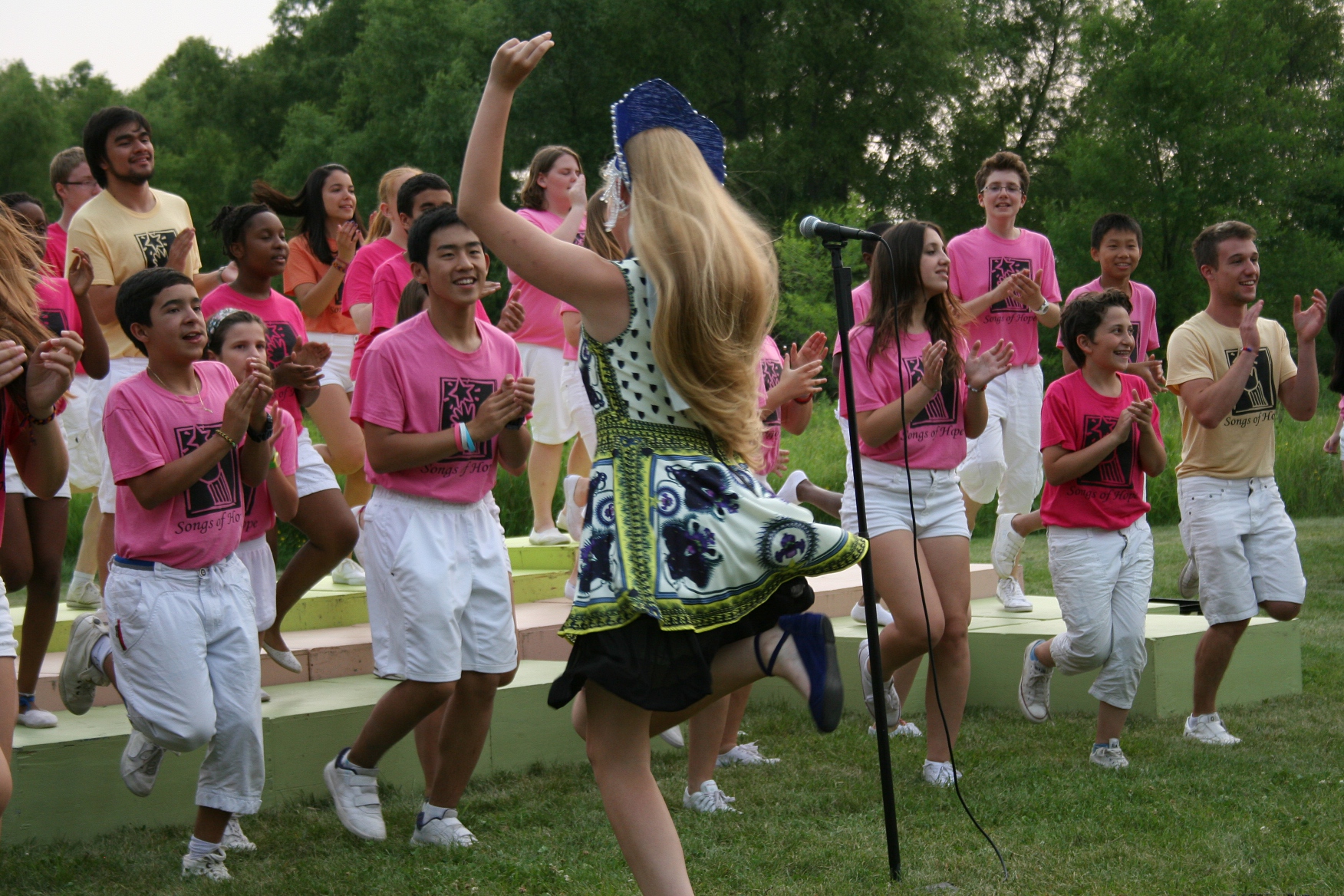
AS THE GOLDEN ORB of the sun shifted across the sky, as dragonflies dipped above the audience, as a distant train rumbled, Songs of Hope musicians performed before a rapt audience at River Bend Nature Center in Faribault on Saturday evening.

The performers focused on hope, like their name.

The performers focused on hope, like their name.

And the message they brought—in their dancing and in their singing—was hope.

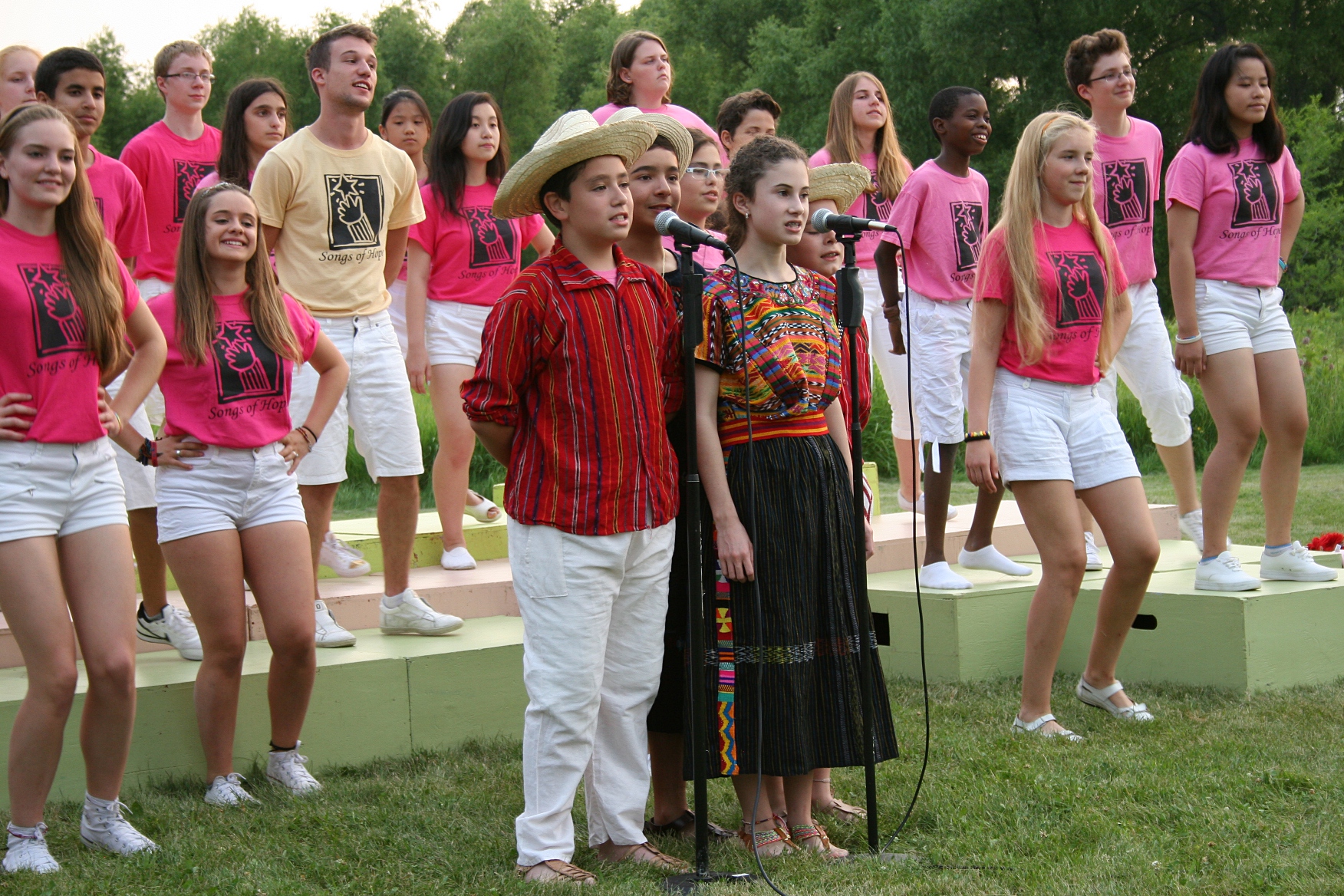
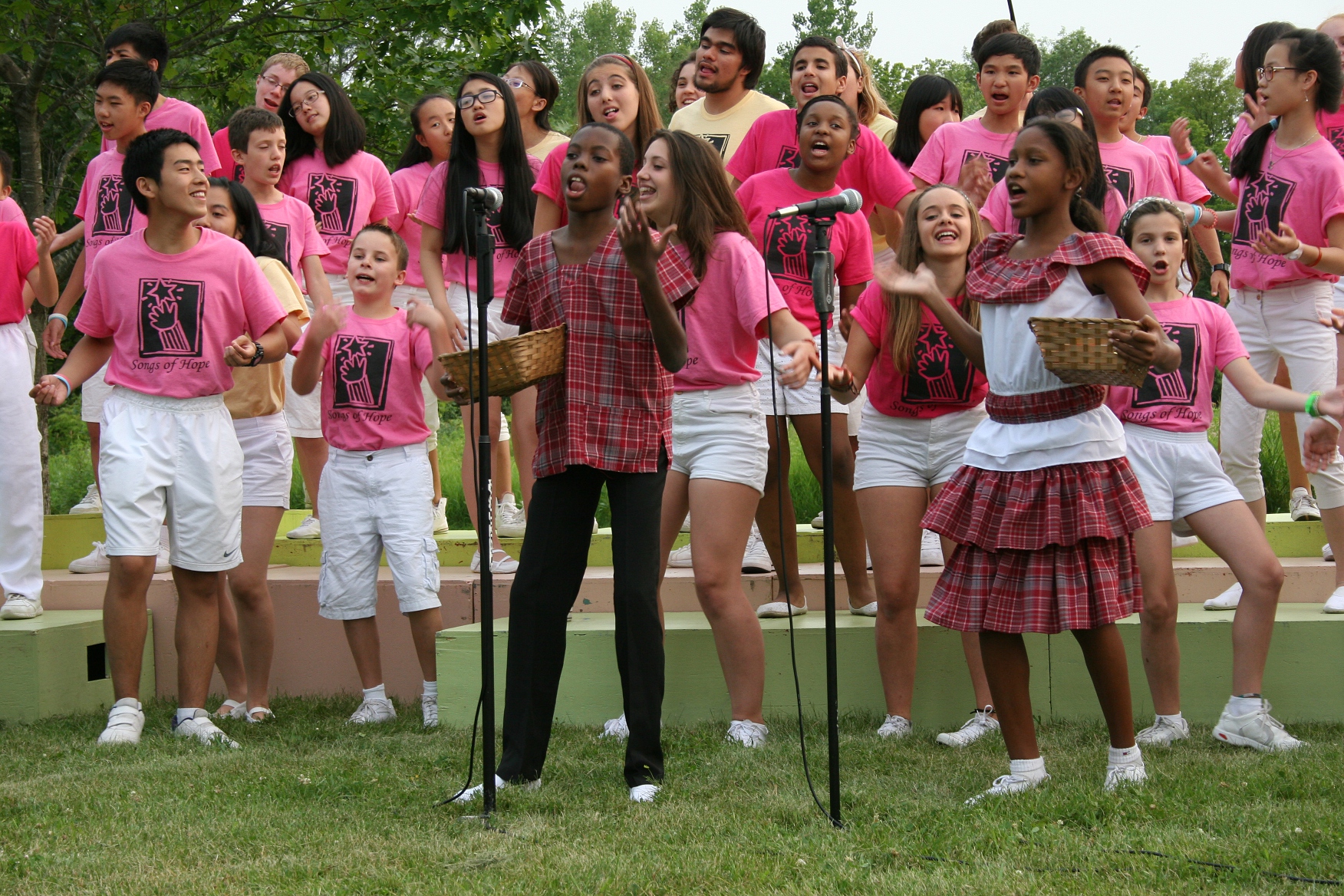
Songs from Guatemala.

Songs from Guatemala.

Inspirational defines these performers who have been attending the St. Paul based international performing arts summer camp, Songs of Hope. Seventy musicians from 15 countries are currently on tour, presenting 33 concerts in 18 days.

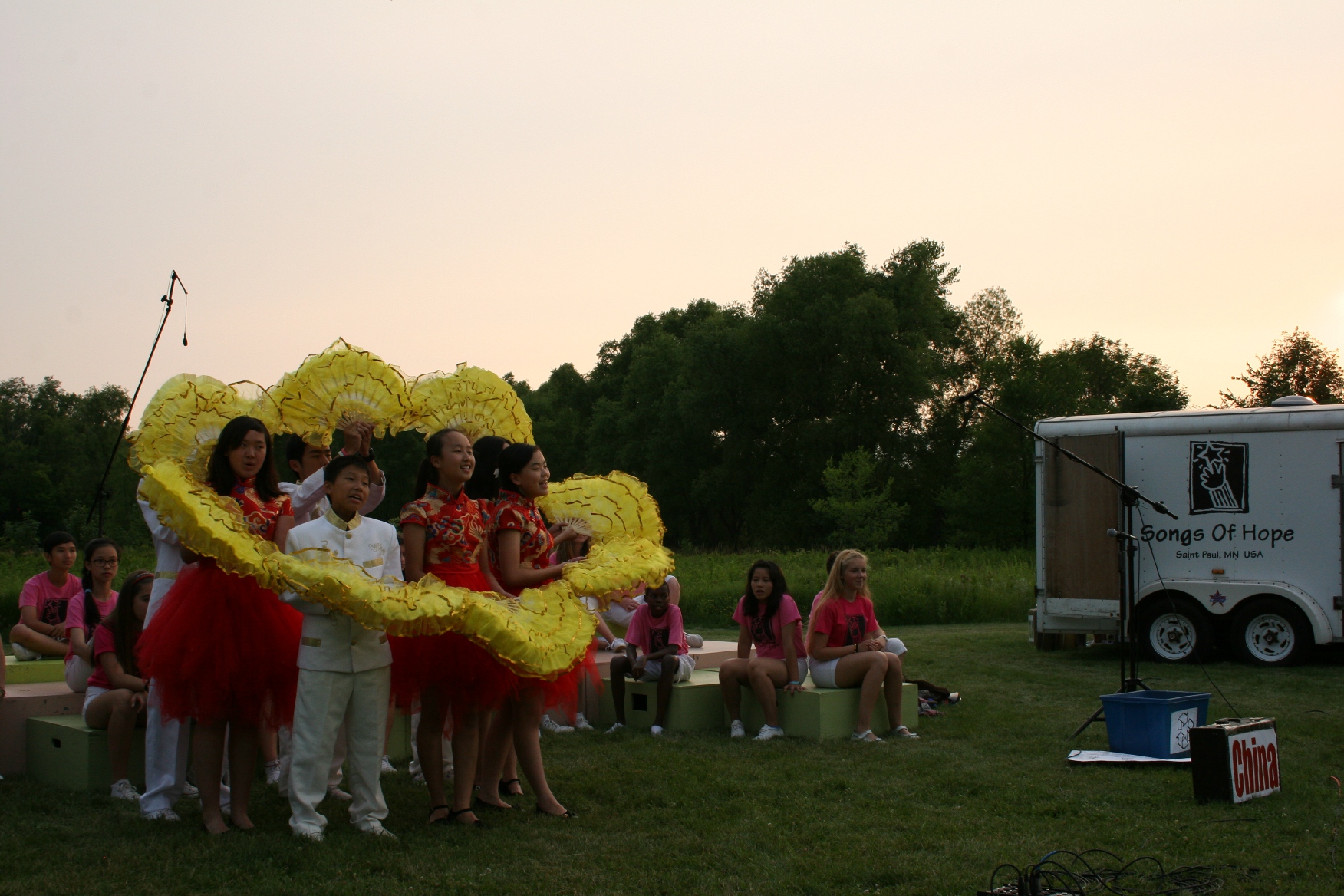
Chinese youth perform as the sun sets.

Chinese youth perform as the sun sets.

Songs of Hope is “about people getting together and sharing culture and lives,” Program Director Tom Surprenant said as he introduced the group.

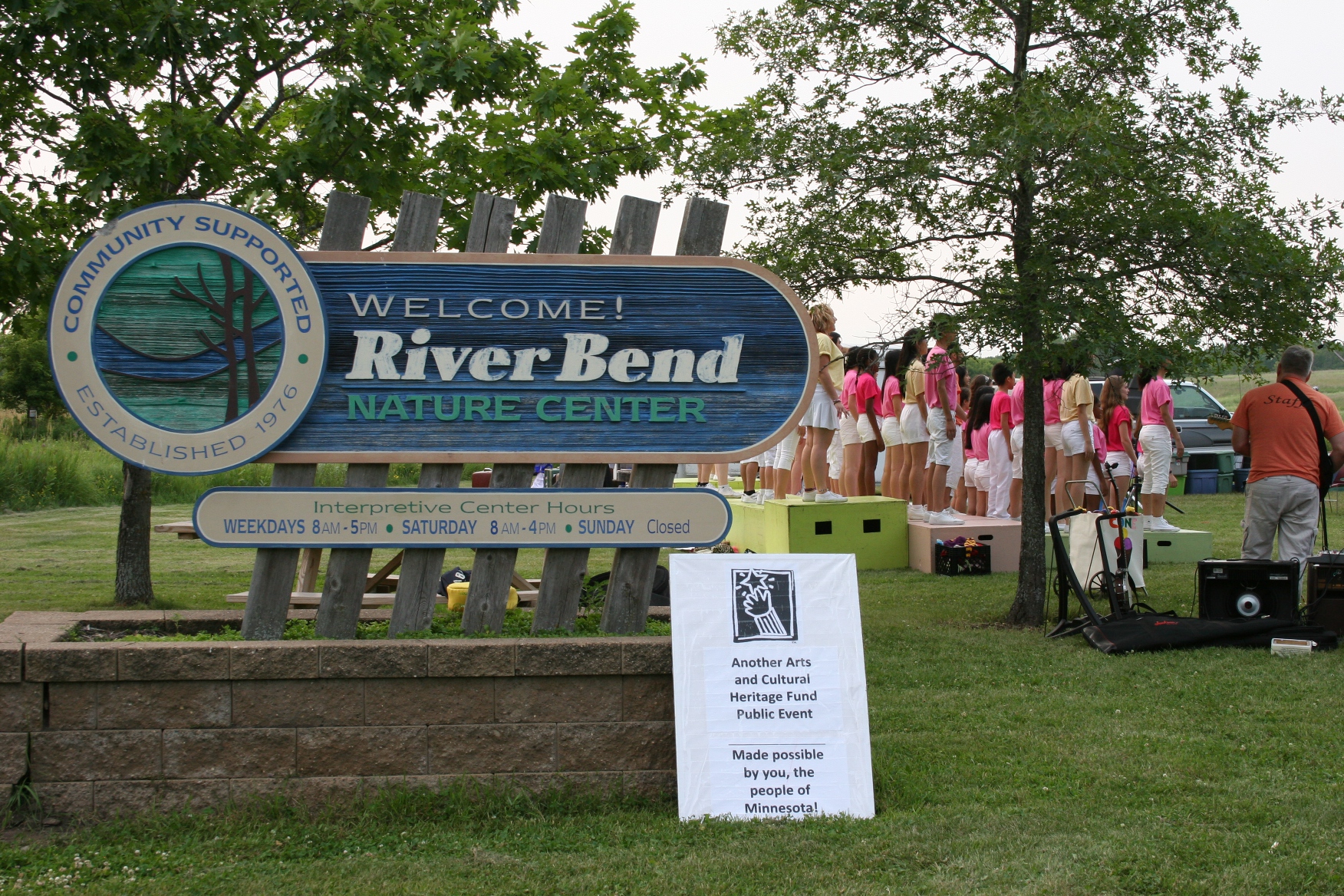
Performing outdoors at River Bend.

Performing outdoors at River Bend.

But with audiences, like the one in Faribault, they share so much more: possibilities, hope, peace, freedom, justice…

In nearly constant motion.

In nearly constant motion.

I was beyond impressed by these young people who sang with such force and enthusiasm and rarely stopped moving as they presented 90 minutes of songs spanning multiple nations from India to Jamaica to Guatemala to Italy to Russia and many other places.

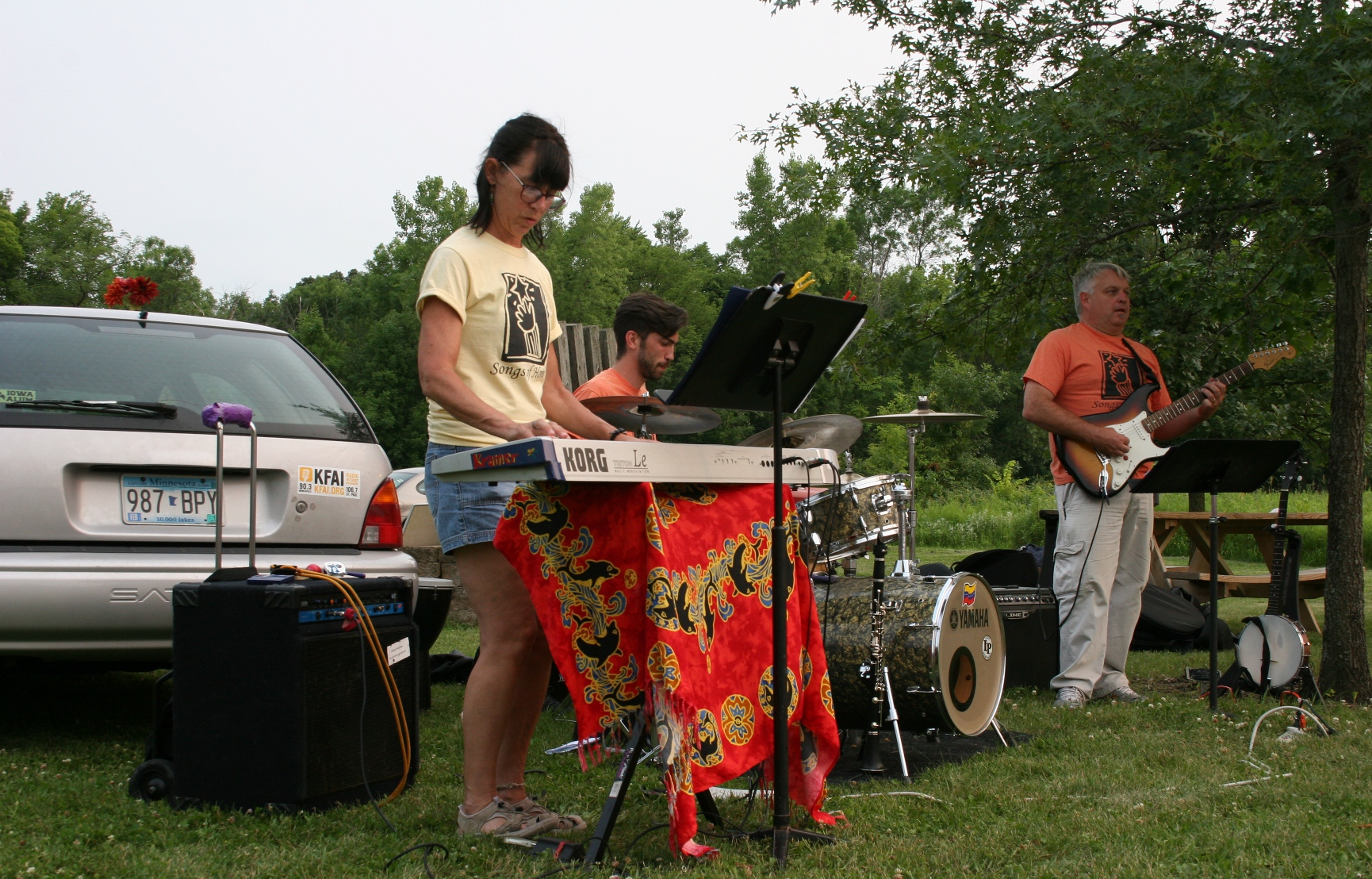
The band provided upbeat music that made you want to dance.

The band provided upbeat music that makes you want to dance.

Even though I could not always understand, music bridges language and cultural differences.

Selections from Jamaica included "Linstead Market" and "Stand Up For Your Rights."

Selections from Jamaica included “Linstead Market” and “Stand Up For Your Rights.”

Truly, skin color, eye shape, height nor any other physical characteristic mattered as these youth performed.

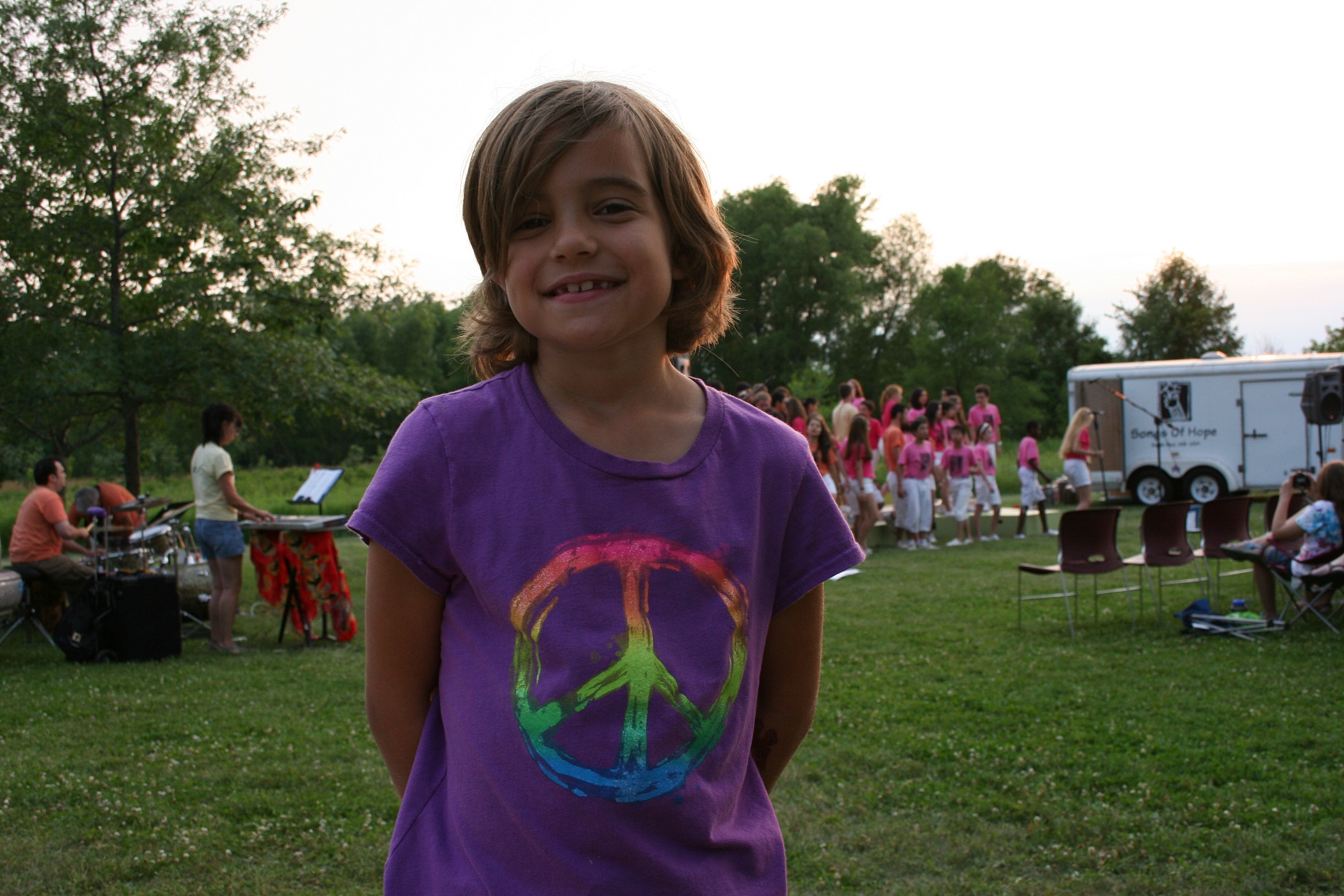
Nevaeh, the daughter of friends, wore the perfect shirt for the concert.

Nevaeh, the daughter of friends, wore the perfect shirt for the concert.

They were to me just kids sharing a hopeful message through song and dance, showing us that we are all human beings who can get along if we make the effort, living in harmony and peace with one another.

Look at the fun these youth were having singing a song, "I Scream, You Scream, We All Scream" about ice cream.

Look at the fun these youth had singing “I Scream, You Scream, We All Scream,” a song about ice cream, a universal treat.

Especially moving was the group’s performance of “I Am Malala,” based on the experience of the young Pakistani girl who was shot simply for pursuing education. “Fight for what you believe in…for education…infinite hope.”

Hands joined in hope.

Hands joined in hope.

After attending this concert, I am, indeed, hopeful.

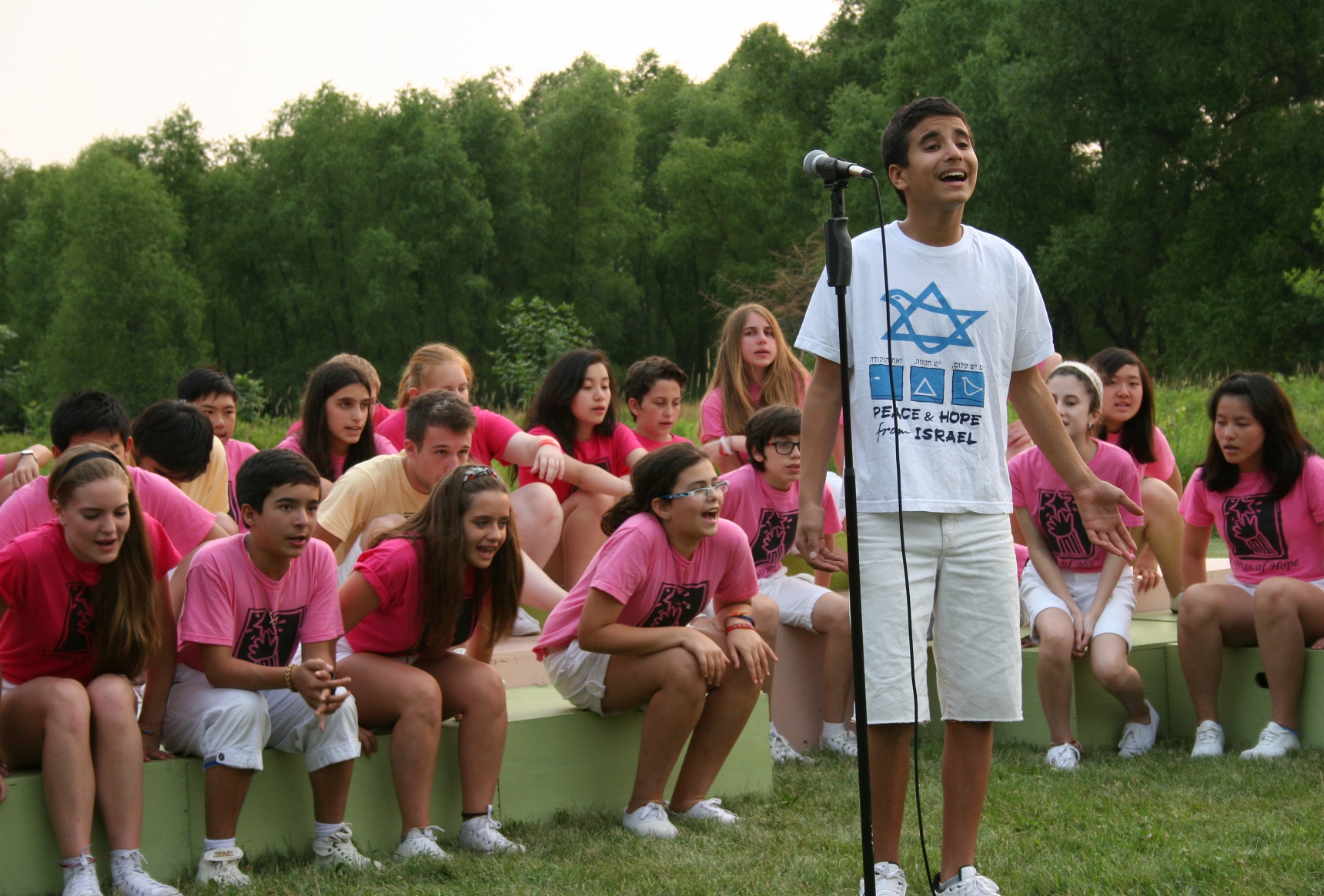
My heart went out to this boy from Israel given the current situation there.

My heart went out to this boy from Israel given the current situation there.

And I expect so is the young soloist from Israel who sported a t-shirt reading “PEACE & HOPE from ISRAEL.”

FYI: CLICK HERE to see a schedule of the remaining performances in the summer concert schedule, which ends on July 27. The final concerts are in St. Paul, Roseville and Montgomery.

Please check back tomorrow for additional photos from the Faribault Songs of Hope concert. If you have an opportunity to attend a performance, do. Songs of Hope will inspire and uplift you.

© Copyright 2014 Audrey Kletscher Helbling


In the conservatory with the camera, Part II March 5, 2014

GROWING UP, I LOVED the mystery board game Clue. Determine the murderer, weapon and mansion room in which the crime was committed and you win the game.

Simple? Not necessarily. The game requires a great deal of concentration, plotting and even some deception.

While Clue includes a cast of characters with interesting names like Colonel Mustard and Mrs. Peacock, what most intrigues me are the rooms. Imagine a home with a lounge, a billiard room and a conservatory. Yes, a conservatory, smaller in scale than the one I toured Sunday afternoon at Como Park.

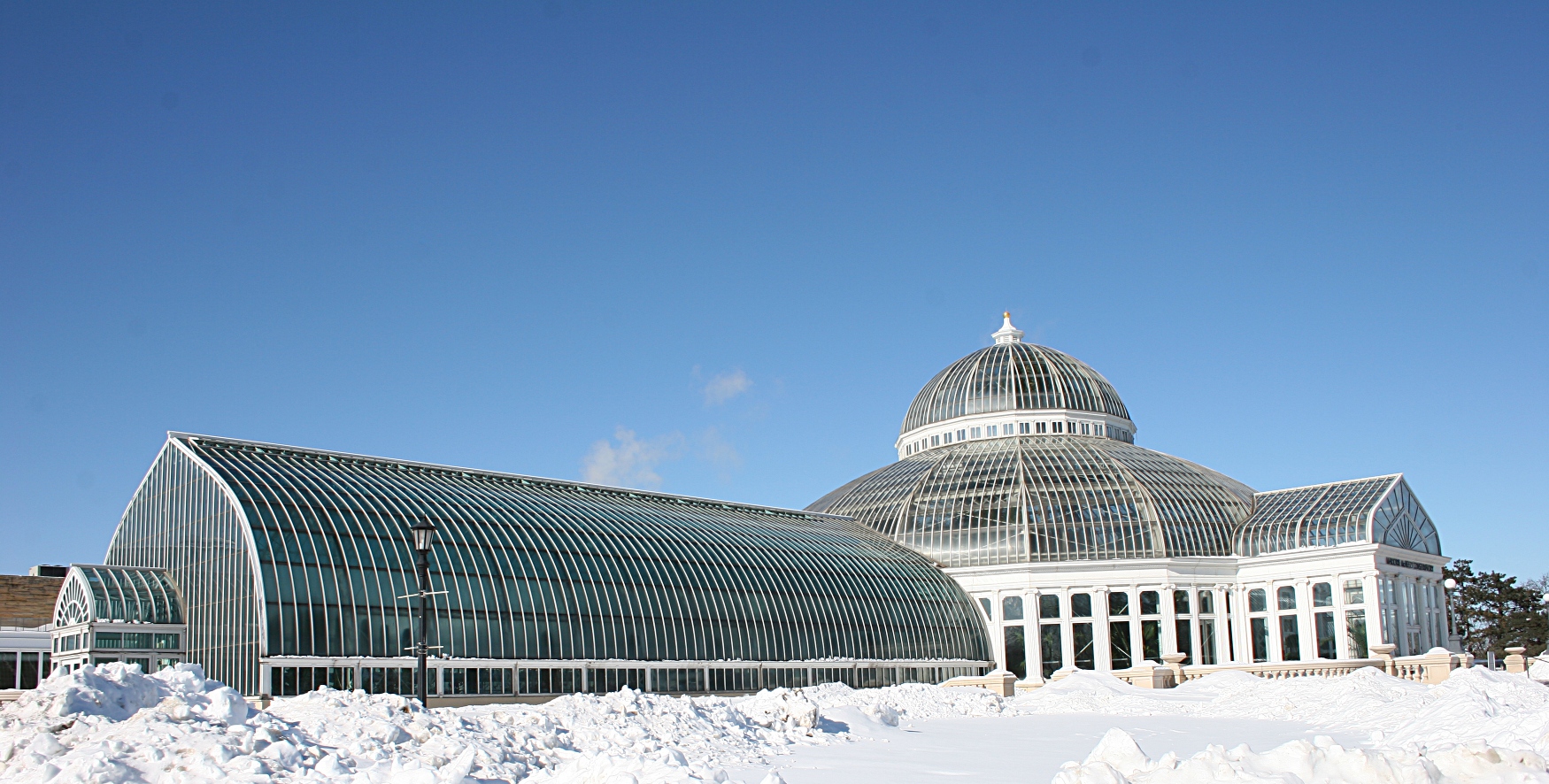
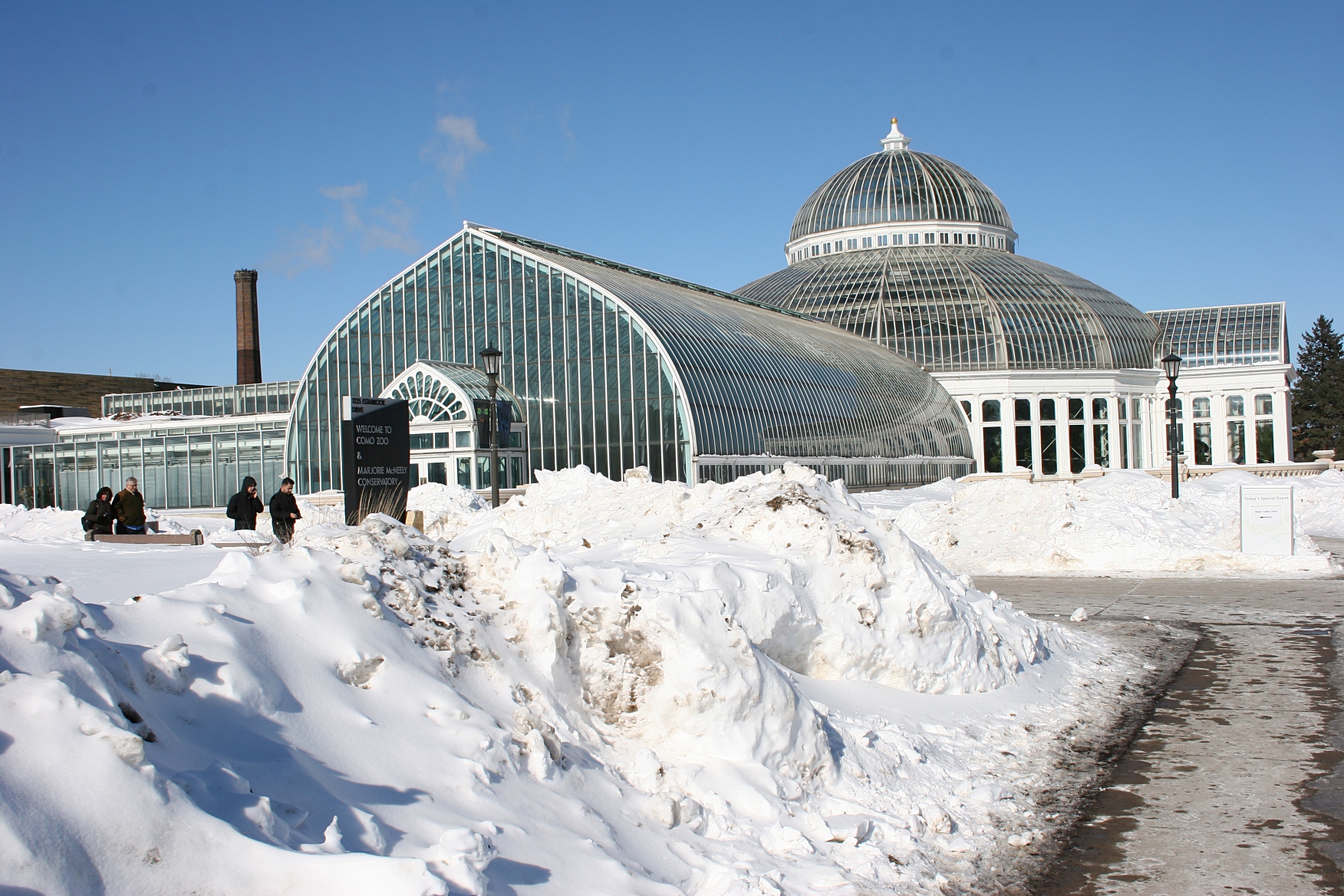
The Mzarjorie McNeely Conservatory at Como Park in St. Paul, Minnesota.

The Mzarjorie McNeely Conservatory at Como Park in St. Paul, Minnesota.

The Marjorie McNeely Conservatory, with its winding paths, nooks and extensive foliage, would present the perfect setting for a St. Paul-based mystery. In the shrouded mist of the Fern Room, I can almost imagine a shadowy figure lurking. In the Palm Dome, I can envision a chase. Inside the Sunken Garden, I can picture a stand-off on opposite ends of the garden.

Ah, yes, my imagination appears to be in overdrive. Blame winter madness. Blame the need to escape.

And so we shall…

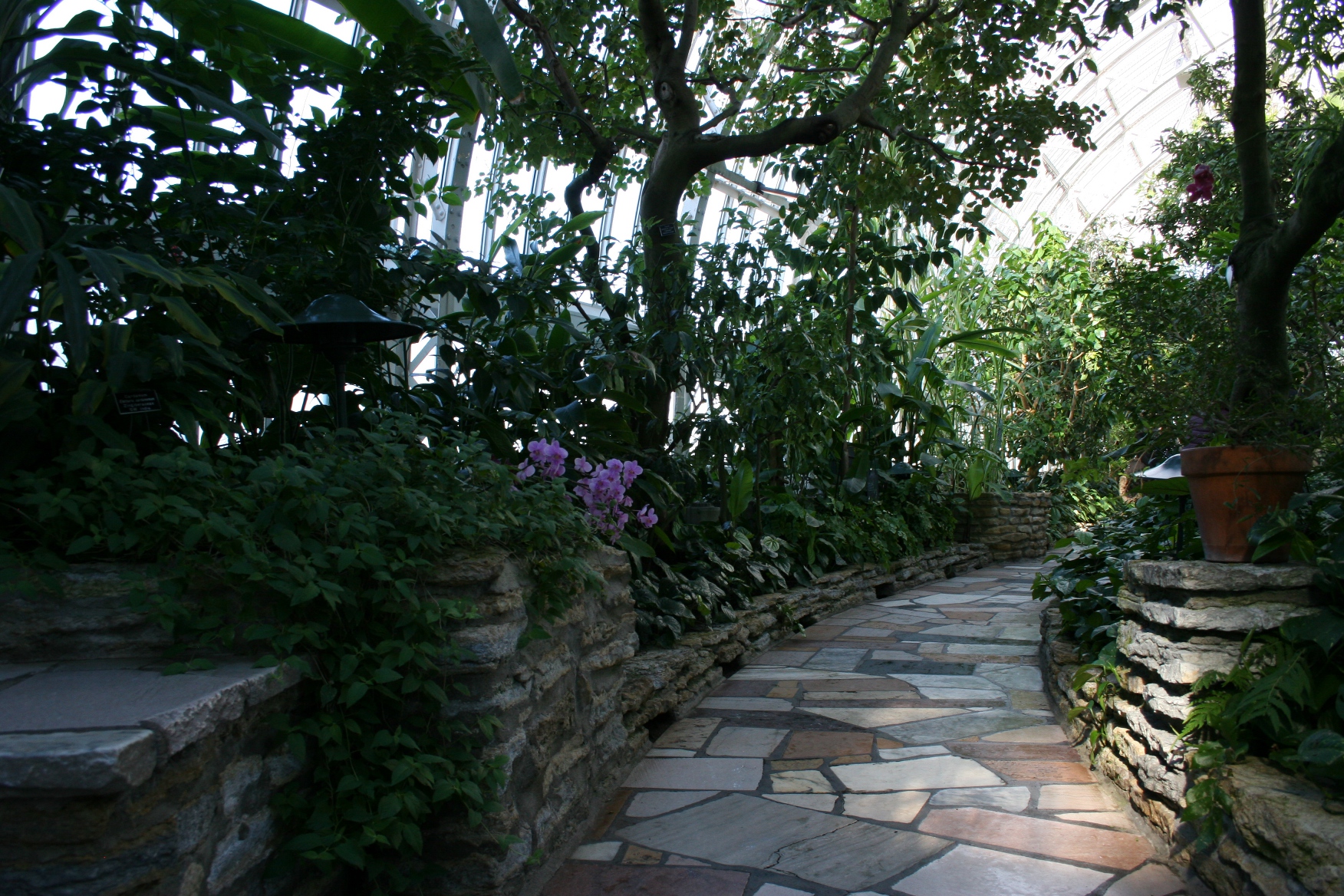
Follow this path through the North Garden.

Follow this path through the North Garden.

Stop to enjoy the orchids, these in the Palm Dome.

Stop to enjoy the orchids, these in the Palm Dome.

Appreciate leaves as big as an elephant's ears.

Appreciate leaves as big as an elephant’s ears.

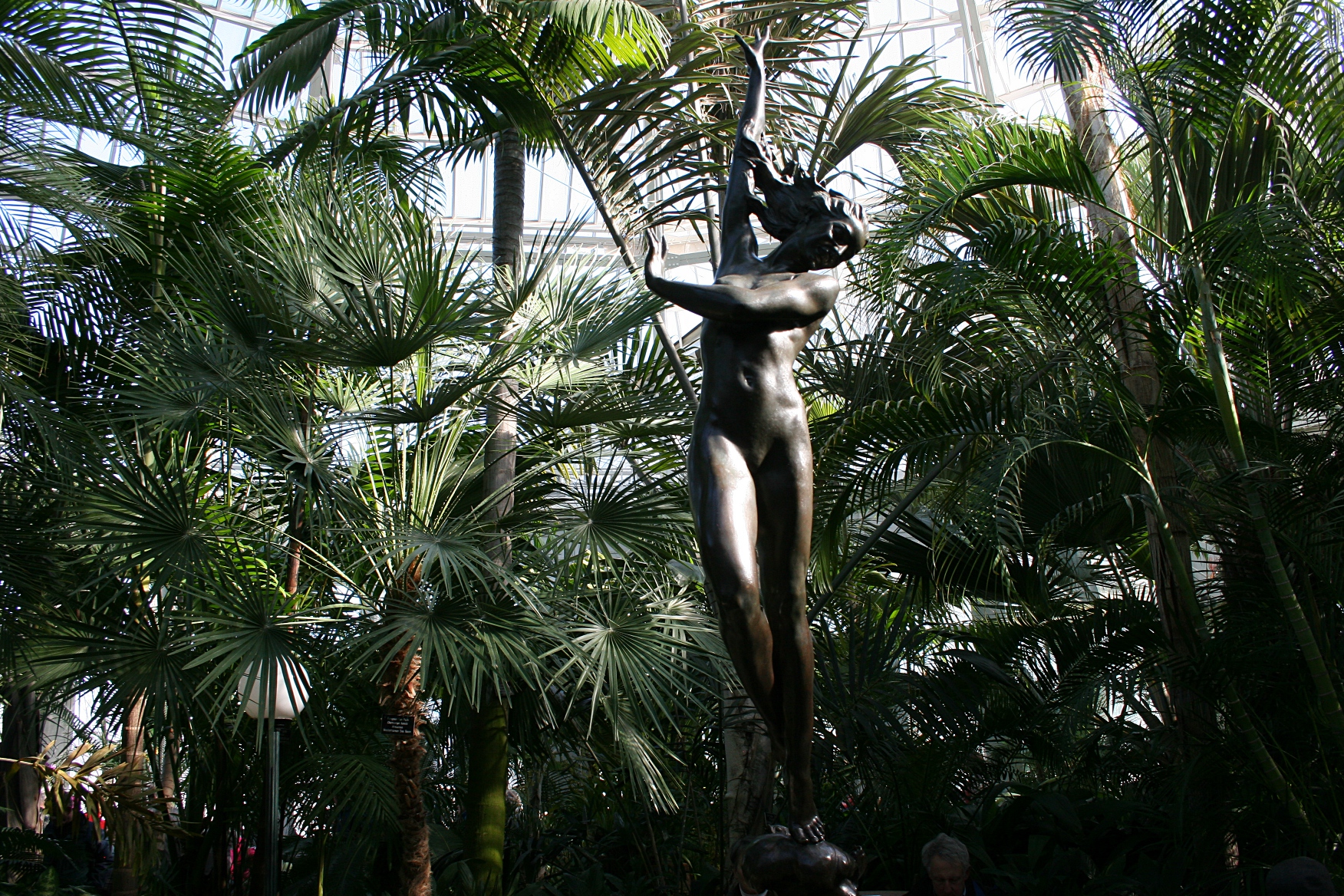
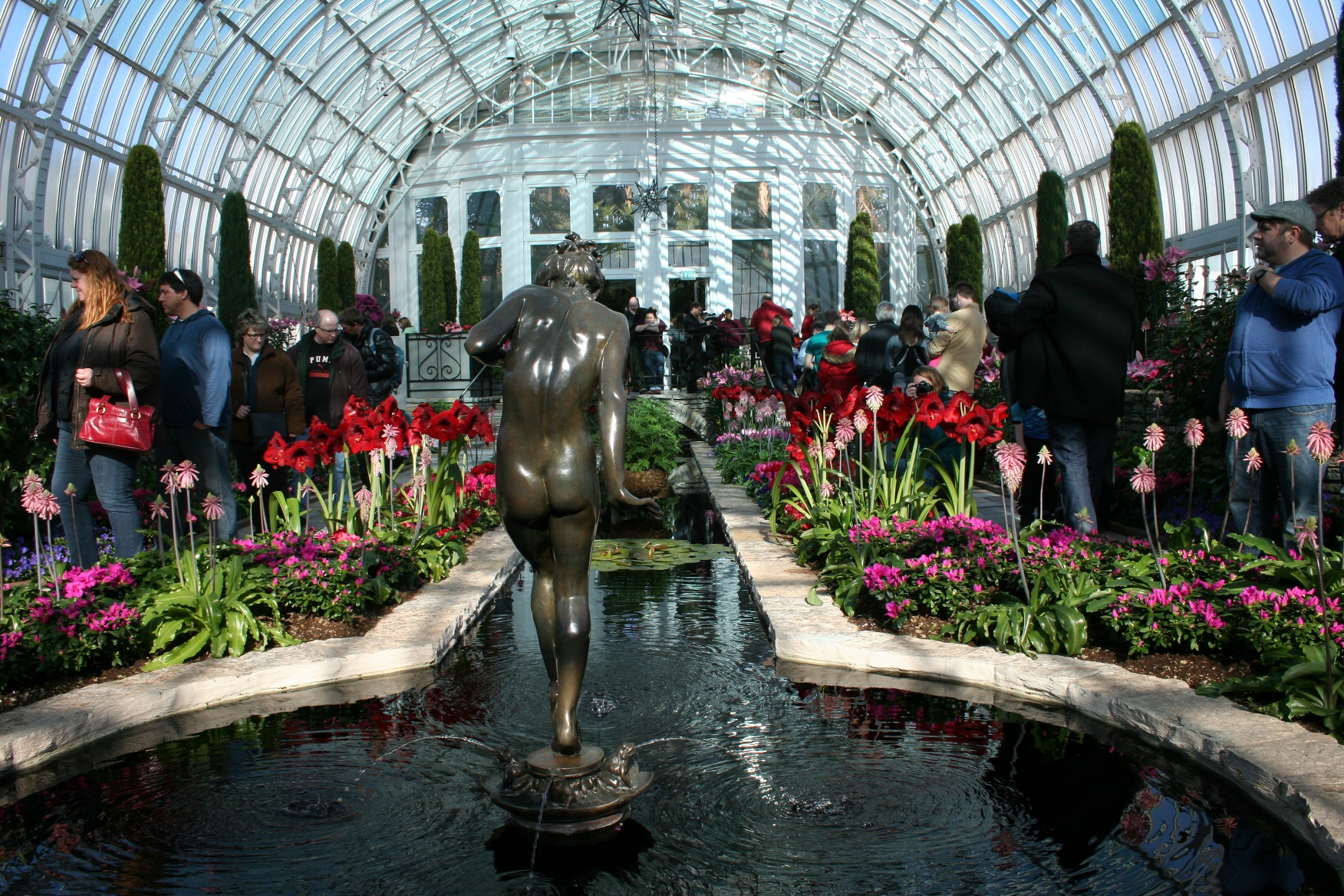
Admire the art, including this statue in a Palm Dome fountain.

Admire the art, including this statue in a Palm Dome fountain.

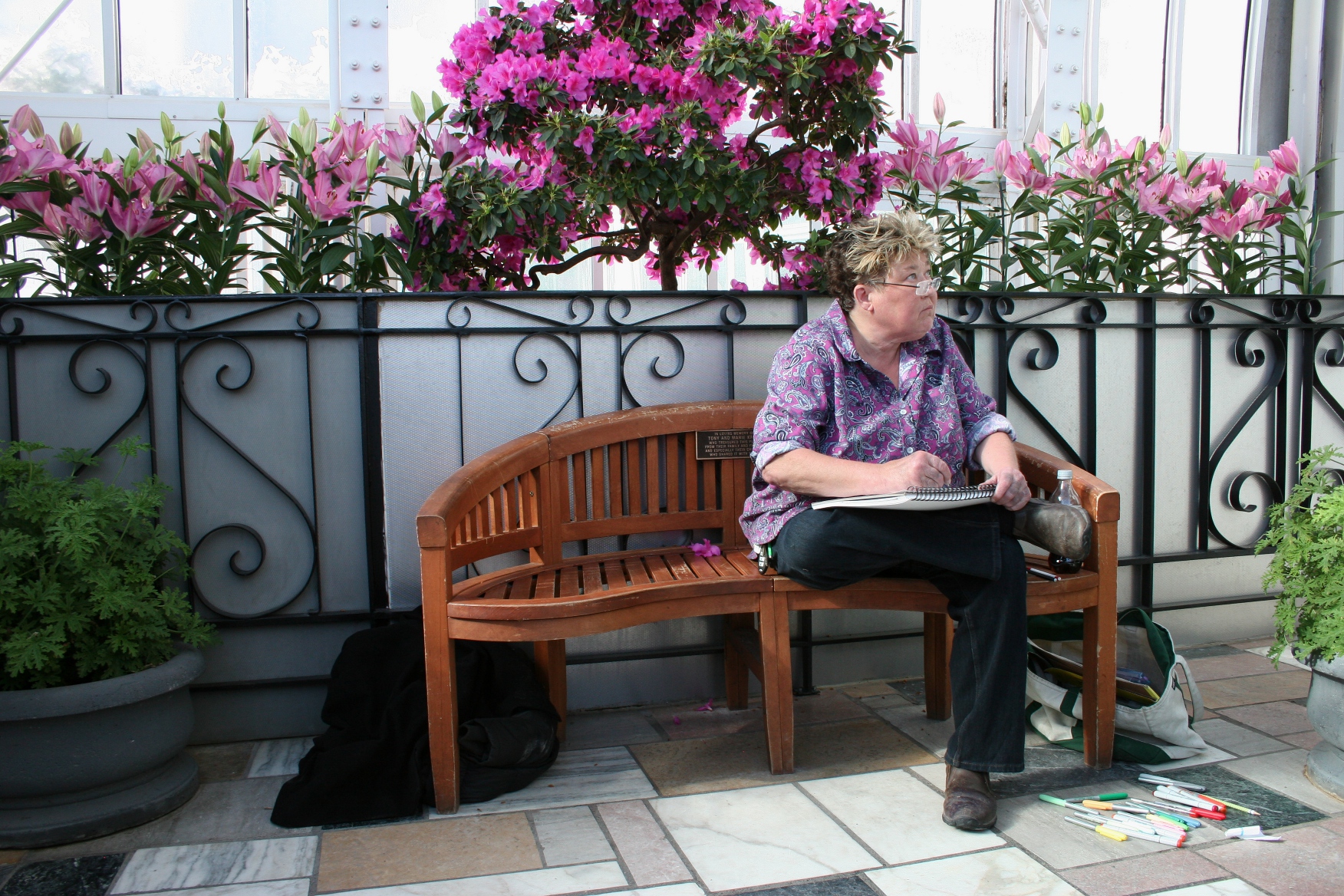
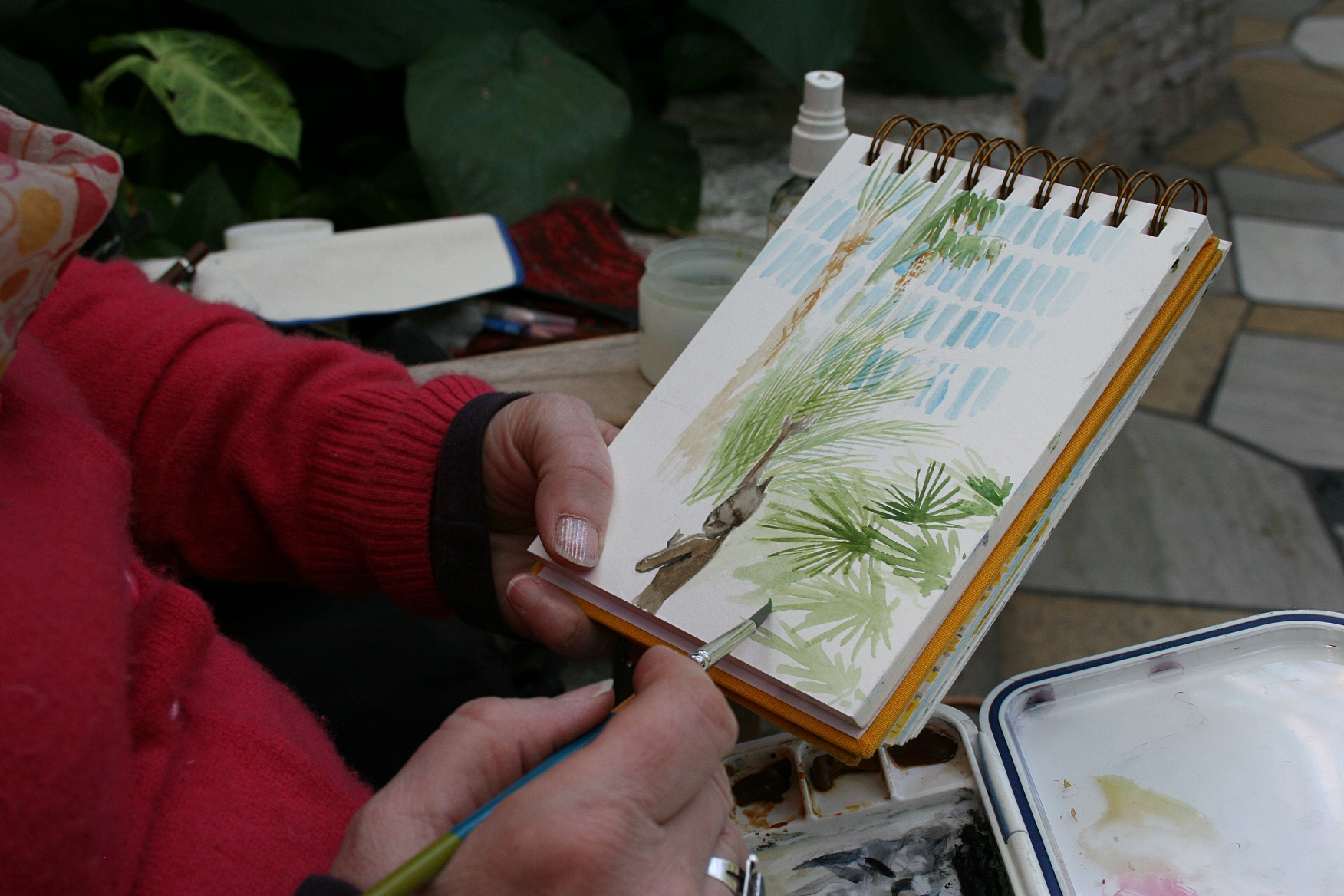
Or create art like this member of the Metro Sketchers working in the Sunken Garden.

Observe a member of the Metro Sketchers creating art in the Sunken Garden.

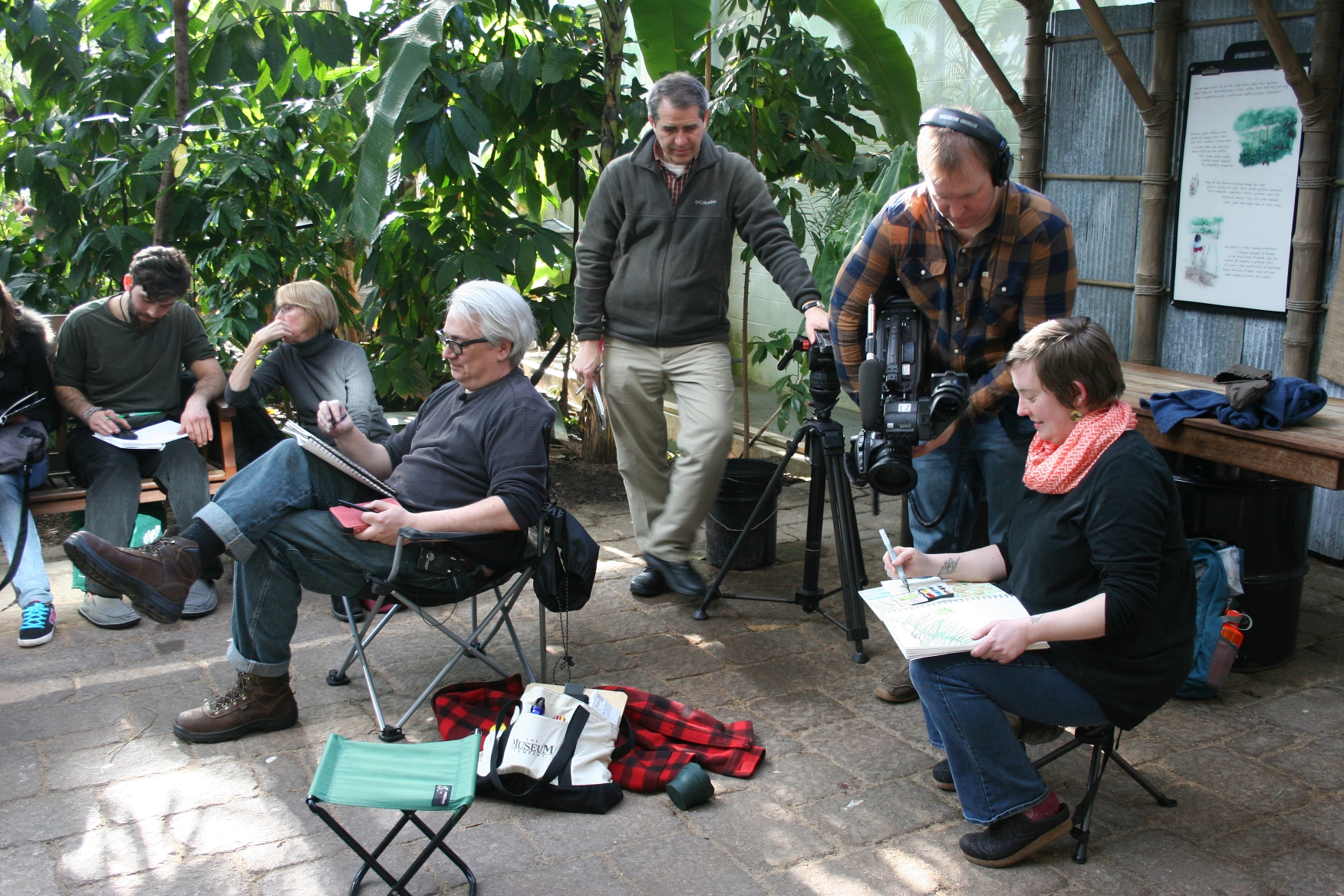
Or photograph the film crew filming the artist's work.

Photograph the cameraman filming the artist’s work.

Admire the simplistic beauty of orchids.

Admire the simplistic beauty of orchids.

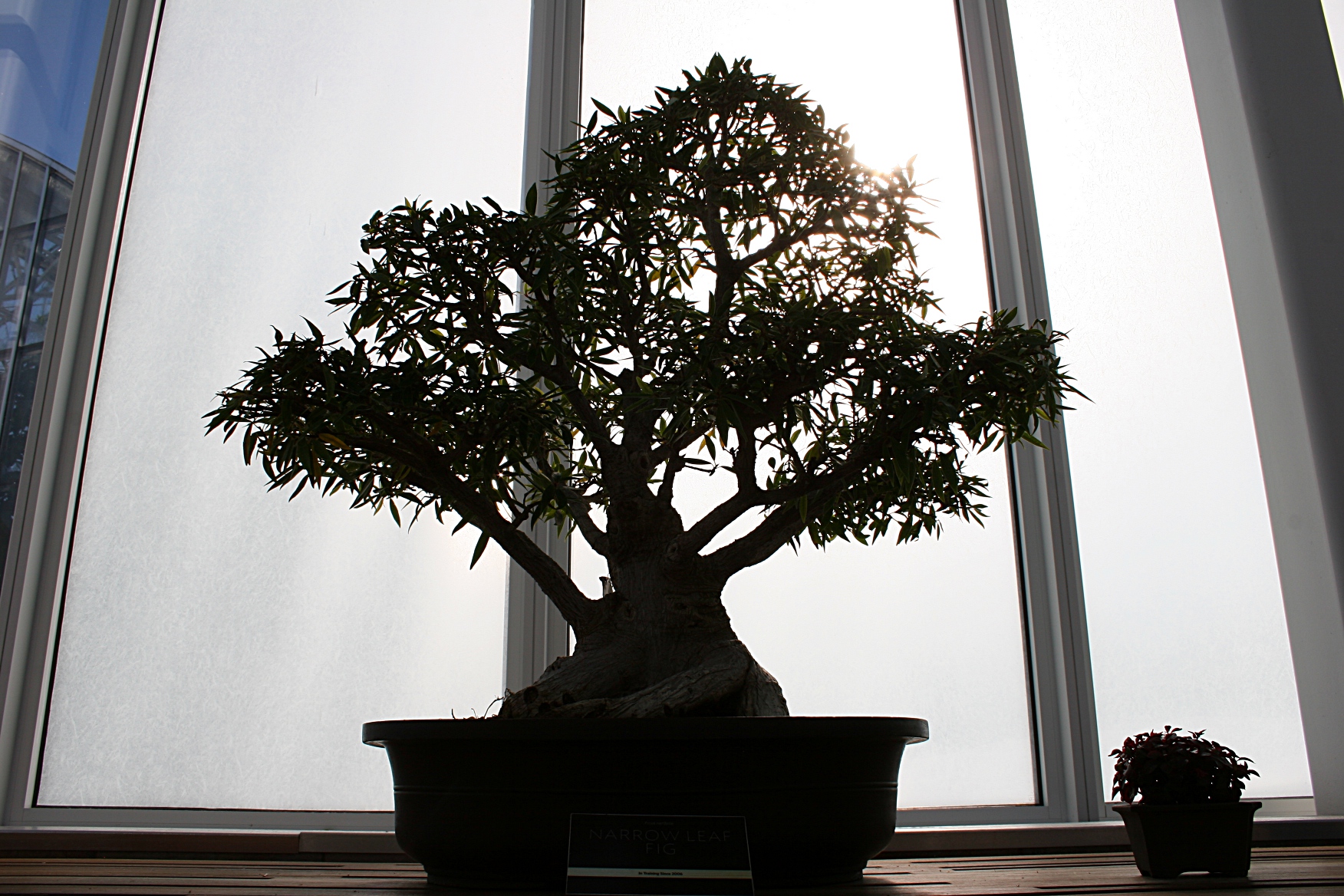
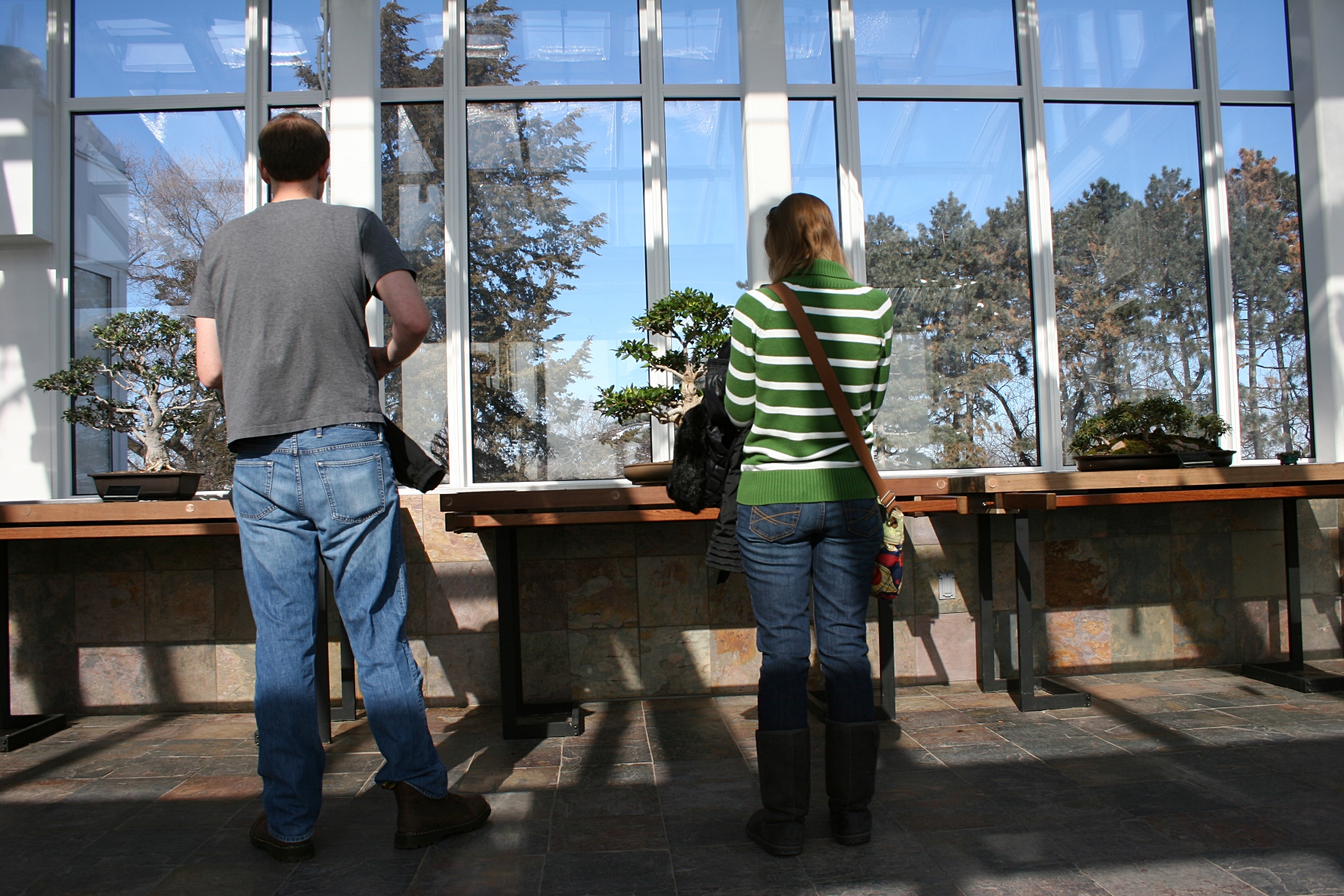
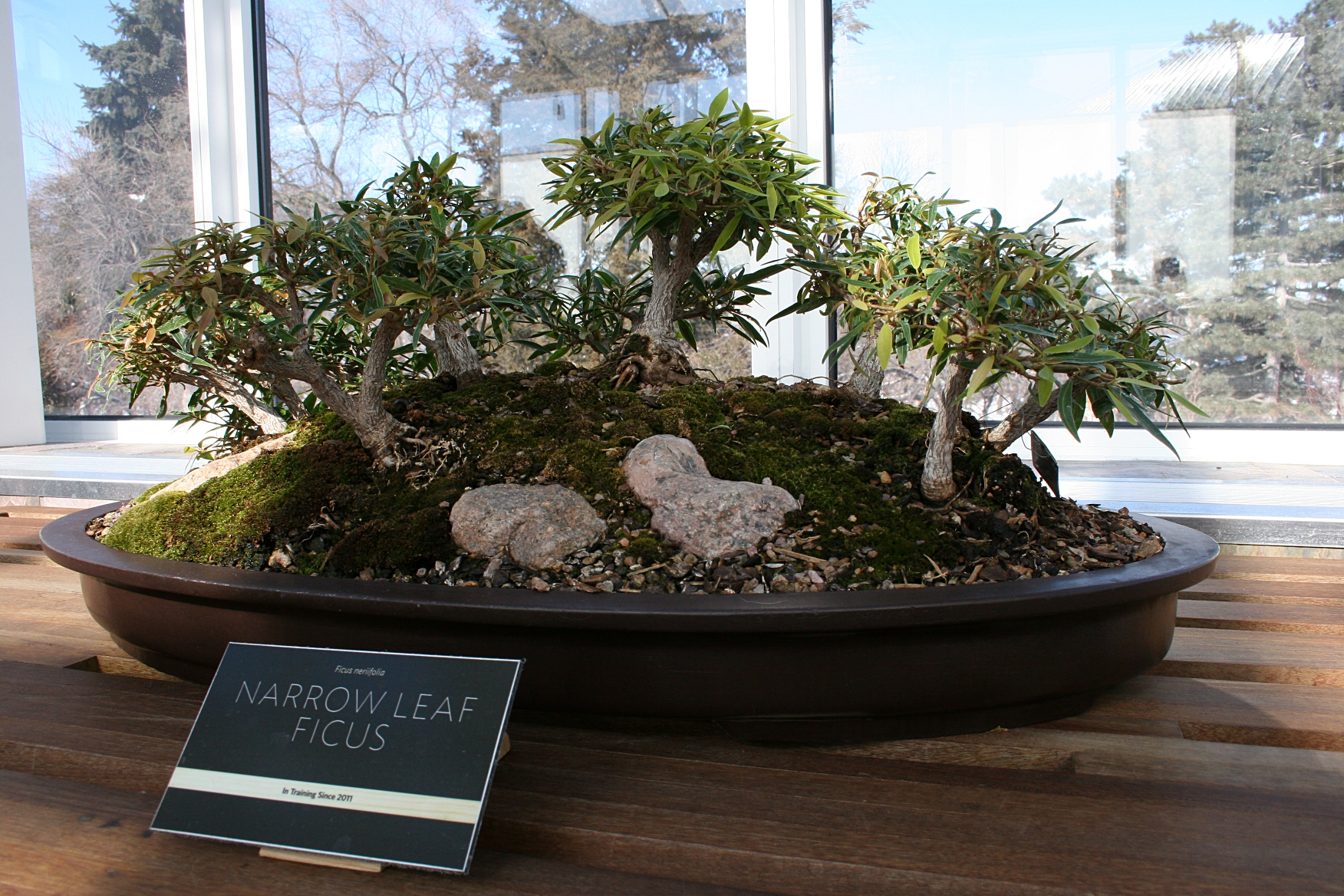
Notice the contrast of a bonsai tree against a steamed window knowing only glass separate the plant from a snowy landscape.

Notice the contrast of a bonsai tree against windows, knowing only glass separates the plant from a snowy landscape.

Mention to your daughter and son-in-law how nice one of these bonsai trees would look sitting on a window ledge in their St. Paul apartment.

Mention to your daughter and son-in-law how nice one of these bonsai trees would look on a window ledge in their  apartment.

Because you are so smitten by these mini trees, consider for a moment how you might smuggle one out of the conservatory. You realize this is an impossibility given the crowd, the staffing and that you left your winter coat in the car.

Because you are so smitten by these mini trees, consider for a moment how you might smuggle one out of the conservatory. You realize this is an impossibility given the crowd, the staffing and that you left your winter coat in the car.

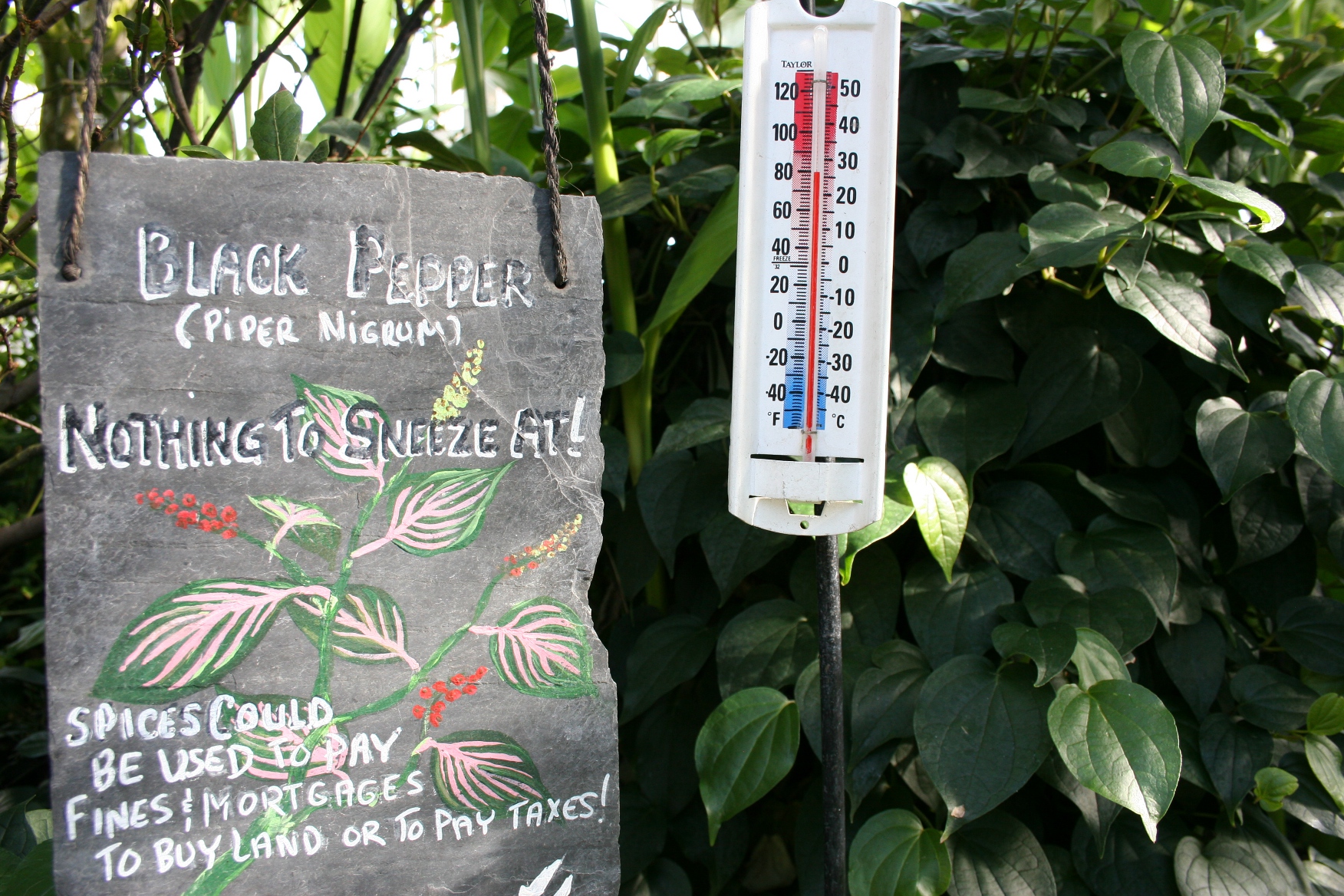
Imagine that you are aboard a ship in a fleet transporting exotic spices.

Pretend you are aboard a ship in a fleet transporting exotic spices.

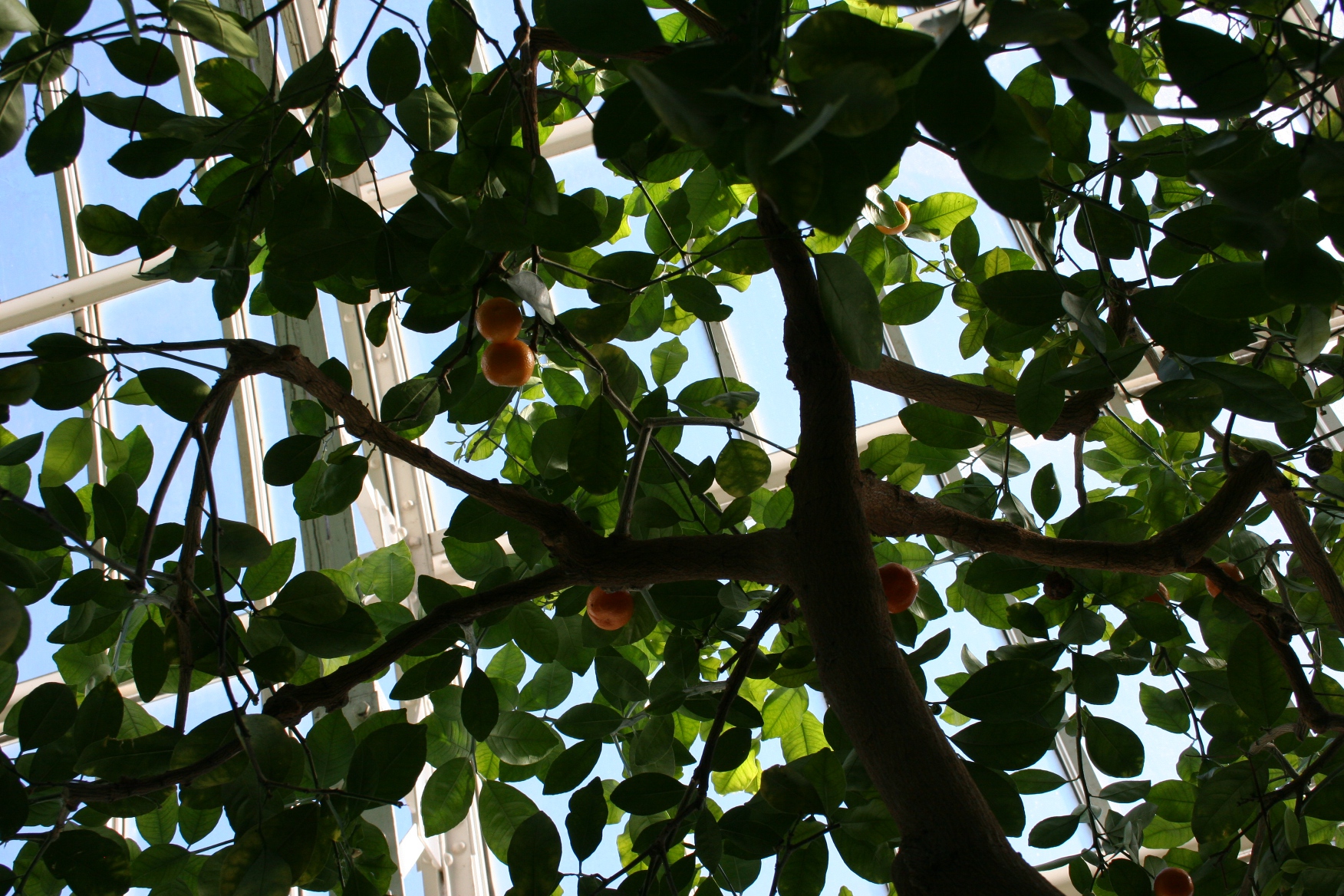
If only you were a little taller, you'd grasp one of those oranges. Wait a minute. Where's that tall son-in-law?

Banish the temptation to pick a juicy orange. (Where’s that tall son-in-law?)

If only you could snip a few lilies to take home, to carry you through the next few months. Until spring...

If only you could snip a few blooms to take home, to carry you through the next few months. Until spring…

FYI: To read my first post from Como Park Conservatory, click here.

Copyright 2014 Audrey Kletscher Helbling


Guilty of escaping a Minnesota winter: In the conservatory with the camera… March 4, 2014

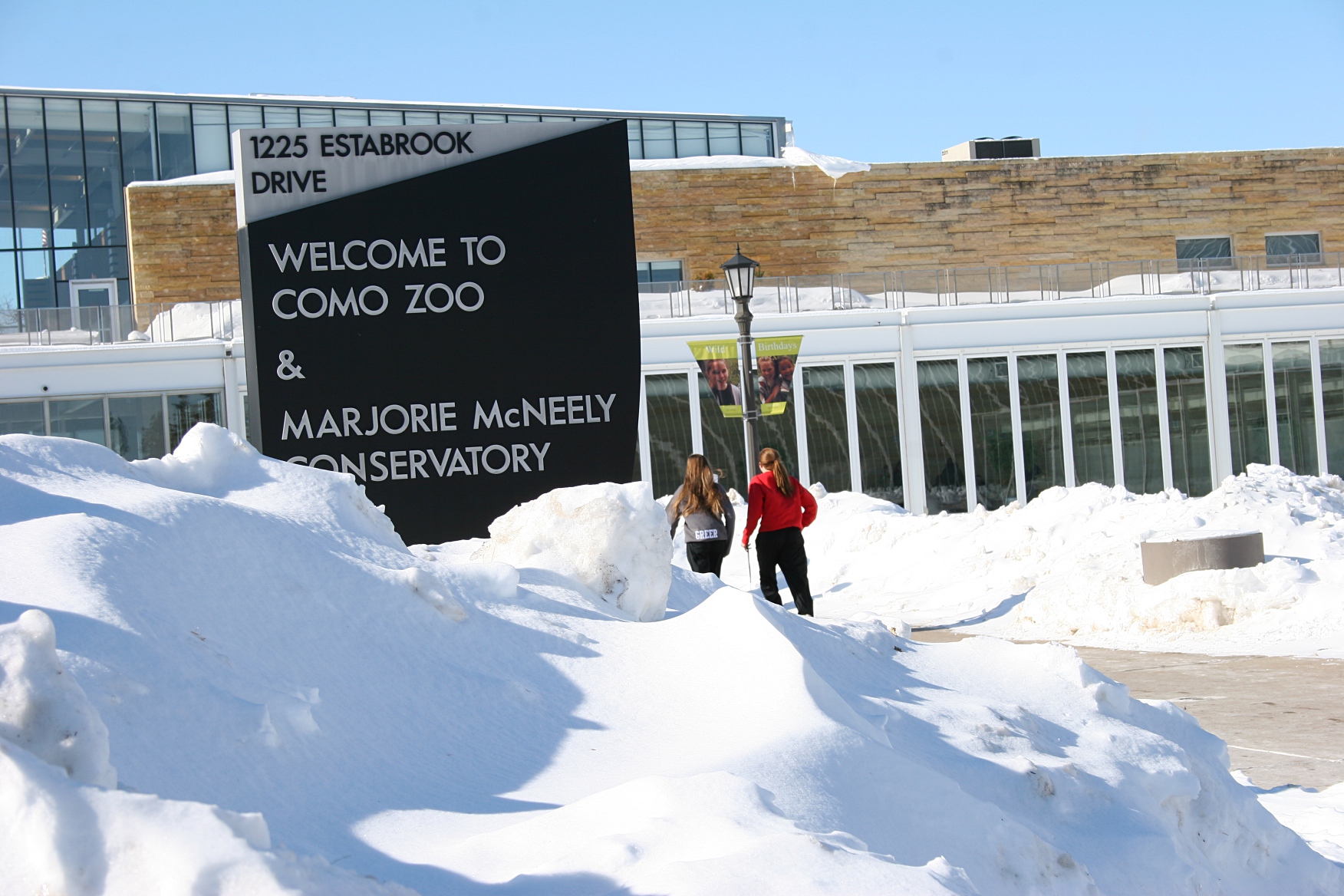
Photographing the Marjorie McNeely Conservatory in the cold Sunday afternoon.

The Marjorie McNeely Conservatory in St. Paul on Sunday afternoon.

“SHE’S CRAZY,” the woman remarked to her companion, not realizing I overheard her as I photographed the exterior of the Como Park Zoo and Conservatory.

I wasn't the only one racing from vehicle to the Como Park Zoo & Conservatory minus a coat.

I wasn’t the only one racing from vehicle to the Como Park Zoo & Conservatory minus a winter coat.

The outdoor air temp hovered around five degrees Fahrenheit. Add in the windchill and the “feels like” temp likely plummeted to minus 25 degrees. And I was coatless.

Was I crazy? Perhaps. But stir craziness marked precisely the reason I came here on a sunny Sunday afternoon on the second day of March with my husband, eldest daughter and son-in-law. I needed a respite from the coldest Minnesota winter in 35 years. And I might add a particularly snowy one.

Looking up at the palm trees.

Looking up at the palm trees.

For a snippet of an afternoon, I pretended I was in the tropics, in a land of lush greenery and flowing rivers and blooming flowers.

Temps were downright hot inside the Conservatory, the reason I left my coat in the car.

Temps were downright hot inside the North Garden, the reason I left my coat in the car.

Not difficult to imagine in the 80-degree warmth of the North Garden,

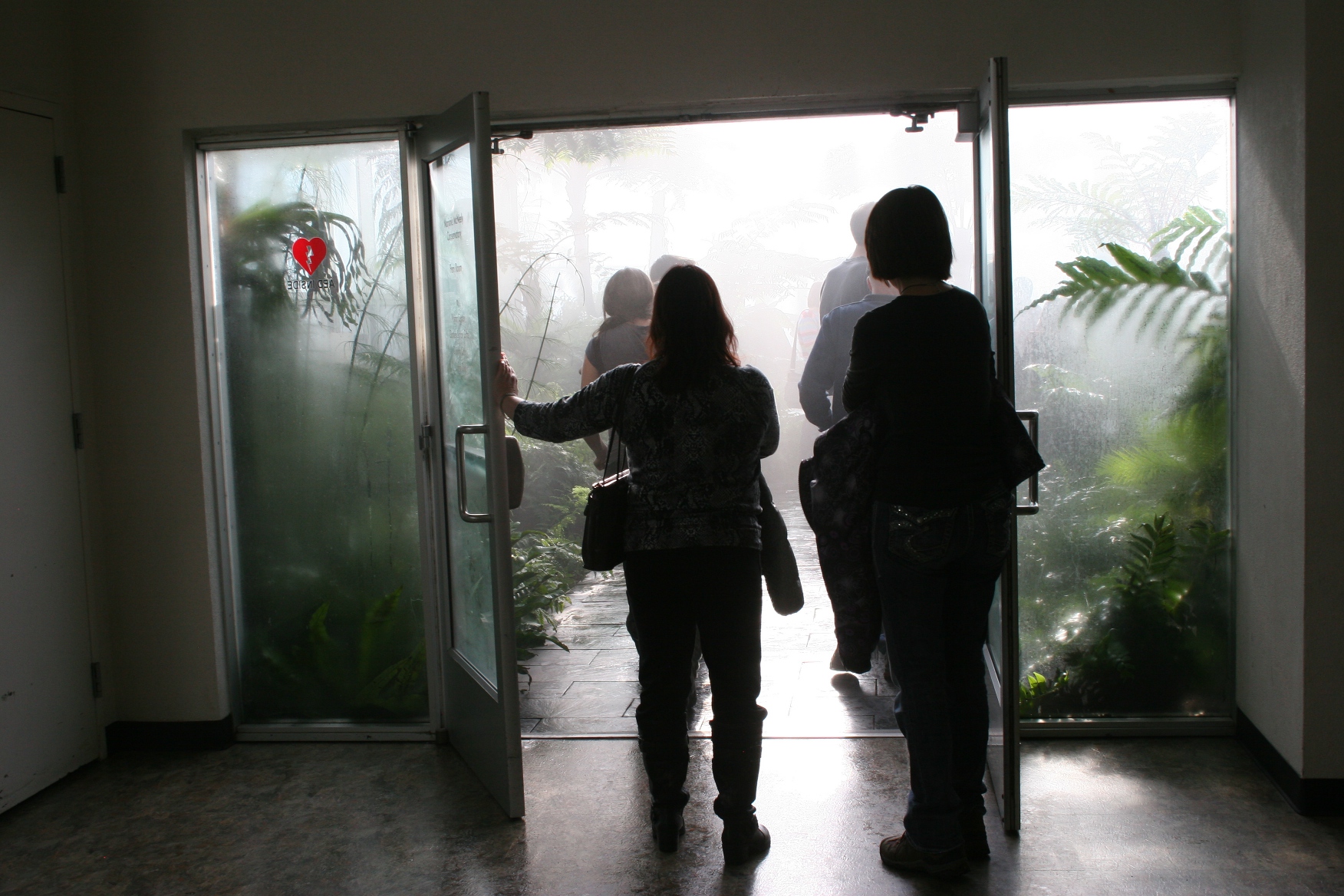
I tucked my Canon inside my camera bag before entering the humid/misty Fern Room.

I tucked my Canon inside my camera bag before entering the humid/misty/foggy Fern Room.

in the smothering humidity of the Fern Room

Lilies and other flowers perfumed the Sunken Garden.

Lilies and other flowers perfumed the Sunken Garden.

or in the Sunken Garden scented by the blossoms of blooming flowers.

Lines of people streamed through the Sunken Garden, by far the most crowded space.

Lines of people streamed through the Sunken Garden, by far the most crowded space.

This was exactly what I needed, as did hundreds of others. Conservatory paths were packed with people meandering through the gardens, pausing to photograph flowers and/or simply basking in the warmth and beauty.

I can't recall the name of this flower, but I paused to photograph it because I like its shape and sheen.

I can’t recall the name of this flower, but I paused to photograph it because I like its shape and sheen.

Crowded conditions were not conducive to creative photography as I had to move along lest I hold up others. But I managed.

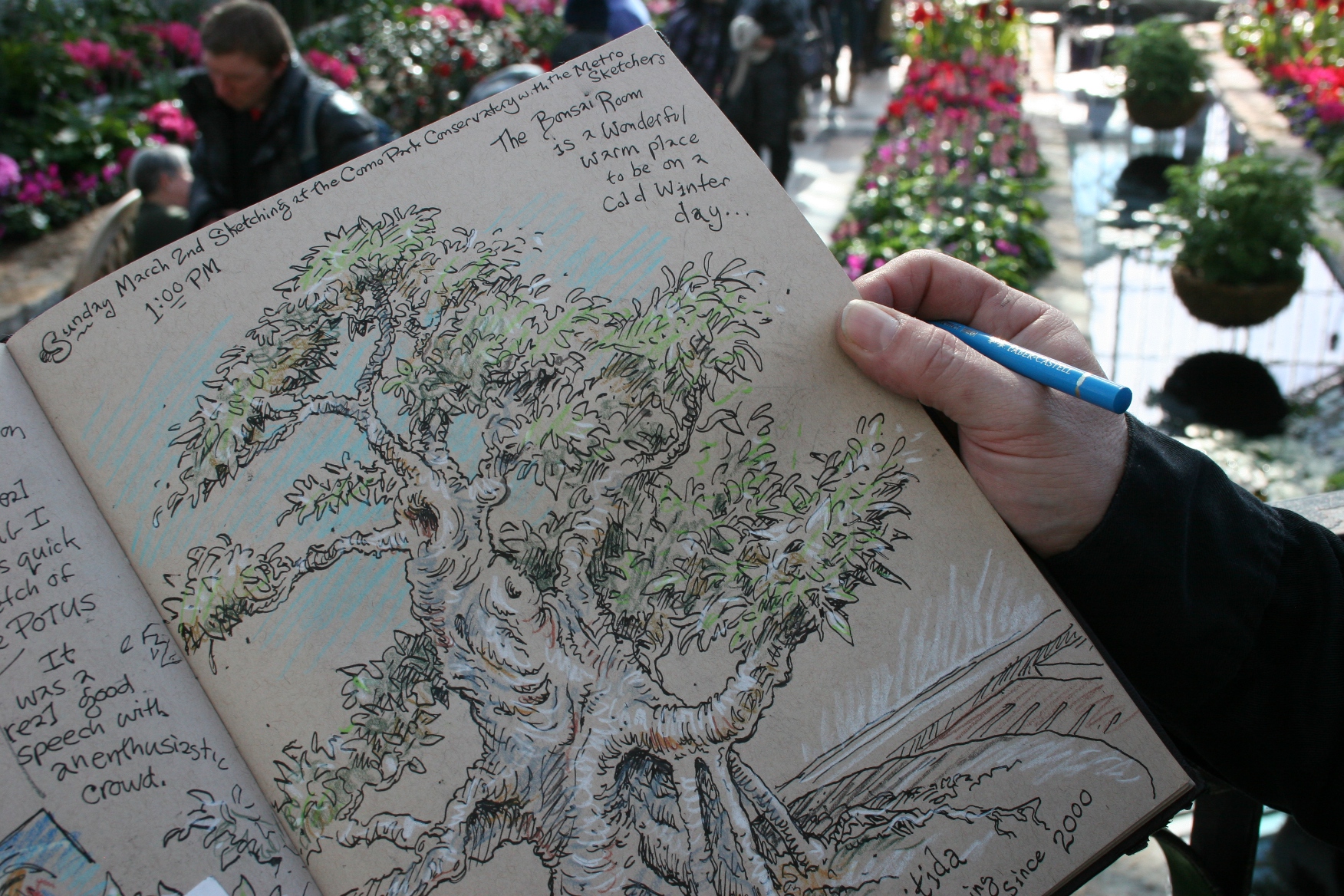
An artist sketching in the Sunken Garden flipped his sketchbook back to reveal his favorite sketch of the day, that of a bonsai tree. His art is spectacular.

An artist sketching in the Sunken Garden flipped his sketchbook back to reveal his favorite sketch of the day, that of a bonsai tree. His art is spectacular. My apologies for failing to ask his name.

Metro Sketchers, artists who monthly gather to create art at a chosen location, recorded the scenes unfolding before them.

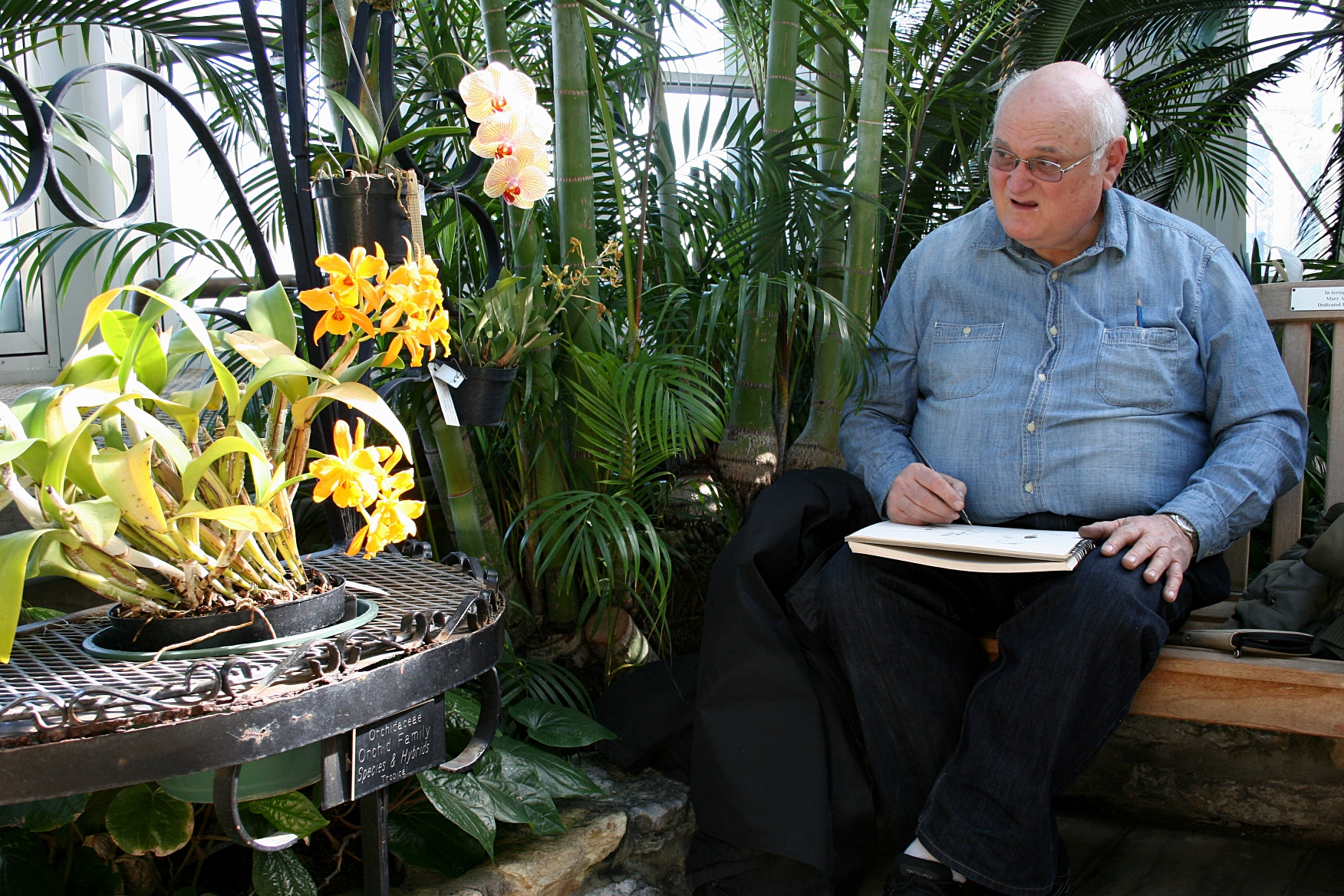
Thomas Winterstein of St. Paul sketches a scene in the Palm Dome.

Thomas Winterstein of St. Paul sketches a scene in the Palm Dome.

I chatted with a few,

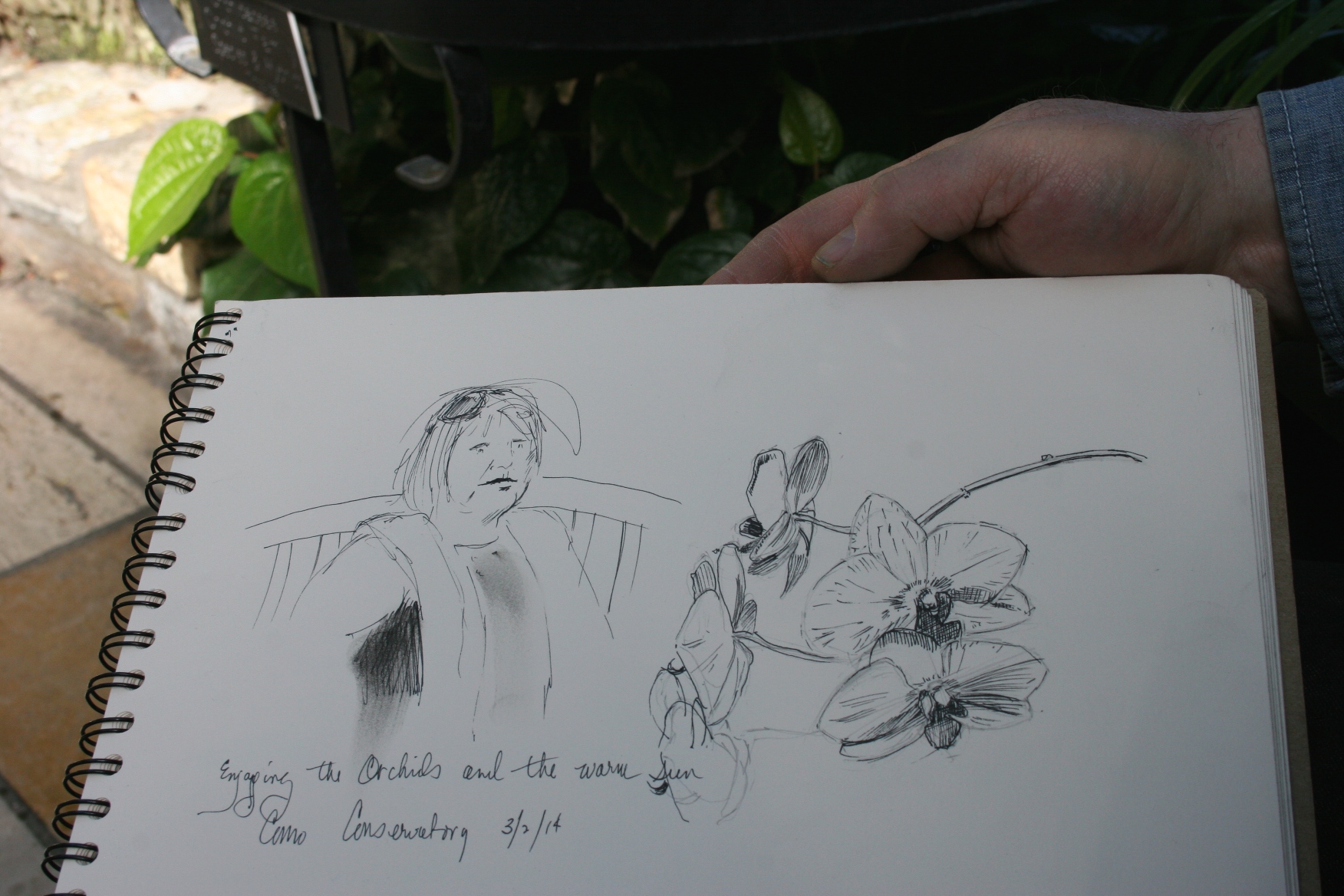
Thomas Winterstein's sketch.

Thomas Winterstein’s sketch.

admired their art and their ability to create with paint and pencils and other mediums.

Watercolor artist Kathleen Richert paints a fountain in the Palm Dome.

Watercolor artist Kathleen Richert paints a fountain scene in the Palm Dome.

I wondered, too, if my California native son-in-law was at all impressed. After all, palm trees and other warm climate plants certainly aren’t foreign to him.

I have no idea what plant this is, but I love the leaves.

I have no idea what plant this is, but I love the leaves.

To this Minnesotan, though, the Marjorie McNeely Conservatory at Como Park in St. Paul proved impressive and mentally uplifting in this longest and coldest of Minnesota winters.

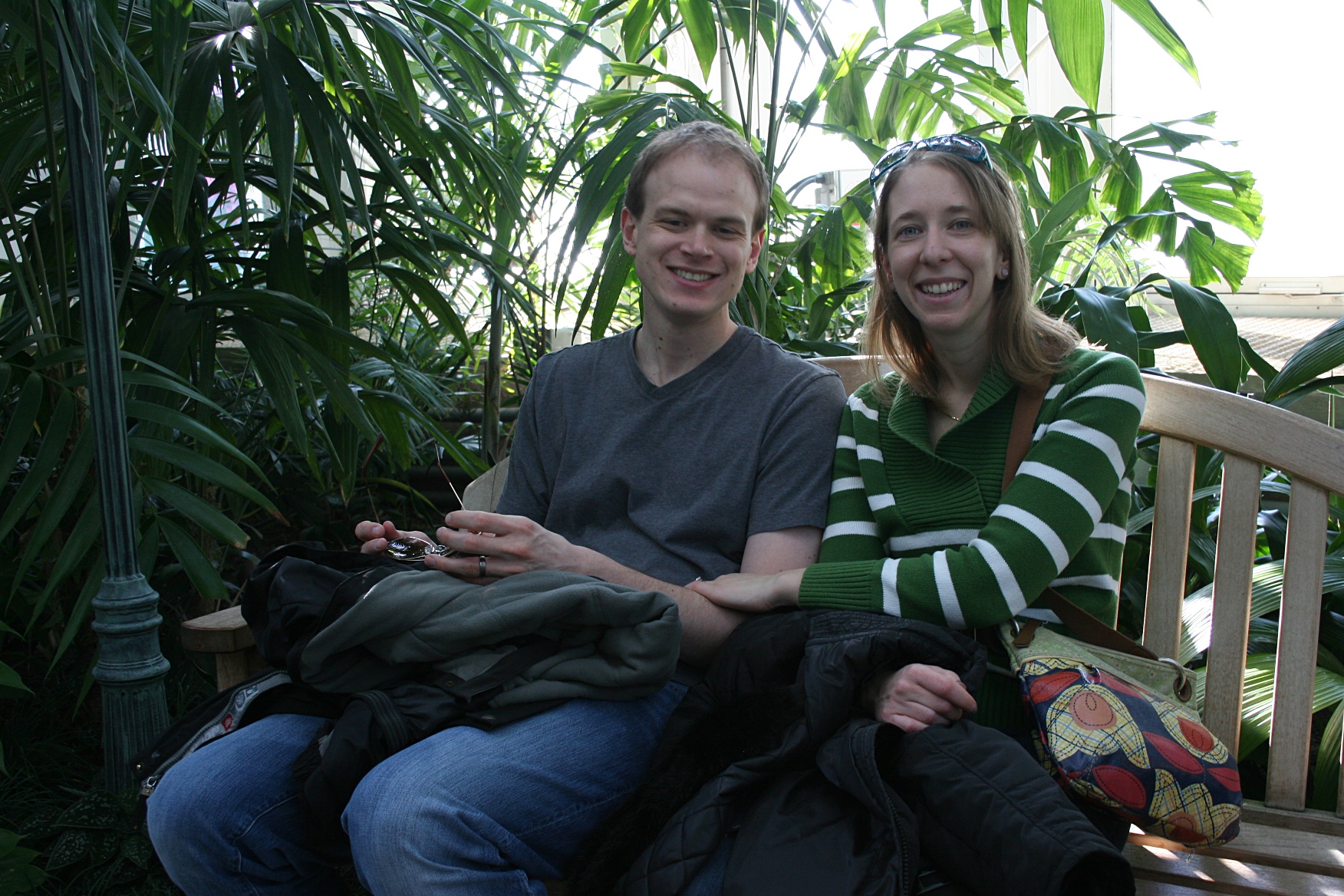
Even though you're not supposed to snap posed portraits, I managed to take a quick shot of my daughter and her husband in the Palm Dome.

I managed a quick shot of my daughter and her husband in the Palm Dome, even though portraits are banned.

FYI: Just for the record, I left my coat in the daughter’s car as I did not want to carry it around in the Conservatory while also juggling a camera. The daughter was kind enough to drop Mom and Dad off at the sidewalk leading to the Conservatory. She and her husband then circled the parking areas for an incredibly long time before squeezing into a tight parking space. I’d advise driving a small vehicle here and not attempting to park in the unplowed gravel lot where vehicles were getting stuck.

Check back for more photos.

© Copyright 2014 Audrey Kletscher Helbling


An evening with Minnesota poet Todd Boss in Owatonna May 1, 2013

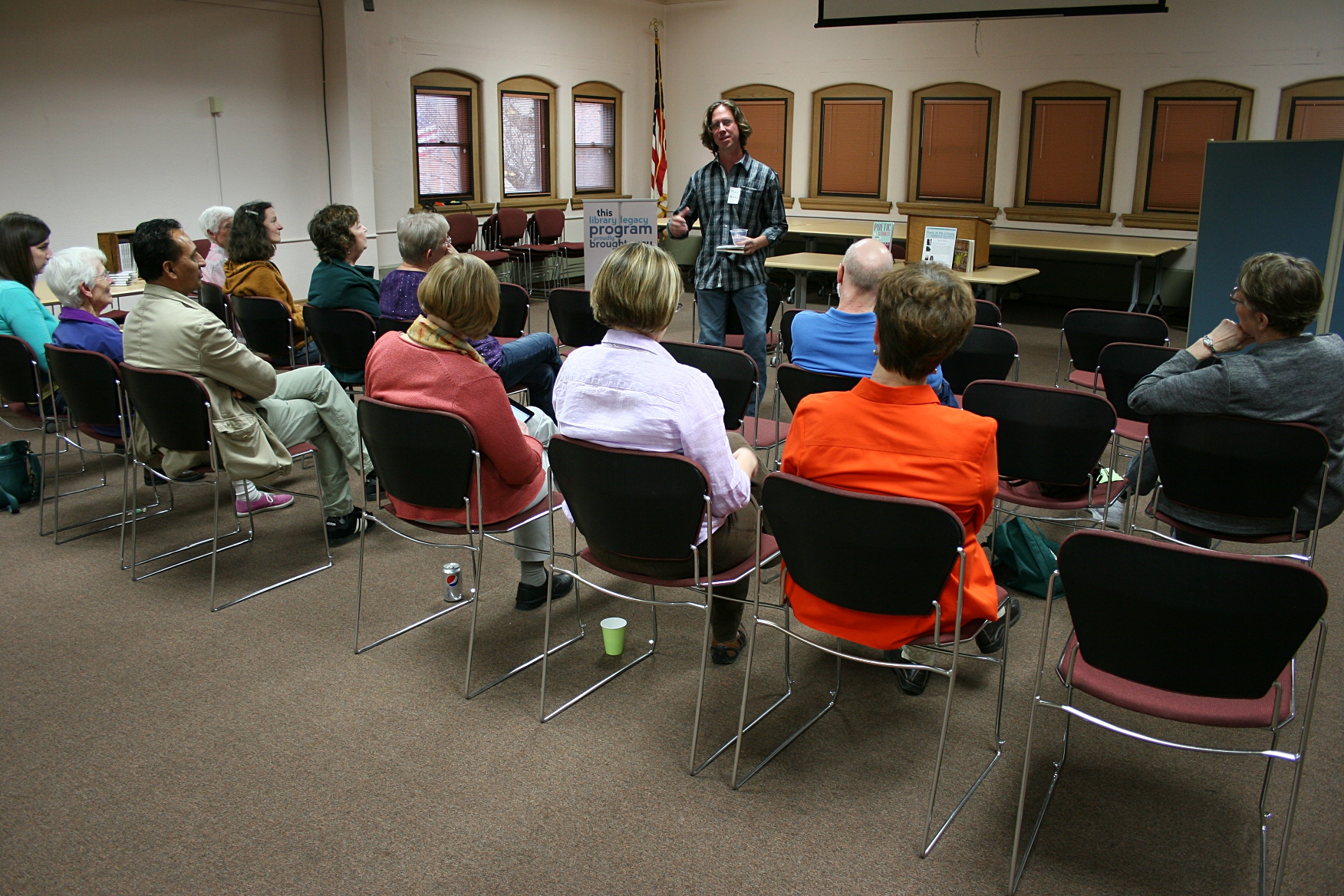
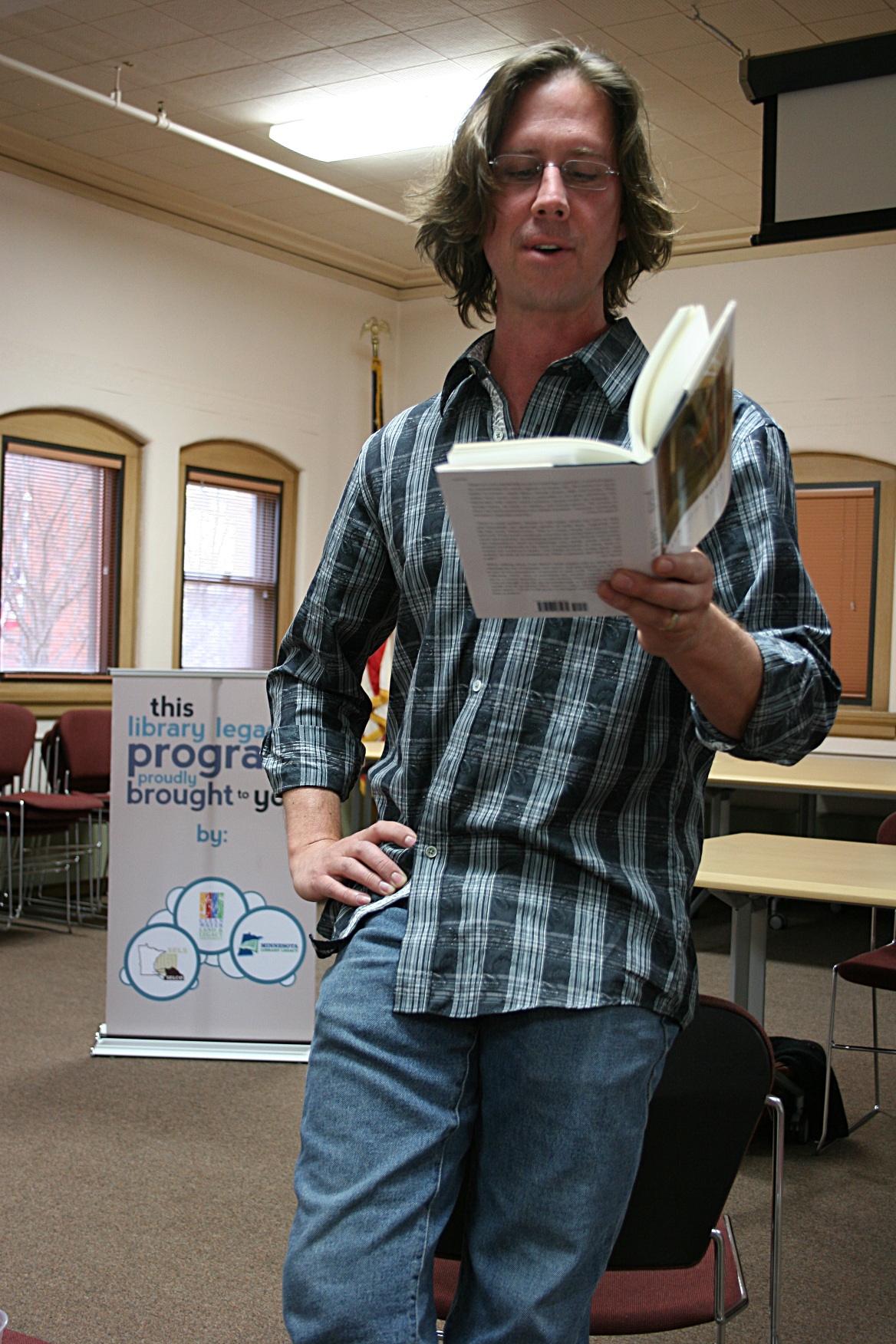
Todd Boss reads his poetry Tuesday evening at the Owatonna Public Library.

Todd Boss talks about poetry Tuesday evening at the Owatonna Public Library.

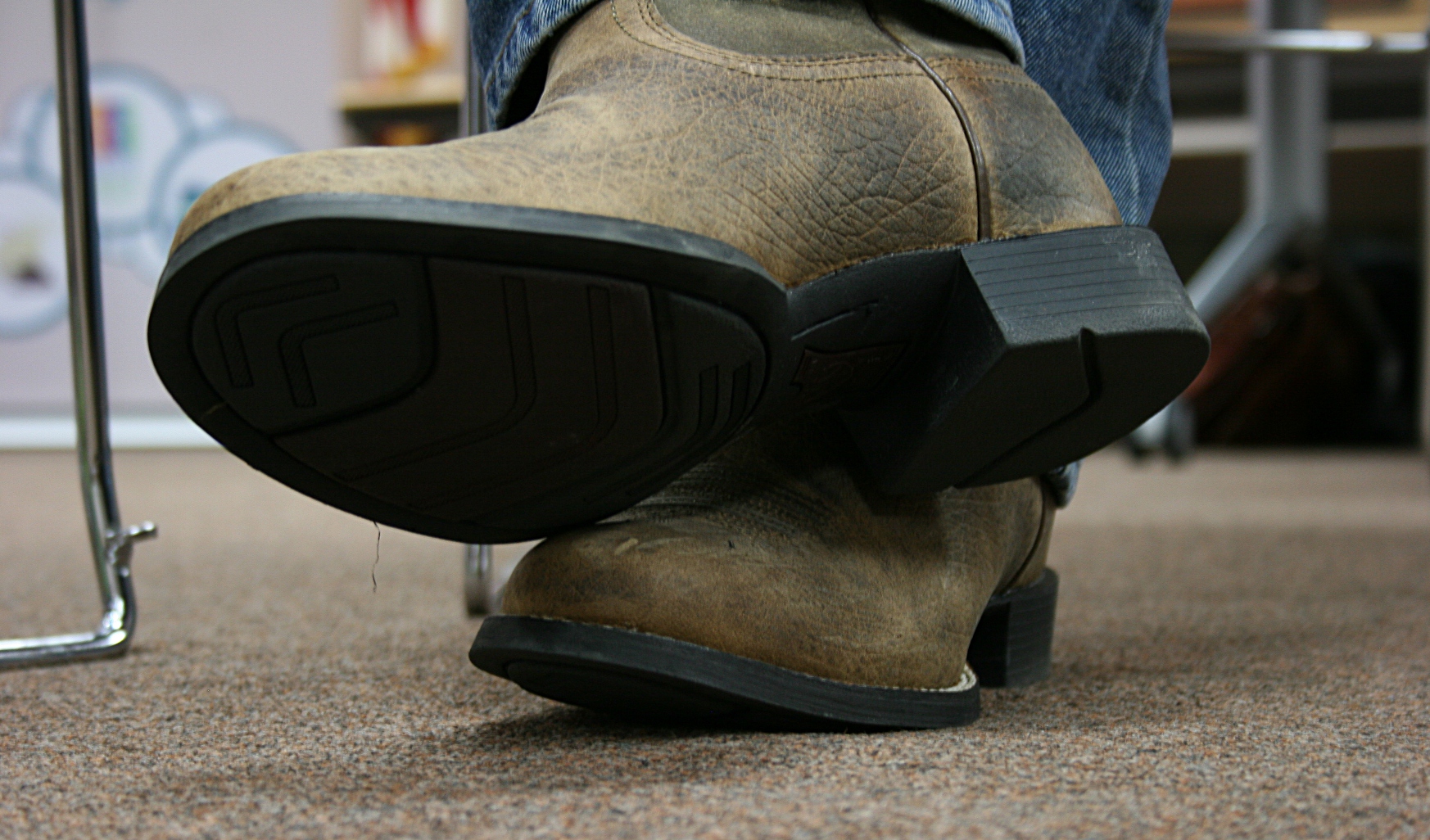
HE READS WITH THE CADENCE of a seasoned poet, with the ease of familiarity, written words fitting his voice like a comfortable pair of boots.

Which is exactly what award-winning St. Paul poet Todd Boss sported, along with faded jeans and a long-sleeved plaid shirt, to a “Poets at the Library Tour” event Tuesday evening at the Owatonna Public Library.

Todd Boss' boots.

Todd Boss’ boots.

Casual, laid back and unpretentious, Boss settled in to read from his poetry books, Yellowrocket and Pitch, Minnesota Book Award finalists in 2009 and 2013 respectively.

Before reading a poem set in Luckenbach, Texas, Boss shared that a woman from New York wants to include him in a dissertation she’s writing on cowboy poetry. He showed off his cowboy boots, then laughed. The audience laughed, too. While Boss often writes about his rural Wisconsin upbringing, he isn’t exactly a cowboy poet. Audience members agreed with Boss that Wisconsinites and Minnesotans live on farms, not ranches, defined by this poet as big open landscapes of earthy hues.

Later he referenced the New York perspective again: “My mother used to read a lot of poetry on the ranch.” Ranch. A carefully chosen word. Just like the words in his detailed and rhythm rich poems.

Reading from Pitch.

Reading from Pitch.

Boss read poetry about card playing, wood piles, his mother, an exchange with a check-out clerk at a Minneapolis food co-op, the 35W bridge collapse…

He revealed, too, that when he writes about his parents, he gives them the option of nixing those personal poems. They never have, a point audience members noted as respectful—of Boss in asking and of his parents in respecting his work.

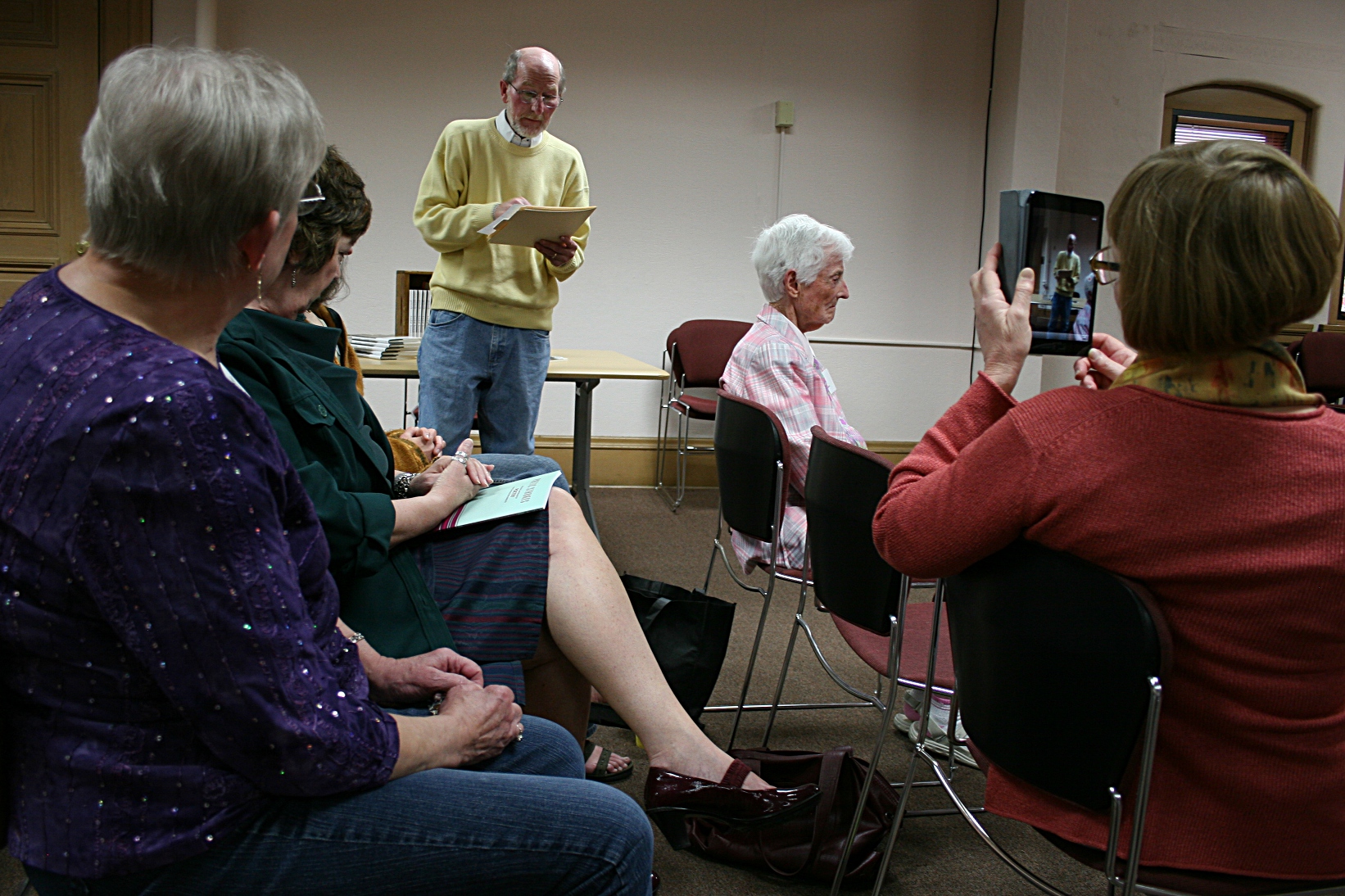
Audience members read their poetry prior to Boss' reading. Some audience members, like me, were honored at a "Meet and Greet the Poets" reception earlier for those published in Poetic Strokes 2013, a regional anthology of poetry published by Southeastern Libraries Cooperating.

Numerous audience members read their poetry prior to Boss’ reading. Some, like me, were honored at a “Meet and Greet the Poets” reception earlier for those published in Poetic Strokes 2013, A Regional Anthology of Poetry From Southeastern Minnesota. Southeastern Libraries Cooperating publishes the annual collection.

Boss is that kind of caring guy. After listening to audience members read poetry before his presentation, he thanked them, defining their readings as “a little bit like overhearing people’s prayers…things they’re worried about.”

He’s genuine and honest enough to admit that he doesn’t write every day, but that he should and that he’s sometimes lazy about writing.

And, yes, he actually earns a living writing poetry; touring the state and country reading poetry; collaborating on his grant-funded motionpoems; and, most recently, undertaking a public art project, an art/poetry installation on the five-year anniversary of the 35W bridge collapse.

He’s a farm boy from Wisconsin now living in the big city, but still strongly connected to his rural roots via his poetry.

If Tuesday’s event had been held at a ranch, instead of the third floor of a public library, audience members would have gathered around the campfire to hear Boss, cowboy boots resting on a chunk of wood, strumming his not-exactly-cowboy-poetry rhythmic poetry.

FYI: In addition to publishing two books of poetry, Boss works with animator/producer Angella Kassube on producing motionpoems, which “turn contemporary American poems into short films. To learn more about this grant-supported non-profit project, click here.

And click here to link to Todd Boss’ website.

© Copyright 2013 Audrey Kletscher Helbling


What’s your take on these St. Paul moments? January 4, 2013

Filed under: Uncategorized — Audrey Kletscher Helbling @ 8:10 AM
Tags: , , , , , , , ,
A view of the Minneapolis skyline from Interstate 35 on a light traffic day. Minnesota Prairie Roots file photo.

A view of the Minneapolis skyline from Interstate 35 on a light traffic day. Minnesota Prairie Roots file photo.

SELDOM DO MY HUSBAND and I venture into the Twin Cities.

I abhor the heavy traffic rocketing down the interstate, especially that one crazy driver who weaves from lane to lane.

I detest the Interstate 35W/Interstate 494 interchange, which throws our vehicle into the midst of a dodge ball game. I am not a nail biter. But, at this juncture, I bite my nails as my husband tries to merge into near bumper-to-bumper traffic on I-494 before the right lane ends.

You get the picture. Mostly, we stay out of the metro, unless we need to drive to Fargo where the son attends North Dakota State University or we need to visit our eldest daughter in south Minneapolis or the in-laws, most of whom live north of the metro.

An edited cell phone snapshot of Kellogg Boulevard shot from the skyway into the Xcel Energy Center.

An edited cell phone snapshot of Kellogg Boulevard shot from the skyway into the Xcel Energy Center.

But last Saturday we had to travel to St. Paul for the Trans-Siberian Orchestra concert at the Xcel Energy Center. I’d rather motor toward St. Paul any day given the traffic (at least when we’ve driven there) in the capitol city seems less rushed, less dense (you can take that word “dense” either way) than in Minneapolis.

A file photo of the stunning Minnesota state capitol in St. Paul.

A file photo of the stunning Minnesota state Capitol in St. Paul.

I also appreciate the less urban feel of St. Paul versus Minneapolis. I expect this assessment, right or wrong, stretches back to my childhood knowledge of St. Paul as the home of the state Capitol and the South St. Paul Stockyards and Minneapolis as the location of the Foshay Tower.

Both of the Twin Cities can be seen in this view taken from the state capitol. You can see the downtown Minneapolis skyline in the distance.

Both of the Twin Cities can be seen in this view taken from the state Capitol. You can see the downtown Minneapolis skyline in the distance to the left. Minnesota Prairie Roots file photo.

Alright, I probably should not stir up a battle between the Twin Cities here. That is not my intent. Rather, I want to share a little story from our recent foray into St. Paul. The eldest daughter’s boyfriend lives and works there, so we stopped after the Trans-Siberian Orchestra concert to see his apartment and then dine out at Cafe Latte.

That visit to a sprawling apartment complex across from Mears Park brought the first odd moment of the evening. During the elevator ride to the underground parking garage, a young woman stepped inside and promptly pressed herself into a corner, her back to the four of us. I was so stunned by her strange behavior that I remember thinking “What is wrong with her?” and “Should I say anything?” I noticed only her long auburn-dyed locks, her knee-high boots and the paper towels crammed into a plastic bag gripped in her right hand. I never saw her face.

Should I have spoken to her?

The second unusual moment came when we were dining at the Cafe Latte along historic Grand Avenue. While savoring my tasty asparagus chicken stew and smokey turkey pasta salad, I noticed a football-player-sized man peddling M & Ms directly outside the cafe’s front door. Anyone trying to enter Cafe Latte would have to weave around the man blocking the entry. Many diners pulled bills from their wallets. By the time we finished our meal, the mysterious Candy Man had vanished.

Who was this Candy Man? And would you have purchased M & Ms from him?

Finally, on our way back to the daughter’s car, parked in a ramp just off Grand, we encountered a woman who’d been standing inside the ramp entry before we ate. This time, upon our return, she asked, “Can you spare $1.75 for bus fare?” None of us reached into our billfolds.

Should we have given this woman money? How long had she been standing there and how much money had she collected?

Perhaps all of these incidents are common occurrences in the Twin Cities. I really do not know. But for this out-state Minnesotan, the moments were impressionable and, certainly, unsettling.

© Copyright 2013 Audrey Kletscher Helbling


Go ahead, laugh at this Trans-Siberian Orchestra story December 12, 2012

MY HUSBAND PHONED from work one morning last week to tell me he’d just won two tickets from a local radio station to see the Trans-Siberian Orchestra in concert at the Xcel Energy Center in St. Paul.

I was thrilled. I love classical music and have never attended a professional orchestra concert.

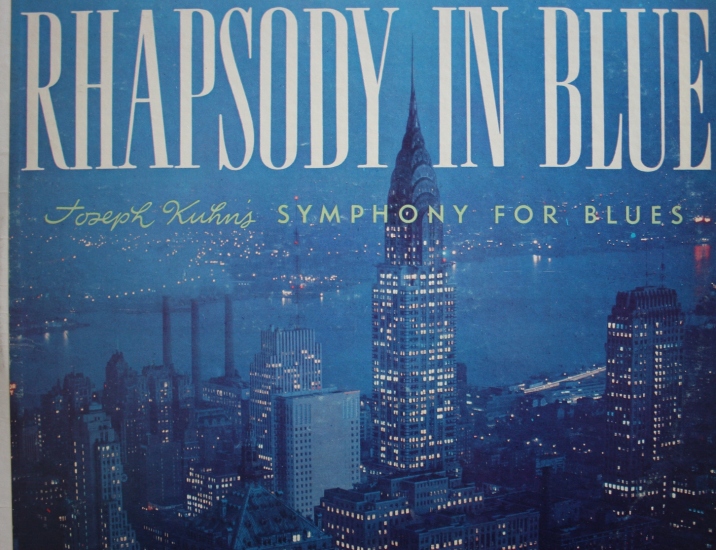
This album cover has nothing to do with the Trans-Siberian Orchestra except the location, New York City. Joe Krush created this cover photo for Joseph Kuhn's 1958 "Symphony for Blues"  record album cover. I recently purchased 10 vintage records at the Faribault Salvation Army for the cover art. If I own a record player, I'm not sure where it's stored or if it works.

This album cover has nothing to do with the Trans-Siberian Orchestra except the location, New York City. Joe Krush created this cover photo for Joseph Kuhn’s 1958 “Symphony for Blues” record album cover. I recently purchased 10 vintage records, including this one, at the Faribault Salvation Army for the cover art. If I own a record player, I’m not sure where it’s stored or if it works.

“Are they were from Siberia?” I asked, noting the orchestra name.

“No, New York, I think,” Randy responded.

It didn’t matter. I was excited about the upcoming concert. Since Randy needed to get back to work, I didn’t ask for additional details.

Later, I shared the news with our oldest daughter. The conversation went something like this:

Daughter: You do know that the Trans-Siberian Orchestra is a rock band, right?

Me: Uh, no. I thought it was a classical orchestra. Oh, oh. Maybe now I don’t want to go.

Daughter: Bring your ear plugs.

And that is how I learned that my husband and I, who last took in a rock concert (by The Moody Blues) at the St. Paul Civic Center decades ago before children, would not be hearing the lovely and soothing classical music I imagined.

Instead, we’ll be bombarded by steel guitars, so I’m told by someone who’s twice heard the Trans-Siberian Orchestra in concert. The few token string instruments in the band are, he claims, barely audible above the rest of the instruments. Still, he says, we’ll see and hear an outstanding performance which also includes pyrotechnics.

Alright then. Fire and loud rock music. Cool.

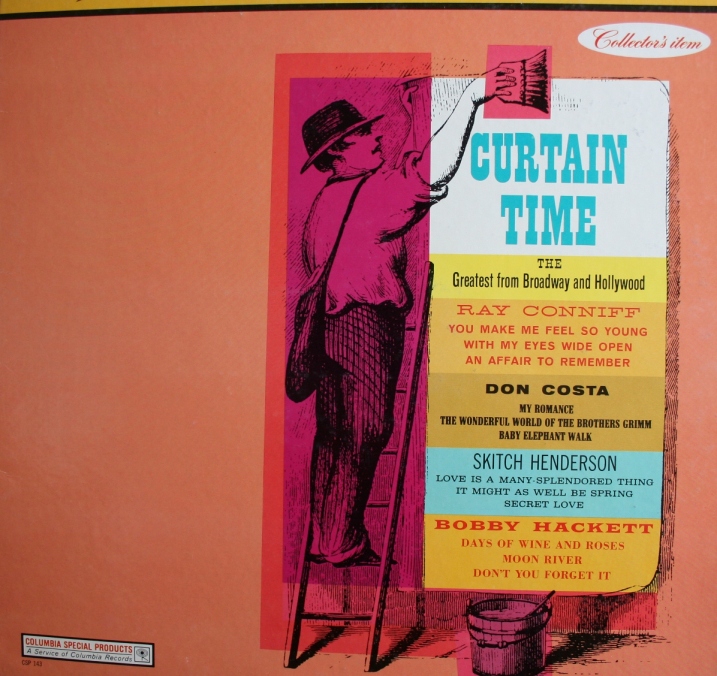
The Trans-Siberian Orchestra Christmas concert includes a touch of Broadway. Again, unrelated except for the Broadway element, here's another vintage record album I recently purchased for the graphic arts element.

The Trans-Siberian Orchestra Christmas concert includes a touch of Broadway. Again, unrelated except for the Broadway element, here’s another vintage record album I recently purchased for the graphic arts element.

The band’s 2012 holiday tour marks the debut performance of their rock opera, “The Lost Christmas Eve,” fusing elements of rock, classical, folk, Broadway and R & B music. I doubt Randy is aware of the “opera” tag.

The performance tells a story that “encompasses a run-down hotel, an old toy store, a blues bar, a Gothic cathedral and their respective inhabitants all intertwined during a single enchanted Christmas Eve in New York City.”

Cool. I appreciate a good story, even if this one’s not set in a quaint Siberian village.

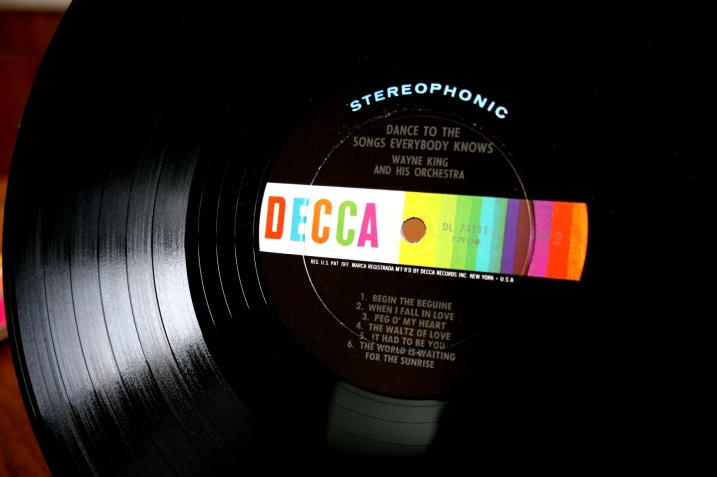
Even the actual albums themselves are a beauty to behold, including this one featuring Wayne King and his orchestra. I bet the Trans-Siberian Orchestra sounds nothing like King.

Even the actual albums themselves are a beauty to behold, including this one featuring Wayne King and his orchestra. I bet the Trans-Siberian Orchestra sounds nothing like King.

FOR ANY OF YOU who may be wondering, yes, my spouse was fully aware that the Trans-Siberian Orchestra is a rock band. Hey, I’ve never claimed to know much about music.

Have any of you attended this band’s holiday show? If so, should I bring ear plugs and what’s your review of the performance?

© Copyright 2012 Audrey Kletscher Helbling


In Minnesota: City snow, country snow December 9, 2012

Filed under: Uncategorized — Audrey Kletscher Helbling @ 7:18 PM
Tags: , , , , , , , , , , ,
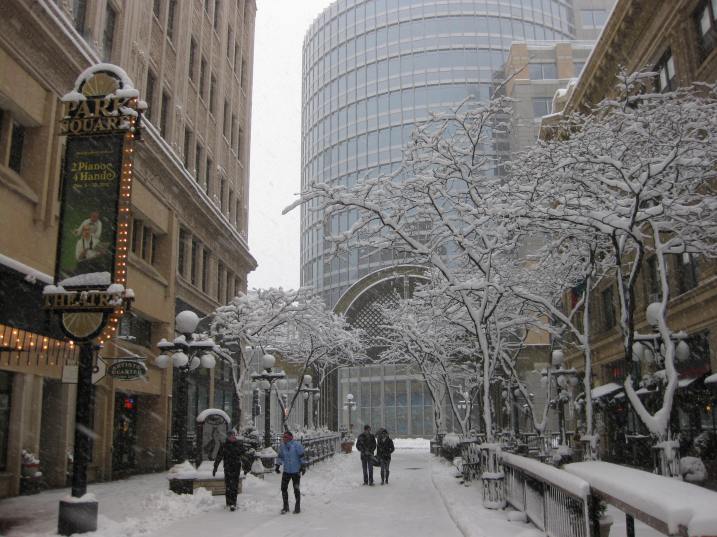
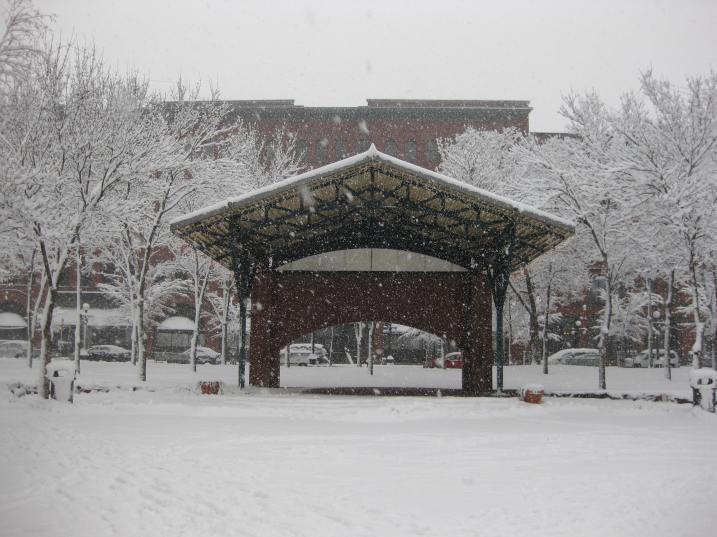
Marc Schmidt shot this stunning photo of 7th St. Marketplace in downtown St. Paul early this afternoon.

Marc Schmidt shot this picturesque scene of 7th St. Marketplace in downtown St. Paul early this afternoon.

Ah, winter in Minnesota.

I issued a call earlier today via email for snow reports and I got two, one from the city, one from the country. One came from a life-long dweller of the southwestern Minnesota prairie, the other from a native southern Californian who relocated to St. Paul in October.

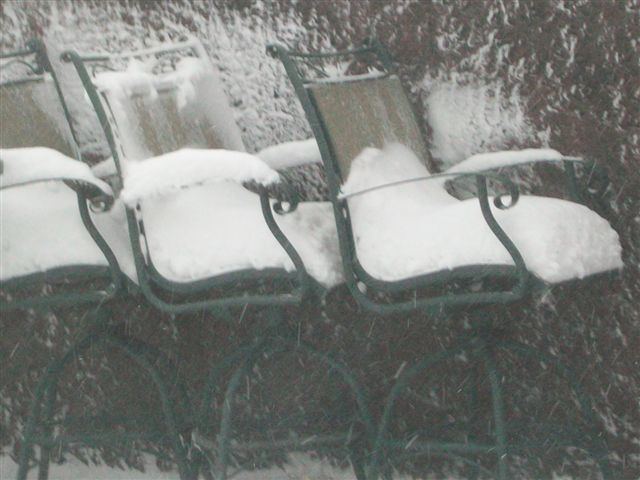
Snow layers on patio chairs, rural Lamberton. Photo by Brian Kletscher.

Snow layers on patio chairs, rural Lamberton. Photo by Brian Kletscher.

About mid-afternoon today, my middle brother, Brian Kletscher, reported 8 – 10 inches of snow (since Friday evening) at his home just north of Lamberton in Redwood County.

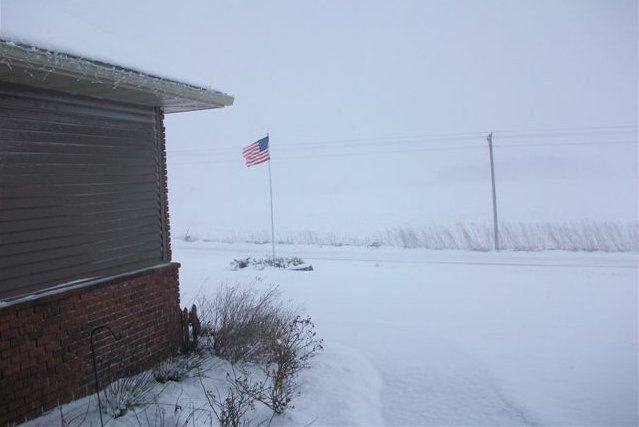
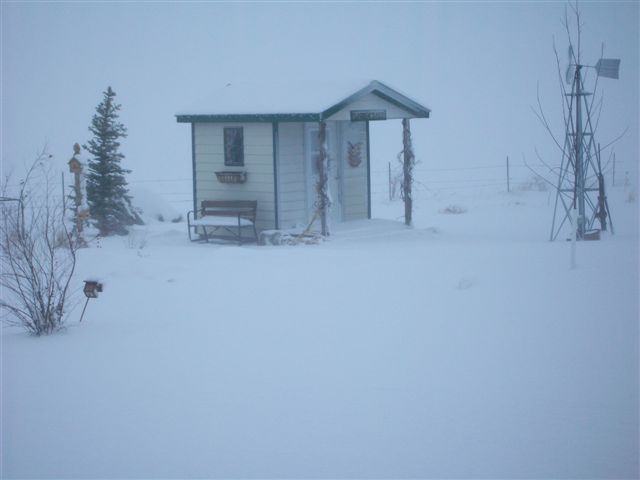
Low visibility due to falling and blowing snow defined the prairie in this photo taken north of Lamberton around 3:30 this afternoon. Photo by Brian Kletscher.

Low visibility due to falling and blowing snow define the prairie in this photo taken north of Lamberton around 3:30 this afternoon. Photo by Brian Kletscher.

But it isn’t the snow total as much as the wind that’s now causing problems in southwestern Minnesota, where a blizzard warning is in effect.

In the blowing snow, the fenceline is barely visible beyond the garden shed in my brother's yard.

In the blowing snow, the fenceline is barely visible beyond the garden shed in my brother’s yard.

Reports Brian:

It was nice temperature as it was 34 degrees at 1:30 this afternoon. I was moving snow at 1:30 and the wind switched to the northwest at 2:15 bringing more snow and blowing snow into the area. Low visibility at this time.

The Mears Park Stage in downtown St. Paul early this afternoon. Photo by Marc Schmidt.

A snow globe view of Mears Park Stage in downtown St. Paul early this afternoon. Photo by Marc Schmidt.

Several hours to the northeast in downtown St. Paul, my oldest daughter’s boyfriend, Marc Schmidt, is enjoying his first ever Minnesota snowstorm. An apartment dweller with a 12-minute commute to work via the skyway system, he can concentrate on the beauty of the snow rather than dealing with clean-up and travel issues.

Says Marc in a 2:15 p.m. snow report:

I slapped on my Sorels and slushed my way through St. Paul. (To let you know what conditions are like, I got this email the same minute I got an automated email from the city of St. Paul letting me know there is a snow emergency tonight, and it hasn’t stopped snowing since . . .)

Welcome to winter in Minnesota, Marc. Forecasters are predicting several more hours of light to moderate snow for the metro area with snowfall totals of 10 – 15 inches. A winter storm warning continues for the metro and surrounding area.

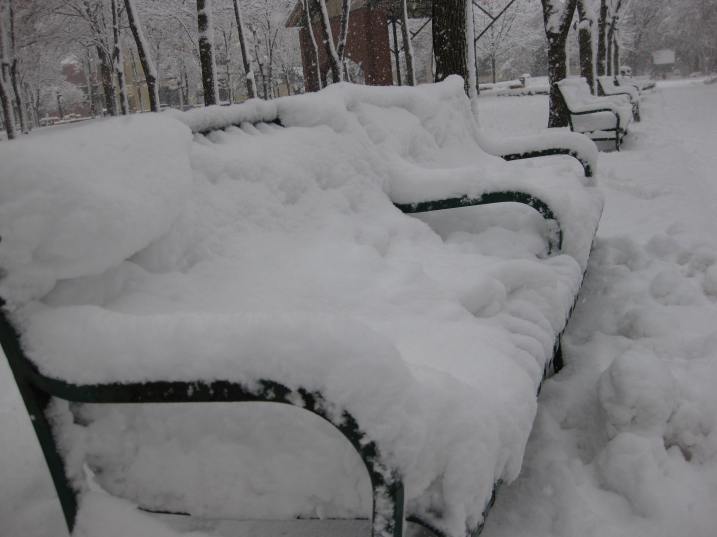
Snow layers benches in Mears Park early this afternoon. Photo by Marc Schmidt.

Snow layers benches in Mears Park early this afternoon. Photo by Marc Schmidt.

Now, let’s hear your snow stories.

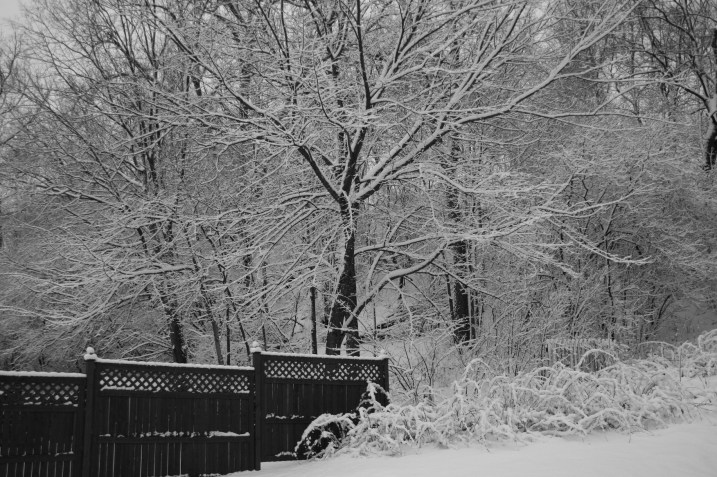
The winter wonderland view in my Faribault backyard around 4:30 p.m. today.

The winter wonderland view in my Faribault backyard around 4:30 p.m. today.

We have only about four inches of snow on the ground here in Faribault.

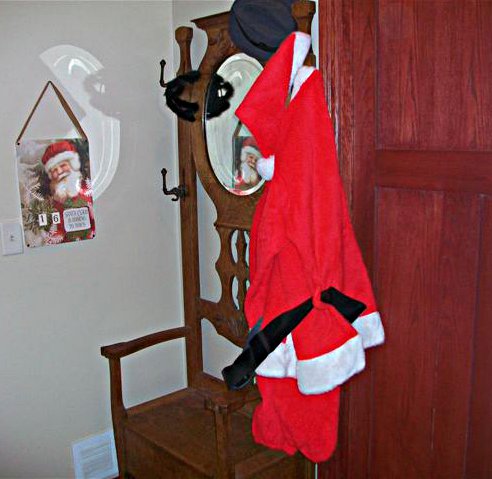
BONUS: My brother sent this photo, proof that Santa is officially preparing for Christmas:

My brother apparently has VIP access to Santa's wardrobe. Photo by Brian Kletscher.

My brother apparently has VIP access to Santa’s wardrobe.

© Copyright 2012 Audrey Kletscher Helbling
Photos courtesy of Brian Kletscher and Marc Schmidt


St. Paul artist connects art to geocaching via her GeoNiche Project July 11, 2012

A ST. PAUL ARTIST and educator with roots in the southwestern Minnesota prairie is bringing her art to the public via a project that links art to geocaching.

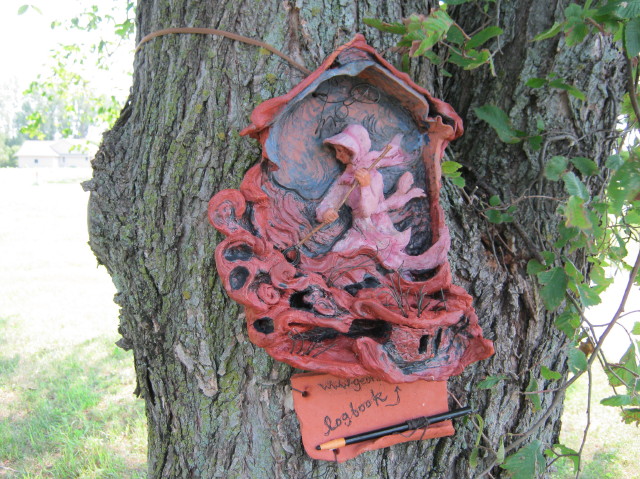
Felice Amato, who grew up in Cottonwood and Marshall, has hidden about 15 original works of ceramic art in St. Paul and in southeastern Minnesota through her GeoNiche Project, funded by a Minnesota State Arts Board Artist Initiative Grant awarded in 2011. To date, she’s stashed her sculptures at Swede Hollow, a St. Paul Park, and in or near Faribault, Red Wing and Winona. She’s created pieces for the Red River Valley area, too, but has yet to install them. And she would also like to sculpt GeoNiche art for her native prairie.

Amato follows the geocaching model wherein geocachers use GPS devices or smart phones to find her art based on geographic coordinates and clues. Her caches are listed on Geocaching.com as felice.amato and on Opencaching.com as felice1.

The project evolved as Amato considered a unique way to get the ceramic niches and tableaus she’s made for years out to the public. “My sister, brother and aunt are avid geocachers and it just struck me that this could be an interesting way to make my work public,” she explains.

Finding no one out there doing exactly what she proposed, Amato moved forward with the GeoNiche Project and her unifying theme of women’s lives.

“I wanted to create secular niches that spoke to a sense of place, history and continuity—and that honored the important life moments that we all experience,” she says.
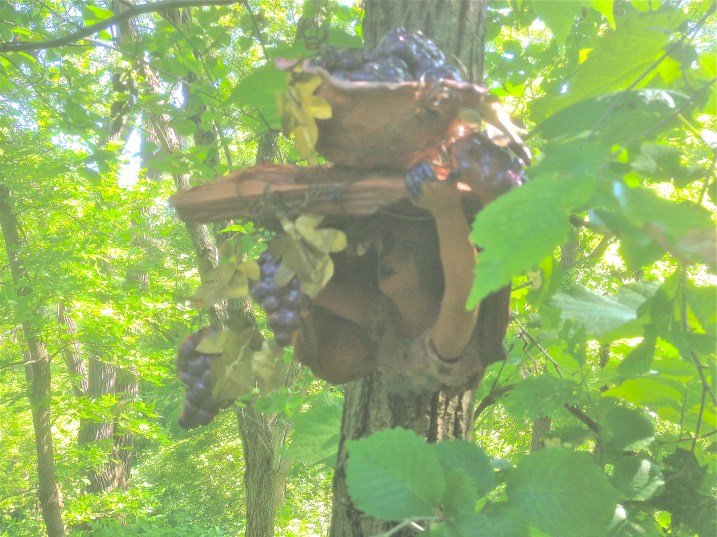
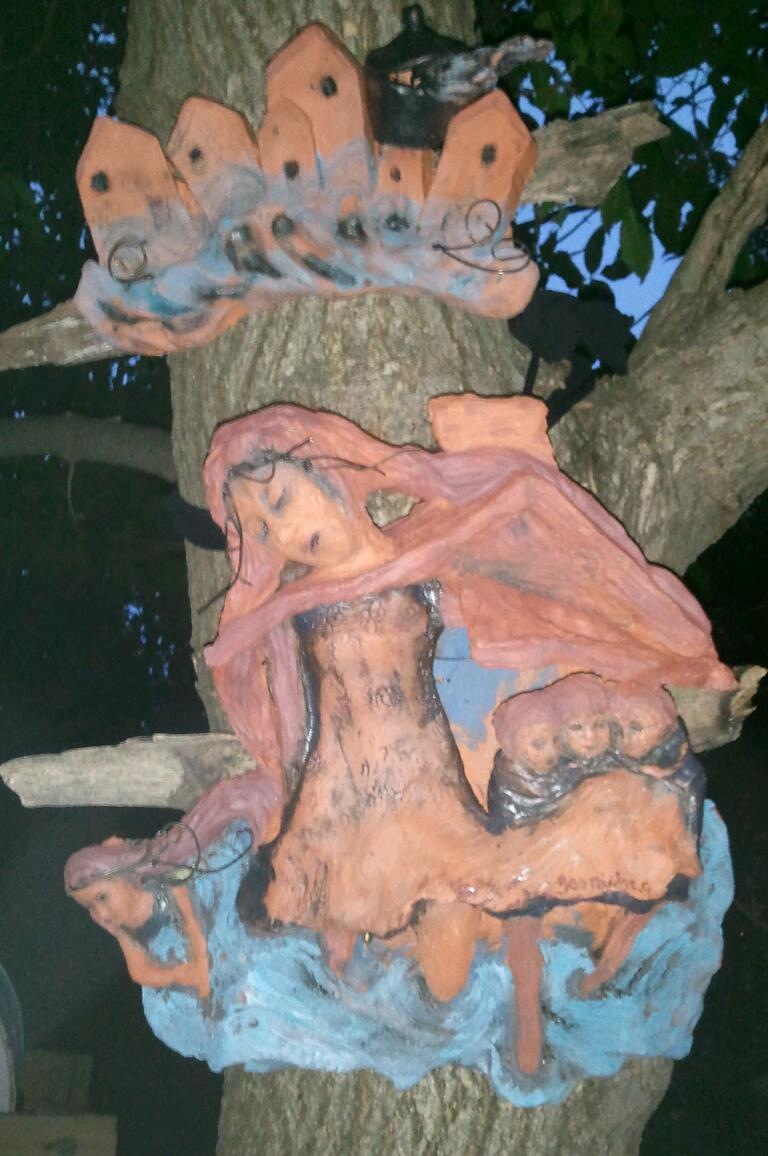
“Under the Arbor,” one of the GeoNiches placed in Swede Hollow. Photo courtesy of Felice Amato.

She placed her first GeoNiche close to home, a mile away in Swede Hollow, a St. Paul valley originally settled in the mid 1800s by Swedish immigrants and thereafter by Polish, Italians and Spanish Americans. “The rhythm of settlement in Swede Hollow made that especially rich,” Amato says. “Flooding, impermanence and the piecing together of community shanty by shanty—the thriving, the dispersal, the abandoning, the reclaiming—it all inspires my imagination.”
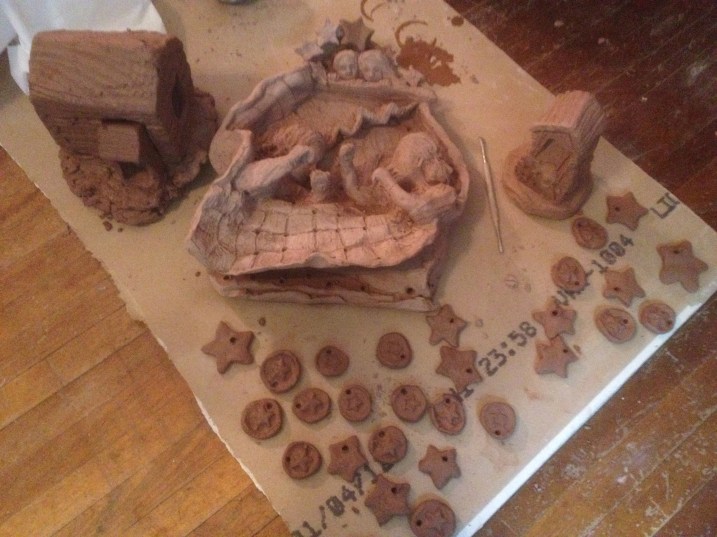
This photo, courtesy of Felice Amato, shows houses and quilters in progress for Swede Hollow.

Amato was inspired to shape pieces like “Mother and Child by the ‘Hobo’s Washroom’,” “Little Girl with birds,” “Bread house” and three other larger works for Swede Hollow. Those GeoNiches hint at folktales based on the experiences of the immigrants who once called this place home. A hand-drawn map to those artworks can be found inside a GeoNiche by Swede Hollow Cafe (coordinates N 44° 57.551’ W093° 04.330’) as Amato awaits approval of official Geocaching.com listings for Swede Hollow.
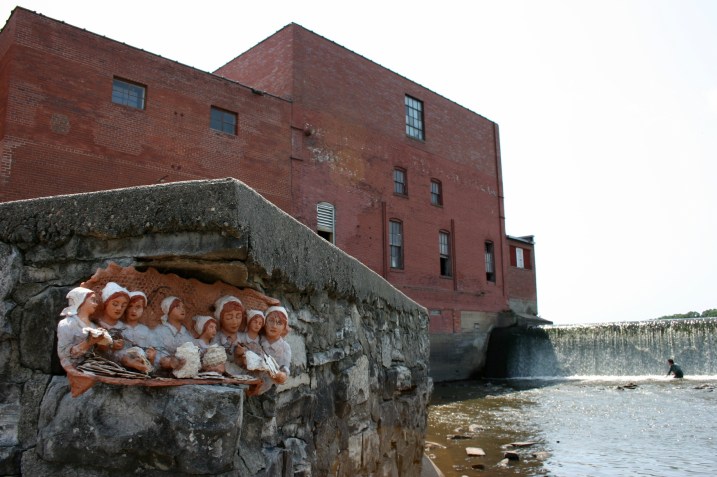
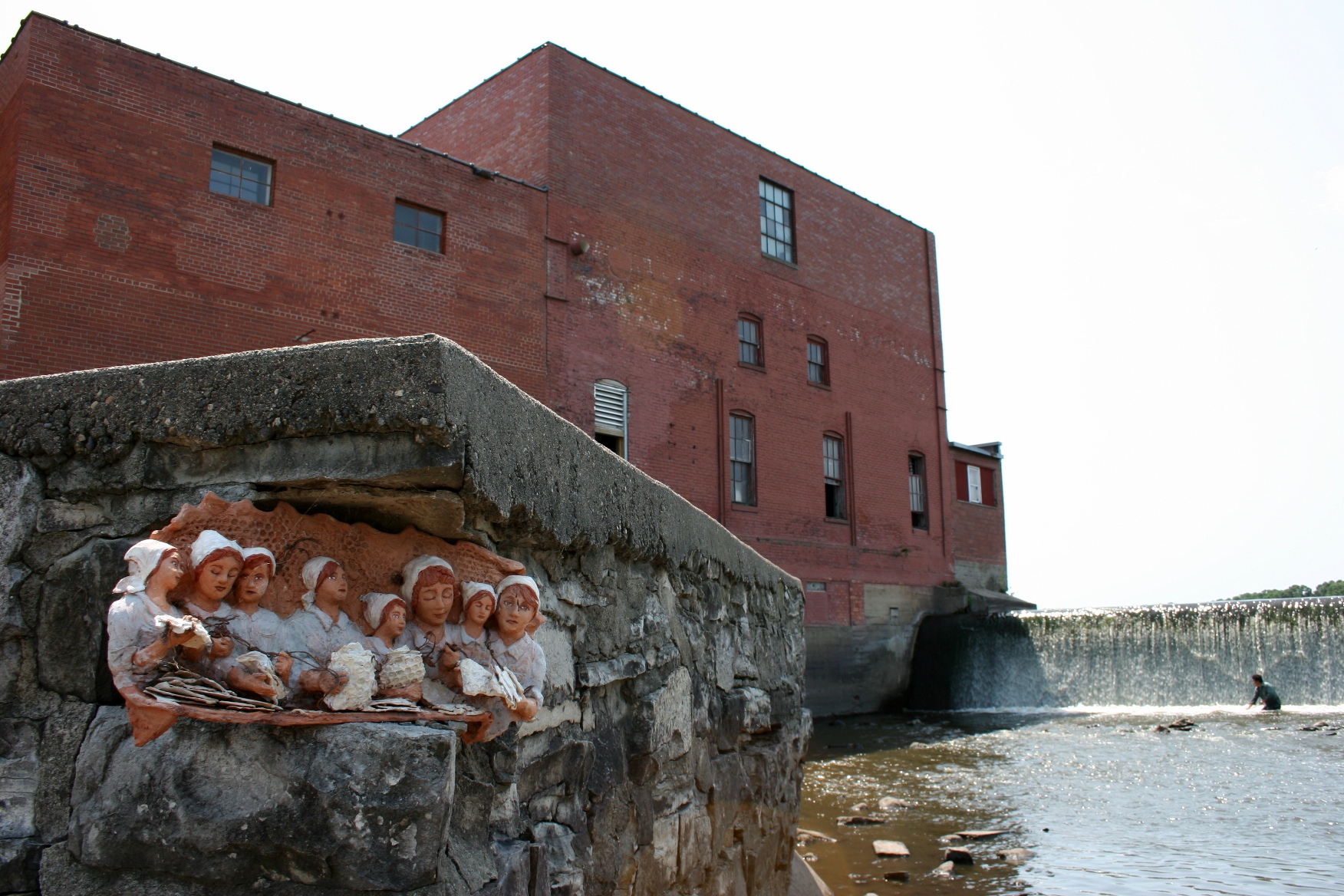
“Seamstresses” in place at the historic Faribault Woolen Mill along the Cannon River blends seamlessly into its environment. Photo by Audrey Kletscher Helbling.

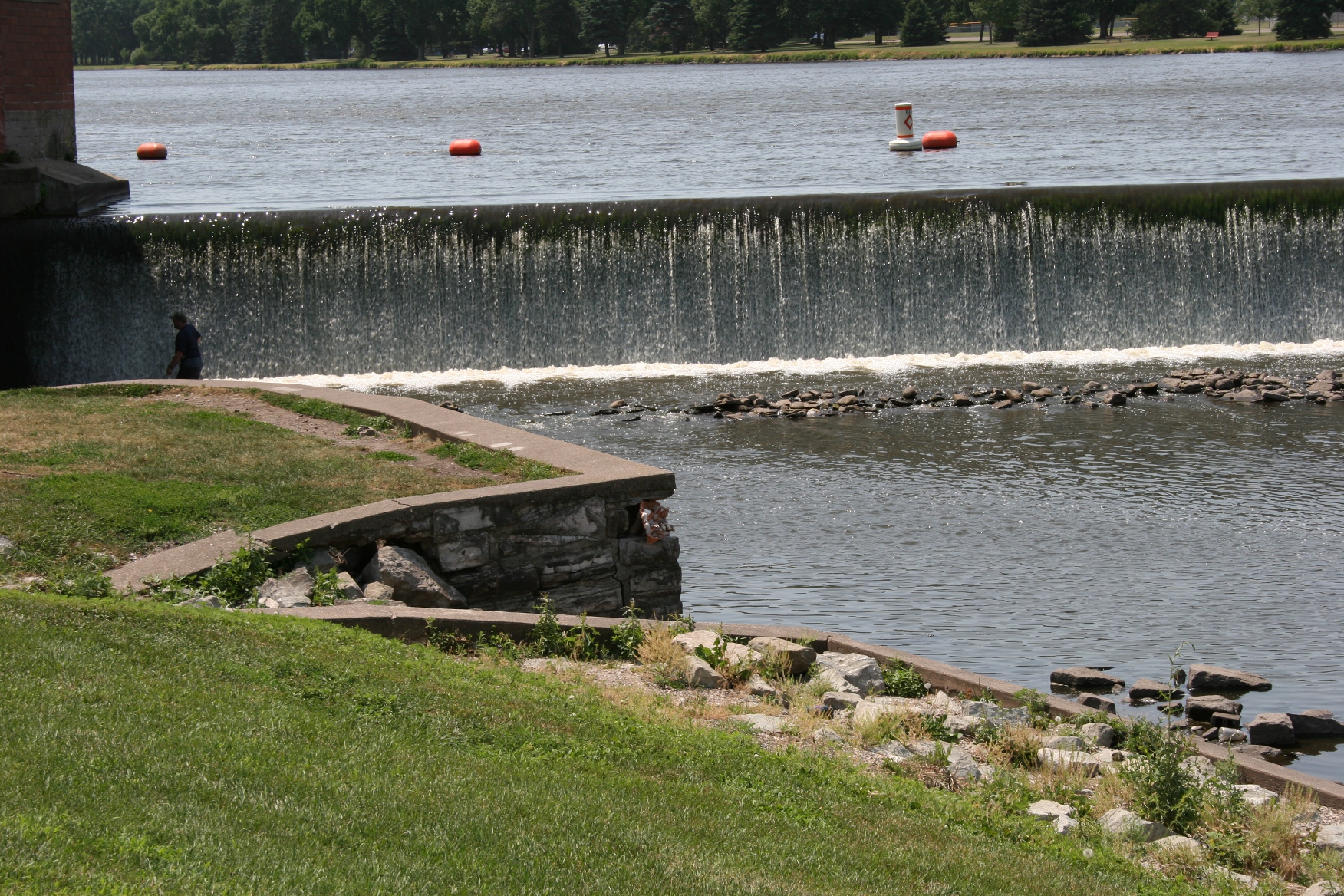
In Faribault, she was naturally drawn to the Faribault Woolen Mill, she says, because of an art series initiated several years ago on women in factory settings. Amato created “Seamstresses” and tucked it into a niche along a retaining wall at the mill next to the Cannon River.

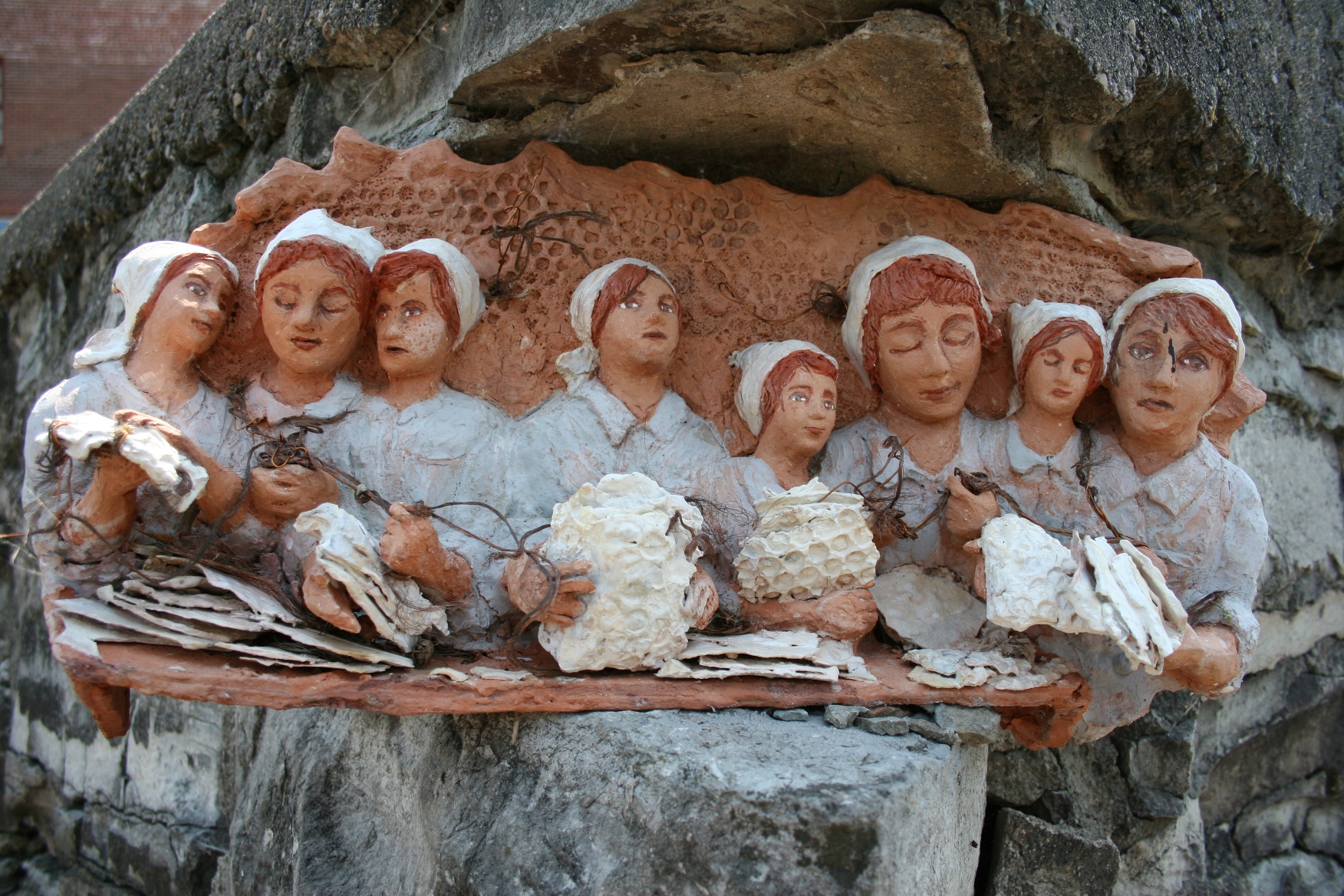
Amato’s sculptures tell a story as seen in this close-up of woolen mill factory workers. Her sculptures are made from paperclay with wire details. Photo by Audrey Kletscher Helbling

Explains Amato of her women in factory art:

The metaphorical potential of women and labor—especially manual and repetitive labor—is enormous with so many different layers it makes my mind explode. To what did/do women give their lives? What other inner lives (maybe as poets or artists, or dreamers) did they have especially at times where realizing those passions was even more difficult than it is today? I wanted to speak to a sense of honor and even sacredness in the making, the plodding, the rote quality of manual tasks—often just a part of an end product. Sewing and weaving itself is rich with metaphor as is the factory setting: the balance of isolation and comradery.

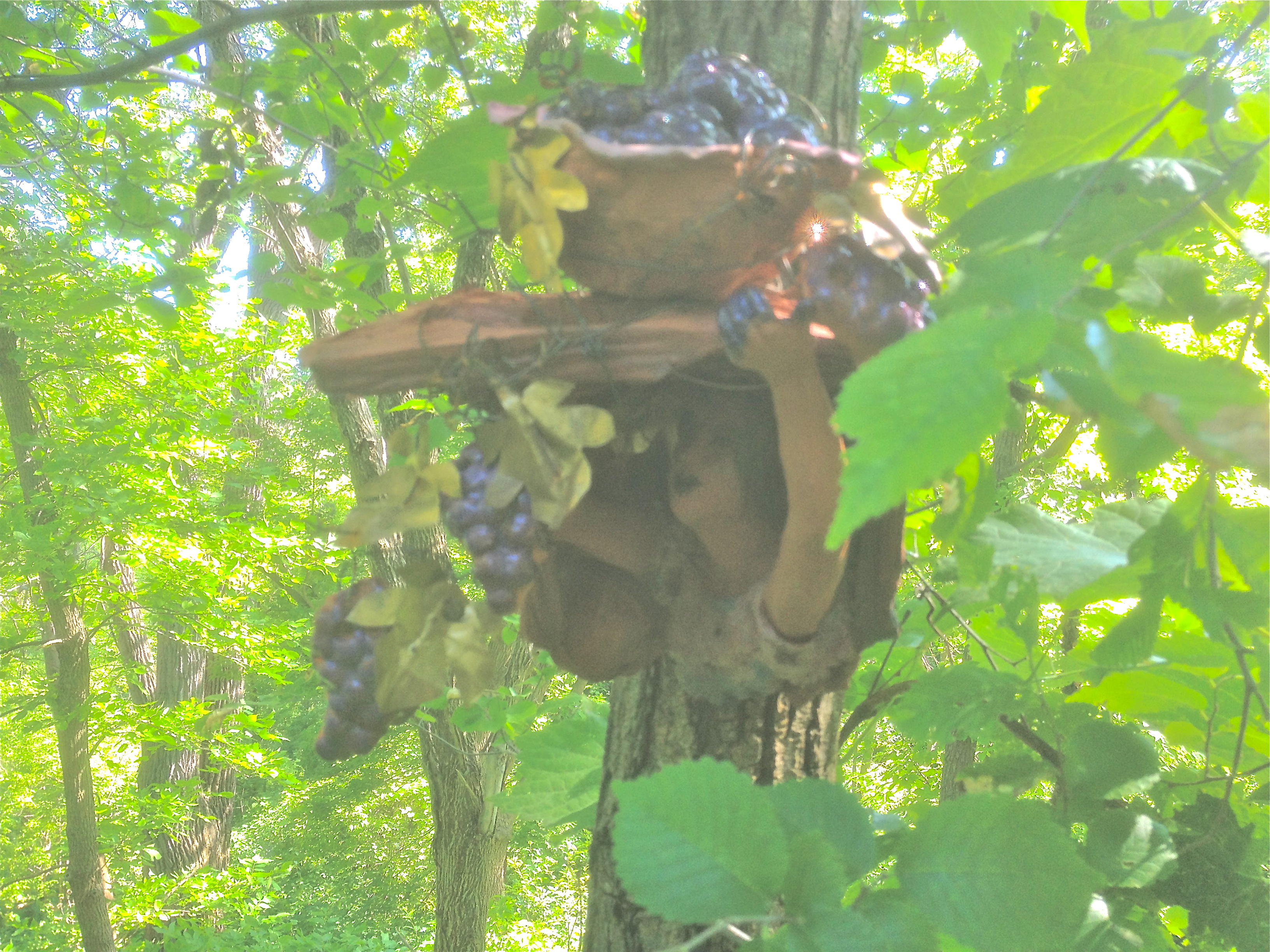
Amato secured “Prairie” onto a tree near a bike trail west of Faribault. Photo by Kevin Kreger.

Outside of Faribault, lashed onto a tree along a bike trail, Amato switches to a rural theme in “Prairie,” a definitive piece which connects to her prairie roots. The sculpture was partially-influenced, she says, by “the solitude and perseverance of the prairie woman in her battles with so many forces—the soil, the wind, the grasshoppers, the fires.”

Geocacher Kevin Kreger of Faribault, who sought out both Faribault area GeoNiche art pieces, says he was drawn in by “Prairie” and found the placement of “Seamstresses” at the Woolen Mill a fitting location.
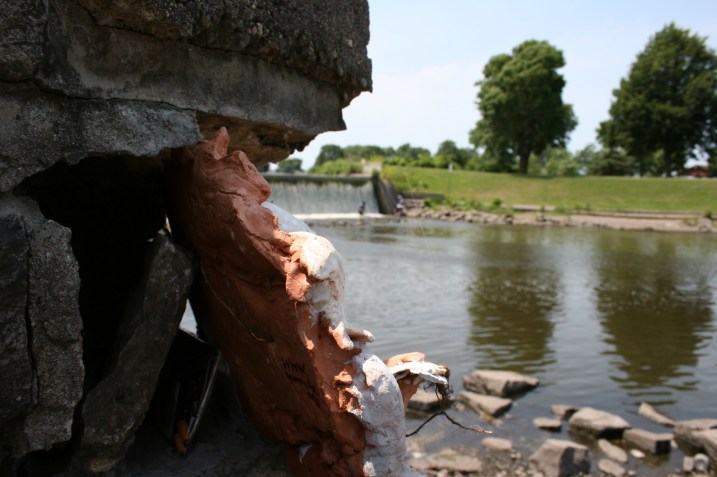
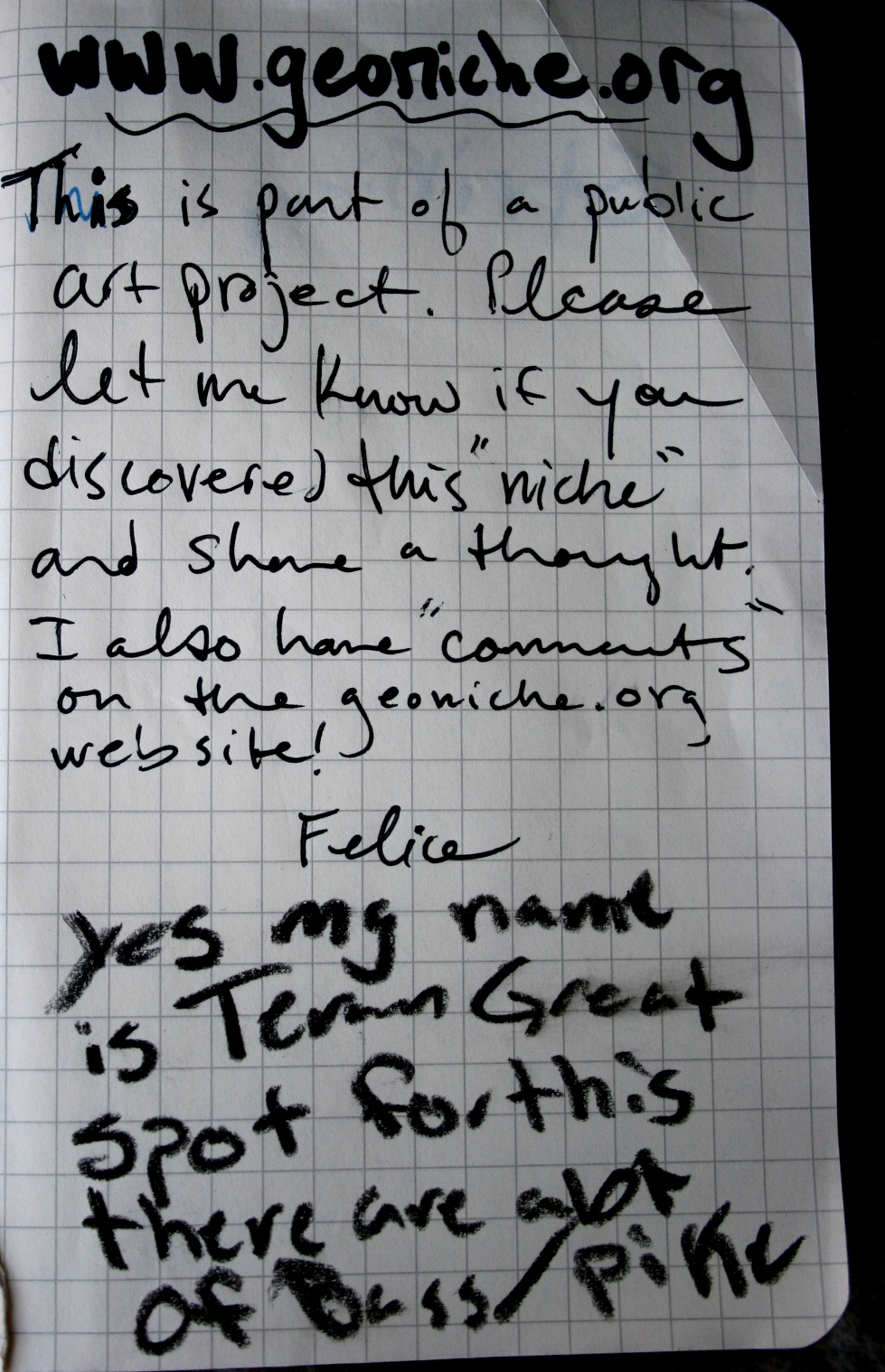
The sweet surprise GeoNiche at the Faribault Woolen Mill. Wear solid walking shoes as you will need to walk over rocks (not the ones photographed here) to reach this art treasure. Amato encourages finders to sign the logbook tucked into a plastic bag behind “Seamstresses.” Photo by Audrey Kletscher Helbling

“The idea (GeoNiche) delights me,” says Kreger who has been geocaching for half a dozen years everywhere from New York City to the Oregon coast and as near as a local county and city parks. “Turning the corner, seeing another’s idea of beauty in an unexpected spot, it’s one of those unanticipated sweet spots in life.”

The first entry in the “Seamstresses” logbook. Photo by Audrey Kletscher Helbling

Amato hopes for that type of positive reaction from those who discover her public art hidden in niches. “Many people seem to really experience my work, seeing it as meaningful to them and that it is meaningful to me,” she says. “It evokes stories of memories or hooks people’s imagination and emotions.” She wants finders of her art to interact with her, to share their thoughts in her on-site logbooks and/or online.

Kreger appreciates the time and skill Amato has invested in creating her art, made from “paperclay,” a method of mixing paper pulp into recycled clay. He wonders, though, how long the GeoNiches will stay in place, comparing them to performance art and as a gift the artist must be willing to give up.

Another sculpture hidden in Swede Hollow Park. Photo courtesy of Felice Amato.

While one of her Swede Hollow GeoNiche sculptures was smashed, the rest have remained intact with one even moved to a more logical and visible location. Amato’s considered taking the pieces down for the winter or sealing them to protect the vulnerable clay from the elements. But she’s unsure. “When I installed “The Potter” in the pottery dump at Red Wing and looked at all the shards of broken ceramic work, I thought eventually she will be among that and it felt OK,” Amato says.
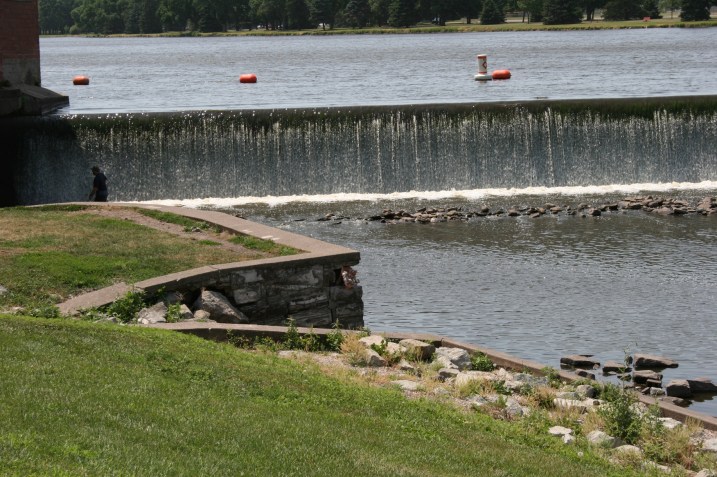
An overview of the location for “Seamstresses.” Look and you will find her sculpture in this image. The positive responses from the people of Faribault have been a huge incentive, Amato says, to explore the area more. Photo by Audrey Kletscher Helbling

Exact placement of her art is most successful, she adds, when the spot is discovered as though it was waiting.

Even though the grant period for her GeoNiche Project has ended, this St. Paul artist intends to seek additional funding to continue creating and hiding her art for geocachers and others who may happen upon it. She plans to work, also, with artist friends interested in GeoNiche. And she’s contemplating offering a GeoNiche workshop.

While she’ll seek out funding for her innovative project of connecting art and geocaching, Amato says she’s not a geocacher or a seeker.

“I would imagine,” she says, “most people are primarily either seekers or hiders. I am a hider.”

Artist Felice Amato. Photo courtesy of Felice Amato.

FYI: Felice Amato, the mother of two daughters, has been a public school teacher for nearly 20 years (teaching first Spanish and then art) and has also taught summer art classes and camps for children through the St. Paul non-profit, Art Start. She is an artist specializing in clay and tile making. Her artwork has been exhibited in numerous shows and in several galleries during the past 10 years with an upcoming show set for October 18 – November 17 at The Phipps Center for the Arts in Hudson, Wisconsin. For more information about Amato, click here to link to her Facebook page and here to link to her website.

Click here to link to Amato’s GeoNiche website.

And click here to check out her GeoNiche Project Facebook page.

© Copyright 2012 Audrey Kletscher Helbling
Photos by Audrey Kletscher Helbling, Felice Amato and Kevin Kreger

 

The generous gift of a St. Paul woman to a rural Minnesota food shelf January 6, 2012

TODAY I’M TREATING YOU to a gem of a story published yesterday in a weekly community newspaper, The Gaylord Hub.

It’s an inspiring and uplifting story of a St. Paul woman who purposely sought out a rural food shelf as the recipient of a Christmas gift. And a mighty generous one from someone with apparently no connection to Gaylord, a southern Minnesota Sibley County seat town of around 2,300.

Hub officer manager and bookkeeper Elizabeth Reishus shares the tale of generosity in her January 5 “The Word From High Avenue” column as shared with her by Yvonne O’Brien of Sibley County Food Share, Inc.
Writes Reishus:

A woman from St. Paul had called Second Harvest food bank to ask for a list of rural food shelves. Second Harvest was not able to give her that information, but did give her O’Brien’s phone number.

The woman then called O’Brien and asked questions about the food shelf. What percent of families served were minorities? Is the need higher in the summer? What kinds of resources does your food shelf have to rely on for donations?

O’Brien explained that about 40 percent of clients at the food shelf are people of a minority. The need for help increases in the summer when seasonal workers arrive to work at area farms and other agriculture-related jobs. She also explained that unlike bigger towns and cities, we do not have the big chain stores such as Wal-Mart, Target, Cub or Cash Wise that donate food. The Sibley County Food Shelf is maintained through the generosity of area people and some grant money, O’Brien explained.

The St. Paul woman said she would like to send a donation to the food shelf. O’Brien gave the woman the mailing address for donations and expected to receive a check for about $50. She was pleasantly surprised to find that the donation check was for 10 times that amount. The generous mystery woman gave $500 to the Sibley County Food Shelf.

How’s that for Minnesota Nice and for thinking beyond the metro?

Consider the effort this mystery woman took to find just the right place for her $500 donation. What motivated her to seek out a rural food shelf, to ask those specific questions about minorities, to give that much money to a single food shelf?

I’d never really thought, prior to reading Reishus’ column, how small-town food banks typically don’t receive food donations from chain stores, relying instead primarily on the generosity of locals.

So thank you to that woman from St. Paul for thinking beyond the metro area of the need in rural Minnesota and for blessing Sibley County Food Share with $500.

She offers us much food for thought.

FOR MORE INFORMATION about Sibley County Food Share, click here.


Beyond poetry anthologies May 21, 2011

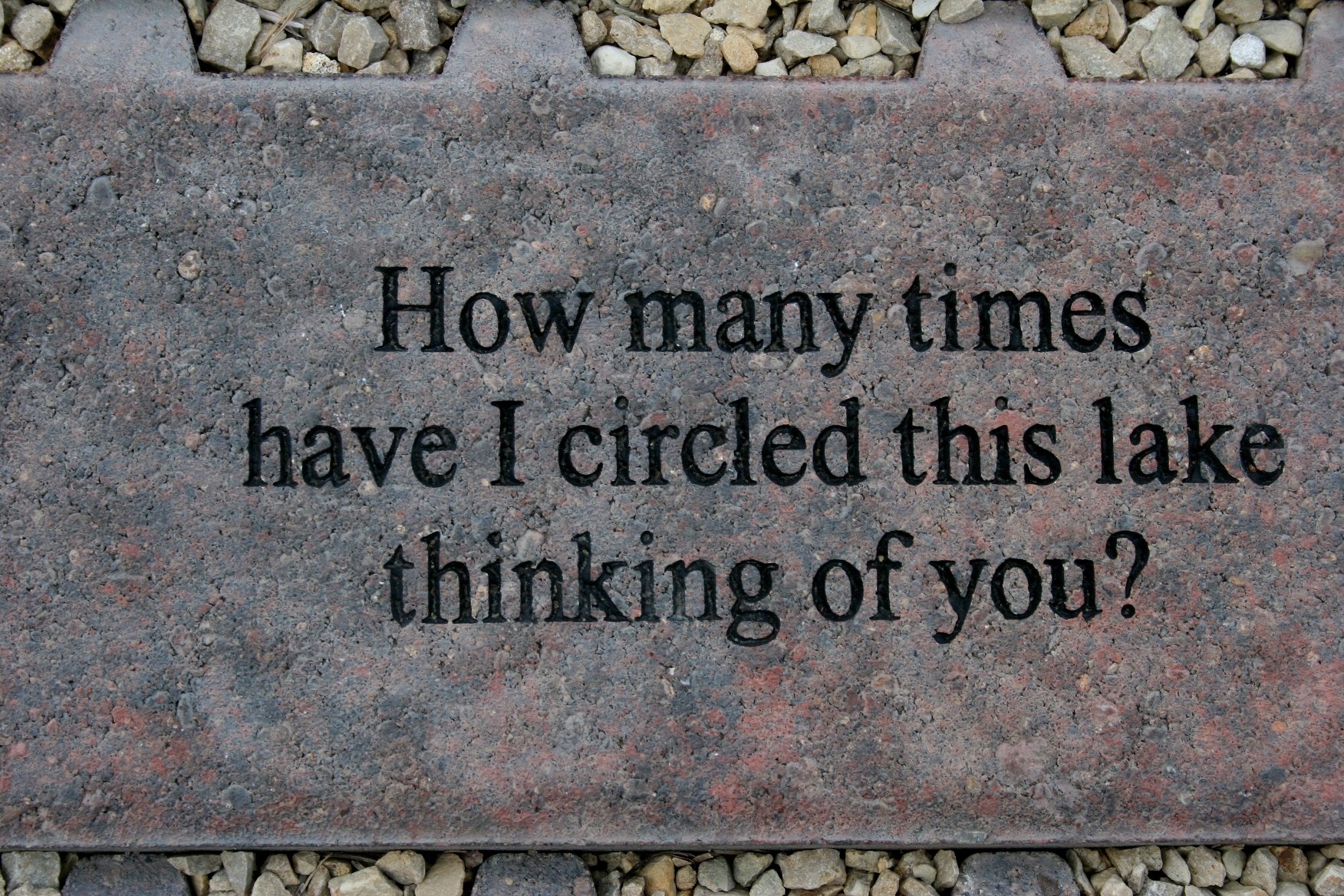
Poetic words imprinted upon a paver at the Lake Harriet bandshell in south Minneapolis.

WHAT AN EXCITING time to read, and write, poetry.

Yes.

Read on.

If you’re among those who consider poetry boring, unapproachable, complex and difficult to understand, then you’ve read only boring, unapproachable, complex and difficult to understand poems.

Yes, those types of poems exist.

But today, oh, today, poetry is pushing beyond simply words printed in anthologies to highly-public and engaging venues.

At least three Minnesota communities—St. Paul (Everyday Poems for City Sidewalk), Mankato (WordWalk) and now Northfield (Sidewalk Poetry Contest)—have embraced sidewalk poetry, poems imprinted upon sidewalks.

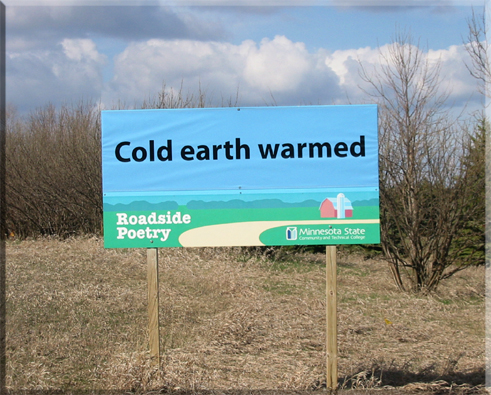
In Fergus Falls, the Fergus Area College Foundation sponsors a seasonal poetry contest and posts the winning poem on four Burma Shave style billboards. I won the spring Roadside Poetry Project competition. (Click here to read a story published today in The Marshall Independent about my writing and my Roadside Poetry poem.)

The first line in my spring poem posted on four billboards.

In Hackensack, as part of its annual summer Northwoods Art Festival and Book Fair, the Northwoods Art Council has invited Minnesota poets to submit poems for display. Attendees then read and vote for their favorite poems.

But the latest news in the poetry world comes from St. Paul poet Todd Boss and Minneapolis art director/animator/designer Angella Kassube, who have created “motionpoems.” The pair defines these poems as “a hybrid of poetry and film.”

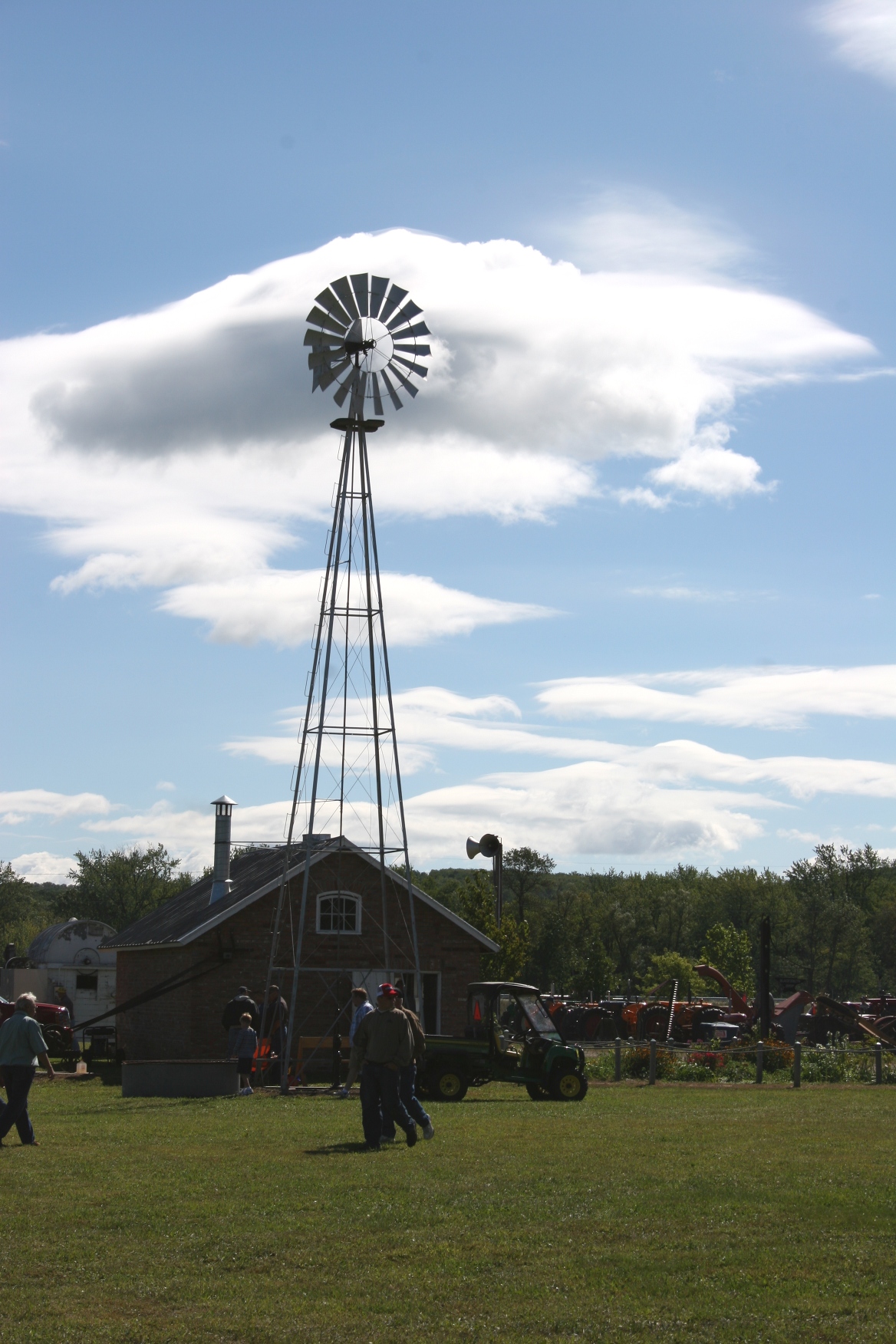
The windmill is the subject of a motionpoem written by Toss Boss. I took this photo at the Rice County Steam and Gas Engines grounds near Dundas last fall.

In short, they bring poems to life via animation. From what I’ve seen and heard online, this approach works, making poetry more accessible, understandable and, dare I say, exciting. But don’t take my word for it. Click here and view several motionpoems, including my favorite, Todd Boss’ THE GOD OF OUR FARM HAD BLADES.

The duo started this project two years ago, creating more than 20 poems. Now they are expanding, collaborating with New York publisher Scribner’s respected annual Best American Poetry anthology, 2011 volume, to produce 12 – 15 motionpoems. They’ll work with writers ranging from Pulitzer Prize winners to emerging writers. Eventually, the motionpoems will be accessible, for free, online.

I see great promise in these new approaches to poetry that reach beyond printed poems and poetry readings. I see the promise for reaching a wider, more receptive audience.

WHAT’S YOUR TAKE on sidewalk or billboard poetry and/or motionpoems? Would you be more likely to read these types of poems than traditionally-published poetry?

© Copyright 2011 Audrey Kletscher Helbling

Roadside Poetry Project photo courtesy of Paul Carney