Minnesota Prairie Roots

Writing and photography by Audrey Kletscher Helbling

A pause & a follow-up May 12, 2021

Graffiti on the Teepee Tonka Tunnel. Minnesota Prairie Roots copyrighted file photo May 2021.

SIX DAYS AGO I PUBLISHED a post, “From Faribault: When Graffiti Overtakes Nature & History,” which generated intense local interest. A Facebook group for people who grew up in Faribault linked to my post. And, no, this is not my hometown and I’m not on Facebook. But I have lived here for 39 years.

I appreciate the more than 1,500 views of that May 6 post. But I don’t appreciate some of the comments that followed. Let me explain.
The entry to the tunnel now covered with graffiti. Several years ago, the city installed lights inside the tunnel and painted over the graffiti. But the “art” is back. Minnesota Prairie Roots copyrighted file photo May 2021.

Initially, comments on my story about graffiti along the Teepee Tonka Trail leading into River Bend Nature Center, specifically inside an historic tunnel and on a footbridge over the Straight River, came from regular Minnesota Prairie Roots readers. They have no connection to my community. But I have an already established relationship with those readers, who comment often. So I approved their comments. Yes, I moderate replies to my posts.
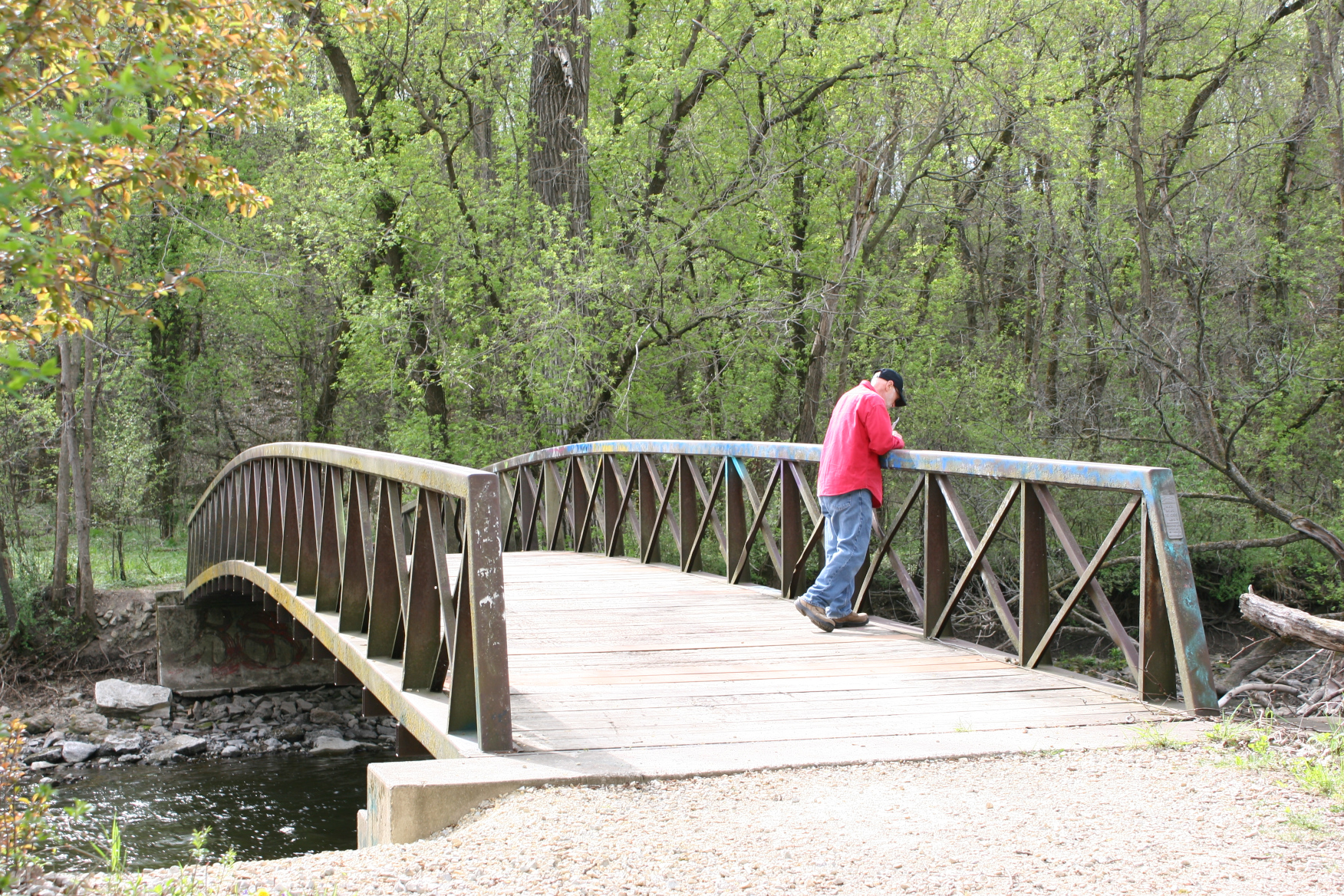
Graffiti mars this footbridge across the Straight River along Teepee Tonka Trail. Minnesota Prairie Roots copyrighted photo May 2021.

PUSHING PAUSE ON COMMENTS

When comments began rolling in from those who followed the Facebook link, I pushed pause. I didn’t like much of what I was reading. The first comment, in fact, was threatening. I won’t give voice to those words here. But suffice to say that I felt uncomfortable with the message written by this anonymous individual.

Other writers used derogatory words to describe Faribault and the individuals creating graffiti. I may not like what these taggers are doing, but I also don’t like name-calling.

And I don’t like the negativity that all too often prevails about Faribault. Yes, people are entitled to their opinions. But it does no good to continually criticize. Every single community faces issues. Amplifying the negative rather than working toward improvement and resolution only perpetuates problems, or perceived problems.
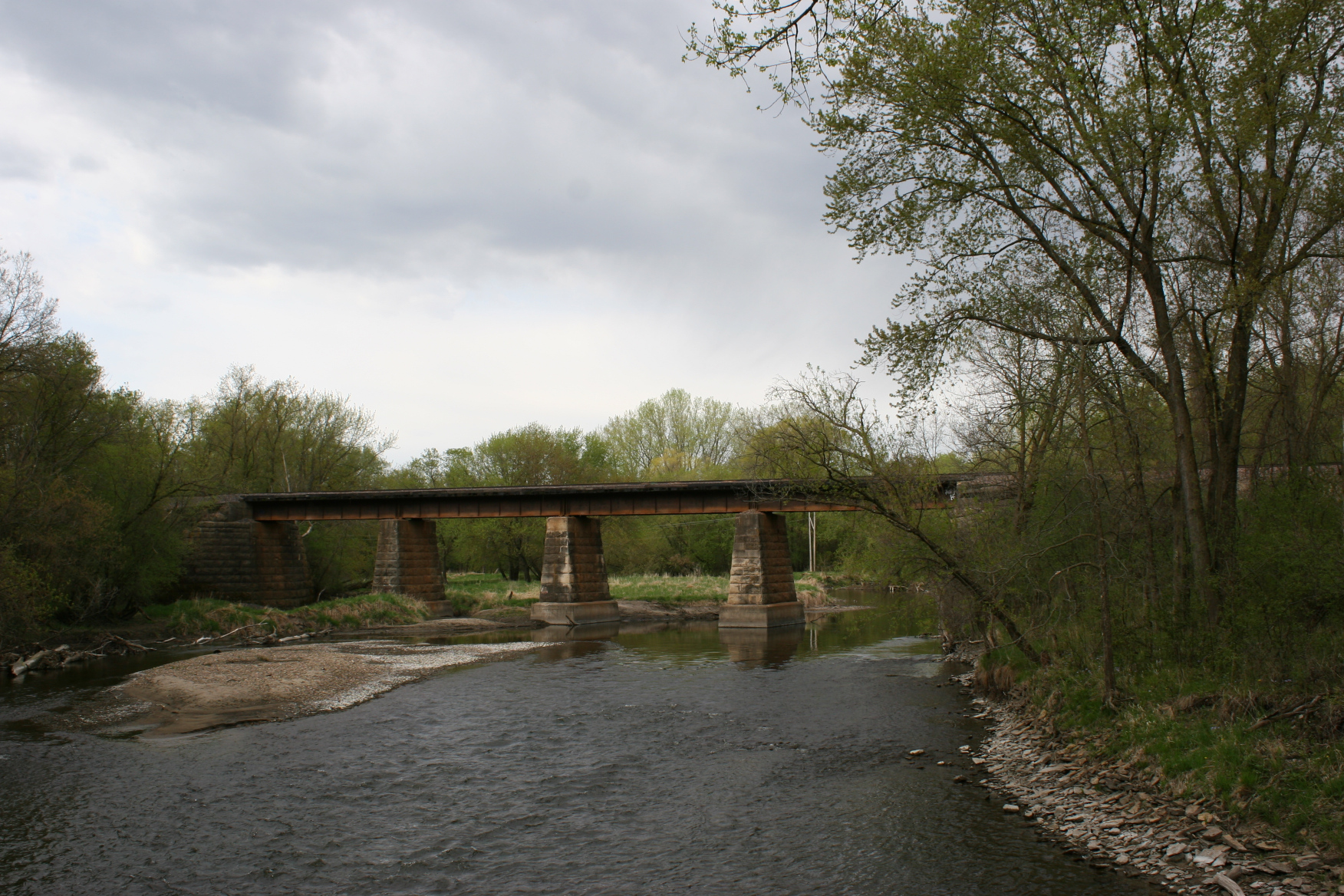
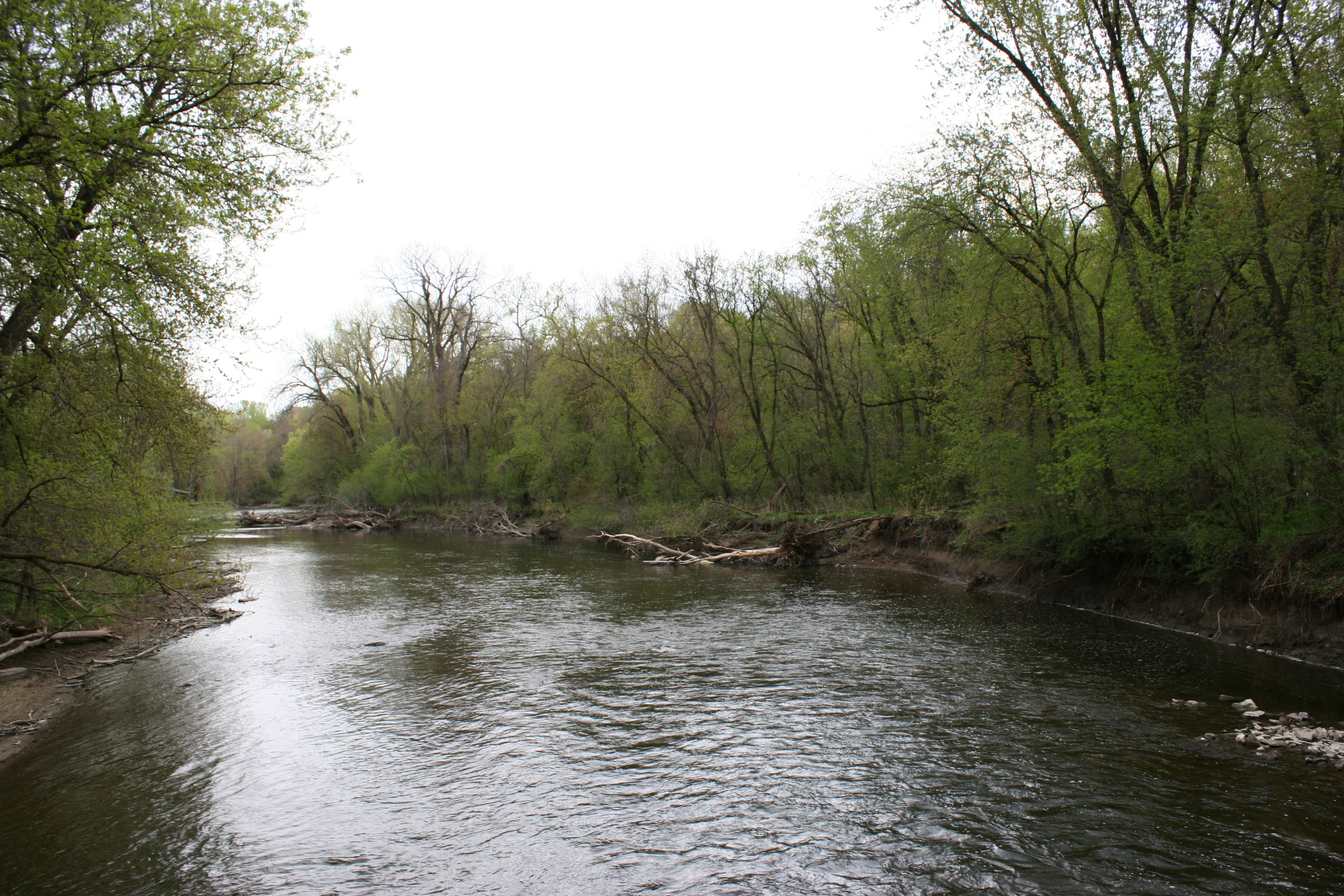
The Straight River, as photographed from the footbridge along Teepee Tonka Trail. Minnesota Prairie Roots copyrighted photo May 2021.

THE POSITIVES OF FARIBAULT

Faribault is a place of incredible natural beauty from our many parks to the two rivers that run through to, yes, even that trail tracing to the tagged tunnel.

Faribault is a place where history matters, as evidenced in our downtown historic district, historic homes scattered throughout the city, aged churches, Shattuck-St. Mary’s School, Buckham Memorial Library and many more buildings. Even our viaduct. And the Central Park Bandshell. And the historic Faribault Woolen Mill. And, yes, even the 1937 Teepee Tonka Tunnel, hand dug by Works Progress Administration workers as a root cellar for the Minnesota School and Colony.

Faribault is a place of diversity. I welcome our immigrants, who often fled horrendous situations in their native countries. I value opportunities to learn more about their cultures and have always appreciated the work of The Faribault Diversity Coalition.

Faribault is a place of family and community connections. Although I am not rooted here by birth or upbringing, I see generations of families who have called Faribault home. And I wonder sometimes if that’s partially why negativity rises. Sometimes it takes leaving a place, and then returning, to appreciate its good qualities.

Faribault is a place of art. From the many downtown murals to the Tiffany stained glass windows in some historic buildings, to the Paradise Center for the Arts and more, we are a community filled with art and creatives. And, yes, that includes the graffiti artists. When I viewed their art, I couldn’t help but appreciate their talent. Not the content (especially the profanity) or the location of their art, but their skills as artists. If only their art could be channeled into something positive. Yes, perhaps that is a Pollyanna perspective.
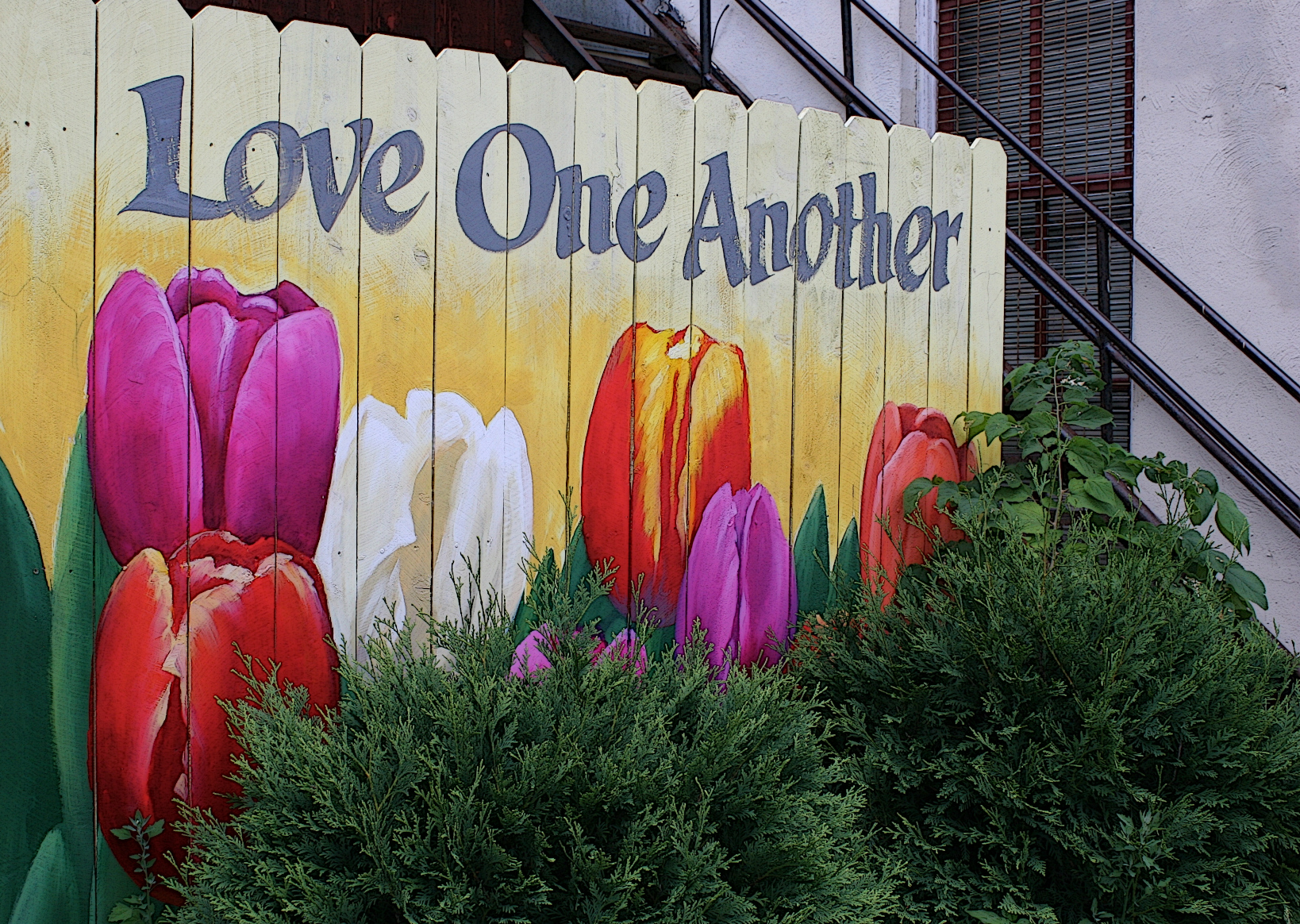
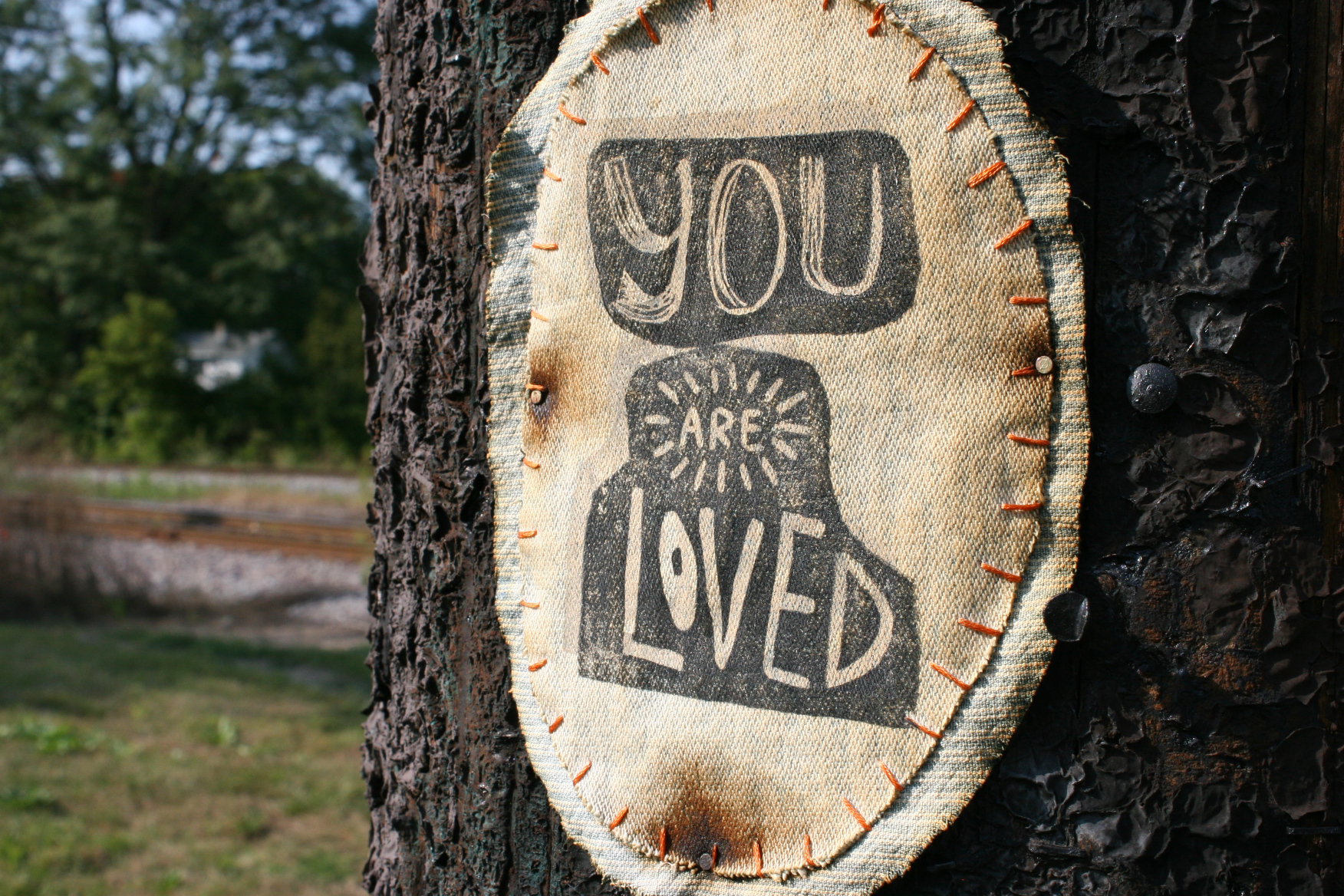
An especially bright spot in the heart of downtown Faribault is the Second Street Garden, a pocket garden with positive messages like this one. Minnesota Prairie Roots copyrighted file photo August 2019.

BEYOND WORDS

Some who commented on my initial blog post called for painting over the tunnel graffiti and one (a professional painter) offered to take on that task. That seems a good start, or restart as it’s been done before. Of course, that requires time, money (perhaps via a Community Pride Grant from the Faribault Foundation), effort and tenacity. But, as one individual commented, “This town could use a lot of TLC everywhere.” I don’t disagree.

It’s up to each of us to make that happen. To care. To act. To love. To go beyond words typed on a keyboard.

Note: I moderate all comments on my blog. Because this is my personal blog, I decide whether or not to publish comments.

© Copyright 2021 Audrey Kletscher Helbling


Reflections on motherhood May 7, 2021

Filed under: Uncategorized — Audrey Kletscher Helbling @ 5:00 AM
Tags: , , , , , ,
My mom saved everything, including this Mother’s Day card I made for her in elementary school. I cut a flower from a seed catalog to create the front of this card. Minnesota Prairie Roots file photo.

IT’S EASY TO IDEALIZE motherhood. To paint a portrait of an infinitely loving and nurturing mother. Always calm. Always kind. Always putting her children first.

But the reality is that being a mom does not mean being perfect. No one is. Perfect, that is.

So this Mother’s Day, I honor all those women who are moms. Not some idealistic version of a perfect mother. But rather a mother who does her best to embrace motherhood and love those entrusted to her care.

My granddaughter. Minnesota Prairie Roots file photo April 2019.

As the mother of three now grown adult children and two beautiful grandchildren, I have a little experience in the mothering department. That doesn’t make me an expert. It just lends more authenticity to my words, to my efforts to give my children roots and wings.

I love my three. Two daughters born 21 months apart. And then the son born seven years and 364 days after my eldest. Yes, she celebrated her birthday in the hospital with her newborn brother.

As a stay-at-home mom, I found raising kids both challenging and rewarding. I expect most moms would say that. Tantrums and sibling rivalry and strong-willed children can test any mother’s patience. But then there were the moments of children snuggled next to me or on my lap while I read books. First, simple Little Golden Book storybooks. Then the Little House series. The Betsy-Tacy series. And more.

Busted in October of 1988 sneaking cookies and “hiding” in the corner of the kitchen to eat them. Minnesota Prairie Roots file photo.

And the moments of delight. Like the morning I caught my daughters eating just-baked chocolate chip cookies in a corner of the kitchen…after I’d told them to wait until after lunch for a treat. My oldest daughter pulled a chair to the counter and grabbed two cookies for herself and her sister. I secretly admired her determination. And her looking out for her sister.

I wanted to raise children to think creatively, to forge their own paths. To care about others. And they did. When the eldest, during her freshman year of college, informed us that she was going on a mission trip to Paraguay, I asked, “Where is Paraguay?” And soon the second daughter followed, journeying to New Orleans to help with clean-up after Hurricane Katrina. Twice. Then, after college, she moved to Argentina for six months.

One of my all-time favorite photos of my son at age 5. Minnesota Prairie Roots file photo.

The son, too, traveled, to attend college and work in Boston for five years. I disliked having him so far from Minnesota. But I respected his choice and my need to let go. Later, he would travel to a professional conference in Japan and then to Europe.

Certainly, there have been challenges through the years. Difficult times. Plenty of tears and angst and worry. The morning my then 12-year-old son was struck by a car while crossing the street to his school bus stop ranks as an especially terrifying moment. That hit-and-run occurred just days before Mother’s Day 2006. Thankfully, he received only minor injuries. Yet, it was a horrible experience. My heart hurts for all mothers who have lost children.

Me and my mom in December 2017. Minnesota Prairie Roots file photo.

Although my kids are long-gone from home, my love and care for them remains as strong as ever. I want the best for them. Happiness. Joy. Purpose. To love and be loved. I would move mountains for them, as cliché as that sounds. I expect my mom felt the same.

My mother, Arlene, and me.

To all the moms out there, including my mom and my eldest (the mother of my grandchildren), Happy Mother’s Day! You are valued, loved, cherished and appreciated.

© Copyright 2021 Audrey Kletscher Helbling


From Faribault: When graffiti overtakes nature & history May 6, 2021

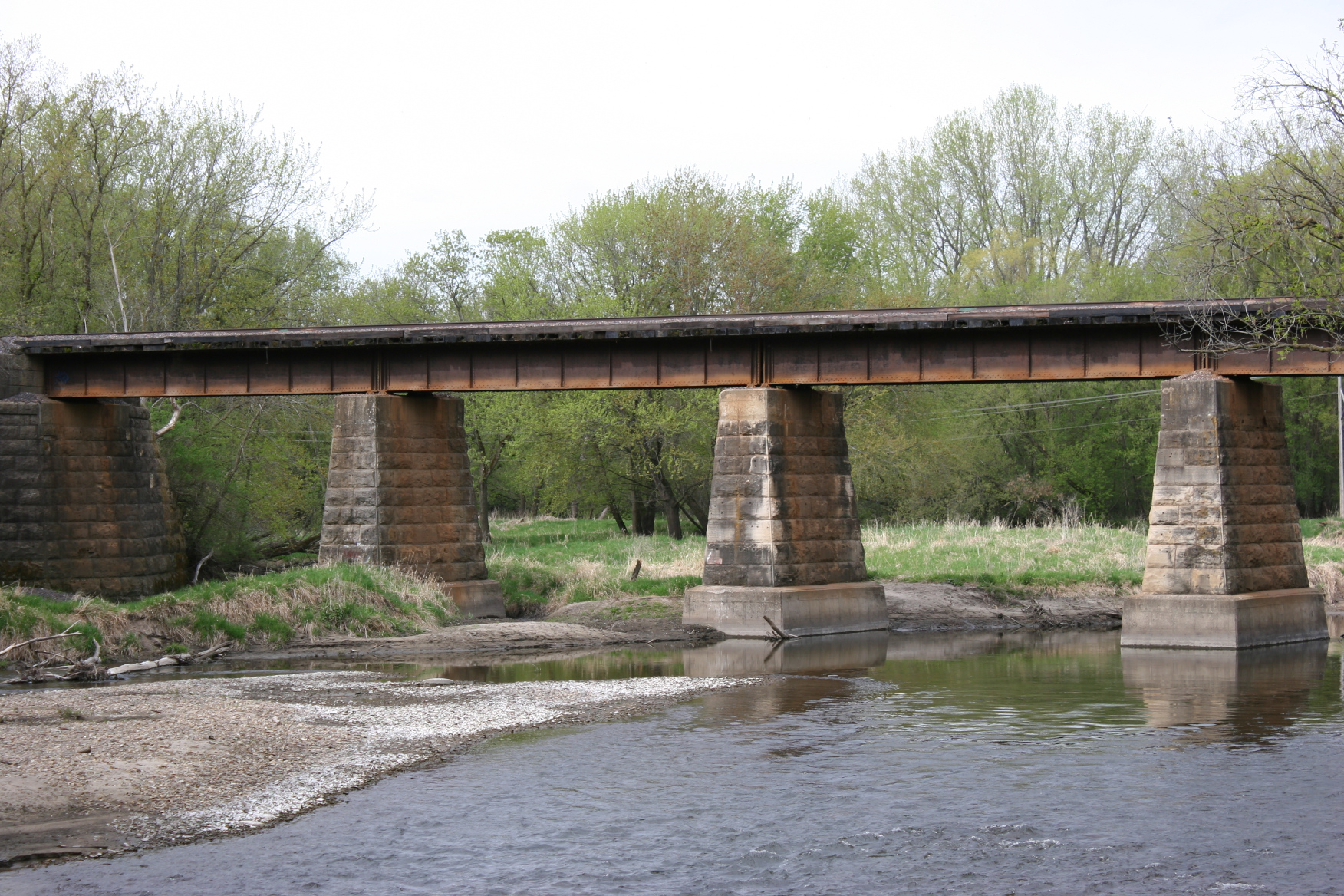
A view of the Straight River and the railroad bridge crossing it, photographed from the footbridge. Minnesota Prairie Roots copyrighted photo.

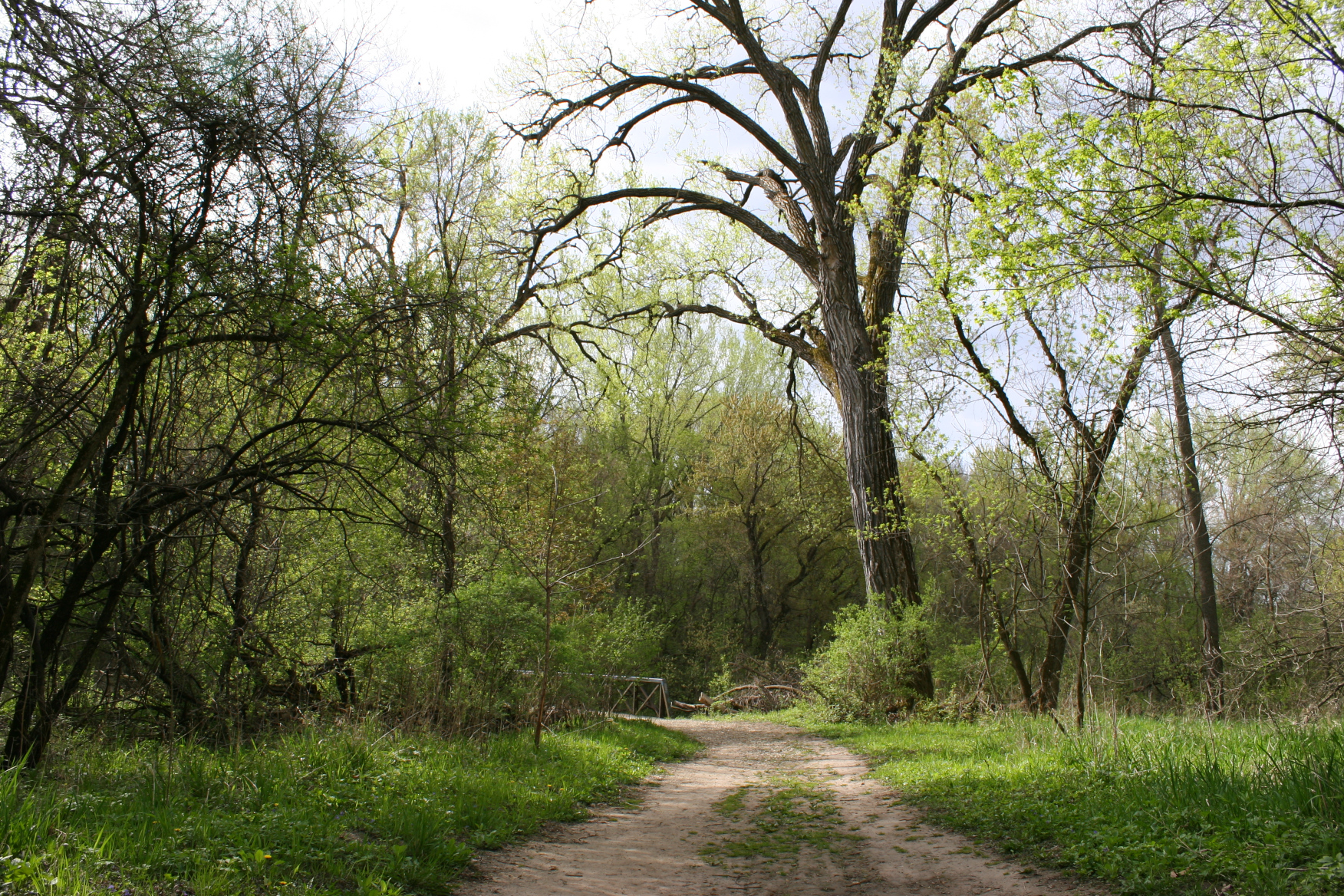
IF NOT FOR THE OFFENSIVE GRAFFITI, the natural setting would be particularly inviting. But obscene words and disturbing messages kept me from fully enjoying the trail leading from Faribault’s Teepee Tonka Park into River Bend Nature Center.

Along the trail from Teepee Tonka Park into River Bend Nature Center, I saw trees tagged with graffiti. Here I’m approaching the footbridge crossing the Straight River. Minnesota Prairie Roots copyrighted photo.

Even trees were tagged with paint. That’s a first.

Randy looks over the Straight River. Minnesota Prairie Roots copyrighted photo.

On the footbridge which spans the Straight River, I found the most disturbing of accusations—J**** killed my mother. That shifted my already on-alert mode to what the h*** is going on in these woods? I read derogatory comments about Faribault. And I thought, why do those who hate this community so much stay here?

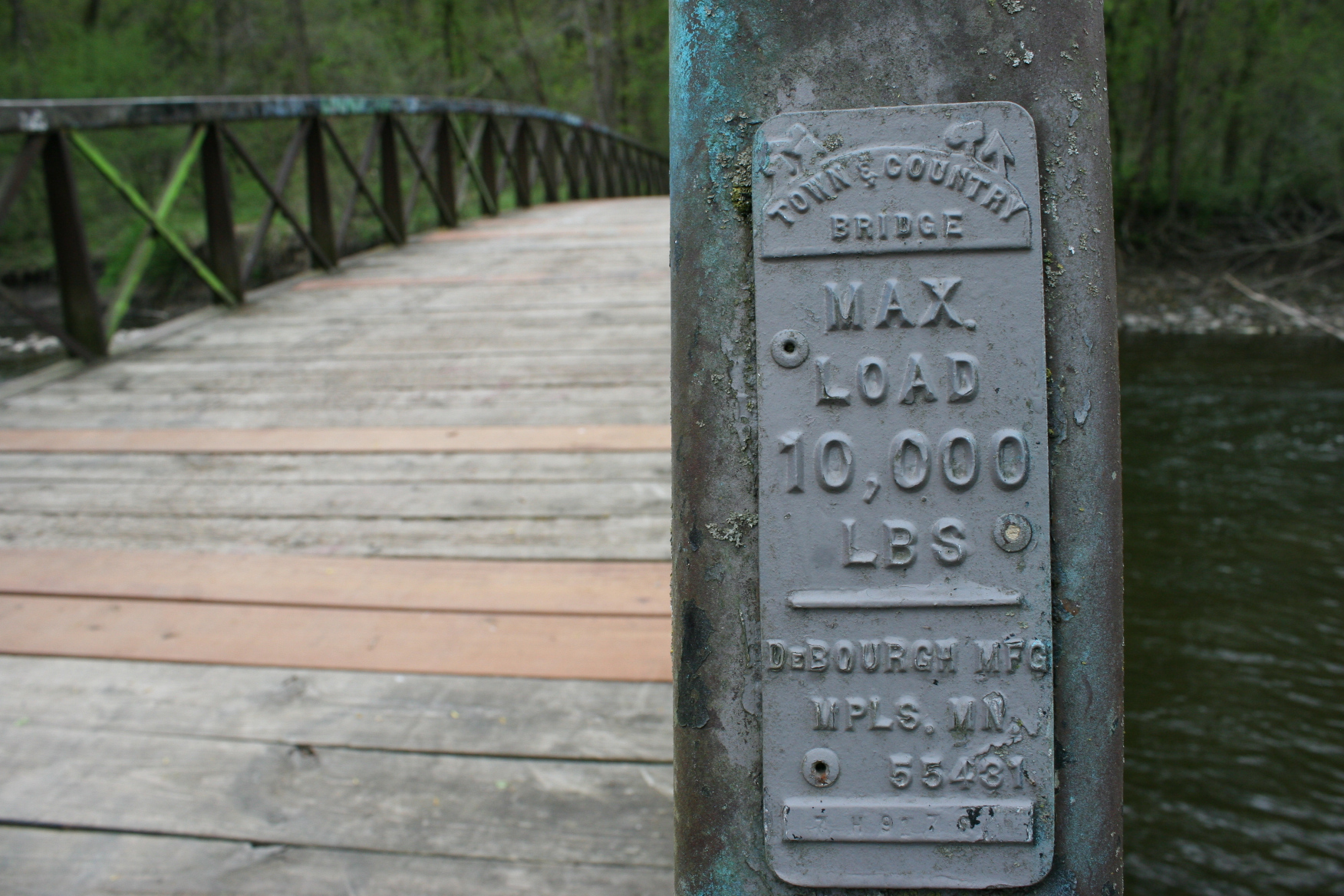
This marker on one end of the bridge remains unmarred. Minnesota Prairie Roots copyrighted photo.

I tried to overlook all that awful graffiti, but it was just too much to dismiss. I wouldn’t bring a child here, not one who can read anyway.

I expect there’s a story behind this beautiful railroad bridge over the Straight River. Minnesota Prairie Roots copyrighted photo.

Yet, there’s much to see and appreciate here, if you look beyond the tagging, the offensive messages. Nature and history intertwine, leaving me with more questions than answers.

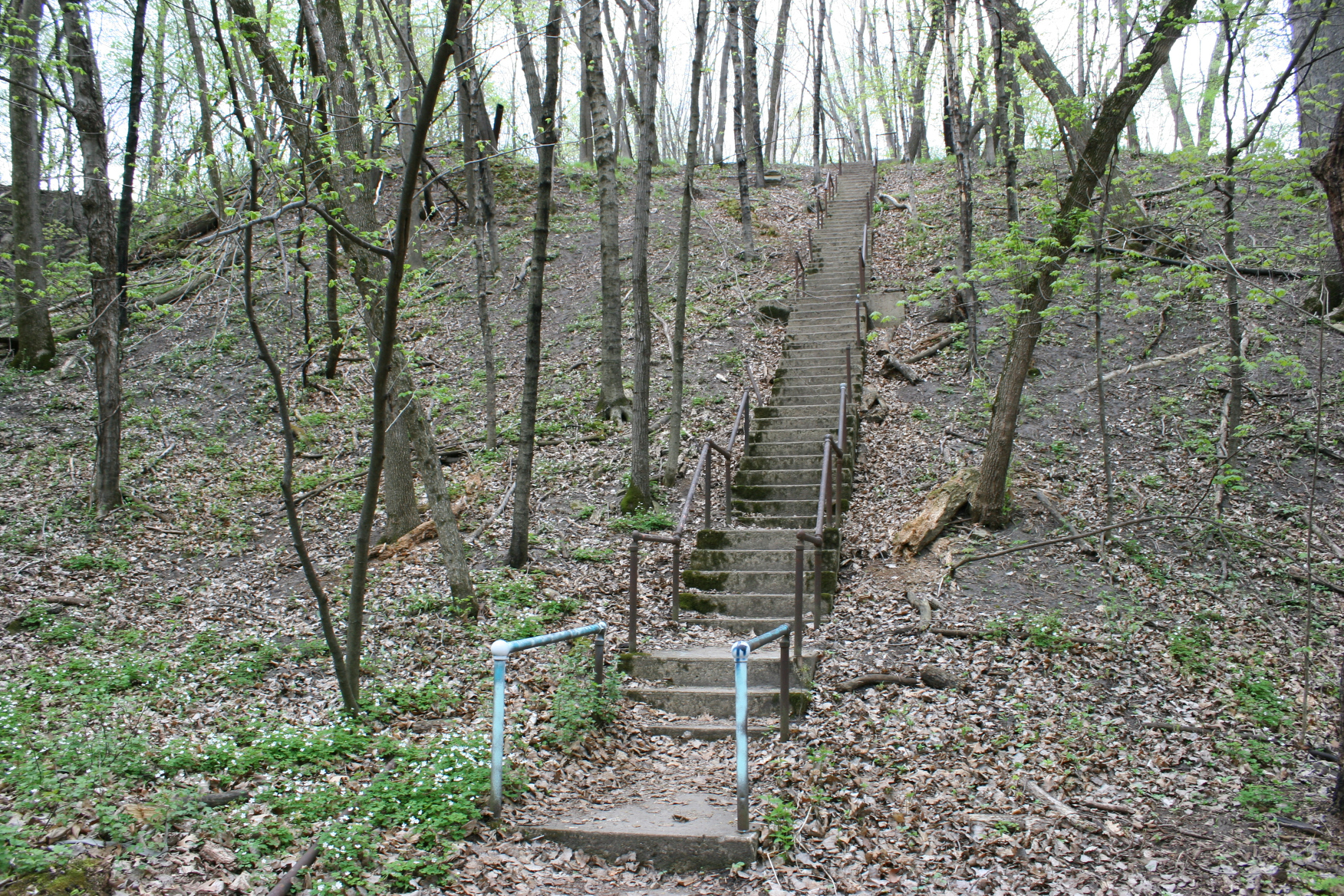
I felt tempted to climb these stairs, but didn’t have the energy. Minnesota Prairie Roots copyrighted photo.

A lengthy stairway climbs a hillside. Slabs of limestone and chunks of concrete—perhaps foundations of long ago buildings—cling to steep banks.

Graffiti mars the tunnel entrance. Minnesota Prairie Roots copyrighted photo.

And then there’s the tunnel. The 442-foot-long tunnel, which I refused to enter. One look at the graffiti at the entry, especially the rat art, and I knew, no way, would I walk through that former root cellar. So I photographed that space, editing out the obscenities (which proved nearly impossible).

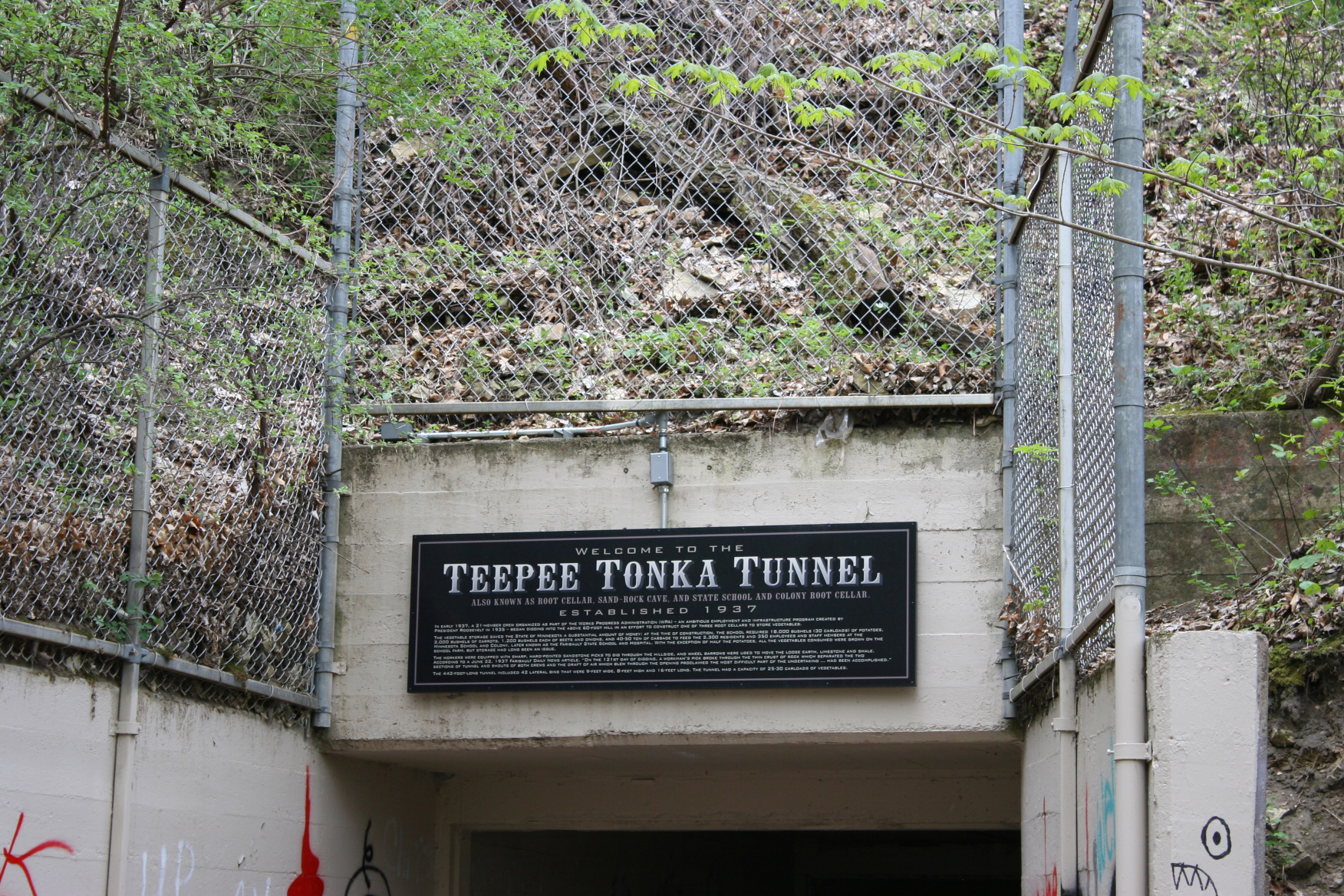
A sign above the tunnel details its history. Minnesota Prairie Roots copyrighted photo.

And I photographed the sign above, which summarizes the history of this 1937 Works Progress Administration project. Workers hand dug the tunnel with picks, hauling the dirt and rocks away with wheelbarrows. Once complete, the tunnel served as a root cellar for the Minnesota School and Colony (later known as The Faribault State School and Hospital). The Teepee Tonka Tunnel once held 25-30 carloads of vegetables to feed the 2,300 residents and 350 employees. Most of those potatoes, carrots, beets, onions and cabbage were grown on the school farm.

Another snippet of the tunnel graffiti. Minnesota Prairie Roots copyrighted photo.

Now the history, the hard work, the humanity were dishonored by those who use this as a canvas for words and art that shouldn’t be here.

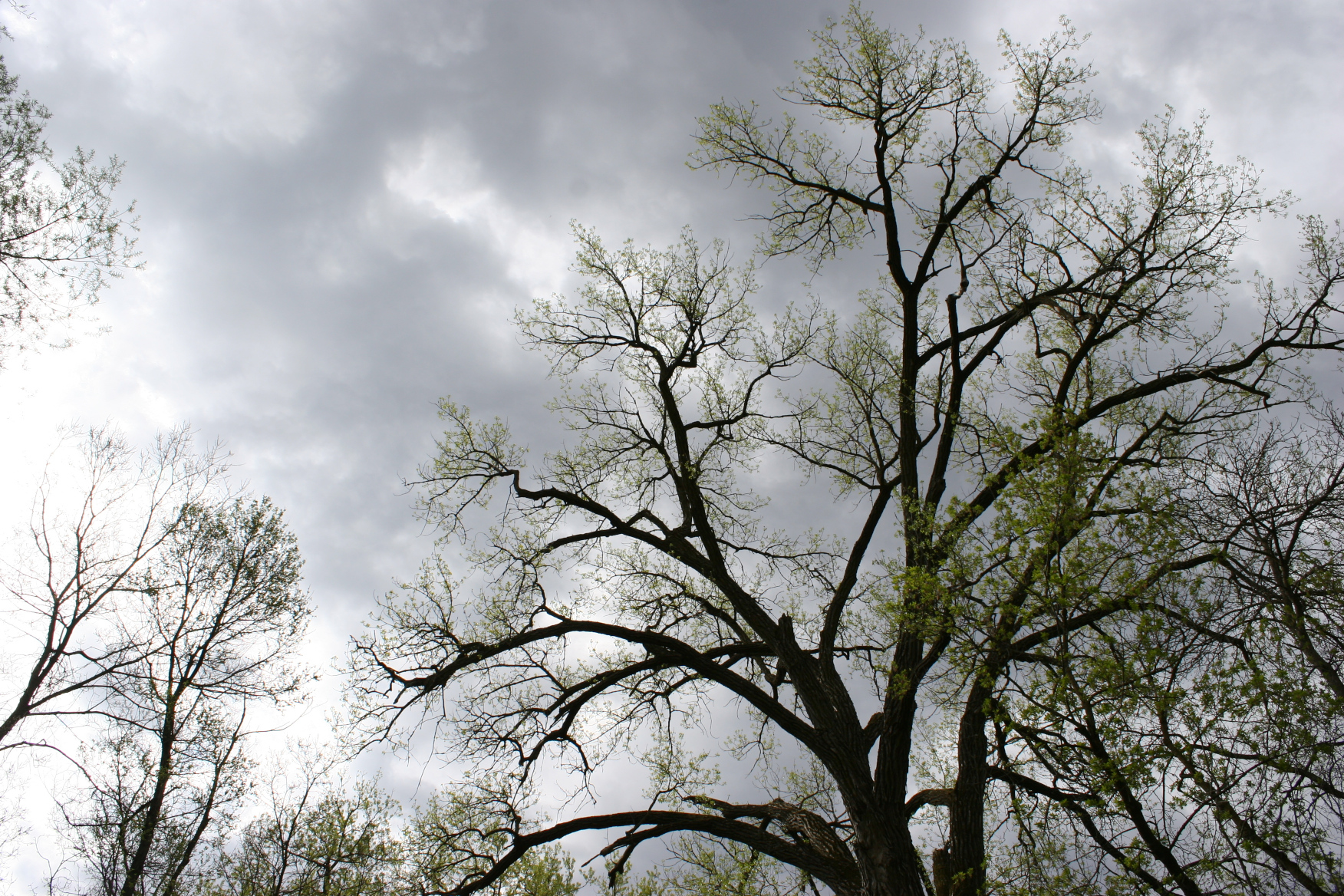
Trees tower over the trail. Minnesota Prairie Roots copyrighted photo.

All of this saddened me as I retraced my steps, watched as a young man walked along the railroad tracks, backpack strapped on, county music blaring. This should be a place of peace. Not only noise-wise, but also mentally. I pictured picnic tables near a footbridge devoid of menacing messages. I pictured a beautiful natural setting where I could bring my grandchildren. But, in reality, I understood that those tables would only be defaced, maybe even burned.

The beautiful Straight River, which winds past Teepee Tonka Park and River Bend Nature Center. Minnesota Prairie Roots copyrighted photo.

This could be so much. A respite. Water and woods converging. River flowing with history. Images of men hard at work tunneling into a 60-foot high hill. I could envision all of that…the possibilities beyond that which I’d seen.

© Copyright 2021 Audrey Kletscher Helbling


Briana, more than a statistic April 28, 2021

Minnesota Prairie Roots file photo used for illustration only.

SHE DIED ON FRIDAY due to complications from COVID-19. And she was 30. Only 30.

I didn’t know Briana, who graduated from Faribault High School in 2009. But that matters not. Here’s a young life lost to a deadly virus, Briana’s name now on the ever-lengthening list of 7,091 (as of Tuesday) Minnesotans who have died from COVID or complications thereof.

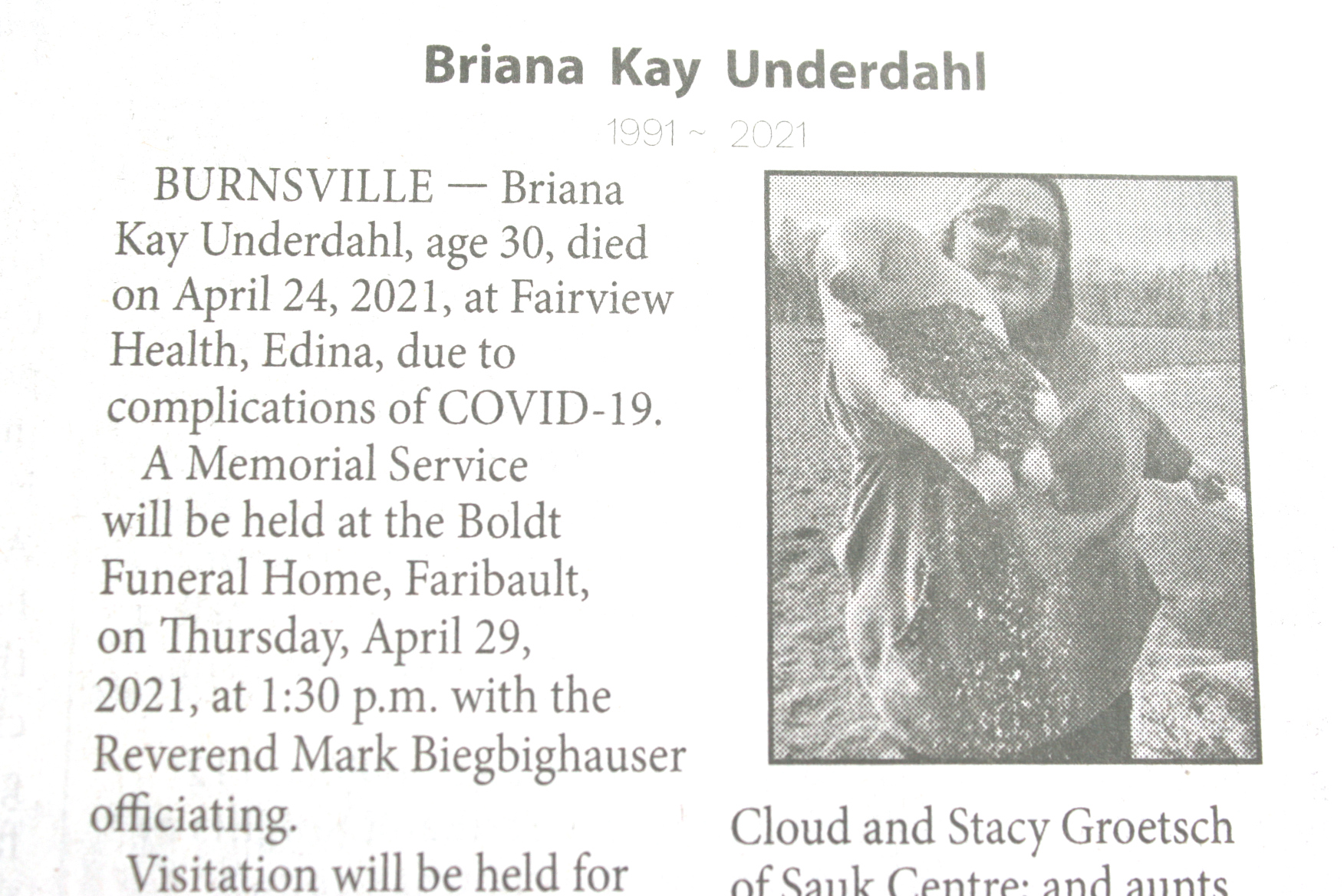
Briana’s obituary, published April 27, 2021 in The Faribault Daily News.

My heart hurts for Briana’s family and friends. Her obituary and the comments therein, describe a vibrant and artsy young woman who enjoyed photography, crafts, sewing and music. She was also tagged as a passionate activist.

Briana’s friend Corrina writes: Briana was the most fieriest, artistic, and admirable person I knew. She inspired me to protest and we walked together through the streets fighting for justice. She made the world a better place.

She made the world a better place. I think we would all like to be remembered in that way.

It’s so important to remember that behind every COVID-19 death statistic is a person. An individual who loved and was loved. Who perhaps, like Briana, marched with fiery passion. Or quietly helped others via kindness, generosity and compassion. Or still had their whole life ahead of them. Like the first grader from Park Side Elementary School in Marshall who died on Sunday due to complications from COVID-19. A child with no underlying health conditions. My heart breaks. My cousin’s daughter teaches at Park Side. Marshall sits in Lyon County, in the southwestern corner of the state, in a region with one of Minnesota’s highest COVID infection rates.

As I watch and read media coverage of the COVID situation in India, my heart also breaks at the overwhelming number of new cases—some 350,000 in a single day—and the resulting deaths. It’s difficult to see film of people suffering, of bodies wrapped in blankets and lying in the streets, of oxygen masks clamped onto faces and hear the pleas for oxygen, medicine, PPE. Pleas, too, for vaccines.

An article published in the April 27 edition of The Faribault Daily News highlights how the virus continues to spread in my region of Minnesota. I see more and more people in public without face masks or half-masking. Tuesday stats from the Minnesota Department of Health list 12 new deaths, including one from my county of Rice. That individual was between the ages of 55-59. That makes 104 COVID-19 deaths now in my county

I feel thankful that the US and other countries are offering help to the people of India in this overwhelming health crisis. Yet, I can’t help but think how people in the US are turning down vaccines, not wearing face masks, living like there’s no pandemic…

Monday evening I watched “The Virus That Shook the World,” a two-part FRONTLINE public television documentary featuring people from around the world in the first year of COVID-19. A doctor. Filmmakers. Dancers. It was heart-wrenching to listen, to watch. But necessary to document. Important to view. I felt my grief building as the film progressed. And then, when a daughter in Iceland shared the story of her mother’s death from COVID, all the grief and pain I’ve felt during the past year-plus erupted. I couldn’t stop crying as I observed this family’s loss and pain. I felt like I was crying the grief of the world. Crying for Briana and her family. Crying for the family of that first grader and the entire community of Marshall. Crying for those in my circle who have lost loved ones (seven thus far) to COVID.

In all this grief and suffering and pain and death, I hold onto hope. Hope that we can overcome. Hope that we can heal. Hope that we can set aside politics and misinformation and me-attitudes to do what is right. To care about others and to act like we care. To understand the importance of health and science in defeating this virus. To cry tears of joy rather than tears of unending grief.

© Copyright 2021 Audrey Kletscher Helbling


Welcome to the river in Northfield April 26, 2021

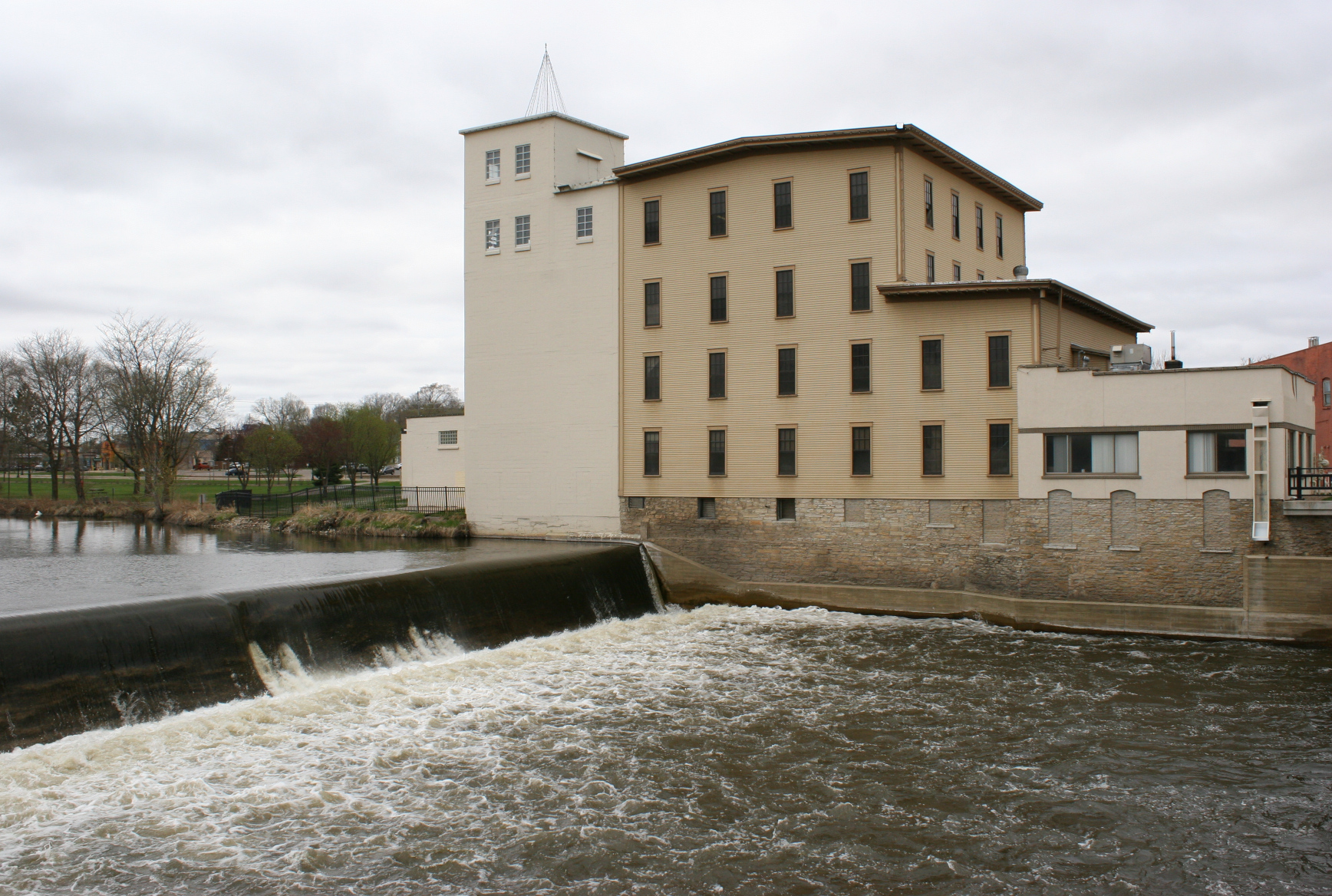
The historic Ames Mill hugs the Cannon River at the dam in downtown Northfield, Minnesota.

THE RIVER RUNS THROUGH. Behind businesses, over the dam by the aged mill, under bridges…

Bridging the Cannon by Bridge Square.

In Northfield, the Cannon River always draws me. There’s something about water. About the power of a river, the mesmerizing movement, the rise and fall thereof, the sense of peace which flows through me when I view water. Or watch fire. Or hear wind.

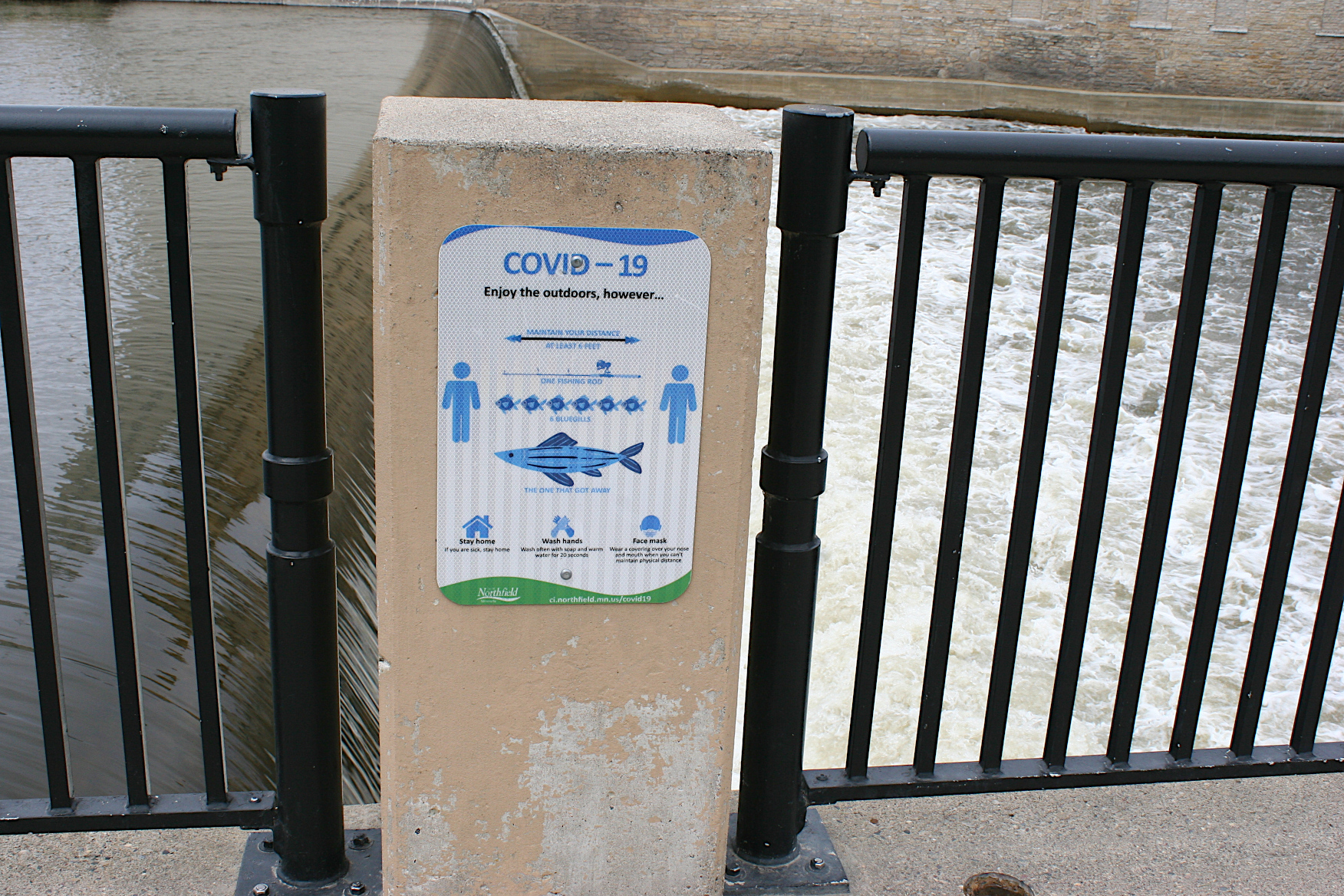
Posted on the railing by the dam, a reminder that we’re still in a pandemic.

On a recent Sunday, Randy and I headed toward the Riverwalk in the heart of historic downtown Northfield. We passed, and paused, at Bridge Square, the community’s gathering place. Every town should have a spot like this for folks to meet, to center causes, to converse or to simply sit.

We stopped to watch the Cannon spill over the Ames Mill Dam next to the 1865 Malt-O-Meal (now Post Consumer Brands) mill that still produces hot cereal, the scent often wafting over the city.

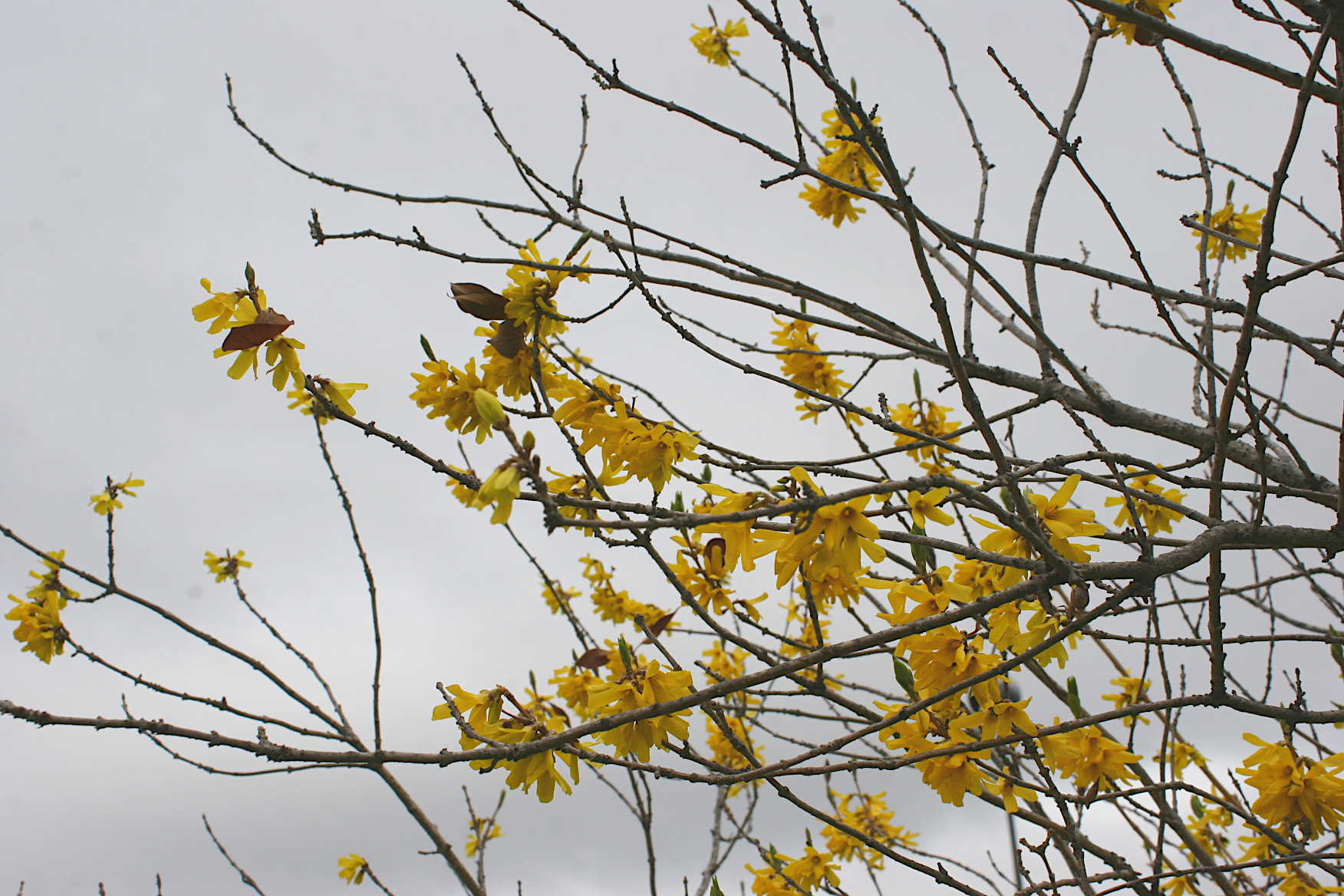
A flowering tree bursts color into Bridge Square near the river.
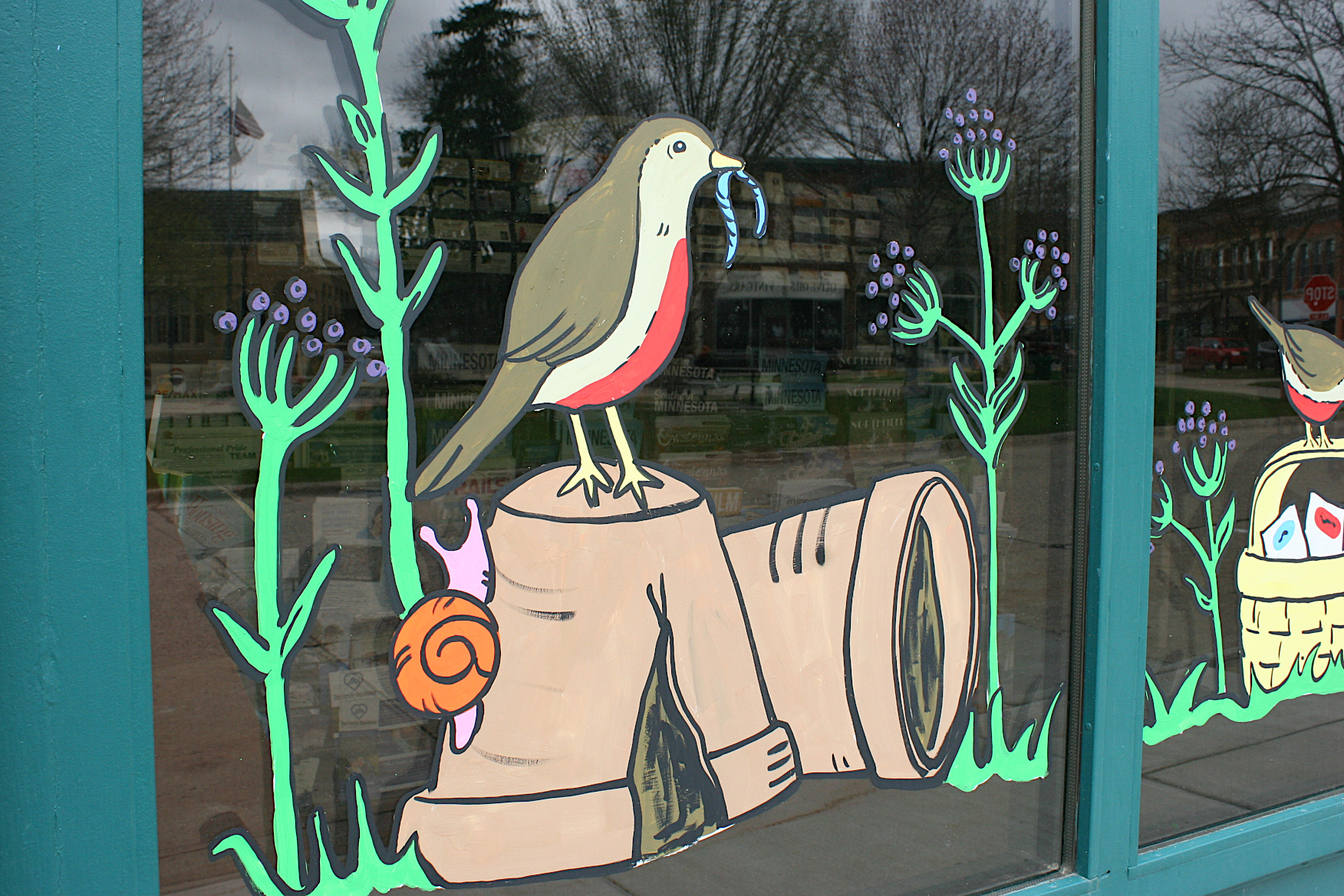
Spring in art, at the local tourism office.

I delighted in a blossoming tree and the spring-themed art painted on the front window of the Northfield Area Chamber of Commerce and Tourism office. Seemingly small things like this add an artsy vibe to Northfield. Details matter. Art matters. Nature matters.

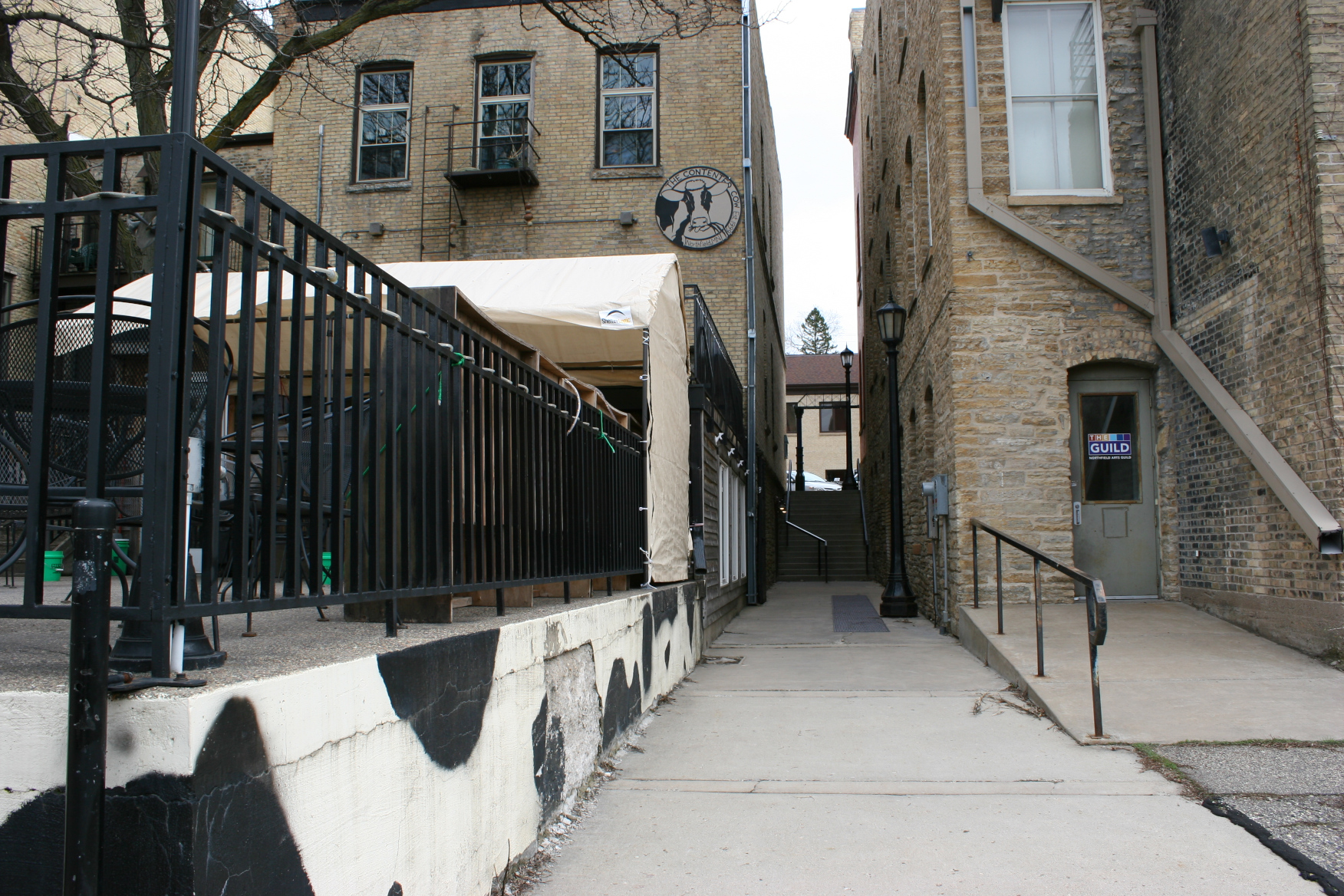
The narrow walkway by the Contented Cow (a British style pub) leads to Division Street from the Riverwalk.

When we reached the riverside back of the Contented Cow, I noticed for the first time the Holstein painted retaining walls and tables. Why had I not previously seen this? It appears to have been here for awhile.

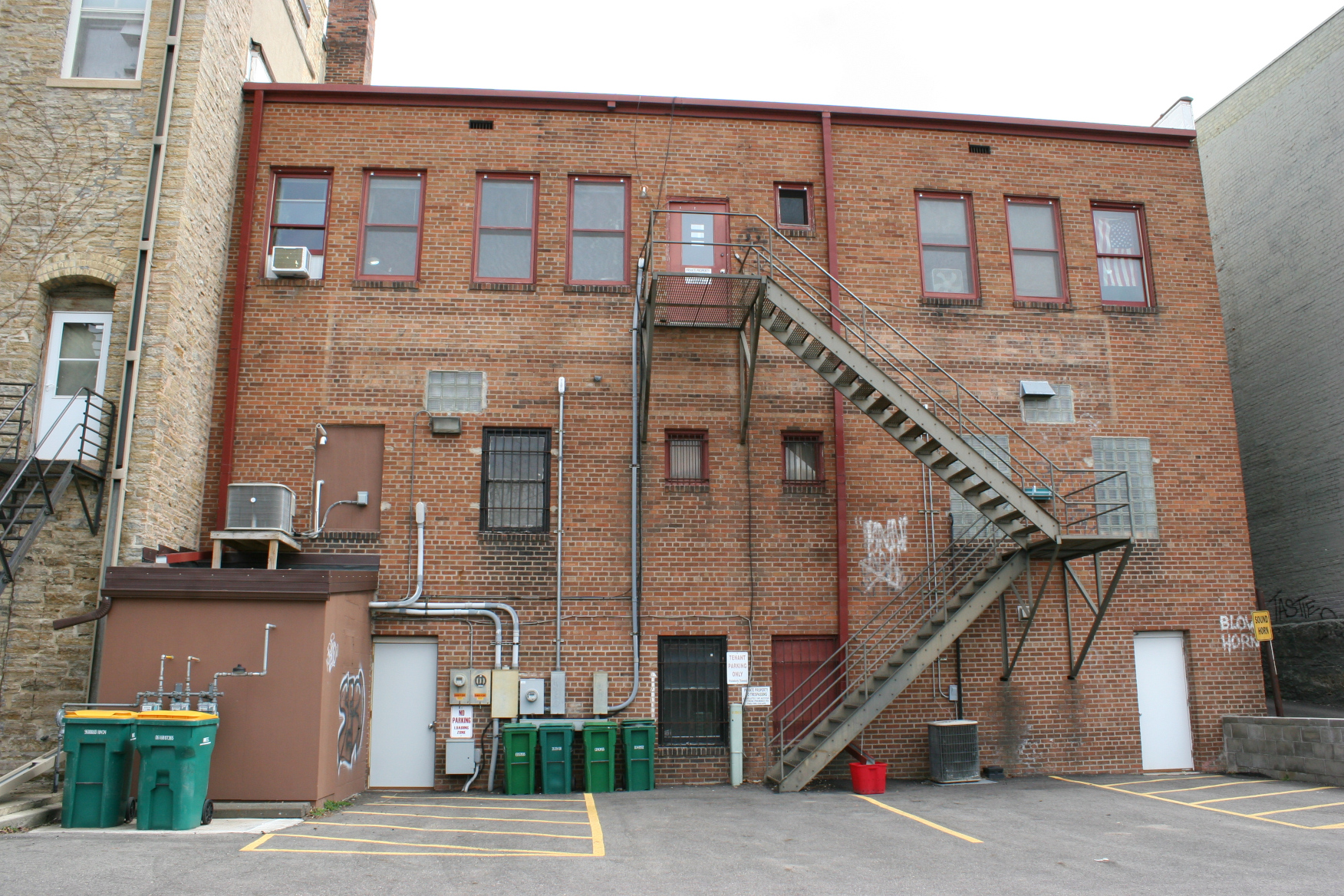
The back of an aged building photographed from the Riverwalk.

I find backs of buildings bare bones interesting, like nouns without adjectives.

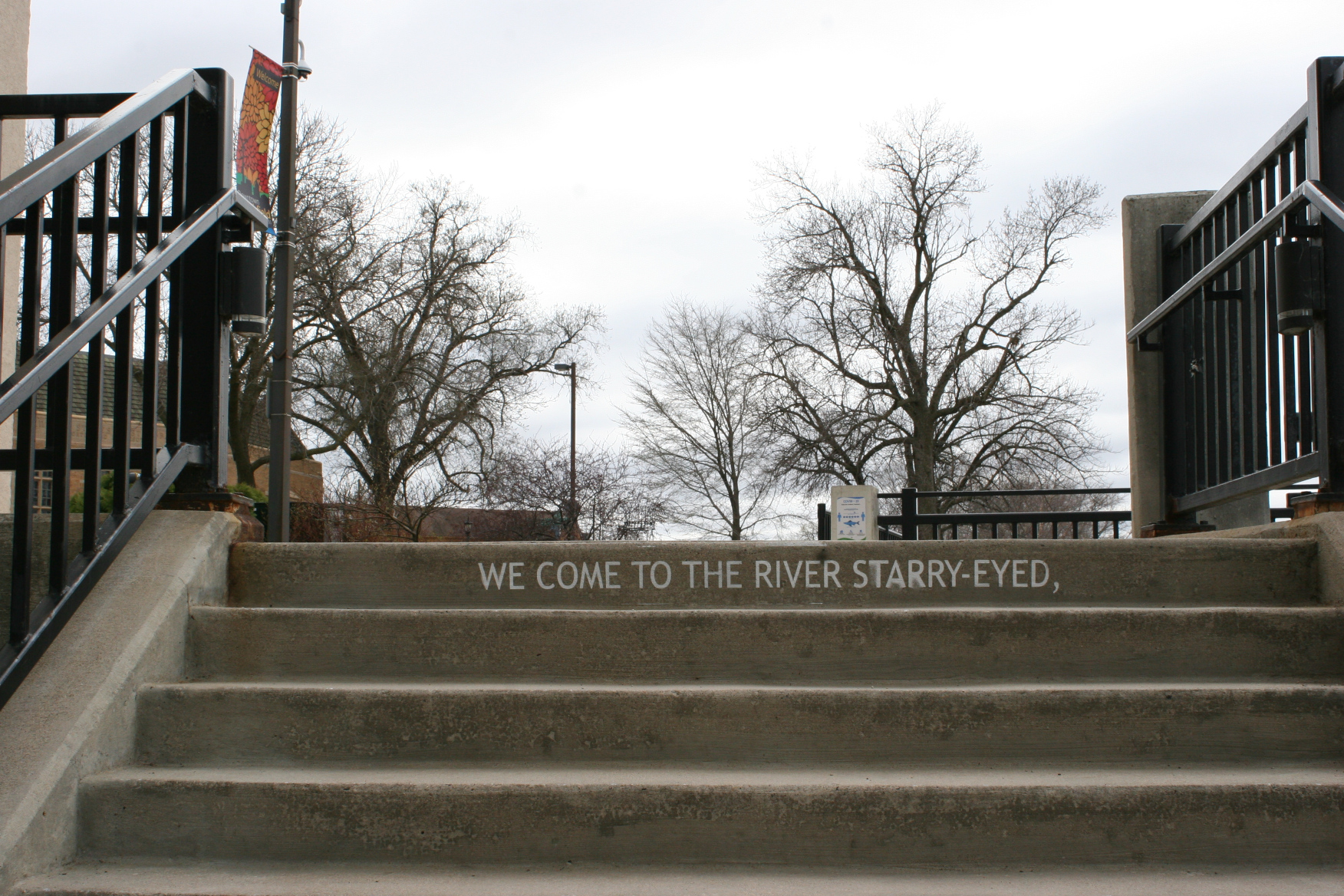
Words on the Riverwalk stairway.

That’s the thing about slowing down. Noticing. Sometimes we fail to walk at a pace that allows us to see, truly see, the world around us. The backs of buildings. The flow of the river. To take it all in, starry-eyed at the beauty which surrounds us.

© Copyright 2021 Audrey Kletscher Helbling


April observations from my Minnesota backyard April 23, 2021

Filed under: Uncategorized — Audrey Kletscher Helbling @ 5:00 AM
Tags: , , , , , , , ,
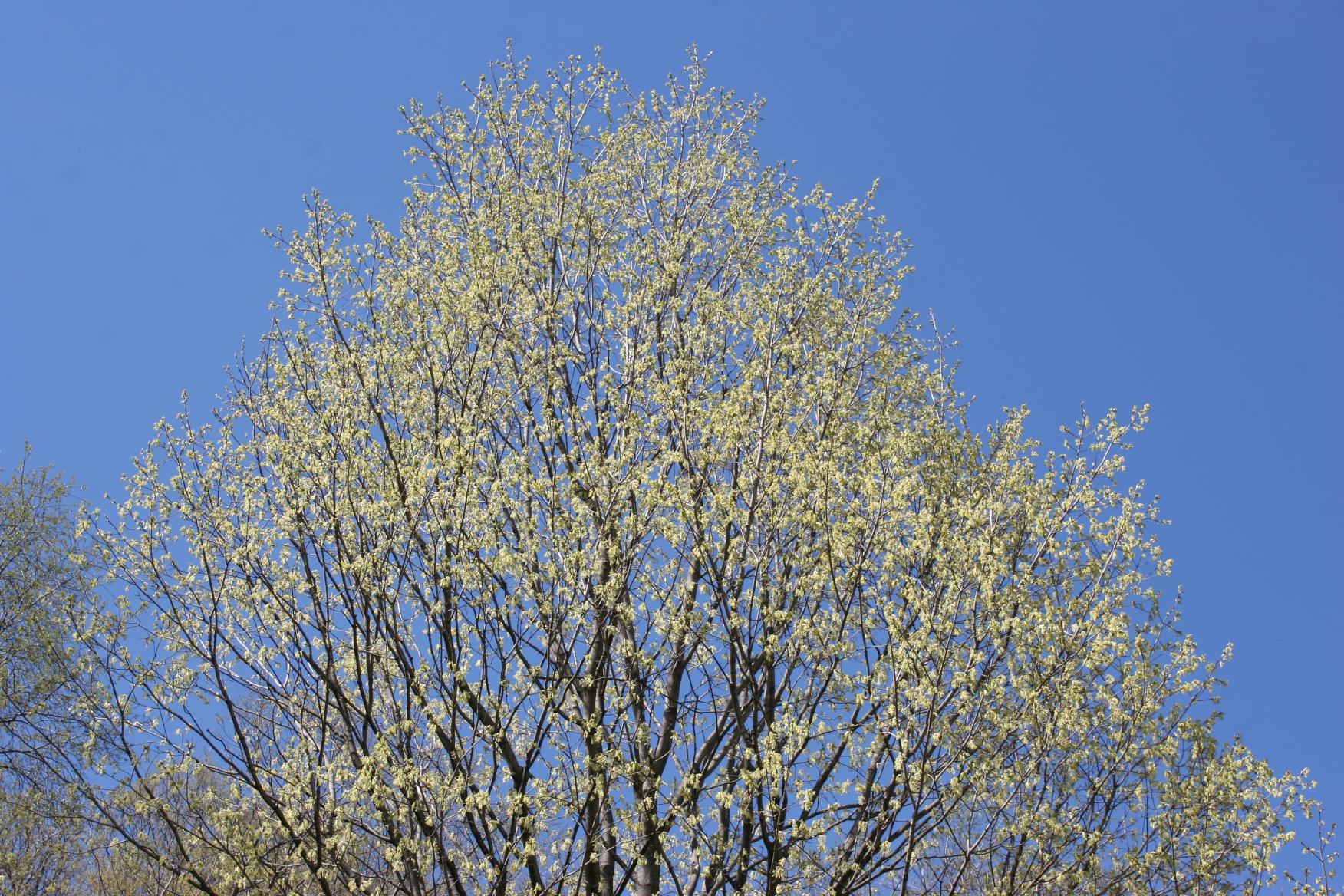
Oh, to see the trees leafing out…a sure sign of spring in Minnesota.

SPRING IN MINNESOTA brings depth to the landscape. A richness of color. Months of grey and brown fade, replaced by pops of vibrant hues in spring flowers, by vivid blue skies, by bursts of green in leafing trees.

My backyard shows all those signs of spring. As I hang laundry on the line on an April morning with a lingering nip of cold, the sun shines bright. The shrill voice of cardinals pierces through the steady noise of traffic.

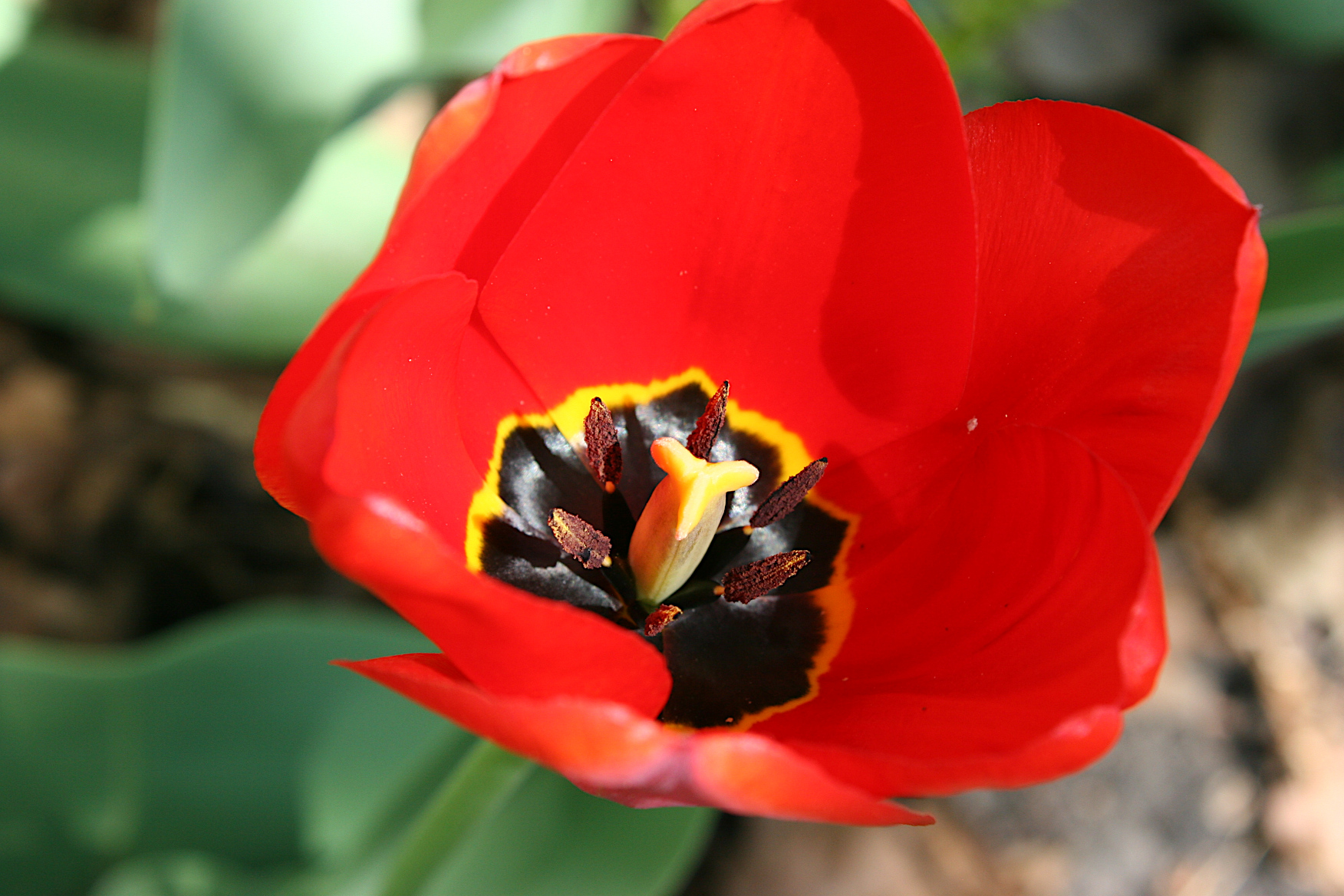
Tulips color my yard.

Around the corner, next to the house foundation, 18 red and yellow tulips await the shifting of the sun. Soon they will “open their mouths,” as my now 30-something daughter assessed as a toddler.

Soon ferns will unfold in fullness. Minnesota Prairie Roots file photo.

In the same flowerbeds, ferns rise from the earth. Soon to fill the space, to wave in the wind with a rhythm that seems poetically beautiful.

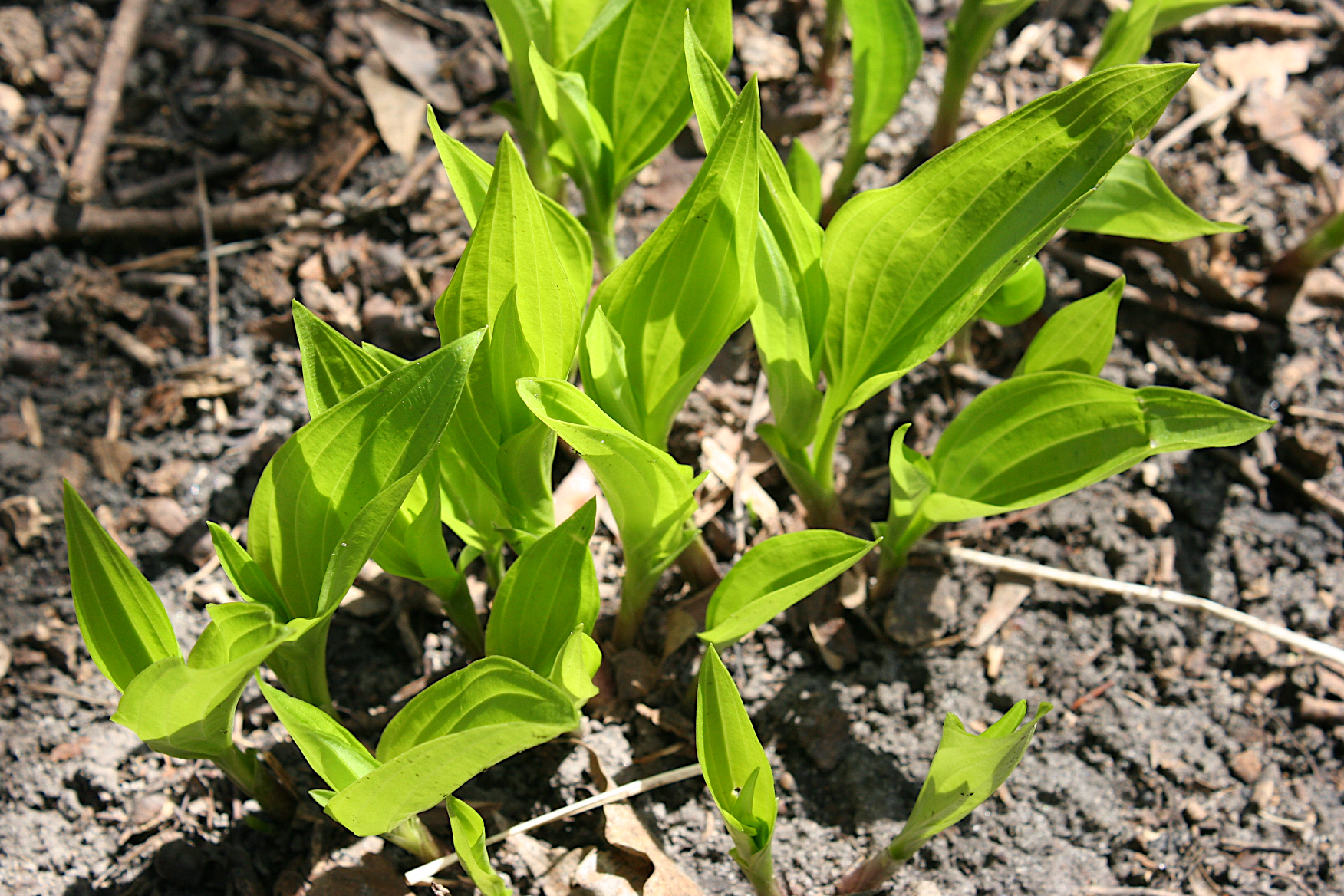
Oh, the light on these hosta leaves…

Hostas erupt in clusters of green leaves that will eventually spread wide.

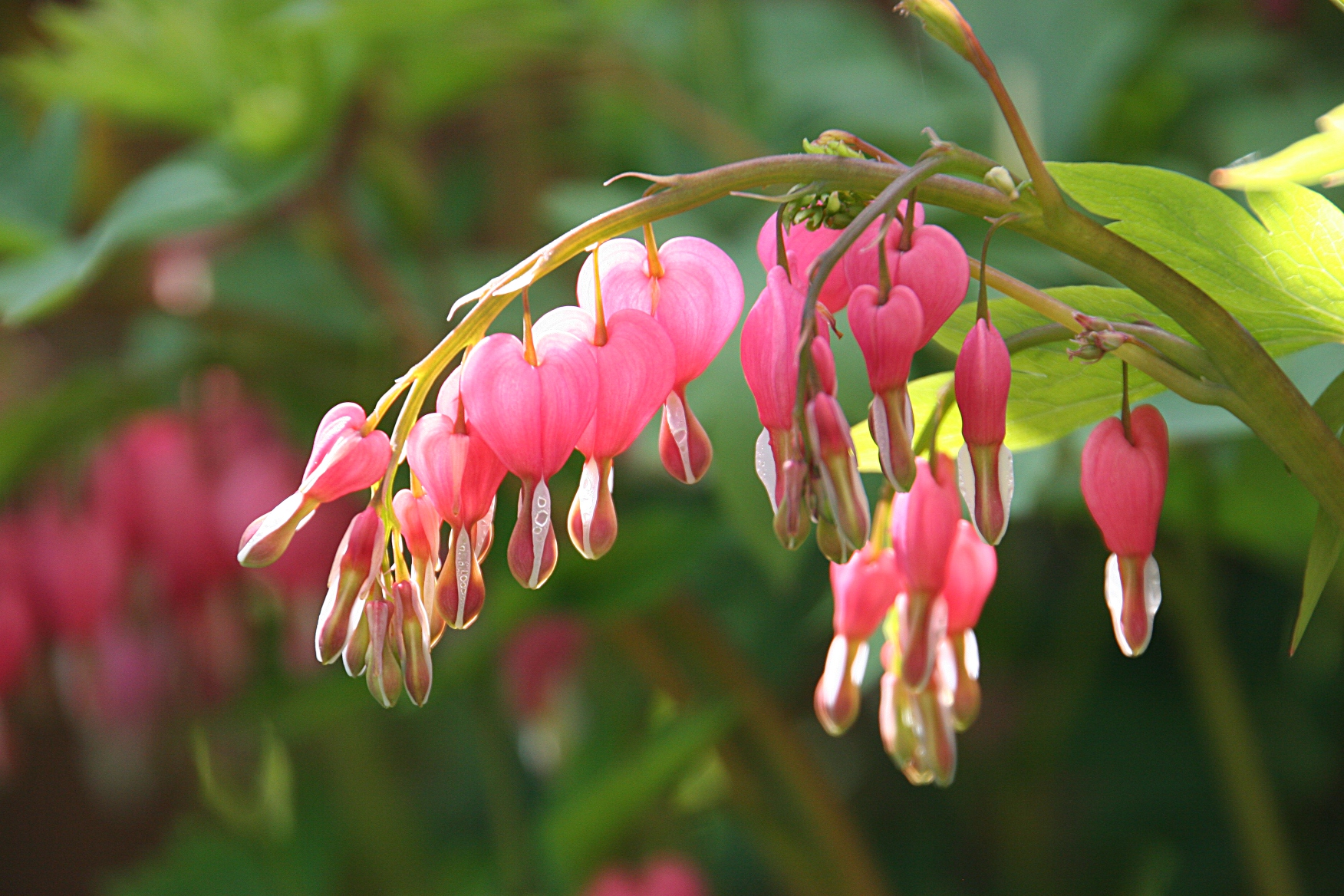
Soon the bleeding hearts will bloom. Minnesota Prairie Roots file photo.

And in three spots along the fence, bleeding hearts emerge, buds already forming on one plant.

This week has proven hard on plants with morning temps in the 20s. Tulip heads and bleeding heart buds drooped, bowing to the cold. They’ve since rebounded.

The reality of spring in Minnesota is fickle. One day sunshine and warmth, the next snow flurries and cold. I never quite trust, even in April and into early May, that winter has exited. We’ve experienced May snowstorms and certainly plenty in April. Snow shovels remain at the ready.

The greens of trees and of grass and plants seems particularly vivid in spring.

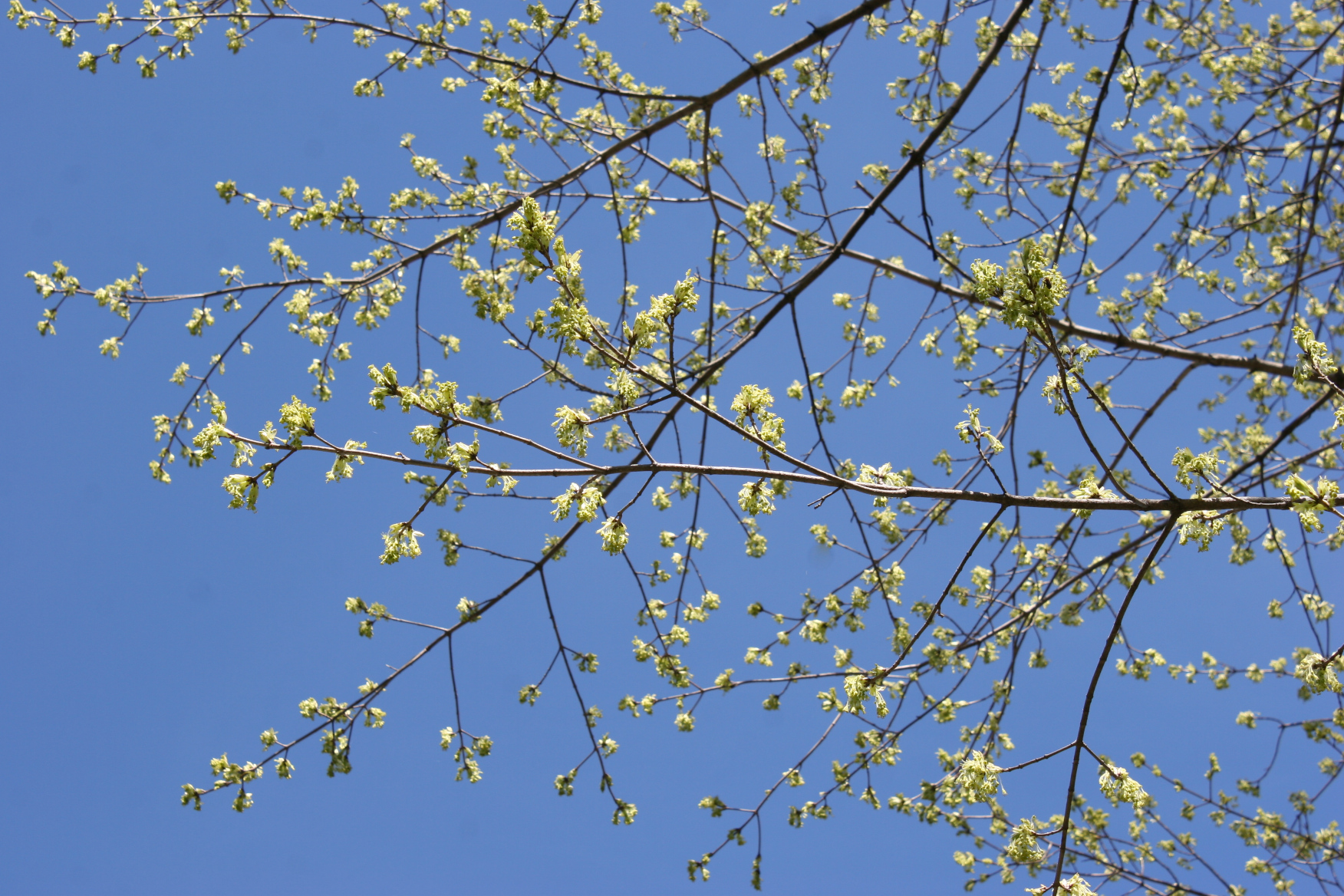
But for today, I believe in spring. I see it. Overhead in the greening of trees against the blue sky. Below in the push of plants through the cold soil. And in my spirit, I feel a renewed sense of optimism, a joyfulness that comes in this season of hanging laundry on the line with the sun beaming bright.

© Copyright 2021 Audrey Kletscher Helbling
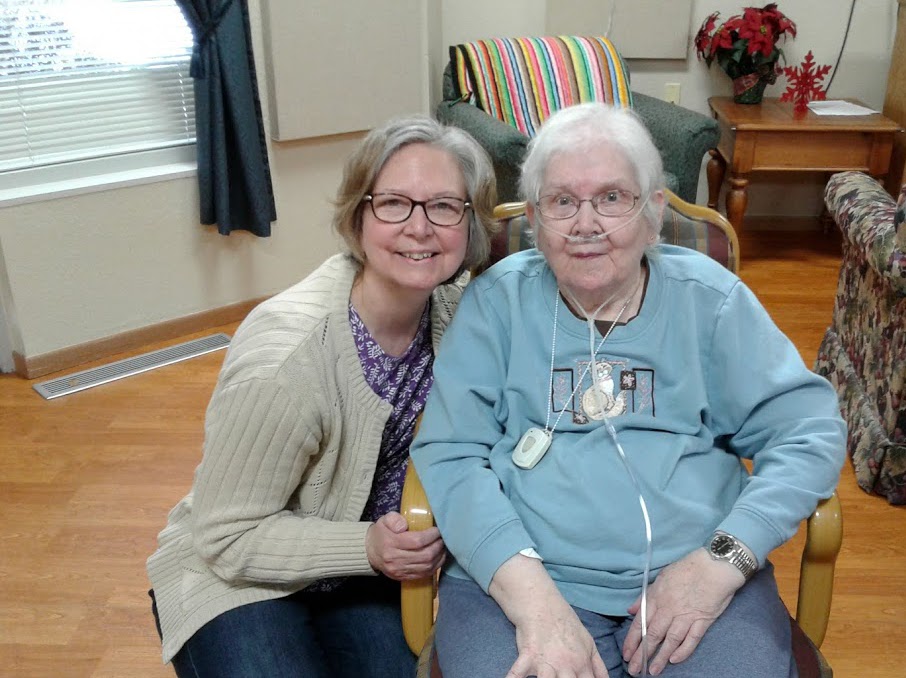
 

Of bugs, fiddleheads & anthills April 22, 2021

Filed under: Uncategorized — Audrey Kletscher Helbling @ 5:00 AM
Tags: , , , , , , , ,
Grandpa and grandchildren follow the pine-edged driveway last summer at a Minnesota lake cabin. Minnesota Prairie Roots file photo July 2020.

HE BENT LOW, SQUATTING, trying to peer into the pinprick of a hole centering the mound of black dirt.

“Bug. Bug,” my 28-month-old grandson repeated. Three of us circled him—me, Grandpa (whom he calls Buddy) and Sister. In that moment, the anthill focused our attention. In that moment I realized, once again, how much I love being a grandma. How much I love seeing the world through the eyes of Isaac and his five-year-old sister, Isabelle.

This past weekend the pair stayed overnight with us, minus the parents. Randy and I love this special time with our grandchildren. Time to hug and cuddle and read and play. And explore nature.

With warm and sunny weather, we spent much of our weekend outdoors. Blowing bubbles. Playing Posy Pitch. Chalking cement. Climbing playground equipment and pushing swings and running after a little guy who moves incredibly fast.

We enjoyed nature in our yard and those anthills along the sidewalk. Isaac delighted in the ants and then did what seems innate—demolished the hills with his shoes. We never showed him.

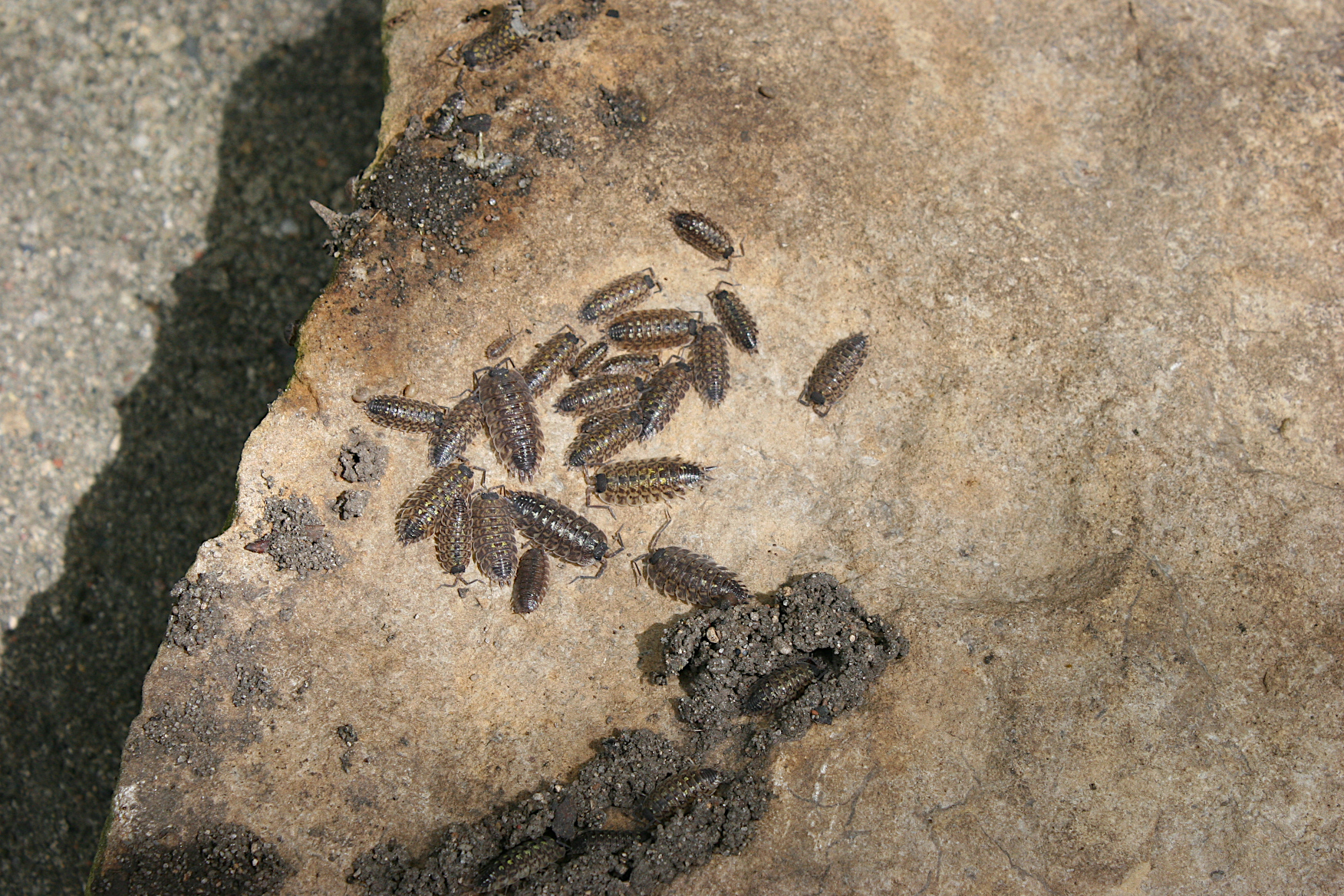
The bugs that intrigued Isaac.

Bugs and worms enthralled him when Grandpa/Buddy flipped flat slabs of limestone to expose both. I can’t recall how many times Isaac asked to see those bugs.

Minnesota Prairie Roots file photo.

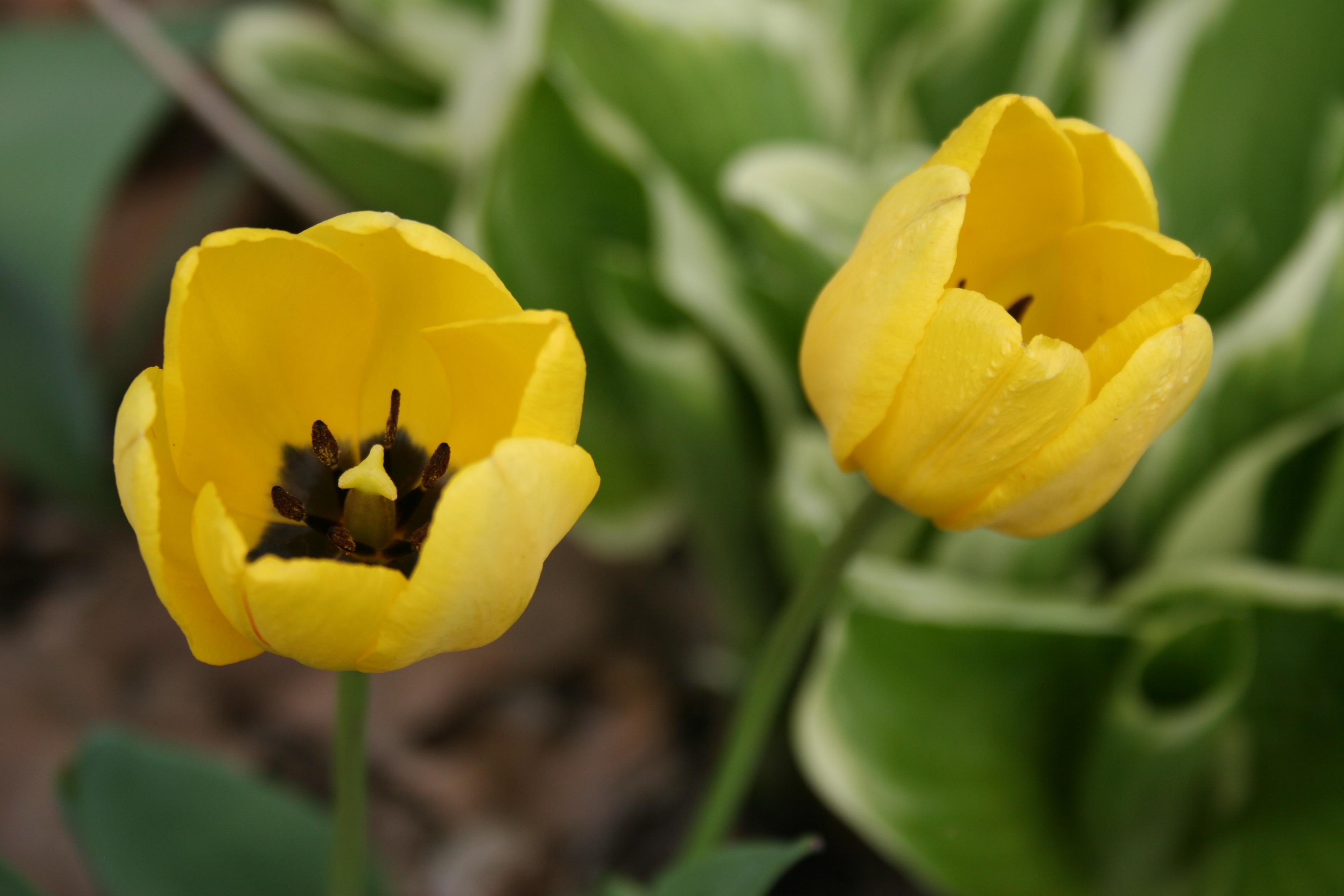
He loved the tulips, too, two red and two yellow blooming on the south side of the house. “Match,” he said. He’s big in to matching, just like he’s big in to letters of the alphabet. And he loves the sun and moon, imagining both in our overhead dining room light. At least this visit Isaac didn’t awaken early enough to see the sun and the moon simultaneously as he did during his last overnight stay.

Minnesota Prairie Roots file photo.

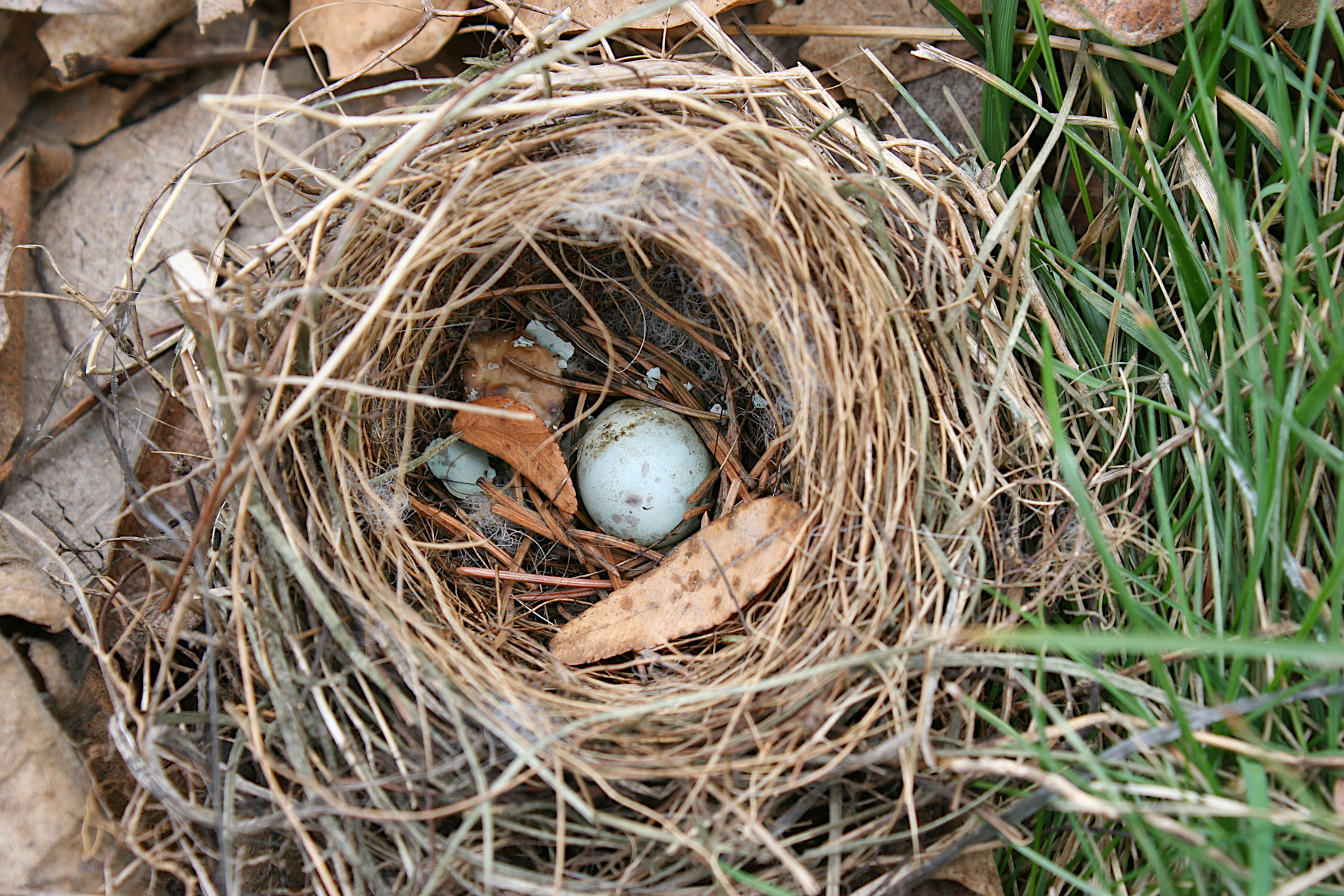
I showed Isaac and Izzy the bird nest I found lying in the grass a few weeks ago, small blue egg still cozied inside the circle of dried grass. They listened, too, to the shrill whistle of a cardinal and heard Grandpa whistle in reply.

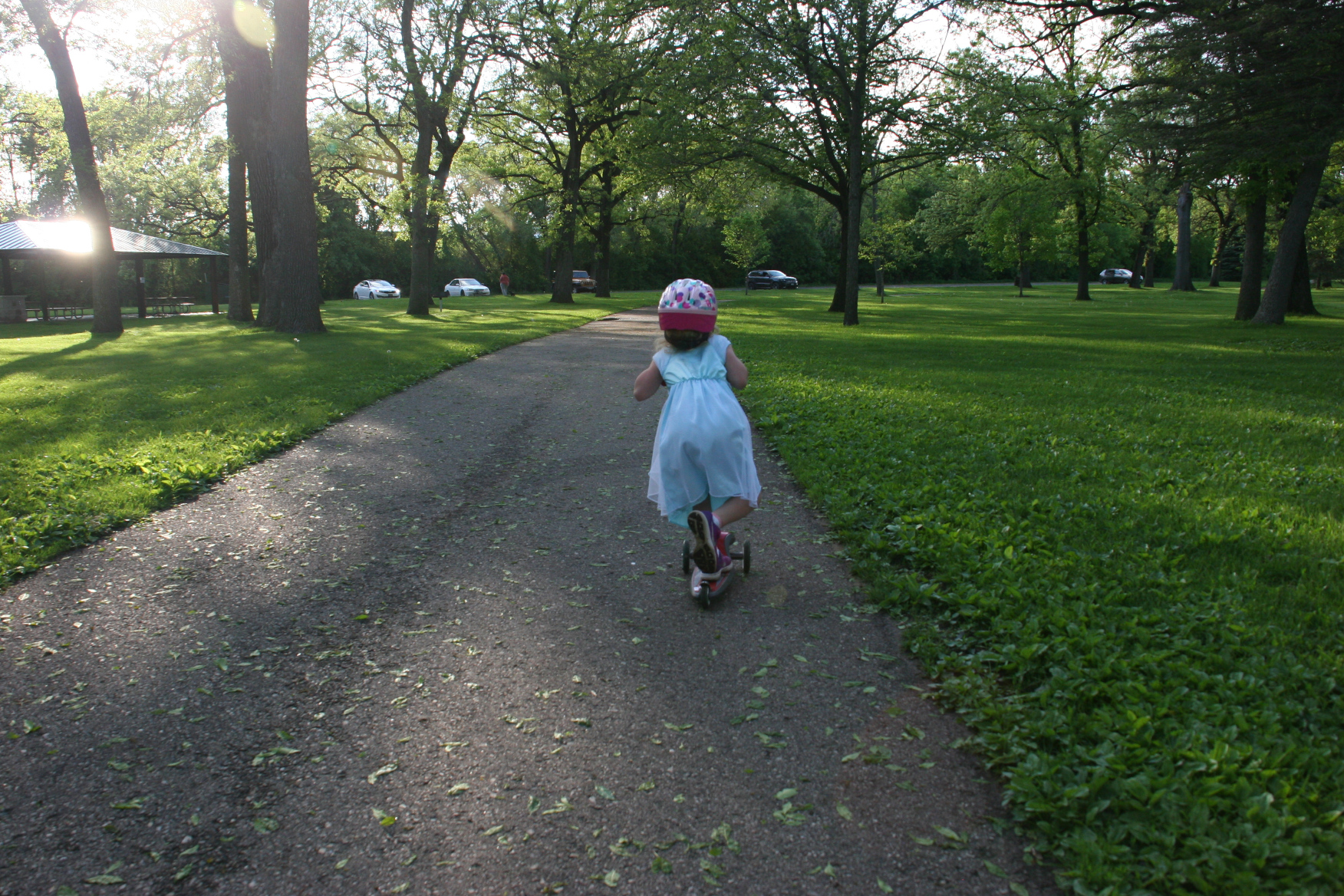
Our granddaughter zooms along on her scooter last year at North Alexander Park in Faribault. Minnesota Prairie Roots file photo 2020.

When you pause to think like a child, listen like a child, see like a child, the natural world opens wide to awe and new-ness and delight. And that’s worth remembering, especially today, Earth Day.

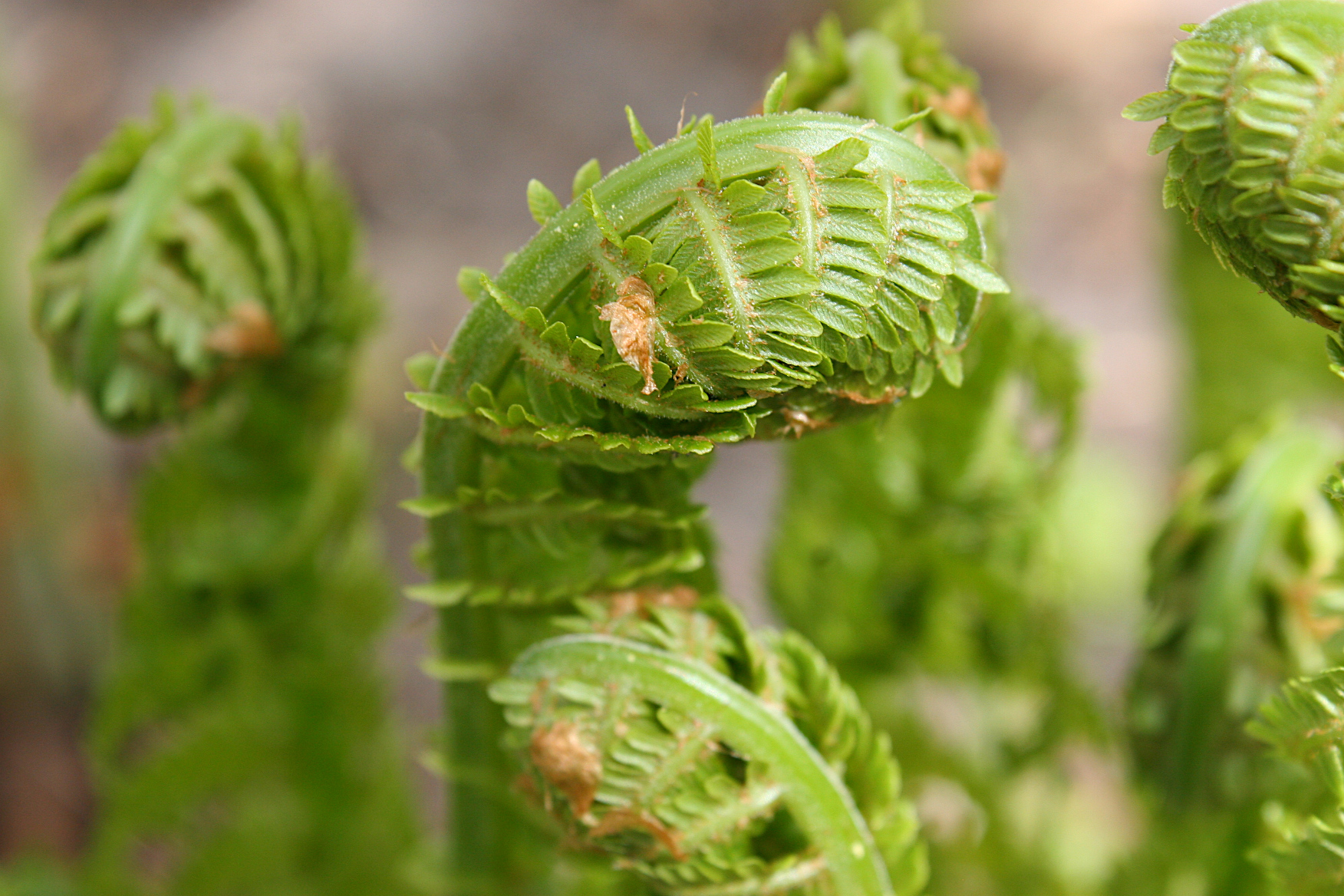
Fiddleheads in my backyard.

I showed the pair fiddleheads—tightly coiled fern fronds destined to unfurl in the warmth and sunshine of an April day.

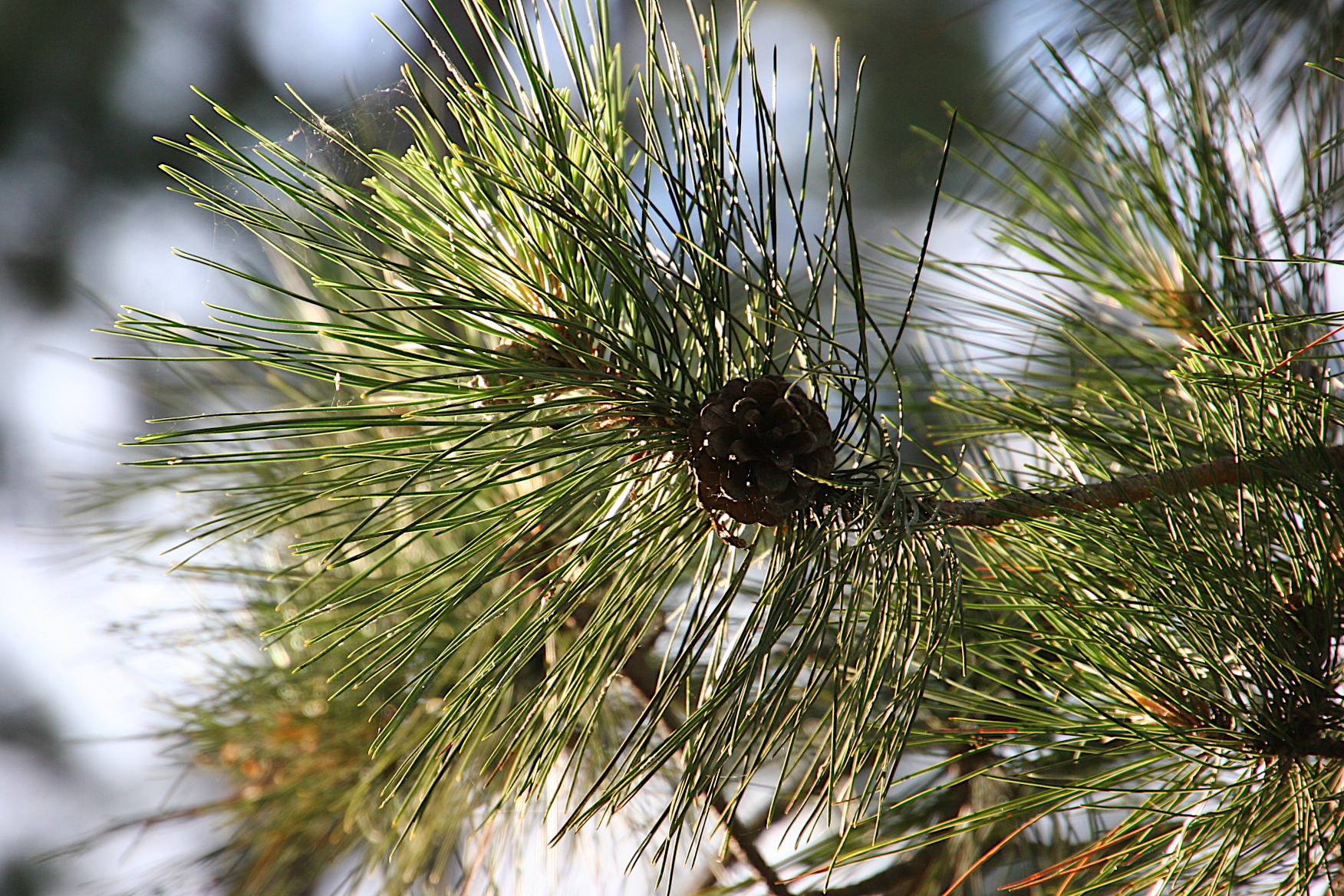
Even a pine cone holds wonder in the hands of a two-year-old. Minnesota Prairie Roots file photo July 2020.

While walking and playing at the Minnesota State Academy for the Deaf, we pocketed pine cones. And a smooth flat stone. Treasures.

Time with our grandchildren is treasured. Isaac loves watches and clocks. “Tick tock,” he says, when pointing to clocks in our house or carrying around the vintage alarm clocks I have in a small collection. Minnesota Prairie Roots file photo.

But the true treasure is time. Time with Isabelle and Isaac. Time to love on them and teach them and learn from them. Time to grow our love for one another and strengthen that special bond between grandparent and grandchild. A bond unlike any other.

© Copyright 2021 Audrey Kletscher Helbling
 

Able to breathe again April 21, 2021

Filed under: Uncategorized — Audrey Kletscher Helbling @ 2:02 PM
Tags: , , , , , , , , , ,

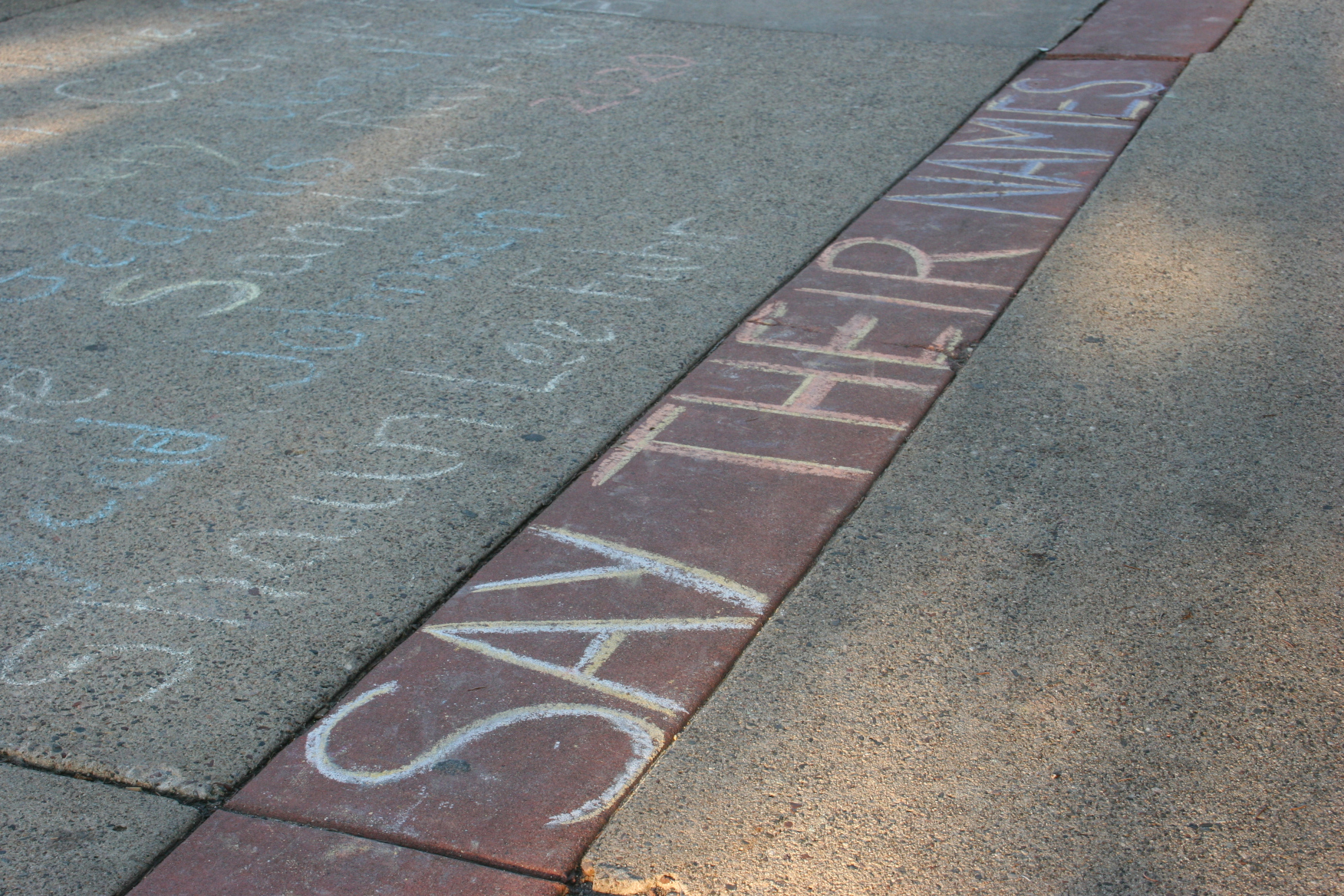
A message chalked in Bridge Square in Northfield carries a repeated phrase as young Black people continue to die at the hands of police. Minnesota Prairie Roots file photo August 2020.

WHEN MY ELDEST DAUGHTER texted at 2:31 pm Tuesday that a verdict had been reached in the Derek Chauvin trial, I replied with one simple word. What?

That the jury could reach a verdict in such a short time—about 10 hours—following weeks of testimony likely meant that the former Minneapolis police officer would be found guilty of killing George Floyd on May 25, 2020, in Minneapolis by pressing his knee on Floyd’s neck for 9 minutes and 29 seconds.

I immediately switched on the TV to await reading of the verdict by Judge Peter Cahill. As I waited and watched news coverage, I felt a sense of hope. Hope that this would end in a conviction. Hope that, finally, there would be accountability in the death of a Black man at the hands of police.

I’d watched the Chauvin trial off-and-on. I heard the words of the bystanders who witnessed Floyd’s death, who pleaded with police officers to give him medical attention. Who asked Chauvin to remove his knee from Floyd’s neck. Who chose to pause and care and document and attempt to save another human being’s life. They felt hopeless, helpless, traumatized, according to their sworn testimony. I listened, too, to police officers testify against one of their own. And I heard Floyd’s loved ones and medical experts speak. Listening to testimony left me at times feeling exhausted and heart-broken.

So when the guilty of all three counts—second-degree murder, third-degree murder and second-degree manslaughter—came down yesterday, I felt relief. Finally.

I watched Chauvin as the verdict was read. His eyes darted from side-to-side. I wondered what he was thinking in that moment and the moments following—when his bail was revoked, he was handcuffed and led away to wait in a Minnesota prison for his sentencing in eight weeks.

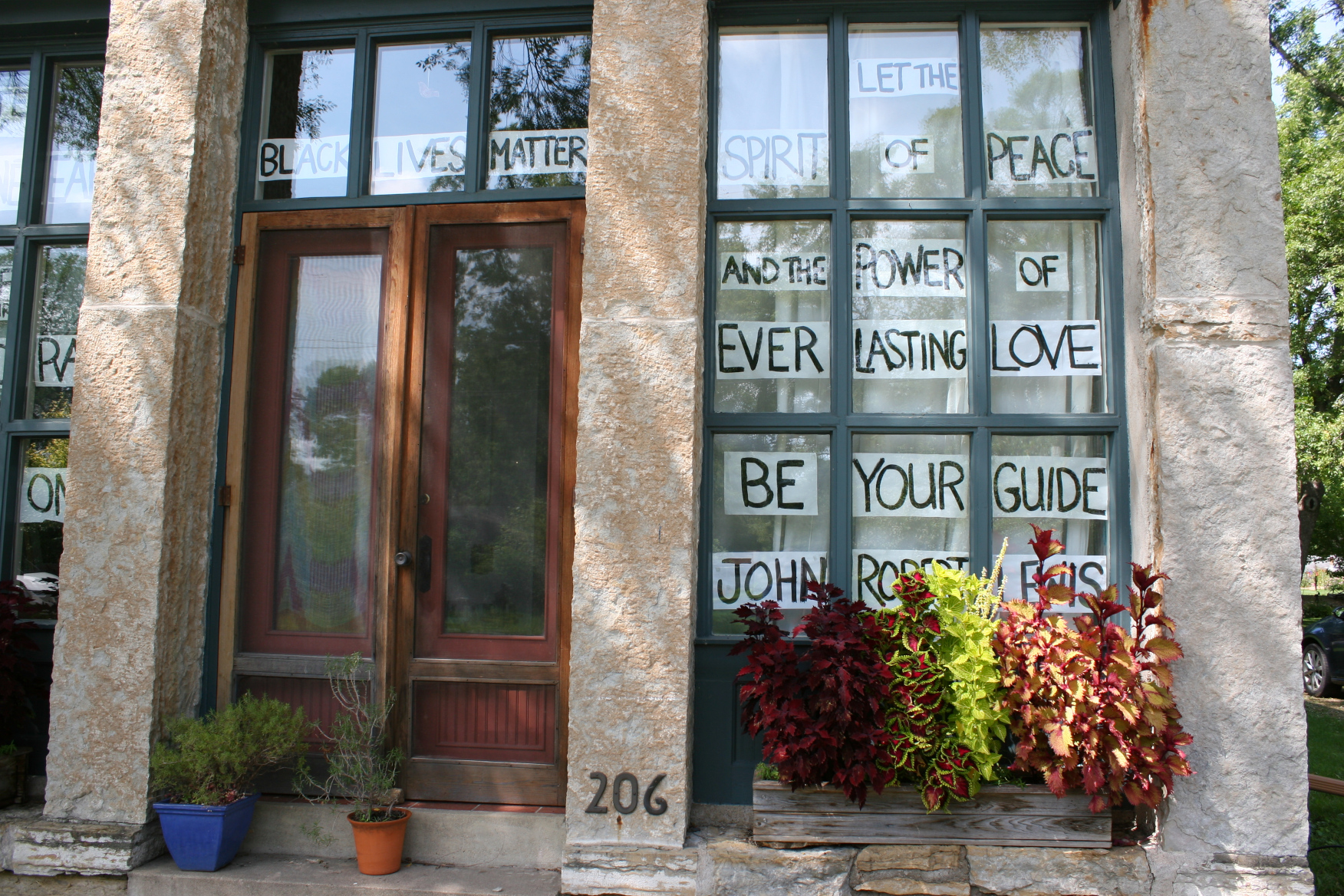
Messages on a house in small town Dundas, Minnesota. Minnesota Prairie Roots file photo August 2020.

But mostly, I wondered how the Floyd family felt. Later they would speak at a news conference led by Civil Rights activist Al Sharpton and Civil Rights attorney Ben Crump. Said Sharpton: “This gives us the energy to fight on.” And Crump: “America, let’s frame this moment as a moment where we are finally getting close to living up to our Declaration of Independence…that all men are created equally…with certain unalienable rights like life and liberty and the pursuit of happiness.”

My mind focused on this single word: life. George Floyd needlessly lost his life on May 25 at the corner of 38th Street and Chicago Avenue in south Minneapolis, a place now known as George Floyd Square.

In the 11 months since, his family has focused on attaining justice in the death of their brother/cousin/uncle/father and on effecting change. They have done that with grace, poise, eloquence, prayer and passion. George’s brother, Philonise Floyd, has stepped up as the family spokesman. At Tuesday’s news conference, these words, especially, resonated with me: “Today we are able to breathe again.” That comment by Philonise linked directly to George Floyd’s plea to police officers as he lay face down on the pavement dying. “I can’t breathe.”

A photo and comment posted at the “Selma to Montgomery: Marching Along the Voting Rights Trail” exhibit at St. Olaf College in Northfield in 2015. Minnesota Prairie Roots file photo 2015.

Much work remains to be done. Tuesday’s verdict marks an important step in accountability and a move toward justice and equality. It’s easy to type that. It’s harder to live it. To speak up. To take action. To care. And we need to care, whether we live along a rural gravel road, in a small town, in the heart of a big city or anywhere in between.

FYI: I’d encourage you to read posts by two Minnesota bloggers whom I respect and follow and who share their thoughts on the Derek Chauvin verdict. Click here to read Margit Johnson’s post, “Endings and Beginnings,” and Kathleen Cassen Mickelson’s “Guilty. Guilty. Guilty.”

© Copyright 2021 Audrey Kletscher Helbling
 

Back at the Rice County Fairgrounds

Looking toward food stands and the Midway. To the right, is the outdoor entertainment center. Minnesota Prairie Roots photo March 2021.

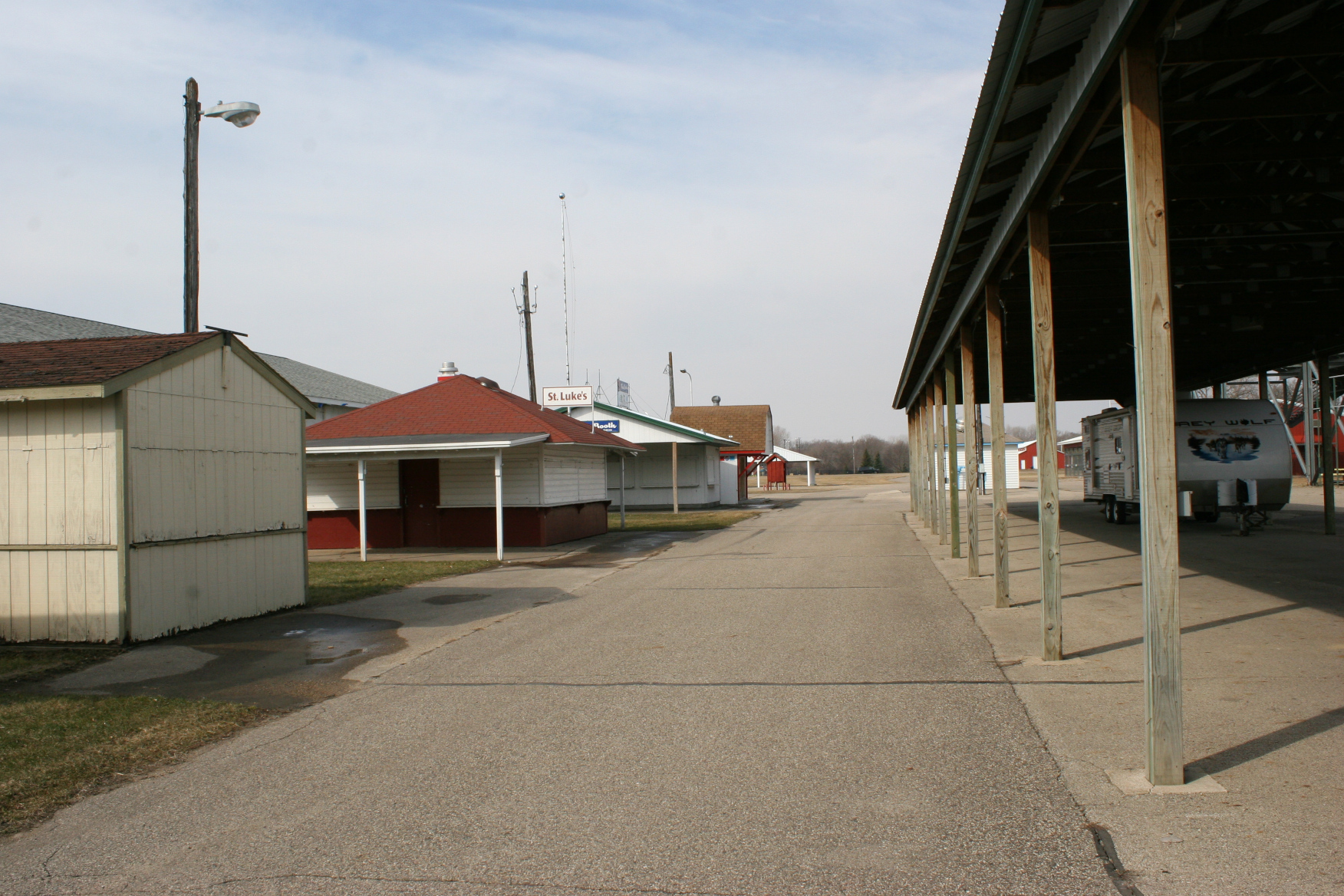
VACATED. That word best describes my assessment of the Rice County Fairgrounds in Faribault during a recent walk there.

Many local groups have food stands at the fair. Minnesota Prairie Roots photo March 2021.
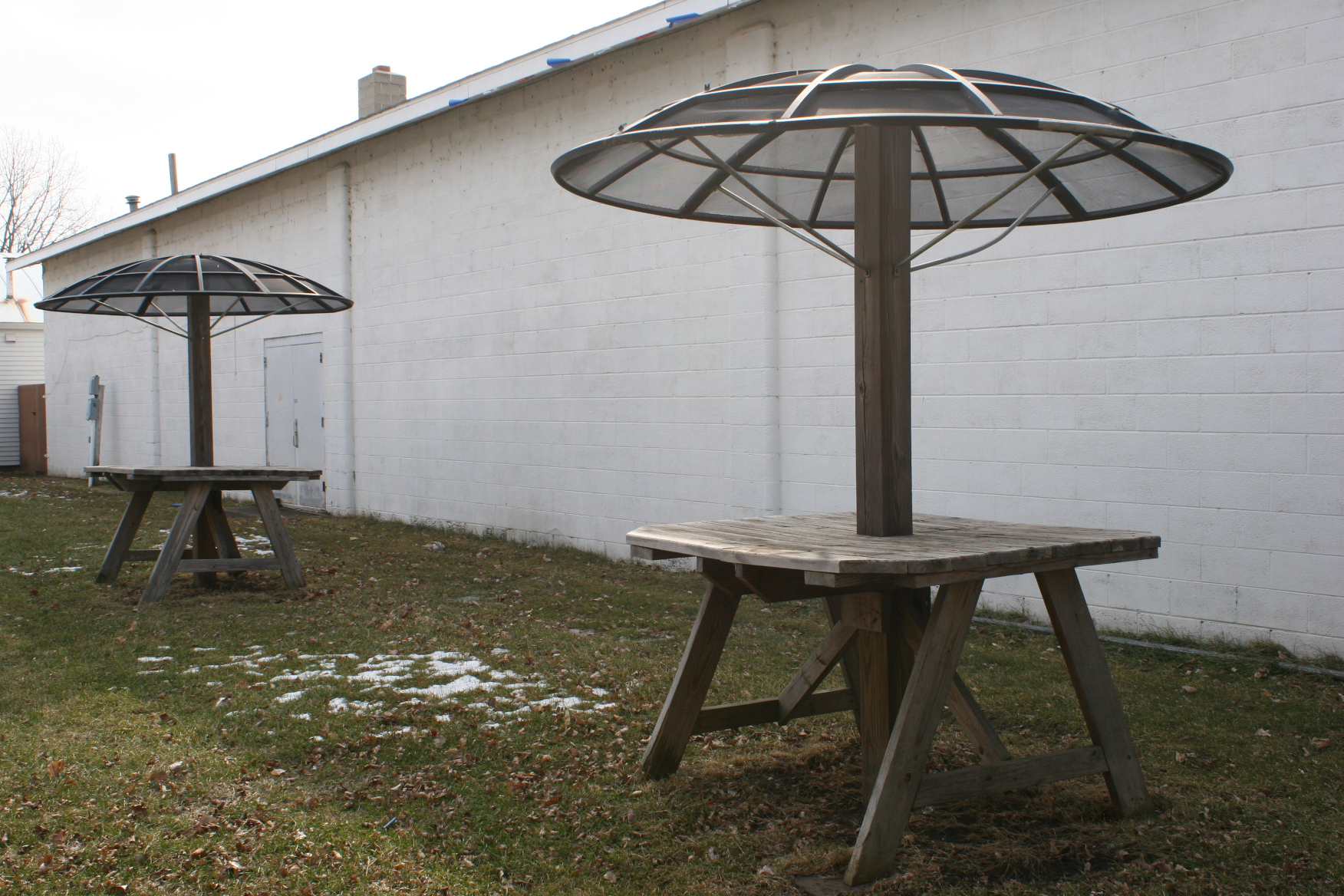
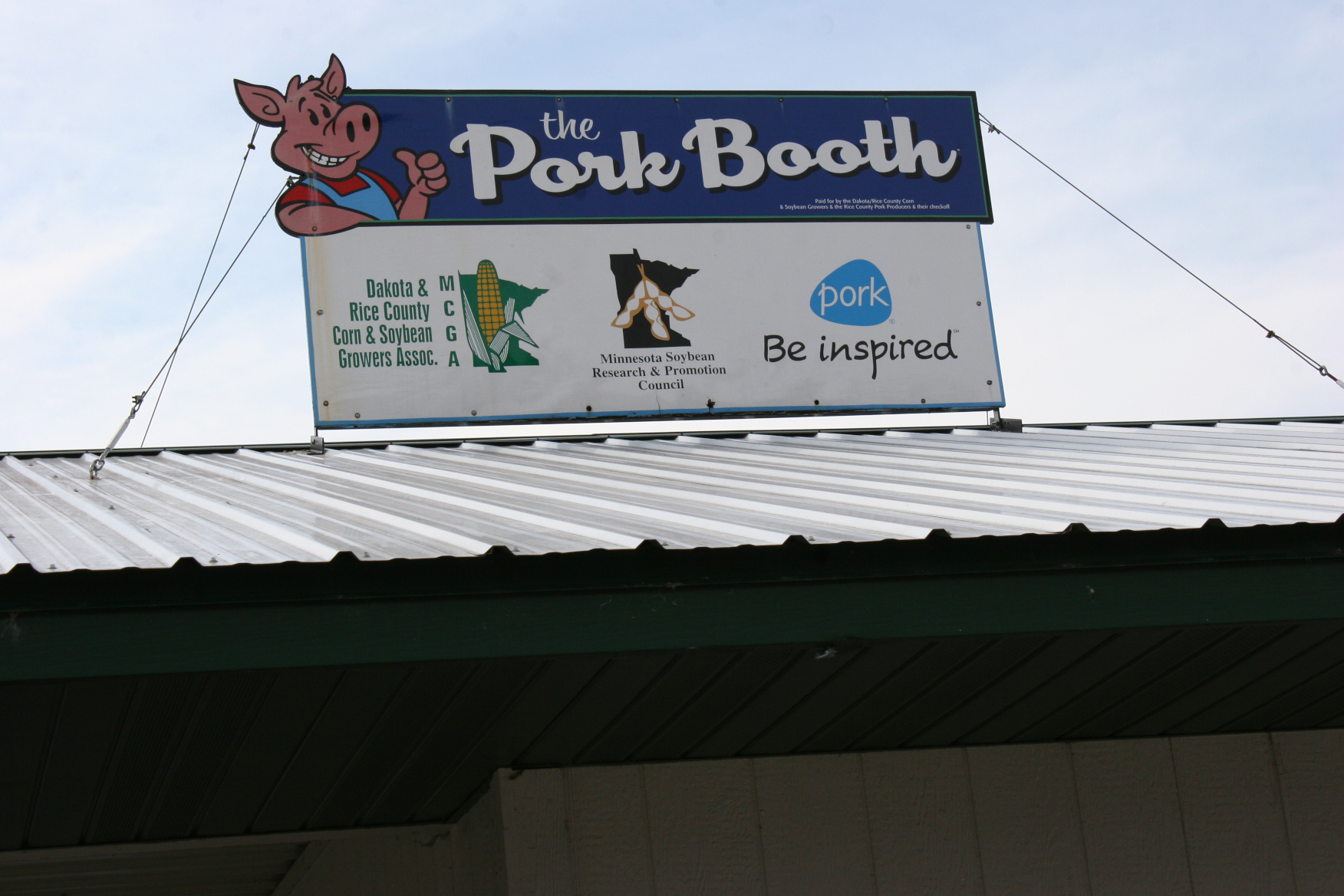
Picnic tables near the pork food stand. Minnesota Prairie Roots photo March 2021.
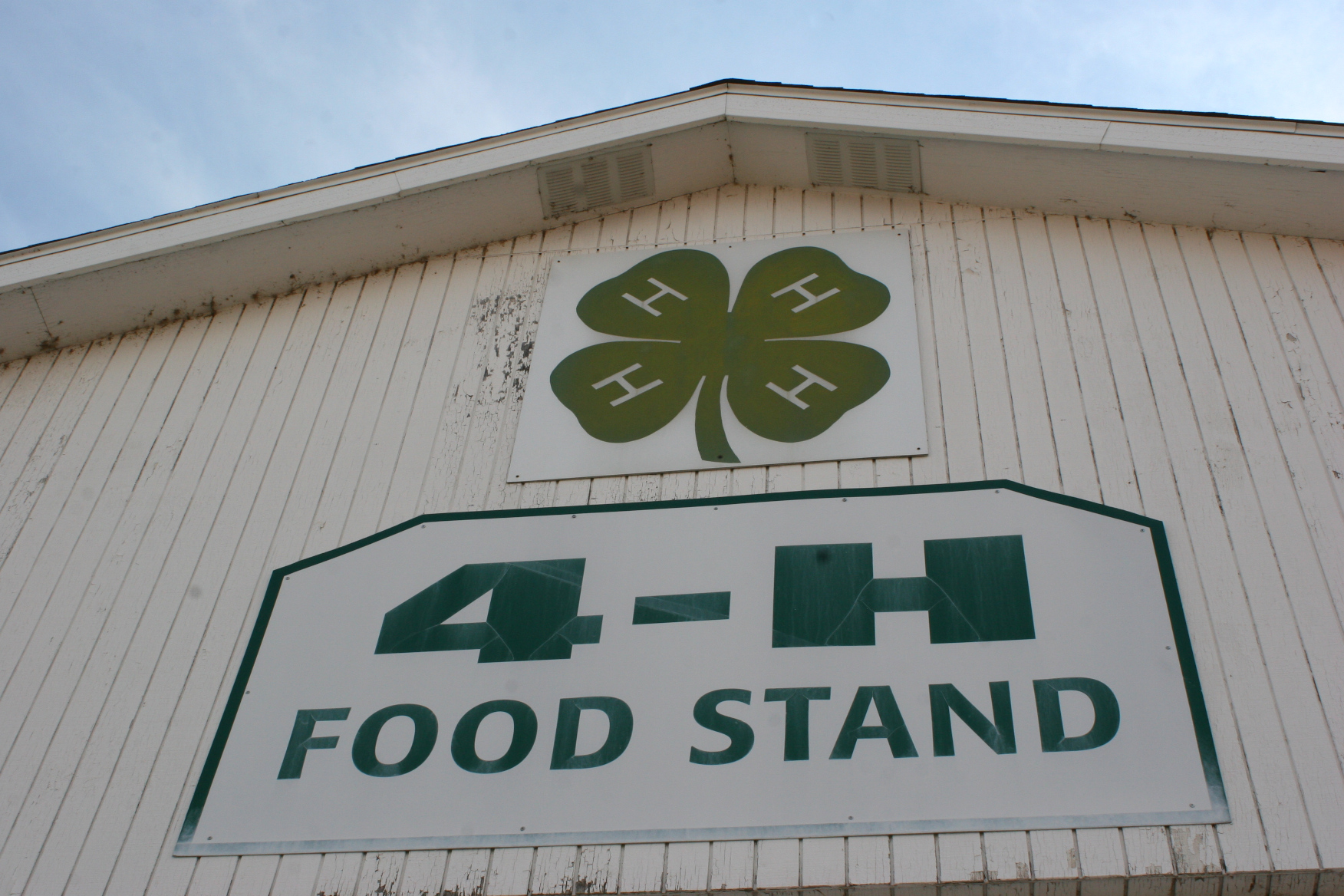
The presence of 4-Hers at the fair is strong. Minnesota Prairie Roots photo March 2021.

In the absence of people, the absence of animals, the absence of a carnival, the absence of exhibits, the place feels empty. No pulsating lights on the Midway. No smell of grilling burgers. No taste of sugary mini donuts. No shouts of kids. No feel of a prize stuffed animal clutched in arms.

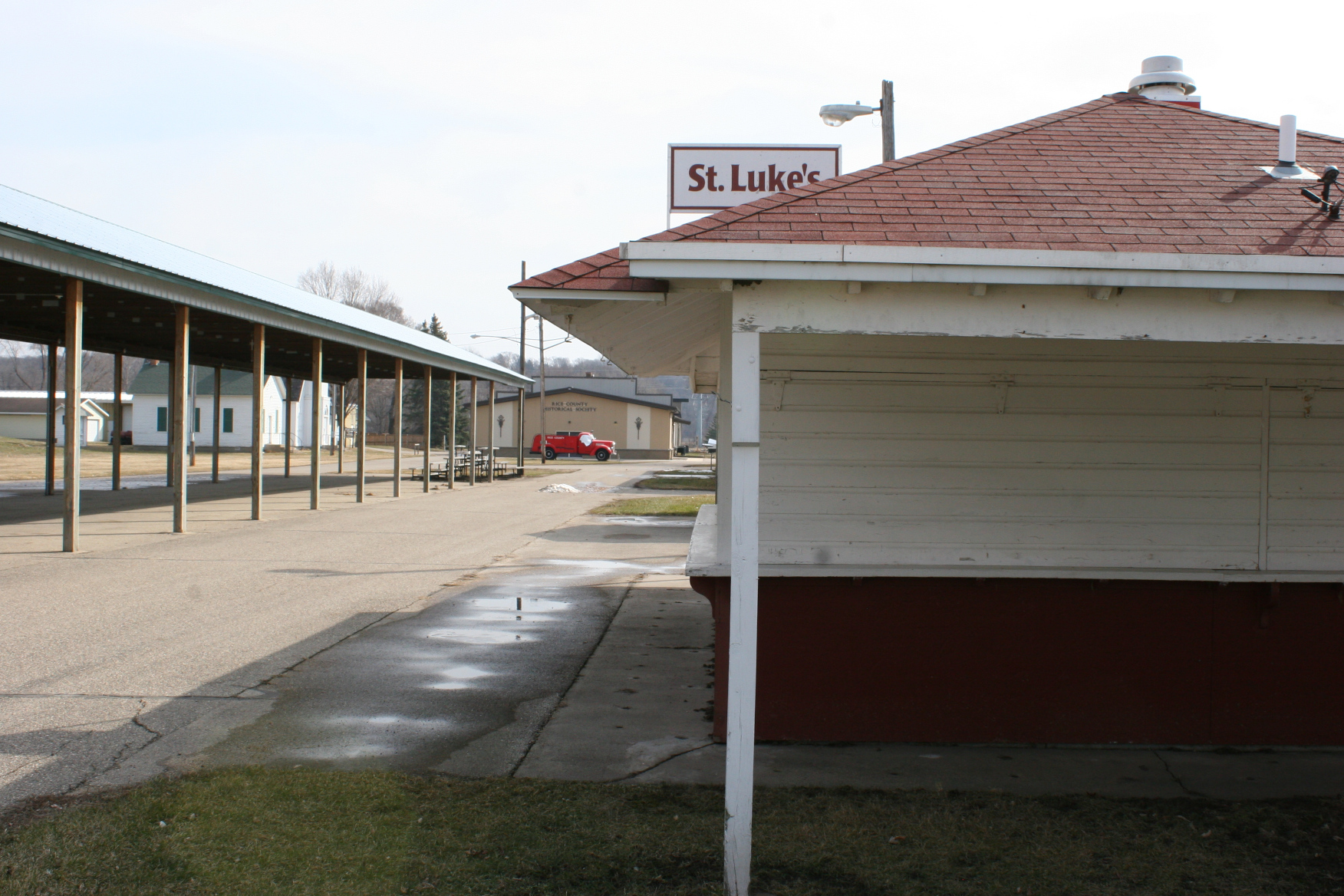
The entertainment space to the left with the St. Luke’s food stand on the right. Minnesota Prairie Roots photo March 2021.

If everything works out COVID-wise, this fairgrounds will teem with people come late July. Animals will fill barns. Ribbons will mark prize-winning 4-H entries. Greasy cheese curds will satisfy those who crave fair food. The sounds of music and clustered conversations and happy kids will create a steady buzz of noise. Little hands will grasp adult hands and teenage hands will lock in fair love. People will reconnect. Celebrate. Experience that which was lost last summer, during the height of the pandemic.

Love this signage. Minnesota Prairie Roots photo March 2021.
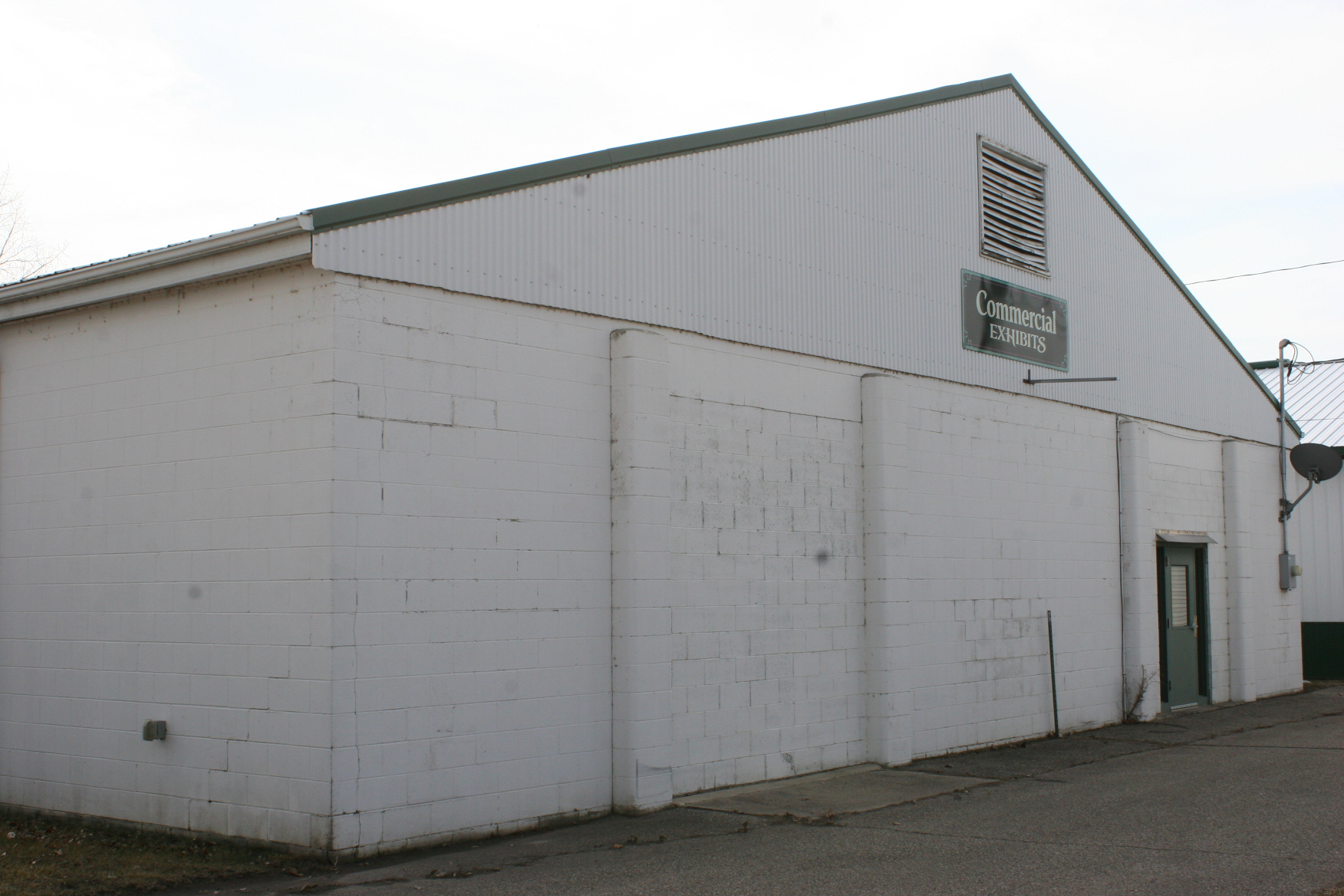
The commercial exhibit building. Minnesota Prairie Roots photo March 2021.
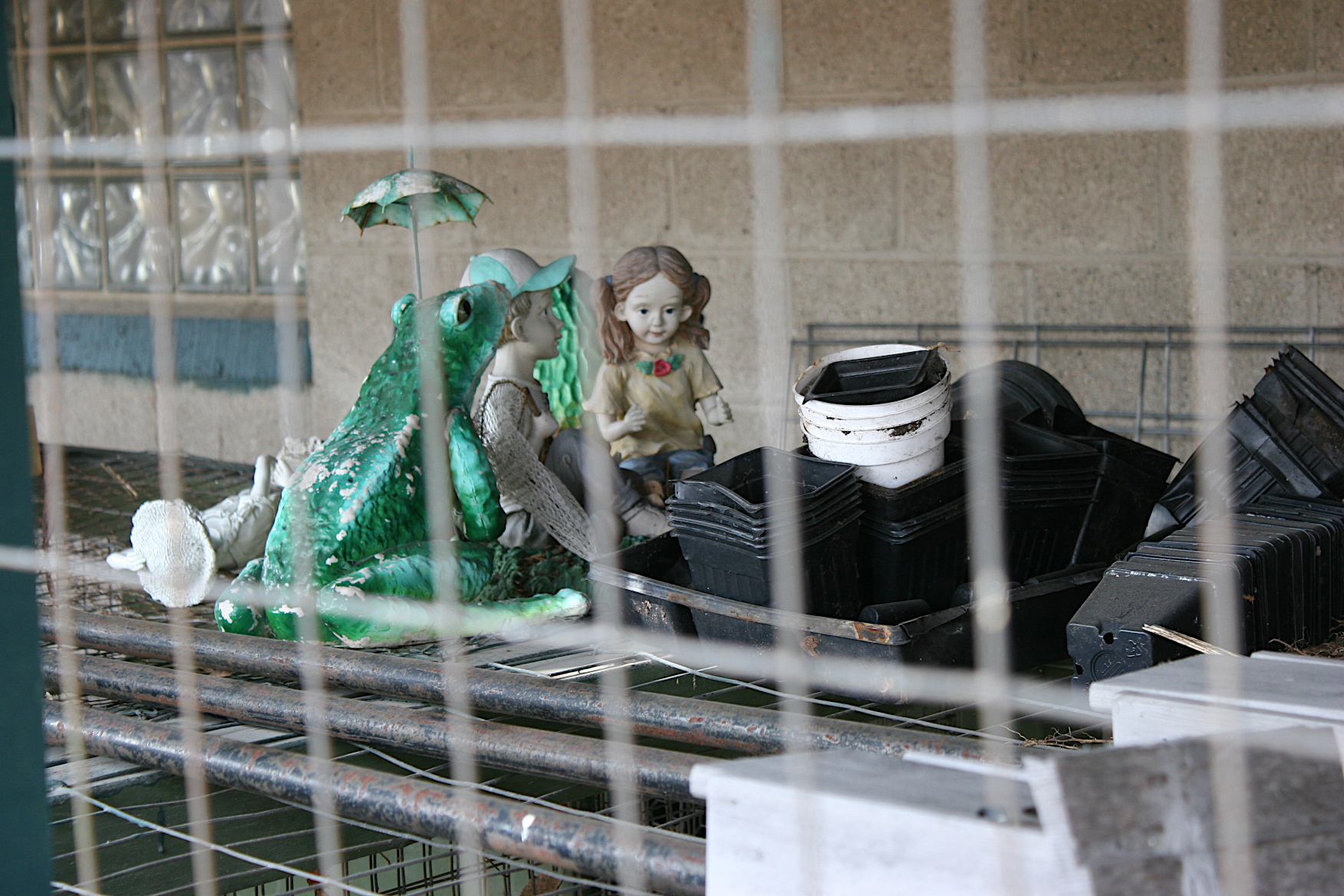
Garden decor stored until the fair. The garden is next to the conservation building. Minnesota Prairie Roots photo March 2021.

This is the fair I imagine as I walk past shuttered buildings, as I pause to photograph buildings and signs and expanses of open space.

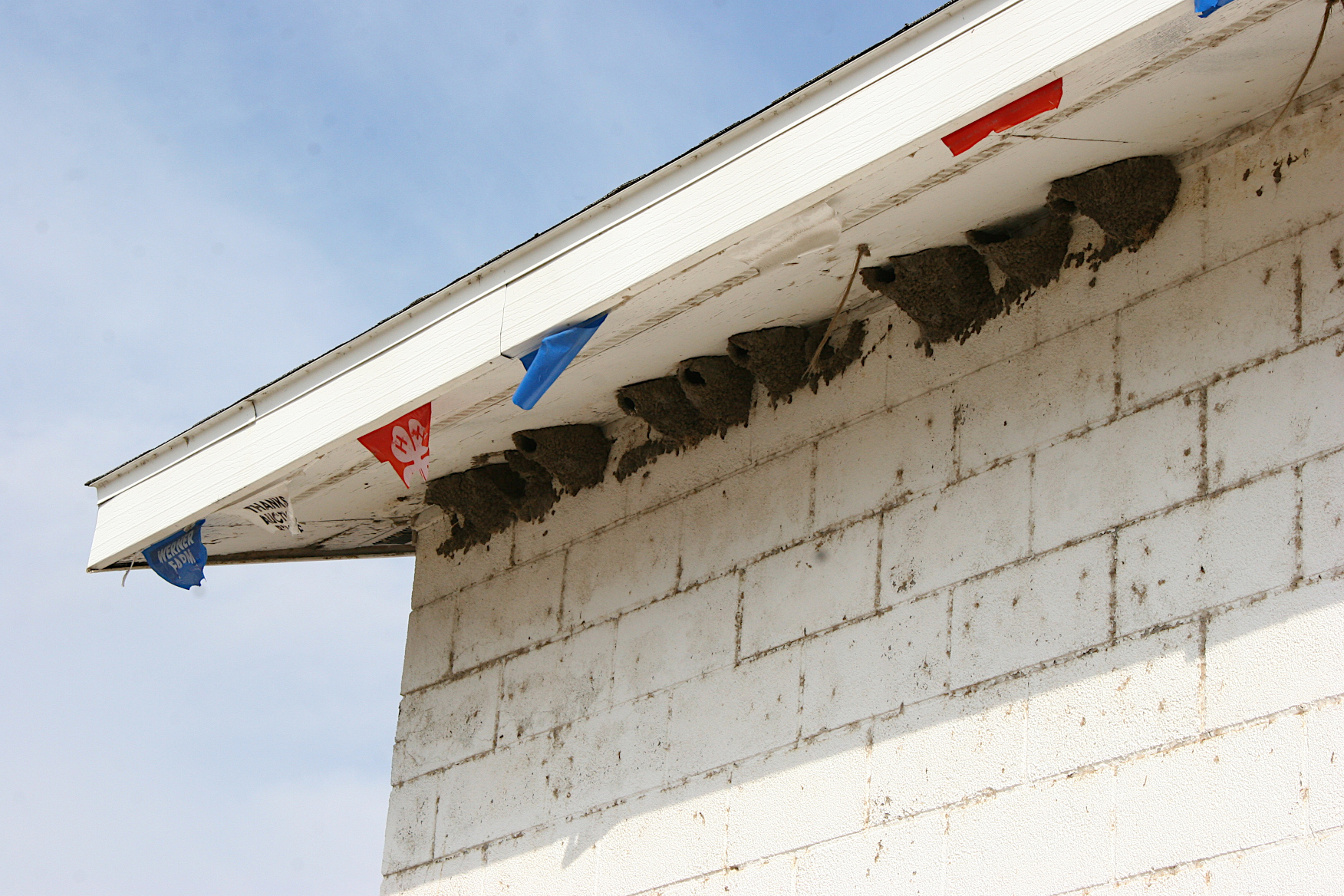
Just a snippet of the 32 barn swallow nests on Curtis Hall. Minnesota Prairie Roots photo March 2021.

And then I pause outside the 4-H building, Curtis Hall, to photograph the row of barn swallow nests mudded under the eaves. So many. Thirty-two. Too many. If there’s one bird I dislike, it’s the barn swallow. We have a history. As a child, I endured barn swallows swooping over me as I did farm chores. The swallows built their nests on beams above the barn aisle, my direct work route. I felt threatened by them as I shoveled manure into gutters, pushed a wheelbarrow full of ground feed down the aisle. My feelings for the swallow have not changed. Even though they eat mosquitoes, I still don’t like this bird.

Just another view of those swallow nests. Minnesota Prairie Roots photo March 2021.

That’s my sidebar from the fairgrounds, perhaps one you can relate to if you did farm chores like me.

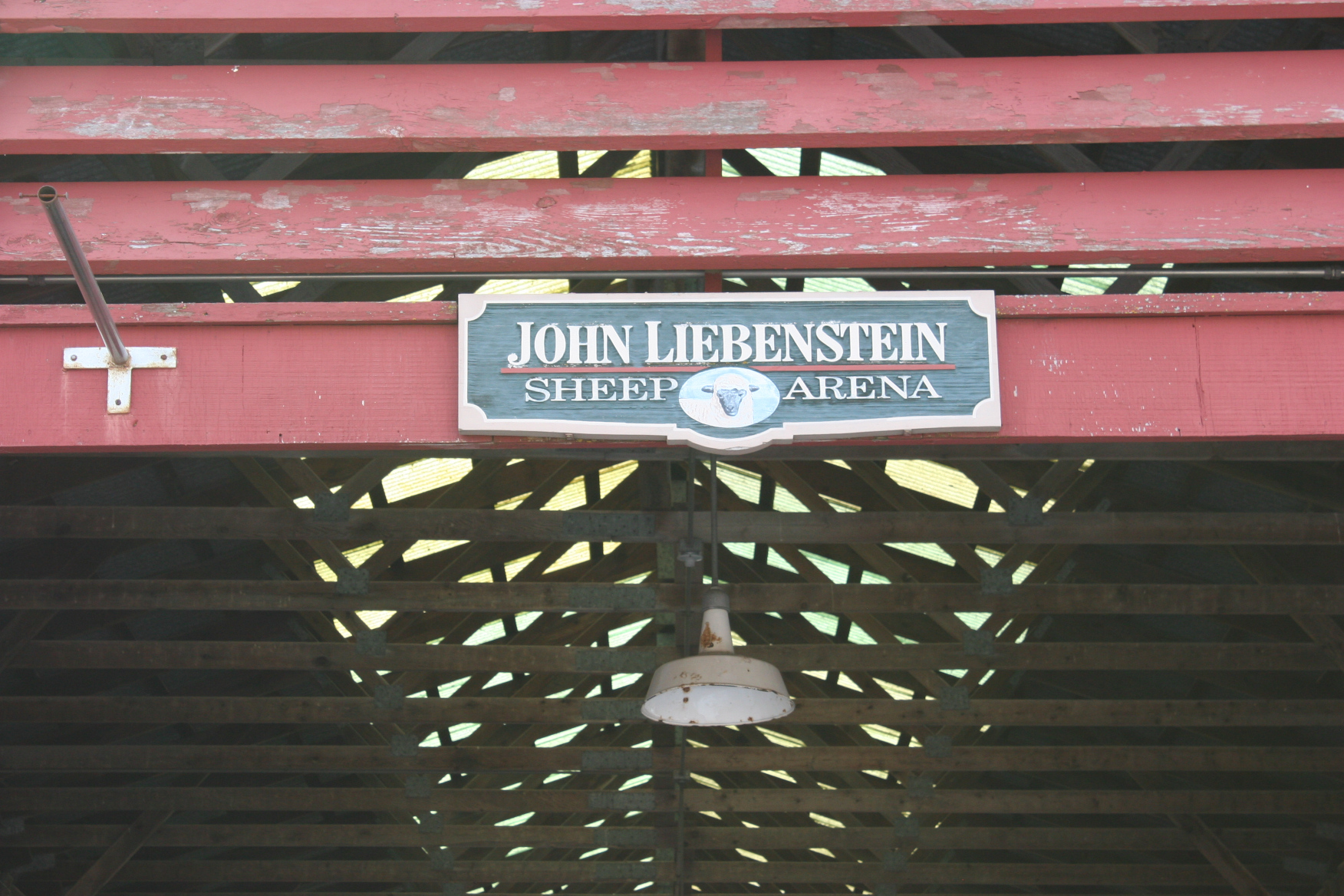
The sheep arena is named after a Rice County deputy killed in the line of duty. Minnesota Prairie Roots photo 2021.
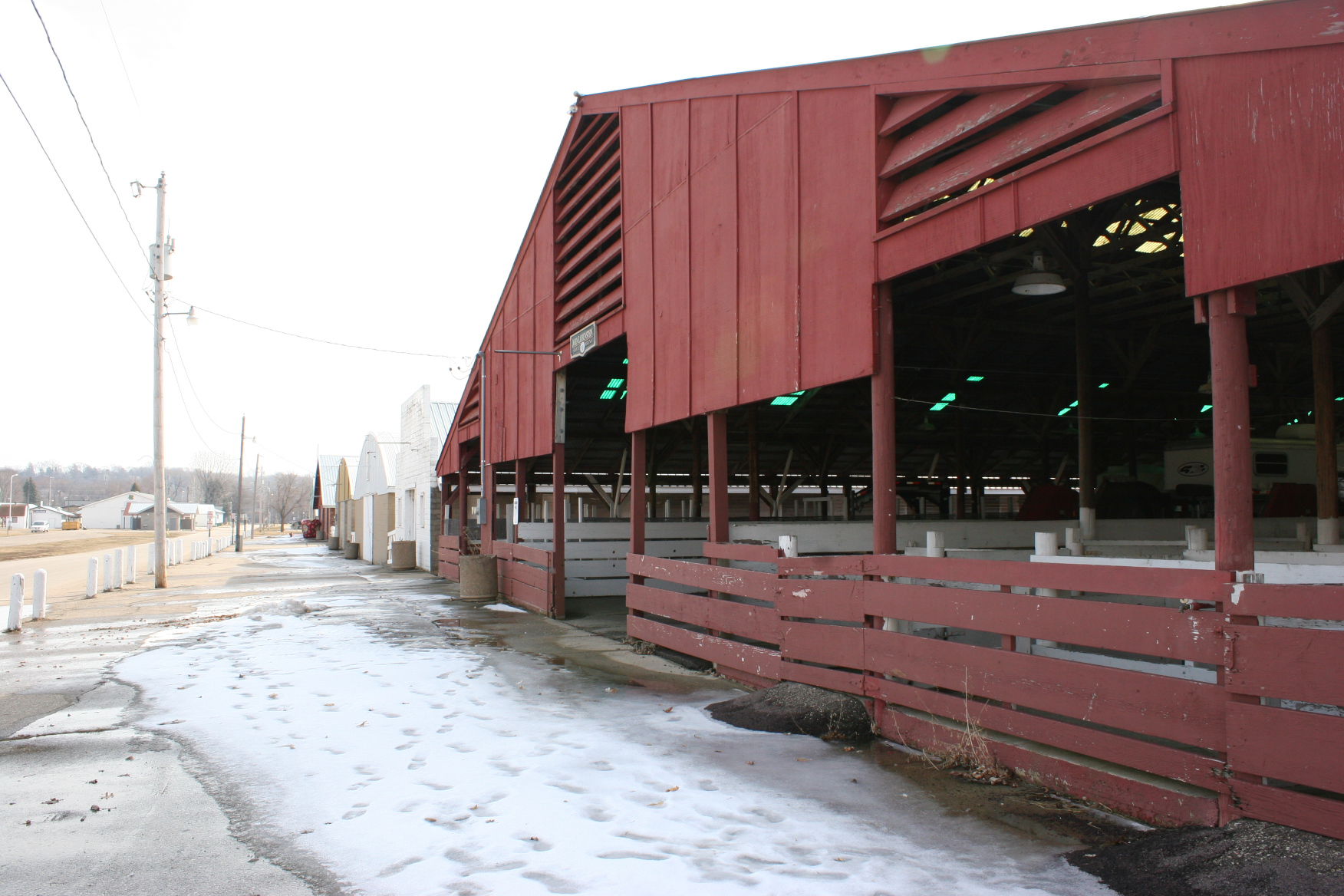
A view of the sheep barn. Minnesota Prairie Roots photo March 2021.
Each of the livestock buildings is numbered. Minnesota Prairie Roots photo March 2021.

Fairs are rooted in agriculture. Prize animals. Prize vegetables. A once-a-year opportunity to showcase the best of barns and of gardens. But today’s fair is much more. Entertainment. Creativity. And, above all, a place for communities to come together once a year in one place. To celebrate. To connect.

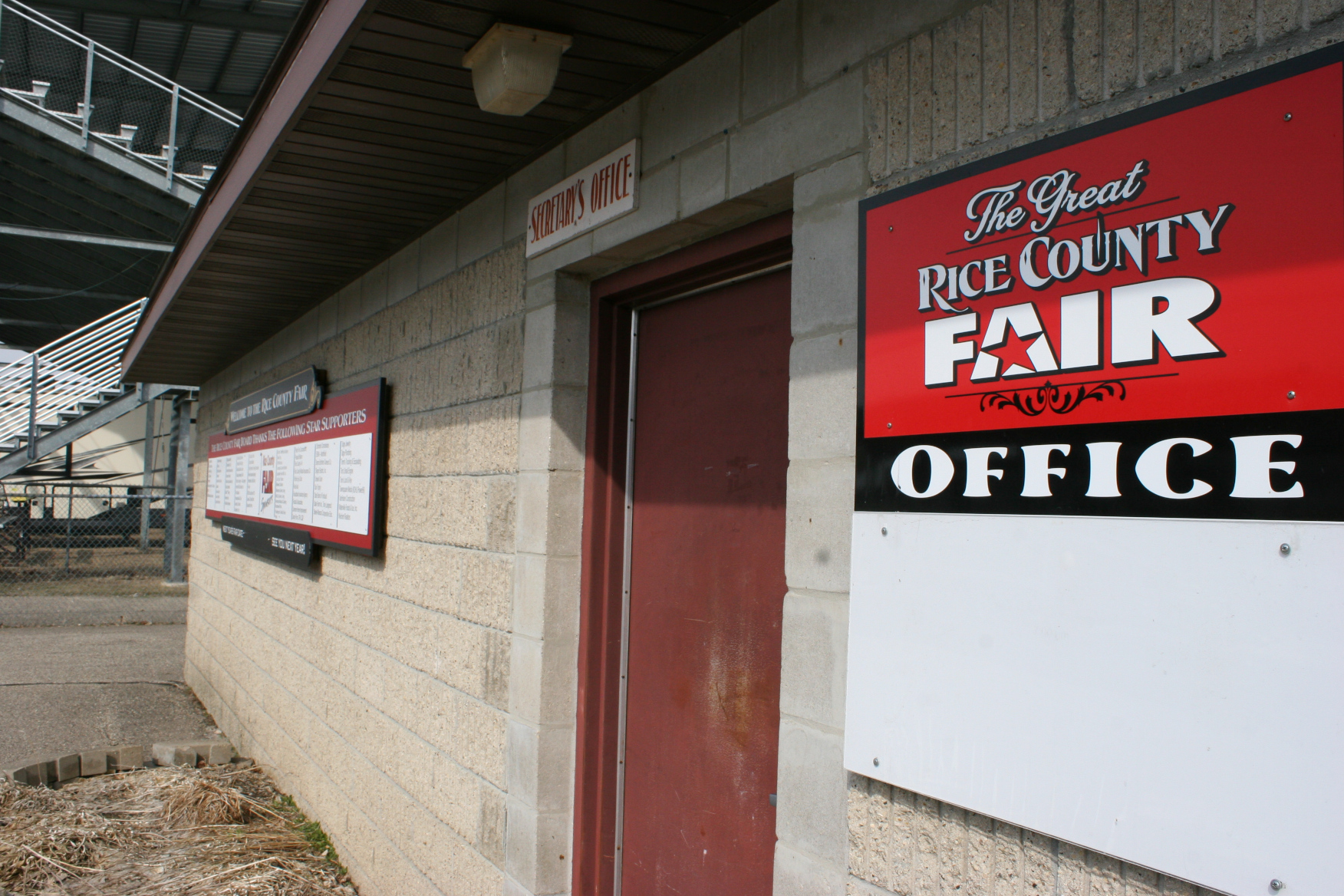
The Rice County Fair office with the grandstand in the background. Minnesota Prairie Roots photo March 2021.

FYI: The Rice County Fair is tentatively set for July 21-25 in Faribault. Whether it happens depends on all of us. See my previous post.

© Copyright 2021 Audrey Kletscher Helbling
 

Hope, joy & kindness at the clinic April 16, 2021

Filed under: Uncategorized — Audrey Kletscher Helbling @ 5:00 AM
Tags: , , , , , , , , ,
Photographed along the bike trail in the Atwood neighborhood of Madison, Wisconsin. Minnesota Prairie Roots file photo 2020.

AS I WAITED POST VACCINATION in the clinic waiting room for the mandatory 15-minute observation, I observed. I am a people-watcher. A listener. A person who notices her environment.
After texting family, I set my cellphone aside to watch. Nearly every other person was on their phone, one guy even answering two calls. But, with magazines absent from tables and time to pass, few options remained. I’d left my library book, Funeral for a Friend by Brian Freeman, at home.

I wondered about all these people, if they felt as happy and thankful as me to receive the Pfizer vaccine protecting us against COVID-19. I expect they did.

Occasionally the nurse overseeing the small cluster of vaccinated individuals circulated among us. Checking times. And us. We each had labels stuck to our clothing, noting our dismissal time. I moved mine from just above the denim on my right knee to the right of my Army green jacket, making the label more visible.

Patients filtered in and out of the clinic as I sat there. Watching. A young mother entered, baby balanced on her hip. I was surprised to see her little one, perhaps six months old, wearing a face mask. I felt gratitude toward that mother who understands the value of face masks in protecting others and in keeping her child safe. The baby wore the mask with ease.

Photographed at LARK Toys in Kellogg, MN. Minnesota Prairie Roots file photo.

Soon my eyes shifted to another mother and child waiting nearby, outside the vision clinic. I watched as the observation nurse walked over and asked if she needed help. Her kindness touched me. I expect this mother, a Muslim woman dressed in a black niqab with only her eyes showing through a rectangular slit, may struggle with English. But she understood enough to reply, although I didn’t hear her response. And then the nurse bent toward the child, perhaps nine months old, waving and talking and engaging her. The baby waved back, a broad smile spreading across her sweet face. In that moment I felt joy. Joy in seeing this very basic human interaction. Culture and dress and skin tone and religion mattering not. Just one human being interacting with another in the most loving way.

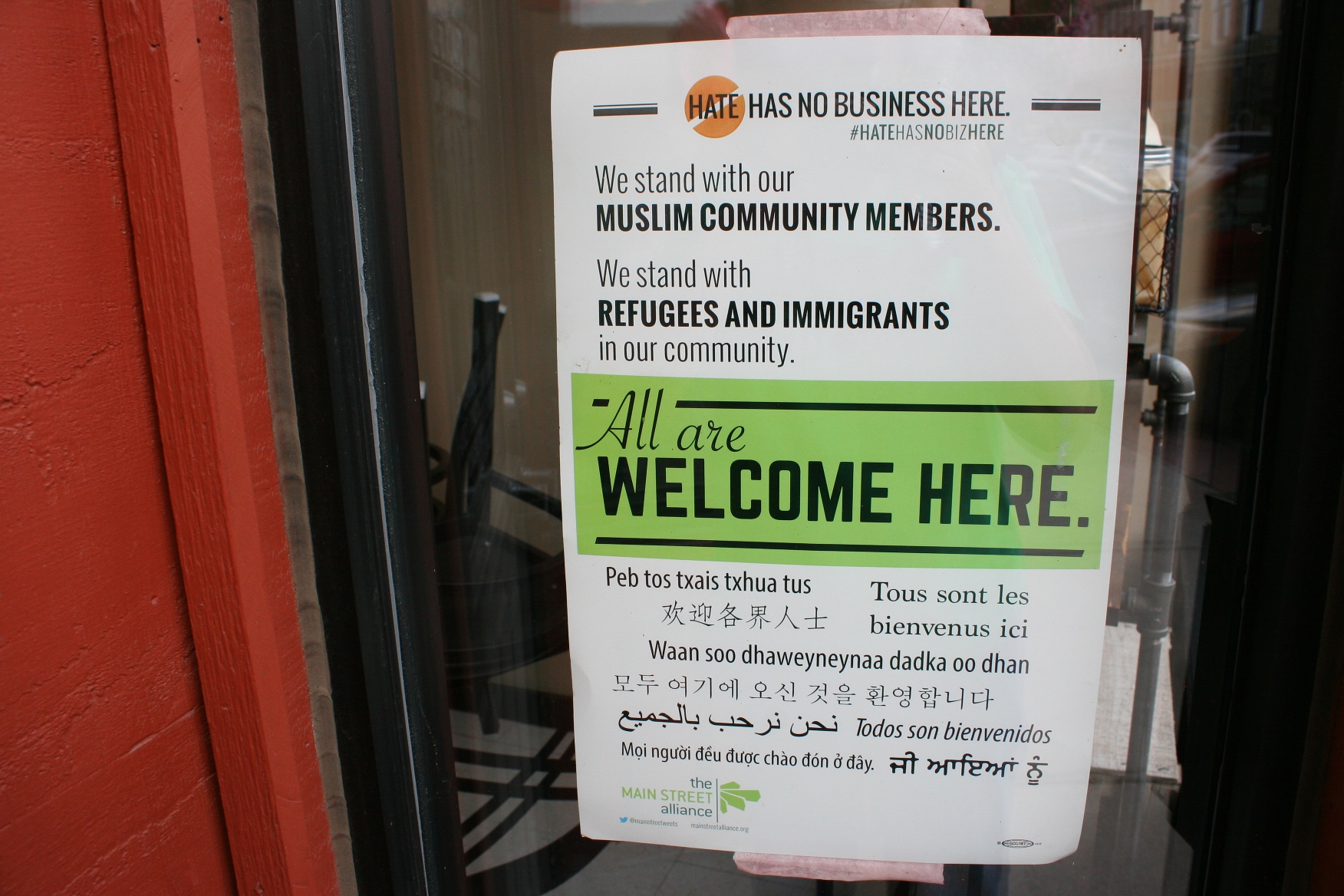
Photographed several years ago in the window of a downtown Faribault business. Minnesota Prairie Roots file photo.

Moments like this give me hope. Hope that we can accept one another. Connect. Express kindness to one another. Care about each other. And realize that, at the core, we are all simply human beings living on this earth. Individuals with wants and needs, no matter our skin tone, our beliefs, our culture, our language, our job status, our anything.

Love in three languages (Spanish, Somali and English), printed on a mirror along Faribault’s Virtue Trail. Minnesota Prairie Roots file photo August 2018.

Understanding and acceptance start with each of us. Like the interaction I witnessed between nurse and mother and child at the clinic. When the observation nurse cleared me to leave at 3:38 pm, I thanked her. Beneath my face mask, I smiled. And although she couldn’t see that smile, I hope she heard the joy and gratitude in my words.

© Copyright 2021 Audrey Kletscher Helbling