Minnesota Prairie Roots

Writing and photography by Audrey Kletscher Helbling

Small-town Minnesota murals: Grassroots art January 30, 2012

Filed under: Uncategorized — Audrey Kletscher Helbling @ 8:20 AM
Tags: , , , , , , , , , , ,

DRIVE INTO MONTGOMERY or New Richland, Ellendale or West Concord, or many small Minnesota towns, and you’ll find grassroots art, my term for Main Street murals.

It’s art that’s out-front and public, depicting the history and feel of a community.

Such murals typically offer a visual snapshot of the past, impressing upon visitors and locals a defined sense of place.

In Ellendale, for example, a locomotive and depot comprise about a third of the 16-foot by 32-foot mural on the side of the Ellendale Café. The train points to the community’s roots as a railroad town, established in 1900 when the Burlington, Cedar Rapids and Northern Railroad passed through on its way to Minneapolis. Ellendale is named after the railroad president’s wife, Ellen Dale Ives, known for her humanitarian works.
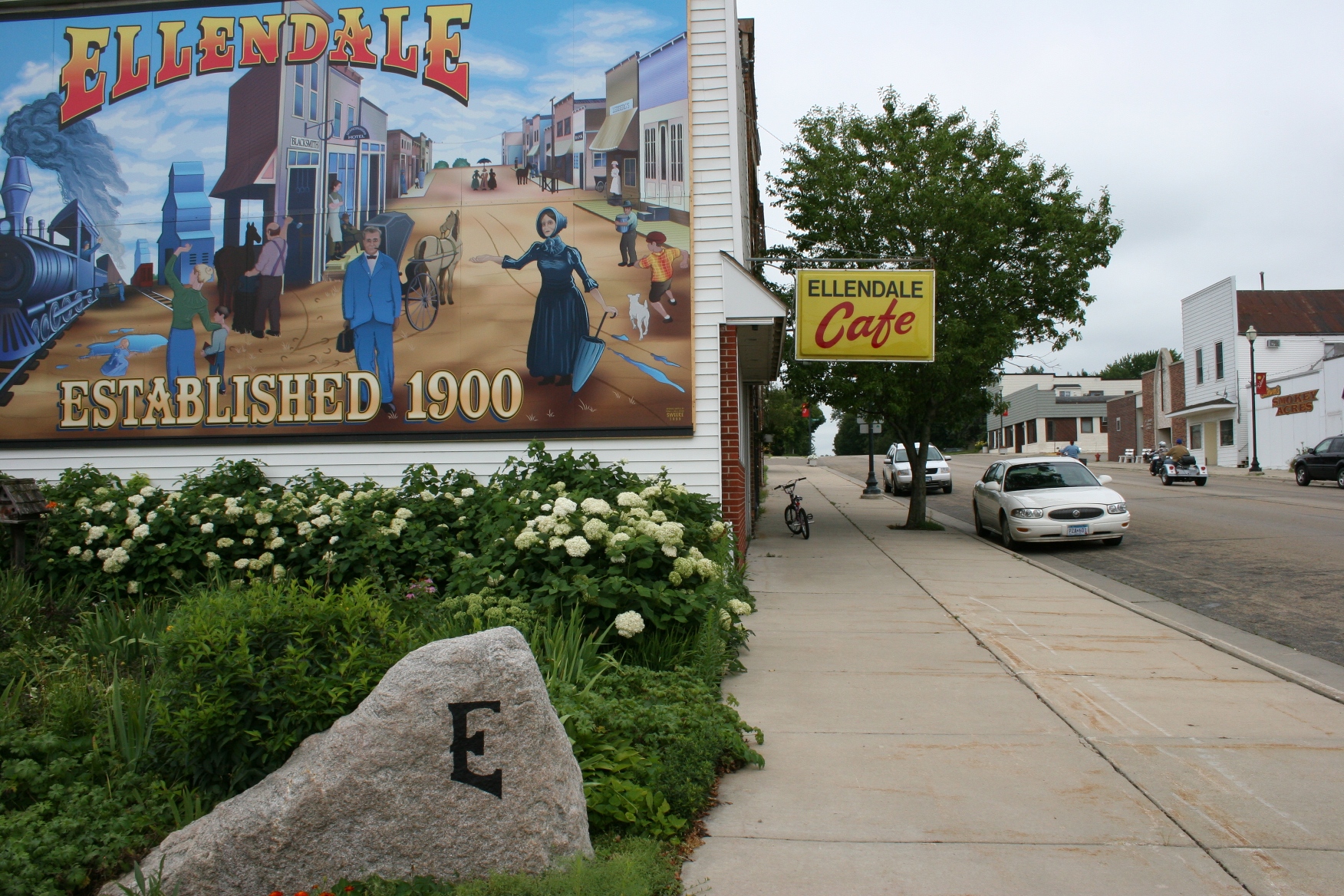
The Ellendale Centennial Mural photographed last summer.

The Sweere brothers of the Twin Cities-based National Mural Company and natives of nearby Owatonna painted the 1999 Ellendale Centennial Mural.

The mural, by the way, is just across the street from Lerberg’s Foods, an old-fashioned grocery store established in 1901 and complete with a moosehead on the wall. (Click here to read an earlier post about this must-visit grocery store.)
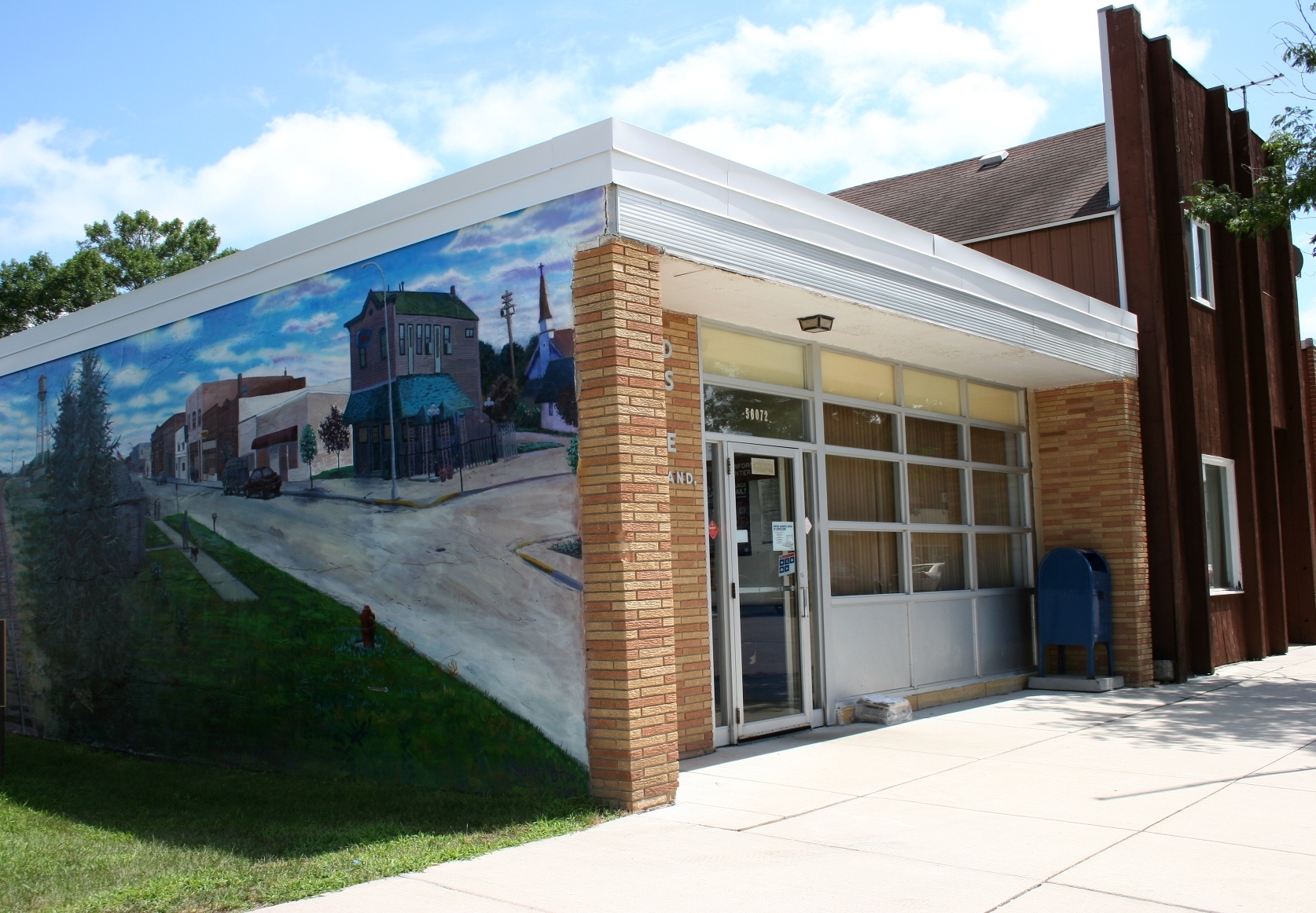
The city section of the mural stretching along the side of the New Richland post office.

In neighboring New Richland, the Sweere brothers also created the 12.5-foot by 65-foot mural brushed onto an exterior cement block wall of the post office. In this 2003 grassroots art, train tracks visually divide the mural into city and country scenes. It is a point this community emphasizes—not the division of the two, but the link between rural and town. Each July this Waseca County town of 1,200 celebrates Farm and City Days.
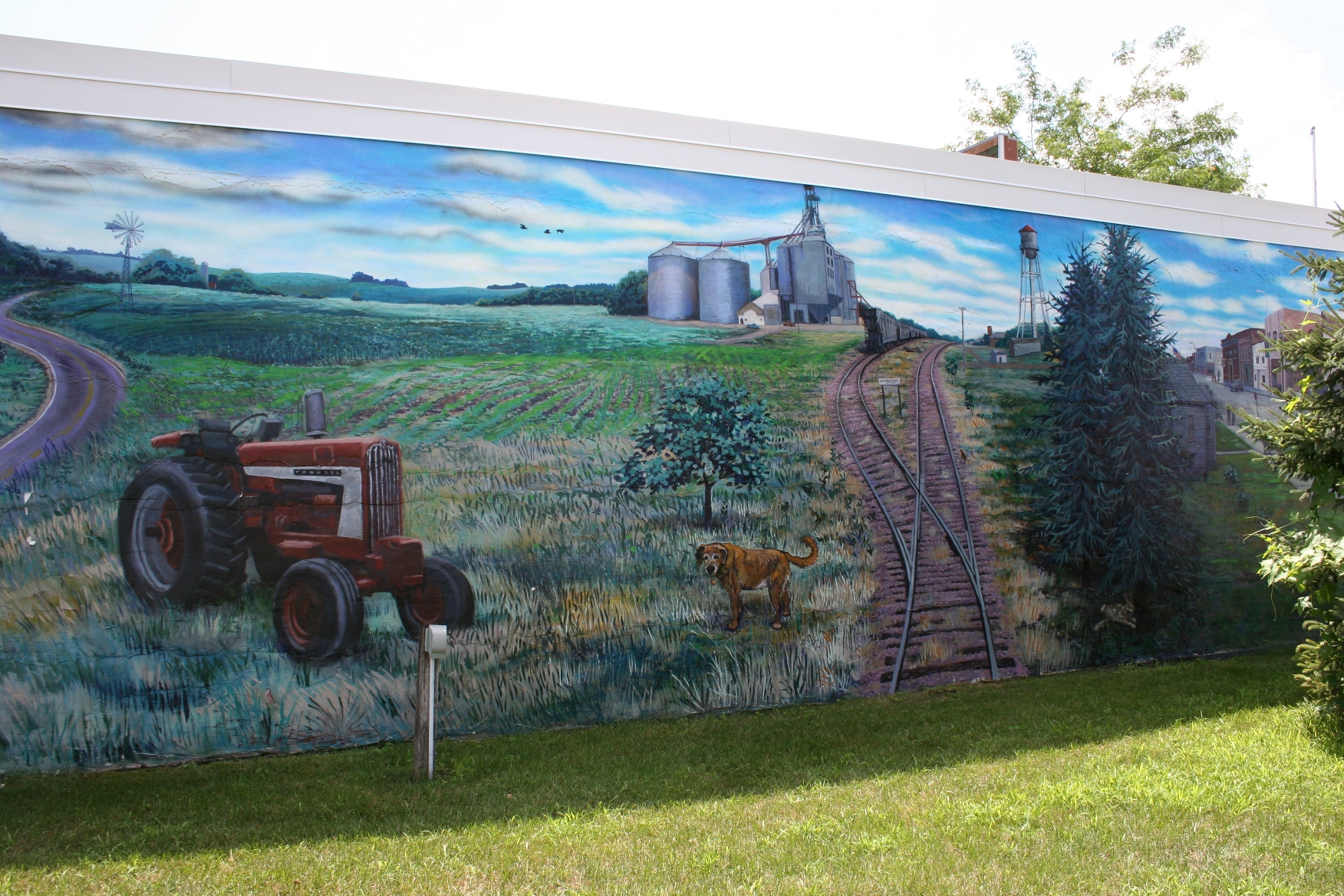
The rural portion of the New Richland mural.

Should you be interested in moving to New Richland, you might want to click here and check out this deal: The city is offering free land to individuals looking to build a new home in the Homestake Subdivision on the northwest side of town within a year of acquiring the deed. (Note that you’ll need to pay the special assessments.) Just thought I’d throw that land offer out there.
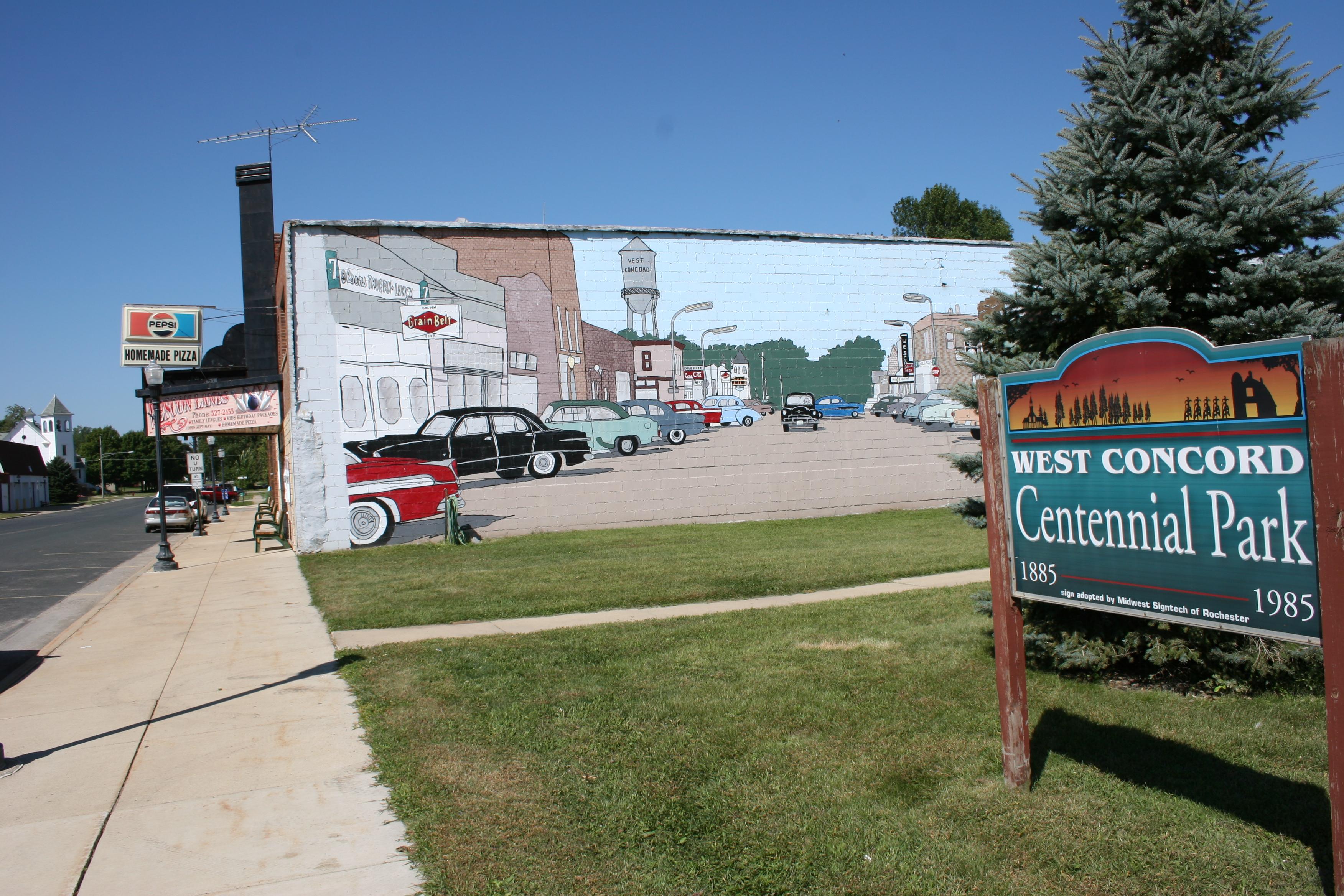
A 1950s version of West Concord is showcased in the mural on the side of a bowling alley.

To the east, over in West Concord, cars, not trains, define that town’s mural on the side of Wescon Lanes next to West Concord Centennial Park. The art depicts a 1950s street-scape, a nod to a community that celebrates summer with weekly car cruises and an annual West Concord Historical Society Car and Truck  Show in July.

Just down the street, you can shop at Woody’s Auto Literature and More.
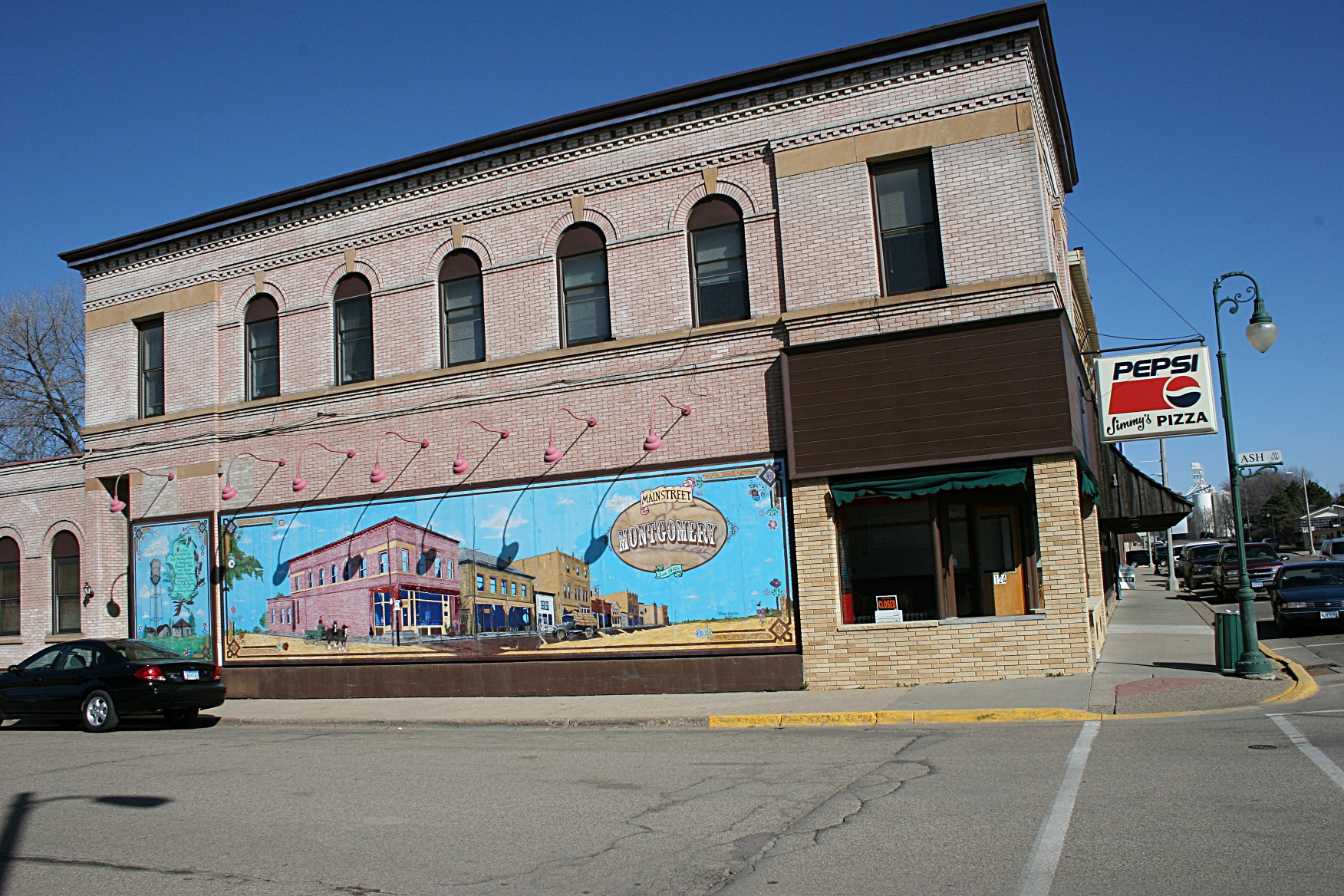
Montgomery, Minnesota's mural

Traveling back west over to Montgomery in Le Sueur County, you’ll spot a mural of Main Street just across from famous Franke’s Bakery, known for its kolacky (Czech pastry). Local sign-painter Victor Garcia painted the scene based on an early 1900s photo of this town founded by Czech immigrants.
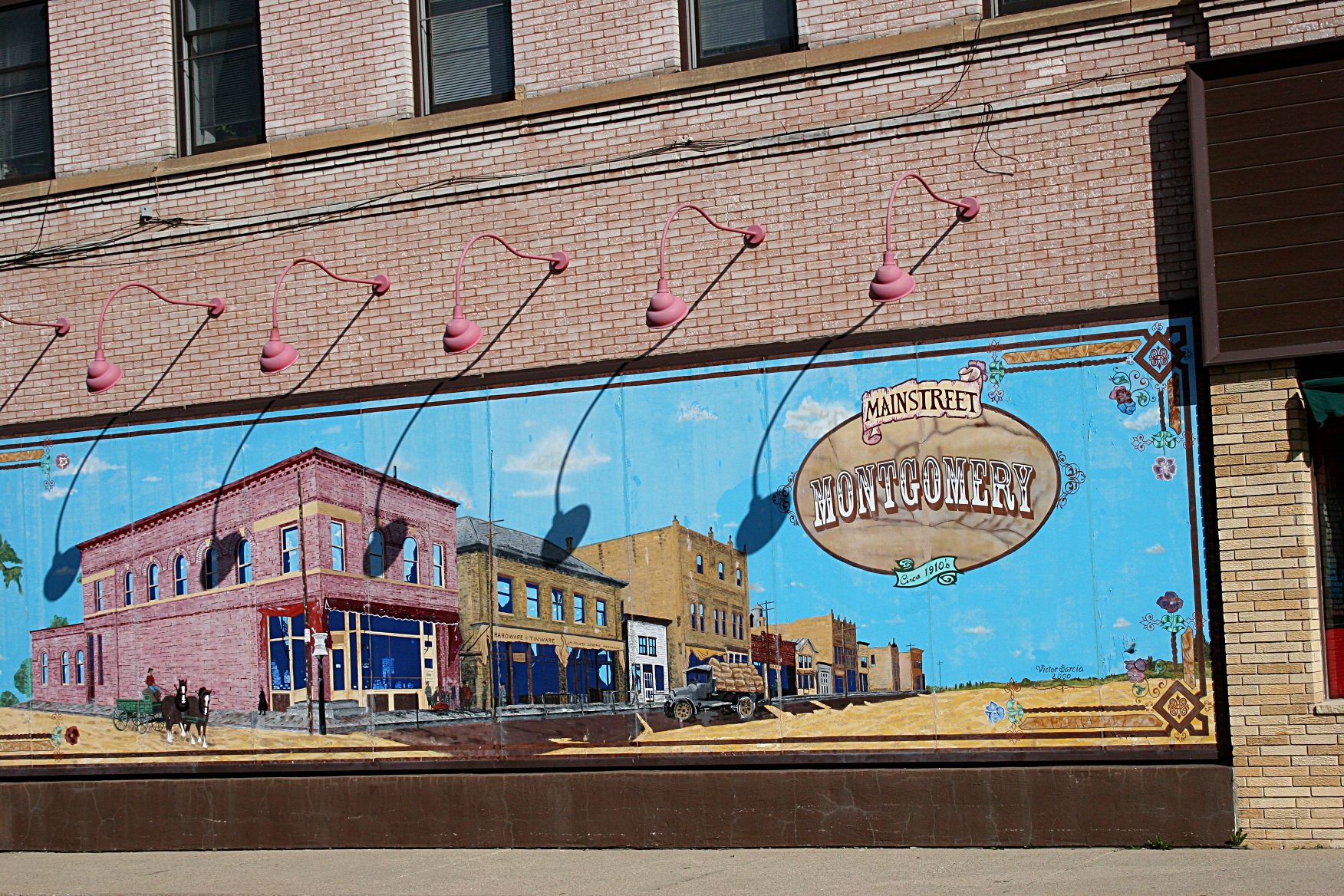
A close-up shot of the Montgomery mural

So there you have it—abbreviated visual histories of four small southeastern Minnesota towns showcased in grassroots art. Think about that the next time you see a mural.
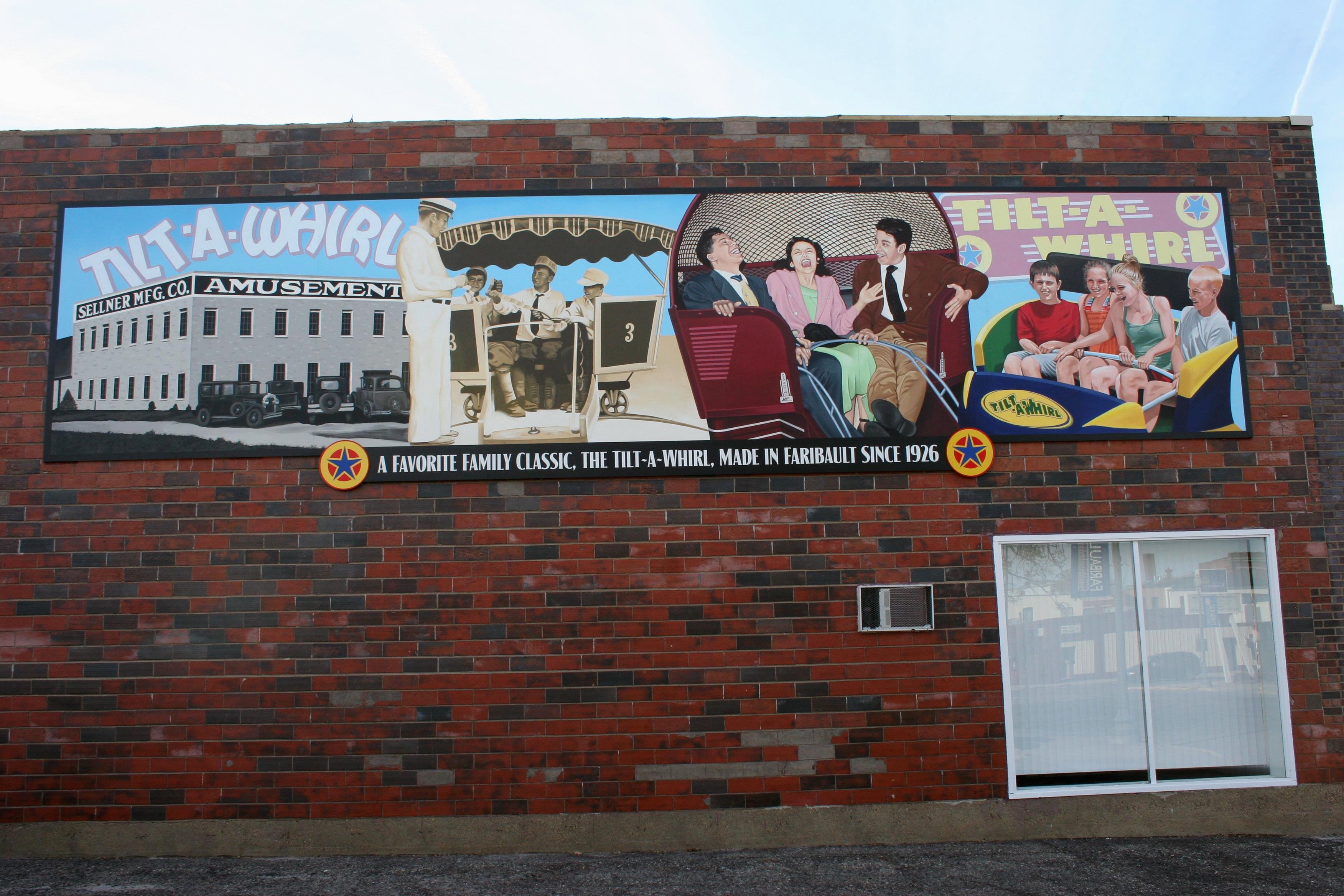
The Mural Society of Faribault created this mural honoring the Tilt-A-Whirl amusement ride, made in Faribault since 1926. Today Gold Star Manufacturing still produces the fiberglass cars for this ride.

DO YOU KNOW of any small towns that tell their stories via murals? In Faribault, where I live, five murals are posted on buildings in the downtown area. With a population of more than 20,000, Faribault isn’t exactly a small town, not from my perspective anyway. If you’re ever in the area, be sure to peruse the murals which depict differing aspects of this city’s history.

© Copyright 2012 Audrey Kletscher Helbling


A Minnesota prairie native discovers a ship docked in the Wisconsin woods January 26, 2012

I GREW UP on the southwestern Minnesota prairie, a mostly flat land vertically-interrupted only by small-town grain elevators and water towers, by silos and groves of trees hugging farm sites.

I never felt hemmed in. How could I feel confined under an endless sky in a land that stretches into forever, nearly unbroken before your eyes?

Perhaps that will help you understand why I sometimes struggle with trees. I’m not talking a tree here, a tree there, but trees packed so tight that they become a forest. Dense. Black. Blocking views. I need to, have to, see the land spreading wide before me if I’m exposed for too long to miles of thick woods.

Likewise, I prefer my land flat.

All of that said, time and age and exposure to geography beyond the prairie have resolved some of those space and landscape issues for me. I can, within limits, appreciate terrain that rolls and rises, trees that clump into more than a shelter belt around a farmhouse.

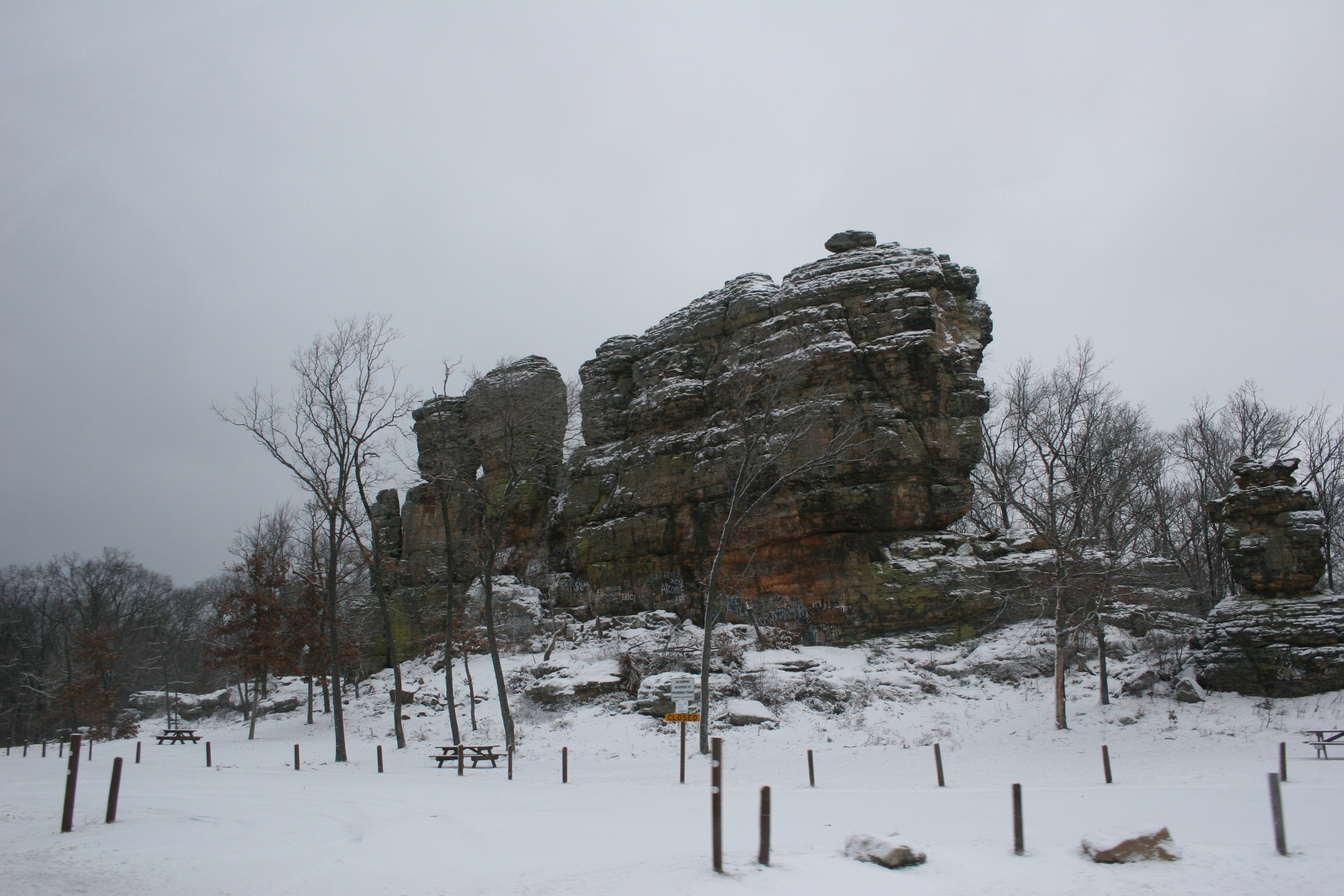
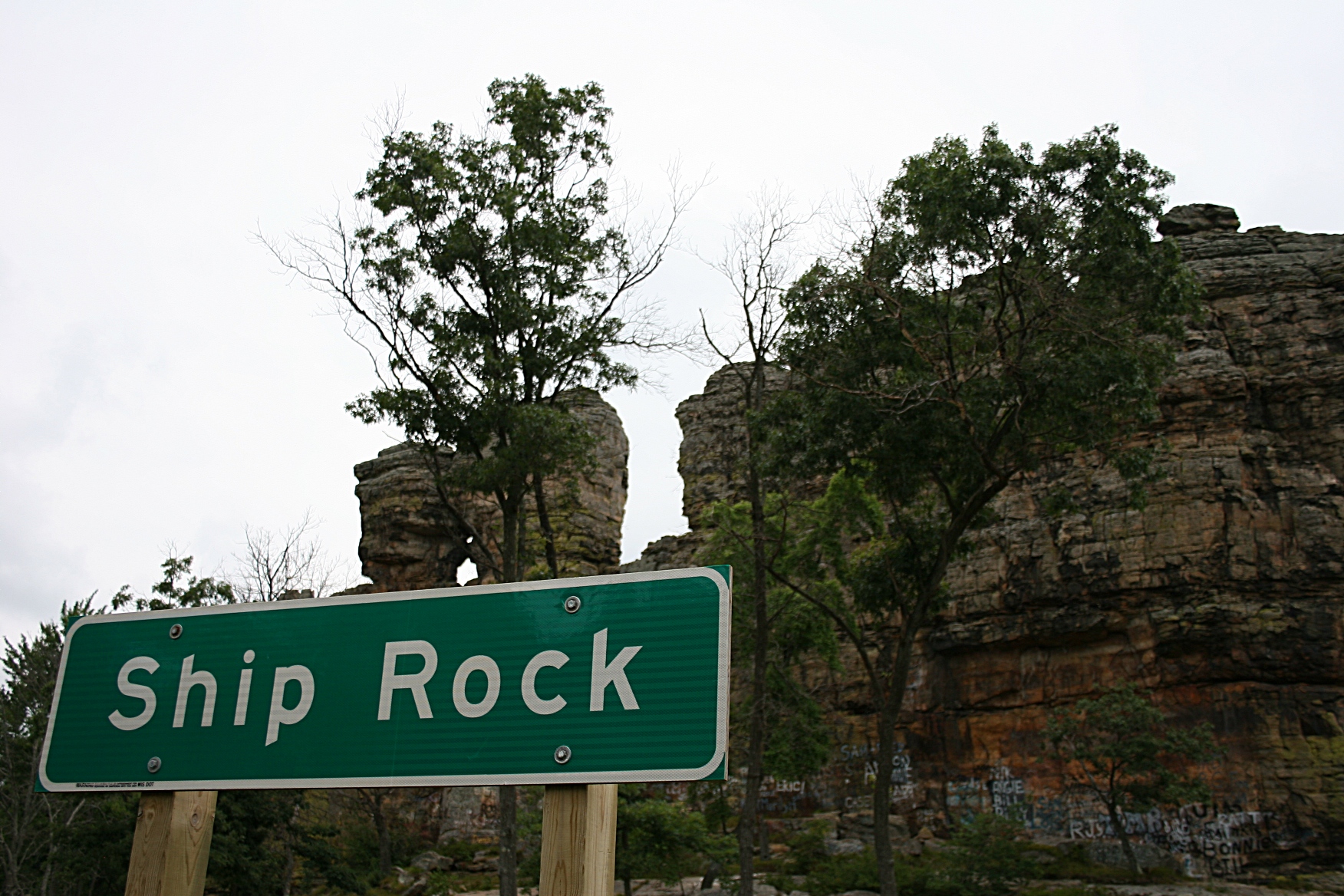
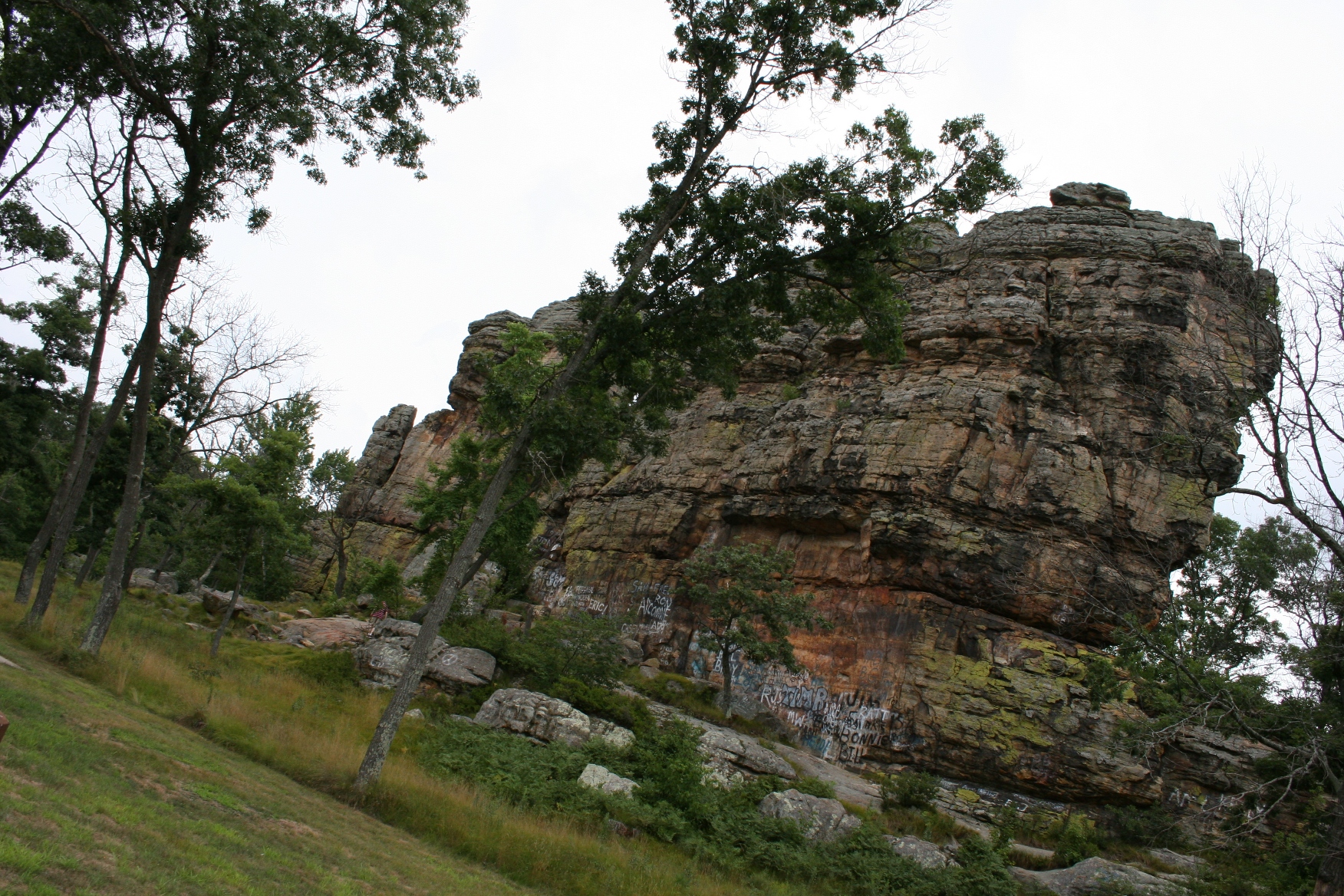
I can appreciate, too, geological anomalies like Ship Rock, a natural formation jutting out of seemingly nowhere from the trees that crowd State Highway 21 in Adams County near Coloma in central Wisconsin.

Ship Rock is located next to Wisconsin Highway 21 in the central part of the state.

Whenever I pass by Ship Rock, which has been numerous times since my second daughter moved to Appleton, Wisconsin, in December 2010, I am awestruck by this isolated pinnacle of Cambrian sandstone. Finally, this past summer, my husband, teenaged son and I stopped to climb around the base of the rock cropping and to photograph it (me mostly photographing rather than climbing).

Ship Rock rises from the flat landscape, a surprise in the Wisconsin woods.

My husband walks across the rocks below the looming Ship Rock.

If you can ignore the distracting graffiti, then you can appreciate the nuances of the mottled stone, the ferns that tuck into crevices, the surprise of this Ship Rock docked in the most unexpected of places. The rock formation truly does resemble a ship.

I am surprised by the ferns that grow in the tight spaces between rocks.

Grass sweeps between rocks in this August 2011 image taken at Ship Rock.

A month ago while traveling past Ship Rock, I snapped a photo. The ship seemed forlorn and exposed among the deciduous trees stripped of their summer greenery. Yet she also appeared threatening, a looming presence rising dark and foreboding above the land awash in snow.

I could appreciate her, even if she wasn’t a grain elevator or a water tower, a silo or a cluster of trees breaking a prairie vista.

Ship Rock, photographed from the passenger window of our van at highway speeds in December.

CLICK HERE for more information about Adams County, Wisconsin.

© Copyright 2012 Audrey Kletscher Helbling
 

Travel Wisconsin: Atypical tourist photos from Appleton January 19, 2012

Filed under: Uncategorized — Audrey Kletscher Helbling @ 8:43 AM
Tags: , , , , , , , ,

SAY “WISCONSIN,” and what pops into your thoughts?

I would expect these top two answers: cheese and the Green Bay Packers

Wisconsinites, am I right?

Every time I travel to the Dairyland State, which has been often since my second daughter moved to Appleton a year ago, I find myself drawn to that which distinguishes Wisconsin from my home state of Minnesota.

With my camera, I try to catch the snippets of buildings and life and sites and scenes that the typical tourist might never think to photograph. Often I capture these images in an instant, from the car window passing by or walking along a sidewalk. I have an moment to snap the shutter and then the scene vanishes.

Let me show you those snippet photos taken during a New Year’s weekend trip to Appleton, an hour’s drive from Lake Michigan in central Wisconsin.

Next time you’re in Wisconsin, or anywhere for that matter (even in your own community), I’d encourage you to not only look at what surrounds you, but to truly see.  Let me repeat that word. See.

Notice the signage, the curve of a street, the contrast of a building against sky, the shape of a window, the quirky and the unusual. Take in the details. Then, and only then, will you truly see.

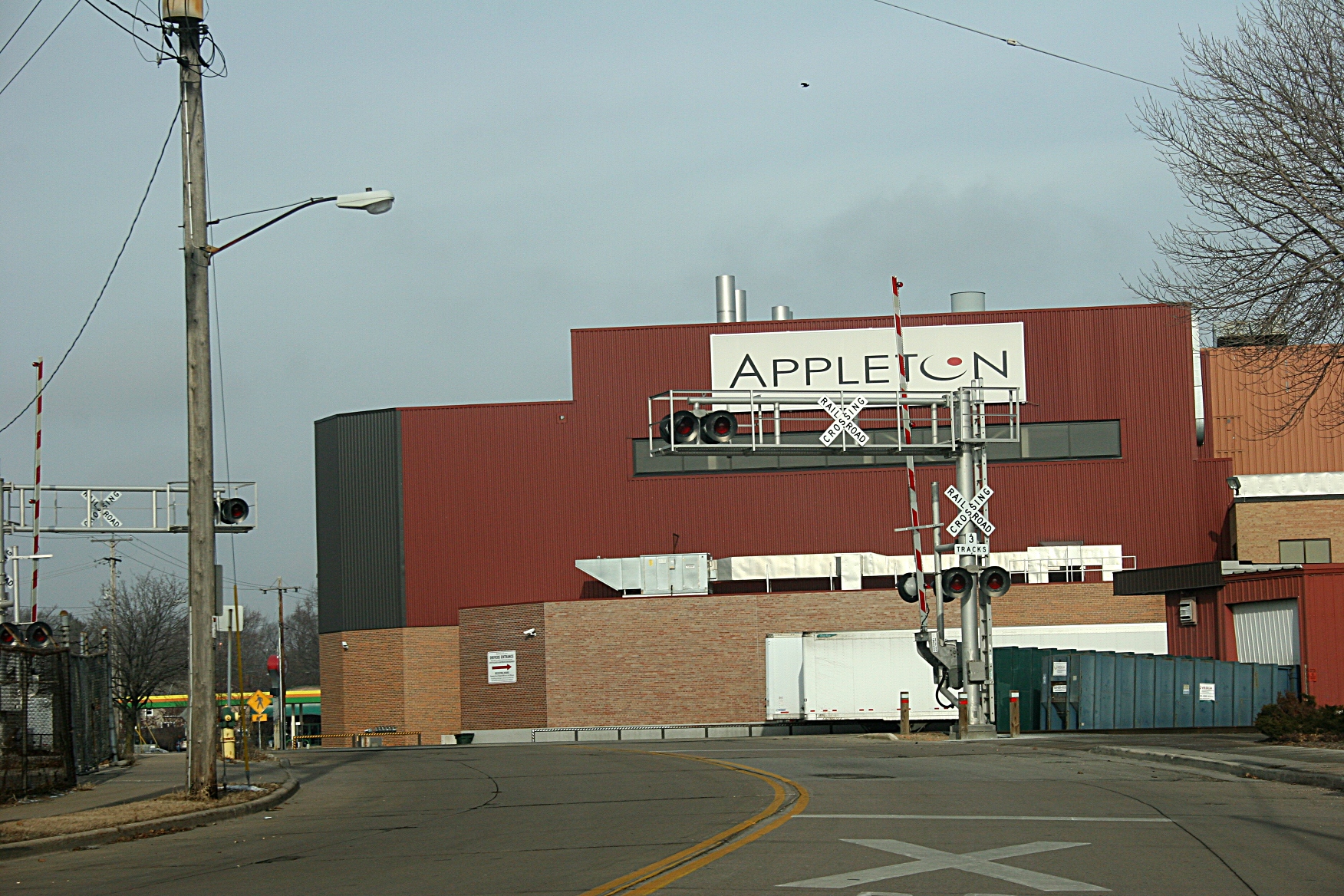
I was more than a bit lost in Appleton as our daughter chauffeured my husband and me around town. I spotted this building along the railroad tracks and photographed it because, well, my eyes were drawn to it. Appleton residents, what is housed in this building?

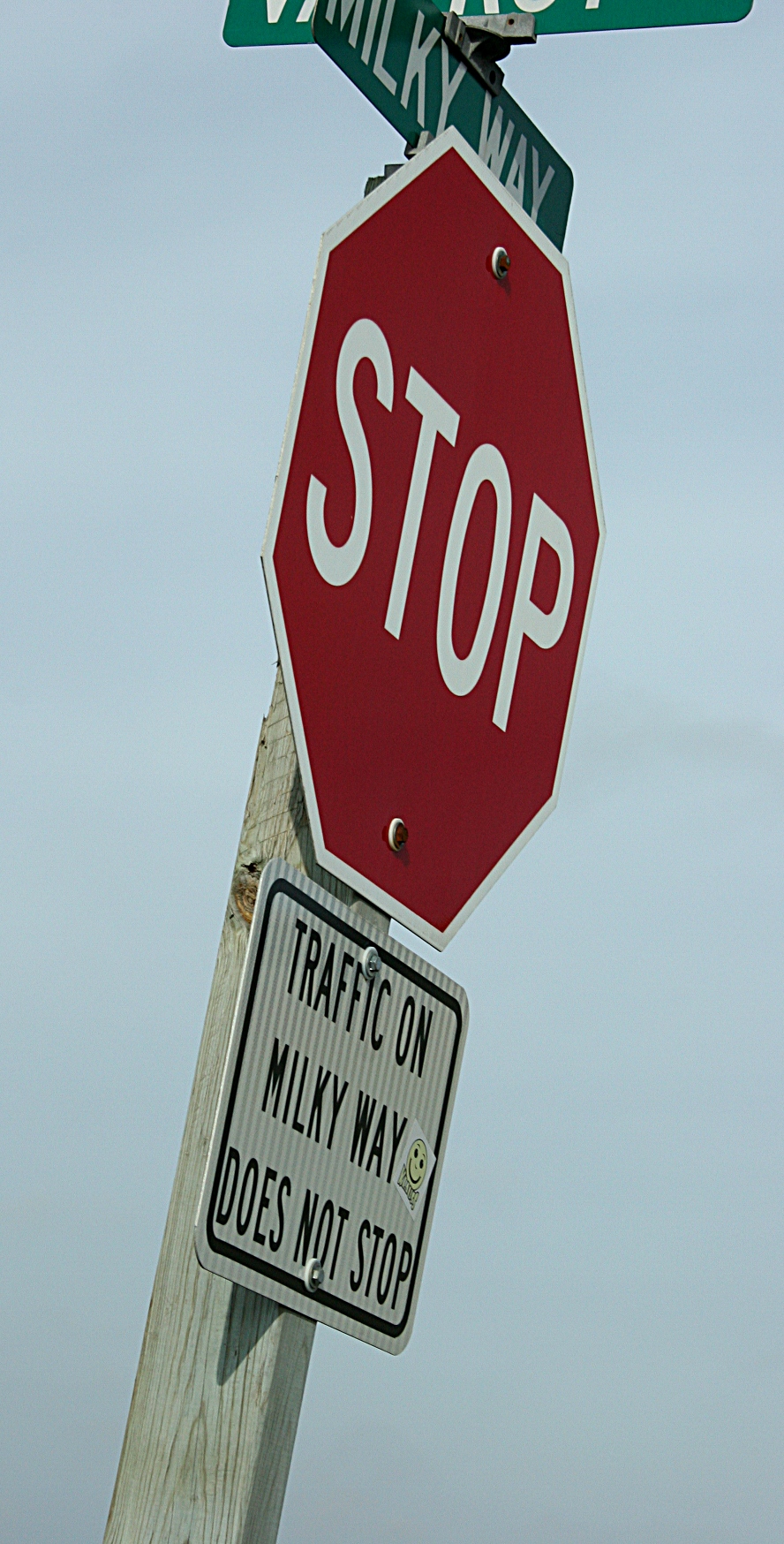
My favorite quirky discovery of the weekend, this signage near none other than...see the next photo.

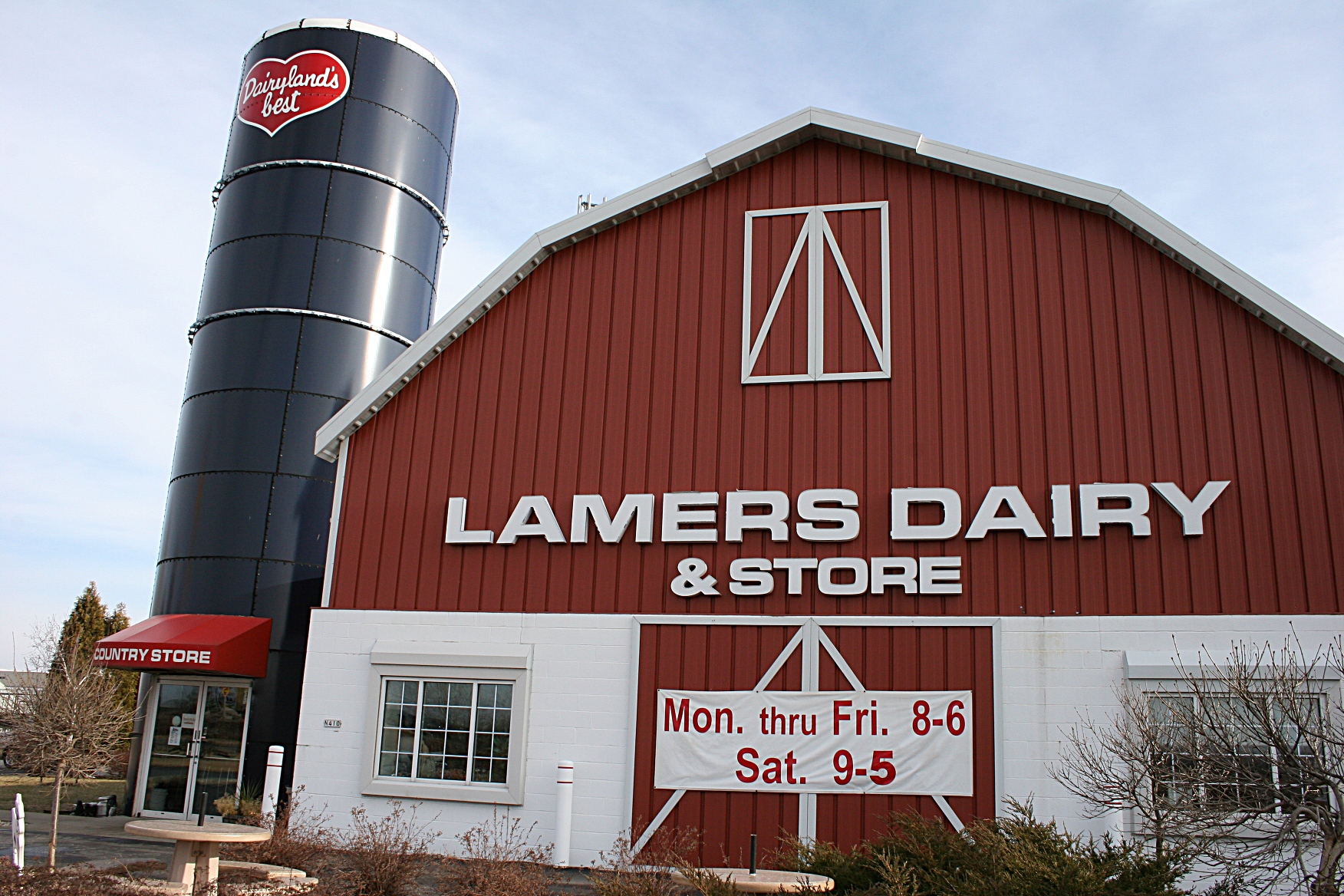
Lamers Dairy, along the Milky Way, sells its own bottled milk, cheese, wine and other food and merchandise. Visitors can watch milk being bottled. Unfortunately, this does not occur on weekends, when we were visiting.

Walking in historic downtown Appleton, I saw not a cheesehead, but this banana, who later posed for a photo. However, I prefer the action photo to the posed. She was promoting the Tropical Smoothie Cafe. My daughter was hoping we would also spot a gorilla pushing balloons along another Appleton street. But, alas, the gorilla was nowhere to be seen.

Inside artsy Studio 213, I laughed at this humorous tee. I grew up on a dairy farm. What can I say? I appreciate barn humor.

Over at the Downtown Appleton Farm Market in City Center, a vendor marketed bison meat. Now I'm wondering, is that bison head real and how do you cart that around?

When I shop at farmers' markets, I pay attention to details like merchandise display. Jan Jourdan's vintage marketing theme drew me right over to sample her Jan's Fabulicious Cookies. I asked to try the gingersnaps. Ooops. Not gingersnaps, but molasses cookies. Thick and chewy, they were as advertised, "fabulicious." Love those aprons, too. If my daughter hadn't just given me one for Christmas...

TO SEE MORE PHOTOS from Appleton, click here to view a previous blog post from the historic downtown.

Click here to see photos I shot along Wisconsin Highway 21 in a post titled “Preserving central Wisconsin’s rural heritage via on-the-road photography.”

In case you missed the link earlier in the story, click here for more info about downtown Appleton.

Click here to learn more about the Downtown Appleton Indoor Winter Farm Market.

Click here to learn about Lamers Dairy.

Click here to read about Studio 213 and here to check out the Tropical Smoothie Cafe.

© Copyright 2012 Audrey Kletscher Helbling
 

Inside the Owatonna orphanage museum: Heartbreaking stories and photos January 18, 2012

A telegram sent to an Owatonna orphanage in 1892 announcing the arrival of two sisters.

WESTERN UNION TELEGRAM, August 19, 1892:

Please meet Godman and two little waifs afternoon train.

It is an archaic word, that word “waif.” So I must page through my Webster’s New World Dictionary to confirm that I fully understand its meaning.

I read:

2 a person without home or friends; esp. a homeless child   3 a stray animal

The definition is mostly as I expect, except for the “stray animal” part.

It hurts my heart to read the telegram sent in 1892 to the Minnesota State Public School for Neglected and Dependent Children in Owatonna.

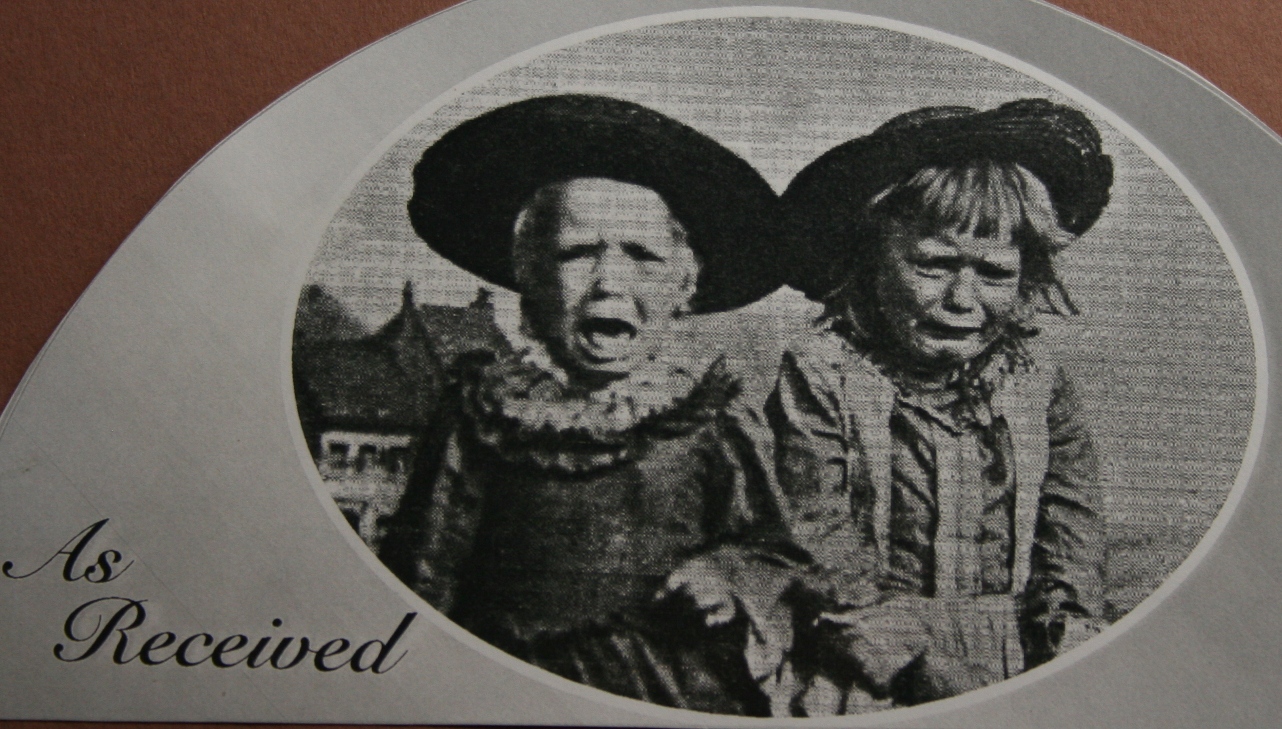
It hurts even more to view the photo of the “waifs,” sisters Mary and Clara, taken on the day they arrived. You can see the despair in their eyes, almost hear their wailing, feel their terror. If I could step back into time, to that day in August 1892, I would wrap those little girls in my arms and hold them and stroke their hair and give them all the love they never knew.

Sisters Mary and Clara, upon their arrival at the Minnesota State School.

Of all the documents and images displayed at the former school, now a museum, this one of the sisters sticks with me for the emotions it captures and evokes. I first saw the photo several years ago during an initial visit to the Minnesota State Public School Orphanage Museum. I have never forgotten it.

This past weekend I was back at the orphanage site to tour a new Owatonna Arts Center exhibit, “Where are the Children,” by Judy Saye-Willis. The Northfield artist taps into the location to pull together an introspective display about children with input from a variety of artists and a writer. I was especially impressed with the graphite drawings of children by Cambridge artist Marilyn M. Cuellar. (Note that Cuellar’s art pieces displayed in Owatonna are copies and not originals.)

The former state school dining area is now a beautiful public venue.

After perusing that exhibit, I walked toward the museum part of the building, through the former school dining room that today serves as a venue for wedding receptions, concerts and more. I hadn’t intended to go to the museum, but my husband had already wandered over there.

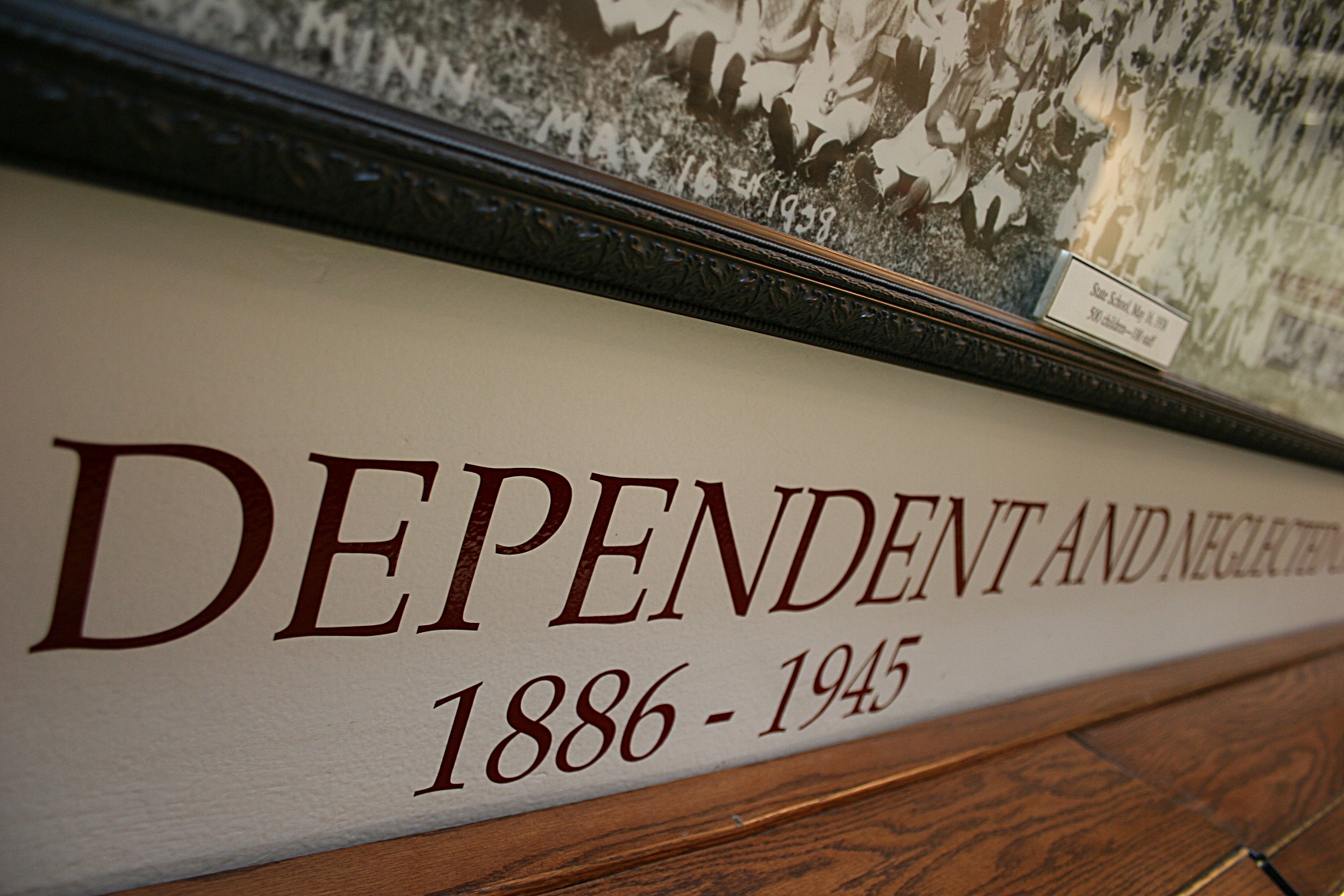
Signage under a state school photo in a section of the museum.

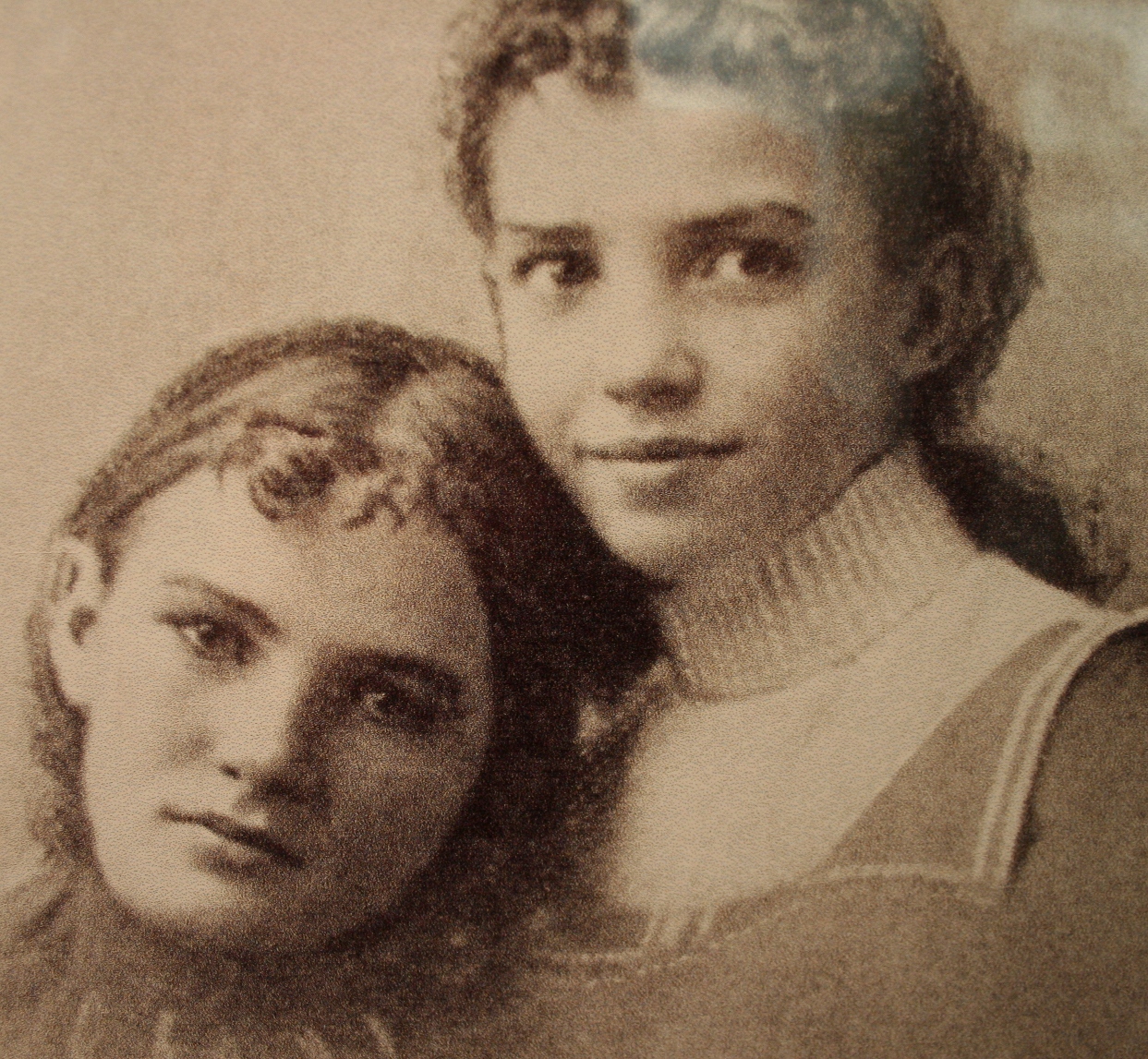
This visit I didn’t study each document and photo in depth. Rather, I swept through the U-shaped exhibit area, focusing on specific segments to photograph like the 1892 telegram and photos of the two sisters, including this one taken at a later date.

Mary and Clara, hardly recognizable as the same sisters who arrived in 1892.

I paused, though, to listen to a visitor talk to me privately about her father and an aunt who lived here. She spoke without a hint of bitterness, which surprised me given the negative experiences of many children who called this school home. Her father eventually was placed with a southern Minnesota farm family. In many instances, these families physically and emotionally abused the state schoolers. Her father, she said, was hit once, but never again.

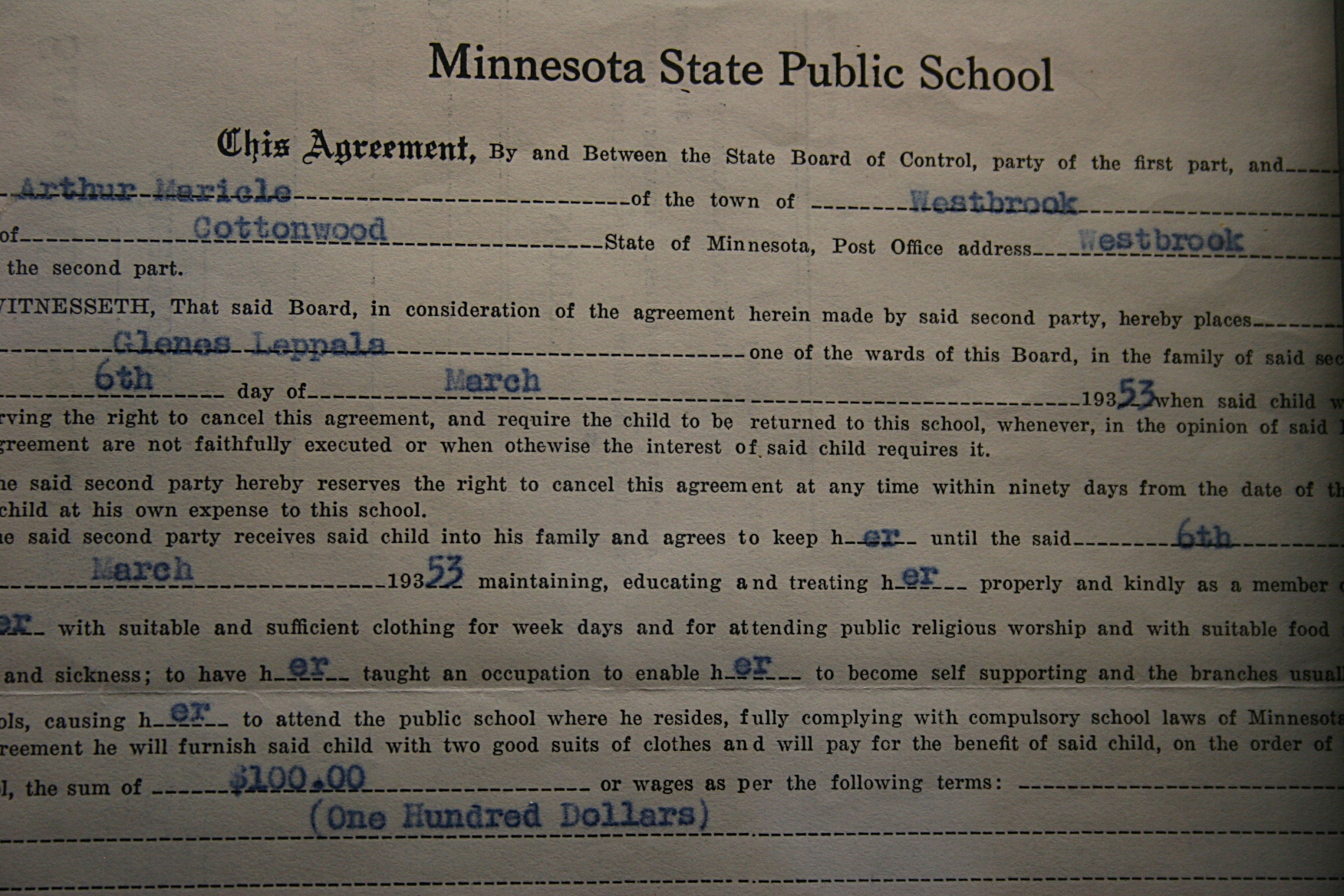
Contracts were signed between the school and families, typically farm families, allowing state schoolers to live with and work for these families. The families were to provide $100 in wages and two suits of clothing.

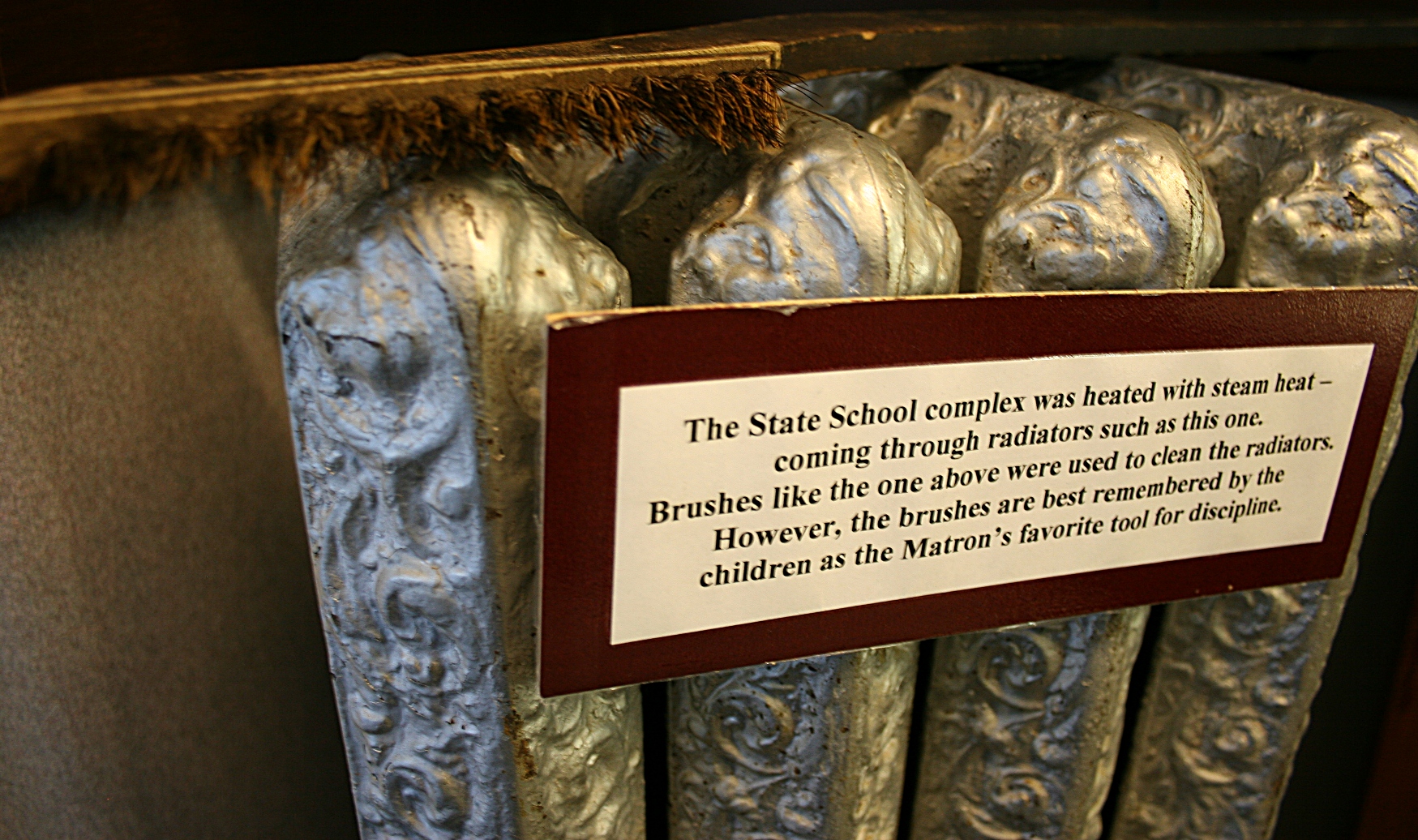
Later, I would photograph a radiator brush, “a Matron’s favorite tool for punishment,” according to the Fall 2010 issue of the museum newsletter, The Radiator Brush.

A dreaded radiator brush rests atop a radiator in the museum.

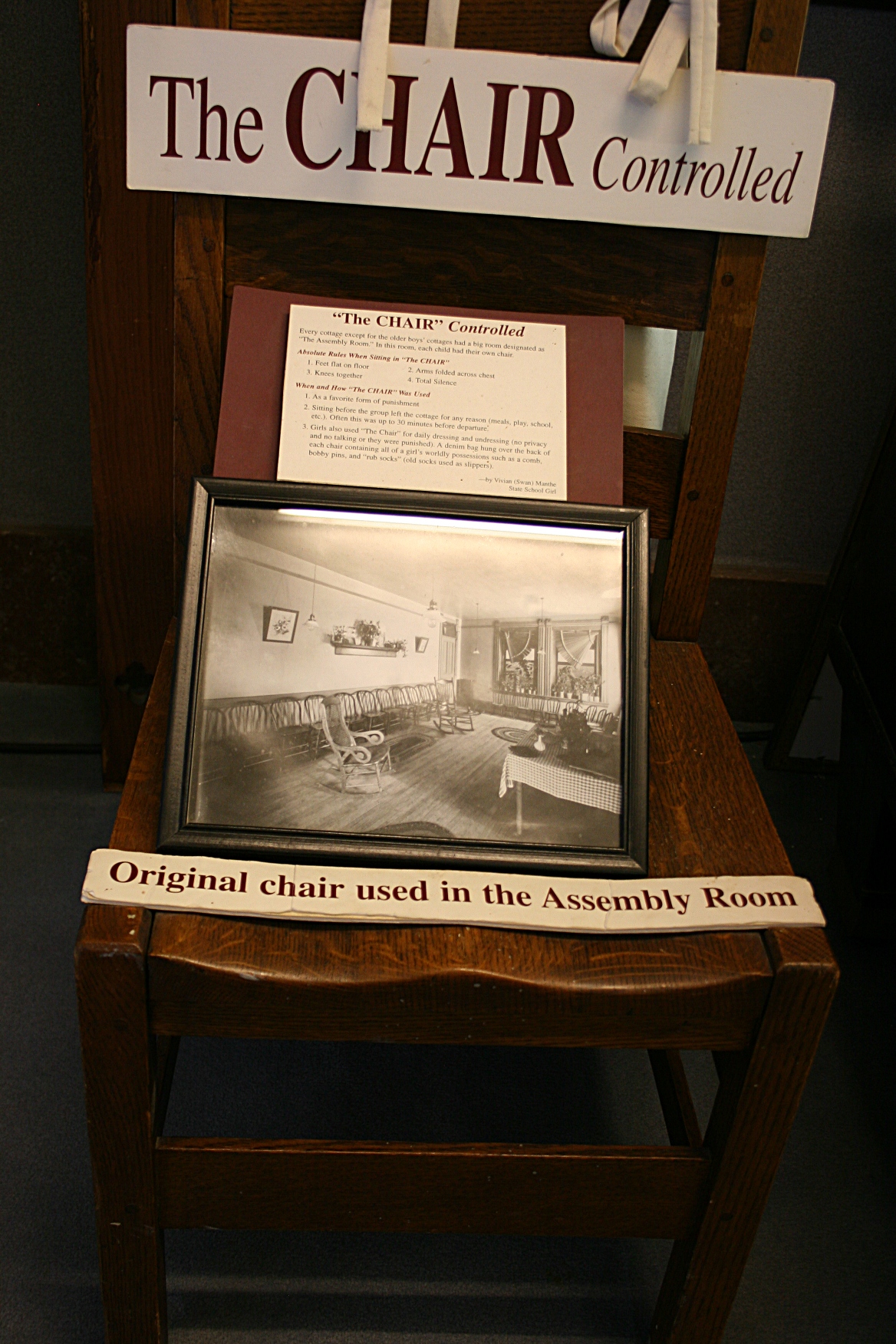
Next, I photographed “the chair,” also used to punish children.

Chairs like this one on display in the museum were used to control and punish children and keep them in their place.

I cannot imagine living here in this institution, separated from family.

Yet the school, despite its failings, offered for many children a better alternative than remaining in abusive and neglectful home settings too tragic to even fathom.

And so that is how sisters Mary and Clara, two little waifs who had been “the victims of extreme cruelty and neglect,” ended up on a train bound for the Minnesota Public School for Neglected and Dependent Children.

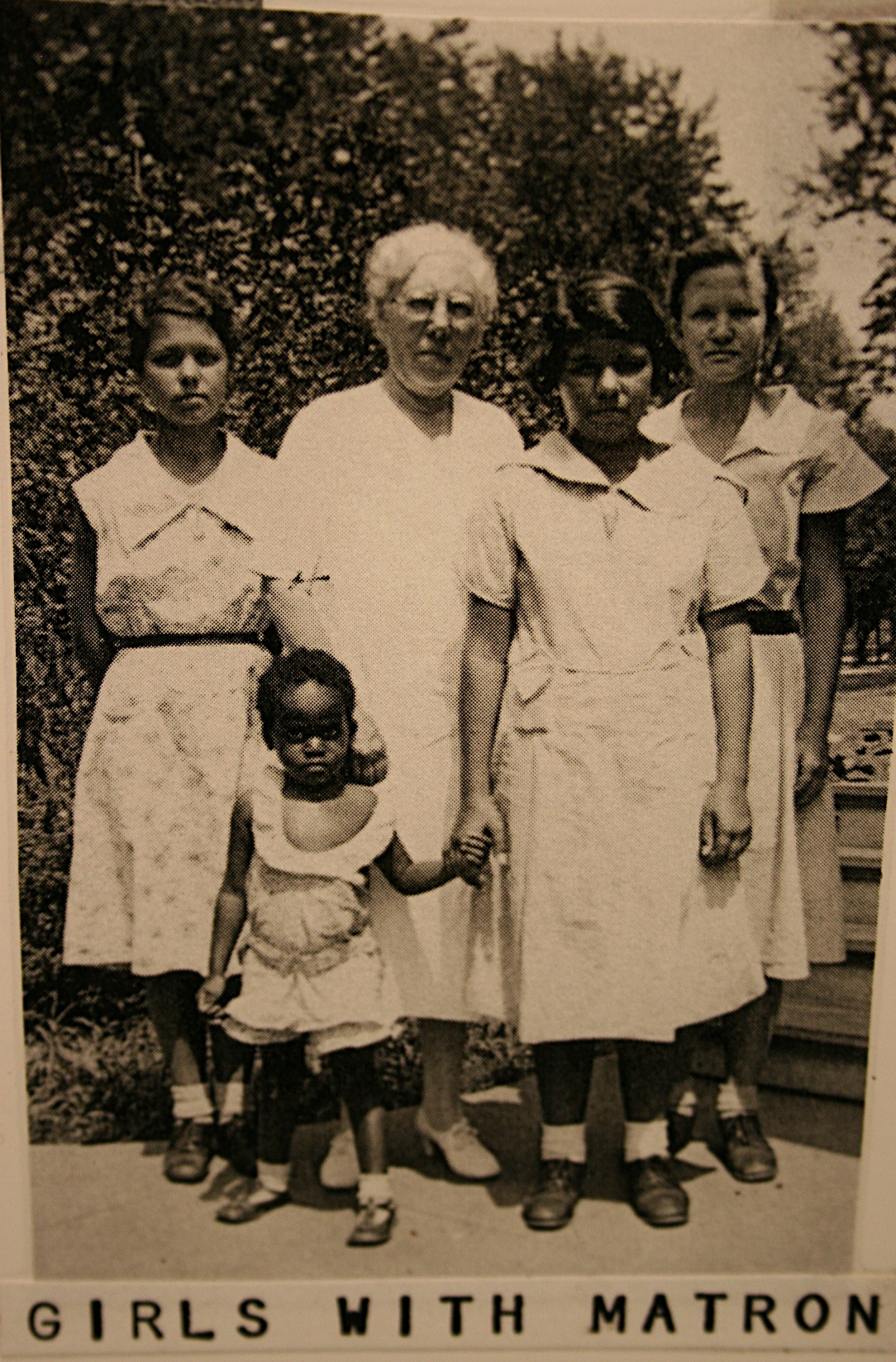
One of the photos on display in the museum of a matron and her girls.

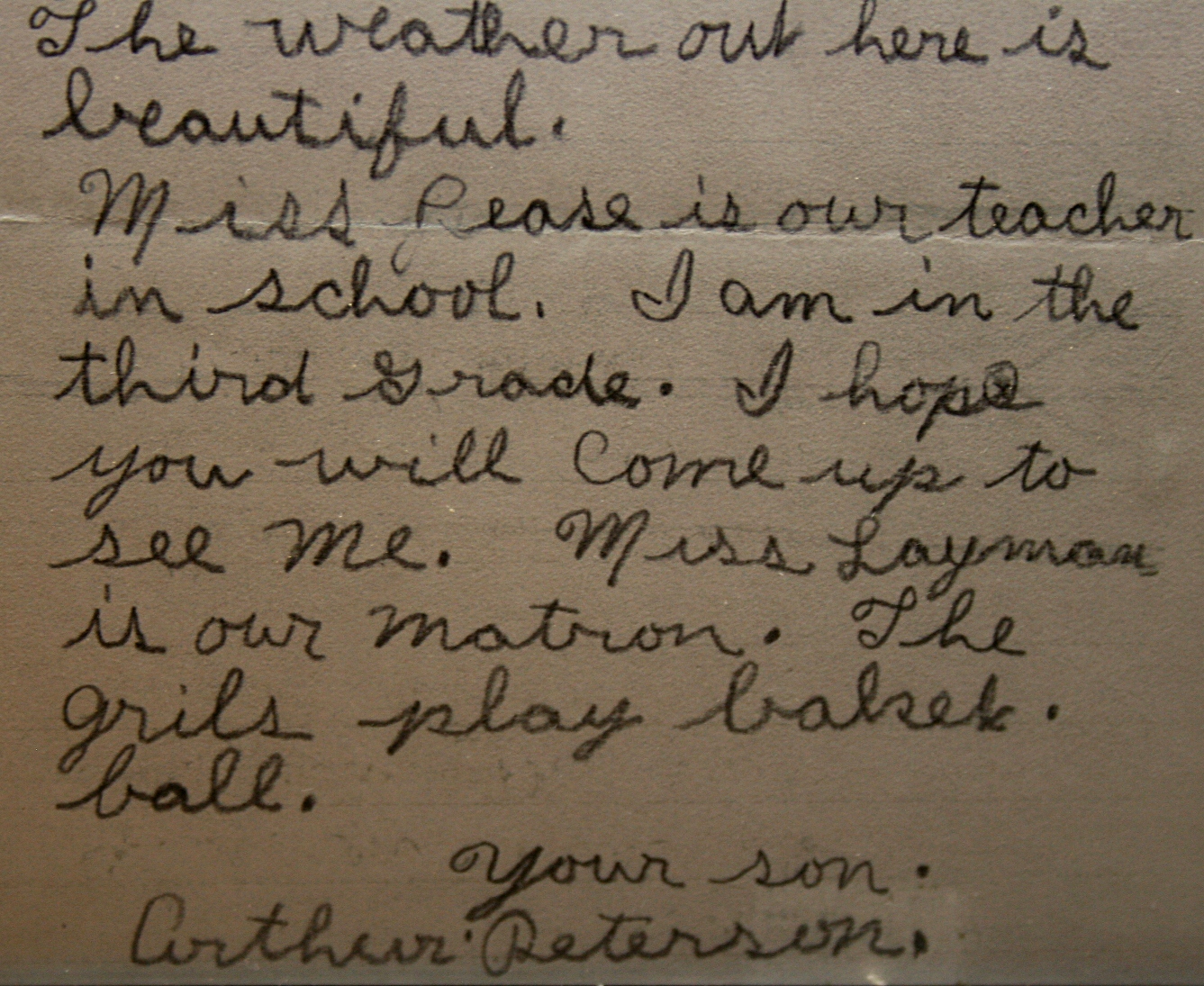
A snippet of a letter from third grader Arthur Peterson to his mother. You can almost hear the desperation in his words: "I hope you will come up to see me."

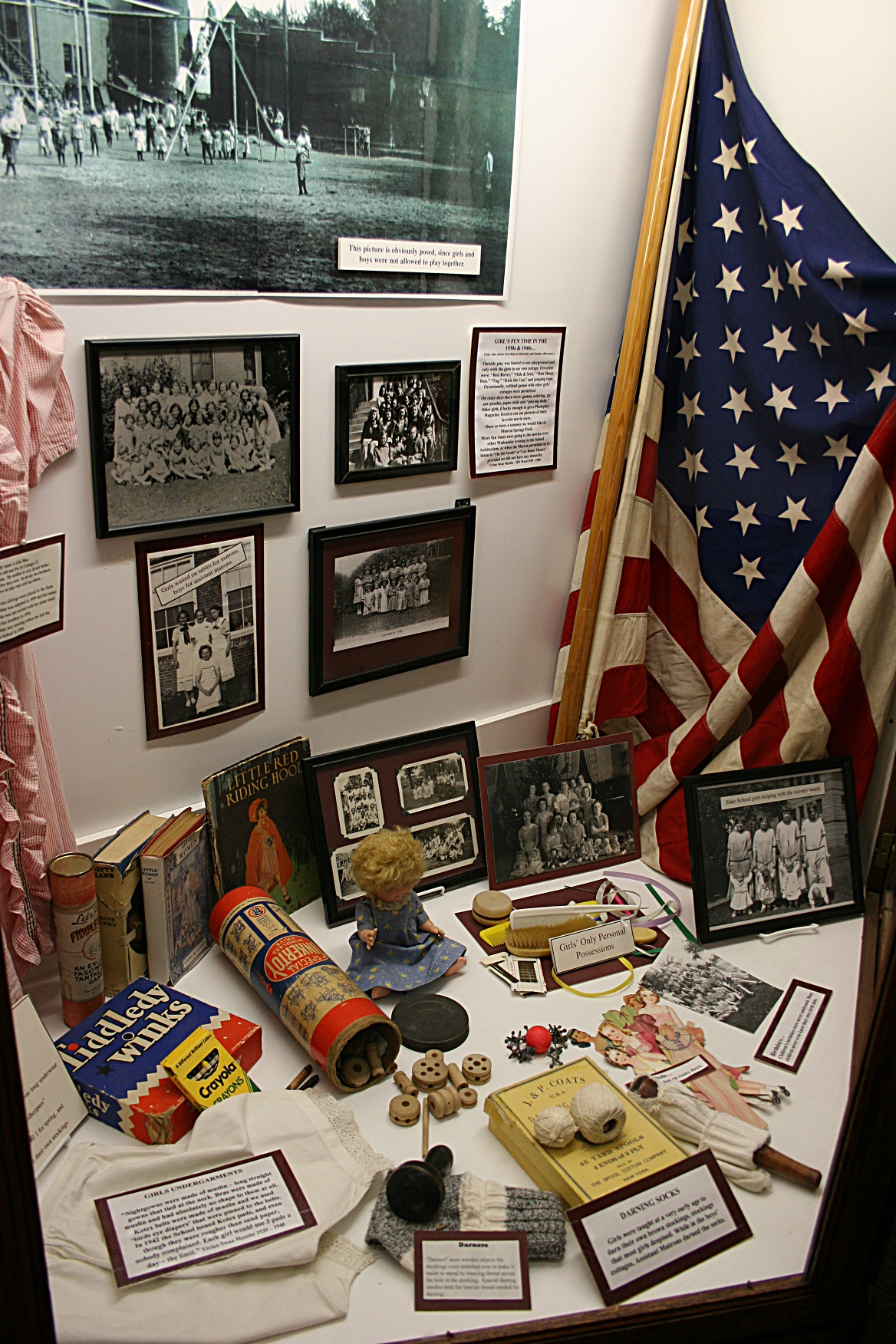
Museum exhibits, mostly in words and photos, but also artifacts, tell visitors about life at the state school.

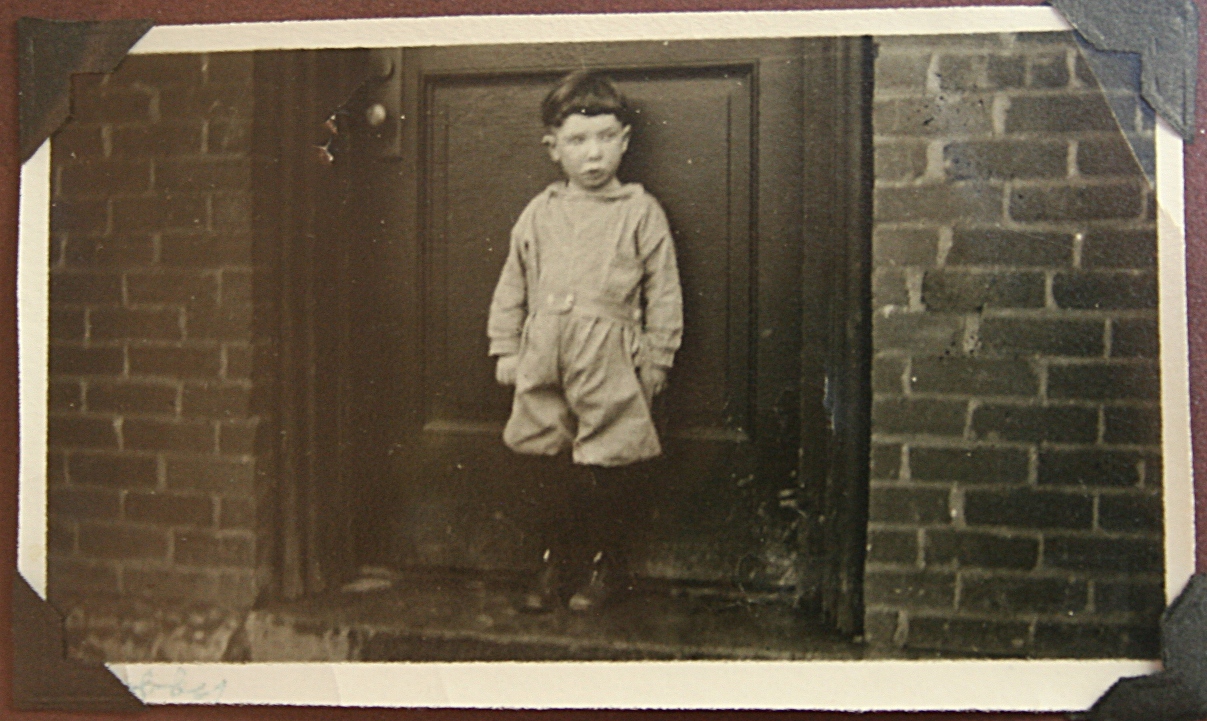
This photo of a little state school boy caught my eye. The museum's collection includes more than 1,100 original photos and an additional 150 reproductions. You can't help but be moved by such soulful images.

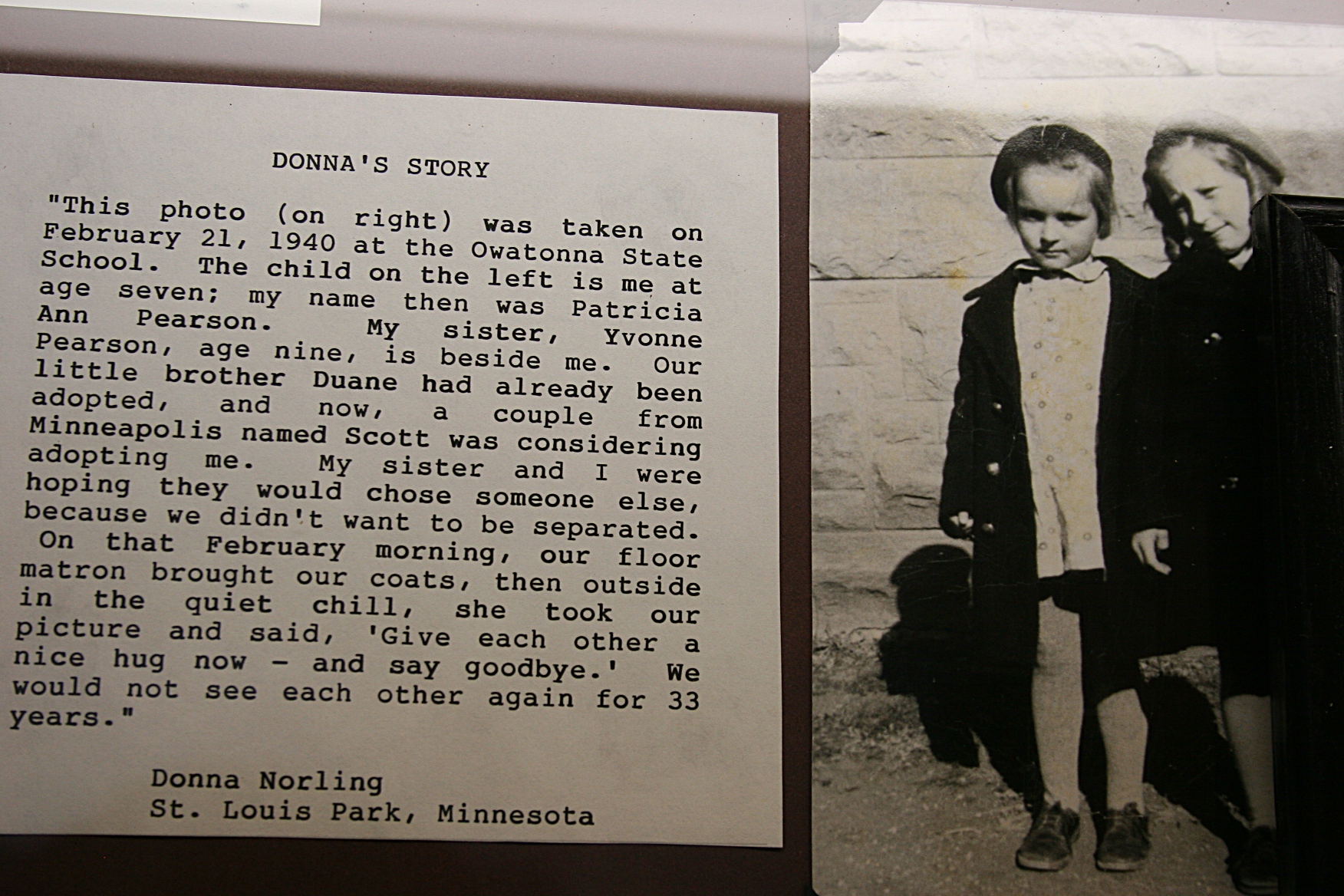
Patricia Ann Pearson, 7, left, and her sister, Yvonne, 9, on the day they were separated. They would not see each other for 33 years. Theirs is only one of thousands of heart-wrenching stories of separation.

FYI: From 1886-1945, nearly 11,000 orphaned, abused and/or abandoned children were sent to the Minnesota State Public School for Neglected and Dependent Children. Today visitors can tour the former school grounds, including a cottage and the cemetery. Click here to learn more about the museum. In 2011, an estimated 7,000 visitors toured the museum and Cottage 11.

Click here and then click here to read two previous blog posts I published about C-11.

© Copyright 2012 Audrey Kletscher Helbling


No cameras allowed on these historic premises January 4, 2012

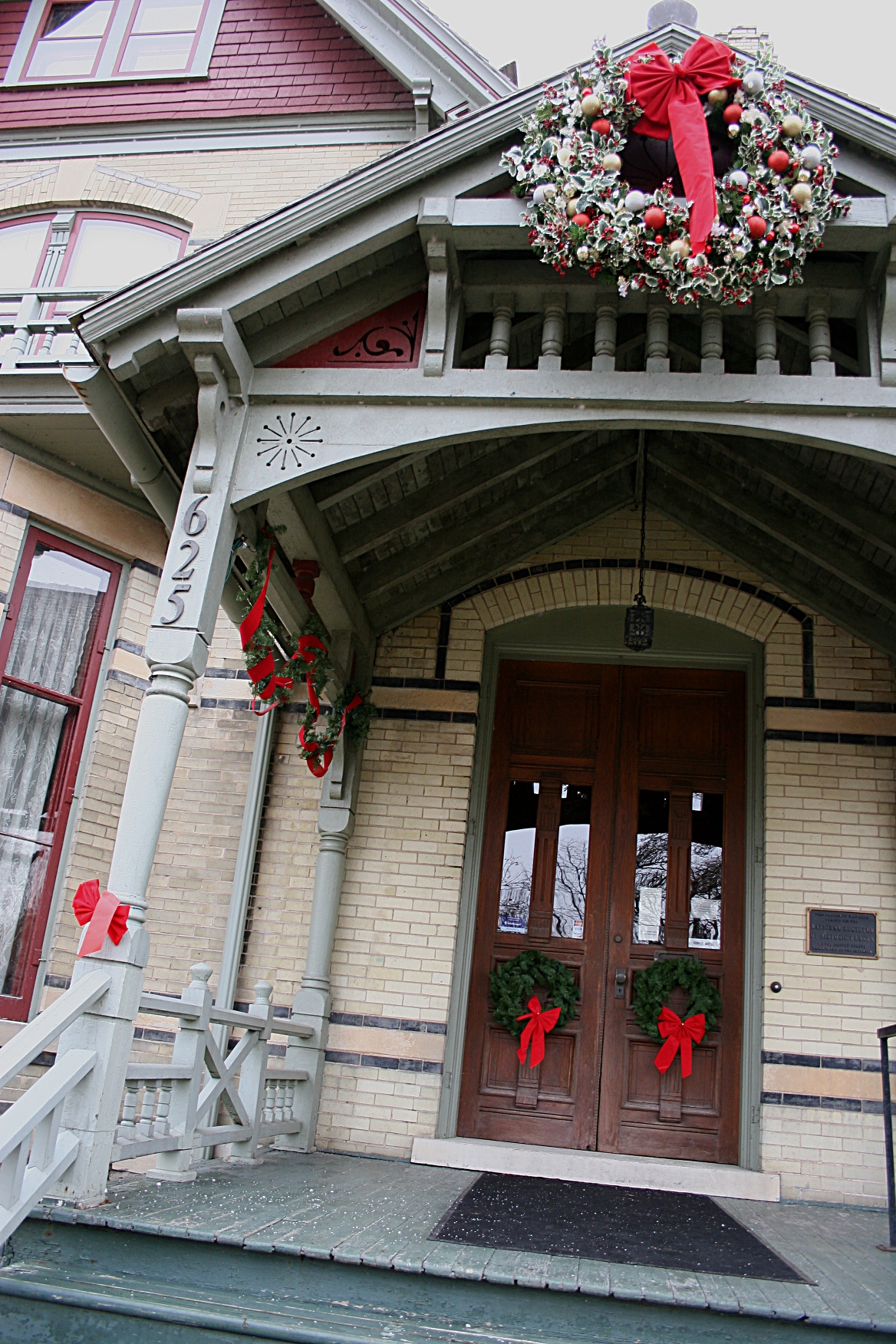
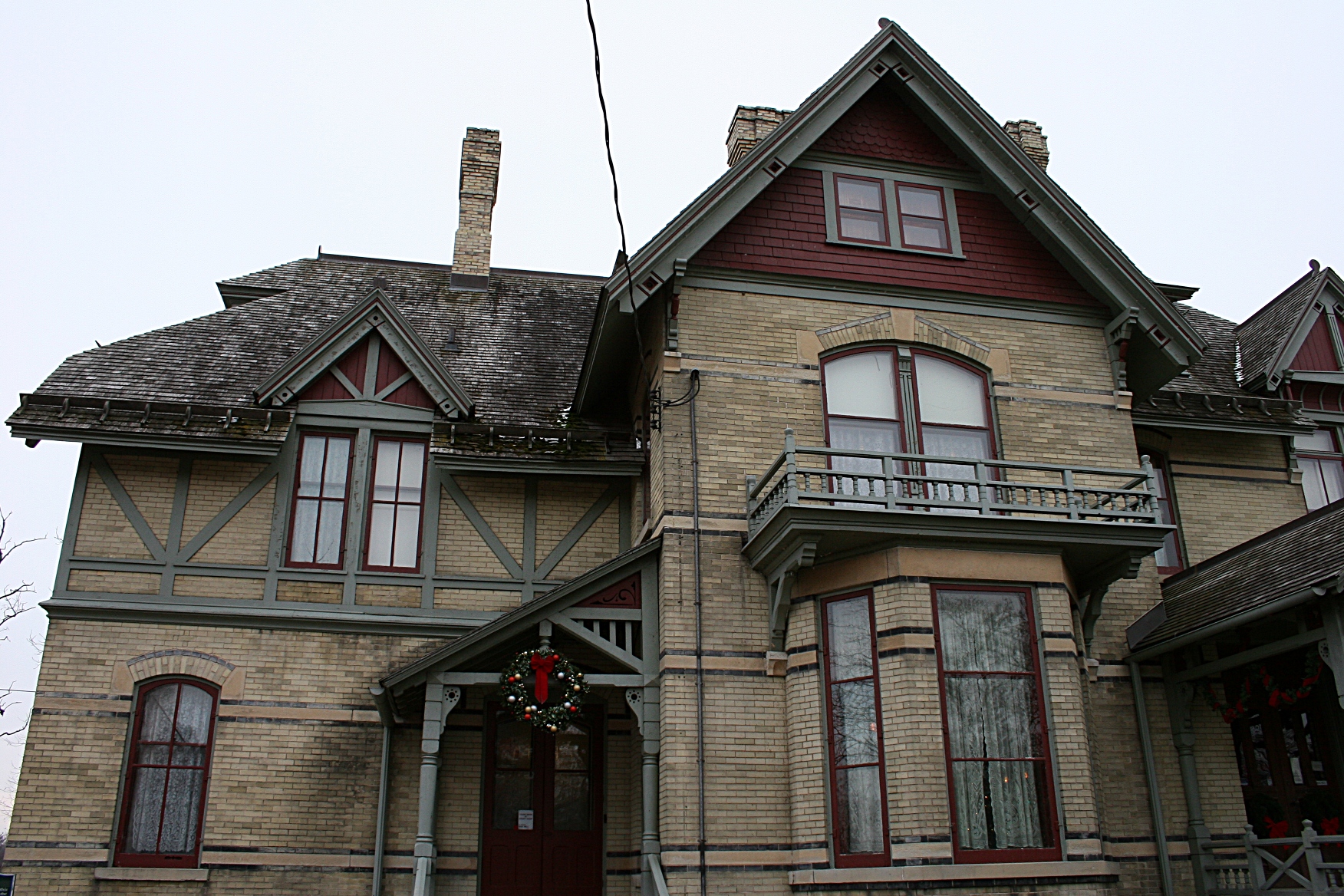
The main entry to the Hearthstone Historic House Museum in Appleton, Wisconsin, located at 625 W. Prospect.

NO PHOTOGRAPHY ALLOWED.

Post a sign with that message or speak those words to me and you’ll find yourself with one unhappy woman. I can’t help it. My camera is a natural extension of me, so when I can’t photograph I’m unsettled and discontented.

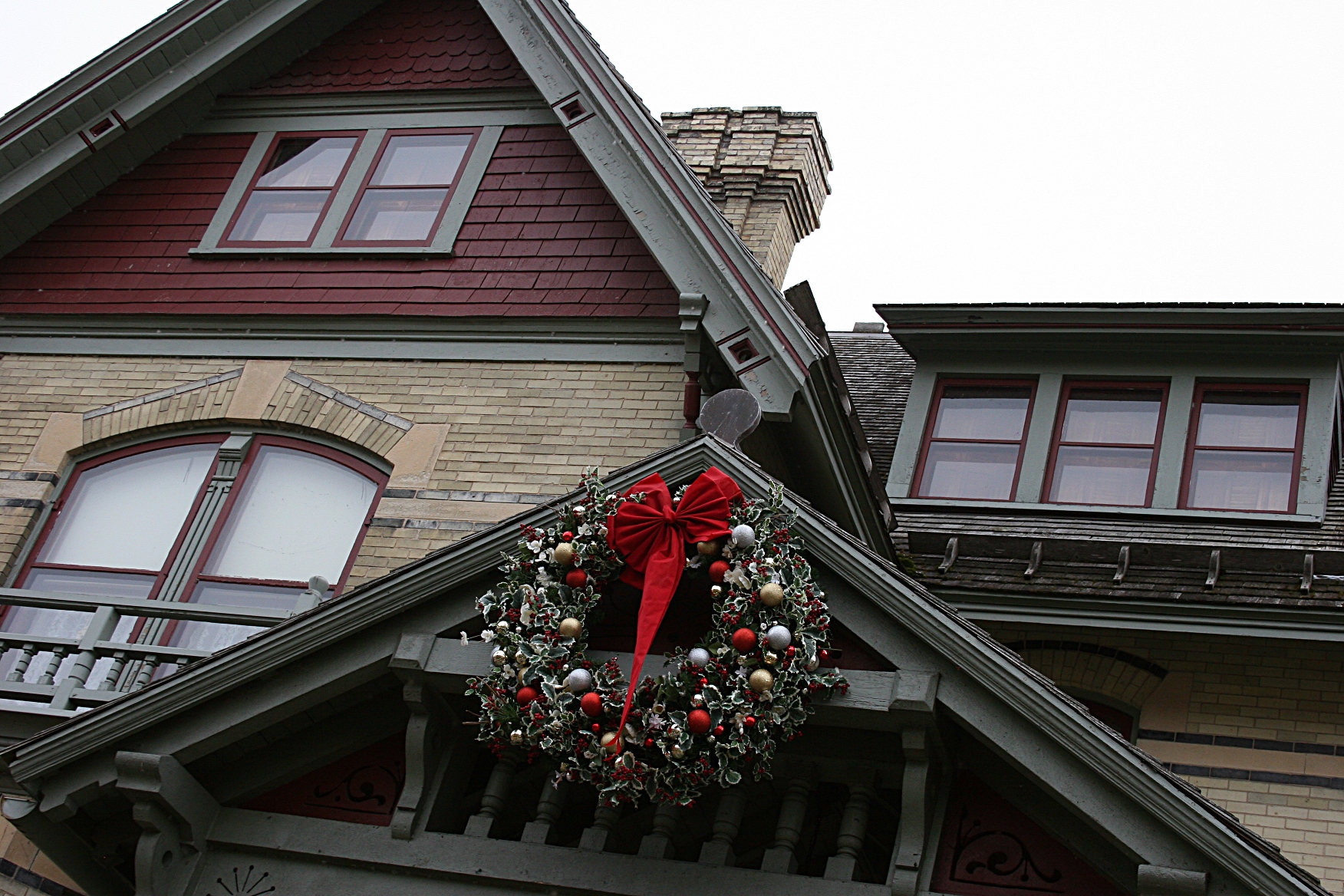
I never expected to encounter a photo ban at an 1882 historic home I toured in Appleton, Wisconsin on Saturday afternoon. But I hadn’t even reached the wreath-adorned double front doors of the Hearthstone Historic House Museum when my daughter pointed to the sign banning photography.

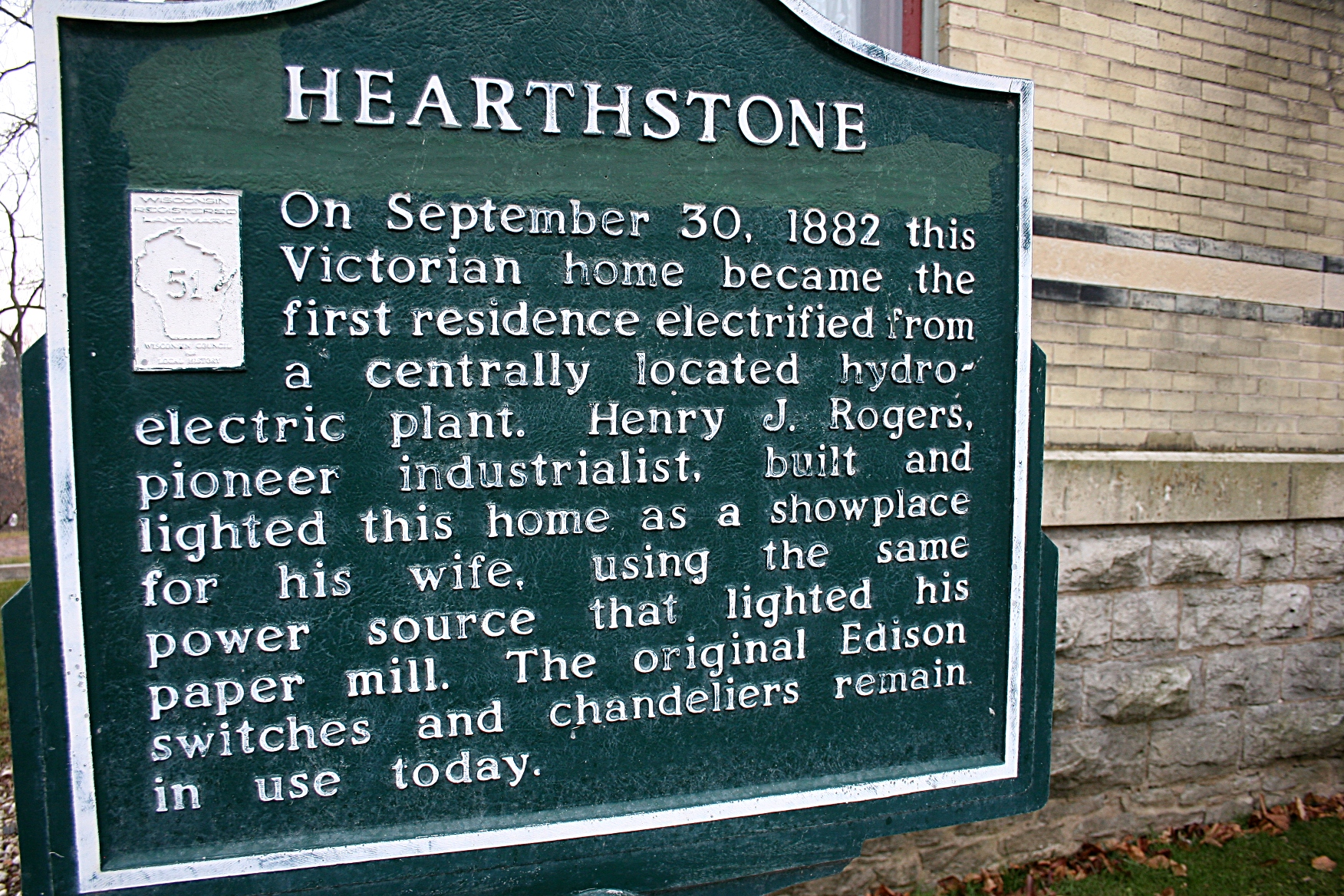
I automatically hugged my Canon EOS 20-D DSLR closer to my right side as we waited for a tour guide to unlock the front door and allow us access into this Victorian home, the first residence—in the world—electrified from a centrally located hydroelectric plant.

If you think I would simply accept the “no photos” rule without question, then you don’t know me. I asked and was told photography would be disruptive to the tour. “Even without flash?” I pursued.

Yes.

I contemplated for some time how I could sneak in a photo or two. But with tight quarters and visitors packed into the home’s rooms, taking covert photos wasn’t even a remote possibility. Besides, the click of the shutter button would surely give me away and I was not about to become the first tourist kicked out of this lovely mansion.

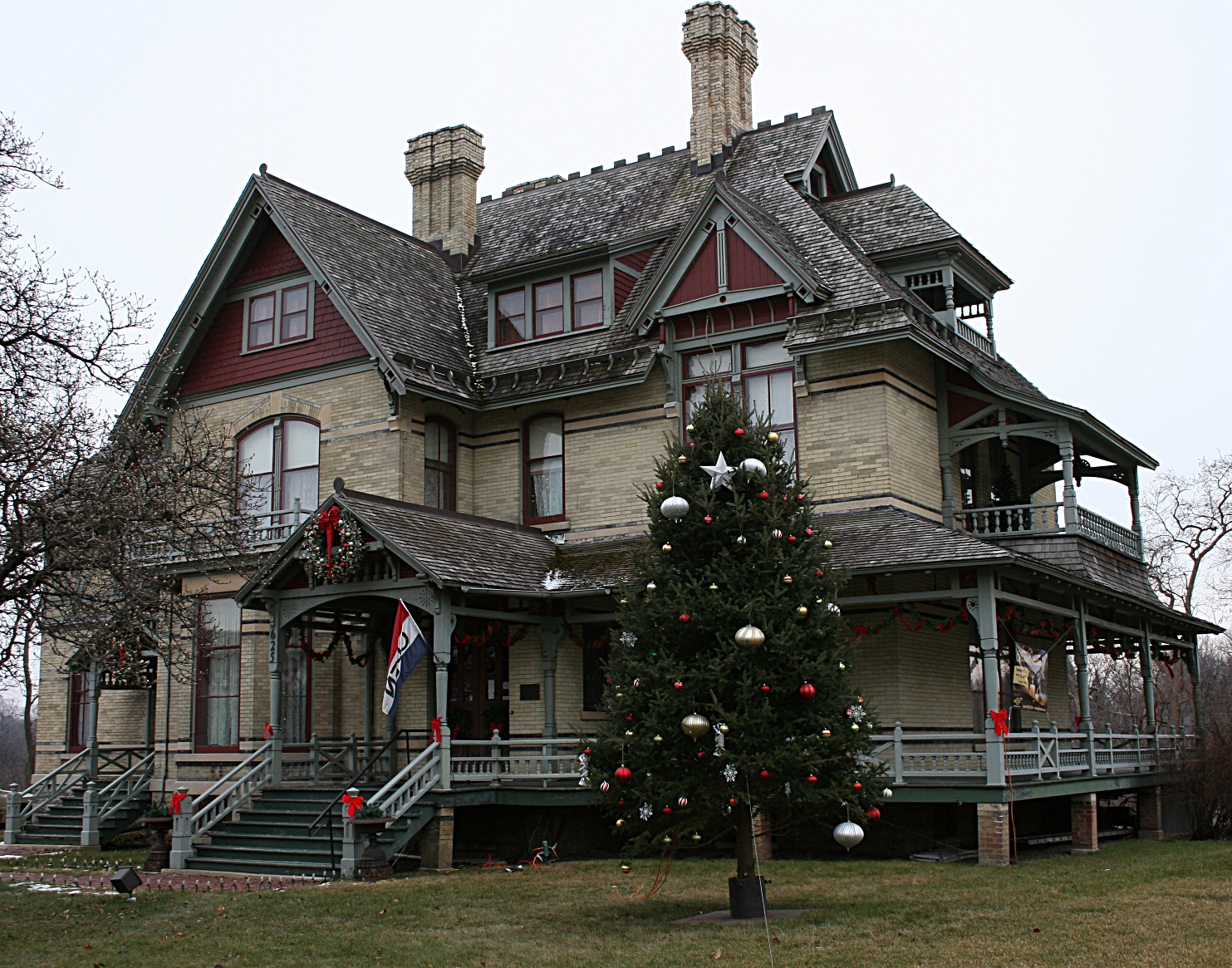
So you will need to settle for exterior images of this house built for Henry J. Rogers, today’s equivalent of the CEO of the Appleton Paper and Pulp Company. He lived here with his wife, Cremora, and their daughter, Kitty, for some 10 years until the nearby paper mill was destroyed by fire.

The original home of Henry J. Rogers and family sits along the Fox River.

From the exterior, this hilltop riverside home, built for $17,000, isn’t nearly as impressive as I’d expected. But inside, ah, inside, the décor is about as opulent and detailed as any historic residence I’ve ever toured.

Nine fireplaces grace rooms defined by wood—inlaid floors, detailed carvings, wood trim and ceilings and, well, wood everywhere. But I suppose when you live in Wisconsin and head up a paper company, finding wood to construct your mansion isn’t a problem.

An Edison phonograph, a stained glass window in the grand hall entry, floor-to-ceiling windows and a hand-painted ceiling in the parlor, the focal point fireplaces, and a dining room table set for Christmas dinner all impressed me.

A sign explains the house's historical significance. The house is on the National Register of Historic Places.

In retrospect, I suppose I should have been most impressed by the rare 1882 light switches and electroliers still in operation. After all, the lighting ranks as the reason this home holds such historic value. But, honestly, I’m not all that scientific minded. The décor and personal stories shared by our tour guide interested me far more than the hydro-electric powered lighting system.

Our guide informed us that the Rogers family was charged $1 a month per light bulb for the 50 light bulbs in the house. In the 1880s, $50 was a sizeable chunk of money to pay for monthly electrical usage. That reveals the substantial wealth of this family.

Rogers, however, eventually died with only $12 to his name after moving to Chicago and losing money in a silver market that crashed, a second tour guide later told me.

The story, though, that truly snatched my interest involves Kitty. When she became engaged, the Rogers’ daughter verified the authenticity of her diamond by etching her and her fiancé’s initials into a library window (still there). Not to be judgmental here, but I was not at all surprised when the tour guide revealed that the marriage did not last.

Later, while touring the second floor, we were informed that Henry and Cremora slept in separate bedrooms because the couple thought they would catch tuberculosis from one another by breathing in the same night air. OK, then. But, I suppose I must consider the time period and the lack of knowledge regarding diseases.

Finally, the tidbit I found most personally appropriate involved visitors to the Rogers’ mansion. They would leave their calling cards, the equivalent of today’s business cards, on a table in the great hall. Visitors would bend the corners of their cards in a certain way, depending on the reason for their visits. The family would then decide whether they wanted to see the guest.

At that point in the tour, I considered scribbling “Here to take photos” on my business card and dropping it onto the foyer table.

The Rogers' home, which was home to nine other families and which once housed a restaurant called The Hearthstone in the 1930s, is not yet fully-restored to the 1880-1895 time period.

Inside and outside, Hearthstone is decorated with Christmas trees and other holiday decor for a "Victorian Christmas" special event which continues through January 14.

NOTE: Lest you consider me disrespectful of rules, I am not. I understand, somewhat, the “no photography” rule at the Hearthstone house. And I most certainly understand why flash photography would not be permitted in an historic place.

One other point I want to mention: During my tour of the Hearthstone mansion, a visitor’s cell phone rang and she proceeded to answer it, right in the middle of the tour. Now that I found disruptive.

© Copyright 2012 Audrey Kletscher Helbling
 

Appreciating historic downtown Faribault, especially in her holiday finery December 21, 2011

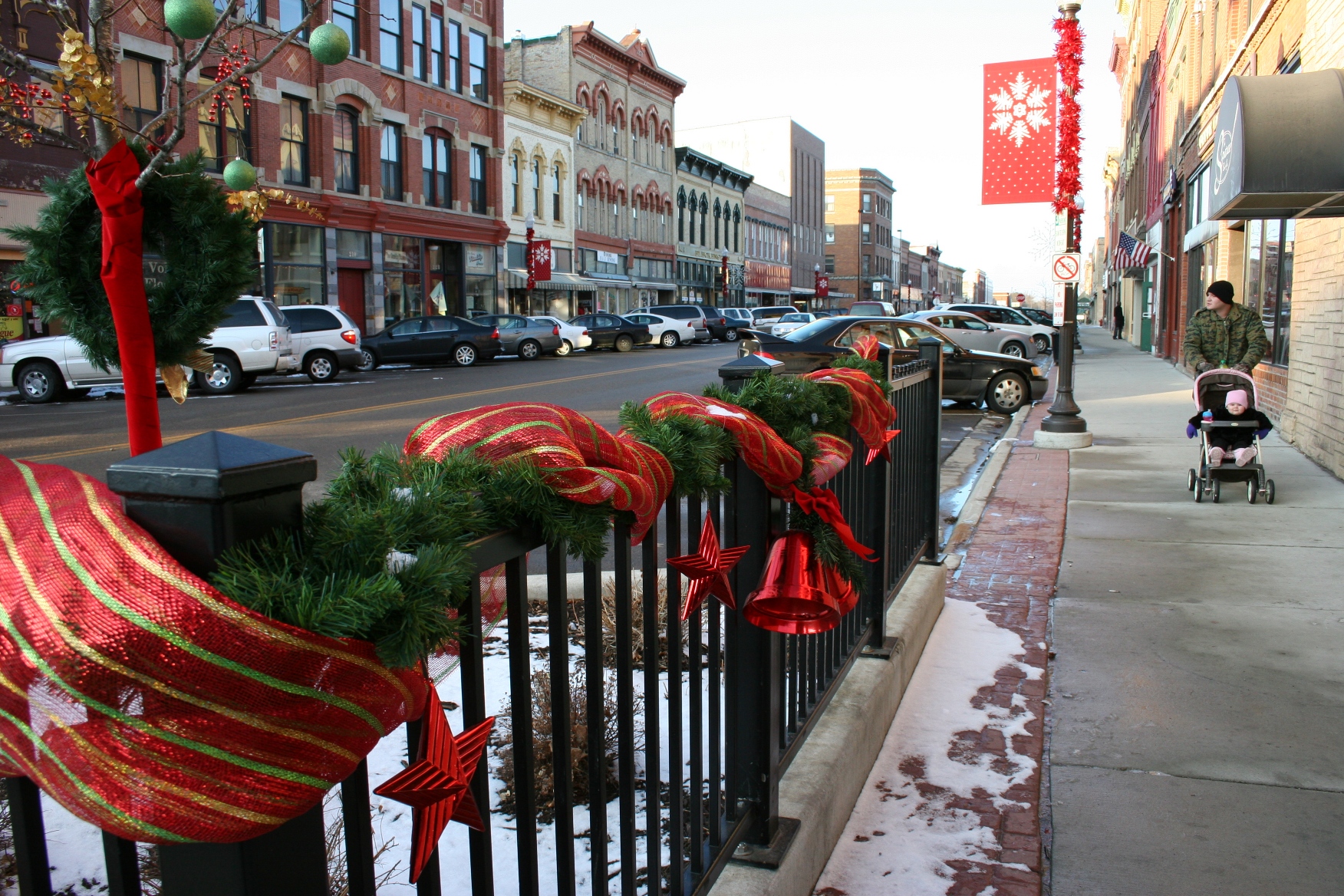
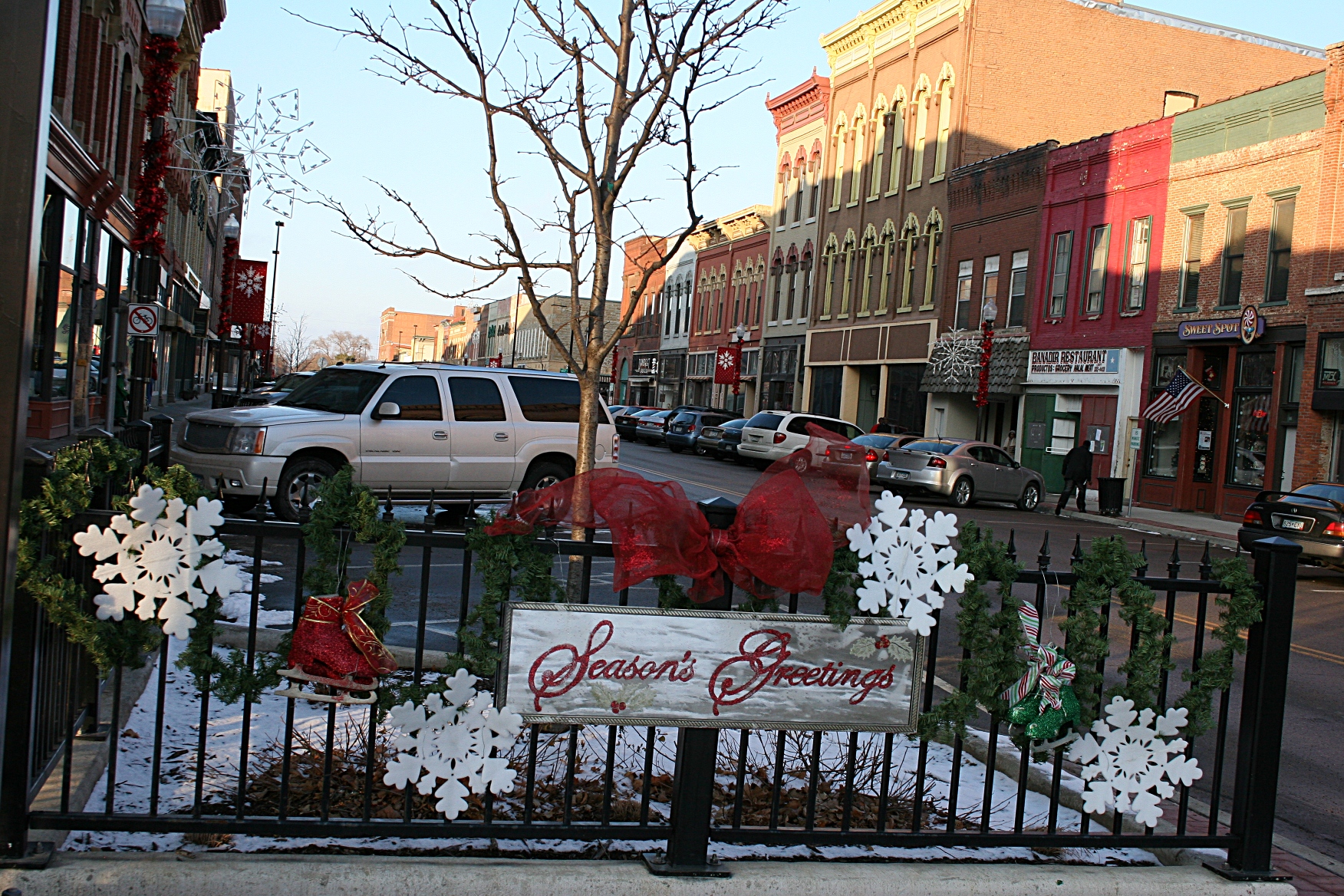
Strolling along Central Avenue in historic downtown Faribault late on a Saturday afternoon in December.

SATURDAY AFTERNOON, while my husband shopped for dress shoes at Burkhartzmeyer Shoes in historic downtown Faribault, I meandered a block north to view Central Avenue dressed in holiday finery.

She’s stunning with sparkles and ribbons and Christmas reds and greens befitting any holiday party.

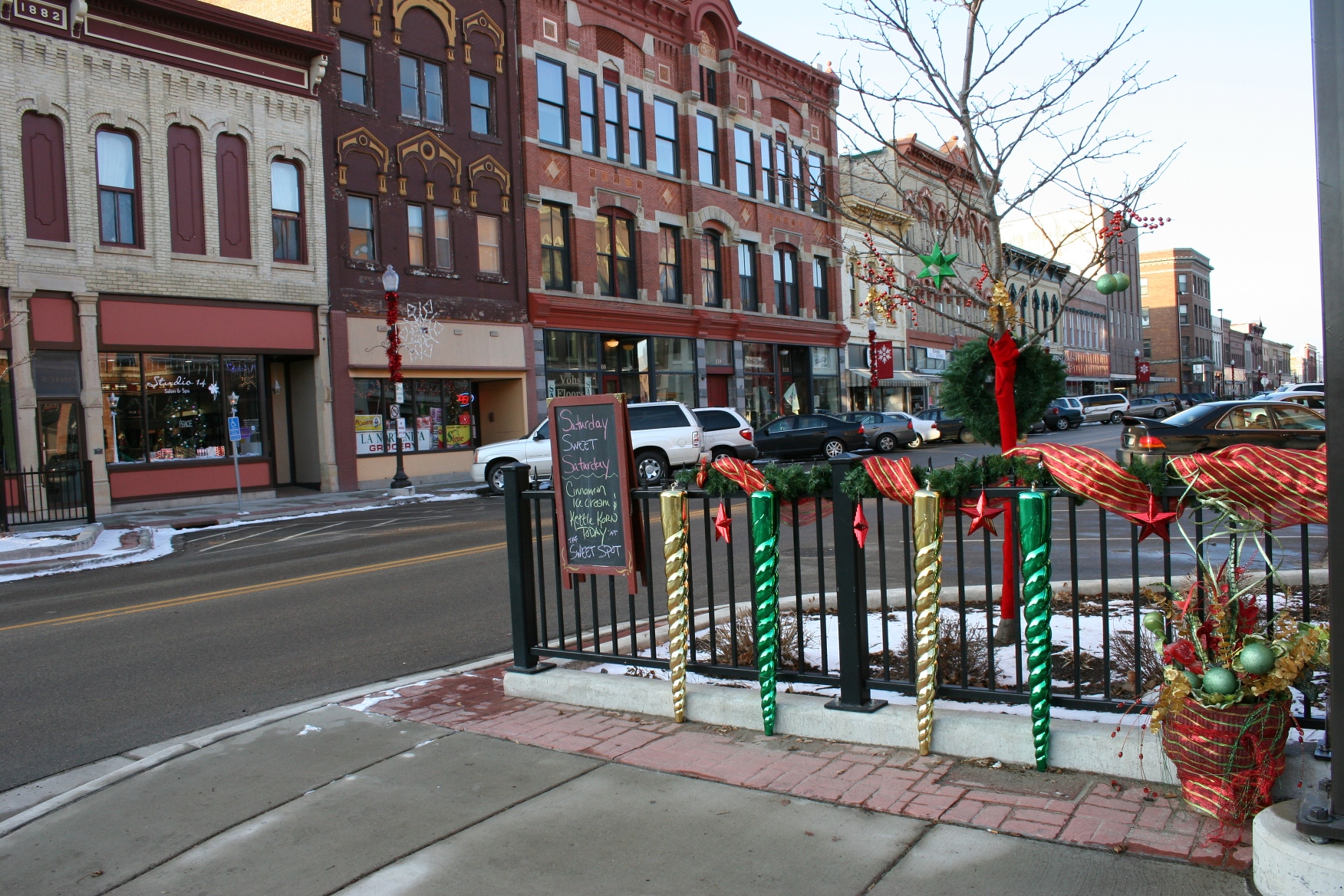
Keepers Antique Store decorated the wrought iron fencing on a downtown street corner as part of a "Winter Wonderland" themed decorating contest.

Honestly, I love the look and feel of my downtown. Even without the glitz and glamour of the holiday season, Faribault shines. The old brick buildings, the comforting small-town vibe, the ease of parking, the slow pace and the friendliness of shopkeepers appeal to me.

Next to the Signature Bar & Grill, a lovely holiday-bedecked street corner.

An elf outside The Crafty Maven, "featuring a unique mix of new and vintage items."

Quotes from Charles Dickens' "A Christmas Carol" portrayed in store-front windows.

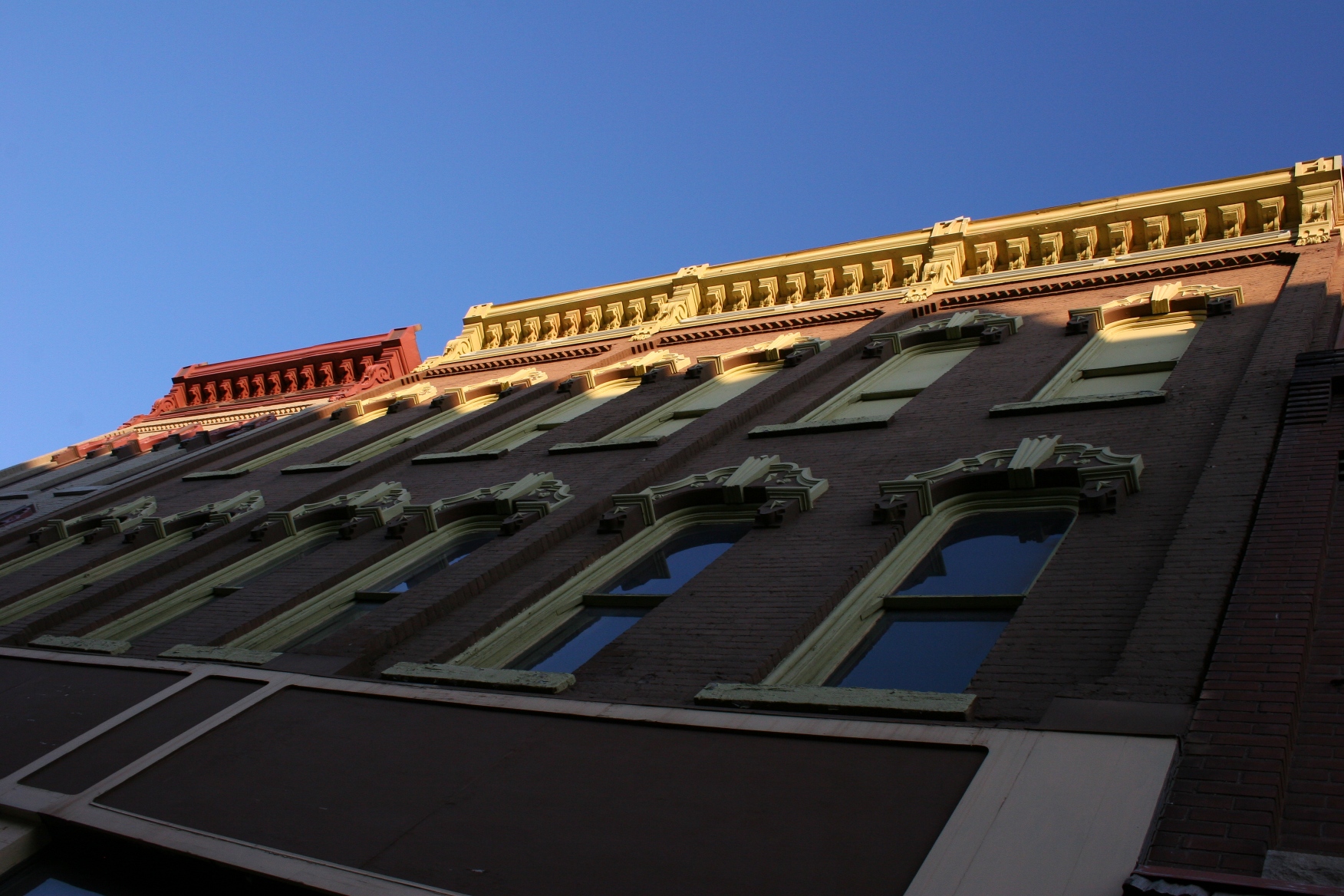
I am always surprised when locals fail to appreciate downtown. How can you not value this treasure of a business district with arched windows, decorative trim and more on vintage buildings that impart an historic and homey feel to our town? Perhaps because I didn’t grow up here, I can truly see the beauty that native residents often overlook.

Another seasonally-decorated street corner charms visitors to Central Avenue.

I am always surprised, too, that Faribault hasn’t been discovered—like Red Wing or Stillwater or Wabasha or neighboring Northfield—as a destination city. The potential exists to draw tourists here into our specialty shops and arts scene. It’s not for a lack of effort, but…we’re not there yet.

I aimed my camera skyward as the setting sun caught the tops of historic buildings along Central Avenue.

First, we need to sell our own residents on the value of Central Avenue, our Main Street. Do we truly realize how fortunate we are to have a solid, core downtown like ours with a deep history and an inviting character?

Mega malls and strip malls and Big Box retailers—and I shop at those places, too—have nothing on Main Street.

Yes, I grew up in the 1960s and 1970s, meaning my perspective evolves from memories of shopping in a downtown, not a mall.

When I stroll along Central Avenue in Faribault, nostalgia accompanies me. And she’s a mighty fine friend to walk with, especially during the holiday season.

Outside Keepers Antique Store, a rustic vignette charms.

Across the street at That Scrapbooking Place, a punch of color on the front window backed by a holiday display and reflections of historic buildings.

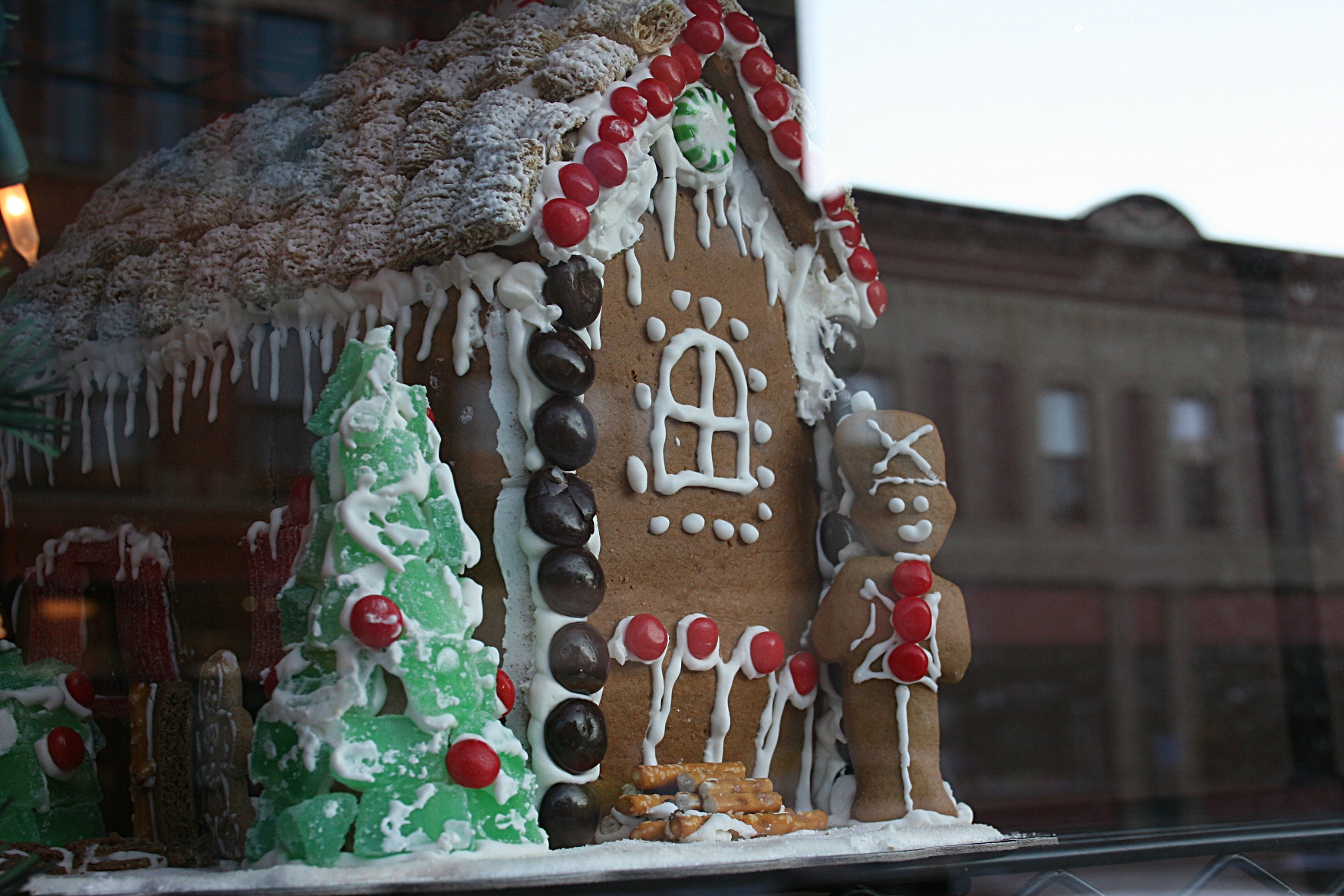
Sweet, dreamy gingerbread houses fill the display window at Sweet Spot, a Central Avenue candy and ice cream shop. I love how the reflection of an old building across the street melds with the gingerbread house.

IF YOU’VE NEVER been to Faribault, consider a trip here. We’re located along Interstate 35, just an hour south of Minneapolis. You’ll find antique, craft, candy, cheese and many other specialty shops and businesses, hometown eateries, as well as an arts center, along Central Avenue. If you have a specific question about Faribault, ask and I’ll answer.

LOCALS,  if you haven’t been downtown in awhile, I’d encourage you to park your vehicle, walk and appreciate your town. She’s all glammed up right now and a wonder to behold.

READERS, PLEASE CHECK back on Thursday for more Central Avenue holiday-themed images.

© Copyright 2011 Audrey Kletscher Helbling


The tragic story of “The Christmas Tree Ship” November 30, 2011

THE PROMO READS:

A delightful holiday musical for the entire family. It’s the true story of a Great Lakes schooner, whose captain risks life and limb to transport Christmas trees to the German immigrants in Chicago during the late 1800’s. The result was the Christmas tree tradition spread throughout the Midwest and America.

Attend The Merlin Players’ production of The Christmas Schooner, opening Friday, December 2, at the Paradise Center for the Arts in historic downtown Faribault, and you’ll never view a Christmas tree in quite the same way. Guaranteed, you’ll appreciate your tree a whole lot more and the ease with which you can pull yours from storage, browse in a Christmas tree lot or tromp through the woods to chop down your own.

Allow me to take you 6 ½ hours away from Faribault to eastern Wisconsin, to Rawley Point, a piece of land that juts into Lake Michigan in Point Beach State Forest five miles north of Two Rivers.

Rawley Point at Point Beach State Forest along Lake Michigan in early August.

Off this point 26 ships sank or became stranded, including the steamship Vernon, which broke up in stormy waters in 1877 with 52 lives lost. Only one seaman survived.

Then there’s the Rouse Simmons schooner, widely known as “The Christmas Tree Ship.” With Captain Herman Schuenemann at the helm, the ship left Thompson, Michigan, on November 22, 1912, bound for Chicago with a holiday cargo of Upper Peninsula Christmas trees. (Sorry, but I can’t explain the discrepancy in dates between the play promo and the true date of the schooner’s demise.)

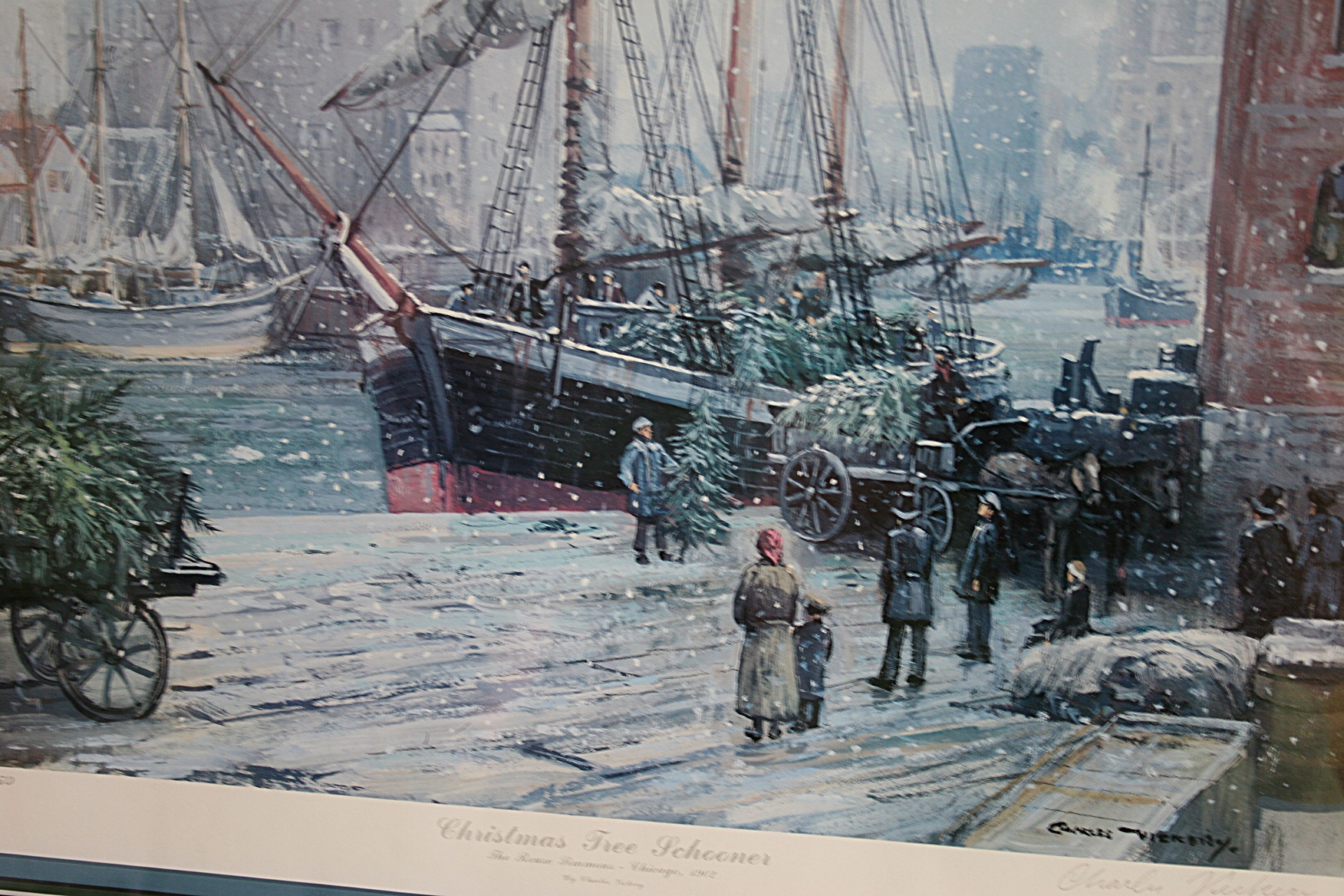
A painting of the Christmas Tree Schooner at the Great Lakes Coast Guard Museum in Two Rivers.

The schooner, with 16 crew members, never reached Chicago. Not until 59 years later was she found in 170 feet of water off Rawley Point, her Christmas trees still stashed in her hold. The schooner remains preserved in the icy waters of Lake Michigan.

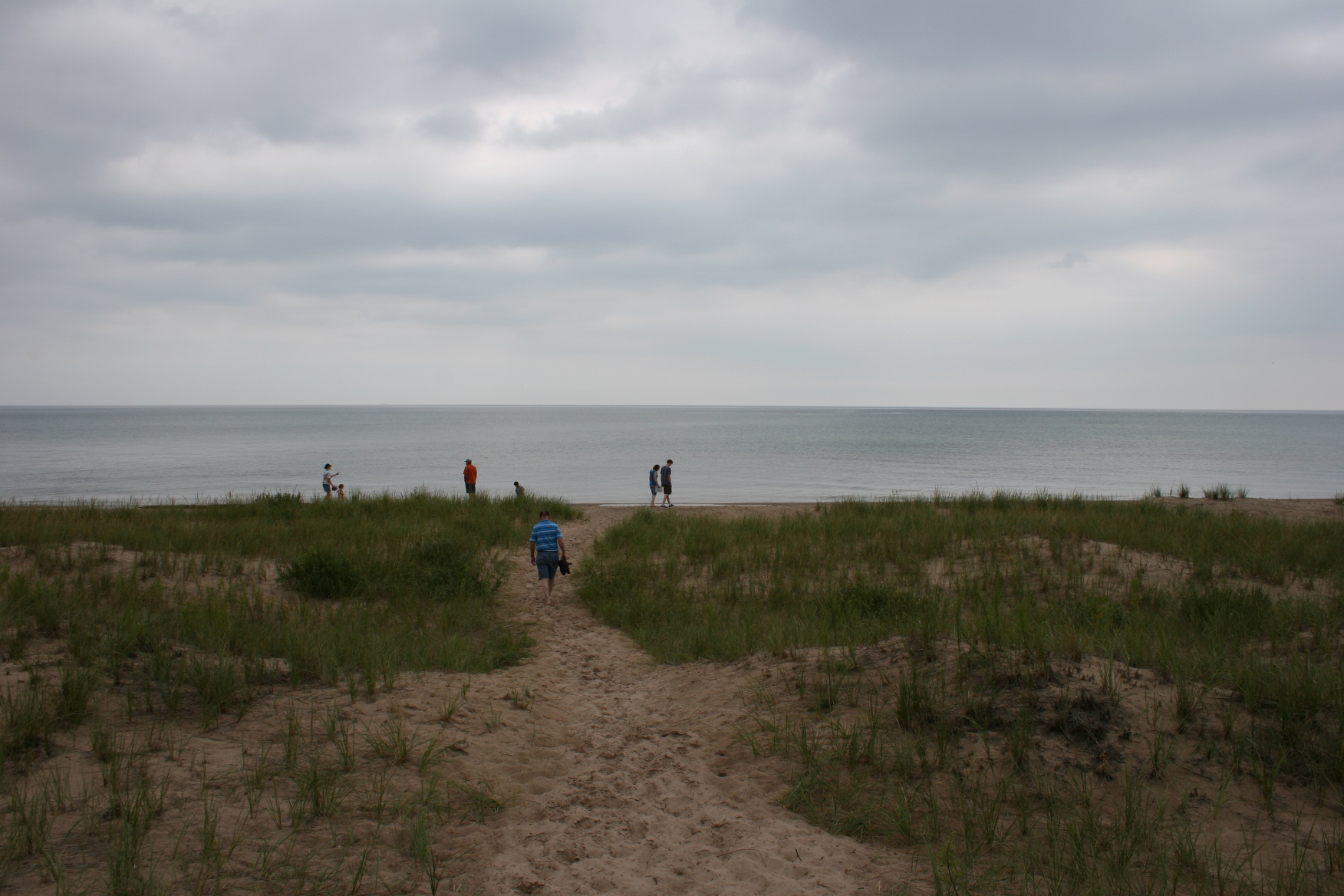
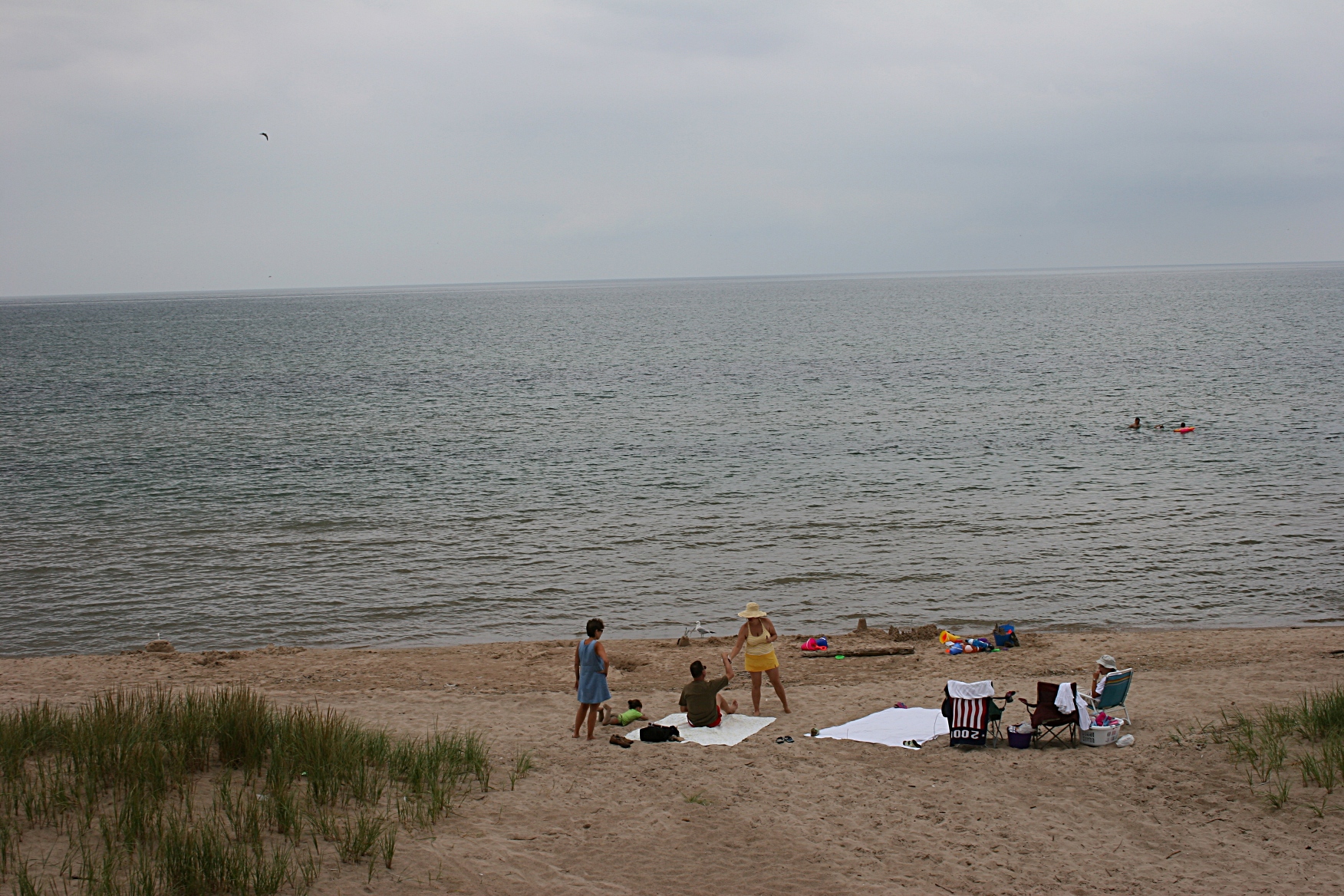
The beach at Rawley Point on a Sunday afternoon in August.

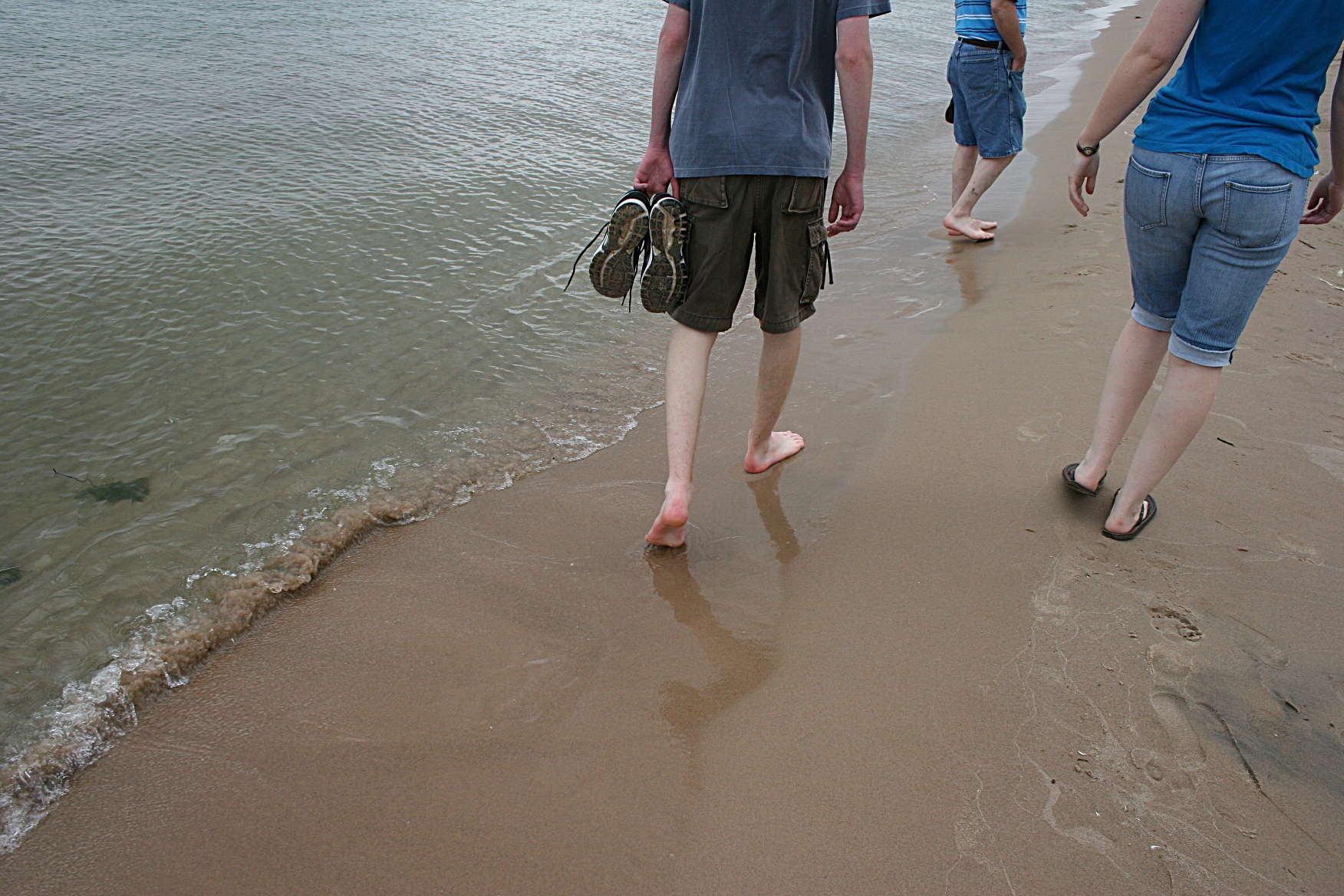
Walking Rawley Point beach on an August afternoon, the only hazards are stinky dead fish and driftwood.

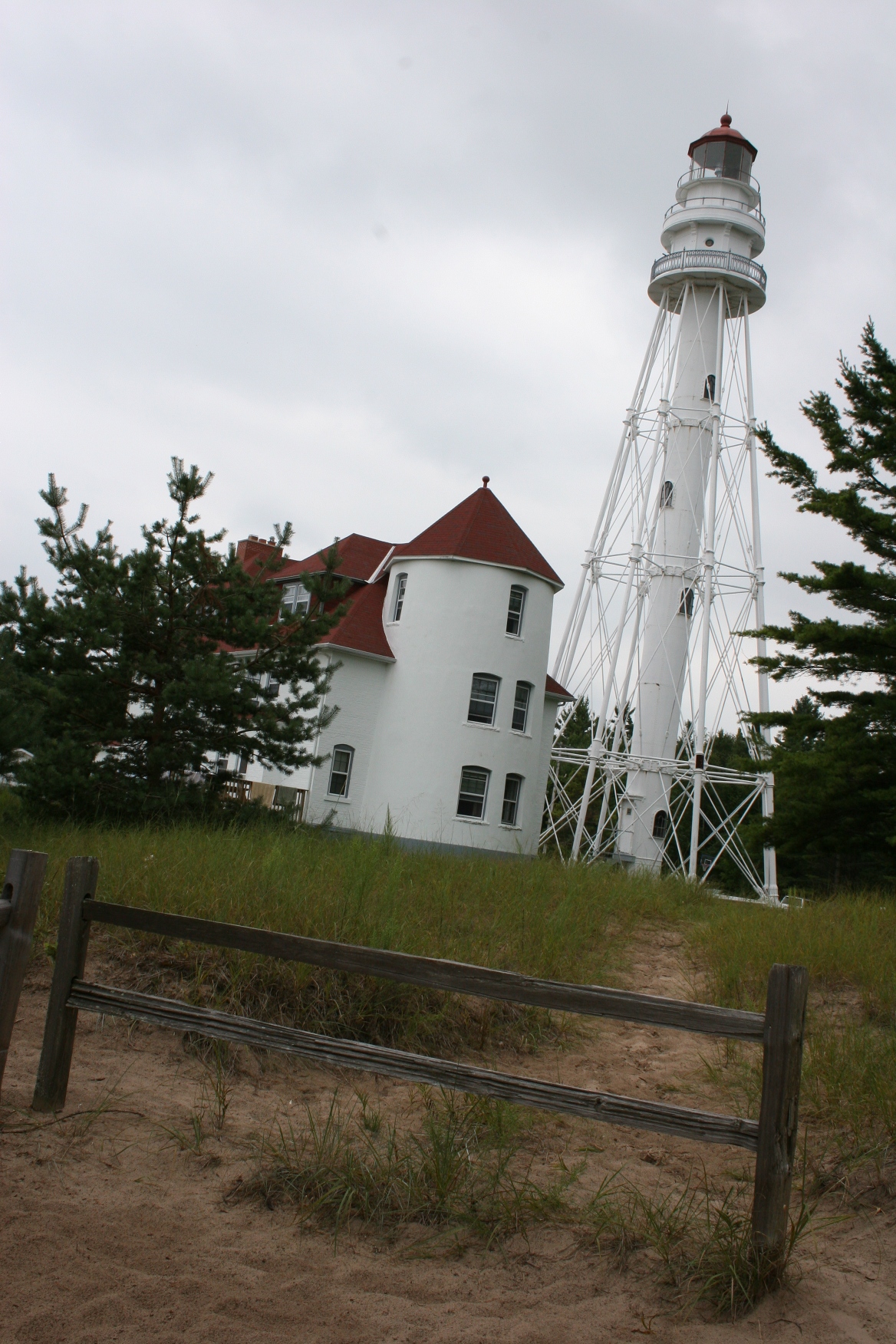
The U.S. Coast Guard's erector style lighthouse at Rawley Point rises 113 feet above Lake Michigan. The light is one of the largest and brightest on the Great Lakes and can be seen from 19 miles away.

This past summer my family visited Point Beach State Forest and attractions in nearby Two Rivers, all within an hour’s drive of my second daughter’s home in Appleton, Wisconsin. On that Sunday afternoon, strolling along the sandy beach near Rawley Point Lighthouse, it seemed impossible that Lake Michigan could transform into stormy waters that would become a grave for so many.

But it did.

Now you can experience the touching and tragic story of “The Christmas Tree Ship” via The Merlin Players’ The Christmas Schooner production. I saw this performance several years ago at the Paradise.

I cried.

I’ve never cried before at a play.

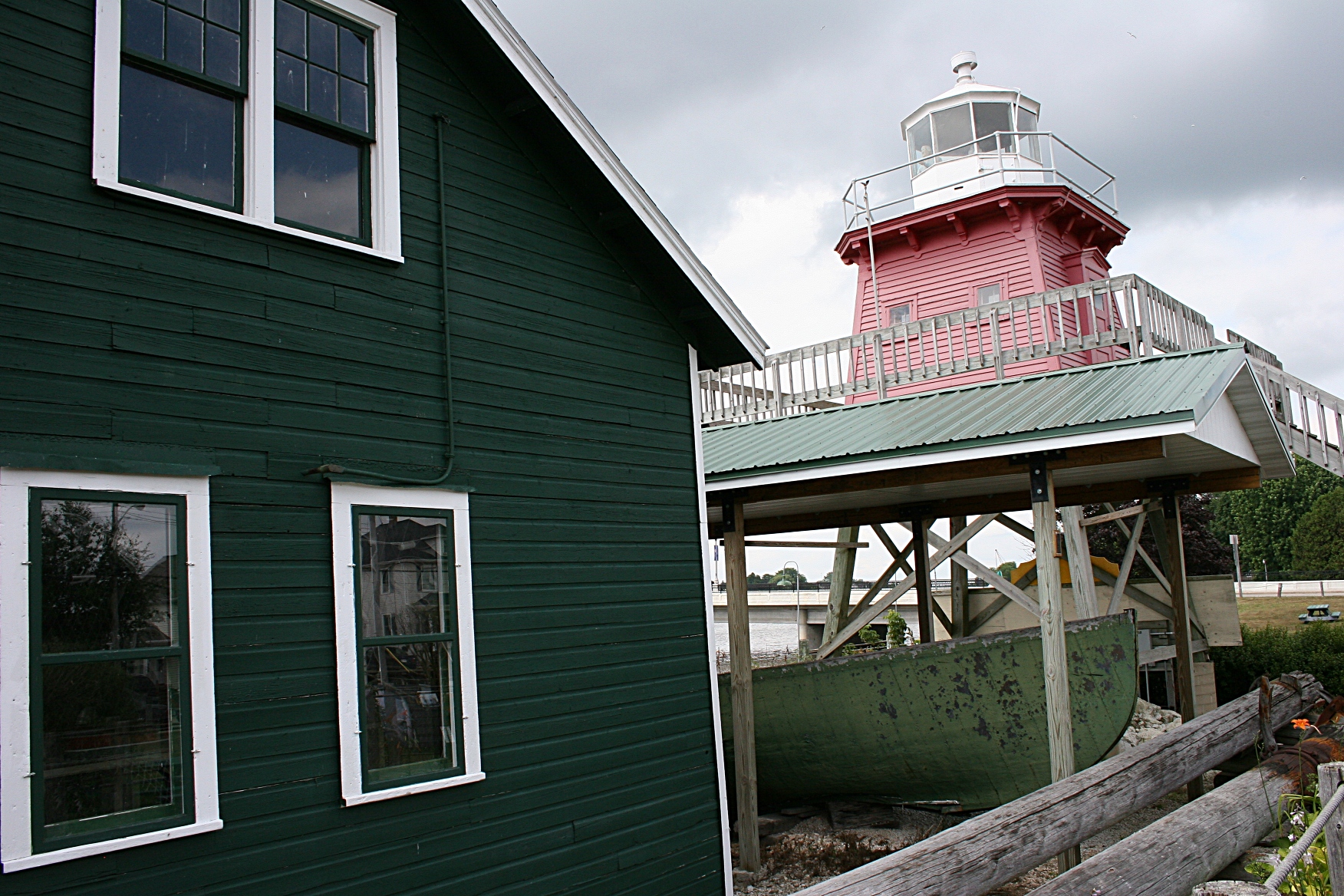
The historic Rogers Street Fishing Village includes the 1886 Two Rivers' North Pier Lighthouse, to the right.

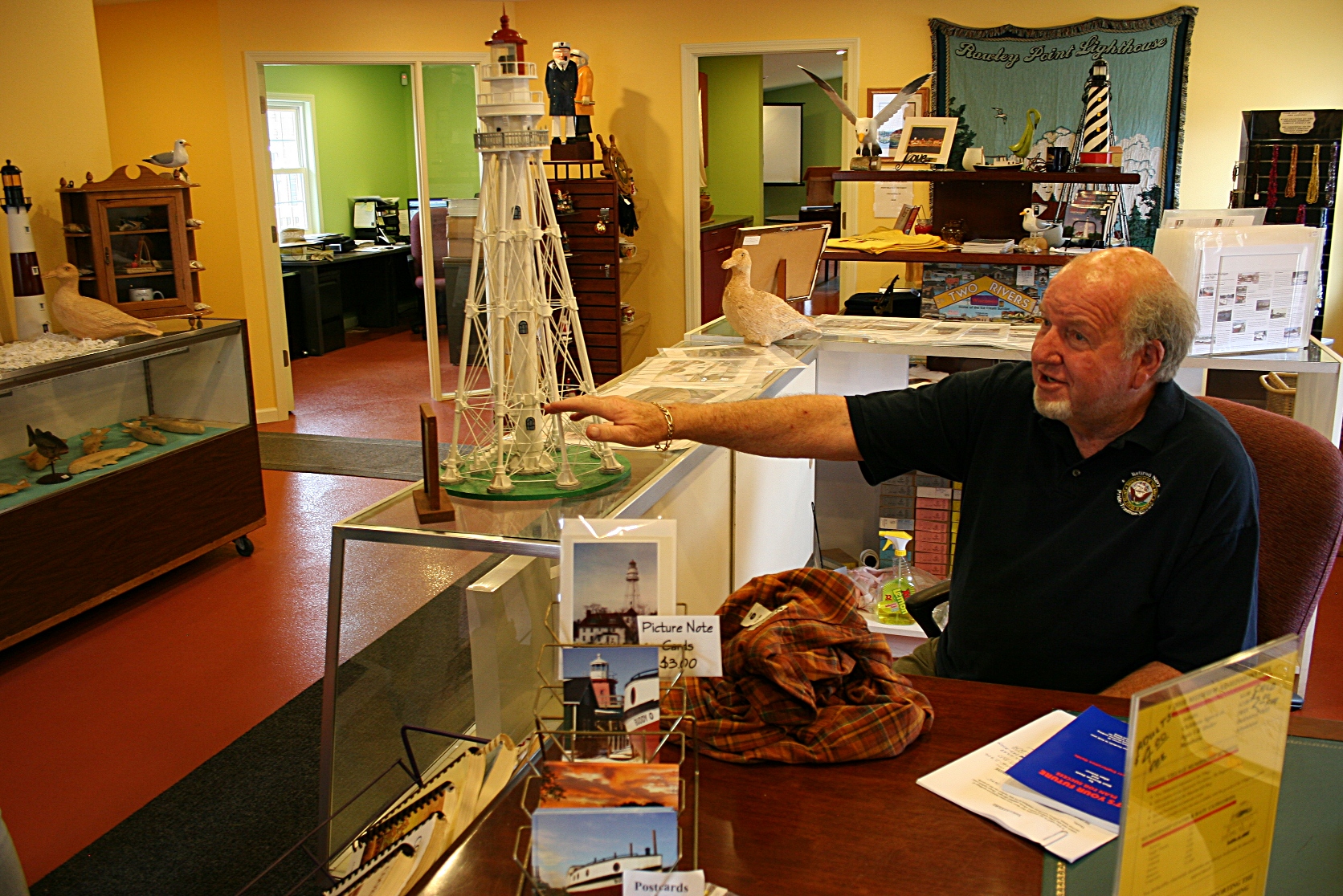
Inside the Coast Guard museum, a worker points to a model of the Rawley Point Lighthouse, which was moved from a French exhibit at the Chicago World's Fair in 1893 to Rawley Point.

You'll find information and artifacts from area shipwrecks at the fishing village and museum.

FYI: Performances of The Christmas Schooner are set for 7:30 p.m. December 2, 3, 8, 9 and 10 and at 2 p.m. December 4 and 11 at the Paradise Center for the Arts, 321 Central Avenue, Faribault. Admission is $14 for adults and $9 for those 12 and under. For tickets, call (507) 332-7372 or stop in during box office hours, from noon to 5 p.m. Tuesday, Wednesday, Friday and Saturday or from noon to 8 p.m. Thursday.

I’d highly-recommend buying tickets in advance.

CLICK HERE for information about the Rouse Simmons schooner from the Wisconsin Historical Society.

CLICK HERE for info about Two Rivers, Wisconsin.

CLICK HERE for info on Point Beach State Forest.

CLICK HERE to read a previous post I wrote about the Hamilton Wood Type Museum in Two Rivers.

© Copyright 2011 Audrey Kletscher Helbling


One final visit to Stockholm. Wisconsin. Not Sweden. November 8, 2011

Filed under: Uncategorized — Audrey Kletscher Helbling @ 8:18 AM
Tags: , , , , , , , , , ,

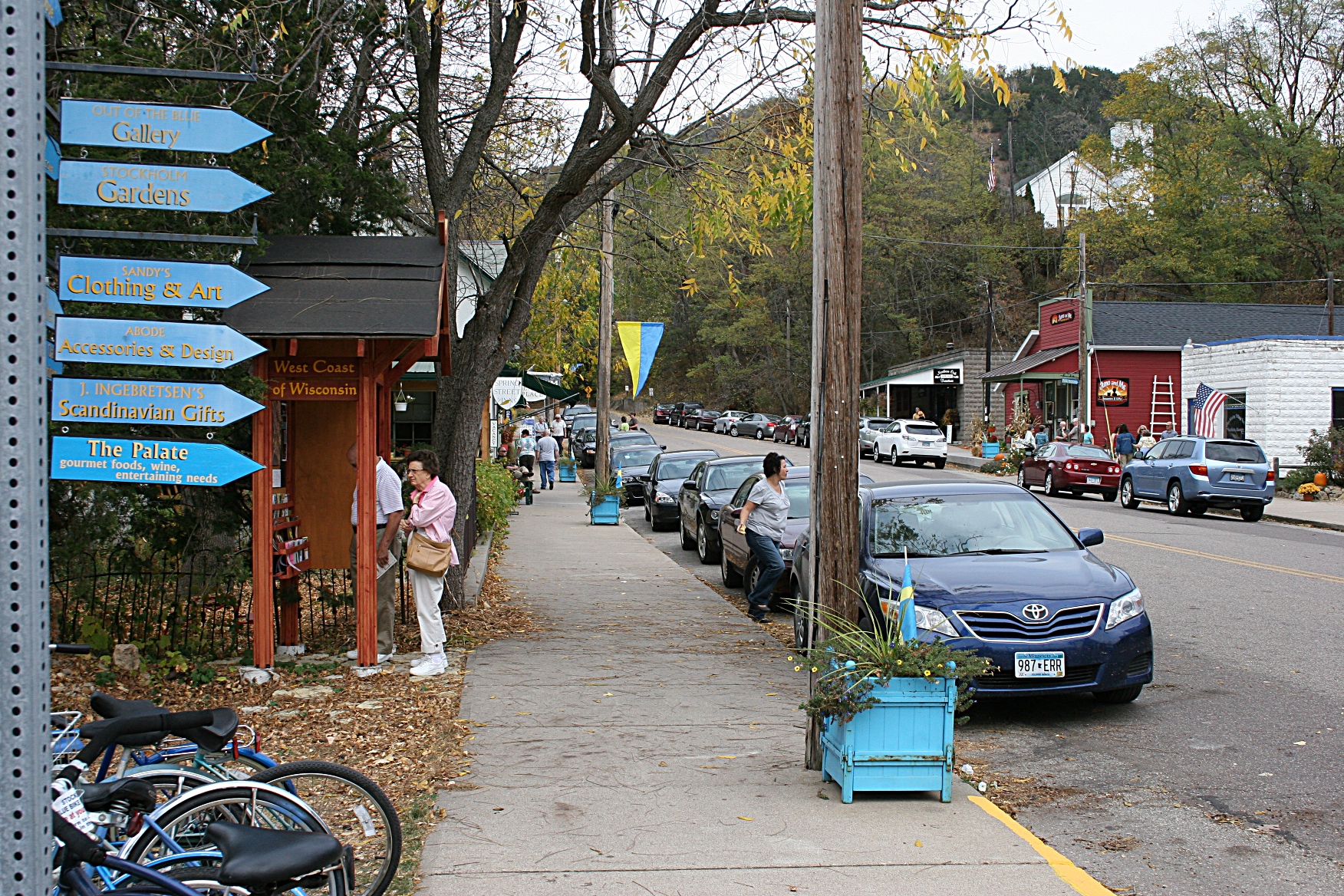
Shops, eateries and more line the streets of Stockholm, a quaint village along Lake Pepin. This photo was taken in early October. To the left you'll see blue bikes, available for visitors to use at no cost.

TO WHOM THIS MAY CONCERN in Stockholm (Wisconsin. Not Sweden):

If only I had known about the bribe.

I would have accepted your offer, the one I found listed under “Stockholm News & Media” on your website:

Are you a writer, blogger, reviewer, photographer with a web site? Let us bribe you (how about a fresh cup of expresso from Stockholm General, a piece of pie from the Stockholm Pie Company, lunch at Bogus Creek Café, a beer at Gelly’s, a ticket to an event at the Widespot?) in exchange for your coverage!

Yes. Yes. Yes. Yes. And, yes.

While I’ve never drank an expresso, I’m certainly open to trying one. I like pie. A lot. I do lunch. Yes, I’ll toast your town with an icy mug of beer. And, yes, I always enjoy being entertained.

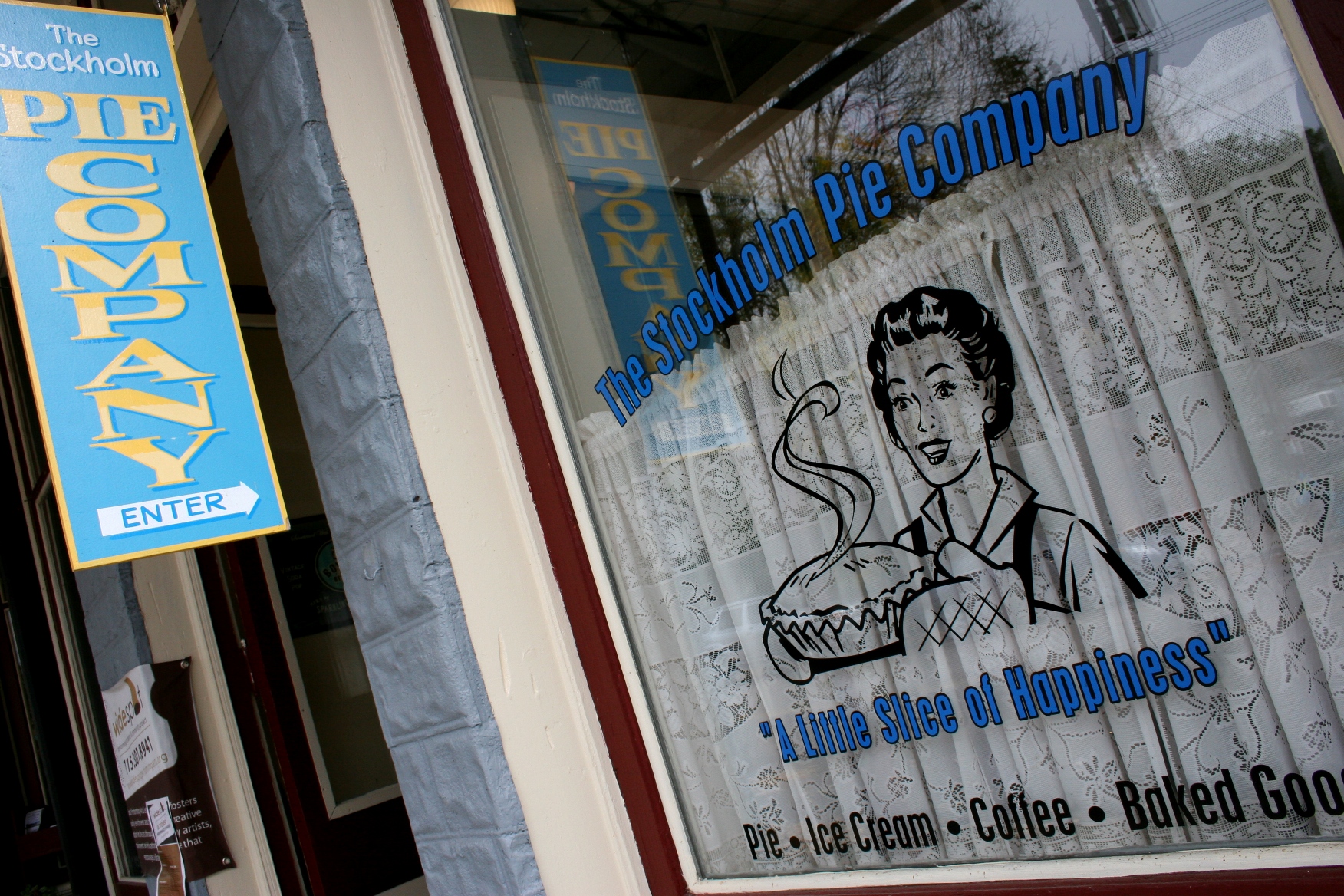
I was too full from lunch across the river in Wabasha to try the Stockholm Pie Company's pie, made completely from scratch. Not that I wasn't tempted to try a slice of caramel apple crunch or key lime or peanut butter fudge. I even stepped inside this tiny shop to smell the baking pies. Next time I'll save room for dessert.

However, dear people of Stockholm (Wisconsin. Not Sweden.) and dear readers of Minnesota Prairie Roots, my writing has not been influenced, not one teeny bit, by offers of free anything. My three previous, glowing posts from Stockholm were written from the heart. Simply put, I fell head-over-heels for this quaint Lake Pepin-side village of 89 without any undue influence.

Today I’ll take you on one last visit to this destination town just across the Mississippi River from Minnesota. Enjoy. And if you’ve been to Stockholm, Wisconsin, not Sweden, I’d like to hear what you most appreciate/relish/savor about this riverside get-away.

And if you own a business or live in Stockholm, submit a comment and tell readers why you love your village and why they should visit.

P.S. I’ll be back for the pie and the lunch and the…

One of the many shops lining the streets of Stockholm.

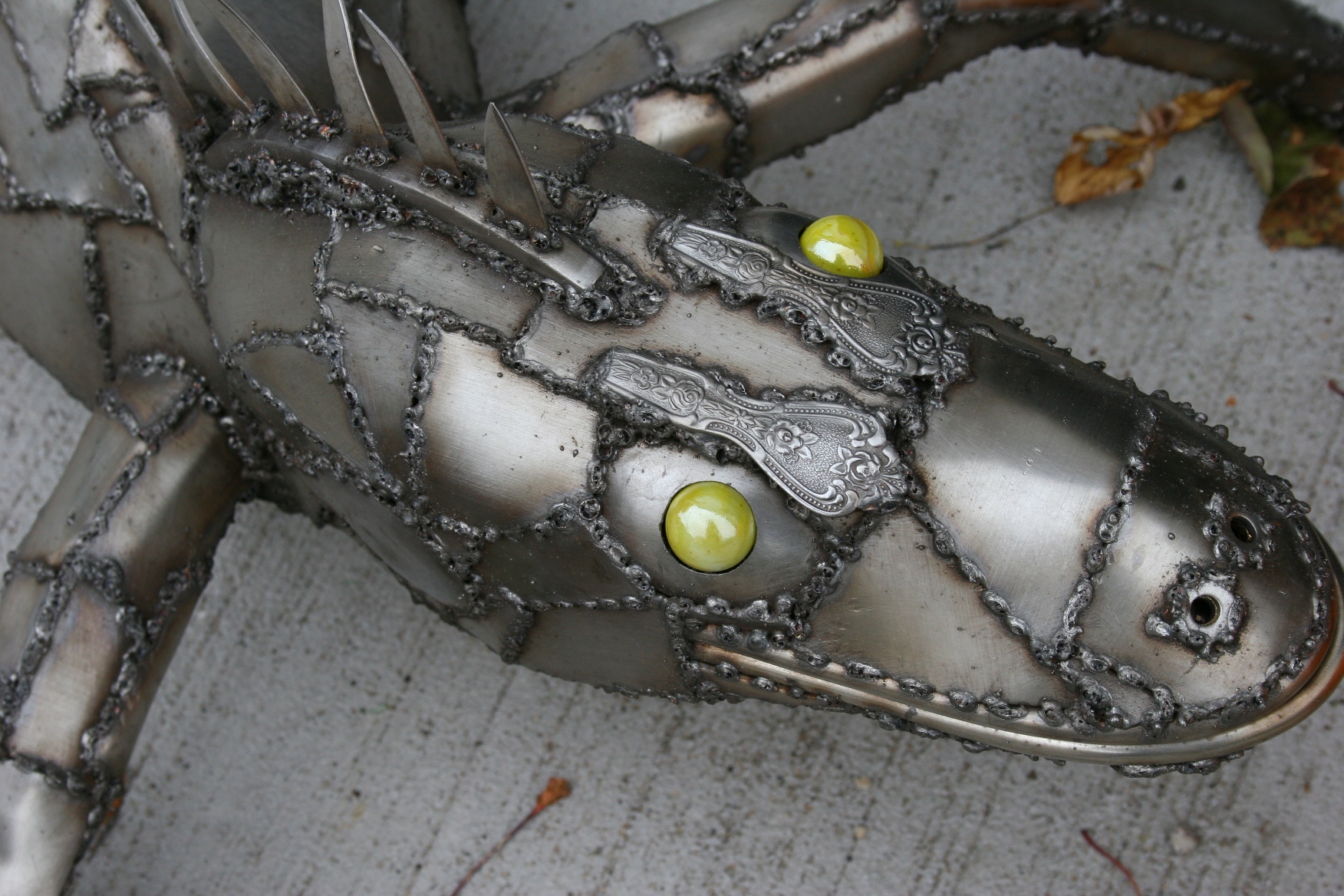
One of my favorite finds, a lizzard crafted from old silverware and more and lounging outside a shop. No, I didn't purchase this critter, but I certainly admired the creativity.

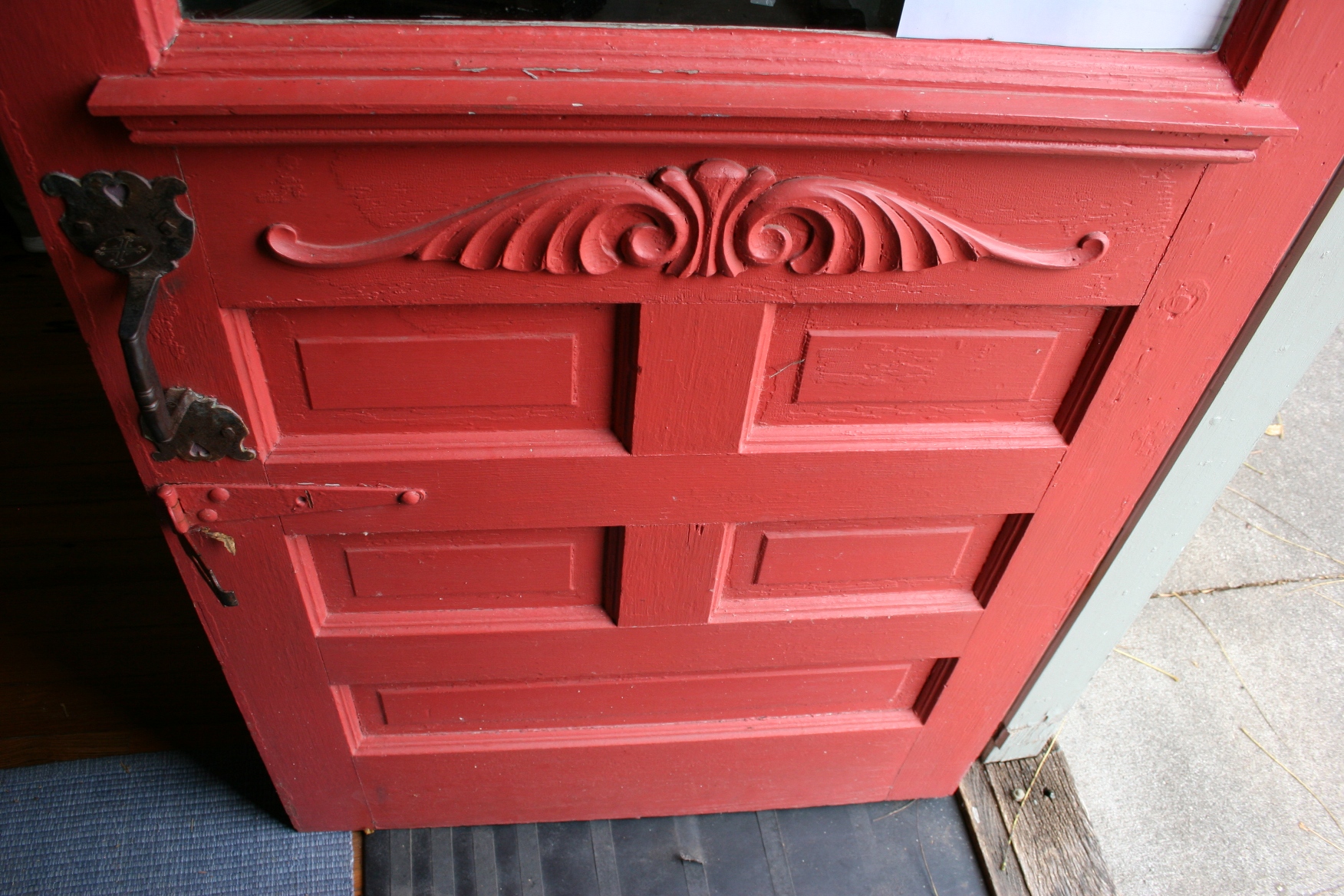
I notice details, especially signs, windows and doors, including this door on the Stockholm Museum.

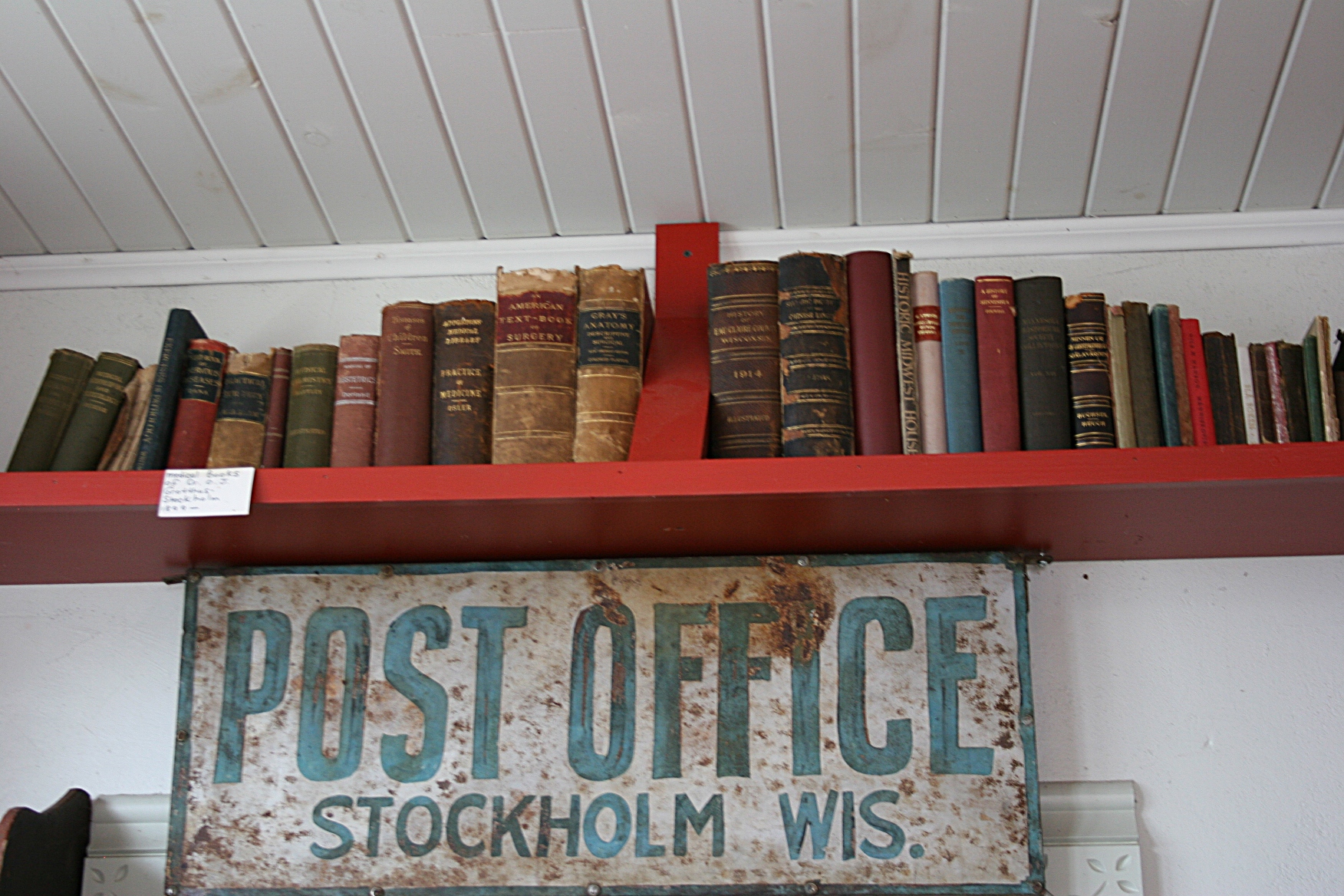
The Stockholm Museum, home to the Stockholm Institute which preserves and celebrates the history of the Stockholm area, is housed in a former post office.

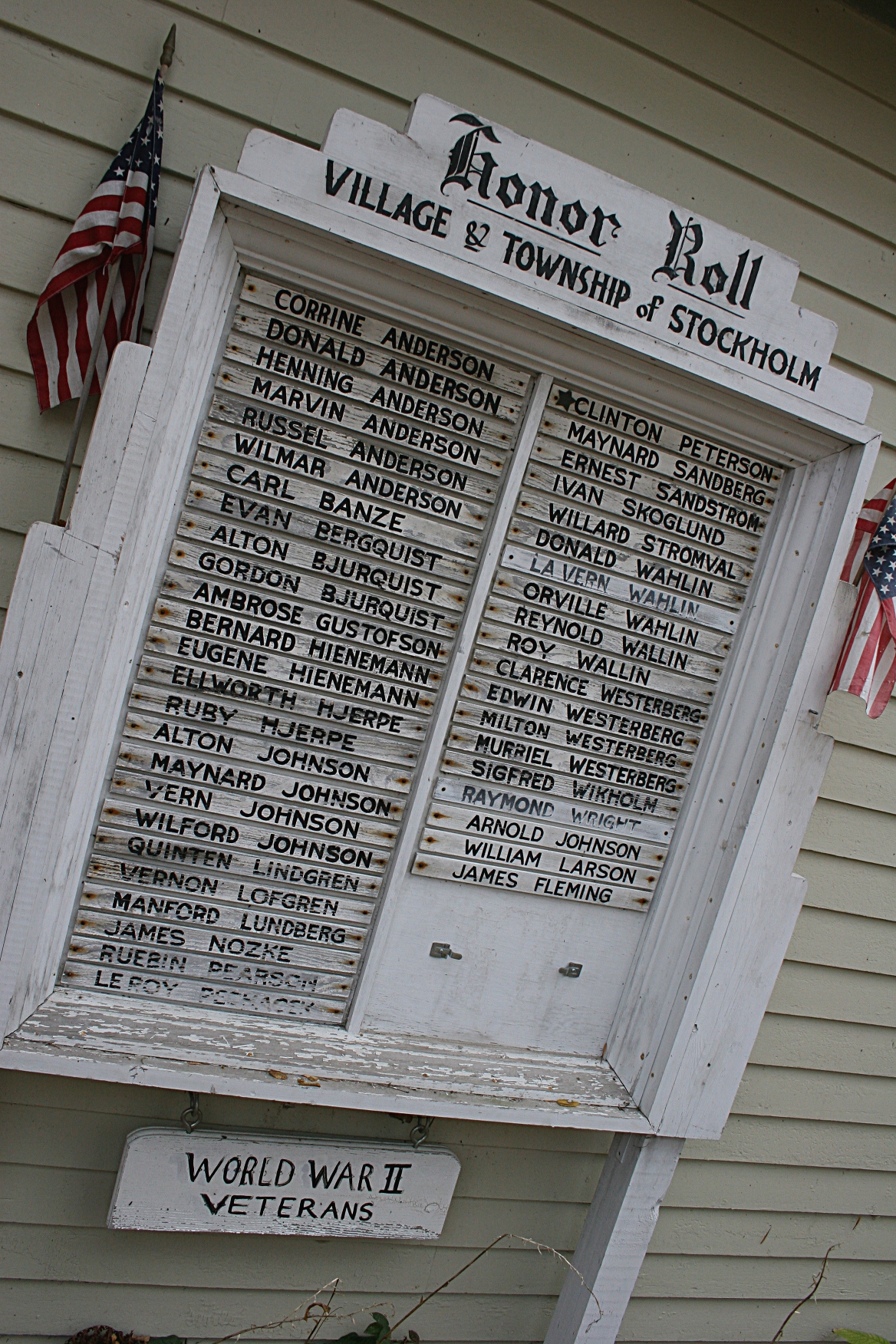
On the museum exterior, I discovered this handcrafted tribute to WW II vets.

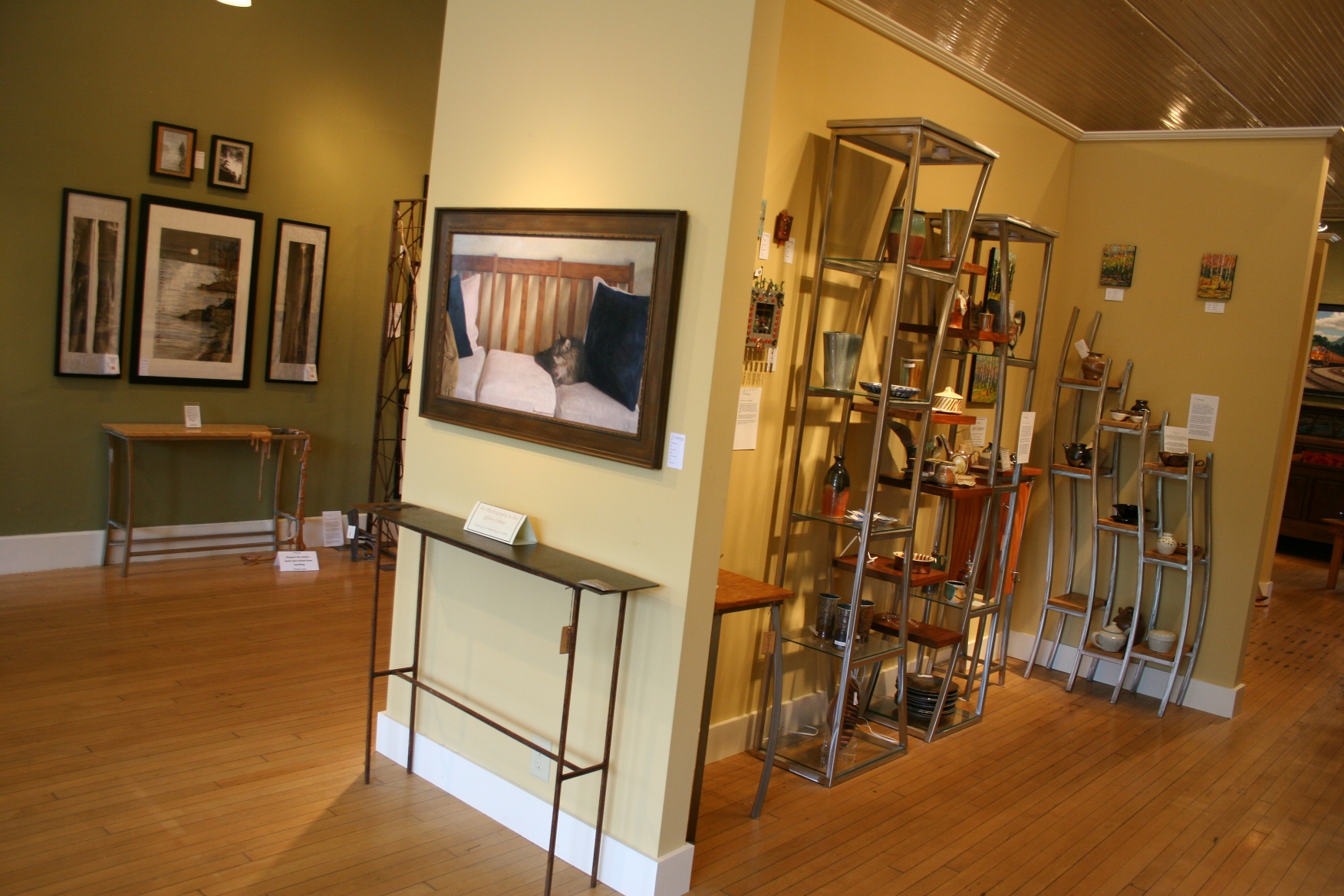
The lovely Abode gallery, where my artist friend Arlene Rolf of Faribault has artwork displayed.

Another business door and signage that caught my eye. It's all about the details, my friends, all about the details.

A residence, I assume, since the steps were marked with a "private" sign. So inviting and lovely, just like all of Stockholm.

To read my previous posts from Stockholm, click on each story link below:

Russell, the Bookseller of Stockholm

A bit of Sweden in Wisconsin

A garage sale in Stockholm, Wisconsin

© Copyright 2011 Audrey Kletscher Helbling


A garage sale in Stockholm, Wisconsin November 4, 2011

Filed under: Uncategorized — Audrey Kletscher Helbling @ 6:54 AM
Tags: , , , , , , , , , , ,

YOU KNOW HOW every once in awhile you discover this treasure of a place and you can’t wait to tell family and friends, “You have to go there!”

Honestly, that’s my feeling toward Stockholm. Wisconsin. Not Sweden.

I’ve already published two posts on Stockholm—about J. Ingebretsen’s av Stockholm and Chandler’s Books, Curios.

Today you’re going to get another look at one of the shops tucked into this quaint Lake Pepin-side village of 89, just across the Mississippi River from Minnesota.

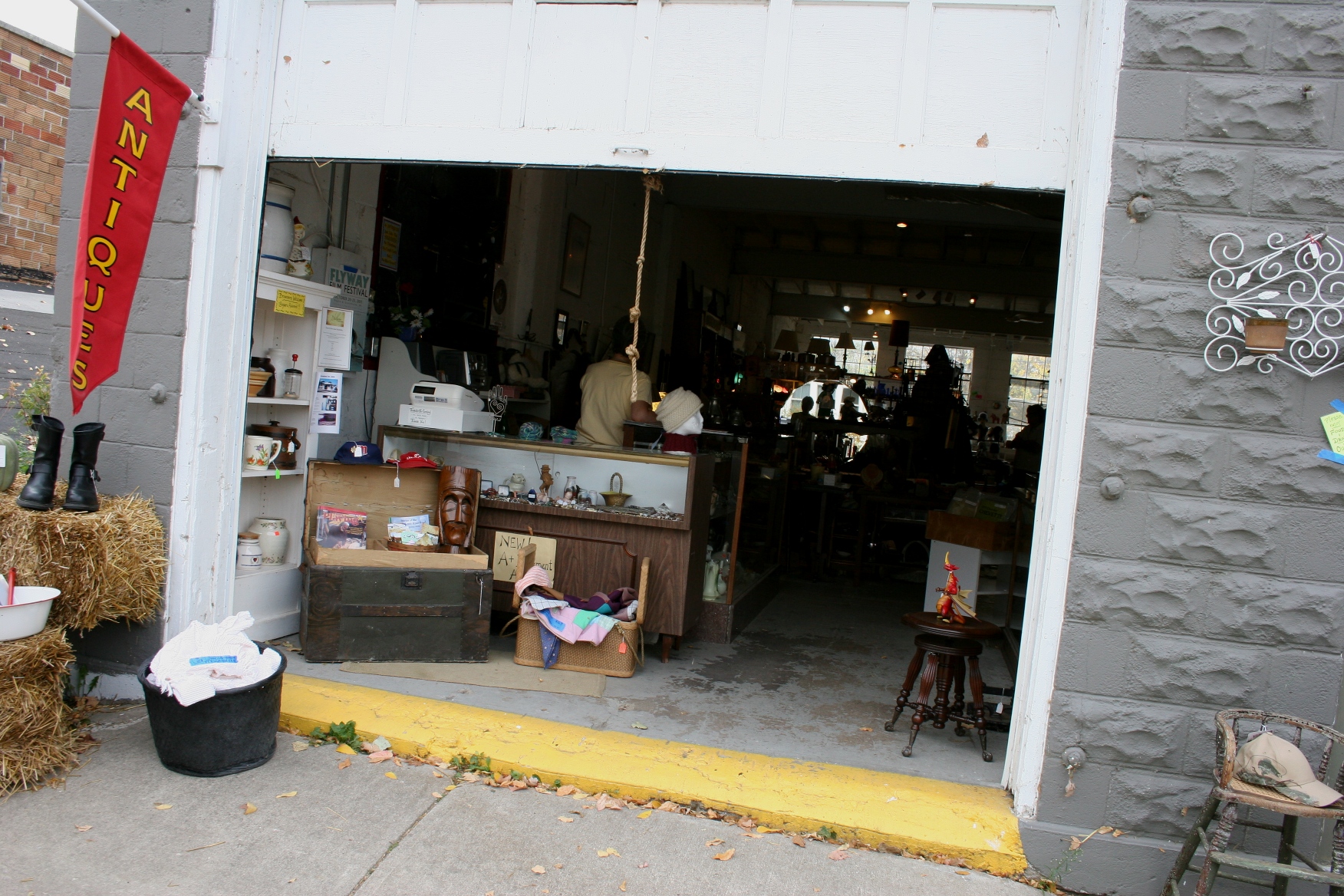
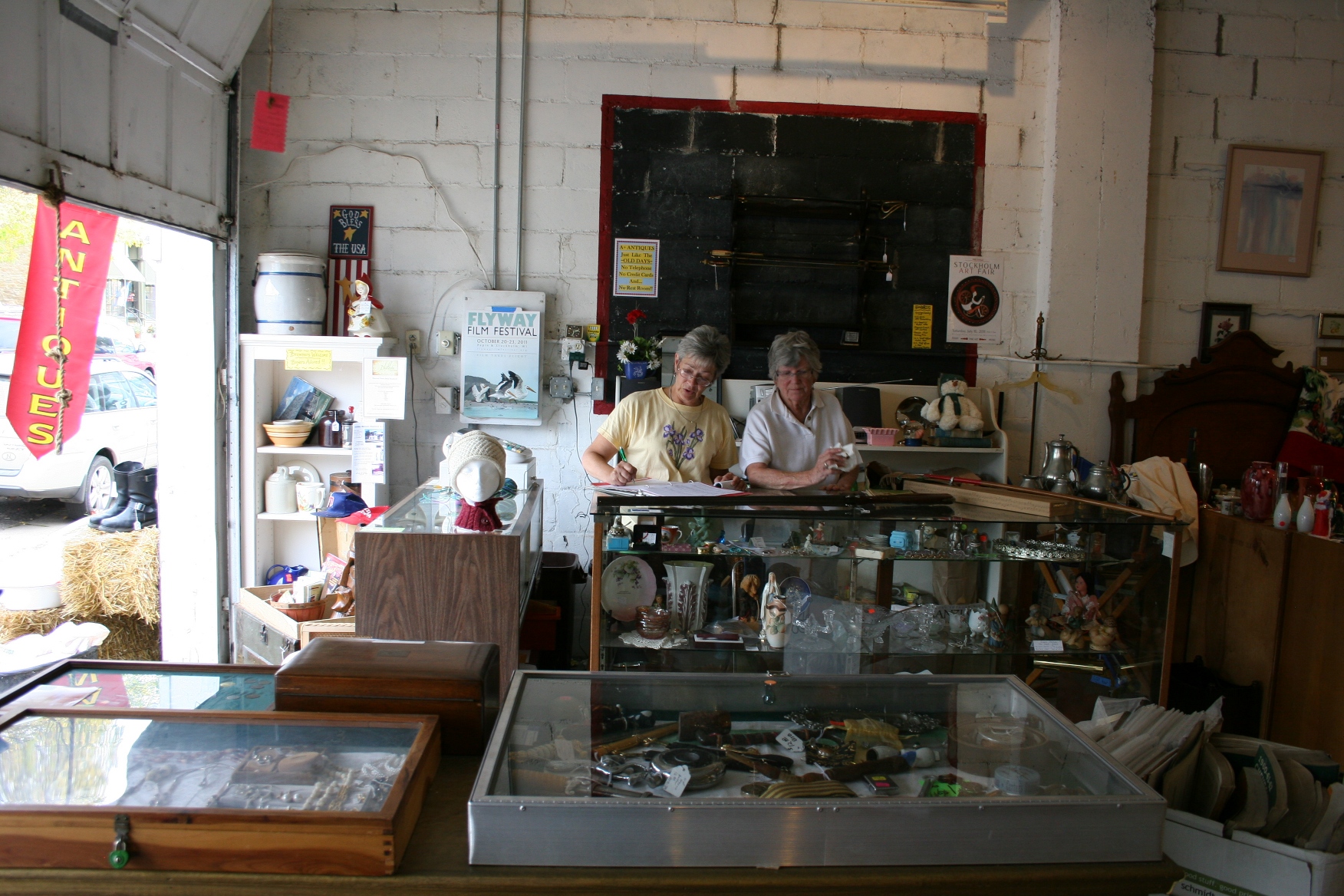
We’re stopping at A+ Antiques & Oddities, billed as “2 floors of quality antiques & art, vintage, handmade & new items as well.”

Sometimes the building that houses a shop draws me in as much as the merchandise. Such is A+ Antiques, based in an old garage. With the overhead door flung open on an autumn afternoon, I walked right into this former auto repair shop (I assume) and marveled that the smell of grease didn’t linger in this space of white-washed cement block walls and a bank of windows in the rear overlooking the train tracks out back.

The overhead garage door entry into A+ Antiques & Oddities along Wisconsin 35 in Stockholm.

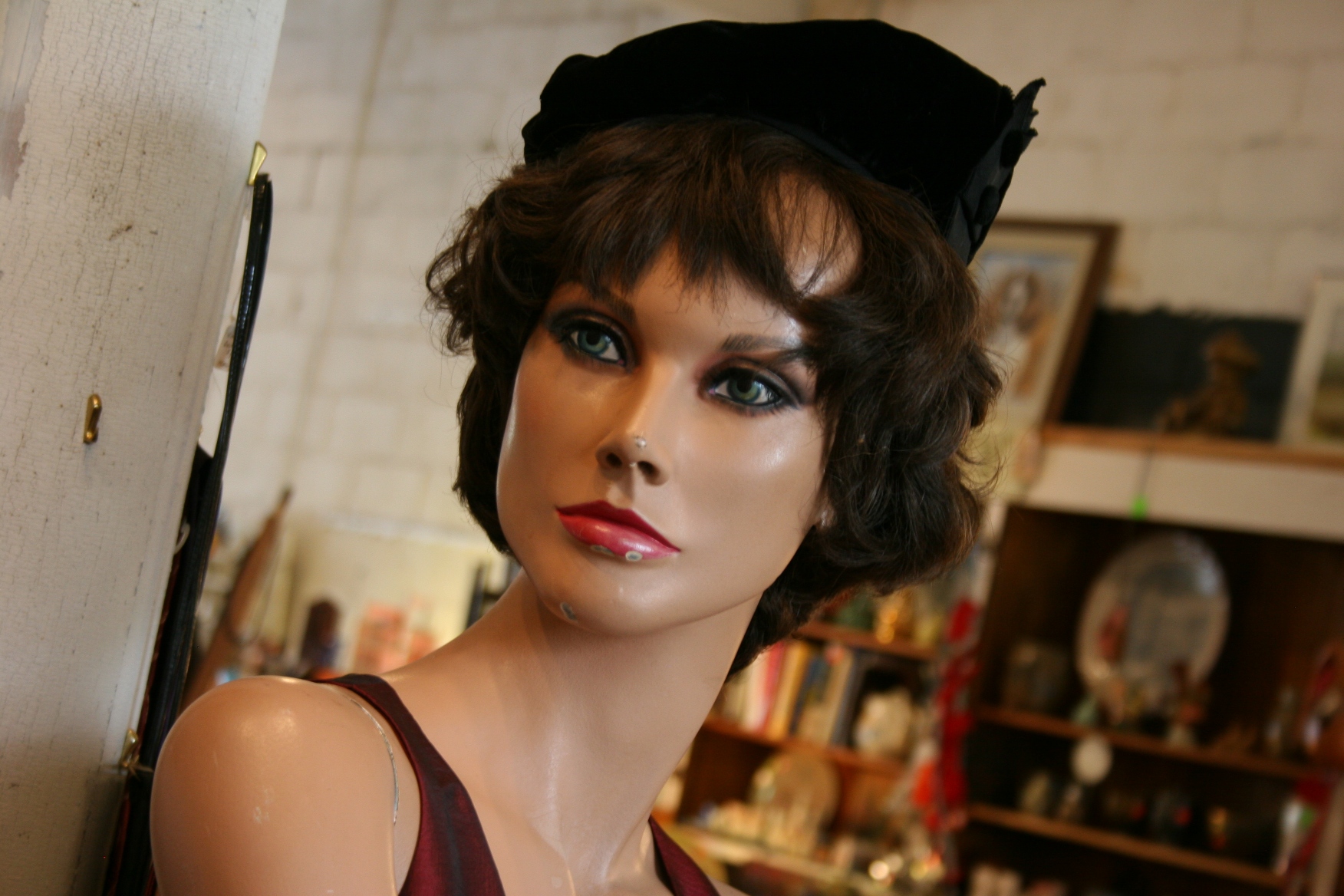
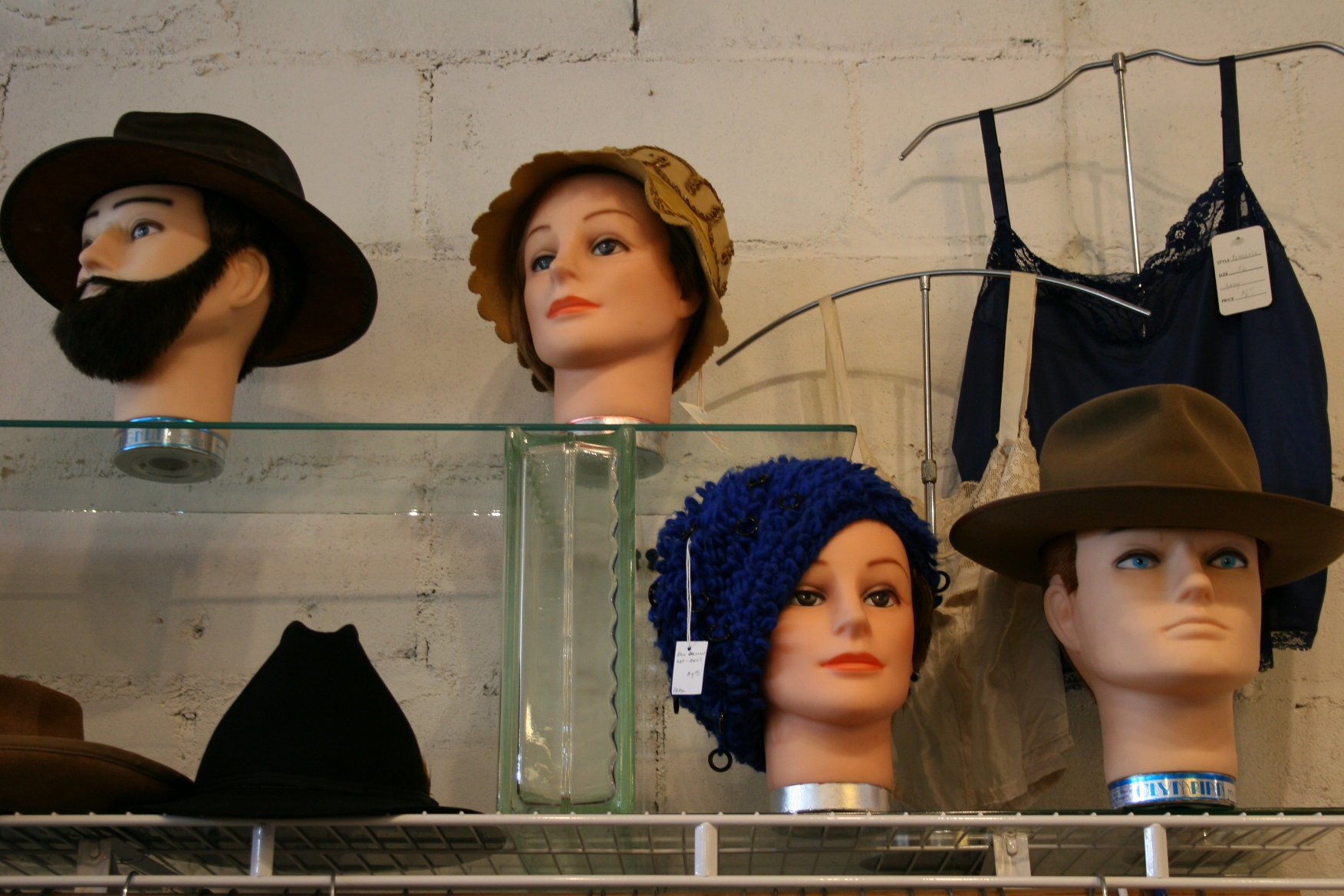
But if there were traces of grease or oil spots on the cement floor, I didn’t notice. Maybe because I was too busy gawking at the goodies, wishing my sister Lanae was here to try on hats, straightening a mannequin’s wig and wiggling my way around all the tight spaces with a camera bag on my hip.

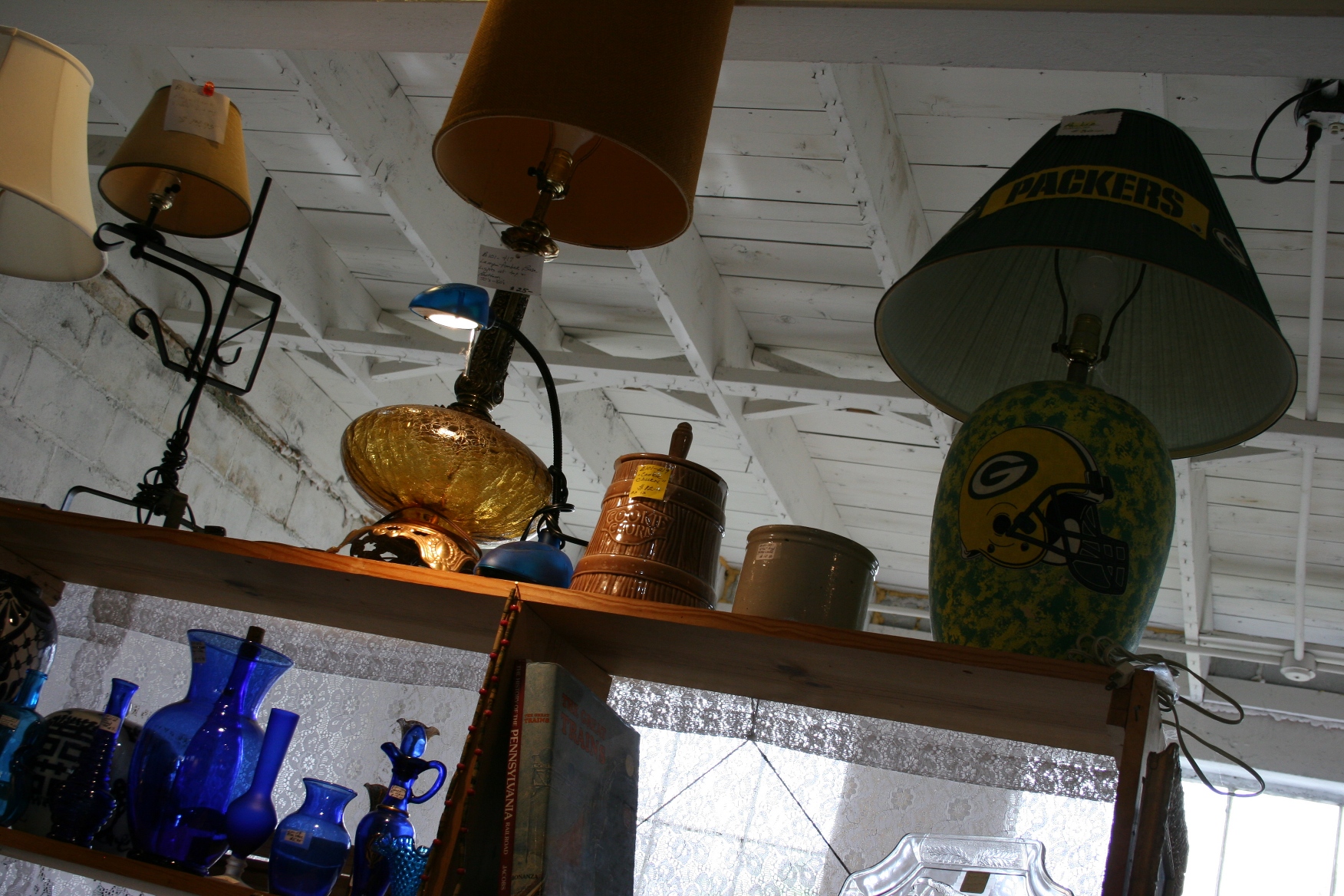
Lots of merchandise, including these lamps, fill the old garage.

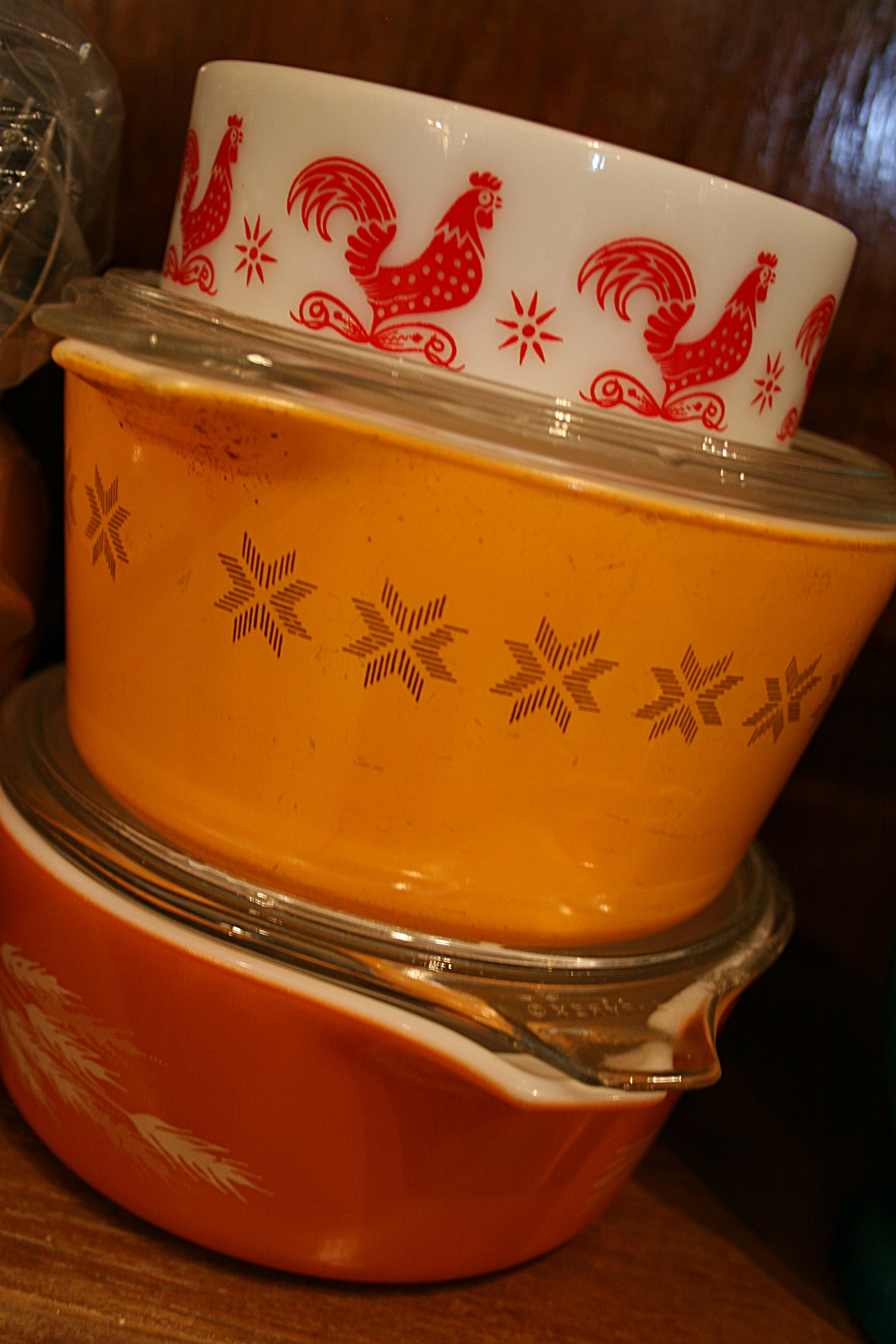
These casseroles caught my eye and I considered, just for a moment, purchasing them.

I found the mannequin as intriguing as her hat.

My sister Lanae is insisting the women in the family all wear hats for Christmas Eve church services. Perhaps the men should, too. I see some fine choices here for my brothers. Remember when men wore hats to church?

I should tell you right now that even though I really, really enjoy browsing in antique shops, I seldom buy anything. I’m a bargain shopper and prefer to purchase my vintage and/or antique treasures at garage sales. Yes, if you’re attentive to word usage, you would stop me right here and say, “But, Audrey, this is a garage sale.”

You would be right. And you would be wrong. Because you know what I mean.

I found plenty I wanted to buy. Bowls. A lamp. Perhaps a hat for my sister—if I could have decided which one. (She knows how I struggle with fashion choices.)

But the print of singing turkeys was not on my “I want” list.

I especially like vintage prints and paintings, but not this one. Would you buy it?

When I saw this piece of art, I felt my face involuntarily screw up into an expression of disgust. It would make the perfect Thanksgiving hostess gift, as long as you aren’t coming to my house for Thanksgiving.

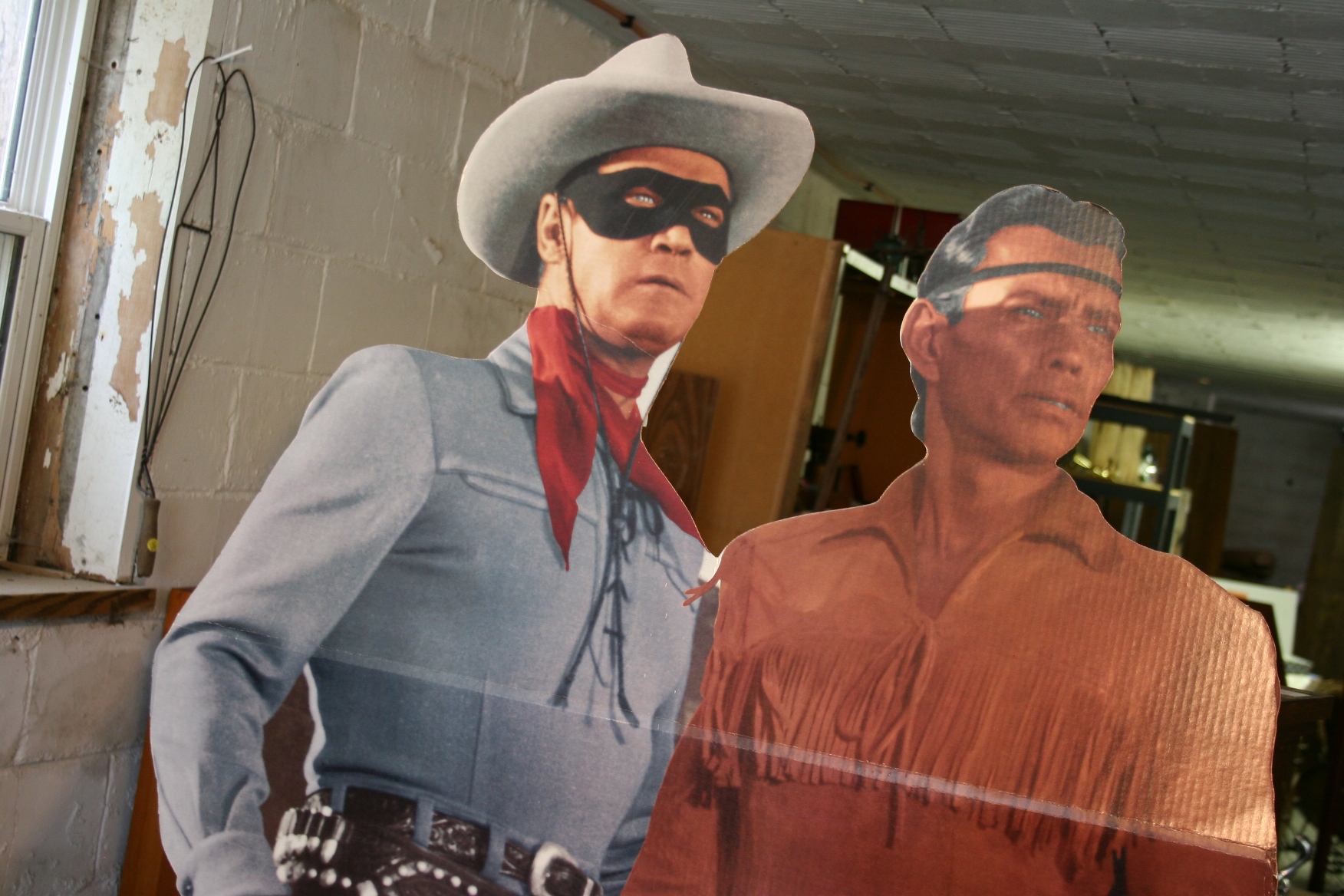
After perusing the first floor of merchandise, I walked outside, around the building and down the hill, following the path of bales, to the basement. I stepped inside. The Lone Ranger and Tonto greeted me. Childhood memories flashed before my eyes.

Awaiting me on the lower level...the Lone Ranger and Tonto. "Hi-ho, Silver!"

That happens to me often whenever I browse in an antique store. And I suppose that’s as it should be, because, truly, aren’t sales connected to memories?

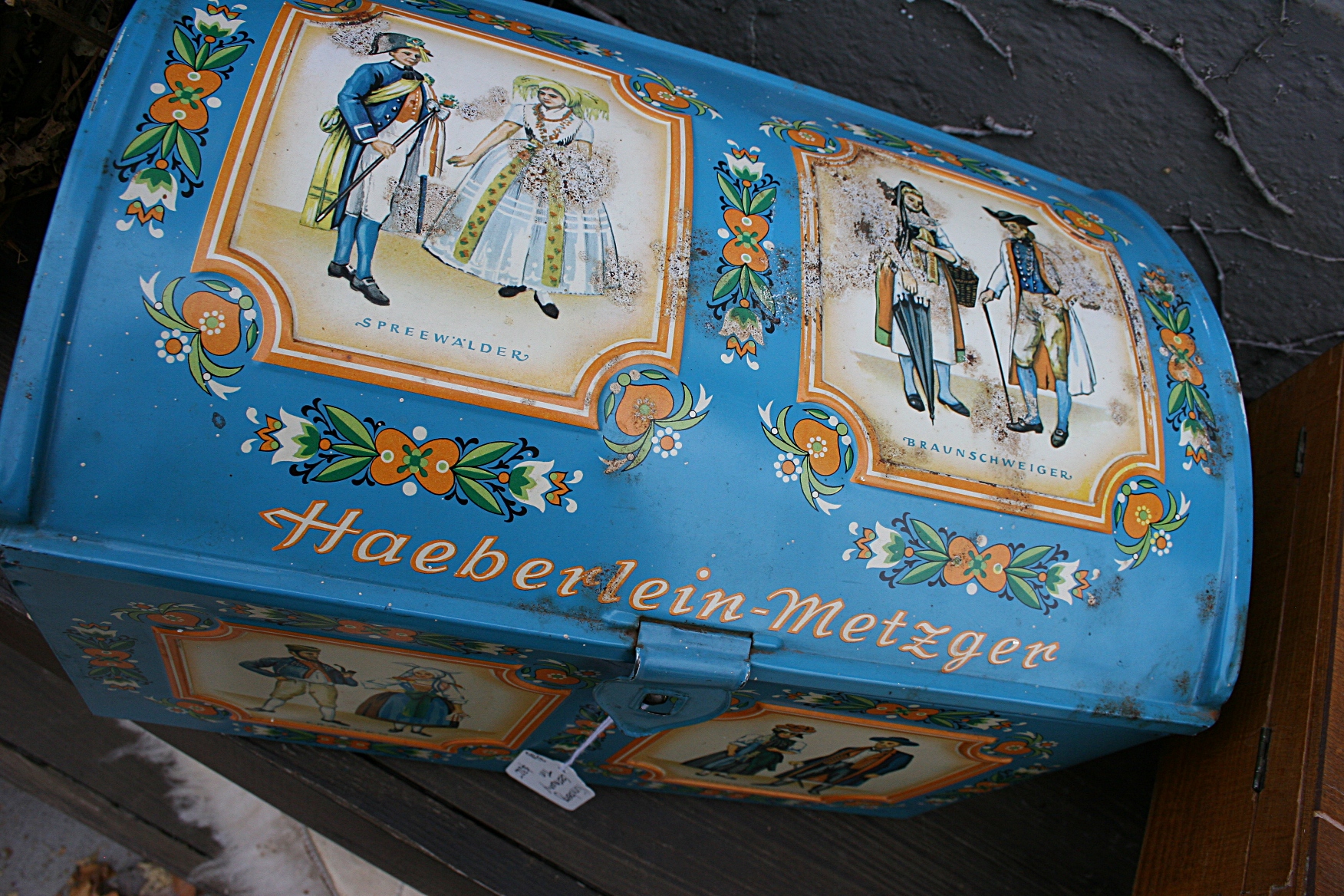
No memories in this metal box for me. But perhaps for someone.

FYI: If you want to shop at A+ Antiques & Oddities, make haste to Stockholm. Wisconsin. Not Sweden. The store is open Thursdays – Sundays until November 15 only, after which it closes for the season.

The shopkeepers at A+ Antiques & Oddities.

All of Stockholm doesn’t close down, however. Many upcoming special events are planned, including Stockholm Women’s Weekend this Saturday, November 5, and Sunday, November 6. Click here for more information.

© Copyright 2011 Audrey Kletscher Helbling
 

Bottled apple pie and Amish butter in Tomah November 2, 2011

UP UNTIL SUNDAY, Tomah, Wisconsin, meant little to me except as the half-way point between my home 2 ½ hours away in southeastern Minnesota and my daughter Miranda’s home 2 ½ hours away in eastern Wisconsin.

Located near the intersection of Interstates 90 and 94, this town of around 10,000 has been the ideal place to stop and stretch before jumping onto two-lane, wood-edged Wisconsin State Highway 21 which runs through umpteen mostly tiny towns all the way to Oshkosh. Not that I have an issue with small towns and woods and such. But if you want to make time and avoid deer, this highway is not the one to take.

Sorry, I got sidetracked there for a minute thinking of the long stretches of woods without a home in sight, miles and miles without cell phone service, cranberry bogs hugging the roadway, dead muskrats and dead deer.

Oh, and one other tidbit you should know about Highway 21. Amish travel this narrow and busy state highway. In their buggies. Day or night. And especially on Sundays.

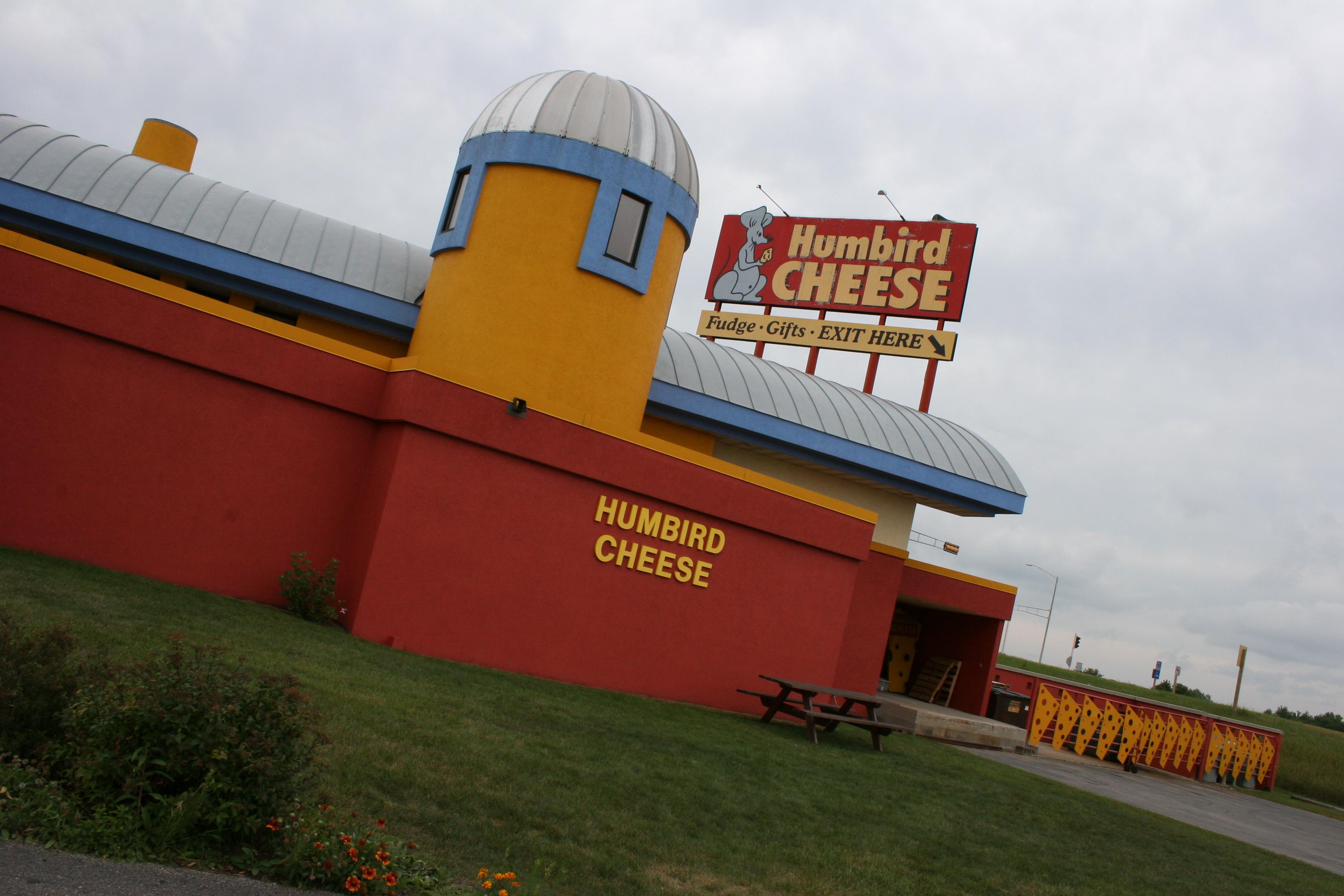
But back to Tomah, which, by the way, also happens to have a fabulous cheese shop, Humbird Cheese, conveniently positioned right off I-94 at its intersection with Highway 21.

Humbird Cheese, a popular tourist stop at Tomah, Wisconsin.

On Sunday, I wasn’t looking for a cheese shop, but rather a place where my husband and I could meet our daughter and her friend Gerardo for lunch and a car swap. That’s how we ended up at Burnstad’s European Restaurant, Village and Pub. I found information about this shopping and eating complex online and determined it would be the ideal place to connect. If one or the other of us had to wait, we’d have something to do.

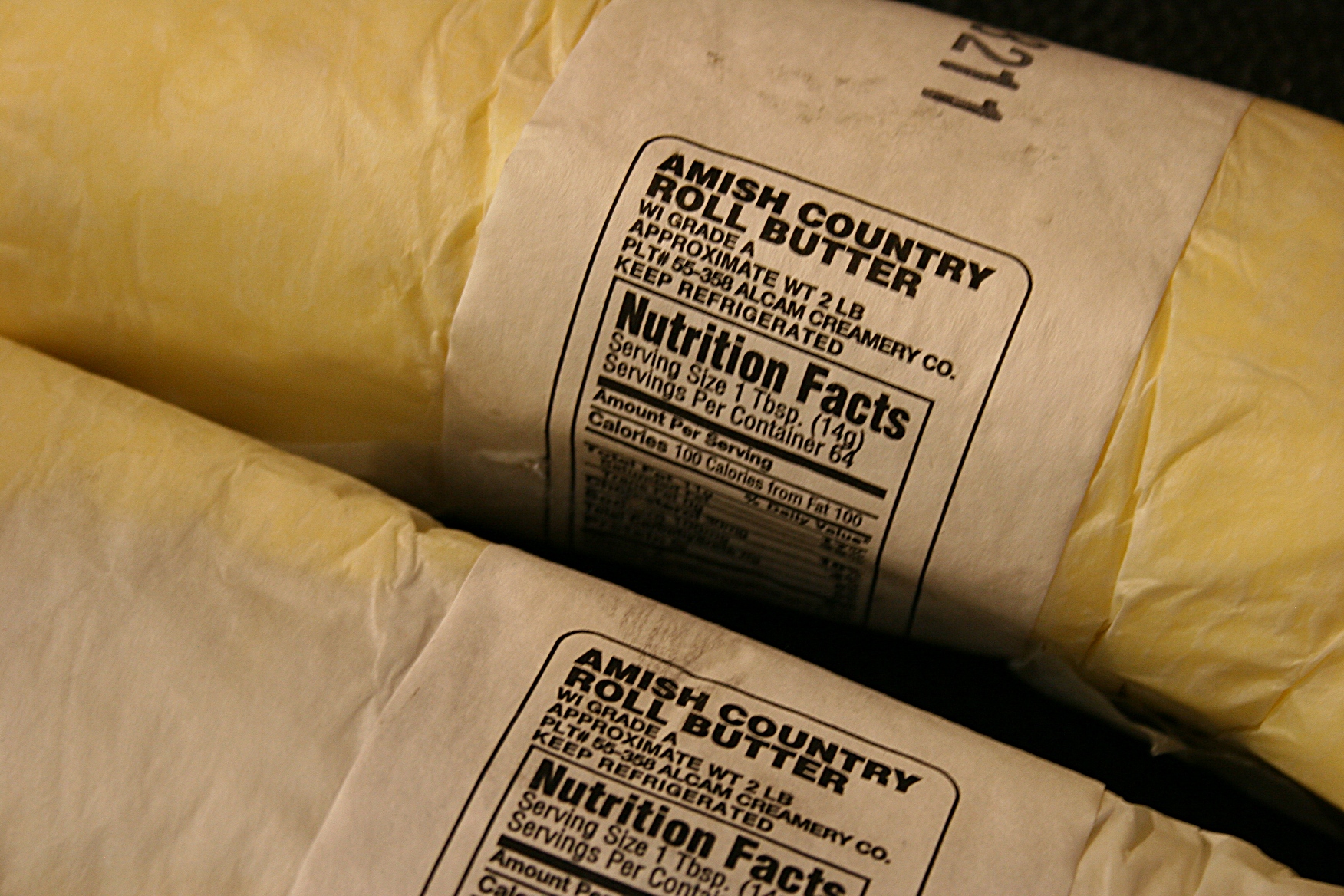
Burnstad’s, as it turns out, offers plenty of time-killing shopping options. I was most happy to see Amish products sold here as I am fascinated by the Amish. Not that I bought anything Amish, like a log of Amish butter or cheese or chocolate candy or egg noodles or preserves.
Amish Country Roll Butter from ALCAM Creamery Co. and sold at Burnstad's.

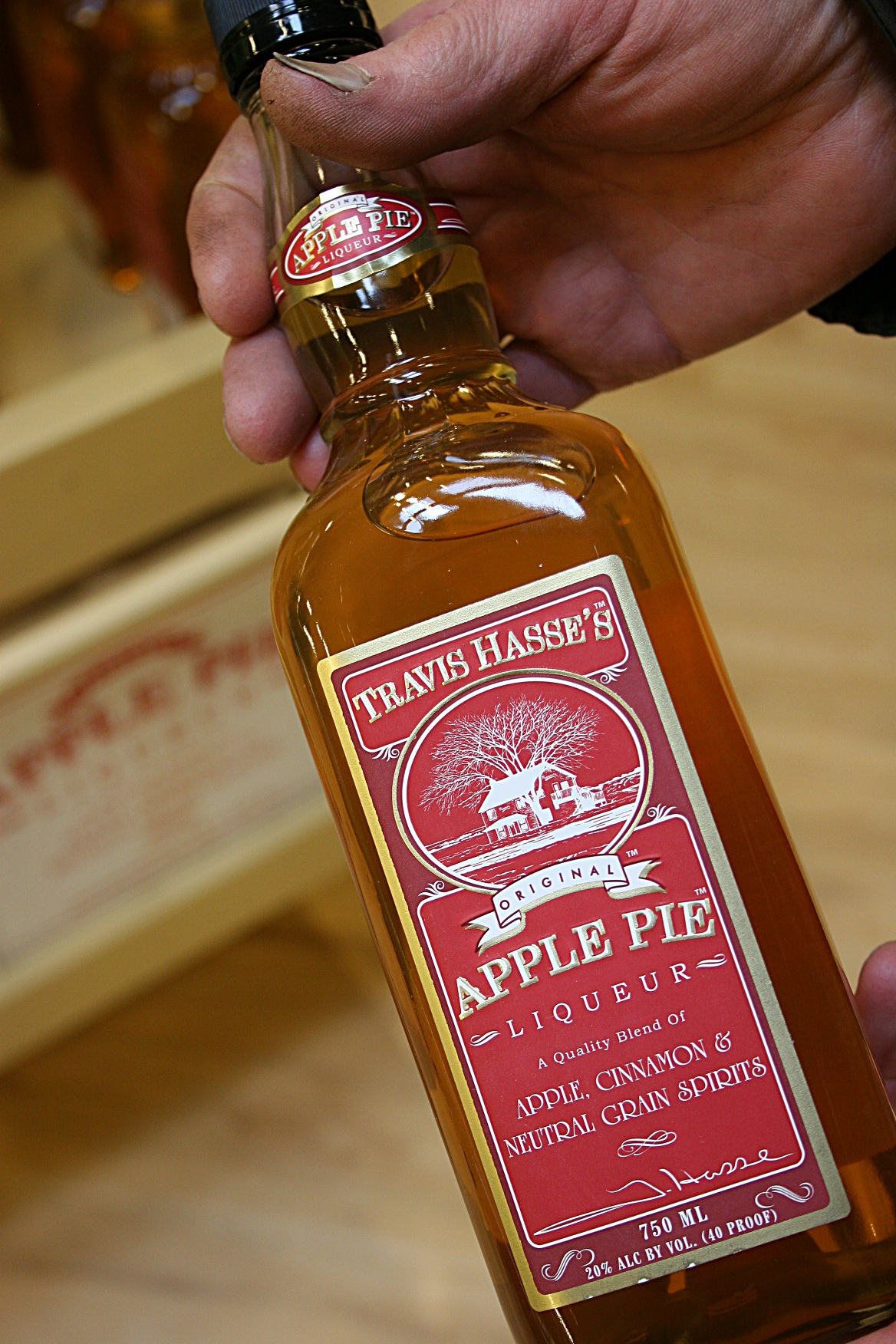
But…I could have…if my husband hadn’t dropped money on a bottle of semi-sweet cranberry wine from Three Lakes Winery; Travis Hasse’s Original Apple Pie Liqueur produced by Drink Pie Company in Temperance, Michigan, but originating from the Missouri Tavern near Madison (and which we may serve to our Thanksgiving dinner guests if there’s any left by then); and blueberry craisins, which I thought were dried blueberries (they’re not; they’re dried cranberries with grape and blueberry juice concentrate). Lesson learned here—read ingredient lists and know the definition of “craisin.”

Wisconsin cranberry wine displayed in, of all things, a high-heeled shoe. Huh?

"People are looking at you," my husband said when I asked him to hold this bottle of Apple Pie Liqueur so I could photograph it. I replied: "I don't care. I'll never see them again."

All that aside, Burnstad’s rates as one impressive place. Impresssive to me primarily because of the atmosphere—including a cobblestone pathway meandering past the restaurant and pub and gift shops—and cleanliness. Honestly, in the European market/grocery store, the spotless, shiny floor reflected like a lake surface on a calm and sunny summer afternoon. I’ve never seen such a clean floor in a grocery store, or maybe anywhere.

I didn't photograph the floor of the grocery store, because shoppers really would have stared at me. But I did photograph this sign, which so impressed me with its support of Wisconsin farmers.

Then there’s the pie. Oh, the pie. Typically my family doesn’t order dessert in a restaurant. But the pie in the rotating display case proved too tempting, especially when I inquired and learned that the pies are made fresh daily. So Miranda and Gerardo each selected a piece—Door County cherry and rhubarb/raspberry—which the four of us promptly devoured. We were celebrating Gerardo’s October 29 birthday and Miranda’s soon-to-be birthday. If you like pie, Burnstad’s pie is the pie to try. I wonder if it’s made by the Amish?

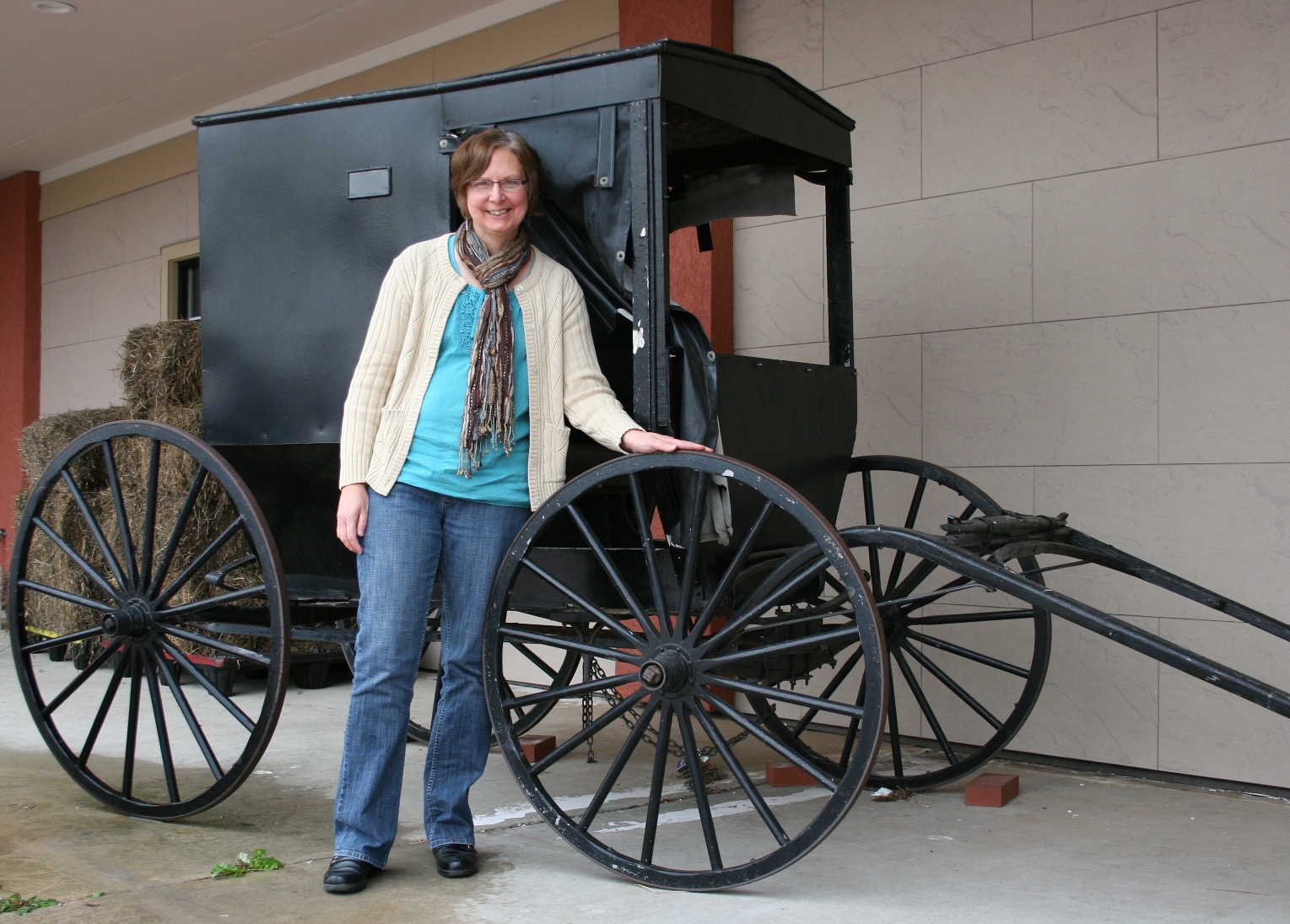
Speaking of which, right outside the gift shop entrance you’ll see an Amish buggy. I wanted Miranda and Gerardo to pose for a photo. My daughter was having none of that. Since I’m the one semi-possessed by all things Amish, she insisted I climb into the buggy for a photo op. I refused to wedge myself inside the close confines of that buggy. So instead, I stood next to it and smiled a tourist smile like any good Minnesotan would.

I put on my tourist face for this Amish buggy photo. Just down Highway 21 you'll see authentic Amish buggies.

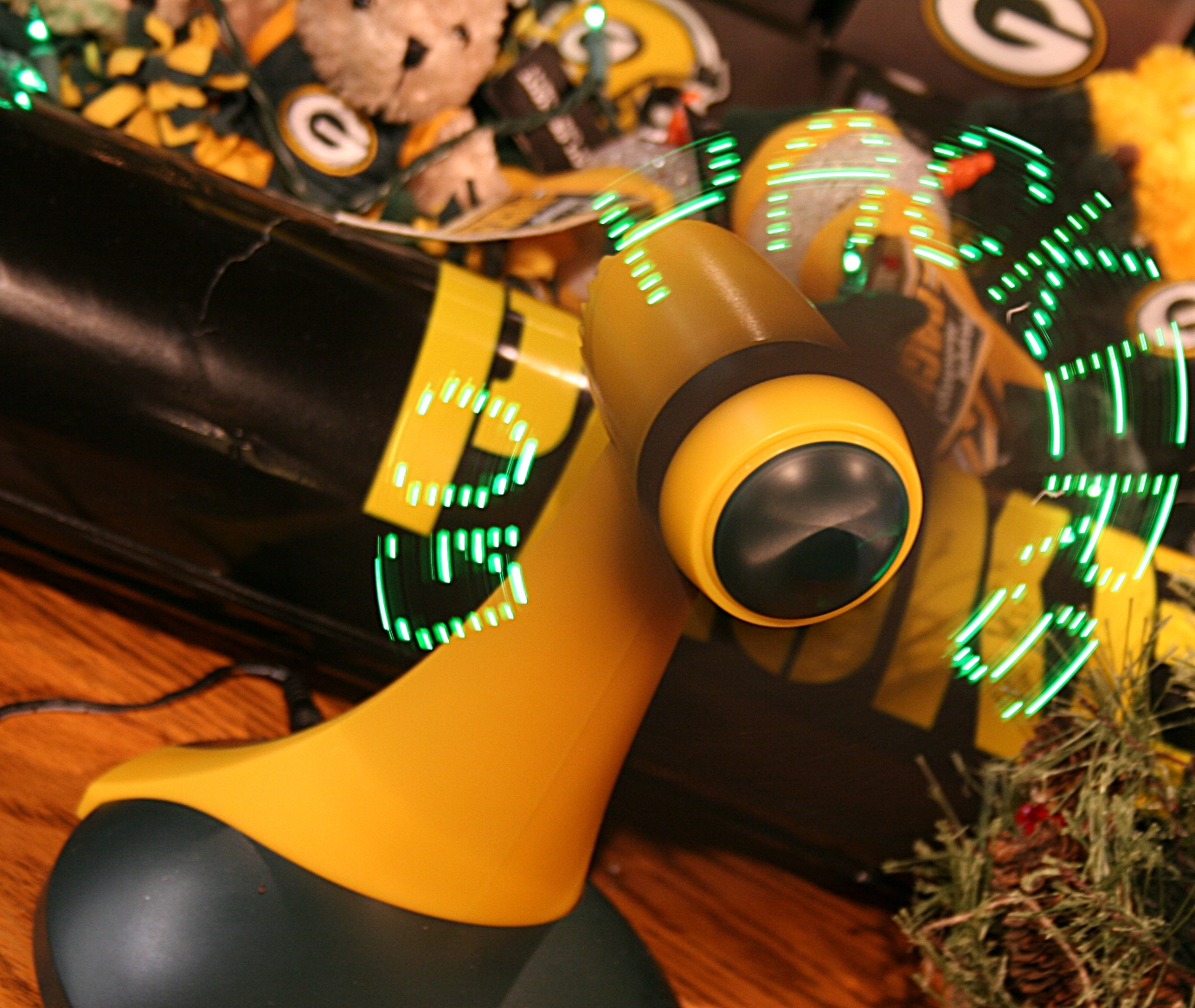
Packers fans will find Packers fans for sale in Burnstad's gift shop, in the Packers section.

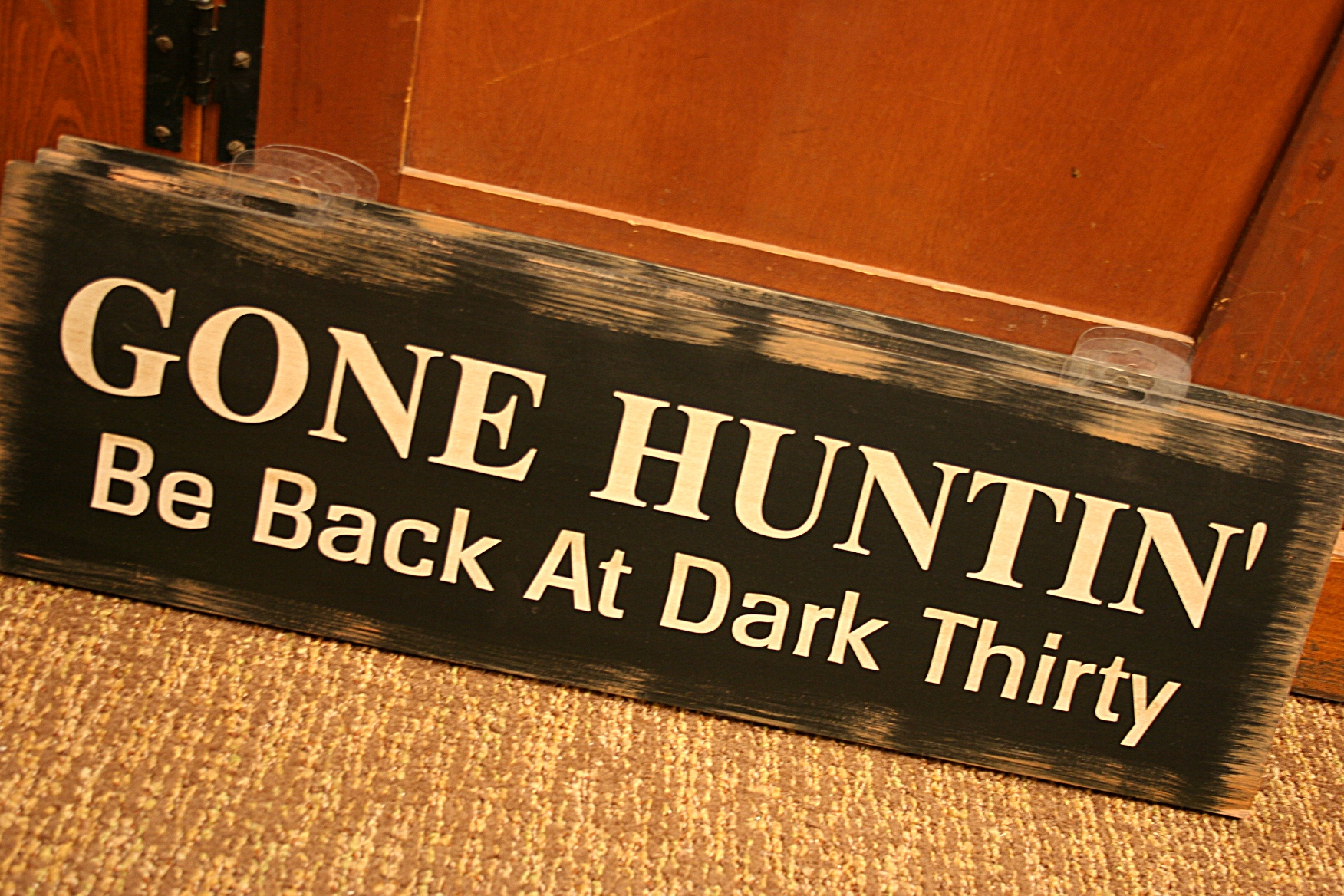
A particularly amusing sign I spotted in the gift shop and suitable for either a Minnesotan or a Wisconsinite.

SORRY FOR FAILING to photograph exterior and interior shots of Burnstad’s. I was just too excited about seeing my daughter for the first time in three months that I didn’t get carried away with photo-taking like I typically do.

© Copyright 2011 Audrey Kletscher Helbling