Minnesota Prairie Roots

Writing and photography by Audrey Kletscher Helbling

One hip, vintage & retro shop in Neenah, Wisconsin April 29, 2014

Filed under: Uncategorized — Audrey Kletscher Helbling @ 6:00 AM
Tags: , , , , , , , , ,
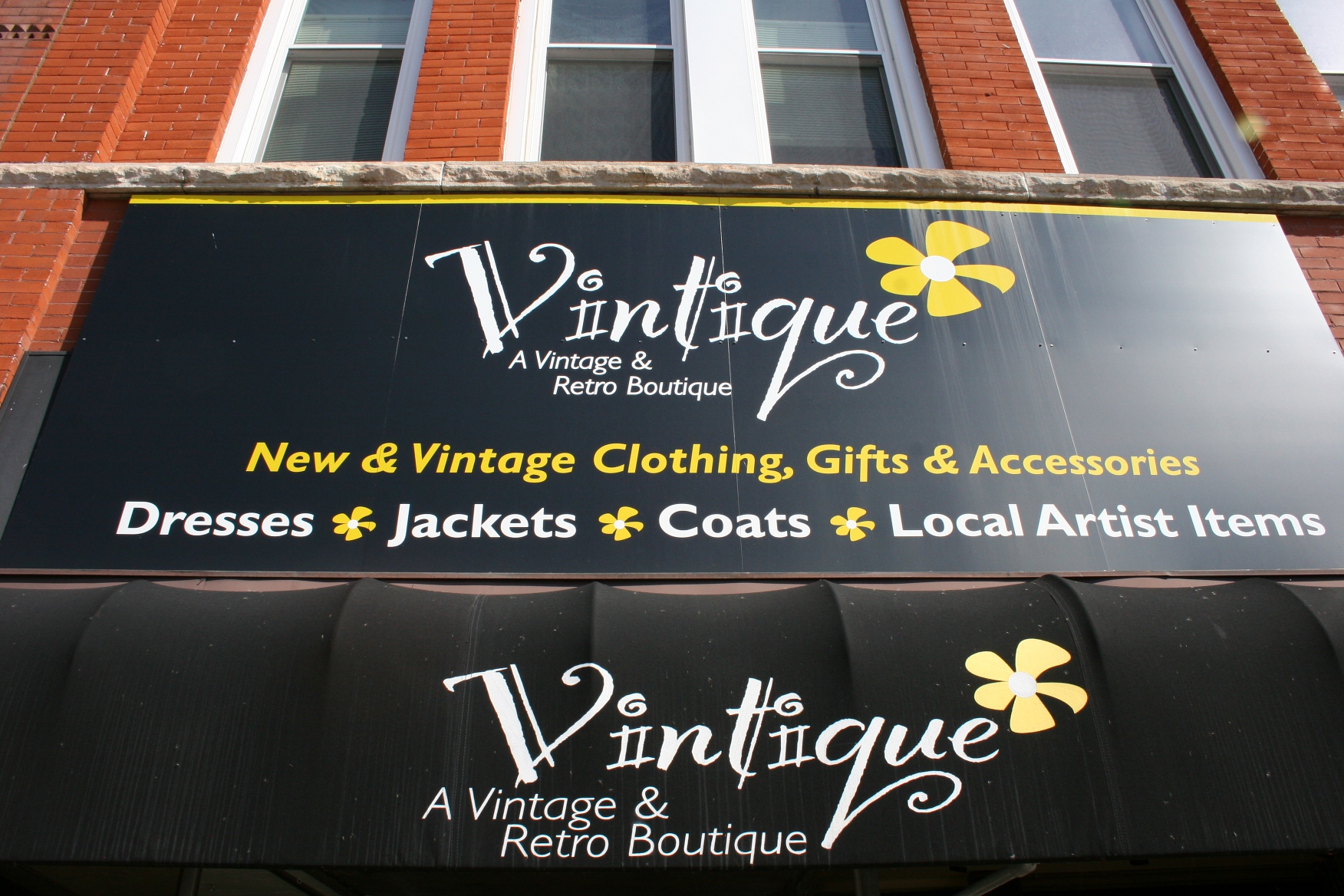
The signage on Vintique, 131 West Wisconsin Avenue, Neenah, Wisconsin.

The signage on Vintique, 131 West Wisconsin Avenue, Neenah, Wisconsin.

I LOVE THIS BOUTIQUE in downtown Neenah, Wisconsin.

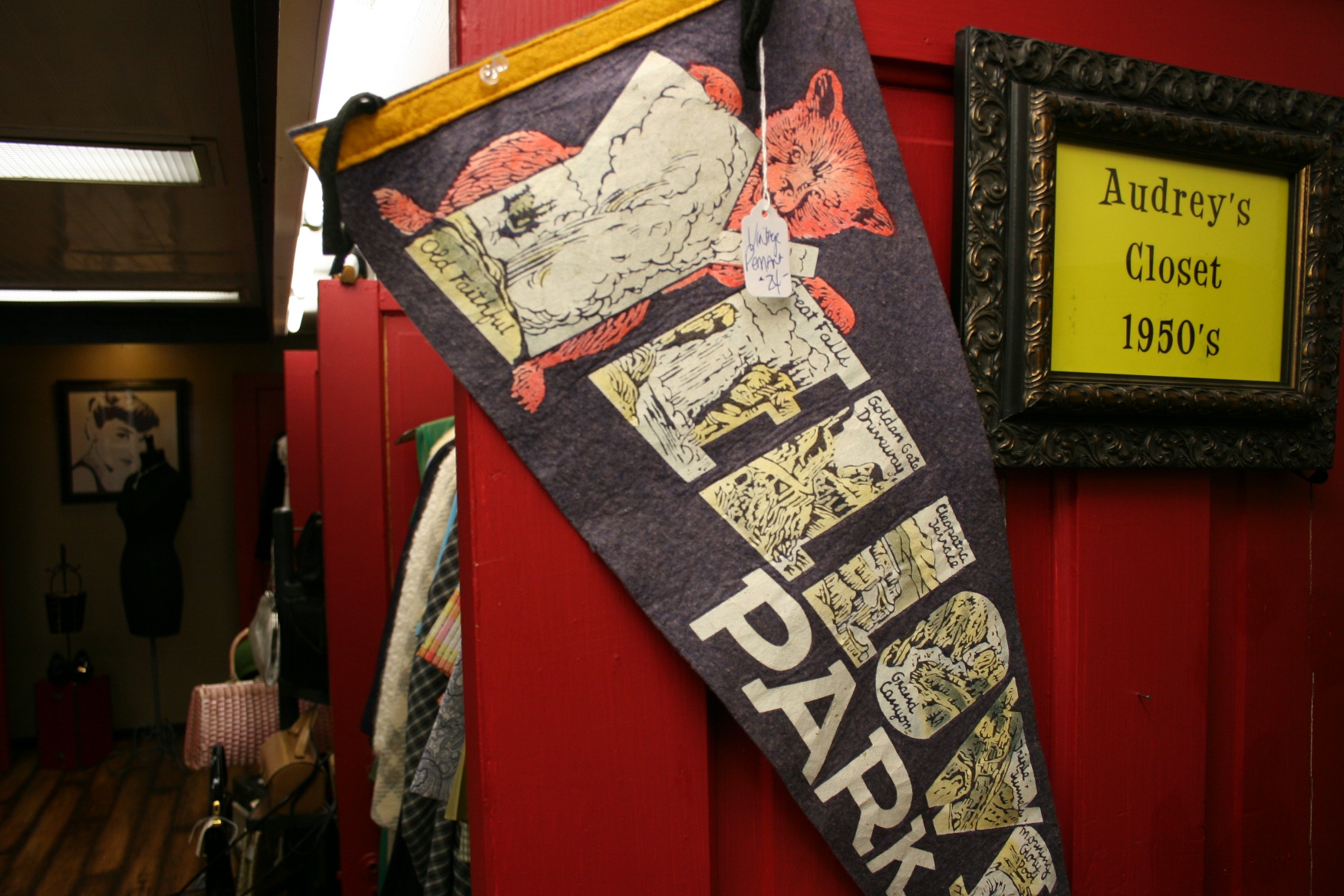
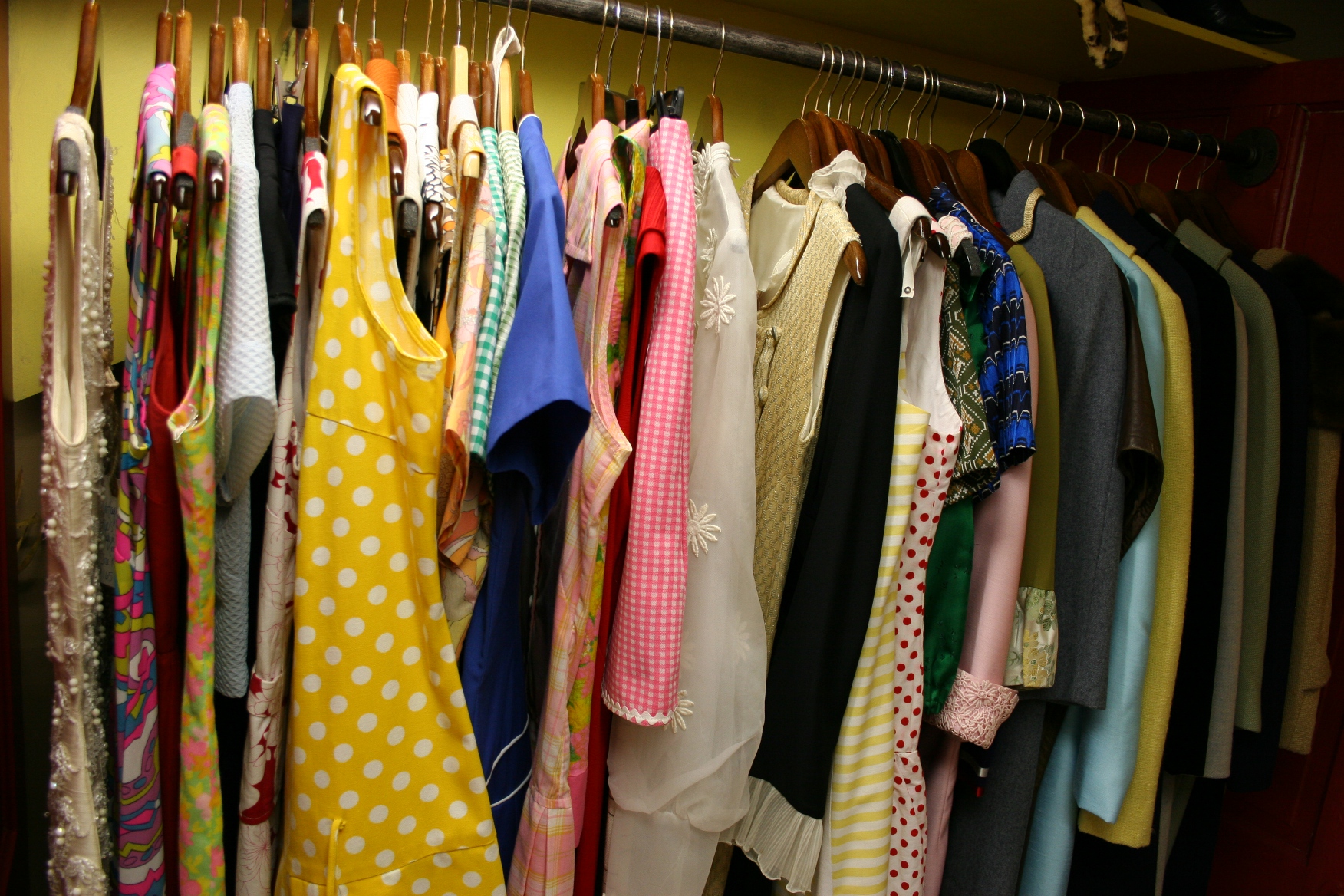
Audrey's Closet, likely named after Audrey Hepburn and not me, holds vintage 50s clothing.

Audrey’s Closet, likely named after Audrey Hepburn and not me, holds vintage 50s clothing.

Not just because a section of vintage 1950s clothing is tucked into a space labeled Audrey’s Closet.

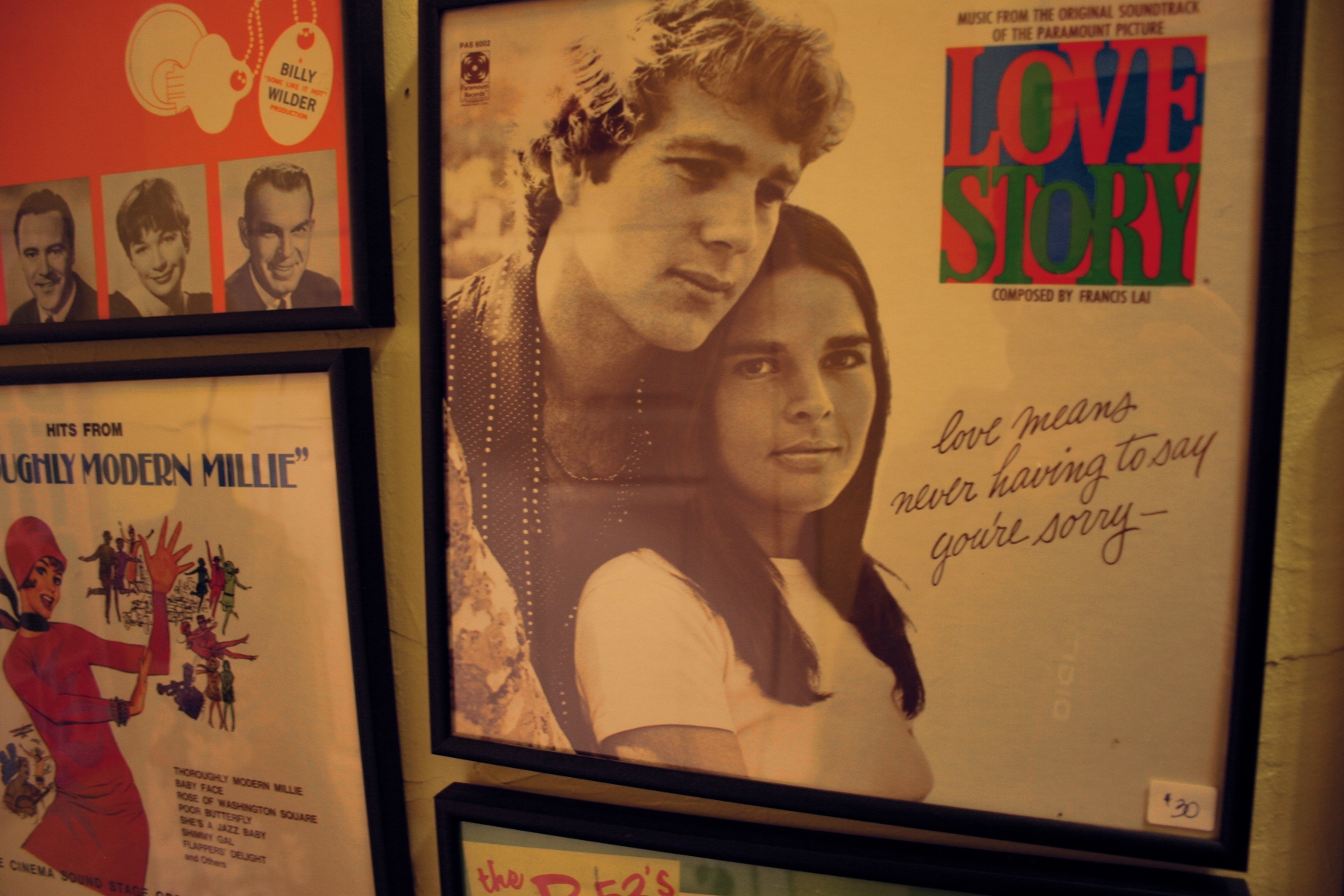
Love Story framed.

Love Story framed.

And not simply because of the Love Story album cover framed and posted on a stairway wall. Love Story, released in 1970, rates as one of my favorite movies. I was 14 then, falling for Ryan O’Neal and this heart-tugging love story co-starring Ali MacGraw. I tacked a poster of the couple onto the lime green walls of my basement bedroom with the candy striped carpet.

I digress. Sort of.

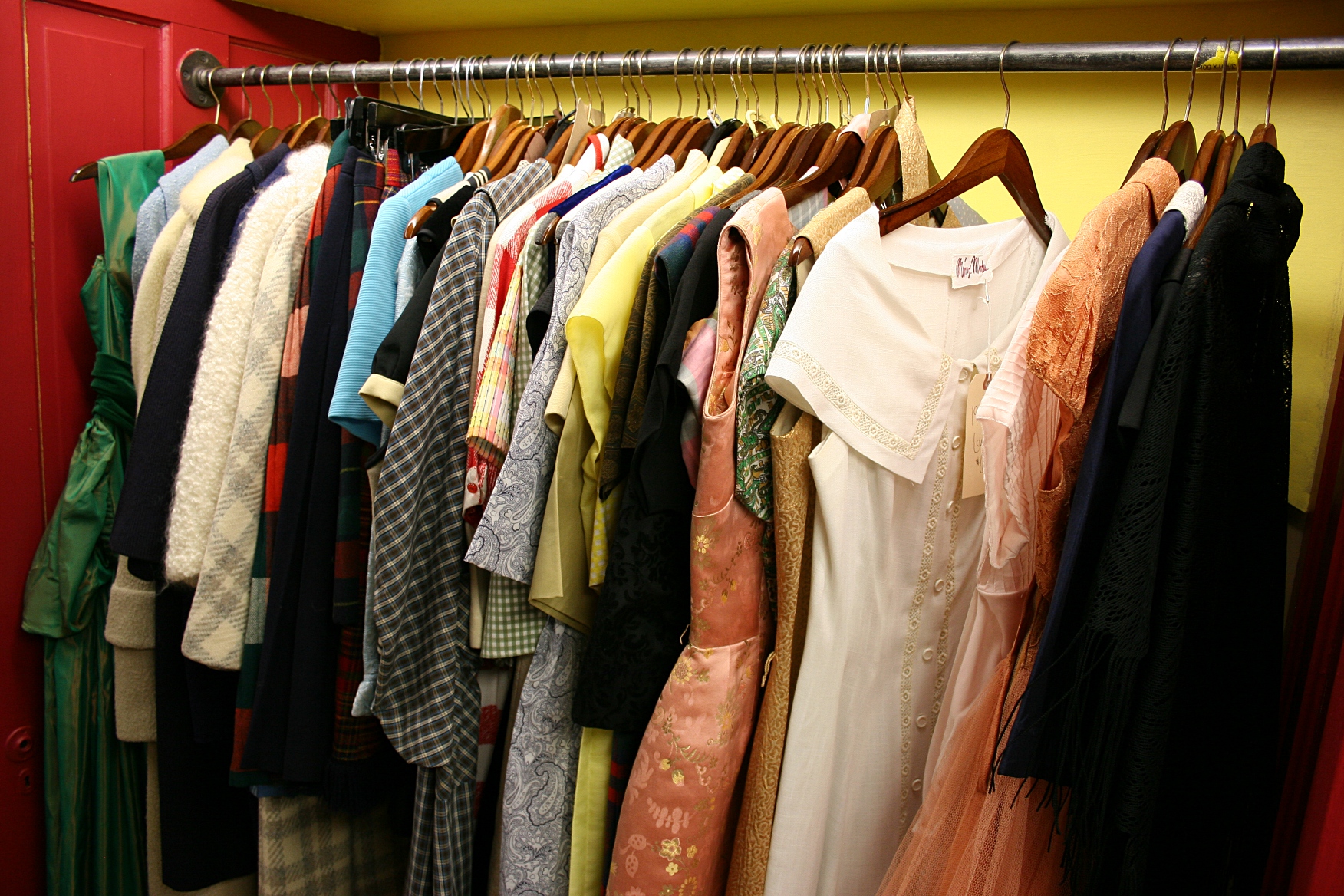
A vintage 1950s wardrobe in Audrey's Closet.

A vintage 1950s wardrobe in Audrey’s Closet.

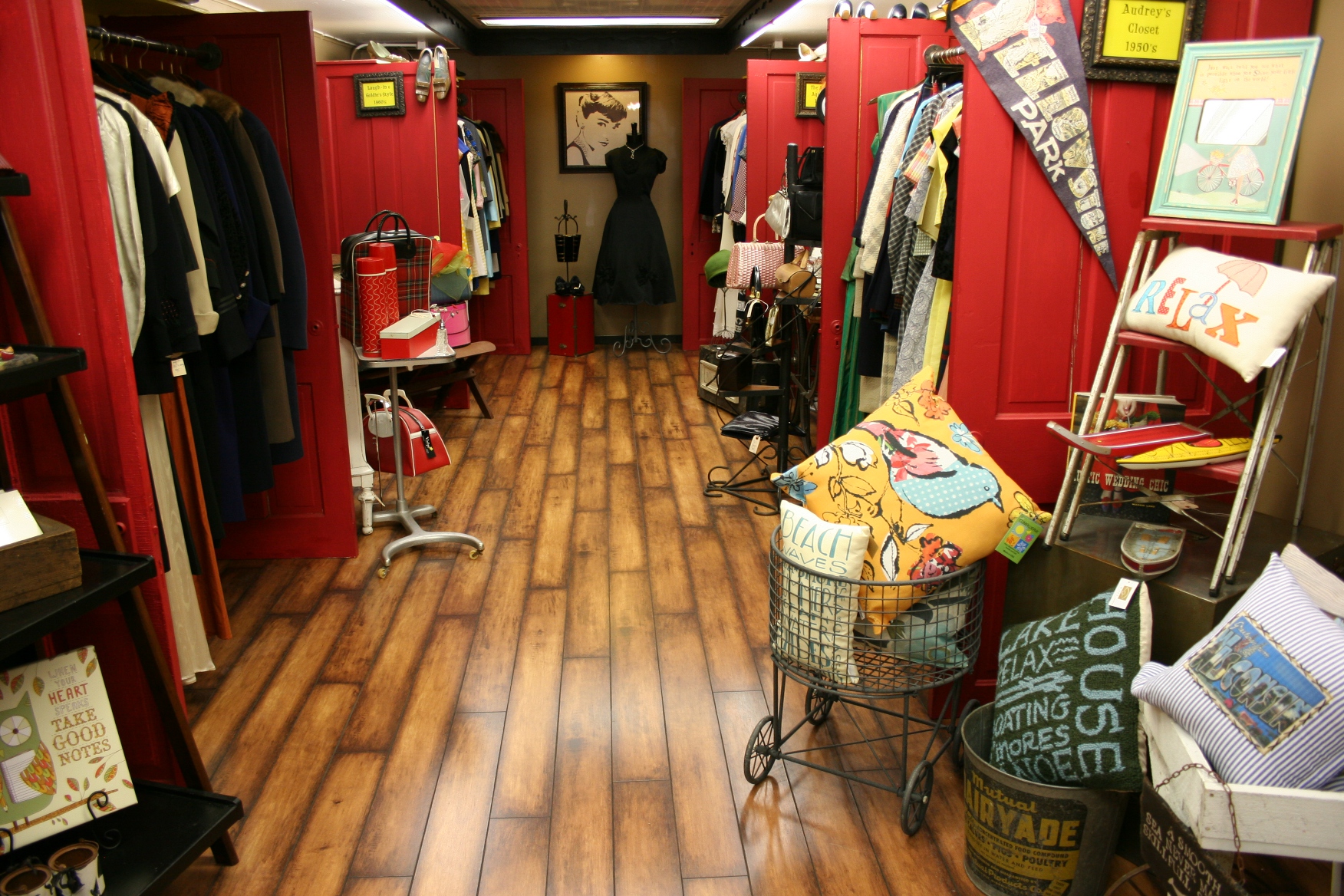
Vintique, LLC, elicits this type of response—this embracing of the past—with the merchandise offered here. If you appreciate vintage, antique, boutique and unique, then this is your kind of shop. Vintique.

My daughter tried on the elegant black dress along the far wall in this room full of vintage clothing.

My daughter tried on the elegant black dress along the far wall in this  second floor room full of vintage and retro clothing and other merchandise.

If not for my daughter Miranda, who lives in neighboring Appleton, I likely never would have discovered this shop in the heart of a cozy downtown that features a mix of historic and modern buildings. How well she knows me and my appreciation of vintage.

Clothing from the 1960s found in the Laugh-in & Goldie's Style Closet.

Clothing from the 1960s found in the Laugh-in & Goldie’s Style Closet.

Now if only I was a few decades younger and dress sizes smaller, I’d feel comfortable in the actual and replica retro and vintage clothing sold at Vintique. But I’m well past the age of trying to look young and hip. Some older women can carry that off; I’m not one of them.

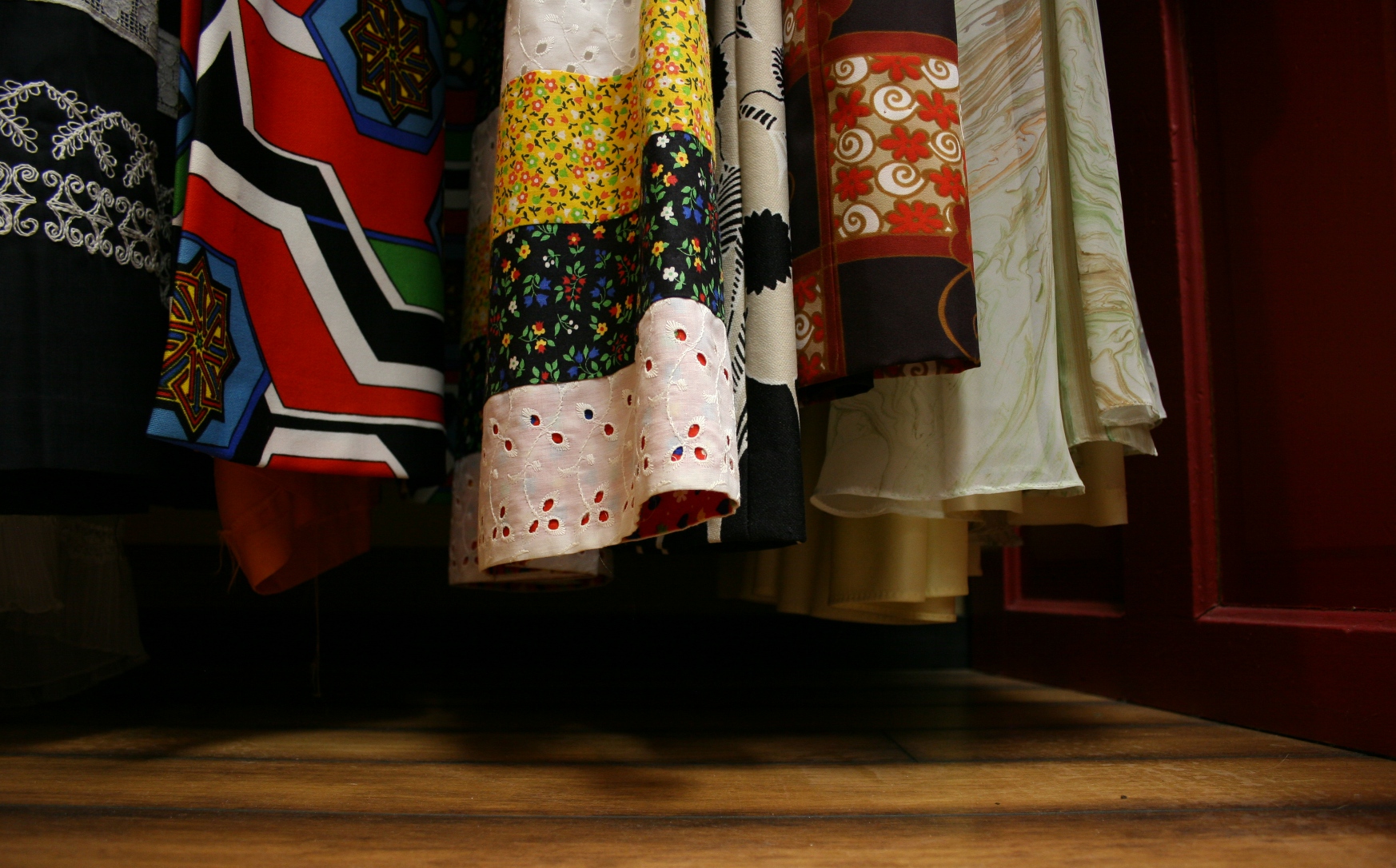
Just look at those prints...

Just look at those prints…

That didn’t stop me, though, from gushing over the vintage and retro clothing and accessories. Had you listened in, you would have overheard me saying, “If I was looking for a prom dress…if I was getting married…if I was going to a summer wedding…if I was younger…”

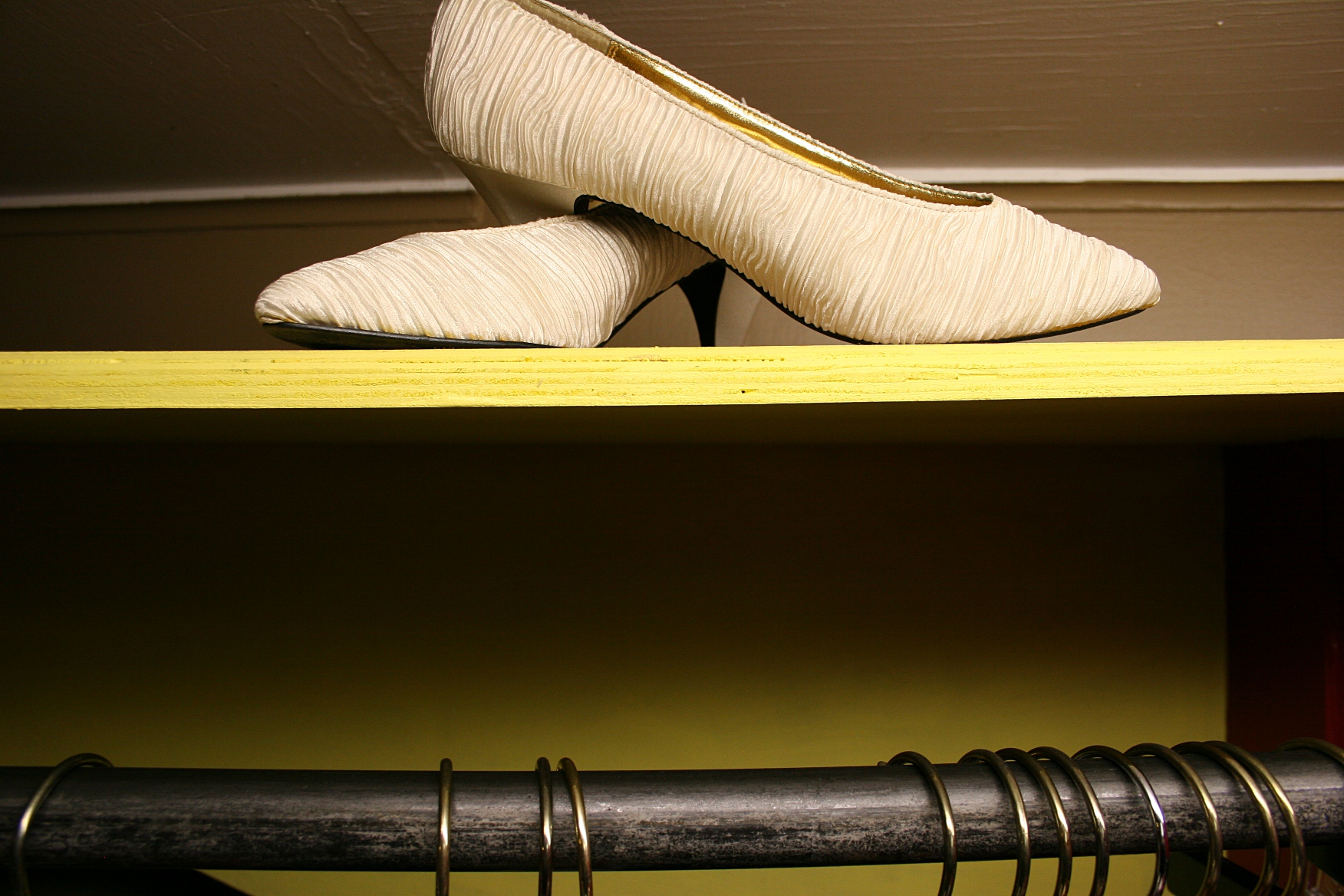
Vintage white pumps for a special occasion.

Vintage white pumps for a special occasion perch on a shelf above a rack of clothes.

Not that age should stop anyone from shopping Vintique. Had I really searched, I’m certain I would have found something that fit me and suited my style and age.


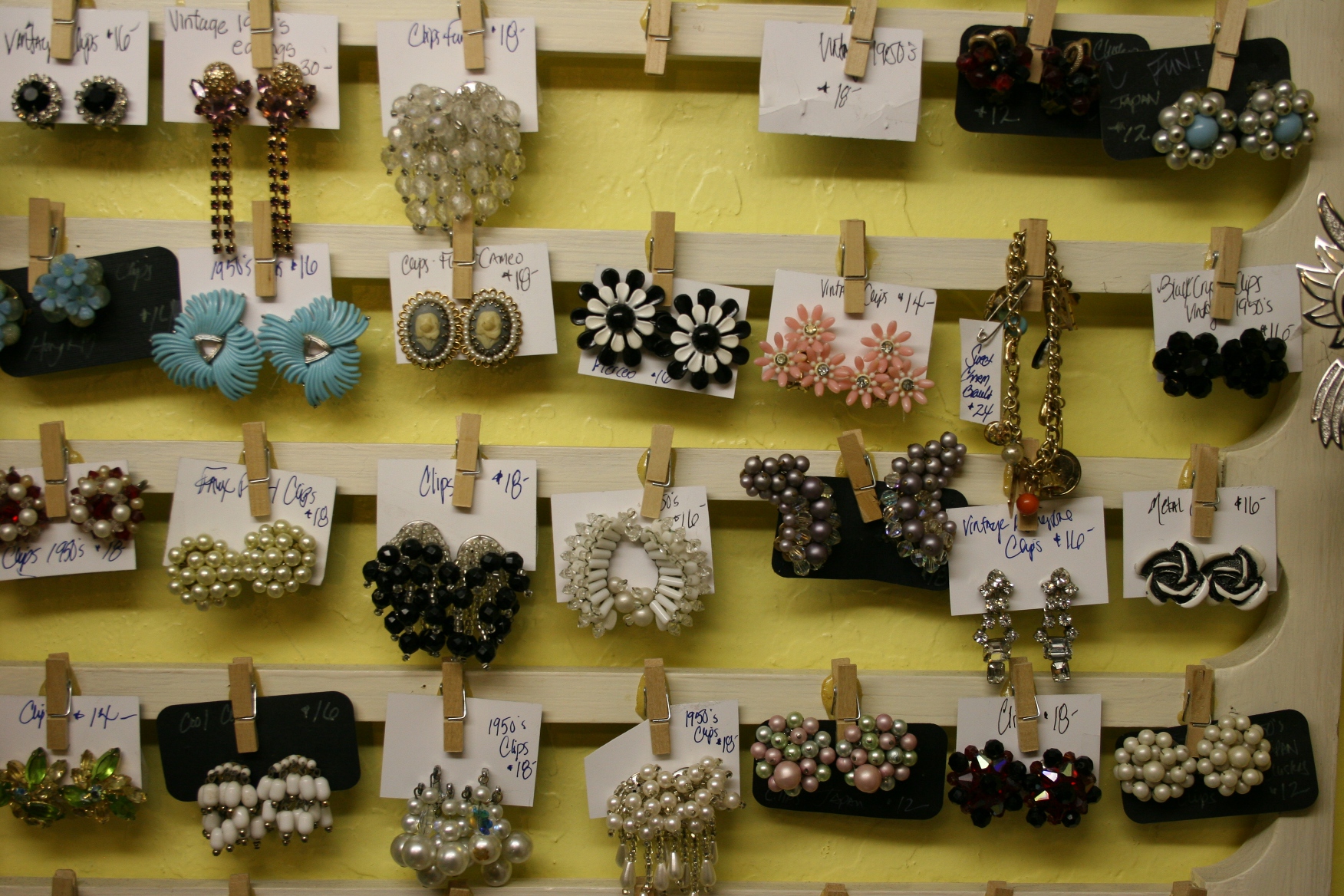
Vintage jewelry galore.

Vintique rates as one cool (yes, I am a child of the 70s) place with other funky finds like vintage jewelry,


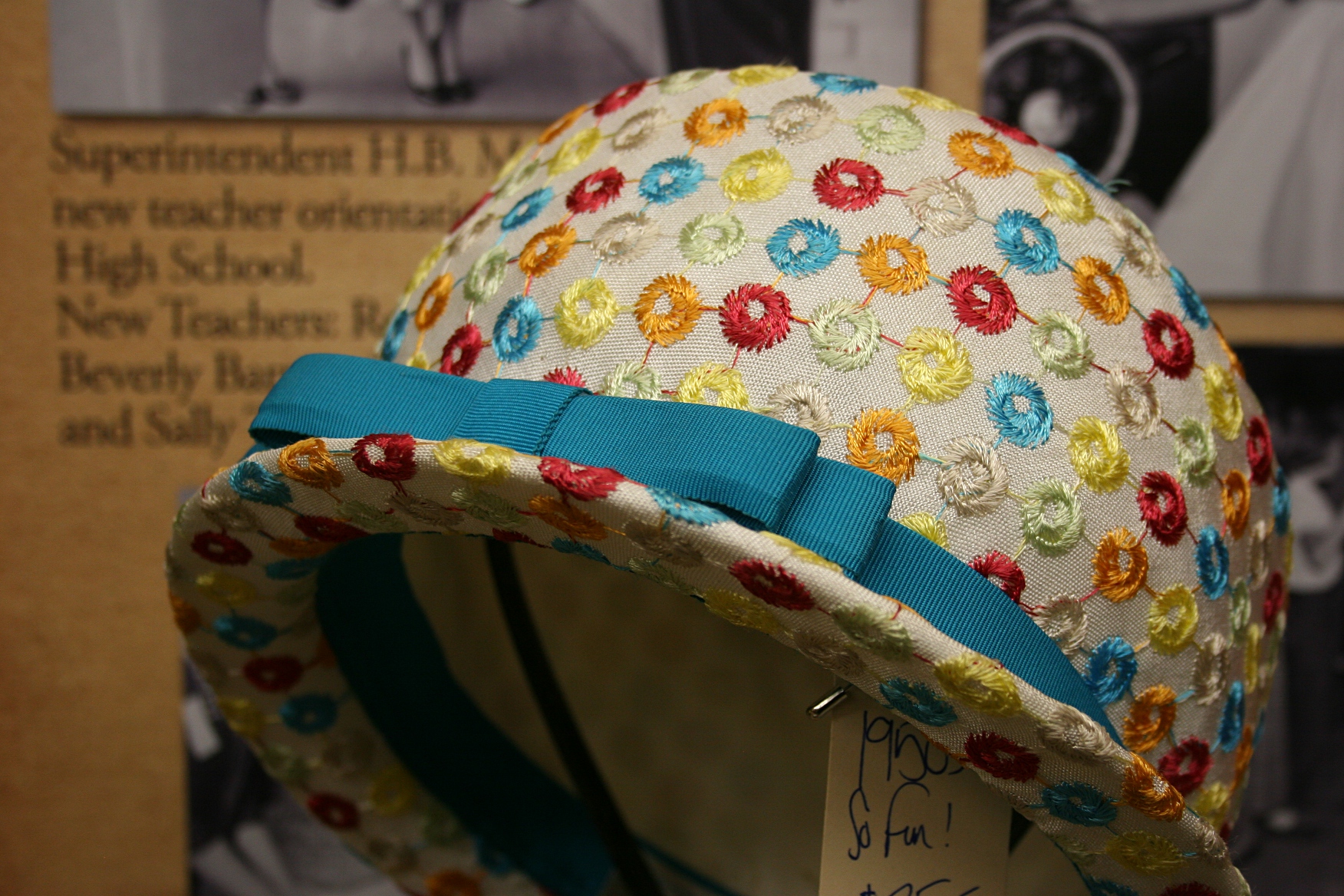
A funky hat.

hats,


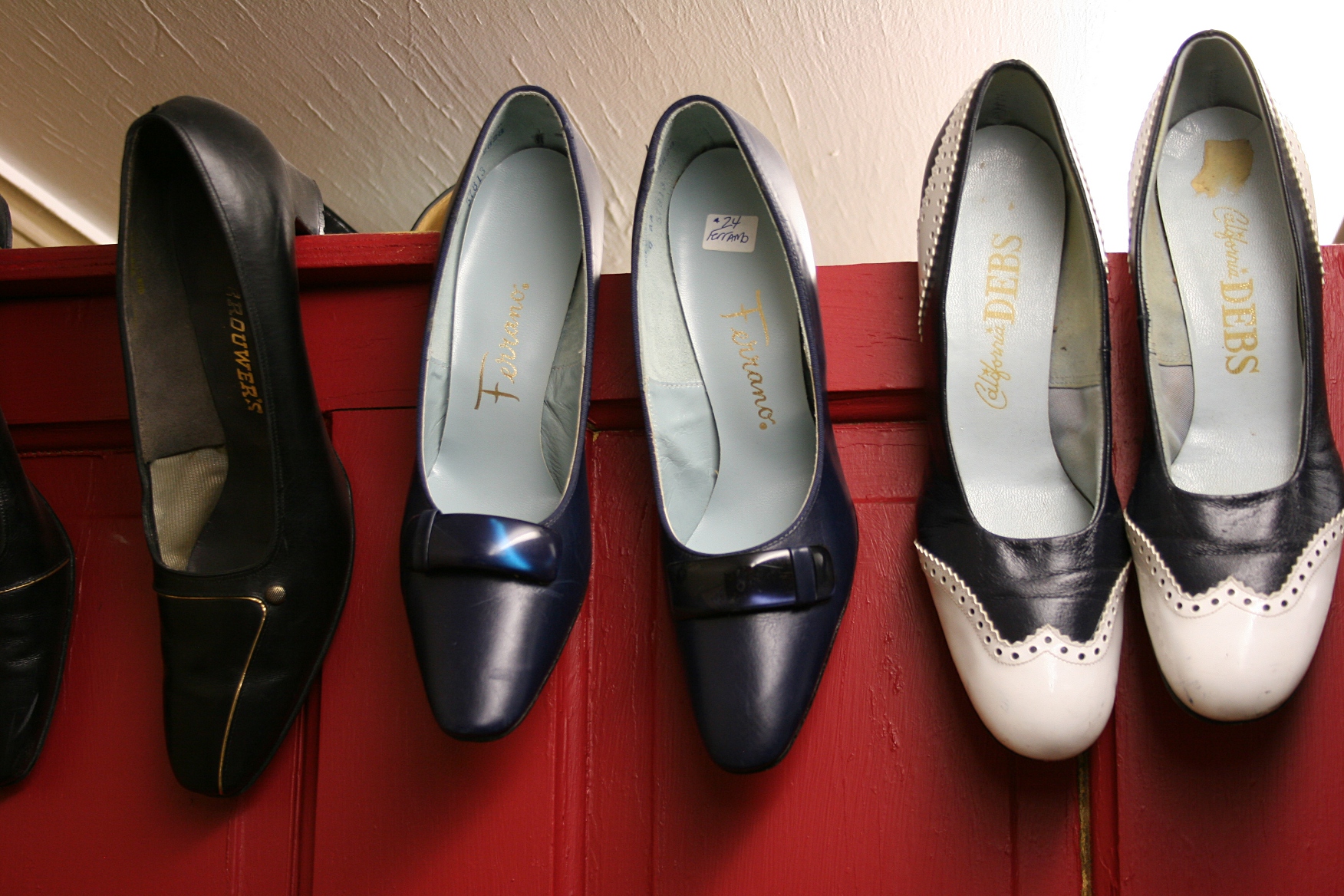
Vintage shoes

shoes and purses;

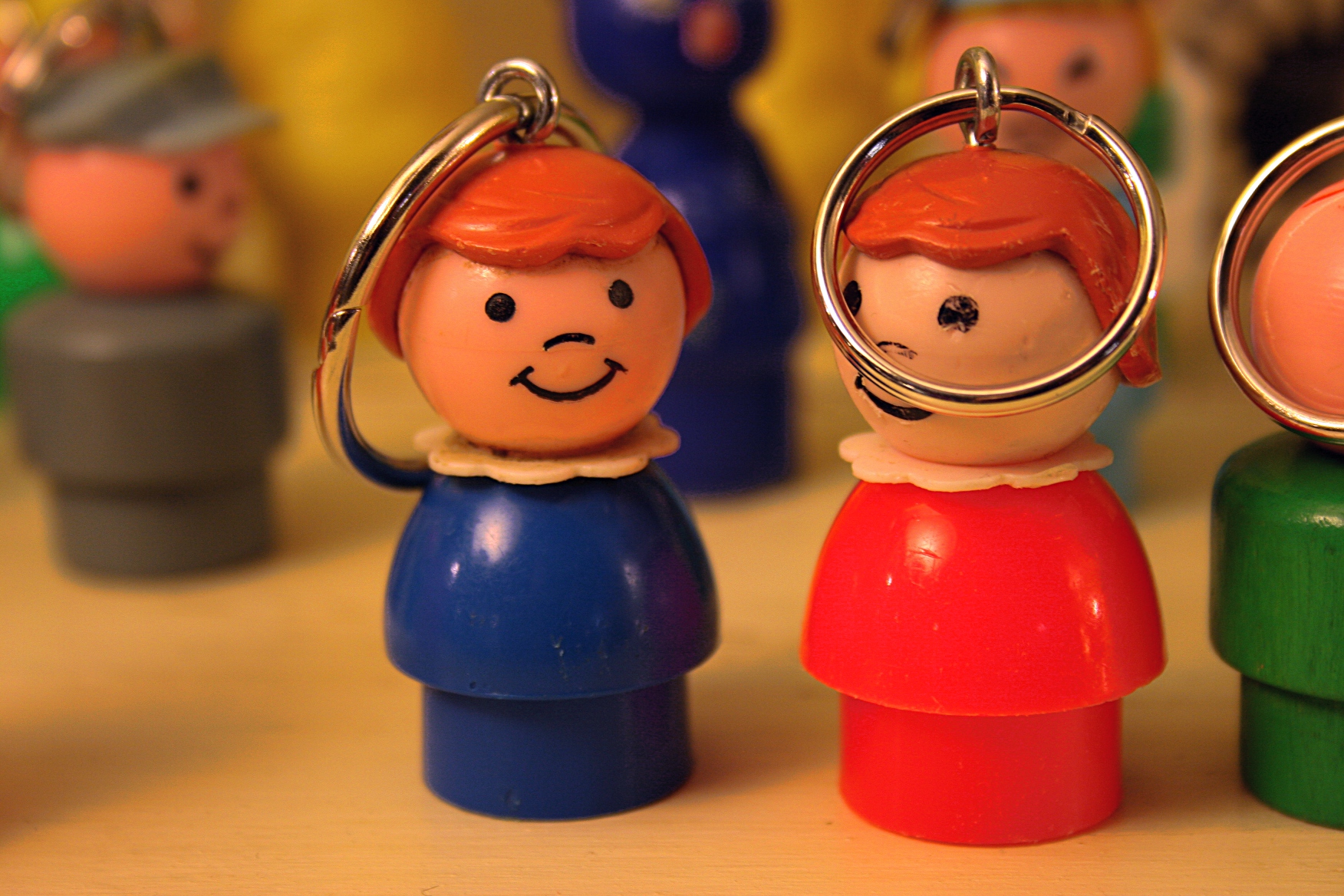
Little people

Little People key chains; pillows; art; and more.

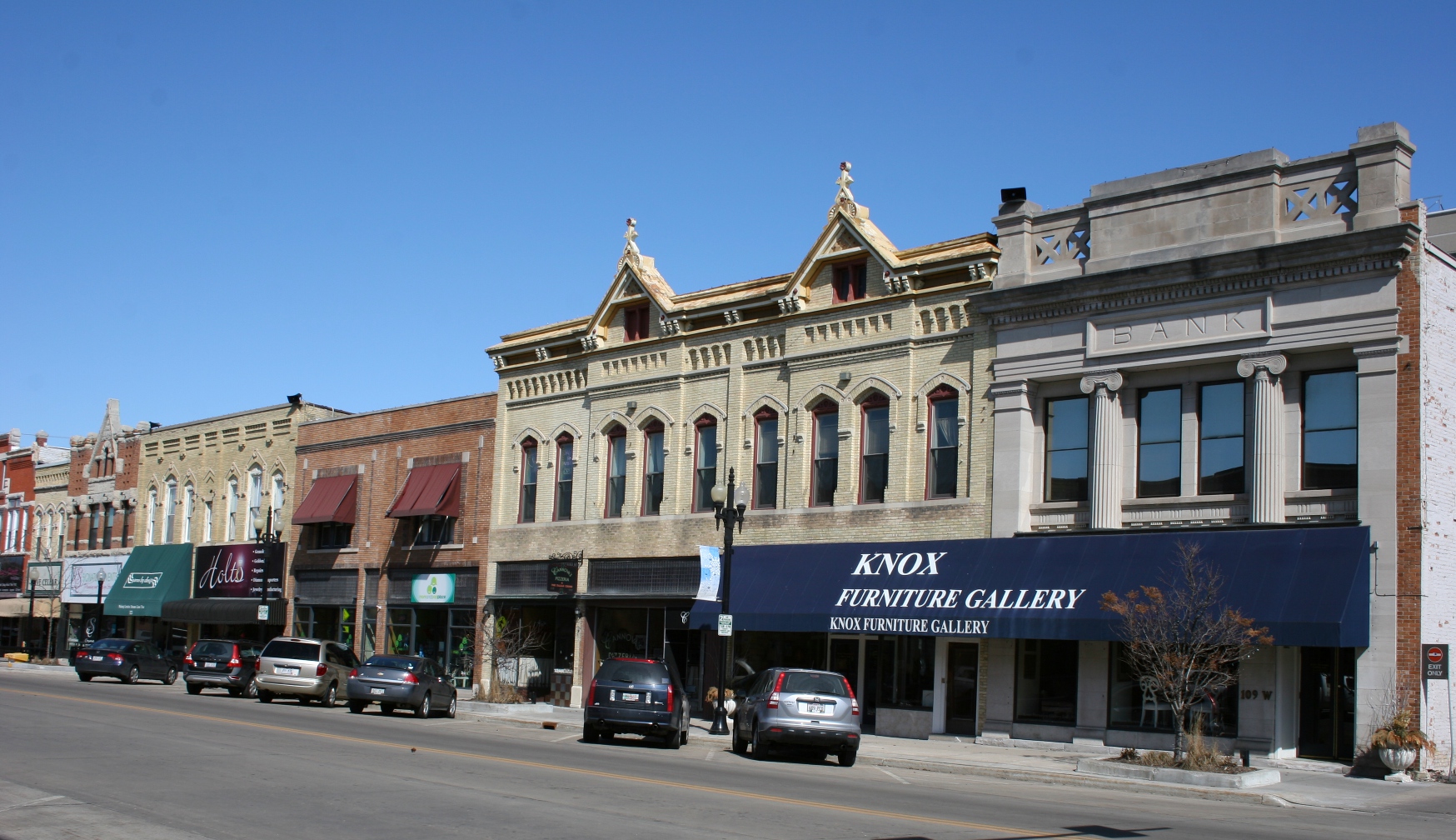
A section of Wisconsin Avenue in downtown Neenah, Wisconsin.

A section of Wisconsin Avenue in downtown Neenah, Wisconsin.

Vintique, at 131 West Wisconsin Avenue.

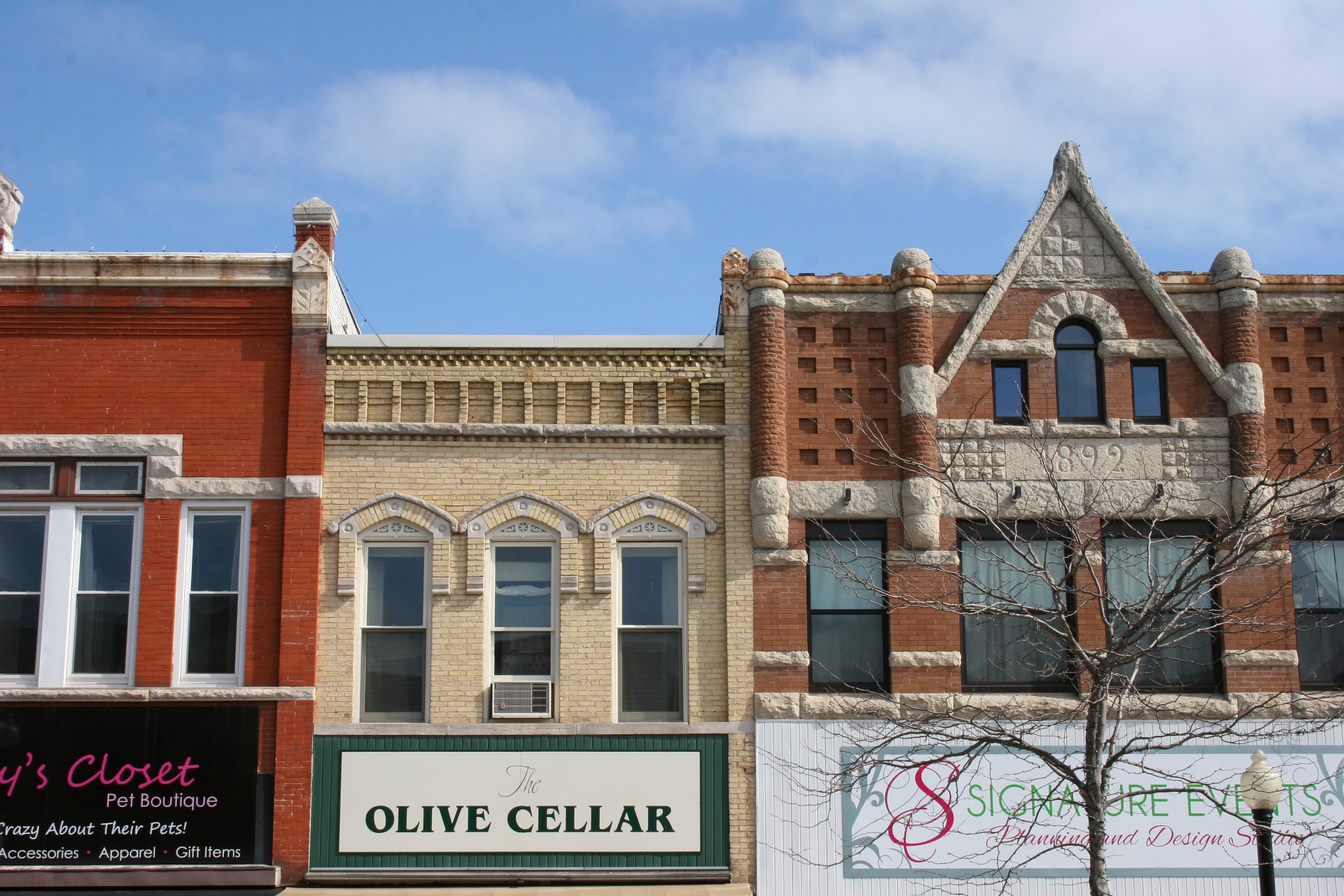
Downtown Neenah features historic buildings.

Downtown Neenah features historic buildings.

That’s in Neenah, south of Appleton, southwest of Green Bay.

© Copyright 2014 Audrey Kletscher Helbling


If you think Wisconsinites love beer, brats & cheese, you’d be right April 24, 2014

IN THREE YEARS of exploring Wisconsin, I’ve learned a few things:

Wisconsinites are crazy about their Packers.

Wisconsinites love their brats.

Cheese is, indeed, big in Wisconsin.

And, finally, Wisconsin residents love their beer.

Not necessarily in that order.

I base this on observations such as green and gold brat buns sold at an Appleton grocery store where staff wear Packer attire on game day; liquor stores directly connected to grocery stores, walk-in beer coolers at convenience stores and an abundance of bars everywhere, seemingly packed on game day; a decrease in highway traffic during Packers games; frequent homemade roadside signs advertising brat fries; and busy specialty shops focused on selling cheese.

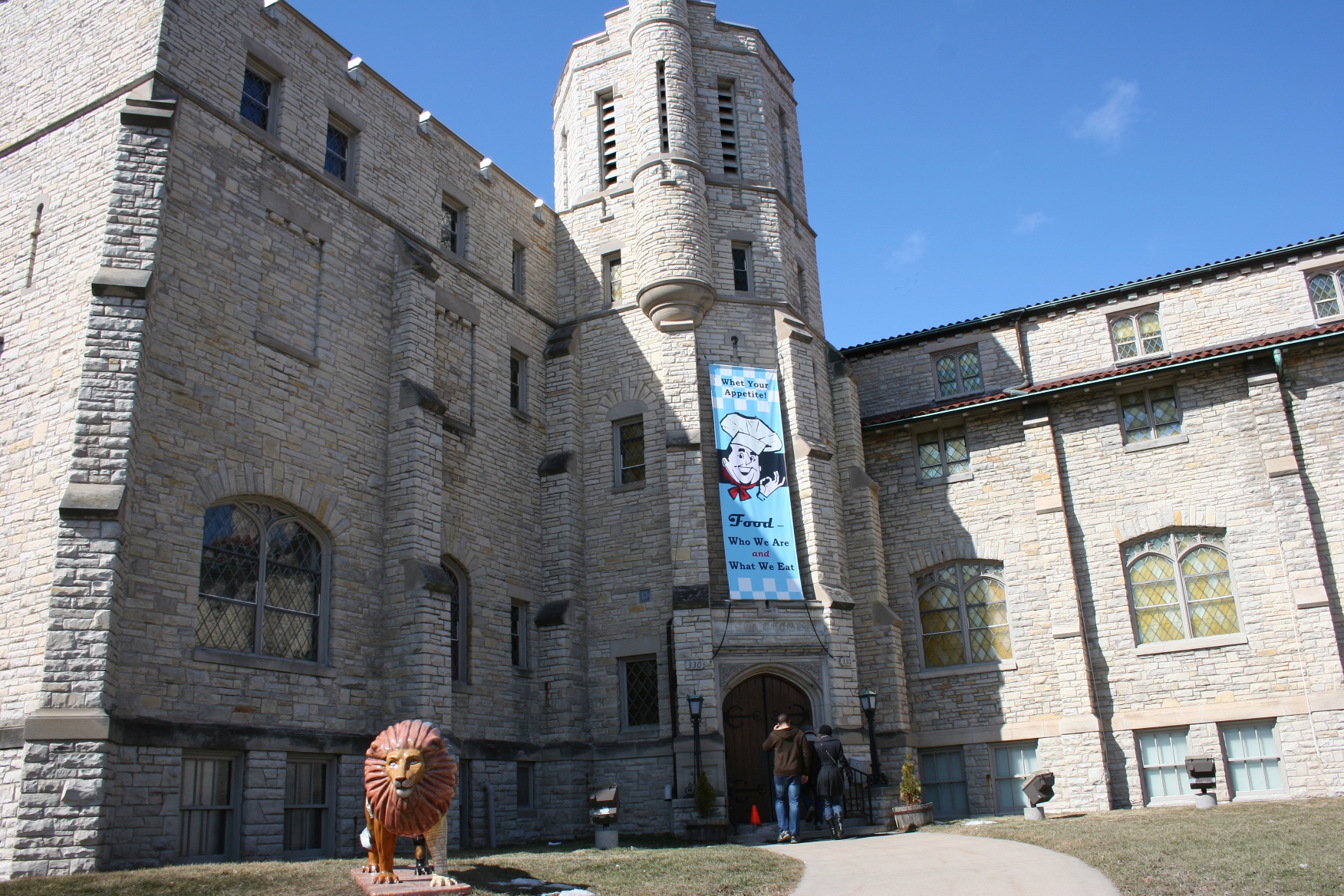
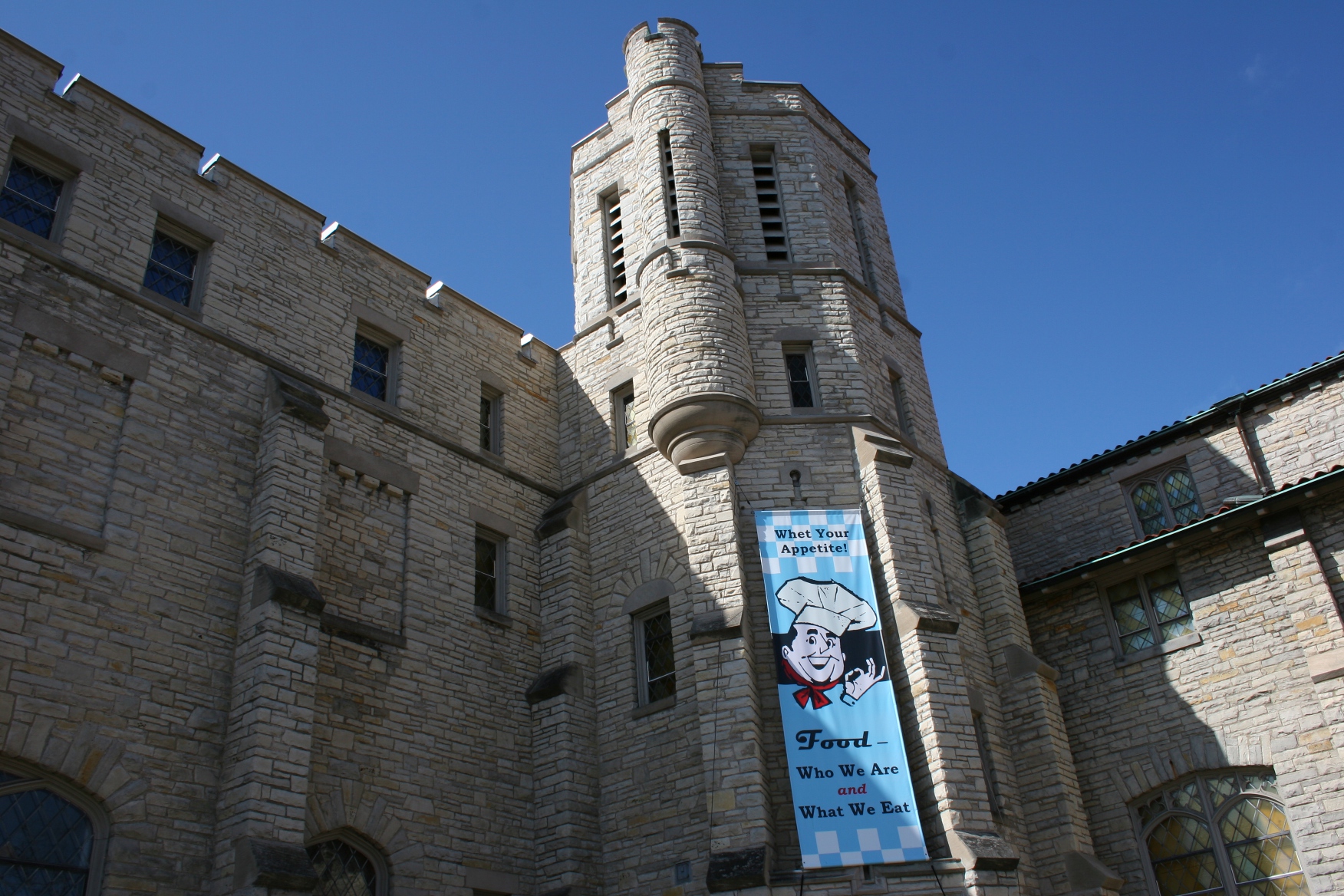
A banner welcomes visitors to the featured exhibit on food at the History Museum at the Castle, 330 East College Avenue, Appleton, Wisconsin.

A banner welcomes visitors to the featured exhibit on food at the History Museum at the Castle, 330 East College Avenue, Appleton, Wisconsin.

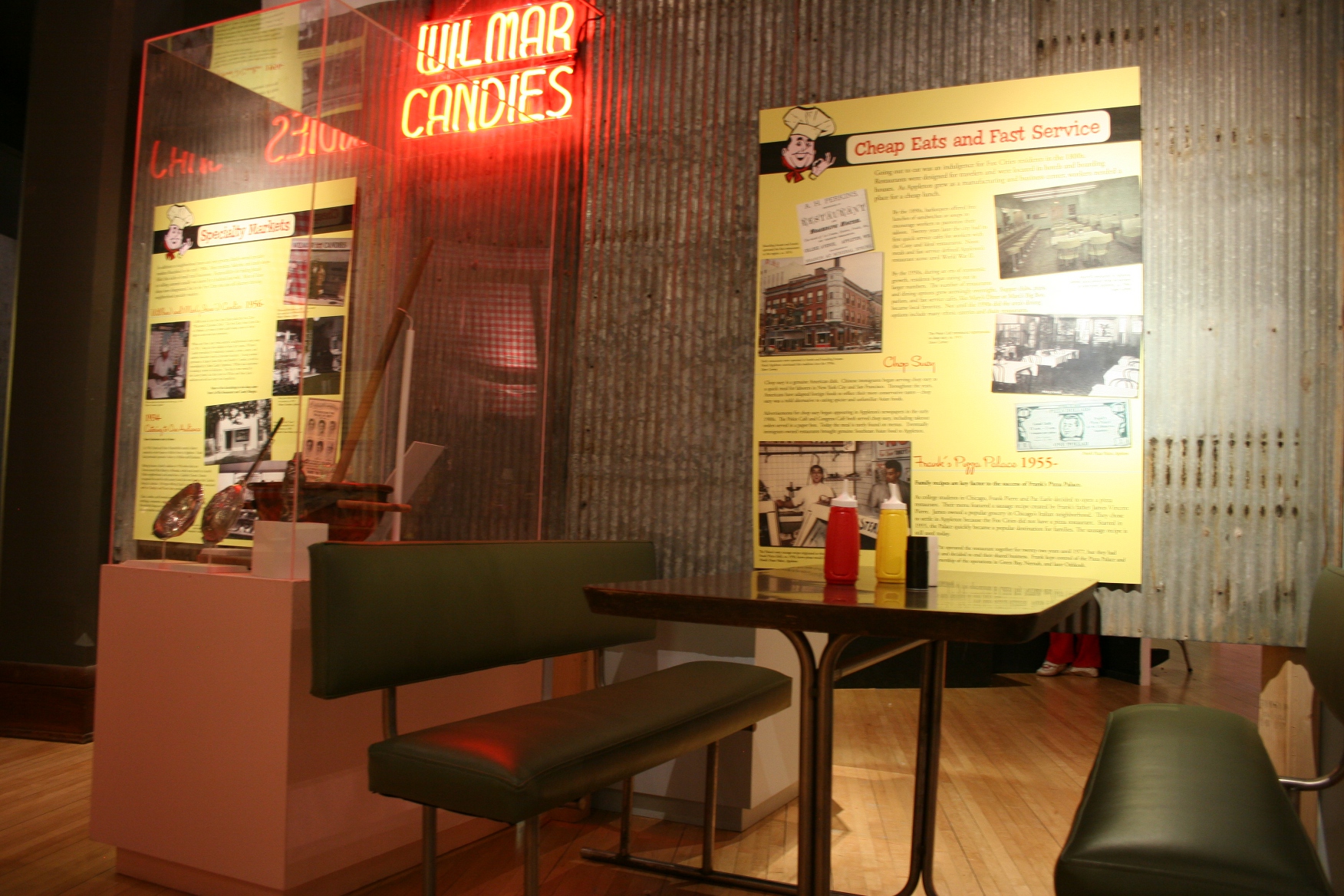
Now an exhibit, “Food: Who We Are and What We Eat,” at the History Museum at the Castle in downtown Appleton (that’s in eastern Wisconsin south of Green Bay) confirms my observations and conclusions about Wisconsin.

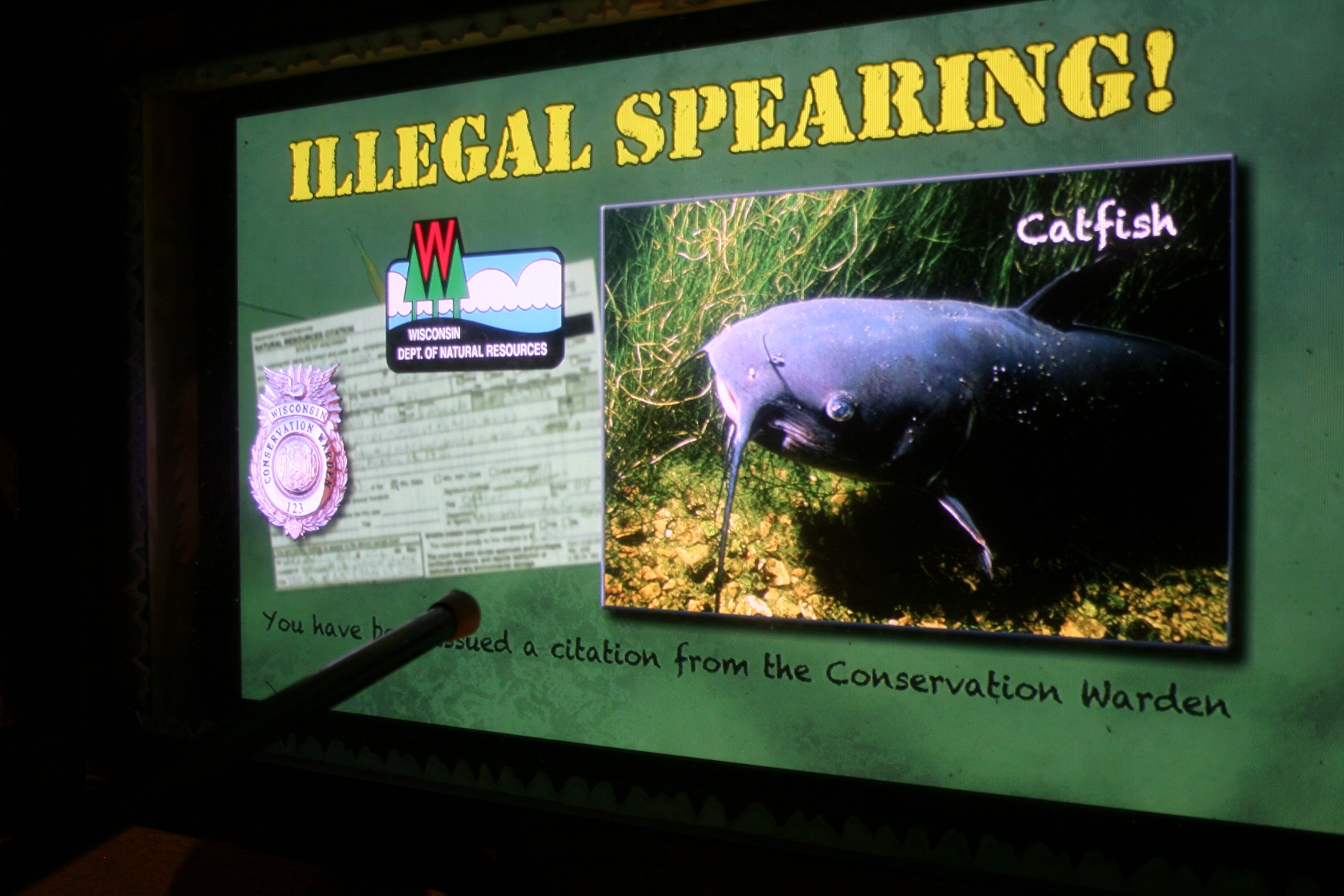
In an interactive portion of the exhibit, in a fish house, visitors can try spearing a sturgeon. In this case, my daughter "speared" a catfish instead.

In an interactive portion of the exhibit, in a fish house, visitors can try spearing a sturgeon. In this case, my daughter “speared” a catfish instead by thrusting a “spear” at the shadowy fish lurking below the water’s surface. You best know your fish.

The informative and interactive exhibit—try spearing a sturgeon—explores the origins of iconic Wisconsin food traditions.

foods

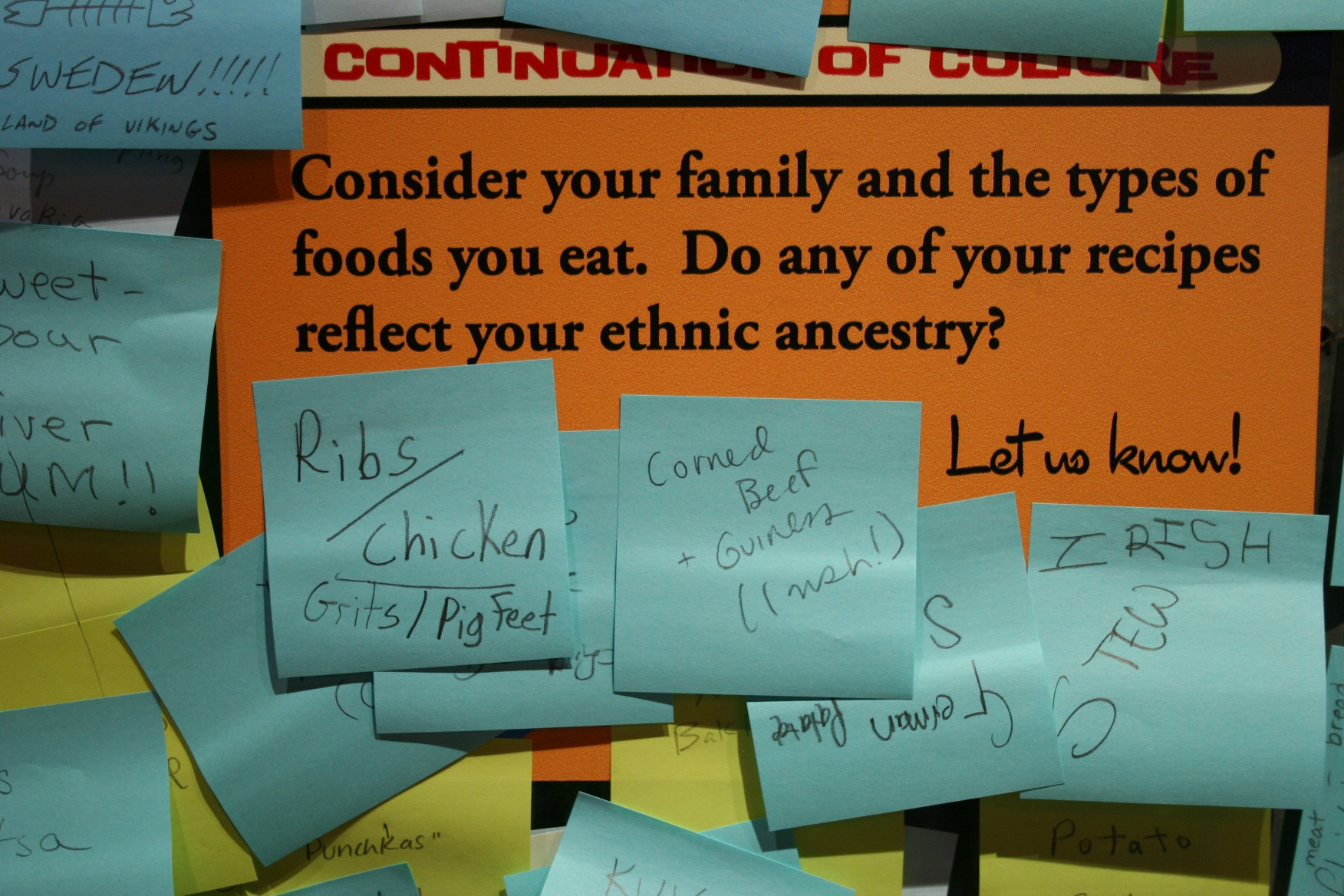
Visitors uses post-it notes to list favorite foods reflecting their ethnicity.

“From sauerkraut to egg rolls, each food has a story to tell about our regional values and community-making,” so notes a line in the wealth of exhibit information. I’ll admit that I didn’t read all of the info. I am more a visual and interactive learner in a museum setting. But I appreciate the depth of research summarized here.

A snippet of the expansive food exhibit.

A snippet of the expansive food exhibit.

That said, join me on this photographic tour of “Food.”

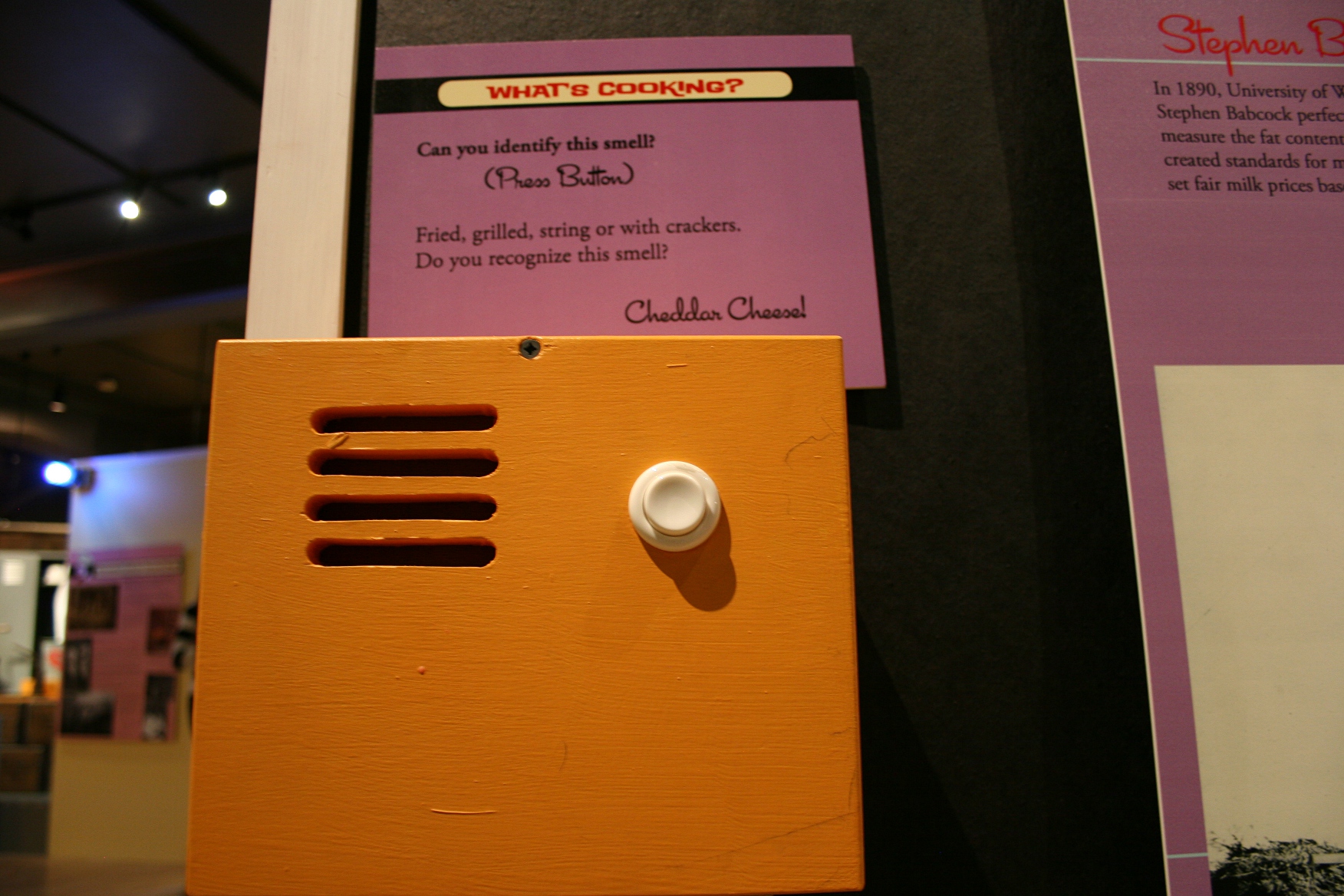
Via museum magic, you can actually press the button and smell cheddar cheese wafting from the golden box.

Via museum magic, you can press the button and smell cheddar cheese wafting from the golden box.


Smell the cheese.

Test your cow knowledge on this interactive computer screen. Wisconsin is, after all, termed "The Dairyland State."

Test your cow knowledge on this interactive screen. Wisconsin is, after all, termed “America’s Dairyland.”


Test your knowledge of cows.

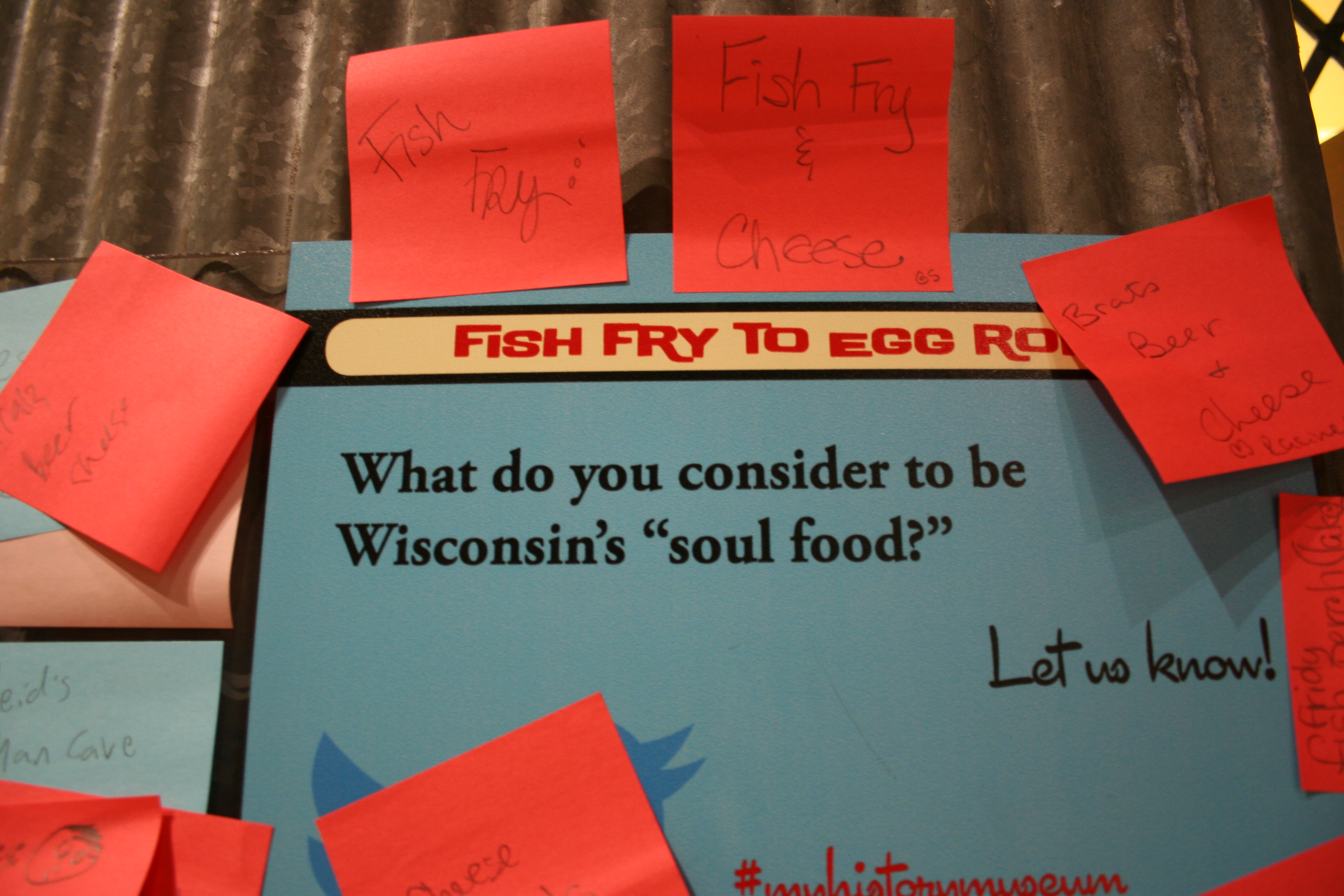
See how visitors answered this question about Wisconsin's "soul food." lots of cheese, brats and beer answers.

See how visitors answered this question about Wisconsin’s “soul food.” Cheese, brats, beer, fish fry… Add your own answer.

Define Wisconsin “soul food.”

Another overview

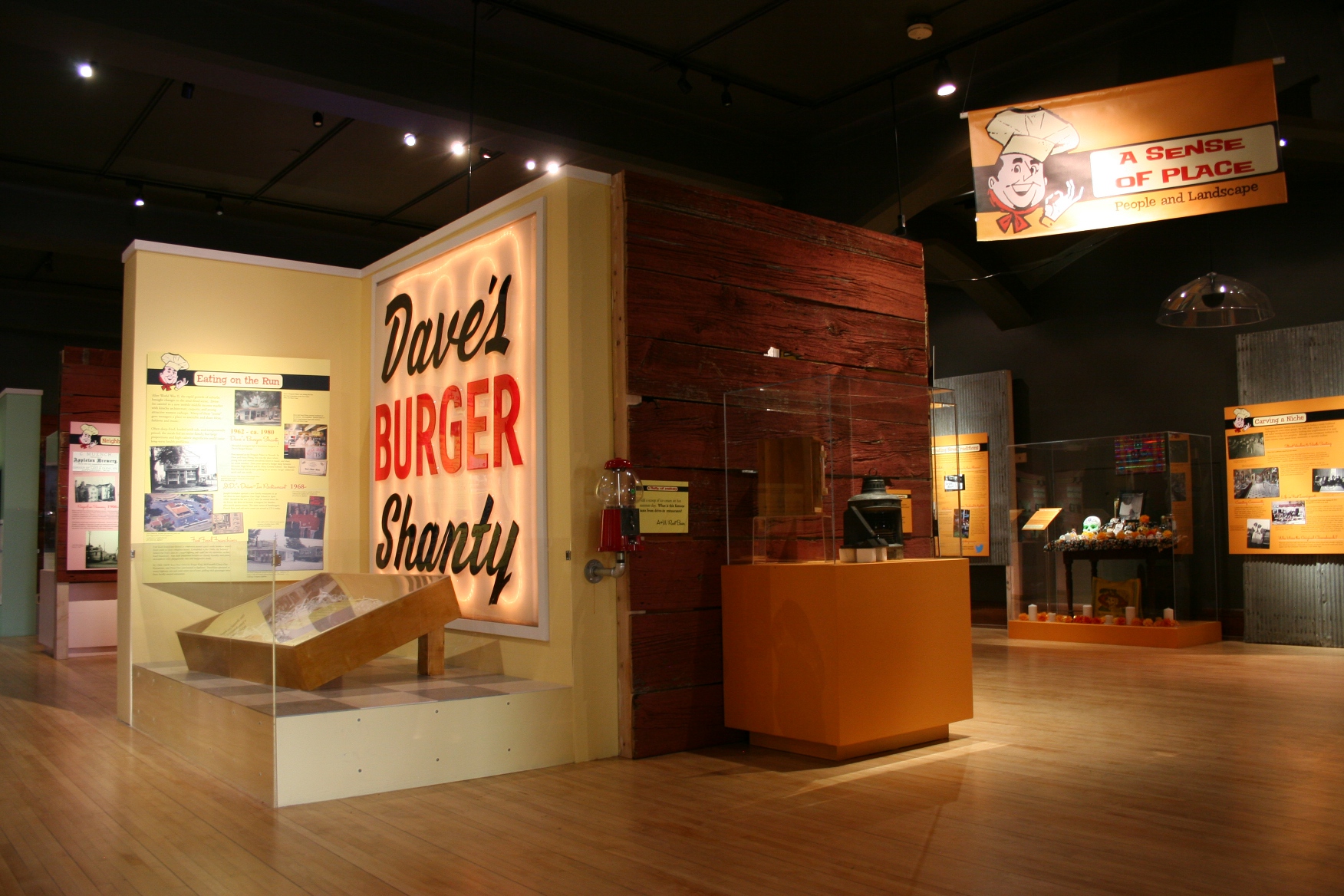
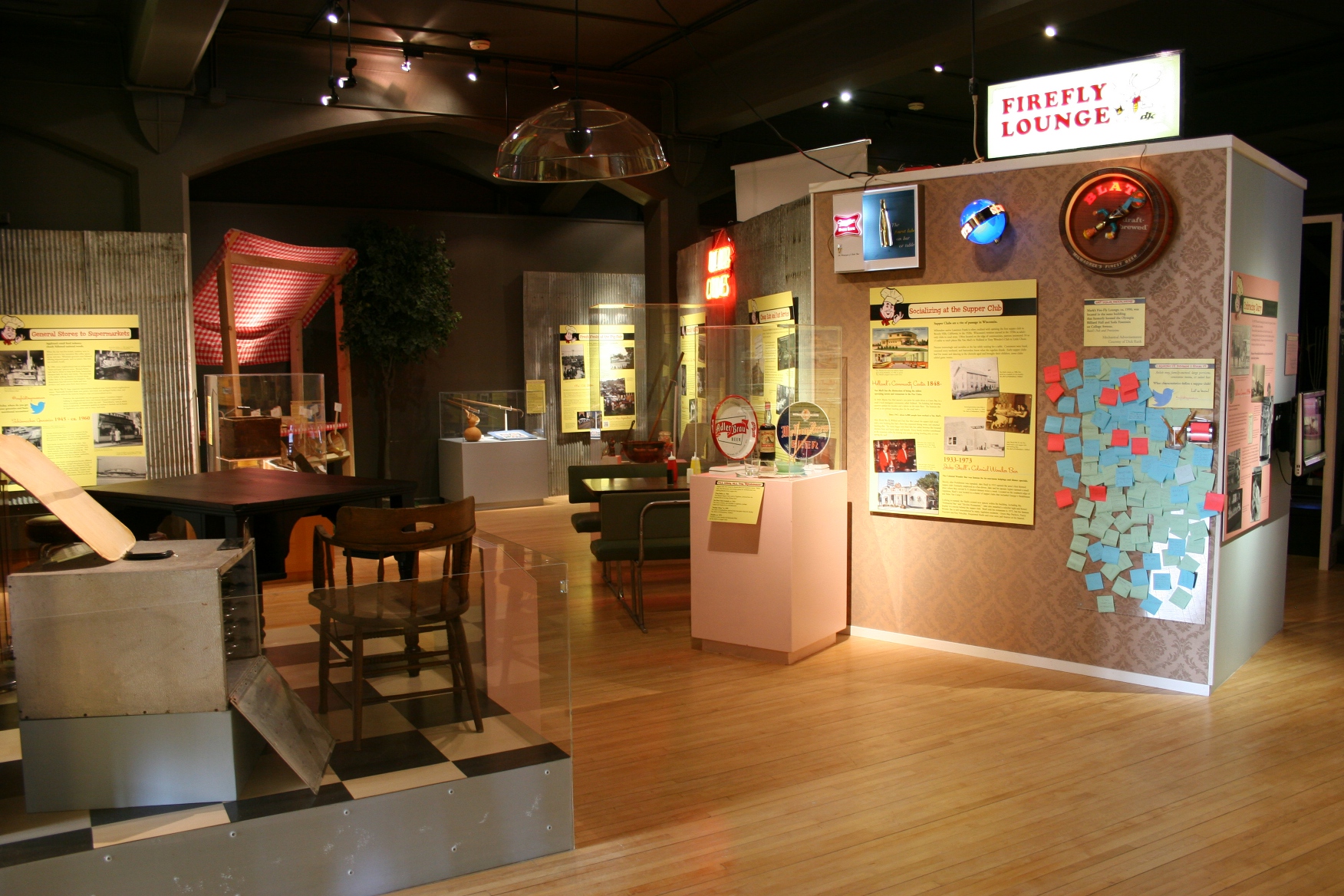
A portion of the exhibit focuses on place, like burger joints and supper clubs, etc.

Reminisce about supper clubs and burger stands.

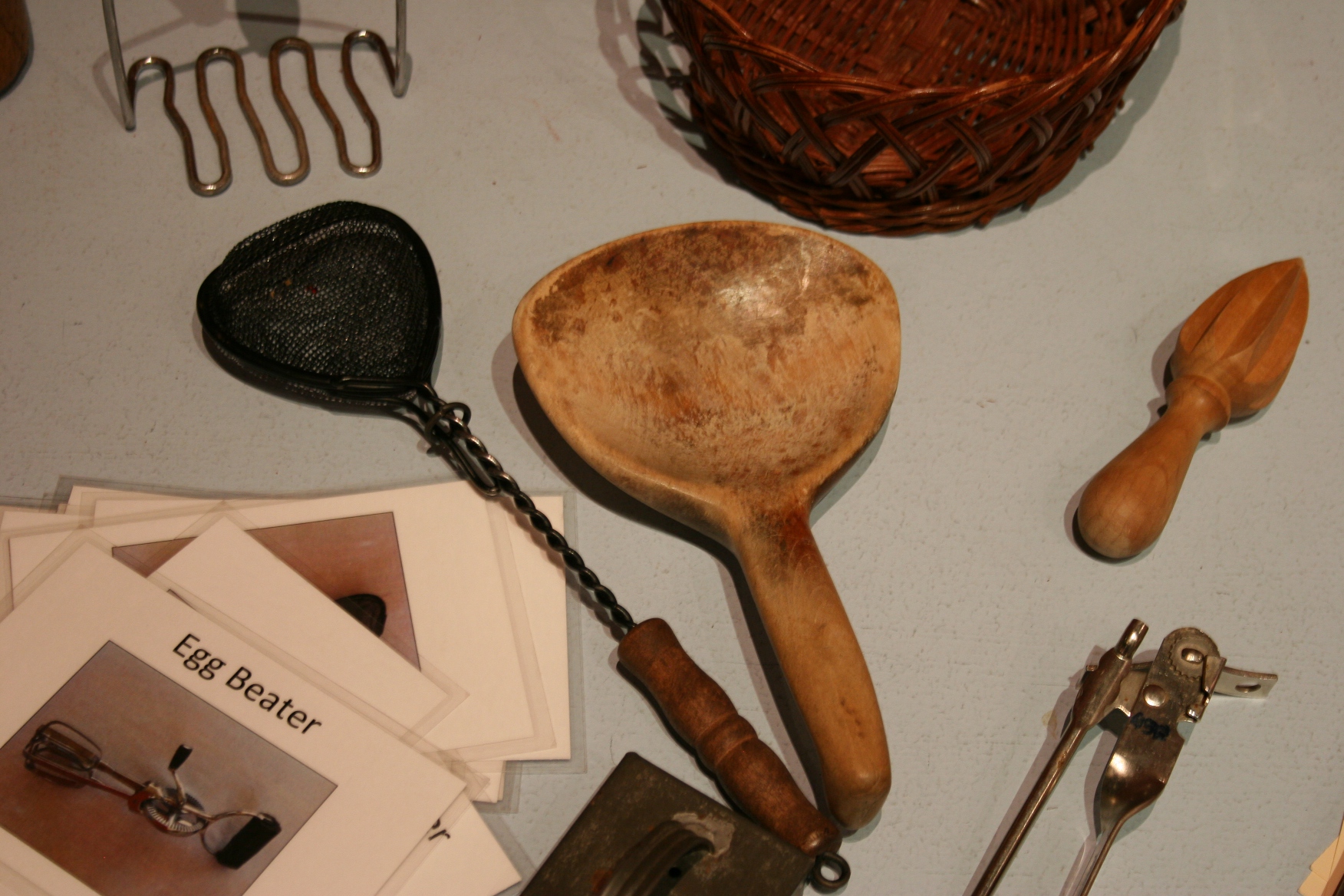
Old kitchen utensils for visitors to identify.

Old kitchen utensils for visitors to identify.

Identify old kitchen tools…

Celebrate the food traditions of Wisconsin:

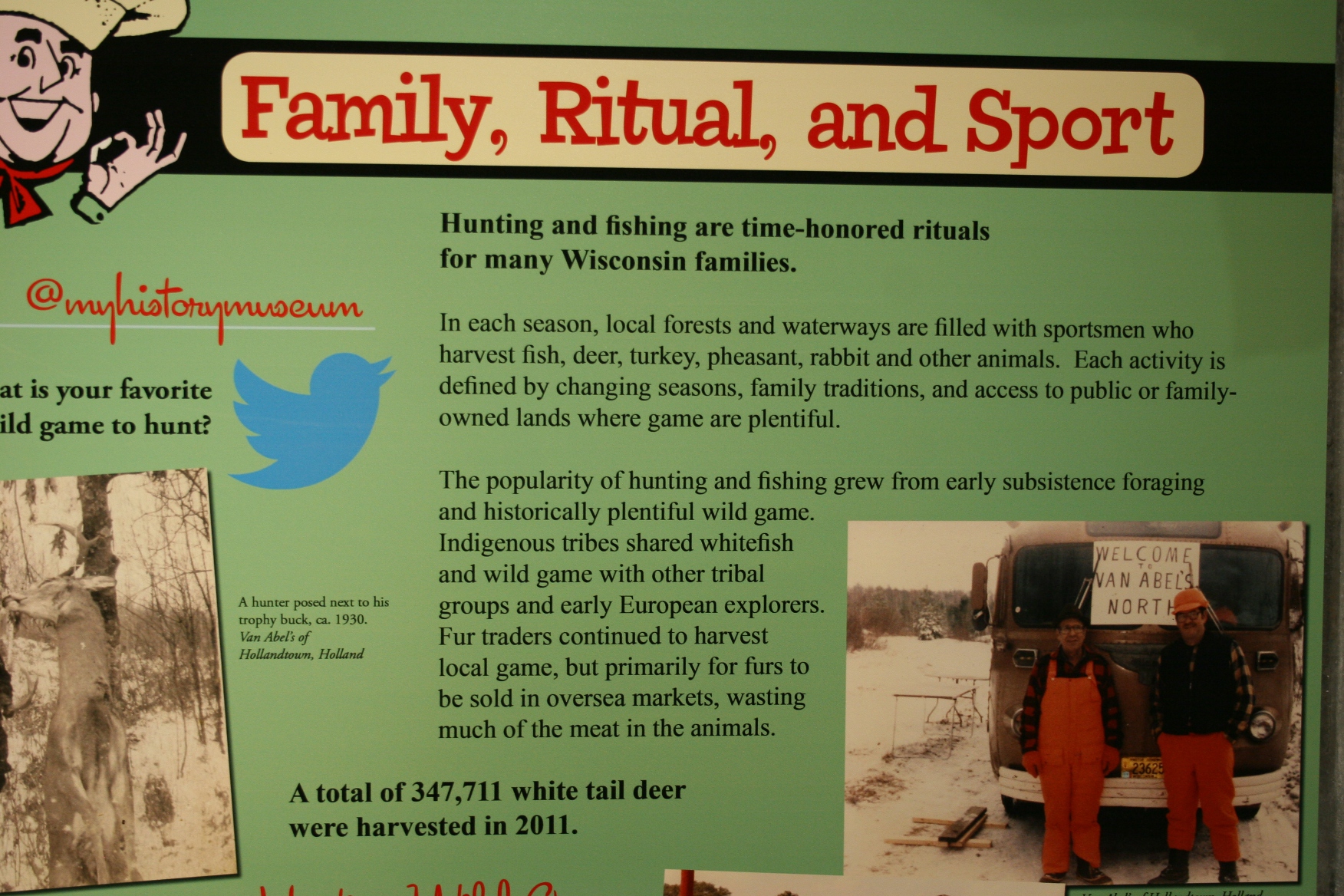
Hunting and fishing are a major part of sports and food culture in Wisconsin.

Hunting and fishing are a major part of sports and food culture in Wisconsin.


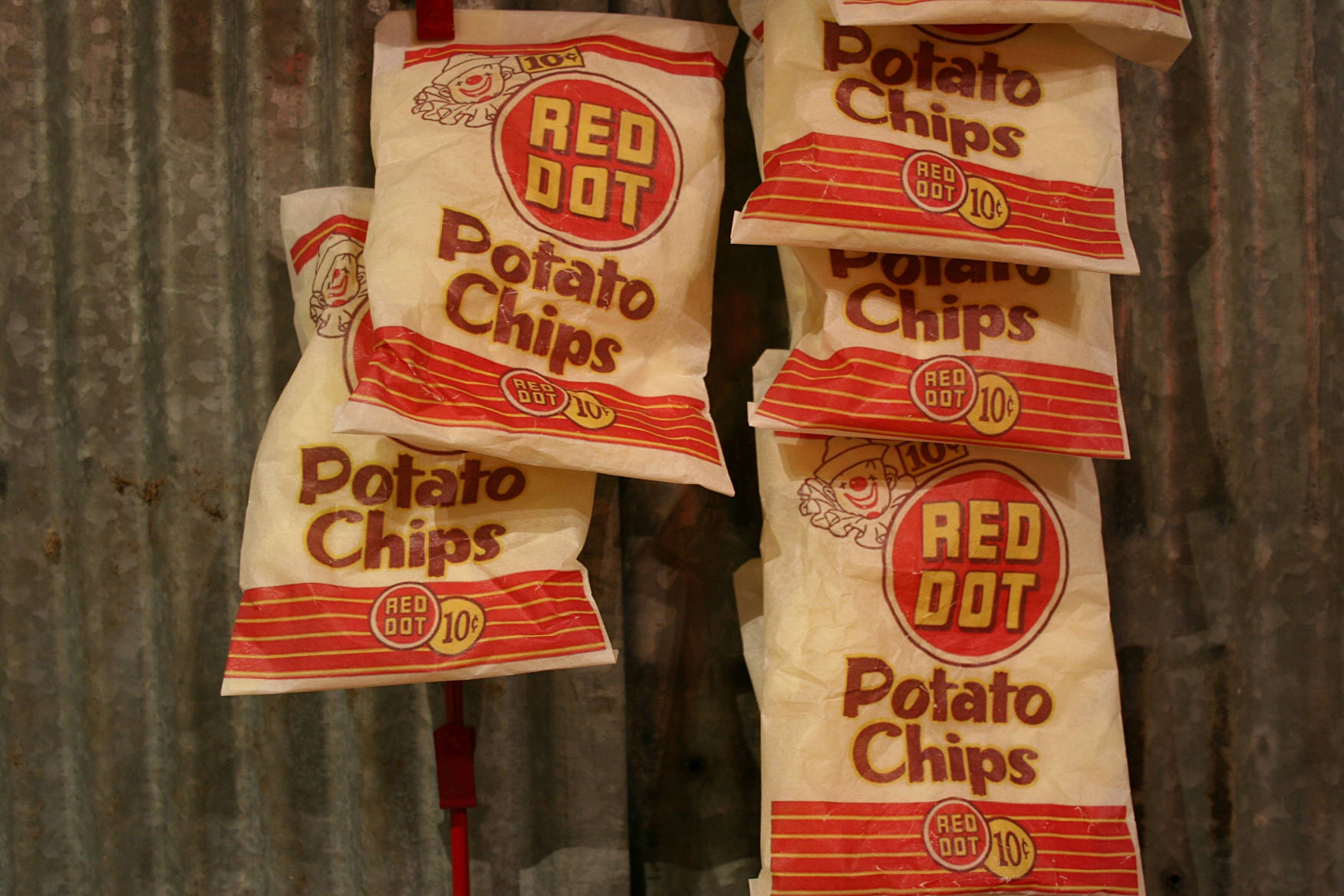
Red Dot potato chips

Red Dot potato chips were produced by Red Dot Foods of Madison, Wisconsin, and were once a top potato chip brand.

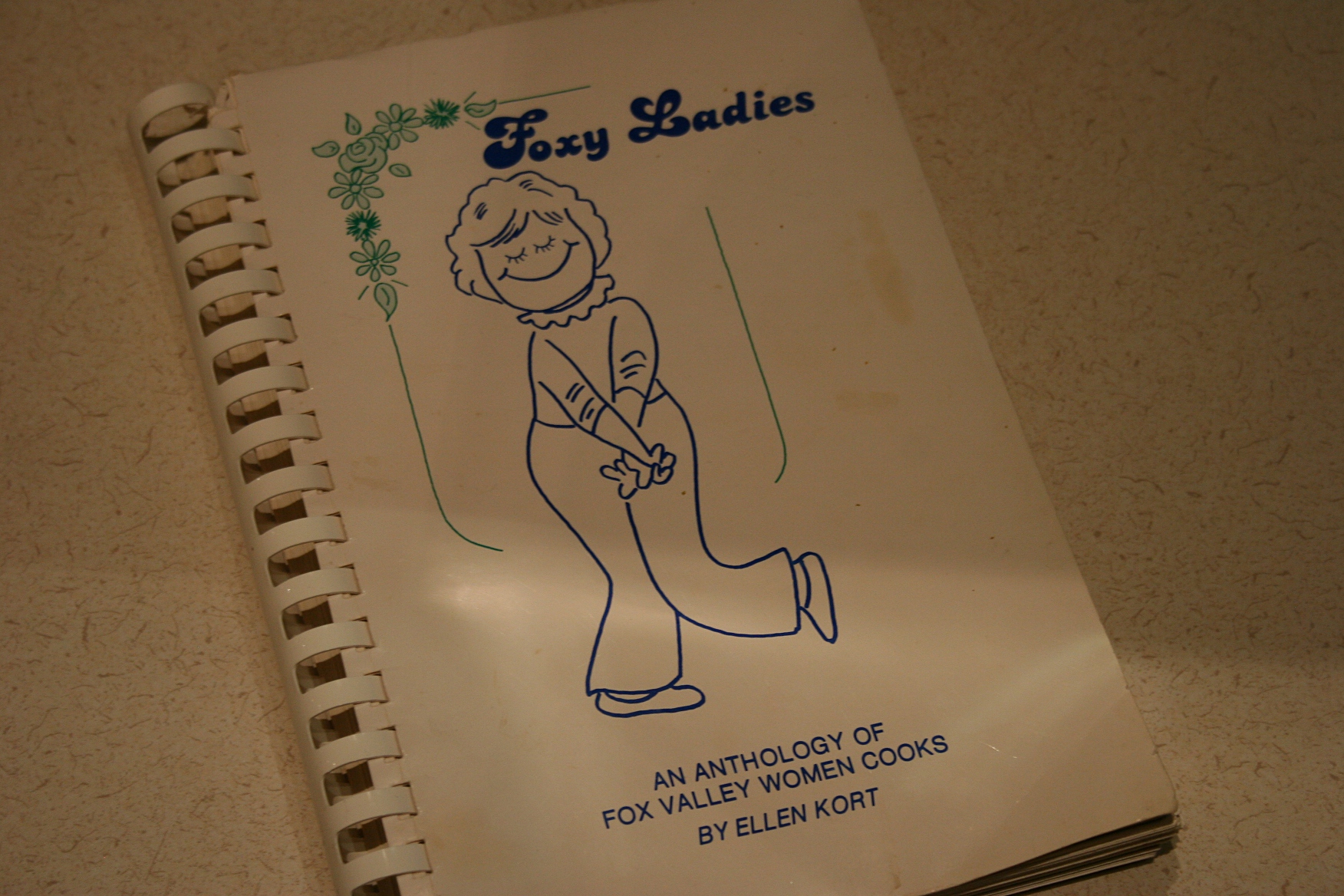
Cookbooks are on display and vintage recipes available for the taking at the exhibit. The Appleton, Wisconsin, area is known as the Fox Valley after the Fox River which runs through the area.

Cookbooks are on display and vintage recipes available for the taking at the exhibit. The Appleton, Wisconsin, region is known as the Fox Valley after the Fox River which runs through the area.

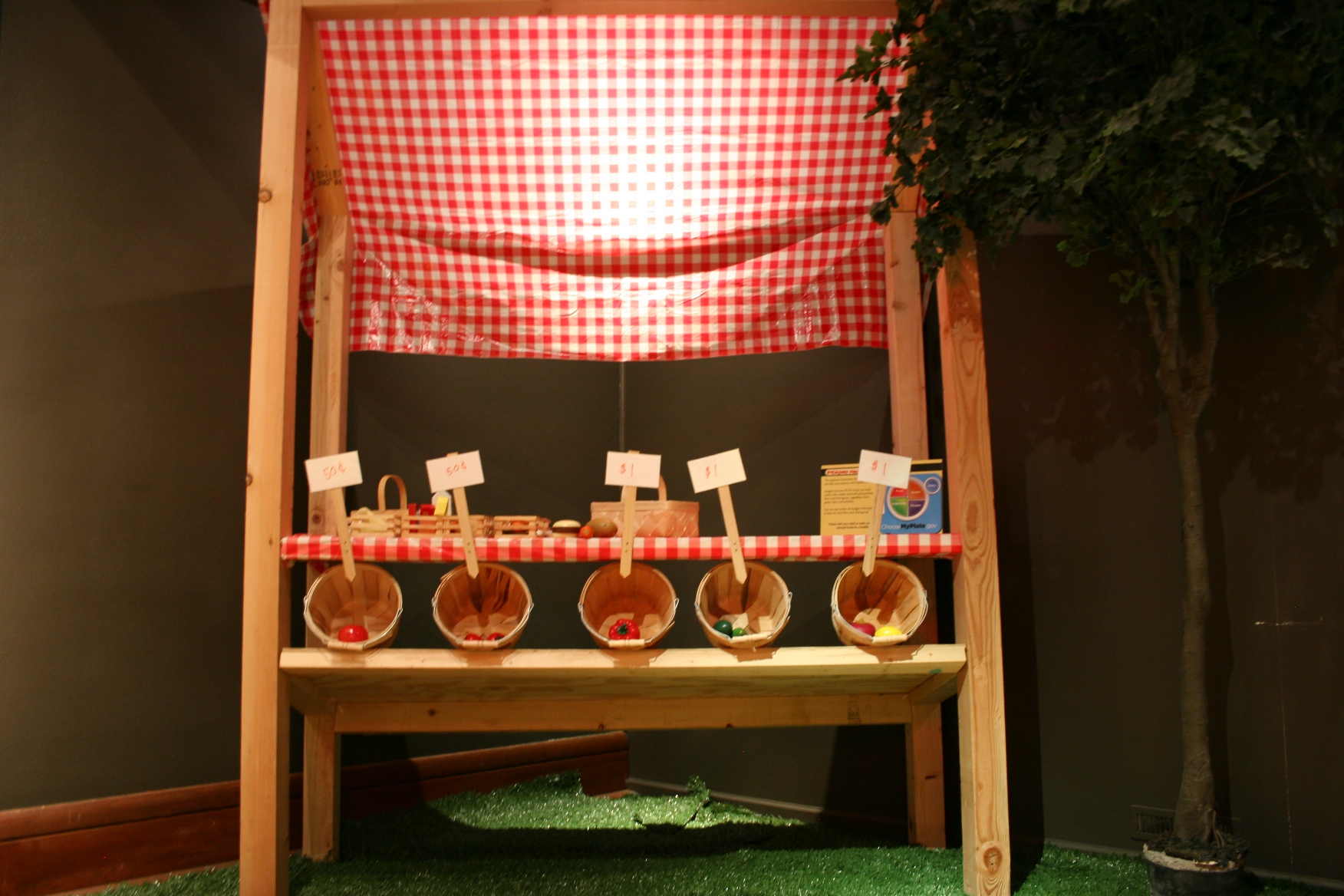
In the Marketplace, visitors are encouraged to choose healthy fresh foods.

In the Marketplace, visitors are encouraged to choose healthy fresh foods.

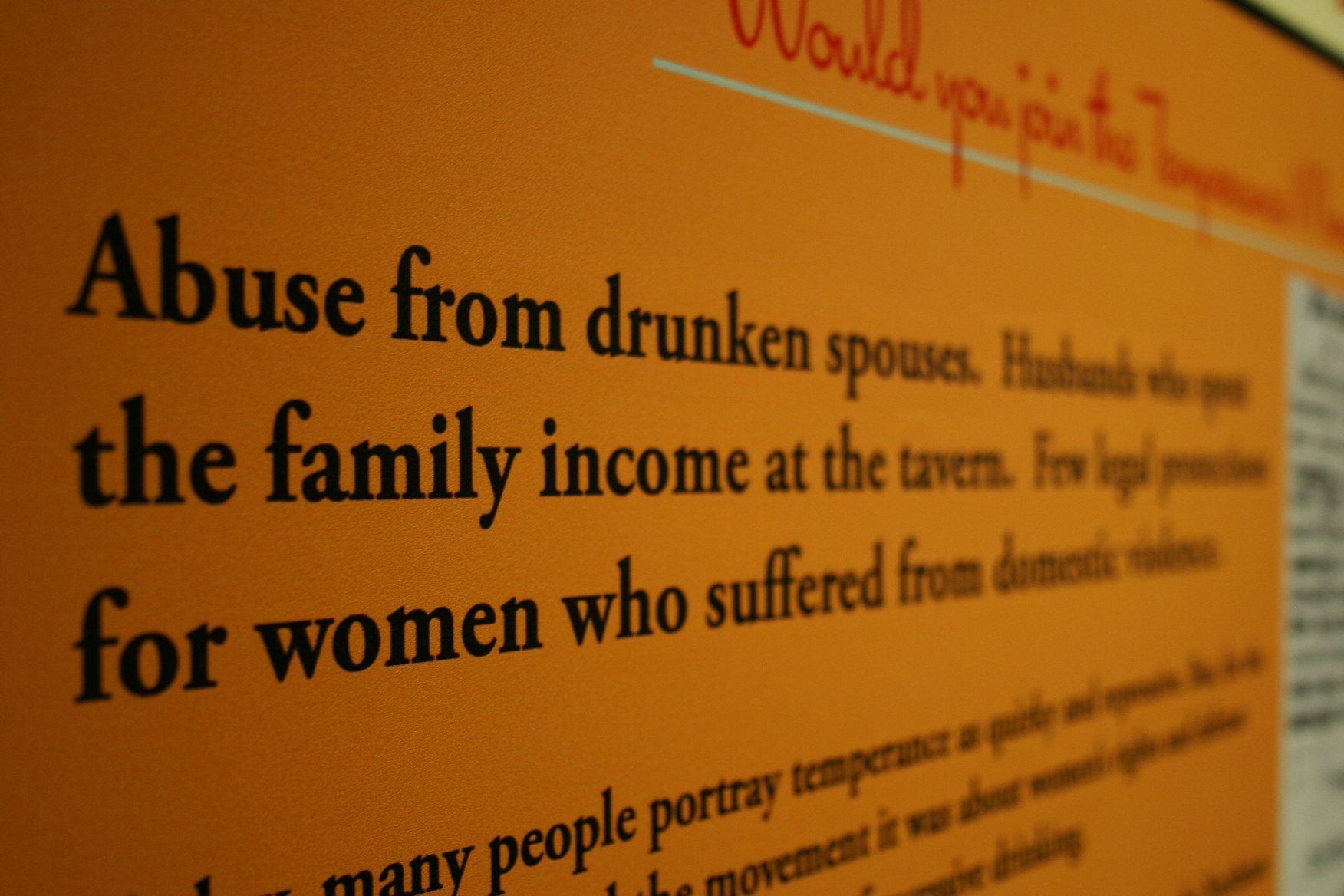
Another display focuses on the empowerment of women via the Temperance Movement.

Another display focuses on the empowerment of women via the Temperance Movement. One of the Appleton Police Department’s major objectives in 2014 is to combat domestic violence.

Another

The exhibit on the right focuses on supper clubs. Visitors are invited to write characteristics defining a supper club. Answers included, among many others, pickled beets and herring at salad bar; dim lighting; cocktail hour; tavern in front, buffet in back; and old fashion jukeboxes.

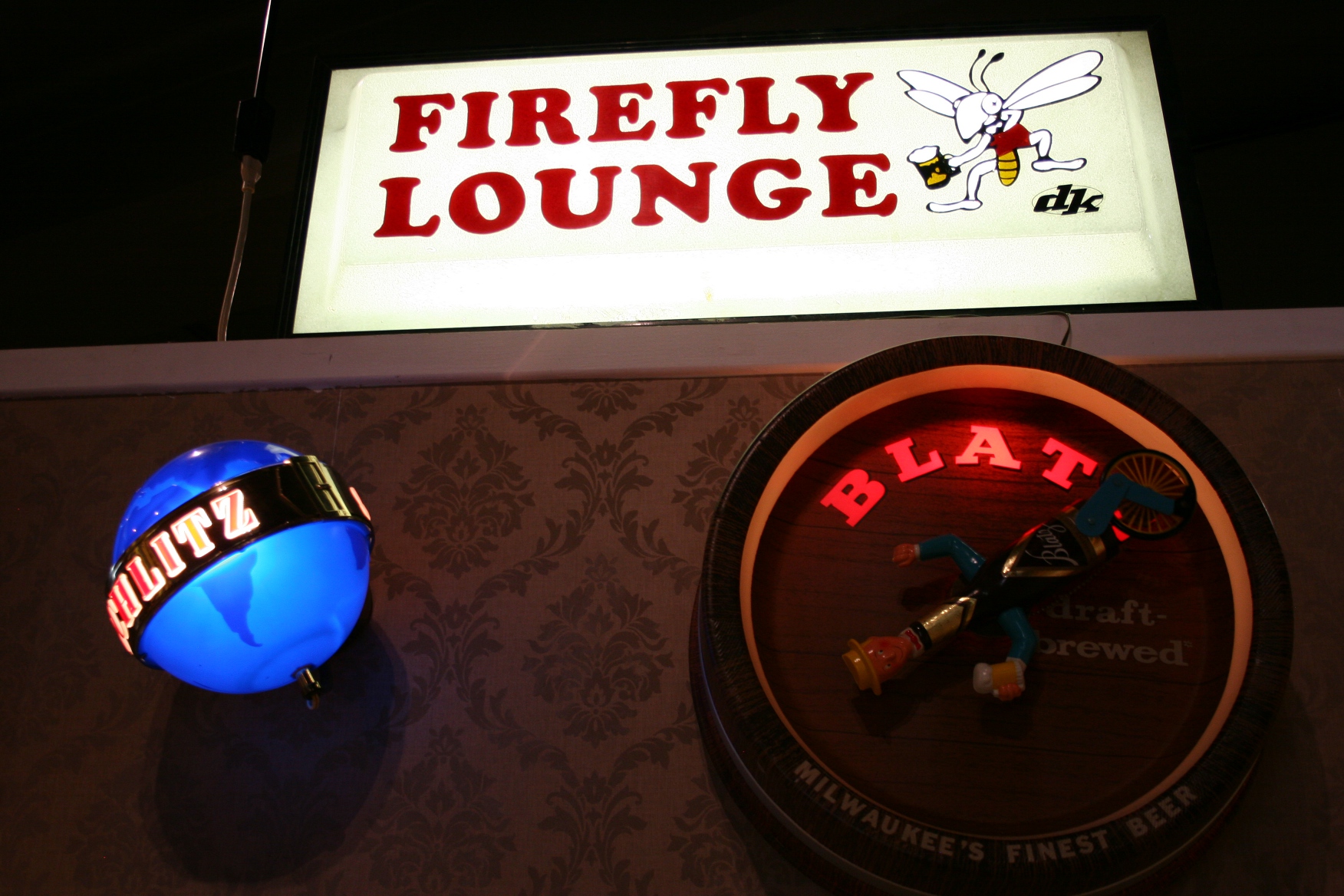
Supper club signage close-ups.

Supper club/bar signage close-ups.

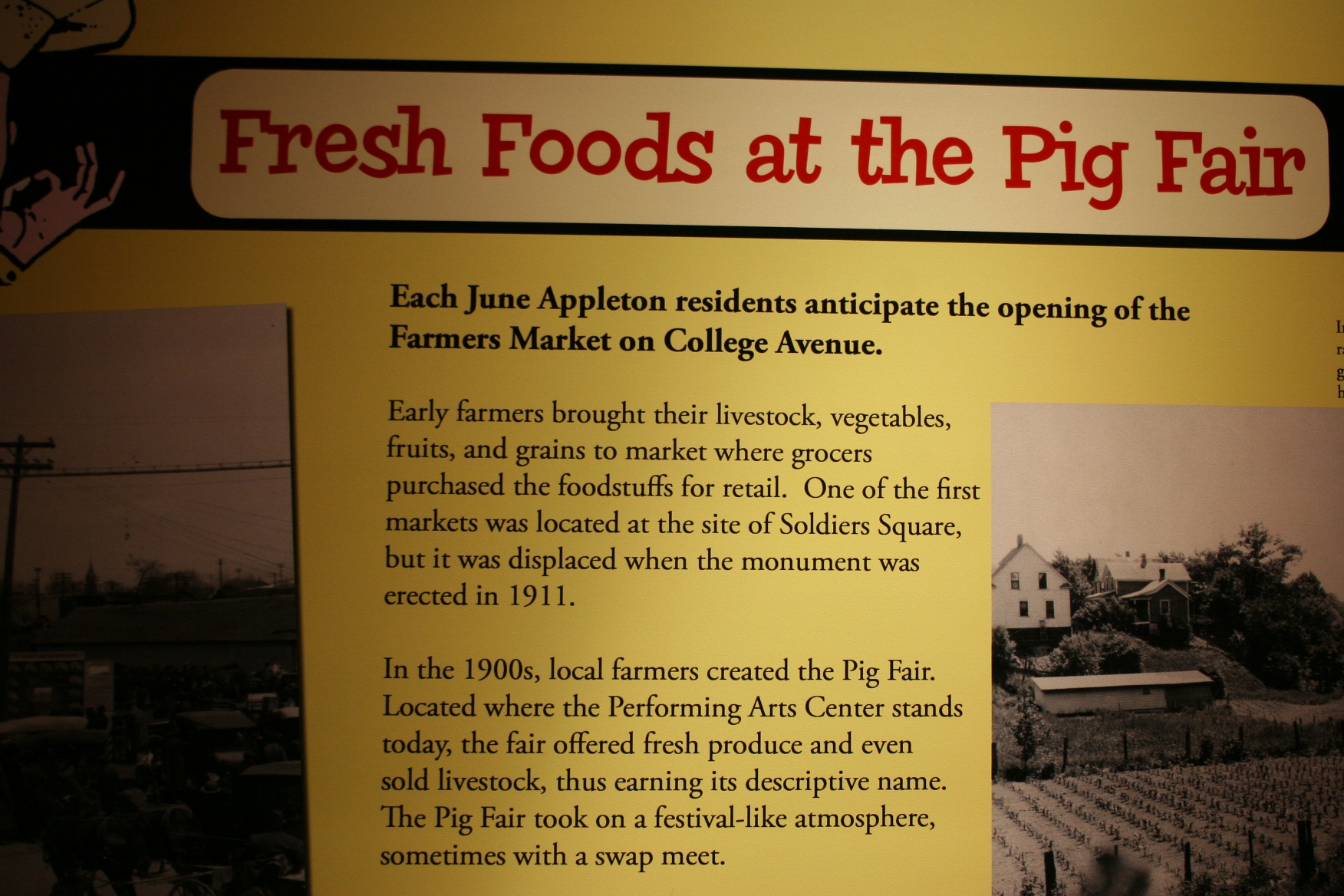
The Pig Fair...

The Pig Fair…

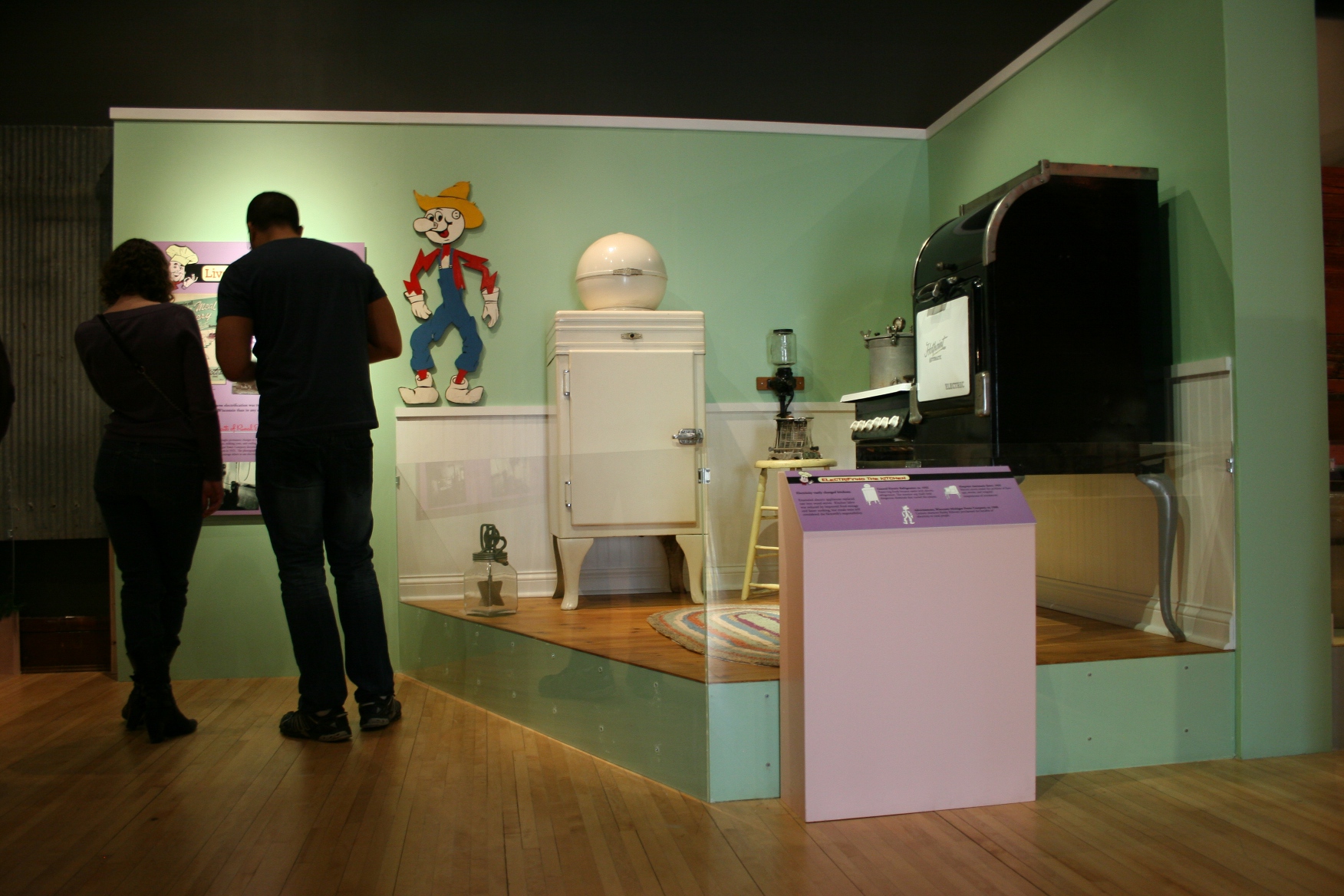
A section on electricity highlights Appleton as having the first home electrified by water power in 1882. And, yes, that's Reddi Kilowatt there on the wall.

A section on electricity highlights Appleton as having the first home electrified by water power in 1882. And, yes, that’s Reddy Kilowatt there on the wall.

And then afterward, grab a cold one. It seems only fitting to honor Wisconsin’s love of brats, beer, cheese and Packers. Cheers.

History Museum at the Castle, 330 East College Avenue, Appleton, Wisconsin.

The impressive and historic History Museum at the Castle.

FYI: The “Food: Who We Are and What We Eat” exhibit continues through the fall of 2014 at the Castle. There’s much more to see here, including exhibits on local history and a permanent Harry Houdini exhibit. Houdini claims Appleton as his hometown.

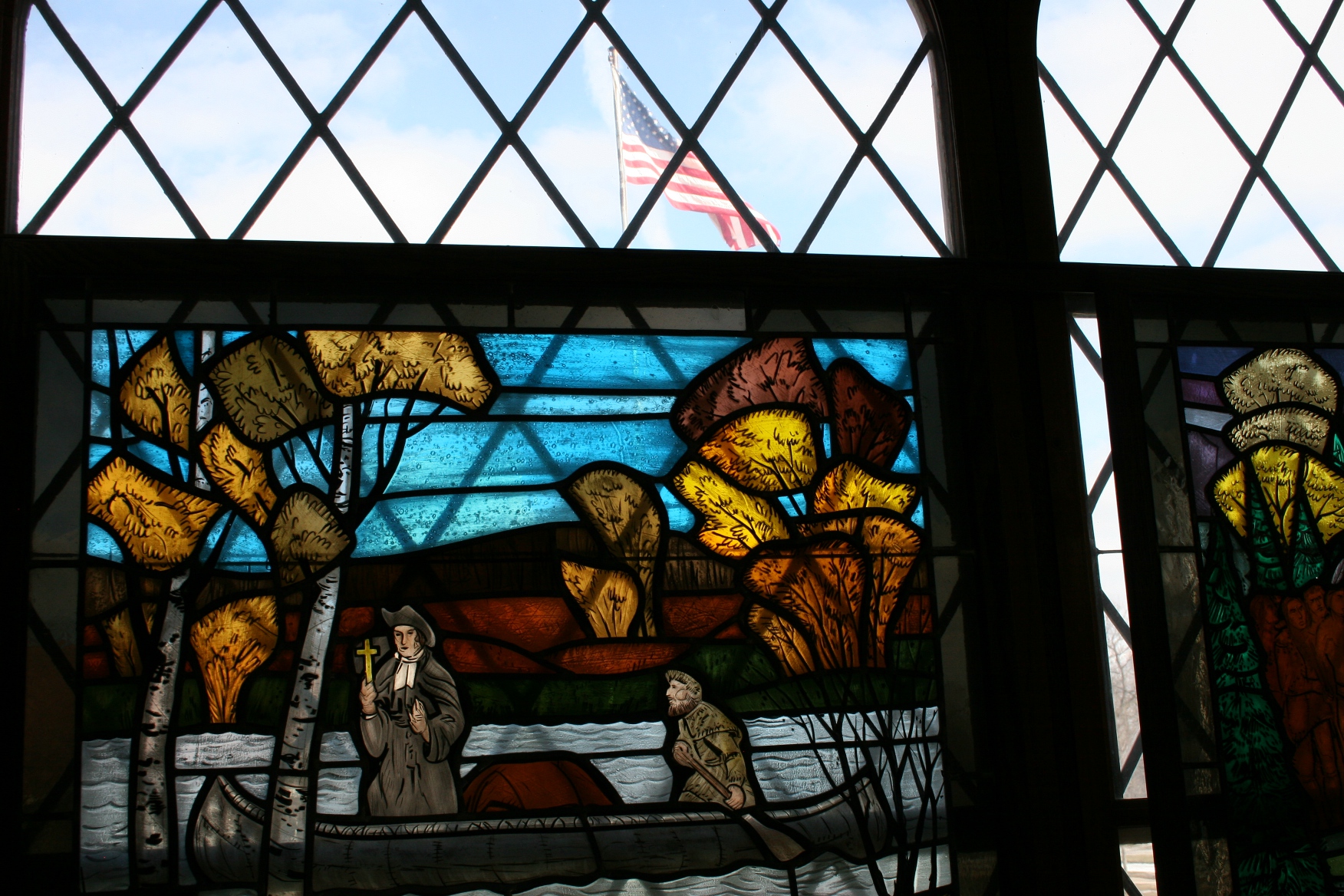
Don't miss the incredible stained glass windows in the Siekman Room.

Don’t miss the incredible stained glass windows in the Siekman Room.

The castle itself is a lovely complex built in 1923 as a Masonic temple and today is on the National Register of Historic Places. Click here to learn more about the History Museum at the Castle.

© Copyright 2014 Audrey Kletscher Helbling
 

On the road along Wisconsin Highway 21 April 21, 2014

Filed under: Uncategorized — Audrey Kletscher Helbling @ 6:00 AM
Tags: , , , , , , , , ,

TRAVELING THE 100 MILES or so between Tomah and Oshkosh, Wisconsin, can get downright tedious.

My husband and I have driven that stretch of narrow Wisconsin State Highway 21 numerous times in the past three years en route to and from Appleton, where our second eldest daughter lives.

With lots of small towns to filter through—and you know how much I appreciate small towns, unless I’m on a schedule, which we typically are—and a roadway that rates as heavily traveled and usually impossible to pass slow moving vehicles, this section of the trip is often taxing.

So we divert ourselves by trying to appreciate the sites around us, although not always pleasant. The shoulders and ditches of Highway 21 are often littered with deer carcases. Better a dead deer than one walking/running into the path of our van.

Sometimes we play a game, seeing how many dead deer we can spot. Yes, I know. Whatever works to pass the time.

I typically rest my camera in my lap, too, ready to capture whatever I find intriguing, in other words potential blog material.

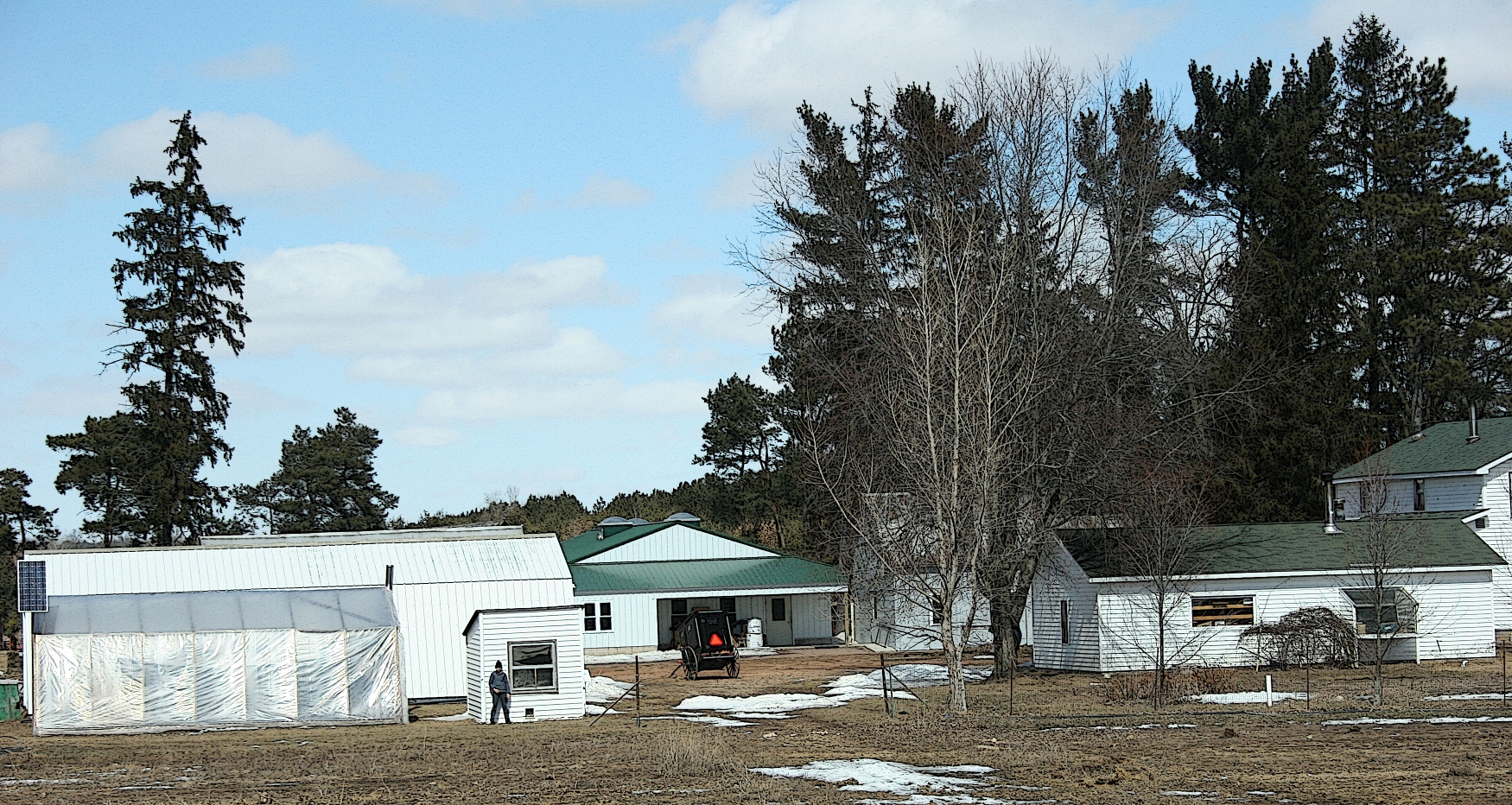
My single Wisconsin Amish photo during our most recent trip shows and Amish buggy in a farmyard and an Amish teen standing next to a small outbuilding.

My single Wisconsin Amish photo during our most recent trip shows an Amish buggy in a farmyard and an Amish teen standing next to a small outbuilding.

Typically I am on shutter button alert around the Coloma area, home to many Amish.

But anything out of the ordinary can cause me to raise my camera and shoot.

Photographed just east of Coloma.

Photographed just east of Coloma.

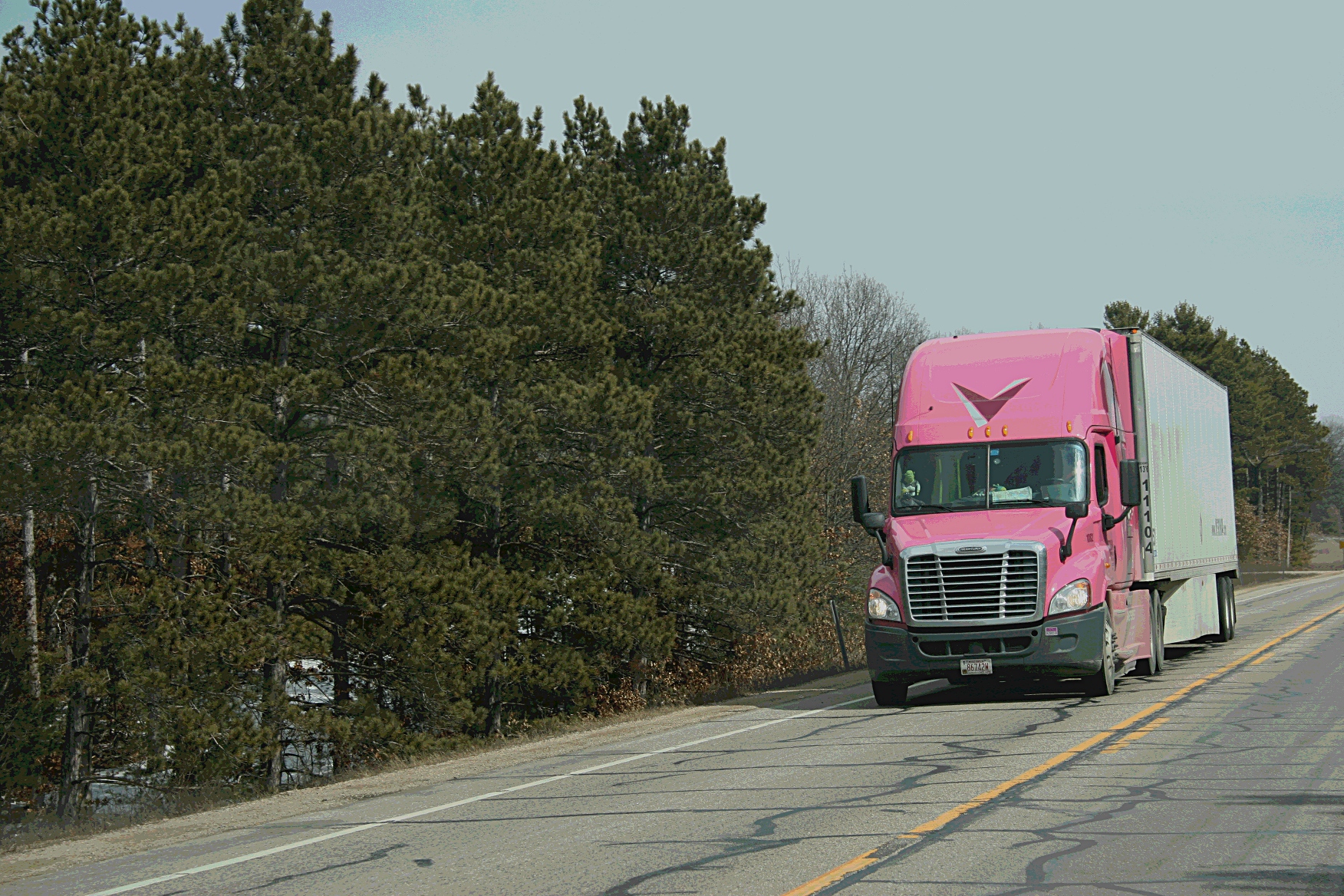
How often do you see a pink semi cab?

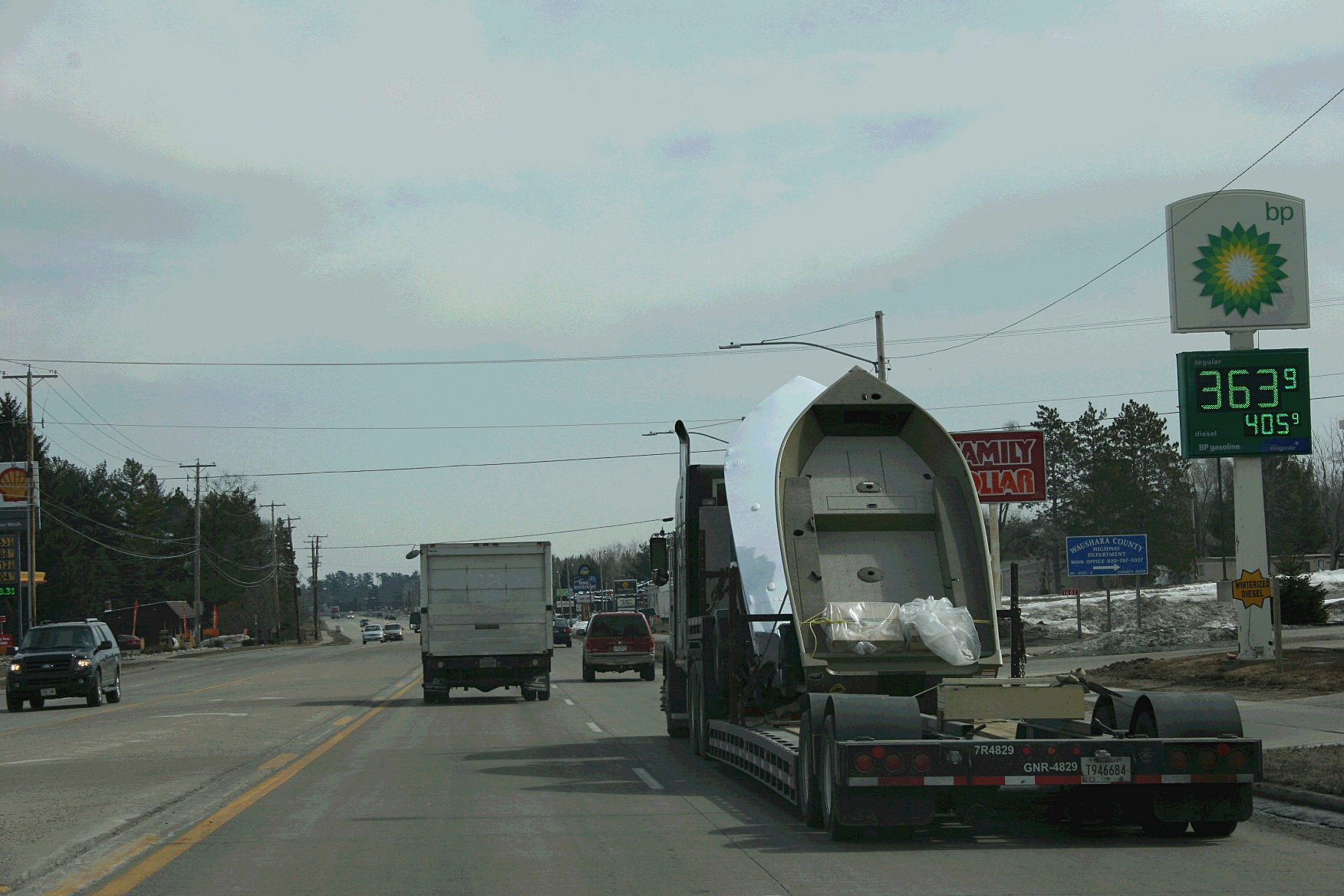
The weaving truck in Wautoma.

The weaving truck, right, in Wautoma.

Or a truck with boats aboard weaving through traffic in Wautoma like some some speed boat on an area lake?

I really should have photographed the crazy multi-lane roundabouts near Oshkosh. The Wisconsin Department of Transportation seems to fancy these traffic intersectors with more than 200 constructed in the state, many in the Fox Valley area where we travel. In contrast, Minnesota has about 120.

While I understand how roundabouts enhance safety, that does not make them any less scary, especially during rush hour. Suffice to say, you best know which lane you need to be in, something not in the knowledge bank of out-of-state drivers like us encountering a particular roundabout for the first time.

In summary, though Highway 21 proves a long drive through central Wisconsin, I manage to keep it semi interesting by scouting for blog material.

FYI: These photos were shot during a March trip, thus the snow you see in some of the images. Check back for additional posts this week from that visit to eastern Wisconsin.

© Copyright 2014 Audrey Kletscher Helbling
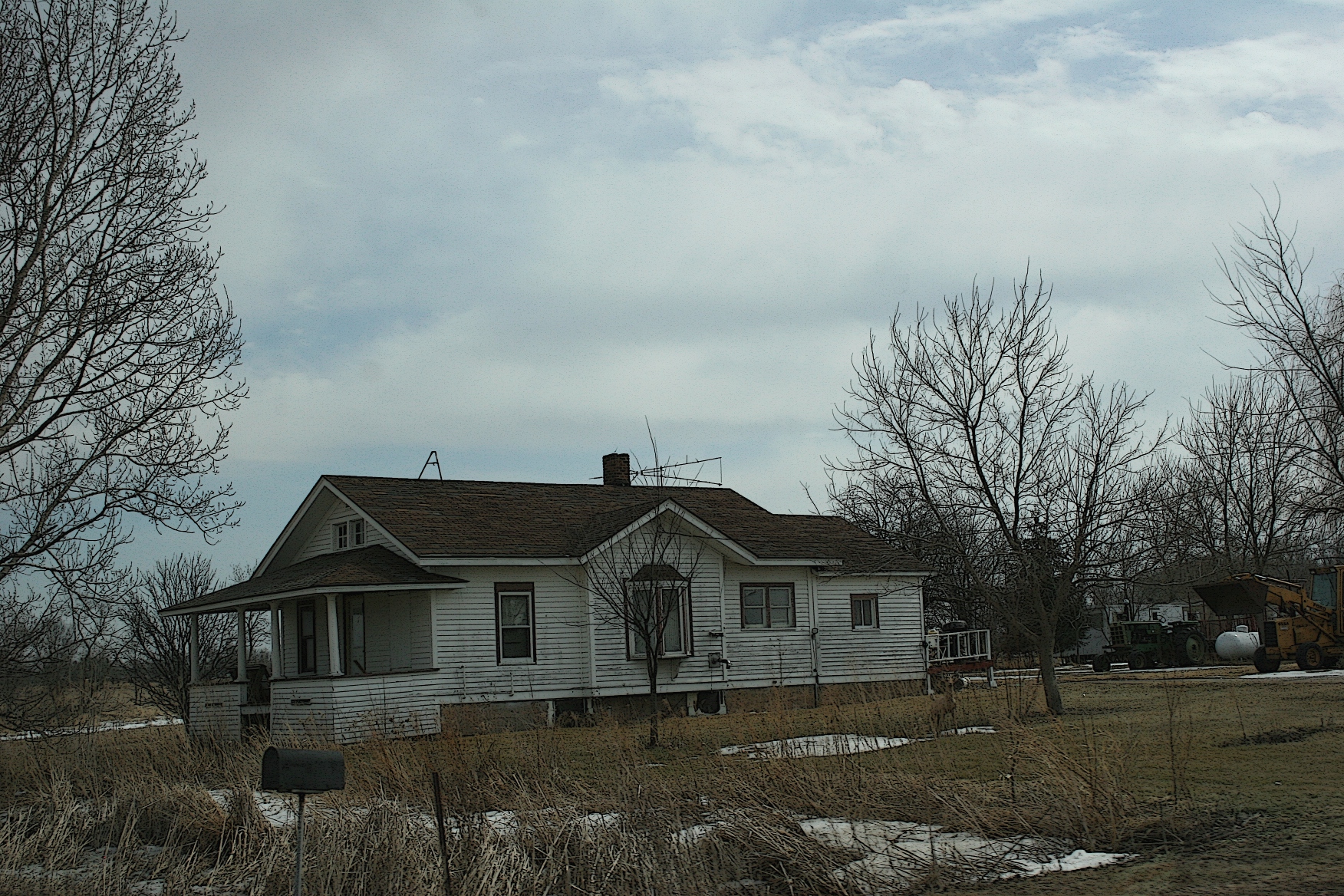
 

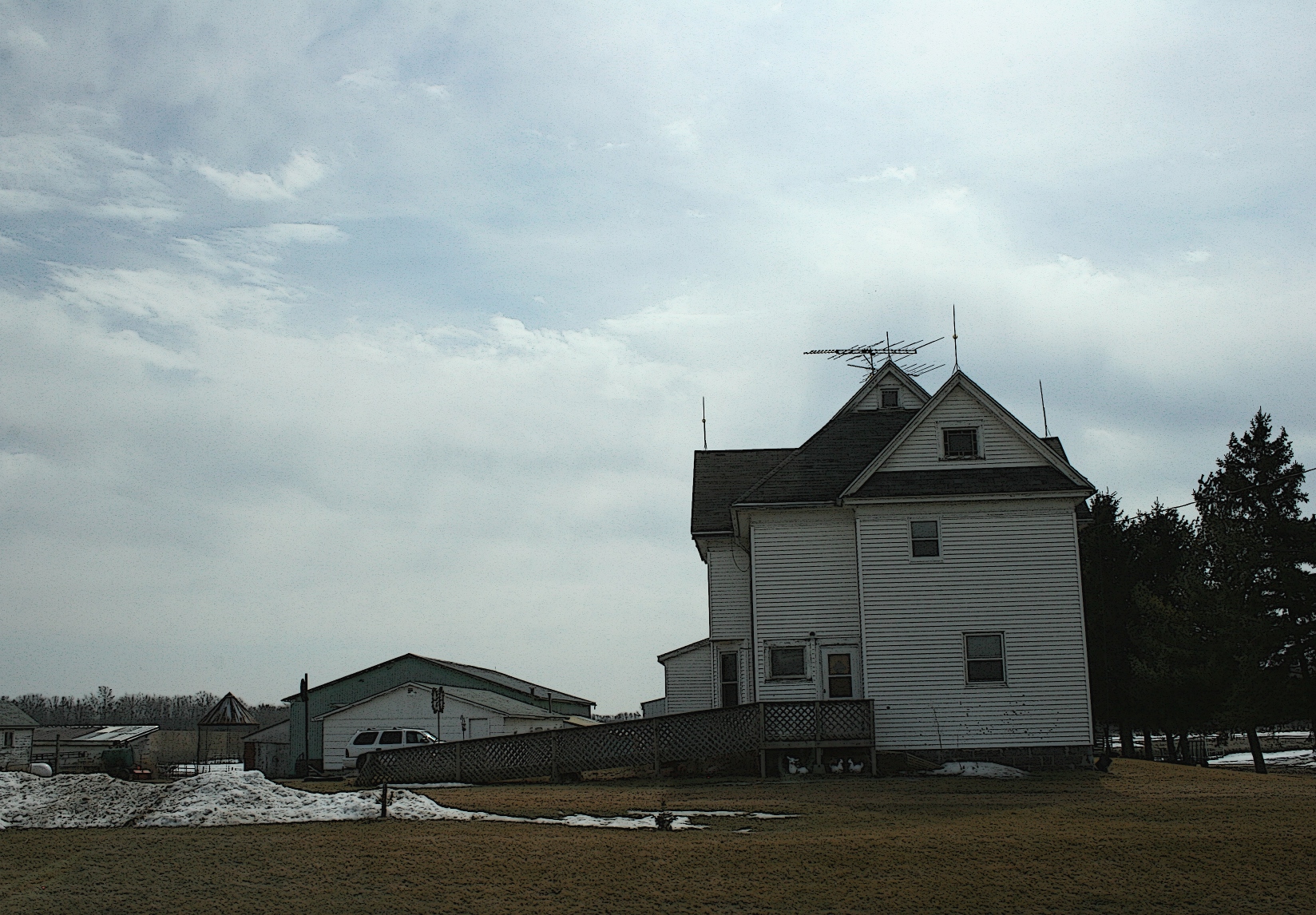
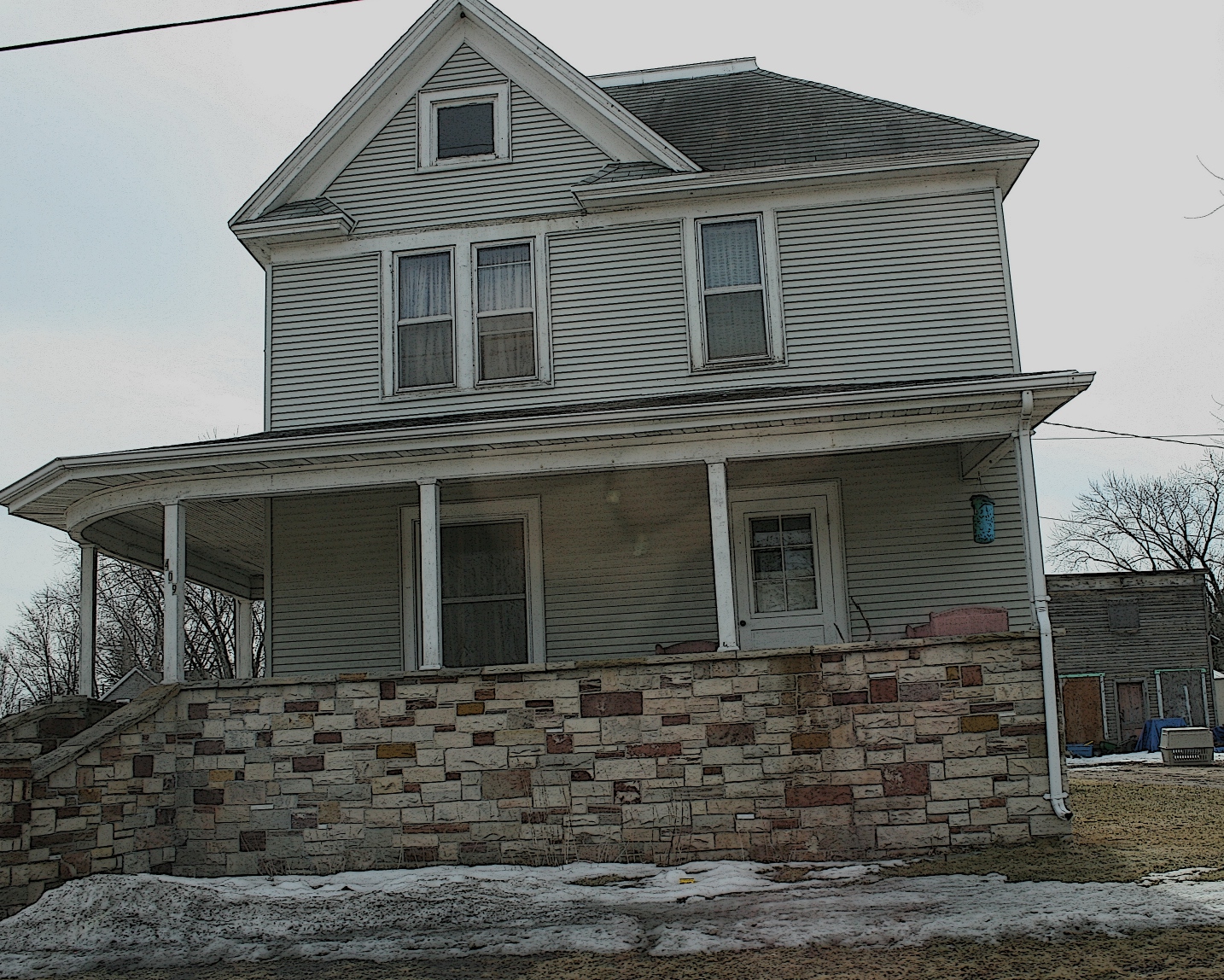
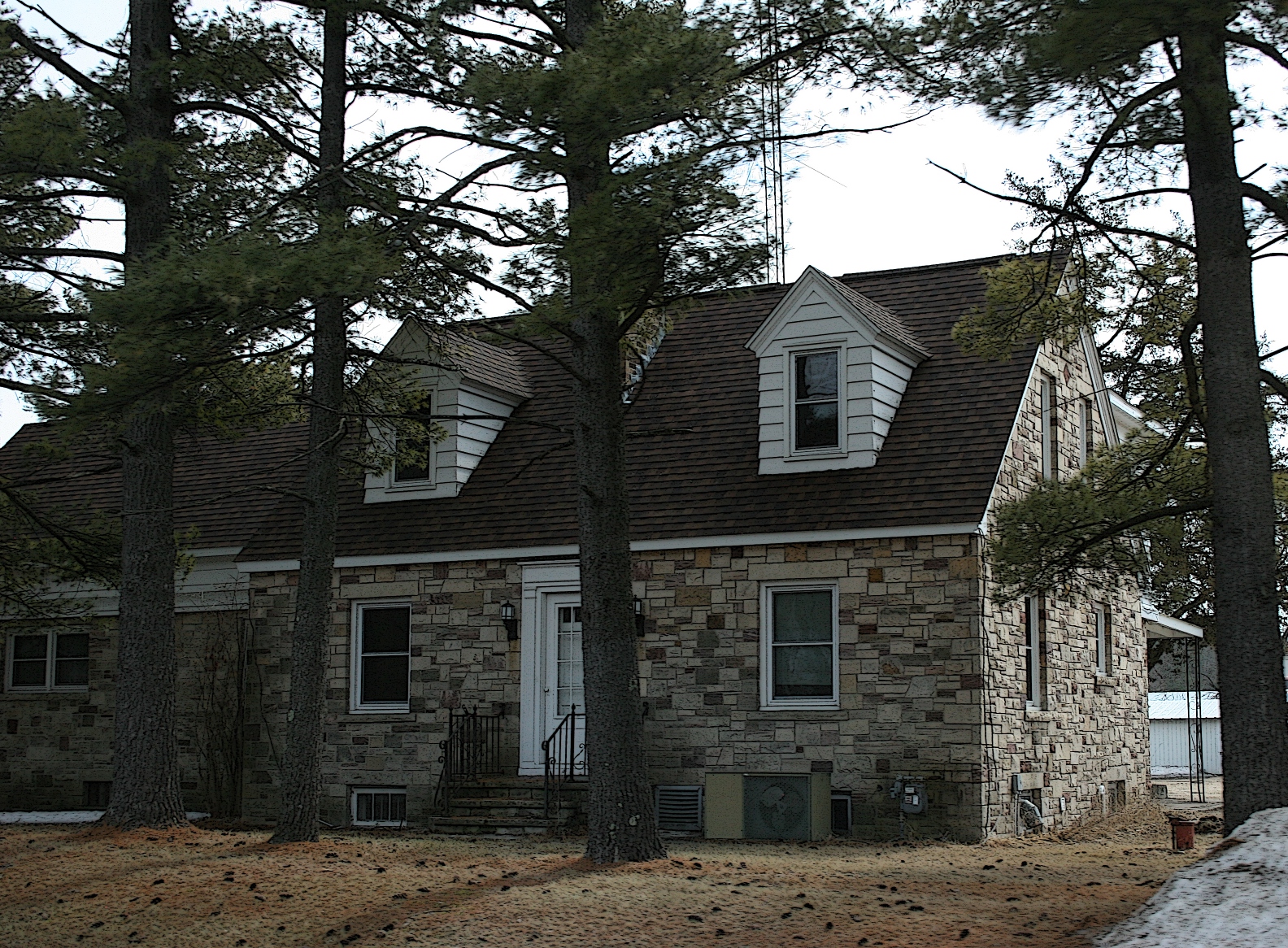
A photographic connection to my rural roots April 12, 2014

Filed under: Uncategorized — Audrey Kletscher Helbling @ 9:30 AM
Tags: , , , , , , ,

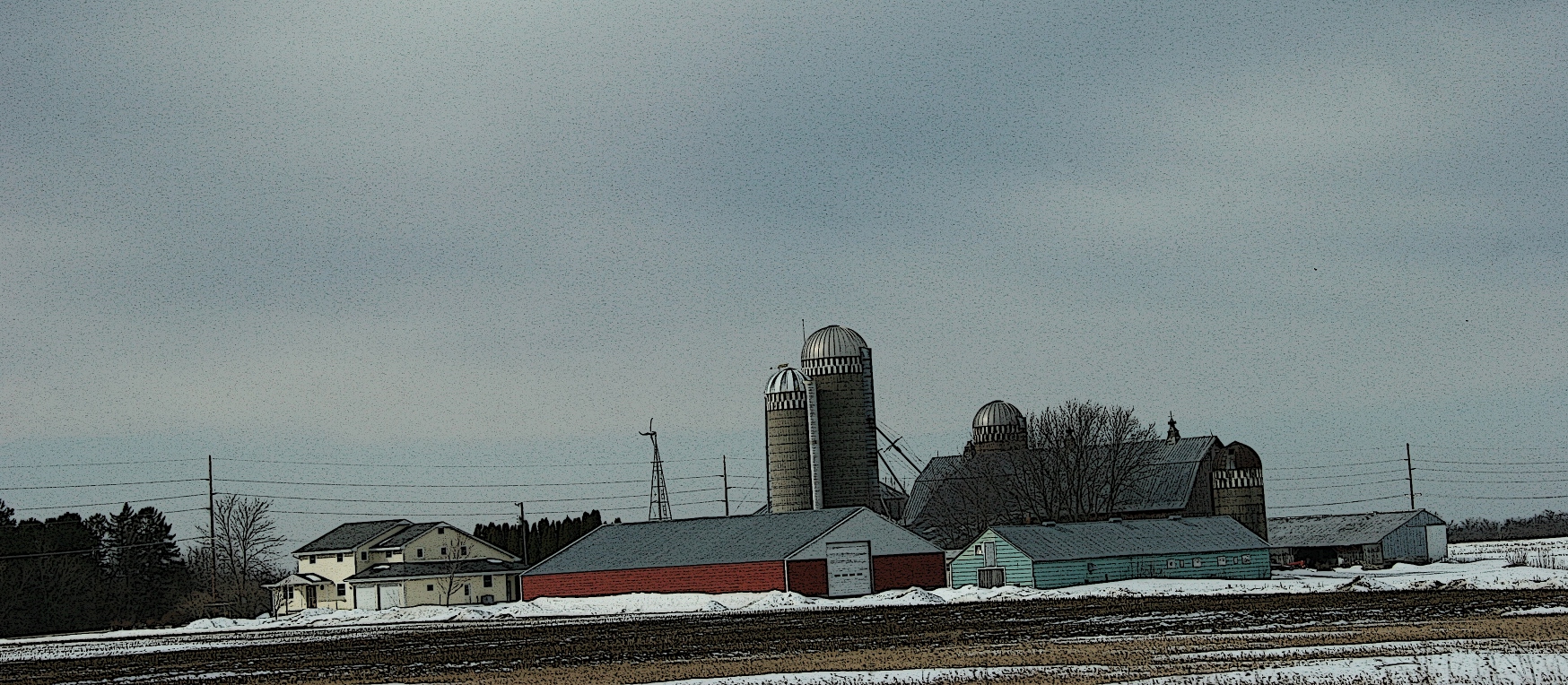
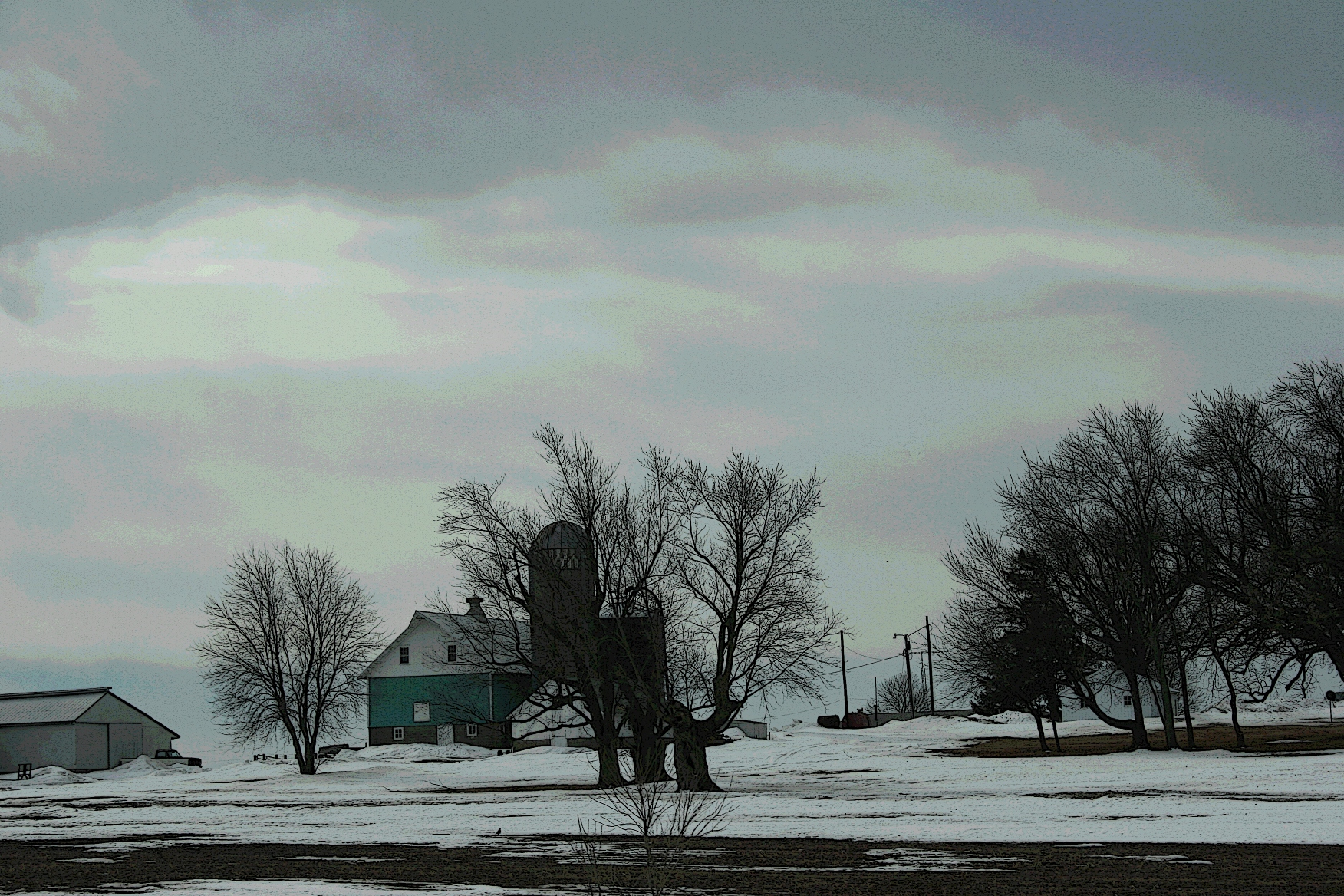
Rural Minnesota, farm site


I INFORMED MY HUSBAND that I would focus on photographing houses, rather than barns, on a recent 600-mile round trip from Faribault, Minnesota, to Appleton, Wisconsin.

He didn’t believe me. And he was right not to believe.


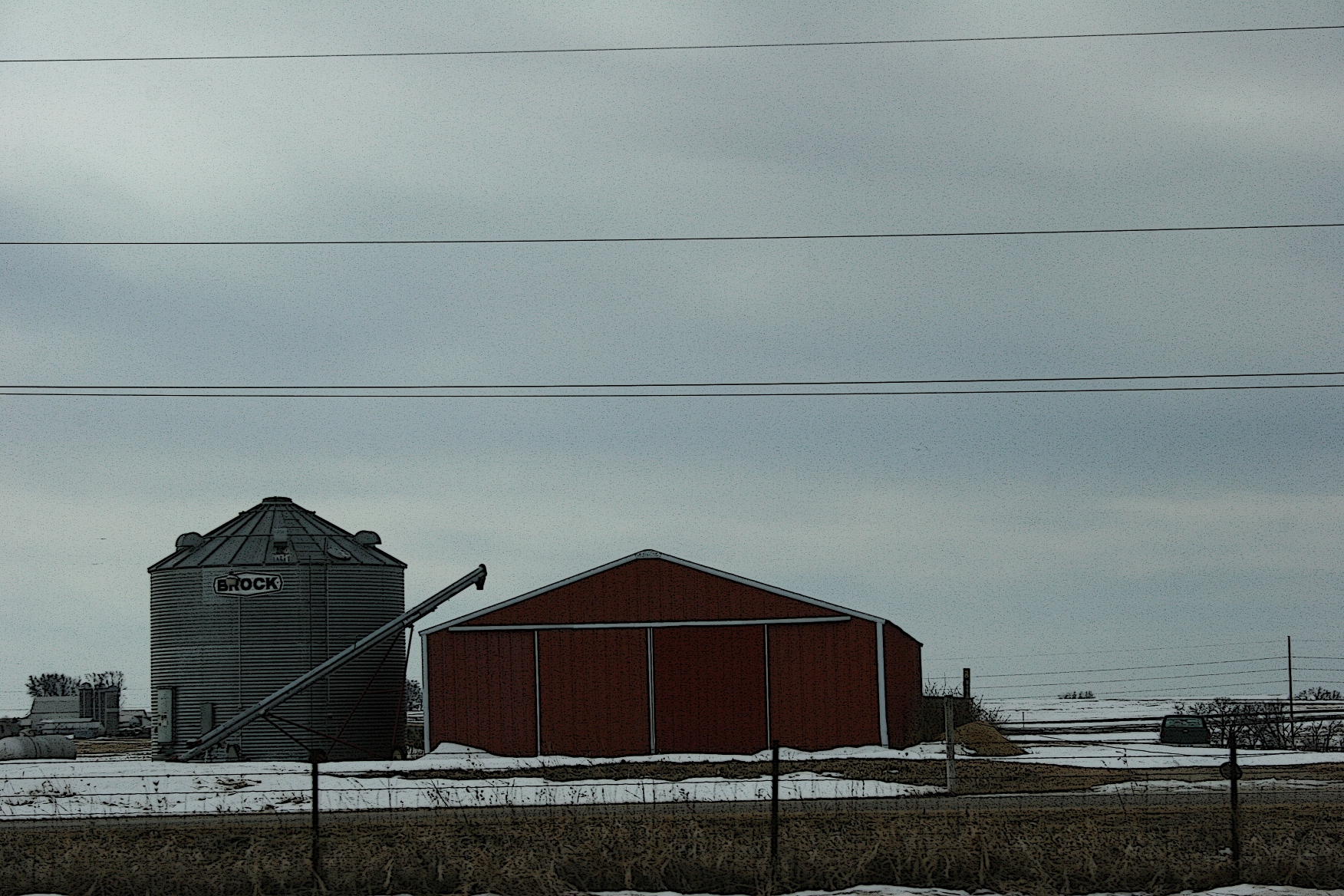
Rural Minnesota, red barn and red building


Yes, I snapped images of houses. But I could not, no matter how I tried, keep from lifting my Canon DSLR to capture photos of farm sites as we traveled.


Rural Minnesota, turquoise barn


They are like a magnet for someone such as myself with rural roots. Having left the farm 40 years ago upon my graduation from high school, I rely today on memories and visual connectedness to fulfill my longing for the land. That and my writing, especially my poetry.


Rural Minnesota, machine shed and bin


Few people I know farm anymore. No one in my immediate extended family farms, although two brothers remain rooted to agriculture, one via co-ownership in a farm implement dealership and the other as CEO of an ethanol plant, both in my native southwestern Minnesota.


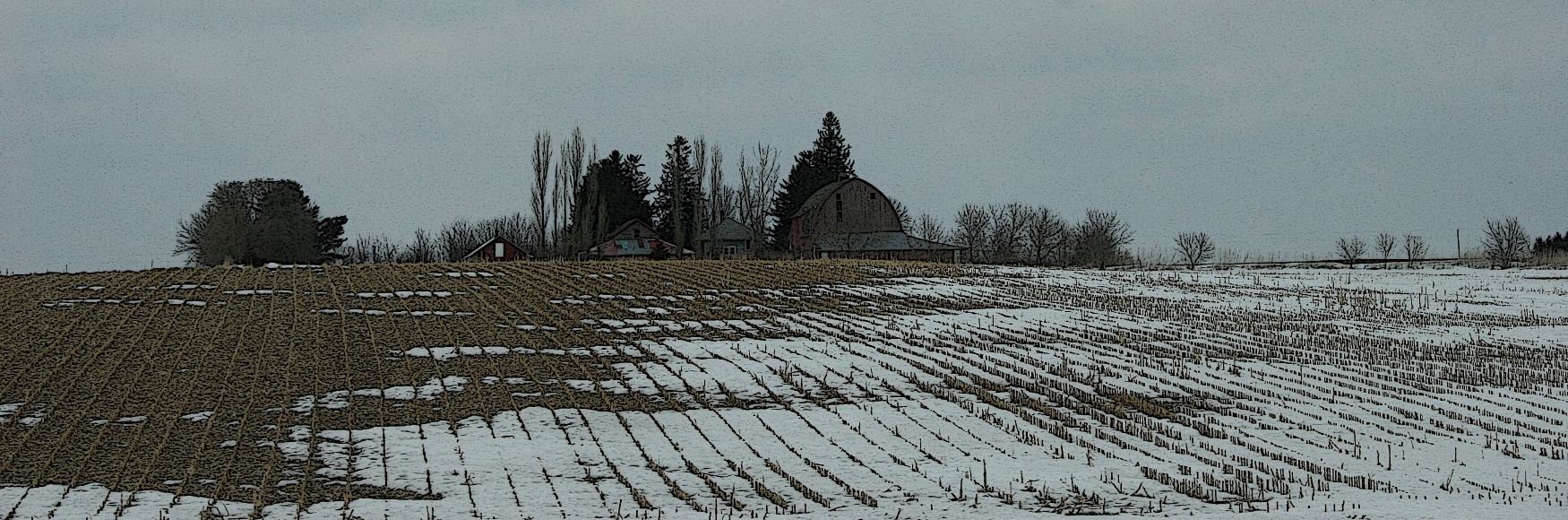
Rural Minnesota, farm behind hill


The farm where I grew up near Vesta is rented out. Thus I have lost that touch of feet on the farm, familiar creak of the barn door—that direct connection to the place of my youth.

My natural instinct now is to seek out, with my eyes and camera, that which is no longer mine.

(All photos were taken while traveling three weeks ago along Interstate 90 between Rochester and the Wisconsin border. Yes, the snow has since melted. Yeah!)

© Copyright 2014 Audrey Kletscher Helbling
 

Quintessential Wisconsin April 4, 2014

Filed under: Uncategorized — Audrey Kletscher Helbling @ 6:00 AM
Tags: , , , ,

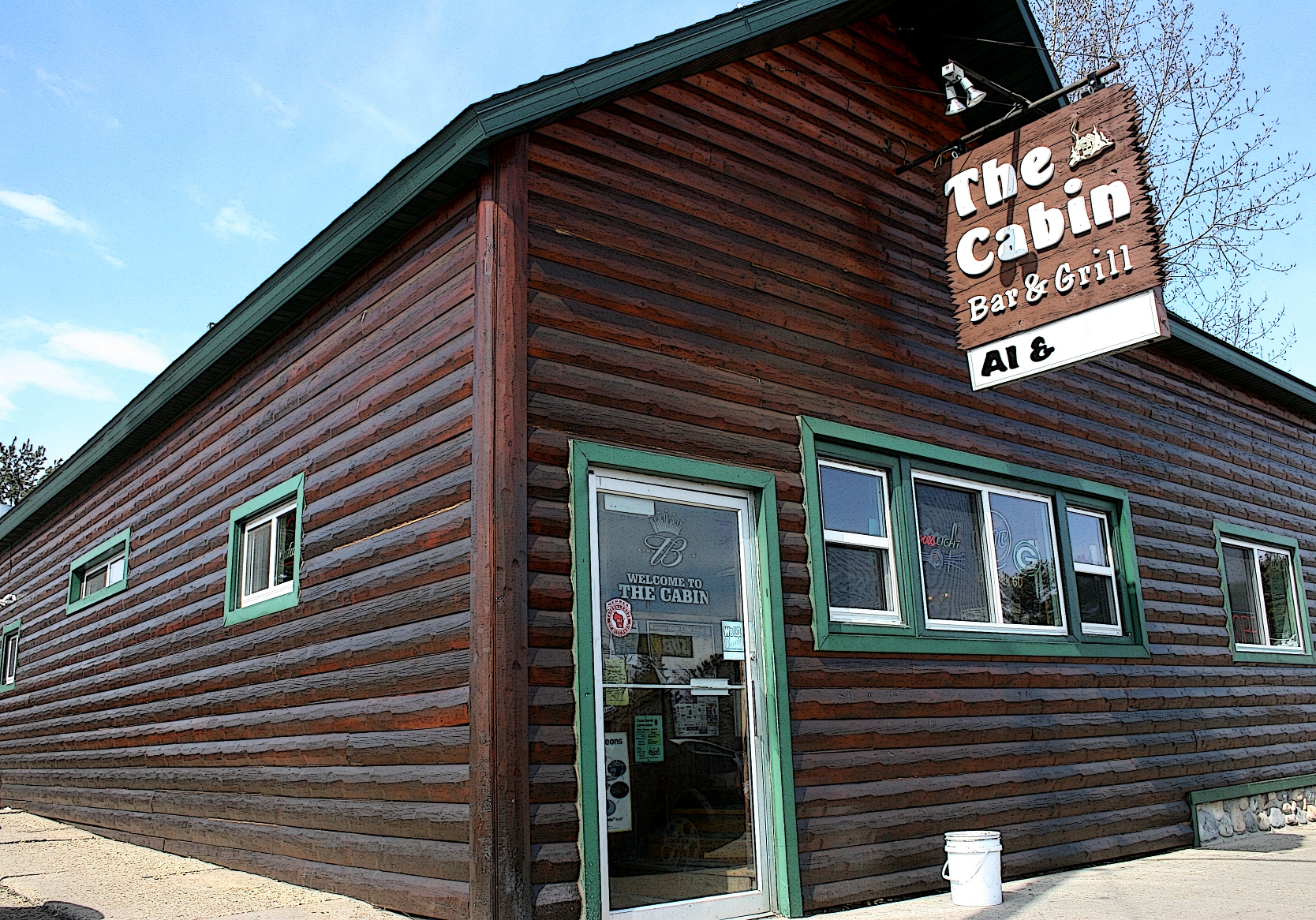
Cabin Bar and Grill, Coloma

The Cabin Bar & Grill in Coloma, Wisconsin.

Copyright 2014 Audrey Kletscher Helbling
 

Dining at the Red Hill Royal Cafe April 3, 2014

Filed under: Uncategorized — Audrey Kletscher Helbling @ 6:00 AM
Tags: , , , , , ,
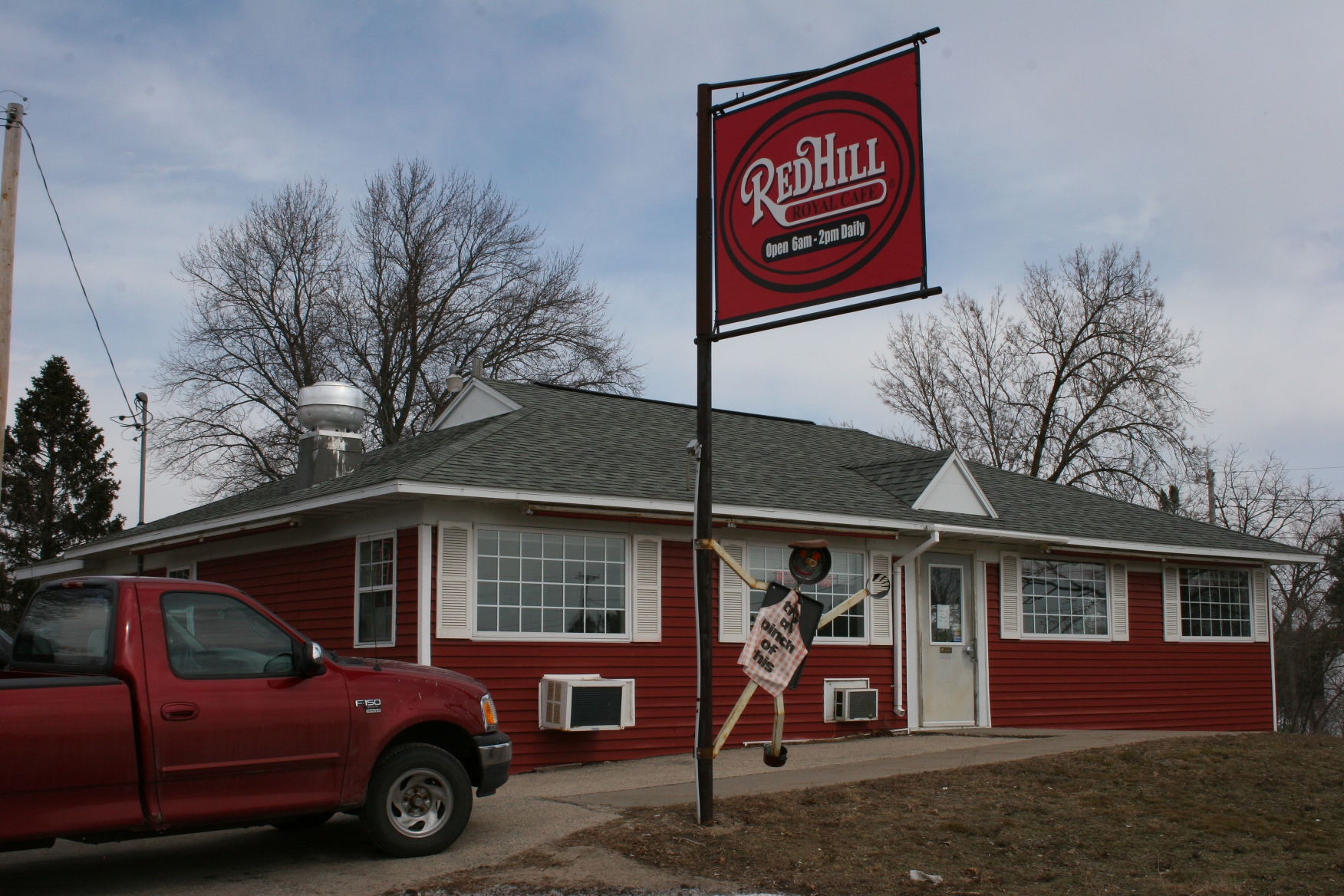
The Red Hill Royal Cafe sits along Wisconsin State Highway 21 in Coloma.

The Red Hill Royal Cafe sits along Wisconsin State Highway 21 in Coloma.

MY HUSBAND AND I EXCHANGE  glances as we enter the Red Hill Royal Cafe in Coloma, Wisconsin, around noon on a Friday.

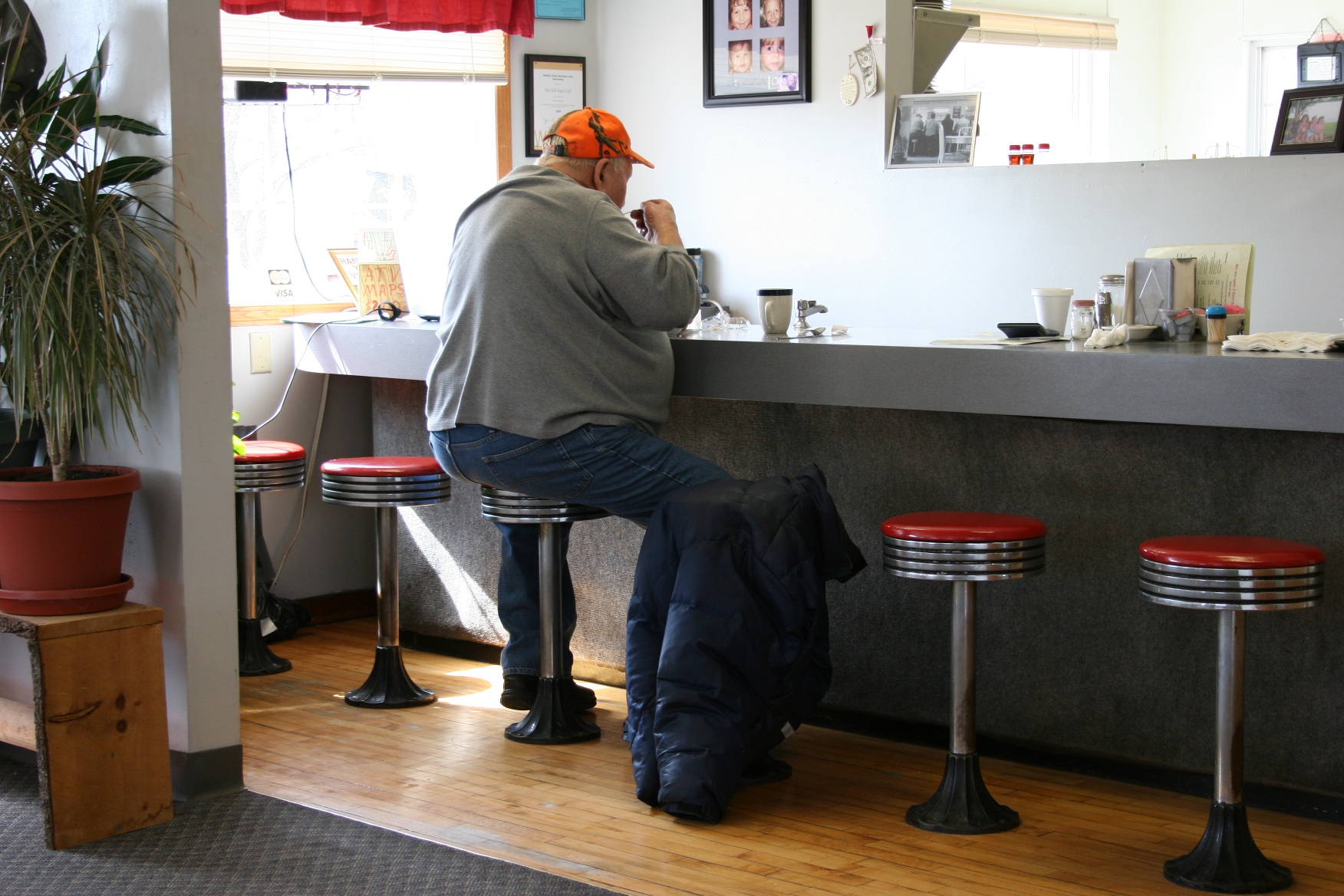
The charming lunch counter. Three other customers arrive at the diner after us.

Dining at the charming lunch counter. Three other customers arrive at the diner after us.

Except for a couple seated in the main dining area and a man at the lunch counter, the place is empty. Usually not a good sign.

We may have turned around and walked out if not for my hunger and my desire to eat at a local restaurant rather than the chain across the street.

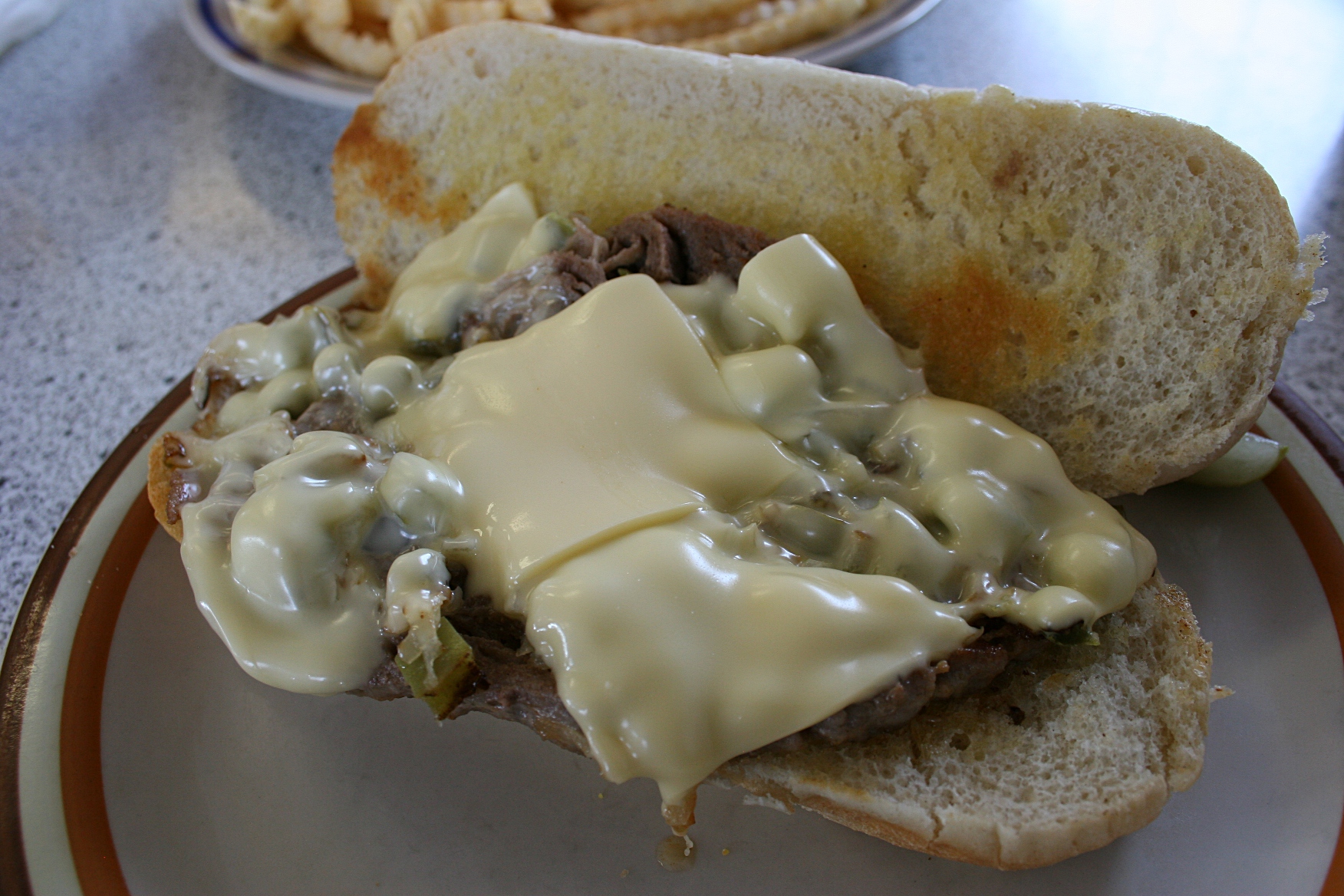
My Philly steak sandwich.

My Philly steak sandwich smothered in cheese.

So we stay. I order a Philly steak sandwich. Randy chooses a cheeseburger and fries.

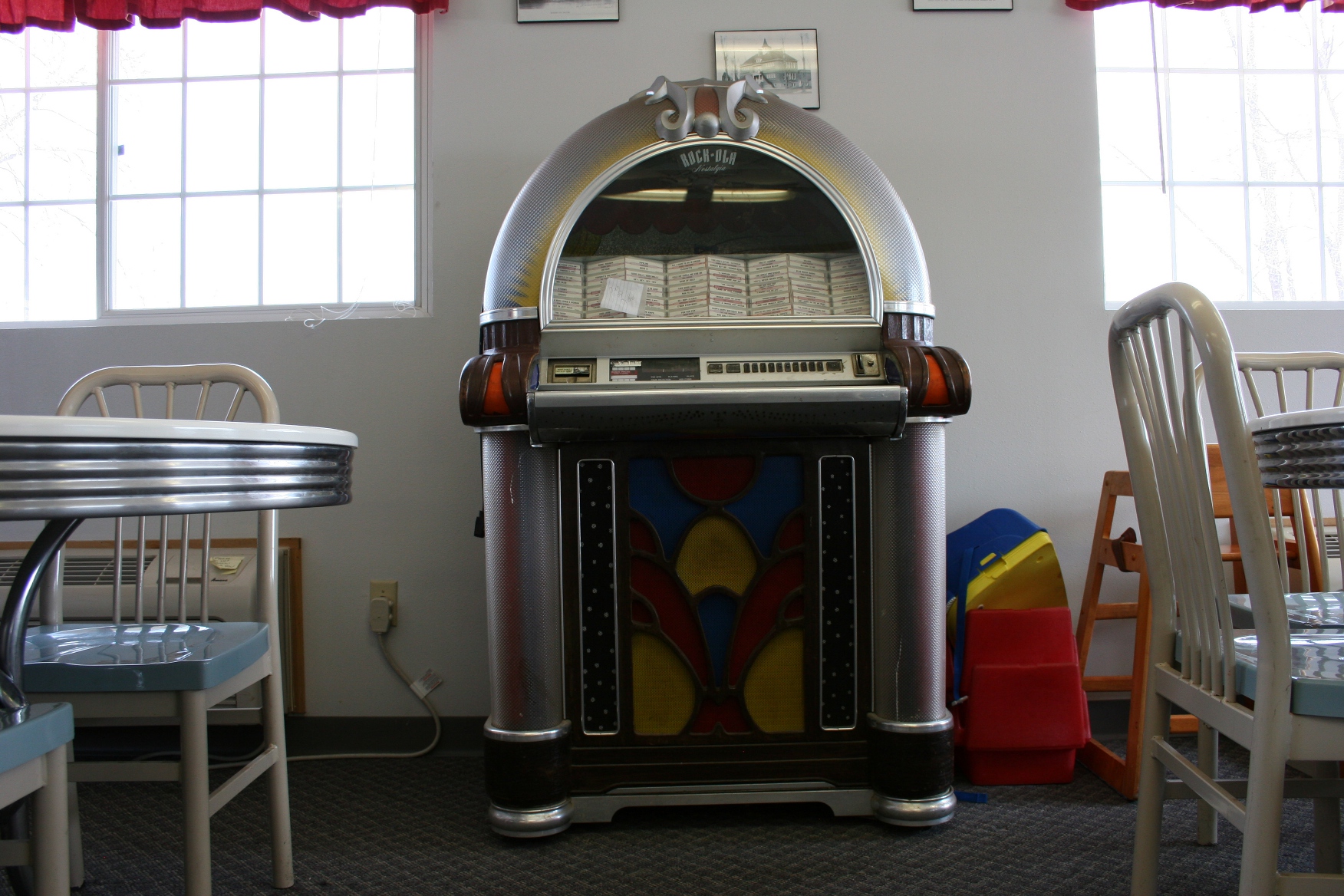
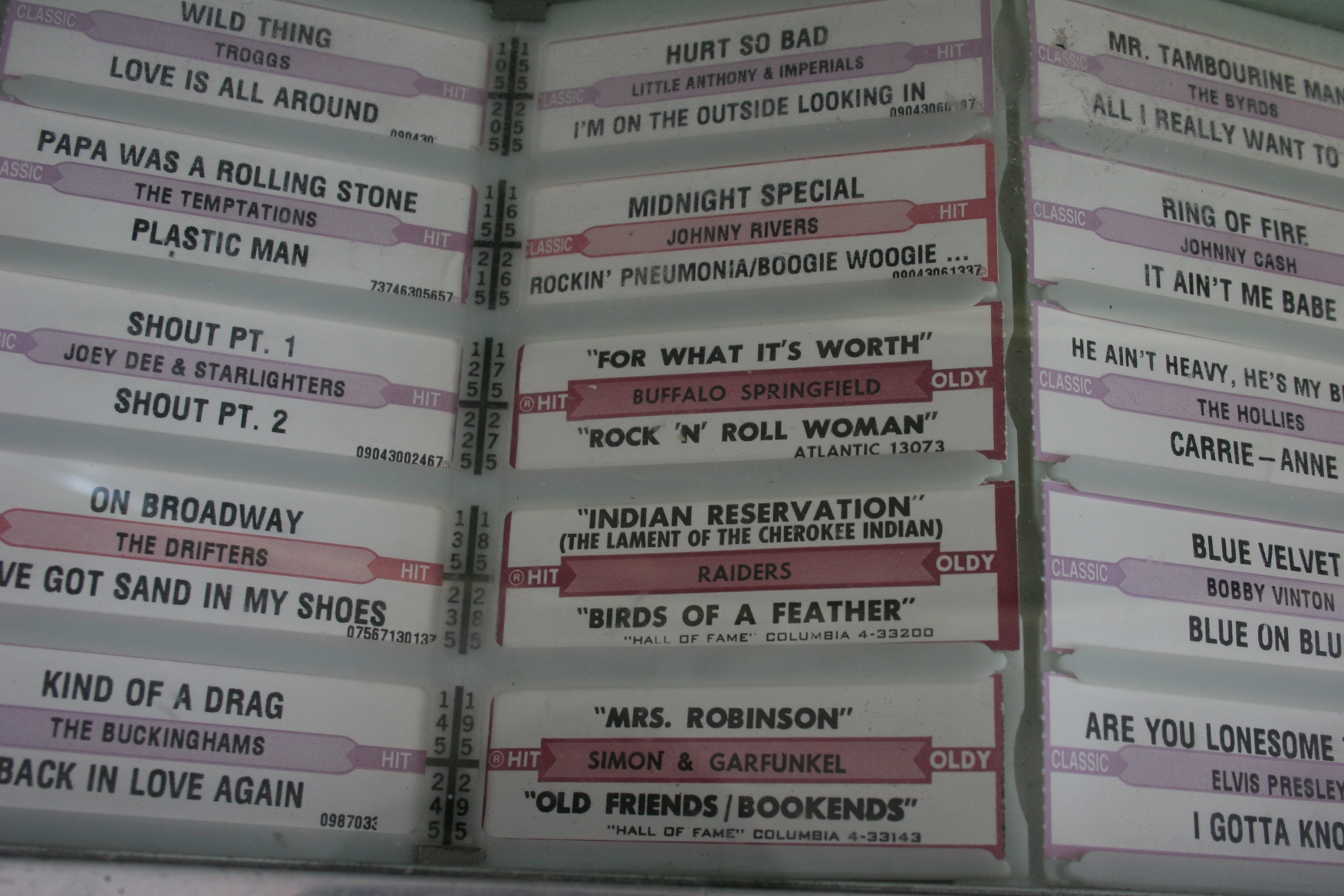
The jukebox brings back memories.

The jukebox brings back memories.

As you would expect, lots of familiar oldies.

As you would expect, lots of familiar oldies.

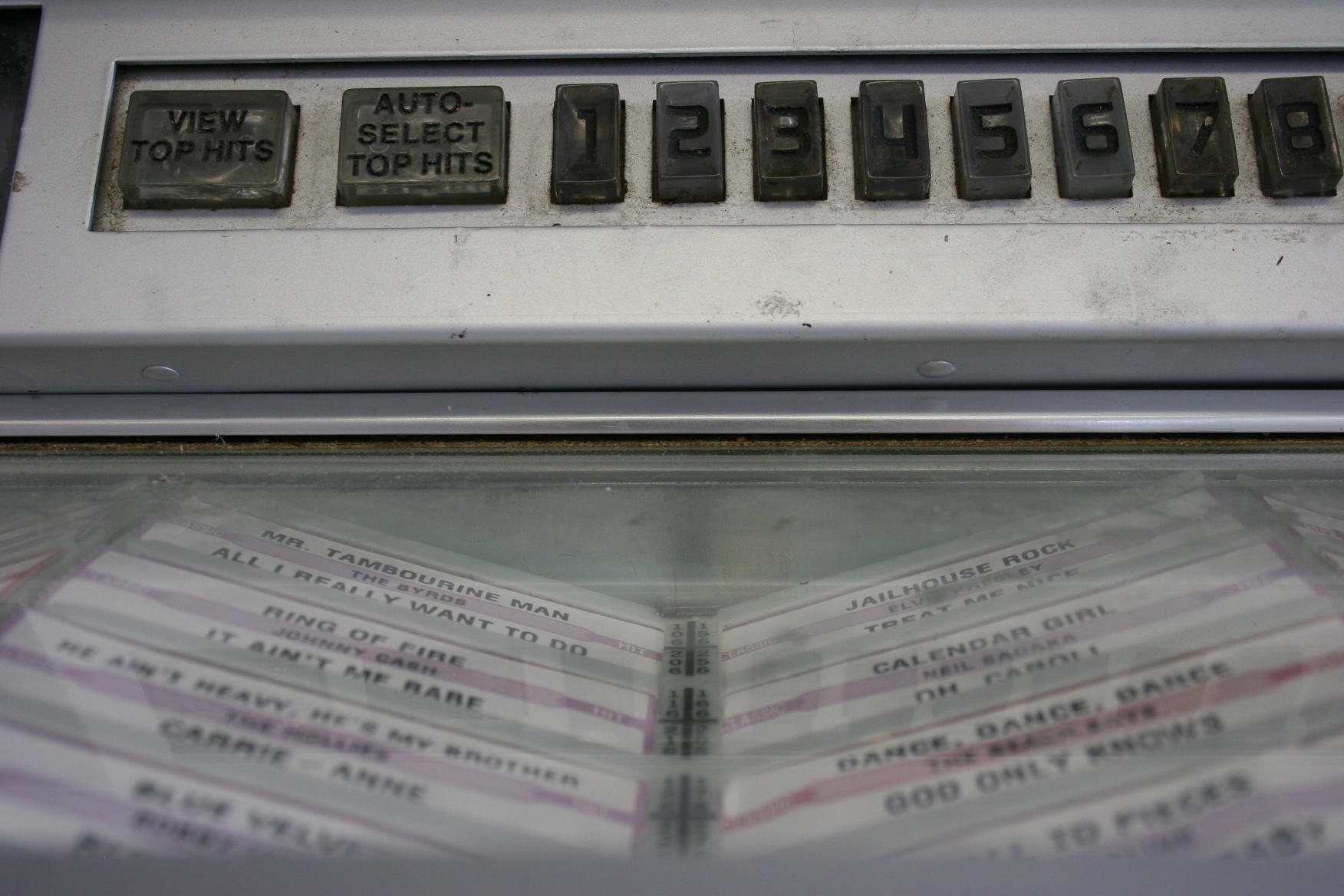
If the jukebox had been working, I would have selected a song.

If the jukebox had been working, I would have selected a song.

While waiting, we reminisce over the non-functioning jukebox, 45 rpm records visible inside.

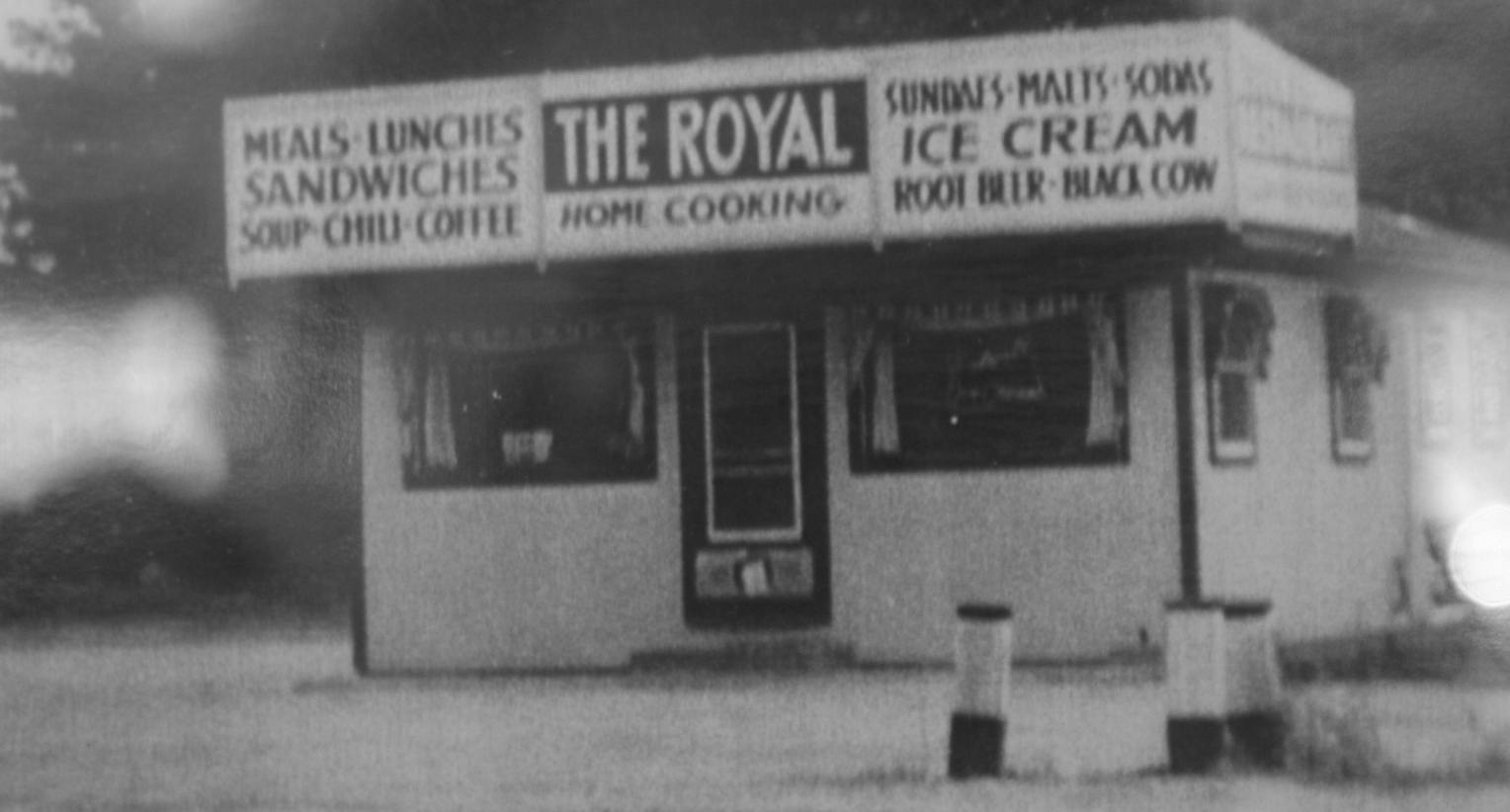
A photo of a photo showing The Royal as it once appeared.

A photo of a photo (shooting through glass, so excuse the quality) showing The Royal as it once appeared.

We also study historic photos and information on the wall. The Royal Cafe building was relocated to this hilltop spot from downtown in July 1987 after Wisconsin State Highway 21 was rebuilt on the edge of Coloma.

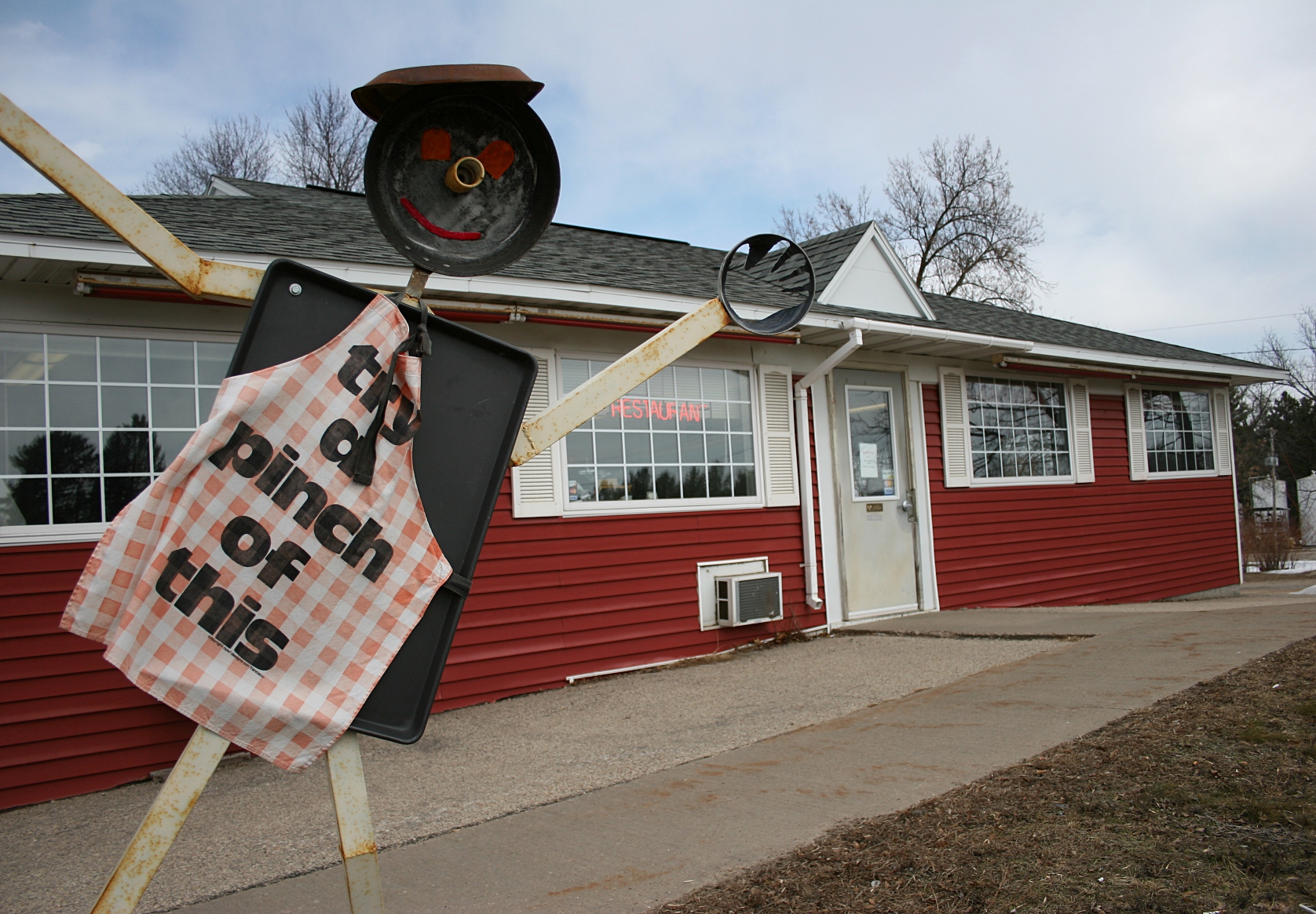
Quirky yard art outside the cafe.

Quirky yard art outside the cafe.

But on this Friday nearly three decades later, not even the location along this busy highway that cuts across central Wisconsin from Tomah to Oshkosh draws in diners.

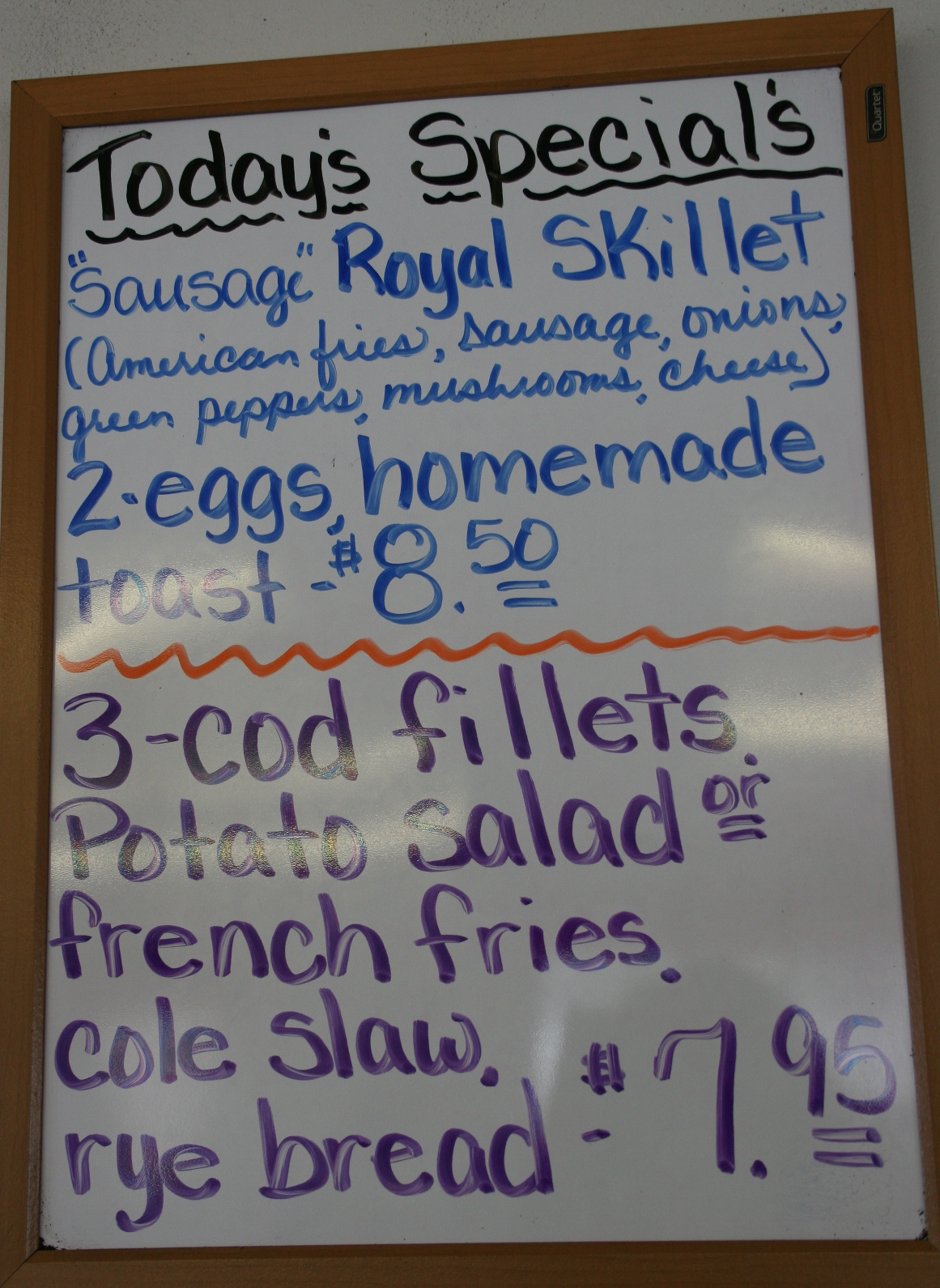
Friday specials.

Friday specials.

Business has been slow all winter, the waitress tells us. And not just here, but everywhere. Been too cold, she explains. That I can understand after arriving here from cold, and much snowier, Minnesota.

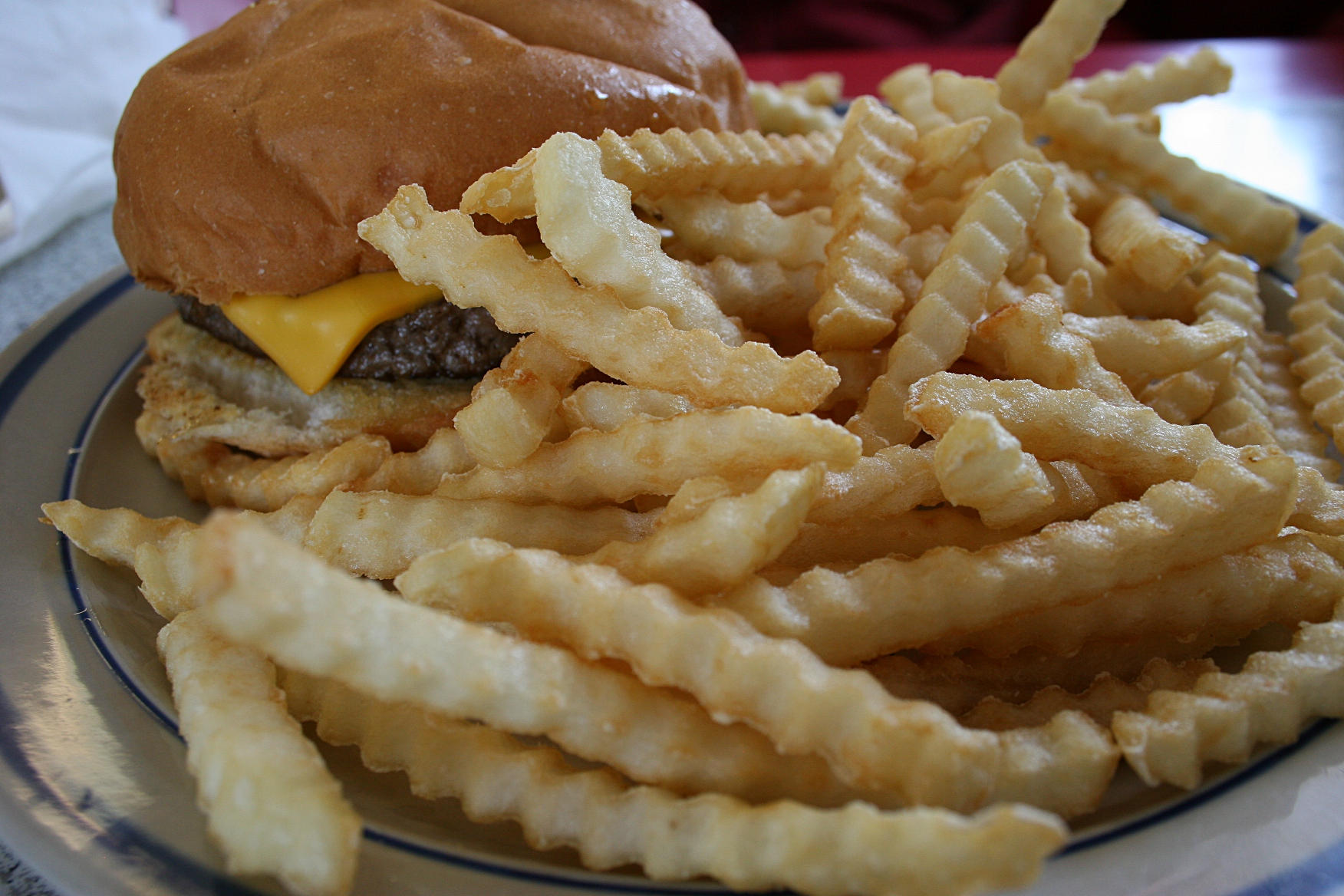
A generous portion of fries served with a cheeseburger, which Randy termed good, but "a little greasy."

A generous portion of fries served with a cheeseburger, which Randy termed good, but “a little greasy.”

To our satisfaction, we find the Red Hill Royal Cafe’s food to our liking. I’m no food critic, but my tasty Philly steak arrives piping hot on a toasted bun. Ditto for Randy’s burger. He shares his generous portion of fries.

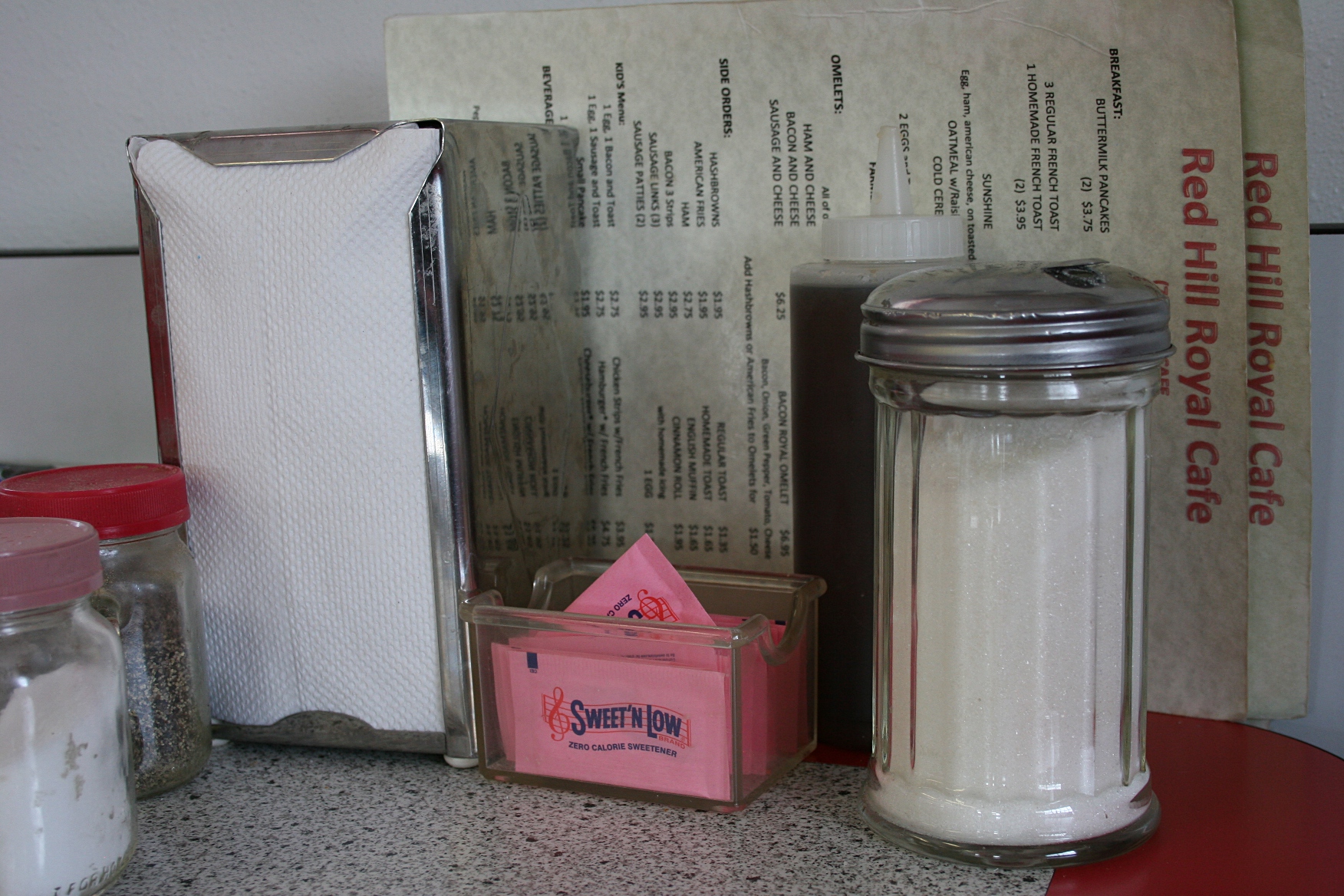
A tabletop scene.

A tabletop scene.

I limit my fry intake as I want  a slice of homemade pie. Rarely do I order dessert out, but I decide to treat myself.

That is not to be. Although pie is listed on the menu, it’s a seasonal item reserved for the busier warmer months when folks are drawn to the region’s lakes, the waitress shares.

I am disappointed.

But there’s always next time. And next time should be pie season.

© Copyright 2014 Audrey Kletscher Helbling
 

Bluff ice art March 31, 2014

Filed under: Uncategorized — Audrey Kletscher Helbling @ 6:00 AM
Tags: , , , , , , , ,

PERHAPS I AM too easily impressed.

But I have not visited the ice caves at Apostle Islands National Lakeshore in northern Bayfield County, Wisconsin.

Ice formations by La Crosse 1

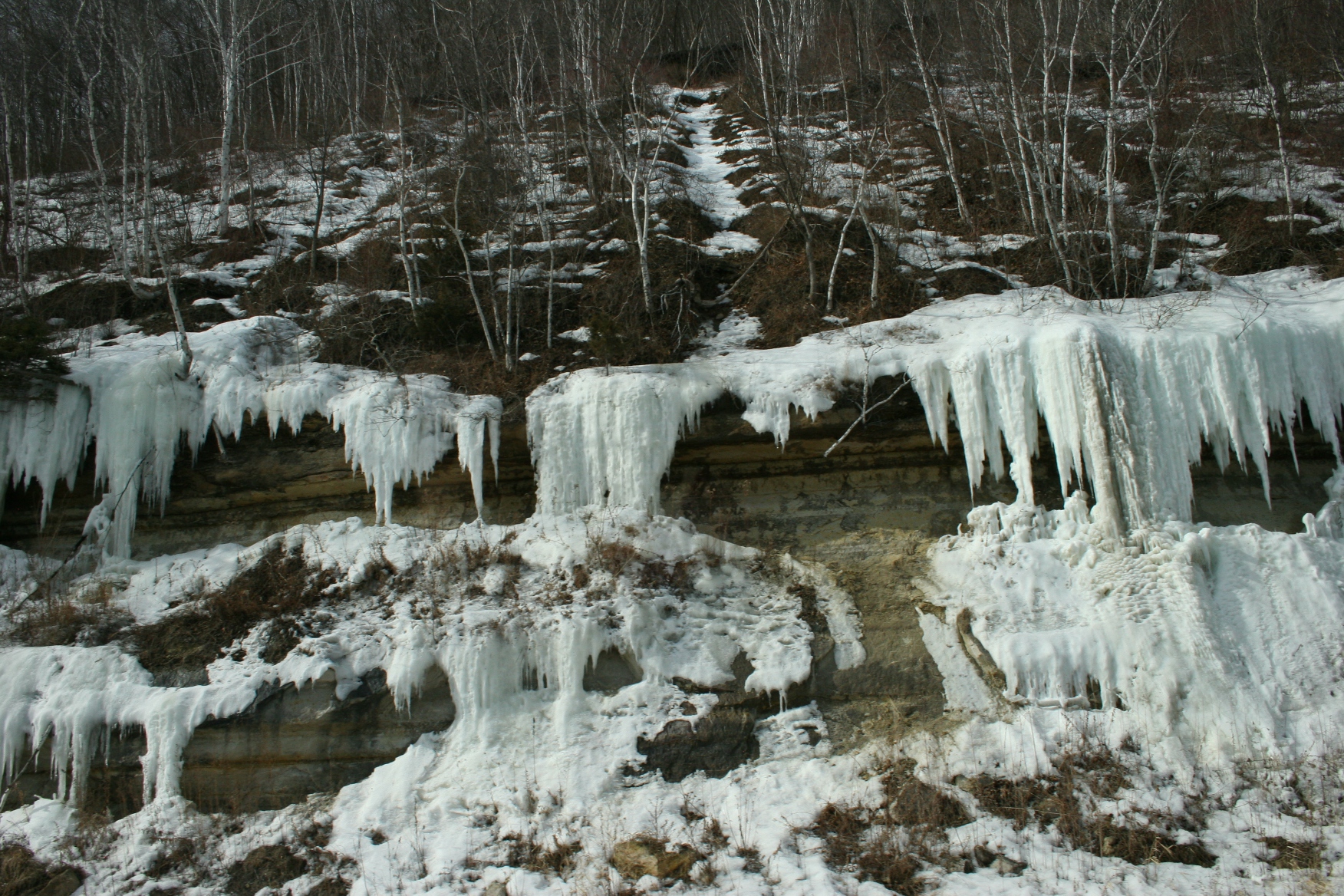
Thus the ice formations gracing the Mississippi River bluffs along Interstate 90 on the Minnesota side near La Crosse, Wisconsin, impress me.

Ice formations by La Crosse 2

There is no stopping along I-90 to view or photograph this natural ice art up close. Rather, I rely on the rapid fire of my camera to capture the scene for later study.

Ice formations by La Crosse 3

Every time I see this water frozen in the icebox of winter, I marvel at its beauty.

I remember, too, how once upon a time I snapped icicles from the milkhouse roofline to engage in sword fight battles with my siblings.

Ice formations by La Crosse 4

The flip side of my mind views the ice formations as powdered sugar icing dripping down the sides of a homemade chocolate birthday cake baked by my mother.

That’s the thing about art—man-made or natural. It’s always open to interpretation.

FYI: These photos were taken 10 days ago. Since then, the weather has warmed to around 60 degrees in southern Minnesota, meaning these formations are likely disappearing.

© Copyright 2014 Audrey Kletscher Helbling
 

It’s in the details March 25, 2014

Filed under: Uncategorized — Audrey Kletscher Helbling @ 6:00 AM
Tags: , , , , , ,

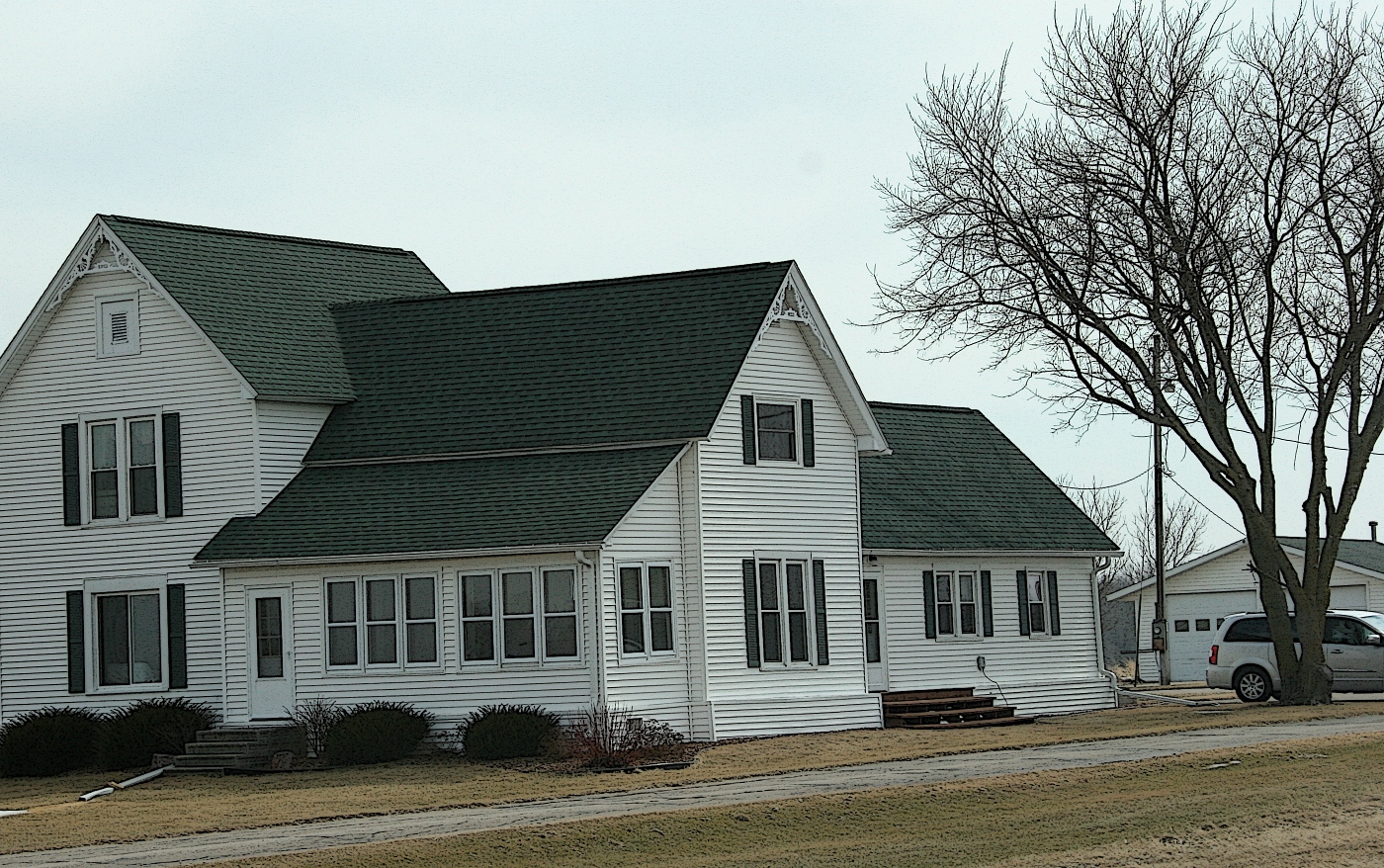
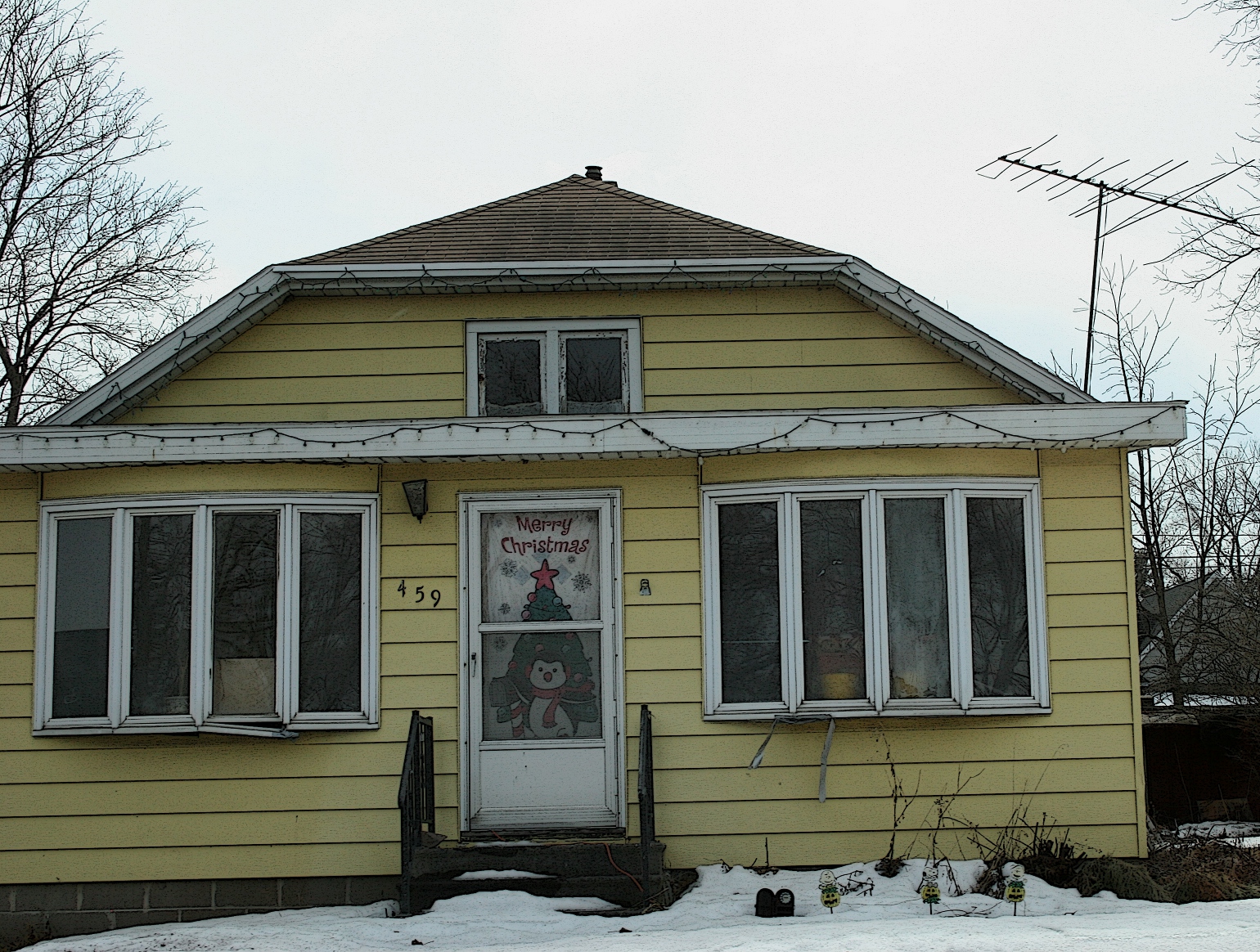
Farm site 2

IN A FLASH, I’ve passed the farm site along Minnesota State Highway 60 between Faribault and Kenyon.

But I’ve clicked the shutter button, preserving this rural scene, a moment frozen in time. Many times, for whatever reason, I have photographed this place.

Later, viewing this most recent image on a computer screen, I notice the details that escaped my eyes during that drive-by. And I wonder how, all too often, we miss the details.

Farm site 3

Details comprise the whole, define our lives in ways we never realize. A look. An intonation. A reflex. Puzzle them together and you have life.

A snapshot. An album. A collection of minutes, hours and days that collectively become weeks and months and years. And suddenly you are, like me, past middle age, a generation away from death.

You wonder about the details, whether you’ve noticed and embraced and lived them.

Farm site 1

Have you swung in a tire swing?

Or have you simply viewed tires as a necessity to carry you along the highway of life? Too busy to notice details.

© Copyright 2014 Audrey Kletscher Helbling
 

Discovering art in downtown Wabasha March 24, 2014

BRICK, A BENCH, A RIVER…

Each provides a canvas or backdrop for art in Wabasha, an historic Mississippi River town of 2,500 in southeastern Minnesota.

On a recent visit here to the National Eagle Center, where art abounds inside, I also noticed art integrated into the downtown.

Wabasha, Wapahasha II

A 10-foot tall bronze sculpture of Wapahasha II, a Native American after whom the city of Wabasha is named, stands atop a fountain next to the riverside eagle center.

If you shift your eyes a bit, you’ll notice a bridge in the distance. I view that 26-year-old link between Minnesota and Wisconsin as art given the overhead span of trusses.

Wabasha, eagle bench

Just up the street, set atop brick pavers, co-joined park benches have become artwork, too, with eagle paintings backing the benches. It’s a nice touch, emphasizing Wabasha’s eagles and the reason many visitors come here.

Wabasha, Riverside Dollar

Around the corner, Riverside Dollar also incorporates eagles into its signage on a cozy building tucked between taller historic buildings. Fifty properties in Wabasha are on the National Register of Historic Places, another reason I appreciate this community. The buildings, in and of themselves, are works of art with ornate details that showcase the craftsmanship of another era.

Wabasha, Squirt sign

A block away, a faded vintage Squirt sign painted onto the side of a brick building contrasts with a sleek and shiny Pepsi vending machine. That amuses me.

Wabasha, Rivertown Cafe front of

At the Rivertown Cafe, I appreciate the aging signage suspended from the second level. It adds a certain charm to the exterior and directs the eye toward the business.

Wabasha, street corner sculpture

A stone’s throw away, a modern sculpture graces a street corner.

Wabasha, cafe sign up close

Certainly, Wabasha features more art; I had time to photograph only this sampling this trip.

#

CLICK HERE TO READ my previous post about art inside the National Eagle Center.

© Copyright 2014 Audrey Kletscher Helbling


All about eagles in Wabasha March 20, 2014

A section of a map on the floor of the National Eagle Center shows the location of Wabasha along the Mississippi River.

A section of a map on the floor of the National Eagle Center shows the location of Wabasha along the Mississippi River.

DRIVING INTO WABASHA, Minnesota, late on a Sunday morning in mid-March, we spot a bald eagle soaring high above this historic river town.

The stunning National Eagle Center, along the river and a block off the main downtown business district.

The stunning National Eagle Center, along the river in the heart of downtown Wabasha.

The bird’s welcoming appearance seems fitting given my husband and I have come here to tour the National Eagle Center, a modern two-story educational facility with banks of two-story windows and a second floor outdoor observation deck overlooking the Mississippi River.

A second story observation deck outfitted with numerous binoculars, allows visitors to view the eagles along the Mississippi River.

The observation deck, outfitted with binoculars, gives visitors like my husband a view of eagles along the Mississippi River.

This ideal riverside setting allows visitors like us to observe eagles riding river bluff air currents, scooping fish from the water and perching in trees. Wabasha, with its year-round open water, proves an inviting locale for eagles.

The activity area includes a replica eagle's nest, upper left.

The activity area includes a replica eagle’s nest, upper left.

Inside the center, hands-on interactive activities—from stepping inside a mock eagle’s nest to testing the weight of an eagle to experiencing the majestic bird’s vision to creating eagle art to scoping eagles through binoculars and more—occupy all ages.

You can get up close to the resident eagles.

You can get up close to the resident eagles.

But, unequivocally, the major draws are the resident eagles, birds that were injured, treated and could not be released back into the wild. Bald eagles Angel, Columbia, Harriet and Was’aka call this place home while Donald is the sole golden eagle here. The 32-year-old Harriet is perhaps the best known, appearing numerous times on television and serving as the model for Minnesota’s Support Our Troops vehicle license plate.

Donald, the single resident golden eagle.

Donald, the single resident golden eagle.

Handlers tend the tethered eagles in a viewing room while answering questions among a curious crowd snapping photos with cell phones and cameras.

Eagles suspended from the ceiling and a view of the river from the second floor of the eagle center.
Eagles suspended from the ceiling and a view of the river from the second floor of the eagle center.
Thrice daily, the center presents an educational program on eagles. On this Sunday, staffer Bucky, with humor, skill, knowledge and audience engagement, entertains and educates young and old (that would be Randy and me).
A mural provides information about Wabasha and its open water draw for eagles.

A mural provides information about Wabasha’s history and eagles.

We learn, for example, that Wabasha provides the perfect environment for bald eagles with the river, protected habitat and bluffs. Eagles nest across the river and at nearby Read’s Landing.

Dressed as an eagle, a staffer wanders through the eagle center.

Dressed as an eagle, a staffer wanders through the eagle center.

When Bucky shares that eagles are territorial, he mimics the bird’s high-pitched call then asks us to practice our eagle calls. Kids giggle. Adults laugh at the attempts.

During the presentation, Bucky occasionally checks on an elementary-aged boy who is keeping a replica eagle egg warm in the pouch of his sweatshirt. Eagle nests can measure up to nine feet wide and 20 feet deep and weigh as much as three tons.
The current eagle count tallied.

The current eagle count tallied.

Today, Minnesota is home to 1,200 active eagle nests. When the eagle expert asks how many of us can see eagles in our home areas, nearly all 17 of us raise our hands.

But it wasn’t always that way. Randy and I are among the audience few who remember a time when these birds were endangered. Shortly after World War II, the pesticide DDT was introduced, washing into waterways where fish and aquatic life absorbed the toxin. When eagles ate the fish, they, too, were impacted. The DDT weakened their eggshells, resulting in eggs that broke during incubation or failed to hatch. The pesticide was banned in 1972.

My husband, second from right, plays a bald eagle.

My husband, second from right, plays a bald eagle.

To visually explain the chain reaction, Bucky chooses three kids to role play a mosquito, a small fish and a large fish. I know precisely whom he will pick to play the bald eagle. The bald guy in the third role, my husband, makes his acting debut.

Bucky proves his point as, one by one, the performers “ingest” DDT.

Bucky and Angel.

Bucky and Angel.

A few minutes later, after this educator pulls out a board the length of an eagle’s wing span (6 ½ to 7 feet), he exits the room and returns with resident bald eagle Angel. The 11-pound female came to the center in 2000 after suffering a broken wing.

Perched on Bucky’s gloved arm, Angel is the model of perfect human imprinted behavior. She is a guest at many Native American ceremonies and also makes educational appearances.

Shortly after Randy shot this photo of Angel eating a rat, I left the room.

Shortly after Randy shot this photo of Angel eating a rat, I left the room.

I enjoy Angel, until feeding time. Bucky pulls a white rat from a plastic container. For awhile, I watch as the eagle uses her beak and talons to rip apart the rodent. I stop photographing the scene and hand my camera to Randy. By then I’m looking down. He snaps a few photos, hands the camera back to me and shortly thereafter I exit the room to view the resident eagles who are not dining.

Rather they are simply perched, an activity which occupies 94 percent of their lives.

You'll find binoculars throughout the eagle center.

You’ll find binoculars throughout the center for viewing eagles.

Later, Randy will search me out, inform me that I left at just the right time—before rat pieces started flying toward the audience.

#

BONUS PHOTOS:

A bald eagle was part of the show in the gym. No, it did not fly.

A bald eagle was part of “Wings to Soar” in the nearby St. Felix gym. No, the eagle did not fly.

WHILE IN WABASHA, we also took in the National Eagle Center sponsored program, “Wings to Soar.”

Dale wandered through the audience with the birds, like this owl.

Dale wanders through the audience with an owl.

In St. Felix auditorium several blocks from the eagle center, Southerners John Stokes and Dale Kernahan presented an educational flying raptor program that, yes, involved birds of prey flying over our heads.

Here an owl flaps its wings. The birds skimmed over our heads during the show.

Here an owl flaps its wings. Some of the birds skimmed over our heads during the show.

Stokes advised anyone who was afraid of birds to leave. That would be me. But I stayed and did just fine with the owls and hawks. But when Kernahan walked out with a vulture and then allowed it to fly at low altitude, I slunk into my folding chair.

On the right, you'll see the second story riverside observation deck.

On the right is the second story riverside observation deck.

FYI: March marks special “Soar with the Eagles” weekends in Wabasha. March 22 – 23 you can attend Sky Hunters, a flying bird show.

This girl is looking up at these...

Inside the National Eagle Center, this girl is looking up at these…

...birds suspended from the glass ceiling.

…birds suspended from the glass ceiling.

In the first floor gift shop, shown here...

In the first floor gift shop, shown here…

...Joseph found a plush toy eagle.

…Joseph finds a plush toy eagle.

The National Eagle Center truly appeals to all ages, to anyone who appreciates the beauty of this majestic bird.

Check back for another post from the National Eagle Center and for additional photos from Wabasha.

© Copyright 2014 Audrey Kletscher Helbling