Minnesota Prairie Roots

Writing and photography by Audrey Kletscher Helbling

Discovering art in downtown Wabasha March 24, 2014

BRICK, A BENCH, A RIVER…

Each provides a canvas or backdrop for art in Wabasha, an historic Mississippi River town of 2,500 in southeastern Minnesota.

On a recent visit here to the National Eagle Center, where art abounds inside, I also noticed art integrated into the downtown.

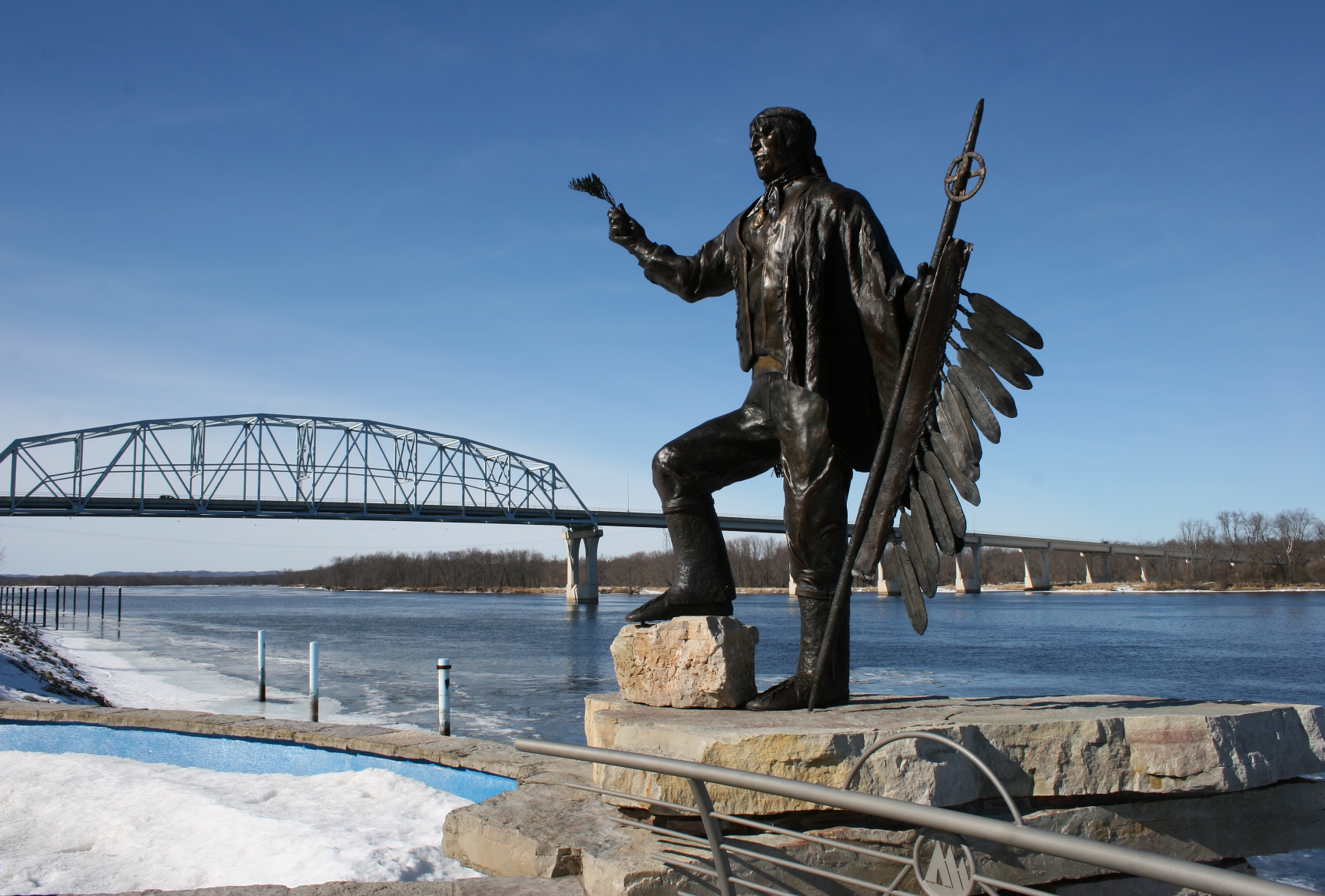
Wabasha, Wapahasha II

A 10-foot tall bronze sculpture of Wapahasha II, a Native American after whom the city of Wabasha is named, stands atop a fountain next to the riverside eagle center.

If you shift your eyes a bit, you’ll notice a bridge in the distance. I view that 26-year-old link between Minnesota and Wisconsin as art given the overhead span of trusses.

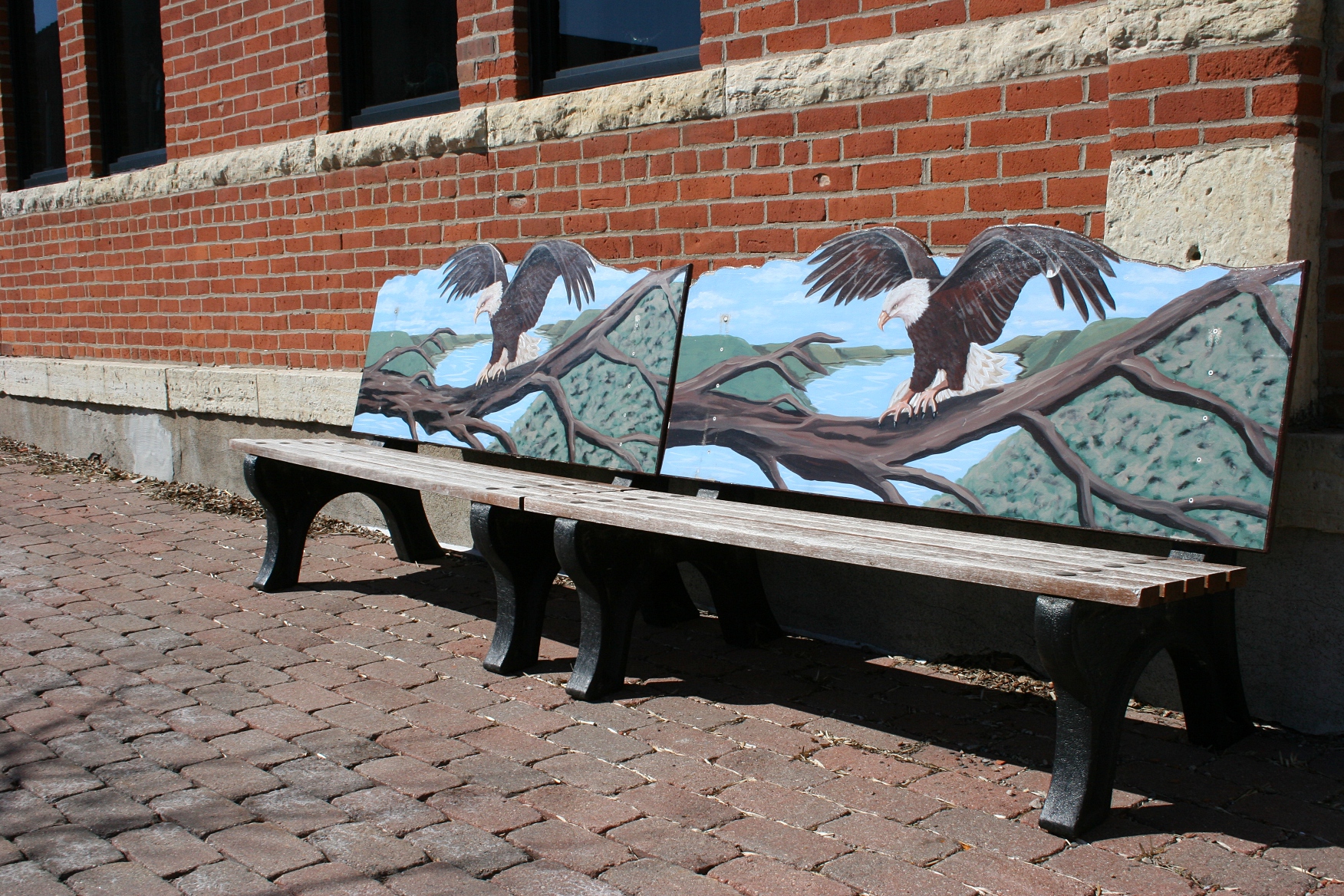
Wabasha, eagle bench

Just up the street, set atop brick pavers, co-joined park benches have become artwork, too, with eagle paintings backing the benches. It’s a nice touch, emphasizing Wabasha’s eagles and the reason many visitors come here.

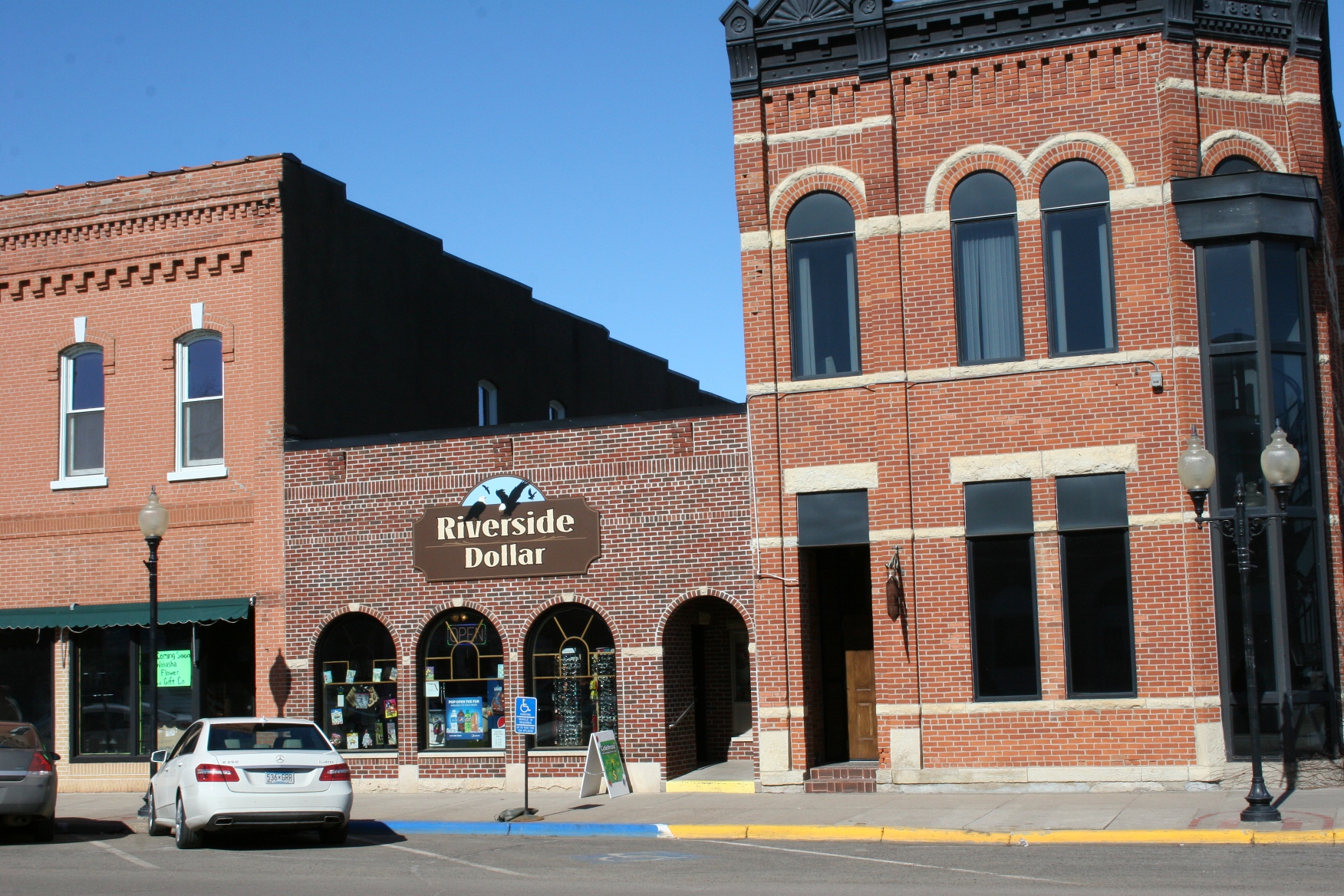
Wabasha, Riverside Dollar

Around the corner, Riverside Dollar also incorporates eagles into its signage on a cozy building tucked between taller historic buildings. Fifty properties in Wabasha are on the National Register of Historic Places, another reason I appreciate this community. The buildings, in and of themselves, are works of art with ornate details that showcase the craftsmanship of another era.

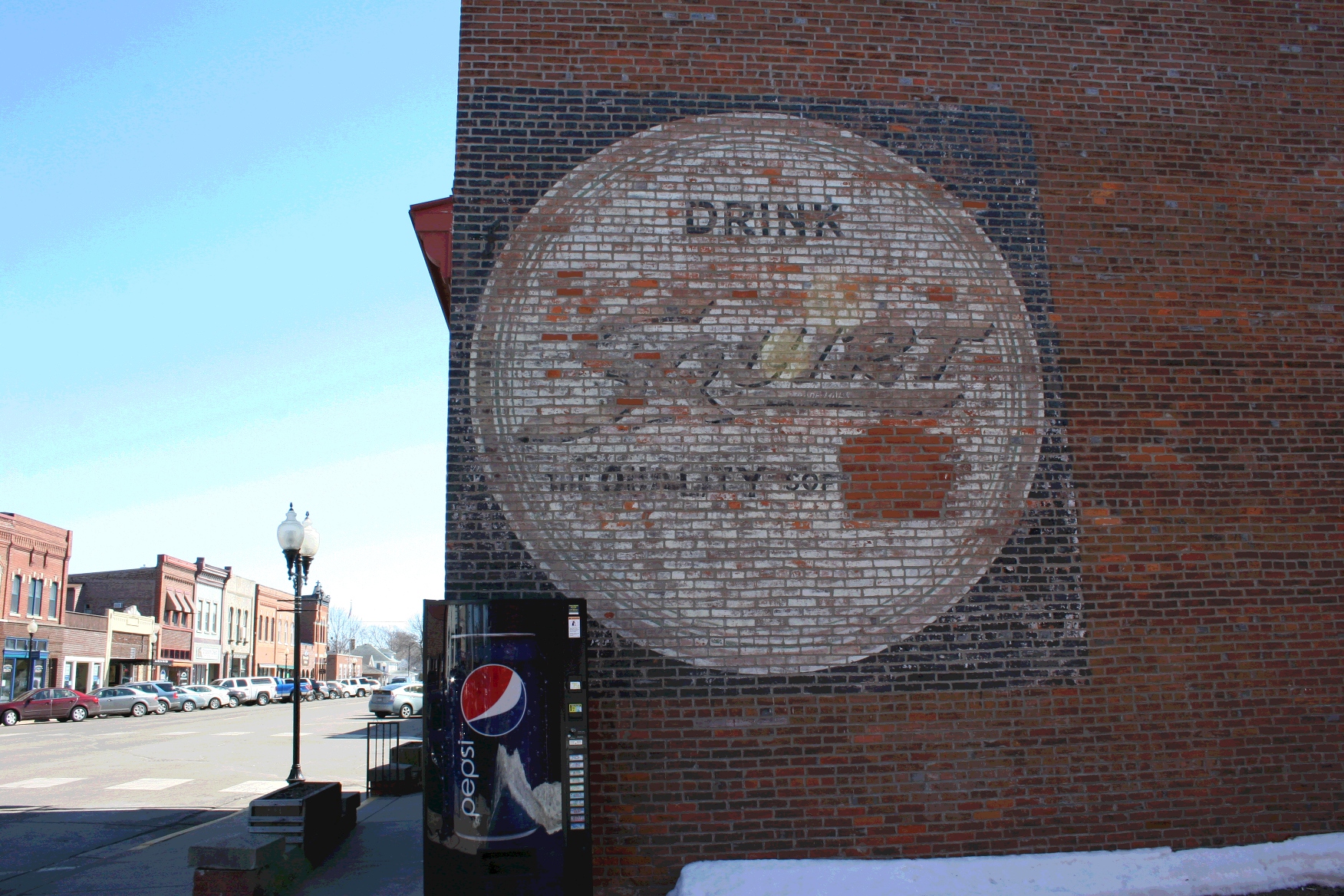
Wabasha, Squirt sign

A block away, a faded vintage Squirt sign painted onto the side of a brick building contrasts with a sleek and shiny Pepsi vending machine. That amuses me.

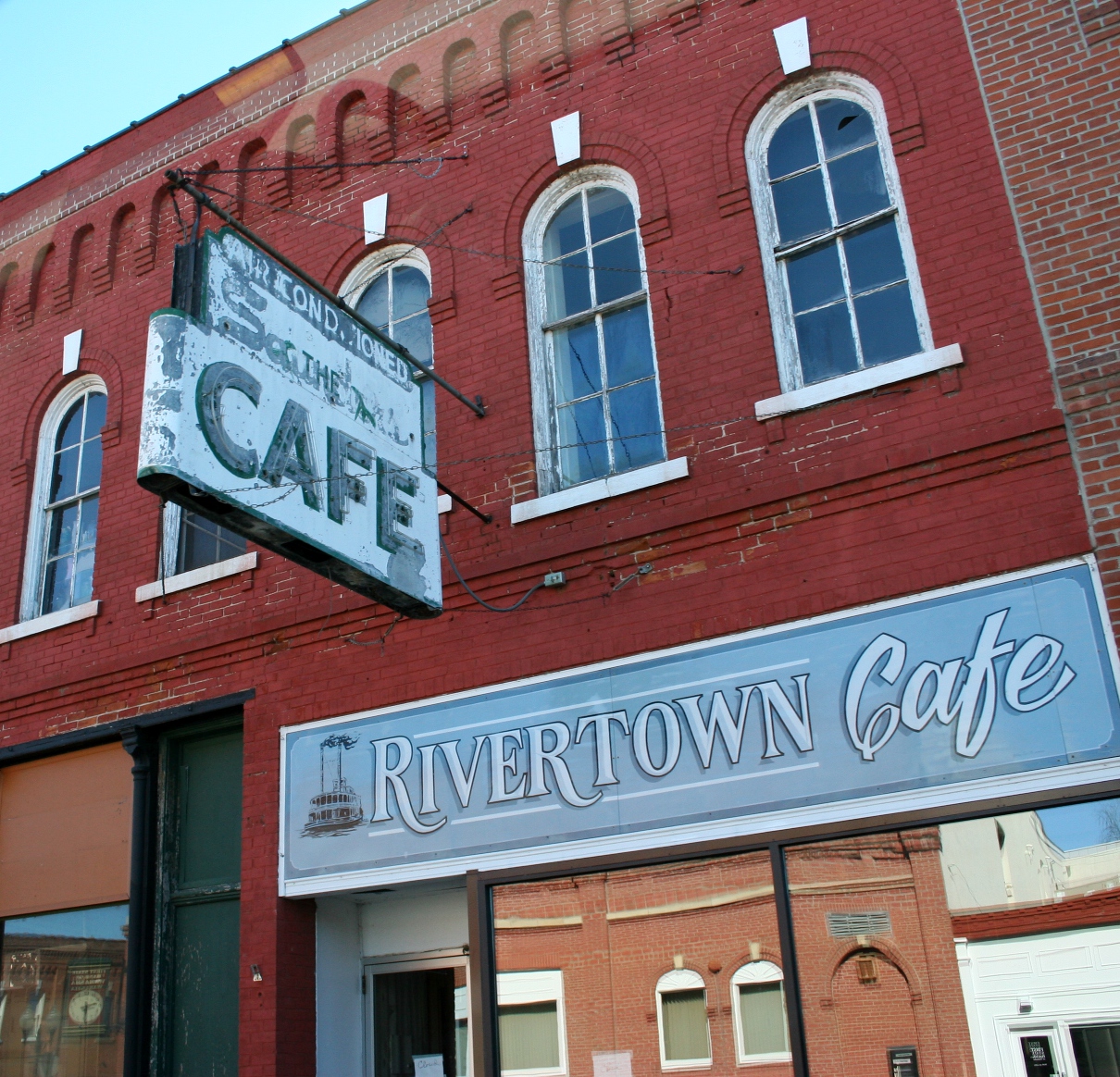
Wabasha, Rivertown Cafe front of

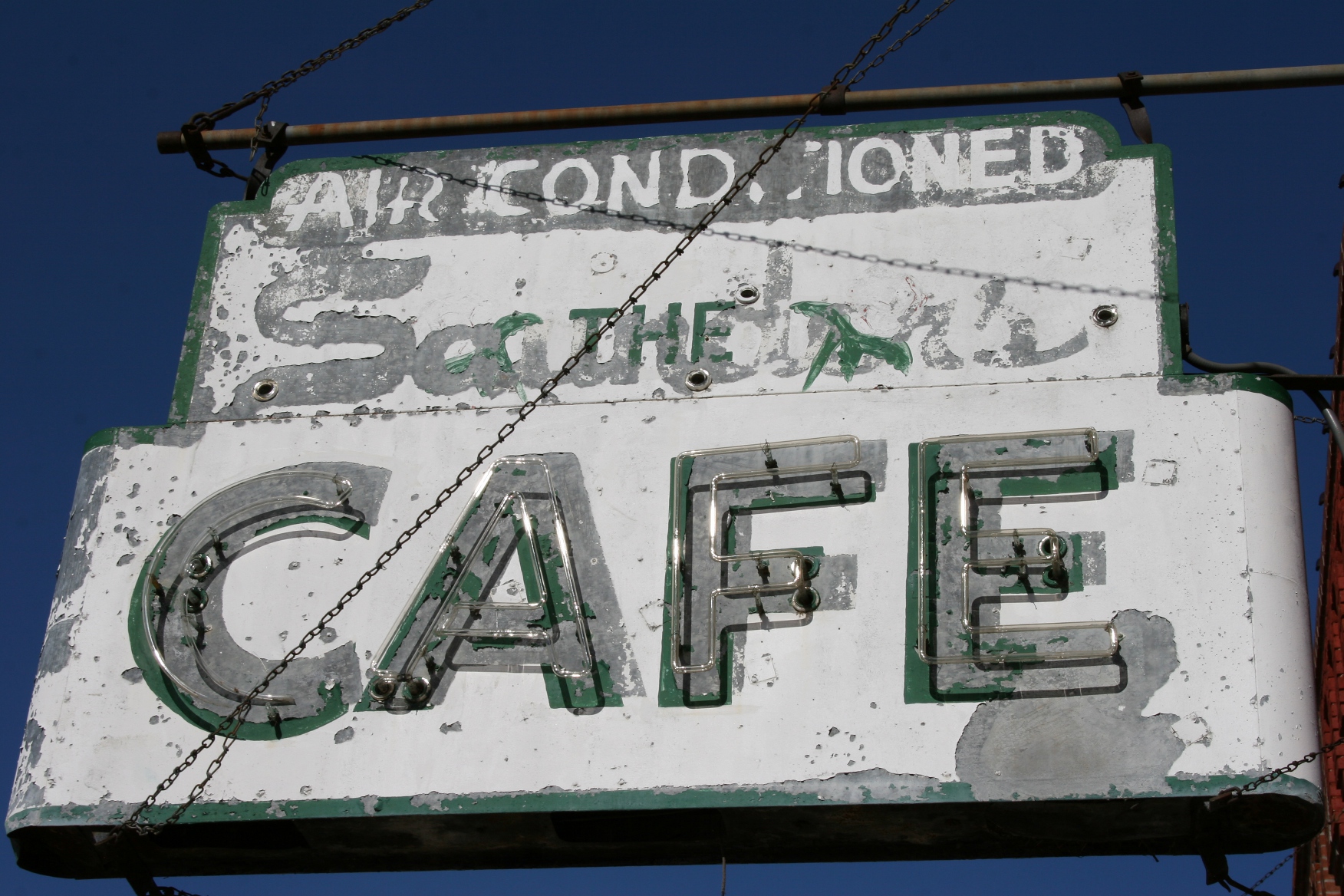
At the Rivertown Cafe, I appreciate the aging signage suspended from the second level. It adds a certain charm to the exterior and directs the eye toward the business.

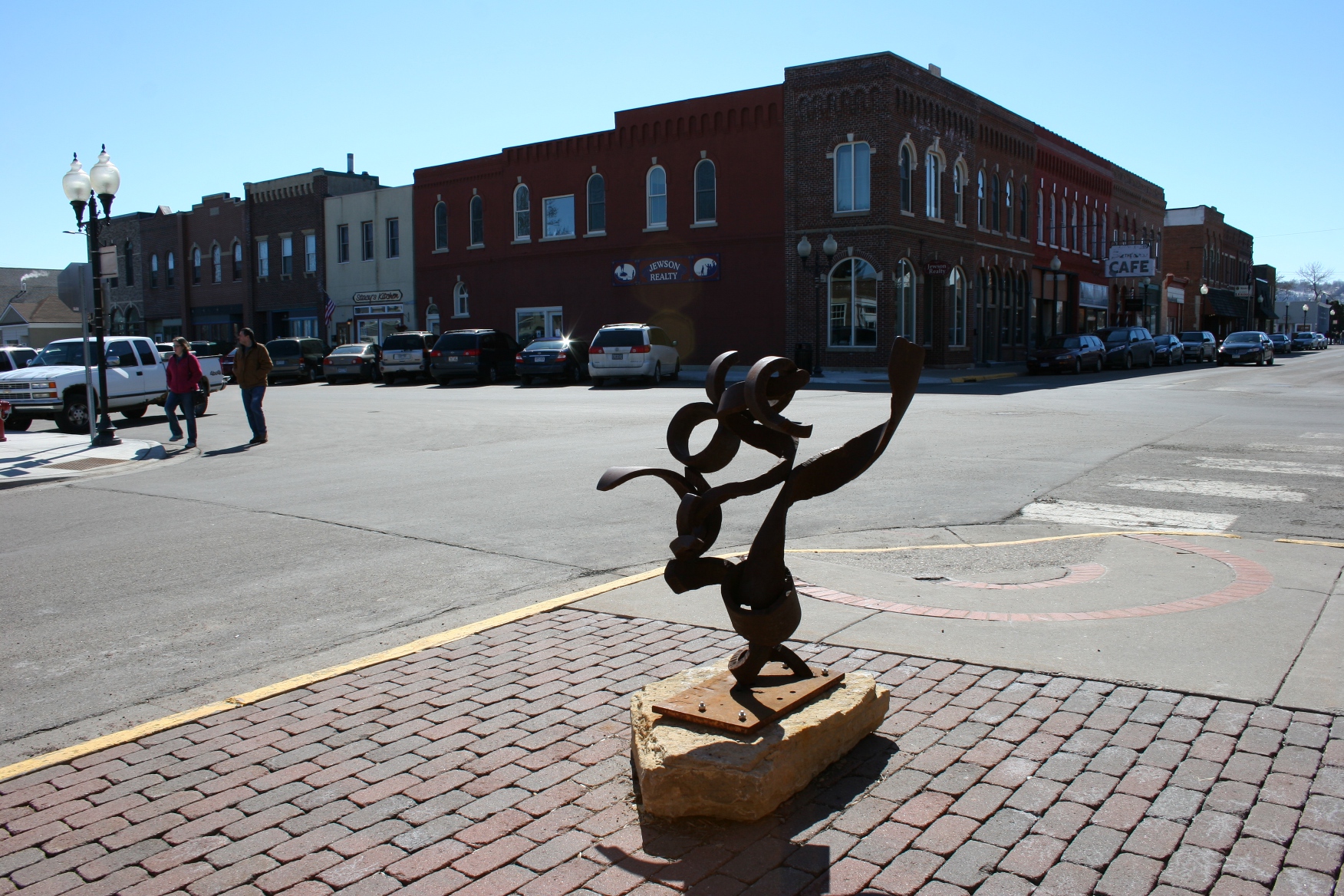
Wabasha, street corner sculpture

A stone’s throw away, a modern sculpture graces a street corner.

Wabasha, cafe sign up close

Certainly, Wabasha features more art; I had time to photograph only this sampling this trip.

#

CLICK HERE TO READ my previous post about art inside the National Eagle Center.

© Copyright 2014 Audrey Kletscher Helbling


All about eagles in Wabasha March 20, 2014

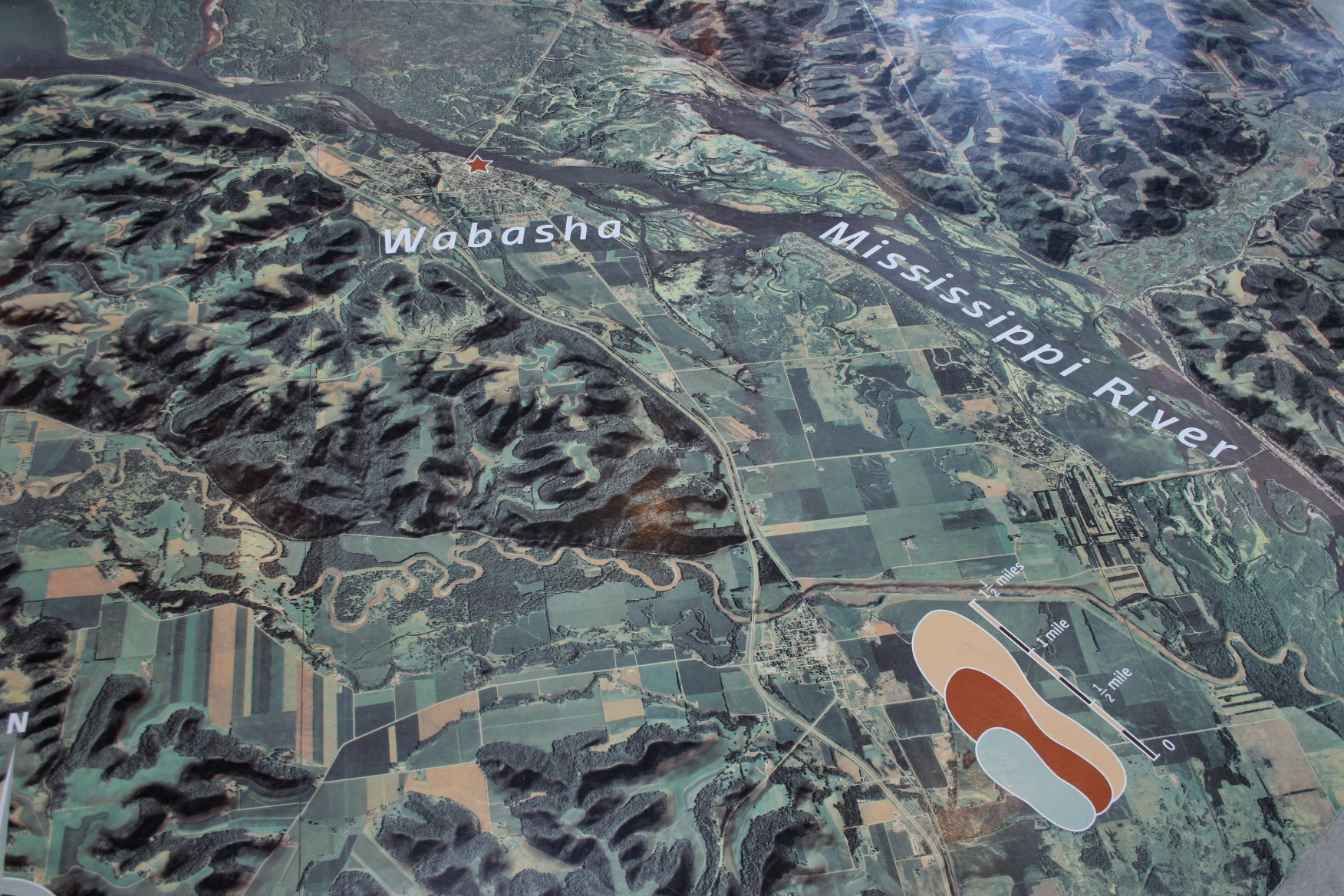
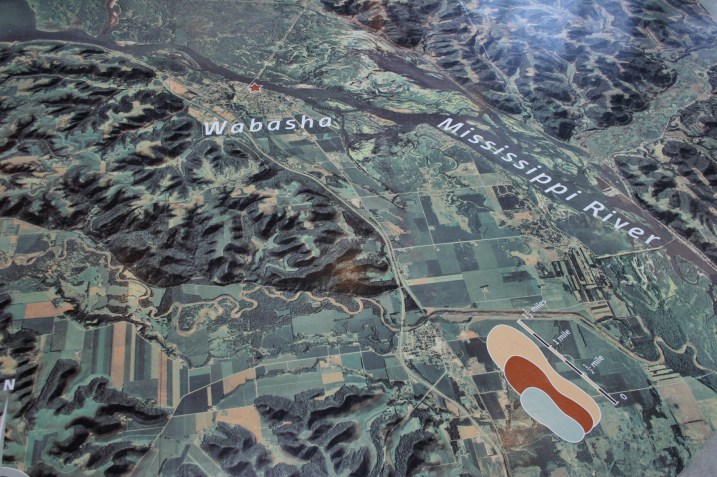
A section of a map on the floor of the National Eagle Center shows the location of Wabasha along the Mississippi River.

A section of a map on the floor of the National Eagle Center shows the location of Wabasha along the Mississippi River.

DRIVING INTO WABASHA, Minnesota, late on a Sunday morning in mid-March, we spot a bald eagle soaring high above this historic river town.
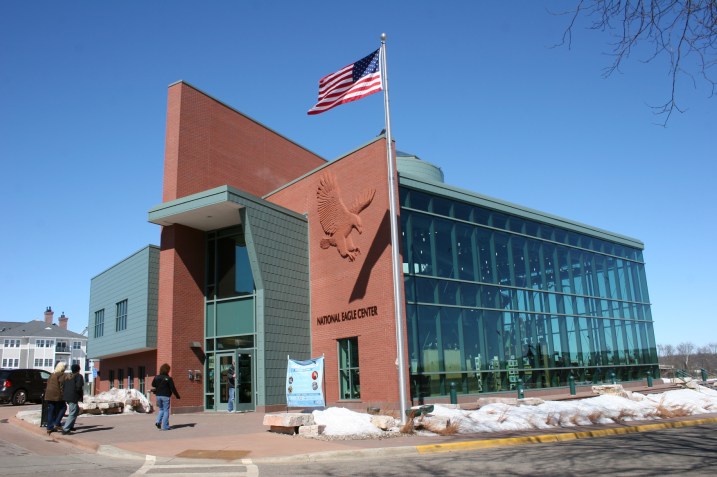
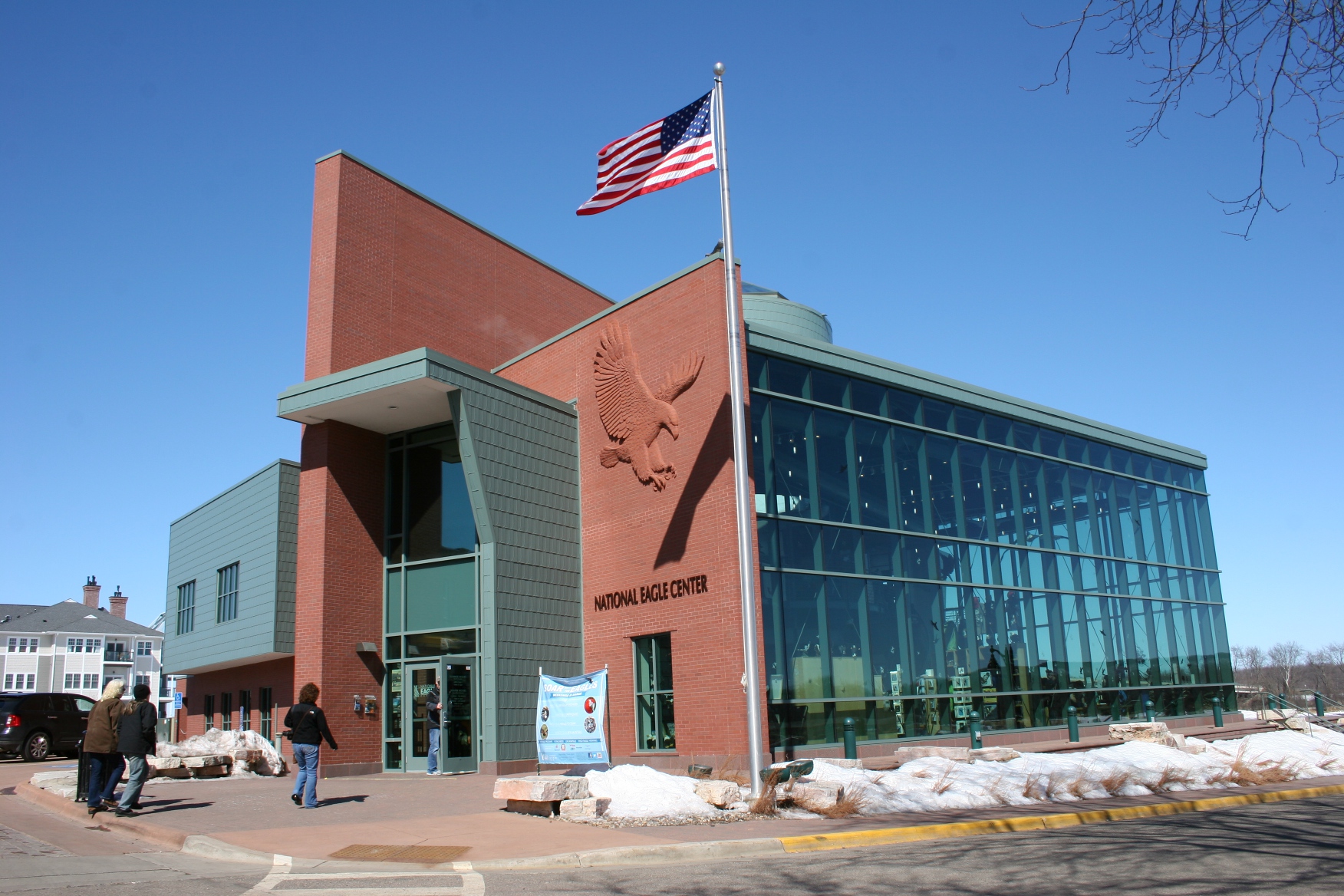
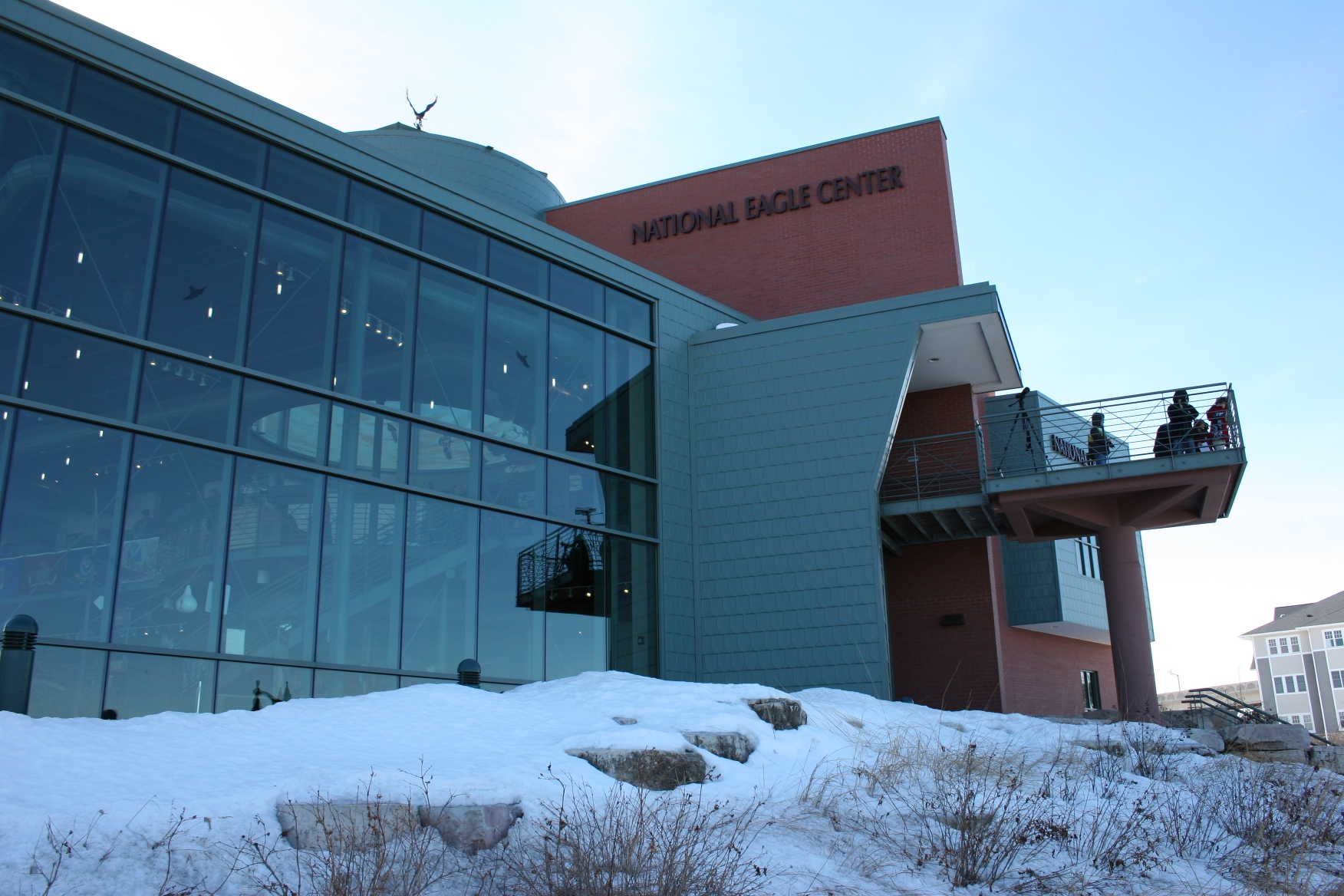
The stunning National Eagle Center, along the river and a block off the main downtown business district.

The stunning National Eagle Center, along the river in the heart of downtown Wabasha.

The bird’s welcoming appearance seems fitting given my husband and I have come here to tour the National Eagle Center, a modern two-story educational facility with banks of two-story windows and a second floor outdoor observation deck overlooking the Mississippi River.
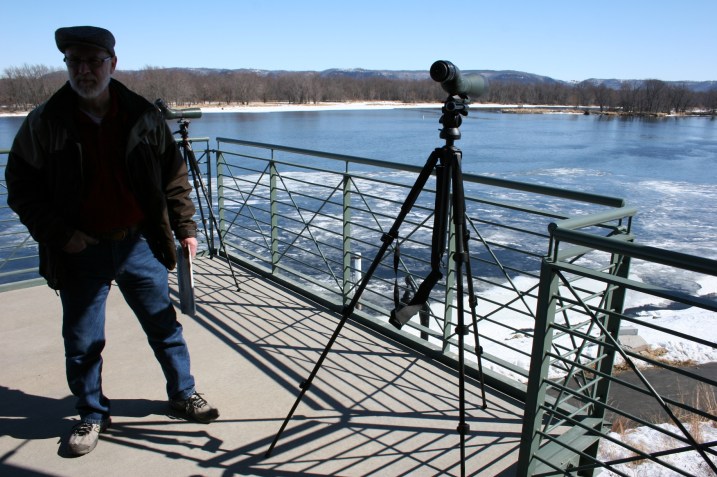
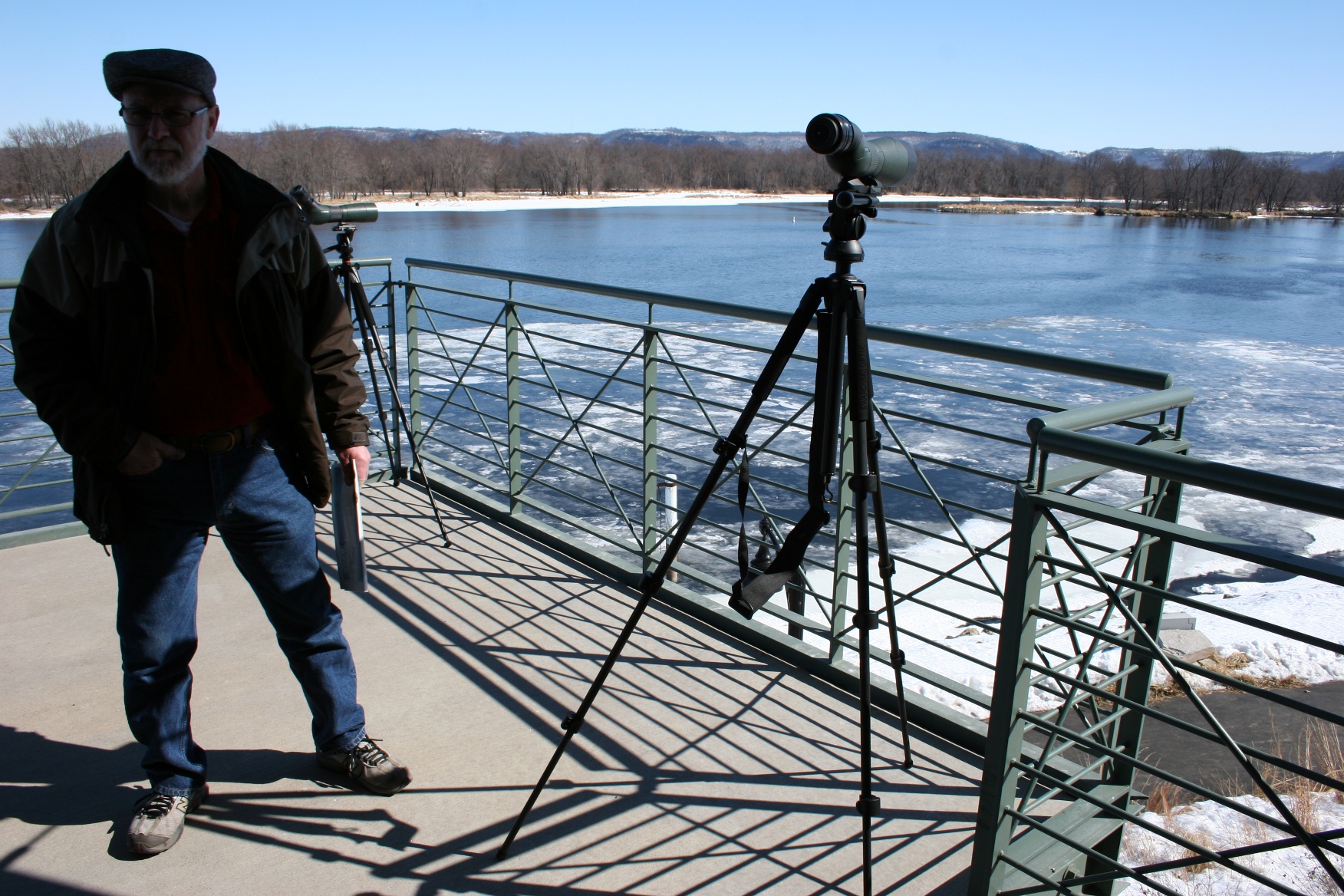
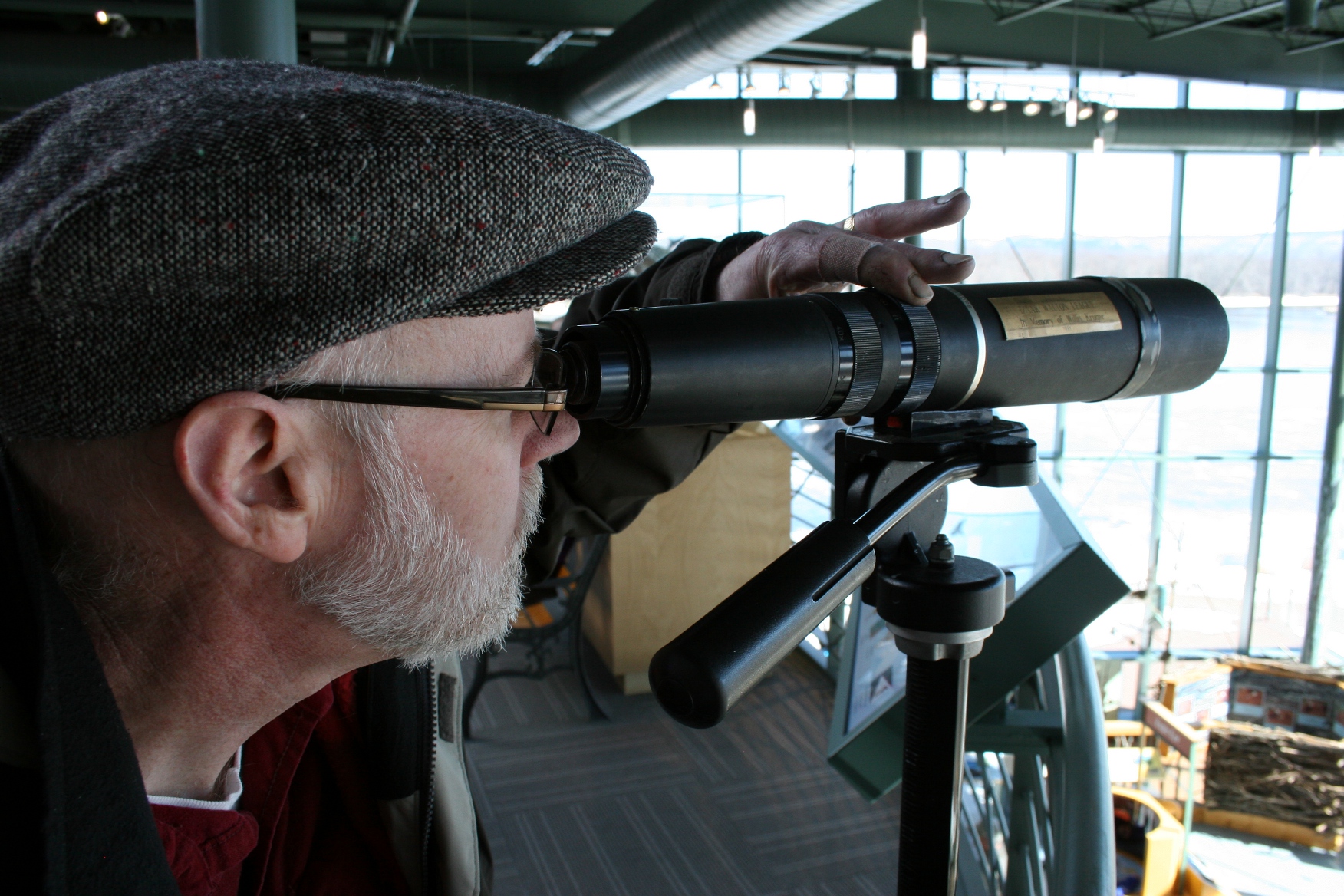
A second story observation deck outfitted with numerous binoculars, allows visitors to view the eagles along the Mississippi River.

The observation deck, outfitted with binoculars, gives visitors like my husband a view of eagles along the Mississippi River.

This ideal riverside setting allows visitors like us to observe eagles riding river bluff air currents, scooping fish from the water and perching in trees. Wabasha, with its year-round open water, proves an inviting locale for eagles.
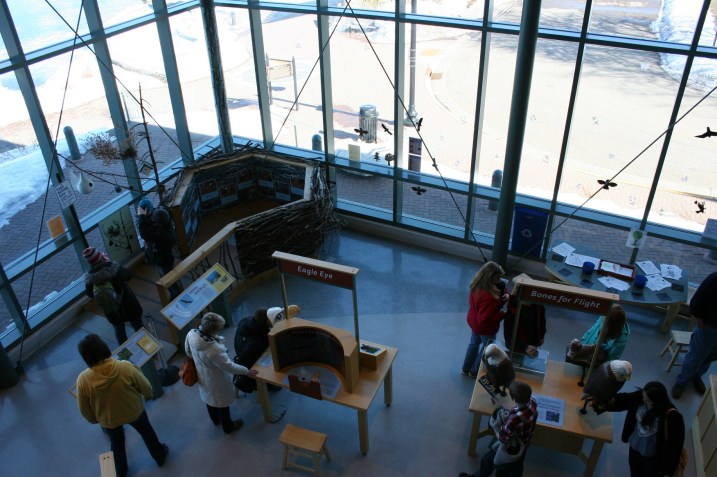
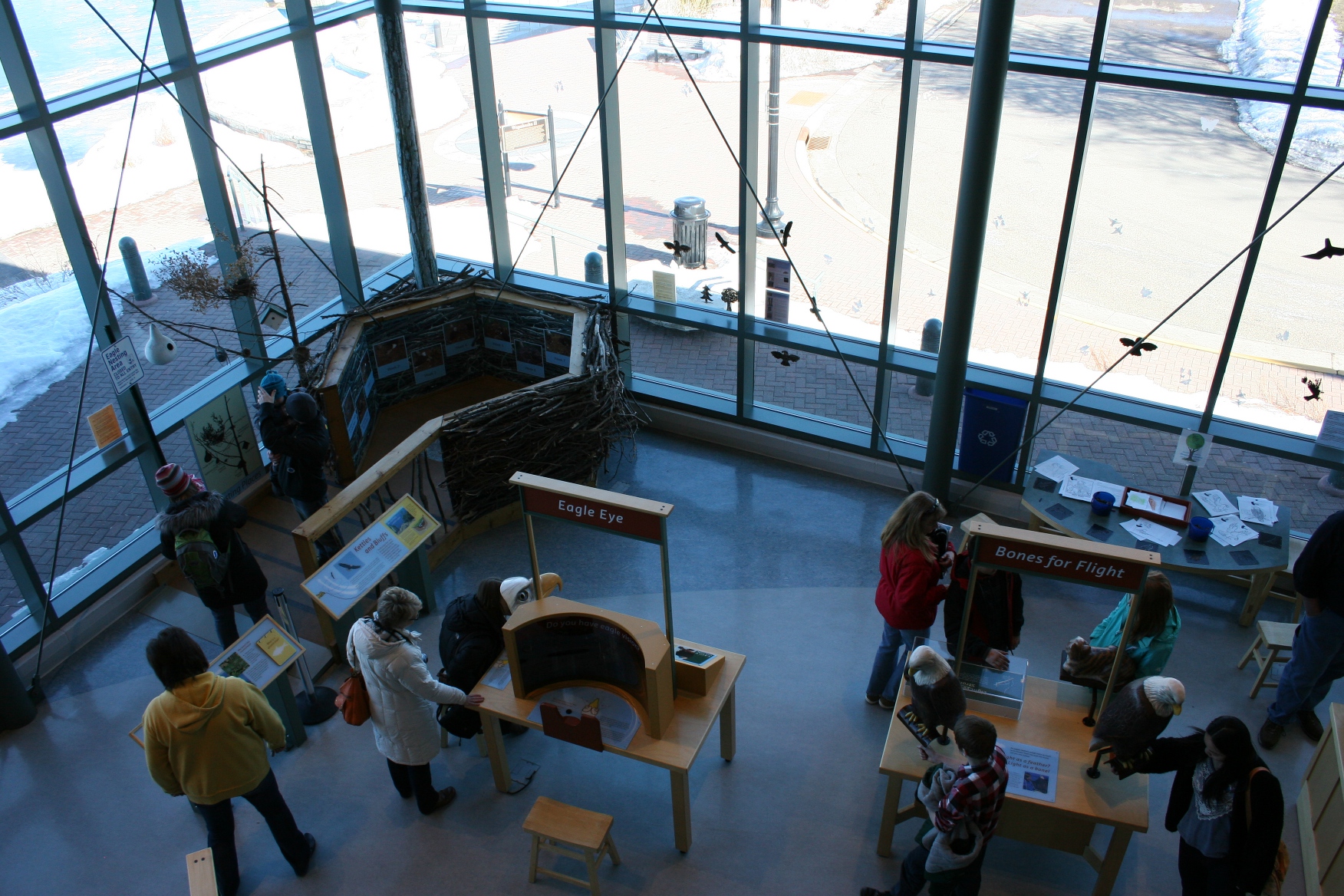
The activity area includes a replica eagle's nest, upper left.

The activity area includes a replica eagle’s nest, upper left.

Inside the center, hands-on interactive activities—from stepping inside a mock eagle’s nest to testing the weight of an eagle to experiencing the majestic bird’s vision to creating eagle art to scoping eagles through binoculars and more—occupy all ages.
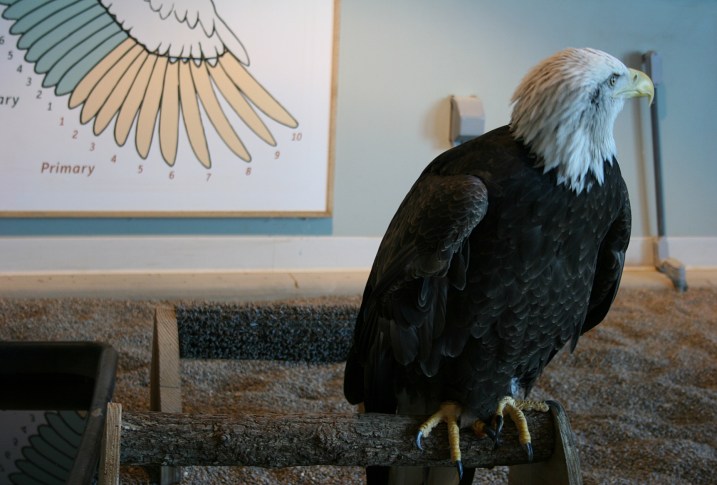
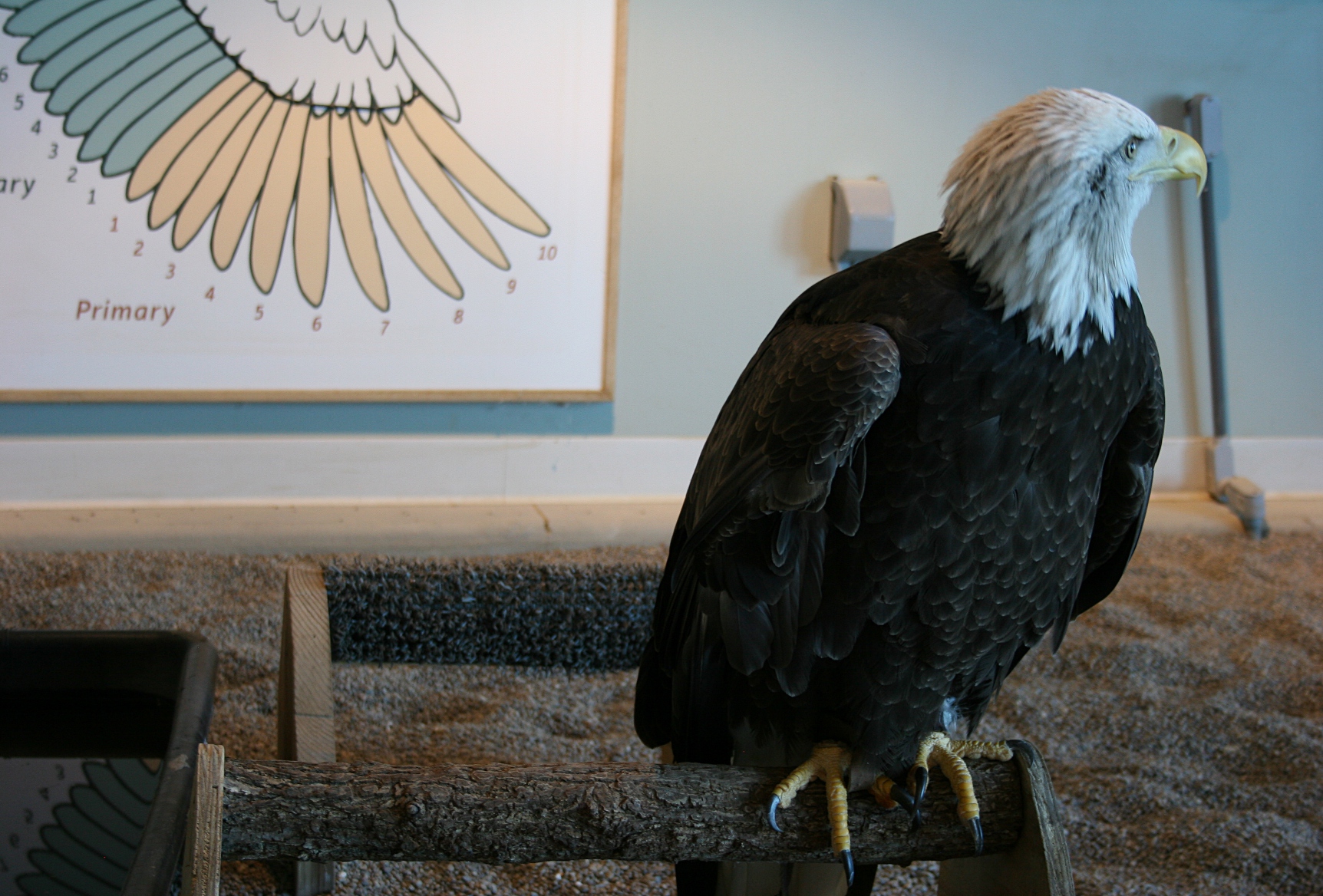
You can get up close to the resident eagles.

You can get up close to the resident eagles.

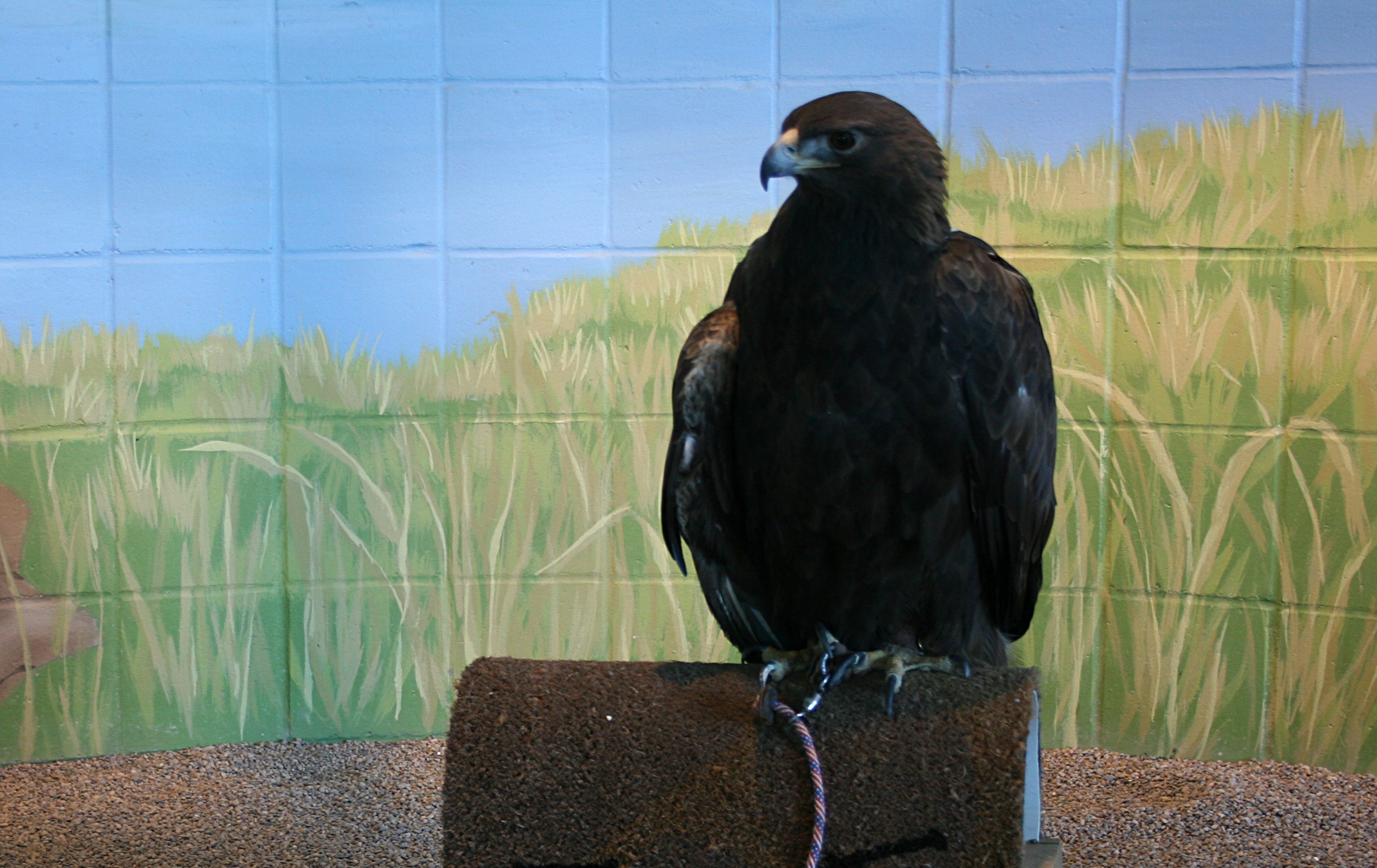
But, unequivocally, the major draws are the resident eagles, birds that were injured, treated and could not be released back into the wild. Bald eagles Angel, Columbia, Harriet and Was’aka call this place home while Donald is the sole golden eagle here. The 32-year-old Harriet is perhaps the best known, appearing numerous times on television and serving as the model for Minnesota’s Support Our Troops vehicle license plate.
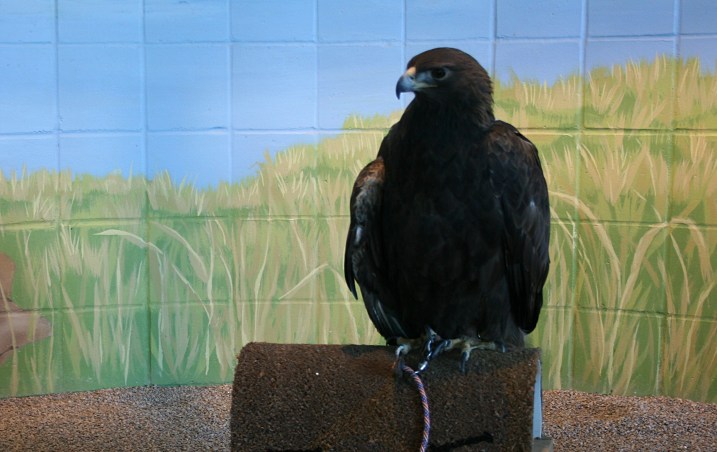
Donald, the single resident golden eagle.

Donald, the single resident golden eagle.

Handlers tend the tethered eagles in a viewing room while answering questions among a curious crowd snapping photos with cell phones and cameras.

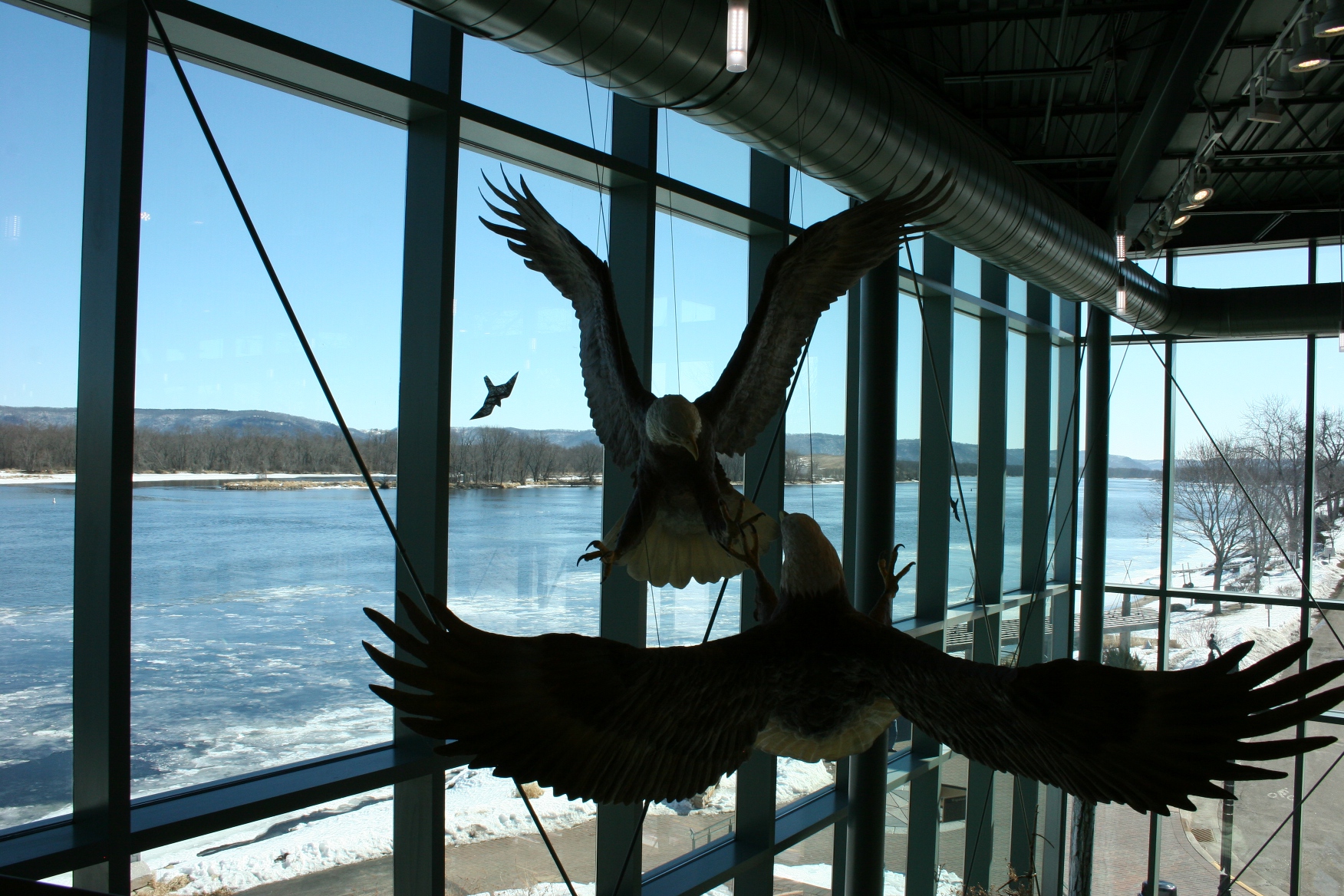
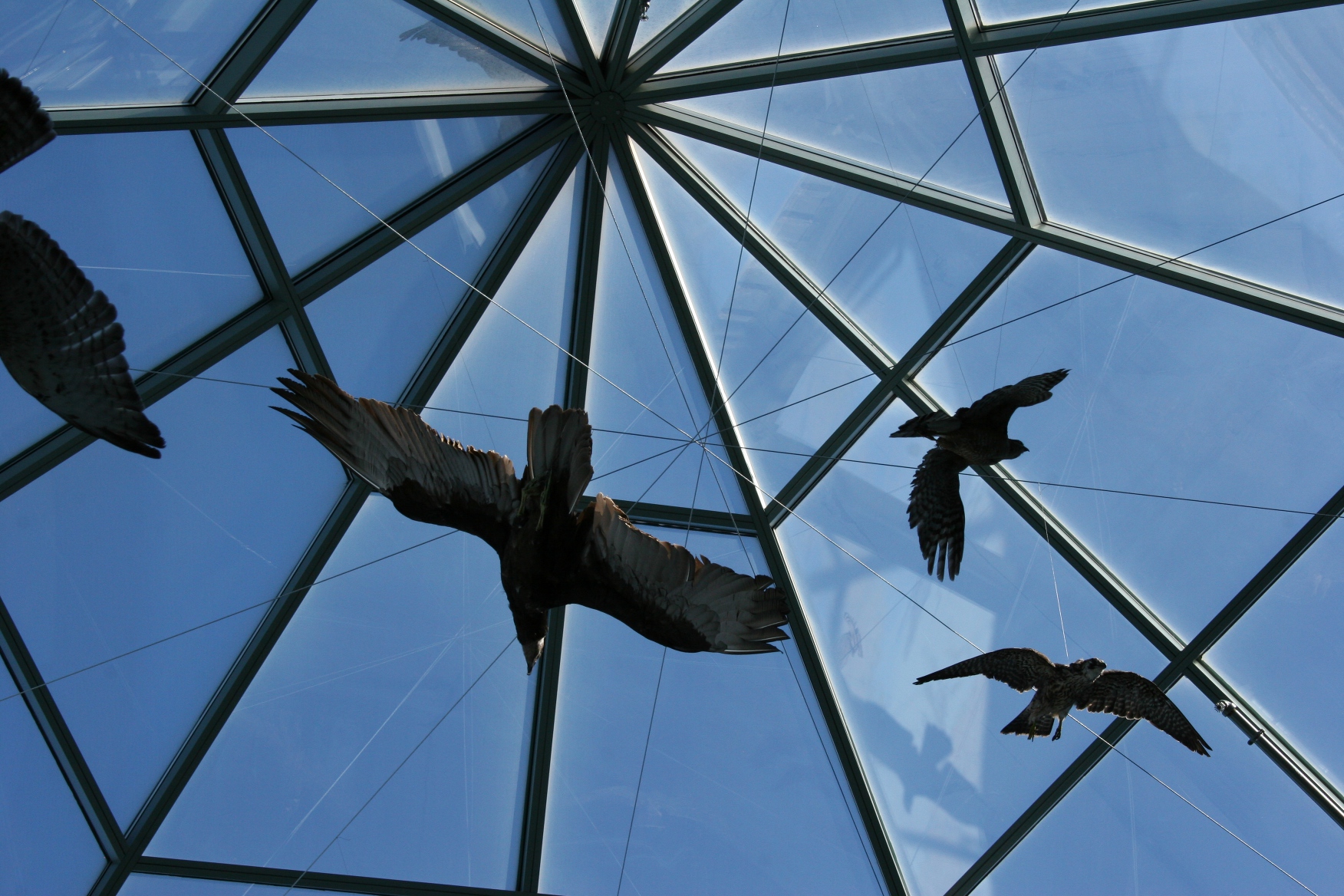
Eagles suspended from the ceiling and a view of the river from the second floor of the eagle center.

Eagles suspended from the ceiling and a view of the river from the second floor of the eagle center.

Thrice daily, the center presents an educational program on eagles. On this Sunday, staffer Bucky, with humor, skill, knowledge and audience engagement, entertains and educates young and old (that would be Randy and me).
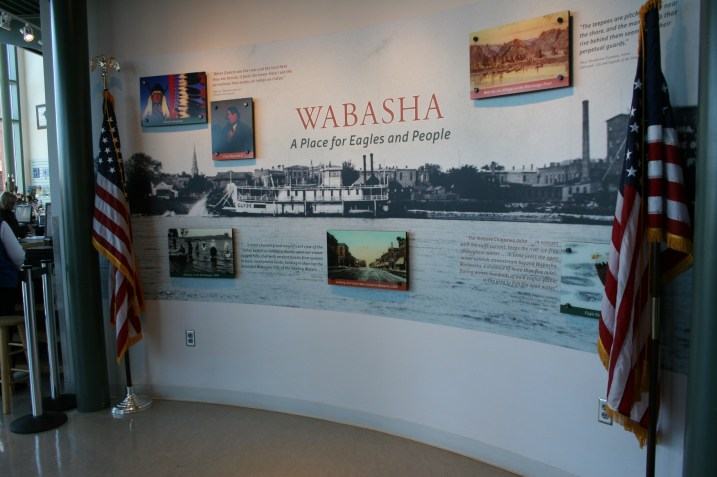
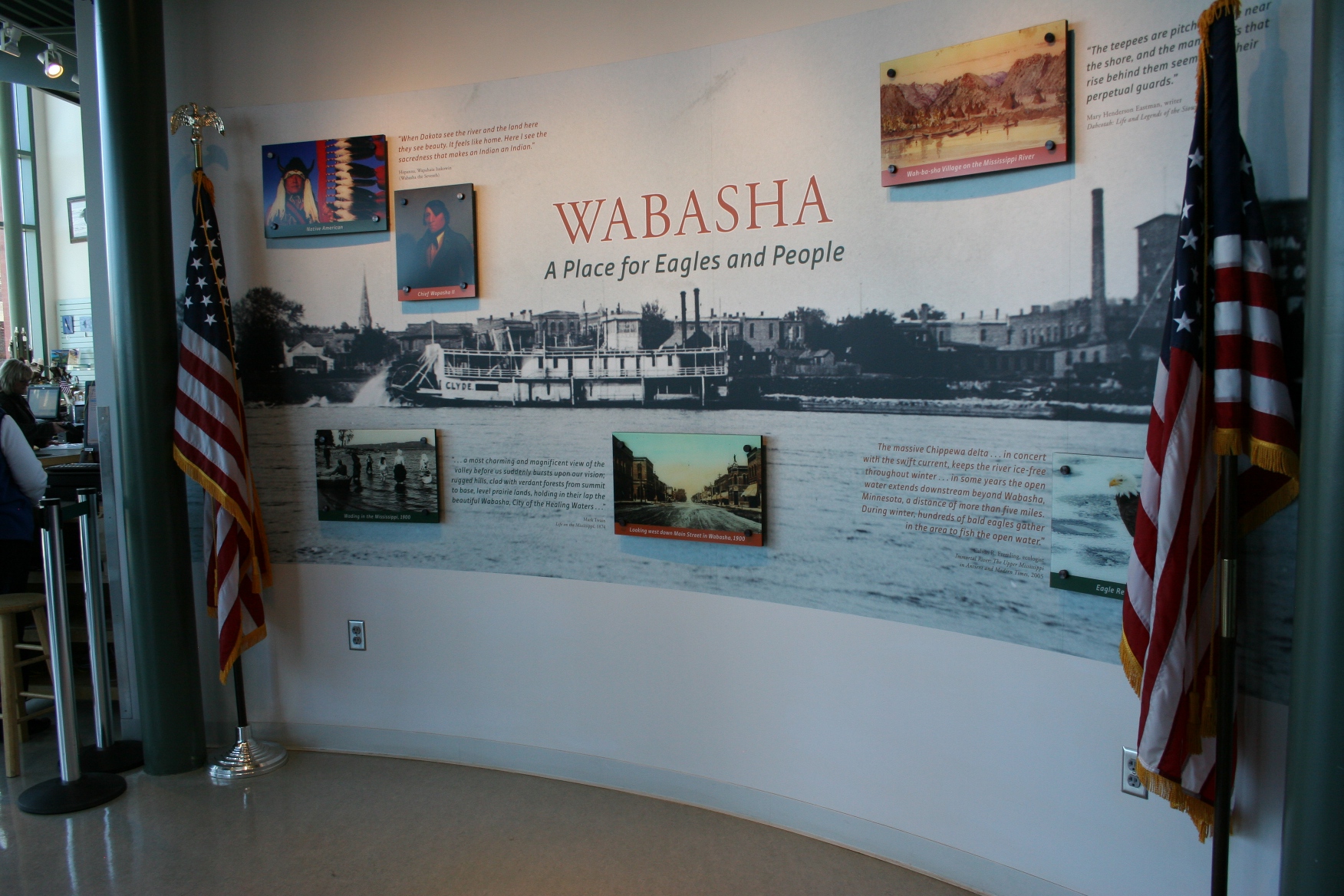
A mural provides information about Wabasha and its open water draw for eagles.

A mural provides information about Wabasha’s history and eagles.

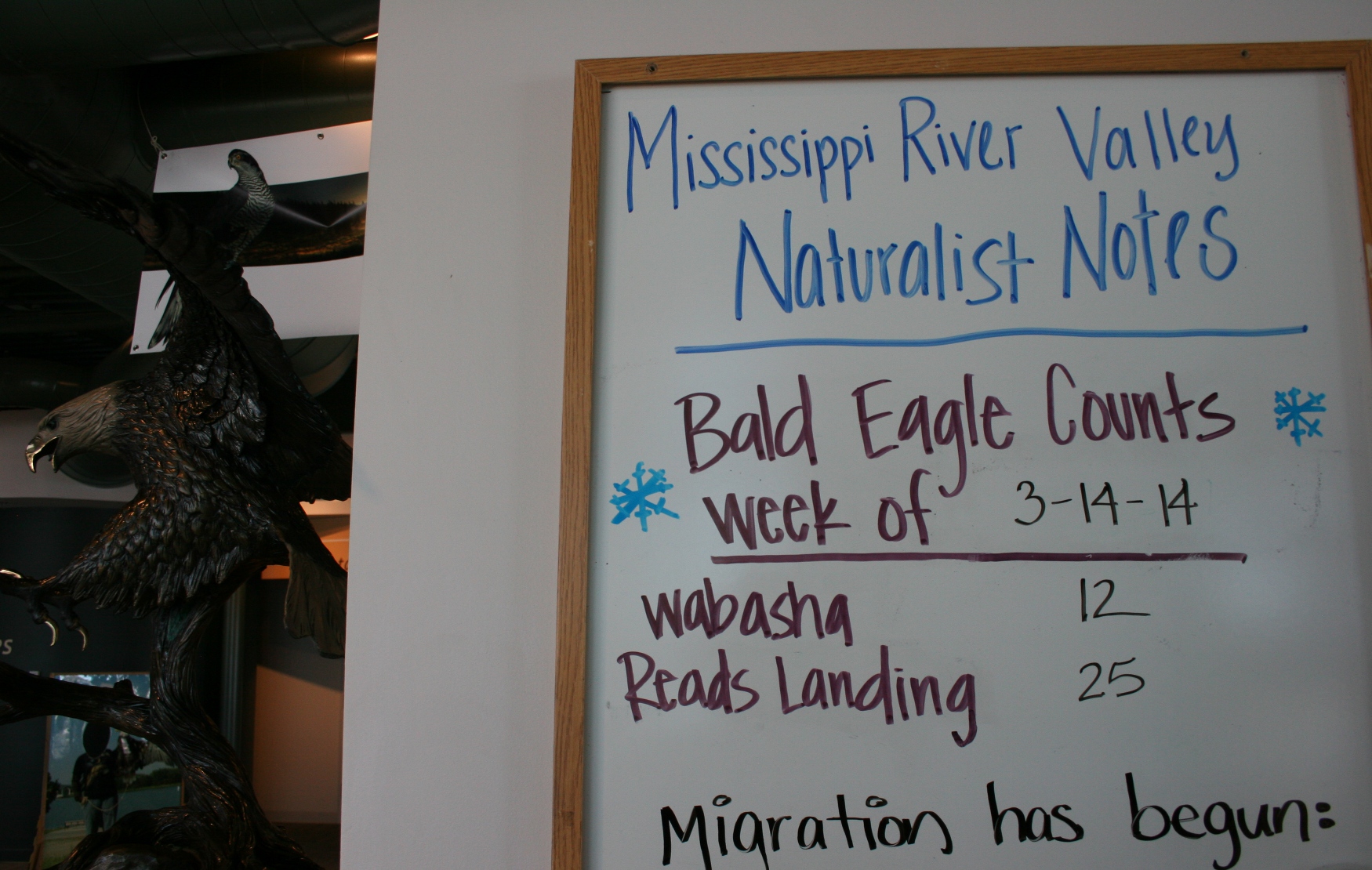
We learn, for example, that Wabasha provides the perfect environment for bald eagles with the river, protected habitat and bluffs. Eagles nest across the river and at nearby Read’s Landing.
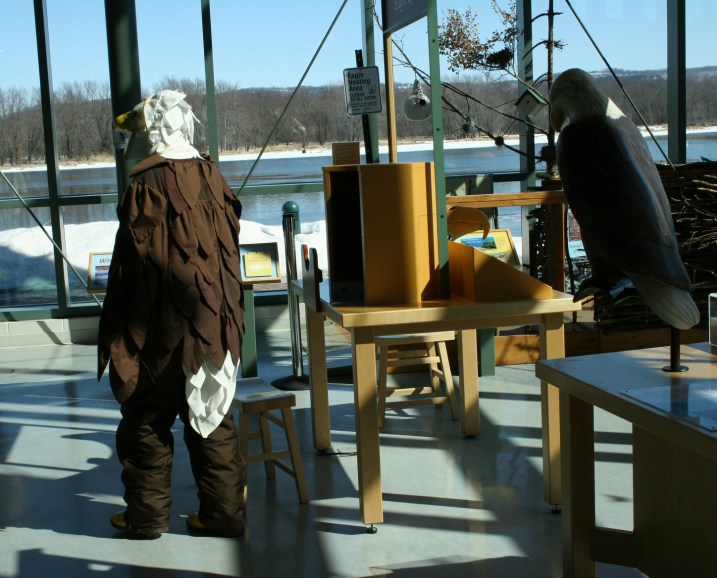
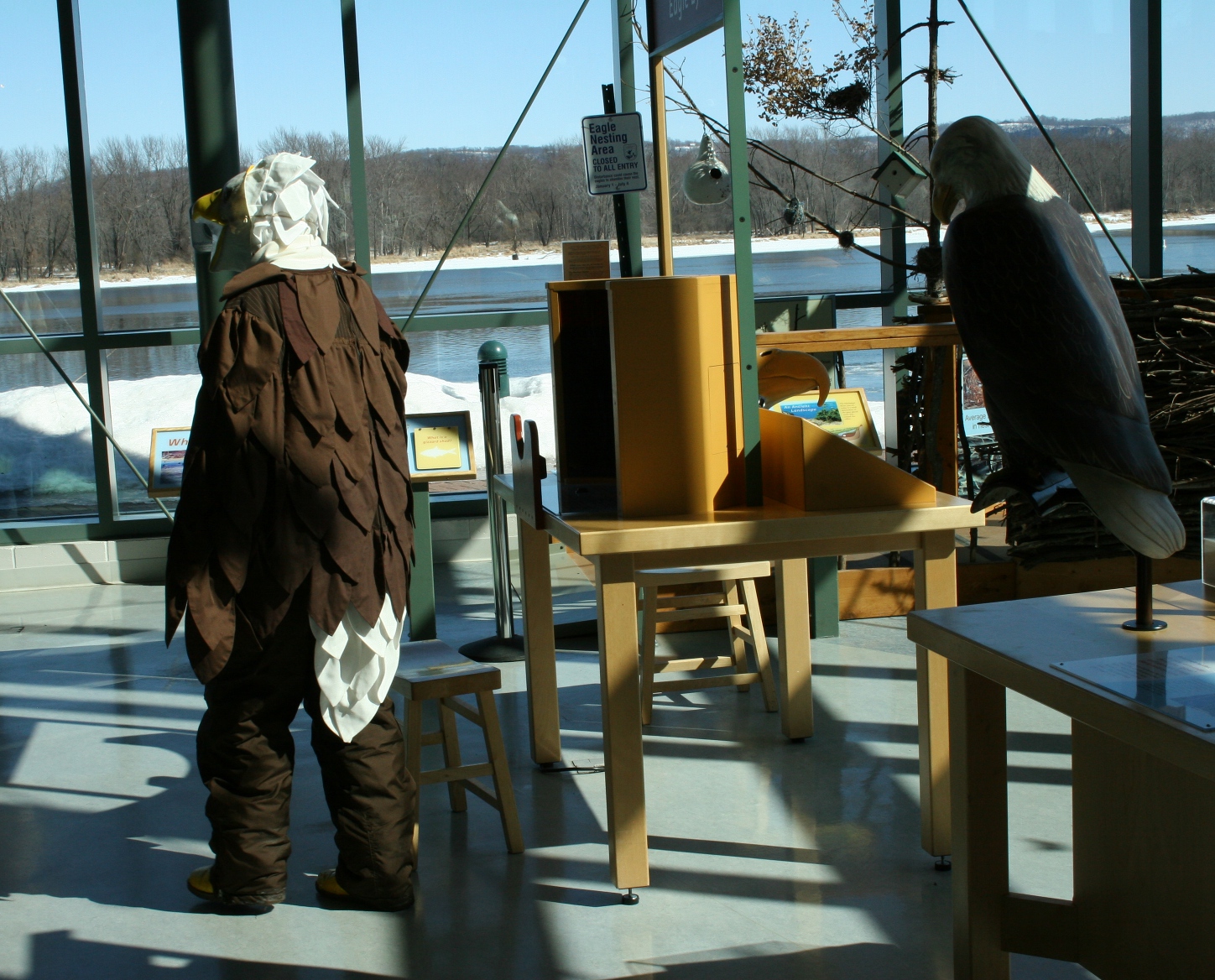
Dressed as an eagle, a staffer wanders through the eagle center.

Dressed as an eagle, a staffer wanders through the eagle center.

When Bucky shares that eagles are territorial, he mimics the bird’s high-pitched call then asks us to practice our eagle calls. Kids giggle. Adults laugh at the attempts.

During the presentation, Bucky occasionally checks on an elementary-aged boy who is keeping a replica eagle egg warm in the pouch of his sweatshirt. Eagle nests can measure up to nine feet wide and 20 feet deep and weigh as much as three tons.
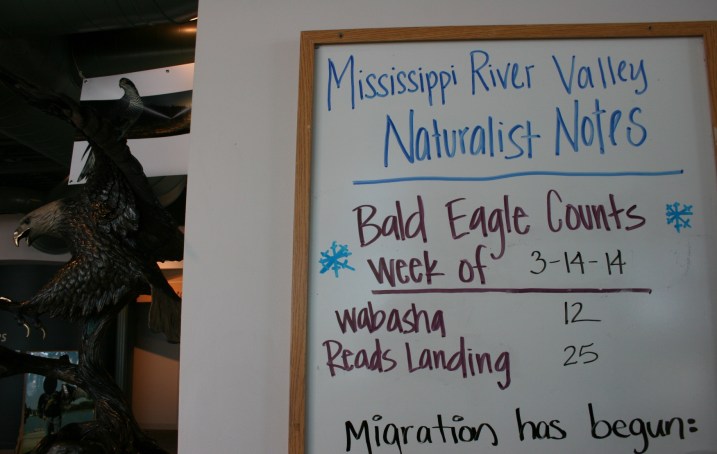
The current eagle count tallied.

The current eagle count tallied.

Today, Minnesota is home to 1,200 active eagle nests. When the eagle expert asks how many of us can see eagles in our home areas, nearly all 17 of us raise our hands.

But it wasn’t always that way. Randy and I are among the audience few who remember a time when these birds were endangered. Shortly after World War II, the pesticide DDT was introduced, washing into waterways where fish and aquatic life absorbed the toxin. When eagles ate the fish, they, too, were impacted. The DDT weakened their eggshells, resulting in eggs that broke during incubation or failed to hatch. The pesticide was banned in 1972.
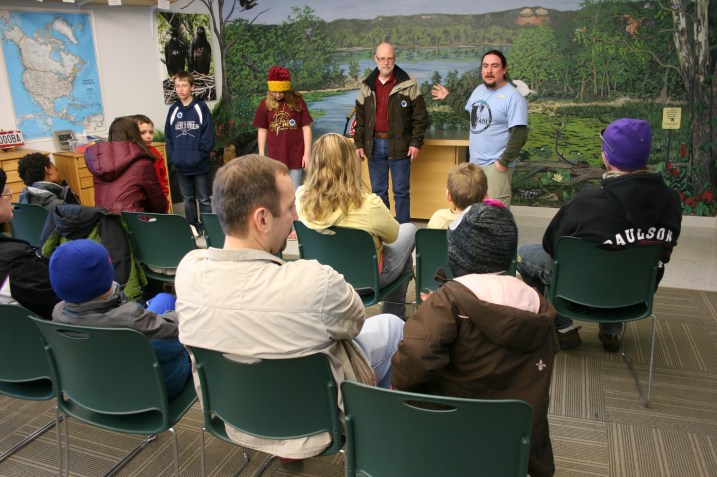
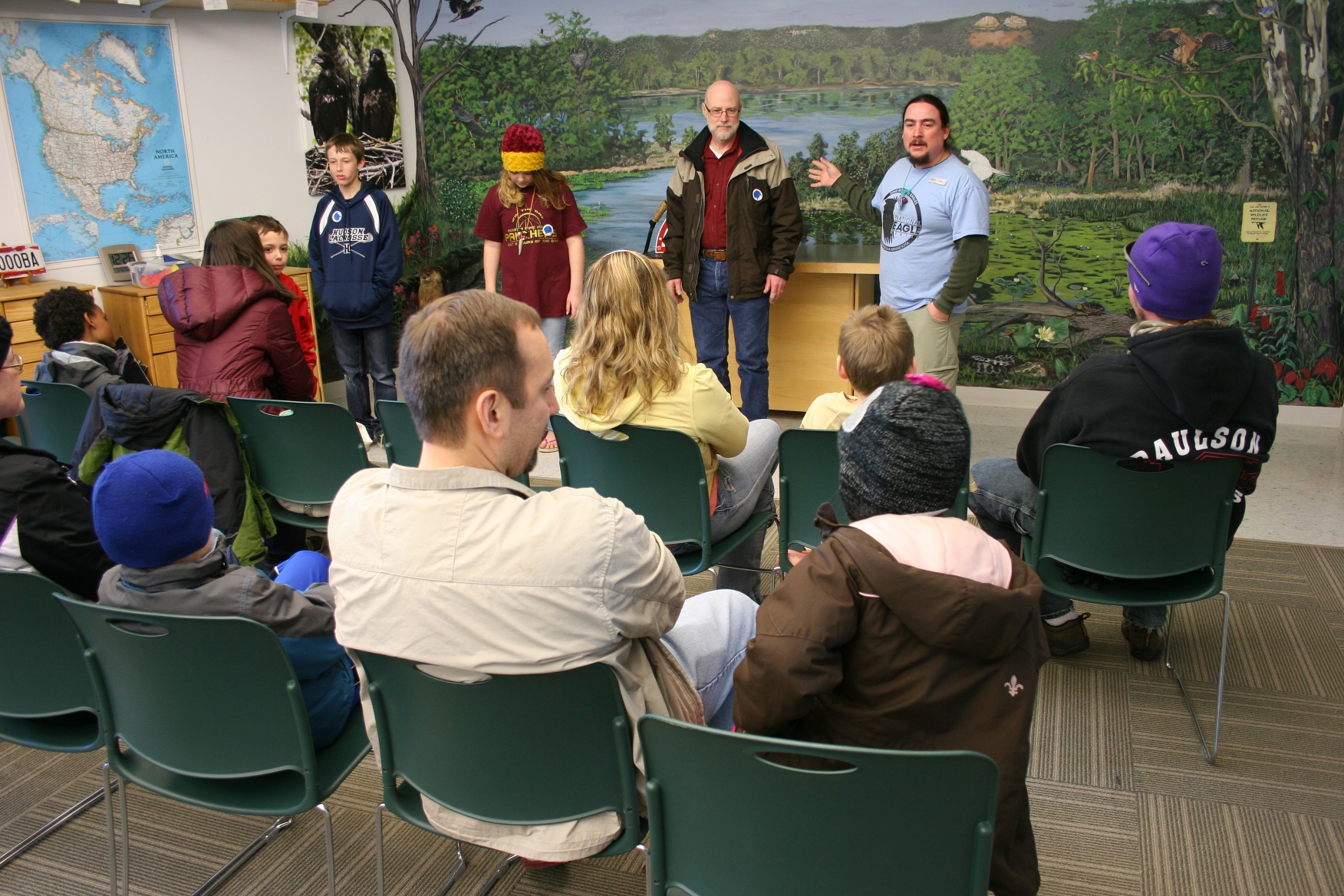
My husband, second from right, plays a bald eagle.

My husband, second from right, plays a bald eagle.

To visually explain the chain reaction, Bucky chooses three kids to role play a mosquito, a small fish and a large fish. I know precisely whom he will pick to play the bald eagle. The bald guy in the third role, my husband, makes his acting debut.

Bucky proves his point as, one by one, the performers “ingest” DDT.
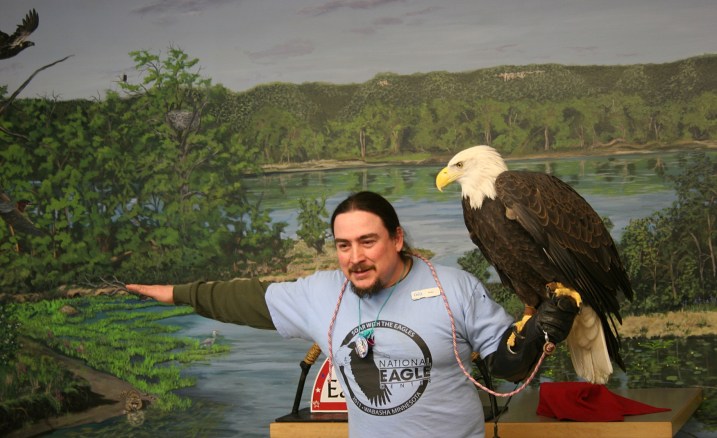
Bucky and Angel.

Bucky and Angel.

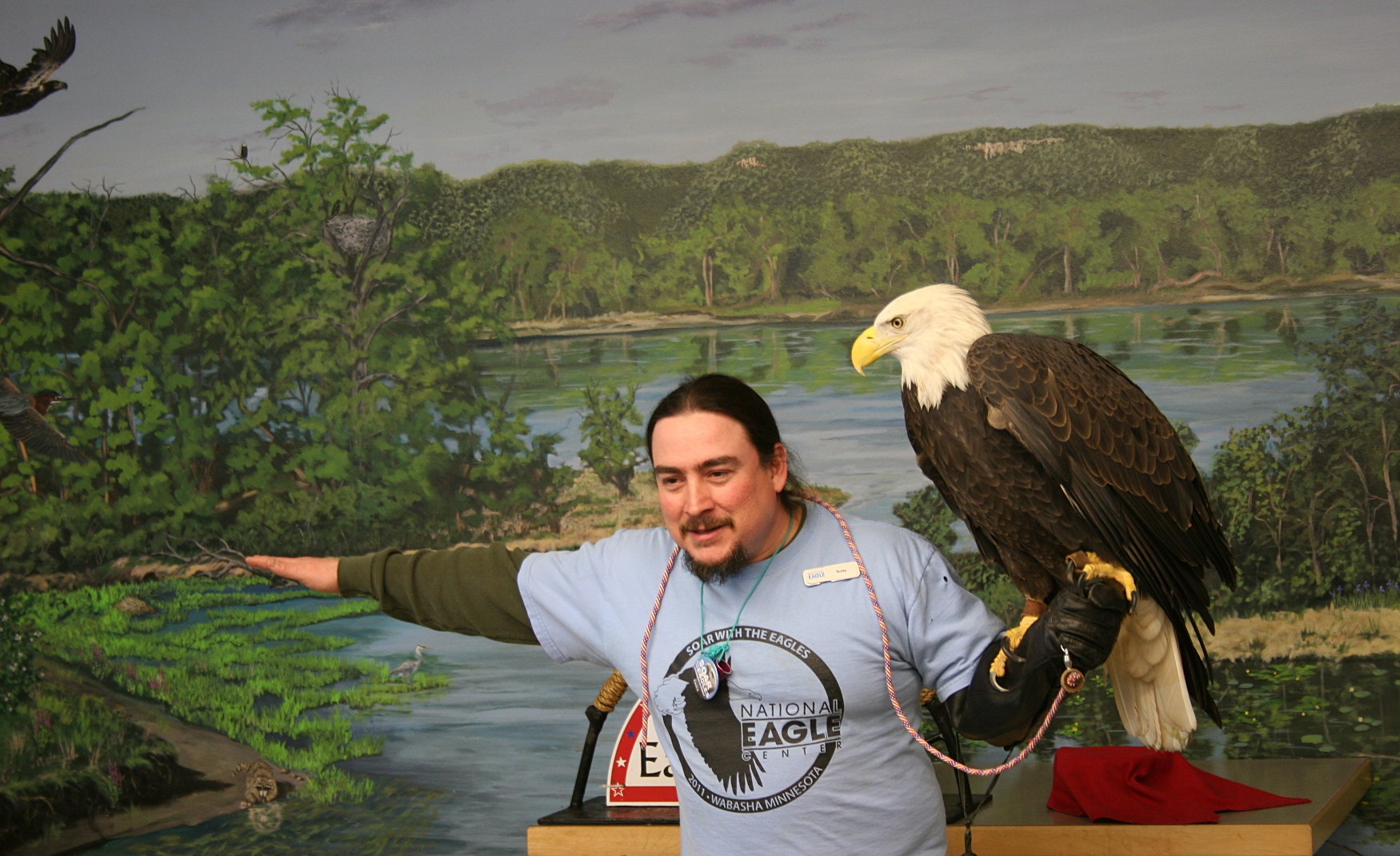
A few minutes later, after this educator pulls out a board the length of an eagle’s wing span (6 ½ to 7 feet), he exits the room and returns with resident bald eagle Angel. The 11-pound female came to the center in 2000 after suffering a broken wing.

Perched on Bucky’s gloved arm, Angel is the model of perfect human imprinted behavior. She is a guest at many Native American ceremonies and also makes educational appearances.
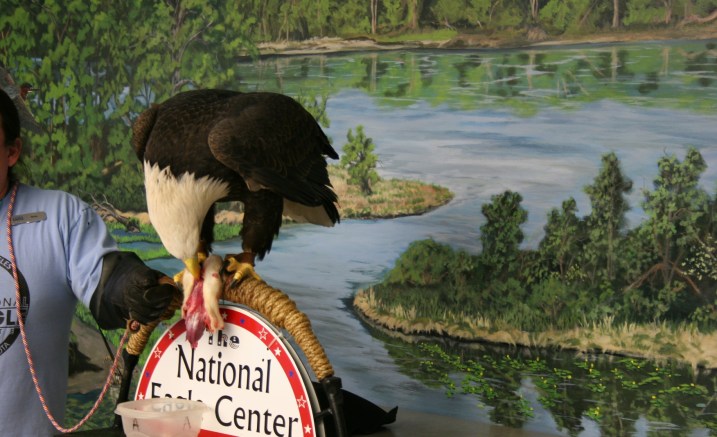
Shortly after Randy shot this photo of Angel eating a rat, I left the room.

Shortly after Randy shot this photo of Angel eating a rat, I left the room.

I enjoy Angel, until feeding time. Bucky pulls a white rat from a plastic container. For awhile, I watch as the eagle uses her beak and talons to rip apart the rodent. I stop photographing the scene and hand my camera to Randy. By then I’m looking down. He snaps a few photos, hands the camera back to me and shortly thereafter I exit the room to view the resident eagles who are not dining.

Rather they are simply perched, an activity which occupies 94 percent of their lives.
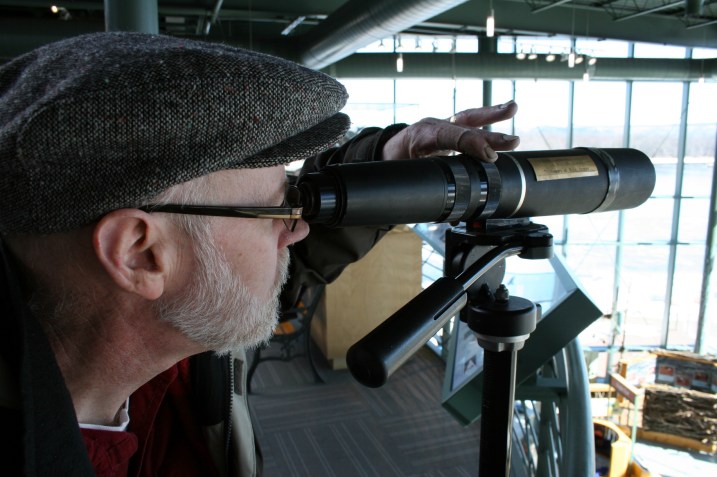
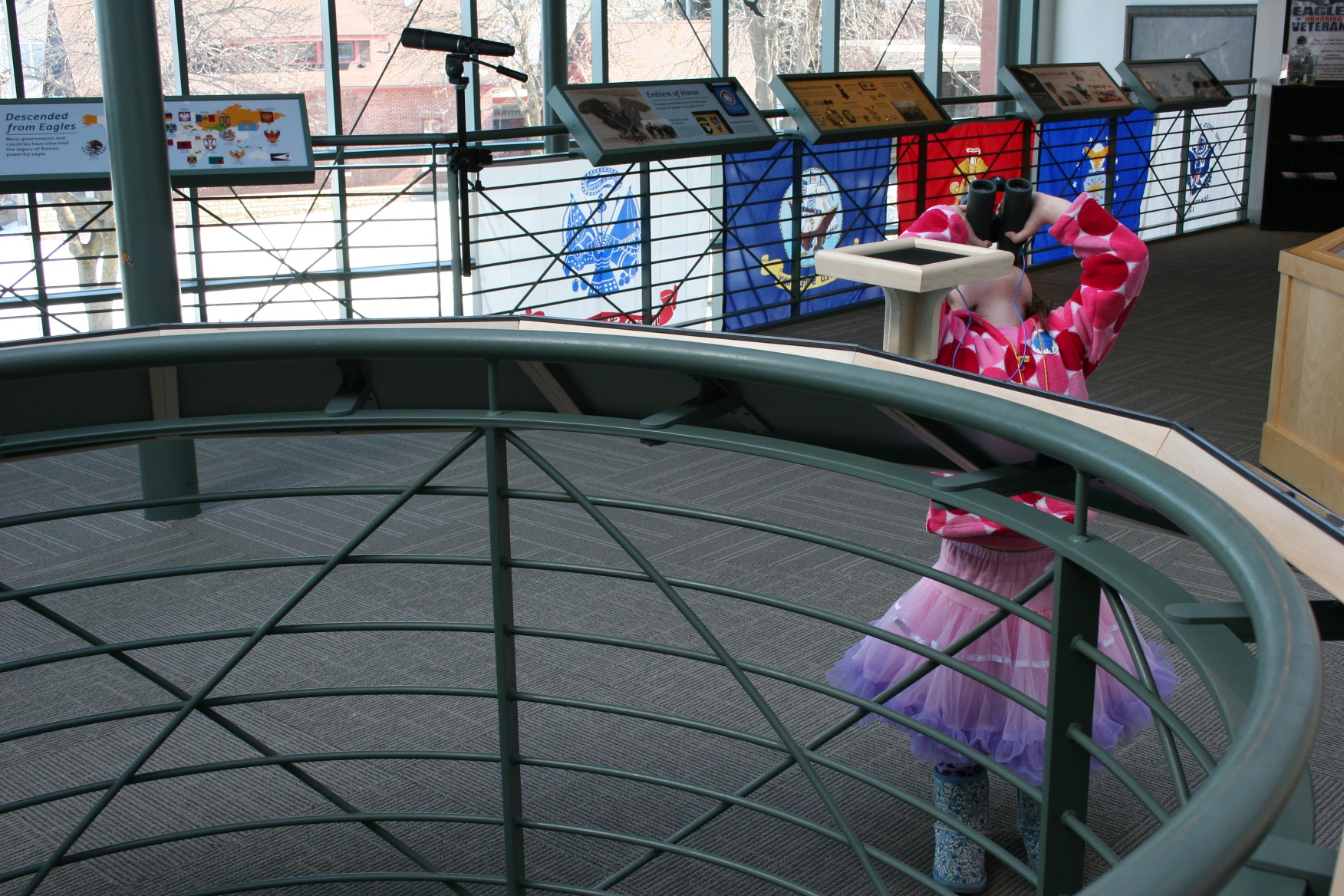
You'll find binoculars throughout the eagle center.

You’ll find binoculars throughout the center for viewing eagles.

Later, Randy will search me out, inform me that I left at just the right time—before rat pieces started flying toward the audience.

#

BONUS PHOTOS:
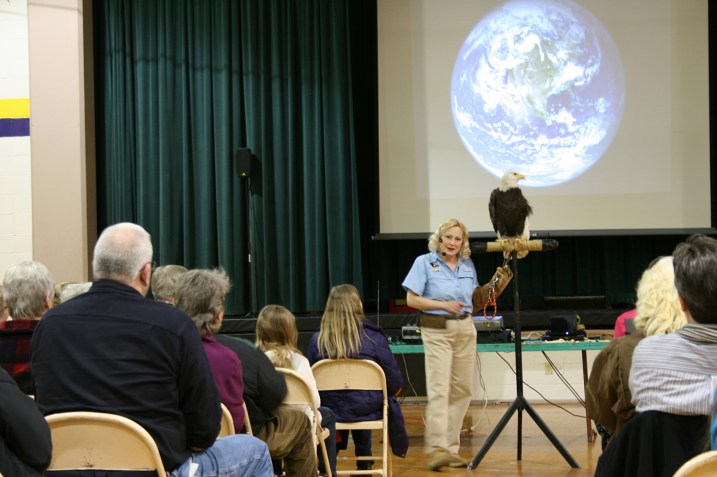
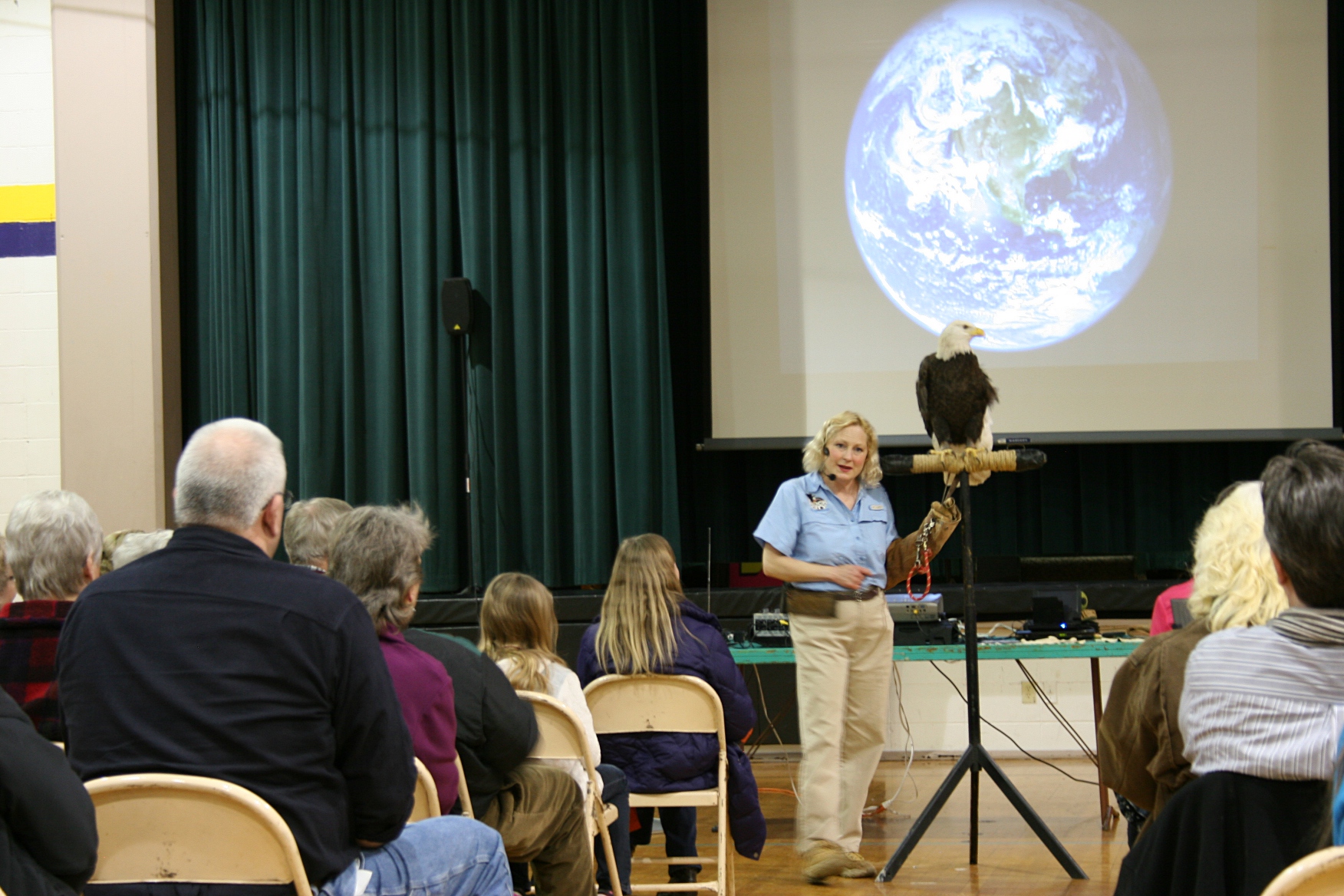
A bald eagle was part of the show in the gym. No, it did not fly.

A bald eagle was part of “Wings to Soar” in the nearby St. Felix gym. No, the eagle did not fly.

WHILE IN WABASHA, we also took in the National Eagle Center sponsored program, “Wings to Soar.”
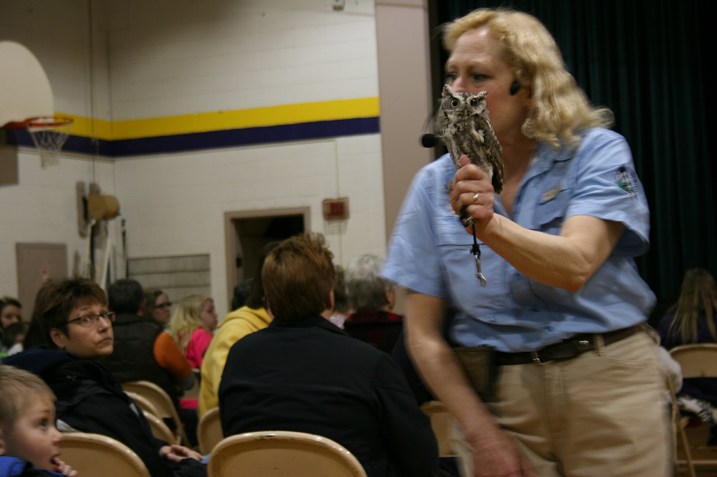
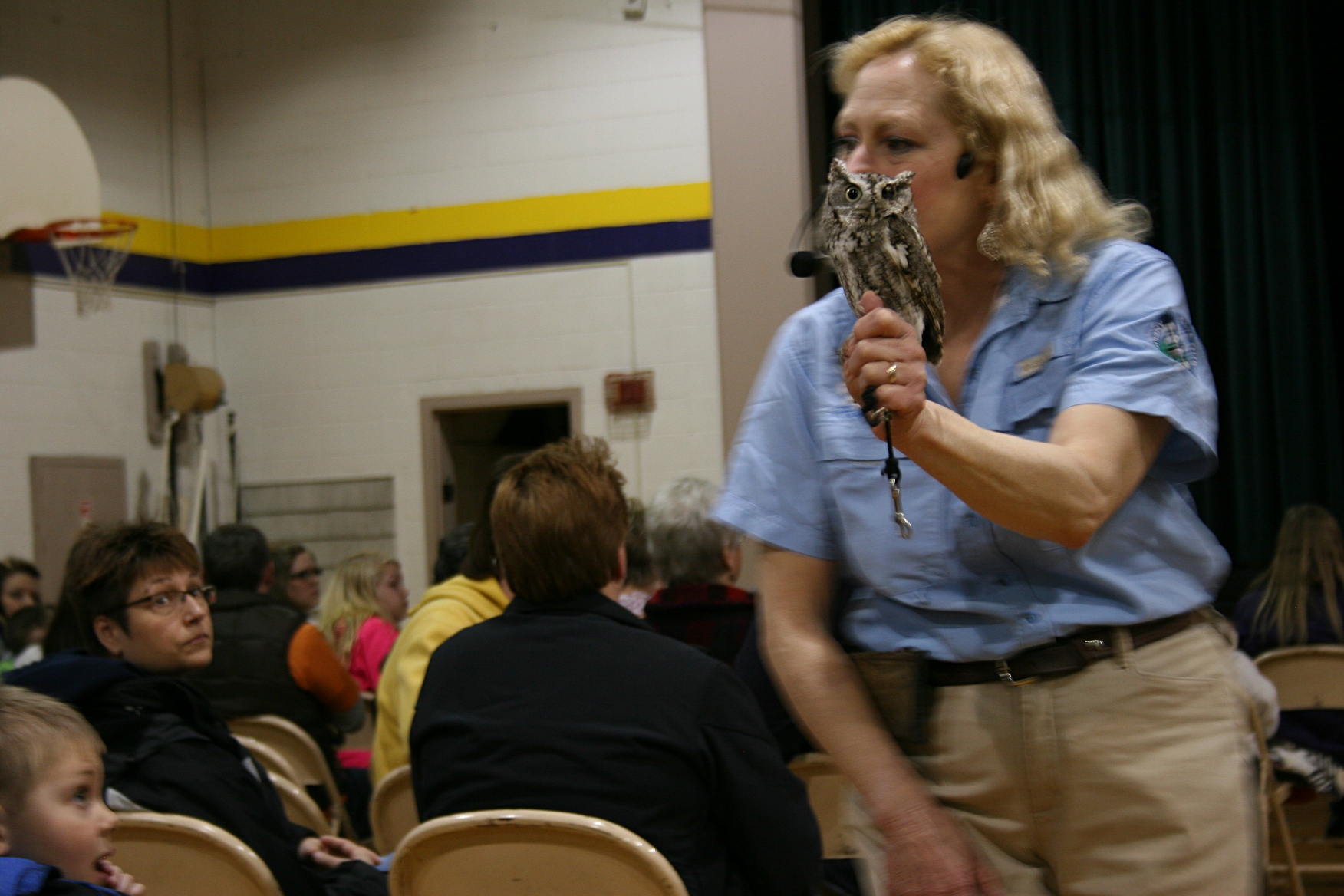
Dale wandered through the audience with the birds, like this owl.

Dale wanders through the audience with an owl.

In St. Felix auditorium several blocks from the eagle center, Southerners John Stokes and Dale Kernahan presented an educational flying raptor program that, yes, involved birds of prey flying over our heads.
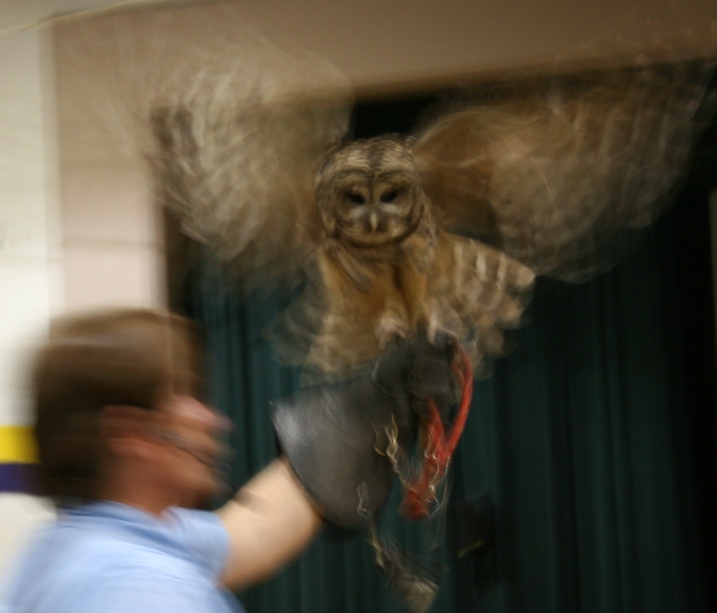
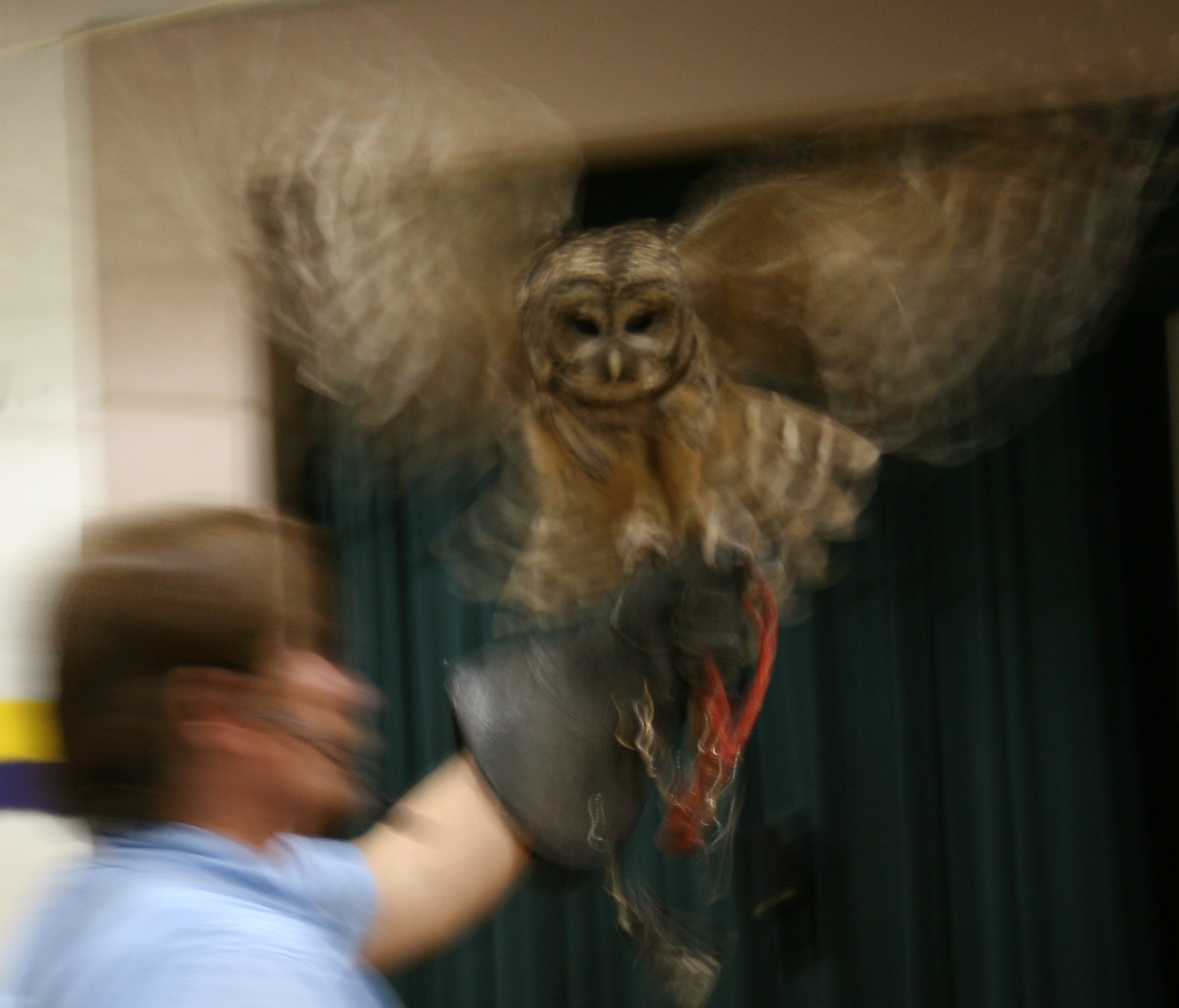
Here an owl flaps its wings. The birds skimmed over our heads during the show.

Here an owl flaps its wings. Some of the birds skimmed over our heads during the show.

Stokes advised anyone who was afraid of birds to leave. That would be me. But I stayed and did just fine with the owls and hawks. But when Kernahan walked out with a vulture and then allowed it to fly at low altitude, I slunk into my folding chair.
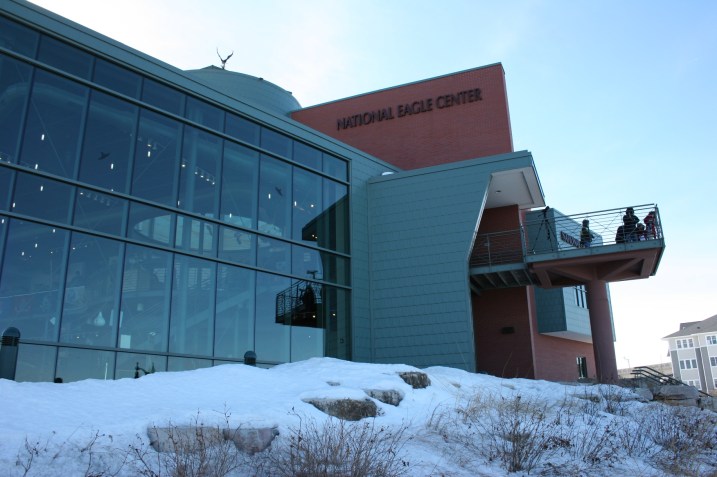
On the right, you'll see the second story riverside observation deck.

On the right is the second story riverside observation deck.

FYI: March marks special “Soar with the Eagles” weekends in Wabasha. March 22 – 23 you can attend Sky Hunters, a flying bird show.
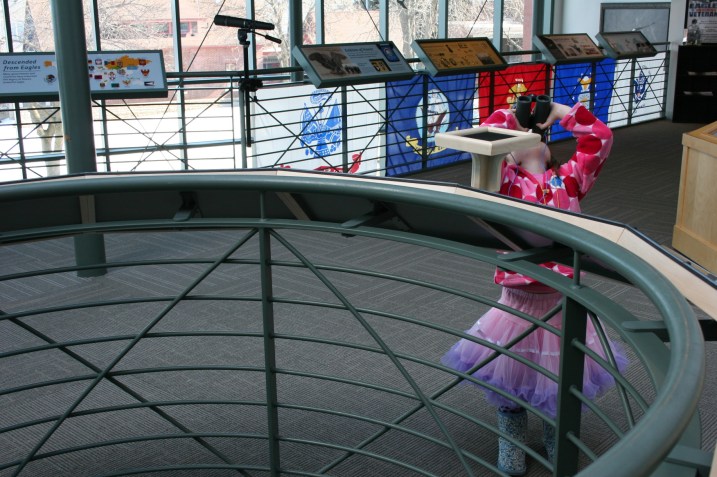
This girl is looking up at these...

Inside the National Eagle Center, this girl is looking up at these…
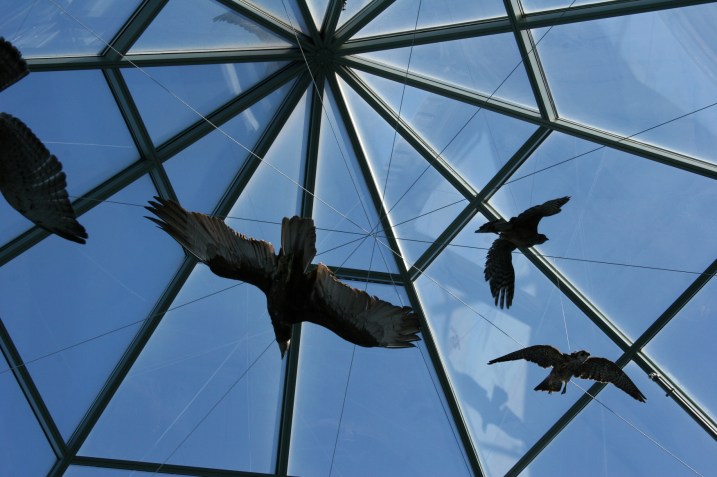
...birds suspended from the glass ceiling.
…birds suspended from the glass ceiling.

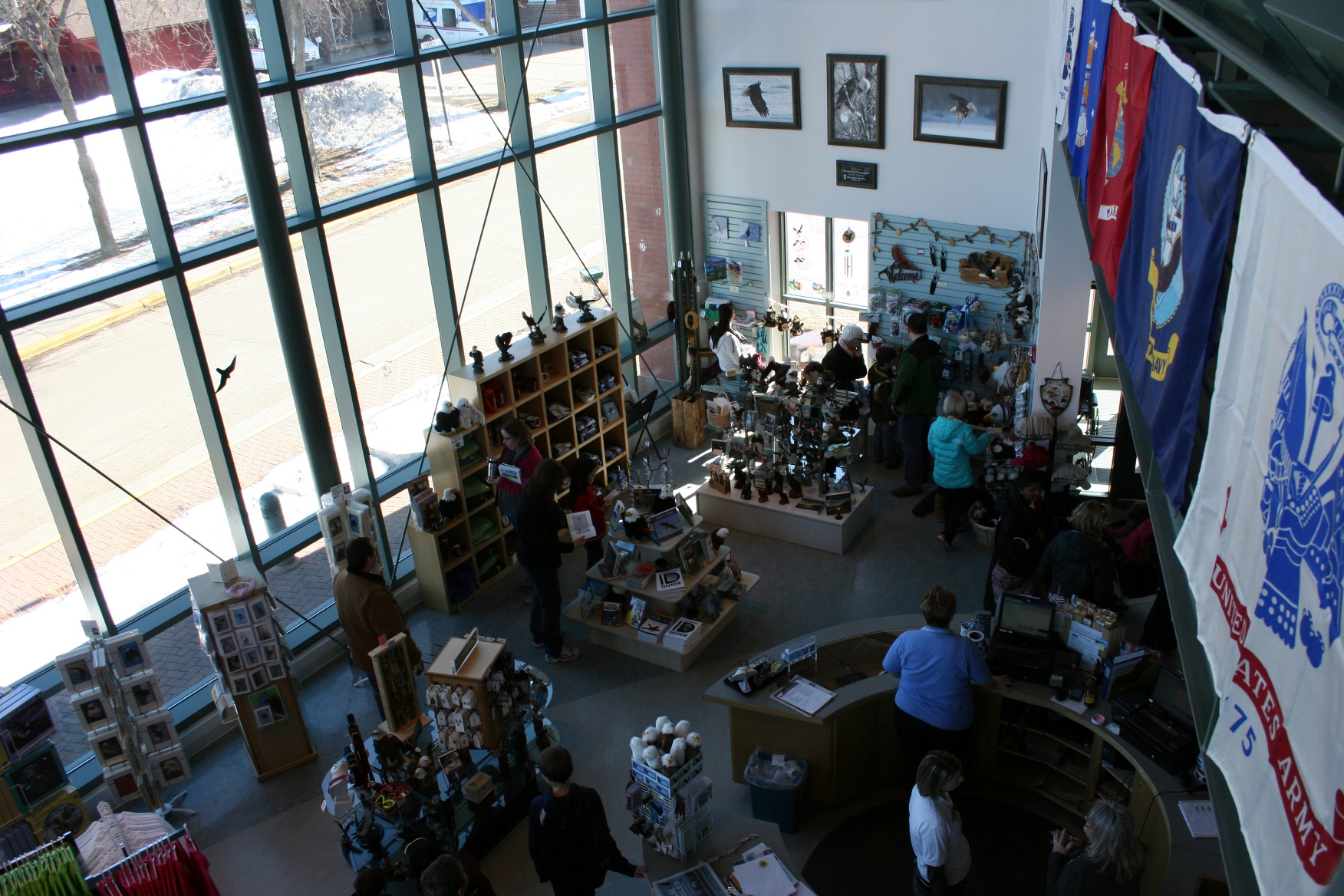
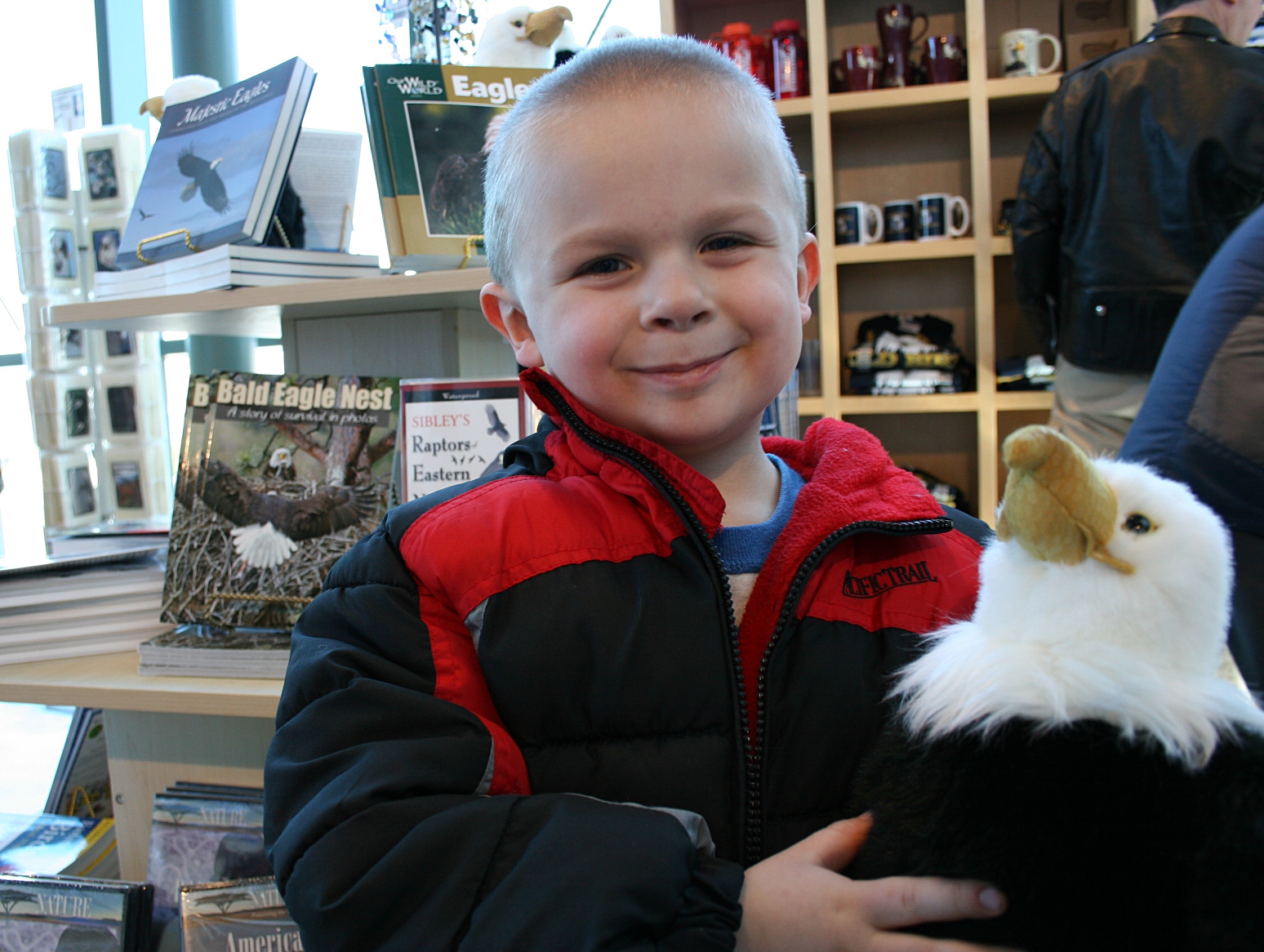
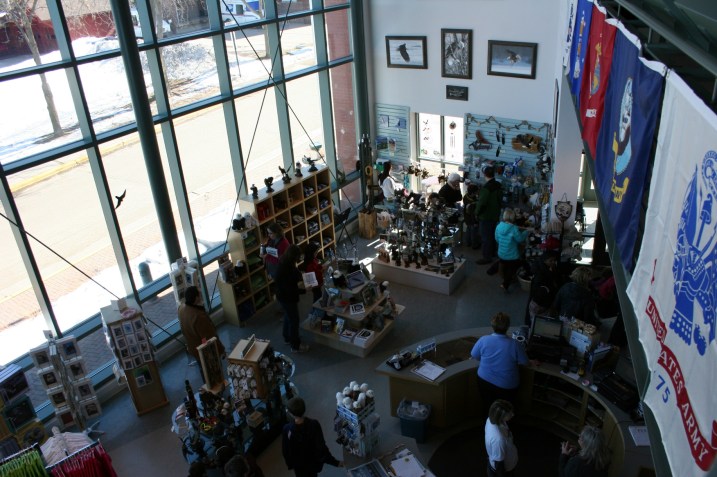
In the first floor gift shop, shown here...

In the first floor gift shop, shown here…
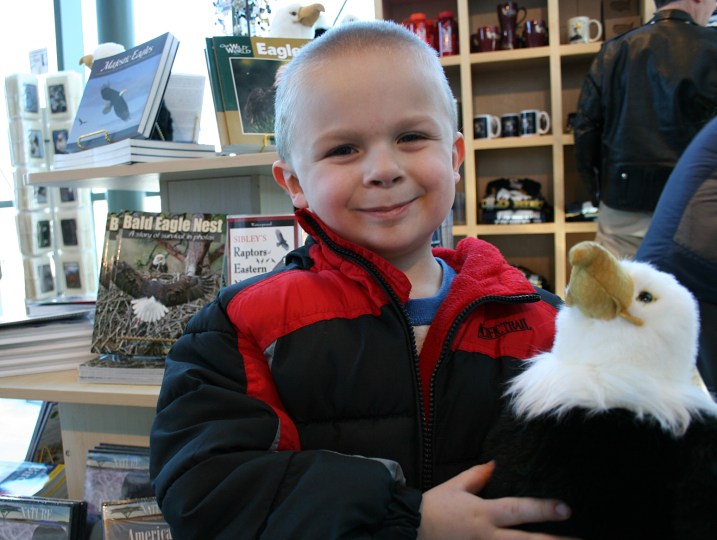
...Joseph found a plush toy eagle.

…Joseph finds a plush toy eagle.

The National Eagle Center truly appeals to all ages, to anyone who appreciates the beauty of this majestic bird.

Check back for another post from the National Eagle Center and for additional photos from Wabasha.

© Copyright 2014 Audrey Kletscher Helbling


Irish for an hour in historic Wabasha March 17, 2014

Holy water on the bar of The Olde Triangle Pub in downtown Wabasha, Minnesota.

Holy water on the bar of The Olde Triangle Pub in downtown Wabasha, Minnesota.

I POSSESS NOT AN OUNCE of Irish blood and I am not Catholic.

T-shirts on the pub ceiling.

T-shirts on the pub ceiling.

But green is my favorite color.

The Irish national flag flies outside the pub.

The Irish national flag flies outside the pub.

My Uncle Robin hails from Belfast, Northern Ireland. He married into a family of Germans.

The Olde Triangle's hearty Irish stew.

The Olde Triangle’s hearty Irish stew.

I like potatoes. And Irish stew.

The pub's fish and chips.

The pub’s fish and chips.

My husband likes fish and chips. And beer. Me, too, but not whiskey.

I have no idea what "the year of Kathleens" means. Anyone care to enlighten me?

I have no idea what “the year of Kathleens” means. Anyone care to enlighten me?

My name, Audrey, of course, is not Irish. But I know a lot of Kathys and a few Kathleens.

Performing at The Olde Triangle Pub Sunday afternoon.

Performing at The Olde Triangle Pub Sunday afternoon.

I can’t dance an Irish jig nor name an Irish tune. However, I enjoy music in an Irish pub.

The pub's Triquetra, Celtic (Trinity) knot, symbolizes the three parts of a good life: friendship, food and drink.

The pub’s Triquetra, Celtic (Trinity) knot, symbolizes three parts of a good life: friendship, food and drink.

And I’ll return to The Olde Triangle Pub. Sunday marked my second time dining here on a visit to Wabasha. I love this cozy, and I do mean cozy, spot in the heart of this historic Mississippi River town.

Happy St. Patrick’s Day, everyone, Irish or not!

Copyright 2014 Audrey Kletscher Helbling
 

A love & hate relationship with winter March 14, 2014

Filed under: Uncategorized — Audrey Kletscher Helbling @ 6:00 AM
Tags: , , , , , ,
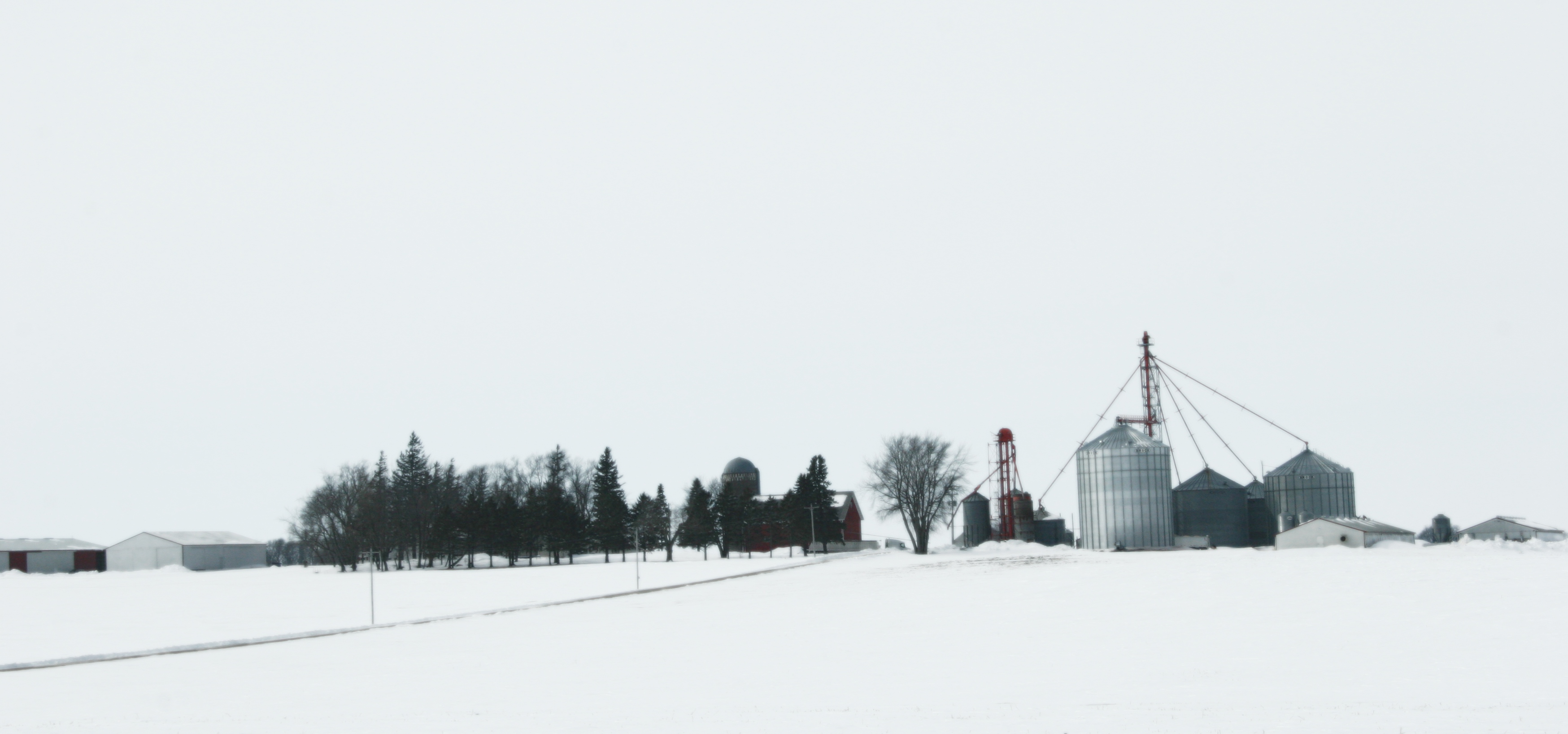
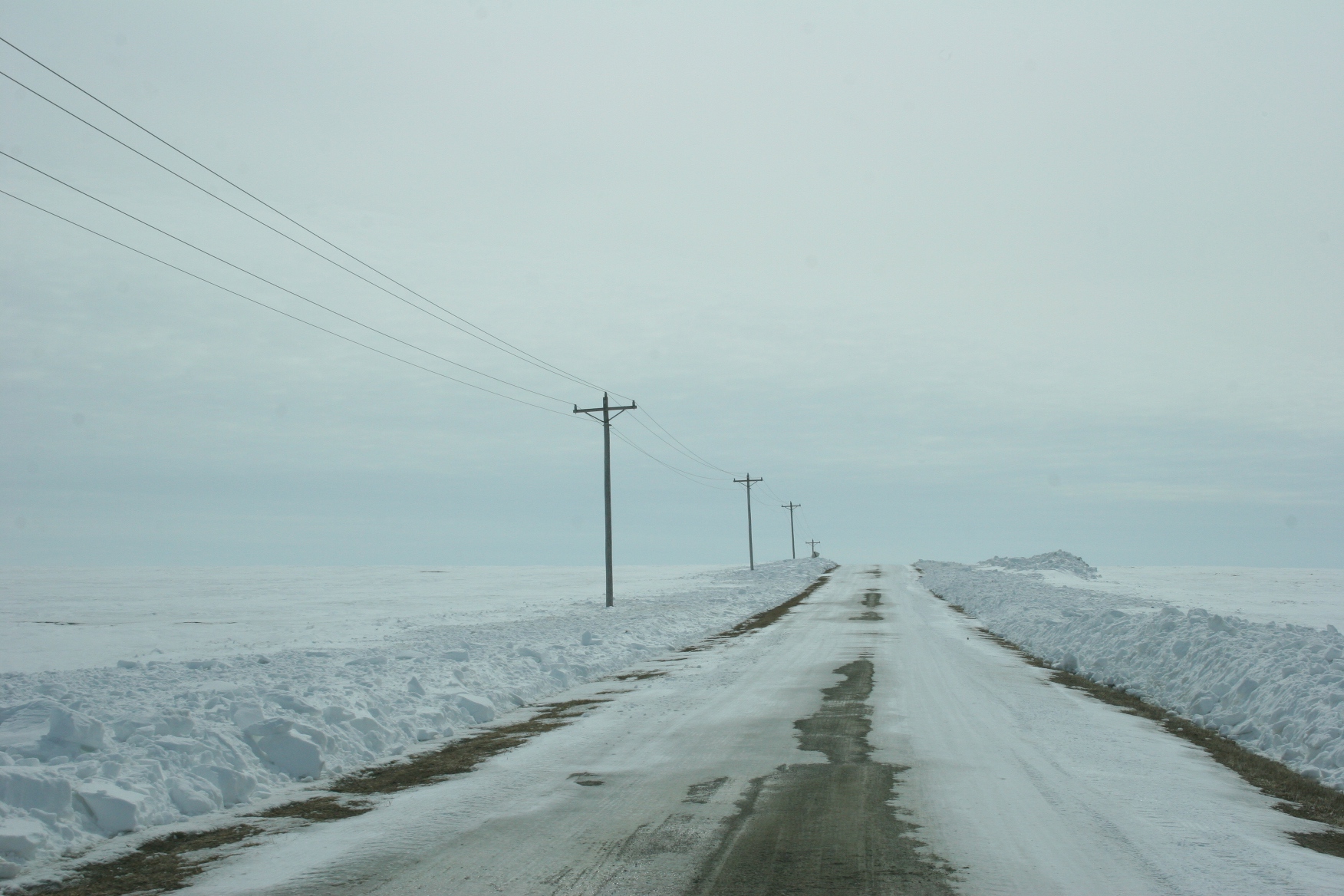
Along a gravel road somewhere between Nerstrand and Kenyon, Minnesota.

Along a gravel road somewhere between Nerstrand and Kenyon, Minnesota. That’s the driveway, not the road.

FOR ALL OF THE TIMES I’ve spurned this winter of brutal cold and deep snow, I must confess to a certain appreciation for the poetic dreaminess of a snowy rural landscape.

Winter exposes, uncovers, bares the basics to the eyes in a way that the fullness of summer cannot.

Power lines and roads cut horizontal swaths. Farm sites beckon like a welcome oasis in a sea of white. Bare-branched trees flag the sky.

A red barn seems redder, a steely grey bin greyer. And a white farmhouse simply vanishes.

This is winter. Spurned. And, sometimes, loved.

© Copyright 2014 Audrey Kletscher Helbling
 

All roads lead “somewhere” March 13, 2014

Filed under: Uncategorized — Audrey Kletscher Helbling @ 6:00 AM
Tags: , , , ,

EXCEPT IN MY NATIVE southwestern Minnesota prairie, where roads run mostly straight and the land lies divided into field grids, I possess no sense of direction.

That navigational deficiency evokes occasional tense moments when my husband and I journey into unfamiliar territory. We have neither smart phones nor a GPS, only a road map, an atlas and Randy’s sense of direction to guide us.

I always want to know exactly where we are and where we are headed. He, on the other hand, is an adventurer attempting to calm my unease. The road “will lead somewhere,” he reassures, which isn’t at all reassuring.

Which way he asked?

“Which way?” he asked.

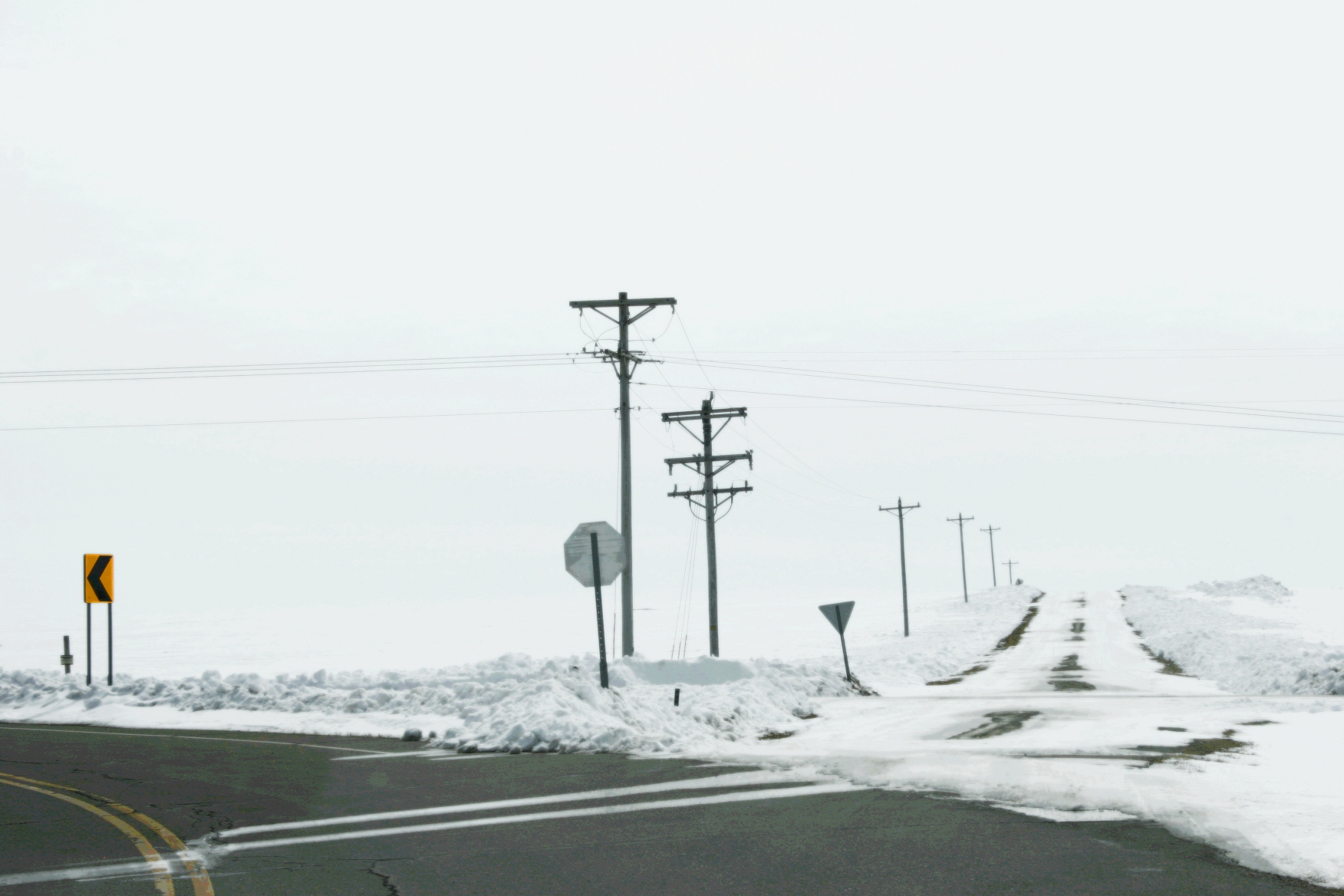
On a recent Sunday afternoon, as we drove “somewhere” east of Nerstrand, aiming toward Kenyon, we came upon an intersection of gravel and tar roads. “Which way do you want to go?” Randy inquired.

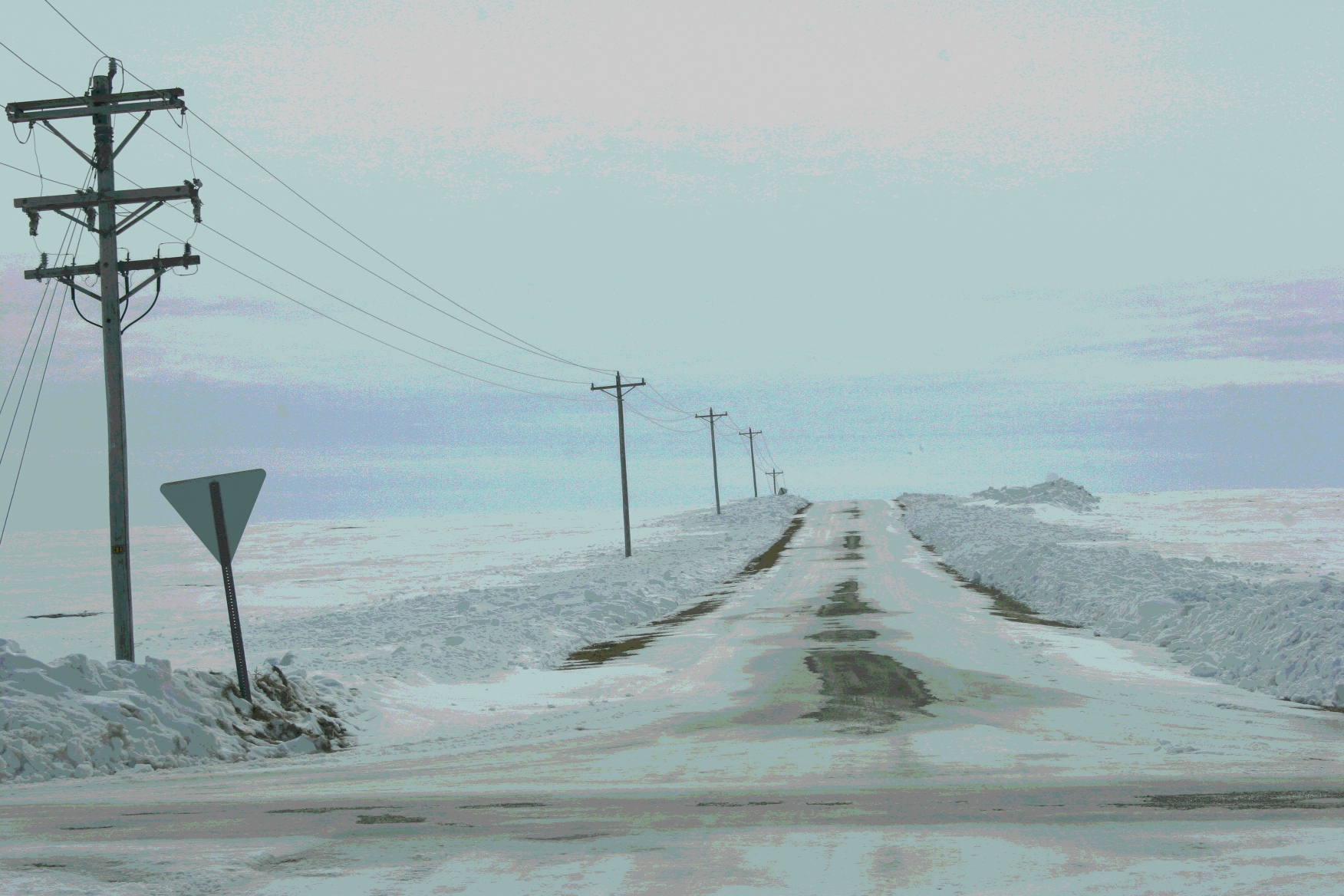
The gravel road I did not want to follow.

The gravel road I did not want to follow.

I peered down the icy gravel road ahead and thought to myself, “not there.”

Too late. “There” proved to be precisely my spouse’s preferred route.

The half muddy, half icy road.

The half muddy, half icy road.

As the van slogged along the gravel road, marred by mud and ice, I muttered something about “not going in the ditch.”

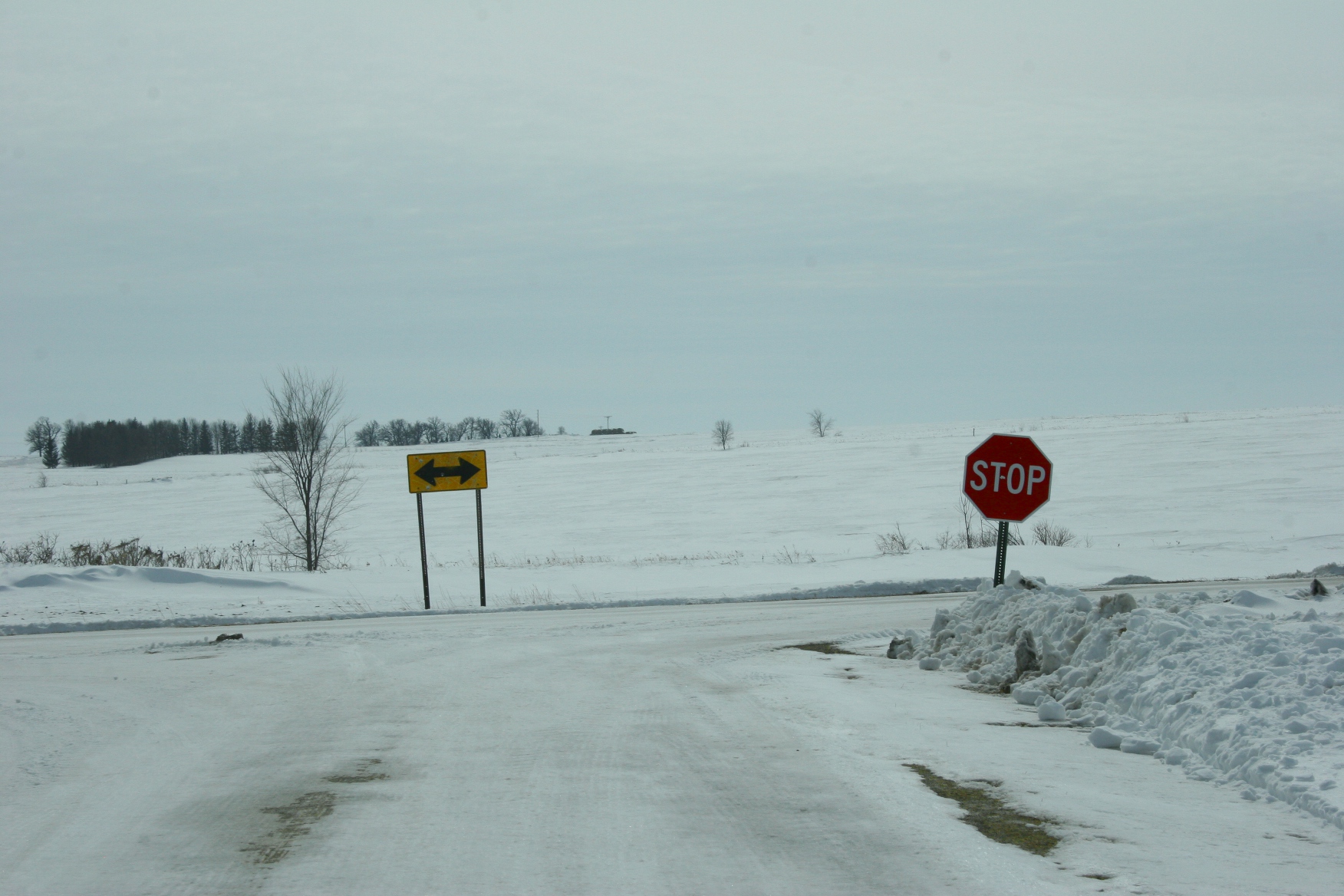
Left (east) or right (west)?

Left (east) or right (west)?

Eventually we came to a T in the road. “Which way do you want to go?” my husband asked again.

Then he turned left.

#

NOTE: All images have been edited because, well, I can do that to make this story more visually dramatic.

© Copyright 2014 Audrey Kletscher Helbling
 

Bar hopping, Minnesota blogger style March 7, 2014

Filed under: Uncategorized — Audrey Kletscher Helbling @ 6:00 AM
Tags: , , , , , , , , , ,

SIGNAGE VISUALLY intrigues me, specifically vintage signs or those that stand out as unique. I am drawn to photograph them in Minnesota’s small towns.

I expect our state’s metro areas may sport equally as interesting signage. But, unlike a friend who recently dissed Marshall (and I won’t repeat what she said) because she is a city, not a country, girl, I prefer rural Minnesota. I took offense at my friend’s comment. Southwestern Minnesota possesses a beauty unequal in endless skies and space that allows one to breathe and move and celebrate the land and its people.

It is a good thing we don’t all like the same places.

Given my aversion to the real and visual busyness of the metro, I seldom travel there. Rather, my journeys take me most often onto small town Main Street, you know that route too many are too hurried to consider as they rush from Point A to Point B.

In my hometown on the southwestern Minnesota prairie, the Vesta Municipal Liquor Store. I've always loved the exterior look of this building.

In my hometown on the southwestern Minnesota prairie, the Vesta Municipal Liquor Store anchors a corner of the town’s one-block business district. I’ve always loved the exterior look of this building. Minnesota Prairie Roots file photo.

Poking around in my photo files recently, I noticed that I often photograph liquor store/bar signs and buildings in small towns. Why? I’m not much of a drinker.

I suspect it’s a combination of factors. Bars often serve as gathering places. Sometimes a bar may even remain as the sole business in a rural community. And, more often than not, they display one-of-a-kind signs that have been around for awhile.

Join me on a photographic bar hop to some of Minnesota’s small towns and larger communities. Cheers.

The Frontier Bar & Lounge in Fairfax, along State Highway 19 in southwestern Minnesota. Minnesota Prairie Roots edited file photo 2013.

The Frontier Bar & Lounge in Fairfax, along State Highway 19 in southwestern Minnesota. Minnesota Prairie Roots edited file photo 2013.

How cool is this signage at Drive-In Liquors along U.S. Highway 14 in Springfield in my native southwestern Minnesota? Minnesota Prairie Roots file photo 2012.

How cool is this signage at Clay’s Drive-In Liquor along U.S. Highway 14 in Springfield, also in my native southwestern Minnesota? Minnesota Prairie Roots edited file photo 2012.

When I was in my shooting photos off-kilter stage in 2011, I shot this image of the Preri Bach Saloon & Grill in Cambria, a small town near New Ulm, home of Schell's Brewery.

When I was in my shooting photos off-kilter stage in 2011, I shot this image of the Preri Bach Saloon & Grill in Cambria, a small town near New Ulm, home of Schell’s Brewery.

The West Concord Liquor Store, housed in a beautiful old building, once city hall. Minnesota Prairie Roots file photo.

The West Concord Liquor Store, housed in a beautiful old building, once city hall. Minnesota Prairie Roots file photo.

This Main Street Lounge signage in Waterville seems fitting given the city's self designation as "The Bullhead Capitol of the World." Minnesota Prairie Roots edited file photo 2012.

This Main Street Lounge signage in Waterville seems fitting given the city’s self designation as “The Bullhead Capitol of the World.” Minnesota Prairie Roots edited file photo 2012.

This unique corner entry at Broinks Bar & Grill in downtown Lake City drew my attention. Minnesota Prairie Roots file photo.

This unique corner entry at Broinks Bar & Grill in downtown Lake City drew my attention. Minnesota Prairie Roots file photo.

The setting sun spotlights vintage Faribo Liquor Store signage along Fourth Street/Minnesota Highway 60 in downtown Faribault. Minnesota Prairie Roots file photo 2009.

The setting sun spotlights vintage Faribo Liquor Store signage along Fourth Street/Minnesota Highway 60 in downtown Faribault. Minnesota Prairie Roots file photo 2009.

Signage on the Canton pub near the Iowa border. Minnesota Prairie Roots file photo 2012.

Signage on the Canton pub near the Iowa border. Minnesota Prairie Roots file photo 2012.

In North Mankato, signage at Circle Inn. Minnesota Prairie Roots file photo 2011.

In North Mankato, signage at Circle Inn. Minnesota Prairie Roots file photo 2011.

In Vermillion, near Hastings, a bar advertises the ever popular happy hour. Minnesota Prairie Roots file photo 2012.

In Vermillion, near Hastings, a bar advertises the ever popular happy hour. Minnesota Prairie Roots file photo 2012.

© Copyright 2014 Audrey Kletscher Helbling
 

In the conservatory with the camera, Part II March 5, 2014

GROWING UP, I LOVED the mystery board game Clue. Determine the murderer, weapon and mansion room in which the crime was committed and you win the game.

Simple? Not necessarily. The game requires a great deal of concentration, plotting and even some deception.

While Clue includes a cast of characters with interesting names like Colonel Mustard and Mrs. Peacock, what most intrigues me are the rooms. Imagine a home with a lounge, a billiard room and a conservatory. Yes, a conservatory, smaller in scale than the one I toured Sunday afternoon at Como Park.

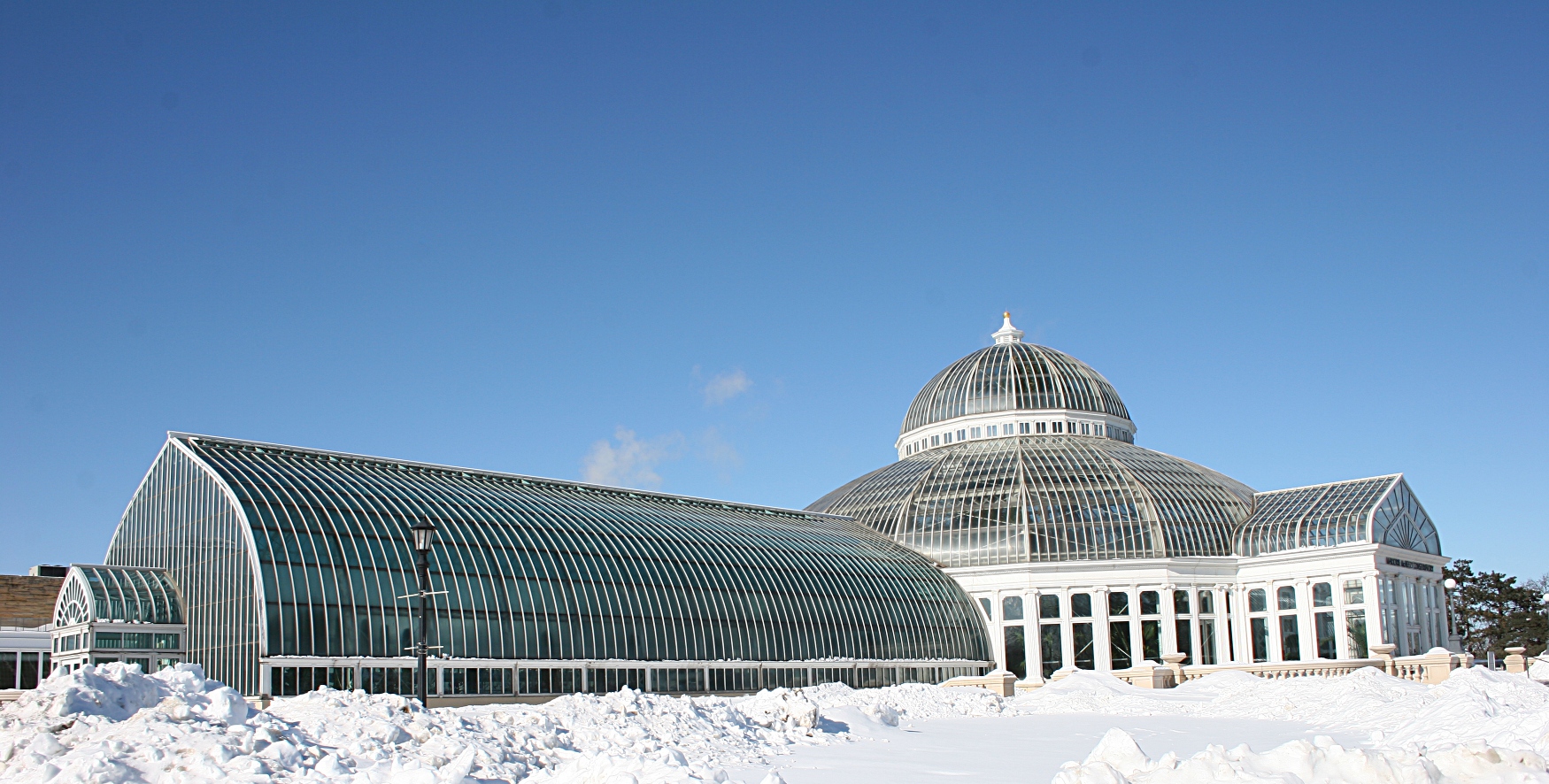
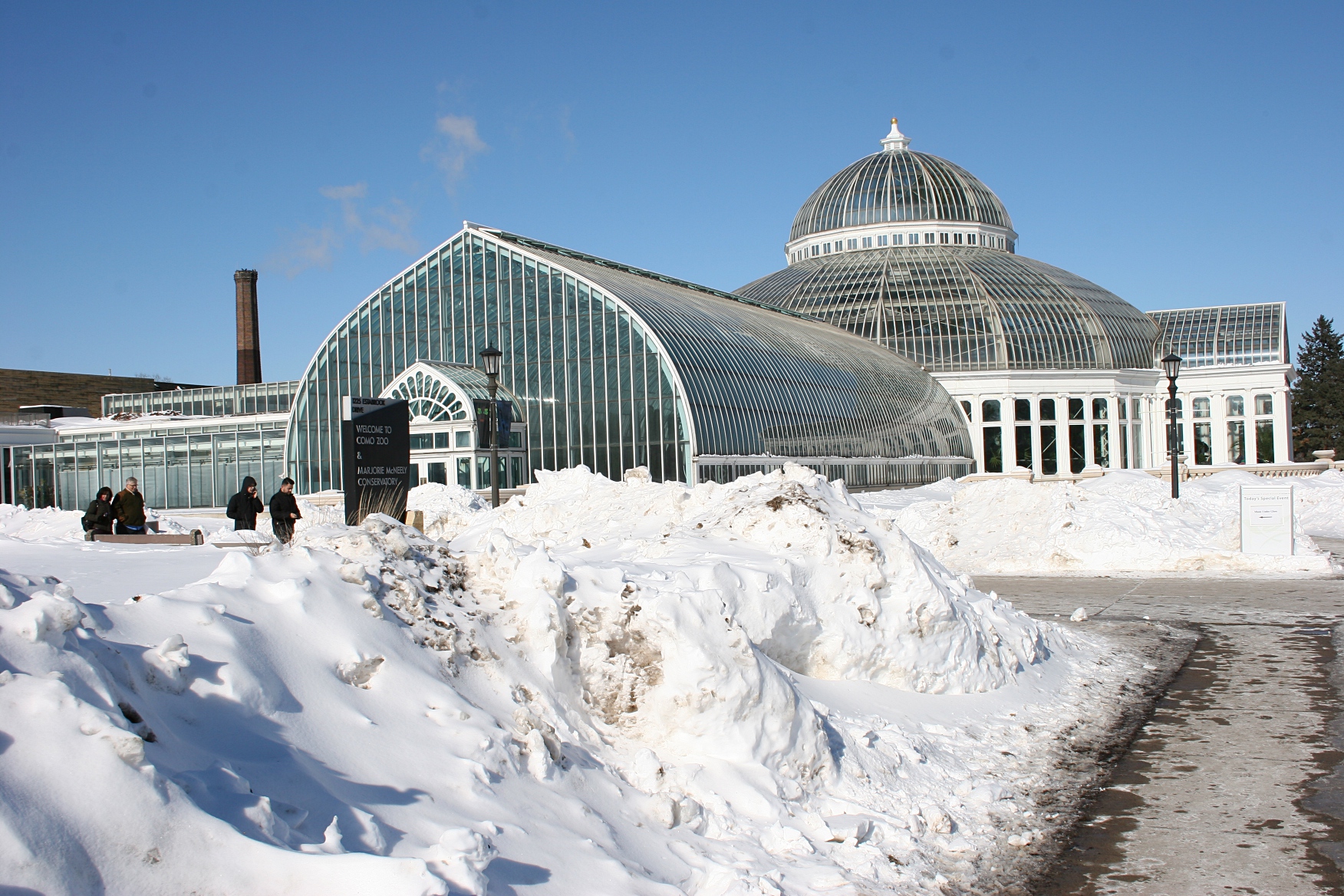
The Mzarjorie McNeely Conservatory at Como Park in St. Paul, Minnesota.

The Mzarjorie McNeely Conservatory at Como Park in St. Paul, Minnesota.

The Marjorie McNeely Conservatory, with its winding paths, nooks and extensive foliage, would present the perfect setting for a St. Paul-based mystery. In the shrouded mist of the Fern Room, I can almost imagine a shadowy figure lurking. In the Palm Dome, I can envision a chase. Inside the Sunken Garden, I can picture a stand-off on opposite ends of the garden.

Ah, yes, my imagination appears to be in overdrive. Blame winter madness. Blame the need to escape.

And so we shall…

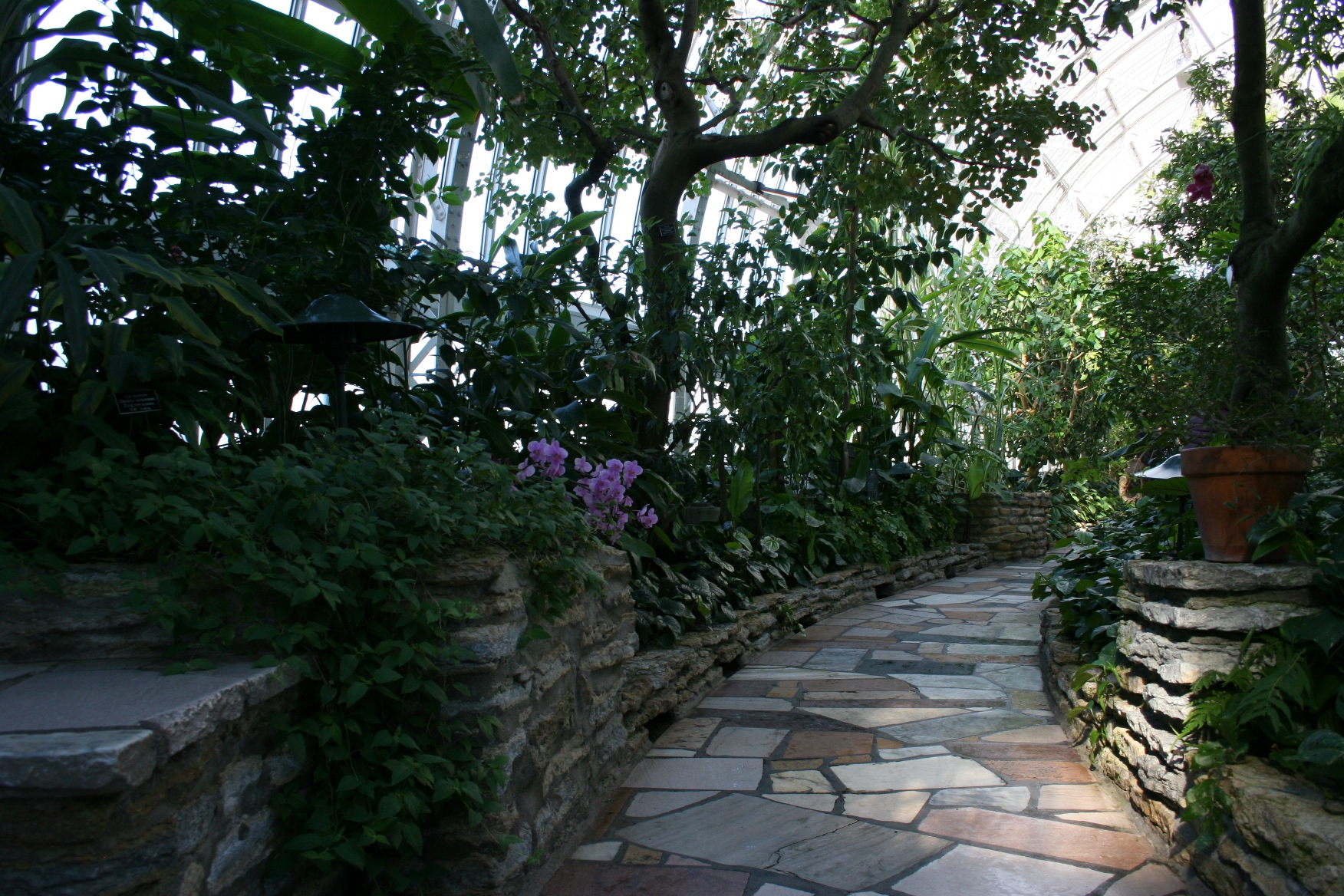
Follow this path through the North Garden.

Follow this path through the North Garden.

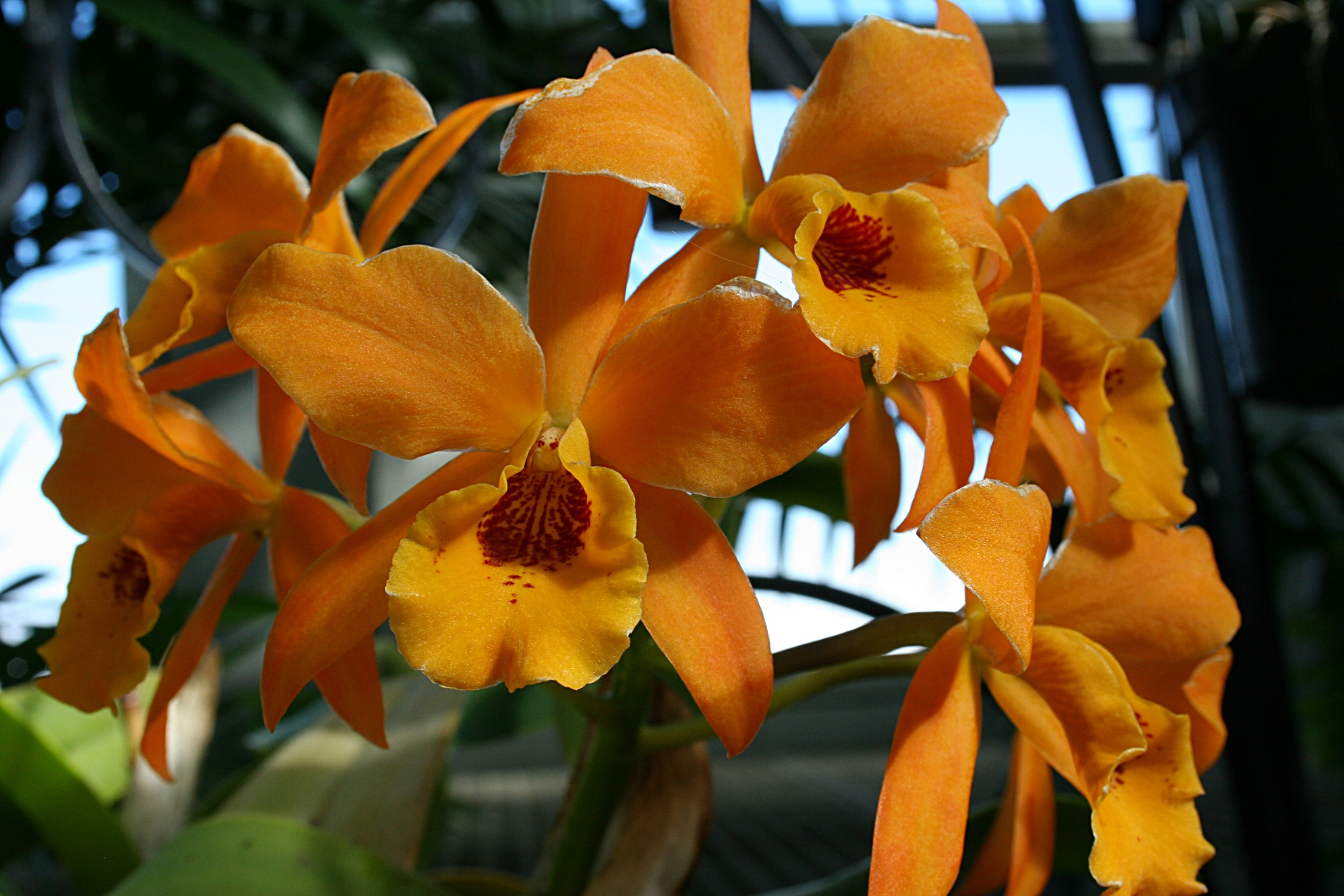
Stop to enjoy the orchids, these in the Palm Dome.

Stop to enjoy the orchids, these in the Palm Dome.

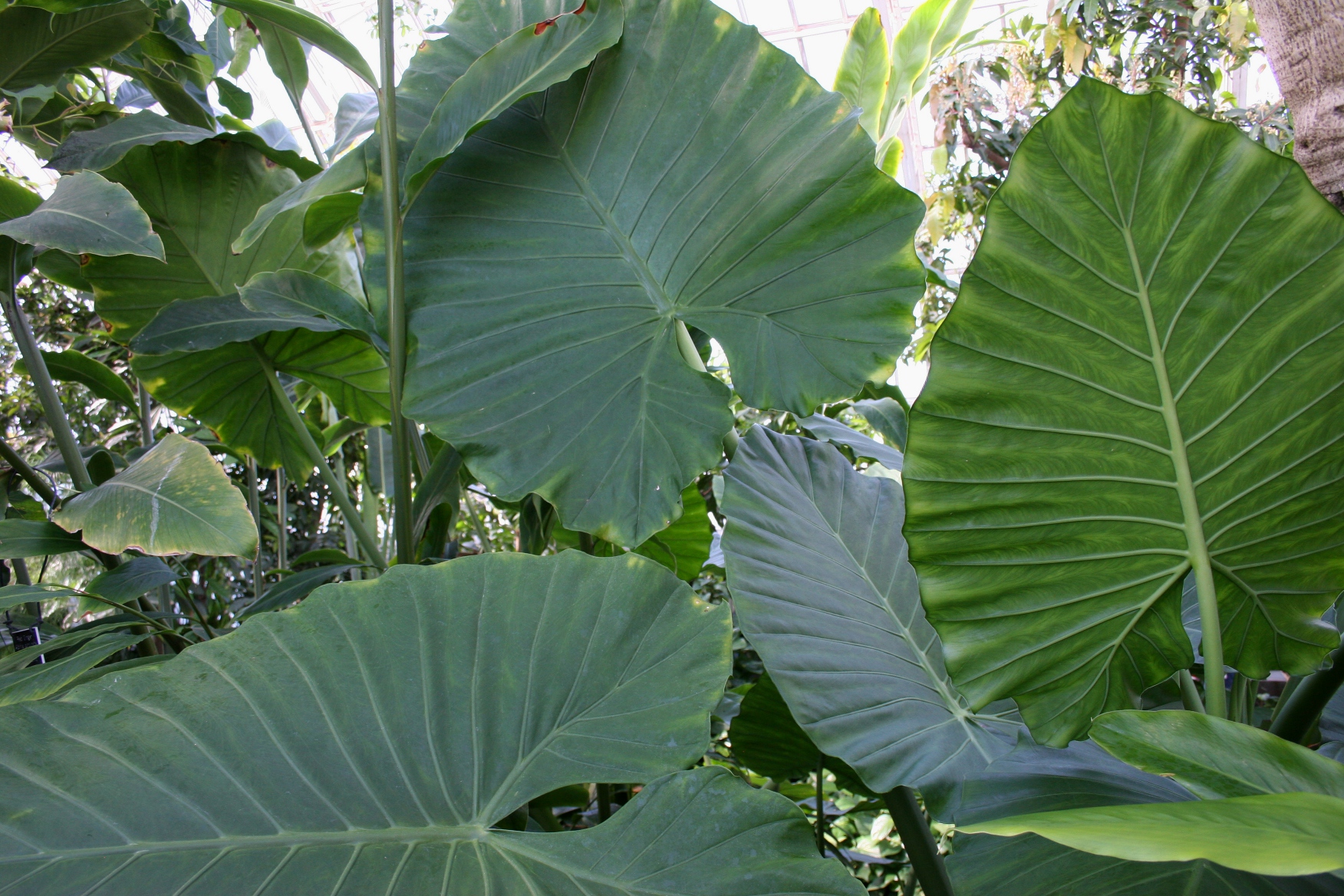
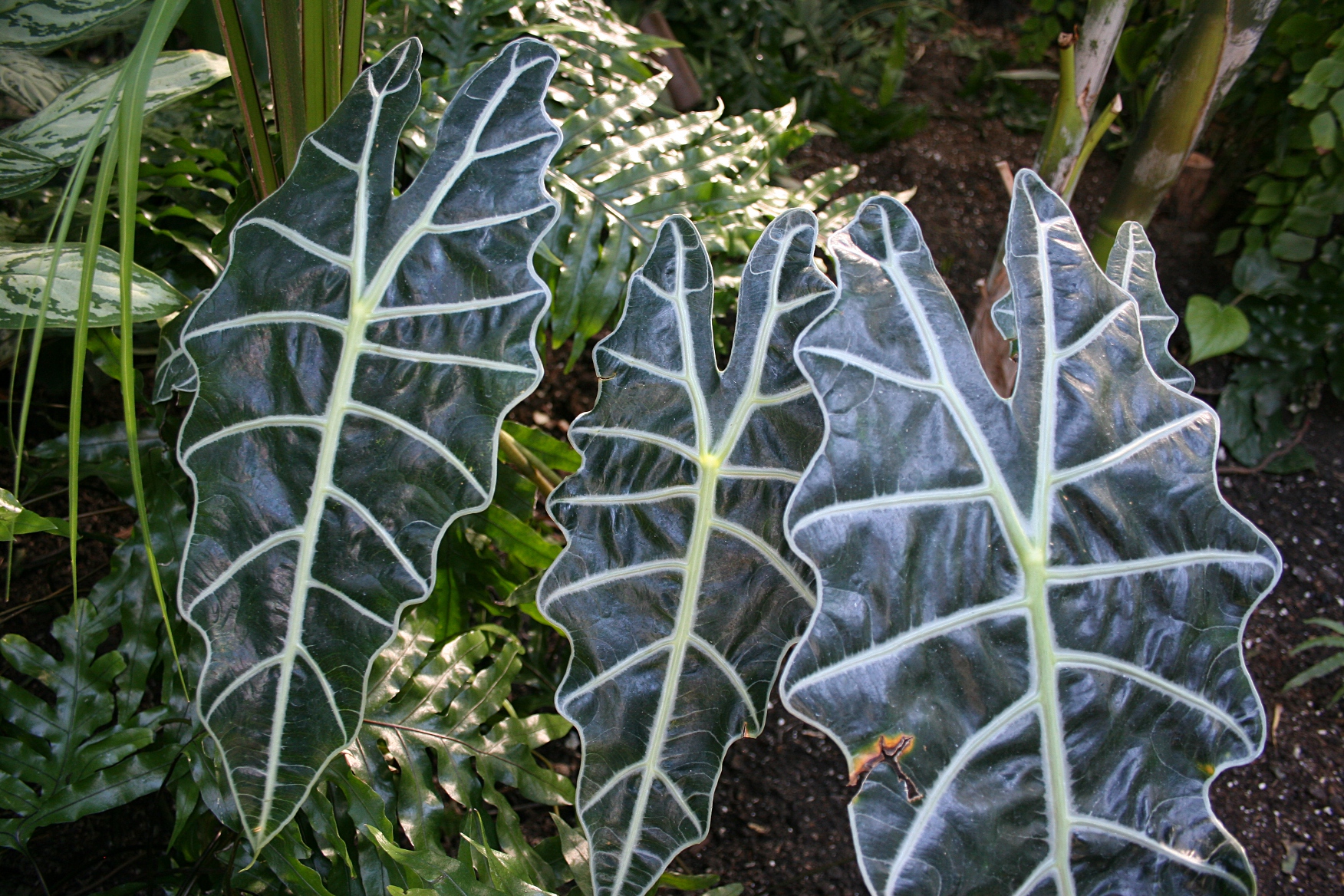
Appreciate leaves as big as an elephant's ears.

Appreciate leaves as big as an elephant’s ears.

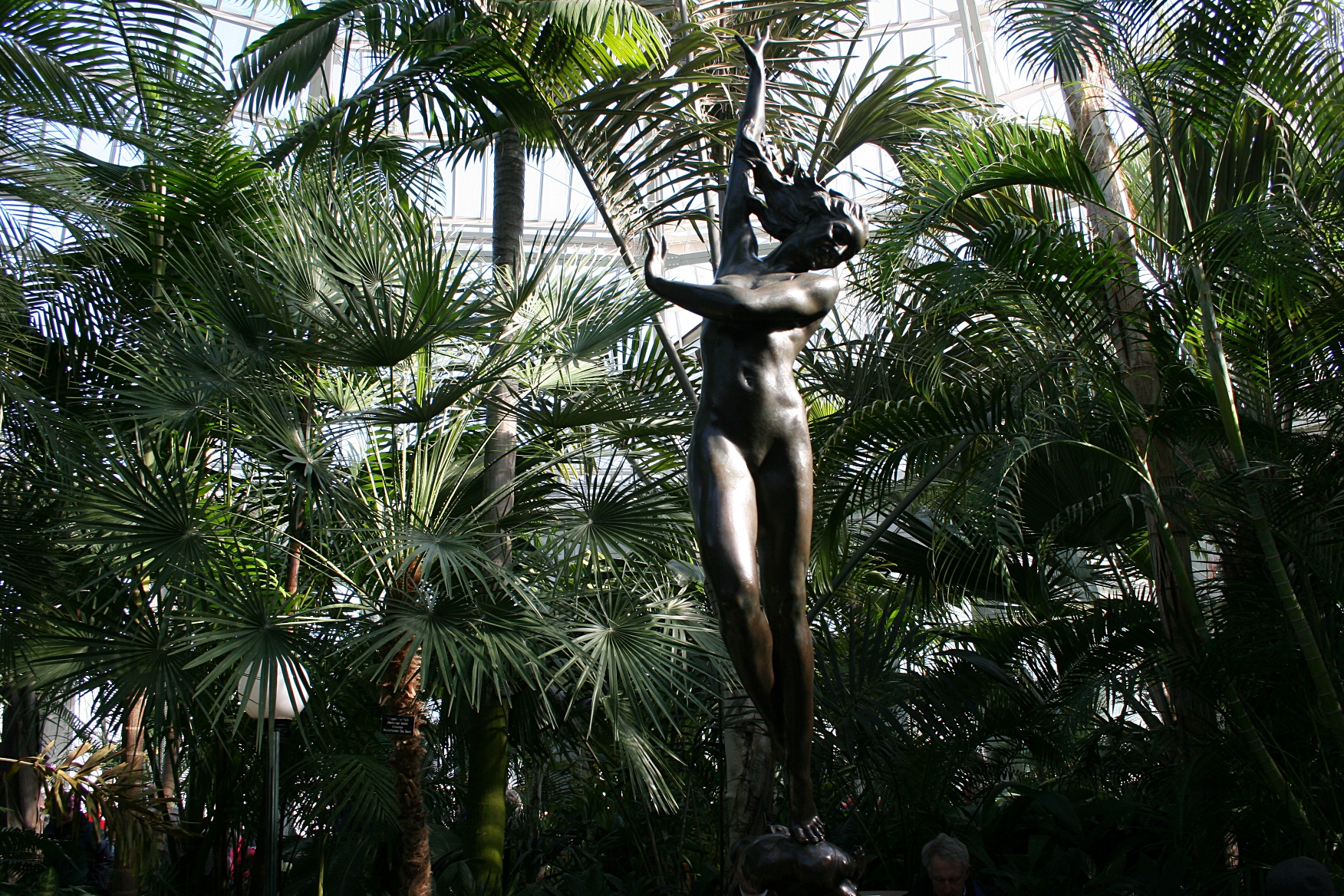
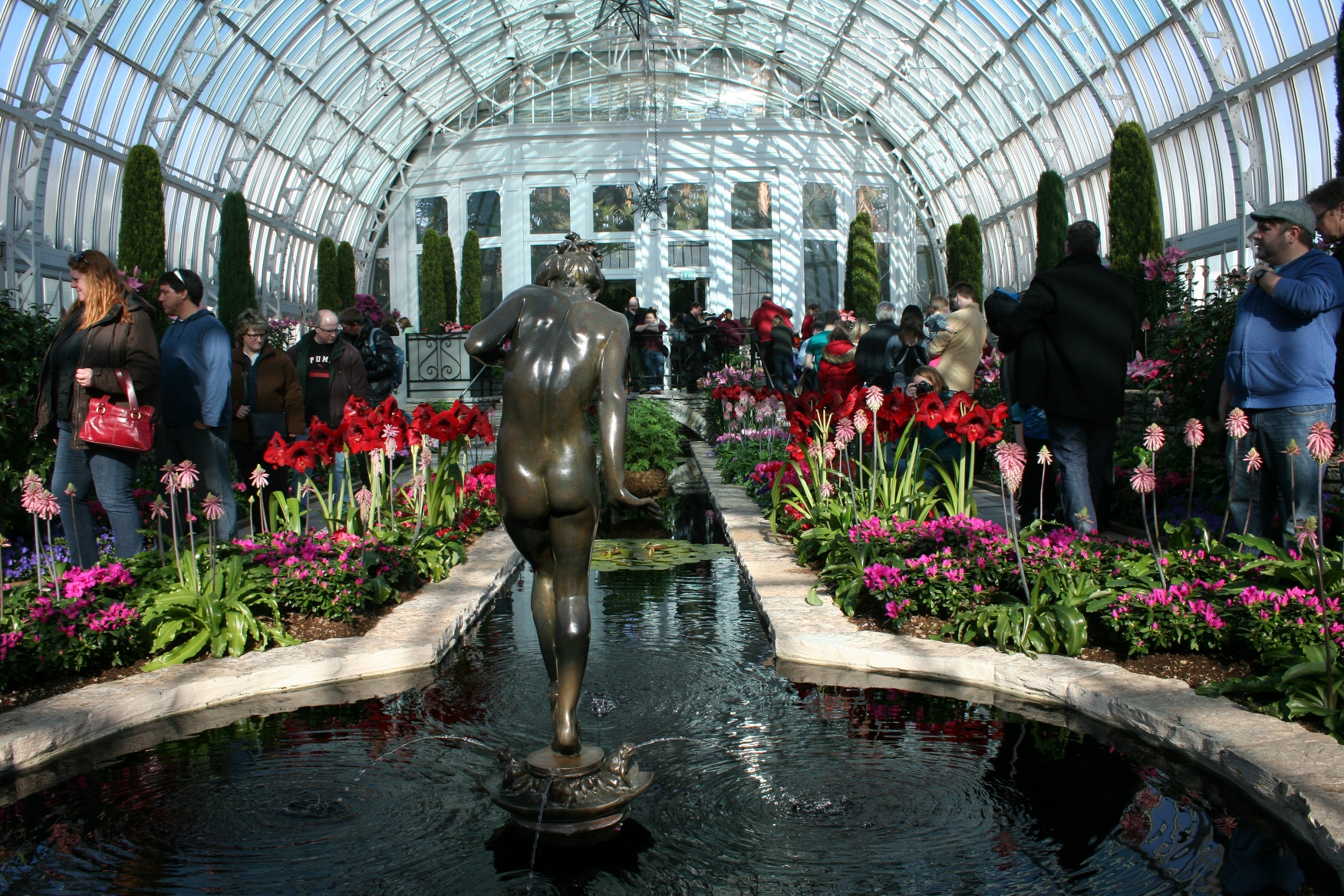
Admire the art, including this statue in a Palm Dome fountain.

Admire the art, including this statue in a Palm Dome fountain.

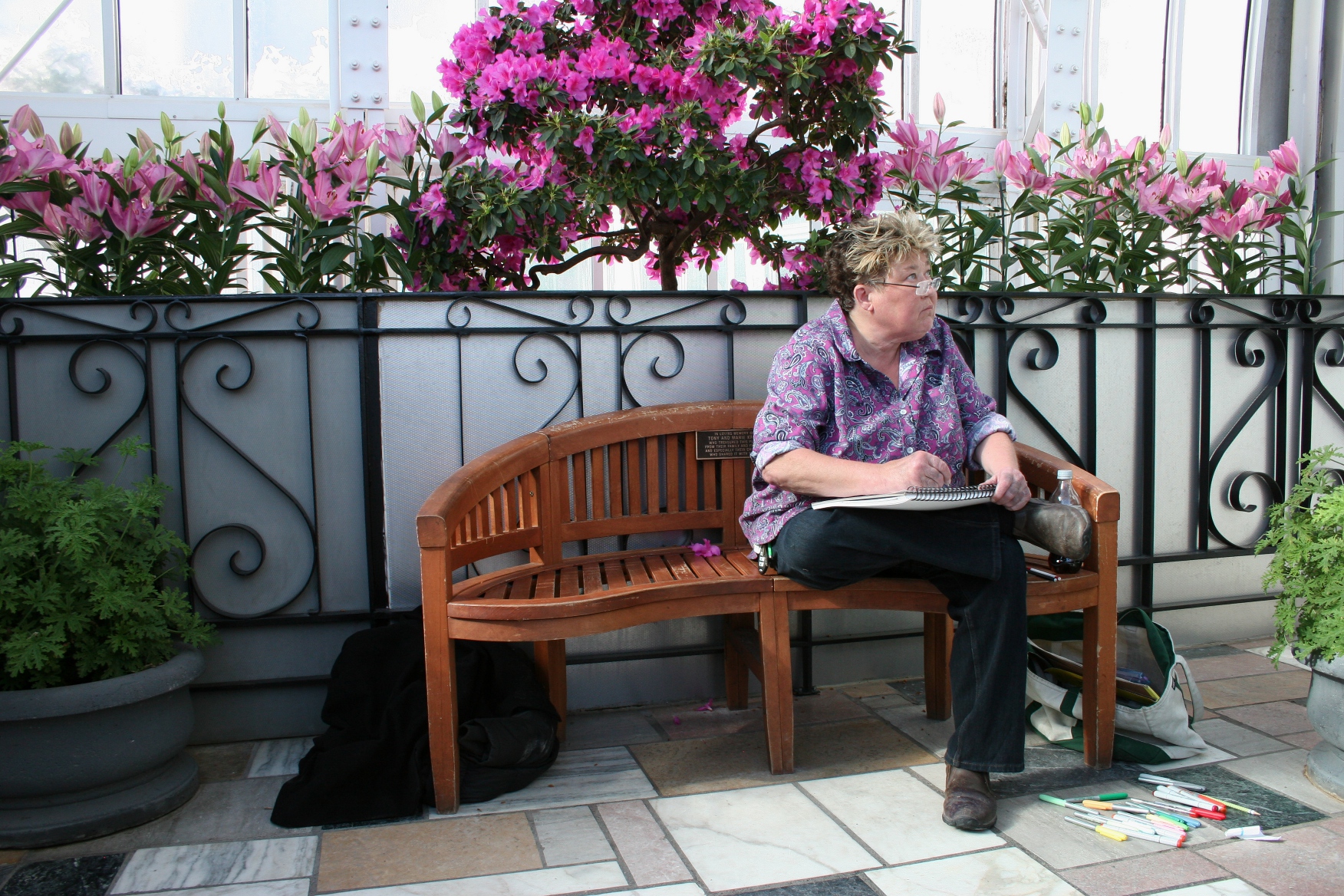
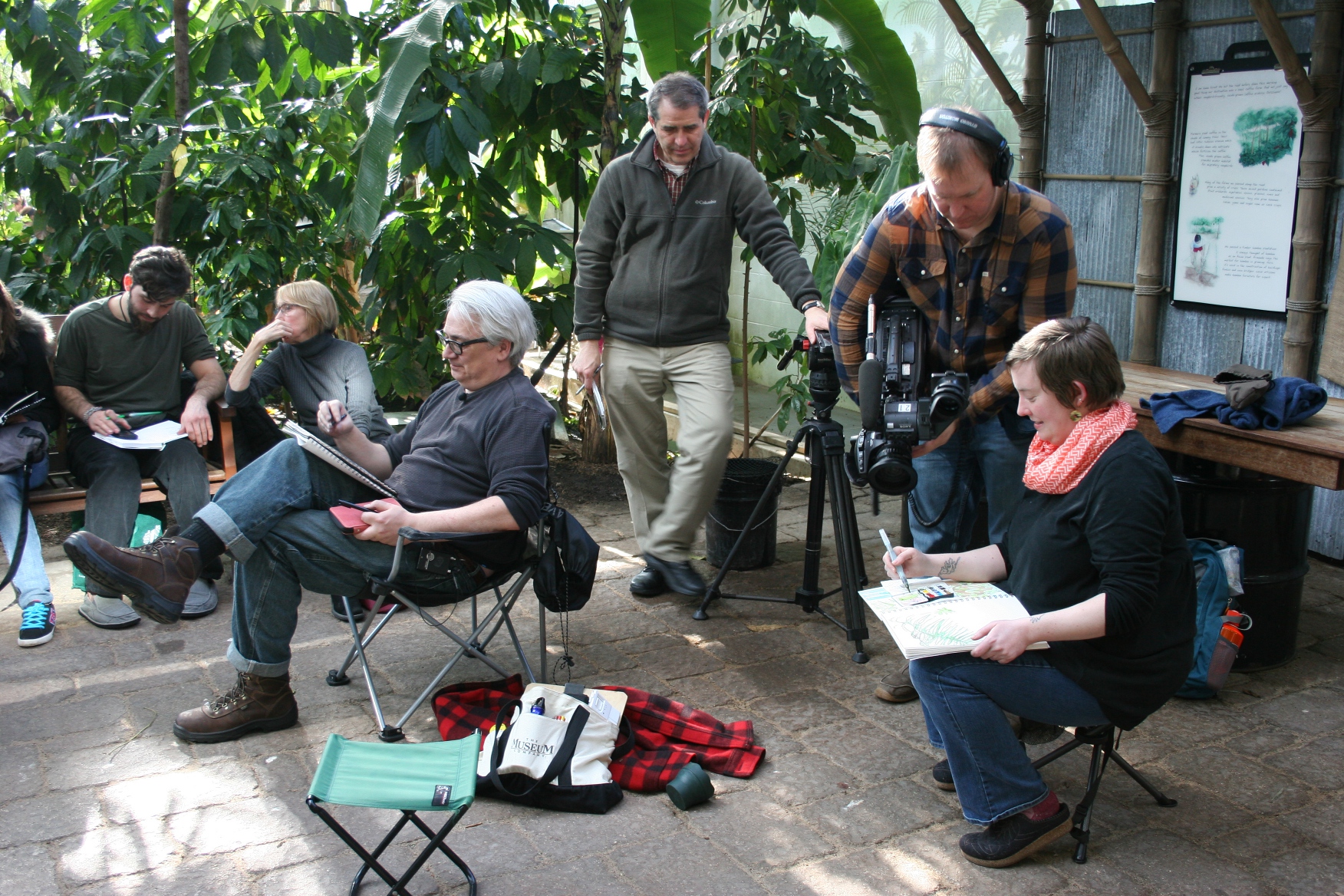
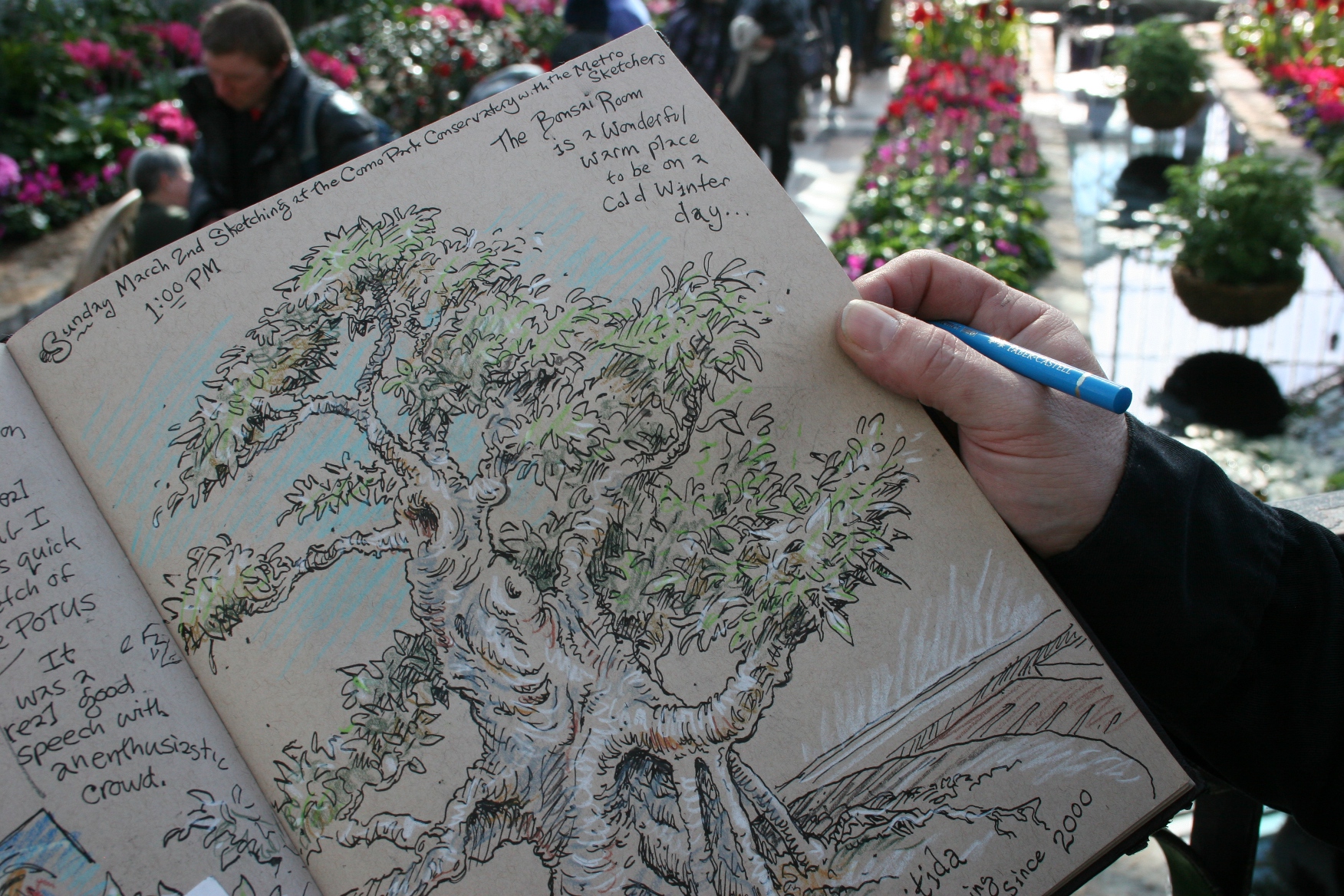
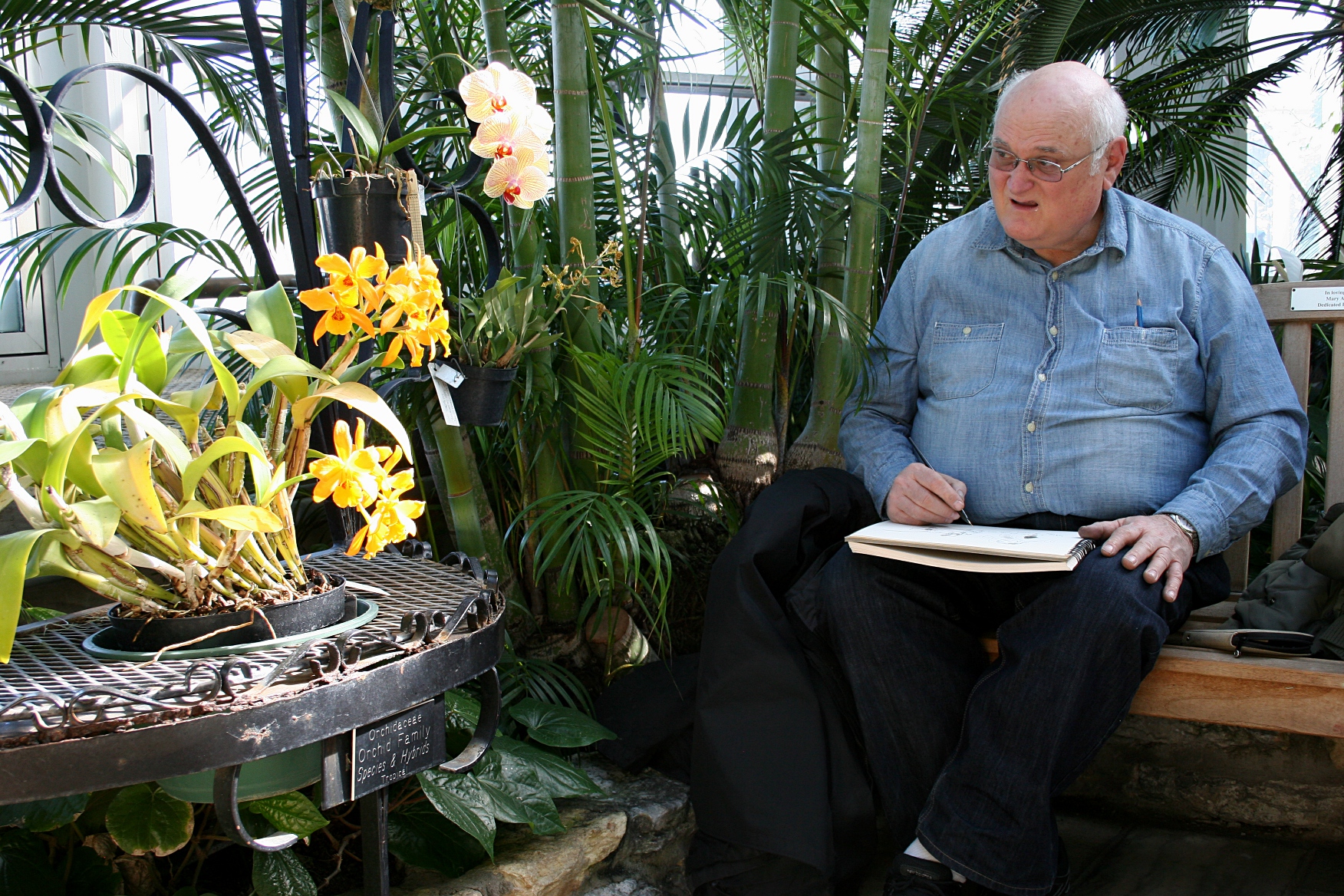
Or create art like this member of the Metro Sketchers working in the Sunken Garden.

Observe a member of the Metro Sketchers creating art in the Sunken Garden.

Or photograph the film crew filming the artist's work.

Photograph the cameraman filming the artist’s work.

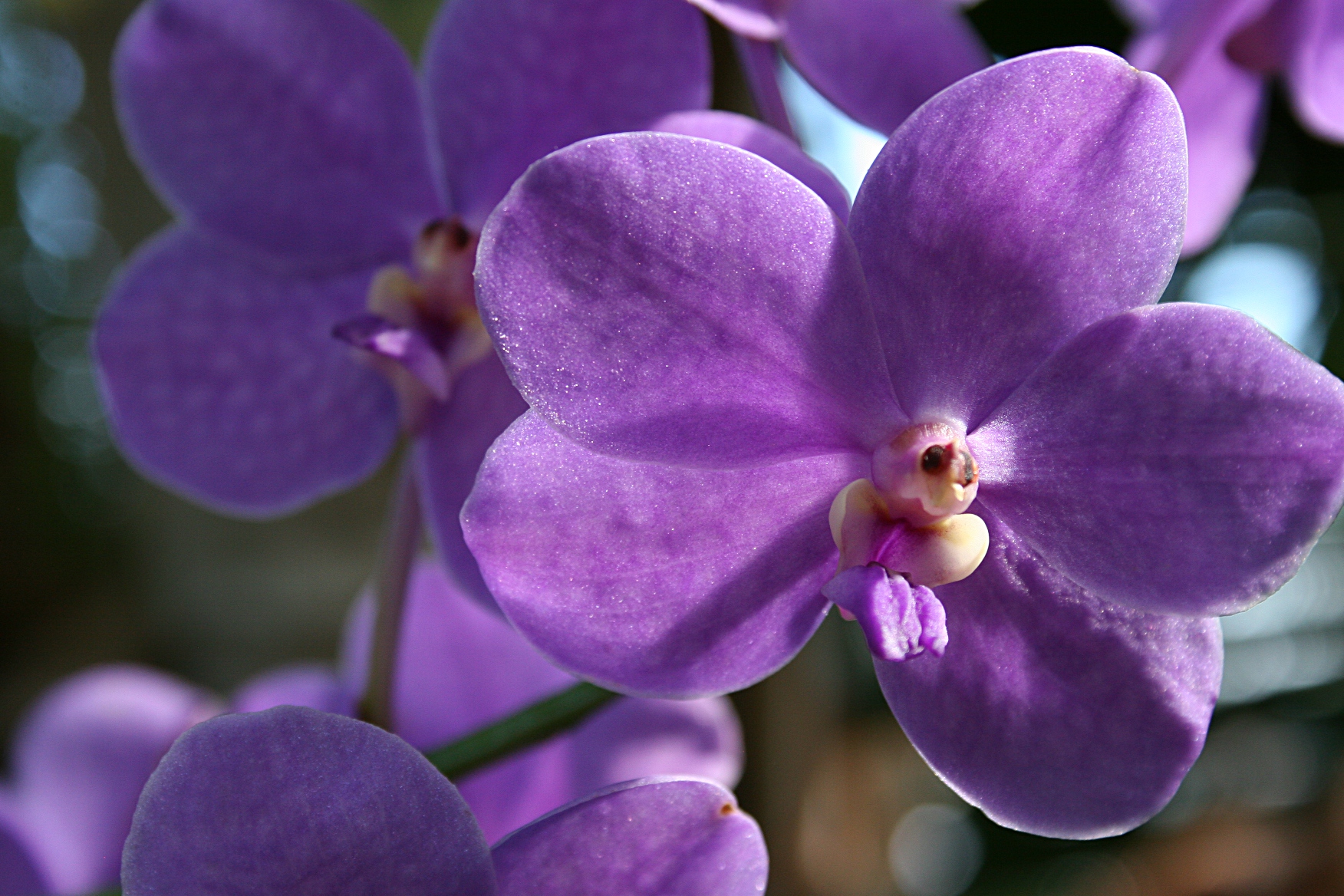
Admire the simplistic beauty of orchids.

Admire the simplistic beauty of orchids.

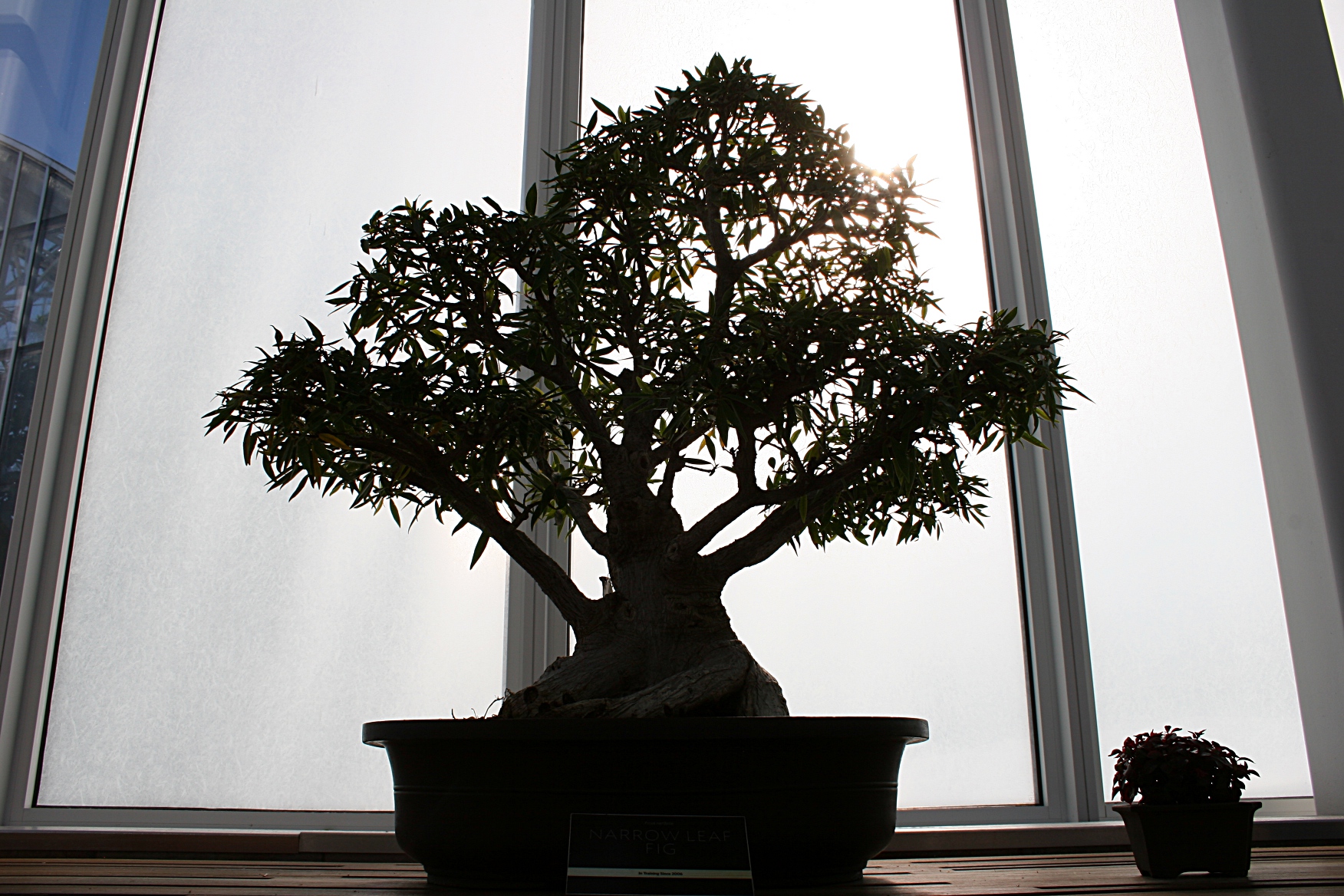
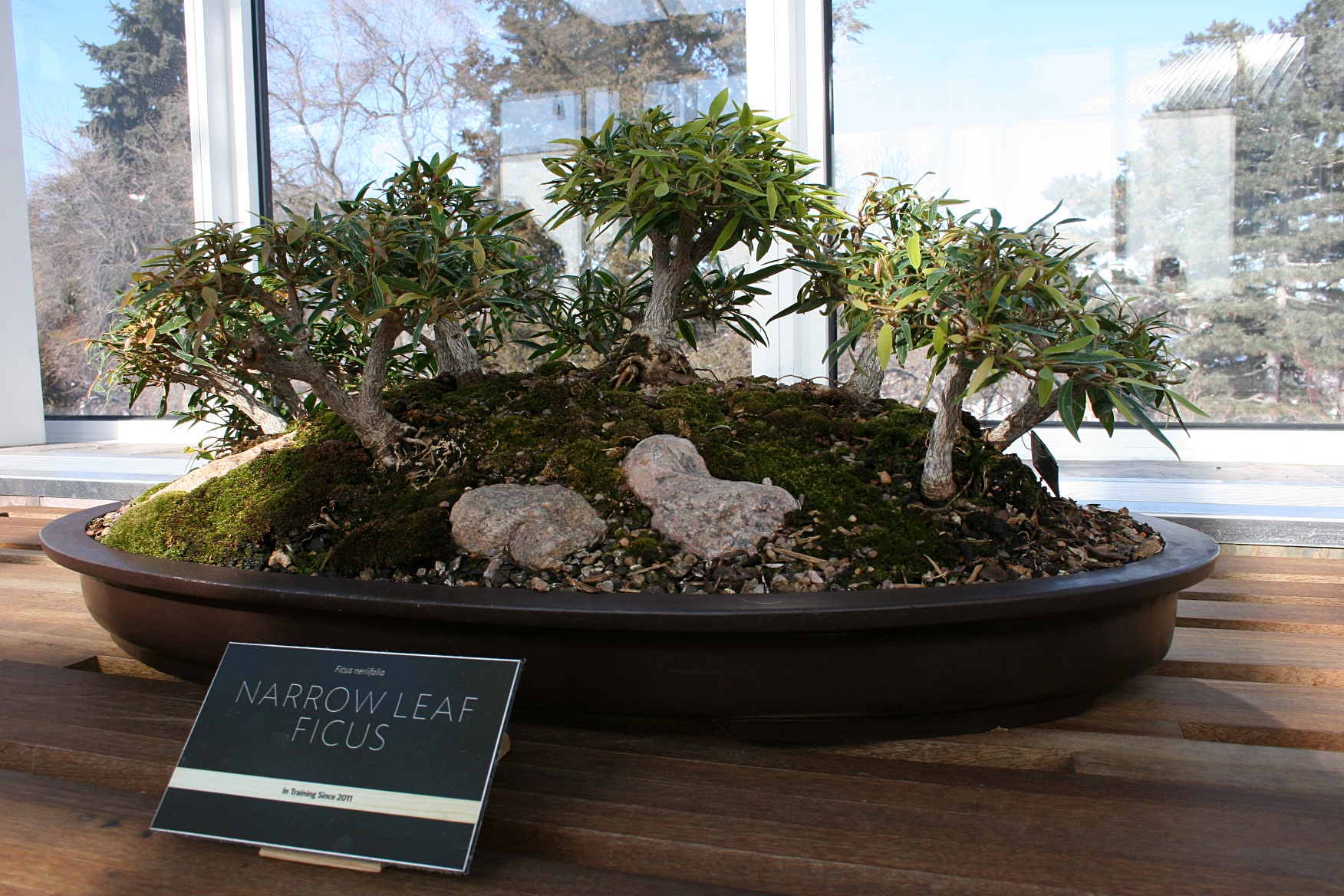
Notice the contrast of a bonsai tree against a steamed window knowing only glass separate the plant from a snowy landscape.

Notice the contrast of a bonsai tree against windows, knowing only glass separates the plant from a snowy landscape.

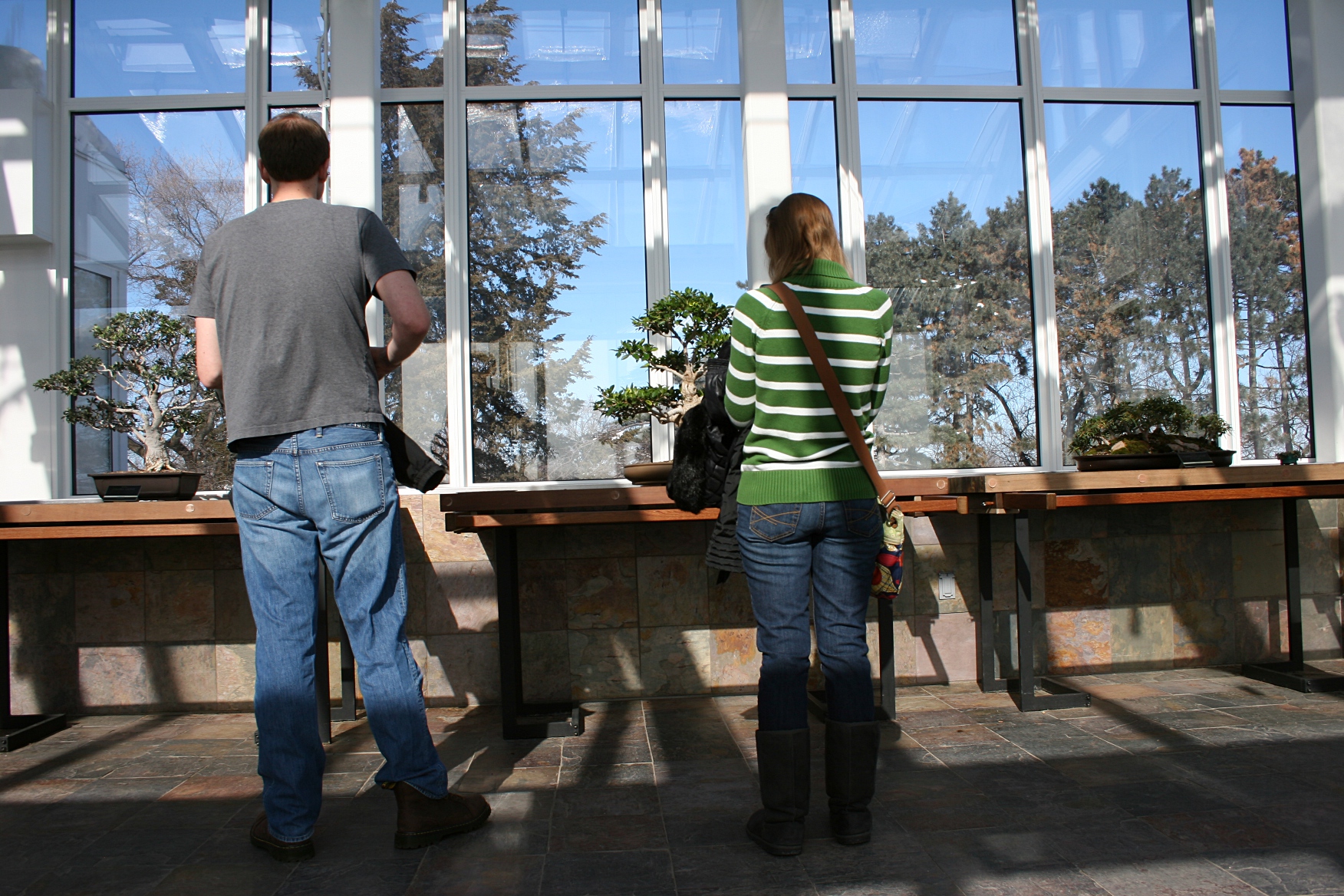
Mention to your daughter and son-in-law how nice one of these bonsai trees would look sitting on a window ledge in their St. Paul apartment.

Mention to your daughter and son-in-law how nice one of these bonsai trees would look on a window ledge in their  apartment.

Because you are so smitten by these mini trees, consider for a moment how you might smuggle one out of the conservatory. You realize this is an impossibility given the crowd, the staffing and that you left your winter coat in the car.

Because you are so smitten by these mini trees, consider for a moment how you might smuggle one out of the conservatory. You realize this is an impossibility given the crowd, the staffing and that you left your winter coat in the car.

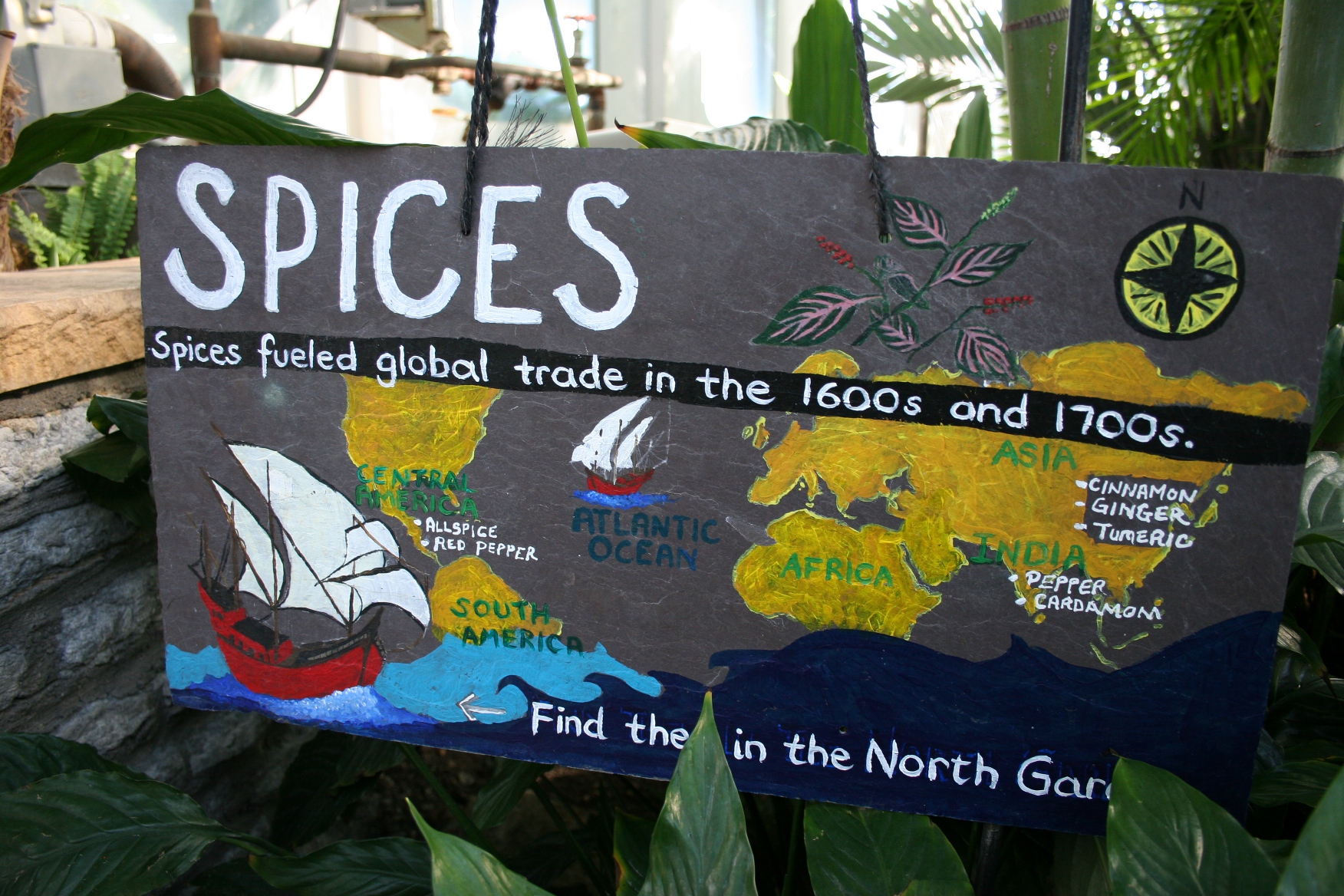
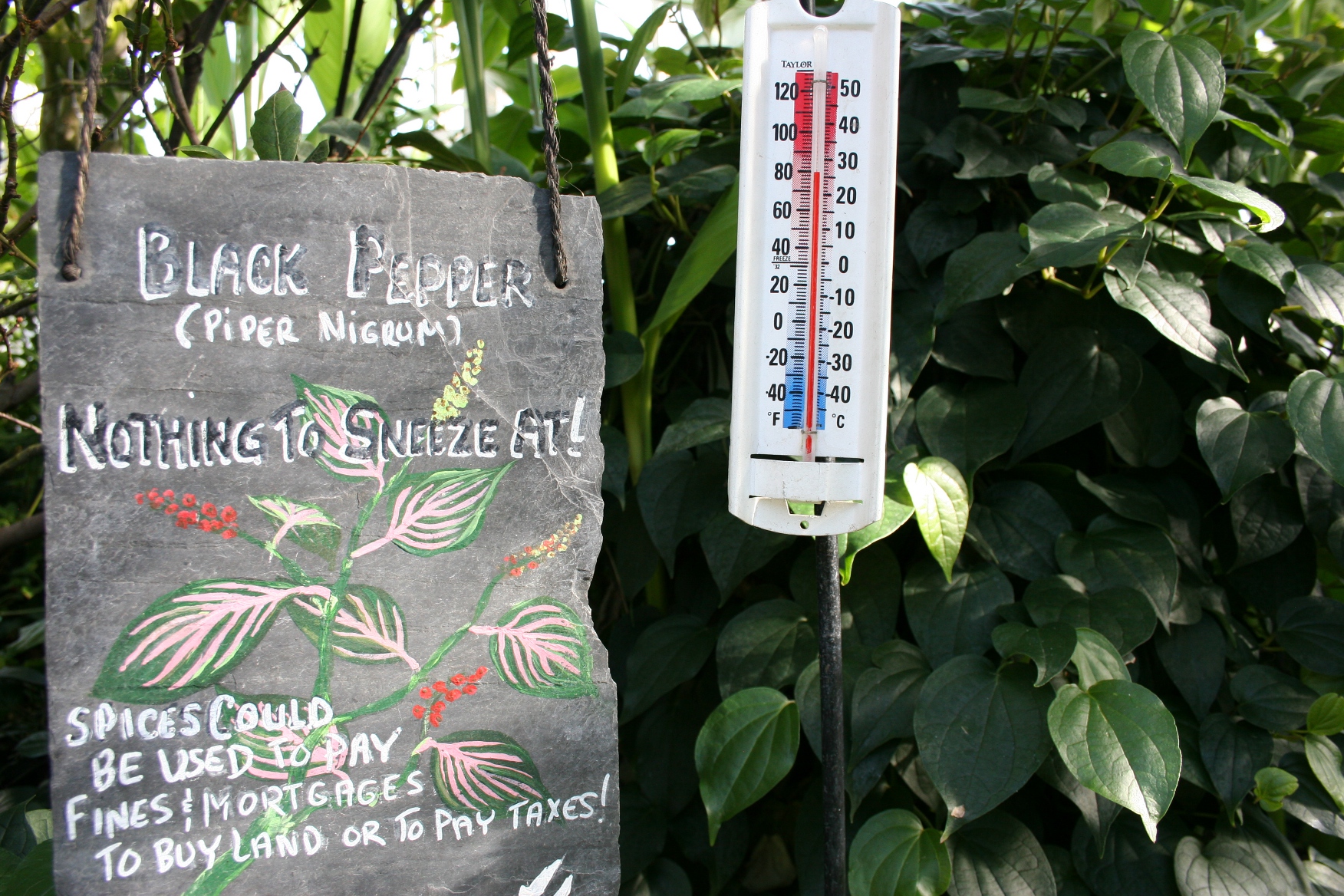
Imagine that you are aboard a ship in a fleet transporting exotic spices.

Pretend you are aboard a ship in a fleet transporting exotic spices.

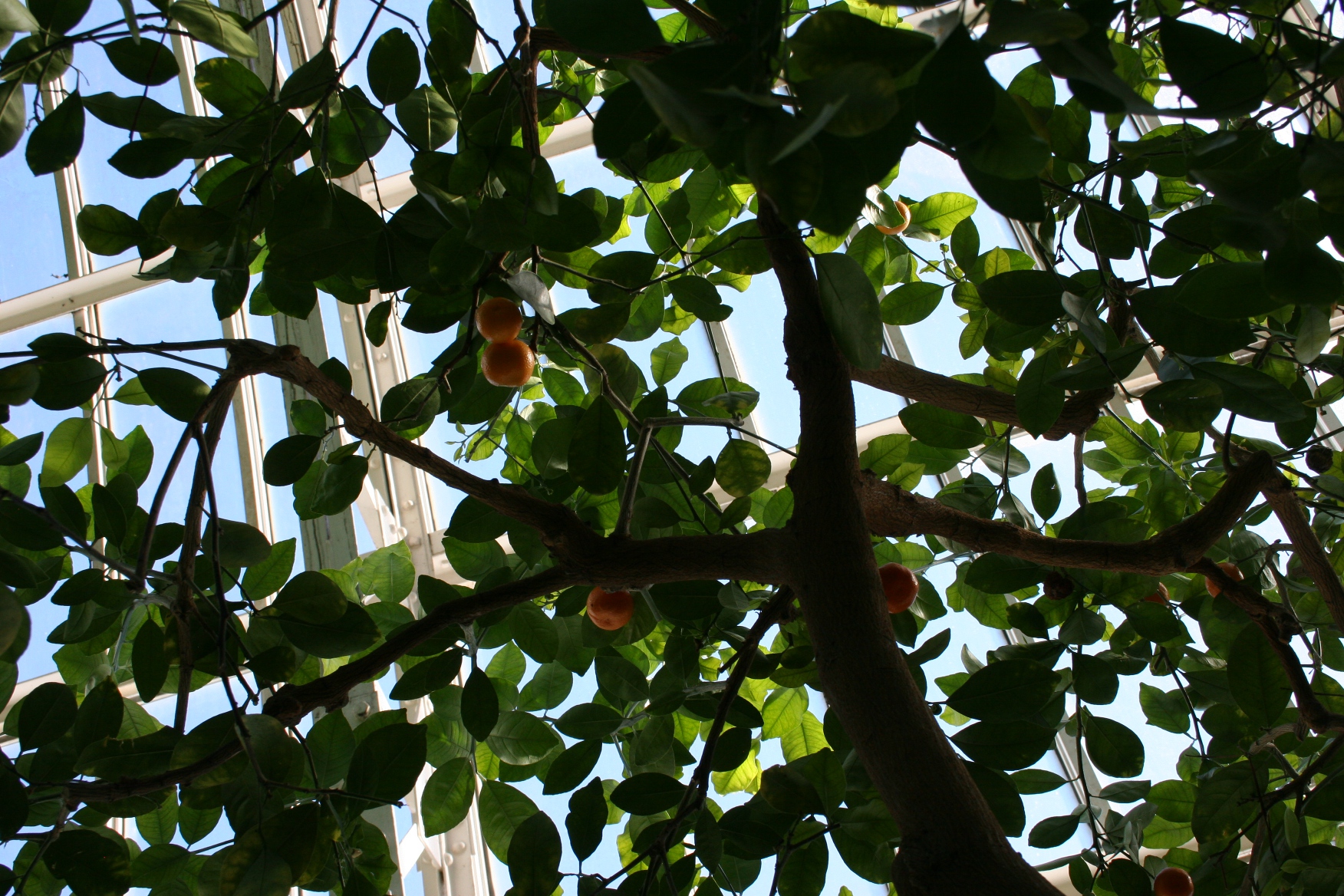
If only you were a little taller, you'd grasp one of those oranges. Wait a minute. Where's that tall son-in-law?

Banish the temptation to pick a juicy orange. (Where’s that tall son-in-law?)

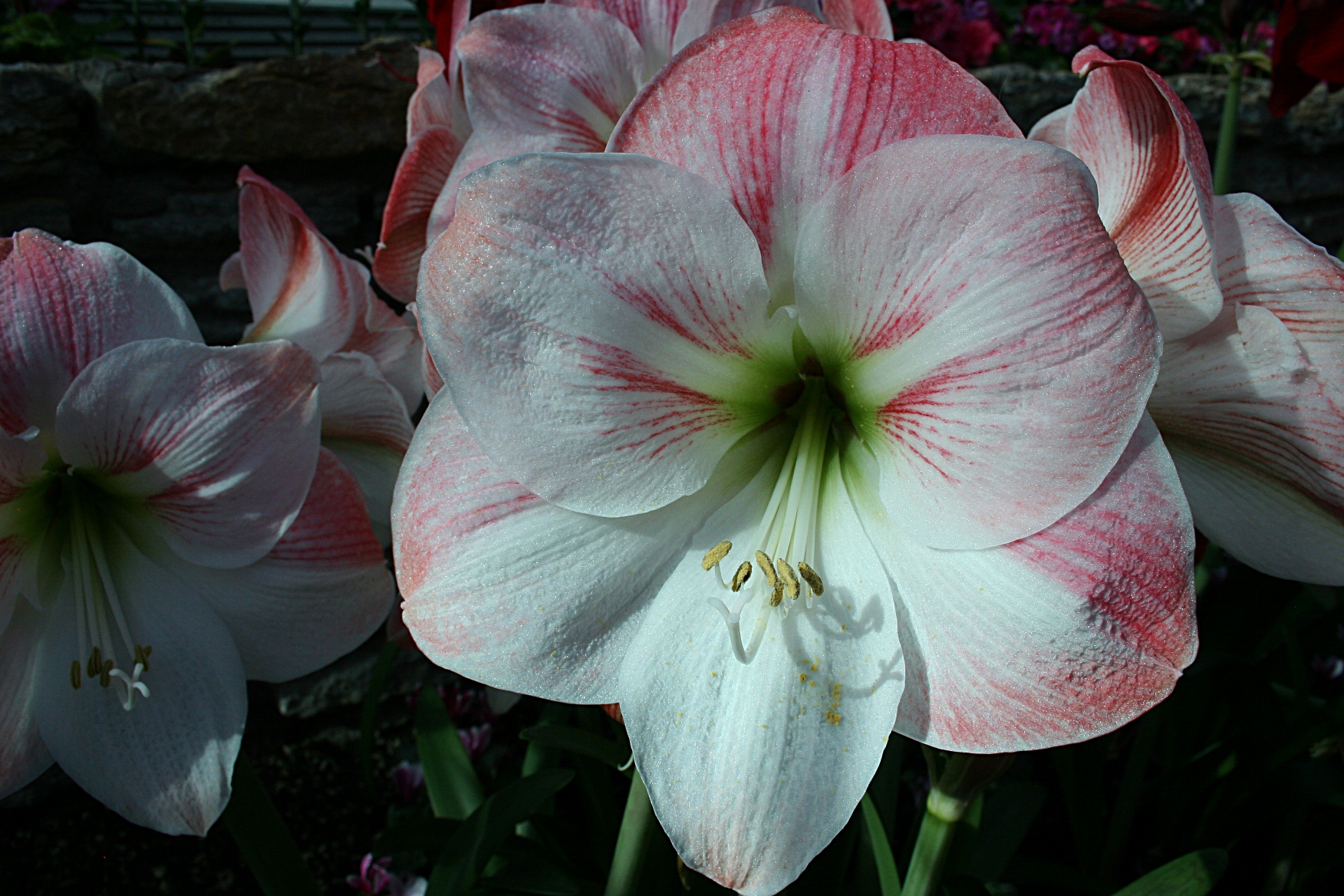
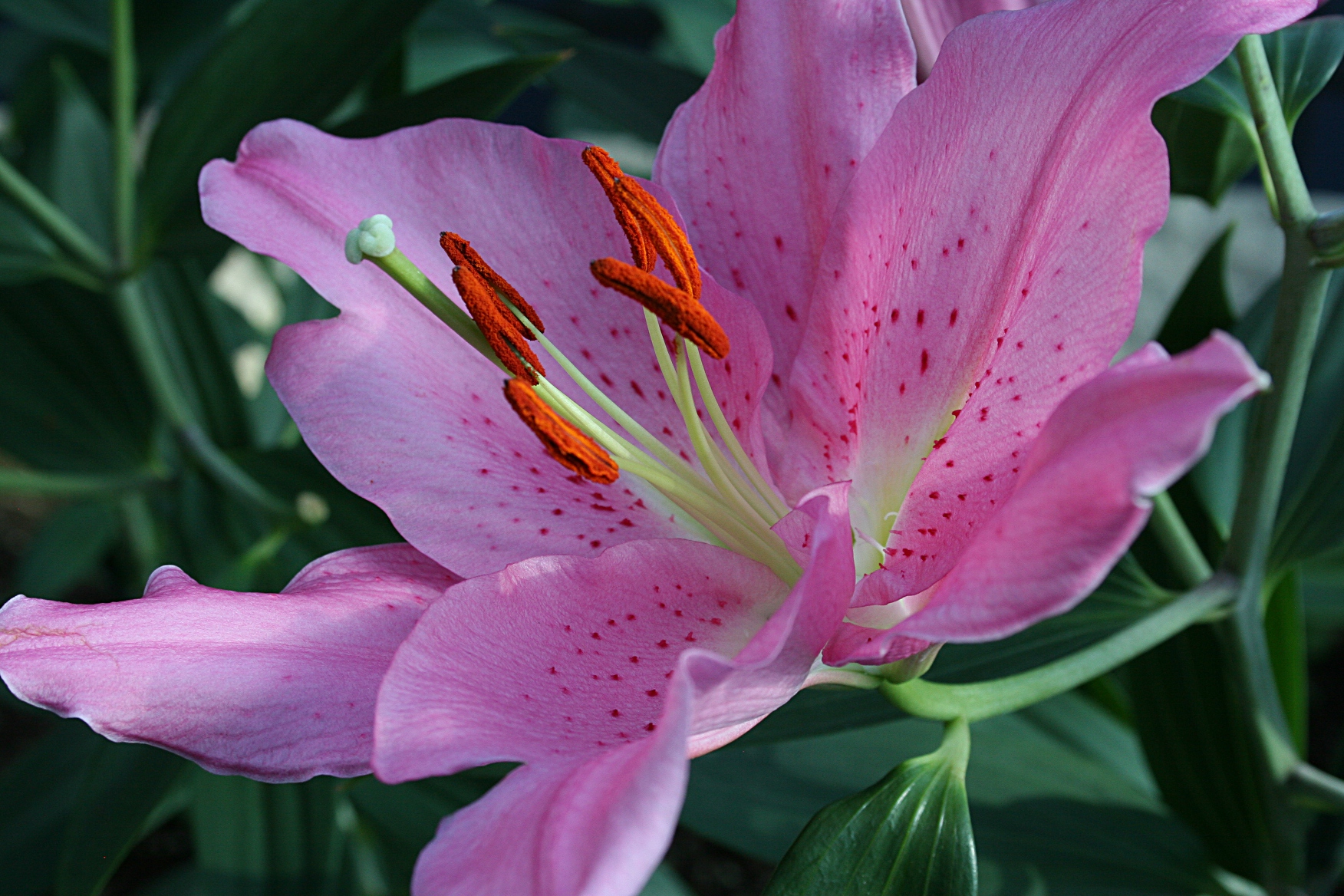
If only you could snip a few lilies to take home, to carry you through the next few months. Until spring...

If only you could snip a few blooms to take home, to carry you through the next few months. Until spring…

FYI: To read my first post from Como Park Conservatory, click here.

Copyright 2014 Audrey Kletscher Helbling
 

Guilty of escaping a Minnesota winter: In the conservatory with the camera… March 4, 2014

Photographing the Marjorie McNeely Conservatory in the cold Sunday afternoon.

The Marjorie McNeely Conservatory in St. Paul on Sunday afternoon.

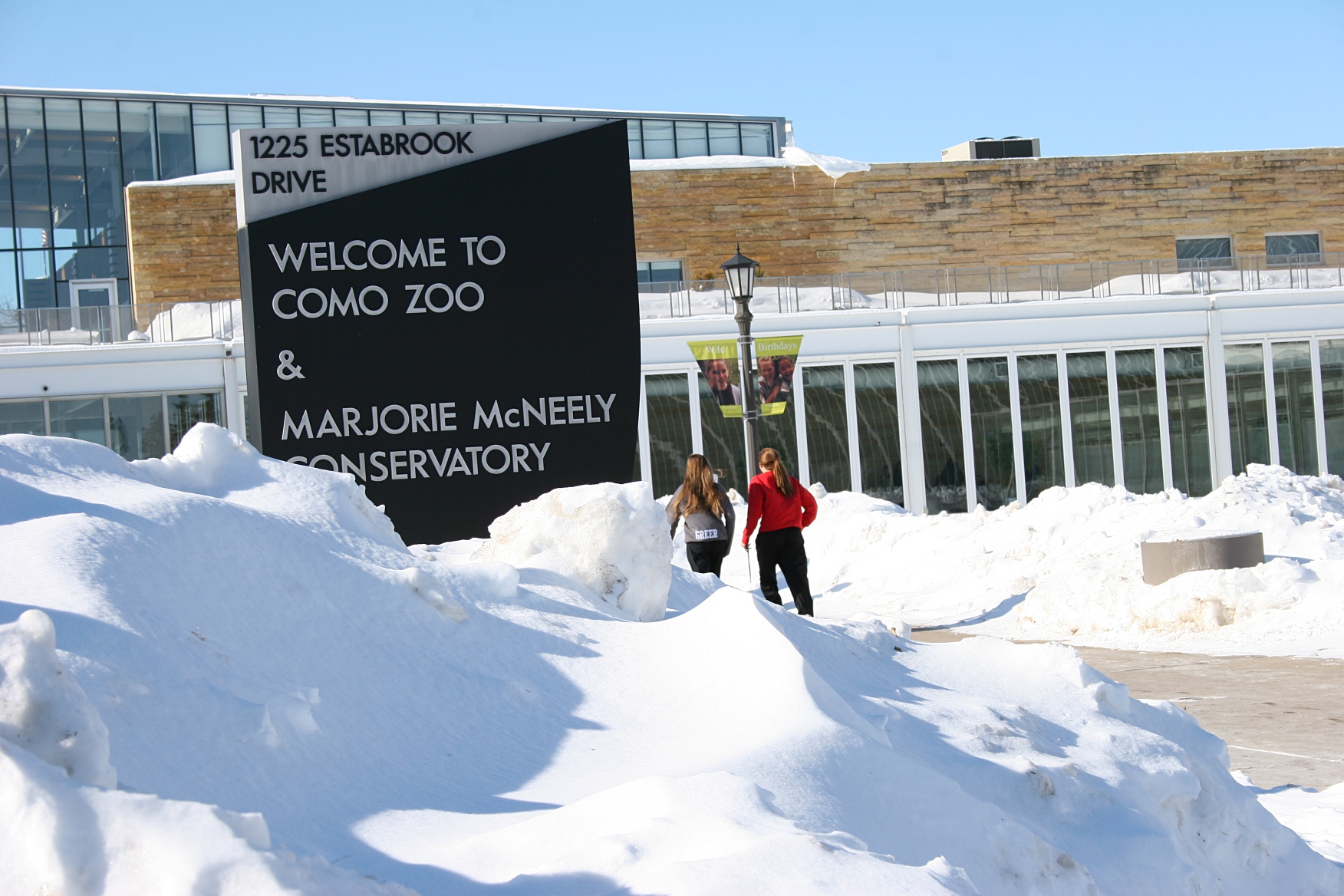
“SHE’S CRAZY,” the woman remarked to her companion, not realizing I overheard her as I photographed the exterior of the Como Park Zoo and Conservatory.

I wasn't the only one racing from vehicle to the Como Park Zoo & Conservatory minus a coat.

I wasn’t the only one racing from vehicle to the Como Park Zoo & Conservatory minus a winter coat.

The outdoor air temp hovered around five degrees Fahrenheit. Add in the windchill and the “feels like” temp likely plummeted to minus 25 degrees. And I was coatless.

Was I crazy? Perhaps. But stir craziness marked precisely the reason I came here on a sunny Sunday afternoon on the second day of March with my husband, eldest daughter and son-in-law. I needed a respite from the coldest Minnesota winter in 35 years. And I might add a particularly snowy one.

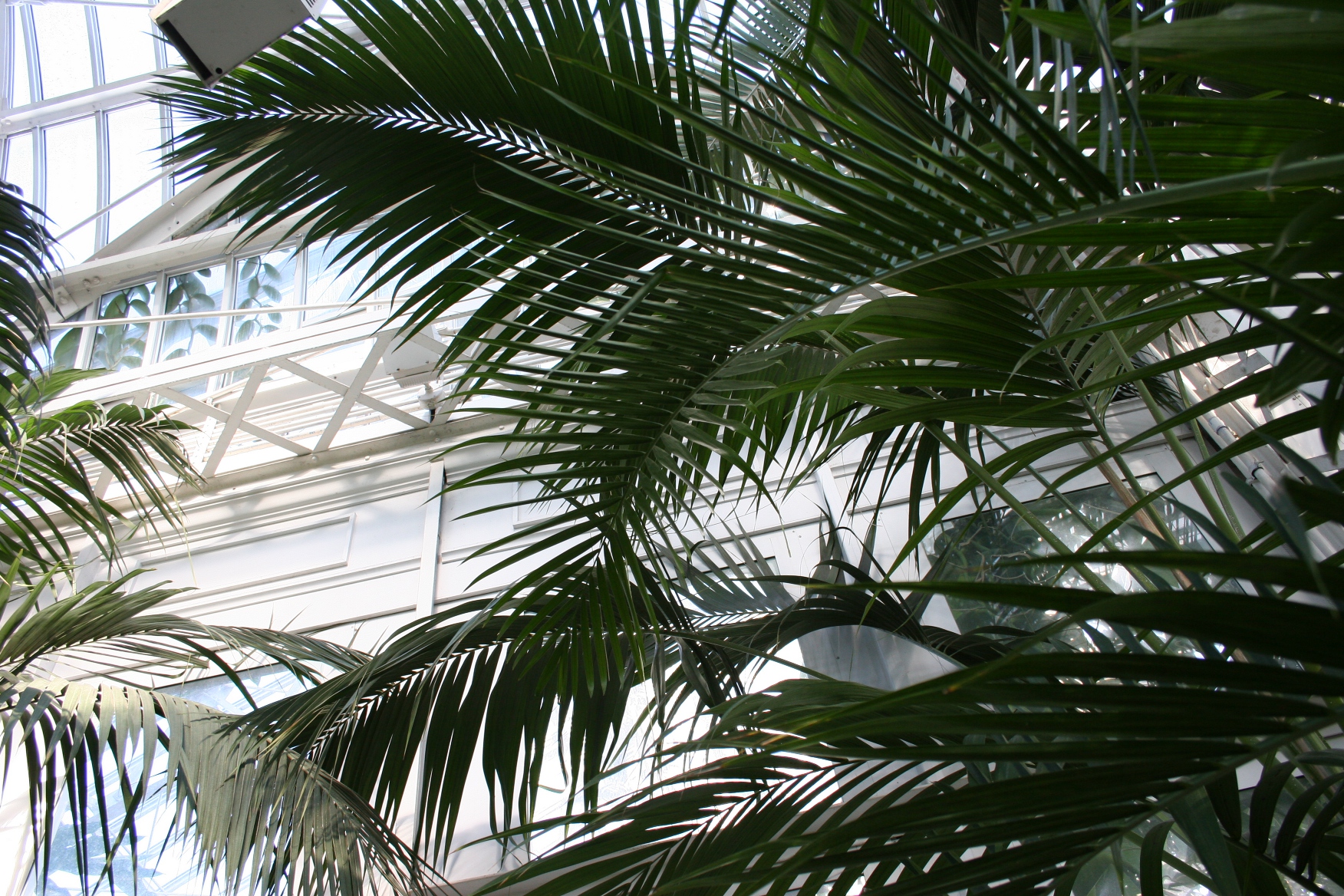
Looking up at the palm trees.

Looking up at the palm trees.

For a snippet of an afternoon, I pretended I was in the tropics, in a land of lush greenery and flowing rivers and blooming flowers.

Temps were downright hot inside the Conservatory, the reason I left my coat in the car.

Temps were downright hot inside the North Garden, the reason I left my coat in the car.

Not difficult to imagine in the 80-degree warmth of the North Garden,

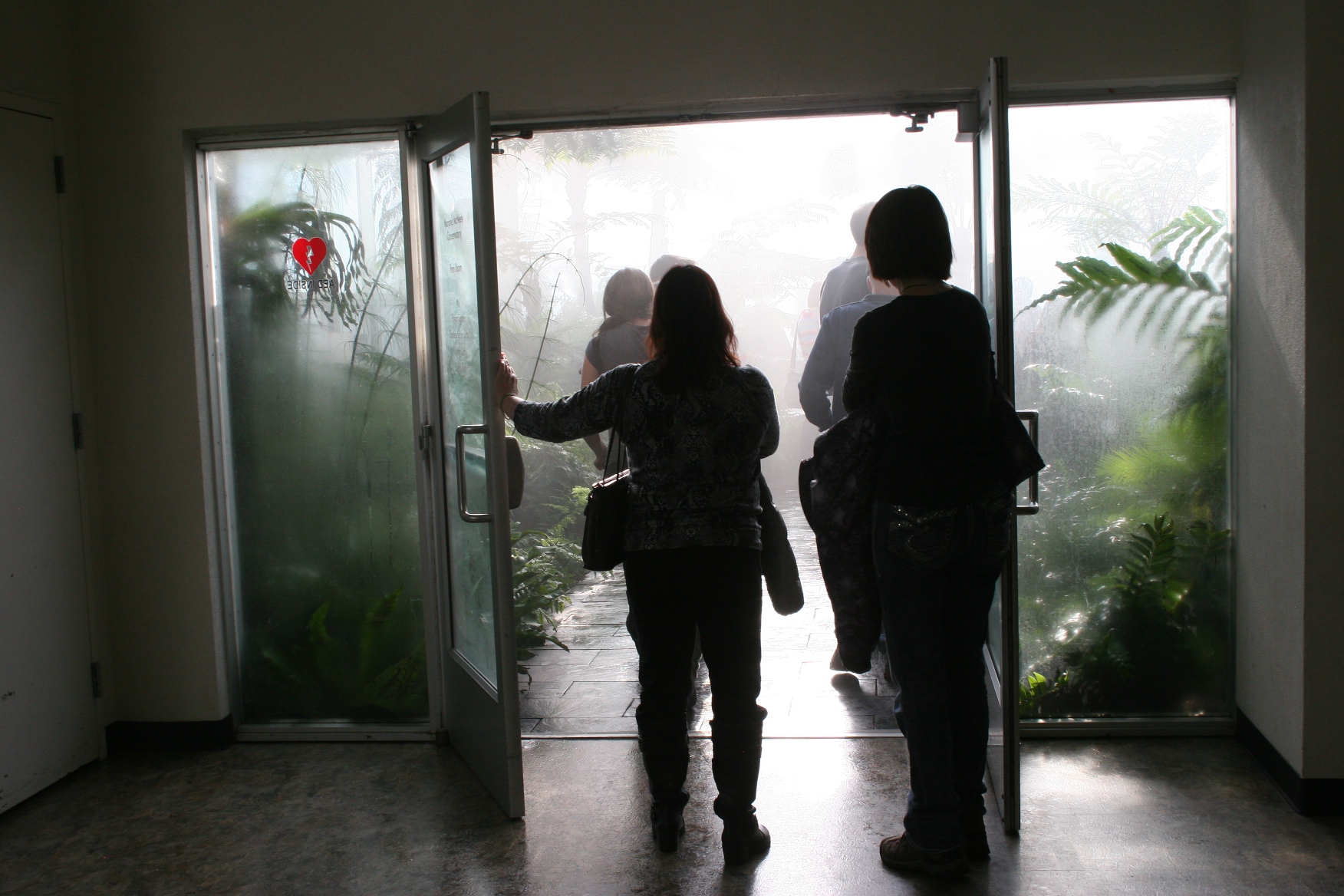
I tucked my Canon inside my camera bag before entering the humid/misty Fern Room.

I tucked my Canon inside my camera bag before entering the humid/misty/foggy Fern Room.

in the smothering humidity of the Fern Room

Lilies and other flowers perfumed the Sunken Garden.

Lilies and other flowers perfumed the Sunken Garden.

or in the Sunken Garden scented by the blossoms of blooming flowers.

Lines of people streamed through the Sunken Garden, by far the most crowded space.

Lines of people streamed through the Sunken Garden, by far the most crowded space.

This was exactly what I needed, as did hundreds of others. Conservatory paths were packed with people meandering through the gardens, pausing to photograph flowers and/or simply basking in the warmth and beauty.

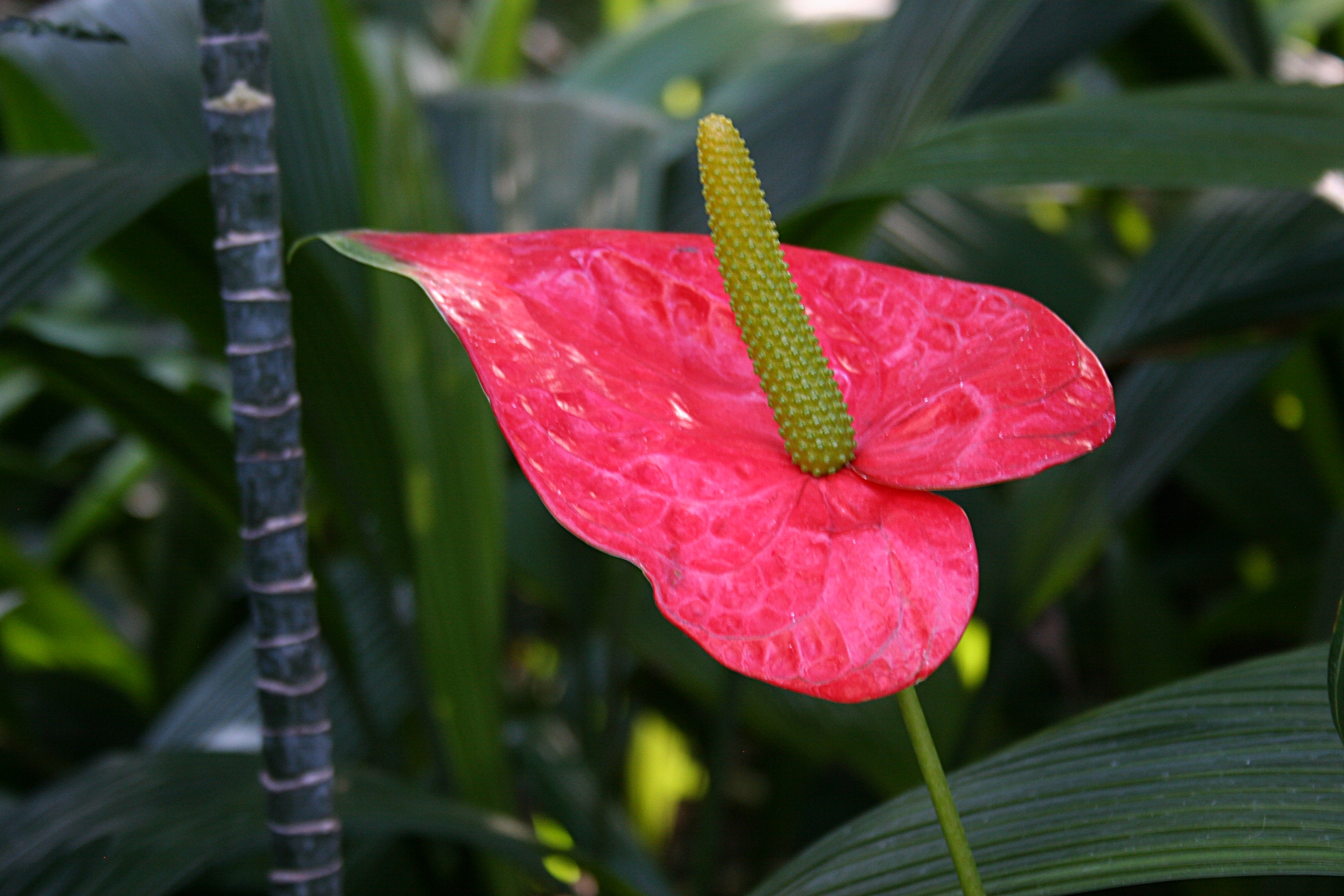
I can't recall the name of this flower, but I paused to photograph it because I like its shape and sheen.

I can’t recall the name of this flower, but I paused to photograph it because I like its shape and sheen.

Crowded conditions were not conducive to creative photography as I had to move along lest I hold up others. But I managed.

An artist sketching in the Sunken Garden flipped his sketchbook back to reveal his favorite sketch of the day, that of a bonsai tree. His art is spectacular.

An artist sketching in the Sunken Garden flipped his sketchbook back to reveal his favorite sketch of the day, that of a bonsai tree. His art is spectacular. My apologies for failing to ask his name.

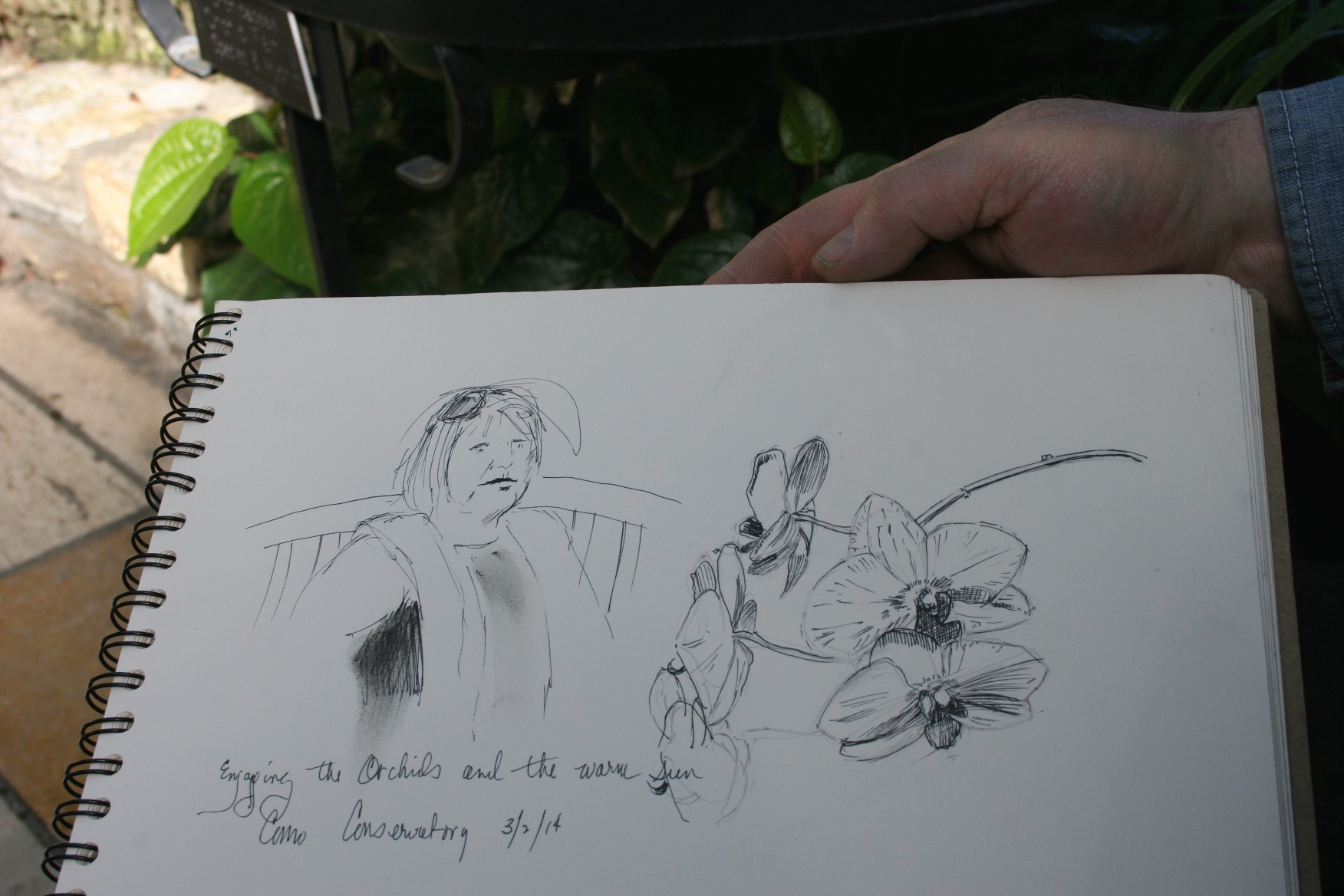
Metro Sketchers, artists who monthly gather to create art at a chosen location, recorded the scenes unfolding before them.

Thomas Winterstein of St. Paul sketches a scene in the Palm Dome.

Thomas Winterstein of St. Paul sketches a scene in the Palm Dome.

I chatted with a few,

Thomas Winterstein's sketch.

Thomas Winterstein’s sketch.

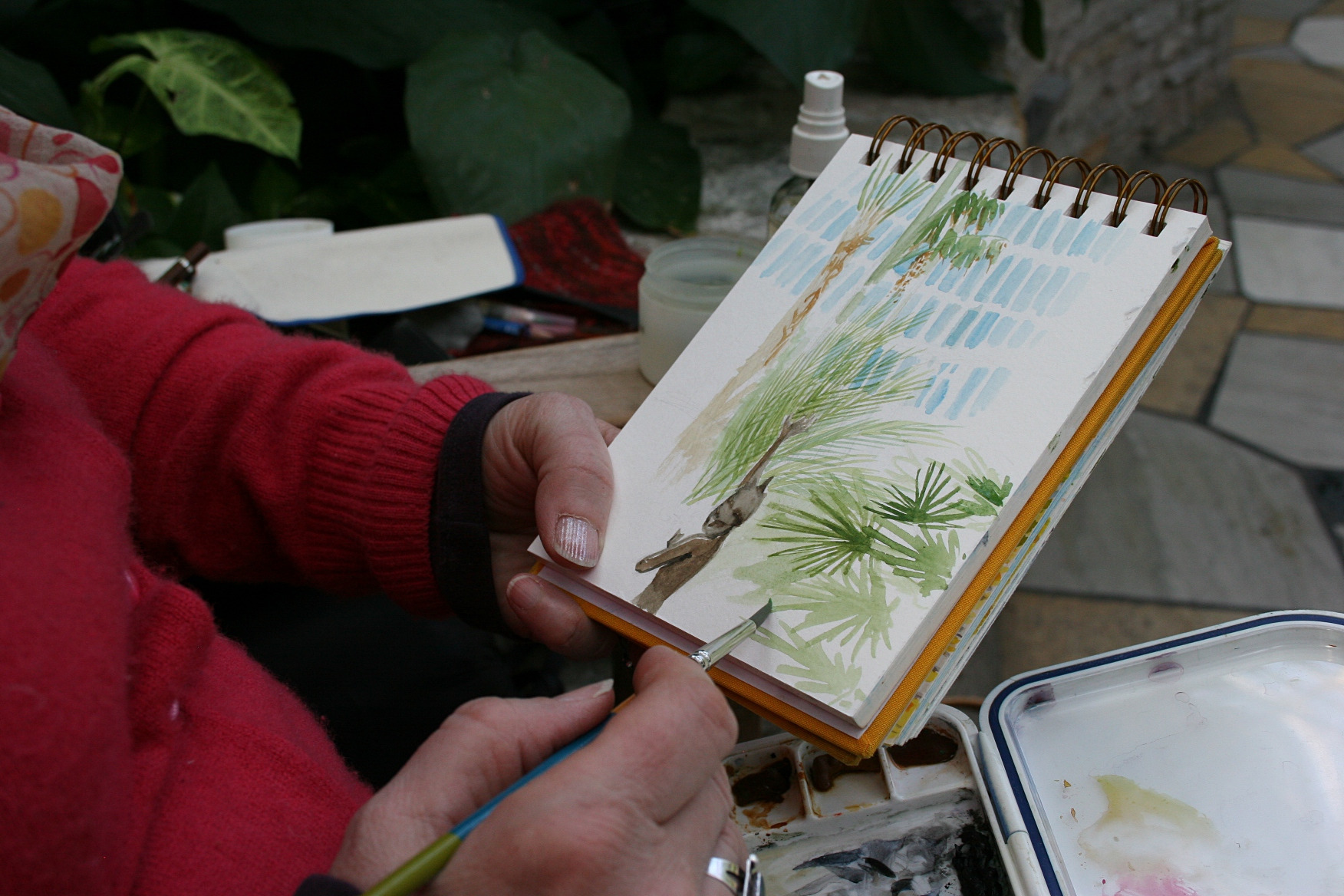
admired their art and their ability to create with paint and pencils and other mediums.

Watercolor artist Kathleen Richert paints a fountain in the Palm Dome.

Watercolor artist Kathleen Richert paints a fountain scene in the Palm Dome.

I wondered, too, if my California native son-in-law was at all impressed. After all, palm trees and other warm climate plants certainly aren’t foreign to him.

I have no idea what plant this is, but I love the leaves.

I have no idea what plant this is, but I love the leaves.

To this Minnesotan, though, the Marjorie McNeely Conservatory at Como Park in St. Paul proved impressive and mentally uplifting in this longest and coldest of Minnesota winters.

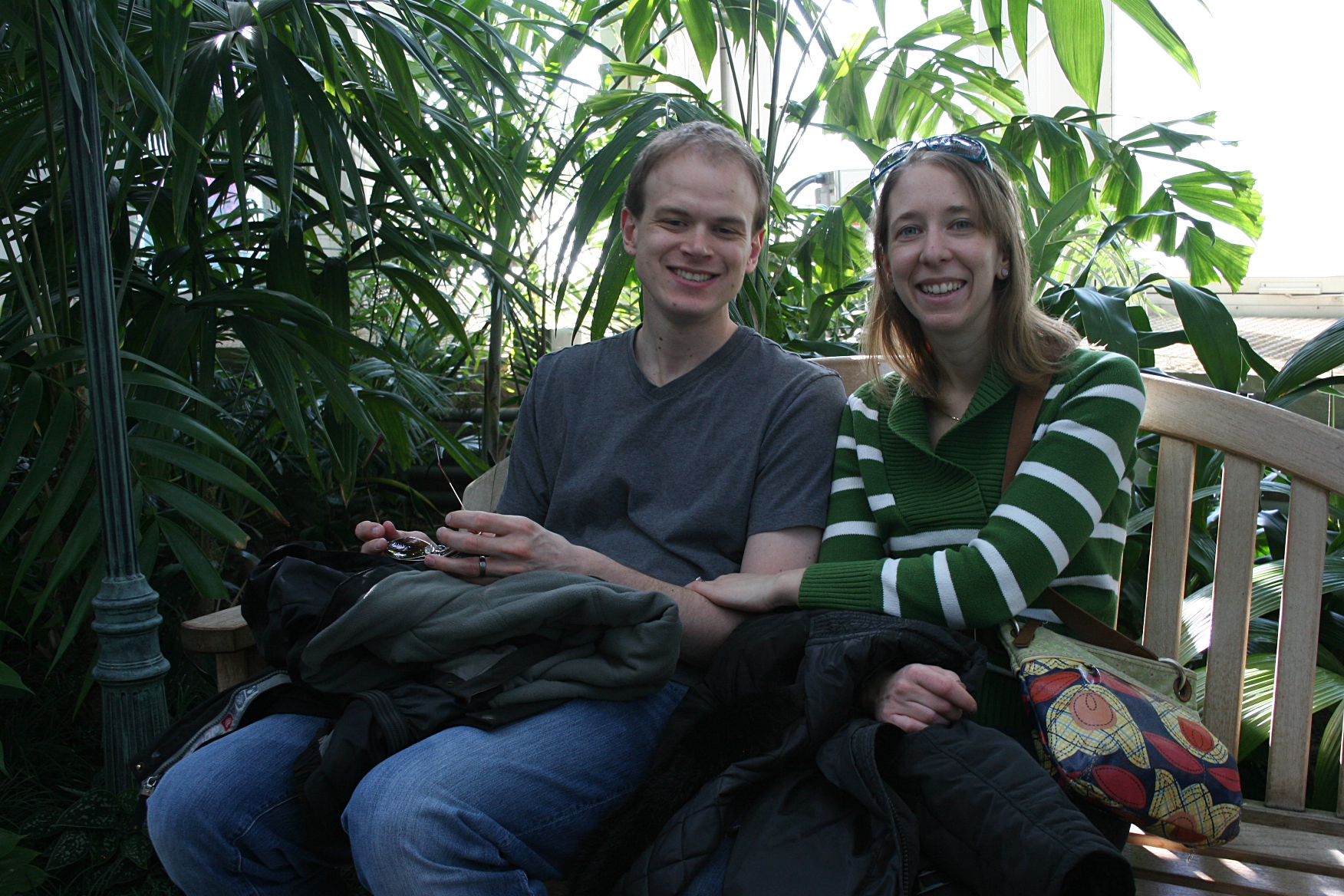
Even though you're not supposed to snap posed portraits, I managed to take a quick shot of my daughter and her husband in the Palm Dome.

I managed a quick shot of my daughter and her husband in the Palm Dome, even though portraits are banned.

FYI: Just for the record, I left my coat in the daughter’s car as I did not want to carry it around in the Conservatory while also juggling a camera. The daughter was kind enough to drop Mom and Dad off at the sidewalk leading to the Conservatory. She and her husband then circled the parking areas for an incredibly long time before squeezing into a tight parking space. I’d advise driving a small vehicle here and not attempting to park in the unplowed gravel lot where vehicles were getting stuck.

Check back for more photos.

© Copyright 2014 Audrey Kletscher Helbling
 

No smelling the lilies today February 22, 2014

Filed under: Uncategorized — Audrey Kletscher Helbling @ 2:48 PM
Tags: , , , , ,

TODAY MY HUSBAND AND I had these wonderful plans for a one-day respite from winter.

We intended to drive to St. Paul, tour the Como Park Conservatory and then have lunch with our eldest daughter and son-in-law at their Lowertown apartment.

But that all changed after we decided to heed the Minnesota State Patrol’s advice to avoid unnecessary travel this weekend.

In the aftermath of Thursday/Friday’s blizzard, roads remain treacherous. Rain followed by snow caused a layer of ice to form under the now snow-packed roadways. Yesterday’s traffic situation in the Twin Cities metro was awful with thousands of spin-outs, nearly 700 crashes, almost 1,000 stalls and over 50 jackknifed/stuck semis, according to numerous news reports. The situation in areas of outstate Minnesota has been equally as challenging.

Conditions have been termed the worst in 25 years.

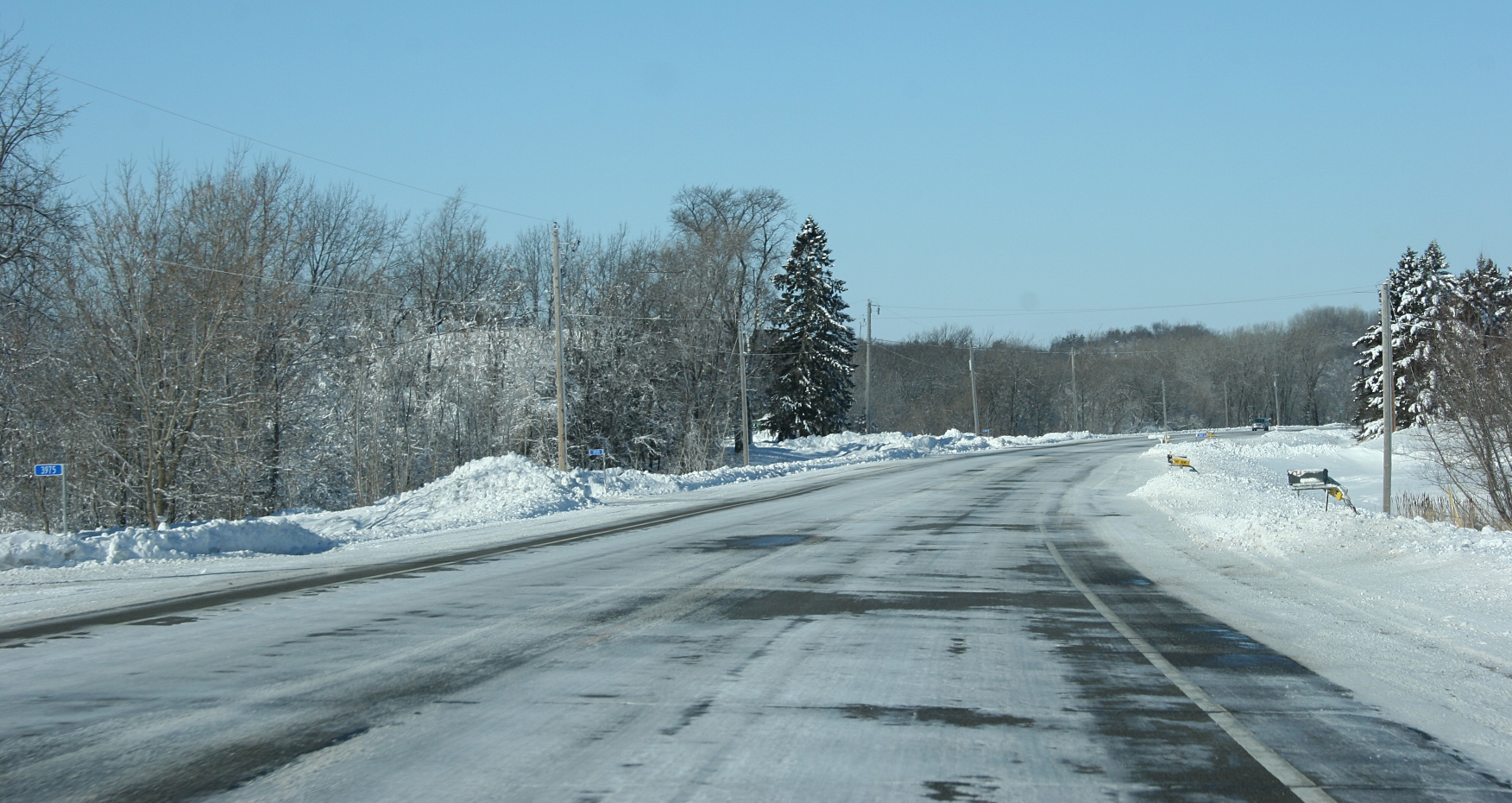
Minnesota Highway 60 just outside of Faribault Saturday morning shows a mostly snow-packed highway with a few patches of pavement showing.

Minnesota Highway 60 just east of Faribault Saturday morning shows a mostly snow-packed and icy highway with a few patches of pavement showing.

In the cold that followed the storm, salt and chemicals are not melting the snow and ice. Roads will improve only with time and we’re told that could be days. A short drive east of Faribault along Minnesota Highway 60 this morning showed us just how bad roads are.

We did not want to be part of the metro mess, thus the decision to postpone the St. Paul outing until another weekend.

And, as our eldest daughter reminded us, we did not want to be the second Helbling to go in the ditch this week.

Monday morning our second daughter’s vehicle hit an icy patch on a rural Wisconsin roadway, spun around twice into the oncoming lane and landed in the opposite ditch facing the opposite direction from which she’d been traveling.

Thankfully, she was not injured nor her Chevy damaged. There was no oncoming traffic. Her car did not roll (as she suspected it would) and it landed in the opposite ditch away from telephone phones.

She did, however, have to crawl out the window as snow was banked against the door.

Yes, this has been quite the winter here in the Midwest.

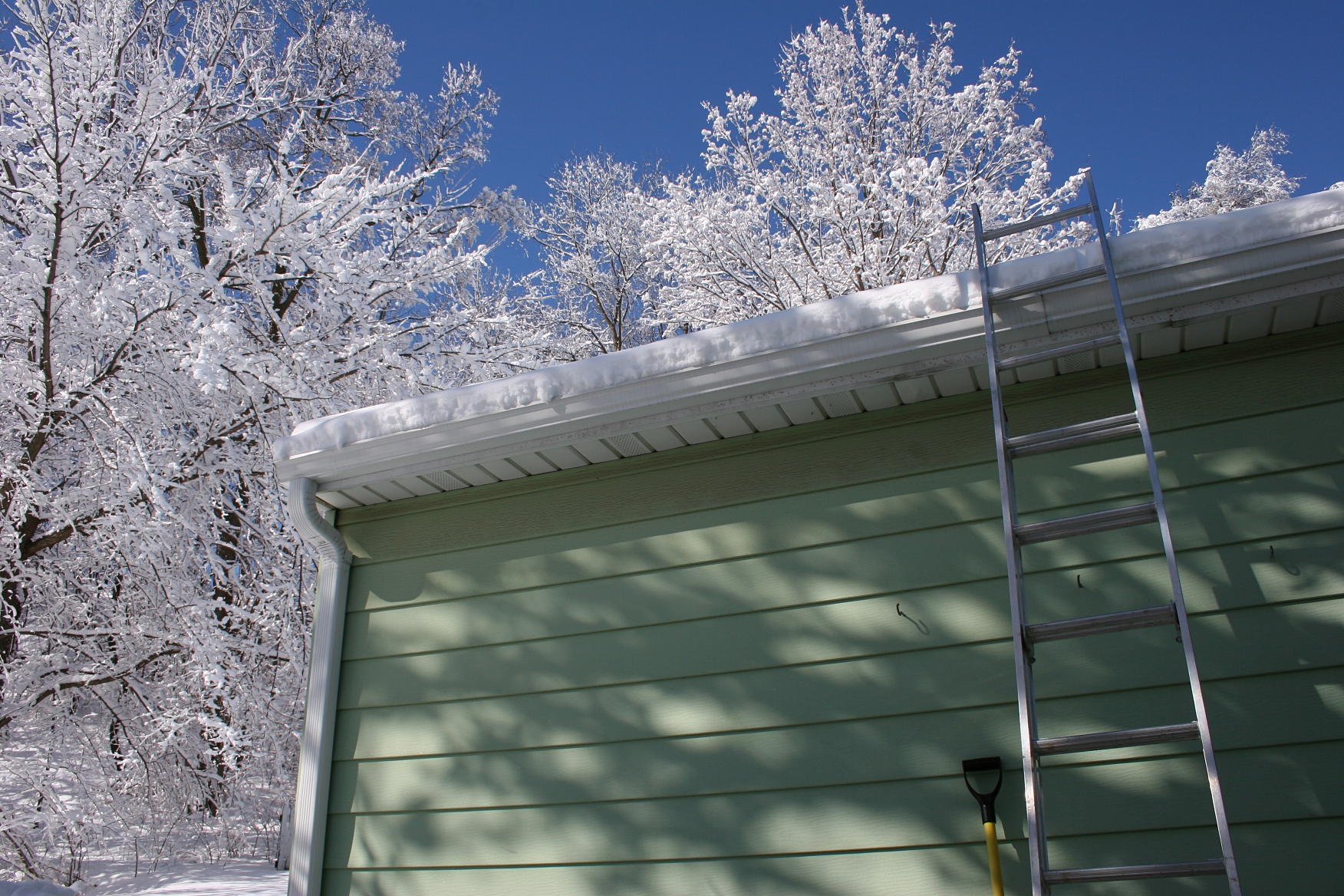
Preparing to shovel snow from the garage roof. Trees in my neighborhood are still laden with ice and snow.

Preparing to shovel snow from the garage roof. Trees in my neighborhood are still laden with ice and snow.

So, today instead of meandering among fragrant lilies, beautiful pansies and more in the balmy warmth of the Como Conservatory and then lunching with our daughter and her husband, we’ve been dealing with snow. My spouse has been shoveling snow from the house and garage roofs and from ours and the neighbor’s driveways.

Ravine Street in Faribault this morning.

Ravine Street in Faribault this morning.

We may head downtown again later. But we’re not leaving town.

© Copyright 2014 Audrey Kletscher Helbling
 

All about community in Emmaville, a nostalgic place in Minnesota’s northwoods February 19, 2014

I’VE NEVER VISITED Emmaville, Minnesota, population four two.

And up until last week, I’d never even heard of this unincorporated settlement, a remnant of an early 1900s logging town located 12 miles north of Park Rapids along Hubbard County Road 4 deep in Paul Bunyan country.

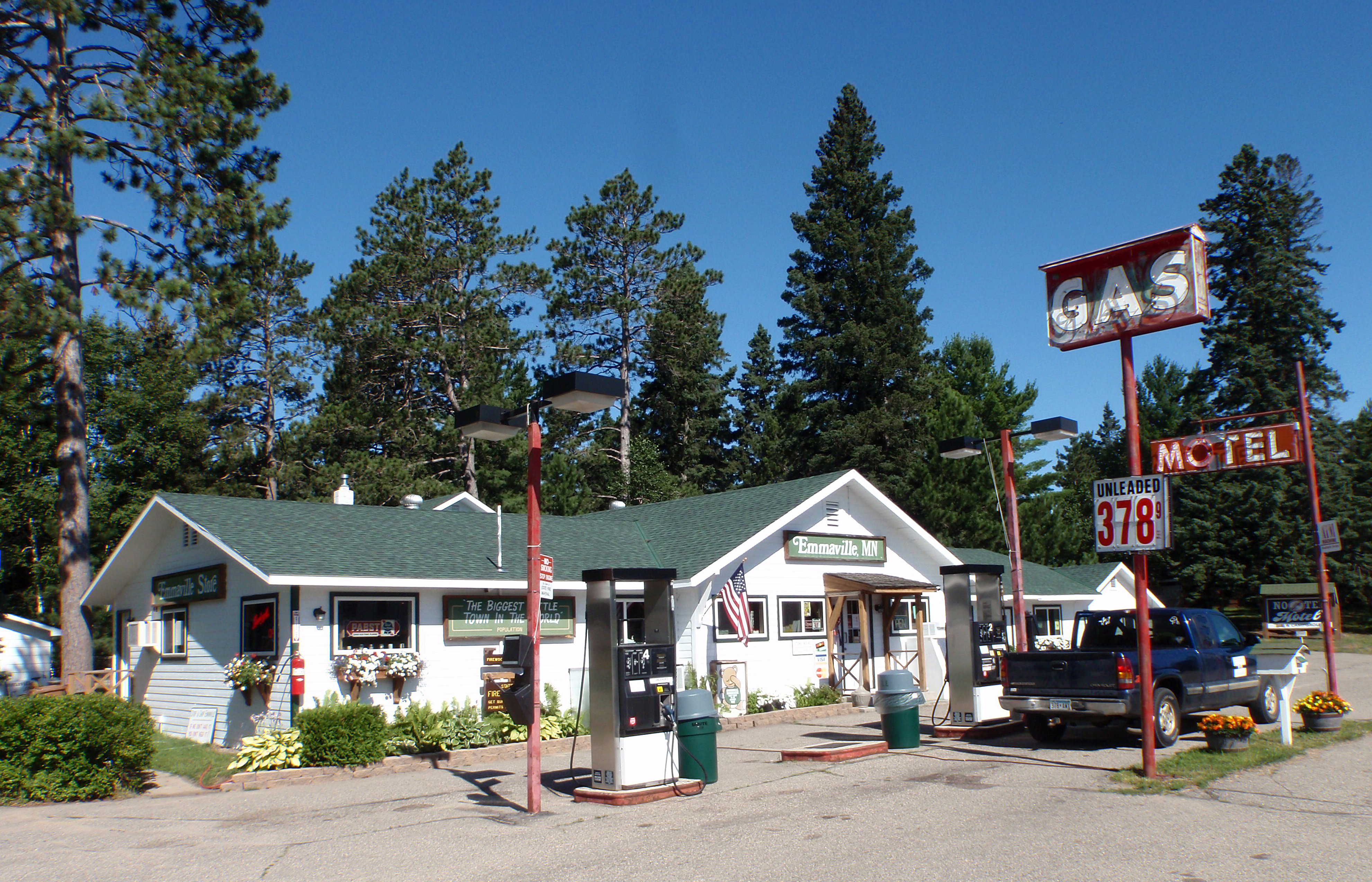
The Emmaville was dark and empty when the Sprys purchased it in 2010. They did a lot of cleaning and renovating before reopening the cafe and convenience store in January 2011.

The Emmaville Store stood dark and empty when Mike and Melinda Spry purchased it in 2010. They cleaned and renovated the combination cafe, bar and convenience store before reopening the business in January 2011. The vintage motel and gas signage dates back to the 1950s or 1960s.

But thanks to the folksy writing of Mike Spry, co-owner of the Emmaville Store along with wife, Melinda, since 2010, I’m now endeared to this place.

In his blog, “Rediscovering Emmaville—The adventure continues,” Spry shares his love for Emmaville in a way that only one intimately familiar with a people and place can.

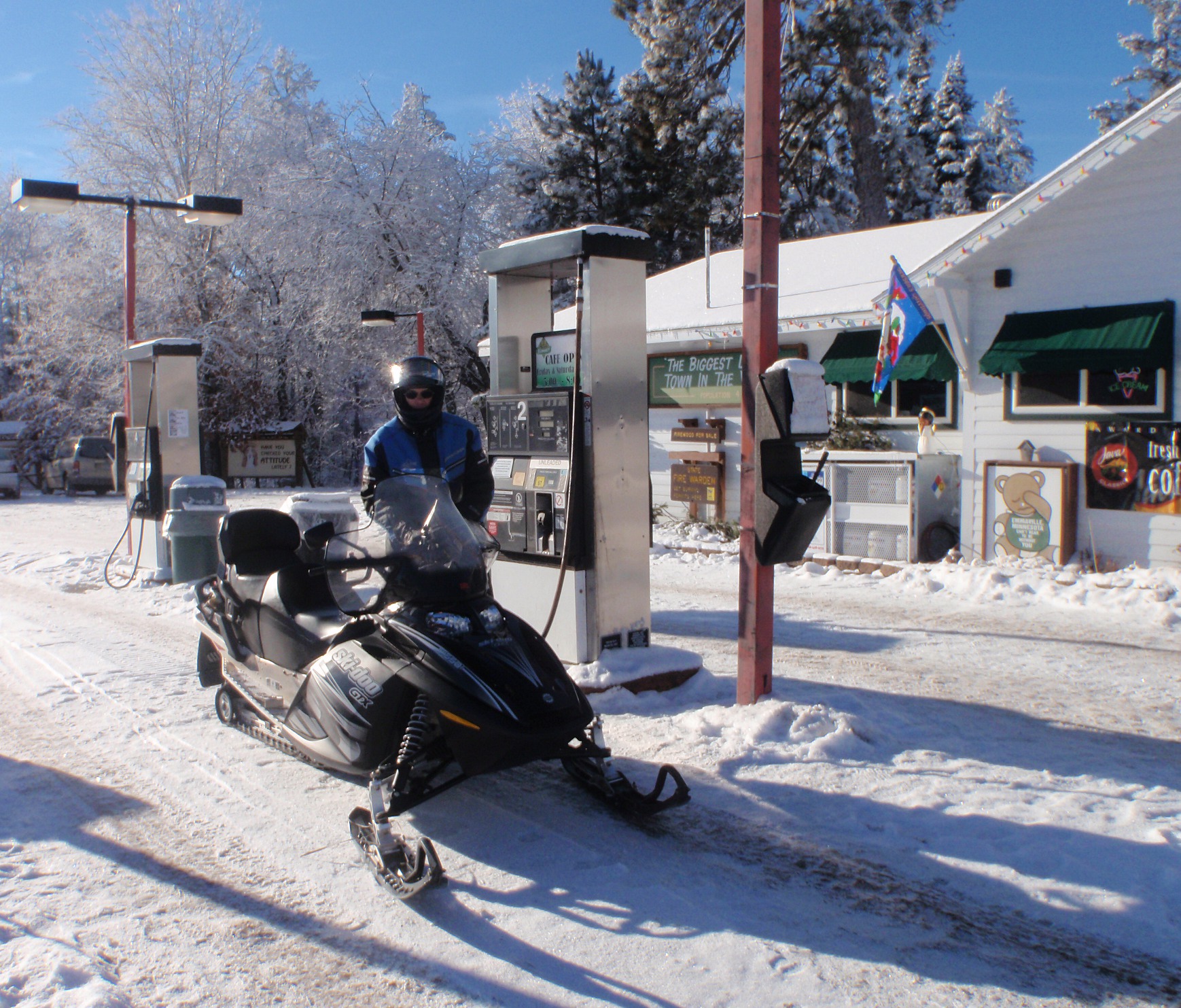
Snowmobilers frequently stop in Emmaville.

Snowmobilers frequently stop in Emmaville.

Spry begins his recent “The Emmaville Shuffle” post:

You know it’s winter when you witness the Emmaville Shuffle. The dancers walk up to the counter in our store and start patting themselves. They grab their butts, pause briefly to think, and then start unzipping their outer wear. They stretch and grope inside their suits, and sometimes undo more zippers and straps before their hands dive back in. We sometimes feel the need to avert our eyes.

You might think we’re running some kind of backwoods burlesque show here, but all we’re really talking about is snowmobilers trying to find their money. We call it the Emmaville Shuffle.

From those opening paragraphs (you can read the rest by clicking here), I was hooked on this blog, which focuses on “creating and sustaining community.”

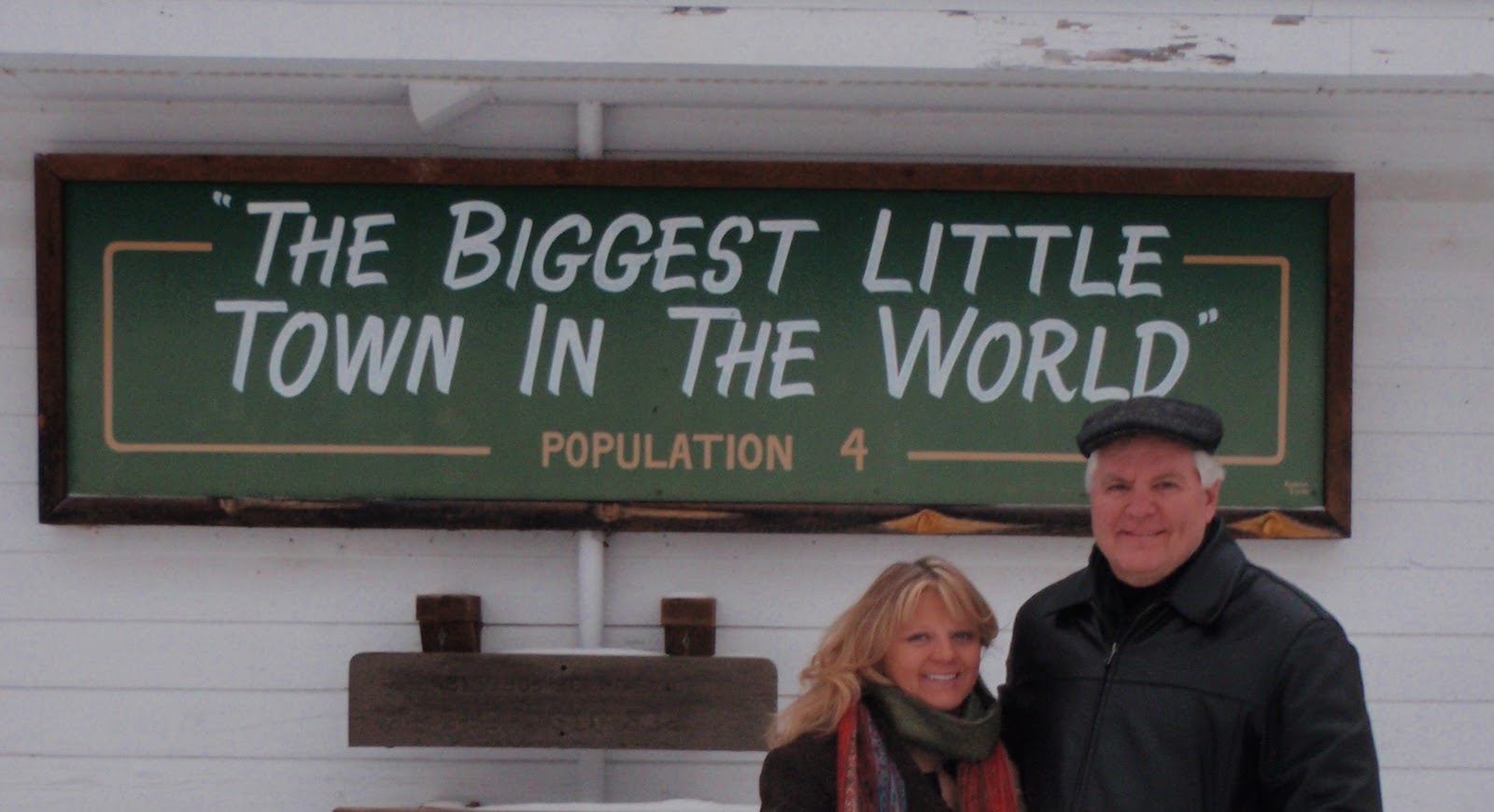
Mike and Mel Spry, Emmaville's only residents, decided not to mess with a successful marketing tool

Mike and Mel Spry, shown here, “decided not to mess with a successful marketing tool” created by a previous owner although the population today is only two.  “The Biggest Little Town in the World,” advertising the population as four, dates back to the 1980s. At that time the store’s owner, his wife and two kids lived in Emmaville.

I needed to know more about these business owners, this settlement’s only permanent “residents” although Mike says those living in the surrounding woods and along area lakes also call Emmaville home.

The couple, now in their early 50s, grew up in nearby Detroit Lakes. Mike hunted and fished in the Emmaville area as a boy. Both attended Bemidji State University. Eventually, they would leave the region, only to return after Mike sold his shares in an environmental consulting and engineering firm.

Mike, in an email exchange with me, can’t pinpoint precisely why he and his wife decided to purchase and reopen the vacated Emmaville Store. The business venture also includes a cafe, bar, cabin, four-unit motel, a 10-site campground and seasonal storage units. But he calls the endeavor a labor of love.

“We love being a part of a rural community where people look out for each other and support each other,” Mike says. “In our previous life we traveled and moved around a lot, so we really long to be part of a community.”

Dining

Hanging out in Emmaville.

And that they are, as noted in a May 2013 blog post titled “Clayton is back!” Mike writes of seasonal resident Clayton, a 91-year-old who claims “the second bar stool from the right, where he can hear the TV good” and who serves as official Ambassador, Welcoming Committee, Handyman, Tour Guide and Historian:

You’ll be happy to know that Clayton is back in Emmaville, having arrived safe and sound last Thursday. However, upon seeing him in the flesh, Mary and Mel became concerned. To them, he seemed just too skinny. Clayton explained he had exercised all winter to work off all the weight he gained at Emmaville last year. So the ladies have rolled up their sleeves and are bound and determined to plump him up.

Three squares a day, plus all the pie and ice cream he can eat ought to do it.

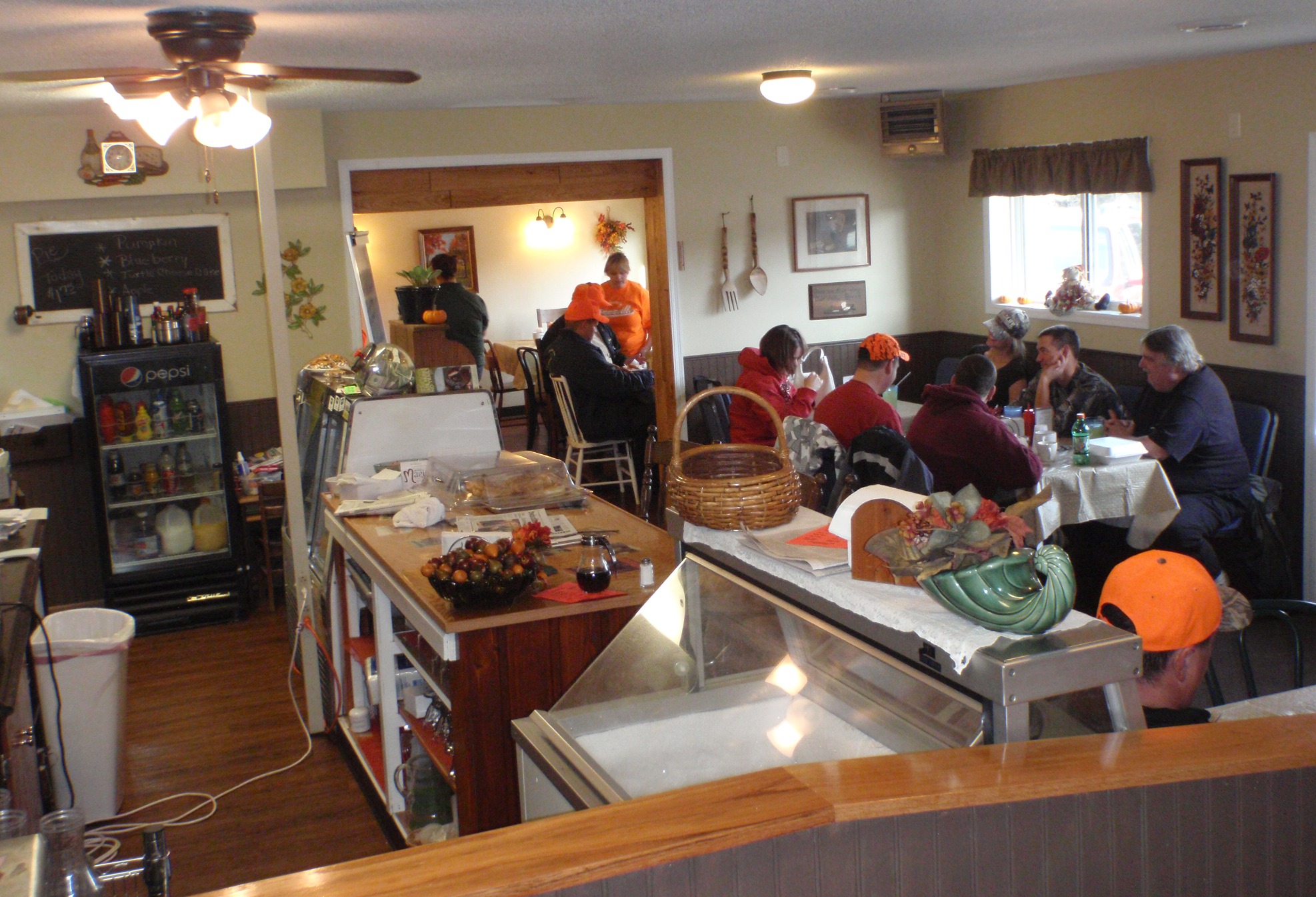
With offerings like fresh-baked cinnamon and caramel rolls, banana bread, bars and other sweets, I expect Clayton regained weight in no time. The cafe does most of its business during breakfast and lunch, Mike says. The Emmaville Store website promotes a “famous” Sunday Brunch and Buffet from mid-May to early September and suggests trying the French toast made from cranberry-wild rice bread.

Friday evenings you’ll find, among other selections, an All-You-Can-Eat Taco Bar. And on Saturdays, it’s “Burgers in the Bar” night.

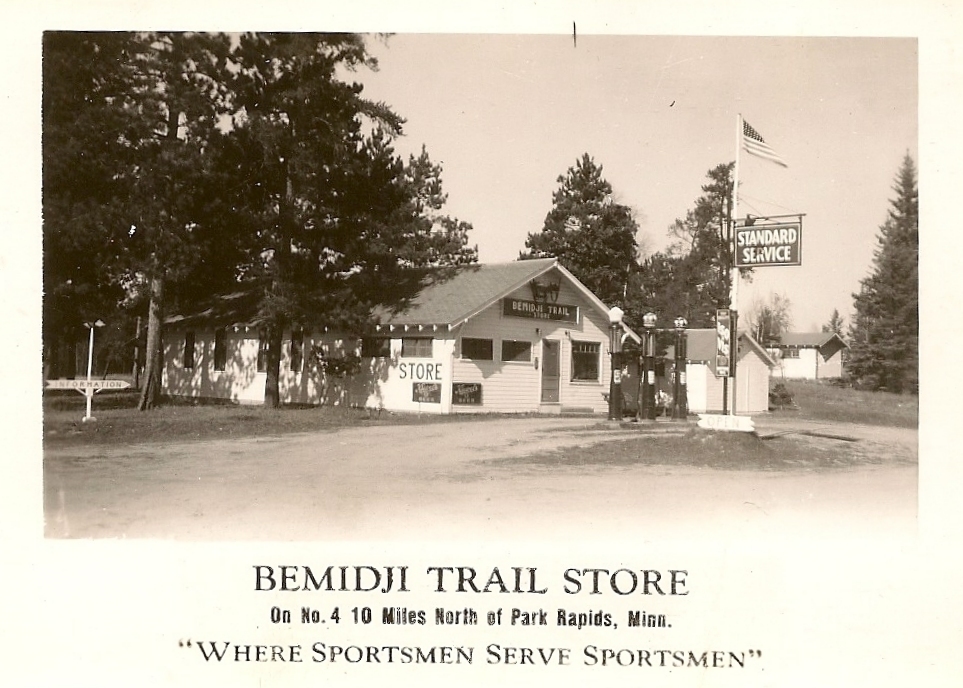
A vintage photo shows the Emmaville Store shortly after it opened in the late 1930s or early 1940s.

A photo from the late 1930s or early 1940s shows the Emmaville Store shortly after it opened.

Nostalgia, as much as gas and food, likely draws customers off the county road to Emmaville. Itasca State Park lies only 20 miles away and the recreational Heartland Trail and North Country Scenic Trail are even closer. Emmaville also sits along state-funded snowmobile trails connecting Itasca with Bemidji, Park Rapids and Walker.

Tourists, hunters, anglers, seasonal residents, bikers, snowmobilers and more all find their way here.

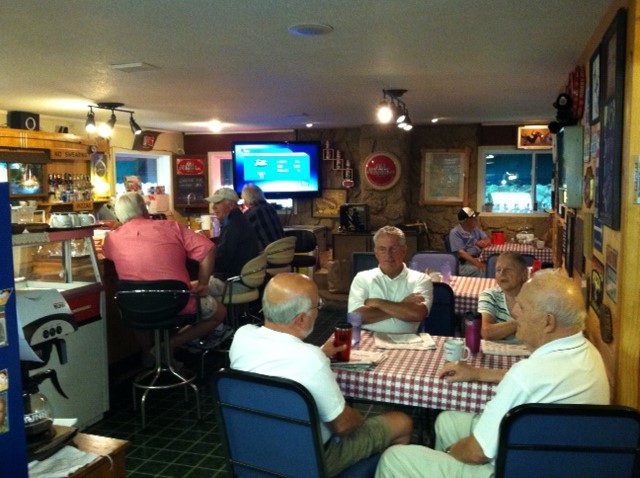
Dining at the Emmaville Store cafe.

Dining at the Emmaville Store cafe.

No matter who walks in the door, whether local or visitor, Mike says, “We try to be warm and welcoming to everyone. We want them to feel like family. It’s a place where they can step back in time and remember when they used to come up north when they were kids. It’s also a place for locals to gather for coffee, meetings and celebrations.”

Business can be slow sometimes, though, including in March and April. Yet the Sprys have managed to make enough money to pay the bills. The challenge has been finding time to get away. “It’s a lot like owning a dairy farm,” Mike says. “You can’t leave it easily.”

As Mike says, the Emmaville Store is a labor of love for him and Mel. His down-to-earth heartfelt writing about the people and happenings in Emmaville proves that.

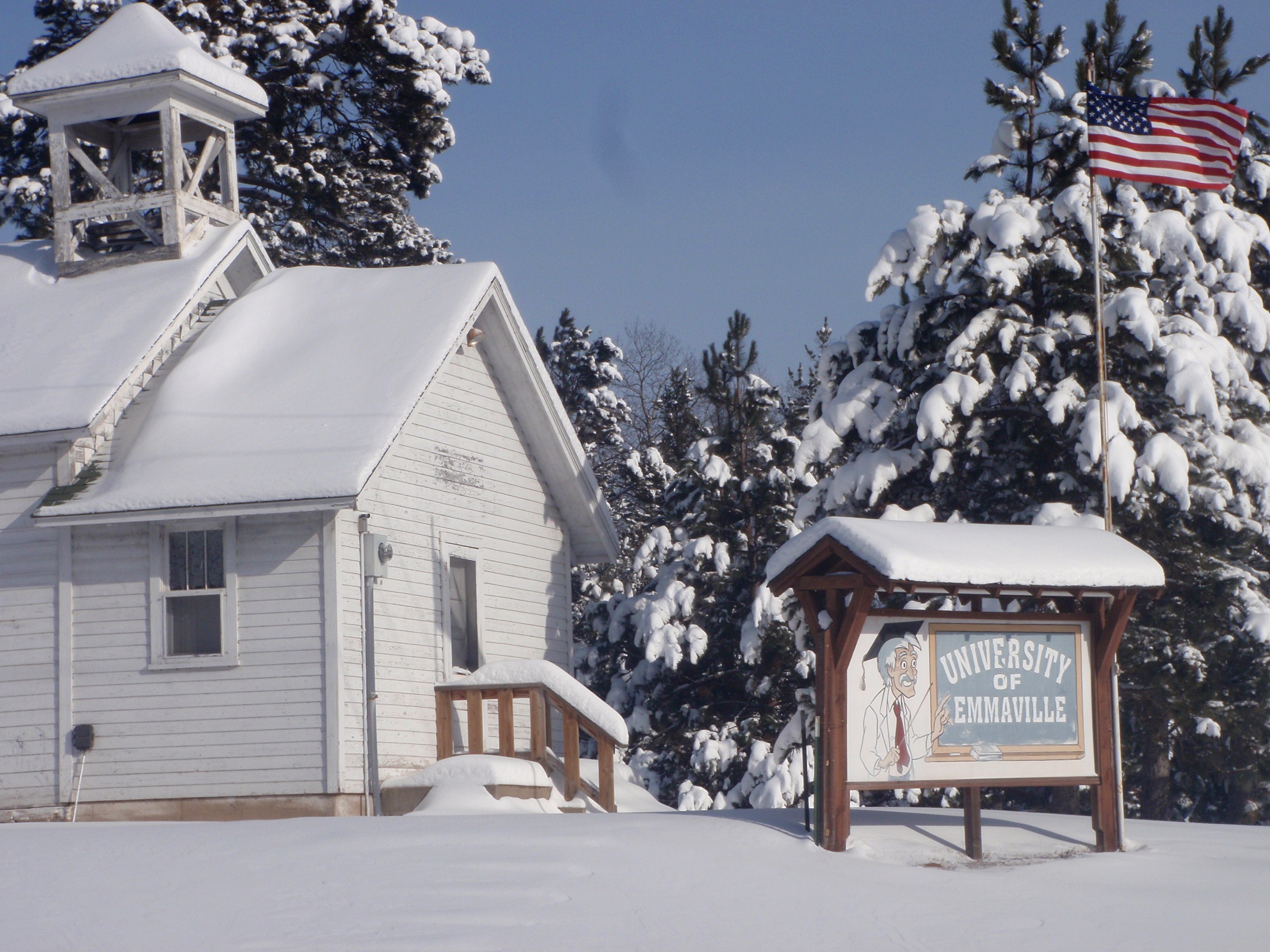
Mike emailed this bonus photo from Emmaville of the 1907 schoolhouse, labeled by previous owner Cal Jensen as the University of Emmaville.

Mike emailed this bonus photo from Emmaville of the 1907 schoolhouse, labeled by previous owner Cal Jensen as the University of Emmaville. Jensen was a colorful character, Mike says, who posted several witty signs to attract tourists. The Sprys have refurbished that signage like “The More People I Meet, the More I Like My Dog.” Today the old schoolhouse is owned and used by two brothers as a hunting cabin.

FYI: Want to read more of Mike’s musings from Emmaville? Click here to reach his “Rediscovering Emmaville” blog. And click here to reach the Emmaville Store website.

© Copyright 2014 Audrey Kletscher Helbling
Photos courtesy of Mike Spry