Minnesota Prairie Roots

Writing and photography by Audrey Kletscher Helbling

Antiquing in Wisconsin: Mixing machining & merchandising in Redgranite December 2, 2013

I RECOGNIZE THE SMELL. Grease and oil and dirt mingled. The odor hangs heavy inside Mike Schwochert’s machine shop along State Highway 21 in Redgranite, Wisconsin.
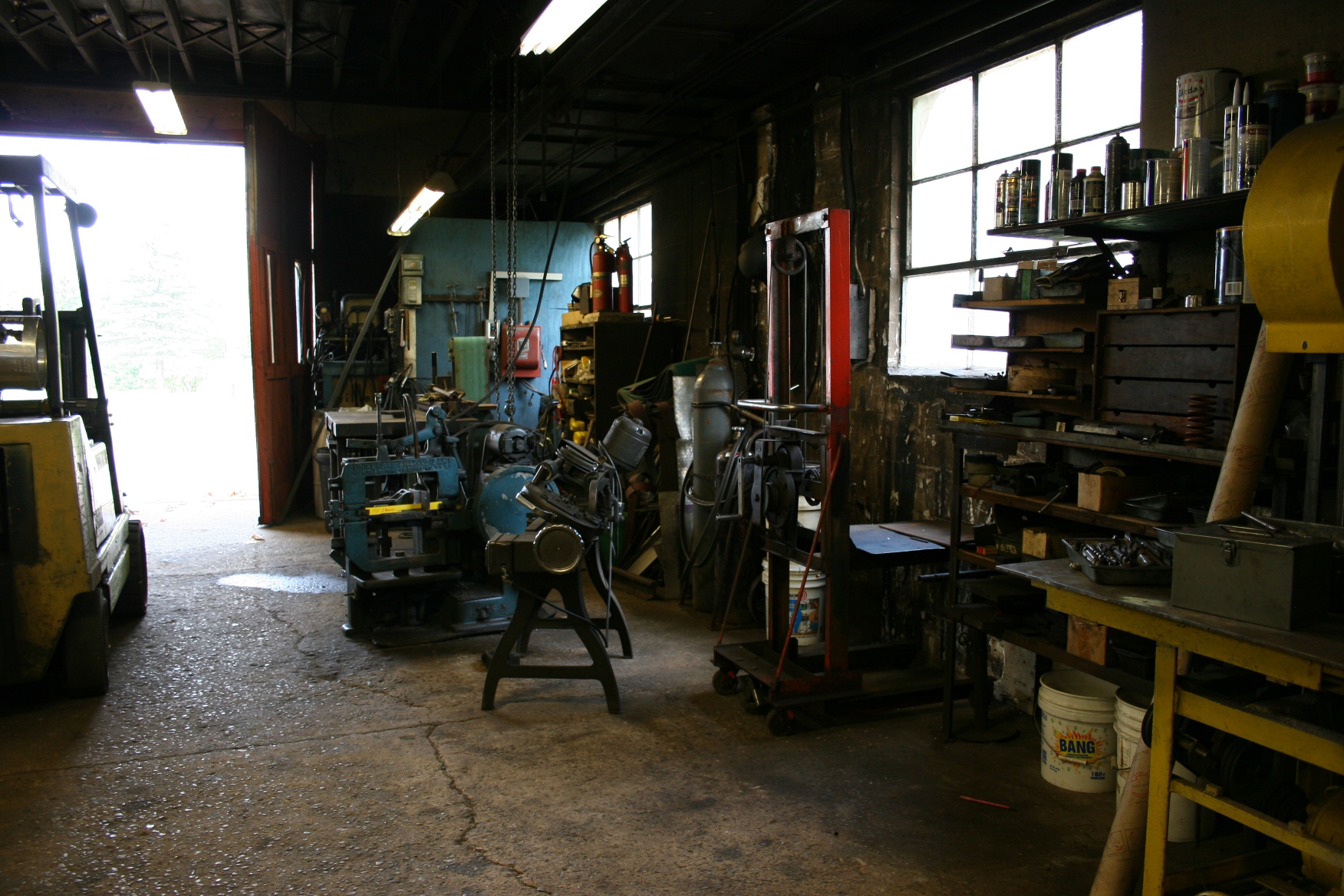
Inside Old Time Machine Inc.

Inside Old Time Machine Inc.

The shop smells of history and hard labor and of hours standing upon this cracked cement floor spotted with oil stains.

This place reminds me of the work my husband does as an automotive machinist, although Mike pursues a different type of machining, producing machined parts. He does drilling, boring, tapping, milling, tool and die production, welding and fabrication, and more.
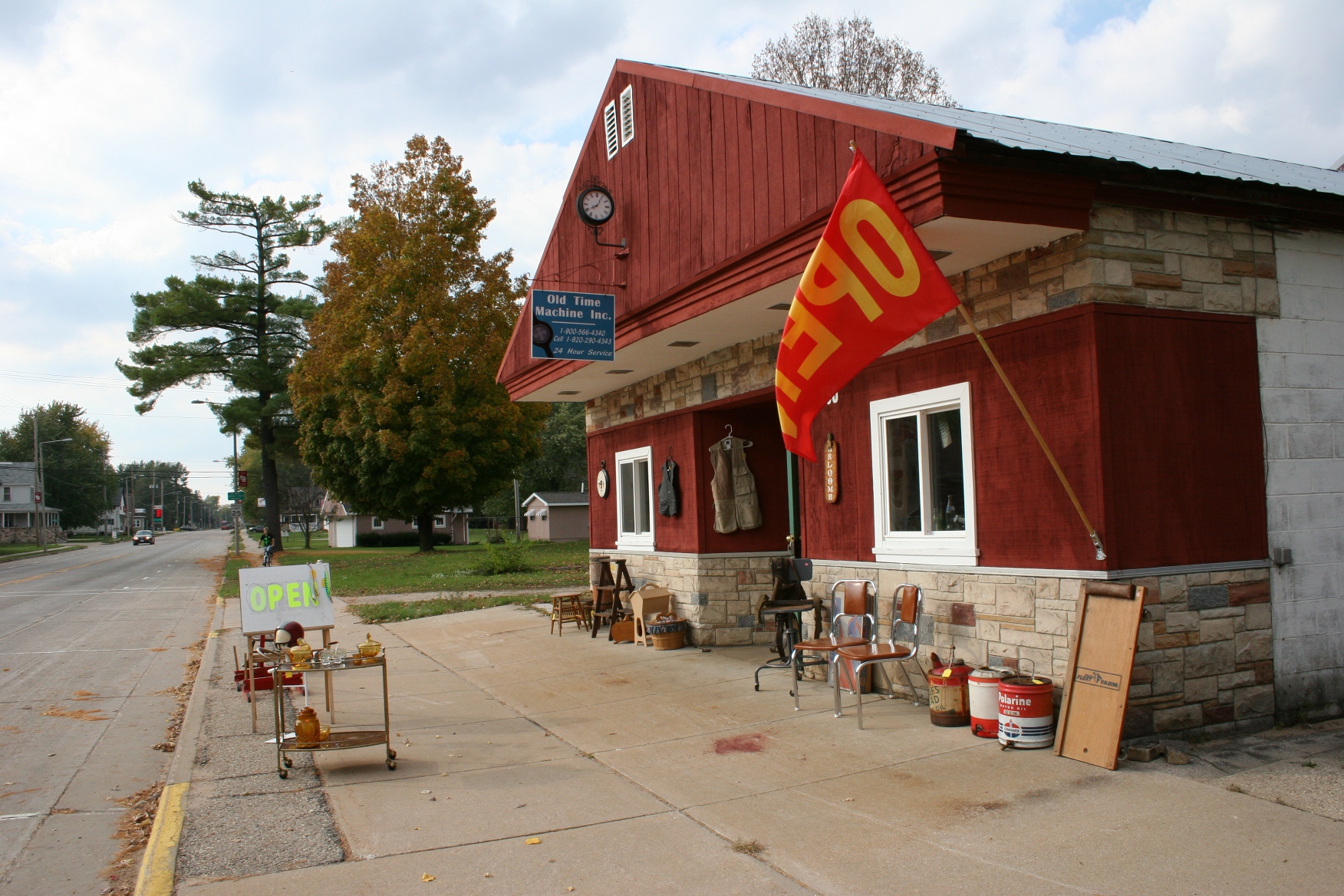
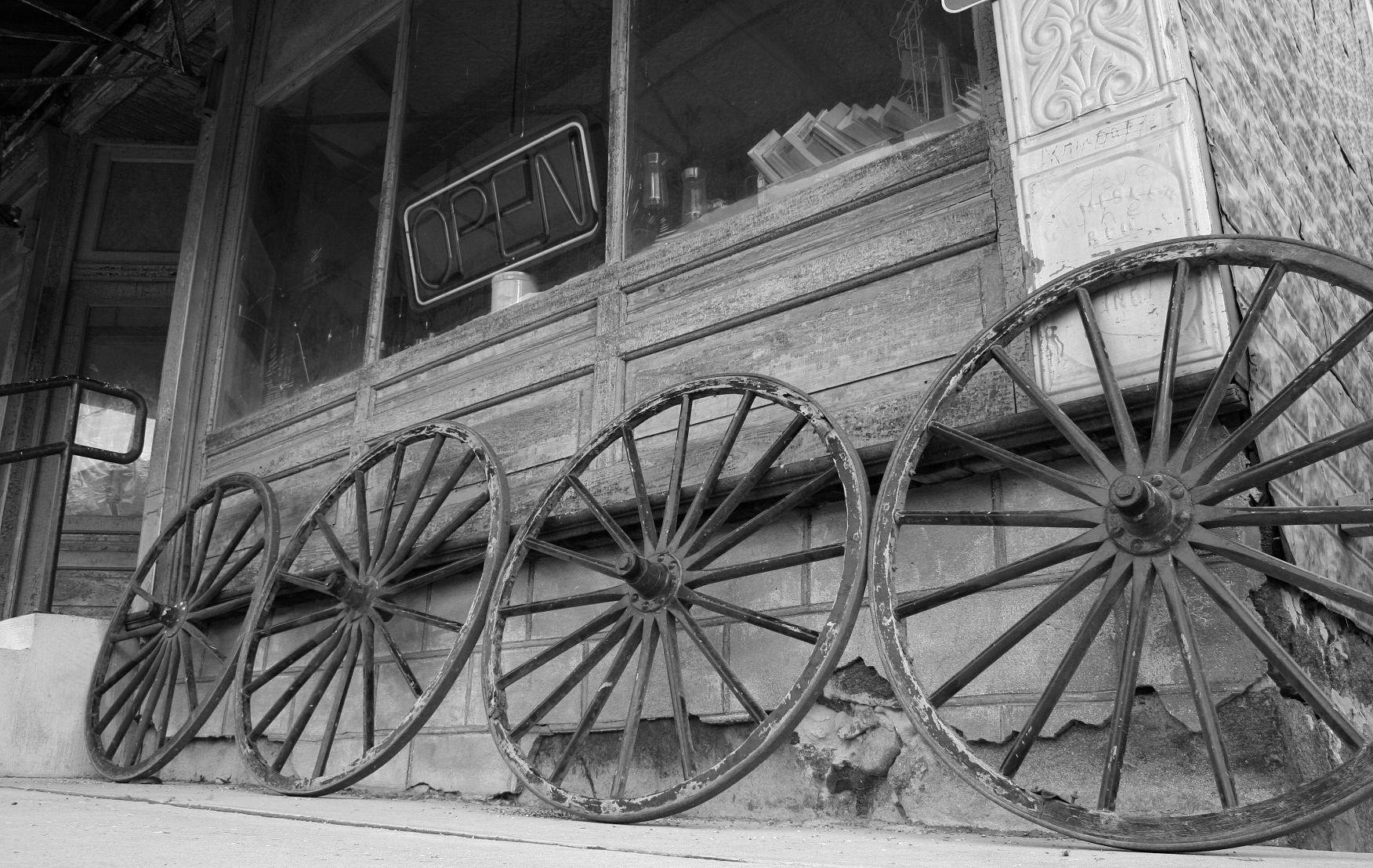
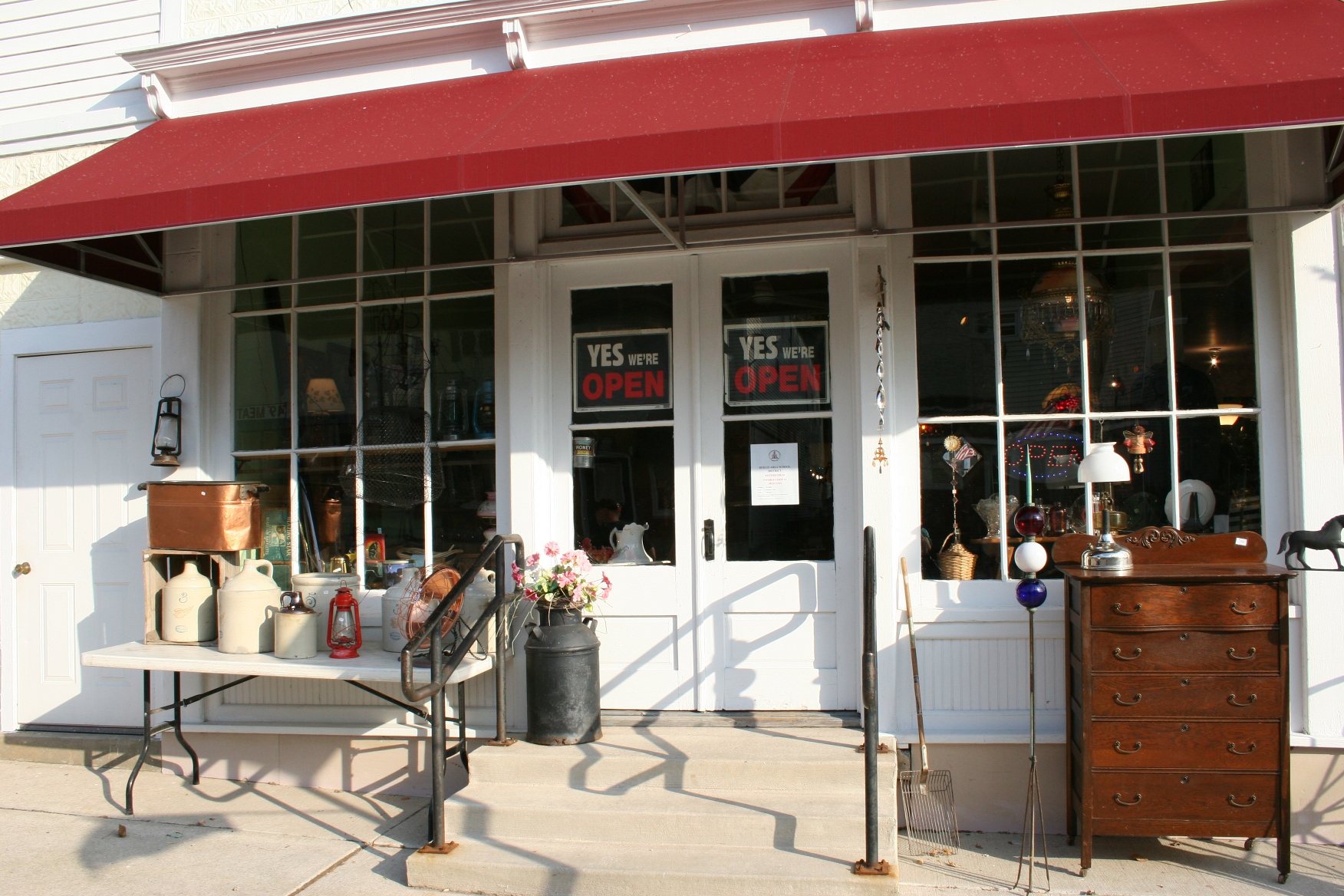
The setting that drew me into the machine and antique shop scene.

The setting that drew me into the machine and antique shop scene.

It is the name of Mike’s business—Old Time Machine Inc—and the neon marker OPEN sign and the hodgepodge of furniture, glassware, gas cans and other items displayed outside the building that initially draw Randy and me here on a Friday afternoon in mid-October en route to Appleton to visit our daughter.

We backtrack, turn off the highway and skirt the backs of downtown Redgranite businesses to reach Old Time Machine because we’ve driven past it. Highway 21 is a crazy busy route through central Wisconsin, meaning it’s safer to do a turn-around rather than slam on the brakes.

Another view of Mike's machine shop.

Another view of Mike’s machine shop.

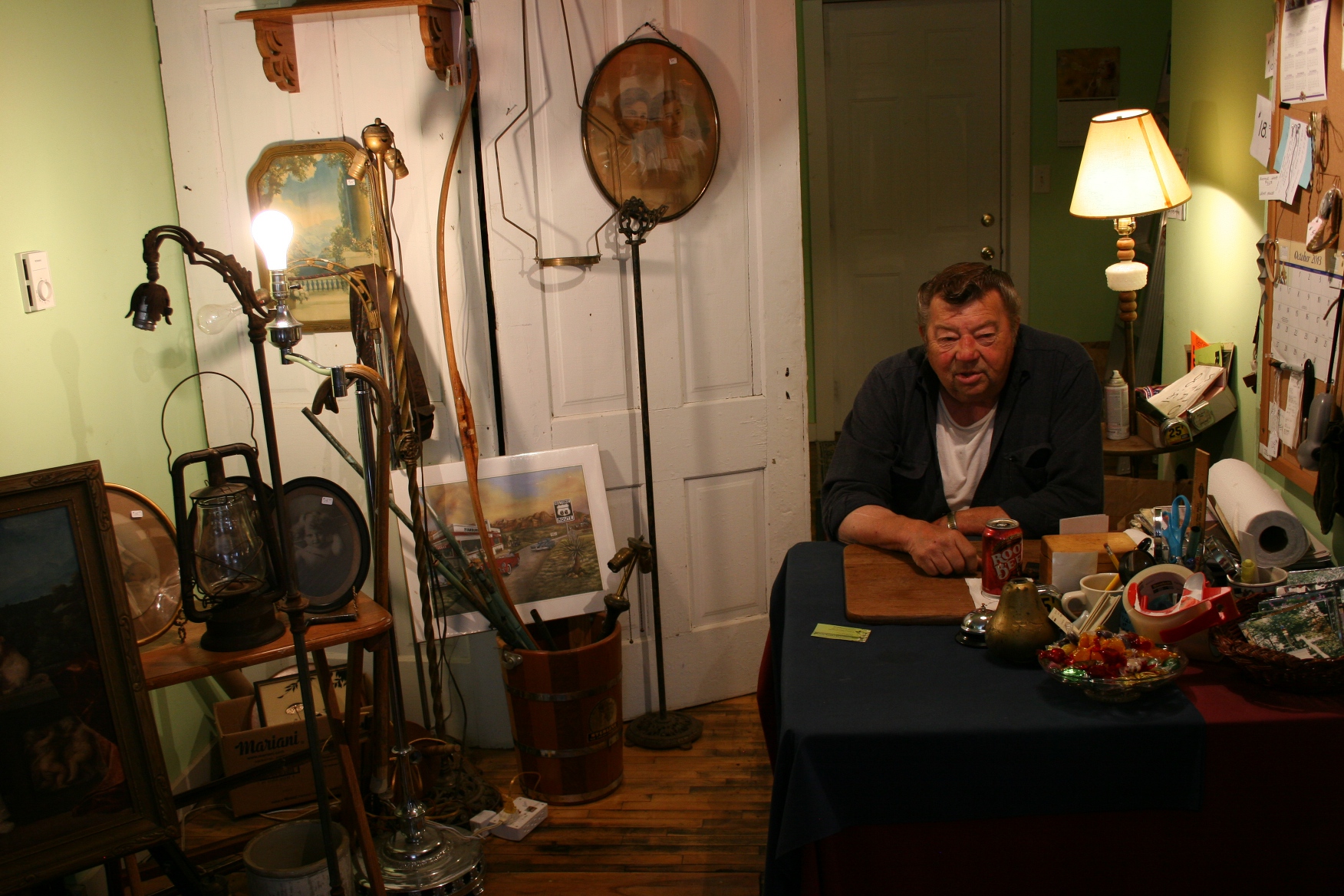
Inside this building, constructed in 1953, we meet Mike, the kind of guy who, just looking at him, you know will greet you with a welcoming warmth and friendliness that shows in his face, in his smile. It’s no surprise that he promises “excellence and precision in every job,” offers 24-hour emergency repair and works a second job in Appleton.
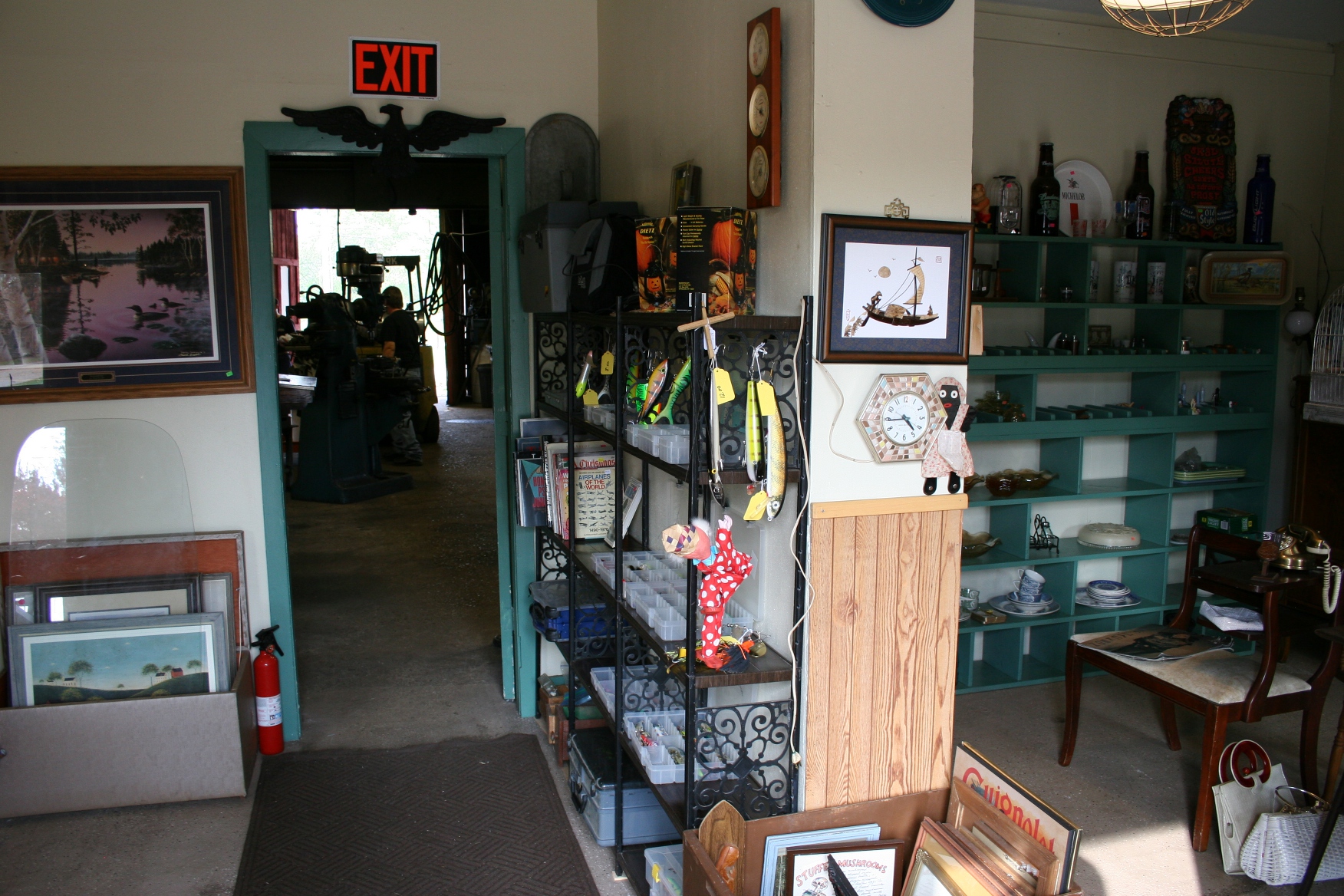
Madre's Antiques is in the front of the building and Mike's machine shop through the doorway into the larger back space.

Madre’s Antiques is in the front of the building and Mike’s machine shop (that’s Mike back there working) through the doorway into the larger back space.

And you might add third. On this afternoon, Mike is also manning Madre’s Antiques, his wife Christina Tsacudakis’ shop. She took over the former office, a small area at the front of the building that now holds an array of antiques and vintage collectibles.
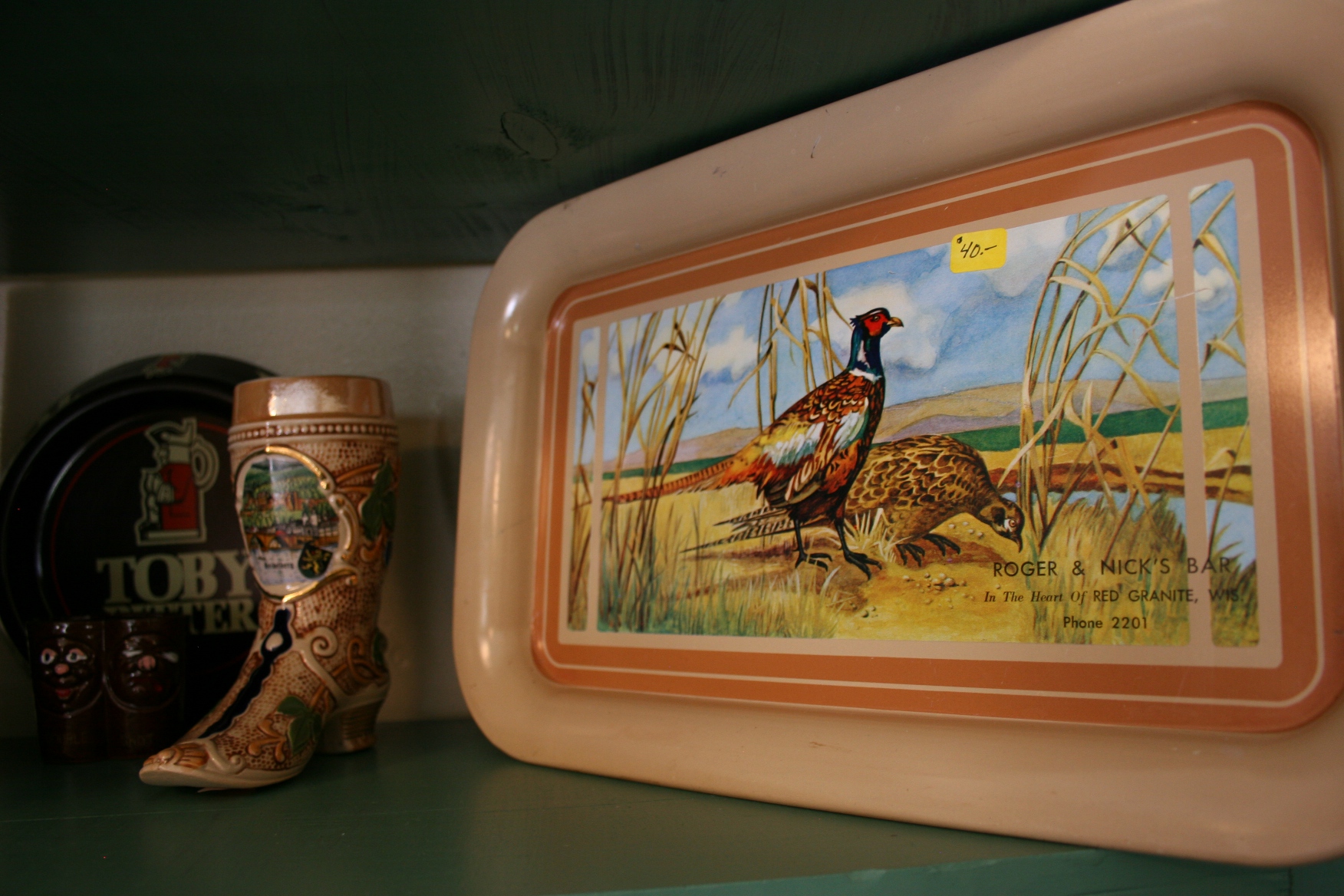
A local collectible is among the offerings.

A Redgranite collectible is among the offerings.

I find plenty here that interests me such as vintage drinking glasses, a pheasant tray collectible my middle brother would appreciate and a gorgeous red and white enamel kitchen table.
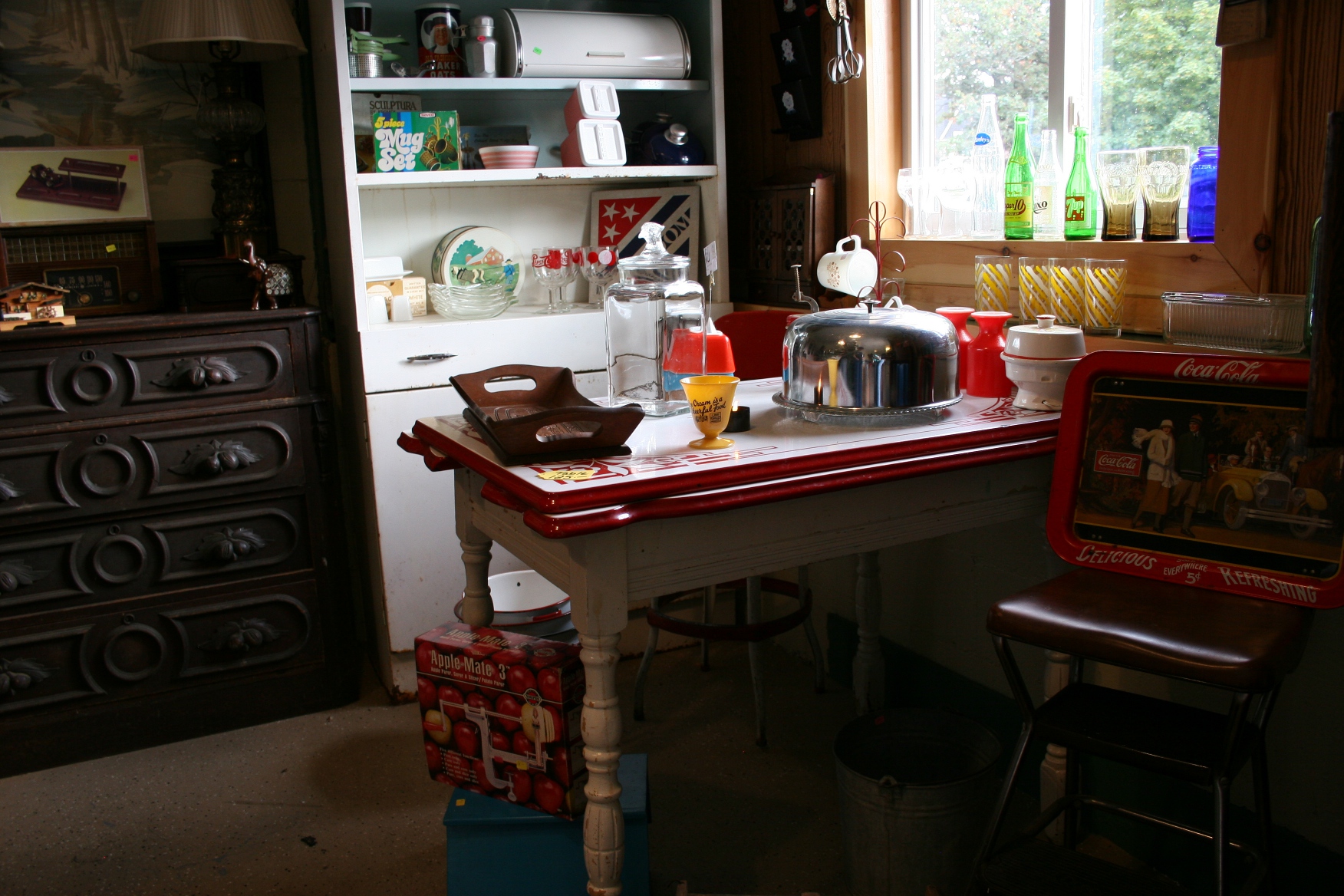
In the white cupboard behind the table sits the small striped Pyrex bowl I purchased.

In the white cupboard behind the table the small striped Pyrex bowl I purchased sits on the second shelf.

I need none of these, But I scoop up a small unpriced striped Pyrex mixing bowl because, well, I collect and use old bowls.

When I ask Mike the price, he admits that he sometimes gets in trouble for underselling his wife’s unmarked merchandise. I buy the bowl for $2. I expect he will be reprimanded.
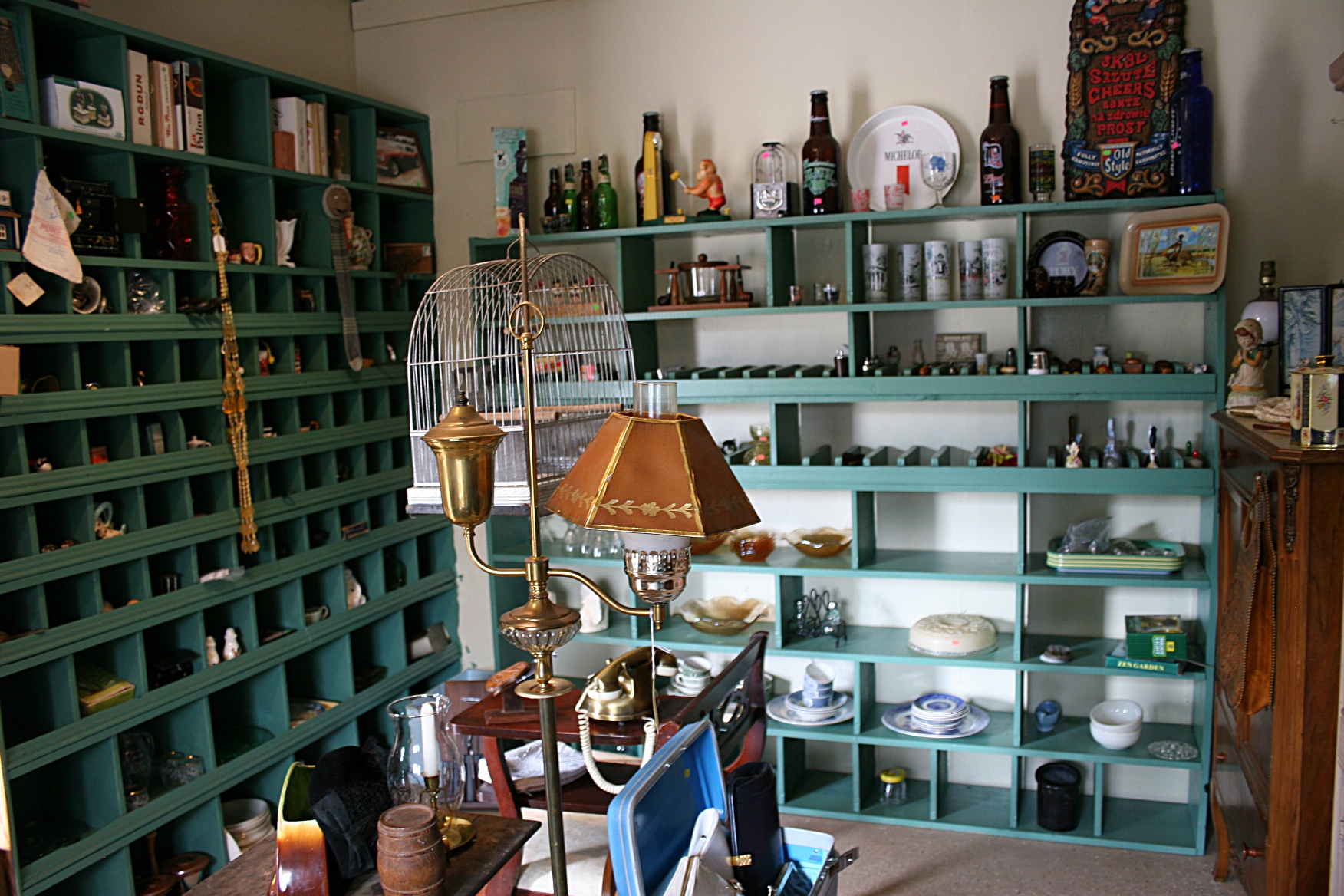
The fabulous reclaimed parts bins now hold antiques and collectibles.

The fabulous reclaimed parts bin, left, from the machine shop now holds antiques and collectibles.

It’s a charming spot, this cozy antiques store with a back shop parts cubby emptied, cleaned, repainted aqua marine and repurposed to hold merchandise. Small treasures tucked inside multi-sized cubes. Perfectly fitting for this place.
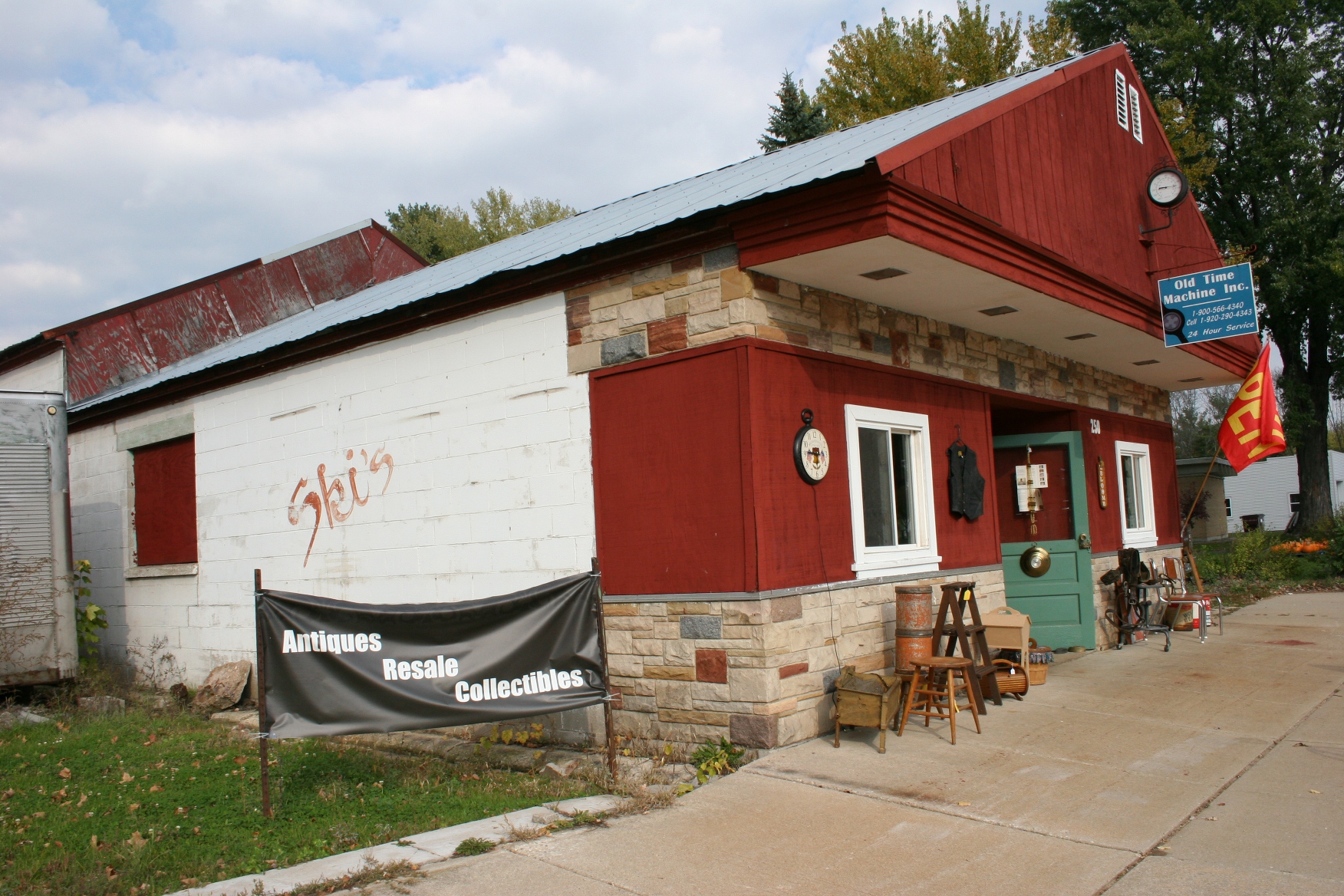
My first view of the shop as we approached from the west.

My first view of the shop, 250 W. Bannerman Ave., as we approached from the west.

Unlike many antique shops, I don’t feel overwhelmed here, but rather at home. Comfortable with the limited offerings, the lingering odors of oil and grease and grime, and the sense of small town history that prevails in this long-time machine shop, purchased in recent years by Mike.

© Copyright 2013 Audrey Kletscher Helbling


An essay of barn photos & memories November 25, 2013

Filed under: Uncategorized — Audrey Kletscher Helbling @ 6:00 AM
Tags: , , , , , , , ,
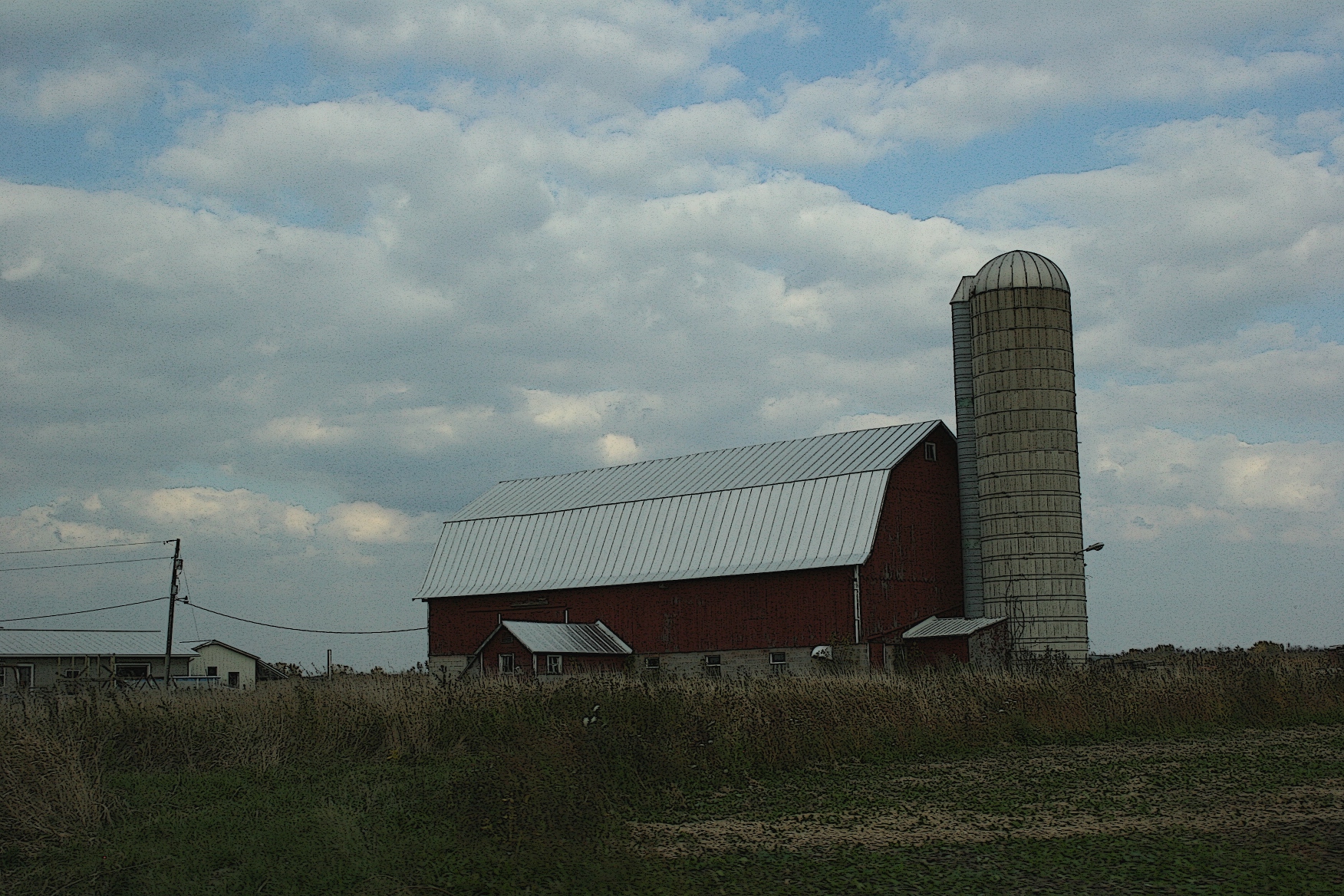
Near Poy Sippi, Wisconsin.

Near Poy Sippi, Wisconsin.

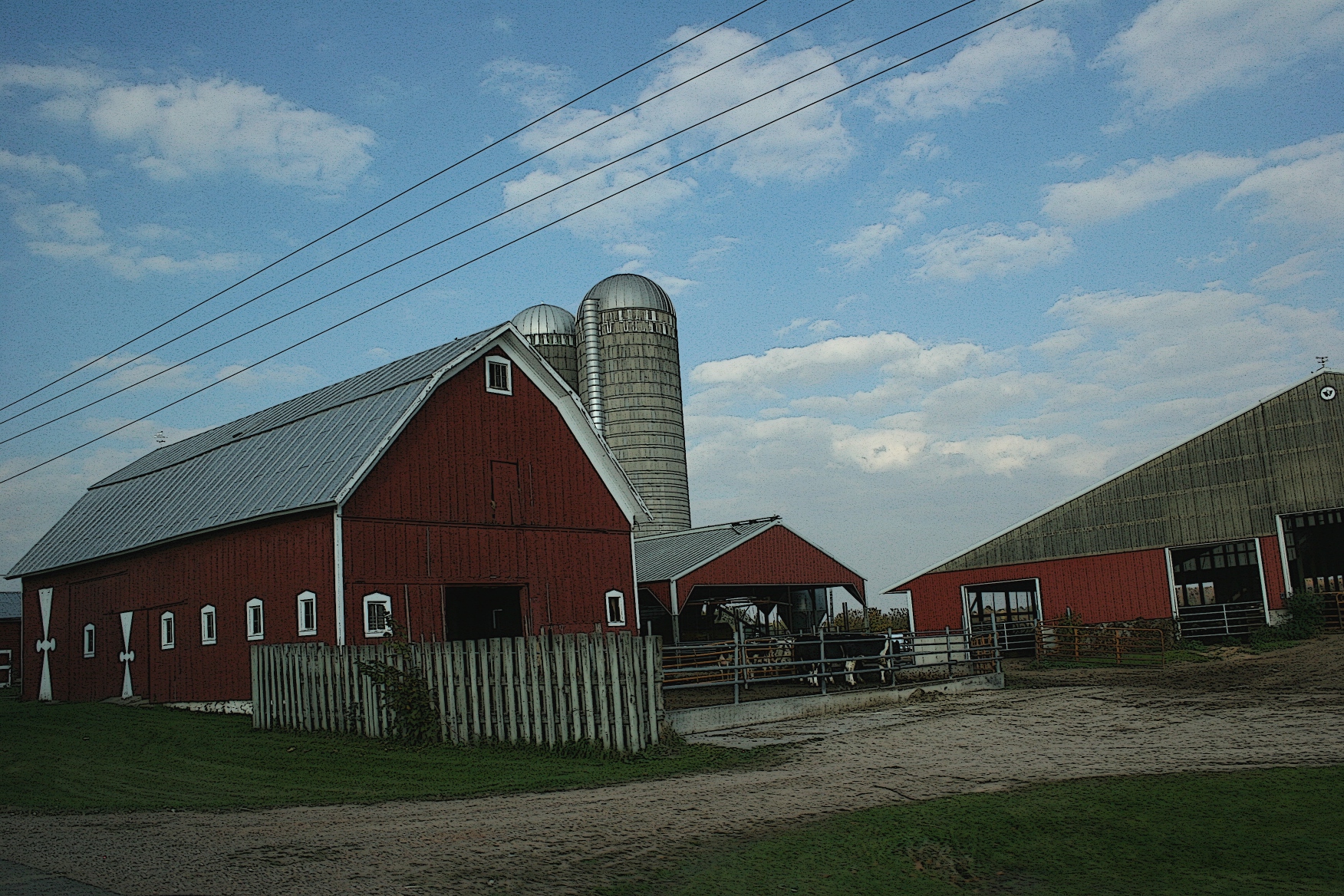
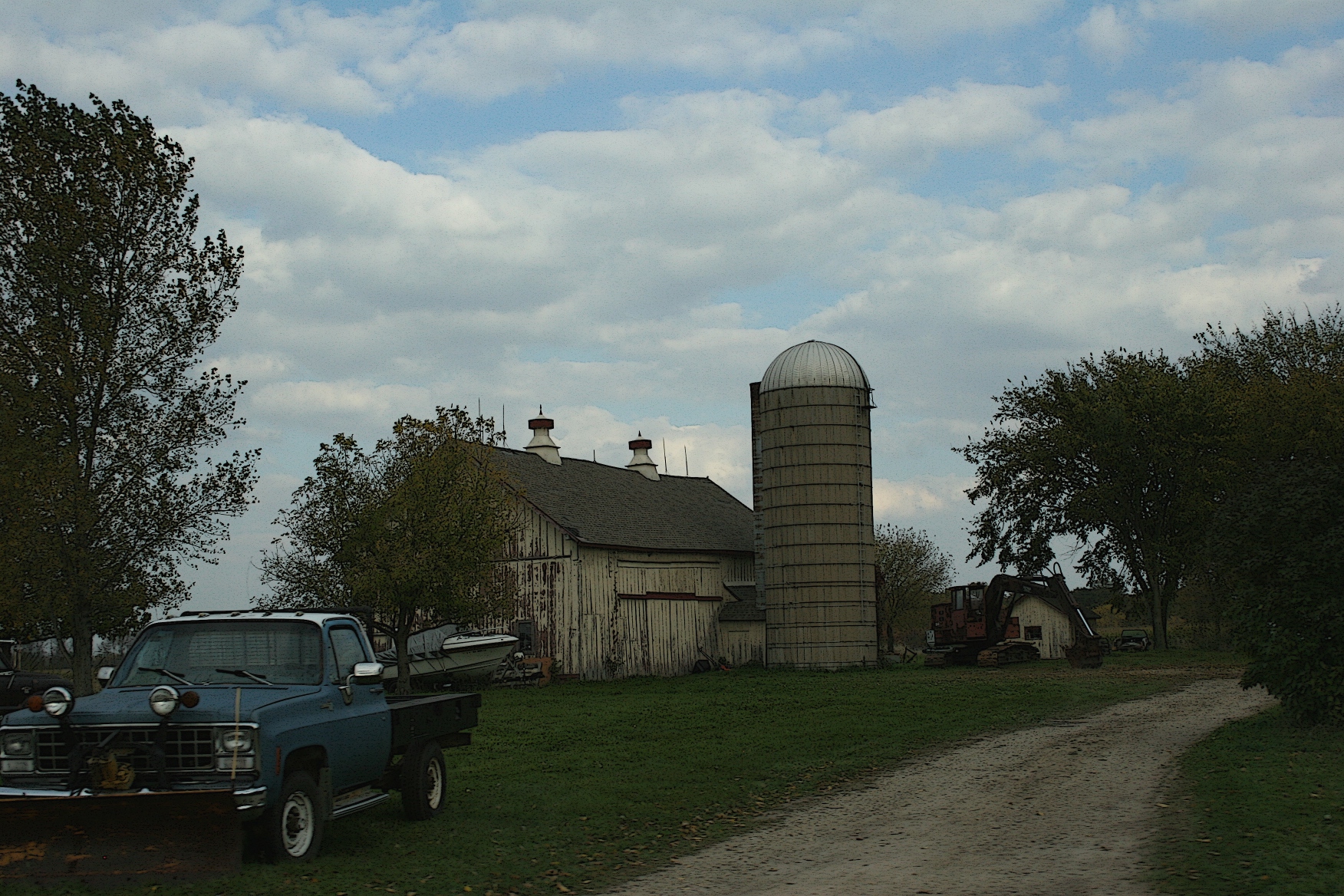
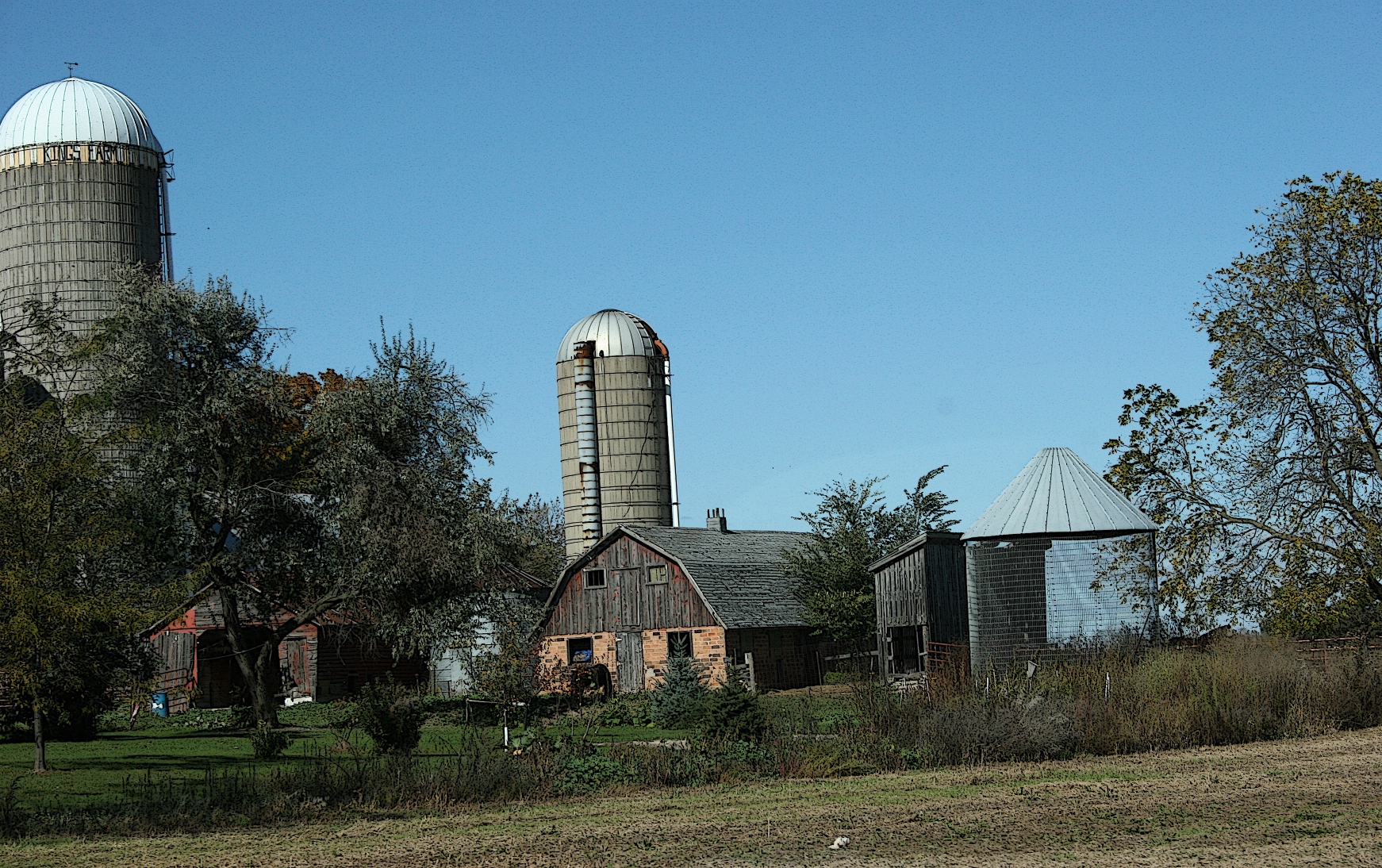
MY FONDNESS FOR BARNS, for photographing them, never wanes.

Along Wisconsin State Highway 21.

Along Wisconsin State Highway 21.

When I fit my eye to the viewfinder, swing my camera lens toward a barn and click, it’s as if I’m clicking my heels together and flying into my past.

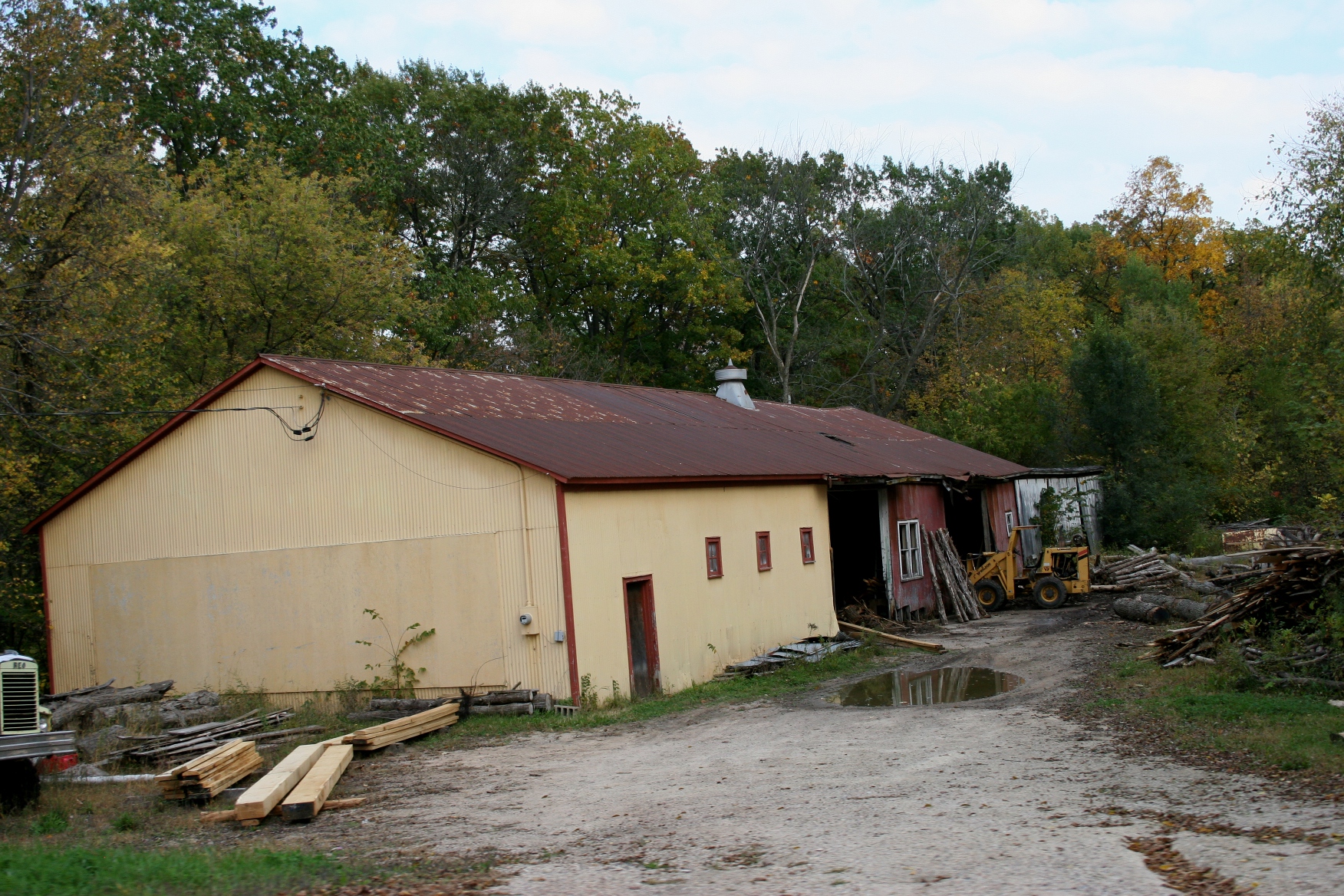
Also along Wisconsin Highway 21.

Also along Wisconsin Highway 21.

I am trudging down the barn aisle, leaning into the wheelbarrow heaped with ground corn. I am scooping that feed by the shovelful to top silage pitched from the silo and parceled before the Holsteins’ empty stanchions.

Near Poy Sippi, Wisconsin.

Near Poy Sippi, Wisconsin.

Later, as milk pulsates into milking machines and Dad has poured the milk into a tall thin pail, I am lugging the precious liquid to the milkhouse, handle biting into my chore-gloved hand.

Another farm near Poy Sippi.

Another farm near Poy Sippi.

Memories come into focus—the golden booming radio voices from ‘CCO, the slap of a cow’s tail, hot urine splattering into gutters, cats swarming around a battered hubcap, the stench of manure, taut twine snapped with my yellow jackknife and prickly alfalfa itching my exposed wrists.

An old-fashioned farm along Wisconsin Highway 21.

An old-fashioned farm along Wisconsin Highway 21.

But, mostly, I see my farmer dad in those barns I photograph.

© Copyright 2013 Audrey Kletscher Helbling
 

Antiquing in Wisconsin: A stop in Poy Sippi November 20, 2013

POY SIPPI.

The words roll off my tongue with a sound that pleases me.

Just like this small Wisconsin town. Poy Sippi. Off the beaten path. Sandwiched between busy State Highways 21 and 10. A community discovered a year ago while searching for an alternate route to avoid road construction along U.S. Highway 41 from Oshkosh to Appleton, where my second daughter lives.

Private property or a business? I don't know. But this is one of the first places I notice entering Poy Sippi from the south.

Private property or a business? I don’t know. But this is one of the first places I notice entering Poy Sippi from the south.

This October, my husband and I are back in Poy Sippi, named after the Pine River, called Poygan Sippi by the Pottawatomie because it flows into Poygan Lake, according to the Poy Sippi Public Library website.

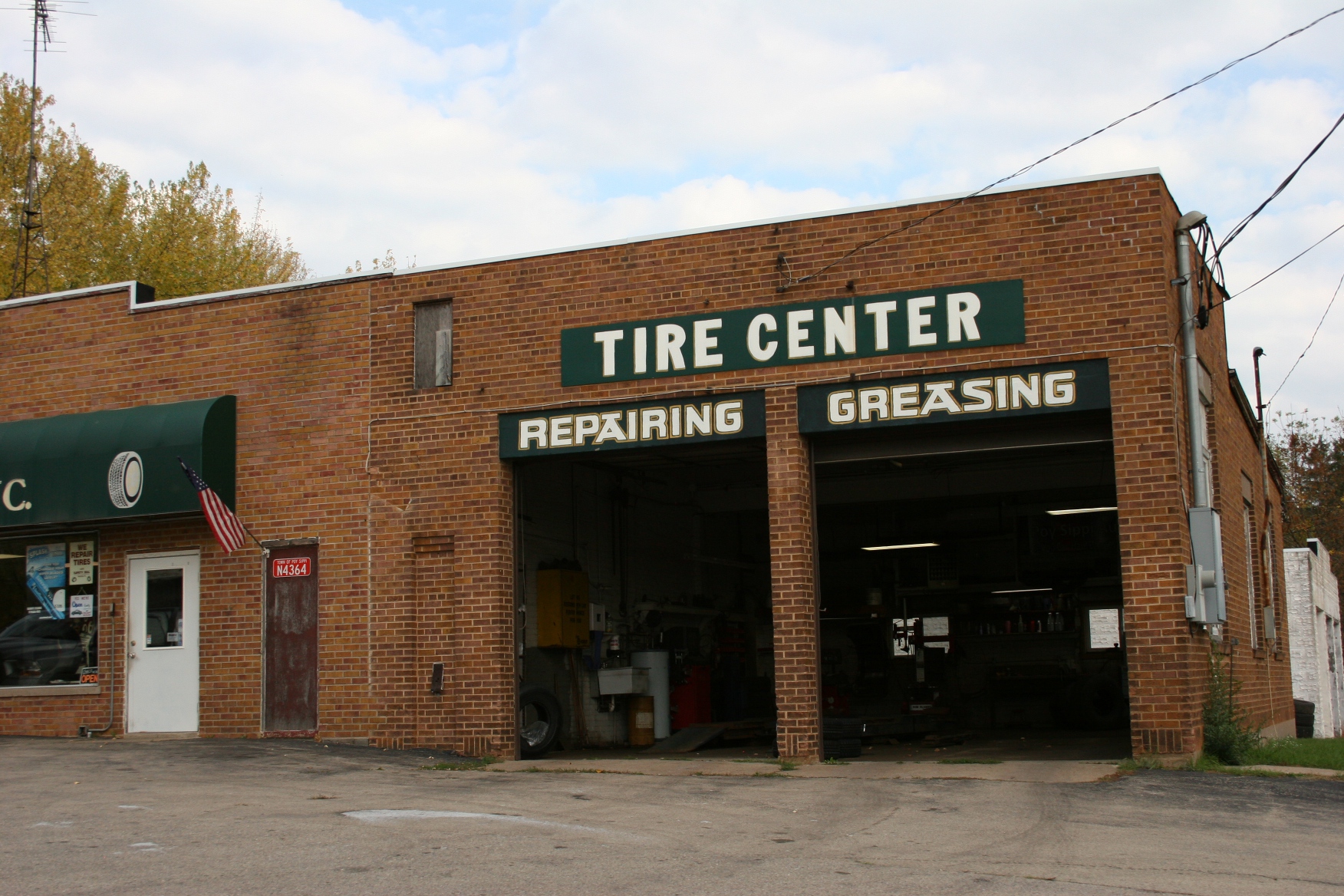
As we drive by the Tire Center, I snap this photo.

As we drive by the Tire Center, I snap this photo.

The uniqueness of the name fascinates me as do the poetically pleasing vowel and consonant combinations in Poy Sippi.

Our first glimpse of The Shop in October 2012. Minnesota Prairie Roots file photo.

Our first glimpse of The Shop in October 2012. Minnesota Prairie Roots file photo.

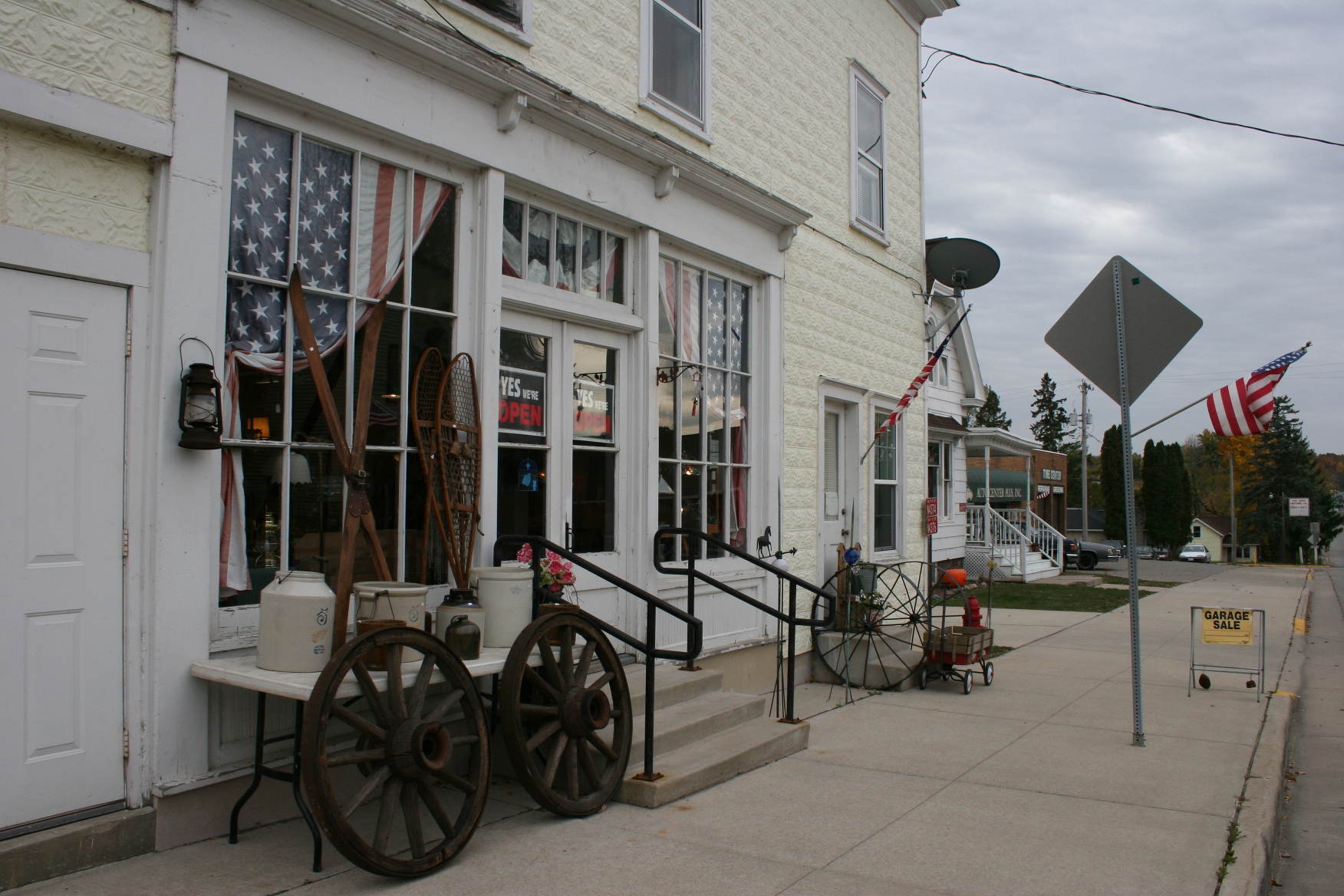
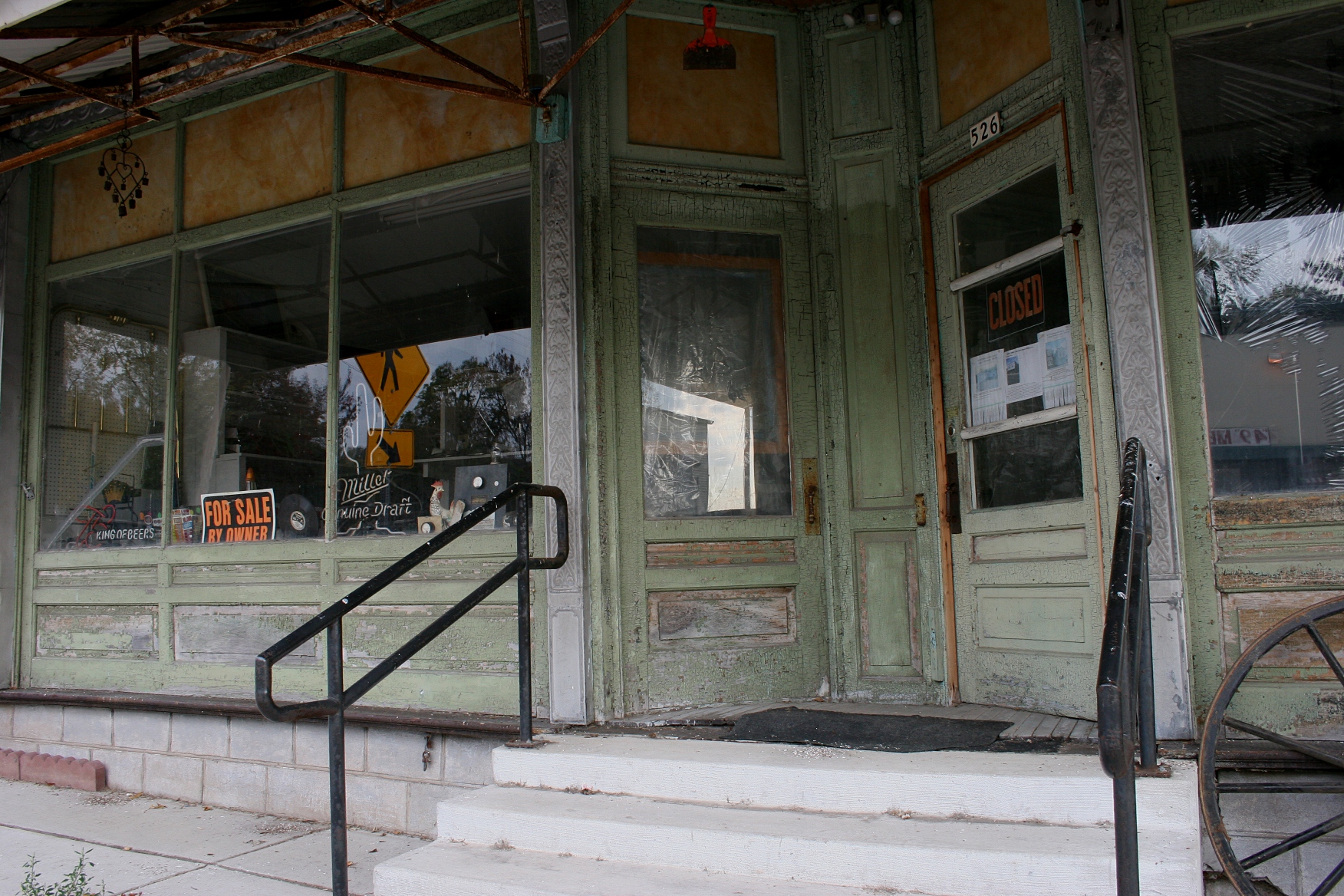
We have not explored Poy Sippi, except for The Shop, a delightful antique shop along Main Street/Highway 49.

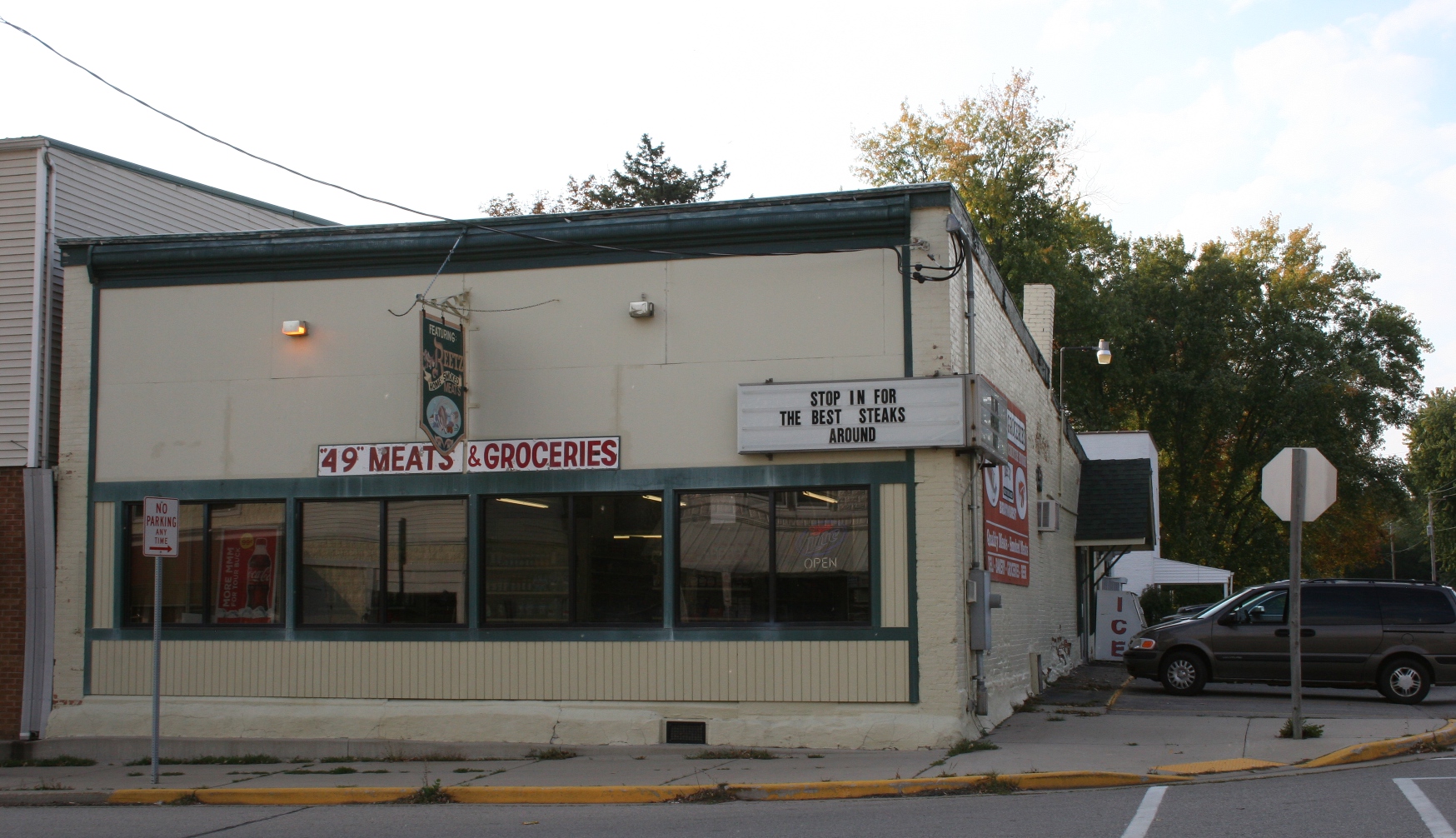
The corner grocery store and meat market.

The corner grocery store and meat market.

Dan Chier and Co. run the place, directly across the road from “49” Meats & Groceries, the corner grocery store/meat market touting “the best steaks around.” And I don’t doubt that. These small town meat markets often do offer the best in meats, this one specifically noting its home-smoked meats.

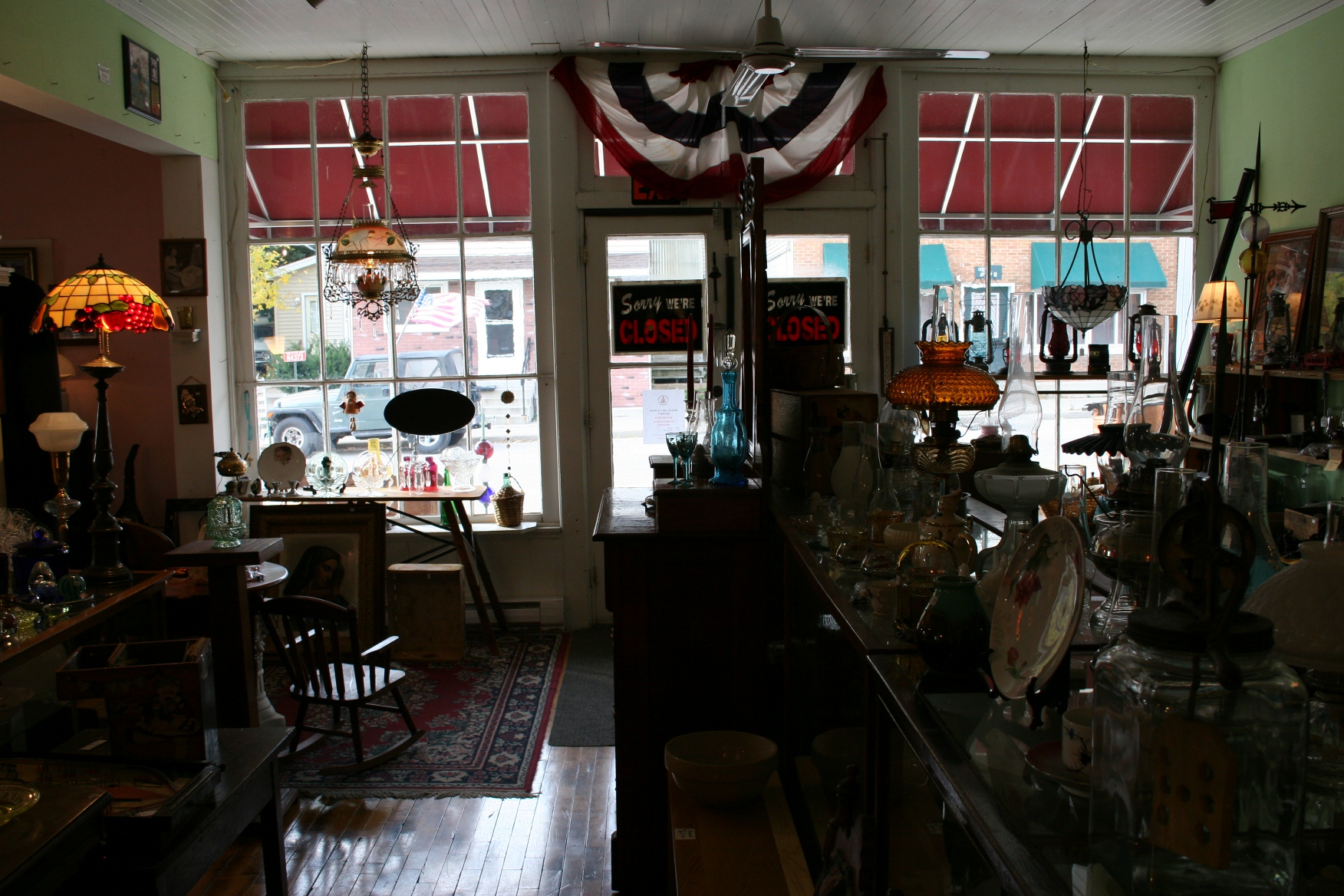
Looking toward the front the antique shop.

Looking toward the front the antique shop.

At one time the building which houses Dan’s shop operated as a general store. Dan shows me photocopies of historic photos. It’s no stretch to imagine the former mercantile occupying this space with the worn wood floor, wainscoting on the ceiling and aged double front doors.

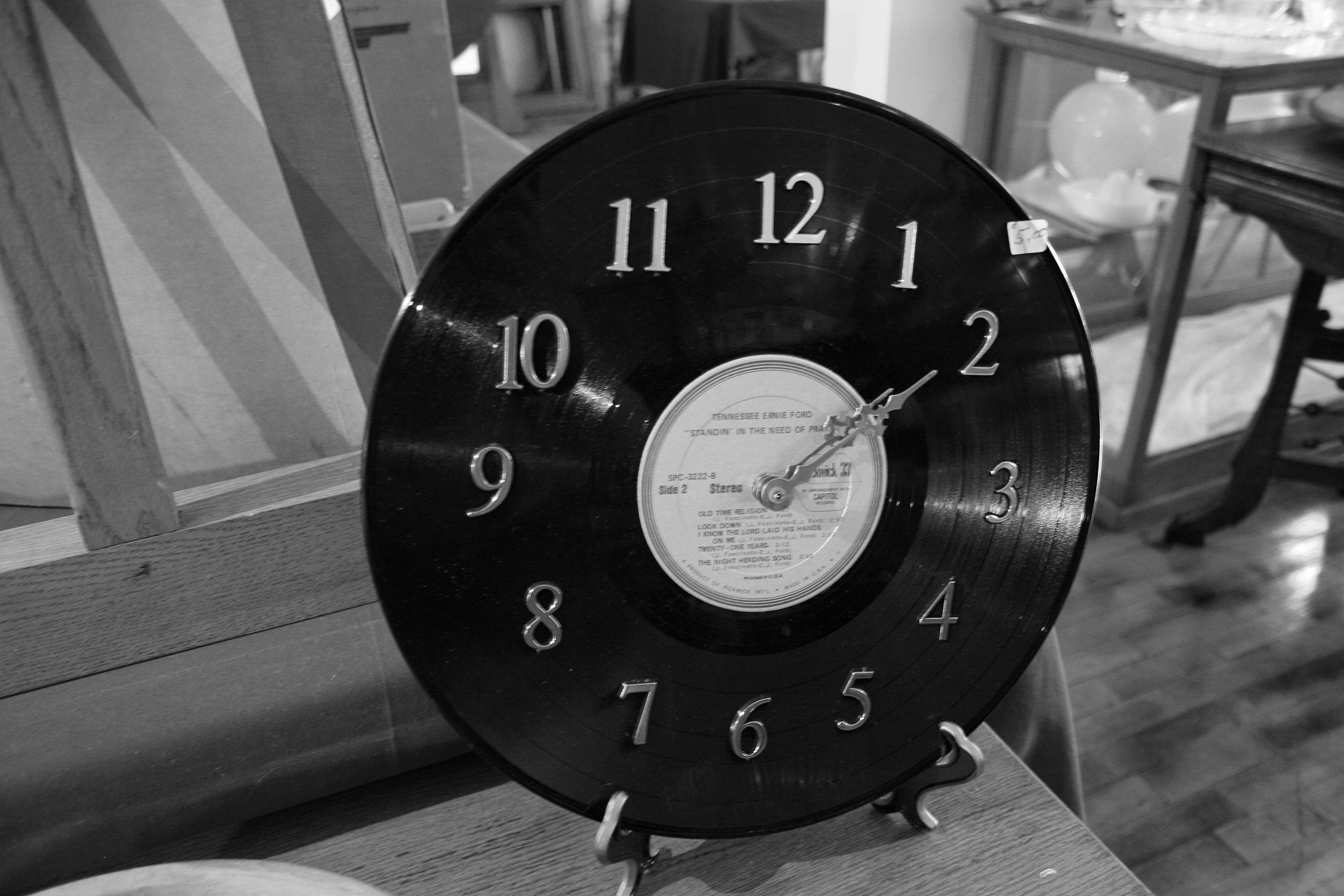
Oh, how I wish I had bought this clock, crafted by Don's mom (recently deceased) from an old album.

Oh, how I wish I had bought this $5 clock, crafted by Dan’s mom (recently deceased) from an old album.

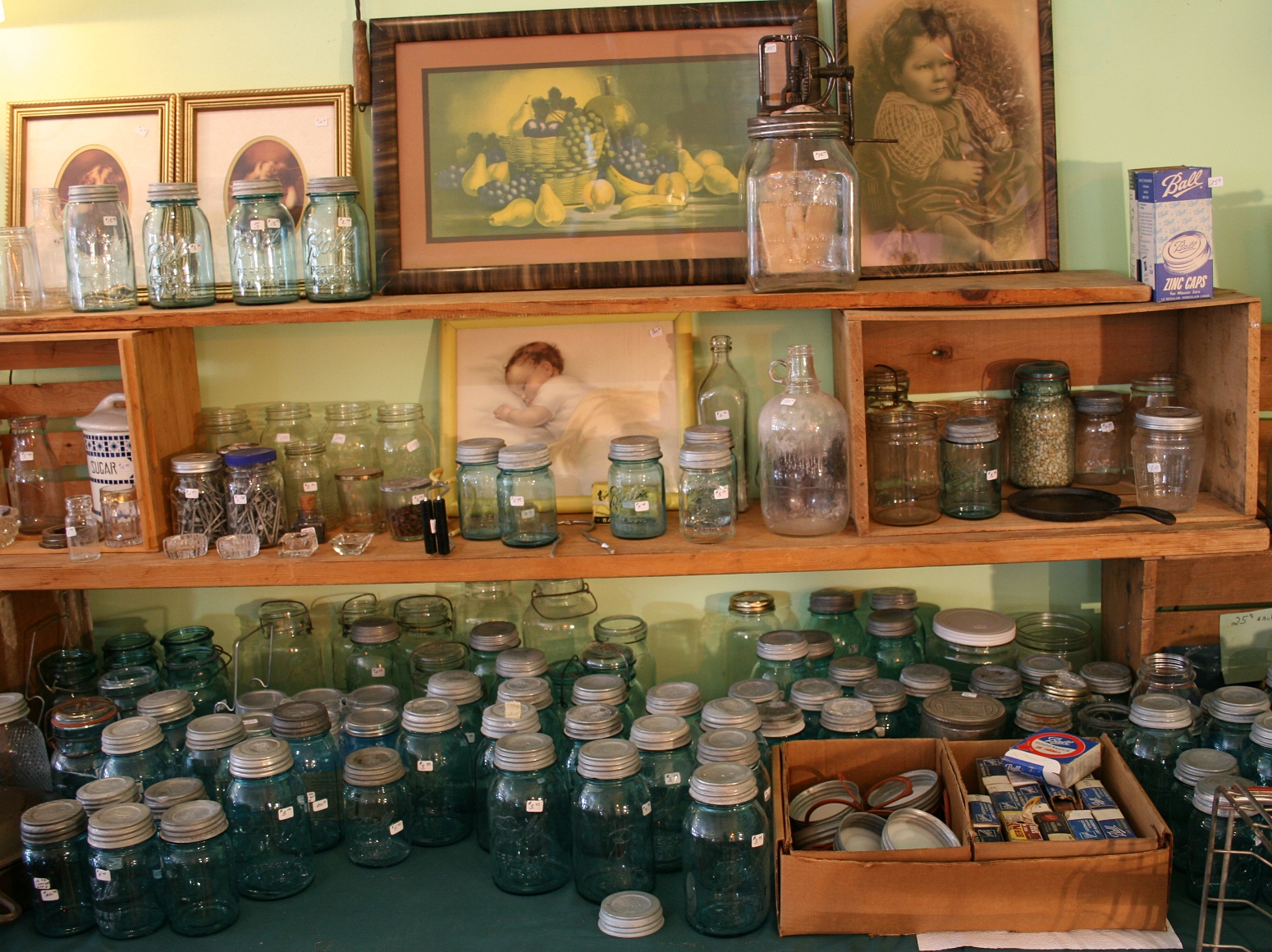
I wish I had known about these vintage blue canning jars when my daughter was planning for her September wedding. I rented quart sized jars like this for $2/each. Don is selling them for $3/each. He sold lots for weddings, he says, but the wedding demand seems to be fading. Now some are using the jars for lights.

I wish I had known about these vintage blue canning jars when my daughter was planning for her September wedding. I rented quart sized jars like this for $2/each. Dan is selling them for $3/each. He sold lots for weddings, he says, but the wedding demand seems to be fading. Now some are using the jars for lights. Oh, and see that fruit print on the top shelf. I spotted that framed piece a year ago, liked it then and still like it now. I should have negotiated a deal with Dan. He’s open to negotiating.

More merchandise.

More merchandise, leaning against the building next door which is for sale.

It’s the perfect place for an antique shop.

Friendly shopkeeper, Don Chier.

Friendly shopkeeper, Dan Chier.

I appreciate Dan’s warm welcome as much as the old stuff he offers for sale both inside and outside his shop in Poy Sippi. Off the beaten path. A short-cut between two busy highways.

BONUS PHOTOS:

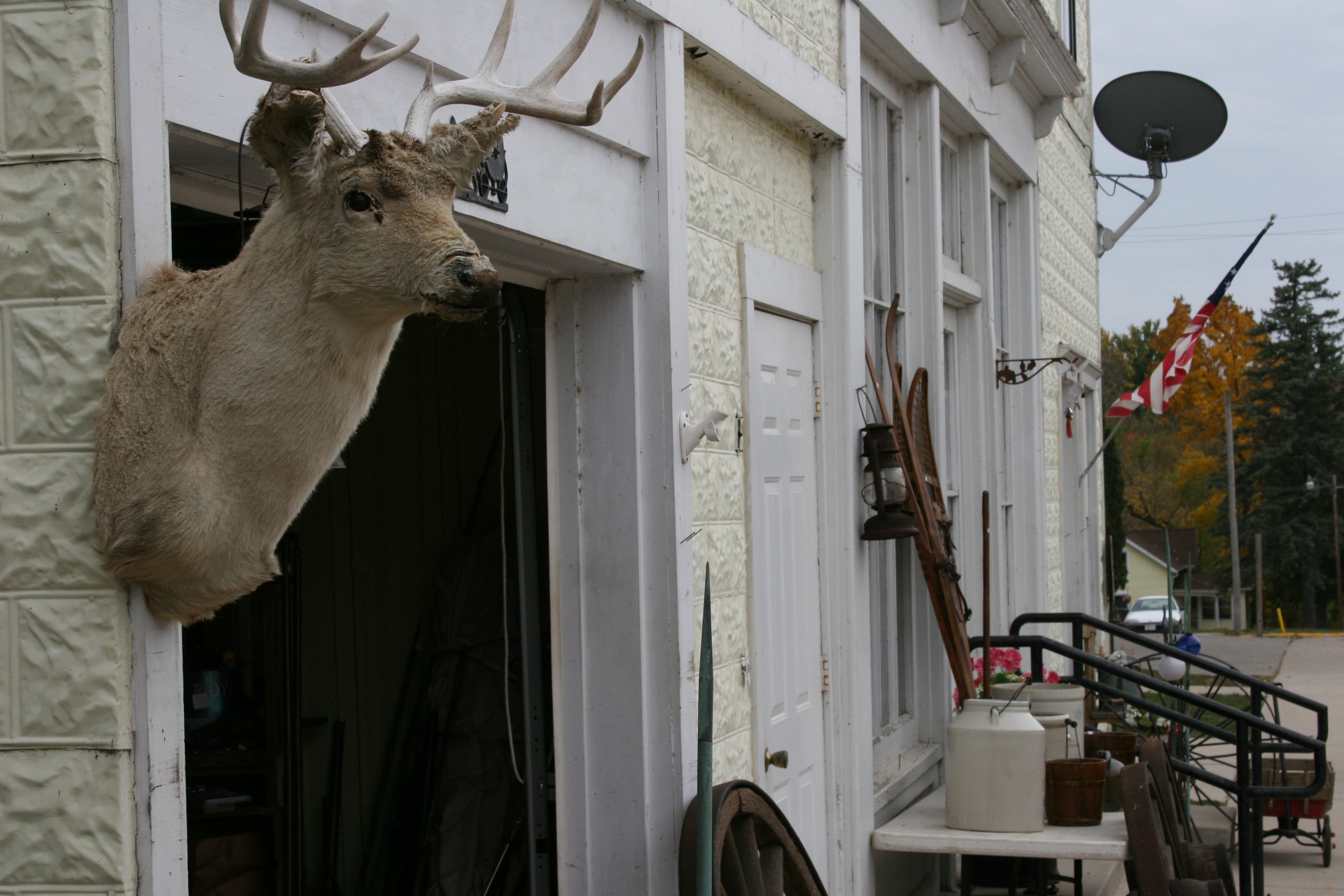
I was a bit creeped out when I spotted this deer head on the garage next to Don't main shop last fall. Minnesota Prairie Roots file photo.

I was a bit creeped out when I spotted this deer head on the garage next to Dan’s main shop last fall. Minnesota Prairie Roots file photo.

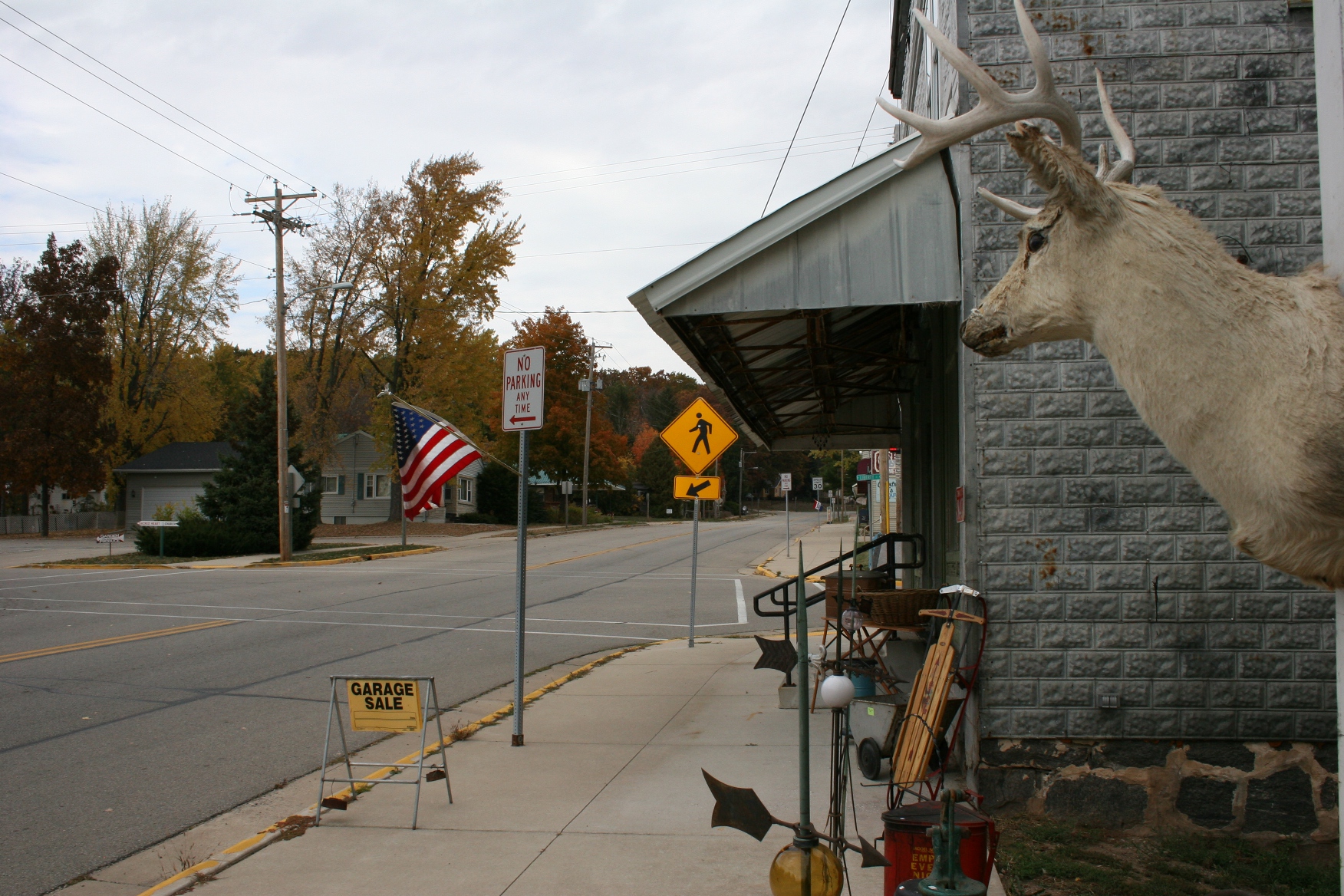
Same spot as above, just looking the other direction toward Main Street. Minnesota Prairie Roots file photo 2012.

Same spot as above, just looking the other direction toward Main Street. Minnesota Prairie Roots file photo 2012.

The building to the north of the garage (and deer head) that's for sale.

The building to the north of the garage (and deer head) that’s for sale.

The entry to The Shop.

The entry to The Shop.

© Copyright 2013 Audrey Kletscher Helbling
 

In Wisconsin: Sharing the highway with the Amish November 19, 2013

Filed under: Uncategorized — Audrey Kletscher Helbling @ 5:00 AM
Tags: , , , , , , ,

IN THE PAST THREE YEARS, I’ve traveled through the heart of central Wisconsin often enough to know where I might see the Amish.

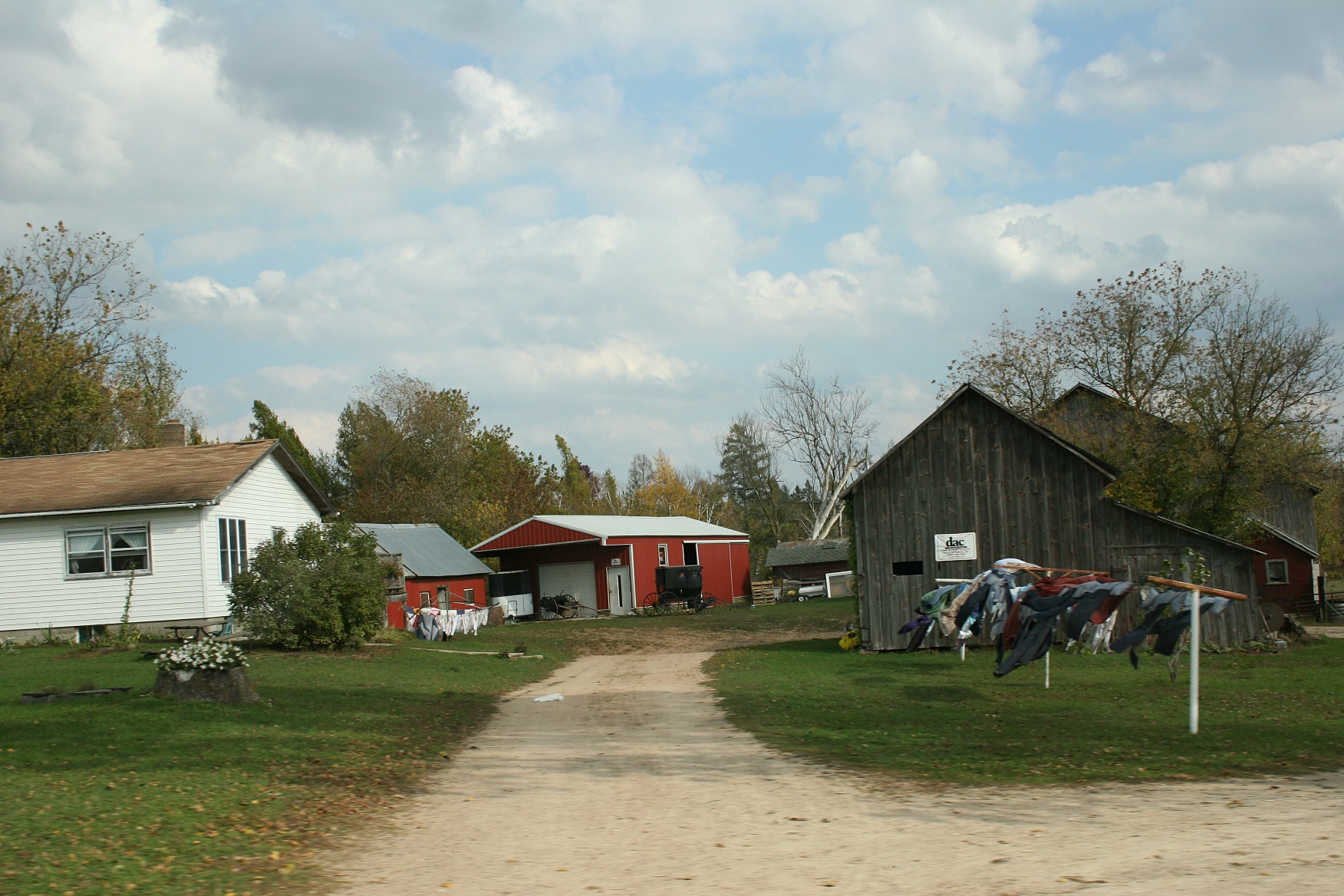
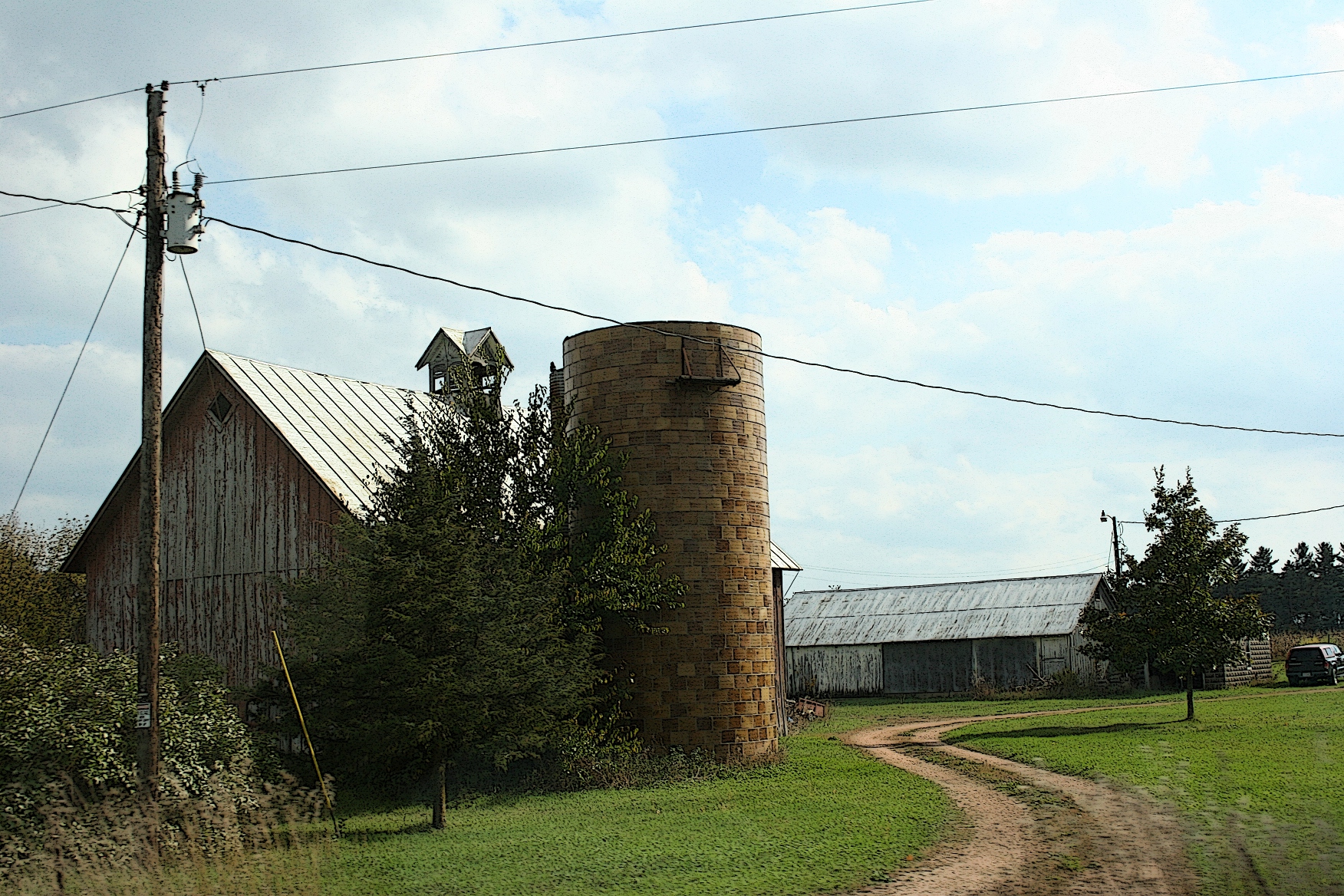
An Amish farm in central Wisconsin, photographed on Friday, October 11, 2013.

An Amish farm in central Wisconsin, photographed on Friday, October 11, 2013. Notice the buggy parked by the red shed.

Between Coloma and Wautoma is a prime location for spotting Amish farms and maybe even a buggy, especially on a Sunday, the day these folks gather to worship in homes.

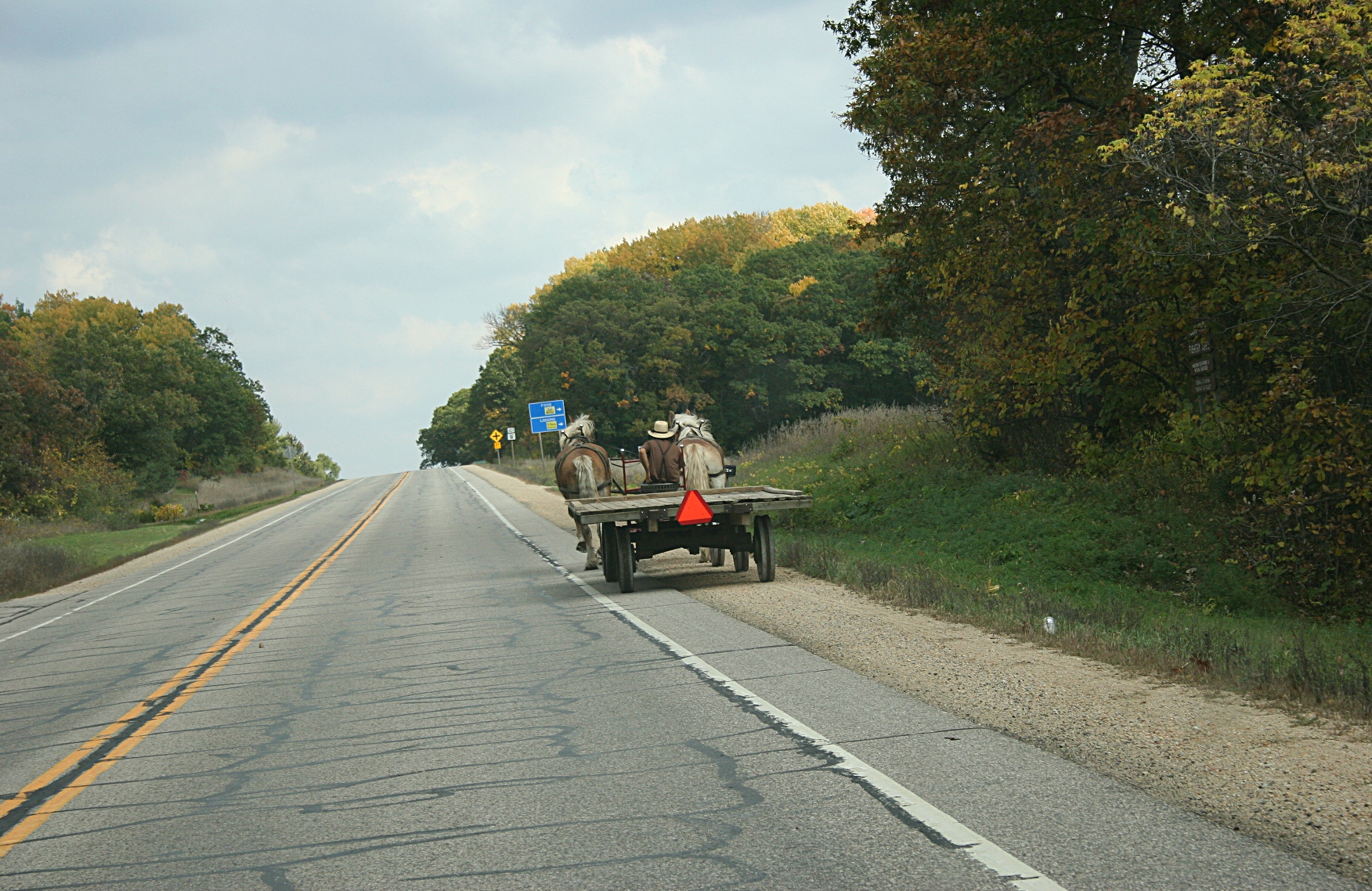
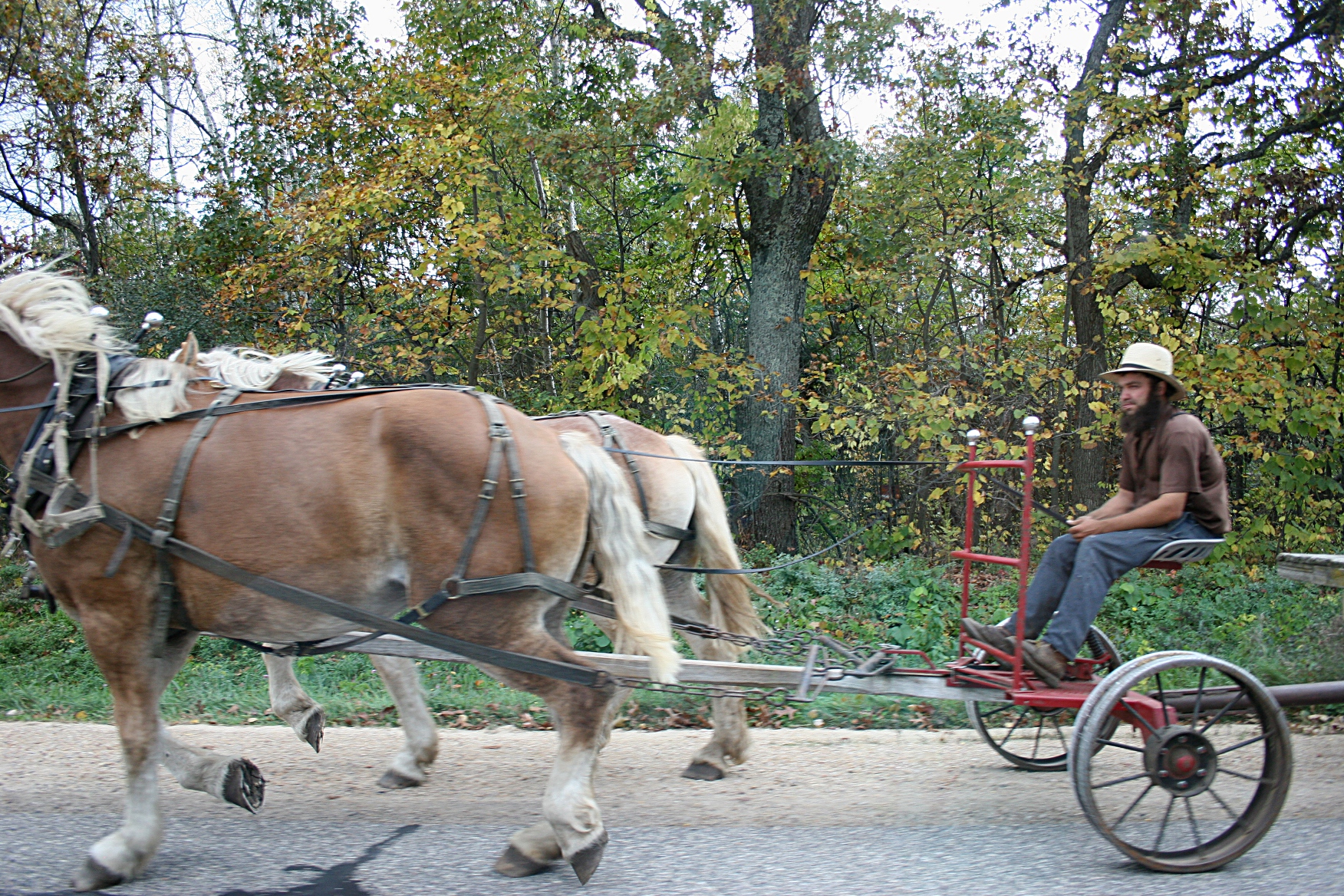
An Amish man traveling Wisconsin State Highway 21 on Friday, October 11, 2013.

An Amish man traveling Wisconsin State Highway 21 on Friday, October 11, 2013.

On our most recent trip to Wisconsin, my husband and I, for the first time, encountered an Amish man guiding a horse-pulled wagon along the shoulder of Wisconsin State Highway 21 by the Mecan River Fishery Area.

A close-up taken while passing by the Amish man.

Passing by the Amish man.

Truthfully, I felt nervous watching him journey along this busy stretch of highway heavy with semi truck and other traffic.

I could only hope drivers would see him and that his horses wouldn’t spook.

How about you? Have you ever encountered Amish along a roadway and worried about their safety?

FYI: To learn more about the Amish in Wisconsin, click here to reach the Amish America website.

© Copyright 2013 Audrey Kletscher Helbling
 

Sunday afternoon drive snapshot: Discovering Theilman & its historic opera house November 17, 2013

WHEN SUNDAY AFTERNOON DRIVES with my husband lead us to undiscovered hamlets and historic treasures, I am especially pleased.

Recently, heading east of Zumbro Falls along Minnesota Highway 60, we turned onto Wabasha County Road 4 aiming south for Theilman. Neither of us had ever heard of Theilman, an unincorporated West Albany Township community. Precisely the type of place we prefer.

Driving into Theilman, we met a lot of trucks pulling horse trailers.

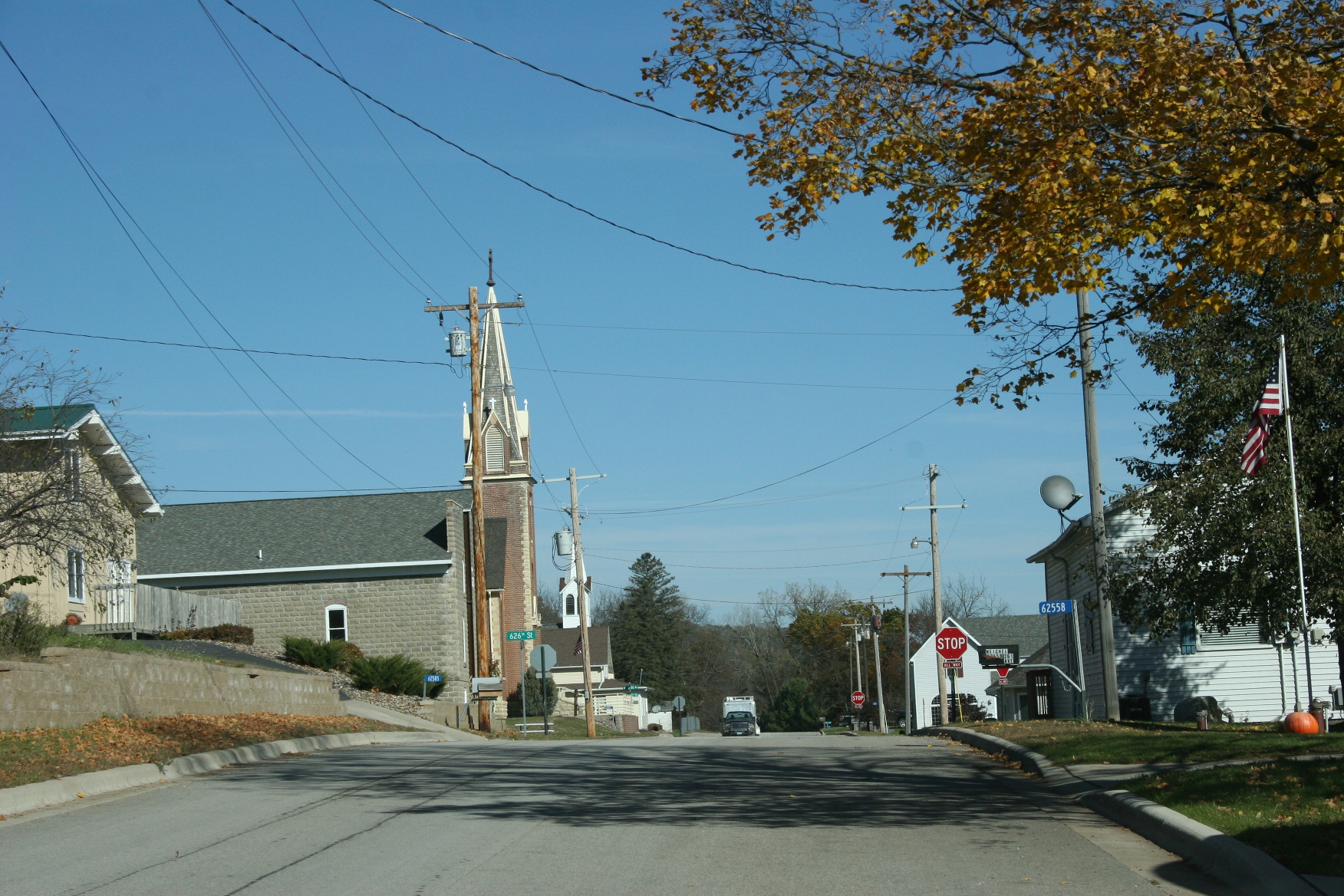
Entering Theilman, located between Lake City and Plainview.

Driving into this settlement, we were impressed. Often times we find such tucked away spots to be unkempt with run-down properties, junk vehicles and a seemingly carefree abandon lifestyle. But not, for the most part, in Theilman.

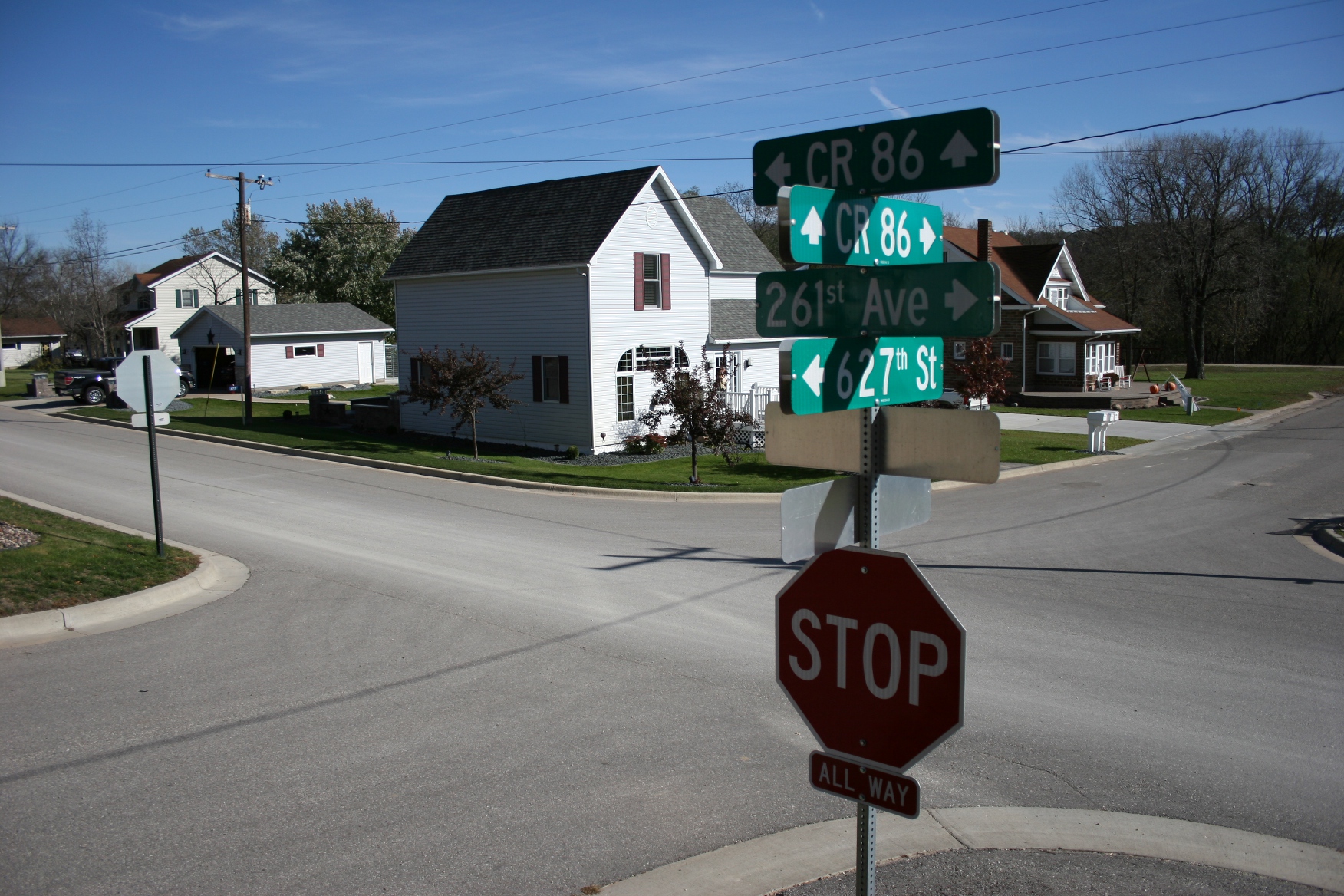
Well kept homes and a small playground/park border one side of the main drag, where I spotted this mass of signage on the corner by St. Joseph's Catholic  Church.

Well-kept homes and a small playground/park border one side of the main drag, where I spotted this mass of signage on the corner by St. Joseph’s Catholic Church.

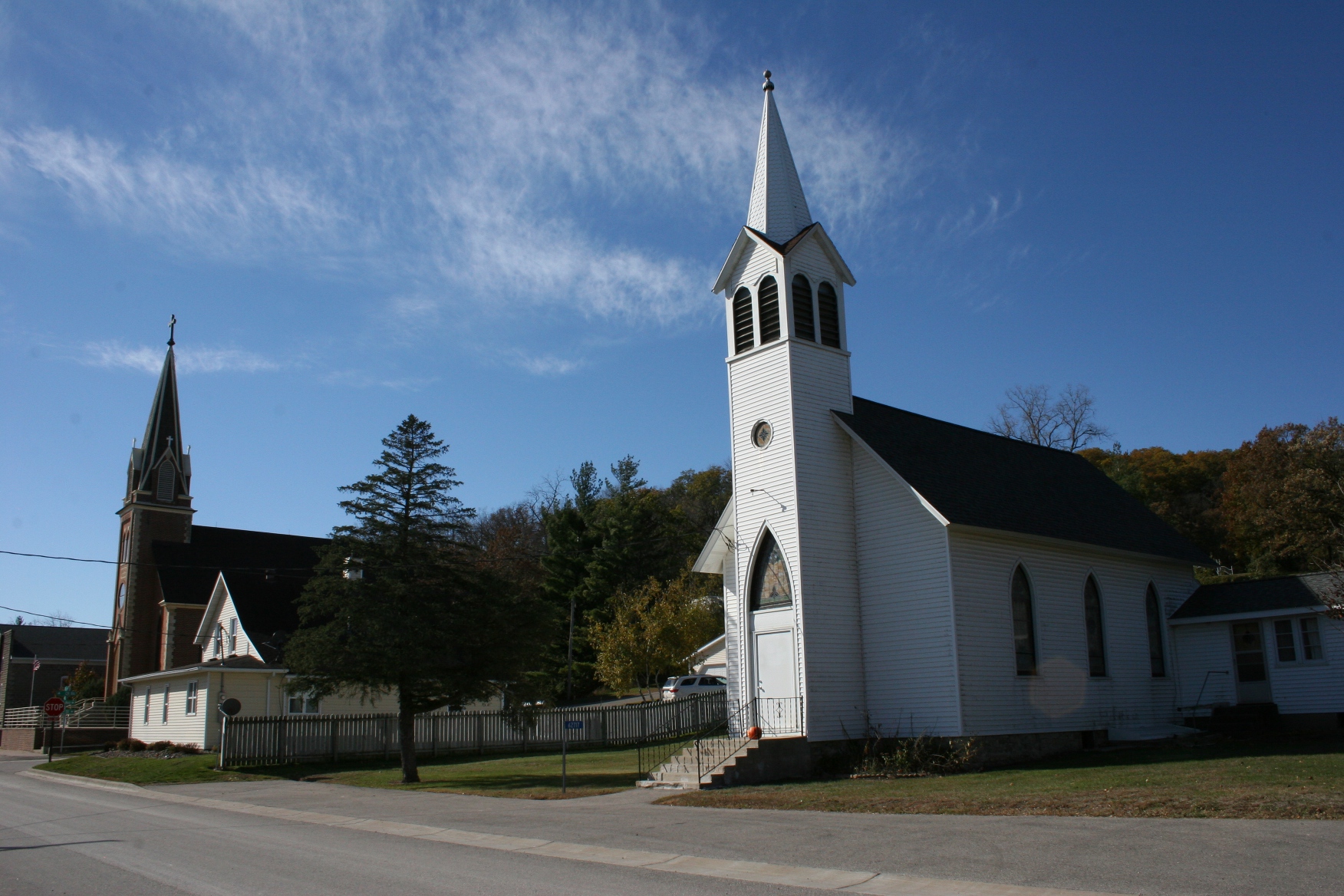
Overall, folks here seem to care about this place with well-kept homes, two churches (although both are closed and one appears to be a private residence) and, the most fabulous discovery of all, a restored opera house.

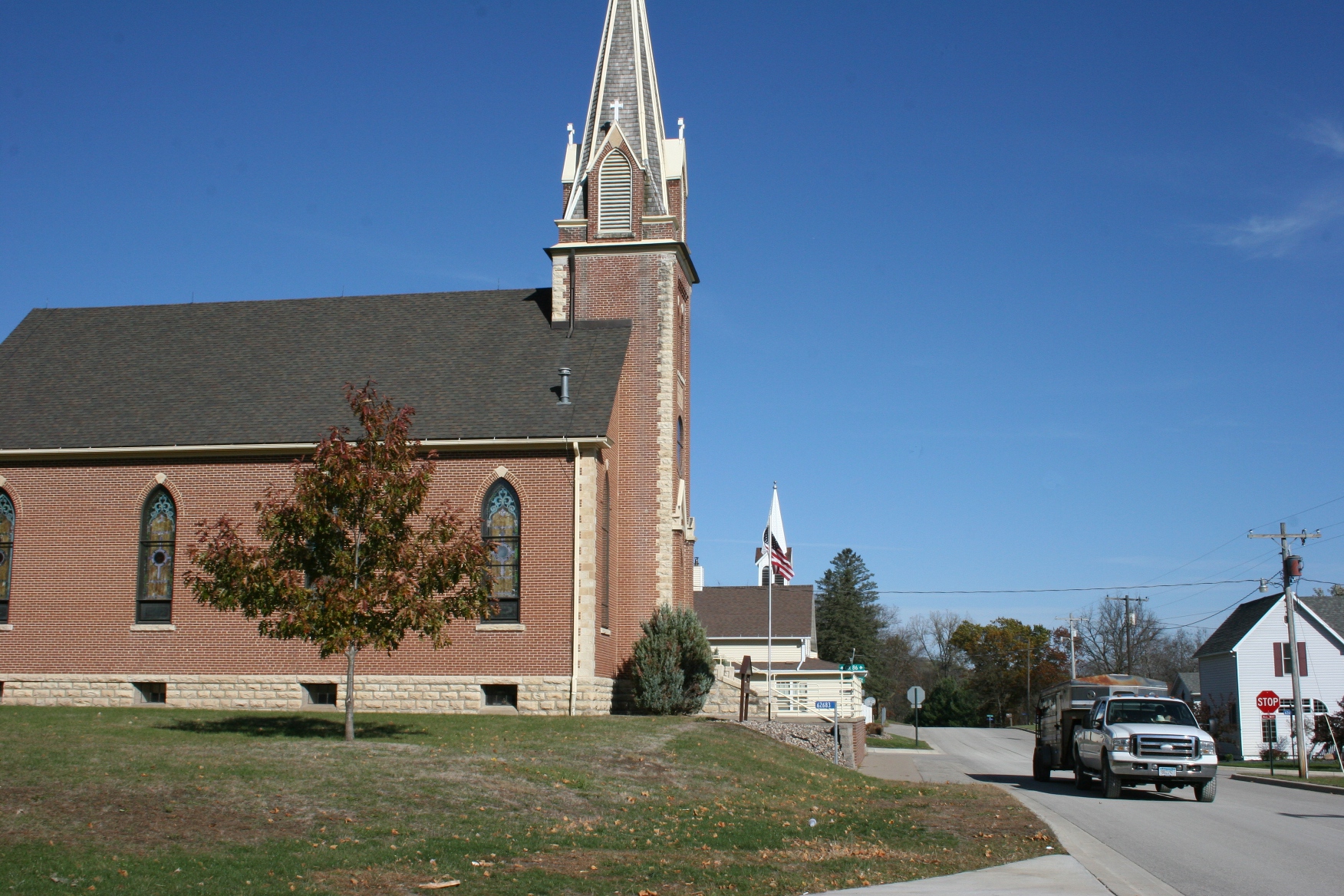
Another truck and horse trailer pass by the old Catholic church.

Passing by the old Catholic church.

As we stopped to investigate, a steady stream of pick-up trucks pulling horse trailers passed through Theilman, exiting the nearby Zumbro Bottoms Horse Campground.

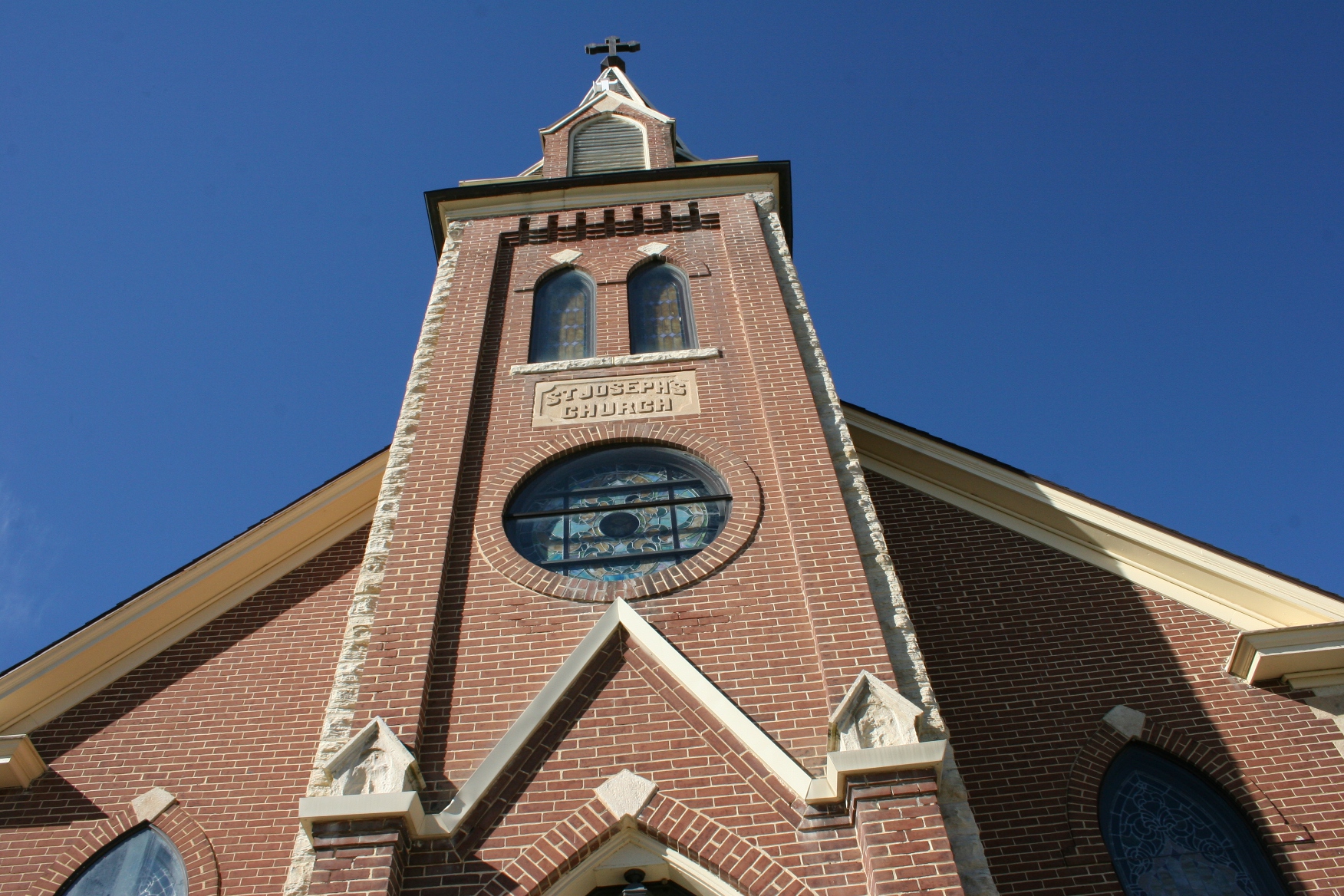
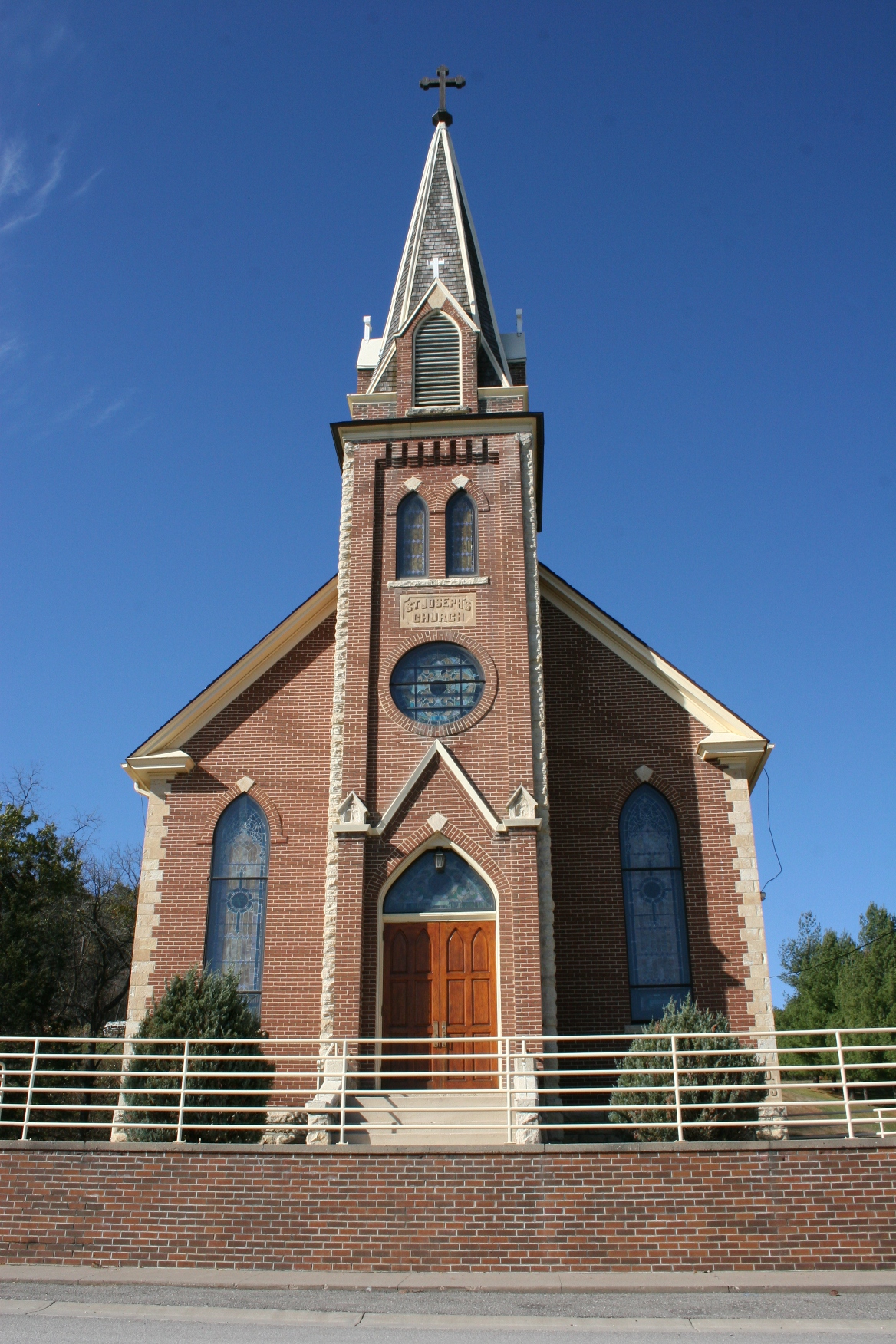
Strong, study and beautiful St. Jospeh's Catholic Church.

Strong, study and beautiful St. Joseph’s Church.

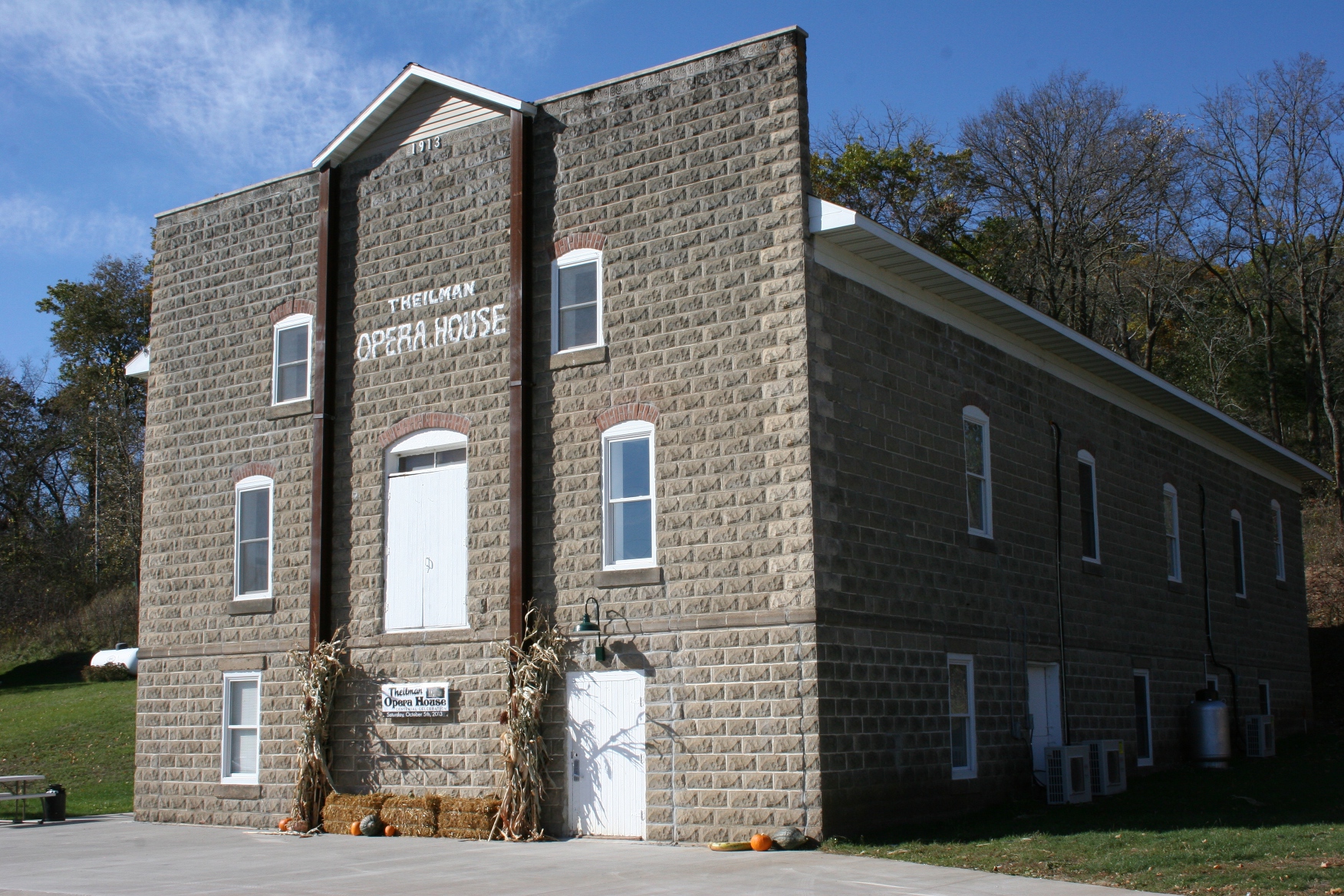
The restored Theilman Opera House.

The restored Theilman Opera House.

I was disappointed, but not surprised, to find the doors to the century old Theilman Opera House and the next door 1903 St. Joseph’s Catholic Church locked. I resorted to peering in an opera house side window, where I spotted a bar area and an apparent kitchen.

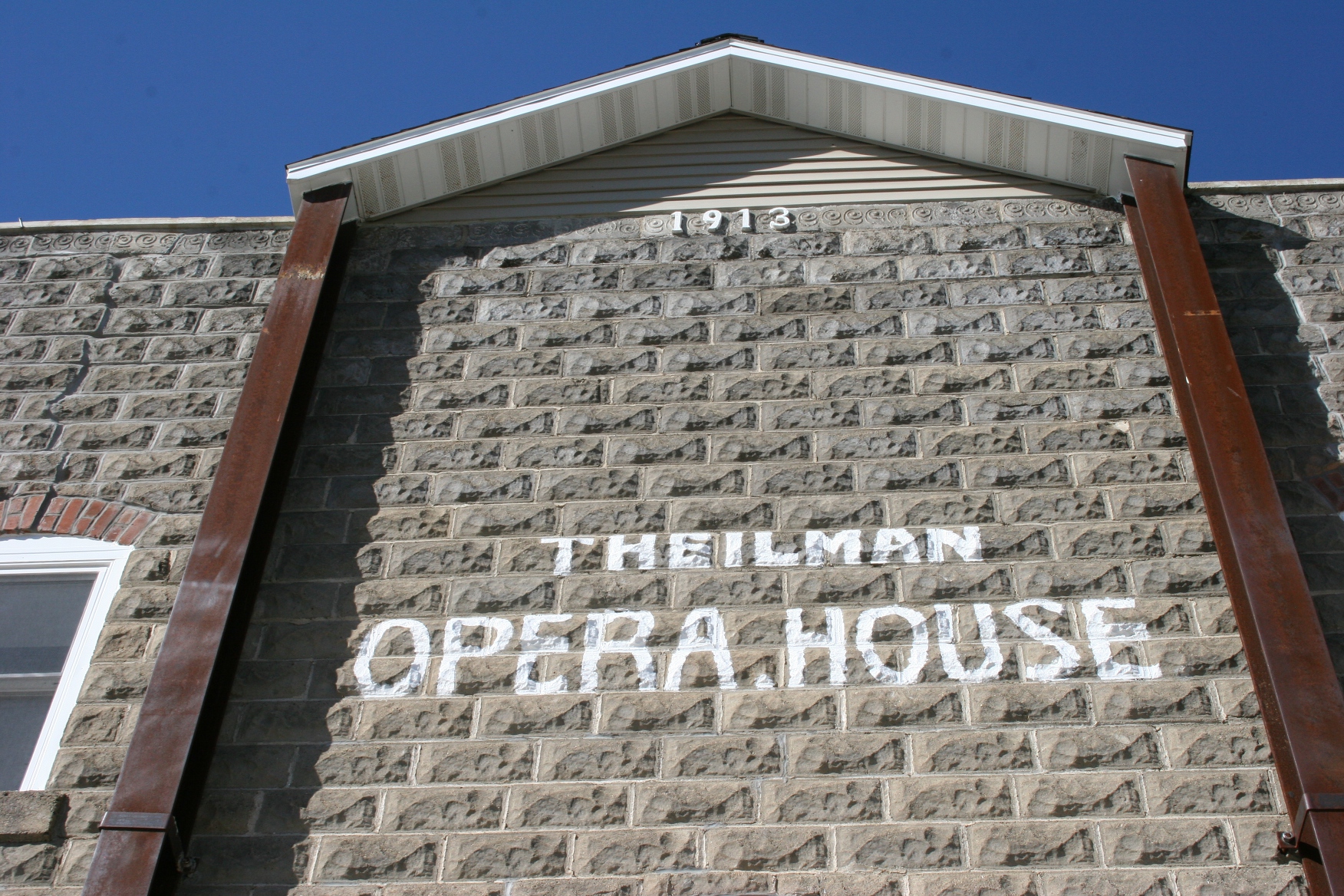
Theilman, Opera House close-up

As Randy and I studied the opera hall exterior, he speculated on its use, perhaps as a former livery stable. He noted reinforcing beams on the building’s front. He has a good eye and sense of history. I later learned he was right about the building. The lower level once held horses while folks danced upstairs or were entertained by traveling medicine shows.

According to the Theilman Opera House Facebook page, the building was pretty much falling apart when locals recently stepped up to save it. Today, with those reinforced walls, a new roof, new flooring, electrical work and other improvements, the 100-year-old opera hall is available for event rental.

Fabulous. I love when a community rallies to save an historic landmark.

Now, what about the next door Catholic church? What does the future hold for that building?

BONUS PHOTOS:

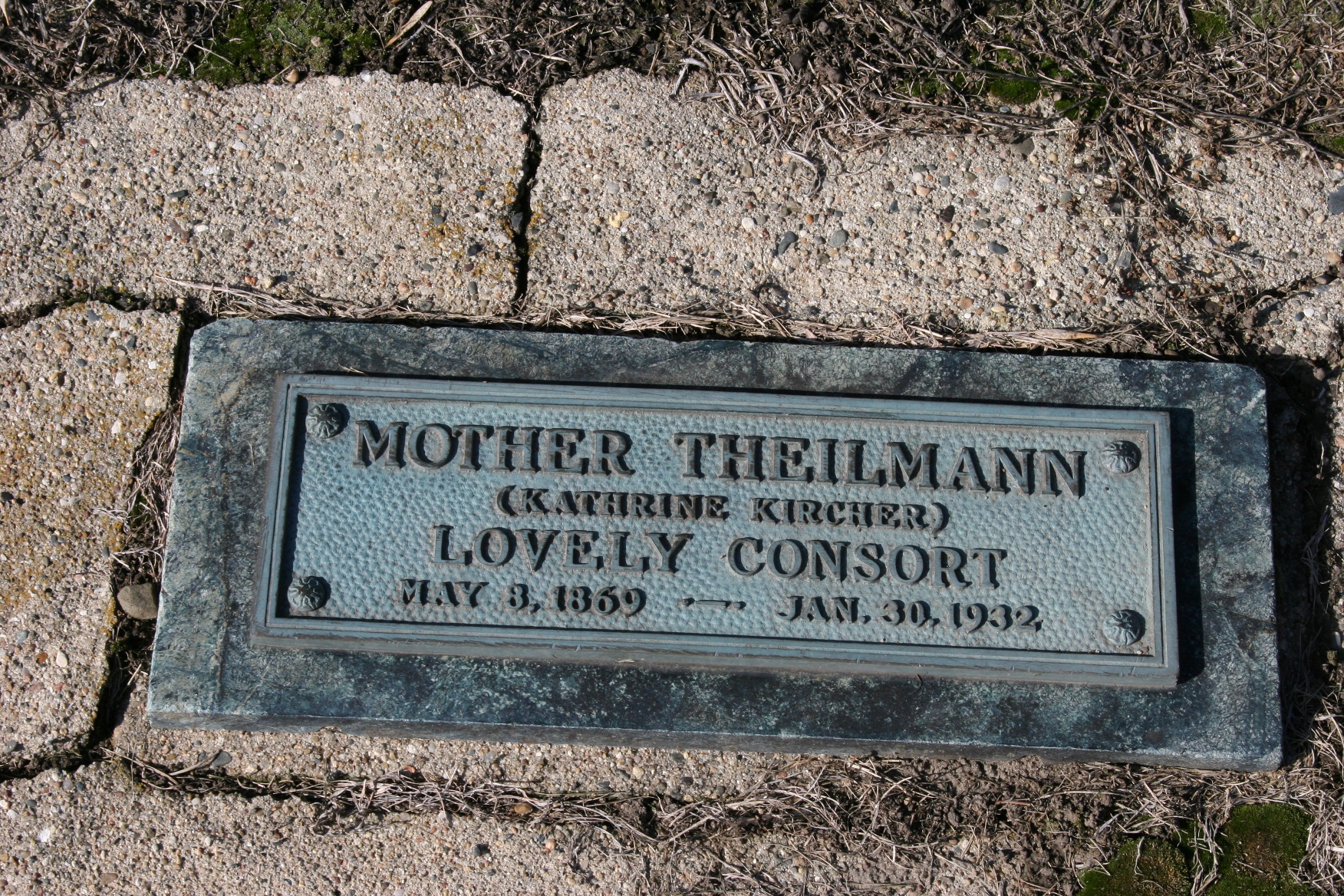
We walked the cemetery behind he wood-frame church and found numerous Theilman family graves, including this one. It drew my attention for the words, "lovely consort."

We walked the cemetery behind he wood-frame church and found numerous Theilmann family graves, including this one. It drew my attention for the words, “lovely consort.” And I also noticed that the Theilmann on the marker is spelled with two “n’s” unlike the single “n” in the town’s name.

Theilman's two churches. I believe the wood one is now a private residence as no sign marked it as a sanctuary.

Theilman’s two churches. I believe the wood one is now a private residence as no sign marked it as a sanctuary and it appears to be a home.

St. Joseph's Church, still an active Catholic parish.

St. Joseph’s Church, a closed parish of the Roman Catholic Diocese of Winona, according to info I found online.

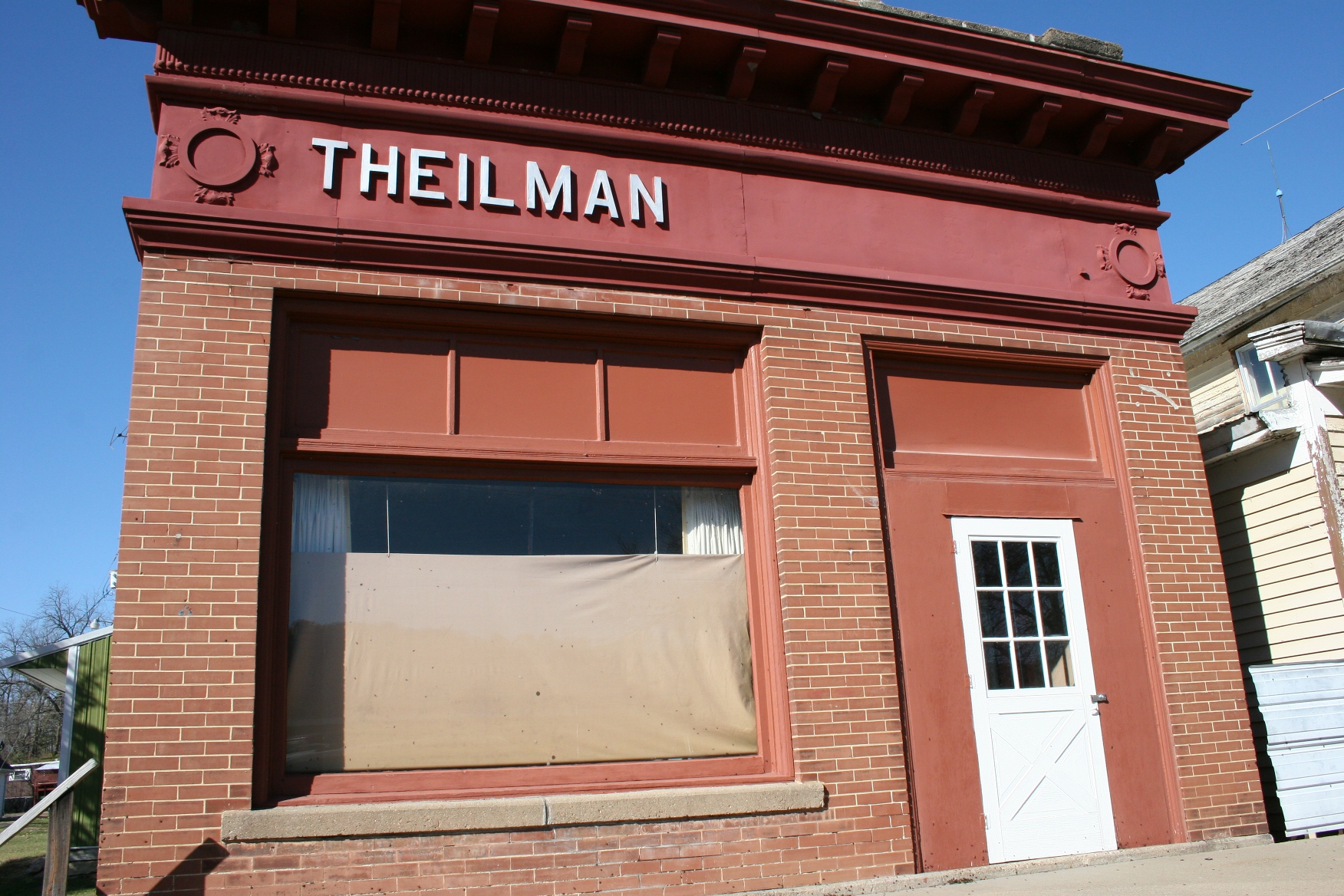
Another interesting old building in Theilman. Would love to know its history.

Another interesting old building in Theilman. I would love to know its history.

© Copyright 2013 Audrey Kletscher Helbling
 

I discover Plainview & then the curtain falls November 15, 2013

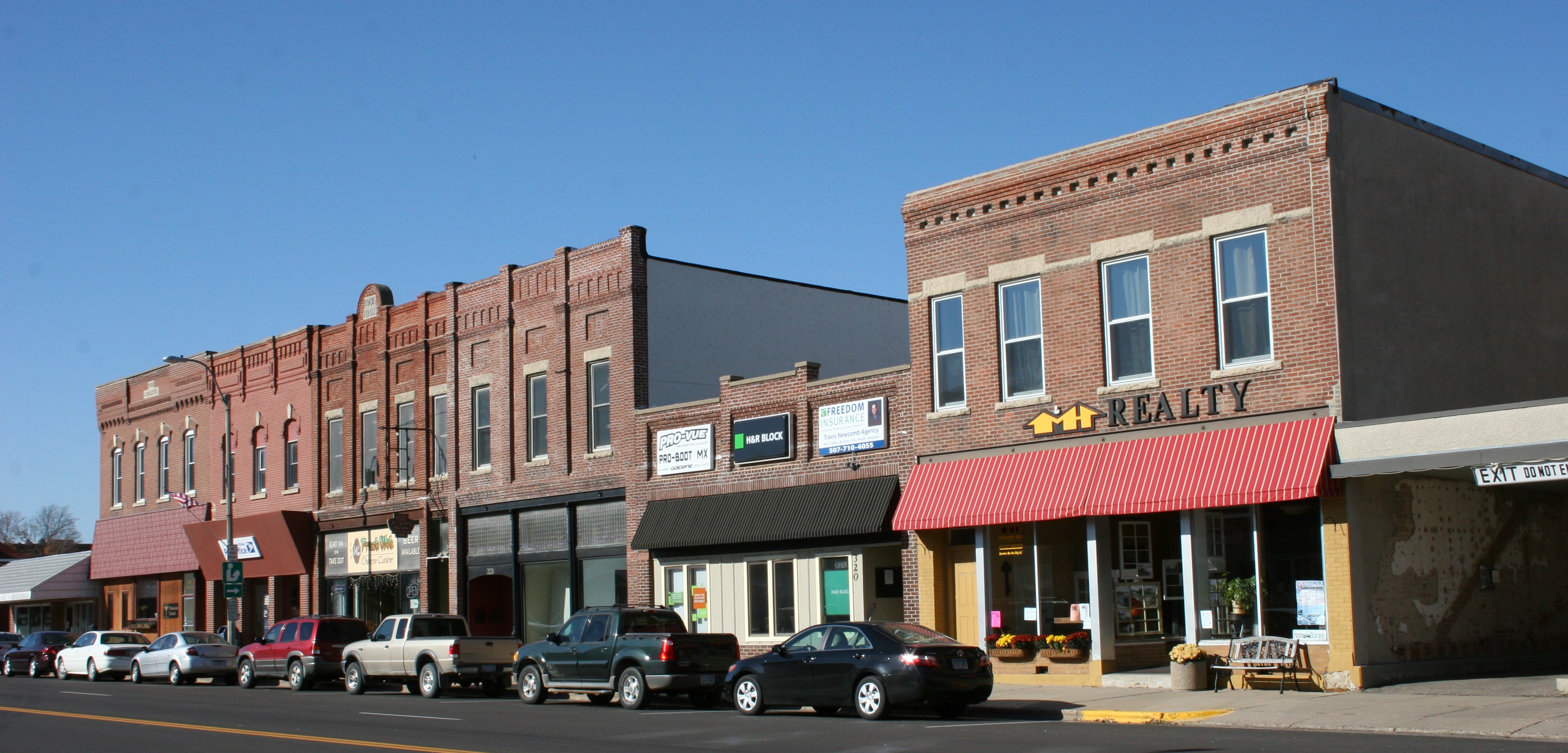
A snippet of Plainview's downtown.

A snippet of Plainview’s downtown.

ACT I:

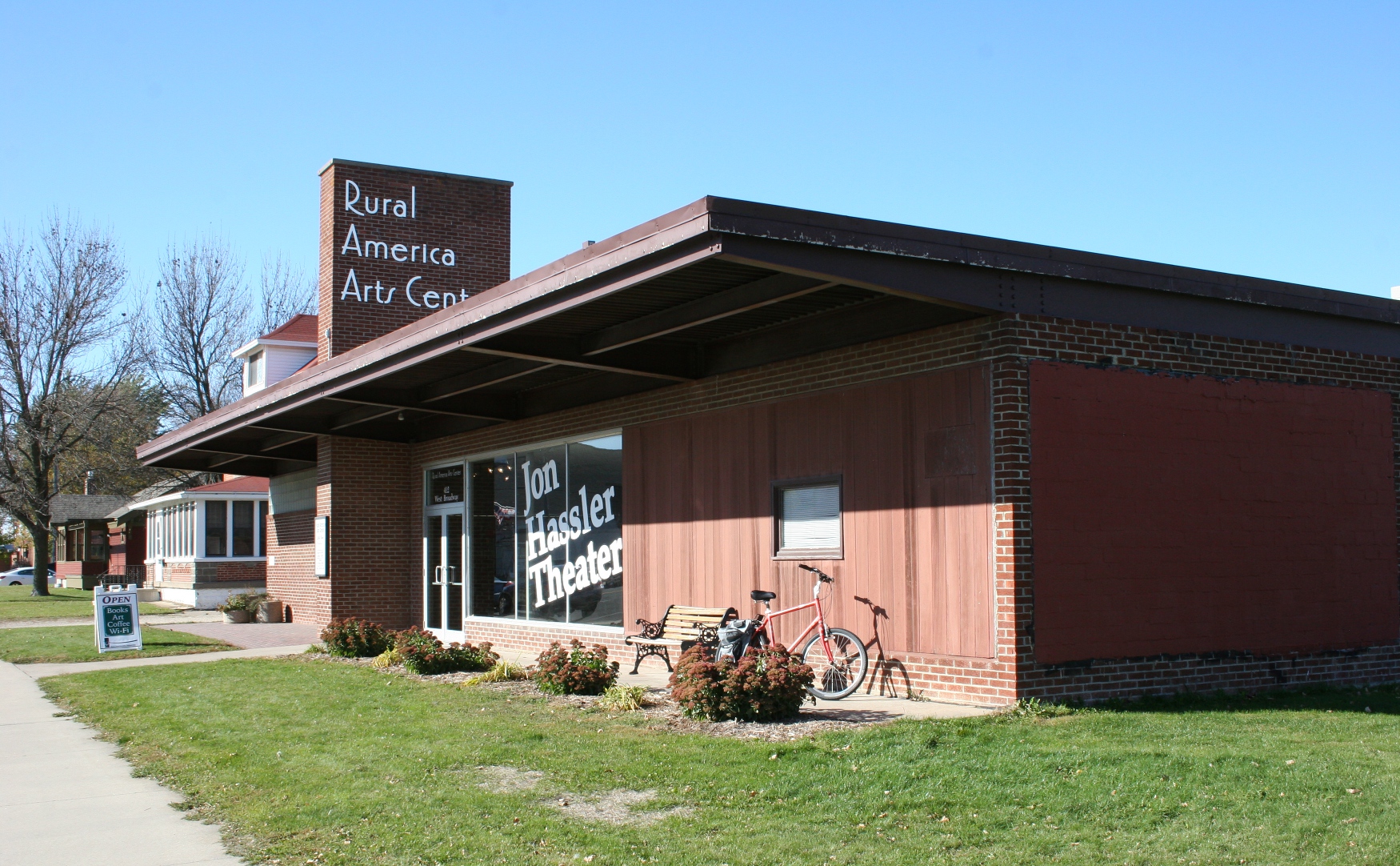
It’s not like I live a great distance (60 miles) from Plainview, home of the Jon Hassler Theater and Rural America Arts Center. But I’d never been to this rural town 20 miles northeast of Rochester until recently. A wrong turn on a Sunday afternoon drive led my husband and me into this Wabasha County community of some 3,300.

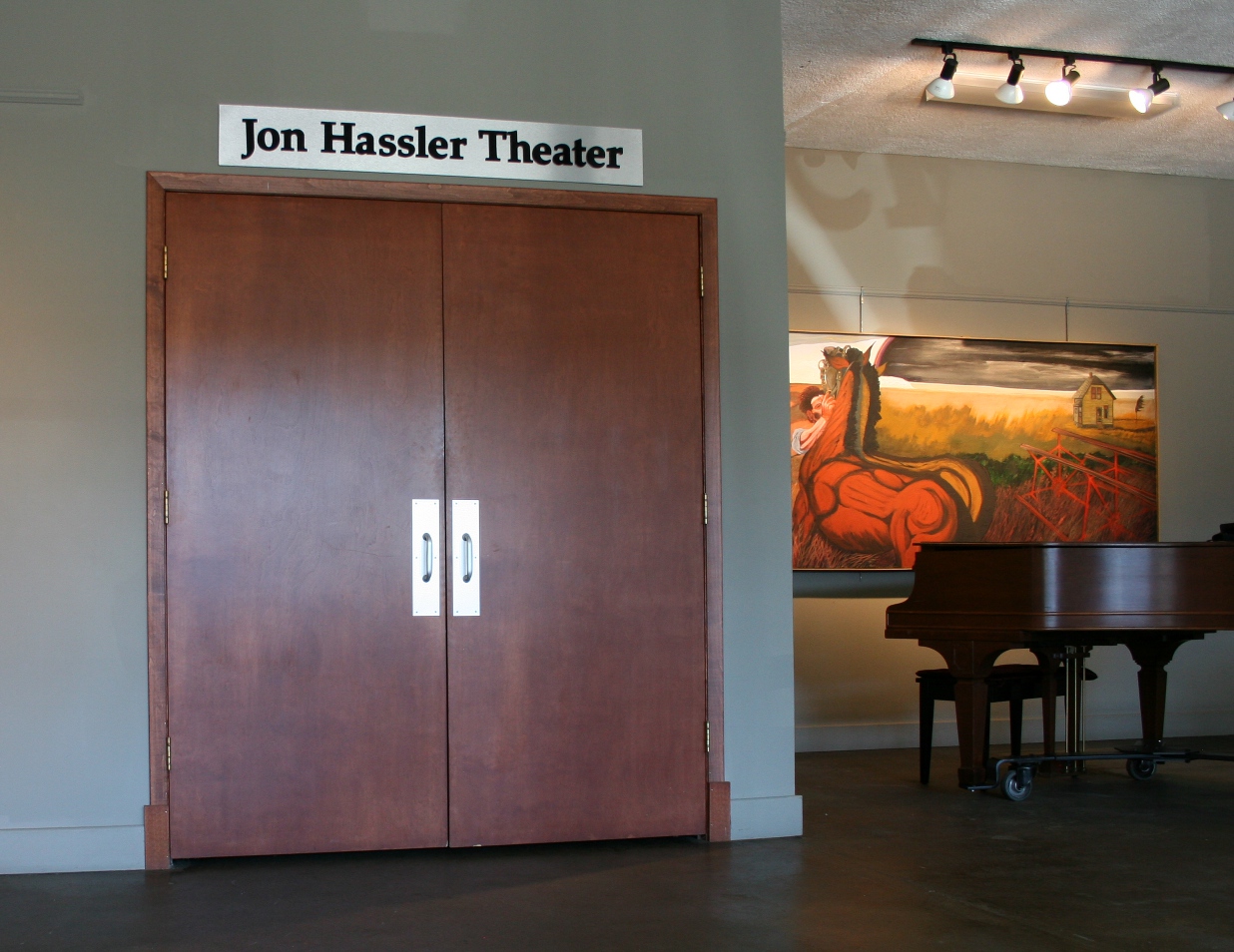
In the heart of the community, the Jon Hassler Theater and Rural America Arts Center.

In the heart of the community, the Jon Hassler Theater and Rural America Arts Center.

And there we discovered the old farm implement dealership building turned arts center—complete with theater, art gallery, bookstore and writers’ retreat center.

Dean Harrington showed me copies of Green Blade, the annual literary journal produced by writers who gather here.

Dean Harrington showed me copies of Green Blade, the annual literary journal produced by writers who gather here.

We met Dean Harrington, local banker, arts center enthusiast and CEO of the Rural America Arts Partnership, who was manning the front desk during the afternoon production of Ole & Lena’s 50th Wedding Anniversary & Vow Renewal. I swear Harrington could have been noted Minnesota author and former Plainview resident Jon Hassler’s twin right down to his sweater vest.

As close as I got to the theater.

As close as I got to the theater.

I wished right then and there that I was seated in the theater, belly laughing at/with Ole and Lena. But it was near intermission, much too late to join the audience.

Words & Afterwords Book Store sells ne

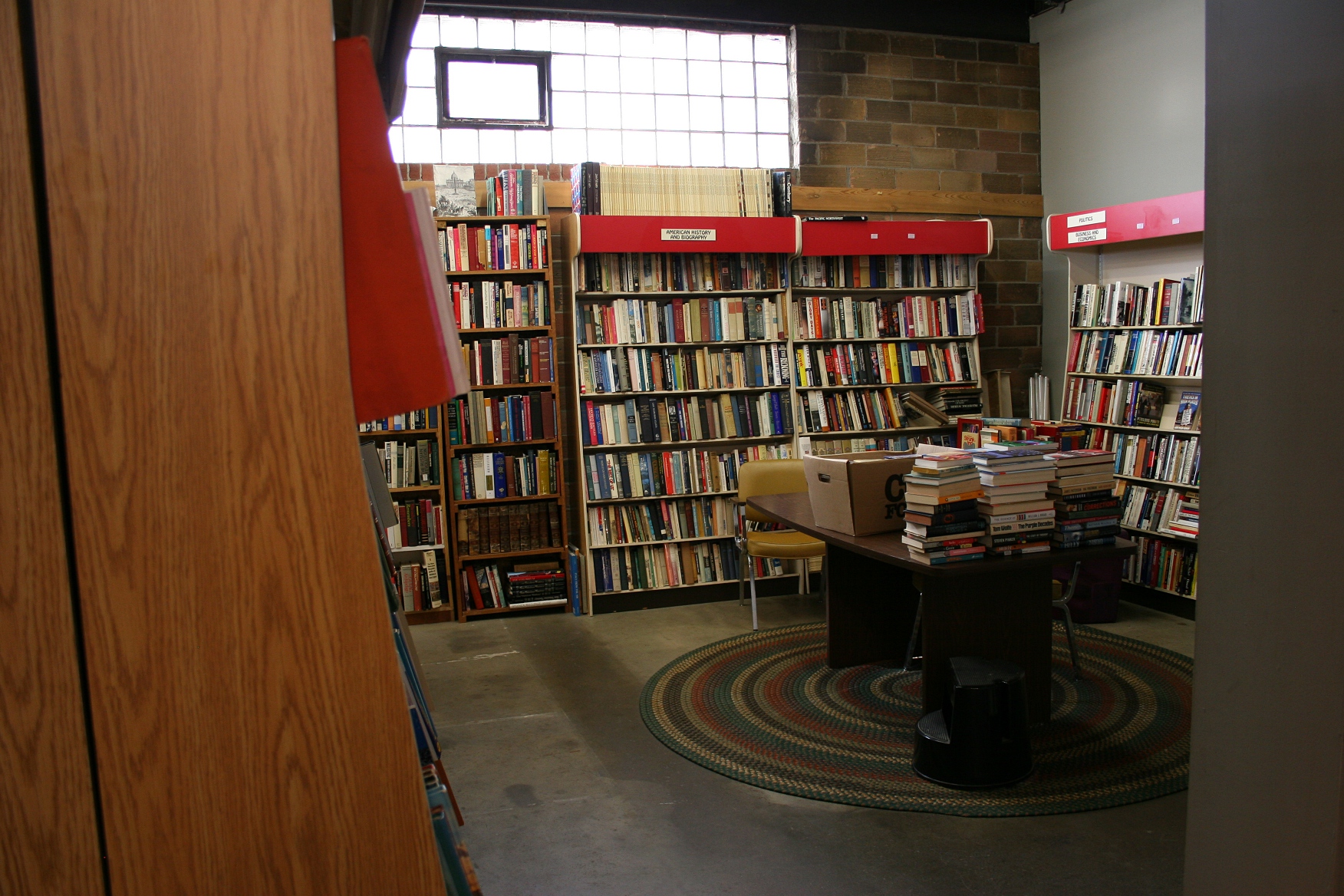
Words & Afterwords Book Store features more than 4,000 used and selected new titles.

Instead, I settled for poking about the gallery and bookshop and snapping a few photos and thinking, how grand to have a place like this in Plainview that embraces the arts. A return trip for a more in-depth look at this community and theater is definitely needed. Maybe next time with play tickets in hand.

ACT II:

I’ve had the above ACT I in my draft posts for a few weeks. I never expected to be penning an ACT II. But in a story reported Thursday on Minnesota Public Radio (quoting the Rochester Post-Bulletin), I learned that the Jon Hassler Theater is closing at the end of 2014. I didn’t see that coming. Dean Harrington offered no hint of the theater’s tenuous situation when we spoke briefly a few weeks ago.

But apparently the audience just isn’t there to continue supporting a theater in Plainview. Plans are to keep the self-supporting bookstore, the art gallery and the writer’s retreat open.

Just two days ago I received an email from the Jon Hassler Theater inviting me to a reading and Q & A by Northfield writer Scott Dominic Carpenter, author of Theory of Remainders and This Jealous Earth. Carpenter will be the Third Wednesdays guest reader at 7 p.m. on November 20.

And now this, this news about the theater’s closing comes. Before I’ve even seen the curtain rise in the Jon Hassler Theater, I’ve seen it fall. Anytime a rural community loses local access to the arts, it’s not good.

I’m fortunate to live in a community with a strong theater presence (Paradise Community Theatre and The Merlin Players) at the Paradise Center for the Arts in historic downtown Faribault. I don’t have to, and don’t want to, drive to the Cities to see great theater. Yet, I know many local residents who’ve never set foot inside the Paradise, but who regularly travel to the Cities for their arts fix. It’s this type of ambivalence and lack of local support, in my opinion, that lead to an outstate theater’s demise.

Apparently the audience numbers weren’t there in Plainview and now this small town is losing its theater.

ACT III: 

Here are a few more photos of that inviting bookstore inside the Rural America Arts Center and of downtown Plainview.

Theater books for sale.

Theater books for sale.

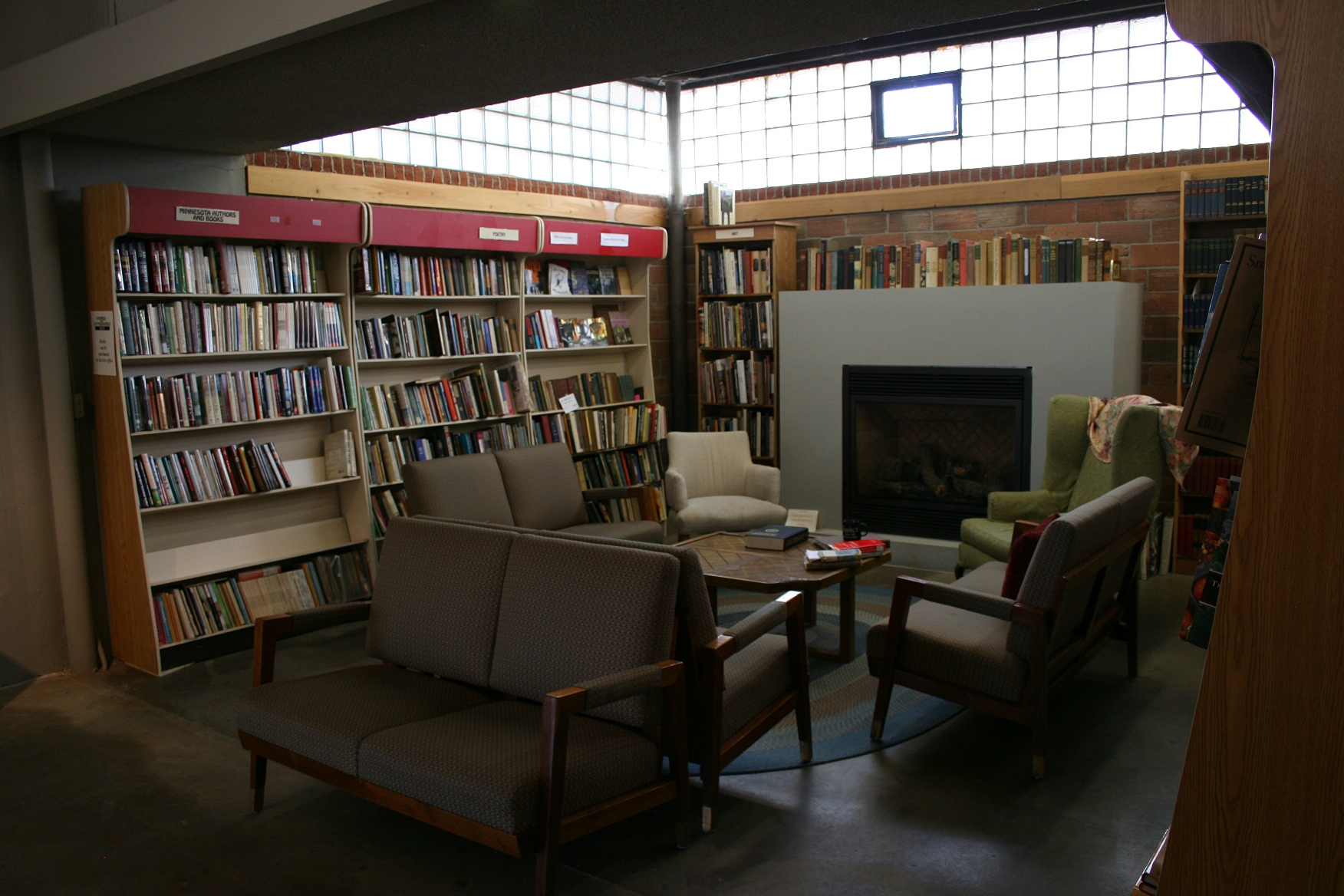
A cozy bookstore nook.

A cozy bookstore nook.

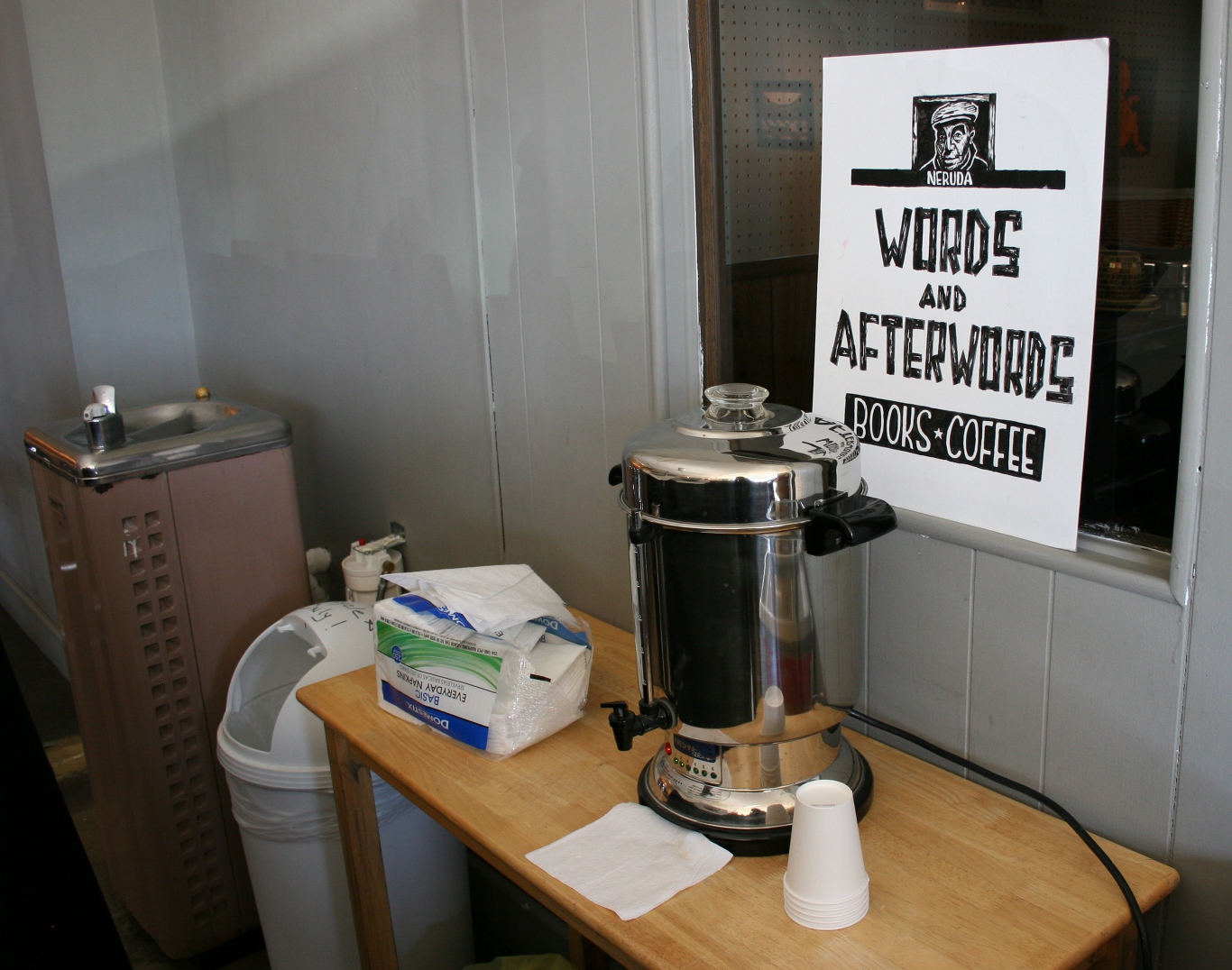
Loved this bookstore signage by the coffee pot up front.

Loved this bookstore signage by the coffee pot up front.

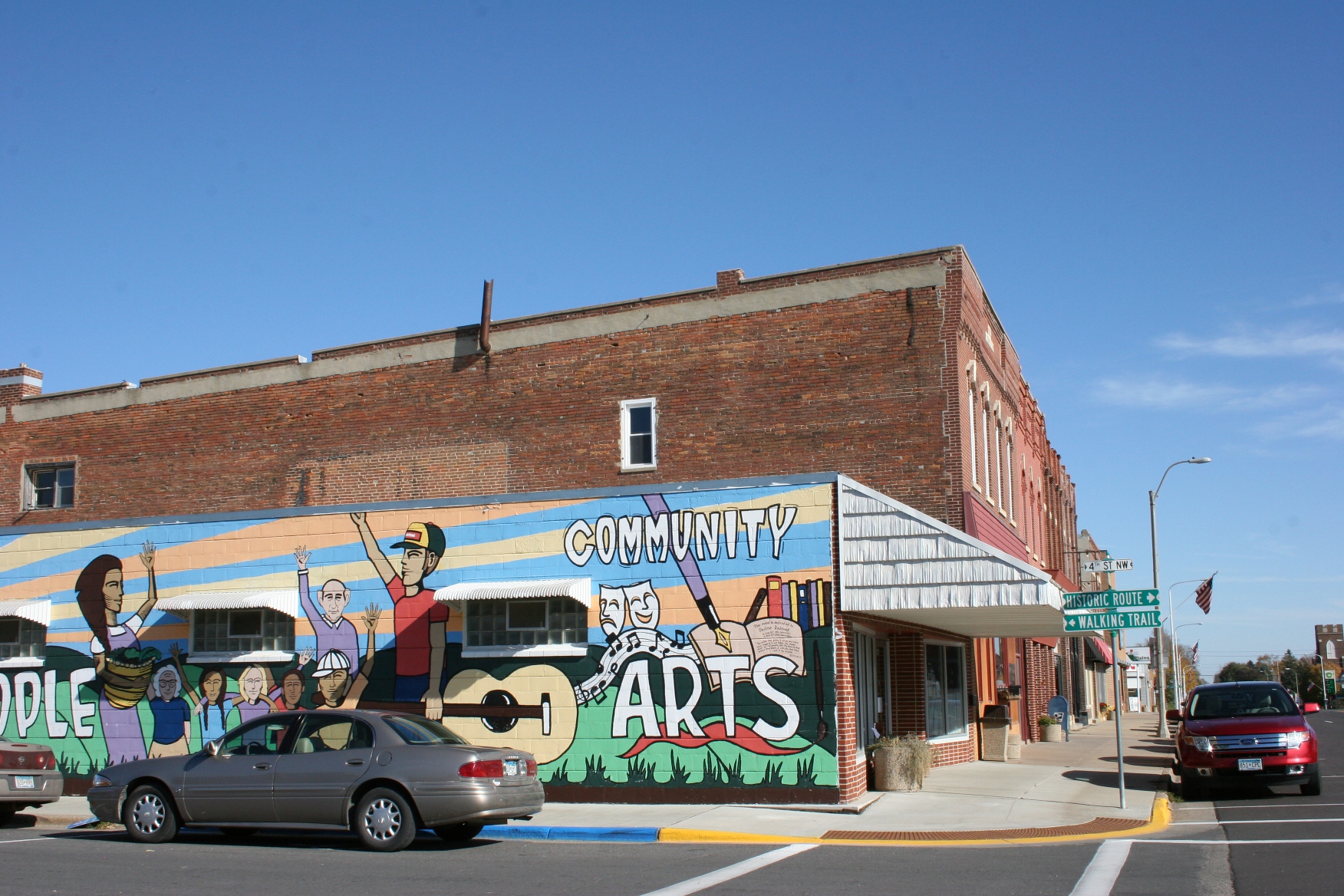
Across the street from the arts center.

Across the street from the arts center.

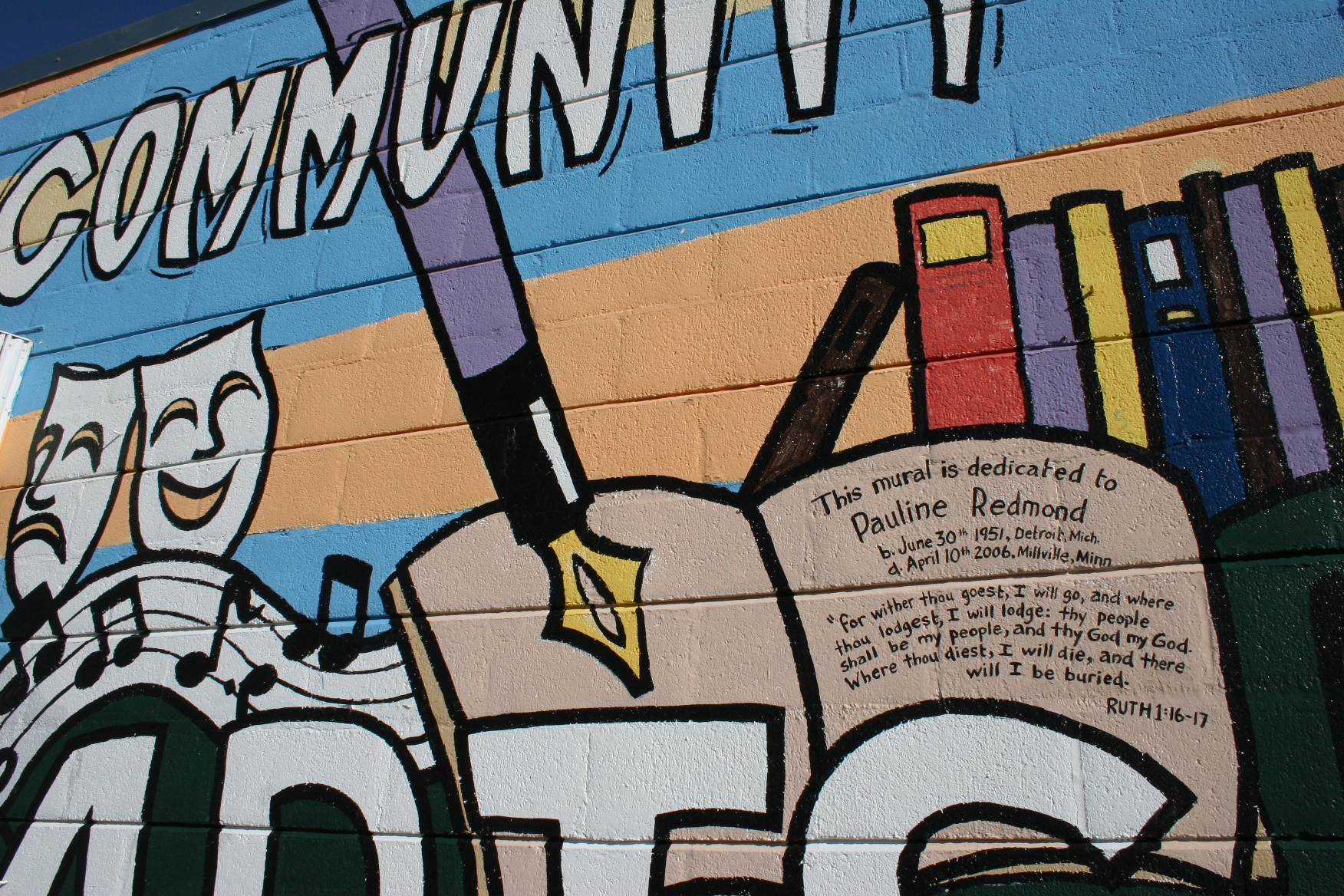
Meaningful mural details.

Meaningful mural details.

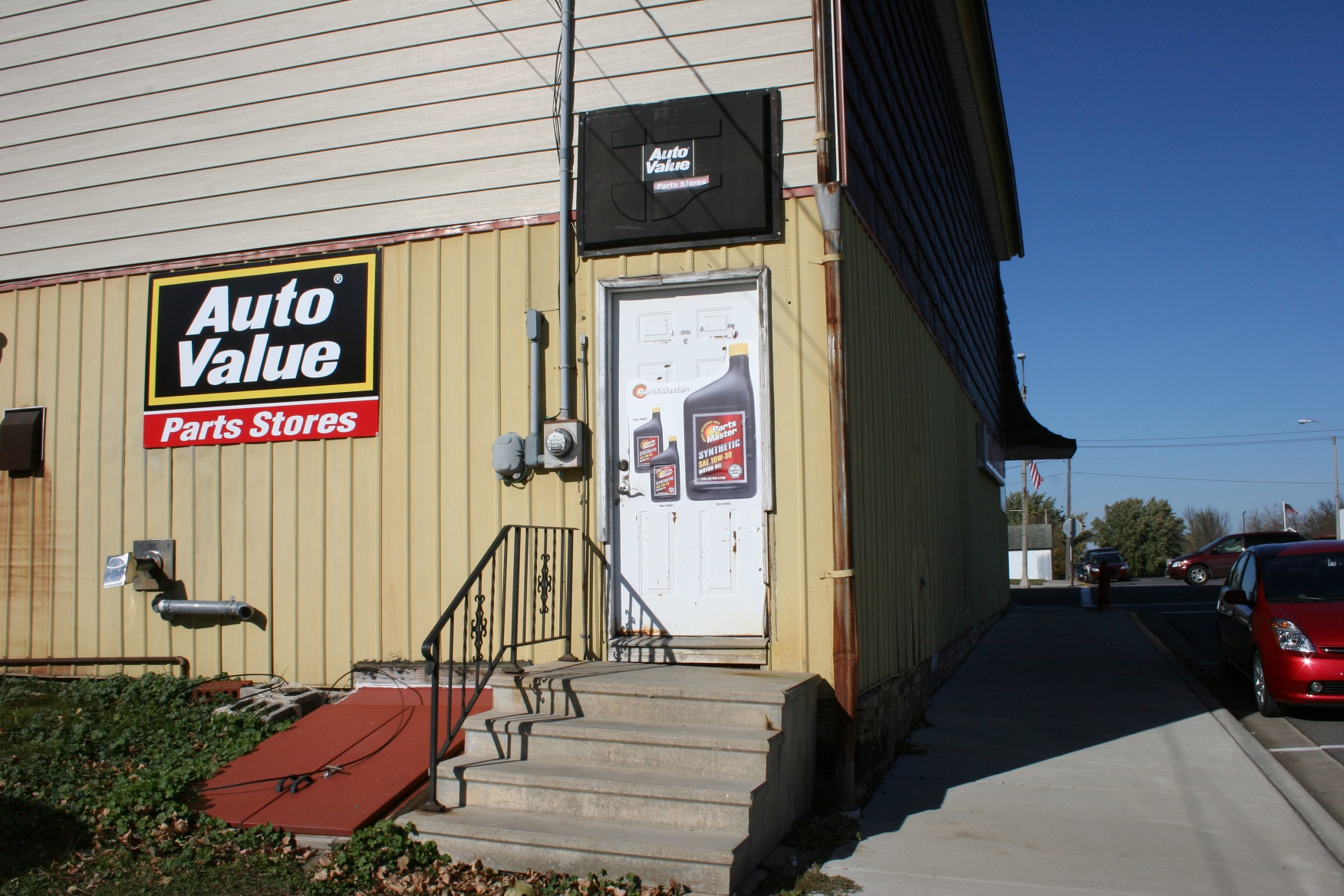
The back of Auto Value, across the street also from the arts center.

The back of Auto Value. If you walk up the sidewalk, cross the street and go left, you will find the arts center.

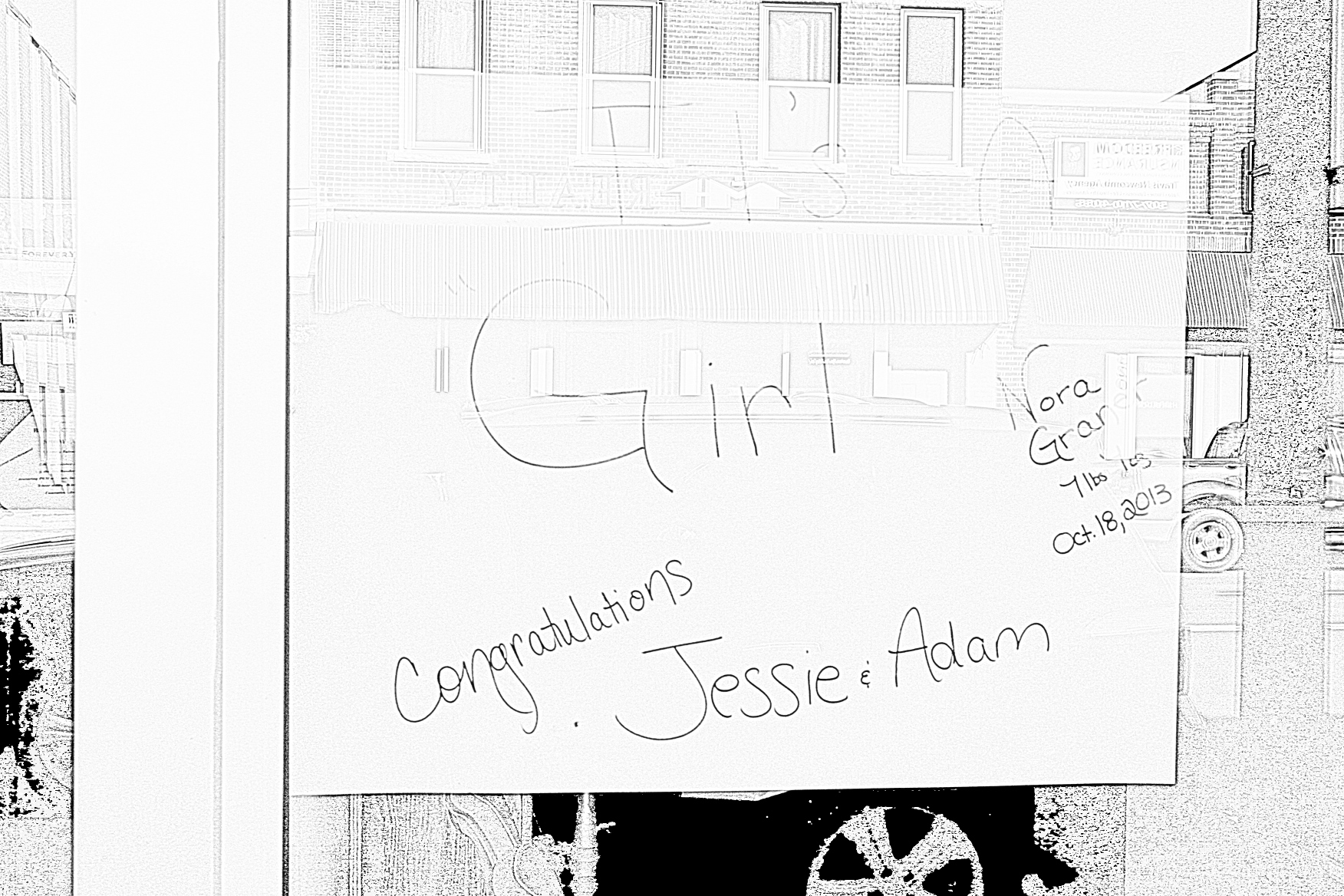
A birth announcement in the front window of a downtown business, converted to black-and-white so it's readable.

A birth announcement in the front window of a downtown business, edited to photocopy black-and-white so it’s readable.

© Copyright 2013 Audrey Kletscher Helbling
 

Fifties flashback in a Wisconsin cornfield November 14, 2013

Back in the day, picking corn

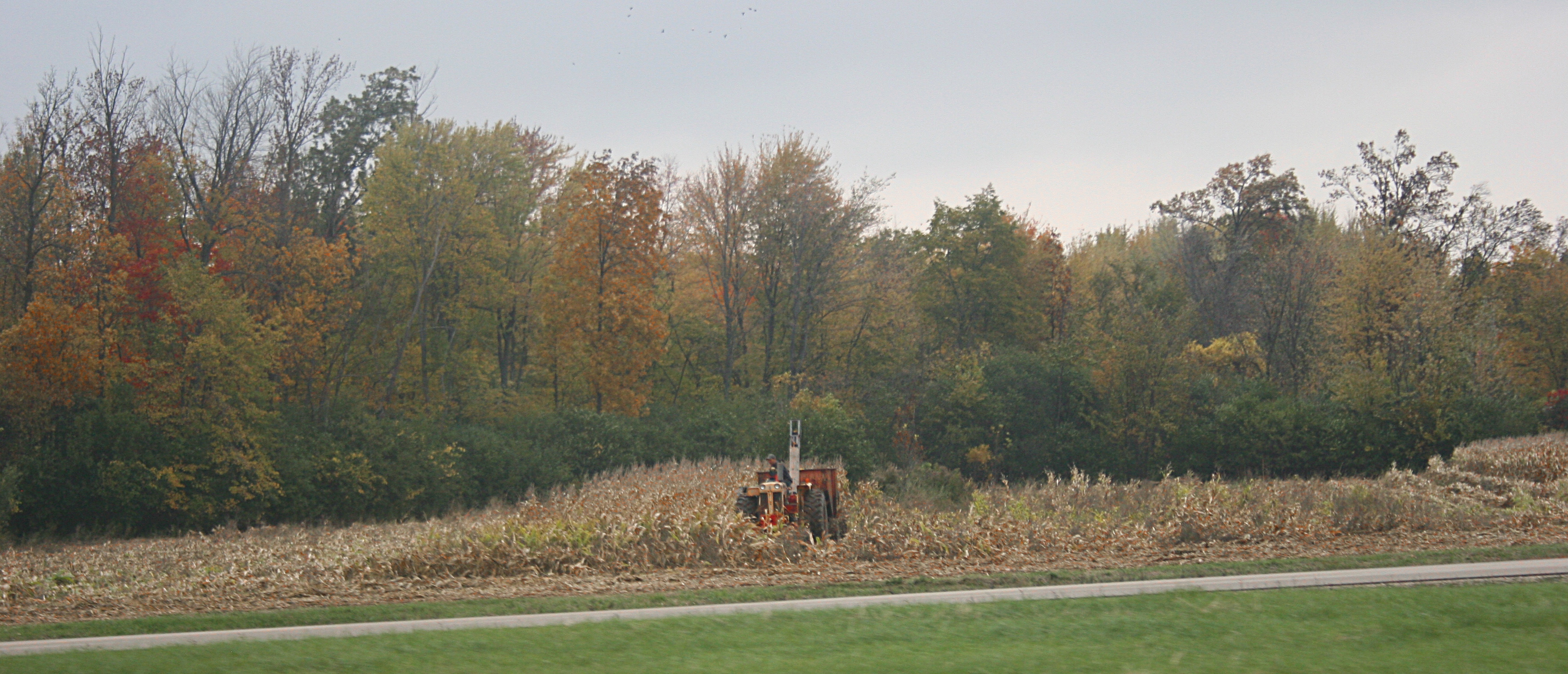
IF NOT FOR THE TRAFFIC that surrounds me on this four-lane on a Saturday afternoon, I might be traveling directly into a rural scene from the fifties or sixties.

For there, over to the right along this Appleton, Wisconsin, area roadway, a farmer works the field with his Case tractor towing a pull-behind corn picker that drops ears of corn into a wagon.

I get one chance to photograph the scene, but plenty of time to ponder why this farmer chose to harvest his crop with vintage farm machinery.

Is he simply trying to reclaim an era when farmers worked with the wind at their backs, the sun upon their faces, the scent of plant and earth in the air, embracing harvest from the seat of an open air tractor?

(NOTE: This photo was taken in mid-October.)

© Copyright 2013 Audrey Kletscher Helbling
 

Honoring veterans in Luverne November 11, 2013

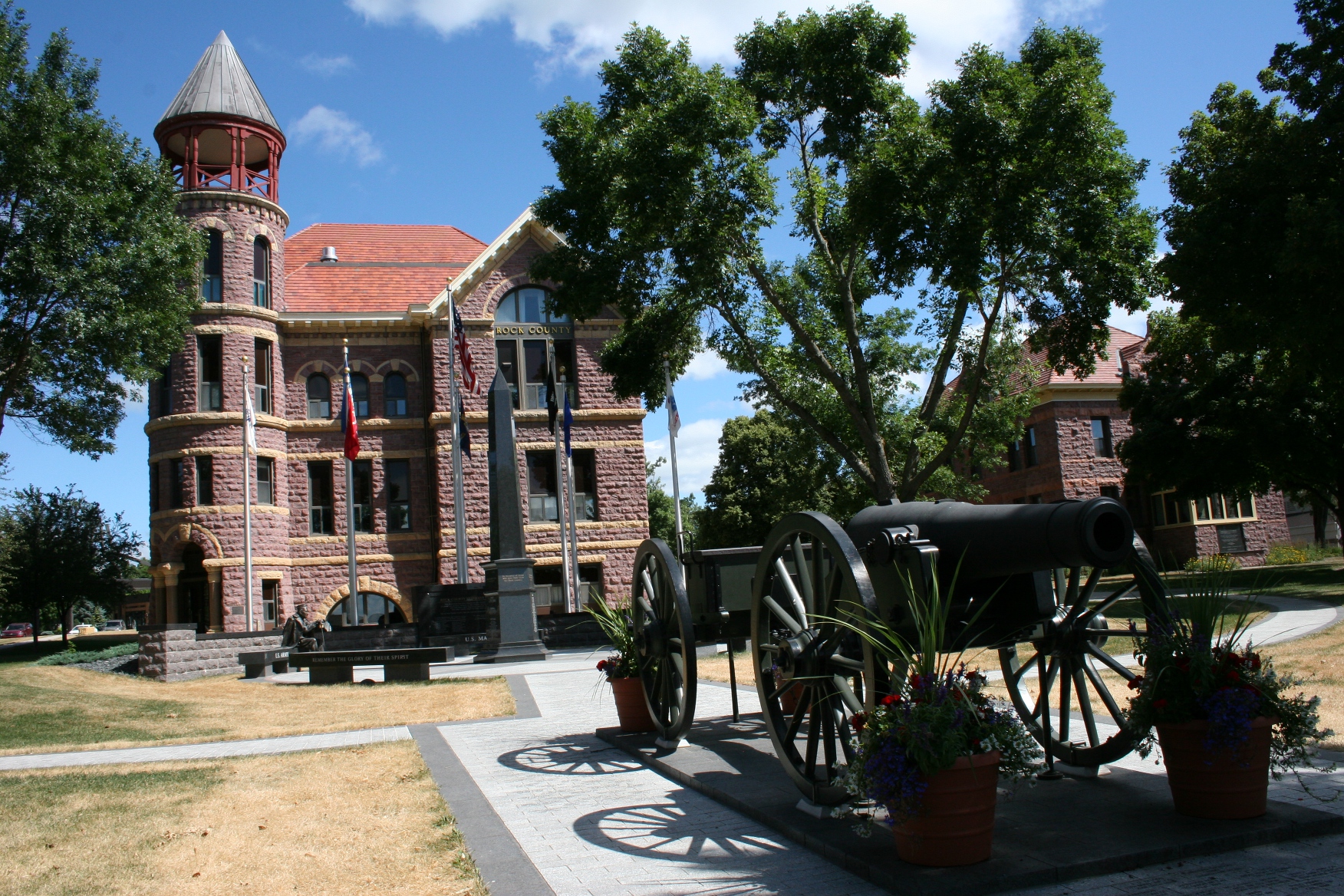
The Rock County Veterans Memorial in front of the courthouse, Luverne, Minnesota.

The Rock County Veterans Memorial in front of the courthouse, Luverne, Minnesota. That’s a restored Civil War cannon.

FROM THE VETERANS MEMORIAL fronting the Rock County Courthouse to the next door Rock County Veterans Memorial Building—which houses the Herreid Military Museum and more—to the Minnesota Veterans Home and the town’s star role in the Ken Burns’ World War II documentary, The War, Luverne honors and respects veterans unlike any other rural Minnesota community.

That’s my impression, anyway, after a visit this summer to Luverne, tucked into the extreme southwestern corner of my state.

A flag hangs in a hallway outside the military museum.

A flag hangs in a hallway outside the military museum.

You cannot help but feel awed by the patriotism that exists here.

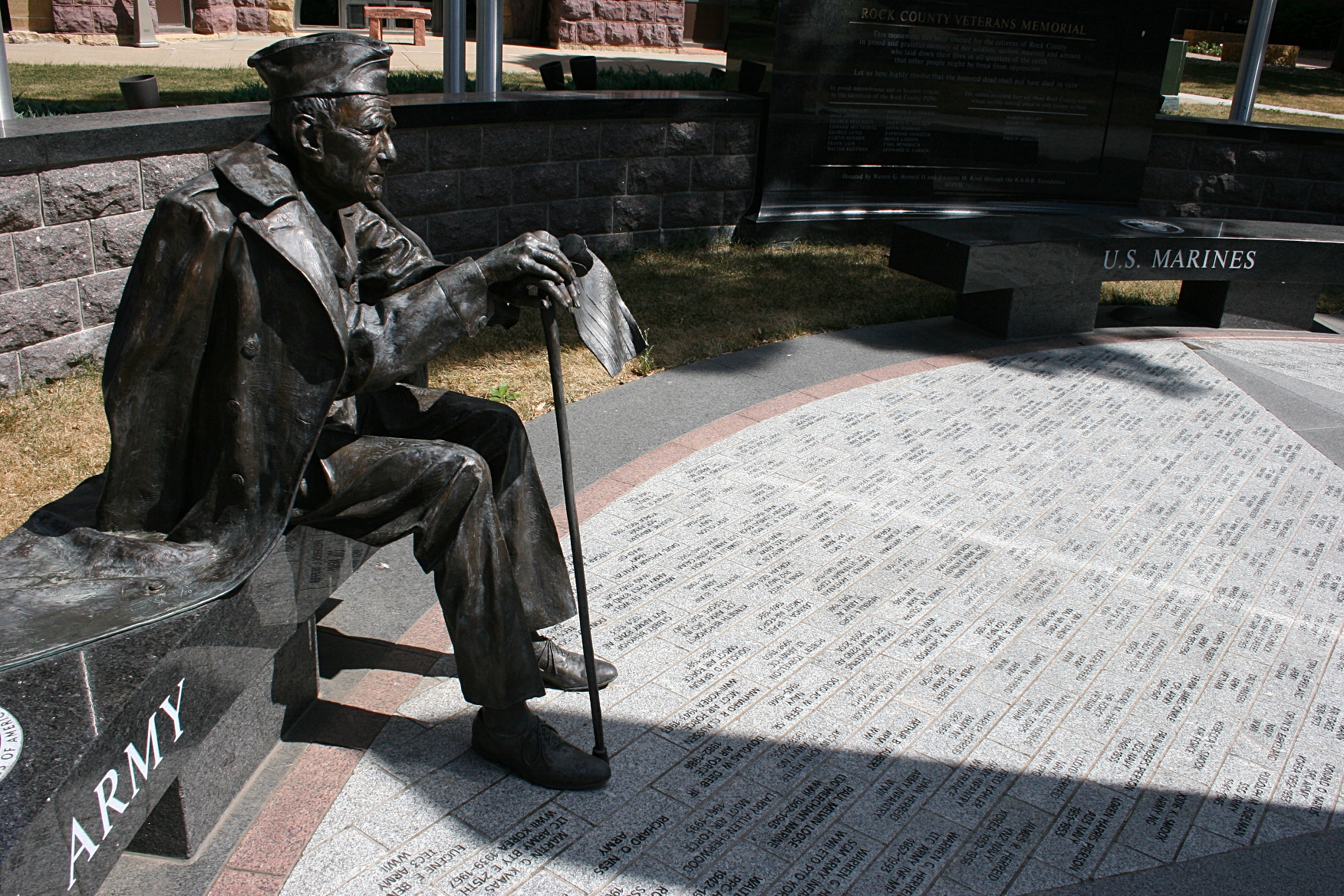
A statue titled "Poppies" personalizes this memorial as do the names of some 1,600 veterans engraved in pavers.

A statue titled “Poppies” personalizes this memorial as do the names of some 1,600 veterans engraved in pavers.

And because sometimes a picture is truly worth a thousand words, allow me to show you a snippet of the ways in which Luverne honors veterans:

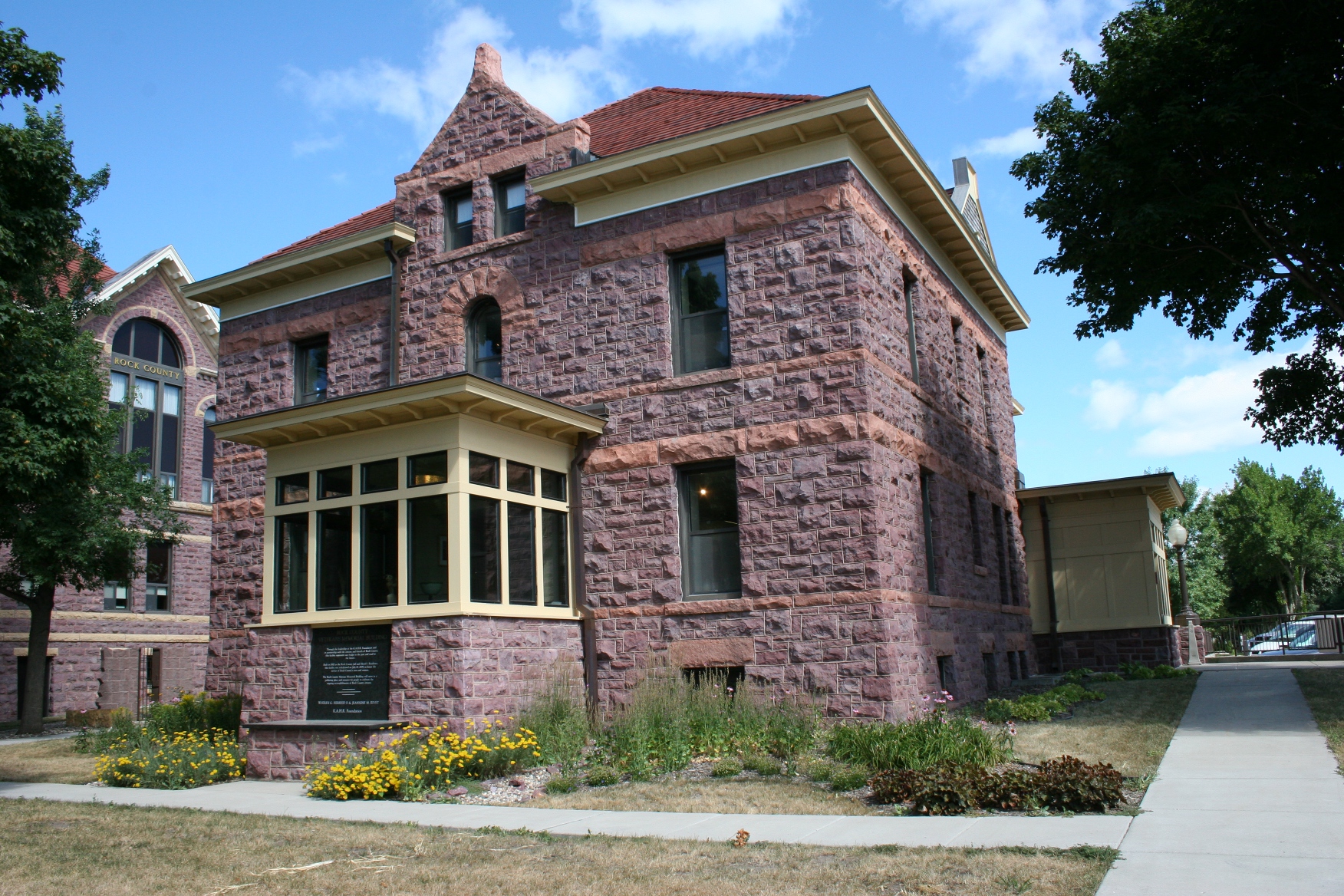
The 1900 former Rock County Jail and sheriff's home today is the Rock County Veterans Memorial Building. It houses the Herreid Military Museum, the Brandenburg Gallery and the Luverne Chamber of Commerce.

The 1900 former Rock County Jail and sheriff’s home today is the Rock County Veterans Memorial Building. It houses the Herreid Military Museum, the Brandenburg Gallery and the Luverne Chamber of Commerce.

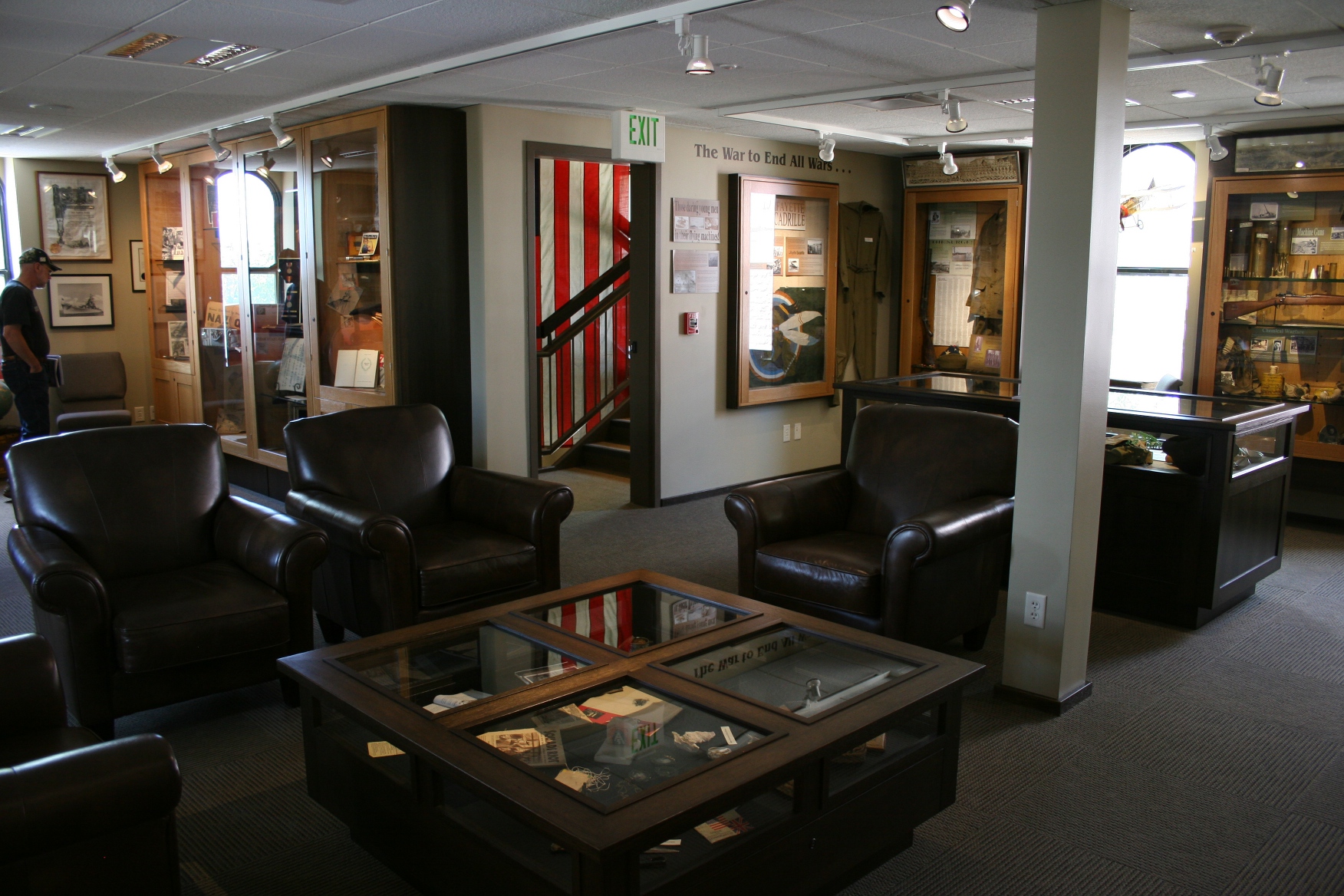
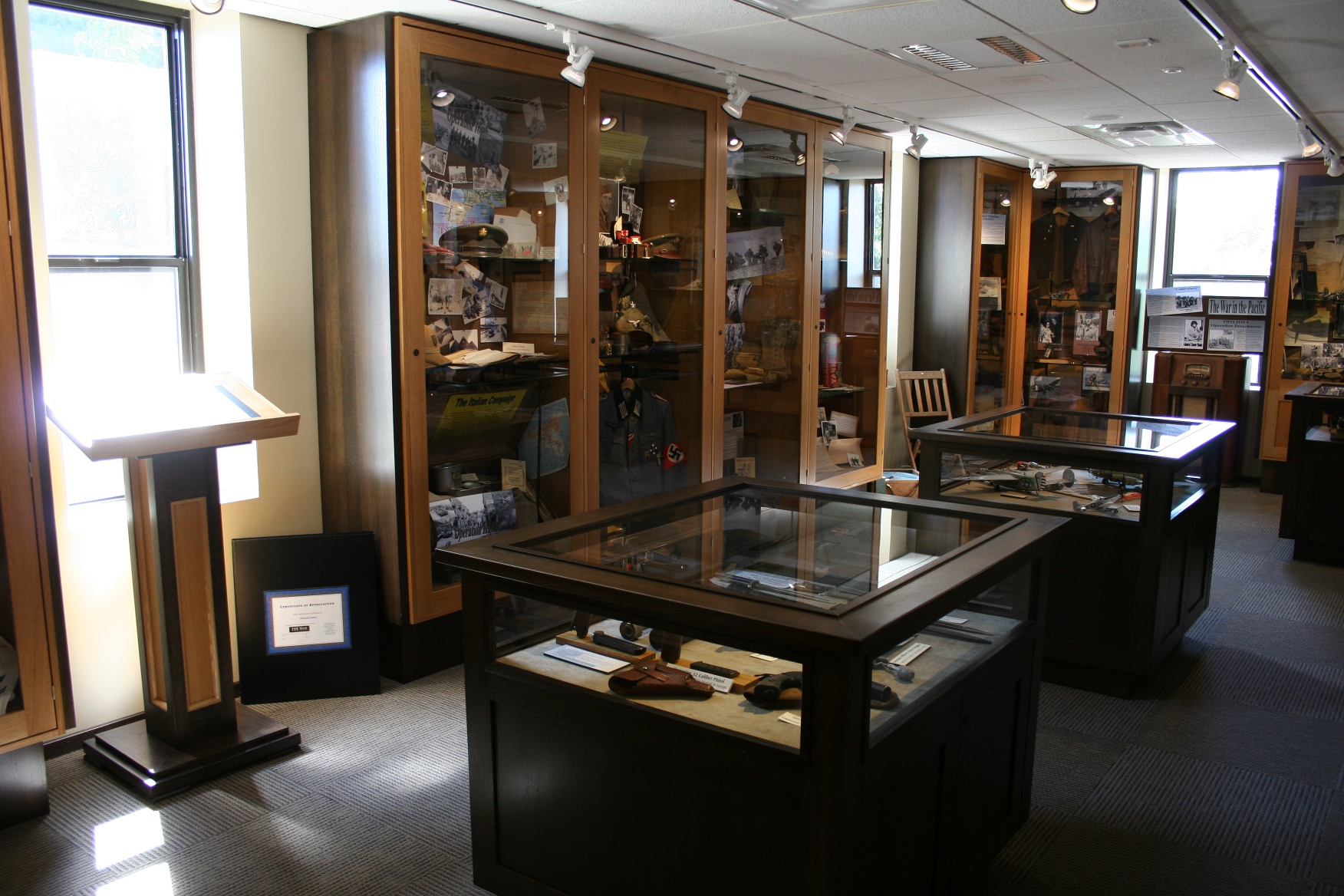
An overview of the Herreid Military Museum which pays tribute to Rock County residents who served their country in the military. A third-floor exhibit will open in 2014 featuring the story of war from Korea and Vietnam to Iraq and Afghanistan.

An overview of the Herreid Military Museum which pays tribute to Rock County residents who served their country in the military. A third-floor exhibit will open in 2014 featuring the story of war from Korea and Vietnam to Iraq and Afghanistan.

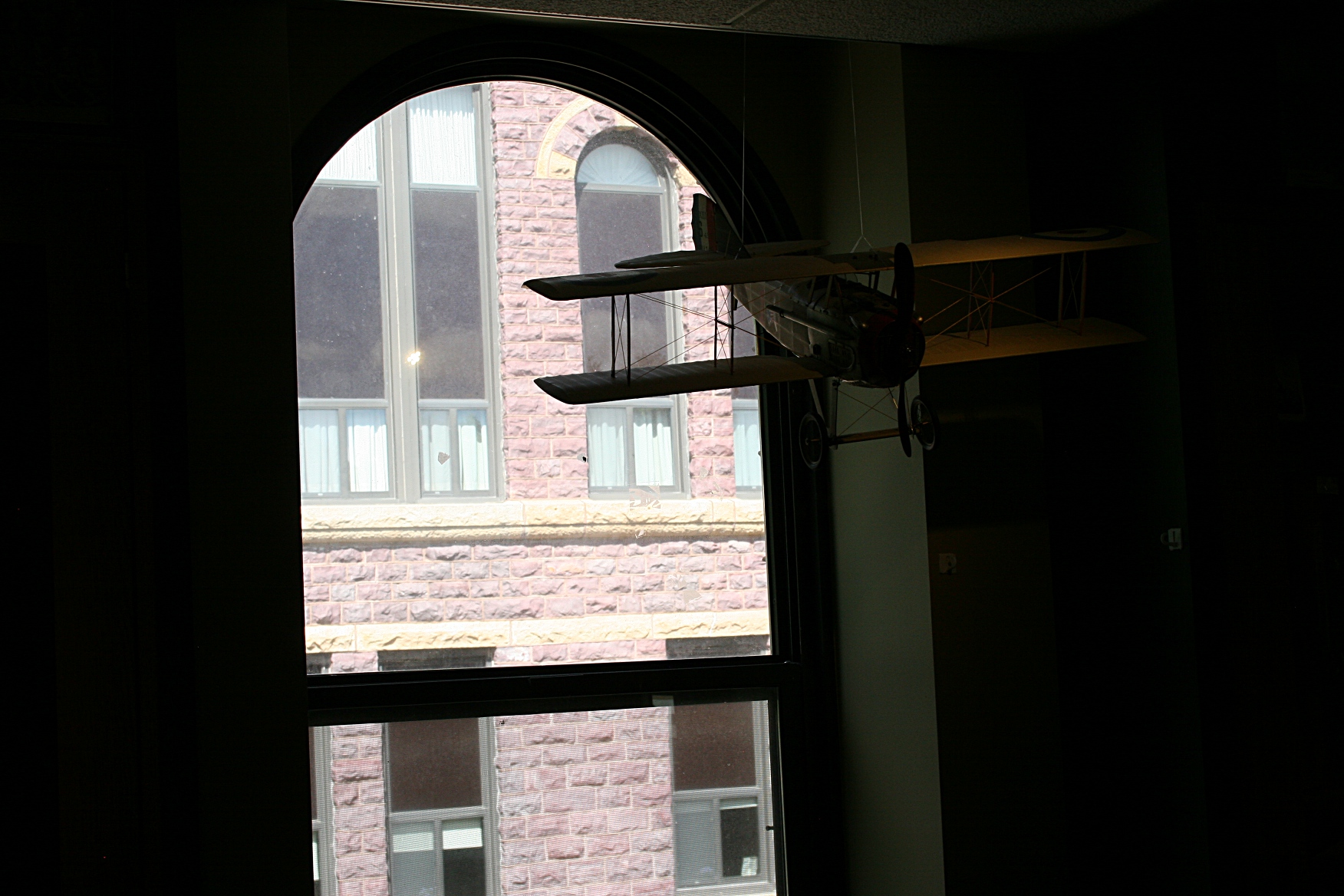
A model plane in the museum.

A model plane in the museum.

Another view of the military museum.

Another view of the military museum.

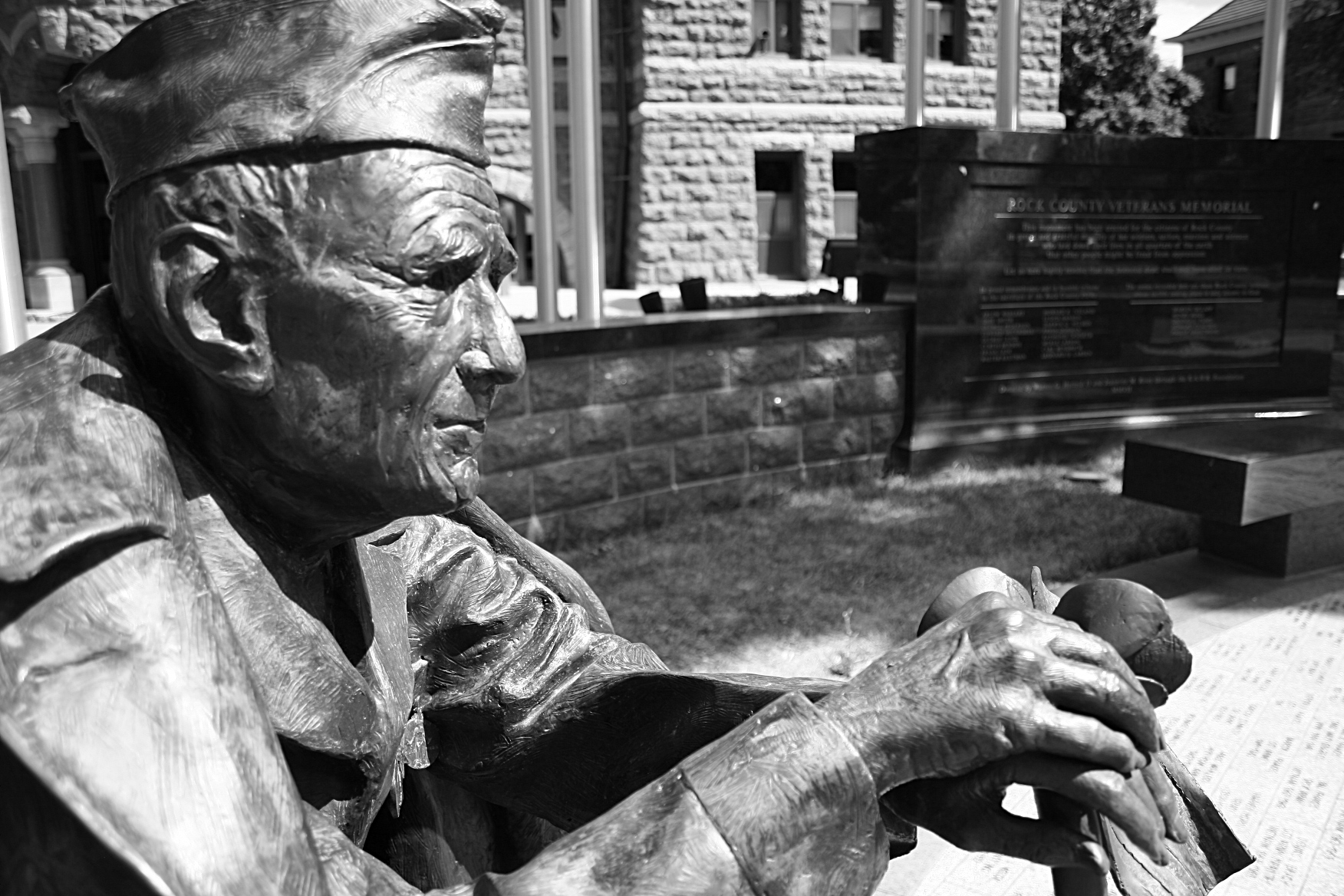
The memorable face of a veteran at the outdoor memorial.

The memorable face of a veteran at the outdoor memorial.

Equally memorable words.

Equally memorable words.

Today, Veterans Day, please remember our veterans and the sacrifices they made for our freedom.

FYI: Click here to learn more about the Rock County Veterans Memorial.

For more info on the Herried Military Museum, click here.

By clicking here, you will learn more about the Minnesota Veterans Home in Luverne.

Click here to learn more about Ken Burns’ WWII documentary, The War.

© Copyright 2013 Audrey Kletscher Helbling
 

Sunday afternoon drive snapshot: Sculpture garden in Jarrett November 10, 2013

Sculpture, lens flare on arch

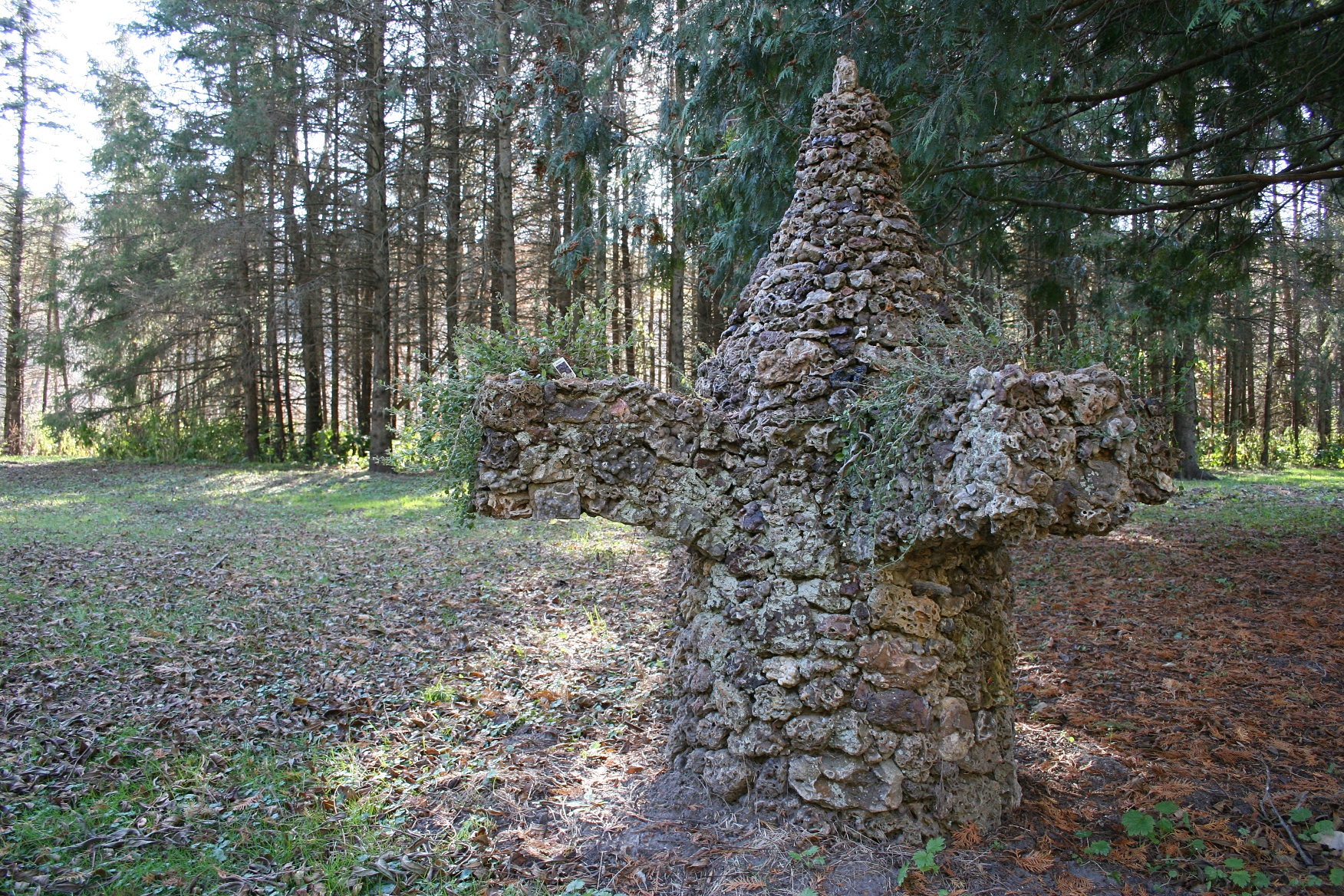
SUN FILTERED THROUGH THE STAND of cedars. Bright enough to cause lens flare when I shot toward the scraggly close-knit cluster of trees shadowing the banks of the clear, fast-flowing Zumbro River.

The setting appeared almost surreal and haunting in the sense that viewing the unexplained can impress upon the mind.

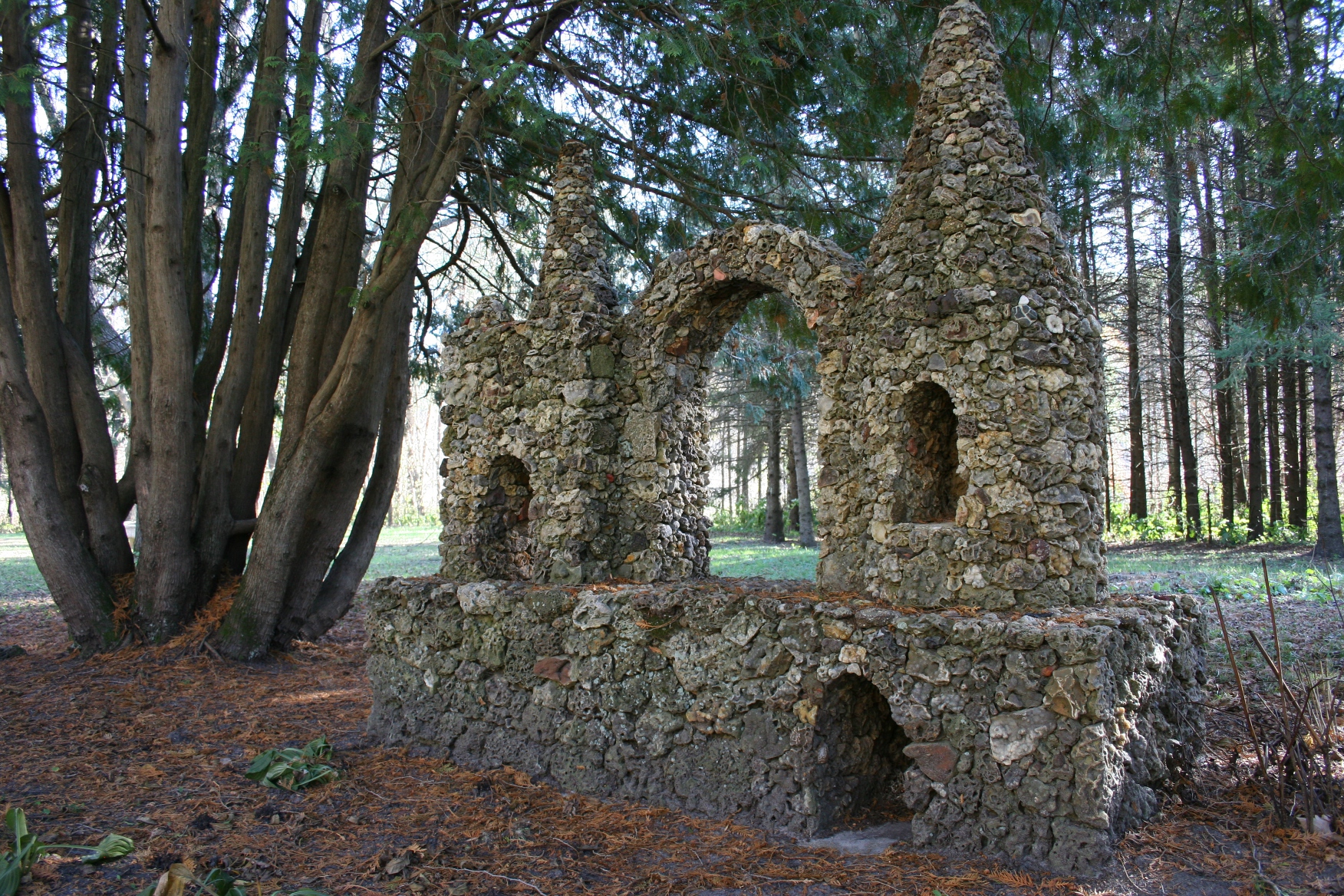
Sculpture, castle

I’d heard of this place, missed it on a previous pass through Jarrett, and nearly missed it again. But on this Sunday afternoon drive, I glimpsed the stone configurations among the cedars and asked my husband to swing the van around.

So here we were, pulled off Wabasha County Road 11, parked in a drive about the length of our van. I wasn’t even sure we should be here, uncertain whether this was public or private land. But I figured “No trespassing” signs would mark the property if visitors weren’t welcome into this sculpture garden.

Sculpture, wreath

In the quiet of this Sunday afternoon, and I cannot imagine any day being anything but quiet here in this secluded wide spot in the road, we meandered among the sculptures, shoes sinking into squishy earth tunneled by varmints.

Sculpture, cone top sculpture

Arches and points.

Sculpture, stones close-up 1

Sculpture, stone close up 3

Sculpture, stone close-up 2

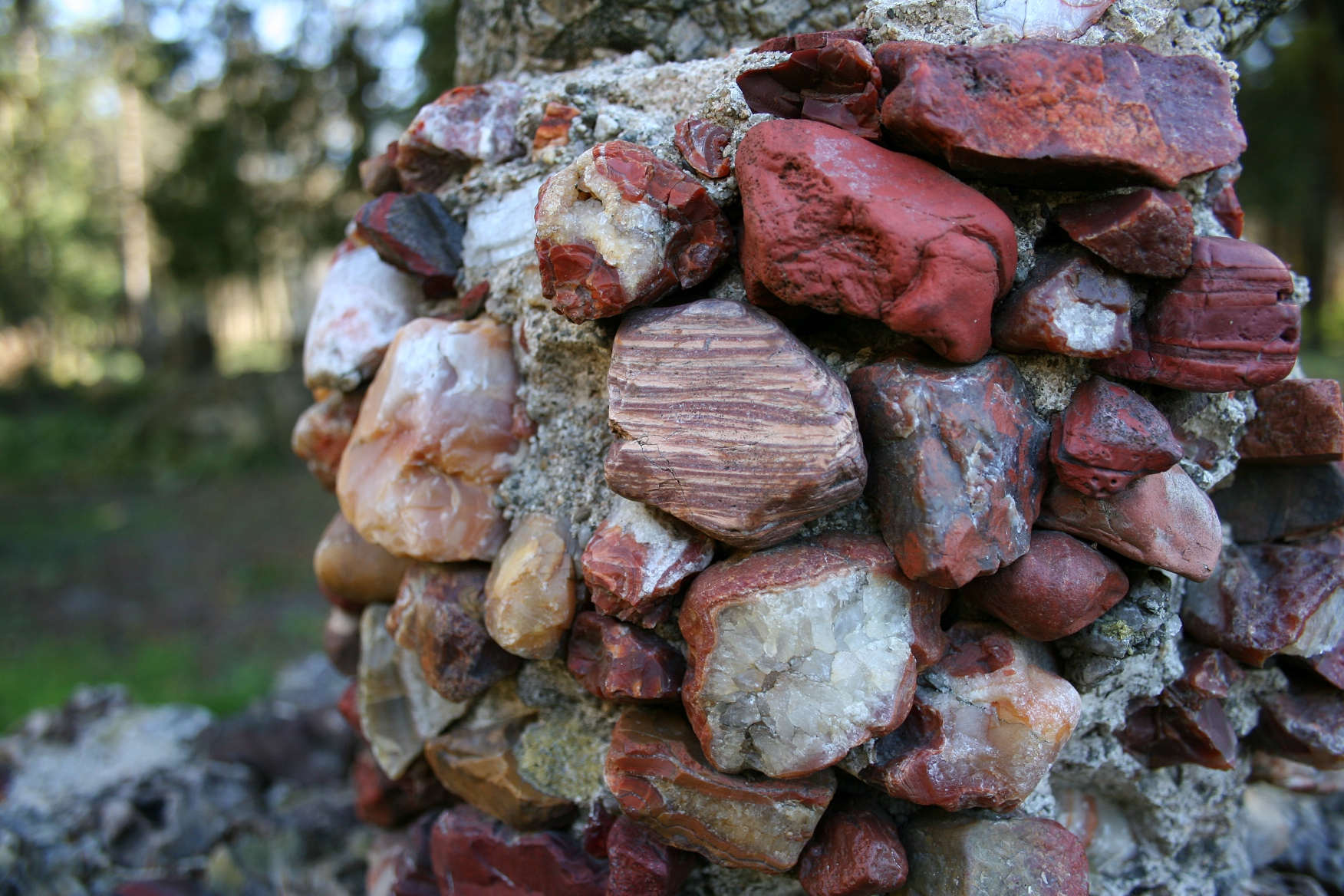
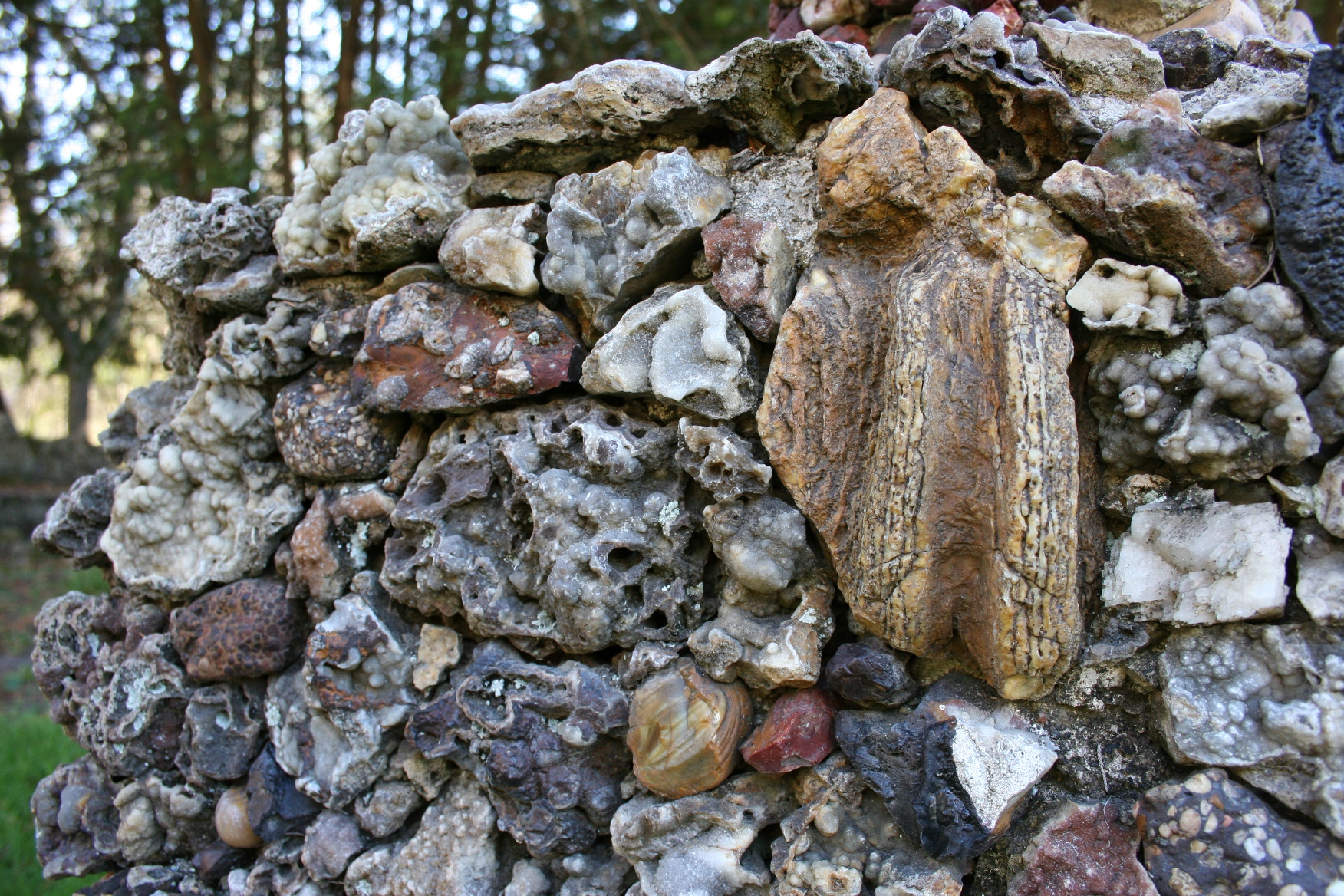
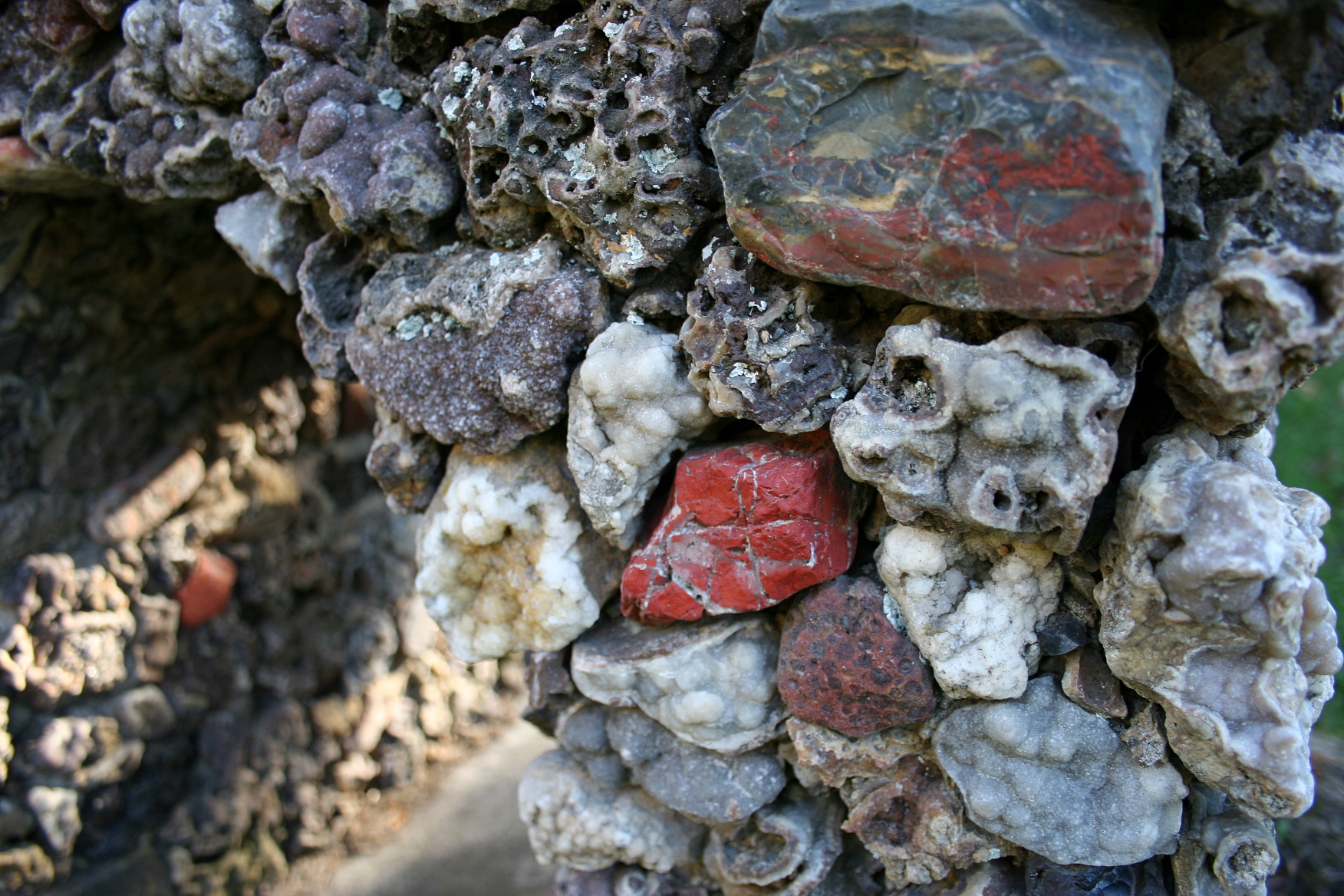
Stones joined somehow into these interesting pieces of art. By whom? And why?

As Randy and I wandered and examined and wondered aloud, my appreciation grew for this artist. I expect he worked alone here, drawn to the solitude of this rugged place in the valley. He was, perhaps, viewed as a bit of an odd fellow. Was he a poet? A farmer? A musician?

Do you know the story of this artist and the rock garden in Jarrett, the unincorporated community which made headlines when the Zumbro roared from its banks during the flash floods of September 2010? I’d like to hear.

Someone tends this sculpture garden as flowers grew (during the warmer months) here among the artwork. Someone cares…

BONUS PHOTO:

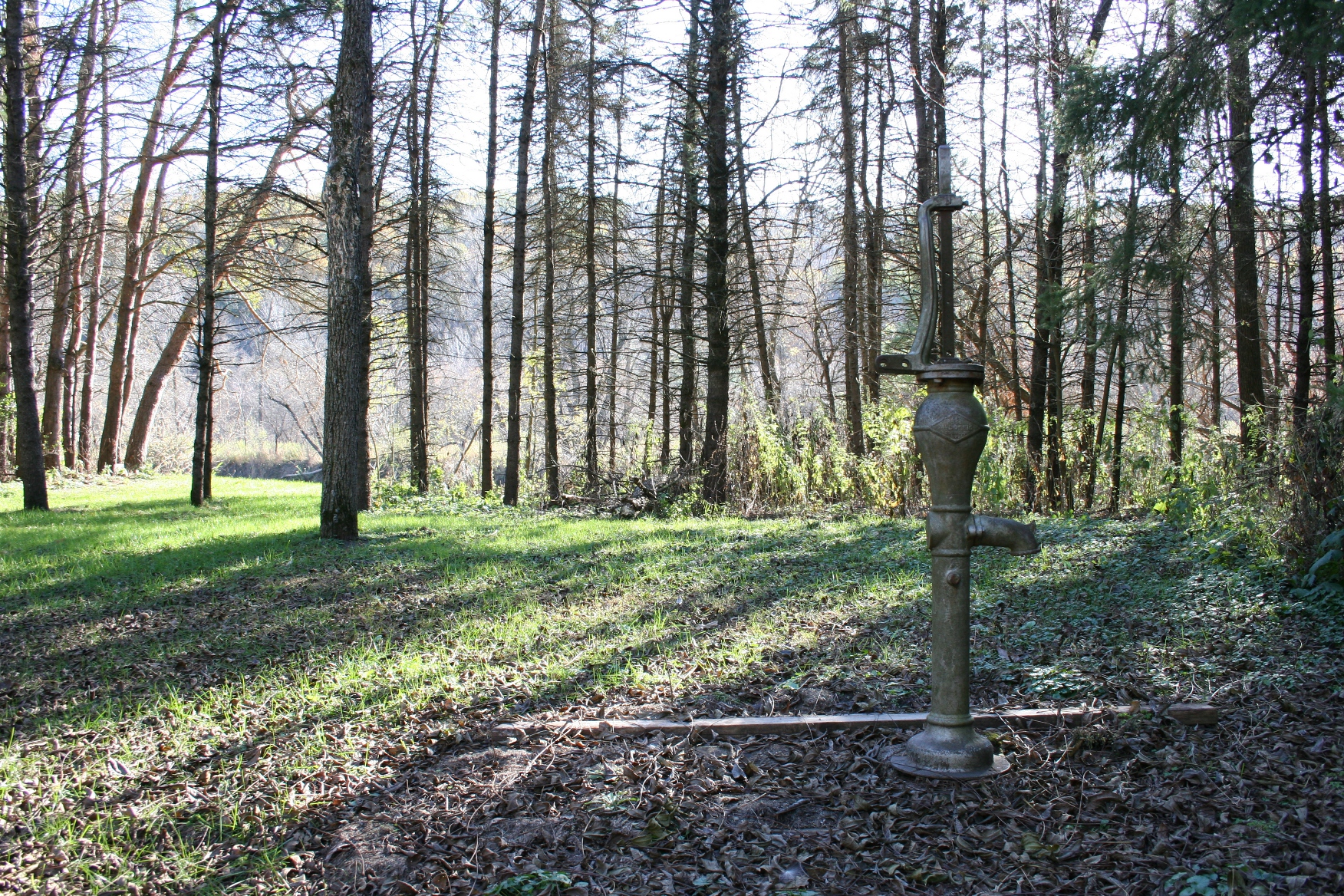
As I walked away from the sculpture garden toward the Zumbro River, I spotted this charming old water pump. I moved closer, until my husband stopped me in my tracks. We saw boards lying across the ground around the pump, an indication that this might not be a safe place to walk.

As I walked away from the sculpture garden toward the Zumbro River, I spotted this charming old water pump. I moved closer, until my husband stopped me. We saw boards, mostly buried under leaves, lying across the ground around the pump, an indication that this might not be a safe place to walk.

© Copyright 2013 Audrey Kletscher Helbling
 

Country meets city in northeastern Wisconsin November 8, 2013

Filed under: Uncategorized — Audrey Kletscher Helbling @ 6:00 AM
Tags: , , , , , , , , ,
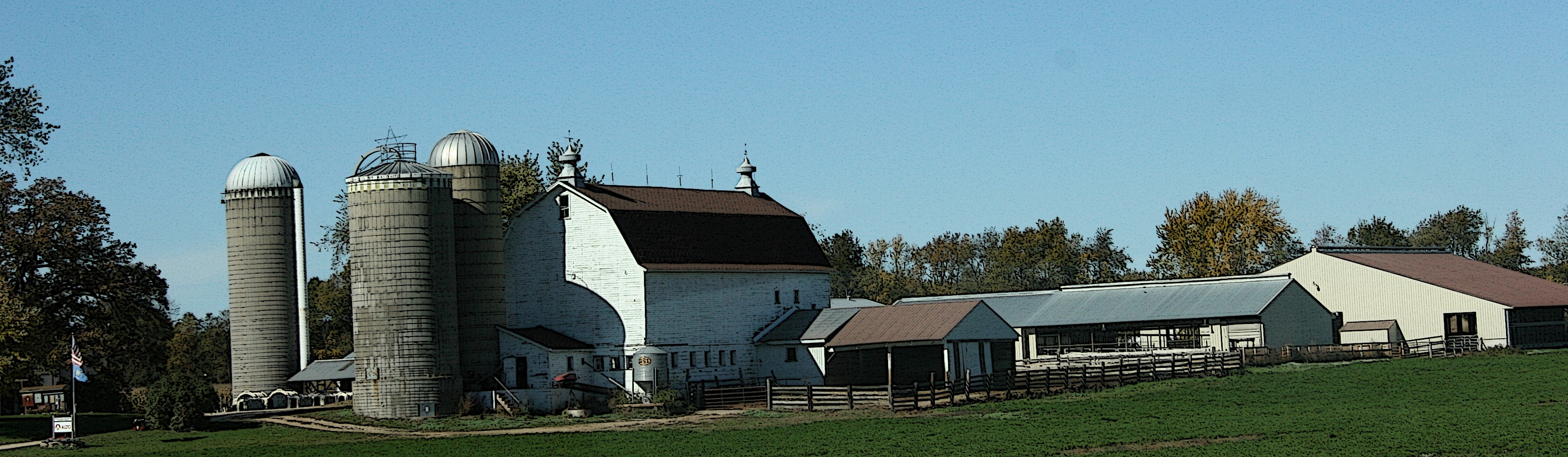
A farm just off Northland Avenue in Appleton, Wisconsin.

A farm, left, just off Northland Avenue.

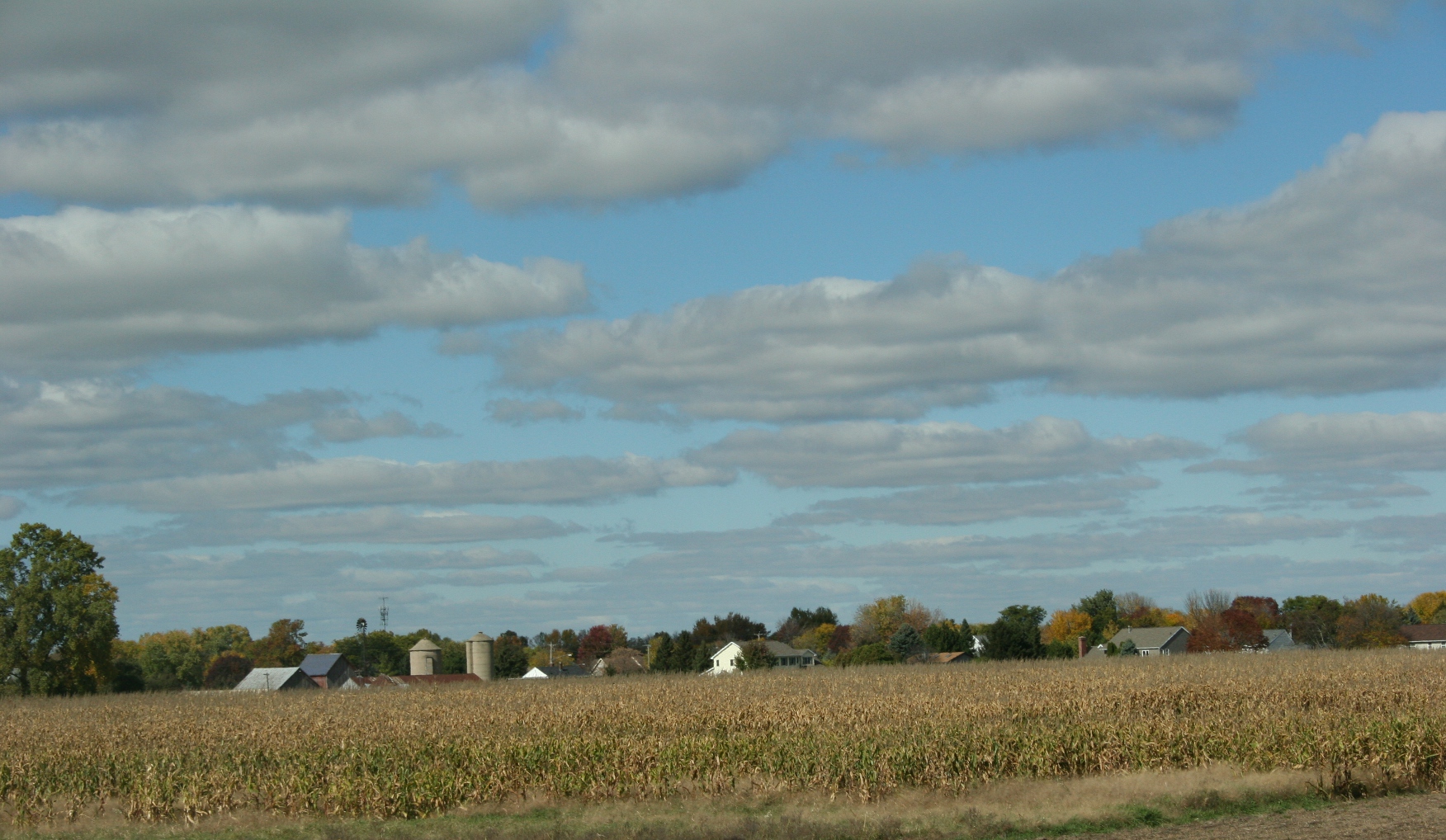
ON THE NORTHERN EDGE of Appleton or maybe its the southern edge of Grand Chute, Wisconsin (I examined maps and cannot determine which), lies a farm place with two vintage silos, a barn, a collection of aging outbuildings and even an old windmill.
The place, a rural oasis separated from busy commercial Northland Avenue by a cornfield, has intrigued me since I first spotted it three years ago.

What I hadn’t noticed, though, until my last trip to Appleton, were the cows grazing in a pasture just across the street from a residential area.
This is the thing I love about Wisconsin. This state appreciates rural. You’ll find barns and silos, corn and cows seamlessly blending into urban settings. And the mix doesn’t feel awkward or patronizing or out of place.
It feels, oh, so right in this state tagged America’s Dairyland.

© Copyright 2013 Audrey Kletscher Helbling