Minnesota Prairie Roots

Writing and photography by Audrey Kletscher Helbling

Exploring the magic of Appleton, Wisconsin November 7, 2013

IN THE PAST THREE YEARS, since my second daughter moved to Appleton, Wisconsin, to start her job as a Spanish medical interpreter, I’ve enjoyed exploring the Fox Valley area south of Green Bay and an hour west of Lake Michigan.
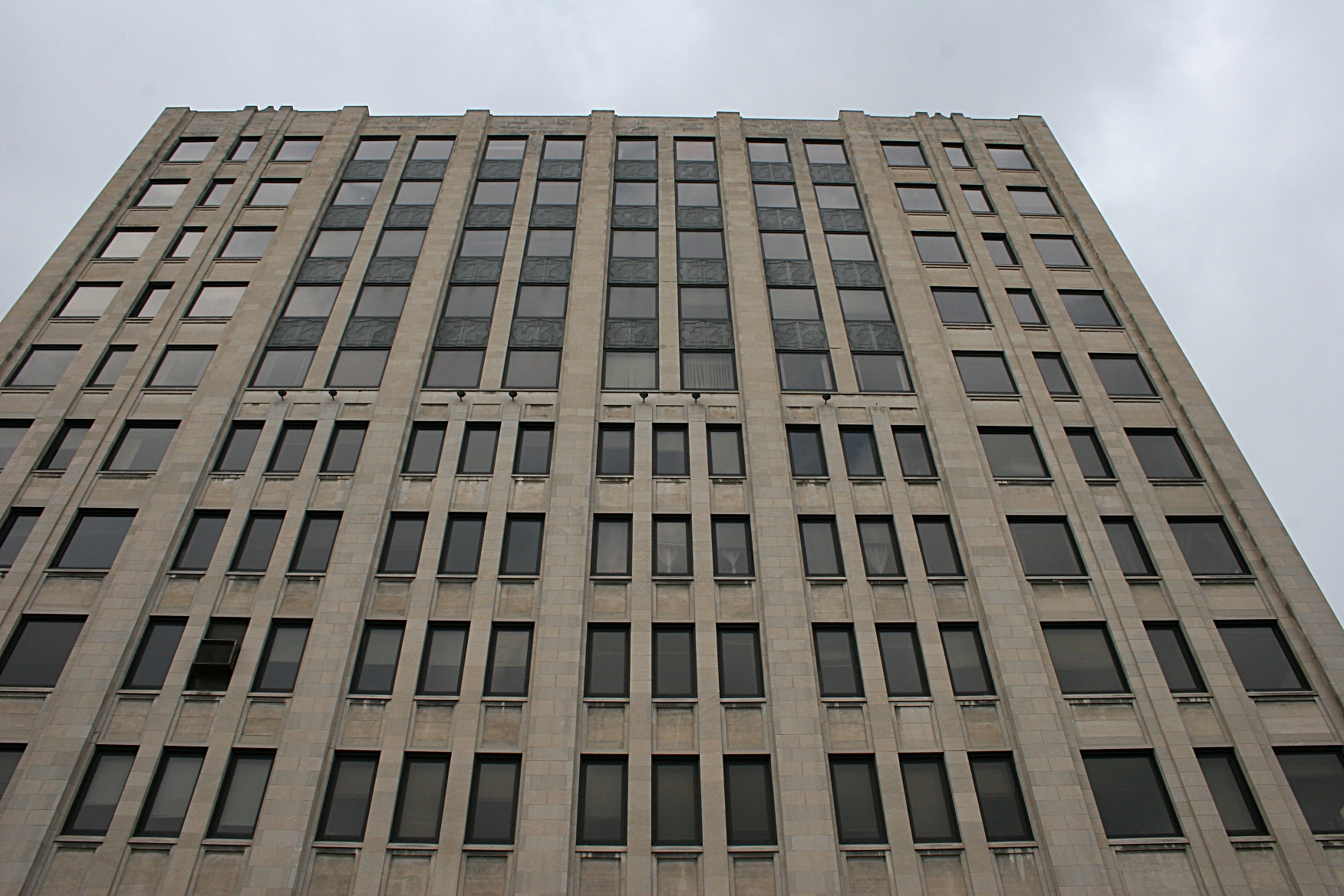
I remember my first visit to downtown Appleton, where this building is located, and my surprise at seeing tall buildings located there.

I remember my first visit to downtown Appleton, where this building is located, and my surprise at seeing tall buildings located there.

Although I’ve tried to convince Miranda to relocate nearer than 300 miles from her hometown, I understand why she’s reluctant to leave Appleton. From my observations, this metro region of some 236,000 residents in 19 communities along the Fox River appears to have a lot going for it in a landscape and lifestyle that can change quickly from urban to rural.
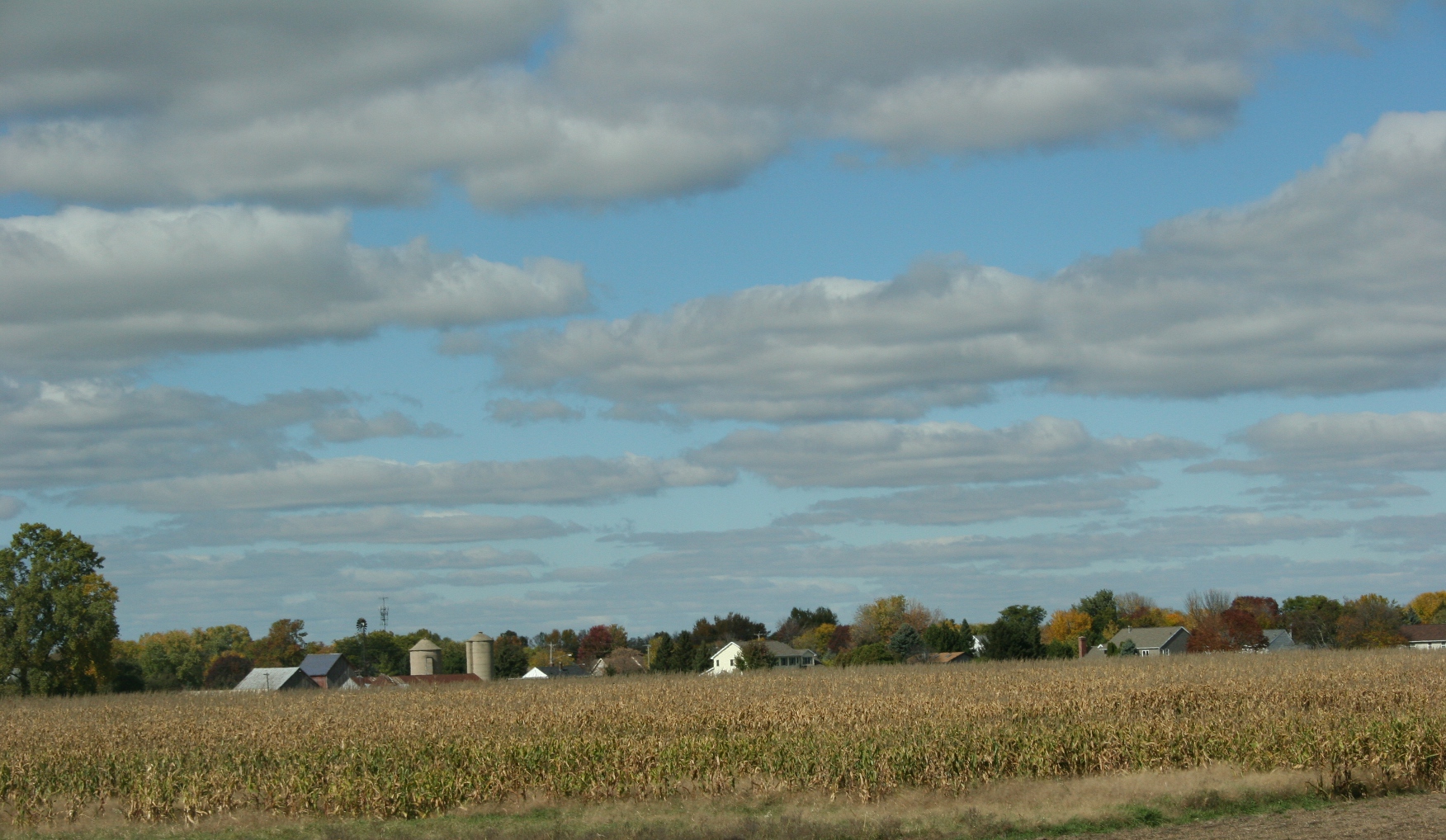
A farm place in the middle of urban housing on the north edge of Appleton, in Grand Chute if I'm correct.

A farm place in the middle of urban housing on the north edge of Appleton, in Grand Chute if I’m correct.

This is a busy and growing region, but one which has not lost its rural roots connection.
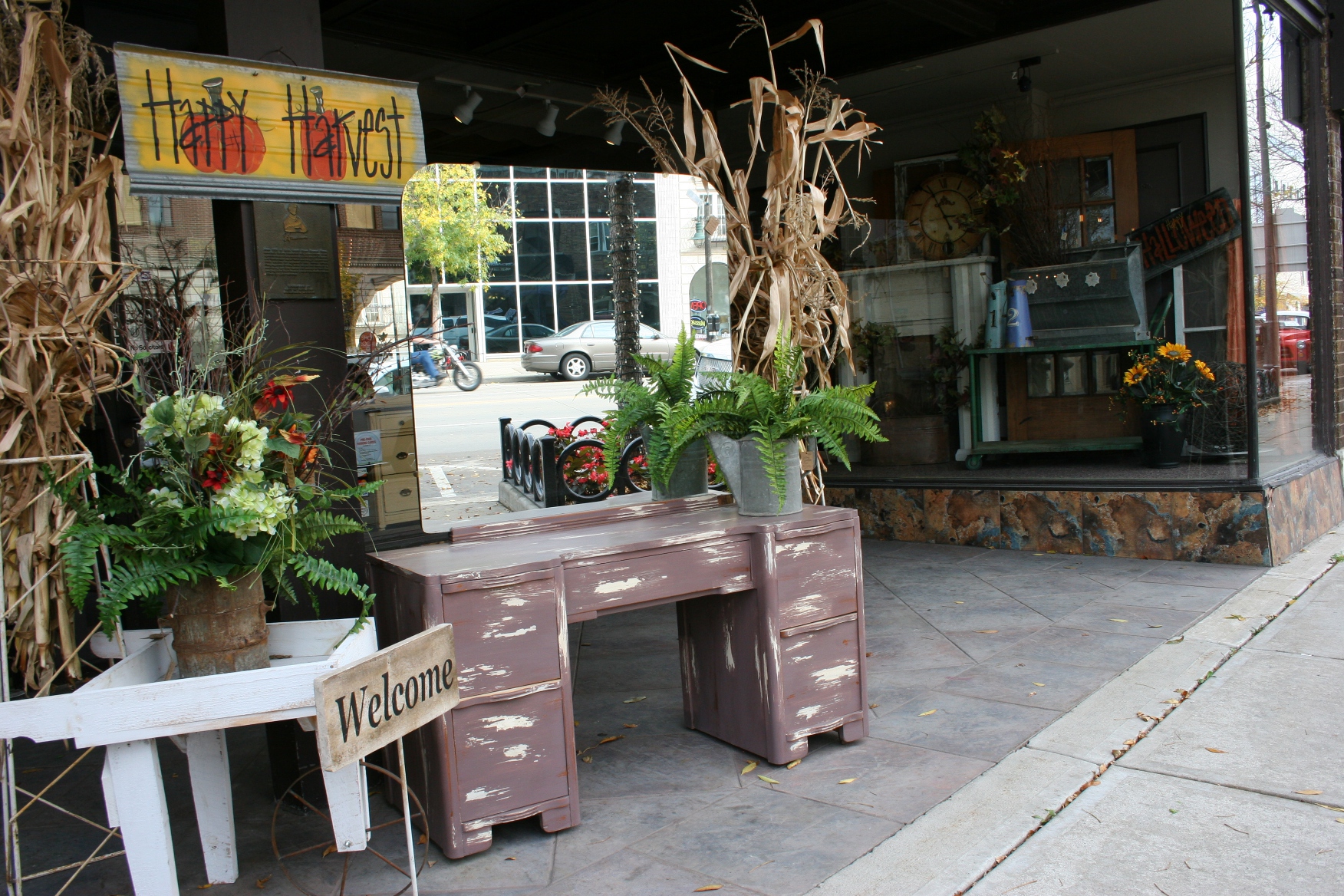
A display outside a downtown Appleton gift shop.

A display outside a downtown Appleton gift shop.

Although I’m not much of a shopper, there’s an abundance of shopping options from the Fox River Mall to one-of-a-kind local shops in the heart of an historic downtown. Plus, Appleton has a fantastic farmers’ market, which I’ve perused twice.

Cheese shops. Check. I’ve been to Simon’s Specialty Cheese and Lamers Dairy.
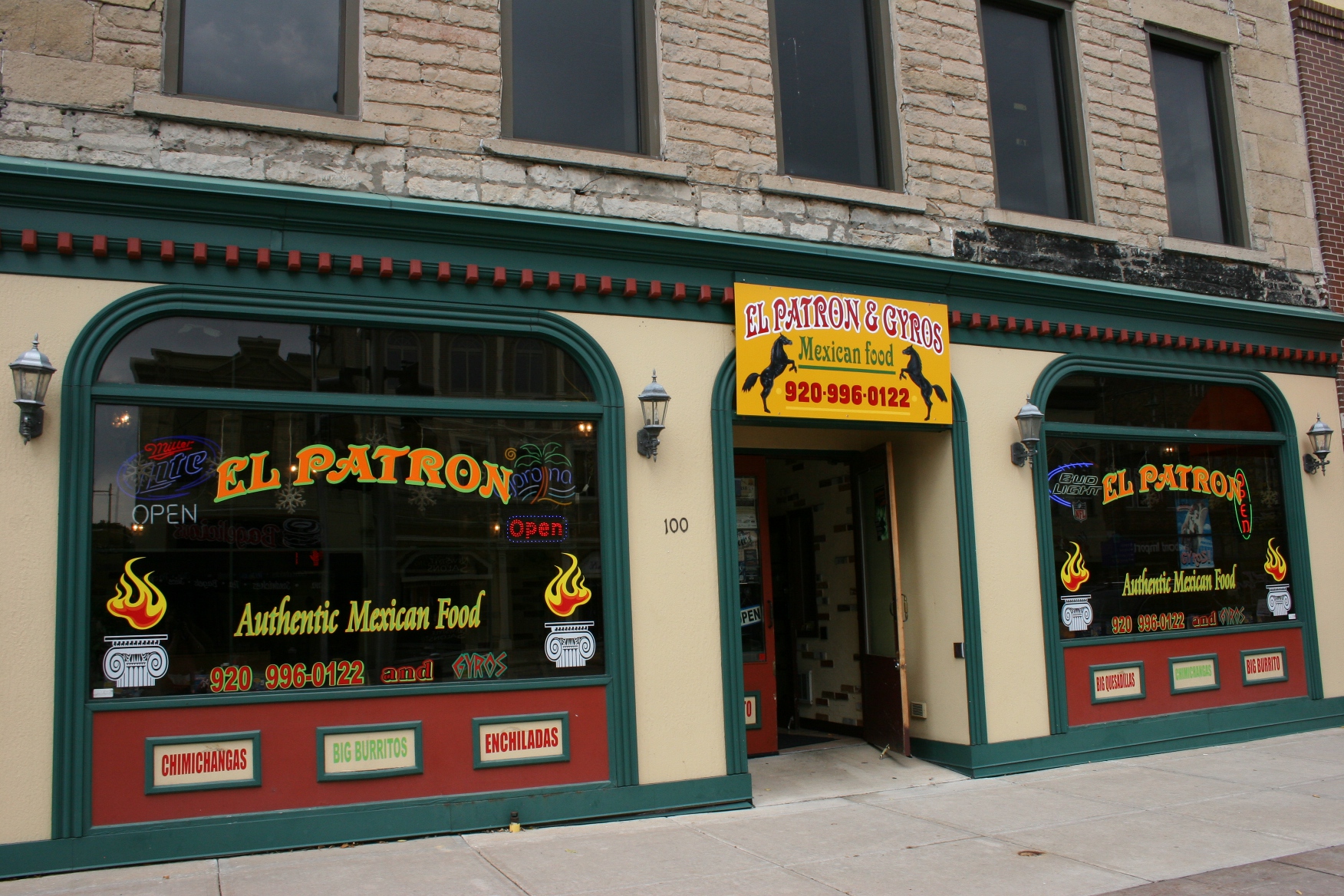
Ethnic and other dining choices abound in the Appleton area.

Ethnic and other dining choices abound in the Appleton area.

Great places to eat, too, like the best pizza accompanied by on-site brewed beer at the Stone Cellar Brewpub and delectable Indian cuisine at Sai Ram. Whenever my brother-in-law Marty, a long distance trucker, travels to Appleton, he’ll phone Miranda and she’ll pick him up and they’ll go to the Stone Cellar for pizza.
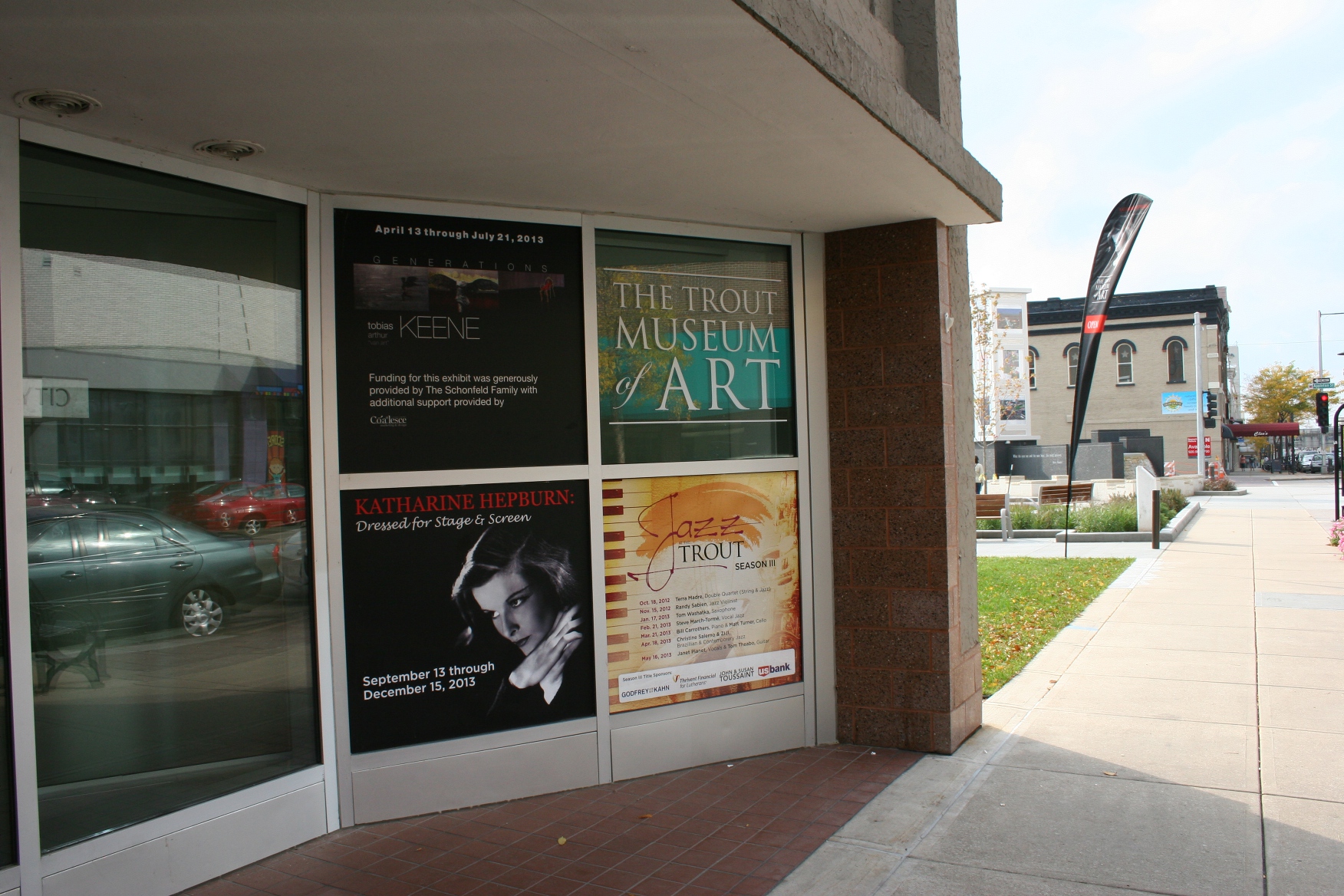
Now showing at The Trout Museum of Art, a collection of Katharine Hepburn's costumes.

Showing until December 15 at The Trout Museum of Art, a collection of Katharine Hepburn’s costumes.

On our most recent trip to Appleton, we not only celebrated my husband’s birthday at the Stone Cellar, but earlier in the day explored nearby High Cliff State Park and afterward checked out the Katharine Hepburn: Dressed for Stage and Screen exhibit at The Trout Museum of Art. Appleton offers plenty of cultural opportunities at places like the Fox Cities Performing Arts Center (which I have yet to visit and which my daughter wishes had more affordable ticket prices) and Lawrence University.

For some time now, I’ve wanted to visit the Trout. The museum’s name has nothing to do with fish, but with Dr. Monroe and Sandra Trout, who gifted 150 museum quality works of art and left a $1 million endowment. I was excited to see the Trout Collection.

But it was not to be. Apparently I misunderstood the information on the Trout website and the only collection shown was Katherine Hepburn’s costumes on loan from the Kent State University Museum in Ohio. Now if I was into film and Hepburn and fashion, this certainly would have held my interest. But I am not, nor are my husband and daughter. We breezed through the exhibit in 30 minutes under the scrutinizing watch of a security guard. When I asked if there was more to the Trout, the man at the admissions desk said we’d seen it all.

OK, then. To add to my disappointment, no cameras were allowed inside the Hepburn exhibit. I rather expected that, but I was hoping otherwise.
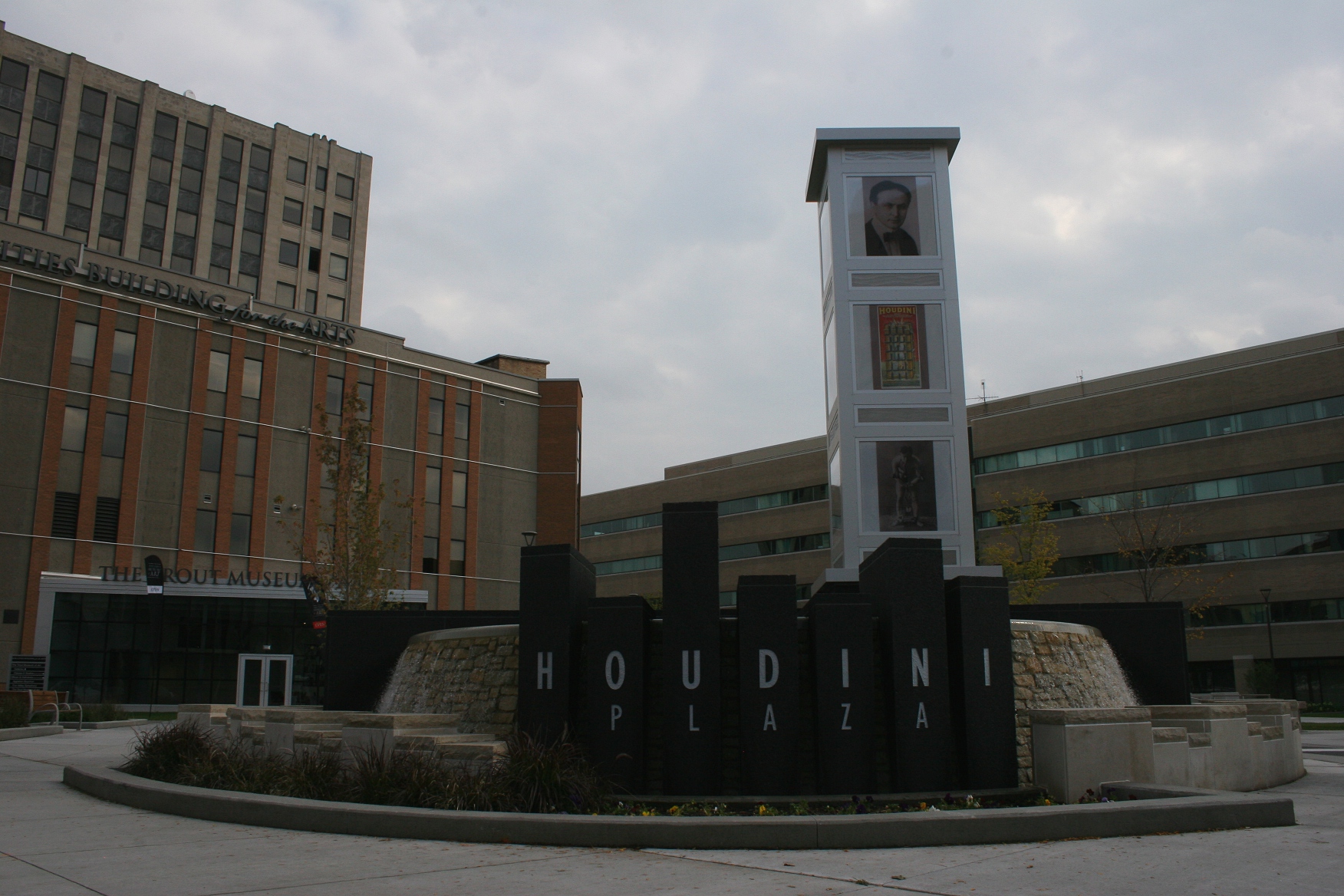
The recently revamped Houdini Plaza, a central gathering spot in downtown Appleton that features summer concerts, etc.

The recently revamped Houdini Plaza, a central gathering spot in downtown Appleton that features summer concerts, etc.

I settled for shooting photos outside the Trout of the beautiful new Houdini Plaza, honoring escape artist Harry Houdini who called Appleton his childhood home. A permanent exhibit on Houdini is housed in the nearby History Museum at the Castle, where I once saw an interesting Leonardo da Vinci exhibit.

I wish we’d gone to the Castle to tour the current temporary exhibit, Food: Who We Are and What We Eat. That might have been entertaining considering I’ve spotted green and gold brat buns at Festival Foods in Appleton.

If I’ve learned anything in the past three years about Wisconsin, it’s that Wisconsinites like love their beer, brats and Packers.

BONUS PHOTOS:
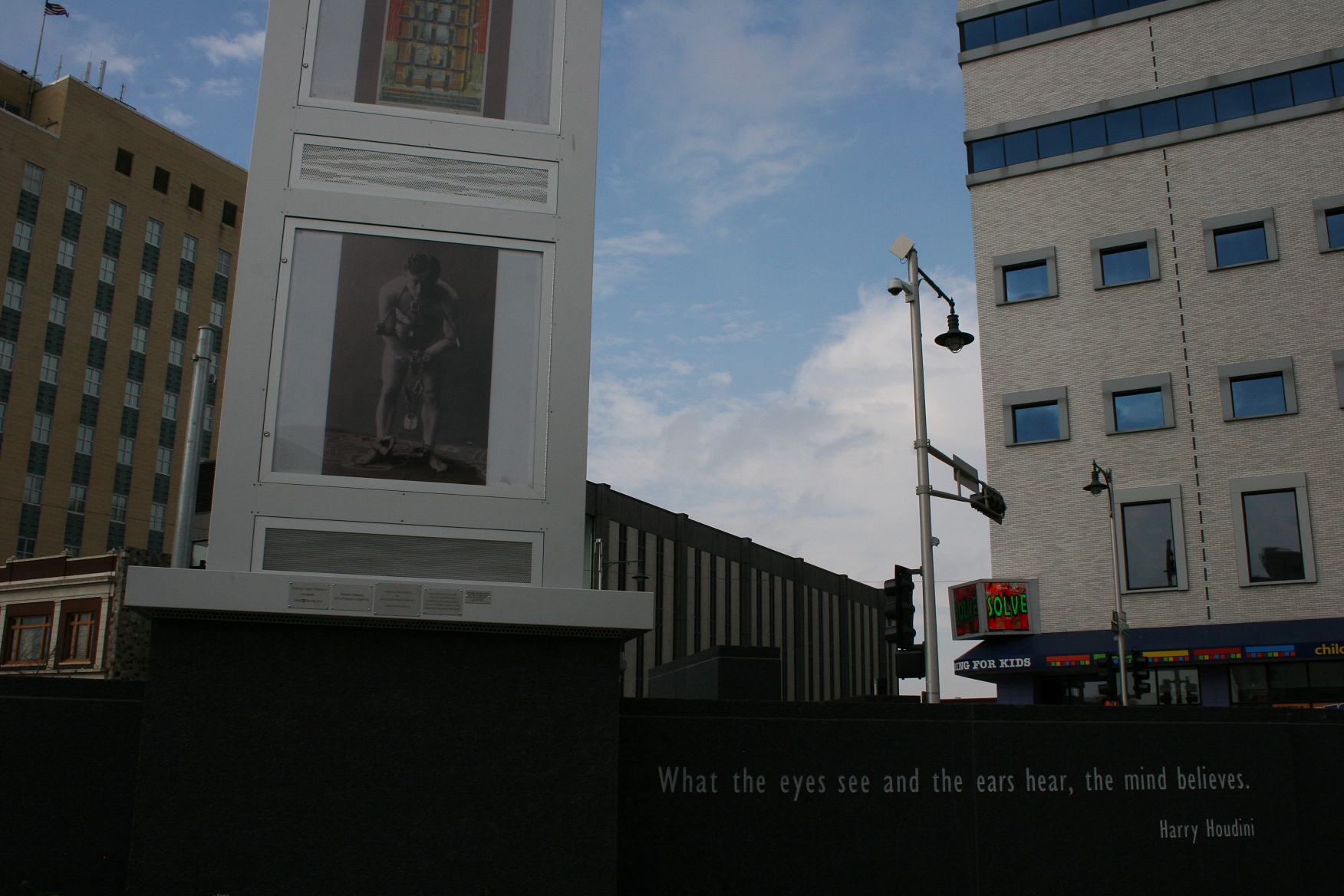
Details on Houdini Plaza.
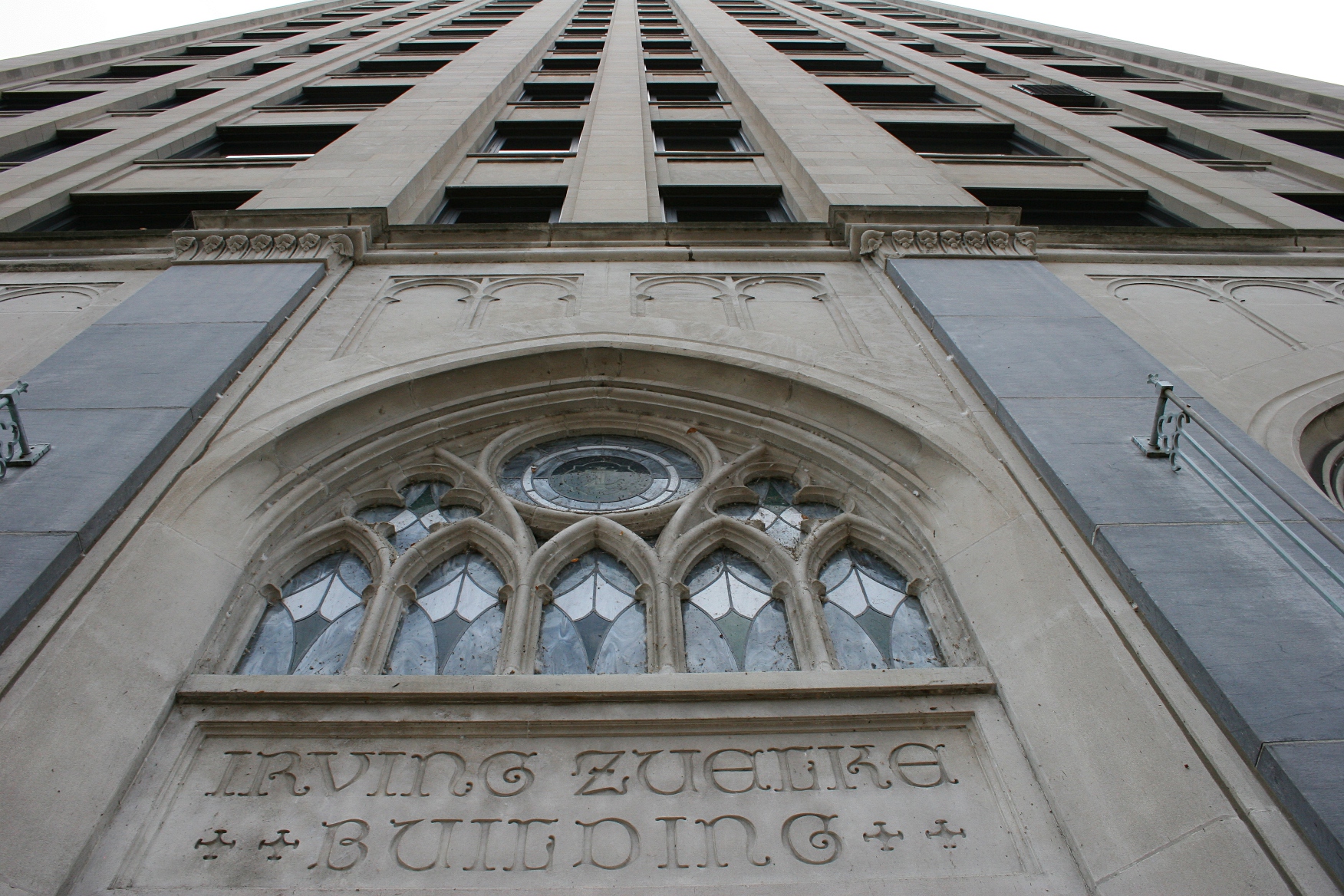
Details on Houdini Plaza.

Steel, stone, marble and brass comprise the first seven floors of the Irving Zuelke building constructed in  1931. An additional five stories were added in 1951.

Steel, stone, marble and brass comprise the first seven floors of the Irving Zuelke building constructed in 1931. An additional five stories were added in 1951.
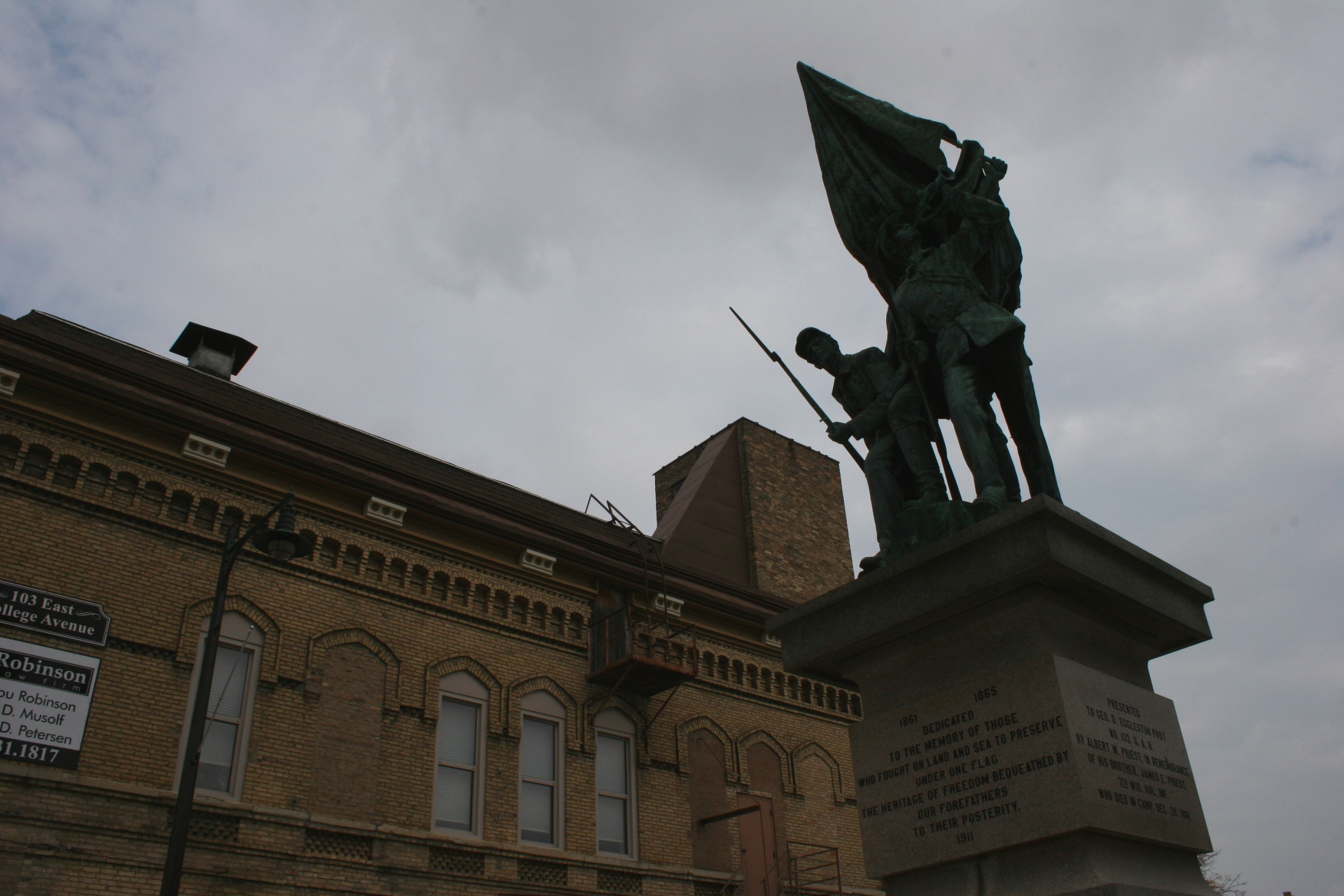
I discovered this bronze monument to Civil War Union soldiers near Houdini plaza, tucked between a parking ramp and a building.

I discovered this bronze monument to Civil War Union soldiers near Houdini Plaza, tucked between a parking ramp and a building.

FYI: To read previous posts from Appleton, and there are many, simply type Appleton into the Minnesota Prairie Roots search engine. Also, photo ops on this visit to downtown Appleton were limited given the intermittent rain.

© Copyright 2013 Audrey Kletscher Helbling


Reflecting on Minnesota’s rural landscape November 5, 2013

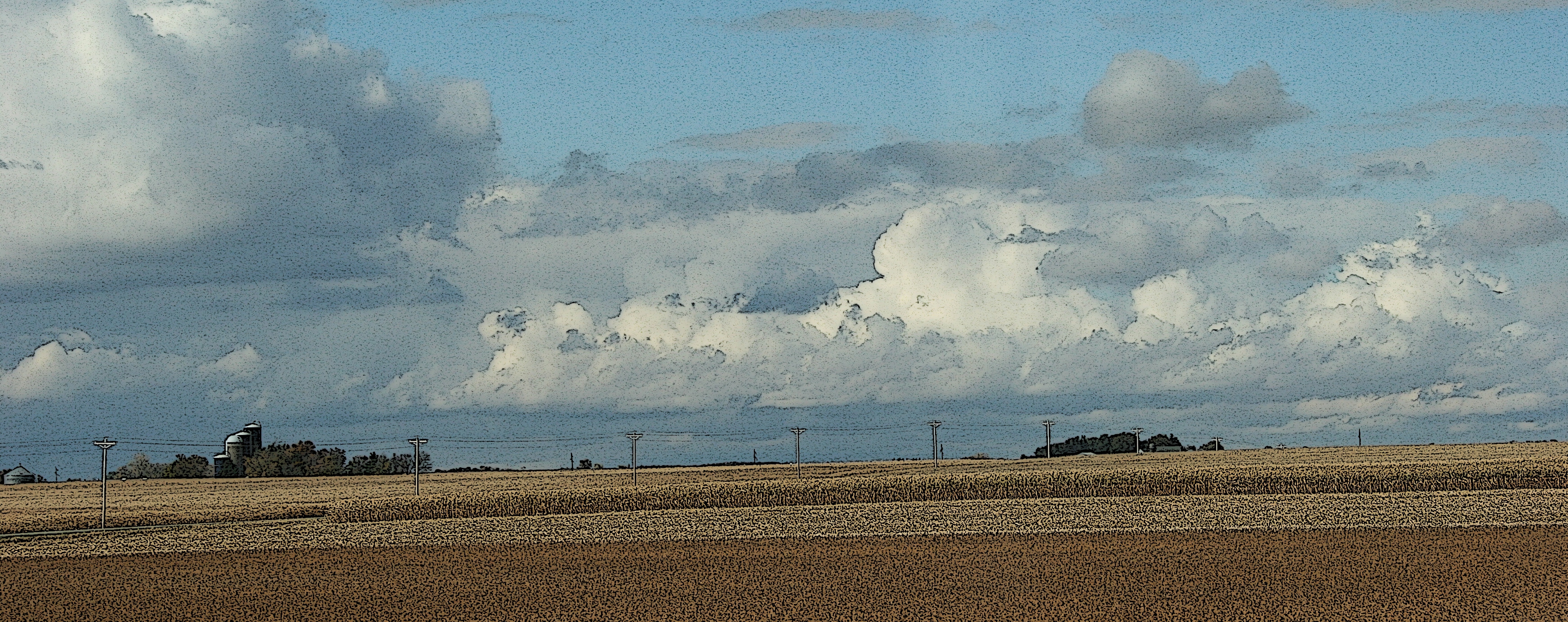
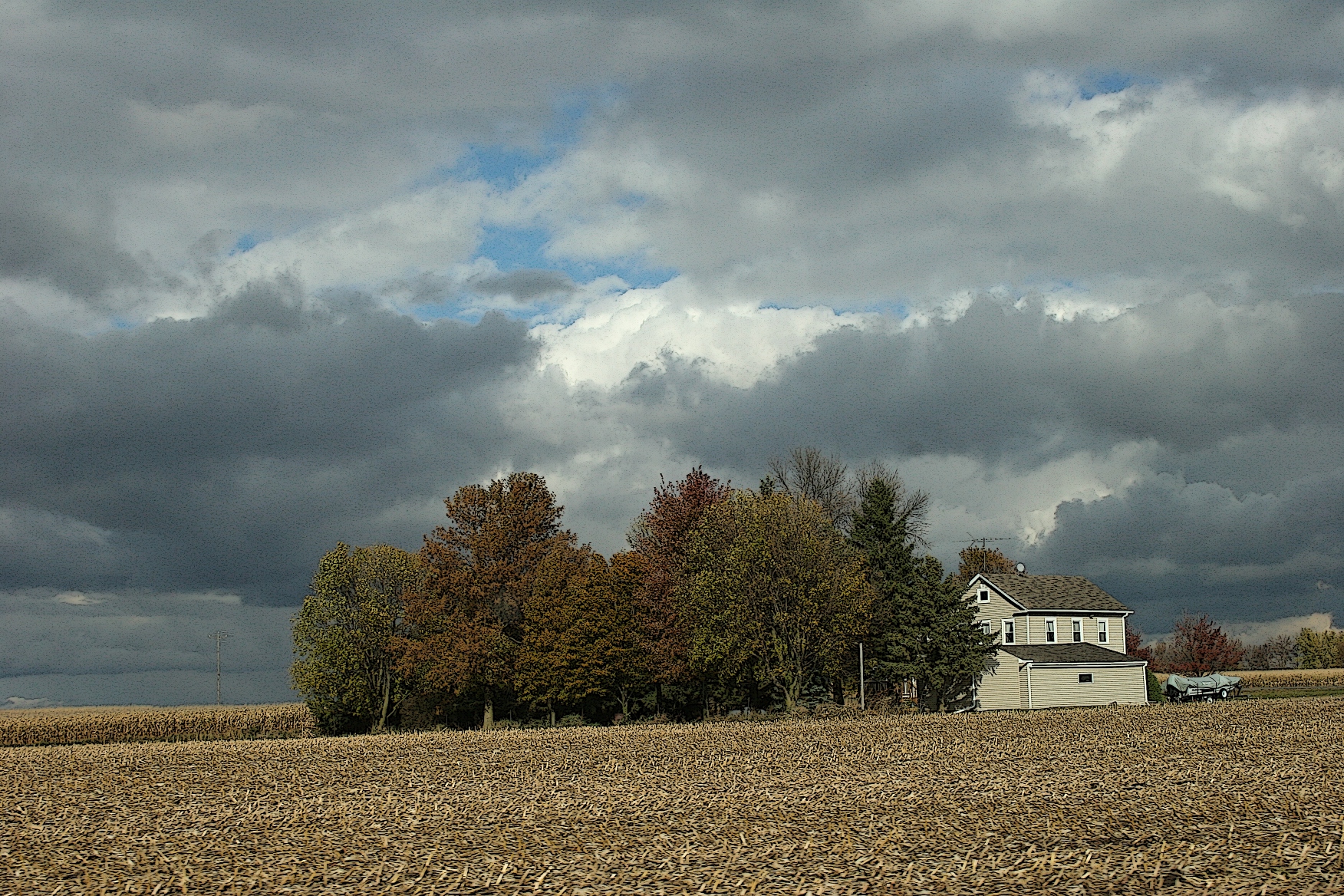
Expansive sky and land inspire the poet in me. Photographed, as are all photos here, along Minnesota State Highway 60 between Faribault and Kenyon.

Expansive sky and land inspire the poet in me.

WHAT DRAWS YOUR EYE in a rural landscape?

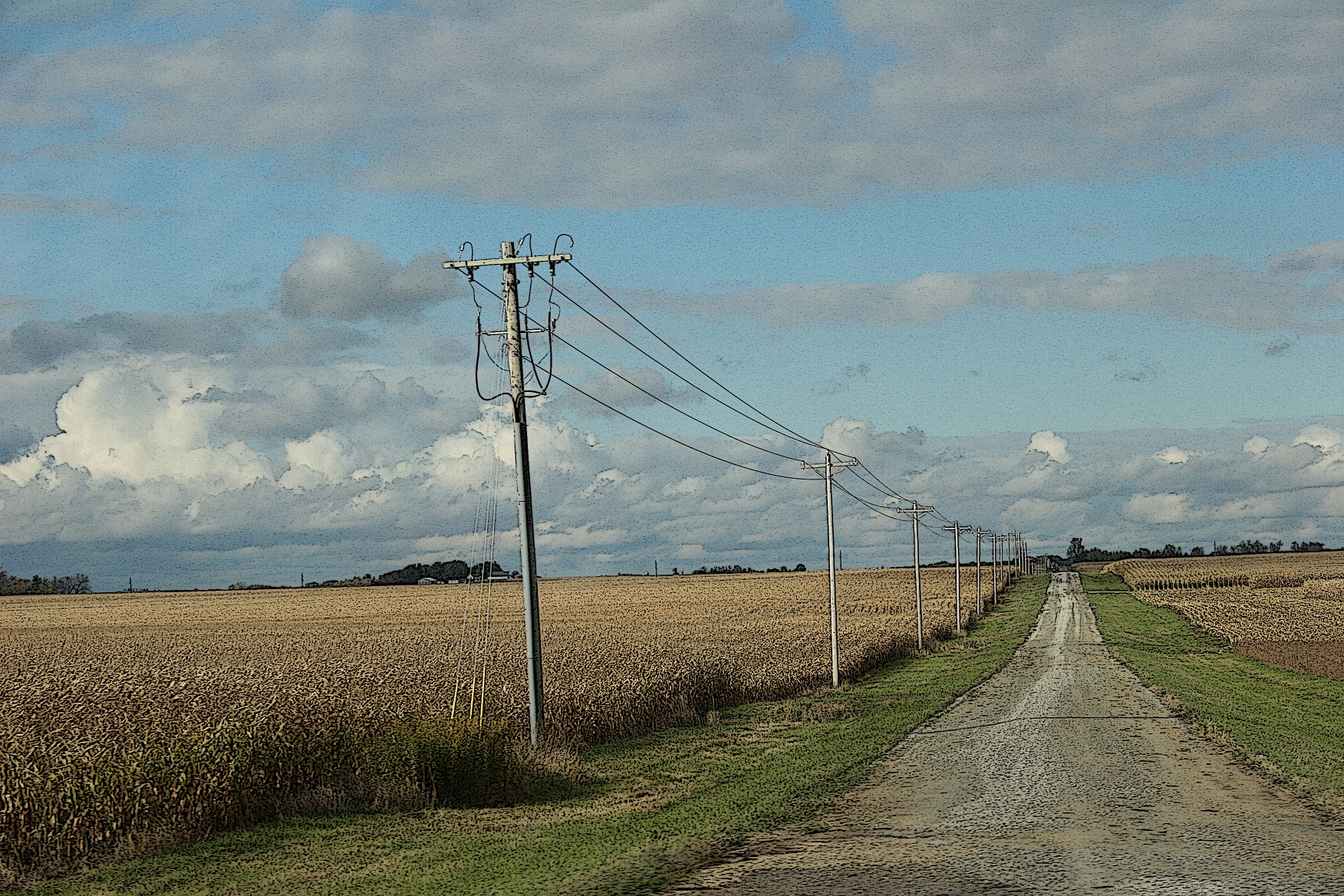
Strong lines pull me in, lead me to wonder where that gravel road would take me.

Strong lines pull me in, lead me to wonder, “Where would that rugged gravel road take me?”

Or do you even notice your environment as you travel from point A to point B?

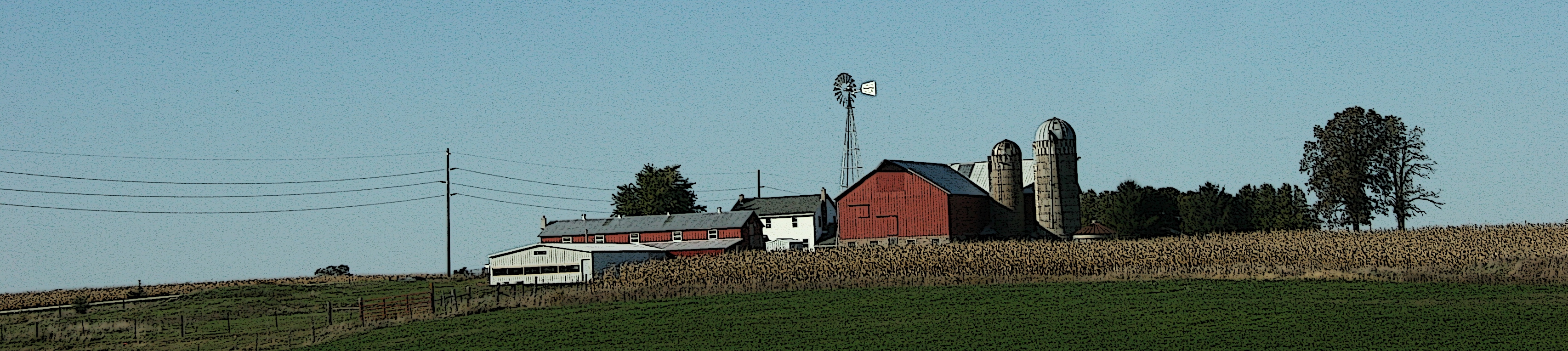
Noticing the geometry in these buildings clustered on a farm site.

I notice the geometry in these buildings, how they cluster and fit together on this farm site.

I challenge you, the next time you drive through rural Minnesota, or rural Anywhere, to truly see your surroundings. Don’t just look with glazed eyes. See. Once you see, you will appreciate.

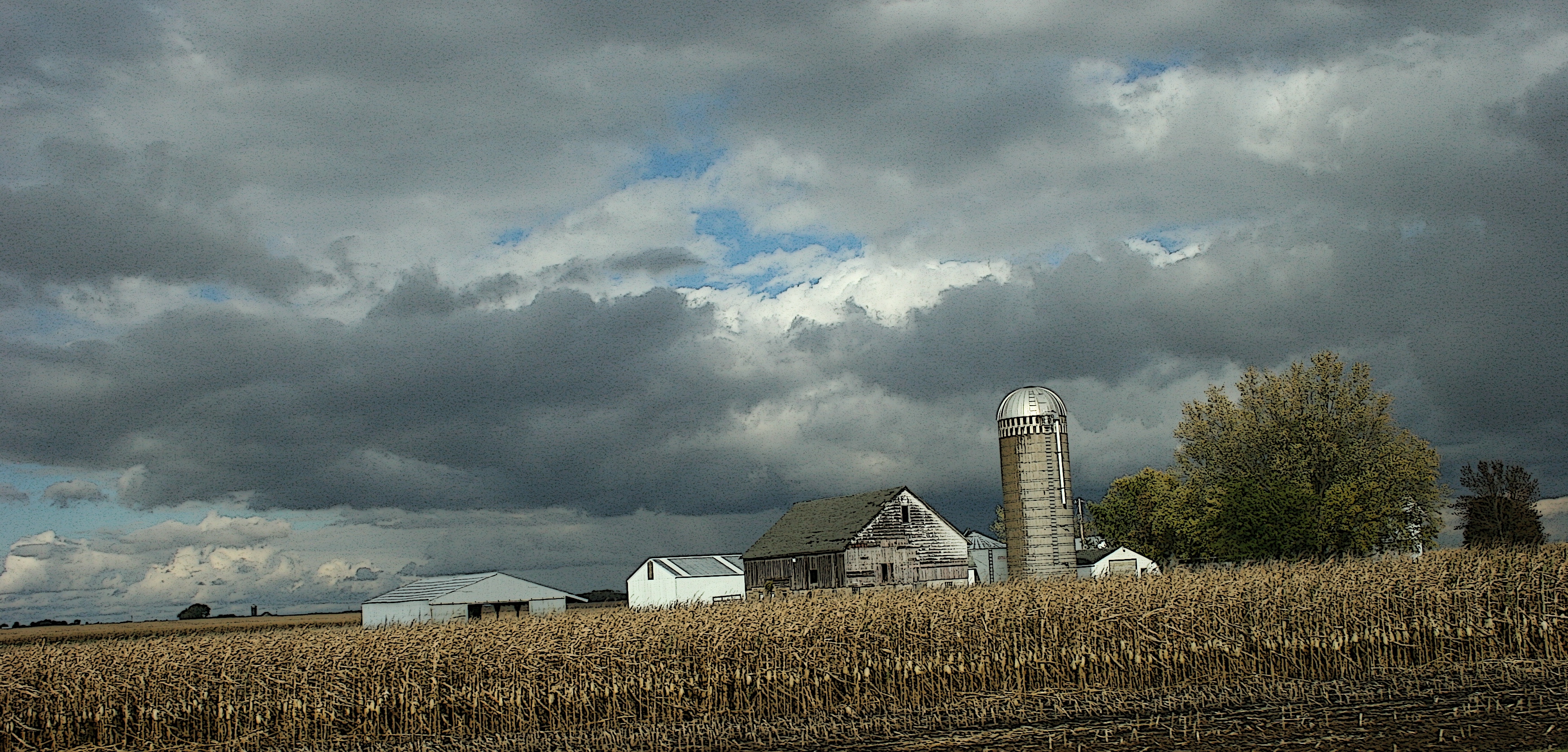
A sense of history defines this farm in that strong barn which dominates.

A sense of history defines this farm in that strong barn which dominates and in the mishmash roof lines of the farmhouse. Both cause me to reflect upon my rural upbringing, upon my forefathers who settled 150 miles from here on the southwestern Minnesota prairie.

History, point in life, memories, even your mood on a given day, will influence how you view the rural landscape, what draws your focus.

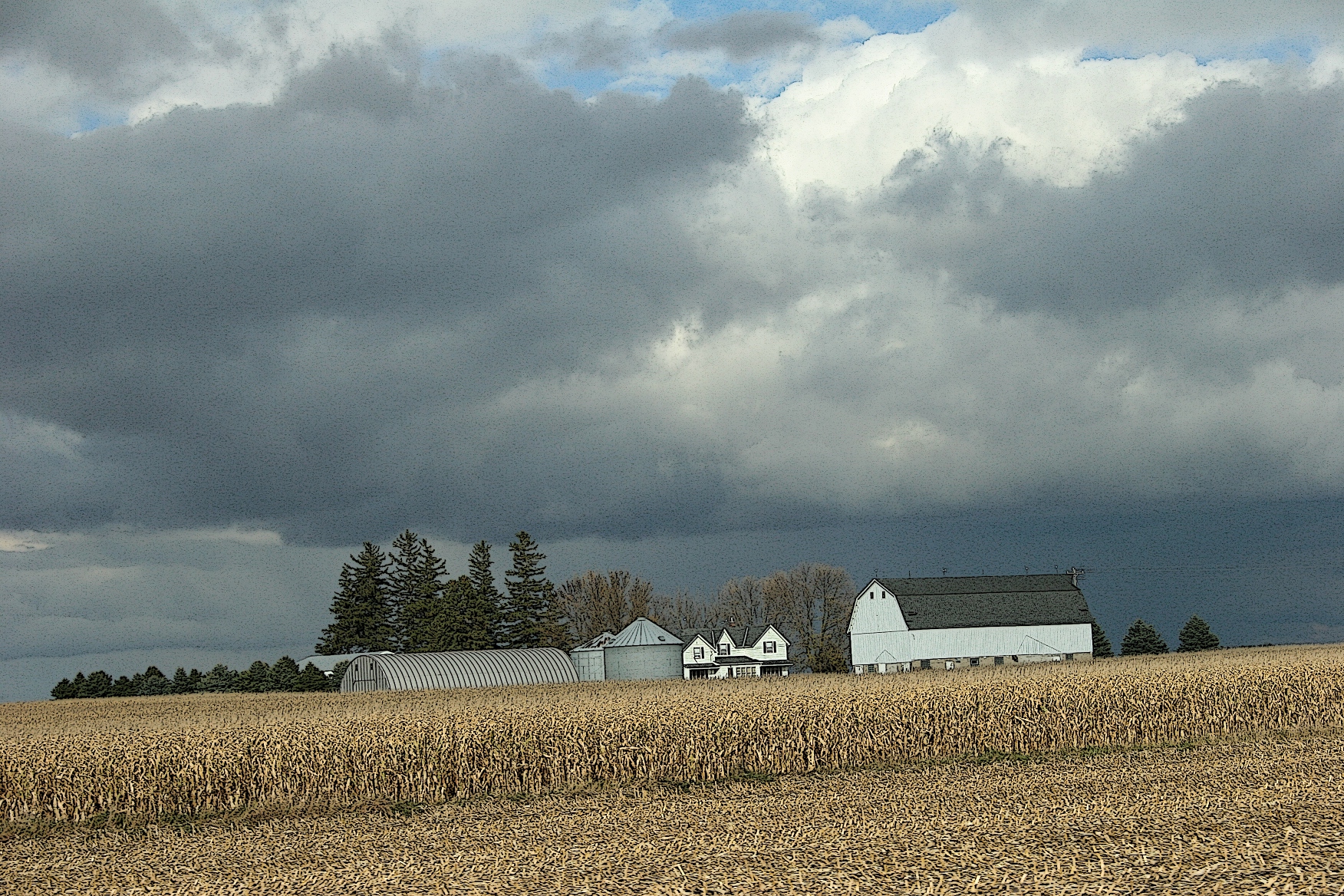
I see here trees huddled, protecting and sheltering that house from the elements. My thoughts turn introspective at this scene.

I see trees huddled, protecting and sheltering that house from the elements, from that threatening sky. My thoughts turn introspective as I consider how we are all sometimes vulnerable and huddled, drawn into ourselves.

Whether a writer or photographer, architect or historian, teacher or retiree, stay-at-home mom (or dad), a farmer or someone in between, you will lock onto a setting that inspires creativity or prompts thought or perhaps soothes your soul.

There is much to be said for noticing details, for understanding that the miles between small towns are more than space to be traveled.

FYI: These edited images were photographed nine days ago while traveling along Minnesota State Highway 60 between Faribault and Kenyon. In just that short time, the landscape has evolved with crops harvested, trees stripped of their leaves by strong winds and now, today, snow in the forecast.

© Copyright 2013 Audrey Kletscher Helbling
 

Crafts galore & a bonus scarecrow contest October 26, 2013

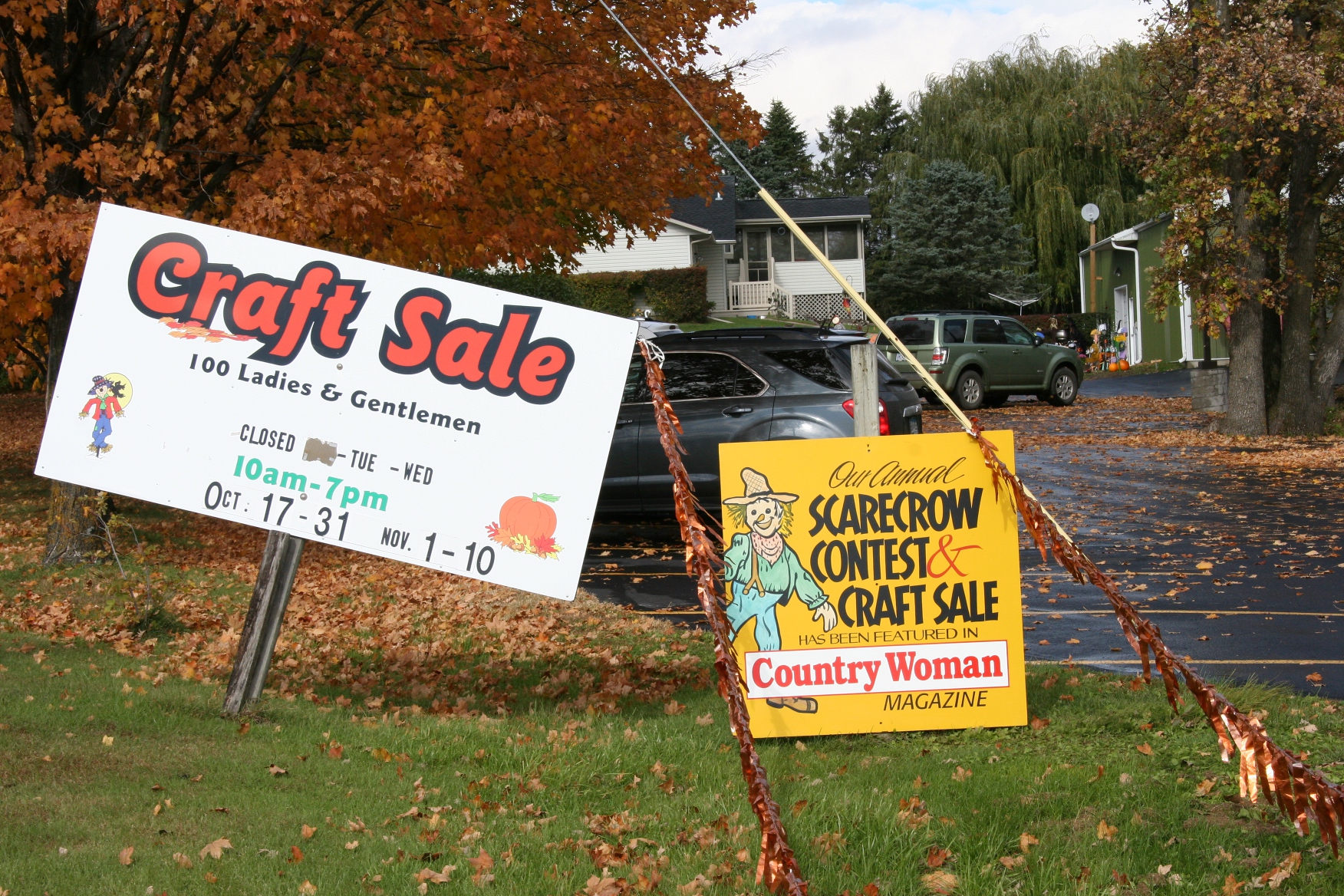
The sign marking the entry to 100 Ladies and Gentlemen Craft Sale near the intersection of Minnesota Highways 56 and 60 just outside of Kenyon.

Signs mark the entry to 100 Ladies & Gentlemen Craft Sale near the intersection of Minnesota Highways 56 and 60 just outside of Kenyon.

I WISH, OH, HOW I WISH I could show you all the crafty goodness that encompasses the 100 Ladies & Gentlemen Craft Sale just outside of Kenyon.

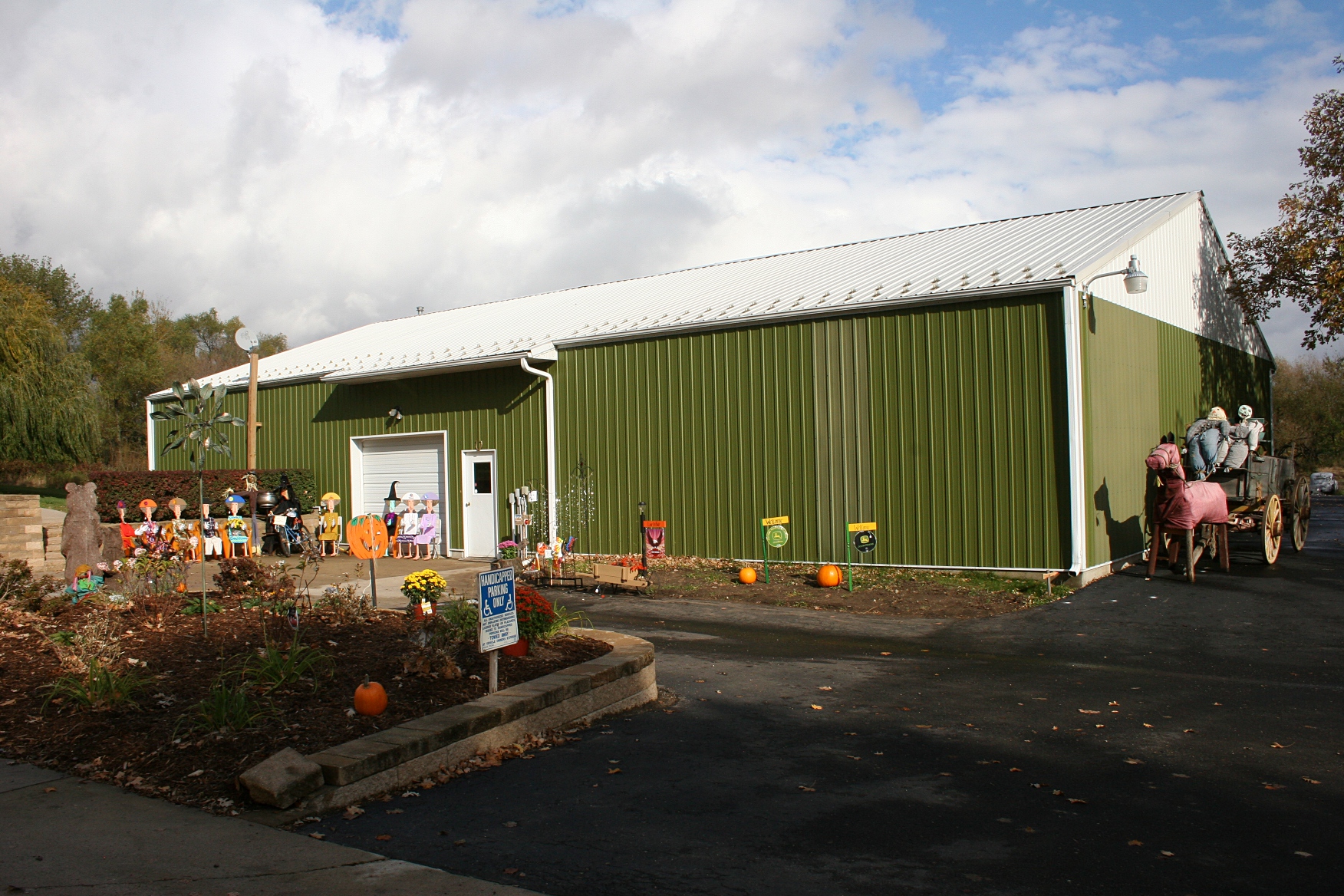
This building and a wing in the back house the craft sale.

This building houses the craft sale.

But no photos were allowed of the merchandise stuffed inside this pole shed. So you will need to imagine the stitched, hammered, painted, baked, preserved, knitted and other handcrafted items sold here.

Need an apron? Homemade caramels? A Minnesota-authored book? Some crazy saying to decorate a wall? Handcrafted furniture? Seasonal decorations? A photograph of a barn? The list is endless.

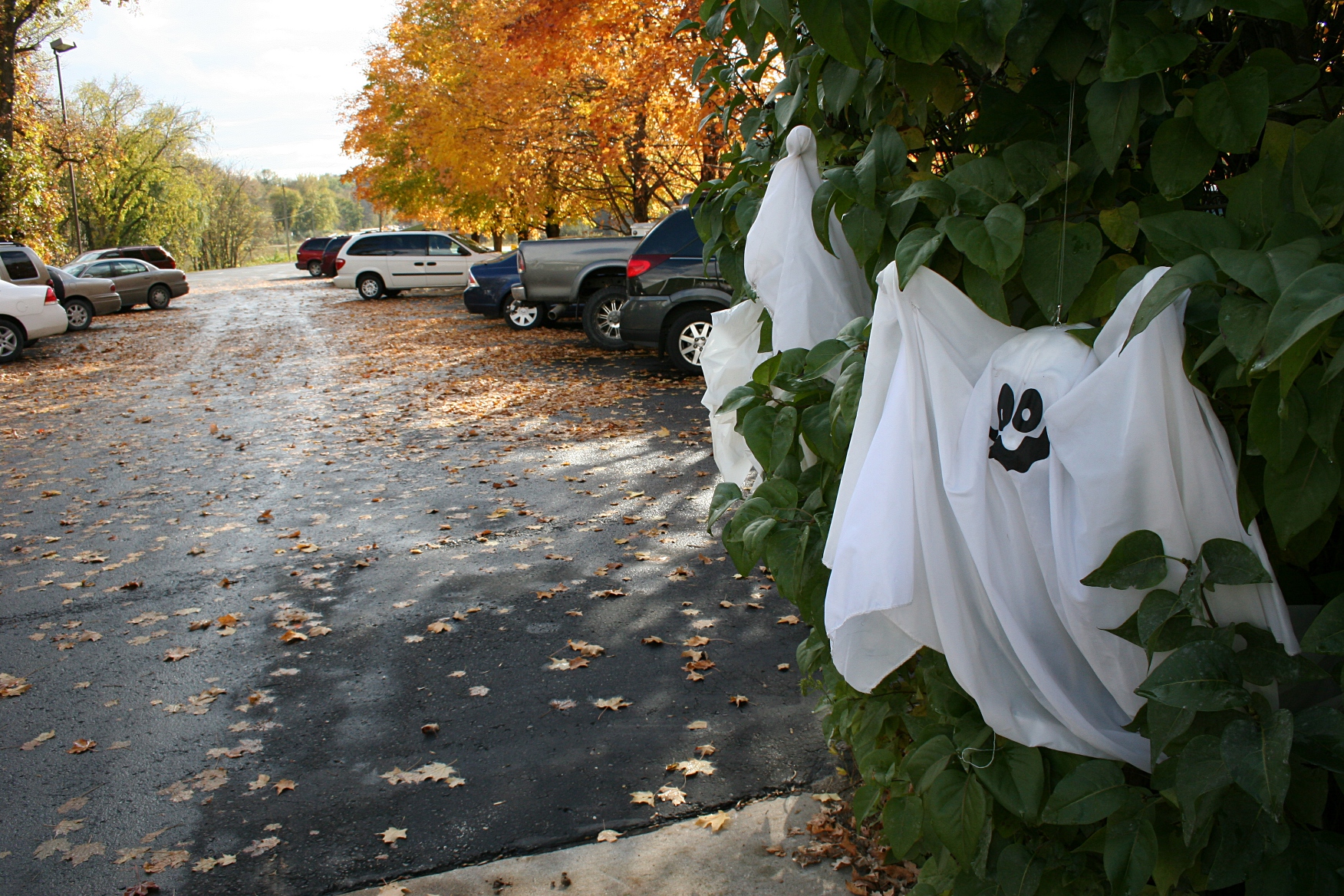
The property features a paved parking lot for shoppers.

The property features a paved parking lot for shoppers.

For 40 years, Marlene and Curt Morrow have hosted this craft sale on their property at 45986 Minnesota State Highway 56, just north of State Highway 60.

The show was abuzz with shoppers when my husband and I stopped on a Saturday afternoon, so busy that wiggling through the narrow aisles proved challenging.

I thought Randy would be bored, but he lingered longer than me, reading humorous sayings at a booth of quirky signage.

It wasn’t until I spotted upcycled freestanding cabinets in the back section of the building that I found merchandise which truly interested me. At that point I called Randy over for his opinion on a cabinet to fill a hole in our dining room wall. We removed a chimney several years ago, but I seldom notice anymore the cardboard sheets that hide the space. Until we have guests. Yes, we really need to do something about that. But then I need new flooring and kitchen counters and cupboards and a sink, well, the list is endless. I would love to win a kitchen make-over.

Oh, yes, back to that craft show. I pulled a tape measure and notebook from my purse and Randy measured while I jotted numbers, hopeful that maybe one of the three cabinets we both liked would fit the space. It was not to be, we learned later upon returning home and measuring the void.

Despite purchasing nothing at the sale—because I really do not need more “stuff”—I still enjoyed the drive over to Kenyon and perusing the handcrafted merchandise. I always appreciate the talents of local artisans.

And the scarecrow display, which I was allowed to photograph, provided for some fun photo ops. At least I didn’t bring my camera with me for naught:

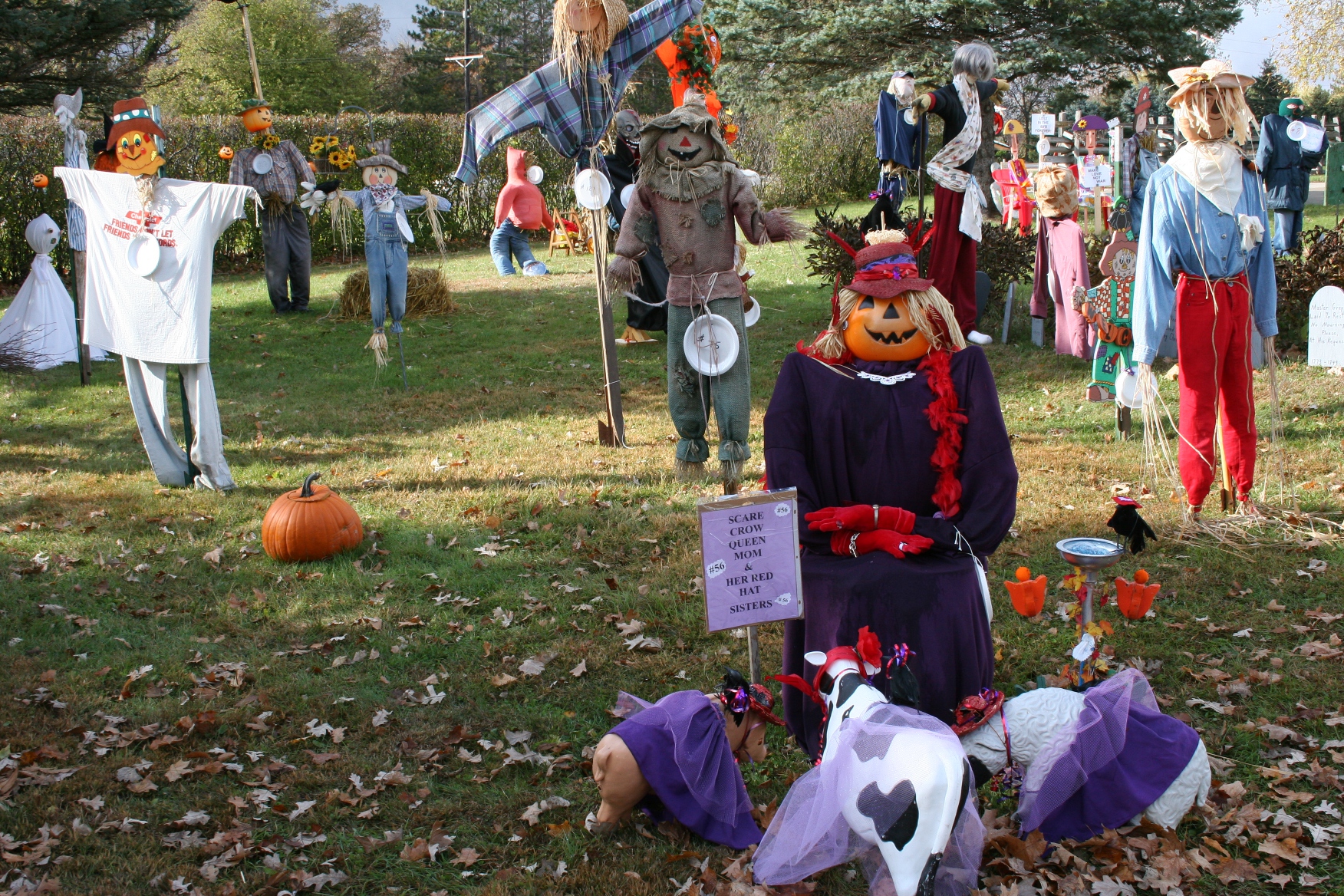
Visitors can vote for their favorite in the scarecrow festival with cash prizes awarded to the top three.

Visitors can vote for their favorite in the scarecrow festival with cash prizes awarded to the top three.

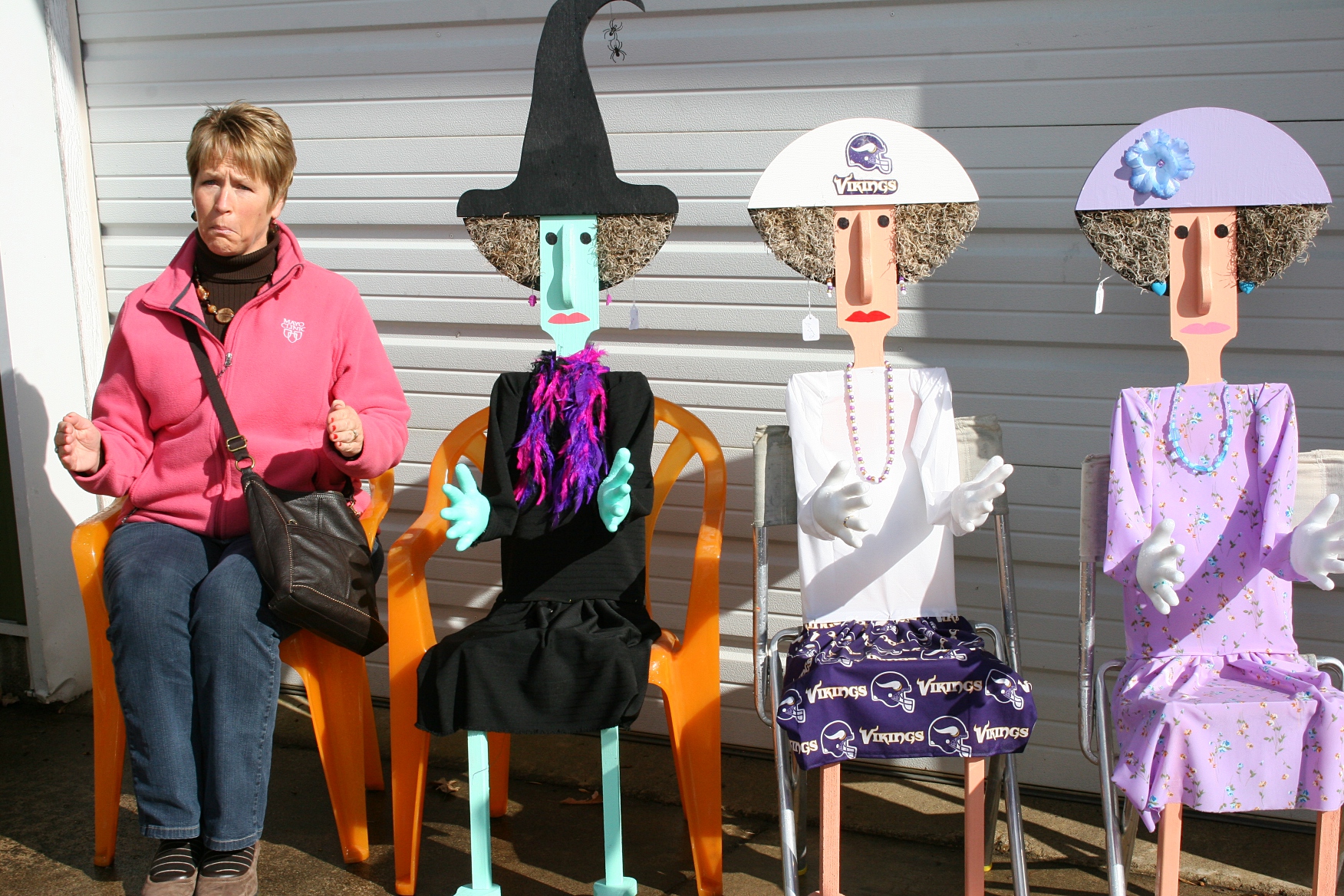
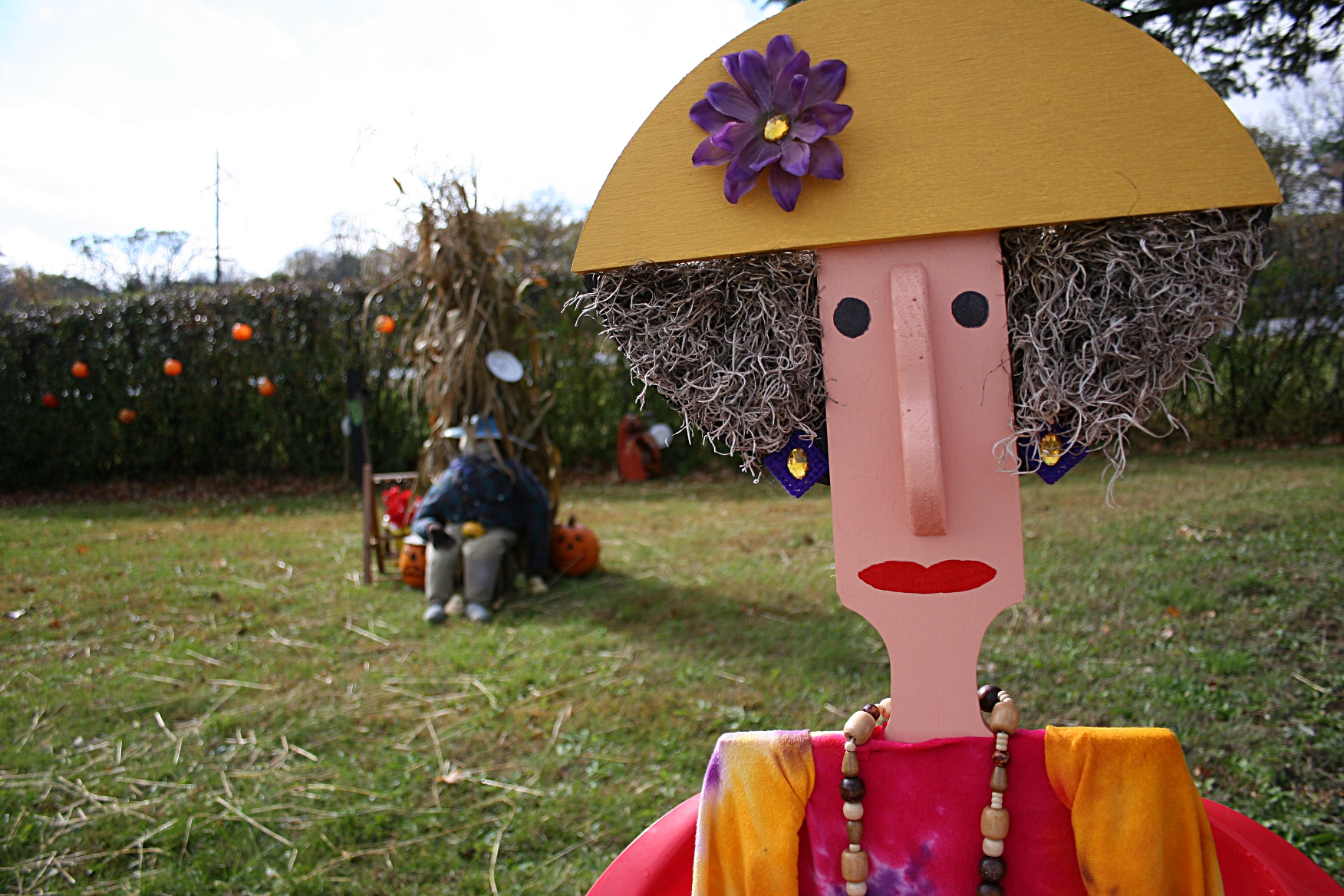
Here's a close-up of the Queen Mom, the scarecrow in the foreground in the photo above.

Here’s a close-up of the Queen Mom, the scarecrow in the foreground in the photo above. Her red hat sisters surround her.

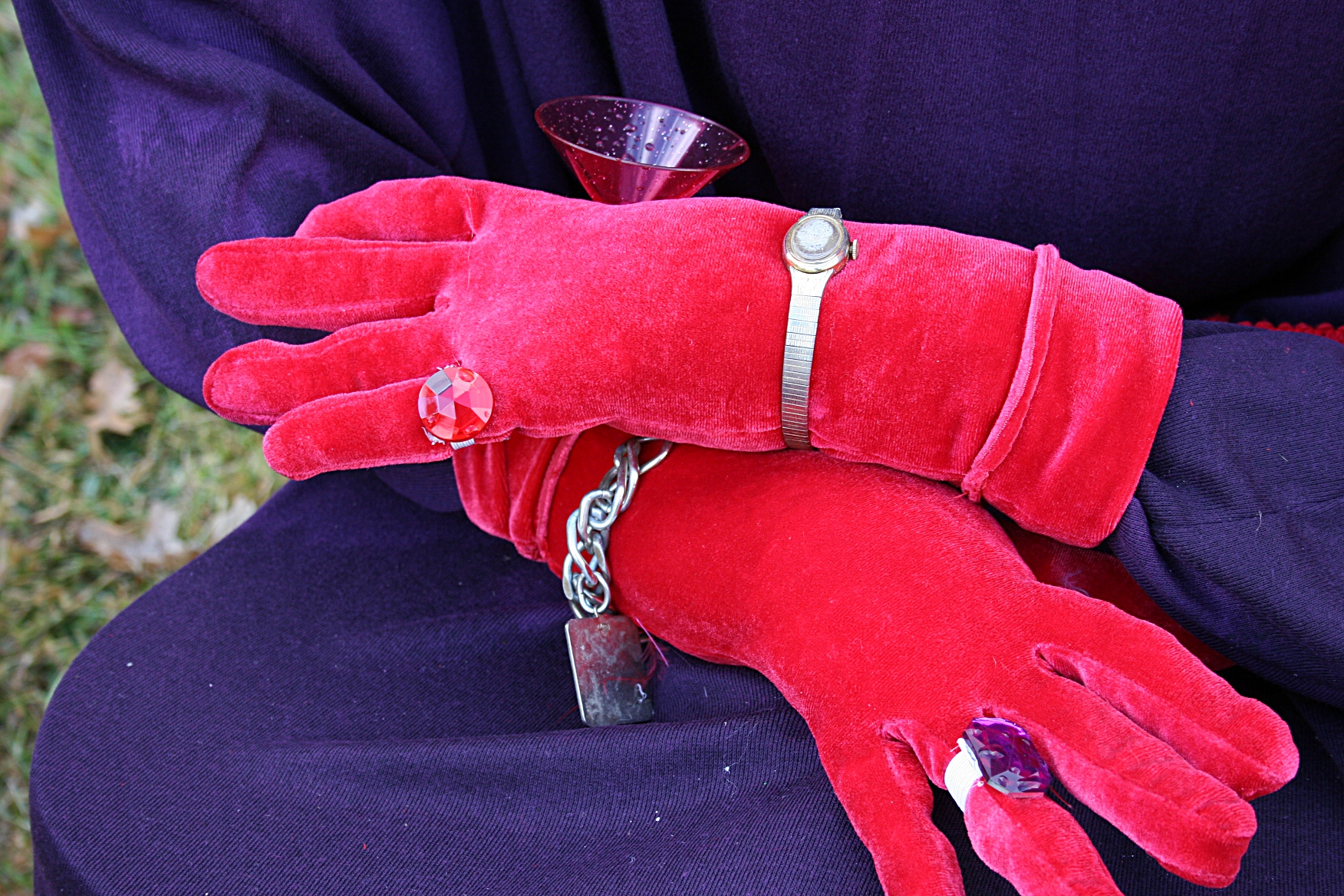
Look at the attention to detail by the creators of the Queen Mom.

Look at the attention to detail by the creators of the Queen Mom.

Some of the scarecrows can be a little frightening.

Some of the scarecrows can be a little frightening…

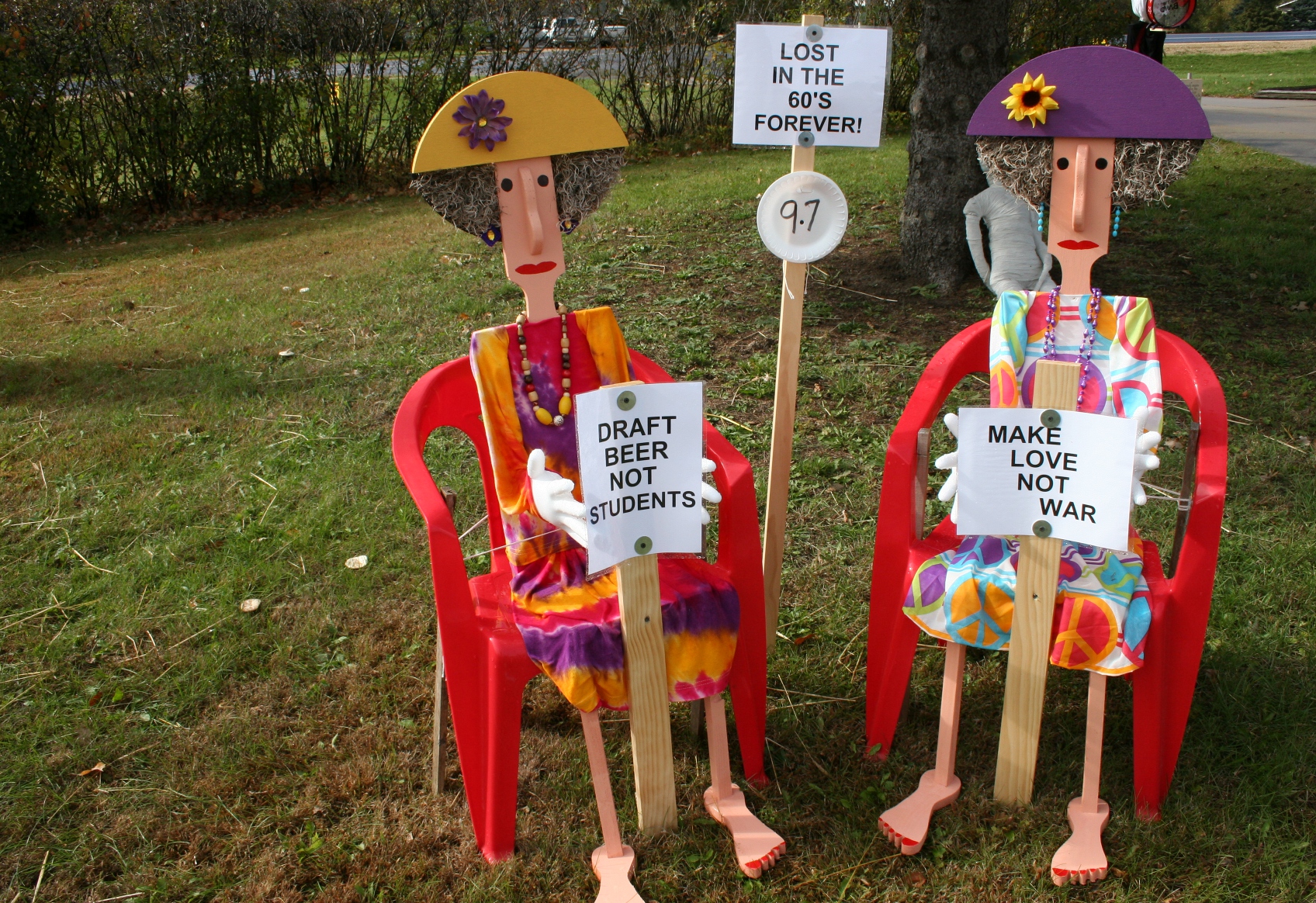
While others can be as fashionable as the Queen Mom, like this hip 60s scarecrow.

while others can be as fashionable as the Queen Mom, or this hip 60s scarecrow.

Scarecrows making a statement.

Scarecrows making a statement.

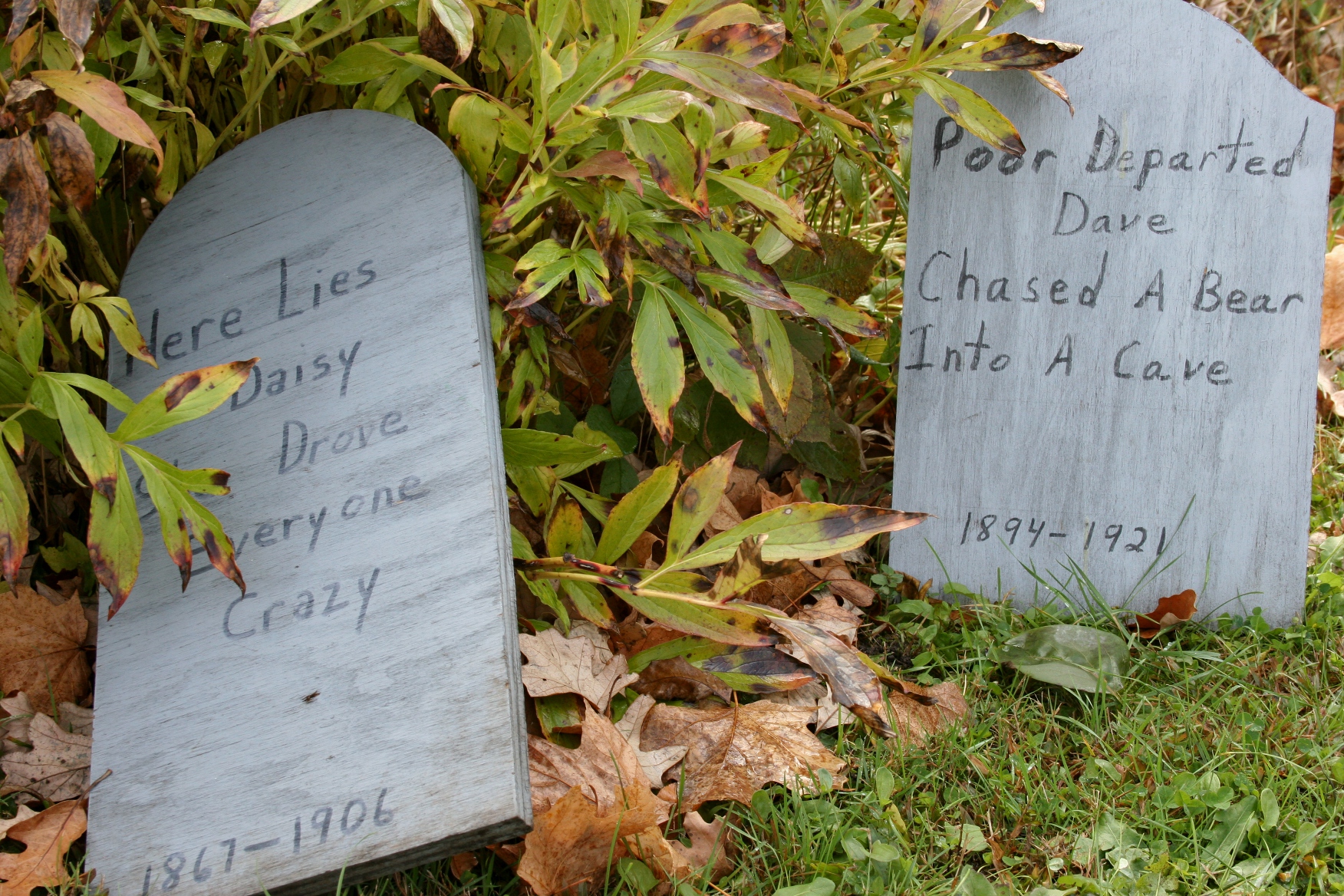
Among the humorous tombstones on display.

Among the humorous tombstones on display.

Another scarecrow.

Another scarecrow.

An empty chair provides a photo op for a shopper.

An empty chair provides a photo op for a shopper.

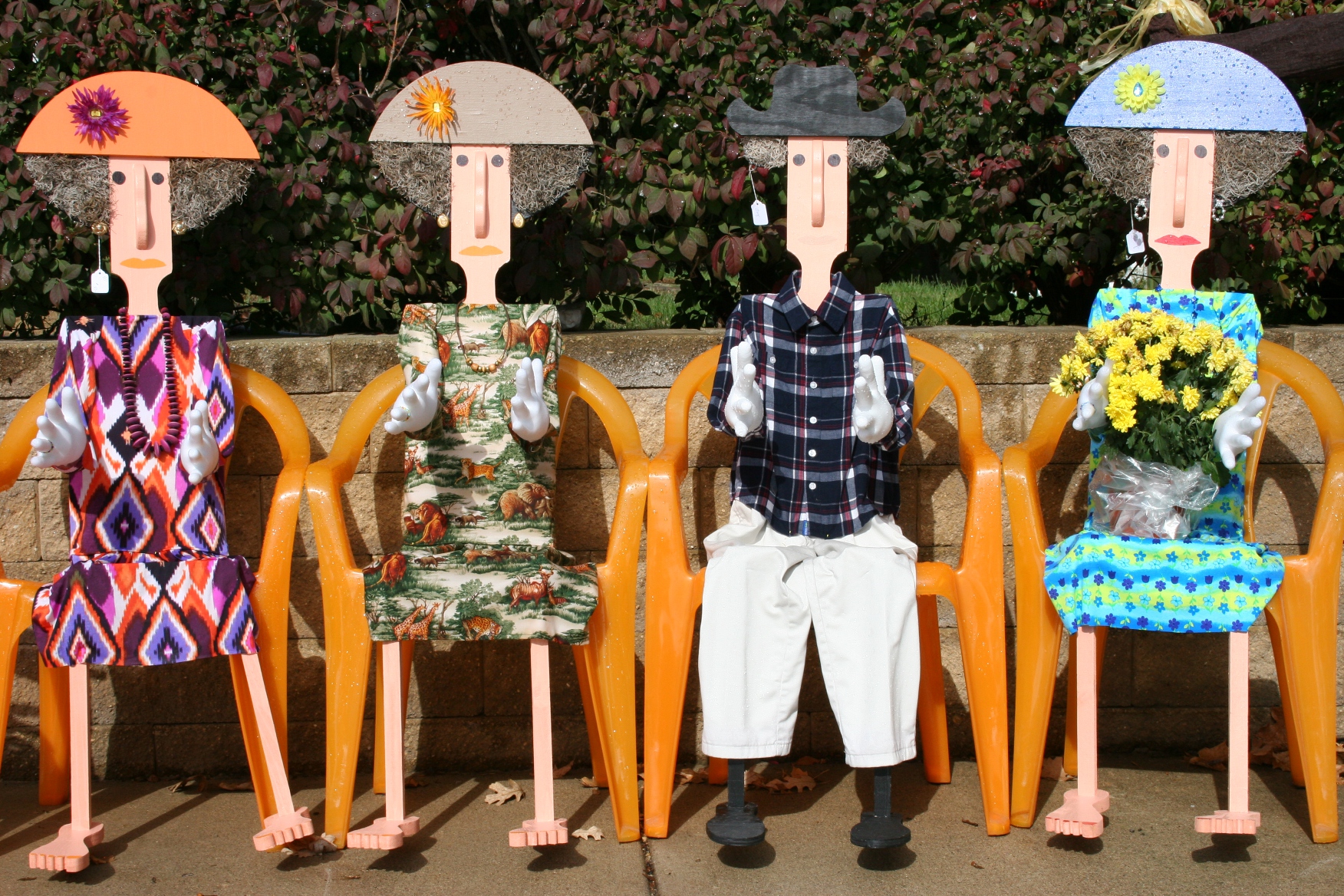
And these four hang out outside the craft sale. (Yes, they are for sale.)

And these four hang out outside the craft sale. (Yes, they are for sale.)

FYI: The craft sale is open from 10 a.m. – 7 p.m. daily, except Tuesdays and Wednesdays from now until November 10.

© Copyright 2013 Audrey Kletscher Helbling
 

Rural signage: Steer me to Pumpkinland October 24, 2013

Filed under: Uncategorized — Audrey Kletscher Helbling @ 6:00 AM
Tags: , , , , , , ,

WHEN TRAVELING THROUGH RURAL MINNESOTA, and anywhere for that matter, my husband and I rely on good old paper maps and atlases to navigate in unfamiliar territory. Yes, we are old-fashioned that way, without GPS or smart phones.

We also count on signage to get us to specific destinations. Rural areas offer creative home-spun signs so I’m always scouting for eye-catching signage worthy of photographing.

En route to extreme southwestern Minnesota this past summer, I spotted signage for two businesses in the Vernon Center area, along Highway 169 south of Mankato.

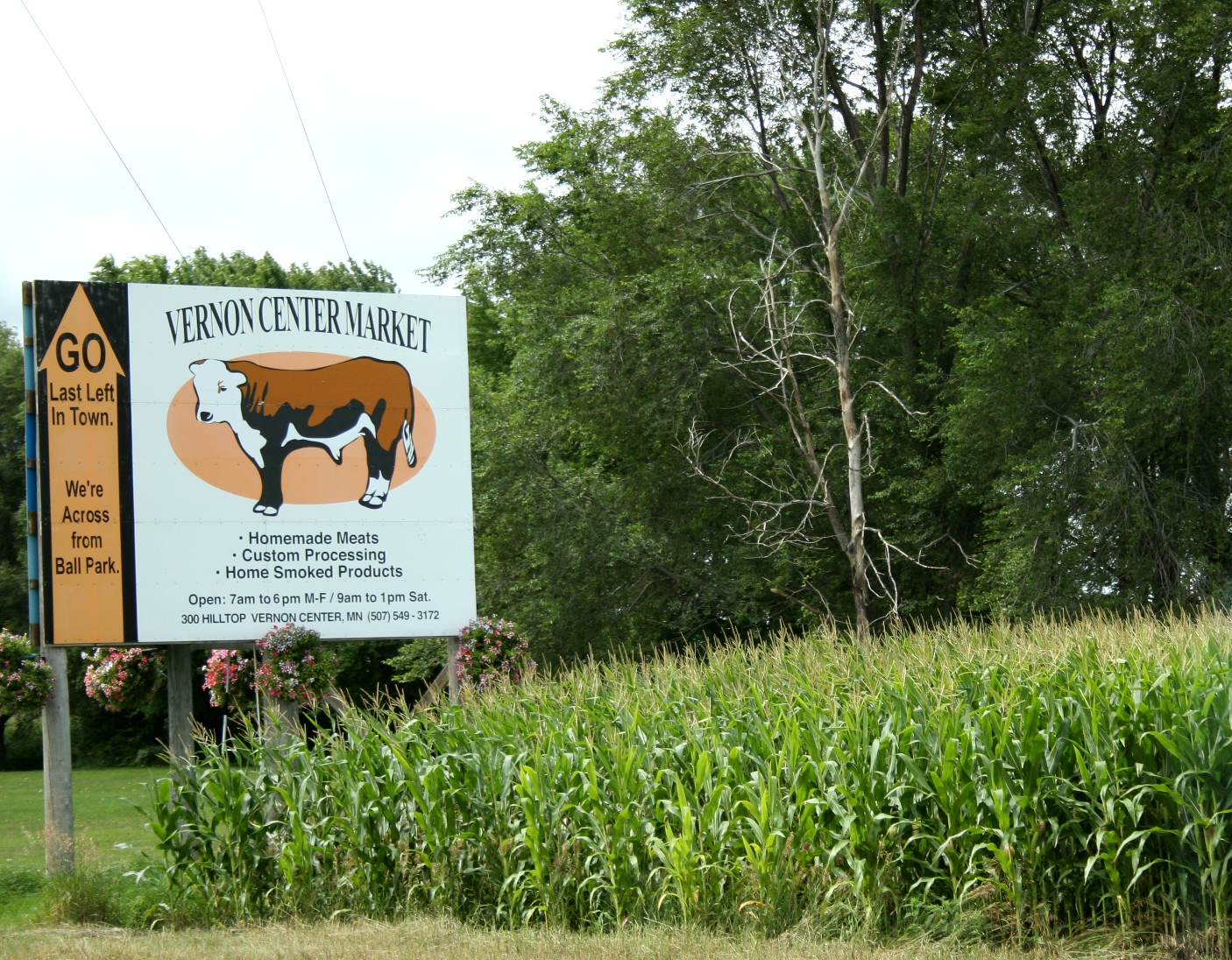
First, the Vernon Center Market:

Photographed a month ago near Vernon Center.

Photographed this summer near Vernon Center.

There are several reasons I like this sign. Right off, the steer graphic catches my eye and tells me, without reading a single word, that this advertises a meat market. Second, the arrow tells me exactly where I’ll find the Vernon Center Market. Across from the Ball Park. Perfect. So small-townish. I also appreciate that business hours are listed, although I doubt a motorist would catch that while driving by.

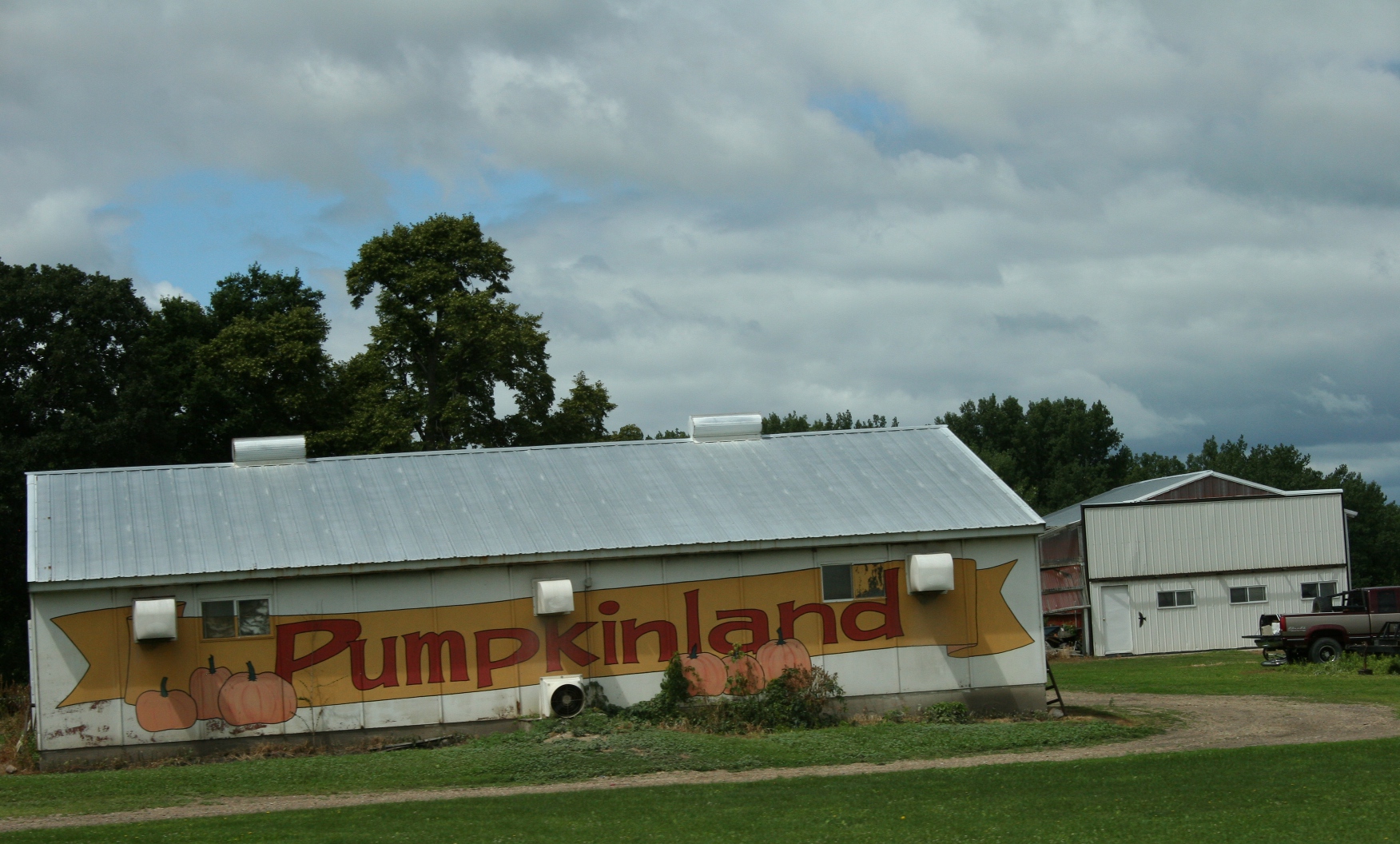
And then there’s Pumpkinland, also near Vernon Center:

Pumpkinland near Vernon Center.

Pumpkinland near Vernon Center.

You can’t miss the sprawling sign, painted in a readable font. And the graphics are limited to pumpkins. Simple. Clutter-free. Quick to get the necessary business information out there.

And great for a passing photographer to photograph from the passenger side of a moving van.

© Copyright 2013 Audrey Kletscher Helbling
 

Exploring Wisconsin’s High Cliff State Park & a disappointing discovery October 22, 2013

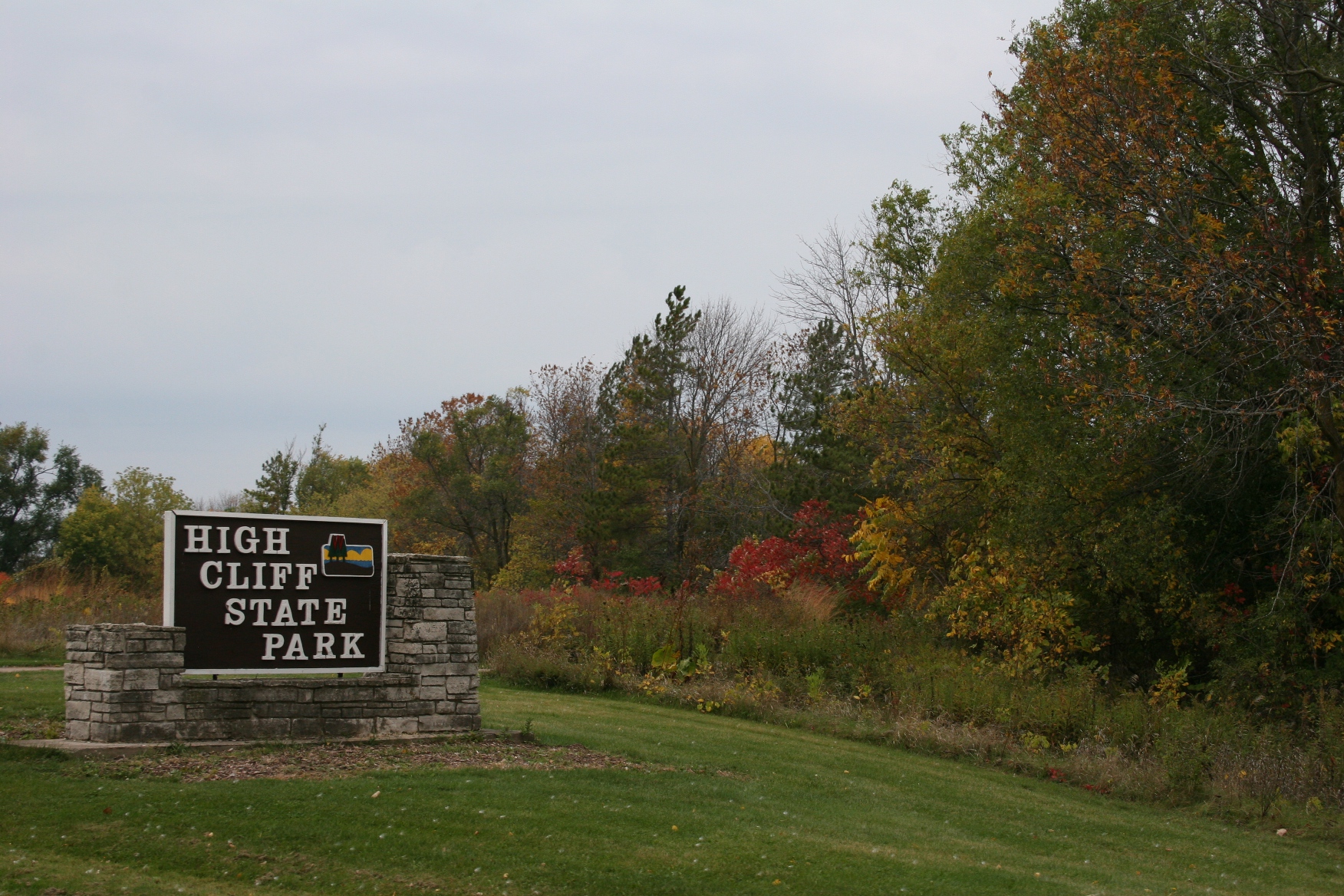
Entering the park.

Entering the park.

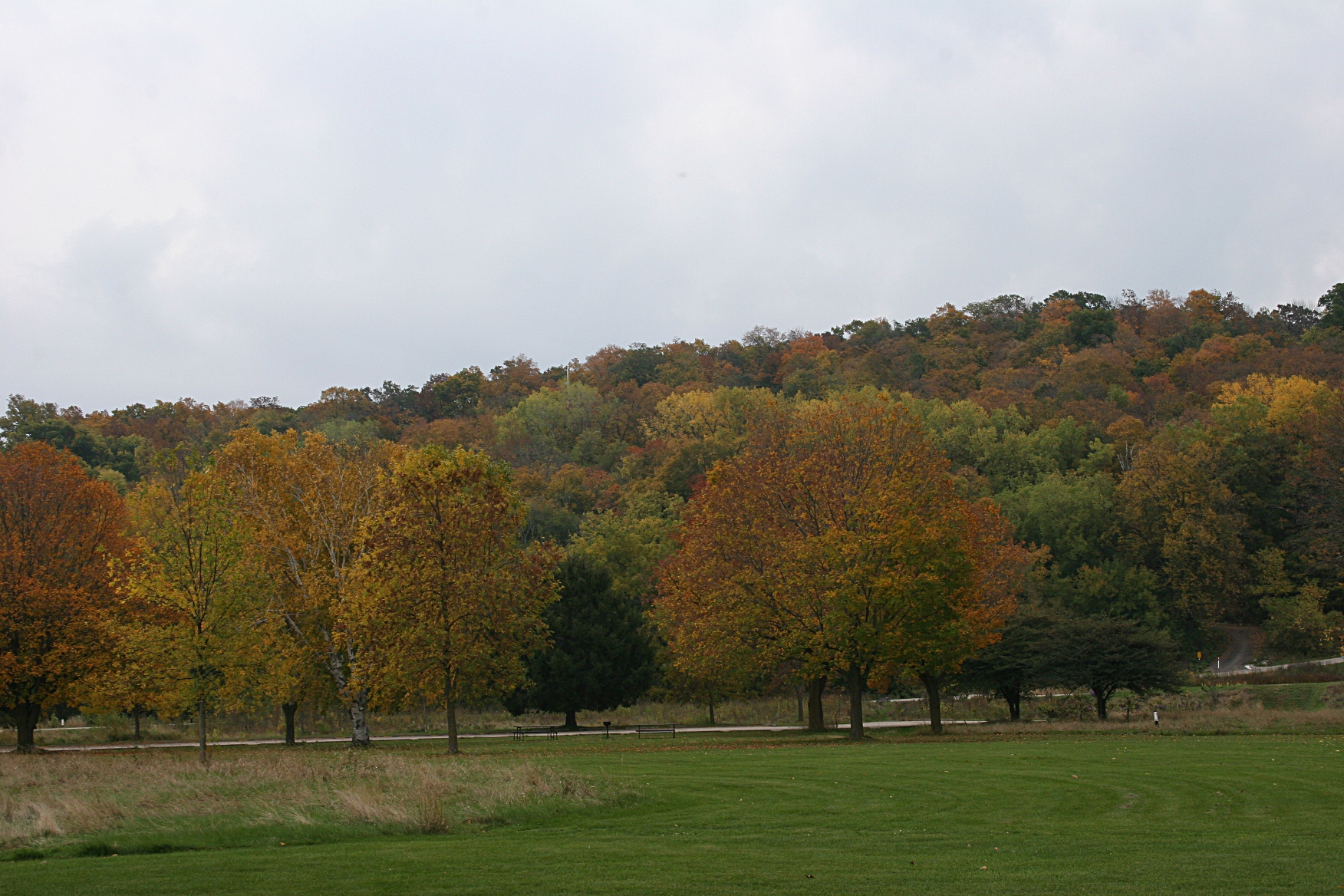
AN AUTUMN AFTERNOON in High Cliff State Park in east central Wisconsin, even with grey skies and the occasional spurt of drizzle, is magnificent.

On a recent Saturday, my daughter who lives in nearby Appleton, husband and I explored this sprawling park near Sherwood along the banks of Wisconsin’s largest inland body of water, Lake Winnebago.

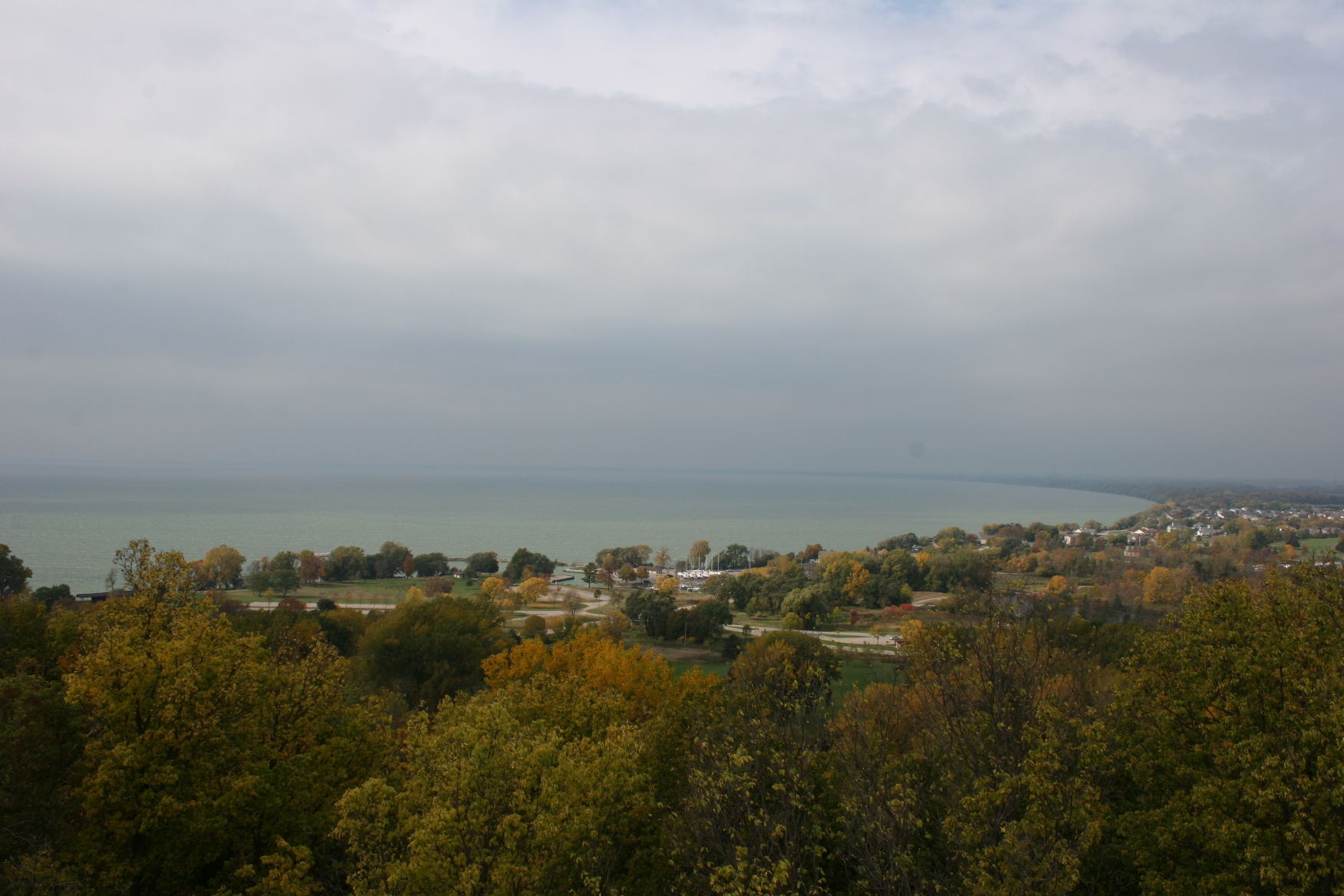
Sky and lake and land meld in this photo taken from atop a tower in High Cliff State Park. Photo by Miranda Helbling.

Sky and lake and land meld in this photo taken from atop a tower in High Cliff State Park. Photo by Miranda Helbling.

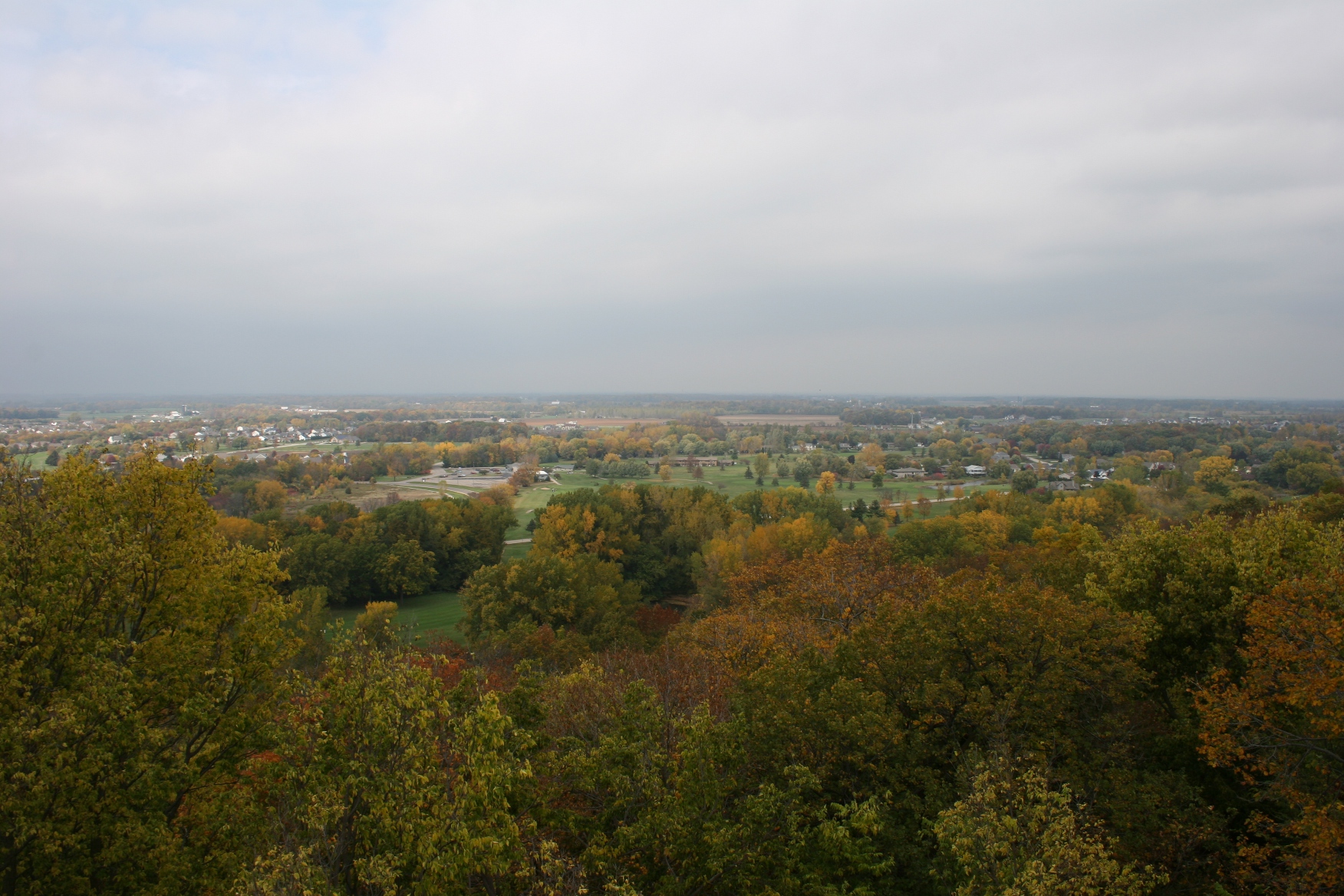
But it was not the lake—more on that later—which impressed as much as the view of the valley from high atop the park. To see acres and acres and acres of trees below, buffeted by the lake on one side, transitioning into the golden, russet and reddish hues of the season is something to behold.

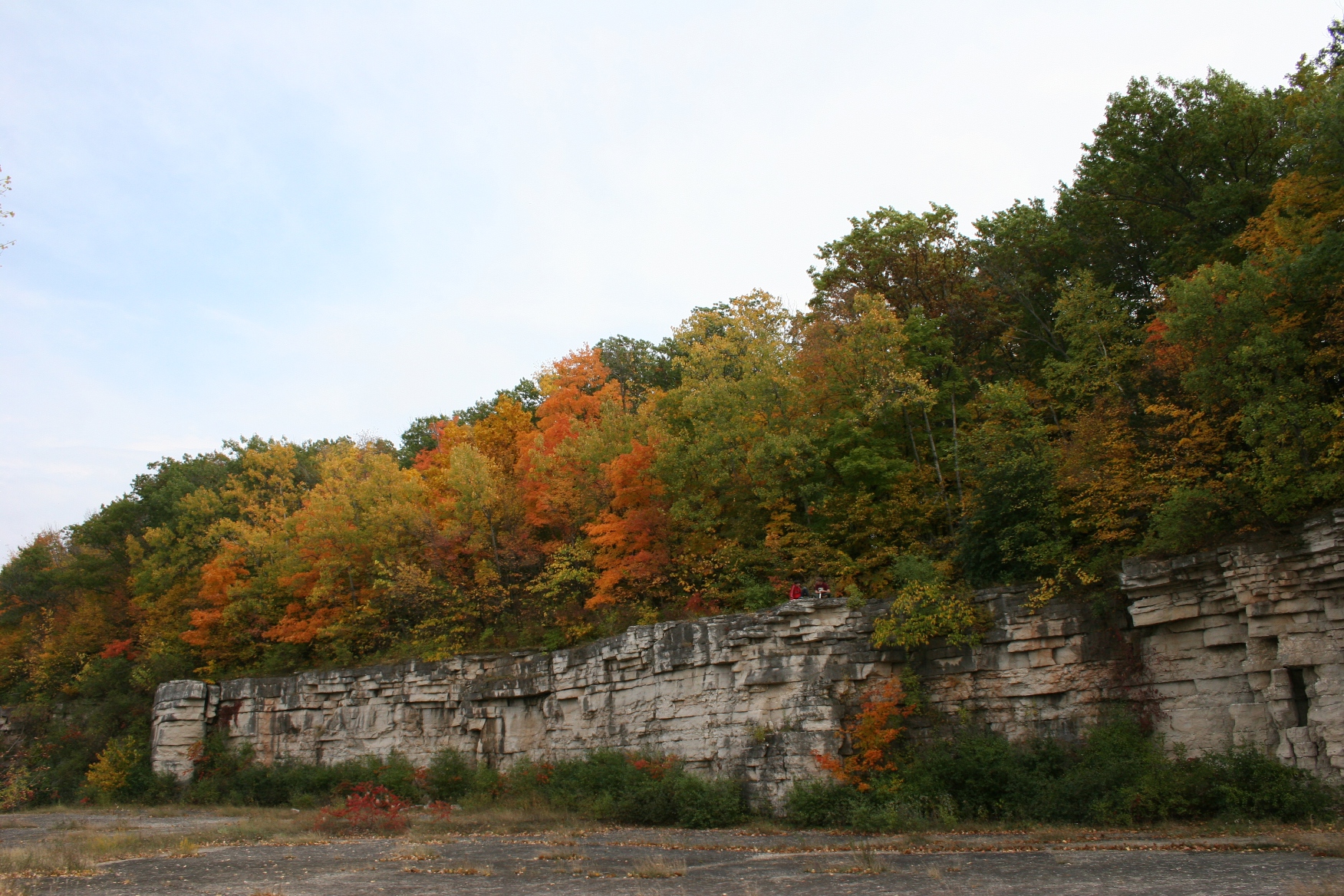
Old limestone quarry walls below a hillside of trees.

Old limestone quarry walls below a hillside of trees.

Likewise, limestone walls, remaining from the days when this stone was quarried from this land, provide a neutral backdrop to flaming maples and other trees bursting with color on hillsides.

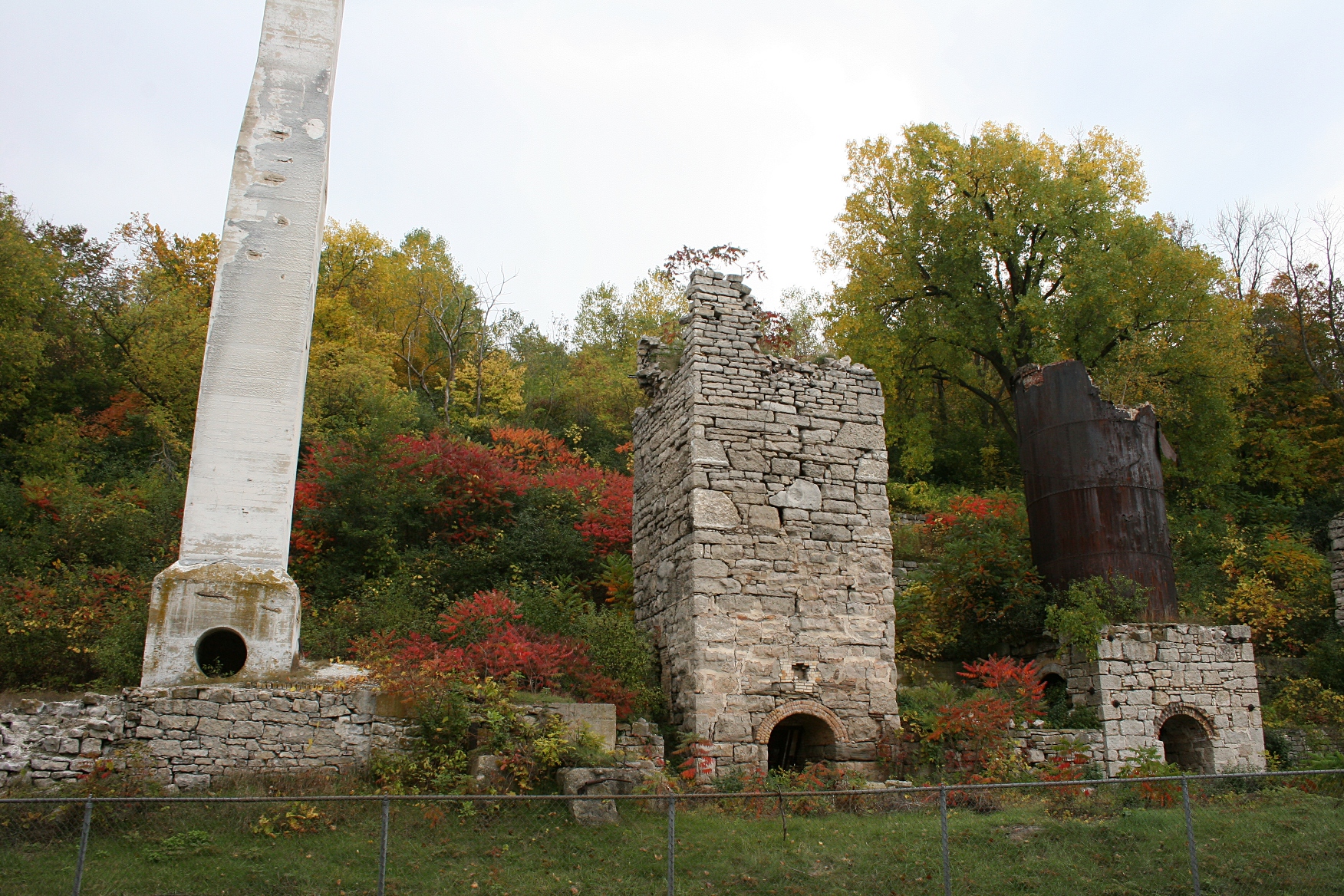
Kiln ruins.

Kiln ruins.

And then there are the old kilns, once used to create quick lime for use in plaster and cement and for agricultural purposes. I’m thankful mining operations here ceased in 1956. To totally decimate this place of natural beauty would have been a tragedy.

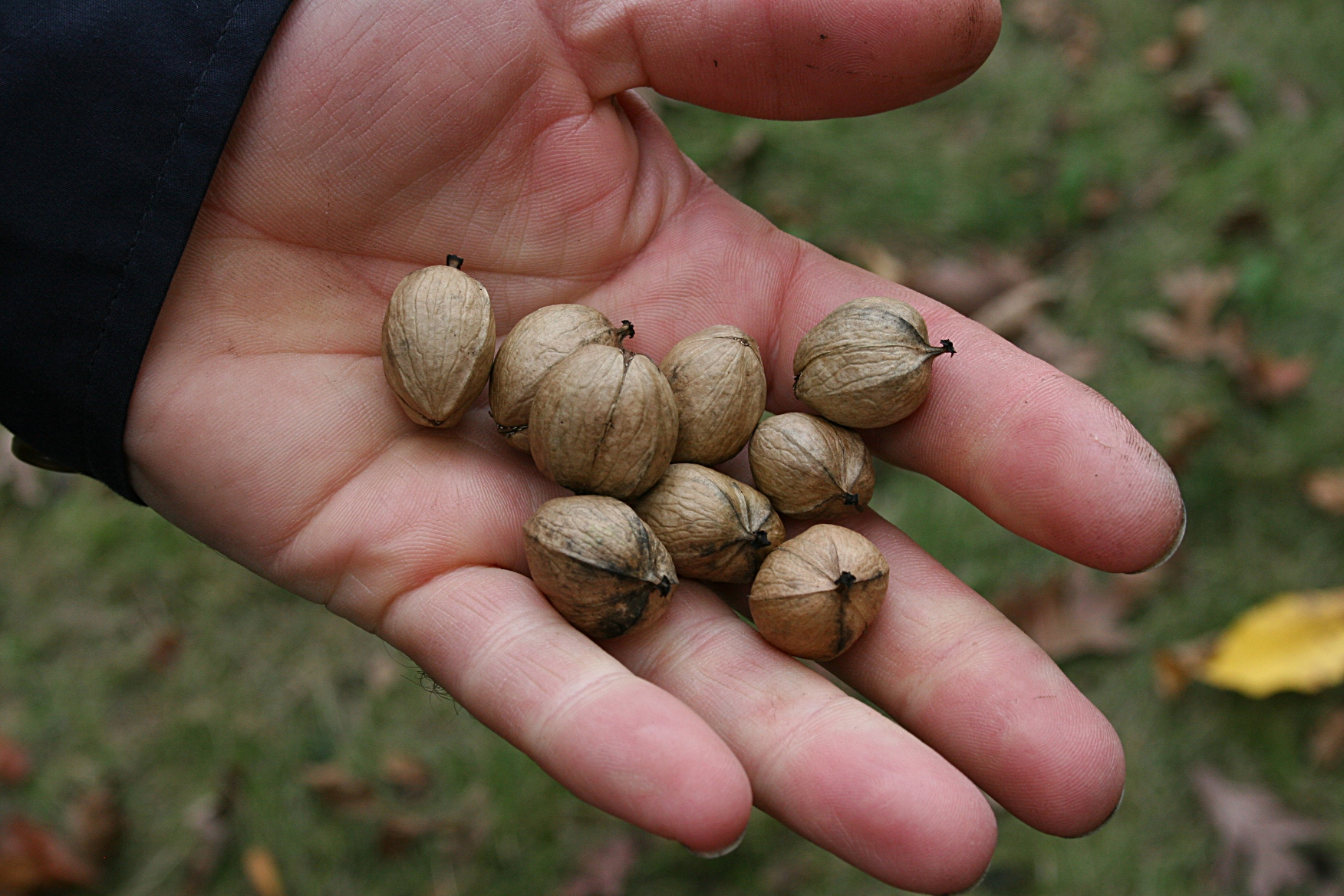
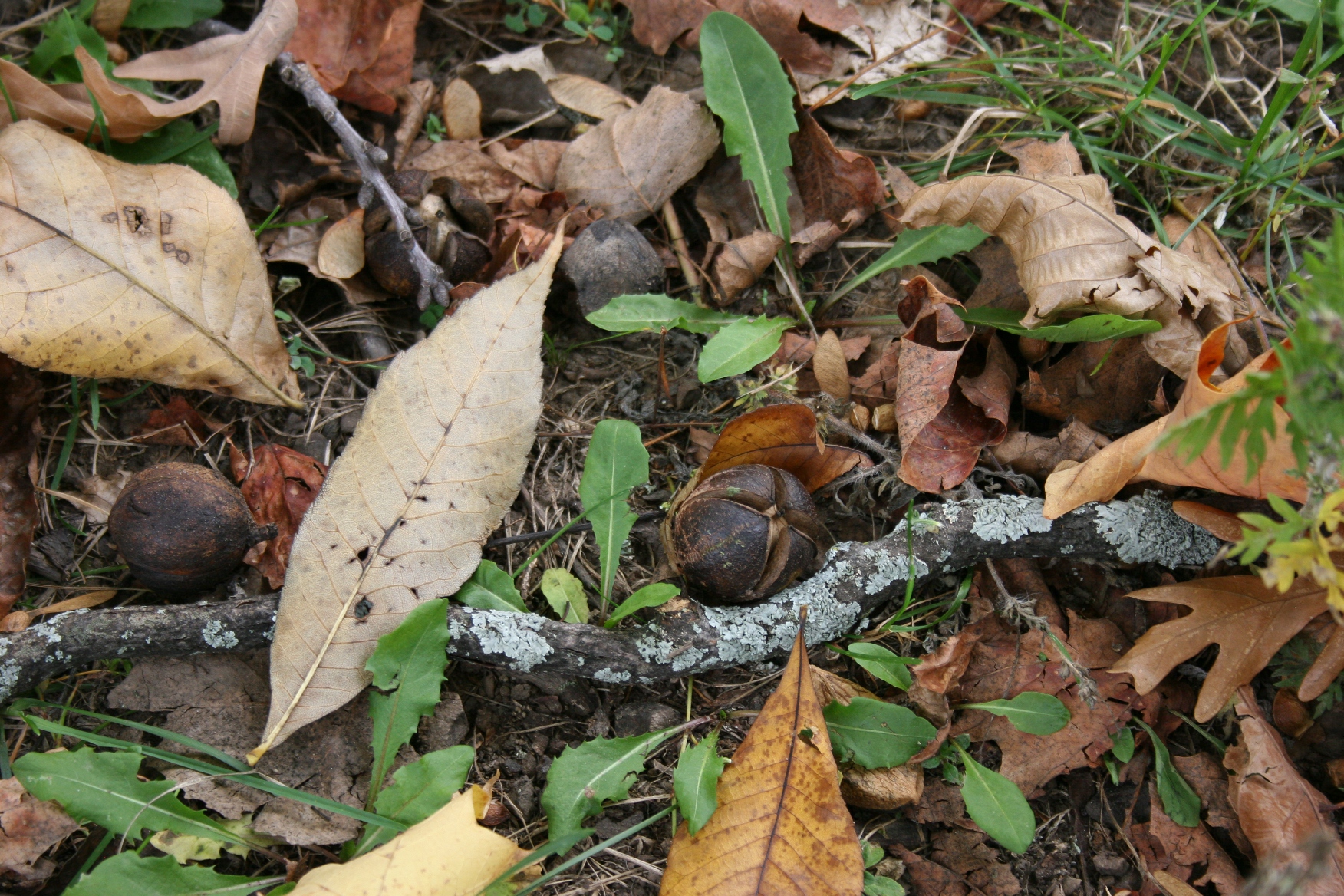
When we discovered what other park visitors were gathering, Randy began harvesting hickory nuts too and stuffing them into his jacket pockets.

When we discovered other park visitors gathering nuts, Randy began squirreling away hickory nuts, too, stuffing them into his jacket pockets.

For this beautiful park proves a lovely spot to picnic on a Saturday—a place where families pluck coveted hickory nuts from the ground to dry and crack and later eat plain or in cakes or cookies.

Here a family prepares to celebrate a wedding, placing burlap runners upon picnic tables covered with white plastic tablecloths inside the park shelter.

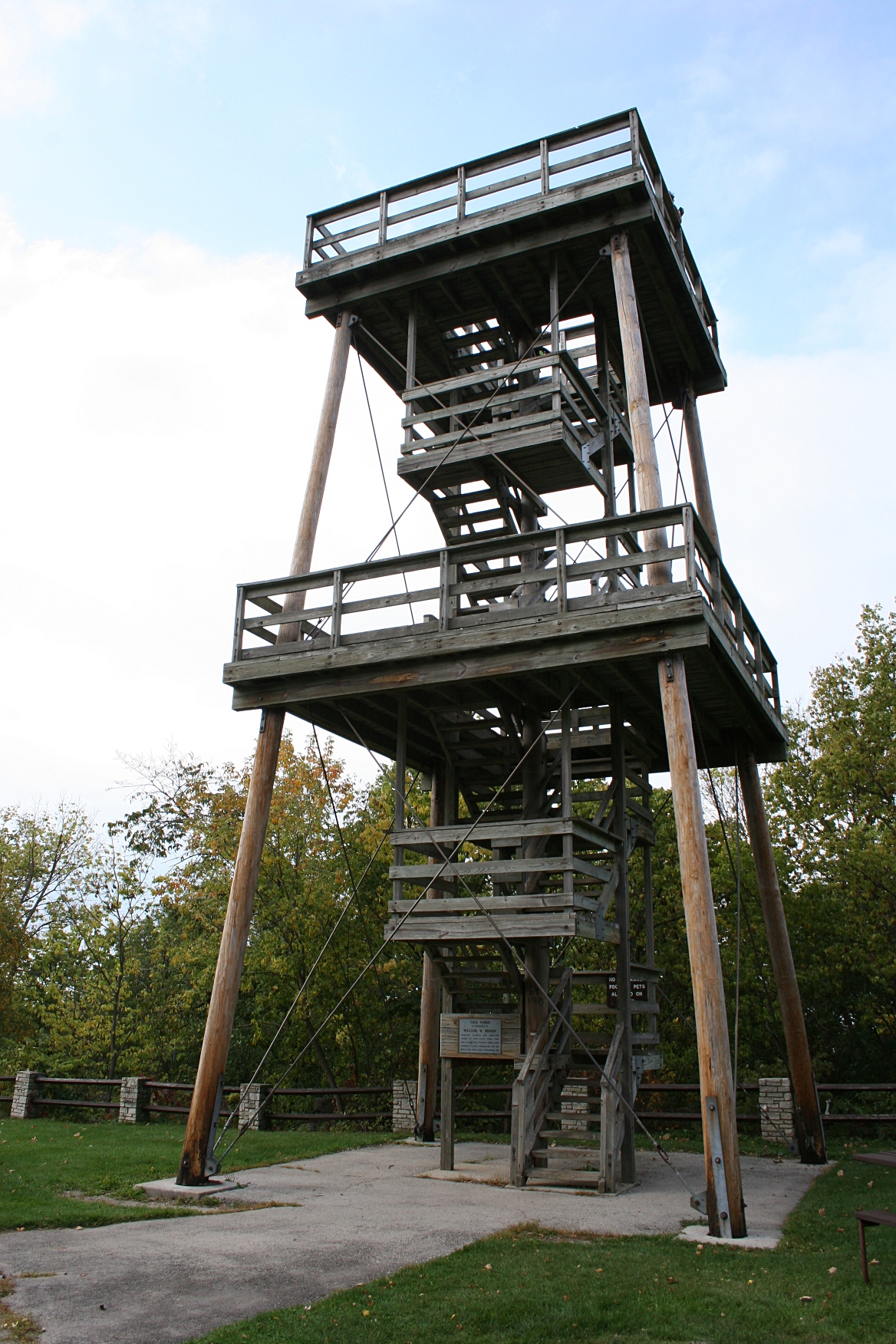
The tower...

The tower…

and the view from the tower. Photo by Miranda Helbling.

and the view from the tower. Photo by Miranda Helbling.

Couples and families climb 64 steps to the top of a wooden tower for a spectacular view of the valley. I keep my feet firmly planted on the ground, neck craned, waving to my husband and daughter high above me.

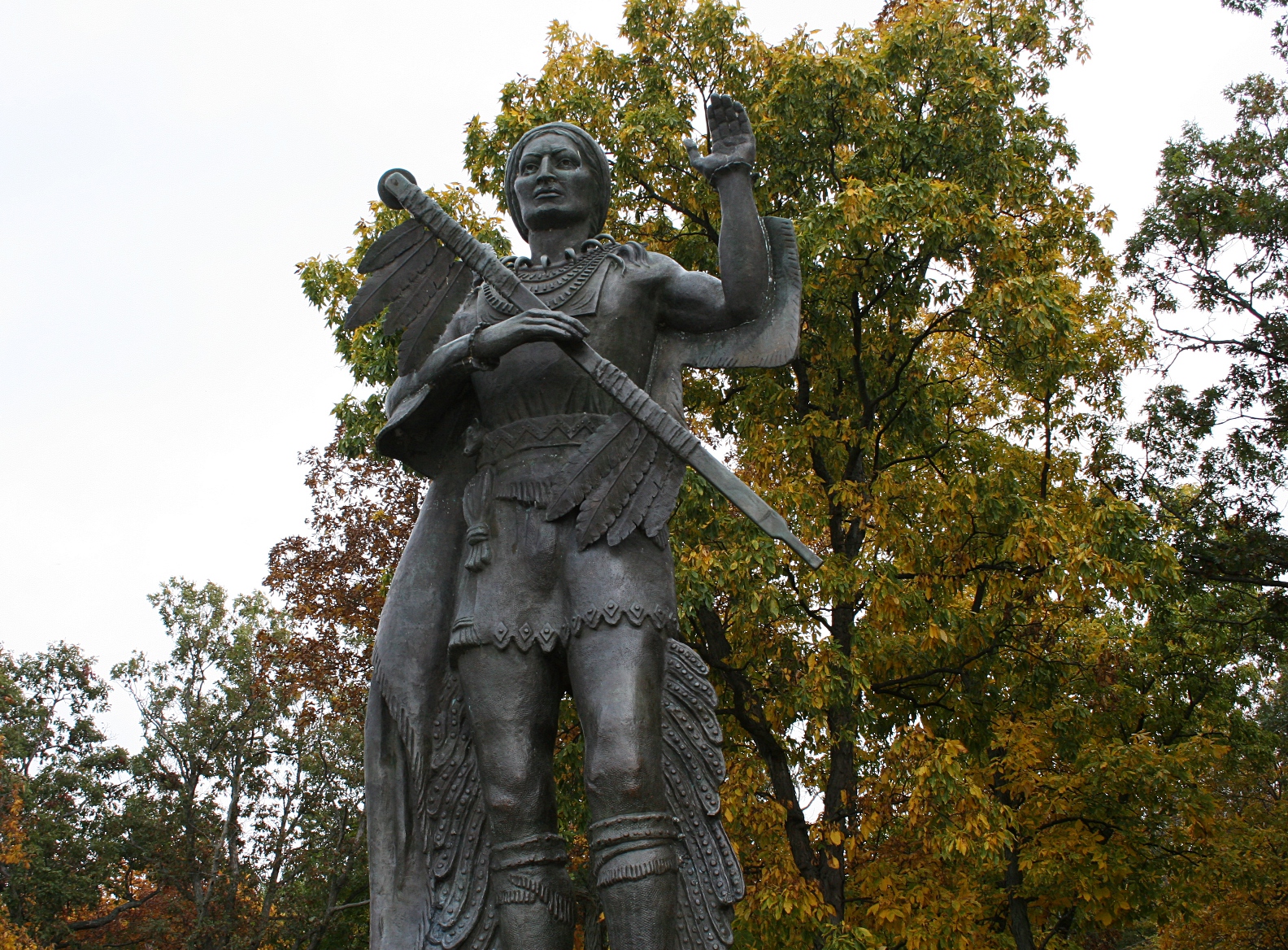
Red Bird, Chief of the Winnebago.

Red Bird, Chief of the Winnebago.

A 20-something man squats on a fence for a photo; only his balance keeps him from tumbling off and over the cliff. Nearby a statue of Red Bird, chief of the Winnebago, stands, sure and solid atop a rock.

Winnebago. It is also the name of the 131,939* acre lake which borders the western edge of High Cliff State Park and runs 28 miles long and eight miles wide near the towns of Fond du Lac, Oshkosh, Neenah and Menasha.

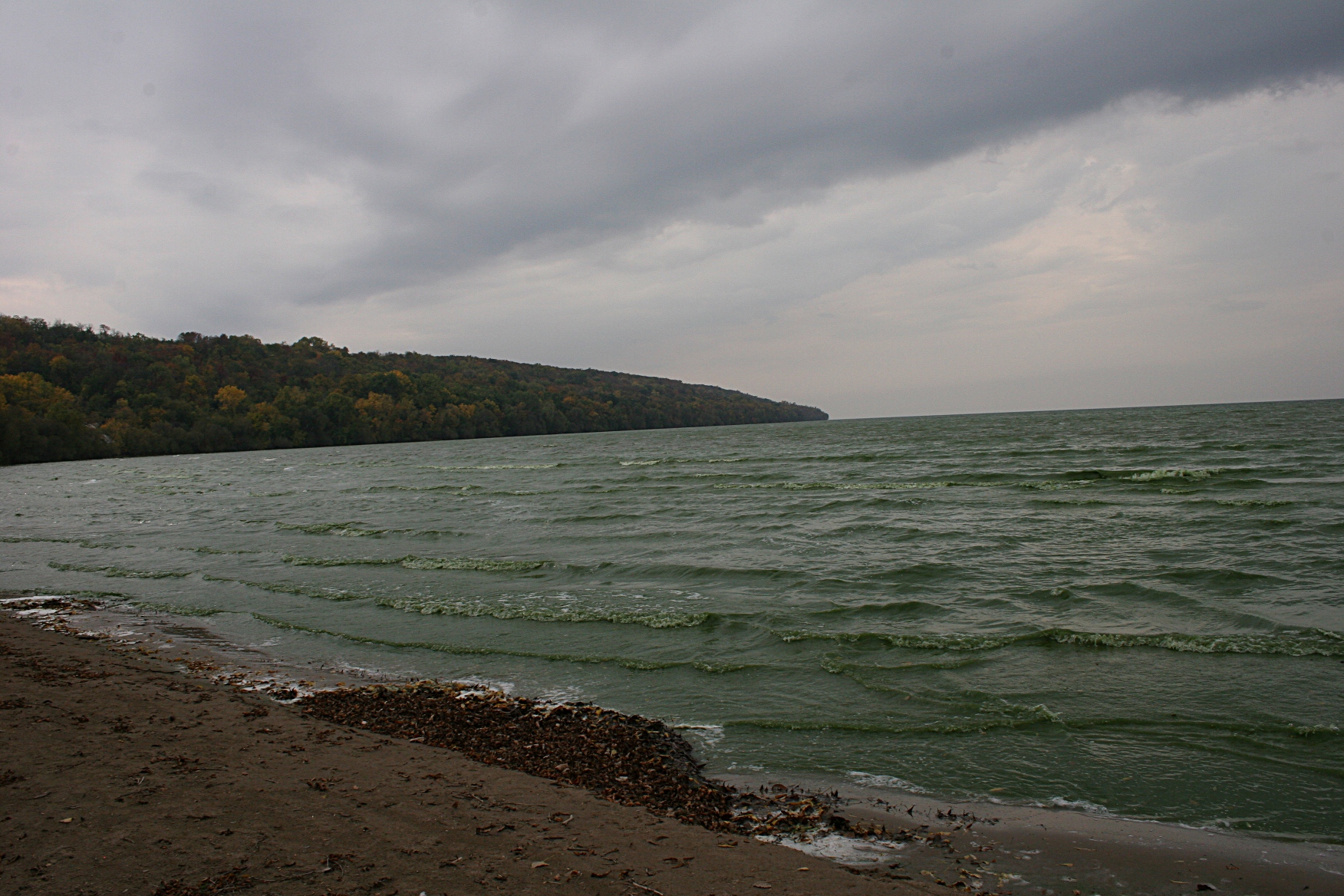
Blue-green Lake Winnebago as photographed from the beach at High Cliff State Park.

Blue-green Lake Winnebago as photographed from the beach at High Cliff State Park.

While impressive in size and fierceness—this day churning and roiling and rolling in waves—Lake Winnebago disappoints me.

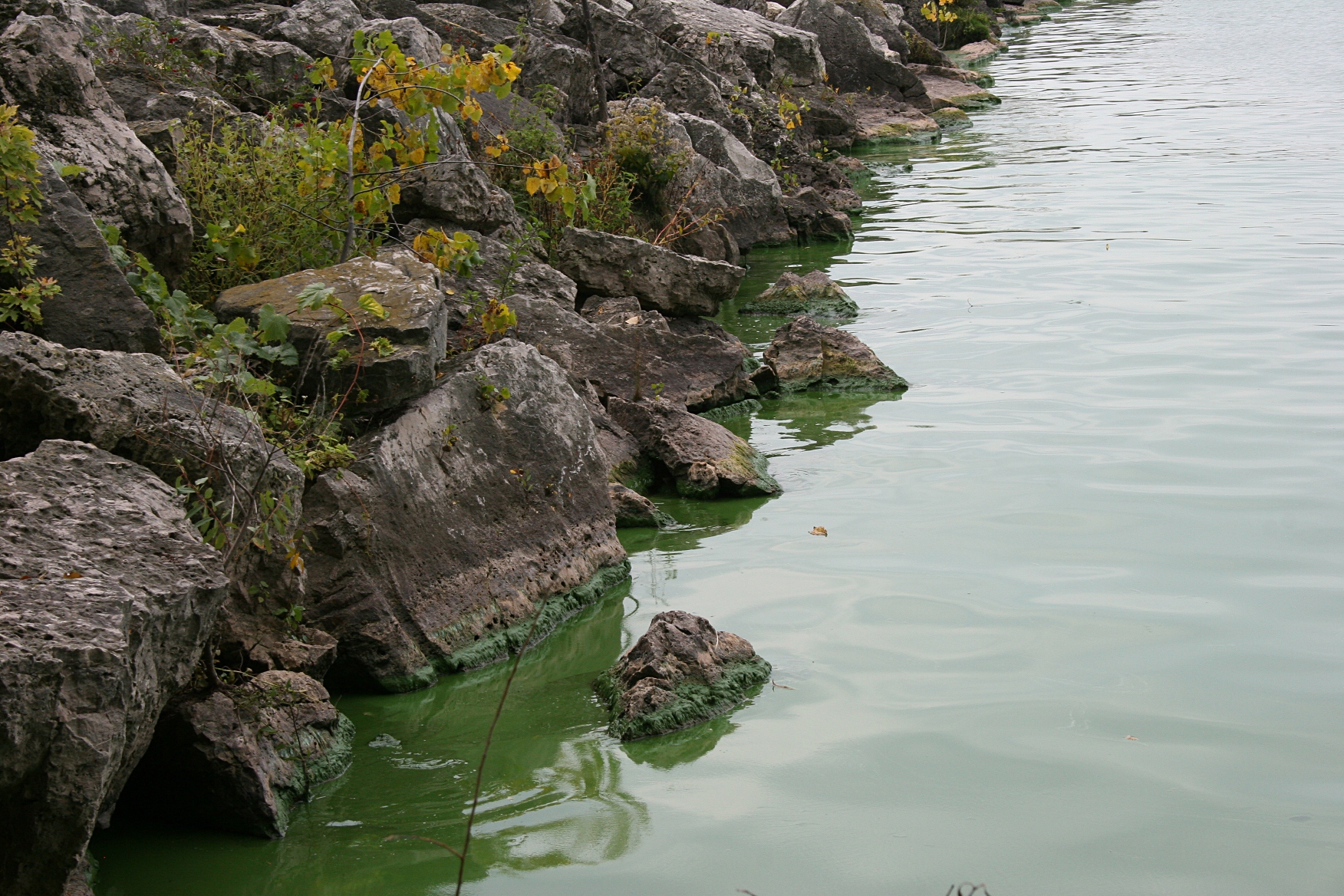
A close-up of the lake. No photo editing of the blue-green color.

A close-up of the lake. No photo editing done of the water’s hue.

I do not expect to see a lake that is green, as in it appears someone dyed the water green for a St. Patrick’s Day celebration. Why, I wonder, is a body of water this massive so overgrown apparently with blue-green algae? I am no scientist. But I suspect run-off (of chemicals) from lawns and farm fields into waterways that flow into Lake Winnebago, has created the problem.

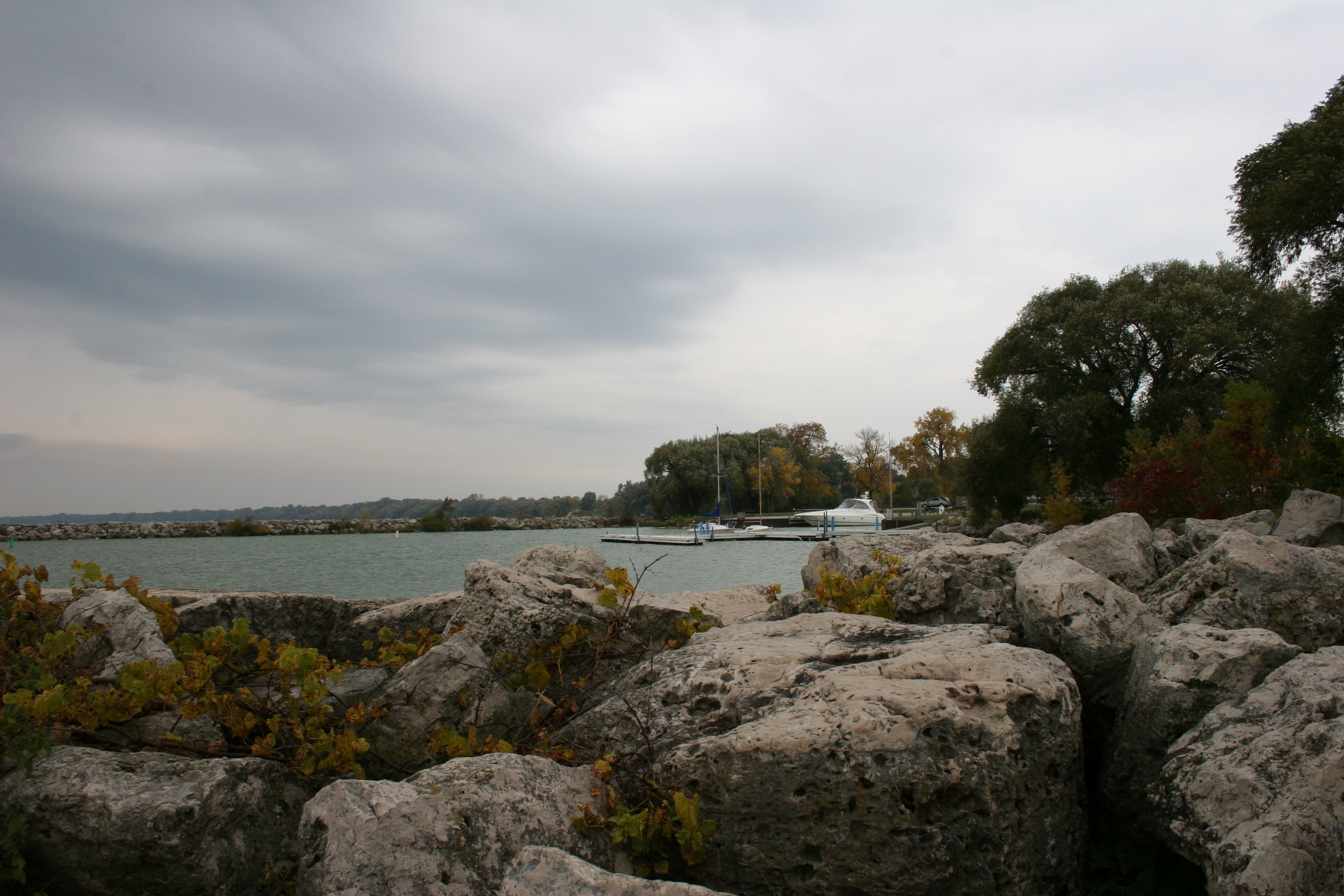
Looking from the rock wall toward the marina.

Looking from the rock wall toward the marina.

Honestly, I would never swim in this water, or even dip my toes into this lake. My daughter shares that a friend swam in Lake Winnebago this past summer and broke out in a rash.

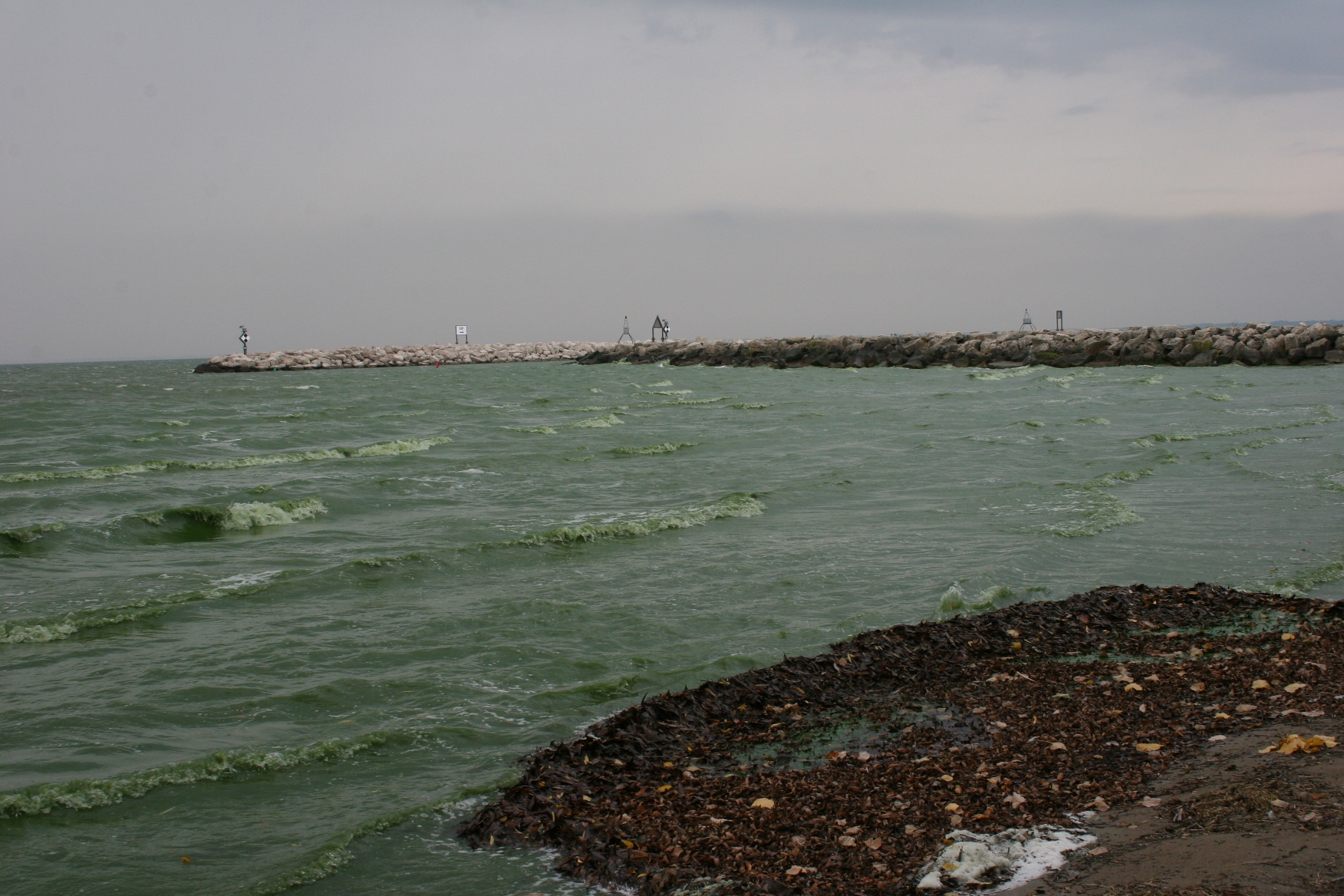
Just another view of the lake and the area where boats slip into shore.

Just another view of the lake and the area where boats slip into shore.

Researchers from the University of Wisconsin-Milwaukee are currently studying the lake, hoping to learn more about dangerous toxins produced by the blue-green algae, according to an article published in the Milwaukee, Wisconsin Journal-Sentinel. Drinking water for four area cities, including Appleton, comes from Lake Winnebago. The water is treated, of course, but it still concerns me to think this lake, in this condition, is a source of drinking water.

This lake is a popular fishing spot, too.

After viewing the lake’s poor water quality, I’m thankful these researchers have secured a $750,000 five-year grant from the National Institution of Environmental Health Sciences and the National Science Foundation to study the lake.

The quality of this lake water scares and saddens me and, truly, detracted from my experience at High Cliff State Park, an otherwise lovely place of exceptional natural beauty.

* NOTE: Various sources cite different sizes for Lake Winnebago. The Wisconsin Department of Natural Resources lists the lake at 131,939 acres, about the same acreage size of Mille Lacs Lake in Minnesota.

#

BONUS PHOTOS:

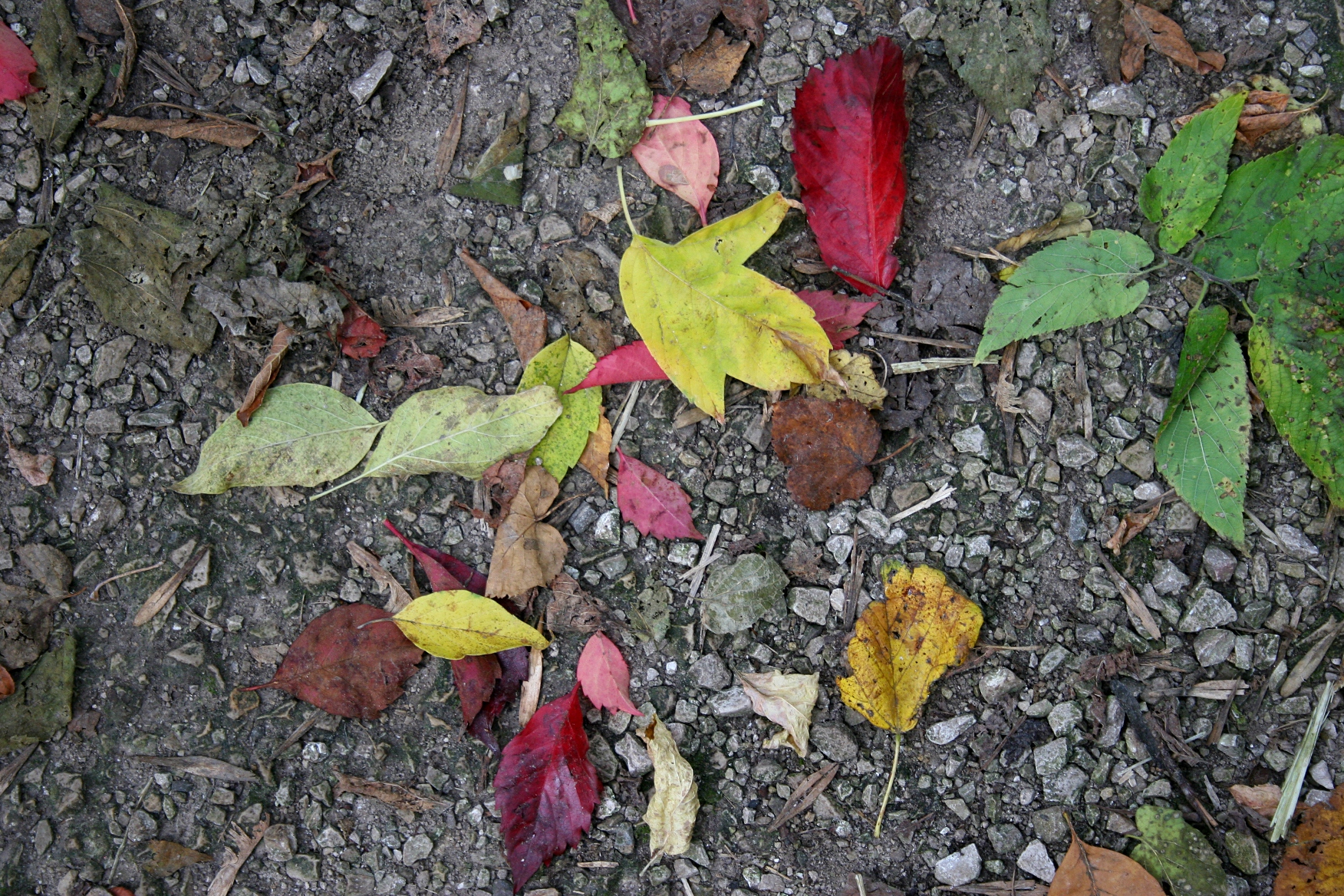
A colorful collage of leaves on a trail near the kiln ruins.

A colorful collage of leaves on a trail near the kiln ruins.

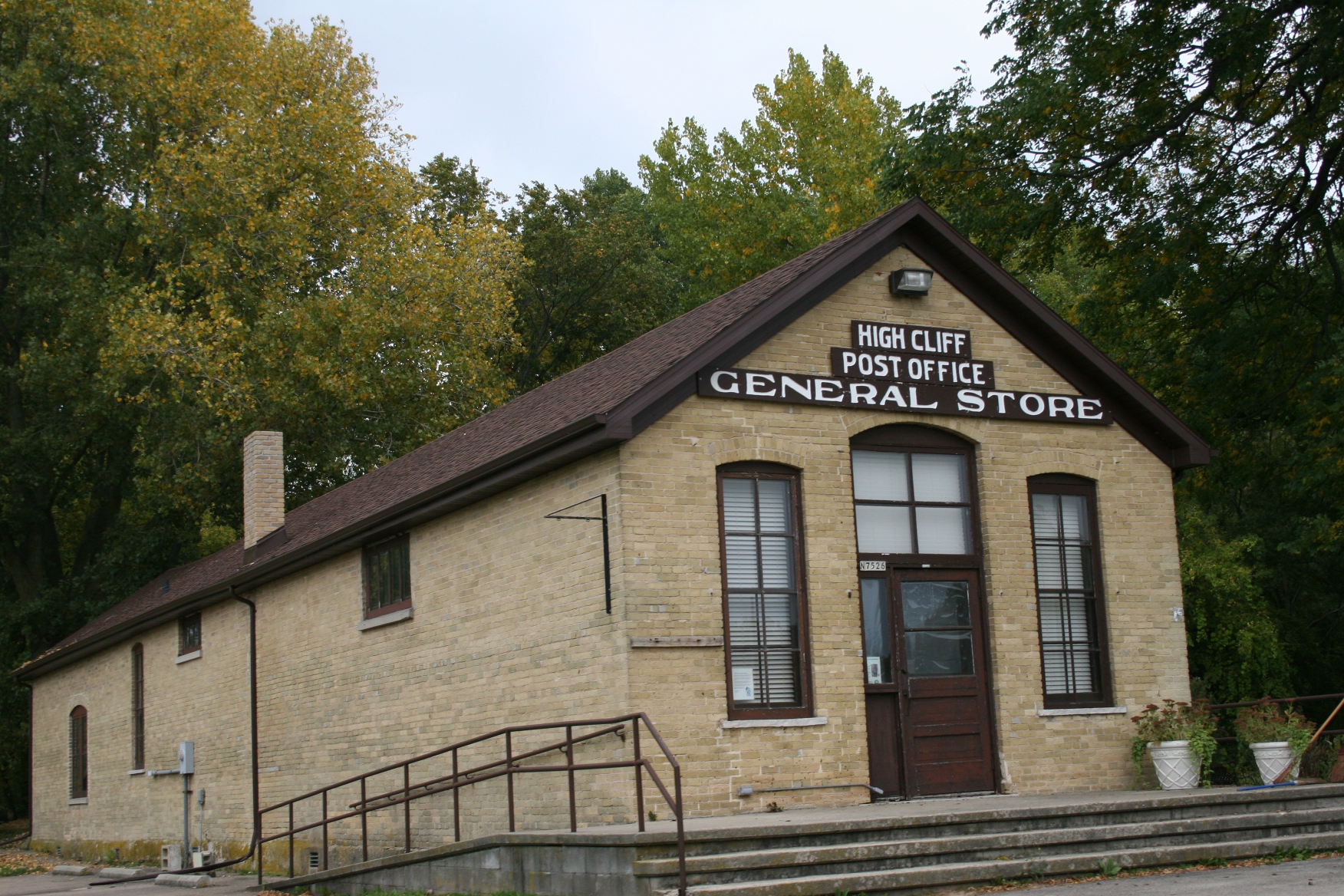
The only remaining building in

The only remaining building on the former site of Clifton, a town which existed here until the quarries closed. This 1800s building is now a museum and interpretative center, but was not open on the day we were at the park. Efforts are currently underway to save the structure from demolition, according to information on the Friends of High Cliff website. I have no idea why anyone would want to destroy this historic store.

A scenic view shot from near the lake.

A scenic view shot from near the lake.

Autumn in the picnic grounds of High Cliff.

Hickory nuts, in their protective outer shell, litter the picnic grounds.

© Copyright 2013 Audrey Kletscher Helbling
 

On the road in Wisconsin: Duo country churches near Shennington October 20, 2013

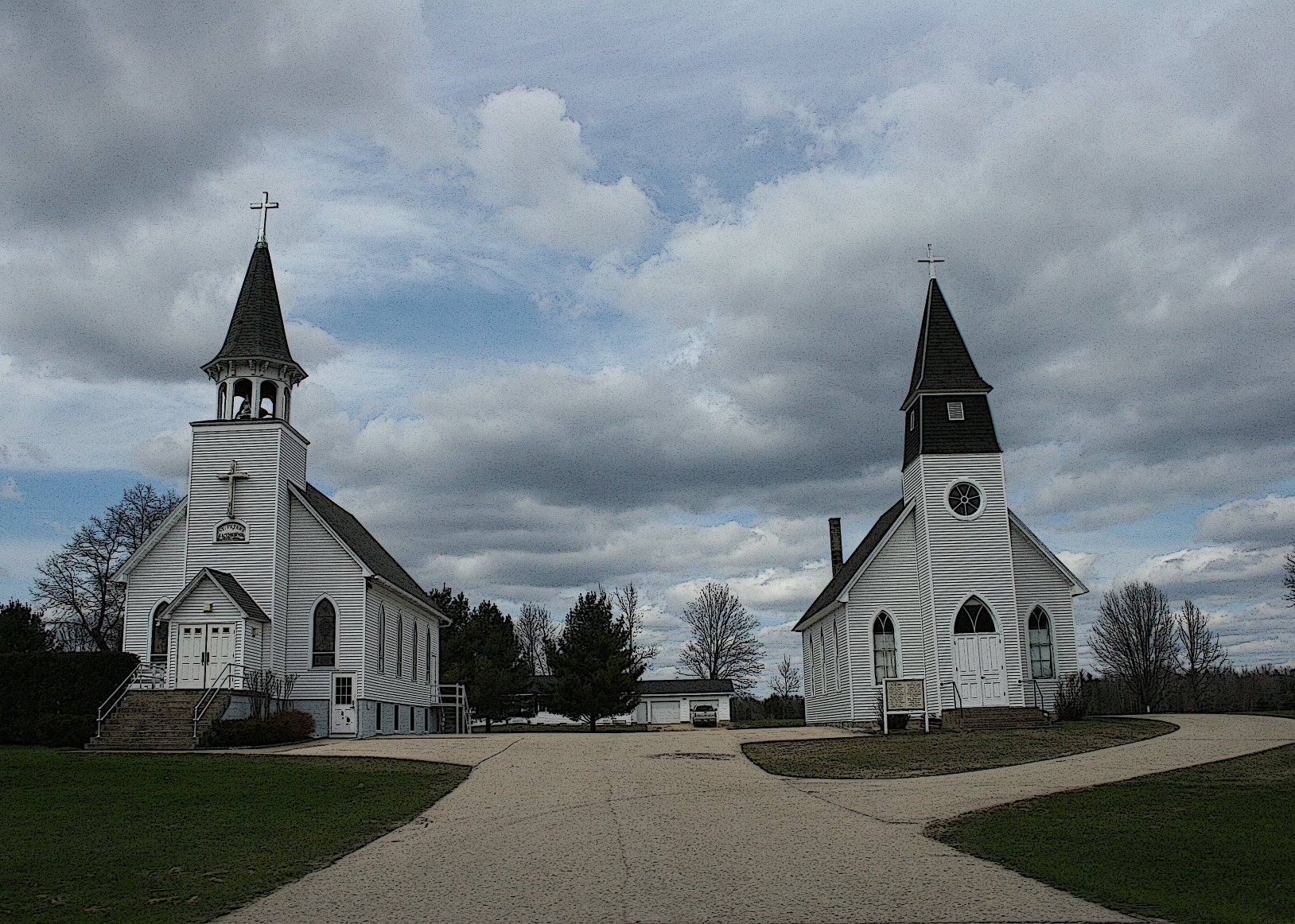
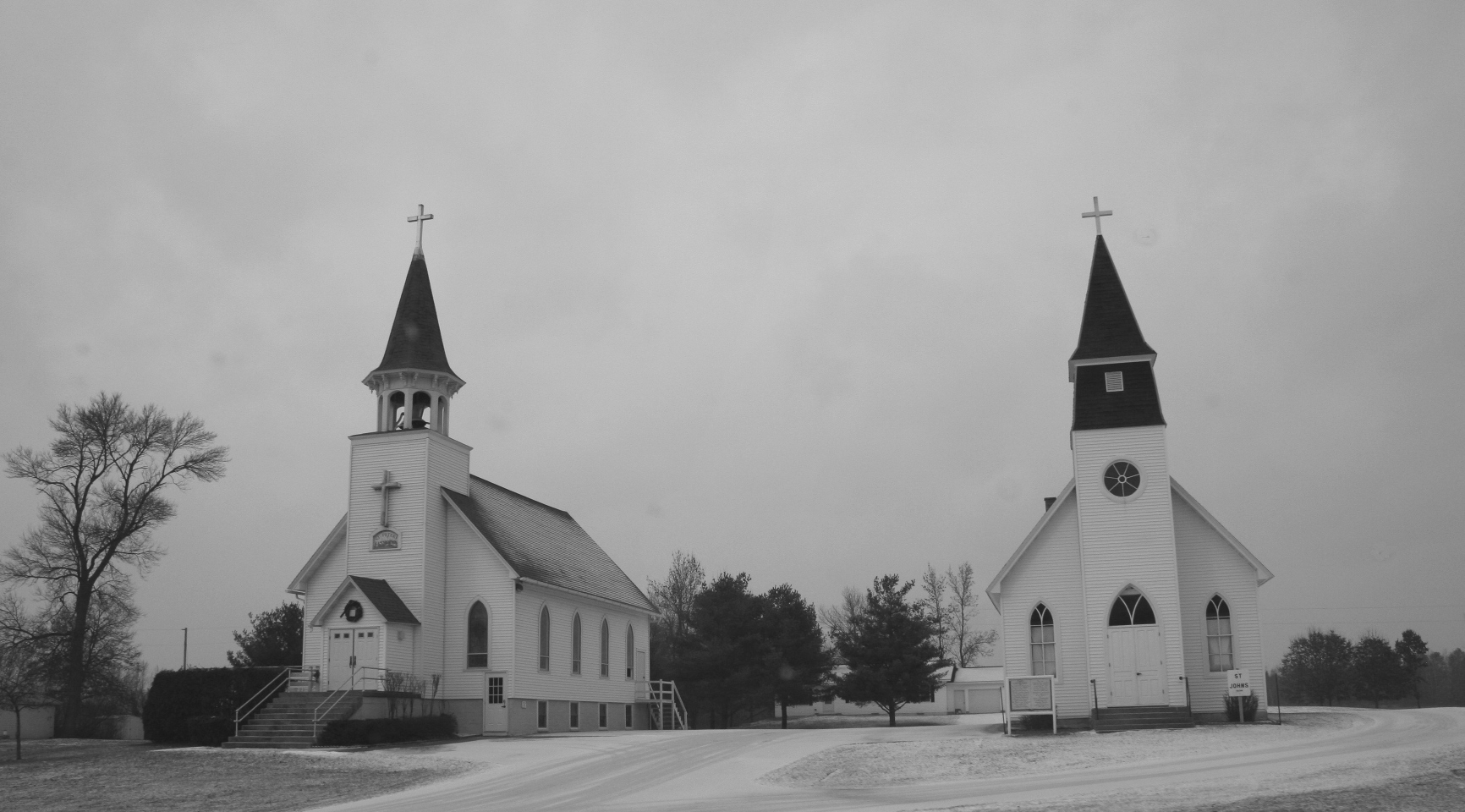
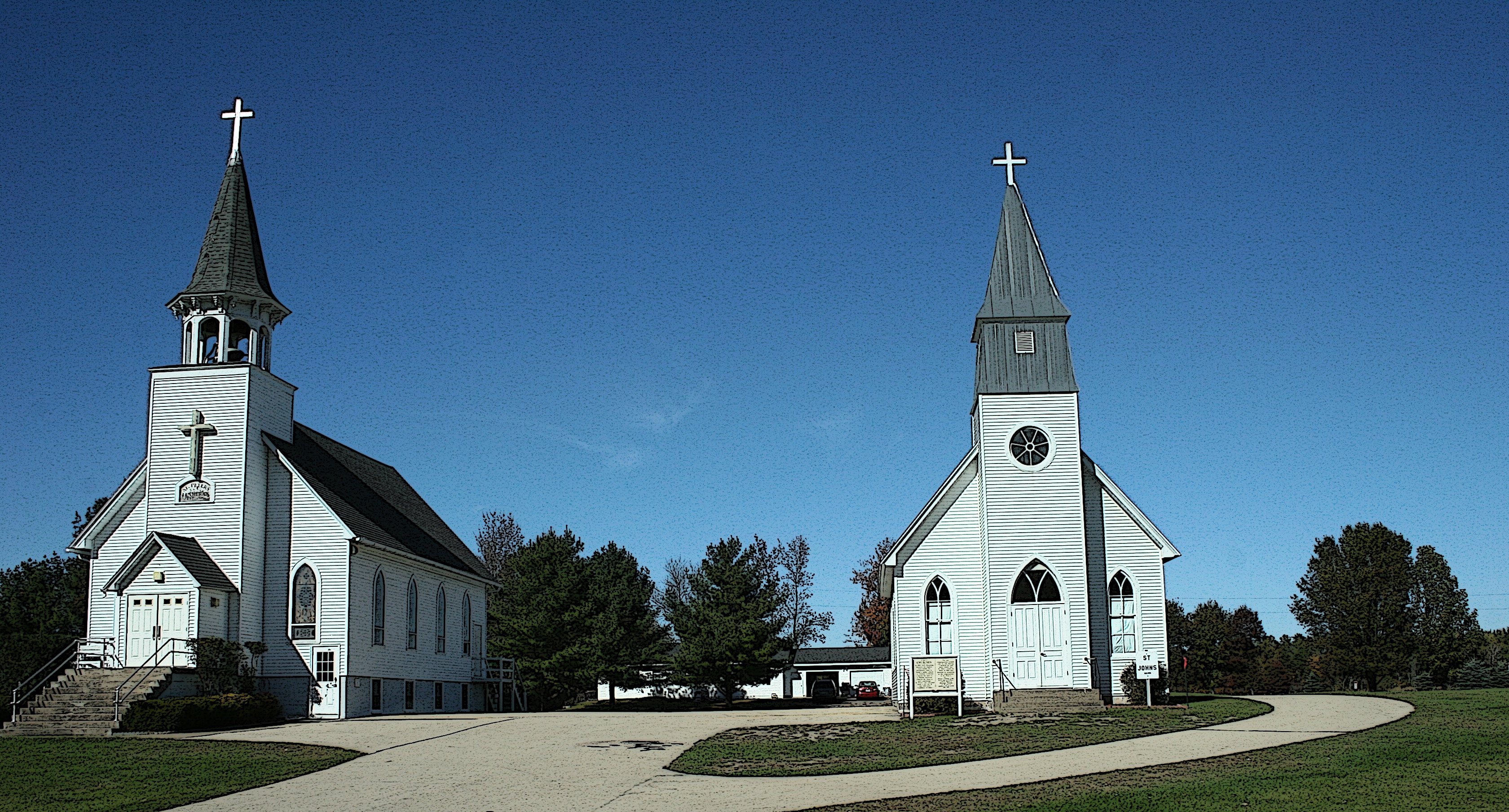
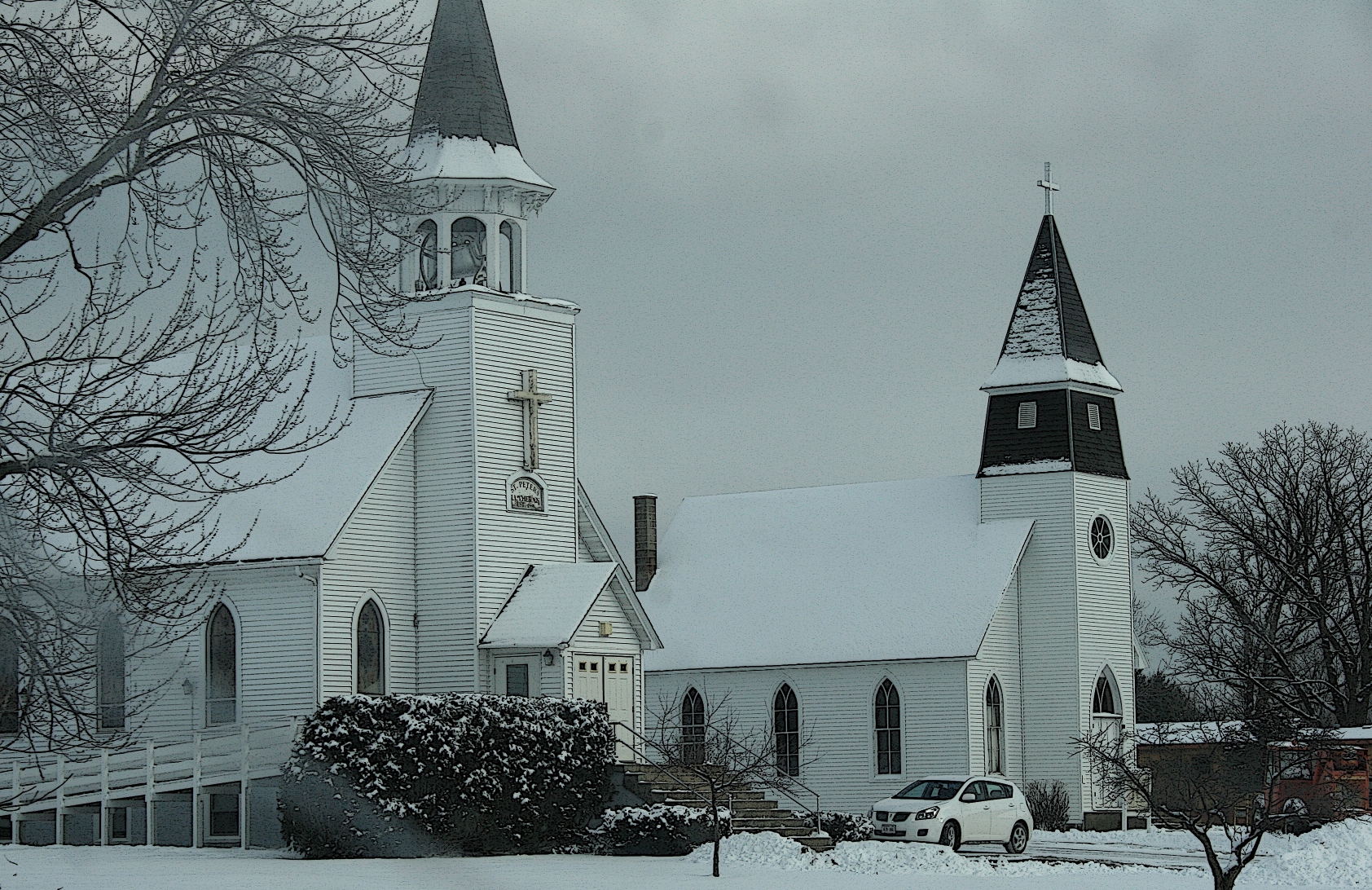
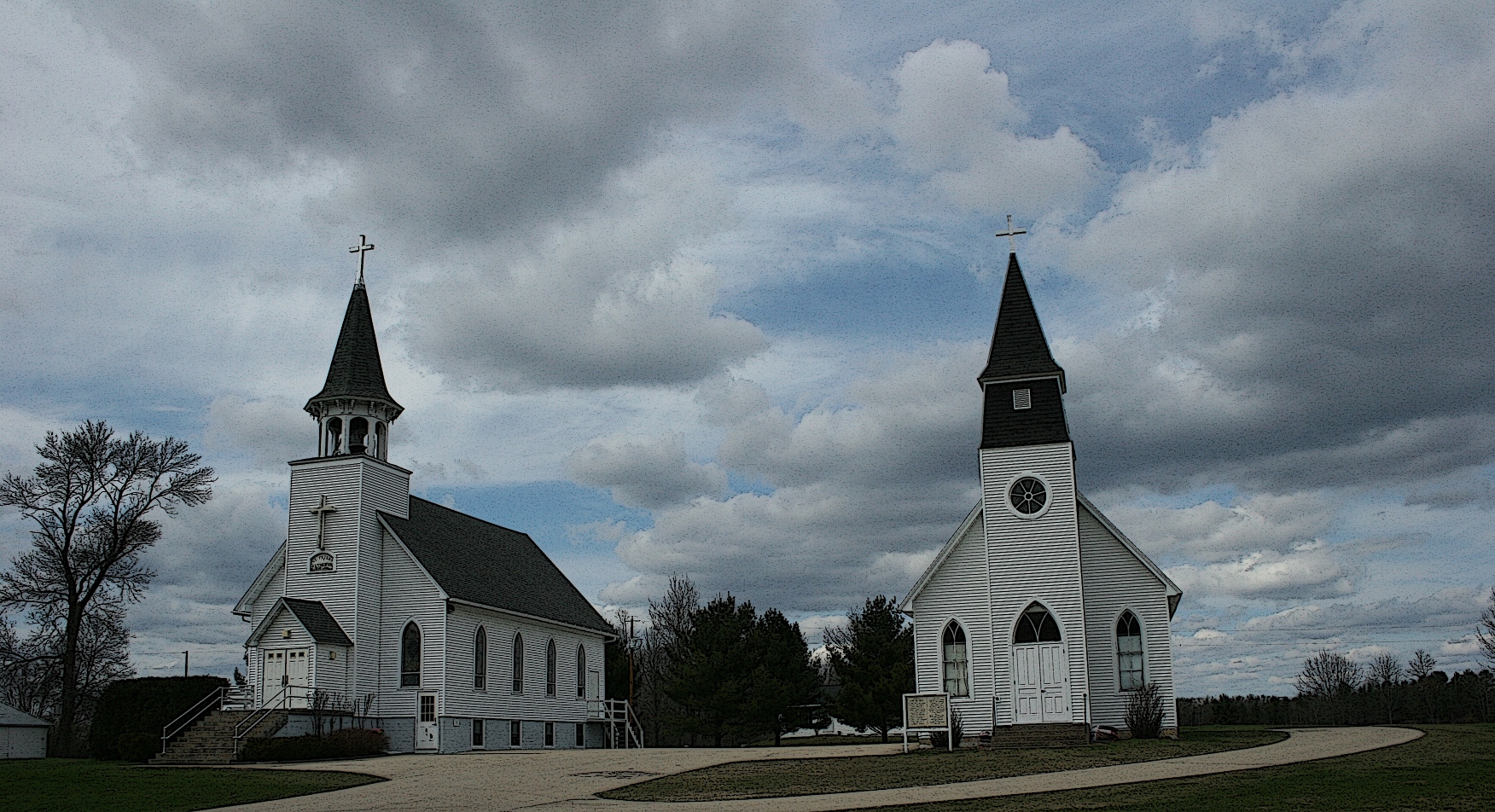
NUMEROUS TIMES I’VE PHOTOGRAPHED these side-by-side country churches along Wisconsin State Highway 21 just west of Shennington:

Photographed while driving by in the winter of 2010.

Photographed while driving by in the winter of 2010.

Photographed while traveling by in the spring of 2011.

Photographed while traveling by in the spring of 2011.

Another shot of the two churches taken in spring 2011.

Another shot of the two churches taken in spring 2011.

Several months later, in December 2011, I snapped this image.

Several months later, in December 2011, I snapped this image.

My most recent photo, shot on Sunday afternoon, October 13, 2013.

My most recent photo, shot on Sunday afternoon, October 13, 2013.

Beautiful, aren’t they? St. John’s and St. Peter’s Lutheran. German and Danish.

Not once have I stopped to investigate why two houses of worship, seemingly from the same time period, are separated only by a cement parking lot.

I should stop, shouldn’t I?

For now, though, I must rely on information published on Waymarking.com. Because that info is copyrighted, you’ll need to click here to read what I learned.

Every place has a story.

If you know anything about these two churches, please submit a comment so that we can all learn more. I’m certain there are stories to be told.

© Copyright 2013 Audrey Kletscher Helbling
 

In Wisconsin: A quick stop at a Tomah cranberry farm October 17, 2013

Filed under: Uncategorized — Audrey Kletscher Helbling @ 6:00 AM
Tags: , , , , , , , , ,
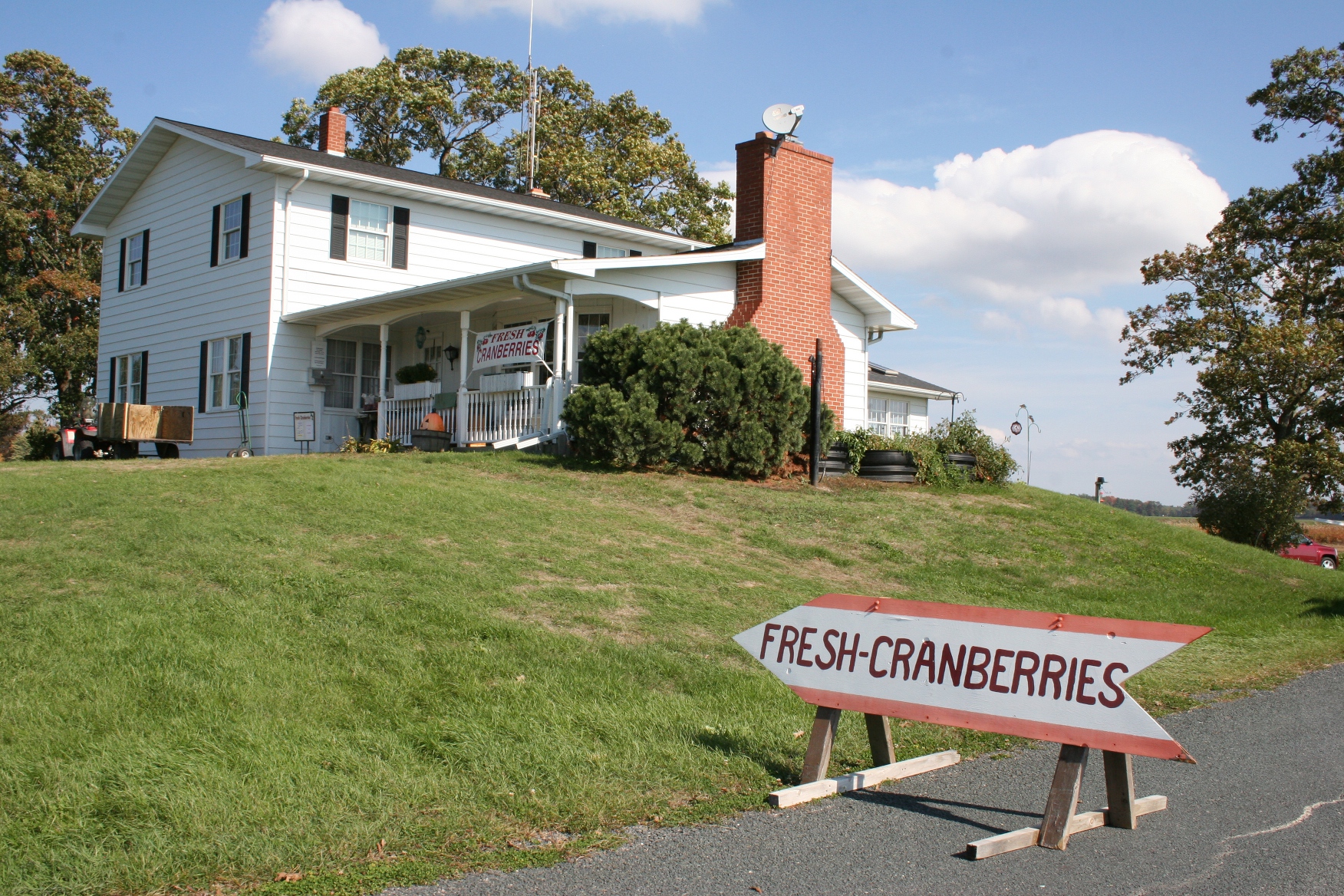
A sign at the Rezin farm points to the cranberries on the porch.

At the end of the road, a sign points to cranberries on the porch at the Rezin farm.

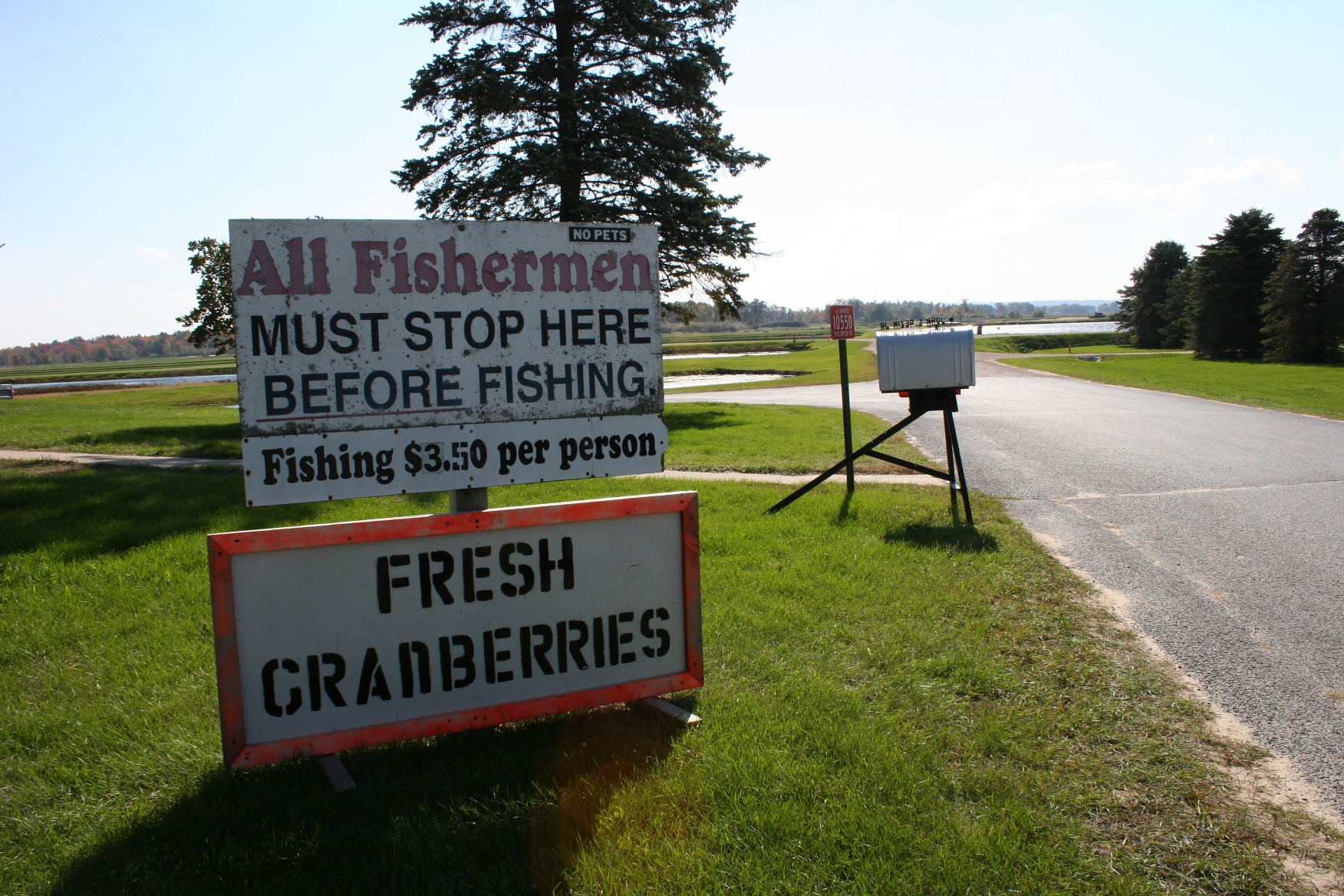
THE “FRESH CRANBERRIES” SIGN grabbed our attention along State Highway 21 just east of Tomah in the heart of Wisconsin cranberry country.

So my husband slowed the van in a flash and turned onto a side road to North Tomah Cranberry Co. operated by John Rezin & Sons. Randy loves cranberries. Me, too. As juice or in pie. You won’t see me scooping cranberries onto my plate at Thanksgiving.

We’d never been on a cranberry farm nor purchased just harvested cranberries. So we were excited—or at least I was to photograph a true Wisconsin cranberry farm.

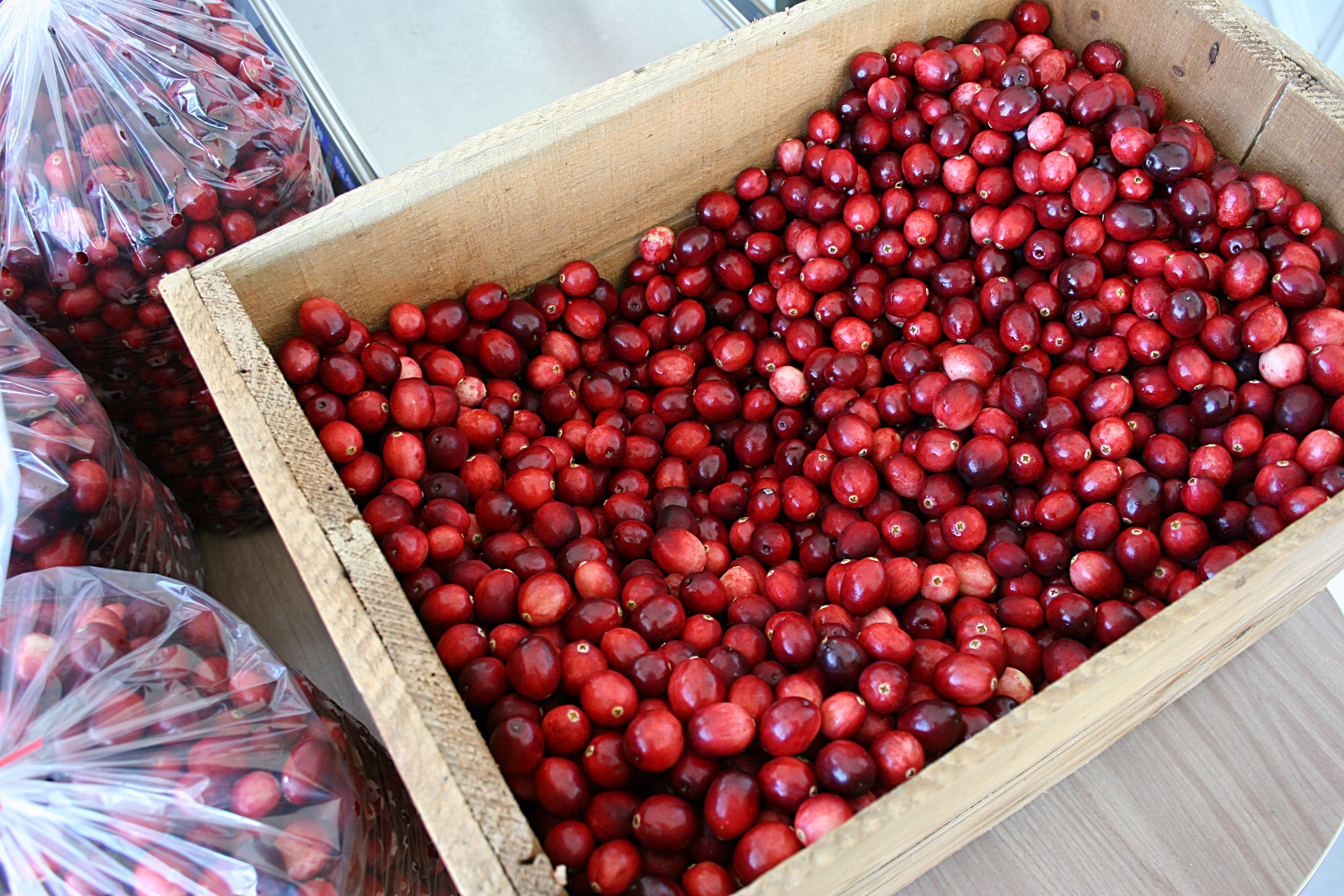
Fresh cranberries direct from the bogs.

Farm fresh cranberry pricing

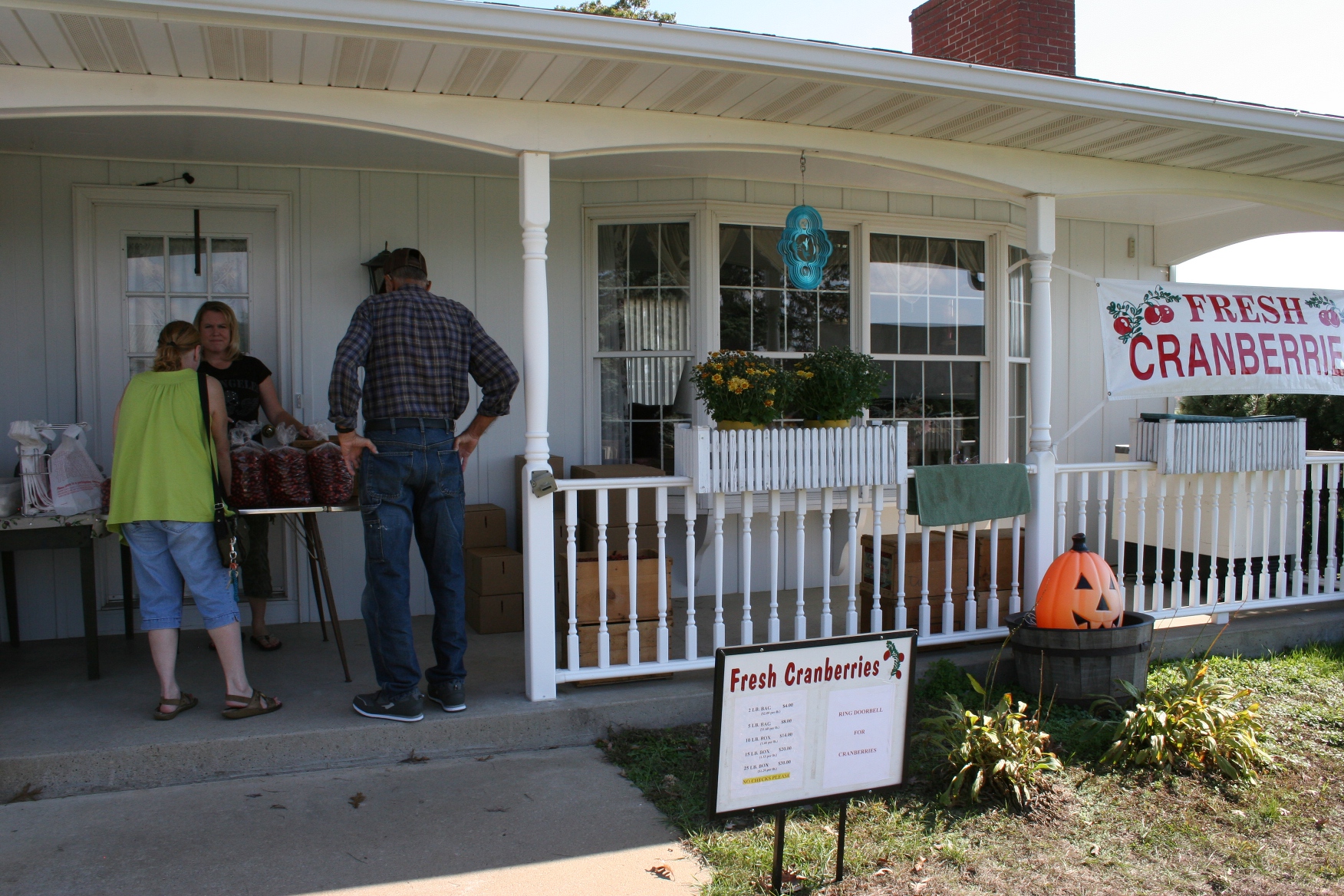
Teresa Rezin waits on customers.

Teresa Rezin waits on customers.

Teresa Rezin met us on the farmhouse side porch before we could follow the “RING DOORBELL FOR CRANBERRIES” signage.

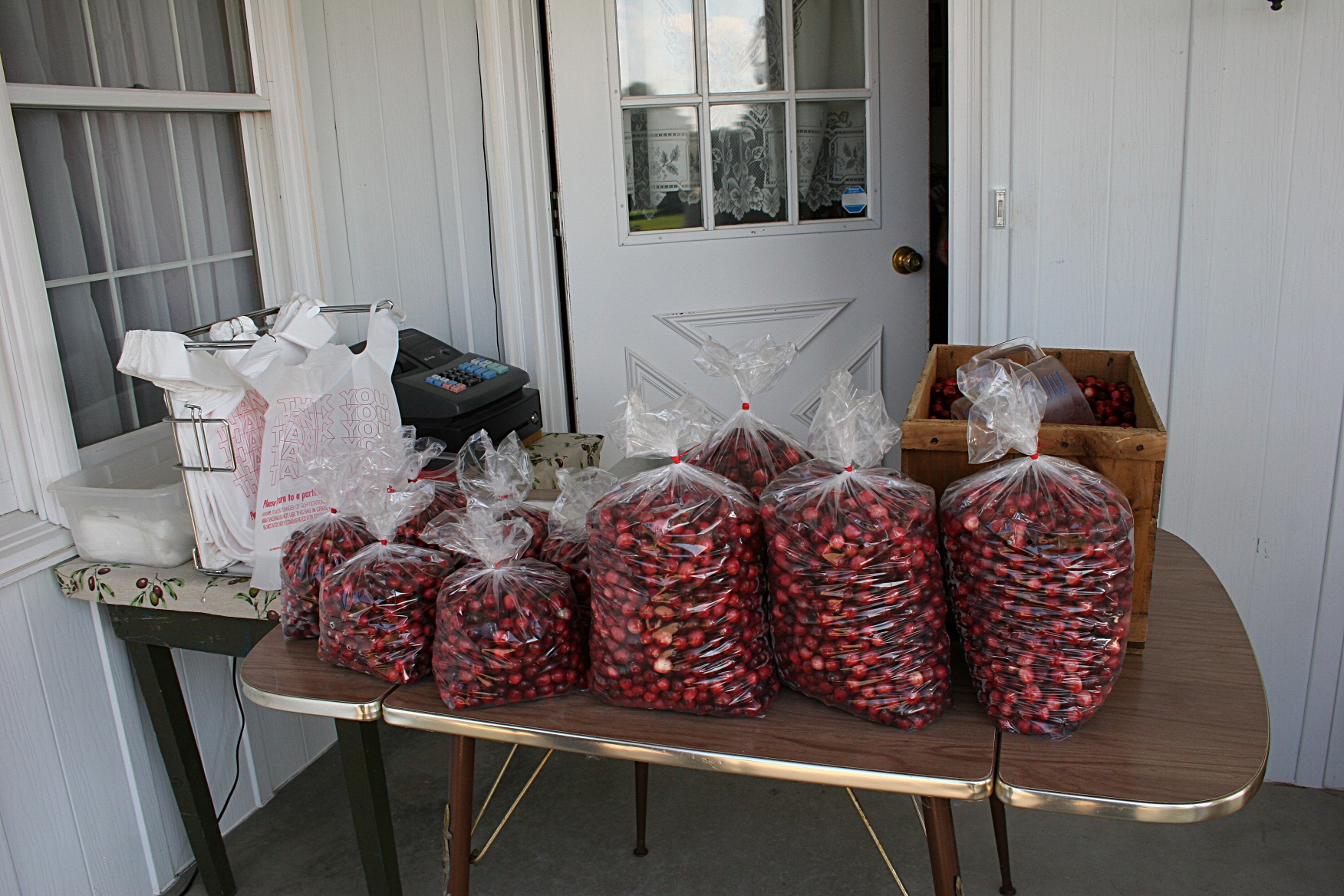
Cranberries bagged in various sizes await purchase.

Cranberries bagged in various sizes await purchase.

Randy snapped up two pounds of berries for $4, later wishing he’d bought five.

Beautiful fresh cranberries for sale.

Beautiful fresh cranberries for sale.

The next customer purchased 30 pounds—for cranberry wine. I wish I could have followed that woman home to learn about cranberry wine making. I’ve sipped and savored cranberry wine from Wisconsin.

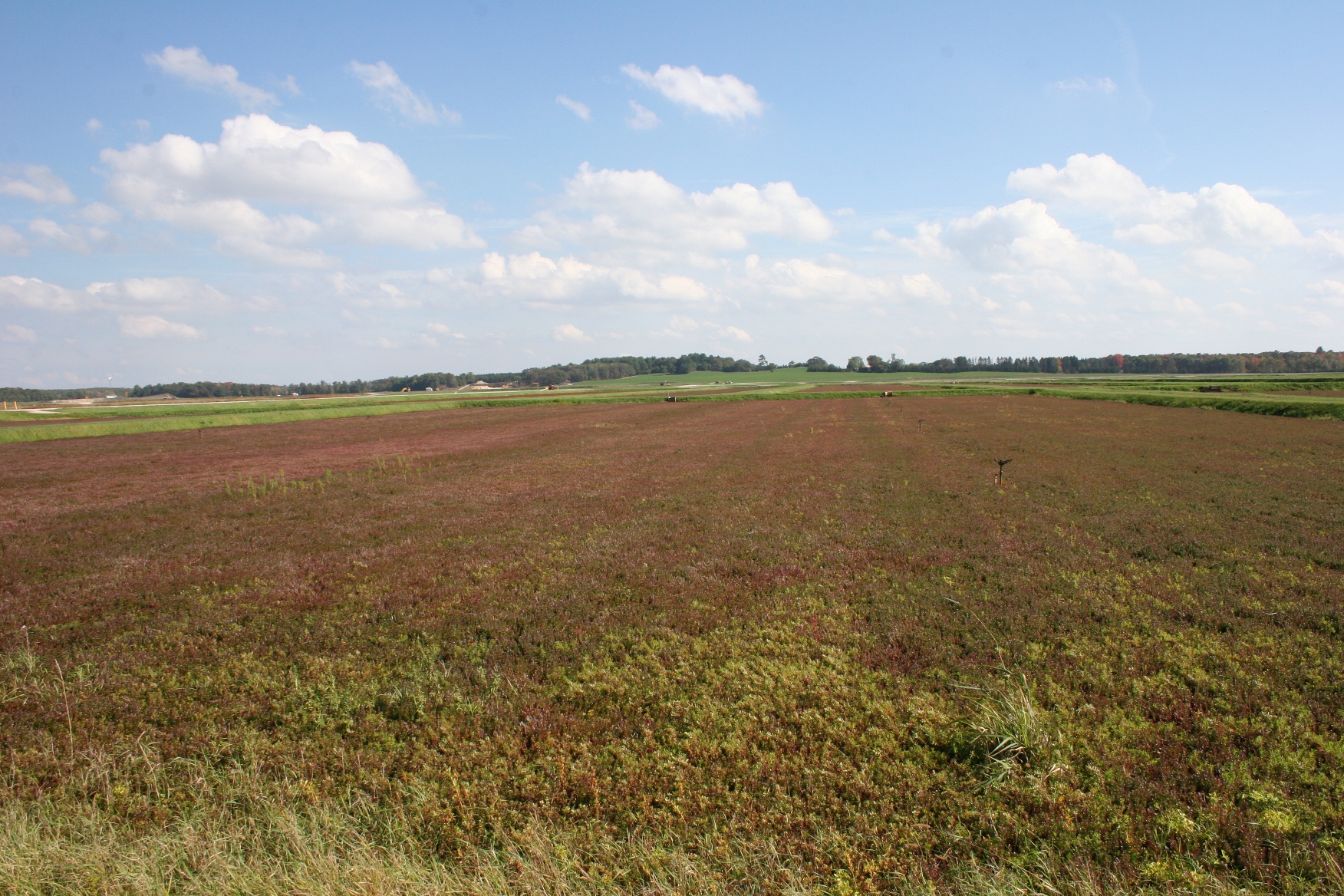
One of the many cranberry fields.

One of the many cranberry fields.

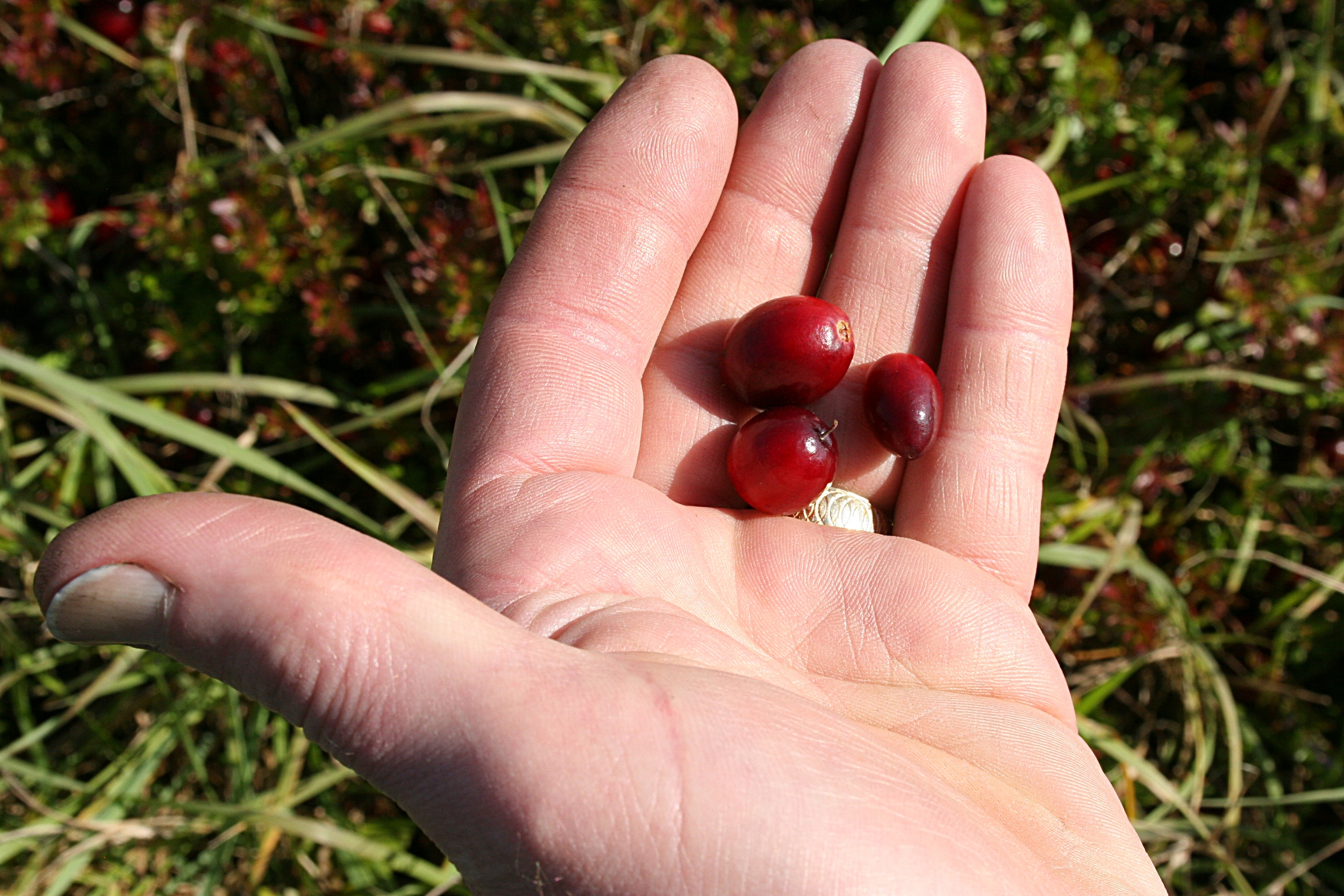
Randy pushes aside leaves and stems to reveal the cranberries on the low-lying plants.

Randy pushes aside leaves and stems to reveal the cranberries on the low-lying plants.

Just-picked cranberries.

Just-picked cranberries.

Instead, under Teresa’s direction and welcome, Randy and I headed over to the cranberry fields for a quick look at how cranberries grow. I had no idea. None. I expected waist high bushes ripe with red orbs. Instead, we discovered cranberries clinging to earth-hugging plants.

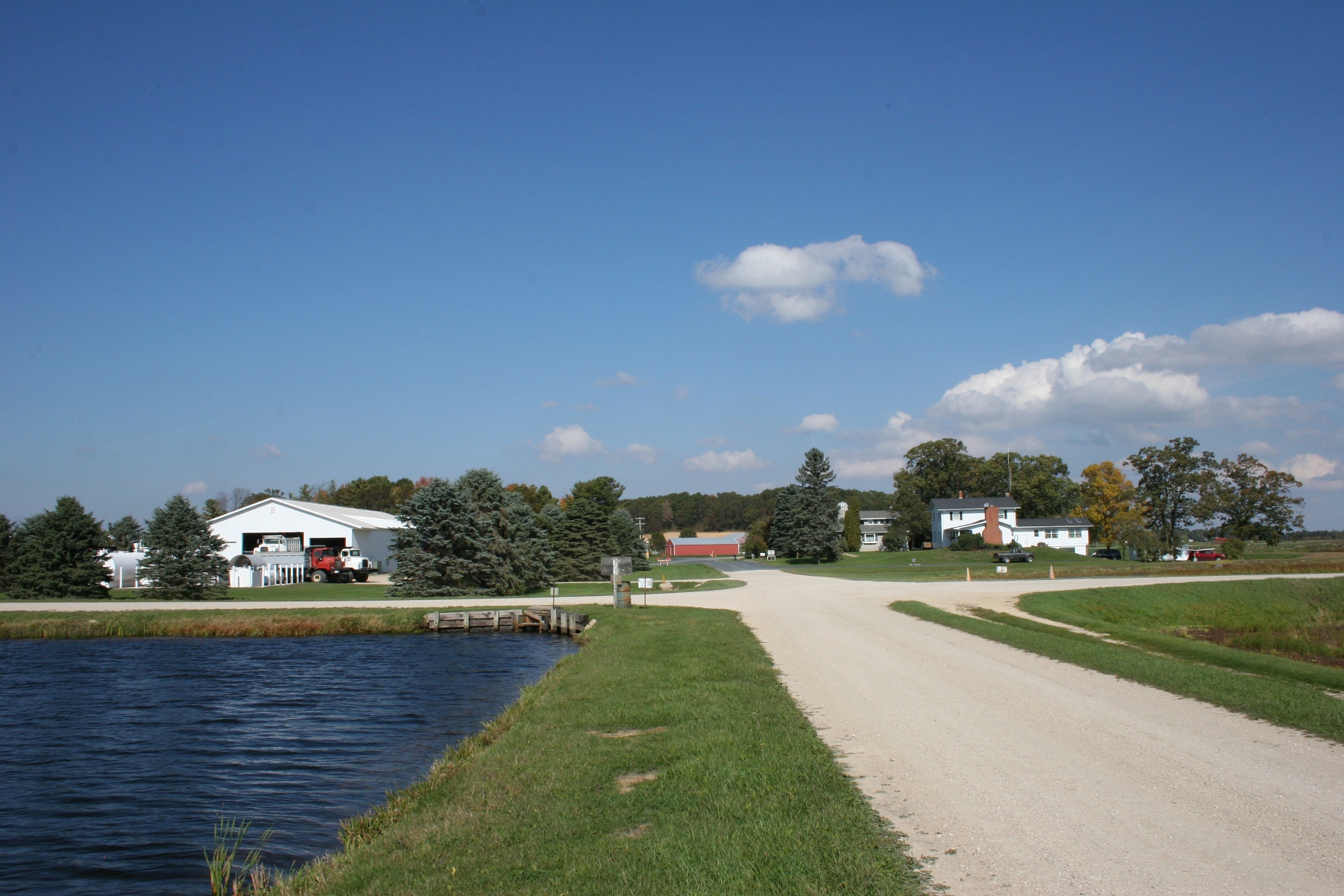
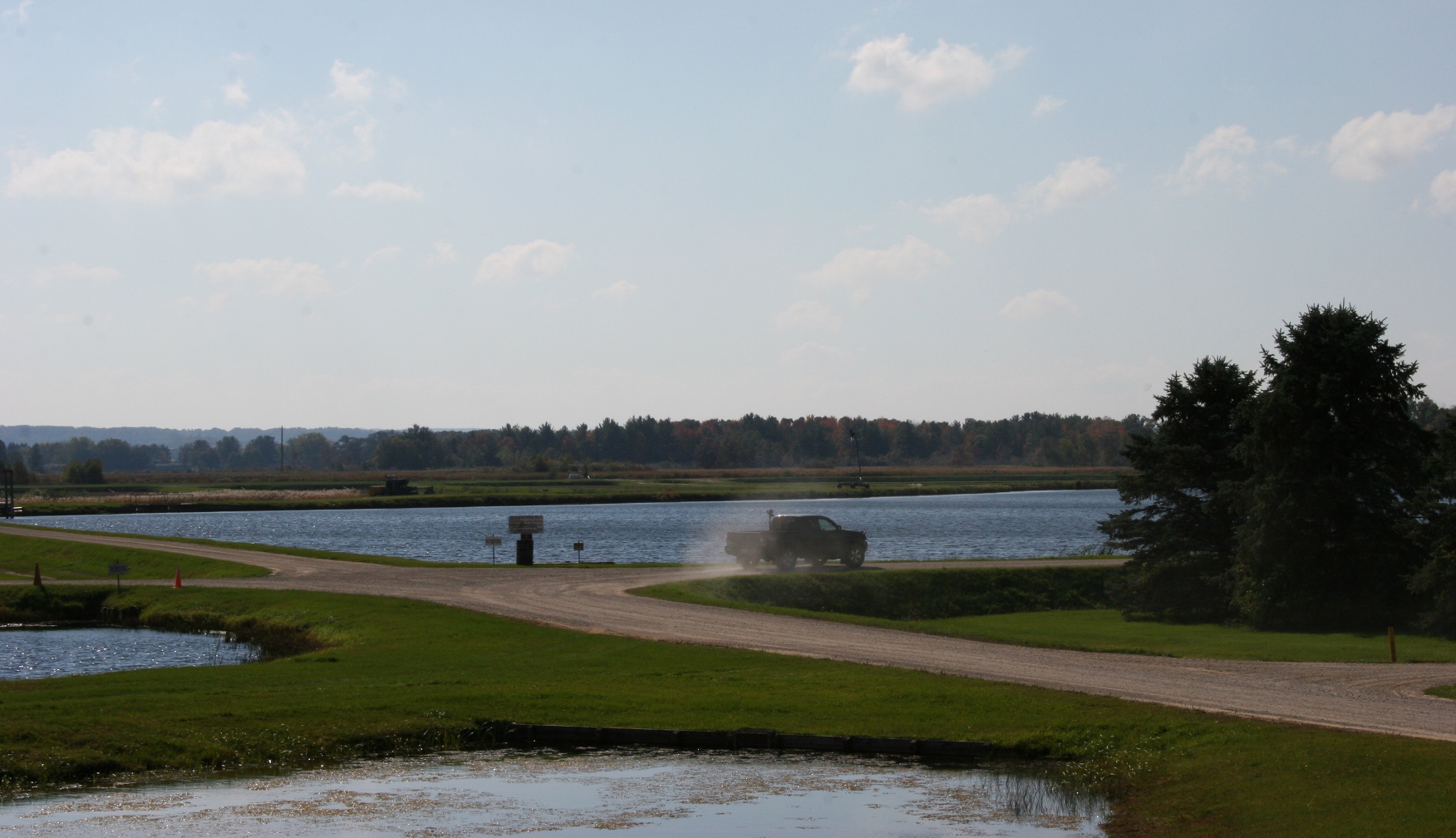
In the distance lies the farm site; to the right the cranberry fields; and to the left, the lake/water for flooding the fields.

In the distance lies the farm site; to the right the cranberry fields; and to the left, the lake/water for flooding the fields.

A water channel.

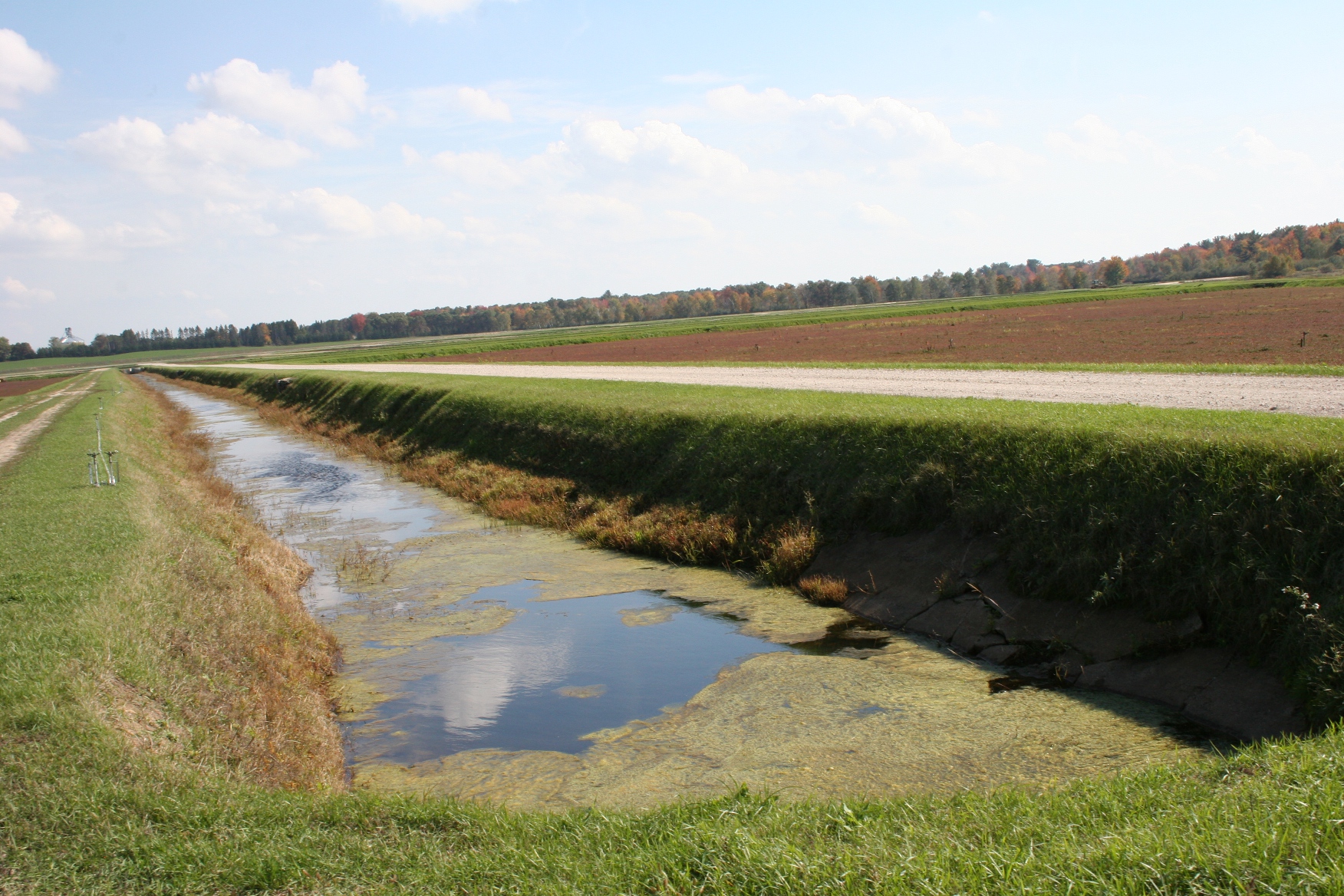
A water channel and cranberry fields to the right.

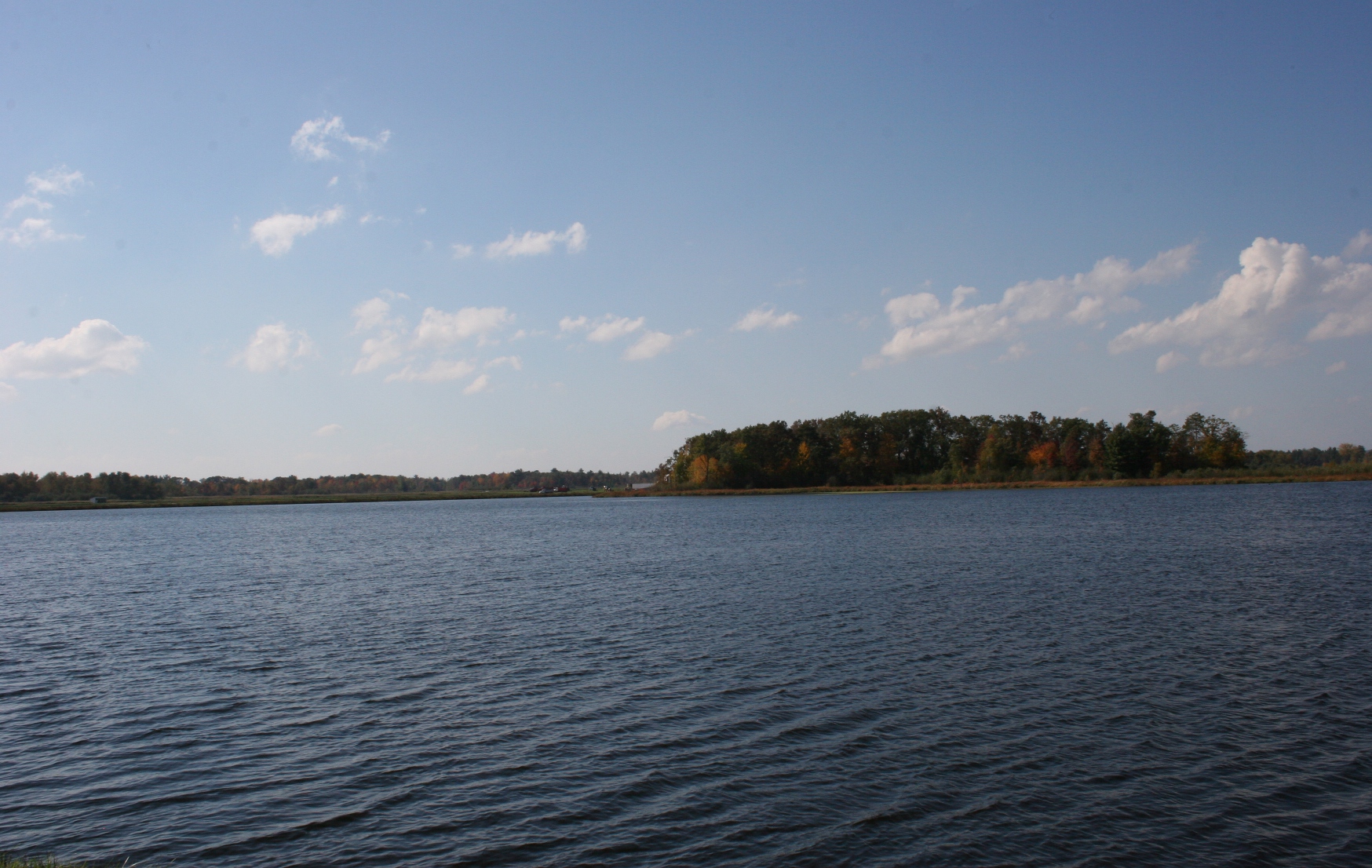
The "lake" across the road from the cranberry fields.

The “lake” across the road from the cranberry fields.

A gravel road separated the cranberry field from a small lake size body of water used to flood the cranberries at harvest. This we deduced on our self-guided quick tour.

Cranberries and fish.

Cranberries and fish.

For $3.50 a day, fishermen/women can fish here, too. Northerns and bass, maybe more. I didn’t ask. What a smart dual usage of water.

We didn’t press Teresa for an educational tour. So our knowledge of how a cranberry farm operates is still minimal.

But at least now I know cranberry plants grow close to the ground.

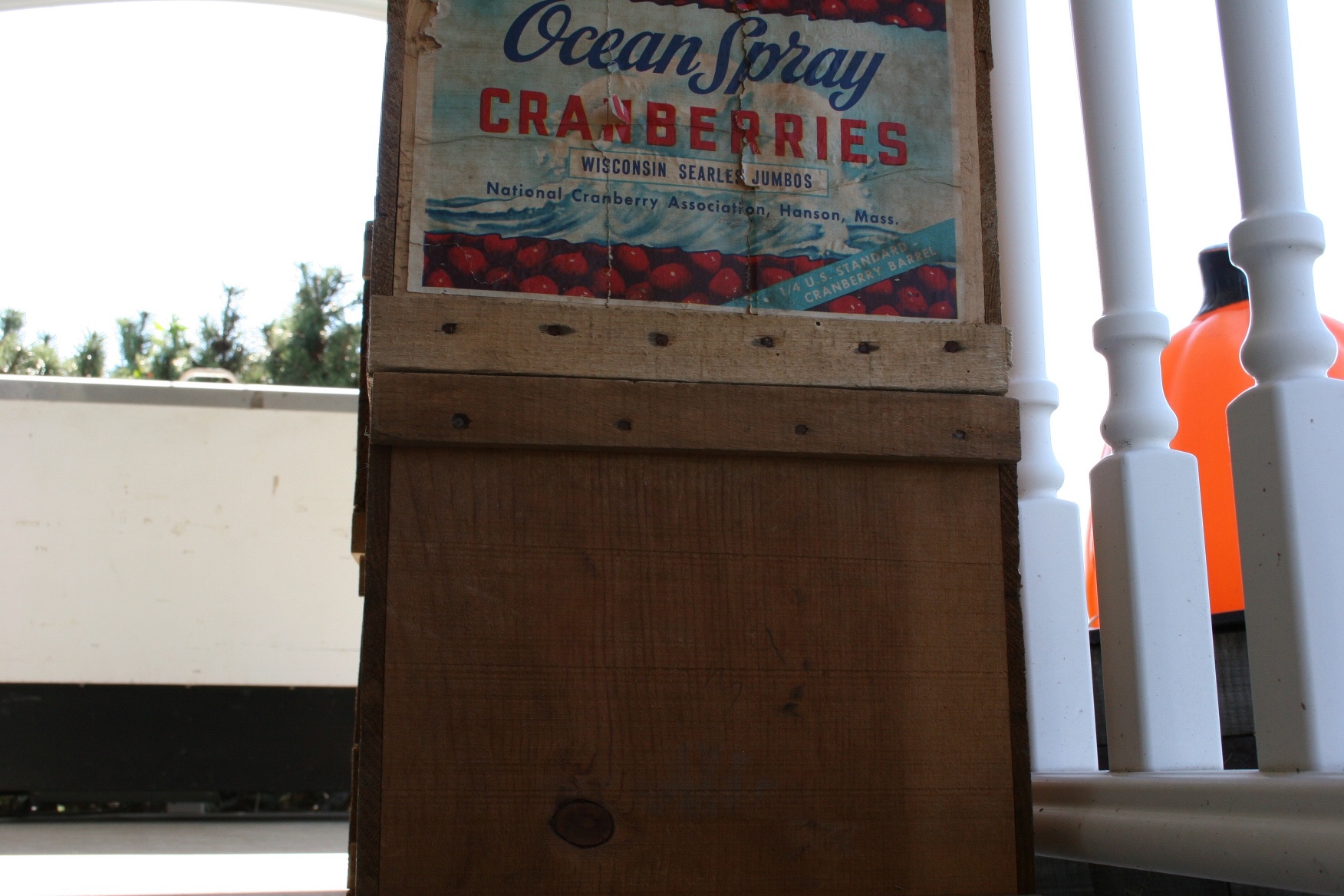
Loved these cranberry crates on the farmhouse porch.

Loved these cranberry crates on the farmhouse porch.

FYI: North Tomah Cranberry Co. berries go to grower-owned Ocean Spray, located just down the highway from the farm. The Tomah processing plant produces 31 million pounds of sweetened dried cranberries and concentrate annually, according to Ocean Spray.

BONUS PHOTOS:

The direction Teresa pointed us for our brief tour.

The direction Teresa pointed us for our brief tour.

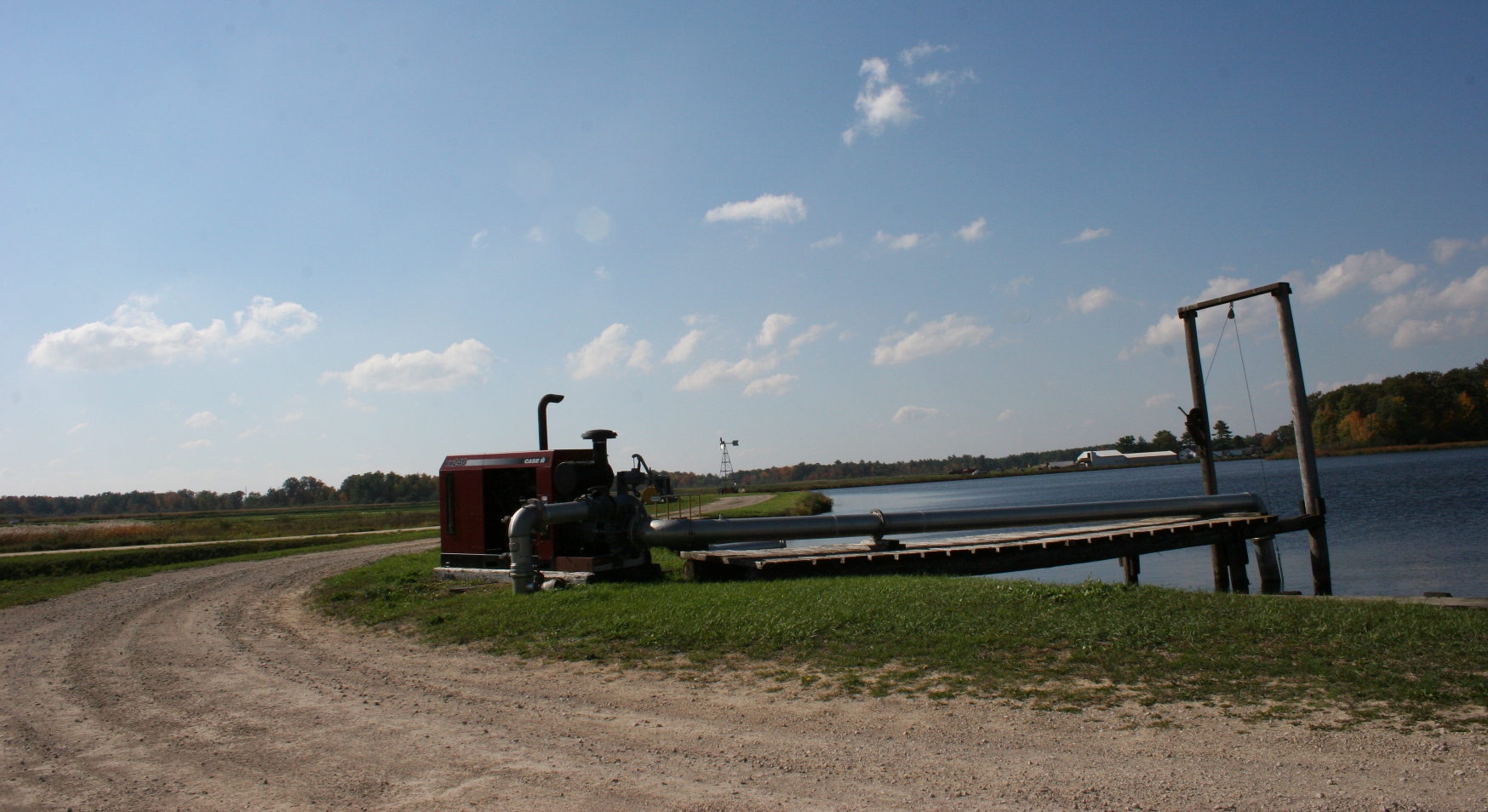
A water pump.

A water pump.

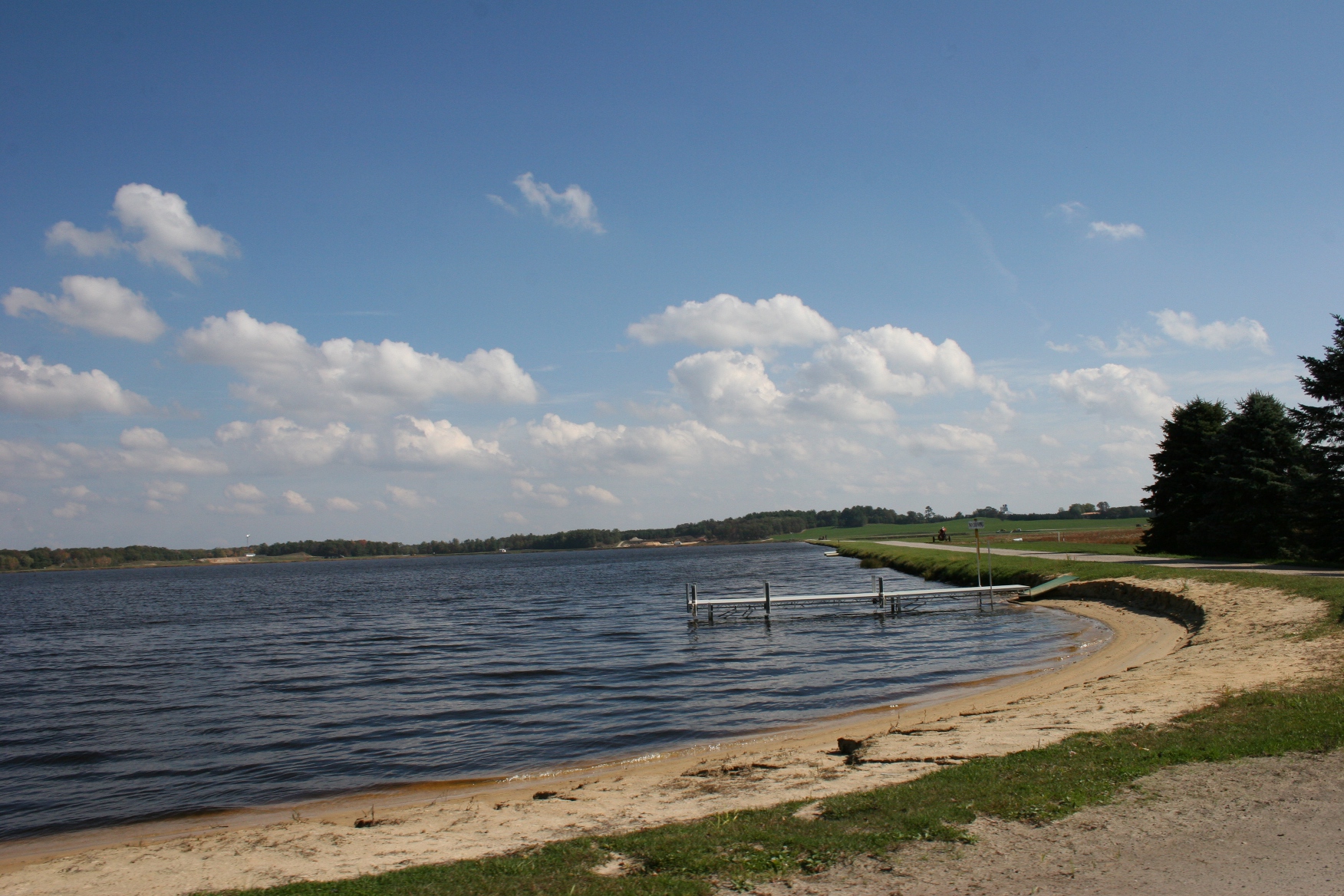
Another "lake," this one with a beach.

Another “lake” by the cranberry farm, this one with a beach.

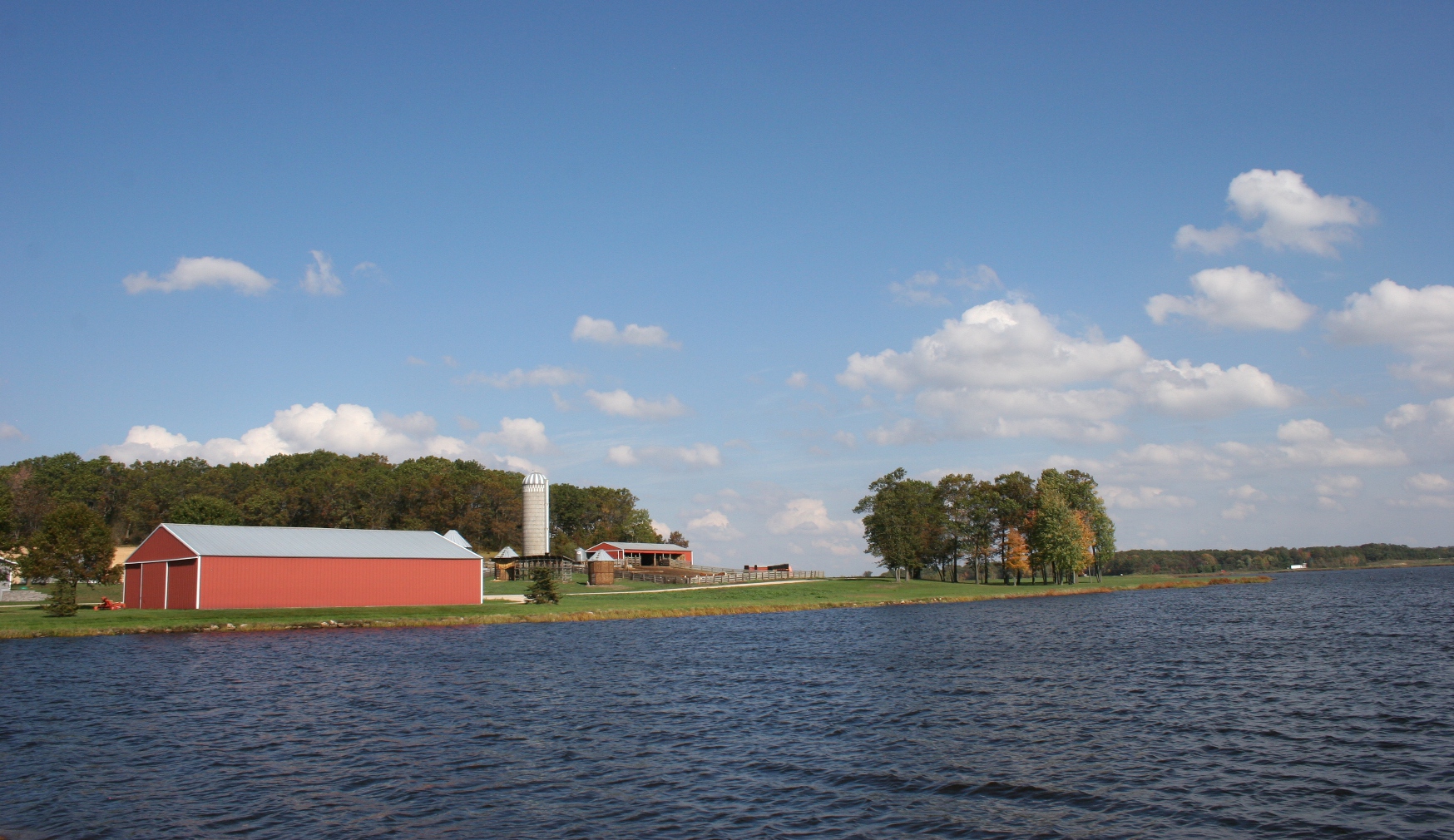
The farm site just to the north of the "lake" pictured above.

The farm site just to the north of the “lake” pictured above.

© Copyright 2013 Audrey Kletscher Helbling
 

Harvesting photo ops in rural Minnesota and rural Wisconsin October 16, 2013

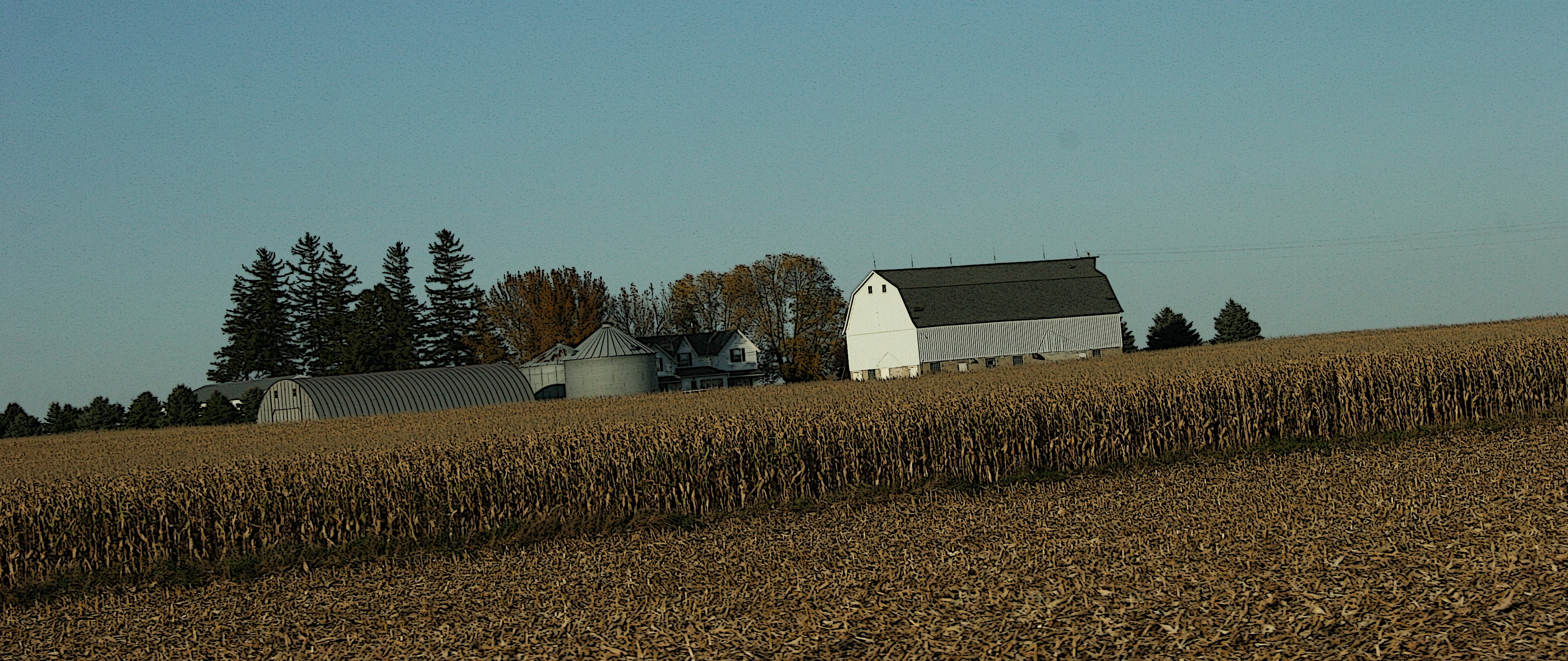
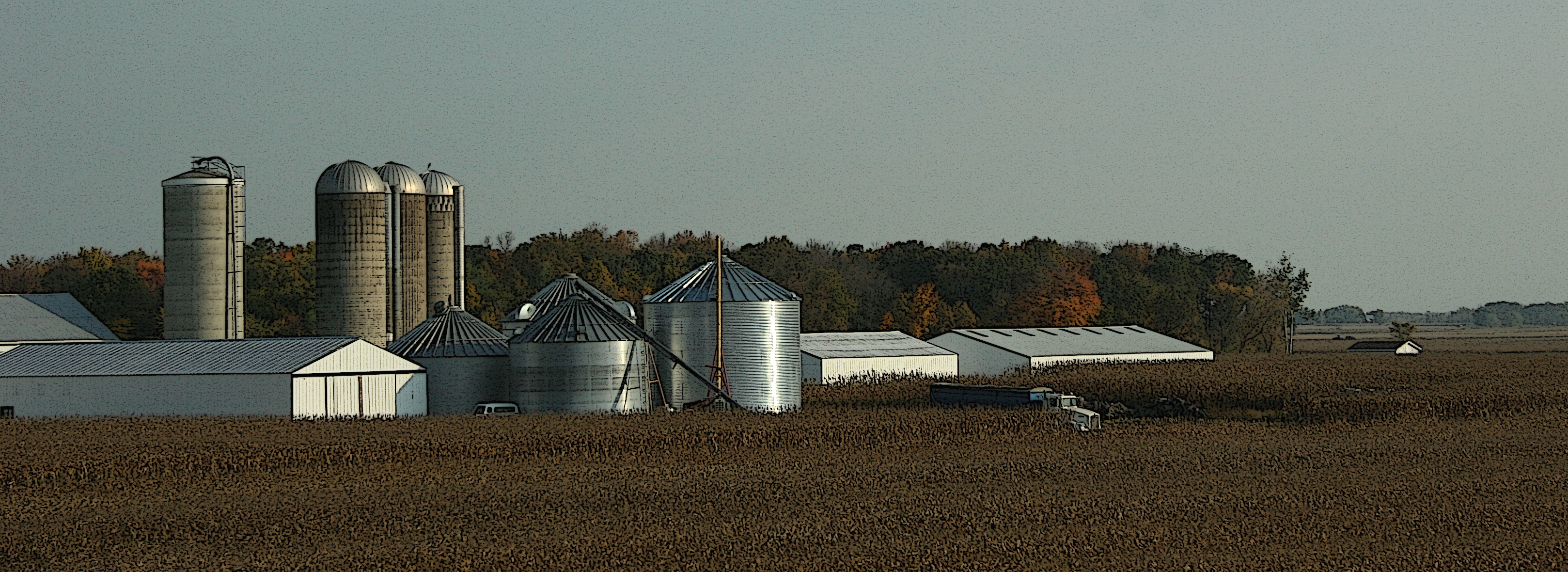
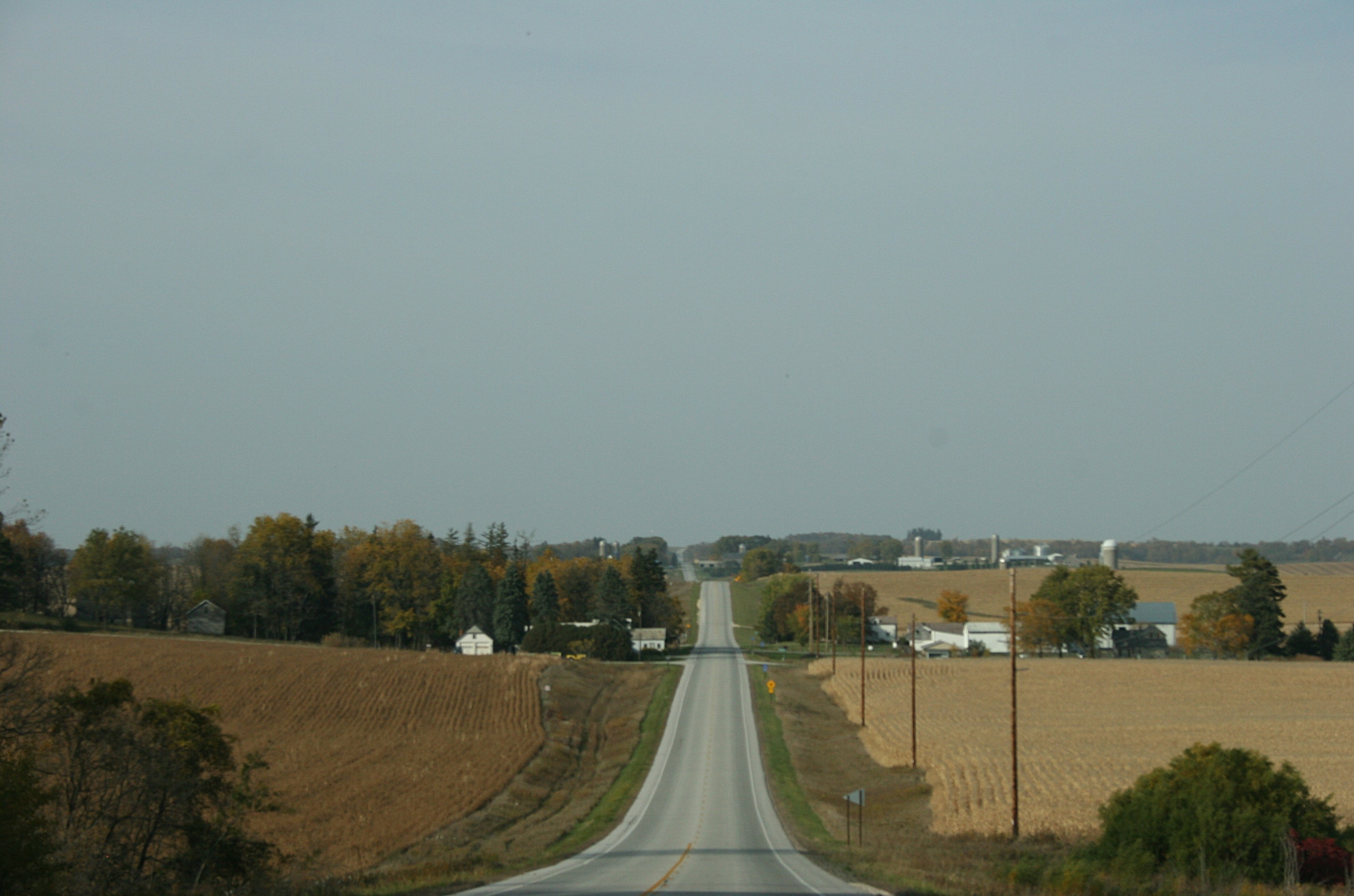
A rural scene along Minnesota State Highway 60 between Faribault and Zumbrota.

A cornfield awaits complete harvest along Minnesota State Highway 60 between Faribault and Zumbrota, Minnesota.

IT IS THE FORMER FARM GIRL that drives me to turn my camera toward the fields this time of year, to the harvest of corn and soybeans.

Harvest in progress near U.S. Highway 10 east of Appleton, Wisconsin.

Harvest in progress along U.S. Highway 10 east of Appleton, Wisconsin.

This past weekend provided the perfect opportunity to scope out the harvest on a 600-mile round trip through southeastern Minnesota across central Wisconsin to Appleton (just south of Green Bay) and back. Lots of windshield time with the husband. And lots of time to observe rural Wisconsin and rural Minnesota and capture those scenes with the quick click of my shutter button while passing by at highway speeds.

A scenic

A cornfield awaits harvest along Interstate 90 in southeastern Minnesota.

In most areas, corn fields have faded from green to a golden hue. Soybean fields likewise are transforming to the muted browns of autumn.

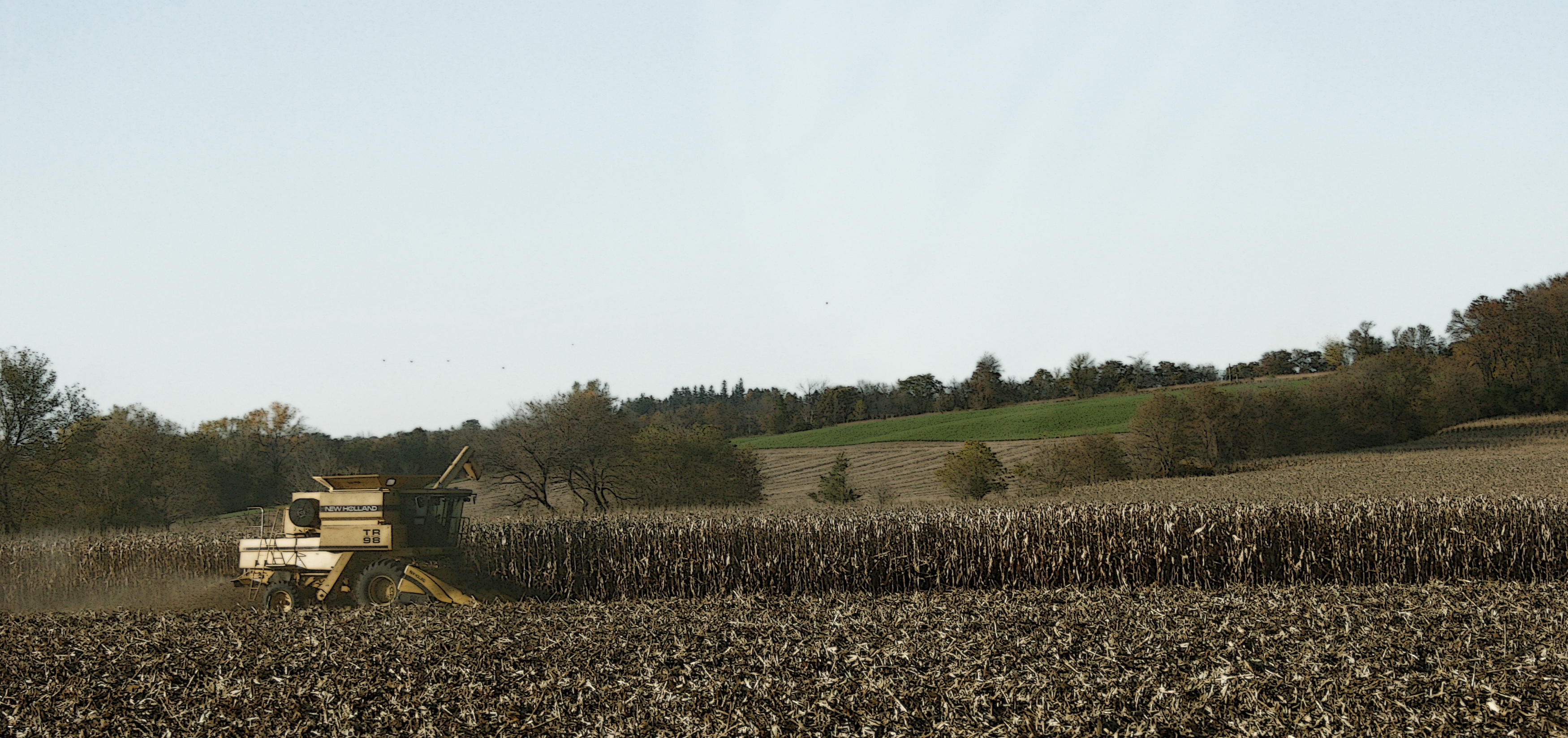
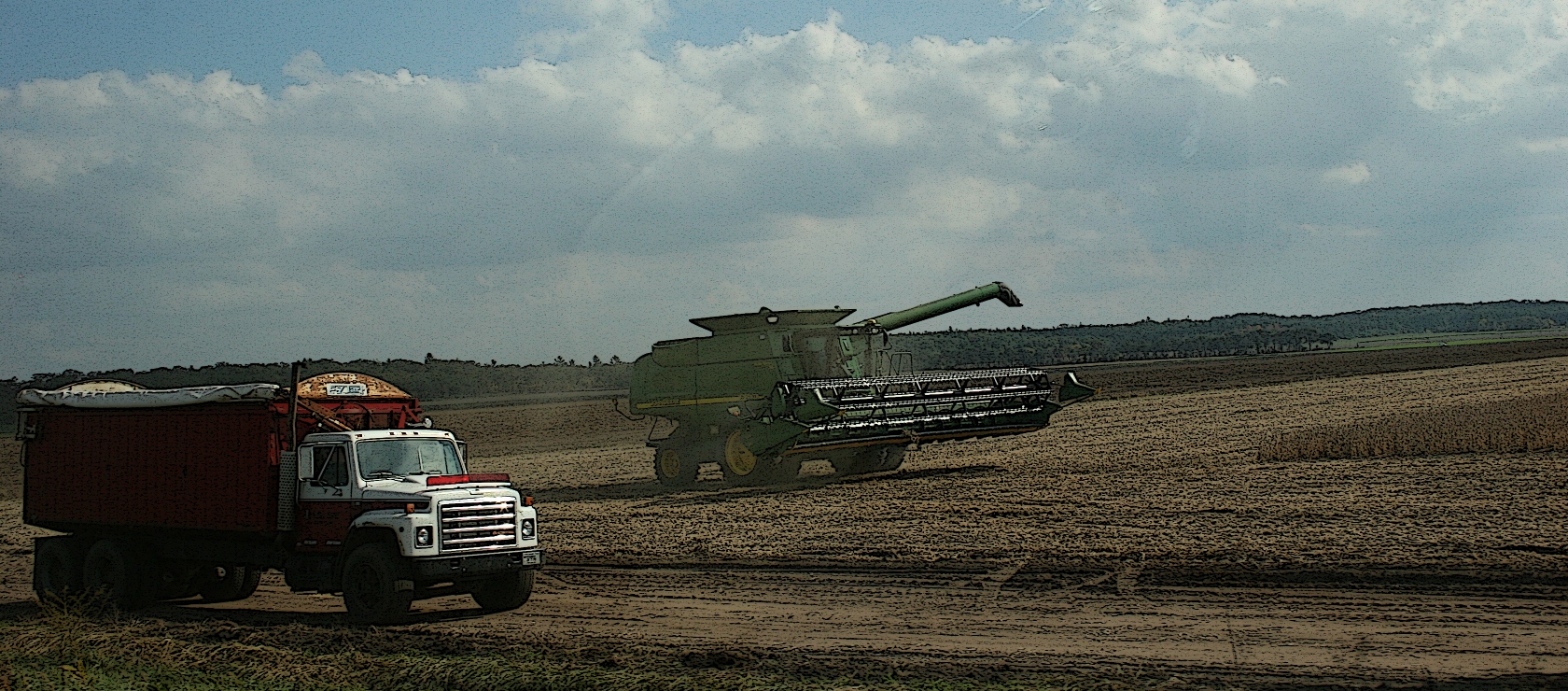
A combine works the land along U.S. Highway 52 north of Rochester.

A combine works the land along U.S. Highway 52 north of Rochester, Minnesota.

Combines kick up dust.

A vintage grain truck rolled out of storage and parked along side a southeastern Minnesota field.

A vintage grain truck parked along side a southeastern Minnesota field.

Grain trucks rumble out of storage.

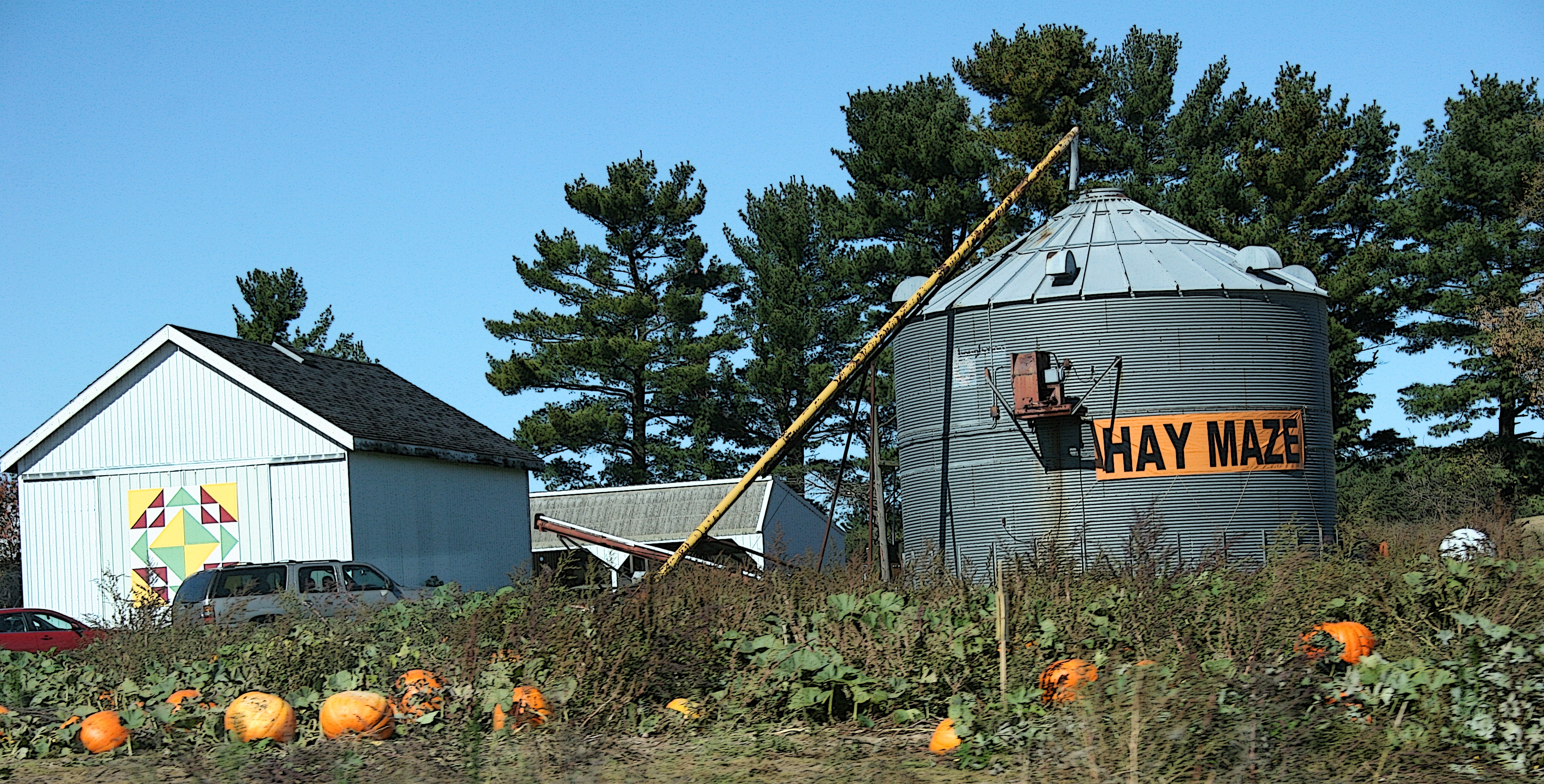
Lots of pumpkins harvested also and for sale, these along Wisconsin State Highway 21.

Lots of pumpkins harvested also and for sale, these along Wisconsin State Highway 21.

Hurry hangs heavy.

Bringing in the crop along Wisconsin State Highway 21.

Bringing in the crop along Wisconsin State Highway 21.

There’s that anticipation, that sense of urgency, that hustle to get the crop out. Before the snow flies.

FYI: Here are a few photo tips for all you on-the-road wannabe photographers out there: Clean your vehicle windows. Make sure you are the passenger and not the driver; safety first. Set your camera at a fast shutter speed. Anticipate. Watch the glare on your windows. Then shoot, shoot, shoot.

If results are not perfect, and they likely will not be due to bugs, sun, and a myriad of other issues, use photo editing tools. Crop. Change the contrast. Sharpen if necessary. Get creative as I did here with usage of the artistic “cartoonify” editing tool. And, if all else fails to produce a pleasing image with the impact you desire, hover and delete.

PLEASE CHECK BACK tomorrow, when I take you on a tour of a Tomah, Wisconsin, cranberry farm.

© Copyright 2013 Audrey Kletscher Helbling
 

Up close with an Amish family in southeastern Minnesota October 15, 2013

HIS NAME SURPRISES ME. Dennis. “It is not,” I insist to my husband, “in The Book of Amish.”

Not that a Book of Amish exists. I have made that up. But in my mind, this trim Amish carpenter with the dark beard, suspenders criss-crossing his back and a tape measure hooked on his black pants, should bear a biblical name like Samuel, Jacob or Daniel.

Dennis sounds too Englisch.

His surname of Hershberger, however, seems appropriate although the German in me would like to insert a “c” and make that Herschberger.

Driving Fillmore County Road 21 north of Canton toward Henrytown then west to Dennis and Mary Hershberger’s farm in early October 2012. This is deep in Minnesota Amish country.

The photographer in me would also like very much to photograph this young Amish father who crafts the most beautiful, gleaming furniture you can imagine on his farm north of Canton and west of Henrytown in southeastern Minnesota. But I know that to photograph him would violate his trust and hinder my welcome to Countryside Furniture.

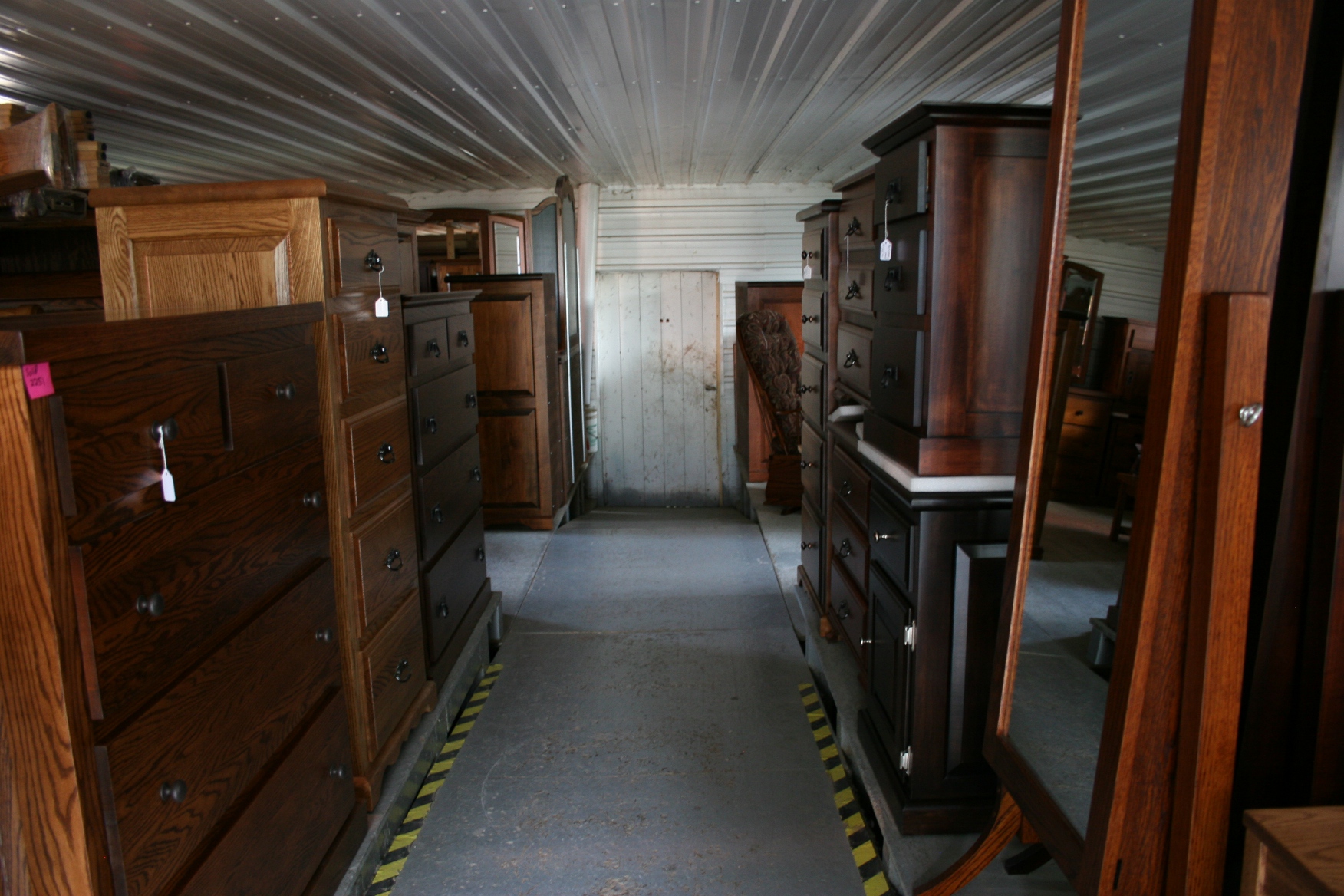
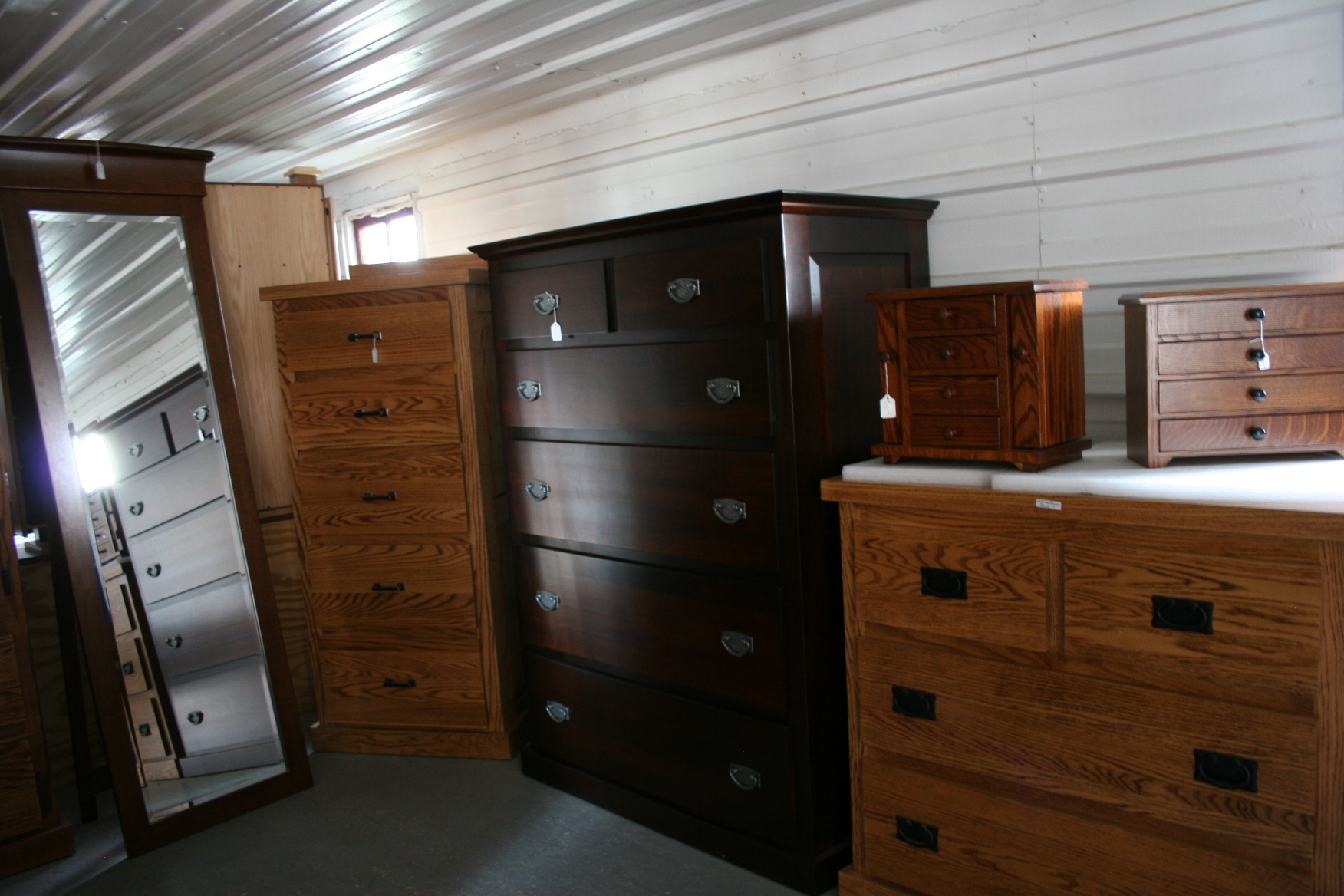
Inside Countryside Furniture, with furniture crafted by Dennis and crew.

So I keep my camera low, tugging it to my side as I watch the Hershberger children, 17-month-old Simon and his 3-year-old sister, whose name I never do learn, wheel a faded red wagon. I am mostly intrigued by Simon in the plain handcrafted blue dress that skims his ankles above pudgy bare feet hardened to the stones and rough grass underfoot. His face is still edged with the softness of a baby, but emerging into that of a little boy. Straight cut bangs ride high on his forehead with wisps of hair tickling his ears in a bowl cut hair style.

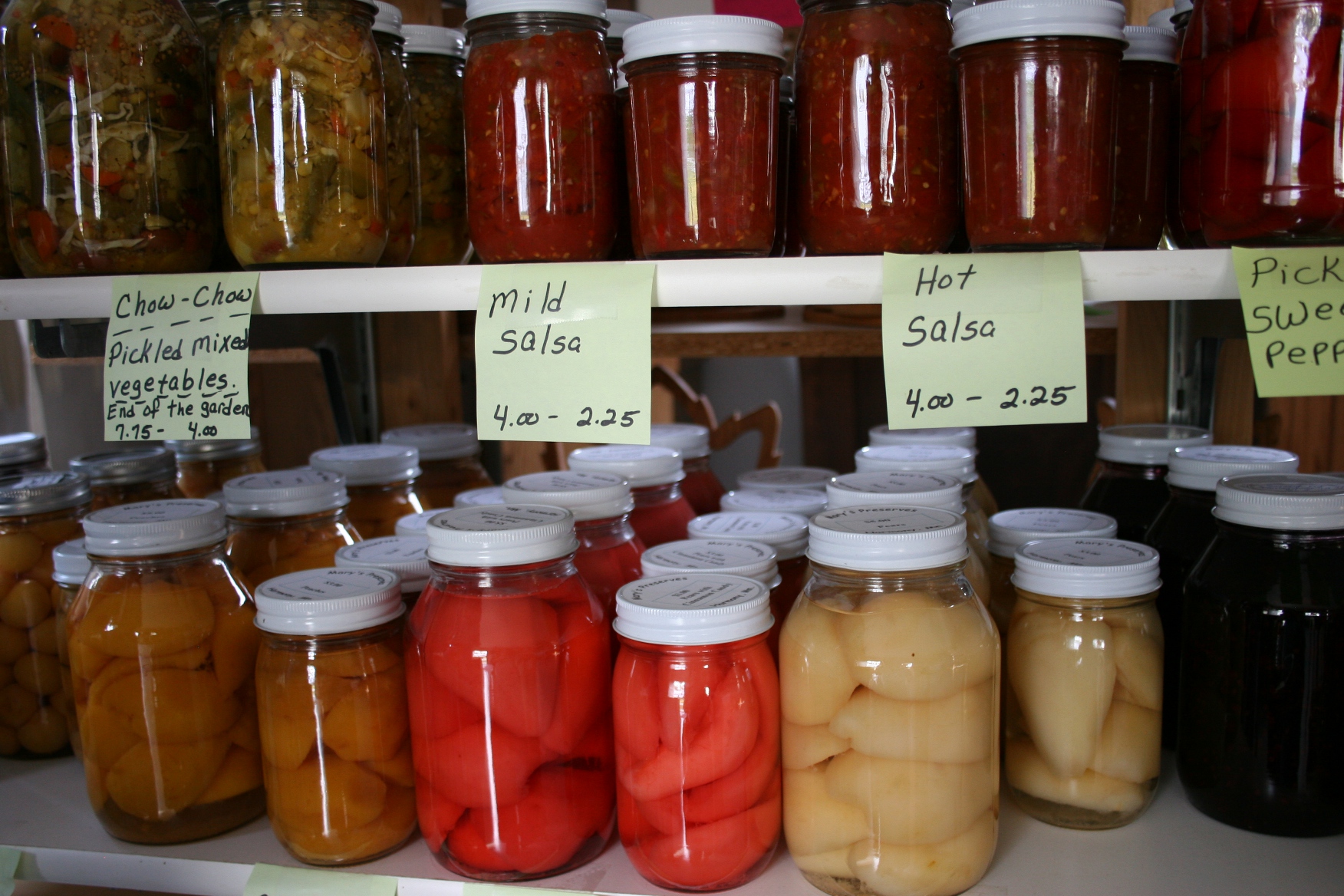
Jars of canned goods line the shelves in Mary’s shop.

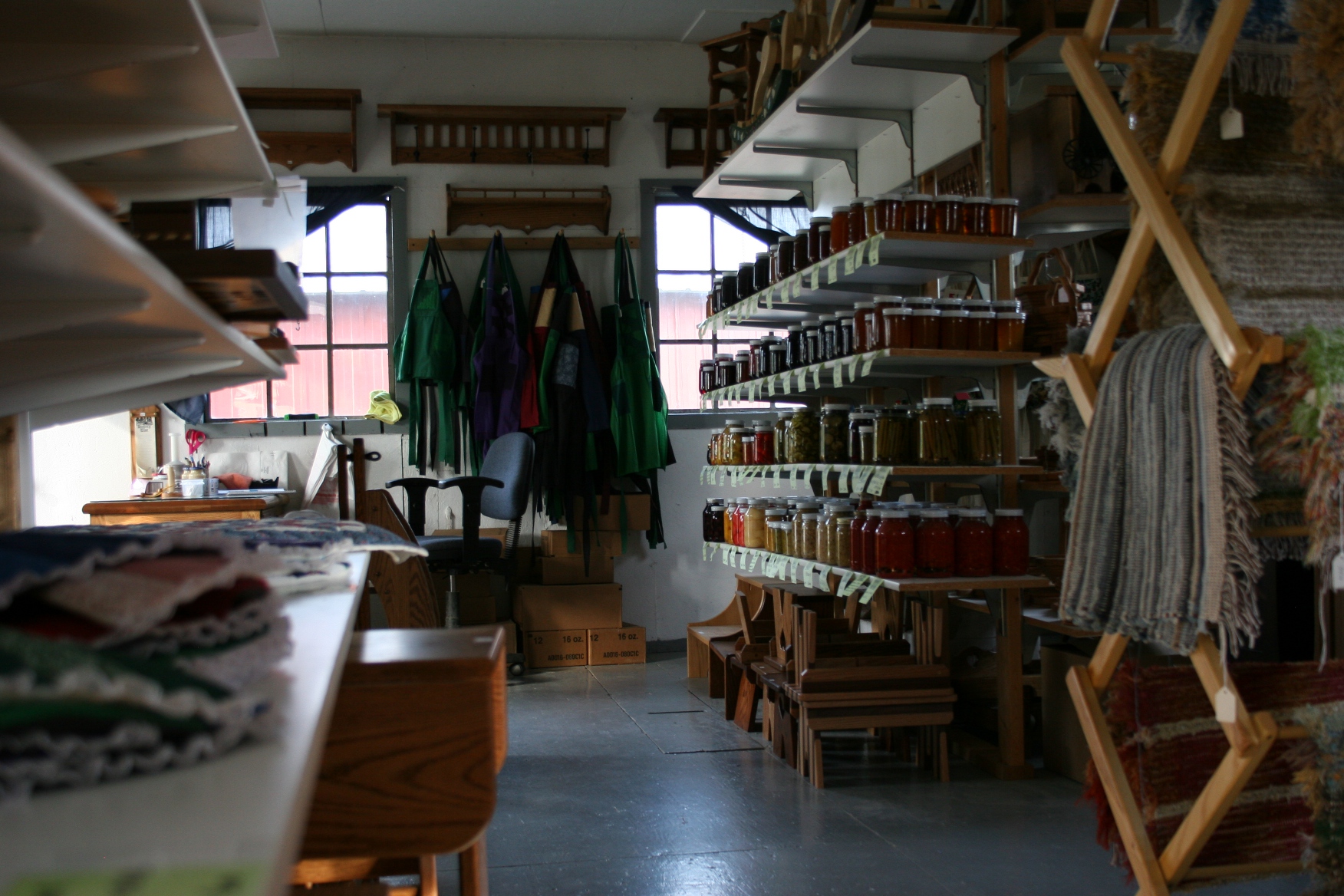
When I amble next door, the siblings follow me into their mother’s shop, rattling round and round with the wagon like a car on a racetrack.

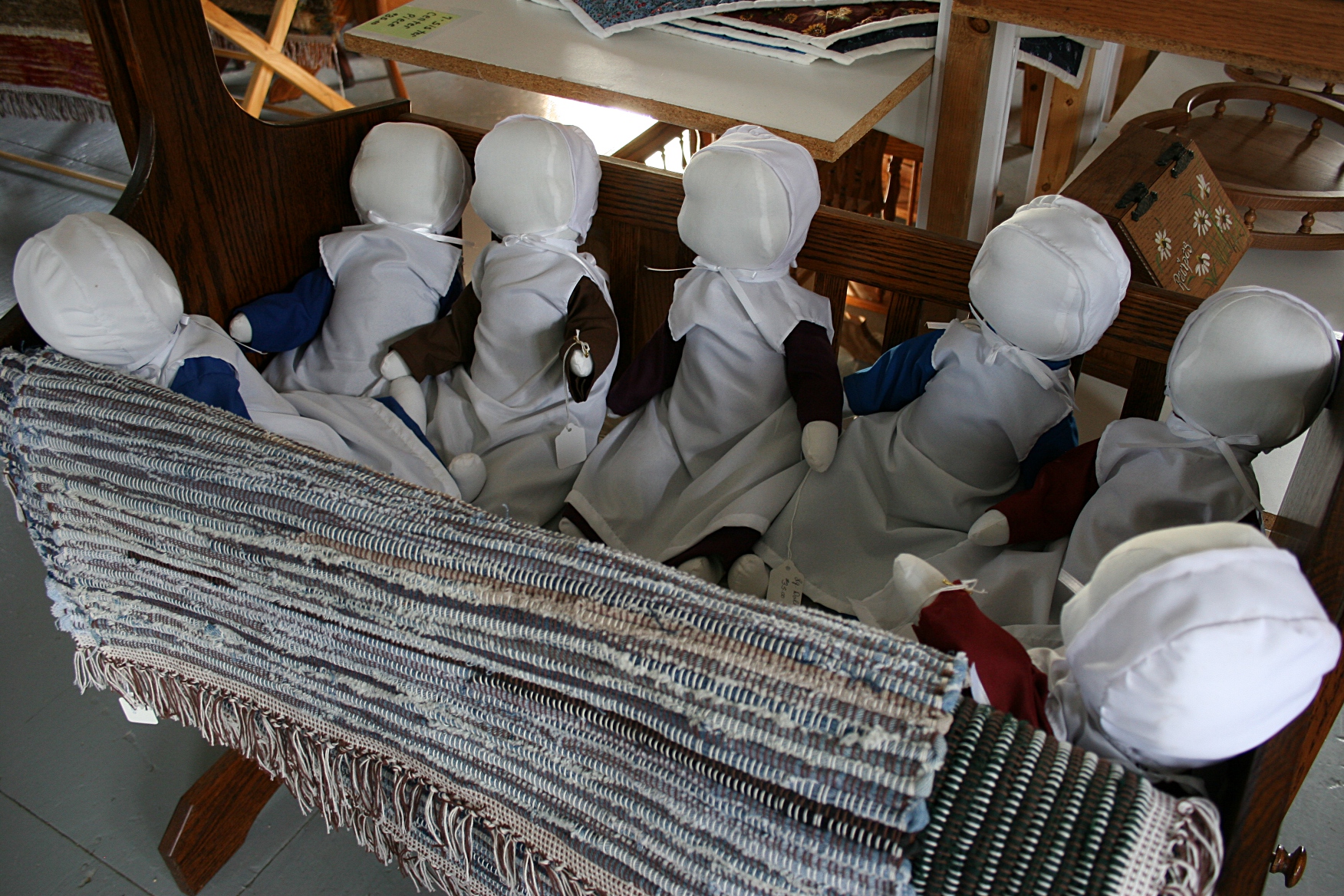
I admire the rows of canned produce (bright orange carrots, golden nuggets of corn, jade spears of dill pickles), the faceless Amish dolls snug in a cradle, the tight weave of cotton rag rugs…

Faceless handcrafted Amish dolls in a handcrafted cradle.

I lift bars of homemade soap and breathe in their perfumed scent.

A pathway in the crafts store where Simon and his sister circled their wagon.

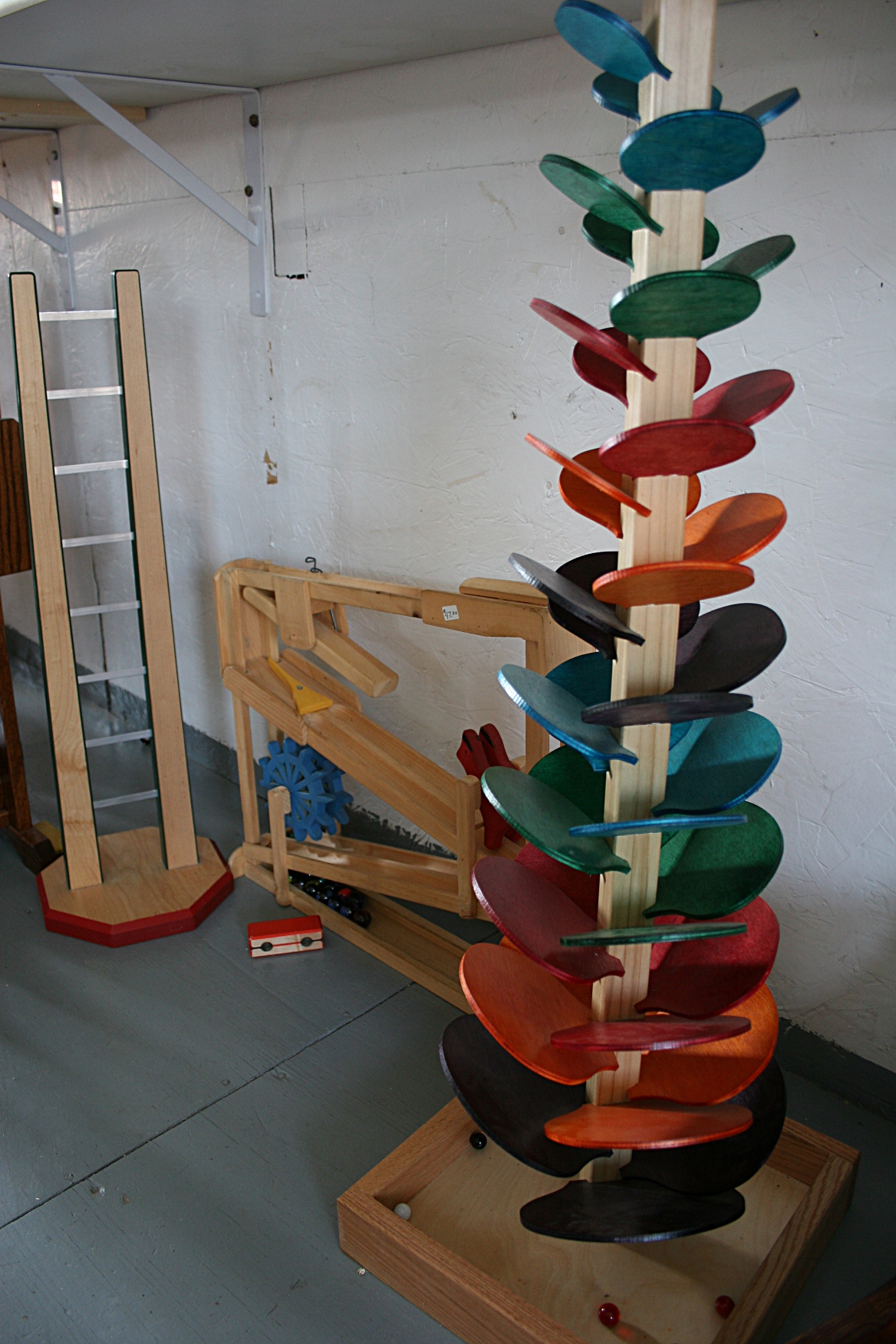
Then my attention turns again toward little Simon and his sister as they drop marbles onto a colorful tower before darting outside. Clack, clack, clack.

The siblings dropped marbles down the colorful tower on the right.

Through the open shop door, I watch a horse and buggy wheel into the farmyard, steering toward the weathered red barn. A boy, perhaps 10 years old, strolls toward the farmhouse and I lift my right hand to wave. He hesitates, then returns my greeting.

I turn my attention back to Mary’s merchandise. We must choose something to purchase now. It is expected. So Randy picks two jars of Mary’s Preserves. We head back to the furniture showroom, a small outbuilding with white walls and a low ceiling, with two jars of strawberry and tripleberry jams.

We make small talk. Dennis asks where we’ve come from. “Faribault,” I tell him.

“Along Interstate 35,” he notes, then tells us of a good customer from our community.

A close-up of the furniture Dennis and his crew craft.

I ask Dennis’ permission to photograph his fine furniture and he gives his OK. Then we return, with Simon still tugging that wagon, to Mary’s shop. As we walk, Dennis lifts his son off the ground, snugs the boy against his right hip, then speaks to him in a language I can only assume is a German dialect. I expect Simon may be getting a gentle admonition about taking the wagon inside his mother’s shop.

Randy pays $4.50 for the jam. We thank Dennis for the gracious welcome to his farm.

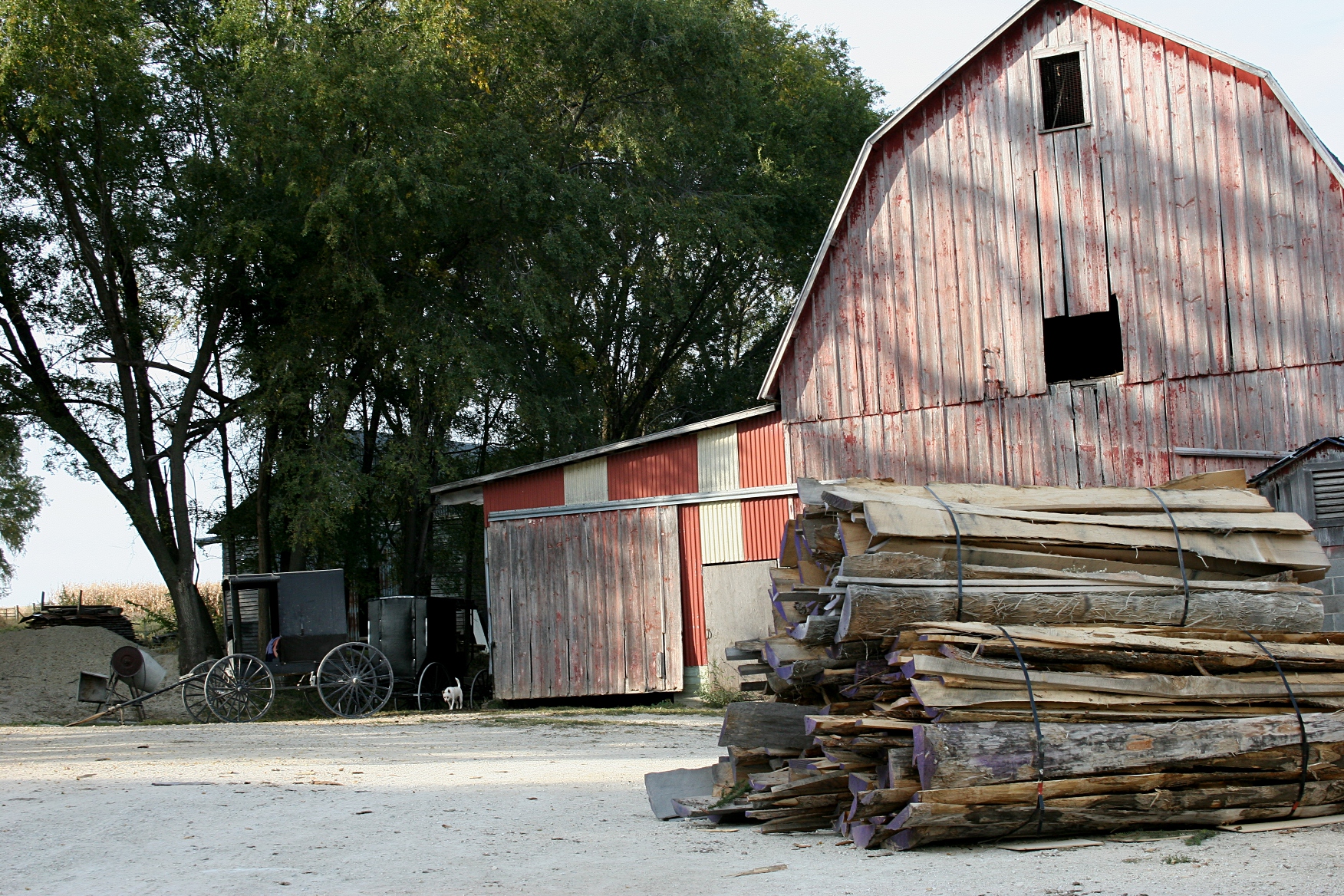
My final shot of the Hershberger farmyard: the barn, the buggies, the stack of wood.

As we head to the car, I photograph the red barn, the two buggies parked next to it and the rough-hewn lengths of stacked wood which Dennis and his helpers will soon craft into fine furniture.

Even though I couldn’t photograph the Hershbergers, the visuals of this place, of this Amish family, of this experience, have imprinted upon my memory. And sometimes that is better than a photo.

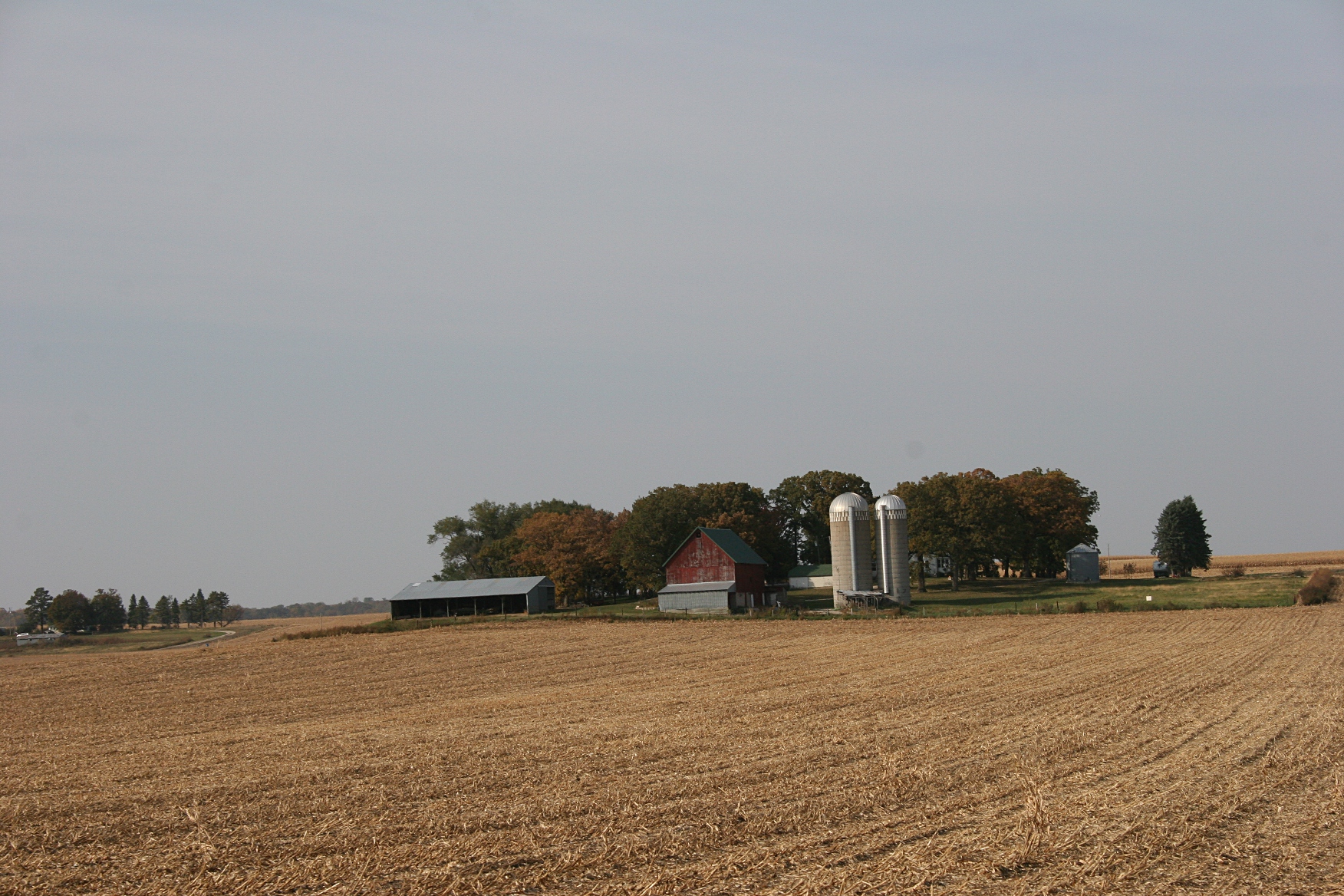
A picturesque farm near the Hershberger place, rural Fillmore County, Minnesota, taken in early October 2012.

FYI: Dennis Hershberger also sells his furniture at Countryside Furniture, located at Old Crow Antiques in Canton, at the intersection of U.S. Highway 52 and Fillmore County Road 21. The Hershberger farm is about five miles northwest of that intersection.

Old Crow Antiques is a great place to stop for information on local Amish farms.

This story and these images are from an October 2012 visit to the Hershberger farm.

© Copyright 2013 Audrey Kletscher Helbling
 

In which I meet Amish quilter Fannie Miller on her Lenora farm October 11, 2013

Filed under: Uncategorized — Audrey Kletscher Helbling @ 6:00 AM
Tags: , , , , , , , , ,

THE AMISH HAVE ALWAYS intrigued me. I can’t explain specifically why, except to admit that perhaps I am a bit envious of their minimalist lifestyle, one likely similar to that of my farmer forefathers.

Never have I gotten a closer look at Amish life than on an early October 2012 day trip to the Lenora/Canton/Harmony area of southeastern Minnesota.

My first glimpse of the Amish began in unincorporated Lenora in southeastern Fillmore County where my husband and I were searching for the historic Lenora Methodist Church. Unable to initially locate the church (how we could miss it in tiny Lenora is beyond me), we stopped at Summer Kitchen Antiques, which was closed, and then began driving east onto a gravel road.

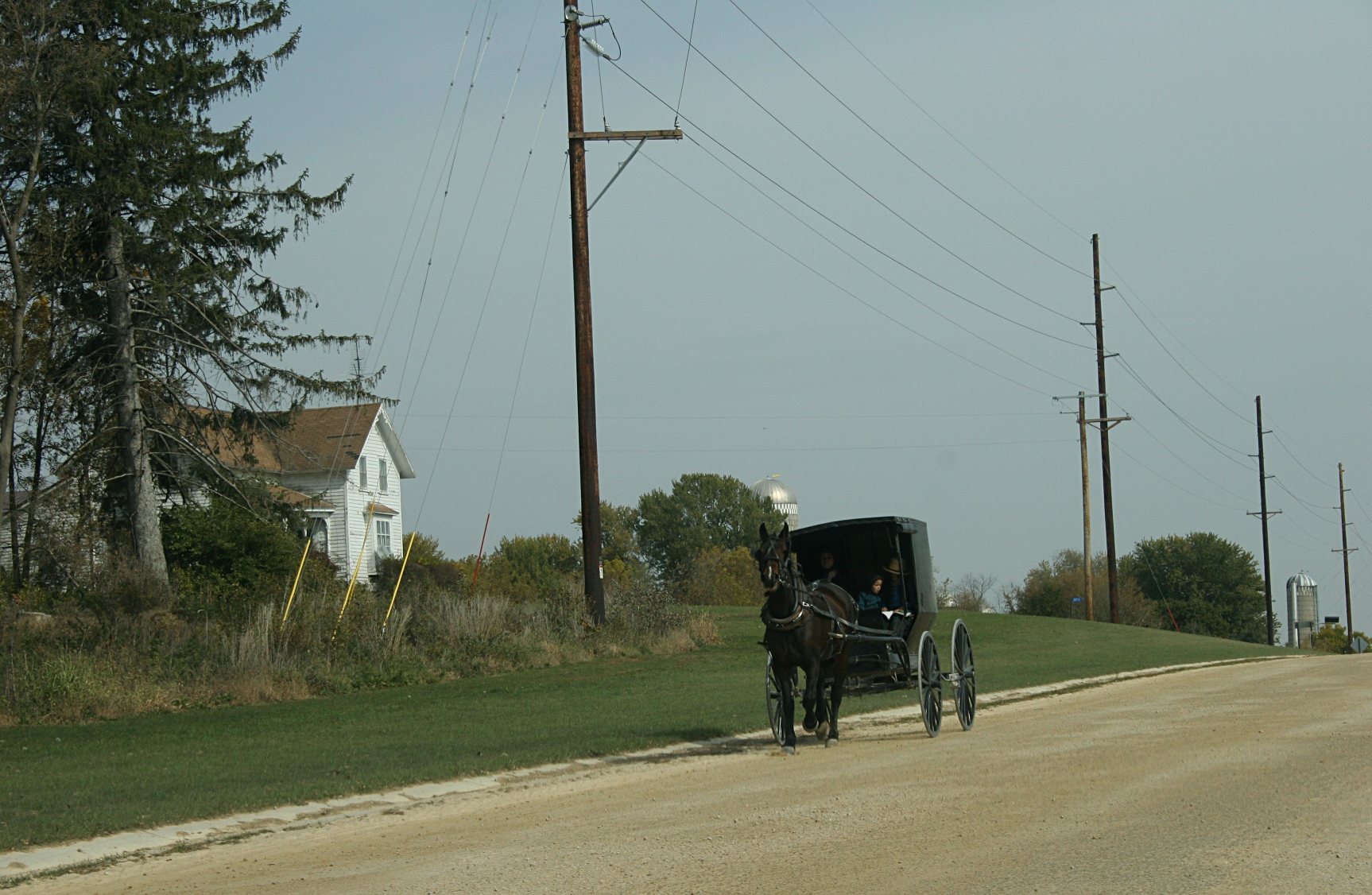
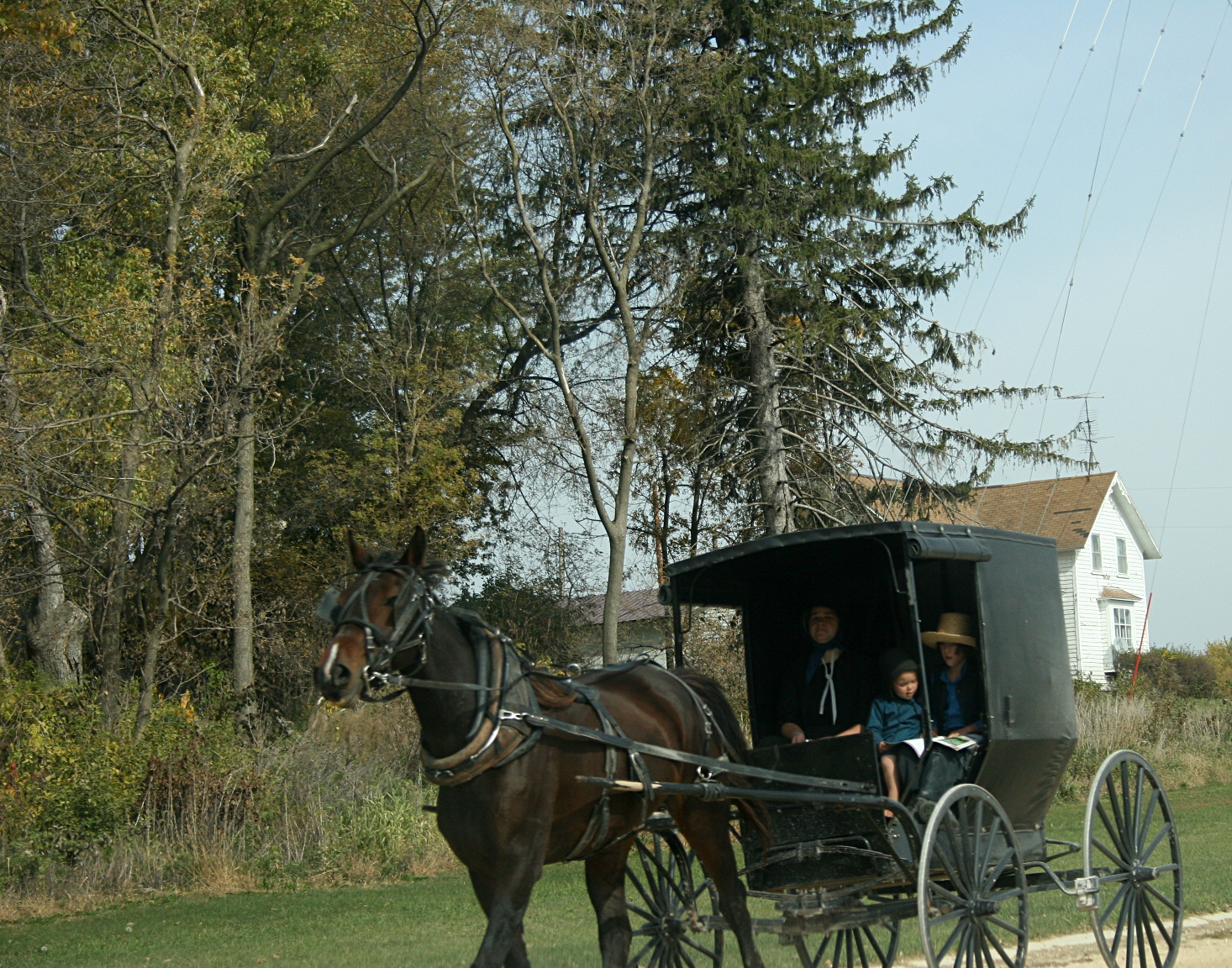
An Amish buggy approaches our car just on the outskirts of Lenora.

Just barely past the antique shop, an Amish buggy came into view and I raised my camera to snap two quick photos through the passenger side windshield. Now I know how the Amish forbid face photos, and I am (mostly) respectful in their close presence. But when they are traveling on a public roadway in a region that markets itself as a “see the Amish” destination, from which the Amish benefit financially, I do not feel obliged to keep my camera tucked away.
A close-up look at the approaching buggy shows a young Amish boy reading a book to his little sister as their mother guides the horse and buggy down the gravel road.
After that initial sighting, we came upon a roadside sign advertising quilts and table runners less than one-quarter of a mile from Lenora. My excitement heightened as we turned into the Amish farmyard, even though I was acutely aware I’d need to keep my shutter button finger mostly still.

That proved to be a challenge as I desired more than anything to photograph the red-haired pre-teen Amish girl with the pinkish birthmark splotched across her right cheek lolling on the feather-littered lawn next to her younger brother with the bowl-cut auburn hair.

When I cannot take a photo, I imprint visual details upon my mind.

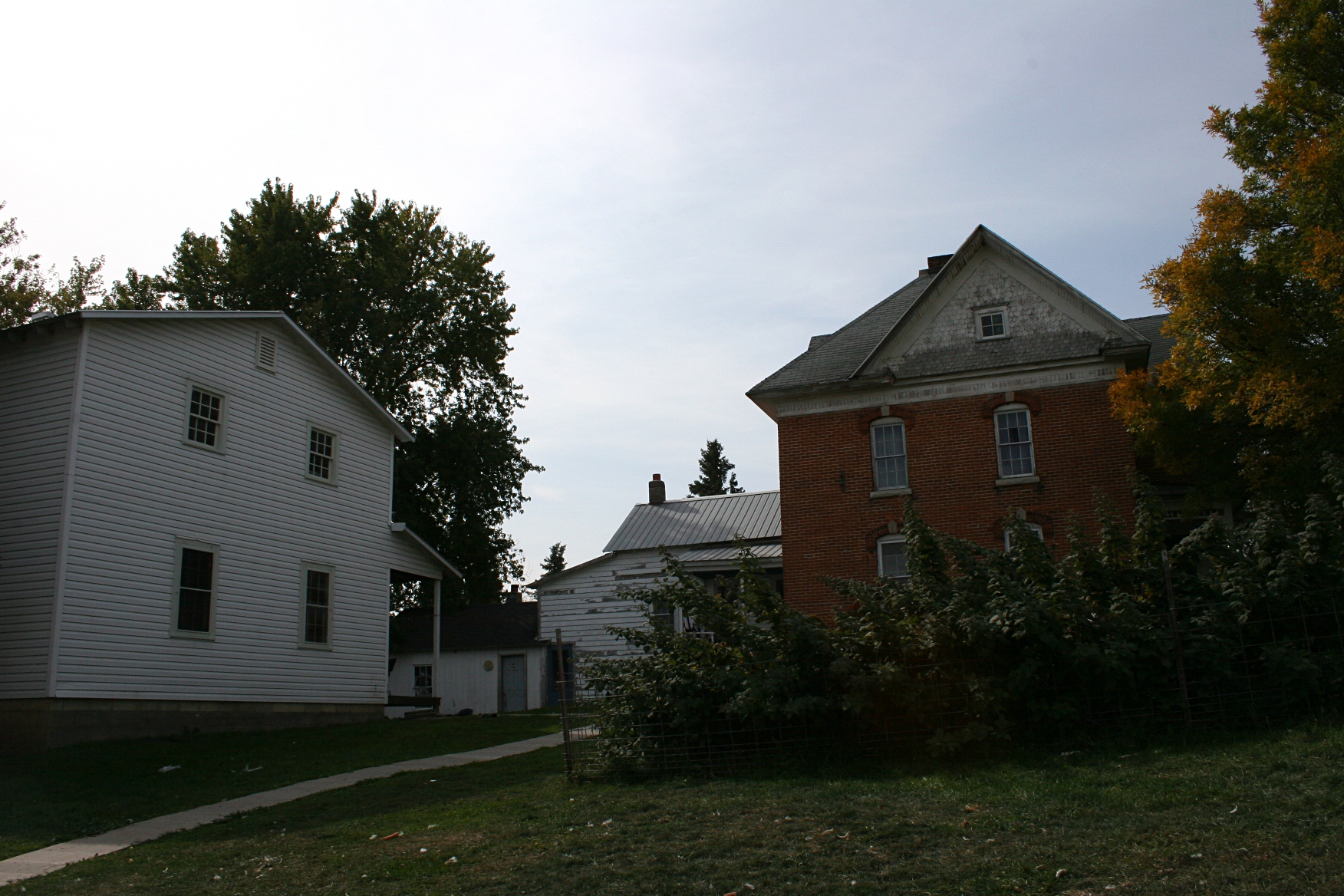
Fannie Miller’s brick house is on the right, her shop in the attached lean-to just to the left.

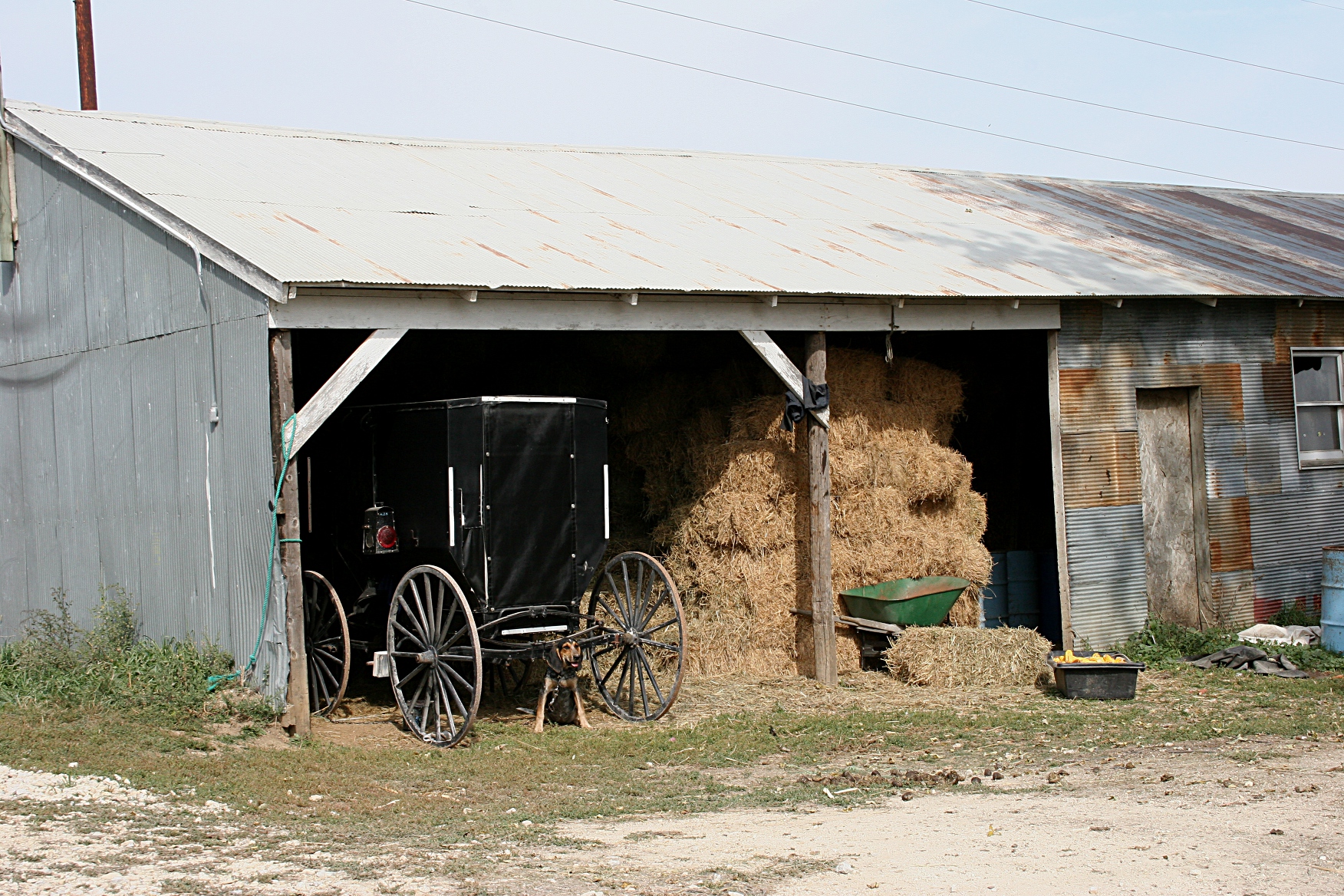
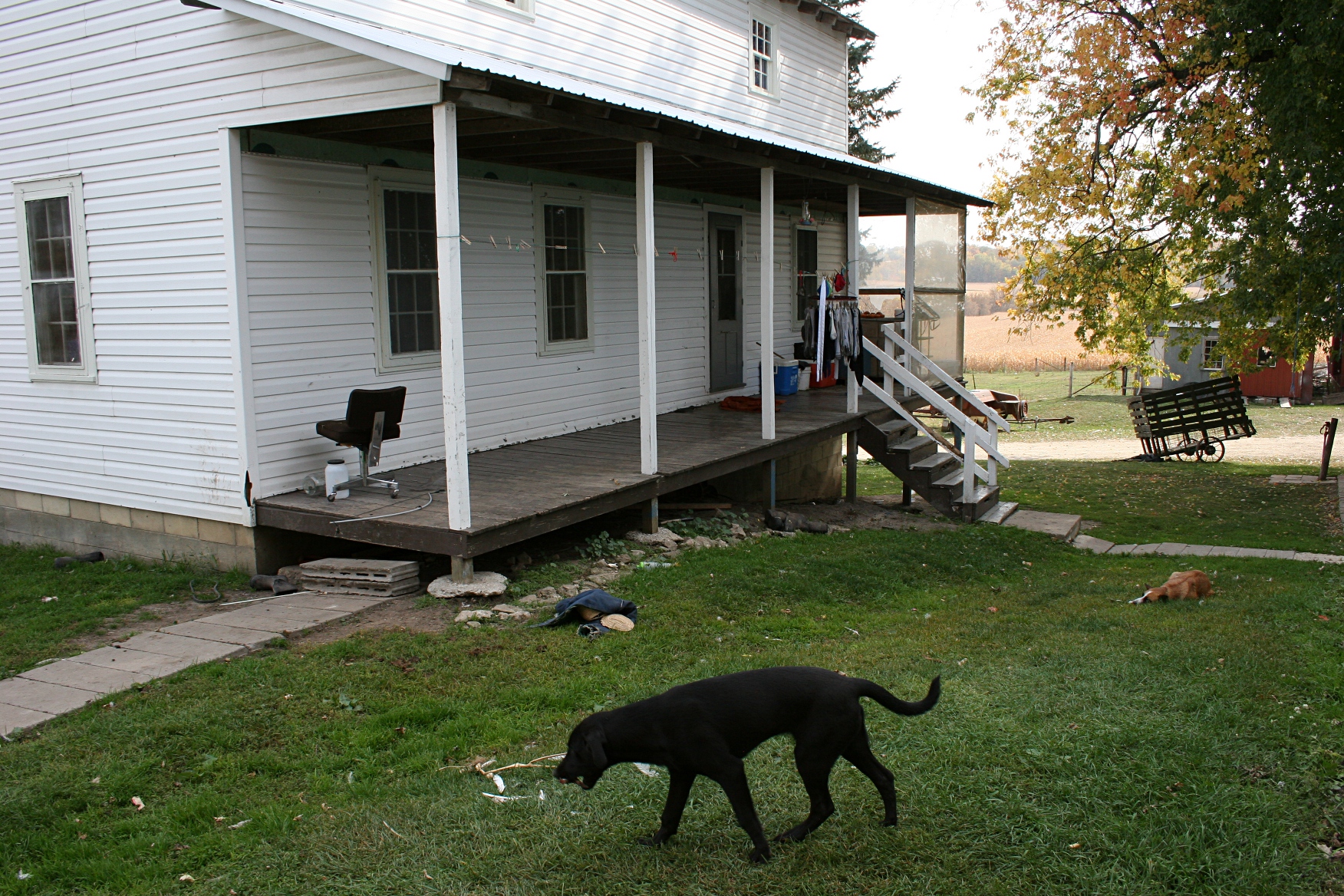
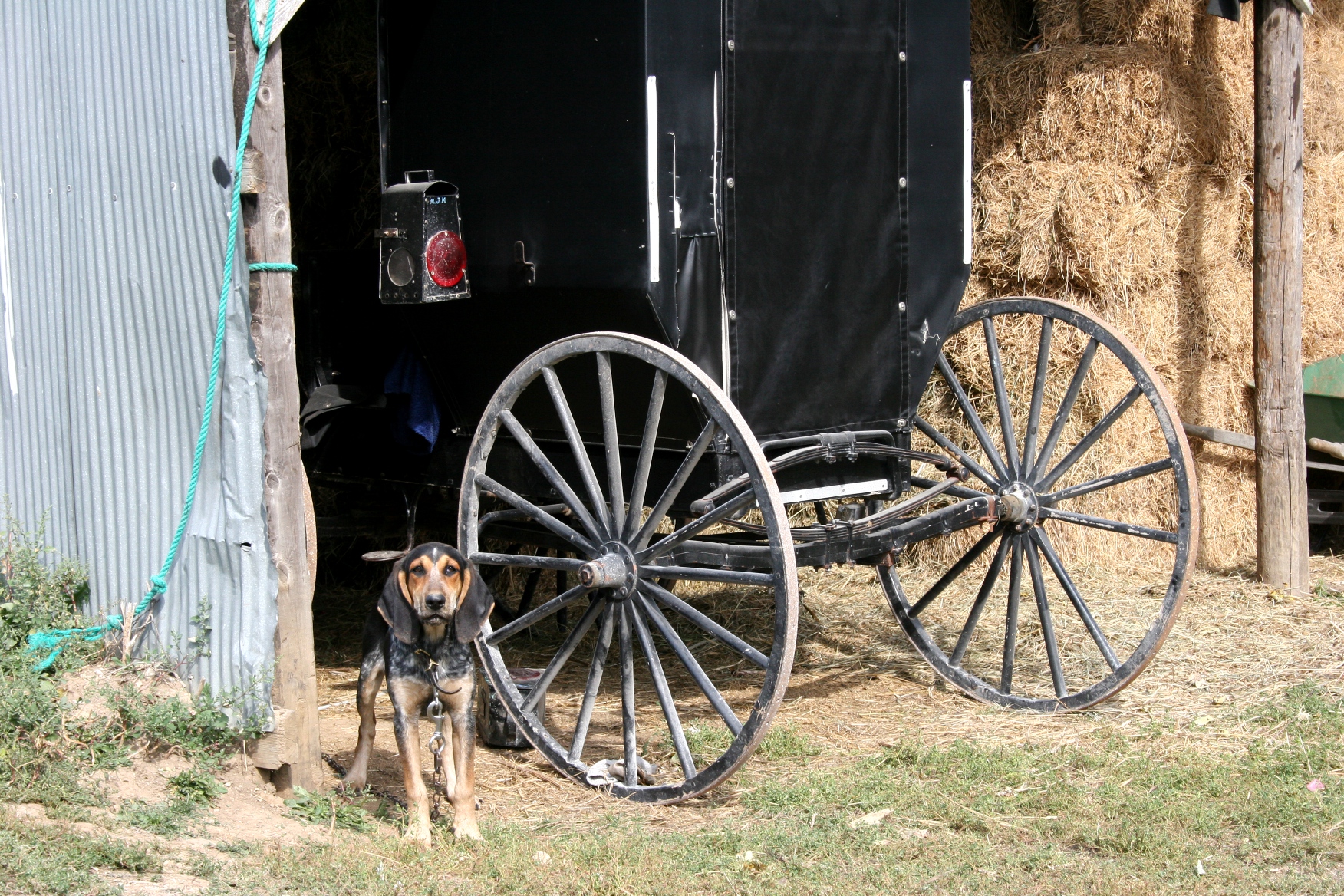
The siblings directed us toward a lean-to attached to a stately and aging brick house adjacent to a wood-frame house. Dogs roamed while a third one, tethered to a thick chain in a pole shed next to an Amish buggy, barked with a ferocity that made me thankful he was restrained.

My first glimpse of the Millers’ dog chained in the pole shed.

The pungent smell of silage wafted across the yard as, across the gravel road, a farmer pushed the fermented corn with his tractor and loader.

Stepping onto the lean-to porch, I eyed a handwritten “no photos” sign and pulled my camera close to my side. Randy made a point of pointing out the warning to me, as if I couldn’t see it.

And then we met Fannie Miller, whose name aptly describes her rotund physical appearance. She settled onto a chair and watched as I caressed her fine handiwork, praised her stitching. I admired the sturdy, blue built-in wall of cupboards in the corner and told Fannie so.

I wished, in that moment, that I could photograph the entire scene before me and through the doorway into the next room where Fannie’s husband napped in a chair by the wood-burning stove. His chin dipped, his scruffy beard defining my side view of the old man sleeping. In the corner I spotted a patchwork quilt snugged across a single bed. I dared not look more for fear Fannie would banish me from her home.

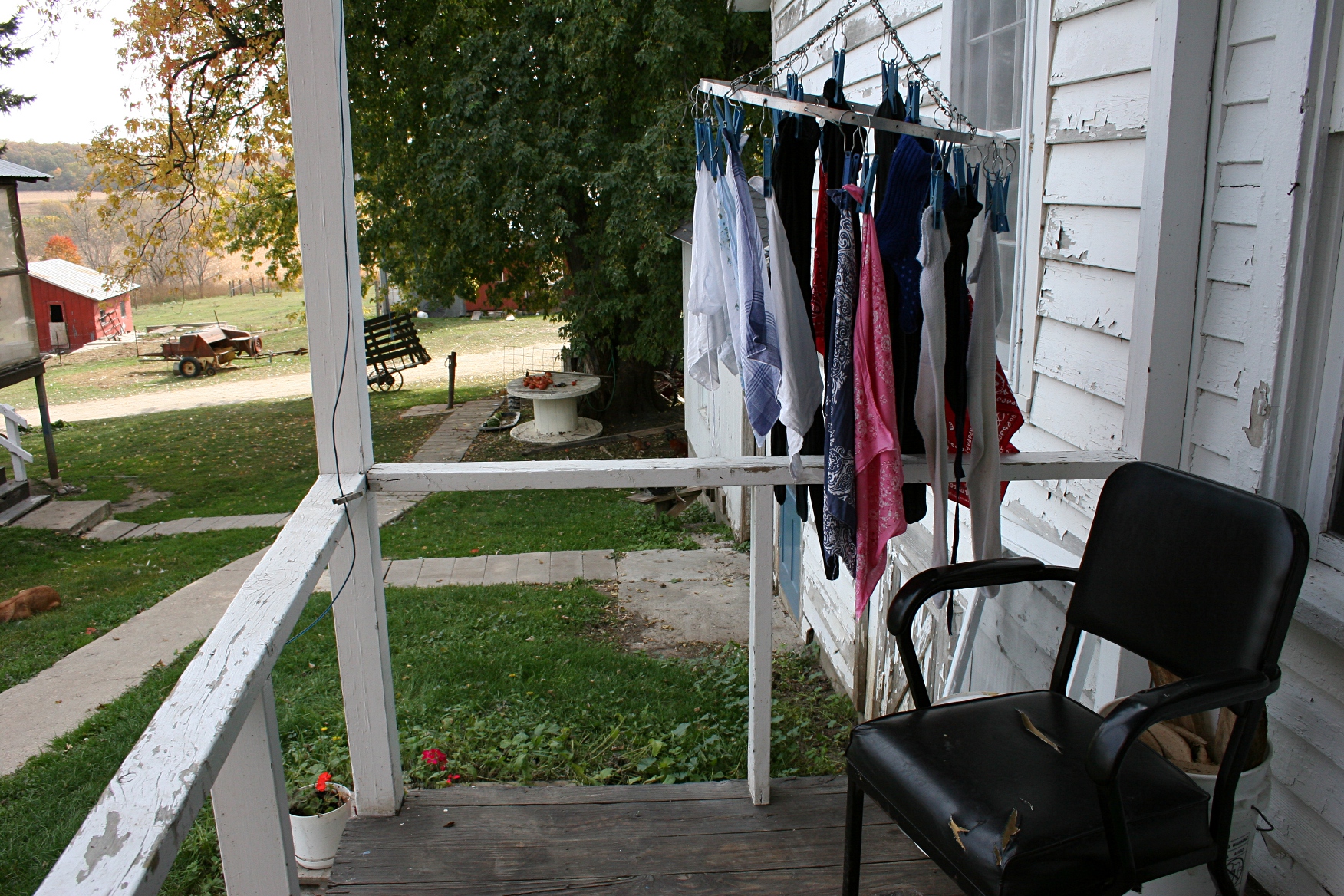
I hang my laundry outside, so I was particularly intrigued by this circular drying rack onto which handkerchiefs were clipped on the porch of Fannie’s house.

I remember thinking, though, before exiting Fannie’s shop, before asking her if I could photograph hankies drying on her porch on this Monday wash day in October, how perfect and lovely the natural light that filtered into the two rooms of her house.

The children ran into this house after I stepped out of Fannie’s shop.

She granted me permission to photograph outside, as long as I did not photograph the children. I told her I would respect her request, then watched the red-haired siblings scamper inside their house.

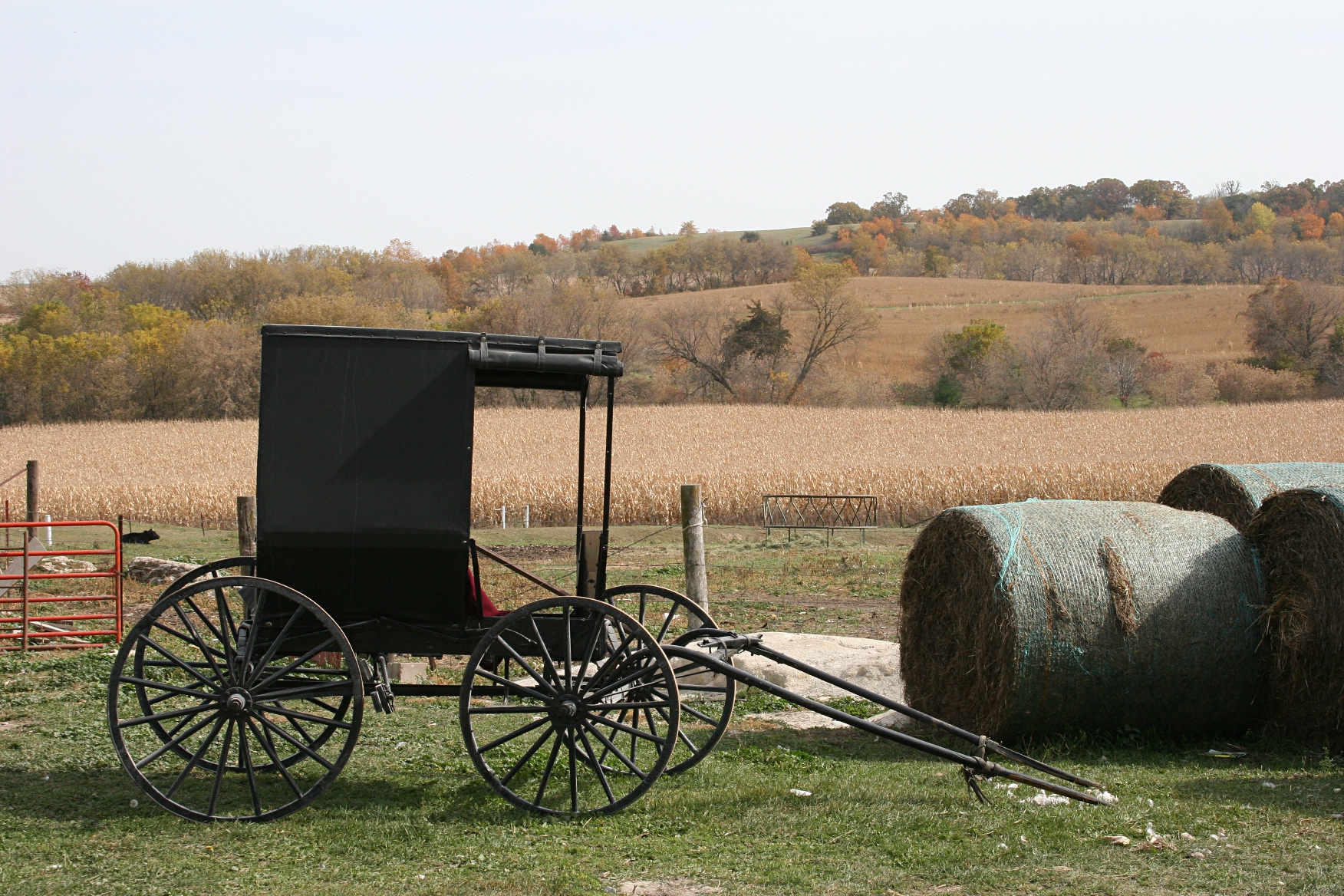
Just another buggy parked on the Miller farm. I was surprised to see the round bales.

I snapped several more building and buggy photos, though not too many as to overstay our welcome, before passing by the now placid chained dog and turning onto the gravel road back to Lenora.

My final photo on the Miller farm, of the dog turned docile.

PLEASE CHECK BACK for another post about the Amish in the Canton and Harmony areas.

Click here to read my previous post about the historic Lenora United Methodist Church.

© Copyright 2012 Audrey Kletscher Helbling