Minnesota Prairie Roots

Writing and photography by Audrey Kletscher Helbling

The Poetry Barn March 3, 2013

Filed under: Uncategorized — Audrey Kletscher Helbling @ 12:18 PM
Tags: , , , , , , , ,

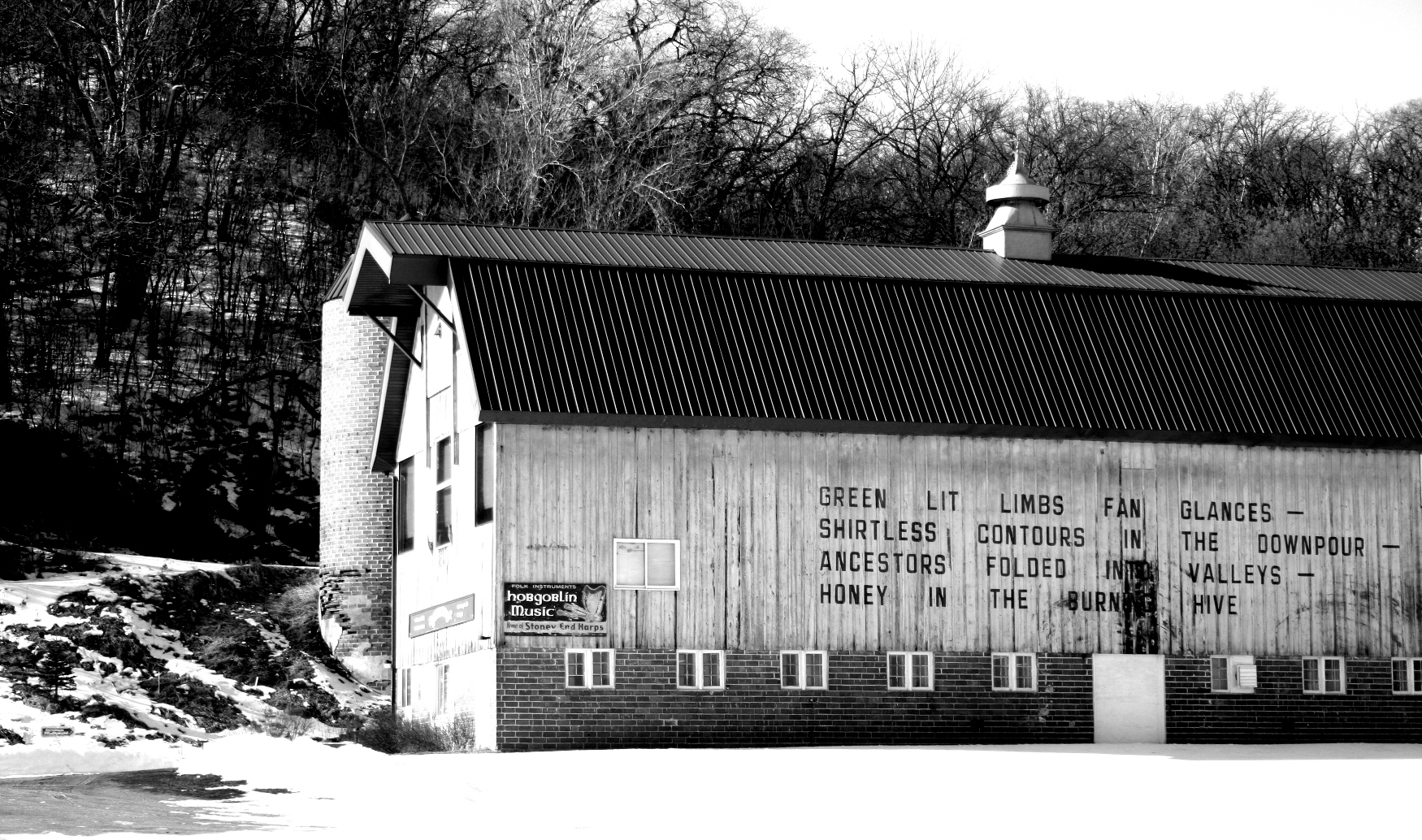
OFFICIALLY, IT’S CALLED Stoney End Music Barn.

But I call it The Poetry Barn.

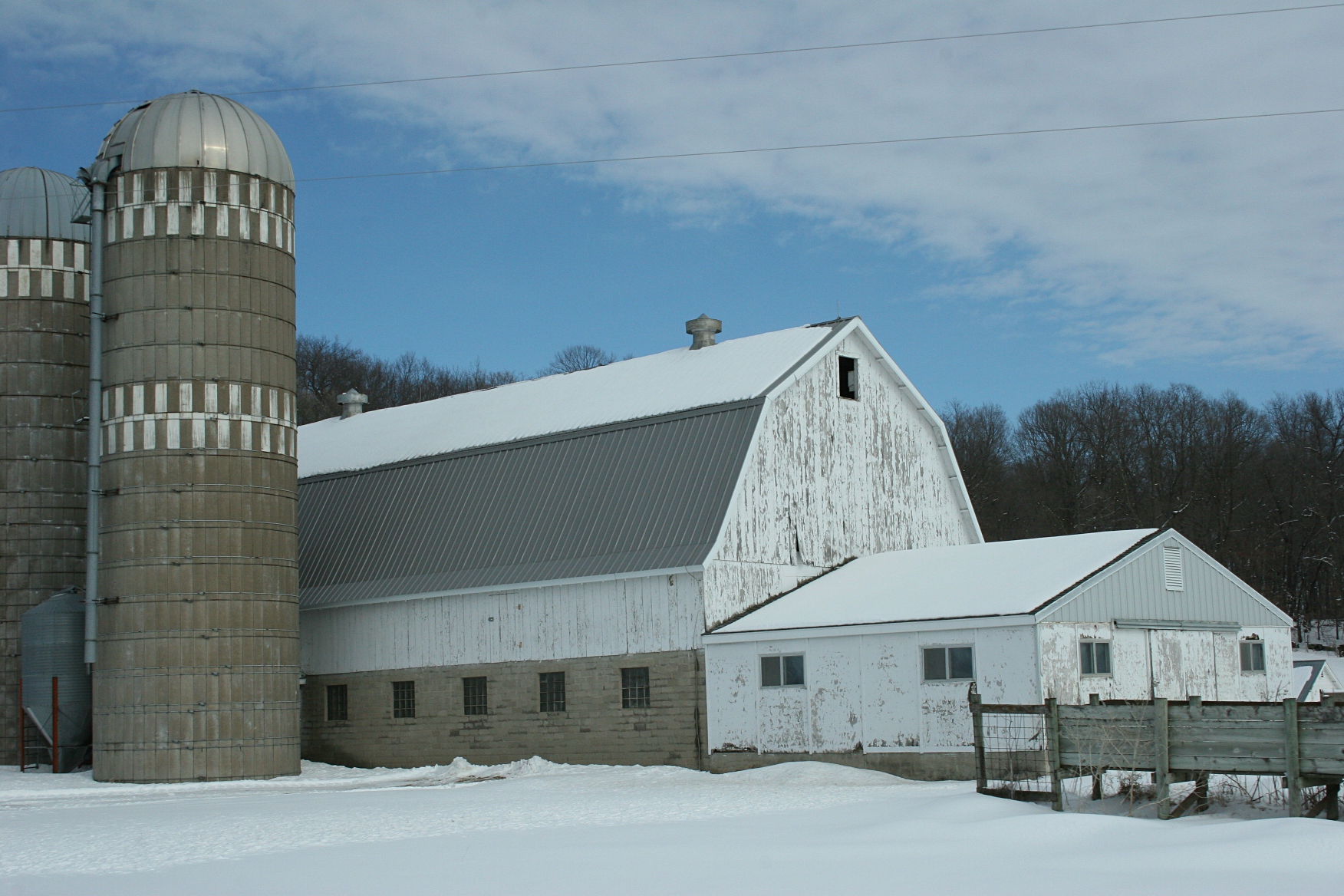
Stoney End Music Barn, 920 State Highway 19, Red Wing, Minnesota

Stoney End Music Barn, 920 State Highway 19, Red Wing, Minnesota

Tucked into a wooded hillside just west of Red Wing, an aged sprawling barn draws the attention of travelers on Minnesota Highway 19. If not for the words, this barn might go unnoticed, blending into the rural landscape.

But there the barn stands, block print letters painted upon peeling paint.

Perhaps passersby ponder the poetry posted. Perhaps not.

I have photographed the barn on a sunny Saturday in March, just another person passing by en route to and from the Mississippi River town of Red Wing. Like so many others, I am in a hurry with no time to pause and explore this roadside attraction.

I have missed so much. Stoney End Music Barn, I later learn, houses a team of musicians who craft primarily harps—having made more than 7,000 since 1984.

The renovated barn is also home to the Hobgoblin Music Store and a third floor music loft/concert hall.

So you see, Stoney End Music Barn truly is a poetry barn, for music is poetry.

© Copyright 2013 Audrey Kletscher Helbling


Rural Minnesota, the place of my heart February 27, 2013

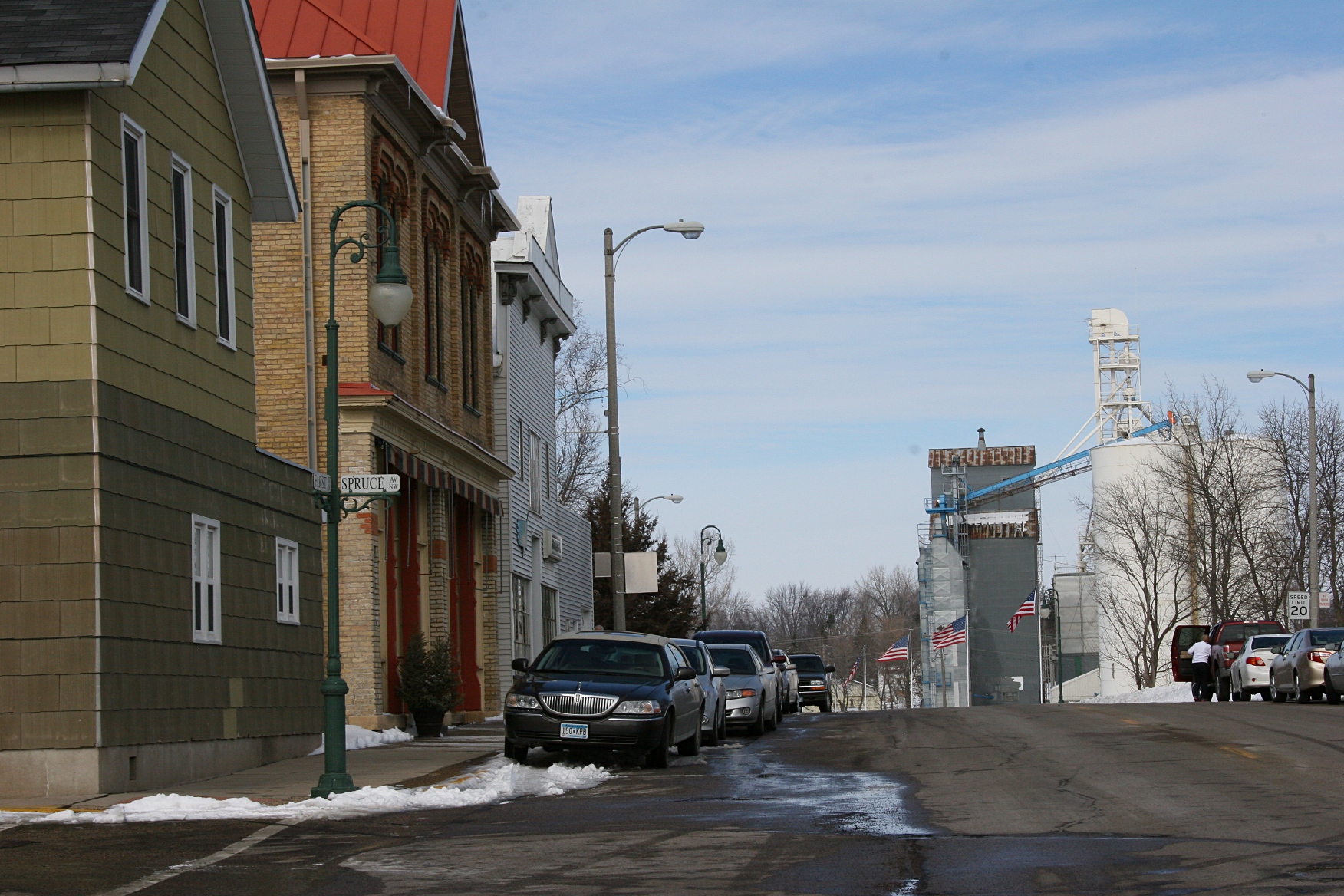
Montgomery, Minnesota, on a Sunday afternoon.

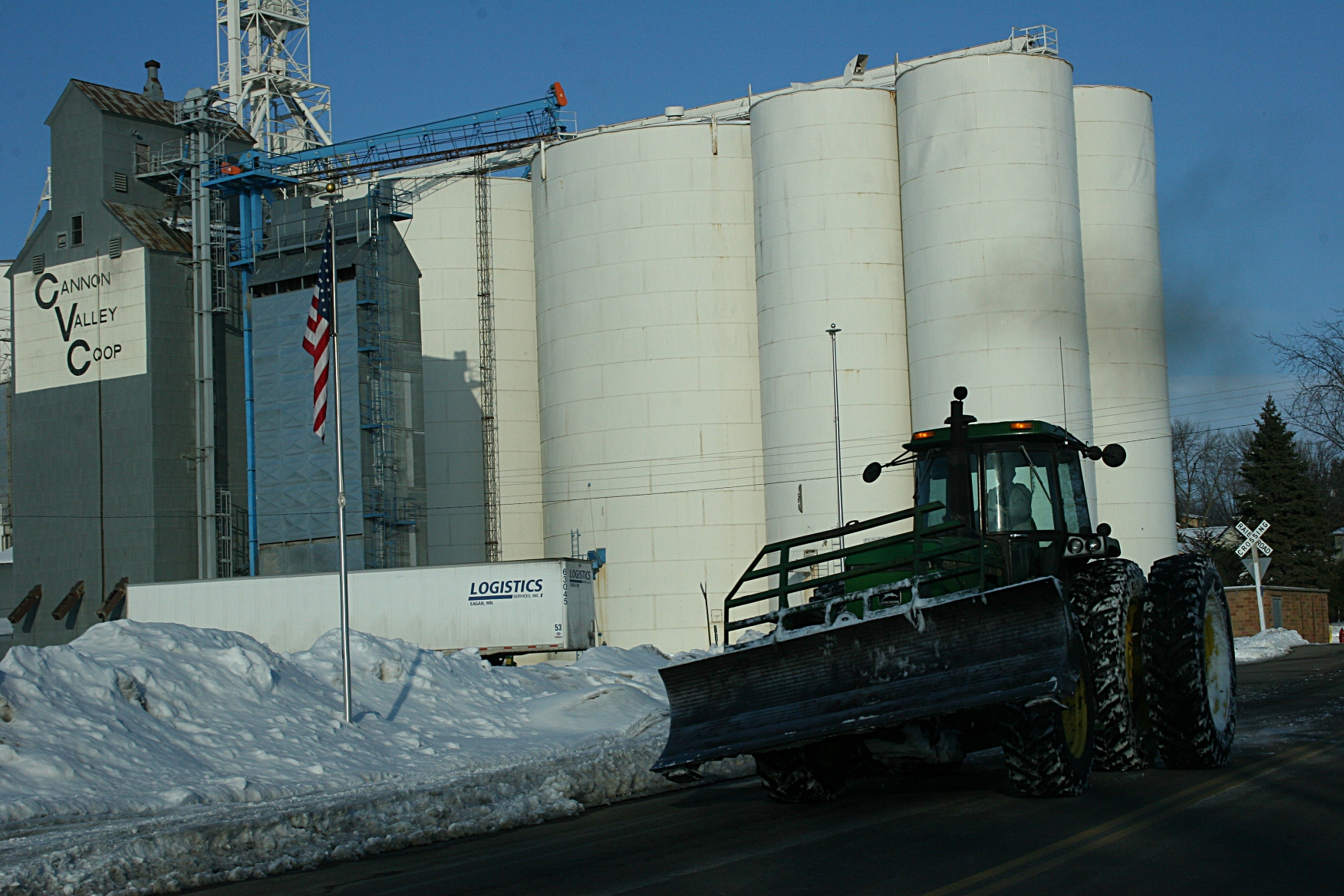
Montgomery, Minnesota, on a Sunday afternoon. That’s the Cannon Valley Co-op over the hill and to the right.

I NEVER TIRE of these snippets of small town life—the instant my eye catches a scene or a setting or a detail.

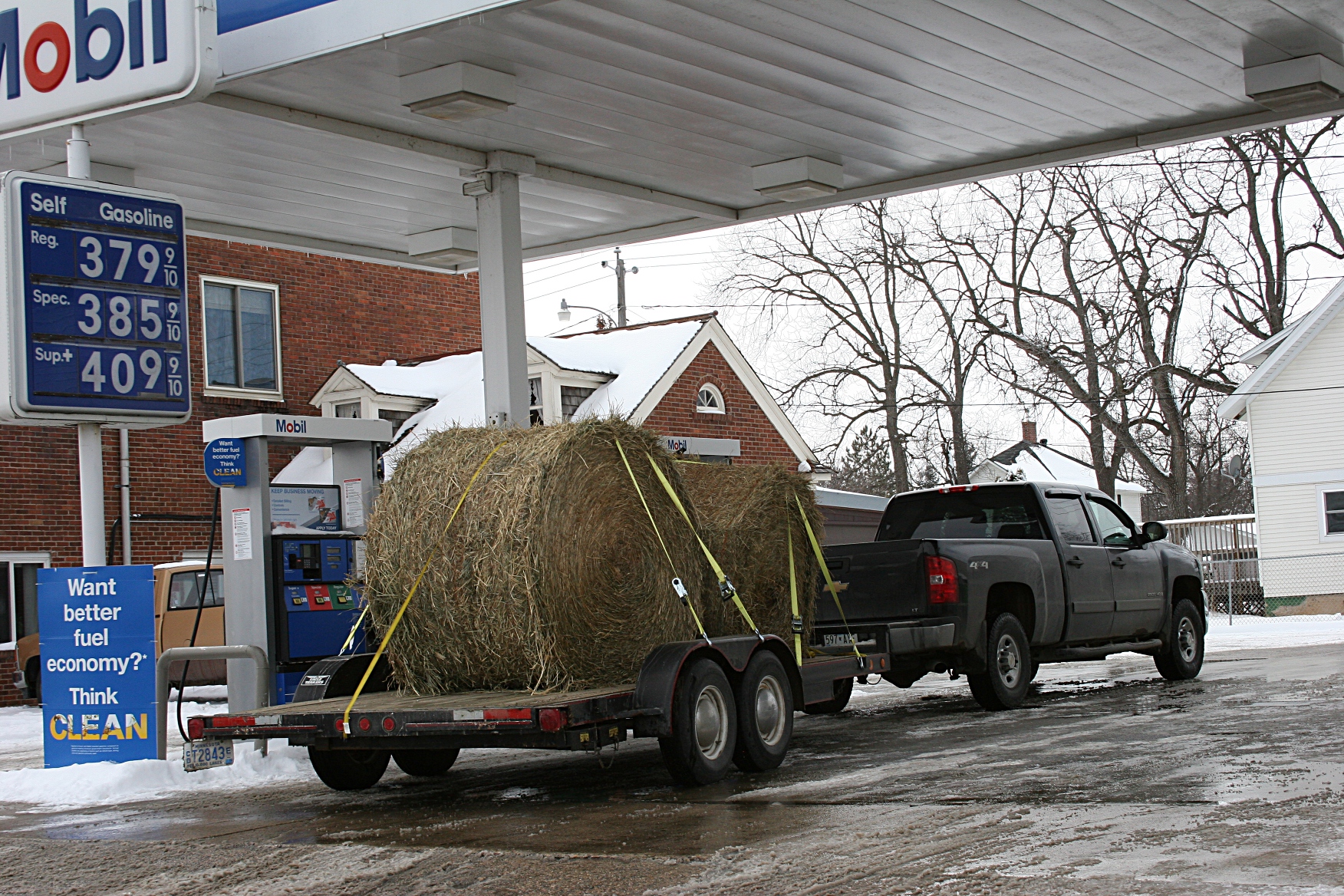
At the Mobil station in Medford on a Saturday afternoon.

At the Mobil station in Medford on a Saturday afternoon.

In those moments my heart sings with thankfulness that I live in a relatively rural region.

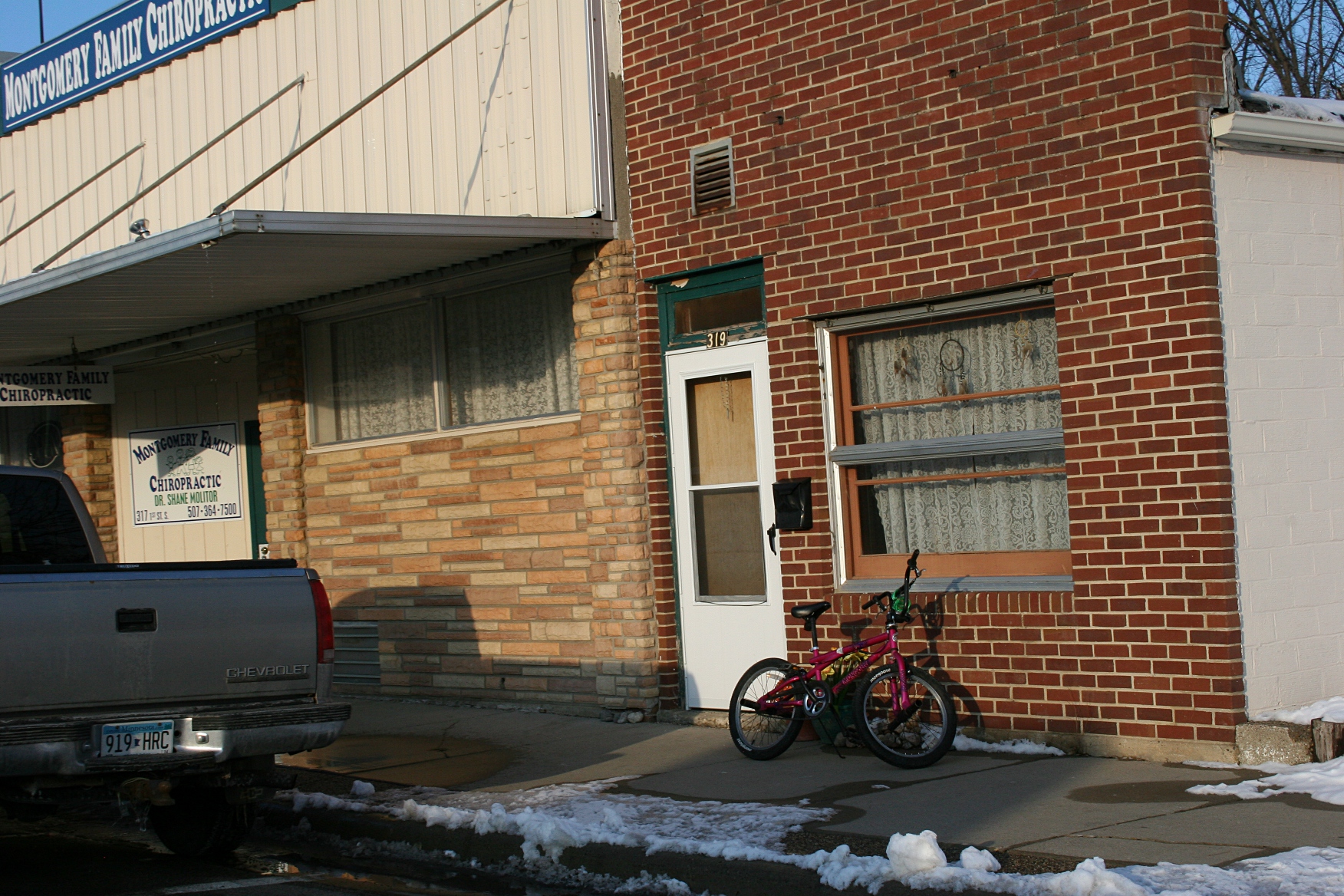
No need for bike racks in Montgomery.

Just drop the bike in downtown Montgomery.

While rural does not equate utopia or a life any less troubled or any more joyful than city life, this land is where I belong.

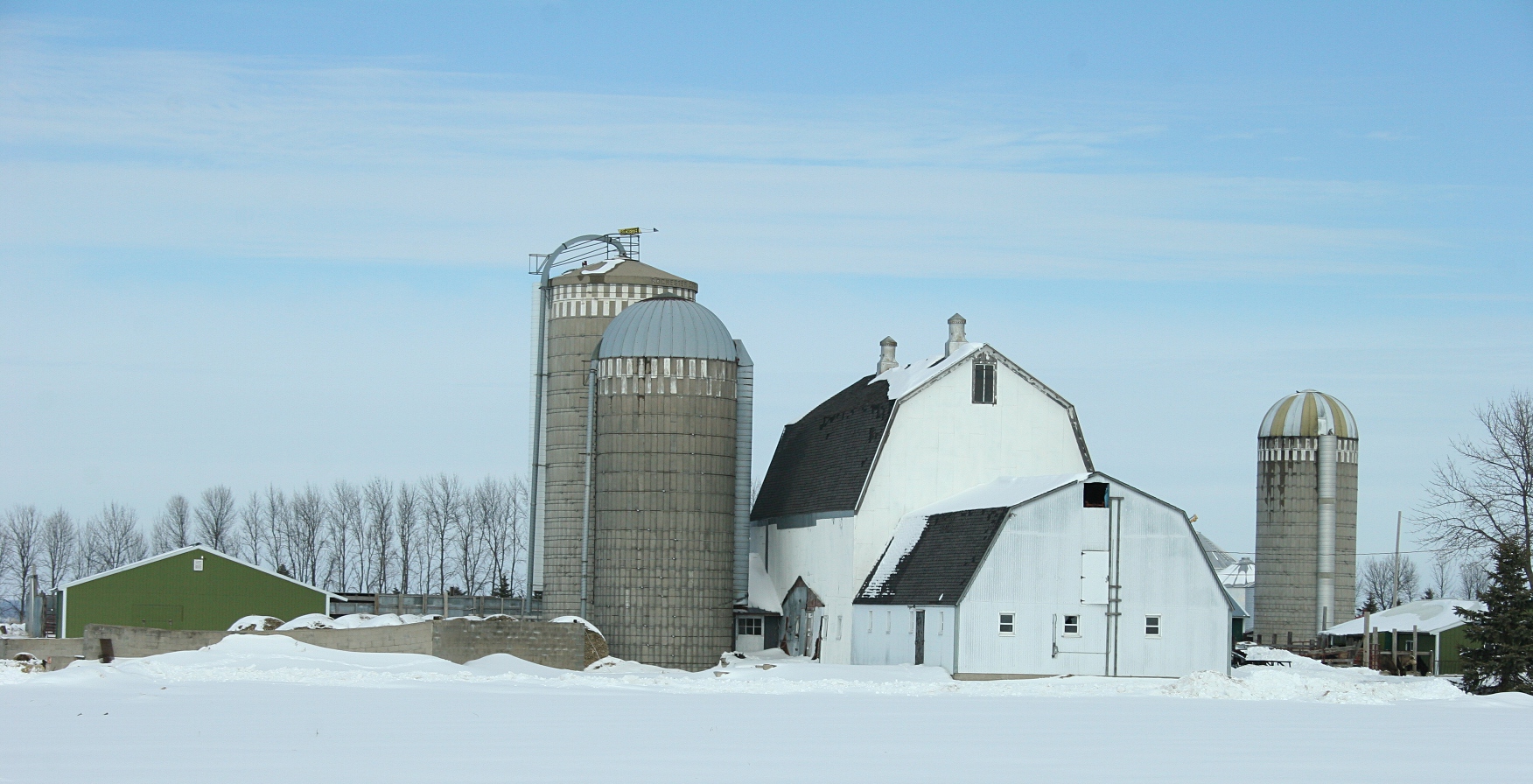
Just off Minnesota Highway 99 along a curve on Minnesota 21 heading toward Montgomery.

Just off Minnesota Highway 99 along a curve on Minnesota 21 heading toward Montgomery.

Growing up, I felt more comfortable inside a dairy barn than inside my pink-walled bedroom.

Along the same highway...

Along the same highway…

My connection to barns lingers as I’m drawn to photograph these disappearing rural landmarks.

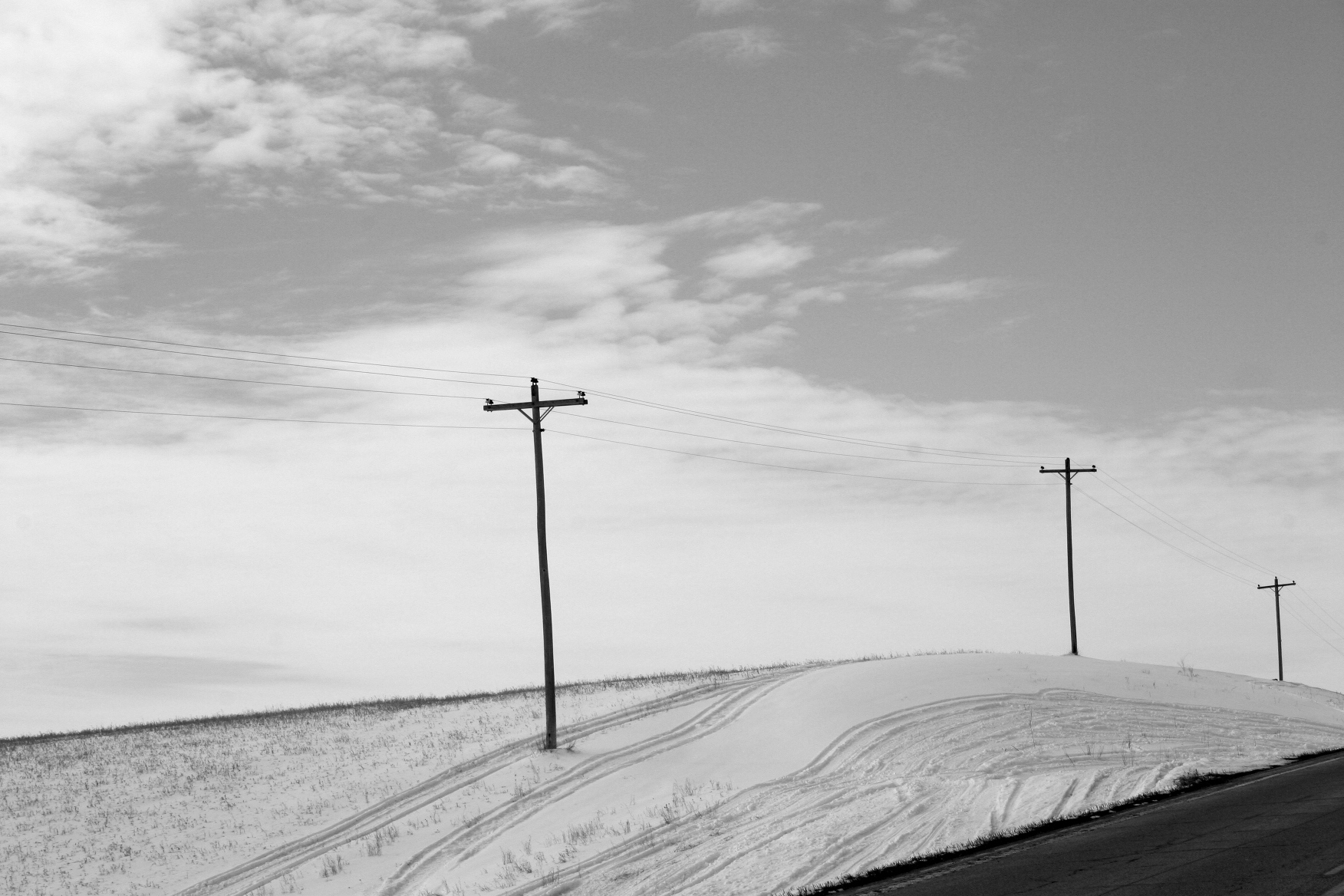
Utility poles break the horizontal landscape along Minnesota 21.

Utility poles break the horizontal landscape along Minnesota 21.

My eyes link with lines, always the lines.

Ready to plow snow in Montgomery.

Ready to plow snow in Montgomery.

I am not a big city lights, traffic jams, hurry here, hurry there kind of girl.

Minnesota State Highway 21 between Shieldsville and Montgomery.

Minnesota State Highway 21 between Shieldsville and Montgomery.

I am a country dark, tractor in the field, meandering Sunday afternoon drive kind of girl.

© Copyright 2013 Audrey Kletscher Helbling


Sunday sunset February 24, 2013

Filed under: Uncategorized — Audrey Kletscher Helbling @ 7:39 PM
Tags: , , , , , , , ,

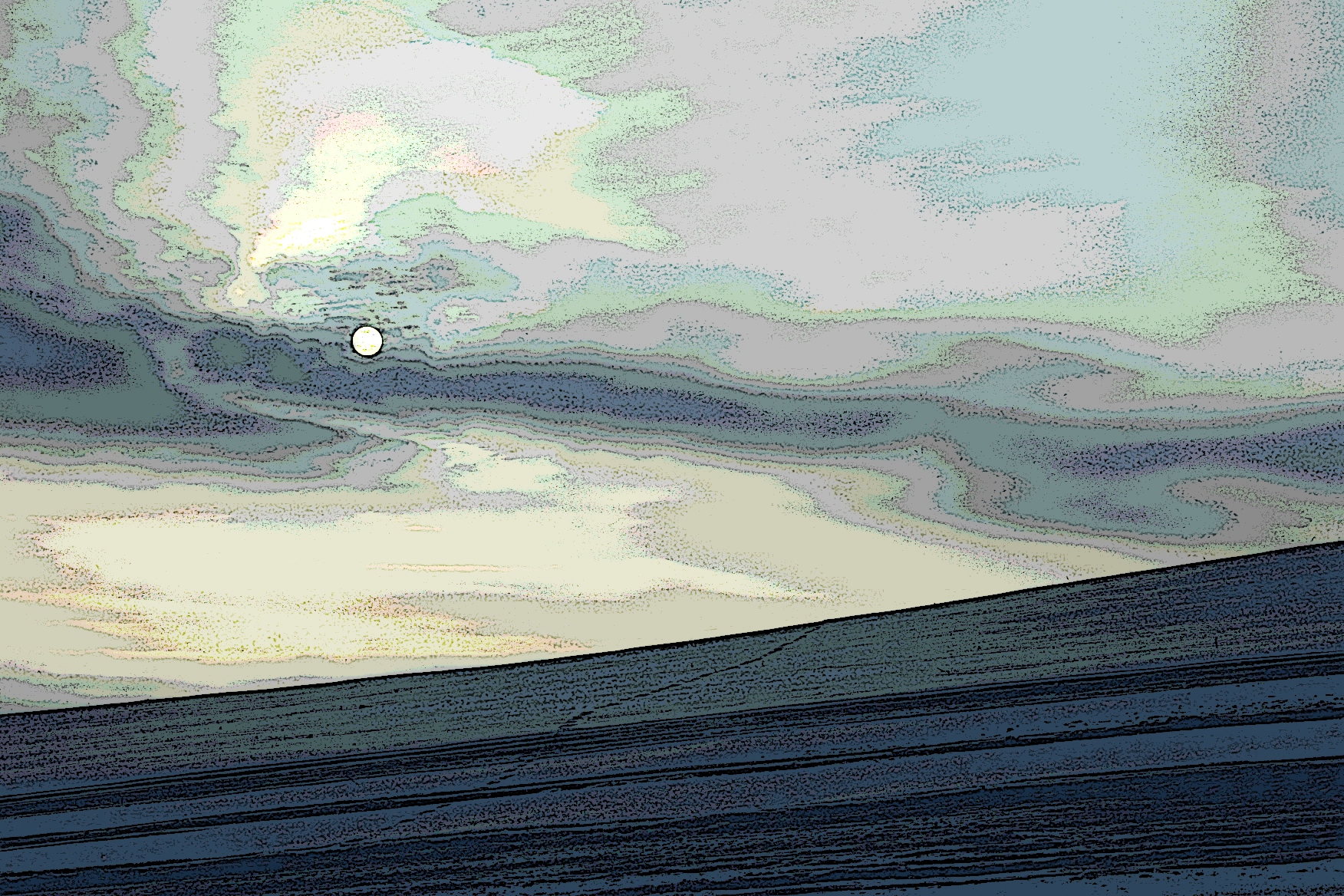
ON THE WAY HOME from Montgomery, Minnesota, not Alabama, late this afternoon, the sun danced with the clouds:

Sunset - Copy

Copyright 2013 Audrey Kletscher Helbling


On my way home from the Minneapolis-St. Paul International Airport February 22, 2013

MY VISUAL VIEW OF THE WORLD often differs from that of the average person. I notice details like…

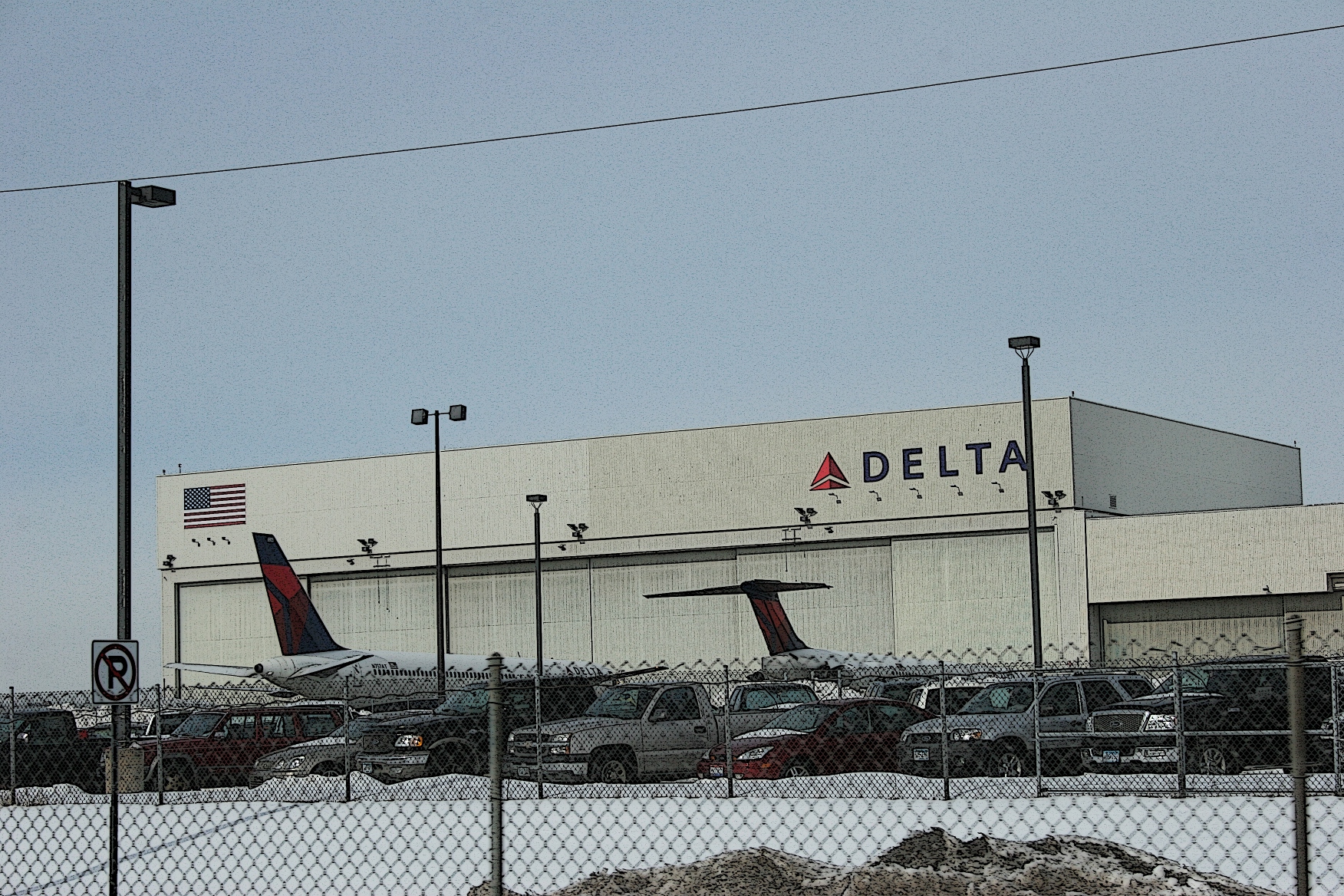
Delta planes, edited 3

…the cold harsh lines of a building fronted by an equally forbidding fence with only a hint of welcome in the slight, graceful curves of aircraft tails.

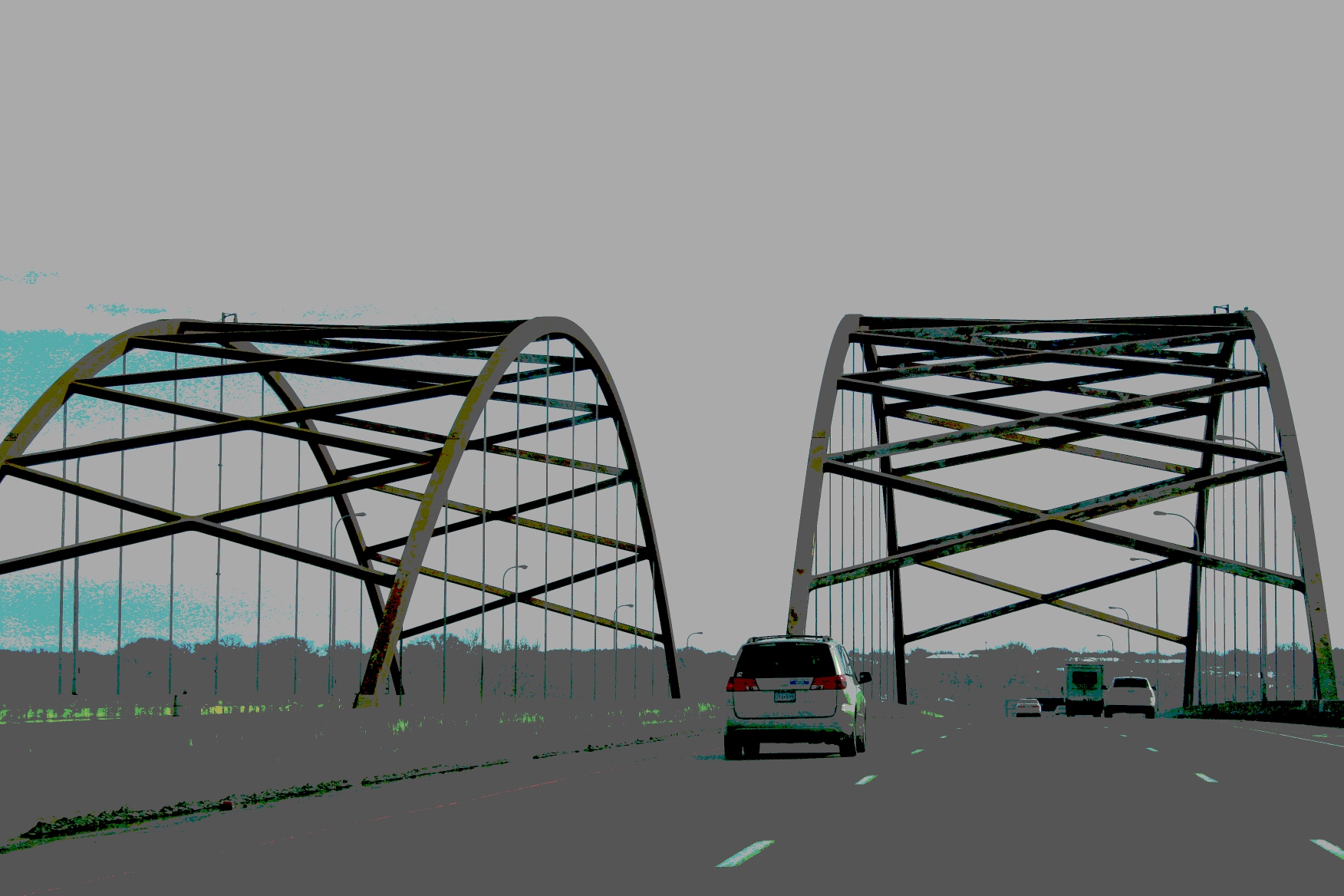
Bridge over the Minnesota on Cedar edit 2

…the graceful arcs of the Minnesota River bridge on Cedar Avenue south of the Mall of America and the Minneapolis-St. Paul International Airport

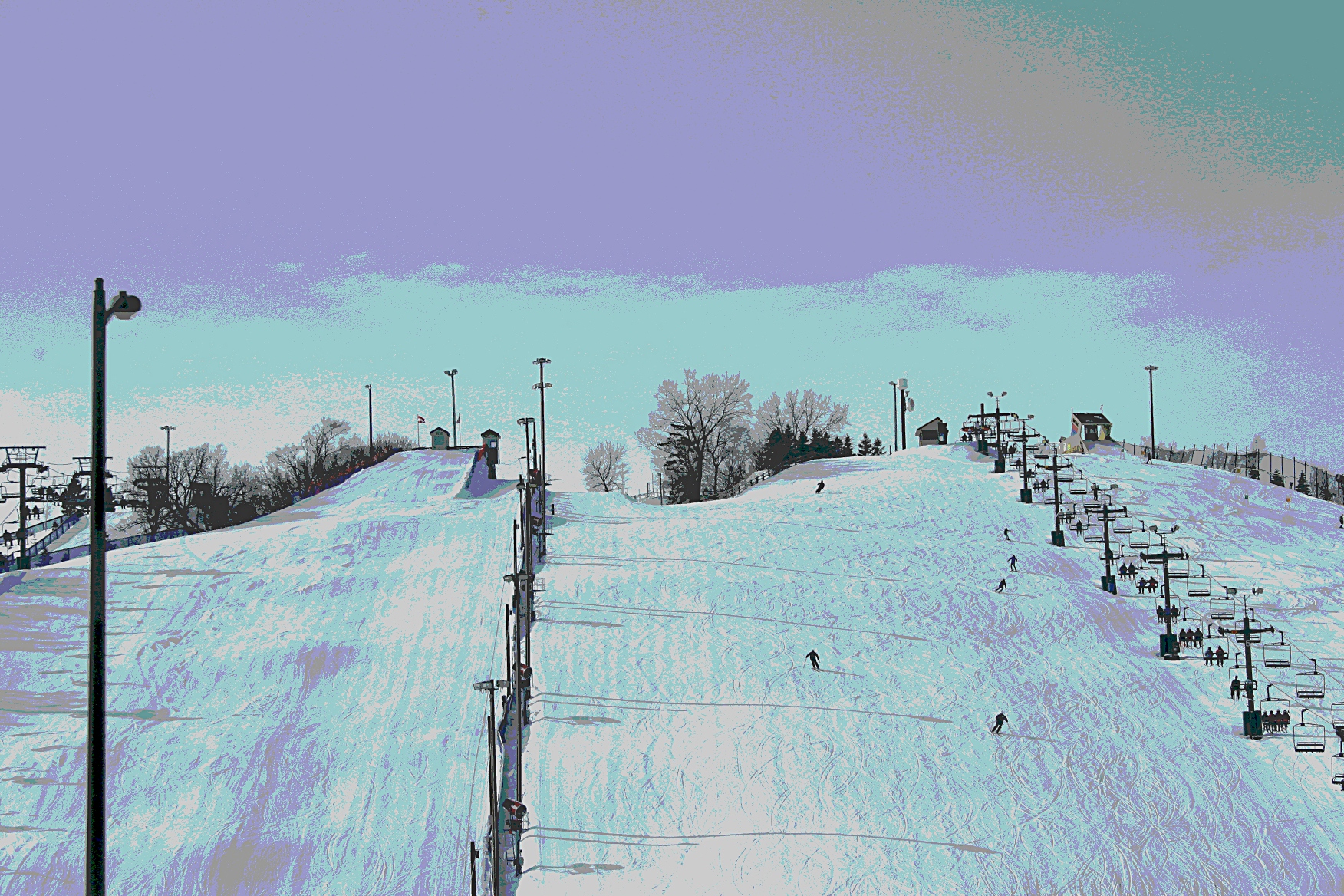
Buck Hill

…the grace of skiers swooping down Buck Hill in Burnsville on a February afternoon

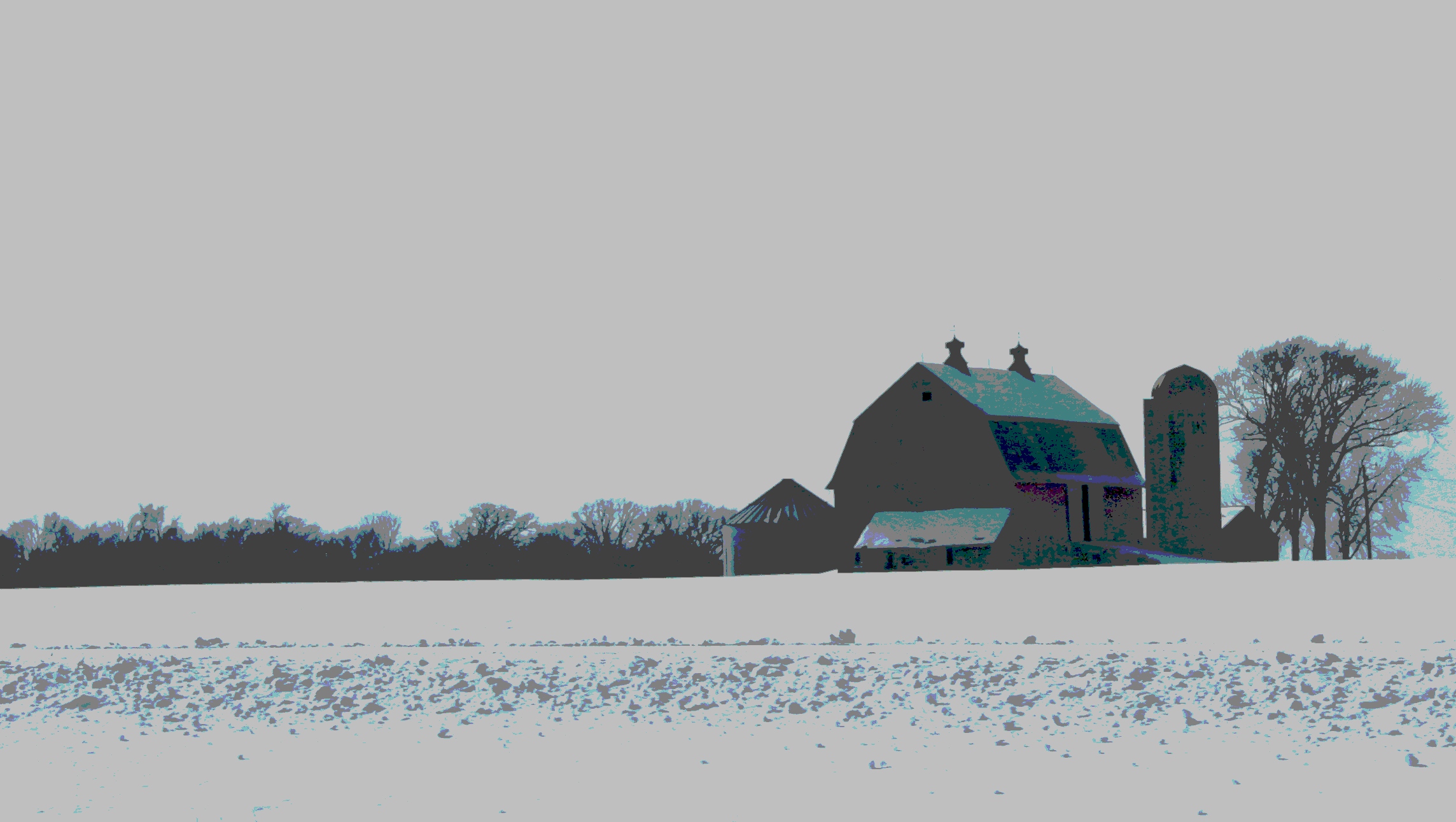
Barn along I35

…and the sweet redeeming grace of rural Minnesota as seen in the Sugardale barn along Interstate 35 just north of the Northfield exit.

HOW DO YOU VIEW your world?

Copyright 2013 Audrey Kletscher Helbling


She’s off to Argentina, again February 15, 2013

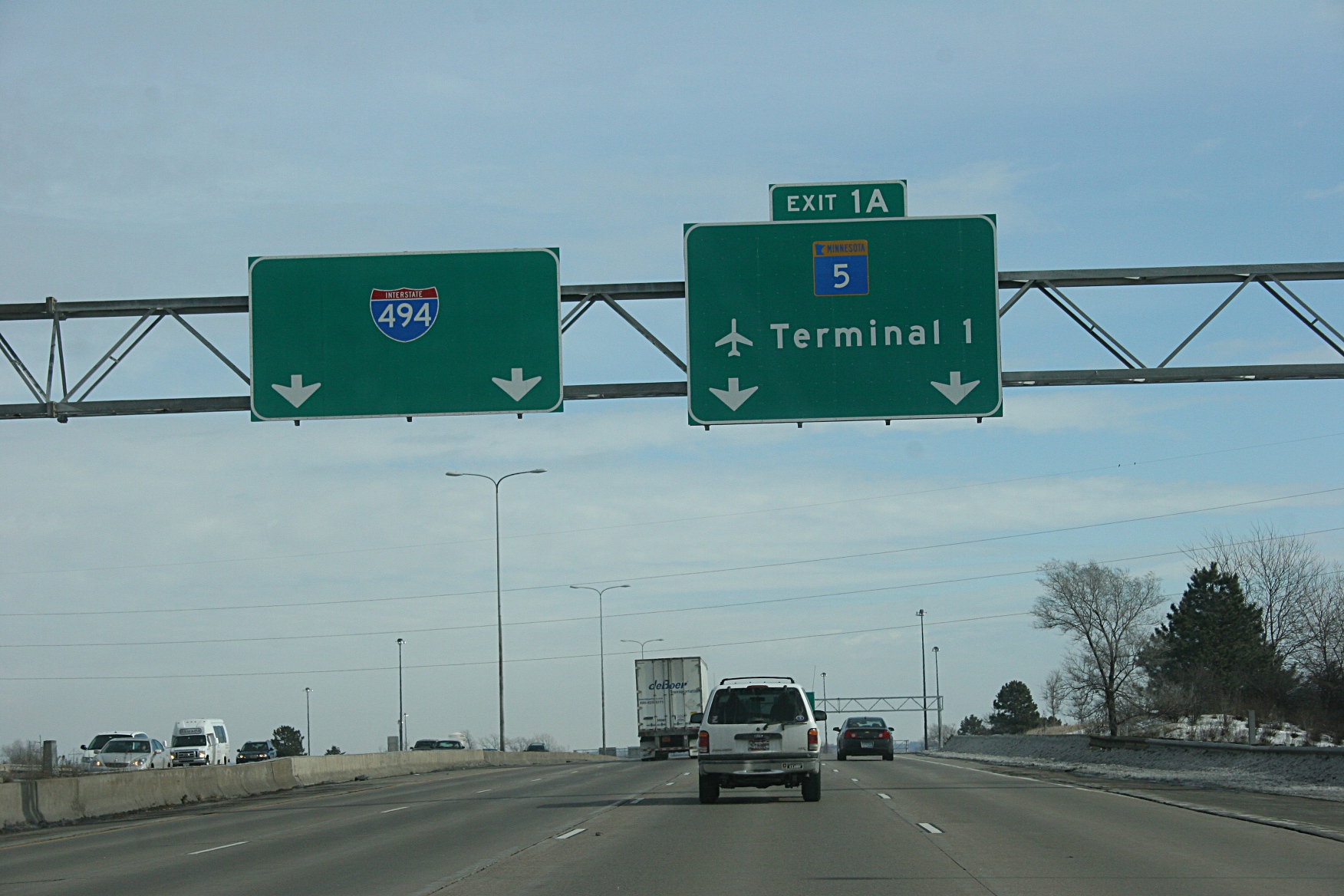
On the way to the Minneapolis-St. Paul International Airport.

On the way to the Minneapolis-St. Paul International Airport.

SHE’S LEAVING ON A JET PLANE and I know when she’ll be back again…

In reality, she’s already gone, already landed in Buenos Aires, albeit two hours and ten minutes late due to an “aircraft change” in Houston. I’ve gathered that information from the United Airlines website with no way of personally confirming her arrival.

But I can surmise my second daughter is on the ground, on her way via shuttle bus and then a taxi to the hostel where she’s booked several nights.

And I will tell you this: I don’t like any of this—her traveling alone with no real concrete itinerary and no immediate way of instantly connecting across the 6,000 miles that separate us.

She has no personal computer, no cell phone, at the moment.

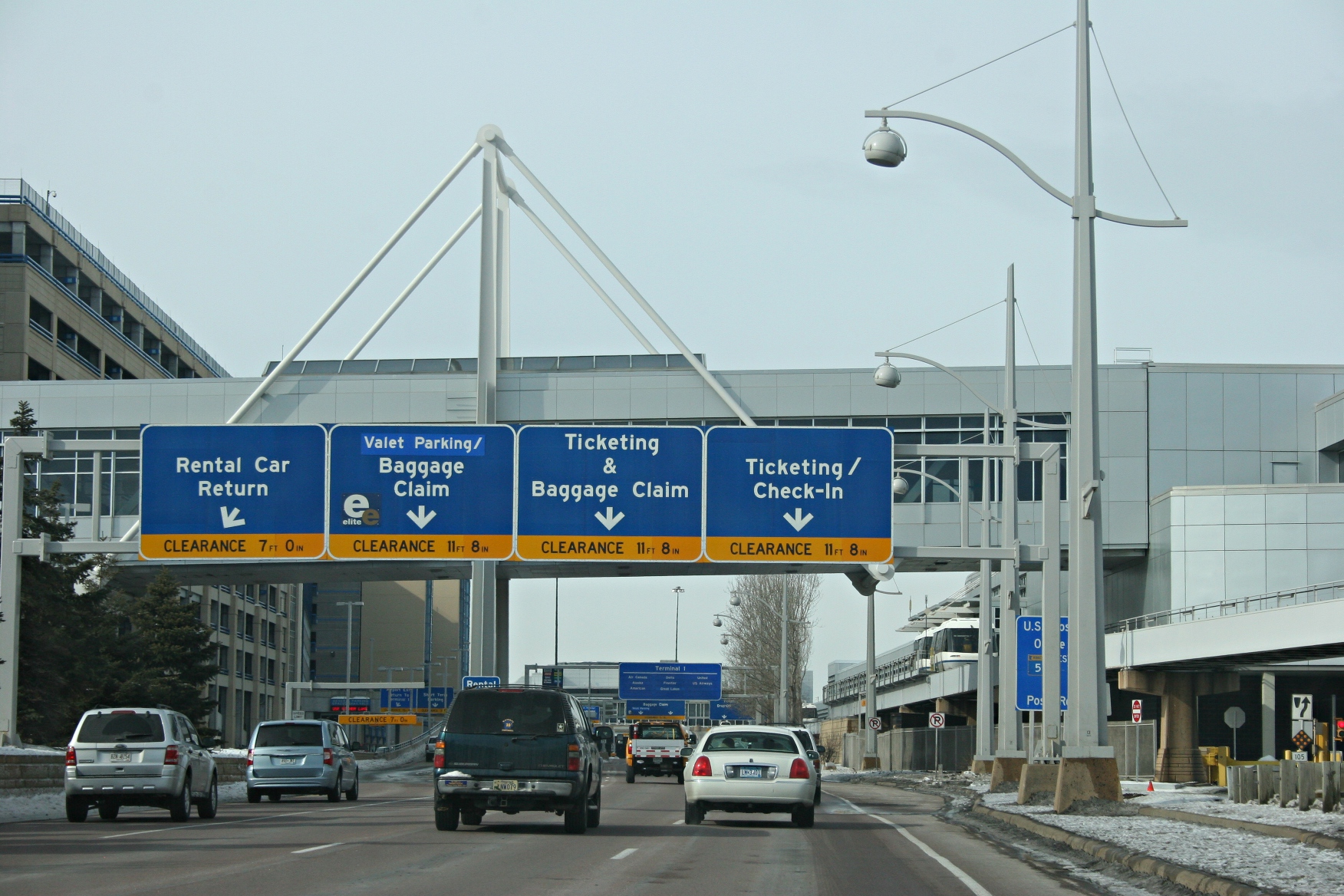
Approaching the MSP Terminal 1 drop off site.

Approaching the MSP Terminal 1 drop off site.

I should be accustomed to this really, this being her third trip to Argentina. But those first two times she had a home base in Buenos Aires, studying and interning in the capital city.

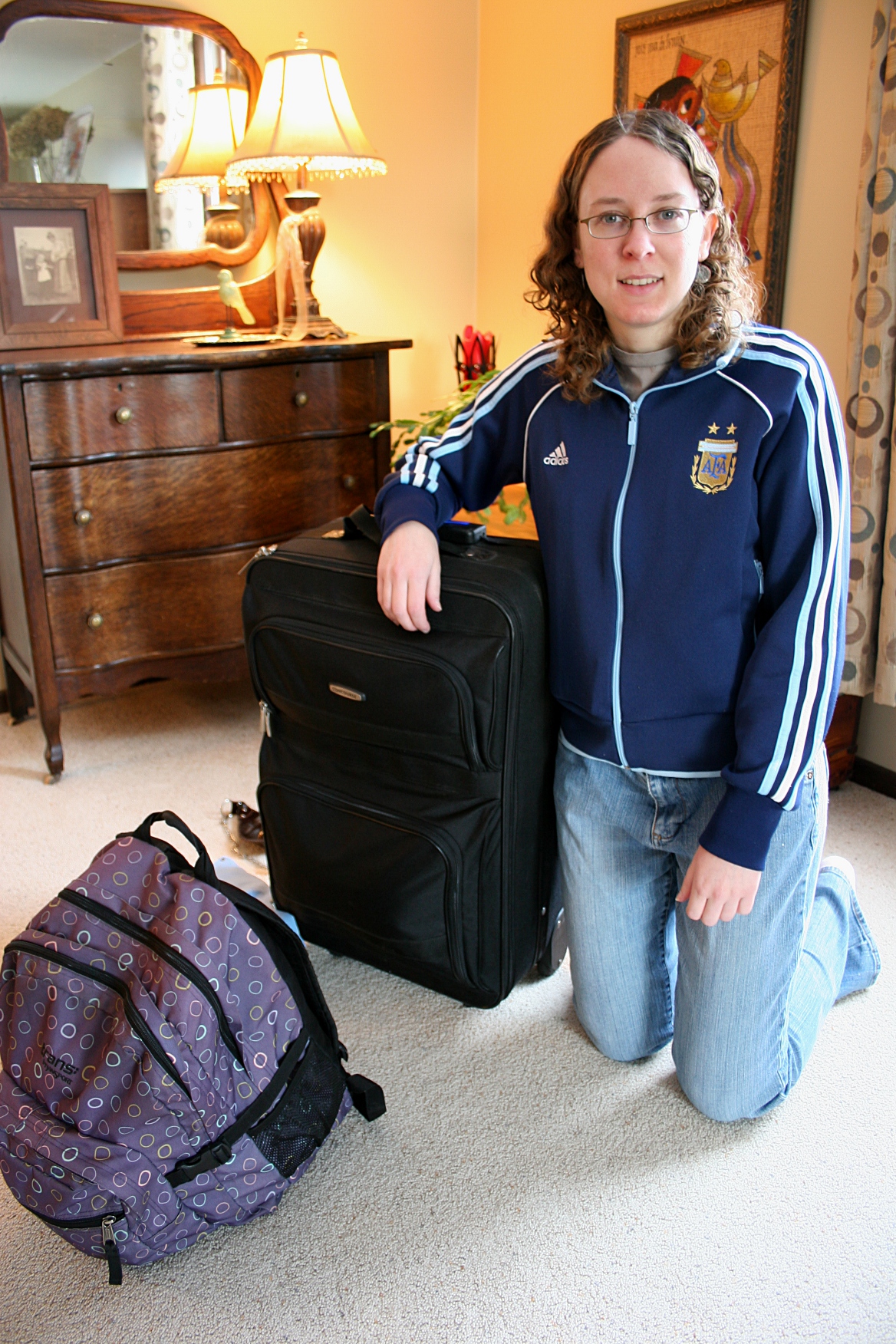
Back "home" in Faribault, packed and ready to go.

“Home” in Faribault, packed and ready to leave for Argentina.

This time, though, my daughter is vacationing, taking a month away from her job as a Spanish medical interpreter to revisit her beloved South America and the friends she made there. I admire her independence and her fearless spirit. I really do. I have encouraged such qualities in all of my children. But now I am paying the price.

I cannot help myself. I am a mom. Moms worry.

And, if I was not so darned nosy and had not sought out information from my girl, I would have less to concern myself.

But I asked and she told me about the planned lengthy bus ride to Tucuman in northern Argentina. When I questioned the safety of this mode of transportation, she told me about the time her college friend Devon was riding such a bus. Would-be robbers smashed a window, but the bus driver, knowing their intent, sped away.

Then there’s Tucuman, where my girl and her friend, Ivana, were mugged by two guys on a motorcycle, in broad daylight several years ago. Crime has only gotten worse in that city, Ivana says. My daughter won’t be carrying a purse this visit. Just in case, I have copies of her credit and bank cards and her passport.

She’s planning a 16-hour journey on Train to the Clouds, a train that will take her high into the mountains and villages of northwest Argentina. To alleviate my concerns that she will be traveling on some rickety old train, my daughter showed me photos on the train’s website. That reassured me…until she mentioned the medical personnel assigned to each passenger car to deal with health issues related to the high altitude. I suppose that should reassure me. It did not.

And then my eldest had to mention the stray dogs that roam Argentinean streets.

For the next few weeks, I will try to pretend that my daughter is still only 300 miles away in the Midwest. That is my strategy, plus lots of prayer.

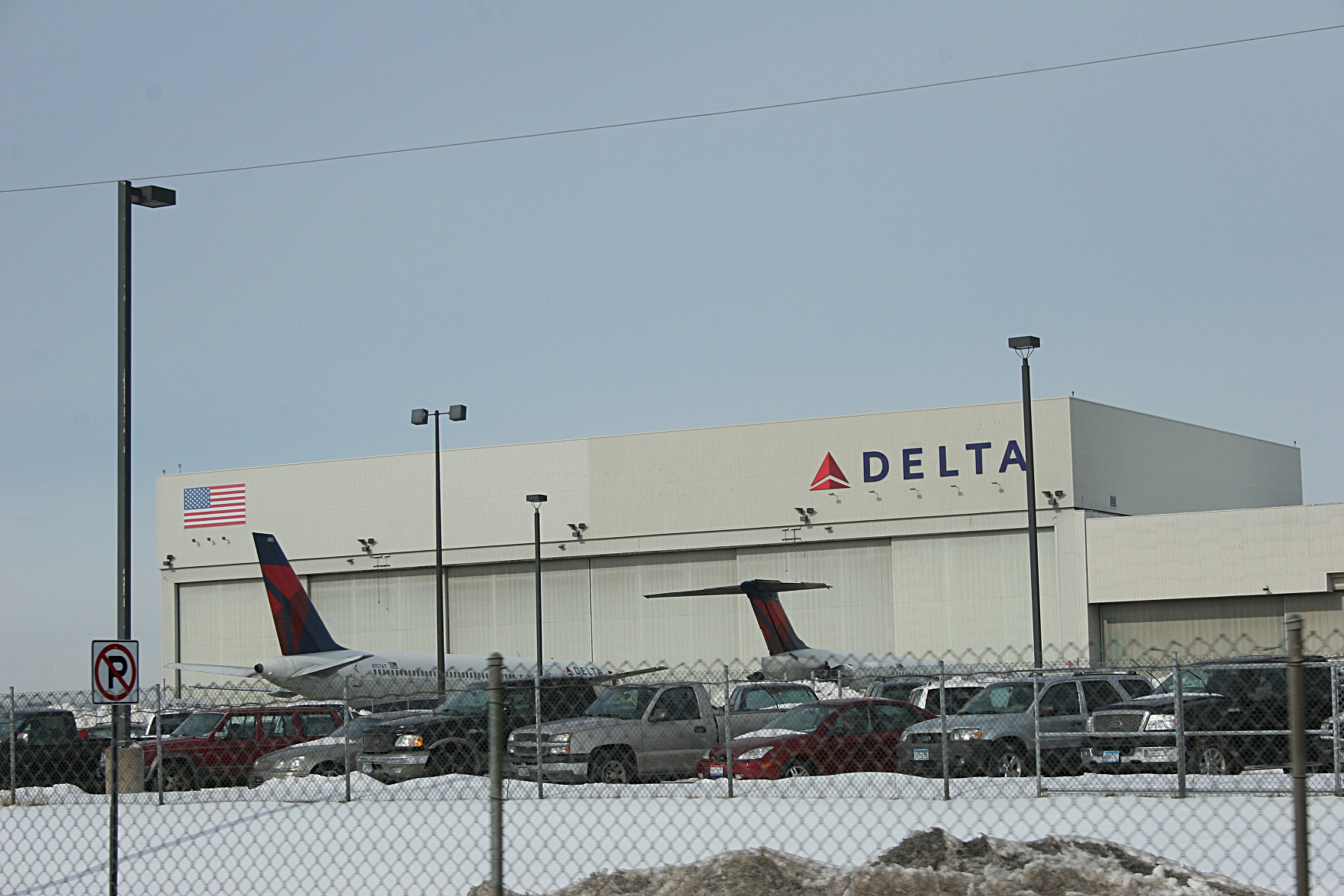
My daughter didn't fly Delta. But these are the only planes I saw when leaving Minneapolis St. Paul International Airport after my husband and I dropped her off.

My daughter didn’t fly Delta. But these are the only planes I saw when leaving Minneapolis-St. Paul International Airport after my husband and I dropped her off.

IF YOU’RE A PARENT of adult kids who love to travel, how do you cope? I could use some tips.

Since writing this post, I received an email and a call from my daughter reporting her safe arrival.

© Copyright 2013 Audrey Kletscher Helbling


Claiming a prairie sunset February 8, 2013

Filed under: Uncategorized — Audrey Kletscher Helbling @ 8:10 AM
Tags: , , , , , , , , ,

MY HEART BELONGS to my native prairie. Always has, always will.

Even after three decades away from southwestern Minnesota, I remain connected to the sky and to the land, to the place that shaped me as a person, a writer, a photographer.

In an environment as stark as the prairie, you notice details.

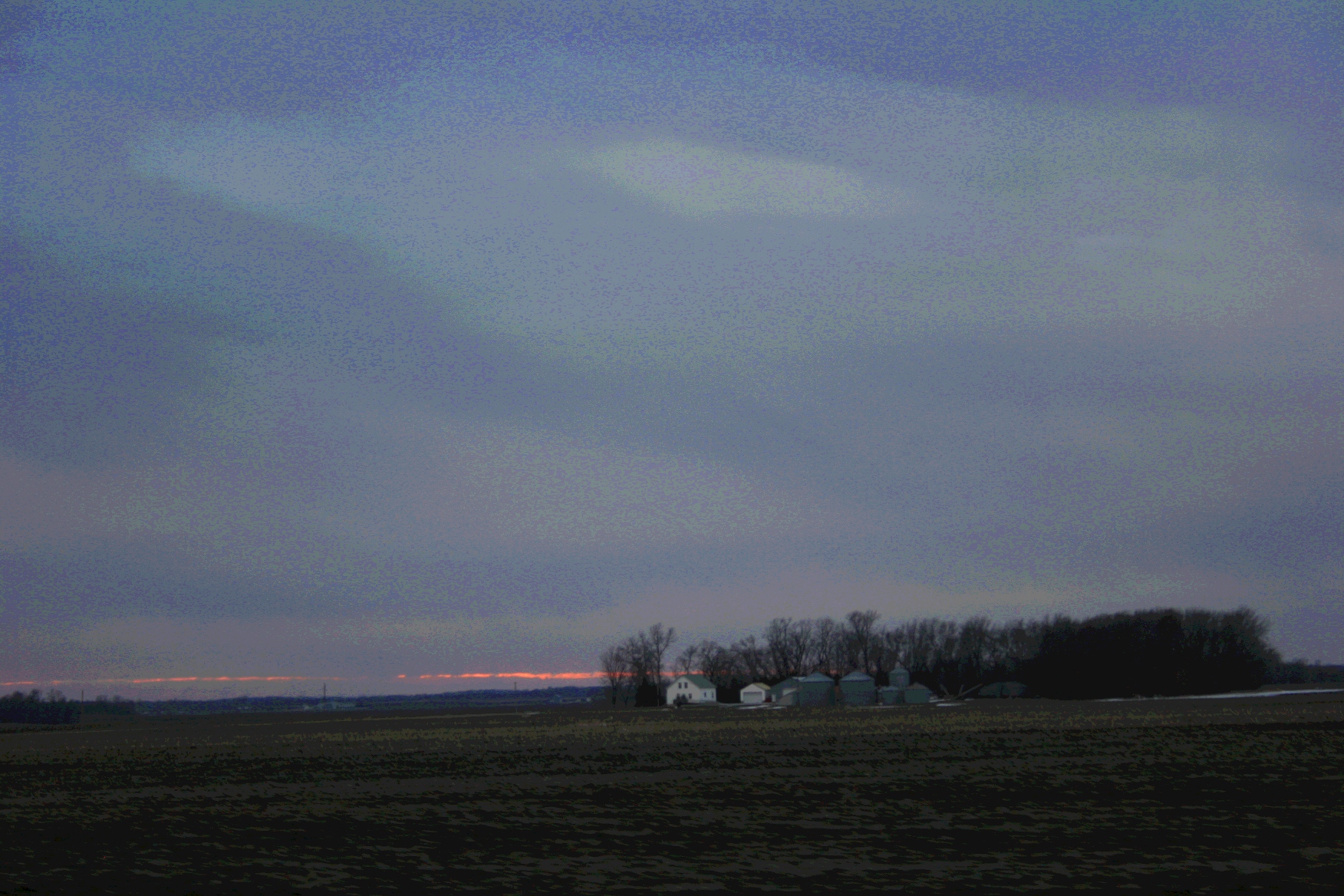
Even in southeastern Minnesota, where I've lived for three decades, expanses of prairie exist like this sunset scene.

Even in southeastern Minnesota, where I’ve lived for three decades, expanses of prairie exist like this sunset scene.

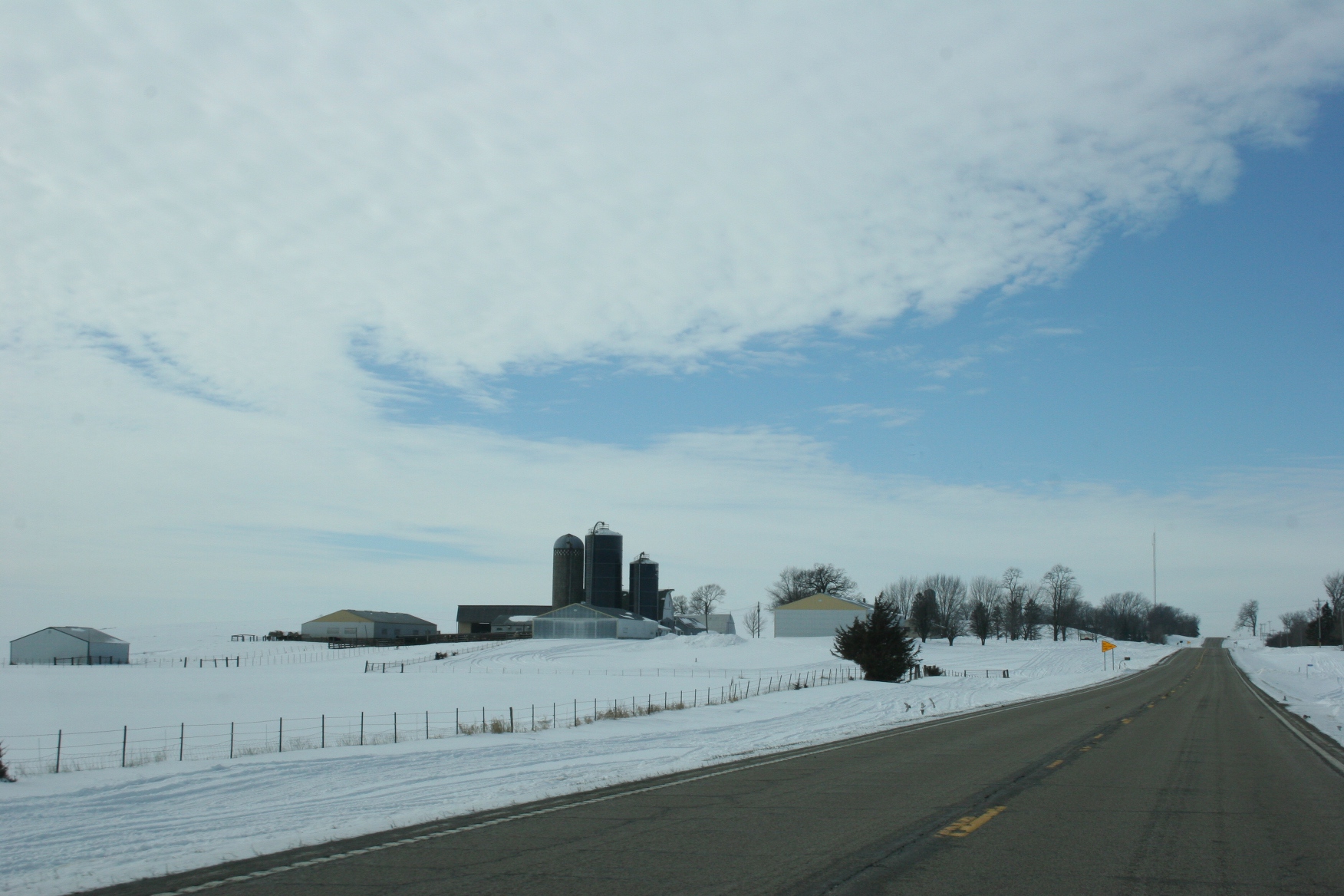
And so, on a recent Saturday, as my husband and I traveled south and east from Cleveland to Kilkenny (that’s in southeastern Minnesota, not Ohio and Ireland), I observed daylight evolve into evening, the sun slipping in a slim band of rosy peach across the horizon.

In that moment my soul yearned for the land I left at age 17, the prairie, the place of my heart.

© Copyright 2013 Audrey Kletscher Helbling


Where the men & boys shop: At a rural Minnesota farm toy show January 31, 2013

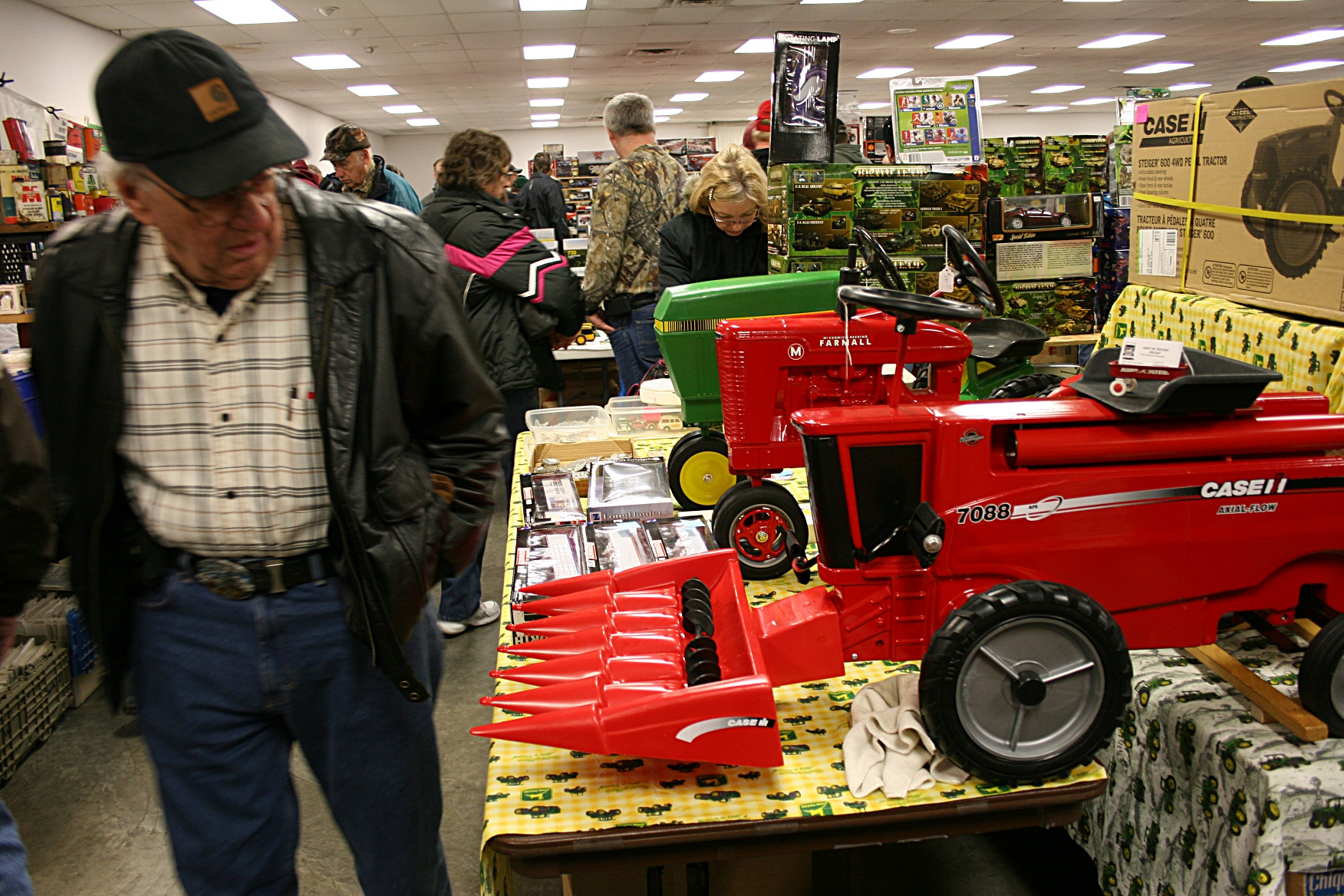
OH, TO BE A FARM KID again, steering toy tractors through imaginary fields, corralling cattle into a replica barn, pretending to be a farmer just like Dad.
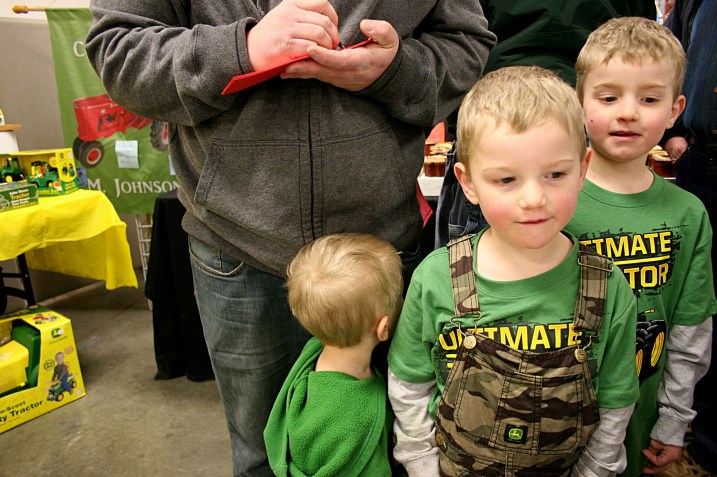
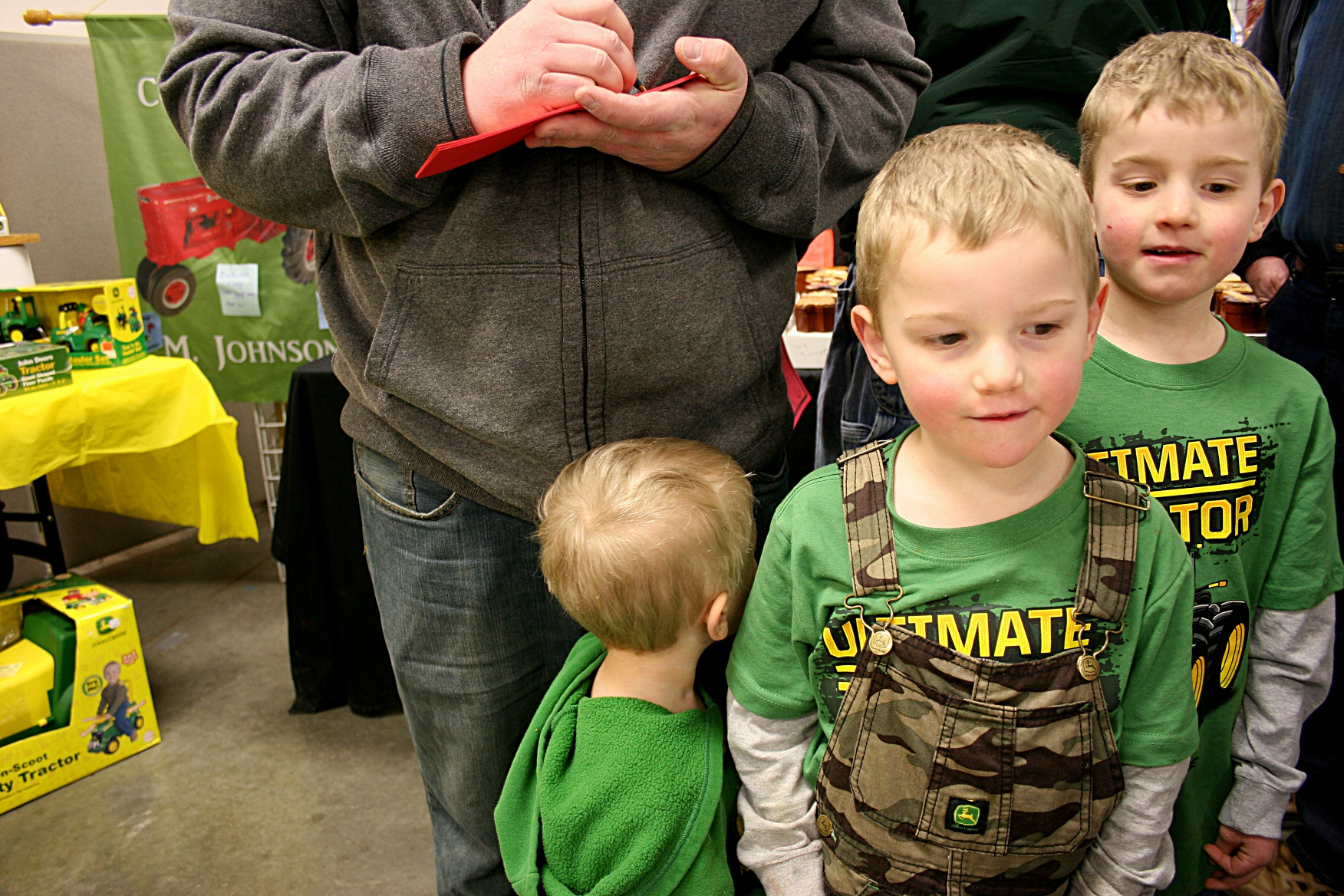
A trio of brothers dressed in John Deere attired waited while their dad signed up for a Massey Harris tractor raffle from Rice County Steam & Gas Engines, Inc.

A trio of brothers dressed in John Deere attire wait while their dad signs up for a Massey Harris tractor raffle from Rice County Steam & Gas Engines, Inc. The youngest was camera shy.

I imagine many of the kids tagging along with Grandpa or Dad to Louie’s Toy Box Farm Toy Show at the Nicollet County Fairgrounds in St. Peter last weekend were farm kids wishing for a new toy tractor or other piece of farm equipment to role-play their futures, or their ancestral pasts.
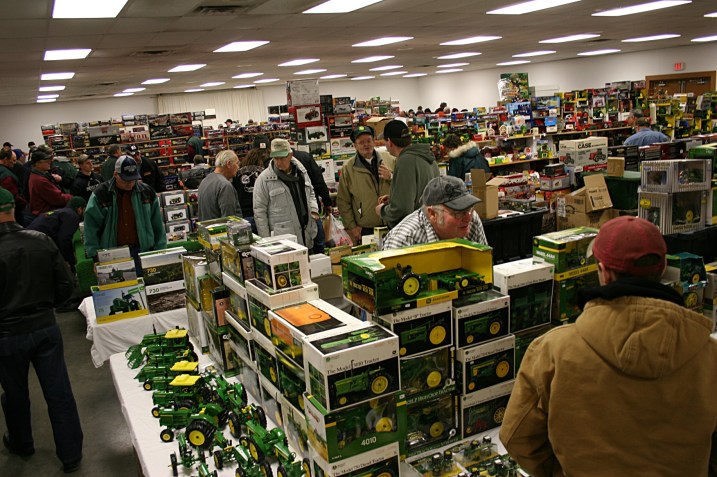
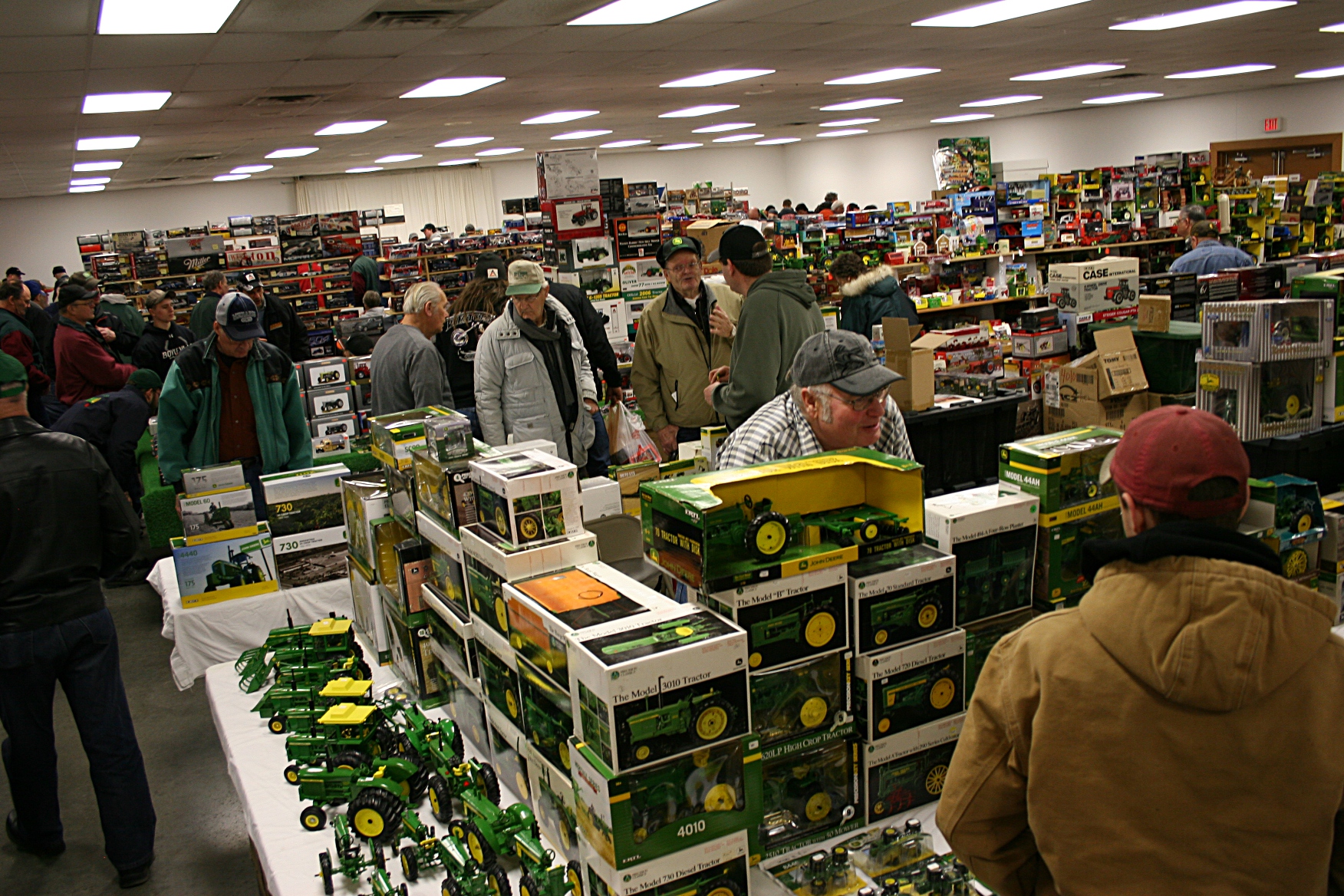
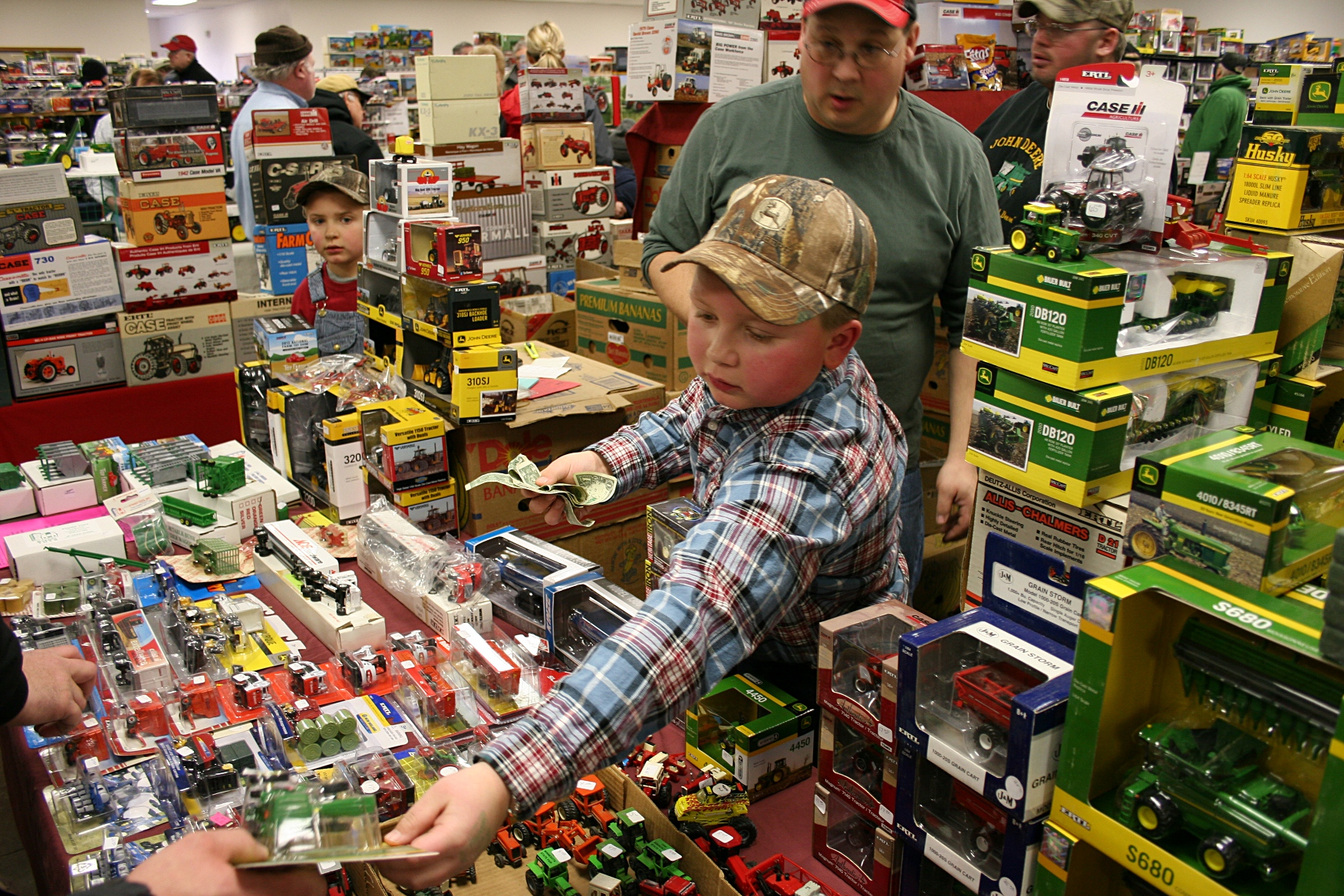
Masses of shoppers among a mass of merchandise.

Masses of shoppers among a mass of merchandise.

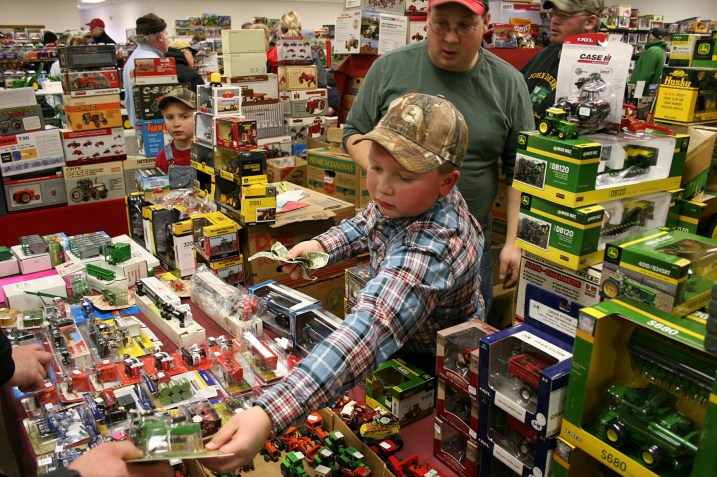
Shouldering my way through packed aisles Saturday morning, I couldn’t determine who seemed more excited—the men or the boys. And they had every reason to thrill in the mass of ag-related merchandise displayed by 43 vendors from Minnesota, South Dakota, Wisconsin, Iowa and Illinois.
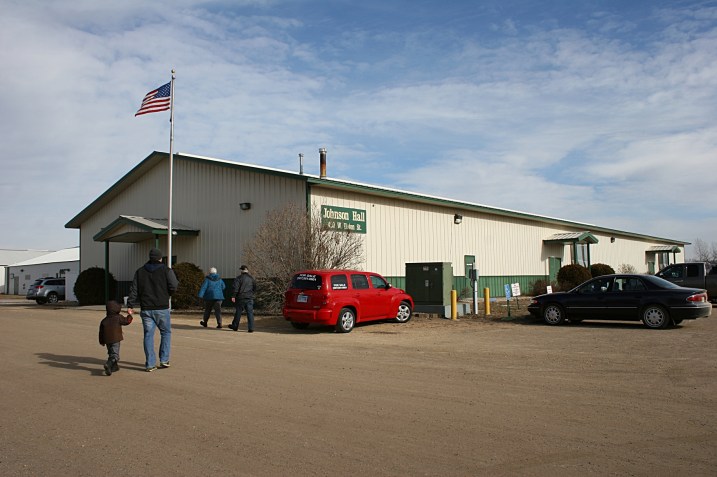
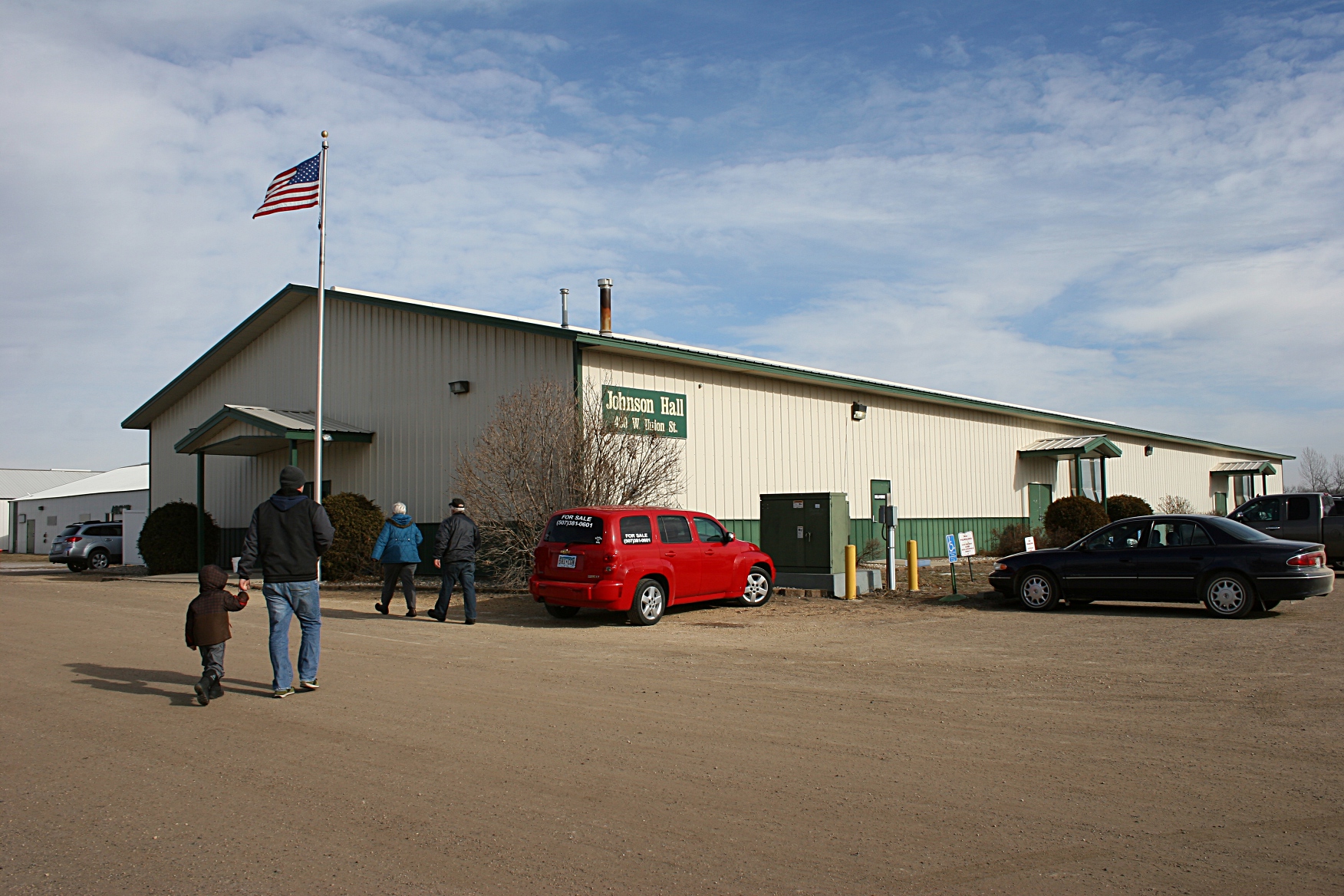
Johnson Hall, site of Louies' Toy Box Farm Toy Show.

Johnson Hall, site of Louie’s Toy Box Farm Toy Show.

I didn’t know quite what to expect when I entered the unassuming pole-shed style Johnson Hall at the fairgrounds. But I didn’t expect to find so many people (an estimated 2,000 weekend attendees), so many vendors and so much merchandise crammed into such a tight space. This venue is definitely too uncomfortably small for a toy show of this size.
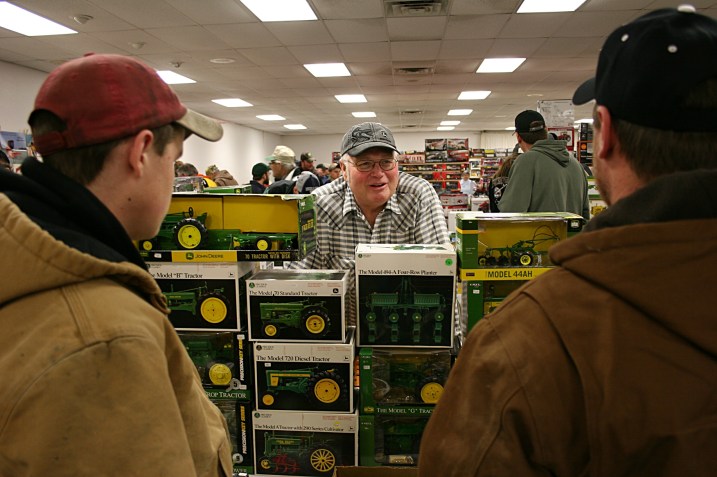
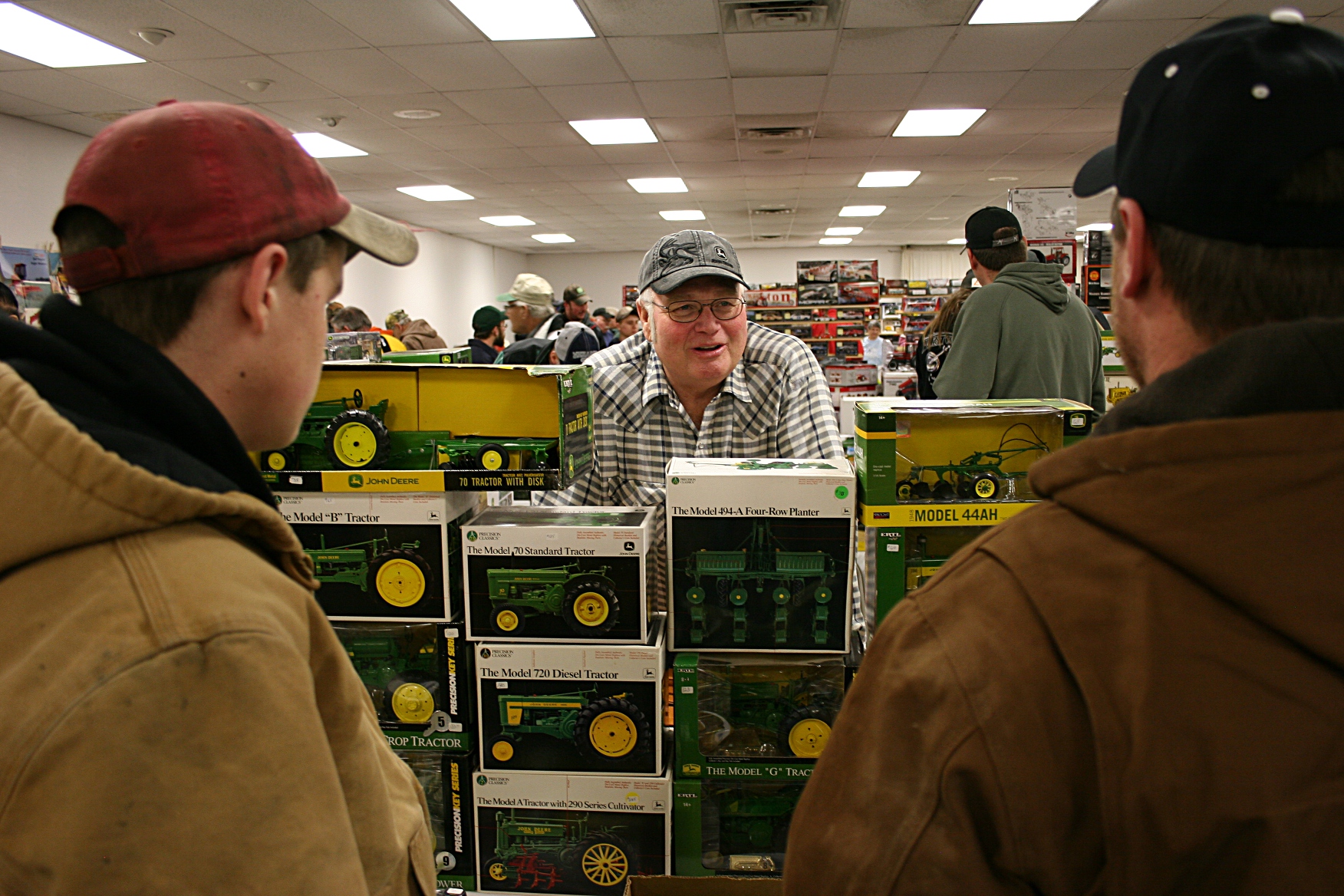
Vending John Deere toy tractors.

Vending toy John Deere tractors.

That aside, I managed to wiggle my way through mostly throngs of men sporting caps and sweatshirts advertising ag companies. John Deere, which marked its 175th anniversary in 2012, showed a dominating presence in apparel.

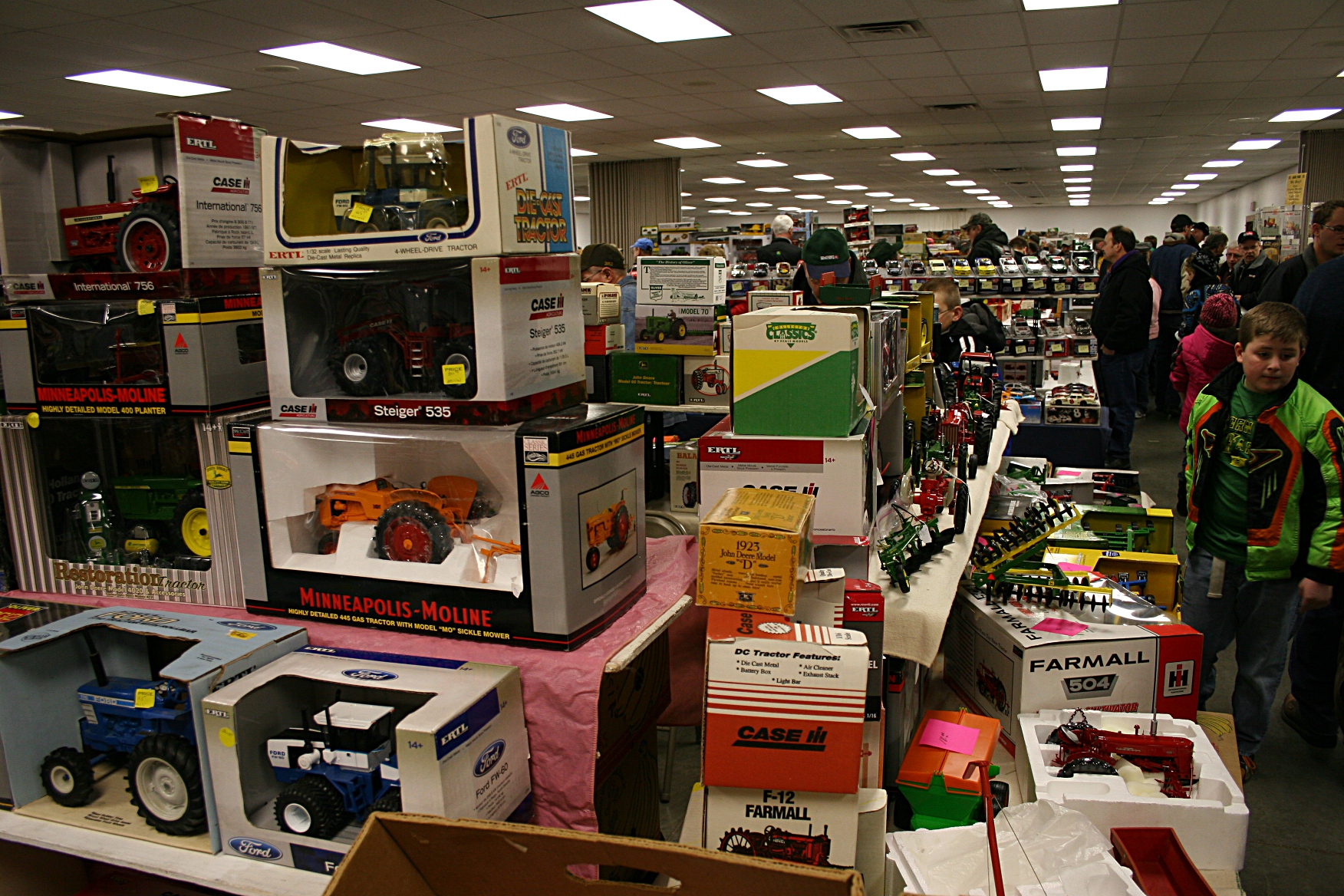
But when it came to merchandise, I expect every line was represented.
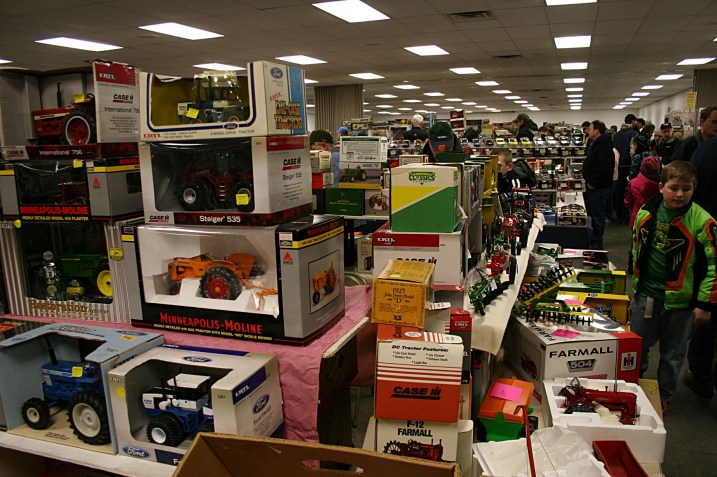
My first look at the farm toy show left me feeling overwhelmed.

My first look at the farm toy show left me feeling overwhelmed.

Upon first entering the toy show, I just stood there, overwhelmed by the stacks and stacks and stacks of boxed tractors and other toys stretching out before me. Honestly, I thought I’d made a mistake suggesting to my husband that we come here. I may have played with toy farm equipment as a kid, but it doesn’t especially interest me as an adult.
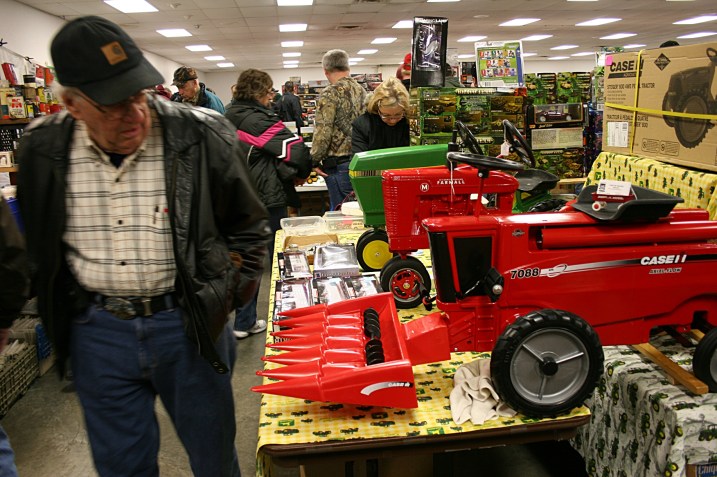
Maneuvering the aisles proved challenging.

Maneuvering the aisles proved challenging, especially with a camera bag on my hip and a camera in hand.

I wandered for awhile like a lost sheep, wondering where to focus, how to best work my way through the crowd. Arrows taped to the floor to direct traffic flow would have helped. But eventually I figured it out and backtracked the other direction, easing into the line of shoppers (which did include some women and girls).
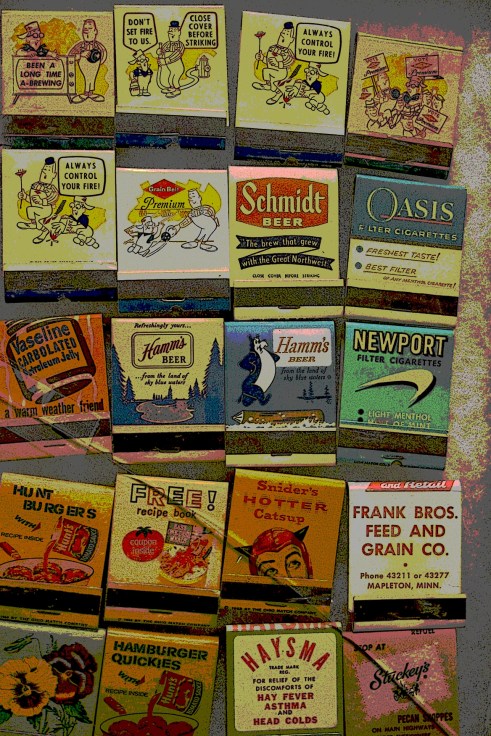
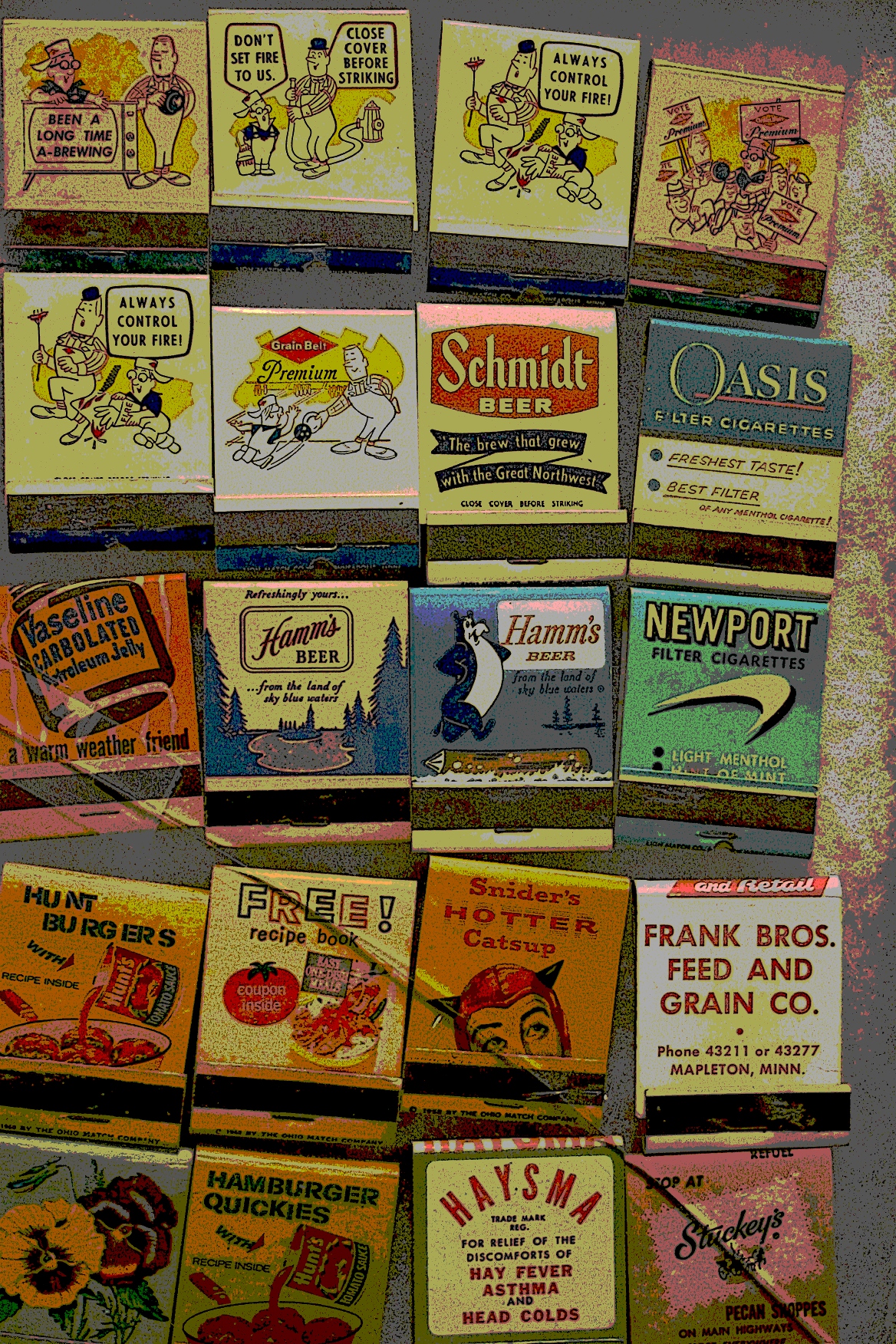
An edited photo of vintage matchbooks. Love those graphics.
An edited photo of vintage matchbooks. Love those graphics.

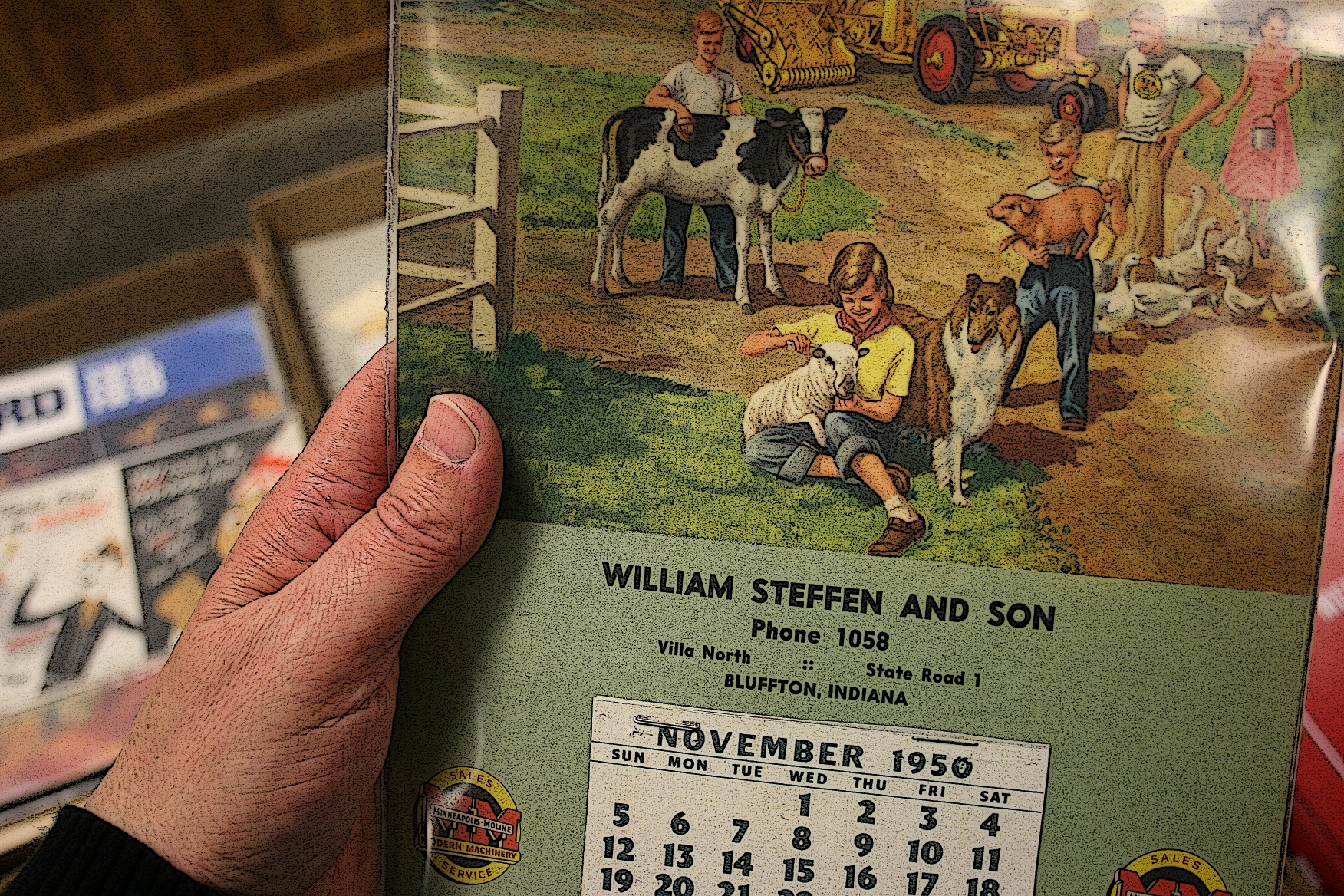
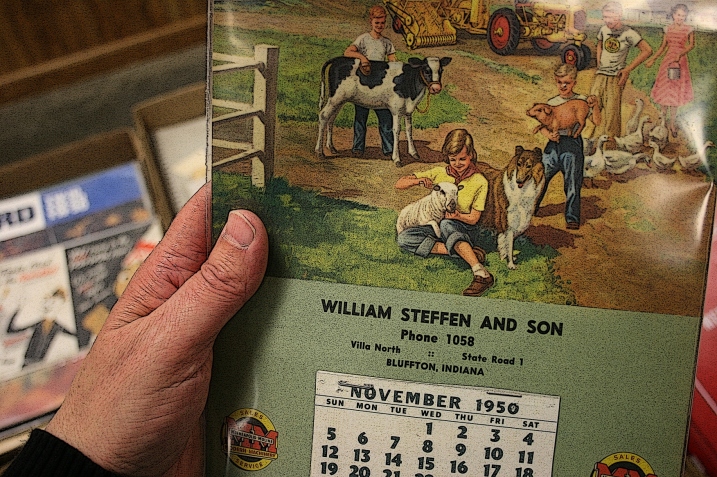
Another edited photo, of a 1950 calendar.

Another edited photo, of a 1950 calendar.

Eventually I found my niche, not in the toys, but in graphics gracing vintage matchbooks, calendars, literature and other advertising items. When I examined a 1950s vintage calendar and balked aloud at the $98 price tag, the vendor informed me that 10 years ago he would have asked even more. I couldn’t bring myself to shell out that kind of money or even $10 for a teeny tiny matchbook. I’d need to be a serious collector to justify such expenditures.

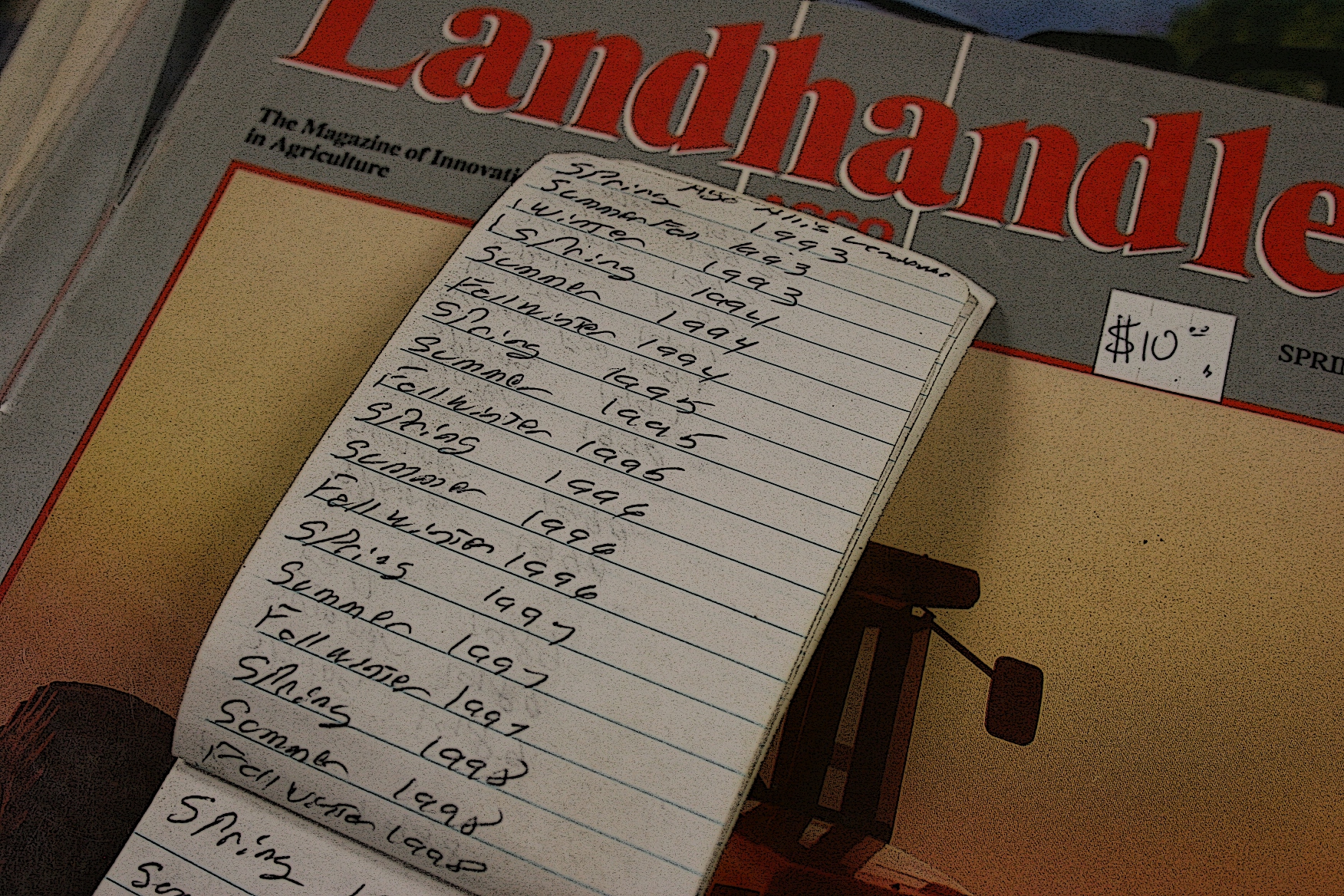
Shortly thereafter I met a serious collector, Wendell Bakker of Renville, whom I observed filing through stacks of magazines, about a half-dozen notebooks stuffed in a back pants pocket and another open notebook in his hand. Because I’m nosy, and I admitted that to Wendell, I initiated a conversation. This former crop, dairy and hog farmer and recently-retired field rep for the Minnesota Farmers Union has been collecting issues of the Allis Chalmers Landhandler and other farm magazines for 50 years.
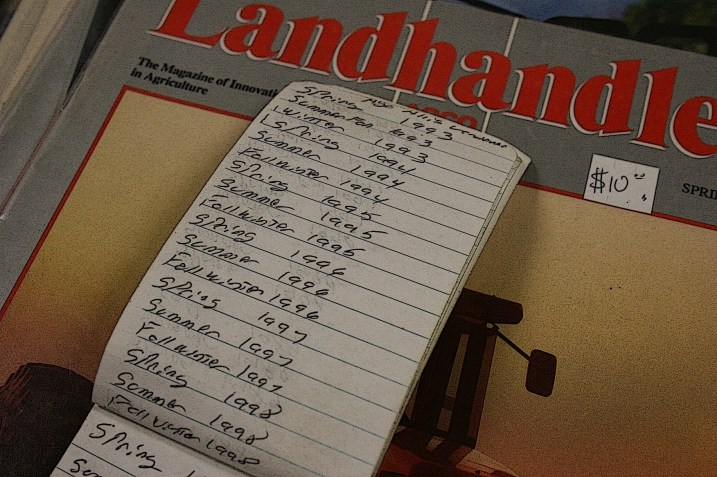
One of Wendell's notebooks, noting which magazines he already has in his collection.

One of Wendell’s notebooks, noting which magazines he already has in his collection.

“Everybody has a bad habit,” Wendell surmised, not that I would term collecting magazines a bad habit.

I didn’t question any of the other shoppers about their reasons for attending the farm toy show. But, based on the bulging bags most carried out of Johnson Hall, I’d guess many are collectors. As for me, I didn’t purchase anything, just added 94 images to my photo collection in 1 ½ hours. Total cost: the $3 admittance fee.

BONUS PHOTOS:
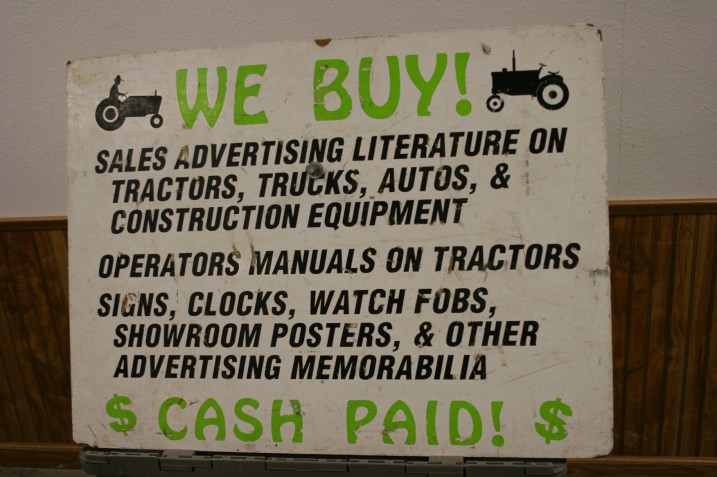
Toys, sign

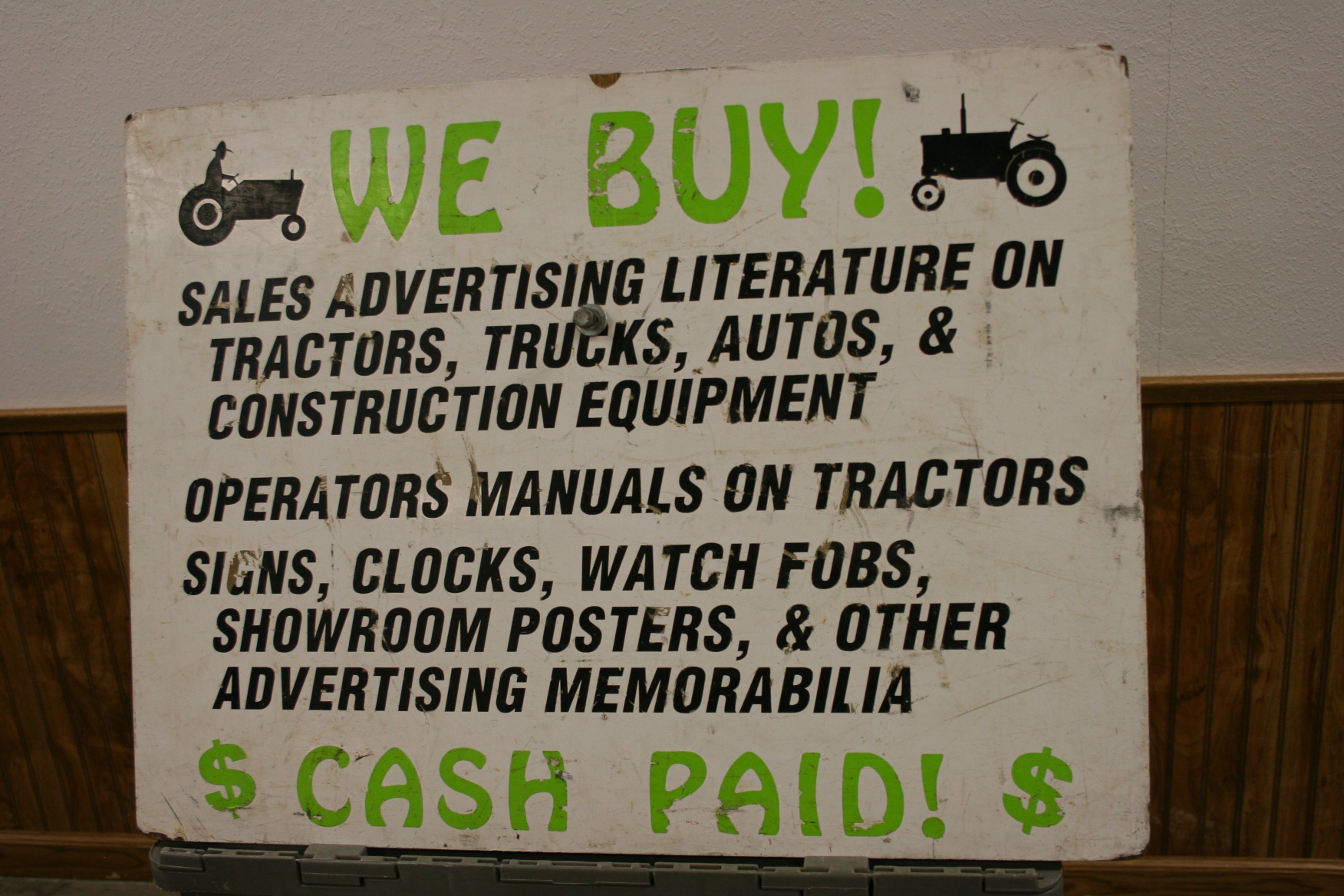
A vendor’s sign.

A vendor in training.
A vendor in training.

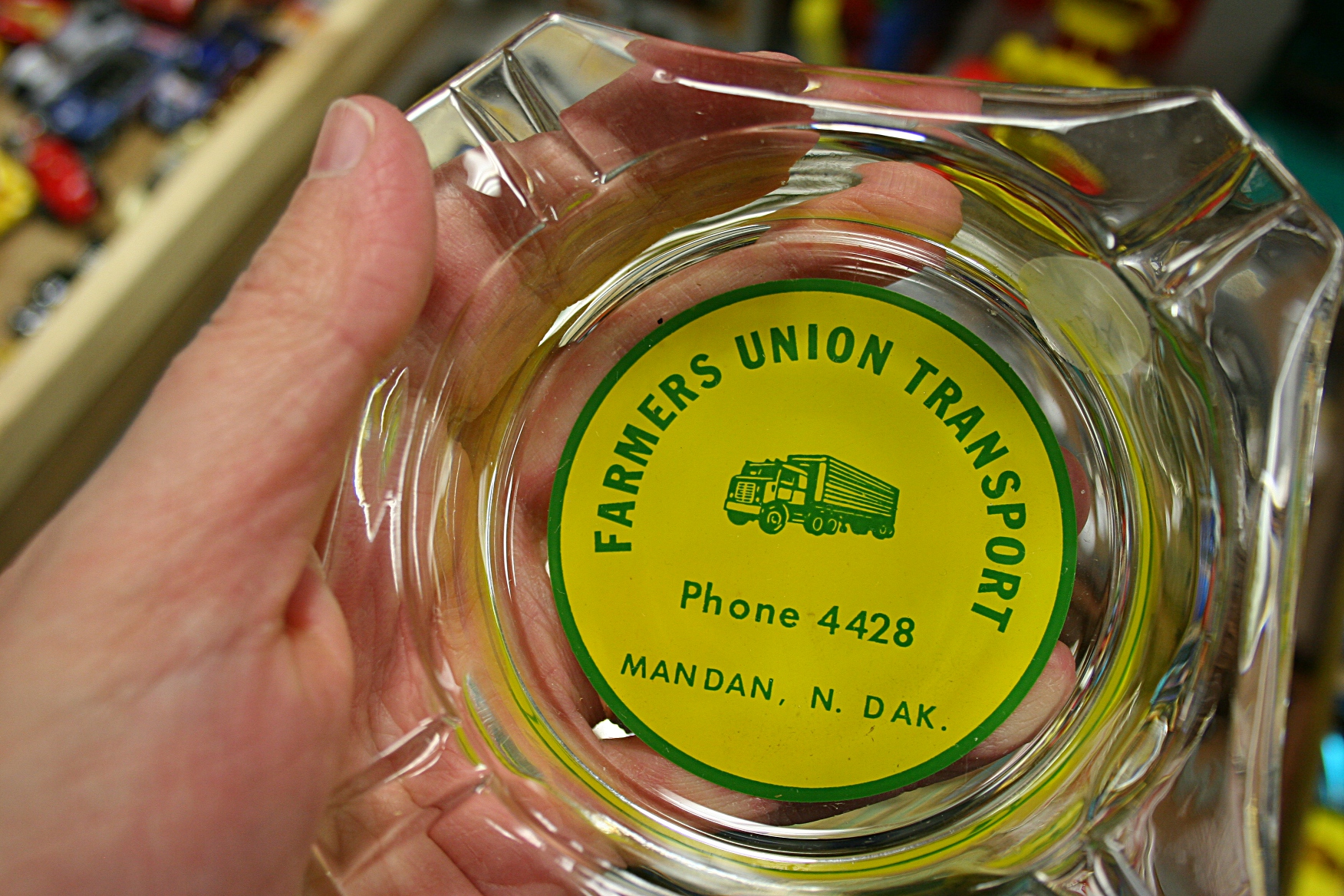
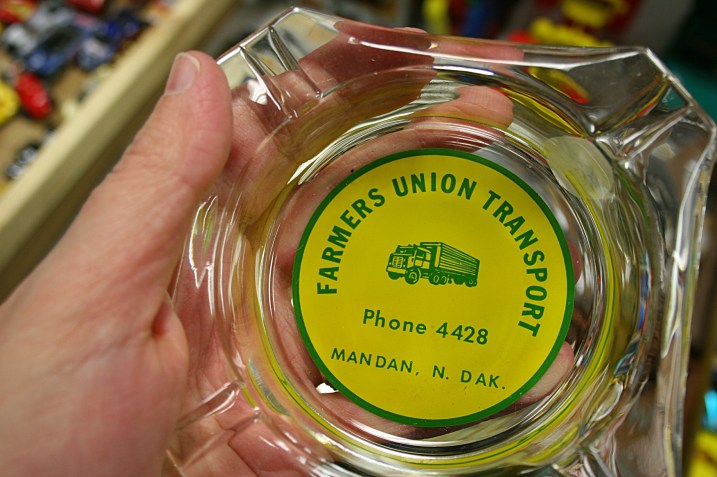
I don't smoke and don't like smoking. But I sure do I like vintage ash trays like this one from my husband's birthplace.

I don’t smoke and don’t like smoking. But I sure do I like vintage ash trays like this one from my husband’s town of birth.
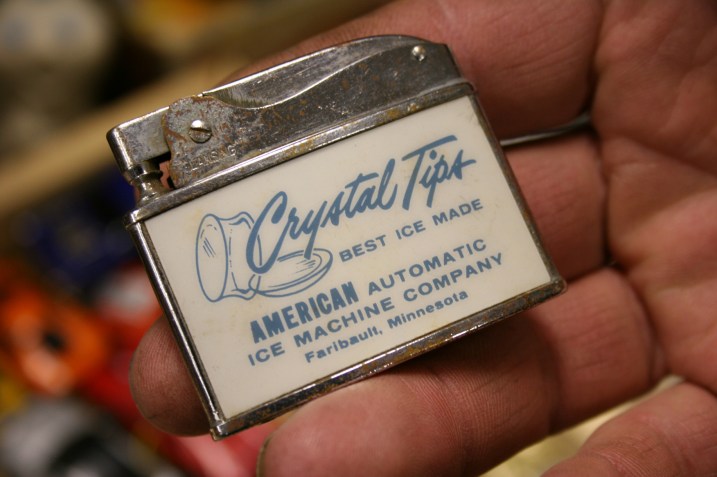
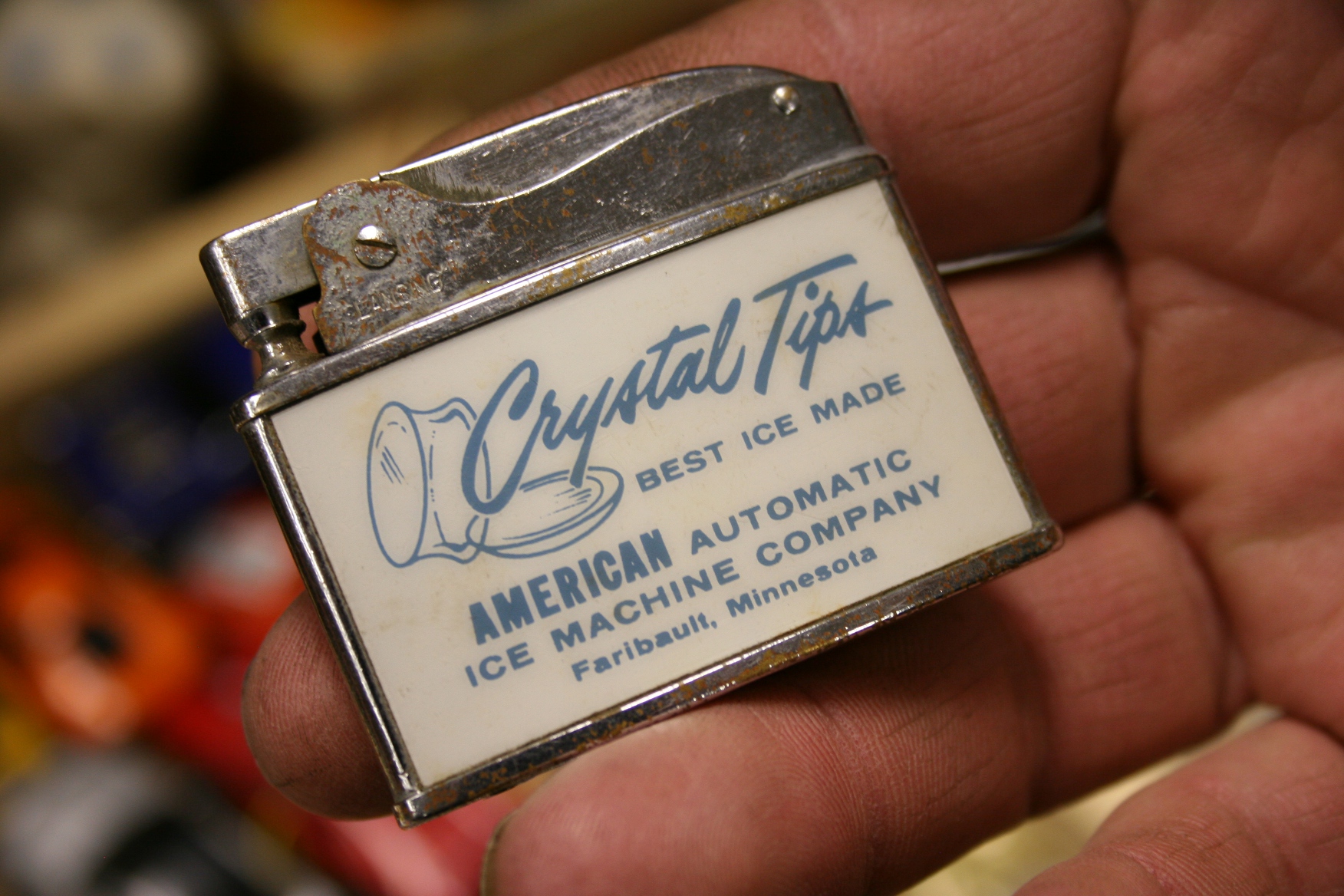
We were tempted to buy this lighter from Faribault, for a business we'd not heard of, but the $18 price was more than we wanted to pay.

We were tempted to buy this lighter from Faribault, for a business we’d not heard of, but the $18 price was more than we wanted to pay.

FOR MORE INFORMATION about show organizer, Louie’s Toy Box, click here.

Check back for more photos from the toy show.

© Copyright 2013 Audrey Kletscher Helbling


Pizza & beer on a Saturday night in Kilkenny January 26, 2013

Filed under: Uncategorized — Audrey Kletscher Helbling @ 9:52 PM
Tags: , , , , , , , , , ,

I SUGGESTED WE STOP for directions at the corner gas station.

“How hard can it be to find this place in Kilkenny?” my husband responded.

He was right. Kilkenny, population around 150, in Le Sueur County, runs only a few blocks in all directions. Surely we could find “the bar on top of the hill with the really good pizza,” per our friend LeAnn’s recommendation.

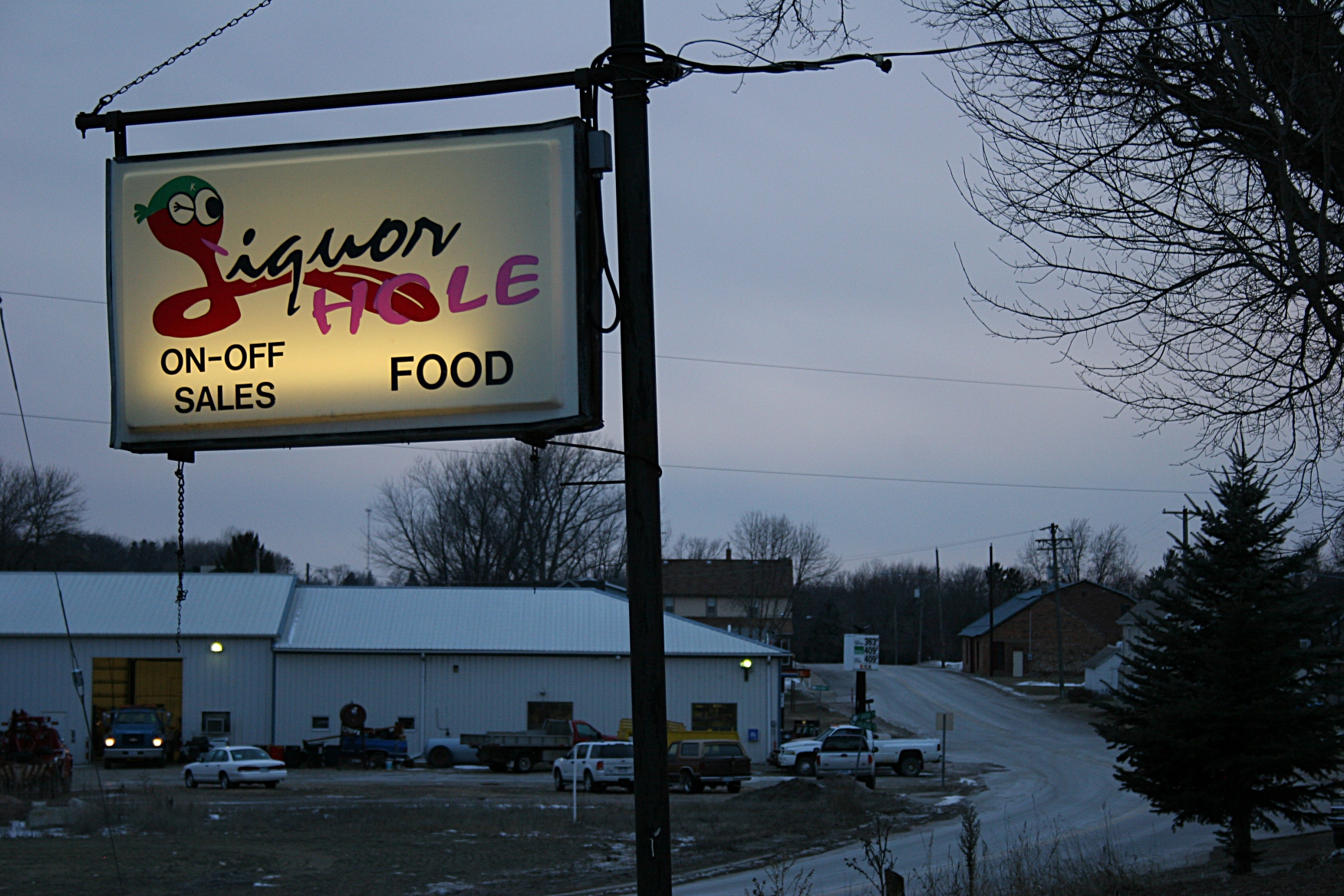
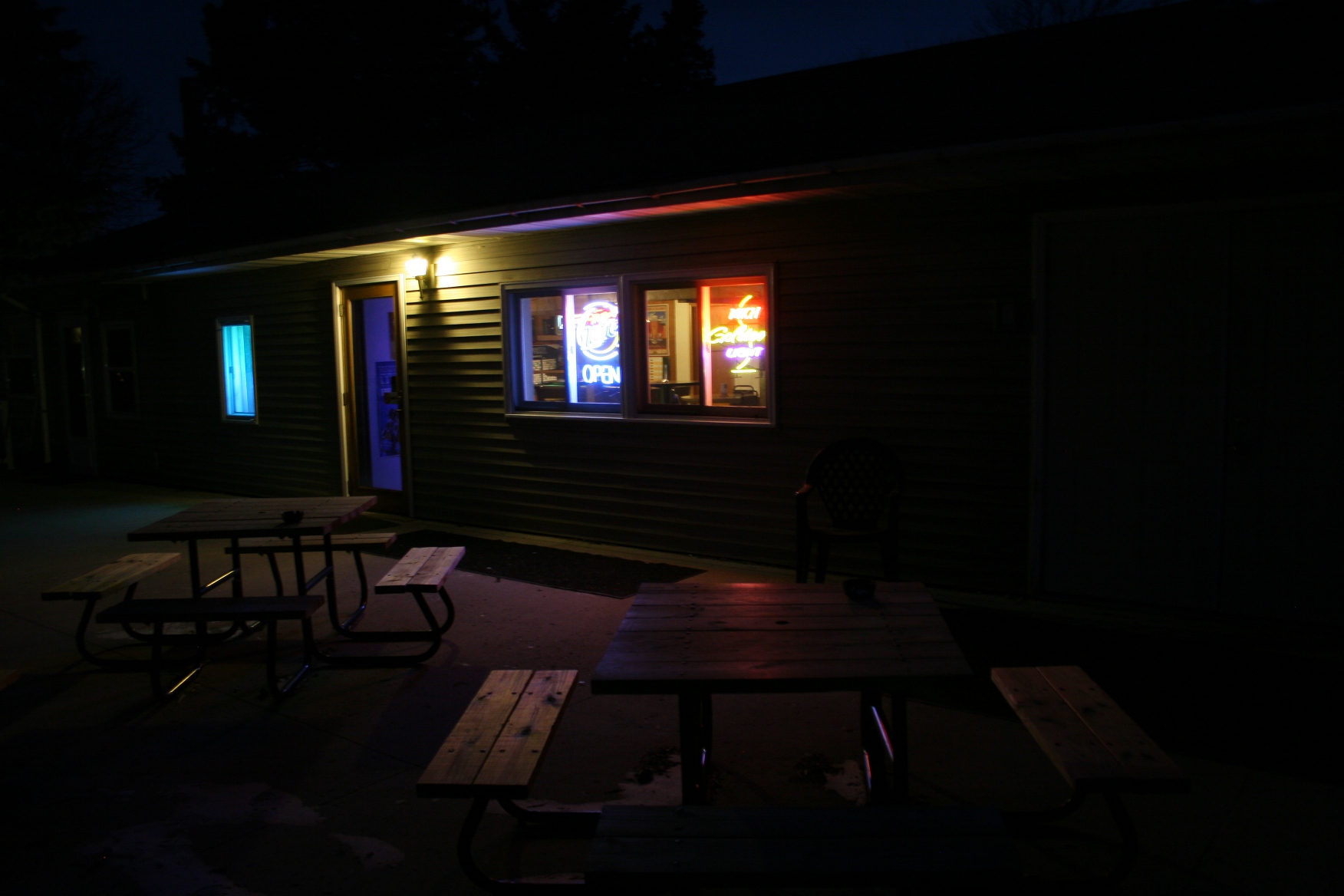
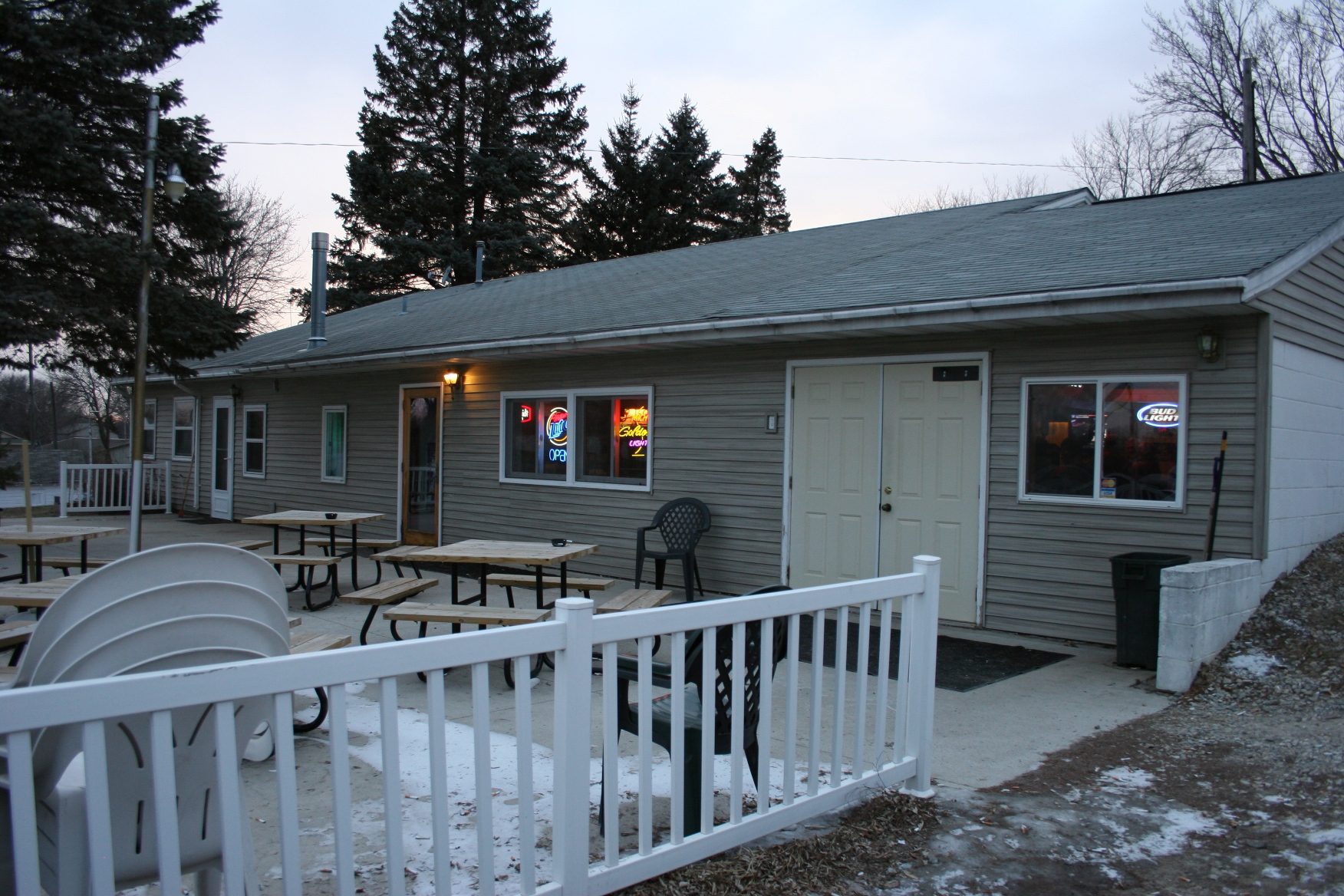
Atop the hill in Kilkenny by the water tower, we found the Liquor Hole.

Atop the hill in Kilkenny by the water tower, we found the Liquor Hole.

Just up the road from Bud’s Service, we found the Liquor Hole.

I expect in warm weather, the front patio is a popular dining and drinking spot at the Hole.

I expect in warm weather, the front patio is a popular dining and drinking spot at the Hole.

We arrived Saturday evening as the last wisps of daylight faded, enough time for me to snap a few outdoor shots before entering the Hole.

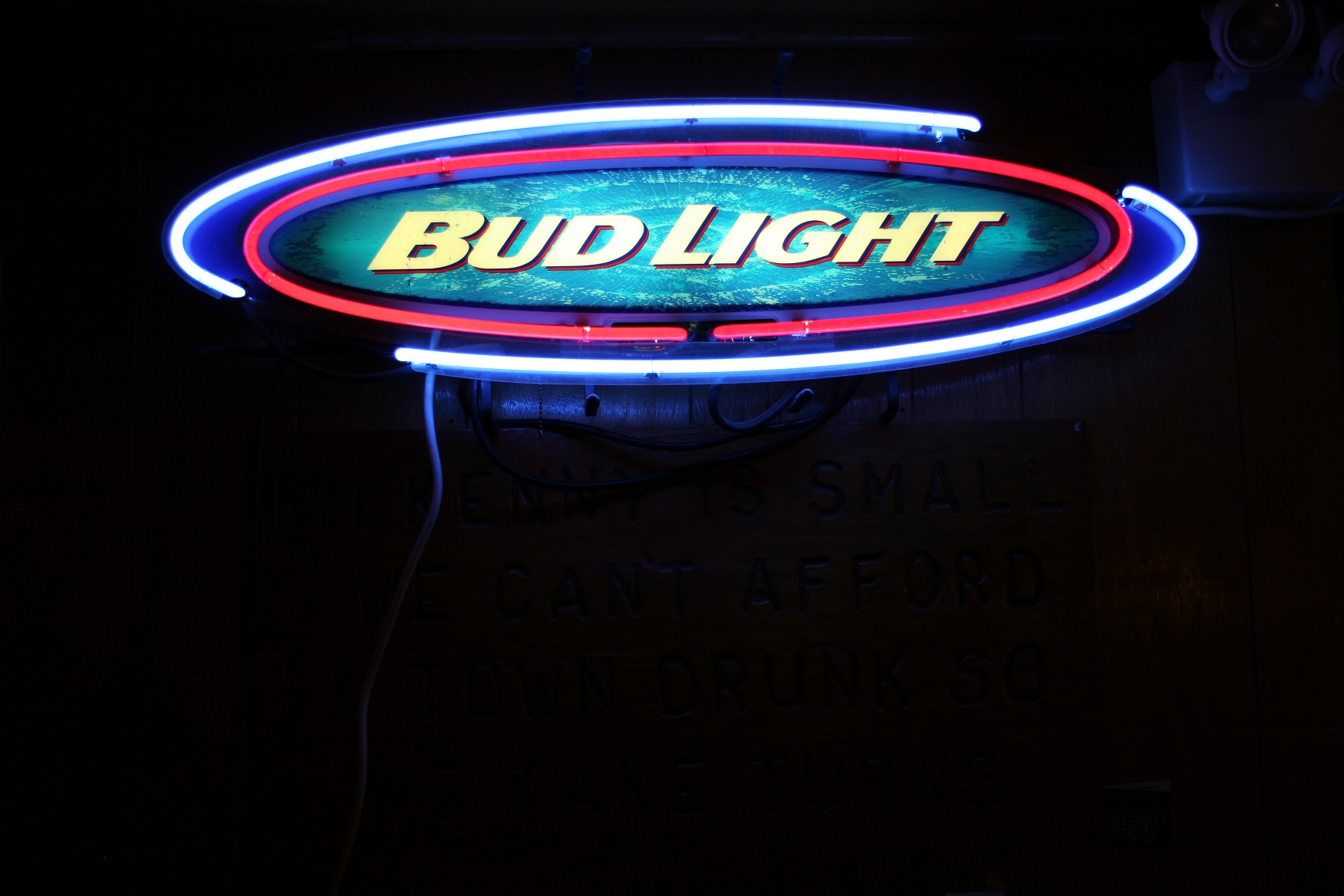
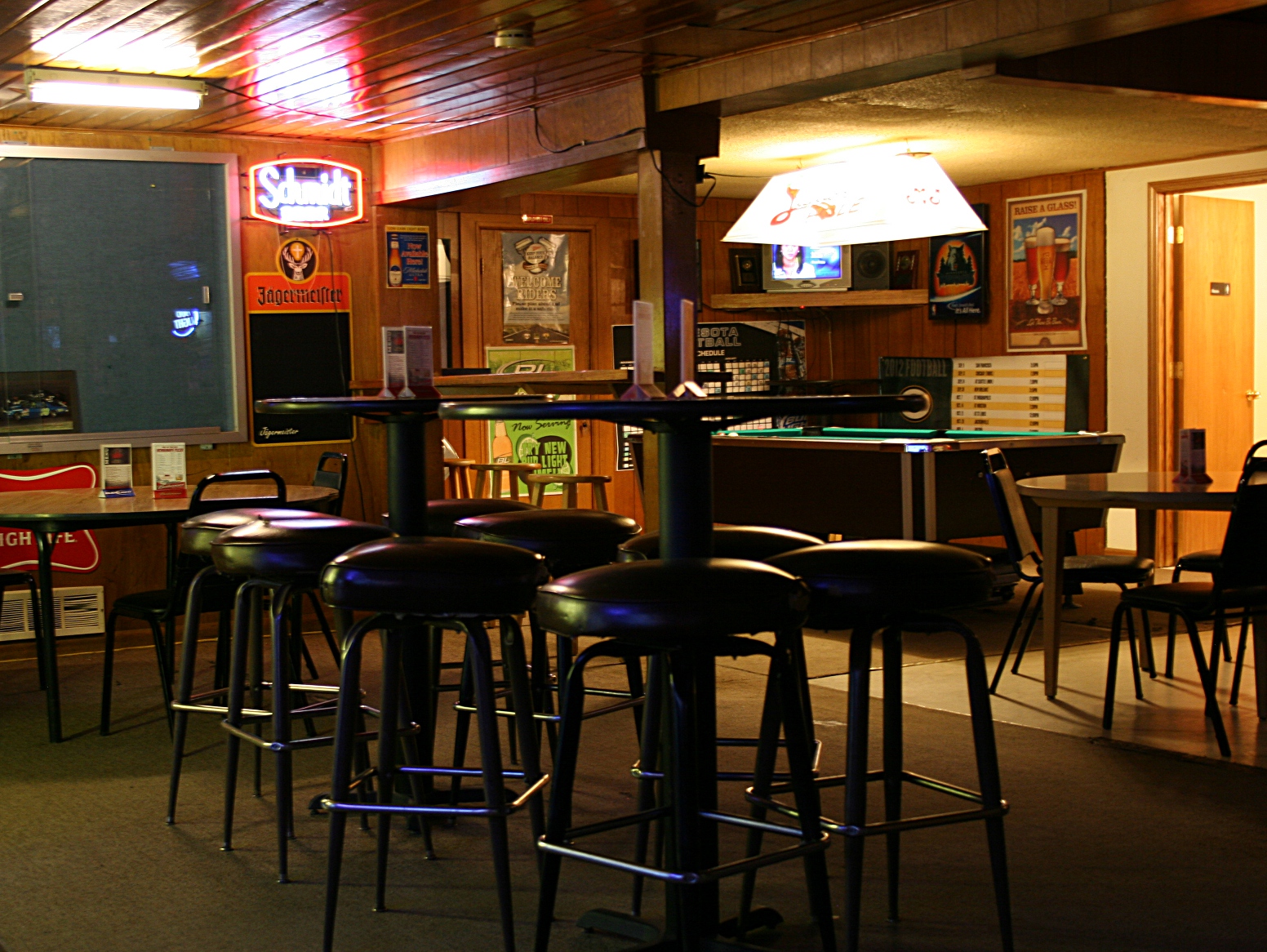
Inside we found your typical small town restaurant/bar—pool table in the corner, stools ringing a horseshoe bar, neon beer lights blazing, televisions blaring, opened pull tabs littering the bar top, smokers stepping out to light up a smoke…

A section of the dining area.

A section of the Liquor Hole.

No pool players yet early on a Saturday evening.

No pool players yet early on a Saturday evening.

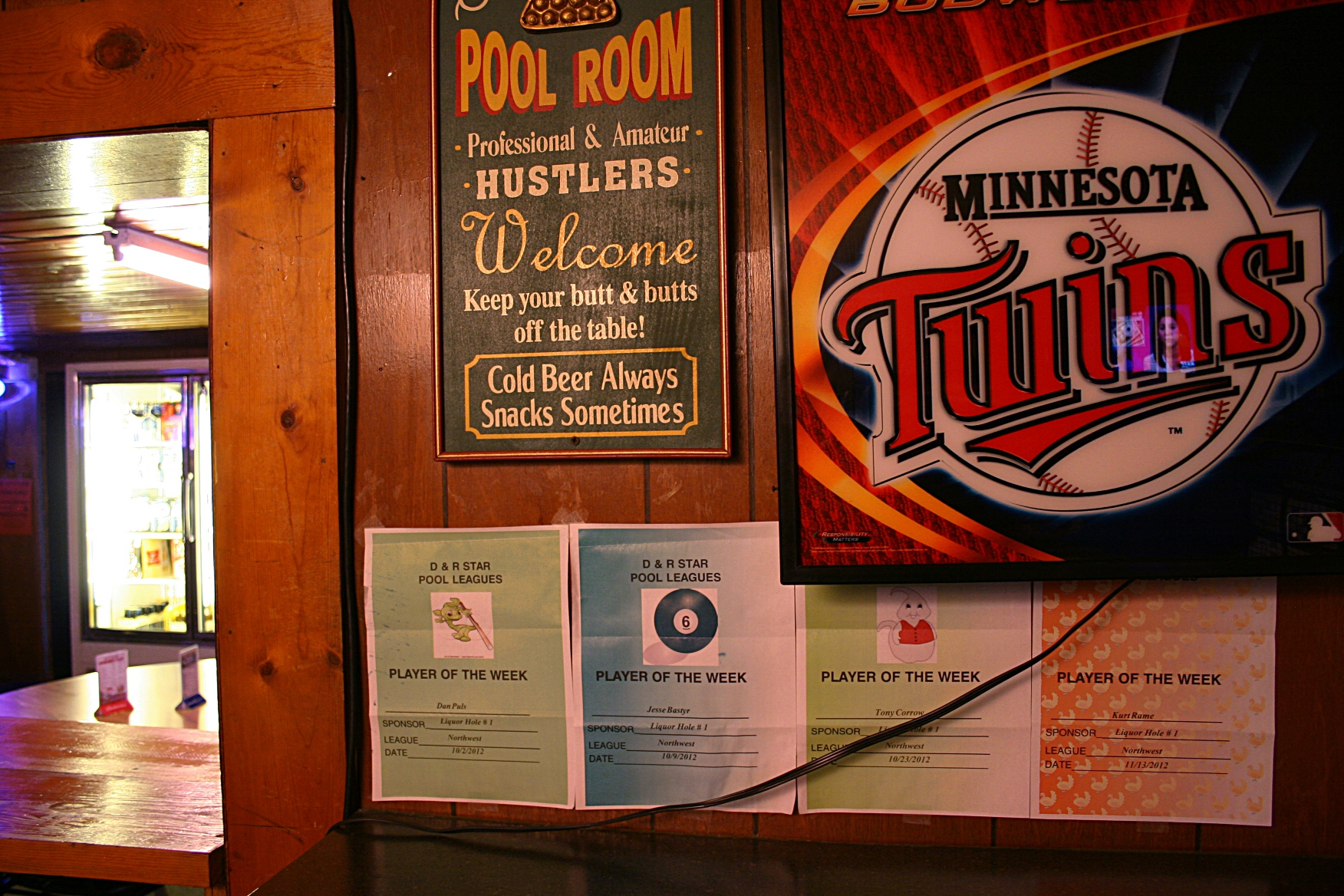
Be sure to follow the bar's pool rules.

Be sure to follow the bar’s pool rules.

Lots of neon beer signs.

Lots of neon beer signs.

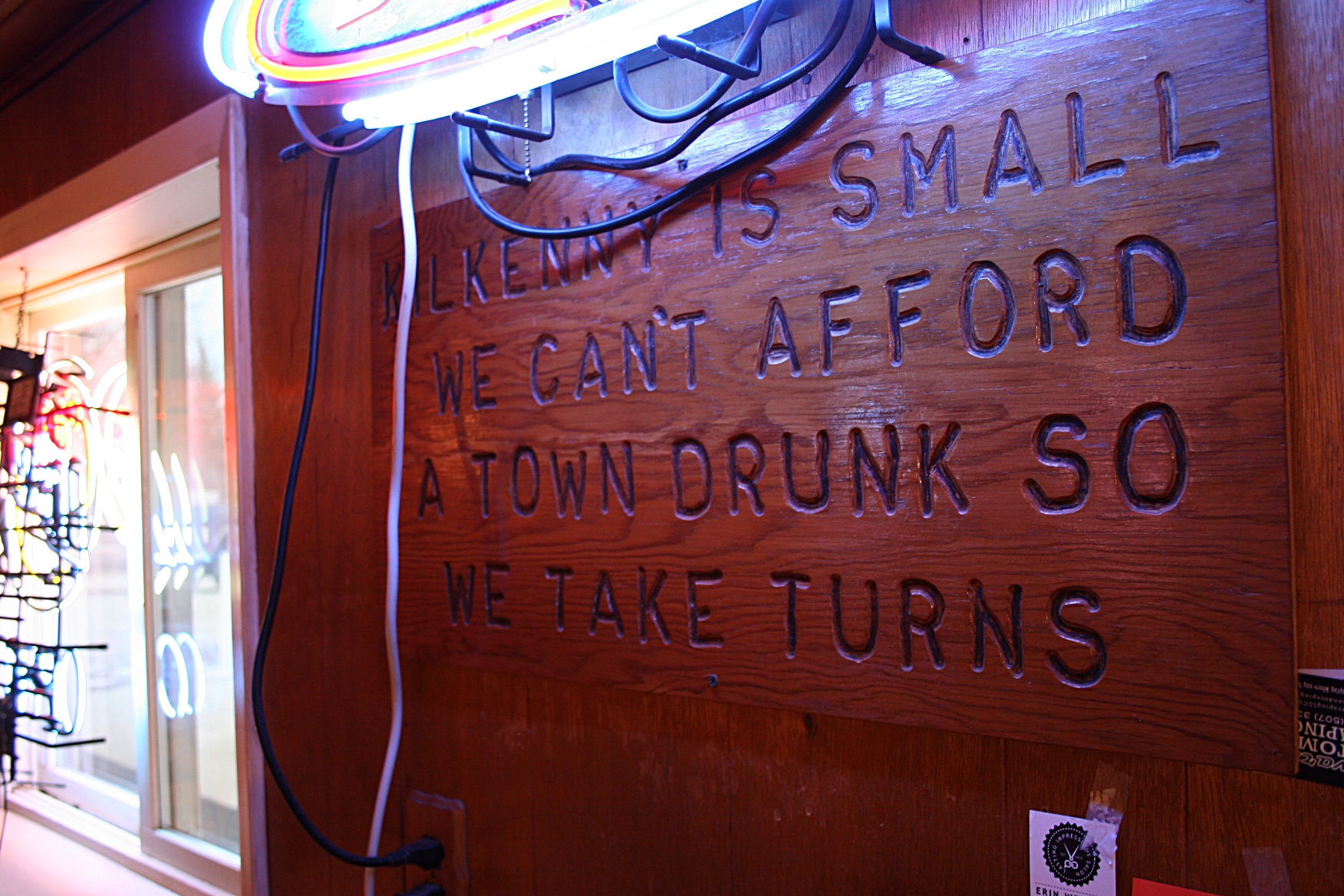
But there were a few surprises, like the homemade wood sign announcing Kilkenny’s inability to afford a town drunk and a fat-bottomed girl print I refused to photograph.

Kilkenny bar humor posted below the Bud Light sign.

Kilkenny bar humor posted below the Bud Light sign.

And when Randy asked for a Schell’s FireBrick beer, the bartender/owner looked at him and said, “Come on, this is Kilkenny.”

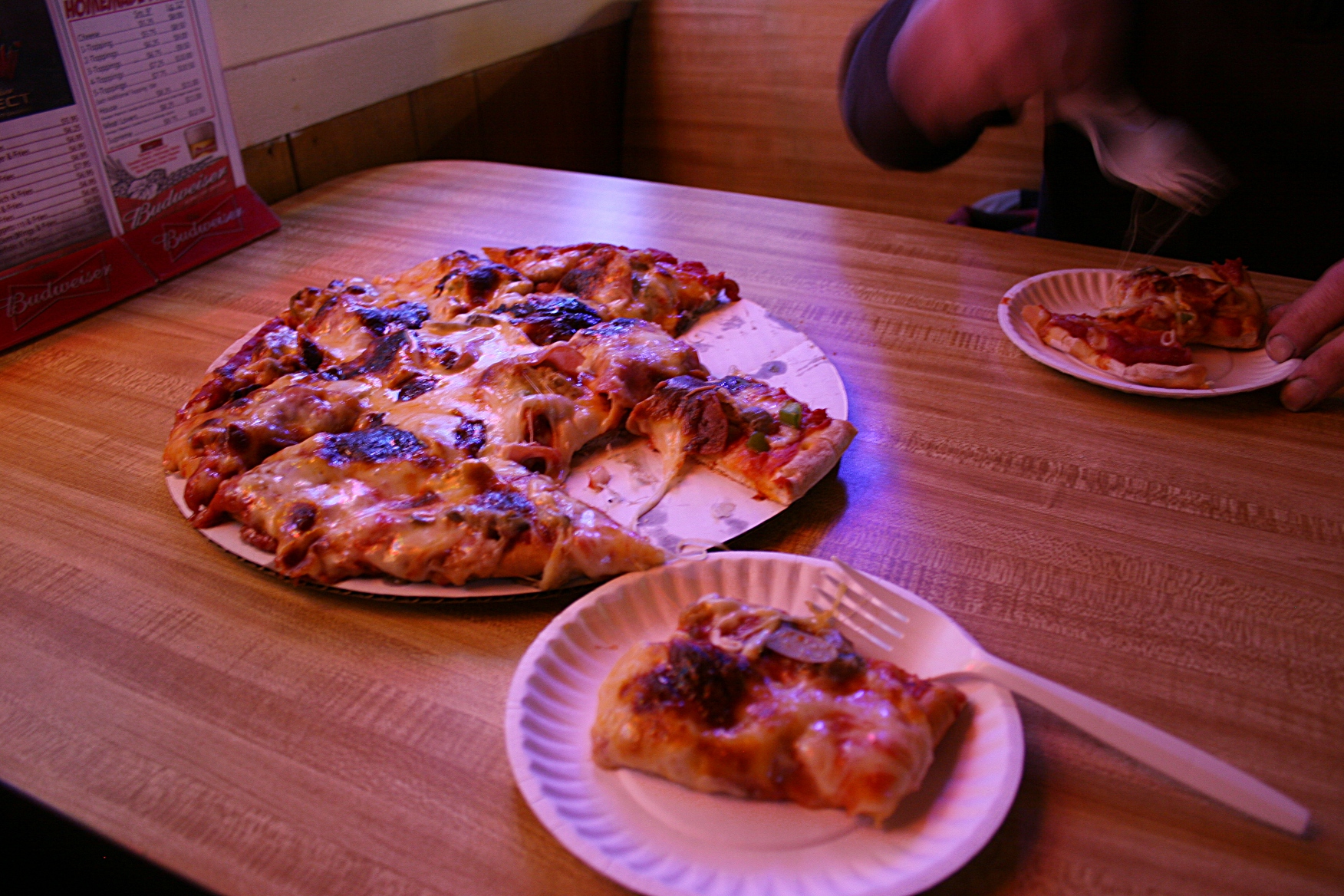
Alright then. We both ordered a Nordeast to go with our $11 House pizza topped with sausage, pepperoni, Canadian bacon, onion, mushrooms, green pepper and green olives. And just for the record, the pizza is not entirely homemade. The crust is pre-made. I asked.

The Liquor Hole's House pizza.

The Liquor Hole’s House pizza.

None-the-less, the pizza was thick and tasty, loaded with cheese and was delivered on a cardboard round with several small paper plates, plastic forks and a half-inch thick stack of napkins, most of which we used.

“Cuts down on the dishes,” Randy joked as he observed the disposable tableware.

But we didn’t mind. After all, in the bartender’s words, “This is Kilkenny.”

A last shot of the Liquor Hole before we got into the car and drove 15 miles back east to Faribault.

A last shot of the Liquor Hole before we got into the car and drove 15 miles back east to Faribault.

© Copyright 2013 Audrey Kletscher Helbling
 

Houdini magic in Appleton, Wisconsin January 17, 2013

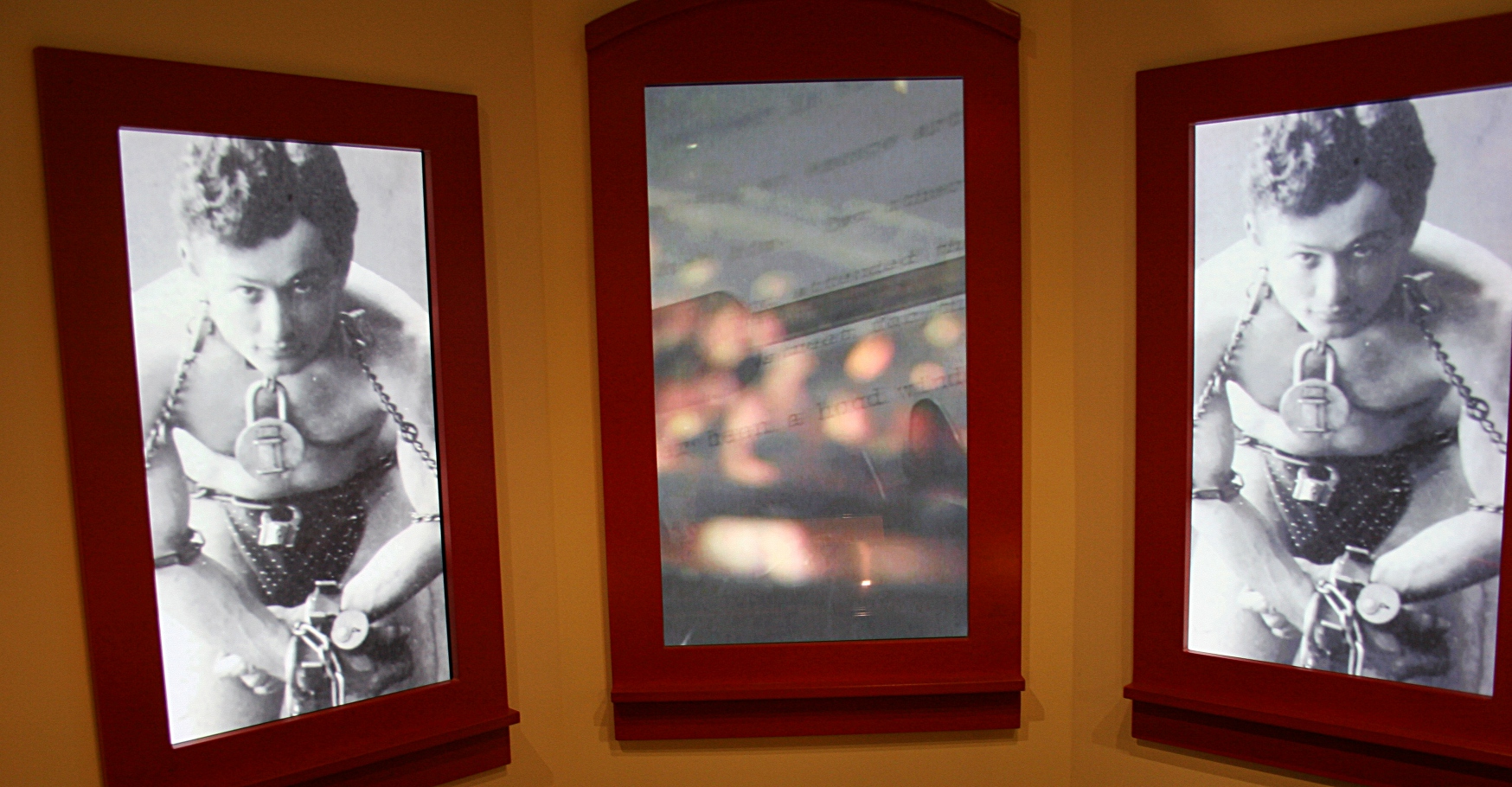
Illusionist and escape artist Harry Houdini.

Illusionist and escape artist Harry Houdini.

WHAT DRAWS US to the magic of a magician?

I expect the attraction begins subtly when we are babes playing peek-a-boo. We frown as the face we love disappears beneath our beloved blankie. But when Mom or Dad reappears, so does our smile. It’s magic.

And then, at some point, we discover card tricks and colorful scarves growing from sleeves and rabbits pulled from top hats. And the fascination with magic dances in our childish brains and never quite vanishes.

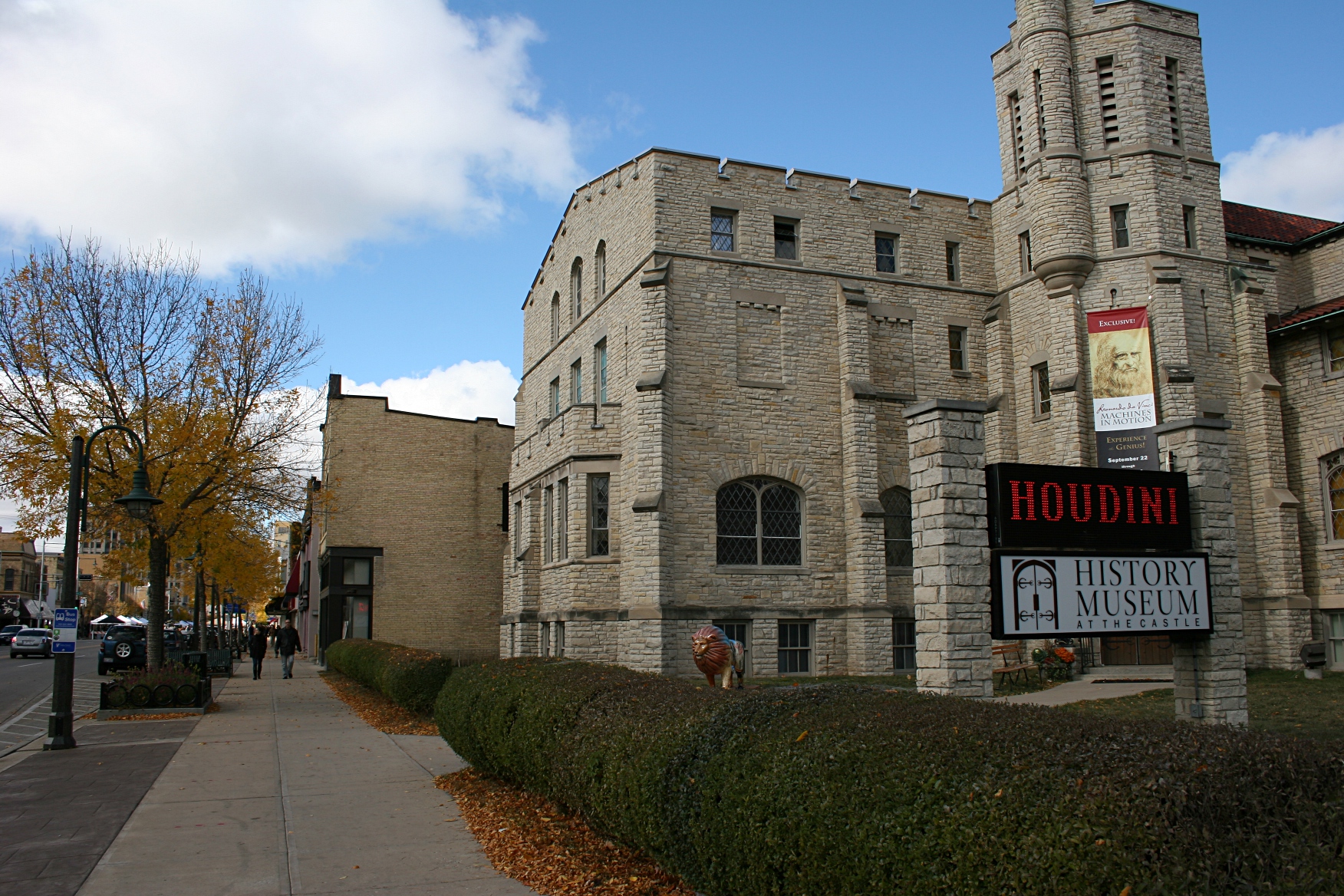
The History Museum at the Castle, home to the Houdini and other exhibits.

The History Museum at the Castle, home to the Houdini and other exhibits.

I suppose that is part of the attraction visitors find to the “A.K.A. Houdini Exhibit” at The History Museum at the Castle in downtown Appleton, Wisconsin, the city illusionist Harry Houdini falsely claimed as his birthplace. He was born in Budapest, Hungary, came with his family to America in 1878, settling briefly in Appleton where his father was the city’s first rabbi.

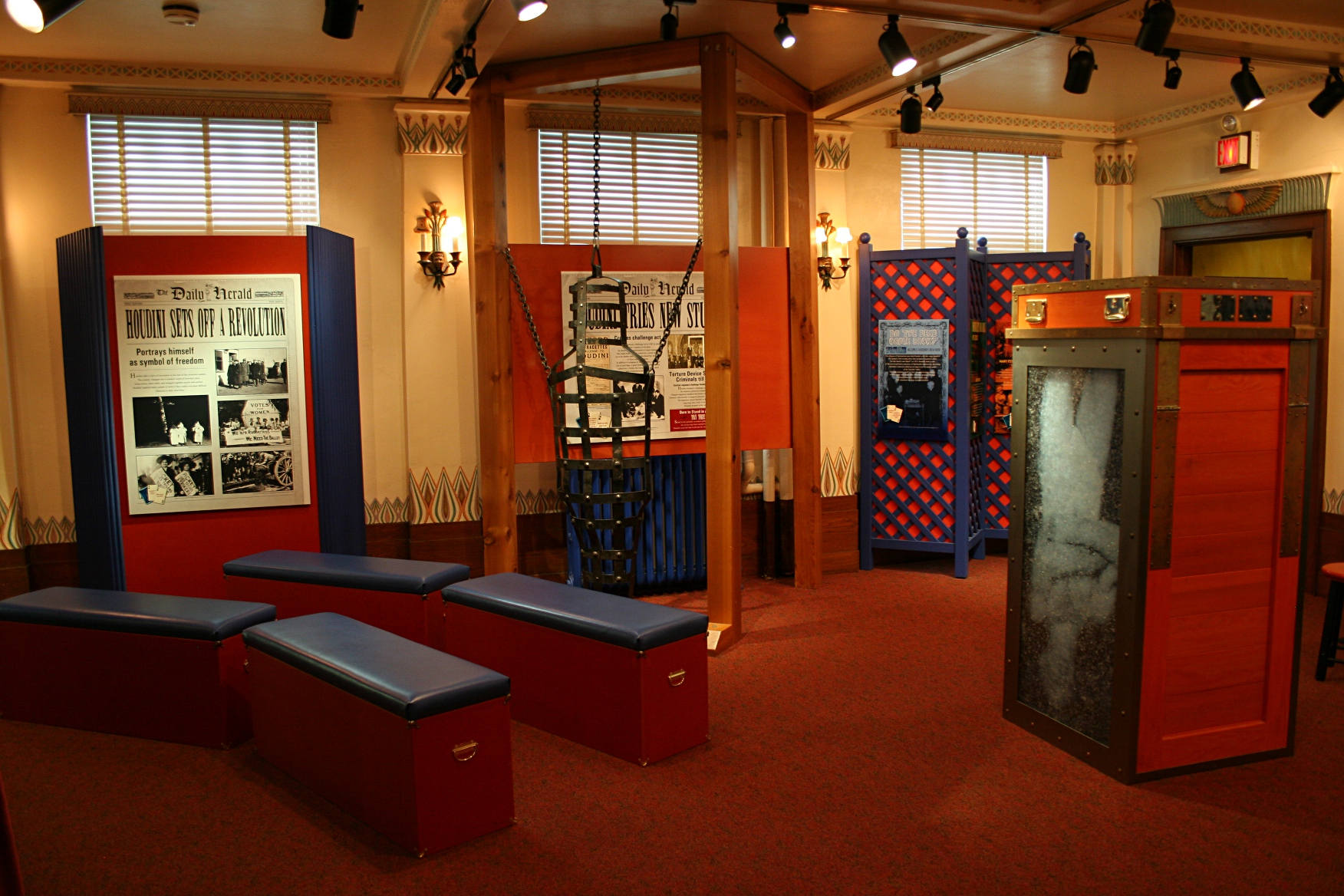
A snippet of the Houdini exhibit.

A snippet of the interactive Houdini exhibit.

As you would expect, you’ll learn detailed facts about Ehrich Weiss, the illusionist and escape artist known to all of us as Houdini. The name is a tribute to his illusionist idol, Jean Eugene Robert-Houdin.

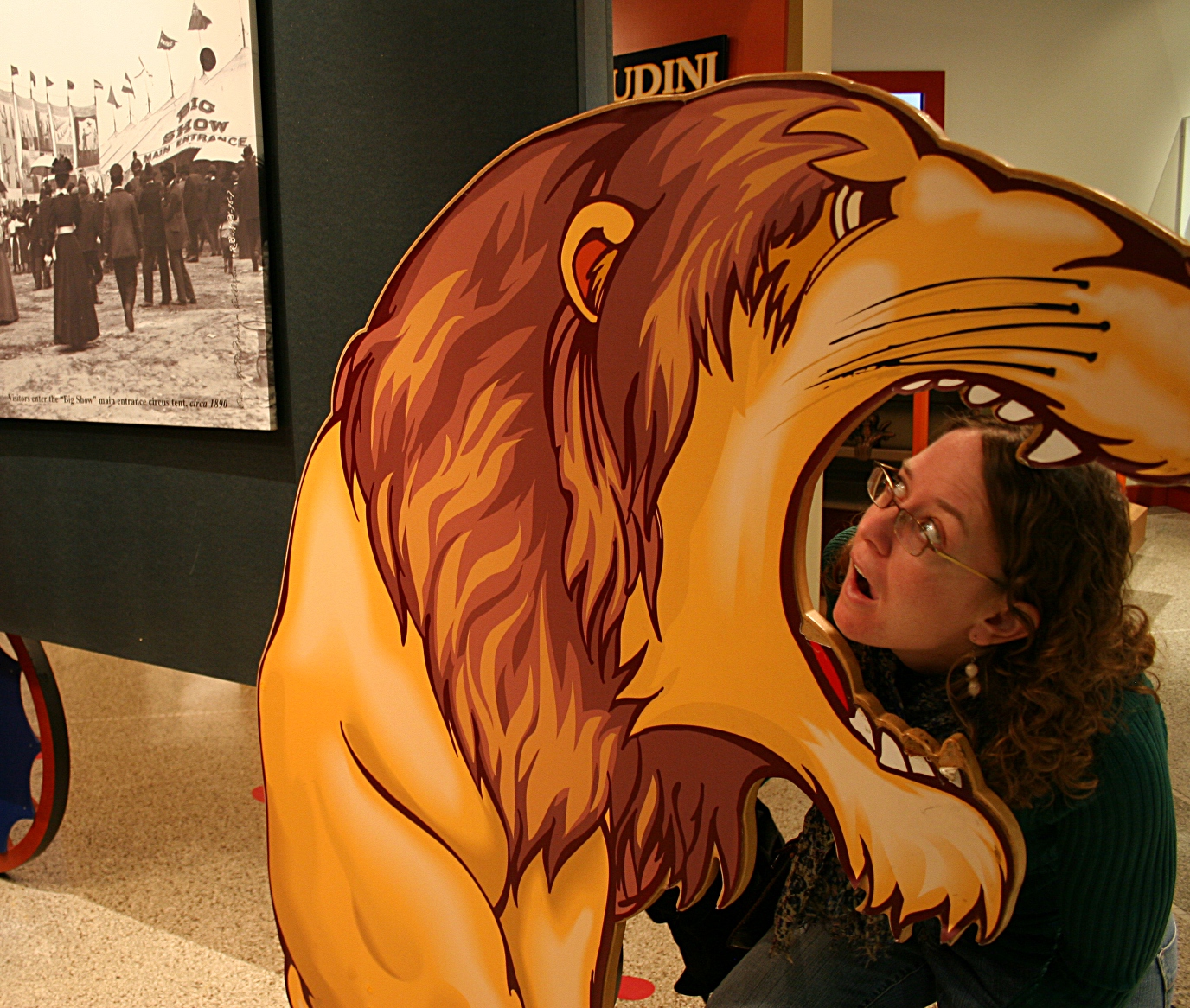
Be sure to pose with the lion head, a tribute to Houdini's early fascination with traveling circuses.

Be sure to pose with the lion head, a tribute to Houdini’s early fascination with traveling circuses. That’s my second daughter, who lives and works in the  Fox Valley (Appleton) area.

But you’ll also experience hands-on interactive activities that will uncover the magic which isn’t really magic at all. Not to worry; you won’t be sawed in half or stuck in a straightjacket.

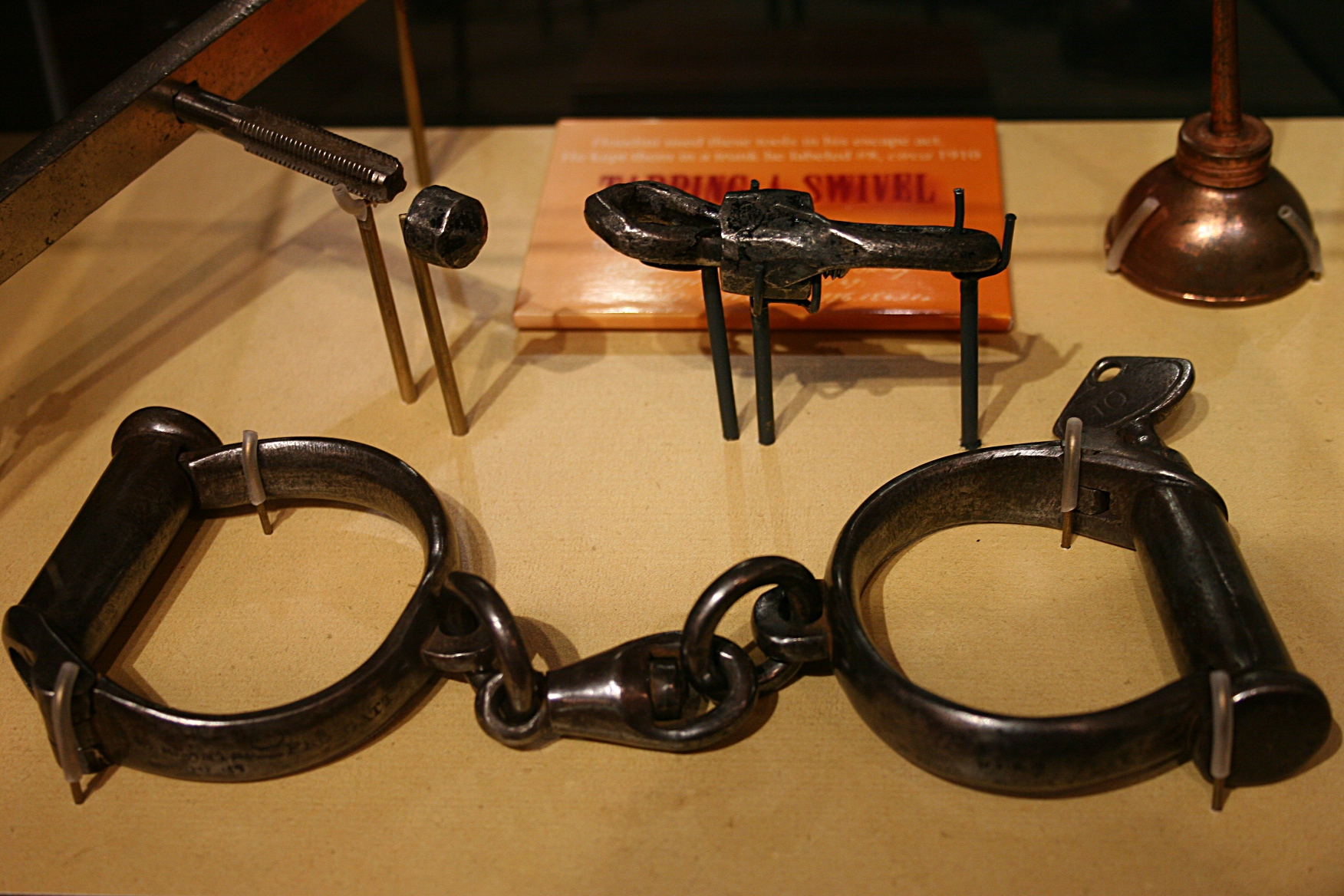
Tools of the escape artist profession.

Tools of the escape artist profession.

The museum collection includes artifacts gifted by an escape artist protege of Houdini’s escape artist brother, Theo. Sort of a tongue twister sentence there, I know. Some of Houdini’s tools of the trade seem rather archaic, almost barbaric, in a clanking metal and chains sort of way. But given the time period, you would not expect sleek and shiny.

A Houdini bust in the museum.

A Houdini bust in the museum.

Therein, perhaps, lies the genuine appeal of this exhibit. In learning about Houdini, you are honoring a man who entertained the masses in unprecedented, daring and fearless ways as he wrote magic into history and into our hearts.

Upon his death, Houdini was buried in a stage prop, his "buried alive" casket, introduced on his final tour in 1926. He escaped the staged burial in under two minutes.

Upon his death, Houdini was buried in a stage prop, his “buried alive” casket, introduced on his final tour in 1926. He escaped the staged burial in under two minutes.

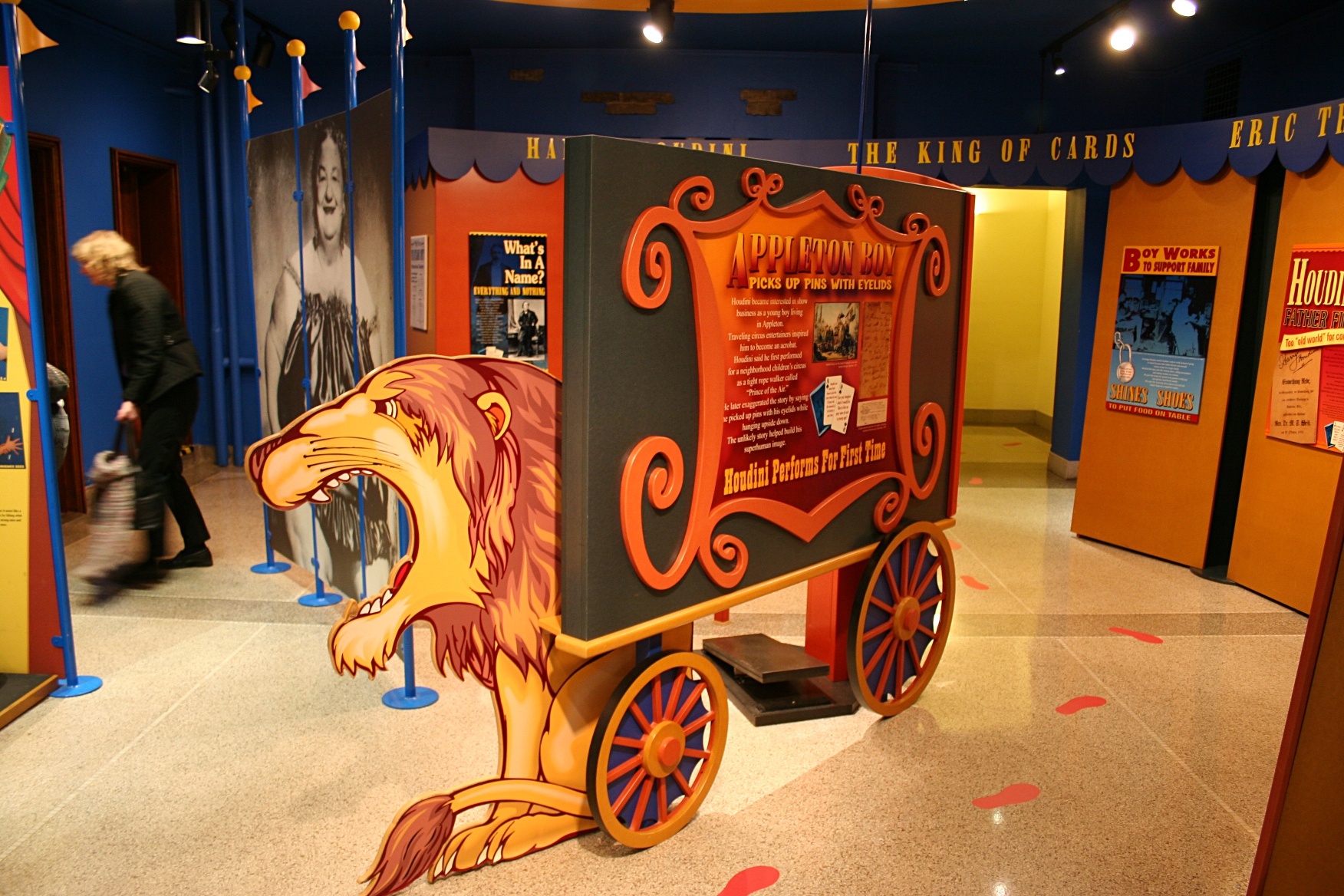
The circus wagon in the exhibit is a nod to Houdini's circus association. He first performed for a neighborhood children's circus as tight roper walker "Prince of the Air."

The circus wagon in the exhibit is a nod to Houdini’s circus association. He first performed for a neighborhood children’s circus as tight roper walker “Prince of the Air.”

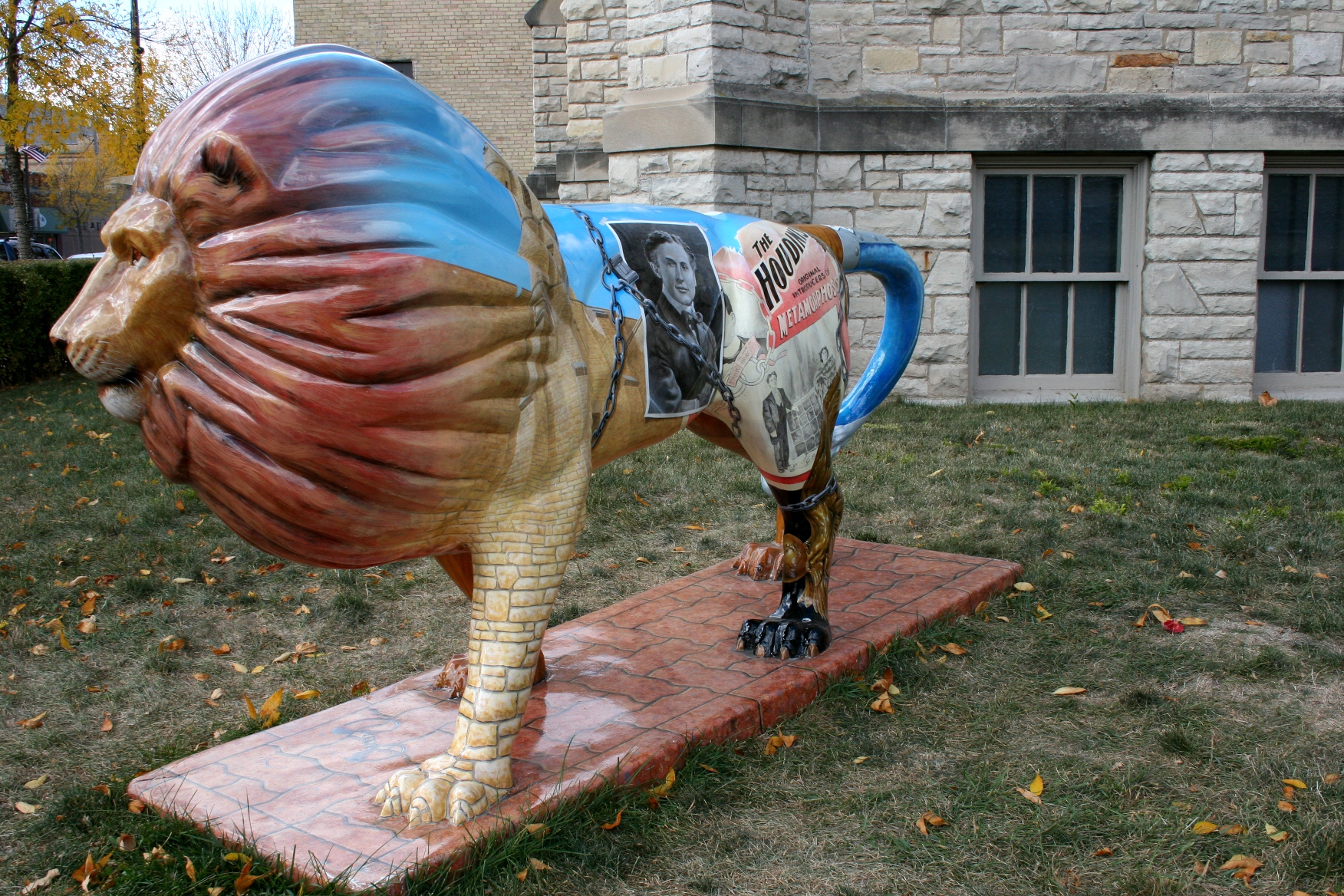
A sculpture outside The History Museum at the Castle.

A sculpture outside The History Museum at the Castle.

FYI: The History Museum at the Castle, 330 East College Avenue, is open from 10 a.m. – 5 p.m. Tuesday – Sunday, closed Mondays and holidays. Admission prices are free for 4 and under; $10 for ages 5 – 17; $15 for ages 18 – 64; and $13.50 for those 65 and older.

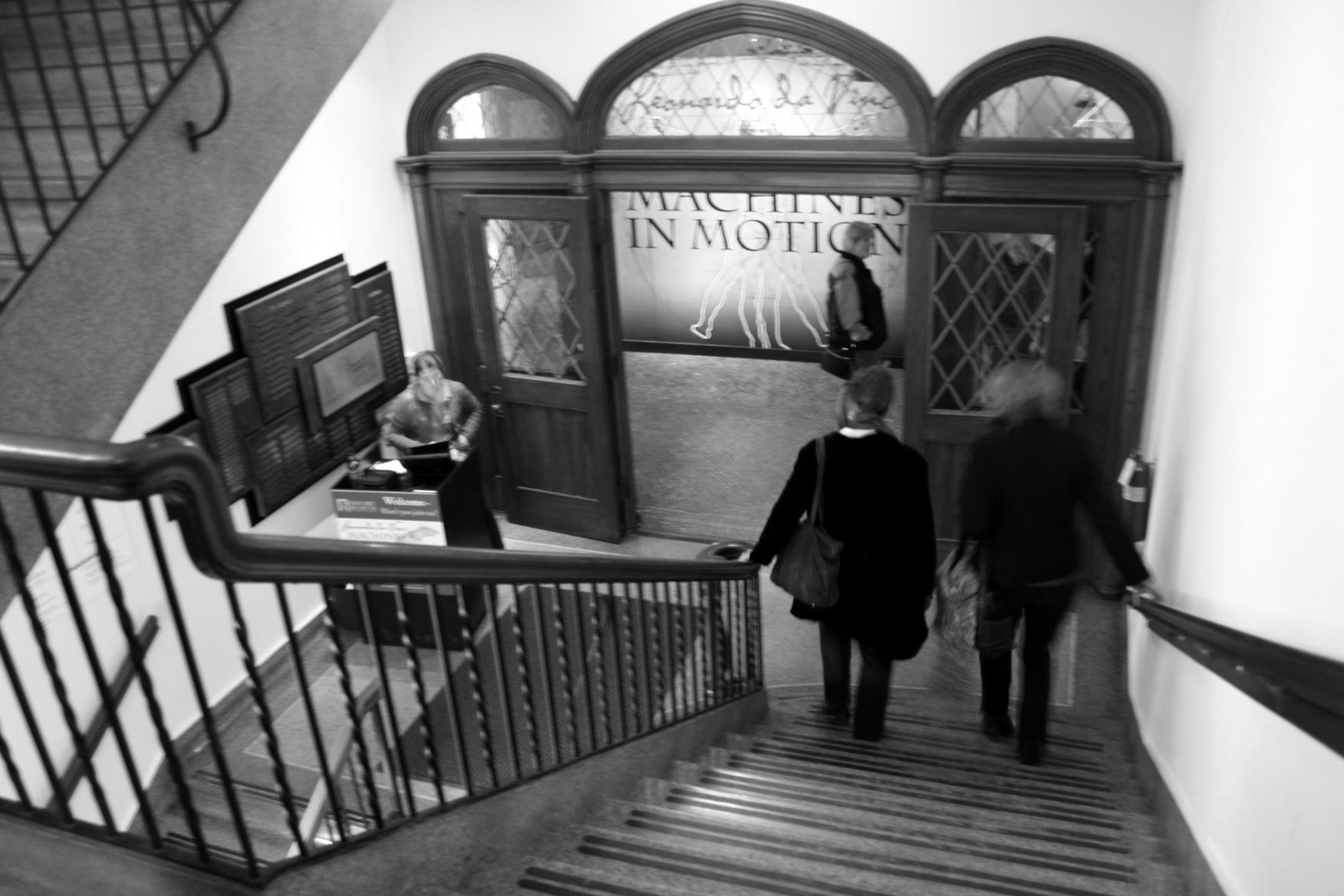
A blurry image to emphasize the "Leonardo da Vinci Machines in Motion" exhibit. It's a must-see.

A blurry image to emphasize the “Leonardo da Vinci: Machines in Motion” exhibit. It’s a must-see.

Admission to the museum also covers the “Leonardo da Vinci: Machines in Motion” temporary exhibit which has been extended through February 3, and other exhibits. You can click here to read my previous post about the da Vinci exhibit. From 6 p.m. – 8 p.m. on Thursday, January 31, the museum will host “Arrivederci, Leonardo!”, a gala event celebrating the success of the exclusive da Vinci showing in Wisconsin. Cost for the gala, which covers a da Vinci exhibit tour plus light refreshments and fine Italian wine, is $20 for non-members and $10 for museum members.

You can check out all the museum has to offer by clicking here.

ADDITIONALLY, APPLETON is currently raising monies to redo Houdini Plaza, a downtown gathering spot reminiscent of the town squares of yesteryear. To read about that project, “Recapturing the Magic,” click here.

READ MY PREVIOUS post about The History Museum at the Castle by clicking here.

CHECK BACK  for a post on a great place to eat in Appleton. Like the museum building, this restaurant exudes history.

© Copyright 2013 Audrey Kletscher Helbling


Appreciating the history of, and in, Appleton, Wisconsin’s “castle” January 16, 2013

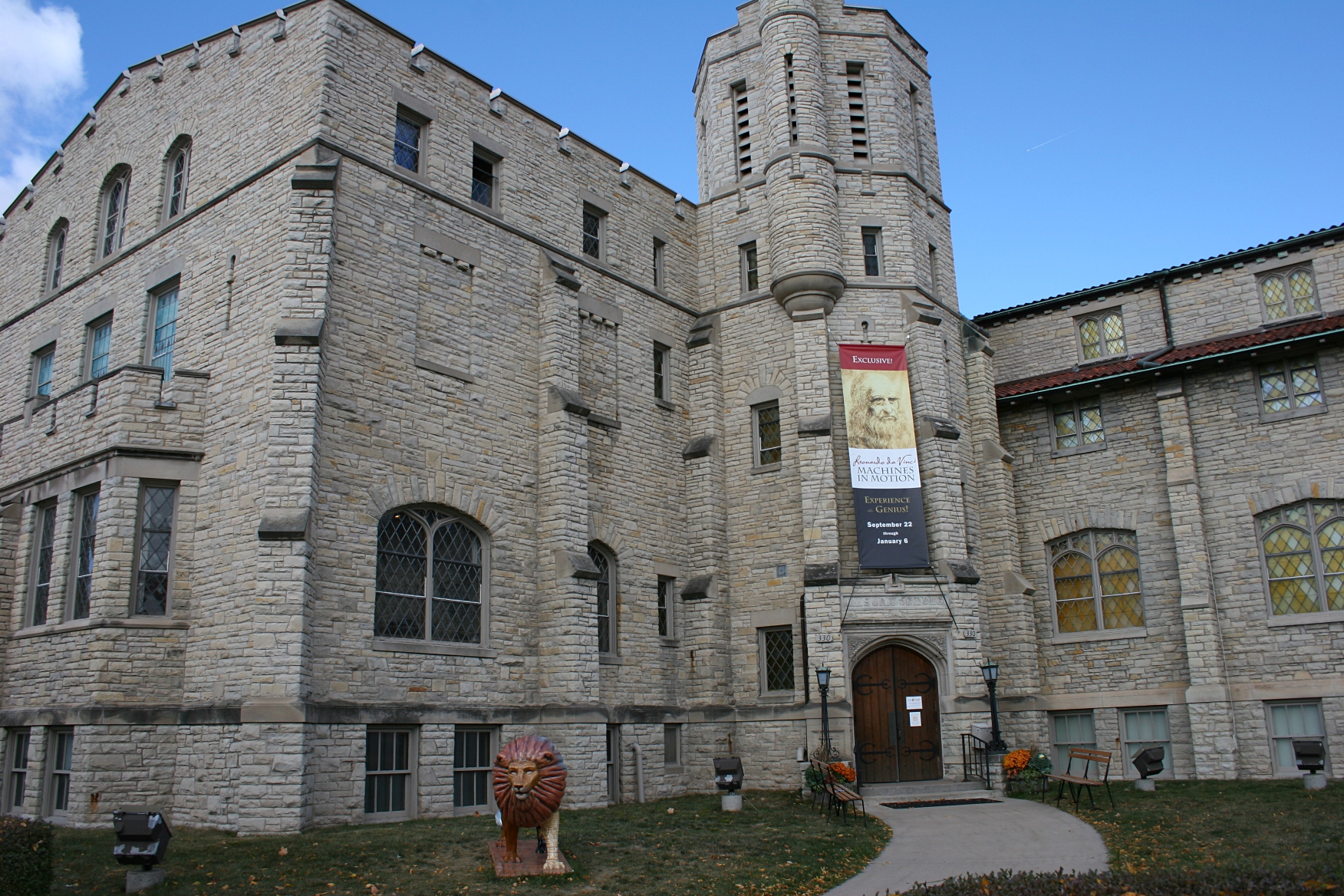
The History Museum at the Castle, 330 E. College Ave., Appleton, Wisconsin.

The History Museum at the Castle, 330 E. College Ave., Appleton, Wisconsin.

CONSTRUCTED OF STONE and anchored by a center tower, the impressive multi-story structure commanding the corner of College Avenue and Drew Street in downtown Appleton, Wisconsin, presents an almost formidable exterior presence.

Aptly named The History Museum at the Castle, this sprawling castle-like fortress embodies the essence of history from the outside in. History seems meant to be showcased here. And it is, in this, the home of The Outagamie Historical Society.
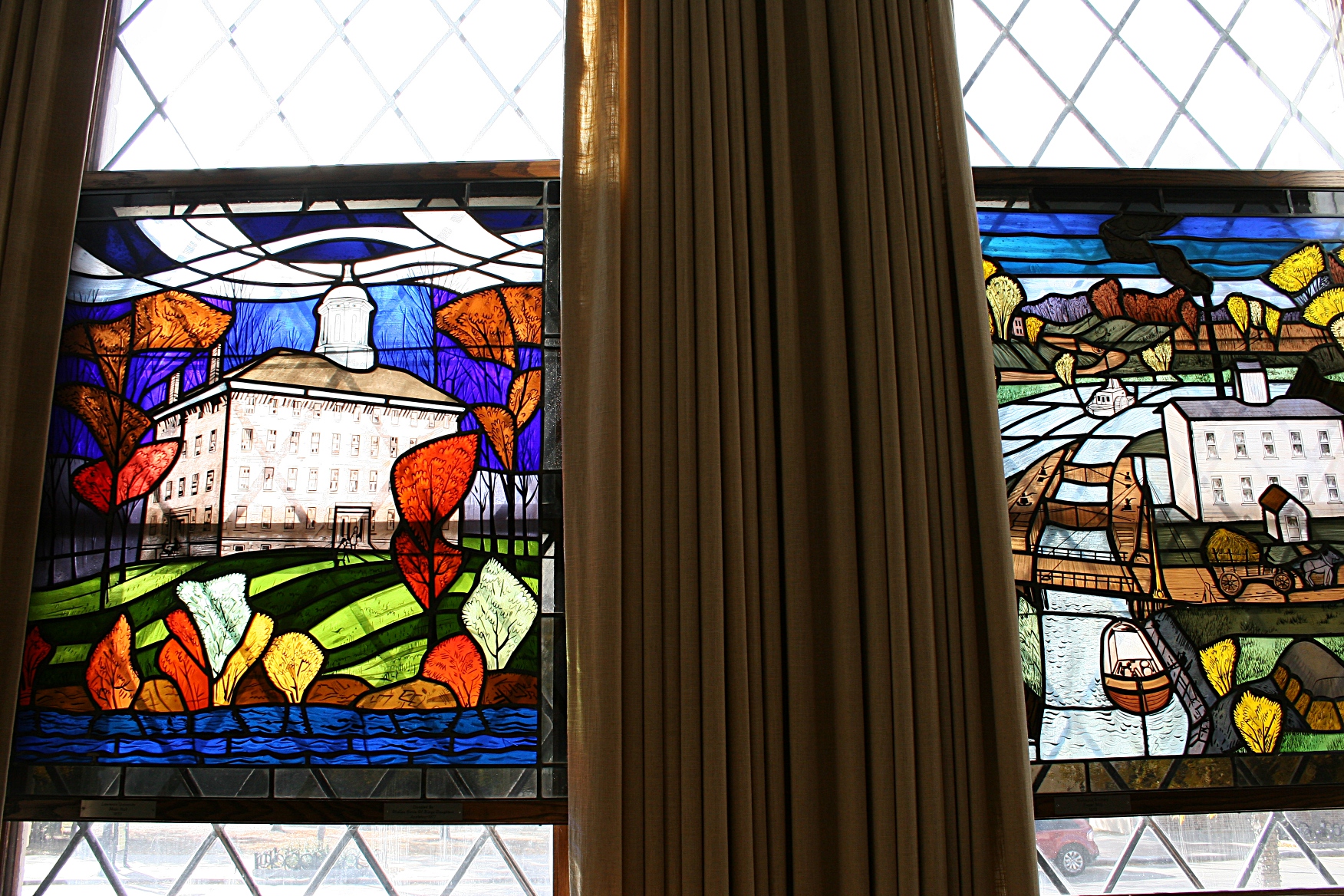
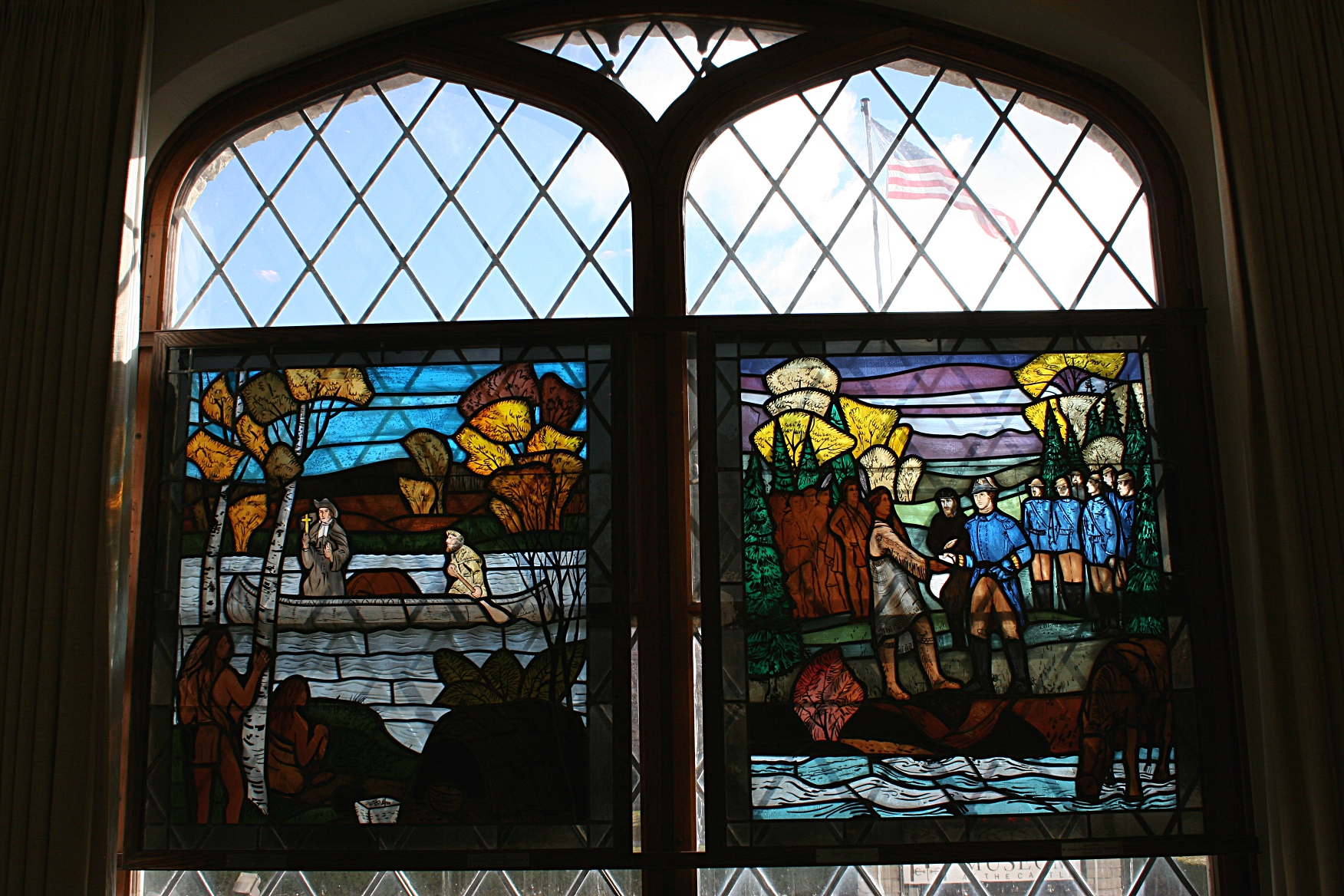
Windows in the Siekman Room depict the history of the Fox Cities from the days of the early explorers until modern times.

Windows in the Siekman Room depict the history of the Fox Cities from the days of the early explorers until modern times.

Perhaps it is a matter of personal taste. But I prefer to learn about history within the walls of a place aged by time rather than in a sterile, modern facility. From the heavy wooden double front entry doors strapped with metal to the woodwork woven throughout the interior to the detailed wall scones, fireplace, paintings and stained glass windows, this museum exudes yesteryear.

More Fox Valley history in art.

More Fox Valley history in stained glass art.

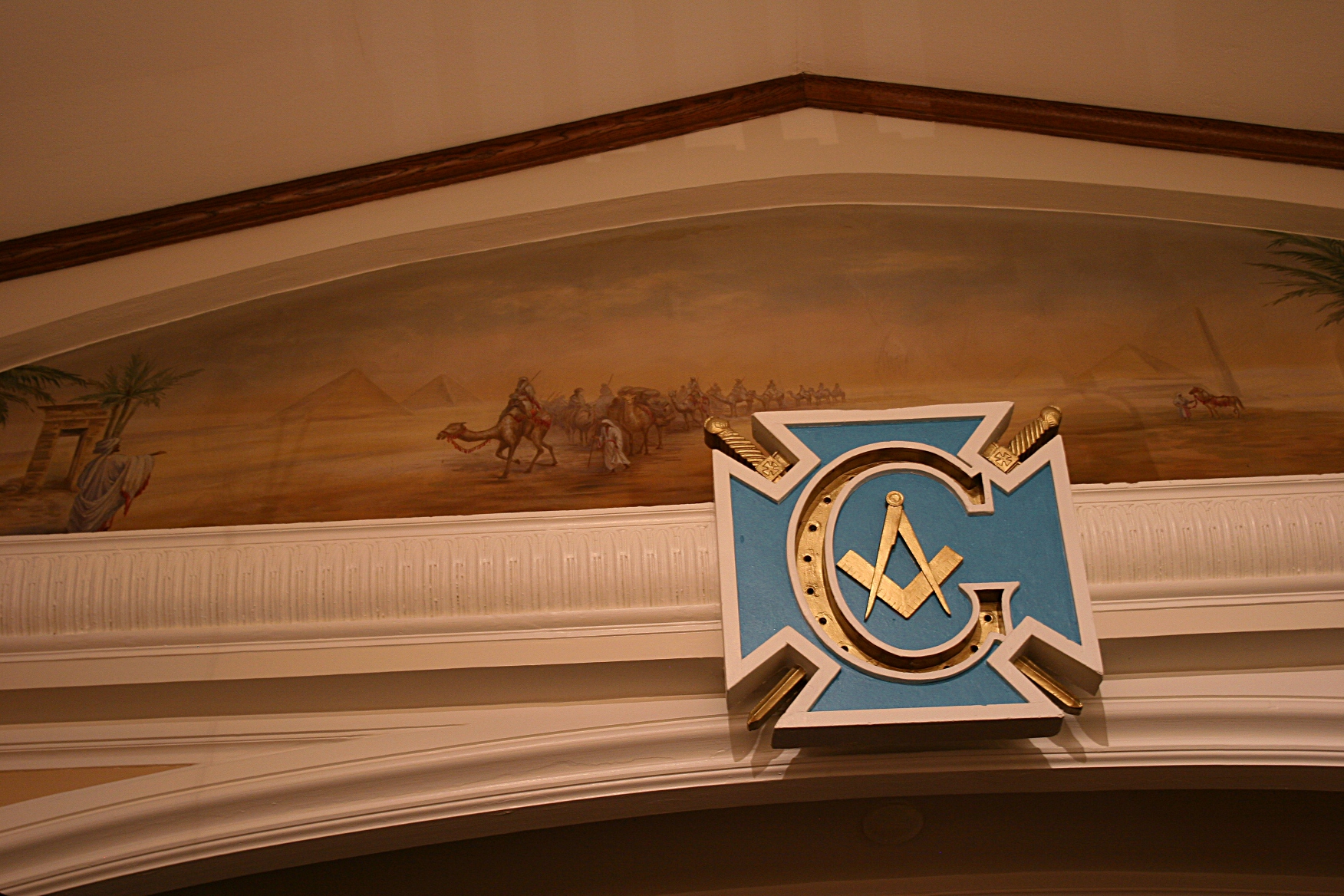
Its history dates back to 1923-1924 when Waverly Lodge No. 51 constructed the complex for use as a Masonic Temple, according to Kathy Voigt, community engagement manager for the museum. Says Voigt:
Now on the National Register of Historic Places, the building is constructed in the Norman Revival style, characterized by the use of rough-hewn stone and other features reminiscent of medieval castles and churches, such as vaulted ceilings, heavy beams and leaded windows.

Artwork above an auditorium stage hints at the building's past as a Masonic Temple.

Artwork above an auditorium stage hints at the building’s past as a Masonic Temple.

In the mid-1980s, after the Masons could no longer afford to maintain the temple, the building was sold to the local historical society.
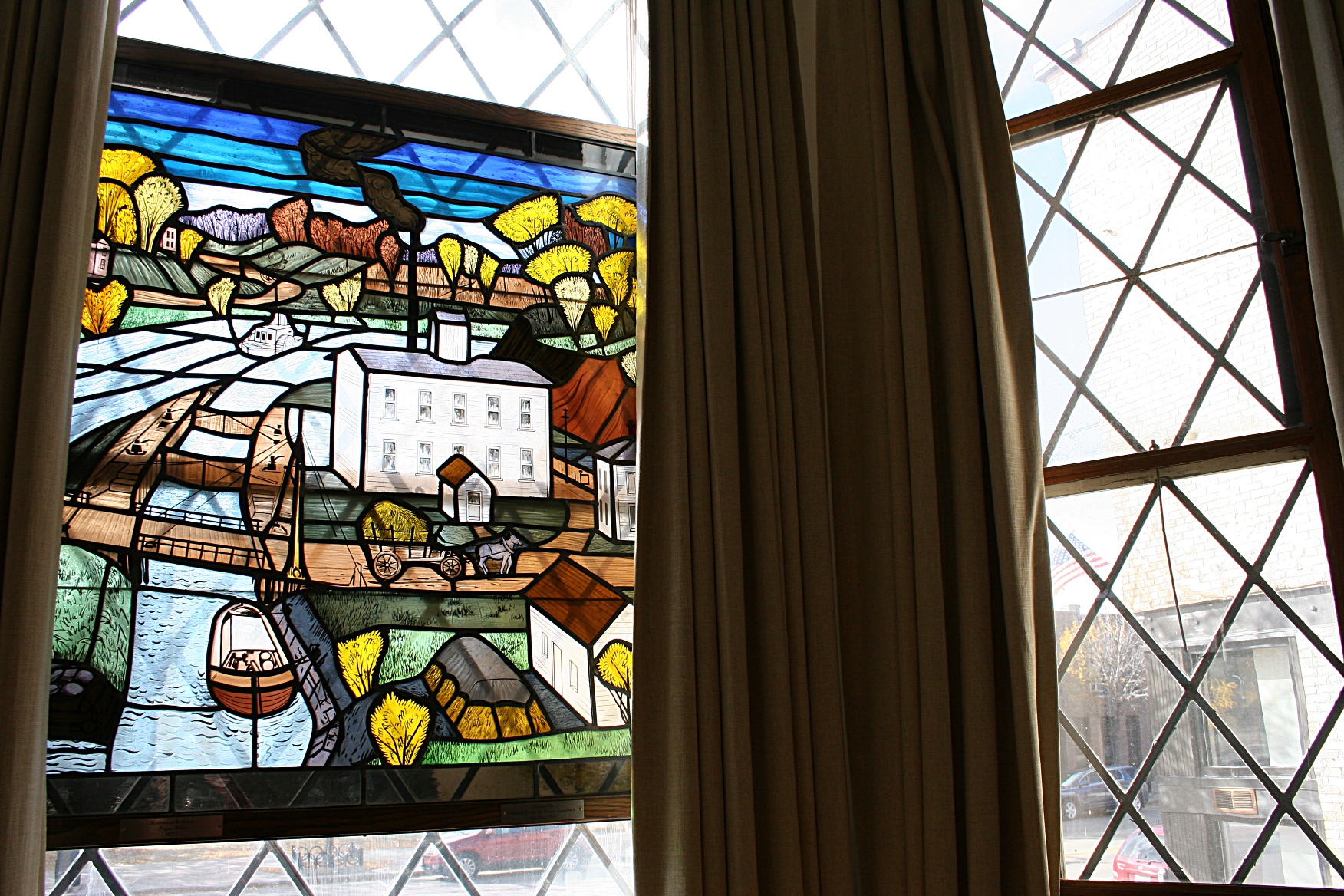
Windows depicting the region's early fur trading history.

Windows depicting the region’s early fur trading history.

Today this building houses, among other exhibits, rotating and permanent, the history of the Fox River Valley, a region stretching from Green Bay on the north to Neenah on the south. The area was once home to the Fox River Valley Indians, AKA the Meskwaki/Mesquakie, who relocated to Wisconsin from the East around 1650.  “Tools of Change” highlights the Fox Valley’s tools, people, work and everyday life between 1840-1950.

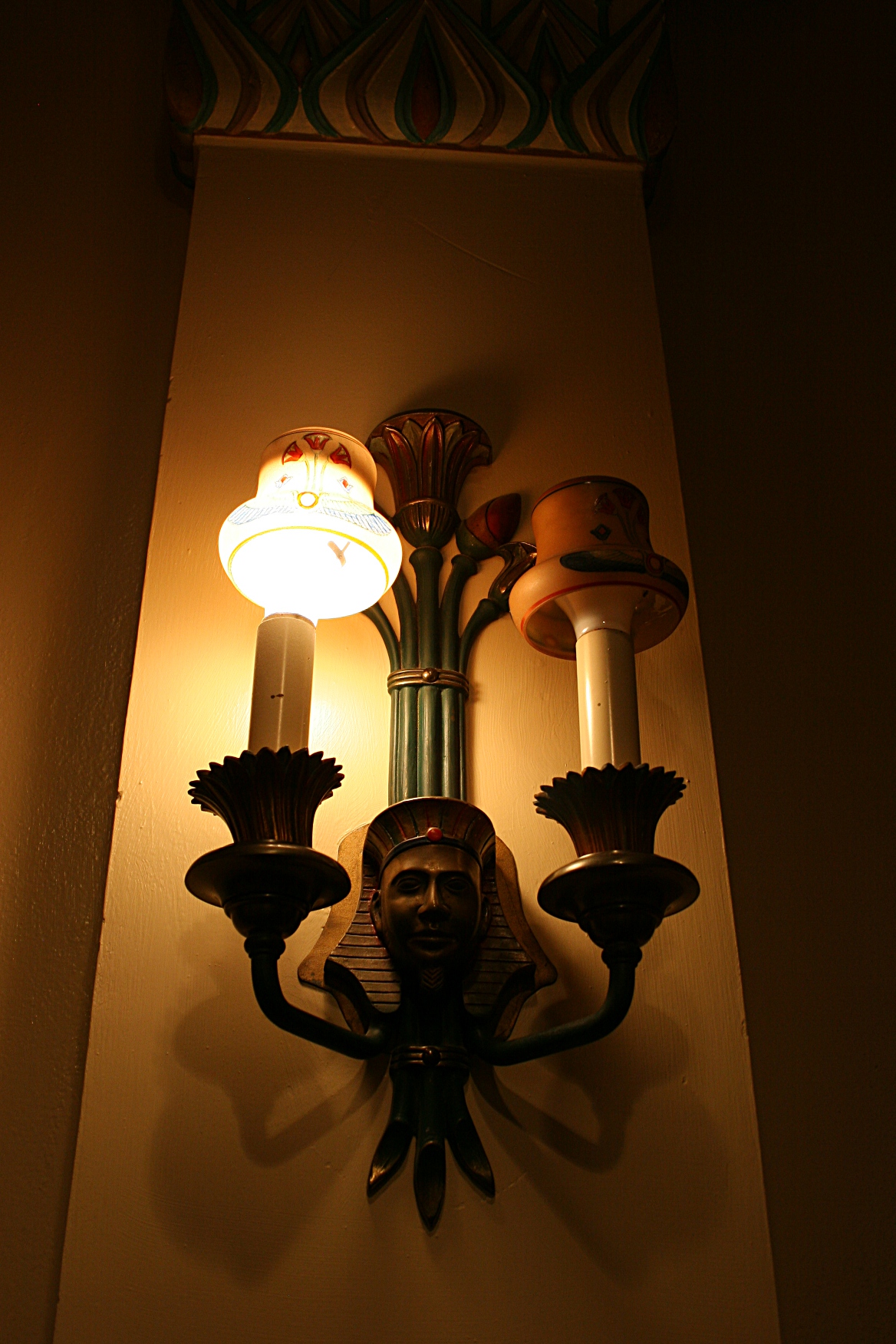
And because I notice details, be sure to look for these incredible light fixtures in the main Houdini exhibit room.

I noticed these incredible wall sconces in a Houdini exhibit room.

Other exhibits feature Senator Joseph McCarthy, born and raised in Appleton; Nobel Prize winning writer Edna Ferber; the work of local noted photographer Andrew J. Mueller; and, upstairs, a more extensive exhibit on illusionist and escape artist Harry Houdini, who lived in Appleton as a child. I’ll post about the “AKA Houdini” exhibit tomorrow.

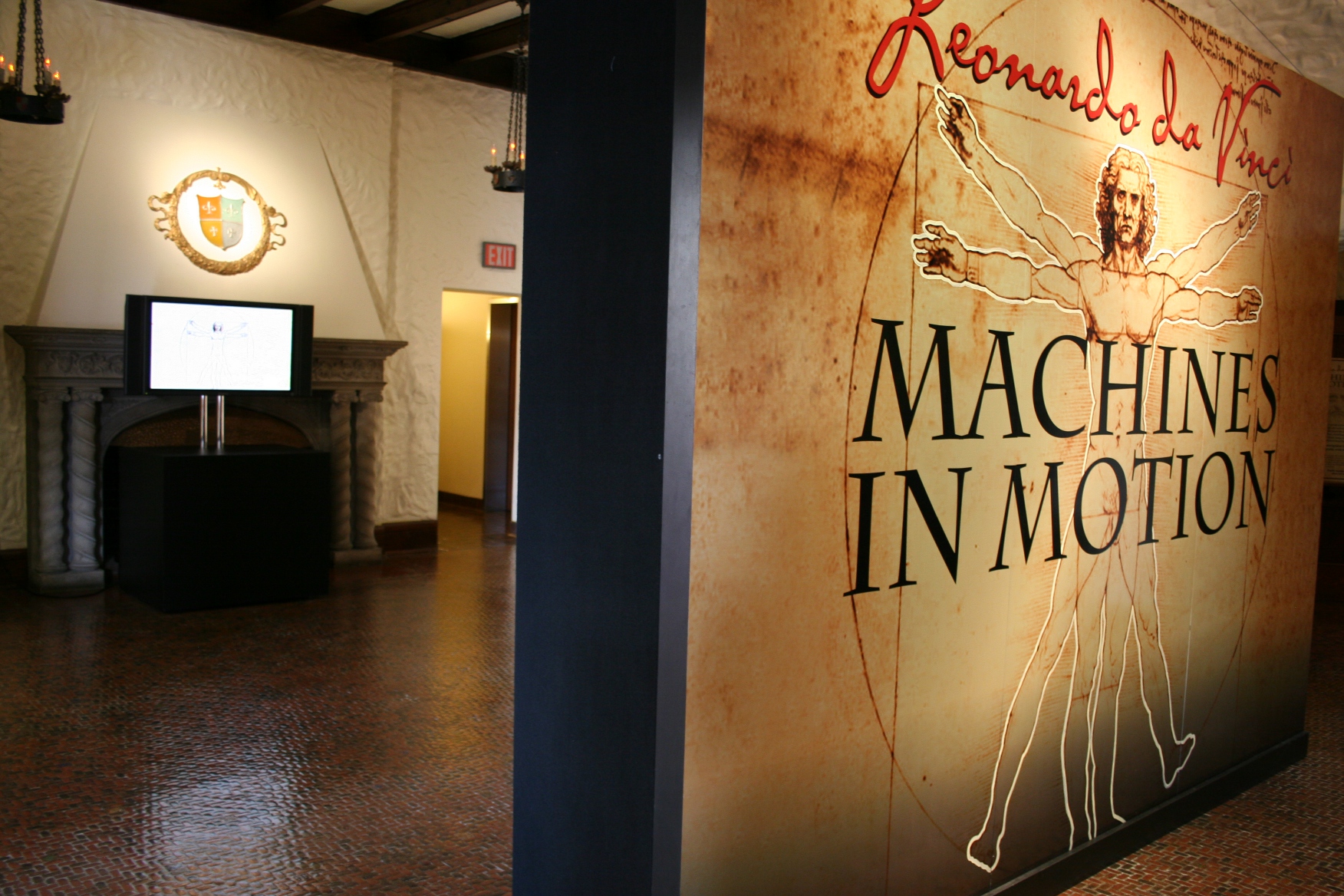
While the Leonardo da Vinci signage likely catches your eye first in this photo, look to the left and notice the fireplace.

While the Leonardo da Vinci signage likely catches your eye first, look to the left and notice the fireplace, the lights, the floor.

But currently drawing the most interest is the museum’s temporary “Leonardo da Vinci: Machines in Motion” exhibit which opened late last year and has now been extended through February 3. You can read about “Machines in Motion” in a previous post by clicking here. This show was my primary reason for touring the museum in early October when my husband and I were in Appleton visiting our second daughter.

Another view of the historic museum.

Another view of the museum, from early October.

The historic Masonic Temple housing the museum rates as a bonus to the history inside. I wonder how many visitors, when they tug at those heavy front entry doors and then enter the castle, pause to appreciate the building they are standing within.

BONUS IMAGES:

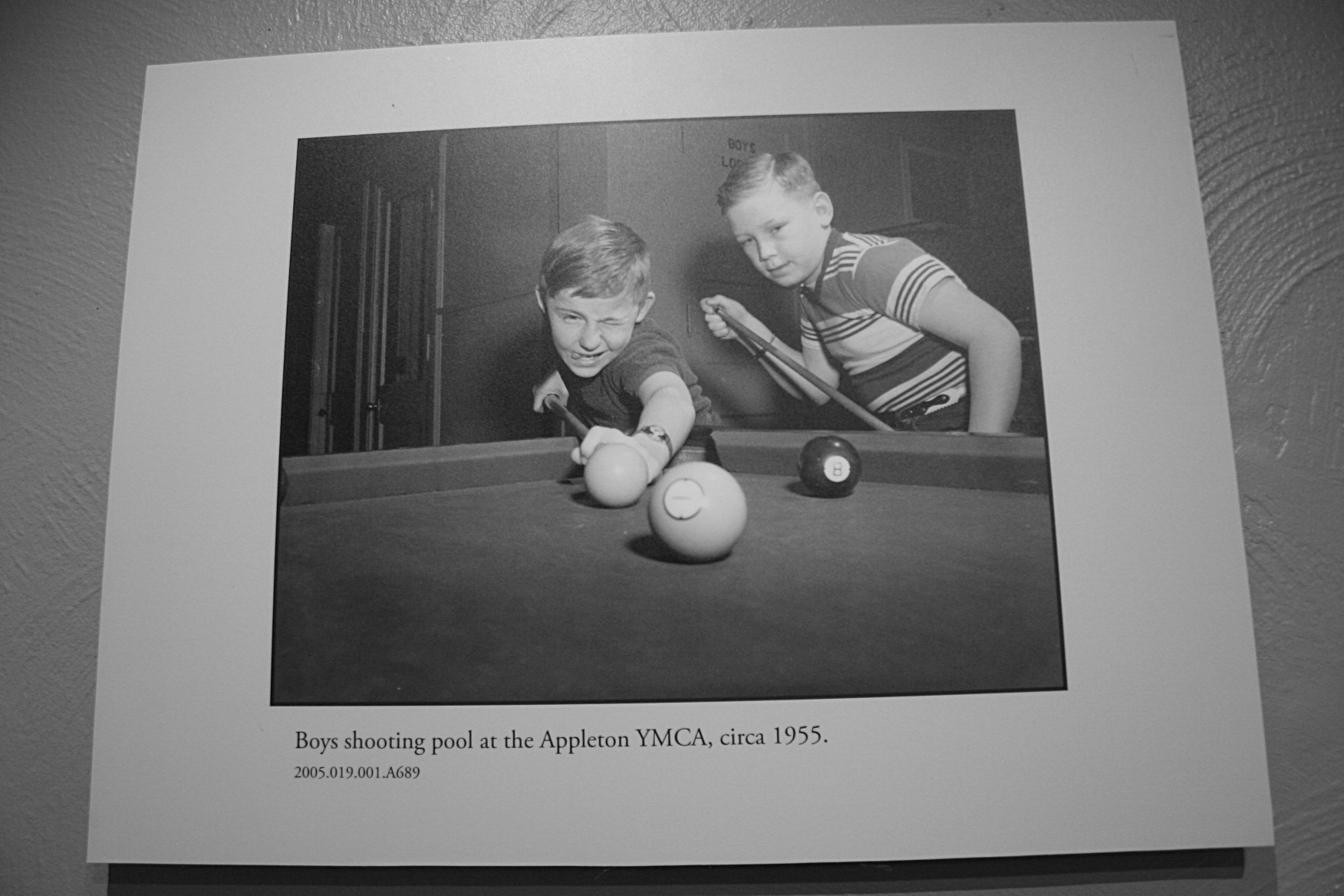
Given my love of photography, the "From My View: The Photographs of Andrew J. Mueller" exhibit especially interested me. Mueller worked for the local newspaper.

Given my love of photography, the “From My View: The Photographs of Andrew J. Mueller” exhibit especially interested me. Mueller worked for the local newspaper, beginning as an artist there and becoming the paper’s full-time photographer in 1950. He approached photography from both artistic and journalistic perspectives.

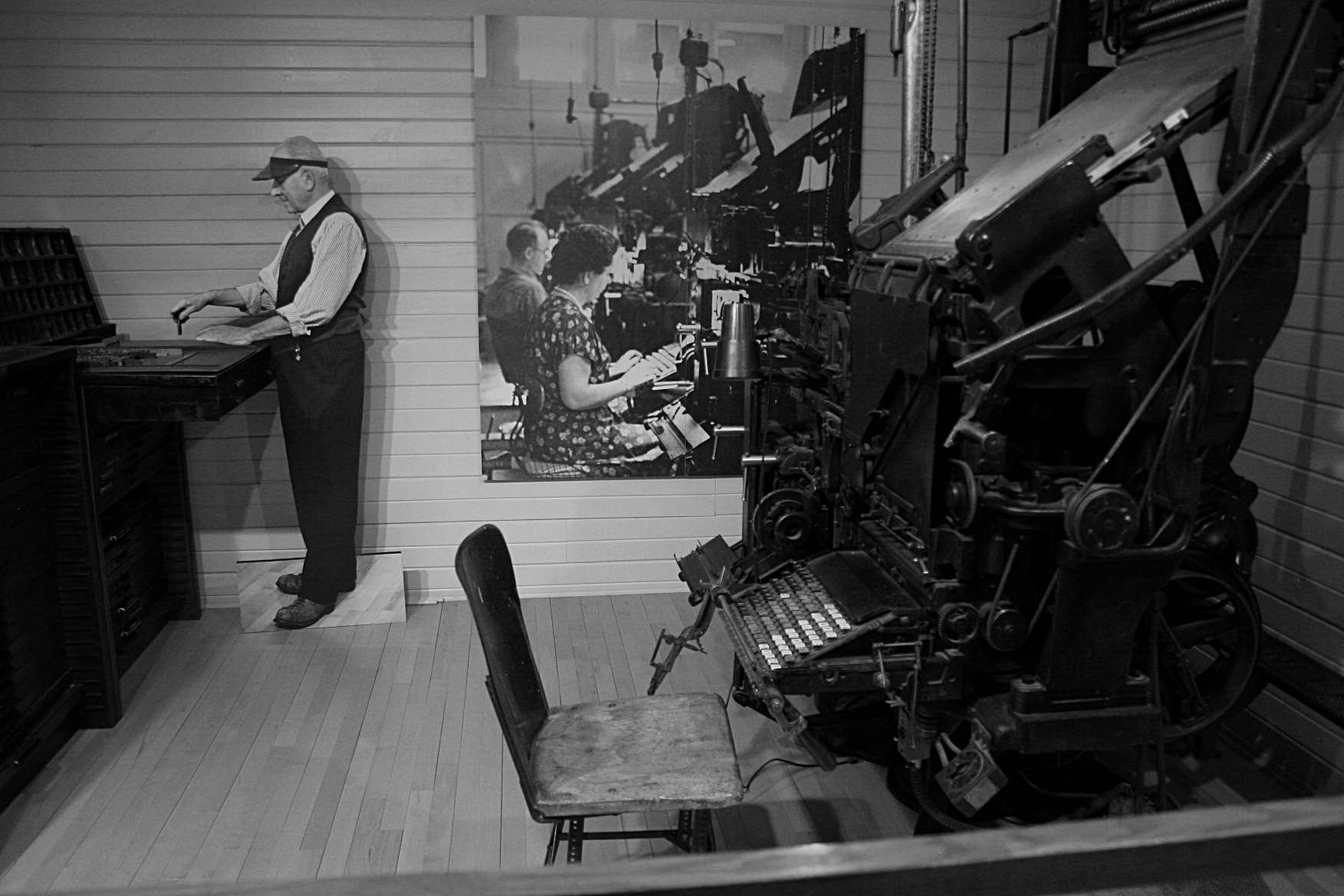
Given my journalism background, an old printing press also caught my eye.

Because of my journalism background, an old printing press also caught my eye.

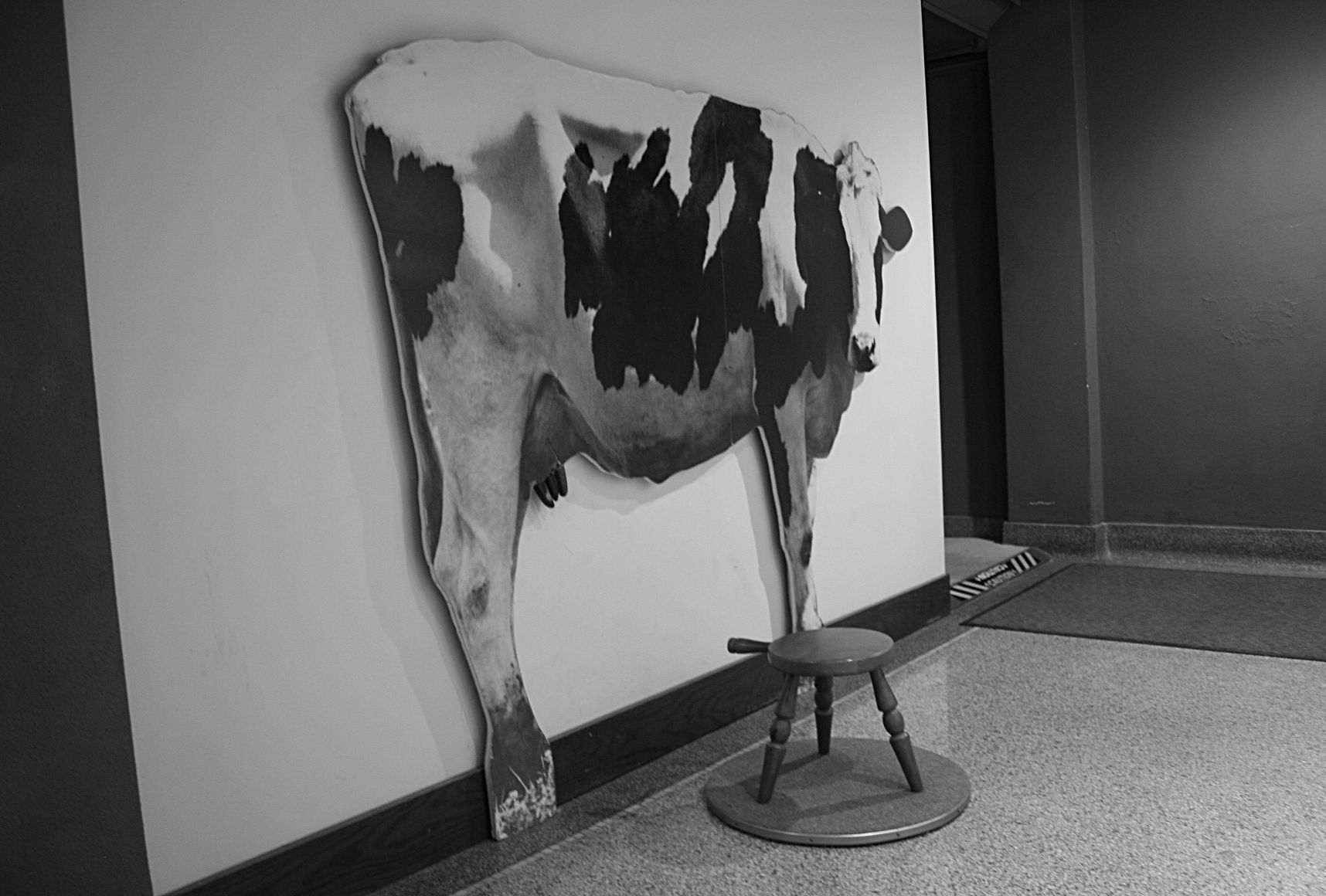
Would any Wisconsin museum exhibit be complete without a cow? Here you can perch on the stool and pretend to milk this Holstein.

Would any Wisconsin museum exhibit be complete without a cow? Here you can perch on the stool and pretend to milk this Holstein.

FYI: For more information about The History Museum at the Castle, click here.

© Copyright 2013 Audrey Kletscher Helbling