Minnesota Prairie Roots

Writing and photography by Audrey Kletscher Helbling

Prairie prose & photos during the season of harvest October 29, 2012

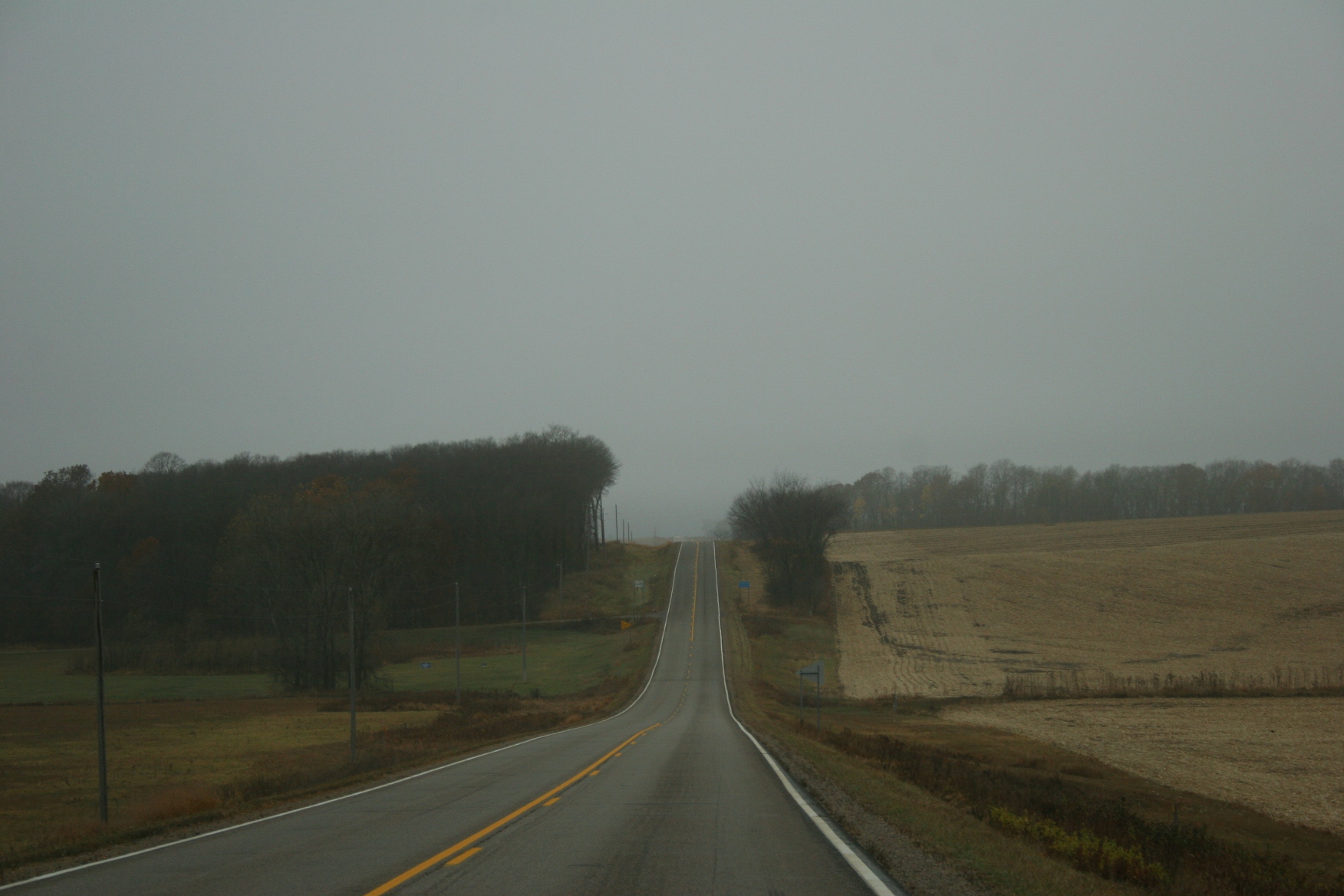
Just west of Shieldsville, not far from our Faribault home in southeastern Minnesota, my husband and I began our 120-mile journey to southwestern Minnesota on a foggy Saturday morning.

I NEVER TIRE of the big sky and infinite land that stretch far before me as I travel back to my native southwestern Minnesota. I wonder sometimes how I ever could have left this place that brings such solace to my soul, such respite to my heart, such peace to my mind.

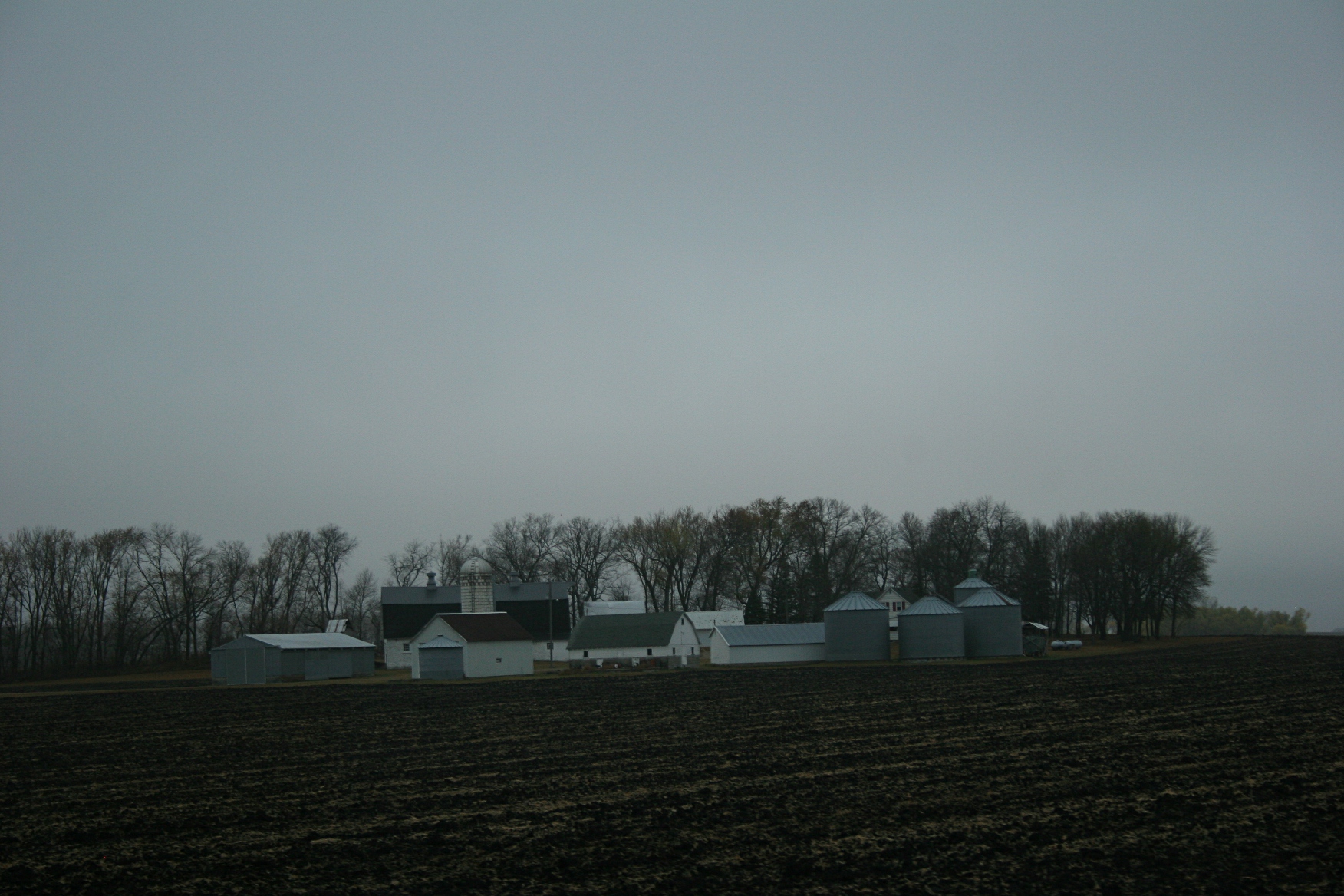
A farm site somewhere along the route which took us through or past Shieldsville, LeCenter, Cleveland, St. Peter, Nicollet, Courtland, New Ulm, Essig, Sleepy Eye, Cobden, Springfield and Sanborn corners, ending in rural Lamberton.

When I see this land, walk this land, the longing to be back here, permanently rooted again, tugs at my very core. I miss the prairie that much and the older I get, the more I appreciate this rural place from whence I came.

This image, among all those I took, emphasizes the expanse of sky and land which define the prairie.

It is that early-life connection, that growing up as a child of the prairie, that intimate familiarity with the land and the seasons and life cycles, the dirt under fingernails, the rocks lifted from fields, the cockleburs yanked from bean rows, the roar of the combine and the distinct putt-putt of the John Deere tractor, the calf shit clinging to buckle overshoes, the fireball of a sunset, the sights and sounds and smell and feel of this prairie place that shaped who I became as a person, a writer, a photographer.

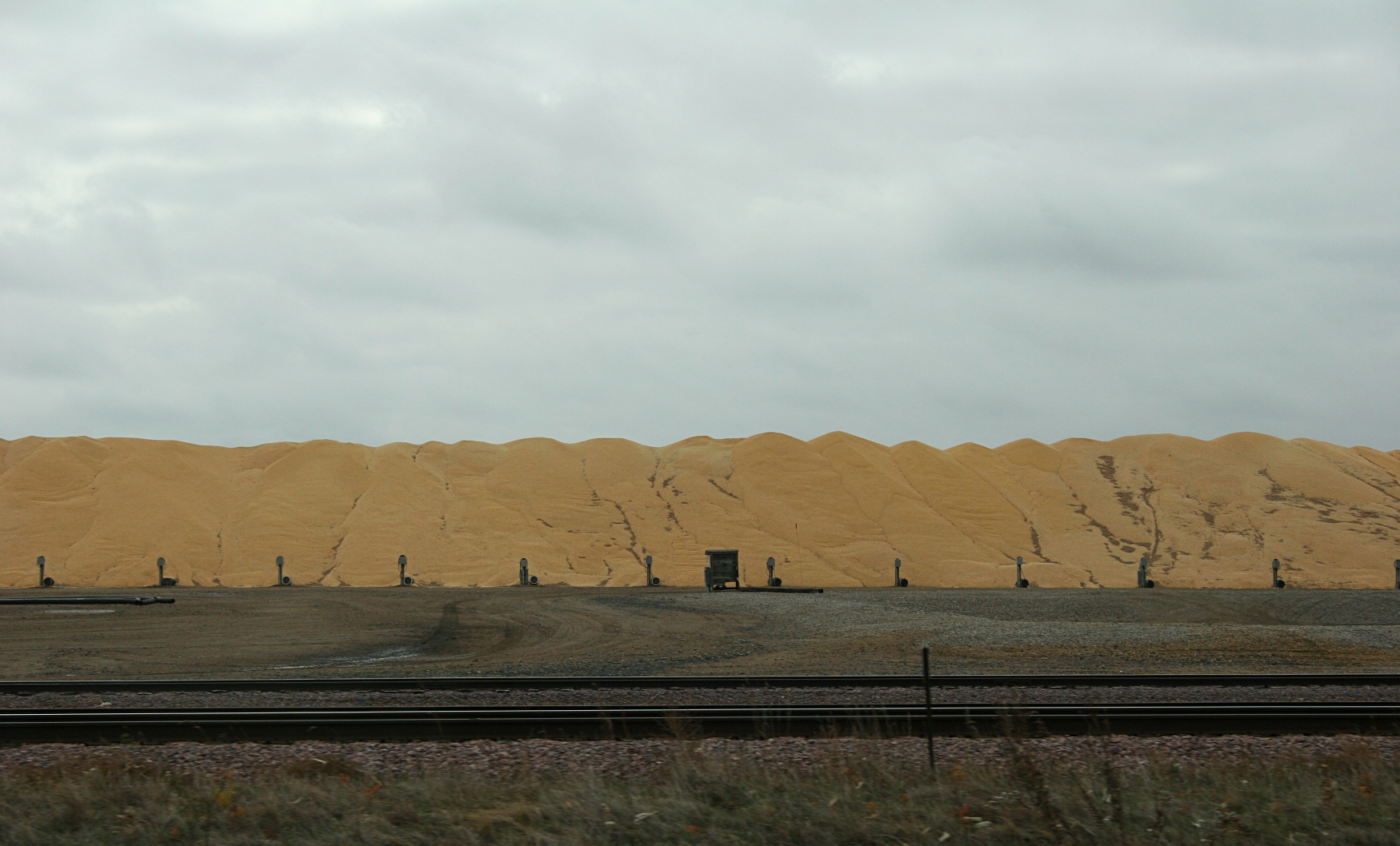
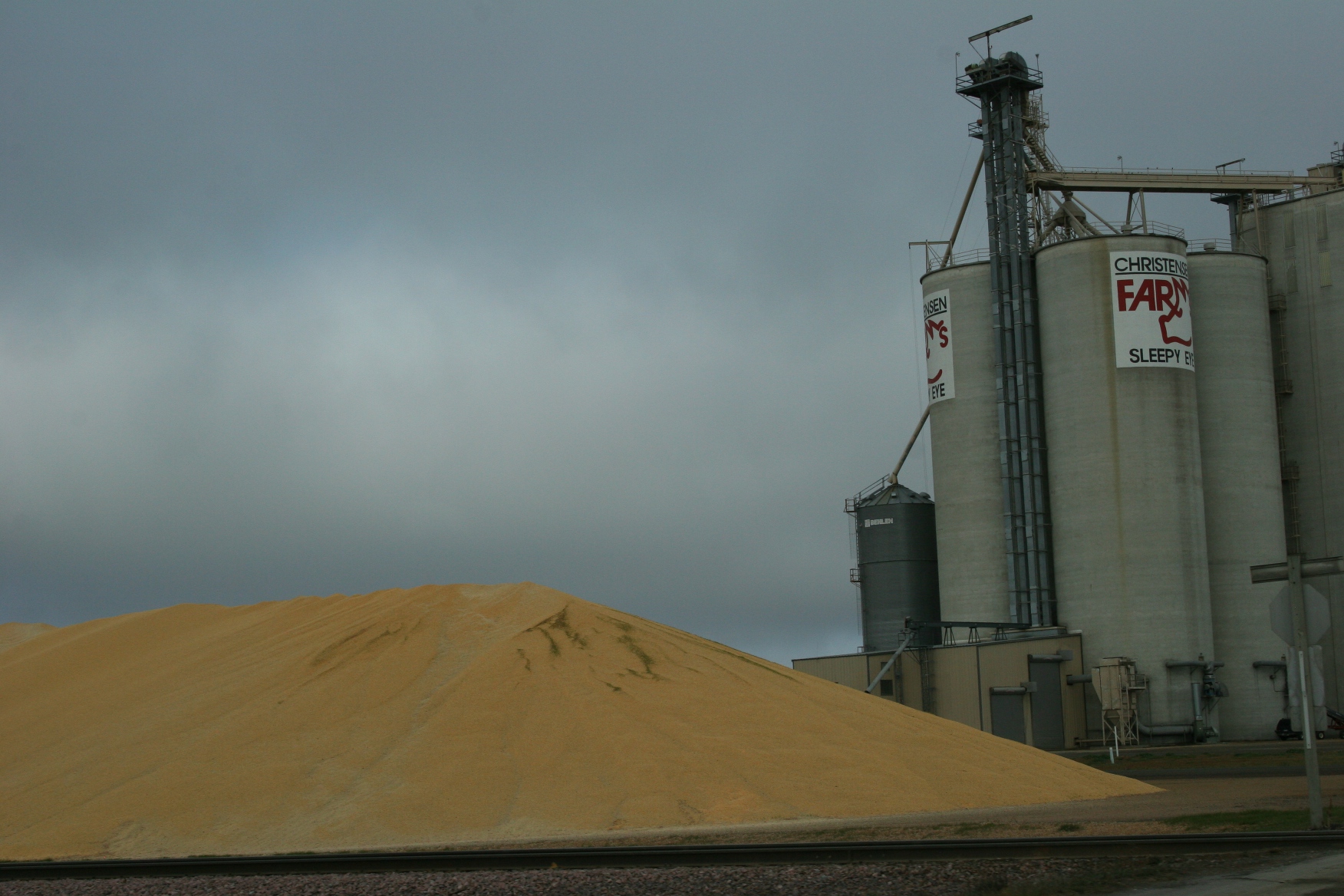
These towering elevators and corn pile at Christensen Farms near Sleepy Eye break up the flat landscape.

In this season, as the earth shifts from growth to harvest to dormancy, I notice even more the details etched into the prairie. The sky seems bigger, the land wider and all of us, in comparison, but mere specks upon the earth.

MORE PHOTOS from that road trip to the prairie:

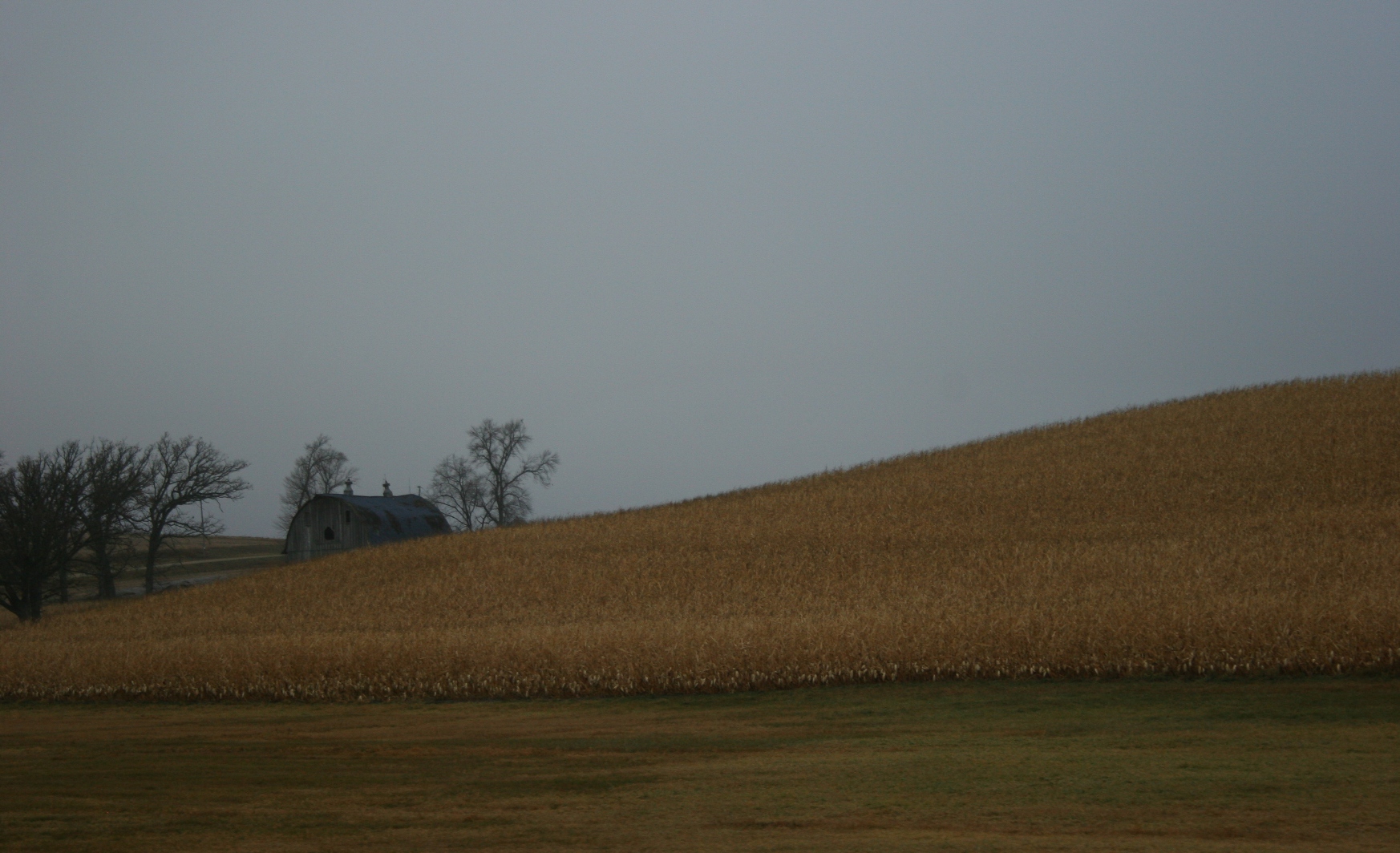
This is not a prairie scene because the prairie has no hills. Rather, I shot this near the beginning of our journey, west of Shieldsville.

Another scene from just west of Shieldsville. It is the muted colors of the landscape that I so appreciate in this photo.

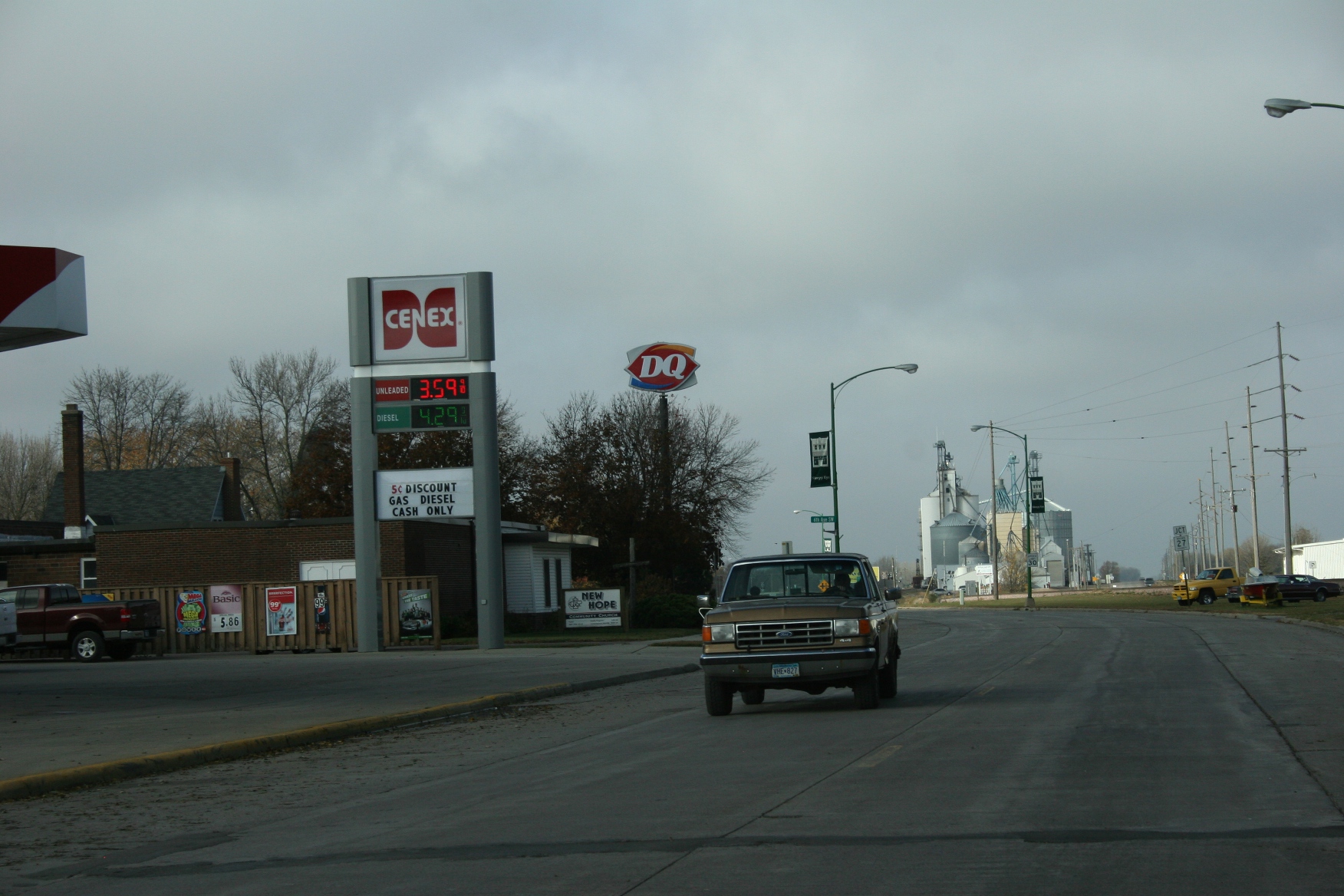
Driving through Sleepy Eye, a strong agricultural community where I lived and worked briefly, decades ago, as a reporter and photographer for The Sleepy Eye Herald-Dispatch. Sleepy Eye is most definitely on the prairie.

Hills of corn at a grain complex east of Lamberton.

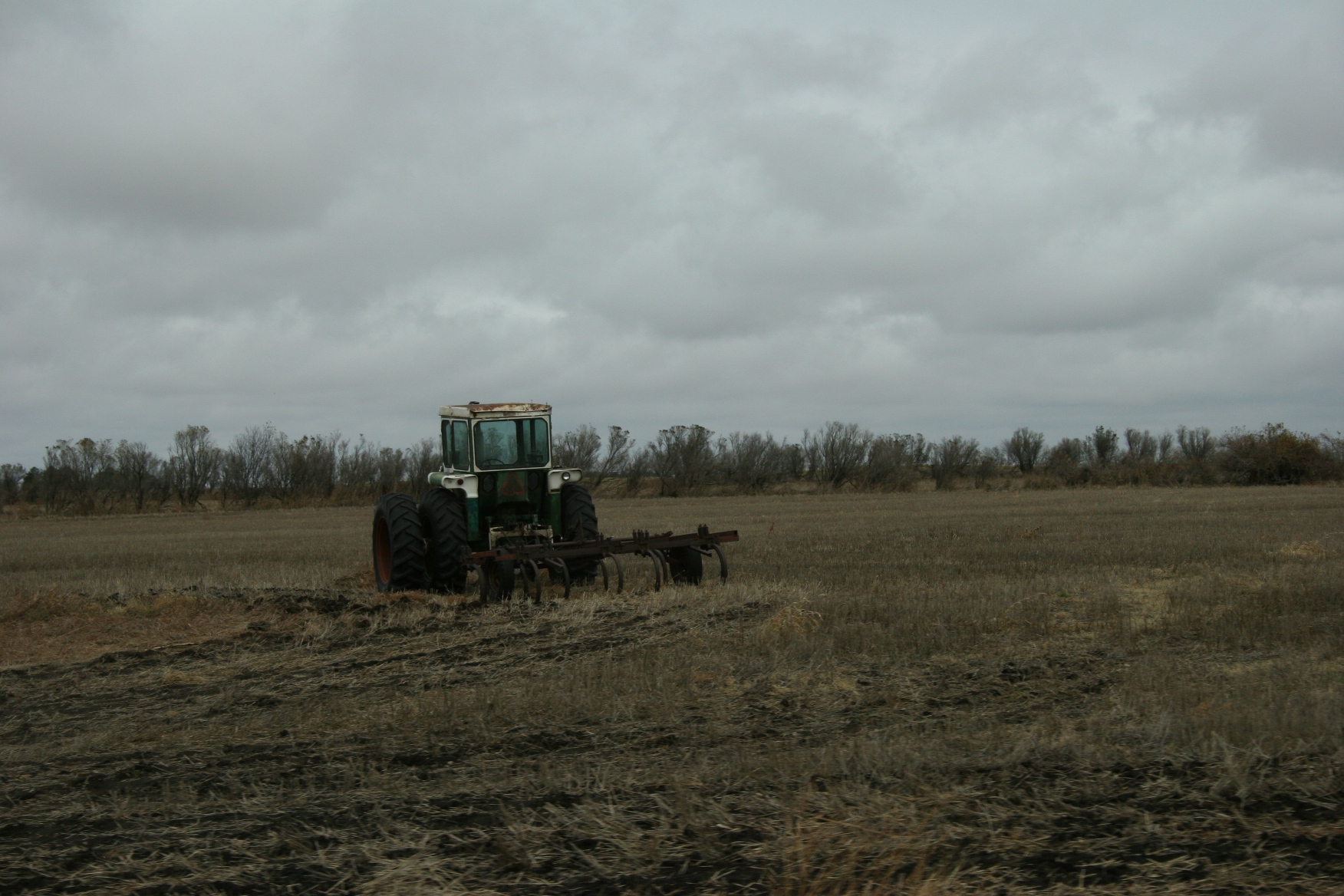
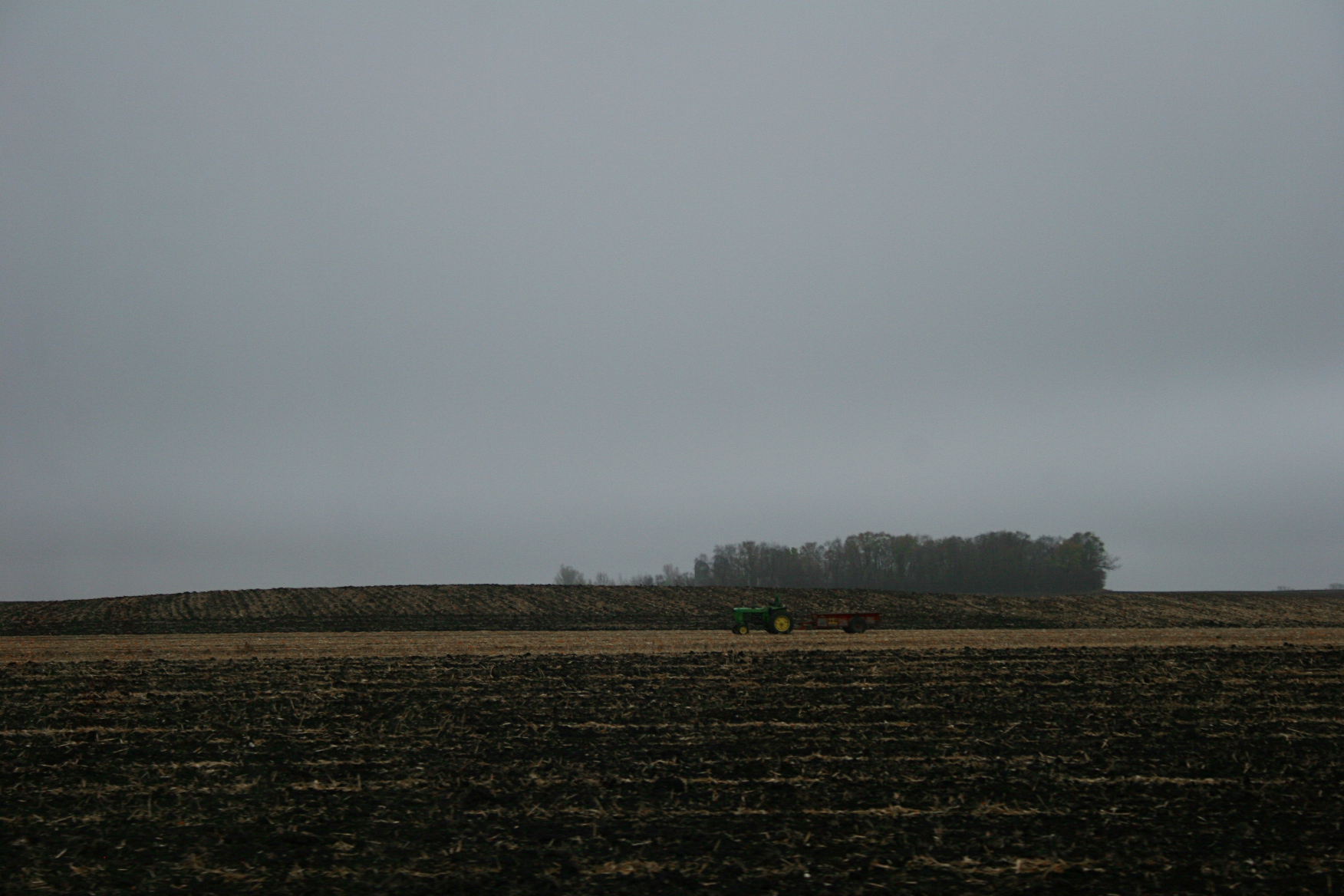
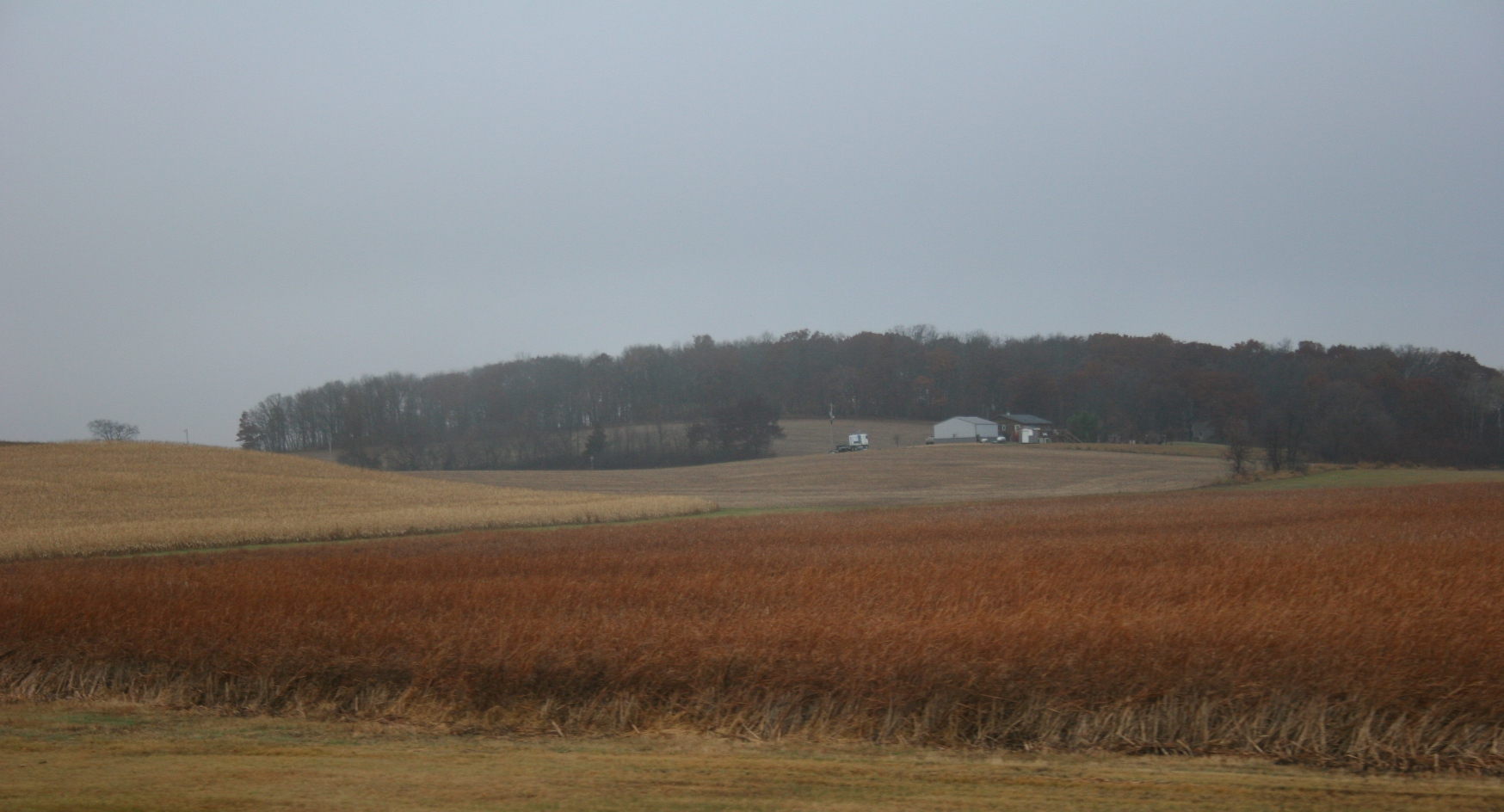
Fields are in all stages of harvest and tillage on the southwestern Minnesota prairie.

A grain truck parked at an elevator in Lamberton.

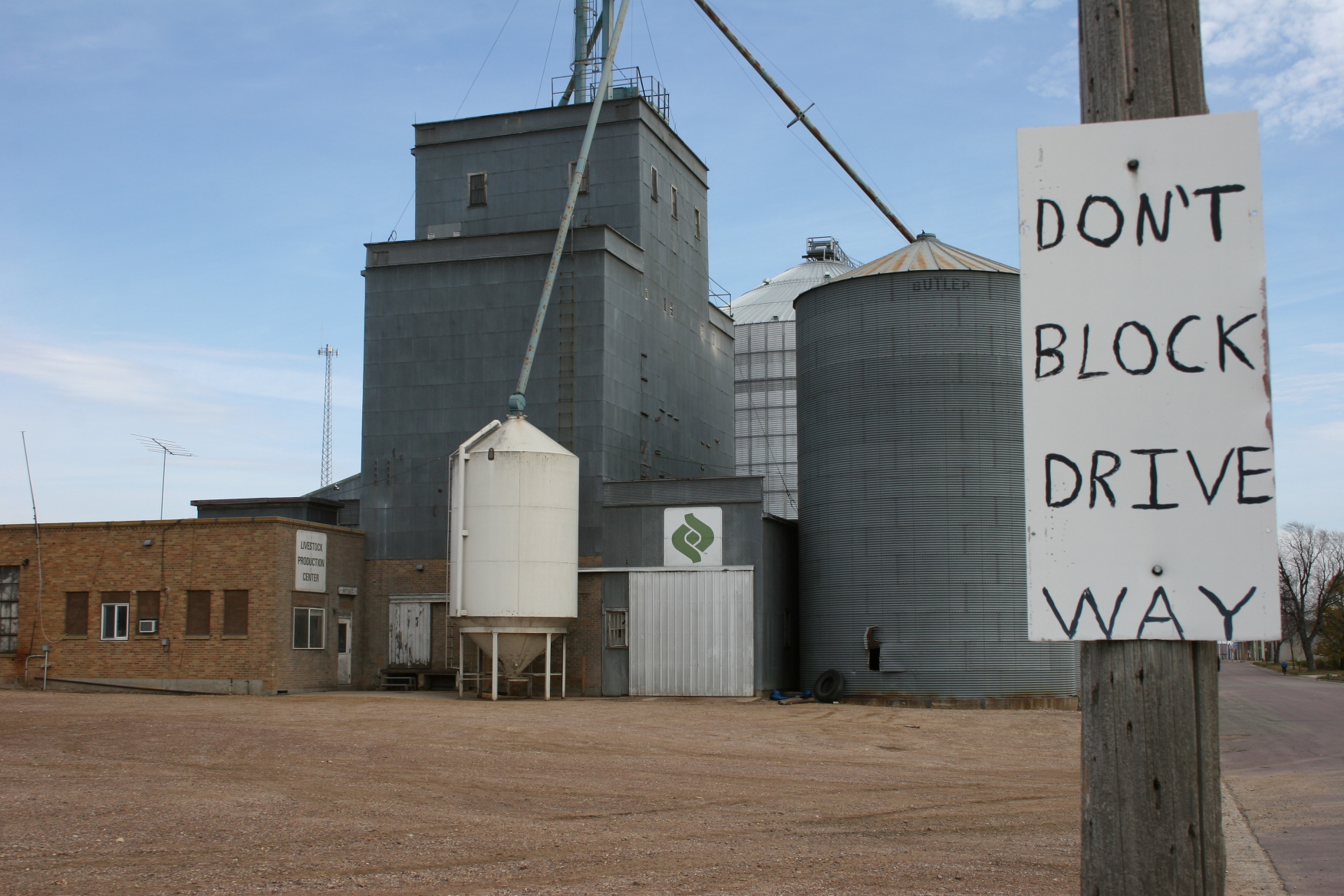
An important sign when trucks and tractors are lined up at the elevator in Lamberton.

I ended my Saturday by walking my middle brother’s acreage north of Lamberton as the sun set, my favorite time of day on my native southwestern Minnesota prairie. I grew up about 25 miles northwest of here near Vesta.

© Copyright 2012 Audrey Kletscher Helbling


Shopping Wisconsin style at the Appleton Farm Market October 26, 2012

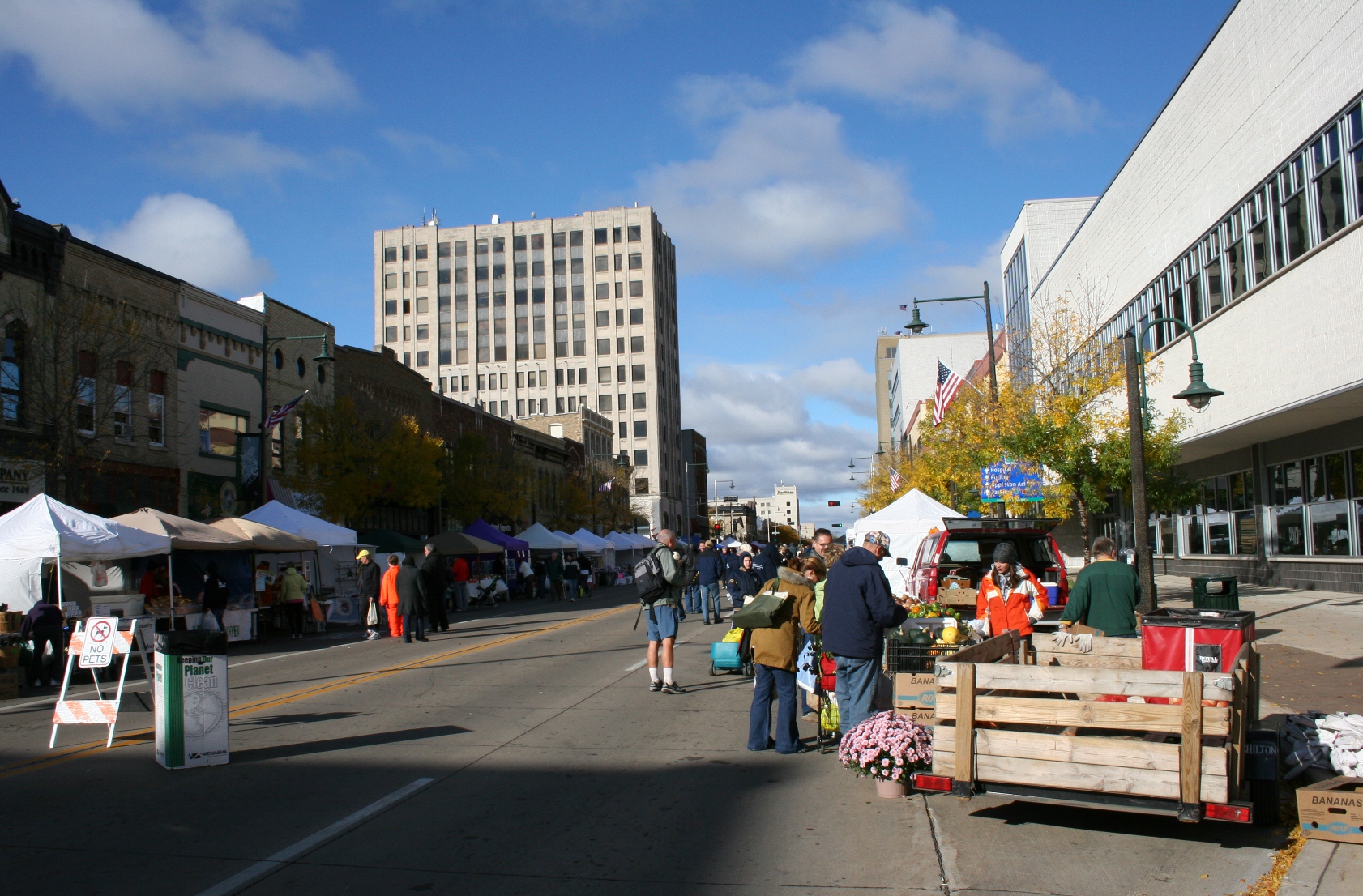
The Appleton Farm Market on a brisk, early October morning.

FOR THE PAST TWO YEARS, since moving to northeastern Wisconsin, our daughter Miranda has raved about the outdoor Appleton Farm Market. She enthuses about the trolley and the entertainment, the fresh produce and flowers and crafts in this open air market in the heart of a downtown that mixes old and modern, buildings, that is.

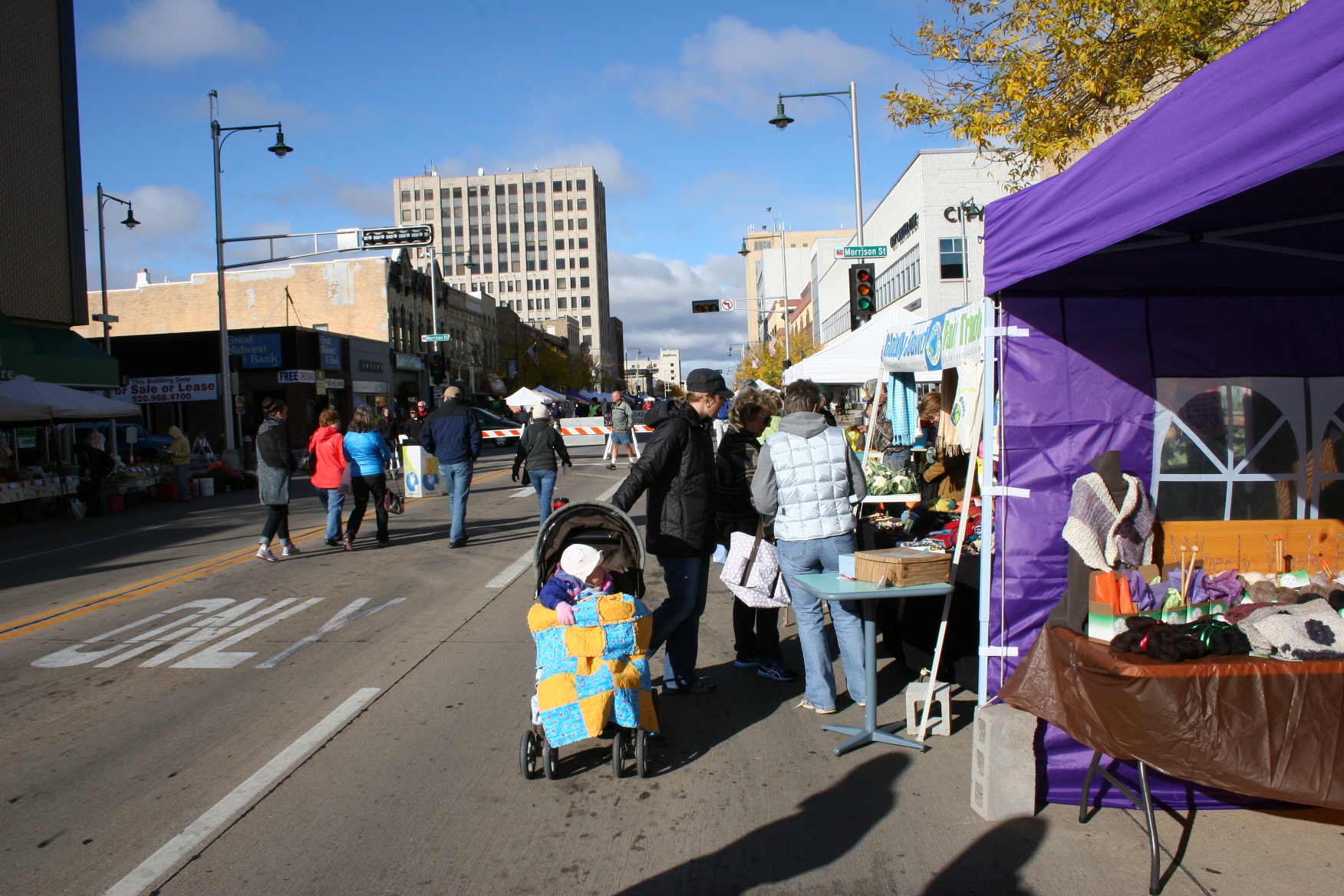
All ages, including babies in strollers, were bundled up in the blustery weather.

So on a recent visit to Appleton, which is south of Green Bay for those of you unfamiliar with the Badger state’s cities, we took in the outdoor farm market on a cold and windy Saturday morning. It was mitten and fleece-wearing weather, although we’d left both behind in Minnesota, not expecting such cool temps.

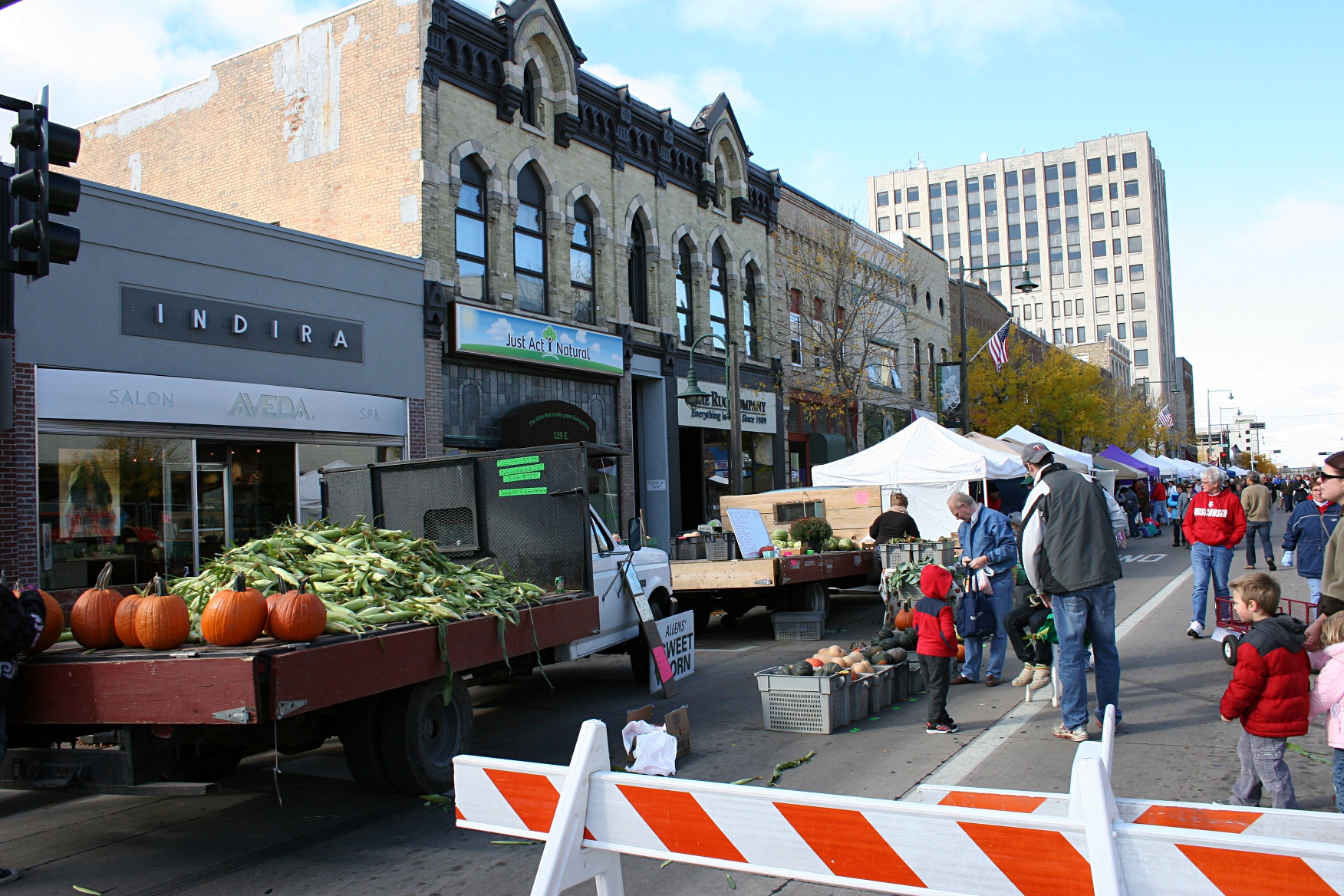
College Avenue is blocked off to vehicle traffic for several blocks.

Our daughter knows a secret, free parking spot (if you arrive early enough) just off the east end of College Avenue, the downtown street closed to motor traffic for several blocks during the market.

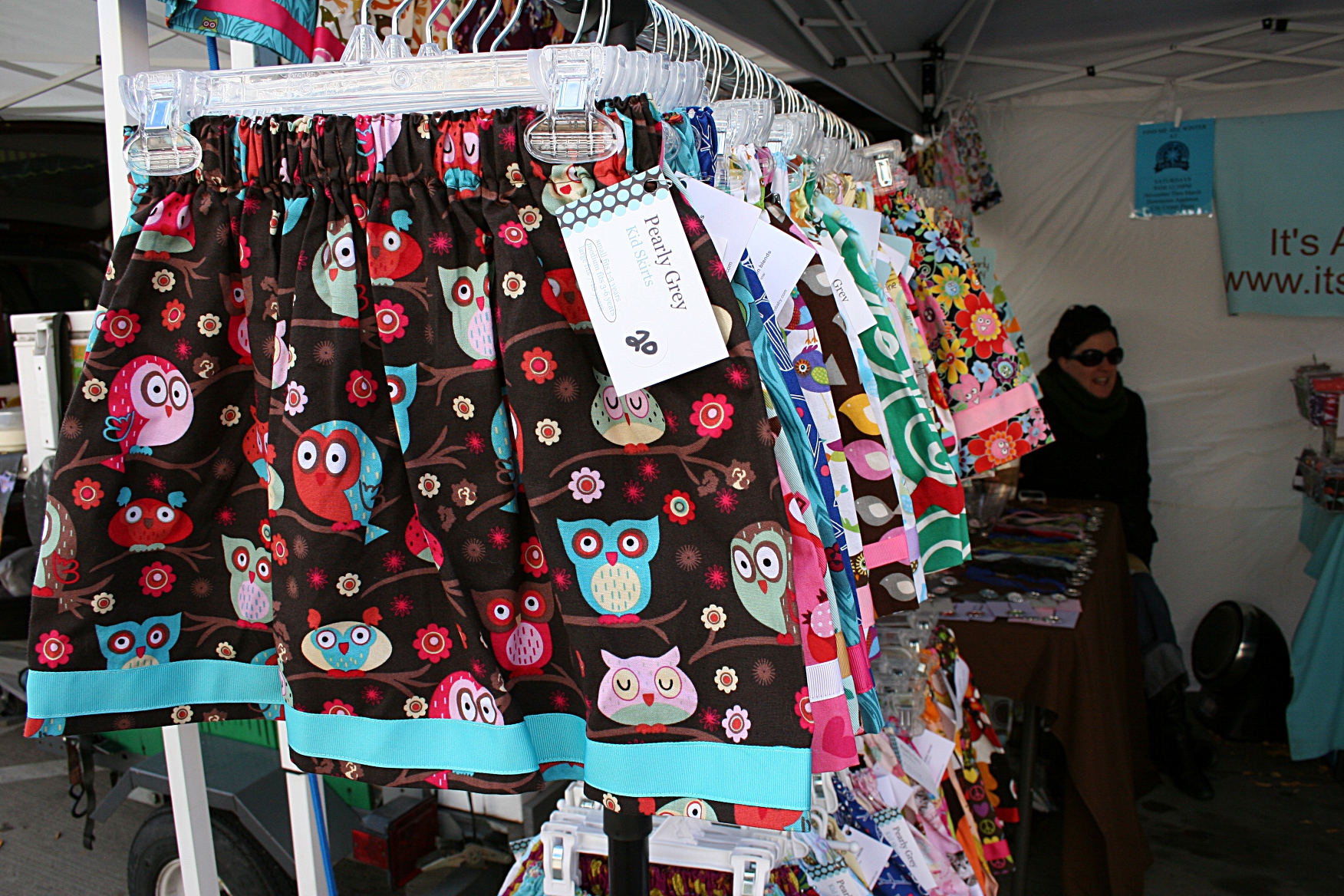
Pearly Grey designer Jen Nowak-Miller tries to stay warm in her booth where she marketed these eye-catching skirts and much more. I fell in love with the prints.  Jen loves them, too, and calls her  attraction to these an “addiction.” This talented designer, who holds a bachelor’s degree in Apparel Design and Manufacturing, also offers her retro/funky clothing designs online at  “It’s All Retro Baby.” She recently relocated from Oregon back to her native Wisconsin.

And so we set off from there to explore. I found myself lagging behind the daughter and husband as I chatted with vendors and took photos of this impressive market.

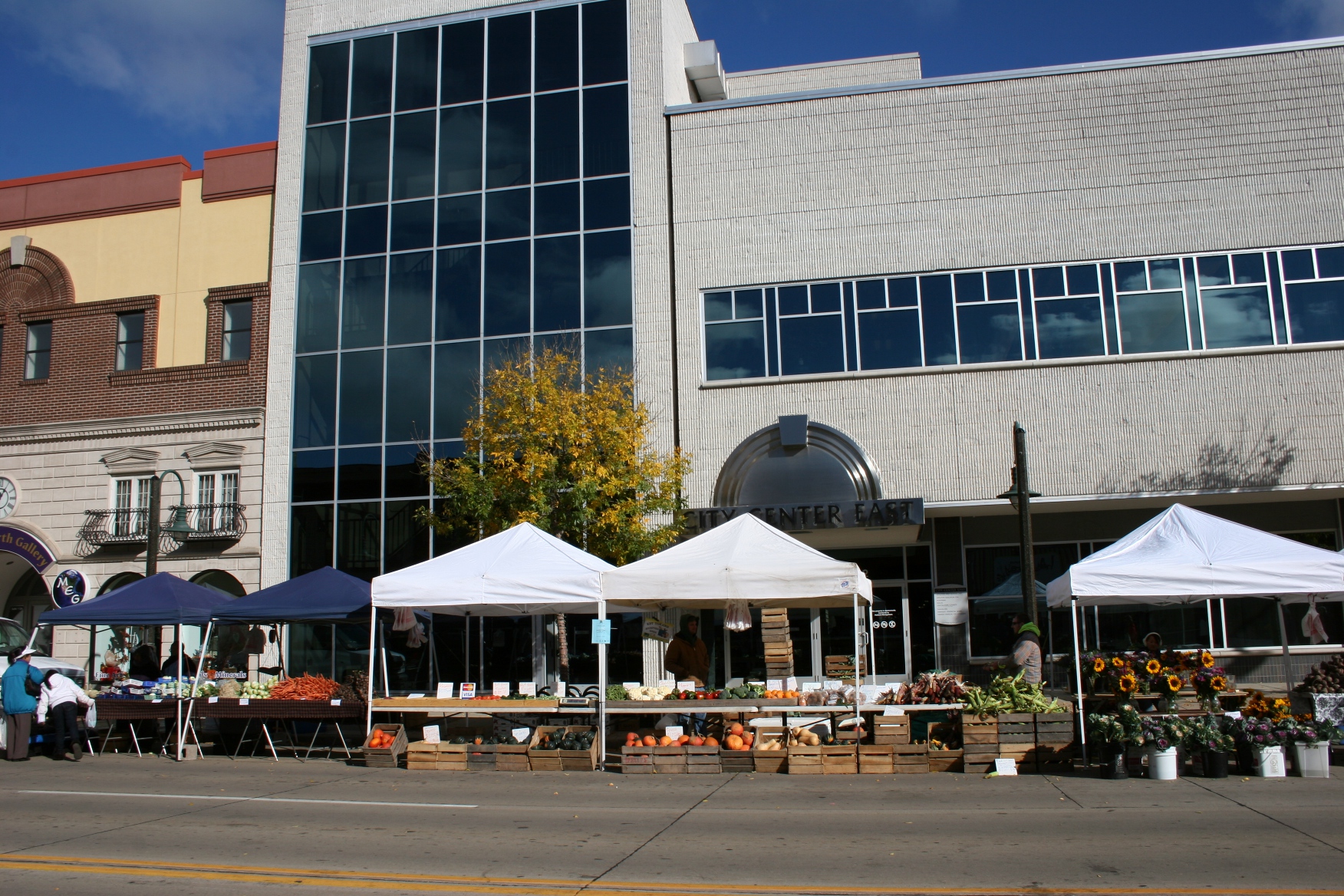
The Appleton Farm Market moves into City Center, the building pictured here on the right, beginning on the first Saturday in November.

I must qualify here that I’ve previously been to the indoor Appleton Farm Market at City Center. Although nice, you just don’t get the same vibe, the same variety, as an outdoor affair. And I think that could be said for any upper Midwest market that moves indoors in the colder, non-growing season.

This Saturday marks the year’s final outdoor venue (from 8 a.m. – 12:30 p.m.) in Appleton with the market moving into City Center from November through March (9 a.m. – 12:30 p.m.). The trolley stopped running at the end of September.

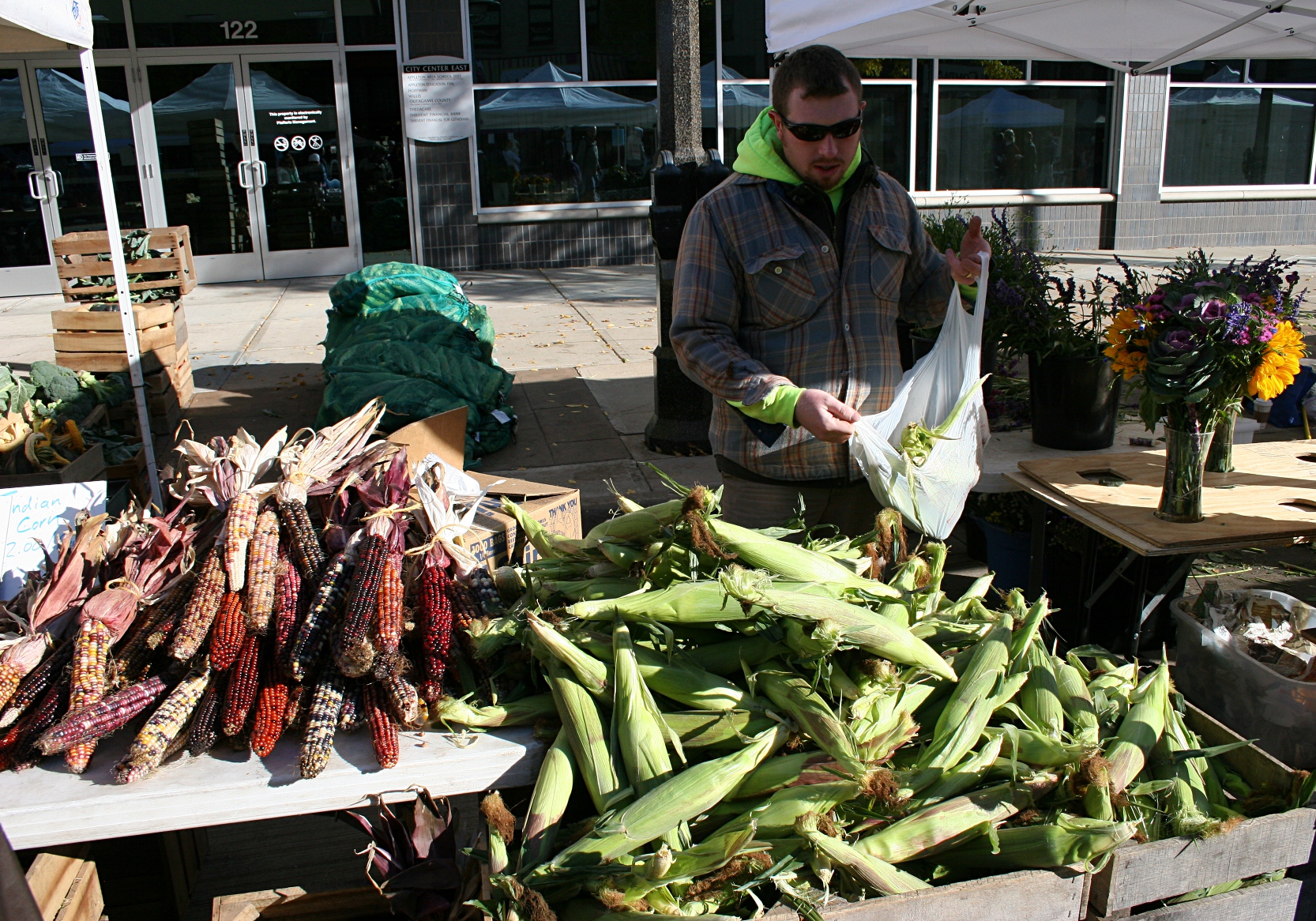
This vendor pitched something about the last sweetcorn dance, so my daughter purchased six ears.

And so we walked block after block through downtown Appleton as shoppers scooped up the last of the year’s sweet corn crop, sampled BBQ on pork, clustered at knitters’ booths to slip warm mittens onto cold hands, purchased $10 bouquets of fresh flowers, speared toothpicks into cubes of Wisconsin cheese…

Piles of fresh carrots highlighted in the morning sunshine.

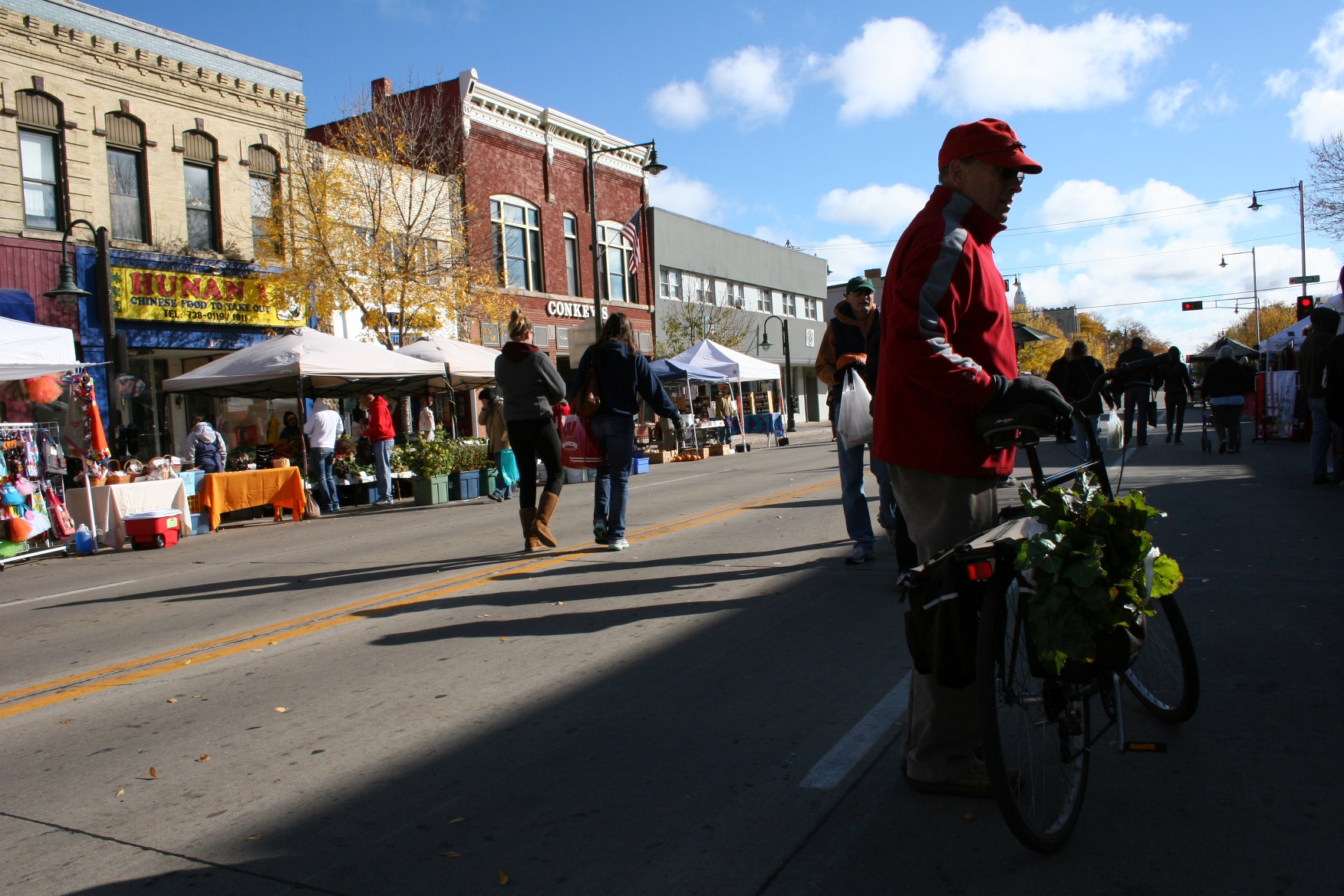
A shopper arrives on his bicycle and piles on the lettuce.

Ah, the bright colors of seasonal produce.

While the entertainment was limited to two young musicians under a canopy, our daughter says warmer weather brings more entertainers.

But on this Saturday in early October, the vendors and shoppers provided entertainment enough for this Minnesotan.

FYI: To learn more about the Appleton Farm Market and about downtown Appleton, click here and click here.

To learn more about the clothing designed by Jen Nowak-Miller, click here to link to her Pearly Grey, “It’s All Retro Baby,” website.

TO SEE MORE APPLETON FARM MARKET photos, keep scrolling:

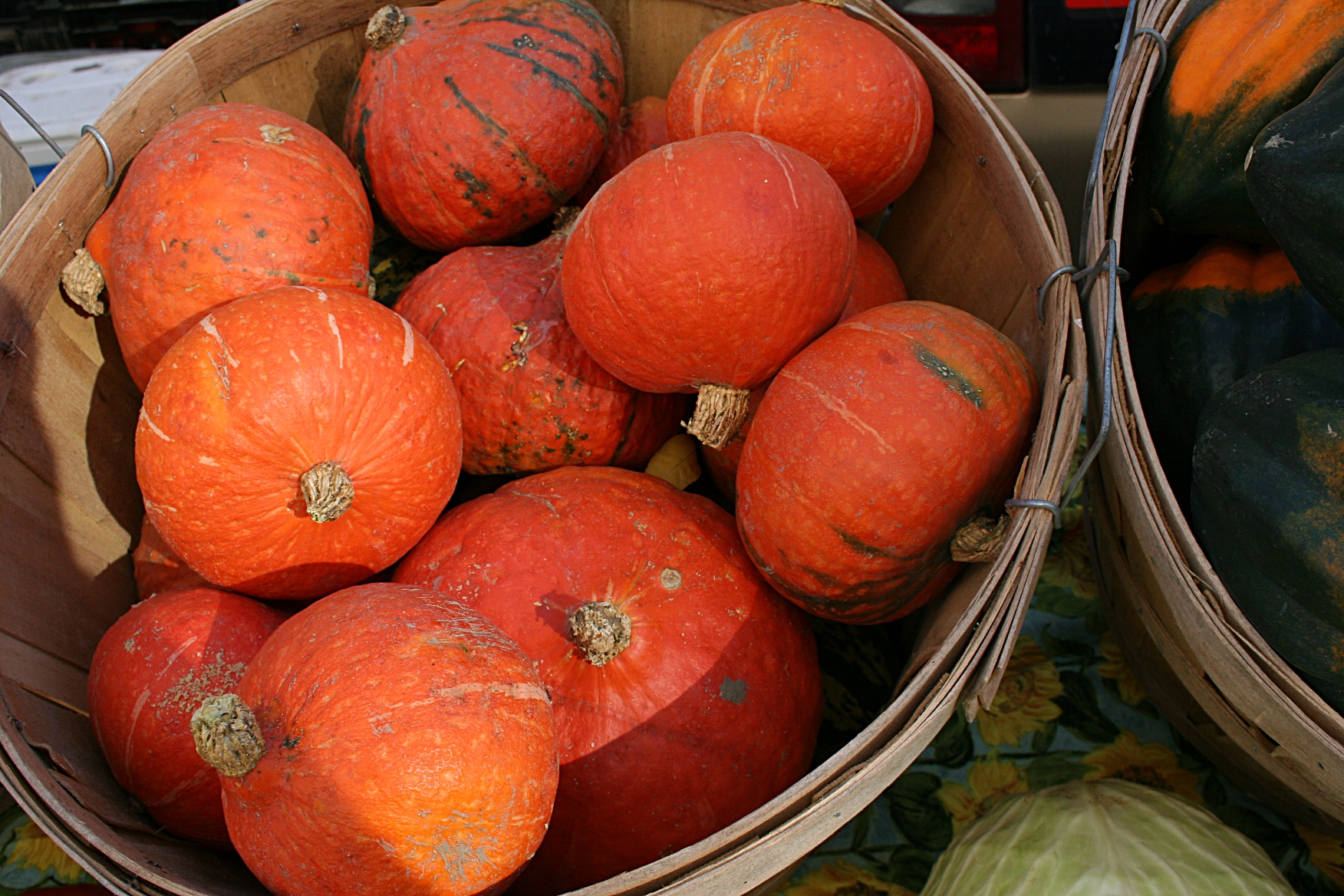
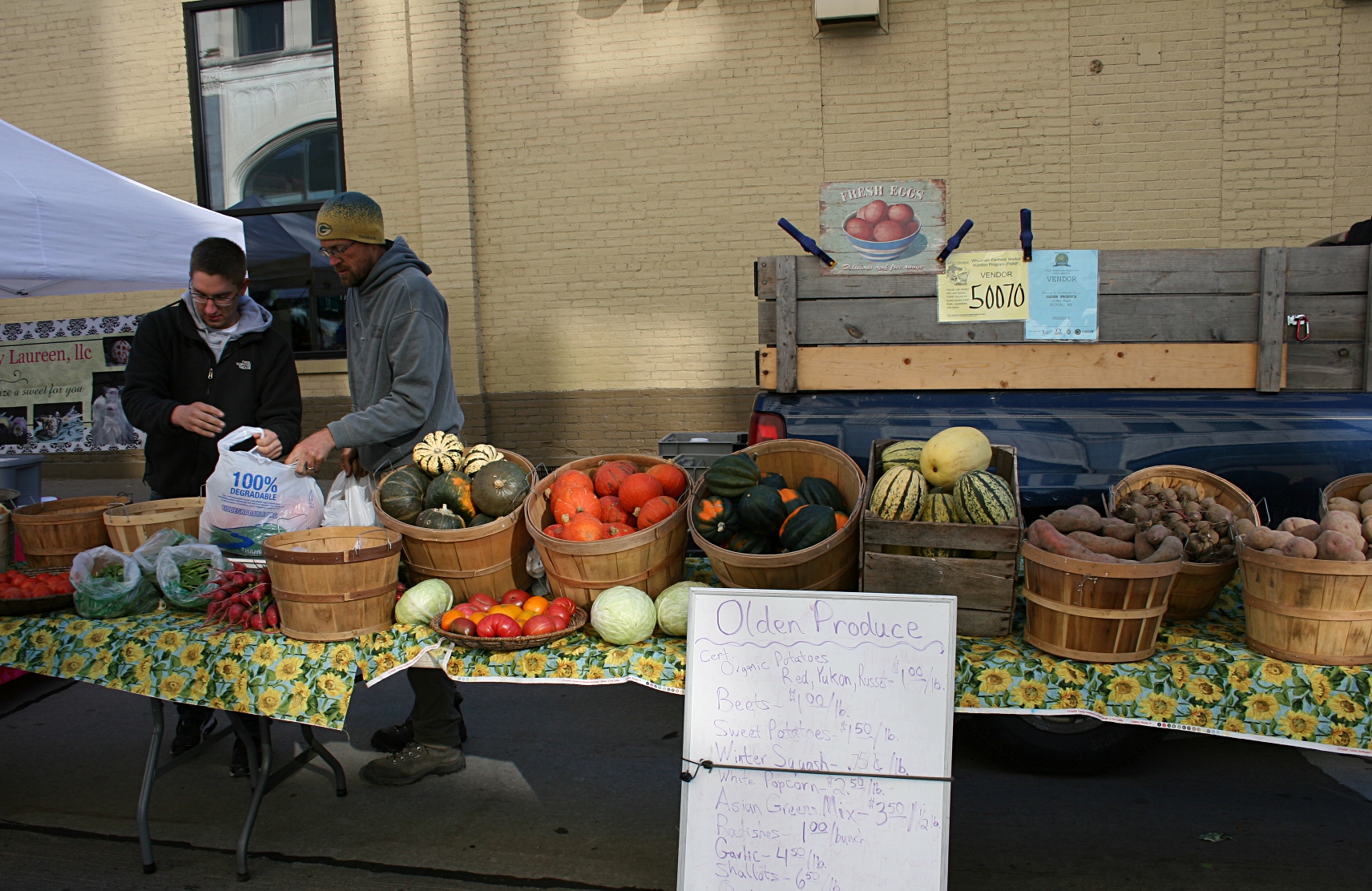
Just one of the many, many vendors offering garden fresh produce.

Several crafty types sold mittens which proved popular with shoppers on the cold, cold morning. At this booth I spotted green and gold Packers mittens and told the vendor I couldn’t buy them because I was from Minnesota. Not missing a beat, and with a huge smile spreading across her face, she reached under her table, whipped out a pair of purple mittens and told me she’d just made them the previous evening.  You should have seen the surprised look on my face.

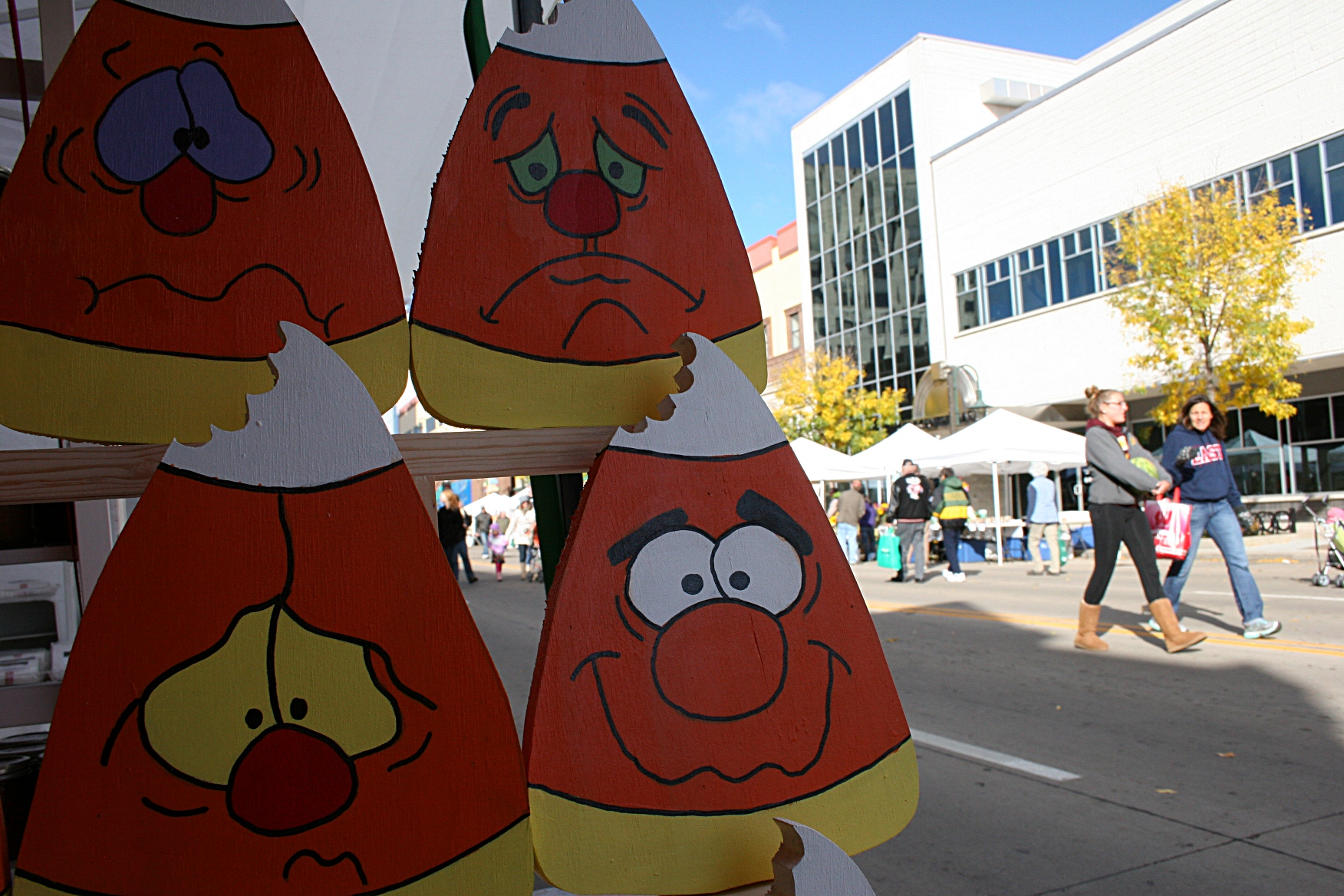
A father and son were selling these humorous candy corn faces they sawed from wood and painted.

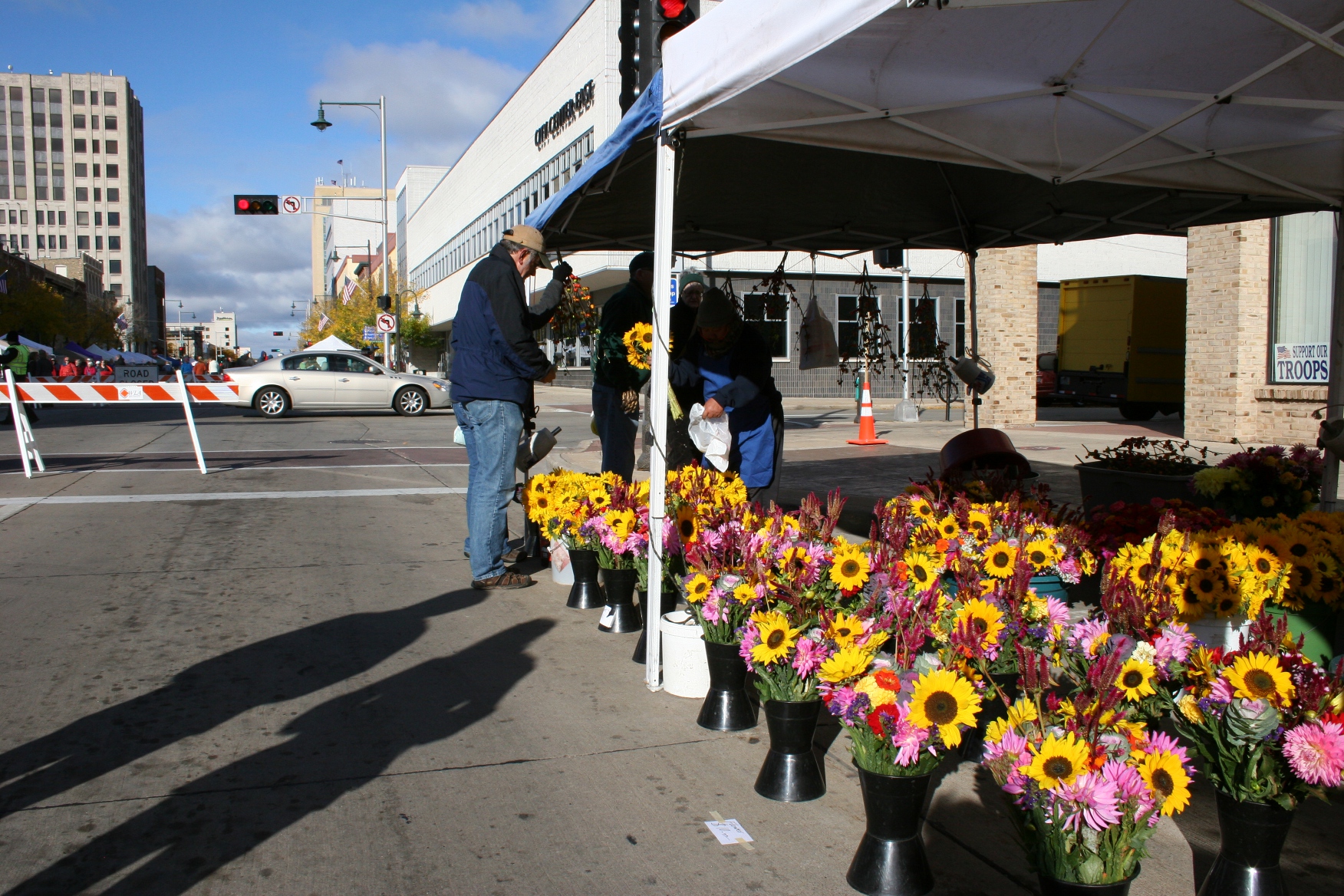
Beautiful floral bouquets and only $10. Should have bought some for my daughter.

And just because I love flowers so much, here’s a close-up shot.

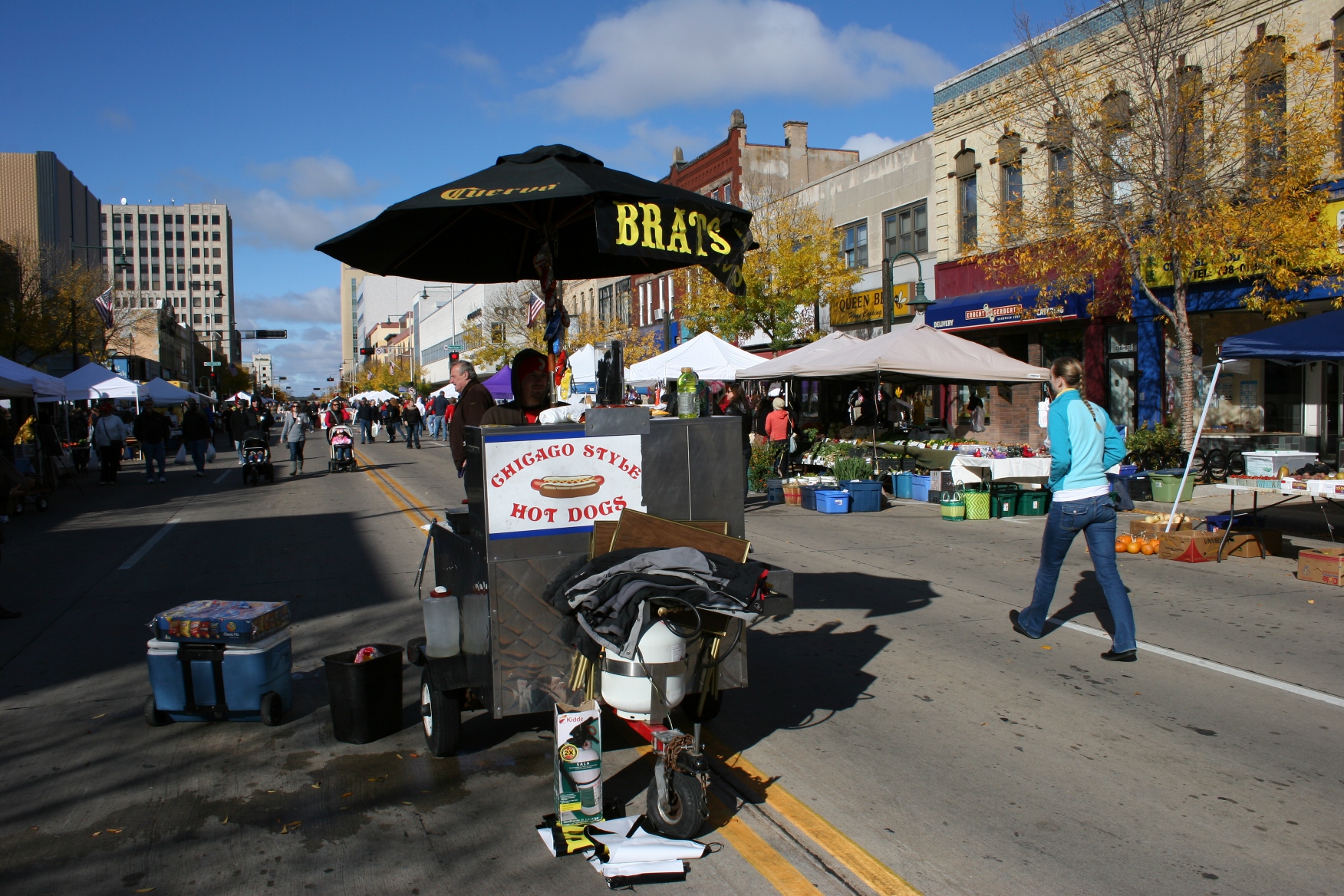
Every Wisconsin event needs brats, right?

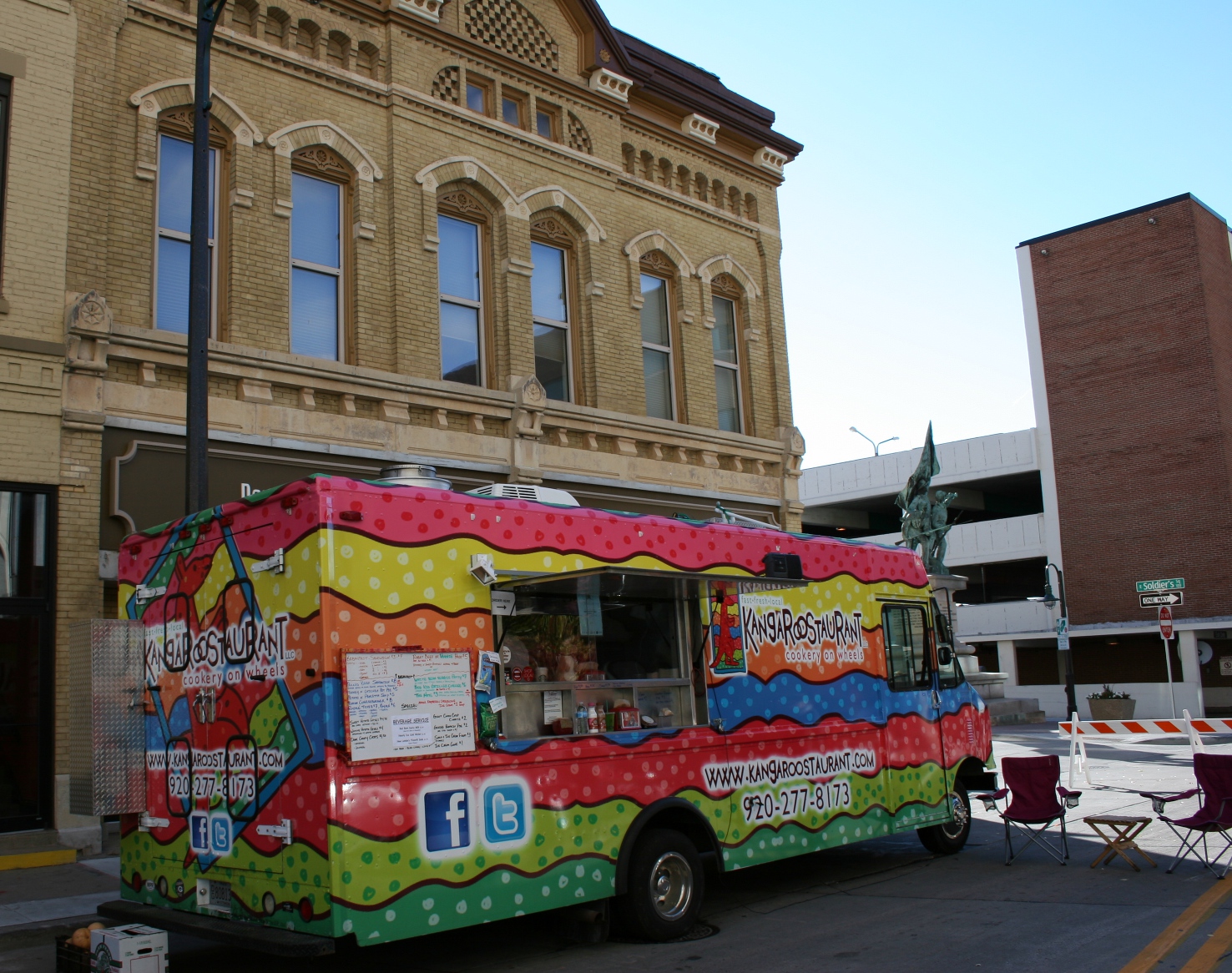
I spotted this food truck on a side street just off College Avenue. I know in other cities, food trucks have become a point of contention for local restaurants during events. I don’t know how the restaurant owners in downtown Appleton feel about the food truck’s presence.

Happy Halloween from the same father-son duo who created the candy corn faces.

DISCLAIMER: I received a gift certificate from Downtown Appleton Inc. last year after posting about a previous visit to this city. That did not affect my decision to write again about Appleton nor the content of this post. And you can expect another story coming soon from Appleton on the Leonardo da Vinci exhibit there.

© Copyright 2012 Audrey Kletscher Helbling


Transforming an historic building into Seven Sisters Coffee, a community gathering spot & more in rural Minnesota October 23, 2012

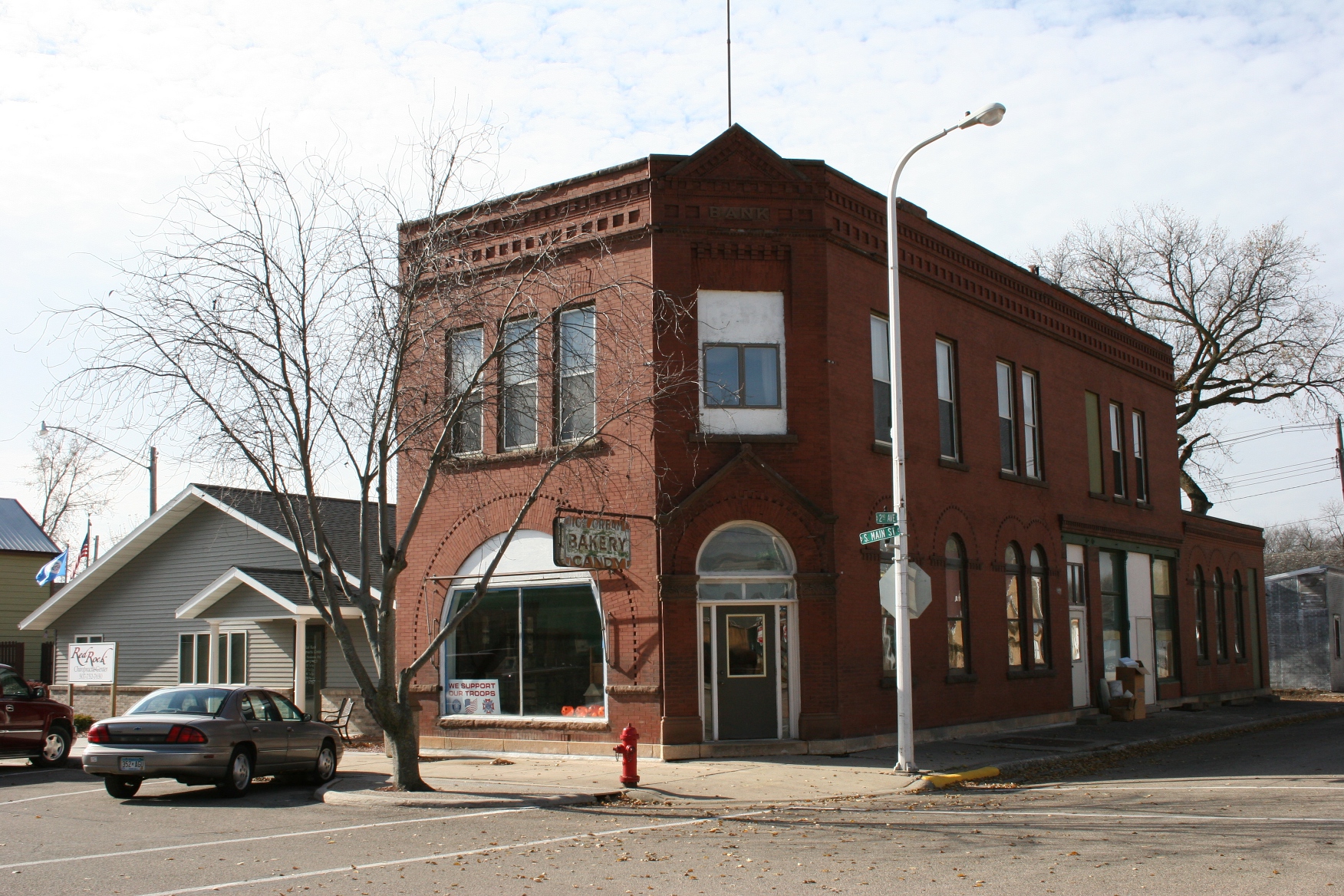
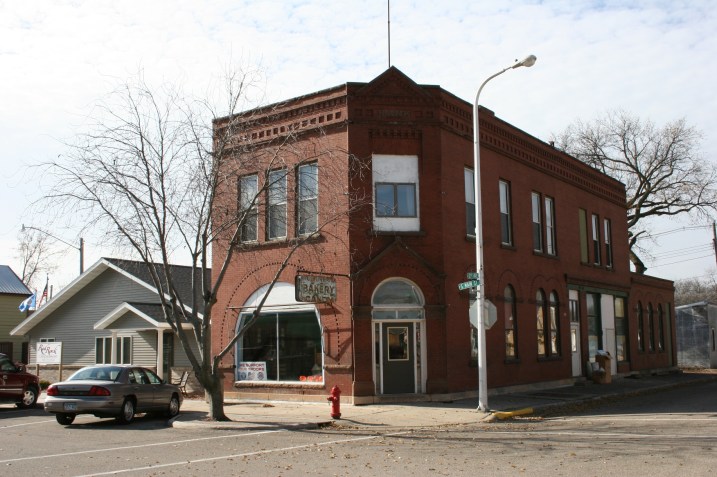
This 1892 former bank building and 95-year bakery anchoring a corner of Lamberton’s Main Street is being renovated into Seven Sisters Coffee by a young couple with connections to this area of southwestern Minnesota. After the business opens, the upstairs will be renovated into loft style apartments.

DAVID AND MICHELLE can see beyond the crumbling mortar, the moisture damage, the buckling floor boards, the teal paint.

Just barely into major renovation of an historic 1892 bank building and former long-time bakery in downtown Lamberton, this couple is thoughtfully and methodically working toward their summer 2013 goal of opening Seven Sisters Coffee.
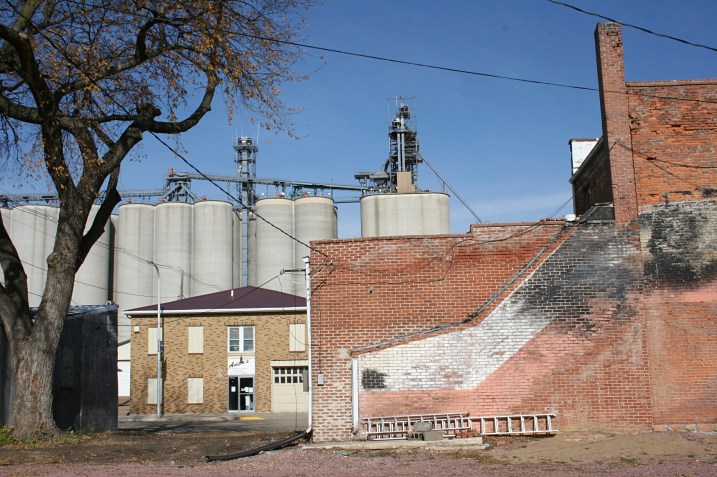
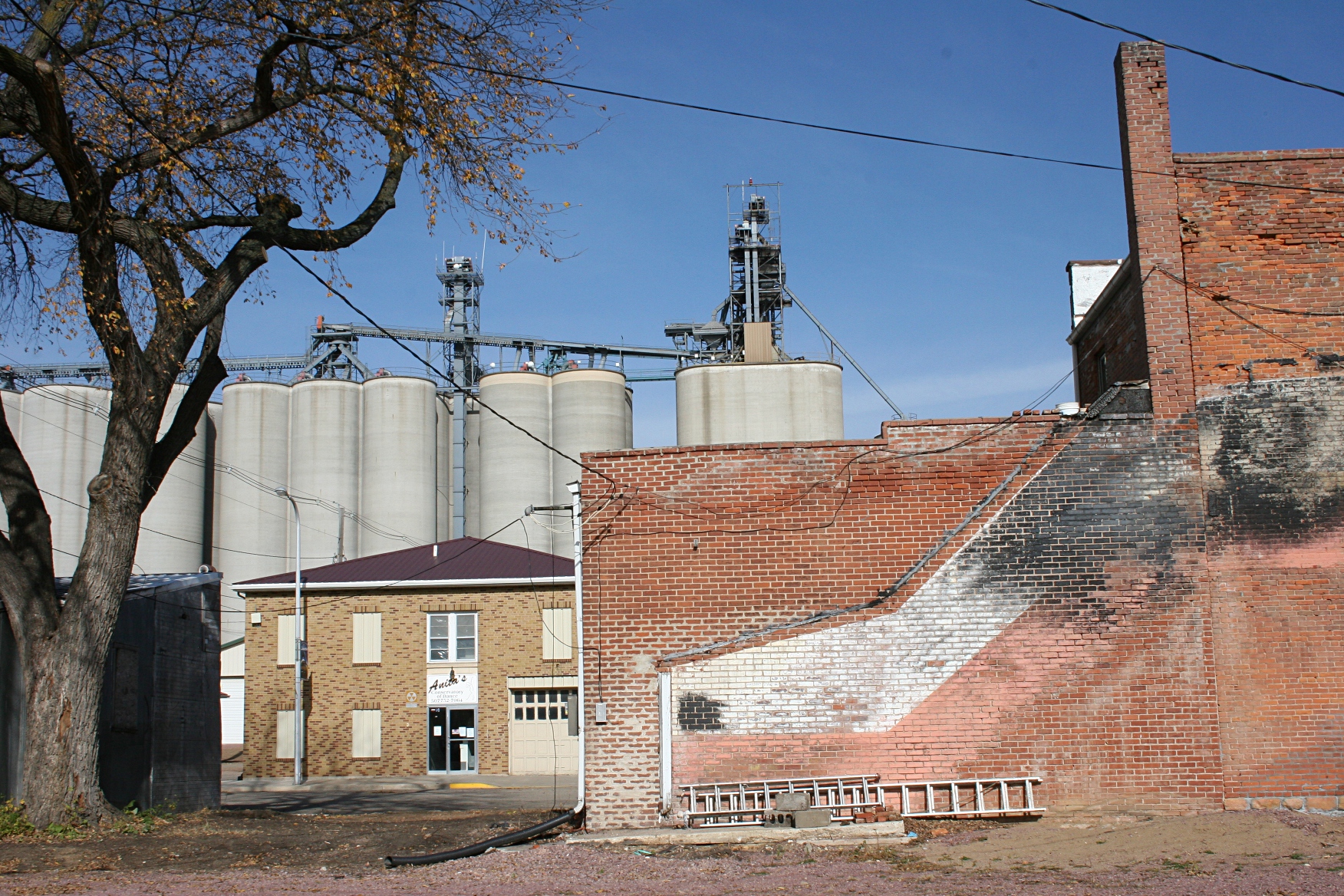
This shows the side and back view of the building, with the rear part added on to the original. Soot from a 2005 fire, which destroyed Plum Creek Crafts next door, mars the brick. Behind the building, a tree was removed and plans are to install a patio area for outdoor dining. They saved a slice of the tree to build a table.

Even the name, Seven Sisters, holds special significance for the pair as Michelle is one of seven sisters and three brothers who grew up in Lamberton, a strong agricultural community of 822 in Redwood County on the southwestern Minnesota prairie. Additionally, Michelle notes that Seven Sisters possesses multiple meanings—in Greek mythology, astronomy and even as a mountain range.

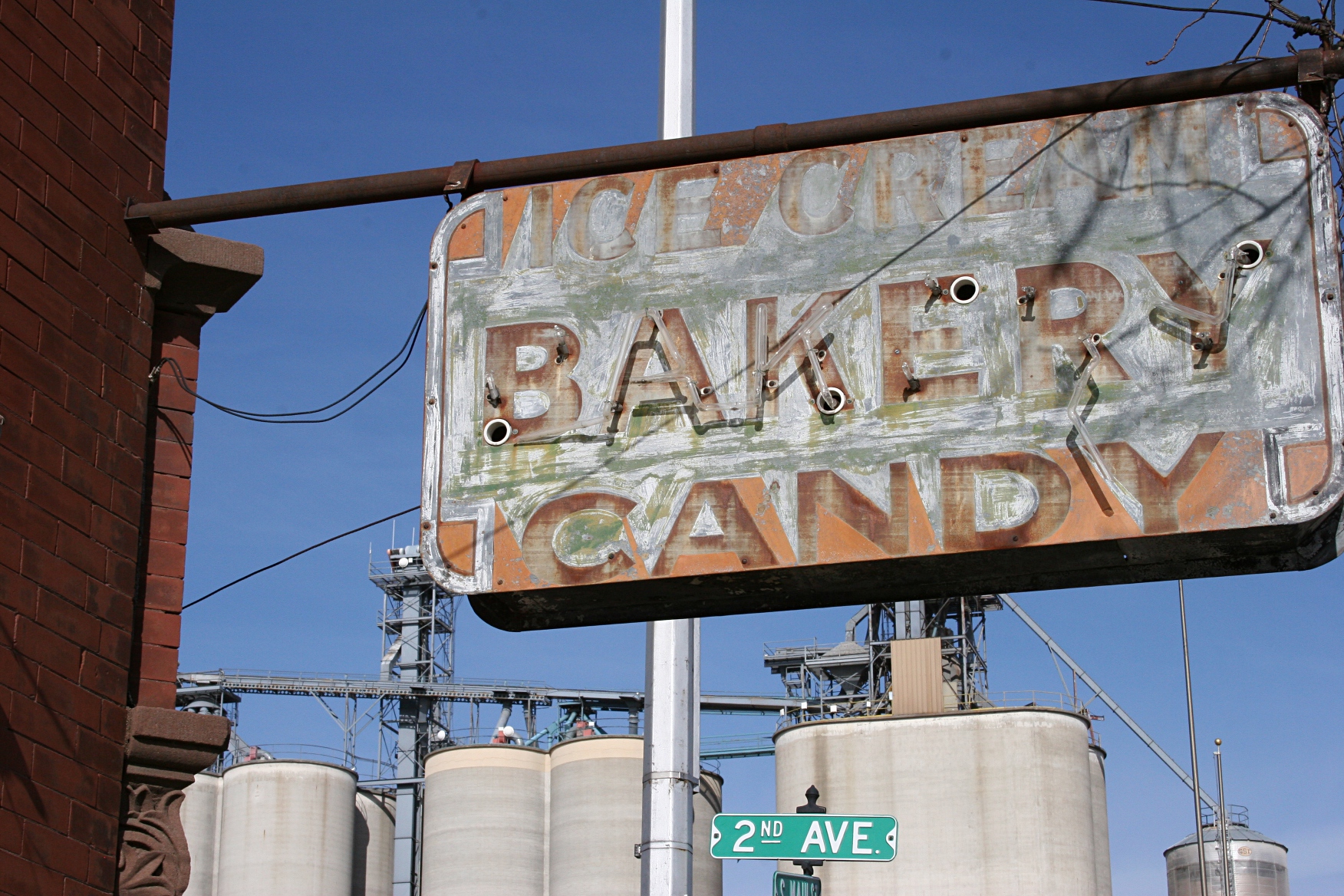
The old sign for the former Sanger’s Bakery still graces the building.

The couple may, perhaps, feel at times as if they are scaling a mountain to reach their goal of establishing a combination cafe, coffee shop and entertainment venue in the 1,900 square foot first floor of the 8,000 square foot brick building. But they are purposeful and focused and driven every week to travel 2 ½ hours from their home to proceed with their project on the prairie.
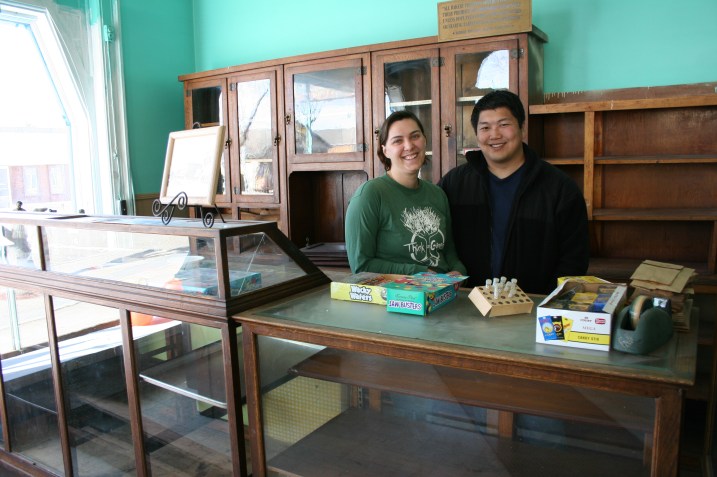
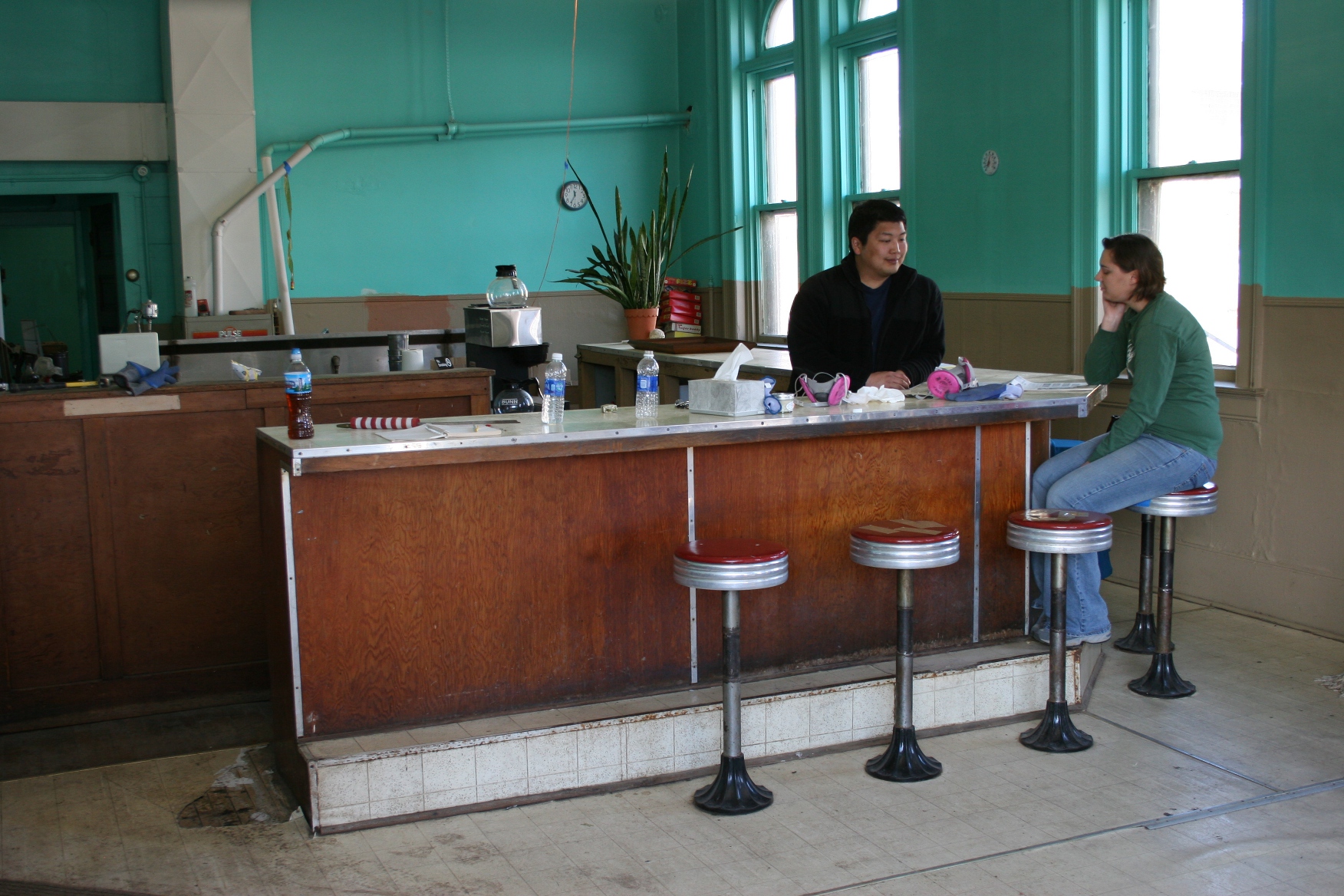
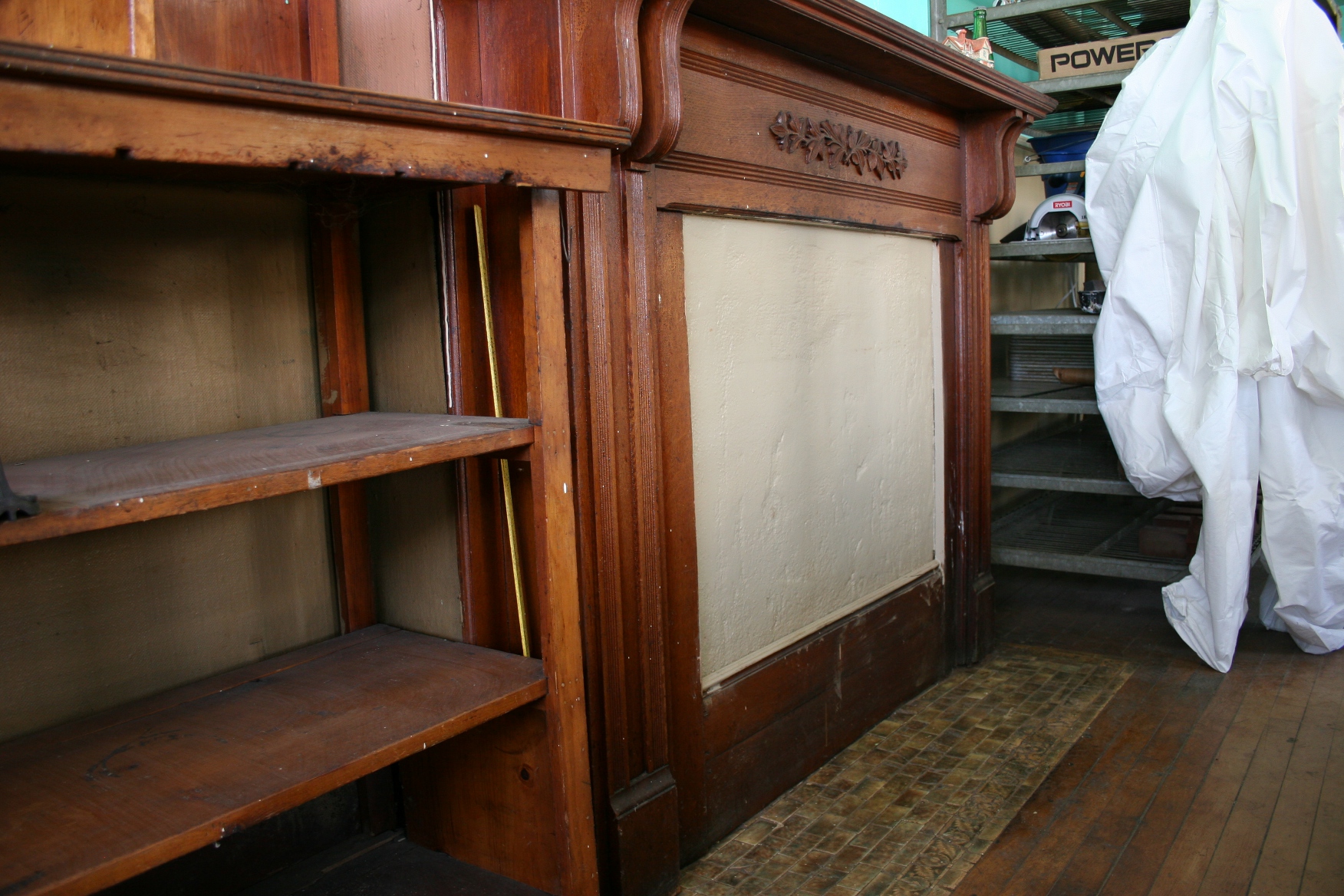
Michelle and David  are keeping the original candy and bakery goods counters and the vintage cabinet, photographed here in the front part of the building. This area of the former bank and bakery will house the cafe and soda fountain. The couple discovered a dumb waiter hidden in the area behind them in the corner.

David envisions Seven Sisters as “an artistic haven as well as a community space.” He expects “townies,” he says, to frequent the front Main Street side of the building, the bright and cheery cafe section offering a full breakfast and lunch menu and ice cream treats from a soda fountain.
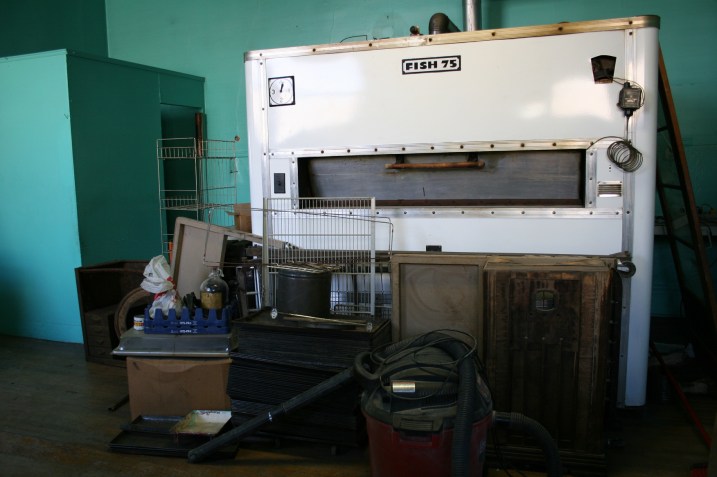
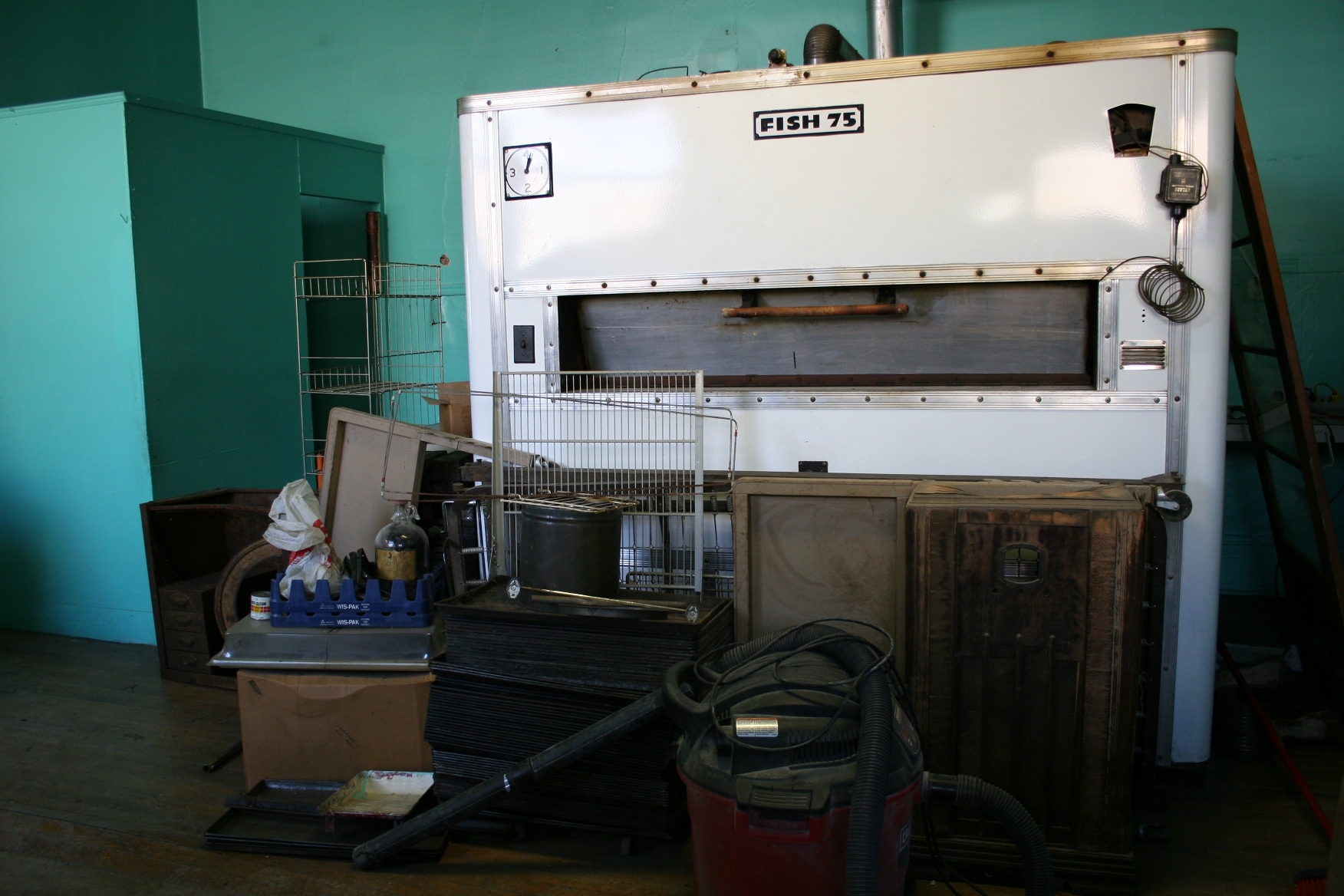
Fifty loaves of bread could be baked in this 1960s vintage two-ton rotary oven. It occupies much of the space in the middle room which will become a cozy coffee shop. This room and the front former bakery/soda fountain area were painted teal after Bob’s niece first chose that hue for the bathroom. Bob loved the color so much that he painted the rest of the place teal. The color has been on the walls for 50 years. No, they are not keeping the teal color.
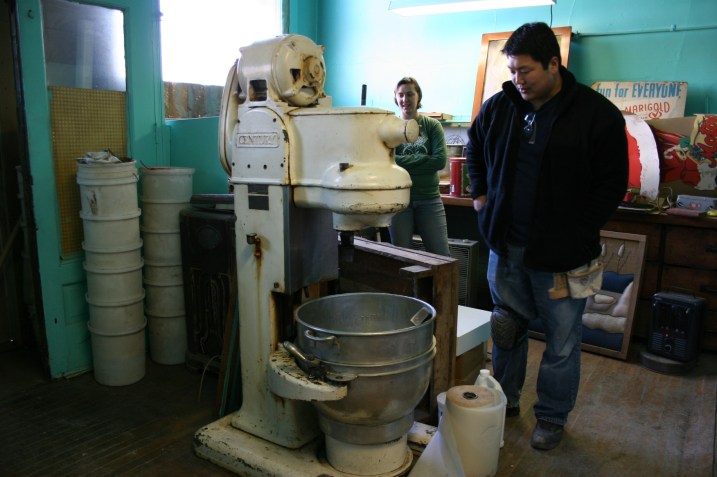
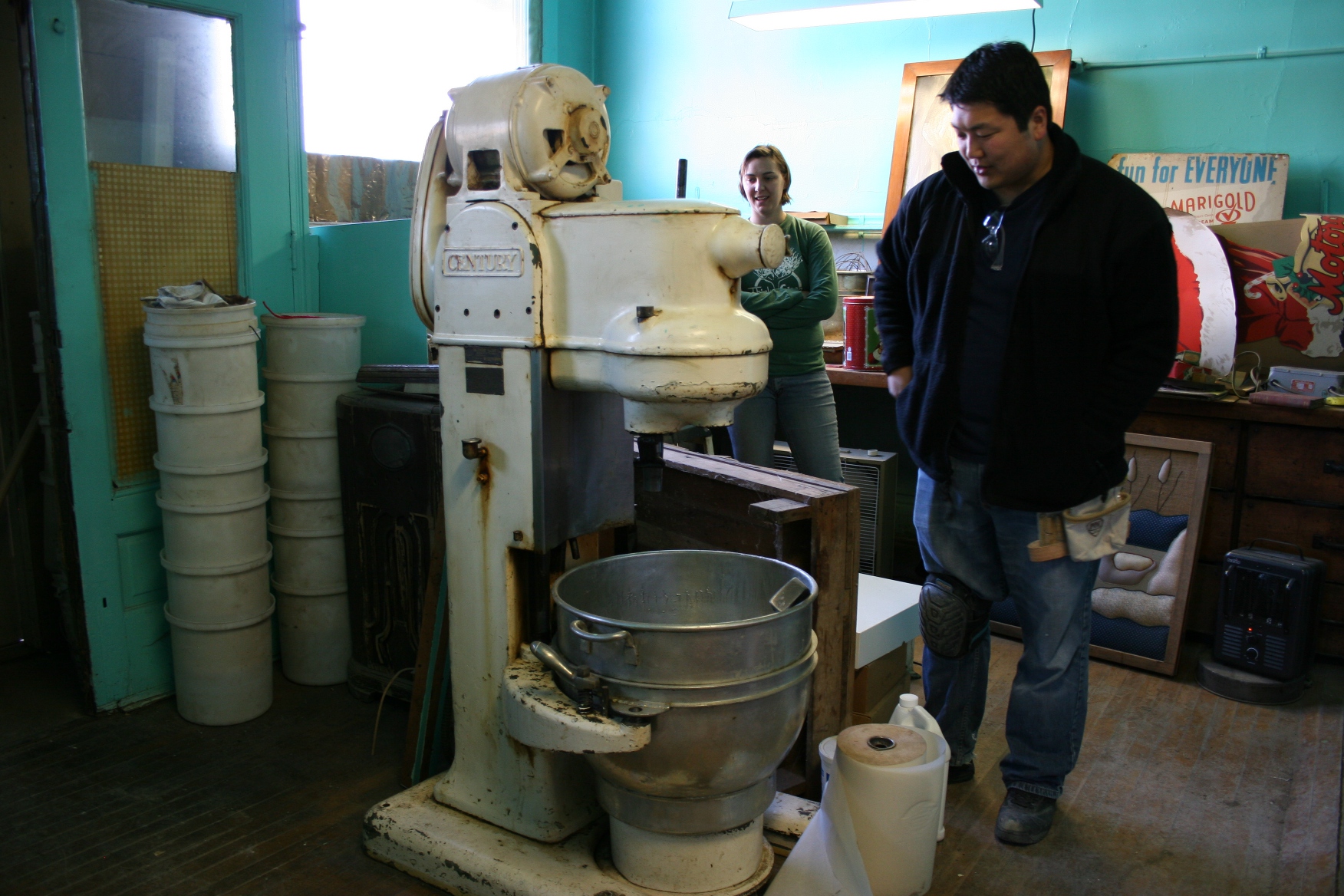
An oversized mixer also occupies space in the middle room.

The smaller middle section, once a post office entry, baking area and even home to the Sanger family, will be transformed into a warm and intimate coffee shop.
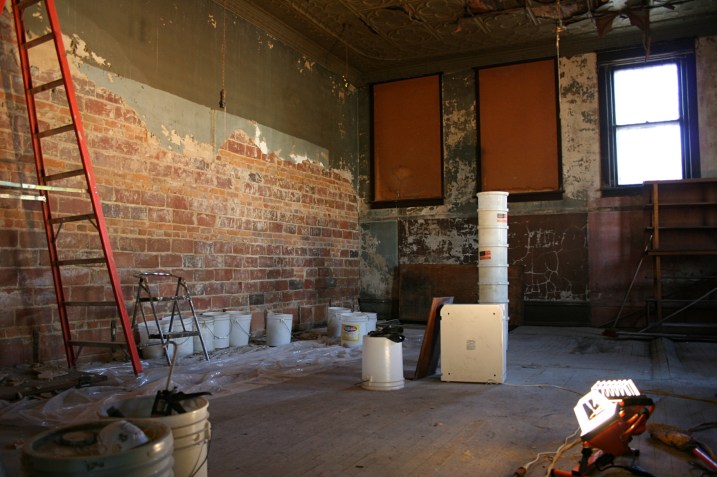
The back room, with focal point brick walls, will become an entertainment venue and artists’ haven.

And in the rear area of exposed brick walls, David expects artists and others to hang out in a more energetic and modern New York loft style space devoted to music and art and private event rental.

Tour this building, inside and out, with David and Michelle and you can see the overwhelming amount of work, inside and out, that needs to be done before Seven Sisters becomes a reality in a community already embracing the business venture.

Locals as well as those living in neighboring towns such as Revere, Jeffers and Tracy and even farther away in the regional hub city of Marshall are ecstatic about Seven Sisters, David says.

Original coffee cups and Bob Sanger’s special cup are stacked under the lunch counter.
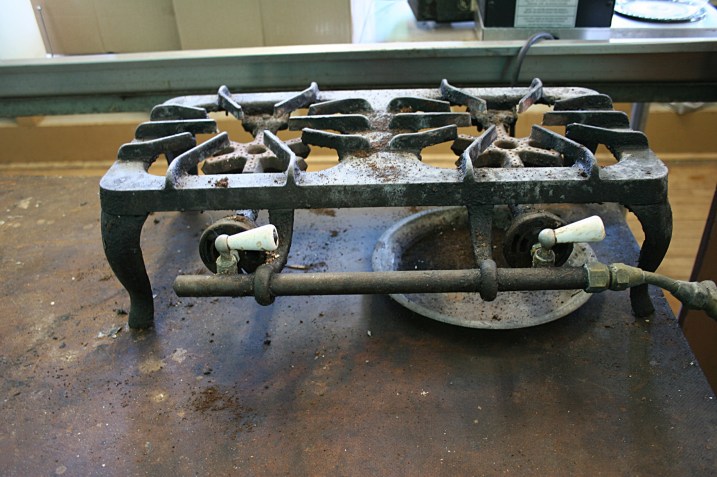
The older gas burners Bob Sanger apparently used to make coffee, etc.

When locals George and Vern, for example, stop by to check on the renovation, David invites them inside for coffee. The two were coffee klatsch buddies of Bob Sanger, long-time bakery owner who died in March. Sanger purchased the bakery from his father, Nick, in 1961. Between Bob, Nick and previous owner, Martin Kuhar, the building has housed a bakery in the First National Bank building for 95 years.
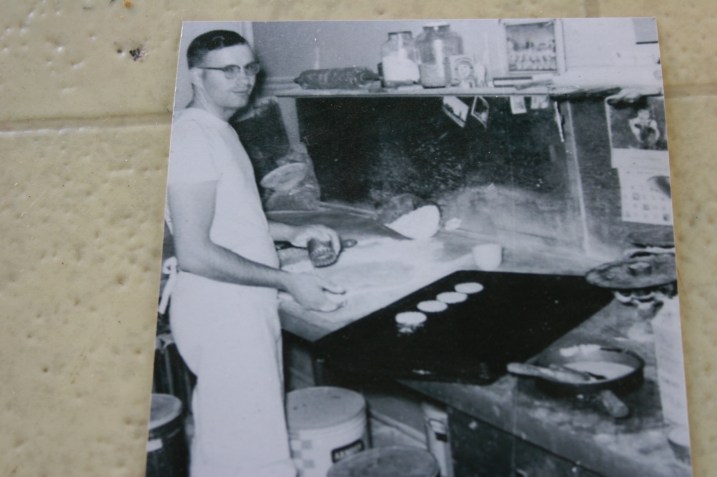
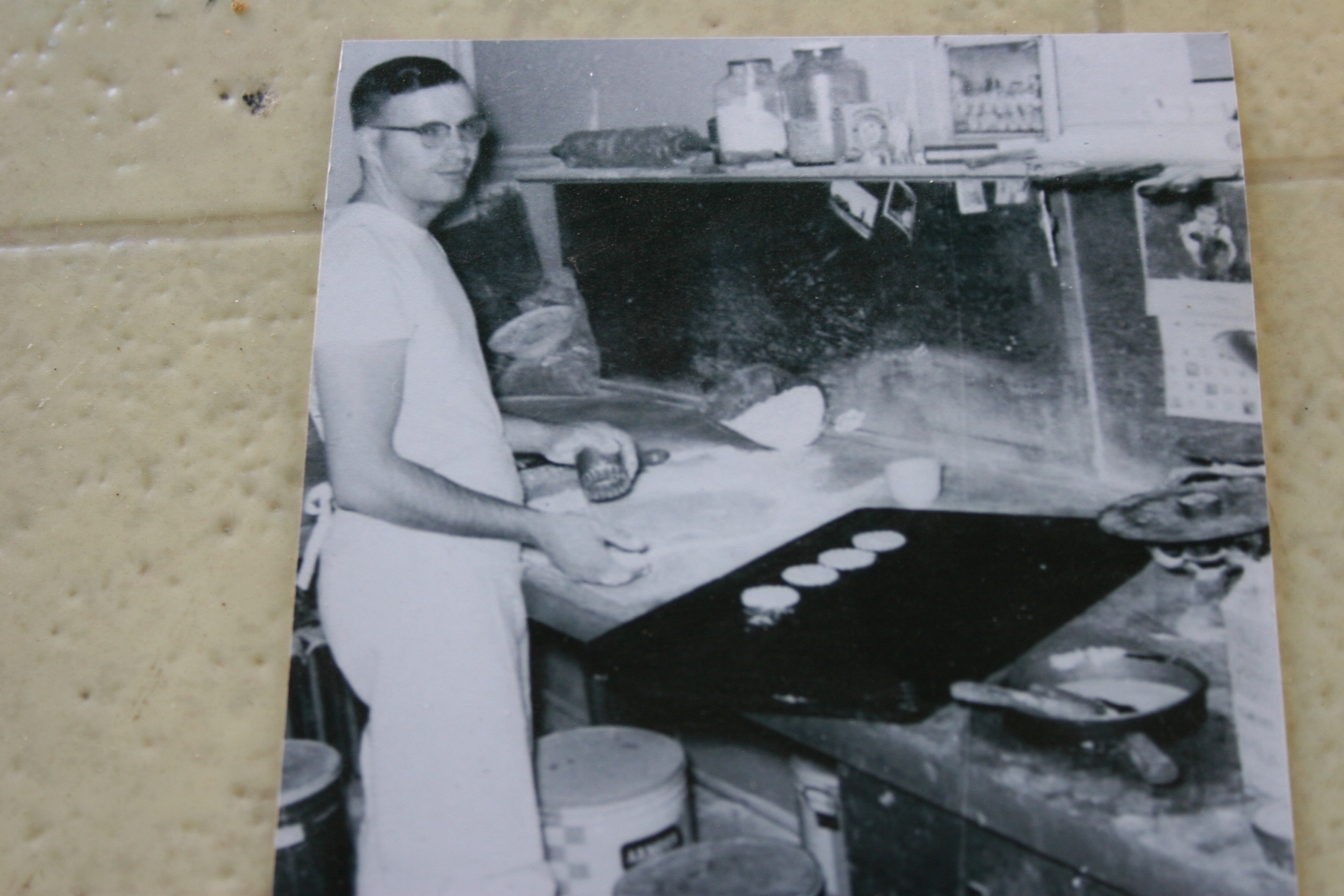
A vintage photo of bakery owner Bob Sanger who died in March at the age of 80.
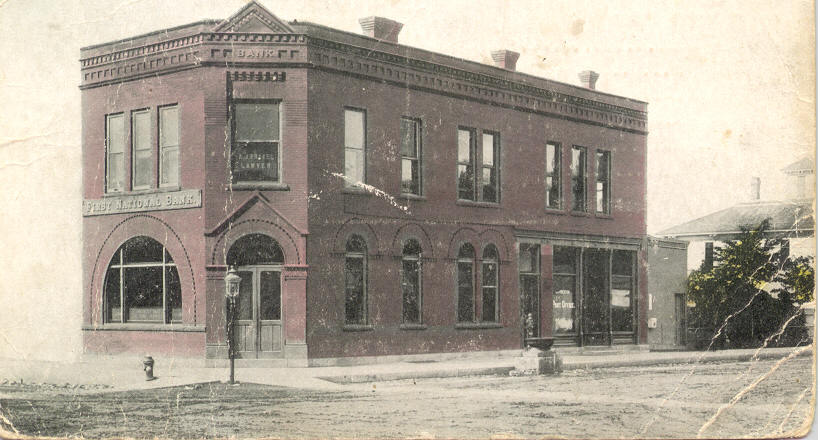
A vintage photo of the First National Bank.

Says David of his and Michelle’s decision to purchase the former bakery after Bob Sanger’s death:

The building is positively gorgeous and has a fascinating history. We had admired it for some time. The quality of the construction is superior to similar buildings of that era. We’ve always talked about opening our own business and the location and timing were right.

Our review of the local economy and the needs of the surrounding area indicates a very strong potential for growth and a serious need for a business of this kind. By offering excellence in service in three different approaches (cafe, coffee shop, event space) we will offset some of the inherent risk of this type of business. In short, it was a perfect confluence of events. We got lucky.

The pair is determined also to buy local as much as possible. Dry goods will come from Griffith’s Grocery across the street. They plan to work with Brau Brothers Brewing and Fieldstone Vineyards, located in the region. They’ll grow their own herbs.

It is clear in talking to David and Michelle that they appreciate the historic gem they’ve purchased.
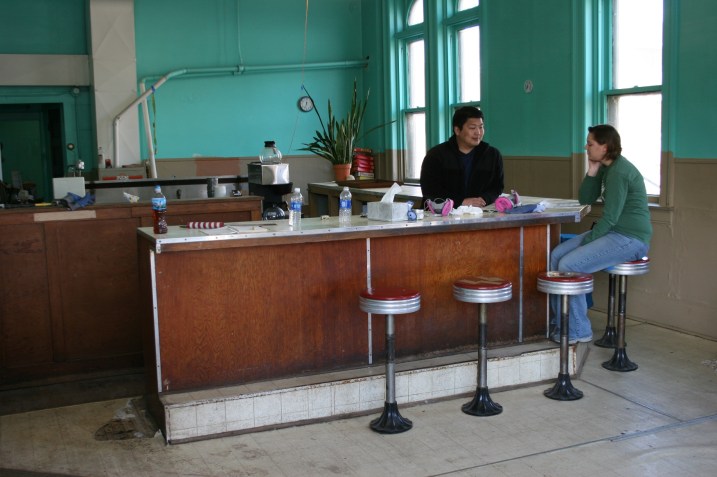
A section of this original lunch counter built by Bob Sanger will be refurbished and topped with granite.

They’re attempting, they say, to retain as much of the natural charm as possible. For example, they plan to refurbish the soda fountain built by Bob; relocate an original bank fireplace facade and tile into the coffee shop and install an electric fireplace; refinish the wood floors; keep the tin ceiling; reuse the candy and bakery counters; restore an old player piano; and more.
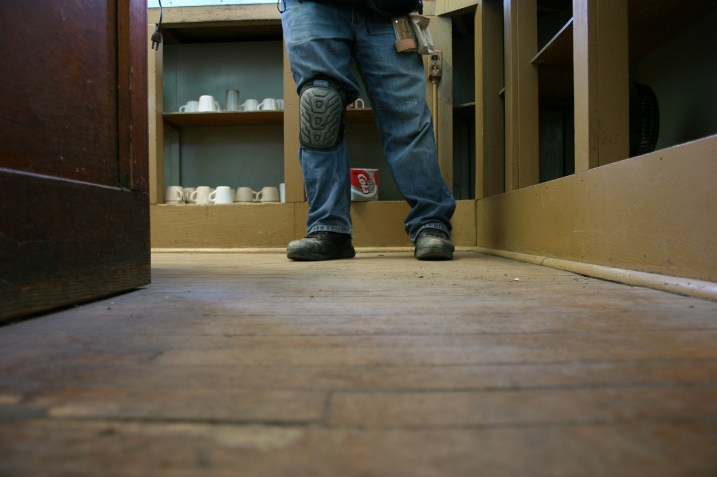
Wooden floors, like this behind the lunch counter, run throughout the building. In one section, however, where the bank vault once stood, the floor is made of pipestone granite.
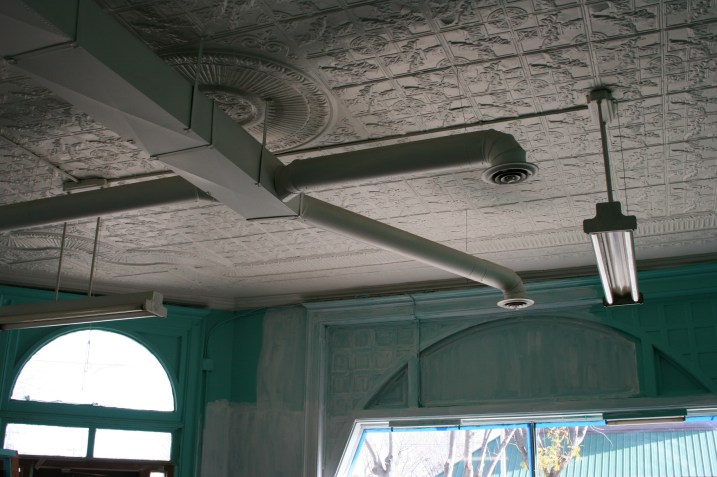
This shows a section of the original tin ceiling in the front part of the building. Ceilings are a lofty 12 and one-half feet high.
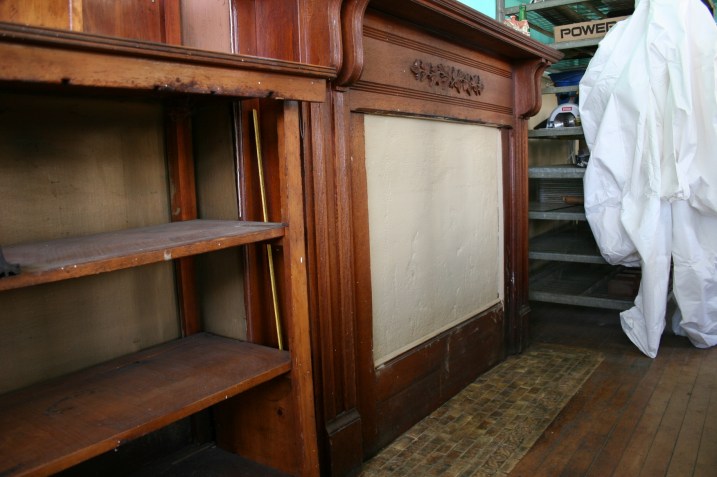
Plans are to move the facade and tile from the this original First National Bank fireplace into the coffee shop, which David will manage. 

The couple is also uncovering and sifting through collectible treasures like WW I and WW II artifacts, signage, rocks, and more accumulated by Bob. So much was damaged though, beyond saving, by moisture problems in the building, David says. But they are saving what they can, possibly incorporating some of their treasures into Seven Sisters.
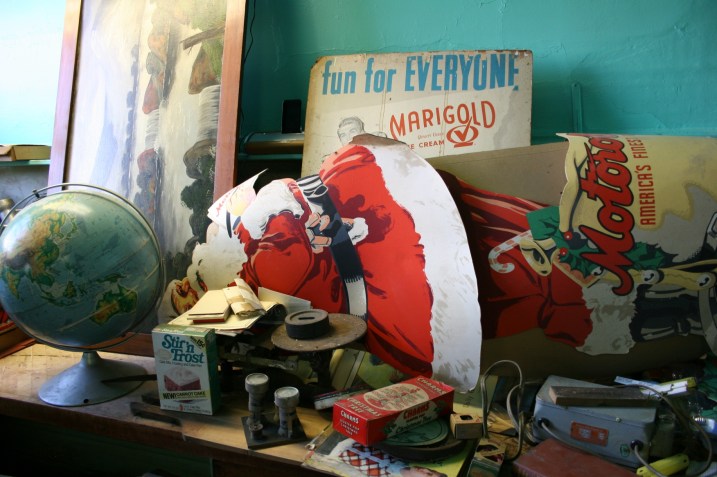
A pile of recently found treasures.
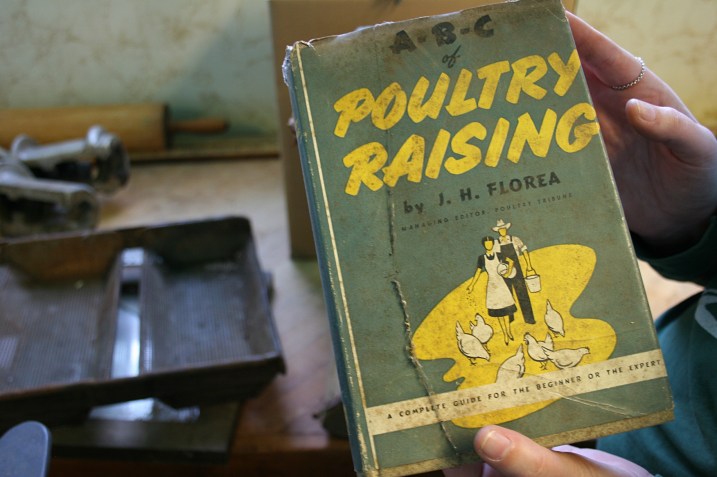
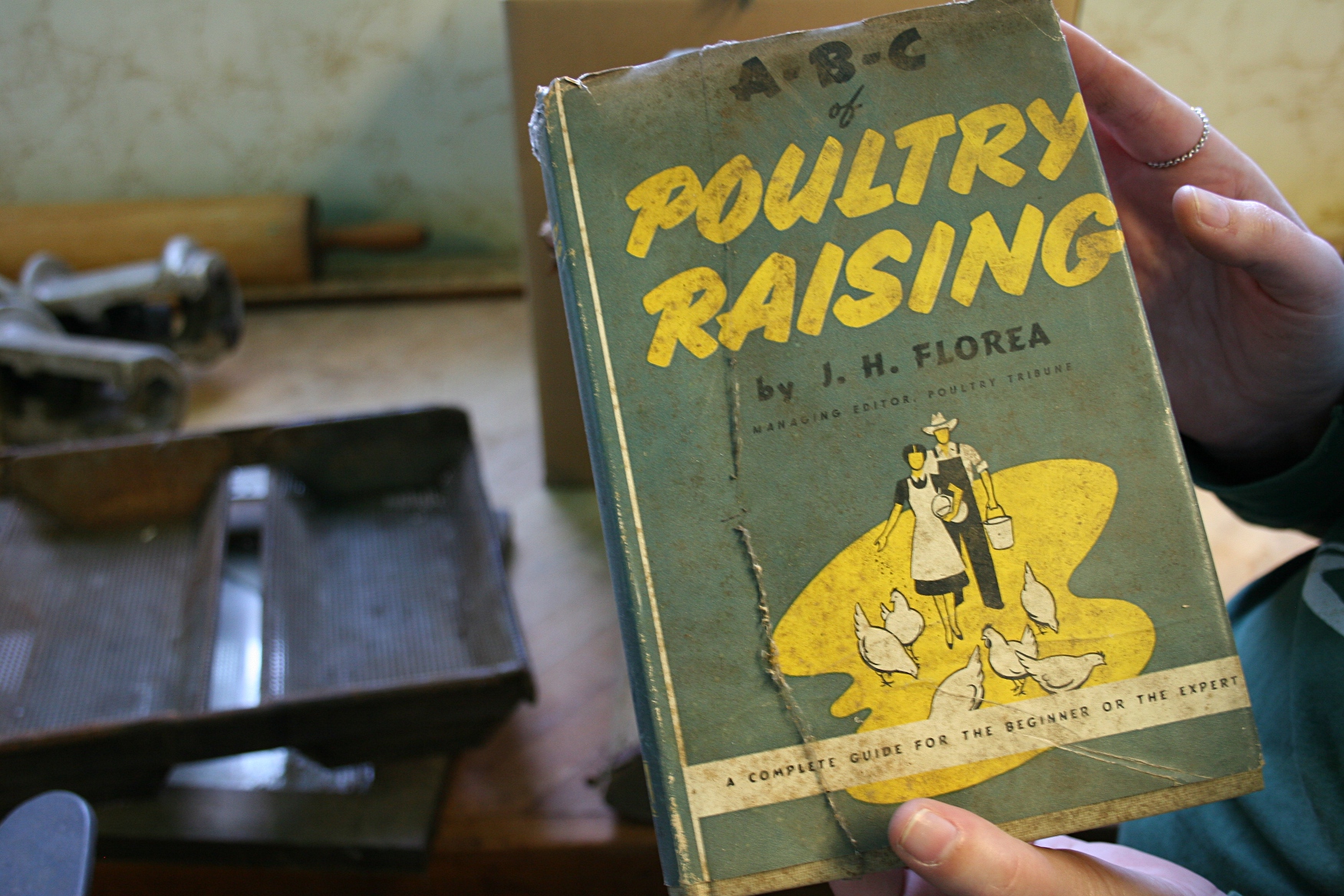
Among the old books uncovered was this one on poultry. Bob Sanger kept a flock of 100 chickens at his house, Michelle says. He used the eggs at his bakery and also sold eggs.
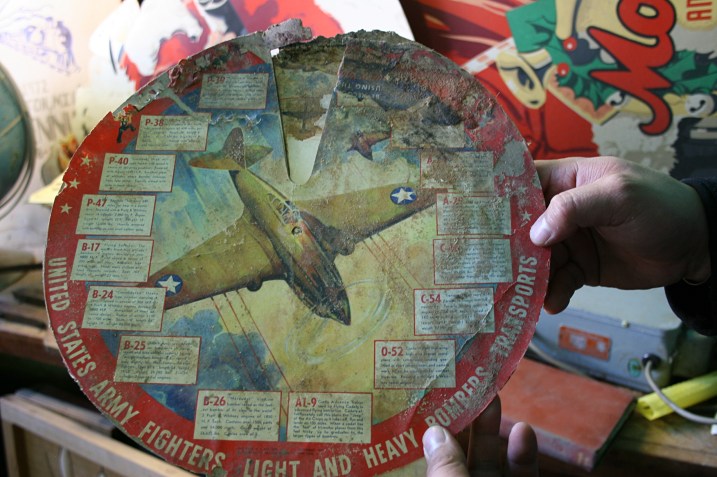
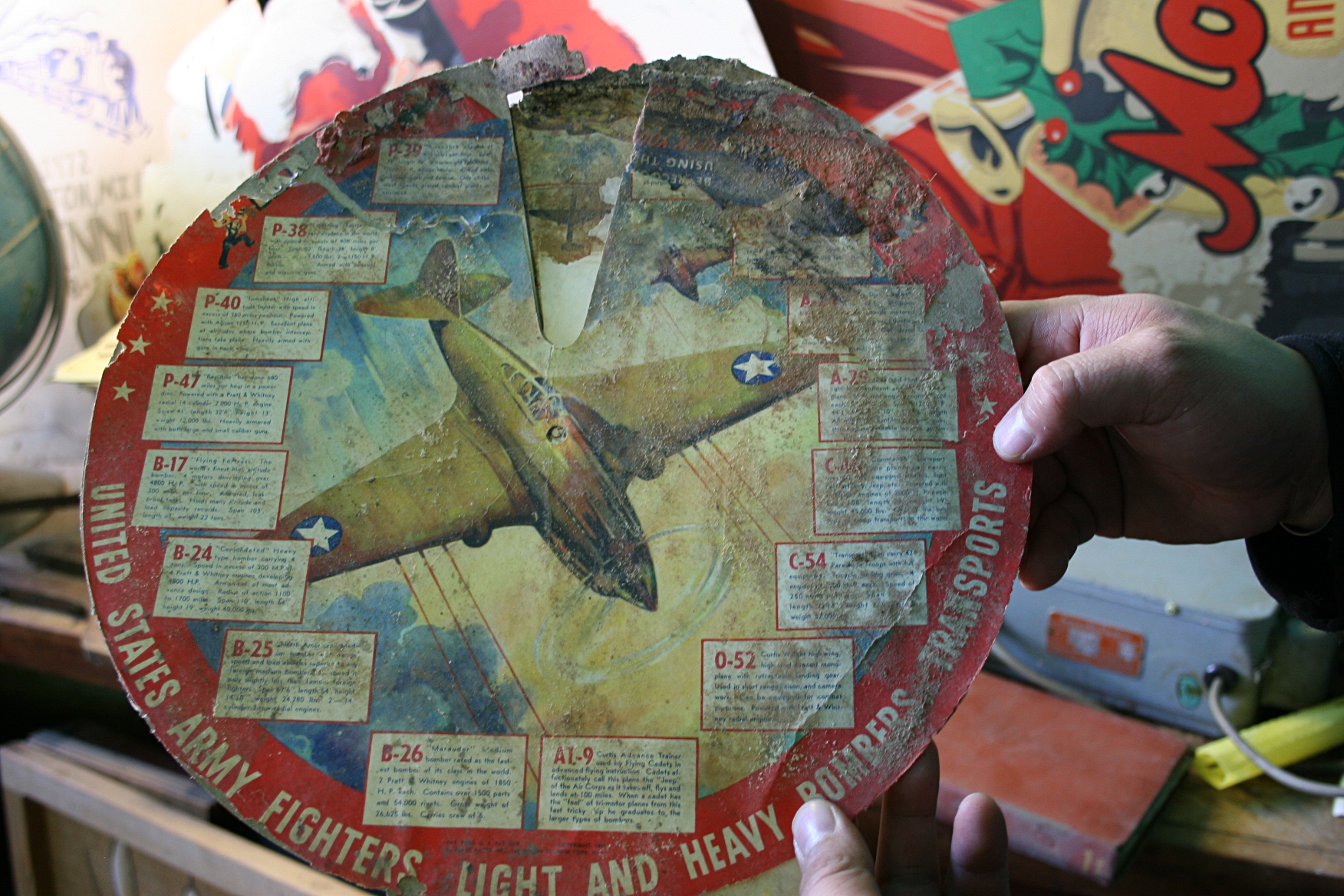
Another find, a vintage bomber transport chart damaged by water, like many of the old items found in the building.

Inedible silver cake decorating balls remain from Bob’s days of baking wedding cakes.
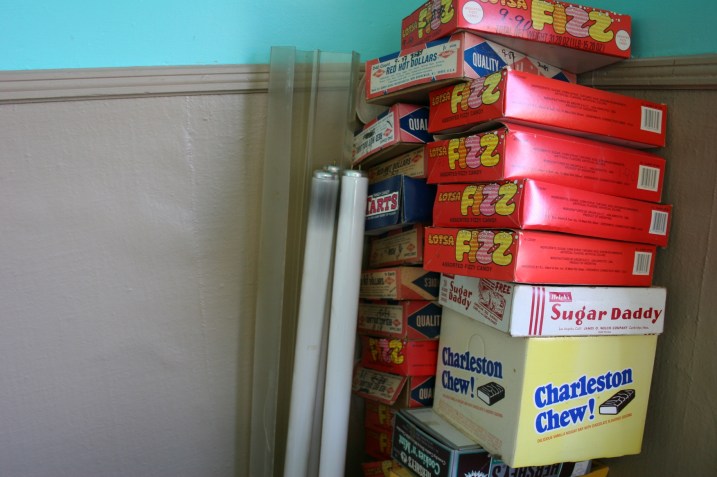
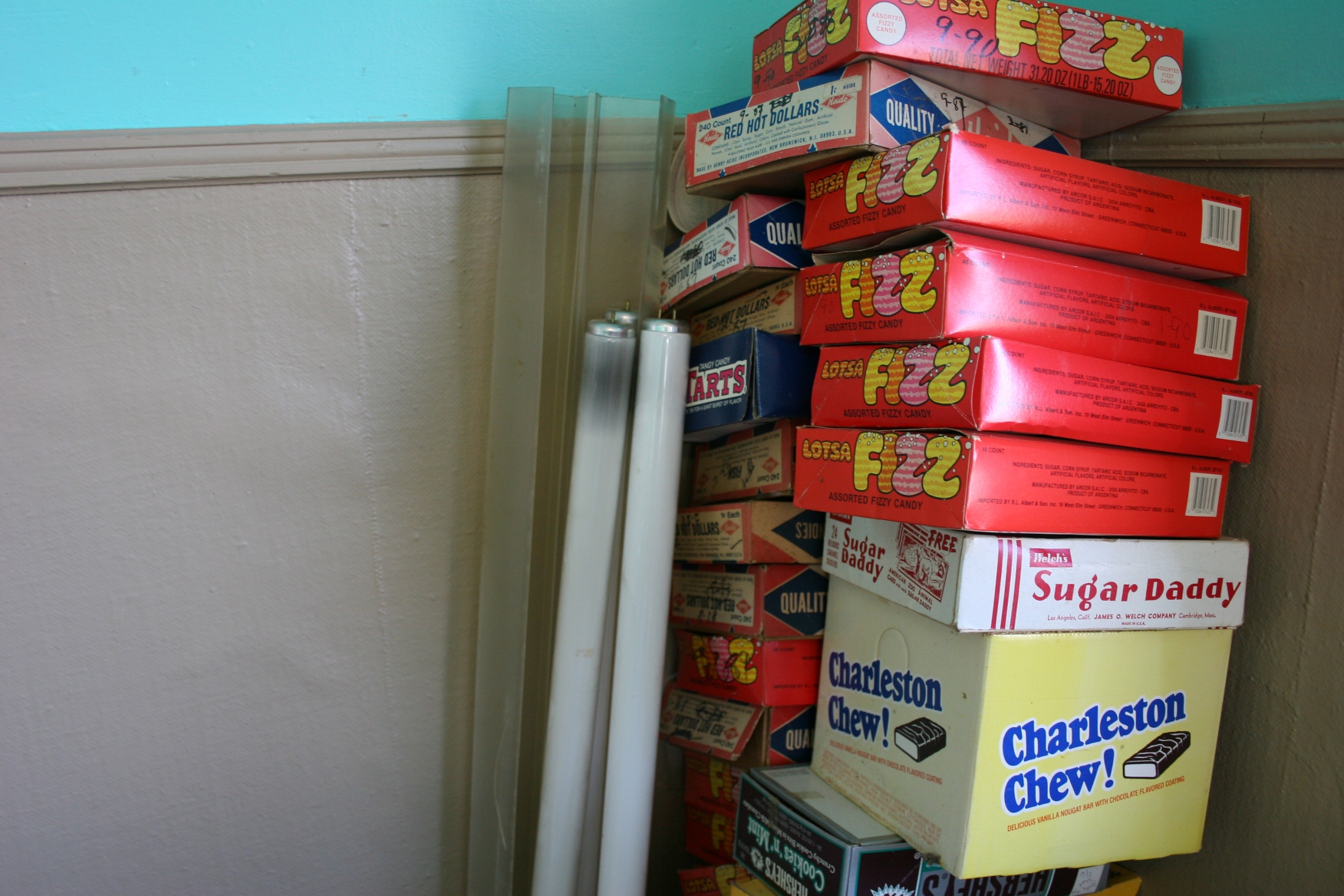
The couple found empty candy boxes (pictured here) and candy still in boxes inside the former bakery.

Michelle has fond memories of coming to Sanger’s for sweet treats. She remembers penny Tootsie Rolls and gumballs and candy cigarettes sold at the candy counter:

Thinking about the hundreds of people who have memories of this building, I really hope we can fill that same role for the next generations.

FYI: Lamberton is located along U.S. Highway 14 about 10 miles east of Walnut Grove, childhood home of Laura Ingalls Wilder, author of the Little House children’s book series. The area is a strong draw for summer tourists interested in Wilder’s books and the Little House on the Prairie television series set in Walnut Grove.

© Copyright 2012 Audrey Kletscher Helbling


Healthy & hearty dining at the retro Highland Cafe in southeastern Minnesota October 22, 2012

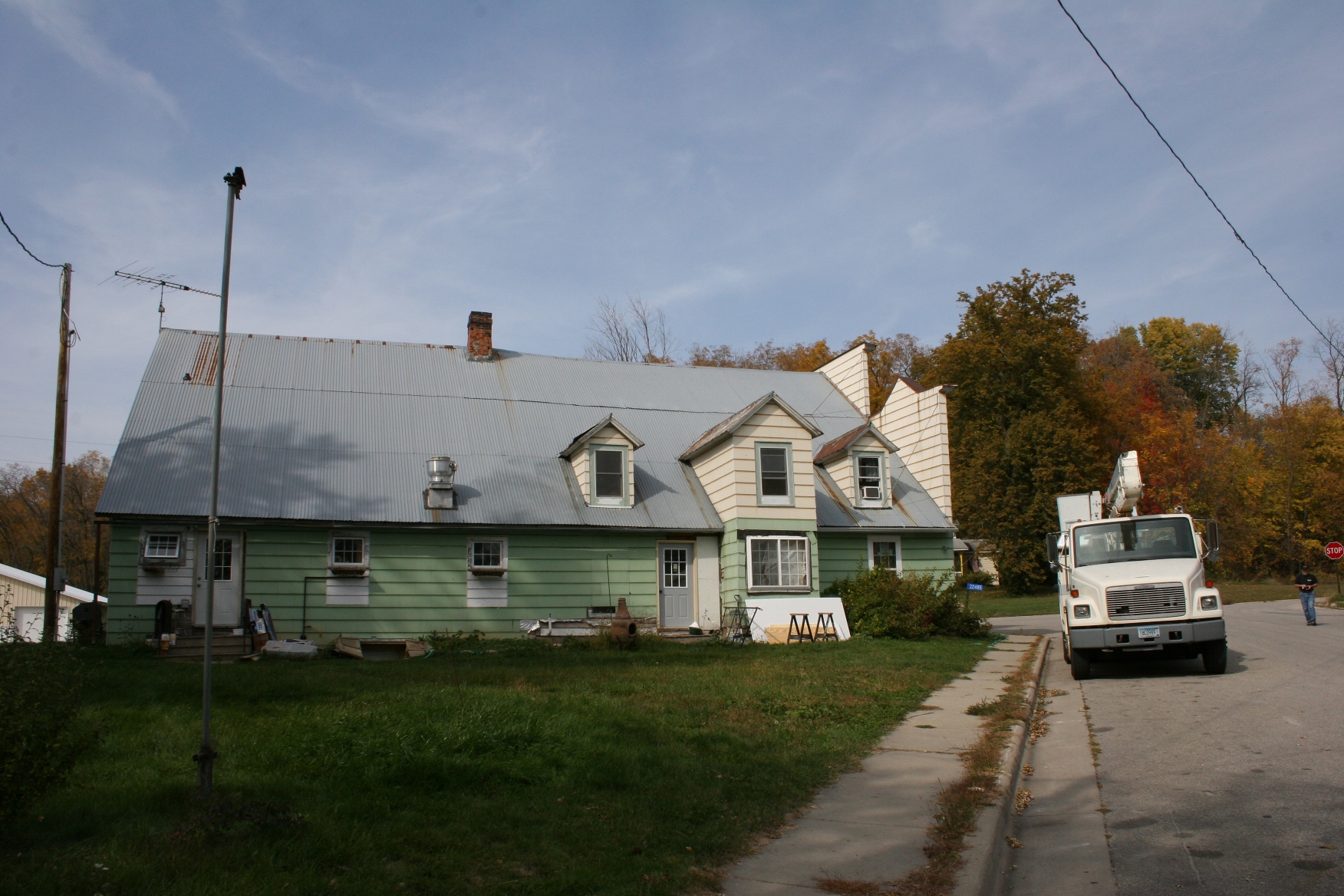
A side view of the Historic Highland Store and Cafe.

FROM THE EXTERIOR, a side view of the Historic Highland Store and Cafe in unincorporated Highland in rural Fillmore County, Minnesota, presents a mishmash of angles, work in progress and a corrugated metal roof that seems more fitting for a machine shed than a restaurant.

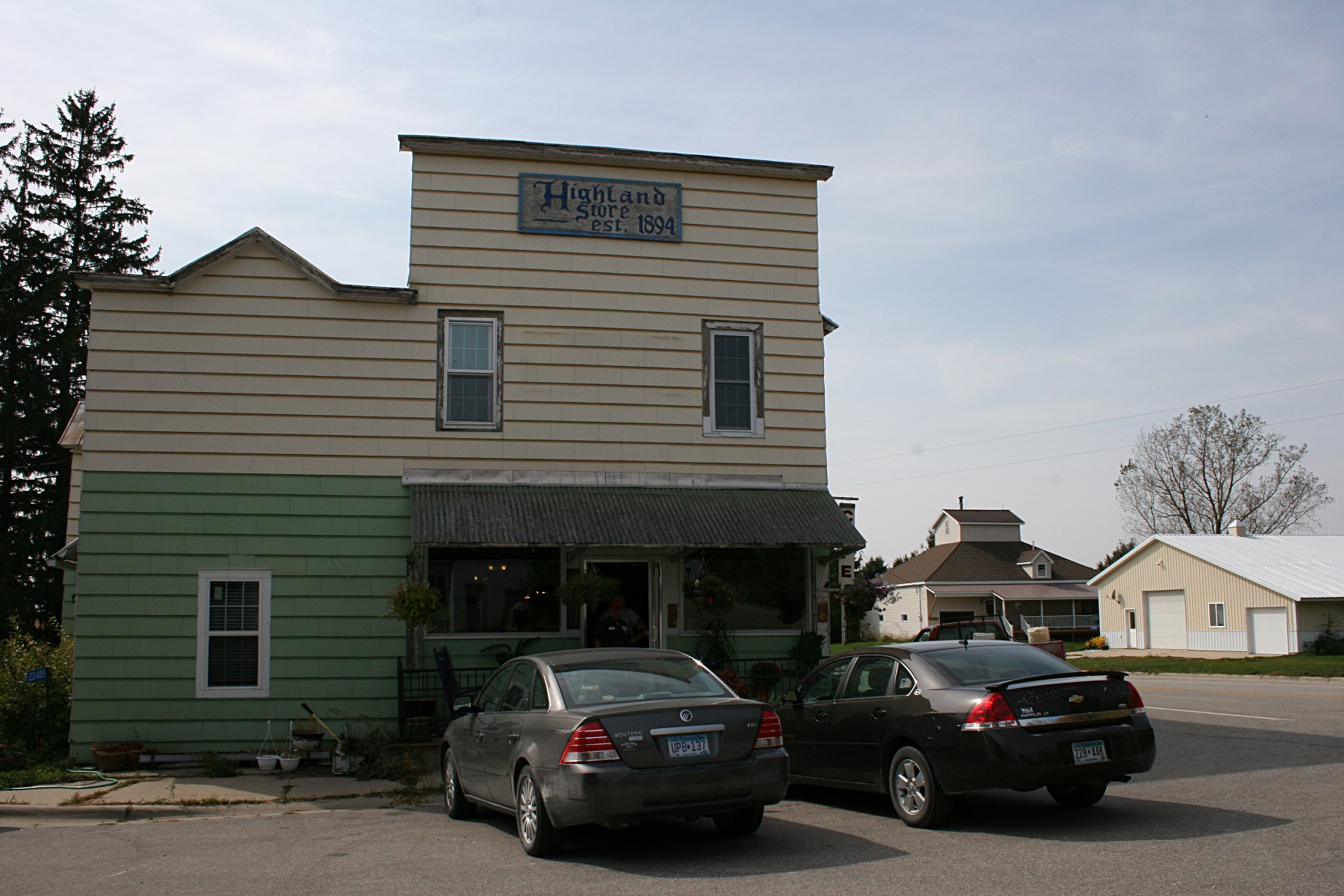
Face on, the front facade is rather plain and unassuming, until you aim your focus upward to the weathered wooden sign: “Highland Store est. 1894.”

The unassuming front of the Highland Cafe.

That single simple sign hints at the treasure you’ll discover once you step inside this combination cafe, mini-store and Seventh Day Adventist mission outreach next to County Road 10.

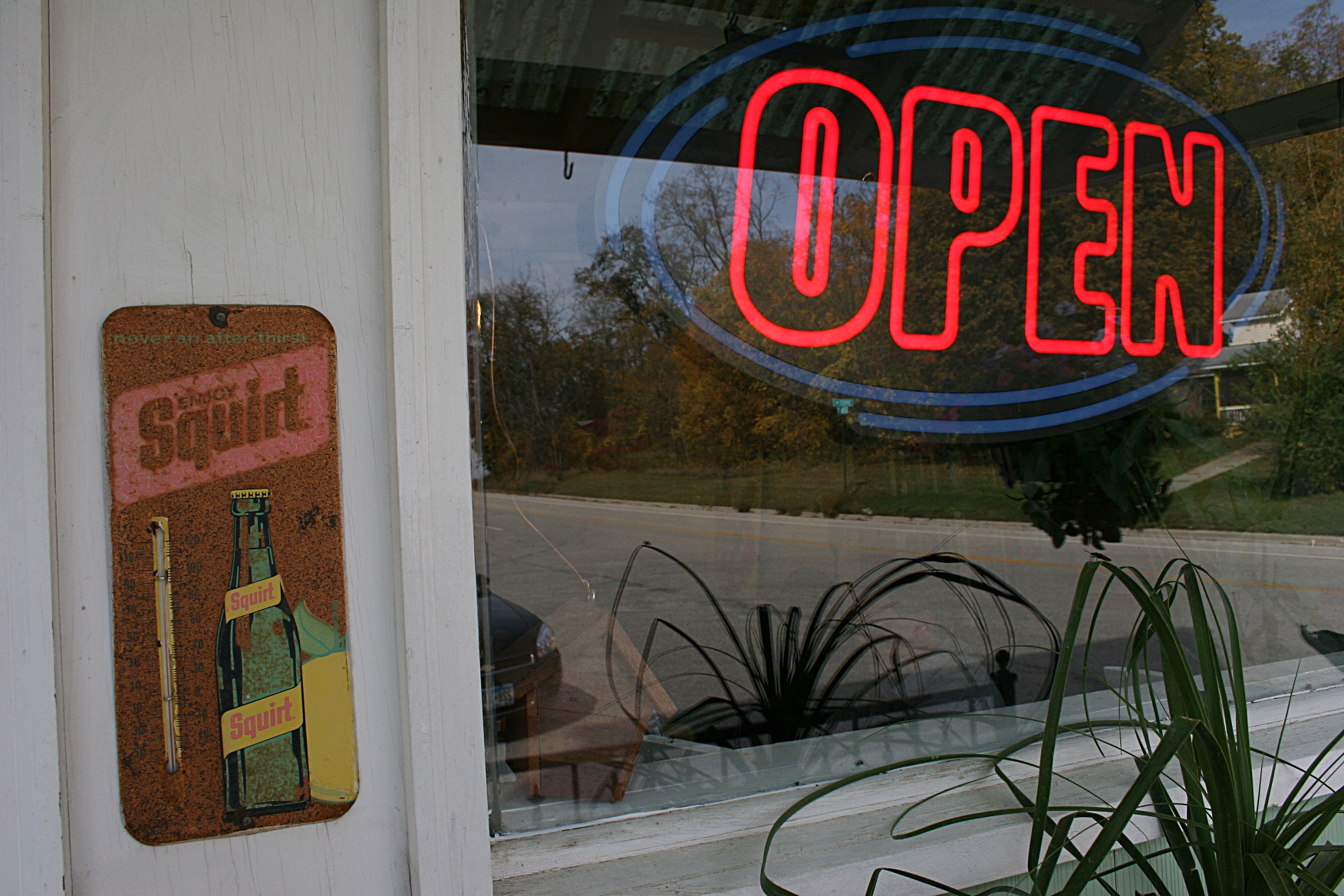
A vintage pop sign and a neon OPEN sign next to and on a front window.

Enter this historic building in Highland and you just have to stop and take in the novelty of this place which once served as a general store in this strong agricultural and tourism region of southeastern Minnesota.

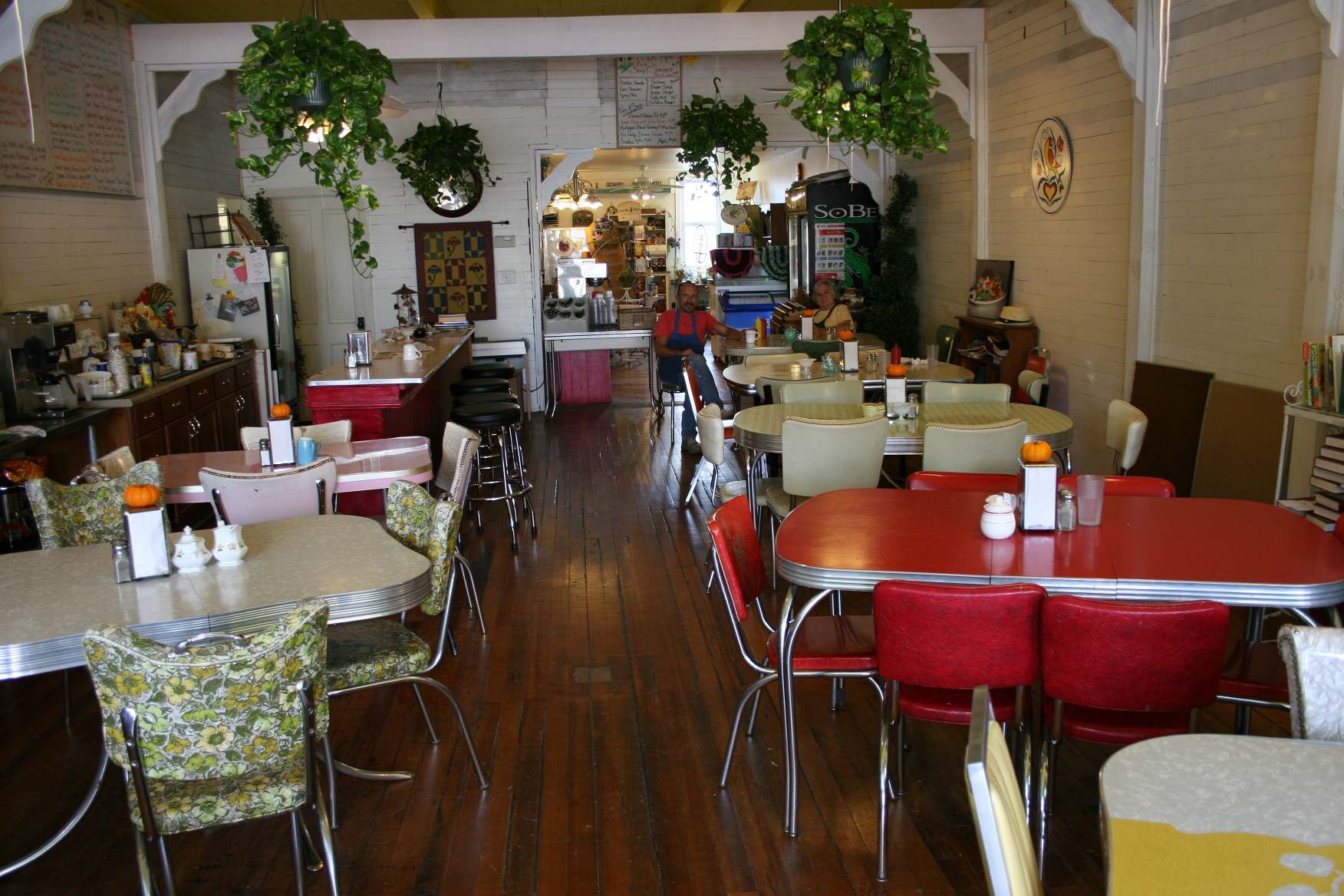
A dining room overview with a mini gift shop tucked in the back.

The cafe’s charm and good, home-cooked and healthy food draw not only locals, but tourists/users of the area’s state recreational trails and regional diners from Rochester some 50 miles to the north and west.

My husband and I have come here for lunch early on a Monday afternoon in early October while on a day trip to view the fall colors. We prefer one-of-a-kind small-town cafes to chain restaurants and are thrilled with the unique, down-home atmosphere we discover at the Highland Cafe. It’s as if we’ve walked into the kitchens of our childhood, minus the red-and-white checked linoleum floor.

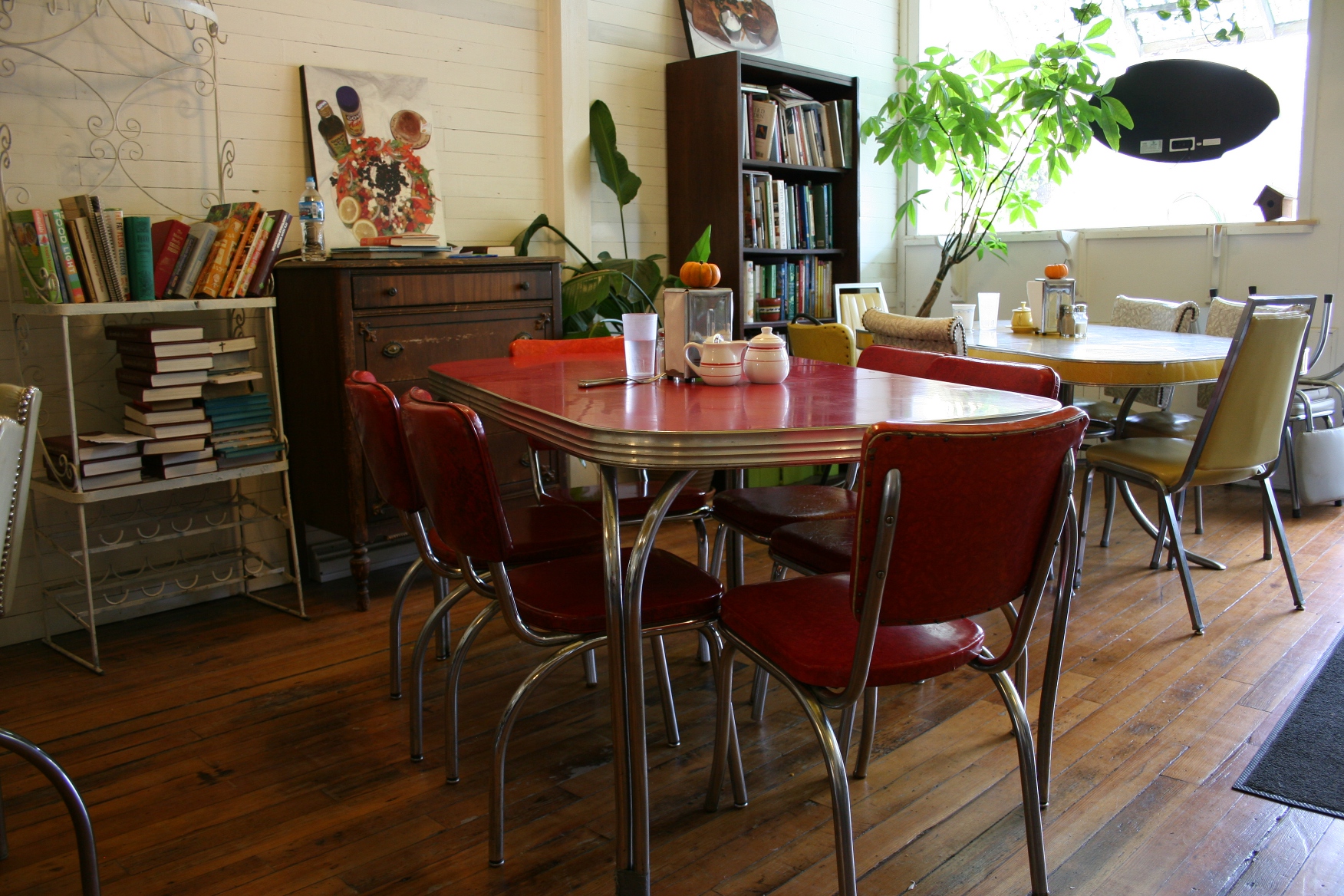
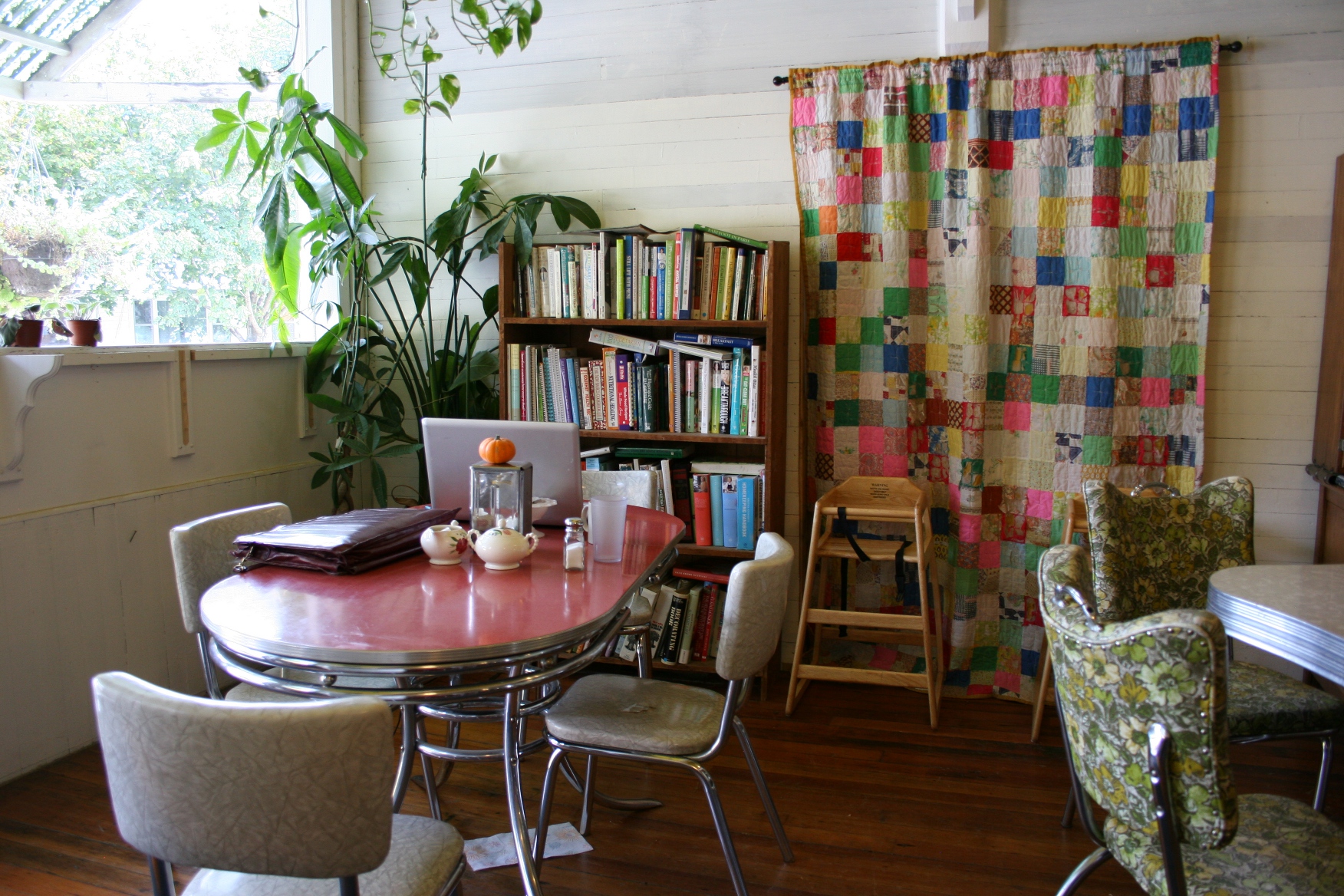
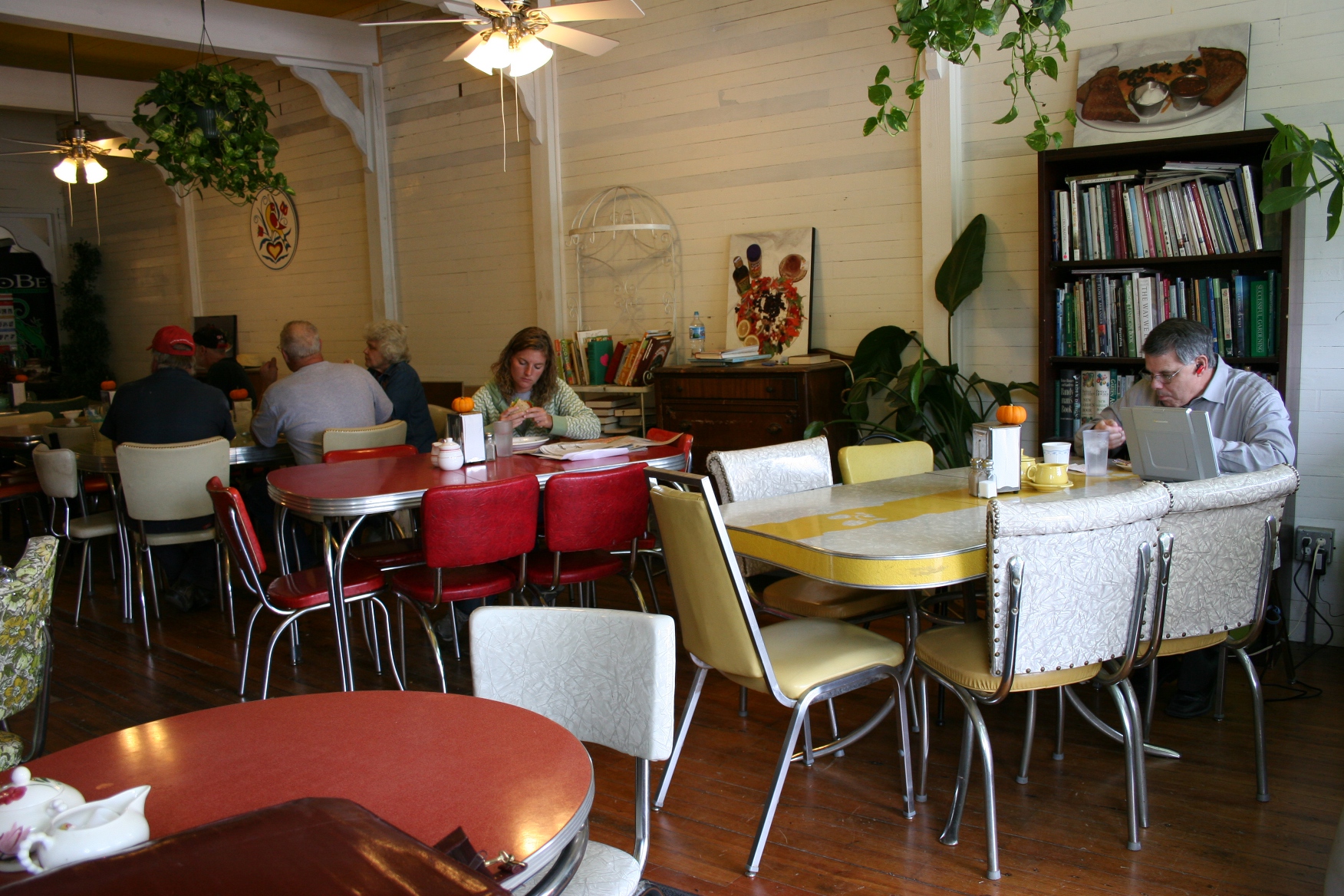
This is the scene near the front of the dining room where vintage tables and chairs are drenched in sunlight on an October afternoon. This is the kind of spot where you can read a book, work on your laptop or chat it up with the locals or others.

This eatery features the original wood floor topped by a mix of 1940s and 1950s vintage laminate chrome-legged/edged tables and chairs that set the mood for casual dining. There’s nothing matchy, matchy perfect about the décor here and that unpretentiousness suits me perfectly.

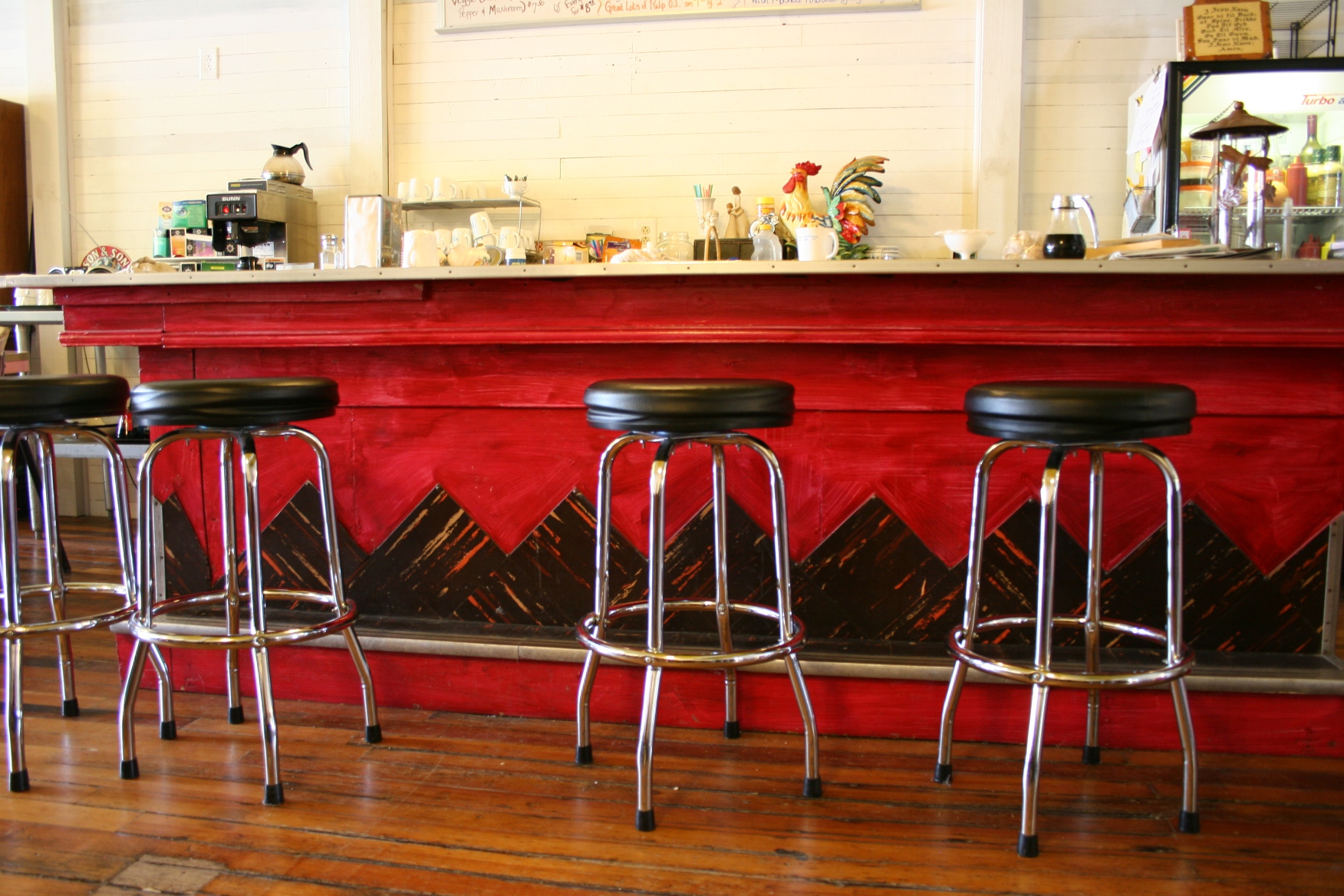
The absolutely fabulous lunch counter.

If you prefer to dine at a lunch counter, you’ll find one of those, too, painted in the most unexpected eye-jolting red that contrasts with the dark wood floor and cream-hued wood plank walls.

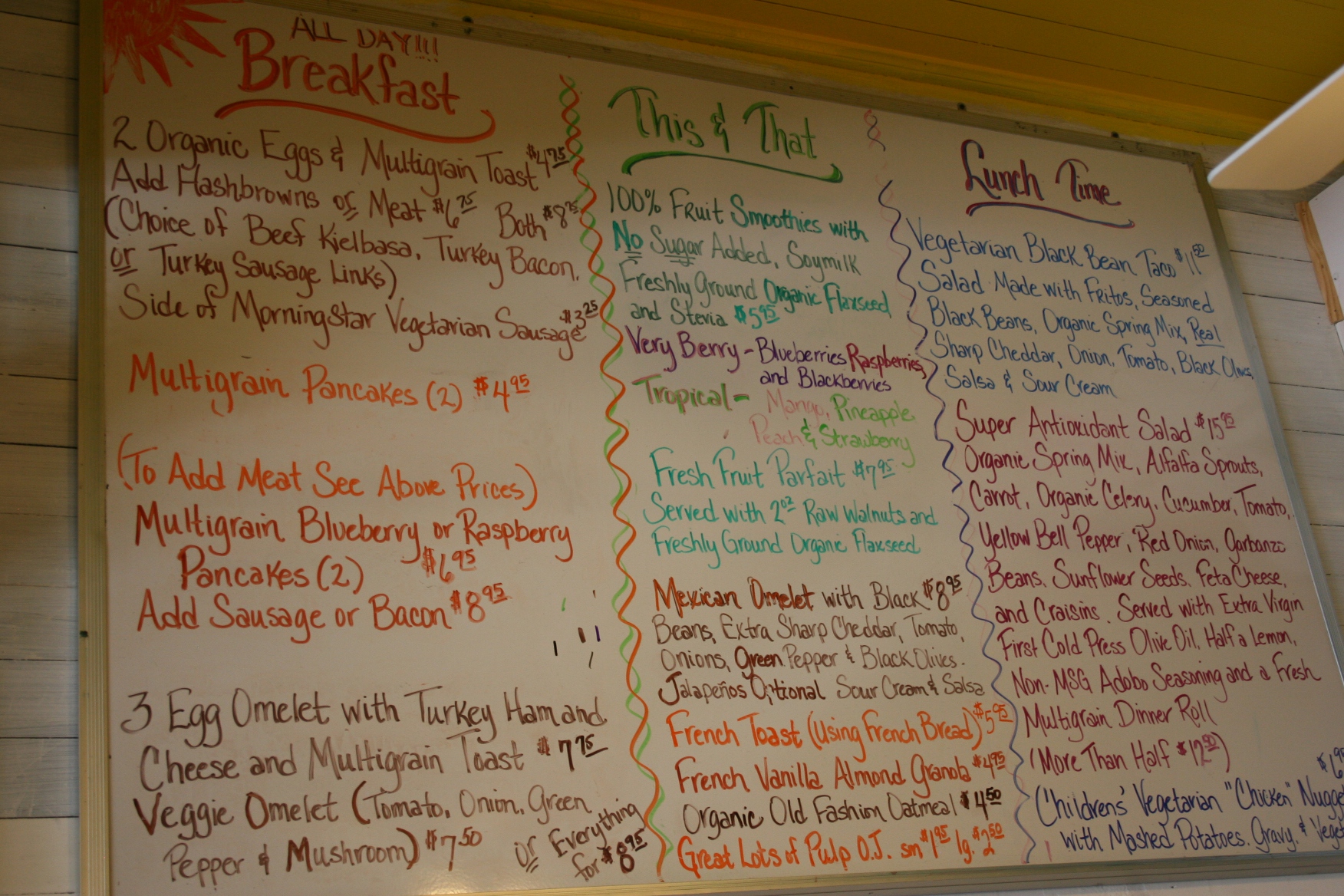
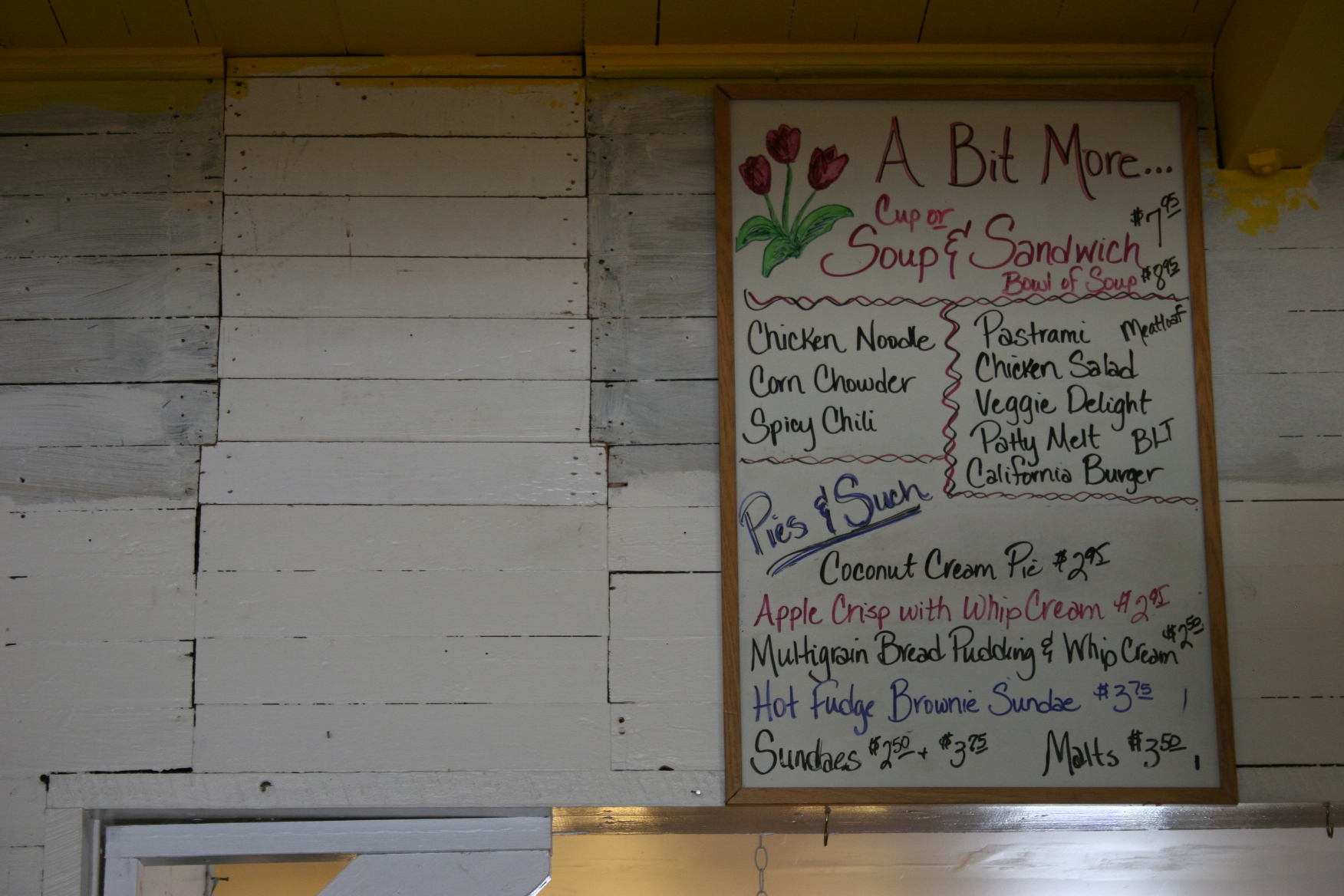
The main menu offers plenty of healthy choices.

The Highland Cafe, you’ll discover, is as much about the casual country atmosphere as about the food. You’ll read words like organic, multigrain, no sugar, soymilk, super antioxidant and fresh on the whiteboard main menu. You’ll also find comfort foods, like real mashed potatoes and gravy, along with fresh vegetables harvested from the cafe garden out back.

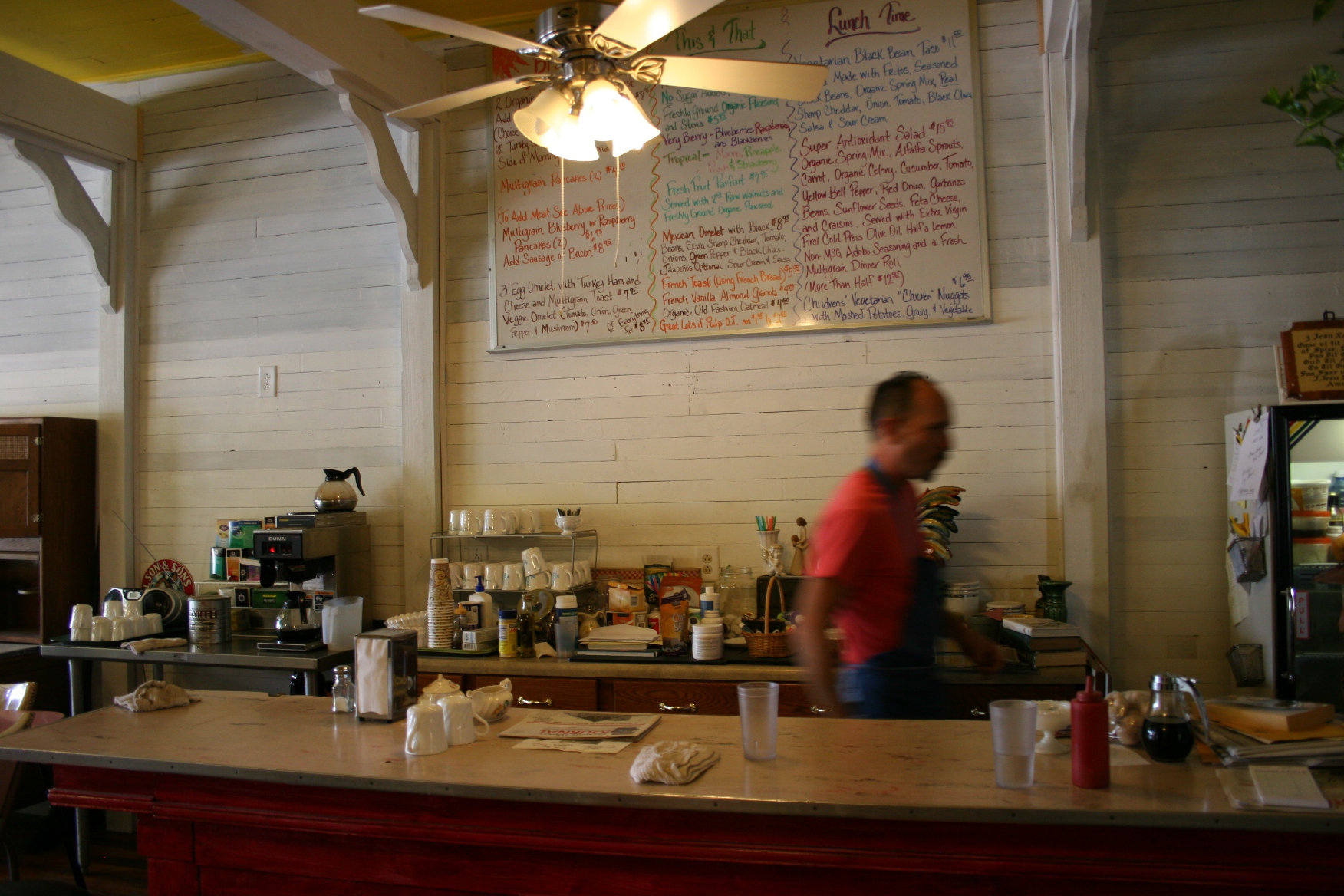
Troy Starks hustles behind the lunch counter toward the kitchen.

Even once mostly meat-and-potato eating local farmers have come around to eating healthier, says Troy Starks who on this Monday is waiting tables while his sister, cafe owner Vicki Hudson, is shopping for groceries. It took some time and convincing, but those stolid farmers are now sometimes ordering the cafe’s super oxidant salads.

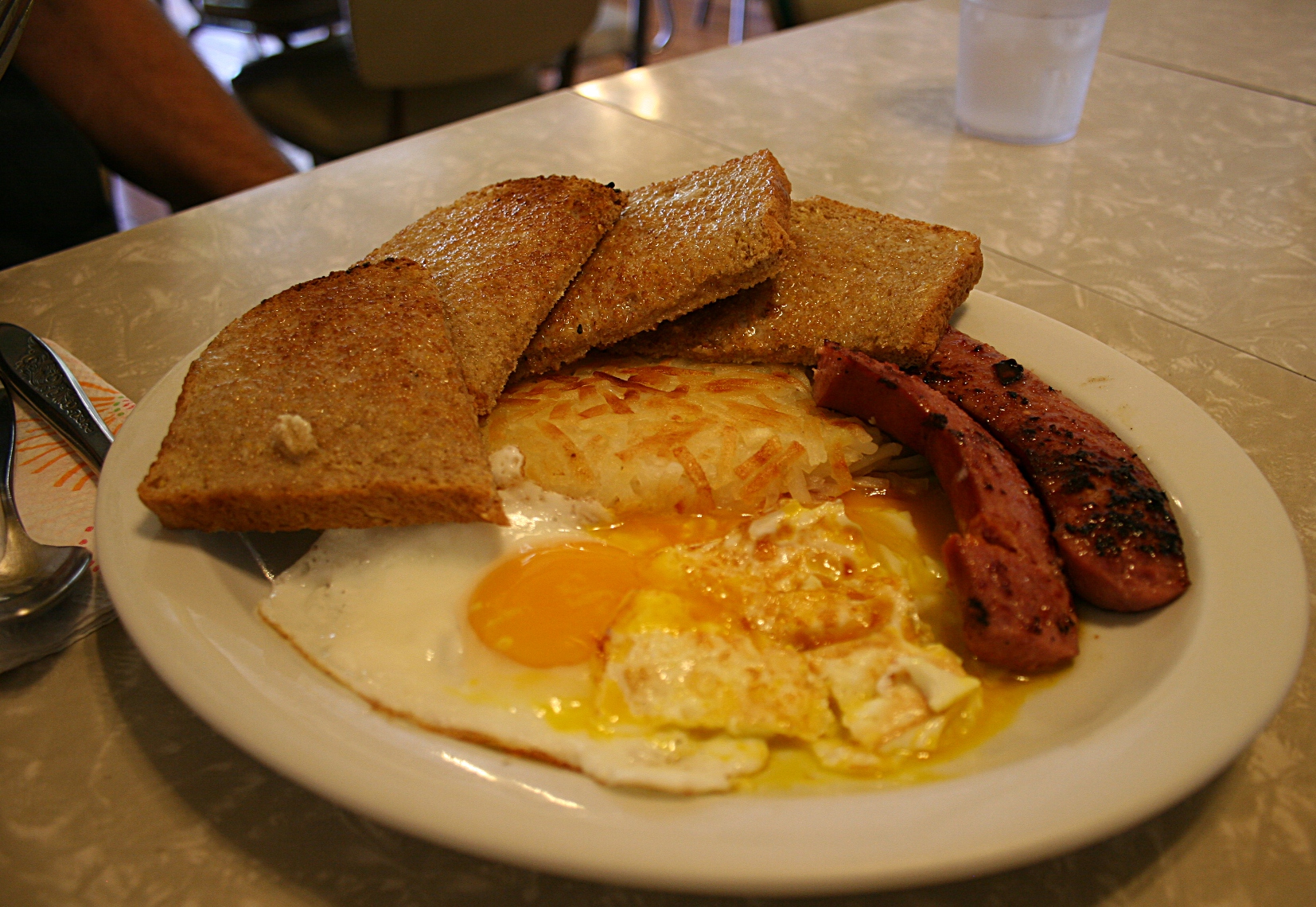
The hearty breakfast my husband ordered, even though the hour was well past breakfast: two organic eggs, multigrain toast, hashbrowns and kielbasa. He broke the egg yolks before I photographed his meal.

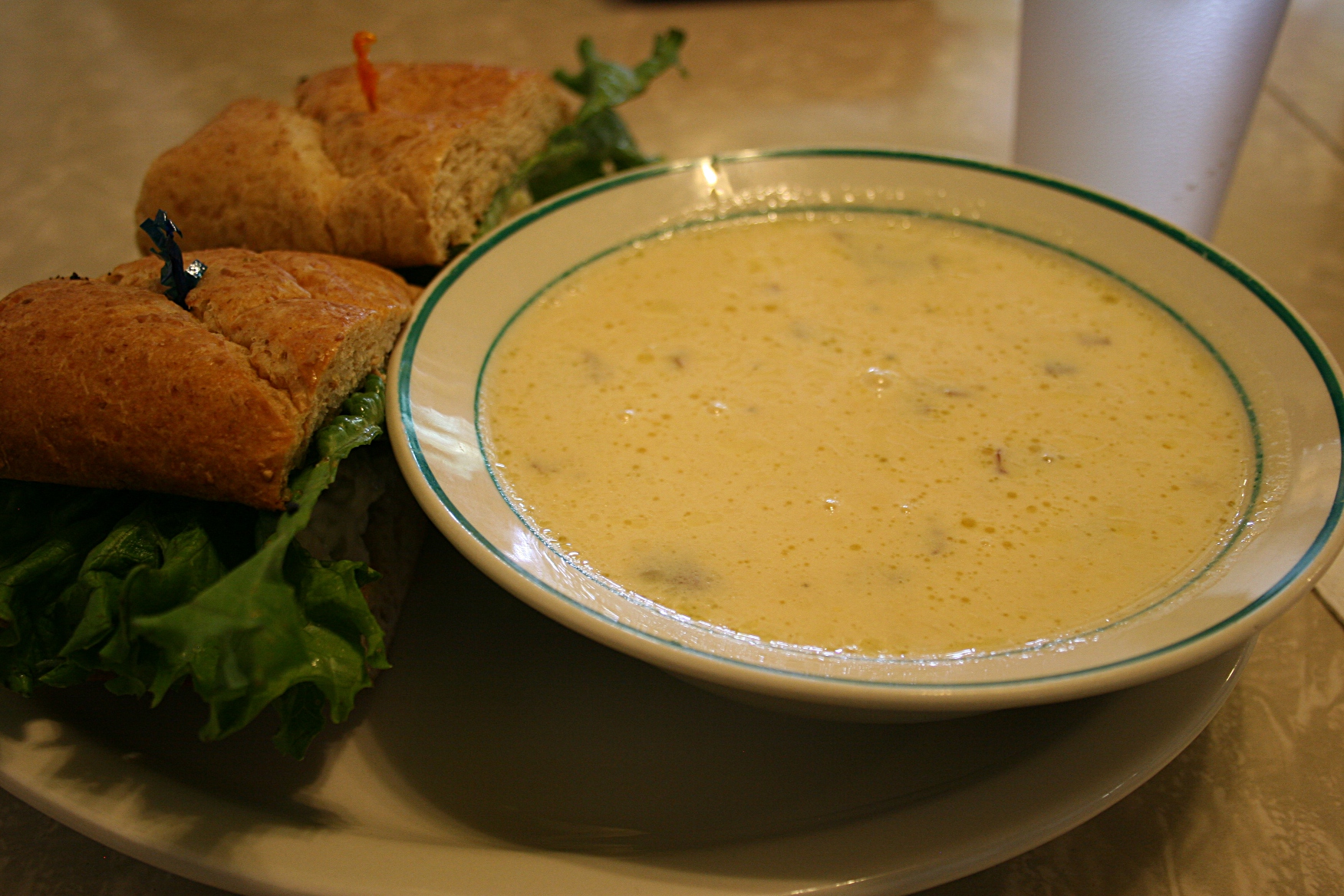
While my husband and I await our orders—his a plate of breakfast foods and mine a chicken salad sandwich and a bowl of corn chowder—I strike up a conversation with R.J., dining alone at the table next to us. He’s eating a burger. Turns out young R.J. farms just up the road and sells his grass-fed, antibiotic-free beef to the cafe.

When I point out to R.J. that he’s paying to eat the beef he sold to the cafe, he shoots back with a quick-witted, “Well, at least I know it’s (the beef) good.”

My meal: a chicken salad sandwich and tasty corn chowder.

Good and filling most assuredly define the food here. I wished I wasn’t too full to order a slice of pie or bread pudding or a piece of apple crisp for dessert. But I am. Next time…

And this, dear readers, is where I originally ended this post, which has been sitting in my draft box. Now I must add to this story because cafe owner Vicki Hudson announced to me in an email on Friday that the cafe she purchased five years ago will be closing just before Thanksgiving.

Her mother Sharyn Taylor, the cafe’s chief cook, is “getting tired and will not be up to working another year, so we are closing our doors,” Vicki writes. “…we are going to turn the upstairs into a bed and breakfast and then sell it as a combination bed and breakfast and cafe. It would not be the same without my mom and I feel she has done a tremendous job the past five years.”

Vicki continues: “Maybe there will be someone out there interested in carrying on.”

There. If you are interested in carrying on the fine tradition of the Historic Highland Store and Cafe, preserving a piece of southeastern Minnesota history and more, contact Vicki. Honestly, don’t you just love this unique small town dining spot? I do.

The dessert menu on this particular Monday in October.

FYI: The Historic Highland Store and Cafe is located along Fillmore County Road 10 southeast of Lanesboro in unicorporated Highland. Hours are from 7 a.m. – 3 p.m. Monday-Friday, closed Saturdays and open from 8 a.m. – 3 p.m. Sunday, until just before Thanksgiving.

Yes, the cafe is closed on Saturdays because the building also serves as a ministry for the Seventh Day Adventist Highland Chapel with Sabbath school beginning at 9:30 a.m. followed by an 11 a.m. church service and vegetarian potluck. Bible study is also held at 7 p.m. on Wednesdays and is open to all.

For more information about the Historic Highland Store and Cafe, click here to reach the cafe’s website.

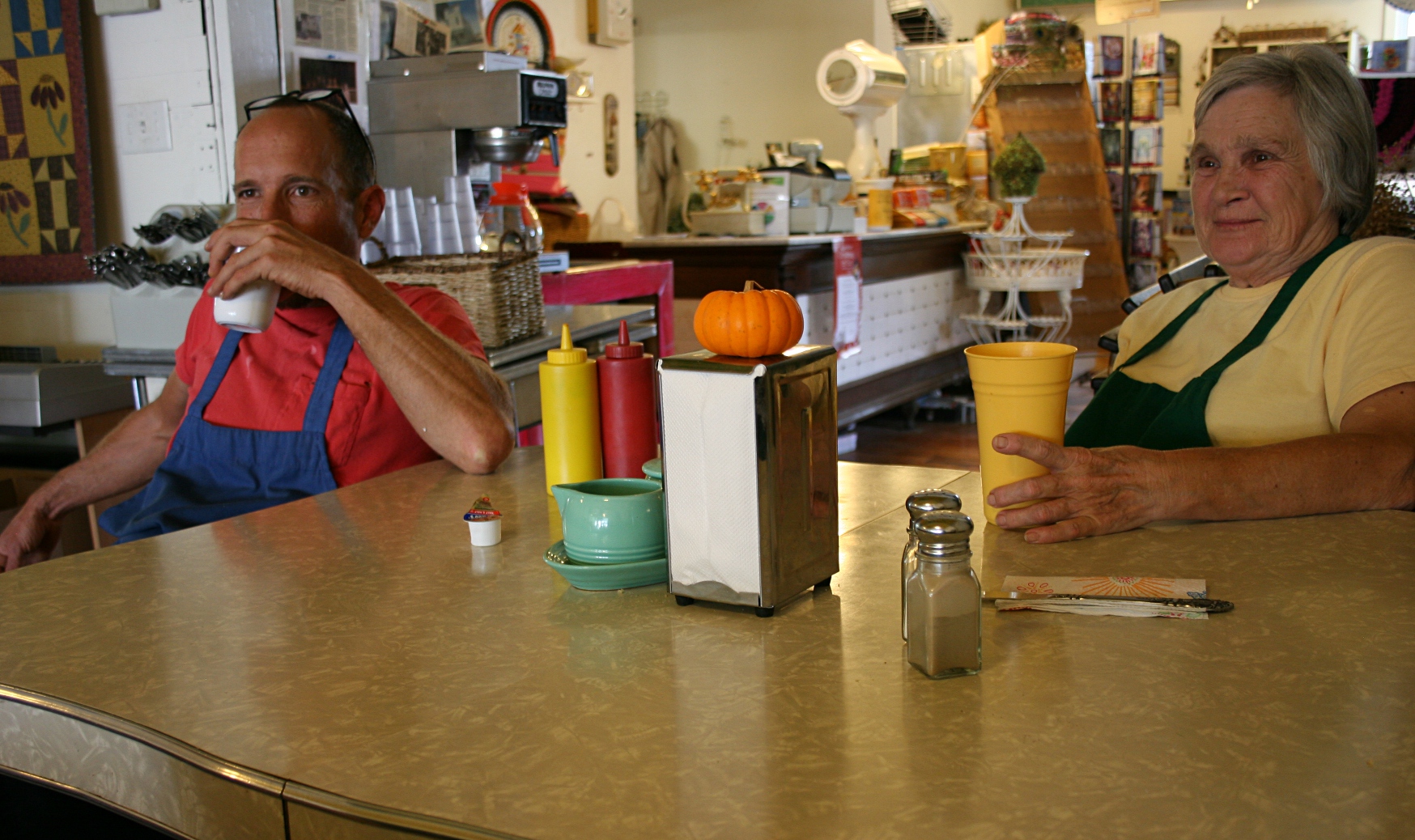
After the lunch rush, Troy Starks and his mom, Sharyn Taylor, sit down to relax and chat. Sharyn is the cafe’s cook.

A comfy and cozy front corner of the cafe.

Even early on a Monday afternoon, the cafe is fairly busy. Occasionally local Amish dine here, intriguing tourists who come to this region of Minnesota. None were here on the Monday we visited. We were told that young Amish women have also worked here on occasion in the kitchen. And at least one  did not show up for work one day, having left the Amish order to “go Englisch.”

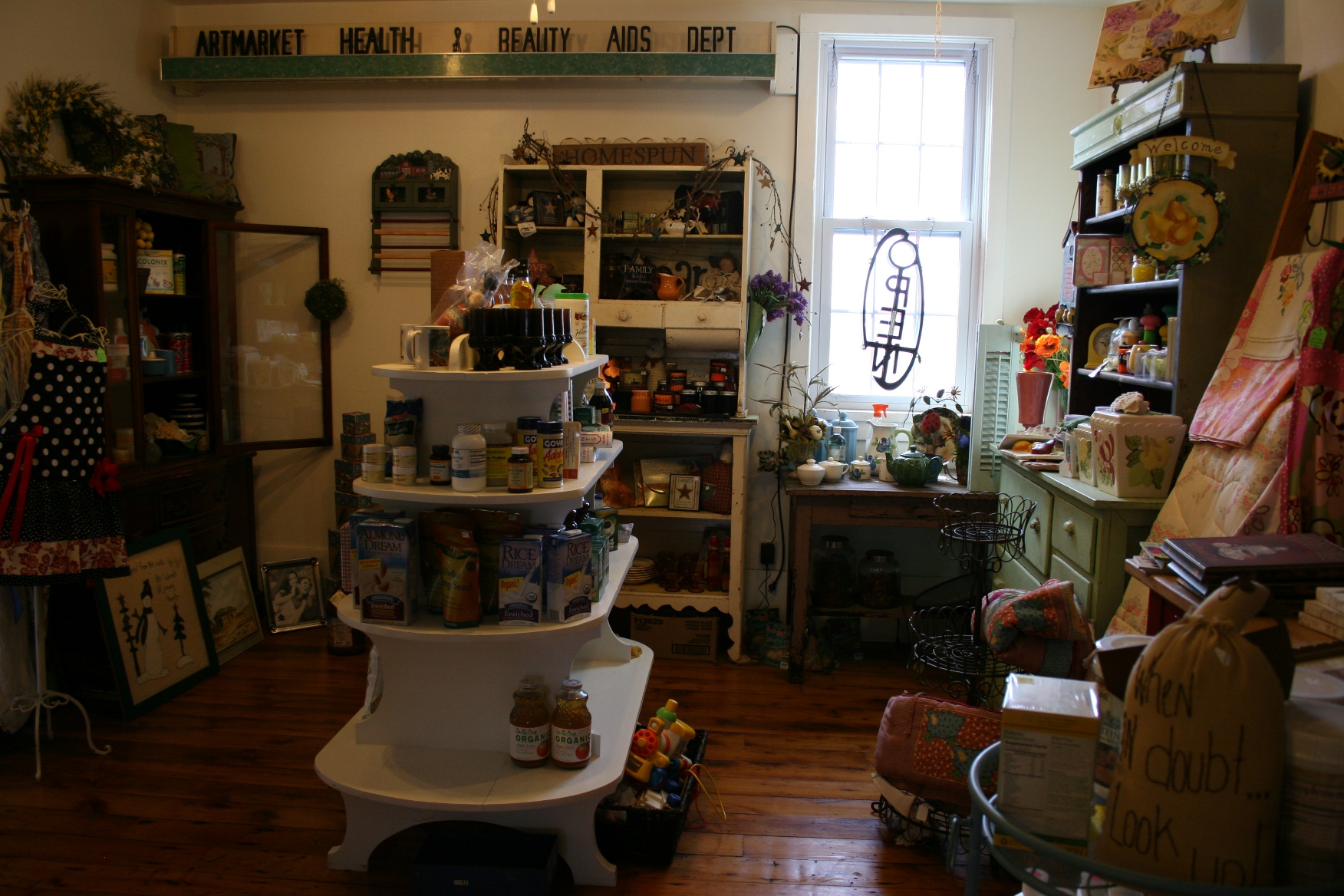
The art market and health and beauty aids department behind the dining room offers an eclectic mix of merchandise.

© Copyright 2012 Audrey Kletscher Helbling
 

Meet 52 South Central Minnesota artists during weekend ArTour October 19, 2012

Faribault artist Julie Fakler’s paintings will be displayed in her JMF Studio at 1212 First Ave. N.W., Faribault, along with the textile art of Deb Johnson. Fakler specializes in animal portraits. Her cow painting graces promotional materials for this year’s South Central Minnesota Studio ArTour.

FIFTY-TWO ARTISTS. Twenty-four studios. And all showcased right here in the Faribault-Northfield-Cannon Falls area this weekend during the eighth annual South Central Minnesota Studio ArTour.

If you’ve never taken this studio tour, I’d encourage you to do so as a) You’ll meet a broad spectrum of talented local artists. b) You’ll view incredible art in wood, glass, photography, textiles, painting, ceramics, jewelry and more. c) It’s free, unless you purchase art, which, of course, you should consider doing. d) You’ll visit three charming communities.

I can’t attend this year’s tour. But I have in the past and here are the photos to prove it.

Just look at the talent we have, right here, in Greater Minnesota.

Meg Jensen Witt will showcase her ceramics at Lillart, 101 E. Fifth St., #209, Northfield, along with the paintings of Lilla Johnson. I photographed this example of Witt’s art in 2011.

At Holmquist Pottery, 11780 90th St. E., Northfield, you will find Lucky Rimpila’s glass art, like this photographed last year. Chris and Sue Holmquist will also display their ceramics and Marsha Kitchel will showcase her paintings.

Last year at Sunset Studio, 10754 Farrel Avenue, Northfield, I photographed the ceramics created by Tom Willis. You will find the work of six other artists at Sunset Studio.

During the 2010 ArTour, I visited Somers’ Studio & Gallery, 9775 Dennison Blvd. S., Northfield, where Fred Somers paints on his rural acreage.

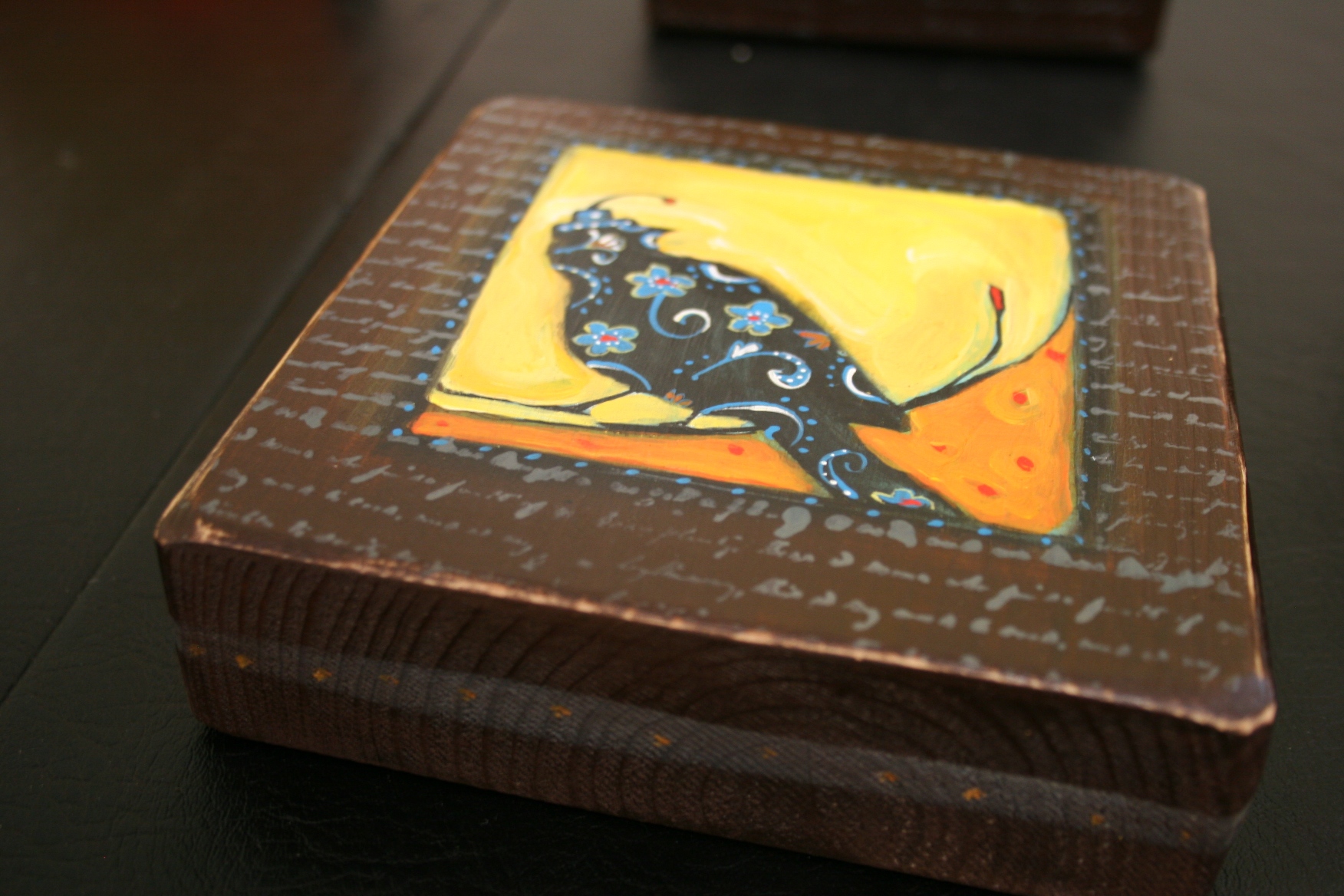
In 2010 I photographed this wood block art created by Carla Thompson. This year she will exhibit her painting, along with Julie Free Heart, at Revisions, 101 E. Fifth St., #302, Northfield.

Animal paintings propped on the floor of Julie Fakler’s JMF Studio during the 2010 ArTour.

FYI: The South Central Minnesota Studio ArTour runs from 10 a.m. – 6 p.m. on Saturday, October 20, and Sunday, October 21. Select studios will also be open from 4-8 p.m. today.

For details, including studio locations and participating artists, click here to reach the ArTour website.

I photographed this scene from the 2010 ArTour marking a Northfield studio.

Click here to read about my visit to Fred Somers’ gallery/studio during the 2010 tour.

Click here to see Faribault artist Julie Fakler’s studio, one of my stops on the 2010 tour.

© Copyright 2012 Audrey Kletscher Helbling
Cow image courtesy of Julie Fakler


Rural Americana: A personal tour of historic Canton, Minnesota October 18, 2012

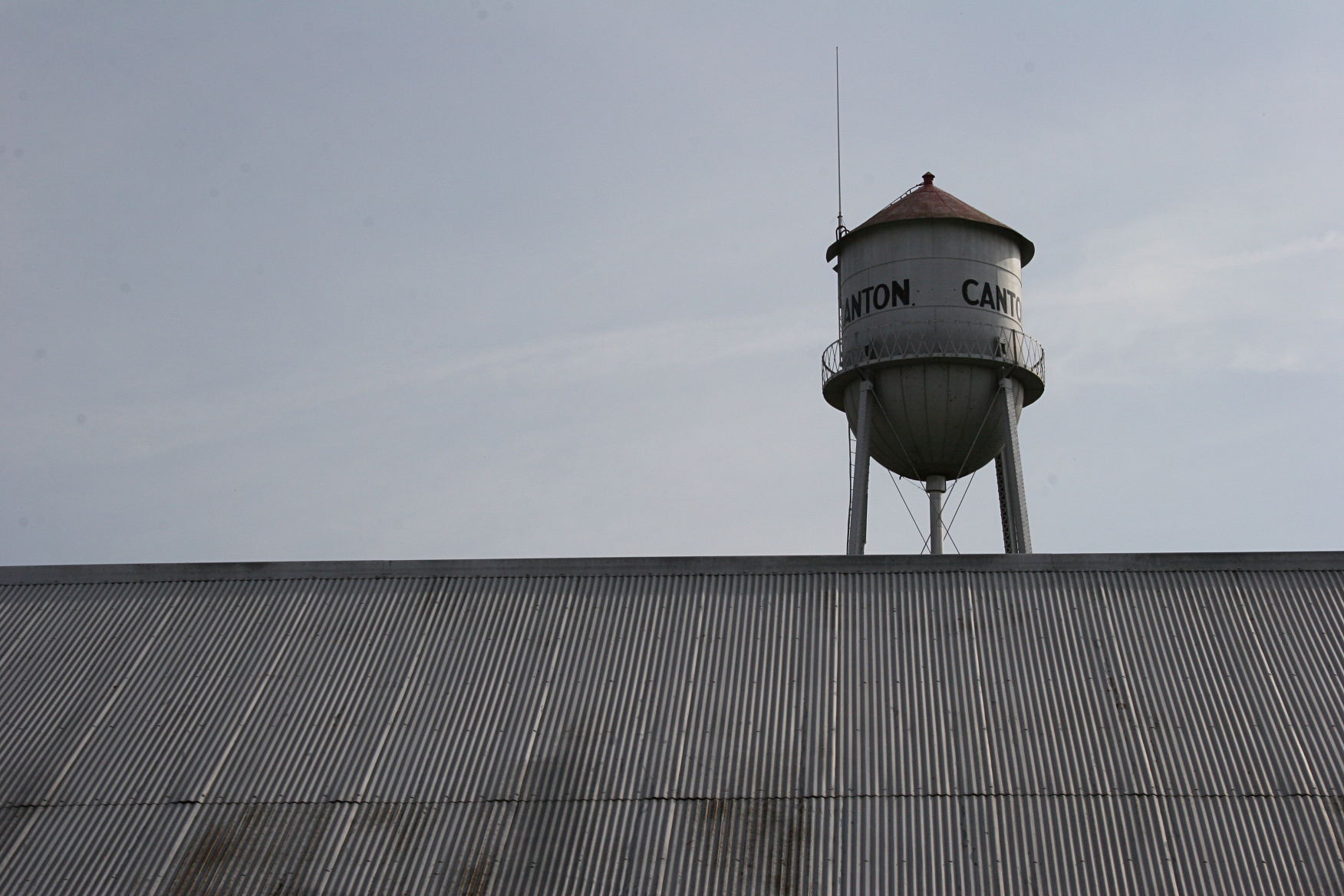
The water tower in Canton, on the other side of the roof line seen here in the foreground.

LeROY HAYNES WAS BRUSHING green paint onto wainscoting in the sunny warmth of an October afternoon when I happened upon him in Canton, a town of 328, in southeastern Minnesota near the Iowa border.

He was, he said, in the process of sprucing up Lumber Yard Antiques, the shop he and wife Kathie opened in July. Kathie’s originally from Canton where the couple now lives only three blocks from their antique store.

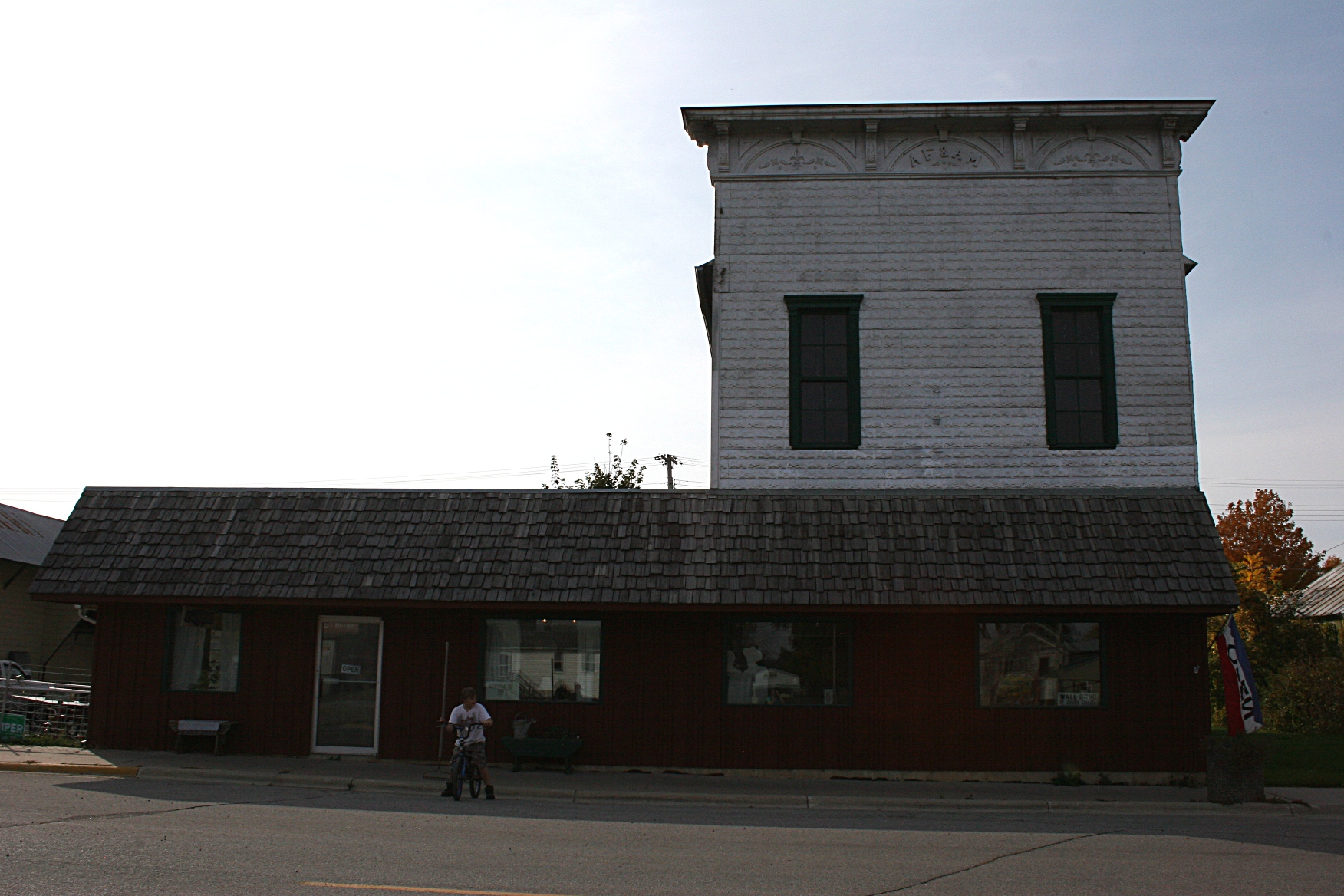
When the lumber yard moved here, it added the front red part of the building onto the former Masonic Lodge building on the right. The first floor of this complex now houses Lumber Yard Antiques.

They named their business after the lumber yard previously housed in the building complex which some 10-plus years ago was home to another antique shop and before that Canton city offices. The older part of the Haynes’ shop, the Masonic Lodge building, was once rented out by the Masons and used as a grocery store, barbershop and even as apartment space.

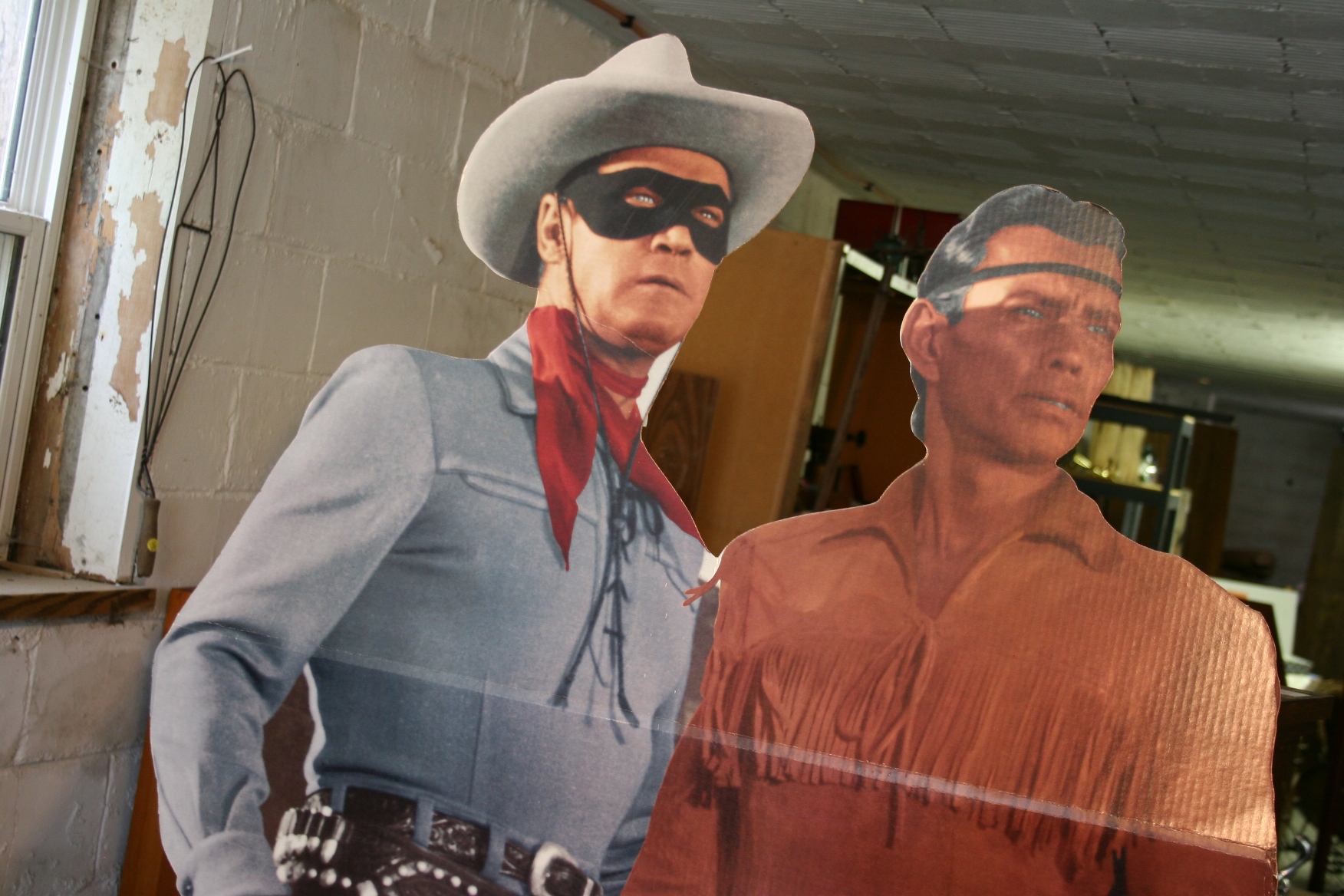
See what you learn when you start a conversation. I learned even more when I spotted a cut-out of Tonto and the Lone Ranger and mentioned to LeRoy that I’d seen one just like it in the basement of an antique shop in Stockholm, Wisconsin.

The Lone Ranger and Tonto cut-outs, photographed last fall in Stockholm, Wisconsin.

Imagine my surprise when LeRoy informed me that the cut-out had come from Stockholm, where he once sold his antiques and collectibles at A+ Antiques & Oddities.

It is a small world.

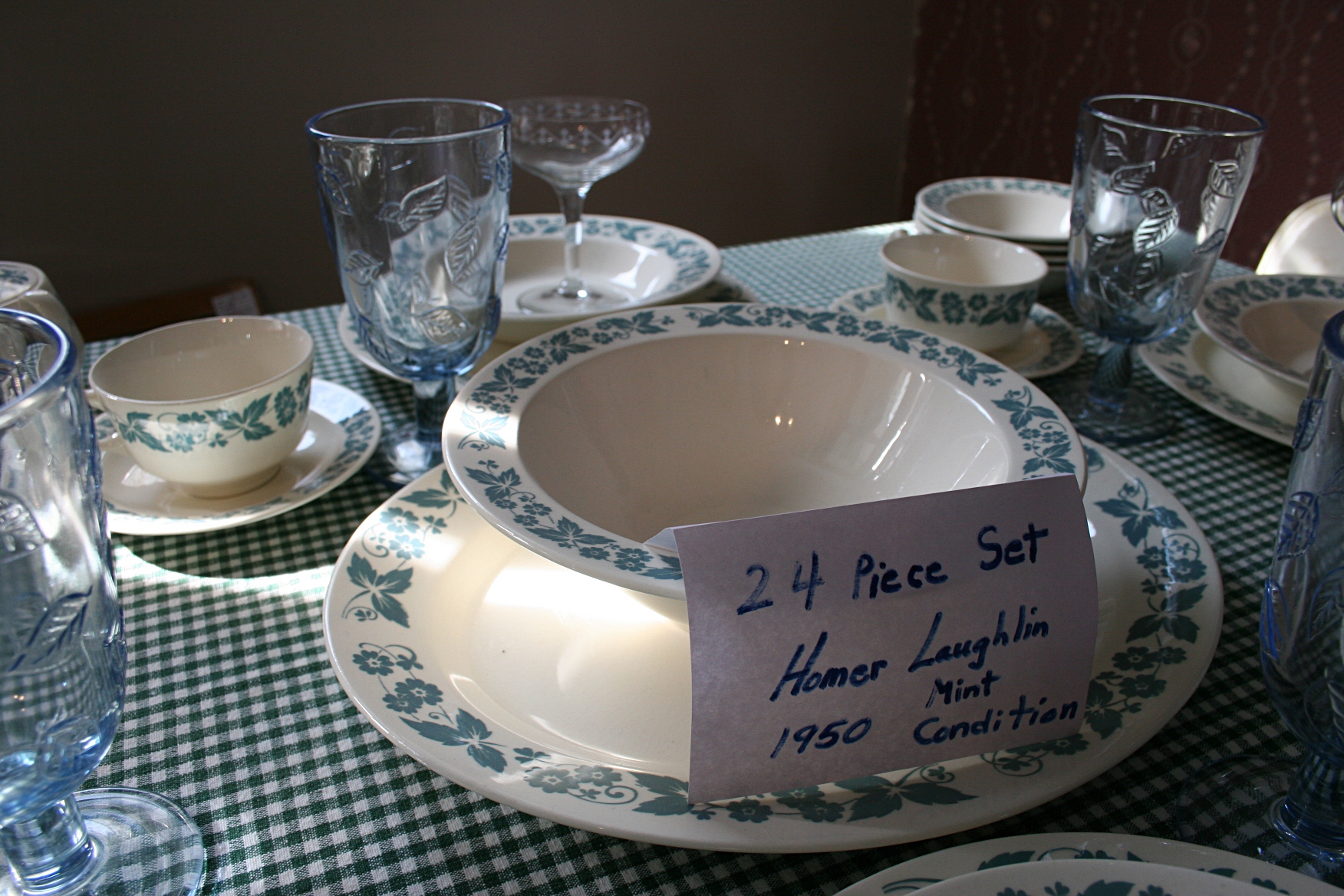
Beautiful 1950 Homer Laughlin china for sale at Lumber Yard Antiques.

LeRoy and I hit it off marvelously and soon he was offering to take me and my husband into the upstairs of the former Masonic Lodge. I had my doubts as this Presbyterian minister led us past a jumble of boxes, over broken glass and finally weaving our way up a steep and dark stairway littered with piles of bird poop. And I was wearing flip flops.

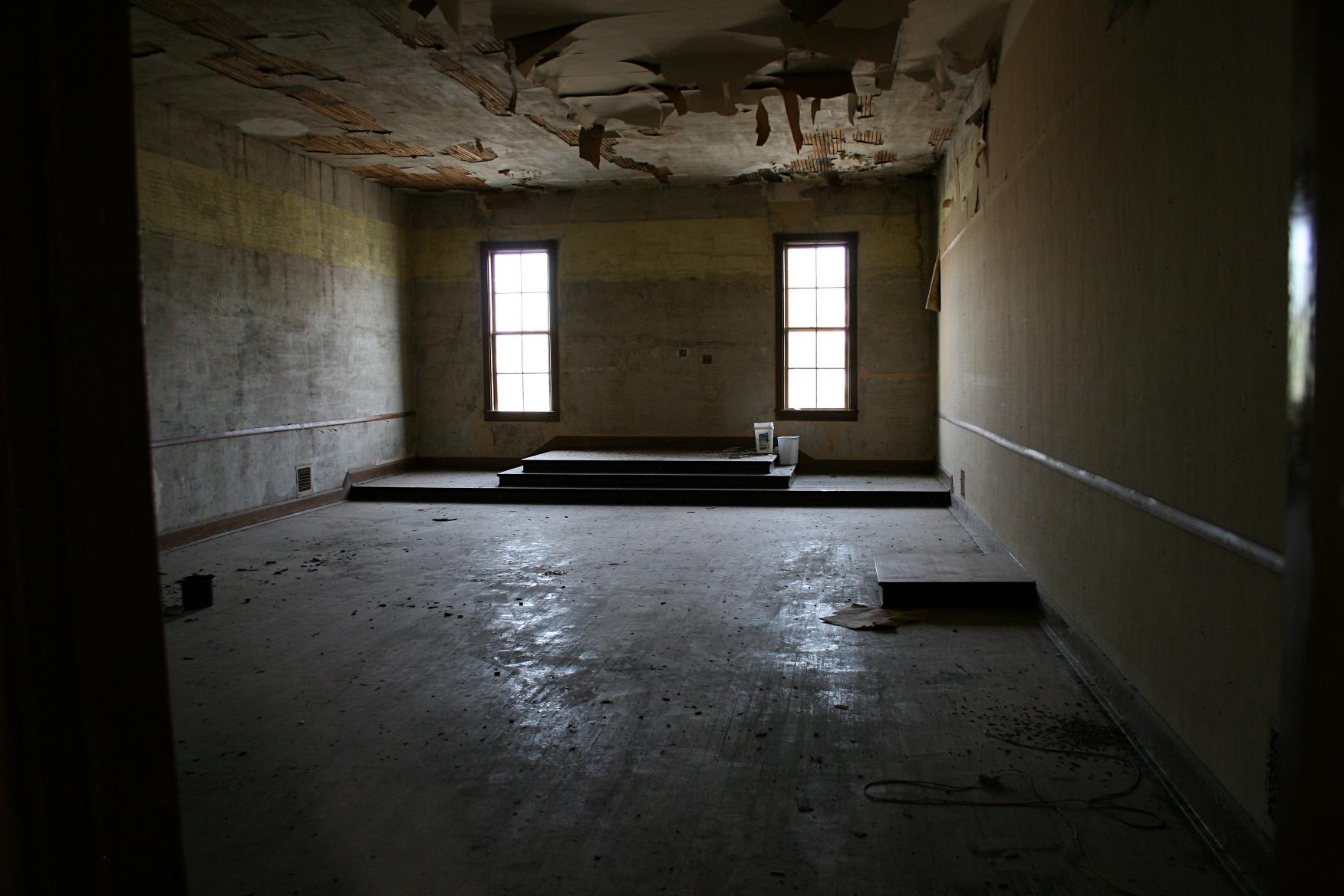
Inside the former Masonic Lodge, the second floor of Lumber Yard Antiques. Can you see the potential here?

But it was worth the climb when LeRoy led us into a spacious room with incredible potential, despite the crumbling ceiling and general disrepair. The wood floor and the step-up small “stages” on both ends of the room—something to do with Masconic ritual, LeRoy said—instantly ignited my creative thoughts. This, I told our tour guide, would be perfect for theatre and/or music.

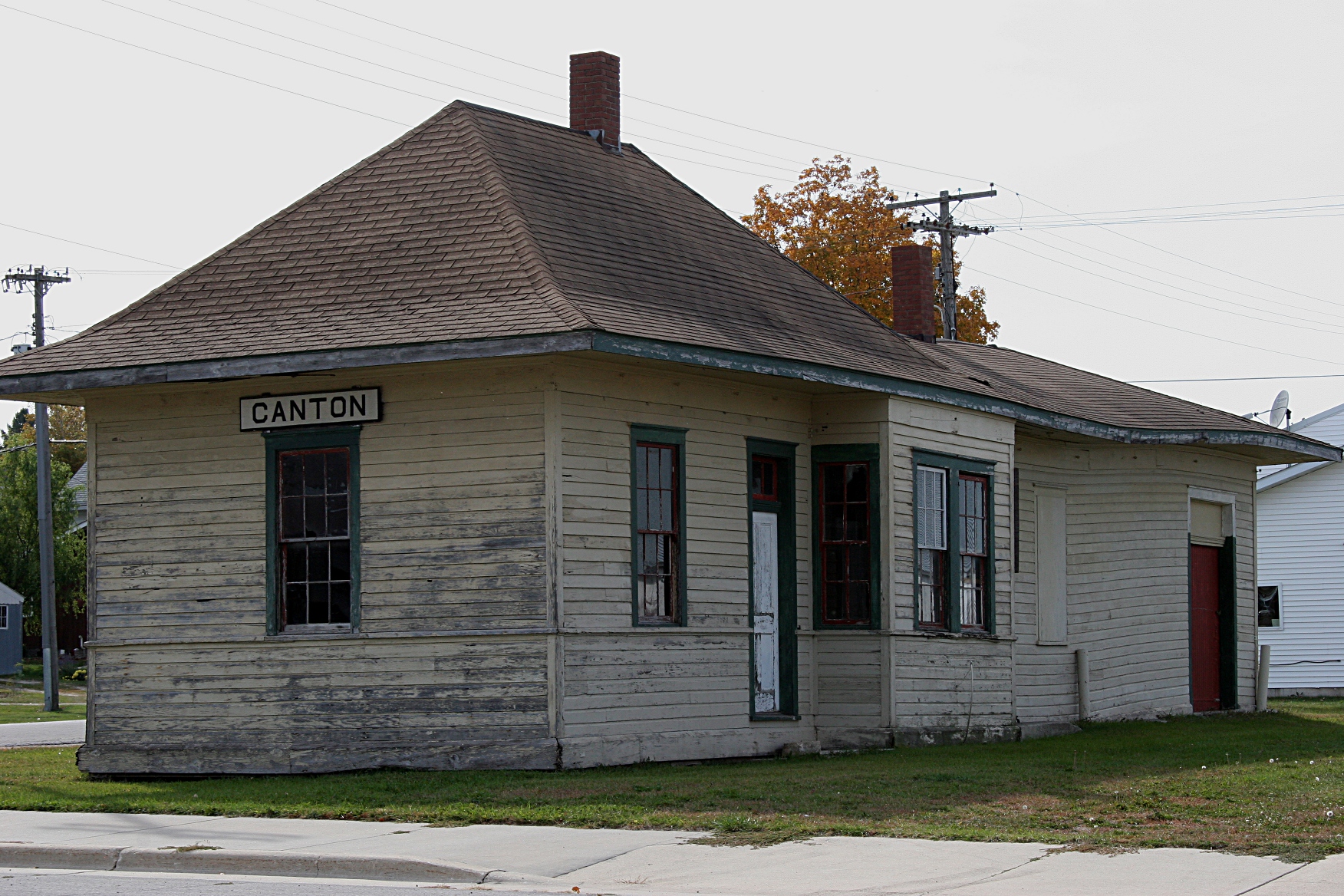
Canton’s original depot, recently reroofed.

I don’t know that LeRoy and Kathie share my vision. But they have been thinking preservation as has a railroad buff from California who bought the next door vintage railroad depot, sight unseen, according to LeRoy.

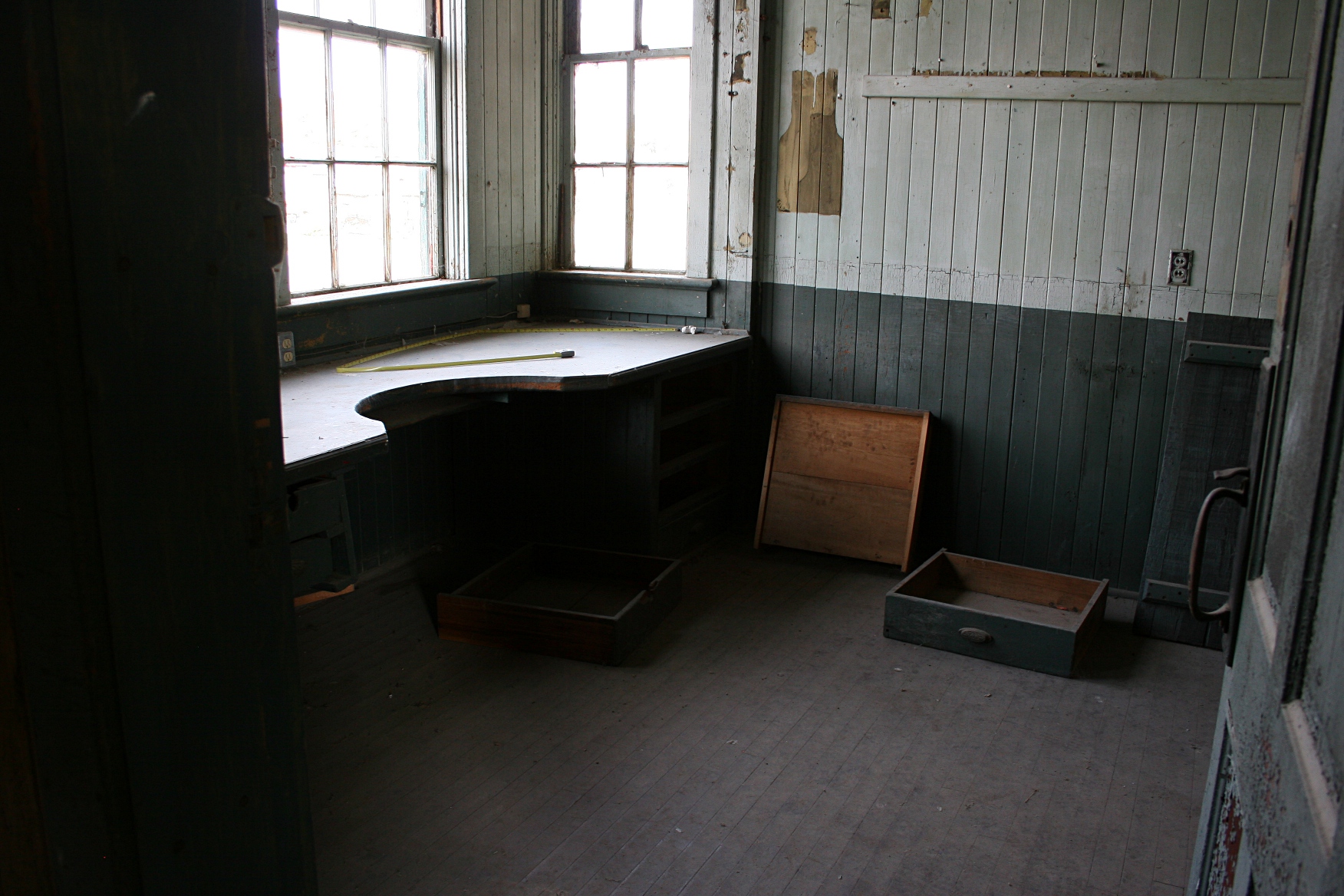
Inside the depot.

The depot came next on our tour (LeRoy’s been entrusted with a key) and I was just as delighted to get inside this historic building.

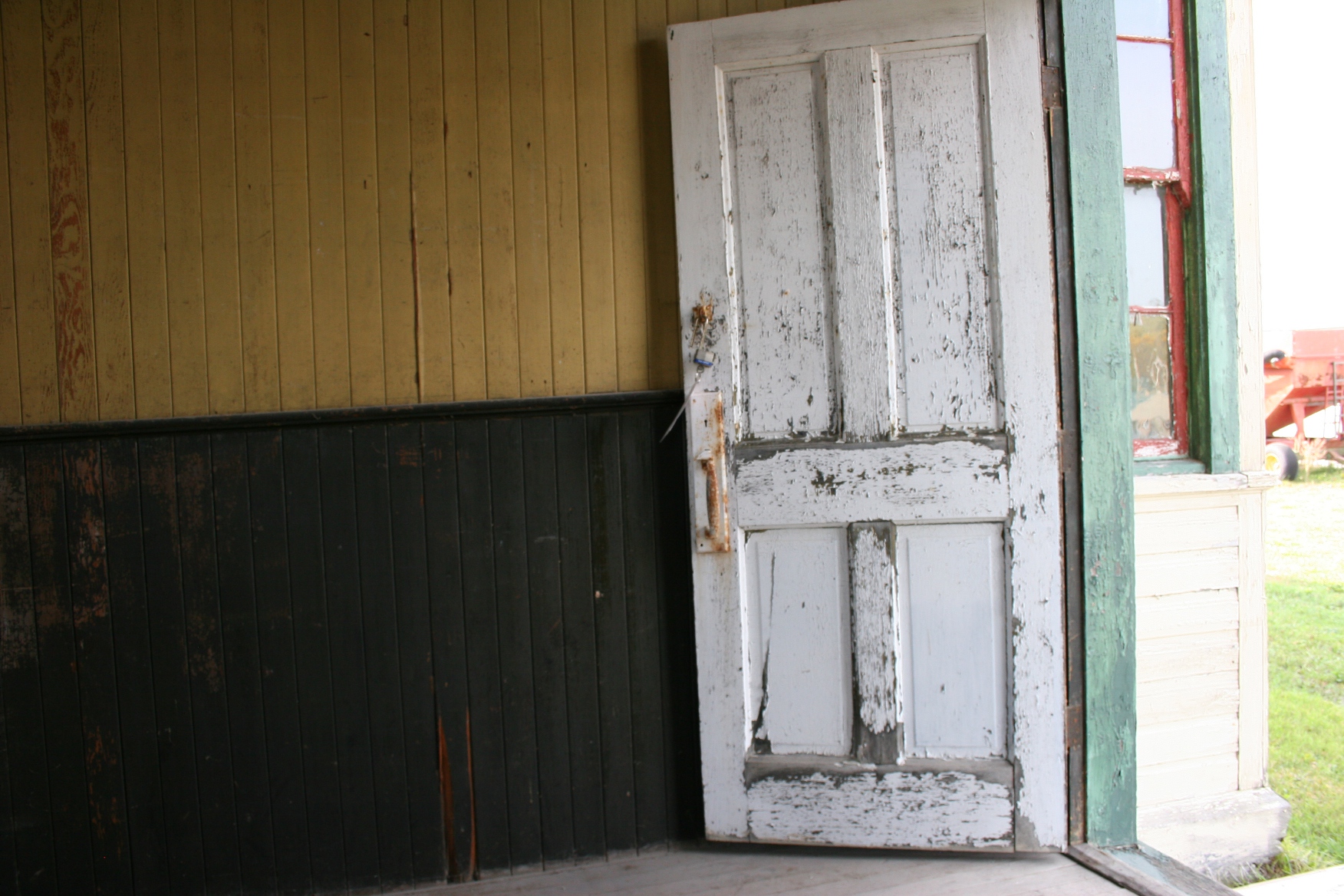
The door LeRoy unlocked into the depot. Love it.

The California man has a vision to create a historic site in Canton and a Canton Historical Society has been formed. Plans are to seek grants to restore old buildings like the depot.

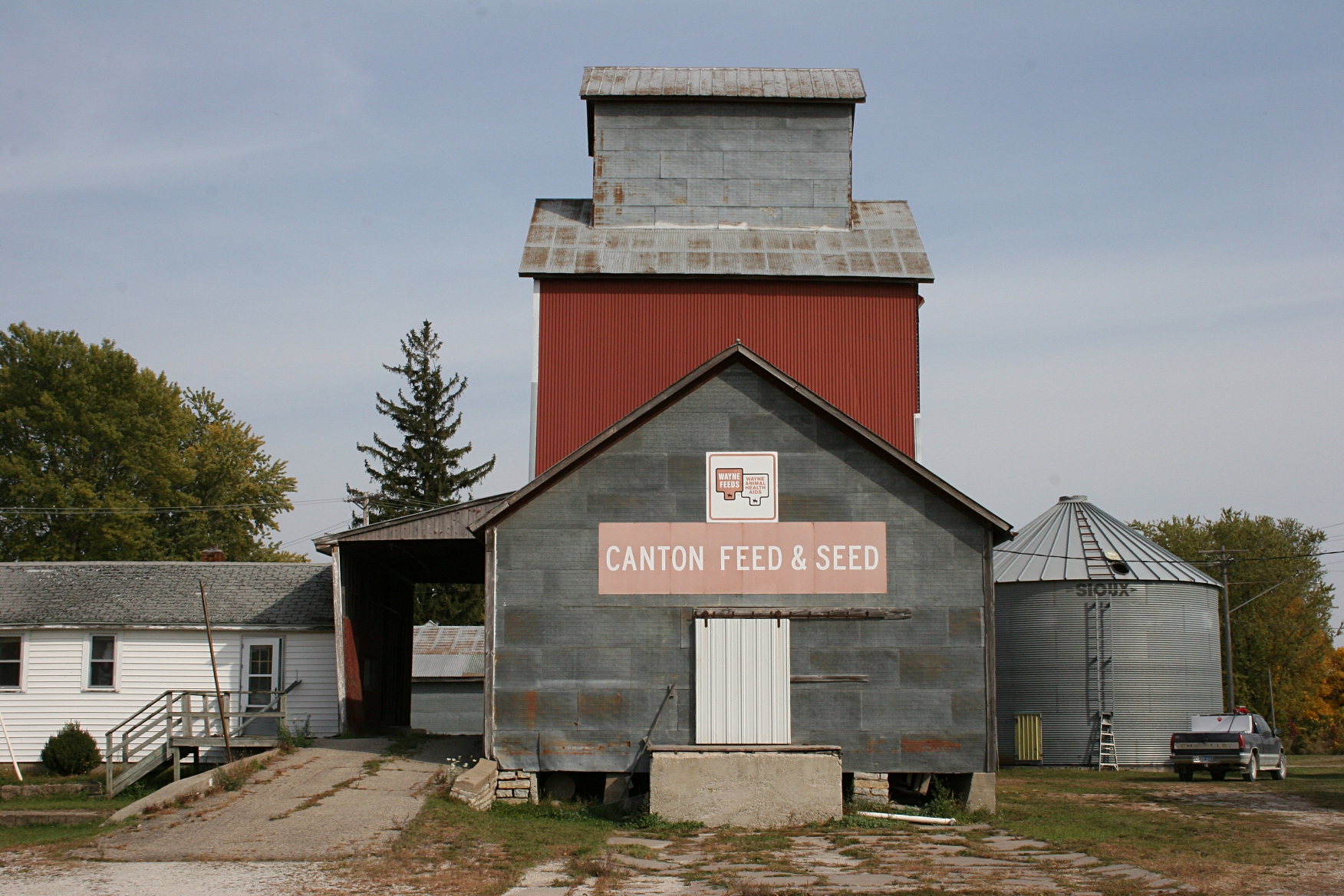
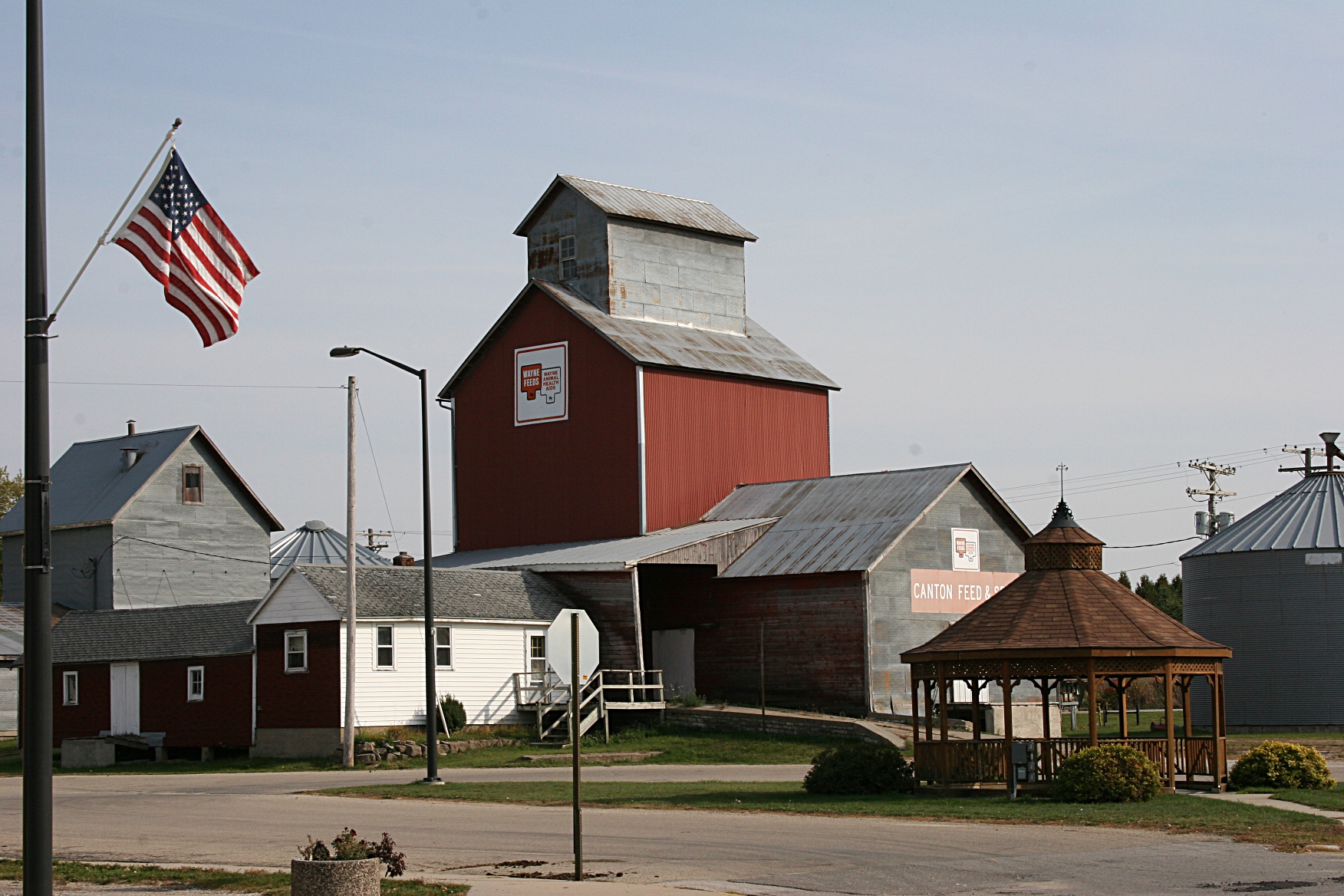
Old elevators like this are disappearing from our small towns, replaced by large, generic storage units. The Canton Historical Society hopes to save Canton Feed & Seed and other old buildings in town as part of an historic site.

And that pretty much ended our tour of the portion of Canton which lies off the main route past town, Minnesota Highway 44. Had we not driven into town via the back way, past the elevator, we may have missed all of this, and that personal, historic tour by LeRoy.

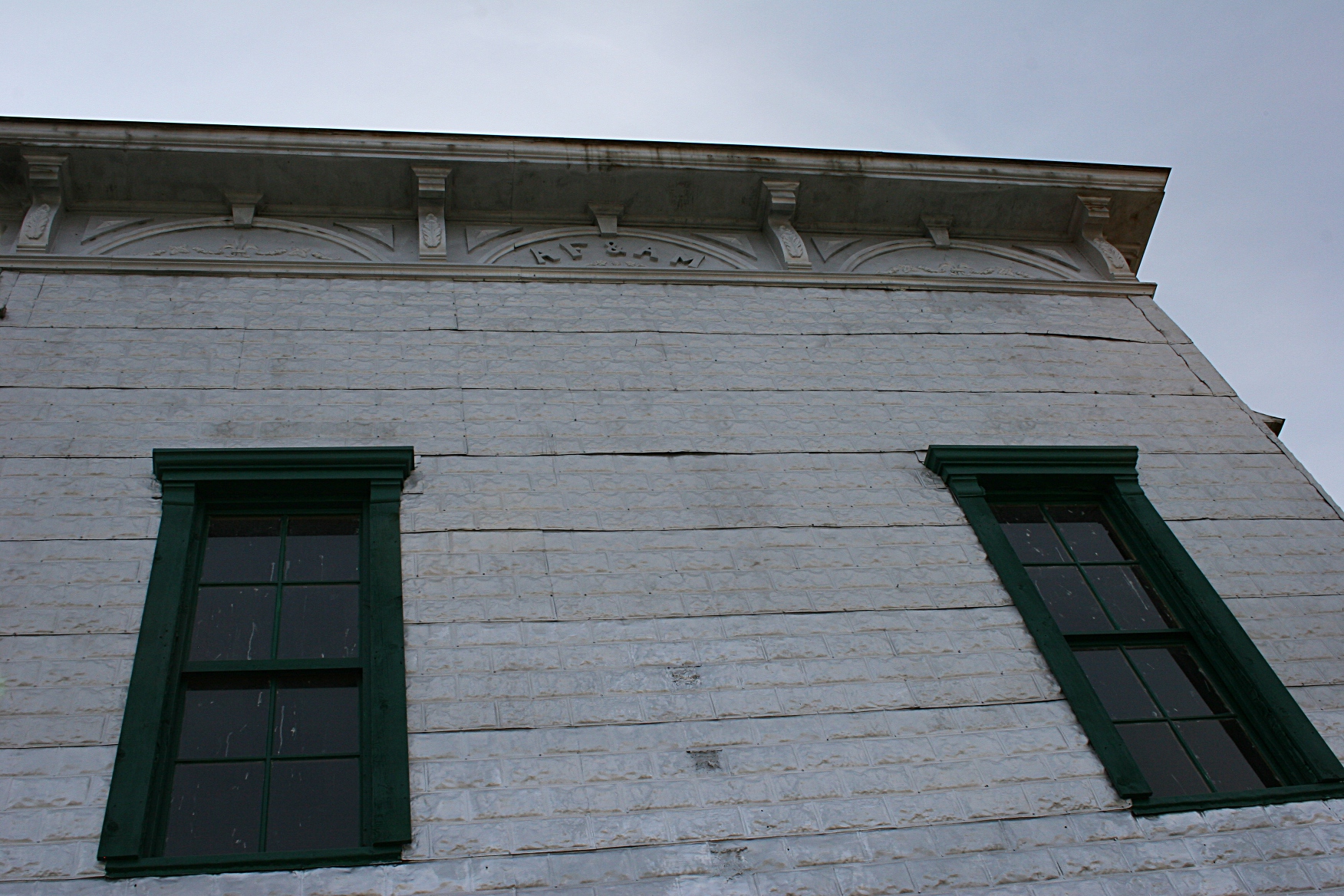
Exterior details on the old Masonic Lodge building.

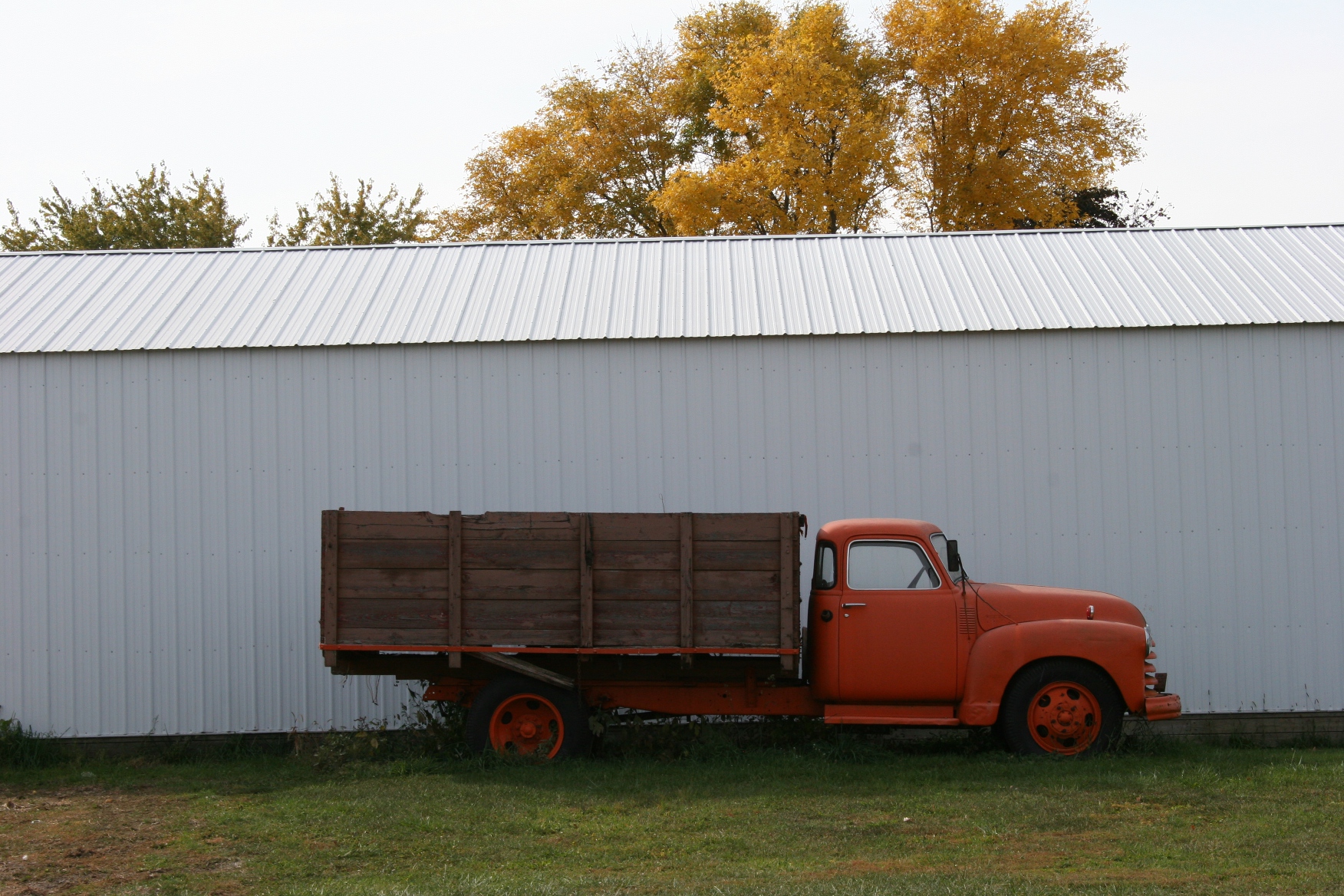
Outside the back door of the antique shop, this tangerine hued vintage truck contrasted against the gray metal caught my artist’s eye.

A broader view of the scene directly across the street from Lumber Yard Antiques and the depot. Pure rural Americana.

FYI: Lumber Yard Antiques is open from 11 a.m. – 5 p.m. “most days,” LeRoy says, but will be closed from January – March. My apologies for failing to photograph LeRoy and Kathie. What was I thinking? Clearly I was not.

CLICK HERE TO READ a previous post from Canton. 

© Copyright 2012 Audrey Kletscher Helbling
 

The corner bar in Canton October 17, 2012

If you can take your eyes off the vintage phone booth, you’ll notice a beer sign suspended from ZZs Tap (bar) along Canton’s Main Street.

PEER DOWN THE ONE-BLOCK Main Street of Small Town, USA, and your eyes likely will land on a bar or two anchoring a business district comprised of primarily vacant and crumbling buildings.

That’s an over-generalization, of course, but sadly all too true for many once-thriving small towns.

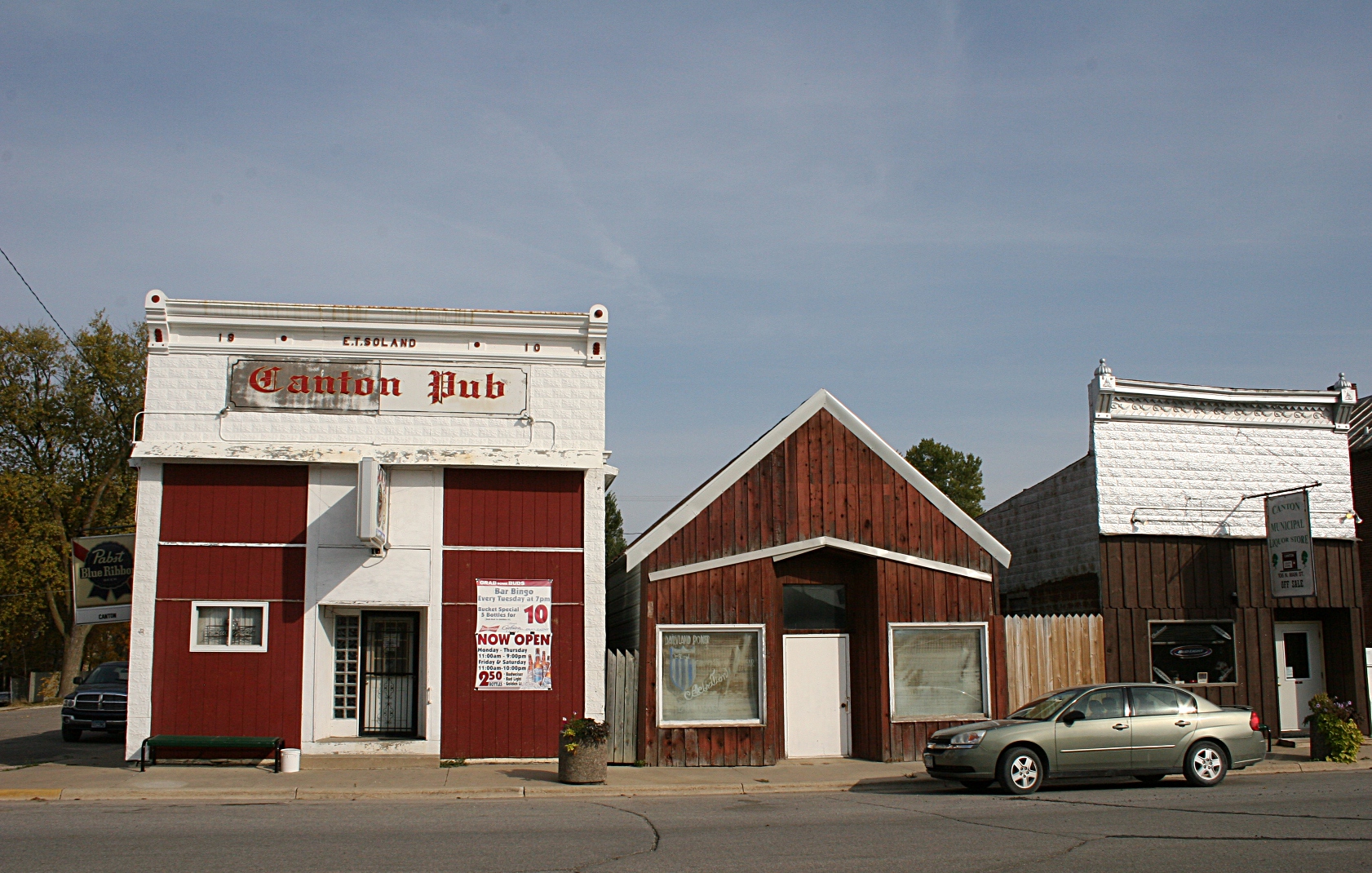
That’s the Canton Pub on the left and the Canton Municipal Liquor Store on the right with an unknown business sandwiched in between.

While hardware stores and grocery stores, even hometown cafes and barber shops, have closed, the corner bar typically endures.

I’ve never been a frequent bar customer and honestly can’t remember the last time I stepped into a small town bar where heads swivel when a stranger enters. You know what I mean, right?

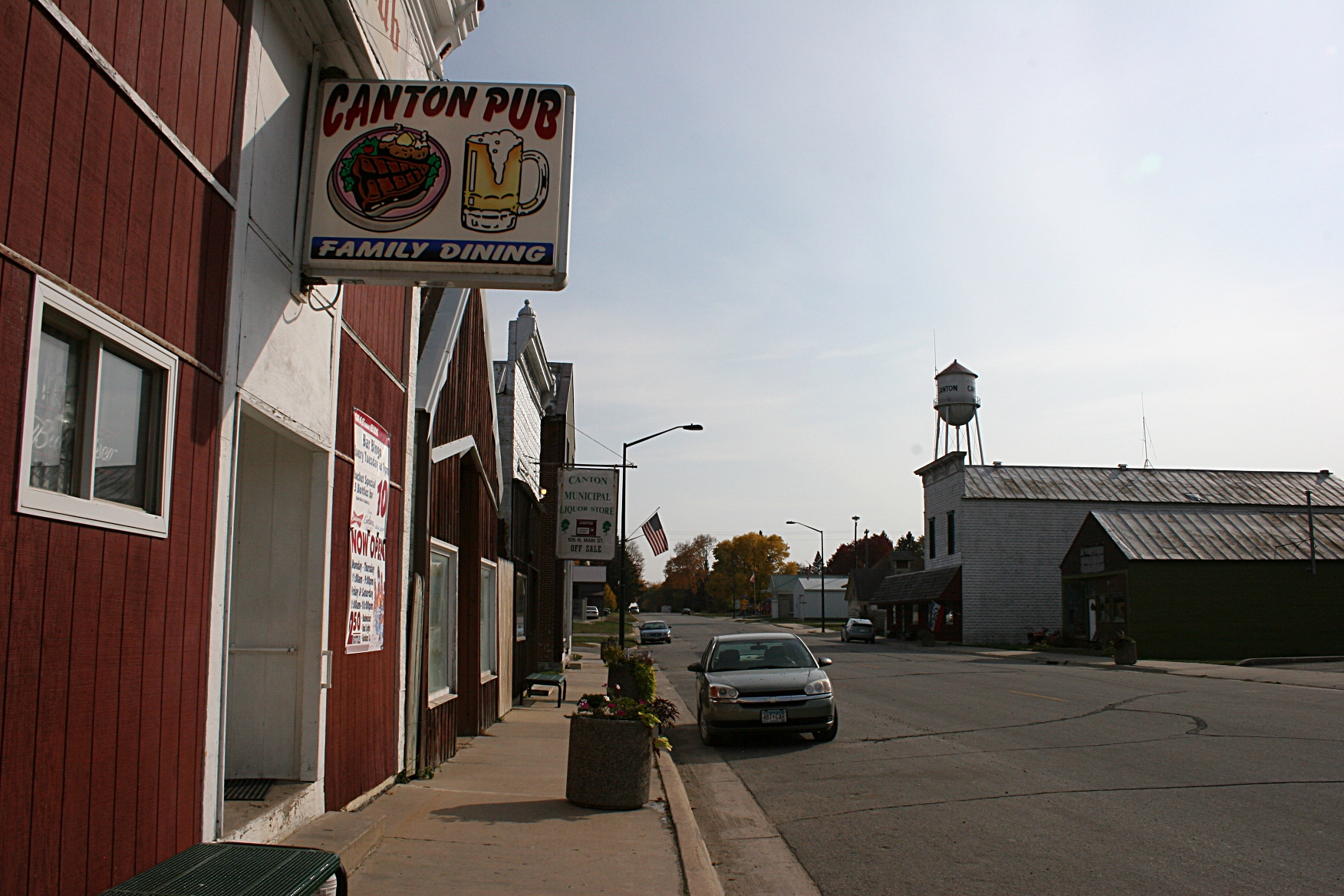
Food and drink and Tuesday night bar bingo can be found at the Canton Pub.

On a recent stop in Canton, a town of 328 nudging the Iowa border in southeastern Minnesota, I spotted the Canton Pub. I didn’t even try the pub door to see if I might slip inside for a cold one on an autumn afternoon.

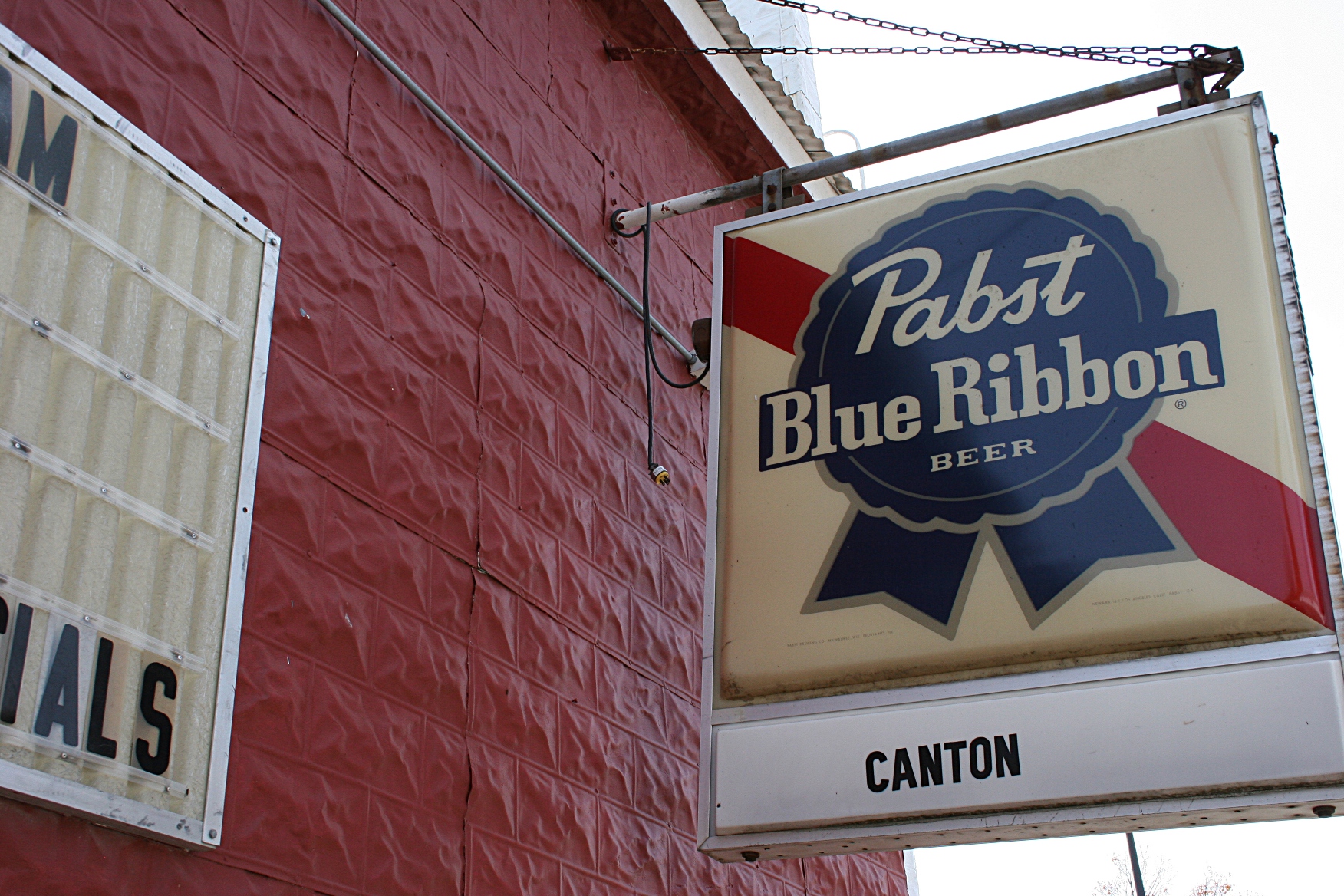
I was too busy photographing the beer signs.

I photographed this sign at the Canton Pub for my oldest daughter’s boyfriend, Marc Schmidt, who recently relocated to the Twin Cities from LA.

Another beer sign on the Canton Pub.

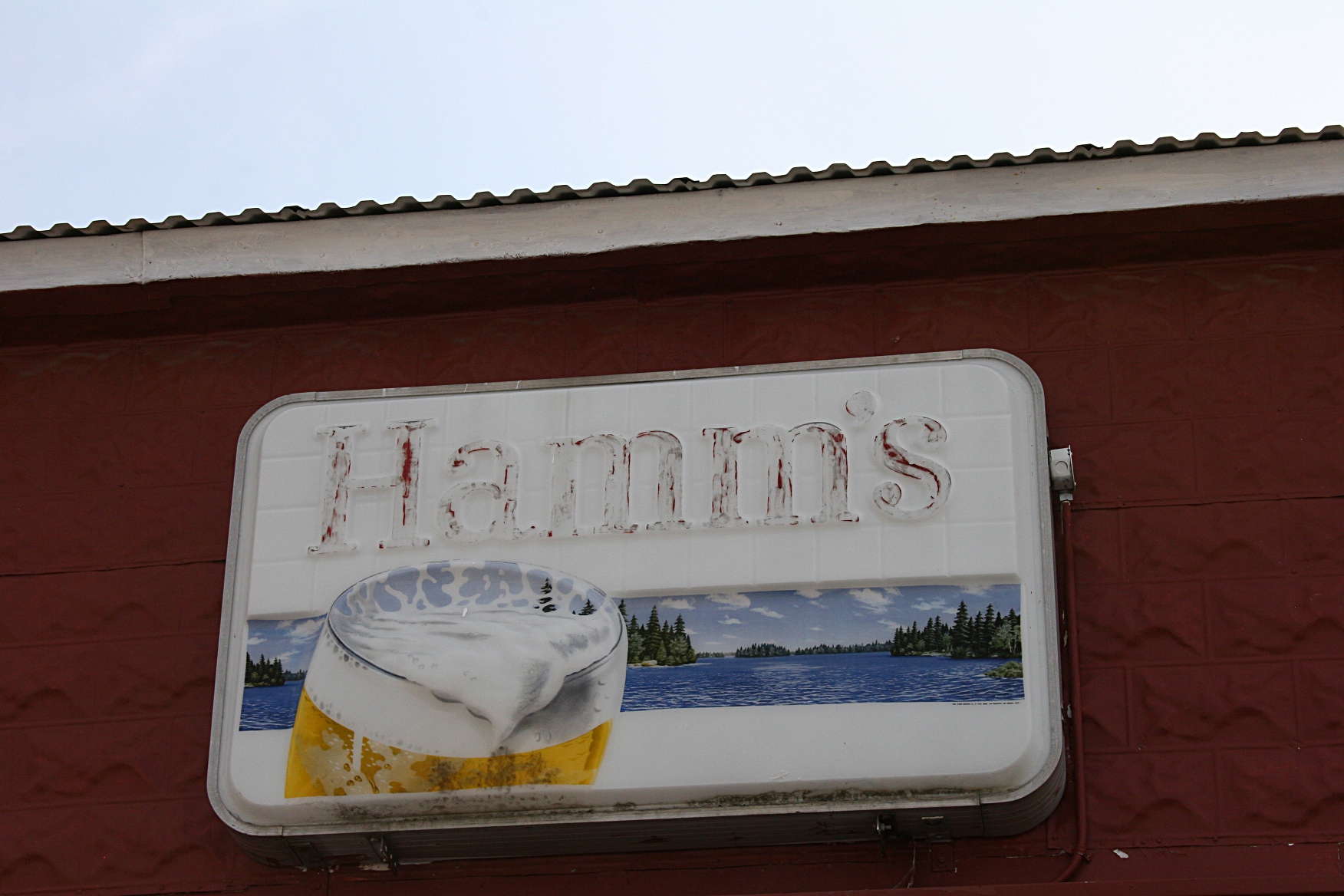
I almost missed the classic “land of sky blue waters” Hamm’s sign until my husband pointed it out at the Canton Pub.

CHECK BACK FOR ANOTHER post from Canton. There’s more to see in this small town than the bars.

© Copyright 2012 Audrey Kletscher Helbling
 

Following the road less traveled, even if you have no idea where you are October 16, 2012

Filed under: Uncategorized — Audrey Kletscher Helbling @ 7:25 AM
Tags: , , , ,

MY HUSBAND WILL TELL YOU, unequivocally, that I am not a navigator. I cannot read a map nor do I possess any sense of direction when we are traveling in unfamiliar territory.

Given that knowledge, I prefer we both know exactly where we are going before we get going. He plots out roads and I sometimes write down directions and hope for the best. That saves lots of frustration and, ahem, discussion about “maybe we should stop somewhere and ask for directions.”

But occasionally a road beckons and we end up in an unknown locale and I start to fret about where we are and where we’ll end up.

About that time in the journey, Randy will pull over to the side of the road (because we are typically in a remote area) and consult the Minnesota atlas we carry with us. He’ll study it for awhile, then set it down and start driving—without telling me where we are or where we are going.

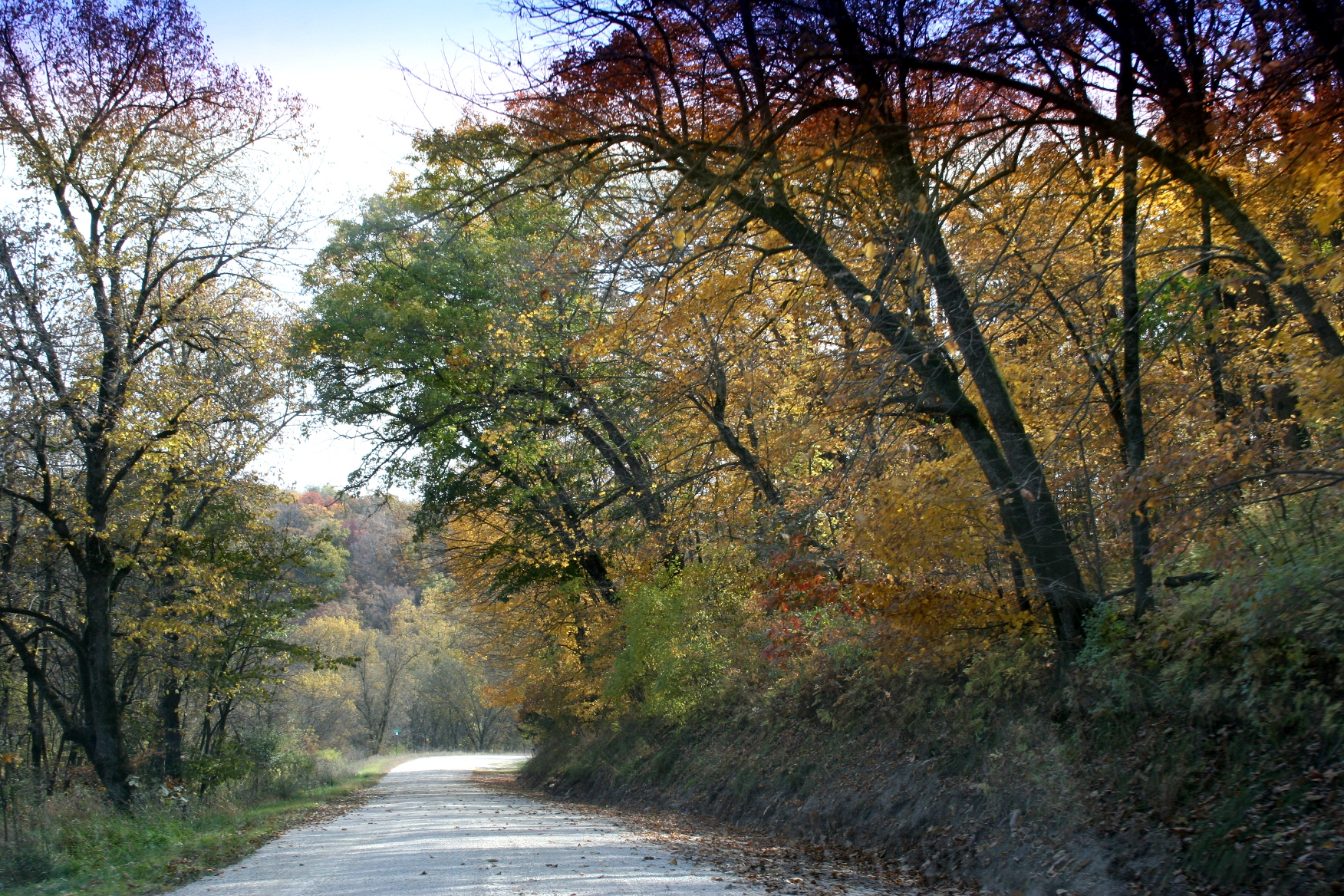
A view of isolated Fillmore County Road 23 as taken through the front windshield of our car.

On a recent day trip to the Chatfield/Lanesboro/Canton/Harmony/Preston area of southeastern Minnesota, we turned onto Fillmore County Road 23, a scenic route recommended by Jackie, who blogs over at “Who will make me laugh” (you really ought to read her blog by clicking here). I wasn’t expecting the tar road to turn into gravel and twist and turn through isolated backwoods before reaching County Road 10.

I was becoming somewhat agitated, wondering if this really was the road Jackie meant for us to travel and how long we’d be driving in the middle of nowhere.

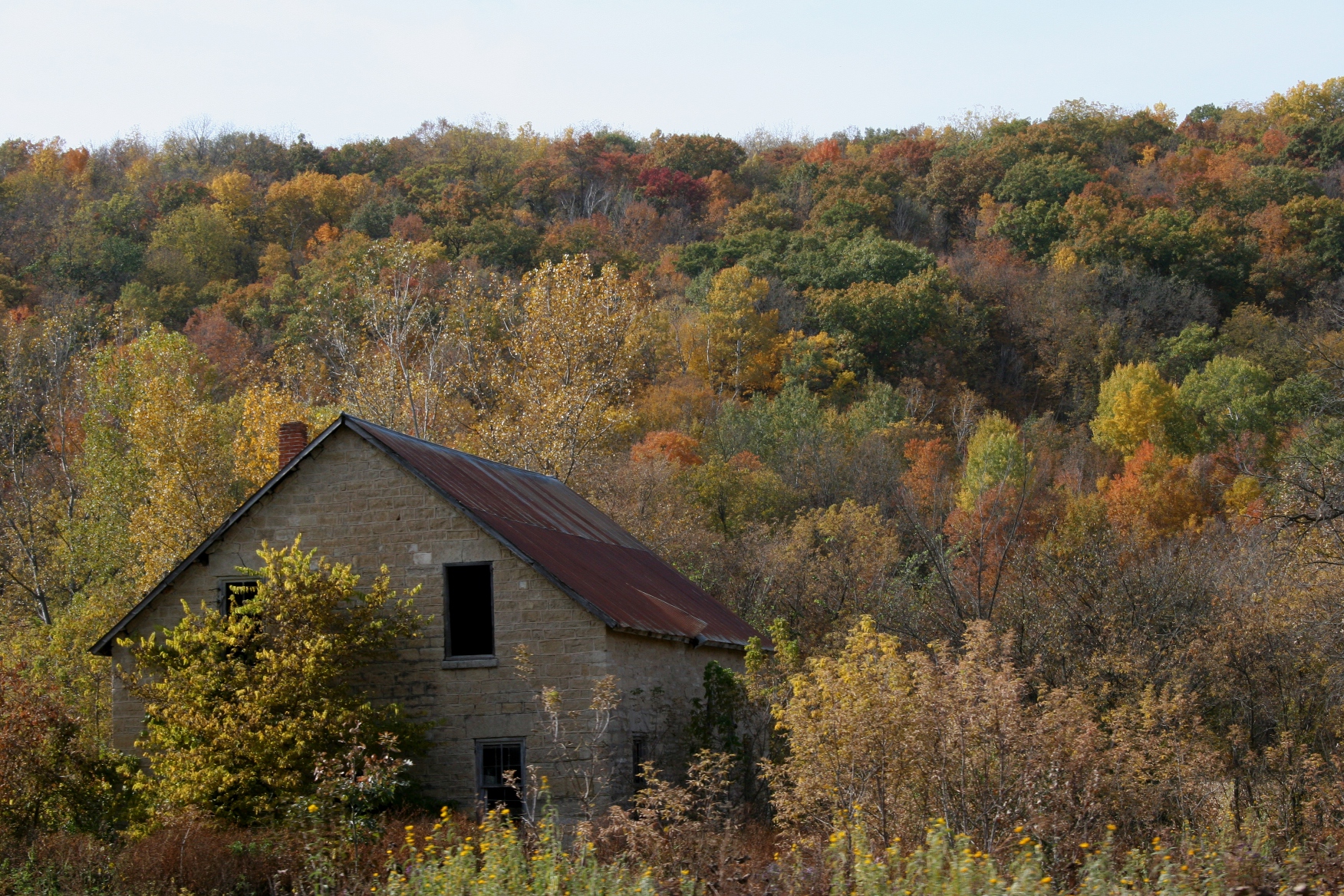
This lovely old stone house seems to meld into the muted autumn landscape.

Soon enough, though, I became distracted by the scenery and the old stone buildings and the beauty of the place through which we were traveling.

Jackie was right in suggesting we follow scenic CR 23. And my husband was right in realizing that sooner or later, I’d enjoy the ride.

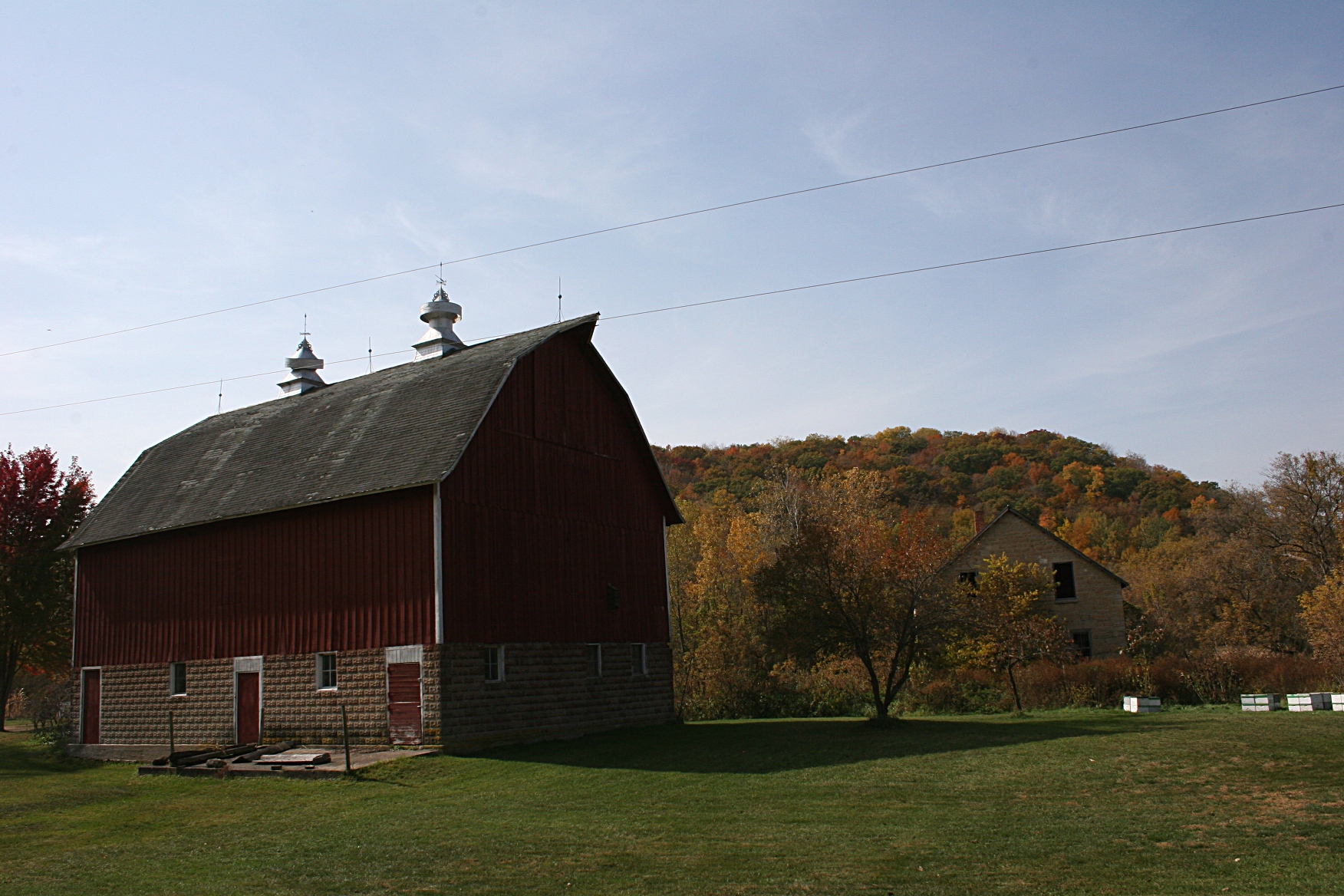
And then, bonus, that stately red barn near the old stone house.

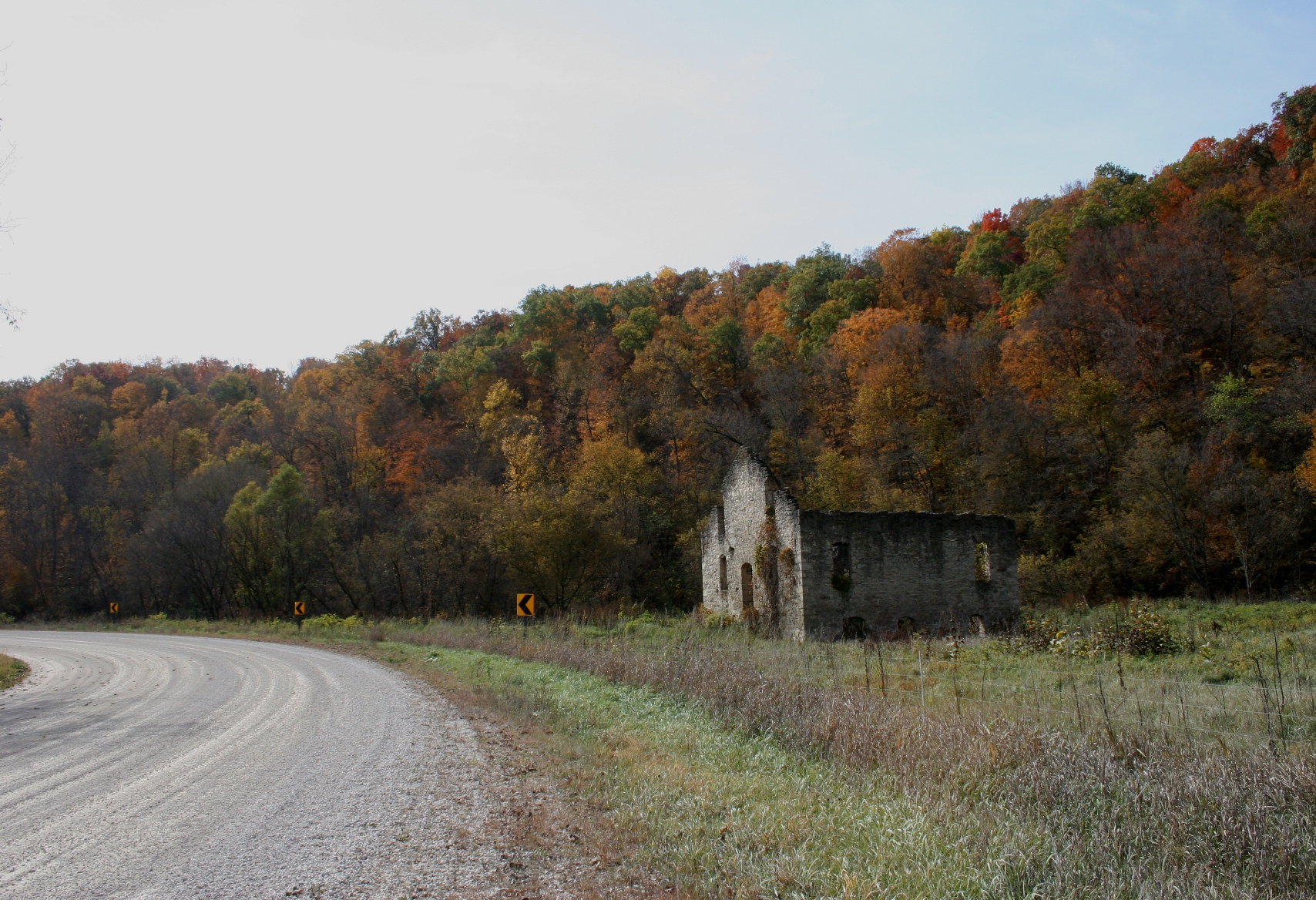
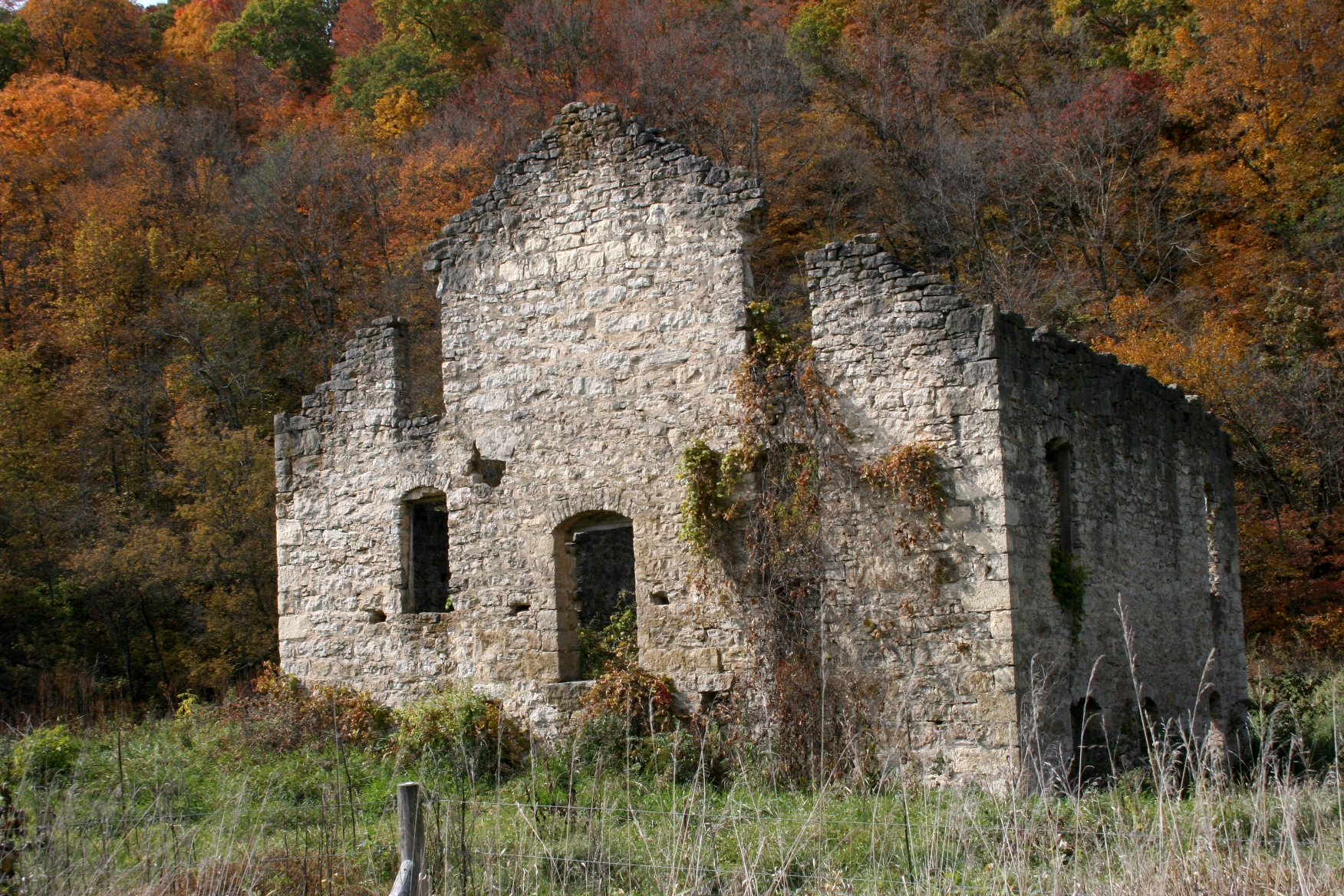
And then further, on a bend in the road, these old stone ruins appeared.

And later I would learn, from Troy at the Highland Cafe (where Jackie also sent me) that this was once a mill.

HOW ABOUT YOU: What type of traveler are you? Are you adventuresome or, like me, wanting to know where you are? I expect some of you will suggest a GPS might be a wise investment. Am I correct?

No matter your answers, taking those backroads always, always, results in wonderful discoveries. Thanks, Jackie, for the scenic travel tip.

© Copyright 2012 Audrey Kletscher Helbling
 

One final look at Door County, Wisconsin October 15, 2012

Filed under: Uncategorized — Audrey Kletscher Helbling @ 7:29 AM
Tags: , , , , , , ,

DOOR COUNTY, WISCONSIN, truly is what you make it.

With that in mind, and understanding that I did not even begin to see and do everything a visitor can see and do at this scenic tourist destination in northeastern Wisconsin, here’s one last look at some photos I shot on a recent one-day visit.

You can explore the stunning natural beauty of Door County…

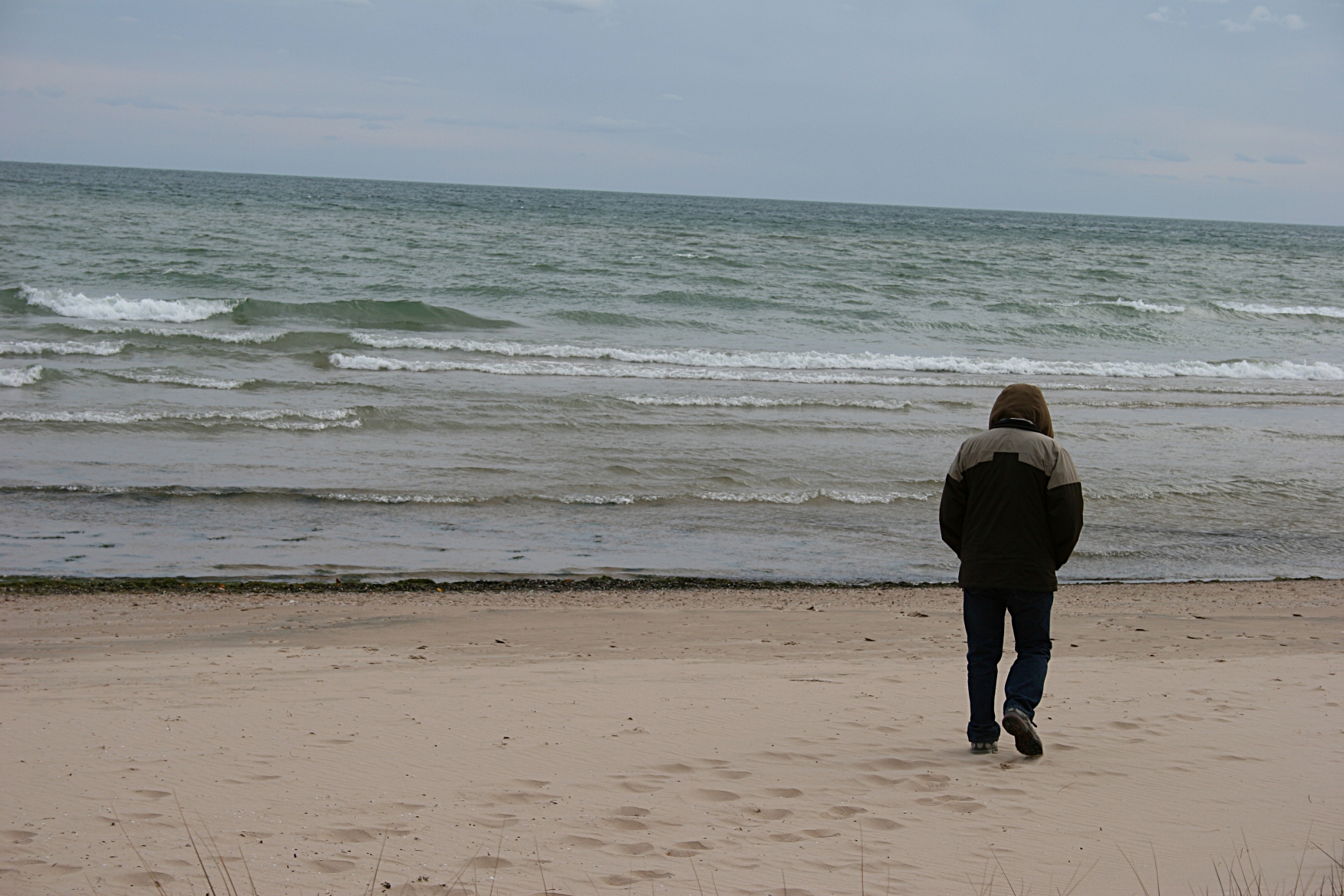
My husband walks along the beach at Whitefish Dunes State park along Lake Michigan on a recent cold and windy afternoon in October.

The harbor at Egg Harbor on the western side of Door County.

A view of the bay while crossing a bridge into Sturgeon Bay, the beginning of Door County.

…or shop the antique and gift shops…

One of the many shops in cozy Egg Harbor.

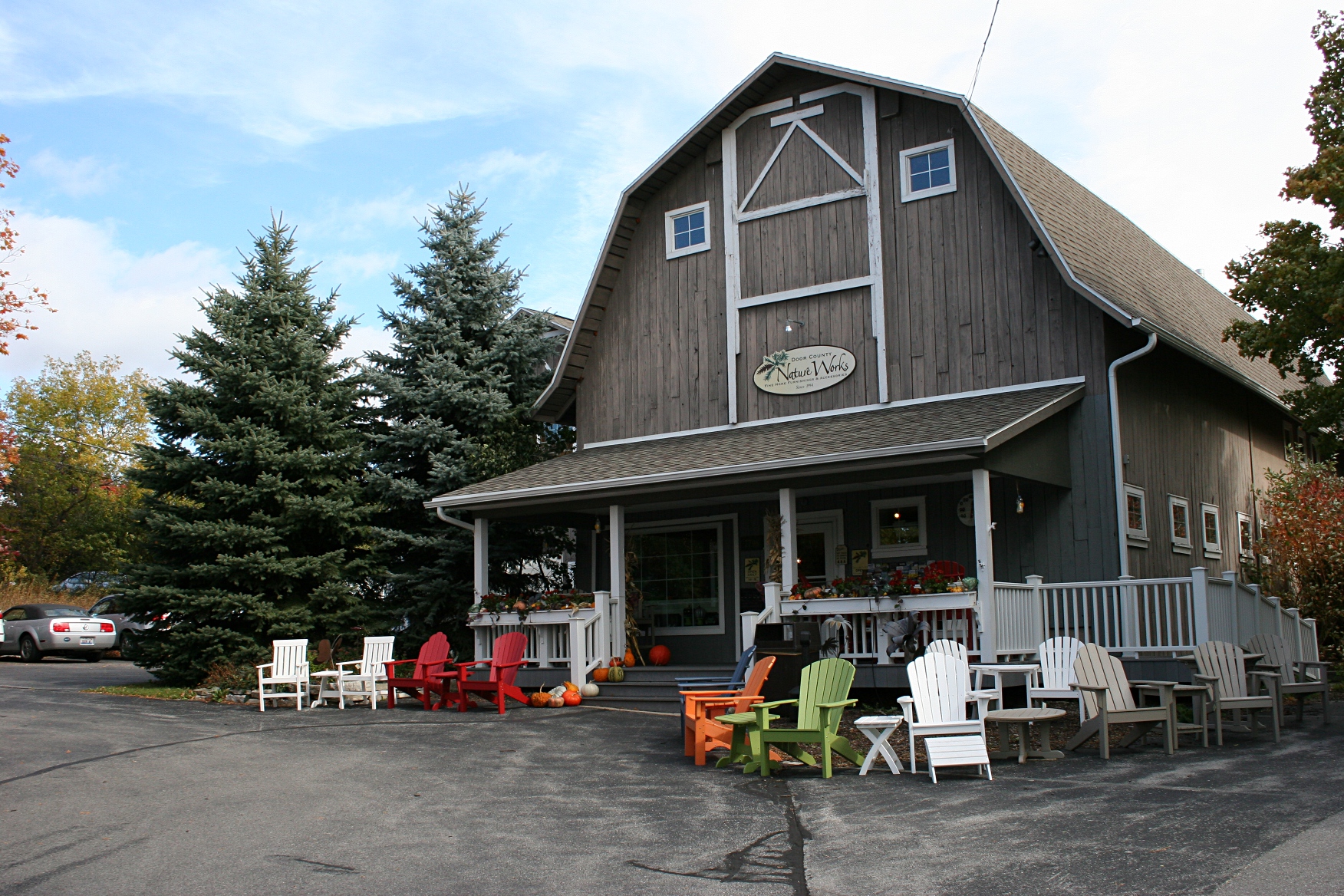
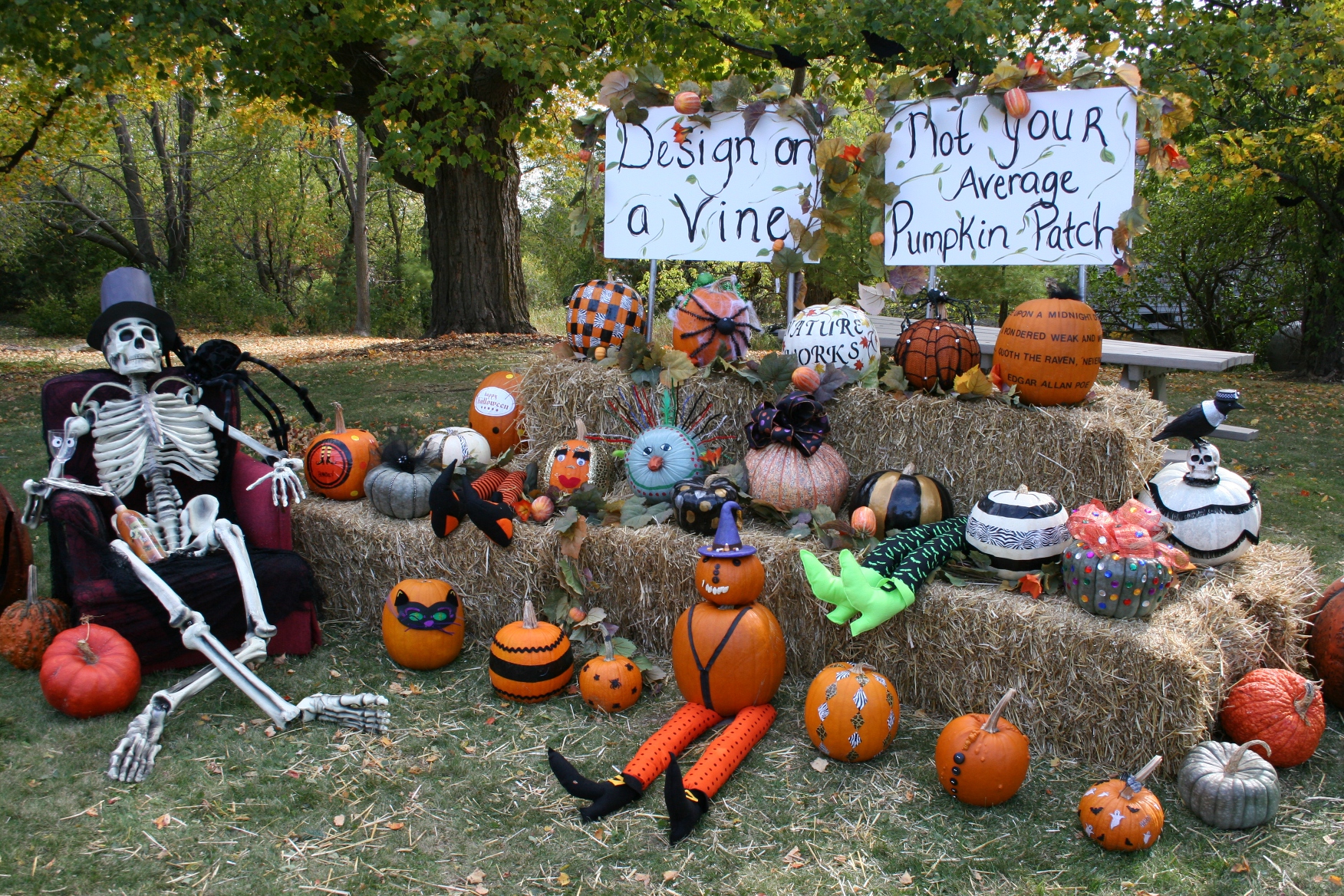
Nature Works, an Egg Harbor gift shop.

A festive display outside of Nature Works.

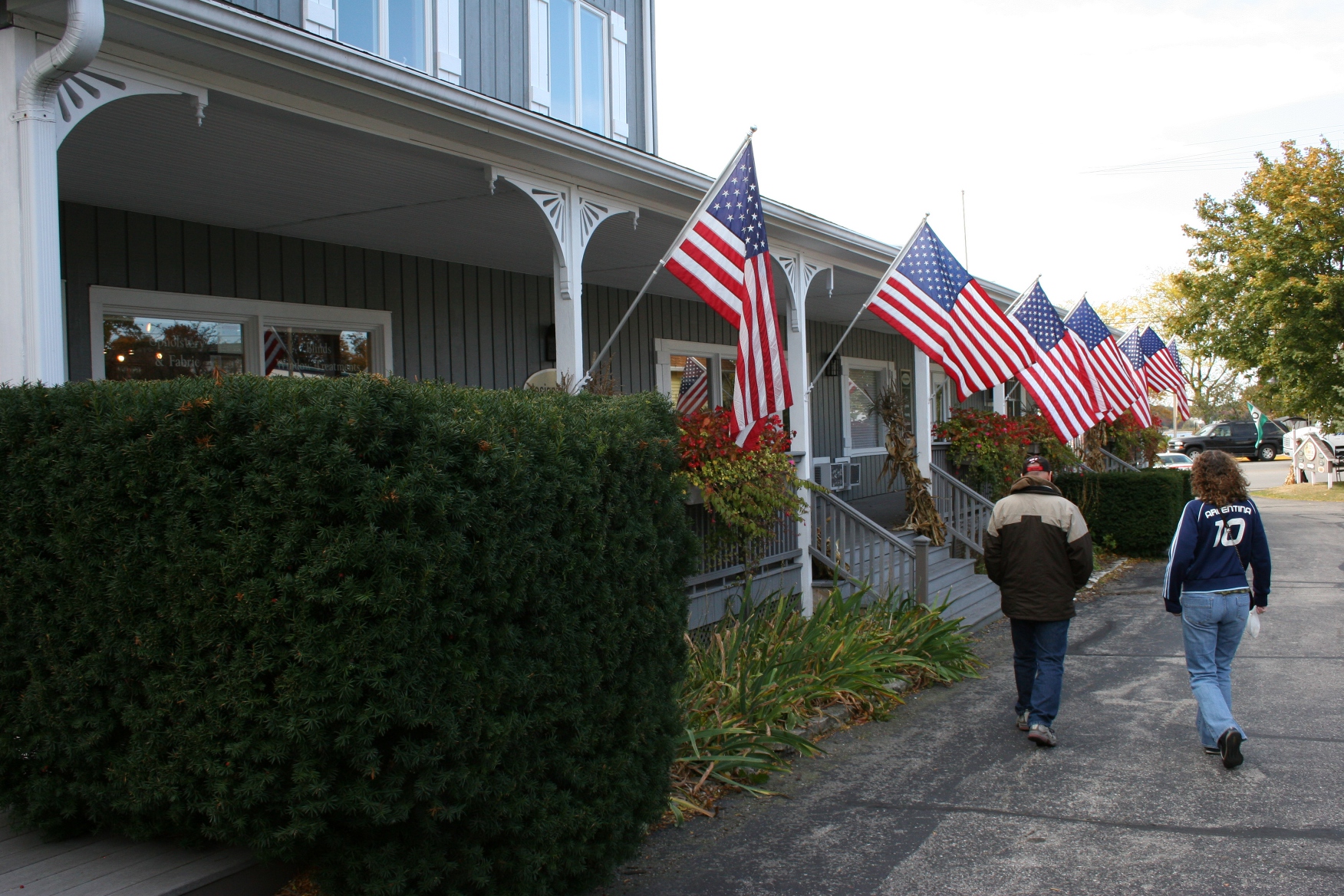
A row of flags add a bit of Americana charm to a scene in Egg Harbor.

…or wine and dine…

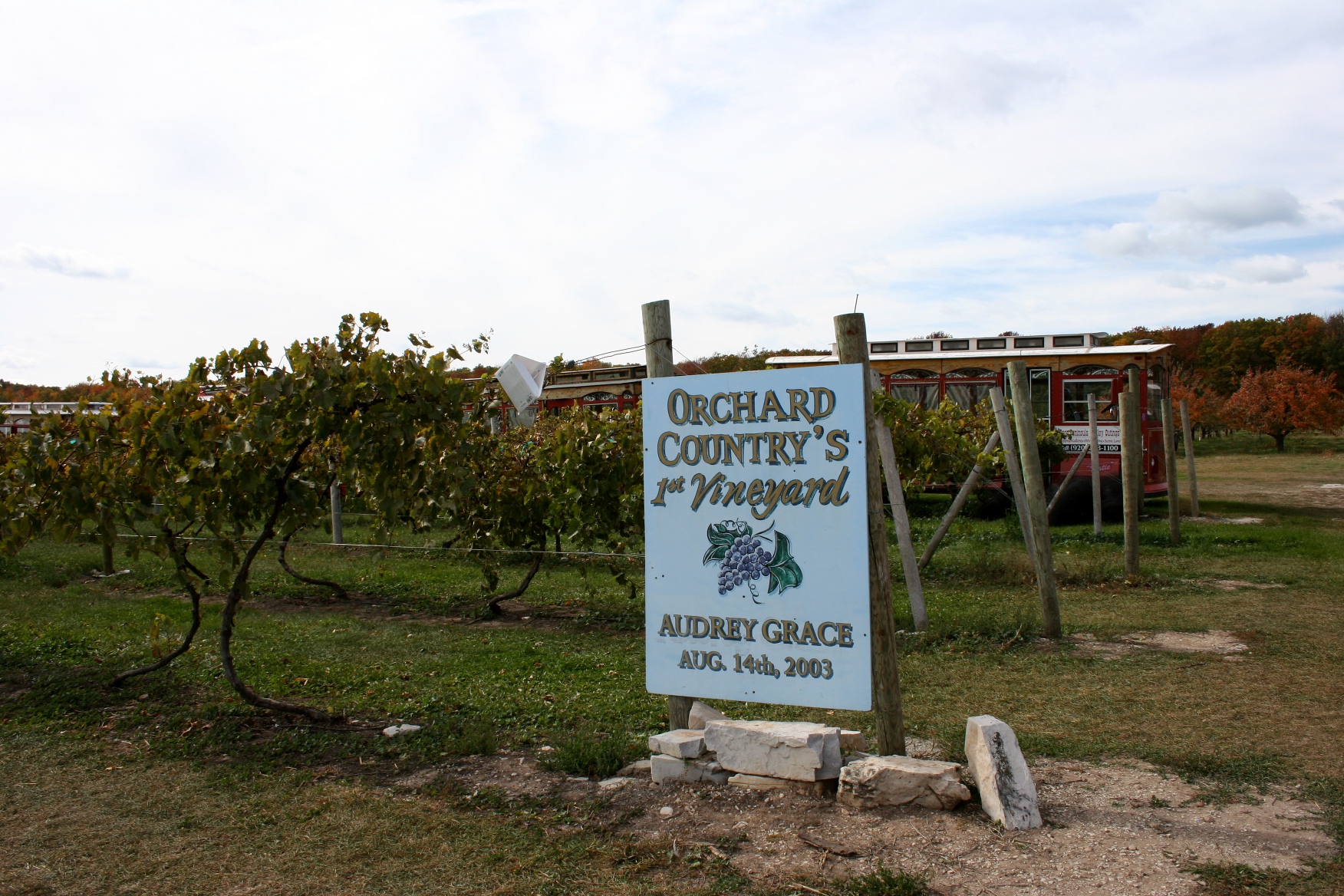
I just had to photograph the Audrey Grace vineyard at Lautenbach’s Orchard Country Winery south of Fish Creek, even if my middle name is not Grace.

…or take in the arts scene…

I spotted this sign for the Cheeseheads musical inside Julie’s Cafe in Fish Creek.

…or check out the historic buildings…

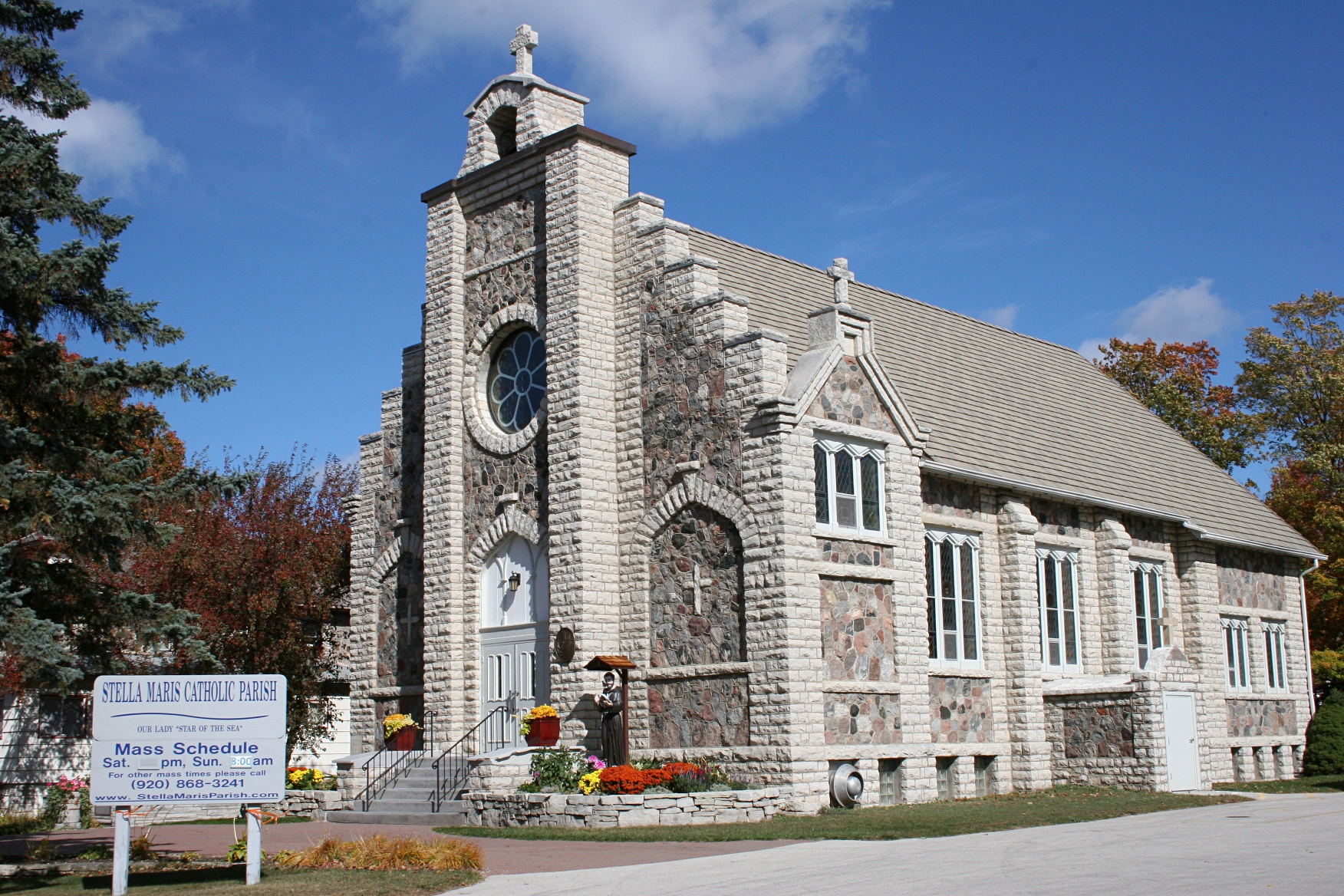
Look at this absolutely magnificent pink and gray granite church, St. John the Baptist, which I photographed at Egg Harbor. The 1907 church, constructed from stone harvested from local farmers’ fields, is part of the Stella Maris (“Star of the Sea”) Catholic Parish.

READERS, PLEASE VISIT my blog archives to see previous posts I published recently on Door County.

Copyright 2012 Audrey Kletscher Helbling
 

No cherry jackpot this season in Door County, Wisconsin October 13, 2012

Filed under: Uncategorized — Audrey Kletscher Helbling @ 9:12 AM
Tags: , , , , , ,

REMEMBER THAT WONDERFUL and unseasonably warm weather we embraced last March? Then remember the cold and freezing weather which followed in April, as if the two months traded spots temperature-wise. Not a good thing when you own an orchard.
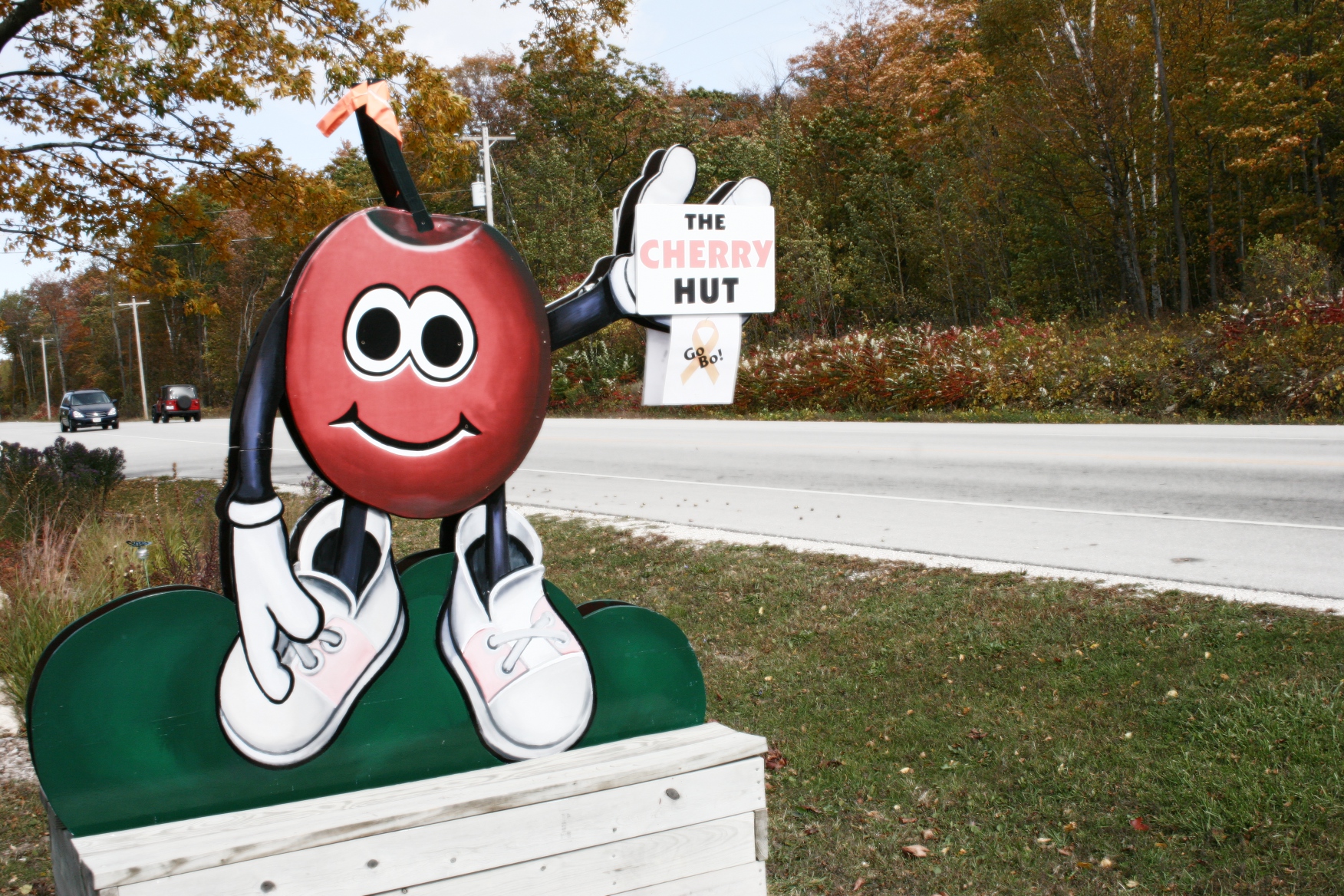
This sign along Wisconsin Highway 42 south of Fish Creek marks The Cherry Hut roadside cherry business, established in 1949.

I hadn’t thought much about that warm spring until a recent visit to Door County, Wisconsin, famous for its cherry orchards.
The northeastern Wisconsin peninsula experienced the same type of weird warm winter weather we did here in Minnesota, causing the cherry tree buds to form early and then freeze.
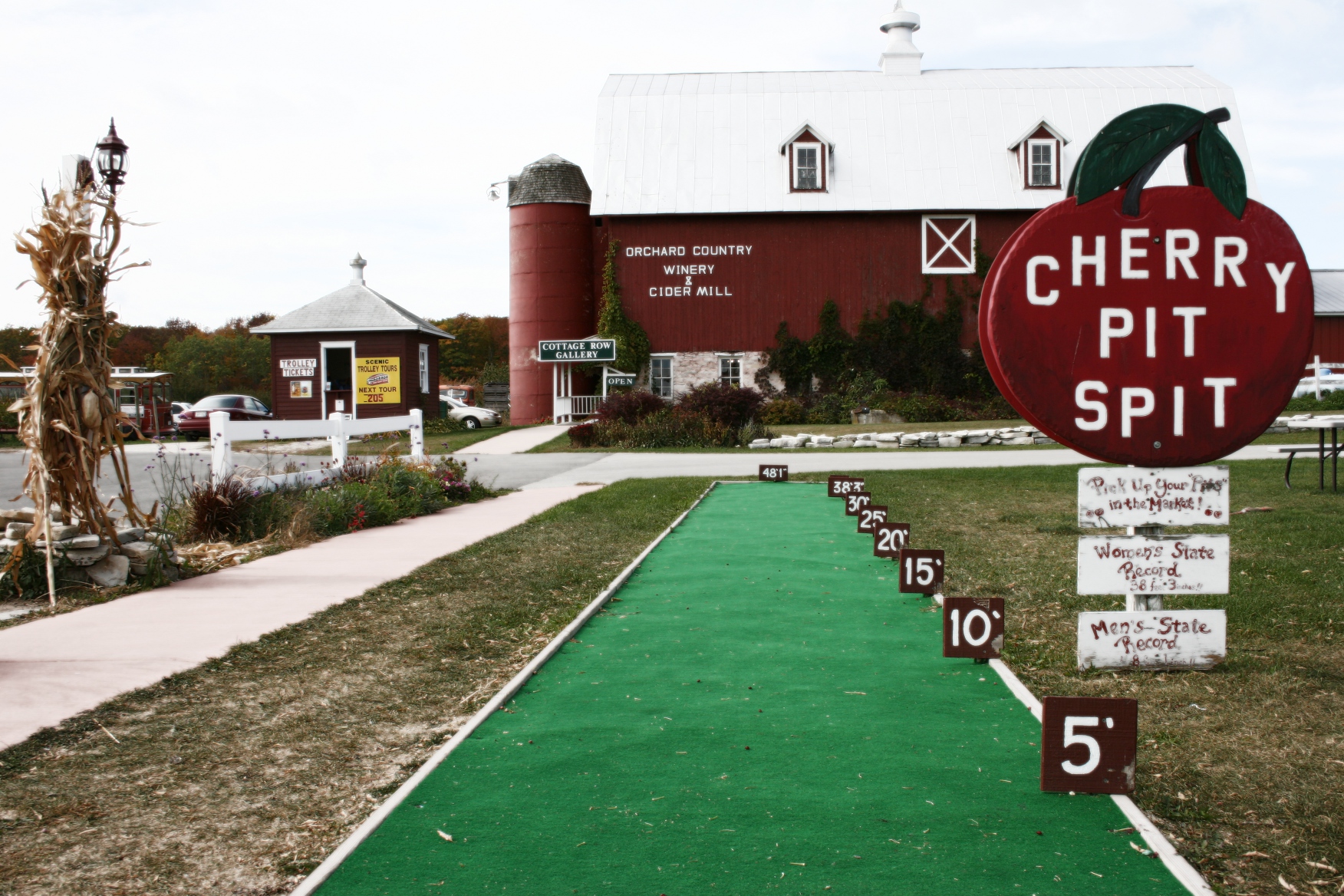
The cherry pit spit at Lautenbach’s Country Winery & Market, Fish Creek.

According to the Wisconsin Cherry Growers, Door County’s typical cherry crop of 12 million pounds was expected this year to hover around 700,000.

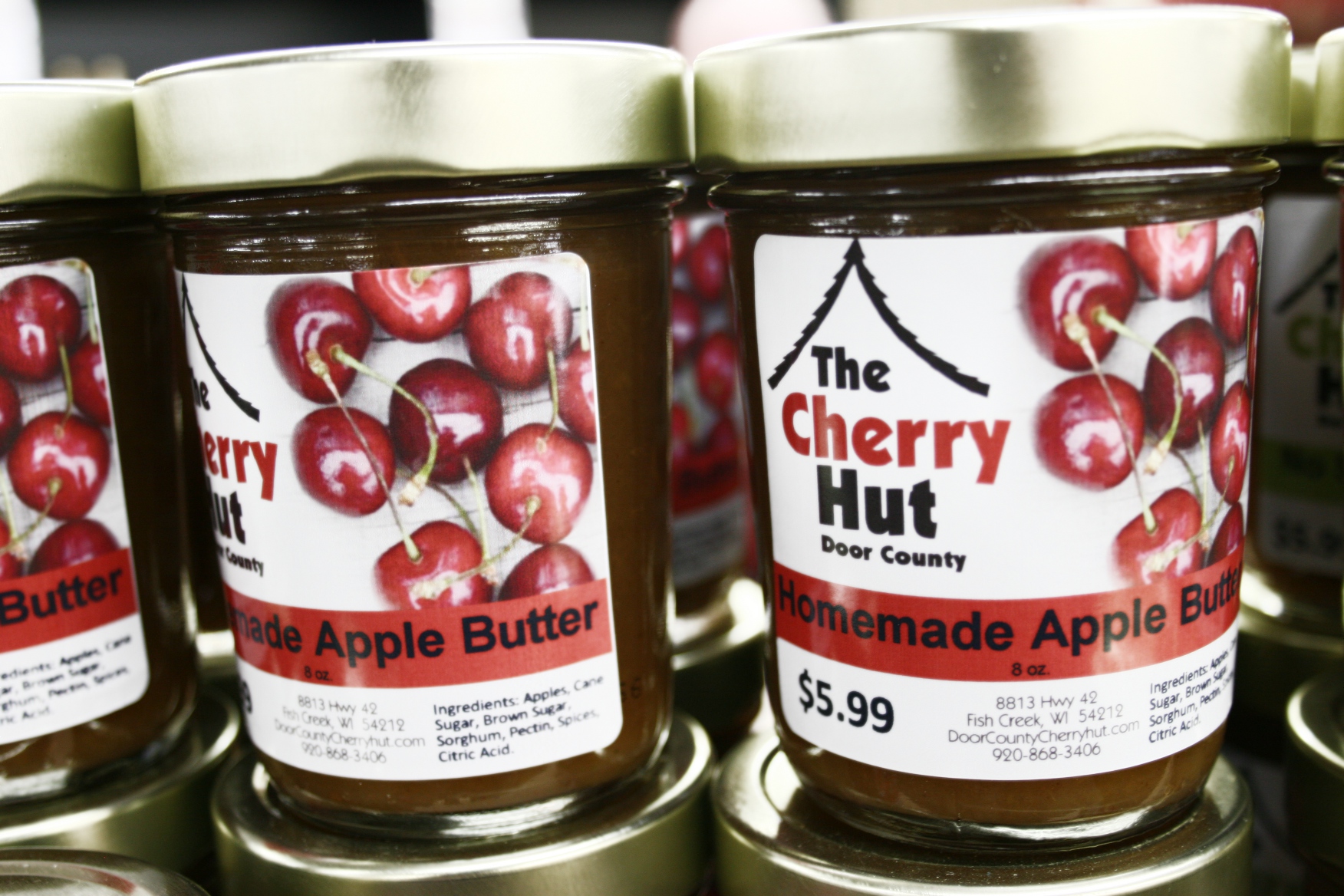
At first glance you would think this is a cherry product. Not so. This is apple butter sold by The Cherry Hut. I assume the apple crop was also down this year in Door County as it is in Minnesota.

The cherry harvest is long done in Door County. But even a poor crop doesn’t stop this tourist destination from promoting cherries and offering samples of cherry wines and juices and cherry salsa from, I presume, primarily last season’s crop.

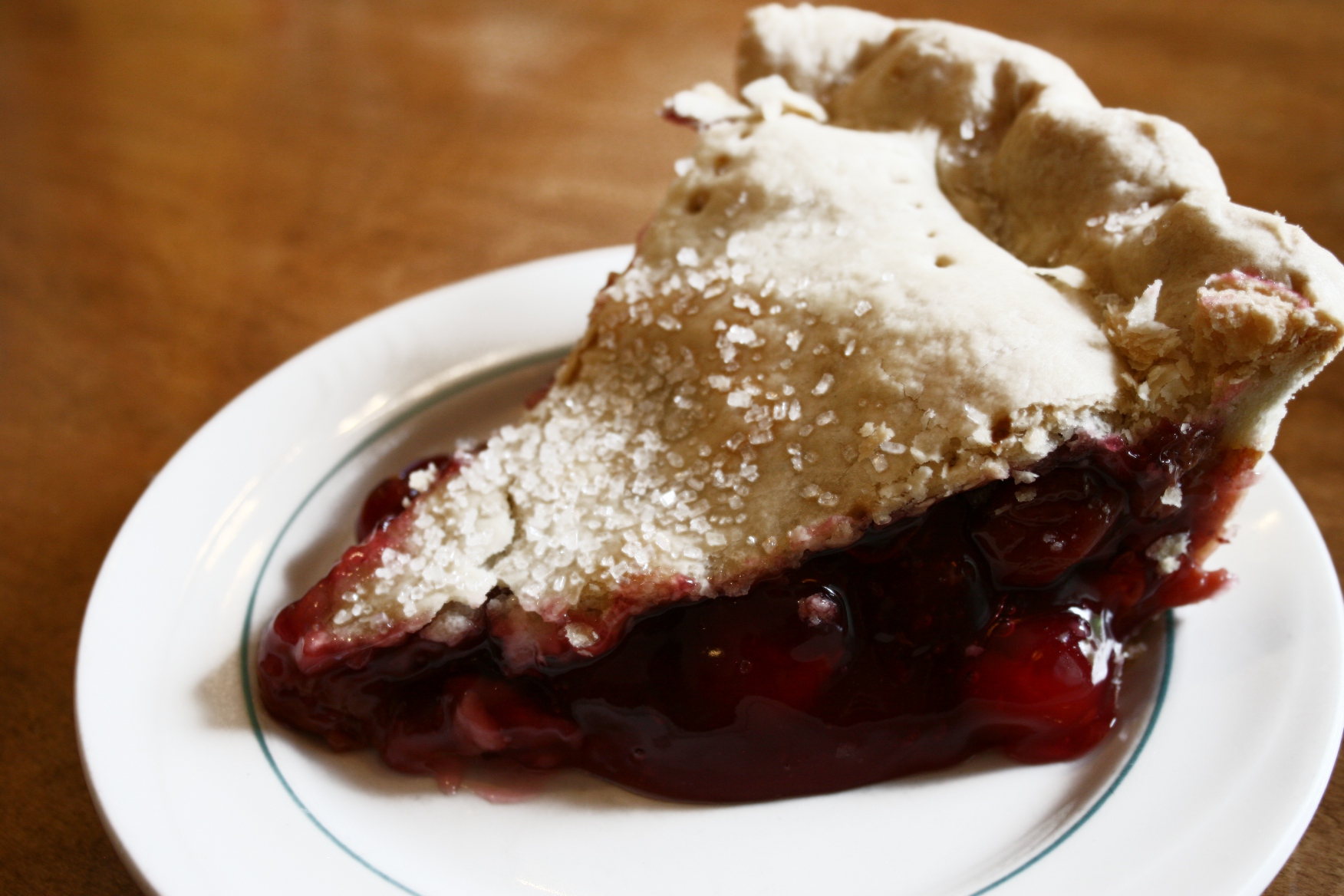
And restaurants, like Julie’s Park Cafe in Fish Creek, were still offering up slices of delicious Door County cherry pie.

A $5 slice of tart Door County cherry pie…

…shared by three–my husband, second daughter and me.

© Copyright 2012 Audrey Kletscher Helbling