Minnesota Prairie Roots

Writing and photography by Audrey Kletscher Helbling

Celebrating the Czech heritage at Veseli Ho-Down August 23, 2011

AROUND 10:15 a.m. we pull into Veseli, population 200, in northwestern Rice County and are directed to a parking spot on a ball field just below Most Holy Trinity Catholic Church. My husband Randy and I have barely exited our car when Fritz and young Joe arrive in their golf cart, offering us a ride around the block so we don’t have to climb the steep hill to the church.

We learn on the short jaunt that this marks the 44th annual Holy Trinity celebration, which began as a typical church festival but today has evolved into the Veseli Ho-Down.
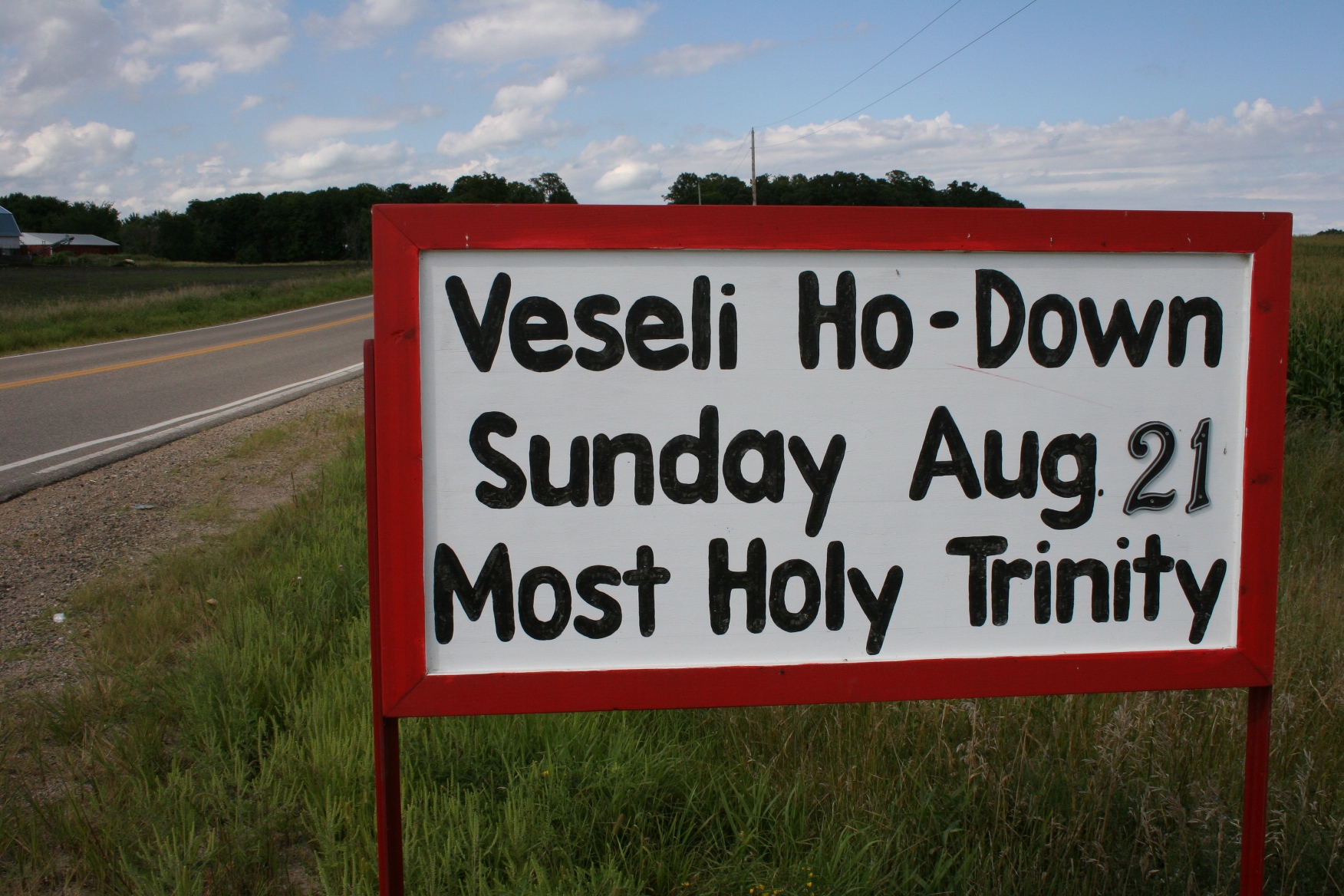
A sign several miles from Veseli directs motorists to the Ho-Down.
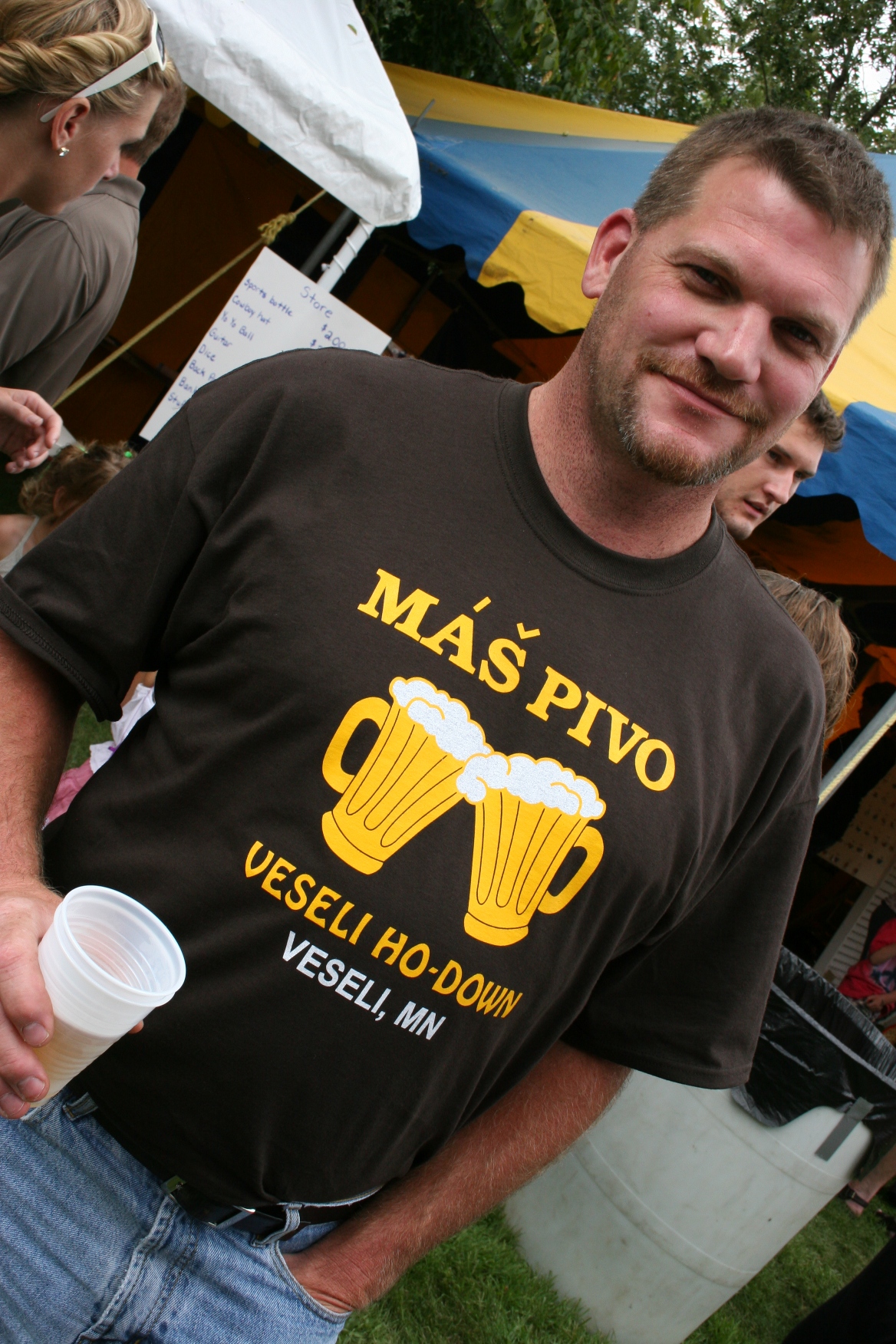
A fest-goer sports a Veseli Ho-Down t-shirt.

It is an event complete with a polka mass, raffles galore, a chicken dinner, kids’ games, home-baked Czech goodies, bingo, entertainment by 11 musical groups and beer, lots of beer.

In between all the activity, you’ll catch snippets of the Czech mother tongue, spoken by the old-timers from Veseli, Lonsdale, Montgomery, New Prague and Webster.

But you needn’t be Czech, or even Catholic, to enjoy this event that swells Veseli’s population on this Sunday in August. I’m Lutheran and I’m German. Chat it up with those attending, and you’ll discover that many grew up in Veseli, or the area, and are back for the day to celebrate, support the church and mingle with family and friends.

John Hertaus Jr. and his wife, Joseth (she’s part French and has a name of French origin), coordinate the chicken dinner served from a tent to around 1,000 diners. Down the hill and around the corner by Novak’s Garage, volunteers grill the 514 chickens, which are then placed in surplus military issue containers and hauled on a wagon to the church grounds.

The Hertauses keep a watchful eye on the entire chicken dinner, which was added to the festival, along with the polka mass, about 20 years ago upon the suggestion of John Jr.’s parents, John Sr. and Rita.

Well before 11 a.m., attendees are already buying $10 tickets for the chicken dinner and filing into the sanctuary. By mass time, worshippers pack the pews, fill folding chairs along the side aisles and overflow into the church entry. Without a program—they ran out—I can’t follow the worship service, so I just sit and stand and fold my hands and bow my head when I am supposed to do so.
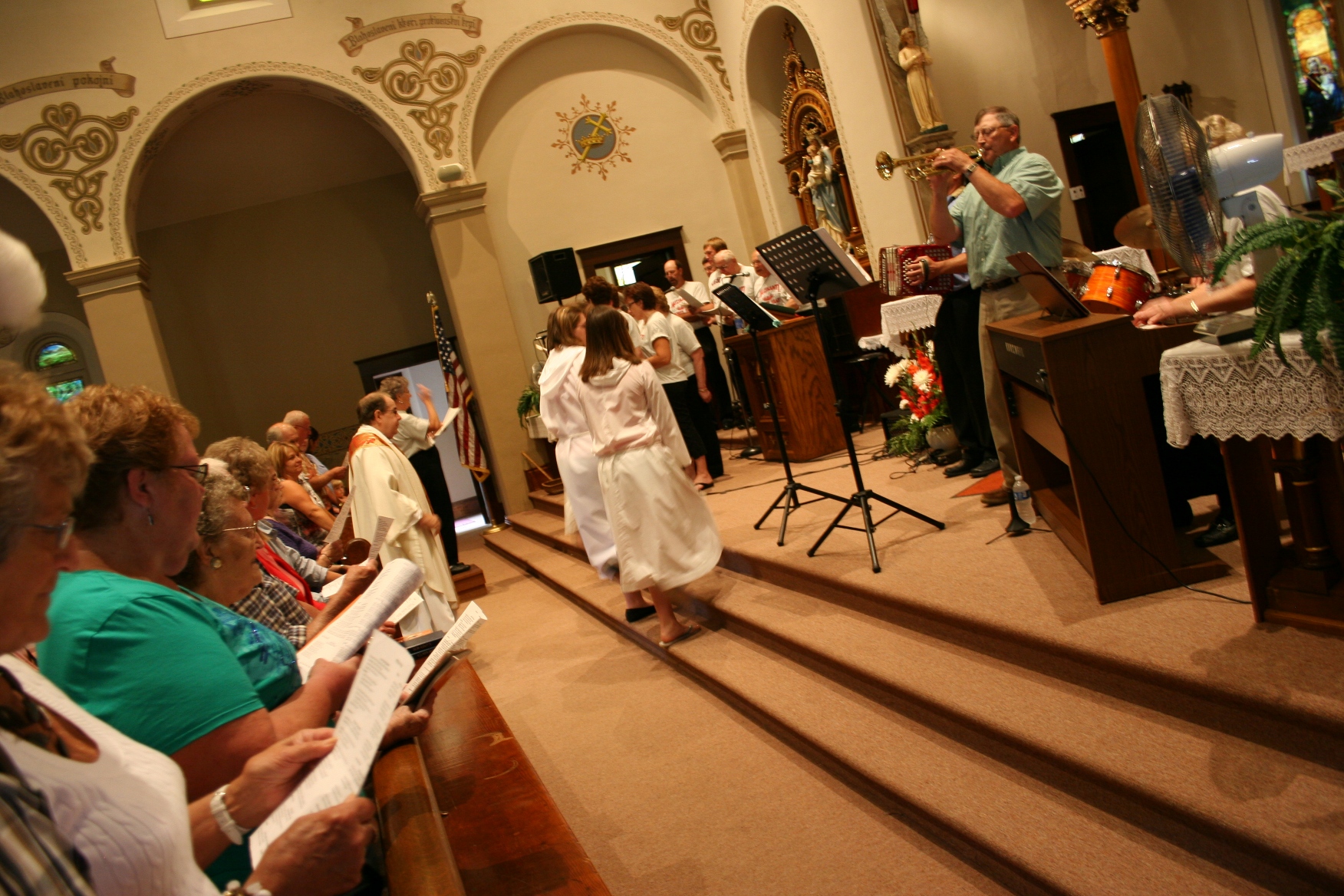
The polka mass begins.
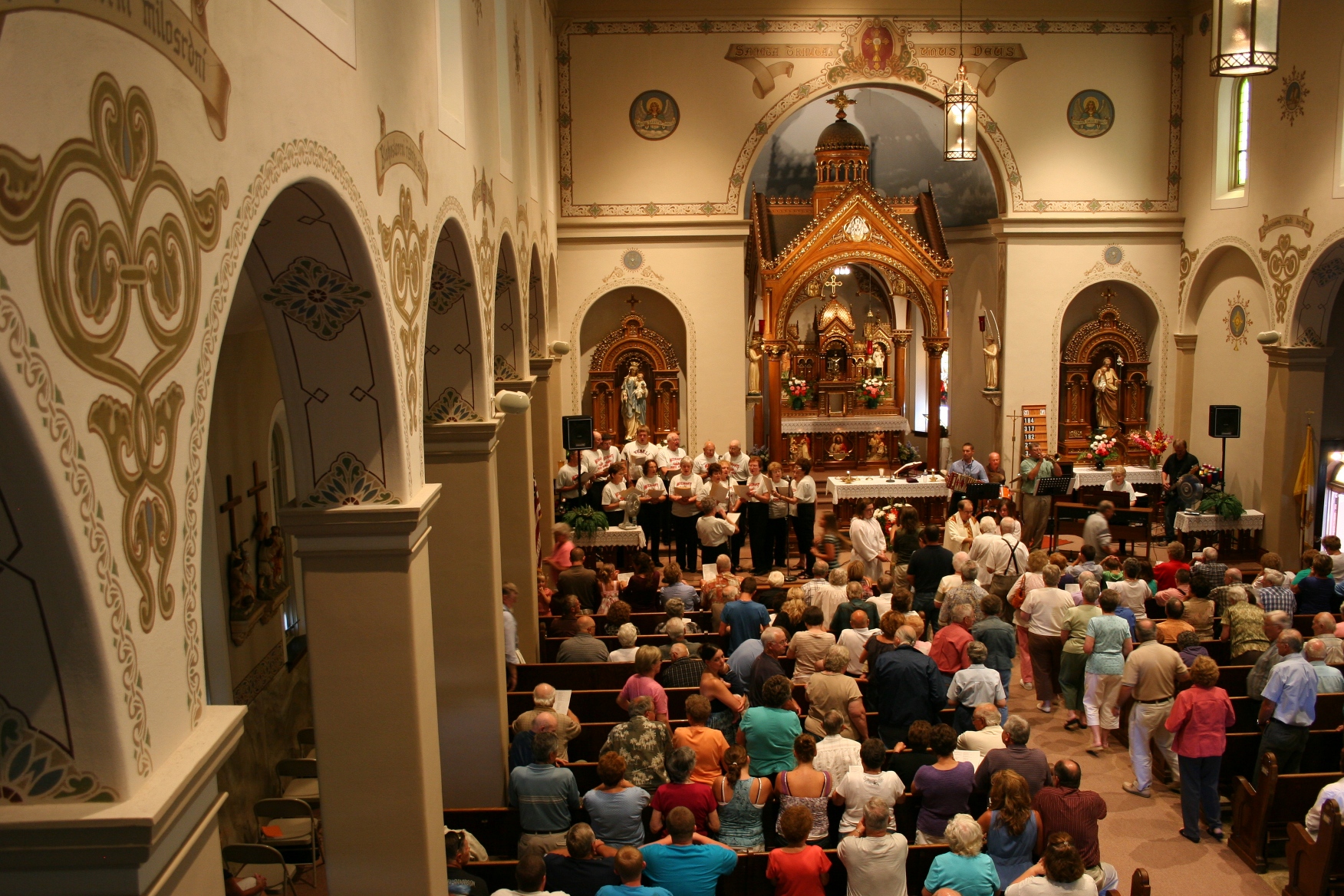
A view from the balcony of Most Holy Trinity Catholic Church.
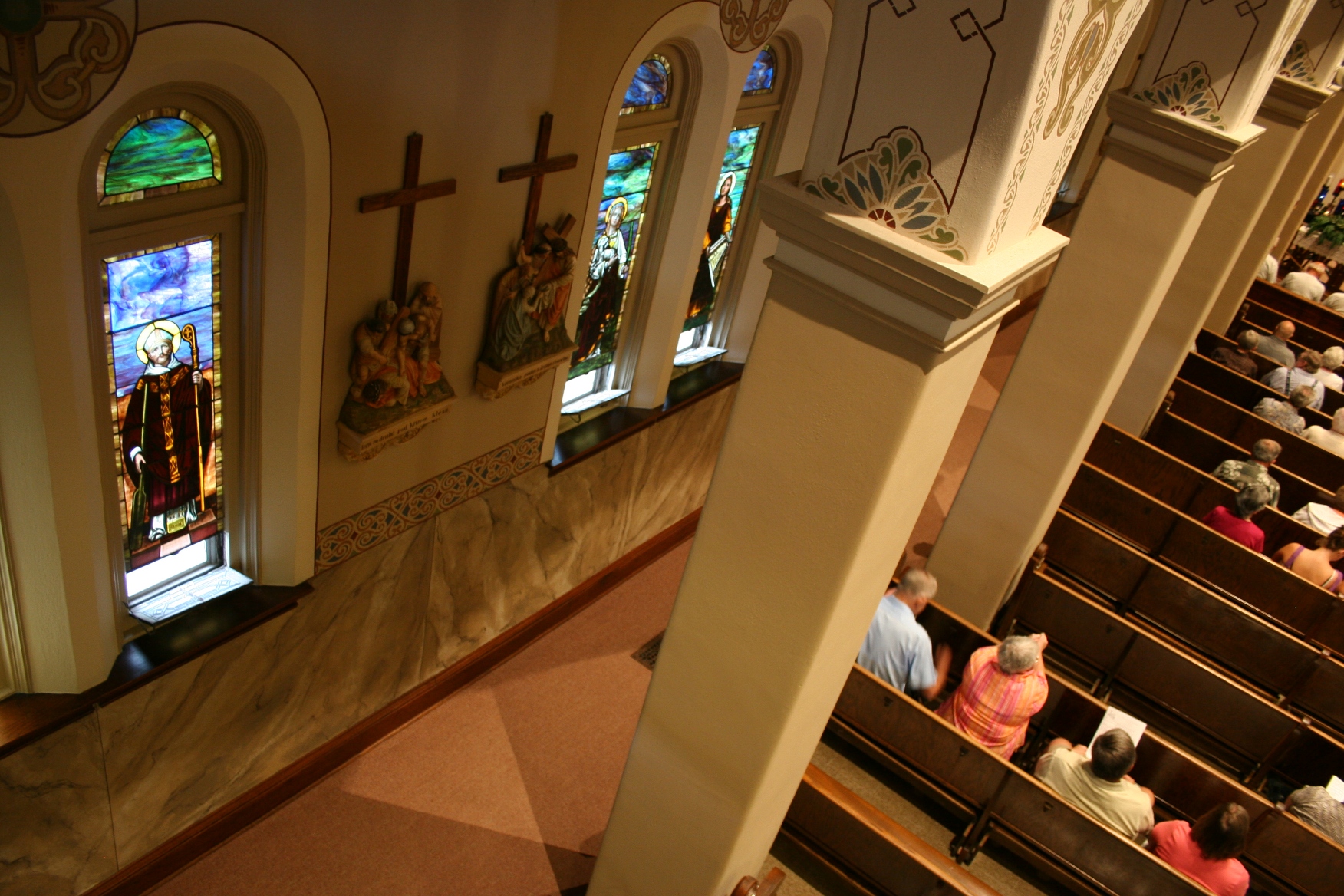
Soaring pillars, stenciling and stained glass windows define the sides of the church.
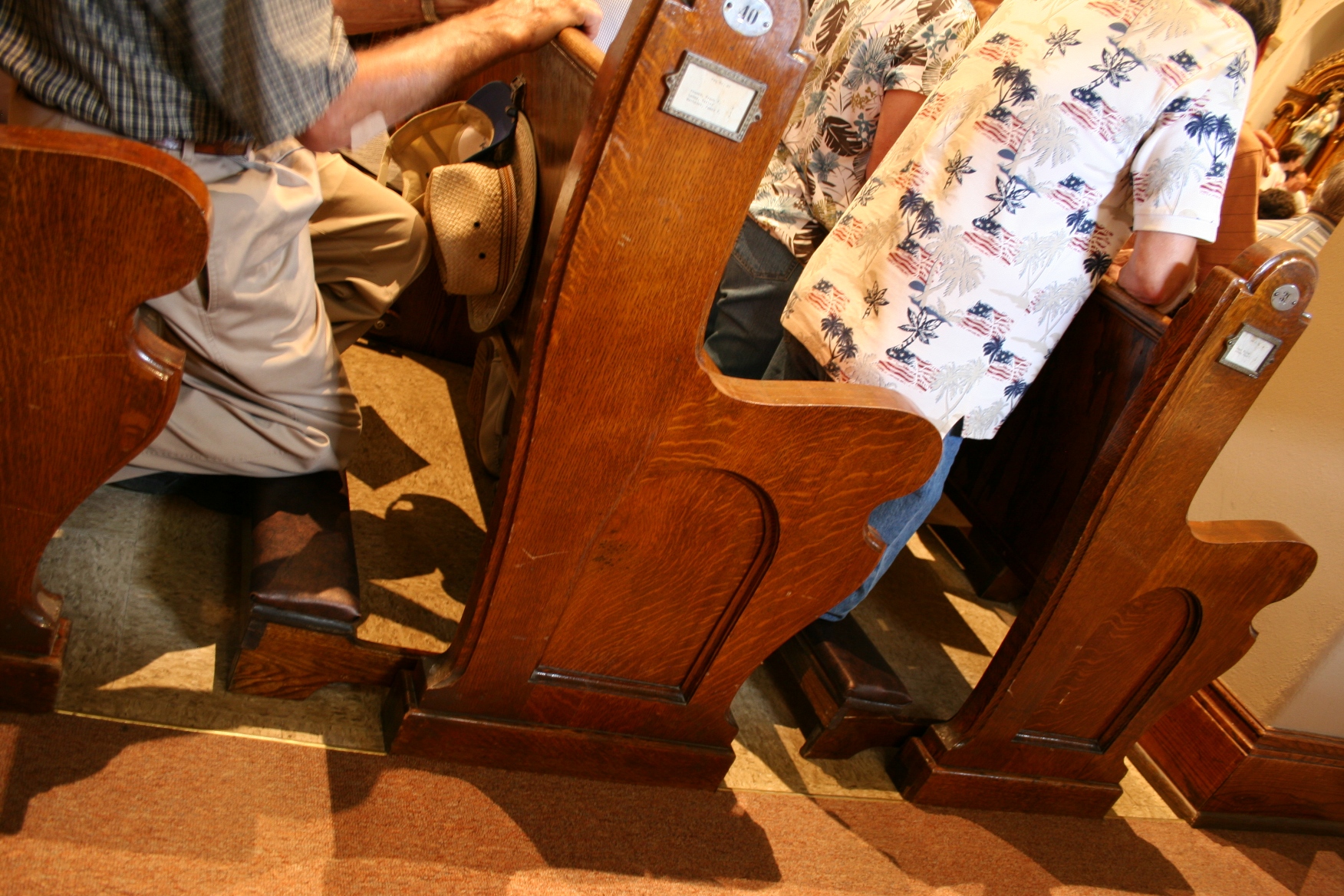
In this image, notice the details: the hats attached to clips on the back of the pew and the name tags, with parishioners' names, tagging the pew ends. I asked my husband, a former Catholic, about the name tags. He said that in some churches families rented pews. I don't know whether that is still practiced at Holy Trinity.

In between, I take photos, plastering myself against the thick support pillars that block my view of the altar area. I slip upstairs for awhile to get a bird’s eye view of the crowd. Back in my wall-hugging folding chair, I notice the details—the name tags attached to pew ends, the pew back clips for hats, the stenciled walls and ceiling, the stained glass windows, the time-worn wood, the cracked plaster walls, the ornate altar, the sway of hands and feet and bodies to music that seems more suited for an old-time dance than a church service.

Yet, even though I can’t understand any of the words sung with the concertina, trumpet, drums, keyboard and bass guitar due to acoustics and my hearing loss, I still feel spiritually uplifted by music that shouts praise instead of party.

Muzikante, pojd’te hart, tu pisnicku, co mam rad,

Dneska budem ja a moje pany, Panu Bohu dekovat.

Ted and Dorothy Winczewski drove two hours from Coon Rapids to celebrate their 57th wedding anniversary after reading about the polka mass in The Catholic Spirit. “It was just something to do, something spiritual,” Dorothy says. The polka music reminds her of the wedding dances she attended in New Prague while growing up in nearby Shakopee. “I loved it.”
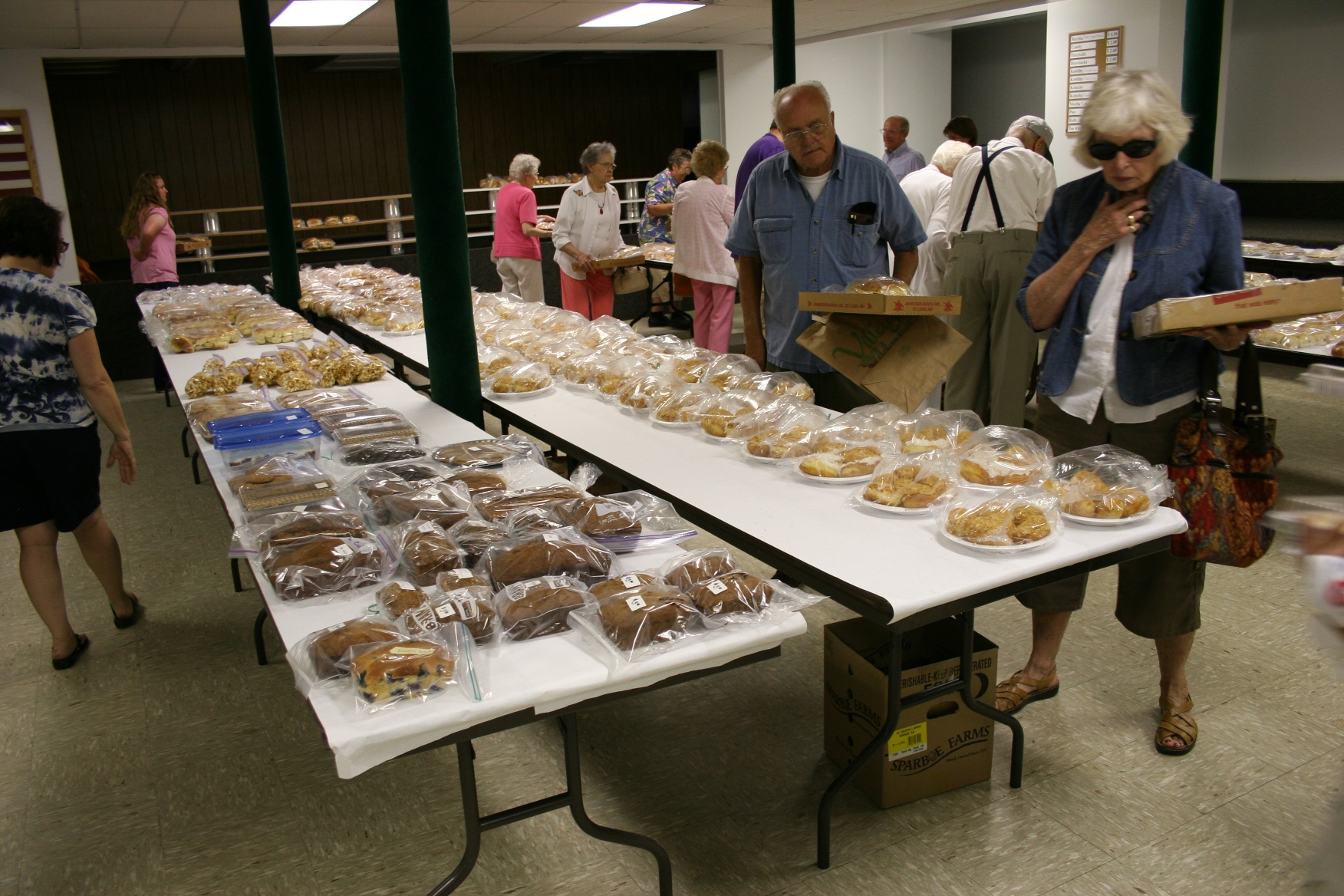
Shoppers look over the mostly Czech baked goods filling tables in the church basement.
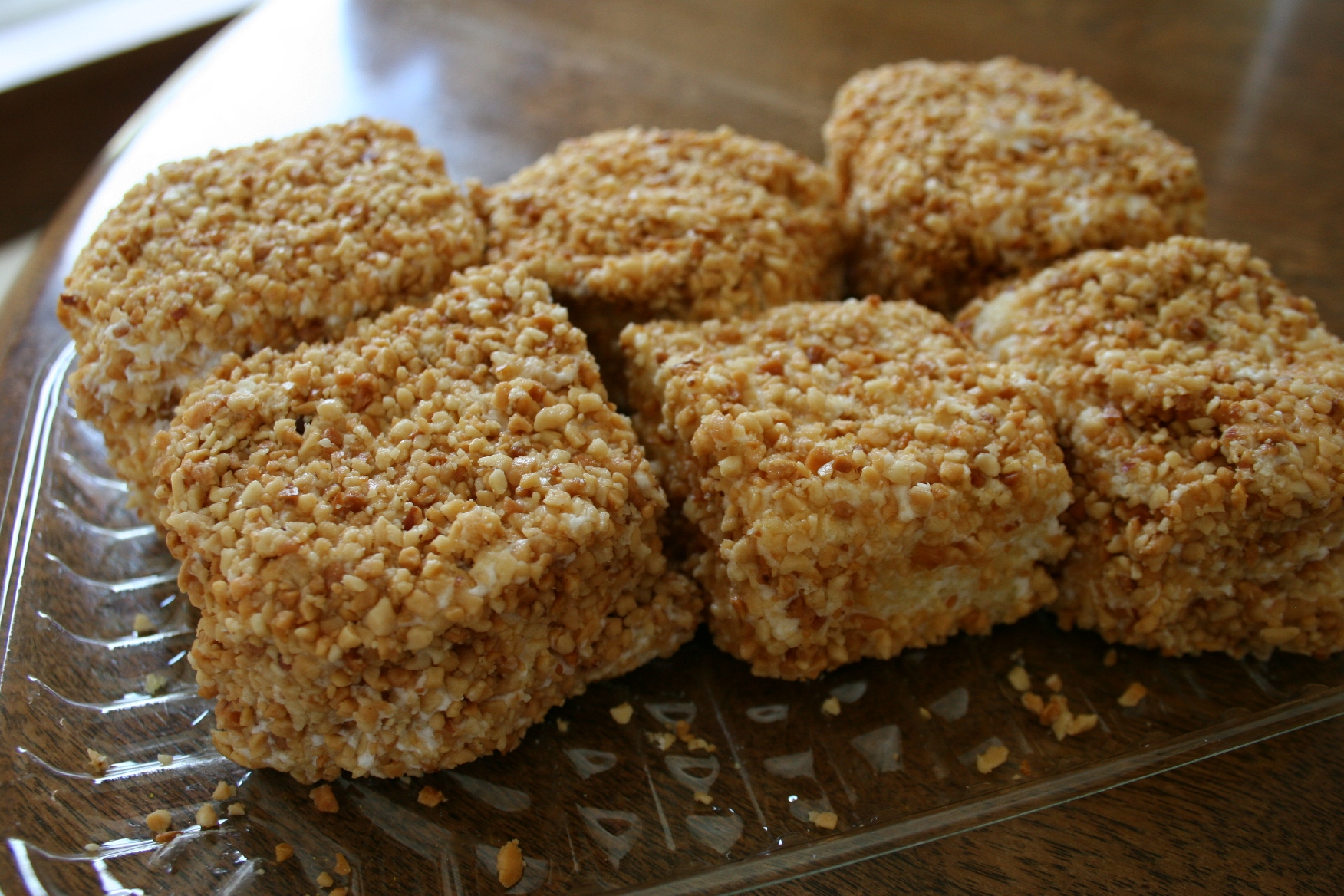
The mocha cakes we bought.

In the church basement, while perusing the tables covered with Czech and other treats like kolacky, buchta, koblihy and mocha cakes, I meet a native of nearby Montgomery now living in Bloomington who has orders from his coffee group to pick up poppyseed kolacky. He does.

Most of the goods are baked on-site. And, yes, my husband and I leave with koblihy (like raised doughnuts) and mocha cakes (absolutely divine yellow mini-cakes frosted on all sides and rolled in nuts).

As we wander the church grounds, I am struck by the universal age appeal of this festival. From weeks-old babes to those in their 90s, the Ho-Down draws everyone. And they are friendly lot.
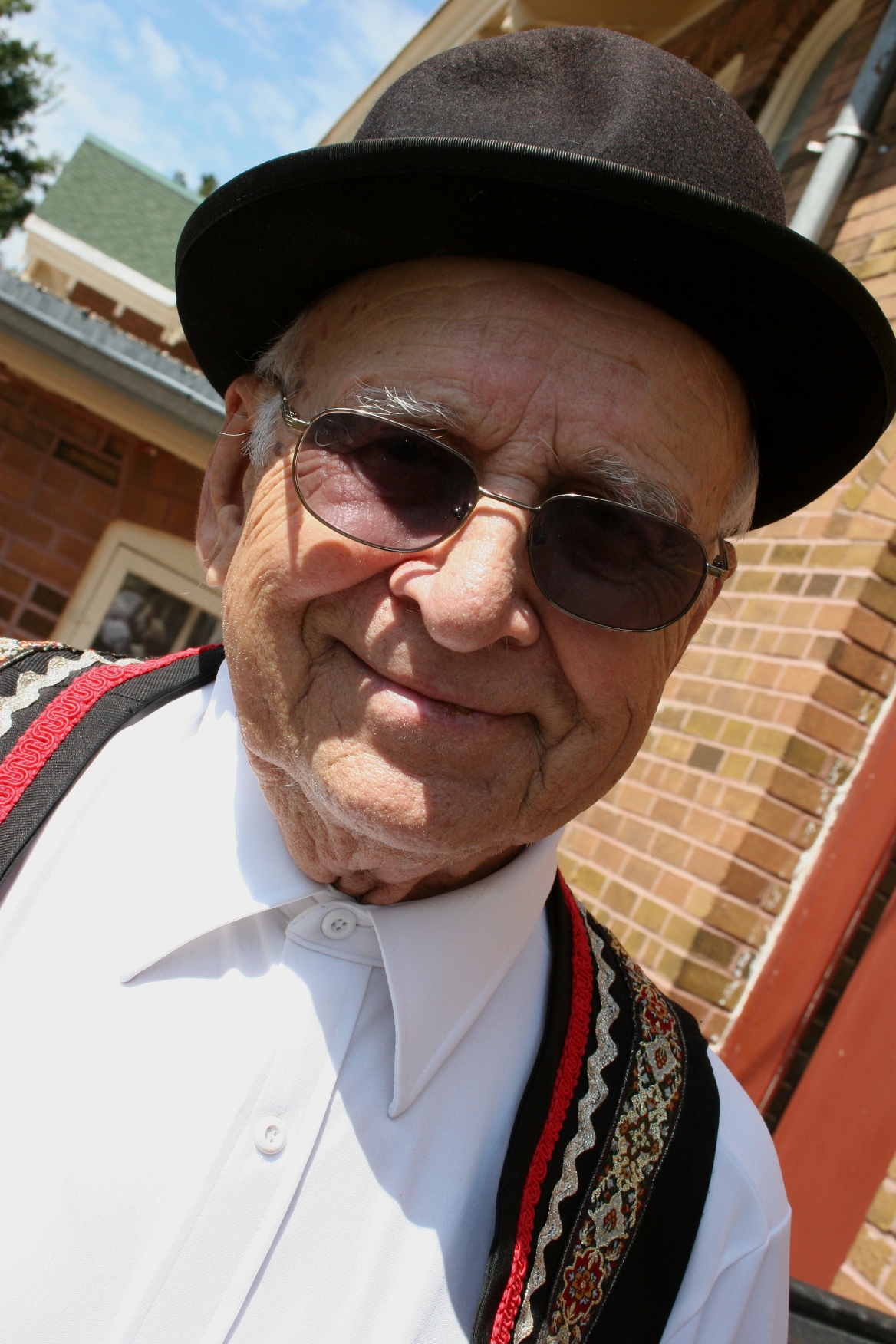
Clarence Smisek

When I approach 88-year-old Clarence Smisek of New Prague, dressed in an ethnic costume as a long-time member of the New Prague Czech Singers, he flashes a broad smile and informs me that Veseli means “to be happy.” He’s right. I later check Google translate. This Czech, who grew up a mile south of Veseli, was baptized at Holy Trinity and up until recently gave tours of the church, seemed a happy fellow.

He also tells me that Smisek means “to smile,” although I can’t verify that.

Ask Clarence to define the Czech people, and he’ll tell you this: “They are hard-working people and they are generous.”

I agree, based on the hard work, time and energy that I know goes into planning and carrying out a successful festival like the Veseli Ho-Down.

But I’d add two more adjectives to Clarence’s description of the Czech. That would be fun-loving and friendly.

CONTINUE SCROLLING BELOW for more Ho-Down images and then check back for additional posts featuring festival photos. Also scan The Catholic Spirit, your local newspaper or elsewhere, and plan to attend a Minnesota church festival this fall.
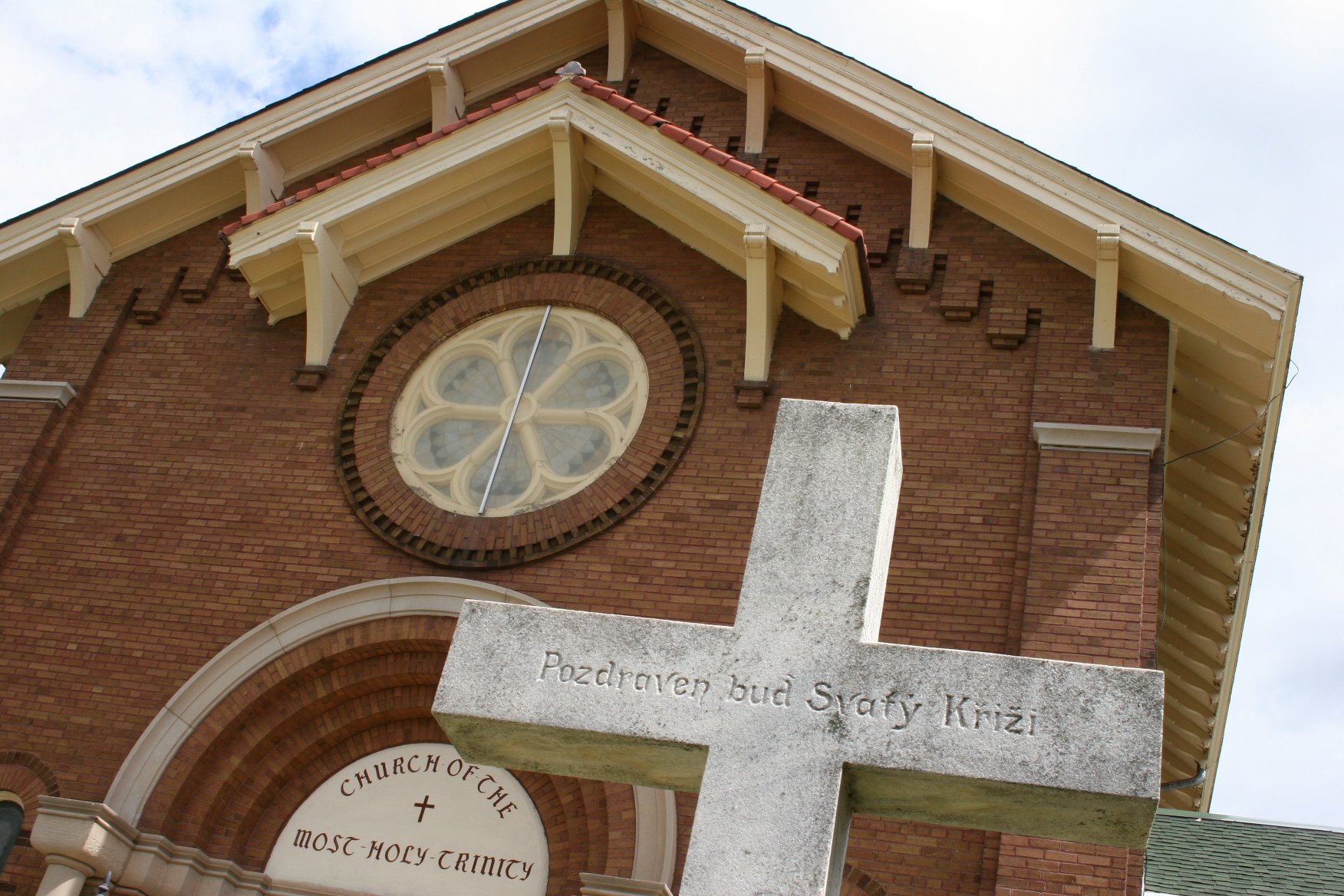
The front of the historic 1905 Most Holy Trinity Catholic Church, Veseli.
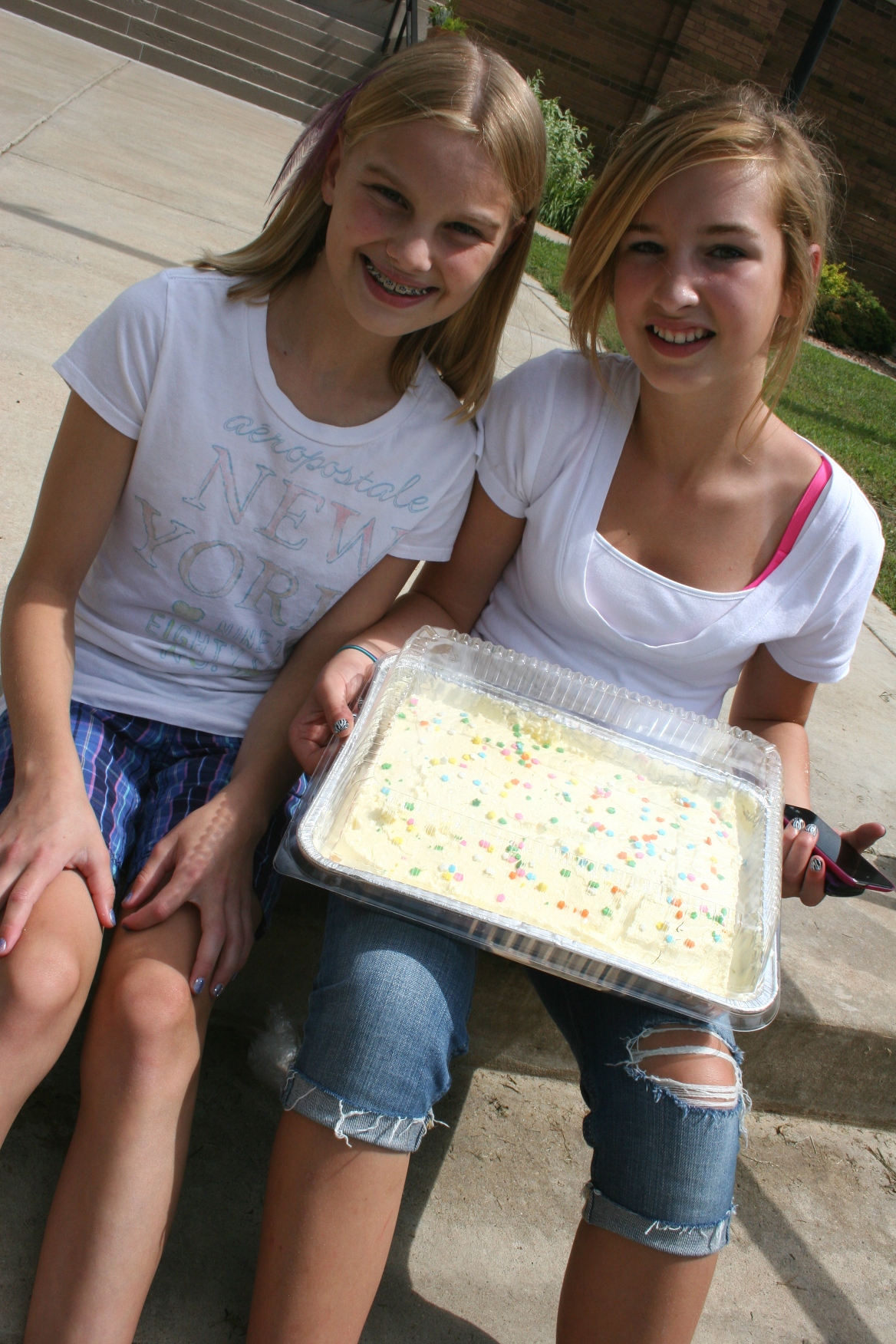
I found cousins Kayla, right, and Brianna sitting on the bank of steep steps leading to the church entry. Kayla, who attends Holy Trinity, won a cake in the cake walk and later would help with clean-up at the tattoo station. Brianna was visiting from Zumbrota.
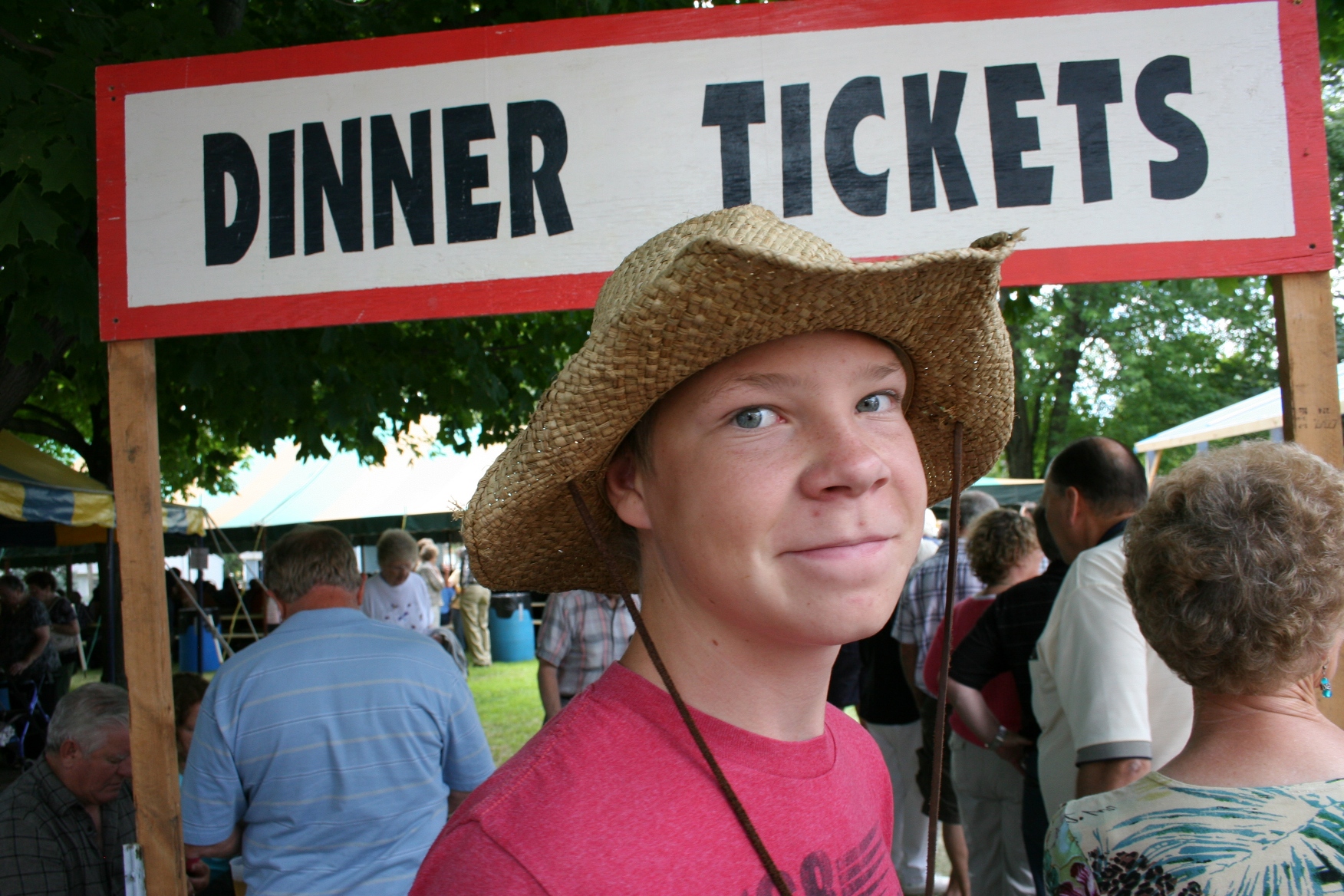
I waited in line for my chicken dinner next to Bradley, 15, of New Prague and his grandma, Janet, from Veseli. They picked up 11 dinners. Bradley didn't wear the hat just for the Ho-Down. He wears it every day.
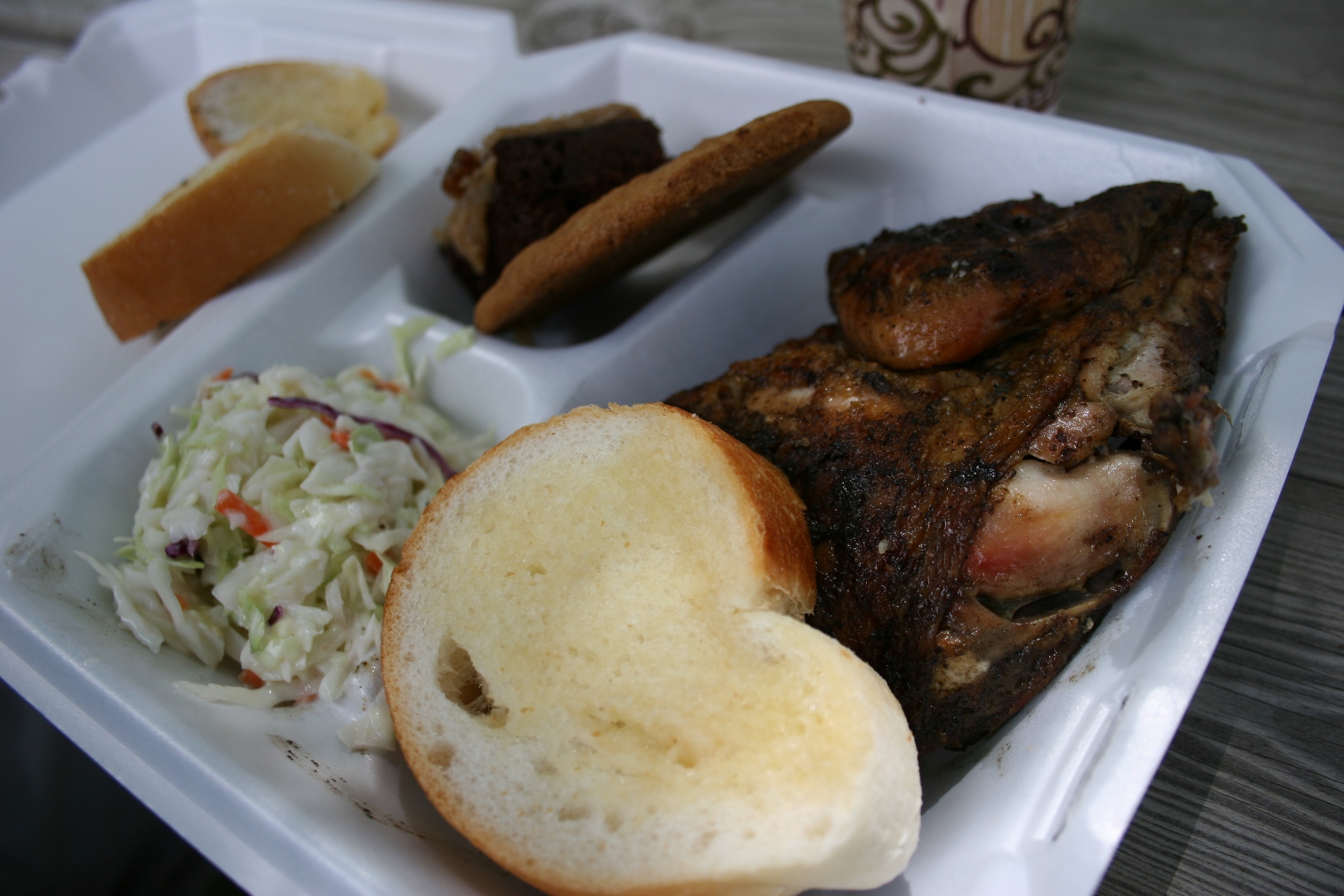
My husband and I split a single chicken dinner (half a chicken.)
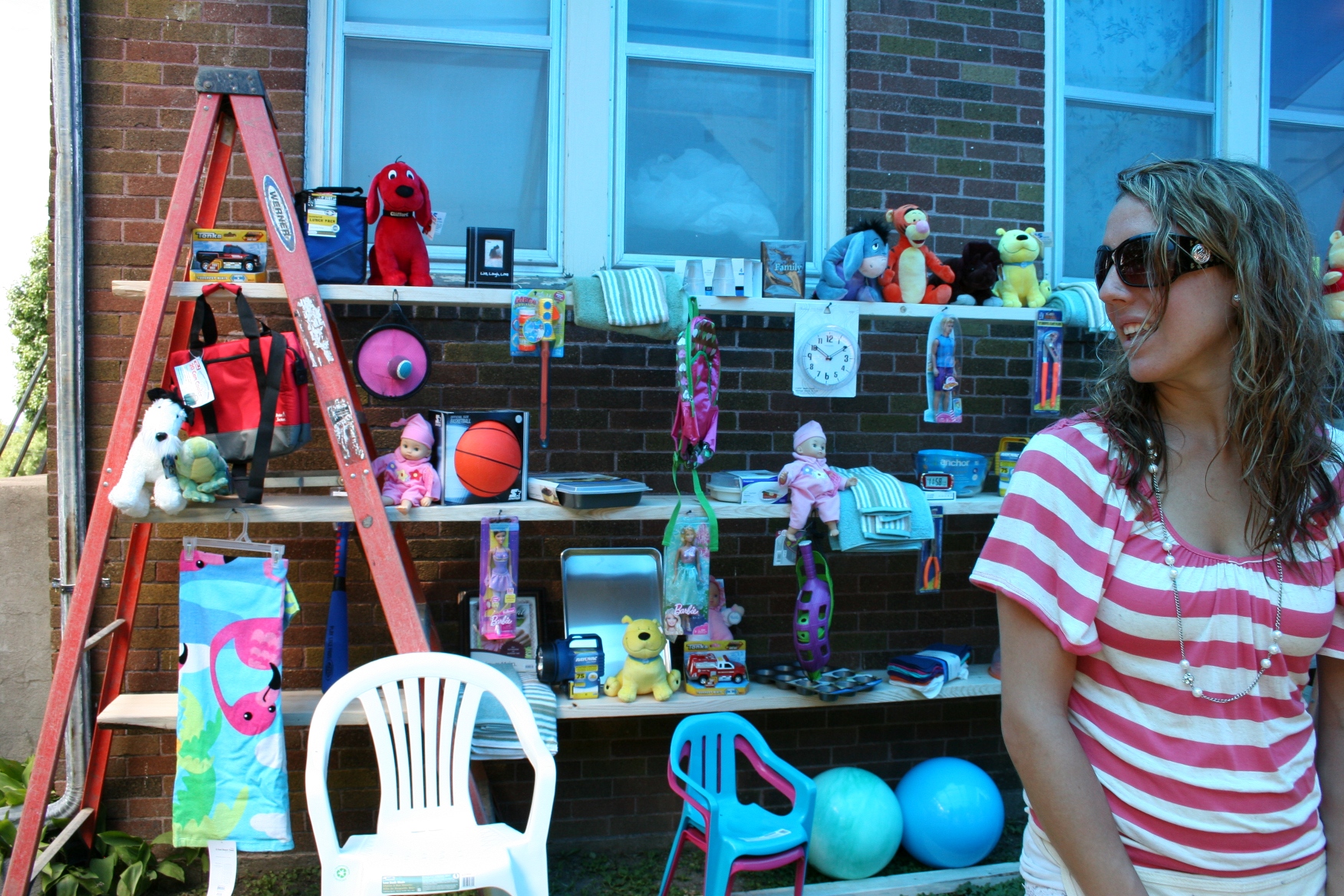
A volunteer staffs a Spin-the-Wheel prize booth that proved popular with kids. A blue tarp providing shade over the game area lends a bluish tint to this photograph.
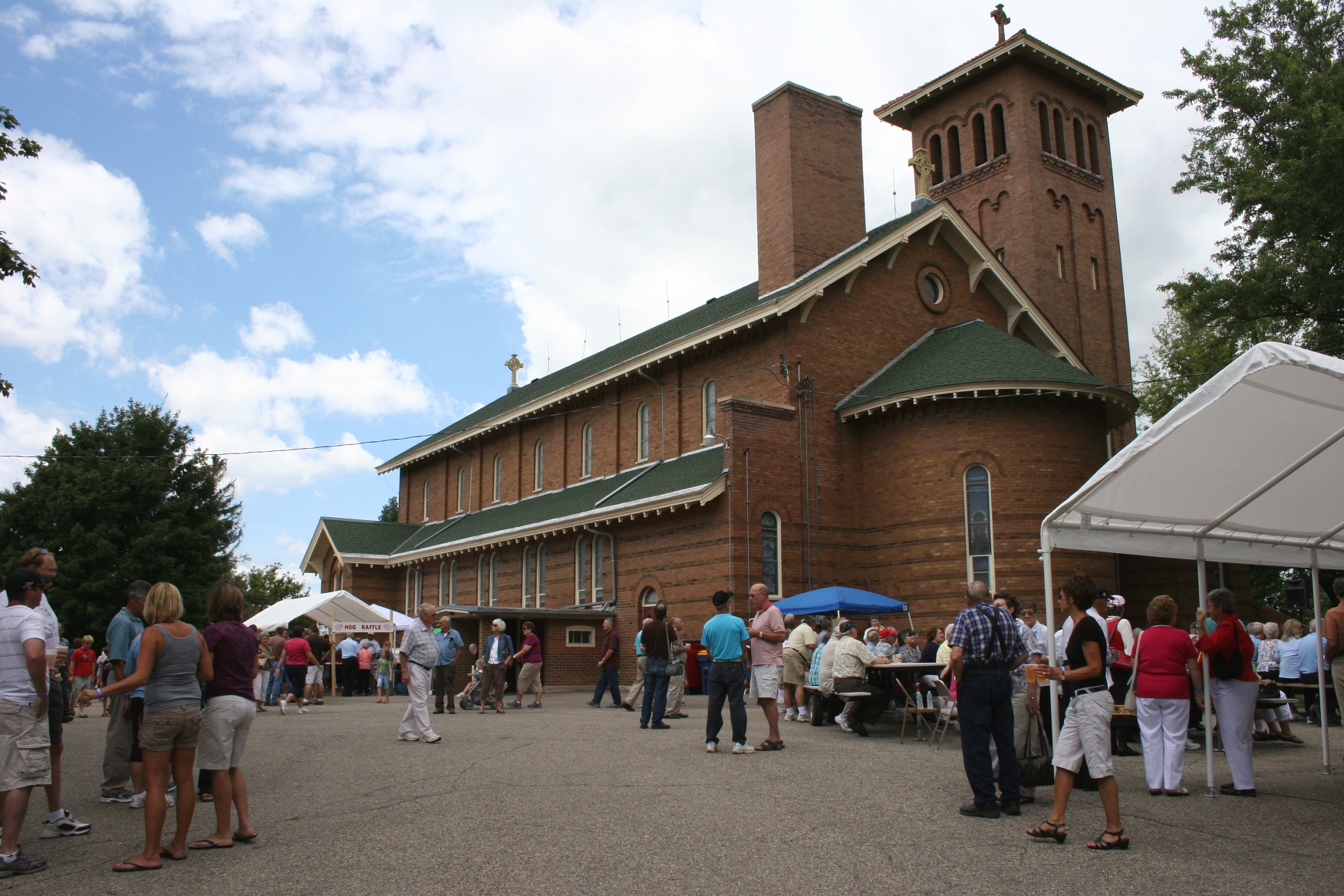
A partial view of the festivities from the back side of the church.
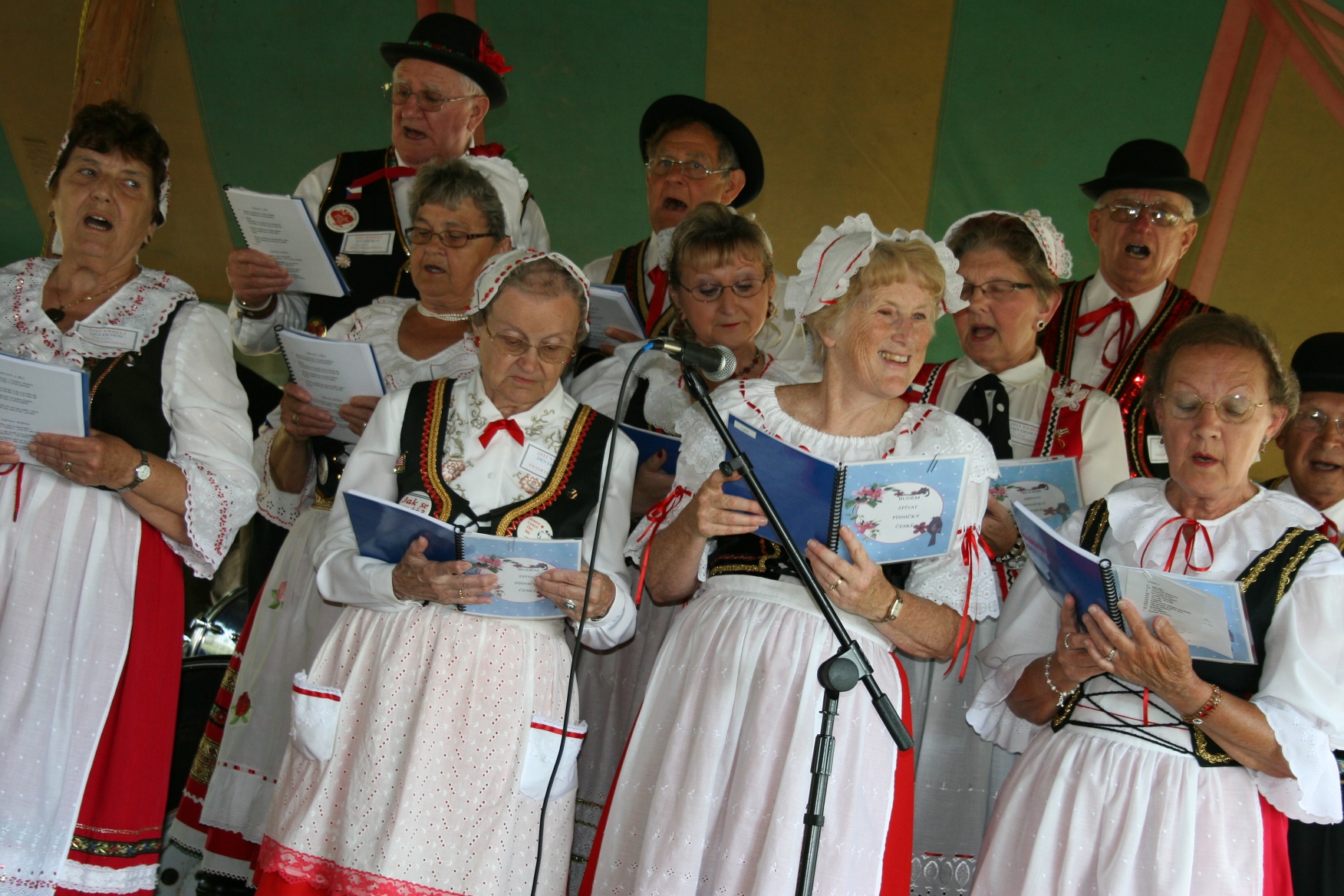
The New Prague Czech Singers sing during the mid-afternoon, one of 11 musical groups who donated their time and talents. The youngest member of the group is her 50s and learned Czech from her grandmother.

© Copyright 2011 Audrey Kletscher Helbling


Art, history and community meld at Faribault car cruise-in August 22, 2011

I CAN’T DIFFERENTIATE a Ford from a Chevy. But I can distinguish a Mustang from a Cadillac.

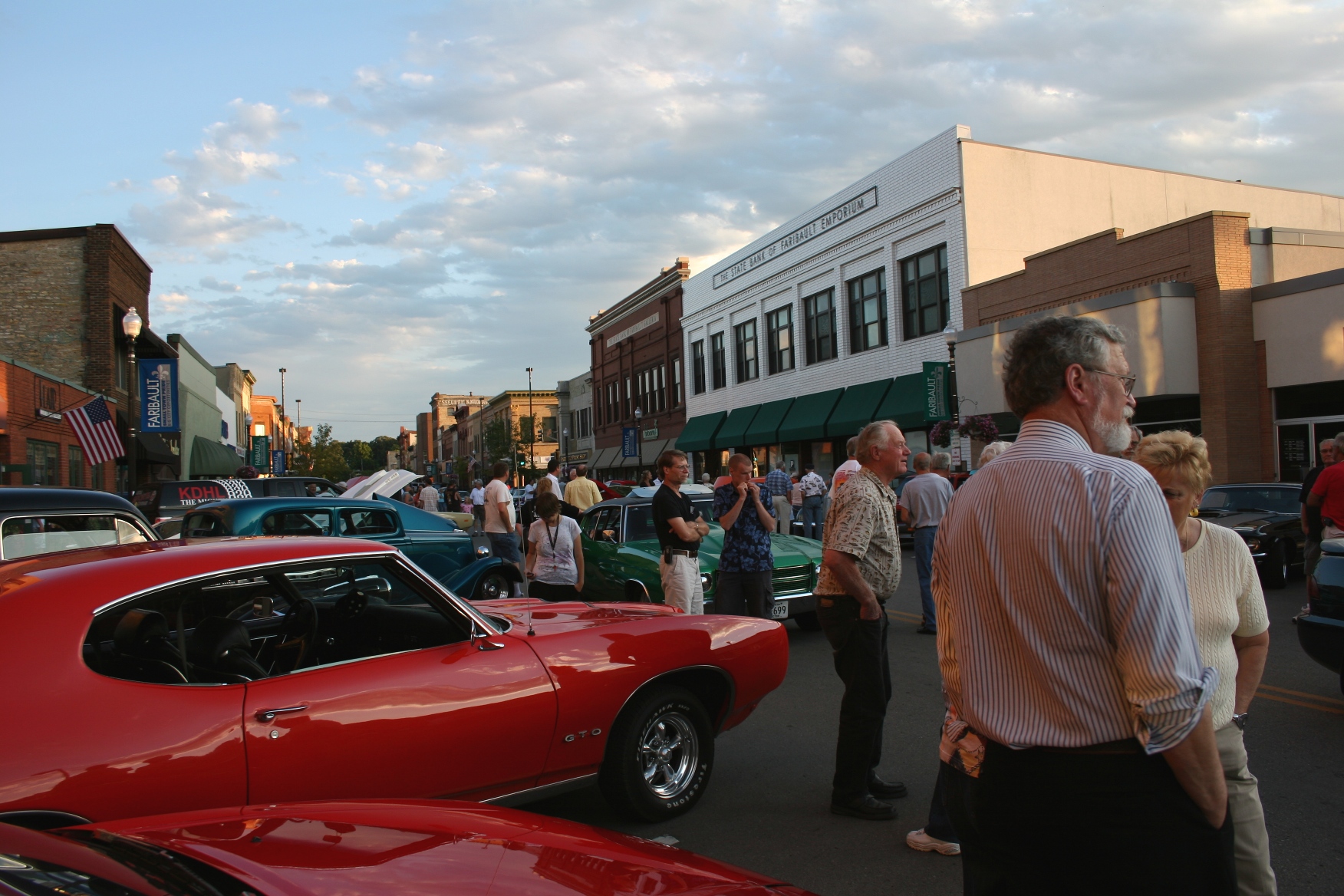
You needn’t know cars, however, to appreciate a car cruise-in like the one I attended Friday evening in the 400 block of Central Avenue in historic downtown Faribault. The monthly cruises are new to my community and, if I’m correct, Friday’s show marked the first this summer that hasn’t been rained out.

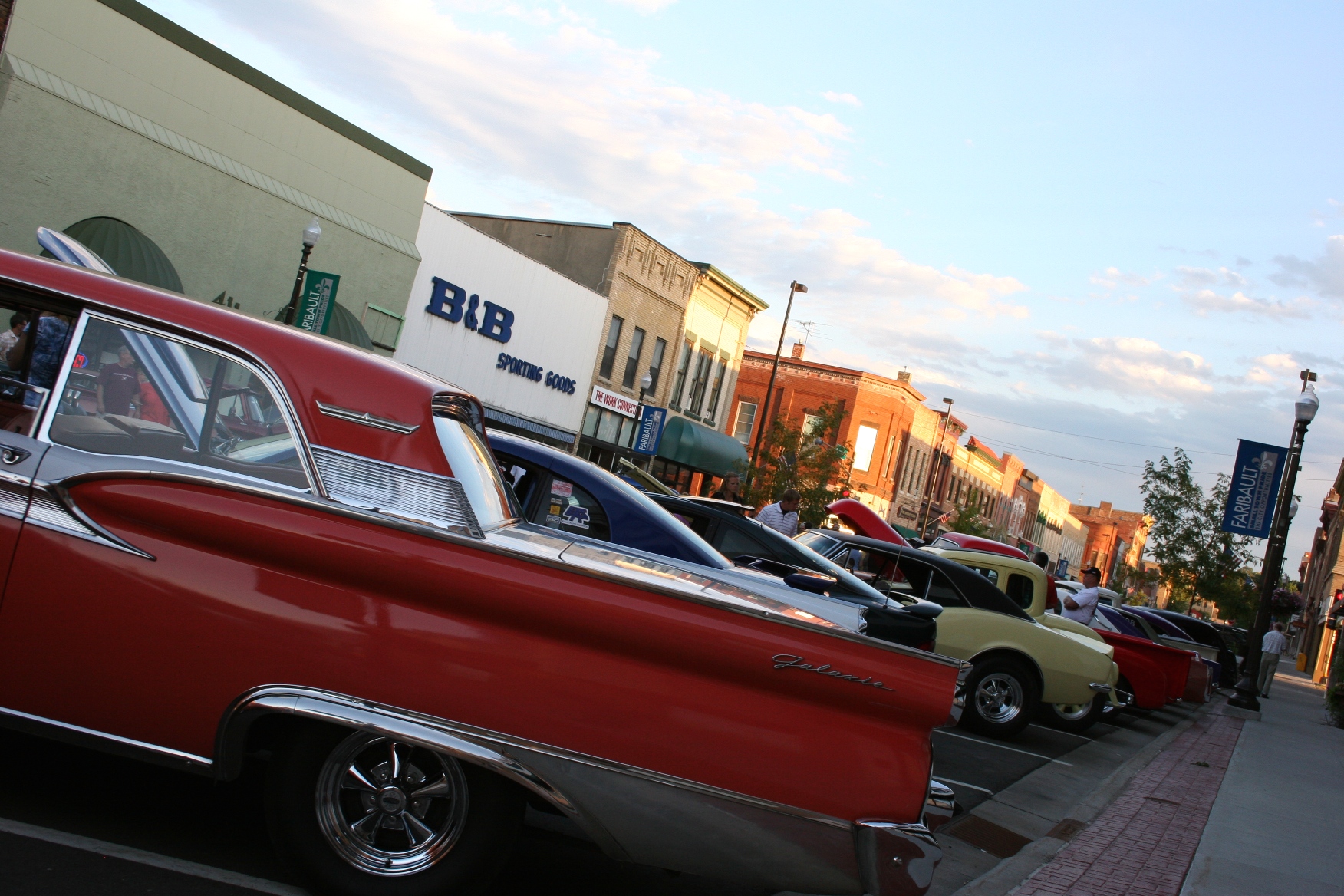
Downtown Faribault Car Cruise Night, looking southeast on Central Avenue.

Just several of the many vintage vehicles, these parked by a Mexican store and bakery.

For me, a car cruise-in is all about art, history, community and having a good time. However, for my automotive machinist husband, the one who got me interested in these shows, it would be mostly about the cars or trucks. He’s my go-to guy whenever I question the make, model or year of any vehicle on display, which is often.

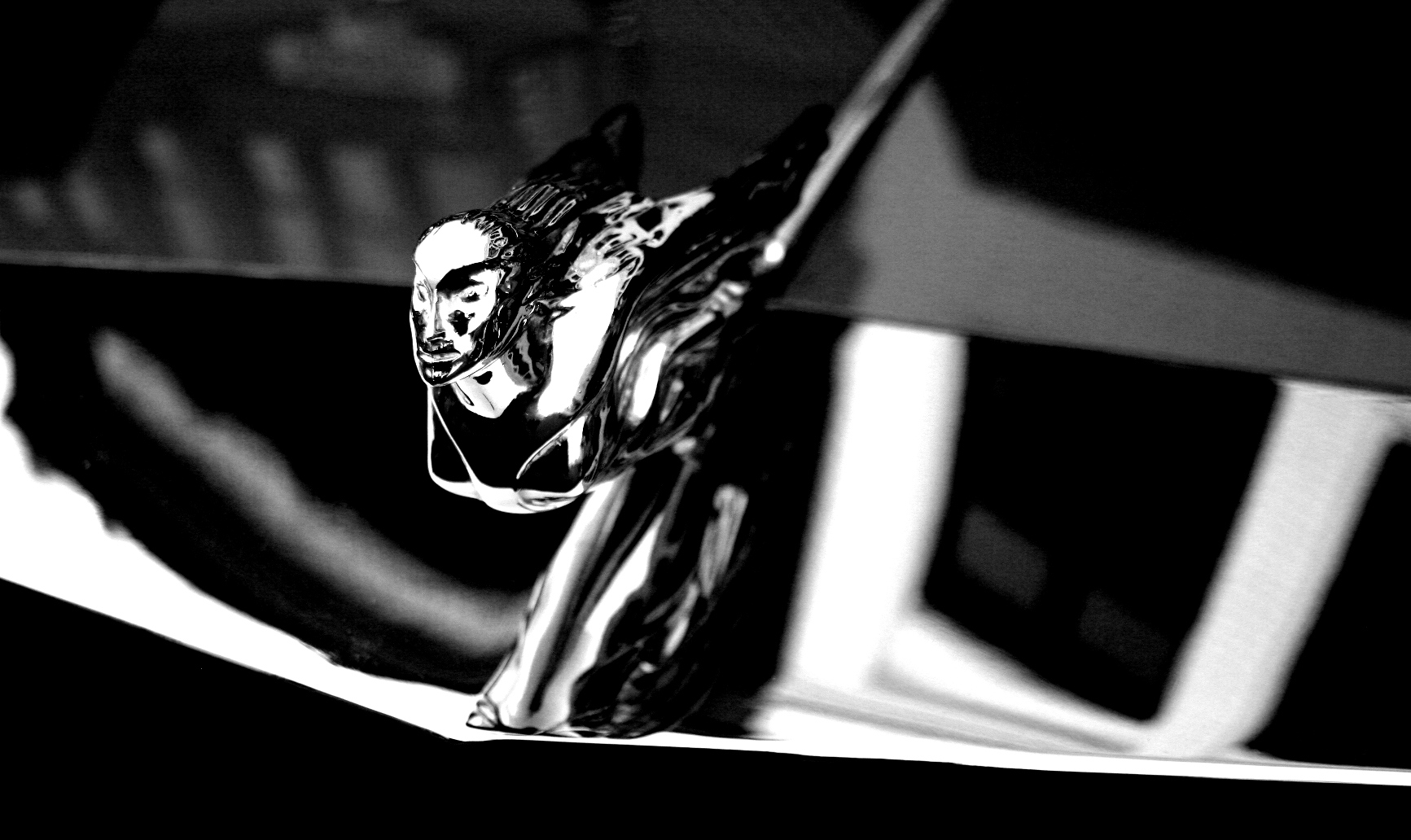
While he’s more interested in what’s under the hood or in the overall design, I appreciate the hood ornaments, wheel covers, taillights, the curve of metal—the details that, to me, represent, mini artscapes.

I switched this photo to black-and-white to show off the hood ornament, a work of art.

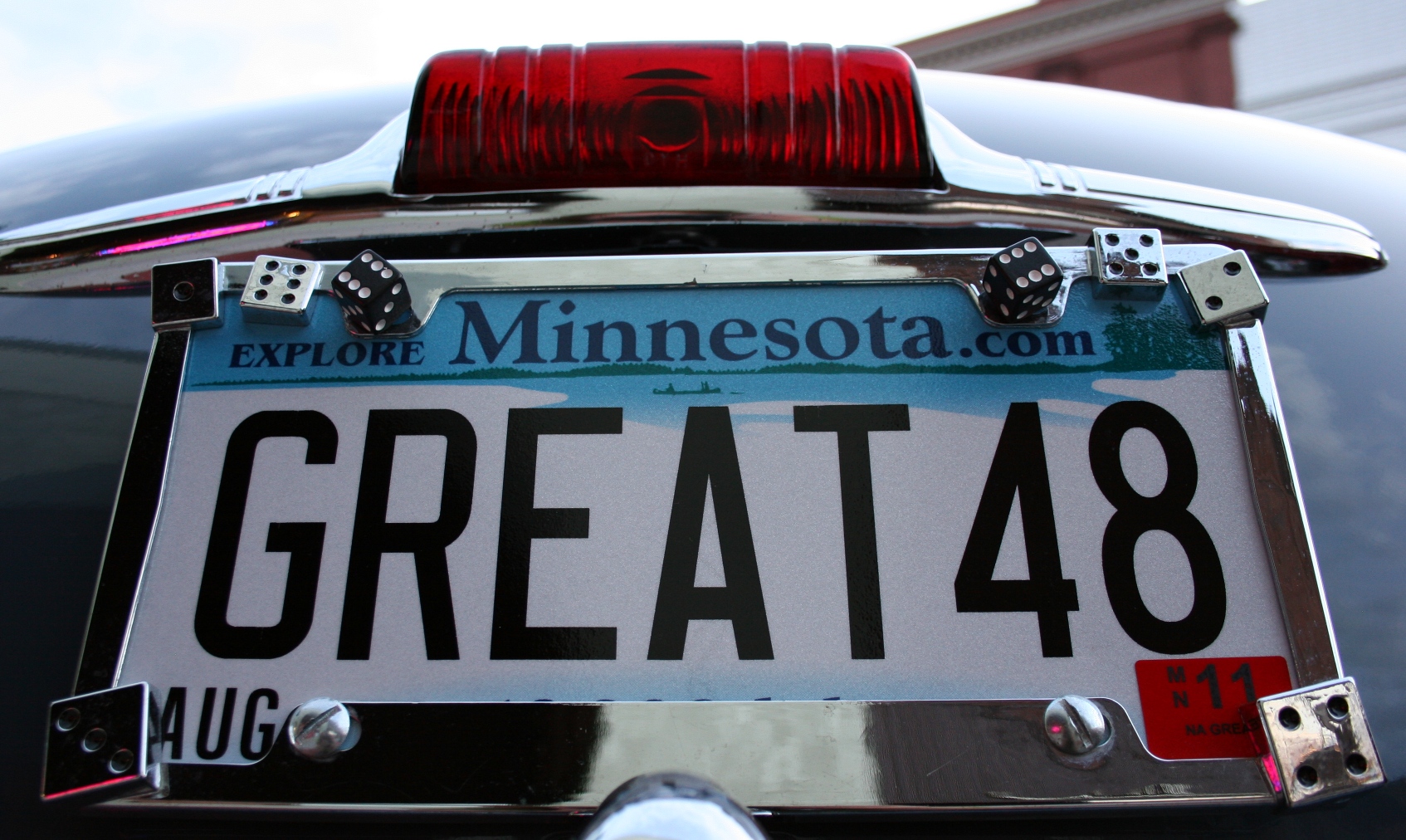
A 1948 Dodge sported this artsy license plate.

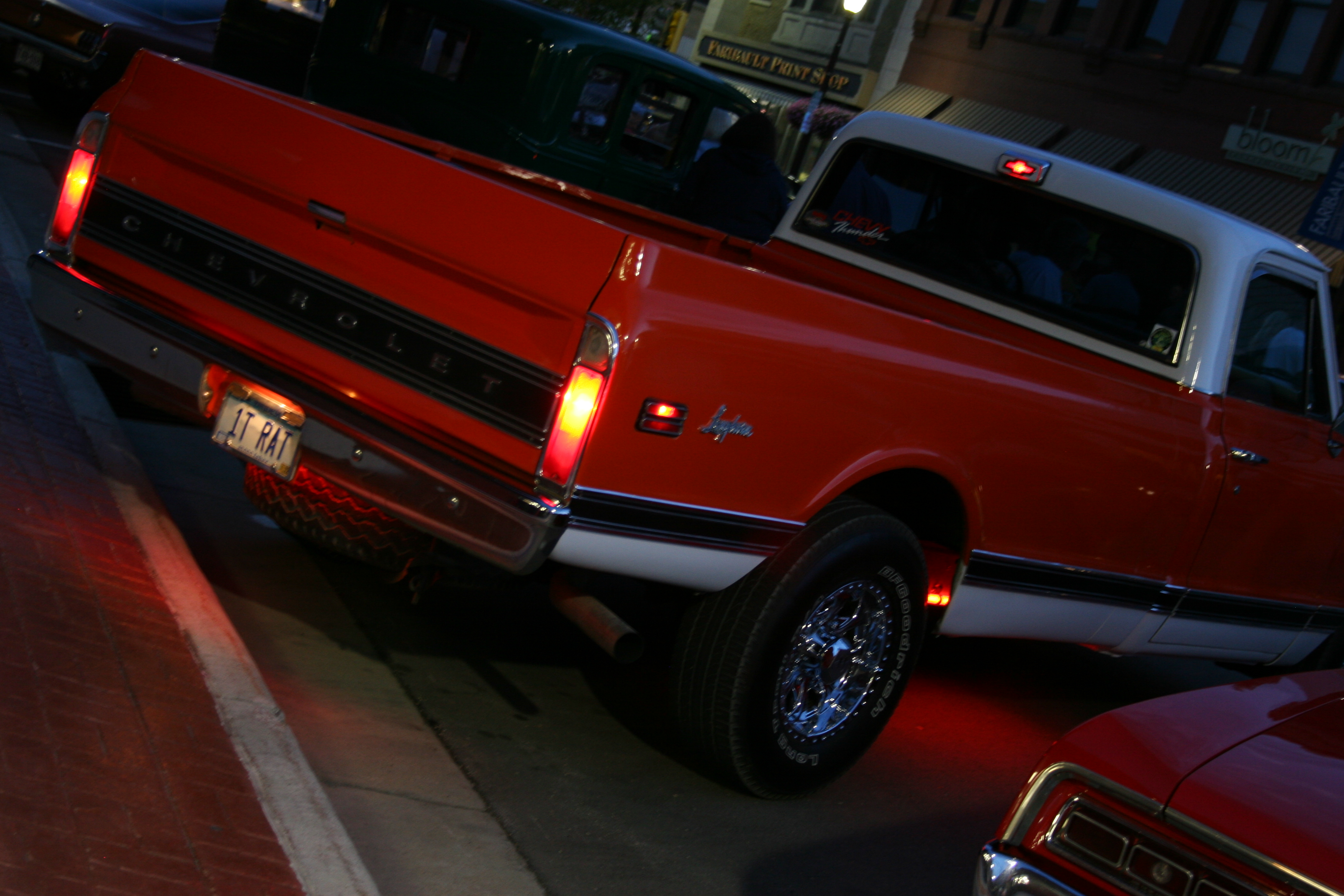
Call this art, or humor, Ron Lehnen posed this "Halloween Rat" under the hood of his 1970 Chevrolet pick-up truck with the "rat motor."

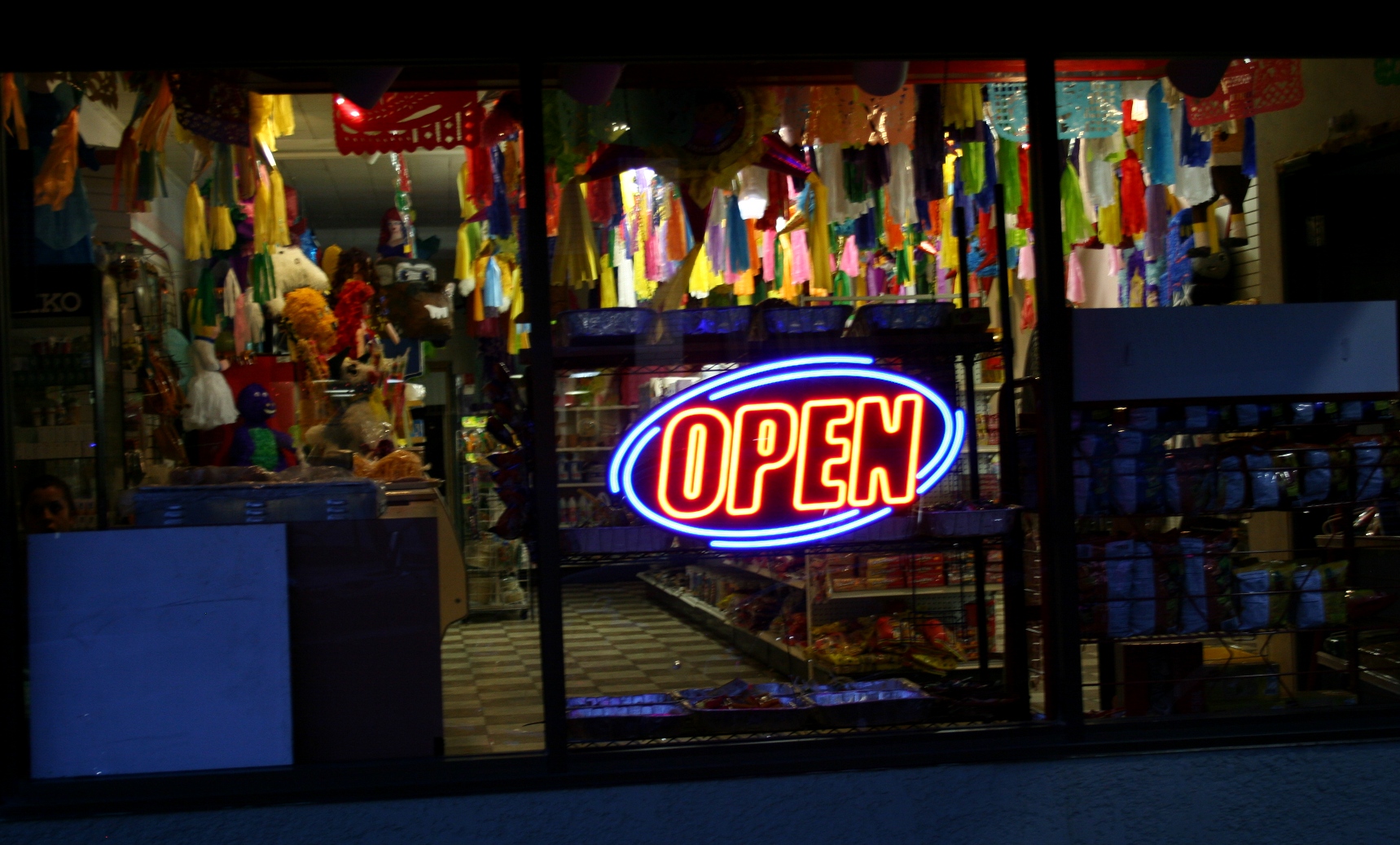
On Friday, in Faribault, I also appreciated the art of neon lights flashing in storefront windows, the slant of sun against brick during that magical hour around sunset, and clouds that painted the sky on a perfect summer evening of temps in the low to mid 70s.

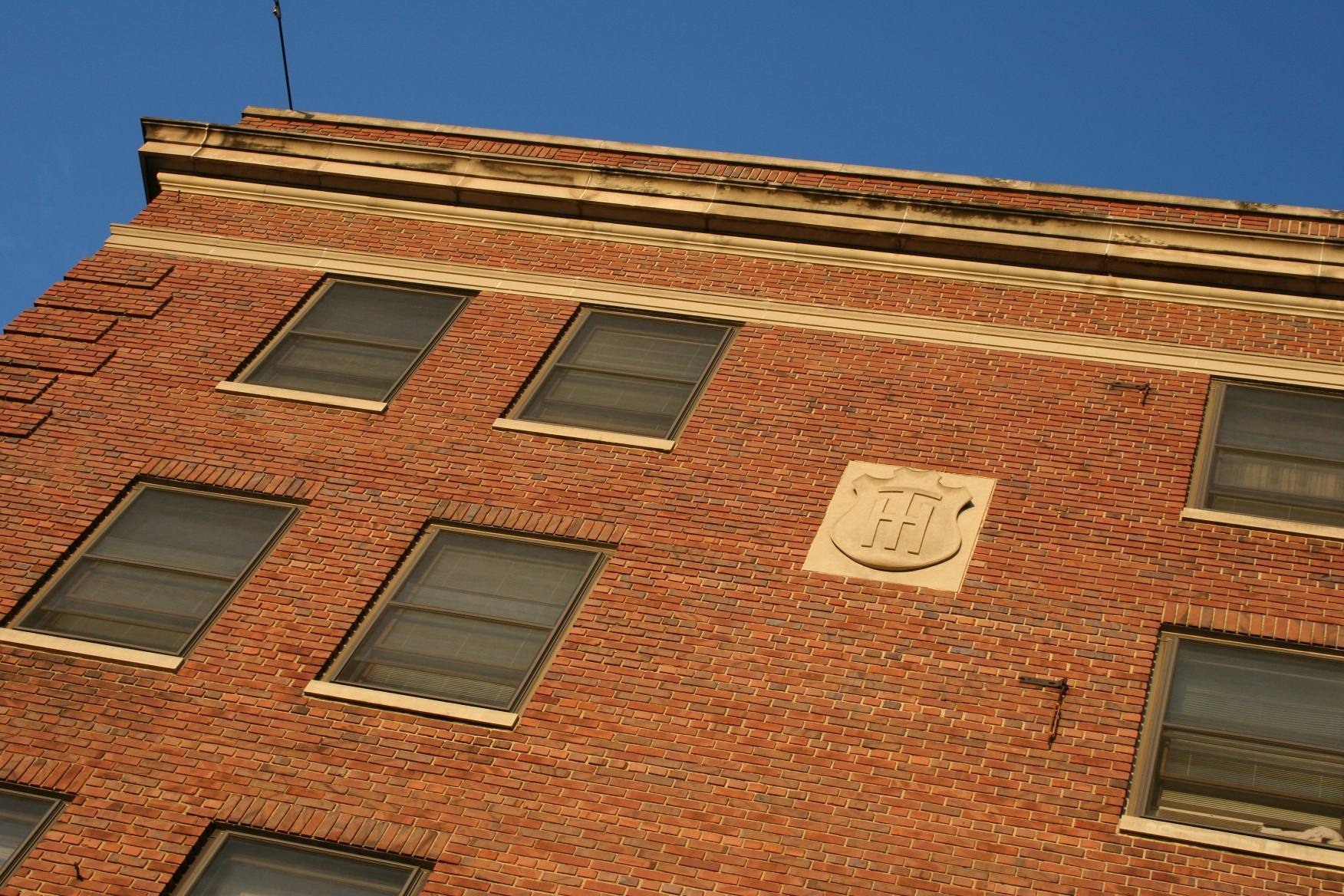
The setting sun cast a lovely light on the historic Hotel Faribault.

Merchandise and flashing neon lights created a colorful visual at a Mexican store in the car cruise block.

Toss in period tunes and music by the likes of Johnny Cash, my favorite country western singer, played on-site by local radio station Power 96, and the mood was set for hanging out and chatting it up with folks I hadn’t seen in awhile.

Car cruise attendees visited with one another, creating a sense of community.

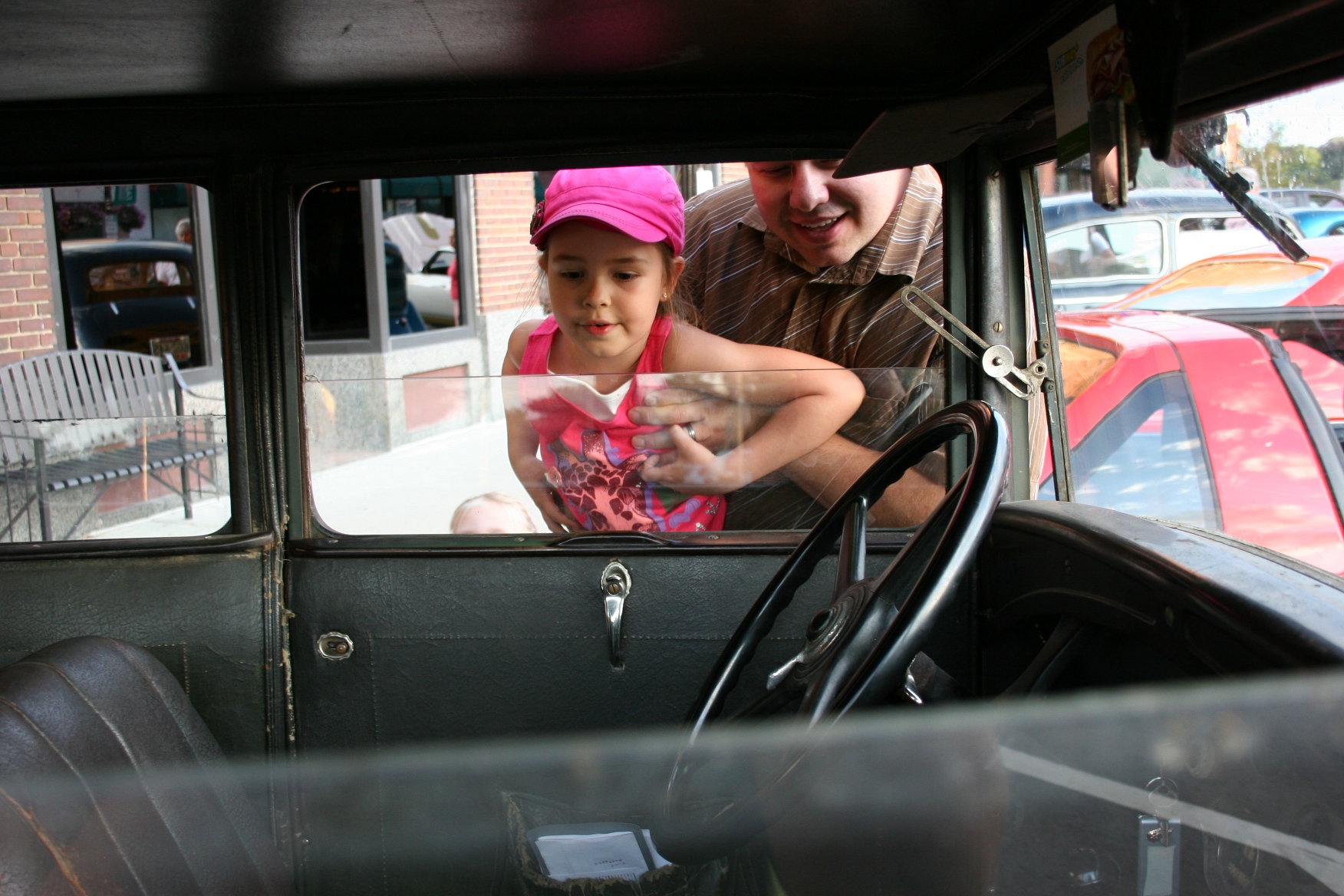
Aaron shows his 6-year-old daughter, Lexi, the interior of a vintage car.

Ted told me about his new grandson, Jaxson. Kathy told me about the need for rain in the Courtland area, where my maternal roots lie and where her husband had traveled that day to farm with his brother. Lowell told me about the $8.99 steak dinner he’d just enjoyed down the street at the Signature Bar and Grill.

Food was the only item missing from cruise night, although I could have stepped into the Mexican bakery or walked to a restaurant along Central Avenue if I had really wanted something to eat. Maybe, eventually, organizers will encourage places like the bakery or nearby restaurants to set up food stands outside their businesses.

The next Downtown Faribault Car Cruise Night is set for 6 p.m. – 10 p.m. Friday, September 16. However, I’d advise coming well before 10 p.m. as the event pretty much ended around 9 p.m.

The 1970 Chevrolet pick-up with the rat motor. My husband owned an orange truck like his, only a year newer or older, I can't recall which. A steer wandered onto a roadway. He hit it and that was the end of his pick-up truck, many years before I met him. So I've only heard the story...never seen the truck.

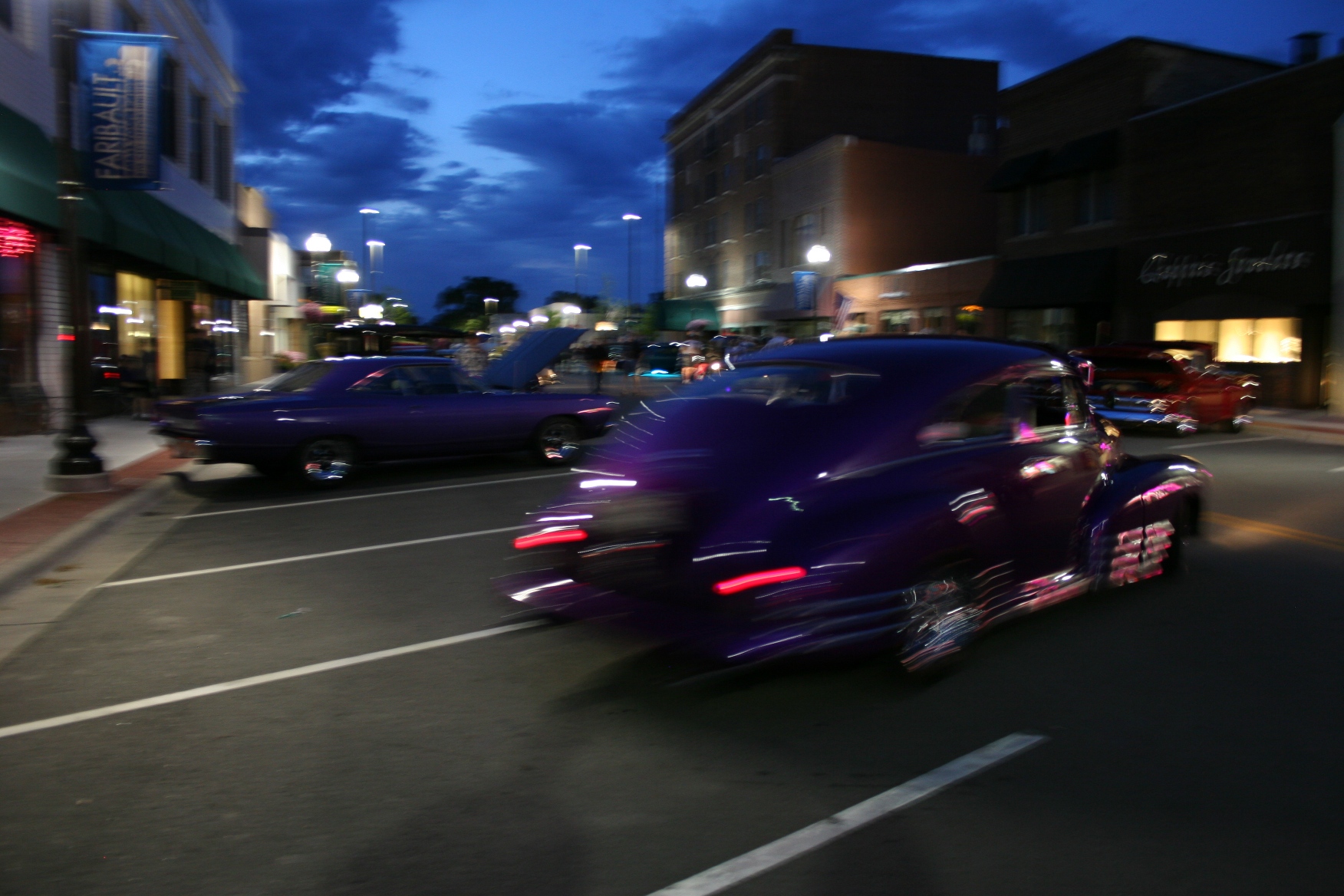
Lowell and Deb Melchert leave the cruise in their 1947 Chevrolet as the event winds down.

YOU MIGHT ALSO CHECK out Woody’s Hump Day Cruise In on Wednesday evenings in downtown West Concord. Two remain, including one this Wednesday, August 24, and also on September 7. That cruise-in runs from 5:30 p.m. – 9 p.m., or until dark.

Hastings also hosts the Historic Hastings Saturday Night Cruise-in from 5 p.m. – 9 p.m. with the remaining events set for September 3 and 17 and October 1.

© Copyright 2011 Audrey Kletscher Helbling
 

Poetry & more in Paul Bunyan land August 18, 2011

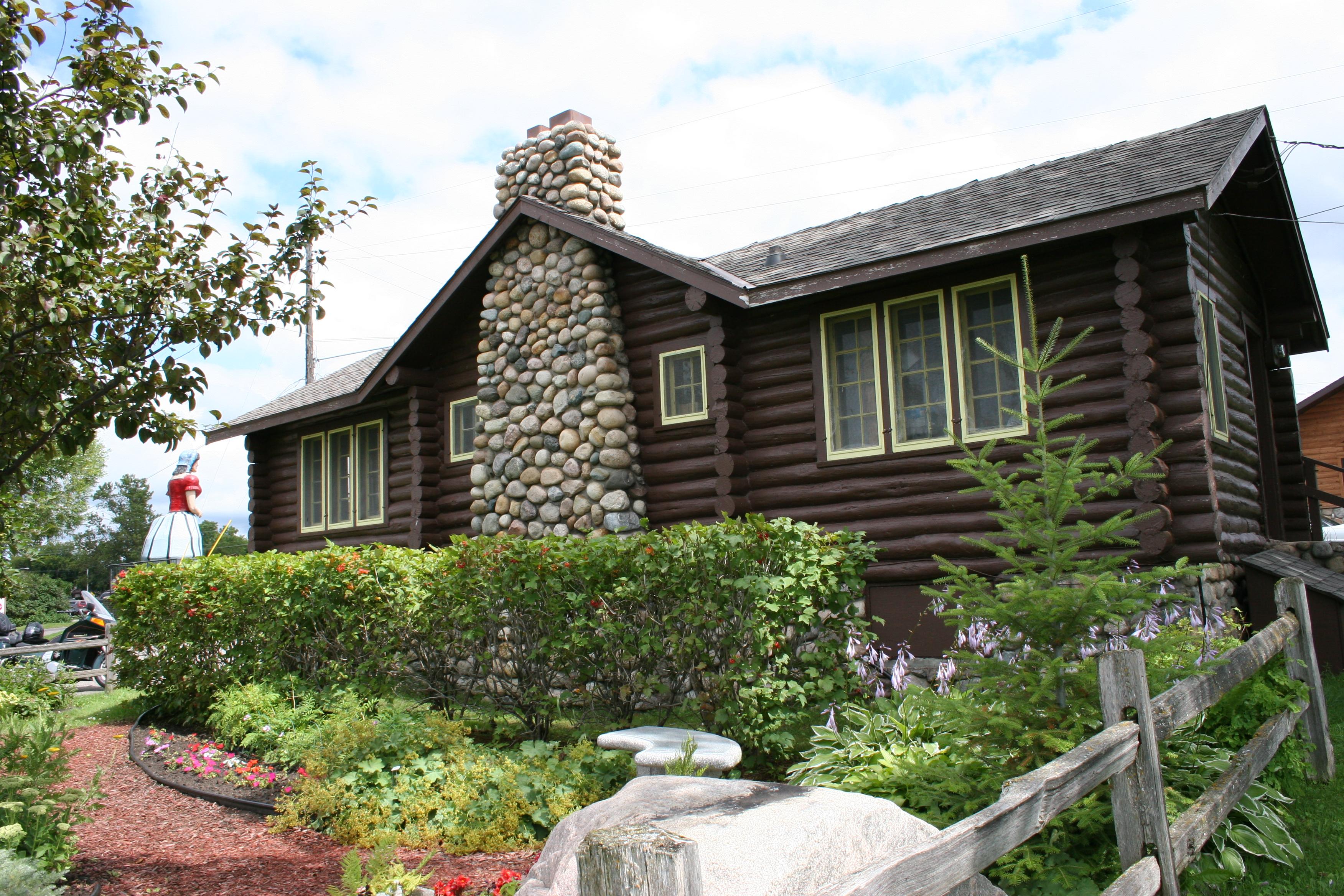
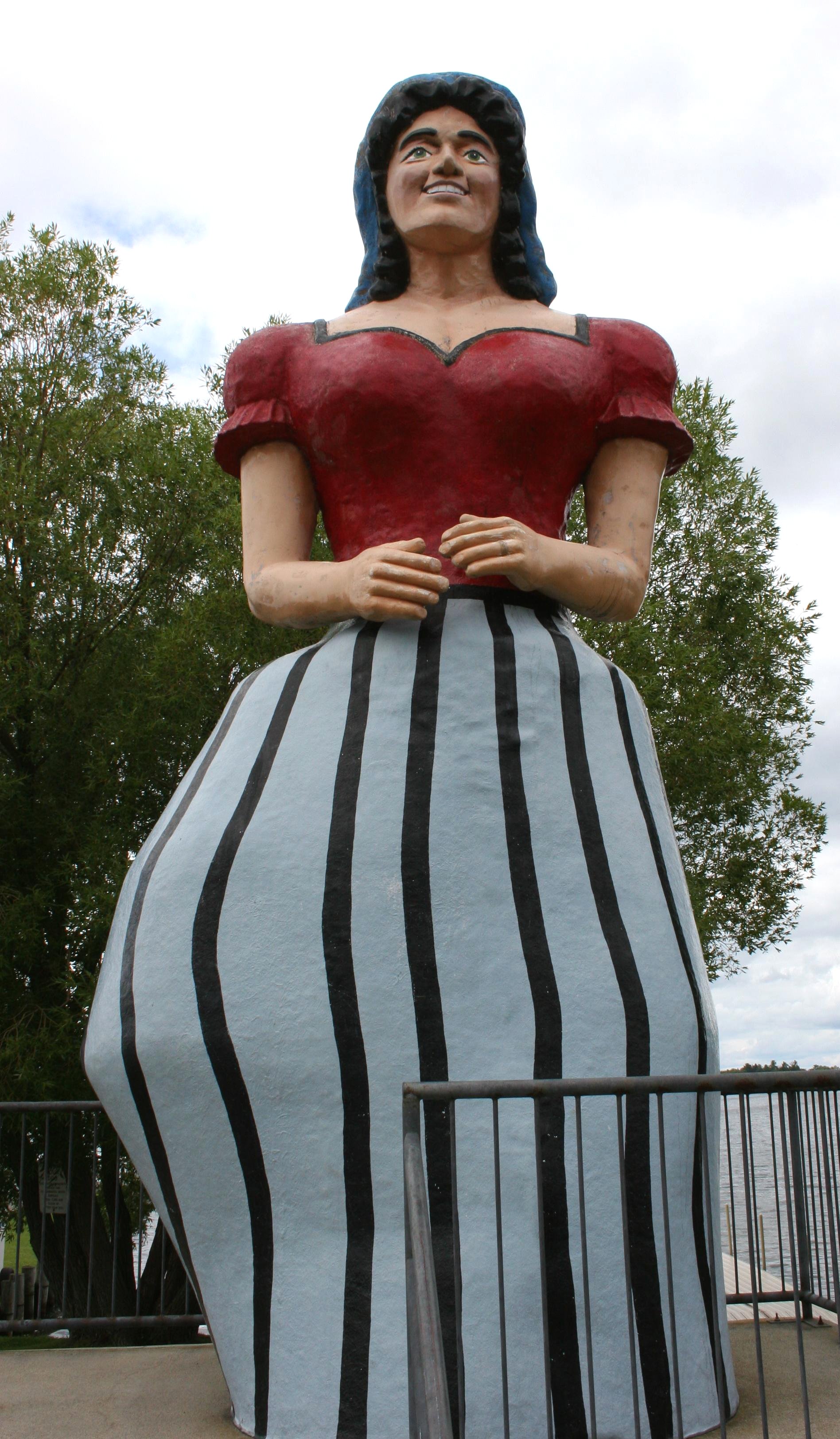
The lake side of the Hackensack Lending Library. To the left stands Lucette Diana Kensack..

Lucette Diana Kensack

SEVERAL SUMMERS AGO while vacationing in northern Minnesota, my family stopped in Hackensack, 50 miles north of Brainerd. The initial draw to this town of 285 was the 17-foot tall statue of Paul Bunyan’s sweetheart, Lucette Diana Kensack. I appreciate kitschy roadside art. What can I say?

Two other discoveries, however, trumped seeing Lucette. A stone’s throw from Lucette, along the shores of Birch Lake, sits the cutest log cabin—a Works Progress Administration project and today home of the Hackensack Lending Library.

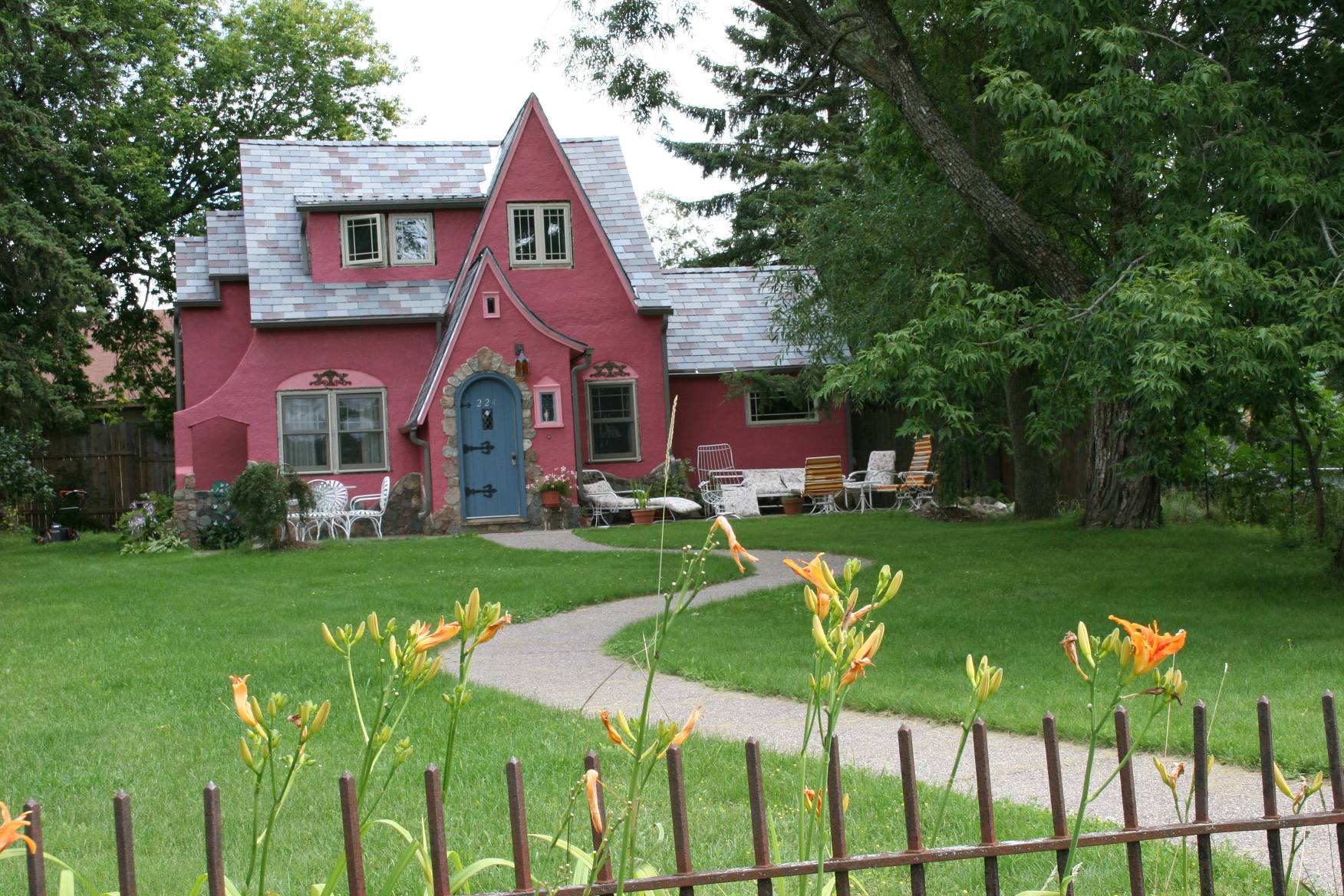
And just down the street from Lucette and the library, I found the sweetest pink fairy tale cottage.

Those small-town treasures marked my introduction to Hackensack.

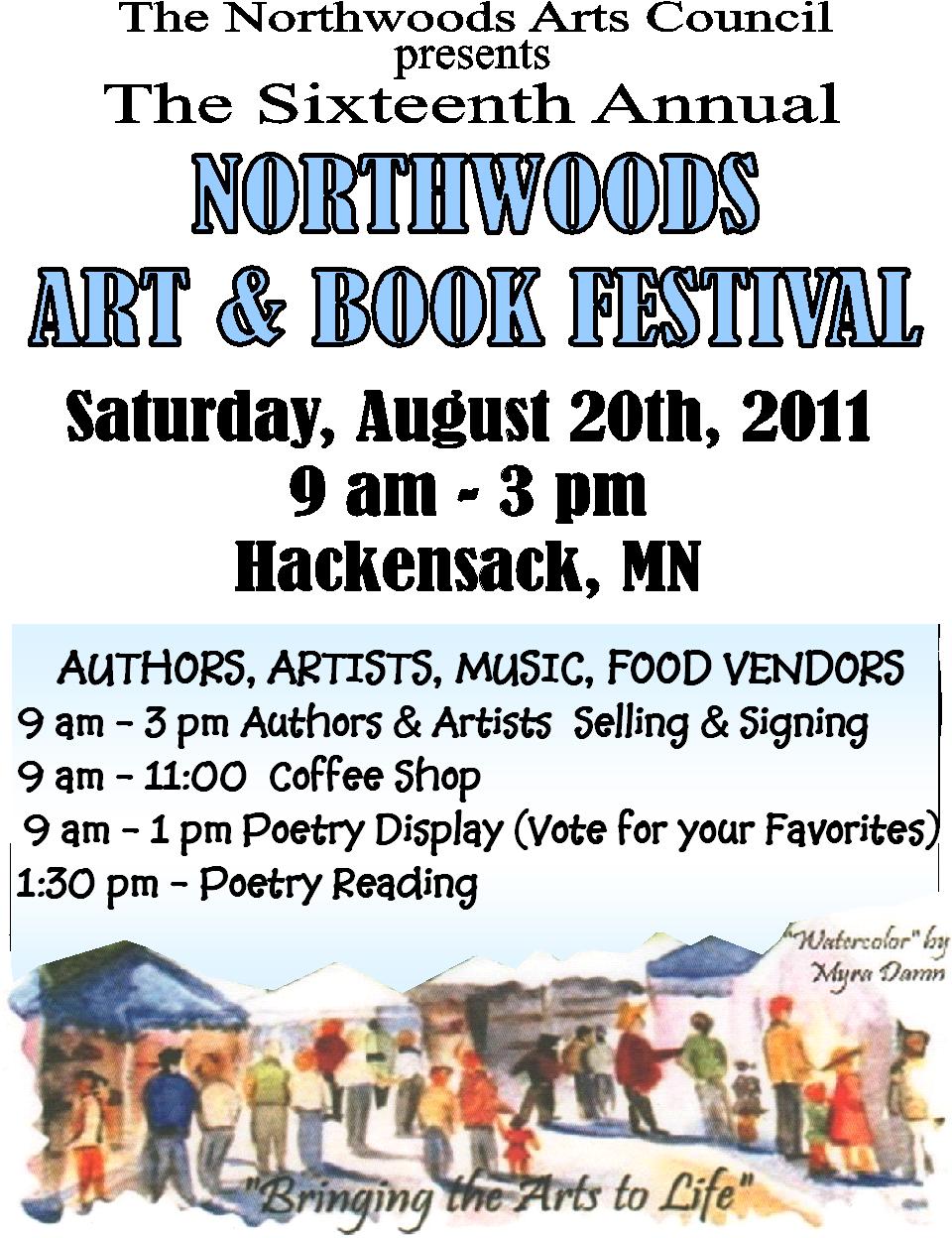
Now, fast forward to last summer. I wasn’t back in Hack, not physically anyway. Rather my poetry was among poems displayed at the town’s annual Northwoods Art and Book Festival. During that event, the featured poets are invited to read their poetry. Fest-goers can also vote for their favorites with six poems selected for “Popular Choice” awards. Six poems are also recognized as “Poems of Merit.” All of the original and unpublished poems are posted without author names attached.

I didn’t attend last year, didn’t win and didn’t deserve to win. My poetry wasn’t worthy of an award.

This year my poetry is back at the Northwoods Festival set for this Saturday, August 20, and I’m more confident that I’ve actually written poems that could win an award. Oh, I’d love to tell you which poem is mine (or it could be both poems that I submitted; I haven’t been told). But I won’t unfairly sway the voting. Suffice to say my rural background shines in my writing.

If Hackensack wasn’t such a long drive from Faribault, I’d be there taking in the poetry, the art, the music, the book-signings, the food. However, if you’re in the Brainerd lakes area or parts north on Saturday, check out the Northwoods Art and Book Festival from 9 a.m. – 3 p.m. and then tell me all about it by submitting a comment.

Voting for the “Popular Choice” awards begins at 9 a.m. and closes at 1 p.m.

If you’re already thinking, “Audrey, I don’t like poetry,” rethink your thinking. I promise you that my poetry rates as down-to-earth, understandable and not at all stuffy.

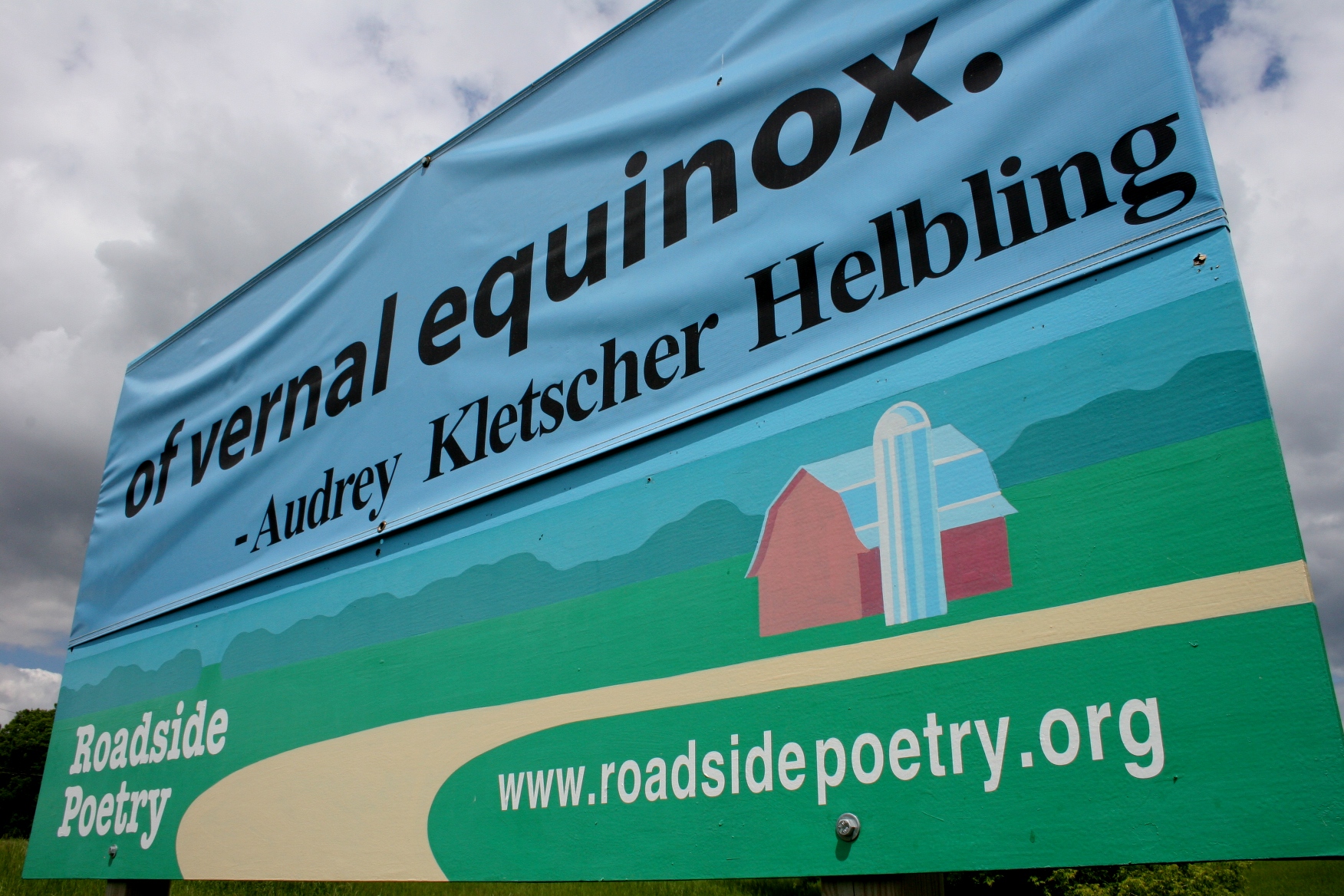
This whole concept of getting poetry out to the public via a display like the one in Hackensack pleases me. Just like the Roadside Poetry billboards in Fergus Falls. I was fortunate enough to win the spring competition and have my four-line poem plastered across four billboards there.

These new poetry venues, and the increasingly popular sidewalk poetry in cities like St. Paul, Mankato and now Northfield, are bringing poetry to the people. That’s a good thing because, in reality, how many of us actually pick up a book of poetry for leisure reading?

Minnesota poet Todd Boss and designer/animator Angella Kassube are also making poetry even more appealing by utilizing visuals in their acclaimed motion poems. Click here to read some of those.

Poetry has certainly evolved through the years, a necessity to keep writers interested in writing it and readers interested in reading it.

Professionally, I’ve only begun to unfold my wings as a poet. Even publicly calling myself a “poet” still sounds foreign to my ears. But with publication in two magazines and four anthologies, soon to be five (The Talking Stick, Volume 20, published by Park Rapids-based Jackpine Writers’ Bloc); winning the spring 2011 Roadside Poetry competition; inclusion at the Hackensack festival; and recent notification that one of my poems will publish in the Lake Region Writers Network’s first literary magazine, I finally feel worthy of the title “poet.”

The last of four billboards featuring my Roadside Poetry spring poem.

The sweet fairy tale house in Hackensack, located near Lucette and the park and photographed in 2009.

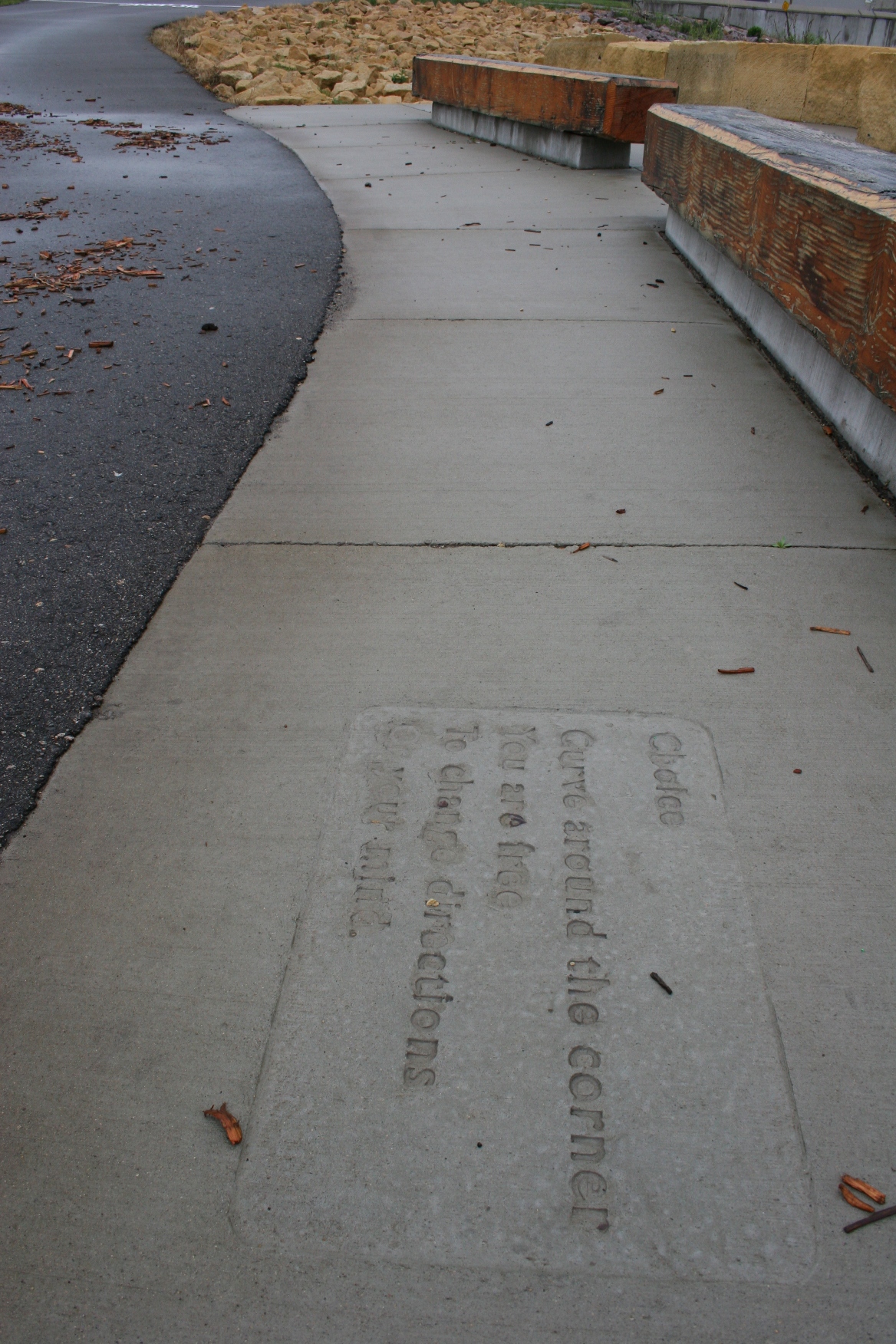
"Curve around the corner/You are free/To change directions/Or your mind," reads this poem by Marlys Neufeld of Hanska and imprinted in a Mankato sidewalk.

HOW DO YOU FEEL about poetry? Do you read it? Why or why not?

© Copyright 2011 Audrey Kletscher Helbling


Inside the Hamilton Wood Type Museum & the Target connection August 17, 2011

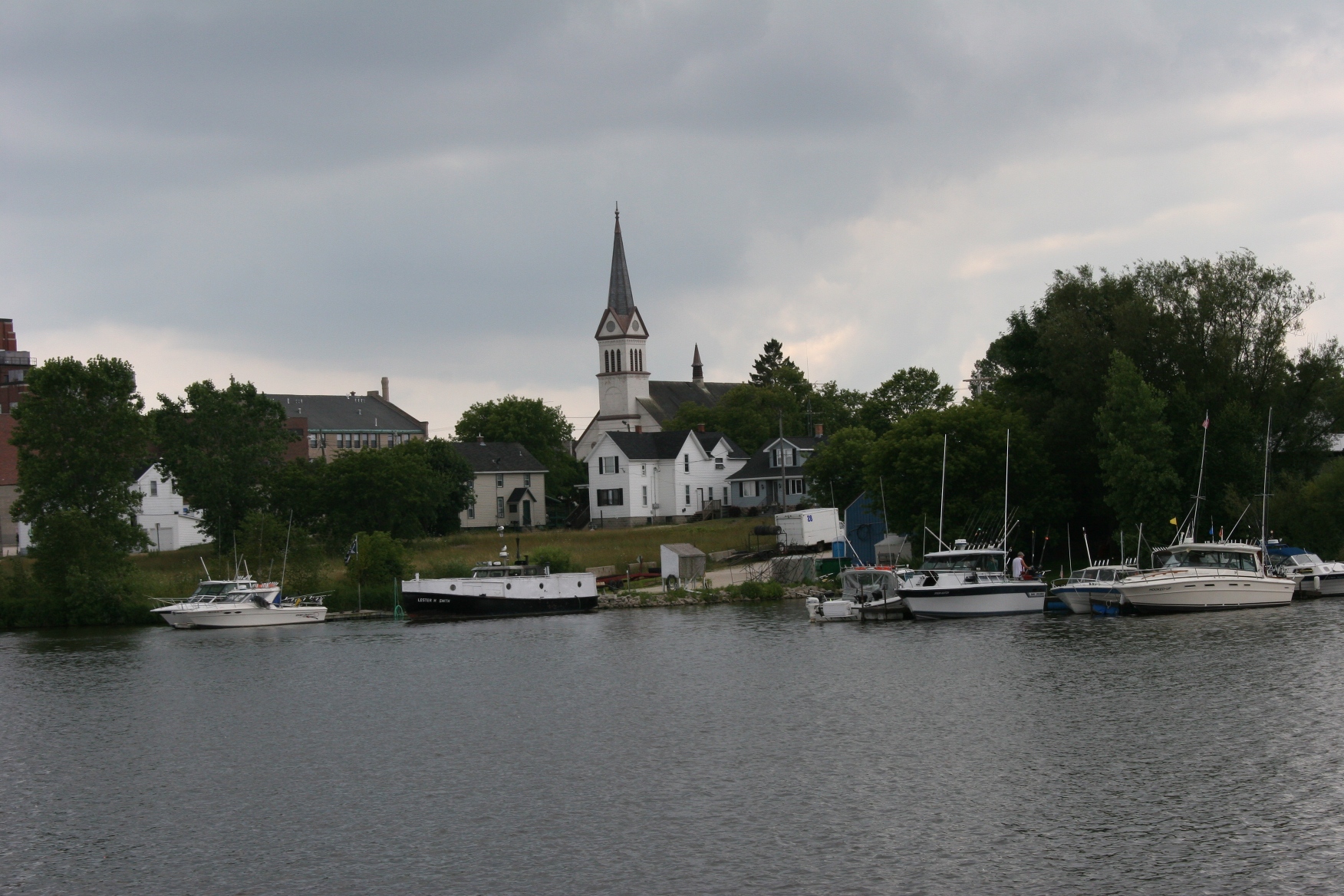
A picturesque view of Two Rivers, Wisconsin, as seen from the historic Rogers Street Fishing Village.

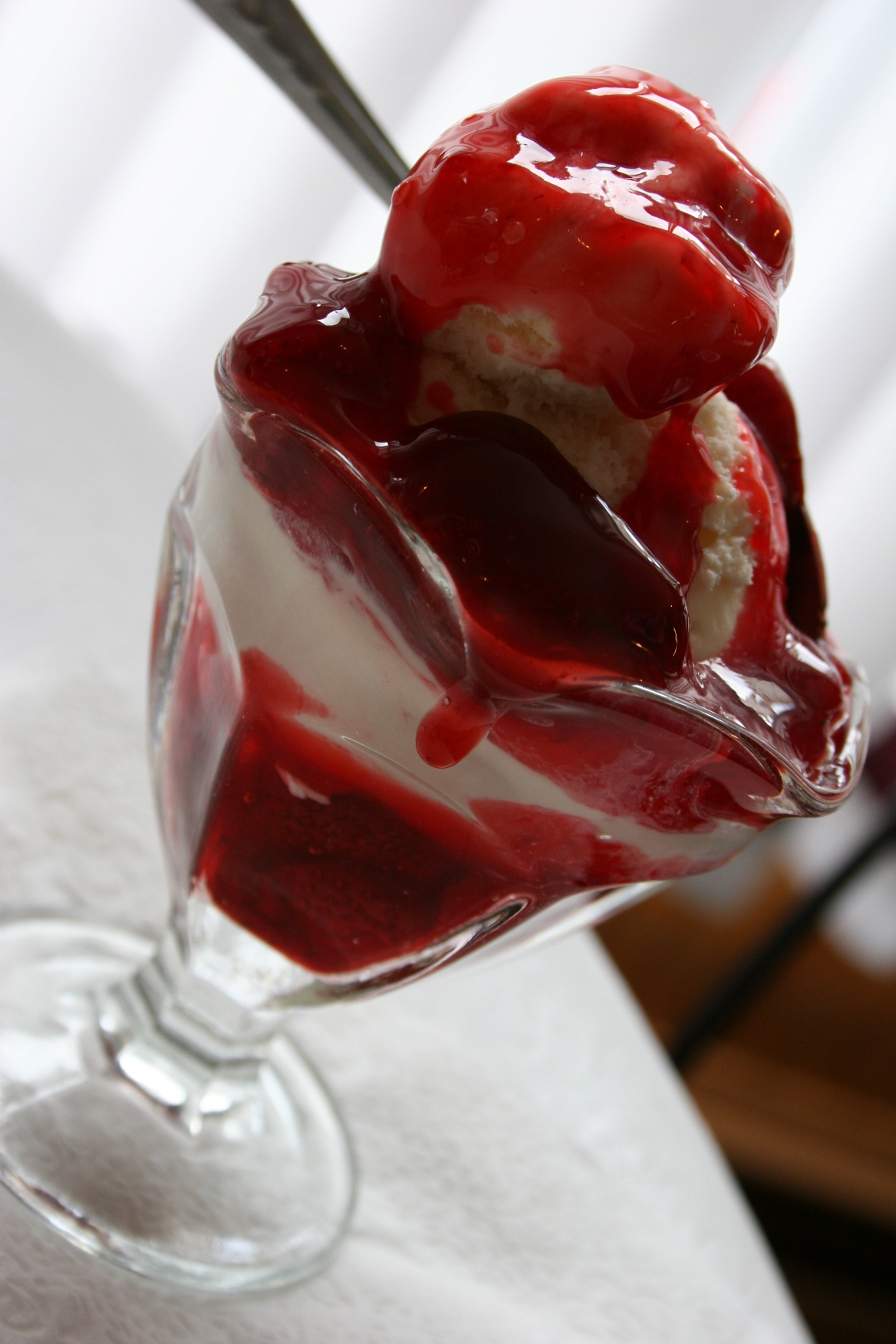
We treated ourselves to ice cream sundaes after the museum visit.

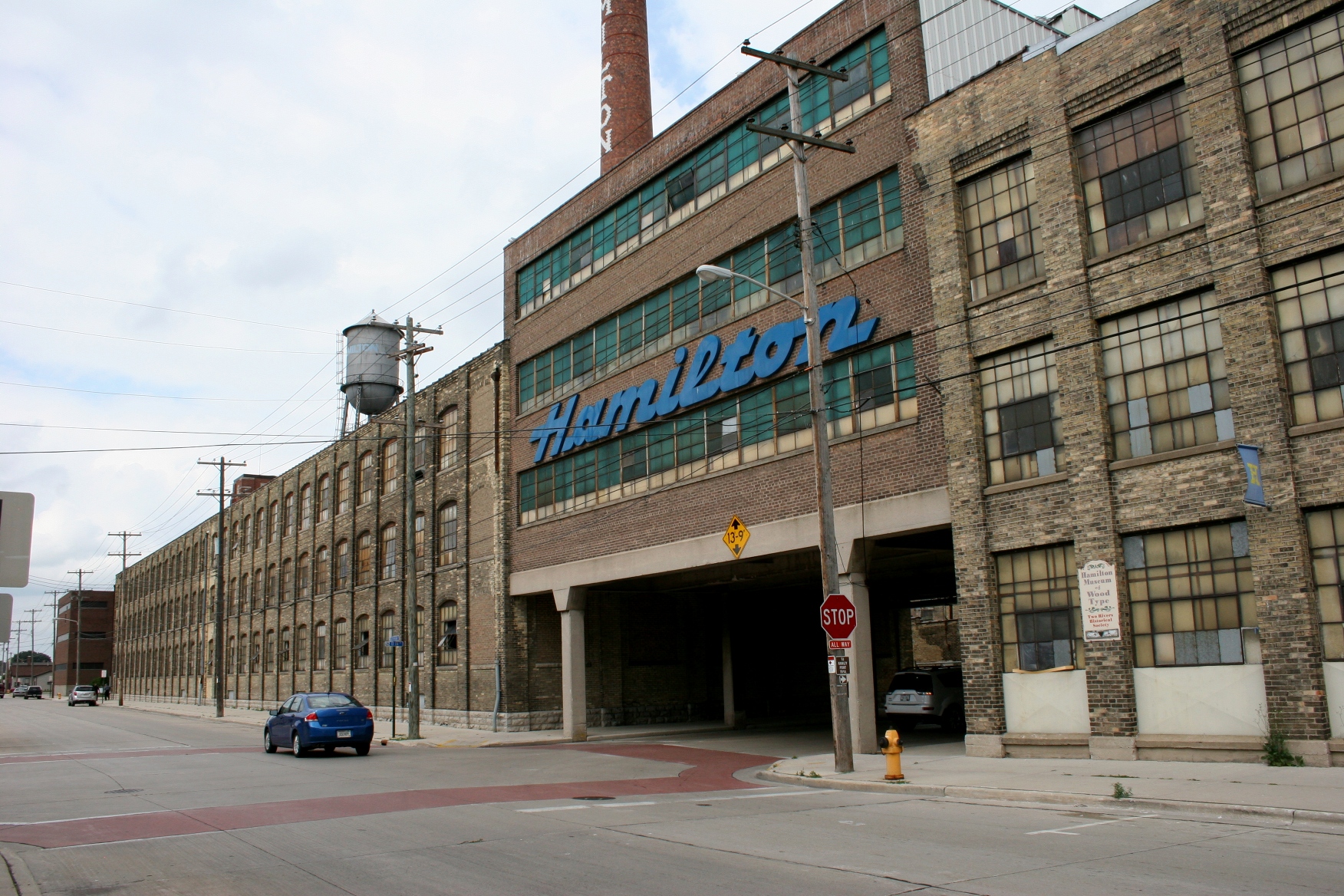
IF NOT FOR MY SECOND DAUGHTER’S neighbor mentioning a day trip to Two Rivers, Wisconsin, I might never have discovered the Hamilton Wood Type & Printing Museum or its connection to Minnesota-based Target.

The retailing giant collaborated with the museum on a recently-released fall Vintage Varsity collection promoted as “Cool Never Fades.”

With vintage so in vogue right now, Target definitely found the right place for designers to authenticate this new line. Hamilton made wood type from 1880-1985 and boasts a collection of 1.5 million pieces, the largest in the world. Target dipped into that collection to create graphics for the Vintage Varsity line.

The Target connection, however, wasn’t my reason for visiting Two Rivers, a city of 13,000 just south of Door County. Rather, Lake Michigan drew me here on a recent Sunday when my husband, son and I were visiting our daughter Miranda at her Appleton home 50 miles to the west.

My family can assure you that fashion wouldn’t draw me anywhere. But wood type would.

So, when I planned our day trip from Appleton to Two Rivers, Hamilton Wood Type ranked high on my must-see list, right after Lake Michigan. A promise to the teenage son of ice cream afterward at the historic Washington House, just across the street from the museum, kept him from complaining too much about my museum meandering. Interestingly enough, the sundae originated in Two Rivers in 1881.

Had I opted to take the official Hamilton tour, I likely would have learned much more about Hamilton Manufacturing Company and the museum, which also includes a collection of 1930s – 1970s advertising cuts, wood type and Linotype equipment, tools and more. The manufacturing company, which once made medical office furniture, appliances and more, is still in business today producing steel lab equipment.

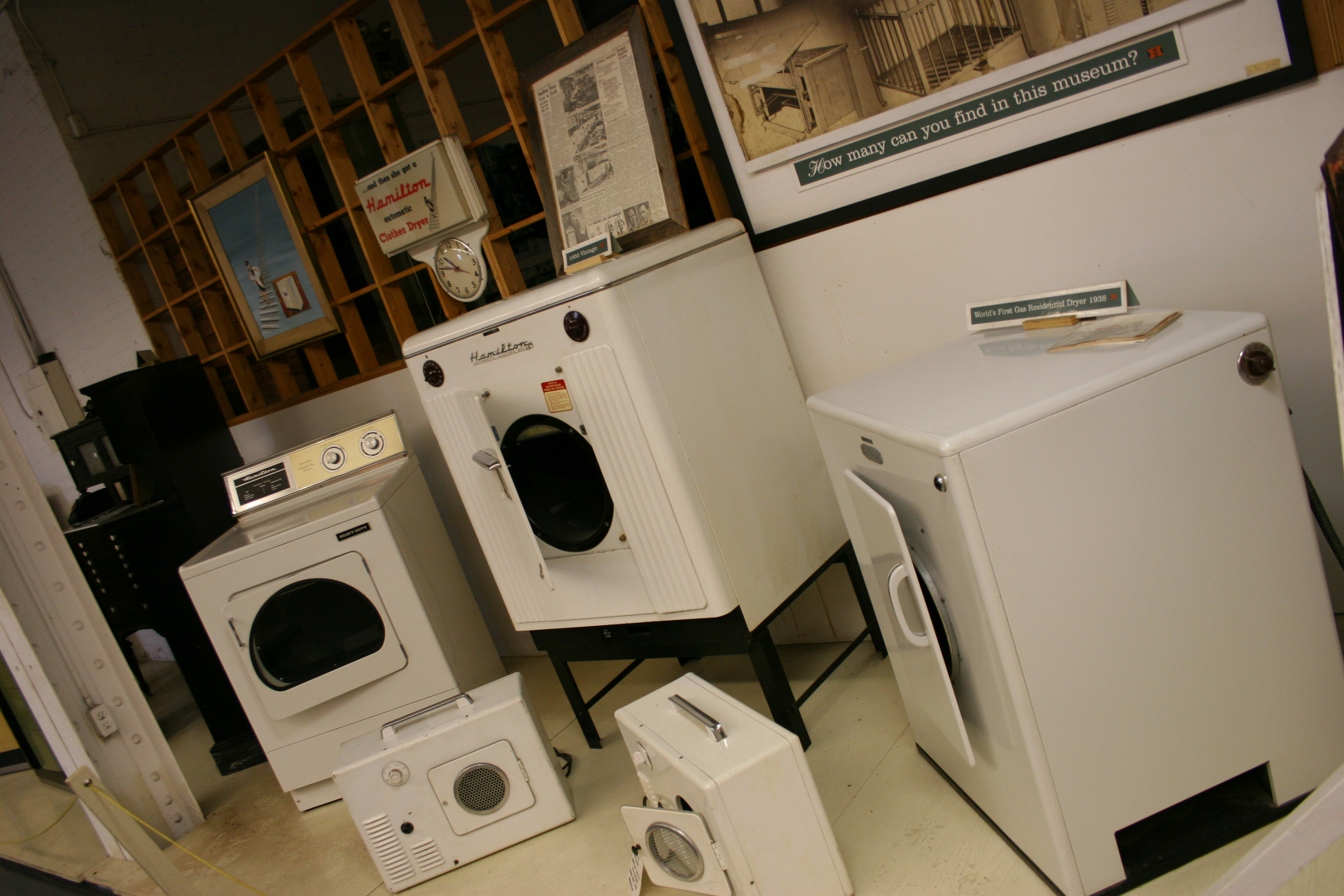
Hamilton manufactured the first gas-powered clothes dryers.

The museum is a self-supporting, working museum where artists and designers and others get hands-on experience in wood type printing and where custom printing is done, according to a Minneapolis woman who was printing at the museum on the day I visited.

In all honesty, Hamilton’s historical details didn’t interest me. Rather, I was here because of my decades-earlier connection to Linotype and because of my profession. During my first job out of college in 1978, I worked as a reporter at The Gaylord Hub, a small-town weekly newspaper that still used hot metal type to create auction bills and other custom printing. At the time, I failed to appreciate this fading art. Rather, I found the constant clack-clack-clack of the vintage machines bothersome, especially when conducting phone interviews.

Today my attitude has changed. I appreciate printing as an art. I took that perspective to the Hamilton Wood Type & Printing Museum and knew, even before I stepped inside the 1927 building, that my focus would be visual.

The Hamilton complex of buildings covers blocks.

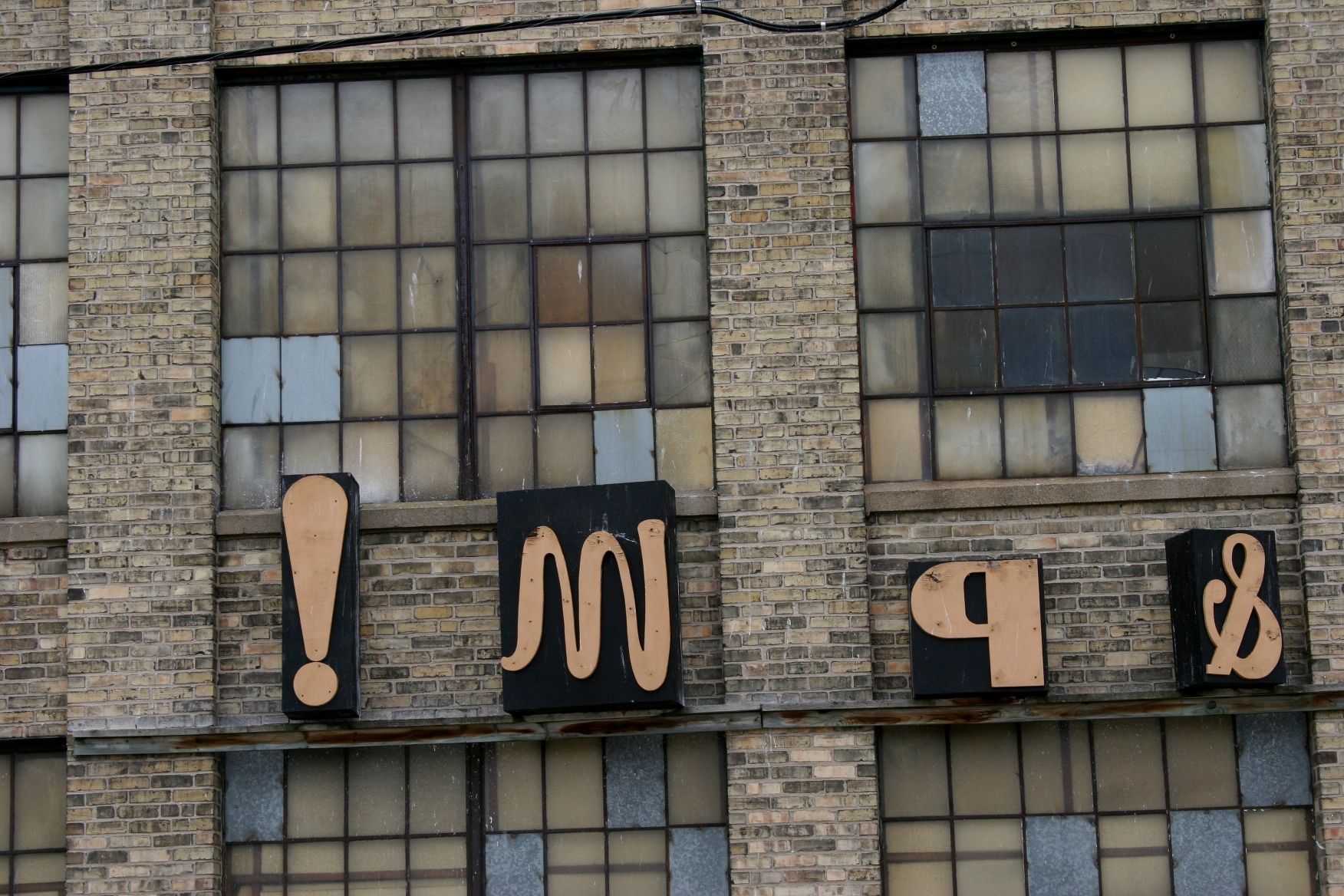
The building exterior features aesthetically appealing letters and punctuation.

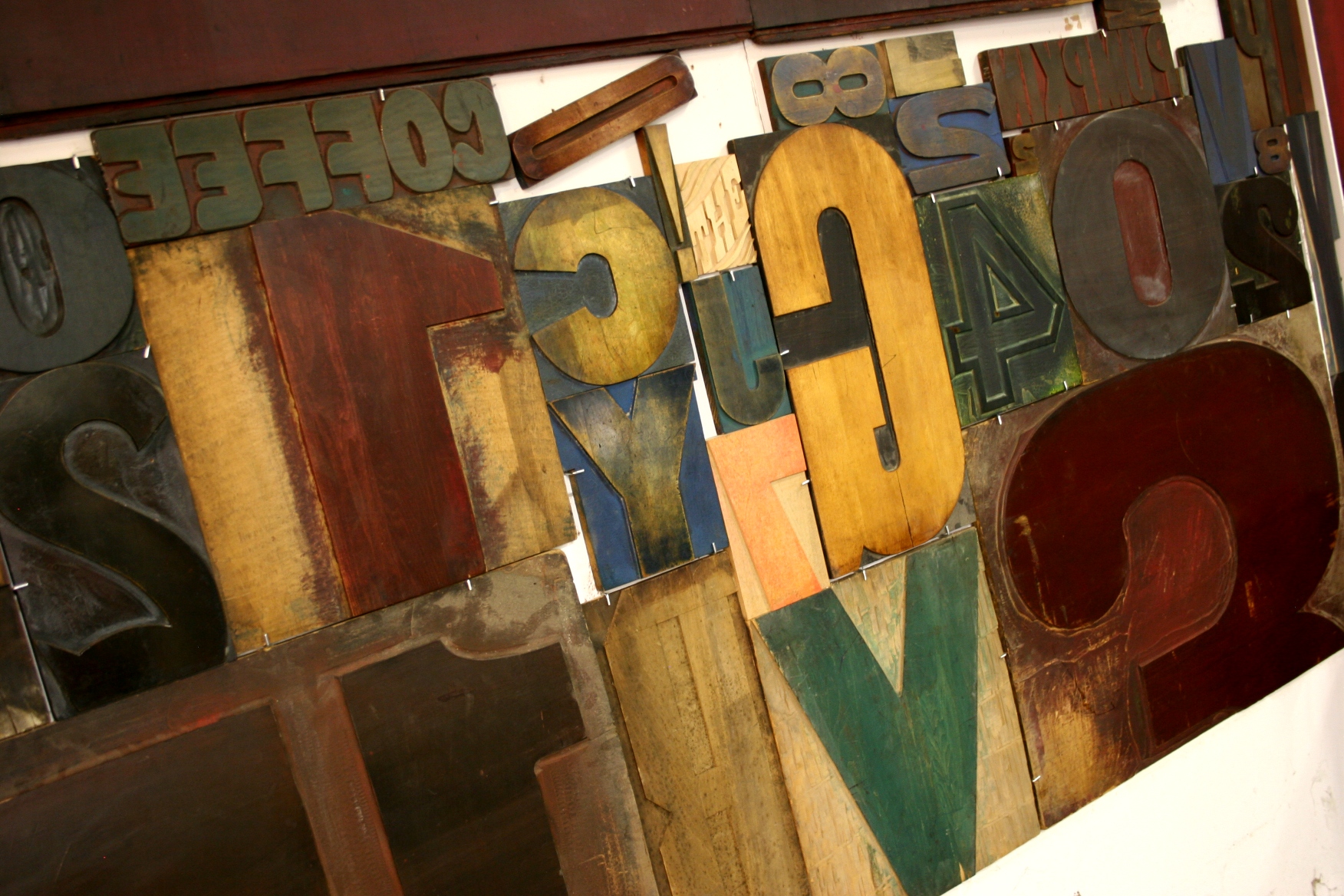
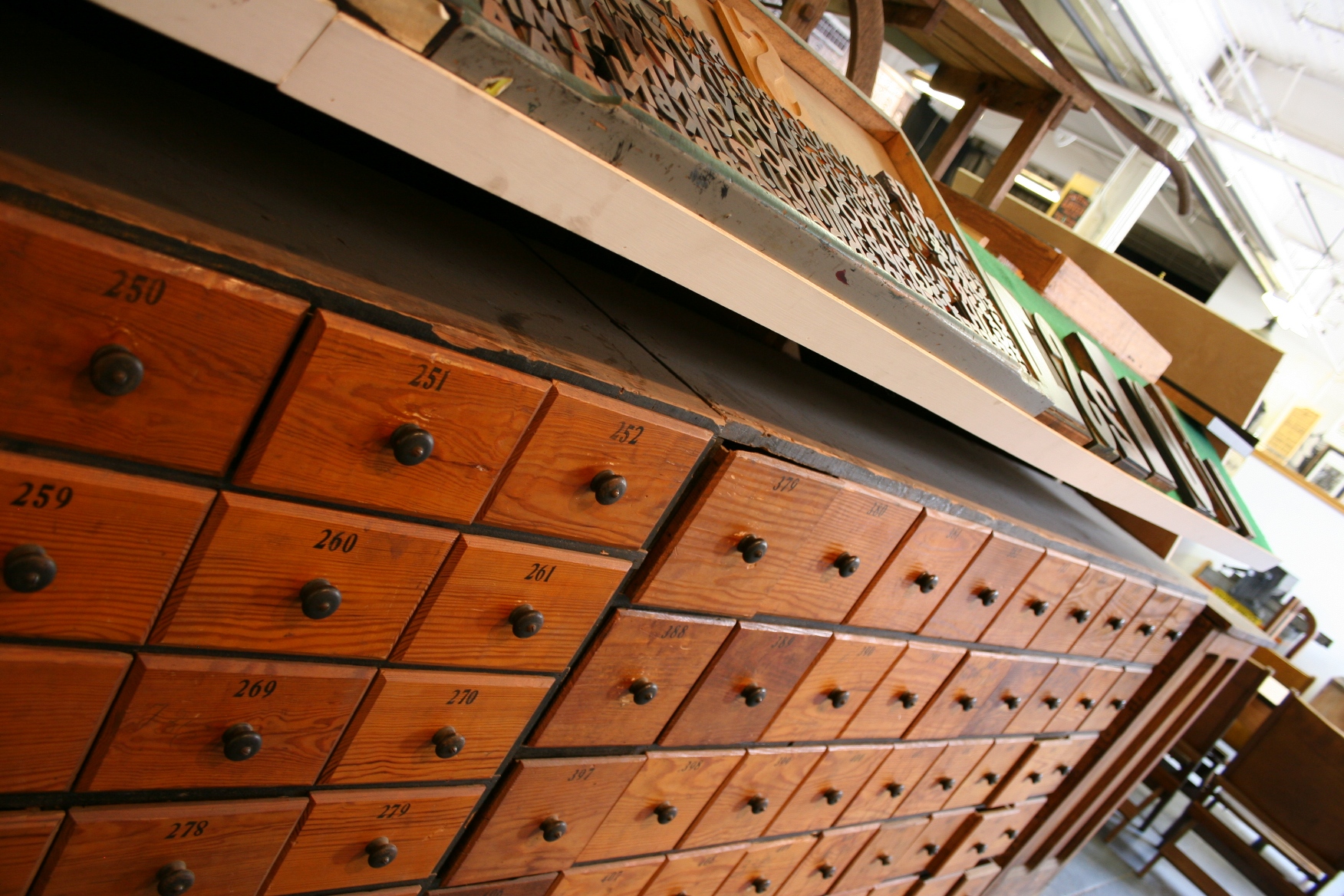
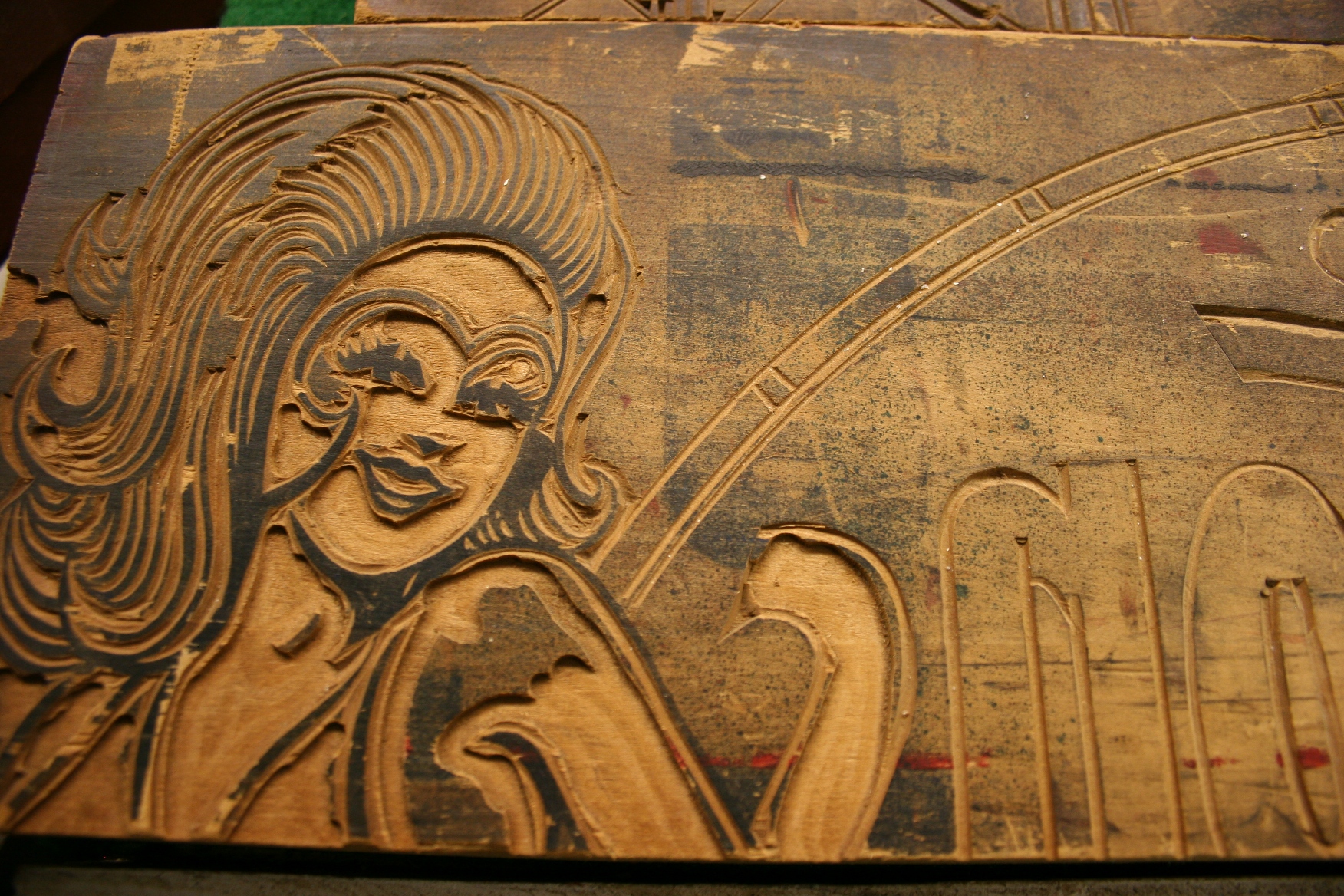
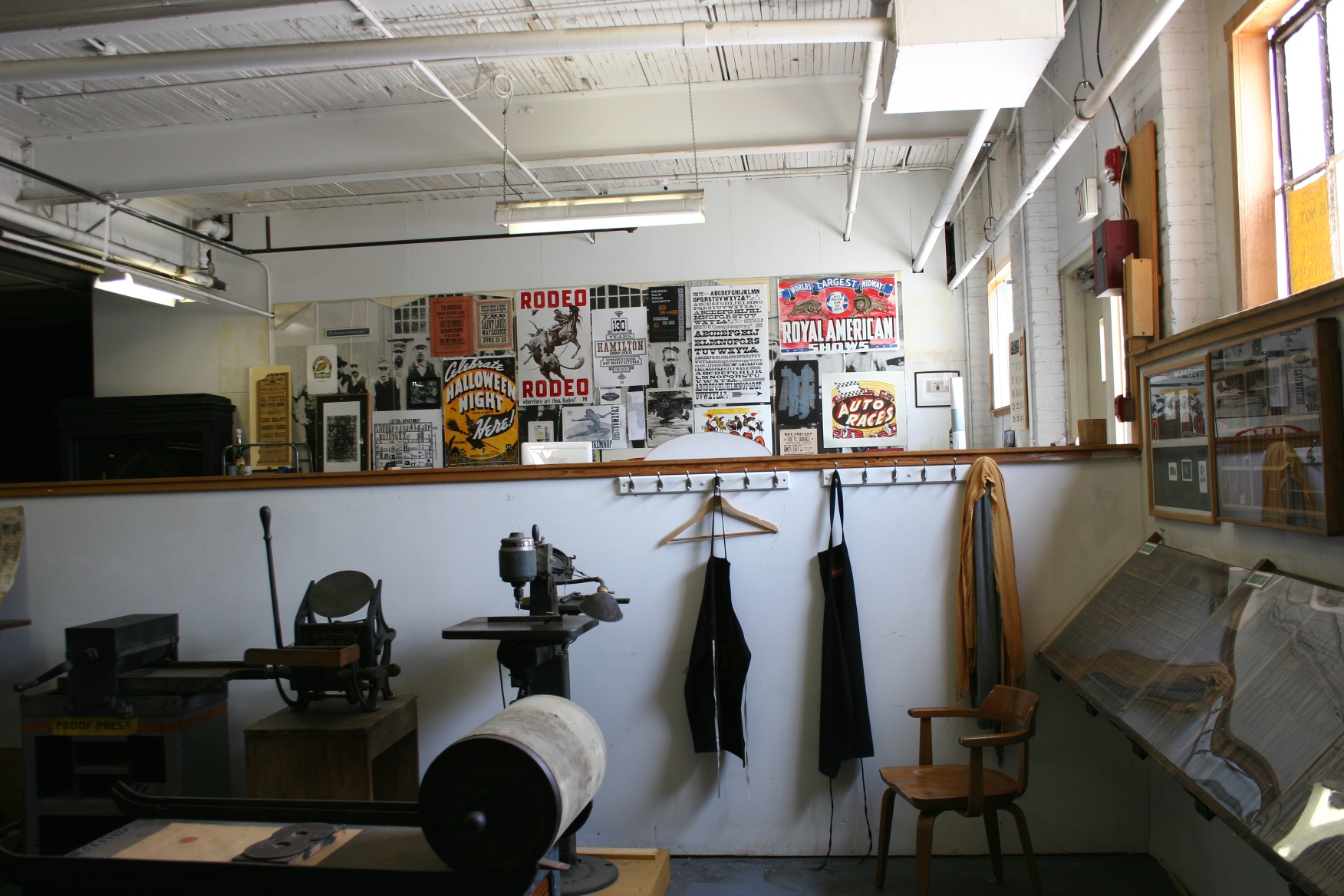
My eyes swept across the nothing-fancy, industrial space filled with letters in more fonts and sizes than I could ever imagine. Posters. Colors. Graphics. Drawers upon drawers upon drawers that I wished I could pull open. Machines. Cement floors and brick walls. Jumbled pieces of wood and smeared paint cans, and brushes hung on walls.

I felt almost overwhelmed by the photographic possibilities, the kaleidoscope of colors and shapes that changed as I circled the room.

Everywhere you'll see letters and numbers in differing sizes and fonts, a visual delight.

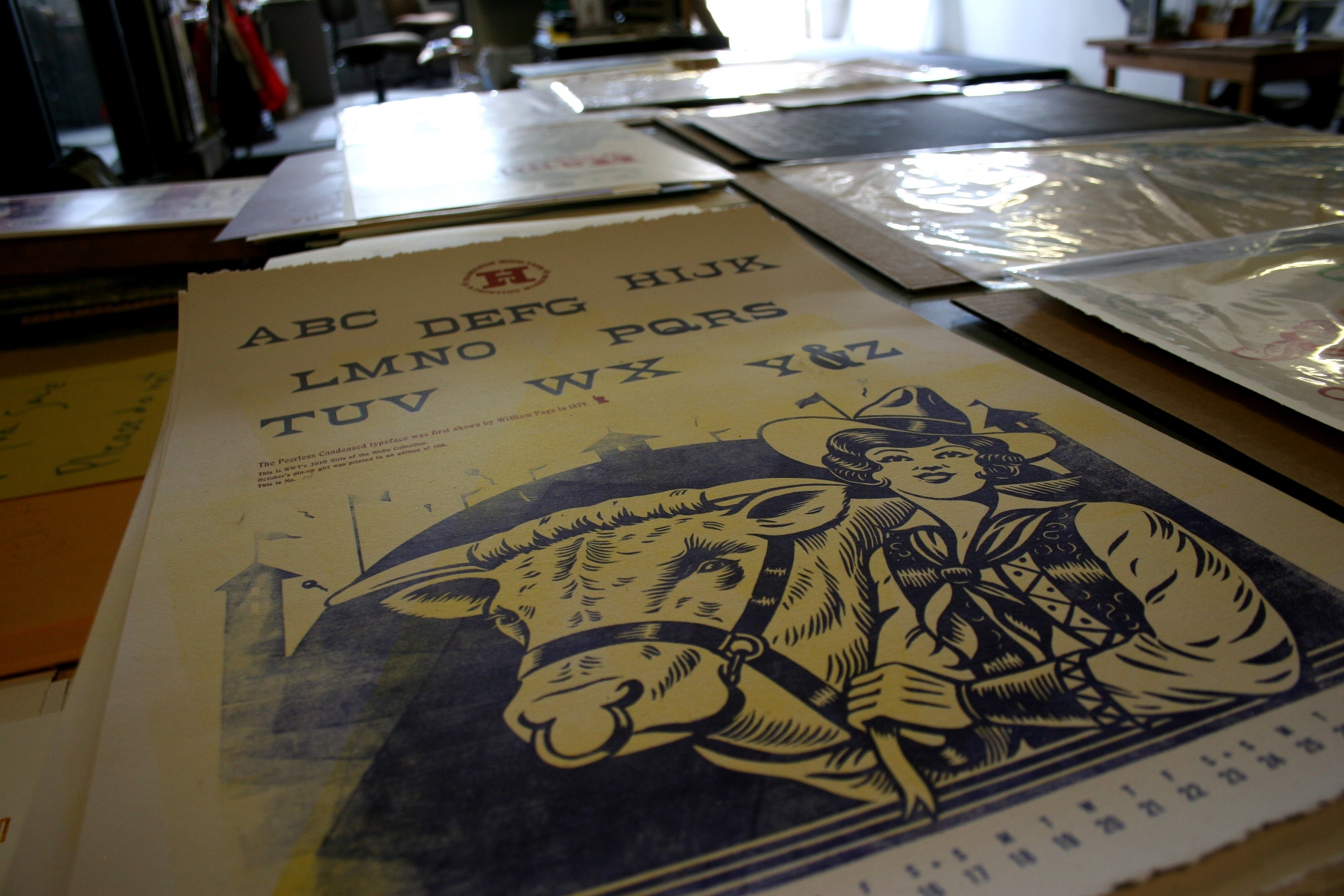
One of the many vintage prints you'll see in the museum.

Rows upon rows of tempting drawers, presumably filled with wood type.

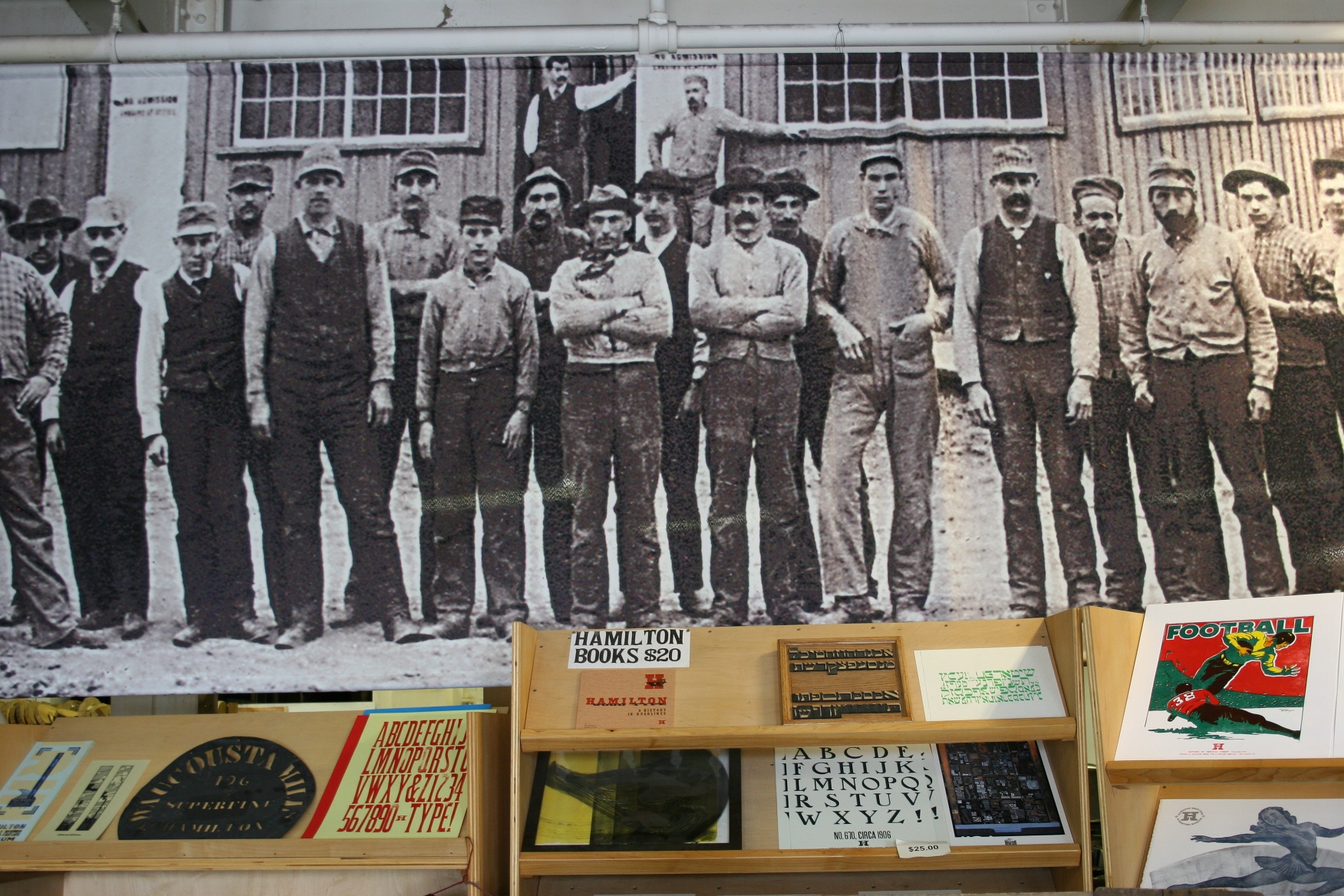
An oversized vintage photo anchors the wall you first see upon entering the museum.

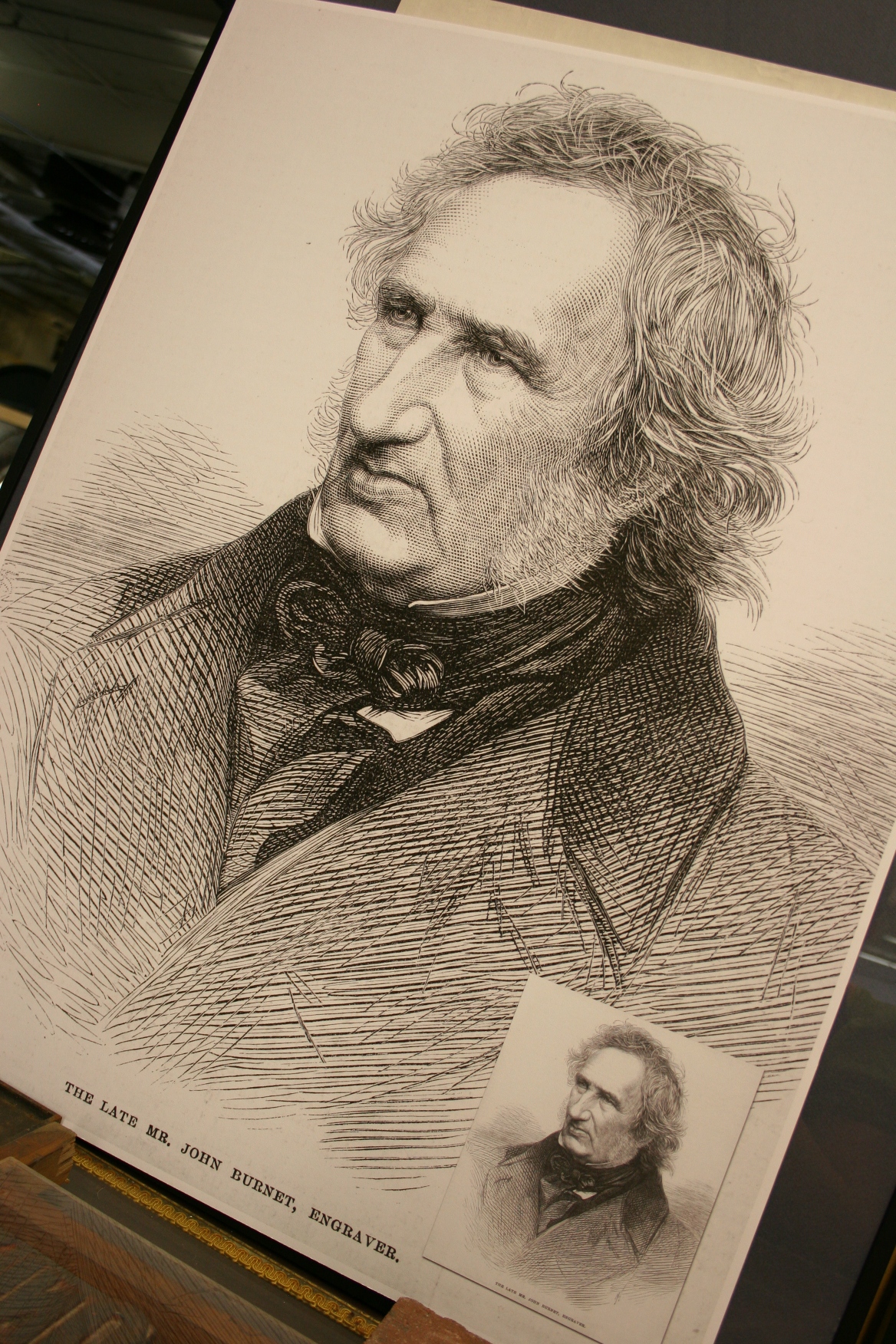
John Burnet, an early engraver at Hamilton.

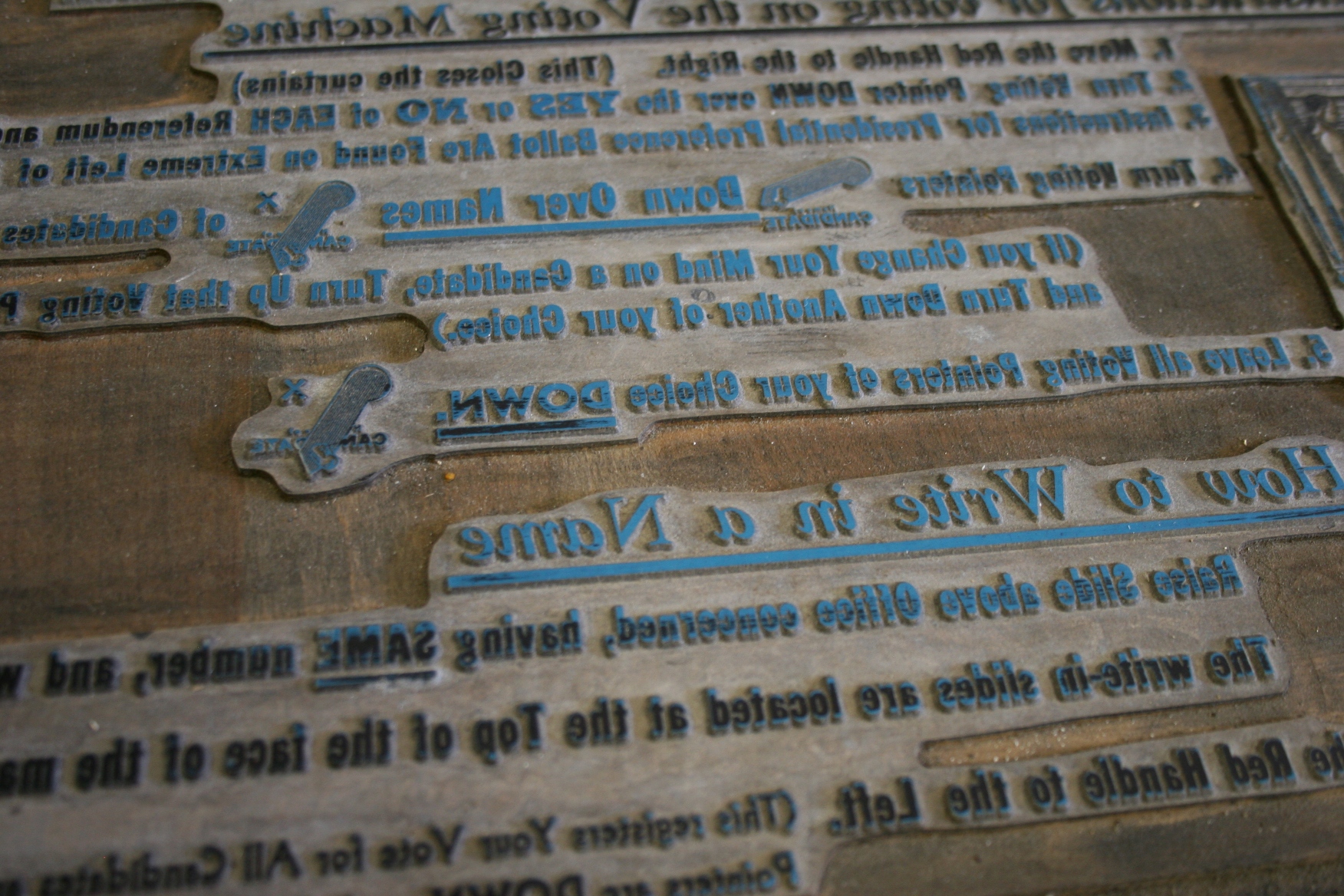
Lines of type.

One of the many graphic cuts you'll see in the museum.

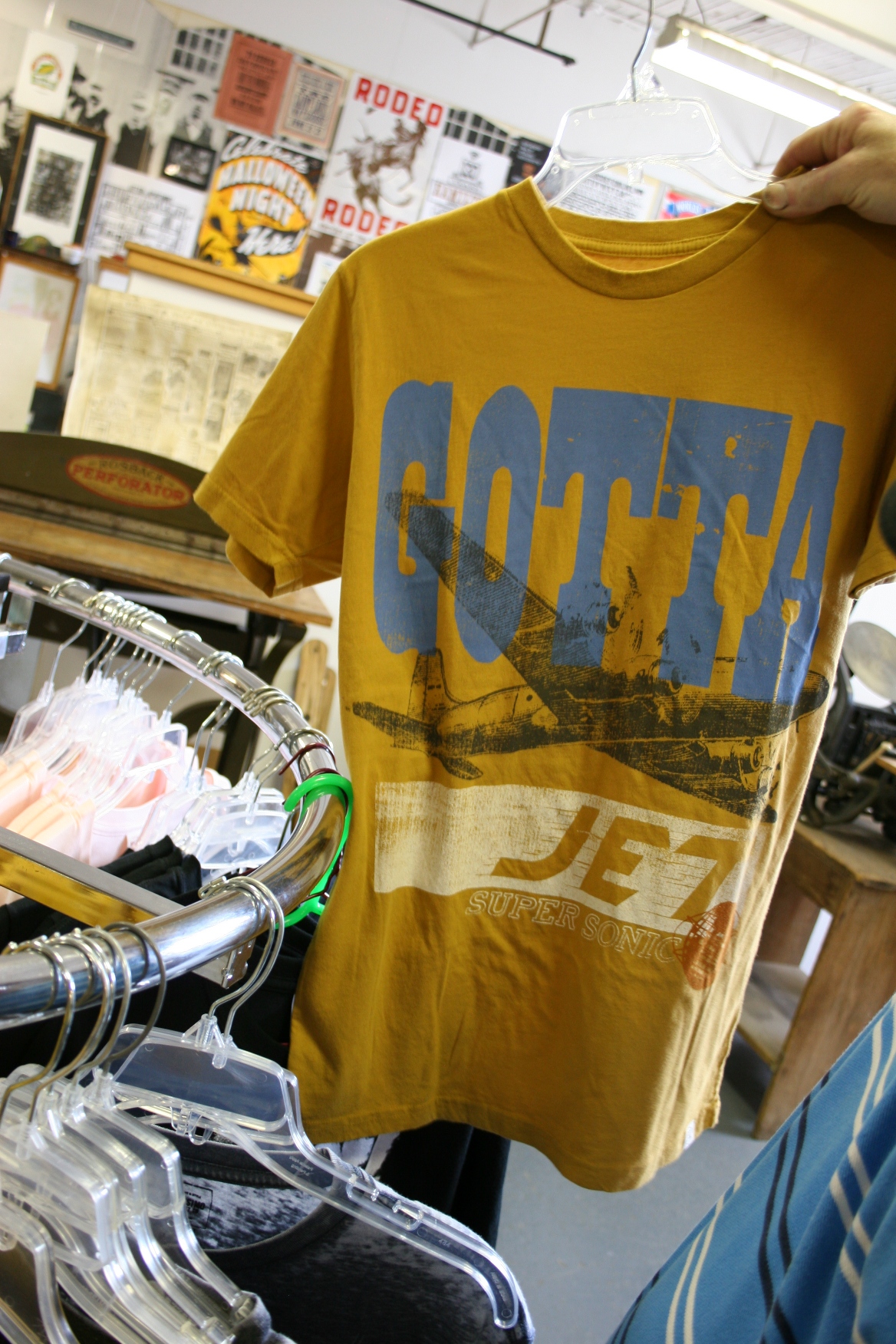
Only when I was in a back room, where the Minneapolis artist was printing and the museum manager/tour guide chastised me for taking his photo without asking, did I think about the Target collection. I had passed by a clothing rack earlier, hadn’t even looked. But then the Minnesotan mentioned Target. So on my way out the door I paused, shot a quick photo and then joined the impatient teen for an ice cream sundae across the street.

A t-shirt I pulled from the rack of clothing at the museum. I don't know whether this is from the Target collection, because I didn't check.

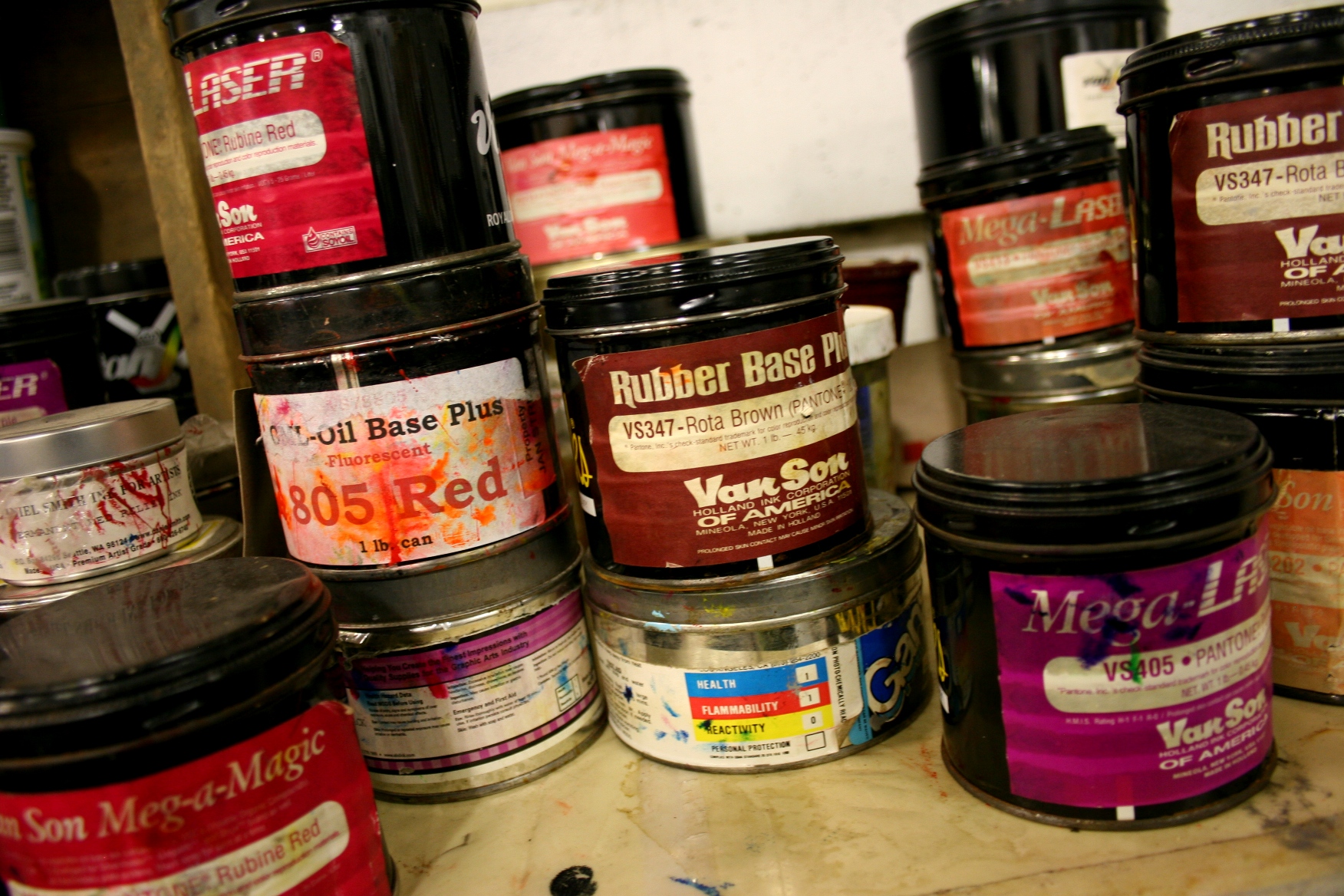
Stacks of paint cans clue you in that this is a working museum.

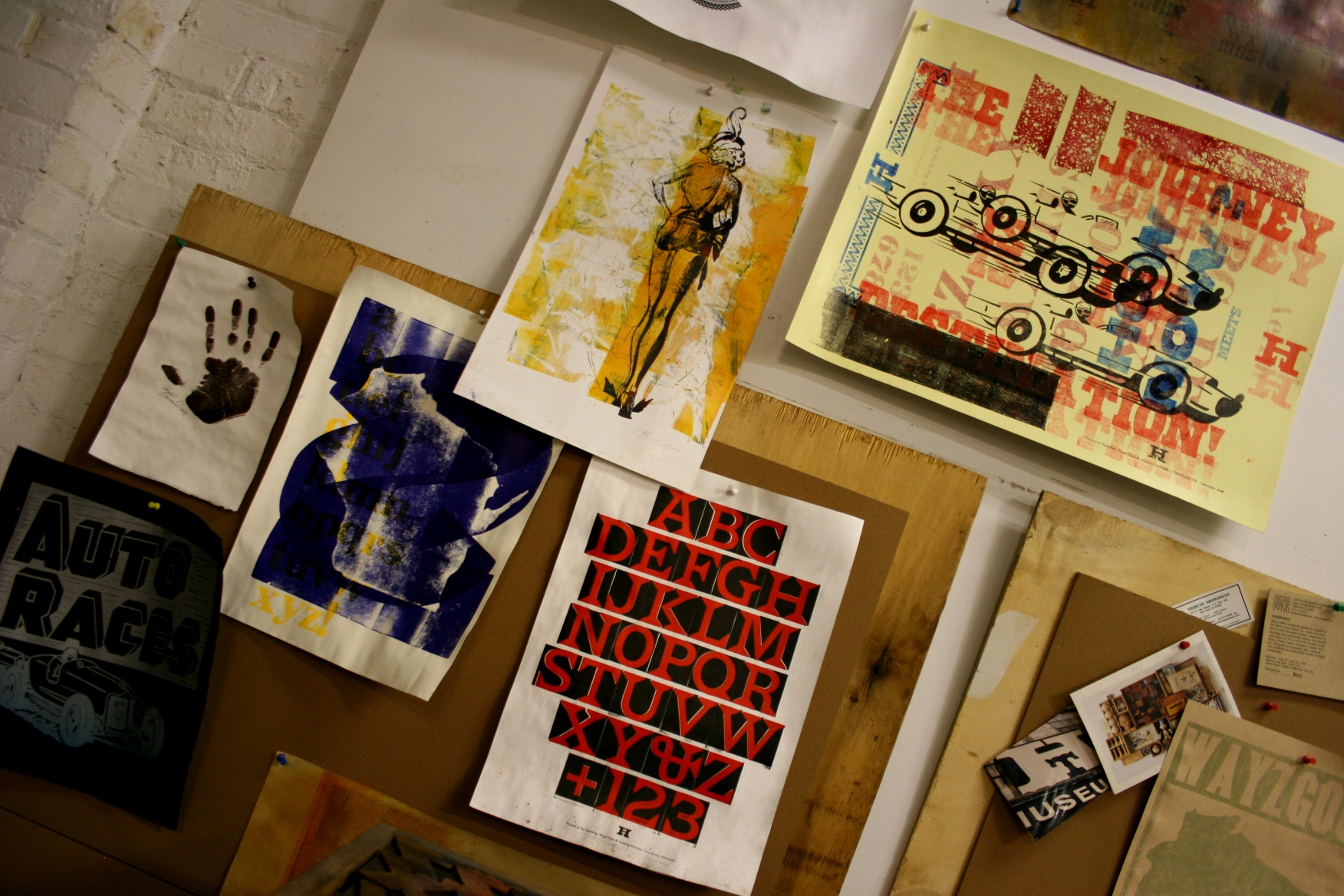
Prints hang on a wall in one of the back rooms.

This photo shows printers' aprons and, to the back, the wall just inside the museum entry.

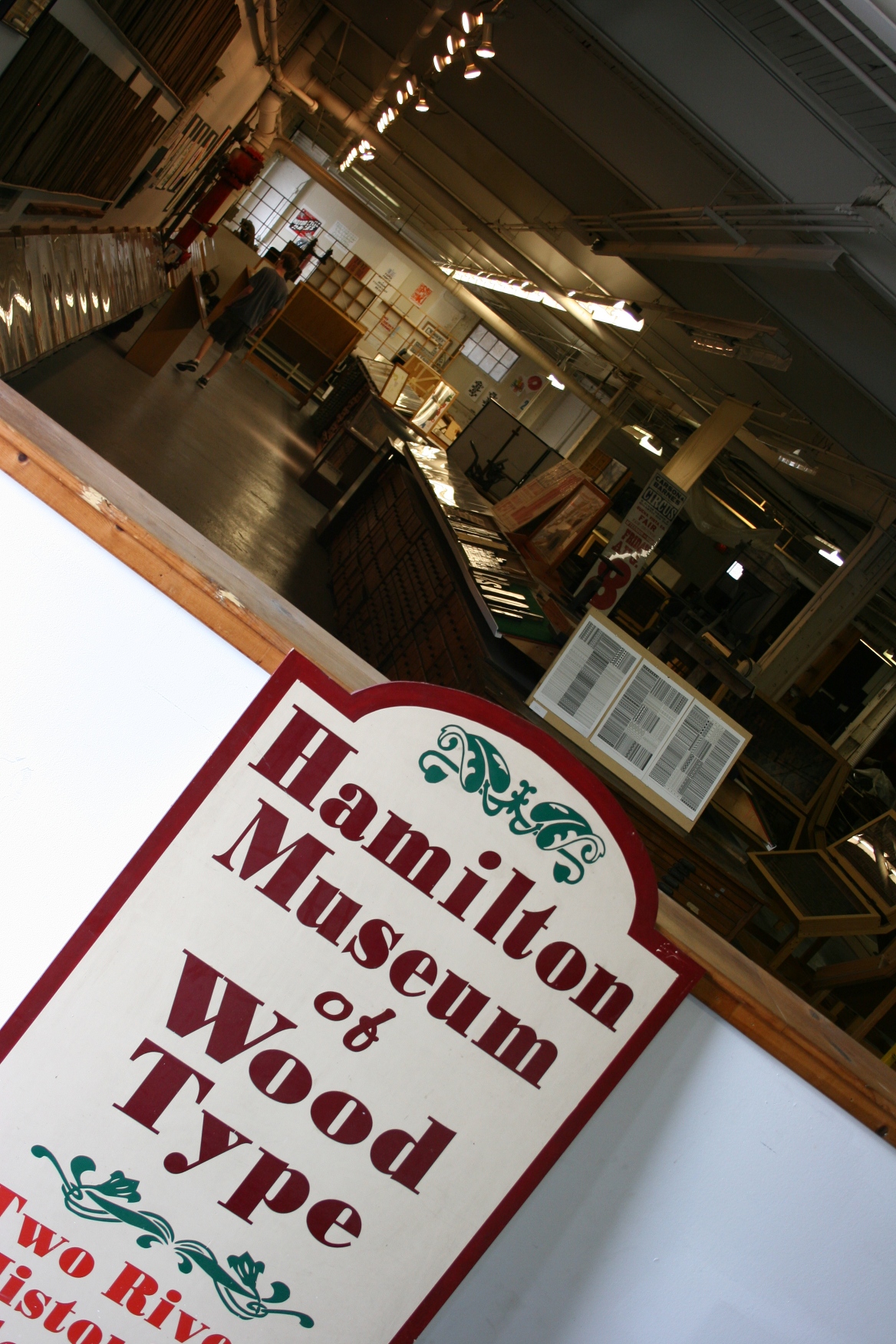
The entry provides a sweeping view of the museum.

FYI: For more information about the Hamilton Wood Type & Printing Museum, click here. The museum is open from1 p.m. – 5 p.m. on Sunday and from 9 a.m. – 5 p.m. Tuesday – Saturday from May 1 to October 31. Winter hours are from noon – 5 p.m. Tuesday – Friday and Saturday by appointment. Admission is free, but donations are accepted.

© Copyright 2011 Audrey Kletscher Helbling
 

Sweeping the steps on a Monday morning August 12, 2011

Filed under: Uncategorized — Audrey Kletscher Helbling @ 8:08 AM
Tags: , , , , , ,

WHILE ON A FOUR-DAY vacation in Wisconsin and southeastern Minnesota earlier this week, I took nearly 500 photos.

Posed pictures. Landscapes. Carefully framed frames. And then photo after photo after photo that I shot from the passenger side of the car as my husband, son and I traveled along interstates, state highways and winding, narrow back country roads.

Taking photos from a car traveling at highway speeds can be difficult. But I enjoy the challenge of trying to capture a good, even great, image while on the move. Let’s just say I’m never bored because I’m constantly seeking photo ops.

That means looking ahead, anticipating and clicking the shutter button at just the right moment. Too soon and I miss the shot. Too late and I miss the shot. I can’t even begin to tell you how many pictures I’ve failed to get because I’ve had the camera switched to OFF or I’m not quick enough.

But the more I practice this method of photography, the better I become. I’ve managed to snap some of my favorite photos through the windows of a car. Yes, I keep the windows closed unless the car is traveling at 30 mph or less. I don’t want to risk dirt/dust flying into my camera and landing on the sensor.

And it goes unsaid that clean windows are a must, but not always possible. I don’t let dirty glass stop me from taking photographs.

All that said, here’s my favorite car-shot image from this trip.

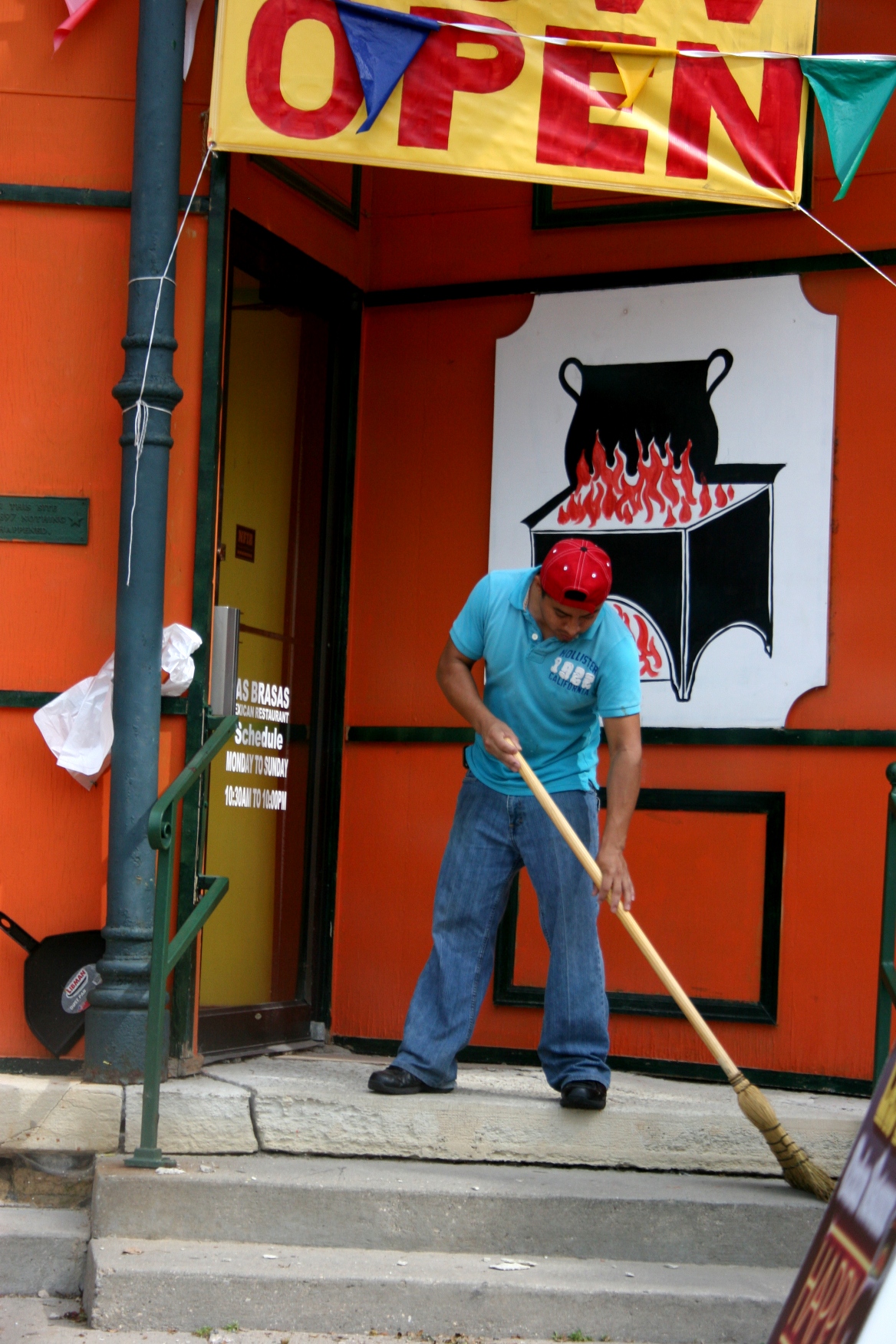
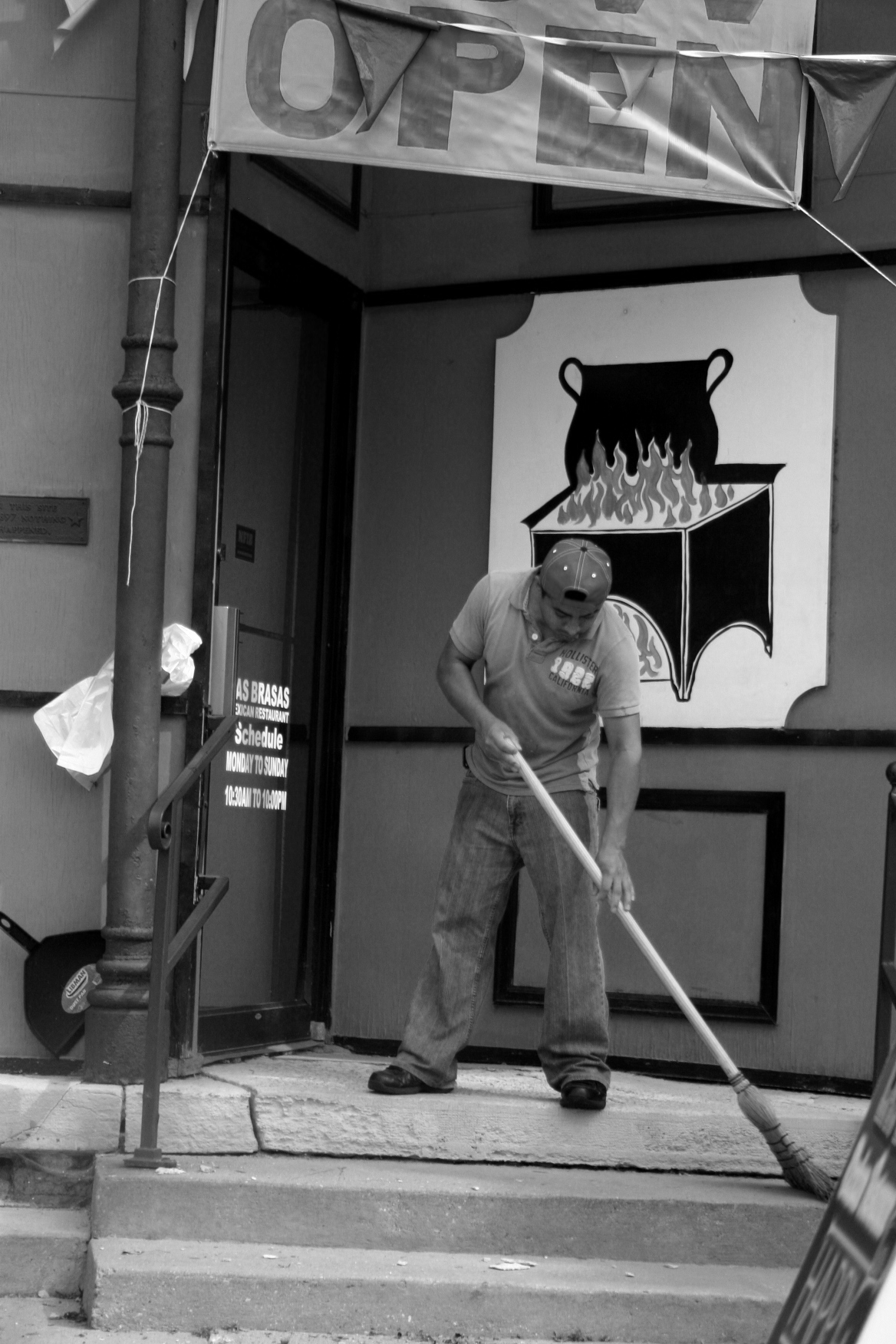
My favorite image from this road trip: "Sweeping the steps on a Monday morning at a Mexican restaurant in Omro, Wisconsin."

Let me tell you a little about the subject. On our way to Appleton, Wisconsin, on Saturday, we drove through Omro, a small town just west of Oshkosh on State Highway 21. I saw this vivid orange Mexican restaurant, but wasn’t in a position to photograph it.

However, on the return trip through Omro on Monday morning, I had my camera ready and, when I saw the man sweeping the front steps of the restaurant, I fired off two quick frames and got what I consider a pretty darned good photo.

The vivid colors and composition make this, in my opinion, a good photo.

But the image excels to excellent when you consider the subject—a man sweeping the steps. Ordinary becomes extraordinary for the everyday story told. As a photographer, I strive to photograph regular, everyday life. When I manage to photograph a scene like this one, I am pleased, mighty pleased.

Even in black-and-white, the image remains a strong photo.

© Copyright 2011 Audrey Kletscher Helbling
 

Take time to stop and appreciate small towns August 11, 2011

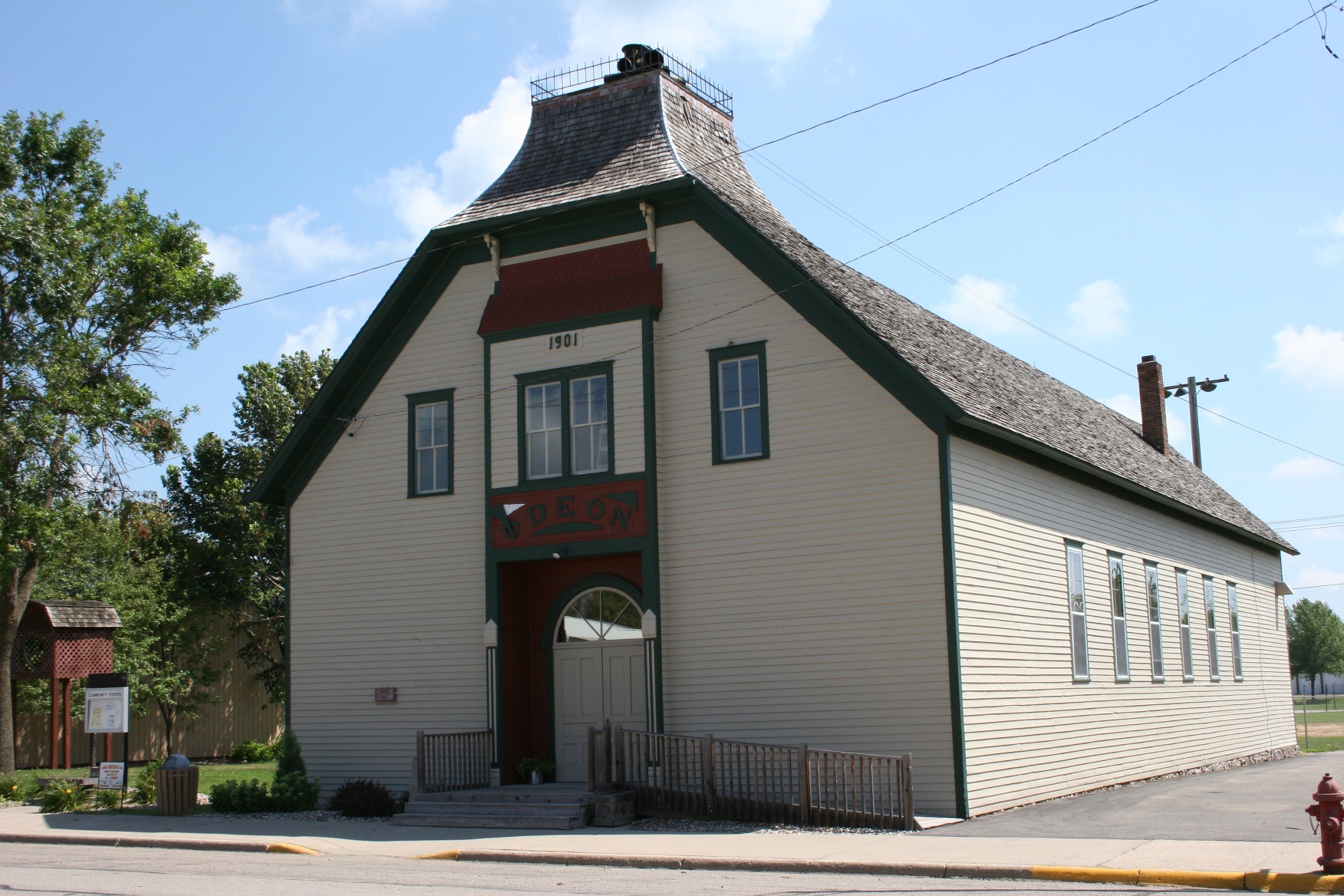
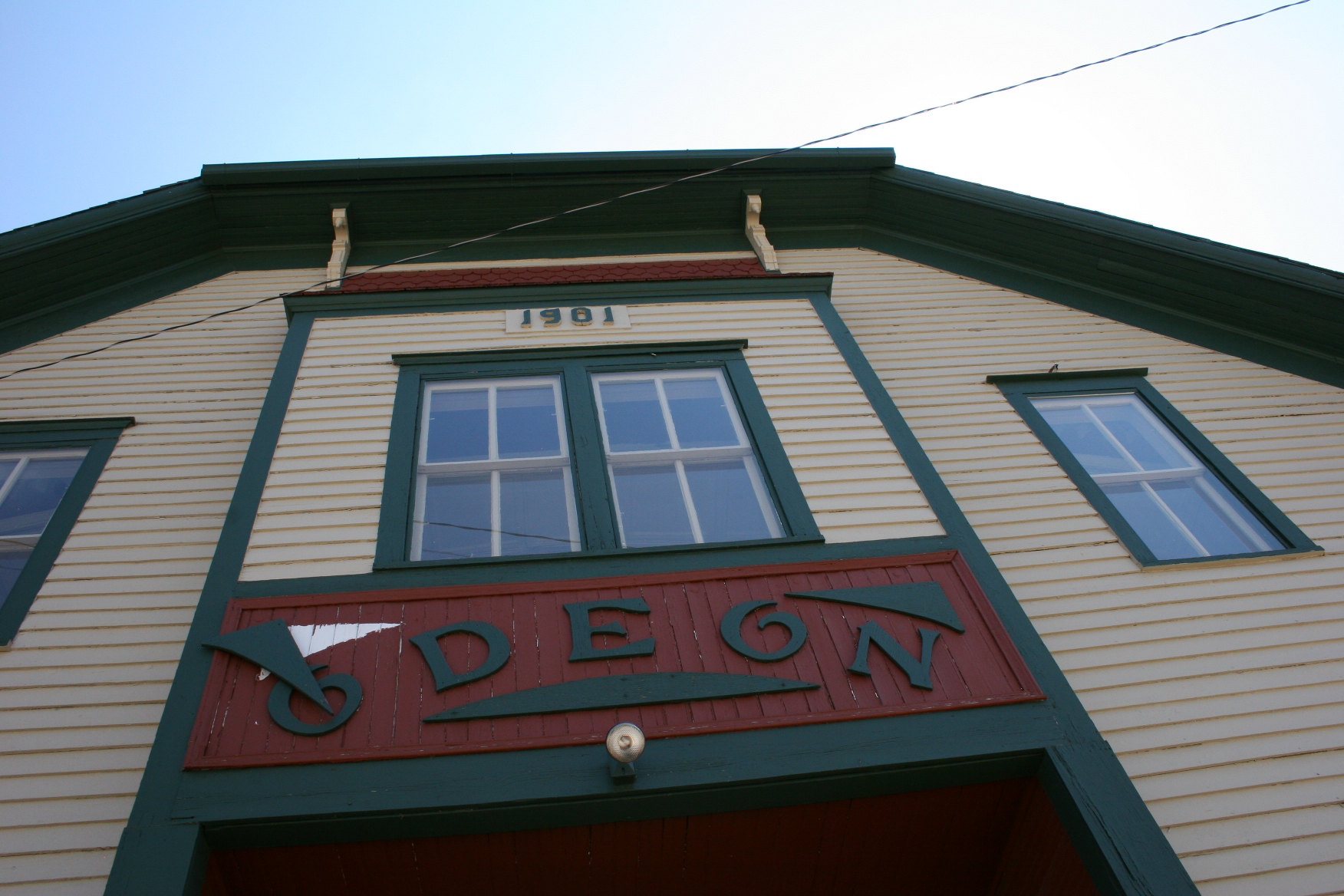
In tiny Belview, you'll find the 1901 Odeon Hall. Listed on the National Register of Historic Places, this Queen Anne style building features a barrel-vault ceiling. Still in use today for wedding receptions and community events, etc., Odeon Hall once also featured vaudeville shows, motion pictures, concerts and more.

I WANT TO THROW a challenge out there. The next time you’re driving through/near small-town Minnesota, or small-town wherever, stop. Pull off the highway and drive along Main Street. Park your vehicle. Get out. Walk. Look. See.

Notice the buildings, the architecture, the signage, the history. Consider what centers the town: the café, the post office, the grain elevator, the churches, the school—if there is a school.

Families, retirees and even single people choose to live, to work, to worship together, to celebrate, to mourn, to live their lives here. This is their home, not just some town in the middle of nowhere that you must pass through to get from destination A to destination B.

I have, in recent years, begun to appreciate the small towns and rural areas of Minnesota more than ever. I grew up on a dairy and crop farm in southwestern Minnesota, which is about as rural as you can get. But I haven’t always valued that upbringing like I should.

As I’ve gotten into the art of photography, I’ve begun to view these towns with a fresh perspective. I notice what, in the past, I’ve overlooked or taken for granted because of my rural roots.

Let me show you some photos I took recently in and near Belview, a community of 375 located four miles north of State Highway 19 in northwestern Redwood County. Belview lies about 10 miles from my hometown of Vesta, another one of those small towns that motorists zip by without a second thought. I bet you didn’t know that Vesta is the home of the nation’s first electric cooperative. I thought so.

That’s the thing about small towns. If you stop and walk and look and see, and I emphasize the word, see, you will discover more than just a place to drive through when getting from point A to point B. You will discover the heart and soul of community.

Move in close to view the details, like the front of Odeon Hall. I attended a cousin's wedding dance here decades ago. Imagine the celebrations inside this historic building.

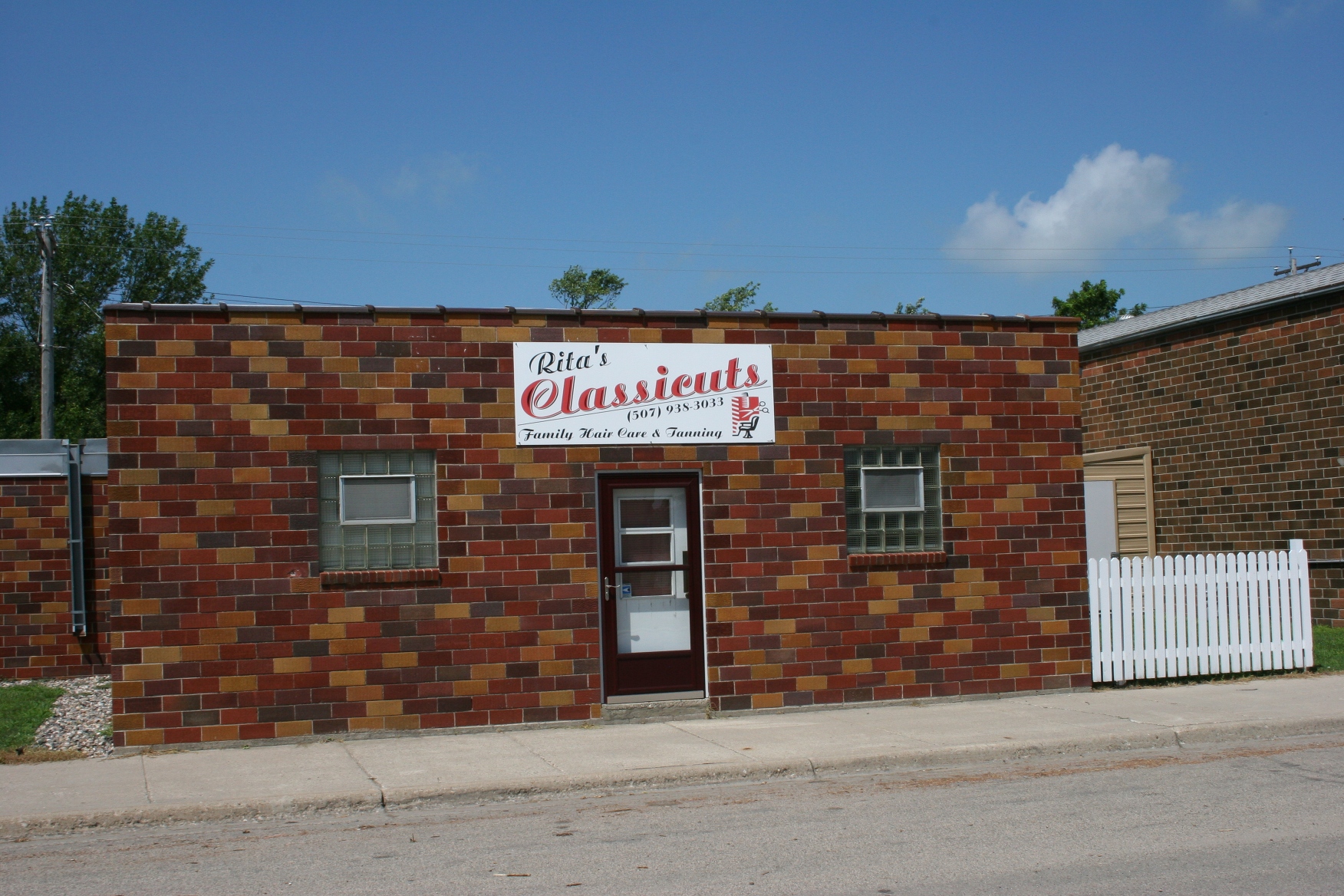
Most small towns, like Belview, are fortunate to still have a place where you can get your hair cut and styled. I appreciate the simple lines of this brick building located along Main Street.

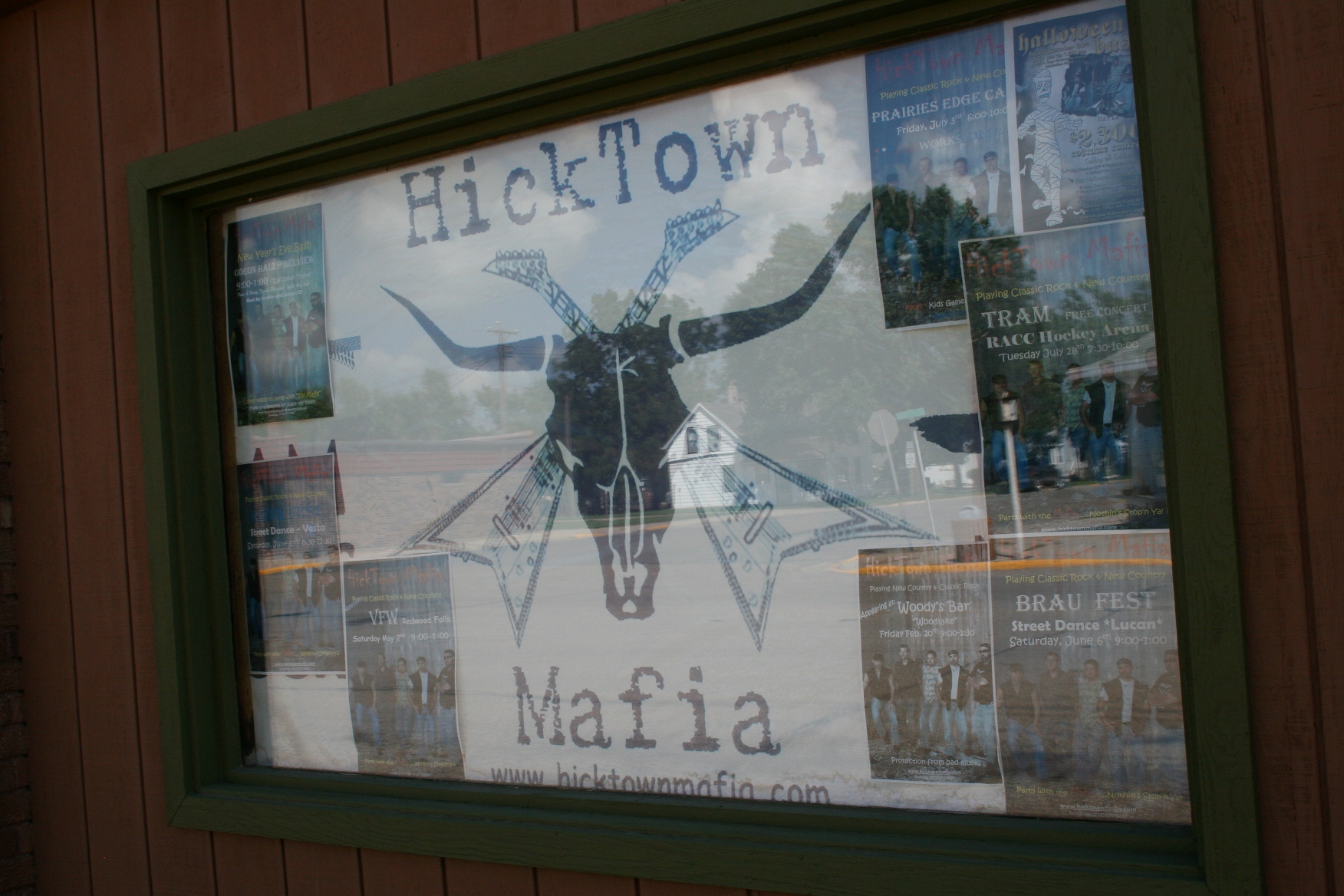
I discovered this poster in the window of a Main Street building advertising a local band, HickTown Mafia. The band plays "country with a kick, rock with an attitude," according to the group's website.

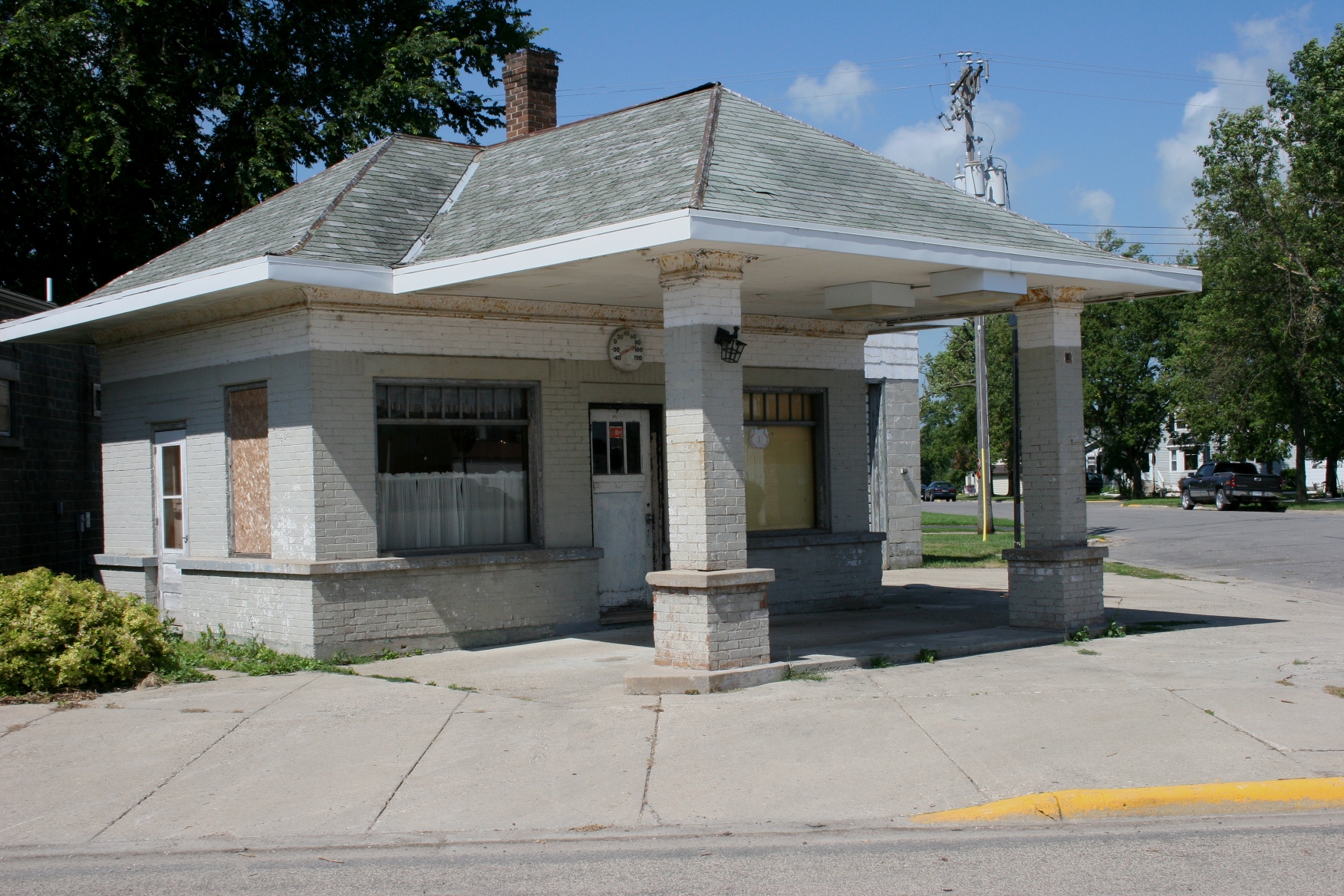
I found this abandoned former gas station (I think) on a downtown corner. This charming building practically shouts for someone to reopen it as a bakery, coffee shop, antique store or some other such venue. Perhaps the two local wineries/vineyards and other area vendors could market their products here.

The Parkview Home, a Belview nursing home, was once home to my maternal grandfather and to other extended aging family members. I've been here often to visit relatives and, during high school, to sing Christmas carols with the Luther League. The building was damaged in a July 1 tornado (note the blue tarp on the roof) and residents have been temporarily displaced.

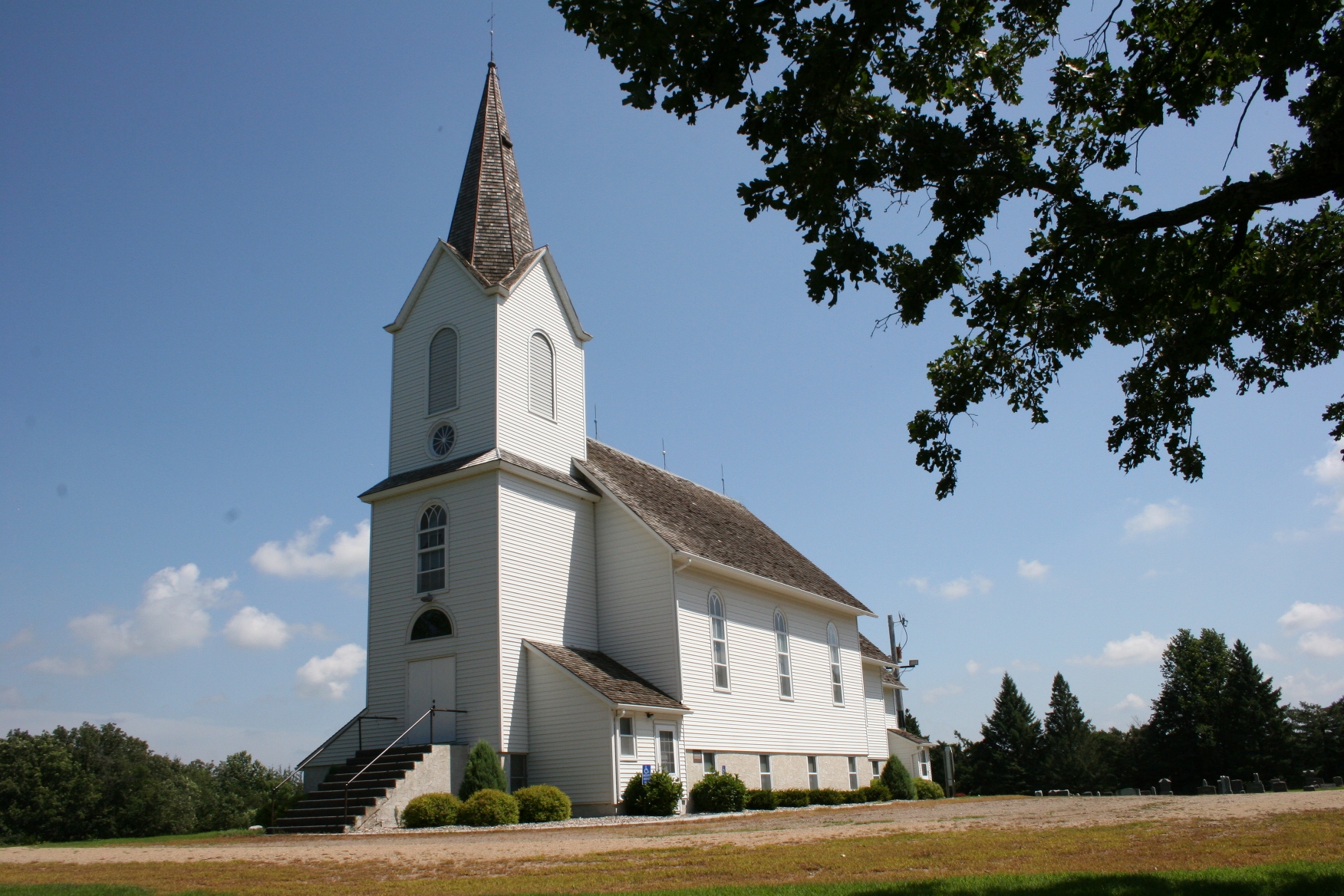
Northwest of Belview, you'll find picturesque Rock Dell Lutheran Church. My Uncle Merlin and Aunt Iylene Kletscher were married here in November 1964, the last time I was inside the church.

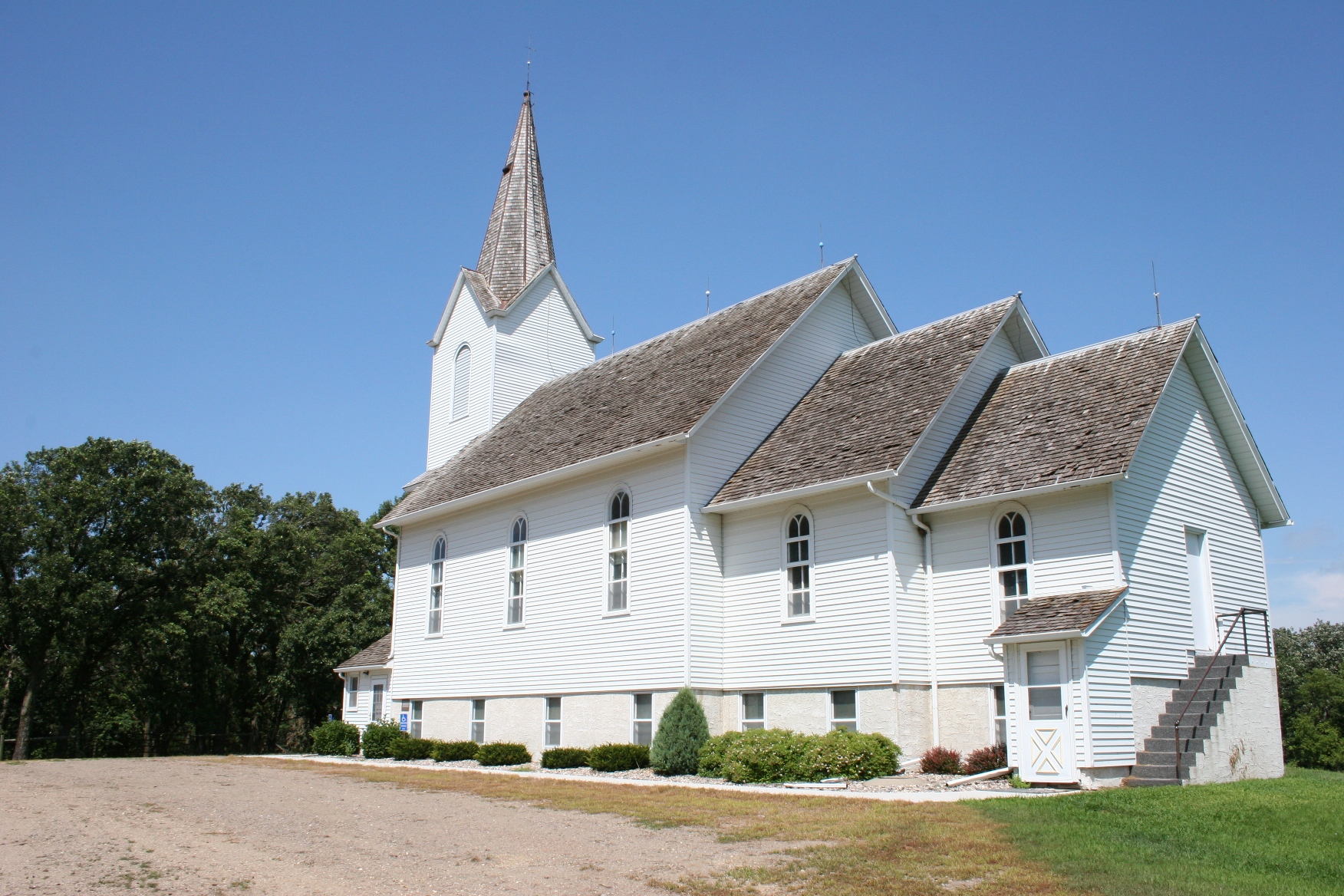
A side view of Rock Dell.

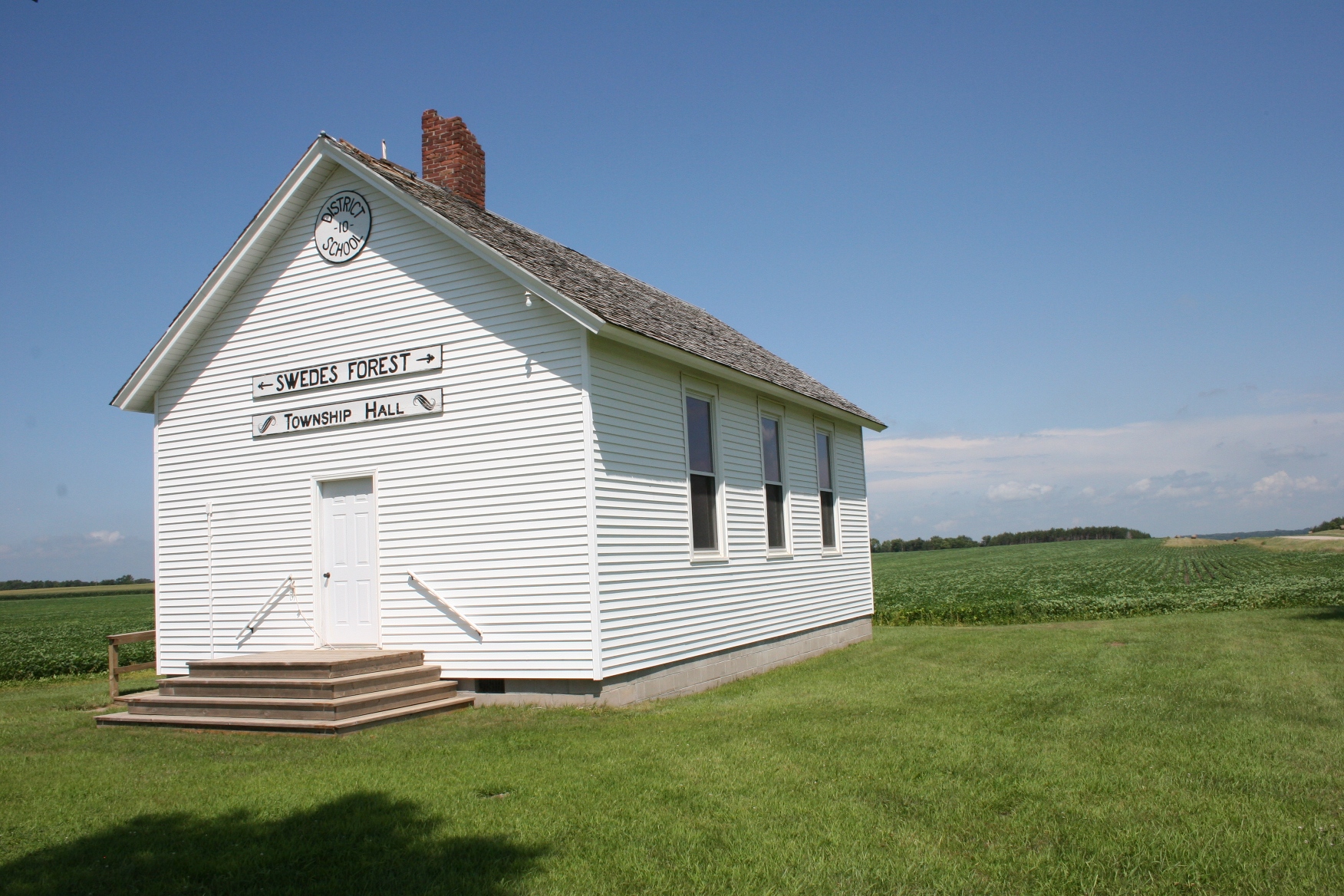
Near Rock Dell you'll find Swedes Forest Township Hall in the middle of corn and soybean fields.

FOR MORE INFORMATION about Belview, click here and here. Also read my previous post about Rainbow Antiques, Crafts and Junque in Belview by clicking here.

TAKE MY CHALLENGE and report back to me on the treasures you discover in a small town or rural area.

© Copyright 2011 Audrey Kletscher Helbling


Follow the rainbow to a charming antique store in Belview August 9, 2011

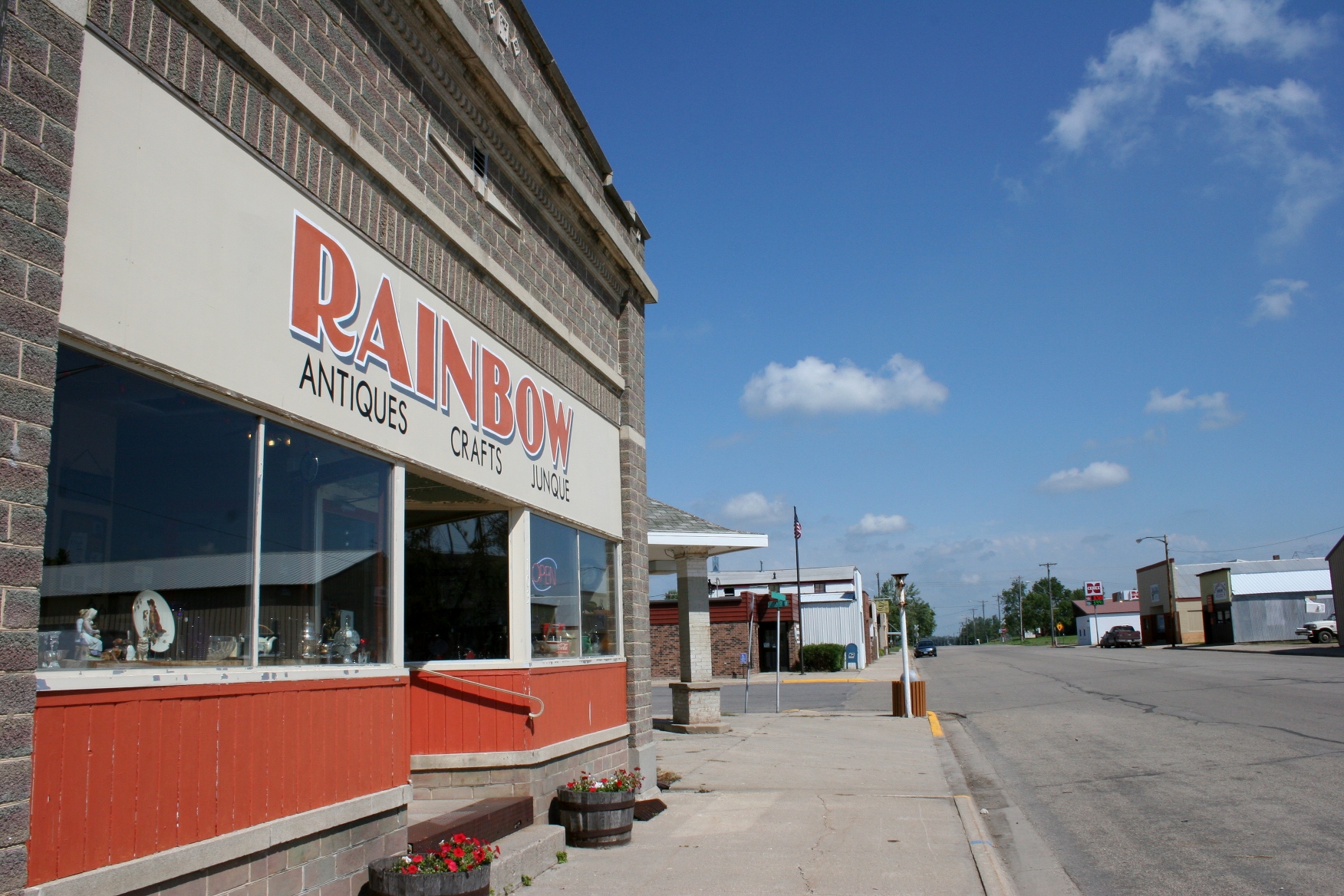
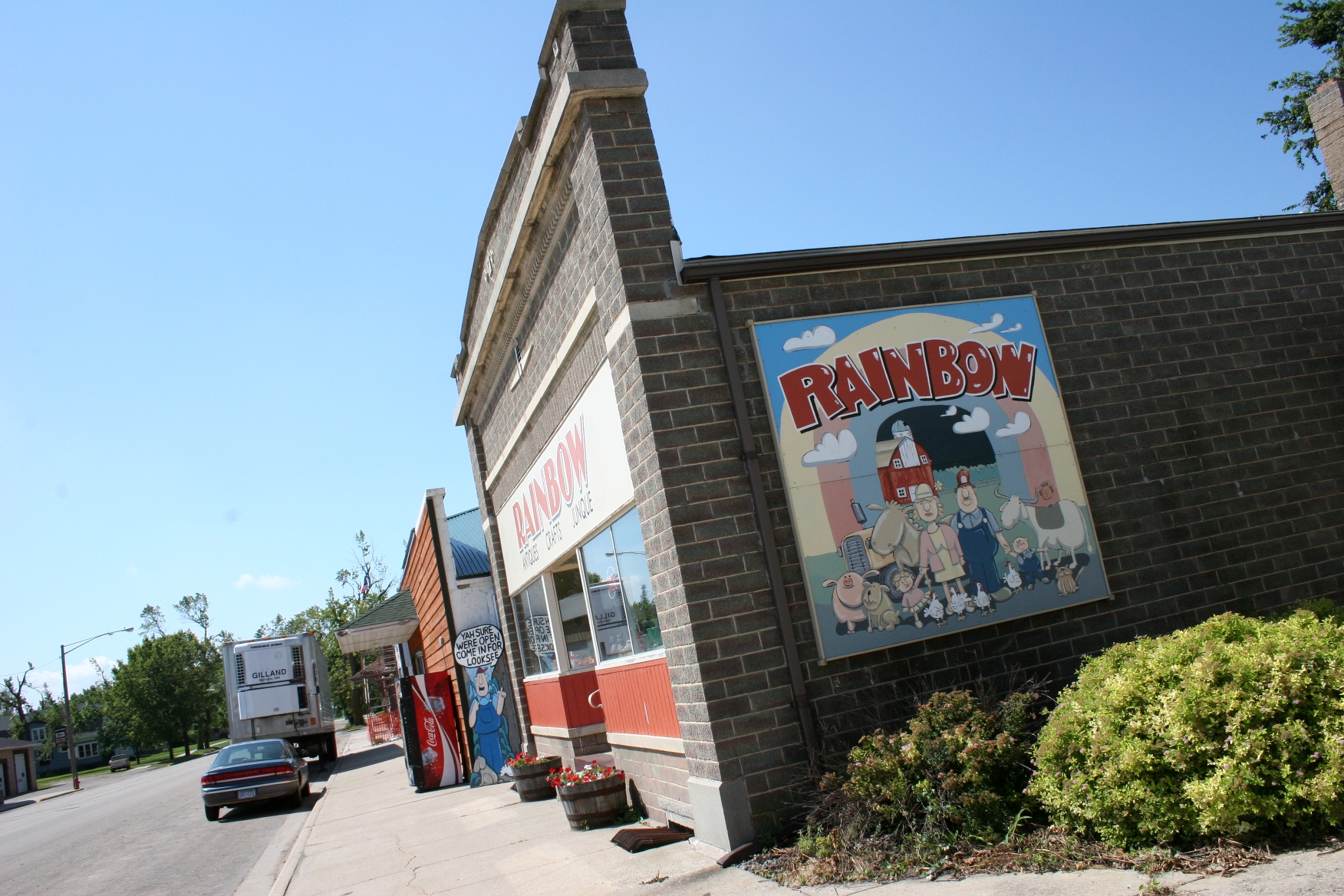
Driving north into Belview, you can't miss Rainbow Antiques, Crafts & Junque.

IF YOU’RE INTO ANTIQUING or architecture or small towns, you’ll want to visit Belview, population 375, four miles off State Highway 19 in southwestern Minnesota.

My husband, Mom and I drove to Belview on a recent Saturday morning to see my Uncle Merlin and Aunt Iylene’s “new” old home along the main drag. We also toured the town, checking out the damage from a July 1 EF-1 tornado. And, lucky us, we happened to be in this Redwood County community on the one day a week that Rainbow Antiques, Crafts & Junque is open.

And let me tell you, Don Gunelson runs one heckuva an antique store with the flair of an artist.

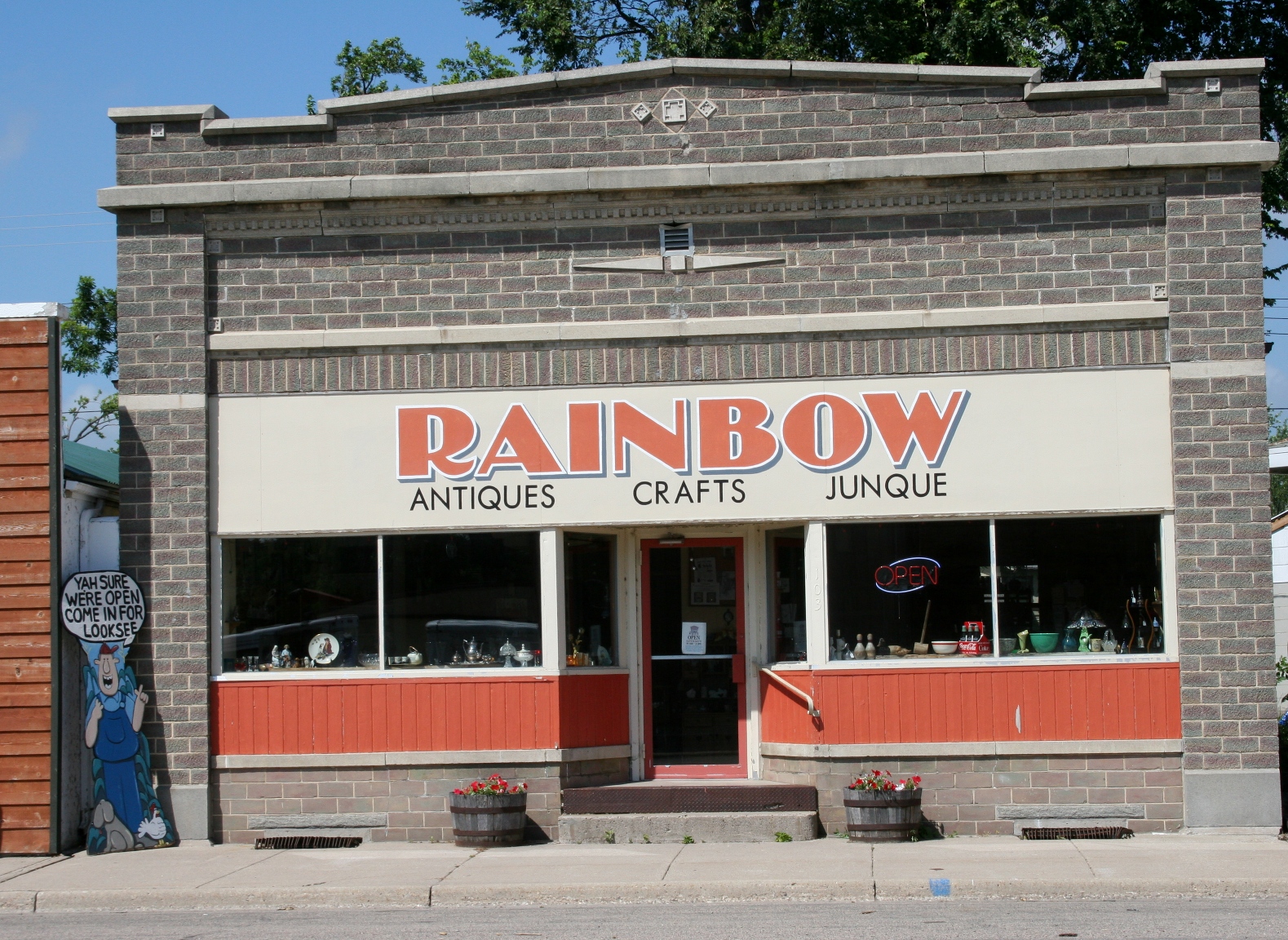
You’ll notice the building right away when you drive or walk Main Street. It’s built of beautiful rainbow brick which, in itself, is worth a stop. I know of at least two other rainbow brick buildings in Redwood County—one in Walnut Grove and the other on a corner in nearby downtown Redwood Falls.

Colorful rainbow bricks comprise the antique shop.

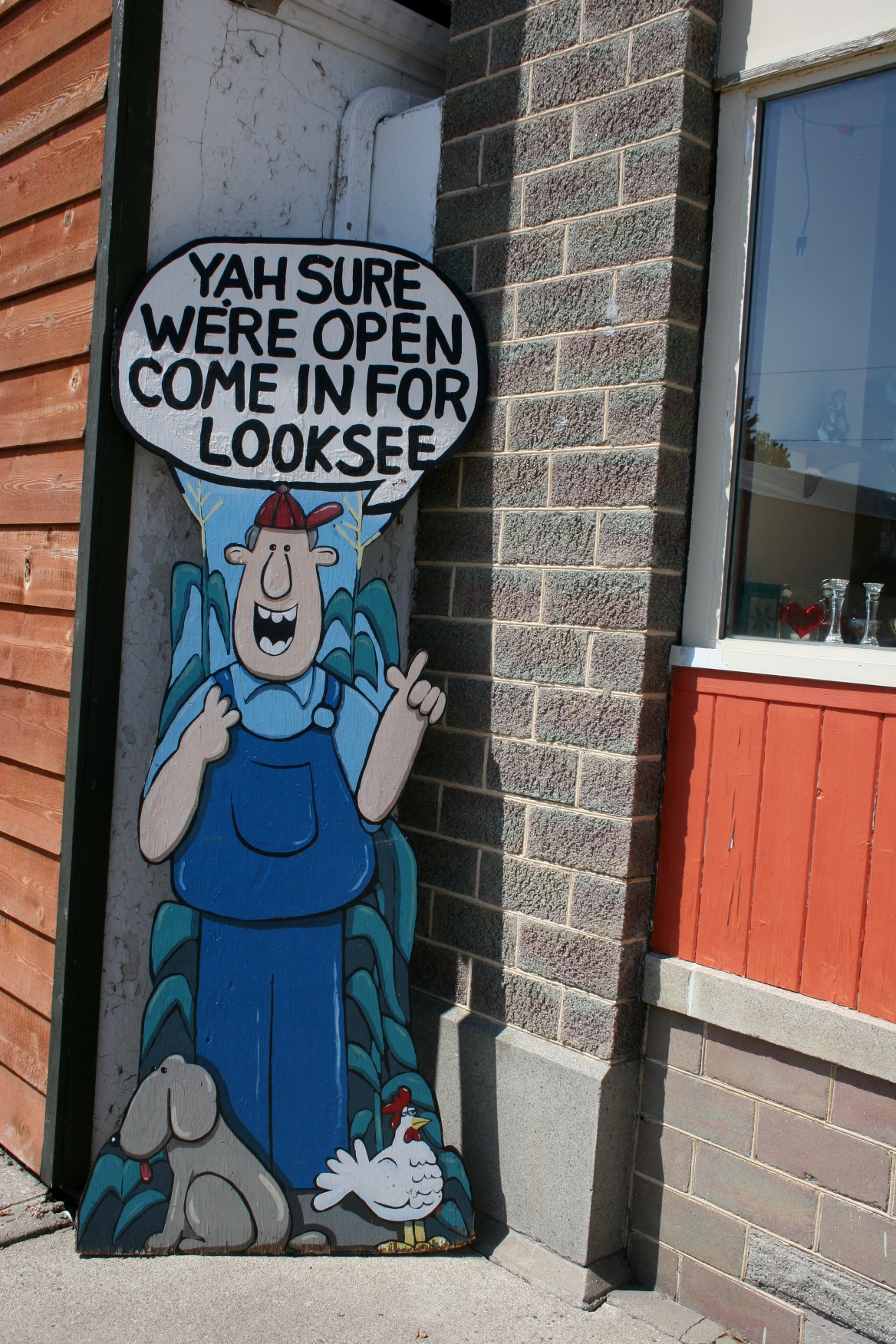
Don directs customers to his store with nicely-done folksy signage. I didn’t ask Don if he created the artwork, but he worked as a graphic designer for a construction magazine before returning to his native Belview from the metro some 10 years ago. He also works part-time at the Belview Post Office.

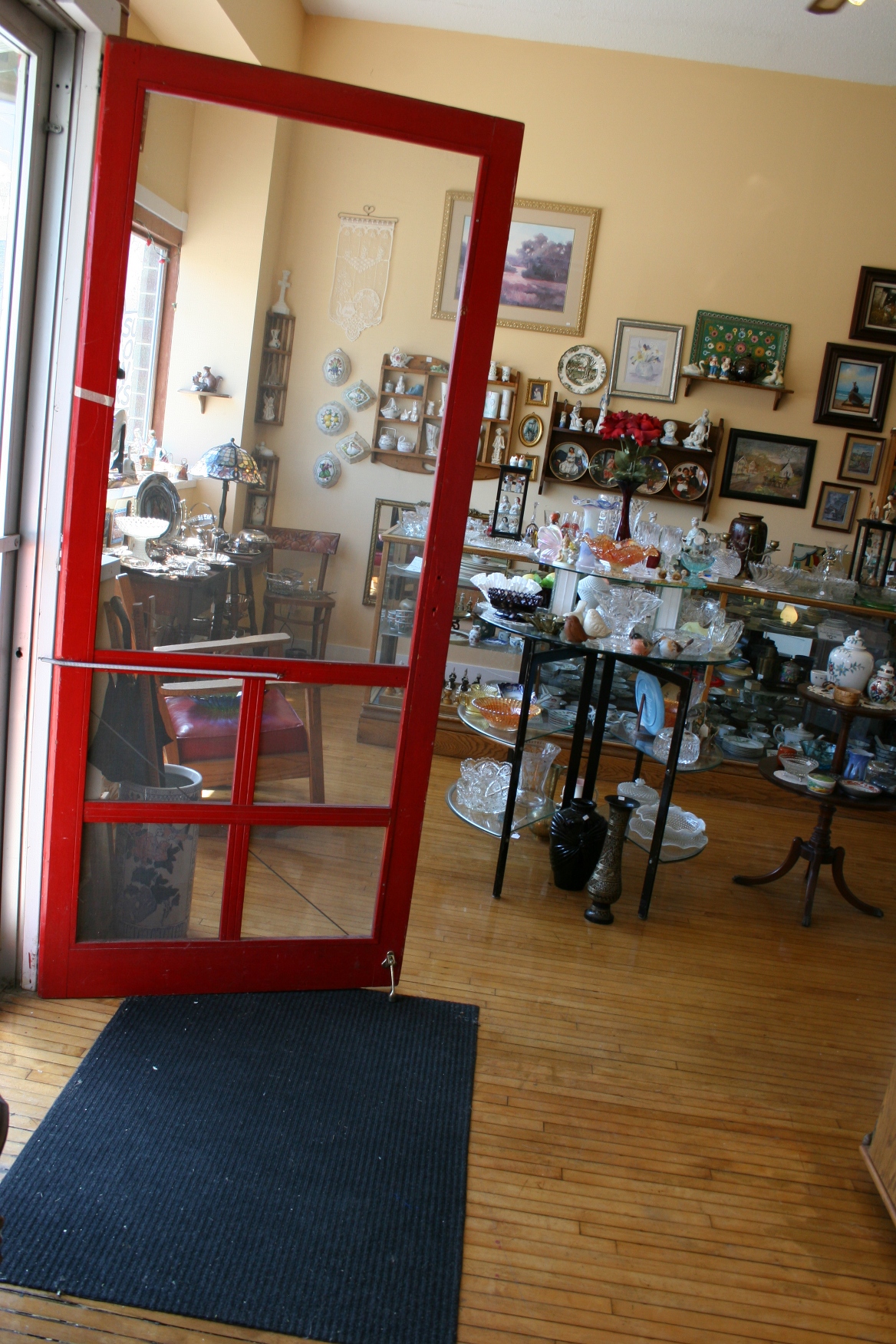
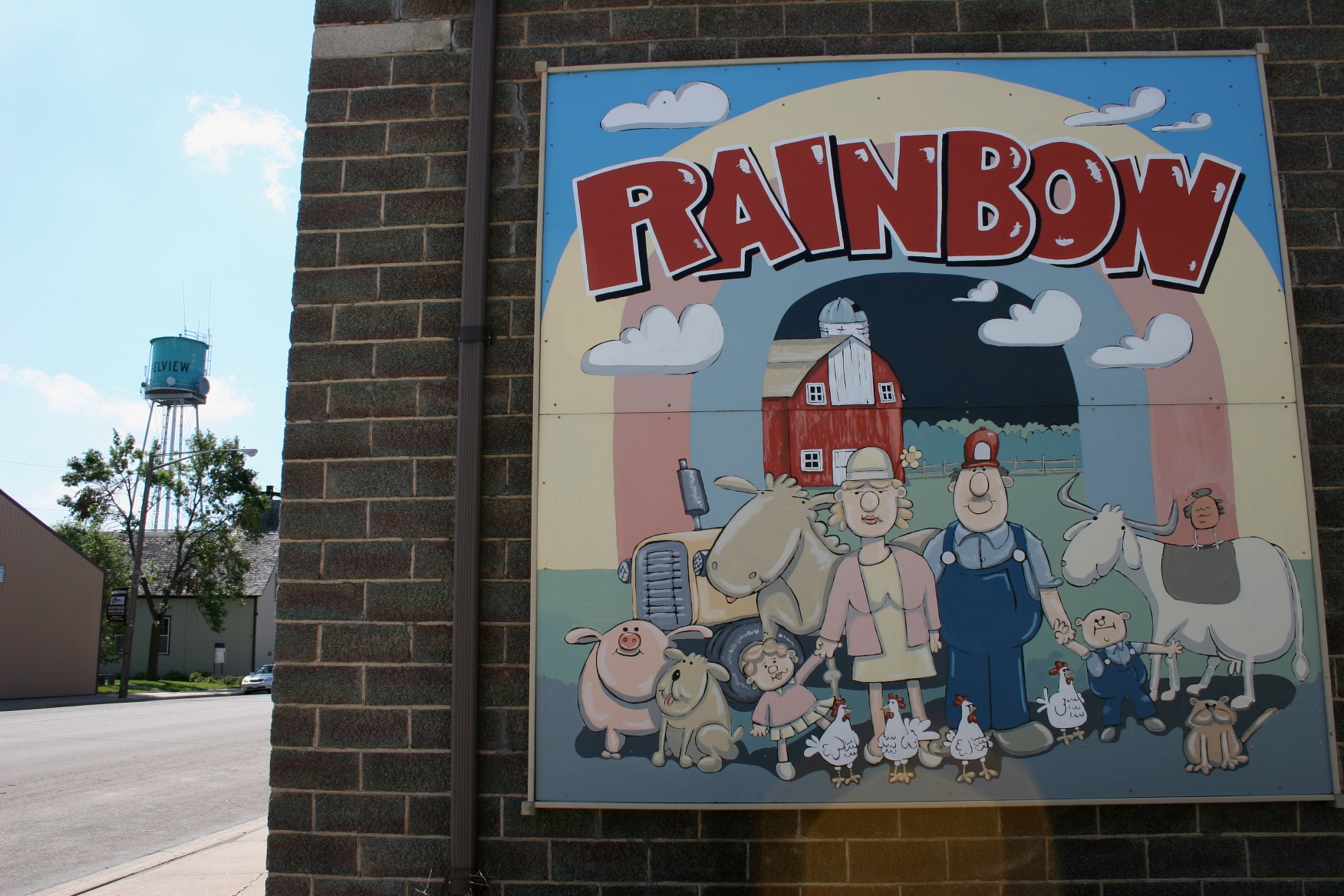
No matter, the friendly painted farmer in the bib overalls who beckons you inside for a “looksee” will already have you smiling before you stroll through the red doors and plant your feet upon the vintage tongue-and-groove floors in a room the color of butter.

Immediately I noticed the old-style screen door painted a vivid red. It’s a perfect fit for setting the mood of this place. I’ve been in a lot of antique shops in my day, and this one, by far, rates as one of the most inviting with plenty of light streaming in the east-facing windows, merchandise displayed in a way that isn’t cluttered and a down-home atmosphere that makes you feel comfortably at ease.

I poked around for awhile, not as long as I would have liked, though, since my mom was waiting for me back at the aunt and uncle’s house. My husband explored, too, and determined the prices to be reasonable—not too high and not too low.

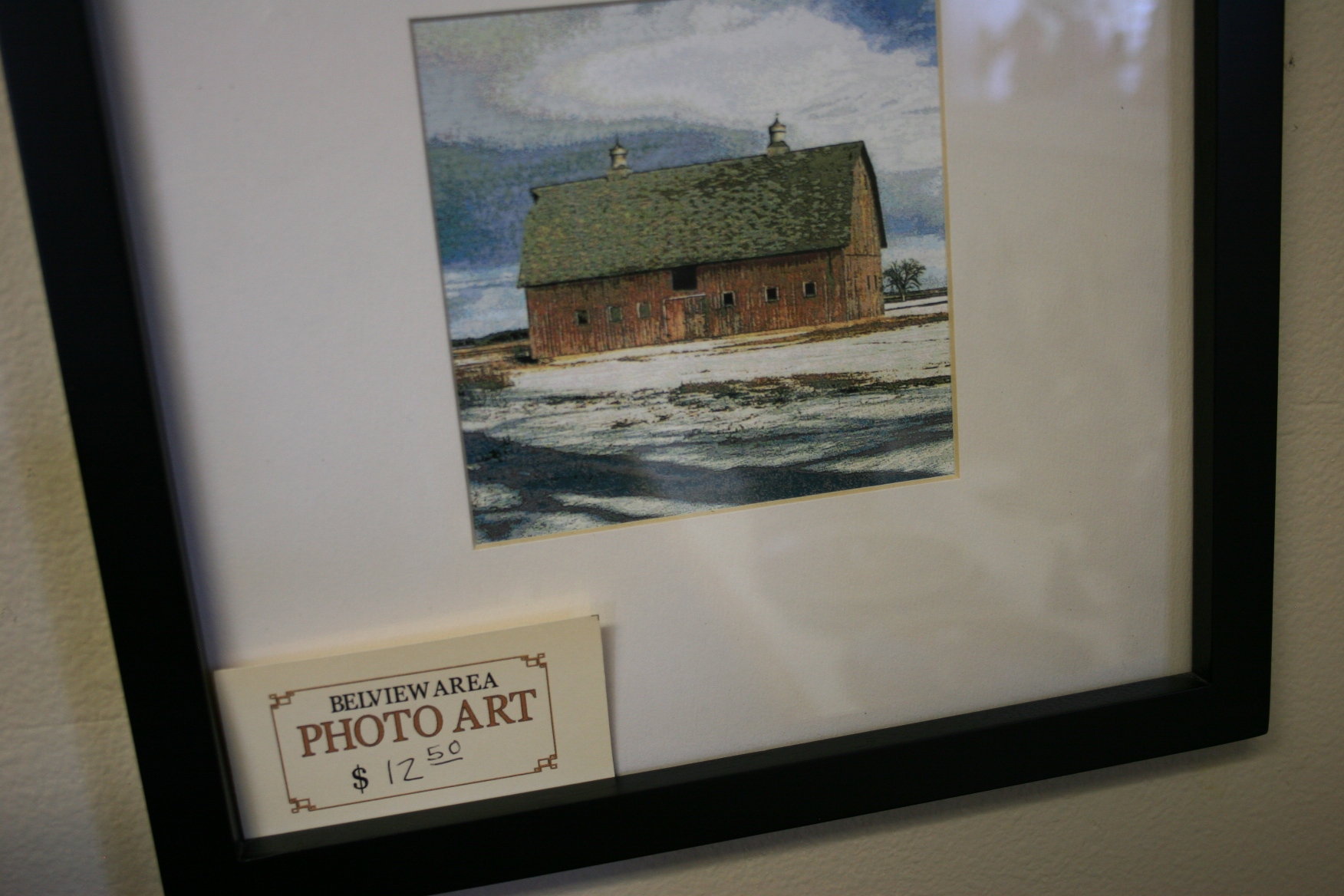
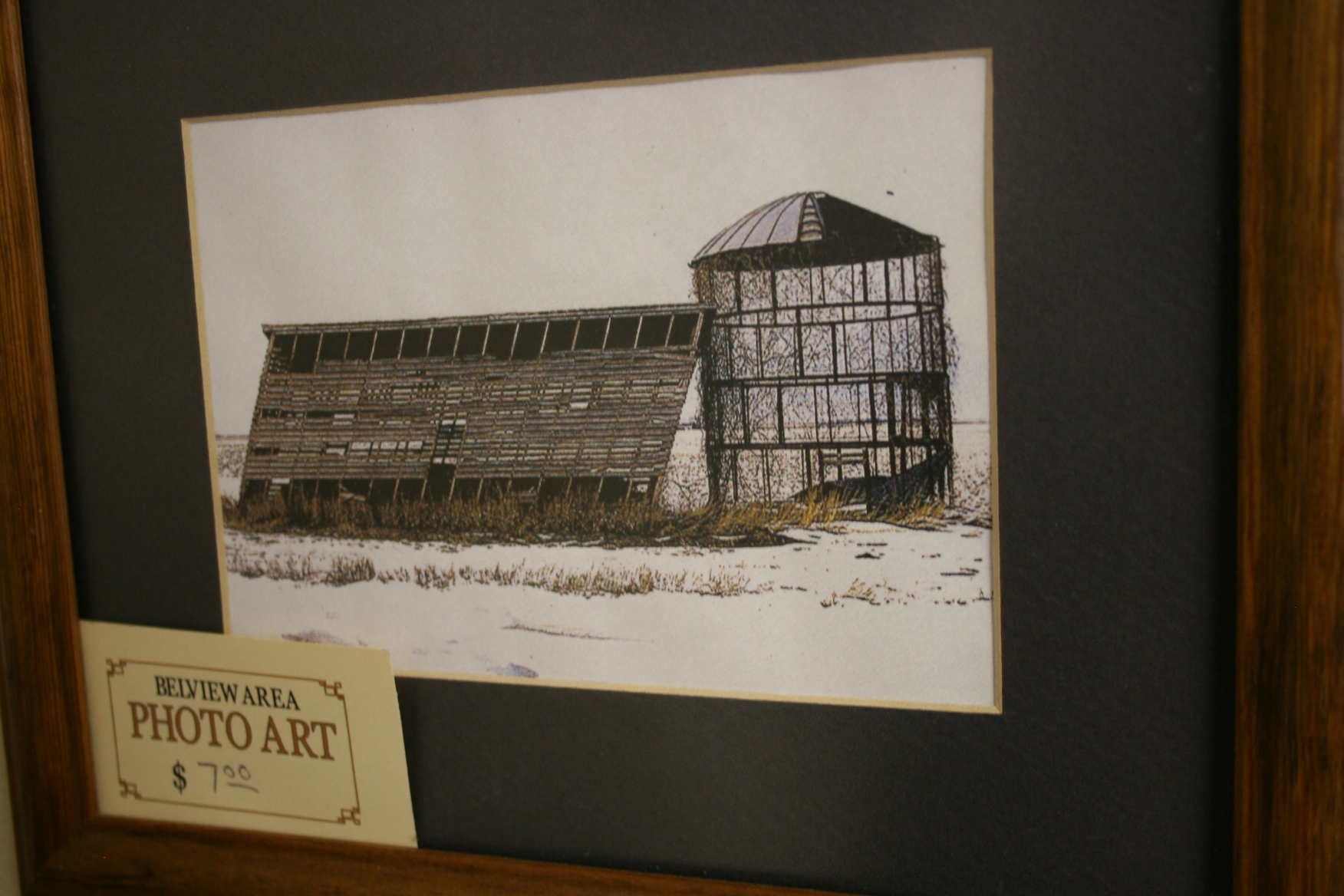
When I got to the back room, I made the discovery of the day, at least in my opinion. And it wasn’t an antique, collectible or junque. I found Don Gunelson’s “Belview Area Photo Art” displayed on the rear wall. I knew from the signage that I was viewing photos, but they sure didn’t look like photos. So I asked Don to explain.

He takes images of area subjects with an inexpensive camera—the fewer pixels the better—edits the photos on his computer and then prints them on watercolor paper with an ink that is more dye than ink. The result is photo art that resembles watercolor paintings.

I gushed over his creations and told him he needs to get these into a gallery—do an exhibit of his “Belview Area Photo Art.”

Now I’m kicking myself for not buying one of Don’s matted and framed creations because, with prices ranging from $7 to $12.50, they’re a steal.

So there you have it, a charming antique store in downtown Belview with an artist running the place.

FYI: Rainbow Antiques, Crafts & Junque, 103 S. Main, is open from 10 a.m. – 3 p.m. Saturdays. Call (507) 938-4476. Maybe Don will open up the shop if you’re in town on a day other than Saturday.

Ruby red glassware is displayed in a front window. To the right in this photo is the blue Belview water tower.

An example of Don Gunelson's Belview Area Photo Art, an area barn.

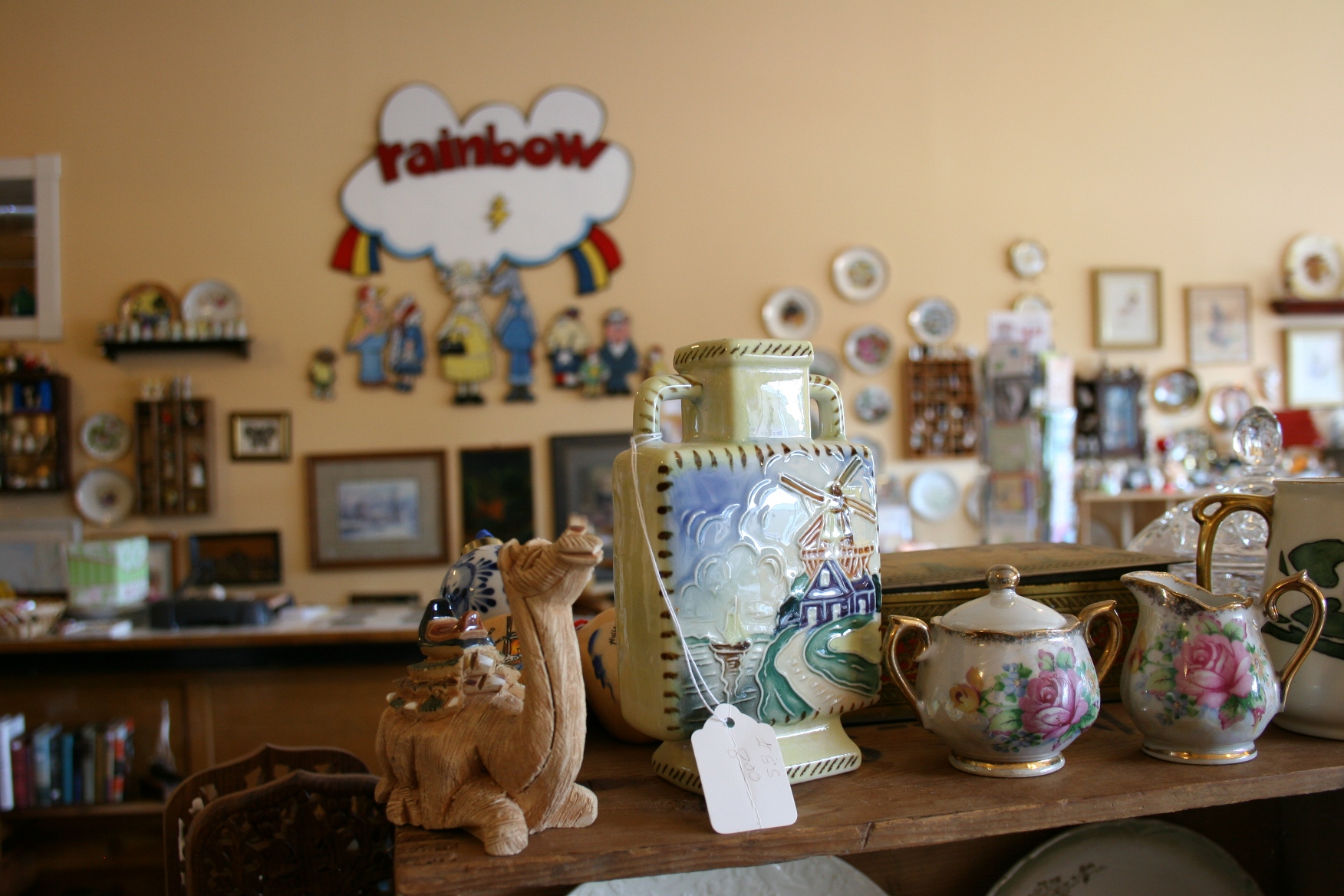
Some of the merchandise displayed in the main part of the antique store.

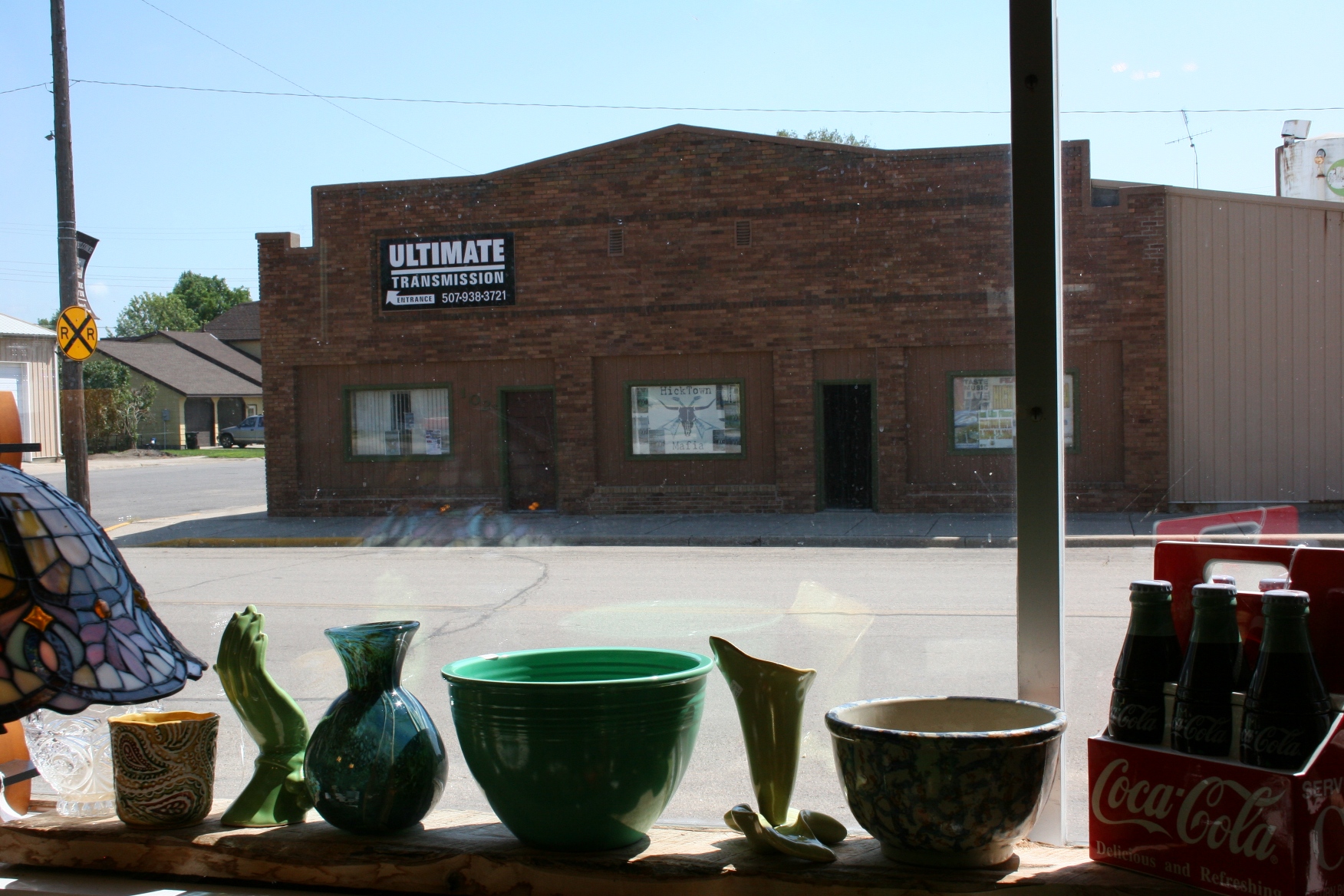
A view across the street through one of the large front windows at Rainbow Antiques.

More Belview Area Photo Art by Don Gunelson.

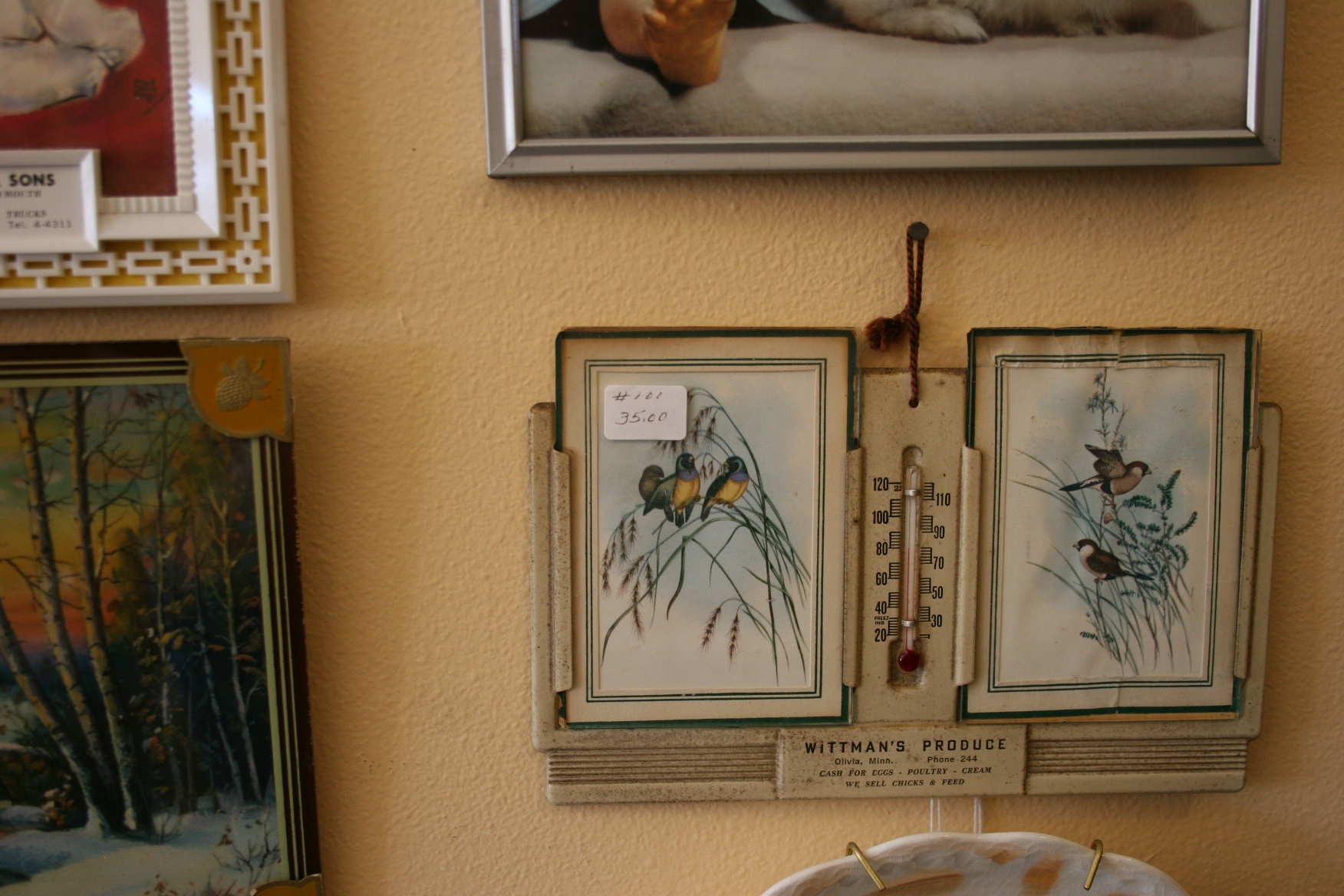
You'll find plenty of collectibles from the area, including this bird thermometer from Olivia.

This colorful folksy farm family graces the north wall of Rainbow Antiques. This photo was shot looking south on Main Street toward Belview's water tower.

Another view of Rainbow Antiques and Main Street Belview looking south.

Check back for more reasons to visit Belview in a future post.

© Copyright 2011 Audrey Kletscher Helbling
 

Celebrating summer in small-town southwestern Minnesota August 1, 2011

Filed under: Uncategorized — Audrey Kletscher Helbling @ 11:26 AM
Tags: , , , , , , , ,

A chicken meal has been served for decades at V-Esta Daze.

Milt Marquardt

IF YOU GREW UP in a rural area, you likely also grew up with an annual small-town summer celebration.

A chicken/pork/burger/corn (whatever) feed, carnival, kids’ games, car show, crowning of Miss Small-Town, water fights between neighboring fire departments, softball tournaments, a parade…

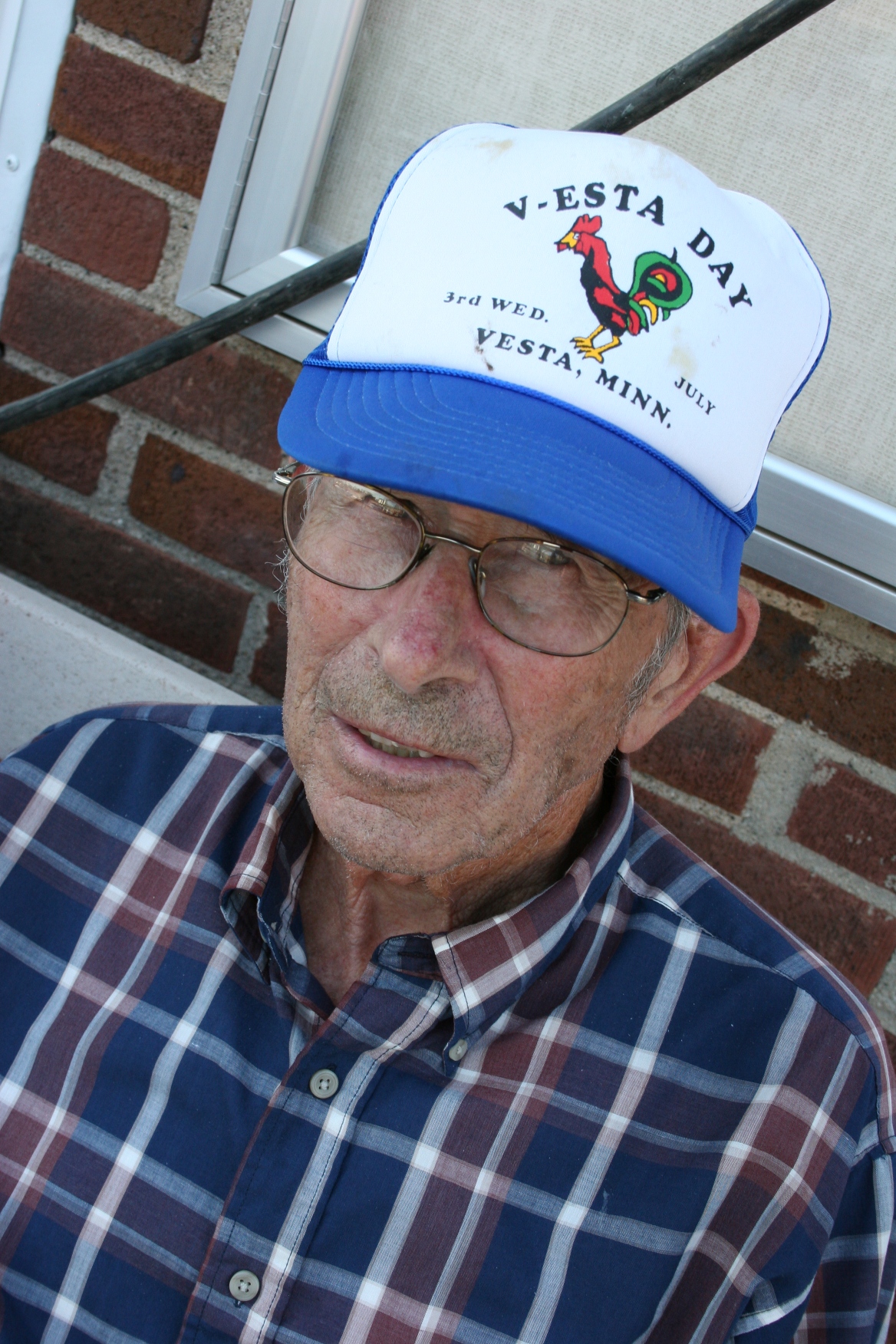
My hometown of Vesta in southwestern Minnesota has, for decades, celebrated V-Esta Daze. The town name is pronounced “Vest-a,” but for the celebration, the pronunciation rhymes with “fiesta.” Don’t ask me why. We’re mostly a bunch of Germans.

Anyway, heritage and linguistics don’t matter so much as the decades-long tradition of serving Vesta’s famous chicken. Guys like Milt Marquardt, my neighbor back when I was growing up on a dairy and crop farm, have been grilling chicken so long they can’t remember. Suffice to say that’s been more than four decades.

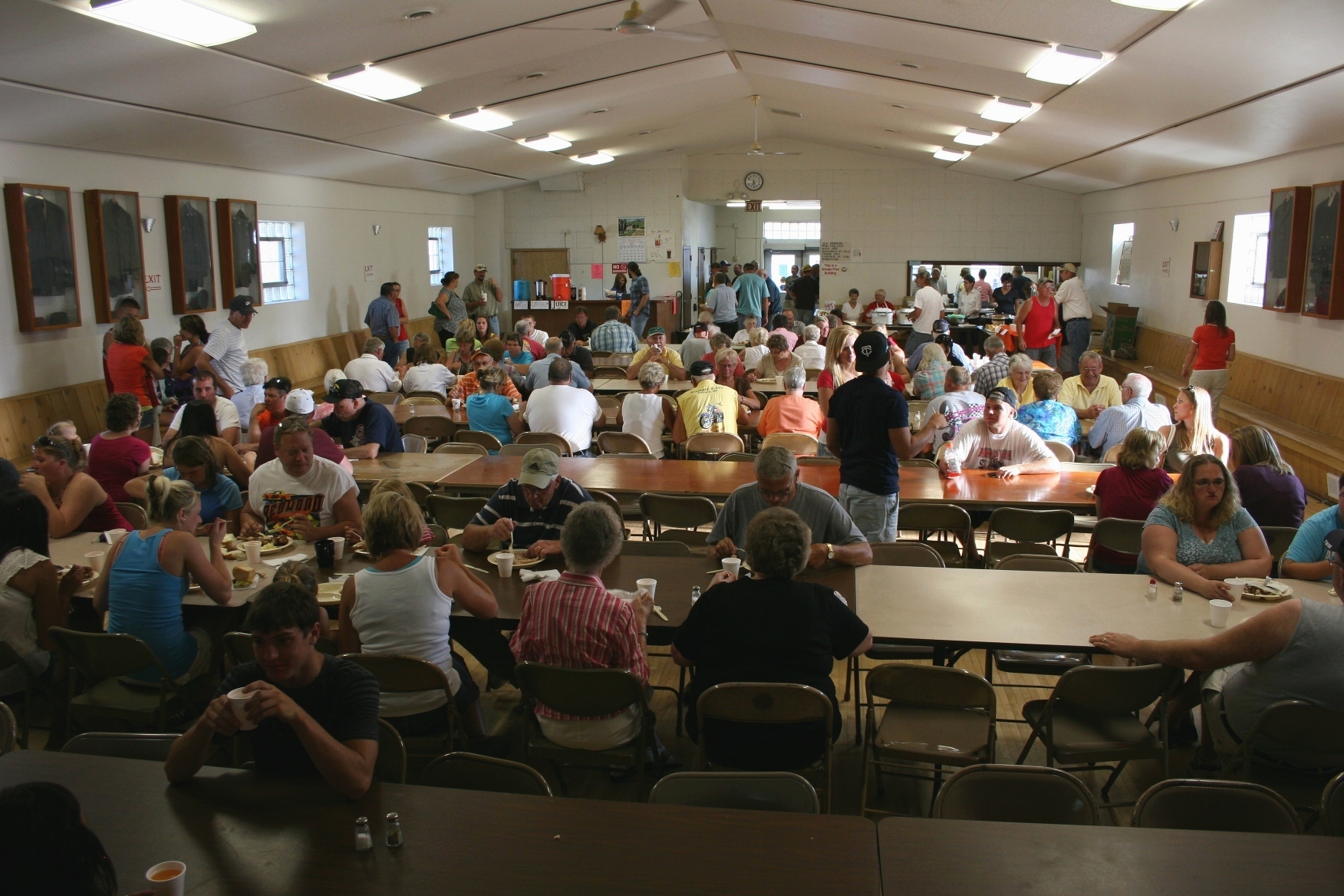
Milt and the crew grilled 280 pieces of chicken for the crowd that lined up in the Vesta Community Hall Friday evening for quarter or chicken halves, potato salad, beans, rolls, pickles and beverages. A few things have changed about the meal—the potato salad is no longer prepared by local women and the plastic-ware isn’t wrapped in a napkin (you grab your own). But you’ll still find my Aunt Marilyn monitoring the beverage station, the same job she’s held for some 40 years.

Diners still settle onto folding chairs pulled up to long tables in the old hall. Glass encased military uniforms and built-in wooden benches flank the sides of the hall anchored by a stage on one end. Little has changed in this building (except the addition of a kitchen), which has long been Vesta’s celebration-central—the place to celebrate weddings and anniversaries and the coming together of community.

The same sign goes up every year inside the Vesta Hall. The price is updated when necessary.

Diners eat in the Vesta Community Hall, where military uniforms hang on the walls.

This year the V-Esta Daze celebration was moved from a week night to a Friday night. Thank you, organizers. That happened to coincide with the annual Kletscher family reunion weekend. So I was there, lining up for that famous chicken and reconnecting with people I haven’t seen in years (and trying to remember their names).

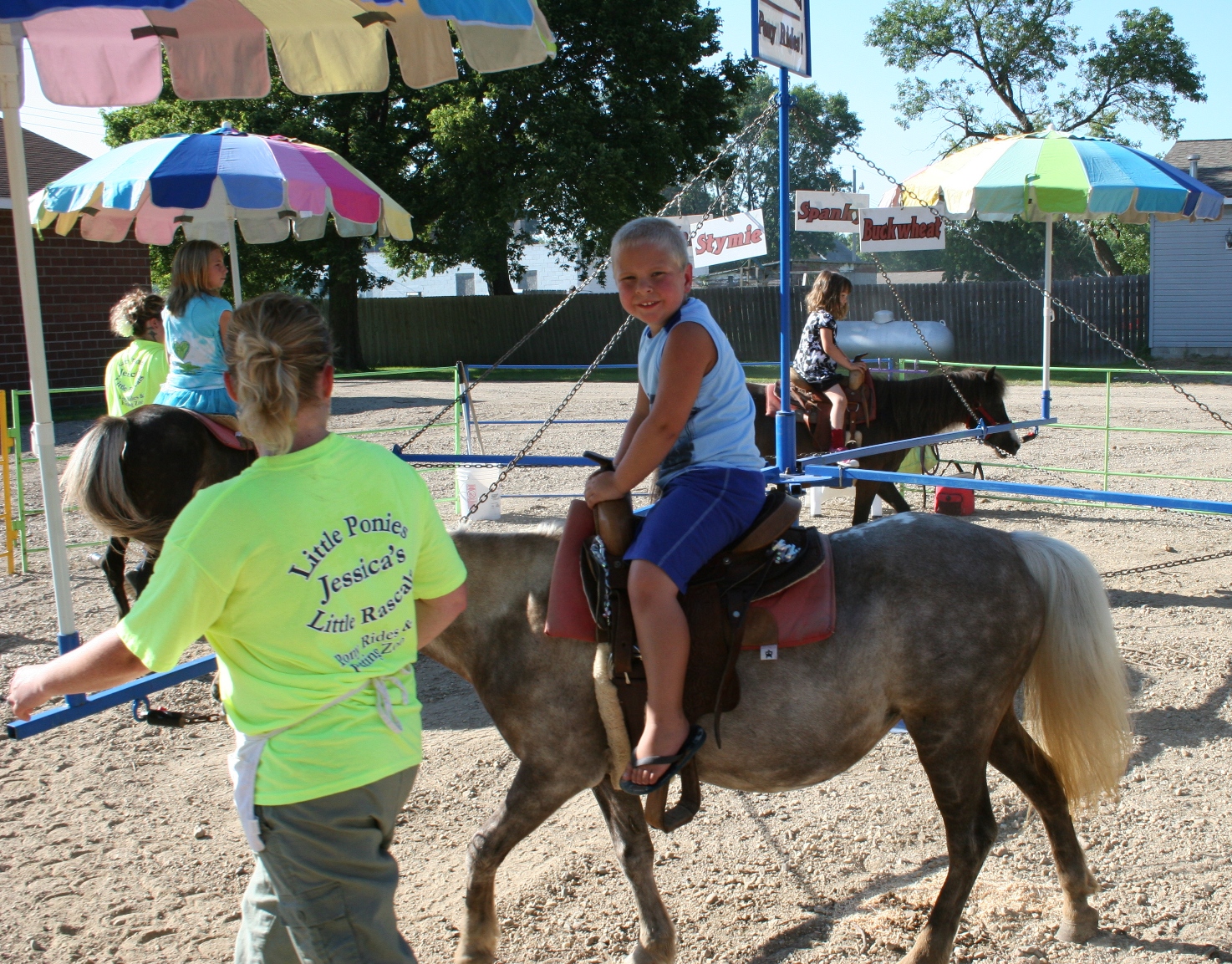
Gone are the carnival, softball games and water fights between neighboring fire departments that were part of the event when I was growing up. Instead, there were pony rides and bean bag tourneys, an antique tractor and car show, a putting green, pie eating contest, water fight for kids, street dance and entertainment by the Lucan Community Band and the required beer served from the beer truck.

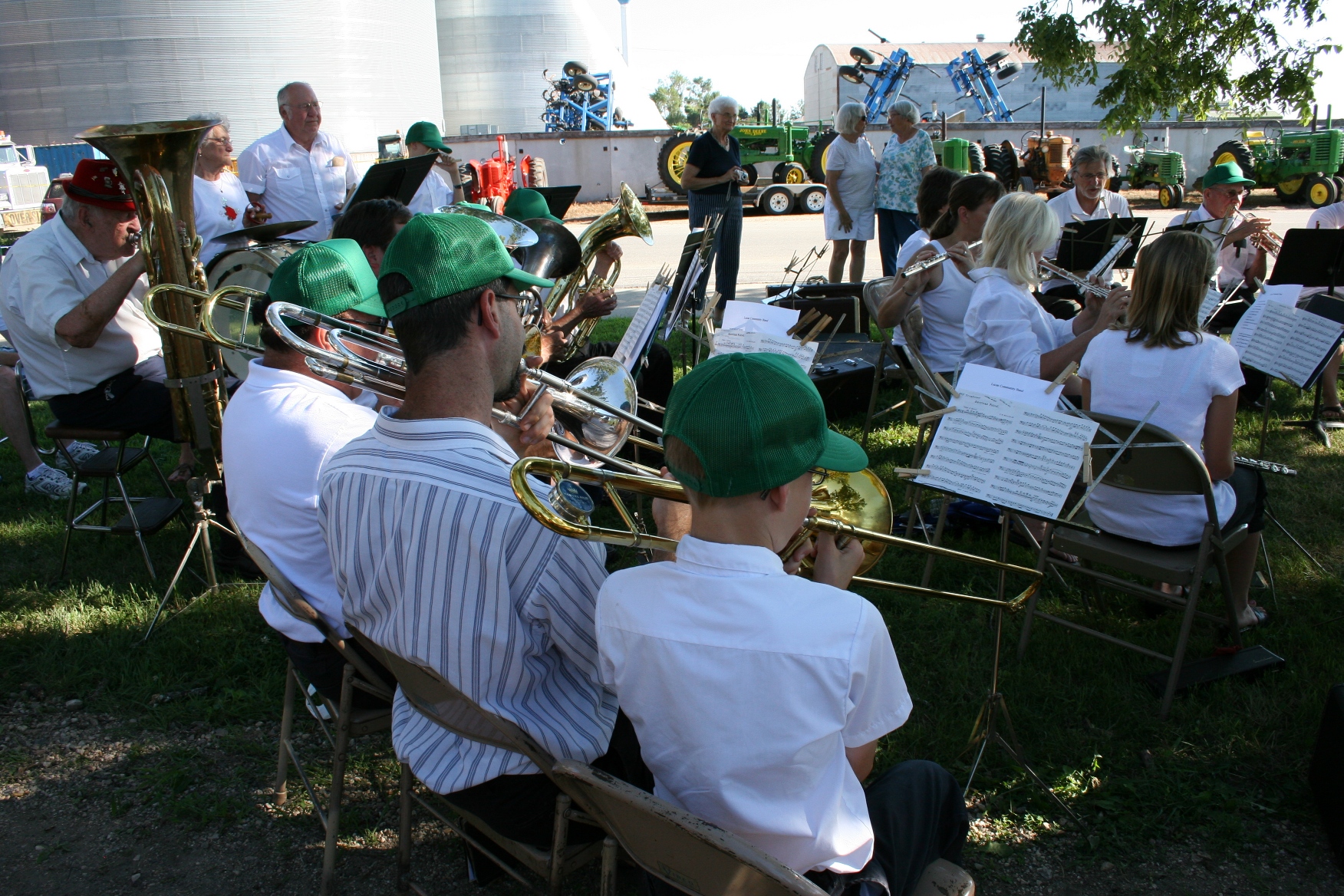
The Lucan Community Band played under the shade trees outside the community hall and across the street from the elevator around meal-time. Lucan is a town of about 200 seven miles south of Vesta.

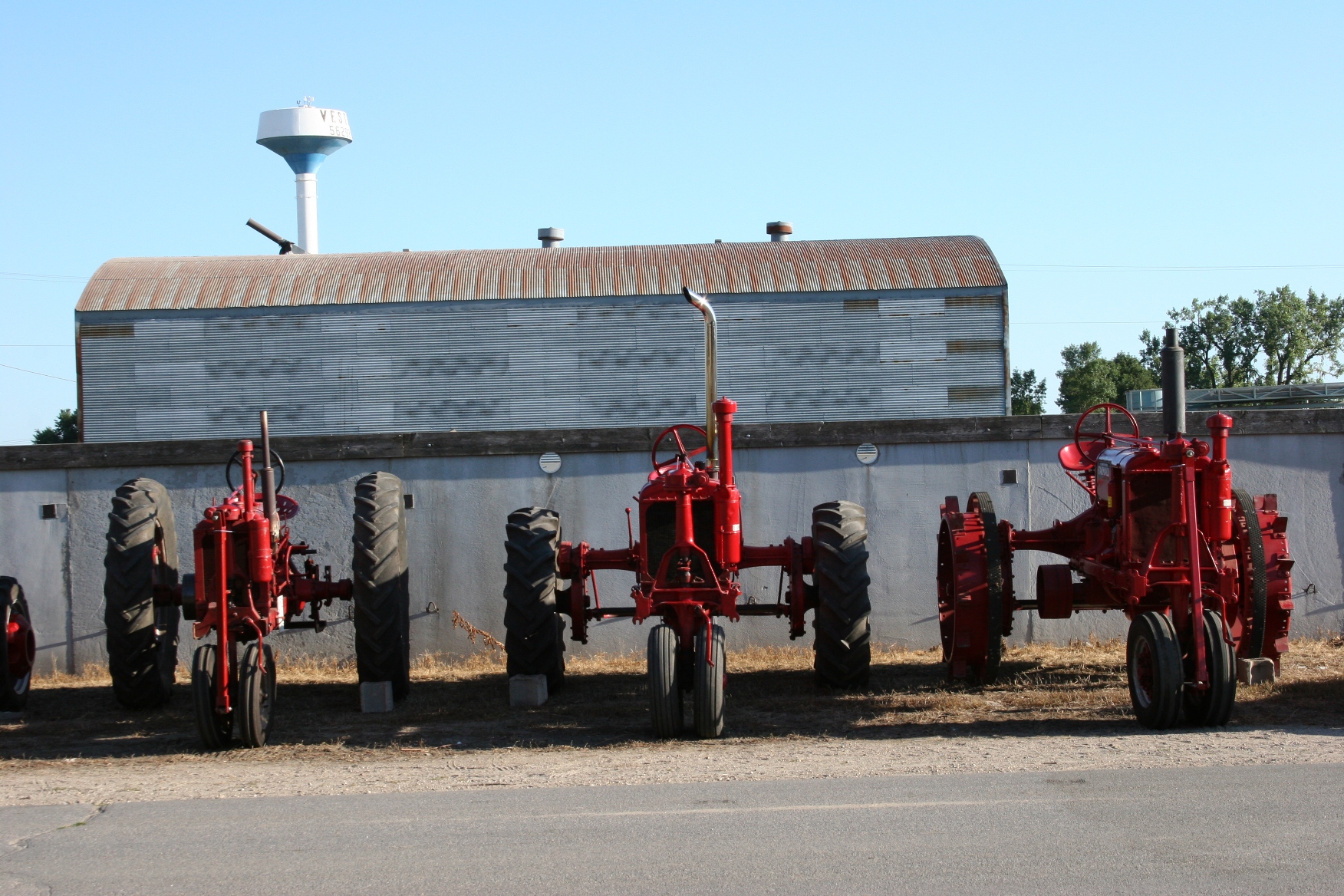
Area residents brought their old tractors to town for a tractor and car show.

My cousin Dawn's son, Kegan, enjoyed a pony ride.

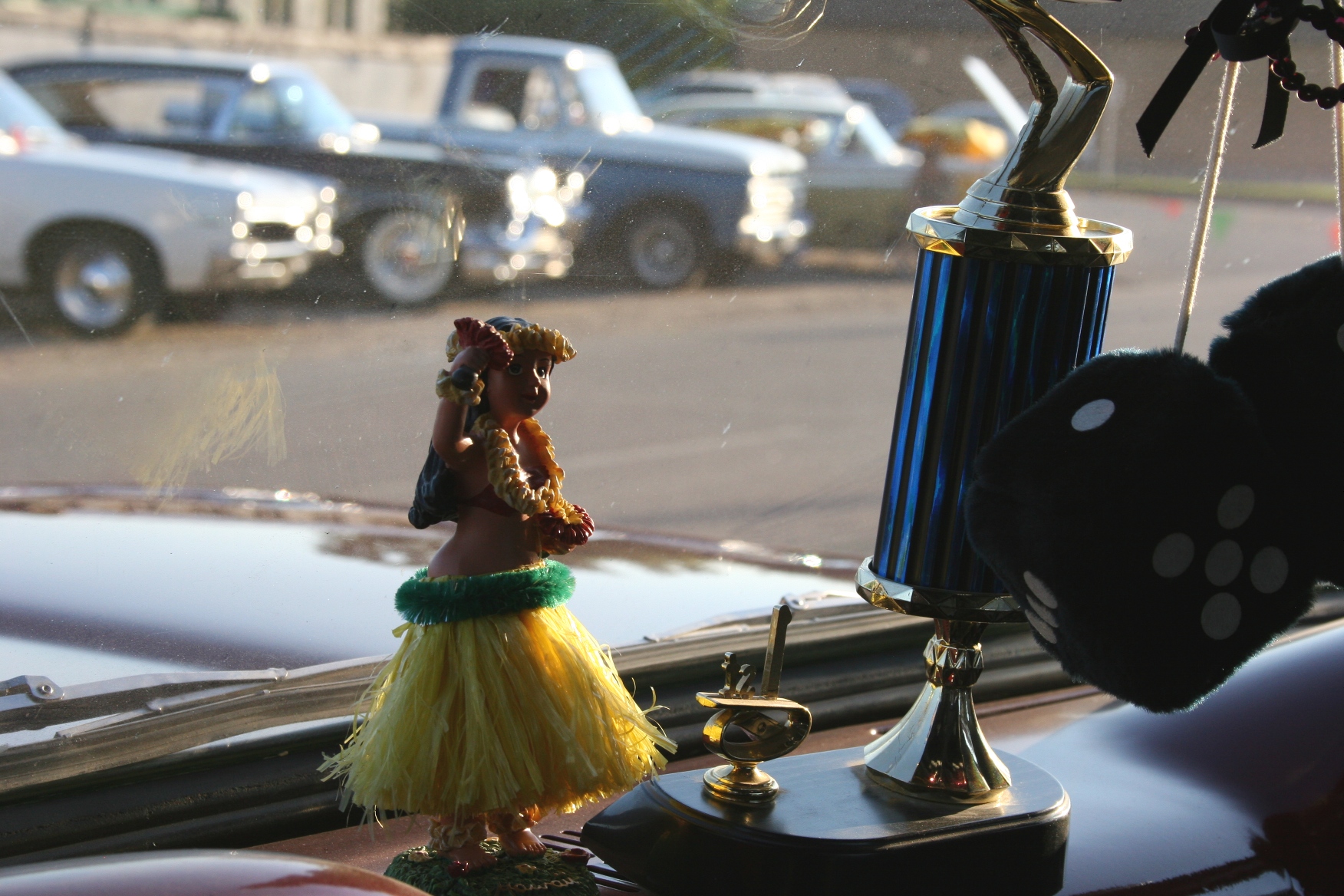
A view of the dashboard in a 1960 pick-up truck, looking toward some of the entries in the antique car show.

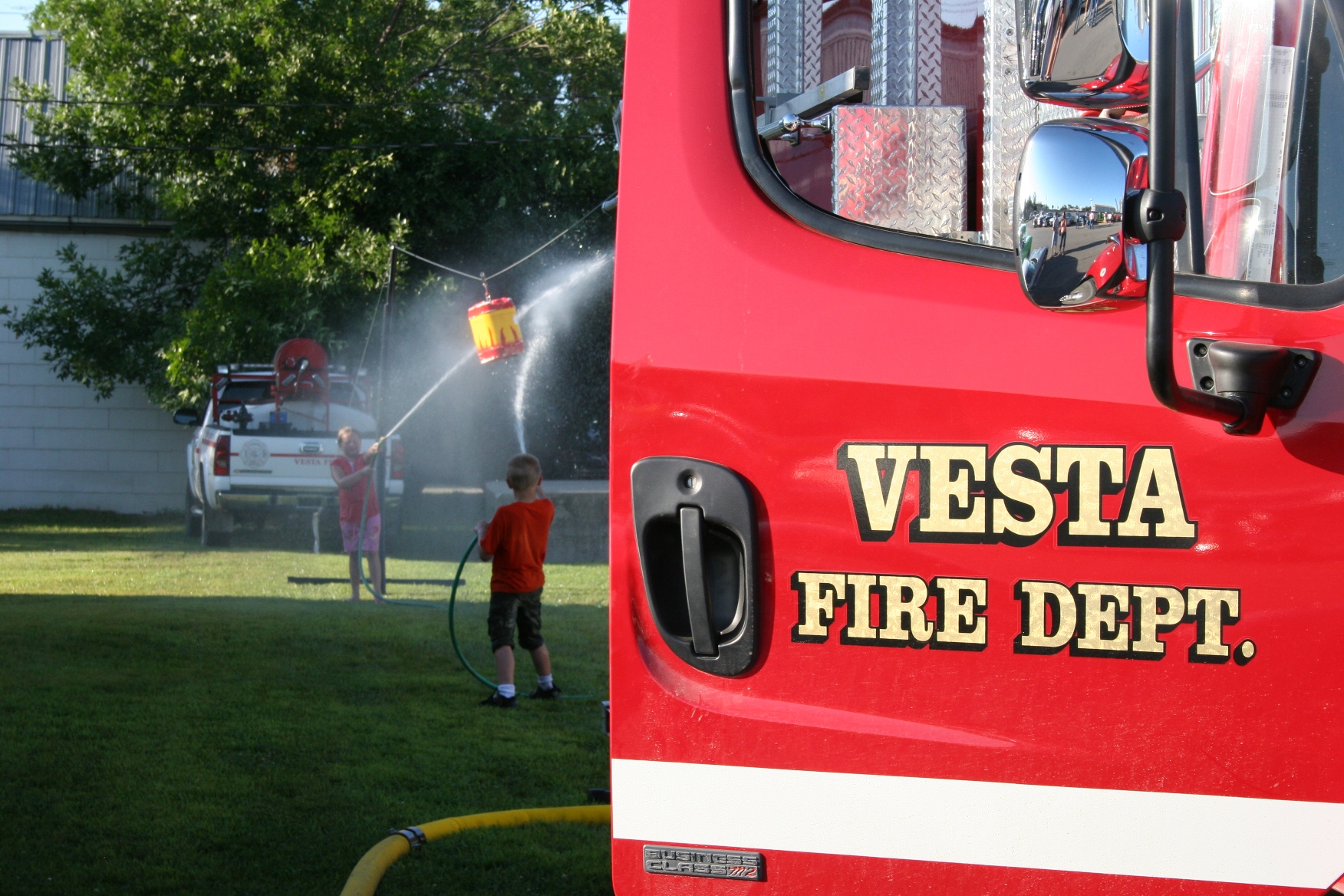
When I was growing up, members of Vesta's volunteer fire department engaged in water fights with departments from neighboring communities. Now the kids, not adults, participate in water fights.

I didn’t take in all of the events. I skipped the pie eating, bean bag toss and street dance. But I heard the band playing loud and clear a few blocks away when I left my Aunt Jeanette and Uncle Milan’s house around midnight Friday for my mom’s house a block away. Yeah, everything in Vesta, population around 300, is just a few blocks away.

HOW ABOUT YOU AND YOUR COMMUNITY? Do you have an annual summer celebration or return to your hometown for one? Submit a comment. I’d like to hear about these small-town gatherings.

© Copyright 2011 Audrey Kletscher Helbling
 

A Sunday morning with The Hope Feline Patrol July 31, 2011

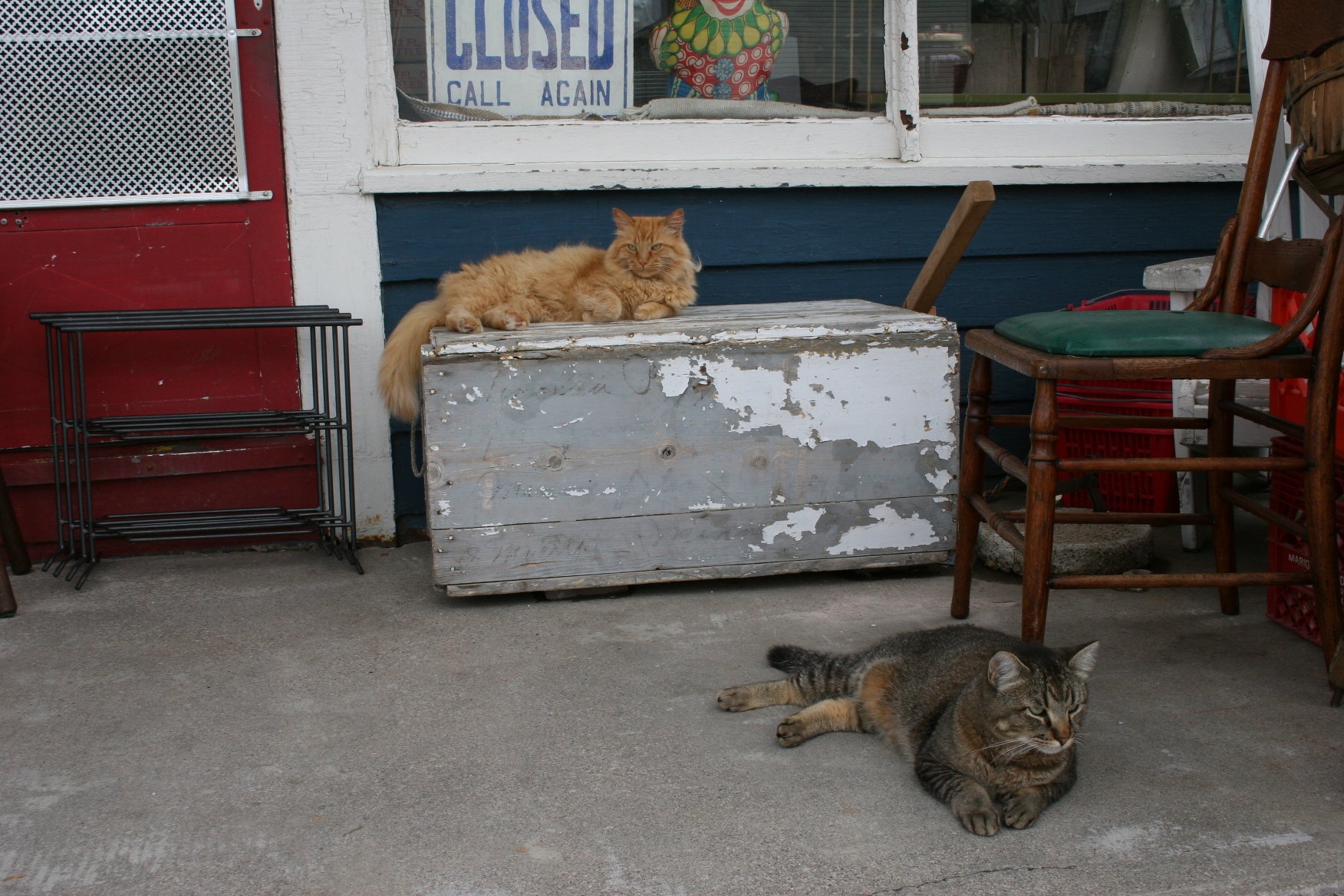
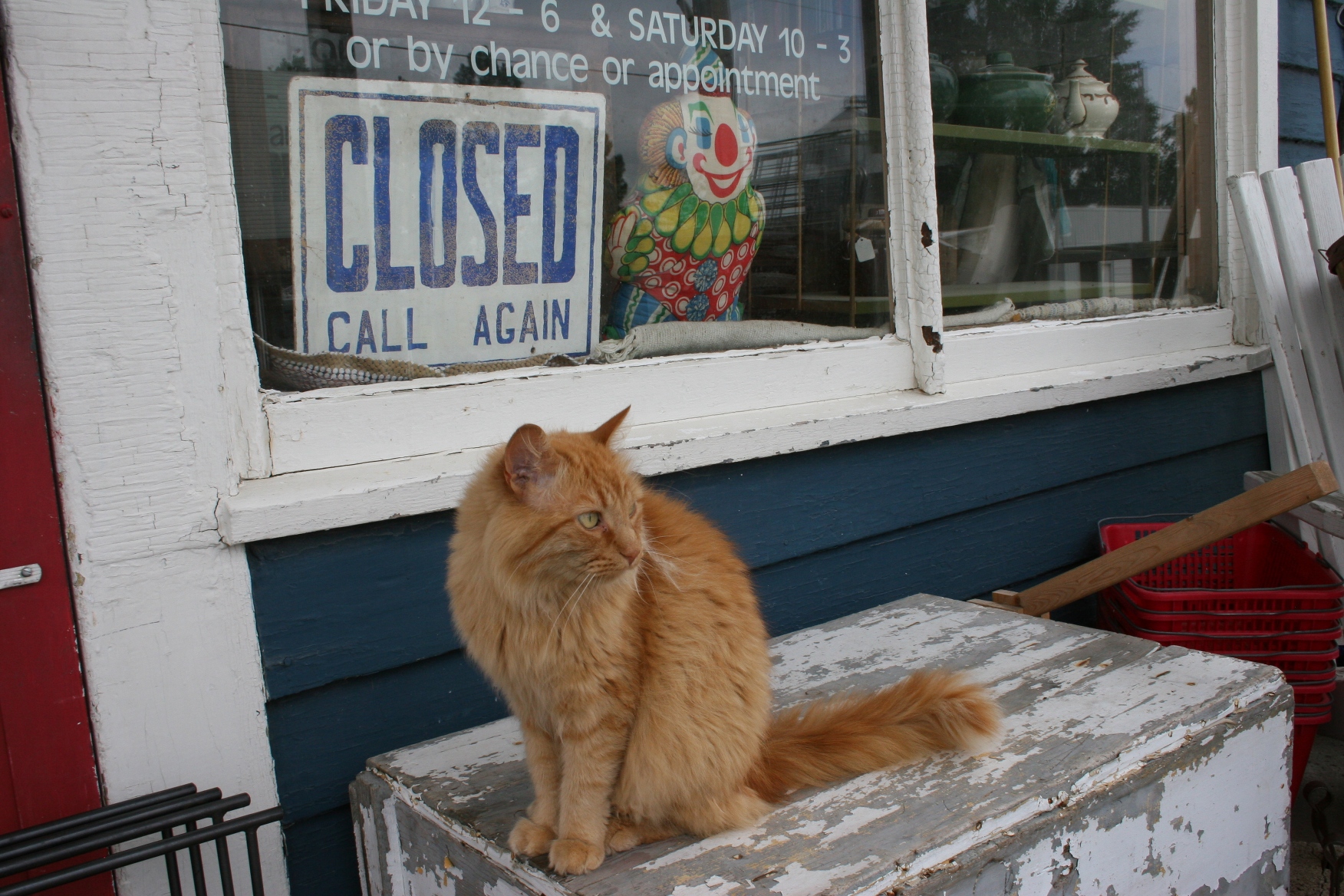
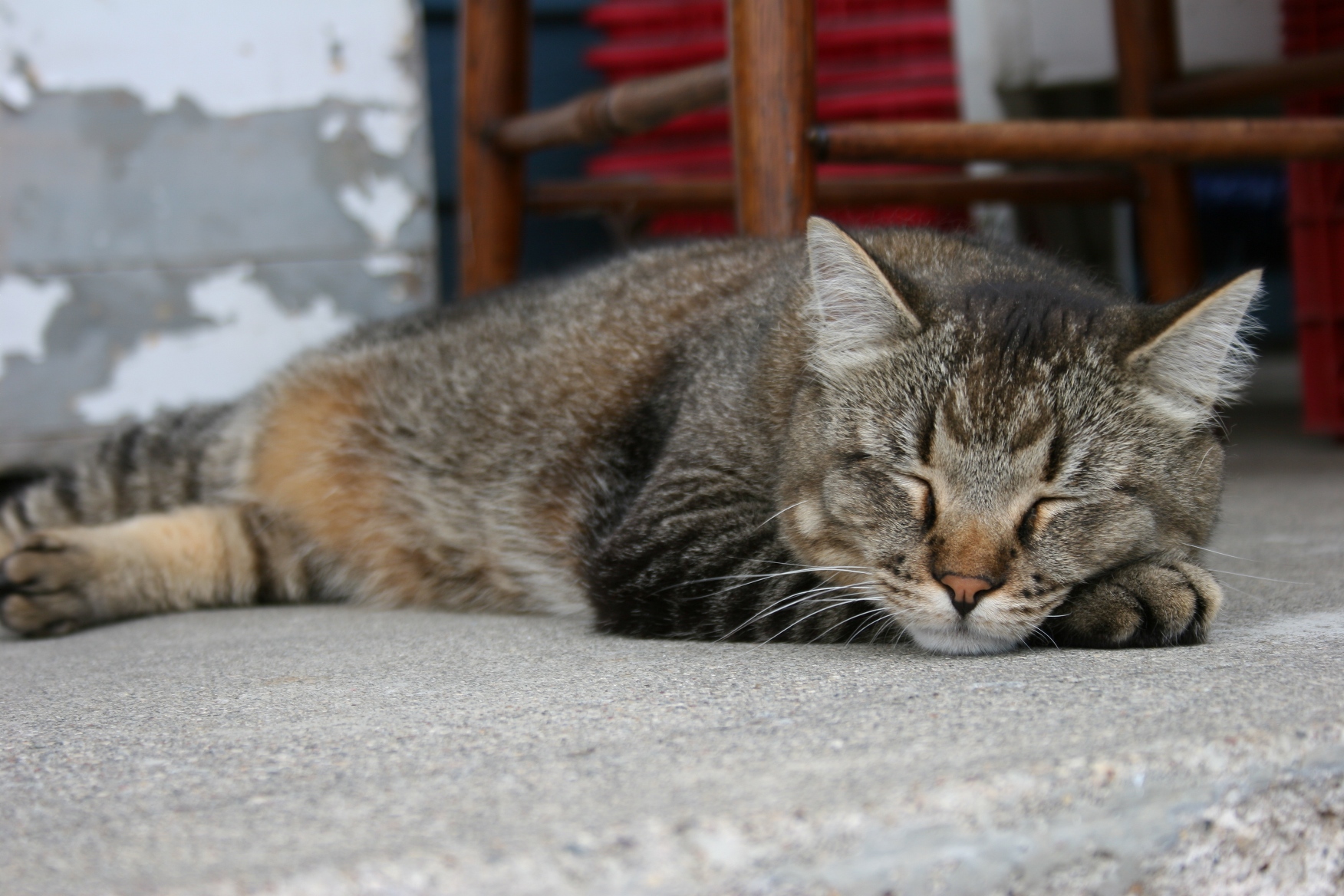
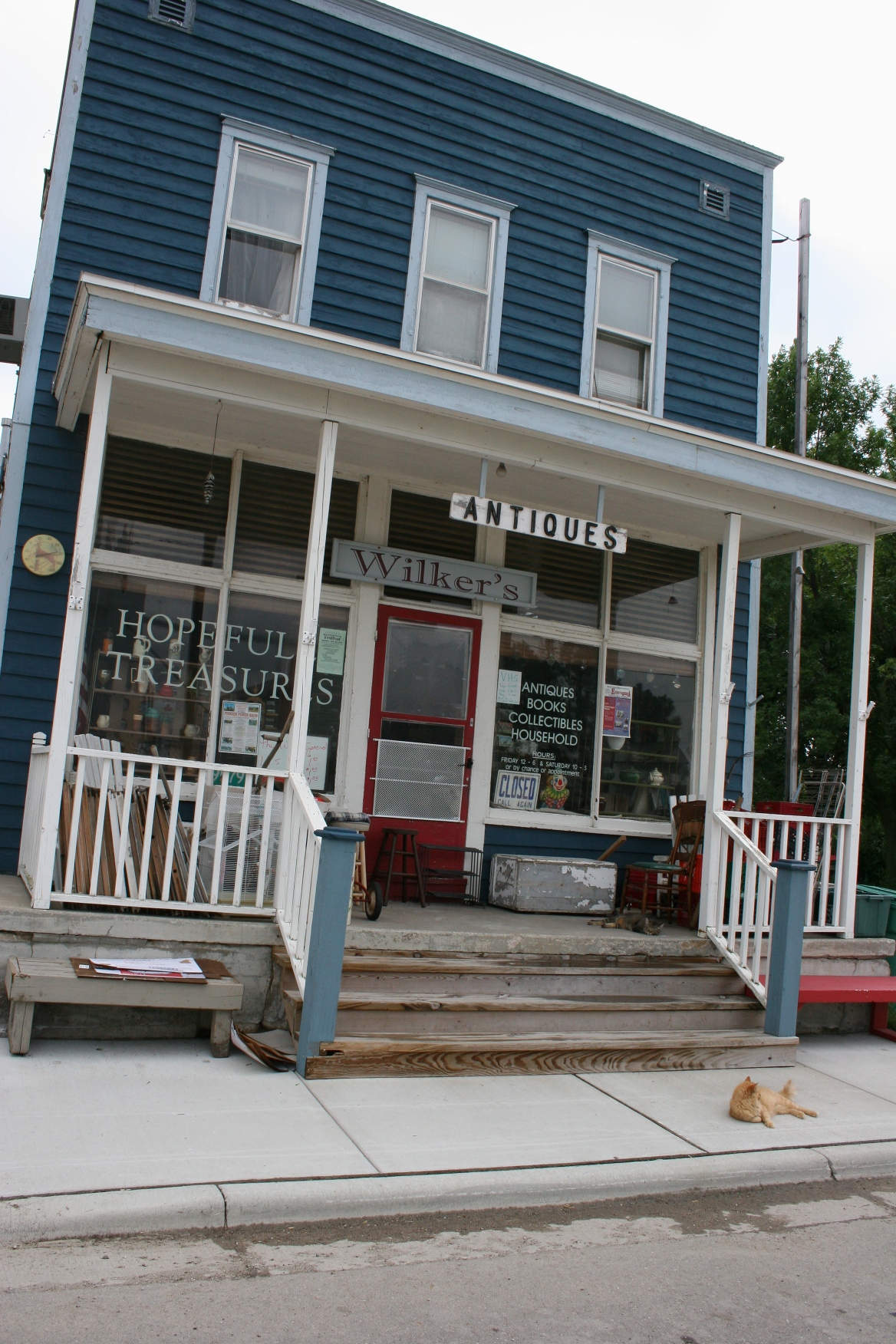
The Hope Feline Patrol lounges on the porch of Hopefull Treasures.

VISIT HOPE, MINNESOTA, late on a Sunday morning and you might feel like you’re in a ghost town. Except for the cats. The Hope Feline Patrol, I’ve dubbed them.

When my husband and I pulled into this Steele County town because that’s what we sometimes do on Sundays after church—hop in the car and drive to places we haven’t been to before—not a soul was in sight save those two cats.

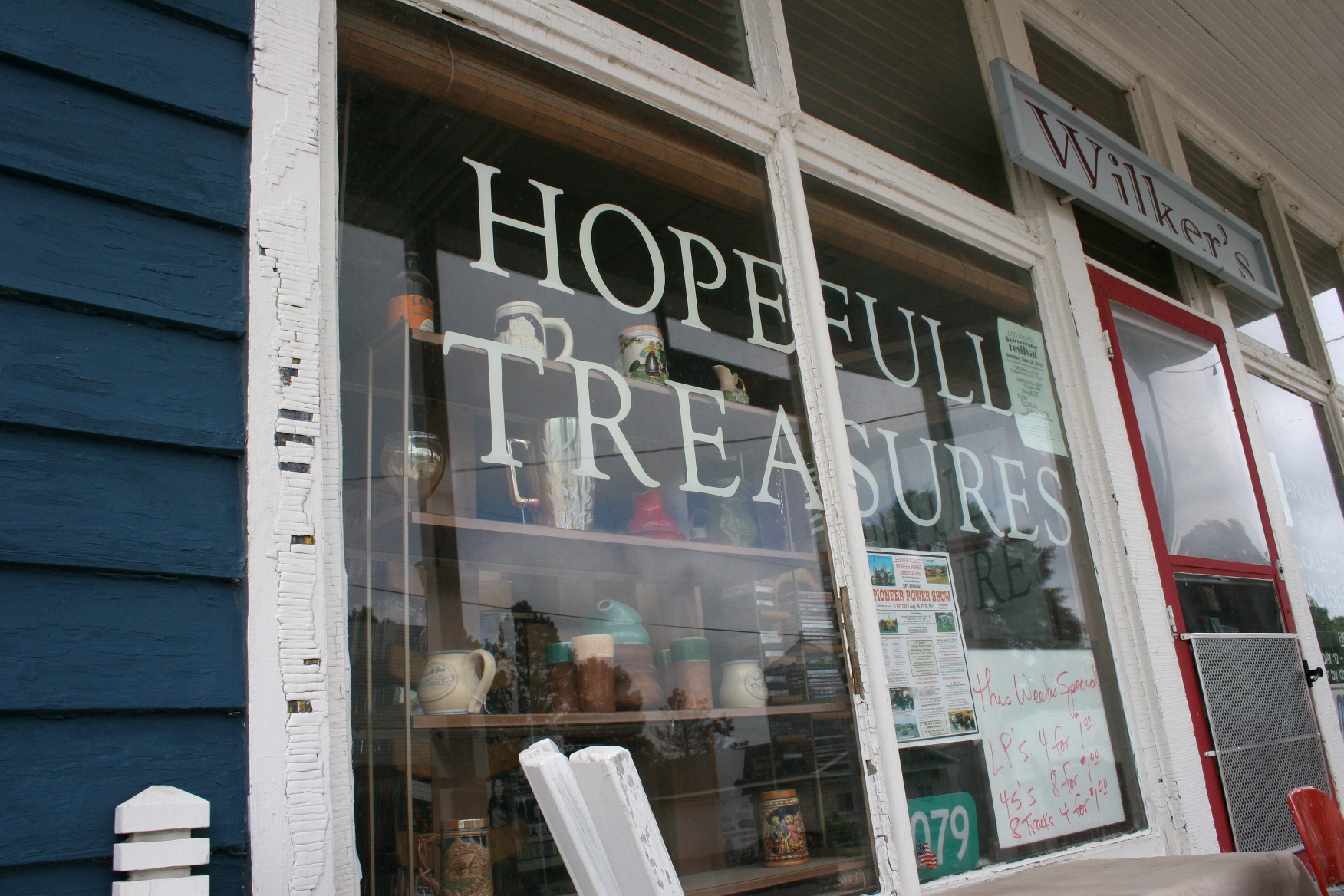
They lounged on the porch of Hopefull Treasures, aka Wilker’s Antiques, all stretched out as if they had not a care in the world. Until I appeared.

The long-haired orange cat stirred, on alert, jumped off a weathered wooden box and wound around my leg. The tabby stayed put, flicking eyes toward me, then, satisfied that I presented no threat, resumed cat napping.

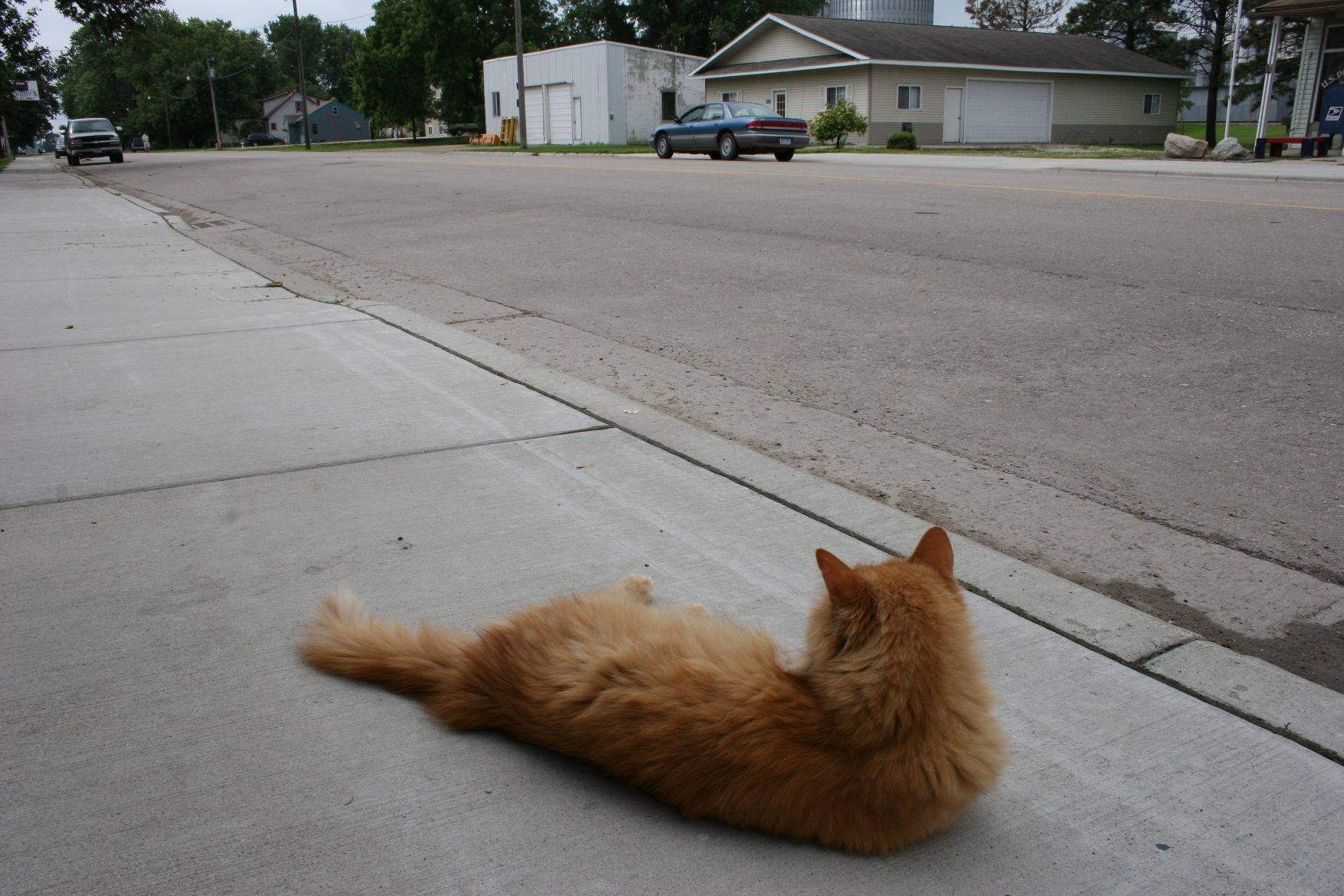
The orange cat, however, plopped down on the sidewalk in front of the antique store, rolled around for awhile and then assumed a leisurely pose with a watchful eye on the single main route through this town of 120 residents.

The orange cat almost immediately sat up and assessed the situation when I arrived.

The napping tabby left patrol duties primarily to the orange cat.

Hopefull Treasure's orange cat keeps an eye on the single road that runs through Hope.

All the while I kept taking pictures of the cats and the antique store I wished was unlocked. It’s open only from noon to 6 p.m. on Fridays, from 10 a.m. to 3 p.m. Saturdays or by chance or appointment. Apparently I wasn’t drawing a chance card on this day.

I knew I’d love poking around inside this place, scrounging for more story and photo treasures, plus antique and collectible treasures.

Every place, every person, every animal, every thing holds a story. And at Hopefull Treasures I’d found my story in The Hope Feline Patrol.

I had to peer into the windows of the closed antique store to check out the treasures.

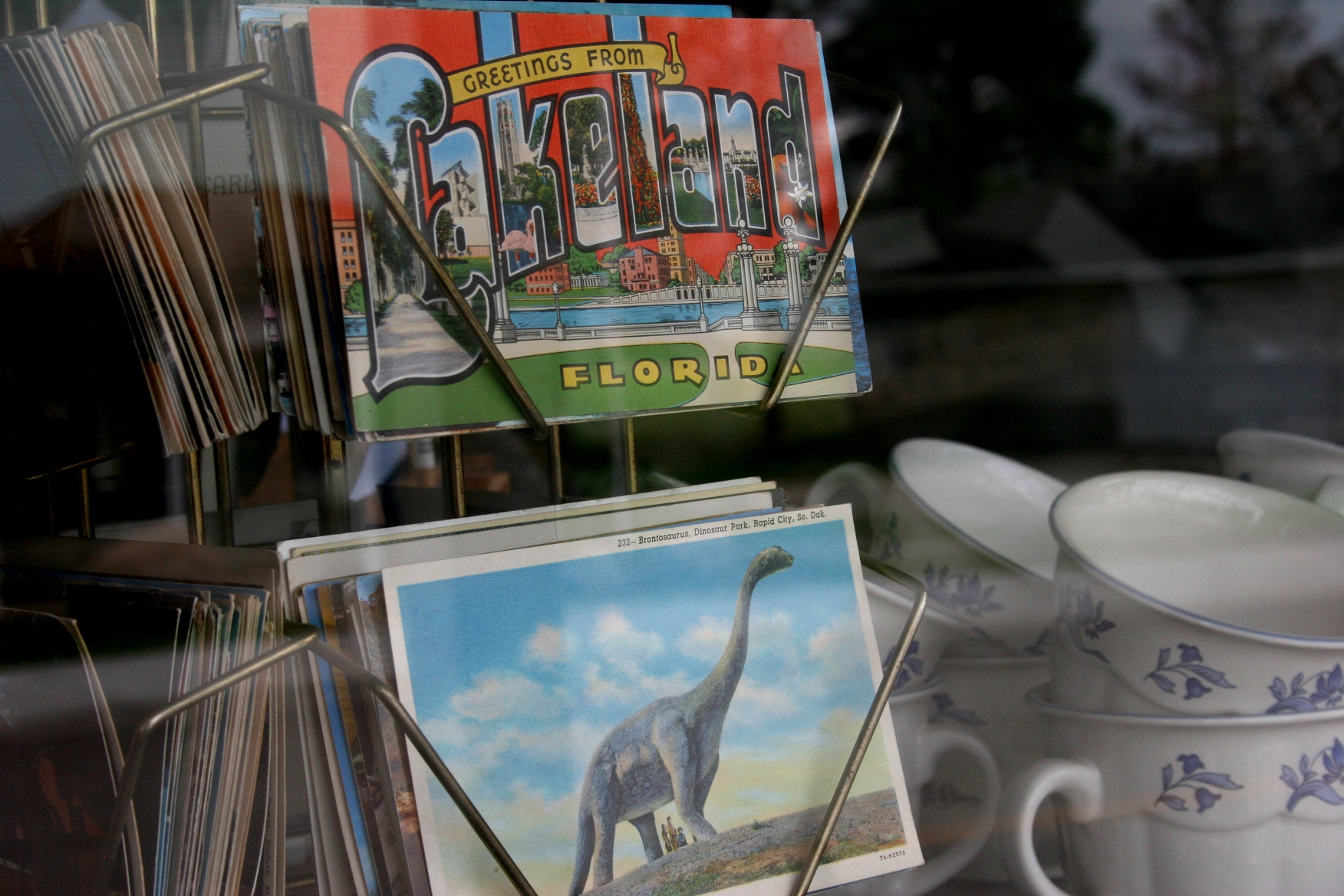
Vintage postcards and coffee cups I spotted through the front window of Hopefull Treasures.

When I moved on down the street, the orange cat was still lying on the sidewalk in front of Hopefull Treasures.

© Copyright 2011 Audrey Kletscher Helbling
 

Guess the pig’s weight and other farm stories from New Richland July 29, 2011

VENTURE INTO RURAL MINNESOTA—and we’re talking the small farming communities here, not what metro folks call “Greater Minnesota” or “outstate Minnesota”—and you’ll connect to our state’s agrarian roots in some interesting ways.
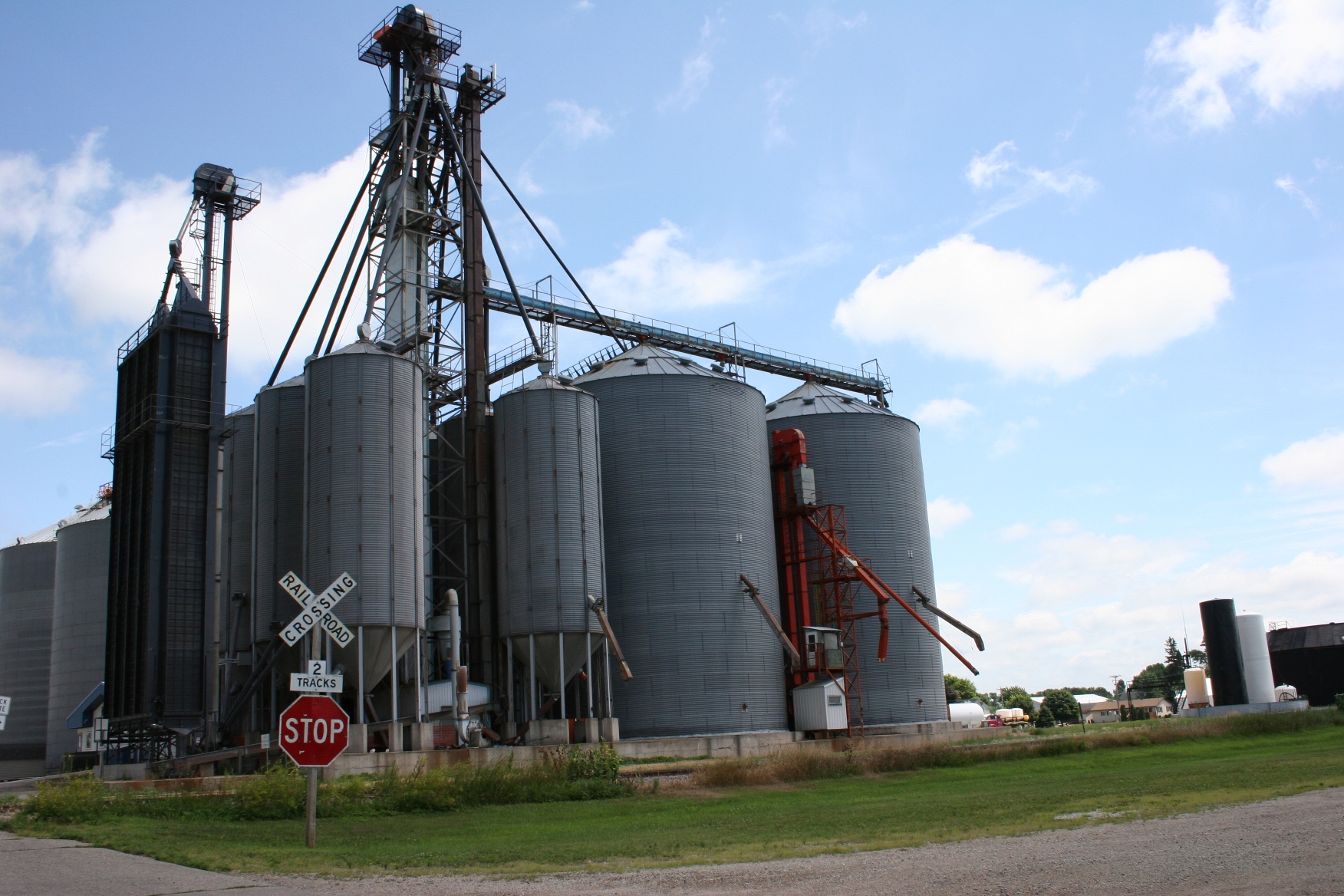
Take New Richland, for example, a town of 1,200 in southeastern Waseca County. Drive into town and you’ll see the usual grain bins and elevator and other farm-related businesses you would expect in an agricultural community.

A cluster of grain bins in the heart of New Richland.

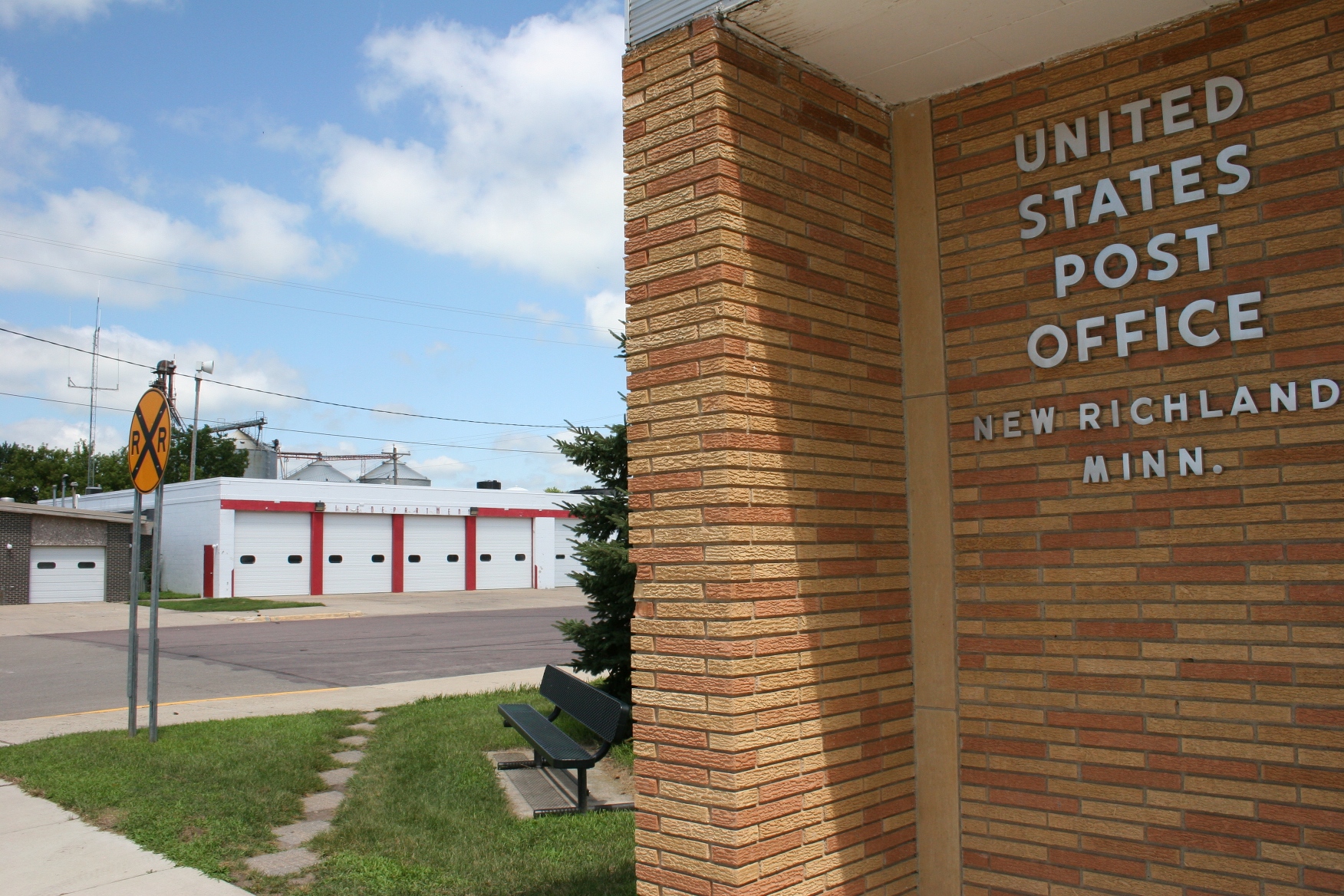
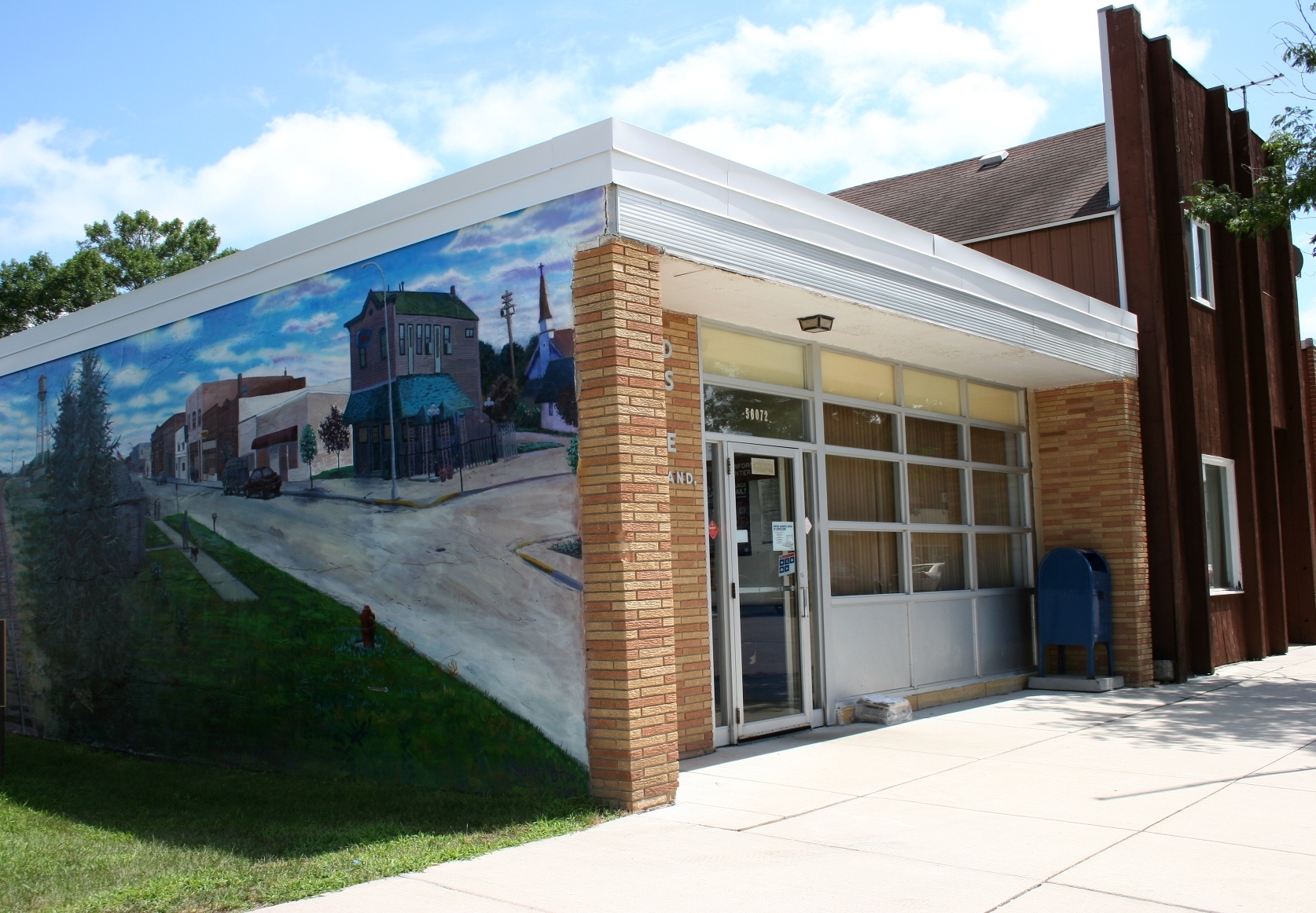
But then explore a little more and you’ll discover just how much this town values its agricultural heritage. Take the post office. Peek around the corner…

A corner of the New Richland Post Office. Note the grain bins a few blocks away.

Around the post office corner you'll find this mural which reflects the connection between city and country.

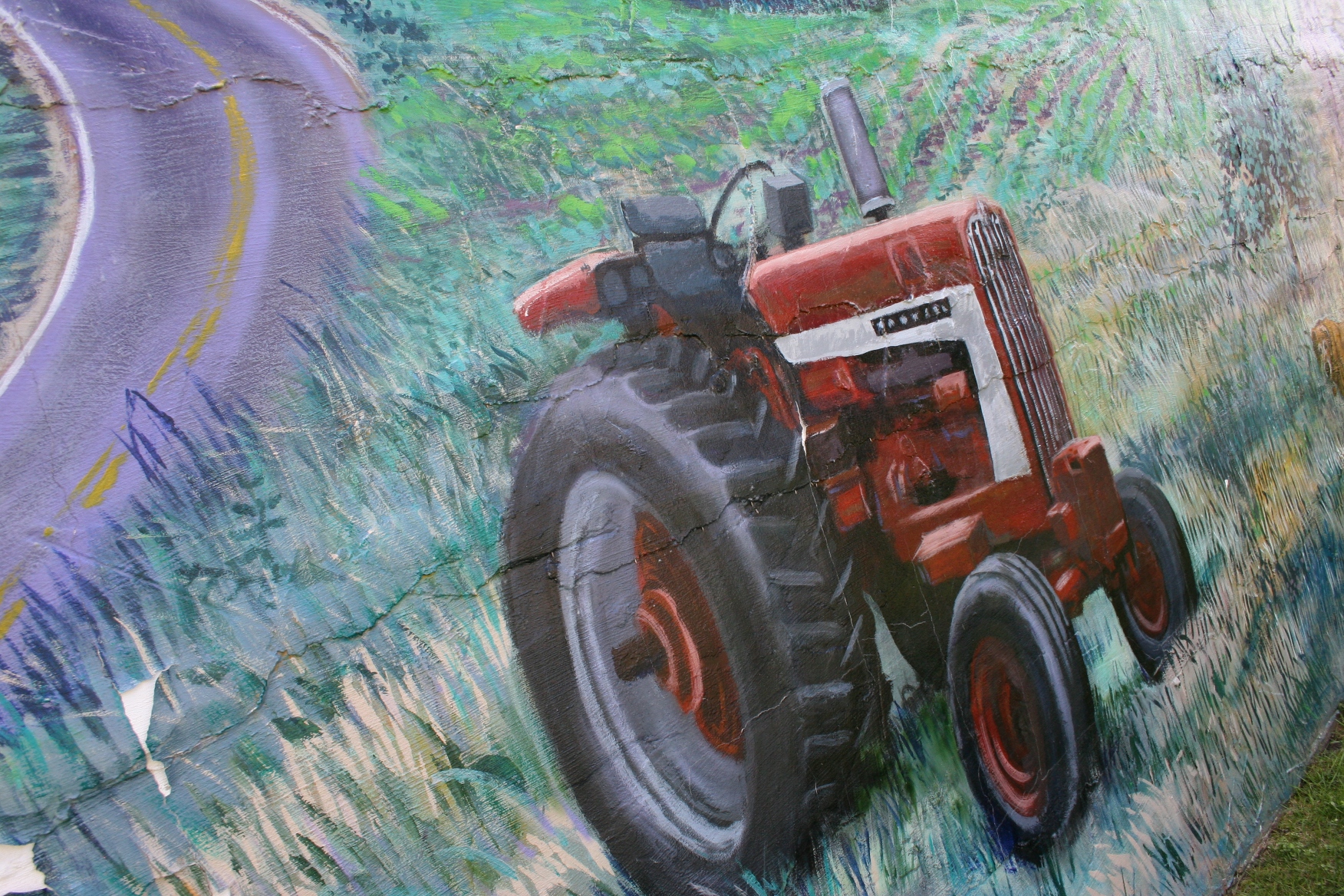
A snippet of the country portion of the mural. I wonder how the artist decided what type of tractor to feature?

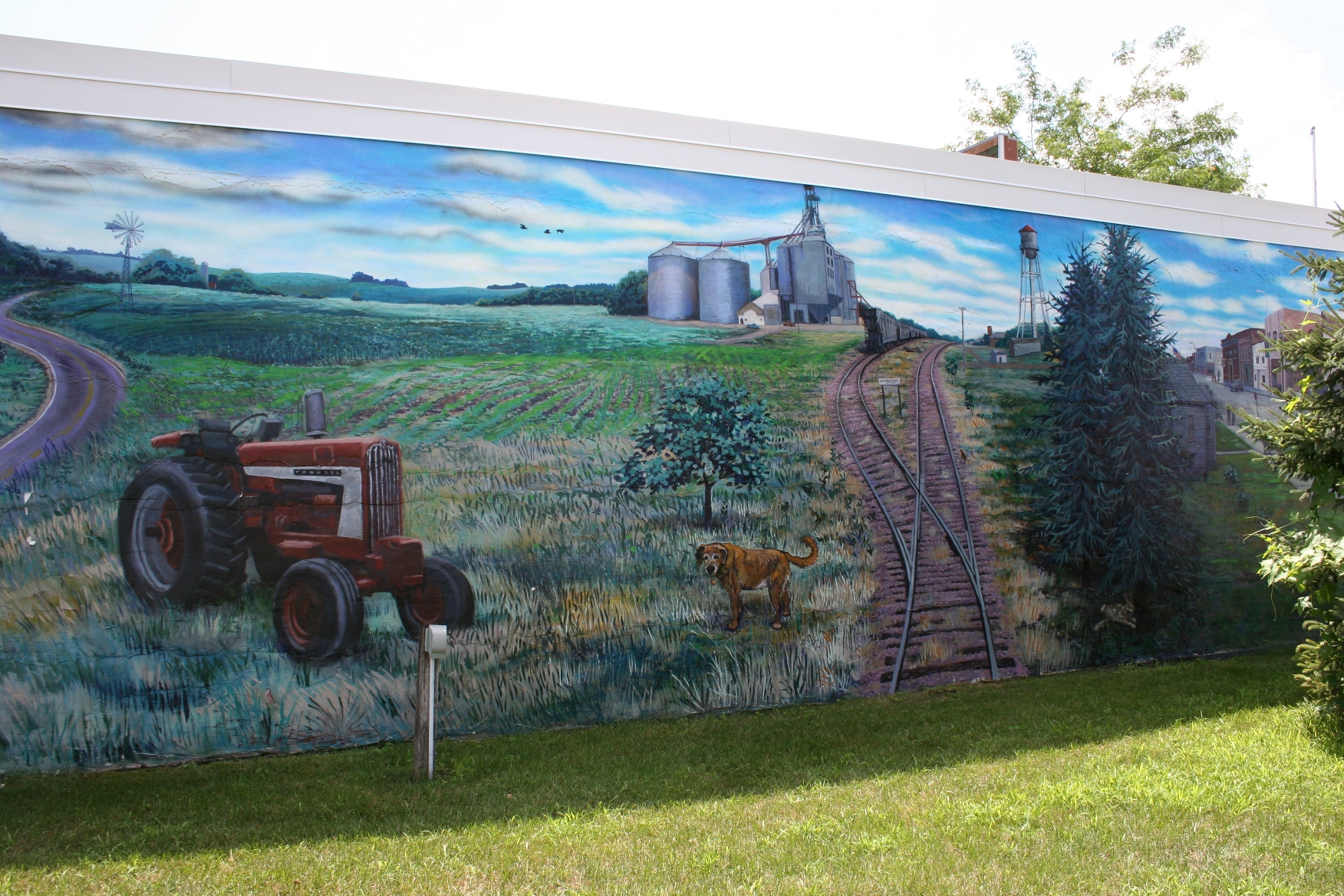
Country connects to city in this detailed mural.

and you’ll find a mural depicting farm and city.

Now I’ve seen many a mural in my day, and I’d rate this as among the best. I wish I knew who to credit for this detailed artwork that draws the eye along the winding country road, down the train tracks to the grain elevator or along city streets to downtown. But I couldn’t find any information about the mural in a quick online search.

However, I did learn more about New Richland and the pride this community takes in its agricultural roots. Just a few weeks ago the town celebrated its 28th annual Farm & City Days. Events included the usual parade, street dance, bingo, antique car show, medallion hunt and such.

But I found a few activities that definitely say country through and through.

Teams of two competed in the  second annual Chore Boy Race. (Just for the record, girls can participate, too; the winners were Molly Flor and Brandon Mullenbach). Anyway, it’s a contest that involves eggs, milk, hay, grain and wheelbarrows. You can learn more about the competition by clicking here and reading this story in the local newspaper, The Star Eagle.

I found a Chore Boy Race contestant application online and one Farm & City Days Facebook page photo and these rules (some in boldface):  “You must wear all your chore clothes at all times. This includes but is not limited to Boots, Hat, Bibs & Gloves.”

OK then, got that?

If you’d rather use your brain than your brawn, Farm & City Days offers a “Guess the weight of the pig” contest at $1 a guess. The person with the closest guess wins the pig and processing at Morgan’s Meat Market. This year two entrants correctly guessed the exact weight of 208 pounds and agreed to split the hog, according to the Farm & City Days Facebook page.

If you didn’t win the pig, you could still eat pork by buying a pork sandwich meal from the Waseca County Pork Producers at the city park.

Two other agricultural-themed activities included a kids’ tractor pull and a Farm vs. City 3-person Scramble at a golf course.

I’m disappointed I missed Farm & City Days because it sounds like one heckuva good time, as small-town celebrations typically are. But I wouldn’t even have known about this annual farm-city event if I hadn’t been poking around New Richland last Sunday, spotted that mural on the side of the post office and then gone online to learn more about it, which I didn’t, but I did.

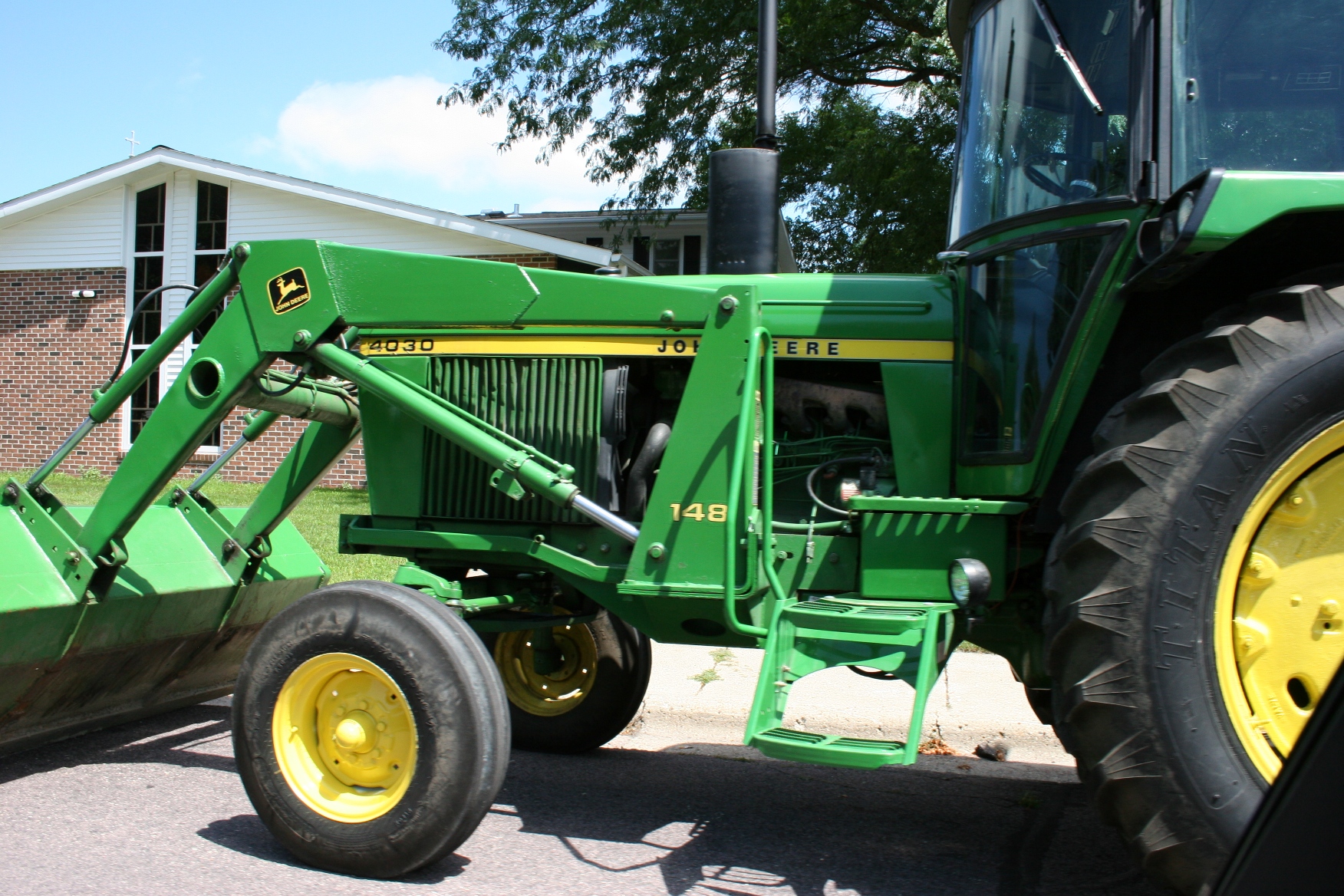
This John Deere tractor was parked outside the funeral home in New Richland on Sunday afternoon.

My husband and I stopped in New Richland while on a recent Sunday afternoon drive. Check out my July 24 blog post from this community and watch for future stories and photos from New Richland.

© Copyright 2011 Audrey Kletscher Helbling