Minnesota Prairie Roots

Writing and photography by Audrey Kletscher Helbling

Zip code 56046 July 26, 2011

THE NEXT TIME YOU’RE traveling Interstate 35 south of Owatonna, instead of whipping by the Hope exit at 70 mph, pull off the freeway and check out this unincorporated community of 120 residents, probably best-known outside of Steele County for Hope Creamery butter.

Unless my husband and I missed the signage, we never saw a sign marking the creamery and simply guessed that the butter-making operation is housed in an old brick creamery on the edge of town next to a farm.

But we discovered several other places of interest after parking our car along the one main road that cuts through Hope. Yes, you need to park your vehicle, get out and walk, rather than simply driving through town thinking, “There’s nothing here.”

You would be wrong, oh, so wrong.

First point of interest: 56046. That would be the Hope Post Office. With a street front facade resembling the general stores of yesteryear or perhaps a building from a western movie set, this old-style structure charms.
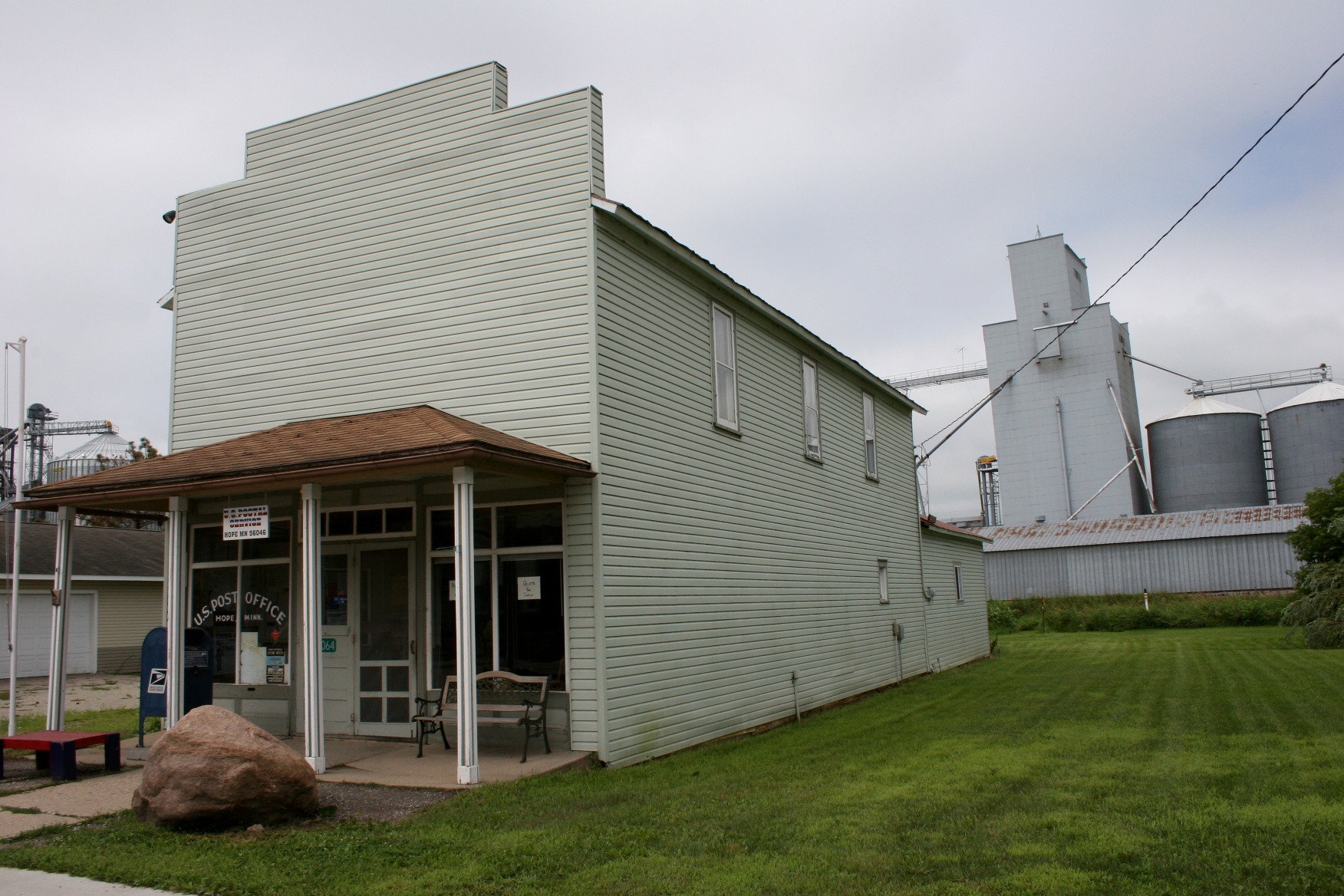
The Hope Post Office sits along Main Street. The elevator complex in the background is just across the train tracks.
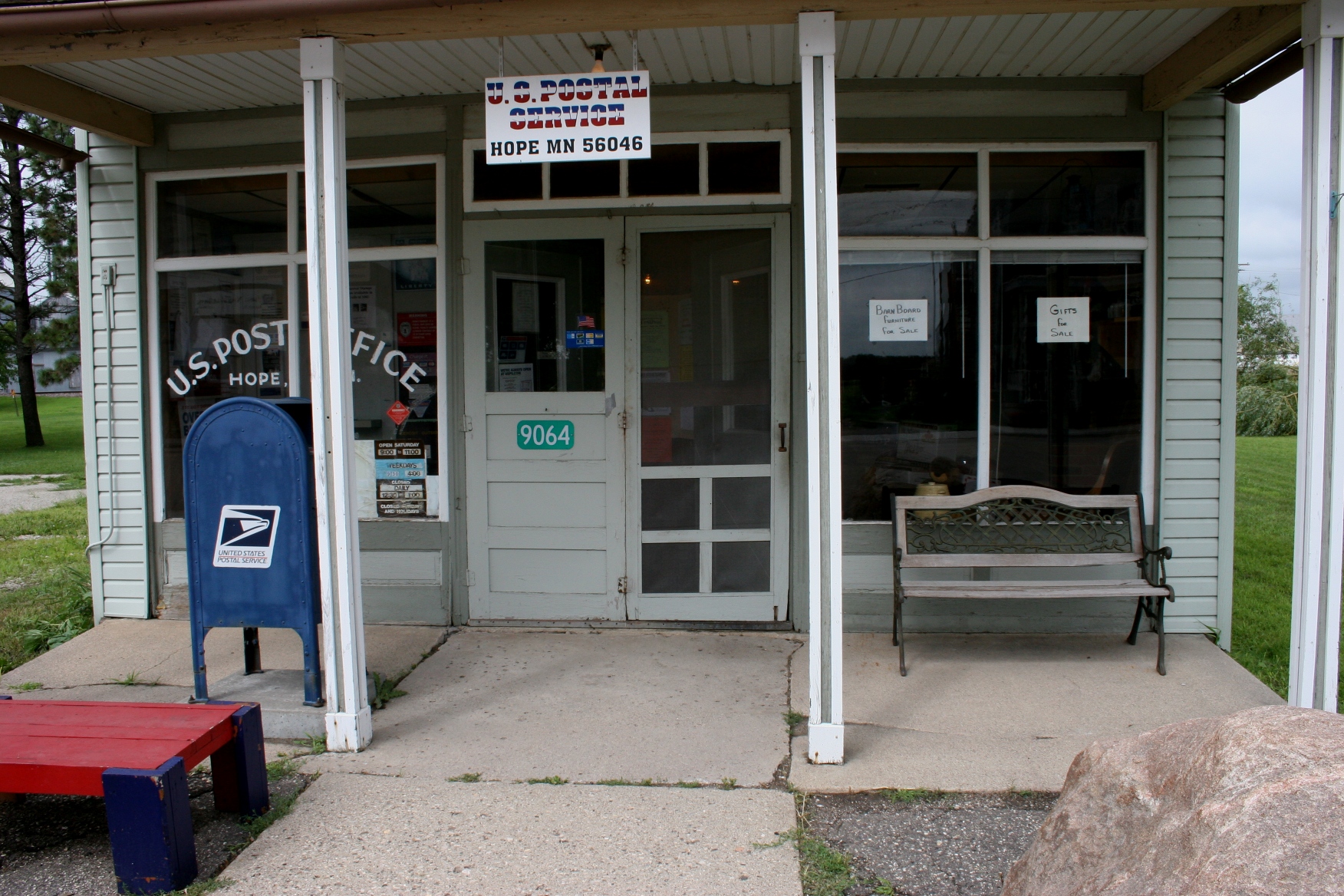
Take in the details: the red and blue bench, the double front doors, the rock out front, the welcoming porch...
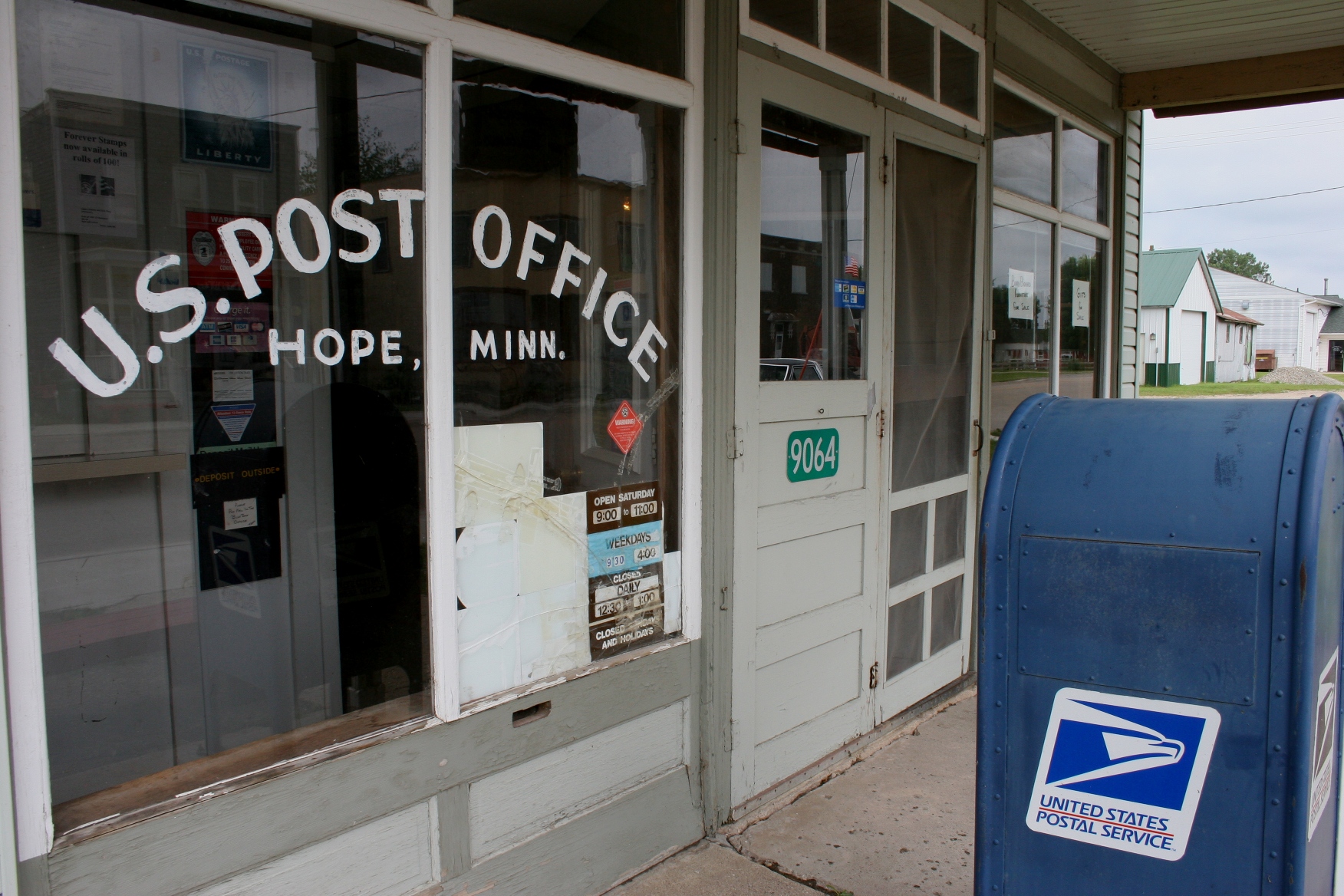
Even the lettering on the front window has old-style charm.

Maybe it doesn’t take much to impress me, but I appreciate buildings with character. I quickly determined that the post office serves as Hope’s community hub. I pulled open the screen door and stepped inside a closet of an entry, the door to the post office to my left, the door to a gift shop to my right. Smack in front of me, I found business cards and signs, church festival notices and other information tacked onto a bulletin board. A clutch of rubber-banded newspapers lay on the floor in front of the post office door.
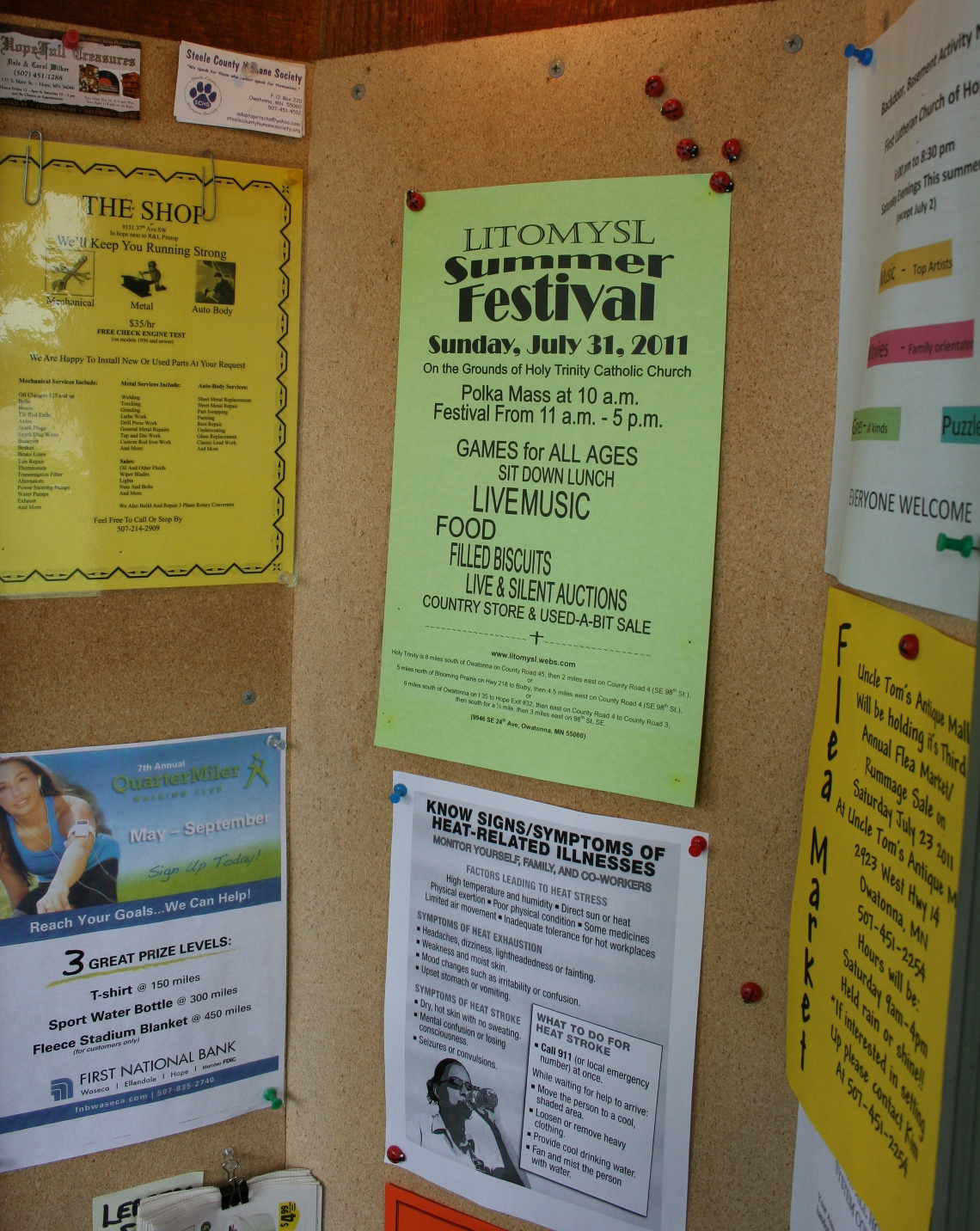
The community bulletin board inside the post office entry.
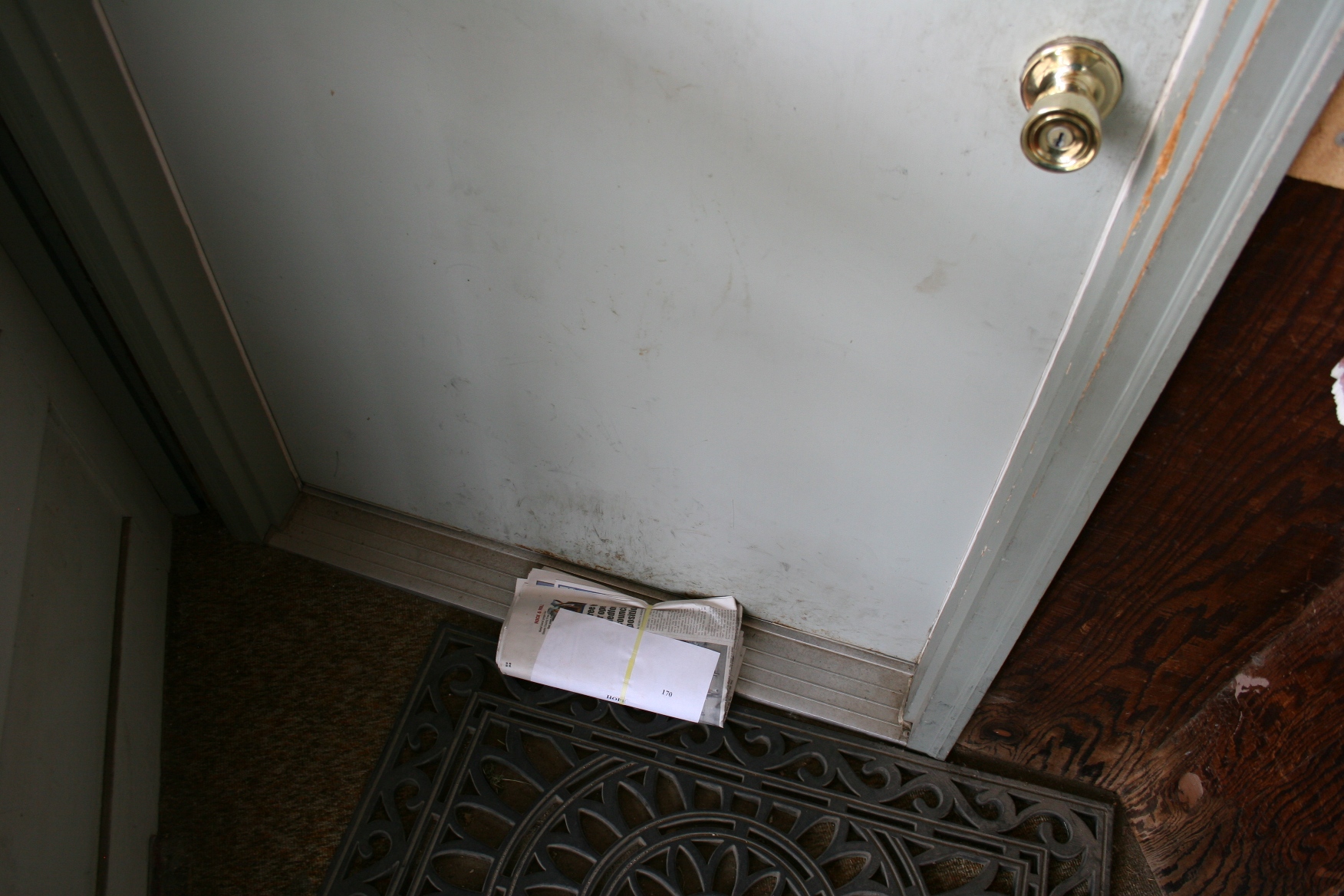
A clutch of bundled newspapers outside the locked interior post office door.
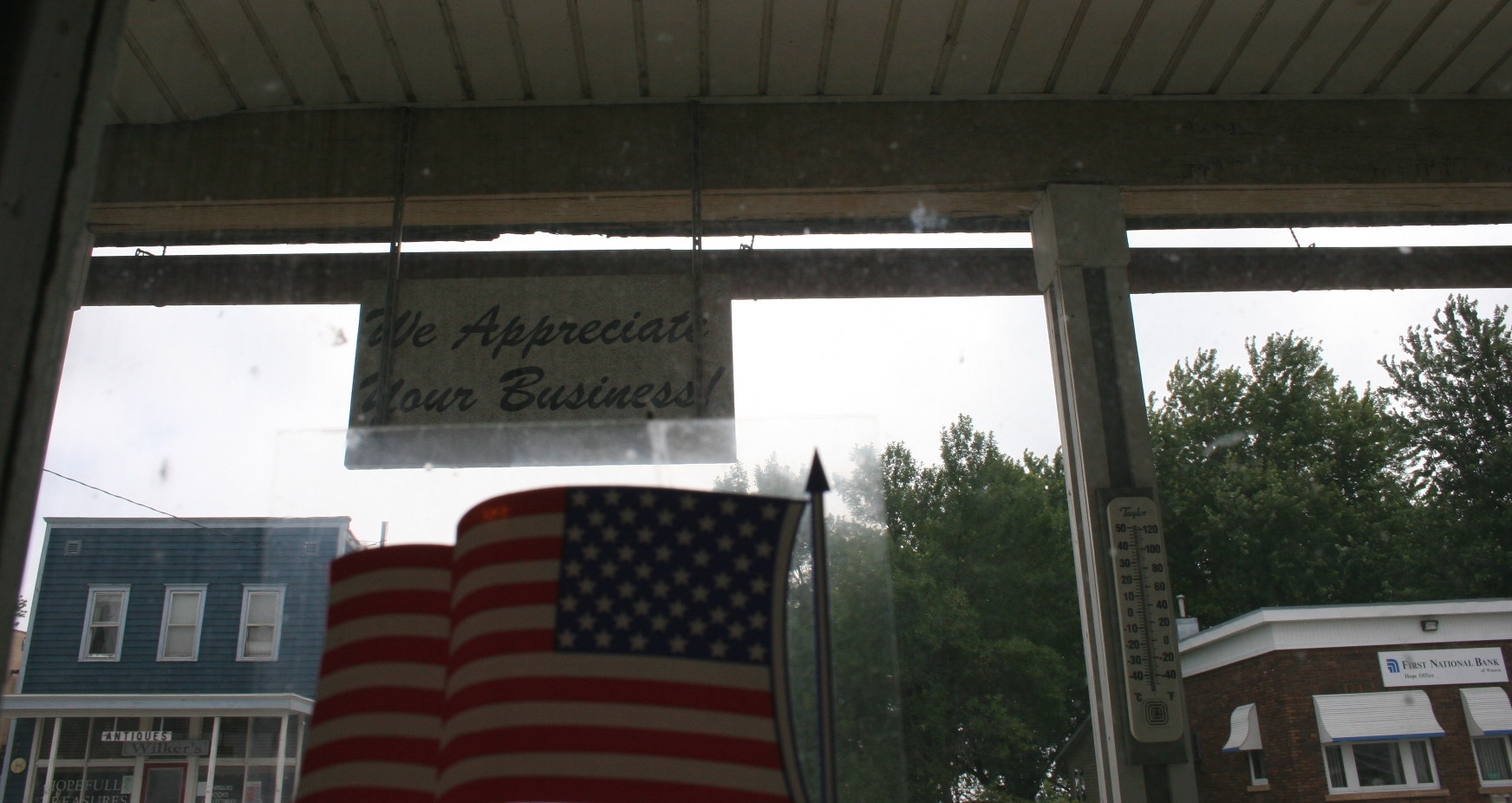
From inside the post office entry, a view across the street of the bank and an antique store.

Since I was there on a Sunday afternoon, I had to settle for standing outside, peering through the large, cracked and taped front windows to view the customer service area that is smaller than most bathrooms. But it serves the purpose and I’m sure Hope folks are happy to still have their post office.

I always figure once a community loses its school, its post office and its bank, well then, you may as well close up the town. So far, Hope has only lost its school.

Today the U.S. Postal Service releases a list of 3,600-plus post offices under consideration for possible closure in a cost-cutting effort. I hope Hope is not among them.

Post office hours are listed on a cracked and taped front window.

CHECK BACK FOR MORE posts out of Hope and other area communities I recently visited while on a Sunday afternoon drive. It’s my philosophy that most of us are missing out on the treasures of small-town U.S.A. because we fail to get off the freeways, park our vehicles on Main Street and explore. Either that or we’re “too busy” to slow down and notice the details worth noticing in our small towns.

If anyone knows about the history of the Hope Post Office, submit a comment. I would like to learn more about this building.

© Copyright 2011 Audrey Kletscher Helbling


Canning jars and funeral info at the hardware store July 24, 2011

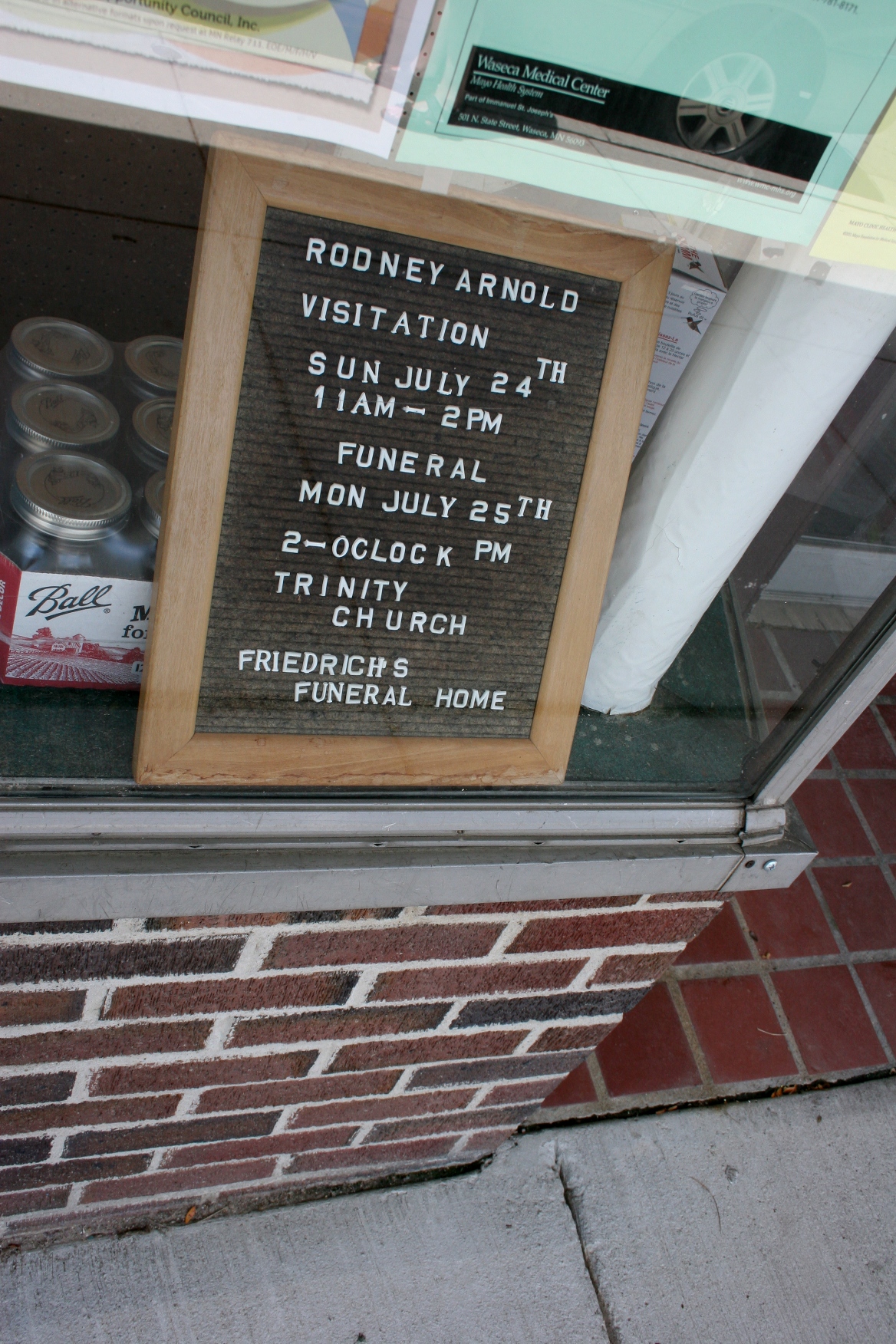
A sign in the Gambles' hardware store window gives updated visitation and funeral information to the residents of the New Richland area.

SHE PULLED UP ALONGSIDE the curb Sunday afternoon, leaned toward the semi-open window on the passenger side of her van and asked if my husband or I knew why Rodney had died. “He seemed so young,” she said.

“We’re not from here,” I answered. “I have no idea.”

But I had a question for her: “Why is his funeral information in the Gambles’ window?”

She didn’t exactly have a response for me—not one I can publicly share anyway—so I took this as one of those small-town oddities.

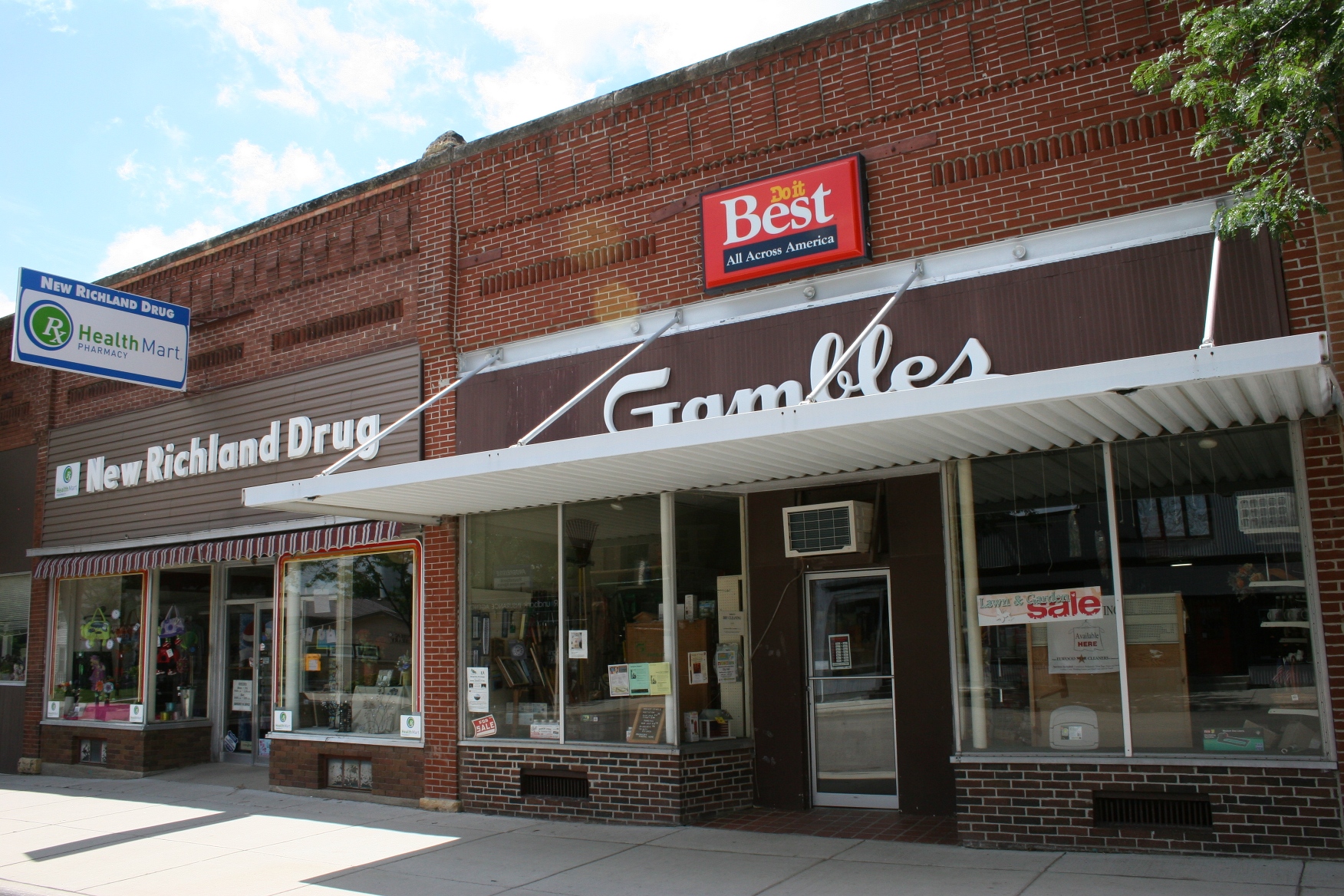
Even finding a Gambles hardware store in New Richland, population around 1,200, seemed an oddity. But there it was, sandwiched between New Richland Drug and Blondie’s Grill, along a main drag in this Waseca County community. These hardware stores were common when Randy and I were growing up in the 1960s, but not so much now.

Gambles stores, like this one in New Richland, were once common in Minnesota small towns. From 1925 - 1928, Gamble-Skogmo was headquartered in Fergus Falls and then moved to Minneapolis.

As surprised and delighted as we were to find the Gambles store, we were even more surprised to see that funeral and visitation information posted in the front window next to the canning jars.

But apparently this business place public posting is a usual practice in New Richland since the elderly van driver pulled up in front of Gambles for the sole purpose of checking out the information about Rodney Arnold.

Randy, wanting to know how she defined “seemed so young,” inquired while I snapped photos of that seemingly out-of-place sign in the hardware store window.

“He was maybe in his early 60s,” the woman, probably in her late 70s or early 80s, guessed, then drove off.

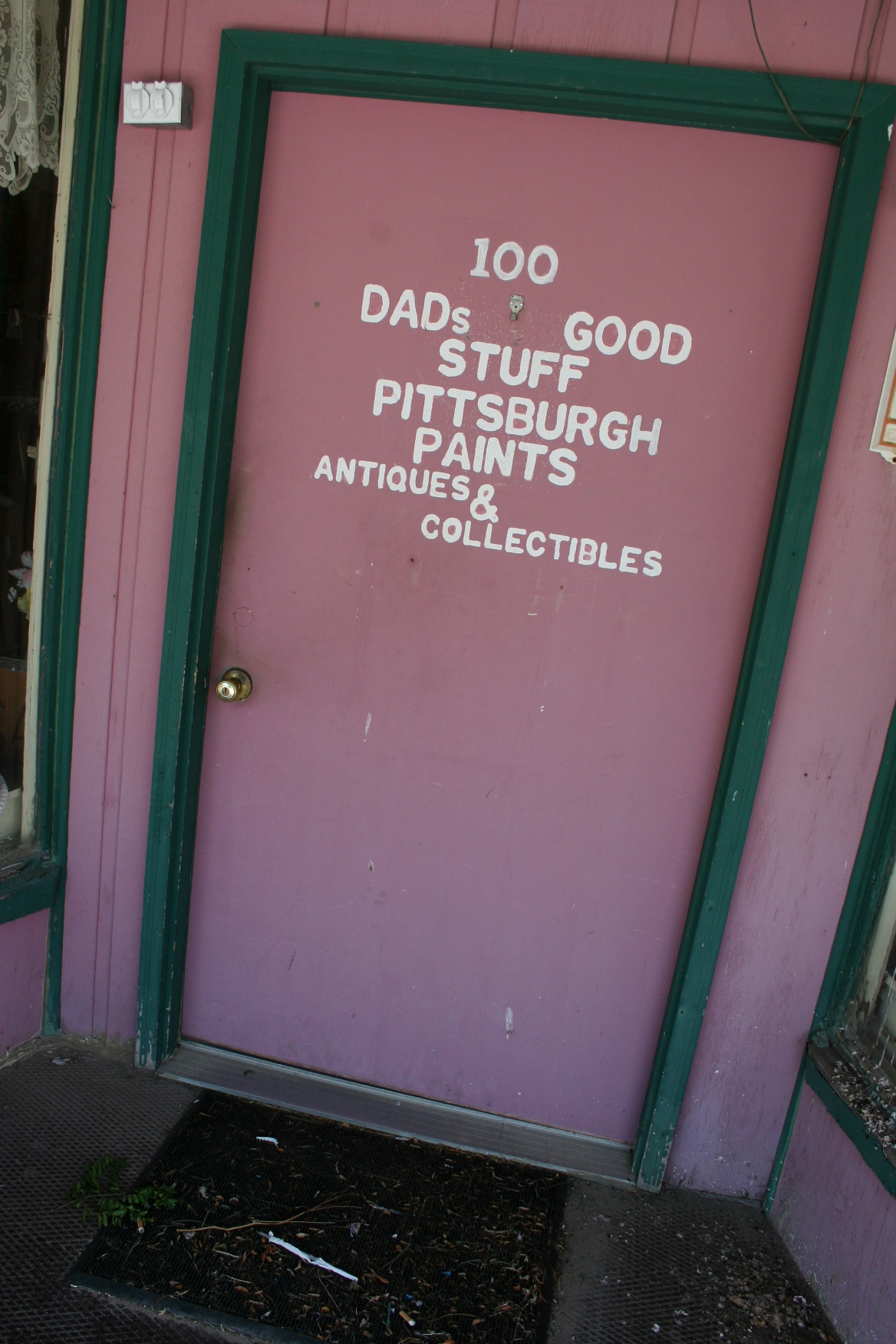
For the record, Rodney Arnold was 62. Upon our return home, I went online to Friedrichs Funeral Home and checked. I also learned that this self-employed dry wall installer met his friends every morning for coffee at Dads Good Stuff, just a few doors down from Gambles.

The things you learn if you simply take the time to stop along a small-town Minnesota Main Street…to read the latest funeral information.

The flashy front door of Dads Good Stuff.

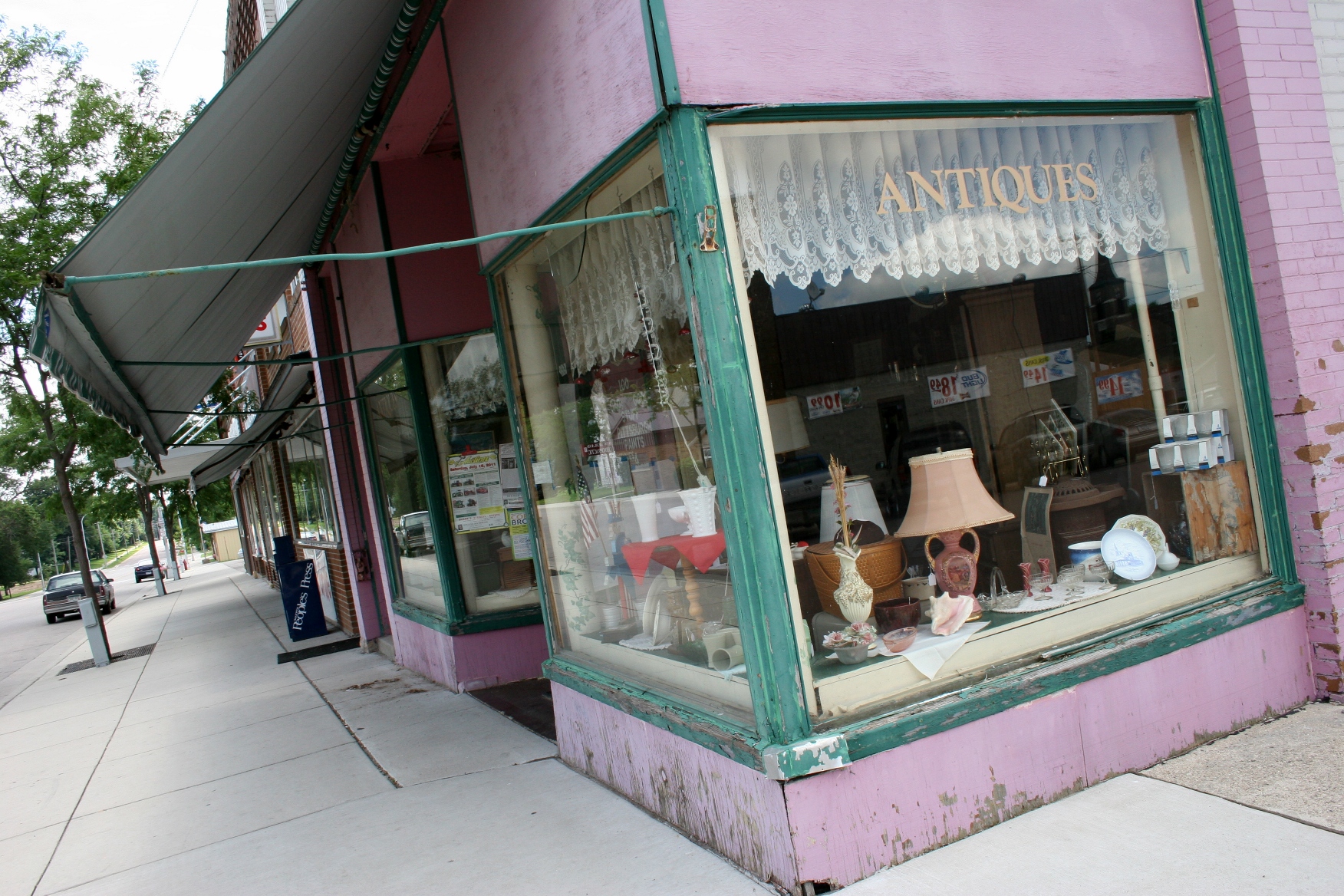
Unfortunately, Dads Good Stuff antique, etc., store was closed when we were in New Richland Sunday afternoon.

Just a close-up shot of New Richland's Gambles store, which was closed when we were in town.

READERS: This is the first of many posts I’ll publish this week about a Sunday afternoon drive south to Hope, west to Ellendale and New Richland, north to Otisco and Waseca, and then back home to Faribault, with two country church stops in between.

© Copyright 2011 Audrey Kletscher Helbling
 

The story behind a travel writer July 22, 2011

Filed under: Uncategorized — Audrey Kletscher Helbling @ 7:57 AM
Tags: , , , , , , ,

EDITOR’S NOTE: Several months ago I told my daughter I would plug her writing. So I am, in this post. But I’ll also tell you about her as a person, because the person you are shapes the writer you become.

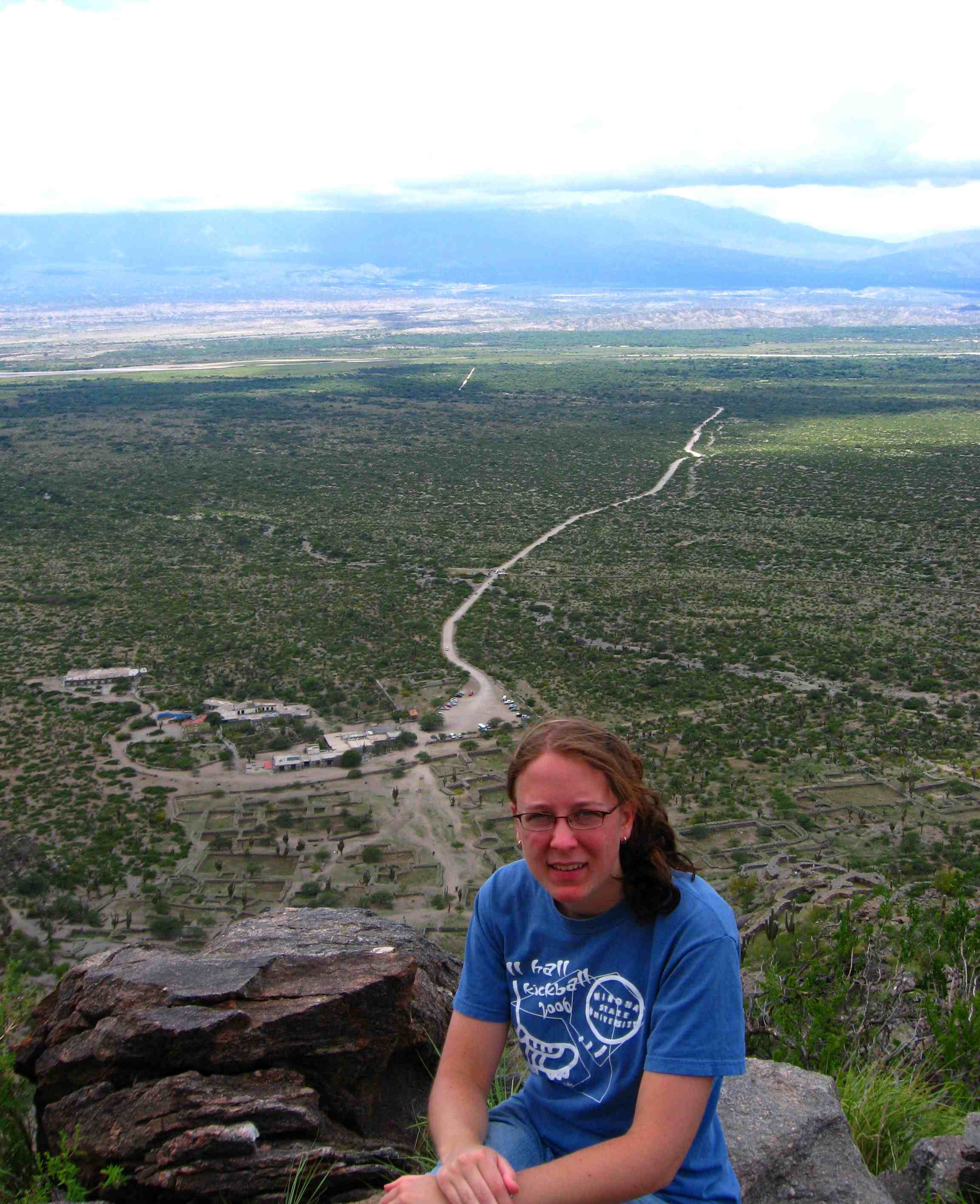
Miranda at the Las Ruinas de Quilmes (Quilmes Ruins) in the Tucuman province of northwestern Argentina.

MY DAUGHTER MIRANDA could work as a full-time professional travel writer. She’s that good. And I’m not just saying this because I’m her mom. You can decide for yourself by clicking here, to examiner.com St. Paul.

Miranda has written some two dozen articles about Argentina, where she traveled twice to study, do mission work and intern. Today she’s back in the U.S., working as a Spanish medical interpreter in eastern Wisconsin.

If she had her druthers—meaning no need for a steady job to repay college loans—Miranda likely would be living in Buenos Aires right now. She loves the city, Argentine culture and food, and Argentineans that much. That shows in her writing.

Yet, even though my daughter isn’t living in the place where she’d probably prefer to be, she’s at least working in a profession that allows her to follow her passion—Spanish. There’s much to be said for that. All too many people go through life working jobs they dislike simply to pay the bills. That is an unfortunate reality.

I understand her love of language. I graduated from high school with a plan to pursue a German degree in college. But I quickly realized that, because I didn’t want to teach, the idea wouldn’t fly. So I followed my other passion—writing. I majored in journalism and minored in English.

I sometimes wonder how things might have been different for me if I had gotten that German degree and had been willing to leave Minnesota. Unlike my fearless daughter, I prefer not to travel. I purposely raised her, though, to love adventure.

From little on, Miranda has been her own person. She ran, not walked, everywhere as a preschooler. One winter, when she was about four, she insisted on wearing a skirt every day. Often she would close herself in the cramped toy room, now my office, and play for hours by herself. She would tell me to “go away.” She was a strong-willed child, still is as an adult, and that serves her well.

For a long stretch, she was fixated on horses. She drew horses, played with toy horses and checked out every horse book she could in the regional library system. She thrilled in riding roller coasters.

When Miranda was diagnosed with scoliosis and had to wear a full torso back brace 24/7 for a year (or maybe two, I’ve forgotten exactly how long) during high school, she drew on her inner strength and determination. She seldom complained, although this couldn’t have been easy.

She is brave and independent and strong. The last time Miranda boarded a plane for Argentina, she didn’t even have a place to permanently stay for the duration of her internship. And when she was mugged in northern Argentina, she handled the situation with maturity and composure that exuded confidence. I was the one back home struggling with the attack.

I tell you all of this because I am proud of my kind, caring, compassionate daughter. As an interpreter, she works in a profession that allows her to directly help others.

As a sometime-travel writer, Miranda continues with an interest that began in high school and continued through her studies at the University of Wisconsin, La Crosse. Communications Studies compliments her other minor, International Studies, and her major, Spanish.

Already in her Wisconsin home of eight months, my daughter has found a church and embraced a wide circle of friends. Two Hispanic families in her apartment building have “adopted” her, inviting her to family celebrations and dinner and now, she says, Christmas. (Just to clarify, if she’s not on call, I expect her back in Minnesota for that holiday.)

She’s got a good life in Wisconsin. And even though I wish she lived closer than 5 ½ hours away, at least she is not 6,000 miles away in Argentina. For now Miranda seems content to simply write about her previous life in South America, when she’s not too busy with her new life back in the Midwest.

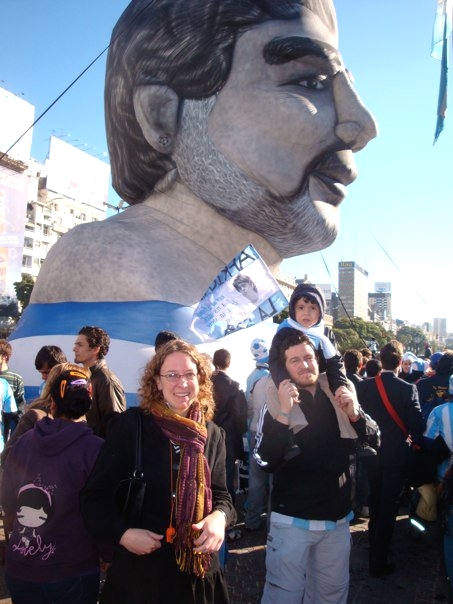
Miranda celebrates the Argentine World Cup soccer victory at Plaza de la Republica in Buenos Aires. The balloon is soccer legend Diego Maradona, at that time the coach of Argentina's national team.

© Copyright 2011 Audrey Kletscher Helbling
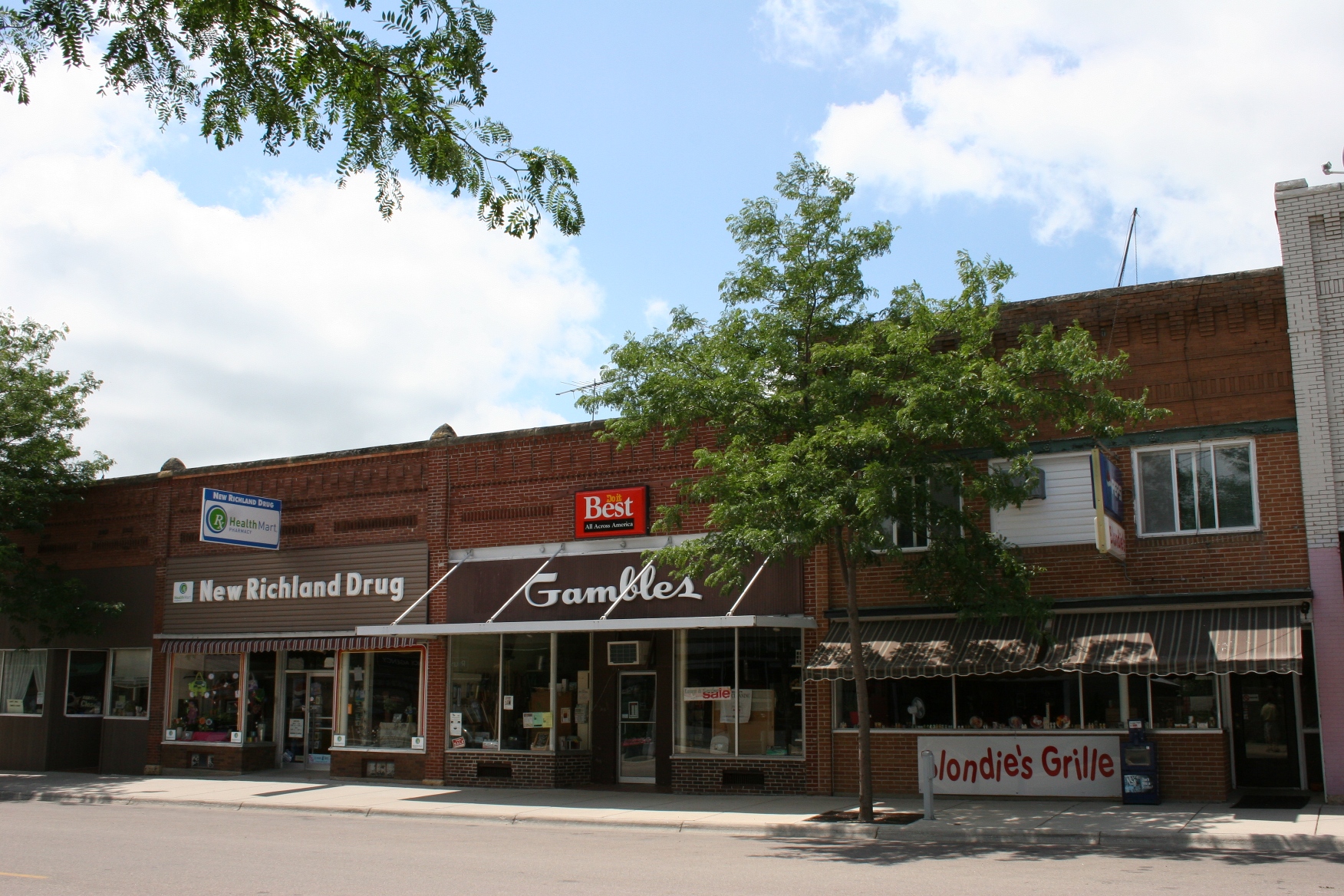
Photo courtesy of Miranda Helbling


St. Mary’s of Melrose, Part II July 17, 2011

STARK CHURCHES appeal to me. The ones with the simple wooden cross, the white clapboard siding, the time-worn pews settled upon plain plank floors.

But the ornate houses of worship likewise snag my soul with crosses of gold, walls of brick and gleaming, carved pews.

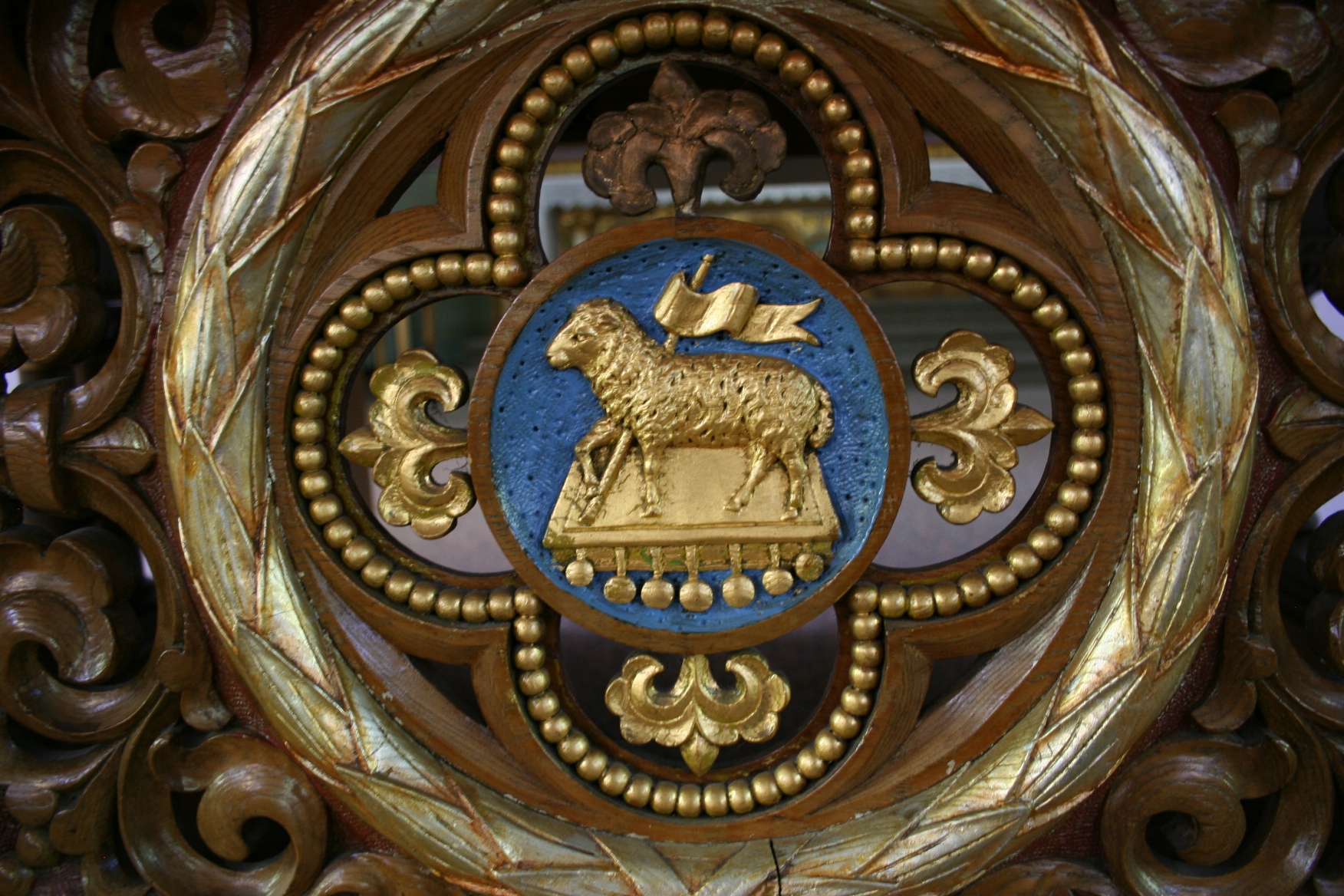
One of the many ornate carvings at St. Mary's Catholic Church in Melrose.

I am most comfortable with, most accustomed to, the unadorned churches of the Lutherans, my religious heritage. We keep things simple. No cluster of burning candles. No wafting incense. No pools of holy water. Minimal, if any, gold.

Perhaps for that reason, when I step into an historic Catholic church, I feel like I’ve entered a foreign land. I am often awed by the opulence, by the details that visually overwhelm me.

The side aisle on the left leads to an ornate altar in St. Mary's which is on the National Register of Historic Places.

That’s exactly how I felt upon entering St. Mary’s Catholic Church of Melrose, featured here in an earlier post. Overwhelmed. But good overwhelmed. Because I could not possibly present all of the images I wanted to share with you in a single post, here are the remainder.

No matter your religious affiliation, you simply have to appreciate a place like St. Mary’s. What beauty. What art. What history. What heavenly splendor.

This was the top or bottom of something. Can't recall what. But it sure is stunning.

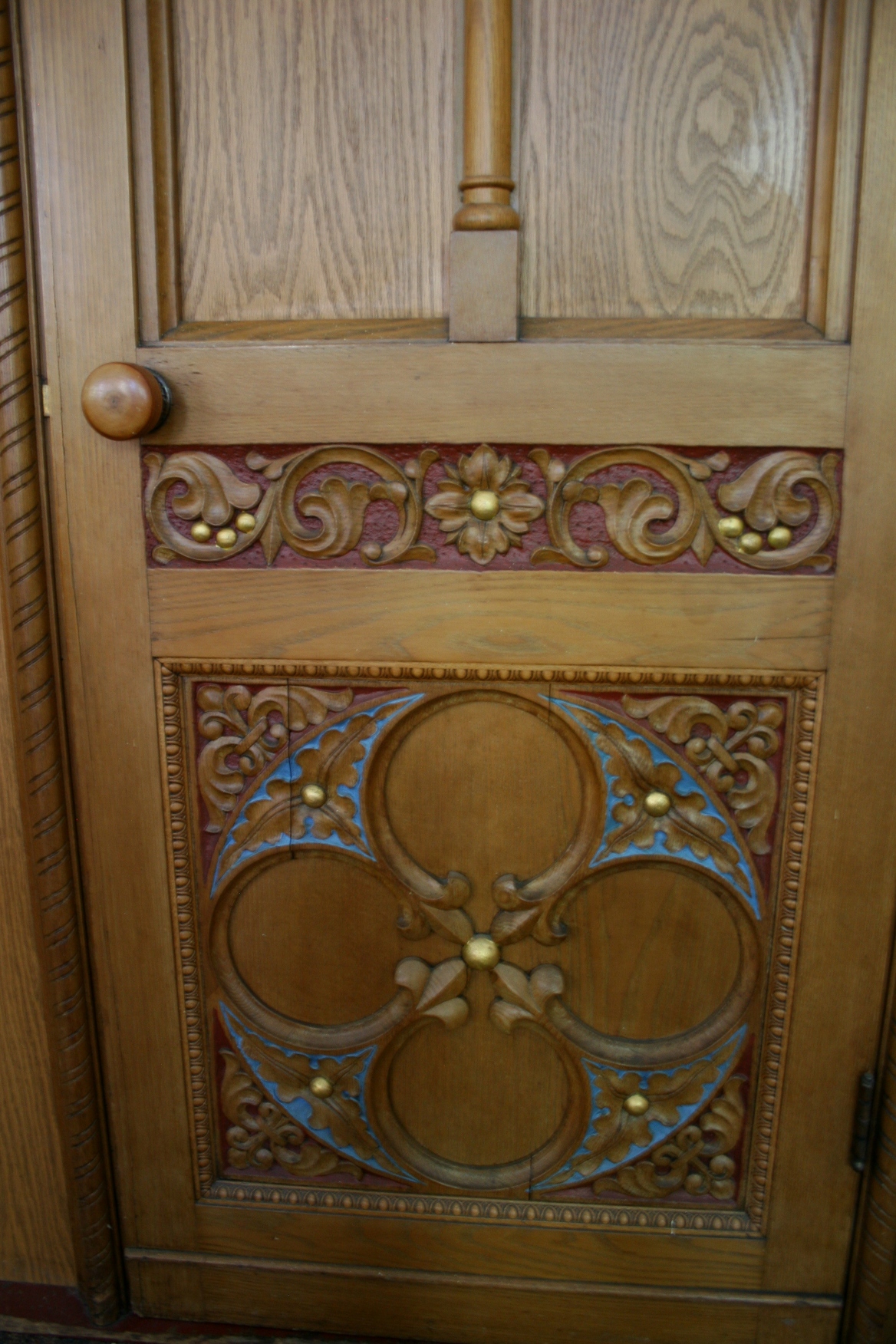
Look at this gorgeous, carved door, will you?

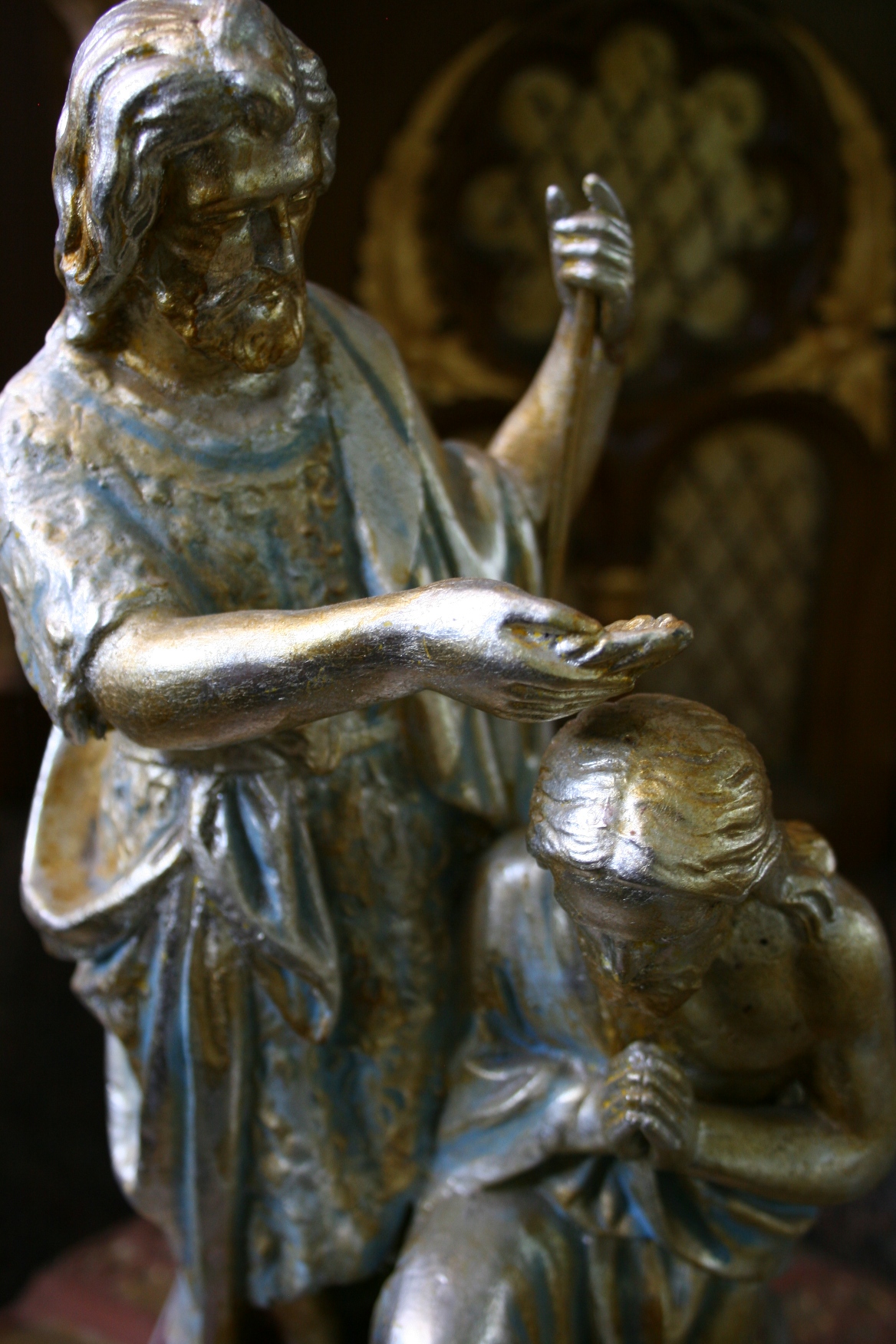
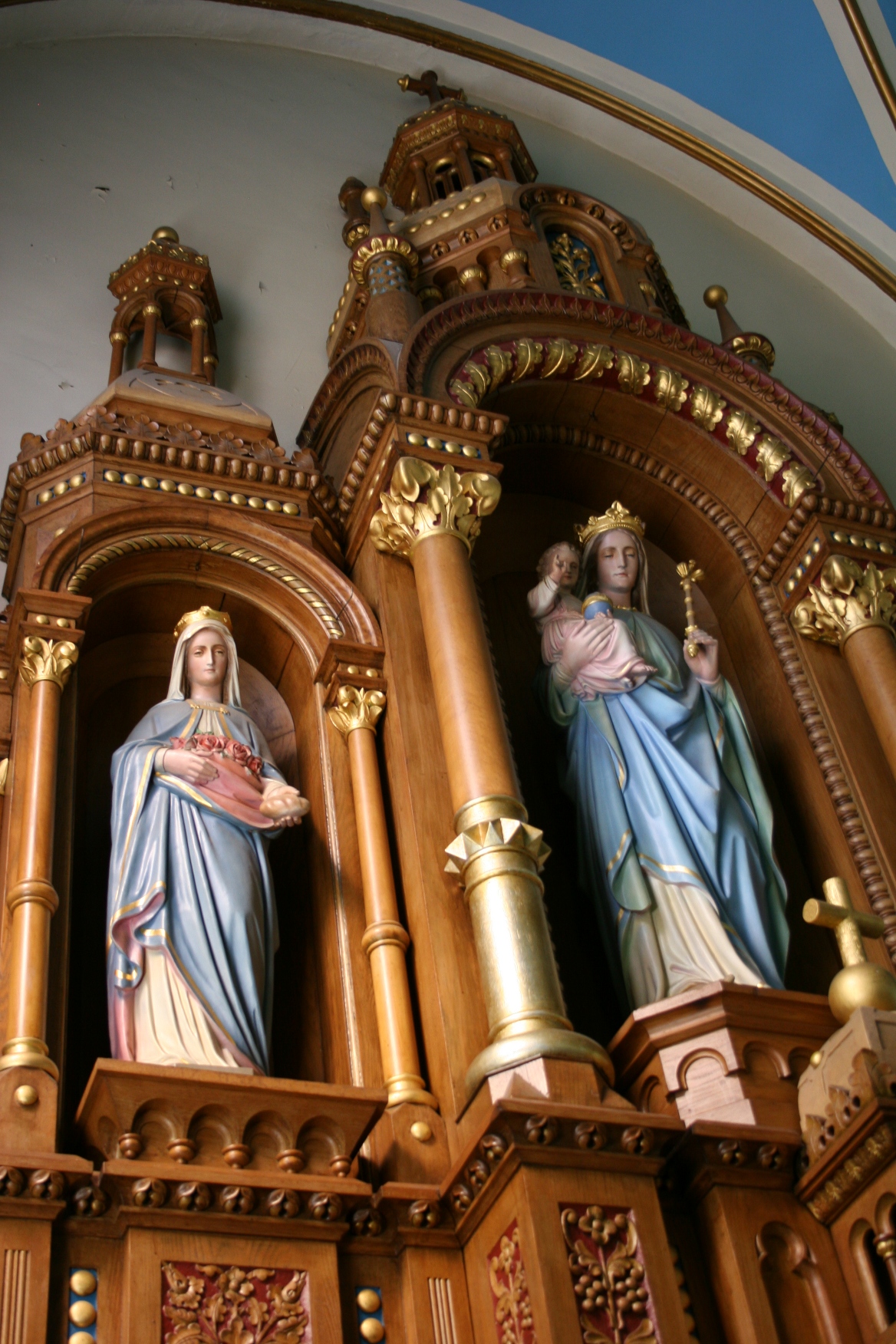
Golden statues. Beautiful.

Just look at this detailed side altar. I could have spent hours in St. Mary's.

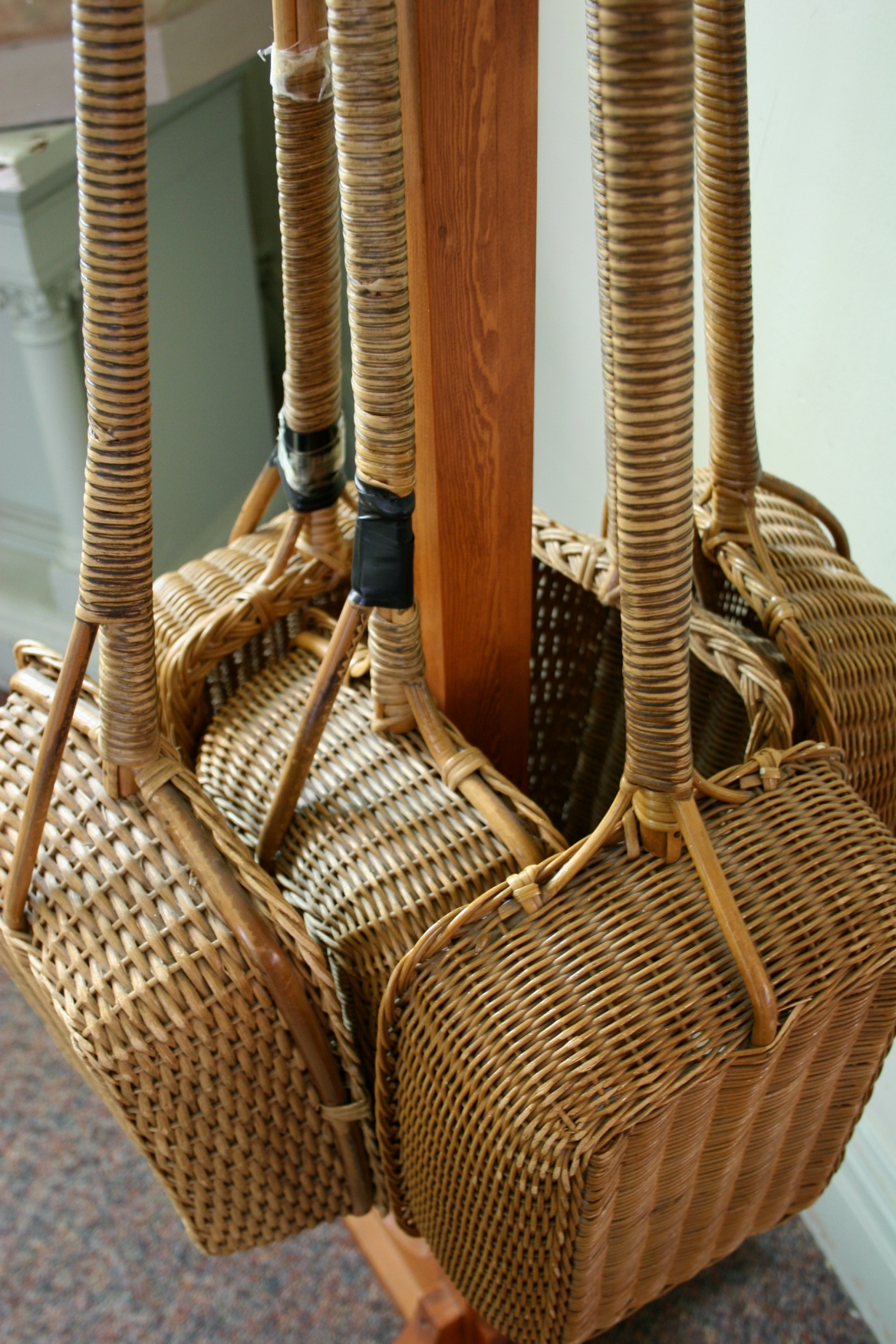
And then I discovered these collection baskets hanging from a rack. We Lutherans don't have wicker baskets with long handles. These contrast so sharply with the the ornateness in the church and that is why I so appreciated this grouping.

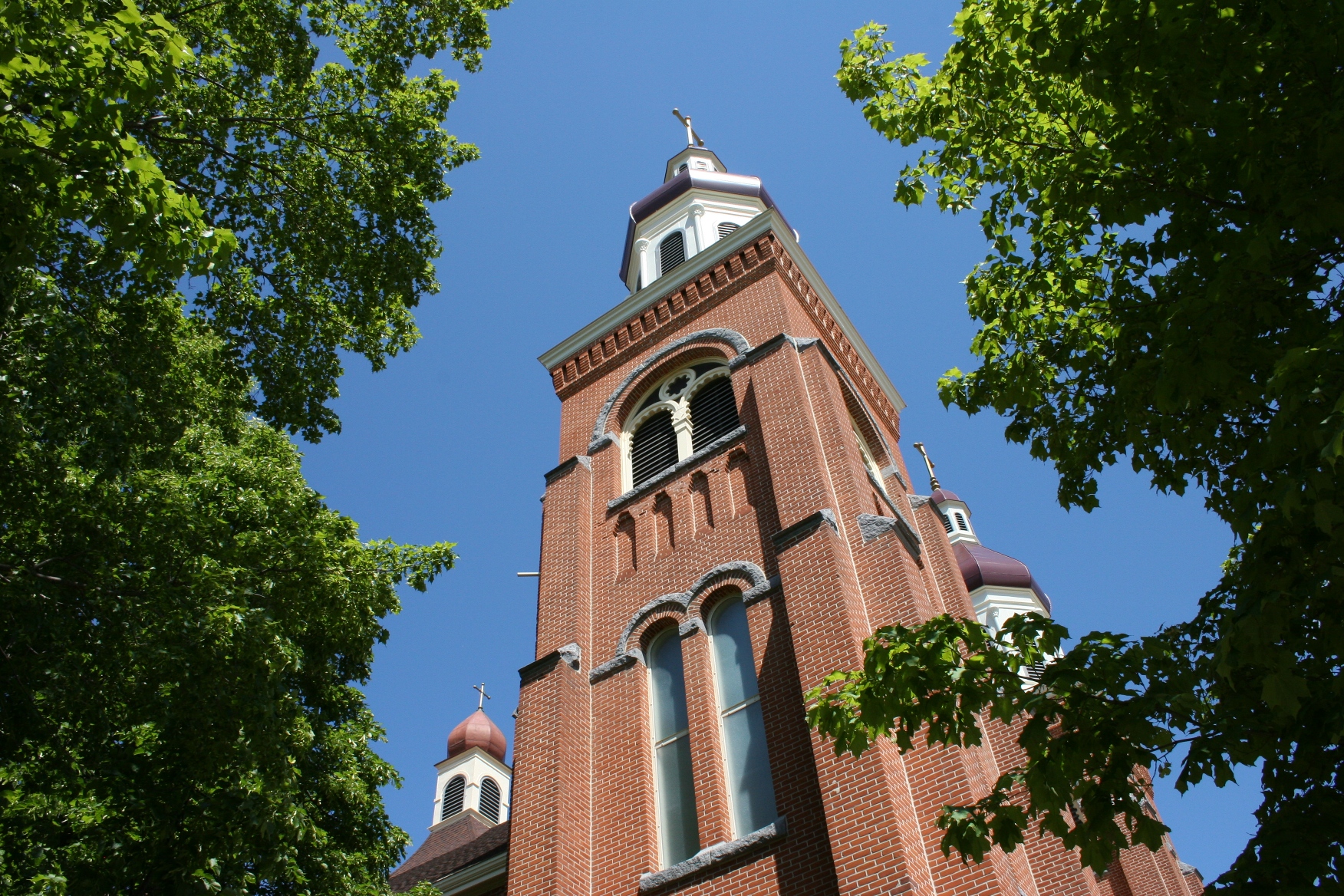
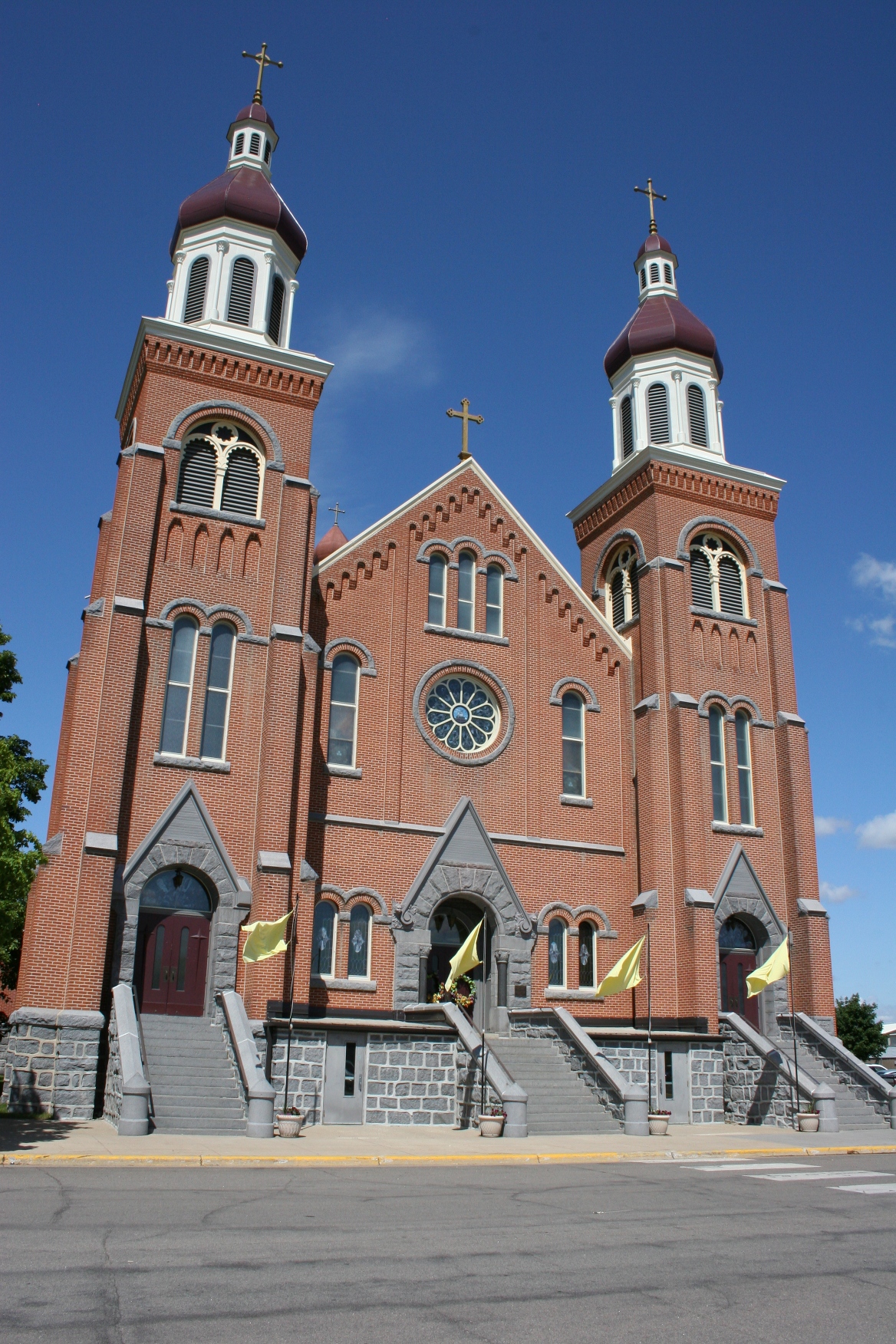
St. Mary's Catholic Church stands strong as a fortress in Melrose, next to the turkey plant, its towering steeples visible from nearby Interstate 94 in west central Minnesota.

© Copyright 2011 Audrey Kletscher Helbling
 

A virtual tour of Mankato’s sculpture walk July 9, 2011

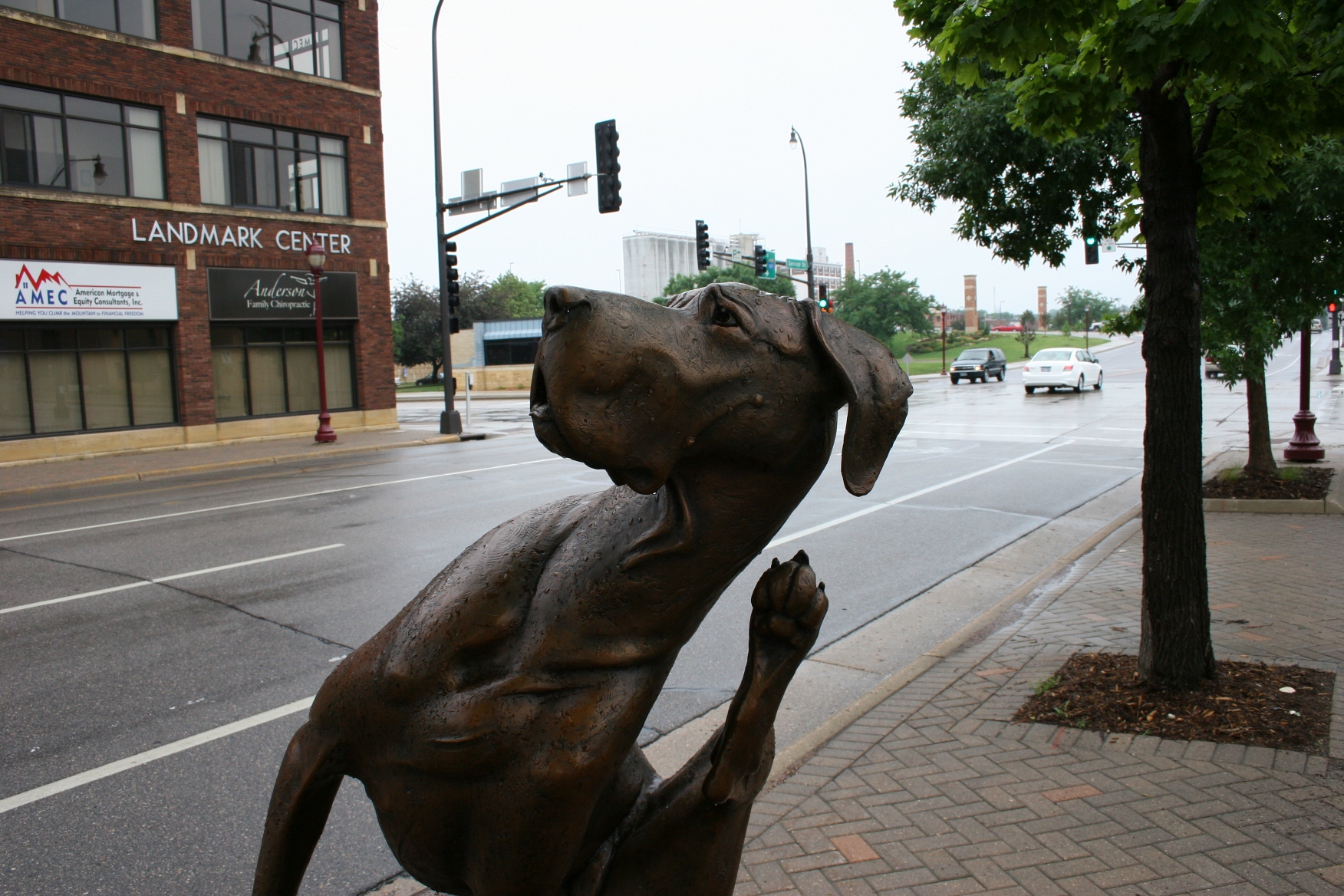
Louise Peterson of Guffey, CO. created this $20,000 bronze sculpture of a playful Great Dane titled "Tickled."

DEAR READERS,

I realize that some, maybe even many, of you, do not live anywhere near Mankato, the southeastern Minnesota community where I recently viewed sidewalk sculptures.

Heck, some of you don’t even live in states bordering Minnesota. Your chances of ever seeing these 25 pieces of art in person are about zilch.

So, for those of you who will view the City Art Walking Sculpture Tour only via Minnesota Prairie Roots, I’ve pulled together one last blog post. Please read my previous two posts for more details and photos of this community art project by first clicking here and then here.

This whole concept of bringing art to the streets through a rotating sculpture tour pleases me immensely. What a grand idea. Such art adds to the vibe of a downtown, to its art, history and culture.

Thank you, Mankato, and everyone who supported this cause financially, for bringing these sculptures to southeastern Minnesota, within quick driving distance of my Faribault home.

Yours gratefully,

Audrey Kletscher Helbling at Minnesota Prairie Roots

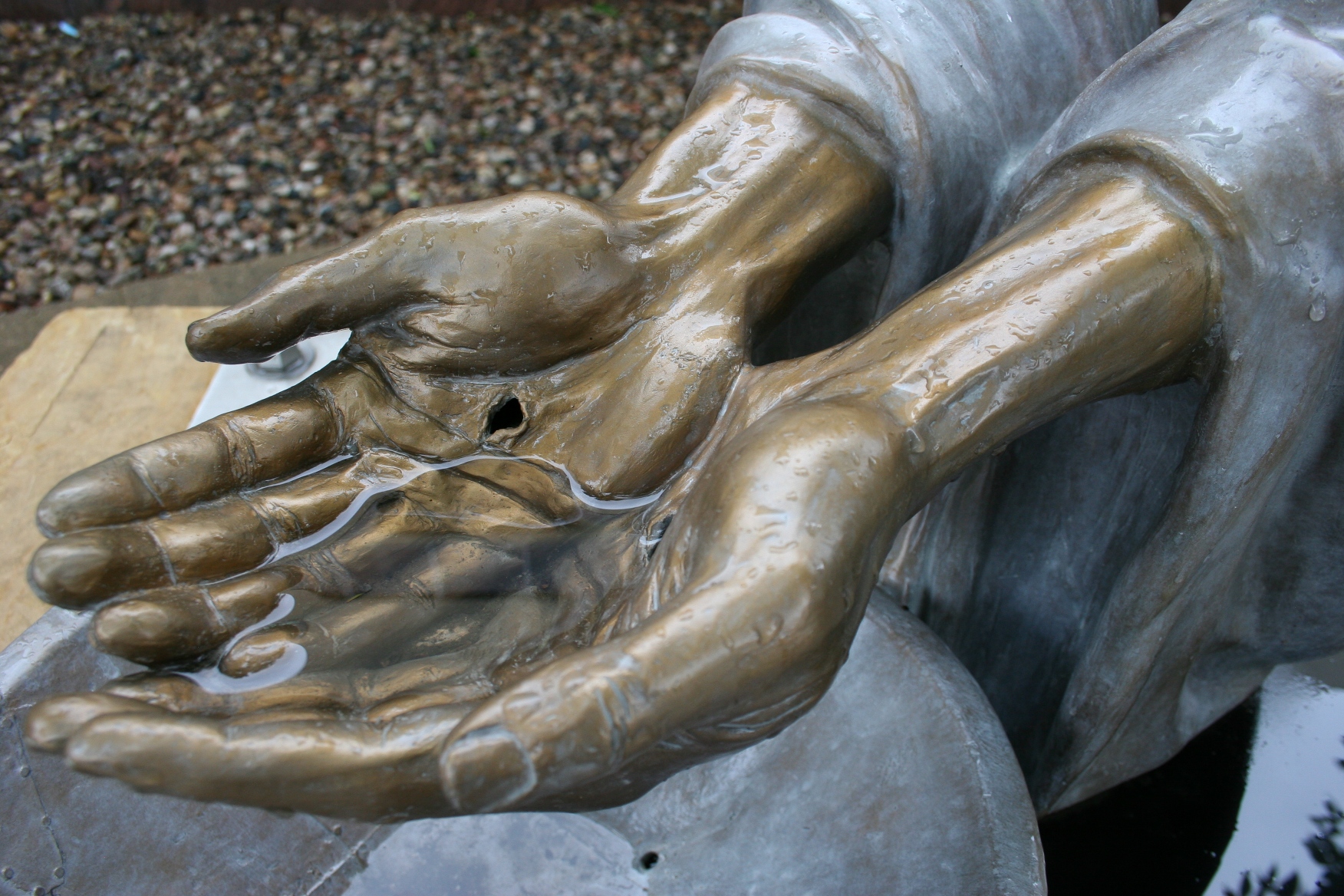
Sioux Falls artist Darwin Wolf's $13,500 sculpture, "The Fountain of Life," references Jesus washing Peter's feet at the Passover. It emphasizes the healing, life-giving qualities of water.

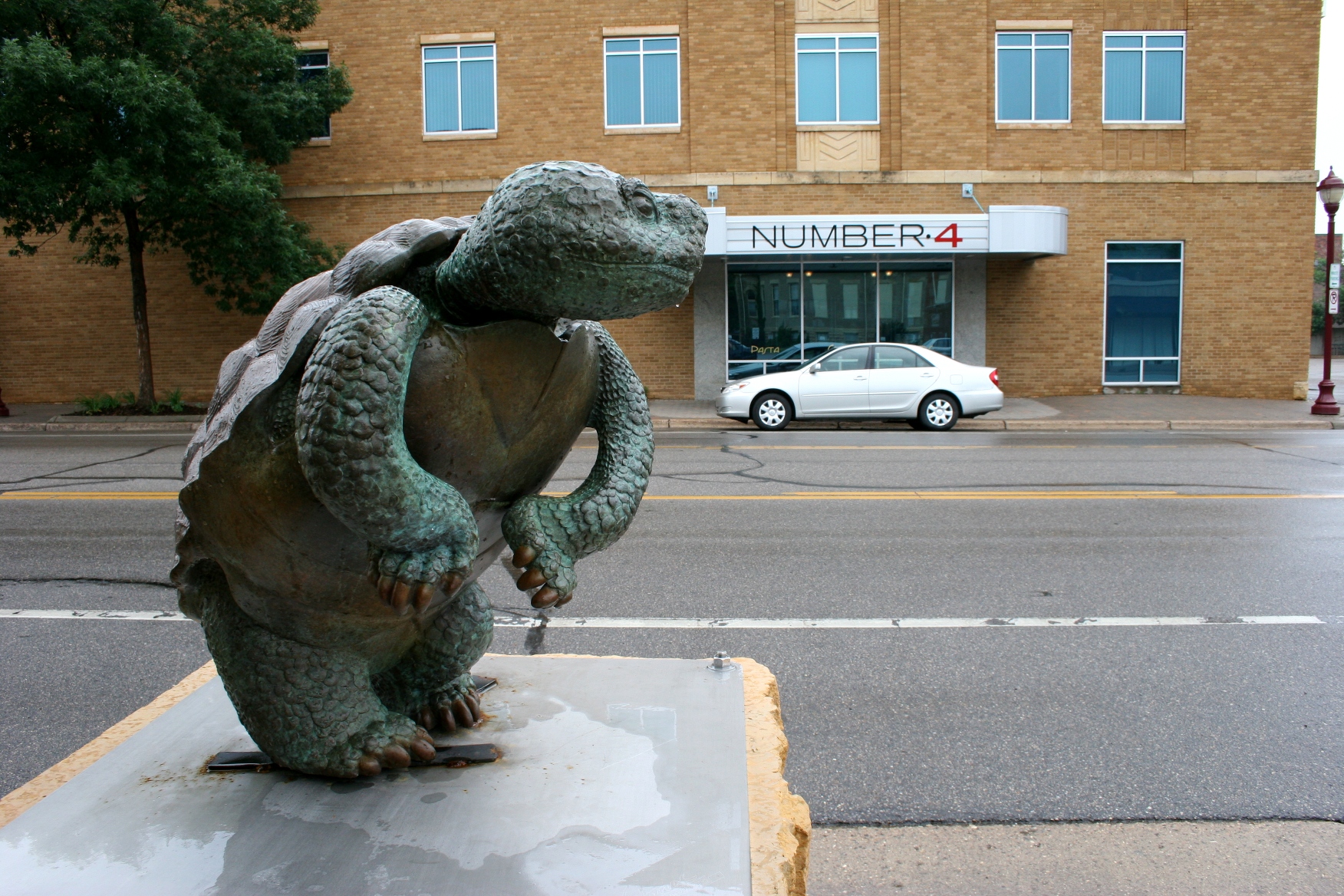
"Poco a Poco" a $12,000 bronze sculpture by Pokey Park of Tucson, Arizona, highlights the tortoise, representative of wisdom in American Indian culture. The building in the background houses Number 4 American Bar & Kitchen.

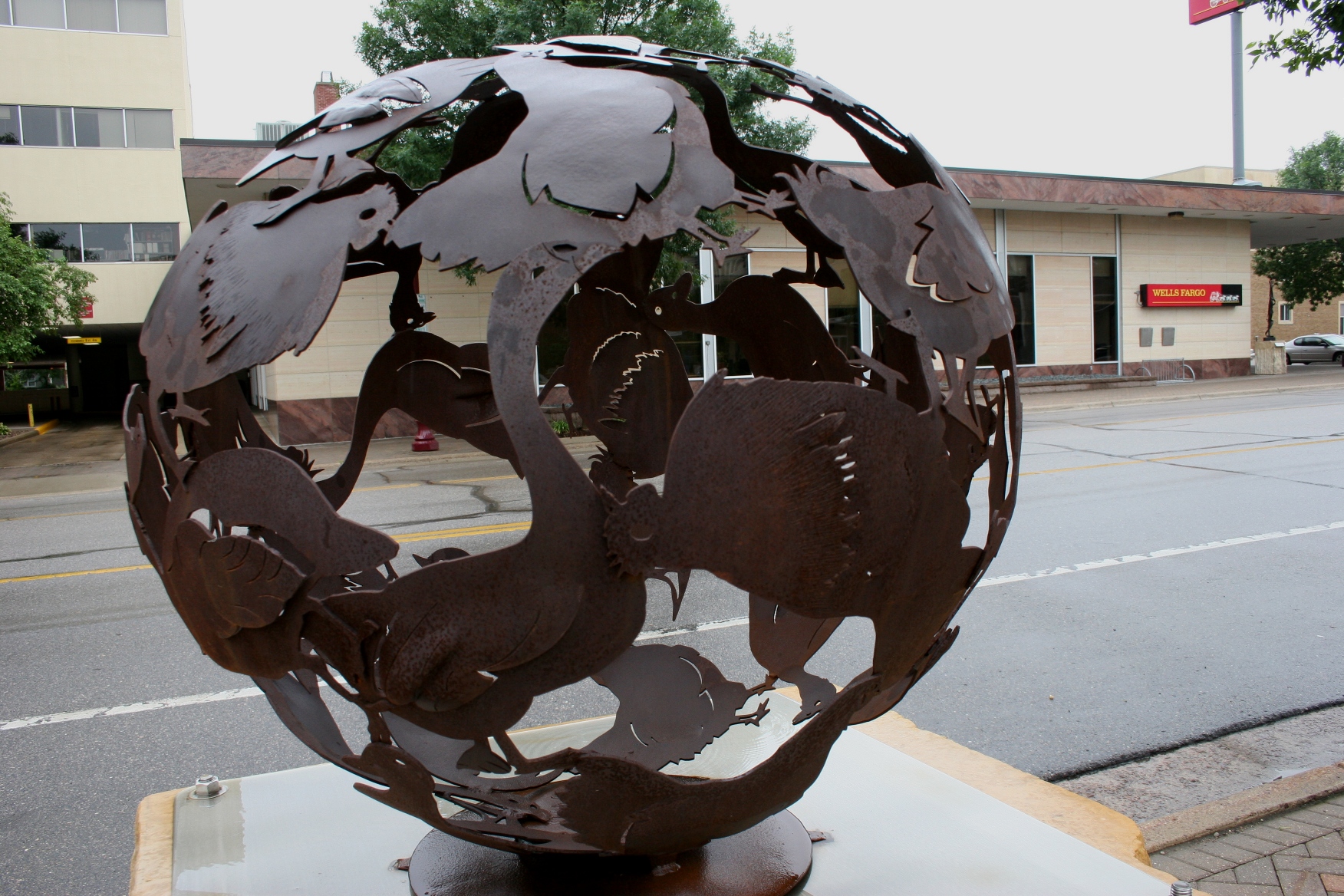
"Fowl Ball" celebrates geese, ducks, turkeys and chickens in this $7,600 forged and welded weathered steel sculpture by Lee W. Badger of Hedgesville, West Virginia.

All of the sculptures are marked with informational signage.

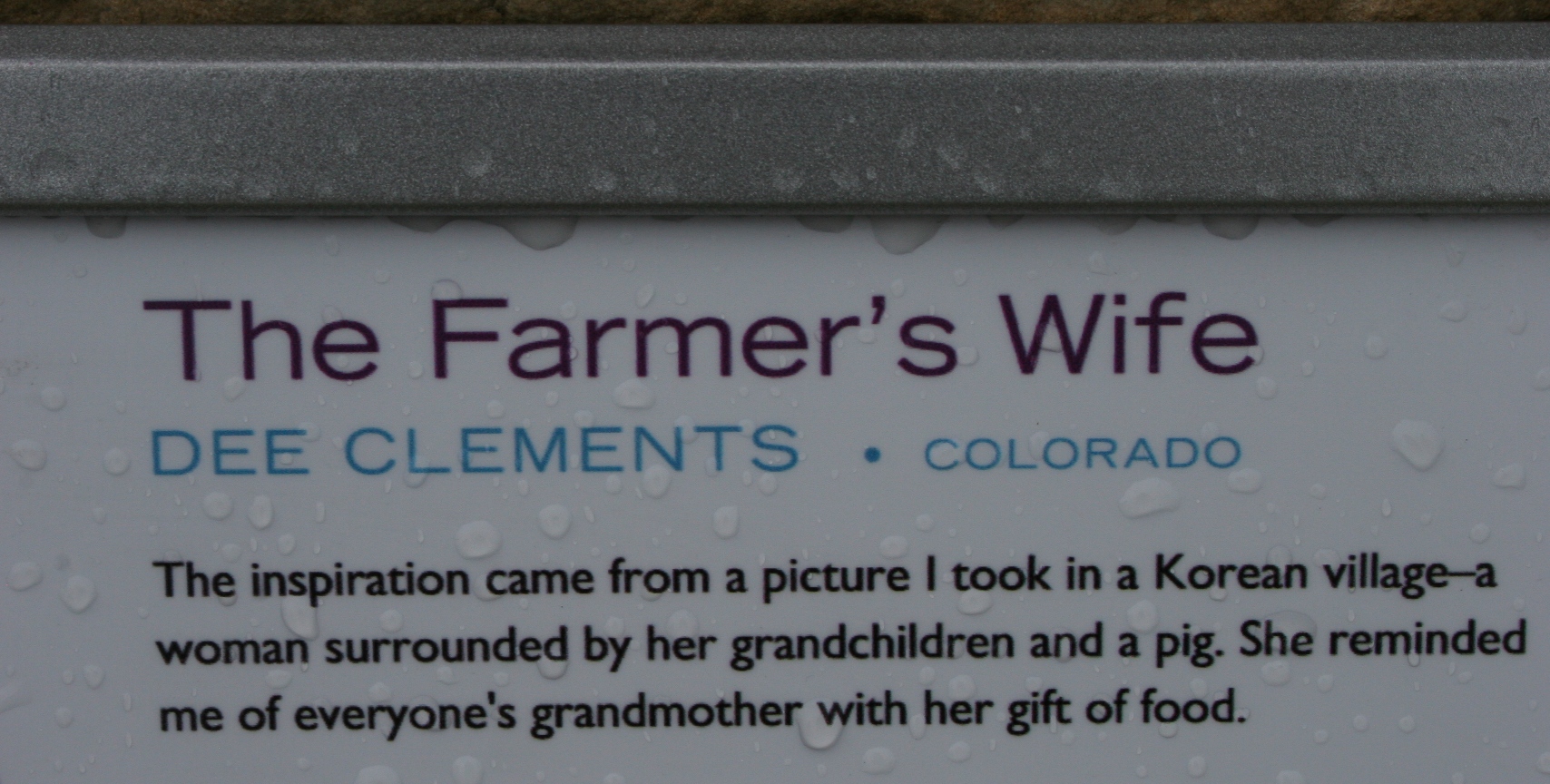
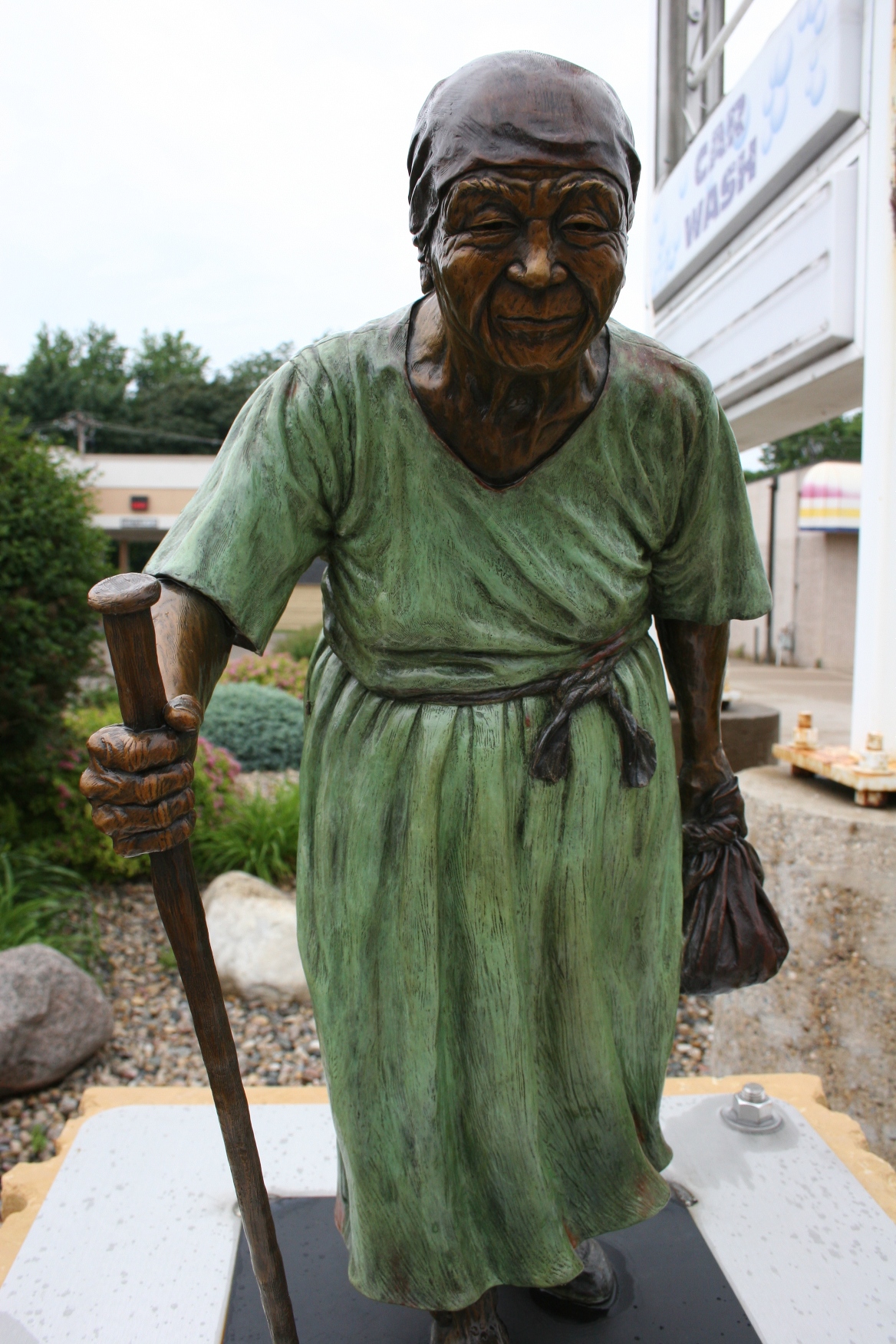
Dee Clements of Loveland, Colorado, created the $6,000 bronze "The Farmer's Wife," one of my favorite exhibit pieces.

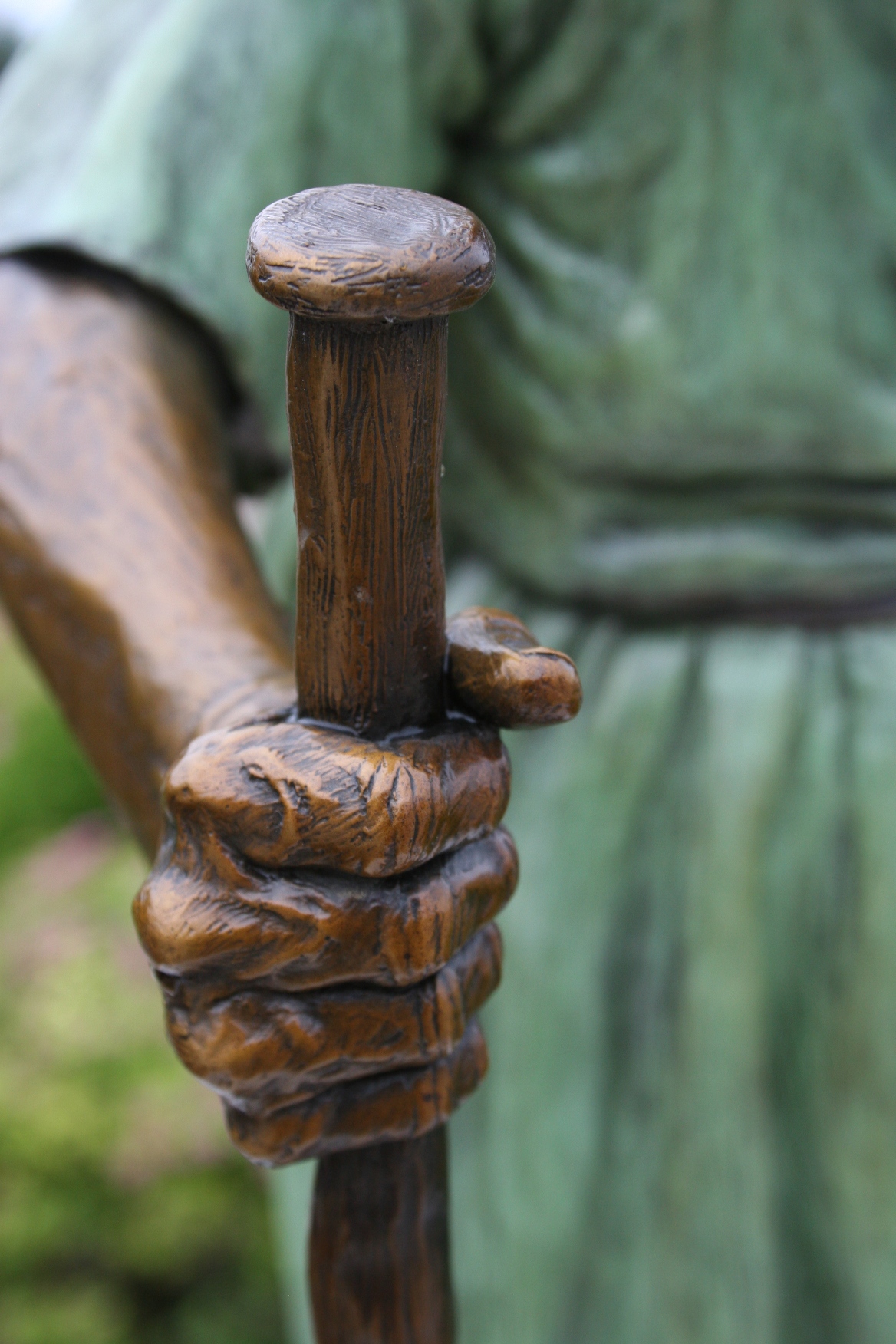
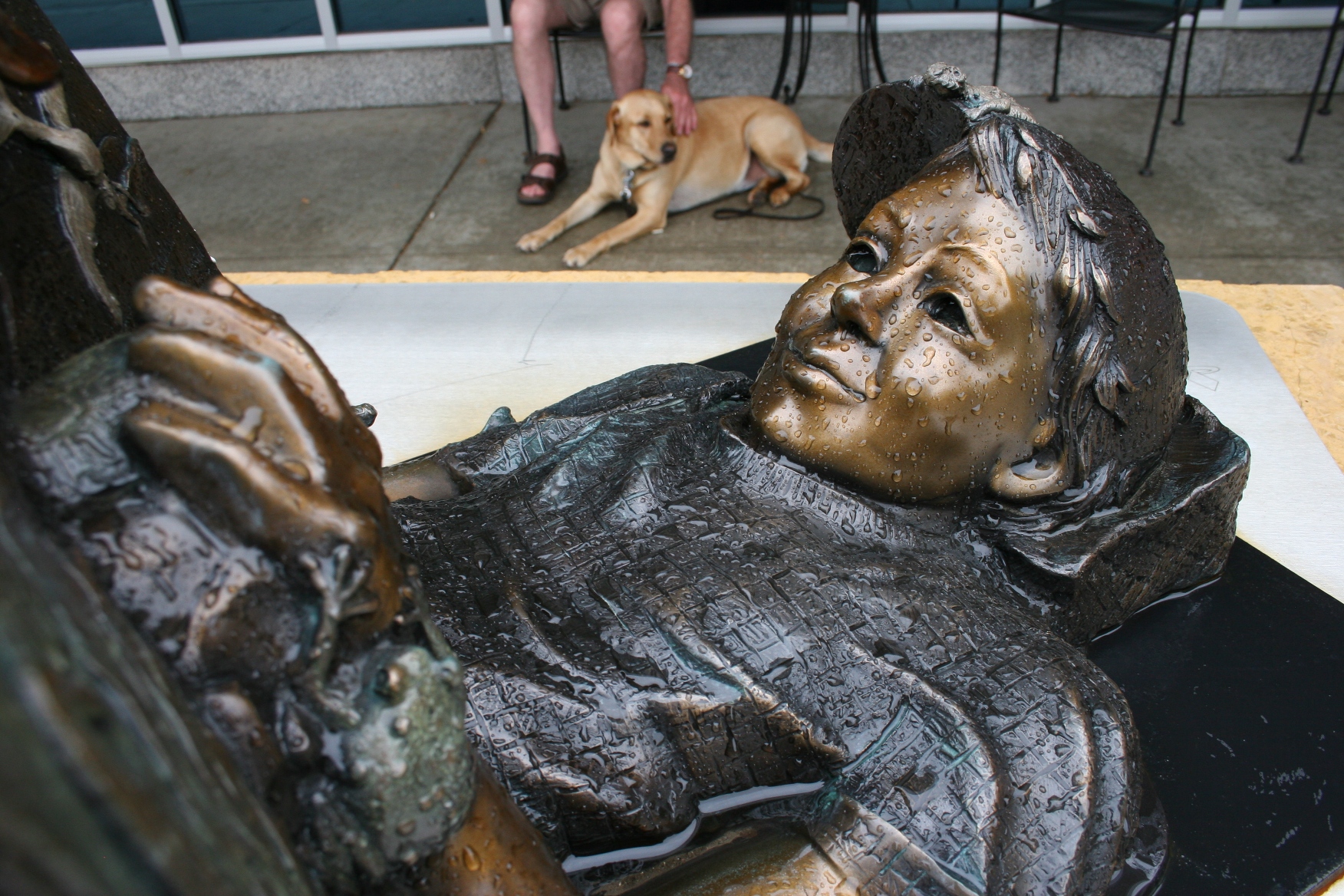
To fully appreciate these sculptures, you must notice the details, including the Korean woman clenching her walking stick in "The Farmer's Wife."

Details define "Reading Magic," a $8,500 bronze sculpture by Julie Jones of Fort Collins, Colorado.

"Spirit of Energy," a $8,400 bronze by Karen Crain of LIttleton, Colorado, represents three renewable energy resources: sun, wind and water.

© Copyright 2011 Audrey Kletscher Helbling
 

The endearing smiley face June 29, 2011

Filed under: Uncategorized — Audrey Kletscher Helbling @ 7:39 AM
Tags: , , , , , , , , , ,

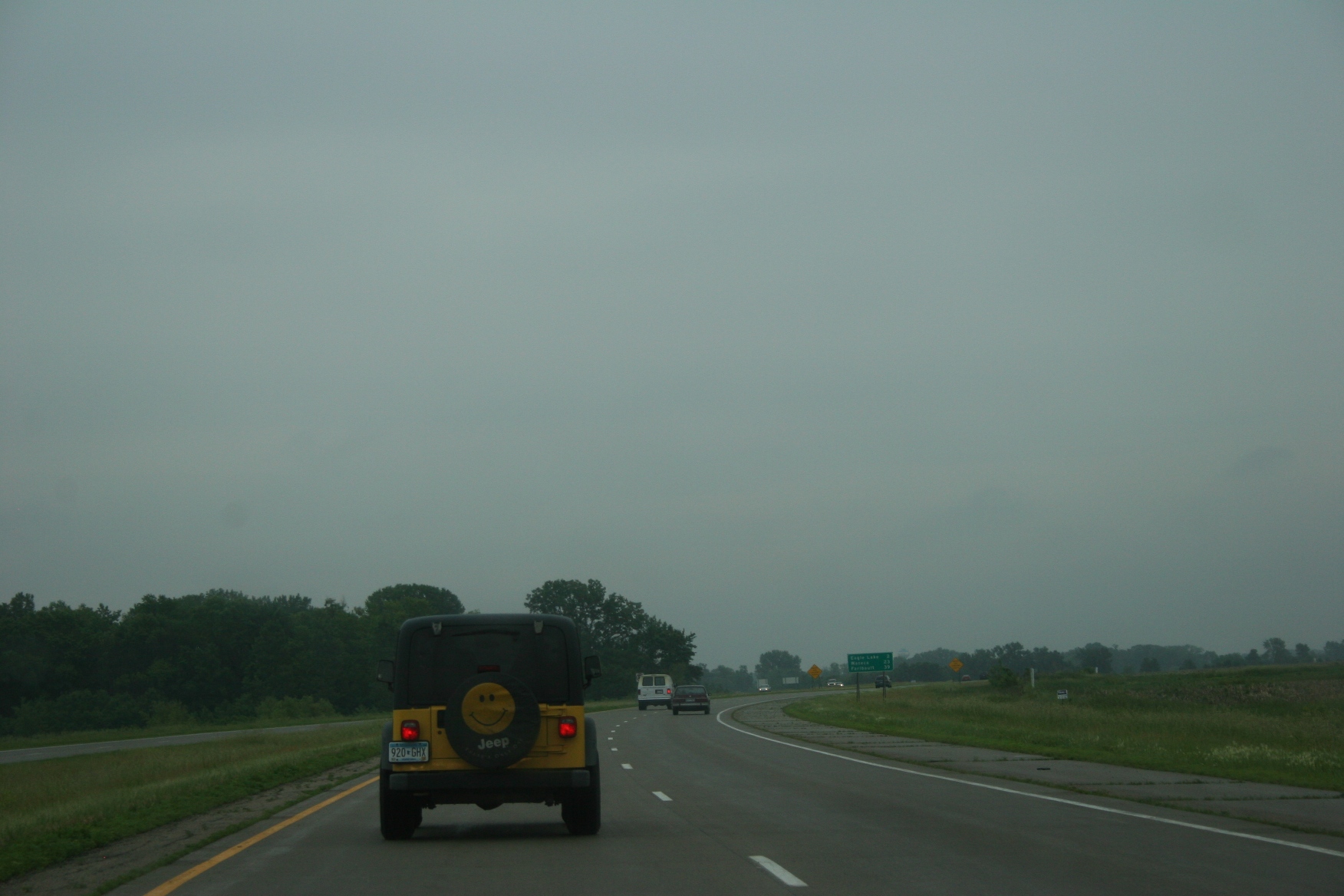
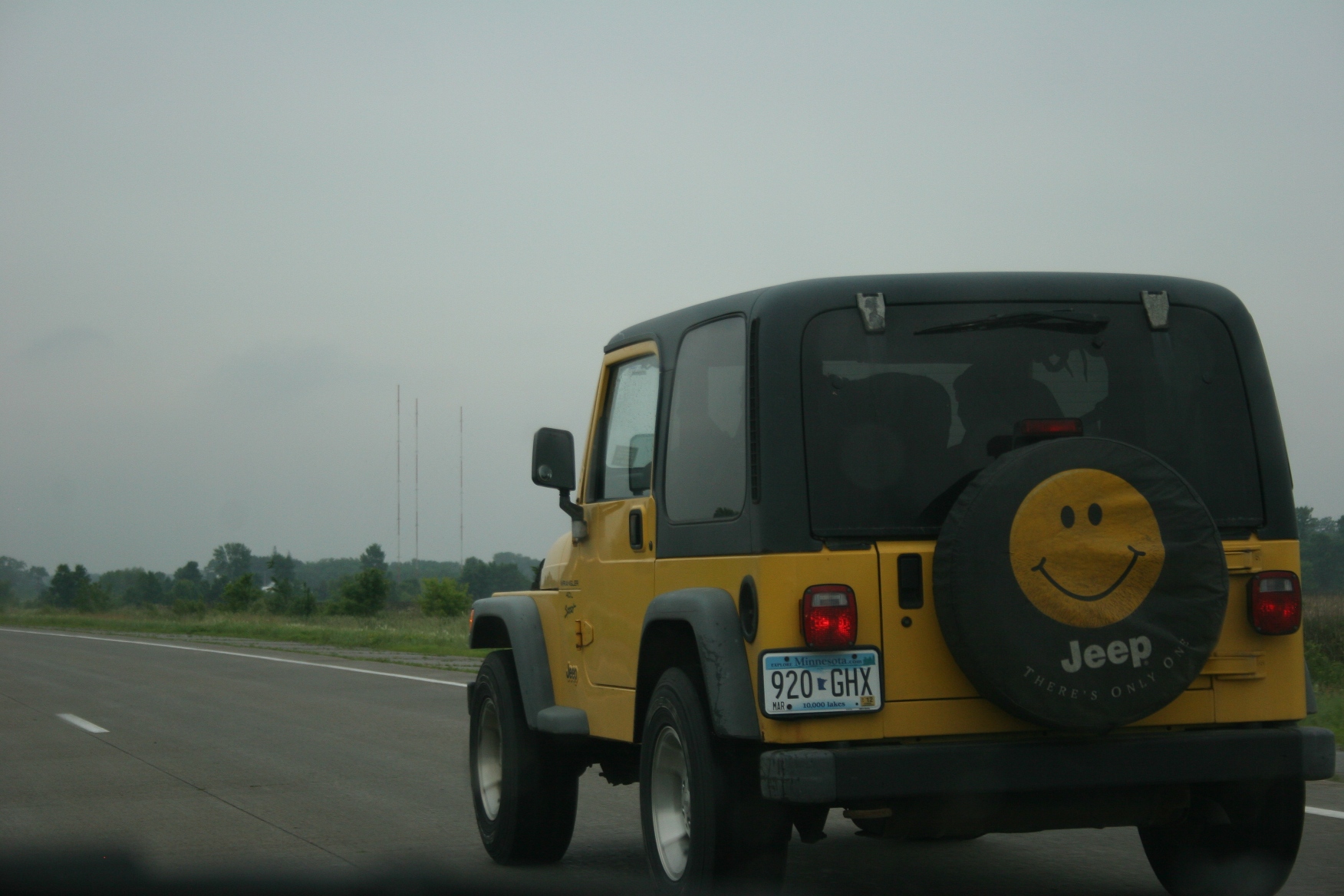
I URGED HIM to speed up, to catch up to that yellow jeep ahead of us.

“I want to take a picture,” I explained, and my husband obliged although he thought me a bit crazy.

And maybe I am sometimes. But that canary yellow jeep, the single visual jolt of brightness on yet another recent dreary weekend, tripped something in my brain.

If you live in Minnesota, I expect you’ll understand. I mean, honestly, weren’t you tired of all the cold and rain and gloom on the heels of a long and snowy winter? (Remind me of that tomorrow when the temperature is predicted to reach 100 degrees or higher.)

So, given that context, the yellow jeep with the smiley face wheel cover made me smile as we traveled on U.S. Highway 14 between Mankato and Eagle Lake recently.

Smiley faces, no matter where I spot them, always increase my happiness quotient.

My appreciation of smiley faces stretches back further than I’d like to admit these days. This happiness symbol popped up everywhere when I was in high school, which would be, yes, the 1970s. Oh, how I wish I still had my smiley face bulletin board and my smiley face button.

So there, that should explain why I wanted to photograph the yellow jeep on a drizzly Saturday afternoon along a Minnesota highway. The smiley face represents a link to my past, to those turbulent teen years when I needed a bright smile as much then as I sometimes still need one some four decades later.

I can’t think of another symbol with such upbeat universal appeal. Can you?

Do you, like me, have fond memories of the smiley face? I’d like to hear.

© Copyright 2011 Audrey Kletscher Helbling
 

Hail St. Mary’s of Melrose June 26, 2011

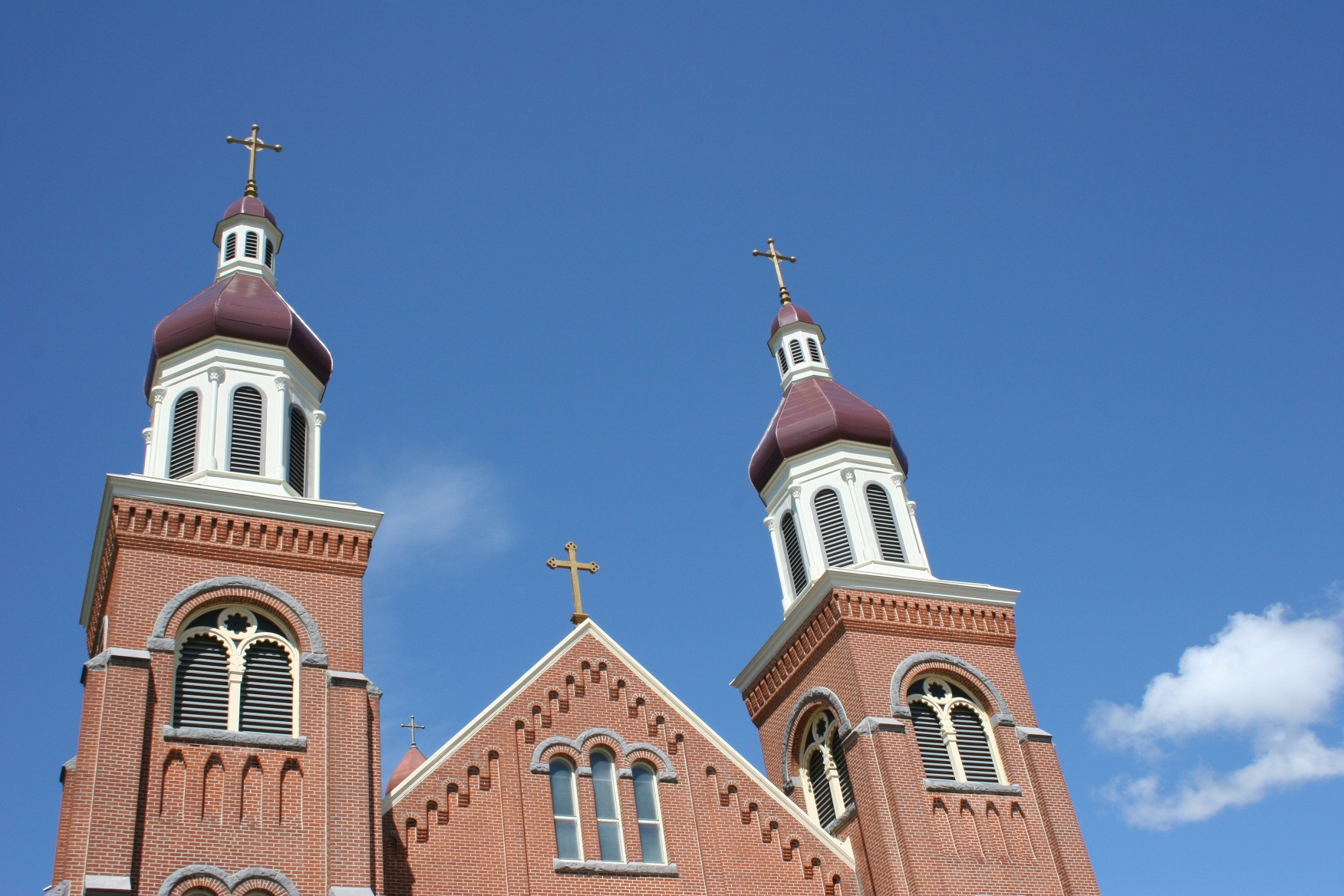
The steeples of St. Mary's Catholic Church of Melrose.

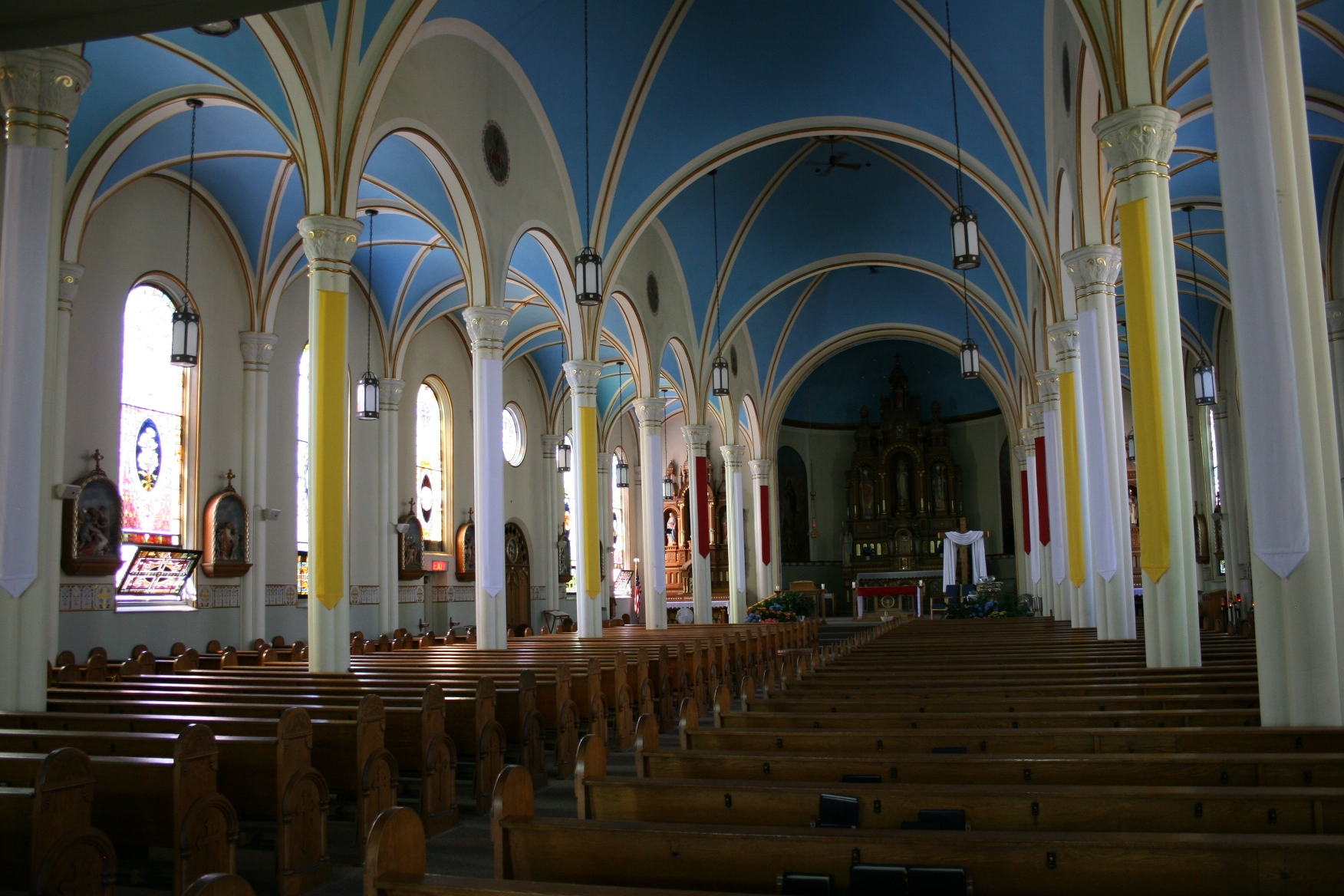
I STOOD THERE. Just stood there. For minutes, taking in the glorious splendor before me.

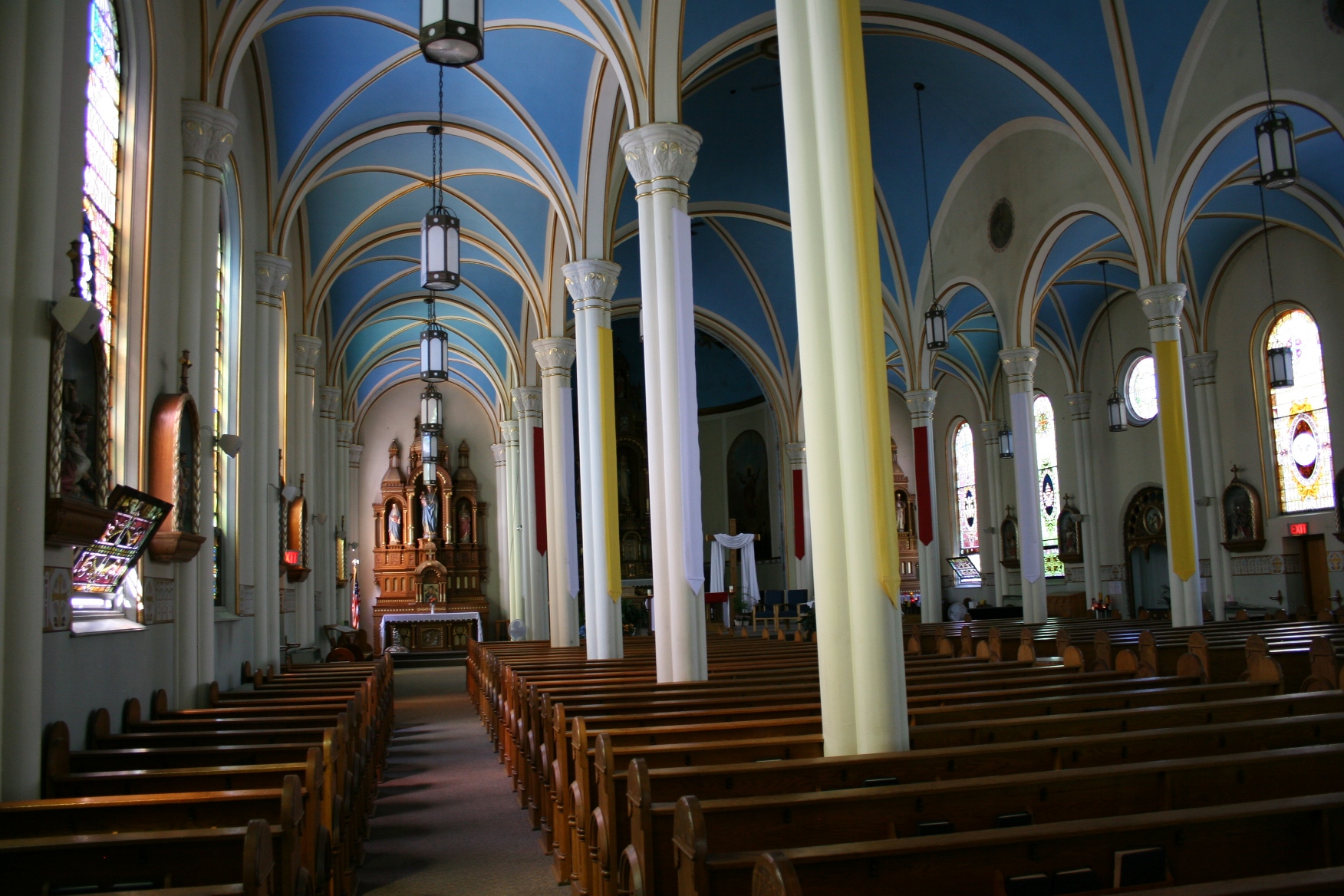
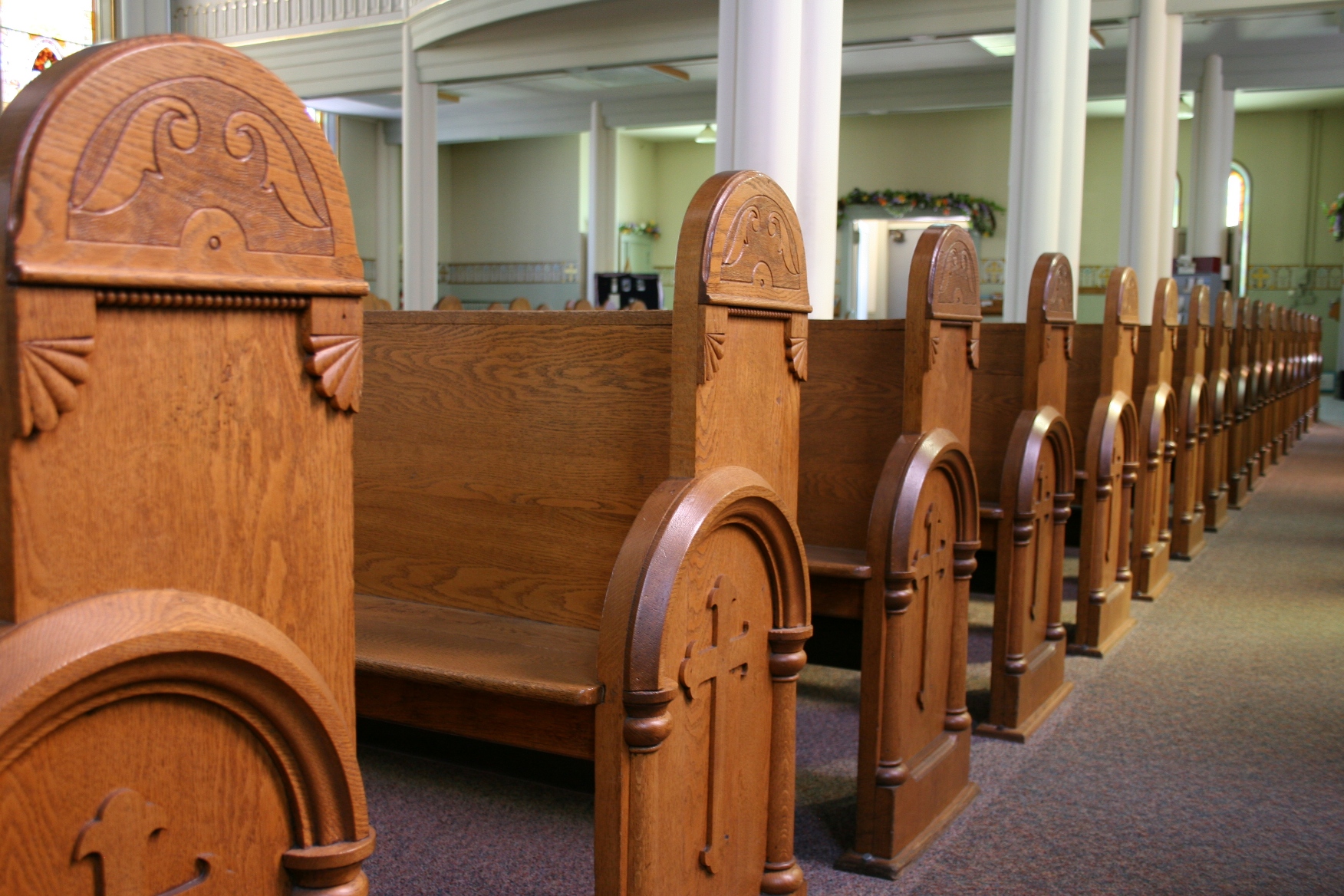
The cornflower blue of the arched ceiling. The pillars. Pews—endless carved pews stretching from the fonts of holy water to the steps leading to the altar.

A view from the back of St. Mary's Catholic Church looking toward the main altar.

I didn't even try to count the hand-carved pews that grace this church. But they are many.

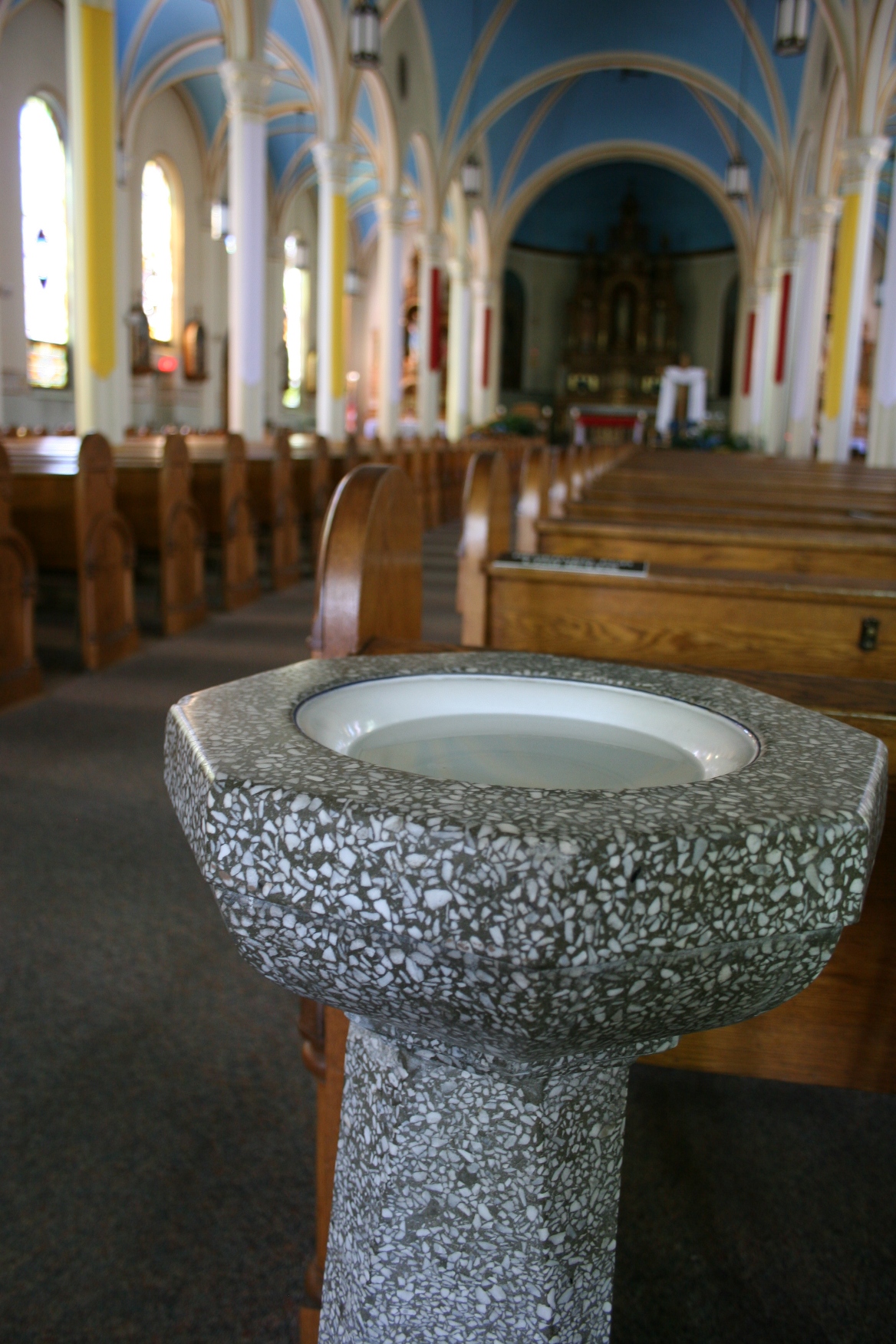
A stone font holding holy water at the back of the church.

Such beauty. Such holiness. Such wonderment.

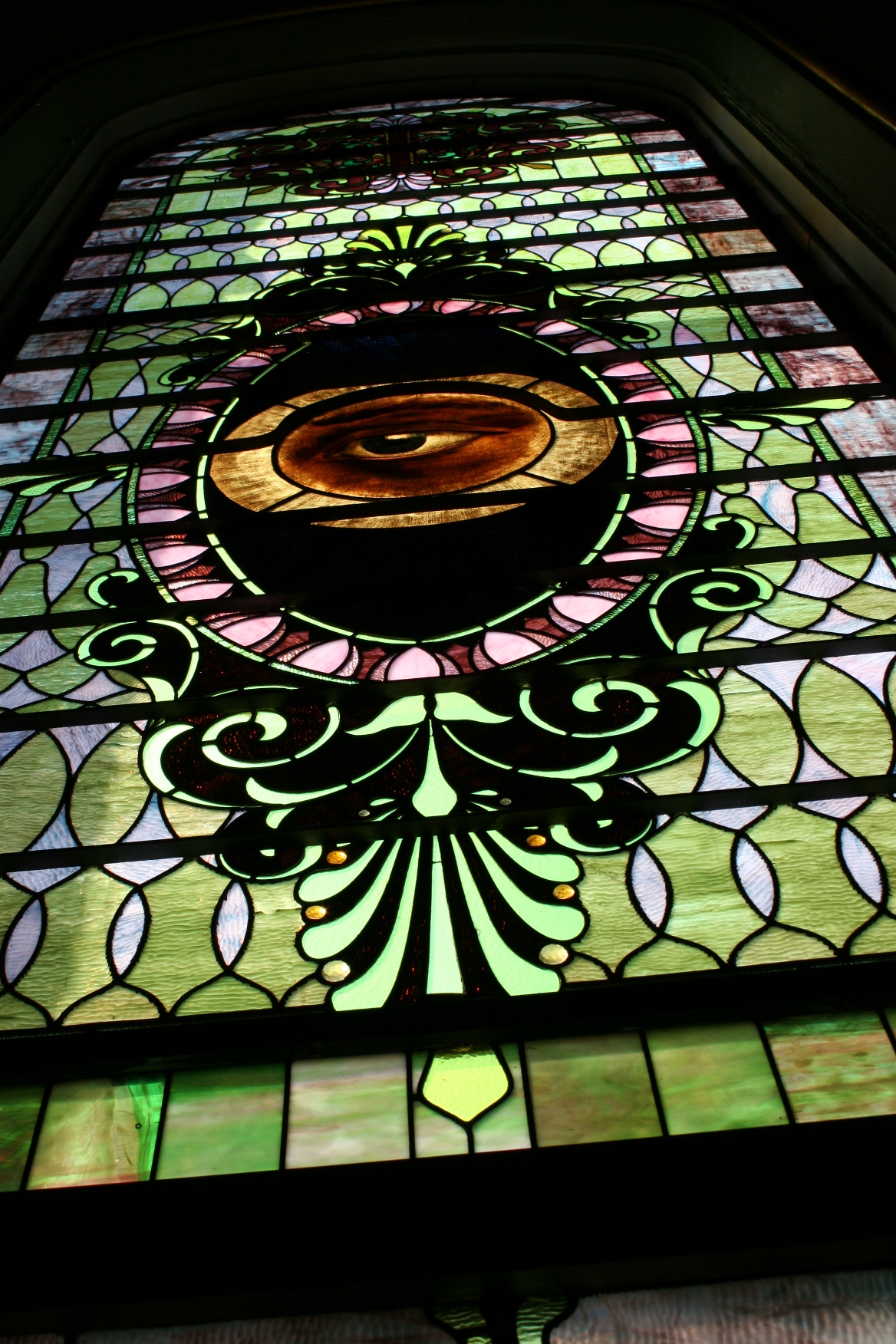
Opulent, stained glass windows bedecking the sanctuary like jewels on a crown.

One of too many stained glass windows to count.

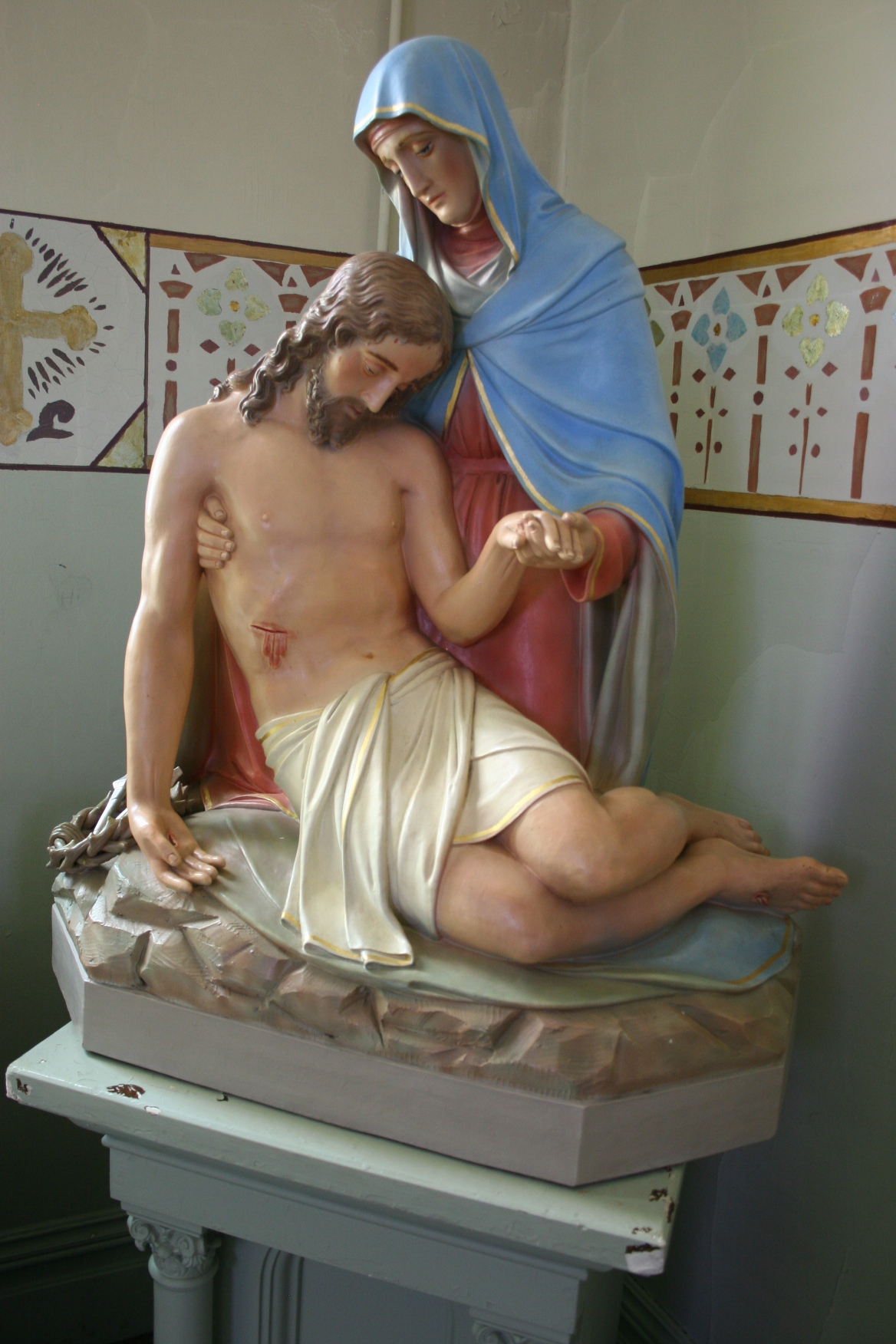
Statues fit for the finest of museums.

This statue of Jesus and Mary sits at the back of the church.

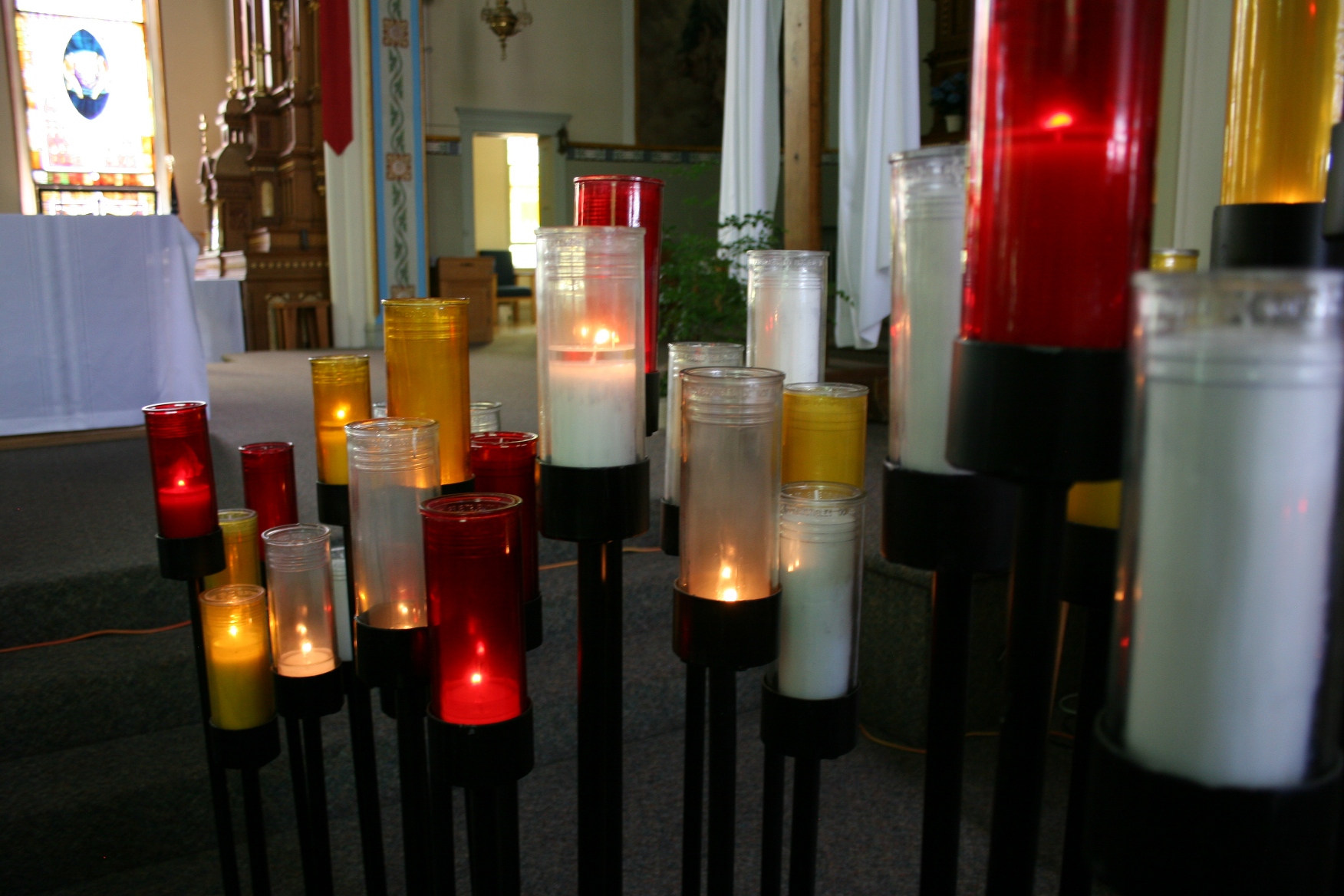
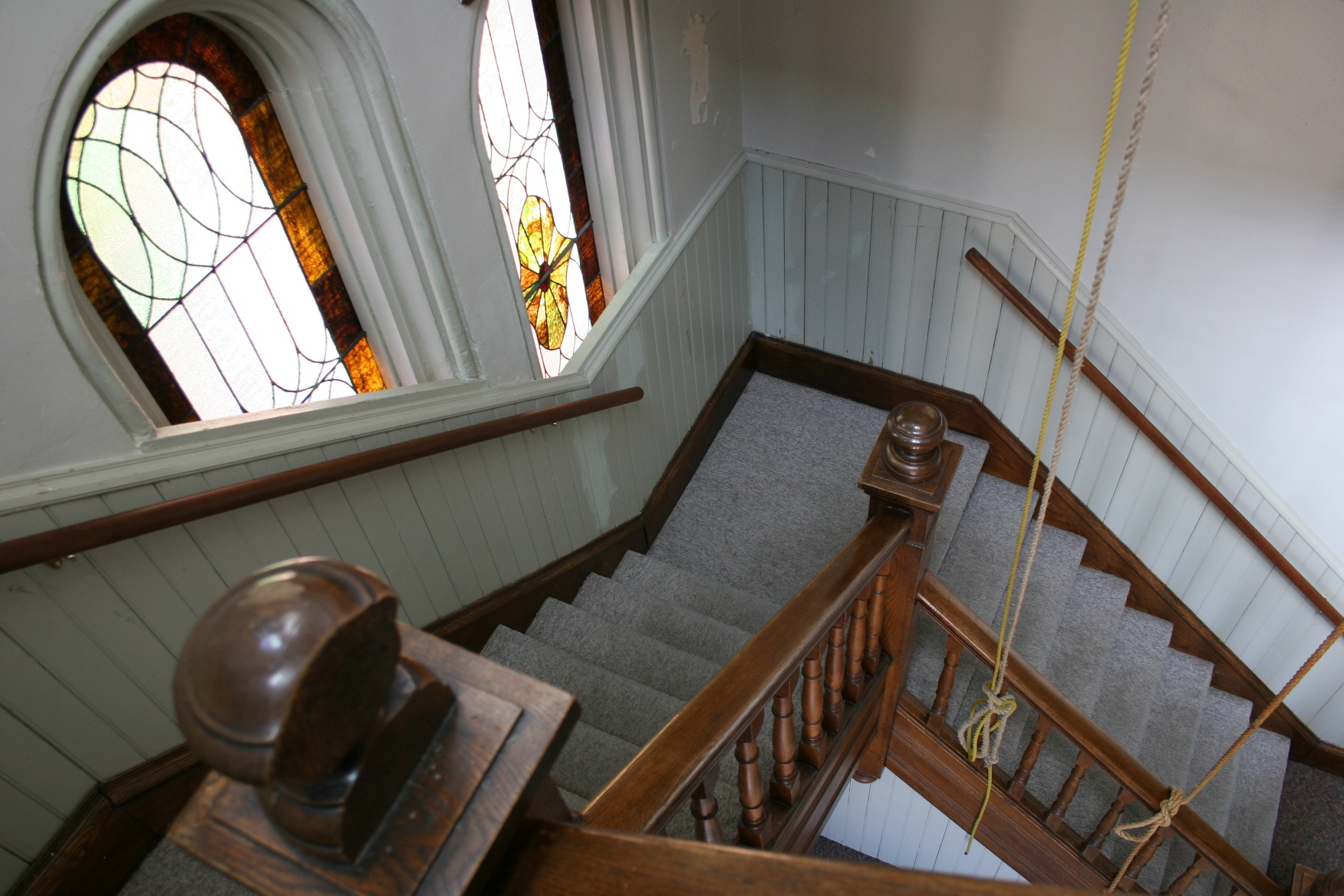
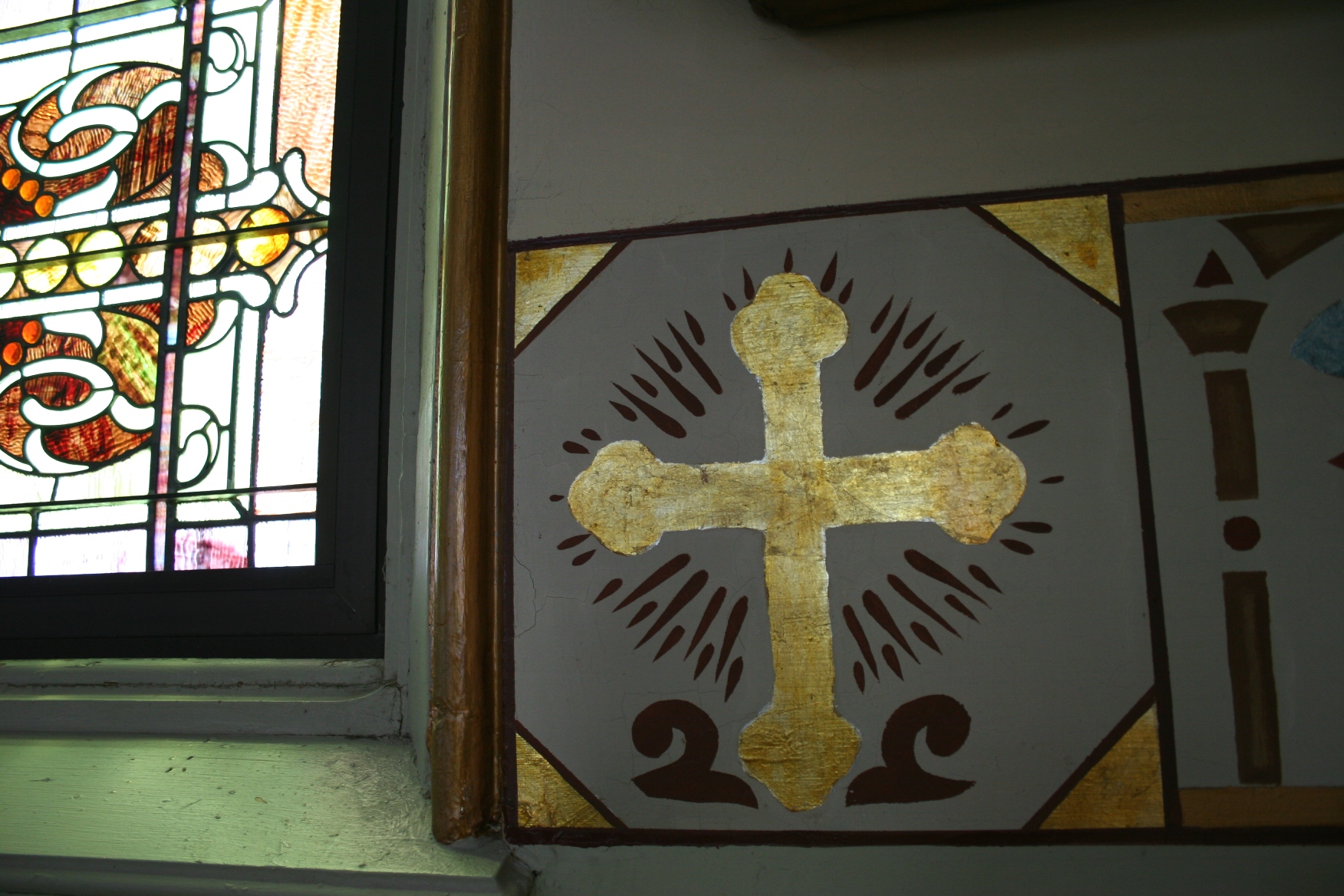
And then I moved, not sure which direction to go, wondering how I could possibly see every detail. Prayerful hands. Flickering candles. The frayed ends of the bell pull. Gold-leaf stenciled crosses. Worn wood. Angels in flight above the altar.

Clustered candles of prayer at St. Mary's.

Bell ropes dangle by the balcony stairway. Two stairways lead to the balcony.

A gold-leafed stenciled cross borders a side wall of the sanctuary.

My eyes swept across the Church of St. Mary’s, or St. Mary’s Catholic Church of Melrose. Choose the moniker you prefer.

The name and the denomination of this 1898 church mattered not to me. I cared only for the heavenly feel of this holy place.

How could I not be impressed by this multi-steepled house of worship next to the turkey plant and soaring above the landscape 100 miles northwest of the Twin Cities?

How many times, if you travel Interstate 94 in central Minnesota, have you noticed those steeples while zipping by Melrose, but never taken the time to drive into town? Placed on the National Register of Historic Places in 1993, this Catholic church is worth a stop if you appreciate craftsmanship, art, history and reverent beauty beyond belief.

The church rises above the land, defining Melrose.

The 113-year-old building was constructed by the parishioners of St. Boniface and renamed St. Mary’s when St. Boniface and St. Patrick’s parishes merged in 1958.

History runs deep here. You will see it in the hitching post out front, smell it in the incense, hear it in the creak of steps leading to the locked balcony.

And if you listen closely, you can almost hear the whispered prayers of those who have come here on bended knees to lift up their sorrows to the Lord.

#

I COULD NOT POSSIBLY share my many photos of St. Mary’s with you in one blog post. Please check back for more images in a future post.

© Copyright 2011 Audrey Kletscher Helbling
 

A Lake Agnes love story June 24, 2011

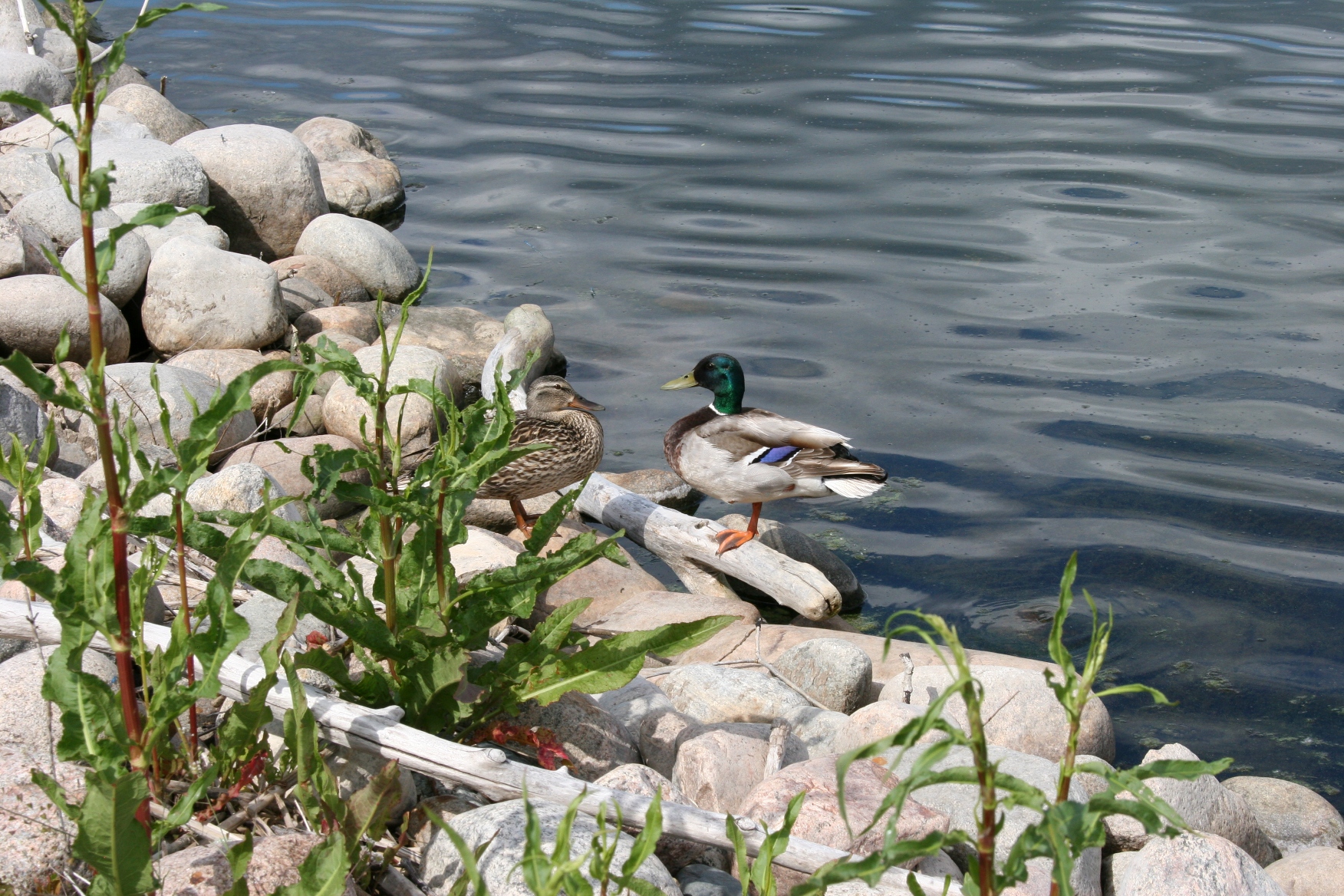
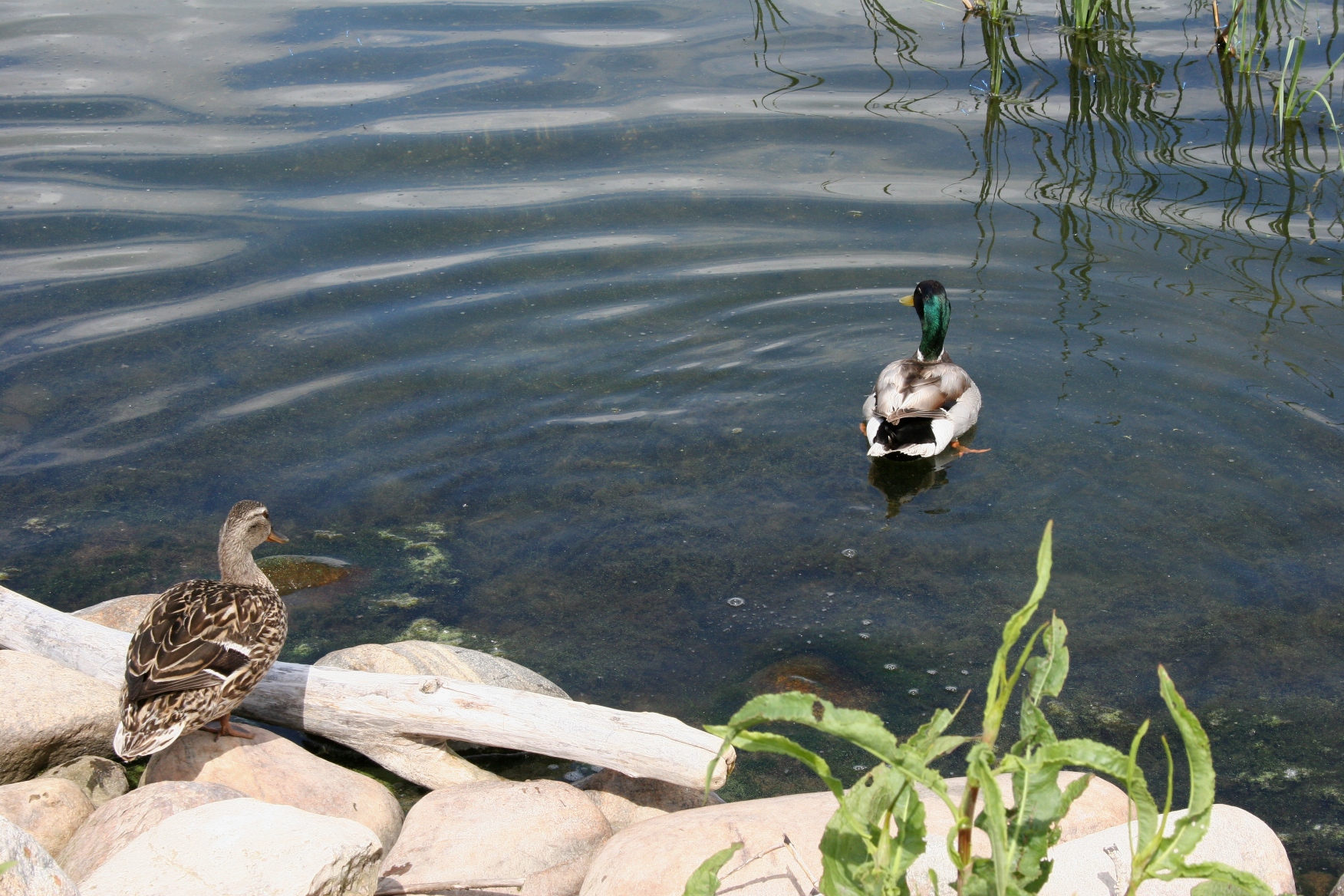
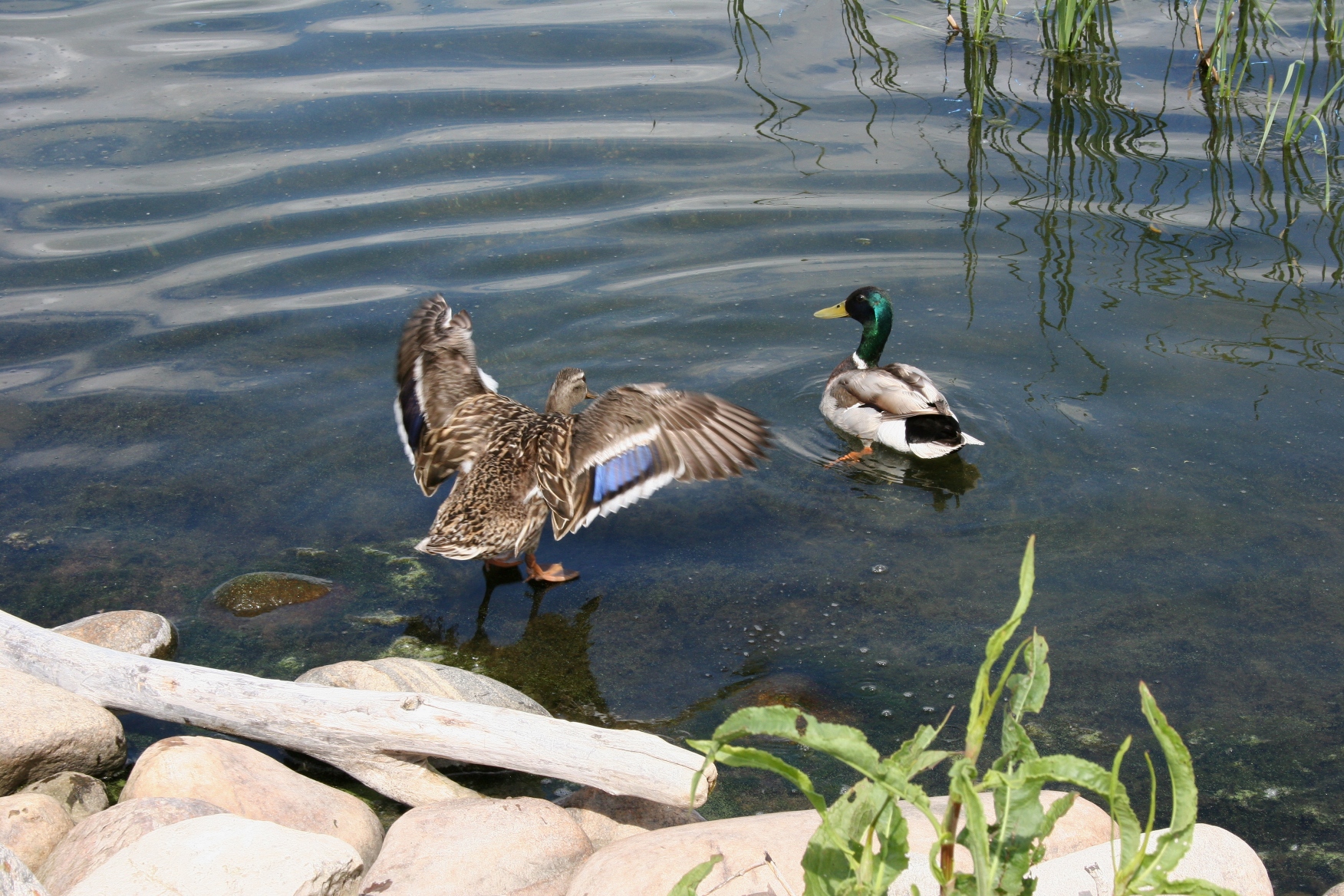
IT APPEARED TO BE nothing short of a love story played out on a west central Minnesota lake.

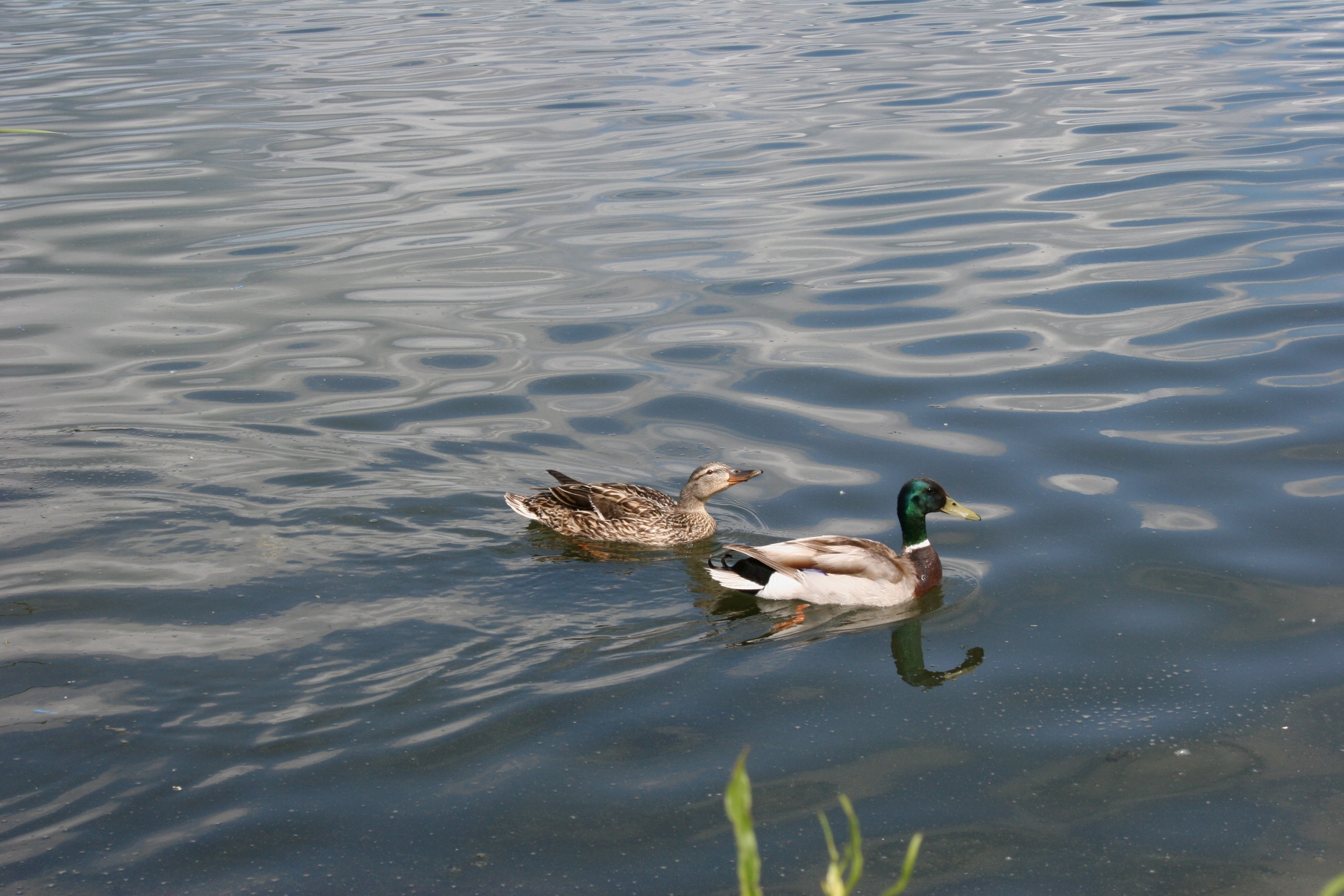
Two love birds—or more accurately, ducks—met along the shoreline of Lake Agnes in Alexandria which, to those of you who do not live in Minnesota, claims to be the birthplace of America what with the Kensington Runestone and all found here.

But I digress.

The mallards cared not one wit about the vikings or the Runestone or even me, watching their every move. The drake and the hen had eyes only for each other.

And so the romance spawned on Lake Agnes, on this lake with the name of Greek (not Scandinavian) origin meaning pure/holy/chaste.

© Copyright 2011 Audrey Kletscher Helbling
 

A historic bank and White Buffalo Calf Woman June 23, 2011

SET ME IN FRONT of an architecturally-stunning historic building and I’m in history heaven.

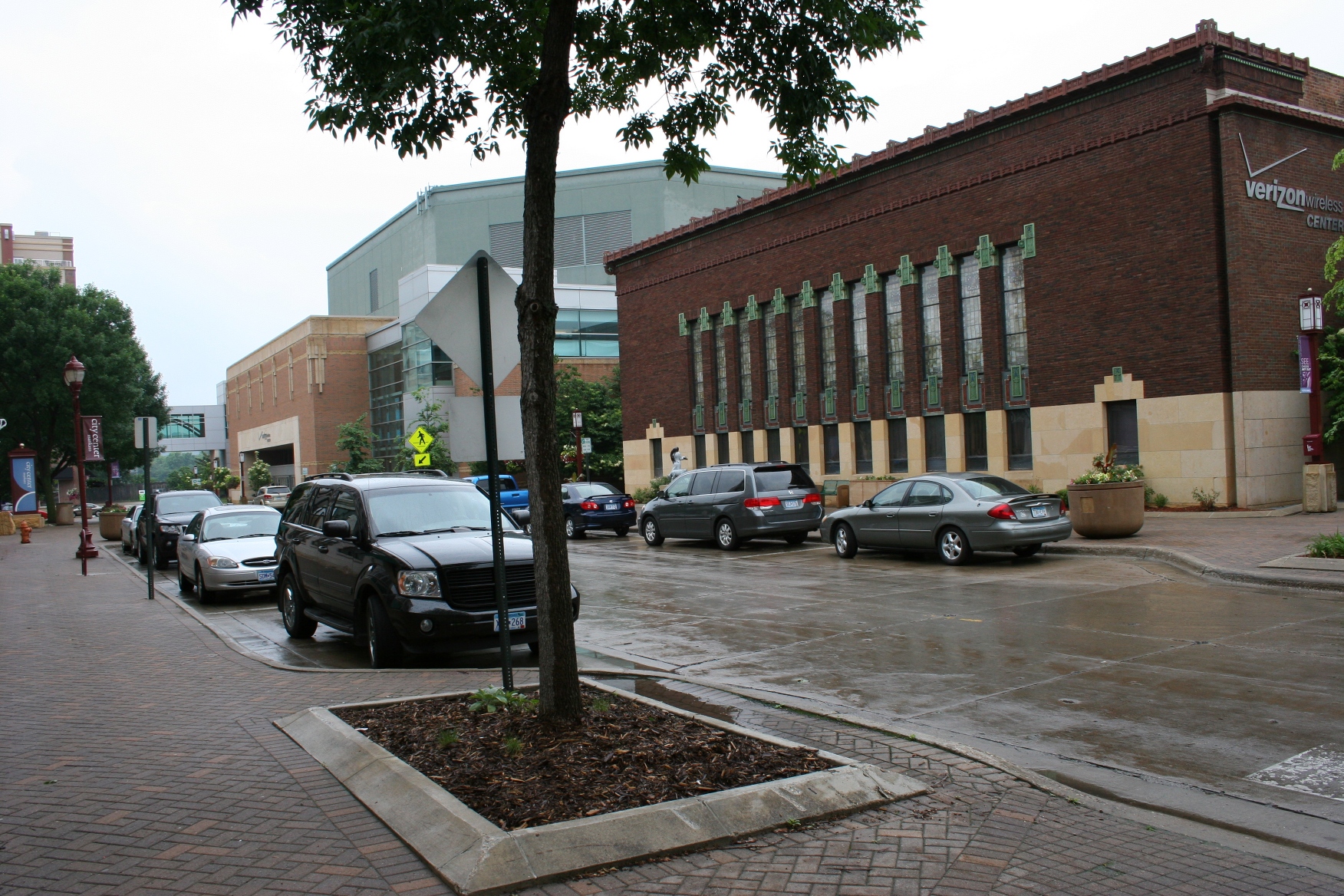
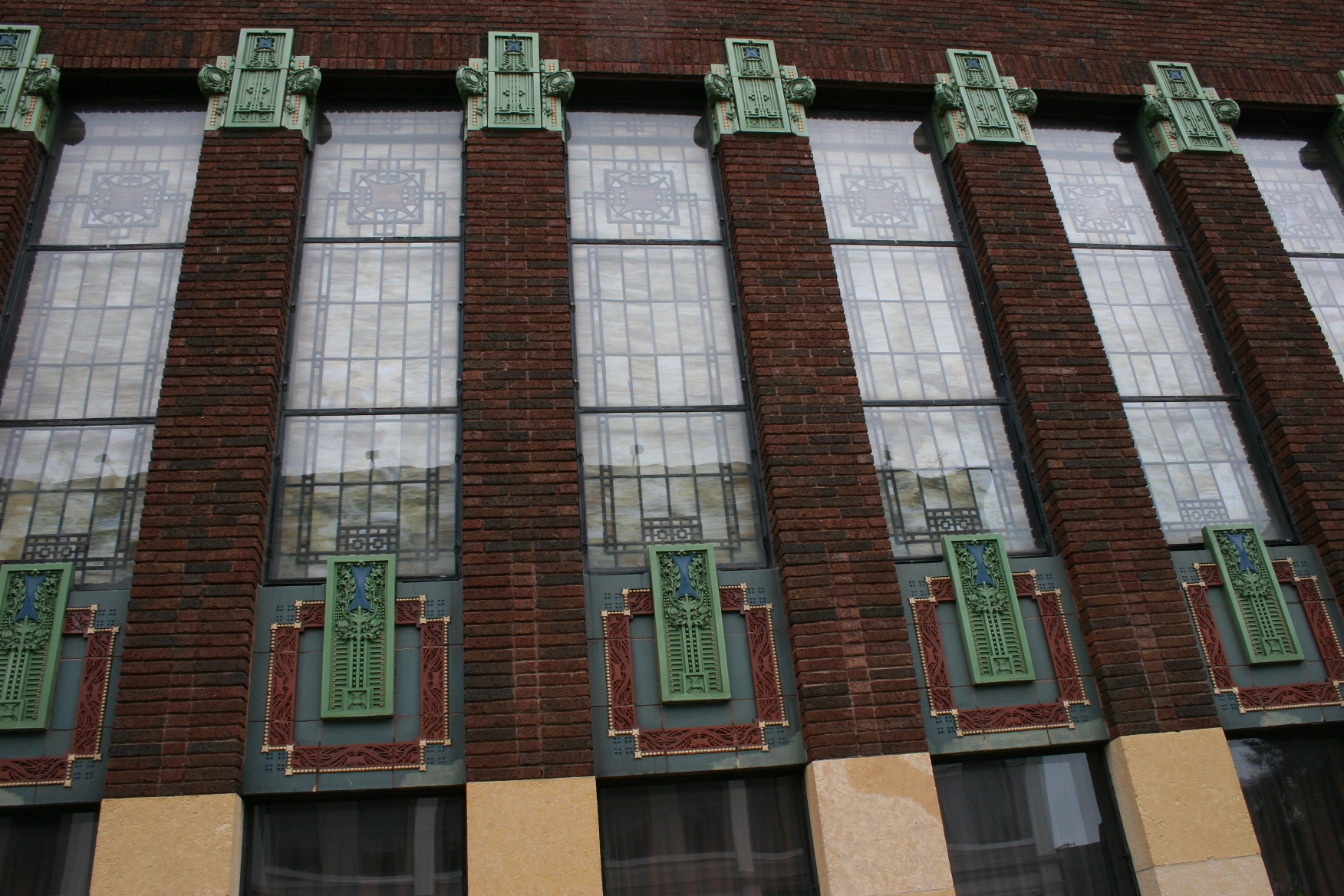
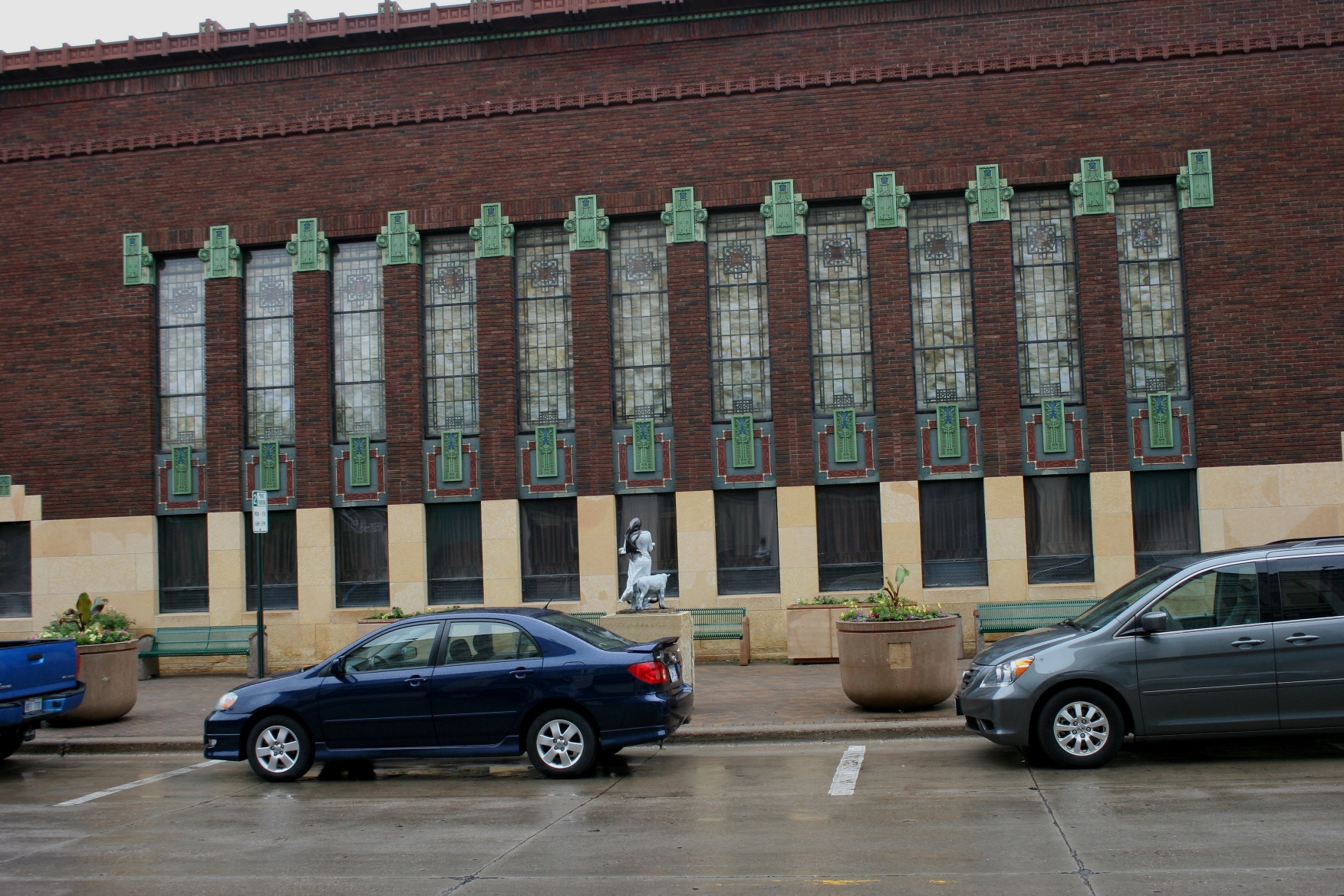
Just look at the lines, the colors, the window leading, the carvings…of the Old First National Bank of Mankato building, now a Verizon Wireless Center reception hall.

I didn’t step inside the former bank, didn’t even try a door. I was content last Saturday afternoon to view the exterior with its Prairie School style architecture.

“It’s like that bank in Owatonna,” my husband said as we gawked at the building built of brick, Mankato limestone and terra cotta along Civic Center Plaza in downtown Mankato.

He was, of course, referring to Chicago architect Louis Sullivan’s “jewel box,” National Farmer’s Bank in Owatonna, a brick building with terra cotta accents, splendid for its stained glass windows, arches and other architectural details.

The Mankato building features Frank Lloyd Wright-inspired stained glass and detailed ornamentation along the roof line.

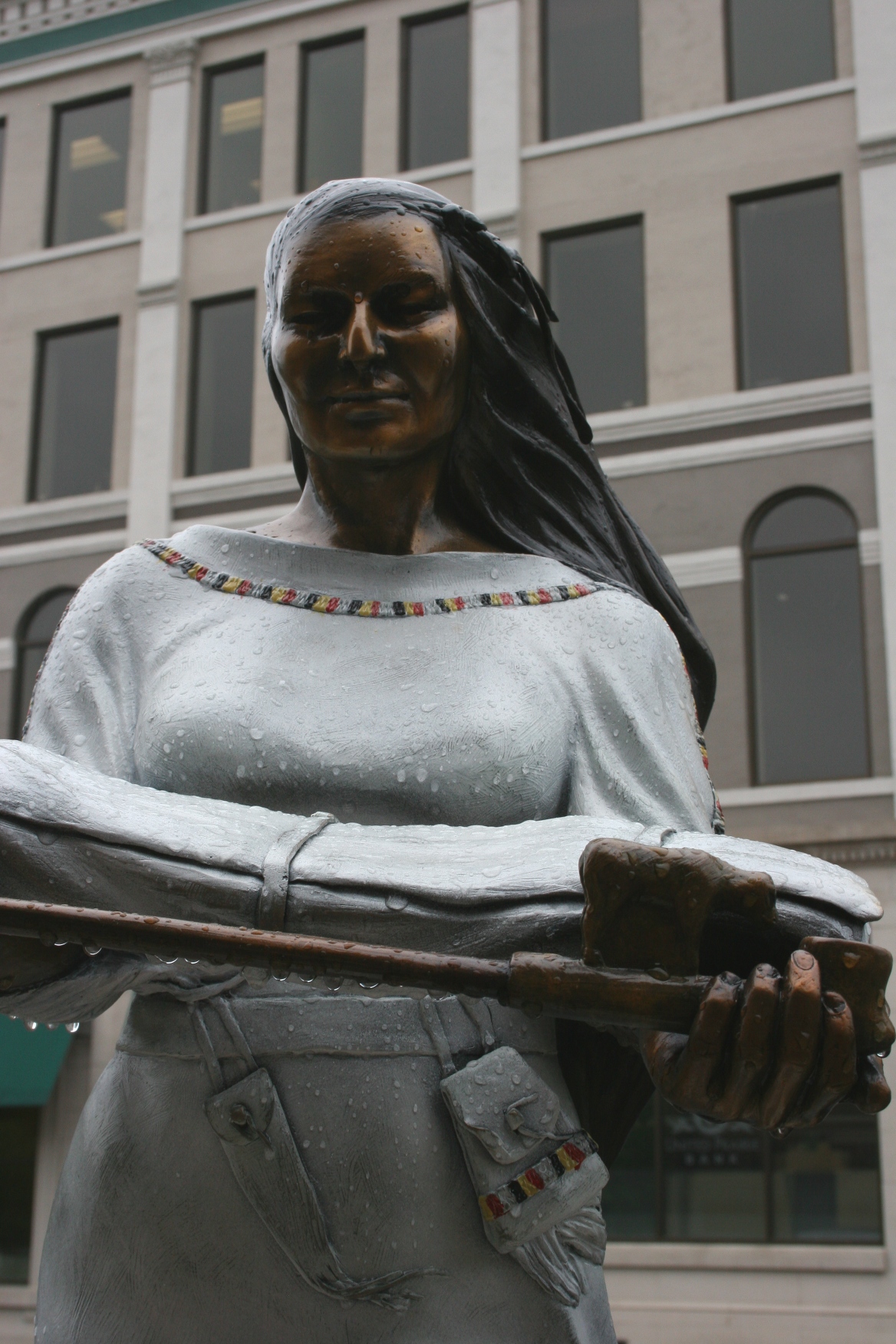
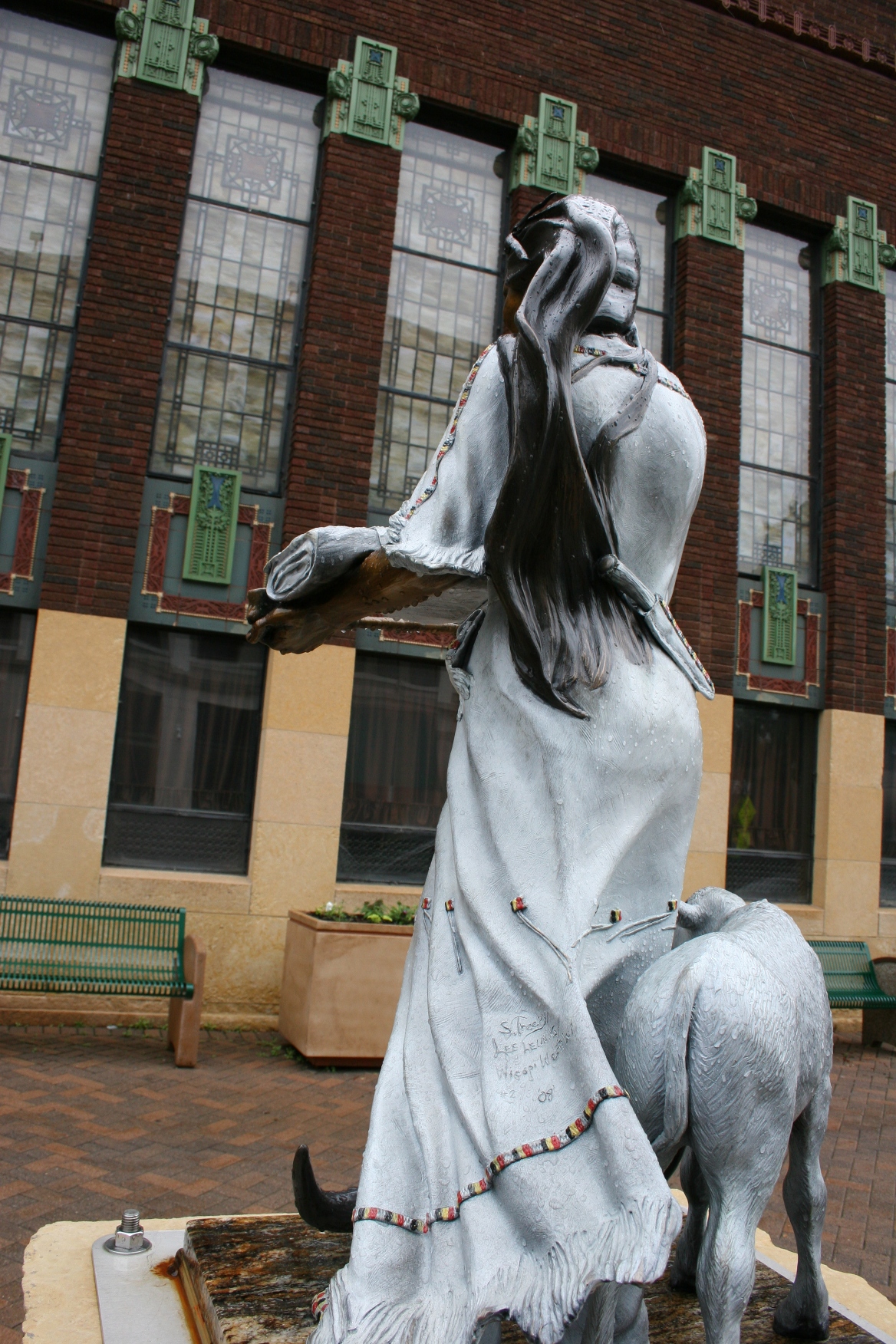
And now it also showcases a bronze sculpture of White Buffalo Calf Woman by South Dakota artists Lee Leuning and Sherri Treeby as part of Mankato’s City Art Walking Sculpture Tour.


If you peer at the woman’s face, examine her beaded moccasins and the trim on her buckskin dress and pouch, you’ll notice how the colors mimic those of the historic bank building. Whether this Native American sculpture’s placement was planned or accidental, I don’t know, but it fits seamlessly with the historical vibe of the locale, enhancing the whole art viewing experience.

The city of Mankato, apparently named after a varied translation of the Dakota word Mahkato, meaning “blue earth,” owns a place in Minnesota and national history for the mass hanging of 38 Dakota here on December 26, 1862. Three hundred warriors were accused of killing civilians and soldiers and of other crimes during the U.S.-Dakota Conflict. After a public outcry, President Abraham Lincoln commuted the sentences of all but 38. Certainly, Mankato is not proud of this moment in history. But efforts have been made to honor the Dakota at monuments in the city.
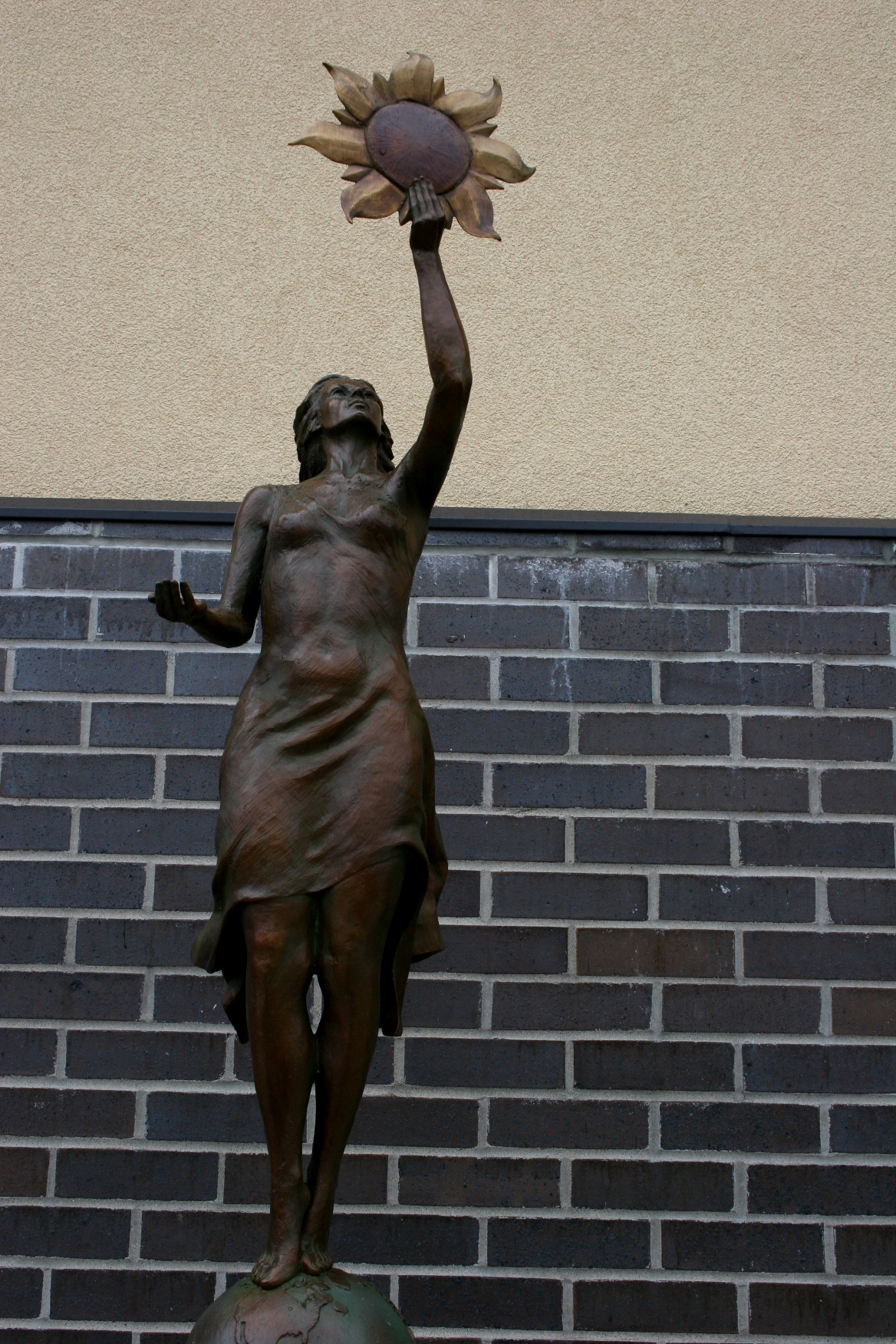
And now sculptures like White Buffalo Calf Woman also help heal and educate the public about the Native American culture. According to information on the sculpture placard, this prophetess is the only religious icon accepted by all Native American tribes. She “brings a message of healing, hope and peace among the races to all the people.”
More than just art, I also got a history lesson along a Mankato city street on a Saturday afternoon in June.

PLEASE VIEW MY JUNE 20 post for more photos and information about the Walking Sculpture Tour. Additional images will be forthcoming.

© Copyright 2011 Audrey Kletscher Helbling