Minnesota Prairie Roots

Writing and photography by Audrey Kletscher Helbling

Easter joy in a song April 1, 2018

Filed under: Uncategorized — Audrey Kletscher Helbling @ 5:00 AM
Tags: , , , , , , , , ,


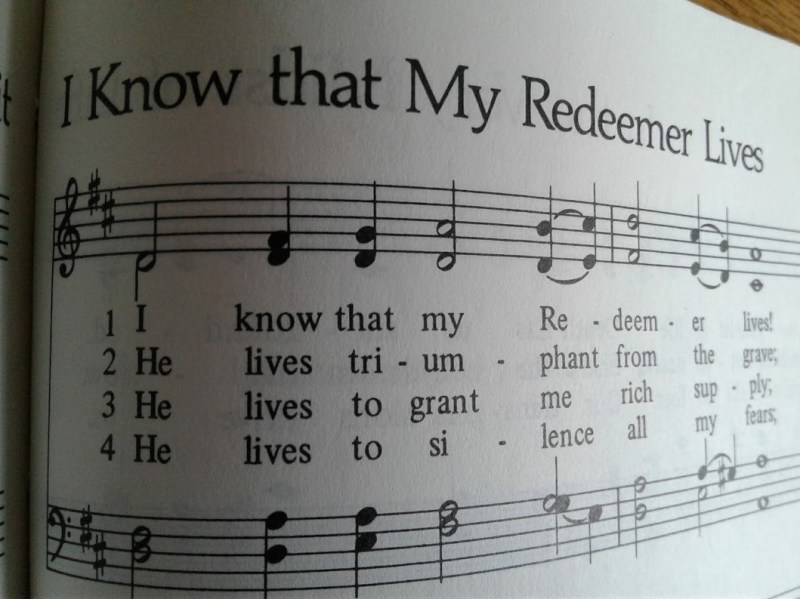
THE WORDS IN THIS HYMN are my most cherished of Easter songs. For these verses I sang as a child each Easter in the balcony of St. John’s Lutheran Church, Vesta, Minnesota.

Dressed in a new cotton Easter dress, feet strapped into shiny patent leather shoes, a hat streaming ribbons down my back, I sang with enthusiasm. I know that my Redeemer lives! Loud. Joyous. From the soul.

The imprint of this hymn remains with me decades later, far removed from the church of my youth. I can still sing the words from memory. I can still feel the stiff cotton of my new dress, hear the organ music rising and falling, smell the lingering scent of cows on myself and classmates, taste the sweetness of Easter candy upon my tongue, see the temporary Easter tattoos pressed upon my arm.

In this rural church, gathered with other farm families, I celebrated Easter. Today, decades later, in Trinity Lutheran Church 120 miles to the east, I know (still) that my Redeemer lives!

TO MY DEAR READERS, may you celebrate a joyous and blessed Easter!

Copyright 2018 Audrey Kletscher Helbling


West of Mankato August 23, 2017

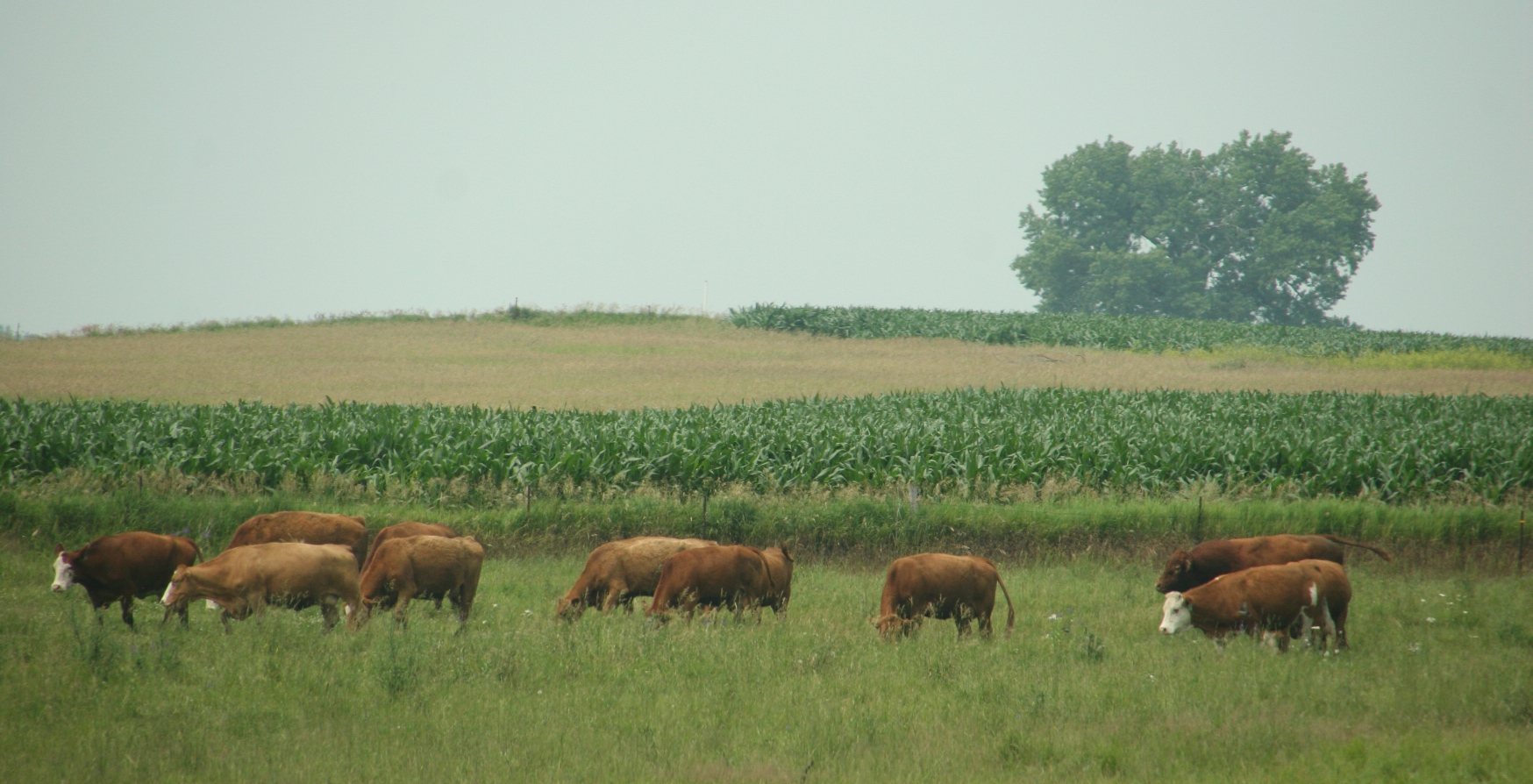
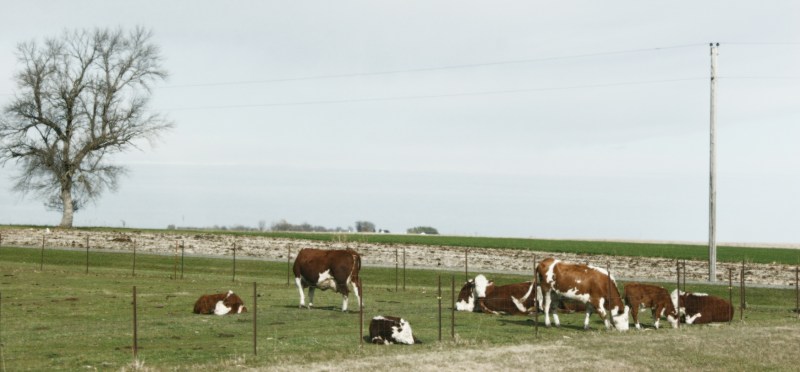
Cattle graze in a pasture along U.S. Highway 14.

Cattle graze in a pasture along U.S. Highway 14.


WHEN I TELL FELLOW MINNESOTANS I grew up on the southwestern Minnesota prairie, specifically near the small town of Vesta, I typically get a blank stare. So, when “Vesta” doesn’t register with them, I mention Marshall to the west and Redwood Falls to the east of my hometown. Both are county seats and fair-sized communities, in my opinion.


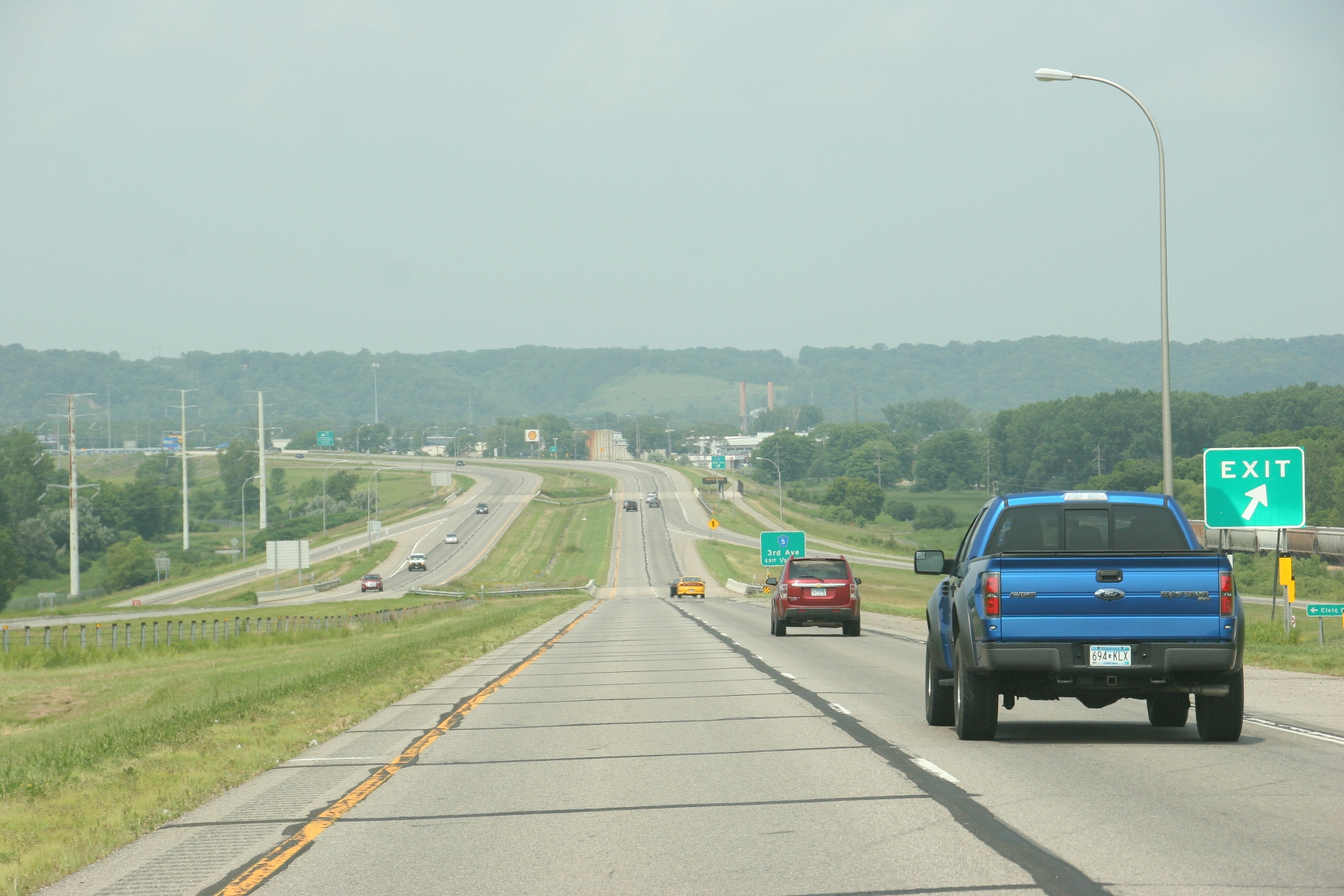
Driving on U.S. Highway 14 around Mankato traveling to southwestern Minnesota.

Driving on U.S. Highway 14 around Mankato traveling through southern Minnesota toward the prairie.


Even after dropping those two names, I still often get that quizzical look. It’s as if they have no idea there’s anything west of Mankato.


This barn along U.S. Highway 14 west of Sleepy Eye always catches my eye.

Gotta love this barn between Sleepy Eye and Springfield.


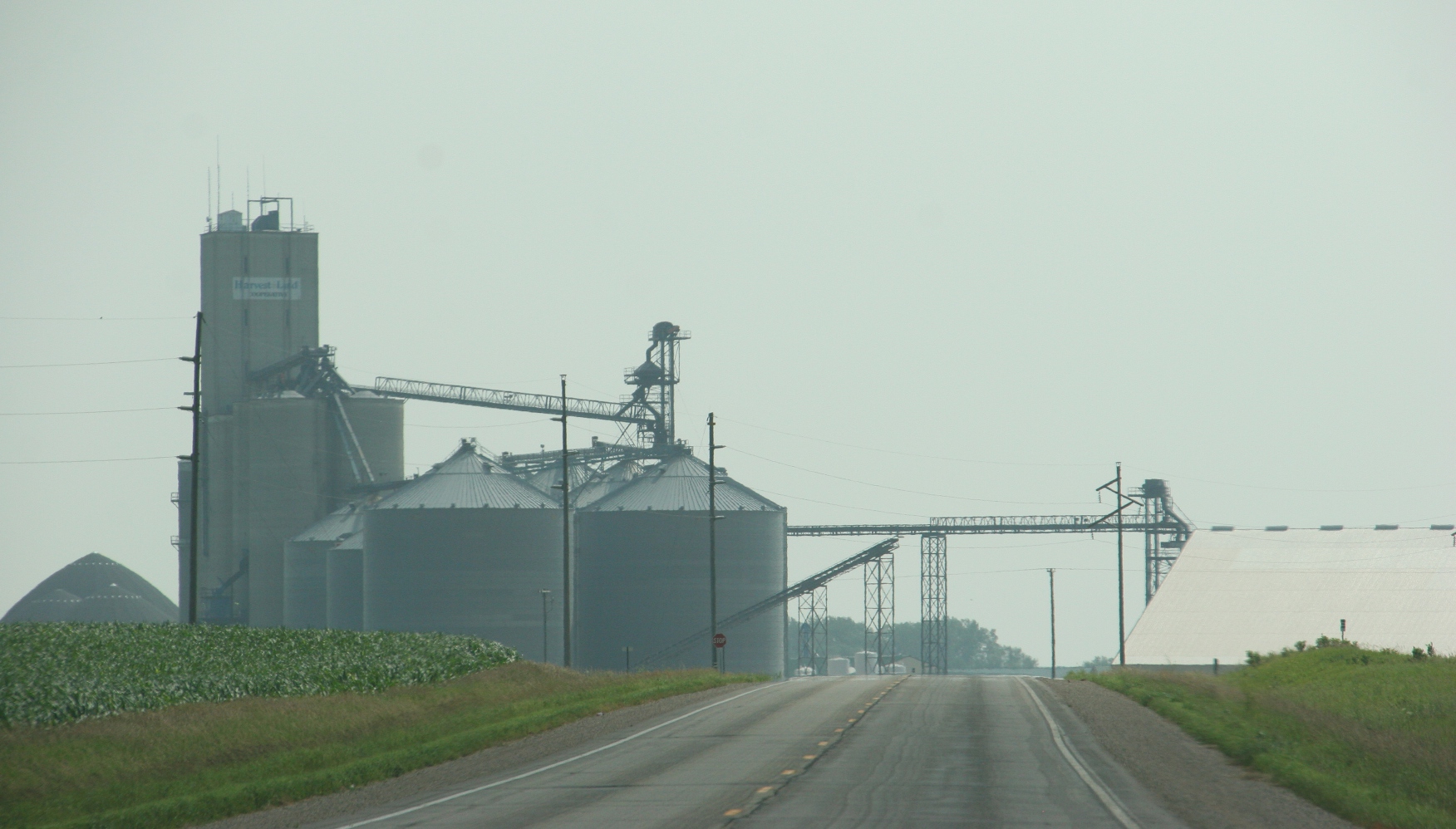
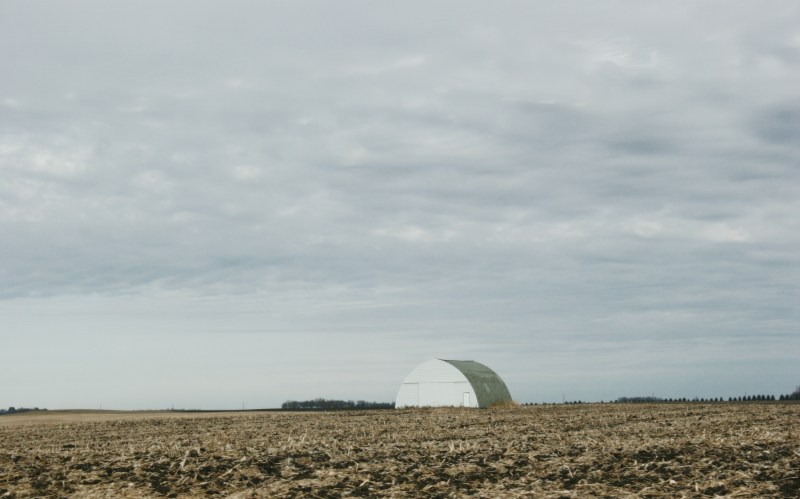
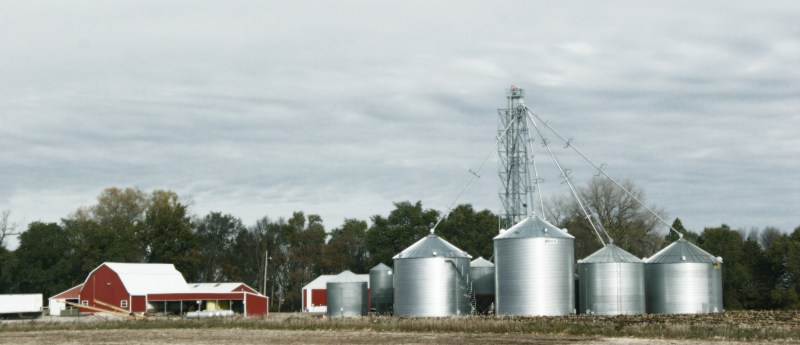
Grain storage along U.S. Highway 14.

Grain storage along U.S. Highway 14.


But there is. Lots. Land and sky and small towns and oddities and grain elevators, and corn and soybean fields stretching into forever. There are pitch-black skies perfect for star-gazing and sunsets so bold I sometimes wonder why I ever left this land.


There are so many well-kept barns along U.S. Highway 14, this one between Mankato and Nicollet.

There are so many beautiful old barns along U.S. Highway 14, this one between Mankato and Nicollet.


I understand beauty is in the eye of the beholder. I simply want others to see that this corner of Minnesota, just like the lakes and woods to the north and the rolling hills and rivers to the south and the Twin Cities metro, is lovely and quirky and interesting in a peaceful prairie way.


BONUS PHOTOS:

U.S. Highway 14 passes through many small towns, like Sleepy Eye where these guys were shopping for a car.

Shopping for cars in Sleepy Eye, one of many small towns along U.S. Highway 14 in southwestern Minnesota.


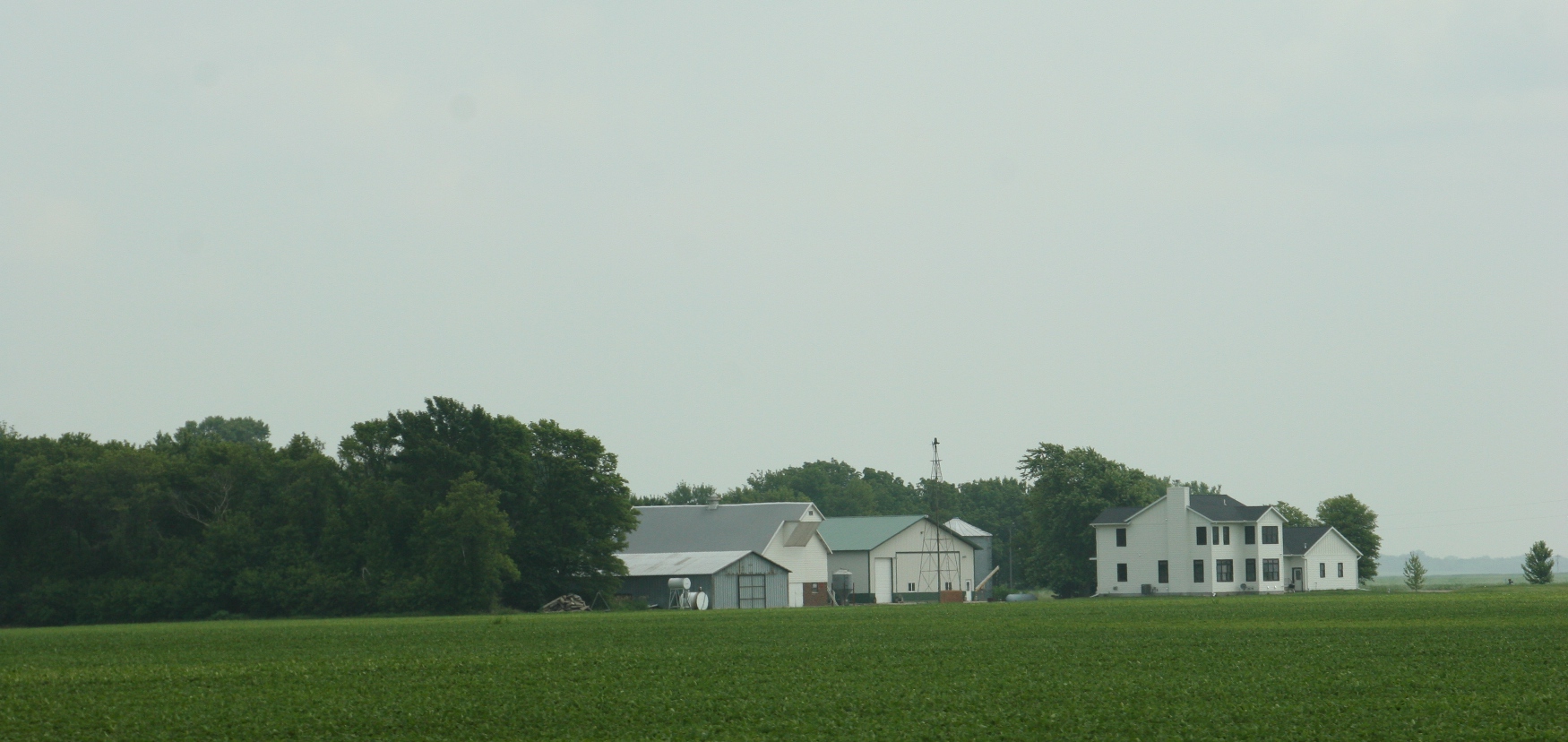
A farm site between Mankato and Nicollet.

A farm site between Mankato and Nicollet.


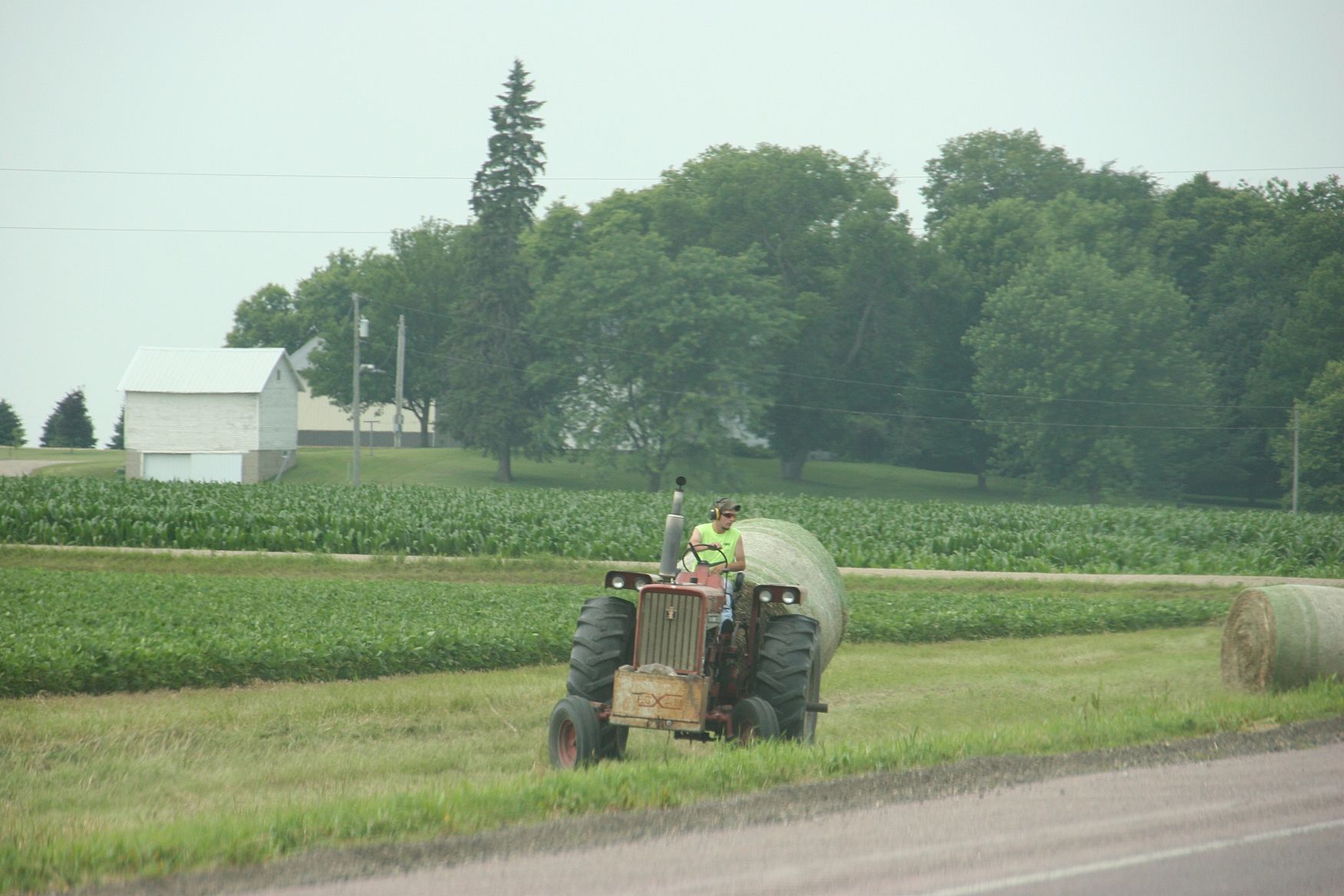
Baling the road ditch between Mankato and New Ulm.

Baling the road ditch between Mankato and New Ulm.


If you appreciate barns, this area of Minnesota offers plenty of barn gazing.

If you appreciate barns, this area of Minnesota offers plenty of barn gazing.


FYI: All of these photos are from my files and were taken along U.S. Highway 14 between Mankato and Lamberton. That would be west of Mankato.

© Copyright 2017 Audrey Kletscher Helbling


Two Minnesota towns July 27, 2017

Fields and sky envelope a farm building just west of Wabasso in my native Redwood County. Minnesota Prairie Roots file photo 2015.


I GREW UP ON THE PRAIRIE, a place of earth and sky and wind. Land and sky stretch into forever there, broken only by farm sites and the grain elevators and water towers that define small towns.


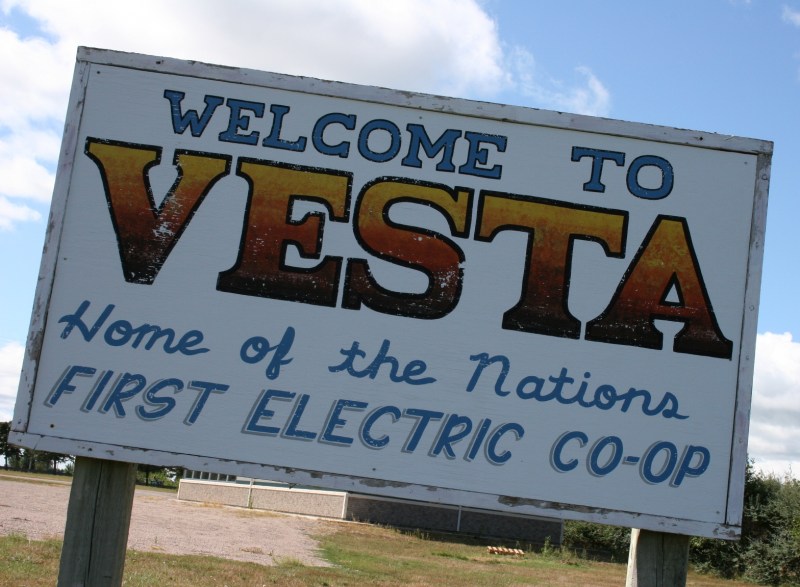
Along Minnesota Highway 19, this sign once marked my hometown. That sign has since been replaced. Minnesota Prairie Roots file photo.


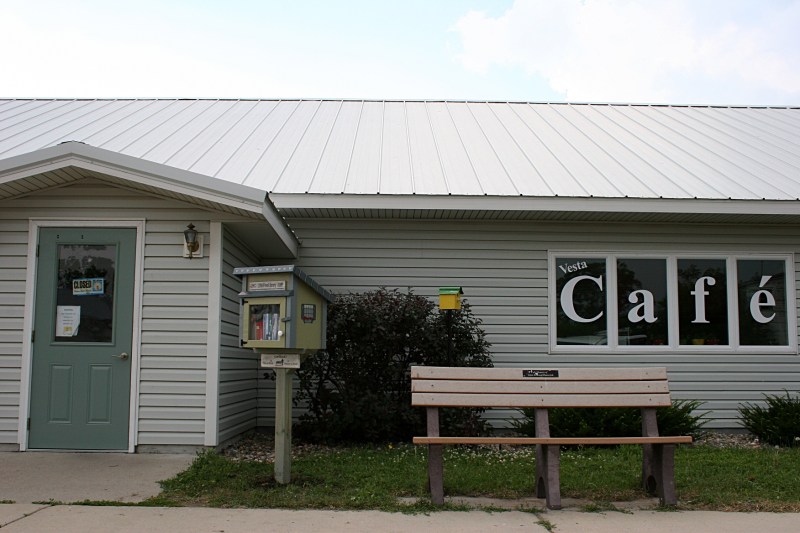
My hometown of Vesta in Redwood County once bustled with businesses—a lumberyard, feed mill, hardware stores, grocers, cafes, a blacksmith… Now the one-block center of town is mostly empty, vacant lots replacing wood-frame buildings that once housed local shops. Time, economics and abandonment rotted the structures into decay and eventual collapse or demolition.


One of the few businesses remaining downtown, the Vesta Cafe. Minnesota Prairie Roots file photo.


Why do I tell you all of this? The back story of my prairie hometown, where buildings were built mostly of wood rather than brick or stone, led me to a deep respect and appreciation for communities that have retained buildings of yesteryear. Cities like Cannon Falls, founded in 1854. By comparison, Vesta was founded in 1900.


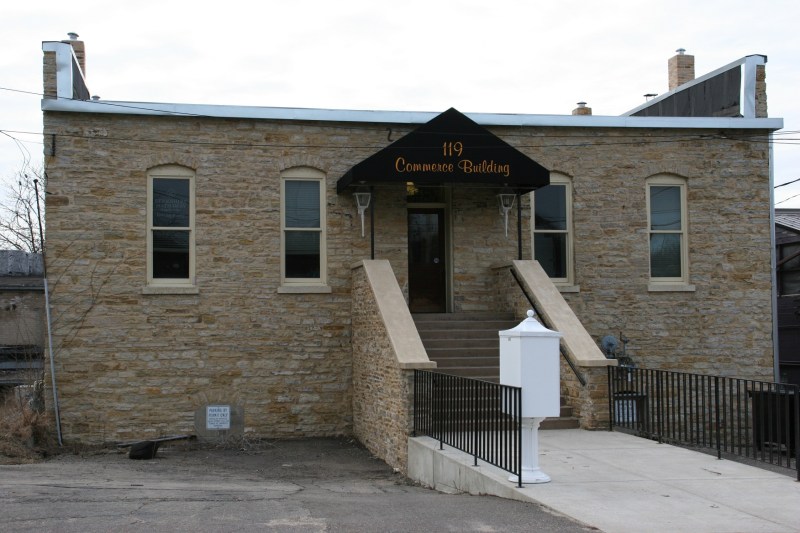
The rear of an historic stone building in the heart of downtown Cannon Falls. Minnesota Prairie Roots file photo March 2017.


Cannon Falls still has a thriving downtown landmarked by 29 properties in a Commercial Historic District. It’s population of around 4,000 and location between Rochester and the metro contrast sharply with Vesta’s population of 300 in the much more rural southwestern corner of Minnesota.


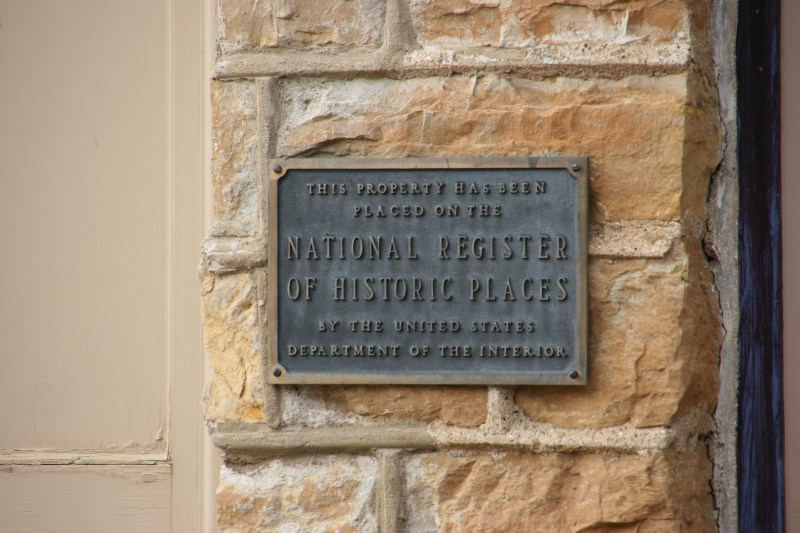
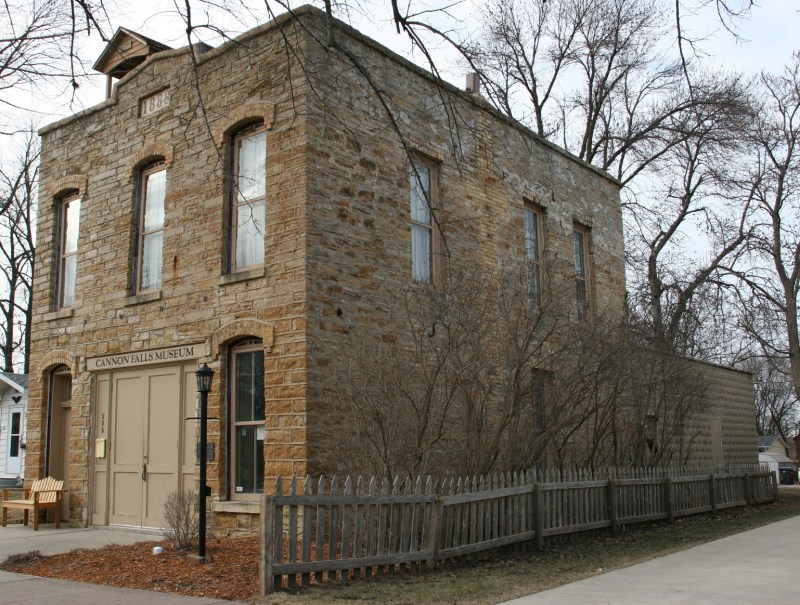
This sign marks the aged former Firemen’s Hall, now the Cannon Falls Museum, pictured below. Minnesota Prairie Roots file photo March 2017.


The Cannon Falls Museum. Minnesota Prairie Roots file photo March 2017.


Drive through Cannon Falls neighborhoods and you will see history still standing. In Vesta, history comes in photos and memories. It’s sad really. But that is reality.


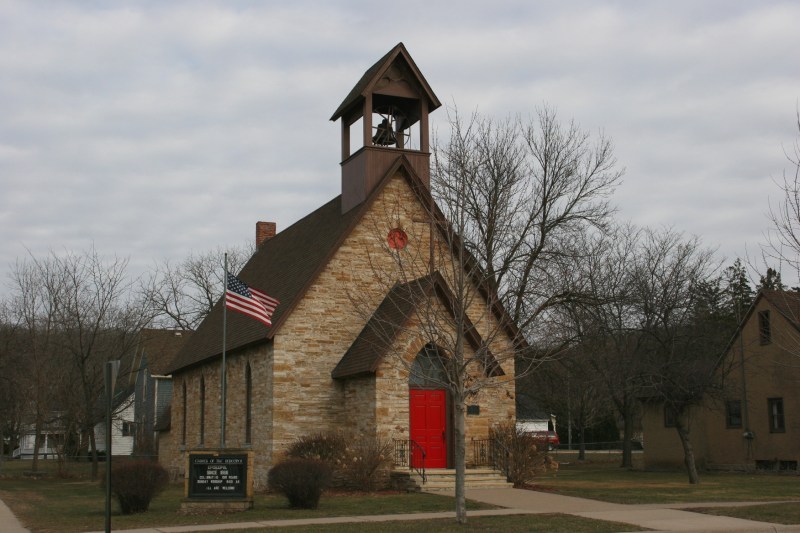
The Church of the Redeemer, an Episcopal congregation founded in Cannon Falls in 1866. Minnesota Prairie Roots file photo March 2017.


Because I grew up without solid stone buildings in a place that unsettles many for its breadth of sky and land, I am drawn to stone structures. They portray a strength and permanency that defies time and change. Yet I expect both masons and carpenters shared the same dreams of a better life, of prosperity and success.


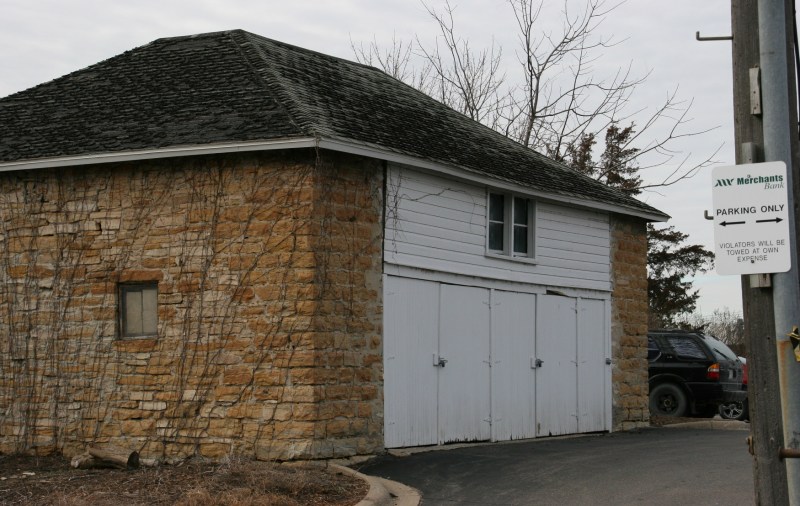
Another lovely stone building photographed behind downtown Cannon Falls buildings. Minnesota Prairie Roots file photo March 2017.


That’s the underlying truth. Even if the buildings and businesses in my hometown have mostly vanished, the ground upon which they stood represents something. The land remains—the same earth upon which early settlers planted their boots and stood with hope in their hearts.

© Copyright 2017 Audrey Kletscher Helbling


I know that my Redeemer lives April 16, 2017

WE FILED INTO THE BALCONY of St. John’s Lutheran Church, Sunday School children clunking up the stairs in our shiny patent leather shoes. I felt a tinge of nervous energy fueled by too much chocolate taken from Easter baskets and eaten for breakfast.


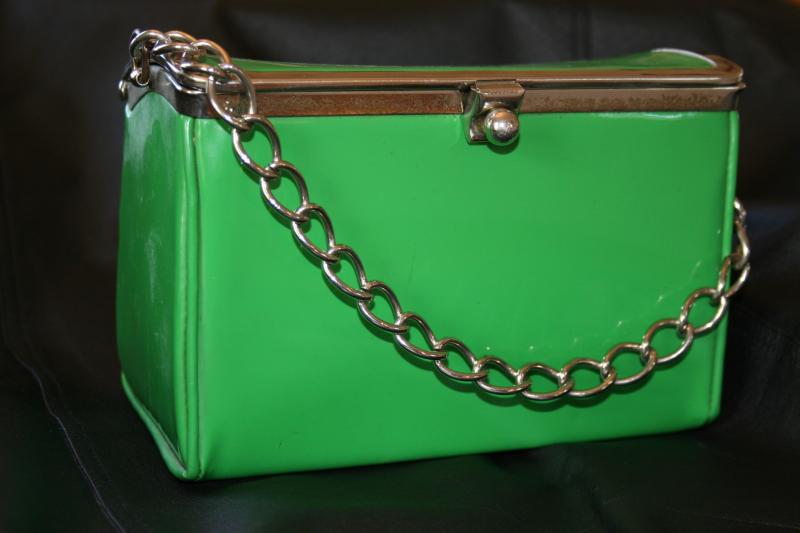
My vintage 1960s purse, reclaimed years ago from my mom’s toy box.


I was dressed in my Easter finery—lacy anklets tucked into shiny shoes, lime green skirt skimming my knees below a sleeveless floral shirt accented by a matching lime green jacket. I carried a lime green purse. I looked as fashionable as a skinny Minnesota farm girl can in a homemade ensemble topped by an Easter hat with ribbons tailing down the back.


If my childhood Easter memories were nothing more than those of fashion and of candy, I would feel shallow and lacking in my faith. But I am thankful to have been raised in a home by loving Christian parents who got me to church every Sunday to learn of, praise and worship God. After the service, I clunked down the narrow basement stairs to Sunday School. And there I learned the song that, each Easter, I still sing from memory:

I know that my Redeemer lives! What comfort this sweet sentence gives! He lives, he lives, who once was dead; He lives my everliving head!


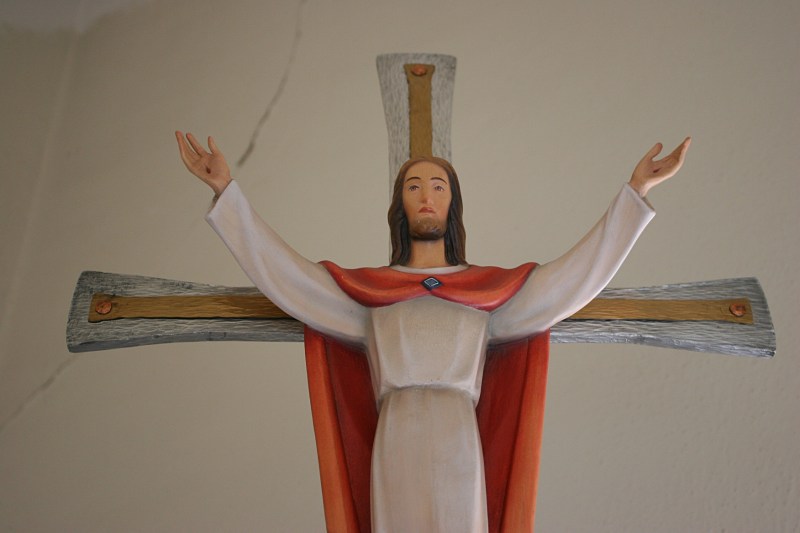
Art of the risen Lord photographed inside St. Mary’s Catholic Church, New Trier, Minnesota.


In the balcony of that rural Minnesota church, I sang with enthusiasm and joy of my Redeemer. Eight verses. The voices of farm girls and boys singing with such gusto. Every Easter. The words are still imprinted upon my memory more than 50 years later: I know that my Redeemer lives!

And I still sing them with joy.

#

MY DEAREST READERS, may you be blessed with a joyous Easter.

© Copyright 2017 Audrey Kletscher Helbling


My appreciation for small town hardware stores January 13, 2017

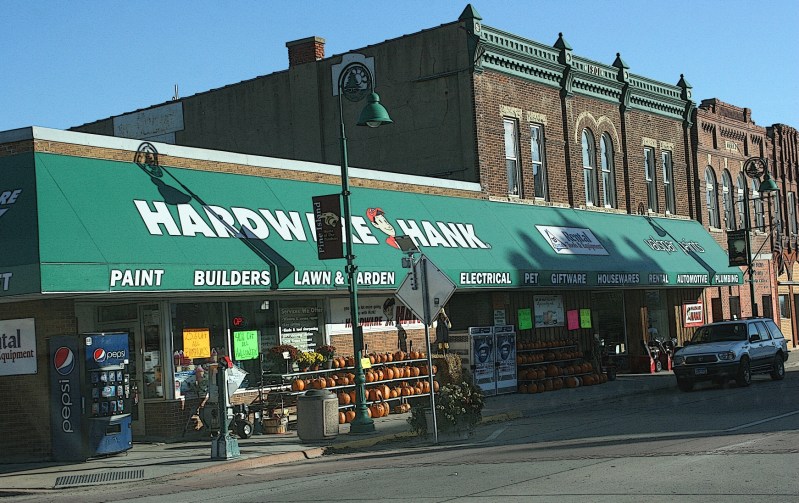
Hardware Hank, photographed in Pine Island in October.

Hardware Hank, photographed in Pine Island in October.

IF YOU GREW UP in rural Minnesota like I did, you likely hold fond memories of the local hardware store.

Two hardware stores once served my hometown of Vesta, a farming community on the southwestern Minnesota prairie. While I remember Joe Engel’s Hardware store as the place to buy rolls of perforated caps for my cap gun, my father shopped there, or a few doors down at Marquardt’s Hardware, for all his hardware needs. Like bulk nails and screws stashed in cubbies, the merchandise weighed and parceled into brown paper bags.

I remember, too, the worn wood floors, the narrow aisles, the old fashioned screen doors that banged shut.

To this day, I find myself drawn to the hardware stores that still exist in many small towns. They represent a connection to my past, to simpler days, to outstanding customer service, to a Main Street necessity. So I photograph them, usually the exteriors.

Nothing says "small town" like a hardware store, including this Hardware Hank in downtown Wabasha.

Nothing says “small town” like a hardware store, including Hill’s Hardware Hank in downtown Wabasha. Minnesota Prairie Roots file photo.

One of my hardware store images—that of Hill’s Hardware Hank in Wabasha—will soon become part of a renovated “Our World” gallery at the Minnesota Children’s Museum in St. Paul. The photo will grace signage for a mini town that includes a hardware store. Hill’s inspired the facade of the replica hardware store in which children can play. The updated exhibit opens this spring.

I am honored to have my photo displayed at the Minnesota Children’s Museum. I hope it inspires others to appreciate the value of hardware stores in rural Minnesota. They are as important today as they were when I was growing up in the 1960s. In Owatonna, Arrow Ace Hardware plans to relocate into a new and much larger space by next Christmas, more than doubling its size to some 11,000 square feet. That’s encouraging. There’s still great value in local hardware stores.

TELL ME: Do you shop in hardware stores? If yes, why? Are they still of value in today’s marketplace?  Or what are your hardware store memories? Let’s talk hardware stores.

© Copyright 2016 Audrey Kletscher Helbling


Southwestern Minnesota: The place of my heart, in images & words December 6, 2016

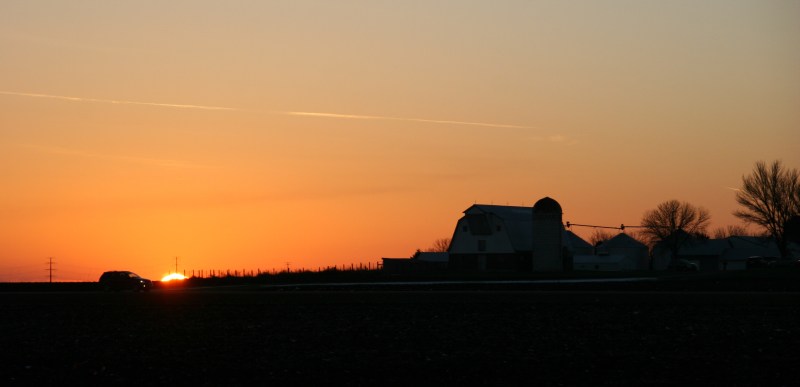
I shot this rural farmsite/sunset scene while traveling along Minnesota State Highway 67 between Redwood Falls and Morgan.

I shot this rural farmsite/sunset scene while traveling along Minnesota State Highway 67 between Redwood Falls and Morgan.

OFTENTIMES IT TAKES LEAVING a place to appreciate it.

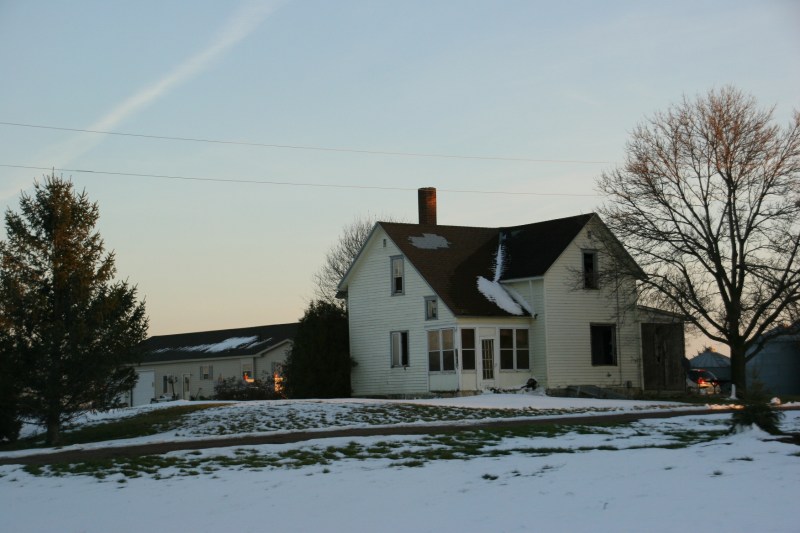
A farmhouse along Minnesota State Highway 19 in Redwood County near my hometown of Vesta.

A farmhouse along Minnesota State Highway 19 in Redwood County near my hometown of Vesta.

There are days when I miss my native southwestern Minnesota prairie with an ache that lingers. I long for wide open space and forever skies,

The grain elevator in Morgan.

The grain elevator in Morgan in eastern Redwood County.

for farm fields and familiar grain elevators,

This gravel road connects to Minnesota State Highway 19 between Vesta and Redwood Falls.

This gravel road connects to Minnesota State Highway 19 between Vesta and Redwood Falls.

for gridded gravel roads

A prairie sunset photographed from Minnesota State Highway 67 between Redwood Falls and Morgan.

A prairie sunset photographed from Minnesota State Highway 67 between Redwood Falls and Morgan.

and flaming sunsets. And quiet.

Sure, I could drive into the country here in southeastern Minnesota and see similar sites. But it’s not the same. This is not my native home, the place that shaped me. Although decades removed, I shall always call the prairie my home.

Minnesota State Highway 67, one of the roadways leading "home."

Minnesota State Highway 67, one of the roadways leading “home.”

With family still living in southwestern Minnesota, I return there occasionally. And that, for now, is enough. I drink in the scenery like gulping a glass of cold well water tasting of iron and earth. I am refreshed, renewed, restored.

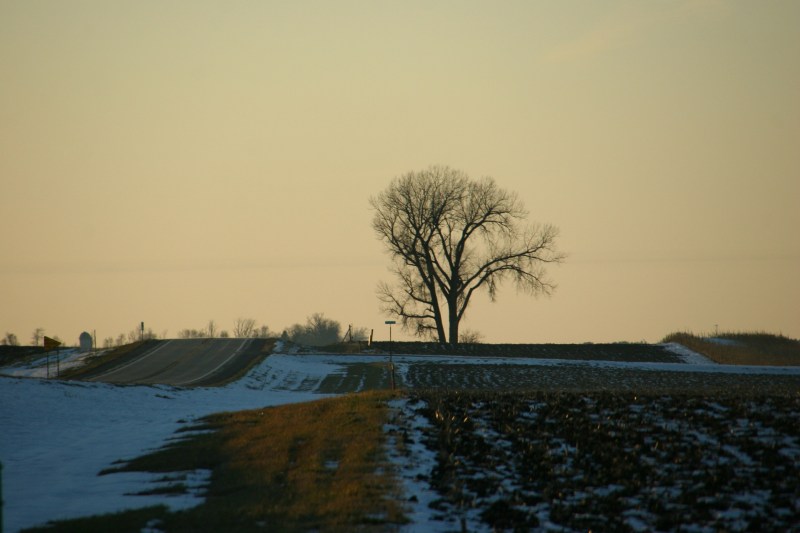
This lone tree along Minnesota State Highway 19 near the Belview corner has been here as long as I can remember.

This lone tree along Minnesota State Highway 19 near the Belview corner has been here as long as I can remember.

I need to view the prairie, to walk the soil, to reclaim my roots. I need to see the sunsets, to breathe in the scent of freshly-mown alfalfa, to watch corn swaying in the breeze, to observe snow drifting across rural roadways, to feel the bitter cold bite of a prairie wind.

A farmer guides his John Deere tractor along Minnesota State Highway 67 near Morgan.

A farmer guides his John Deere tractor along Minnesota State Highway 67 near Morgan.

There are those who dismiss this region as the middle-of-nowhere. It’s not. It’s a place of community, of good hardworking people, of Saturday night BINGO and Sunday morning worship services. It’s lines at the grain elevator and fans packing bleachers at a high school basketball game. It’s acres of corn and soybeans in the season of growth and tilled black fields in the time between. This place is somewhere to those who live here. And to those of us who were raised here.

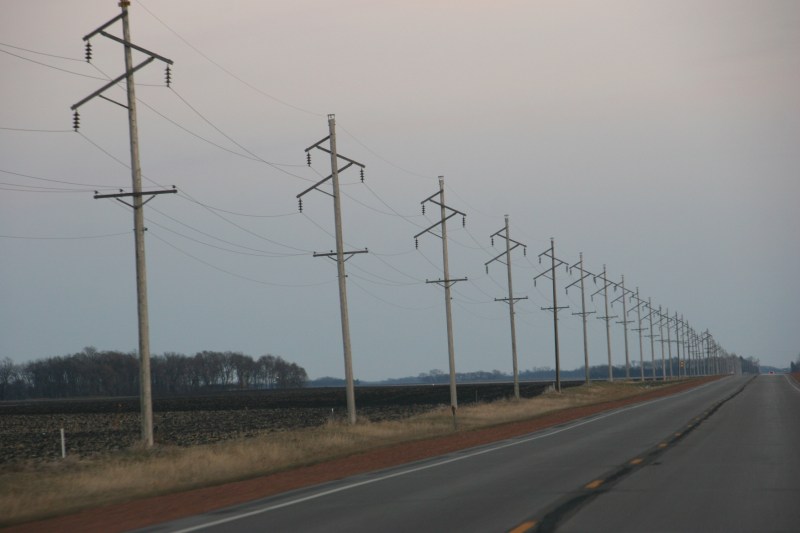
Every trip back along Minnesota State Highway 67, I am drawn to photograph the electrical lines that stretch seemingly into forever.

Every trip back along Minnesota State Highway 67, I am drawn to photograph the electrical lines that stretch seemingly into forever.

For me, this land, this prairie, shall always be home.

© Copyright 2106 Audrey Kletscher Helbling


Thoughts after 34 years of marriage May 15, 2016

Filed under: Uncategorized — Audrey Kletscher Helbling @ 5:00 AM
Tags: , , , , , , ,
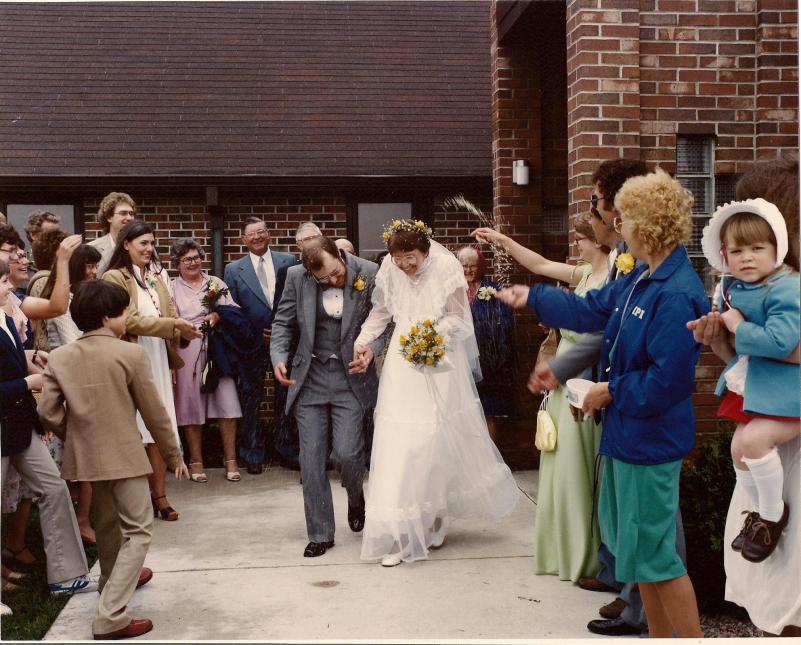
Wedding guests toss rice at Randy and me as we exit St. John's Lutheran Church following our May 15, 1982, wedding.

Wedding guests toss rice at Randy and me as we exit St. John’s Lutheran Church following our May 15, 1982, wedding. That’s my mom in the pinkish dress standing next to my bachelor uncle Mike. My paternal grandma, in the red scarf and blue coat, is just behind me. That’s my sister Lanae, my maid of honor, in the long green dress. I love this photo. It captures a moment and portraits of loved ones, some no longer with us.

THIRTY-FOUR YEARS AGO TODAY, I married the man I love.

Our wedding day began with drizzle and clouds. But by the time of the reception and dance, skies cleared to a beautiful May evening in rural southwestern Minnesota. Family and friends celebrated with us in the Vesta Community Hall, where veterans’ uniforms hang in cases along walls. We polkaed and waltzed and bunny hopped and swung across the worn wood dance floor. I kicked off my toe-pinching ballet flats to dance barefoot.

There was nothing fancy about our wedding or the reception. Crepe paper strips running down tables and single carnations in vases. A meal catered by HyVee. Gingham aprons, stitched by me, for the waitresses. Green punch prepared by my mom. To this day, Randy remembers the not-so-appealing hue of that punch.

There are memories, too, of the trickster brother-in-law who let air out of our truck tires, necessitating a drive several blocks west to my Uncle Harold’s gas station.

While some of the memories have faded, others have not. Nor has our love. I love my husband as much today as the day I married him.

Admittedly, it’s a different kind of love, one shaped by years together, by a shared history, by the comfort that comes from being with someone for this long. Our experiences—good and bad—have made us stronger as a couple. Life isn’t always easy. But it’s easier with a loving partner beside you.

Randy isn’t the most demonstrative man. It’s just not in his nature or his genes. But he’s always been here for me and our three children, now grown.

I would be remiss if I didn’t mention the little things he does for me, which aren’t really little things. Every Sunday he prepares brunch. And nearly every weekend, even in the winter, he grills. I appreciate the break from cooking.

Occasionally, he buys me flowers for no reason other than he knows I need them. Each spring he brings me a bouquet of lilacs cut with a jackknife pulled from his pocket.

He works hard, sometimes too hard. I was grateful when he stopped working Saturdays a few years ago.

On Sunday mornings, he’ll sometimes slide his arm across the back of the church pew, his fingers lingering on my left shoulder. I feel so loved by that simple gesture, by having this man beside me as we worship.

Randy has also accompanied me to many poetry readings, supporting me in this writing venture. He’s a grease rimming his fingernails hard-working automotive machinist, certainly not the type you would envision ever listening to his wife read poetry. But he does, because he loves me.

I am blessed.

© Copyright 2016 Audrey Kletscher Helbling


The prairie part of Minnesota December 9, 2015

Filed under: Uncategorized — Audrey Kletscher Helbling @ 5:00 AM
Tags: , , , , , , ,
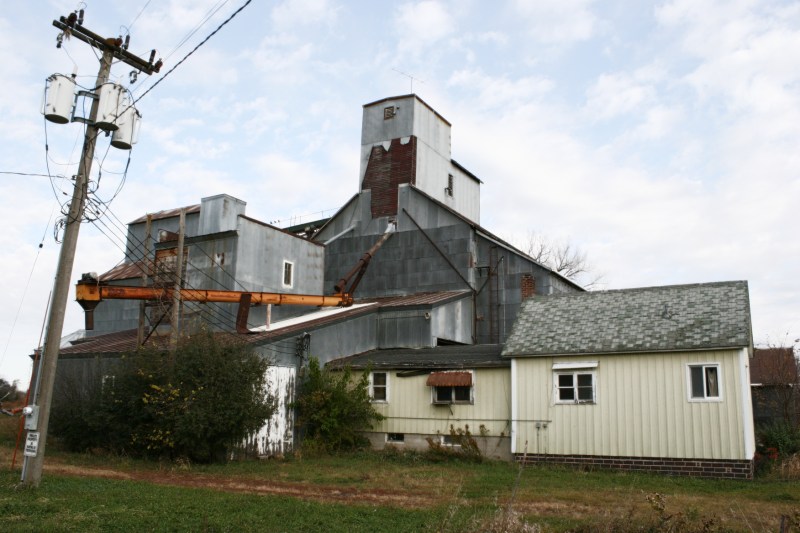
The grain elevator in Seaforth, in Redwood County, Minnesota, closed long ago.

The grain elevator in Seaforth, in Redwood County, Minnesota, closed long ago.

MINNESOTA IS MORE than the Twin Cities, St. Cloud, Rochester and Duluth. It’s also farms and small towns like Vesta, Sleepy Eye, Gaylord and St. James. I’ve lived in all of those rural areas and, for the past 33 years, in Faribault.

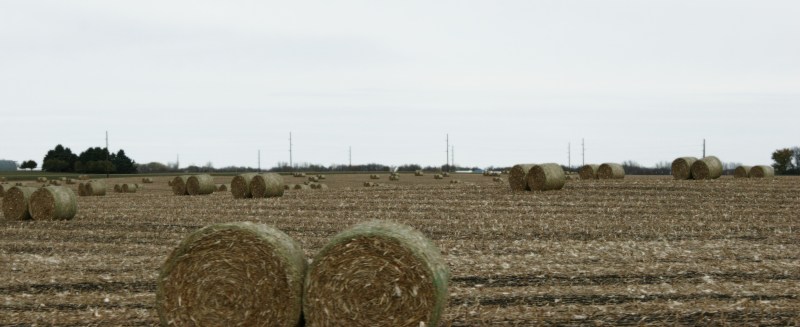
Cornstalk bales litter fields between Redwood Falls and Morgan.

Cornstalk bales litter fields between Redwood Falls and Morgan.

My husband was raised on a farm near Buckman in central Minnesota. Heard of it? Few people have. Likewise, not all that many Minnesotans know of Vesta, my hometown. Both communities are small—several hundred residents.

A vintage car travels eastbound along U.S. Highway 14 toward Nicollet.

A vintage car travels eastbound along U.S. Highway 14 toward Nicollet.

When folks ask where I grew up, I typically respond Vesta, bookmarked by “between Redwood Falls and Marshall.” If I get a blank look, I add “west of New Ulm.” If the geographic location still remains a mystery, I continue with “west of Mankato.” Then I usually see a flicker of recognition.

Occasionally you'll see cattle in a pasture. But mostly, farm land in southwestern Minnesota is used for crops like corn and soybeans.

Occasionally you’ll see cattle in a pasture. But mostly, farm land in southwestern Minnesota is used for crops like corn and soybeans.

My native southwestern Minnesota seems unappreciated by many who dismiss it as that boring prairie landscape en route to some place like Sioux Falls or the more distant destination of the Black Hills.

Fields and sky envelope a farm building just west of Wabasso.

Fields and sky envelope a farm building just west of Wabasso.

Appreciating the prairie, if you aren’t a native, takes a bit of effort. Wide skies and unhindered vistas can, I suppose, leave a landlocked city or hemmed-in by trees dweller feeling unsettled, untethered. There’s a sense of vulnerability and isolation on the prairie.

This farm site sits north of Lamberton in Redwood County.

This farm site sits north of Lamberton in Redwood County.

Land and sky overwhelm. Wind dominates. And for non-natives, that feeling of powerlessness within a landscape pushes away any thought of liking the prairie. Hurry. Power through the place. It’s just a bunch of farms and small towns and endless fields. But it isn’t. It is farm homes and red barns, grain elevators and water towers, corn and soybeans. Someone’s home. Someone’s land. Someone’s life. Someone’s livelihood. The prairie part of Minnesota. The place that shaped me as a person, a poet, a writer, a photographer. For that, I am grateful.

#

Note: All images were taken during my last visit “back home” in October and were edited to add a soft quality to the scenes.

© Copyright 2015 Audrey Kletscher Helbling


Minnesota faces: Vesta resident and promoter August 28, 2015

Portrait #37: My former neighbor, Dorothy

Dorothy. Minnesota Prairie Roots file photo 2012.

Dorothy. Minnesota Prairie Roots file photo 2012.

HER NAME IS DOROTHY. She was my next farm to the north neighbor when I was growing up near Vesta on the southwestern Minnesota prairie. Her eldest daughter, Mary Lee, and I were classmates from grade school through high school.

Dorothy was different than the others moms. She worked in town. At the bank. Back then in the 1960s and early 1970s, few women worked off the farm in rural Minnesota. So they were a bit of an oddity, at least through my girlhood eyes. Today Dorothy’s off-the-farm job would be the norm.

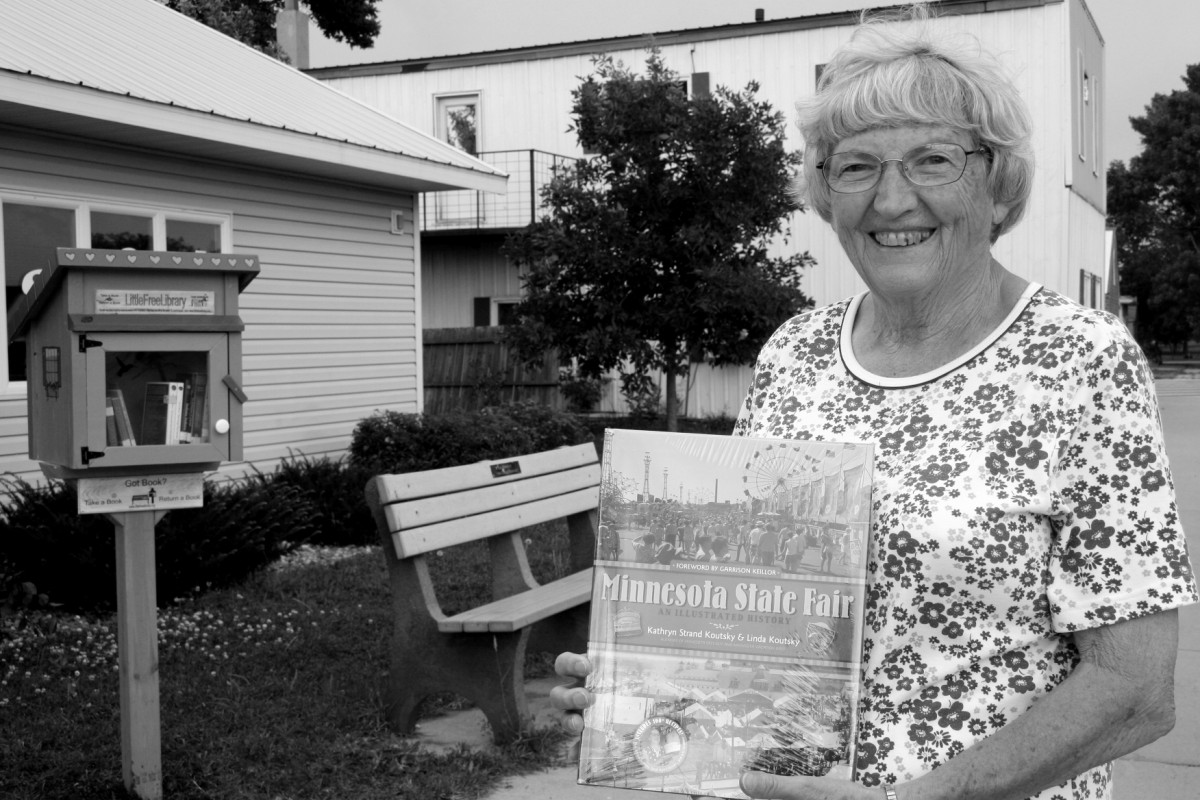
As I recall, my former neighbor was always active in the community. In 2012, when Todd Bol, co-founder of the Little Free Library, donated a library to my hometown of Vesta, Dorothy was key in finding a spot for it outside the Vesta Cafe. That’s when she posed for this photo as a representative of the Vesta Commercial Club.

She’s holding a book, Minnesota State Fair, An Illustrated History by Kathryn Strand Koutsky and Linda Koutsky, donated to the LFL by Coffee House Press. It’s a fitting photo to publish now. The Minnesota State Fair opened yesterday and runs through Labor Day.

You won’t find me there elbowing my way into the Minnesota Department of Natural Resources’ historic log building or lining up for a glass of $2 milk or watching an artist carve a dairy princess portrait in a butter block or sailing down a large slide or meandering around Machinery Hill. I suppose it’s almost traitorous to admit this, but I have not attended the Minnesota State Fair in nearly 40 years. I simply have no desire to fight the crowds.

But for those of you who wouldn’t miss the Great Minnesota Get Together, tell me why you go to the fair and what you must-see/must-do/must-eat there. In other words, what draws you to the fair?

Minnesota Faces is featured every Friday on Minnesota Prairie Roots

© Copyright 2015 Audrey Kletscher Helbling


Wabasso High Class of 1974 celebrates 40 years since graduation September 16, 2014

FORTY YEARS AGO, my Wabasso High School graduating class voted “Dead Skunk in the Middle of the Road” as our class song.

But our senior class advisers nixed the choice and “We May Never Pass This Way Again” became our theme song instead.

We never were a class to follow the norm, to keep quiet, to go along with whatever the adults desired. We were outspoken teens—some more than others—challenging authority, growing into adulthood in the turbulent early seventies. Kids who’d just missed sending our male classmates off to fight in Vietnam.
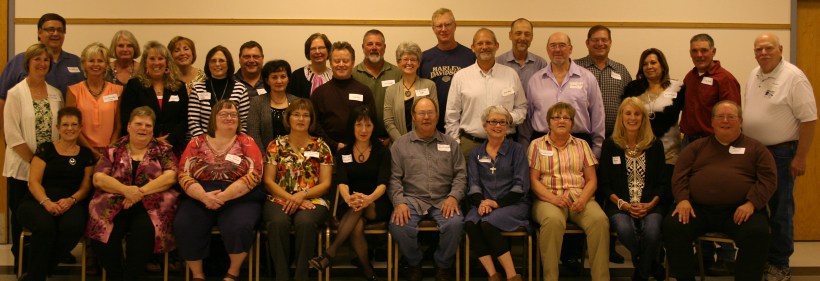
The Wabasso High School Class of 1974 fortieth year reunion.

The Wabasso High School Class of 1974 fortieth year reunion group photo. That’s a teacher seated in the front row, right. I’m in the back row near the middle with the pink, white and black striped shirt. Photo by Randy Helbling.

This past Saturday we gathered at the community center (and then moved to the Roadhouse Bar & Grill) in the southwestern Minnesota prairie town of Wabasso to reminisce about our school days and to celebrate the 40th anniversary of our graduation in May 1974.

Forty years. How do four decades pass that quickly?
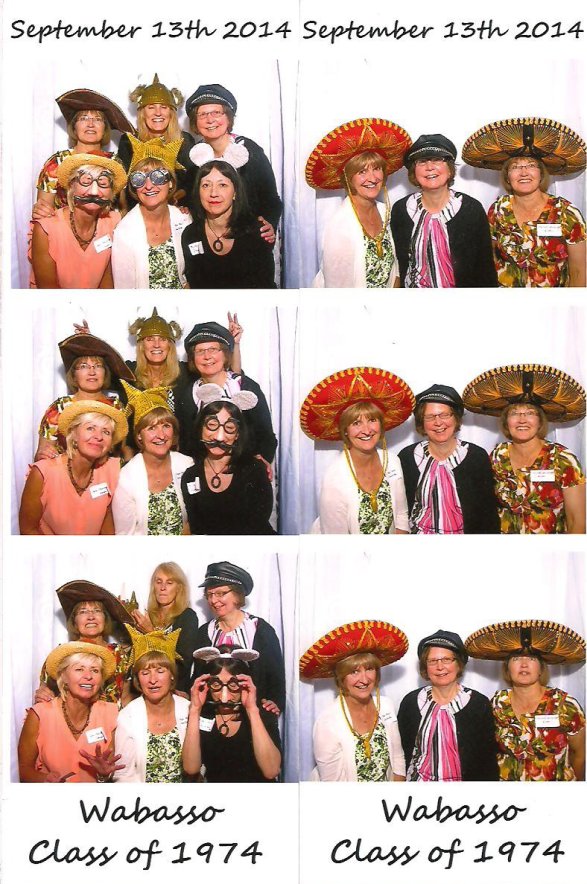
WHS reunion pic 7 and 8

Maybe we haven’t grow up so much. Or perhaps it’s just that we still like to have fun.

So much has changed, yet so little. We’ve grown up and reached the point in our lives when we realize life is too short, that the years we shared are worth celebrating.

In responding to questions for a reunion book I helped pull together, nearly every single classmate wrote that the best thing to happen to them since high school was getting married and having children. There was not a single answer like “I’m rich, live in a mansion and run a Fortune 500 company.” Not a single person placed wealth or career above family.

One other question—What has been the most influential book you’re read since high school?—also garnered a single most popular response—the bible. Many classmates wrote of their spiritual growth and the importance of God and faith in their lives.
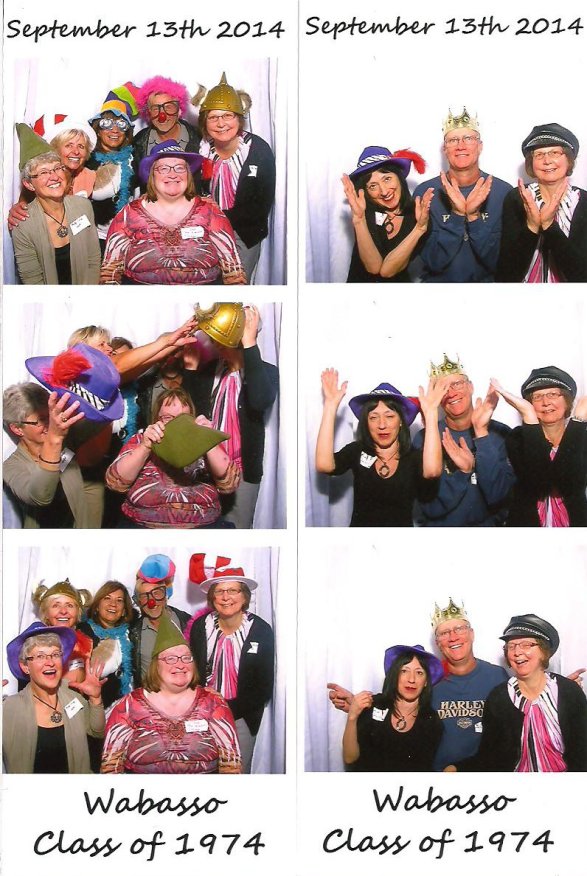
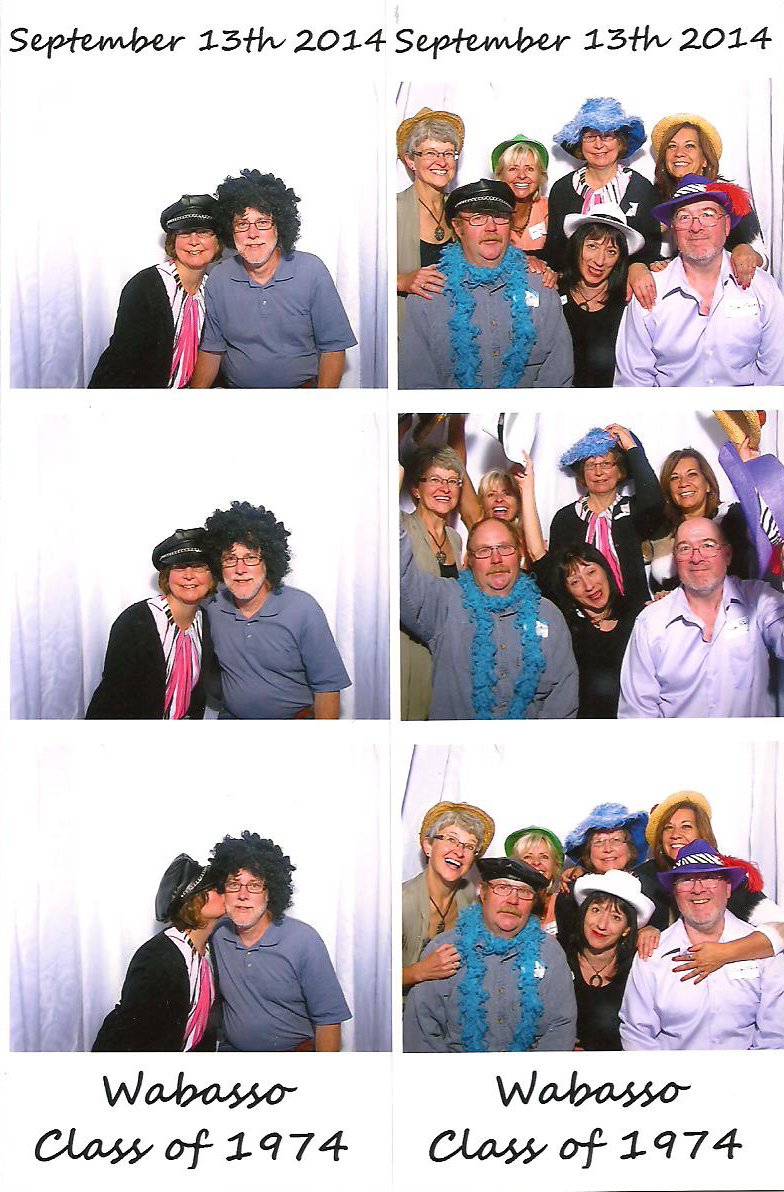
On the right are the three of us from Vesta who attended the reunion.

On the right are the three of us from Vesta who attended the reunion. Micki, Dallas and I grew up on farms within a mile of each other. That’s a V, for Vesta, that we’re shaping with our hands in the top image.

This was, by far, the best class reunion of all I’ve attended. And I believe I’ve missed only two.

We mingled and laughed and talked about our kids and grandkids (those who have them) and all sorts of things and simply had a really good time. There was no cornering off of friends, no division, none of those issues that seem to plague classes even decades later.
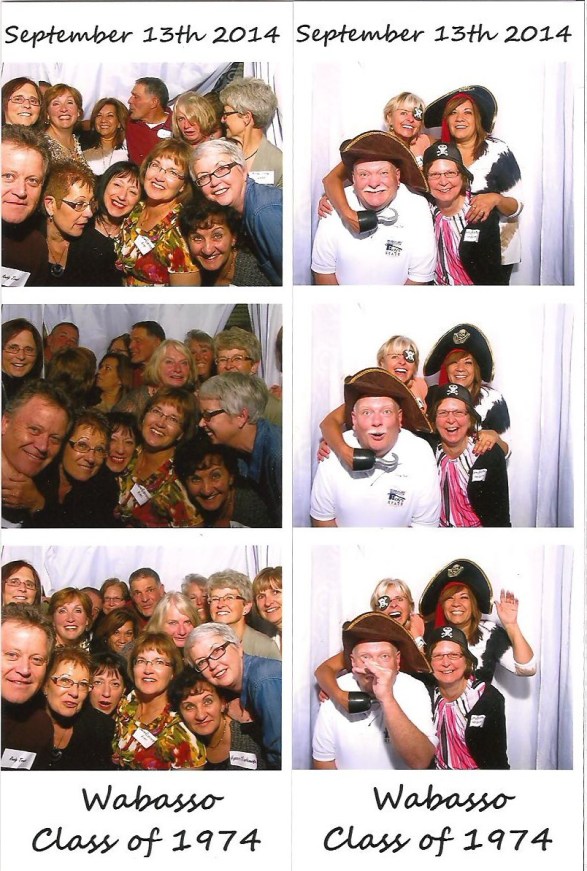
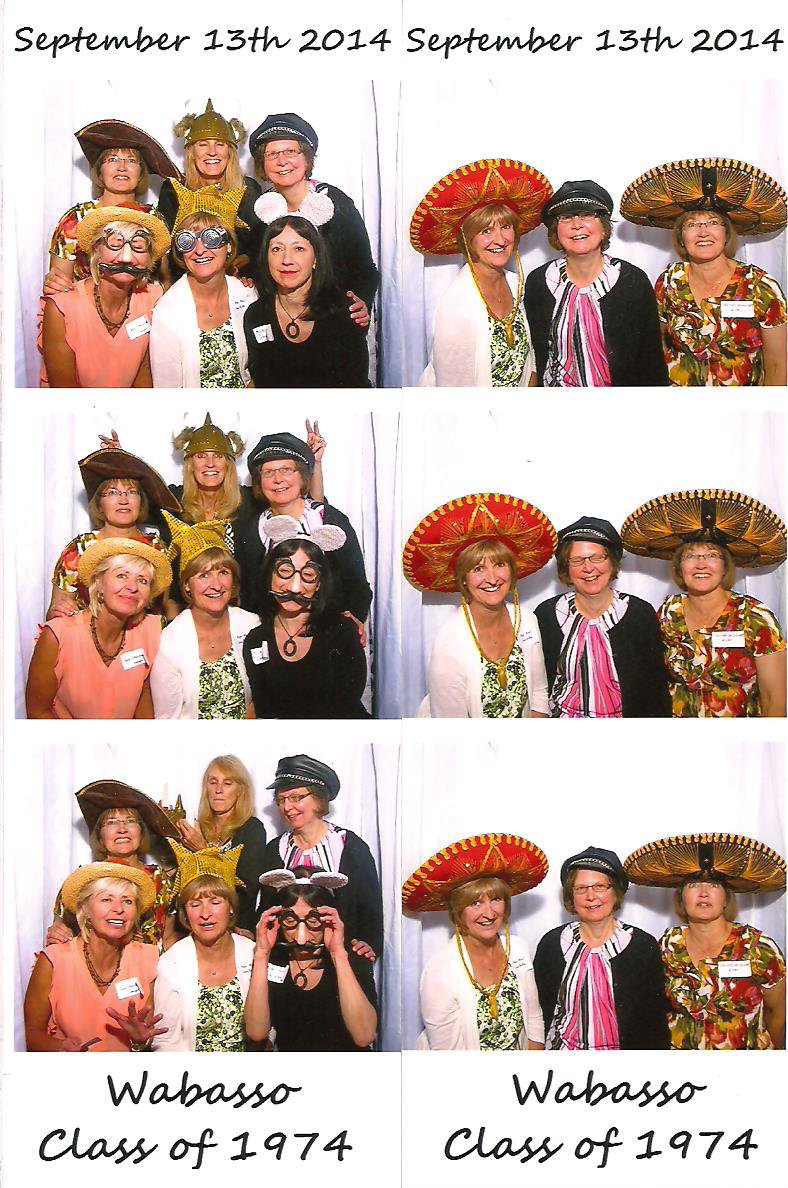
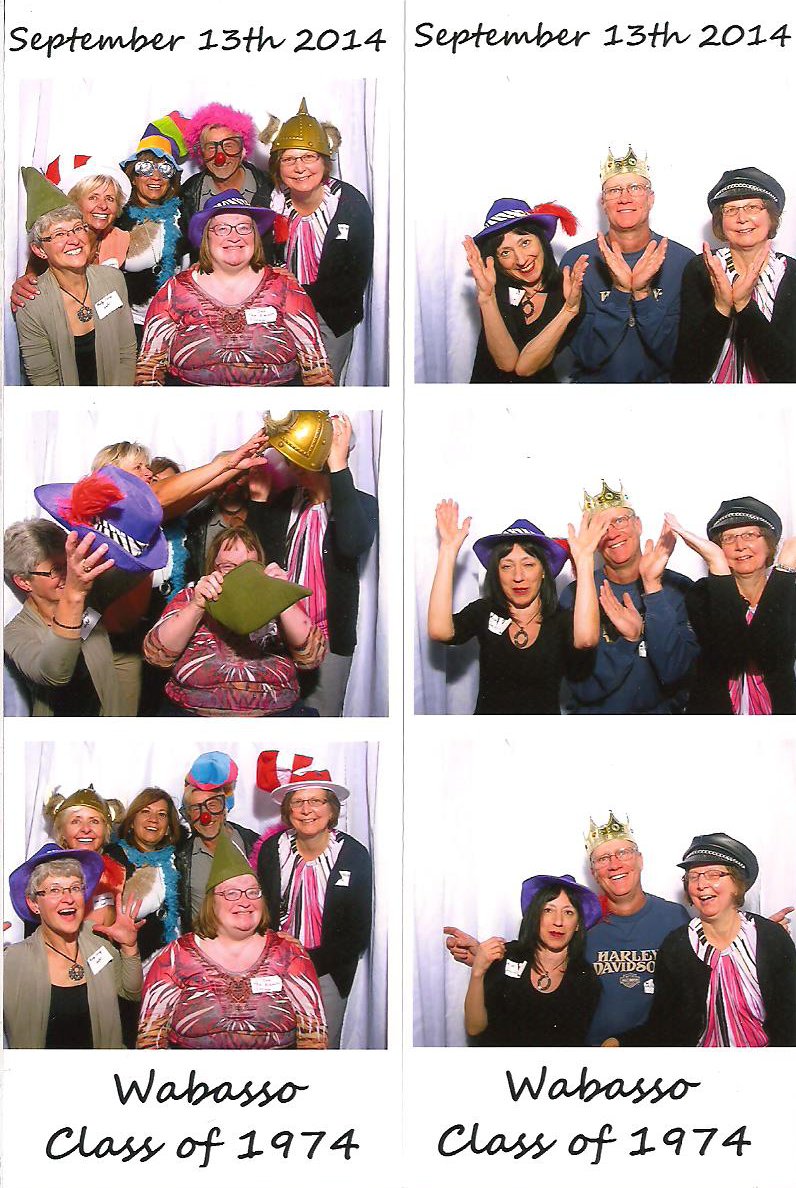
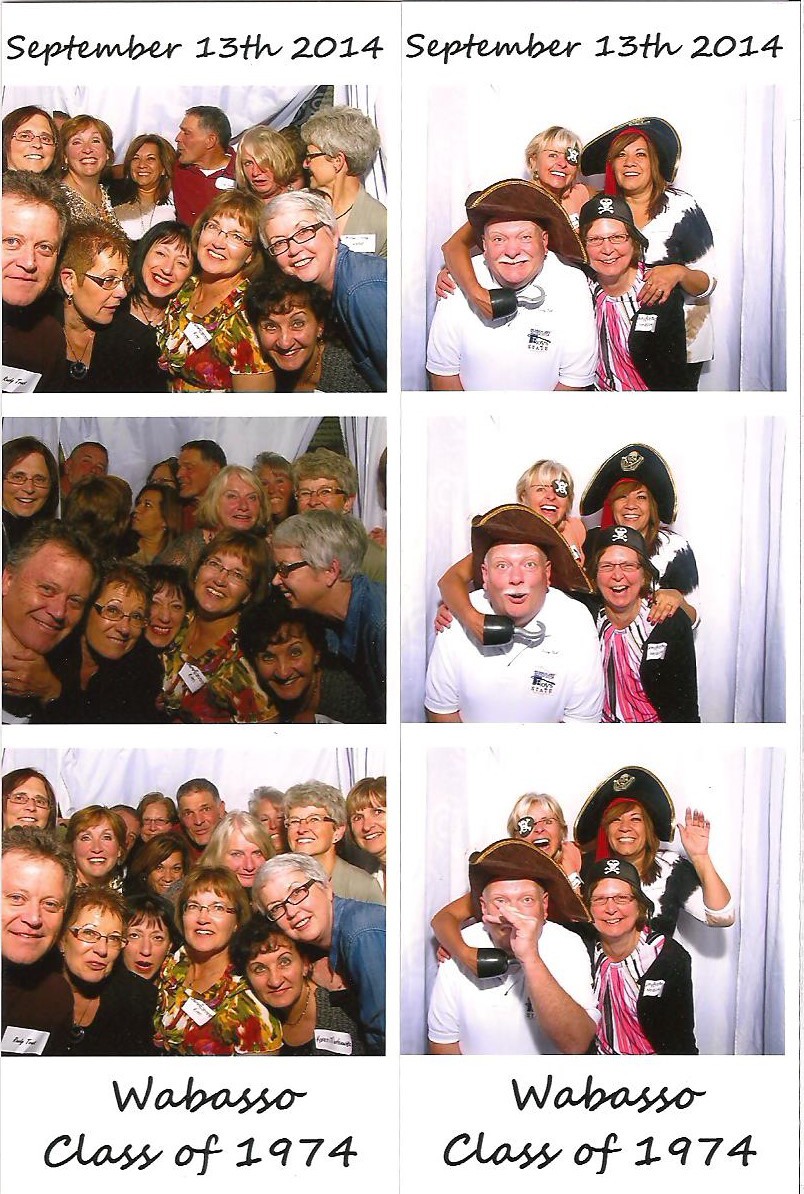
How many classmates can cram into a photobooth, left, and four members of the reunion committee, right.

How many classmates can cram into a photobooth, left, and four members of the reunion committee, right.

As one of my 88 classmates noted, we were always a class that got along. He’s right. At one point Saturday evening, we crammed as many people as possible into a photo booth (New Ulm-based Up All Night Photobooth) contracted for the event. I was an initial naysayer on the photo booth. But I’d recommend it. The photo sessions got us out of our chairs and totally mixing it up.
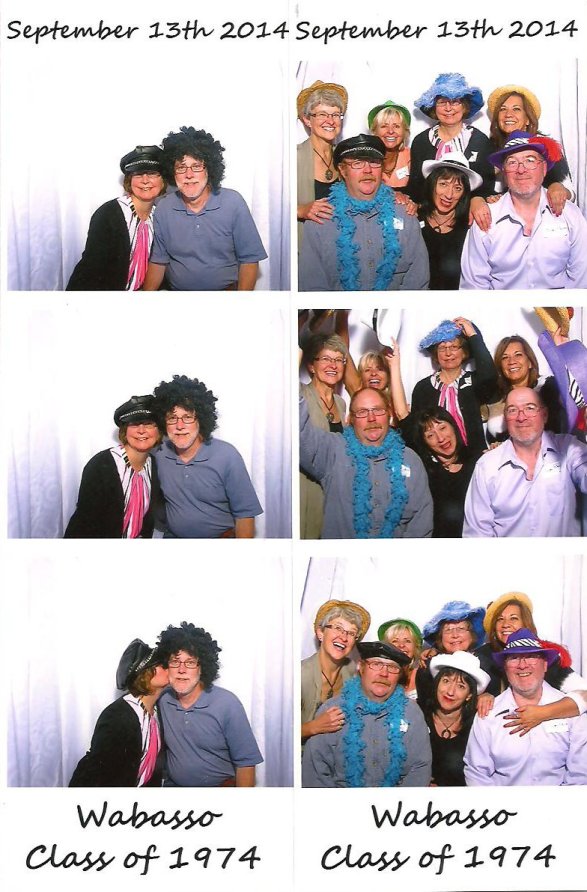
My husband and I pose for a photo that I told him will be our Christmas card. In the photo to the right is Lindsey, right front, whom I have not seen in 40 years. He promised to return for the next reunion.

My husband and I pose for a photo that I told him will be our Christmas card. In the photo to the right is Lindsey, right front, whom I have not seen in 40 years. He promised to return for the next reunion.

I saw classmates I have not seen in 40 years. And, yes, I had to sneak a sly peek at several name tags to identify people. But for the most part, I recognized my 29 classmates and the single teacher in attendance.

One classmate told me I still looked the same. I took that as a compliment. Obviously, he didn’t notice the gray hair, the creases in my face or the pounds added since I was a hip hugger, mini skirt, hot pants, go-go boot wearing teenager.
© Copyright 2014 Audrey Kletscher Helbling